SUNNY HILLS POST ACUTE
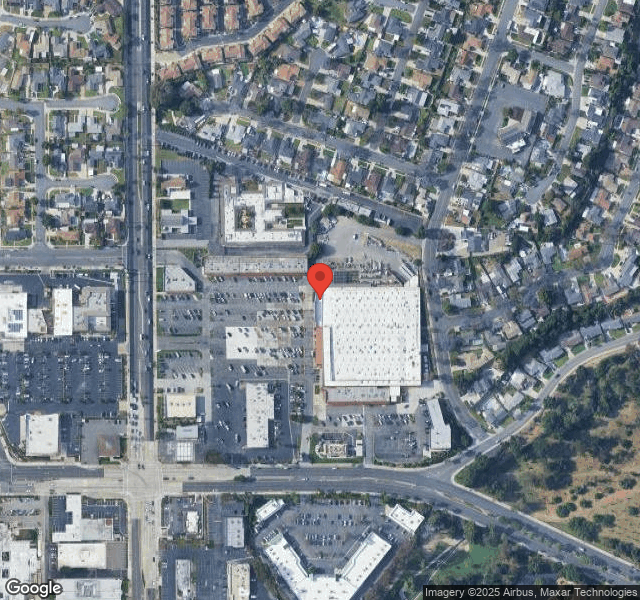
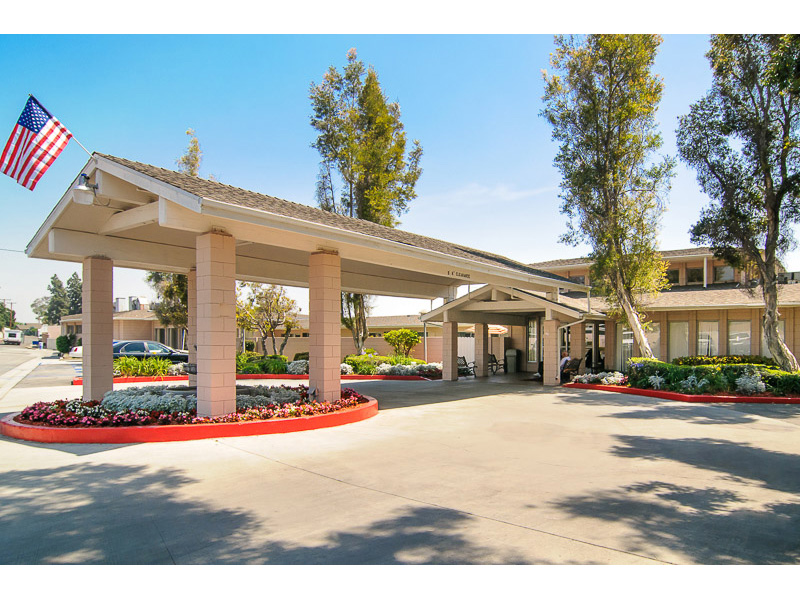
12200 LA MIRADA BLVD., LA MIRADA, CA 90638 (562) 947-8691
For profit - Limited Liability company 142 Beds DAVID & FRANK JOHNSON Data: November 2025 2 Immediate Jeopardy citations
Trust Grade
0/100
#1126 of 1155 in CA
Last Inspection: October 2024

Within standard 12-15 month inspection cycle. Federal law requires annual inspections.

Overview

Sunny Hills Post Acute in La Mirada, California has received a Trust Grade of F, indicating significant concerns and a poor reputation among nursing facilities. They rank #1126 out of 1155 in California, placing them in the bottom half of the state's nursing homes, and #349 out of 369 in Los Angeles County, suggesting very few local options are worse. Although the facility's trend is improving, with issues decreasing from 28 in 2024 to 6 in 2025, it still reported serious incidents, including a resident eloping from the facility and sustaining injuries, and a failure to provide timely CPR to a resident who was unresponsive. Staffing levels are average with a rating of 3 out of 5 stars, but the turnover rate is concerning at 52%, which is above the California average, and there is less RN coverage than 87% of state facilities. Additionally, the facility has incurred $153,572 in fines, which is higher than 92% of California facilities, indicating ongoing compliance problems.

Trust Score
F
0/100
In California
#1126/1155
Bottom 3%
Safety Record
High Risk
Review needed
Inspections
Getting Better
28 → 6 violations
Staff Stability
⚠ Watch
52% turnover. Above average. Higher turnover means staff may not know residents' routines.
Penalties
✓ Good
$153,572 in fines. Lower than most California facilities. Relatively clean record.
Skilled Nurses
⚠ Watch
Each resident gets only 17 minutes of Registered Nurse (RN) attention daily — below average for California. Fewer RN minutes means fewer trained eyes watching for problems.
Violations
⚠ Watch
90 deficiencies on record. Higher than average. Multiple issues found across inspections.
★☆☆☆☆
1.0
Overall Rating
★★★☆☆
3.0
Staff Levels
★★★★☆
4.0
Care Quality
★☆☆☆☆
1.0
Inspection Score
Stable
2024: 28 issues
2025: 6 issues

The Good

  • 4-Star Quality Measures · Strong clinical quality outcomes
  • Full Sprinkler Coverage · Fire safety systems throughout facility
  • No fines on record

Facility shows strength in quality measures, fire safety.

The Bad

1-Star Overall Rating

Below California average (3.1)

Significant quality concerns identified by CMS

Staff Turnover: 52%

Near California avg (46%)

Higher turnover may affect care consistency

Federal Fines: $153,572

Well above median ($33,413)

Significant penalties indicating serious issues

Chain: DAVID & FRANK JOHNSON

Part of a multi-facility chain

Ask about local staffing decisions and management

The Ugly 90 deficiencies on record

2 life-threatening 4 actual harm
Sept 2025 1 deficiency
CONCERN (D) 📢 Someone Reported This

A family member, employee, or ombudsman was alarmed enough to file a formal complaint

Potential for Harm - no one hurt, but risky conditions existed

Quality of Care (Tag F0684)

Could have caused harm · This affected 1 resident

**NOTE- TERMS IN BRACKETS HAVE BEEN EDITED TO PROTECT CONFIDENTIALITY** Based on observation, interview, and record review, the facility failed to assess and treat one of two sampled residents (Reside...

Read full inspector narrative →
**NOTE- TERMS IN BRACKETS HAVE BEEN EDITED TO PROTECT CONFIDENTIALITY** Based on observation, interview, and record review, the facility failed to assess and treat one of two sampled residents (Resident 1) after being exposed to scabies (a highly contagious skin infection caused by the microscopic mite), by failing to ensure staff: 1. Performed a skin assessment and tested Resident 1 for scabies after Resident 1's roommate tested positive for scabies. 2. Treated Resident 1 for scabies. These deficient practices resulted in Resident 1 expressing feelings of discomfort from constant itchiness and scratching and had the increased risk of scabies transmission to residents and staff. Findings:1. During a review of Resident 1's admission Record, the admission Record indicated Resident 1 was admitted to the facility on [DATE]. Resident 1's diagnoses included diabetes mellitus (DM- a disorder characterized by difficulty in blood sugar control and poor wound healing) and anxiety disorder (intense, excessive and persistent worry and fear about everyday situations). During a review of Resident 1's History and Physical (H&P) dated 8/29/2025, the H&P indicated Resident 1 did not have the mental capacity to make decisions. During a review of Resident 1's Minimum Data Set ([MDS] a resident assessment tool), dated 8/13/2025, the MDS indicated Resident 1's cognitive skills for daily decision making was impaired (ability to think and reason). The MDS indicated Resident 1 required set up assistance for eating, oral hygiene and personal hygiene. The MDS indicated Resident 1 required supervision for toileting hygiene and dressing. The MDS indicated Resident 1 required maximal assistance (helper does more than half the effort) for shower/bathing. During a review of Resident 1's electronic medical record, unable to locate Resident 1's skin assessment. During a concurrent observation and interview on 9/9/2025 at 12:37 p.m. with Resident 1, in Resident 1's room, Resident 1 was observed with a red rash on the right shoulder. Resident 1 stated she had been itching for weeks and informed staff. Resident 1 stated she had scabies before and knew the rash she currently had was also scabies. Resident 1 stated staff did not assess her skin or address her itchiness. Resident 1 stated she had a rash on both of her legs as well. 2. During a review of Resident 2's admission Record, the admission Record indicated Resident 2 was admitted to the facility on [DATE]. Resident 2's diagnoses included diabetes and diabetes mellitus ([DM] a disorder characterized by difficulty in blood sugar control and poor wound healing) During a review of Resident 2's History and Physical (H&P) dated 8/31/2025, the H&P indicated Resident 2 had the mental capacity to make decisions. During a review of Resident 2's MDS, dated [DATE], the MDS indicated Resident 2's cognitive skills for daily decision making was intact. The MDS indicated Resident 2 required supervision for eating, oral hygiene and personal hygiene. The MDS indicated Resident 2 required maximal assistance for toileting hygiene and shower/bathing. During an interview on 9/9/2025 at 12:13 p.m. with Resident 2, in Resident 2's room, Resident 2 stated a couple of days prior, she overheard Resident 1 say she had scabies. Resident 2 stated yesterday (9/8/2025) she observed Resident 1 scratching herself. During an interview on 9/11/2025 at 9:46 a.m. with Treatment Nurse (TN) 1, TN 1 stated he did not routinely assess Resident 1's skin because the resident did not have any known skin issues. TN 1 stated he was not notified of Resident 1's rash. TN 1 stated he was supposed to know of every resident's skin issues. TN 1 stated monitoring of Resident 1's skin should have been started after the facility was informed of the resident's roommates' positive scabies results. TN 1 stated it was beneficial to report skin issues for early detection and to start treatment. During an interview on 9/11/2025 at 11:10 a.m. with the Infection Preventionist Nurse (IPN), the IPN stated she was informed Resident 1's previous roommate tested positive for scabies over a week ago. The IPN stated she did not assess Resident 1 after she found out her roommate tested positive. The IPN stated Resident 1 needed to be placed in isolation and tested for scabies because she was exposed. The IPN stated she did not test Resident 1 or place Resident 1 on isolation. The IPN stated not placing exposed residents in isolation increased the risk of spreading scabies. During an interview on 9/11/2025 at 2:17 p.m. with the Director of Nursing (DON), the DON stated all residents exposed to scabies had to be placed in isolation and tested for scabies. The DON stated licensed nurses should have assessed Resident 1after finding out her roommate was positive for scabies. The DON stated it was important to assess residents to prevent the spread of scabies and for early plan of care. During a review of the facility's Policy and Procedure (P&P) titled Head Lice and Scabies Exposure and Treatment, dated 12/19/2022, the P&P indicated it was the facility's policy to ensure that residents who contract scabies or head lice are treated according to current standards of practice to eradicate the infestation and prevent further exposure and transmission. The P&P indicated residents who may have had potential contact with the affected resident should be assessed for signs of scabies. The P&P indicated staff would follow appropriate transmission-based precautions, including personal protective equipment ([PPE] clothing and equipment that is worn or used to provide protection against hazardous substances and/or environments) , when providing care to the affected resident. The P&P indicated the infested resident would be placed in a single occupancy room away from other residents to avoid transmission.
Jul 2025 1 deficiency
CONCERN (D) 📢 Someone Reported This

A family member, employee, or ombudsman was alarmed enough to file a formal complaint

Potential for Harm - no one hurt, but risky conditions existed

Deficiency F0658 (Tag F0658)

Could have caused harm · This affected 1 resident

**NOTE- TERMS IN BRACKETS HAVE BEEN EDITED TO PROTECT CONFIDENTIALITY** Based on interview and record review, the facility failed to ensure the nutritional supplement ordered by the physician for one ...

Read full inspector narrative →
**NOTE- TERMS IN BRACKETS HAVE BEEN EDITED TO PROTECT CONFIDENTIALITY** Based on interview and record review, the facility failed to ensure the nutritional supplement ordered by the physician for one of three sampled residents' (Resident 1), were monitored and documented.This failure had the potential to result in delayed identification of low or poor intake and interventions, causing further weight loss.Findings: During a review of Resident 1's admission Record, the admission Record indicated Resident 1 was admitted on [DATE]. The admission Record indicated Resident 1 had a history of malignant neoplasm (cancer) of the lung, dementia (a progressive state of decline in mental abilities), stage 4 pressure ulcer (Full-thickness skin and tissue loss with exposed muscle, tendon, ligament, cartilage, or bone) of the sacral region (lower back), and unstageable pressure ulcers (localized, pressure-related damage to the skin and/or underlying tissue usually over a bony prominence that cannot be fully evaluated due to layers of dead tissue) of the left buttock, right heel, and left heel. The admission Record indicated Resident 1 was discharged on 7/15/2025.During a review of Resident 1's History and Physical (H&P), dated 6/27/2025, the H&P indicated Resident 1 was alert and aware of his name only. The H&P indicated Resident 1 weighed 124 pounds (lbs, a unit of mass).During a review of Resident 1's Minimum Data Set (MDS - a federally mandated resident assessment tool), dated 7/15/2025, the MDS indicated Resident 1 was dependent (helper does all the effort) on staff to eat (the ability to bring food and/or liquid to the mouth and swallow), perform oral hygiene, and roll left and right.During a review of Resident 1's Medication Administration Record (MAR - a daily documentation record used by a licensed nurse to document medications and treatments given to a resident), for 7/2025, the MAR did not indicate the intake of health shake in percentage from 7/3/2025-7/10/2025 and from 7/10/2025-7/14/2025 three times per dayDuring a review of Resident 1's Documentation Survey Reports, dated 7/2025, the Documentation Survey Reports section NUTRITION- Amount Eaten were blank on 7/3/2025, 7/8/2025, and 7/20/2025 at 7:00 a.m. and 12:00 p.m. The Documentation Survey Reports sections NUTRITION - Nourishment 10 a.m. and NUTRITION - 2 p.m. were blank from 7/1/2025-7/8/2025 and 7/9/2025-7/13/2025.During a review of Resident 1's Care Plan titled Risk for Impaired Skin Integrity, dated 7/2/2025, the care plan indicated staff will monitor Resident 1's nutritional intake.During a review of Resident 1's Care Plan titled The resident has dehydration or potential for fluid deficit r/t disease process, hx (history) of uti (urinary tract infection- an infection in the bladder/urinary tract), retention of urine, dated 7/2/2025, the care plan indicated staff will monitor and document Resident 1's intake and output as per facility policy.During a concurrent interview and record review on 7/31/2025 at 11:30 a.m. with Licensed Vocational Nurse (LVN 1), Resident 1's MAR for 7/2025 was reviewed. LVN 1 stated Resident 1's history of dementia and cancer increased his risk of malnutrition (an imbalance of nutrients, leading to health problems). LVN 1 stated nursing staff are responsible for monitoring Resident 1's oral intake but did not. LVN 1 stated the MAR indicated Resident 1 received health shakes and snacks as ordered, but did not indicate Resident 1's consumption of the health shakes and snacks.During a concurrent interview and record review on 7/31/2025 at 12:42 p.m. with Certified Nursing Assistant 1 (CNA 1), Resident 1's Documentation Survey Reports dated 7/2025 was reviewed. CNA 1 stated Resident 1 did not drink more than 25% of his prescribed health shakes and snacks. CNA 1 stated staff were supposed to document the intake of all food and liquid but did not document Resident 1's health shakes and snacks. CNA 1 stated the Documentation Survey Report indicated CNAs did not monitor and document Resident 1's meal intake for breakfast and lunch on 7/3/2025, 7/8/2025, and 7/10/2025. CNA 1 stated the Documentation Survey Report indicated Resident 1's health shake and snack consumption was not monitored and documented from 7/1/2025-7/8/2025 and 7/10/2025-7/14/2025.During a concurrent interview and record review on 7/31/2025 at 1:50 p.m. with Registered Nurse (RN 1), Resident 1's Care Plan titled Risk for Impaired Skin Integrity dated 7/2/2025, Resident 1's Documentation Survey Reports for 7/2025, Resident 1's MAR for 7/2025 were reviewed. RN 1 stated the care plan and P&P indicated Resident 1's intake of meals, snacks, and health shakes should have been monitored and documented. RN 1 stated the Documentation Survey Reports and MAR indicated snack and health shake consumption was not monitored or documented. RN 1 stated the MAR indicated the snack and shakes were offered but there was no indication of how much Resident 1 consumed. RN 1 stated Resident 1's meal consumption was not monitored or documented for breakfast and lunch on 7/3/2025, 7/8/2025, and 7/10/2025. RN 1 stated the missing meal, snack, and health shake intake monitoring increased Resident 1's risk of weight loss, delayed wound healing, and hospitalization.During a concurrent interview and record review on 7/31/2025 at 2:24 p.m. with LVN 2, Resident 1's Care Plan titled The resident has dehydration or potential for fluid deficit r/t disease process, hx of uti, retention of urine, dated 7/2/2025, and the facility's P&P titled Weight Monitoring, dated 12/19/2022, were reviewed. LVN 2 stated Resident 1's Care Plan indicated staff should have monitored and documented intake and output according to facility policy. LVN 2 stated the P&P was not followed when Resident 1's nutritional interventions of snacks and health shakes was not monitored according to current professional standards.During an interview on 7/31/2025 at 4:20 p.m. with the Director of Nursing (DON), the DON stated nursing staff must monitor residents' consumption of nutrition interventions such as supplements and snacks to guide and individualize the plan of care. The DON stated Resident 1's consumption of snacks and health shakes was not monitored or documented anywhere in his chart.During a review of the facility's Certified Nursing Assistant (CNA) Job Description, dated 2003, the CNA job description indicated CNA's duties include recording residents' food/fluid intake and report changes in the resident's eating habits.During a review of the facility's P&P titled Weight Monitoring, dated 12/19/2022, the P&P indicated the facility will utilize a systemic approach to optimize a resident's nutritional status. The P&P indicated resident care plans should identify resident/specific interventions that will be identified, implemented, monitored, and modified consistent with resident goals and current professional standards.
May 2025 1 deficiency
CONCERN (D) 📢 Someone Reported This

A family member, employee, or ombudsman was alarmed enough to file a formal complaint

Potential for Harm - no one hurt, but risky conditions existed

Deficiency F0757 (Tag F0757)

Could have caused harm · This affected 1 resident

**NOTE- TERMS IN BRACKETS HAVE BEEN EDITED TO PROTECT CONFIDENTIALITY** Based on observation, interview, and record review, the facility failed to ensure one of three sampled residents (Resident 1) di...

Read full inspector narrative →
**NOTE- TERMS IN BRACKETS HAVE BEEN EDITED TO PROTECT CONFIDENTIALITY** Based on observation, interview, and record review, the facility failed to ensure one of three sampled residents (Resident 1) did not receive medication that is greater than the recommended dose by the manufacturer's label, and accepted standards of practice for a resident ' s condition. This deficient practice had potential to cause adverse reactions and medical complications for Resident 1. Findings During a review of Resident 1 ' s admission Record dated 5/20/2025, the admission Record indicated Resident 1 was originally admitted to the facility on [DATE] and readmitted on [DATE]. The admission Record indicated Resident 1 ' s diagnoses included diabetes mellitus (DM- a condition characterized by difficulty in blood sugar control and poor wound healing), other specified disorders of bone density and structure (a variety of conditions that affect bone strength), and muscle weakness (when muscles are not as strong as they should be). During a review of Resident 1 ' s History and Physical (H&P) dated 1/9/2025, the H&P indicated Resident 1 was not able to make medical decisions. During a review of Resident 1 ' s Minimum Data Set (MDS– a resident assessment tool) dated 2/19/2025, the MDS indicated Resident 1 was usually able to understand and be understood by others. The MDS indicated Resident 1 required set up assistance to substantial/maximal assistance (staff does more than half the effort) for Activities of Daily Living (ADLS) such as bed mobility (the ability to roll from lying on back to left and right side and return to lying on back on the bed), transfers and walking. During a review of Resident 1 ' s Radiology Report dated 5/14/2025, the Report indicated Resident 1 had generalized osteoporosis (weak and brittle bones due to lack of calcium and Vitamin D ) with degenerative disc space narrowing at all lumbar levels (a condition where the cartilage in the spine joints begin to wear out) and osteoarthritis (a progressive disorder of the joints, caused by a gradual loss of cartilage) change of the left hip joint. During a review of Resident 1 ' s Physician Order dated 5/14/2025, the Order indicated to administer Alendronate Sodium (a medication that slows the breakdown of bone and prevents the loss of calcium) 70 milligrams (mg-unit of measurement) 1 tablet by mouth in the morning for osteoporosis to Resident 1. During a review of Resident 1 ' s Order Progress Note dated 5/14/2025, the Progress Note indicated the order for Alendronate Sodium was outside the recommended dose or frequency. The Progress Note indicated Alendronate Sodium oral tablet 70 mg. one tablet by mouth daily exceeded the usual dosing regimen of 0.5 tablet every seven days to 0.67 tablet daily. During a review of Resident 1 ' s Medication Administration Record (MAR) dated 5/2025, the MAR indicated Alendronate Sodium oral tablet 70 mg one tablet by mouth was administered to Resident 1 on 5/15/2025, 5/16/2025, and 5/18/2025. During a review of Resident 1 ' s Change of Condition (COC) dated 5/18/2025, the COC indicated. Alendronate 70 mg was ordered to be given every week on Saturdays but was entered as Alendronate 70 mg by mouth daily and Resident 1 was given Alendronate 70 mg on 5/15/2025, 5/16/2025, and 5/18/2025. During an interview on 5/20/2025 at 9:35 a.m. with Resident 1, Resident 1 stated she received new medication for osteoporosis and was supposed to take it weekly, but the nurses (not specified) administered it to her (Resident 1) twice last week. During a concurrent interview and record review on 5/20/2025 at 11:20 a.m. with the Director of Nursing (DON), Resident 1 ' s order Progress Note dated 5/14/2025 was reviewed. The DON stated licensed nurses should have caught the medication order alert sooner indicating the Alendronate Sodium exceeded the usual dosage and clarified the order with the NP or physician. During an interview on 5/20/2025 at 2:07 p.m. with the pharmacist (Pharm 1), Pharm 1 stated Alendronate Sodium 70 mg should be given once a week and not daily. Pharm 1 stated the pharmacy only sent four tablets so it should have alerted the nurses that the medication was for weekly and not daily dosing. Pharm 1 stated the medication packaging also had instructions for weekly dosing. Pharm 1 stated taking Alendronate over the recommended once weekly dose could cause overdosing and lead to constipation (problem passing stool), diarrhea (loose watery stool), abdominal pain, headache, and muscle cramps. During a concurrent record review and interview on 5/20/2025 at 3:25 p.m. with Registered Nurse (RN) 1, Resident 1 ' s Order Progress Note dated 5/14/2025 was reviewed. RN 1 stated she did not notice the medication alert on 5/14/2025 indicating the Alendronate Sodium dose for Resident 1 exceeded the usual dosing. RN 1 stated, if she had noticed the alert, she would have contacted the NP immediately to clarify the order. RN 1 stated, she became aware of the dosage error and reached out to the NP to clarify the order on 5/18/2025. RN 1 stated, the NP informed her, the Alendronate Sodium was supposed to be administered weekly (not daily) to Resident 1. During a concurrent observation and interview on 5/20/2025 at 4:00 p.m. with the DON, Resident 1 ' s Alendronate Sodium medication packaging/box was observed. The DON stated the medication packaging/box indicated the medication was to be given once weekly and nurses should have been aware of the instructions and administer the medication once weekly to Resident 1. During a review of the facility ' s policy and procedure (P&P) titled, Medication Errors, dated 12/19/2022, the P&P indicated the facility would ensure medications would be administered according to physician orders, per manufacturer ' s specifications regarding the preparation, and administration of the drug or biological, and in accordance with accepted standards and principles which apply to professionals providing services.
Apr 2025 1 deficiency 1 IJ
CRITICAL (J) 📢 Someone Reported This

A family member, employee, or ombudsman was alarmed enough to file a formal complaint

Immediate Jeopardy (IJ) - the most serious Medicare violation

Accident Prevention (Tag F0689)

Someone could have died · This affected 1 resident

**NOTE- TERMS IN BRACKETS HAVE BEEN EDITED TO PROTECT CONFIDENTIALITY** Based on observation, interview, and record review, the facility failed to provide supervision to one of two sampled residents (...

Read full inspector narrative →
**NOTE- TERMS IN BRACKETS HAVE BEEN EDITED TO PROTECT CONFIDENTIALITY** Based on observation, interview, and record review, the facility failed to provide supervision to one of two sampled residents (Resident 1) identified as an elopement (the act of leaving a facility unsupervised and without prior authorization) risk by failing to: 1. Follow its policy and procedures (P&P) titled Accidents and Supervision, which indicated the facility will implement interventions to prevent injury to residents. 2. Follow its P&P titled Elopements and Wandering Residents, which indicated residents with a risk for elopement would receive supervision to prevent accidents. 3. Utilize a systematic approach to monitoring and managing Resident 1 to prevent the resident from leaving the facility unsupervised. 4. Ensure door locks/alarms were in place to prevent Resident 1 from eloping. 5. Ensure the facility's exit doors were monitored to prevent Resident 1 from leaving the facility unsupervised. These deficient practices resulted in Resident 1 eloping from the facility, falling and sustaining fractures (broken bone) to the nose, mandible (jawbone), 6th to 8th right ribs, a lip laceration (cut), a bump on the right side of the head, an injured right knee, and broken upper dentures and lower teeth implants. On 4/22/2025 at 3:47 p.m., an Immediate Jeopardy ([IJ] a situation in which the facility's noncompliance with one or more requirements of participation caused, or was likely to cause serious injury, harm, impairment, or death to a resident) was called in the presence of the Administrator (Admin) due to the facility's failure to provide supervision to Resident 1, in-servicing staff on supervision for residents with elopements risks and complying with rules and regulations to prevent accidents and elopements. On 4/24/2025 at 4:09 p.m., the facility submitted an acceptable IJ Removal Plan (IJRP). After verification of the IJRP implementation through observation, interview, and record review, the IJ was removed onsite on 4/24/2025 at 4:19 p.m., in the presence of the Admin. The IJPR included the following immediate actions: 1. Resident 1 was transferred to the hospital for evaluation and assessment. Resident 1 returned to the facility on 4/6/2025 and was placed on 1:1 supervision (staff member providing continuous and constant observation to a single resident). 1:1 staff was provided supervision education. Resident 1 will be on 1:1 indefinitely until a safe plan can be put in place or the interdisciplinary team (IDT, group of different disciplines working together towards a common goal of a resident) has determined 1:1 supervision is no longer indicated. 2. On 4/6/2025, the Admin provided in-service education to the weekend and evening receptionist regarding not leaving their post unattended. 3. On 4/5/2025, the Director of Staff Development (DSD) and Admin provided in-service regarding the monitoring/supervision, wandering and elopement policy to the receptionist and facility staff who were on shift such as: licensed nurses, certified nursing assistants (CNAs), therapists, environmental services, social services, activities, dietary services, and administrative personnel. 4. On 4/5/2025, facility doors were checked for appropriate function by the Maintenance Director. 5. On 4/5/2025, a head count was initiated of in-house residents by the Admin and found that all residents totaling 132 were accounted for. 6. Elopement assessments were completed on all residents by the Director of Nursing (DON)/designee on 4/5/2025, and 4/6/2025. 7. Two residents identified to be at risk for elopement were reviewed by the DON/designee for appropriate care plan interventions initiated on 4/5/2025. 8. An in-service education regarding wandering and elopement was provided by Administrator/ DON/ Designee to facility staff: facility licensed nurses, CNAs, therapists, environmental services, social services, activities, dietary services, and administrative personnel was initiated on 4/5/2025. Staff who are on leave or as needed (PRN) will be in-serviced on their next scheduled shift. 9. On 4/6/2025, an IDT meeting was conducted for the two residents who are identified as at risk for elopement. 10. The DON or designee will audit new admissions with elopement risks and ensure appropriate interventions are in place for three months or until substantial compliance is achieved. 11. Weekly, the Social Services Director (SSD) or designee will review all new admissions to ensure an elopement risk assessment has been completed, and those residents identified at risk are updated in the Elopement binder. Audits will be conducted for three months or until substantial compliance is achieved. 12. New hires will receive education on wandering, elopement, and resident safety by the DON, SSD, or designee(s) upon hire and annually thereafter. Facility will continue to perform on going in-service trainings regarding wandering, elopement, resident safety, and resident monitoring/supervision to facility staff monthly for 3 months. 13. Elopement risk binders were reviewed by the DON and Administrator on 4/6/2025 and were up to date. Elopement risk binders are available at each nursing station and at the reception area. Elopement binders are updated by the SSD Monthly and PRN with oversite by the DON. 14. Elopement code drills were initiated on all shifts starting on 4/6/2025 and will continue to perform drills monthly for three months; then quarterly thereafter by Administrator/DON and/or DSD. 15. An ongoing weekly check of facility doors and alarms were performed by the Maintenance Department to ensure function and securement. An increase to twice weekly frequency of facility door and alarm checks were initiated on 4/6/2025. 16. An ongoing twice weekly check of facility doors and alarms will be performed by the Maintenance Department to ensure function and securement for three months or until substantial compliance has been achieved. Any findings will be corrected immediately and trends reported to the Quality Assurance/Quality Assurance and Performance Improvement (QA/QAPI- a data driven proactive approach to improvement used to ensure services are meeting quality standards) Committee for further recommendations. 17. The QAPI Committee will review and discuss elopement and supervision for all residents during the monthly QAPI meetings to determine the effectiveness of the facility's efforts and to provide feedback and program modification for a minimum of three months or until pattern of compliance is maintained. Findings: During a review of Resident 1's admission Record, the admission Record indicated Resident 1 was admitted to the facility on [DATE] and readmitted to the facility on [DATE] with diagnoses including Alzheimer's Disease (a disease characterized by a progressive decline in mental abilities) and dementia (a progressive state of decline in mental abilities). During a review of Resident 1's History and Physical (H&P) dated 11/19/2024, the H&P indicated Resident 1 did not have the capacity to understand and make decisions. During a review of Resident 1's Minimum Data Set (MDS- a resident assessment tool), dated 2/11/2025, the MDS indicated Resident 1's cognitive skills for daily decision making (ability to think, remember and reason) were impaired. The MDS indicated Resident 1 required moderate assistance (helper does less than half) for toileting hygiene, dressing, and personal hygiene. The MDS indicated Resident 1 required supervision for oral hygiene and putting on/taking off footwear. The MDS indicated Resident 1 required set up or clean up assistance for eating. The MDS indicated Resident 1 required moderate assistance to walk 50 feet with two turns. The MDS indicated Resident 1 used a manual wheelchair for mobility. The MDS indicated Resident 1 had the ability to wheel herself at least 150 feet. During a review of Resident 1's Care Plan titled, Risk for elopement, dated 2/5/2024, the care plan indicated the goal was for Resident 1 to remain in the facility with no episodes of elopement. The interventions indicated to anticipate Resident 1's needs, encourage daily activity participation, and frequent visual checks for needs and safety. During a review of Resident 1's Elopement Risk assessment, dated 8/29/2024, the elopement risk assessment indicated Resident 1 had wandering behaviors and a history of attempting to leave the facility without informing staff. During a review of Resident 1's Situation, Background, Assessment, and Recommendation form ([SBAR], used for information transfer, especially when discussing critical situations or changes in a patient's condition), dated 4/5/2025, the SBAR indicated on 4/5/2025, Resident 1 had a fall in the street. The SBAR indicated Resident 1 stated she fell from the wheelchair and landed on her face. The SBAR indicated Resident 1 had right forehead swelling, a cut to the right lower lip, and blood noted. During a review of Resident 1's General Acute Care Hospital (GACH) H&P Report dated 4/5/2025 at 5:29 p.m., the report indicated Resident 1 had a ground level fall and sustained a right jawbone and nasal (nose) bone fractures and was admitted to the GACH for syncope (a brief loss of consciousness caused by a temporary decrease in blood flow to the brain) and fall. During a review of Resident 1's GACH Computed Tomography ([CT], non-invasive imaging technique that uses X-rays [electromagnetic radiation that can penetrate through objects and create images on film] to create cross-sectional images of the body) results of the face dated 4/5/2025, the CT results indicated Resident 1 had nondisplaced (a break in a bone where the bone fragments remain aligned) lateral (a side part of something) and inferior (a break or crack in the bones surrounding the left maxillary sinus on the lateral and inferior sides) wall fractures of the left maxillary sinus (one of two paranasal sinuses [a hollow space in the bones around the nose], located in the maxillary bone, which is part of the upper jaw, on the left side of the face), a nondisplaced left nasal bone fracture, and right facial and scalp soft tissue injury (damage to the non-bony structures of the body, such as muscles, ligaments, tendons, and nerves). During a review of Resident 1's GACH Discharge summary dated [DATE] at 11:34 a.m., the discharge summary indicated Resident 1's diagnosis were facial fractures and rib fractures. The discharge summary indicated blood was noted on Resident 1's nose and lower lip and a right parietal hematoma (scalp hematoma [a localized collection of blood outside of blood vessels, typically caused by injury or trauma] outside of the brain). The discharge summary indicated Resident 1 had an acute buckle fracture (one side of a bone bulges out, or buckles, without breaking through the entire bone) at the anterolateral (both anterior and lateral) right 6 - 8th ribs. During an interview on 4/18/2025 at 10:00 a.m. with Resident 1, Resident 1 stated on 4/5/2025, (time unknown) she fell and hurt herself. Resident 1 stated she did not remember where she fell. Resident 1 stated she injured her right knee, and it was very painful. Resident 1 stated after her fall she had bruises on her face and a cut on her right knee. Resident 1 stated her fall caused her dentures and implants to break. During an interview on 4/18/2025 at 10:28 a.m. with Certified Nursing Assistant (CNA) 1, CNA 1 stated on 4/5/2025 at 9:45 a.m., she was notified by Licensed Vocational Nurse (LVN) 1 that Resident 1 wanted to use the restroom. CNA 1 stated she assisted Resident 1 to the commode (a portable toilet, one with a chair like frame), and back on her wheelchair and then she wheeled the resident to the hallway, in front of her room. CNA 1 stated she left Resident 1 sitting on her wheelchair in front of her room and went to assist other residents. CNA 1 stated that was the last time she saw Resident 1. CNA 1 stated at 10:05 a.m., Resident 1 was missing and could not be located. During an interview on 4/18/2025 at 11:10 a.m. with Licensed Vocational Nurse (LVN) 1, LVN 1 stated on 4/5/2025 at 9:30 a.m., she saw CNA 1 wheel Resident 1 outside her room. LVN 1 stated at 9:40 a.m., she saw Resident 1 propel herself down the hallway. LVN 1 stated between 10:00 a.m., and 10:45 a.m., a staff (unnamed) questioned if she had seen Resident 1. LVN 1 stated Resident 1 was found outside by a church parking lot, located adjacent to the facility. LVN 1 stated the CNAs should know to take Resident 1 to the activities or sunshine room (a room where residents watch tv, read, or do activities) to keep Resident 1 busy from wandering behaviors. During an interview on 4/18/2025 at 1:10 p.m. with Resident 1's Responsible Party (RP 1), RP 1 stated on 4/5/2025 at 10:55 a.m., staff informed her Resident 1 left the facility unsupervised. RP 1 stated she was told Resident 1 propelled herself to the adjacent property (church), went down the church's driveway and fell off her wheelchair and landed on the street. RP 1 stated the facility informed her a good Samaritan (someone who gives help to people who need it) who was driving by, stopped and called 911 (Universal Emergency Number, for citizens throughout the United States to request emergency assistance) to assist Resident 1. RP 1 stated Resident 1 sustained fractures to her nose, mandible, three right rib fractures, laceration on the upper lip, and bruising on her face, under the right breast and on her right knee. RP 1 stated she was notified by the emergency medical technician (EMT, a medically trained individual who provides emergency medical care to patients before they are transported to a hospital) that Resident 1 was found in the lane closest to the curb bleeding from her face. RP 1 stated the EMT informed her the good Samaritan blocked incoming traffic with her vehicle and called 911. During an interview 4/18/2025 at 2:15 p.m. with the Director of Staff Development (DSD), the DSD stated on 4/5/2025, CNA 3 asked her (DSD) if she had seen Resident 1 because the resident was missing. The DSD stated she went outside to look for Resident 1 and found the resident on the street near the sidewalk. The DSD stated Resident 1 had fallen out of her wheelchair and had a cut on her lower lip. The DSD stated a civilian stopped her vehicle to help Resident 1 and called 911. The DSD stated she interviewed the facility's Receptionist to determine how and when Resident 1 left the facility unsupervised. The DSD stated the Receptionist told her she did not see Resident 1 leave the facility. The DSD stated the Receptionist stated she left the front desk unattended to use the restroom. The DSD stated Resident 1 was at risk for falls and elopement and should have been always monitored. During an interview on 4/18/2025 at 2:45 p.m. with CNA 2, CNA 2 stated on 4/5/2025 at 10:00 a.m., he was notified by Resident 2 that 20 minutes prior he saw Resident 1 leave through the facility's front doors. CNA 2 stated he began to look for Resident 1 and went outside to the parking lot and then the street where he observed a lady waving him down. CNA 2 stated the lady was standing in the middle of the street and stopped traffic with her vehicle. CNA 2 stated the lady told him not to touch Resident 1 and that she called 911. CNA 2 stated he observed Resident 1 on the ground, in the middle of the street lying on her right side. CNA 2 stated he observed a lot of blood on the ground and on Resident 1's face. CNA 2 stated Resident 1 was not talking. During an interview on 4/18/2025 at 3:30 p.m. with Registered Nurse (RN) 1, RN 1 stated on 4/5/2025 at 10:05 a.m. she heard Resident 1 was missing. RN 1 stated she went outside and saw Resident 1 sitting on the street near the sidewalk. RN 1 stated Resident 1 had blood on her face. RN 1 stated she stayed with Resident 1 until the EMTs transported Resident 1 to the GACH. During an interview on 4/18/2025 at 3:54 p.m., with the Admin, the Admin stated on 4/5/2025 at 10:30 a.m., the DSD notified her Resident 1 left the facility unsupervised and had a fall. The Admin stated Resident 1 should have been supervised every 30 minutes by staff to prevent Resident 1 from elopement, falls, and injuries. The Admin stated the Receptionist walked away from the front desk when Resident 1 eloped from the facility. The Admin stated there was supposed to be a person sitting at the front desk at all times to prevent residents from leaving the facility unattended. The Admin stated the Receptionist should have notified someone to relieve her before leaving the front desk. During an interview on 4/18/2025 at 4:24 p.m., with the DSD, the DSD stated all staff were responsible for monitoring Resident 1. The DSD stated Resident 1 needed to be monitored every hour on her whereabouts. The DSD stated the Receptionist should not leave the front desk unattended. The DSD stated the Receptionist should have notified someone to stay at the front desk to prevent residents from elopement and injuries. During a concurrent observation and interview on 4/21/2025 at 9:35 a.m., with CNA 2, in the facility's adjacent property's parking lot, CNA 2 pointed to the middle of the street as the location where he found Resident 1 on 4/5/2025 laying on her right side. CNA 2 stated he walked out of the facility down the driveway, and to his left he saw a lady flagging him down, waving her arms up and down. During an interview on 4/21/2025 at 12:50 p.m. with the Director of Nursing (DON), the DON stated Resident 1 was an elopement risk. The DON stated an elopement risk meant it was a risk to have Resident 1 alone in an unsupervised area and Resident 1 was not to leave the facility without supervision. The DON stated it was not safe for Resident 1 to be unsupervised in the parking lot because she was confused and could potentially fall and sustain injuries. The DON stated all staff were responsible to supervise Resident 1. The DON stated the reason Resident 1 eloped from the facility and sustained injuries was due to lack of supervision. The DON stated it was important to continuously monitor a resident with an elopement risk for the residents' safety. During an interview on 4/21/2025 at 2:46 p.m. with Resident 2, in Resident 2's room, Resident 2 stated on 4/5/2025 at 9:30 a.m. Resident 1 was sitting at the front lobby and he was sitting out on the patio. Resident 2 stated he saw Resident 1 leave through the facility's front exit door, which was wide open. Resident 2 stated Resident 1 propelled herself out the door and no one noticed her leave. Resident 2 stated he thought Resident 1 was going to come back but she did not. Resident 2 stated he notified the Receptionist that Resident 1 left the facility. Resident 2 stated the Receptionist went outside to look for Resident 1 but did not find her and she came back into the facility to inform staff Resident 1 was missing. Resident 2 stated 20 minutes after Resident 1 left the facility he also notified CNA 2 that Resident 1 exited through the facility's front door and staff started to look for Resident 1. During an interview on 4/24/2025 at 12:21 p.m. with the DON, the DON stated Resident 1 was supposed to be monitored every 5 minutes to prevent the resident from leaving the facility unsupervised. The DON stated there was a lapse in supervision which was the reason why Resident 1 was able to wheel herself out of the facility unnoticed. The DON stated staff were not vigilant in responding to the door alarms in a timely manner. The DON stated there was a delay in staff responding to the front exit door alarm because Resident 1 could have been found right outside the facility. The DON stated the facility's front exit door was not monitored when Resident 1 left the facility. The DON stated all staff should have redirected Resident 1 to another area or involve Resident 1 in activities. The DON stated it was important to follow the facility's monitoring approach in preventing elopement, accidents, and injuries for residents' safety. The DON stated it was important to make sure door alarms were working, monitored, and staff responded to the alarms promptly to prevent elopements and accidents. During a review of the facility's Policy and Procedure (P&P) titled Elopements and Wandering Residents, undated, the P&P indicated the facility would ensure residents who exhibit wandering behavior and/or are at risk for elopement received adequate supervision to prevent accidents. The P&P indicated the facility was equipped with door locks/alarms to help avoid elopements. The P&P indicated staff would be vigilant in responding to alarms in a timely manner. The P&P indicated adequate supervision would be provided to help prevent accidents or elopements. During a review of the facility's P&P titled Accidents and Supervision, dated 12/19/2022, the P&P indicated residents would receive adequate supervision to prevent accidents. The P&P indicated supervision was an intervention and a means of mitigating accident risk. The P&P indicated the facility would establish and utilize a systemic approach to address resident risk and environmental hazards to minimize the likelihood of accidents.
Jan 2025 1 deficiency
CONCERN (E) 📢 Someone Reported This

A family member, employee, or ombudsman was alarmed enough to file a formal complaint

Potential for Harm - no one hurt, but risky conditions existed

Safe Environment (Tag F0921)

Could have caused harm · This affected multiple residents

**NOTE- TERMS IN BRACKETS HAVE BEEN EDITED TO PROTECT CONFIDENTIALITY** Based on observation and interview, the facility failed to provide a safe, clean, and home like environment to the 8 of 9 reside...

Read full inspector narrative →
**NOTE- TERMS IN BRACKETS HAVE BEEN EDITED TO PROTECT CONFIDENTIALITY** Based on observation and interview, the facility failed to provide a safe, clean, and home like environment to the 8 of 9 residents living in the affected rooms. These failures had the potential to result in unsanitary living conditions and accidental falls and injuries. Findings: a). During an observation on 1/22/2025 at 10:00 a.m., in activity room, where (unidentified) residents were observed watching televisionand drinking coffee, two ceiling vents (grilles) by the entrance of the activity room were observed full of dusts, with strands of dust hanging over the vents. The back and right-side walls were also observed with dried food spots. b). During an observation on 1/22/2025 at 10:15 a.m. in residents ' rooms 12A, 18A, 21A, 22B, 36B, 44A, 49C, the walls behind the residents ' headboard had white paints falling off from the wall. c). During an observation on 1/22/2025 at 10:35 a.m. in resident ' s room [ROOM NUMBER]C. The side wall was observed with black and white dried food spots. The ceiling vent was observed with strands of dusts. d). During an observation on 12/22/2025 at 10:40 a.m. in resident ' s room [ROOM NUMBER]C, a plastic baseboard (a narrow wooden board running along the base of an interior wall) was observed sticking out from the wall. During an interview on 1/22/2024 at 2;00 p.m. with Housekeeping (HK), the HK stated deep cleaning (a thorough cleaning that eliminates visible dirt, bacteria, and germs) were done to each room once a month. The HK stated deep cleaning included moving furniture, beds, cleaningthe windows and walls. The HK stated, if the walls were dirty, it should have been cleaned. The HK stated if there were parts in a resident ' s room that were broken, or paints were peeling off from the wall is falling, we inform the supervisor. The HK stated the janitor is in charge to clean the ceiling vents. The HK stated the supervisor was informed around December 2024 about the plastic baseboard in room [ROOM NUMBER]C coming off the wall. The HK stated it is important to keep rooms clean and fix broken things for residents ' safety and hygiene. During an observation and interview on 1/22/2025 at 2:34 p.m. with Maintenance Assistance (MA), the MA confirmed the ceiling vents in the activity room were dirty, full of dust strands. The MA stated it was important to clean the ceiling vents, so the dusts won ' t fall on residents ' food while eating and for infection control. During an interview on 1/22/2024 at 2:57 p.m. with Maintenance Supervisor (MS), the MS stated the paints in some of the rooms (unidentified), were coming off. The MS stated it was not acceptable to keep the plastic baseboards loose, as they were not safe and could cause the residents to fall. The MS stated the walls should be cleaned every day. The MS stated the facility is the residents ' home, and the facility must ensure a home like environment are being provided to the residents. During an interview on 1/22/2025 at 4;10 p.m. with Director of Nursing (DON), the DON stated dirty walls must be cleaned by housekeeping to prevent any infections and provide the residents a homelike environment. During a review of the facility ' s policies and procedures (P&P) titled, Safe and Homelike Environment, dated, 12/19/2022, the P&P indicated, the facility must provide a safe, clean, comfortable and homelike environment. The P&P indicated housekeeping and maintenance services will be provided as necessary to maintain a sanitary, orderly, and comfortable environment. During a review of the facility ' s P&P titled, Preventative Maintenance Program, dated 12/19/2022, the P&P indicated, a Preventative Maintenance Program shall be implemented to ensure the provision of a safe, functional, sanitary, and comfortable environment for residents, staff, and the public.
Jan 2025 1 deficiency
CONCERN (D) 📢 Someone Reported This

A family member, employee, or ombudsman was alarmed enough to file a formal complaint

Potential for Harm - no one hurt, but risky conditions existed

Pharmacy Services (Tag F0755)

Could have caused harm · This affected 1 resident

**NOTE- TERMS IN BRACKETS HAVE BEEN EDITED TO PROTECT CONFIDENTIALITY** Based on observation, interview and record review, the facility failed to ensure, one of four sampled residents (Resident 3), sw...

Read full inspector narrative →
**NOTE- TERMS IN BRACKETS HAVE BEEN EDITED TO PROTECT CONFIDENTIALITY** Based on observation, interview and record review, the facility failed to ensure, one of four sampled residents (Resident 3), swallowed scheduled stool softener medications during medication administration. This failure resulted in Resident 3 missing a dose and placed the resident at risk for constipation. Findings: During a review of Resident 3's admission Record, the admission Record indicated Resident 3 was admitted to the facility on [DATE] with diagnoses including primary generalized osteoarthritis (a type of joint disease that causes breakdown of cartilage, the protective tissue that cushions the ends of bones in joints that affects multiple joints, including the hands, knees, hips, and spine) and chronic obstructive pulmonary disease ([COPD], a common lung disease causing restricted airflow and breathing problems). During a review of Resident 3's Minimum Data Set (Minimum Data Set [MDS] a standardized assessment and care screening tool), dated 12/12/2024, the MDS indicated Resident 3 had moderate cognitive (the ability to think and reason) impairment (a loss of part of all ability). The MDS indicated Resident 3 required substantial/maximal assistance (staff does more than half the effort) for Activities of Daily Living (ADLs) such as toileting hygiene (the ability to maintain perineal hygiene, adjust clothes before and after voiding or having a bowel movement) and showering/bathing self. During a review of Resident 3's Order Summary Report, dated 12/31/2024, Resident 3's physician orders indicated, Docusate Sodium Oral Tablet 100 milligrams ([mg], a unit of measurement), give two tablets by mouth two times a day for bowel management. Hold if loose stools. During a concurrent observation and interview on 12/31/2024 at 10:00 a.m. with Resident 3 at Resident 3's bedside, two small sized, white, circular pills inside a plastic cup, on top of Resident 3's bedside table were observed. Resident 3 stated the pills were stool softeners (a medication to help with bowel movements). Resident 3 stated she was instructed by the nurse (not identified) to take the pills this morning (12/31/2024). During a concurrent observation and interview on 12/31/2024 at 10:14 a.m. with Licensed Vocational Nurse (LVN) 1, LVN 1 was shown a photo of Resident 3's stool softeners inside a plastic cup at Resident 3's bedside table. LVN 1 stated, Resident 3 did not take the pills. LVN 1 stated the facility did not ensure Resident 3 took all her medications. During an interview on 12/31/2024 at 10:33 a.m., LVN 2 stated it was not appropriate to leave medication at a resident's bedside. LVN 2 stated leaving medications at a resident's bedside is not the proper administration of medications. LVN 2 stated leaving medications at a resident's bedside placed other residents at risk of taking medication not ordered for them. LVN 2 stated, the resident could have missed taking the medication, if they were just left at the bedside. During a concurrent record review and interview on 12/31/2024 at 2:43 p.m. with the Director of Nursing (DON), Resident 3's admission assessments and photo of Resident 3's bedside table with pills, were reviewed. The DON stated nurses should ensure residents ingest or swallow all medications given during medication administration process. The DON stated, It was not acceptable to leave pills at resident's bedside. The DON stated if any residents can self-administer medications, they should have been assessed upon admission. The DON stated Resident 3's admission assessments did not indicate Resident 3 could self-administer medication. During a review of facility's policy and procedure (P&P) titled, Medication Administration, dated 12/19/2022, the P&P indicated, the licensed nurses should observe resident consume the medication.
Dec 2024 1 deficiency
CONCERN (D) 📢 Someone Reported This

A family member, employee, or ombudsman was alarmed enough to file a formal complaint

Potential for Harm - no one hurt, but risky conditions existed

Deficiency F0655 (Tag F0655)

Could have caused harm · This affected 1 resident

**NOTE- TERMS IN BRACKETS HAVE BEEN EDITED TO PROTECT CONFIDENTIALITY** Based on interview and record review, the facility failed to ensure a baseline care plan was initiated for one of three sampled ...

Read full inspector narrative →
**NOTE- TERMS IN BRACKETS HAVE BEEN EDITED TO PROTECT CONFIDENTIALITY** Based on interview and record review, the facility failed to ensure a baseline care plan was initiated for one of three sampled residents (Resident 2) who had a history of falls. This failure had the potential for unidentified nursing interventions (actions), repeated falls and injuries for Resident 2. Findings: During a review of Resident 2's admission Record, the admission Record indicated, Resident 2 was initially admitted to the facility on [DATE] with diagnoses including contusion (medical term for bruise [an injury to the body's soft tissue caused by direct blow or impact]), laceration (a tear or opening in the skin that's caused by an injury), and hemorrhage (excessive bleeding) of brainstem with loss of consciousness of unspecified duration and repeated falls. During a review of Resident 2' History and Physical (H&P), the H&P indicated that Resident 2 had mild dementia (a group of brain disorders that cause a gradual decline in skills such as memory, thinking, reasoning and judgement). During a review of Resident 2's baseline care plan dated 12/9/2024, Resident 2's baseline care plan did not indicate Resident 2 was at high risk for falls and no interventions were found to address or help prevent Resident 2 from having another fall. During a review of Resident 2's Change of Condition (COC) dated 12/14/2024, the COC indicated Resident 2 was found lying on the floor after an unwitnessed fall in Resident 2's bathroom. The COC indicated Resident 2 sustained skin tears the right elbow and left knee from the fall and was transferred to the hospital for evaluation. During an interview on 12/20/2024 at 10:54 a.m. with Licensed Vocational Nurse (LVN) 3, LVN 3 stated Resident 2 had an unsteady gait (manner of walking or moving on foot) and stated Resident 2 required assistance with Activities of Daily Living (ADLs). LVN 3 stated that if there was no baseline care plan for a resident with a history of falls, it would place the resident at risk for falling again because there was no guide for staff to protect the resident's safety. During a concurrent interview and record review on 12/20/2024 at 4:37 p.m. with the Director of Nursing (DON), the facility's P&P titled, Baseline Care Plan, dated 12/19/2022, was reviewed. The facility's P&P indicated, the facility will develop and implement a baseline care plan for each resident that includes the instruction needed to provide effective and person-centered care of the resident that meet professional standards of quality care. The DON stated, a baseline care plan should be resident centered and started within 48 hours. The DON stated Resident 2's baseline care plan should have been completed and include measures for safety to prevent falls.
Oct 2024 21 deficiencies
CONCERN (D)

Potential for Harm - no one hurt, but risky conditions existed

Deficiency F0552 (Tag F0552)

Could have caused harm · This affected 1 resident

**NOTE- TERMS IN BRACKETS HAVE BEEN EDITED TO PROTECT CONFIDENTIALITY** Based on observation, interview, and record review, the facility failed to ensure the resident's responsible party (RP) was info...

Read full inspector narrative →
**NOTE- TERMS IN BRACKETS HAVE BEEN EDITED TO PROTECT CONFIDENTIALITY** Based on observation, interview, and record review, the facility failed to ensure the resident's responsible party (RP) was informed in advance, of the risks and benefits of the use of bedrails (adjustable metal or rigid plastic bars that attach to the bed) for one of eight sampled residents (Resident 331). This deficient practice resulted in the violation of Resident 331's RP's right to make an informed decision regarding the use of bedrails. Findings: During a review of Resident 331's admission Record (Face Sheet), the admission record indicated Resident 331 was initially admitted to the facility on [DATE] and readmitted to the facility on [DATE]. Resident 131's diagnoses included sepsis (a life-threatening blood infection), dementia (a progressive state of decline in mental abilities), and chronic obstructive pulmonary disease ([COPD], a chronic lung disease causing difficulty in breathing). During a review of Resident 331's Minimum Data Set ([MDS], a federally mandated resident assessment tool), dated 8/25/2024, the MDS indicated Resident 331's cognition (process of thinking) was severely impaired. The MDS indicated Resident 331 was dependent on staff for assistance with oral hygiene, toileting, bathing, dressing, and personal hygiene. During a review of Resident 331's History and Physical Examination (H&P), dated 10/26/2024, the H&P indicated Resident 331 did not have the capacity to understand and make decisions. During an observation on 10/28/2024 at 9:45 a.m. and on 10/29/2024 at 8:36 a.m., in Resident 331's room, Resident 331 was observed lying in bed and with bilateral (both sides) bedrails up. During an interview on 10/31/2024 at 8:19 a.m., with Registered Nurse (RN) 1, RN 1 stated bed rails were utilized only if they were beneficial for the resident such as a mobility aid. RN 1 stated prior to placing bedrails, the physician would give the order for bedrails and was responsible for explaining to the resident and/or their RP regarding the risks and benefits of using bedrails. RN 1 stated the licensed nurse would then verify from the resident and/or the RP that all their questions were answered, and they were fully informed of the use of bedrails. RN 1 stated they could not apply the bedrails unless the resident and/or RP consented to its use. During a concurrent observation and interview on 10/31/2024 at 8:23 a.m., with RN 1, in Resident 331's room, Resident 331 was observed in bed and with bilateral bedrails. RN 1 stated Resident 331 was unable to move on his own and he should not have bedrails. During a concurrent interview and record review on 10/31/2024 at 8:24 a.m., with RN 1, Resident 331's Orders were reviewed. The Orders did not indicate that Resident 331's physician ordered the use of bedrails. RN 1 stated without a physician's order for bedrails, the bedrails should not have been placed for Resident 331. During a concurrent interview and record review on 10/31/2024 at 8:36 a.m., with RN 1, Resident 331's Medical Record was reviewed. The Medical Record did not indicate that Resident 331's responsible party (RP 2) consented to the use of bedrails. RN 1 stated there was no consent given by RP 2 nor any other documentation that informed consent was verified prior to placing the bedrails for Resident 331. RN 1 stated it was important to verify RP 2 was informed of the risks and benefits so they could make an informed decision regarding the use of bedrails. RN 2 stated without consent from RP 2, there was no definitive way to say RP 2 understood the reason for the bedrails and the risks that were associated with them RN 2 stated RP 2 would not be able to make a completely informed decision regarding Resident 331's care. During an interview on 10/31/2024 at 11:47 a.m., with the Director of Nursing (DON), the DON stated prior to utilizing bedrails for a resident, an assessment for the need and risk had to be completed. The DON stated the licensed nurse would then verify with the resident and/or their RP that they were informed of the risks associated with the bedrail usage. The DON stated because RP 2 was not informed of the use of bedrails and did not consent to its use; they would not be fully aware of the care and treatment that Resident 331 was receiving. During a review of the facility's policy and procedure (P&P) titled, Proper Use of Bed Rails, revised 12/19/2022, the P&P indicated informed consent from the resident, or their RP must be obtained prior to the installation and use of bed rails.
CONCERN (D)

Potential for Harm - no one hurt, but risky conditions existed

Deficiency F0558 (Tag F0558)

Could have caused harm · This affected 1 resident

**NOTE- TERMS IN BRACKETS HAVE BEEN EDITED TO PROTECT CONFIDENTIALITY** Based on observation, interview, and record review, the facility failed to ensure one of eight sampled resident's (Resident 5) c...

Read full inspector narrative →
**NOTE- TERMS IN BRACKETS HAVE BEEN EDITED TO PROTECT CONFIDENTIALITY** Based on observation, interview, and record review, the facility failed to ensure one of eight sampled resident's (Resident 5) call light was within reach. This deficient practice prevented Resident 5 from communicating with staff and had the potential to delay appropriate care, treatment, and services. Findings: During a review of Resident 5's admission Record, dated 10/31/2024, the admission record indicated Resident 5 was initially admitted to the facility on [DATE] and readmitted on [DATE]. Resident 5's diagnoses included muscle weakness, anxiety disorder (a mental health disorder that produces fear, worry, and a constant feeling of being overwhelmed), dementia (a progressive state of decline in mental abilities), functional quadriplegia (paralysis from the neck down, including legs, and arms without injury to the brain or spinal cord), contracture of right hand (a stiffening/shortening at any joint, that reduces the joint's range of motion), lack of coordination, and anemia (a condition where the body does not have enough healthy red blood cells). During a review of Resident 5's Social Service Assessment, dated 12/22/2022, the social services assessment indicated Resident 5 had no capacity to make decisions. During a review of Resident 5's Minimum Data Set (MDS - a federally mandated resident assessment tool), dated 9/17/2024, the MDS indicated Resident 5's cognition (ability to think, remember, and reason) was severely impaired. The MDS indicated Resident 5 had some difficulty communicating words and thoughts but could comprehend most conversation. The MDS indicated Resident 5 was dependent and required the assistance of two or more helpers for eating, toileting, bathing, and personal hygiene. The MDS indicated Resident 5 had impairments on both sides of the lower extremities and to one side of the upper extremity. During a review of Resident 5's care plan with a focus of Resident at risk for falls due to impaired cognitive and thought processes, initiated on 1/1/2019 and last revised on 6/29/2024, the care plan indicated Resident 5 was at risk for falls related to major depression disorder (a mood disorder that causes a persistent feeling of sadness and loss of interest), glaucoma (an eye disease that gradually worsens vision), and psychoactive (alters brain function) and antihypertensive (lowers high blood pressure) drug use. The care plan interventions indicated to anticipate and meet the resident's needs and to have a call light within reach. During a review of Resident 5's care plan with a focus of Activities of Daily Living (ADL - routine tasks/activities such as bathing, dressing and toileting a person performs daily to care for themselves) self-care performance deficit, initiated on 1/22/2019 and last revised on 6/29/2024, the care plan indicated Resident 5 would maintain current level of function without complication. The care plan interventions indicated Resident 5 would be encouraged to use the bell to call for assistance. During a concurrent observation and interview on 10/28/2024 at 12:45 p.m., with Resident 5, in Resident 5's room, observed Resident 5 lying in bed with paddled call light positioned above the left side of the resident's head. Resident 5 stated she was cold and needed to be covered up. Resident 5 linens were lying on the floor next to her bed. Resident 5 was asked if she was able to use her call light to notify a nurse. Resident 5 yelled No! and demanded that she be covered up and pulled up in bed. Resident 5 began yelling out, I am cold! Cover me up!. Resident 5 repeatedly yelled out that she was cold and needed to be covered up pulled up in bed. During an interview on 10/31/2024 at 12:00 p.m., with Licensed Vocational Nurse (LVN) 5, LVN 5 stated it was important for Resident 5 to have a call light within reach because Resident 5 had a tendency to become frustrated, angry and lash out when her needs were not met. LVN 5 stated it would be difficult to calm Resident 5 down once she became angry and frustrated. During a review of the facility's policy and procedure (P&P) titled, Fall Prevention Program, revised 12/28/2023, the P&P indicated, The nurse and/or interdisciplinary team will initiate interventions on the resident's care plan, in accordance with the resident's level of risk. The P&P indicated fall interventions included a clear pathway to the bathroom, call light and frequently used items are within reach and adequate lighting.
CONCERN (D)

Potential for Harm - no one hurt, but risky conditions existed

Deficiency F0583 (Tag F0583)

Could have caused harm · This affected 1 resident

**NOTE- TERMS IN BRACKETS HAVE BEEN EDITED TO PROTECT CONFIDENTIALITY** Based on observation, interview and record review, the facility failed to remove the identifiable health information (any inform...

Read full inspector narrative →
**NOTE- TERMS IN BRACKETS HAVE BEEN EDITED TO PROTECT CONFIDENTIALITY** Based on observation, interview and record review, the facility failed to remove the identifiable health information (any information that could be used to identify the individual, such as the full name, date of birth , etc.) on the intravenous (IV, within the vein) medication bag prior to disposition in the trash can for one of nine sampled residents (Resident 30). This deficient practice had the potential to result in unauthorized disclosure of Resident 30's personal information to unauthorized users. Findings: During an observation on 10/28/2024 at 9:33 a.m., in Resident 30's room, Resident 30's empty IV medication bag with identifiable health information was found in the trash can with no lid. During a review of Resident 30's admission Record, the admission record indicated Resident 30 was admitted to the facility on [DATE]. Resident 30's diagnoses included diabetes mellitus (DM- a disorder characterized by difficulty in blood sugar control and poor wound healing), dysphagia (difficulty swallowing), sepsis (a life-threatening blood infection), and dementia (a progressive state of decline in mental abilities). During a review of Resident 30's History and Physical (H&P), dated 9/12/2024, the H&P indicated Resident 30 did not have the capacity to make medical or financial decisions. During a review of Resident 30's Minimum Data Set (MDS - a federally mandated resident assessment tool), dated 9/10/2024, the MDS indicated Resident 30's cognitive (the ability to think and process information) skills for daily decision making was severely impaired. During a review of Resident 30's Medication Administration Record (MAR) for October 2024, the MAR indicated Resident 30 received ertapenem (antibiotic used for the treatment of moderate to severe infections) IV on 10/28/2024 at 8:31 a.m. During an interview on 10/30/2024 at 10:01 a.m. with Registered Nurse (RN) 1, RN 1 stated only RNs could manage IV therapy and had to use a black sharpie to blacken the resident's information on the IV medication bag before disposal. RN 1 stated it was not acceptable to see the IV medication bag with identifiable health information in Resident 30's trash can. RN 1 stated it was important to protect Resident 30's dignity and confidentiality. RN 1 stated the potential risk was a Health Insurance Portability and Accountability Act (HIPPA, a federal law that protects patients' medical records and other personal health information) violation. RN 1 stated all staff were responsible to protect the resident's confidentiality. During a review of the facility's Policy and Procedure (P&P) titled Confidentiality of personal and medical records, revised on 12/19/2022, the P&P indicated the facility honored the resident's right to a secure and confidential personal and medical record.
CONCERN (D)

Potential for Harm - no one hurt, but risky conditions existed

Safe Environment (Tag F0584)

Could have caused harm · This affected 1 resident

**NOTE- TERMS IN BRACKETS HAVE BEEN EDITED TO PROTECT CONFIDENTIALITY** Based on observation, interview, and record review, the facility failed to provide a homelike environment for three of eight sam...

Read full inspector narrative →
**NOTE- TERMS IN BRACKETS HAVE BEEN EDITED TO PROTECT CONFIDENTIALITY** Based on observation, interview, and record review, the facility failed to provide a homelike environment for three of eight sampled residents (Residents 46, 94, and 100) who shared a room and had old, yellow stains on the celling and an unfinished painted wall of their room. This deficient practice resulted in Residents 46, 94, and 100 being unhappy with the quality of their living space. Findings: During an observation on 10/28/2024 at 1:30 p.m., inside Residents 46, 94, and 100's room, a yellow stain was observed sprawled along the ceiling near the door. The wall near the door was observed with an uneven surface and an uneven pain color. a. During a review of Resident 46's admission Record (Face Sheet), indicated Resident 46 was admitted to the facility on [DATE]. Resident 46's diagnoses included chronic kidney disease (a long-term condition where the kidneys are damaged and can't filter blood properly), depression (mood disorder that causes a persistent feeling of sadness and loss of interest in life), and type two (2) diabetes mellitus (a disorder characterized by difficulty in blood sugar control and poor wound healing). During a review of Resident 46's Minimum Data Set ([MDS], a federally mandated resident assessment tool), dated 9/10/2024, the MDS indicated Resident 46's cognition (process of thinking) was moderately impaired. The MDS indicated Resident 46 was dependent on staff with oral hygiene, toileting, bathing, and dressing. During a review of Resident 46's History and Physical (H&P), dated 10/17/2024, the H&P indicated Resident 46 had the capacity to understand and make decisions. During an interview on 10/28/2024 at 8:36 a.m., with Resident 46, Resident 46 stated the water stain on the ceiling had been there for a while and she did not remember when the stain first appeared. Resident 46 stated she was unsure what the facility was doing to get rid of the yellow stain on the ceiling and the uneven paint on the wall. Resident 46 stated, It is an eye sore. b. During a review of Resident 100's admission Record (Face Sheet), indicated Resident 100 was admitted to the facility on [DATE]. Resident 100's diagnoses included type 2 diabetes mellitus, dementia (a progressive state of decline in mental abilities), and depression. During a review of Resident 100's MDS, dated [DATE], the MDS indicated Resident 100's cognition was severely impaired. The MDS indicated Resident 100 required supervision with eating and personal hygiene and was dependent on staff with toileting, bathing, and dressing. During a review of Resident 100's H&P, dated 10/17/2024, the H&P indicated Resident 100 was alert (actively aware of their surroundings) and oriented to herself only (has a sense of who they are and able to identify themselves). During an interview on 10/28/2024 at 8:36 a.m., with Resident 100, Resident 100 stated the water marks had been on the ceiling for the last six months. Resident 100 stated the ceiling and wall were very ugly and I do not like looking at it. c. During a review of Resident 94's admission Record (Face Sheet), indicated Resident 94 was initially admitted to the facility on [DATE] and readmitted to the facility on [DATE]. Resident 94's diagnoses included dementia, depression, and hyperlipidemia (an abnormally high concentration of fat particles in the blood). During a review of Resident 94's MDS, dated [DATE], the MDS indicated Resident 94's cognition was severely impaired. The MDS indicated Resident 94 requires supervision with eating, oral hygiene, and personal hygiene and was dependent on staff with showering and dressing. During an interview on 10/30/2024 at 1:58 p.m., with Responsible Party (RP) 1, RP 1 stated the water mark on the ceiling had been there for about six months and the facility fixed the damage, but did not finish painting over the stain on the ceiling and wall. RP 1 stated the water marks and unpainted wall was very ugly and Resident 94, Resident 46, and Resident 100 should not have to look at that every day. During an interview on 10/30/2024 at 1:52 p.m., with the Regional Maintenance Director (RMD), the RMD stated maintenance staff were to check the rooms, including the walls, floors, beds, ceiling, tables, and curtains. The RMD stated maintenance staff were to check for any water stains or damage to any part of the room or furniture. The RMD stated once anything was acknowledged, staff would have to gather the supplies to fix the damage or stains. The RMD stated in Residents 46, 94, and 100's room, there was a previous water leak that was repaired; however, the previous Maintenance Director did not paint over the staining. The RMD stated repairing damages was important to ensure the residents were taken care of because the facility was their home and any repairs should be made in a timely fashion. During a review of the facility's policy and procedure (P&P) titled, Safe and Homelike Environment, revised 12/19/2022, the P&P indicated, The facility will provide a safe, clean, and comfortable and homelike environment.
CONCERN (D)

Potential for Harm - no one hurt, but risky conditions existed

Abuse Prevention Policies (Tag F0607)

Could have caused harm · This affected 1 resident

Based on interview and record review, the facility failed to conduct background criminal checks for four of four randomly selected employees prior to hire and upon completion of orientation (a process...

Read full inspector narrative →
Based on interview and record review, the facility failed to conduct background criminal checks for four of four randomly selected employees prior to hire and upon completion of orientation (a process that introduced new hires to their job, company, and coworkers) in accordance with the facility's policy. This deficient practice had the potential to place residents at risk for abuse which could lead to serious harm and/or injuries. Findings: During a concurrent interview and record review on 10/31/2024 at 3:46 p.m. with the Director of Staff Development (DSD), Registered Nurse (RN) 1's employee file was reviewed. The DSD stated RN 1 was hired on 9/9/2003 and there was no background criminal check upon hire. The DSD stated the earliest background criminal check on file for RN 1 was done in 6/2007. During a concurrent interview and record review on 10/31/2024 at 3:50 p.m. with the DSD, Licensed Vocational Nurse (LVN) 4's employee file was reviewed. The DSD stated LVN 4 was hired on 10/25/2023 and the background criminal check was done on 11/3/2023. The DSD stated LVN 4's orientation was completed on 10/25/2024. During a concurrent interview and record review on 10/31/2024 at 3:54 p.m. with the DSD, LVN 1's employee file was reviewed. The DSD stated LVN 1 was hired on 10/16/2024 and there was no background criminal check upon hire. The DSD stated LVN 1's orientation was completed on 10/16/2023. During a concurrent interview and record review on 10/31/2024 at 3:58 p.m. with the DSD, LVN 2's employee file was reviewed. The DSD stated LVN 2 was hired on 8/13/2024 and there was no background criminal check upon hire. The DSD stated LVN 2's orientation was completed on 8/13/2024. The DSD stated background checks should be done prior to hiring an employee because the facility needed to make sure not to hire anyone with a criminal background. During a review of the facility's policy and procedure (P&P) titled Pre-employment screening, revised on 1/25/2024, the P&P indicated Criminal conviction record checks are conducted on all personnel making application for employment with this company per state and federal regulation and or at the discretion of the employer .The above verifications shall only be completed after a contingent offer of employment has been made, but before the employee concluded their orientation.
CONCERN (D)

Potential for Harm - no one hurt, but risky conditions existed

Comprehensive Care Plan (Tag F0656)

Could have caused harm · This affected 1 resident

**NOTE- TERMS IN BRACKETS HAVE BEEN EDITED TO PROTECT CONFIDENTIALITY** b. During a review of Resident 66's Record of Admission, dated 10/31/2024, the admissions record indicated Resident 66 was admit...

Read full inspector narrative →
**NOTE- TERMS IN BRACKETS HAVE BEEN EDITED TO PROTECT CONFIDENTIALITY** b. During a review of Resident 66's Record of Admission, dated 10/31/2024, the admissions record indicated Resident 66 was admitted to the facility on [DATE]. Resident 66's diagnoses included fracture of the right femur (a break in the bone of the thigh), dysphagia (difficulty swallowing), difficulty walking, end stage renal disease (ESRD - irreversible kidney failure), sepsis (a life-threatening blood infection), dependence on renal dialysis (a treatment to cleanse the blood of wastes and extra fluids artificially through a machine when the kidney(s) have failed), a history of falling. During a review of Resident 66's H&P, dated 9/16/2024, the H&P indicated Resident 66's had a language barrier because her primary language was Korean. During a review of Resident 66's MDS, dated [DATE], the MDS indicated Resident 66 had moderately impaired cognitive skills. The MDS also indicted Resident 66 had difficulty communicating some words or finishing thoughts and understands but missed some parts or intent of verbal messages. The MDS indicated Resident 66 required setup or clean-up assistance for eating, dependent with toileting and bathing, and required moderate assistance with personal hygiene. During a review of Resident 66's care plans on 10/30/2024, no care plan was initiated regarding Resident 66's language barrier. During a concurrent observation and interview on 10/28/2024 at 1:07 p.m. with Resident 66, in Resident 66's room, there was no communication board observed. Resident 66 stated she spoke Korean and the staff did not always understand what she was saying. Resident stated she had never been given a communication board. During a concurrent interview and record review on 10/31/2024 at 11:46 a.m., with Licensed Vocational Nurse (LVN) 5, Resident 66's care plans were reviewed. LVN 5 stated she was unable to locate a care plan regarding Resident 66's communication barriers. LVN 5 stated if Resident 66's primary language was Korean, Resident 66 should have had a care plan initiated with interventions. LVN 5 stated a communication barriers care plan was important so that nursing staff could follow Resident 66's plan of care and know how to care for a resident that spoke a language other than English. During an interview on 10/31/2024 at 12:43 p.m., with Registered Nurse (RN) 1, RN 1 stated the RN supervisor present at the time Resident 66 was admitted to the facility was responsible for completing an assessment to determine if a language device was required at Resident 66's bedside. RN 1 stated that a stand-up meeting was done the following day to discuss the resident and a care plan should have been initiated at that time. RN 1 stated the activities department and the MDS nurse should have assessed Resident 66 to find out her primary language. During a review of the facility's P&P titled, Effective Communication, revised 7/17/2023, the P&P indicated, It is the policy of this facility to accommodate needs when communicating with residents who have difficulties with communications to promote dignity, understanding, and safety. The P&P indicated effective communication ensures that information provided to the resident is provided in a form and manner that the resident can access and understand, including in a language that the resident can understand. The P&P indicated that staff would communicate with the resident, using techniques identified in their plan of care, and in accordance with his/her established routine for communication such as using communications boards or writing materials. During a review of the facility's P&P titled, Comprehensive Care Plans, dated 12/19/2022, the P&P indicated, It is the policy of the facility to develop and implement a comprehensive person-centered care plan for each resident, consistent with resident rights, that includes measurable objectives and timeframes to meet a resident's medical, nursing, mental, and psychosocial needs that are identified in the resident's comprehensive assessment. Based on observation, interview, and record review, the facility failed to develop a person-centered care plan (document that helps nurses and other team care members organize aspects of resident care) with interventions (actions a nurse takes to implement a care plan, intend to improve the resident's comfort and health) for two of 16 sampled residents' (Residents 66 and 331) by failing to: 1. Develop a care plan for Resident 331's use of bedrails. 2. Develop a care plan for Resident 66 whose predominant language was Korean. These failures had the potential to negatively affect Residents 331 and 66's physical and mental, and psychosocial and potentially delay delivery of necessary care and services. Findings: a. During a review of Resident 331's admission Record (Face Sheet), indicated Resident 331 was initially admitted to the facility on [DATE] and readmitted to the facility on [DATE] with diagnoses that include but not limited to sepsis (a life-threatening blood infection), dementia (a progressive state of decline in mental abilities), and chronic obstructive pulmonary disease ([COPD], a chronic lung disease causing difficulty in breathing). During a review of Resident 331's Minimum Data Set ([MDS], a federally mandated resident assessment tool), dated 8/25/2024, the MDS indicated Resident 331's cognition (process of thinking) was severely impaired. The MDS indicated Resident 331 was dependent on staff with assistance with oral hygiene, toileting, bathing, dressing, and personal hygiene. During a review of Resident 331's History and Physical Examination (H&P), dated 10/26/2024, the H&P indicated Resident 331 did not have the capacity to understand and make decisions. During an observation on 10/28/2024 at 9:45 a.m. and on 10/29/2024 at 8:36 a.m., in Resident 331's room, Resident 331 was observed lying in bed with bilateral (both sides) bedrails up. During a concurrent interview and record review on 10/31/2024 at 8:44 a.m., with Registered Nurse (RN) 1, Resident 331's Care Plans were reviewed. The Care Plans did not indicate Resident 331 had bedrails in place. RN 1 stated Resident 331 had bedrails in place, thus, the resident should have had a care plan to indicate the problem, the goal, and the interventions on how to properly care for Resident 331. RN 1 stated one of the purposes of a care plan was to reevaluate the problem that the resident had and if the goals were met. RN 1 stated care plans were made to evaluate if the interventions were effective in providing the necessary care to the resident. RN 1 stated due to Resident 331's use of bedrails, interventions that should have been developed and implemented to include monitoring Resident 331's skin, risk for entrapment, and overall use of the bedrails. RN 1 stated without a care plan that addressed Resident 331's use of bedrails, the resident was at risk of not receiving the proper monitoring and supervision to prevent injury and other necessary care. During an interview on 10/31/2024 at 11:47 a.m., with the Director of Nursing (DON), the DON stated developing a care plan based on a resident's use of bedrails was essential to ensure the resident received the necessary care. The DON stated they should follow the interventions set out in the care plan which would include monitoring the resident for any injury or negative effects of the use of bed rails. During a review of the facility's policy and procedure (P&P) titled, Proper Use of Bed Rails, revised 12/19/2022, the P&P indicated, The facility will continue to provide necessary treatment and care to the resident who has bed rails in accordance with professional standards and the resident's choices. This should be evidenced in the resident's records, including their care plan.
CONCERN (D)

Potential for Harm - no one hurt, but risky conditions existed

Deficiency F0658 (Tag F0658)

Could have caused harm · This affected 1 resident

**NOTE- TERMS IN BRACKETS HAVE BEEN EDITED TO PROTECT CONFIDENTIALITY** 2. During a review of Resident 30's admission Record, the admission record indicated Resident 30 was admitted to the facility on...

Read full inspector narrative →
**NOTE- TERMS IN BRACKETS HAVE BEEN EDITED TO PROTECT CONFIDENTIALITY** 2. During a review of Resident 30's admission Record, the admission record indicated Resident 30 was admitted to the facility on [DATE]. Resident 30's diagnoses included diabetes mellitus (DM- a disorder characterized by difficulty in blood sugar control and poor wound healing), dysphagia (difficulty swallowing), sepsis (a life-threatening blood infection), hyperlipidemia (high levels of fats in the blood), and dementia (a progressive state of decline in mental abilities). During a review of Resident 30's H&P, dated 9/12/2024, the H&P indicated Resident 30 did not have the capacity to make medical or financial decisions. During a review of Resident 30's MDS, dated [DATE], the MDS indicated Resident 30's cognitive skills for daily decision making was severely impaired. The MDS indicated Resident 30 was dependent on staff for toileting hygiene, showering, lower body dressing, putting on and taking off footwear, chair/bed-to-chair transfer and toilet transfer. During a review of Resident 30's Order Summary Report, as of 10/29/2024, the report indicated the followings orders: a. Evaluate pain every shift, dated 6/10/2023. b. Monitor temperature and oxygen saturation (percentage of oxygen circulating in the blood) every shift, dated 6/10/2023. c. Monitor for level of pain every shift, dated 6/12/2023. d. Administer melatonin (sleep aid) at bedtime, dated 11/1/2023. e. Administer health shake (a blended beverage that was intended to be healthy and nutritious) two times a day for supplement, dated 1/17/2024. f. Check blood sugar and administer insulin Aspart (medication to control blood sugar) according to the blood sugar reading at bedtime for DM, dated 1/15/2024. g. Monitor risk of dehydration, encourage fluid, and ensure water pitcher beside bed every shift, dated 3/12/2024. h. Monitor for hours of sleep every shift, dated 6/14/2024. i. Administer remeron (medication to treat depression [a constant feeling of sadness and loss of interest]) at bedtime for circadian rhythm (the 24-hour internal clock in our brain that regulated cycles of alertness and sleepiness by responding to light changes in our environment), dated 6/29/2024. j. Monitor vital sign every shift, dated 7/9/2024. k. Administer atorvastatin (medication to lower fats levels in body) at bedtime for hyperlipidemia, dated 7/25/2024. l. Encourage oral hydration every shift, dated 10/12/2024. During a review of Resident 30's MAR, for the month of October 2024, the MAR indicated no documentation for the following orders on the following dates: a. Evaluate pain every shift on 10/21/2024 3 p.m. to 11 p.m. (evening shift), 10/26/2024 evening shift, 10/27/2024 evening shift, and 10/29/2024 7 a.m. to 3 p.m. (morning) shift. b. Monitor temperature and oxygen saturation every shift on 10/21/2024 evening shift, 10/26/2024 evening shift, 10/27/2024 evening shift, and 10/29/2024 morning shift. c. Monitor level of pain every shift on 10/21/2024 evening shift, 10/26/2024 evening shift, 10/27/2024 evening shift, and 10/29/2024 morning shift. d. Administer melatonin at bedtime on 10/27/2024 at 9 p.m. e. Administer health shake twice a day on 10/27/2024 at 8 p.m. f. Check blood sugar and administer insulin Aspart according to the blood sugar reading at bedtime on 10/27/2024 at 9 p.m. g. Monitor risk of dehydration, encourage fluid, and ensure water pitcher beside bed every shift on 10/21/2024 evening shift, 10/26/2024 evening shift, 10/27/2024 evening shift, and 10/29/2024 morning shift. h. Monitor for hours of sleep every shift on 10/21/2024 evening shift, 10/26/2024 evening shift, 10/27/2024 evening shift, and 10/29/2024 morning shift. i. Administer atorvastatin at bedtime on 10/27/2024 at 9 p.m. j. Monitor vital signs every shift on 10/21/2024 evening shift, 10/26/2024 evening shift, 10/27/2024 evening shift, and 10/29/2024 morning shift. k. Administer Remeron at bedtime on 10/27/2024 at 9 p.m. l. Encourage oral hydration every shift on 10/21/2024 evening shift, 10/26/2024 evening shift, 10/27/2024 evening shift, and 10/29/2024 morning shift. During a concurrent interview and record review on 10/31/2024 at 10:38 a.m. with RN 1, Resident 30's MAR, for the month of October 2024, was reviewed. The MAR indicated there was no documentation indicating multiple orders on multiples shifts were carried out. RN 1 stated no documentation on the MAR meant it was not done. RN 1 stated the charge nurse was responsible for completing the MAR and needed to document after administering medication. RN 1 stated if Resident 30 refused a medication, the charge nurse also needed to document on the MAR. RN 1 stated the risk of not administering atorvastatin would affect Resident 30's lipid (fat) level and health which leads to high cholesterol, high heart rate, and possible stroke (damaged brain tissue). RN 1 stated no documentation on melatonin meant it was not given to Resident 30, and the risk was that Resident 30 would not have enough sleep and might become restless and uncomfortable. RN 1 stated not administering Remeron meant there was no consistency and Resident 30 would become sad. RN 1 stated missing monitoring meant no consistency in care, and it could possibly delay necessary care. RN 1 stated missing blood sugar checks or not monitoring blood sugar as ordered could lead to low or high blood sugar levels, and Resident 30 would be at risk for signs and symptoms (s/s) of low or high blood sugar levels, such as weakness, sleepiness, irritability, and altered mental status. RN 1 stated it was important to follow the physician's orders and document on the MAR. 3. During a review of Resident 49's admission Record, the record indicated Resident 49 was admitted to the facility on [DATE]. Resident 49's diagnoses included DM, hypertension (high blood pressure), hyperlipidemia, and anemia (a condition where the body did not have enough healthy red blood cells). During a review of Resident 49's MDS, dated [DATE], the MDS indicated Resident 49's cognitive skills for daily decision making was intact. The MDS indicated Resident 49 was independent for self-care and required supervision for mobility. During a review of Resident 49's Order Summary Report, as of 10/25/2024, the report indicated an order dated 1/22/2019 to monitor Resident 49's blood sugar before breakfast two times a week on Monday and Friday and to call the physician if the blood sugar was less than 70 milligrams (mg, unit of measurement) per (/) deciliter (dl, unit of measurement) or greater than 250 mg/dl. During a review of Resident 49's care plan addressing DM, revised on 5/22/2022, the care plan indicated to perform blood sugar check as ordered. During a concurrent interview and record review on 10/31/2024 at 10:38 a.m. with RN 1, Resident 49's MAR, for the month of October 2024, was reviewed. The MAR indicated there was no documentation for a blood sugar check on 10/25/2024 at 6:30 a.m. RN 1 stated no documentation meant the blood sugar was not performed on 10/25/2024 at 6:30 a.m. During a review of the facility's policy and procedure (P&P) titled, Medication administration, revised on 12/19/2022, the P&P indicated to sign the MAR after medication was administered. During a review of the facility's P&P titled Documentation in Medical Record dated 12/19/2022, the P&P indicated documentation should be factual, objective and resident centered. The P&P indicated false information should not be documented. The P&P indicated documentation should be accurate, relevant, completed at the time of service, and timely. During a review of the facility's P&P titled, Provisions of Physician Ordered Services dated 5/15/2023, the P&P indicated to provide a reliable process for the proper and consistent provision of physician ordered services according to professional standards of quality. The P&P indicated medication administration and therapeutic treatments would be administered as ordered by the physician and will be administered following facility protocols, dosage guidelines, and documentation procedures. Based on interview and record review, the facility failed to meet professional standards of quality of care for three out of 16 sampled residents (Resident 14, 30, and 49) when the following occurred: 1. Licensed nurses failed to follow the physician's order for bilevel positive airway pressure ([BIPAP], noninvasive ventilation mask that helps a person breathe, a treatment to provide oxygen and get rid of carbon dioxide) therapy for Resident 14. 2. Licensed nurses falsified on the Medication Administration Record (MAR) that BIPAP application was carried out as ordered for Resident 14. 3. Licensed nurses failed to provide medications, treatments, and monitoring as ordered on multiple shifts for Residents 30 and 49. These deficient practices could have potentially led to a negative respiratory outcome and oxygen deprivation for Resident 14 during her sleep and delayed necessary care and treatment for Residents 30 and 49. Findings: 1. During a review of Resident 14's admission Record, the admission record indicated Resident 14 was admitted to the facility on [DATE]. Resident 14's diagnoses included obstructive sleep apnea (Intermittent airflow blockage during sleep) and chronic obstructive pulmonary disease ([COPD] group of chronic lung diseases that block airflow and make it harder to breathe air out of the lungs). During a review of Resident 14's History and Physical (H&P) dated 9/15/2024, the H&P indicated Resident 14 had the mental capacity to make medical decisions. During a review of Resident 14's Minimum Data Set (MDS, a federally mandated resident assessment tool), dated 9/14/2024, the MDS indicated Resident 14's cognitive skills (mental action or process of acquiring knowledge and understanding) for daily decision making was intact. The MDS indicated Resident 14 required moderate assistance (helper does less than half the effort) for oral hygiene and personal hygiene. The MDS indicated Resident 14 was dependent on staff for dressing, toileting hygiene and putting on and taking off footwear. During a review of Resident 14's Order Summary Report dated 9/11/204, the order summary report indicated Resident 14 had an order for BIPAP machine at bedtime for COPD/obstructive sleep apnea. During a review of Resident 14's Medication Administration Record (MAR), for the month of October 2024, the MAR indicated Resident 14 used her BIPAP machine on 10/5/2024 - 10/11/2024, 10/13/2024, 10/14/2024, 10/16/2024 - 10/18/2024, 10/20/2024 - 10/23/2024, and 10/25/2024 - 10/28/2024. During an interview on 10/28/2024 at 2:55 p.m. with Resident 14, in Resident 14's room, Resident 14 stated she knew she had an order to use a BIPAP machine every night but the nurses did not provide the BIPAP machine to her. Resident 14 stated the nurses told her they did not provide her the BIPAP machine because they did not know how to use the BIPAP machine. Resident 14 stated she wanted to use the BIPAP machine because she knew she needed it during her sleep but the nurses refused to help her. During an interview on 10/30/2024 at 10:57 a.m. with Resident 14, Resident 14 stated the nurses did not to use the BIPAP machine last night (10/29/2024). Resident 14 sated she was worried for herself during her sleep because she had sleep apnea and needed the BIPAP machine. During an interview on 10/30/2024 at 4:02 p.m. with Licensed vocational Nurse (LVN 8), LVN 8 stated he had never used Resident 14's BIPAP machine. LVN 8 stated he never put the BIPAP machine on Resident 14. LVN 4 stated he knew Resident 14 had an order for the BIPAP machine, but he never put it on Resident 14. LVN 8 stated he documented that Resident 14 used her BIPAP machine, but she did not use it. LVN 8 stated he documented Resident 14 used her BIPAP machine when she did not because he was in a hurry and because he was busy. LVN 8 stated it was wrong to document Resident 14 received the BIPAP machine when she did not because it was a lie. LVN 8 stated it was important for Resident 14 to use her BIPAP machine because she needed it. During an interview on 10/30/2024 at 4:17 p.m. with LVN 9, LVN 9 stated Resident 14 needed the BIPAP machine because Resident 14 had sleep apnea and needed that extra oxygen during her sleep. LVN 9 stated she had not provided the BIPAP machine to Resident 14 because it had a missing piece. LVN 9 stated she did not inform anyone that there was a missing piece, and she did not notify Resident 14's physician that the resident did not use her BIPAP machine. LVN 9 stated she had never put BIPAP machine on Resident 14 but documented that she did. LVN 9 stated she should not have documented Resident 14 used the BIPAP machine because it was inaccurate. During an interview on 10/31/2024 at 12:40 p.m. with Registered Nurse (RN 1), RN 1 stated residents with respiratory issues while sleeping need a BIPAP machine while sleeping. RN 1 stated Resident 14 could potentially go to sleep and would not be able to breath and would have shortness of breath if the BIPAP machine was not used. RN 1 stated nurses should not document Resident 14 used the BIPAP machine when she did not use it because that was falsification. RN 1 stated when nurses did not provide the BIPAP machine to Resident 14, it was not following the physician's order.
CONCERN (D)

Potential for Harm - no one hurt, but risky conditions existed

Deficiency F0676 (Tag F0676)

Could have caused harm · This affected 1 resident

**NOTE- TERMS IN BRACKETS HAVE BEEN EDITED TO PROTECT CONFIDENTIALITY** b. During an observation on 10/28/2024 at 10:07 a.m., at Resident 92's bedside, there was no Spanish language communication boar...

Read full inspector narrative →
**NOTE- TERMS IN BRACKETS HAVE BEEN EDITED TO PROTECT CONFIDENTIALITY** b. During an observation on 10/28/2024 at 10:07 a.m., at Resident 92's bedside, there was no Spanish language communication board or device observed. Observed an unidentified staff speaking English language to Resident 92, and Resident 92 was observed nodding. During a review of Resident 92's admission Record, the admission record indicated Resident 92 was originally admitted to facility on 7/12/2024. Resident 92's diagnoses included pulmonary mycobacterial infection (a lung infection caused by bacteria found in soil and water), chronic obstructive pulmonary disease (COPD- a chronic lung disease causing difficulty in breathing), chronic respiratory failure with hypoxia (a serious condition where the lungs were unable to remove enough oxygen from the blood over time), malnutrition, and sepsis. During a review of Resident 92's MDS, dated [DATE], the MDS indicated Resident 92's cognitive skills for daily decision making was moderately impaired. The MDS indicated Resident 92's preferred language was Spanish and needed an interpreter to communicate with a doctor or health care staff. During a review of Resident 92's H&P, dated 7/13/2024, the H&P indicated Resident 92 was Spanish speaking. During a review of Resident 92's care plan titled Communication language barrier speaks Spanish, revised on 7/28/2024, the care plan indicated interventions included to provide a Spanish communication board. During an interview on 10/30/2024 at 2:18 p.m. with LVN 4, LVN 4 stated non-English speaking residents needed a language board at the bedside for residents to communicate their needs. LVN 4 stated even though some staff spoke Spanish, the resident still needed a language communication board because not all staff spoke Spanish. LVN 4 stated it takes time to find other staff to translate which could possibly delay necessary care. During a review of the facility's Policy and Procedure (P&P) titled, Effective Communication, revised on 7/17/2023, the P&P indicated, It is the policy of this facility to accommodate needs when communicating with residents who have difficulties with communications to promote dignity, understanding, and safety. The P&P indicated effective communication ensures that information provided to the resident is provided in a form and manner that the resident can access and understand, including in a language that the resident can understand. The P&P indicated that staff would communicate with the resident, using techniques identified in their plan of care, and in accordance with his/her established routine for communication such as using communications boards or writing materials. Based on observation, interview, and record review, the facility failed to ensure nursing staff used a communication board, device, and/or interpreter services for two of 16 sampled residents (Resident 66 and 92) who did not speak the dominant language of the facility (English). This deficient practice had the potential to negatively affect Resident 66 and 92's physical, mental, and psychosocial needs by preventing the residents from communicating with staff and potentially causing missed or delayed care and/or treatments. Findings: a. During a review of Resident 66's admission Record, dated 10/31/2024, the admission record indicated Resident 66 was admitted to the facility on [DATE]. Resident 66's diagnoses included fracture of the right femur (a break of the thigh bone), dysphagia (difficulty swallowing), difficulty walking, hypertension (HTN - high blood pressure), end stage renal disease (ESRD - irreversible kidney failure), sepsis (a life-threatening blood infection), dependence on renal dialysis (a treatment to cleanse the blood of wastes and extra fluids artificially through a machine when the kidney[s] have failed), and a history of falling. During a review of Resident 66's History and Physical (H&P), dated 9/16/2024, the H&P indicated Resident 66 had a language barrier because her primary language was Korean (dominant language in the country of Korea). During a review of Resident 66's Minimum Data Set (MDS - a federally mandated resident assessment tool), dated 9/21/2024, the MDS indicated Resident 66 had moderately impaired cognitive skills (ability to think, remember and reason). The MDS indicted Resident 66 had difficulty communicating some words or finishing thoughts and understood but missed some parts or intent of verbal messages. The MDS indicated Resident 66 was independent with self-care, required setup or clean-up assistance for eating, dependent on staff with toileting and bathing, and required moderate assistance with personal hygiene. During a concurrent observation and interview on 10/28/2024 at 1:07 p.m. with Resident 66, in Resident 66's room, there was no communication board or device observed at Resident 66's bedside or surrounding living space. Resident 66 stated she spoke Korean and the staff did not always understand what she was saying. Resident 66 stated she had never been given a communication board or device to communicate with staff. During a concurrent observation and interview on 10/30/2024 at 1:24 p.m., with Resident 66, in Resident 66's room, observed Resident 66 sitting on the edge of her bed eating lunch. Resident 66 was frustrated and attempted to explain what was wrong. Resident 66 pointed to the cranberry juice on her meal tray and shook her head. There was no communication board or device observed at Resident 66's bedside and surrounding living space. Resident 66 stated, Orange juice. They don't understand me because I don't speak English! Resident 66 stated she had been asking for orange juice but the staff would not give it to her and did not understand why. During a concurrent observation and interview on 10/31/2024 at 7:51 a.m., with Certified Nursing Assistant (CNA) 2, CNA 2 stated Resident 66 did not have a communication board because she spoke some English. CNA 2 stated since Resident 66's primary language was Korean, the resident (Resident 66) should have a communication board at her bedside. CNA 2 was observed looking for a communication board in Resident 66's room. CNA 2 stated Resident 66 did not have a communication board in her room but Resident 66 should have had one. CNA 2 stated it was important to have a Korean Language communication board at Resident 66's bedside so that she (Resident 66) could communicate her needs. During an interview on 10/31/2024 at 11:46 a.m., with Licensed Vocational Nurse (LVN) 5, LVN 5 stated Resident 66 should have had a communication board or some type of device to assist with communication if Korean was the resident's primary language. LVN 5 stated a communication device was important so Resident 66 could communicate with staff and make her needs known. LVN 5 stated Resident 66's mood could be affected if she was unable to effectively communicate her needs to staff. During an interview and on 10/31/2024 at 12:43 p.m., with Registered Nurse (RN) 1, RN 1 stated the activities department as well as the MDS nurse should have assessed Resident 66 to find out her primary language and determine if a language device was required.
CONCERN (D)

Potential for Harm - no one hurt, but risky conditions existed

Quality of Care (Tag F0684)

Could have caused harm · This affected 1 resident

**NOTE- TERMS IN BRACKETS HAVE BEEN EDITED TO PROTECT CONFIDENTIALITY** Based on observation, interview, and record review, the facility failed to follow up on a mammogram (imaging of the breast that ...

Read full inspector narrative →
**NOTE- TERMS IN BRACKETS HAVE BEEN EDITED TO PROTECT CONFIDENTIALITY** Based on observation, interview, and record review, the facility failed to follow up on a mammogram (imaging of the breast that is used to detect and diagnose breast disease in women) appointment for one of eight sampled residents (Resident 32). This deficient practice resulted in Resident 32 feeling frustrated with her healthcare team and this failure had the potential to result in a delay in treatment based on the result from Resident 32's mammogram results. Findings: During a review of Resident 32's admission Record (Face Sheet), indicated Resident 32 was initially admitted to the facility on [DATE] and readmitted to the facility on [DATE]. Resident 32's diagnoses included chronic kidney disease stage four (4) (a long-term condition where the kidneys are damaged and can't filter blood properly), type 2 diabetes mellitus (a disorder characterized by difficulty in blood sugar control and poor wound healing), and major depressive disorder (a mood disorder that causes a persistent feeling of sadness and loss of interest). During a review of Resident 32's Minimum Data Set ([MDS], a federally mandated resident assessment tool), dated 8/16/2024, the MDS indicated Resident 32's cognition (process of thinking) was intact. The MDS indicated Resident 32 required set up or clean-up assistance with eating, oral hygiene, and personal hygiene and required supervision with toileting, shower, and dressing. During a review of Resident 32's History and Physical (H&P), dated 10/17/2024, the H&P indicated Resident 32 had the capacity to understand and make decisions. During a concurrent observation and interview on 10/28/2024 at 2:53 p.m., with Resident 32 in Resident 32's room, Resident 32 was observed with a hard bump under her right breast that extended to the right side of the right breast. Resident 32's underside of her right breast, where the bump was located, was a darker shade compared to Resident 32's natural skin color. Resident 32 stated she noticed the bump approximately two months ago and she informed her physician and nurses that a bump had formed under her breast. Resident 32 stated she requested a mammogram from her healthcare team, but no one had gotten back to her about an appointment date. Resident 32 stated it was important for her to have a mammogram done due to her history of breast cancer (disease that occurs when cells in the breast grow out of control). Resident 32 stated she felt frustrated that no one was taking her seriously. During an interview on 10/30/2024 at 10:24 a.m., with Registered Nurse (RN) 1, RN 1 stated when a physician placed an order for a resident to have a mammogram, the nursing department was responsible for calling the hospital or clinic to set up the appointment. RN 1 stated the facility would try to make an appointment based on the resident's preference and availability. During a concurrent interview and record review on 10/30/2024 at 10:26 a.m., with RN 1, Resident 32's Order Summary Report was reviewed. The Order Summary Report indicated the following orders: 1. Mammogram screening, order date 8/21/2024. 2. May have mammogram appointment, order date 10/18/2024. RN 1 stated Resident 32's physician ordered a mammogram screening in August 2024 and Resident 32 did not have a mammogram appointment set up since then. RN 1 stated Resident 32 had a history of breast cancer, and it was very important for Resident 32 to have a mammogram if she had any changes in her breasts. During an interview on 10/30/2024 at 10:51 a.m., with the Director of Nursing (DON), the DON stated based on the resident's insurance, different departments would handle setting up the appointments. The DON stated based on Resident 32's insurance, the nursing department was responsible for setting up the mammogram appointment. The DON stated Resident 32 had the initial order from the physician in August 2024 for a mammogram screening and the nurse at the time should have called to make the first appointment available. The DON stated following up with appointments ensured the residents received the necessary care. The DON stated the purpose of a mammogram was to find out if there were any abnormalities in the breast tissue and to rule out breast cancer. The DON stated Resident 32's mammogram appointment should have been a priority due to Resident 32's history of breast cancer and the new bump found under her breast. The DON stated because Resident 32 had not had a mammogram appointment, the facility did not know if the bump under the resident's breast was benign (not cancerous) or cancerous and they were unable to move forward with the necessary care if the bump was cancerous. During a review of the facility's policy and procedure (P&P) titled, Provision of Physician Ordered Services, revised 5/15/2023, the P&P indicated, facility staff will assist residents in scheduling and attending follow-up appointments as ordered by the physician, physician assistant, nurse practitioner, or clinical nurse specialist.
CONCERN (D)

Potential for Harm - no one hurt, but risky conditions existed

Pressure Ulcer Prevention (Tag F0686)

Could have caused harm · This affected 1 resident

**NOTE- TERMS IN BRACKETS HAVE BEEN EDITED TO PROTECT CONFIDENTIALITY** 3. During an observation on 10/28/2024 at 10:07 a.m., at Resident 92's bedside, Resident 92 was observed lying on a Proactive br...

Read full inspector narrative →
**NOTE- TERMS IN BRACKETS HAVE BEEN EDITED TO PROTECT CONFIDENTIALITY** 3. During an observation on 10/28/2024 at 10:07 a.m., at Resident 92's bedside, Resident 92 was observed lying on a Proactive brand Protekt Aire 2000/3000 LALM. The LALM set for a weight of 350 lbs. During a review of Resident 92's admission Record, the admission record indicated Resident 92 was originally admitted to facility on 7/12/2024. Resident 92's diagnoses included pulmonary mycobacterial infection (a lung infection caused by bacteria found in soil and water), COPD, chronic respiratory failure with hypoxia (a serious condition where the lungs were unable to remove enough oxygen from the blood over time), malnutrition, and sepsis. During a review of Resident 92's MDS, dated [DATE], the MDS indicated Resident 92's cognitive skills for daily decisions making was moderately impaired. The MDS indicated Resident 92 was independent with self-care. The MDS indicated Resident 92 was at risk of developing pressure ulcers. During a review of Resident 92's order summary report, dated 10/31/2024, the report indicated an order dated 7/16/2024 to provide a LALM for wound management and set the LALM to Resident 92's weight. During a review of Resident 92's skin check report, dated 10/28/2024, the report indicated Resident 92 had moisture associated skin damage (MASD - inflammation, and erosion of the skin, resulted from prolonged exposure to different sources of moisture) extending from the sacrococcyx (tailbone) to the buttocks. During a concurrent interview and record review on 10/30/2024 at 3:59 p.m. with TN 2, Resident 92's weights for October 2024 was reviewed. TN 2 stated Resident 92 weighed 117.0 lbs. on 10/28/2024. TN 2 stated the LALM pump reflects the resident's weight, and the purpose of the LALM was to prevent and help healing wounds. TN 2 stated the TN was responsible for checking and making sure the LALM had the right setting which matched the resident's weight. TN 2 stated if the LALM setting was too high, the LALM would be too hard which could lead to the development of PUs. TN 2 stated the wrong LALM setting delayed necessary treatments for residents. During an interview on 10/31/2024 at 3:59 p.m. with TN 2, TN 2 stated all Proactive LALMs used the same manual titled, Proactive Medical Products Operation Manual for Protekt Aire 4000DS/5000DX. TN 2 stated the LALM model numbers, such as 2000, 3000, and 6000, indicated the maximum weights that model could go. During a review of the facility's policy and procedure (P&P) titled, Pressure Injury Prevention Management, revised 9/12/2023, the P&P indicated, Evidence-based interventions for prevention will be implemented for all residents who are assessed at risk or who have a pressure injury present. Basic or routine care interventions could include, but not limited to Based on observation, interview, and record review, the facility failed to ensure precautions were maintained to prevent the development of pressure ulcers (PU, localized, pressure-related damage to the skin and/or underlying tissue usually over a bony prominence) for three of four sampled residents (Resident 92, Residents 331, Resident 82) when the following occurred: 1. Pressure ulcer interventions were not adequately implemented to prevent or promote the healing of Resident 82's Stage IV (full-thickness skin and tissue loss with exposed muscle, tendon, ligament, cartilage, or bone) pressure ulcer. 2. Resident 331's low air loss mattress (LALM, a mattress designed to distribute body weight over a broad surface area to help prevent skin breakdown) settings were not set to the resident's current weight. 3. Resident 92's LALM settings were not set to the resident's current weight. These deficient practices had the potential to cause the avoidable development of skin breakdown and/or pressure ulcers for Residents 82, 331, and 92 and complications associated with impaired skin integrity. Findings: 1. During a review of Resident 82's admission Record, dated 10/31/2024, the admission record indicated Resident 82 was admitted to the facility on [DATE]. Resident 82's diagnoses included urinary tract infection (UTI- an infection in the bladder/urinary tract), spondylolisthesis (when a vertebra [bones that make up the spine] slips out of place and presses on the vertebra below it), and a history of falling. During a review of Resident 82's Minimum Data Set (MDS, a federally mandated resident assessment tool) dated 8/20/2024, the MDS indicated Resident 82's cognition was intact (ability to think, remember and reason). The MDS indicated Resident 82 was dependent on staff for eating, oral hygiene, toileting, bathing, dressing, and personal hygiene. The MDS indicated Resident 82 did not have a pressure reducing device for the chair. During a review of Resident 82's History and Physical (H&P), dated 10/7/2024, the H&P indicated Resident 82 was able to make financial and medical decisions. The H&P indicated Resident 82 had a diagnosis of quadriplegia (paralysis from the neck down, including legs, and arms, usually due to a spinal cord injury). During a review of Resident 82's Braden Scale Assessment, dated 3/8/2024, the Braden Scale Assessment indicated Resident 82 was rated at a high risk for pressure ulcer development. During a review of Resident 82's Wound Consultant Progress Report, dated 10/24/2024, Resident 82's progress report indicated the clinician educated Resident 82 on the importance of utilizing a pad to protect bony prominences, signs and symptoms of infection and to prevent friction/shear to help achieve wound healing. During a review of Resident 82's care plan titled Chronic coccyx (tailbone) Stage IV pressure injury related to incontinence, immobility, non-adherence to chair times, initiated on 10/16/2024, the care plan indicated staff interventions as follows: daily wound care, encourage to participate in repositioning, encourage adherence to chair times, monitor for signs and symptoms of infections, weekly wound assessments, and notify the doctor of any changes in wound status. During a review of Resident 82's care plan titled The resident is resistive to care related to (r/t) refusing to adhere to 2 hour max limit for wheelchair time r/t coccyx Stage IV pressure injury, initiated 11/13/2023 and revised on 1/4/2024, the care plan indicated staff interventions which included: educate resident/family/caregivers of possible outcomes of not complying with treatment or care, give clear explanation of all care activities prior to and as they occur during each contact, if possible, negotiate a time for Activities of Daily Living (ADLs - routine tasks/activities such as bathing, dressing and toileting a person performs daily to care for themselves), praise resident when behavior is appropriate, and provide resident with opportunities for choice during care provision. During an interview on 10/30/2024 at 9:50 a.m., with Treatment Nurse (TN) 1, TN 1 stated Resident 82 refused to be taken out of the Geri chair (a reclining chair with wheels for residents who have difficulty supporting themselves in a seated position) during the day. TN 1 stated Resident 82 did not like to be in her room and chose to sit in the chair sit in the Sunshine Room every day for approximately six hours a day. TN 1 stated Resident 82 was educated on the consequences of the prolonged sitting in the Geri chair, but the resident still refused to get out of the chair during the day. TN 1 stated he provided wound care early in the morning every day because Resident 82 preferred to get out of the bed and into the Geri chair as early as possible. TN 1 stated Resident 82 was alert and oriented and had the right to refuse getting back into bed. TN 1 stated Resident 82 could have greater success at healing if she would allow some offloading (the process of reducing or removing pressure on a part of the body to help prevent or heal wound) to the PU area but the resident consistently declined to go back to bed. During a concurrent observation and interview on 10/302024 at 10:12 a.m., Resident 82 was observed lying in her Geri chair in the Sunshine Room. Resident 82 stated she preferred to be in her Geri chair all day and did not want to be in her bed. During a concurrent observation and interview on 10/30/2024 at 12:09 a.m., with Licensed Vocational Nurse (LVN) 1, Resident 82 was observed sitting in her Geri chair in the Sunshine room. LVN 1 stated Resident 82 had been up in the Geri chair since 9 a.m. that morning (10/30/2024). LVN 1 stated Resident 82's certified nursing assistant (CNA) was responsible for getting the resident up and into the Geri chair after the resident's wound care. LVN 1 stated Resident 82 liked to be in the Geri chair all day but could only be in the chair for a maximum of four hours. LVN 1 stated Resident 82's weight should be shifted every 2 hours while in the chair and there should be padding to protect her PU. LVN 1 attempted to locate the padding under Resident 82 but noted that no padding had been placed under the resident. LVN 1 stated Resident 82 should have padding in her Geri chair to protect her wound and prevent further breakdown of the skin. During an interview on 10/30/2024 at 12:17 p.m., with Resident 82, Resident 82 stated sometimes the staff gave her a pillow or padding and sometimes the staff did not. Resident 82 stated she would prefer the pillows because they keep her from sliding and add more comfort. Resident 82 stated she did not refuse the padding or pillows. During a concurrent observation and interview on 10/30/2024 at 12:25 p.m., with CNA 5, Resident 82 was observed in her Geri chair. CNA 5 stated she Resident 82 from the bed into the Geri chair and placed padding in the chair to protect her PU. CNA 5 attempted to locate the padding but stated there was no padding in the chair. CNA 5 then stated Resident 82 refused the padding because she complained of being too hot. CNA 5 stated she did not notify the charge nurse Resident 82 refused the padding. During a concurrent interview and record review on 10/30/2024 at 12:37 a.m., with TN 1, Resident 84's care plan related to Pus dated 1/4/2024 and 10/16/2024 were reviewed. TN 1 stated the care plans did not have interventions for cushions, pads, or pillows to protect Resident 82's PU because TN 1 did not feel Resident 84 should have gel cushions or pillows in her Geri chair. TN 1 stated the cushions and pillows would cause Resident 82 to slide and that would cause more shearing (a horizontal force that occurs when tissue layers shift in opposite directions, which can lead to PUs). TN 1 stated there was no padding available that would fit into Resident 84's Geri chair and ill-fitted padding could be a safety issue. TN 1 stated all he could do was to encourage Resident 82 to get back in the bed and that was what he placed as interventions on Resident 82's care plan regarding PU. TN 1 admitted the PU care plans did not have any interventions to prevent break down of the skin or worsening of the pressure ulcer she already had during prolonged sitting in the Geri chair. TN 1 acknowledged that he should have consulted with the Director of Rehab to find out if there were other interventions that could have been initiated to promote healing and to prevent new pressure ulcers from developing since Resident 82 refused to get out of the Geri chair for extended periods of time during the day. During an observation on 10/31/2024 at 9:35 a.m., observed Resident 82's Stage IV PU to the coccyx area. The PU had a small opening that measured approximately 1.5 centimeters (CM - a metric unit used to measure length). During an observation on 10/31/2024 at 10:16 a.m., in Resident 82's room, observed CNA 5 and CNA 6 transfer Resident 82 from the bed to the Geri chair via Hoyer lift (a mechanical device used to lift and/or transfer a person from place to place). Resident 82's Geri chair had a cushion placed the chair was covered in the seat and with sheets. Resident 82 was placed in the chair and a pillow placed on her right side supporting her right arm. 2. During a review of Resident 331's admission Record (Face Sheet), the admission record indicated Resident 331 was initially admitted to the facility on [DATE] and readmitted to the facility on [DATE]. Resident 331's diagnoses included sepsis (a life-threatening blood infection), dementia (a progressive state of decline in mental abilities), and chronic obstructive pulmonary disease ([COPD], a chronic lung disease causing difficulty in breathing). During a review of Resident 331's MDS, dated [DATE], the MDS indicated Resident 331's cognition was severely impaired. The MDS indicated Resident 331 was dependent on staff for assistance with oral hygiene, toileting, bathing, dressing, and personal hygiene. The MDS indicated Resident 331 utilized a pressure reducing device for a bed. During a review of Resident 331's H&P, dated 10/26/2024, the H&P indicated Resident 331 did not have the capacity to understand and make decisions. During a review of Resident 331's Braden Scale Assessment, dated 10/24/2024, the Braden Scale Assessment indicated Resident 331 was at a high risk for pressure ulcer development. During a review of Resident 331's Order Summary Report, active orders as of 10/31/2024, the Order Summary Report indicated to use a winged low air loss mattress for promotion of skin integrity. The Order Summary Report indicated to set to the resident's weight and comfort level. The order date was 8/3/2024. During an observation on 10/28/2024 at 9:45 a.m., at Resident 331's bedside, Resident 331 was observed lying on a Proactive brand Protekt Aire 6000 LALM. The LALM was set for 340 pounds (lbs., a unit of measuring weight). During an observation on 10/29/2024 at 8:36 a.m., at Resident 331's bedside, Resident 331 was observed lying on a Proactive brand Protekt Aire 6000 LALM. The LALM was set for 450 lbs. During an interview on 10/30/2024 at 9:41 a.m., with TN 1, TN 1 stated the purpose of utilizing the LALM was for pressure offloading, which moved around the pressure on the resident's body. TN 1 stated the settings for the LALM were based primarily on the resident's weight and comfort level. TN 1 stated some residents have different body shapes and the settings on the LALM would need to be adjusted to be a comfortable surface for the resident. TN 1 stated even though the LALM settings may be adjusted due to comfort, the settings would still be close to the resident's weight. During a concurrent observation and interview on 10/30/2024 at 9:44 a.m., with TN 1, at Resident 331's bedside, Resident 331 was observed lying on a LALM. The LALM was set for a weight of 450 lbs. TN 1 stated 450 lbs was the incorrect setting for Resident 331 because Resident 331 weighed closer to 145 lbs. TN 1 stated had checked in the morning and the setting was correct and that someone may have changed the settings on the pump while providing care to Resident 331. TN 1 stated due to the higher weight setting on the LALM pump, the mattress was inflated more than needed and was too hard of a surface. TN 1 stated Resident 331 did not have any skin breakdown and the LALM was utilized as a preventative tool, however, due to the high setting, Resident 331 was at a higher risk of developing a pressure injury (PI). During an interview on 10/31/2024 at 11:43 a.m., with the Director of Nursing (DON), the DON stated LALMs were used to prevent PIs and /or PUs from worsening and as a preventative intervention. The DON stated the LALM was set based on the resident's weight to ensure the mattress was not too firm for the resident. The DON stated if the setting was too high and the LALM was overinflated, the mattress would become too firm for the resident's needs. The DON stated because Resident 331's LALM was not accurately set to his weight, Resident 331 was at risk for skin breakdown and development of a PI.
CONCERN (D)

Potential for Harm - no one hurt, but risky conditions existed

Respiratory Care (Tag F0695)

Could have caused harm · This affected 1 resident

**NOTE- TERMS IN BRACKETS HAVE BEEN EDITED TO PROTECT CONFIDENTIALITY** 3. During an observation on 10/28/2024 at 2:55 p.m. in Resident 14's room, Resident 14's nasal cannula was not dated. Resident 1...

Read full inspector narrative →
**NOTE- TERMS IN BRACKETS HAVE BEEN EDITED TO PROTECT CONFIDENTIALITY** 3. During an observation on 10/28/2024 at 2:55 p.m. in Resident 14's room, Resident 14's nasal cannula was not dated. Resident 14's nasal cannula tubing was touching the floor. Outside of Resident 14's room had no sign indicating oxygen was in use. During an observation on 10/30/2024 at 10:57 a.m. in Resident 14's room, Resident 14's nasal cannula was not dated. Resident 14's nasal cannula tubing was touching the floor. During an observation on 10/31/2024 at 9:08 a.m. in Resident 14's room, Resident 14's nasal cannula was not dated. Resident 14's nasal cannula tubing was touching the floor. During a review of Resident 14's admission Record, indicated Resident 14 was admitted to the facility on [DATE] with a diagnosis of obstructive sleep apnea (Intermittent airflow blockage during sleep) and COPD. During a review of Resident 14's H&P dated 9/15/2024, the H&P indicated Resident 14 had the mental capacity to make medical decisions. During a review of Resident 14's MDS dated [DATE], the MDS indicated that Resident 14's cognitive skills for daily decision making was intact. The MDS indicated Resident 14 needed moderate assistance (helper does less than half the effort) for oral hygiene and personal hygiene. The MDS indicated Resident 14 was dependent on staff for dressing, toileting hygiene and putting and taking off footwear. During an interview on 10/30/2024 at 2:07 p.m. with Infection Preventionist Nurse (IPN), the IPN stated oxygen administration equipment must be dated with open date and nurse's initials. The IPN stated it was important to date all oxygen equipment because all equipment was only good for 1 week and staff must know when to replace it. The IPN stated if equipment was not dated, staff would not be able to prevent a respiratory infection. The IPN stated a nasal cannula tubing should never touch the floor for infection prevention. The IPN stated if nasal cannula tubing touched the floor, it had to be replaced. The IPN stated as a safety measure, all residents on oxygen therapy must have a sign outside their room, indicating oxygen was in use. The IPN stated, an oxygen in use sign, served a reminder for staff, residents and visitors not to smoke near those rooms with a sign. During an interview on 10/31/2024 at 12:40 p.m. with Registered Nurse (RN 1), RN 1 stated, nurses must use clean oxygen equipment for all residents. RN 1 stated oxygen equipment must be dated with open date, to show the date oxygen equipment was opened and to guide nurses, when equipment must be changed. RN 1 stated for infection prevention, all oxygen tubing must not touch the floor and oxygen equipment must be dated. RN 1 stated for safety, all rooms with residents on oxygen, must display an oxygen in use sign, outside their room. During a review of facility's Policy and Procedure (P&P) titled Oxygen Administration, dated 5/20/2024, the P&P indicated an oxygen warning sign must be placed on the door of the resident's room where oxygen is in use. The P&P indicated oxygen tubing would be changed weekly and as needed if it becomes soiled or contaminated. During a review of facility's P&) titled, Oxygen Safety, revised 12/19/2022, the P&P indicated precautionary signs readable from 5 feet shall be maintained on the door or gate where oxygen was used or stored. The P&P indicated an example of precautionary sign was oxygen stored within - no smoking. Based on observation, interview, and record review the facility failed to implement safe oxygen administration practices, for three of 16 sampled residents (Residents 14, 54, and 99), by failing to ensure: 1. Resident 14's nasal cannula (a small plastic tube, which fits into the person's nostrils for providing supplemental oxygen) was dated with an open date. 2. Precautionary (warning) sign was posted outside of Resident 14, Resident 54, and Resident 99's room, who were using oxygen. 3. Resident 14 and Resident 54's nasal cannula was not touching the floor. These deficient practices had the potential to Residents 14 and 54 to acquire respiratory infection and placed Residents 14, 54 and 99, at risk for injuries due to fire hazard. Findings: 1. During an observation on 10/28/2024 at 11:28 a.m. in Resident 54's room, Resident 54's nasal cannula was touching the floor. Outside of Resident 54's room had no sign indicating oxygen was in use. During an observation on 10/29/2024 at 12:58 p.m. in Resident 54's room, Resident 54's nasal cannula was touching the floor. Outside of Resident 54's room had no sign indicating oxygen was in use. During an observation on 10/30/2024 at 10:50 a.m. in Resident 54's room, Resident 54's nasal cannula tubing was touching the floor. During a review of Resident 54's admission Record, the admission Record indicated Resident 54 was originally admitted to the facility on [DATE] and readmitted to facility on 12/13/2020 with a diagnosis of chronic kidney disease (gradual loss of kidney function, kidneys are unable to filter wastes and excess fluids from blood) and cardiomegaly (a condition where the heart becomes enlarged, or larger than normal). During a review of Resident 54's History and Physical (H&P) dated 4/11/2024, the H&P indicated Resident 54 did not have the capacity to make medical decisions. During a review of Resident 54's Minimum Data Set (MDS, a federally mandated resident assessment tool), dated 9/24/2024, the MDS indicated that Resident 54's cognitive skills (mental action or process of acquiring knowledge and understanding) for daily decision making was severely impaired. The MDS indicated Resident 54 needed moderate assistance (helper does less than half the effort) for oral hygiene and personal hygiene. The MDS indicated Resident 54 was dependent on staff for dressing, toileting hygiene and putting and taking off footwear. 2. During observation on 10/28/2024 at 2:05 p.m., outside Resident 99's room, the door did not have precautionary sign of oxygen in use. Resident 99 had oxygen concentrator (a medical device that extracted oxygen from the air and delivered it to resident for breathing) at bedside. During observation on 10/29/2024 at 3:09 p.m., outside Resident 99's room, there was no precautionary sign on the door for oxygen use. Resident 99 had oxygen concentrator at bedside. During a concurrent observation and interview on 10/30/2024 at 9:31 a.m. with Registered Nurse (RN) 1, outside Resident 99's room, there was no precautionary sign on the door for oxygen use. Resident 99 had oxygen concentrator at bedside. RN 1 stated Resident 99 should have a no smoking sign outside the room for everyone's safety. RN 1 stated the purpose of the no smoking sign on the door was to make sure no one smoke when the oxygen was on. RN 1 stated it was everyone's responsibility to ensure there was a no smoking sign outside the room. RN 1 stated the potential risk of not having the precautionary sign was fire. During a review of Resident 99's admission Record, the admission Record indicated Resident 99 was originally admitted to facility on 5/23/2023 and readmitted on [DATE]. Resident 99's diagnoses included respiratory failure (a condition in which your blood didn't have enough oxygen or had too much carbon dioxide, and making it difficult to breathe properly), chronic obstructive pulmonary disease (COPD-a chronic lung disease causing difficulty in breathing), pulmonary edema (a condition where too much fluid builds up in the lungs, making it difficult to breathe), and dementia (a progressive state of decline in mental abilities). During a review of Resident 99's H&P dated 1/31/2024, the H&P indicated Resident 99 did not have mental capacity to make medical decisions. During a review of Resident 99's MDS dated [DATE], the MDS indicated Resident 99's cognitive (the ability to think and process information) skills for daily decisions making was moderately impaired. The MDS indicated Resident 99 had no impairment on upper extremities. During a review of Resident 99's Order Summary report, as of 10/31/2024, the order summary indicated an order to have continuous oxygen for shortness of breath on 10/8/2024.
CONCERN (D)

Potential for Harm - no one hurt, but risky conditions existed

Deficiency F0700 (Tag F0700)

Could have caused harm · This affected 1 resident

**NOTE- TERMS IN BRACKETS HAVE BEEN EDITED TO PROTECT CONFIDENTIALITY** Based on observation, interview, and record review, the facility failed to ensure proper use of bedrails (adjustable metal or ri...

Read full inspector narrative →
**NOTE- TERMS IN BRACKETS HAVE BEEN EDITED TO PROTECT CONFIDENTIALITY** Based on observation, interview, and record review, the facility failed to ensure proper use of bedrails (adjustable metal or rigid plastic bars that attach to the bed) for one of eight sampled residents (Resident 331) as indicated in the facility's policy and procedure (P&P) by failing to: 1. Assess Resident 331's risk for entrapment (the state of being caught in or as in a trap). 2. Assess Resident 331's need for bedrails. 3. Conduct monitoring specific to Resident 331's use of bedrails. These deficient practices had the potential to result in an accident such as a body part being caught between the bedrails, entrapment, and/or a fall if Resident 331 were to attempt to climb over, around, between, or through the bedrails. Findings: During a review of Resident 331's admission Record (Face Sheet), indicated Resident 331 was initially admitted to the facility on [DATE] and readmitted to the facility on [DATE]. Resident 331's diagnoses included sepsis (a life-threatening blood infection), dementia (a progressive state of decline in mental abilities), and chronic obstructive pulmonary disease ([COPD], a chronic lung disease causing difficulty in breathing). During a review of Resident 331's Minimum Data Set ([MDS], a federally mandated resident assessment tool), dated 8/25/2024, the MDS indicated Resident 331's cognition (process of thinking) was severely impaired. The MDS indicated Resident 331 was dependent on staff for assistance with oral hygiene, toileting, bathing, dressing, and personal hygiene. During a review of Resident 331's History and Physical (H&P), dated 10/26/2024, the H&P indicated Resident 331 did not have the capacity to understand and make decisions. During an observation on 10/28/2024 at 9:45 a.m. and on 10/29/2024 at 8:36 a.m., in Resident 331's room, Resident 331 was observed lying in bed with bilateral (both sides) bedrails up. During an interview on 10/31/2024 at 8:19 a.m., with Registered Nurse (RN) 1, RN 1 stated bed rails were utilized only if they were beneficial for the resident such as a mobility aid. RN 1 stated prior to placing the bedrails, the nurse was responsible for determining if the resident needed them. RN 1 stated the resident would also be assessed on their risk for entrapment from the bedrails. RN 1 stated the risk for entrapment increased with the use of bedrails and the resident would have to be monitored closely to ensure safety. RN 1 stated the nurses and nurse aids would be made aware that bedrails were being utilized and would ensure properly monitoring and positioning at least every two hours. RN 1 stated once the assessment was completed, the resident's physician would place the order for bedrails and would speak with the resident and/or their responsible party (RP) to discuss the risks and benefits of the use of bedrails. During a concurrent observation and interview on 10/31/2024 at 8:23 a.m., with RN 1, in Resident 331's room, Resident 331 was observed in bed with bilateral bedrails. RN 1 stated Resident 331 was unable to move on his own and he should not have bedrails. During a concurrent interview and record review on 10/31/2024 at 8:24 a.m., with RN 1, Resident 331's Orders were reviewed. The Orders did not indicate that Resident 331's physician ordered the use of bedrails. RN 1 stated without a physician's order for bedrails, the bedrails should not have been placed for Resident 331. During a concurrent interview and record review on 10/31/2024 at 8:26 a.m., with RN 1, Resident 331's Bed Rails Assessment, dated 5/23/2024 was reviewed. The Bed Rails Assessment indicated bedrails were not indicated as Resident 331 was unable to move on his own. RN 1 stated Bed Rail Assessments were done prior to placing bedrails and quarterly to ensure the resident was properly assessed for the need for bedrails, the effectiveness of alternative interventions, and the resident's risk for entrapment. RN 1 stated on 5/23/2024 Resident 331 was assessed for the use of bedrails, and the use of bedrails was not indicated at the time. RN 1 stated Resident 331's mobility status had not changed and was unable to move on his own. RN 1 stated if Resident 331 had been assessed for bed rails, currently, the use of bedrails would not be indicated. During an interview on 10/31/2024 at 8:29 a.m., with RN 1, RN 1 stated Resident 331 had bilateral bedrails, however, they did not follow the process of assessing Resident 331's need for bedrails, Resident 331's risk for entrapment, and performing close monitoring specific to Resident 331's bedrails. RN 1 stated the main priority when a resident had bedrails was safety, to prevent avoidable falls and entrapment between the bedrail and the bed. During an interview on 10/31/2024 at 11:47 a.m., with the Director of Nursing (DON), the DON stated when a resident was admitted to the facility, the licensed nurse would assess the resident and see if it was safe to utilize bedrails. The DON stated an assessment was not done prior to placing bedrails for Resident 331 which placed Resident 331 at risk for entrapment within the bedrails and Resident 331 may not be able to safely utilize the bedrails. The DON stated proper monitoring and assessment were needed to ensure safe use of bedrails. During a review of the facility's policy and procedure (P&P) titled, Proper Use of Bed Rails, revised 12/19/2022, the P&P indicated, the resident assessment must include an evaluation of the alternatives that were attempted prior to the installation of a bed rail and how these alternatives failed to meet the resident's assessed needs, the resident's risk from using bed rails, and the resident's risk of entrapment between the mattress and bed rails. The facility will document the direct monitoring and supervision provided during the use of bed rails.
CONCERN (D)

Potential for Harm - no one hurt, but risky conditions existed

Deficiency F0726 (Tag F0726)

Could have caused harm · This affected 1 resident

**NOTE- TERMS IN BRACKETS HAVE BEEN EDITED TO PROTECT CONFIDENTIALITY** Based on observation, interview, and record review, the facility failed to ensure licensed nurses were trained on the use of a b...

Read full inspector narrative →
**NOTE- TERMS IN BRACKETS HAVE BEEN EDITED TO PROTECT CONFIDENTIALITY** Based on observation, interview, and record review, the facility failed to ensure licensed nurses were trained on the use of a bilevel positive airway pressure ([BIPAP], noninvasive ventilation mask that helps a person breathe, a treatment to provide oxygen and get rid of carbon dioxide) machine for one out of eight sampled residents (Resident 14). This deficient practice prevented Resident 14 from receiving the benefits of BIPAP therapy and placed Resident 14 at risk for respiratory complications during her sleep. Findings: During a review of Resident 14's admission Record, the admission record indicated Resident 14 was admitted to the facility on [DATE]. Resident 14's diagnoses included obstructive sleep apnea (Intermittent airflow blockage during sleep) and chronic obstructive pulmonary disease ([COPD] group of chronic lung diseases that block airflow and make it harder to breathe air out of the lungs). During a review of Resident 14's History and Physical (H&P) dated 9/15/2024, the H&P indicated Resident 14 had the mental capacity to make medical decisions. During a review of Resident 14's Minimum Data Set (MDS, a federally mandated resident assessment tool), dated 9/14/2024, the MDS indicated Resident 14's cognitive skills (mental action or process of acquiring knowledge and understanding) for daily decision making was intact. The MDS indicated Resident 14 required moderate assistance (helper does less than half the effort) for oral hygiene and personal hygiene. The MDS indicated Resident 14 was dependent on staff for dressing, toileting hygiene and putting on and taking off footwear. During a review of Resident 14's Order Summary Report dated 9/11/204, the order summary report indicated Resident 14 had an order for BIPAP machine at bedtime for COPD/obstructive sleep apnea. During a review of Resident 14's Care plan for BIPAP therapy dated 9/16/2024, the care plan indicated the goal for Resident 14 was to adhere to the BIPAP regimen. The care plan indicated the staff's interventions were to educate Resident 14 on the importance of BIPAP therapy and to encourage Resident 14 to use the BIPAP machine. During an interview on 10/28/2024 at 2:55 p.m. with Resident 14, in Resident 14's room, Resident 14 stated she knew she had an order for the use of a BIPAP machine every night but the nurses did not provide the BIPAP machine to her. Resident 14 stated the nurses told her they did not provide the BIPAP machine because they did not know how to use the BIPAP machine. Resident 14 stated she wanted to use the BIPAP machine because she knew she needed it while sleeping but the nurses refused to help her. During an interview on 10/30/2024 at 10:57 a.m. with Resident 14, Resident 14 stated the nurses did not offer the use of the BIPAP machine last night (10/29/2024). Resident 14 sated she was worried while sleeping because she has sleep apnea and needed the BIPAP machine. During an interview on 10/30/2024 at 4:02 p.m. with Licensed Vocational Nurse (LVN 8), LVN 8 stated he never used Resident 14's BIPAP machine. LVN 8 stated he knew Resident 14 had an order for BIPAP but never put it on Resident 14. LVN 8 stated he documented Resident 14's use of the BIPAP machine because he was in a hurry and was busy. LVN 8 stated it was wrong to document Resident 14 received the BIPAP machine when she did not because it was a lie. LVN 8 stated it was important for Resident 14 to use her BIPAP machine because she needed it while sleeping. LVN 8 stated the facility had not in-serviced him on how to use the BIPAP machine. LVN 8 stated he did not know how often the BIPAP equipment was replaced or how often the water in the BIPAP machine was replaced. During an interview on 10/30/2024 at 4:17 p.m. with LVN 9, LVN 9 stated Resident 14 needed the BIPAP machine because Resident 14 had sleep apnea and needed that extra oxygen while sleeping. LVN 9 stated she had not provided the BIPAP machine to Resident 14 because it had a missing piece. LVN 9 stated she did not inform anyone that there was a missing piece and she did not notify Resident 14's physician Resident 14 did not use her BIPAP machine. LVN 9 stated she had never provided the BIPAP machine to Resident 14 but documented that she did. LVN 9 stated she should not have documented Resident 14's use of the BIPAP machine because it was inaccurate. LVN 9 stated the facility had not provided her with an in-service on how to use a BIPAP machine. LVN 9 stated she did not know how often BIPAP equipment was replaced or how often the water in the BIPAP machine was replaced. LVN 9 stated she did not know if the facility had extra BIPAP equipment for use. During an interview on 10/31/2024 at 12:40 p.m. with Registered Nurse (RN 1), RN 1 stated residents with respiratory issues while sleeping needed a BIPAP machine while sleeping. RN 1 stated Resident 14 could potentially have difficulty breathing or would have shortness of breath while sleeping. RN 1 stated if a nurse did not know how to use a BIPAP machine they should ask for help. RN 1 stated licensed nurses should be trained to use a BIPAP machine. RN 1 stated licensed nurses must follow the physician's orders and if they did not, they must inform the physician. During a review of the facility's Policy and Procedure (P&P) titled Noninvasive Ventilation (BIPAP), dated 12/19/2022, the P&P indicated it was the facility's policy to provide noninvasive ventilation as per the physician's order and current standards of practice. During a review of the facility's P&P titled, Provisions of Physician Ordered Services dated 5/15/2023, the P&P indicated to provide a reliable process for the proper and consistent provision of physician ordered services according to professional standards of quality. The P&P indicated medication administration and therapeutic treatments would be administered as ordered by the physician and will be administered following facility protocols, dosage guidelines, and documentation procedures.
CONCERN (D)

Potential for Harm - no one hurt, but risky conditions existed

Medication Errors (Tag F0758)

Could have caused harm · This affected 1 resident

**NOTE- TERMS IN BRACKETS HAVE BEEN EDITED TO PROTECT CONFIDENTIALITY** Based on interview and record review, the facility failed to obtain informed consent (voluntary agreement to accept treatment an...

Read full inspector narrative →
**NOTE- TERMS IN BRACKETS HAVE BEEN EDITED TO PROTECT CONFIDENTIALITY** Based on interview and record review, the facility failed to obtain informed consent (voluntary agreement to accept treatment and/or procedures after receiving education regarding the risks, benefits, and alternatives offered) prior to administering Seroquel (a medication used to treat several kinds of mental health conditions) to Resident 118 at bedtime on 10/29/2024. This deficient practice had the potential to result in Resident 118 and his responsible party's (RP) unawareness of adverse effects (unwanted, uncomfortable, or dangerous effects that a drug might have) related to the medication therapy and may cause impairment or decline in mental, physical condition, functional, and/or psychosocial status of the resident. Findings: During a review of Resident 118's admission Record, the admission record indicated Resident 118 was admitted to the facility on [DATE]. Resident 118's diagnoses included sepsis (a life-threatening blood infection), dysphagia (difficulty swallowing), depression (a constant feeling of sadness and loss of interest), and dementia (a progressive state of decline in mental abilities). During a review of Resident 118's History and Physical (H&P), dated 6/13/2024, the H&P indicated Resident 118 did not have the capacity to understand and make decisions. During a review of Resident 118's Minimum Data Set (MDS, a federally mandated resident assessment tool), dated 8/12/2024, the MDS indicated Resident 118's cognitive skills (mental action or process of acquiring knowledge and understanding) for daily decision making was severely impaired. The MDS indicated Resident 118 was dependent on staff for personal hygiene, toileting hygiene, toilet transfer, and tub/shower transfer. During a review of Resident 118's order summary report, dated 10/31/2024, the report indicated Seroquel 12.5 milligrams (mg, unit of measurement) at bedtime was ordered on 10/29/2024. During a concurrent interview and record review on 10/30/2024 at 2:03 p.m. with Registered Nurse (RN) 1, Resident 118's Medication Administration Record (MAR) for October 2024 was reviewed. The MAR indicated Resident 118 received Seroquel 12.5 mg at bedtime on 10/29/2024. RN 1 stated there was no informed consent for Seroquel 12.5mg at bedtime. During an interview on 10/30/2024 at 2:09 p.m. with Licensed Vocational Nurse (LVN) 3, LVN 3 stated licensed nurse needed to make sure there was informed consent for antipsychotic medication prior to administration. LVN 4 stated if there was no informed consent, the nurse needed to call resident's family/ RP to obtain consent. LVN 4 stated antipsychotics (medications used to treat mental illness) could alter resident in many ways, and the nurse needed to make sure the resident and their RP were aware of the adverse effects. LVN 4 stated resident might have adverse effects, and the RP might not be aware of the adverse effects without the informed consent which could possibly delay necessary care. LVN 4 stated the licensed nurse was responsible for obtaining the informed consent, and the informed consent should be done when the medication was ordered. LVN 4 stated Seroquel 12.5 mg should not have been given if there was no informed consent. During a review of the facility's policy and procedure (P&P) titled, Informed consent, revised on 3/25/2024, the P&P indicated When situations arise that involve complex decisions, the facility will verify that informed consent has been obtained prior to any medical intervention or treatment is initiated, including, but not limited to, administration of psychotherapeutic medication.
CONCERN (D)

Potential for Harm - no one hurt, but risky conditions existed

Deficiency F0806 (Tag F0806)

Could have caused harm · This affected 1 resident

**NOTE- TERMS IN BRACKETS HAVE BEEN EDITED TO PROTECT CONFIDENTIALITY** Based on observation, interview, and record review, the facility failed to offer alternative food choices and provide an alterna...

Read full inspector narrative →
**NOTE- TERMS IN BRACKETS HAVE BEEN EDITED TO PROTECT CONFIDENTIALITY** Based on observation, interview, and record review, the facility failed to offer alternative food choices and provide an alternative menu for two of eight sampled residents (Residents 24 and 77). This deficient practice had the potential to impact Resident's 24 and 77 nutritional status, quality of life and result in food dissatisfaction leading to insufficient food intake. Findings: a. During a review of Resident 77's admission Record, dated 10/31/2024, the admission record indicated Resident 77 was initially admitted to the facility on [DATE] and readmitted on [DATE]. Resident 77's diagnoses included diabetes mellitus (DM - a disorder characterized by difficulty in blood sugar control and poor wound healing), dysphagia (difficulty swallowing), Parkinson's disease (a progressive disease of the nervous system marked by tremor, muscular rigidity, and slow, imprecise movements) and hyperlipidemia (an abnormally high amount of fat in the blood). During a review of Resident 77's Minimum Data Set (MDS - a federally mandated resident assessment tool), dated 7/23/2024, the MDS indicated Resident 77 was cognitively intact (the ability to think, remember and reason). The MDS indicated Resident 77 had the ability to eat independently and a helper was needed to assist with set-up and clean up. During a review of Resident 77's History and Physical (H&P), dated 11/1/2023, the H&P indicated Resident 77 was able to make her own medical decisions. During a review of Resident 77's Nutritional Assessment on 11/9/2023, the nutritional assessment indicated Resident 77's blood sugar levels were well-managed and a liberalized diet (allows individuals to eat a regular diet that includes foods they enjoy, potentially leading to improved nutritional intake) was appropriate. During a review of Resident 77's care plan with a focus on nutritional problems or potential nutritional problems, initiated on 8/1/2024 and revised on 10/24/2024, the care plan indicated Resident 77's would maintain adequate nutritional status by maintaining weight and consuming at least 50-75 percent (%) of at least two meals daily. The care plan indicated interventions were to honor Resident 77's food preferences within diet parameters and offer substitute if meals were less than 50%. During a review of Resident 77's Order Summary Report, dated 10/31/2024, the order summary report indicated an active order on 4/19/2024 of a health shake one time a day for supplement at breakfast. During a review of Resident 77's Order Summary Report, dated 10/31/2024, the order summary report indicated an active order dated 9/16/2024 for a regular textured diet with controlled carbohydrates (sugars and starches), thin consistency with fortified (foods that have additional nutrients added to them) cereal at breakfast, fortified soup in mug for lunch and dinner for nutrition. During a review of Resident 77's Tray Ticket (the ticket on the food tray from the kitchen that details the specific food items a resident should receive based on their dietary needs and meal selections) on 10/31/2024 at 8:07 a.m., the tray ticket indicated Resident 77's preferences were eggs and yogurt. b. During a review of Resident 24's admission Record, dated 11/5/2024, the admission record indicated Resident 24 was initially admitted to the facility on [DATE] and readmitted on [DATE]. Resident 24's diagnoses included congestive heart failure (CHF- a heart disorder which causes the heart to not pump the blood efficiently, sometimes resulting in leg swelling), hyperlipidemia (high levels of fat in the blood), hypertension (HTN- high blood pressure), gastroesophageal reflux disease (GERD - a chronic condition that occurs when stomach contents leak back into the food pipe), and dysphagia (difficulty swallowing). During a review of Resident 24's MDS, dated [DATE], the MDS indicated Resident 24's cognition was severely impaired. The MDS indicated Resident 24 had the ability express ideas and wants and could understand with clear comprehension. The MDS indicated Resident 24 required assistance with eating by providing verbal cues, touching, and steadying to complete the activity. The MDS indicated Resident 24 was receiving a mechanically altered diet (change in texture of food or liquids) and that it was somewhat important to Resident 24 to have snacks available between meals. During a review of Resident 24's H&P, dated 10/17/2024, the H&P indicated Resident 24 did not have the mental capacity to make medical decisions. During a review of Resident 24's care plan with a focus on nutritional problems or potential nutritional problems, initiated on 10/19/2023 with the last revision on 10/22/2024, the care plan indicated Resident 24's oral intake would be greater than 75% to meet estimated needs. The care plan indicated interventions indicated to honor Resident 24's food preferences within diet parameters and offer substitute if meals were less than 50%. During a review of Resident 24's Order Summary Report, dated 11/5/2024, the order summary report indicated an active order dated 11/6/2022 for a snack in between meals three times a day for nourishment. During a review of Resident 24's Order Summary Report, dated 11/5/2024, the order summary report indicated an active order dated 9/16/2024 for a regular diet with soft and bite sized texture, thin consistency, fortified three times a day, and moistened soft bread with no hard crust. During a review of Resident 24's Order Summary Report, dated 11/5/2024, the order summary report indicated an active order dated 10/23/2024 for a health shake one time a day for weight gain. During a review of Resident 24's Tray Ticket on 10/31/2024 at 8:08 a.m., the tray ticket indicated Resident 24 preferences were an English muffin and fresh fruit. During a concurrent observation and interview on 10/30/2024 at 1:17 p.m. with Resident 77 and Resident 24, in Resident 77 and 24's room, observed Resident 77's meal tray. Resident 77 lunch tray consisted of vegetable lasagna, squash, and a bread stick with a cup of canned peaches and soup on the side. Resident 77 stated she did not like her lunch meal for that day or the day before. Resident 77 stated she wanted something else because she did not know what she was eating. Resident 77 stated she did not inform the nurse because she did not feel it would do any good. Resident 77 stated she was never offered an alternative meal choice. Resident 77's roommate (Resident 24) stated she was having the same issue with the food. Resident 24 stated, The food is terrible, I don't know what I'm eating! Resident 24 stated the food was tasteless and she refused to eat it. Resident 24's tray was untouched, and she was eating from a large container of cashews. During a concurrent observation and interview on 10/31/2024 at 7:51 a.m. with Certified Nursing Assistant (CNA) 2, CNA 2 stated in general a resident could be given an alternative menu if the resident did not like their food. CNA 2 stated residents could retrieve an alternative menu from the hallway to choose an alternative meal. CNA 2 walked down the hall and pointed to the area where the alternative menus were displayed. CNA 2 stated both Resident 77 and Resident 24 could get a menu from this area in the hallway. During a concurrent observation and interview on 10/31/2024 at 7:58 a.m., with CNA 2, Resident 77 and Resident 24, Residents 77 and 24 were both shown the alternative menu located down the hall and posted on the wall in the hallway. Resident 24 and Resident 77 were both asked if they had ever been given this menu to choose alternatives if they did not like their meals. Resident 24 and Resident 77 both stated they had never seen the alternative menu before. During an interview on 10/31/2024 at 8:00 a.m., with CNA 4, CNA 4 stated she was Resident 24's assigned nurse. CNA 4 stated she was not Resident 24's nurse the day prior (10/30/2024), but if Resident 24 did not like her food, she should have been offered something else to eat. CNA 4 stated residents need to have something they like to eat so that they have energy to do what they need to do such as therapy and activities. CNA4 stated if the resident did not eat their meals, they would get weaker. During an interview on 10/31/2024 at 12:09 p.m., with Licensed Vocational Nurse (LVN) 5, LVN 5 stated when residents do not like the food offered, they should be given alternative options. LVN 5 stated CNAs were supposed to report to the charge nurse if residents were not eating or did not like their meals. LVN 5 stated, if a resident did not like a meal, the nurses could find out what the resident liked and go to the kitchen to have it made for the resident. LVN 5 stated she was never informed by the CNAs Resident 24 and Resident 77 disliked their food. LVN 5 stated Resident 24 and Resident 77 should have been offered an alternative menu and the residents should not have to retrieve the menu from the hall. LVN 5 stated if the resident tells staff they did not like the meal, the CNAs should get them an alternative menu and ask the resident if they would like an alternative meal. LVN 5 stated if it was known that Resident 24 and 77 did not like their meals, the dietary manager could have come by to see the residents and figure out what type of food the residents preferred. LVN 5 stated when residents did not get what they want to eat, the residents may stop eating, lose weight and become malnourished. During an interview on 10/28/2024 at 11:24 a.m., with Resident 77, Resident 77 stated the food was terrible and the facility keeps serving the same foods. Resident 77 stated the nurses did not offer an alternative. Resident 77 stated when she did not eat her meal, the nurses would take the tray away without asking the resident why she did not eat. During a review of the facility's policy and procedure (P&P) titled, Initial Resident Visitation/Nutritional Screening, dated 2016, the P&P indicated designated staff should visit each resident within 72 hours or in the first week following admission and complete a dietary interview and prescreen. The P&P indicated residents would be provided a suitable nourishing alternate meal after planned, served meal had been refused. The P&P indicated nursing personnel would ask any resident who does not eat his meal or food item as to why he did not eat and offer a food substitution in accordance with the resident's diet order. During a review of the facility's P&P titled, Meal Hours, revised 7/2/2018, the P&P indicated, Residents' needs, preferences, requests for meal and snack times should be met and care planned. During a review of the facility's P&P titled, Promoting/Maintaining/ Resident Dignity, revised 12/19/2024, the P&P indicated, during interactions residents, staff must report, document and act upon information regarding resident preferences.
CONCERN (E)

Potential for Harm - no one hurt, but risky conditions existed

Tube Feeding (Tag F0693)

Could have caused harm · This affected multiple residents

**NOTE- TERMS IN BRACKETS HAVE BEEN EDITED TO PROTECT CONFIDENTIALITY** Based on observation, interview, and record review, the facility failed to implement gastrostomy tube (GT, a surgical opening fi...

Read full inspector narrative →
**NOTE- TERMS IN BRACKETS HAVE BEEN EDITED TO PROTECT CONFIDENTIALITY** Based on observation, interview, and record review, the facility failed to implement gastrostomy tube (GT, a surgical opening fitted with a device to allow feedings to be administered directly to the stomach common for people with swallowing problems) orders, in accordance with facility policy, for four (4) of 4 sampled residents (Resident 56, Resident 41, Resident 35, and Resident 81) when: A. Resident 56 received GT feeding Glucerna (a nutrition supplement designed for people with Diabetes Mellitus [DM-a disorder characterized by difficulty in blood sugar control and poor wound healing] or abnormal sugar) 1.2 instead of Glucerna 1.5 as ordered. B. Residents 81, 41 and 35 were administered medications via GT without flushing the GT line with prescribed amount of water before and after medication administration for Resident 41; not flushing GT before and after each medication administration for Resident 81; and for Residents 81, 41, and 35, GT flushing were not performed in accordance with the physician's orders and facility's policy and procedures (P&P). (Cross Reference F759) These deficient practices had the potential to increase the risk of malnutrition, weight loss, uncontrolled blood sugar, and pressure ulcer (localized, pressure-related damage to the skin and/or underlying tissue usually over a bony prominence) development for Resident 56. These deficient practices also had the potential to increase the risk of medication errors, could result in GT becoming clogged (blocked) when not flushed before and after each medication, which may require GT replacement or lead to Residents 81, 41, and 35 not receiving the full dose of each medication or feedings, as prescribed, to meet each resident's needs. Findings: 1. During observation on 10/28/2024 at 3:04 p.m., in Resident 56's room, Resident 56 was receiving GT feeding Glucerna 1.2 at 65 milliliter per hour ([ml/hr] a unit of measurement) through GT. During a review of Resident 56's admission Record, the admission Record indicated Resident 56 was admitted to the facility on [DATE]. Resident 56's diagnoses included DM, muscle weakness, dysphagia (difficulty swallowing), chronic kidney disease (a condition where the kidneys were damaged and could not filter blood properly), and depression (a constant feeling of sadness and loss of interest,). During a review of Resident 56's Minimum Data Set (MDS, a federally mandated resident assessment tool), dated 10/4/2024, the MDS indicated Resident 56's cognitive (the ability to think and process information) skills for daily decisions making was severely impaired. The MDS indicated Resident 56 had impairments on extremities and had a feeding tube. The MDS indicated Resident 56 was at risk of developing pressure ulcers. During a review of Resident 56's care plan addressing potential nutritional problem, revised on 10/10/2024, the care plan indicated to give Glucerna 1.5 at 65 ml/hr every shift. During a concurrent interview and record review on 10/30/24 at 10:51 a.m. with Licensed Vocational Nurse (LVN) 4, Resident 56's Order Summary report as of 10/31/2024 was reviewed. The summary indicated an order, dated 8/27/2024, for continuous enteral feeding with Glucerna 1.5 at 65 ml/hr. LVN 4 stated LVN 4 was the one responsible for tube feeding and needed to check the order before administering the tube feeding formula to prevent mistake. LVN 4 stated Resident 56 was diabetic and Glucerna tube feeding was to control blood sugar levels. LVN 4 stated the Glucerna 1.5 could mess up Resident 56's blood sugar and calorie intake leading to weight loss and malnutrition. 2. During a review of Resident 81's admission Record, the admission Record indicated Resident 81 was admitted to the facility on [DATE] with diagnoses including hemiplegia (is a severe or complete loss of strength or paralysis on one side of the body) and hemiparesis (is a mild or partial weakness or loss of strength on one side of the body) following cerebral infarction (stroke, when blood flow to the brain is blocked) affecting left non-dominant side, dysphagia and GT. During a review of Resident 81's MDS, dated [DATE], the MDS indicated Resident 81's cognitive skills for daily decisions making was severely impaired. The MDS indicated Resident 81 was dependent (helper does all of the effort. Resident does none of the effort to complete the activity) with facility staff for bed mobility, transferring, dressing, toileting, and personal hygiene. During a review of Resident 81's care plan indicated, the resident required tube feeding related to (r/t) dysphagia (difficulty swallowing), inability to meet needs orally, dated 2/12/2024, indicated to flush enteral tube with 15 ml to 30 ml before and after medication administration and 5 ml water between each medication. During a review of Resident 81's Order Summary Report, dated 10/29/2024, the order summary included the following: 1. May crush medications and give via GT, order dated 8/3/2022. 2. Enteral Feed Order every shift . flush enteral tube with 15 - 30 ml water before and after medication administration and 5 ml water between each medication, order dated 1/30/2023. 3. Eliquis (apixaban) Oral Tablet 5 milligram ([mg] - unit of measure of weight), give one tablet via GT two times a day for atrial fibrillation (irregular heartbeat), order dated 3/30/2023. 4. Synthroid (levothyroxine) Oral Tablet 50 microgram ([mcg] - unit of measure of weight), give one tablet via GT one time a day for hypothyroidism, order dated 1/10/2024. 5. Lactulose Solution 10 gram ([gm] - unit of measure of weight) per 15 milliliter ([ml] - a unit of measure for volume), give 15 ml via GT three times a day for bowel management, hold for loose stools, order dated 2/16/2023. 6. Docusate Sodium (used to treat constipation) Oral Tablet 100 mg, give one tablet via GT one time a day for bowel management. Hold for loose stool, order dated 3/3/2024. 7. Multivitamin with Minerals Oral Liquid, give 15 ml via GT one time a day for supplement, order dated 1/24/2024. 8. Floranex (lactobacillus) Tablet, give one tablet via GT one time a day for GI Flora, order dated 4/27/2023. 9. Folic Acid Oral Tablet 1 mg, give one tablet via GT one time a day for supplement, order dated 11/24/2023. During a concurrent MedPass observation and interview on 10/29/24, between 9:12 AM until 10:00 AM, with a LVN 1, at Nursing Station and Medication Cart (MedCart) 1A, LVN 1 prepared Resident 81's seven morning medications with a 9 AM administration time. LVN 1 crushed each pill separately and placed them in individual medication cups. LVN 1 stated that she added 25 ml of water to each medication cup and mixed. LVN 1 entered Resident 81's room to administer medication after checking GT placement and residual, LVN 1 stated and poured 40 ml of water to perform an initial flush. LVN 1 observed the GT to be clogged and then emptied the water out of the syringe, reinserted the syringe, added five ml of water to the syringe, used a plunger and pushed the five ml of water into the GT. LVN 1 stated the 5 ml of water pushed into the syringe was to clear the clogged GT. LVN 1 removed the plunger from the syringe, reattached the syringe to the GT and added 30 ml of water that flowed through the GT by gravity (no pushing), then administered each medication through the GT, one at a time without flushing before or after each medication administration. Medication residual was observed inside of each medication cup after administration. During an interview on 10/29/2024 at 9:57 AM, with LVN 1, LVN 1 stated, she should have mixed the medications to ensure Resident 81's medications were all administered. LVN 1 stated this was LVN 1's first time doing GT medication administration at the facility and did not have enough training. LVN 1 stated she did not flush in-between each medication administered to Resident 81 because she was taught by another nurse at the facility that putting water (25 ml water) into the crushed medication cup would be enough. 3. During a review of Resident 41's admission Record, the admission Record indicated Resident 41 was admitted to the facility on [DATE] with diagnoses that included epilepsy (is a neurological condition that causes unprovoked, recurrent seizures [is a sudden rush of abnormal electrical activity in your brain]), dysphagia and long-term artificial nutrition including feeding tubes. During a review of Resident 41's MDS, dated [DATE], the MDS indicated Resident 41's cognitive skills for daily decisions making was severely impaired. During a review of Resident 41's care plan focus indicated, the resident has potential nutritional problem .new GT placement due to (d/t) inadequate oral intake and significant weight loss .care plan dated 12/6/2021 and revised 7/27/2023. Resident 41's care plan interventions included, flush enteral tube with 15-30 ml water before and after medication administration and 5 ml water between each medication. During a review of Resident 41's Order Summary Report, dated 10/30/2024, the order summary included the following orders: 1. Enteral Feed Order every shift . flush enteral tube with 15 - 30 ml water before and after medication administration and 5 ml water between each medication, order dated 7/24/2023. 2. May crush all crushable medications, dated 8/7/2023. 3. Levetiracetam Oral Tablet 500 mg, give 10 ml via GT every 12 hours for seizures, 1000 mg per 10 ml, order dated 9/20/2024 (observed l0 ml of levetiracetam oral solution 100 mg/10 ml administered, not a 500 mg tablets on 10/30/2024) . 4. Metoprolol Tartrate 25 mg, give one half tablet (12.5 mg) via GT two times a day for hypertension ([HTN] high blood pressure). Hold for systolic blood pressure ([SBP] top number in blood pressure; pressure during active contraction of the heart) less than 110 millimeters of mercury ([mm Hg] unit used to measure BP) or heart rate (HR, beats per minute [BPM]) is less than 60 BPM, order dated 9/14/2024. 5. Plaquenil (hydroxychloroquine) Oral Tablet 200 mg, give one tablet via GT one time a day for Systemic lupus erythematosus ([SLE] an autoimmune disease that affects the whole body). 6. Oyster Shell Calcium 500 mg, give 500 mg via GT two times a day for supplement, order dated 10/14/2024. 7. Lactulose Oral Solution 10 gm/ 15 ml, give 30 ml via GT two times a day for bowel management/ elevated ammonia level, order dated 9/14/2024. 8. Vitamin D3 125 mcg (5000 International Units [IU]) Oral Tablet, give one tablet via GT one time a day for supplement, order dated 9/14/2024. 9. Pro-Stat Oral Liquid 15 gm/ 30 ml, give 30 ml via GT two times a day for supplement, order dated 9/14/2024. During a concurrent MedPass observation and interview on 10/30/24 between 8:32 AM until 9:15 AM with LVN 4, at Nursing Station and MedCart 1B, LVN 4 prepared Resident 41's seven morning medications with a 9 AM administration time. LVN 4 crushed each pill separately and placed them in individual medication cups. LVN 4 stated she added 5 to 10 ml of water to each crushed pill. After checking GT placement and residual, LVN 4 administered Resident 41's medications via GT one at a time. LVN 4 poured and administer 30 ml of undiluted Pro-Stat Liquid via GT to Resident 41. LVN 4 stated, I think I need to give a little more water, 10 - 15 ml, because the Pro-Stat is very thick. LVN 4 added 5 ml of water to the Pro-Stat in the syringe, removed the syringe from Resident 41's GT and stated, I think I am done. LVN 4 was not observed flushing Resident 41's GT before starting medication administration or after completing the resident's medication administration. LVN 4 stated, that she did not do an initial flush prior to administering medications to Resident 41 and that she should have used 30 ml of water as a final flush once medication administration was completed. During a review of Pro-Stat manufacturer's label, indicated, use under medical supervision . Administer orally or through feeding tube .Feeding Tube: i. Flush feeding tube with 30-60 ml of water. ii. Pour 30 ml of Pro-Stat® into a four (4) to six (6) fluid ounce ([fl oz = 30 ml], a unit of volume) container. iii. Add 30-60 ml water and mix well. iv. Administer Pro-Stat® via syringe. v. Flush with 30-60 ml of water. 4. During a review of Resident 35's admission Record, the admission Record indicated Resident 35 was originally admitted to the facility on [DATE] and readmitted on [DATE]. Resident 35's diagnoses included hemiplegia and hemiparesis following cerebral infarction affecting left non-dominant side, dysphagia following cerebral infarction, and encounter for attention to GT. During a review of Resident 35's MDS, dated [DATE], the MDS indicated Resident 35's cognitive skills for daily decision making was severely impaired. During a review of Resident 35's care plan focus indicated, the resident has potential nutritional problem . dated 9/26/2023 and revised 10/10/2024. Resident 35's care plan interventions included, flush enteral tube with 15-30 ml water before and after medication administration and 5 ml water between each medication. During a review of Resident 35's Order Summary Report, dated 10/30/2024, the order summary included the following: 1. Enteral Feed Order every 4 (four) hours for hydration; Tube patency FWF (free water flow): 100 ml every 4 hours (providing 600 ml) (Total H2O [water] = 600 ml), order dated 10/9/2024. 2. Enteral Feed Order every shift . flush enteral tube with 15 - 30 ml water before and after medication administration and 5 ml water between each medication, order dated 4/22/2024. 3. May crush all crushable medications, order dated 4/22/2024. 4. Amlodipine Oral Tablet 10 mg, give one tablet via GT one time a day for HTN. Hold if SBP is less than 110 mm Hg or HR is less than 60 BPM, order dated 4/22/2024. 5. Brimonidine 0.2 percent (%) eye drop, instill one drop in both eyes three times a day for glaucoma (an eye disease that can lead to blindness), order dated 4/22/2024. 6. Ferrous Sulfate (iron supplement) 220 mg/5 ml, give 10 ml via GT two times a day for supplement, order dated 4/22/2024. 7. Levetiracetam Oral Solution 100 mg/ml, give 10 ml (1000 mg) via GT two times a day for seizure (is a sudden rush of abnormal electrical activity in your brain) disorder, order dated 4/22/2024. 8. Lisinopril Oral Tablet 40 mg, give one tablet via GT one time a day for HTN. Hold if SBP is less than 110 mm hg or HR is less than 60 BPM, order dated, 4/22/2024. 9. Multivitamin & Mineral Oral Liquid. Give 15 ml via GT one time a day for supplement, order dated 4/22/2024. 10. Senna Oral tablet 8.6 mg, give two tablets via GT two times a day for bowel management. Hold for loose stool, order dated 4/22/2024. 11. Vitamin D3 Oral Tablet, give one tablet by mouth one time a day for supplement, order dated 5/6/2024. No strength documented on Resident 35's Order Summary Report, observed licensed nurse administer 25 mg (1000 IU) to Resident 35 on 10/30/2024. During a concurrent MedPass observation and interview on 10/30/24, between 9:31 AM until 10:20 AM with LVN 5, at Nursing Station and MedCart 2B, LVN 5 prepared Resident 35's eight morning medications with a 9 AM administration time. LVN 5 crushed each pill separately and placed them in individual medication cups. LVN 5 stated Resident 35 is on a pureed diet and takes medications and food through GT and by mouth for oral gratification. LVN 5 stated she will crush Resident 35's Vitamin D and give in applesauce by mouth. LVN 5 stated she added 15 ml of water to each of the remaining medication cups that contained crushed pills and mixed. After checking GT placement and residual, LVN 5 flushed Resident 35's GT with 30 ml of water, administered six out of seven crushed and liquid medications one at a time to the resident, and flushed with 30 ml of water after each administration. LVN 5 did a final flush with 30 ml of water. LVN 5 administered Vitamin D mixed with applesauce to Resident 35 by mouth followed with sips of water. During an interview on 10/30/2024 at 10:27 AM, with LVN 5, LVN 5 stated she flushed Resident 35's GT with 30 ml of water after each medication administration to make sure the medications were all flushed through the line clearly before administering the next medication. LVN 5 was observed using 30 ml of water to flush Resident 35's GT seven times (initial and final flush and after each medication for a total of six out of eight medications administered through the GT) for a total 210 ml of water during GT medication administration. LVN 5 stated the facility's protocol is to use 15 ml of water to flush the resident's GT before and after each medication administration. However, Resident 35's physician order indicated to use 5 ml of water to flush in-between each medication administered via GT to the resident. During an interview on 10/31/2024 at 12:45 PM, with the Director of Staff Development (DSD), the DSD stated licensed nurses use 5 ml to 15 ml of water to flush the resident's GT after each medication administration. The DSD stated flushing a resident's GT with 30 ml of water between each medication would be a lot. DSD stated the licensed nurses are to flush with 30 ml of water prior to medication administration and 30 ml of water after completing medication administration, but not 30 ml of water in-between each medication which could cause a fluid overload for the resident. The DSD reviewed the GT training records for LVN 1, LVN 4, and LVN 5. The DSD stated LVN 5's Enteral Feeding Checklist and training was done on 10/2/2024. The DSD stated there was no record of LVN 1 or LVN 4 having completed Enteral Feeding Checklist and training. During an interview on 10/31/2024 at 1:50 PM, with the Regional Nurse Consultant (RNC), in the presence of the Director of Nursing (DON), inside the DON's office, RNC stated the standard of practice for GT medication administration is to flush the GT with 30 ml of before and after medication administration and to flush the GT with 15 ml of water in-between each medication administered through the GT. RNC stated not flushing the GT in-between medication administration could cause the GT to clog, medications may not be properly diluted, and residents may not receive the full dose of medications. RNC stated flushing the GT before medication administration ensures the patency (is assessing the GT with water to ensure it is not clogged) of the GT and flushing the GT after medication administration prevents the GT from clogging. During a concurrent interview and record review on 10/31/2024 at 2:01 PM, with RNC, Resident 35, Resident 81, and Resident 41's Order Summary Report were revewed. Resident 35's physician order indicated to flush the resident's GT with 15 to 30 ml of water before and after medication administration and to flush with 5 ml of water between each medication. RNC stated flushing with 30 ml of water in-between each medication is not in accordance with the physician's order. RNC stated Resident 81 and Resident 41 both had the same physician order as Resident 35 for the amount of water to use in flushing the GT. RNC stated the facility's procedure is to follow the physician's orders which indicated to flush with 5 ml of water in-between each medication administered via GT. During a review of the facility's P&P titled, Care and treatment of feeding tubes, revised 12/19/2022, the P&P indicated feeding tubes would be utilized according to physician orders, included the kind of feeding. During a review of facility's P&P titled, Medication Administered via Enteral Tube, revised 12/19/2022, the P&P indicated to verify physician orders for medication and enteral tube flush amount .Flush enteral tube with at least 15 ml of water prior to administering medications unless otherwise ordered by prescriber .Dilute solid or liquid medication as appropriate and administer using a clean oral syringe .Flush tube with at least 15 ml water taking into account resident's volume status. Repeat with the next medication (if appropriate). Flush the tube with a final flush of at least 15 ml of water to ensure drug (medication) delivery and clear the tube. During a review of facility P&P titled, Flushing a Feeding Tube, revised 12/19/2022, the P&P indicated, it is the policy of this facility to ensure that staff providing care and services to the resident via a feeding tube are aware of, competent in and utilize facility protocols regarding feeding nutrition and care. Feeding tube care and services will be provided in accordance with resident needs and professional standards of practice .After tube placement has been verified, flush the tube utilizing the 60 ml catheter tip syringe with the prescribed amount of water, as directed by the physician.
CONCERN (E)

Potential for Harm - no one hurt, but risky conditions existed

Unnecessary Medications (Tag F0759)

Could have caused harm · This affected multiple residents

**NOTE- TERMS IN BRACKETS HAVE BEEN EDITED TO PROTECT CONFIDENTIALITY** Based on observation, interview, and record review, the facility failed to ensure the medication error rate was less than five p...

Read full inspector narrative →
**NOTE- TERMS IN BRACKETS HAVE BEEN EDITED TO PROTECT CONFIDENTIALITY** Based on observation, interview, and record review, the facility failed to ensure the medication error rate was less than five percent (%). Eight medication errors out of 31 total opportunities contributed to an overall medication error rate of 25.81% for two of six residents (Resident 81 and Resident 41) observed during medication administration (MedPass). The facility failed to ensure: (Cross Reference F693) A. Resident 81's gastrostomy tube (GT, a tube inserted through the abdomen that delivers nutrition and/or medication directly to the stomach) was flushed after each medication administration and the resident was administered the full dosages of each medication as ordered on 10/29/2024 for the scheduled 9 AM administration. B. Resident 41's GT was flushed before administering medication and again upon completion of medication administration as ordered. The deficient practice of failing to administer medications in accordance with the physician orders increased the risk that Resident 81 and Resident 41 may experience adverse reactions, complications, that could lead to a decline in the resident's condition, harm, or hospitalization. Findings: 1. During a review of Resident 81's admission Record (a document containing diagnostic and demographic information), the admission record indicated Resident 81 was admitted to the facility on [DATE]. Resident 81's diagnoses included hemiplegia (is a severe or complete loss of strength or paralysis on one side of the body) and hemiparesis (is a mild or partial weakness or loss of strength on one side of the body) following cerebral infarction (stroke, when blood flow to the brain is blocked) affecting the left non-dominant side, dysphagia (difficulty swallowing) and encounter for attention to GT. During a review of Resident 81's Minimum Data Set (MDS, a federally mandated resident assessment tool) dated 7/29/2024, the MDS indicated Resident 81's cognitive skills for daily decisions making was severely impaired (ability to think and reason). The MDS indicated Resident 81 was dependent (helper does all of the effort. Resident does none of the effort to complete the activity) upon facility staff for bed mobility, transferring, dressing, toileting, and personal hygiene. During a review of Resident 81's care plan indicated, The resident requires tube feeding r/t (related to) dysphagia, inability to meet needs orally . The care plan indicated staff were to flush the resident's enteral tube with 15 milliliter ([ml] - a unit of measure for volume) to 30 ml before and after medication administration and 5 ml water between each medication, care plan dated 2/12/2024. During a review of Resident 81's Order Summary Report, dated 10/29/2024, included the following orders: 1. May crush medications and give via GT, order dated 8/3/2022. 2. Enteral Feed Order every shift . flush enteral tube with 15 - 30 ml water before and after medication administration and 5 ml water between each medication, order dated 1/30/2023. i. Eliquis (apixaban, a blood thinner) Oral Tablet 5 milligram ([mg] - unit of measure of weight), give one tablet via GT two times a day for atrial fibrillation (irregular heartbeat), order dated 3/30/2023. ii. Synthroid (levothyroxine, medication used to treat hypothyroidism) Oral Tablet 50 microgram ([mcg] - unit of measure of weight), give one tablet via GT one time a day for hypothyroidism, order dated 1/10/2024. iii. Lactulose (used to treat constipation) Solution 10 gram ([gm] - unit of measure of weight) per 15 ml, give 15 ml via GT three times a day for bowel management, hold for loose stools, order dated 2/16/2023. iv. Docusate Sodium (used to treat constipation) Oral Tablet 100 mg, give one tablet via GT one time a day for bowel management. Hold for loose stool, order dated 3/3/2024. v. Multivitamin with Minerals Oral Liquid, give 15 ml via GT one time a day for supplement, order dated 1/24/2024. vi. Floranex (lactobacillus, probiotics which are live bacteria and yeasts) Tablet, give one tablet via GT one time a day for gastrointestinal (GI, refers to the gastrointestinal tract and the organs that aid digestion) Flora, order dated 4/27/2023. vii. Folic Acid (vitamin, helps the body make new cells) Oral Tablet 1 mg, give one tablet via GT one time a day for supplement, order dated 11/24/2023. During a concurrent MedPass observation and interview on 10/29/2024 between 9:12 AM until 10:00 AM with Licensed Vocational Nurse (LVN) 1 on Nursing Station and Medication Cart (MedCart) 1A, LVN 1 prepared Resident 81's seven morning medications with a 9 AM administration time. LVN 1 crushed each pill separately and placed them in individual medication cups. LVN 1 stated that she added 25 ml of water to each medication cup and mixed. LVN 1 entered Resident 81's room to administer medication after checking GT placement and residual (something left behind). LVN 1 stated and poured 40 ml of water to perform an initial flush. LVN 1 observed the GT to be clogged and then emptied the water out of the syringe, reinserted the syringe added five ml of water to the syringe, used a plunger and pushed the five ml of water into the GT. LVN 1 stated the 5 ml of water pushed into the syringe was to clear the GT clog. LVN 1 removed the plunger from the syringe, reattached the syringe to the GT and added 30 ml of water that flowed through the GT by gravity (no pushing), then administered each medication through the GT, one at a time without flushing before or after each medication administration. Medication residual was observed inside of each of the six medication cups after administration that included the following medications, Eliquis, levothyroxine, lactulose, docusate Sodium, multivitamin, folic acid, plus a probiotic, lactobacillus. During an interview on 10/29/2024 at 9:57 AM, with LVN 1, LVN 1 stated, she should have mixed the medications more to ensure Resident 81 was administered all of the medications. LVN 1 stated this was LVN 1's first time doing GT medication administration at the facility and did not have enough training. LVN 1 stated she did not flush in-between each medication administered to Resident 81 because she was taught by another nurse at the facility that putting water (25 ml water) into the crushed medication cup would be enough. 2. During a review of Resident 41's admission Record, the admission record indicated Resident 41 was admitted to the facility on [DATE]. Resident 41's diagnoses included epilepsy (is a neurological condition that causes unprovoked, recurrent seizures [is a sudden rush of abnormal electrical activity in your brain]), dysphagia and long-term artificial nutrition including feeding tubes. During a review of Resident 41's MDS, dated [DATE], the MDS indicated Resident 41's cognitive skills for daily decision making was severely impaired. During a review of Resident 41's care plan focus indicated, The resident has potential nutritional problem .new GT placement d/t (due to) inadequate oral intake and significant weight loss .care plan, dated 12/6/2021 and revised 7/27/2023. Resident 41's care plan interventions included, flush enteral tube with 15-30 ml water before and after medication administration and 5 ml water between each medication. During a review of Resident 41's Order Summary Report, dated 10/30/2024, included the following orders: 1. Enteral Feed Order every shift . flush enteral tube with 15 - 30 ml water before and after medication administration and 5 ml water between each medication, order dated 7/24/2023. 2. May crush all crushable medications, dated 8/7/2023. i. Levetiracetam Oral Tablet 500 mg, give 10 ml via GT every 12 hours for seizures, 1000 mg per 10 ml, order dated 9/20/2024 (observed l0 ml of levetiracetam oral solution 100 mg/10 ml administered, not a 500 mg tablets on 10/30/2024) . ii. Metoprolol Tartrate 25 mg, give one half tablet (12.5 mg) via GT two times a day for hypertension ([HTN] high blood pressure). Hold for systolic blood pressure ([SBP] top number in blood pressure; pressure during active contraction of the heart) less than 110 millimeters of mercury ([mm Hg] unit used to measure BP) or heart rate (HR, beats per minute [BPM]) is less than 60 BPM, order dated 9/14/2024. iii. Plaquenil (hydroxychloroquine, used to treat certain autoimmune diseases) Oral Tablet 200 mg, give one tablet via GT one time a day for Systemic lupus erythematosus ([SLE] an autoimmune disease that affects the whole body). iv. Oyster Shell Calcium (used to prevent or treat low blood calcium levels) 500 mg, give 500 mg via GT two times a day for supplement, order dated 10/14/2024. v. Lactulose Oral Solution 10 gm/ 15 ml, give 30 ml via GT two times a day for bowel management/ elevated ammonia level, order dated 9/14/2024. vi. Vitamin D3 125 mcg (5000 International Units [IU]) Oral Tablet, give one tablet via GT one time a day for supplement, order dated 9/14/2024. vii. Pro-Stat (concentrated liquid protein) Oral Liquid 15 gm/ 30 ml, give 30 ml via GT two times a day for supplement, order dated 9/14/2024. During a concurrent MedPass observation and interview on 10/30/2024 between 8:32 AM until 9:15 AM with LVN 4 on Nursing Station and MedCart 1B, LVN 4 prepared Resident 41's seven morning medications with a 9 AM administration time. LVN 4 crushed each pill separately and placed them in individual medication cups. LVN 4 stated she added 5 to 10 ml of water to each crushed pill. After checking GT placement and residual LVN 4 administered Resident 41's medications via GT one at a time. LVN 4 poured and administer 30 ml of undiluted Pro-Stat Liquid via GT to Resident 41. LVN 4 stated, I think I need to give a little more water 10 - 15 ml because the Pro-Stat is very thick. LVN 4 added 5 ml of water to the Pro-Stat in the syringe, removed the syringe from Resident 41's GT and stated, I think I am done. LVN 4 was not observed flushing Resident 41's GT before starting medication administration or after completing the resident's medication administration. LVN 4 stated, that she did not do an initial flush prior to administering medications to Resident 41 and that she should have used 30 ml of water as a final flush once medication administration was completed. During an interview on 10/31/2024 at 1:50 PM, in the presence of the Director of Nursing (DON), with the Regional Nurse Consultant (RNC) inside of the DON's office, the RNC stated the standard of practice for GT medication administration was to flush the GT with 30 ml of before and after medication administration and to flush the GT with 15 ml of water in-between each medication administered through the GT. The RNC stated not flushing the GT in-between medication administration could cause the GT to clog, medications may not be properly diluted, and residents may not receive the full dose of medications. RNC stated flushing the GT before medication administration ensures the patency (is assessing the GT with water to ensure it is not clogged) of the GT and flushing the GT after medication administration prevents the GT from clogging. During a review of the facility's policy and procedure (P&P) titled, Medication Administered via Enteral Tube, revised on 12/19/2022, the P&P indicated Verify physician orders for medication and enteral tube flush amount .Flush enteral tube with at least 15 ml of water prior to administering medications unless otherwise ordered by prescriber .Dilute solid or liquid medication as appropriate and administer using a clean oral syringe (> 30mL in size). Flush tube again with at least 15 ml water taking into account resident's volume status. Repeat with the next medication (if appropriate). Flush the tube with a final flush of at least 15 ml of water to ensure drug (medication) delivery and clear the tube. During a review of facility P&P titled, Flushing a Feeding Tube, revised on 12/19/2022, the P&P indicated, After tube placement has been verified, flush the tube utilizing the 60 ml catheter tip syringe with the prescribed amount of water, as directed by the physician.
CONCERN (E)

Potential for Harm - no one hurt, but risky conditions existed

Deficiency F0760 (Tag F0760)

Could have caused harm · This affected multiple residents

**NOTE- TERMS IN BRACKETS HAVE BEEN EDITED TO PROTECT CONFIDENTIALITY** Based on observation, interview, and record review, the facility failed to ensure two of six sampled residents' medication regim...

Read full inspector narrative →
**NOTE- TERMS IN BRACKETS HAVE BEEN EDITED TO PROTECT CONFIDENTIALITY** Based on observation, interview, and record review, the facility failed to ensure two of six sampled residents' medication regimen was free from significant medication errors (Resident 36 and Resident 55). This deficient practice jeopardized Resident 36 and Resident 55's health and safety by failing to administer necessary medications in accordance with the physician order, manufacturer's specification, and notifying physician when medication was not administered as prescribed to meet the needs of the residents. Findings: 1. During a review of Resident 36's admission Record (a document containing diagnostic and demographic information), the admission record indicated Resident 36 was admitted to the facility on [DATE] and readmitted on [DATE]. Resident 36's diagnoses included Type II diabetes mellitus (DM- a disorder characterized by difficulty in blood sugar [BS] control) and hypertension (high blood pressure). During a review of Resident 36's Minimum Data Set (MDS), a federally mandated assessment tool, dated 10/14/2024, the MDS indicated Resident 36's cognitive skills for daily decisions making was moderately impaired (ability to think and reason). During a review of Resident 36's care plan focus indicated, The resident has Diabetes Mellitus .care plan, dated 10/17/2024. Resident 36's care plan goals included the resident will be free from any signs and symptoms of hyperglycemia (high blood sugar) and hypoglycemia (low blood sugar), and have no complications related to diabetes. Staff interventions included diabetes medication as ordered by doctor and monitor/document for side effects and effectiveness. During a review of Resident 36's Order Summary Report, for orders dated 10/7/2024, included the following orders: 1. Enteral Feed Order every shift Enteral Feeding: Formula: Glucerna (a meal replacement or supplement made specifically for individuals with diabetes) 1.5 calories, Rate: 70 milliliter (ml, a measure of volume) per hour (hr) to provide 1400 ml total, 2100 kilocalories (kcal, are used to describe the energy content of food), 116 grams (g, a measure of weight) of protein, 1063 water (H20) Start at: 1300 (1:00 PM) Off at: 0900 (9:00 AM) or until dose complete. 2. Humulin R (insulin, a hormone that removes excess sugar from the blood) Injection Solution 100 UNIT ([U] is a standard measure of a substance) per ml (Insulin Regular (Human)) Inject as per sliding scale: if (BS, measured in milligrams per deciliter [mg/dL]) 70 - 120 = 0 (zero) units; 121 -150 = 1 unit; 151 - 200 = 2 units; 201 -250 = 3 units; 251 - 300 = 4 units; 301 - 350 = 6 units; 351 - 400 = 8 units 401 or greater call provider for dosing. Inject subcutaneously (SC, injection is given in the fatty tissue, just under the skin) before meals and at bedtime for hyperglycemia. During a concurrent observation and interview on 10/29/2024, at 10:50 AM, with Licensed Vocation Nurse (LVN) 3, on Nursing Station 2A at Medication Cart (MedCart) 2A, LVN 3 checked Resident 36's BS level and stated the resident's BS was 122 and required one (1) unit of Humulin R insulin per sliding scale dosing. LVN 3 injected 1U of Humulin R into Resident 36 left upper arm. During an interview on 10/29/2024 at 1:45 PM, with LVN 3, LVN 3 stated Resident 36's GT feeding was disconnected that day, on 10/29/2024 at 9 AM upon completion of the feeding and supposed to be started again at 1 PM. LVN 3 stated that Resident 36 was not ready for the GT feeding to be restarted because the resident wanted to visit with family outside. LVN 3 was not aware of the physician's order to administer Resident 36's Humulin R insulin before a meal. During a concurrent interview and record review with Registered Nurse (RN) 1, on 10/29/2024 at 2:05 PM, Resident 36's physician orders for Humulin R dated 10/7/2024 was reviewed. The order indicated to give before meals and at bedtime. RN 1 stated that Resident 36's GT feeding was turned off daily at 9 AM and turned back on at 1 PM daily. RN 1 stated that Resident 36's order needed to be clarified because the physician ordered the resident's Humulin R to be administered before a meal. RN 1 stated Resident GT feeding was started daily at 1 PM and turned off the next day at 9 AM. During an interview on 10/29/2024 at 2:38 PM, with RN 1, RN 1 stated there was no documentation that Resident 36's physician was notified that the resident was administered Humulin R insulin while the GT feeding was turned off daily between 9 AM to 1 PM. RN 1 stated there was no documentation that Resident 36's Humulin R scheduled for 11:30 AM administration was held, and the physician was called to clarify the order. During an interview on 10/29/2024 at 2:44 PM, with LVN 3, LVN 3 stated, that he had not notified Resident 36's physician that there was a gap between the scheduled administration time of Humulin R insulin scheduled for 11:30 AM administration on 10/29/2024, and the GT feeding being off between 9 AM to 1 PM. LVN 3 stated Resident 36's order for Humulin R scheduled for 11:30 AM administration was not clarified. LVN 3 stated he would have to contact Resident 36's physician to see if the physician wanted to continue to give Humulin R while the GT feeding was off or without a meal. During a record review of Resident 36's Medication Administration Record (MAR, a written record of all medications given to a resident) for the Month of October 2024, the MAR for Resident 36 indicated the resident was administered Humulin R scheduled for 11:30 AM administration 20 times between 10/8/2024 through 10/29/2024 while the GT feeding was turned off which was not in accordance with the physician's order or the manufacturer specification to administer before a meal. Resident 36 was administered Humulin R scheduled for 11:30 AM daily as follows on: 10/8/2024 - injected 3 units. 10/9/2024 - injected 3 units. 10/10/2024 - injected 4 units. 10/11/2024 - injected 4 units. 10/12/2024 - injected 4 units . 10/13/2024 - injected 4 units. 10/14/2024 - injected 3 units. 10/15/2024 - injected 6 units. 10/16/2024 - injected 3 units. 10/17/2024 - injected 4 units. 10/18/2024 - injected 4 units. 10/19/2024 - injected 2 units. 10/20/2024 - injected 4 units. 10/21/2024 - injected 2 units. 10/22/2024 - injected 2 units. 10/23/2024 - injected 3 units. 10/25/2024 - injected 4 units. 10/27/2024 - injected 3 units. 10/28/2024 - injected 2 units. 10/29/2024 - injected 1 unit. According to manufacturer's labeling for Humulin R dated 6/2023, the manufacturer's labeling indicated, Inject HUMULIN R subcutaneously approximately 30 minutes before meals into the thigh, upper arm, abdomen, or buttocks . Dosage adjustments may be needed with changes in physical activity, changes in meal patterns (e.g., macronutrient content or timing of food intake) . Hypoglycemia is the most common adverse reaction of all insulins, including HUMULIN R. Severe hypoglycemia can cause seizures, may lead to unconsciousness, may be life threatening or cause death . Other factors which may increase the risk of hypoglycemia include changes in meal pattern . 2. During a review of Resident 55's admission Record, the admission record indicated Resident 55 was admitted to the facility on [DATE] and readmitted on [DATE]. Resident 55's diagnoses included Type II diabetes mellitus with diabetic neuropathy (a condition where there is damage to the nerves), hypertension, and difficulty walking. During a review of Resident 55's MDS, dated [DATE], the MDS indicated Resident 55's cognitive skills for daily decisions making was intact. During a review of Resident 55's care plan focus indicated, The resident has Diabetes Mellitus .care plan, dated 4/1/2024. Resident 55's care plan goals included the resident will be free from any signs and symptoms of hyperglycemia (high blood sugar) and hypoglycemia (low blood sugar), and have no complications related to diabetes. Staff interventions included diabetes medication as ordered by doctor, monitor and document for side effects and effectiveness, dietary consult for nutritional regimen, and ongoing monitoring. During a review of Resident 55's Order Summary Report, included the following orders: 1. Monitor blood sugar AC (before meal) meals, notify MD if blood sugar is greater than 250 before meals for DM, order dated 5/11/2024 2. Insulin Aspart (insulin, a hormone that removes excess sugar from the blood) Injection Solution (Insulin Aspart) Inject as per sliding scale: if BS 70 -149 = 0 unit; 150 -199 = 2 units; 200 - 249 = 4 units; 250 - 299 = 6 units; 300 - 349 = 8 units; 350 - 400 = 10 units Call MD if bs is less than (<) 70 and greater than (>) 401, subcutaneously before meals and at bedtime for DM if BS <70 conscious give orange juice, if BS <70 Unconscious give Glucagon 1 mg intramuscularly (IM) and recheck after 15 mins and call MD if BS >400. During a record review of Resident 55's MAR for the Month of October 2024, the MAR for Resident 55 indicated the resident was ordered Insulin Aspart to be administered by SC injection per sliding scale four times a day before meals and at bedtime for, scheduled administration times 6:30 AM, 11:30 AM, 4:30 PM, and 9 PM daily. Licensed nurses documented administration of Insulin Aspart scheduled for 11:30 AM administration was administered five times between 10/25/2024 through 10/29/2024 as follow, on: 10/25/2024 - injected 6 units. 10/26/2024 - injected 2 units. 10/27/2024 - injected 4 units. 10/29/2024 - injected 2 units. 10/30/2024 - injected 2 units. During a concurrent observation and interview on 10/29/2024, at 11:05 AM, with LVN 3, on Nursing Station 2A at MedCart 2A, LVN 3 checked Resident 55's BS level and stated the resident's BS was 176 and required two (2) units of Insulin Aspart per sliding scale dosing. LVN 3 stated the Insulin Aspart Pen was new and needed to be primed before the first use. LVN 3 dialed up 3 units of Insulin Aspart, stated that he ejected 1 unit of Insulin Aspart to prime the new insulin pen and used the remaining 2 units of Insulin Aspart to inject into Resident 55's upper right arm. There was no meal or snack observed available or offered to Resident 55. During an interview on 10/29/2024 at 11:16 AM, with LVN 3, LVN 3 stated lunch trays for Nursing Station 2A would come out around 12 PM. During an interview on 10/29/2024 at 1:43 AM, with Resident 55, inside of Resident 55's room, Resident 55 stated that he received his lunch that day at 12:30 PM (over an hour after Insulin Aspart injection was observed on 10/29/2024 at 11:05 AM). According to the manufacturer's labeling for Insulin Aspart dated 2/2023, indicated, Inject Insulin Aspart subcutaneously within 5-10 minutes before a meal into the abdominal area, thigh, buttocks, or upper arm . Dosage adjustments may be needed with changes in physical activity, changes in meal patterns (i.e., macronutrient content or timing of food intake) . During changes to a patient's insulin regimen, increase the frequency of blood glucose monitoring . Hypoglycemia is the most common adverse reaction of all insulins, including Insulin Aspart. Severe hypoglycemia can cause seizures, may lead to unconsciousness, may be life threatening or cause death. During an interview on 10/31/2024 at 12:39 PM, with the Dietary Supervisor (DS), the DS stated that Nursing Station 2 was the last station to receive their meals, usually between 1 PM to 1:15 PM daily. The DS stated that Resident 55 was not on a list to receive snacks between meals. During an interview on 10/31/2024 at 1:09 PM, with the Director of Staff Development (DSD), the DSD reviewed the facility's training checklist and stated there was no insulin training on the checklist for licensed nurses. The DSD stated it was important to make sure insulin (Humulin R and Insulin Aspart) was not given too far from a meal being provided to the resident, because the resident could become hypoglycemic. During an interview on 10/31/2024 at 2:12 PM, with the Regional Nurse Consultant (RNC), the RNC stated Humulin R and Insulin Aspart were fast acting insulins. The RNC stated Humulin R and Insulin Aspart should be administered with a meal to prevent the resident from becoming hypoglycemic which could lead to the resident experiencing weakness, dizziness, loss of consciousness, hospitalization, in severe cases the resident could go into a coma or death. The RNC stated Insulin Aspart should be administered within five (5) to 10 minutes of a meal. The RNC if there was a long delay over an hour before receiving a meal after the administration of Insulin Aspart injection could lead to hypoglycemia. The RNC stated the orders for Resident 36 and Resident 55 should have been clarified to make sure the meals and the insulin injections correlated to avoid hypoglycemic episodes. During a review of the facility's policy and procedure (P&P) titled, Timely Administration of Insulin, dated 12/2022, the P&P indicated, It is the policy of this facility to provide timely administration of insulin in order to meet the needs of each resident and to prevent adverse effects on a resident's condition. All insulins will be administered in accordance with physician orders . Insulin administration will be coordinated with mealtimes and bedtime snacks unless otherwise specified in the physician order.
CONCERN (E)

Potential for Harm - no one hurt, but risky conditions existed

Deficiency F0761 (Tag F0761)

Could have caused harm · This affected multiple residents

Based on observation, interview, and record review, the facility failed to ensure medications and biologicals were properly stored and labeled for five of five residents (Resident 15, Resident 42, Res...

Read full inspector narrative →
Based on observation, interview, and record review, the facility failed to ensure medications and biologicals were properly stored and labeled for five of five residents (Resident 15, Resident 42, Resident 2, Resident 17, and Resident 92). The facility failed to: A. Ensure one unopened, unused vial of Insulin Lispro was refrigerated until opened or labeled with the date first stored at room temperature inside of Medication Cart (MedCart) 2 labeled for Resident 2 B. Ensure one vial of expired Humulin R was removed and discarded and not stored available for use in MedCart 2 labeled for Resident 17 C. Ensure controlled [high abuse potential] medications, Lorazepam Oral Solution (a psychotropic medication which act on the brain and nerves to produce a calming effect) requiring refrigeration were stored according to the manufacturer's requirements affecting Resident 15 and Resident 42. D. Ensure one oral inhaler, TRELEGY ELLIPTA (is indicated for the maintenance treatment of patients with chronic obstructive pulmonary disease [COPD]) was dated with an open date and was labeled for Resident 92. E. Ensure discontinued and expired non-controlled medications was destroyed in accordance with the facility's policy and procedures (P&P) titled, Destruction of Unused Drugs. These deficient practices of failing to store or label medications per the manufacturers' requirements increased the risk that Resident 15, Resident 42, Resident 2, Resident 17, and Resident 92 could or have received medication that had become ineffective or toxic due to improper storage or labeling possibly leading to health complications resulting in hospitalization or death. Findings: During a concurrent interview and medication cart inspection on 10/30/2024 at 3:53 PM with Registered Nurse (RN) 2, RN 2 opened MedCart 1A located on Nursing Station 1 and the following medications were found either expired, stored in a manner contrary to their respective manufacturer's requirements, or not labeled with an open date as required by their respective manufacturer's specifications. a. One vial of Insulin Lispro (Brand names, Admelog and Humalog) labeled for Resident 2 was unopened and observed unrefrigerated. RN 2 stated, unopened insulin should have been stored in the refrigerator until opened. According to manufacturer's labeling, Insulin Lispro (Brand Names: Admelog and Humalog), After opening, store at room temperature. Throw away any part not used after 28 days. b. One vial of Humulin R labeled for Resident 17 with an open date of 9/28/2024, was available for use after expiration. RN 2 stated Resident 17's Humulin was expired. According to manufacturer's labeling Humulin R that has been opened is good for 31 days after opening, as long as it is kept refrigerated or at room temperature (up to 86 degrees [°] Fahrenheit [F] a temperature scale) c. Two bottles of unrefrigerated Lorazepam Oral Concentrate 2 mg per milliliter (ml, measure of volume) observed inside the locked compartment of MedCart 1A on Nursing Station 1. A refrigerate sticker was placed on the outside packaging of the Lorazepam Oral Concentrate, one box labeled for Resident 15 and the other box labeled for Resident 42. RN 2 reviewed the manufacturer's package insert for lorazepam oral concentrate and stated that she was not aware the medication must be kept refrigerated after opening. According to manufacturer's product labeling, Lorazepam Oral Solution 2 mg/ml should, Store at Cold Temperature - Refrigerate 2 degrees (°) C (Celsius [a scale of temperature] to 8°C (36°F (Fahrenheit [a scale of temperature] to 46°F) and discard 90 days after opening. d. During a concurrent interview and medication cart inspection on 10/30/2024 at 4:41 PM with Licensed Vocational Nurse (LVN) 8, MedCart 2B located on Station 2 was inspected and one oral inhaler, Trelegy Ellipta (a combination of three long-acting medications that work together to help improve breathing) 200 micrograms (mcg, measure of weight) per 62.5 mcg/25 mcg, was observed opened with no open date. LVN 8 stated he was not aware of the shortened expiration date once the Trelegy Ellipta inhaler was opened for Resident 92. According to manufacturer's package labeling indicated, TRELEGY ELLIPTA should be stored inside the unopened moisture-protective foil tray and only removed from the tray immediately before initial use. Discard TRELEGY ELLIPTA 6 weeks after opening the foil tray or when the counter reads 0 (after all blisters have been used), whichever comes first. The inhaler is not reusable. Do not attempt to take the inhaler apart. e. During a concurrent interview and medication area inspection on 10/30/2024 at 12:30 PM, with LVN 6, Nursing Station 2 Medication Storage Room was inspected. LVN 6 provided the non-controlled disposition binder and stated the night shift licensed nurses dispose of the discontinued and expired medications. LVN 6 stated non-controlled medications were disposed of by one nurse sometimes. LVN 6 stated the non-controlled destruction binder dated between 5/2024 through 9/2024 documented one nurse's initial and the space for witness was left blank, no initial or signature. During an interview on 10/30/2024 at 4:56 PM, with LVN 8, LVN 8 stated that he disposed of non-controlled medications, documented the disposal in a binder and disposed of the medications without a witness. LVN 8 stated a second nurse or witness was not needed when disposing of non-controlled medications. During an interview on 10/31/2024 at 2:33 PM, with the Regional Nurse Consultant (RNC), the RNC stated that non-controlled medication destruction should be done by a licensed nurse and with a witness. The RNC stated the witness was to ensure that the medications were being destroyed properly. During a review of the facility's policy and procedure (P&P) titled, Medication Storage, revised 12/2022, the P&P indicated, It is the policy of this facility to ensure all medications housed on our premises will be stored in the pharmacy and/or medication rooms according to the manufacturer's recommendations and sufficient to ensure proper sanitation, temperature . All drugs and biological will be store in locked compartments (i.e., medication carts, cabinets, drawers, refrigerators, medication rooms) under proper temperature controls . All medications requiring refrigeration are stored in refrigerators located in the pharmacy and at each medication room. Temperatures are maintained within 36-46 degrees F . During a review of the facility's P&P titled, Destruction of Unused Drugs, revised 8/2023, the P&P indicated, All unused, contaminated, or expired prescription drugs shall be disposed of in accordance with state laws and regulations (refer to any state-specific requirements) .A destruction record must be maintained for all drugs destroyed. The actual destruction of drugs conducted by our facility must be witnessed by facility staff as per state requirements .
CONCERN (E)

Potential for Harm - no one hurt, but risky conditions existed

Food Safety (Tag F0812)

Could have caused harm · This affected multiple residents

Based on observation, interview, and record review, the facility failed to ensure a safe and sanitary food storage practice was upheld in the kitchen when: 1. The temperature for Refrigerator 1 was no...

Read full inspector narrative →
Based on observation, interview, and record review, the facility failed to ensure a safe and sanitary food storage practice was upheld in the kitchen when: 1. The temperature for Refrigerator 1 was not logged for two days. 2. A container of grated cheese was not labeled with the item name, open date, and the use by date. 3. An open bag of tortillas was ripped and was not placed in a tight-lidded container after opening. These deficient practices had the potential to result in harmful bacteria growth and cross contamination (unintentional transfer of harmful bacteria) that could lead to foodborne illness in residents that received food from the kitchen. Findings: a. During a concurrent interview and record review during the initial kitchen tour on 10/28/2024 at 8:43 a.m., with the Dietary Supervisor (DS), the Record of Refrigeration Temperature for Refrigerator 1, for October 2024 was reviewed. The Record of Refrigeration Temperature did not have a temperature and staff initials indicated for 10/26/2024 and 10/27/2024. The DS stated the refrigerator temperatures were to be checked every day and there was no documentation to show the temperature for Refrigerator 1 was checked on 10/26/2024 and 10/27/2024. During an interview on 10/31/2024 at 10:47 a.m., with the DS, the DS stated the temperature of the refrigerators and freezer were checked first thing in the morning to ensure they were working properly at the correct temperature. The DS stated checking the temperatures would allow the facility to fix any problems with the system. The DS stated if the temperature was not logged on the sheet, they would be unaware of any issues with the system and if the temperatures of the refrigerator was outside of the acceptable ranges, the produce inside could go bad. b. During a concurrent observation and interview during the initial kitchen tour on 10/28/2024 at 8:44 a.m., with the DS, inside Refrigerator 2, a container of grated cheese was observed not labeled with the product name, open date, and use by date. The DS stated the grated cheese was transferred into the container and was not properly labeled. During an interview on 10/31/2024 at 10:49 a.m., with the DS, the DS stated when a food item was placed into a different container, the container had to be labeled with the name of the food item, the date it was opened, and the best by date. The DS stated appropriately labeling food containers would prevent any confusion of what the food item in the container was. The DS stated it was important to label the container with the open and use by dates to ensure the product was not used past the use by date. The DS stated being unaware of the use by date placed the risk of using an expired food product that could harbor bacteria and could make the residents sick if consumed. c. During a concurrent observation and interview during the initial kitchen tour on 10/28/2024 at 8:48 a.m., with the DS, an opened bag of tortillas was observed on the bread shelf. The bag of tortillas was ripped on the side. The DS stated the bag of tortillas should be discarded and should have been stored in an additional container. During an interview on 10/31/2024 at 10:51 a.m., with the DS, the DS stated after opening any food item that could not be sealed, that food item had to be placed into a sealable container to avoid contamination. The DS stated the tortilla bag was ripped and that placed the food at an additional risk of bacteria entering the bag and contaminating the food. The DS stated if the tortillas were to be contaminated with bacteria and was served to the residents, they were at risk of getting sick. During a review of the facility's policy and procedure (P&P) titled, Record of Refrigeration Temperatures, revised 8/8/2019, the P&P indicated, A daily temperature record is to be kept of refrigerated items. During a review of the facility's P&P titled, Food Storage, revised 12/20/2019, the P&P indicated when not obvious what the food or beverage product was, the product must be labeled and dated. The P&P indicated any open products should be placed in [a] seamless plastic or glass containers with tight-fitted lids and labeled and dated. During a review of the facility's P&P titled, Date Marking for Food Safety, revised 12/19/2022, the P&P indicated food should be clearly marked to indicate the date or date by which the food shall be consumed or discarded.
CONCERN (E)

Potential for Harm - no one hurt, but risky conditions existed

Infection Control (Tag F0880)

Could have caused harm · This affected multiple residents

**NOTE- TERMS IN BRACKETS HAVE BEEN EDITED TO PROTECT CONFIDENTIALITY** 5. During an observation on 10/28/2024 at 10:07 a.m., at Resident 92's bedside, there was no date observed on the oxygen humidif...

Read full inspector narrative →
**NOTE- TERMS IN BRACKETS HAVE BEEN EDITED TO PROTECT CONFIDENTIALITY** 5. During an observation on 10/28/2024 at 10:07 a.m., at Resident 92's bedside, there was no date observed on the oxygen humidifier bottle. During a concurrent observation and interview on 10/30/2024 at 10:15 a.m., at Resident 92's bedside, with LVN 6, there was no date observed on the oxygen humidifier bottle. LVN 6 stated the oxygen humidifier should be dated because staff needed to change the humidifier every week for infection control purposes. LVN 6 stated no date meant staff did not know when it was changed. During a review of Resident 92's admission Record, the admission record indicated Resident 92 was originally admitted to facility on 7/12/2024. Resident 92's diagnoses included pulmonary mycobacterial infection (a lung infection caused by bacteria found in soil and water), chronic obstructive pulmonary disease (COPD- a chronic lung disease causing difficulty in breathing), chronic respiratory failure with hypoxia (a serious condition where the lungs were unable to remove enough oxygen from the blood over time), and sepsis (a life-threatening blood infection). During a review of Resident 92's MDS, dated [DATE], the MDS indicated Resident 92's cognitive skills for daily decision making was moderately impaired. The MDS indicated Resident 92 was receiving continuous oxygen therapy. During a review of Resident 92's order summary report, dated 10/31/2024, the report indicated an order to administer oxygen continuously every shift starting on 9/9/2024. 6. During a review of Resident 5's admission Record, dated 10/31/2024, the admission record indicated Resident 5 was initially admitted to the facility on [DATE] and readmitted on [DATE]. Resident 5's diagnoses included muscle weakness, anxiety disorder (a mental health disorder that produced fear, worry, and a constant feeling of being overwhelmed), dementia, functional quadriplegia (paralysis from the neck down, including legs, and arms without injury to the brain or spinal cord), contracture of right hand (a stiffening/shortening at any joint, that reduced the joint's range of motion), lack of coordination, and anemia (a condition where the body did not have enough healthy red blood cells). During a review of Resident 5's Social Service Assessment, dated 12/22/2022, the social services assessment indicated Resident 5 had no capacity to make decisions. During a review of Resident 5's MDS, dated [DATE], the MDS indicated Resident 5's cognitive skills for daily decision making was severely impaired. The MDS indicated Resident 5 had some difficulty communicating words and thoughts but could comprehend most conversation. The MDS indicated Resident 5 was dependent and required the assistance of two or more helpers for eating, toileting, bathing, and personal hygiene. The MDS indicated Resident 5 had impairments on both sides of the lower extremities and to one side of the upper extremity. During a concurrent observation and interview on 10/28/2024 at 12:45 p.m., with Resident 5, in Resident 5's room, observed Resident 5 lying in bed uncovered, with her linens lying on the floor next to the bed. Resident 5 stated that she was cold and requested to be covered up. During a concurrent observation and interview on 10/28/2024 at 12:50 p.m., with Certified Nursing Assistant (CNA) 3, in Resident 5's room, CNA 3 asked Resident 5 if she needed assistance. Resident 5 yelled to CNA 3 that she was cold and wanted to be covered up. CNA 3 picked up the linens from the floor and placed them back onto Resident 5's bed. CNA 3 stated clean linens should have been provided for Resident 5 and the dirty linens from the floor should not have been placed back on the resident because of infection control. During an interview on 10/31/2024 at 12:00 p.m., with LVN 5, LVN 5 stated when linens fall to the floor, they should be replaced with clean linens. Resident 5 should not be covered with dirty linens. During a review of the facility's Policy and Procedure (P&P) titled, Infection and Prevention and Control Program, dated 2/19/2022, the P&P indicated the facility had an infection prevention program designed to provide a safe, sanitary, and comfortable environment and to help prevent the development and transmission of communicable diseases and infections. The P&P indicated the laundry and direct care staff should handle, store, process, and transport linens to prevent the spread of infection. The P&P indicated clean linen should be separated from soiled linen at all times, and soiled linen should be collected at bedside and placed in a linen bag. The P&P indicated soiled linen should not be kept in the resident's room or bathroom. The P&P indicated all direct care staff should demonstrate competence in relevant infection control practices. During a review of the facility's P&P titled, Oxygen administration, revised on 5/20/2024, the P&P indicated one of the infection control measures was to change humidifier bottle when empty, weekly or per facility policy. During a review of the facility's P&P titled, Enhanced Barrier Precautions, revision date 6/2024, the P&P indicated Enhanced Barrier Precautions refer to an infection control intervention designed to reduce transmission of multidrug-resistant organisms . Facility staff will receive training on enhanced barrier precautions upon hire and at least annually and are expected to comply with all designated precautions. Facility staff will receive training on high-risk activities and common organisms that require enhanced barrier precautions . The Infection Preventionist will incorporate periodic monitoring and assessment of adherence to determine the need for additional training and education .High-contact resident care activities include: .Device care or use: central lines, urinary catheters, feeding tubes, tracheostomy/ventilator tubes. 2. During an observation on 10/28/2024 at 11:28 a.m., in Resident 54's room, Resident 54's nasal cannula tubing was observed touching the floor. During an observation on 10/29/2024 at 8:11 a.m., in Resident 54's room, Resident 54's nasal cannula tubing was observed touching the floor. During an observation on 10/30/2024 at 10:50 a.m., in Resident 54's room, Resident 54's nasal cannula tubing was observed touching the floor. During a review of Resident 54's admission Record, the admission record indicated Resident 54 was originally admitted to the facility on [DATE] and readmitted to facility on 12/13/2020. Resident 54's diagnoses included chronic kidney disease (gradual loss of kidney function, kidneys were unable to filter wastes and excess fluids from blood) and cardiomegaly (a condition where the heart became enlarged, or larger than normal). During a review of Resident 54's History and Physical (H&P) dated 4/11/2024, the H&P indicated Resident 54 did not have the capacity to make medical decisions. During a review of Resident 54's Minimum Data Set (MDS, a federally mandated resident assessment tool) dated 9/24/2024, the MDS indicated Resident 54's cognitive skills for daily decision making (ability to think and reason) was severely impaired. The MDS indicated Resident 54 required moderate assistance for oral hygiene and personal hygiene. The MDS indicated Resident 54 was dependent on staff for dressing, toileting hygiene and putting and taking off footwear. During an interview on 10/30/2024 at 2:07 p.m., with the IPN, the IPN stated staff must make sure nasal cannula tubing did not touch the floor to prevent an infection. The IPN stated it was important to follow these infection prevention practices for residents' health. During an interview on 10/31/2024 at 12:40 p.m. with Registered Nurse (RN) 1, RN 1 stated all staff were responsible to make sure the resident's nasal canula tubing did not touch the floor. RN 1 sated staff must monitor the position of the tubing because it was an infection prevention practice. RN 1 stated it was important to practice infection prevention practices because it would decrease the risk for residents getting an infection due to contamination. 3. During an observation on 10/28/2024 at 11:24 a.m., in Resident 76's room, Resident 76's indwelling urinary catheter tubing was observed touching the floor. During an observation on 10/29/2024 at 2:01 p.m., in Resident 76's room, Resident 76's indwelling urinary catheter tubing was observed touching the floor. During a review of Resident 76's admission Record, the admission record indicated Resident 76 was originally admitted to the facility on [DATE] and was readmitted on [DATE]. Resident 76's diagnoses included obstructive uropathy (a condition in which the flow of urine was blocked) and dementia (a progressive state of decline in mental abilities). During a review of Resident 76's H&P dated 5/27/2024, the H&P indicated Resident 76 was not able to make financial or medical decisions due to dementia. During a review of Resident 76's MDS, dated [DATE], the MDS indicated Resident 76's cognitive skills for daily decision making was moderately impaired. The MDS indicated Resident 76 required moderate assistance (helper did less than half the effort) for oral hygiene, upper body dressing and personal hygiene. During an interview on 10/30/2024 at 2:07 p.m., with the IPN, the IPN stated staff must make sure the catheter tubing did not touch the floor to prevent an infection. The IPN stated it was important to follow these infection prevention practices for residents' health. During an interview on 10/31/2024 at 12:40 p.m. with RN 1, RN 1 stated all staff were responsible to make sure catheter tubing did not touch the floor. RN 1 sated staff must monitor the position of the catheter tubing because it was an infection prevention practice. RN 1 stated it was important to practice infection prevention practices because it would decrease the risk for residents getting an infection due to contamination. 4. During an observation on 10/28/2024 at 11:37 a.m., in Resident 281's room, Resident 281's indwelling urinary catheter bag was observed uncovered and the catheter tubing was touching the floor. During an observation on 10/29/2024 at 9:11 a.m., in Resident 281's room, Resident 281's indwelling urinary catheter bag was observed uncovered and the catheter tubing was touching the floor. During a review of Resident 281's admission Record, the admission record indicated Resident 281 was admitted to the facility on [DATE]. Resident 281's diagnoses included obstructive uropathy and respiratory failure (serious condition that made it difficult to breathe on your own, lungs could not get enough oxygen into the blood). During a review of Resident 281's H&P dated 10/25/2024, the H&P indicated Resident 281 did not have any focal, sensory, or motor deficits. During a review of Resident 281's Electronic Medical Record (EMR), the EMR indicated there was no MDS as available due Resident 281's recent admission to the facility. During an interview on 10/30/2024 at 2:07 p.m., with the IPN, the IPN stated staff must make sure the catheter tubing did not touch the floor to prevent an infection. The IPN stated it was important to follow these infection prevention practices for residents' health. Based on observation, interview, and record review the facility failed to implement infection control practices for six of six residents (Resident 5, 54, 76, 281, 8, and 92) when the following occurred: 1. Licensed nurses did not wear appropriate personal protective equipment (PPE, equipment worn for protection against infectious materials, e.g. gown and gloves) during the handling of a gastrostomy tube (G-tube, tube inserted through the abdomen that delivers nutrition, hydration, and/or medication directly to the stomach) and during direct resident contact during medication administration to Resident 81. 2. Resident 54's nasal cannula tubing (a plastic medical device to provide supplemental oxygen therapy to people who had lower oxygen levels, device goes directly into the nostrils) was touching the floor. 3. Resident 76's indwelling urinary catheter (a thin, hollow tube that's inserted into the bladder to drain urine) tubing was touching the floor. 4. Resident 281's indwelling urinary catheter tubing was touching the floor. 5. Resident 92's oxygen humidifier bottle (used to decrease drying out of the upper respiratory tract during long term oxygen use) was not labeled. 6. Resident 5's bed linens observed on the floor were placed back on Resident 5's bed. These deficient practices placed Resident 81, 54, 76, 281, 92, and 5 at risk for infections which could increase the morbidity (the amount of disease in a population) and mortality (the state of being subject to death) among the residents and all the other residents residing in the facility. Findings: 1. During a review of Resident 81's admission Record, the admission record indicated Resident 81 was admitted to the facility on [DATE]. Resident 81's diagnoses included hemiplegia (severe or complete loss of strength or paralysis on one side of the body) and hemiparesis (mild or partial weakness or loss of strength on one side of the body) following cerebral infarction (stroke, when blood flow to the brain was blocked) affecting the left non-dominant side, dysphagia (difficulty swallowing) and encounter for attention to G-tube. During a review of Resident 81's care plan focus indicated, The Resident on Enhanced Barrier Precautions related to (r/t) presence of Foley (indwelling) catheter, Gastrostomy tube, Perma- Catheter, PICC Line, Central Line or Non-healing wound, dated 4/25/2024 and revised 7/2/2024. The goal indicated to minimize the risk of infection spreading. The staff intervention's indicated to not wear the same gown and gloves for the care of more than one person, post signage at entrance of the resident's room, wear gloves and gown for High Contact resident care activities, device care or use of the gastrostomy tube. During a concurrent MedPass observation and interview on 10/29/2024 from 9:12 a.m. to 10:00 a.m. with Licensed Vocational Nurse (LVN) 1 on Nursing Station and Medication Cart (MedCart) 1A, LVN 1 prepared Resident 81's morning medications with a 9 a.m. administration time. A sign was posted outside of Resident 81's room that indicated, STOP Enhanced Barrier Precautions STOP, the sign indicated staff was to wear gloves and gowns when providing resident care. LVN 1 stated the sign outside of Resident 81's door that indicated Enhanced Barrier Precautions, was for Resident 81's roommate and that Resident 81 was not under any precautions. LVN 1 sanitized her hands, put on a pair of gloves, and entered Resident 81's room without putting on a gown. LVN 1 touched Resident 81's stomach, G-tube, and tubing to check G-tube placement, G-tube residual (a procedure that determines how much fluid is left in the stomach after a feeding), and then administered seven different medications through the G-tube to the resident. During an interview on 10/30/24 at 10:48 AM, with LVN 6, LVN 6 stated the signs outside of the resident's rooms that indicate, Enhanced Barrier Precautions were for residents that have G-tubes, catheters, wounds, urinary tract infections (UTI was a common infection that occurs when bacteria entered the urinary tract and multiplied), or other infections and was for infection control. LVN 6 stated the nurses must sanitize their hands, put on gowns, gloves, and masks before entering the resident's room and sanitize their hands when exiting the resident's room. During an interview on 10/31/2024 at 8:51 a.m., with the Infection Preventionist Nurse (IPN), IPN stated the Enhanced Barrier Precautions signs posted outside of the resident's rooms were indicated for licensed nurses to gown up as an extra precaution. IPN stated a gown should be worn by licensed nurses during medication administration to residents receiving medications through a G-tube to avoid any transmission of infection to other residents and staff. During an interview on 10/31/2024 at 12:45 p.m., with the Director of Staff Development (DSD), the DSD stated with Enhanced Barrier Precautions, includes wearing a gown because the nurses were providing direct care to the resident during G-tube medication administration. During an interview on 10/31/2024 at 2:35 p.m., with the Regional Nursing Consultant (RNC), the RNC stated the licensed nurse should wear gown, gloves, and a mask for enhanced barrier precautions when administering medication via G-tube because they were having direct contact with the resident.
Oct 2024 1 deficiency
CONCERN (D) 📢 Someone Reported This

A family member, employee, or ombudsman was alarmed enough to file a formal complaint

Potential for Harm - no one hurt, but risky conditions existed

Pharmacy Services (Tag F0755)

Could have caused harm · This affected 1 resident

**NOTE- TERMS IN BRACKETS HAVE BEEN EDITED TO PROTECT CONFIDENTIALITY** Based on observation, interview and record review, the facility failed to ensure Nursing staff completed the following for one o...

Read full inspector narrative →
**NOTE- TERMS IN BRACKETS HAVE BEEN EDITED TO PROTECT CONFIDENTIALITY** Based on observation, interview and record review, the facility failed to ensure Nursing staff completed the following for one of six sampled resident's (Resident 1): 1 Reconciled (process of reviewing resident medications to identify the most accurate list of all medications and resolve any discrepancies) the medication list correctly upon admission to the facility. 2. Administered Sucralfate (a drug used to decrease bleeding associated with radiation-induced proctitis) twice a day as ordered by the physician. 3. Accurately documented the administration of Sucralfate in the medical record. These deficient practices had the potential to result in medication errors, worsening of symptoms and condition, which could lead to hospitalization and complications for Resident 1. Findings: During a review of Resident 1's admission Record, the admission Record indicated Resident 1 was admitted to the facility on [DATE] with diagnoses including malignant neoplasm (disease when abnormal cells grow out of control) of the prostate (a gland in the male reproductive system) and hemorrhage (bleeding) of anus and rectum. The admission Record indicated Resident 1 was self-responsible. During a review of Resident 1's General Acute Care Hospital (GACH) Discharge Medication List dated 10/3/2024, the Medication List indicated Resident 1 was ordered Sucralfate 1 gram ([gm] unit of measurement, used for medication dosage) 2 tablets in 20 milliliters of water to make a slurry mixture, then administer as rectal enema (a procedure that involves injecting a liquid into the rectum through the anus) twice daily for 4 weeks. The Medication List indicated Resident 1 received last dose of the medication on 10/3/2024 at 8:23 a.m. During a review of Resident 1's Progress Notes Clinical admission dated 10/3/2024, the Notes indicated Resident 1 was Alert and Oriented, able to communicate with clear speech and able to understand. The Notes indicated Resident 1 had constipation and rectal bleeding with clots. During a review of Resident 1's History and Physical (H&P), dated 10/4/2024, the H&P indicated Resident 1 had a history of radiation proctitis (inflammation or swelling in the lining of the rectum after exposure to radiation therapy [cancer treatment that uses high doses of radiation to kill cancer cells]). During a review of Resident 1's Physician's Order dated 10/3/2024, the Order indicated to Administer Sucralfate) one gm two tablets two times a day for constipation. During a review of Resident 1's Physician's Order dated 10/7/2024 at 2:37 a.m., the Order indicated Sucralfate as indicated on 10/3/2024 was clarified was discontinued. The Order indicated the order was changed to administer Sucralfate one gm, 2 tablets rectally two times a day for radiation proctitis for 4 weeks. The Order indicated to dissolve 2 tablets in 20 milliliters of water to make a slurry mixture, then administer as a rectal enema. During an interview on 10/7/2024 at 1:55 p.m. with Resident 1, Resident 1 stated he had prostate cancer and had radiation proctitis which caused rectal bleeding. Resident 1 stated he was supposed to receive sucralfate enemas however the nurses had not administered the enemas for about one week. Resident stated, the nurse (unnamed) finally gave the medication to him last night (on 10/6/2024). Resident 1 stated he lost a lot of blood in the diaper during the time the nurse did not give him the enema. During a review of Resident 1's Medication Administration Record (MAR), dated 10/2024, the MAR indicated Resident 1 had an order to Administer Sucralfate one gm. 2 tablets rectally two times a day for constipation with a start of 10/4/2024 at 6:00 a.m. and discontinued on 10/7/2024 at 2:37 a.m. The MAR indicated the administration documentation was blank on 10/4/2024 at 6:00 a.m. and the administration documentation had a chart code 2 (hold [not given]) documented for 10/5/2024 at 2:00 p.m. and 10/6/2024 at 2:00 p.m. The MAR also indicated Resident 1 had an order to Administer Sucralfate one gm. 2 tablets rectally two times a day for radiation proctitis for 4 weeks with a start of 10/7/2024 at 6:00 a.m. The MAR indicated a total of 6 doses were administered to Resident between 10/4/2024 through 10/8/2024. During a review of Resident 1's Progress Notes dated 10/5/2024 at 2:39 p.m., the Notes indicated Licensed Vocational Nurse (LVN) 4 held Resident 1's Sucralfate due to bleeding. During a review of Resident 1's Progress Notes dated 10/6/2024 at 2:11 p.m., the Notes indicated Licensed Practical Nurse (LPN) 1 held Resident 1's Sucralfate due to rectal bleeding. During a concurrent observation and interview on 10/8/2024 at 2 p.m., with Licensed Vocational Nurse (LVN 1), Resident 1's medication bubble pack (medication packaging within small, clear plastic bubbles or blisters) had four blisters empty. LVN 1 stated Resident 1's Sucralfate was filled (by pharmacy) on 10/3/2024 and four doses had been administered to Resident 1 (not 6). During a concurrent observation, record review and interview on 10/8/2024 at 3:02 p.m. with the Director of Nursing (DON), The DON stated, Resident 1's Sucralfate was ordered with the incorrect indication on admission. The DON stated the purpose of the Sucralfate was for proctitis with bleeding and the order was entered incorrectly. The DON stated, Sucralfate was held on 10/5/2024 at 2:00 p.m. and on 10/6/2024 at 2:00 p.m. for bleeding however should have been given as ordered. The DON also stated according to the bubble pack and MAR documentation, there was a discrepancy of two doses, and it meant the nurse documented the medication was given when it was not. The DON stated the documentation was not correct and nurses did not follow the doctor's orders which could potentially cause the resident's condition to decline. During a review of the facility Policy and Procedure (P&P) titled, Medication Orders dated 12/19/2022, the P&P indicated written transfer orders (sent with a resident by a hospital or other health care facility) are implemented without further validation, if it is signed and dated by the residents current attending physician, unless the order is unclear, incomplete, or the date signed is different from the date of admission. The P&P indicated, if the order is unsigned, signed by another physician, or the date is other than the date of admission, the receiving nurse should verify the order with the current attending physician before medications are administered. The P&P indicated the nurse should document verification on the admission order record, by entering the time, date, and signature. During a review of the facility's P&P titled, Medication Administration, dated 12/19/2022, the P&P indicated, medications are administered by licensed nurses as ordered by the physician and in accordance with professional standards of practice. The P&P indicated to sign the MAR after medication is administered and to correct any discrepancies and report to nurse manager. During a review of the facility's P&P titled, Documentation in Medical Record, dated 12/19/2022, the P&P indicated documentation should be accurate, relevant, and complete.
Sept 2024 1 deficiency
CONCERN (D) 📢 Someone Reported This

A family member, employee, or ombudsman was alarmed enough to file a formal complaint

Potential for Harm - no one hurt, but risky conditions existed

Free from Abuse/Neglect (Tag F0600)

Could have caused harm · This affected 1 resident

**NOTE- TERMS IN BRACKETS HAVE BEEN EDITED TO PROTECT CONFIDENTIALITY** Based on interview and record review, the facility staff failed to protect one resident (Resident 1) from abuse by failing to: 1...

Read full inspector narrative →
**NOTE- TERMS IN BRACKETS HAVE BEEN EDITED TO PROTECT CONFIDENTIALITY** Based on interview and record review, the facility staff failed to protect one resident (Resident 1) from abuse by failing to: 1. Ensure Resident 1 was free from verbal abuse. 2. Ensure a contracted Xray provider (Xray Provider 1, a healthcare professional who uses X-rays [a type of radiation that produces an image of the inside of the body to help diagnose and treat diseases] and other imaging techniques to create images of a patient's body) did not verbally abuse Resident 1 by using profanity towards Resident 1. 3. Ensure Xray Provider 1 treated Resident 1 with dignity and respect. These deficient practices had the potential to affect Resident 1's emotional state and negatively affect Resident 1 ' s experience during the Xray process. Findings: A review of Resident 1 ' s admission Record, the admission record indicated Resident 1 was admitted to the facility on [DATE] with diagnoses including metabolic encephalopathy (a brain disease that alters brain function or structure, causing a declining ability to reason and concentrate, memory loss, personality change, seizures, and twitching) and unspecified psychosis (symptoms of delusions, hallucinations, disorganized speech or thinking, and Catatonic behavior, without a diagnosis of a psychotic disorder). A review of Resident 1 ' s History and Physical (H&P), dated 6/13/2024, the H&P indicated Resident 1 could not make his own medical decisions. A review of Resident 1 ' s Minimum Data Set (MDS, a standardized assessment and care planning tool), dated 7/5/2024, the MDS indicated that Resident 1 ' s cognitive skills (mental action or process of acquiring knowledge and understanding) for daily decision making was severely impaired. The MDS indicated Resident 1 was dependent on staff for all activities of daily living (ADLs, self care activities performed daily such as grooming, toileting hygiene, and dressing). During an interview on 9/9/2024 at 1:29 p.m. with the Director of Nursing (DON), the DON stated Resident 1 was verbally abused by Xray Provider 1 on 8/29/2024. The DON stated Xray Provider 1 yelled and said bad words to Resident 1. The DON stated after the abuse investigation, the facility found Resident 1 to have experienced verbal abuse. During an interview on 9/9/2024 at 2:14 p.m. with the Assistant Director of Nursing (ADON), the ADON stated on 8/29/2024 she heard Resident 1 say to Xray Provider 1 you are an a---h---. The ADON stated she heard Xray Provider 1 say to Resident 1 no, you are the a--h---. The ADON stated she asked Xray Provider 1 to leave the room. The ADON stated Resident 1 told her he was angry because of the way Xray Provider 1 treated him. During an interview on 9/9/2024 2:27 p.m. with Licensed Vocational Nurse (LVN1), LVN 1 stated on 8/29/2024 she was at the nurses ' station and she heard Xray Provider 1 say to Resident 1 you are a b-tch and you are an a--h---. LVN 1 stated she heard Resident 1 say leave me alone b--tch in Spanish. LVN 1 stated Xray Provider 1 berated (prolonged and often abusive scolding) Resident 1. During an interview on 9/9/2024 at 3:10 p.m. with Certified Nursing Assistant (CNA 1), CNA 1 stated on 8/29/2024 she heard Xray Provider 1 call Resident 1 a b--tch. CNA 1 stated she heard Xray Provider 1 tell Resident 1, that he (Resident 1) was messing with the wrong one, and if Resident 1 continued calling Xray Provider 1 a b-tch, Xray Provider 1 would knock Resident 1's teeth out. CNA 1 stated she heard Xray Provider 1 tell Resident 1 that she (Xray Provider 1) was going to punch Resident 1. CNA 1 stated Xray Provider 1 was screaming towards Resident 1. During a review of the facility's Policy and Procedure (P&P) titled Abuse, Neglect, and Exploitation, dated 12/19/2022, the P&P indicated verbal abuse was the use of oral, written, or gestured communication or sounds that willfully includes disparaging and derogatory terms to residents or their families, or within their hearing distance regardless of their age, ability to comprehend, or disability.
Jul 2024 1 deficiency
CONCERN (F) 📢 Someone Reported This

A family member, employee, or ombudsman was alarmed enough to file a formal complaint

Potential for Harm - no one hurt, but risky conditions existed

Infection Control (Tag F0880)

Could have caused harm · This affected most or all residents

**NOTE- TERMS IN BRACKETS HAVE BEEN EDITED TO PROTECT CONFIDENTIALITY** Based on observation, interview, and record review, the facility failed implement infection control practices according to profe...

Read full inspector narrative →
**NOTE- TERMS IN BRACKETS HAVE BEEN EDITED TO PROTECT CONFIDENTIALITY** Based on observation, interview, and record review, the facility failed implement infection control practices according to professional standards by failing to: 1. Place Resident 1 on Novel Respiratory Precautions (a transmission-based precaution to prevent the spread of respiratory illnesses) on 7/9/2024 when Resident 1was reported being exposed to COVID-19 (an infectious disease caused by the SARS-CoV-2 virus) by the Infection Preventionist Nurse (IPN). 2. Fit test (a test required for healthcare providers to ensure they have tight-fitting respirator mask to prevent infection or the spread of respiratory diseases) Certified Nursing Assistant (CNA1) and CNA 2 who was working with and came into direct contact with Resident 1, who was a positive COVID-19 resident. 3. Train CNA 1 and CNA 2 how to properly don (put on) and doff (take off) personal protective equipment ([PPE] equipment used to prevent or minimize exposure if infectious diseases). These failures had the potential to result in a widespread outbreak of COVID-19 that could have affected all residents, staff and visitors. Findings: During an observation on 7/19/2024, at 9:10 a.m., CNA 1 and CNA 2 had entered Resident 4's room who was on Novel Respiratory Precautions for her COVID-19 positive status. CNA 1 and CNA 2 both had on two masks (double masking). The first layer of masks CNA 1 and CNA 2 had was a surgical mask, with the second layer being an N95 respirator ([N95] a respiratory protective device designed to achieve a very close facial fit and very efficient filtration of airborne particles). CNA 1 had her N95 straps crisscrossed leaving open space on both sides approximately 2 centimeters (a unit of measurement) in diameter (the width of a circle). CNA 2 had the neck strap of her N95 over the side braid of her hair preventing the strap from securely resting on her neck per facility protocol. CNA 1 and CNA 2 did not have any goggles or face shield when entering Resident 4's room. During an observation on 7/19/2024, at 9:20 a.m., outside Resident 4's room, the PPE bin did not have any goggles of face shields available for staff use. A review of Resident 1's admission Record indicated Resident 1 was an [AGE] year-old male admitted to the facility on [DATE]. Resident 1's admitting diagnosis included dysphagia (difficulty swallowing) and type two (2) diabetes mellitus (a long-term condition in which the body has trouble controlling blood sugar and using it for energy). A review of Resident 1's Minimum Data Set ([MDS] a standardized assessment and care screening tool), dated 6/25/2024, indicated Resident 1 was severely cognitively impaired (ability to think and reason). The MDS indicated Resident 1 required maximal assistance (helper does more than half the effort) with toileting hygiene, showering/bathing, and dressing the lower body. A review of Resident 1's COVID-19 Rapid Test record, dated 7/12/2024, indicated Resident 1 was positive for COVID-19. A review of Resident 1's Physician Orders, dated 7/12/2024, indicated an order to place Resident 1 on novel respiratory precautions started on 7/12/2024. During an interview on 7/19/2024, at 9:12 a.m., CNA 1 stated she had been working the facility for two (2) days and was being trained by CNA 2. CNA 1 stated she had not yet been fit tested. CNA 1 stated she did not know she had to be fit tested prior to working with residents who required her to use N95 for protection. CNA 1 stated the reason why she double masked and crisscrossed her N95 straps was because it felt more secure around her face, and she thought it would be more protective. During an interview on 7/19/2024, at 9:15 a.m., with CNA 2, CNA 2 stated she had been working at the facility for six (6) months but had not been fit tested yet. CNA 2 stated she had not been using goggles or a face shield when going into Resident 1's room who was COVID positive. CNA 2 stated the reason why she double masked was because she would take off her N95 inside Resident 1's room before leaving, and the surgical mask provided an extra layer of protection. CNA 2 stated she was trained by the IPN to take off the N95 mask inside rooms that required the use of an N95. During an interview on 7/19/2024, at 8:30 a.m., with the IPN, the IPN stated on 7/9/2024 Resident 1 had told her Family Member (FM) 1 called him and told him she tested positive for COVID-19, and that he may have been exposed when she visited him on 7/6/2024. The IPN stated she did not put Resident 1 on novel respiratory precautions since on 7/9/2024 since he tested negative for COVID-19. The IPN stated on 7/12/2024 Resident 1 reported body aches, tested positive for COVID-19, and was put on novel respiratory precautions. During an interview on 7/19/2024, at 9:31 a.m., with the IPN, the IPN stated she trained her staff to doff and discard their N95's prior to exiting a room with novel respiratory precautions. The IPN stated staff should be fit tested prior to providing direct patient care to prevent the spread of communicable diseases, and she had not yet fit tested CNA 1 or CNA 2. A review of the California Department of Public Health (CDPD) Healthcare-Associated Infections (HAI) Program's Recommendations titled Prevention and Control of COVID-19, Influenza, and Other Respiratory Viral Infections in California Skilled Nursing Facilities , dated 2023-2024, indicated skilled nursing facilities (SNFs) are to: a. Develop policies for source control masking with well-fitting facemasks or respirators that cover a person's mouth and nose to reduce respiratory virus transmission in healthcare settings. b. Initiate prompt testing and treatment of COVID-19 and influenza to reduce the risk of severe illness, hospitalization, and death. c. Doff the mask or respiratory after leaving the room of a resident with an infection. A review of CDPH's HAI Detecting and Controlling Outbreaks , last updated 12/5/2023, indicated outbreaks can occur from lapses in infection control practices such has hand hygiene, use of personal protective equipment, and environmental cleaning and disinfection. A review of The Occupational Safety and Health Administration's compliance resource titled Respiratory Protection Program , undated, indicated: a. Employees must ensure the respiratory fits appropriately and there is no interference with the steal of the respirator to cause leakage. b. Ensure employees are wearing respirators correctly and that there is nothing interfering with its use. c. Employers are to fit test employees and keep records of the fit testing. A review of the Centers of Disease Control's (CDC) How to Use your N95 Respirator document by the National Institute for Occupational Safety and Health (NIOSH), dated 5/16/2023, indicated proper donning of an N95 respirator includes: a. Pulling the top strap over your head, and pacing it near the crown b. Pulling the bottom strap at the back of the [NAME], below the ears. c. Do not crisscross the straps. d. Make sure the straps are flat and not twisted. A review of the facility's policy and procedure (P&P) titled Corona Virus Prevention and Response , dated 12/19/2022, indicated: a. Health care providers who enter the room of a resident suspected with confirmed SARS-CoV-2 infection should use a NIOSH-approved particulate respirator with N95 filters or higher, gown, gloves, and eye protection. b. When community levels are high, source control is recommended or everyone and facilities should consider implementing broader use of NIOSH-approved particulate respirators with N95 filters.
Mar 2024 1 deficiency
CONCERN (E) 📢 Someone Reported This

A family member, employee, or ombudsman was alarmed enough to file a formal complaint

Potential for Harm - no one hurt, but risky conditions existed

Assessment Accuracy (Tag F0641)

Could have caused harm · This affected multiple residents

**NOTE- TERMS IN BRACKETS HAVE BEEN EDITED TO PROTECT CONFIDENTIALITY** Based on interview and record review, the facility failed to ensure an accurate post fall reassessment was conducted for one of ...

Read full inspector narrative →
**NOTE- TERMS IN BRACKETS HAVE BEEN EDITED TO PROTECT CONFIDENTIALITY** Based on interview and record review, the facility failed to ensure an accurate post fall reassessment was conducted for one of three sampled residents (Resident 1). This failure had the potential that the causes of repeated fall will not be identified timely, individualized care plan interventions not modified and placing Resident 1 for recurring falls and injuries. Findings: During a telephone interview on 3/6/2024 at 10 a.m., Resident 1's family member stated Resident 1 had several falls in the facility. During a review of Resident 1's admission record, the admission record indicated Resident 1 was admitted to the facility on [DATE], with diagnosis of dementia (a general term for loss of memory, language, problem-solving and other thinking abilities that are severe enough to interfere with daily life), cerebral infarction (damage to tissues in the brain due to a loss of oxygen to the area), and depression (a depressed mood or loss of pleasure or interest in activities for long periods of time). During a review of Resident 1's Minimum Data Set (MDS-a care planning and assessment tool) dated 2/10/2024, the MDS indicated Resident 1 had clear speech, the ability to express needs and wants, and understands. The MDS indicated Resident 1 was dependent on staff for toileting hygiene, sit to stand and chair/bed-to chair transfer. During a review of Resident 1's History and Physical Examination (H&P), dated 2/6/2024, the H&P Examination indicated Resident 1 does not have the capacity to understand and make decisions. During a review of Resident 1's admission Fall Risk-V4 assessment, dated 2/4/2024 at 2:30 p.m. indicated a score of 11, and at risk for falls. During a review of Resident 1's Change of Condition (COC) documents indicated Resident 1 had fall incidents on 2/14/2024, 2/16/2024, 2/20/2024 and 2/22/2024. During a review of Resident 1's care plan (no title), dated 2/14/2024, the care plan indicated nursing interventions that were implemented included one to one monitoring, falling star program for 30 days, and provide activities that promote strength building where possible. However, during the review of the post fall re-assessments, the post fall re-assessment indicated the following: During a review of the Fall Risk-V4 , dated 2/14/24 at 12:30 a.m., indicated a score of 19, and at risk for falls. The Fall Risk-V4 indicated Resident 1 had a history of 1-2 falls, intermittent confusion and a balance problem while standing. During a review of Resident 1's Fall Risk-V4 , dated 2/16/2024 at 12:45 a.m., the Fall Risk V-4 indicated a score of 11, and at risk for falls. The Fall Risk-V4 form indicated Resident 1 had a history of no falls, disorientated to name, place and time, and requires use of assistive devices (i.e., cane, wheelchair, walker, furniture). During a review of Resident 1's Fall Risk-V4 , dated 2/20/2024 at 23:00 p.m., the Fall Risk V-4 indicated a score of 20 and at risk for falls. The Fall Risk V-4 indicated Resident 1's mental state as intermittent confusion (not being able to think clearly or quickly), 1-2 falls in past 3 months, and a balance problem with standing. During a review of Resident 1's Fall Risk-V4 , dated 2/22/2024 at 4:55 p.m., the Fall Risk V-4 indicated a score of 18 and at risk for falls. The Fall Risk-V4 indicated Resident 1's level of consciousness as disoriented to name, place, and time, at all times, 3 or more falls in past 3 months and decreased muscular coordination. During a review of Resident 1's Fall Risk-V4 , dated 2/22/2024 at 10 p.m., the Fall Risk V-4 indicated a score of 17 and at risk for falls. The Fall Risk-V4 indicated Resident 1 as disoriented to name place and time-at all times, had 3 or more falls in the past 3 months, and requires assistive devices. During a concurrent interview and record review on 3/18/2024 at 11:55 a.m. with the Director of Nursing (DON), Resident 1's Fall Risk-V4 forms dated 2/14, 2/16, 2/20 and 2/22 were reviewed. The DON stated the fall risk scores are generated by the computer and nursing staff input the information, the DON was made aware of the incorrect fall counts that were used. The DON refuse to speculate what may happen to Resident 1 when inaccurate fall count information is used. During a review of the facility's policy and procedure titled Fall Risk Assessment , dated 12/19/2022, indicated it is the policy of this facility to provide an environment that is free from accident hazards over which the facility has control, and provides supervision and assistive devices to each resident to prevent avoidable accidents. The risk assessment will be completed by the nurse or designees upon admission, annually, or when a significant change is identified. The risk assessment will contain the following components: a. Identify environmental hazards and individual risks, including the need of supervision. b. Evaluate and analyze hazards and risks.
Feb 2024 2 deficiencies
CONCERN (D) 📢 Someone Reported This

A family member, employee, or ombudsman was alarmed enough to file a formal complaint

Potential for Harm - no one hurt, but risky conditions existed

Comprehensive Care Plan (Tag F0656)

Could have caused harm · This affected 1 resident

**NOTE- TERMS IN BRACKETS HAVE BEEN EDITED TO PROTECT CONFIDENTIALITY** Based on observation, interview, and record review, the facility failed to implement the care plan for two out of three sampled ...

Read full inspector narrative →
**NOTE- TERMS IN BRACKETS HAVE BEEN EDITED TO PROTECT CONFIDENTIALITY** Based on observation, interview, and record review, the facility failed to implement the care plan for two out of three sampled residents (Resident 2 and Resident 3) after an altercation in Activity Room A. This failure had the potential to result in another altercation between Resident 2 and Resident 3. Findings: During a review of Resident 3 ' s admission Record, the admission Record indicated Resident 3 was admitted to the facility on [DATE] with diagnoses that included but not limited to encephalopathy (condition that causes brain dysfunction) and diabetes (poor blood sugar control). During a review of Resident 3 ' s Minimum Data Set ([MDS]- a standardized assessment and care planning tool), dated 12/6/2023, the MDS indicated that Resident 3 ' s cognition (mental action or process of acquiring knowledge and understanding) as severely impaired. The MDS indicated Resident 3 requireded maximal assistance for showering, toileting, and getting dressed. During a review of Resident 3 ' s Change of Condition Note, dated 2/1/2024, the note indicated Resident 3 became agitated (feeling of unease) during dinner and began cursing at Resident 2, who was seated on the right side of Resident 3. Resident 3 grabbed a bowl of soup and threw the contents and juice at Resident 2. During a review of Resident 3 ' s Care Plan, titled Alleged Abuse Occurred on 2/1/2024, dated 2/1/2024, the Care Plan indicated one of the facility ' s interventions was to ensure Resident 2 and Resident 3 were to be seated at different tables. During a review of Resident 2 ' s admission Record, the admission Record indicated Resident 2 was admitted to the facility on [DATE] with diagnoses that included but not limited to encephalopathy (condition that causes brain dysfunction) and diabetes (poor blood sugar control). During a review of Resident 2 ' s MDS, dated [DATE], the MDS indicated that Resident 2 ' s cognitive skills for daily decision making was moderately impaired. The MDS indicated Resident 2 required partial assistance for showering and getting dressed. During an observation, on 2/12/2024, at 12:14 p.m., in Activity Room A, Resident 2 and Resident 3 were observed seated across from each other, at the same table. Resident 2 was on a wheelchair drinking a beverage from a brown mug and Resident 3 was seated on a wheelchair with her head nodding as though she was attempting to sleep. During a concurrent observation and interview, on 2/12/2024, at 1:24 p.m. to 1:30 p.m., with Certified Nurse Assistant (CNA) 3, in Activity Room A, Resident 2 and Resident 3 were both seated at the same table, in their wheelchairs. Resident 2 had furrowed brows and was talking to Resident 3 while she (Resident 2) was drinking a beverage from her mug. CNA 3 stated that the two had been sitting at the same table for a total of approximately 30 minutes. CNA 3 stated that there was a possibility that Residents 2 and 3 could get into another altercation because the two were seated at the same table. During an interview, on 2/15/2024, at 4:38 p.m., with the Director of Nursing (DON), the DON stated if the two residents were observed together, then the facility was not following Resident 3 ' s Care Plan. The DON stated, We want to keep them separate because we do not want them to have another altercation. The DON stated that care plans are to be followed so that it could establish goals for the resident, ensure things (adverse events) do not happen again, and to keep the resident safe. During a review of the facility ' s Policy and Procedure (P&P), titled, Abuse, Neglect and Exploitation, dated 12/19/2022, the policy indicated the facility was to make efforts to ensure all residents are protected from physical and psychosocial harm, as well as additional abuse. During a review of the facility ' s Policy and Procedure, titled, Comprehensive Care Plans, dated 12/19/2022, the policy indicated the facility was to implement a comprehensive person-centered care plan for each resident, consistent with resident rights and mental and psychosocial needs.
CONCERN (D) 📢 Someone Reported This

A family member, employee, or ombudsman was alarmed enough to file a formal complaint

Potential for Harm - no one hurt, but risky conditions existed

Accident Prevention (Tag F0689)

Could have caused harm · This affected 1 resident

**NOTE- TERMS IN BRACKETS HAVE BEEN EDITED TO PROTECT CONFIDENTIALITY** Based on interview and record review, the facility failed to closely monitor one out of four sampled residents (Resident 1) with...

Read full inspector narrative →
**NOTE- TERMS IN BRACKETS HAVE BEEN EDITED TO PROTECT CONFIDENTIALITY** Based on interview and record review, the facility failed to closely monitor one out of four sampled residents (Resident 1) with a history of attempted elopement (to leave unnoticed). Resident 1 eloped from the facility and was later found at a nearby restaurant and reported to have eaten an entire meal two hours after being last seen by facility staff. This failure resulted in the potential for Resident 1 to endure bodily injury and a fall while outside of the facility's premises without supervision from staff. Findings: During a review of Resident 1 ' s admission Record, the admission Record indicated Resident 1 was originally admitted to the facility on [DATE], with diagnoses that included but not limited to dementia(impaired ability to remember, think, or make decisions) and history of falls. During a review of Resident 1 ' s Minimum Data Set ([MDS]- a standardized resident assessment and care planning tool), dated 1/16/2024, the MDS indicated Resident 1 ' s cognitive skills (mental action or process of acquiring knowledge and understanding) for daily decision making was severely impaired. The MDS indicated Resident 1 required moderate assistance when putting on clothes, performing personal hygiene, bathing, putting on footwear, and required supervision when eating. During a review of Resident 1 ' s Care Plan titled, Risk for Wandering/ Elopement Identified related to Cognitive impairments and Dementia, initiated 1/12/2024, the care plan indicated the facility had a risk binder for staff to check and identify residents that were high risk of elopement and for them to closely monitor and know resident whereabouts during their shift. The Care Plan indicated that the facility ' s goal was to maintain Resident 1 ' s safety. During a review of Resident 1 ' s Nursing Progress Note, dated 2/4/2024, the Nursing Progress Note indicated Resident 1 was last seen by Licensed Vocational Nurse (LVN) 2 and Certified Nurse assistant (CNA) 1 leaving [Activity Room A] and heading to her room at 5:30 p.m. (on 2/3/2024). The note indicated that the facility was notified, at 7:50 p.m., that Resident 1 was at a restaurant, and LVN 2 realized Resident 1 was missing. The note indicated LVN 2 returned Resident 1 back to the facility at 8:05 p.m. During an interview, on 2/12/2024, at 3:12 p.m., with CNA 1, CNA 1 stated she had 12 other residents to care for that day and was assigned two residents that required constant attention and redirection (Resident 1 and Resident 2). CNA 1 stated she was passing out trays and noticed Resident 1 ' s tray was not in the meal holding cart, so she assumed Resident 1 would receive her tray in Activity Room A. CNA 1 stated that she could not ensure the tray was delivered because Resident 2 had called CNA 1 for help about six times within that same hour (and once for toileting). CNA 1 stated that there were two other CNAs assigned to watch the residents in Activity Room A and stated that the CNAs did not know where Resident 1 went. CNA 1 stated that she was very busy that day and remembered last seeing Resident 1 at 5:50 p.m. (on 2/3/2024) in Activity Room A. CNA 1 stated she had not realized the resident was missing until she was notified by the Registered Nurse (RN) 2 at 7:50 p.m. and stated that if she was not busy, she would have been able to round on all of her residents to ensure Resident 1 was still in the building. During an interview, on 2/12/2024, at 3:47 p.m., with the Director of Staff Development (DSD), the DSD stated that the residents that were identified as high risk for falls, and elopement were encouraged to stay in Activity Room A, where two CNAs were assigned to watch the residents. The DSD stated that if an ambulatory (ablity to walk) resident wanted to leave Activity Room A, then he or she was welcome to do so without supervision, unless her or she had a one-to-one supervision order. The DSD stated that every two hours was an adequate time frame for the nursing staff to round on residents, inclusive of residents that were at risk for elopement. During an interview, on 2/12/2024, at 4:20 p.m., with LVN 1, LVN 1 stated that the facility ' s normal practice to prevent residents from eloping was to first identify residents at risk for elopement by referring to the elopement risk binder. LVN 1 stated that it was expected for the nursing staff to also provide frequent visual checks on residents at risk for elopement at least every thirty minutes, or within the hour. LVN 1 stated that rounding (the act of checking on the residents) on high-elopement-risk residents every two hours was not sufficient. LVN 1 stated that it was important to know the whereabouts of the high-risk residents because they were more likely to elope. LVN 1 stated that if a high-elopement-risk resident were to leave Activity Room A, he or she would require supervision. LVN 1 stated that if a resident were to elope, he or she could get hurt, or get their hands on drugs. During an interview, on 2/12/2024, at 4:30 p.m., with Certified Nurse Assistant (CNA) 1, CNA 1 stated that the facility ' s normal practice to ensure residents that were identified as high risk for elopement were taken to Activity Room A so that the CNAs could supervise the residents. CNA 1 stated that if a resident were to leave Activity Room A, then the resident would need to be supervised. CNA 1 stated that it was dangerous for Resident 1 to be unsupervised because the resident was at risk for elopement and stated that she (CNA 1) would round on Resident 1 every 30 minutes to an hour. During an interview, on 2/12/2024, at 4:38 p.m., with the Director of Nursing (DON), the DON stated that the facility identified residents that were at risk for elopement and ensured he or she was monitored in Activity Room A by CNAs. The DON stated that he expected the nursing staff to round on residents that were at risk for elopement at least every hour to prevent these residents from falling, to maintain safety, and to prevent the chance for elopement. The DON stated, We could have kept a closer eye on her [Resident 1]. 5:50 p.m. to 7:50 p.m. was a long time to not know where the resident [Resident 1] was. If residents elope, there is a potential for a resident to go out on the street and get injured. I cannot say that we provided adequate supervision [for Resident 1]. We could have done a better job at monitoring [Resident 1] if we had done more observations. During a review of the facility ' s Policy and Procedure (P&P), titled, Elopements and Wandering Residents, dated 4/5/2023, the P&P indicated that the facility was to ensure residents who are at risk for elopement receive adequate supervision to prevent accidents, and receive care in accordance with their person-centered plan of care.
Nov 2023 1 deficiency
CONCERN (D) 📢 Someone Reported This

A family member, employee, or ombudsman was alarmed enough to file a formal complaint

Potential for Harm - no one hurt, but risky conditions existed

Infection Control (Tag F0880)

Could have caused harm · This affected 1 resident

**NOTE- TERMS IN BRACKETS HAVE BEEN EDITED TO PROTECT CONFIDENTIALITY** Based on observations, interviews, and record review, the facility failed to follow their infection prevention and control polic...

Read full inspector narrative →
**NOTE- TERMS IN BRACKETS HAVE BEEN EDITED TO PROTECT CONFIDENTIALITY** Based on observations, interviews, and record review, the facility failed to follow their infection prevention and control policy and procedure (P&P) by failing to report the facility's Coronavirus Disease ([Covid-19], a highly contagious respiratory infection caused by a virus that could easily spread from person to person) outbreak (at least one confirmed Covid-19 resident case who had resided in the facility for at least 7 days) to the California Department of Public Health (CDPH) District Office. This deficient practice had the potential to result in a delay of the District Office' response to the facility's Covid-19 outbreak and cause the spread of the COVID-19 infection to other residents, staff and visitors. Findings During a review of Resident 1's Face Sheet (admission record), dated 11/28/2023, the Face Sheet indicated Resident 1 was admitted to the facility on [DATE] with diagnoses including fracture of the pubis (a break in the bones of the pelvis), muscle weakness (decreased strength in the muscles), and dementia (a condition characterized by progressive or persistent loss of intellectual functioning). During a review of Resident 1's Minimum Data Set ([MDS], a standardized assessment and care planning tool), dated 5/17/2023, the MDS indicated Resident 1 had severe cognitive (ability to think, reason or remember) impairment and required extensive assistance (resident involved in activity, staff provide weight-bearing support) for Activities of Daily Living (ADL's) including bed mobility, transfer, dressing, toilet use and personal hygiene. During a review of Resident 1's Change in Condition (COC) evaluation, dated 11/17/2023, the COC indicated Resident 1 tested positive for COVID-19 on 11/17/2023. During interviews on 11/27/2023 at 2:42 p.m. and 11/28/2023 at 10:49 a.m. with the Infection Preventionist Nurse (IPN), the IPN stated the COVID-19 outbreak started on 11/17/2023 when Resident 1 tested positive for Covid-19. the IPN stated she did not report the facility's Covid-19 outbreak to CDPH District Office. During a review of the facility's P&P titled COVID-19 and COVID-19 Vaccine Reporting, dated 12/19/2022, the P&P indicated the facility had to notify the state/local health department promptly about one or more residents or healthcare personnel with suspected or confirmed COVID-19 infection.
Oct 2023 14 deficiencies 1 Harm
SERIOUS (G) 📢 Someone Reported This

A family member, employee, or ombudsman was alarmed enough to file a formal complaint

Actual Harm - a resident was hurt due to facility failures

Quality of Care (Tag F0684)

A resident was harmed · This affected 1 resident

**NOTE- TERMS IN BRACKETS HAVE BEEN EDITED TO PROTECT CONFIDENTIALITY** Based on observation, interview and record review, the facility failed to provide the necessary care and services for 6 of 24 sa...

Read full inspector narrative →
**NOTE- TERMS IN BRACKETS HAVE BEEN EDITED TO PROTECT CONFIDENTIALITY** Based on observation, interview and record review, the facility failed to provide the necessary care and services for 6 of 24 sampled residents by failing to: 1. Check Resident 268's blood glucose level (amount of sugar in the blood stream, the normal value between 70 milligrams [mg, unit of measurement] per (/) deciliter [dL, unit of measurement] and 100 mg/dL) prior to administering Insulin Glulisine (a fast-acting medication to lower high blood sugar). 2. Accurately transcribe (copy from one place to another) Resident 268's discharge medication order for Insulin Glargine (a long-acting medication to lower high blood sugar) when readmitted to the facility on [DATE] from a long-term acute care hospital (LTACH). 3. Administer Milk of Magnesia (medication to treat constipation) to Resident 3 who did not have a bowel movement for three days and then for five days. 4. Turn and reposition Resident 30 and Resident 32, both of whom had existing pressure injuries (injury to skin and underlying tissue resulting from prolonged pressure on the skin). 5. Ensure the nasal cannula (a tube with two prongs for the nostrils connected to, and to deliver oxygen to a person with difficulty breathing) was not applied too tightly causing an indentation on the cheeks for two of eight sampled residents (Resident 56 and Resident 94) receiving oxygen therapy. 6. The oxygen nasal cannula was applied in Resident 94 nostrils (external opening of the nose) to supply the amount of oxygen as ordered by the physician. These failures resulted in Resident 268 being administered Insulin Glulisine instead of Insulin Glargine without blood glucose monitoring prior to administration on 10/26/2023 and 10/27/2023. This failure led to Resident 268 having a hypoglycemic (low blood glucose level, below 70 mg/dL) episode, altered mental status (AMS, changes in cognition [process of thinking], mood behavior, and/or arousal) and being transferred on 10/27/2023 to the general acute care hospital (GACH). These failures also resulted in the delay of bowel treatment for Resident 3 and transfer to the general acute care hospital (GACH) and had the potential for the formation of new or worsening of already existing pressure injuries. These failures also had the potential to cause skin breakdown, and the potential for the residents to develop respiratory distress. Findings: 1. During a review of Resident 268's admission Record (Face Sheet), the admission Record indicated Resident 268 was initially admitted to the facility on [DATE] and readmitted to the facility on [DATE] with diagnoses that included but not limited to metabolic encephalopathy (problem in the brain caused by a chemical imbalance of the blood), sepsis (serious condition resulting from the presence of harmful microorganisms in the blood or other tissues), type 2 diabetes mellitus (condition that results in too much sugar circulating in the blood), anemia (problem of not having enough healthy red blood cells to carry oxygen to the body's tissues), dementia (a condition characterized by progressive or persistent loss of intellectual functioning), and Alzheimer's disease (a progressive disease that destroys memory and other important mental functions). During a review of Resident 268's Minimum Data Set (MDS, a standardized assessment and screening tool), dated 8/25/2023, the MDS indicated Resident 268's cognition was severely impaired (ability to think and reason). The MDS indicated Resident 268 did not have the ability to understand and be understood by others. The MDS indicated Resident 268 was totally dependent on staff and required one- person physical assistance for bed mobility, dressing, eating, toilet use, personal hygiene, and bathing. The MDS indicated Resident 268 was receiving insulin. During a review of Resident 268's Order Summary Review, dated 10/27/2023, the Order Summary Review indicated the following orders: 1. Enteral feeding (food delivered through a feeding tube) of Glucerna 1.2 (name of enteral feeding) infused on a feeding pump at 35 milliliters (mL, unit of measurement) per hour for 20 hours. 2. Insulin Glulisine Injection Solution, inject 10 unit (unit of measurement) subcutaneously (injection into the fatty tissue, just under the skin) one time a day, at 9 a.m., for diabetes mellitus management. 3. Insulin Lispro Injection Solution (a fast-acting medication to control high blood sugar), inject per sliding scale (administration of pre-meal insulin dose based on the blood glucose level before the meal) subcutaneously before meals at 6:30 a.m., 11:30 a.m., and 4:30 p.m. and at bedtime, at 9 p.m., for diabetes mellitus management. During a review of Resident 268's Medication Administration Record (MAR), for the month of October 2023, the MAR indicated on 10/27/2023 at 6:30 a.m., Resident 268 had a blood glucose level of 310 mg/dL and was administered 12 units of Insulin Lispro. The MAR indicated Resident 268 was administered Insulin Glulisine 10 units subcutaneously on 10/26/2023 and 10/27/2023 at 9 a.m. During a review of Resident 268's Change in Condition Evaluation (COC), dated 10/27/2023, the COC indicated at 12:20 p.m. on 10/27/2023, Resident 268 had a blood glucose level of 45 mg/dL and sluggish eyes with no eye contact. The COC indicated a code blue was announced and Resident 268 received 1mg of Glucagon (medication to increase blood glucose level) intramuscularly (IM, injection deep in the muscle). The COC indicated paramedics were called and arrived at the facility, and Resident 268 was transferred to the GACH. During a review of the paramedic's Responsive Report, dated 10/27/2023, the Responsive Report indicated Resident 268's chief complaint (statement describing the symptoms, problem, or condition of an individual) was hypoglycemia. The Responsive Report indicated at 12:38 p.m., on 10/27/2023, Resident 268 was administered 125 mL of Dextrose 10% (D10, liquid solution with concentrated level of sugar) intravenously (in the vein). The Responsive Report indicated at 12:39 p.m., Resident 268 had a blood glucose level of 43 mg/dL then at 12:51 p.m., Resident 268 had a blood glucose level of 128 mg/dL. During a review of Resident 268's Emergency Department (ED) Note, dated 10/27/2023, the ED Noted indicated Resident 268 was brought to the ED due to altered mental status and hypoglycemia. The ED Note indicated after Resident 268 arrived in the ED, she was administered 250 mL of D10 intravenously. The ED Note indicated at 1:43 p.m., Resident 268's blood glucose level was 150 mg/dL. The ED Note indicated Resident 268 was admitted to the intensive care unit (ICU, unit in the hospital that provides specialized treatment to patients who require critical medical care) for hypoglycemia, concern for sepsis (a life-threatening complication of an infection), hypothermia (a significant and potentially dangerous drop in body temperature), hydrocephalus (a condition in which fluid builds up in the brain), and possible left-side basilar pneumonia (lung inflammation of the lower left side of the lungs caused by bacteria or viral infection). During an interview on 10/27/2023 at 12:46 p.m. with Licensed Vocational Nurse (LVN) 1, LVN 1 stated she had gone into Resident 268's room around 12:15 p.m. on 10/27/2023 to check the resident's blood glucose and noticed the resident was foaming at the mouth. When LVN 1 checked Resident 268's blood glucose level it was 45 mg/dL. LVN 1 stated she placed the pulse oximeter (device to check the oxygen level in the blood) on Resident 268's finger and when there was no reading, so LVN 1 announced a code blue. LVN 1 stated once staff arrived to assist, Glucagon was administered. LVN 1 stated Resident 268's blood glucose level was checked after five minutes, and it resulted as 35 mg/dL. LVN 1 stated she last saw Resident 268 at 11 a.m. (on 10/27/2023) before the incident and the resident was okay. During a concurrent interview and record review on 10/27/2023 at 2:39 p.m. with LVN 1, Resident 268's MAR, for the month of October 2023, was reviewed. The MAR indicated Resident 268 had a blood glucose level of 310 mg/dL and was administered 12 units of Insulin Lispro on 10/27/2023 at 6:30 a.m. LVN 1 stated Insulin Lispro was administered during the prior shift, and LVN 1 administered Insulin Glulisine within an hour after the Insulin Lispro was administered. LVN 1 stated Insulin Glulisine was a fast-acting insulin and could decrease the resident's blood glucose level within 30 minutes. LVN 1 stated Resident 268's blood glucose was checked during the prior shift and LVN 1 felt okay giving Insulin Glulisine. LVN 1 stated blood glucose levels should be checked prior to insulin administration. LVN 1 stated Resident 268's enteral feeding was turned off at 9 a.m. per the physician's order. LVN 1 stated after administrating insulin, food was usually given to the resident. LVN 1 stated not checking the blood glucose level prior to insulin administration could cause hypoglycemia that could cause the resident to become nonresponsive or lead to death. LVN 1 stated the combination of the administration of Insulin Lispro, Insulin Glulisine, and the discontinuation of the enteral feeding may have caused Resident 268's hypoglycemic episode. During an interview on 10/27/2023 at 3:30 p.m. with Registered Nurse (RN) 1, RN 1 stated residents who received a rapid-acting insulin needed to have their blood glucose level checked before administration. RN 1 stated Insulin Lispro and Insulin Glulisine were both rapid-acting insulins. RN 1 stated due to the rapid action of both insulins, it was important to check the blood glucose level because the blood glucose level could decrease quickly. RN 1 stated she (RN 1) would have clarified the order for the lack of blood glucose monitoring and the actual order for Insulin Glulisine due to the fact Resident 268 was already receiving Insulin Lispro. RN 1 stated the combination of insulins had the possibility to drop Resident 268's blood glucose level significantly. During an interview on 10/27/2023 at 4:25 p.m. with the Director of Nursing (DON), the DON stated the purpose of administering insulin was to treat hyperglycemia (high blood sugar level) by decreasing the blood glucose level, and the blood glucose level should be checked before administering insulin. The DON stated checking the blood glucose level was important because if the blood glucose level was within the normal range and insulin was administered, that could cause hypoglycemia. The DON stated on10/27/2023, Resident 268 was hard to arouse, had her eyes closed, and did not respond to stimuli (anything that can trigger a physical or behavioral change). The DON stated if staff had not intervened during Resident 268's hypoglycemic episode, the resident could have gotten worse, became more nonresponsive, and had the potential to drift away. 2. During a concurrent interview and record review on 10/27/2023 at 3:40 p.m. with RN 1, Resident 268's LTACH Discharge Medications, dated 10/25/2023, were reviewed. The LTACH Discharge Medications indicated to continue Insulin Glargine, 10 units, subcutaneous injection, daily. RN 1 stated Insulin Glulisine was not on the discharge paperwork from the LTACH. RN 1 stated the action type between Insulin Glulisine and Insulin Glargine were different and had different effects on blood glucose levels. RN 1 stated the RN who admitted Resident 268 to the facility was responsible for transcribing the medication order correctly from the LTACH. RN 1 stated there was a mix up when Resident 268's discharge medications were transcribed incorrectly. During an interview on 10/27/2023 at 3:50 p.m. with Physician 1, Physician 1 stated the normal process was to continue the discharge medications from the LTACH. Physician 1 stated he had not placed the order for Insulin Glulisine. Physician 1 stated the blood glucose level should always be checked prior to administering insulin. Physician 1 stated Resident 268 should not have had two rapid-acting insulins ordered together as this caused Resident 268's hypoglycemic episode. Physician 1 stated there was an error in the discharge medication transcription and the facility should have followed the orders from the LTACH. During an interview on 10/27/2023 at 4:30 p.m. with the DON, the DON stated the normal process was to review the discharge medications from the discharging facility and to input those orders into the system. The DON stated there was a transcription error because Resident 268 was receiving Insulin Glargine at the LTACH and was supposed to be continued at the facility. The DON stated Insulin Glulisine should not have been ordered and Resident 268 should not have received the medication. The DON stated this was a medication error and this affected the resident where her blood glucose level dropped quickly. During a review of the facility's policy and procedure (P&P) titled, Consulting Physician/Practitioner Orders, dated 12/19/2022, the P&P indicated for consulting physician/practitioner orders received in writing or via fax, the nurse in a timely manner will call the attending physician to verify the order . [and] follow the facility procedures for verbal or telephone orders including: noting the order, submitting to pharmacy, and transcribing to medical or treatment administration record, when appropriate. 3. During a review of Resident 3's admission Record (Face Sheet), the admission Record indicated Resident 3 was initially admitted to the facility on [DATE] and readmitted to the facility on [DATE] with diagnoses that included but not limited to Parkinson's disease (disorder of the nerves in the body affecting movement of the body), dementia, and type 2 diabetes mellitus. During a review of Resident 3's MDS, dated [DATE], the MDS indicated Resident 3's cognition was severely impaired. The MDS indicated Resident 3 was totally dependent on staff and required one-person assist when toileting. The MDS indicated Resident 3 had bowel incontinence (inability to control bowel movements that result in involuntary soiling). During a review of Resident 3's Order Summary Report, dated 10/18/2023, the Order Summary Report indicated to administer Milk of Magnesia Oral Suspension (liquid medication to treat constipation) 30 milliliters (ml, unit of measurement) by mouth as needed for constipation, if no bowel movement in two days. During a review of Resident 3's MAR, for the month of October 2023, the MAR indicated Resident 3 received Milk of Magnesia Oral Suspension on 10/12/2023. During an interview on 10/26/2023 at 10:30 a.m. with Certified Nursing Assistant (CNA) 1, CNA 1 stated the CNAs were responsible to chart whether a resident had a bowel movement or not. CNA 1 stated at the end of the shift, she would also report that information to the LVN. During an interview on 10/26/2023 at 10:43 a.m. with LVN 2, LVN 2 stated the licensed nurses were responsible to assess residents' bowel function. LVN 2 stated if a resident was unable to remember their last bowel movement, she would check the resident's electronic health record. LVN 2 stated, in the event a resident did not have any recent bowel movements, she would then look at the resident's orders and see if there are any medications ordered to treat constipation. During a concurrent interview and record review on 10/26/2023 at 10:50 a.m. with LVN 2, Resident 3's Documentation Survey Report (Bowel Elimination), for the month of October 2023 was reviewed. The Documentation Survey Report indicated Resident 3 did not have a bowel movement on 10/3/2023 to 10/5/2023 and 10/7/2023 to 10/11/2023. LVN 2 stated Resident 3 did not have a bowel movement for 3 days on 10/5/2023 and based on her medication orders, she should have been administered the Milk of Magnesia. LVN 2 stated Resident 3 had a bowel movement on 10/6/2023, however did not have a bowel movement for five days afterwards. LVN 2 stated the Milk of Magnesia should have been given to Resident 3 after not having a bowel movement for two days. LVN 2 stated not having a bowel movement could cause discomfort for the resident and there was delay in Resident 3's care. LVN 2 stated Resident 3's lack of bowel movement could have caused the fecal impaction (hardened fecal matter that cannot be pushed out) on 10/18/2023. During an interview on 10/26/2023 at 12:25 p.m. with RN 1, RN 1 stated if a resident did have not a bowel movement in three days, she would assess the resident for abdominal distention (bloating and swelling of the stomach area) and check to see if any medications for constipation could be administered. During a concurrent interview and record review on 10/26/2023 at 12:30 p.m. with RN 1, Resident 3's MAR, for the month of October 2023 was reviewed. The MAR indicated Resident 3 was routinely receiving Docusate Sodium Tablet (stool softener) 100 milligrams (mg, unit of measurement) twice a day and Lactulose Solution (medication to treat constipation) 10 grams per 15mL twice a day for bowel management. RN 1 stated Resident 3 was already on scheduled bowel management medication, it was concerning that she had not a bowel movement for three days and then for five days. RN 1 stated when a resident does not have a bowel movement, this could cause fecal impaction. RN 1 stated although Resident 3 had bowel movements after the administration of Milk of Magnesia, it was possible that the fecal impaction was already present. RN 1 stated there was a delay in Resident 3's care because there were multiple opportunities for her to receive the Milk of Magnesia. During an interview on 10/26/2023 at 12:48 p.m. with the DON, the DON stated she expected her licensed nurses to follow the physician's orders and in Resident 3's situation, to administer the Milk of Magnesia when she did not have a bowel movement after two days. The DON stated, Resident 3 was found to have fecal impaction and not having a bowel movement for multiple days were proof of why she had a fecal impaction. The DON stated Resident 3 was very constipated and had abdominal distention. The DON stated this could have potentially caused Resident 3 to have a bowel obstruction (digested material is prevented from passing normally through the bowel). The DON stated, the possibility of a bowel obstruction could have affected the resident's quality of life negatively. During a review of the facility's P&P titled, PRN Medications, dated 12/19/2023, the P&P indicated 'PRN medication' refers to a medication that is taken 'as needed' for a specific situation. It is not provided routinely, and requires assessment for need and effectiveness . PRN medications are administered by staff who are legally authorized to do so through certification or licensure, in accordance with a physician's order. 4a. During a review of Resident 30's admission Record, the admission Record indicated Resident 30 was admitted to the facility 12/25/2018 and had diagnoses of a fracture of the left hip joint (broken hip bone), intervertebral disc (part of the spine that provides cushioning of the bones of the spine) disorders, low back pain, history of falling and chronic pain. During a review of Resident 30's MDS, dated [DATE], the MDS indicated Resident 30's cognition was intact and required extensive assistance with bed mobility, transfers, getting dressed, toileting and maintaining personal hygiene. During an interview, on 10/24/2023, at 9:43 a.m., with Resident 30, Resident 30 stated he had not been repositioned every two hours and needed help to reposition himself. During an interview on 10/24/2023, at 3:20 p.m., with the Treatment Nurse (TN 2), TN 2 stated Resident 30 received treatments for a deep tissue injury and stated he expected Resident 30 to be repositioned every two hours to prevent further skin break down. During an observation, on 10/26/2023, from 7:30 a.m. to 9:30 a.m., Resident 30 was observed positioned on his back side. During an interview, on 10/26/2023, at 9:35 a.m., with Resident 30, Resident 30 stated, They did not turn me yesterday, all day. During a concurrent review and interview on 10/26/2023, at 9:47 a.m., with CNA 8, the charting section titled, Repositioning, was reviewed. CNA 8 was unable to present documentation of repositioning the resident before 4 p.m. on 10/25/2023. CNA 8 stated if it was not charted, it was not done. CNA 8 stated, If we are not repositioning the resident, then the resident has the potential to develop a pressure ulcer. During an interview, on 10/26/2023, at 9:50 a.m. with the Director of Staff Development (DSD), the DSD stated, We do not have a system of charting the repositioning of our residents available for the nurses. We just do a validation method between the LVNs, CNAs and department managers. The DSD stated there was a potential to not know or track how often the residents are turning and stated there was a lack of documentation to prove how often the nurses have repositioned the residents. During an interview with the DON, on 10/26/2023, at 10:20 a.m., the DON stated there was always a potential for residents to develop pressure ulcers. The DON stated there was a lack of documentation to prove that the repositioning was performed and stated there was a possibility that if it was not documented, it may not have been done. During a review of Resident 30's care plan, titled, At risk for pain or discomfort, revised 9/6/2023, the care plan indicated the facility was to reposition Resident 30 every two hours for comfort. 4b. During a review of Resident 32's admission Record, the admission Record indicated, Resident 32 was admitted to the facility on [DATE] with diagnoses that included but not limited to acute respiratory failure (condition in which not enough oxygen passes from the lungs into the blood), type 2 diabetes mellitus, and dementia. During a review of Resident 32's MDS, dated [DATE], the MDS indicated Resident 32's cognition was severely impaired. The MDS indicated Resident 32 required extensive assistance in bed mobility and required two-person assist. The MDS indicated Resident 32 has a stage 4 pressure ulcer (full thickness tissue loss with exposed bone, tendon, or muscle). During a review of Resident 32's care plan titled, At risk for re-hospitalization, initiated on 6/22/2023, the care plan indicated to turn and reposition every two hours and as needed for circulation and comfort. During a review of Resident 32's Surgical Consult, dated 9/11/2023, the Surgical Consult indicated to continue offloading (relieving pressure on parts of the body) and turn per facility protocol. During an observation on 10/25/2023 at 9:15 a.m., in Resident 32's room, Resident 32 was observed positioned on her right side after her wound care treatment. During an observation on 10/25/2023 at 10:25 a.m., in Resident 32's room, Resident 32 was observed laying on her right side. During an observation on 10/25/2023 at 11:35 a.m., in Resident 32's room, Resident 32 was observed laying on her right side. During a concurrent observation and interview on 10/25/2023 at 11:45 a.m. with TN 1, Resident 32 was observed laying on her right side. TN 1 stated they finished Resident 32's wound treatment at 9:15 a.m. and the resident was placed on her right side. TN 1 stated Resident 32 was in the same position she was in after her treatment. TN 1 stated Resident 32 was supposed to be turned and repositioned every two hours. TN 1 stated residents were turned to promote circulation, prevent skin breakdown, and prevent new pressure injuries from forming. TN 1 stated although Resident 32 was on a specialty mattress, the resident still needed to be turned and repositioned. TN 1 stated residents with existing pressure injuries were prone to developing new ones because they were already compromised. During an interview on 10/25/2023 at 12:45 p.m. with CNA 1, CNA 1 stated residents with pressure injuries and/or bed bound needed to be turned and repositioned to prevent new skin breakdown and to make sure they did not get worse. CNA 1 stated Resident 32 was on her side for two and a half hours and that is too long to be on one side. During an interview on 10/25/2023 at 2:34 p.m. with LVN 8, LVN 8 stated residents in bed were supposed to be turned every two hours or as needed. LVN 8 stated two and a half hours on one side would put a resident at risk for development of a pressure injury. During an interview on 10/26/2023 at 8:36 a.m. with the RN 1, RN 1 stated residents in bed were supposed to be turned every two hours to prevent further pressure injury and other skin issues. During an interview on 10/26/2023 at 8:47 a.m. with the DON stated the normal practice was to turn the residents in bed every two hours. The DON stated when a resident had a pressure injury, the resident would be positioned off that certain area. The DON stated if a resident was left in the same position for a long period of time, there could be the potential that future skin break down could develop. During a review of the facilities P&P titled, Turning and Repositioning, dated 9/12/2023, the P&P indicated residents at risk of, or with existing pressure injuries will be turned and repositioned, unless it is contraindicated due to medical condition. 5. During a review of Residents 56's admission Records, the admission record indicated Resident 56 was admitted to the facility on [DATE]. Resident 56's diagnoses included respiratory failure, anemia (a low number of red blood cells) and anxiety disorder (persistent and excessive worry that interferes with daily activities). During a review of Resident 56's MDS, dated [DATE], the MDS indicated Resident 56 was unable to complete brief interview for mental status. The MDS indicated Resident 56 required an extensive assistance with two-person physical assist with bed mobility, transfer and one-person physical assist on toilet use, and personal hygiene. The MDS Section O, for Special treatment procedures and program under respiratory treatment indicated Resident 56 was receiving oxygen. During a record review of Resident 56's Oder Summary Report date ordered 5/15/2023, the order summary report indicated oxygen at 2 liters per minute, may titrate (adjust) oxygen to maintain oxygen saturation (concentration of oxygen in the body) greater than 95 percent (%) as needed for shortness of breath. During an interview on 10/24/2023 at 8:19 a.m., in Resident 56's room with CNA 7, CNA 7 stated Resident 56's nasal cannula as being too tight creating an indentation on the resident's face. CNA 7 stated the nasal cannula should have foam protection to prevent pressure injury (localized damage to the skin as well as the underlying soft tissue). During concurrent observation and interview on 10/26/2023 at 8:56 a.m., in Resident 56's room with CNA 9, CNA 9 verified Resident 56 cheeks had indentation markings from the oxygen nasal canula being too tight. CNA 9 further stated when the nasal canula was applied too tight, it would cause pressure injury, redness, possible pain, and discomfort to Resident 56. CNA 9 stated the oxygen needed to be administered properly. CNA 9 stated the nasal canula prongs should be in both nostrils to get the proper amount of oxygen the resident needed. CNA 9 stated the oxygen tubing should not be too tight to protect the residents from skin injury. 6a. During a review of Residents 94's admission Records, the admission records indicated Resident 94 was admitted to the facility on [DATE]. Resident 94's diagnoses included difficulty in walking, muscle weakness, and obstructive sleep apnea (intermittent airflow blockage during sleep). During a review of Resident 94's MDS, dated [DATE], the MDS indicated Resident 94 had intact cognition for daily decision making. The MDS indicated Resident 94 required an extensive assistance with one-person physical assist with bed mobility, transfer, toilet use, and personal hygiene. The MDS Section O, Special treatment, procedures, and program under respiratory treatment, indicated Resident 94 was receiving oxygen. During a record review of Resident 94's Oder Summary Report date ordered 11/27/2022, the order summary report indicated oxygen at 2 liters per minute continuously via nasal cannula for shortness of breath. During a record review of Resident 94's care plan, initiated 3/14/2023, the care plan indicated oxygen via nasal cannula per MD (medical doctor) order. During a concurrent observation and interview on 10/24/2023 at 8:30 a.m. in Resident 94's room with LVN 3, LVN 3 stated Resident 94's oxygen nasal cannula was too tight, that created an indentation on Resident 94's both cheeks LVN 3 further stated if the canula is applied too tight, there's a possible risk for skin break down. 6b. During concurrent observation and interview on 10/24/2023 at 8:30 a.m. in Resident 94's room with LVN 3, LVN 3 stated Resident 94's nasal canula was not applied properly. One of the nasal canula prong was on the right nares and there was no nasal canula prong on the left nares. LVN 3 further stated both nasal canula prongs should be on both nares to administer the right amount of oxygen Resident 94 needs. During interview on 10/27/2023 at 10:19 a.m., with the Administrator (ADMN), the ADMN stated it was important to administer oxygen according to the physician's order. If the nasal canula was not applied properly, the residents will not get the right amount of oxygen they needed. The nasal cannula should not be too tight, it was a potential for skin beak down if not applied properly. During interview on 10/27/2023 at 10:57 a.m., with the DON, the DON stated oxygen nasal cannula prongs must be on both nostrils (right and left) for the resident to get the right amount of oxygen the resident's needs. The nasal cannula tubing was not supposed to be too tight. If too tight, it could possibly cause redness or skin breakdown. During a review of the facility's P&P titled, Oxygen Administration, revised date 6/5/2023, indicated oxygen is administered to residents who needs it, consistent with professional standards of practice, the comprehensive person -centered care plans, and the resident 's goals and preference. The P&P indicated the equipment needed for oxygen administration will depend on the type of delivery system ordered. Types of delivery system include a nasal cannula - Oxygen was administered through plastic cannula in the nostrils.
CONCERN (D)

Potential for Harm - no one hurt, but risky conditions existed

Resident Rights (Tag F0550)

Could have caused harm · This affected 1 resident

**NOTE- TERMS IN BRACKETS HAVE BEEN EDITED TO PROTECT CONFIDENTIALITY** Based on observation, interview and record review, the facility failed to provide a privacy cover for one of three sampled resid...

Read full inspector narrative →
**NOTE- TERMS IN BRACKETS HAVE BEEN EDITED TO PROTECT CONFIDENTIALITY** Based on observation, interview and record review, the facility failed to provide a privacy cover for one of three sampled resident's (Resident 168) indwelling urinary catheter (flexible tube inserted and left in the bladder to empty urine) drainage bag. This failure had the potential to negatively affect Resident 168's sense of dignity and psychosocial well-being. Findings: During a review of Resident 168's admission Record (Face Sheet), the admission Record indicated Resident 168 was admitted on [DATE] with diagnoses including chronic kidney disease (a disease characterized by progressive damage and loss of function in the kidneys) and urinary retention (a condition in which you cannot empty all the urine from your bladder). During a review of Resident 168's History and Physical (H&P), dated 10/21/2023, the H&P indicated Resident 168 had the capacity to understand and make decisions. During a review of Resident 168's physician orders, dated 10/22/2023, the orders indicated for Resident 168 to have an indwelling catheter. During an observation on 10/24/2023 at 9:37 a.m. in Resident 168's room, Resident 168's catheter drainage bag was observed hanging from her bed without a privacy bag cover. During an interview on 10/26/2023 at 2:58 a.m. with Licensed Vocational Nurse (LVN) 3, LVN 3 stated urinary catheter privacy bags were supposed to be placed to maintain the residents' privacy and allow the residents to maintain their sense of dignity. LVN 3 also stated there was a potential for Resident 168 to feel embarrassed and lose her sense of dignity if the catheter drainage bag was left exposed. During an interview on 10/26/2023 at 4:42 p.m. with the Director of Nursing (DON), the DON stated urinary catheter privacy bags were also called dignity bags and were used to maintain the resident's dignity and privacy when a catheter was in place. The DON also stated not providing a privacy bag for the resident could negatively impact the resident's psychosocial well-being. During a review of the facility's policy and procedure (P&P) titled, Catheter Care, dated 12/19/2022, the P&P indicated privacy bags would be available and catheter drainage bags would covered at all times while in use. During a review of the facility's P&P titled, Promoting/Maintaining Respect Dignity, dated 12/19/2022, the P&P indicated it was the practice of the facility to protect and promote resident rights and treat each resident with respect and dignity. The P&P indicated compliance guidelines which included providing care to residents to promote and maintain resident's dignity, respect resident rights, and maintain resident privacy.
CONCERN (D)

Potential for Harm - no one hurt, but risky conditions existed

Tube Feeding (Tag F0693)

Could have caused harm · This affected 1 resident

**NOTE- TERMS IN BRACKETS HAVE BEEN EDITED TO PROTECT CONFIDENTIALITY** Based on observation, interview, and record review, the facility failed to ensure one of 7 sampled residents (Resident 169) who ...

Read full inspector narrative →
**NOTE- TERMS IN BRACKETS HAVE BEEN EDITED TO PROTECT CONFIDENTIALITY** Based on observation, interview, and record review, the facility failed to ensure one of 7 sampled residents (Resident 169) who was receiving enteral feeding (a way of delivering nutrition directly to the resident's stomach), was provided care and services to prevent aspiration (food or liquid entering the airway or lungs) by failing to ensure the resident's head of the bed was elevated. This failure had the potential to cause aspiration and complications including choking, difficulty breathing, lung infection and hospitalization for Resident 169. Findings: During a review of Resident 169's admission Record (Face Sheet), the Face Sheet indicated Resident 169 was admitted to the facility on [DATE] and re-admitted on [DATE] with diagnoses including dysphagia (difficulty swallowing), metabolic encephalopathy (brain disease that alters brain function or structure), protein-calorie malnutrition (a nutritional status in which reduced availability of nutrients leads to changes in body composition and function), and symptoms and signs affecting involving the musculoskeletal system. During a review of Resident 169's History and Physical (H&P), dated 10/17/2023, the H&P indicated Resident 169 did not have the capacity to understand and make decisions. During a review of Resident 169's physician orders, dated 10/23/2023, the orders indicated to administer continuous enteral feeding of Glucerna 1.2 (a type of enteral feeding) at a rate of 50 milliliters ([ml] unit of measurement) per hour (ml/h) for 20 hours to Resident 169. During a review of Resident 169's care plan (a plan that summarizes a person's health conditions, specific care needs, and current treatments), dated 10/24/2023, the care plan indicated Resident 169 required enteral feeding due to dysphagia and was at risk for complications. The care plan also indicated Resident 169's goals included being free from side effects or complications related to enteral feeding, including aspiration. The care plan also indicated interventions included maintaining Resident 169's head of the bed elevated at least 30 to 45 degrees while receiving enteral feeding. During an observation on 10/25/2023 at 8:04 a.m. in Resident 169's room, Resident 169 was observed lying flat on her back in the bed while receiving enteral feeding. During a concurrent observation and interview on 10/27/2023 at 8:30 a.m. in Resident 169's room with Licensed Vocational Nurse (LVN) 3, LVN 3 stated Resident 169's head of the bed was flat and should have been elevated. LVN 3 also stated the resident's HOB needed to be elevated to prevent aspiration while receiving enteral feeding. During an interview on 10/27/2023 at 4:23 p.m. with the Director of Nursing (DON), the DON stated the HOB needed to always be elevated while enteral feeding was being administered. The DON stated that if the HOB was not kept elevated, residents could aspirate, which could lead to coughing, choking, and pneumonia (lung inflammation caused by infection). During a review of the facility's Policy and Procedure (P&P) titled, Care and Treatment of Feeding Tubes, dated 12/19/2022, the P&P indicated the resident's plan of care would direct staff regarding proper positioning of the resident consistent with the resident's individual needs.
CONCERN (E)

Potential for Harm - no one hurt, but risky conditions existed

Deficiency F0558 (Tag F0558)

Could have caused harm · This affected multiple residents

**NOTE- TERMS IN BRACKETS HAVE BEEN EDITED TO PROTECT CONFIDENTIALITY** Based on observation, interview, and record review, the facility failed to: 1. Ensure residents' call lights (a device used by p...

Read full inspector narrative →
**NOTE- TERMS IN BRACKETS HAVE BEEN EDITED TO PROTECT CONFIDENTIALITY** Based on observation, interview, and record review, the facility failed to: 1. Ensure residents' call lights (a device used by patients to call and alert nurses or other nursing personnel to assist a patient when in need) were placed within reach for four of ten sampled residents (Resident 79, Resident 22, Resident 41, and Resident 13). 2. Ensure one of ten sampled residents (Resident 16) did not wait for the call light to be answered for almost an hour when Resident 16 needed pain medication. These failures had the potential to affect the prompt and quality care provided to the residents and the inability to maintain the highest practicable physical, mental, and psychosocial well-being of the residents under the facility's care. Findings: 1a. During a review of Residents 79's admission Records, the admission records indicated Resident 79 was admitted to the facility on [DATE]. Resident 79's diagnoses included muscle weakness, difficulty walking and reduced mobility. During a review of Resident 79's Minimum Data Set (MDS, standardized care and screening tool), dated 8/2/2023, the MDS indicated Resident 79 was moderately impaired with cognitive (processes of thinking and reasoning) skills for daily decision making. The MDS indicated Resident 79 required an extensive assistance with one-person physical assist with bed mobility, transfer, toilet use, and personal hygiene. During a concurrent observation and interview on 10/24/2023 at 11:00 a.m., in Resident 79's room with Certified Nursing Assistant (CNA) 4, CNA 4 stated Resident 79's call light was observed hanging on the left side of Resident 79's bed facing down. When Resident 79 was asked to press the call light, Resident 79 stated he did not know where the call light was. CNA 4 stated call lights were supposed to be within the resident's reach. CNA 4 stated call lights were used by residents to call staff if residents needed help, like, if they wanted to be changed, they wanted food, or any help the resident needed. CNA 4 stated all staff needed to answer the resident' call lights to address their needs and to prevent accidents. 1b. During a review of Residents 22's admission Records, the admission records indicated Resident 22 was admitted to the facility on [DATE]. Resident 22's diagnoses included muscle weakness, difficulty walking and pain. During a review of Resident 22's MDS, dated [DATE], the MDS indicated Resident 22 had intact cognitive skills for daily decision making (ability to think and reason). The MDS indicated Resident 22 required supervision with one-person physical assist with bed mobility, transfer, and toilet use, and limited assistance with personal hygiene. During an concurrent observation and interview on 10/24/2023 at 10:25 a.m., in Resident 22's room with CNA 10, Resident 22's call light was observed on the floor. Resident 22 was unable to reach the call light. CNA 10 stated that call lights were the residents' way in communicating to inform staff for anything the residents needed, like water, food, and restroom. CNA 10 stated call lights were supposed to be placed within the residents' reach. CNA 10 stated everybody (all staff) needed to answer call lights as soon as possible. 1c. During a review of Residents 41's admission Records, the admission records indicated Resident 41 was admitted to the facility on [DATE]. Resident 41's diagnoses included multiple sclerosis (potentially disabling disease of the brain and spinal cord), hypertension (high blood pressure) and depression (severe symptoms that affect how a person feels, thinks, and handles daily activities, such as sleeping, eating, or working). During a review of Resident 41's MDS, dated [DATE], the MDS indicated Resident 22 had severe impairment with cognitive skills for daily decision making. The MDS indicated Resident 41 required an extensive assistance with one-person physical assist with bed mobility, transfer, and personal hygiene, and total dependence one-person physical assist with eating, toilet use, and personal hygiene. During an interview on 10/24/2023 at 8:35 a.m., in Resident 41's room with the Infection Preventionist Nurse (IPN) and Resident 41, the IPN stated Resident 41's call light was out of his reach, and was facing down on the bed. Resident 41 was instructed to press the call light. Resident 41 did not know where the call light was. Resident 41 stated, I don't know where it was, I can't find it. The IPN stated call lights were supposed to be placed within the residents' reach. The IPN stated the call lights being within reach was important to accommodate the residents' needs and for safety. The IPN further stated everybody should answer the call light when they hear or see it. 1d. During a review of Residents 13's admission Records, the admission records indicated Resident 13 was admitted to the facility on [DATE]. Resident 13's diagnoses included difficulty walking, muscle weakness and hypertrophied (a condition in which there are high levels of fat particles called lipids in the blood). During a review of Resident 13's MDS, dated [DATE], the MDS indicated Resident 13 had moderate impairment with cognitive skills for daily decision making. The MDS indicated Resident 13 required an extensive assistance with one-person physical assist with bed mobility, transfer, toilet use and personal hygiene. During concurrent observation and interview on 10/24/2023 at 3:23 p.m., in Resident 13's room with CNA 11, CNA 11 stated Resident 13 was unable to find the call light. The call light was observed hanging facing down on the bed. CNA 11 stated it was important for the resident to know where the call light was. CNA 11 stated call lights were a resident's way of communication. CNA 11 stated all staff should answer the call lights for all residents. 2. During a review of Residents 16's admission Records, the admission records indicated Resident 16 was admitted to the facility on [DATE]. Resident 16's diagnoses included difficulty walking, muscle weakness and pain in right ankle and joints of right foot. During a review of Resident 16's MDS, dated [DATE], the MDS indicated Resident 16's cognitive skills for daily decision making was intact. The MDS indicated Resident 16 required an extensive assistance with one-person physical assist with bed mobility, transfer, limited assistance one-person physical assist with toilet use, and supervision one-person physical assist with personal hygiene. During a review of Resident 16's Order Summary Report, dated 10/14/2023, the order summary report indicated Norco 10-325 milligram (mg, a unit of measurement) to be given every 6 hours as needed for moderate pain. During observation and interview on 10/24/2023 at 10:45 a.m., at the hallway in between Room A and Room B. Room B's call light was observed on. Licensed Vocational Nurse (LVN) 4 went to Room A and the Administrator (ADMN) passed by the hallway and did not answer the call light in Room B. Resident 16, the resident in Room B, stated, I pressed the call light for a pain medication, it's been almost an hour now nobody had answered. LVN 4 stated, all staff should respond to call lights when they see or hear it. LVN 4 verified the ADMN passed by the hallway without responding to the call light in Room B. During an interview on 10/24/2023 at 10:55 a.m., at the hallway between Room A and Room B with the ADMN, the ADMN stated he did not notice the call light was on. During concurrent observation and interview on 10/26/2023 at 10:37 a.m., with the ADMN, the ADMN was instructed to press the call light on random rooms near Nursing Station 2. The IPN and CNA 7 was sitting at the nurse's station. The ADMN stated, the call light sound could be heard at the hallway and Nursing Station 2 but was not loud enough. The ADMN verified the IPN and CNA 7 ignored the call light. The ADMN further stated the facility would educate the staff. During an interview on 10/27/2023 at 10:28 a.m., with the ADMN, the ADMN stated all staff were responsible for answering all resident call lights. The ADMN stated call lights were the residents form of communication if they needed assistance and it was important to address the residents' needs. The ADMIN stated the residents had the potential to feel sad or bad if call lights were not being answered. During an interview on 10/27/2023 at 11:03 a.m., with the Director of Nursing (DON), the DON stated everybody needed to answer the call lights as soon as possible, and not responding to the residents' call lights was not right. The DON stated call lights were residents' way of communicating to staff. During a review of the facility's policy and procedure (P&P) titled, Call Lights: Accessibility and Timely Response, revised 12/19/2022, the P&P indicated, the purpose of this policy is to assure the facility was adequately equipped with a call light. The P&P also indicated its policy explanation and compliance guidelines, that indicated: 1. Staff will be educated on the proper use of the resident call light system, including how the system works and ensuring resident access to the call light. 5. Staff will ensure the call light was within reach and secured, as needed. 6. The call system will be accessible to the residents while in their bed or other sleeping accommodations within the resident's room. 9. Staff members who see or hear an activated call light are responsible for responding. If the staff member cannot provide what the resident desires, the appropriate personnel should be notified.
CONCERN (E)

Potential for Harm - no one hurt, but risky conditions existed

Accident Prevention (Tag F0689)

Could have caused harm · This affected multiple residents

**NOTE- TERMS IN BRACKETS HAVE BEEN EDITED TO PROTECT CONFIDENTIALITY** Based on observation, interview, and record review, the facility failed to provide a safe environment for three of six sampled r...

Read full inspector narrative →
**NOTE- TERMS IN BRACKETS HAVE BEEN EDITED TO PROTECT CONFIDENTIALITY** Based on observation, interview, and record review, the facility failed to provide a safe environment for three of six sampled residents, (Residents 5, 73, and 100), by failing to: 1. Ensure Resident 5 had both siderails padded to prevent injury during seizure activity (involuntary jerking, shaking, uncontrolled movement), and ensure the abdominal binder was applied to prevent the gastrostomy tube (g-tube, a tube surgically inserted into the stomach to administer nutrition and medications) from being accidentally pulled out by the resident. 2. Ensure Resident 73 had a padded siderails to prevent injury due to his seizure disorder. 3. Ensure Resident 100, who had history of seizure disorder, had padded siderails, fall mats at the bedside, and the bed kept at the lowest position for safety and to prevent injury. These failures had the potential to jeopardize the affected residents' safety and at a higher risk of causing physical harm. Findings: 1. During a review of Resident 5's admission Record (Face Sheet), the admission Record indicated Resident 5 was originally admitted to the facility on [DATE] and readmitted [DATE] with diagnoses of dementia (impaired ability to remember, think, or make decisions that interferes with doing everyday activities), Parkinson's disease (a brain disorder that causes unintended or uncontrollable movements, such as shaking, stiffness, and difficulty with balance and coordination), convulsions (a sudden, violent, irregular movement of a limb or of the body, caused by involuntary contraction of muscles and associated especially with brain disorders such as epilepsy), and chronic kidney disease (a condition in which the kidneys are damaged and cannot filter blood as well as they should). During a review of Resident 5's Minimum Data Set (MDS, a comprehensive assessment and care-screening tool), dated 10/9/2023, the MDS indicated Resident 5's cognition was severely impaired (ability to think and reason). The MDS indicated Resident 5 required total dependence for bed mobility, getting dressed, toileting, eating, and maintaining personal hygiene. During a concurrent observation and interview, on 10/24/2023, at 4:20 p.m., with Registered Nurse (RN) 1, in Resident 5's room, the side rails were not padded. RN 1 stated Resident 5 had a recent seizure, and if the resident were to have another seizure, the resident would be at an increased risk of injury because the side rails were not padded. During a concurrent observation and interview on 10/25/2023, at 9:02 a.m., with Certified Nursing Assistant (CNA) 7, in Resident 5's room, an abdominal binder was not in place for Resident 5. CNA 7 stated the abdominal binder should have been in placed to prevent Resident 5 from possibly pulling out the gastrostomy tube (g-tube, a tube surgically inserted into the stomach to administer nutrition and medications). CNA 7 stated it placed Resident 5 at risk for harm when the g-tube is accidentally pulled out and possible hospitalization to get a new g-tube placed and could interfere with the resident's nutritional needs. During an in interview on 10/25/2023, at 9:16 a.m., with RN 1, RN 1 stated, Resident 5 has a history of pulling out her g-tube, and stated it could cause injury if the abdominal binder was not applied. RN 1 stated, Since the bedrails were not padded, there was an increased risk for injury for Resident 5 should another seizure occur. During a concurrent record review and interview, on 10/25/2023, at 9:20 a.m., with RN 1, the care plans, titled, Occasionally attempts to pull g-tube, dated and revised on 10/9/2023, and the care plan titled, At risk for pulling out G-tube, dated and revised 4/4/2023 were reviewed. The care plans indicated the facility was to apply the abdominal binder to prevent Resident 5 from pulling the g-tube, and to check for abdominal binder placement every two hours. RN 1 stated the facility had not followed the interventions as directed on both care plans. During an interview, on 10/26/2023, at 10:20 a.m., with the Director of Nursing (DON), the DON stated Resident 5 was at greater risk for injury if the abdominal binder was not in place to prevent the g-tube from dislodgement and if the side rails were not padded with Resident 5's known history of seizures. During a review of Resident 5's Order Summary Report, dated 10/25/2023, the Order Summary Report indicated the order for the application of an abdominal binder and to check every two hours for placement. During a review of the care plan (a plan that summarizes a person's health conditions, specific care needs, and current treatments), titled, Bilateral upper padded side rails to be up while resident is in bed as a precaution to minimize the risk of injury related to seizure activity, initiated 5/26/2021 and revised on 10/24/2023, was reviewed. The care plan indicated the facility was to apply padded side rails as a seizure precaution. 2. A review of Resident 73's admission Record indicated the facility initially admitted Resident 73 on 7/11/2022 and re-admitted him on 2/10/2023. Resident 73's admitting diagnoses included but were not limited to hemiplegia (inability to move one side of the body) and hemiparesis (weakness on one side of the body) following a cerebral infarction (when something blocks blood supply to part of the brain or when a blood vessel in the brain bursts) affecting his leg and arm on the left side, unspecified convulsions (sudden, violent, irregular movement of a limb or of the body), and weakness. A review of Resident 73's History and Physical (H&P), dated 3/21/2023, indicated Resident 73 also had a right-sided craniectomy (a type of surgery to remove a portion of your skull to relieve pressure on the brain). The H&P further indicated Resident 73 experienced seizure disorder (a chronic brain disorder characterized by recurrent seizures). A review of Resident 73's physician order, dated 7/22/2023, indicated an order for padded siderail while resident is in bed as a precaution to minimize the risk of injury related to seizure activity .every shift. A review of Resident 73's care plan, dated 2/23/2023, had goals of care that indicated Resident 73 will remain free from injuries related to seizure activity. One of the staff's interventions indicated to protect the resident from injury. During a concurrent observation and interview on 10/27/2023 at 7:41 a.m. in Resident 73's room with Licensed Vocational Nurse (LVN) 2, Resident 73 was observed in bed with bilateral upper siderails. LVN 2 stated she was not aware Resident 73 had a history of seizures, and stated she did not know Resident 73 was supposed to have padded siderails. LVN 2 confirmed Resident 73's siderails were not padded, and stated the purpose of padding the siderails was for protection during a seizure and stated Resident 73 was at risk for injuries. During an observation on 10/27/2023 at 9:03 a.m. in Resident 73's room, Resident 73 was observed in bed. Resident had bilateral upper siderails and they were not padded. 3. A review of Resident 100's admission record indicated the facility admitted Resident 100 on 2/3/2023 with admitting diagnoses that included but were not limited to hemiplegia and hemiparesis affecting his left arm and leg, abnormal posture, symptoms, and signs involving the musculoskeletal system, and unspecified convulsions. A review of Resident 100's MDS, dated [DATE], indicated Resident 100 had severe cognitive impairment (when a person has trouble remembering, learning new things, concentrating, or making decisions that affect their everyday life). The MDS indicated Resident 100 required extensive staff assistance for movement in bed, transferring between surfaces, dressing, eating, toileting, and performance of hygiene activities (e.g., brushing teeth, washing hands/face). Resident 100 was fully dependent on staff for movement around his room and within the facility. A review of Resident 100's Fall Risk Assessments, dated 4/26/2023, 6/19/2023, and 9/26/2023 all indicated Resident 100 was at risk for falls. A review of Resident 100's Interdisciplinary Care Conference notes, dated 10/6/2023, indicated Resident 100 fell on 9/26/2023 and indicated Resident 100 would remain on the falling star program, which included keeping the bed in the lowest position and keeping floor mats at the bedside. The Interdisciplinary Care Conference note further indicated will continue with current plan of care. A review of Resident 100's care plan, dated 2/19/2023, indicated Resident 100 had a seizure disorder and goals of care indicated Resident 73 would remain free from injury related to seizures. One staff intervention included protecting the resident from injury. A review of Resident 100's care plan, date 9/26/2023, indicated Resident 100 had an actual fall, and staff's interventions to prevent additional falls included continue interventions on the at-risk plan. A review of Resident 100's care plan, dated 6/30/2023, indicated Resident 100 was at risk for falls and goals of care indicated Resident 73 would be free of falls. The staff's interventions indicated to prevent falls follow facility fall protocol, floormats next to bed for safety, and a safe environment with the bed in low position. During a concurrent observation and interview on 10/24/2023 at 3:52 p.m. in Resident 100's room, Resident 100 was observed in bed. The bilateral (both) upper siderails were not padded. There were no floor mats at the bedside. Resident 100 stated he had fallen in the facility because he was trying to get out of bed without help. Resident 100 stated he was told to call for help, but he did not want to follow the staff instructions. During a concurrent observation and interview on 10/26/2023 at 2:04 p.m. in Resident 100's room, Resident 100 was observed in bed. Certified Nursing Assistant (CNA) 12 was at the bedside assisting Resident 100 with dressing. The bed had bilateral upper siderails and were not padded. Resident 100 stated he had moved rooms a few times but could not recall ever having padding on his siderails. During an interview on 10/26/2023 at 2:06 p.m., by Resident 100's room with CNA 12, CNA 12 stated Resident 100 did not have any padding on his siderails. CNA 12 stated she worked with Resident 100 recently and that in the last few shifts she did not recall seeing padding on the siderails. During an interview on 10/26/2023 at 2:12 p.m. outside of Resident 100's room with Registered Nurse (RN) 1, RN 1 stated Resident 100's siderails were not padded. RN 1 stated residents with history of seizures or convulsions should have padding on the siderails to protect them from injury during a seizure. RN 1 also stated Resident 100's bed was not in a low position. RN 1 stated this increase Resident 100's risk for fall and injury from the fall. During a concurrent observation and interview on 10/27/2023 at 7:44 a.m. outside of Resident 100's room, Resident 100 was observed in bed with bilateral upper siderails in place. There was no padding on the siderails. LVN 1 verified there was no padding on the siderails and stated if a resident had a history of seizures, they should have padded side rails for their safety. During an observation on 10/27/2023 at 9:53 a.m. inside Resident 100's room, no floor mats were observed at Resident 100's bedside. During a concurrent observation and interview on 10/27/2023 at 10:05 a.m. in Resident 100's room with CNA 13, CNA 13 stated there were no floor mats at Resident 100's bedside. CNA 13 stated that not having floor mats increased the resident's risk of injury during a fall. During an interview on 10/26/2023 at 4:52 p.m. with the Director of Nursing (DON), the DON stated that when a resident had a diagnosis or history of seizure disorder, the siderails should be padded for resident safety. The DON stated if a resident with a seizure disorder did not have padded siderails, the residents are at risk for injury during a seizure. The DON also stated that fall precautions included keeping the bed in a low position. The DON stated when beds were not in the lowest position for a fall risk resident, it placed the resident at higher risk for injury. A review of the facility's policy and procedure (P&P) titled, Seizure Precautions, dated 12/19/2022, indicated the facility was to protect the resident from injury and complications. A review of the facility's P&P titled, Safe and Homelike Environment, dated 12/19/2022, indicated the facility was to provide a safe environment that ensured the resident could receive care and services safely. A review of the facility's P&P titled, Fall Prevention Program, dated 12/19/2022, indicated each resident will be assessed for a fall risk and will receive care and services in accordance with their individualized level of risk to minimize the likelihood of falls. The P&P further indicated that fall interventions included keeping the bed in a low position and initiating interventions on the resident's care plan.
CONCERN (E)

Potential for Harm - no one hurt, but risky conditions existed

Deficiency F0692 (Tag F0692)

Could have caused harm · This affected multiple residents

**NOTE- TERMS IN BRACKETS HAVE BEEN EDITED TO PROTECT CONFIDENTIALITY** Based on observation, interview, and record review, facility staff failed to ensure enteral feeding (a special liquid food mixtu...

Read full inspector narrative →
**NOTE- TERMS IN BRACKETS HAVE BEEN EDITED TO PROTECT CONFIDENTIALITY** Based on observation, interview, and record review, facility staff failed to ensure enteral feeding (a special liquid food mixture containing protein, carbohydrates, fats, vitamins, and minerals) was administered as ordered for three of seven sampled residents (Resident 73, 169, and 115). This failure created the potential for Resident 73, 169, and 115 to not meet their nutritional requirements, placing them at risk for avoidable weight loss, malnutrition, and skin breakdown or worsening of existing wounds. Findings: 1. During a review of Resident 73's admission Record, the admission record indicated the facility initially admitted Resident 73 on 7/11/2022 and re-admitted Resident 73 on 2/10/2023. Resident 73's admitting diagnoses included, but were not limited to dysphagia (difficulty swallowing) following a cerebral infarction (disruption of blood flow to the brain due to problems with the blood vessels that supply it), gastrostomy (an opening into the stomach from the abdominal wall, made surgically for the introduction of food), type 2 diabetes mellitus (a chronic condition that affects the way the body processes blood sugar), and weakness. During a review of Resident 73's Minimum Data Set (MDS, resident assessment and care-screening tool), dated 8/17/2023, the MDS indicated 51 percent (%) or more of Resident 73's calorie intake was received through enteral feeding, and indicated Resident 73 was fully dependent on staff for intake of nourishment, including enteral feeding. During a review of Resident 73's care plan, dated 2/23/2023, the care plan indicated Resident 73 had potential nutritional problems related to enteral feeding, and goals of care included ensuring Resident 73 maintained adequate nutritional status. Staff's interventions included administration of enteral feeding as ordered. During a review of Resident 73's nutritional assessment, dated 7/27/2023, the nutritional assessment indicated Resident 73 had experienced significant weight loss prior to admission into the facility, and Registered Dietician (RD) 1 recommended daily provision of Vital AF 1.2 (a type of enteral feeding) to be administered at a rate of 65 milliliters per hour (mL/hr, a unit of rate measurement). The nutritional assessment indicated this recommendation will better suit [Resident 73's] macronutrient (nutrients needed in larger quantities that provide the body with energy) needs. During a review of Resident 73's physician's orders, the physician's orders indicated Resident 73 was supposed to receive a continuous administration of Vital AF 1.2 (type of enteral feeding) at a rate of 65 mL/hr for twenty (20) hours to administer a total of 1560 kilocalories (KCAL, also known as calories, a measurement of the amount of energy in foods and beverages). The order further indicated the continuous administration was supposed to begin every day at 2:00 p.m. During an observation on 10/24/2023 at 2:43 p.m. in Resident 73's room, a feeding pump was observed at the bedside with a bottle of Vital AF 1.2 dated as opened and started on 10/23/2023 at 8:00 a.m. The bottle had a capacity of 1000 milliliters (mL, a unit of measurement) and was empty. Resident 73 was not receiving any enteral feeding. During an observation on 10/27/2023 at 7:45 a.m. in Resident 73's room, a bottle of Vital AF 1.2 was dated as opened and started on 10/25/2023 at 9:00 p.m. and was observed infusing at a rate of 65 mL/h. The bottle had a capacity of 1000 mL. 350 mL of enteral feeding remained in the bottle. During an observation on 10/27/2023 at 11:56 a.m. in Resident 73's room, the same bottle of Vital AF 1.2 dated as opened and started on 10/25/2023 at 9:00 p.m. was observed still infusing at a rate of 65 mL/h. According to Resident 73's physician order, Resident 73 should have received 2210 mL of enteral feeding between 10/25/2023 at 9:00 p.m. and 10/27/2023 at 11:00 a.m. The bottle opened on 10/25/2023 had a capacity of 1000 mL and was still infusing with 200 mL of enteral feeding remaining in the bottle. During an interview on 10/27/2023 at 1:52 p.m. with the Director of Nursing (DON), the DON stated if Resident 73 had received his enteral feeding as ordered, the bottle started on 10/25/2023 would have already been completed. The DON stated the enteral feeding bottle had a capacity of 1000 mL, and that it would not be possible for Resident 73 to receive 2210 mL of enteral feeding from 10/25/2023 at 9:00 p.m. through 10/27/2023 at 11:56 a.m. from the same bottle, with volume remaining. The DON stated the enteral feeding bottle would have needed to be replaced to ensure Resident 73 received his enteral feeding as ordered. The DON stated Resident 73 did not receive his enteral feeding as ordered which posed a nutritional risk to Resident 73. 2. During a review of Resident 169's admission Record, the admission record indicated the facility initially admitted Resident 169 on 10/14/2023 and re-admitted Resident 169 on 10/23/2023. Resident 169's admitting diagnoses included but were not limited to dysphagia (difficulty swallowing), metabolic encephalopathy (brain disease that alters brain function or structure), and protein-calorie malnutrition (a nutritional status in which reduced availability of nutrients leads to changes in body composition and function). During a review of Resident 169's Mini Nutritional Assessment, dated 10/16/2023, the mini nutritional assessment indicated Resident 169 was malnourished. During a review of Resident 169's care plan, dated 10/19/2023, the care plan indicated Resident 169 was malnourished, and goals of the care plan indicated Resident 169's intake of nutrients would meet metabolic needs. During a review of Resident 169's physician's orders, dated 10/23/2023, the physician's orders indicated Resident 169 was supposed to receive continuous enteral feeding of Glucerna 1.2 (a type of enteral feeding) at a rate of 50 mL/h for twenty (20) hours, with administration to begin every day at 2:00 p.m., and stop at 10 a.m. the following day. During an observation on 10/24/2023 at 1:43 p.m. in Resident 169's room, a bottle of Glucerna 1.2 was hanging at Resident 169's bedside. The feeding pump was off and was not connected to Resident 169. The bottle label indicated it was opened and started on 10/24/2023 at 2:30 a.m. According to Resident 169's physician orders, if the bottle was started on 10/24/2023 at 2:30 a.m. and stopped at 10:00 a.m. as ordered, Resident 169 should have received 375 mL, and there should only be 1125 mL remaining in the bottle. The bottle had a capacity of 1500 mL, and there was 1500 mL of enteral feeding observed in the bottle. During an observation on 10/26/2023 at 9:34 a.m., in Resident 169's room, observed Resident 169 in bed and connected to the enteral feeding pump. The pump was off; no enteral feeding was infusing. The enteral feeding bottle label indicated it was opened and started on 10/25/2023 at 11:00 p.m. According to Resident 169's physician order, if the bottle was started at 11:00 p.m., the pump should be on, Resident 169 should have received 500 mL, and there should only be 1000 mL remaining in the bottle. The bottle had a capacity of 1500 mL and there was 1300 mL remaining in the bottle. During a concurrent observation, interview, and record review on 10/26/2023 at 9:40 a.m. with Licensed Vocational Nurse (LVN) 4, LVN 4 reviewed Resident 169's enteral feeding orders and stated Resident 169 was supposed to be receiving Glucerna 1.2 at 50 mL/h, starting each day at 2:00 p.m. and finishing at 10:00 a.m. the following day. LVN 4 stated the enteral feeding was supposed to be infusing, and stated she turned off the feeding at 9:25 a.m. and did not resume it. LVN 4 stated that not administering the enteral feeding as ordered was a nutrition risk to Resident 169. During an observation on 10/27/2023 at 7:47 a.m. in Resident 169's room, the same bottle of Glucerna 1.2 dated as opened and started on 10/25/2023 at 11:00 p.m. was infusing at 50 mL/h. According to the Resident 169's physician order, Resident 169 should have received 1475 mL of enteral feeding between 10/25/2023 at 11:00 p.m. and 10/27/2023 at 7:47 a.m. The bottle opened on 10/25/2023 had a capacity of 1500 mL and was still infusing with 400 mL of enteral feeding remaining in the bottle. During an interview on 10/27/2023 at 1:52 p.m. with the DON, the DON stated if Resident 169 had received enteral feeding as ordered, the bottle started on 10/25/2023 at 11:00 p.m. should not still be infusing because it would have been finished already. The DON stated Resident 169 had not received enteral feeding as ordered and this was a nutritional risk to the resident. 3. During a review of Resident 115's admission Record, the admission record indicated the facility admitted Resident 115 on 9/28/2023. Resident 115's admitting diagnoses included, but were not limited to, dysphagia and protein-calorie malnutrition. During a review of Resident 115's Nutritional Assessment, dated 10/5/2023, the nutritional assessment indicated Resident 115 was underweight on admission, with a pressure injury (breakdown of skin integrity due to prolonged pressure) to the tailbone region. During a review of Resident 115's History and Physical (H&P), dated 9/29/2023, the H&P indicated Resident 115 did not have the capacity to understand or make decisions. During a review of Resident 115's MDS, dated [DATE], the MDS indicated Resident 115 required a feeding tube (a medical device used to provide enteral nutrition to people who cannot obtain nutrition by mouth, are unable to swallow safely, or need nutritional supplementation). The MDS also indicated that more than 51% or more of Resident 115's calorie intake was from enteral feeding. During a review of Resident 115's care plan, dated 10/1/2023, the care plan indicated Resident 115 required enteral feeding and was at risk for complications. The care plan further indicated a goal for Resident 115 was to maintain adequate nutritional status through provision of enteral feeding as ordered. During a review of Resident 115's physician's orders, dated 9/28/2023, the physician's orders indicated Resident 115 was supposed to be receiving a continuous infusion of Jevity 1.2 (a type of enteral feeding) at a rate of 45 mL/h. Administration of enteral feeding was supposed to begin every day at 2:00 p.m. until 900 mL had infused. To infuse 900 mL, the enteral feeding would need to run continuously for twenty (20) hours and stop at 10:00 a.m. During an observation on 10/24/2023 at 9:28 a.m. in Resident 115's room, Resident 115 was observed lying in bed with an enteral feeding pump at her bedside. A bottle of Jevity 1.2 was hanging, and the bottle was dated as opened and started on 10/23/2023 at 8:04 a.m. The pump was off and Resident 115 was not receiving any enteral feeding. According to Resident 115's physician order, if the bottle was started on 10/23/2023 at 8:00 a.m., Resident 115 should have received 967 mL of feeding, and there should only be 32 mL remaining in the bottle. The bottle had a capacity of 1000 mL and there was 200 mL remaining in the bottle. During a concurrent observation and interview on 10/24/2023 at 11:01 a.m. in Resident 115's room with LVN 9, LVN 9 stated Resident 115's enteral feeding infusion was supposed to be turned off at 10 a.m. LVN 9 stated staff date and time the enteral feeding bottles when they were changed and stated the bottle of Jevity 1.2 at Resident 115's bedside was opened on 10/23/2023 at 8:00 a.m. and had 200 mL of enteral feeding remaining. During an observation on 10/25/2023 at 8:19 a.m. in Resident 115's room, Resident 115 was observed lying in bed connected to an enteral feeding pump. The pump was off and a bottle of Jevity 1.2, dated as opened and started on 10/24/2023 at 6:00 p.m. was hanging but not infusing. According to Resident 115's physician order, if the bottle was started on 10/24/2023 at 6:00 p.m., Resident 115 should have received 630 mL of feeding, and there should only be 370 mL remaining in the bottle. The bottle had a capacity of 1000 mL, and there was 650 mL of enteral feeding remaining in the bottle. During a subsequent interview on 10/25/2023 at 8:19 a.m. Resident 115's bedside with LVN 2, LVN 2 stated the feeding pump was off and Resident 115 was not receiving any enteral feeding. LVN 2 stated she turned off the feeding, and stated this was not what was ordered by the physician. LVN 2 stated that not administering enteral feeding as ordered was a nutrition risk to the resident. During an interview on 10/27/2023 with RD 2, RD 2 stated she was currently the only RD employed at the facility and stated enteral feeding intake was monitored by nursing staff. RD 2 stated there was no flow sheet she was aware of where enteral feed intakes were documented. RD 2 stated she operated under the presumption that nursing was administering tube feeding as ordered, which would amount to the total intake indicated based on the rate and set hours for enteral feeding infusion. RD 2 stated that if enteral feeding was not administered as ordered, the residents were at risk for significant weight loss, which could result in nutritional related complications including wound development or worsening of wounds, and malnutrition. During a review of the facility's policy and procedure (P&P) titled, Nutritional Management, dated 12/19/2022, indicated the facility was supposed to provide care and services to each resident to ensure the resident maintains acceptable parameters of nutritional status. The P&P further indicated the resident's care goals regarding nutrition should be reflected in the resident's care plan and indicated [enteral] feeding will be provided in the context of the resident's overall clinical condition and resident goals/preferences. During a review of the facility's P&P titled, Weight Management Policy, dated 12/19/2022, indicated information gathered from the nutritional assessment and current dietary standards of practice are used to develop an individualized care plan. The P&P further indicated interventions will be .implemented .to maintain acceptable parameters of nutritional status.
CONCERN (E)

Potential for Harm - no one hurt, but risky conditions existed

Deficiency F0725 (Tag F0725)

Could have caused harm · This affected multiple residents

Based on interview and record review, the facility failed to provide sufficient staffing for 123 of 123 residents when the Infection Preventionist Nurse (IPN) and the Case Manger (CM) were taken out o...

Read full inspector narrative →
Based on interview and record review, the facility failed to provide sufficient staffing for 123 of 123 residents when the Infection Preventionist Nurse (IPN) and the Case Manger (CM) were taken out of their primary roles to pass medications to the residents. This failure had the potential to result in the delay in care for the residents. Findings: During an interview on 10/25/2023 at 12:36 p.m., with the CM, the CM stated being the case manager was his primary role in the facility. The CM stated his responsibilities included reviewing new admissions, making residents' appointments, setting up transportation, and facilitate discharges. The CM stated he was the only case manager in the facility. The CM stated, staffing has been a challenge and he had to pass medications to the residents that day (10/25/2023). The CM stated if he was not on the medication cart, there would not be anyone else who could pass medications. The CM stated being assigned to the medication cart took him away from his primary duties and could be difficult to finish all his tasks. The CM stated after he finished his shift on the medication cart, he would stay after to conduct his other duties. During an interview on 10/26/2023 at 6:18 a.m., with the CM, the CM stated he was asked to be assigned to the medication cart again due to a Licensed Vocational Nurse (LVN) calling off from work (on 10/26/2023). During an interview on 10/27/2023 at 8:30 a.m., with the CM, the CM stated an LVN called off again (on 10/27/2023). The CM stated he had to be assigned to the medication cart three times that week. The CM stated he usually worked eight-hour shifts, however, on the days he was assigned to the medication cart, he had to stay over his time to complete his case manager tasks. During an interview on 10/27/2023 at 11:38 a.m., with the IPN, the IPN stated he was assigned to the medication cart on 10/26/2023 because another LVN called off from work. The IPN stated if she was not able to be assigned to the medication cart, no one would be able to pass medications to those residents. The IPN stated her responsibilities included checking her dashboard if a resident was started on antibiotics (medication to treat infection) and resident assessments. The IPN stated she had to prioritize her tasks and any tasks she could not finish during her shift; she would stay over time. The IPN stated she worked eight-hour shifts, however, on 10/26/2023, she stayed an extra four hours to complete her infection control tasks. The IPN stated if anything urgent or time sensitive needed to be addressed while she was assigned to the medication cart, addressing the topic could be delayed. The IPN stated when she was taken out of her primary role, there was the possibility of delay in care. During a review of the Nursing Staffing Assignment and Sign-In Sheet, dated 10/25/2023, the Nursing Staffing Assignment and Sign-In Sheet indicated the CM was assigned to the medication cart. During a review of the Nursing Staffing Assignment and Sign-In Sheet, dated 10/26/2023, the Nursing Staffing Assignment and Sign-In Sheet indicated the CM and the IPN were assigned to the medication carts. During a review of the Nursing Staffing Assignment and Sign-In Sheet, dated 10/27/2023, the Nursing Staffing Assignment and Sign-In Sheet indicated the CM was assigned to the medication cart. During a review of the CM's Timecard, dated 10/22/2023 to 10/27/2023, the Timecard indicated the CM started his shift on 10/25/2023 at 6:04 a.m. and completed his shift at 7:03 p.m. The Timecard indicated the CM started his shift on 10/26/2023 at 6:10 a.m. and completed his shift at 7:09 p.m. During a review of the IPN's Timecard, dated 10/22/2023 to 10/27/2023, the Timecard indicated the IPN started her shift on 10/26/2023 at 7:09 a.m. and completed her shift at 7:22 p.m.
CONCERN (E)

Potential for Harm - no one hurt, but risky conditions existed

Pharmacy Services (Tag F0755)

Could have caused harm · This affected multiple residents

**NOTE- TERMS IN BRACKETS HAVE BEEN EDITED TO PROTECT CONFIDENTIALITY** Based on observation, interview, and record review, the facility failed to: 1. Record the medication refrigerator temperature fo...

Read full inspector narrative →
**NOTE- TERMS IN BRACKETS HAVE BEEN EDITED TO PROTECT CONFIDENTIALITY** Based on observation, interview, and record review, the facility failed to: 1. Record the medication refrigerator temperature for one of one inspected medication rooms (Medication Room Station 1). 2. Account for one dose of controlled medication ([CM]- medications which have a potential for abuse and may also lead to physical or psychological dependence) for Resident 6 in one of two inspected medication carts (Medication Cart 1C). 3. Document one dose of CM in the [DATE] Medication Administration Record ([MAR] - a record of mediations administered to residents) for Resident 6 in one of two inspected medication carts (Medication Cart 1C). 4. Document the monitoring of signs and symptoms of bleeding for 21 shifts to one of five residents observed for medication administration (Resident 76). These failures increased the opportunity for CM diversion (the transfer of a controlled substance or other medication from a lawful to an unlawful channel of distribution or use) and increased the risk that Residents 6 could have delayed medication treatment and continuity of care due to lack of availability of the CM, and accidental exposure to harmful medications, possibly leading to physical and psychosocial harm. It also had the potential to cause Resident 76 to receive suboptimal (less than the highest standard or quality) care, increased the risk of serious adverse consequences (unwanted, uncomfortable, or dangerous effects that a drug may have) and health complications, such as bleeding, likely to result in hospitalization or death. In addition, it increased the potential for residents in the facility to receive medications that were ineffective or toxic due to the inadequate storage monitoring, and potentially experience medication adverse consequences resulting in the negative impact to residents' health and well-being. Findings: During an observation on [DATE] at 11:13 AM, Licensed Vocational Nurse (LVN) 4 was observed administering aspirin EC (form of aspirin that can be used as an anticoagulant [medication that can thin the blood and decrease the blood's ability to clot] for prevention of stroke [disease where there is blockage of blood supply to the brain]) 81 milligram ([mg]-unit of measure of mass) tablet and clopidrogel (medication that can be used as anticoagulant to prevent blood clots) 75 mg tablet to Resident 76. Resident 76 was observed swallowing the aspirin EC and clopidrogel tablets whole with full glass of water and LVN 4 was observed not asking or monitoring the resident for signs and symptoms of bleeding. During an interview on [DATE] at 1:53 PM, with LVN 4 and Registered Nurse (RN) 1, LVN 4 stated that LVN 4 did not ask or monitor for bleeding prior to administering aspirin and clopidrogel to Resident 76. LVN 4 stated that Resident 76's physician ordered to monitor signs and symptoms of bleeding daily every shift. LVN 4 and RN 1 stated the Monitor Record (a record where physician orders requiring monitoring are documented) for [DATE] indicated that monitoring for signs and symptoms of bleeding was not documented consistently for every shift. LVN 4 and RN 1 confirmed there was 21 shifts in October with no documentation for the monitoring of signs and symptoms of bleeding for Resident 76. LVN 4 and RN 1 stated not monitoring is neglecting the resident and the resident can potentially bleed. RN 1 stated that administering both aspirin and clopidrogel may cause excessive blood thinning and when not adequately monitored it can harm the resident resulting in bleeding, hospitalization, and death. During a review of Resident 76's Order Summary Report (also known as Order Review History - a report listing the physician order for the resident,) dated [DATE], the report indicated that Resident 76 was prescribed aspirin EC 81 mg and clopidrogel 75 mg to be given once a day for cerebrovascular accident [(CVA) - damage to the brain) prophylaxis [(PPX) - action taken to prevent disease,) starting [DATE]. During a review of Resident 76's Monitor Record, for [DATE], the record indicated Resident 76 physician ordered to monitor signs and symptoms of bleeding and bruising for anticoagulation therapy daily for every shift between 7 AM and 3 PM, between 3 PM and 11 PM, and between 11 PM and 7 AM. The Monitor Record indicated there was no documentation for the monitoring of signs and symptoms of bleeding and bruising for anticoagulation therapy for Resident 76 by the following LVN's on the below dates and shifts: LVN 7: [DATE] (11-7 shift) LVN 8: [DATE] (7-3 shift) LVN 9: [DATE] (7-3 shift) LVN 10: [DATE] (3-11 shift); [DATE] (7-3 and 3-11 shift) LVN 11: [DATE] (11-7 shift); [DATE] (11-7 shift); [DATE] (11-7 shift) LVN 12: [DATE] (11-7 shift); [DATE] (11-7 shift); [DATE] (11-7 shift); [DATE] (11-7 shift) LVN 13: [DATE] (3-11 shift); [DATE] (3-11 shift); [DATE] (3-11 shift); [DATE] (3-11 shift); [DATE] (3-11 shift) LVN 14: [DATE] (11-7 shift) LVN 15: [DATE] (7-3 shift) LVN 16: [DATE] (7-3 shift) During an observation and concurrent interview on [DATE] at 3 PM, with RN 1, in the Medication Room Station 1, the refrigerator temperature monitoring log was observed not containing documentation for the temperature on [DATE] for the 7 AM to 3 PM shift time. RN 1 stated that RN 1 failed to monitor and document the temperature of the refrigerator on [DATE] between 7 AM and 3 PM because RN 1 was unable to unlock the refrigerator. RN 1 stated monitoring the refrigerator temperature is important to ensure medications are maintained at an acceptable temperature range, and their potency (the strength of medication required to produce an effect) not affected. RN 1 stated if the temperature goes out of range pharmacy may need to replace the medications as their potency maybe affected, and if used can harm the residents and not help in treating their disease. During an observation on [DATE] at 11:08 AM, with LVN 4, in Medication Cart 1C, there was a discrepancy in the count between the Antibiotic or Controlled Drug Record (inventory and accountability record for antibiotics or CM) form and the amount of medication remaining in the medication bubble pack (a medication packaging system that contains individual doses of medication per bubble) for the following resident: One dose of pregabalin (a CM used for neuropathy [a disease of nerves causing numbness or weakness] 150 mg capsule was missing from the medication bubble pack compared to the count indicated on the Antibiotic or Controlled Drug Record form for Resident 6. The Antibiotic or Controlled Drug Record form indicated the medication bubble pack should have contained a total of 5 pregabalin 150 mg capsules, after the last administration of 150 mg documented/signed-off on [DATE] at 5 PM, however the medication bubble pack contained 4 pregabalin 150 mg capsules and contained no other documentation of subsequent administrations. During a concurrent interview on [DATE] at 11:08 AM, LVN 4 stated LVN 4 administered pregabalin 150 mg capsule that morning to Resident 6 and forgot to sign off the Antibiotic or Controlled Drug Record form and the MAR. LVN 4 stated LVN 4 failed to follow the facility's policy of signing each CM dose on the Antibiotic or Controlled Drug Record form after preparing the dose and failed to sign the MAR after administering the dose to the resident. LVN 4 stated if documentation is not accurate then it can lead to overdose (receiving more than the prescribed dose) causing harm and additive adverse effects (unwanted, uncomfortable, or dangerous effects that a medication may have), and not having available doses for Resident 6. LVN 4 stated LVN 4 understands it is important to sign each dose once administered to ensure accountability, prevention of CM diversion, have availability of doses, safety, and prevention of accidental exposures of CM to residents. During a review of Resident 6's admission Record (a document containing demographic and diagnostic information,) dated [DATE], the admission Record indicated Resident 6 was originally admitted to the facility on [DATE] and readmitted on [DATE] with diagnoses including Guillain-Barre Syndrome (disorder of the nerves causing muscle weakness.) During a review of Resident 6's Order Review History report, dated [DATE], the report indicated that Resident 6 was prescribed Lyrica (a brand name for pregabalin) 150 mg to be given orally twice a day for neuropathy pain. During a review of Resident 6's MAR for [DATE], the MAR indicated Resident 6's dose of Lyrica 150 mg was due every day at 9 AM and 5 PM. During a review of the electronic MAR, there was no documentation for the Lyrica 150 mg administration for 9 AM on [DATE]. During an interview on [DATE] at 11:26 AM, with Resident 6 who was alert and oriented, Resident 6 stated that LVN 4 administered Lyrica 150 mg capsule earlier that morning (on [DATE]) for LVN 6's pain. During an interview on [DATE] at 1:18 PM, with Resident 76 who was alert and oriented, Resident 76 stated the LVN's asked and checked Resident 76 for signs and symptoms of bleeding. Resident 76 denied any signs and symptoms of bleeding, dark colored stools, bruising, or bleeding gums. During an interview on [DATE] at 1:48 PM, with the Director of Nursing (DON), the DON stated the nursing staff administering CM are expected to sign for the dose on the Antibiotic or Controlled Drug Record immediately after preparation and sign the MAR after administering the dose to the resident, and not doing so is a failure to follow facility policy. The DON stated the DON understands that lack of CM accountability increases potential risk to residents, such as diversion, lack of availability of CM, missing a dose, receiving double the dose, all of which can lead to serious harm. The DON stated that the temperature for the refrigerator should be monitored and documented at every shift. The DON stated that RN 1 failed to monitor and document the temperature of the refrigerator for medication room Station 1 on [DATE] for the 7 AM to 3 PM shift. The DON stated not knowing the temperature of the refrigerator and if the appropriate temperature range was maintained, the medications may possibly be expired and need to be disposed of and not used. The DON stated that several LVNs failed to document the monitoring for signs and symptoms of bleeding in October for Resident 76 and stated that if it is not documented then it indicates it is not monitored. The DON stated that monitoring for bleeding is important to make sure Resident 76 does not have bleeding which will require hospitalization, and if bleeding is unnoticed may cause death. Review of the facility's Policy and Procedures (P&P), titled Medication Administration, dated [DATE], the P&P indicated that Medications are administered by licensed nurses .as ordered by the physician and in accordance with professional standards of practice, in a manner to prevent contamination or infection. The P&P indicated the following: 17. Sign MAR after administered. 18. If medication is a controlled substance, sign the narcotic book. Review of the facility's P&P, titled Medication Storage, dated [DATE], the P&P indicated that It is the policy of the facility to ensure all medications housed on our premises will be stored in the pharmacy and/or medication rooms, according to the manufacturer's recommendations . 6.Refrigerated Products: a. All medications requiring refrigeration are stored in refrigerators locked in the pharmacy and each medication room. b. Temperatures are maintained between 36-46 degrees Fahrenheit. Charts are kept at each refrigerator and temperature levels are recorded daily by the charge nurse or other designee.
CONCERN (E)

Potential for Harm - no one hurt, but risky conditions existed

Unnecessary Medications (Tag F0759)

Could have caused harm · This affected multiple residents

Based on observation, interview, and record review, the facility failed to ensure that its medication error rate was less than five (5) percent (%) due to four (4) errors observed out of 25 total oppo...

Read full inspector narrative →
Based on observation, interview, and record review, the facility failed to ensure that its medication error rate was less than five (5) percent (%) due to four (4) errors observed out of 25 total opportunities (error rate of 16 %). The medication errors were as follows: 1. Resident 76 and 418 received a form of multivitamin (a medication used as a dietary supplement to provide essential vitamins, minerals, and other nutritional elements) that was different than the one ordered by Resident 76's and 418's physician. 2. Resident 418 received a dose ascorbic acid (a medication used to improve the immune system) that was not ordered by Resident 418's physician. 3. Resident 418 did not receive duloxetine (medication used to treat depression) as ordered by Resident 418's physician. These failures had the potential to result in Residents 76 and 418 to experience medication adverse effects (unwanted, uncomfortable, or dangerous effects that a medication may have) and the potential to result in Residents 76's and 418's health and well-being to be negatively impacted. Findings: During an observation on 10/25/2023 at 10:49 a.m., in medication cart 1C, Licensed Vocational Nurse (LVN) 4 was observed not administering duloxetine 30 milligram ([mg]-a unit of measure of mass) capsule, and administering ascorbic acid 500 mg tablet and multivitamin with mineral tablet to Resident 418. Resident 418 was observed swallowing the ascorbic acid and multivitamin with mineral tablets whole with full glass of water and LVN 4 was observed not administering the duloxetine. During a concurrent interview, with LVN 4, LVN 4 stated that Resident 418's duloxetine 30 mg capsules was not available in the medication cart or the facility. LVN 4 stated that LVN 4 needed to contact Skilled Nursing Pharmacy (SNP) to supply the duloxetine 30 mg capsules for Resident 418. LVN 4 stated that this was a medication error, because Resident 418's depression was not treated when doses were not administered. LVN 4 stated that Resident 418's depression can get worse and cause Resident 418 to experience adverse effects (undesired harmful effects.) During an observation on 10/25/2023 at 11:13 a.m., in medication cart 1C, LVN 4 was observed administering multivitamin with mineral tablet to Resident 76. Resident 76 was observed swallowing the multivitamin with mineral tablet whole with full glass of water. During an interview on 10/25/2023 at 1:21 p.m., with LVN 4, LVN 4 stated that LVN 4 administered ascorbic acid 500 mg and multivitamin with minerals to Resident 418 on 10/25/2023 at 10:49 a.m. and administered multivitamin with minerals to Resident 76 on 10/25/2023 at 11:13 a.m. LVN 4 stated all medication orders must have the medication name, dose/strength specified, and that the ascorbic acid for Resident 418 does not have the dose/strength specified. LVN 4 stated that LVN 4 failed to clarify the dose/strength of the ascorbic acid with the physician and failed by administering ascorbic acid 500 mg to Resident 418 without an order indicating to do so. LVN 4 stated this was a medication error. LVN 4 stated LVN 4 failed to administer the correct form of multivitamin to Resident 76 and 418, as prescribed by the physician. LVN 4 stated this was an additional medication error. LVN 4 stated that administering additional minerals to residents may be harmful to their health if they were unable to absorb and process the medication properly and may experience adverse effects. LVN4 stated that LVN 4 will notify the physicians for administering incorrect medications to Resident 76 and 418 and obtain additional orders as necessary. During an interview on 10/26/2023 at 1:48 p.m., with the Director of Nursing (DON), the DON stated Registered Nurse (RN) 2 failed to identify that duloxetine 30 mg capsules for Resident 418 needed to be requested from SNP. The DON stated as a result the facility did not receive Resident 418's supply of duloxetine 30 mg capsules, and the resident did not receive the 9 a.m. and 5 p.m. doses on 10/24/2023, and the 9 a.m. dose on 10/25/2023. The DON stated the DON was glad that the LVN's got caught and that this will be a hard lesson for them. The DON stated that all medication orders must have the medication name, dose, frequency, route, and indication. The DON stated that RN 2 failed to clarify the dose/strength of the ascorbic acid order, and LVN 4 failed to clarify the dose/strength before administering the medication to Resident 418. The DON stated that LVN 4 administered ascorbic acid 500 mg to Resident 418 without an order indicating to do so and administered the wrong form of multivitamin to Resident 76 and 418 and these were considered medication errors. A review of Resident 76's Medication Administration Record ([MAR] - a record of mediations administered to residents), for October 2023, the MAR indicated Resident 76 was prescribed multiple vitamin 1 tablet to be given orally once a day for supplement at 9 a.m., starting 7/27/2023. The physician orders indicated the vitamin should be the multivitamin form and not with minerals. The clinical record contained no documentation that the resident should be given a form of multivitamin that contained minerals. A review of Resident 418's MAR, for October 2023, the MAR indicated Resident 418 was prescribed ascorbic acid one (1) tablet to be given orally for supplement at 8 a.m., multiple vitamin one (1) tablet to be given orally for supplement at 8 a.m., and duloxetine 30 mg one (1) capsule to be given orally twice a day for depression, starting 10/24/2023. The physician orders did not indicate the strength of the ascorbic acid, and it indicated the vitamin should be the multivitamin form and not with minerals. The clinical record contained no documentation that the resident should be given a dose of ascorbic acid 500 mg, and a form of multivitamin that contained minerals, and no documentation that the resident should not be given duloxetine 30 mg at the time ordered by the physician. A Review of the facility's policy and procedures (P&P), titled Medication Administration, dated 12/19/2022, the P&P indicated that Medications are administered by licensed nurses .with professional standards of practice, in a manner to prevent contamination or infection. 11. Compare medication source (bubble pack, vial, etc.) with MAR to verify resident name, medication name, form, dose, route, and time. b. administer within 60 minutes prior to or after scheduled times unless otherwise ordered by physician. A Review of the facility's P&P, titled Medication Orders, dated 12/19/2022, the P&P indicated that: 3. Elements of the Medication Order: d. dosage-strength of medication is included. A Review of the facility's P&P, titled Medication Errors, dated 12/19/2022, the P&P indicated that It is the policy of this facility to provide protections for the health, welfare, and rights of each resident by ensuring residents receive care and services safely in an environment free of significant medication errors. 1. The facility shall ensure medication will be administered as follows: a. According to physician's orders. 2. The facility must ensure that it is free of medication error rates of 5% or greater as well as significant medication error events. 3. Medication errors .will be .considered significant or not by utilizing the following three general guidelines. b. Drug category c. Frequency of error: if an error is occurring repeatedly such as an omission of a resident's medication several times. 4. The facility will consider factors indicating error in medication administration, including, but not limited to, the following: a. Medication administered not in accordance with the prescriber's order. Examples include, but not limited to: i. Incorrect dose, route of administration, dosage form, time of administration ii. Medication omission iii. Incorrect medication 5. To prevent medication errors and ensure safe medication administration, nurses should verify the following information: a. Right medication, dose, route, and time of administration.
CONCERN (E)

Potential for Harm - no one hurt, but risky conditions existed

Deficiency F0760 (Tag F0760)

Could have caused harm · This affected multiple residents

**NOTE- TERMS IN BRACKETS HAVE BEEN EDITED TO PROTECT CONFIDENTIALITY** 3. During a review of Resident 73's admission Record, the admission record indicated the facility initially admitted Resident 73...

Read full inspector narrative →
**NOTE- TERMS IN BRACKETS HAVE BEEN EDITED TO PROTECT CONFIDENTIALITY** 3. During a review of Resident 73's admission Record, the admission record indicated the facility initially admitted Resident 73 on 7/11/2022 and re-admitted him on 2/10/2023. Resident 73's admitting diagnoses included but were not limited to hemiplegia (inability to move one side of the body) and hemiparesis (weakness on one side of the body) following a cerebral infarction (when something blocks blood supply to part of the brain or when a blood vessel in the brain bursts) affecting his leg and arm on the left side, unspecified convulsions (sudden, violent, irregular movement of a limb or of the body), and weakness. During a review of Resident 73's History and Physical (H&P), dated 3/21/2023, the H&P indicated Resident 73 had a right-sided craniectomy (a type of surgery to remove a portion of your skull to relieve pressure on the brain). The H&P further indicated Resident 73 had a seizure disorder (a chronic brain disorder characterized by recurrent seizures). During a review of Resident 73's physician's order, dated 7/22/2023, the physician's order indicated Resident 73 was to receive Dilantin twice a day for seizures through his gastrostomy tube (a medical device used to provide nutrition to people who cannot obtain nutrition by mouth, are unable to swallow safely, or need nutritional supplementation). During a review of Resident 73's care plan, dated 2/23/2023, the care plan indicated Resident 73 required enteral feeding and the enteral feeding was to be turned off one (1) hour before and one (1) hour after the administration of Dilantin. During a review of Resident 73's care plan, dated 2/23/2023, the care plan indicated Resident 73 had a seizure disorder and goals of care included Resident 73 remaining free from injuries related to seizure activity. Staff's interventions included protecting the resident from injury, giving seizure medication as ordered by the doctor, and lab/diagnostic work. During a review of Resident 73's Lab Results Report, dated 10/23/2023, the lab results report indicated Resident 73 had a phenytoin (generic name for Dilantin) level of 2.5 micrograms per milliliter (mcg/mL, a unit of measurement). Normal therapeutic range (medication level in the blood that is medically helpful but not dangerous) for Dilantin is 10.0 mcg/mL to 20.0 mcg/mL. During a review of the facility's medication administration times, the medication administration times indicated Resident 73 was to receive Dilantin at 9:00 a.m. and 5:00 p.m. During a review of the facility's P&P titled, Medication Administration, dated 12/19/2022, the P&P indicated administer [medication] within 60 minutes prior to or after scheduled time. During an observation on 10/27/2023 at 9:03 a.m. in Resident 73's room, Resident 73 was observed in bed. Resident 73 was connected to an enteral feeding pump, and the pump was infusing enteral feeding at a rate of 65 milliliters per hour (mL/h). During a concurrent interview and record review on 10/27/2023 at 9:07 a.m. with LVN 2, LVN 2 stated she had not yet administered Resident 73's Dilantin and was planning to administer it following the interview. LVN 2 stated Resident 73's enteral feeding was not stopped prior to the administration of Dilantin because of Resident 73's physician or dietician orders. After reviewing Resident 73's orders, LVN 2 stated there was no active order instructing staff to not stop enteral feeding one hour prior to or one hour after Dilantin administration. During a concurrent observation and interview on 10/27/2023 at 10:48 a.m. at Resident 73's bedside with LVN 2, LVN 2 stated she administered Resident 73's Dilantin and did not hold the enteral feeding. Resident was observed lying in bed and enteral feeding was infusing at 65 mL/h. LVN 2 stated the enteral feeding should have been stopped. During an interview on 10/27/2023 at 12:06 p.m. with Registered Dietitian (RD) 2, RD 2 stated she was the only dietitian in the facility and stated she had not provided any recommendations instructing staff not to hold Resident 73's enteral feeding for Dilantin administration. RD 2 stated that would not be within her scope of practice. During an interview on 10/27/2023 at 1:54 p.m. with Physician 1, Physician 1 stated licensed nursing staff were supposed to stop Resident 73's enteral feeding one hour before and one hour after Dilantin administration and stated he never ordered for staff not to hold the enteral feeding. Physician 1 stated the purpose of stopping the enteral feeding was for absorption of the Dilantin and stated Resident 73 was at risk for seizures due to low Dilantin levels on 10/23/2023. Physician 1 stated that not stopping the enteral feeding could cause lower Dilantin levels in the blood, placing Resident 73 at a higher risk for experiencing seizures. During a review of the facility's P&P titled, Tube Feeding, dated 4/3/2021, indicated when a resident is on Dilantin, calculate the number of hours the resident is on a tube feeding by holding the tube feeding one to two hours before and one to two hours after the Dilantin doses. Monitor lab values on Dilantin to assure proper holding of the formula. During a review of the facility's P&P titled, Medication Administration [NAME] Enteral Tube, dated 12/19/2022, indicated if resident is receiving continuous feeding, restart the feeding in a timely manner, except where longer separation is indicated to avoid altered drug bioavailability. During a review of the facility's P&P titled, Provision of Physician Ordered Services, dated 5/15/2023, indicated qualified nursing personnel will administer medications as ordered by the physician. During a review of the facility's P&P titled, Seizure Precautions, dated 12/19/2022, indicated protecting the resident from injury and complications is paramount in seizure management. Based on observation, interview, and record review, the facility failed to ensure: 1. To administer duloxetine (a medication used to treat depression [ persistent sadness]) as ordered to one of five residents (Residents 418) observed for medication administration. 2. Not administered expired insulin (a medication used to regulate blood sugar levels) to one of five residents (Resident 218) observed for medication availability. As a result, Residents 218 received a total of four (4) doses of expired insulin, and Resident 418 did not receive three (3) consecutive doses of duloxetine. These failure had the potential to cause Residents 218 and 418 to experience serious health complications due to increased depressive behaviors and uncontrolled blood sugar levels, possibly resulting in hospitalization or death. 3. To stop the enteral feeding (a special liquid food mixture containing protein, carbohydrates, fats, vitamins, and minerals) one hour prior to and one hour after administration of Dilantin (a medication to prevent seizures [sudden, uncontrolled burst of electrical activity in the brain that can cause involuntary jerking, shaking and movement]) for one of five (5) sampled residents (Resident 73). This failure had the potential to affect the bioavailability (proportion of a drug which enters the circulation when introduced into the body and able to have an active effect) of Dilantin and increased the potential for avoidable physical harm to Resident 73. Findings: 1. During a concurrent observation and interview, on 10/25/2023 at 10:49 a.m., in medication cart 1C, Licensed Vocational Nurse (LVN) 4 was observed not administering duloxetine 30 milligram ([mg] - unit of measure of mass) capsule to Resident 418. LVN 4 stated that Resident 418's duloxetine 30 mg capsules were not available in the medication cart or the facility. LVN 4 stated that LVN 4 needed to contact Skilled Nursing Pharmacy (SNP) to supply the duloxetine 30 mg capsules for Resident 418. LVN 4 stated that on 10/24/2023 at 9 a.m., LVN 4 documented in the Medication Administration Record ([MAR] - a record of mediations administered to residents), that LVN 4 administered duloxetine 30 mg to Resident 418 in error. LVN 4 stated that this was a medication error, because Resident 418's medication for depression was not administered as ordered. LVN 4 stated that Resident 418's depression can get worse and can cause the resident to experience adverse effects (undesired harmful effects) if the duloxetine was not given. During an interview on 10/25/2023 at 3:21 p.m., with LVN 5, LVN 5 stated that on 10/24/2023 at 5 p.m., LVN 5 documented in the MAR that LVN 5 administered duloxetine 30 mg to Resident 418 in error. LVN 5 stated that Resident 418's supply of duloxetine 30 mg capsules was not available in the medication cart or the facility. LVN 5 stated that LVN 5 failed to follow the facility policy of documenting the MAR only after administering the medication. LVN 5 stated that missing three (3) doses of duloxetine can harm Resident 418 and potentially cause worsening of behaviors. During an interview on 10/26/2023 at 9:47 a.m., with the Consultant Pharmacist (CP), the CP stated that it was important to be compliant (following the medication timing, dose, and frequency) with medications specially when treating depression. The CP stated that it was very important to administer medications as ordered, follow the schedule and instructions given by the physician. The CP stated that physician order for medication, doses, and schedule were specific to treat a condition for a resident and missing doses from that schedule will not help treat the resident's condition and possibly worsen it. The CP stated that the physicians rely on the accurate monitoring of behaviors while on medications to make subsequent (future) treatment choices, and if the behaviors were incorrect based on the missed doses, then future treatments maybe chosen incorrectly or unnecessarily for the resident. During an interview on 10/26/2023 at 10:21 a.m., with the pharmacy technician (PT), the PT stated that the SNP received an order from the facility on 10/23/2023 at 6:17 p.m. not to fill the duloxetine 30 mg capsules for Resident 418. During a review of Resident 418's admission Record (a document containing demographic and diagnostic information,) dated 10/25/2023, indicated Resident 418 was originally admitted to the facility on [DATE]. During a review of Resident 418's Order Recap Report (a report listing the physician order for the resident), dated 10/25/2023, indicated Resident 418's physician prescribed duloxetine 30 mg capsule to be given orally twice a day starting 10/24/2023. During a review of Resident 418's MAR for October 2023, indicated Resident 418 to receive duloxetine 30 mg capsule twice a day at 9 a.m. and 5 p.m. The MAR indicated on 10/24/2023 one (1) dose of duloxetine 30 mg was administered at 9 a.m. by LVN 4 and one (1) dose was administered by LVN 5 at 5 p.m. to Resident 418. The MAR indicated on 10/25/2023 at 9 a.m. that the dose was not administered and that LVN 4 notated the duloxetine 30 mg was absent from the facility for Resident 418. During a review of pharmacy electronically transmitted prescription records, faxed to the facility on [DATE], indicated the pharmacy not to fill duloxetine 30mg capsules for Resident 418. During a review of pharmacy delivery records, faxed to the facility on [DATE], indicated the facility did not receive a supply of duloxetine 30 mg on 10/24/2023 for Resident 418. During an interview on 10/26/2023 at 1:48 p.m., with Director of Nursing (DON), the DON stated RN 2 failed to identify Resident 418's duloxetine 30 mg capsules should be requested from SNP, as a result, the facility did not receive Resident 418's supply of duloxetine 30 mg capsules. The DON stated Resident 418 did not receive the 9 a.m. and 5 p.m. doses of duloxetine on 10/24/2023, and the 9 a.m. dose of duloxetine on 10/25/2023. The DON stated that LVN 4 and LVN 5 failed to follow the facility's policy and process of documenting medication after administering the duloxetine for Resident 418. The DON stated that LVN 4 and LVN 5 made a mistake by documenting that Resident 418 was administered duloxetine 30 mg on 10/24/2023 at 9 a.m. and 5 p.m., when the facility did not have the medication available. 2. During an observation on 10/26/2023 at 12:50 p.m., in Medication Cart 2A, with LVN 2, one opened vial of Humulin N (a brand name for insulin NPH) Kwikpen (an injection device containing Humulin N) for Resident 218 was found stored at room temperature in the medication cart. Resident 218's vial of Humulin N Kwikpen was labeled with an open date of 10/7/2023 and an additional label indicating any unused medication should be discarded 14 days after opening. According to the manufacturer's product labeling, once opened, Humulin N KwikPen should be used or discarded within 14 days. During a concurrent interview, with LVN 2, LVN 2 stated that Resident 218's Humulin N Kwikpen was open and labeled with an open date of 10/7/2022 and to discard the pen after 14 days. LVN 2 stated the Humulin N Kwikpen expired on 10/21/2023. LVN 2 stated that LVN 2 needed to discard the pen and replace with a new one from pharmacy. LVN 2 stated using the expired Humulin N Kwikpen after 10/21/2023 for Resident 218 will not be effective in controlling blood sugar levels and can cause harm to the resident by causing high and low blood sugar levels that could lead to coma and hospitalization. LVN 2 stated Resident 218 received doses of Humulin N Kwikpen on 10/22/2023, 10/23/2023, 10/24/2023 and 10/25/2023. During a review of Resident 218's admission Record, dated 10/26/2023, indicated Resident 218 was originally admitted to the facility on [DATE] with diagnoses including Type 2 Diabetes Mellitus (a disease characterized by an impairment of the body's ability to control blood sugar levels.) During a review of Resident 218's Order Recap Report, dated 10/26/2023, indicated Resident 218 physician prescribed insulin NPH (an intermediate-acting type of insulin) 10 units (a dosing unit for insulin) to be injected subcutaneously (under the skin) in the afternoon starting 10/3/2023. During a review of Resident 218's MAR for October 2023, it indicated Resident 218 received at 4 p.m. one dose of insulin NPH from LVN 5 on 10/22/2023, one dose from LVN 6 on 10/23/2023, and two doses from LVN 7 on 10/24/2023 and 10/25/2023. During an interview on 10/26/2023 at 1:48 p.m., with the DON, the DON acknowledged that Resident 218 received four (4) doses of expired Humulin N Kwikpen from LVN 5, LVN 6 and LVN 7 between 10/22/2023 and 10/25/2023. The DON stated that giving expired insulin will not be effective in controlling blood sugar levels and can harm Resident 218 by potentially causing extremely high or low blood sugar levels. During a review of the facility's policy and procedures (P&P), titled Medication Administration, dated 12/19/2022, the P&P indicated that Medications are administered by licensed nurses .with professional standards of practice, in a manner to prevent contamination or infection. 12. Identify expiration date. If expired, notify nurse manager. 14. Administer medication as ordered in accordance with manufacturer specifications. During a review of the P&P titled, Labeling of Medications and Biologicals, dated 12/19/2022, the P&P indicated that All medications and biologicals used in the facility will be labeled in accordance with current state and federal regulations to facilitate consideration of precautions and safe administration of medications. 1. All medications and biologicals will be labeled in accordance with applicable deferral and state requirements and current accepted pharmaceutical principles and practices. 8. Labels for multi-use vials must include: a. The date the vial was initially opened or accessed (needle-punctured). b. All opened or accessed vials should be discarded within 28 days unless the manufacturer specifies a different (shorter or longer) date for that opened vial. During a review of the facility's P&P titled, Medication Storage, dated 12/19/2022, the P&P indicated that It is the policy of the facility to ensure all medications housed on our premises will be stored in the pharmacy and/or medication rooms, according to the manufacturer's recommendations . 8. Unused medications: The pharmacy and all mediation rooms are routinely inspected by the consultant pharmacist for discontinued, outdated, defective, or deteriorated mediations with worn, illegible, or missing labels. These medications are destroyed in accordance with facility policy.
CONCERN (E)

Potential for Harm - no one hurt, but risky conditions existed

Deficiency F0761 (Tag F0761)

Could have caused harm · This affected multiple residents

Based on observation, interview, and record review, the facility failed to: a. Remove and discard from use one expired eye drop bottle for Resident 39 in accordance with manufacturer's requirements in...

Read full inspector narrative →
Based on observation, interview, and record review, the facility failed to: a. Remove and discard from use one expired eye drop bottle for Resident 39 in accordance with manufacturer's requirements in one of two inspected medication carts (Medication Cart 1C). b. Label two inhalation aerosol (form of medication that is inhaled through the mouth) devices for Resident 72 and 113, with an open date in accordance with the manufacturer's requirements in one of two inspected medication carts (Medication Cart 1C). c. Remove and discard from use one expired insulin (medication used to regulate blood sugar levels) kwikpen (an injection device containing insulin) for Resident 218, in accordance with manufacturer's requirements in one of two inspected medication carts (Medication Cart 2A). These practices increased the risk that Residents 39, 72, 113 and 218 could have received medication that had become ineffective or toxic due to improper storage or labeling, possibly leading to health complications resulting in hospitalization or death. Findings: During an observation on 10/26/2023 at 11:08 AM, in Medication Cart 1C, in the presence of Licensed Vocational Nurse (LVN) 4, the following medications were found either stored in a manner contrary to their respective manufacturer's requirements, not labeled with an open date as required by their respective manufacturer's specifications, or stored and labeled contrary to facility policies: 1. Two open albuterol HFA (A generic name medication for the treatment shortness of breath and wheezing caused by respiratory diseases such as chronic obstructive pulmonary disease [(COPD) -a disease that blocks air flow and makes breathing difficult]) inhalation aerosol devices for Resident 72 and 113 was found stored at room temperature and not labeled with a date on which use at room temperature began. According to the manufacturer's product storage and labeling, opened albuterol HFA device can be stored at room temperature between 68 and 77 degrees Fahrenheit (F, measure of temperature) and used or discarded 12 months after removal from the moisture-protective foil pouch. 2. One open latanoprost (medication used to treat glaucoma [a condition of increased pressure in the eyeball] of the eye) eye drop bottle for Resident 39 was found stored at room temperature with a label indicating that storage at room temperature began on 9/25/2023, and an additional label indicating to discard unused portion after 28 days. During a concurrent interview with LVN 4, LVN 4 stated that the latanoprost for Resident 39 expired on 10/23/2023 and needed to be removed the from medication cart and replaced with a new bottle from pharmacy. LVN 4 stated that resident 39 received expired latanoprost on 10/24/2023 and 10/25/2023. LVN 4 stated that administering expired latanoprost to Resident 39 will not be effective in treating the resident's glaucoma (a condition of increased pressure in the eyeball) and make it worse, and the eye drop bottle maybe contaminated beyond the expiration date which can harm Resident 39 by causing eye infections. LVN 4 stated the albuterol HFA inhalation devices for residents 72 and 113 are open and do not have a label indicating when they were opened. LVN 4 stated these albuterol inhalers needed to be removed from the medication cart and replaced with new ones from pharmacy because it is unknown when they were opened and unknown until when they can be used safely. LVN 4 stated giving expired breathing treatments will not help the COPD and shortness of breath, make breathing more difficult, and cause harm by acute attacks (sudden severe difficulty in breathing) to Resident 72 and 113. During an observation on 10/26/2023 at 12:50 PM, in Medication Cart 2A, in the presence of LVN 2, the following medications were found either stored in a manner contrary to their respective manufacturer's requirements, not labeled with an open date as required by their respective manufacturer's specifications, or stored and labeled contrary to facility policies: 1. One open Humulin N (a brand name for insulin NPH) Kwikpen (an injection device containing Humulin N) for Resident 218 was found stored at room temperature with a label indicating that storage at room temperature began on 10/7/2023, and an additional label indicating once opened to discard unused medication after 14 days. According to the manufacturer's product labeling, opened Humulin N Kwikpen should be stored at room temperature between 36 and 77 degrees Fahrenheit and used or discarded within 14 days of opening or once storage at room temperature began. During a concurrent interview with LVN 2, LVN 2 stated that Resident 218's Humulin N Kwikpen was open and labeled with an open date of 10/7/2022 and to discard the pen after 14 days. LVN 2 stated the Humulin N Kwikpen expired on 10/21/2023. LVN 2 stated that LVN 2 needed to discard the pen and replace with a new one from pharmacy. LVN 2 stated using this expired Humulin N Kwikpen after 10/21/2023 for Resident 218 will not be effective in controlling blood sugar levels and can cause harm to the resident by causing high and low blood sugar levels leading to coma and hospitalization. LVN 2 stated Resident 218 received doses of Humulin N Kwikpen on 10/22/2023, 10/23/2023, 10/24/2023 and 10/25/2023. During an interview on 10/26/2023 at 1:48 PM, with Director of Nursing (DON), the DON stated that expired medications should be removed from medication carts and replaced immediately with new ones from pharmacy. The DON acknowledged that the latanoprost for Resident 39 expired on 10/23/2023 and administering expired latanoprost will not be effective in treating the glaucoma, which can get worse and cause declining vision and possibly lead to infection of the eye to Resident 39. The DON stated when a medication is open and has no label indicating when it was opened, that medication is considered expired and should not be used, since the medication will not be effective, and will have decreased potency (amount of drug needed to make an effect). The DON acknowledged the albuterol inhalers for Residents 72 and 113 do not have a label indicating when they were opened and how long they are good for. The DON stated that administering expired breathing treatments to Residents 72 and 113 may compromise the resident's breathing and not treat the COPD and shortness of breath. The DON acknowledged that Resident 218 received 4 doses of expired Humulin N Kwikpen from LVN 5, LVN 6 and LVN 7 between 10/22/2023 and 10/25/2023. The DON stated that giving expired insulin will not be effective in controlling blood sugar levels and can harm Resident 218 by potentially causing extremely high or low blood sugar levels. During a review of the facility's policy and procedures (P&P), titled Medication Administration, dated 12/19/2022, the P&P indicated that Medications are administered by licensed nurses .with professional standards of practice, in a manner to prevent contamination or infection. The P&P indicated the following: 12. Identify expiration date. If expired, notify nurse manager. 14. Administer medication as ordered in accordance with manufacturer specifications. During a review of the facility's P&P, titled Labeling of Medications and Biologicals, dated 12/19/2022, the P&P indicated that All medications and biologicals used in the facility will be labeled in accordance with current state and federal regulations to facilitate consideration of precautions and safe administration of medications. The P&P indicated the following: 1. All medications and biologicals will be labeled in accordance with applicable federal and state requirements and current accepted pharmaceutical principles and practices. 8. Labels for multi-use vials must include: a. The date the vial was initially opened or accessed (needle-punctured); b. All opened or accessed vials should be discarded within 28 days unless the manufacturer specifies a different (shorter or longer) date for that opened vial. During a review of the facility's P&P, titled Medication Storage, dated 12/19/2022, the P&P indicated that It is the policy of the facility to ensure all medications housed on our premises will be stored in the pharmacy and/or medication rooms, according to the manufacturer's recommendations . 8. Unused medications: The pharmacy and all mediation rooms are routinely inspected by the consultant pharmacist for discontinued, outdated, defective, or deteriorated mediations with worn, illegible, or missing labels. These medications are destroyed in accordance with facility policy.
CONCERN (E)

Potential for Harm - no one hurt, but risky conditions existed

Food Safety (Tag F0812)

Could have caused harm · This affected multiple residents

**NOTE- TERMS IN BRACKETS HAVE BEEN EDITED TO PROTECT CONFIDENTIALITY** Based on observation, interview, and record review, the facility failed to ensure the facility was equipped with a nourishment r...

Read full inspector narrative →
**NOTE- TERMS IN BRACKETS HAVE BEEN EDITED TO PROTECT CONFIDENTIALITY** Based on observation, interview, and record review, the facility failed to ensure the facility was equipped with a nourishment refrigerator to ensure proper sanitation and food handling practices to prevent the potential outbreak of foodborne illness for 1 (Resident 61) out of 122 residents within the facility. This failure had the potential to spread food borne illness to Resident 61. Findings: During an interview, on 10/25/2023, at 1:07 p.m. with Certified Nursing Assistant (CNA) 6, CNA 6 stated, We do not have a fridge for the residents. Sometimes, we put the residents' food in the staff lounge refrigerator. During an interview, on 10/25/2023, at 1:08 p.m., with CNA 5, CNA 5 stated the residents' food was housed in the staff lounge refrigerator. During an interview, on 10/25/2023, 2:18 p.m., with the Infection Prevention Nurse (IPN), the IPN stated, We do not have a refrigerator for residents. If it is fast food, the staff would have to dispose of the food after two hours. It is not acceptable to house resident food in the staff lounge. This is because we do not know how long the food has been out and we do not monitor the temperatures of the refrigerator. During a concurrent observation and interview, on 10/25/2023, at 2:34 p.m., with the IPN, in the staff lounge, resident food was found inside of a plastic bag, inside the refrigerator. The bag was labeled with the room number and the name of Resident 61. The IPN stated the practice of storing food in the staff lounge refrigerator may have led to an increased likelihood of Resident 61 or any other resident, who may have house food in this refrigerator in the past, to have contracted a food borne illness. The IPN stated the staff lounge refrigerator tended to be very crowded, which had not allowed for proper circulation and even cooling of all the foods stored in the staff lounge refrigerator. During a review of Resident 61's admission Record (Face Sheet), the admission Record indicated Resident 61 was admitted on [DATE] and readmitted on [DATE] with diagnoses that included but not limited to, methicillin resistant staphylococcus aureus (a highly drug-resistant strain of bacteria) infection, urinary tract infection and sepsis (a blood infection). During a review of Resident 61's Minimum Data Set (MDS, a resident assessment and care-screening tool), dated 9/10/2023, the MDS indicated Resident 61's cognition (ability to think and reason) was severely impaired and Resident 61 required extensive assistance while eating. During an in interview on 10/25/2023, at 2:51 p.m. with Resident 93, Resident 93 stated she had food from the outside delivered to her about three times a week, and the staff had placed her food in the staff lounge refrigerator for her in the past. During a review of Resident 93's admission Record (Face Sheet), the admission Record indicated Resident 93 was admitted [DATE] with diagnoses that included but not limited to a fracture of the right femur (broken bone of the thigh), urinary tract infection (UTI, bladder infection) and muscle weakness. During a review of Resident 93's MDS, dated [DATE], the MDS indicated Resident 93's cognition was moderately impaired required extensive assistance while eating. During an interview, on 10/26/2023, at 10:20 a.m., with the Director of Nursing (DON), the DON stated there was an increased risk of a resident contracting a food borne illness and the possibility the residents' food could have been subject to cross contamination if food was placed in the staff lounge refrigerator. The DON stated the staff were not supposed to place food in the staff lounge refrigerator and that was not the facility's standard of practice. During a review of the facility's Policy and Procedure (P&P) titled, Use and Storage of Food Brought in by Family or Visitors, dated 9/2/2022, the P&P indicated food brought in by family or other visitors must be handled in a way to ensure the safety of the resident. The P&P indicated the facility must have ensured all food items that are already prepared by the family or visitor brought in must be labeled with content and dated . The facility may refrigerate labeled and dated prepared items in the nourishment refrigerator.
CONCERN (E)

Potential for Harm - no one hurt, but risky conditions existed

Infection Control (Tag F0880)

Could have caused harm · This affected multiple residents

**NOTE- TERMS IN BRACKETS HAVE BEEN EDITED TO PROTECT CONFIDENTIALITY** Based on observation, interview, and record review, the facility failed to ensure infection control measures were implemented or...

Read full inspector narrative →
**NOTE- TERMS IN BRACKETS HAVE BEEN EDITED TO PROTECT CONFIDENTIALITY** Based on observation, interview, and record review, the facility failed to ensure infection control measures were implemented or maintained when the following occurred: 1. While providing care to Resident 168, facility staff failed to: a. Ensure signage for the required transmission-based precautions (TBP, precautions implemented to prevent or control the spread of infection) was posted outside of Resident 168's room. b. Wash their hands with soap and water after providing direct care to Resident 168. c. Disinfect shared medical equipment with the appropriate disinfectant following use on Resident 168, who had a transmissible (contagious) infection. 2. Facility staff failed to date and store oxygen delivery equipment per facility policy and procedure for Resident 78. 3. Facility staff failed to store and handle clean linens in a sanitary environment. 4. Facility staff failed to change the enteral feeding (a special liquid food mixture containing protein, carbohydrates, fats, vitamins, and minerals) bottle and enteral nutrition delivery system (tubing system that delivers the enteral feeding into the body) within 24 hours for Resident 73 and Resident 169. 5. Facility staff failed to date and time the enteral feeding bottle and enteral nutrition delivery system to ensure it was changed within 24 hours for Resident 5, 14, and 83. These failures had the potential to affect all residents and cause avoidable spread of infection to residents and staff. Findings: 1a. During a review of Resident 168's admission Record, the admission record indicated Resident 168 was admitted to the facility on [DATE] with admitting diagnoses of enterocolitis (inflammation of the small intestine and the colon) due to Clostridium difficile (C. diff, a germ [bacterium] that causes diarrhea and colitis [an inflammation of the colon]) and extended spectrum beta lactamase resistance (ESBL, enzymes that break down commonly used antibiotics making them ineffective). During a review of Resident 168's physician's orders, dated 10/21/2023, the physician's orders indicated orders for contact precautions (precautions intended to prevent transmission of infectious agents that are spread by direct or indirect contact with the patient or the patient's environment) due to C. difficile and ESBL in Resident 168's urine. During a review of Resident 168's care plan, the care plan indicated Resident 168 was on antibiotic therapy for C. diff and required contact precautions. During an observation on 10/24/2023 at 8:59 a.m., signage outside of Resident 168's room indicated staff were required to implement Enhanced Standard Precautions (ESP), which required staff to wear a protective gown and gloves for specific care activities. The posted signage did not indicate that a protective gown and gloves were required for all care activities and did not indicate that hand washing with soap and water was required following resident contact and prior to exiting the room. During a concurrent observation and interview on 10/24/2023 at 10:17 a.m. with the Infection Preventionist Nurse (IPN) outside of Resident 168's room, the IPN stated the posted signage indicated staff were required to implement ESP and not contact precautions. The IPN stated the posted signage was appropriate, stating as far as I know, ESP is the same as contact precautions. During an interview on 10/24/2023 at 10:25 a.m. with the IPN, the IPN stated she reviewed the requirements for contact precautions and stated they were not the same as ESP. The IPN stated the posted signage did not instruct staff to wash their hands with soap and water after provision of care. The IPN stated the signage outside of Resident 168's room was incorrect and needed to be changed. The IPN stated the use of the wrong signage could cause staff to implement the wrong precautions, and stated this was an infection control risk and could spread infection to other facility residents. During a review of the facility's policy and procedure (P&P) titled, Management of C. Difficile Infection, dated 12/19/2022, the P&P indicated the facility implemented facility-wide strategies for the prevention and spread of C. diff infections, further indicating contact precautions shall be implemented in accordance with a physician order and facility policy for transmission-based precautions. During a review of the facility's P&P titled, Transmission-Based (Isolation) Precautions (TBP), dated 7/18/2023, the P&P indicated it was the facility's policy to take appropriate precautions to prevent transmission of pathogens (a bacterium, virus, or other microorganism that can cause disease) based on the pathogens' modes of transmission. The P&P indicated signage that includes instructions for the use of specific PPE (personal protective equipment, clothing and equipment that is used in order to provide protection against hazardous substances or environments) will be placed in a conspicuous location outside the resident's room and the category of transmission-based precaution (e.g., contact .) will be included in the signage. The P&P further indicated healthcare personnel care for residents on contact precautions wear a gown and gloves for all interactions that may involve contact with the resident or .the resident's environment. 1b. During an observation on 10/24/2023 at 8:59 a.m., signage outside of Resident 168's room indicated staff were required to implement ESP Precautions, which did not indicate that hand washing with soap and water was required following resident contact and prior to exiting the room. Signage indicated staff could use alcohol-based hand rub (ABHR, hand sanitizer) following provision of care and upon exiting the room. During an observation on 10/24/2023 at 9:51 a.m. outside of Resident 168's room, Registered Nurse (RN) 1 and the Case Manager (CM) were observed performing hand hygiene with ABHR prior to exiting Resident 168's room. RN 1 re-entered Resident 168's room. During a concurrent observation and interview on 10/24/2023 at 10:13 a.m. with RN 1 and the CM outside of Resident 168's room, RN 1 exited Resident 168's room and performed hand hygiene using ABHR. RN 1 and the CM stated Resident 168 was on transmission-based precautions (TBP) for C. diff. RN 1 stated hand hygiene could be performed using either ABHR, or soap and water. During an interview on 10/25/2023 at 10:17 a.m. with the IPN, the IPN stated Resident 168 was on TBP for C. diff and stated staff were supposed to wash their hands with soap and water after provision of care and upon exiting the resident's room. The IPN stated usage of ABHR for residents with C. diff infections was not effective and could contribute to the spread of C. diff to other residents and staff. During a review of the facility's P&P titled, Management of C. Difficile Infection, dated 12/19/2022, the P&P indicated hand hygiene shall be performed by handwashing with soap and water. during a review of the facility's P&P titled, Hand Hygiene, dated 12/19/2022, the P&P indicated staff were supposed to perform hand hygiene using proper technique consistent with accepted standards of practice, and further indicated for conditions involving a resident, or the resident's environment, who is isolated for [C. diff] . handwashing with soap and water is required. 1c. During an observation on 10/24/2023 at 8:59 a.m., disinfectant wipes were observed outside of Resident 168's room. Review of the usage label on the disinfectant wipe container indicated the wipes were not effective in disinfecting equipment used on residents with C. diff. During an observation on 10/24/2023 at 9:46 a.m., RN 1 and the CM entered Resident 168's room with a reusable sphygmomanometer (an instrument for measuring blood pressure, typically consisting of an inflatable cuff that is applied to the resident's arm) and a stethoscope (a medical instrument for listening to the someone's heart or breathing, typically having a small disk-shaped resonator that is placed against the resident's chest). RN 1 and the CM were observed using the equipment to assess Resident 168. During a concurrent observation and interview on 10/24/2023 at 10:13 a.m. outside of Resident 168's room, observed RN 1 and the CM using the disinfectant wipes outside of Resident 168's room to disinfect the sphygmomanometer and stethoscope used on Resident 168. RN 1 stated Resident 168 was on TBP for C. diff and stated she was disinfecting the equipment used on Resident 168. RN 1 reviewed the usage label on the disinfectant wipe container and stated the label did not indicate the wipes were effective in disinfecting equipment used on residents with C. diff. During an interview on 10/24/2023 at 10:17 a.m. with the IPN, the IPN stated resident-care equipment used on residents with C. diff should be disinfected with bleach. The IPN reviewed the usage label on the disinfectant wipe container outside of Resident 168's room that RN 1 used, and stated the label did not indicate the wipes were effective in disinfecting equipment used on residents with C. diff. The IPN stated that improper disinfection of shared or reusable resident-care equipment could cause spread of infection. During a review of the facility's P&P titled, Cleaning and Disinfection of Resident-Care Equipment, dated 12/19/2022, the P&P indicated 'reusable multiple-resident items' are items that may be used multiple times for multiple residents and included stethoscopes, blood pressure cuffs . The P&P further indicated if the equipment is exposed to residents on transmission-based precautions, verify the disinfectants are registered for use with the relevant organism. During a review of the facility's P&P titled, Management of C. Difficile Infection, dated 12/19/2022, the P&P indicated thoroughly clean and disinfect reusable equipment with a sporicidal disinfectant that is compatible with the equipment. 2. During a review of Resident 78's admission Record, the admission record indicated Resident 78 was admitted to the facility on [DATE] with admitting diagnoses including, but not limited to immunodeficiency (failure of the immune system to protect the body adequately from infection), heart failure (a condition where the heart muscle can't pump enough blood to meet the body's needs for blood and oxygen), pleural effusion (a buildup of fluid between the tissues that line the lungs and the chest, which can cause shortness of breath), and acute respiratory failure with hypoxia (a condition where a person doesn't have enough oxygen in the tissues in their body). During a review of Resident 78's physician's orders, dated 10/14/2023, the physician's orders indicated Resident 78 was to receive oxygen via nasal cannula (a medical device with two prongs that are inserted into the nostrils and deliver supplemental oxygen to people with low oxygen levels). The physician's orders further indicated change oxygen tubing (nasal cannula) and humidifier (used to humidify the delivered oxygen to prevent nasal or lung irritation, or sore throat) every 7 days on Sundays and as PRN (as needed). During an observation on 10/24/2023 at 3:40 p.m. in Resident 78's room, observed Resident 78 receiving oxygen via a nasal cannula that was connected to an oxygen concentrator (a machine that pulls in the air around you and filters out the nitrogen) with a humidifier bottle at the bedside. Observed a second nasal cannula at the foot end of Resident 78's bed, unlabeled, and tangled in Resident 78's bedsheets. The humidifier bottle was dated 10/19/2023. During an observation on 10/26/2023 at 10:19 a.m. with Resident 78 in Resident 78's room, observed two nasal cannulas on the floor at Resident 78's bedside with the prongs touching the ground. The nasal cannulas were not dated and the humidifier bottle on the oxygen concentrator was dated 10/19/2023. Housekeeping staff raised Resident 78's bed to mop the floor below and placed the nasal cannulas on Resident 78's bed. Resident 78 was not observed receiving any supplemental oxygen. Resident 78 then touched the nasal cannulas in his bed and stated, I need the oxygen. During a concurrent observation and interview on 10/26/2023 at 10:31 a.m. at Resident 78's bedside with Licensed Vocational Nurse (LVN) 2, LVN 2 stated the facility's policy was to store nasal cannulas in a bag while not in use, and stated the bag and tubing should be dated. LVN 2 stated Resident 78's nasal cannulas were not currently stored according to the facility's policy. LVN 2 stated humidifier bottles were supposed to be changed every seven (7) days and stated the humidifier was supposed to be changed. LVN 2 stated the purpose of changing the humidifier bottle and storing the nasal cannulas while not in use was to prevent infection. LVN 2 stated that using soiled or expired oxygen delivery equipment could cause infection in the lungs. During an interview on 10/26/2023 at 4:52 a.m. with the Director of Nursing (DON), the DON stated nasal cannulas were supposed to be stored in a bag, and the bag should be dated. The DON stated the purpose of storing the nasal cannulas while not in use was to prevent contamination of the oxygen delivery equipment. The DON stated nasal cannulas could become contaminated from pathogens in the environment if not stored per facility policy and could transmit the pathogens to the resident and cause an infection when used. During a review of the facility's P&P titled, Oxygen Administration, dated 6/5/2023, indicated infection control measures when administering oxygen included change humidifier bottle when empty, every 72 hours, or per facility policy. The P&P further indicated to keep delivery devices covered in plastic bag when not in use. 3. During a concurrent observation and interview on 10/26/2023 at 4:22 p.m. in the facility's laundry area with the Environmental Services Director (EVSD), observed three uncovered bins filled with washcloths, and flies hovering above the bins. The EVSD stated the washcloths in the three uncovered bins were clean and waiting to be folded and packaged for resident use. The EVSD stated clean linens were supposed to be covered to prevent contamination and stated it was an infection control risk that the linens were left exposed and in potential contact with flies. During a concurrent observation and interview on 10/26/2023 at 4:25 p.m. in the facility's laundry area with the EVSD, observed three laundry collection bins outside of the laundry area, upside down, and on the floor. The EVSD stated the collection bins had been washed and were turned upside down and placed outdoors to dry. Observed dirt, unidentifiable debris, and dust scattered on the ground and collecting under the linen collection bins. The EVSD stated the collection bins were not sanitary or suitable for use to hold clean linens that would be used on facility residents. During a concurrent observation and interview on 10/26/2023 at 4:29 p.m. in the facility's laundry area with the EVSD, observed an employee water bottle on the table where clean linens were being folded and packaged for resident use. The EVSD stated staff should not keep personal items where the clean linens are being kept and folded due to potental risk of contamination. During a concurrent observation and interview on 10/27/2023 at 11:20 a.m. in the facility's laundry area with the IPN, the IPN stated that clean linens were supposed to be stored and always kept covered to prevent potential contamination. Observed three linen collection bins upside down and placed outdoors to dry while a trash collection truck drove by. The IPN stated this was not a sanitary way to dry the collection bins and stated they were not suitable for collection of clean linens for resident use. The IPN stated the bins were exposed to contaminants while outdoors, including dust, debris, and potential pests and pest waste. The IPN stated this could cause infection to the residents. The IPN also stated it was not appropriate for staff to keep personal belongings in the same area where clean linens were being folded and prepared for resident use, stating there was potential for the linens to be contaminated and cause infection in the facility residents. During an interview on 10/27/2023 at 1:58 p.m. with the DON, the DON stated clean linens were supposed to be covered at all times for infection control and to prevent cross-contamination. The DON also stated it was not appropriate for staff to store personal belongings where clean linens were being stored and handled. The DON stated this was a risk for cross-contamination of the clean linens and was an infection control risk to the facility residents. During a review of the facility's P&P titled, Linen Use and Linen Storage, dated 12/19/2022, indicated clean linen is to be stored in covered containers/carts. 4a. During a review of Resident 169's admission Record, the admission record indicated Resident 169 was initially admitted to the facility on [DATE] and was re-admitted on [DATE]. Resident 169's admitting diagnoses included dysphagia (difficulty swallowing), metabolic encephalopathy (brain disease that alters brain function or structure), and protein-calorie malnutrition (a nutritional status in which reduced availability of nutrients leads to changes in body composition and function). During a review of Resident 169's physician's orders, dated 10/23/2023, the physician's orders indicated Resident 169 was receiving continuous enteral feeding of Glucerna 1.2 (a type of enteral feeding) at a rate of 50 milliliters per hour (mL/h, a unit of measurement) for 20 hours. During a concurrent observation and interview on 10/27/2023 at 8:30 a.m. in Resident 169's room with the Director of Staff Development (DSD), Resident 169 was observed receiving enteral feeding via an enteral nutrition delivery system connected to an open bottle of Glucerna 1.2. The DSD stated the bottle was dated 10/25/2023 and was started at 11:00 p.m. The DSD stated that once opened, enteral feeding bottles were useable for 24 to 48 hours, but she was not entirely sure. 4b. A review of Resident 73's admission Record indicated the facility initially admitted Resident 73 on 7/11/2022 and was re-admitted on [DATE]. Resident 73's admitting diagnoses included but were not limited to dysphagia (difficulty swallowing) following a cerebral infarction (disruption of blood flow to the brain due to problems with the blood vessels that supply it) and gastrostomy (an opening into the stomach from the abdominal wall, made surgically for the introduction of food). During a review of Resident 73's physician's orders, the physician's orders indicated Resident 73 was supposed to receive a continuous administration of Vital AF 1.2 (type of enteral feeding) at a rate of 65 mL/hr for 20 hours. During an observation on 10/27/2023 at 7:45 a.m. in Resident 73's room, observed a bottle of Vital AF 1.2 dated as opened and started on 10/25/2023 at 9:00 p.m. The bottle contained 350 mL of enteral feeding and was infusing at a rate of 65 mL/h. During an interview on 10/27/2023 at 9:59 a.m. with the DON, the DON stated the facility's policy was to change the enteral nutrition delivery system within 24 hours once opened. The DON stated that if the enteral nutrition bottle or delivery system was used more than 24 hours after the date and time it was opened, there was risk for contamination and illness. The DON stated the enteral feeding formula had the potential to lose its nutritive value if used longer than 24 hours after being opened. During a review of the manufacturer's guidelines for the EntraFloH2O Nutrition Delivery System, dated 2017, indicated discard administration set .after 24 hours of initial usage. 5a. During a review of Resident 5's admission Record, the admission Record indicated Resident 5 was originally admitted to the facility on [DATE] and readmitted [DATE] with diagnoses of dementia (impaired ability to remember, think, or make decisions that interferes with doing everyday activities), Parkinson's disease (a brain disorder that causes unintended or uncontrollable movements, such as shaking, stiffness, and difficulty with balance and coordination), convulsions (a sudden, violent, irregular movement of a limb or of the body, caused by involuntary contraction of muscles and associated especially with brain disorders such as epilepsy), and chronic kidney disease (a condition in which the kidneys are damaged and cannot filter blood as well as they should). During a review of Resident 5's Minimum Data Set (MDS, a standardized assessment and screening tool), dated 10/9/2023, the MDS indicated Resident 5's cognition was severely impaired (ability to think and reason) and required total dependence on staff to meet nutritional needs. During a review of Resident 5's Order Summary Report, dated 10/24/2023, the Order Summary Report indicated the order for enteral feeding every shift of Jevity 1.2 (a type of enteral feeding) infused on a feeding pump at 55 mL/h for 20 hours. During a concurrent observation and interview, on 10/24/2023, at 4:20 p.m., with RN 1, in Resident 5's room, observed the enteral feeding bottle and enteral nutrition delivery system were unlabeled. RN 1 stated the enteral feeding bottle should be dated and timed. RN 1 stated the enteral feeding nutrition delivery system and the enteral feeding bottle should be changed every 24 hours. RN 1 stated if there was no date or time provided on the label of the enteral feeding bottle and on enteral feeding delivery system, then the time of the start of the feeding could not be determined and this placed the resident at greater risk for infection. 5b. During a review of Resident 83's admission Record, the admission Record indicated, Resident 83 was admitted to the facility on [DATE] with diagnoses that included but not limited to dysphagia (difficulty swallowing), metabolic encephalopathy, and cerebral infarction (also known as a stroke; refers to damage to the tissues in the brain due to a loss of oxygen to the area). During a review of Resident 83's MDS, dated [DATE], the MDS indicated Resident 83's cognition was severely impaired. The MDS indicated Resident 83 had a percutaneous endoscopic gastrostomy tube (PEG tube, a tube that is surgically inserted into the resident's stomach to allow access for food fluids and medications). During a review of Resident 83's Order Summary Report, dated 10/26/2023, the Order Summary Report indicated the order for enteral feeding every shift of Jevity 1.2 infused on a feeding pump at 60 ml/hour for 20 hours. During a concurrent observation and interview on 10/24/2023 at 8:47 a.m. with LVN 1 in Resident 83's room, Resident 83's enteral feeding bottle and tubing to the bottle were observed to be not labeled. LVN 1 stated the enteral feeding bottle was not labeled with the resident's name or the date and time the enteral feeding bottle was initially started. LVN 1 stated the enteral feeding bottle and tubing should be labeled. 5c. During a review of Resident 14's admission Record, the admission Record indicated, Resident 14 was admitted to the facility on [DATE] with diagnoses that included but not limited to dementia, encephalopathy, and dysphagia. During a review of Resident 14's MDS, dated [DATE], the MDS indicated Resident 14's cognition was severely impaired. The MDS indicated Resident 14 had a PEG tube. During a review of Resident 14's Order Summary Report, dated 10/26/2023, the Order Summary Report indicated an order for enteral feeding every shift of Jevity 1.2 infused on a feeding pump at 60 ml/hour for 20 hours. During a concurrent observation and interview on 10/24/2023 at 8:58 a.m. with Certified Nursing Assistant (CNA) 1 in Resident 14's room, observed that Resident 14's enteral feeding bottle and tubing to the bottle were not labeled. CNA 1 stated the enteral feeding bottle was not labeled and was supposed to have a label. During an interview on 10/26/2023 at 8:06 a.m., with LVN 8, LVN 8 stated resident's tube feeding bottle and tubing had to be labeled with the resident's name, flow rate (rate at which the enteral feeding infuses to the resident), and the date and time the feeding was initiated. LVN 8 stated labeling with the date and time of initiation allowed them to know if the feeding had to be changed. LVN 8 stated the feeding had to be changed every 24 hours. LVN 8 stated when the tubing was unlabeled, they were unable to determinately say when the feeding was started. LVN 8 stated having a feeding hanging longer than it was intended could be an infection control issue. During an interview, on 10/25/2023, at 2:18 p.m., with the IPN, the IPN stated the bottle of the feeding should be labeled with the time and date to indicate when the bottle was hung and started so that the nurses could ensure the milk products in the feeding would not get corroded or expired. The IPN stated the tubing for the feeding needed to be labeled with the date and time so the nurses knew when to change the tubing for the feeding. The IPN stated if the tubing for the feeding was not changed timely, then that could increase the risk of infection for the resident. During an interview on 10/27/2023 at 9:36 a.m., with the DON, the DON stated tube feedings needed to be labeled with the date and time it was initiated. The DON stated labeling was important because there was a certain time frame the feeding was no longer good for. The DON stated a feeding that was not changed within the time frame had the potential to spoil. During a review of the manufacture's label of the bottle of the feeding, dated 2019, the label indicated the facility was to Hang product up to 48 hours after initial connection when clean technique and only one new feeding set are used. Otherwise, hand no longer than 24 hours. During a review of the facility's P&P titled, Infection Prevention and Control Program, dated 12/19/2022, the P&P indicated the facility was to provide a safe and sanitary environment to prevent the development and transmission of communicable diseases and infections.
CONCERN (E)

Potential for Harm - no one hurt, but risky conditions existed

Safe Environment (Tag F0921)

Could have caused harm · This affected multiple residents

Based on observation, interview, and record review, the facility failed to provide a safe, clean, comfortable, sanitary, and home like environment when Room A, Room C, Room D, Room E, Room F, Room I a...

Read full inspector narrative →
Based on observation, interview, and record review, the facility failed to provide a safe, clean, comfortable, sanitary, and home like environment when Room A, Room C, Room D, Room E, Room F, Room I and Room G were observed with dry stool on the toilet seats, Room A and Room C's toilet was leaking and observed with a white towel at the base of the toilet, Room I had clutter on the floor, the privacy curtains were dirty, and two resident pillows were observed on the floor, an extension cord was observed with multiple plugs were coiled around Resident 79's metal side rail, and Station 2's shower room was dirty, had a strong smell of feces (technical word for poop, stool), water observed coming from the door toward the hallway, a wet floor with dirty masks and feces observed. These deficient practices had the potential for residents to feel uncomfortable and increased the residents' risk due to improper sanitary conditions and infection control practices. Findings: During a concurrent observation and interview on 10/24/2023 at 10:30 a.m., with Licensed Vocational Nurse (LVN) 4, Room G's toilet was observed with back spots and grayish colored specks on the toilet seat. LVN 4 stated the spots and specks was dry stool. LVN 4 stated resident's toilets should be cleaned and it was not sanitary and had the potential for transmission of disease. During a concurrent observation and interview on 10/24/2023 at 11:00 a.m., with Certified Nursing Assistant (CNA) 4, Room D and Room E shared a bathroom. The bathroom was observed to have had a dirty toilet and a used bedpan that had no resident identifier on it. CNA 4 stated the bedpan had dry urine and a streak of dry black stool on it. CNA 4 stated the bathroom was an infection control issue and not sanitary. During a concurrent observation of Room F and Room I and interview with CNA 5 on 10/24/2023 at 11:05 a.m., Room F and Room shared a bathroom. The bathroom was observed to be dirty. CNA 5 stated the toilet was dirty with a streak of black and brown colored dry stool on the toilet seat. CNA 5 stated the resident bathrooms were supposed to be always clean for sanitary reasons for infection control. During an interview on 10/24/2023 at 11:07 a.m., with Resident 50, who resided in Room F, Resident 50 stated sometimes the toilets were dirty and he did not want to use the bathroom. Resident 50 stated he did not feel comfortable seating on a dirty toilet. During a concurrent observation of Room A and Room C's bathroom and interview with LVN 4 on 10/24/2023 at 10:35 a.m., Room A and Room C shared a bathroom. The toilet was observed to be leaking at the bottom base of the toilet. A white towel was observed on the floor around the base of the toilet to catch the drainage. The toilet seat was observed with hair and streaks of brown colored stool on the toilet seat. LVN 4 stated the toilets should be cleaned. LVN 4 stated the bathroom was not sanitary and had the potential for transmission of disease and improper infection control. During a concurrent observation of Room I and interview with CNA 4 on 10/24/2023 at 11:10 a.m., Room I was observed dirty, had clutter on the floor, and the privacy curtains for Resident 77, Resident 21, and Resident 90 had dry stains and dirt. CNA 4 stated all rooms were supposed to be clean with no clutter and the curtains were supposed to be clean. During a concurrent observation and interview on 10/24/2023 at 3:13 p.m., with the Assistant Director of Rehab (ADR), two of Resident 77's pillows were observed on the floor. The ADR stated the pillows were not supposed to be on the floor and stated the floor was dirty. The ADR stated it was not a sanitary practice to have the pillows on the floor. During a concurrent observation and interview on 10/25/2023 at 9:31 a.m., with LVN 3, an extension cord was observed coiled around Resident 79's metal side rail with multiple electronics plugged into it. LVN 3 stated that was dangerous and had the possibility to cause harm to Resident 79 because of the electricity. During a concurrent observation and interview on 10/26/2023 at 9:43 a.m., with CNA 9, Station 2's Shower Room was observed to be dirty and had a strong smell of feces (technical word for poop, stool). CNA 9 verified there was water coming out of the door toward the hallway and the shower room floor was soaking wet. There were dirty masks and feces observed on the floor and there was no wet precaution sign outside the door. CNA 9 stated the shower rooms were supposed to be clean, dry, and free of feces on the floor to prevent accidents and the spread of bacteria. CNA 9 stated it was very unsanitary. CNA 9 stated the facility is considered the house of the residents and it needs to be comfortable and clean. During an interview on 10/26/2023 at 2:14 p.m. with the Environmental Services Director (EVSD), the EVSD stated Room A and Room B had a minimal leakage from the flush bottom wearing out. The EVSD stated there should be no leakage from any of the toilets. The EVSD stated all toilets were supposed to be clean with no dry feces on the toilet seat. The EVSD stated all privacy curtains were supposed to be clean and the residents' rooms needed to be homelike. The EVSD stated the extension cords that had multiple electronics plugged into it were supposed to be coiled on the resident's bed. The EVSD stated there should not be multiple electronics plugged into the extension cord. The EVSD stated the facility needed to provide a clean, comfortable, homelike, and sanitary environment to all residents. During an interview on 10/27/2023 at 10:28 a.m., with the Administrator, the Administrator stated the shower rooms were supposed to be clean, safe, and sanitary. The Administrator stated after each resident shower, the CNA should notify the house keeping staff to clean and sanitize the shower room for the next resident to use. The Administrator stated the Warning Signs were important to alert the staff and residents of a wet floor or dirty shower room. During a review of the facility's policy and procedure (P&P) titled, Resident Environmental Quality, revised date 12/19/2022, the P&P indicated it is the purpose of this facility to be designed, constructed, equipped, and maintained to provide a safe functional, sanitary, and comfortable environment for resident, staff and the public. The P&P indicated the facility shall maintain all essential mechanical, electrical and patient care equipment in safe operating condition. During a review of the facility's P&P titled, Safe and Homelike Environment, revised date 12/19/2022, the P&P indicated in accordance with residents' rights, the facility will provide a safe, clean comfortable and homelike environment, allowing the resident to use his or her personal belongings to the extent possible. The P&P indicated this includes ensuring the resident can receive care and services safely and the physical layout of the facility maximizes resident independence and does not pose a safety risk.
Oct 2023 1 deficiency 1 Harm
SERIOUS (G) 📢 Someone Reported This

A family member, employee, or ombudsman was alarmed enough to file a formal complaint

Actual Harm - a resident was hurt due to facility failures

Pressure Ulcer Prevention (Tag F0686)

A resident was harmed · This affected 1 resident

**NOTE- TERMS IN BRACKETS HAVE BEEN EDITED TO PROTECT CONFIDENTIALITY** Based on observation, interview, and record review, the facility failed to ensure one of three sampled residents (Resident 1), w...

Read full inspector narrative →
**NOTE- TERMS IN BRACKETS HAVE BEEN EDITED TO PROTECT CONFIDENTIALITY** Based on observation, interview, and record review, the facility failed to ensure one of three sampled residents (Resident 1), who was admitted to the facility with no pressure ulcers and/or injuries (damaged skin caused by staying in one position for too long), was turned and repositioned every 2 hours to prevent the development of an unstageable pressure ulcer (full-thickness skin and tissue loss in which the extent of tissue damage within the ulcer cannot be confirmed because the wound bed is obscured by slough [yellow/white material consisting of dead cells that accumulate in the wound, contributing to delayed wound healing or eschar [collection of dry, dead tissue within a wound]). This failure resulted in Resident 1 developing an unstageable pressure ulcer on the sacrococcygeal (tail bone) area. Findings: During a review of Residents 1's admission Records, the admission records indicated Resident 1 was admitted to the facility on [DATE]. Resident 1's diagnoses included difficulty in walking, anemia (lack of healthy red blood cells), and pulmonary hypertension (a type of high blood pressure that affects the arteries in the lungs and the right side of the heart). During a review of Resident 1's Minimum Data Set (MDS, standardized care and screening tool), dated 9/18/2023, the MDS indicated Resident 1 was severely impaired with cognitive skills for daily decision making (ability to think and reason). The MDS indicated Resident 1 required an extensive assistance and one-person physical assist with bed mobility, transfer, personal hygiene, and a two-person physical assist with toilet use. Section M0100S of the MDS indicated Resident 1 was at risk for pressure ulcers and the resident had no skin conditions and/or pressure ulcers upon admission. During a review of Resident 1's Braden Scale for Predicting Pressure Ulcer Risk (tool commonly used in health care to assess and document a resident's risk for developing pressure ulcers), dated 9/13/2023 at 3:28 p.m., the Braden Scale indicated Resident 1 was bedbound and had very limited mobility making position changes to the body or extremities (arms/legs) independently as factors for pressure ulcer development. The Braden Scale indicated Resident 1 had a score of 14, indicating the resident was at moderate risk for developing pressure ulcers. During a review of Resident 1's Braden Scale for Predicting Pressure Ulcer Risk, dated 9/19/2023 at 4:37 p.m., the Braden Scale indicated Resident 1 had a score of 15, indicating moderate risk. During a concurrent interview and record review on 10/7/2023 at 12:52 p.m., with Licensed Vocational Nurse (LVN) 1, Resident 1's Medication Administration Record (MAR), for the month of September 2023, was reviewed. The MAR indicated Resident 1 was not repositioned every 2 hours from 9/11/2023 to 9/24/2023. LVN 1 stated Resident 1 was bed bound upon admission. LVN 1 stated from 9/11/2023 to 9/24/2023, there was no documentation indicating Resident 1 was being repositioned every 2 hours. LVN 1 further stated, If it was not documented, it was not done. During an interview with Family Member 1 (FM 1), on 10/7/2023 at 11:40 a.m., in Resident 1's room, FM 1 stated Resident 1 was not being turned, repositioned every 2 hours upon admission. FM 1 stated the facility started repositioning Resident 1 after the resident acquired an unstageable pressure ulcer on 9/22/2023. During a concurrent observation and interview with Treatment Nurse 1 (TN 1), on 10/7/2023 at 12:40 p.m., in Resident 1's room, Resident 1's unstageable pressure ulcer to the sacrococcygeal was observed. The unstageable pressure ulcer measured 9.0 centimeters (cm, unit of measurement) in length, 6.5 cm in width, and 0.4 cm in depth. The wound bed was observed with 100% slough. TN 1 stated residents that were high risk for pressure ulcer development were to be repositioned every 2 hours. During a concurrent interview and record review with TN 1, on 10/7/2023 at 1:26 p.m., Resident 1's care plans were reviewed. TN 1 stated there was no care plan upon Resident 1's admission addressing the resident's skin integrity. TN 1 stated Resident 1's care plan should have been initiated upon admission. TN 1 stated Resident 1 was unable to reposition herself upon admission and the resident's skin was intact from 9/11/2023 to 9/21/2023. During a record review of Resident 1's document titled Skin Evaluation, the document indicated the following: • 9/22/2023 - Resident 1 had an unstageable pressure ulcer to the sacrococcygeal area, measuring 8.0 cm in length, 6.1 cm in width, 80 percent (%) undetermined eschar, and 20 % yellow slough noted to the wound bed. • 9/25/2023 -Unstageable pressure ulcer to the sacrococcygeal area measuring 9.0 cm in length, 7.5 cm in width, and 100% necrotic tissue (premature death of cells or tissue from disease or injury) noted to the wound bed. • 10/02/2023 - Unstageable pressure ulcer measuring 9.0 cm in length, 6.5 cm in width, 0.4 cm in depth, and 100% yellow slough noted to the wound bed. During a concurrent interview and record review with TN 1, on 10/7/2023 at 6:24 p.m., Resident 1's medical records titled, Physical Therapy (PT) Notes, dated 9/12/2023, was reviewed. The notes indicated Resident 1's bed mobility was maximum assist. TN 1 stated maximum assist meant Resident 1 was unable to move. TN 1 stated if Resident 1 was repositioned every 2 hours there was a possibility Resident 1 would not have developed an unstageable pressure ulcer. TN 1 stated the facility failed to prevent Resident 1's pressure ulcer development. During a concurrent interview and record review with the Administrator, on 10/7/2023 at 7 p.m., Resident 1's MAR for the month of September 2023, the MDS dated [DATE], care plans, Braden Scale dated 9/13/2023 and 9/19/2023, and PT notes dated 9/12/2023 were reviewed. The Administrator verified the following: • The MAR indicated the resident was not turned and repositioned every (Q) 2hrs, from 9/11/2023 to 9/24/2023. • The MDS indicated Resident 1 was at risk for pressure ulcer development. • There was no initial care plan regarding Resident 1's skin integrity and risk for skin breakdown initiated upon admission. • A Braden Scale was not initiated until 9/13/2023, and a second Braden Scale dated 9/19/2023, indicated a score of 15 indicating the resident was now at moderate risk for pressure ulcer development. • The PT notes indicated Resident 1's baseline was maximum assist with bed mobility. The Administrator stated the facility failed to prevent the development of Resident 1's unstageable pressure ulcer by not repositioning Resident 1 every 2 hours and by not initiating a care plan for skin integrity upon admission. During a record review of the facility's Policy and Procedure (P&P) titled, Pressure injury prevention, revised date 10/2022, the P&P indicated the facility was committed to the prevention of avoidable pressure injuries, unless clinically unavoidable and to provide treatment and services to heal the pressure ulcer/injury, prevent infection and the development of additional pressure ulcer/injuries. Under Policy Explanation and compliance Guidelines: indicated: 3. Assessment of Pressure Injury Risk a. License nurse would conduct a pressure injury assessment using the Braden scale for predicting pressure ulcer risk, on all residents upon admission /re-admission, weekly times 3 more weeks, then quarterly or when ever the resident's condition changes significantly. b. The tool would be used in conjunction with the other risk factor not captured by the risk assessment tool. Example of risk factors indicated impaired/ decreased mobility and decreased functional ability, cognitive impairment, and exposure of the skin to urine and fecal incontinence (inability to control). 4. Interventions for prevention and to promote healing. a. After completing a thorough assessment/ evaluation, the interdisciplinary team shall develop a relevant care plan that includes measurable goals for prevention and management of pressure injuries with appropriate interventions. During a record review of the facility's P&P titled, Turning and Repositioning, revised date 9/12/2023, the P&P indicated it was the facility's policy to implement turning and repositioning as part of our systemic approach to pressure injury prevention and management. This policy establishes responsibilities and protocols for turning and repositioning. Under Policy Explanation and compliance guidelines: 1. Resident at risk of, or with existing pressure injuries, will be turned and repositioned , unless it is contraindicated due to medical condition. In this case, small shifts in repositioning will be employed. 2. Turning and repositioning is a primary responsibility of nursing assistant. However, nursing staff are expected to assist with turning and repositioning. 3. The facility has established routine turning and repositioning schedules consisting of every 2-4 hours, on the even hours, a maximum of thirty minutes before of after the schedule time will be allotted for the compliance with the schedule. 4. The frequency of turning and repositioning will be determined by the resident's: a. Tissue tolerance b. Level of activity and mobility c. Skin condition d. Overall medical condition e. Treatment goal f. Type of pressure distribution support in use(turning and repositioning is still required on specialty surface, but frequency may be reduced) g. Comfort levels
Sept 2023 2 deficiencies
CONCERN (D) 📢 Someone Reported This

A family member, employee, or ombudsman was alarmed enough to file a formal complaint

Potential for Harm - no one hurt, but risky conditions existed

Deficiency F0557 (Tag F0557)

Could have caused harm · This affected 1 resident

**NOTE- TERMS IN BRACKETS HAVE BEEN EDITED TO PROTECT CONFIDENTIALITY** Based on observation, interview and record review, the facility failed to treat one of four sampled residents (Resident 3) with ...

Read full inspector narrative →
**NOTE- TERMS IN BRACKETS HAVE BEEN EDITED TO PROTECT CONFIDENTIALITY** Based on observation, interview and record review, the facility failed to treat one of four sampled residents (Resident 3) with dignity and respected her preference when Resident 4 ' s family members pulled the curtain of Resident 3 open multiple times (on 9/1/2023 by Family Member 1 and on 9/6/2023 by Family Member 2) against Resident 3 ' s preference and comfort. On 9/6/2023, when Resident 3 re-opened the privacy curtain separating Resident 3 ' s and Resident 4 ' s beds after being closed by Family Member 2, Family Member 2 pointed a back scratcher stick and saying, No, No, No! towards Residents 3 while standing in front of Resident 3 ' s foot of the bed on 9/6/2023. This failure resulted in Resident 3 feeling disrespected, threatened, and stressed outduring and after the incident on 9/6/2023. Findings: During an observation on 9/11/2023, at 10:25 a.m., in Resident 3 ' s room, the 2 beds in the room could be separated by a privacy curtain. During an interview on 9/11/2023, at 10:29 a.m., with Certified Nurse Assistant (CNA 3), CNA 3 stated, she was assigned to provide care to Resident 3 a few days after Resident 3 and Resident 4 ' s family member (Family Member 2) incident about the privacy curtain (on 9/6/2023). CNA 3 stated, Resident 3 voiced out to her that Resident 4 ' s family members (Family Member 1 on 9/1/2023 and Family Member 2 on 9/6/2023) pulled her privacy curtain (to close the space between the beds of Resident 3 and 4) which made Resident 3 uncomfortable because the resident was claustrophobic (fear of small or tight spaces). During an interview on 9/11/2023, at 10:47 a.m., with CNA 4, CNA 4 stated, Resident 3 liked her privacy curtain open when care is not being done and the resident preferred to be told or to be asked for her permission before closing her curtain. During an interview on 9/11/2023, at 1:35 p.m., with Resident 3 in the presence of CNA 3, who was translating for the resident, Resident 3 stated, Resident 4 ' s family member (Family Member 2) used a back scratcher to pull the curtain closed (on 9/6/2023) so, she (Resident 3) pulled the curtain open with her back scratcher. Resident 3 stated Family Member 2 proceeded to stand in front of her bed and pointed a back scratcher (owned by Resident 4) at her. Resident 3 stated, she felt threatened and asked Family Member 2 in her language if Family Member 2 was going to hit her with it (Resident 3 ' s language is different from Family Member 2). Resident 3 stated, she was stressed out and had left back side head pain on Thursday (9/7/2023). Resident 3 stated, she took Tramadol, a pain medication, that the nurse gave her. During an observation and interview on 9/11/2023, at 3:37 p.m., with Resident 4 ' s family member (Family Member 2) in the presence of Social Services Director (SSD) per Family Member 2 ' s request, in a private conference room, SSD stated, Family Member 2 has hearing loss and preferred loud and clear conversation. Family Member 2 stated, he used their back scratcher to fix the curtain between Resident 3 and Resident 4 because sometimes it gets stuck in the curtain railing. Family Member 2 stated, he pulled the curtain closed covering Resident 4 ' s bed (for privacy) after tapping the curtain railing and Resident 3 pulled the curtain open on her side with her back scratcher so, he stood in front of Resident 3 ' s foot of the bed, pointed their back scratcher at Resident 3 and told her, No, No, No! Family Member 2 stated, he could not understand Resident 3 ' s language so, he just said, No, No, No! to Resident 3. During an interview on 9/11/2023, at 4:09 p.m., with Social Services Director (SSD), SSD stated, Resident 3 was having a cellphone conversation with her family member in their language on 9/6/2023 while SSD and Executive Director (ED, Administrator) was in the room of Resident 3 and Resident 4 attempting to resolve the curtain issue that happened on 9/1/2023. During an interview on 9/12/2023, at 1:42 p.m., with Licensed Vocation Nurse (LVN) 3, LVN 3 stated, Resident 3 told him that sometimes she could not breathe if the curtains wereclosed. During an interview on 9/12/2023, at 2:24 p.m., with Resident 3 in the presence of CNA 5, who was translating for the resident, Resident 3 stated, she preferred her curtain open or half-way open on her left side so, there was more air flowing especially when the sliding glass door (near Resident 4 ' s bed) to the patio was also open by her roommate. Resident 3 stated, she was okay with the curtain being pulled closed for privacy for five minutes if her roommate needs to be cleaned. Resident 3 stated, she felt disrespected and disregarded when Resident 4 ' s family members (Family Member 1 and Family Member 2) did not ask her before pulling her curtain closed. During an interview on 9/12/2023, at 5:03 p.m., with Executive Director (ED), ED stated, Family Member 2 is about six foot tall. ED stated, and Family Member 2 thought the curtain in the middle belonged to Resident 4. ED stated Family Member 2 was informed that the privacy curtain belonged to Resident 3. During an interview on 9/12/2023, at 5:03 p.m., with Registered Nurse (RN 2), RN 2 stated, she worked the 3 p.m. to 11 p.m. shift and Resident 3 complained of left back side of the head and neck pain with numbness to the arm last night on 9/11/2023. RN 2 stated, Resident 3 told her that the pain and numbness started after the incident on 9/6/2023 which was four days ago from 9/11/2023. RN 2 stated, Resident 3 received pain medication after she was assessed of having no stroke and her doctor was notified. During a review of Resident 3 ' s admission Record, dated 9/12/2023, the admission Record indicated, Resident 3 was originally admitted to the facility on [DATE], and was re-admitted on [DATE] with diagnoses of major depressive disorder (mood disorder that causes a constant feeling of sadness and loss of interest), anxiety (constant worry and fear about everyday situations), and acquired absence of right leg below the knee (surgically removed body part below the knee). A review of Resident 3 ' s Minimum Data Set (MDS, a standardized assessment and care screening tool), dated 6/7/2023, indicated the resident ' s cognition (ability to think and understand) was mildly impaired and can recall the words sock and blue after cueing. The MDS indicated, Resident 3 was feeling down, depressed, or hopeless in half or more of the days. The MDS indicated, Resident required limited to extensive assistance in performing activities of daily living (ADL, important skills required to independently care for oneself, such as eating, bathing, and mobility). The MDS indicated, Resident 3 used walker and wheelchair for moving around. During a review of Resident 3 ' s care plan (CP) titled, The resident uses psychotropic medications for depression and anxiety management, dated 1/27/2020, the CP interventions included, to observe for occurrence of panic attack, verbalization of sadness and document per facility (practice). During a review of Resident 3 ' s care plan (CP) titled, (Diagnosis) of major depression manifested by verbalization of sadness and inconsolable crying, dated 1/27/2020, the CP interventions included, encourage resident to ventilate (express) feelings and listen attentively to her feelings and concerns. During a review of Resident 3 ' s care plan (CP) titled, (Diagnosis) of anxiety manifested by panic attacks (a brief episode of intense anxiety, which causes the physical sensations of fear), dated 1/27/2020, the CP interventions included, encourage resident to verbalize feelings and listen to her concerns. During a review of Resident 3 ' s care plan (CP) titled, At risk for change in mood or behavior due to medical condition, dated 11/15/2020, the CP interventions included, to consult with resident on preferences regarding customary routine. During a review of Resident 3 ' s care plan (CP) titled, Alleged abuse; claimed roommates husband threatened her with back scratcher. Risks for emotional distress, dated 9/12/2023, the CP interventions included, to monitor any signs of emotional distress like crying, fearful, loss of appetite, inability to sleep and notify (medical doctor) if behavior persists (continues) or escalate (worsens). During a review Resident 3 ' s electronic document titled, eINTERACT Change in Condition (COC) Evaluation, dated 9/6/2023 at 5:15 p.m., indicated, Administrator (ED, Executive Director) and SSD were in the room of Resident 3 and Resident 4 while Resident 3 was on the phone with her family member and Resident 3 told her family member that she was abused in the facility. Resident 3 stated, her roommate ' s family member closed the curtain and pointed a stick at me. The COC indicated Resident 4 was moved into a new room. The COC indicated, Admin and SSD spoke to Family Member 2 that it would be best for him to leave, and Family Member 2agreed. The COC indicated a staff accompanied Family Member 2 to exit the facility for tonight. During a review of Resident 3 ' s Social Services Progress Note (SSPN), dated 9/11/2023, the SSPN indicated, Resident 3 stated, she was not feeling well and expressed to have concern with left side of her face being numb. The SSPN indicated, Resident 3 stated it has been like this ever since the altercation (argument or disagreement) with Family Member 2. The SSPN indicated, Resident 3 initially stated, she told everyone about the symptoms but later stated, she did not tell the charge nurse today because she does not like to cause problems. During a review of Resident 3 ' s Psychiatry Follow Up Note (PFUN), dated 9/12/2023, the PFUN indicated, Resident 3 reported (constant) sad mood and occasional anxiety when recalling recent conflict. The PFUN indicated, Resident 3 reported Resident 4 ' s family members (Family Member 1 and Family Member 2)liked to pull the curtain divider when they visited on multiple occasion but Resident 3 requested to pull the curtain only halfway. Resident 3 felt disrespected when Resident 4 ' s family members declined her preference. During a review of Resident 4 ' s admission Record, dated 9/12/2023, the admission Record indicated, Resident 4 was originally admitted to the facility on [DATE] with diagnoses of depression (a condition of feeling of sad and/or loss of interest) and epilepsy (a condition when a person experiences abnormal behavior, symptoms, and sensations, sometimes including loss of consciousness). The admission Record indicated Resident 4 has three family members listed as her contacts. During a review of the facility ' s policy and procedure (P&P) titled, Promoting/Maintaining Resident Dignity, dated 12/19/2022, the P&P indicated, It is the practice of this facility to protect and promote resident rights and treat each resident with respect and dignity as well as care for each resident in a manner and in an environment, that maintains or enhances resident ' s quality of life by recognizing each resident ' s individuality. The P&P indicated, the resident ' s personal choices will be considered when providing care and services to meet the resident ' s needs and preferences.
CONCERN (D) 📢 Someone Reported This

A family member, employee, or ombudsman was alarmed enough to file a formal complaint

Potential for Harm - no one hurt, but risky conditions existed

Grievances (Tag F0585)

Could have caused harm · This affected 1 resident

**NOTE- TERMS IN BRACKETS HAVE BEEN EDITED TO PROTECT CONFIDENTIALITY** Based on observation, interview, and record review, the facility failed to promptly report one of four sampled residents' (Resid...

Read full inspector narrative →
**NOTE- TERMS IN BRACKETS HAVE BEEN EDITED TO PROTECT CONFIDENTIALITY** Based on observation, interview, and record review, the facility failed to promptly report one of four sampled residents' (Resident 3) verbal grievance to the facility's Executive Director (ED, Administrator) for resolution. Resident 3 notified Licensed Vocational Nurse (LVN 3) on 9/3/2023 regarding the incident that happened on 9/1/2023 with her roommate's (Resident 4) family member (Family Member 1) pulling Resident 3's privacy curtain closed aggressively, against her preference and without her permission while she was asleep and woken up. This failure resulted in Resident 3 feeling disrespected. Resident 3's grievance was unresolved from 9/3/2023 until a second incident happened with another family member of Resident 4 (Family Member 2) on 9/6/2023. (Cross Reference F557) Findings: During an observation on 9/11/2023, at 10:25 a.m., in Resident 3's room, the 2 beds in the room could be separated by a privacy curtain. During an interview on 9/11/2023, at 10:29 a.m., with Certified Nurse Assistant (CNA) 3, CNA 3 stated, Resident 3 can tolerate the privacy curtain pulled closed to a certain point in which it still provided privacy. CNA 3 stated, Resident 3 told her about the curtain grievance incident on 9/1/2023 after it was known a few days after. CNA 3 was unable to recall what day it was. CNA 3 stated, Resident 4 might have had two visitors on the day of the incident when Resident 3 told her. During an interview on 9/11/2023, at 10:47 a.m., with CNA 4, CNA 4 stated, Resident 3 liked her privacy curtain open when care is not being done and the resident preferred to be told or to be asked for her permission before closing her curtain. During an observation and interview on 9/11/2023, at 1:35 p.m., in Resident 3's room, with Resident 3 in the presence of CNA 3, who was translating for the resident, Resident 3 stated, she returned to the facility from dialysis (a treatment process for people whose kidneys are failing) center on Friday, 9/1/2023 (before Labor Day Holiday) and she was feeling tired and sick so, she went to sleep after 1 p.m. Resident 3 stated, Resident 4's family member (Family Member 1) pulled to close her curtain so loud and aggressively around 4 p.m. Resident 3 stated, she had verbal disagreements with Family Member 1 and Family Member 2. Resident 3 stated, Family Member 1 left the room and came back with LVN 3 thinking the visitor complained to LVN 3. Resident 3 stated she found some curtain parts that fell on her bed when the curtain was pulled so hard and showed it to surveyor and CNA 3. One of the parts was a small round metal ring and the other part was a small white plastic piece that looks like a roller. Resident 3's curtain had the metal ring on the curtain and the white plastic piece was not readily seen at time of observation. Resident 3 stated, she hoped her grievance was taken care of when she told LVN 3 on a different day (resident was unable to recall what day) but it happened again (resident was unable to recall what day). During a concurrent observation and interview on 9/11/2023, at 3:12 p.m., with Maintenance Director (MD), in Resident 3's room, MD stated, the metal ring was a grommet (a ring or edge strip inserted into a hole through thin material), and the white plastic piece was the roller hidden in the track (pathway or road) of the curtain. MD pulled Resident 3's curtain and stated, there's a gap on the railing track of the curtain on the left side of Resident 3 where it can get stuck or needed more effort to be pulled. MD stated, parts of the curtain can be yanked out if the curtain was pulled aggressively. MD stated the curtain was missing a hook to hold the curtain. During an interview on 9/11/2023, at 3:37 p.m., with Resident 4's family member (Family Member 2) in the presence of Social Services Director (SSD) per Family Member 2's request, in a private conference room, SSD stated, Resident 4's family 2 has hearing loss and preferred loud and clear conversation. Family Member 2 stated, Family Member 1 wanted privacy so, she pulled Resident 3's curtain more than halfway. Family Member 2 stated, Family Member 1 and Resident 3 had a loud verbal disagreement. Family Member 2 could not tell what words were exchanged but he stated, they could not understand each other. During an interview on 9/12/2023, at 8:34 a.m., with LVN 3, LVN 3 stated, Resident 3 looked frustrated, and he tried to calm her down on 9/1/2023 around 4 p.m. to 4:30 p.m., but he was unaware the reason for Resident 3's frustration. LVN 3 stated, he told LVN 2 (the incoming LVN) to check Resident 3 because it was already late and time for him to clock out of work. LVN 3 stated, he was off on 9/2/2023. LVN 3 stated, Resident 3 told him the details of the incident the next day he worked on Sunday (9/3/2023). LVN 3 stated, Resident 3 told him Family Member 1 was pulling her curtain closed but Resident 3 wanted it halfway open or not fully closed on the left side. During an interview on 9/12/2023, at 10:55 a.m., with LVN 2, LVN 2 stated, she was not aware or have not been told of the curtain issue between Resident 3 and Resident 4's family member (Family Member 1) when she had the resident (on 9/3/2023). During a concurrent interview and record review on 9/12/2023, at 1:42 p.m., with LVN 3, License Nurses Schedule, dated September 2023, was reviewed. LVN 3 stated, he worked on 9/1/2023, off on 9/2/2023 and worked again on 9/3/2023 to 9/7/2023. LVN stated, he picked up a shift on 9/7/2023. LVN 3 stated, Resident 3 told him that sometimes she cannot breathe if the curtains were closed. LVN 3 stated, sometimes he will see the curtain closed when passing by but unable to recall if there was care being done or for how long it was closed. LVN 3 stated, he told LVN 2 (on 9/3/2023) in person to check Resident 3 while LVN 2 was busy administering medications to residents. LVN 3 stated, he did not tell any details to LVN 2 when he told her to check Resident 3. LVN 3 stated, after knowing the grievance of Resident 3 on 9/3/2023, he did not tell the ED or SSD because he was hoping LVN 2 took care of it. LVN 3 stated, he was not assigned to Resident 3 on 9/3/2023 but he did talk to Resident 3 asking how she was, and Resident 3 shared the curtain incident on a previous day that he worked (9/1/2023). LVN 3 stated, he did not document Resident 3's grievance on paper or in the computer. During a review of facility's License Nurses Schedule (LNS), dated September 2023, the License Nurses Schedule indicated, LVN 3 worked on 9/1/2023 and 9/3/2023 to 9/6/2023. The LNS indicated, LVN 2 worked on 9/1/2023 to 9/3/2023 and 9/6/2023 to 9/9/2023. During an interview on 9/12/2023, at 2:24 p.m., with Resident 3 in the presence of CNA 5, who was translating for the resident, Resident 3 stated, she preferred her curtain open or half-way open on her left side so, there was more air flowing especially when the sliding glass door to the patio was also open by her roommate (Resident 4). Resident 3 stated, she was okay with the curtain being pulled closed for privacy for five minutes if her roommate needs to be cleaned. Resident 3 stated, she felt disrespected and disregarded when Family Member 1 did not ask her before pulling her curtain closed and the curtain was pulled so aggressively while she was asleep after dialysis on Friday (9/1/2023). Resident 3 stated, she woke up and did not know what happened and did not see anyone right away so, she pulled the curtain halfway open. Resident 3 stated, Family Member 1 pulled the curtain closed again. Resident 3 stated, she did not tell the details of the curtain incident on Friday (9/1/2023) because she did not feel safe, and she was worried how Resident 4's family members (Family Member 1 and Family Member 2) will react that day. Resident 3 stated, she told LVN 3 the details of the incident after a few days. During a concurrent interview and record review on 9/12/2023, at 5:03 p.m., with Executive Director (ED), Resident 3's Progress Notes, dated 9/1/2023 to 9/3/2023, were reviewed. ED stated, she did not find any progress notes about Resident 3's grievance that happened on 9/1/2023. ED stated, SSD wrote a progress note on 9/5/2023 about Resident 3's grievance when Resident 3 talked to SSD about her grievance on 9/1/2023. During a review of Resident 3's admission Record, dated 9/12/2023, the admission Record indicated, Resident 3 was originally admitted to the facility on [DATE], and was re-admitted on [DATE] with diagnoses of major depressive disorder (mood disorder that causes a constant feeling of sadness and loss of interest), anxiety (constant worry and fear about everyday situations), and acquired absence of right leg below the knee (surgically removed body part below the knee). A review of Resident 3's Minimum Data Set (MDS, a standardized assessment and care screening tool), dated 6/7/2023, indicated the resident's cognition (ability to think and understand) was mildly impaired and can recall the words sock and blue after cueing. The MDS indicated, Resident 3 was feeling down, depressed, or hopeless in half or more of the days. The MDS indicated, Resident required limited to extensive assistance in performing activities of daily living (ADL, important skills required to independently care for oneself, such as eating, bathing, and mobility). The MDS indicated, Resident 3 used walker and wheelchair for moving around. During a review of Resident 3's care plan (CP) titled, The resident uses psychotropic medications for depression and anxiety management, dated 1/27/2020, the CP interventions included, to observe for occurrence of panic attack, verbalization of sadness and document per facility (practice). During a review of Resident 3's care plan (CP) titled, (Diagnosis) of major depression manifested by verbalization of sadness and inconsolable crying, dated 1/27/2020, the CP interventions included, encourage resident to ventilate (express) feelings and listen attentively to her feelings and concerns. During a review of Resident 3's care plan (CP) titled, (Diagnosis) of anxiety manifested by panic attacks (a brief episode of intense anxiety, which causes the physical sensations of fear), dated 1/27/2020, the CP interventions included, encourage resident to verbalize feelings and listen to her concerns. During a review of Resident 3's care plan (CP) titled, At risk for change in mood or behavior due to medical condition, dated 11/15/2020, the CP interventions included, to consult with resident on preferences regarding customary routine. During a review of Resident 3's Grievance Form, dated 9/5/2023, the Grievance Form indicated, Resident 3 informed social services of the 9/1/2023 incident with Resident 4's family members (Family Member 1 and Family Member 2) being rude to her regarding the privacy curtain. The Grievance Form indicated, it was resolved on 9/6/2023. During a review of Resident 3's Social Services Progress Note (SSPN), dated 9/5/2023, the SSPN indicated, Resident 3 informed (social services) that roommate's family members 1 and 2 were rude to her on (September 1) and stated, they wanted to close the curtain, but it was hers that they were trying to close. During a review of Resident 3's Psychiatry Follow Up Note (PFUN), dated 9/12/2023, the PFUN indicated, Resident 3 reported (constant) sad mood and occasional anxiety when recalling recent conflict. The PFUN indicated, Resident 3 reported Resident 4's family members (Family Member 1 and Family Member 2) liked to pull (to close) the curtain divider when they visited on multiple occasion (on 9/1/2023 and 9/6/2023).Resident 3 requested to pull the curtain only halfway. Resident 3 felt disrespected when Resident 4's family members declined her preference. During a review of Resident 4's admission Record, dated 9/12/2023, the admission Record indicated, Resident 4 was originally admitted to the facility on [DATE] with diagnoses of depression (a condition of feeling of sad and/or loss of interest) and epilepsy (a condition when a person experiences abnormal behavior, symptoms, and sensations, sometimes including loss of consciousness). The admission Record indicated, Resident 4 has three family members listed as her contacts. During a review of the facility's policy and procedure (P&P) titled, Resident and Family Grievances , dated 2/22/2023, the P&P indicated, Prompt efforts to resolve include facility acknowledgement of a complaint grievance and actively working toward resolution of that complaint/grievance. Grievances may be voiced in the following forums: verbal or written complaint to a staff member or Grievance Official. The staff member receiving the grievance will record the nature and specifics of the grievance on the designated grievance form or assist resident or family member to complete the form. Forward the grievance form to the Grievance Official as soon as practicable.
Aug 2023 1 deficiency
CONCERN (D) 📢 Someone Reported This

A family member, employee, or ombudsman was alarmed enough to file a formal complaint

Potential for Harm - no one hurt, but risky conditions existed

Deficiency F0698 (Tag F0698)

Could have caused harm · This affected 1 resident

**NOTE- TERMS IN BRACKETS HAVE BEEN EDITED TO PROTECT CONFIDENTIALITY** Based on interview and record review, the facility failed to ensure a resident who received hemodialysis (process of removing wa...

Read full inspector narrative →
**NOTE- TERMS IN BRACKETS HAVE BEEN EDITED TO PROTECT CONFIDENTIALITY** Based on interview and record review, the facility failed to ensure a resident who received hemodialysis (process of removing waste products and excess fluid from the body, when the kidneys are not able to adequately filter the blood) treatment received services consistent with professional standards of practice for one of one sampled residents (Resident 1), by: 1. Failing to assess and document Resident 1 ' s dialysis access site upon return to the facility after dialysis treatment on the Dialysis Communication Record. 2. Not providing a sacked meal for Resident 1 prior to a dialysis appointment. 3. Failing to provide transportation for Resident 1 after dialysis treatment. These deficient practices had the potential to result in undetected complications of a dialysis access site. This deficient practice caused Resident 1 to feel unimportant due to the facility not providing transportation from the dialysis treatment center and the facility not providing her with something to eat. Findings: During a review of Resident 1 ' s admission Record, the admission record indicated Resident 1 was originally admitted to the facility on [DATE] and readmitted on [DATE] with diagnoses including dependence of dialysis and heart failure (progressive heart disease that affects pumping action of the heart muscles, causing fatigue and shortness of breath). During a review of Resident 1 ' s History and Physical (H&P) dated, 4/28/2023, H&P indicated Resident 1 had the capacity to understand and make decisions. The H&P indicated Resident 1 had a history of hypertension (high blood pressure). During a review of Resident 1 ' s Minimum Data Set (MDS, a standardized assessment and care planning tool), dated 6/7/2023, the MDS indicated Resident 1 ' s cognitive skills (mental action or process of acquiring knowledge and understanding) for daily decision making was intact. The MDS indicated Resident 1 required extensive assistance with activities of daily living (ADLs, daily self-care activities such as grooming, dressing, and personal hygiene). The MDS indicated Resident 1 had a diagnosis of diabetes mellitus (disease in which the body ' s ability to produce or respond to the hormone insulin is impaired, resulting in abnormal metabolism of carbohydrates and elevated levels of glucose in the blood and urine). During a review of Resident 1 ' s care plan titled, The resident needs hemodialysis related to (r/t) renal failure, initiated on 6/11/2023, indicated Resident 1 would have immediate intervention should any sign and symptoms (s/s) of complications from dialysis occur and would not have any s/s of complications from dialysis. The staff ' s interventions indicated to monitor/document/report any s/s of infection to the access site: redness, swelling, warmth or drainage, and monitor/document/report for s/s of changes in level of consciousness, bleeding, and hemorrhage (uncontrollable bleeding). During a review of Resident 1 ' s Dialysis Communication Record, dated 7/12/2023, 7/13/2023, 7/14/2023, 7/24/2023, 8/14/2023, 8/16/2023, and 8/21/2023, the records indicated a sack meal was not sent with Resident 1 to her dialysis treatment appointment. The records indicated when Resident 1 returned to the facility, she was not assessed at the time of arrival back to the facility, 4 hours after an initial assessment or 4 hours after a second assessment. During an interview with Resident 1 on 8/22/2023 at 11:25 a.m., in Resident 1 ' s room, Resident 1 stated on 8/21/2023, the facility did not pick her up from the dialysis treatment center after her treatment. Resident 1 stated she arrived at the facility at 7:20 p.m. and her dialysis treatment was finished at 4:00 p.m. Resident 1 stated she felt worried and nervous because all the patients and staff had left the dialysis treatment center, and she was the only one left. Resident 1 stated she cried and experienced anxiety (feelings of unease) because she thought she was never going to get picked up and that she felt unimportant because the facility did not make her a priority. Resident 1 stated she felt sick while waiting for her transportation because she had not eaten anything. Resident 1 stated she was given a small cup of fruit and that was all she had eaten. Resident 1 stated she had not eaten lunch or dinner and she felt lightheaded. Resident 1 stated staff from the dialysis treatment center spoke to the facility ' s Social Services Assistant (SSA) to notify her Resident 1 was going to be ready for pick up at 4:00 p.m. Resident 1 stated the facility did not send transportation for her, and she had to call her nephew to send her transportation. Resident 1 stated the transportation arrived for her was not meant for handicap patients, so she had to hop into the car by herself because the driver did not get out to assist her and she hurt her arm in the process. Resident 1 stated that was not the first time the facility had not arranged transportation for her. Resident 1 stated two or three months prior, no one went to pick her up from the dialysis treatment center and SSA had to pick her up. Resident 1 stated the facility always had problems with transportation and sometimes she has missed dialysis treatment. Resident 1 stated when she arrived at the facility and no one came into her room to check on her, to ask if she ate and to ask her if she felt ok. Resident 1 stated it was a horrible experience and rethinking about it makes her cry. During an interview with SSA on 8/22/2023 at 1:34 p.m., in the conference room, the SSA stated her job was to make sure that all residents return back home (the facility) safely. The SSA stated on 8/21/2023, at 3:00 p.m., the dialysis treatment center notified her that Resident 1 would be ready for pick up at 4:00 p.m. The SSA stated she left work at 4:30 p.m., and at that time she did not know if Resident 1 was picked up from the dialysis treatment center. The SSA stated at 5:00 p.m., she spoke to the Director of Nursing (DON) and the DON notified her (SSA) Resident 1 was on her way back to the facility via Uber (transportation company that allows passengers to [NAME] a ride via an app for a fare). The SSA stated she did not know at what time Resident 1 ended up returning to the facility. The SSA stated it was important to have all residents return to the facility because it was their home. During an interview with Licensed Vocational Nurse (LVN) 1 at 2:30 p.m., in the conference room, LVN 1 stated residents must be assessed after all dialysis treatments. LVN 1 stated residents ' vital signs must be checked, and the dialysis access site must be checked also. LVN 1 stated nurses must look at the Dialysis Communication form and check for any orders from the dialysis treatment center. LVN 1 stated if the Dialysis Communication form was not filled out then it meant the assessment was not done. LVN 1 stated it was important to fill out the form because it demonstrated the condition the resident returned in and served as proof interventions were implemented. LVN 1 stated residents going out for an appointment were given a sack meal if they would be missing lunch. During an interview with the DON on 8/22/2023 at 3:05 p.m., in conference room, the DON stated transportation for Resident 1 was arranged but never arrived at the dialysis treatment center. The DON stated around 5:40 p.m., on 8/21/2023, someone (unable to remember who), notified her (DON) Resident 1 was returning to the facility via Uber. The DON stated after two hours no one followed up to see if Resident 1 had arrived back to the facility and no one questioned why Resident 1 had not arrived after two hours. The DON stated she did not know what time Resident 1 returned to the facility on 8/21/2023. The DON stated the facility failed by not endorsing the status of where Resident 1 was to the incoming shift. The DON stated the facility failed by not following up on Resident 1 ' s location and not providing transportation for the resident. The DON stated the facility should have provided a sandwich sack meal to Resident 1. The DON stated when a resident returned from a dialysis treatment, they must be assessed to check how they were feeling, check their dialysis access site and check their vital signs. The DON stated residents must be assessed at the time of arrival tot the facility, 4 hours after the initial assessment, and 4 hours after the second assessment. The DON stated if the Dialysis Communication form was not filled out it meant the assessments were not done. The DON stated it was important to assess residents when they returned from dialysis treatment because they might be feeling lightheaded, weak or their dialysis access site could be bleeding. During a review of the facility ' s policy and procedure (P&P) titled, Hemodialysis, dated 6/5/2023, the P&P indicated the facility would perform ongoing assessment of the resident ' s condition and monitoring for complications before and after dialysis treatments received at a certified dialysis facility. The P&P indicated the residents nurse will ensure that the dialysis access site (e.g., AV shunt or graft) is checked before and after dialysis treatments and every shift for patency by auscultating for a bruit and palpating for a thrill. The P&P indicated the facility would assure that arrangements are made for safe transportation to and from the dialysis facility.
Aug 2023 2 deficiencies
CONCERN (E) 📢 Someone Reported This

A family member, employee, or ombudsman was alarmed enough to file a formal complaint

Potential for Harm - no one hurt, but risky conditions existed

Deficiency F0675 (Tag F0675)

Could have caused harm · This affected multiple residents

**NOTE- TERMS IN BRACKETS HAVE BEEN EDITED TO PROTECT CONFIDENTIALITY** Based on observation, interview, and record review, the facility failed to provide the necessary care and services for five out ...

Read full inspector narrative →
**NOTE- TERMS IN BRACKETS HAVE BEEN EDITED TO PROTECT CONFIDENTIALITY** Based on observation, interview, and record review, the facility failed to provide the necessary care and services for five out of five sampled residents (Resident 1, 2, 3, 7, and 8) by failing to answer the call lights in a timely matter, as long as 30 minutes to one hour. This deficient practice resulted in the residents to feel upset, anxious and worried, and had the potential to result in a negative impact on residents' health. Findings: a). During a record review of Resident 1's admission record, the record indicated Resident 1 was admitted to thefacility on 7/20/2023, with a diagnosis of chronic respiratory failure (a condition that occurs when the lungs cannot get enough oxygen into the blood or eliminate enough carbon dioxide from the body. The main symptoms of chronic respiratory failure are trouble breathing and fatigue) and heart failure (progressive heart disease that affects pumping action of the heart muscles. This causes fatigue, shortness of breath). During a review of Resident 1's history and physical (H&P), dated 7/27/2023, HP indicated that resident had the capacity to understand and make decisions. During a review of Resident 1's minimum data sheet (MDS, a standardized assessment and care planning tool) dated 7/27/2023 indicated Resident 1's cognitive skills (mental action or process of acquiring knowledge and understanding) for daily decision making were intact and Resident 1 required extensive assistance for activities of daily living. During an interview with Resident 1 on 8/22/2023 at 3:47 p.m., in Resident's 1 room, Resident 1 stated that she called for a diaper change and had to wait for 40 minutes. Resident 1 stated that every day she has the same call light issue. Resident 1 stated that staff are terrible in answering call lights. b). During a review of the admission record (face sheet) for Resident 2, the record indicated Resident 2 was originally admitted to the facility on [DATE] with a diagnosis of chronic obstructive pulmonary disease (COPD, group of chronic lung diseases that block airflow and make it harder to breathe air out of the lungs) and absence of partial of lung (surgical removal of part of lung). During a review of Resident 2's history and physical (H&P), dated 4/7/2023, H&P indicated that Resident 2 had the capacity to understand and make decisions. The H&P indicated that Resident 2 was oxygen dependent (Oxygen dependent means needing supplemental oxygen to keep your organs and tissues healthy). During a review of the minimum data sheet (MDS, a standardized assessment and care planning tool) for Resident 2 dated 5/24/2023 indicated Resident 2's cognitive skills (mental action or process of acquiring knowledge and understanding) for daily decision making were intact and needed extensive assistance for activities of daily living. The MDS indicated Resident 2 had a history of dysphagia (difficulty or discomfort in swallowing, as a symptom of disease) and that Resident 2 usually makes herself understood and Resident 2 usually understands others. During an observation and interview on 8/21/2023 at 9:15 a.m. with Resident 2, in Resident 2's room. Resident 2 cried and stated she wanted her diaper changed. Resident 2 put on her call light at 9:16 a.m., and the Director of Staff Development Assistant (DSDA) came to answer the call light, 17 minutes later, at 9:33 a.m. During an interview with DSDA on 8/21/2023 at 9:33 a.m., in Resident 2's room, DSDA stated anyone can answer the call light. DSDA stated every time staff see a call light on, they must answer the call light, but that staff does not do that. c). During a review of Resident 3's admission record (face sheet), the record indicated Resident 3 was originally admitted to the facility on [DATE], with a diagnosis of chronic kidney disease (gradual loss of kidney function. Kidneys are unable to filter wastes and excess fluids from blood), and heart failure (progressive heart disease that affects pumping action of the heart muscles. This causes fatigue, shortness of breath). During a review of Resident 3's history and physical (H&P), dated 9/6/2022, H&P indicated Resident 3 had a history of polio (viral infection causing nerve injury which leads to partial or full paralysis. Many of the infected people do not show any symptoms). During a review of the minimum data sheet (MDS, a standardized assessment and care planning tool) for Resident 2 dated 7/27/2023 indicated Resident 2's cognitive skills (mental action or process of acquiring knowledge and understanding) for daily decision making were intact and Resident 3 required extensive assistance for transfers, toilet use, and for personal hygiene. The MDS indicated Resident 3 has a history of osteoporosis (condition when bone strength weakens and is susceptible to fracture. It usually affects hip, wrist, or spine). During an interview with Resident 3 on 8/12/2023 at 9:37 a.m., in Resident 3's room, Resident 3 stated she was waiting for someone to come help her get dressed and take her to the restroom. Resident 3 stated that if someone doesn't come soon, she will have to have a bowel movement on the bed. Resident 3 stated that it was sad that residents must wait so long to go use the restroom, get a diaper change, or get some water. Resident 3 stated that she hated having to rely on staff to help with her daily needs. d). During a review of Resident 7's admission record (face sheet), the record indicated Resident 7 was originally admitted to the facility on [DATE] and had a readmission on [DATE]. The face sheet indicated resident 7 had a diagnosis of alveolar hypoventilation (a breathing disorder that causes the abnormal retention of carbon dioxide in the blood) and dependent on renal dialysis (a process of removing waste products and excess fluid from the body. Dialysis is necessary when the kidneys are not able to adequately filter the blood). During a review of Resident 7's history and physical (H&P), dated 4/7/2023, the H&P indicated Resident 7 had the capacity to understand and make decisions. The H&P indicated Resident 7 had a diagnosis of quadriplegia (paralysis from the neck down, including the trunk, legs, and arms. The condition is typically caused by an injury to the spinal cord that contains the nerves that transmit messages of movement and sensation from the brain to parts of the body.). During a review of the minimum data sheet (MDS, a standardized assessment and care planning tool) for Resident 7 dated 6/1/2023 indicated Resident 7's cognitive skills (mental action or process of acquiring knowledge and understanding) for daily decision making was moderately intact and needed extensive assistance for activities of daily living. The MDS indicated Resident 7 has a history of heart failure (A progressive heart disease that affects pumping action of the heart muscles. This causes fatigue, shortness of breath) and usually makes herself understood and usually understands others. During an interview with Resident 7 on 8/22/2023 at 10:50 a.m., in Resident 7's room, Resident 7 stated that yesterday it took one hour for her call light to be answered. Resident 7 stated that the delay in answering her call light happens every day. Resident 7 stated that it upsets her that staff do not answer her call light. e). During a review of Resident 8's admission record (face sheet), the record indicated Resident 8 was originally admitted to the facility on [DATE] and had a readmission on [DATE], with diagnoses that included dysphagia (difficulty or discomfort in swallowing, as a symptom of disease) and generalized muscle weakness (loss of muscle strength may affect a few or many muscles and develop suddenly or gradually). During a review of Resident 8's history and physical (H&P), dated 10/20/2022, H&P indicated that Resident 8 had the capacity to understand and make decisions. TheH&P indicated Resident 8 had a diagnosis of diabetes (disease in which the body's ability to produce or respond to the hormone insulin is impaired, resulting in abnormal metabolism of carbohydrates and elevated levels of glucose in the blood and urine). During a review of the minimum data sheet (MDS, a standardized assessment and care planning tool) for Resident 8 dated 7/11/2023 indicated Resident 8's cognitive skills (mental action or process of acquiring knowledge and understanding) for daily decision making were moderately intact and Resident 8 required extensive assistance for activities of daily living. The MDS indicated Resident 8 has a history of trigeminal neuralgia (A chronic painful disease which affects the trigeminal nerves present in the face. Trigeminal nerves carry sensation from face to brain). During an interview with Resident 8 on 8/22/2023 at 11:39 a.m., in Resident 8's room, Resident 8 stated that she always has problems with staff answering her call light. Resident 8 stated she pushes her call light and staff will pass by her room and not answer it. Resident 8 stated if someone answered her call light, she usually waited about 30 to 45 minutes before someone comes to answer. Resident 8 stated that it worried her that staff will not answer her call light if she needed help in an emergency. During an interview with Certified Nurse Assistant (CNA) 1 on 8/22/2023 at 11:18 a.m., CNA 1 stated that all staff are responsible to answer call lights. CNA 1 stated that he had been in-serviced about call lights and was told that residents should not wait a long time to have their call lights answered. During an interview with CNA 2 on 8/22/2023 at 12:17 p.m., CNA 2 stated that all staff have been instructed to answer call lights. CNA 2 stated that staff must answer a call light as soon as possible and not have residents wait to get their call lights answered. During an interview with Licensed Vocational Nurse (LVN) 1 on 8/22/2023 at 2:30 p.m., in conference room, LVN 1 stated that it was everyone's responsibility to answer the residents call light. LVN 1 stated it was a priority to answer the call lights and that staff should not make residents wait. LVN 1 stated it was important to answer call light to assist them when they need help. During an interview with Director of Nursing (DON) on 8/22/2023 at 3:05 p.m., in the conference room, the DON stated she expects her staff to answer all call lights, even if it's not their resident. The DON stated that residents should not wait more than three to five minutes to have their call lights answered. The DON further stated it is important to answer call lights to make residents feel like staff are here for them. The DON stated if a residents call light is not answered in a timely manner, residents will feel unimportant, and they will have a bowel movement on themselves. The DON stated that it was important to answer call lights to make residents feel, that staff care and that they are here for them. During a review of the facility's policy and procedure (P&P) titled, Call lights: Accessibility and Timely Response dated 12/19/2022, the P&P indicated that staff members who see or hear an activated call light are responsible for responding. The P&P indicated that if a staff member cannot provide what the resident desires, the appropriate personnel should be notified.
CONCERN (E) 📢 Someone Reported This

A family member, employee, or ombudsman was alarmed enough to file a formal complaint

Potential for Harm - no one hurt, but risky conditions existed

Respiratory Care (Tag F0695)

Could have caused harm · This affected multiple residents

**NOTE- TERMS IN BRACKETS HAVE BEEN EDITED TO PROTECT CONFIDENTIALITY** Based on observation, interview and record review, the facility failed to: 1. Ensure oxygen was not administered to Resident 4 w...

Read full inspector narrative →
**NOTE- TERMS IN BRACKETS HAVE BEEN EDITED TO PROTECT CONFIDENTIALITY** Based on observation, interview and record review, the facility failed to: 1. Ensure oxygen was not administered to Resident 4 without a physician's order. 2. Ensure Resident 2 was administered two liters of oxygen as ordered and not one liter. 3. Ensure the humidifier bottle for Residents 2, 4, and 7 were labeled with an open date. This deficient practice had the potential to cause a negative respiratory outcome and increase the risk for residents to acquire a respiratory infection. Findings: a). During a review of the admission record (face sheet) for Resident 2, the record indicated Resident 2 was originally admitted to the facility on 1/17/, with a diagnosis of chronic obstructive pulmonary disease (COPD, group of chronic lung diseases that block airflow and make it harder to breathe air out of the lungs) and absence of partial of lung (surgical removal of part of the lung). During a review of Resident 2's doctor orders, dated 7/9/2022, the doctor's order indicated to administer oxygen to Resident 2 at two liters/minute (LPM) continuously, via nasal cannula for COPD. During a review of Resident 2's care plan, dated 8/18/2022, the care plan indicated Resident 2's oxygen was to infuse at two liters per minute via nasal cannula. During a review of Resident 2's history and physical (H&P), dated 4/7/2023, the H&P indicated Resident 2 had the capacity to understand and make decisions. The H&P indicated Resident 2 was oxygen dependent (Needing supplemental oxygen to keep your organs and tissues healthy). During a review of the Minimum Data Sheet (MDS, a standardized assessment and care planning tool) for Resident 2 dated 5/24/2023 indicated Resident 2's cognitive skills (mental action or process of acquiring knowledge and understanding) for daily decision making wereintact and required extensive assistance for activities of daily living. The MDS indicated that Resident 2 has a history of dysphagia (difficulty or discomfort in swallowing, as a symptom of disease). MDS indicated Resident 2 usually makes herself understood and Resident 2 usually understands others. During an observation on 8/21/2023 at 3:52 p.m., in Resident 2's room, Resident 2 received oxygen infusing at one liter per minute. Resident 2's oxygen concentrator humidifier bottle was not labeled with an open date. b). During a review of Resident 4's admission record (face sheet), the record indicated Resident 4 was originally admitted to the facility on [DATE]. During an observation on 8/21/2023 at 8:53 a.m., in Resident 4's room, Resident 4 received oxygen infusing at two liters per minute (LMP). Resident 4's humidifier bottle was not labeled with an open date to signify when the bottle was opened. During a review of Resident 4's medical record, the medical record contained no order for oxygen administration prescribed by Resident 4's physician. Additionally, there was no documented evidence of a care plan for oxygen administration. c). During a review of Resident 7's admission record (face sheet), the record indicated Resident 7 was originally admitted to the facility on [DATE] and had a readmission on [DATE]. The facesheet indicated resident 7 had a diagnosis of alveolar hypoventilation (a breathing disorder that causes the abnormal retention of carbon dioxide in the blood) and was dependent on renal dialysis (a process of removing waste products and excess fluid from the body. Dialysis is necessary when the kidneys are not able to adequately filter the blood). During a review of Resident 7's doctor orders, dated 7/20/2022, the doctor orders indicated to administeroxygen at two liters/minute continuously, via nasal cannula for shortness of breath. During a review of Resident 7's care plan, dated 3/14/2023, care plan indicated to administer oxygen to Resident 2 at two liters per minute via nasal cannula. During a review of Resident 7's history and physical (H&P), dated 4/7/2023, the H&P indicated Resident 7 had the capacity to understand and make decisions. The H&P indicated Resident 7 had a diagnosis of quadriplegia (paralysis from the neck down, including the trunk, legs, and arms. The condition is typically caused by an injury to the spinal cord that contains the nerves that transmit messages of movement and sensation from the brain to parts of the body.). During a review of the Minimum Data Sheet (MDS, a standardized assessment and care planning tool) for Resident 7 dated 6/1/2023 indicated Resident 7's cognitive skills (mental action or process of acquiring knowledge and understanding) for daily decision making was moderately intact and required extensive assistance for activities of daily living. The MDS indicated Resident 7 has a history of heart failure (A progressive heart disease that affects pumping action of the heart muscles. This causes fatigue andshortness of breath). The MDS indicated Resident 7 usually makes herself understood and Resident 7 usually understands others. During an observation on 8/21/2023 at 10:50 a.m., in Resident 7's room, Resident 7 received oxygen infusing at two Liters per minute (LPM). Resident 7's oxygen concentrator humidifier bottle was not labeled with an open date. During an interview with Licensed Vocational Nurse (LVN) 1 on 8/21/2023 at 2:30 p.m., in conference room, LVN 1 stated that before administering oxygen to a resident he must verify if there is an oxygen order and follow that order. LVN 1 stated that a humidifier bottle needed to be labeled with the open date and it must be replaced one week after it was opened. During an interview with Director of Nursing (DON) on 8/21/2023 at 3:05 p.m., in conference room, the DON stated when a humidifier bottle is used it must be dated with the open date. The DON stated before administering oxygen to a resident, a nurse must verify if there is an order, and the nurse must follow the parameters of the order. During a review of the facility's policy and procedure (P&P) titled, Oxygen Administration , dated 6/5/2023, the P&P indicated that oxygen is administered under orders of a physician. P&P indicated that a humidifier bottle must be changed when empty or within 72 hours. P&P indicated that a resident's care plan shall identify the interventions for oxygen therapy.
Aug 2023 1 deficiency
CONCERN (E) 📢 Someone Reported This

A family member, employee, or ombudsman was alarmed enough to file a formal complaint

Potential for Harm - no one hurt, but risky conditions existed

Pharmacy Services (Tag F0755)

Could have caused harm · This affected multiple residents

**NOTE- TERMS IN BRACKETS HAVE BEEN EDITED TO PROTECT CONFIDENTIALITY** Based on observation, interview, and record review, the facility failed to follow their medication and administration policy and...

Read full inspector narrative →
**NOTE- TERMS IN BRACKETS HAVE BEEN EDITED TO PROTECT CONFIDENTIALITY** Based on observation, interview, and record review, the facility failed to follow their medication and administration policy and procedure for two out of three sampled residents (Resident 2 and 3) by failing to ensure the licensed nurses did not: 1. Document on the medication administration record (MAR) Metformin (medication used to control diabetes [high blood sugar]) was administered to Resident 2, when it was not 2. Administer medications at the scheduled time as indicated on the MAR for Resident 2 and Resident 3. 3. Administer medication from another scheduled time bubble packet to Resident 2. These deficient practices had the potential to negatively impact Resident 2 and Resident 3's health, and also make the residents feel unimportant because the staff knew the resident's medication were not available. Findings: a. During a review of Resident 2's admission record, the admission record indicated Resident 2 was originally admitted to the facility on [DATE] with diagnosis including diabetes mellitus (high blood sugar) and hypertension (high blood pressure). During a review of Resident 2's History and Physical (H&P) dated 7/6/2023, the H&P indicated Resident 2 had a history of peripheral artery disease (circulatory condition in which narrowed blood vessels reduce blood flow to the limbs). During a review of Resident 2's Minimum Data Set (MDS, a standardized assessment and care planning tool), dated 7/26/2023, the MDS indicated Resident 2's cognitive skills (mental action or process of acquiring knowledge and understanding) for daily decision making was intact. The MDS indicated Resident 2 required extensive assistance with activities of daily living. The MDS indicated Resident 2 had a diagnosis of atrial fibrillation (heart's upper chambers (atria) beat out of coordination with the lower chambers [ventricles] which could lead to blood clots in the heart). During a review of Resident 2's MAR, for the month of August 2023, the MAR indicated at 8:00 a.m., Resident 2 was to receive Metformin HCI (medication for diabetes) tablet 500 milligrams (mg, unit of measurement). The MAR indicated Resident 2 received metformin medication from August 1, 2023, to August 21, 2023. b. During a review of Resident 3's admission record, the admission record indicated Resident 3 was originally admitted to the facility on [DATE] with a diagnoses including polyneuropathy (damage to many nerves in different parts of the body) and peripheral vascular disease (circulatory condition in which narrowed blood vessels reduce blood flow to the limbs). During a review of Resident 3's H&P dated 8/11/2022, the H&P indicated Resident 3 had a history of hemiplegia (varying degree of weakness, stiffness, and lack of control in one side of the body). The H&P indicated Resident 3's was oriented to time, place, person, and situation. During a review of Resident 3's MDS, dated [DATE], the MDS indicated Resident 3's cognitive skills for daily decision making was intact. The MDS indicated Resident 2 required extensive assistance with her activities of daily living. The MDS indicated Resident 3 had a diagnosis of pain of an unspecified joint (discomfort in a joint, the joint swells and may feel warm). During a review of Resident 3's care plan for pain, dated 8/18/2022, the care plan indicated Resident 3 was to receive Hydrocodone (used to treat pain) 5 mg tablet for pain management due to polyneuropathy. The care plan indicated to administer Hydrocodone at 1:00 a.m., 6:00 a.m., and 1:00 p.m. During a review of Resident 3's MAR, for the month of August 2023, the MAR indicated Resident 3 was to receive Hydrocodone 5 mg at 1:00 a.m., 6:00 a.m., and 12:00 p.m. The MAR indicated the Hydrocodone was to be administered for pain management due to polyneuropathy and pain of an unspecified joint. The MAR indicated Resident 3 received Hydrocodone from August 1, 2023, to August 21, 2023. During an interview with Resident 2 on 8/18/2023 at 9:30 a.m., in Resident 2's room, Resident 2 stated she was concerned why she was not receiving her medication like she should. Resident 2 stated it had been three days that she did not receive her medication. Resident 2 stated on 8/17/2023, her medication nurse managed to get one pill from somewhere and told her that her medication was still not available. Resident 2 stated she was worried because she did not want to miss a dose of her medication. Resident 2 stated she was constantly thinking that her blood sugar might go up. During an interview with Resident 3 on 8/18/2023 at 12:39 p.m., in Resident 3's room, Resident 3 stated she did not receive her pain medication on time. Resident 3 stated her nurse told her they did not have her medication on hand. Resident 3 stated she did not understand why the facility did not have her medication available if it was a routine medication for her. Resident 3 stated this had happened a couple of times that week and it had happened that same day also (8/18/2023). Resident 3 stated her nurse had to get her medication from the e-kit (an emergency supply of medication including emergency drugs, antibiotics, controlled substances, and products for infusion) and that was a long process and that caused her to wait for her medication. Resident 3 stated the facility not having her medication available made her feel unimportant and that she was not a sack of potatoes, she was a person that needed to be respected. During an interview with Licensed Vocational Nurse (LVN) 1 on 8/18/2023 at 1:40 p.m., in the facility's conference room, LVN 1 stated Resident 2 did not receive her Metformin that day (8/18/2023) but had documented that he did administer it to the resident. LVN 1 stated he did not remember when Resident 2 last received her Metformin. LVN 1 stated it was important to administer residents' medication as scheduled to keep them healthy. During an interview with LVN 2 on 8/18/2023 at 2:01 p.m., in the facility's conference room, LVN 2 stated he was aware Resident 2's Metformin was missing. LVN 2 stated on 8/15/2023, Metformin was not in medication cart, and did not remember if he gave Resident 2 the medication. LVN 2 stated on 8/17/2023, Resident 2 did receive her Metformin. LVN 2 stated on 8/17/2023, he borrowed the morning dose of Metformin from the afternoon dose packet. LVN 2 stated borrowing from another dose packet was not a facility practice but that was what he did that day. LVN 2 stated it was important for a resident to receive their medications to maintain their health. During an interview with LVN 3 on 8/18/2023 at 2:44 p.m., in the facility's conference room, LVN 3 stated on 8/15/2023, Resident 3 did not have medication available for her. LVN 3 stated for two days he had to get Resident 3's medication from the E-Kit. LVN 3 stated the times he called the pharmacy to get authorization to get medication from the E-Kit, Resident 3 had to wait to get her pain relieved. LVN 3 stated the problem was that the nurses were not ordering medication with enough time for delivery and the medication finished and became unavailable. LVN 3 stated it was important for Resident 3 to get her medication in a timely manner because the resident could suffer from severe pain, get mentally agitated (feelings of unease), her pain would not be controlled, and could lead up to hospitalization. During an interview with the Director of Nursing (DON) on 8/21/2023 at 9:49 a.m., in the conference room, the DON stated if a nurse did not administer a medication, the nurse should not document that they did. The DON stated if a medication was not given, the nurse should document the medication was not given. The DON stated it was falsification when a nurse documented a medication was given, and they did not give the medication. The DON stated it was important to always have all resident's medication available and to give the medications as directed to make residents feel comfortable and provide good quality care. During an interview with the Director of Staff Development (DSD) on 8/21/2023 at 11:54 a.m., in the conference room, the DSD stated nurses must order medication five to six days before the medication finished. The DSD stated nurses must order medication with ample time because the pharmacy did take a couple days to send medication to the facility. The DSD stated a nurse was not supposed to document they gave a medication when they did not give it. The DSD stated nurses should not practice borrowing medication from after resident's bubble packet for a morning dose because it would make the afternoon shift short for that medication. The DSD stated it was important for residents to get their medications as ordered to help them feel better. The DSD stated if a resident did not get their Metformin, their blood sugar would not be controlled. The DSD stated if a resident did not get their Hydrocodone, their pain would not be controlled. During a review of the facility's policy and procedure (P&P) titled, Medication Administration , dated October 2017, the P&P indicated that medications will be administered as prescribed. P&P indicated that medications are administered in accordance with written orders of attending physician. The P&P indicated that the individual who administered the medication dose records the administration on the residents' MAR directly after the medication is given.
Aug 2023 4 deficiencies
CONCERN (E) 📢 Someone Reported This

A family member, employee, or ombudsman was alarmed enough to file a formal complaint

Potential for Harm - no one hurt, but risky conditions existed

Deficiency F0582 (Tag F0582)

Could have caused harm · This affected multiple residents

**NOTE- TERMS IN BRACKETS HAVE BEEN EDITED TO PROTECT CONFIDENTIALITY** Based on interview and record review, the facility failed to provide documentation for four of four randomly selected residents ...

Read full inspector narrative →
**NOTE- TERMS IN BRACKETS HAVE BEEN EDITED TO PROTECT CONFIDENTIALITY** Based on interview and record review, the facility failed to provide documentation for four of four randomly selected residents (Residents 3, 4, 5, and 6) to show that they were accurately informed of their Medicare (a government national health insurance program) Non-Coverage services. 1. Residents 5 and 6 had a Skilled Nursing Facility Advance Beneficiary Notice (SNFABN, provides information to the beneficiary so that s/he can decide whether or not to get the care that may or may not be paid for by Medicare and assume financial responsibility) and a Notice of Medicare Non-Coverage (NOMNC, written notice of when your covered services will end) on file without a beneficiary or a representative signature demonstrating that they received notice and understood that the termination decision could be disputed. 2. Resident 3, 5, and 6 ' s NOMNC on file had no date of when the facility spoke to the resident ' s representatives regarding the end date of coverage. 3. Resident 3, 5, and 6 ' s NOMNC on file did not indicate what services would no longer be covered. 4. Resident 3 ' s NOMNC and SNFANB on file had no representative signature and was dated after the end of coverage date. 5. Resident 3 and 4 ' s NOMNC and SNFANB on file had a resident signature but did not indicate what option the resident chose. These deficient practices demonstrated that the facility did not meet their obligation to inform the beneficiaries or their representatives of their potential financial liability and related standard claim appeal rights. Findings: a. During a review of Resident 3 ' s admission Record, the admission record indicated Resident 3 was originally admitted to the facility on [DATE] and readmitted on [DATE], with diagnoses that included hemiplegia (a condition caused by a brain injury, that results in a varying degree of weakness, stiffness and lack of control in one side of the body) and transient ischemic attack (a brief stroke-like attack wherein symptoms resolve within 24 hours, causing paralysis in the face, arm or leg usually on one side of the body, slurred speech, double vision or blindness, and loss of balance or coordination). During a review of Resident 3 ' s History and Physical (H&P), dated 3/30/2023, the H&P indicated Resident 3 did not have the capacity to understand and make decisions. During a review of Resident 3 ' s Minimum Data Set (MDS, a standardized assessment and care planning tool), dated 4/5/2023, the MDS indicated Resident 3 had minimal difficulty in hearing, usually made herself understood and usually had the ability to understand others. The MDS indicated Resident 3 ' s cognitive skills (mental action or process of acquiring knowledge and understanding) for daily decision making was moderately impaired. During a record review of Resident 3 ' s NOMNC form, the NOMNC form did not indicate what services would no longer be covered by Medicare. The NOMNC form indicated that services would end on 3/2/2023. The NOMNC form had a representative signature and was dated on 3/12/2023, after the coverage end date. The SNFABN form was not filled out, nor did it not have the beneficiary or representative signature and date. The SNFABN form did not indicate what coverage resident or representative picked. b. During a review of Resident 4 ' s admission Record, the admission record indicated Resident 4 was originally admitted to the facility on [DATE] and readmitted on [DATE] with diagnosis including diabetes mellitus (elevated levels of glucose in the blood) and chronic kidney disease (impairment of kidney function, causing kidney damage to worsen over several months or years). During a review of Resident 4 ' s H&P, dated 4/7/2023, the H&P indicated Resident 4 had the capacity to understand and make decisions. During a review of Resident 4 ' s MDS, dated [DATE], the MDS indicated Resident 4 usually made herself understood and usually had the ability to understand others. The MDS indicated Resident 4 ' s cognitive skills for daily decision making was intact. During a record review of Resident 4 ' s NOMNC form, the NOMNC form indicated that end of coverage date was on 3/27/2023. NOMNC form was incomplete, form did not have the second page, where a resident or representative provide their signature indicating that they understood the coverage changes and they were informed of the right to appeal. SNFABN form did not indicate what coverage resident or representative picked. c. During a review of Resident 5 ' s admission Record, the admission record indicated Resident 5 was originally admitted to the facility on [DATE] and readmitted on [DATE] with diagnoses including dementia (the loss of cognitive functioning, thinking, remembering, and reasoning, to such an extent that it interferes with a person's daily life and activities) and chronic kidney disease. During a review of Resident 5 ' s H&P, dated 1/19/2023, the H&P indicated Resident 5 did not have the capacity to understand and make decisions. During a review of Resident 5 ' s MDS, dated [DATE], the MDS indicated Resident 5 had a moderate difficulty in hearing. The MDS indicated Resident 5 ' s cognitive skills for daily decision making was moderately intact. During a record review of Resident 5 ' s NOMNC, indicated that end of coverage date was on 3/2/2023. NOMNC form did not indicate what services would no longer be covered by Medicare. NOMNC form did not have resident or representative signature and date. NOMNC form did not indicate on what date the facility informed representative about end of coverage date and the right appeal. The SNFABN form was not filled out, it did not have beneficiary or representative signature and date and it did not indicate what coverage resident or representative picked. d. During a review of Resident 6 ' s admission Record, the admission record indicated Resident 6 was originally admitted to the facility on [DATE] and readmitted on [DATE] with diagnoses including dementia and quadriplegia (refers to paralysis from the neck down, including the trunk, legs and arms, typically caused by an injury to the spinal cord that contains the nerves that transmit messages of movement and sensation from the brain to parts of the body). During a review of Resident 6 ' s H&P, dated 5/30/2023, the H&P indicated Resident 6 did not have the capacity to understand and make decisions. The H&P indicated Resident 6 had a history of congestive heart failure (when your heart can't pump blood well enough to give your body a normal supply). During a review of Resident 6 ' s MDS, dated [DATE], the MDS indicated Resident 6 sometimes could make himself understood and he could sometimes understand others. The MDS indicated Resident 6 ' s cognitive skills for daily decision making was not intact. During a record review of Resident 6 ' s NOMNC, indicated the end of coverage date was on 3/17/2023. The NOMNC form did not indicate what services would no longer be covered by Medicare. The NOMNC form did not have a resident or representative signature and date. The NOMNC form did not indicate on what date the facility informed the representative about the end of coverage date and the right appeal. The SNFABN form was not filled out, it did not have the beneficiary or representative signature and date, and it did not indicate what coverage the resident or representative chose. During an interview with the Business Office Manager (BOM) on 7/31/2023 at 1:55 p.m., the BOM stated it was acceptable to have a NOMNC form without a representative signature because representatives were informed by telephone. During an interview with the Administrator (ADMIN) on 7/31/2023 at 2:32 p.m., the ADMIN stated the facility did not have a policy for NOMNC and SNFANB practices. The ADMIN stated the facility followed the Centers for Medicare and Medicaid Services (CMS, provides health coverage) guidelines. During an interview with the Director of Nursing (DON) on 7/31/2023 at 2:58 p.m., DON stated the NOMNC form should be signed by the beneficiary or representative. The DON stated their signature was their acknowledgment that they received information on the NOMNC form. During an interview with the DON on 8/1/2023 at 11:24 a.m., the DON stated the NOMNC forms should be signed but she was not familiar with the policy. The DON stated the NOMNC forms should be delivered within 72 hours of expiration date. The DON stated the NOMNC forms should be filled out, so the person knew what they were signing for. During an interview with the Social Services Director (SSD) on 7/31/2023 at 3:12 p.m., the SSD stated when a resident cannot sign for themselves, she calls the representative to inform them of the end of coverage. The SSD stated in her documentation she did not indicate the date she informed the representative of the end of coverage because she did not know she had to. The SSD stated that mostly all NOMNC forms did not have a signature. The SSD stated she did not know why the resident ' s NOMNC forms and SNFANB forms were incomplete. During a review of Form instructions for the Notice of Medicare Non-Coverage (NOMNC) CMS – 10123, the NOMNC instructions form indicated the provider must ensure that the beneficiary or representative signs and dates the NOMNC to demonstrate that they received the notice and understood that the termination decision could be disputed. The NOMNC instructions form indicated the facility must date the conversation of when they informed the representative of services that would no longer be covered. The NOMNC instructions form indicated the type of services ending should be indicated on the form. The NOMNC instructions form indicated that on the signature line the beneficiary or representative must sign on that line.
CONCERN (E) 📢 Someone Reported This

A family member, employee, or ombudsman was alarmed enough to file a formal complaint

Potential for Harm - no one hurt, but risky conditions existed

Deficiency F0604 (Tag F0604)

Could have caused harm · This affected multiple residents

**NOTE- TERMS IN BRACKETS HAVE BEEN EDITED TO PROTECT CONFIDENTIALITY** Based on interview and record review, the facility failed to ensure two of 10 sampled residents (Resident 1 and Resident 2) were...

Read full inspector narrative →
**NOTE- TERMS IN BRACKETS HAVE BEEN EDITED TO PROTECT CONFIDENTIALITY** Based on interview and record review, the facility failed to ensure two of 10 sampled residents (Resident 1 and Resident 2) were free from the use of physical restraints for discipline or staff convenience. Residents 1 and 2 were tied to their wheelchair with a bedsheet to prevent the residents from falling. This deficient practice resulted in Resident 1 and Resident 2 being physically restrained to their wheelchairs, and inhibited Resident 1 ' s and Resident 2 ' s freedom of movement. Findings: a. During a review of Resident 1 ' s admission Record, the record indicated Resident 1 was originally admitted to the facility on [DATE] with diagnoses that included dementia (the loss of cognitive functioning, thinking, remembering, and reasoning, to such an extent that it interferes with a person's daily life and activities) and anxiety (intense, excessive, and persistent worry and fear about everyday situations). During a review of Resident 1 ' s History and Physical (H&P), dated 7/1/2023, the H&P indicated Resident 1 did not have the capacity to understand and make decisions. The H&P indicated Resident 1 had a history of encephalopathy (brain disease that alters brain function or structure. It causes a declining ability to reason and concentrate, memory loss, personality change, seizures, and twitching). During a review of Resident 1 ' s Minimum Data Set (MDS, a standardized assessment and care planning tool), dated 7/3/2023, the MDS indicated Resident 1 had minimal difficulty in hearing, could sometimes make herself understood and sometimes had the ability to understand others. The MDS indicated Resident 1 ' s cognitive skills (mental action or process of acquiring knowledge and understanding) for daily decision making was moderately impaired, and the resident had short term and long-term memory problems. The MDS indicated Resident 1 required extensive assistance with locomotion on and off the unit, bed mobility and transfers. b. During a review of Resident 2 ' s admission Record, the record indicated Resident 2 was originally admitted to the facility on [DATE] with diagnoses that included vascular dementia (brain damage caused by multiple strokes, causing cognitive difficulty with reasoning and judgment, and in later stages, memory is affected). During a review of Resident 2 ' s H&P, dated 2/24/2023, the H&P indicated Resident 1 did not have the mental capacity to make medical decisions. During a review of Resident 2 ' s MDS, dated [DATE], the MDS indicated Resident 2 had minimal difficulty in hearing, sometimes made herself understood, sometimes had the ability to understand others and her vision was impaired. The MDS indicated Resident 2 ' s cognitive skills for daily decision making were moderately impaired and had short-term and long-term memory problems. The MDS indicated Resident 2 required extensive assistance for all activities of daily living and was totally dependent on staff for locomotion on and of the unit. During an interview with Payroll Manager (PM) on 7/31/2023 at 9:48 a.m., in the conference room, the PM stated that in the week of 7/2/2023 to 7/9/2023, the Director of Staff Development (DSD) informed her of the alleged abuse incident regarding Resident 1 and 2 being physically restrained. The PM stated Licensed Vocational Nurse (LVN) 1 had residents (Residents 1 and 2) that were at risk for falls and she did not want to watch them or assign a certified nursing assistant (CNA) to watch them. The PM stated that was the reason why LVN 1 restrained residents to their wheelchairs. During an interview with the DSD on 8/1/2023 at 8:58 a.m., in the DSD ' s office, the DSD stated CNA 1 informed her of the use of physical restraints on 7/9/2023 via telephone. The DSD stated CNA 1 told her LVN 1 restrained Resident 1 and Resident 2 to their wheelchairs using a sheet. The DSD stated she asked CNA 1 to remove the restraints from Resident 1 and 2. The DSD stated it was important not to use restraints because it was a violation of the residents ' right to be free. During an interview with Registered Nurse (RN) Supervisor on 8/1/2023 at 9:56 a.m., in the RN Supervisor ' s office, RN Supervisor stated LVN 2 and CNA 1 notified her that LVN 1 was planning to restrain some residents. RN Supervisor stated placing restraints on residents was a form of abuse because it inhibited residents from moving at their own will. RN supervisor stated it was important not to restrain a resident because they could become agitated and would irritate their skin. During an interview with LVN 2 on 8/1/2023 at 10:40 a.m. LVN 2 stated she was informed by CNA 1 that two residents had been restrained to their wheelchairs using drawsheets. LVN 2 stated she and RN Supervisor were told by LVN 1 not to worry because she had taken care of the situation. LVN 2 stated LVN 1 made a hand gesture as to indicating she had tied up the residents. LVN 2 stated restraining residents was considered a type of abuse. During an interview with the Director of Nursing (DON) on 8/1/2023 at 11:30 a.m., the DON stated she was notified of the alleged abuse incident the day it occurred (7/9/2023). The DON stated LVN 1 restrained Resident 1 and Resident 2 to their wheelchairs to prevent them from slipping down from the wheelchair. The DON stated LVN 1 restrained the residents and then placed them in the hallway. The DON stated placing residents under restraints was considered abuse. During an interview with CNA 1 on 8/7/2023 at 4:10 p.m., CNA 1 stated she observed LVN 1 restrain Resident 1 and Resident 2 to their wheelchairs. CNA 1 stated that LVN 1 restrained the residents because the shift was short of one CNA, and she did not have a CNA to watch them. CNA 1 stated LVN 1 restrained resident and placed them sitting in the hallway. CNA 1 stated she informed RN Supervisor and LVN 2 that she saw LVN 1 restrain Resident 1 and Resident 2 to their wheelchairs. CNA 1 stated RN Supervisor and LVN 2 told her to remove the restraints from residents. CNA 1 stated she removed the restraints from Resident 1 and Resident 2. During a review of the facility ' s policy and procedure (P&P) titled, Abuse, Neglect and Exploitation , dated 12/19/2022, the P&P indicated the facility would provide protection for the health, welfare, and rights for each resident by preventing abuse. The P&P indicated the facility would make efforts to ensure all residents are protected from physical and psychosocial harm. During a review of the facility ' s policy and procedure (P&P) titled, Restraint Free Environment, date 12/19/2022, the P&P indicated that each resident shall attain and maintain his/her highest practicable wellbeing in an environment that prohibits the use of restraints for discipline or convenience and limits restraints use to circumstances in which the resident has medical symptoms that warrant the se of restraints.
CONCERN (E) 📢 Someone Reported This

A family member, employee, or ombudsman was alarmed enough to file a formal complaint

Potential for Harm - no one hurt, but risky conditions existed

Report Alleged Abuse (Tag F0609)

Could have caused harm · This affected multiple residents

**NOTE- TERMS IN BRACKETS HAVE BEEN EDITED TO PROTECT CONFIDENTIALITY** Based on interview and record review, the facility failed to report an allegation of abuse to the Department of Public Health (D...

Read full inspector narrative →
**NOTE- TERMS IN BRACKETS HAVE BEEN EDITED TO PROTECT CONFIDENTIALITY** Based on interview and record review, the facility failed to report an allegation of abuse to the Department of Public Health (DPH) for two of ten sampled residents (Resident 1 and Resident 2), who were physically restrained to their wheelchairs by Licensed Vocational Nurse 1 (LVN 1) and failed to ensure staff were able to identify the act of physically restraining residents as abuse. This deficient practice resulted in unidentified abuse in the facility and the failure to protect residents from abuse. Findings: a. During a review of Resident 1 ' s admission Record, the record indicated Resident 1 was originally admitted to the facility on [DATE] with diagnoses that included dementia (the loss of cognitive functioning, thinking, remembering, and reasoning, to such an extent that it interferes with a person's daily life and activities) and anxiety (intense, excessive, and persistent worry and fear about everyday situations). During a review of Resident 1 ' s History and Physical (H&P), dated 7/1/2023, the H&P indicated Resident 1 did not have the capacity to understand and make decisions. The H&P indicated Resident 1 had a history of encephalopathy (brain disease that alters brain function or structure, causing declining ability to reason and concentrate, memory loss, personality change, seizures, and twitching). During a review of Resident 1 ' s Minimum Data Set (MDS, a standardized assessment and care planning tool), dated 7/3/2023, the MDS indicated Resident 1 had minimal difficulty in hearing, could sometimes make herself understood and sometimes had the ability to understand others. The MDS indicated Resident 1 ' s cognitive skills (mental action or process of acquiring knowledge and understanding) for daily decision making was moderately impaired, and the resident had short term and long-term memory problems. The MDS indicated Resident 1 required extensive assistance for locomotion on and off the unit, bed mobility and transfers. b. During a review of Resident 2 ' s admission Record, the record indicated Resident 2 was originally admitted to the facility on [DATE] with diagnoses that included vascular dementia (brain damage cause by multiple strokes, causing cognitive difficulty with reasoning and judgment, eventually affecting the memory). During a review of Resident 2 ' s H&P, dated 2/24/2023, the H&P indicated Resident 1 did not have the mental capacity to make medical decisions. During a review of Resident 2 ' s MDS, dated [DATE], the MDS indicated Resident 2 had minimal difficulty in hearing, sometimes made herself understood, sometimes had the ability to understand others and her vision was impaired. The MDS indicated Resident 2 ' s cognitive skills for daily decision making were moderately impaired, and the resident had short-term and long-term memory problems. The MDS indicated Resident 2 required extensive assistance for all activities of daily living and was totally dependent on staff for locomotion on and of the unit. During an interview with the Director of Staff Development (DSD) on 8/1/2023 at 8:58 a.m., in DSD ' s office, the DSD stated she was informed of the alleged abuse incident on 7/9/2023 by Certified Nurse Assistant (CNA) 1. The DSD stated CNA 1 told her LVN 1 restrained Resident 1 and Resident 2 to their wheelchairs using a sheet. The DSD stated she immediately reported the alleged abuse incident to the Director of Nursing (DON) and the Administrator. The DSD stated she did not report the alleged abuse incident to the Department of Public Health (DPH) because the alleged abuse incident happened on her day off and the nurses on duty should have reported it. The DSD stated the nurses on duty must report all alleged abuse. During an interview with Registered Nurse (RN) Supervisor on 8/1/2023 at 9:56 a.m., in RN Supervisor ' s office, RN Supervisor stated she heard LVN 1 planned to restrain residents. RN Supervisor stated she did not witness residents restrained to their wheelchairs and that was why she did not report it. RN Supervisor stated she would report the alleged abuse only if she saw it. RN Supervisor stated placing restraints on residents was a form of abuse because it inhibited residents from moving at their own will. During an interview with LVN 2 on 8/1/2023 at 10:40 a.m. LVN 2 stated she was informed by CNA 1 two residents were restrained to their wheelchairs using drawsheets. LVN 2 stated she and RN Supervisor were informed by LVN 1 that she (LVN 1) tied up residents to their wheelchairs. LVN 2 stated restraining residents was considered a type of abuse. LVN 2 stated that she did not report the alleged abuse incident because she did not witness the residents restrained to their wheelchairs. LVN 2 stated she was a mandated reporter but did not report the alleged abuse incident and did not know why. LVN 2 stated she did not investigate if the abuse was reported. During an interview with the Director of Nursing (DON) on 8/1/2023 at 11:30 a.m., the DON stated placing residents under restraints was considered abuse. The DON stated she was notified of alleged abuse incident the day it occurred (7/9/2023). The DON stated she did not report the alleged abuse incident because she did not see it as abuse, and she did not know why. The DON stated the RN supervisor and LVN 2 did not report the alleged abuse incident and they were supposed to report it. The DON stated her staff are all mandated reporters and should have reported the incident. During an interview with CNA 1 on 8/7/2023 at 4:10 p.m., CNA 1 stated she informed RN Supervisor and LVN 2 that she saw LVN 1 restrain Resident 1 and Resident 2 to their wheelchairs. CNA 1 stated RN Supervisor and LVN 2 told her to remove the restraints from Residents 1 and 2. CNA 1 stated she was surprised that RN supervisor and LVN 2 did not report the incident. During a review of the facility ' s policy and procedure (P&P) titled, Abuse, Neglect and Exploitation , dated 12/19/2022, the P&P indicated the facility would report all alleged violations to the administrator, state agency, adult protective services and to all other required agencies. The P&P indicated an abuse allegation must be reported immediately, but not after 2 hours after allegation was made.
CONCERN (E) 📢 Someone Reported This

A family member, employee, or ombudsman was alarmed enough to file a formal complaint

Potential for Harm - no one hurt, but risky conditions existed

Investigate Abuse (Tag F0610)

Could have caused harm · This affected multiple residents

**NOTE- TERMS IN BRACKETS HAVE BEEN EDITED TO PROTECT CONFIDENTIALITY** Based on interview and record review, the facility failed to conduct a proper and thorough investigation of an abuse incident fo...

Read full inspector narrative →
**NOTE- TERMS IN BRACKETS HAVE BEEN EDITED TO PROTECT CONFIDENTIALITY** Based on interview and record review, the facility failed to conduct a proper and thorough investigation of an abuse incident for two of ten sampled residents (Resident 1, Resident 2) by failing to: 1. Investigate the alleged abuse incident for Resident 1 and Resident 2. 2. Protect Resident 1 and Resident 2 by not allowing the alleged perpetrator (Licensed Vocational Nurse 1 [LVN 1]) to continue to work at the facility after the incident. These deficient practices placed Residents 1 and 2, and other residents at further risk for abuse. Findings: a. During a review of Resident 1 ' s admission Record, the record indicated Resident 1 was originally admitted to the facility on [DATE] with diagnoses that included dementia (the loss of cognitive functioning, thinking, remembering, and reasoning, to such an extent that it interferes with a person's daily life and activities) and anxiety (intense, excessive, and persistent worry and fear about everyday situations). During a review of Resident 1 ' s History and Physical (H&P), dated7/1/2023, the H&P indicated Resident 1 did not have the capacity to understand and make decisions. The H&P indicated Resident 1 had a history of encephalopathy (brain disease that alters brain function or structure, causing declining ability to reason and concentrate, memory loss, personality change, seizures, and twitching). During a review of Resident 1 ' s Minimum Data Set (MDS, a standardized assessment and care planning tool), dated 7/3/2023, the MDS indicated Resident 1 had minimal difficulty in hearing, could sometimes make herself understood and sometimes had the ability to understand others. The MDS indicated Resident 1 ' s cognitive skills (mental action or process of acquiring knowledge and understanding) for daily decision making was moderately impaired, and the resident had short term and long-term memory problems. The MDS indicated Resident 1 required extensive assistance for locomotion on and off the unit, bed mobility and transfers. b. During a review of Resident 2 ' s admission Record, the record indicated Resident 2 was originally admitted to the facility on [DATE] with diagnoses that included vascular dementia (brain damage caused by multiple strokes, causing cognitive difficulty with reasoning and judgment, eventually affecting the memory). During a review of Resident 2 ' s H&P, dated 2/24/2023, the H&P indicated Resident 1 did not have the mental capacity to make medical decisions. During a review of Resident 2 ' s MDS, dated [DATE], the MDS indicated Resident 2 had minimal difficulty in hearing, sometimes made herself understood, sometimes had the ability to understand others and her vision was impaired. The MDS indicated Resident 2 ' s cognitive skills for daily decision making were moderately impaired, and the resident had short-term and long-term memory problems. The MDS indicated Resident 2 required extensive assistance for all activities of daily living and was totally dependent on staff for locomotion on and of the unit. During an interview with Payroll Manager (PM) on 7/31/2023 at 9:48 a.m., in the conference room, the PM stated that in the week of 7/2/2023 to 7/9/2023, the Director of Staff Development (DSD) informed her of the alleged abuse regarding Resident 1 and 2. The PM stated Licensed Vocational Nurse 1 (LVN 1) worked her full shift on the day of the alleged abuse incident (7/9/2023) and worked after the alleged abuse occurred. The PM stated LVN 1 last worked on 7/23/2023. The PM stated the DSD told her LVN 1 had come in to work after the alleged abuse but was not supposed to be in the facility. During an interview with the DSD on 8/1/2023 at 8:58 a.m., in the DSD ' s office, the DSD stated she was informed of the alleged abuse incident on 7/9/2023 by Certified Nurse Assistant 1 (CNA 1). The DSD stated she immediately reported the alleged abuse to the Director of Nursing (DON) and the Administrator. The DSD stated she did not investigate the alleged abuse because the alleged abuse happened on her day off and the nurses on duty should have investigated. The DSD stated the nurses on duty must investigate all alleged abuse. The DSD stated when there was an abuse allegation, the alleged abuser can not return to work until the investigation was complete. The DSD stated when she returned to work, she removed LVN 1 from the remaining nursing schedule. During an interview with Registered Nurse (RN) Supervisor on 8/1/2023 at 9:56 a.m., in RN Supervisor ' s office, RN Supervisor stated she heard LVN 1 was planning to restrain some residents. RN Supervisor stated she did not witness residents being restrained to their wheelchairs and that was why she did not investigate the abuse. RN Supervisor stated she would have investigated the alleged abuse only if she saw the residents restrained. RN Supervisor stated placing restraints on residents was a form of abuse because it inhibited residents from moving at their own will. RN Supervisor stated LVN 1 did work her full shift on the day of the alleged abuse incident, and LVN 1 returned to work after the alleged abuse incident occurred. RN Supervisor stated LVN 1 was not on the schedule to work but she showed up to work. RN Supervisor stated she called the DON to ask what to do with LVN 1 and the DON told her to allow LVN 1 to work. During an interview with LVN 2 on 8/1/2023 at 10:40 a.m., LVN 2 stated she was informed by CNA 1 that two residents (Residents 1 and 2) had been restrained to their wheelchairs using drawsheets. LVN 2 stated she and RN Supervisor were informed by LVN 1 that she tied residents to their wheelchairs. LVN 2 stated restraining residents was considered a type of abuse. LVN 2 stated she did not investigate the alleged abuse because she did not witness any residents restrained to their wheelchairs. LVN 2 stated she did not know if someone else investigated the alleged abuse incident. During an interview with the Director of Nursing (DON) on 8/1/2023 at 11:30 a.m., the DON stated placing residents under restraints was considered abuse. The DON stated she was notified of the alleged abuse incident the day it occurred (7/9/2023). The DON stated she did not investigate the alleged abuse incident because she did not see it as abuse. The DON stated the RN Supervisor and LVN 2 did not investigate the alleged abuse and were supposed to investigate all abuse allegations. The DON stated for an abuse allegation, the facility ' s administration must be notified, an abuse investigation must be conducted, and the alleged abuser must be sent home during the investigation. The DON stated LVN 1 was taken off the work schedule but was allowed her to come back to work. The DON stated LVN 1 should not have returned to the facility because it put the residents at risk for abuse. During an interview with CNA 1 on 8/7/2023 at 4:10 p.m., CNA 1 stated she informed RN Supervisor and LVN 2 she saw LVN 1 restrain Resident 1 and Resident 2 to their wheelchairs. CNA 1 stated RN Supervisor and LVN 2 told her to remove the restraints. CNA 1 stated she was surprised the RN Supervisor and LVN 2 did not ask her to write her statement of what she observed as part of their investigation. During a review of the facility ' s policy and procedure (P&P) titled, Abuse, Neglect and Exploitation , dated 12/19/2022, the P&P indicated the facility would conduct an immediate investigation when there ' s suspicion of abuse, neglect, or exploitation, or reports of abuse. The P&P indicated that an investigation includes identifying and interviewing all involved persons, including the alleged victim, alleged perpetrator, witnesses, and others who might have knowledge of the allegations. P&P indicated that facility would be able to provide a complete and thorough documentation of the investigation.
Aug 2023 2 deficiencies
CONCERN (D) 📢 Someone Reported This

A family member, employee, or ombudsman was alarmed enough to file a formal complaint

Potential for Harm - no one hurt, but risky conditions existed

Notification of Changes (Tag F0580)

Could have caused harm · This affected 1 resident

**NOTE- TERMS IN BRACKETS HAVE BEEN EDITED TO PROTECT CONFIDENTIALITY** Based on interview and record review, the facility failed to notify the physician for one of three sampled residents (Resident 1...

Read full inspector narrative →
**NOTE- TERMS IN BRACKETS HAVE BEEN EDITED TO PROTECT CONFIDENTIALITY** Based on interview and record review, the facility failed to notify the physician for one of three sampled residents (Resident 1) when Resident 1 left the facility against medical advice (AMA). As a result, this deficient practice had the potential to cause a delay in care and medical harm since the resident did not receive the information regarding the risks of leaving AMA. Findings: During a review of Resident 1's Face Sheet, dated 7/14/2023, the face sheet indicated Resident 1 was admitted to the facility on [DATE], with diagnoses that included pneumonia (infection that inflames the air sacs in one or both lungs), hypertension (high blood pressure), type 2 diabetes mellitus (a chronic condition where the body does not produce enough insulin hindering the processing of sugar), and severe sepsis with shock (a life threatening blood infection that causes low blood pressure, resulting in damage to multiple organs). During a review of Resident 1's History and Physical (H&P), dated 6/5/2023, the H&P indicated Resident 1 had the mental capacity to make medical decisions, and had a prior hospitalization on 5/20/2023 for sepsis with shock. During a review of Resident 1's Physical Therapy (PT) Treatment Encounter Note, dated 6/6/2023, the note indicated Resident 1 reported dizziness (on 6/6/2023) to Phyhsical Therapist (PT) 1 and PT 1 was unable to obain Resident 1's blood pressure reading after 2 attempts. During a review of Resident 1's Social Services Progress Note, the note indicated Resident 1 left against medical advice (AMA) on 6/6/2023. During an interview on 7/27/2023, at 2:50 p.m., with Resident 1's family member (FM) 1, FM 1 stated (on 6/6/2023) she was concerned for Resident 1's well-being and left the facility AMA. FM 1 stated Resident 1 looked pale, was freezing, and stated the resident's eyes had rolled toward the back of his head. FM 1 stated on the day she removed Resident 1 AMA (6/6/2023), PT 1 attempted to take Resident 1's blood pressure but he could not get a reading. FM 1 stated PT 1 left the room but nobody ever came back to check on Resident 1. FM 1 stated she and Resident 1 left the faciity on 6/6/2023 because she wanted to take Resident 1 to the general acute care hospital (GACH) herself. During an interview on 7/28/2023, at 1:09 p.m., with Case Manager (CM) 1, who was also a licensed nurse, CM 1 stated on 6/6/2023, when Resident 1 left the facility AMA with FM 1, he notified Resident 1's nurse practitioner but forgot to document it. CM 1 stated he started the AMA process but FM 1 insisted they leave immediately. CM 1 stated it was standard practice to document such events, and it slipped his mind. During an interview on 7/28/2023, at 4:30 p.m., with the Director of Nursing (DON), the DON stated if a resident left the facility AMA it was their policy to notify and document notification to the resident's physician. The DON stated if staff could not obtain a blood pressure reading, they would have needed to alert the nurses right away in case it was a 911 emergency. The DON stated low blood pressure that was unobtainable accompanied by dizziness could be a sign and symptom of sepsis. During a review of the facility's policy and procedure (P&P) titled, Transfer and Discharge (including AMA) , the P&P indicated for residents who go AMA, notification to the physician and documentation of the notification should be documented in the nurses' notes.
CONCERN (E) 📢 Someone Reported This

A family member, employee, or ombudsman was alarmed enough to file a formal complaint

Potential for Harm - no one hurt, but risky conditions existed

Deficiency F0658 (Tag F0658)

Could have caused harm · This affected multiple residents

**NOTE- TERMS IN BRACKETS HAVE BEEN EDITED TO PROTECT CONFIDENTIALITY** Based on observation, interview, and record review, the facility failed to provide care and services that meet professional stan...

Read full inspector narrative →
**NOTE- TERMS IN BRACKETS HAVE BEEN EDITED TO PROTECT CONFIDENTIALITY** Based on observation, interview, and record review, the facility failed to provide care and services that meet professional standards for two of three sampled residents (Resident 1 and 2) by failing to: 1. Obtain a blood pressure reading after Resident 1 reported dizziness. 2. Provide oxygen as ordered by a physician for Resident 2. As a result of these deficient practices, Resident 1 had the potential to go into cardiac arrest (sudden, unexpected loss of heart function, breathing, and consciousness), and Resident 2 had the potential to develop oxygen toxicity (when the body has too much oxygen). Findings: a. During a review of Resident 1's Face Sheet , dated 7/14/2023, the face sheet indicated Resident 1 was admitted to the facility on [DATE], with diagnoses that included pneumonia (infection that inflames the air sacs in one or both lungs), hypertension (high blood pressure), type 2 diabetes mellitus (a chronic condition where the body does not produce enough insulin hindering the processing of sugar), and severe sepsis with shock (a life threatening blood infection that causes low blood pressure, resulting in damage to multiple organs). During a review of Resident 1's History and Physical (H&P) dated 6/5/2023, the H&P indicated Resident 1 had the mental capacity to make medical decisions, and had a prior hospitalization on 5/20/2023 for septic shock. During a review of Resident 1's Physical Therapy Treatment Encounter Note , dated 6/6/2023, the note indicated Resident 1 reported having dizziness to Physical Therapist (PT) 1 on 6/6/20203. The note indicated PT 1 was unable to obtain Resident 1's blood pressure after 2 attempts. During a review of Resident 1's Social Services Progress Note, the note indicated Resident 1 left the facility against medical advice (AMA) on 6/6/2023. During a review of Resident 1's General Acute Care Hospital (GACH) record Progress Notes dated 6/6/2023, the progress notes indicated Resident 1 presented to the emergency department on 6/6/2023 with hypotension (low blood pressure) with the systolic (the measure of pressure your blood is exerting against your artery walls when the heart is pumping) in the in the 80s and the diastolic (the measure of pressure in your arteries when your heart is resting between beats) in the 40s. During a review of Resident 1's GACH record Discharge Summaries , dated 7/13/2023, the discharge summary indicated Resident 1 was admitted to the intensive care unit (ICU, provides the critical care and life support for acutely ill and injured patients) of the GACH on 6/6/2023 for hypovolemic shock (hypovolemic shock). According the discharge summary, Resident 1 was hospitalized for a total of 37 days. During an interview on 7/27/2023, at 2:50 p.m., with Resident 1's Family Member (FM) 1, FM 1 stated on the day (6/6/2023) she removed Resident 1 from the facility AMA, FM 1 was concerned for the resident's wellbeing because the resident looked pale, was freezing, and the resident's eyes had rolled toward the back of his head. FM 1 stated PT 1 attempted to take Resident 1's blood pressure but could not get a reading. FM 1 stated PT 1 then left the room, but nobody ever came back to check on Resident 1. FM 1 stated her and Resident 1 left AMA because she wanted to take the resident to the general acute care hospital (GACH) herself. During an interview on 7/28/2023, at 1:09 p.m., with Case Manager (CM) 1, who was also a licensed nurse, CM 1 stated on 6/6/2023 when Resident 1 left the facility AMA with FM 1, he notified Resident 1's nurse practitioner but forgot to document. During an interview on 7/28/2023, at 2:00 p.m., with PT 1, PT 1 stated on the morning of 6/6/2023, Resident 1 complained of dizziness. PT 1 stated he attempted to take Resident 1's blood pressure twice using an automatic wrist blood pressure cuff, but could not get a reading. PT 1 stated he thinks he notified a nurse that he could not get a reading on Resident 1's blood pressure but did not remember who and when. PT 1 stated when a blood pressure machine did not obtain a reading it could either be that the machine was not working, or the blood pressure could be too low. PT 1 stated the appropriate thing to do would have been to tell the nursing staff about Resident 1's dizziness and PT 1's inability to take the resident's blood pressure after two attempts, and document it thereafter. During an interview on 7/28/2023, at 3:00 p.m., with Licensed Vocational Nurse (LVN) 1, LVN 1 stated she was the day nurse for Resident 1 on 6/6/2023 and was never notified of Resident 1's dizziness, or of PT 1's inability to obtain a blood pressure. LVN 1 stated if a blood pressure cannot be obtained via the blood pressure machine, she would have attempted to manually take one, and if she still was not able to obtain one, she would have informed the nurse supervisor and physician. During an interview on 7/28/2023, at 3:30 p.m., with the Director of Rehabilitation (DOR), the DOR stated blood pressures would be done before and after therapy, and if residents were having symptoms like dizziness, vital signs should be monitored and reported to the nurse if there was a concern. The DOR stated the rehab department's practice for taking blood pressures would be to attempt two times with the automatic cuffs, and if that did not work try to take it manually with a stethoscope and sphygmomanometer (inflatable cuff that measures blood pressure). The DOR stated if after 3 attempts they still cannot get a reading they would notify the charge nurse. During an interview on 7/28/2023, at 4:30 p.m., with the Director of Nursing (DON), the DON stated if rehab staff could not obtain a blood pressure reading, they would have needed to alert the nurses right away in case it was a 911 emergency. The DON stated low blood pressure that was unobtainable accompanied by dizziness could be a sign and symptom of sepsis. During a review of the facility's policy and procedure (P&P) titled, Vital Signs , dated 12/19/2022, the P&P indicated vital signs included blood pressure, and should be obtained at least daily for those receiving skilled services (care that are performed by licensed medical staff such as nurses or physical therapists), or when a resident's general condition changes, or when a resident reports symptoms. b. During a review of Resident 2's Face Sheet , dated 7/14/2023, the face sheet indicated Resident 2 was admitted to the facility on [DATE], with diagnoses that included Alzheimer's disease (a degenerative brain disease), atelectasis (collapse of part or all the lung), and hypotension (abnormally low blood pressure). During a record review of Resident 2's Minimum Data Set ([MDS] a standardized assessment and care screening tool), dated 6/14/2023, the MDS indicated Resident 2's cognitive decision making was moderately impaired (ability to think and reason). The MDS indicated Resident 2 required extensive assistance (resident involved in activity, staff provide weight-bearing support) with eating and personal hygiene. During a review of Resident 2's Order Summary , dated 8/1/2023, the order summary indicated Resident 2 had a physician order for oxygen to be administered at 2 liters per minute (L/min) via nasal cannula (a device used to deliver supplemental oxygen or increased airflow to a person in need of respiratory help) as needed for shortness of breath or oxygen saturation (a measure of how much oxygen is in the blood) below 92 percent (%). During an observation on 7/28/2023, at 11:15 a.m., Resident 2 was observed lying in bed with oxygen infusing at 3 L/min via nasal cannula. During an interview on 7/28/2023, at 11:24 a.m., in Resident 2's room, with Registered Nurse (RN) 2, RN 2 verified and confirmed Resident 2 was receiving 3L/min of oxygen. During a concurrent interview and record review on 7/28/2023, at 11:30 a.m., with RN 2, RN 2 stated Resident 2's order indicated to infuse oxygen at 2L/min. RN 2 stated it was not OK to have the oxygen at 3L/min because the order indicated 2L/min. RN 2 stated if Resident 2 needed more oxygen she would first call the physician to get an order. During an interview on 7/28/2023, at 12:08 p.m., with the DON, the DON stated for residents who were receiving oxygen, the nurse must verify the physician order to ensure the resident was on the right number of liters, otherwise the resident could become over oxygenated. During a review of the facility's P&P titled, Oxygen Concentrator, dated 12/19/2022, the P&P indicated oxygen was administered under the orders of an attending physician, and the nurse shall verify the physician's orders for the rate of flow and route of administration of oxygen.
Mar 2023 7 deficiencies 1 IJ
CRITICAL (J) 📢 Someone Reported This

A family member, employee, or ombudsman was alarmed enough to file a formal complaint

Immediate Jeopardy (IJ) - the most serious Medicare violation

Deficiency F0678 (Tag F0678)

Someone could have died · This affected 1 resident

**NOTE- TERMS IN BRACKETS HAVE BEEN EDITED TO PROTECT CONFIDENTIALITY** Based on interview and record review, the facility failed to ensure the resident, who was found on the floor unresponsive (lack ...

Read full inspector narrative →
**NOTE- TERMS IN BRACKETS HAVE BEEN EDITED TO PROTECT CONFIDENTIALITY** Based on interview and record review, the facility failed to ensure the resident, who was found on the floor unresponsive (lack of response) and pulseless (when the heart stops), and who was a Full Code (if a person's heart stopped beating and/or they stopped breathing, all resuscitation (action or process of reviving someone from unconsciousness or apparent death) procedures will be provided to keep them alive) was provided basic life support ([BLS], care healthcare professionals provide to anyone who's heart stops beating suddenly) including cardiopulmonary resuscitation ([CPR)] an emergency procedure to restart a person's heart (chest compressions) and breathing after one or both have stopped) immediately without a delay and loss of critical time to revive the resident for one of five sampled residents (Resident 1). The facility failed to: 1. Ensure CPR was initiated immediately to Resident 1, who had a Full Code status, when found unresponsive and pulseless per the facility's policy and procedure (P/P) titled Medical Emergency Response, and the American Heart Association (AHA) Guidelines. 2. Ensure the staff were aware and trained in all procedures of administering CPR. 3. Ensure the staff were knowledgeable of the facility's policy and procedure (P/P) regarding initiating CPR when a resident was a full code and unresponsive which require immediate action would occur. These failures resulted in staff's delay in identifying Resident 1 code status and providing CPR when Resident 1 was found unresponsive and pulseless on [DATE] on the floor. The paramedics were called and arrived on [DATE] at 5 a.m. and pronounced Resident 1 deceased (dead/lifeless). According to paramedics' report, the facility staff were not performing CPR to Resident 1 upon the paramedics' arrival. These failures placed other 93 residents, who had Full Code status, not to receive CPR timely. On [DATE] at 2:14 p.m. an Immediate Jeopardy ([IJ] a situation in which the facility's noncompliance with one or more requirements of participation had cause, or is likely to cause serious injury, harm, impairment, or death to a resident) was called in the presence of the Administrator (ADM) due to the facility's failure to ensure basic life support (BLS) was provided to Resident 1, including cardiopulmonary resuscitation (CPR) immediately as per the facility's policy and procedure (P/P) and the American Heart Association (AHA). On [DATE] at 6:34 p.m., the ADM submitted an acceptable IJ removal plan ([IJRP], an intervention to immediately correct the deficient practices). After verification the IJRP was implemented through observation, interview, and record reviews, the IJ was removed while onsite on [DATE] at 6:41 p.m., in the presence of the ADM and the Director of Nursing (DON). The IJRP included the following: 1. The Medical Records Supervisor and licensed staff conducted an initial audit of residents' code status on [DATE], of the 112 in-house residents, 59 were identified as full code. 2. The facility will provide a full code list of residents at each nurses' stations on the two crash carts in a green binder. The facility's clinical staff will identify resident code status by utilizing residents' Advance Directive as identified by the physician's order in the chart/Medication Administration Record (MAR). The facility will update the residents 'code status list based on the POLST (physicians orders for life-sustaining treatment)) and will update the clinical record daily and as needed by the Registered Nurse (RN) Supervisor. 3. The facility's clinical staff was provided re-education by the DON, Director of Staff Development (DSD), and designee initiated on [DATE] related to rapid response to include timely emergency response. 4. Have a system in place for the staff to know the residents with the status of Full Code and the residents with the status of 'Do Not Resuscitate' ([DNR] the person request for no life saving measures in the event they stop breathing and/or heart stops). 5.The facility's RN staff will be in-serviced by the DON/DSD or designee regarding updating the full code list initiated on [DATE]. 6. The facility's crash cart will be taken to the location of the code blue (a medical emergency where the heart stops beating, or the person stops breathing and immediate resuscitation is needed). The green binder will be utilized to attain the code status. A crash cart will be located at each nurse's station. 7. The facility's Medical Director was notified of the resident's (Resident 1) incident on [DATE]. 8. The licensed staff were identified and given 1:1 (one to one individually trained) re-in-service on performing CPR on the full code status residents: Licensed Vocational Nurse (LVN 1) and Registered Nurse (RN 1) on [DATE] and LVN 2 on [DATE]. 9. The facility took the following actions to prevent an adverse outcome from reoccurring by initiating in-services, staff competencies, and mock drills (designed for staff to practice emergency response procedures and to evaluate and improve upon the successfulness of those procedures). The facility's staff were competent in performing emergency response procedures during the mock drills. The systematic change would include ongoing mock code drills and staff competencies (Completion Date: [DATE]). 10. The DON or designee, initiated re-education with the licensed staff on the facility's P/P for initiating CPR on [DATE], on full code status residents who are unconscious and pulseless. The licensed staff who did not finish their in-service were taken off the work schedule and will be reinstated upon completion of the in-service and mock drill competency. 11. The skills competency was initiated on [DATE] to the licensed staff by the` DON or designee on initiating CPR procedures. The skills competency format was from AHA Adult CPR skills testing checklist with return demonstration. Skills competencies will be conducted by the DSD upon hire, annually, and PRN (as needed). 12. A Quality Assurance Performance Improvement (QAPI) of initiation of CPR was implemented. The compliance checks will be conducted by the DON to ensure mock drills and competencies are completed as scheduled twice monthly for three months. 13. The facility initiated a Mock Code drill on 3 p.m. to 11 p.m. shift on [DATE], by the Director of Nursing (DON) and Director of Staff Development (DSD). Certified Nursing Assistants (CNA) and licensed staff were present. The drills will be conducted for subsequence shift until compliance is achieved. The Mock Code drills will continue to be conducted by the DON and DSD two times a month for three months. The RN supervisor will be the designated shift leader, with alternate being an identified licensed staff member in case of an emergency. The shift leader in-services were initiated by the DON/designee on [DATE]. The findings will be reviewed at the monthly Quality Assurance Assessment Committee ([QAA] team responsible for identifying and responding to quality deficiencies that are identified in the facility) meeting. 14. The Medical Records Director (MRD) will conduct weekly audit of the residents' code status by comparing the physician orders with the POLST and findings will be given to DON for follow up. Findings: During a review of Resident 1's admission Record (AR), dated [DATE], the AR indicated Resident 1 was admitted to the facility on [DATE] with diagnosis including displaced fracture of second cervical vertebra (displaced neck bone), muscle weakness, diabetic retinopathy (an eye condition that can cause vision loss and blindness in people who have diabetes [high blood sugar levels]), dizziness, giddiness (altered sense of balance or place), abnormal posture, and history of falling. During a review of Resident 1's history and physical (H/P), dated [DATE], the H/P indicated Resident 1 had the capacity to make medical decisions. During a review of Resident 1's Minimum Data Set (MDS), a standardized assessment and care-screening tool, dated [DATE], the MDS indicated Resident 1 had the ability to understand and be understood by others. The MDS indicated Resident 1 required an extensive assistance for bed mobility, transfer, locomotion off unit (how resident moves to and from distant areas on the floor), dressing, and personal hygiene. According to the MDS, Resident 1 was not steady and only able to stabilize with staff assistance in moving from a seated to standing position, moving on and off the toilet, and transferring to the bed, chair, and or wheelchair. During a review of Resident 1's POLST form, dated [DATE], the POLST indicated if Resident 1 had no pulse and was not breathing to attempt resuscitation/CPR. During a concurrent interview and record review on [DATE] at 10:41 a.m. with the Infection Prevention Nurse ([IP] helps prevent and identify the spread of infections in a healthcare environment) of Resident 1's Nursing Progress Notes (NPN), dated [DATE] and timed at 4:45 a.m., the NPN indicated LVN 1 was called by CNA 1 to come to Resident 1's room. According to the NPN, LVN 1 observed Resident 1 to be faced down on the floor and unresponsive. LVN 1 then called RN 1 to Resident 1's room. RN 1 noted Resident 1 on the floor unresponsive. RN 1 then instructed LVN 1 and LVN 2 to put Resident 1 back to bed. RN 1 noted Resident 1 to be very pale (unusual lightness of skin color) no rise and fall of the chest and unresponsive. RN 1 then went to the nurse's station to check Resident 1's code status and realized Resident 1 was a Full Code and instructed LVN 1 to initiate CPR. The IP stated there was no documentation in Resident 1's medical records to indicate CPR was initiated by CNA 1 when she first saw the resident. The IP stated CPR was not initiated by LVN 1, LVN 2 and/or RN 1 until Resident 1 was placed back to bed. The IP stated CPR should have been initiated while Resident 1 was on the floor, as the floor was the optimal place to perform CPR because it was a hard surface. During an interview on [DATE] at 4:46 p.m. with the DON, the DON stated, If a resident was found on the floor unresponsive, you immediately check for a pulse, if the resident does not have a pulse, then you start chest compressions and call for help. The DON stated you do not put the resident back to bed to initiate CPR, CPR should be initiated wherever the resident was found. During an interview on [DATE] at 5:36 a.m. with RN 1, RN 1 stated CNA 1 and LVN 1 called her to come to Resident 1's room. RN 1 stated LVN 1 told her Resident 1 did not have a pulse and was unresponsive. RN 1 stated, I instructed CNA 1 and LVN 1 to place Resident 1 back in bed. I then assessed Resident 1, who was unresponsive and not breathing. I then left Resident 1's room to check the residents' code status, and I found out Resident 1 was a full code. I instructed CNA 1 and LVN 1 to initiate CPR. RN 1 stated CPR was not initiated by CNA 1 or LVN 1 to Resident 1 prior to her entering the resident's room. During a concurrent interview and record review on [DATE] at 12:18 p.m. with Paramedic 1 ([PM] a healthcare professional who responds to emergency calls to provide emergency medical help outside of a hospital) who was on the scene when Resident 1 was pronounced deceased (dead/lifeless) Resident 1's Emergency Medical Service Response Report (RR), dated [DATE] and timed at 4:53 a.m. was reviewed. The RR indicated Resident 1 was found unresponsive, last seen by facility's staff two hours prior, bilateral eyes fixed and dilated (the black center of the eyes grows larger in size), rigor (stiffening of the joints and muscles of a body) in the jaw, cold at the core (central part of the body), pale, no heart or breath sounds, and in asystole (no heartbeat). PM 1 stated the RR indicated CPR was not provided prior to the paramedics' arrival. The RR indicated Resident 1 was pronounced deceased by the paramedics on [DATE] at 5:05 a.m. PM 1 stated when paramedics entered Resident 1's room, the facility's staff were standing around Resident 1, who was in the bed, and the staff was not performing CPR or touching Resident 1. PM 1 stated she found it strange for the facility staff to not be performing CPR on Resident 1. PM 1 stated the facility staff told paramedics responders Resident 1 was found on the floor, unresponsive, without a pulse, but when paramedics arrived, Resident 1 was in the bed. PM 1 stated rigor in the jaw indicates Resident 1 was most likely deceased for several hours. During an interview on [DATE] at 3:49 p.m. with LVN 1, LVN 1 stated CNA 1 called him to Resident 1's room. LVN 1 stated upon entering Resident 1's room, Resident 1 was found face down on the floor, unresponsive and without a pulse. LVN 1 stated he did not initiate CPR when he found Resident 1 on the floor. LVN 1 stated CPR was not initiated until Resident 1 was placed back to bed and RN 1 notified him of Resident 1's code status. LVN 1 stated CPR should have been initiated immediately while Resident 1 was on the floor. During an interview on [DATE] at 9:27 a.m. with LVN 2, LVN 2 stated he was called to Resident 1's room by CNA 1 to assist CNA 1 and LVN 1 to place Resident 1 back to bed. LVN 2 stated Resident 1 was on the floor without a pulse. LVN 2 stated he did not initiate CPR immediately after Resident 1 was found without a pulse because LVN 1 told him to help place Resident 1 back to bed. LVN 2 stated once he assisted Resident 1 back to bed, he left the room. LVN 2 stated as soon as he found Resident 1 without a pulse, he should have started CPR immediately, while Resident 1 was on the floor. During an interview on [DATE] at 9:12 a.m., with PM 2, PM 2 stated when he entered Resident 1's room, Resident 1 was on the bed and several staff members were standing around Resident 1. PM 2 stated he did not see staff doing anything, they were not doing chest compressions nor giving breaths. PM 2 stated he was wondering why Resident 1 was in the bed when the facility reported to him the resident was found on the floor without a pulse. PM 2 stated the staff should have left Resident 1 on the floor and immediately started CPR. PM 2 stated he assessed Resident 1 and saw obvious signs of death; Resident 1 had rigor at the jaw, there was no apical pulse upon auscultation (listening to heart sounds with a stethoscope), resident did not respond to pain, and her body was cold at the core (cold in abdomen). PM 2 stated he placed Resident 1 on the heart monitor and Resident 1 was in asystole (without heart beats). PM 2 stated cold at core indicates Resident 1's abdomen and chest were cold. During an interview on [DATE] at 10:26 a.m. with CNA 1, CNA 1 stated around 4:10 to 4:15 a.m. she entered Resident 1's room and found Resident 1 on the floor. CNA 1 stated she left Resident 1 unattended to get LVN 1 for help. CNA 1 stated LVN 1 came to Resident 1's room, checked Resident 1's pulse and then called RN 1. CNA 1 stated RN 1 then instructed CNA 1 and LVN 1 to put Resident 1 back to bed. CNA 1 stated she left the room to find LVN 2, who was at Station Two, to assist them with placing Resident 1 back to bed. CNA 1 stated she assisted Resident 1 back to bed with the help of LVN 1 and LVN 2. CNA 1 stated RN 1 went to check Resident 1's code status and then told us to initiate CPR after finding Resident 1 was a full code. CNA 1 stated she did not check Resident 1 for a pulse when she initially found Resident 1 on the floor because she panicked and thought the first thing to do was to go get help. CNA 1 stated I should have checked Resident 1 for a pulse and initiated CPR while the resident was on the floor per the CPR guidelines. During a review of an online article titled, American Heart Association 2020 CPR and Emergency Cardiovascular Care Committee ECC Guidelines, the article indicated the adult basic life support algorithm for healthcare providers indicated to verify for scene safety, check for responsiveness, shout for nearby help, look for no breathing or only gasping and check pulse (simultaneously [at the same time]). The guidelines further indicated if there was no breathing, or only gasping, and pulse not felt, to immediately begin CPR and perform cycles of thirty chest compressions and two breaths. https://cpr.heart.org/en/resuscitation-science/cpr-and-ecc-guidelines During a review of the facility's policy and procedure (P/P) revised [DATE] and titled, Cardiopulmonary Resuscitation, the P/P indicated if a resident experiences a cardiac arrest, the facility's staff will provide basic life support, including CPR prior to the arrival of emergency medical services. During a review of the facility's P/P revised on [DATE] and titled, Medical Emergency Response, the P/P indicated the employee who first witnesses or is first on site of a medical emergency, that are trained, will initiate immediate action, including CPR.
CONCERN (D) 📢 Someone Reported This

A family member, employee, or ombudsman was alarmed enough to file a formal complaint

Potential for Harm - no one hurt, but risky conditions existed

Safe Environment (Tag F0584)

Could have caused harm · This affected 1 resident

**NOTE- TERMS IN BRACKETS HAVE BEEN EDITED TO PROTECT CONFIDENTIALITY** Based on interview and record review, the facility failed to ensure belongings were not lost for one of five sampled residents (...

Read full inspector narrative →
**NOTE- TERMS IN BRACKETS HAVE BEEN EDITED TO PROTECT CONFIDENTIALITY** Based on interview and record review, the facility failed to ensure belongings were not lost for one of five sampled residents (Resident 1). Upon Resident 1 ' s discharge, the facility failed to review and sign the Inventory of Personal Effects form with Resident 1 ' s Responsible Party (RP) per the facility ' s policy and procedure (P/P) titled Resident Personal Belongings. This deficient practice resulted in facility misplacing Resident 1 ' s lotions, grey and white colored tennis shoes, and resulted in monetary loss for the RP. Findings: During a review of Resident 1 ' s admission Record (AR), dated 2/17/2023, the AR indicated Resident 1 was admitted to the facility on [DATE] with diagnosis including displaced fracture of second cervical vertebra (broken neck bone), muscle weakness, diabetic retinopathy (an eye condition that can cause vision loss and blindness in people who have poorly controlled blood sugar ), dizziness, giddiness (altered sense of balance or place), abnormal posture and history of falling. During a review of Resident 1 ' s Minimum Data Set (MDS), an assessment and care-screening tool dated 2/3/2023, the MDS indicated Resident 1 had the ability to understand and be understood by others. During a review of Resident 1 ' s history and physical (H/P), dated 2/4/2023, the H/P indicated Resident 1 had the capacity to make medical decisions. During an interview on 2/28/2023 at 10 a.m. with Resident 1 ' s RP, the RP stated when the facility ' s staff helped her gather Resident 1 ' s belongings, the staff did not inventory (a complete list of items) Resident 1 ' s belongings with her to verify all of Resident 1 ' s items were accounted for. The RP stated upon returning home and going through Resident 1 ' s belongings, she then noticed Resident 1 ' s lotions and tennis shoes were missing. The RP stated she did not think of going through Resident 1 ' s items at the facility because she was still very upset about Resident 1 ' s unexpected death. During a review of Resident 1 ' s Inventory of Personal Effects (PE) form, dated 1/28/2023, the PE indicated there was one pair of grey and white tennis shoes, and lotion documented on the PE form. The PE indicated the signatures of staff and RP were missing from the on discharge/move-out section of the PE form. During an interview on 3/3/2023 at 10:15 a.m. with the Social Service Assistant (SSA), the SSA indicated she did not go through Resident 1 ' s PE form nor confirm with the RP that all of Resident 1 ' s belongings were accounted for upon Resident 1 ' s discharge from the facility. The SSA stated she did not sign nor have the RP sign the PE form after Resident 1 ' s belongings were taken by the RP. The SSA stated she should have signed and had Resident 1 ' s RP sign the PE form at the time Resident 1 ' s personal belongings were released to the RP, so the SSA and RP would know all of Resident 1 ' s belongings were accounted for. During a review of the facility ' s P/P revised 9/2/2022 and titled, Resident Personal Belongings, the P/P indicated inventories of all items are to be reviewed and examined by the Social Service designee and the resident representative. The P/P further indicated the recipients of such personal items at the time of discharge or death shall sign-off with their legal signature, acknowledging receipt of all personal belongings presented.
CONCERN (D) 📢 Someone Reported This

A family member, employee, or ombudsman was alarmed enough to file a formal complaint

Potential for Harm - no one hurt, but risky conditions existed

Deficiency F0658 (Tag F0658)

Could have caused harm · This affected 1 resident

**NOTE- TERMS IN BRACKETS HAVE BEEN EDITED TO PROTECT CONFIDENTIALITY** Based on observation, interview and record review, the facility ' s staff failed to ensure one of five sampled residents (Reside...

Read full inspector narrative →
**NOTE- TERMS IN BRACKETS HAVE BEEN EDITED TO PROTECT CONFIDENTIALITY** Based on observation, interview and record review, the facility ' s staff failed to ensure one of five sampled residents (Resident 5) received care in a timely professional manner. Resident 5 was observed sitting in a chair and suddenly became unresponsive (lack of response) and slumped over (sitting bent over with the head and shoulders forward towards the floor). The Physical Therapy Assistant 1 ([PTA 1] supervised by physical therapists to help patients regain movement and manage pain after injury and illnesses) and Certified Occupational Therapy Assistant 1 ([COTA] evaluate and treat people who have injuries, illnesses, or disabilities to help them with daily living and skills to promote independence) did not respond to Resident 5 ' s change of condition immediately as per the facility ' s policy and procedure (P/P). This deficient practice resulted in Resident 5 not receiving care in a timely manner after the resident became unresponsive for three minutes. This delay in care and services had the potential to affect other residents who had a change of condition and needed immediate assistance. Findings: During a review of Resident 5 ' s admission Record (AR), dated [DATE], the AR indicated Resident 5 was admitted to the facility on [DATE] with diagnosis including multiple fractures of the ribs (many broken ribs), traumatic hemothorax (collection of blood in the inner layer around the lungs), muscle weakness, history of falling and atrial fibrillation (irregular and very rapid heartbeat). During a review of Resident 5 ' s Minimum Data Set (MDS), an assessment and care-screening tool, dated [DATE], the MDS indicated Resident 5 was usually able to understand and be understood by others. The MDS indicated Resident 5 required extensive assistance for bed mobility, transfer, locomotion off unit (how resident moves to and from distant areas on the floor), dressing, eating, and personal hygiene. The MDS indicated Resident 1 was not steady in movement and was only able to stabilize with staff assistance for moving from a seated to standing position, moving on and off toilet, and surface to surface transfer. During a review of Resident 5 ' s history and physical (H/P), dated [DATE], the H/P indicated Resident 5 had the capacity to make medical decisions. During an observation on [DATE] at 11:45 a.m., while in the facility ' s hallway, Resident 5 was observed standing in the hallway with a folding chair directly behind him, PTA 1 was standing directly in front of Resident 5, COTA 1 was standing to the right and behind Resident 5, and Resident 5 ' s Responsible Party (RP) was standing to the right of Resident 5. Resident 5 then sat in the folding chair behind him. After 10 seconds, Resident 5 slumped forward in the chair, and was caught by the RP and COTA 1. During the concurrent observation on [DATE] at 11:46 a.m., the RP and COTA 1 were touching Resident 5, trying to arouse (wake) him. The RP was attempting to hold Resident 5 ' s head up. Resident 5 was unresponsive to physical touch and to verbal commands (spoken instruction) from the RP and COTA 1. PTA 1, RP, and COTA 1 started calling out for help. PTA 1, RP, and COTA 1 were yelling, We need help, we need a nurse. PTA 1 then left Resident 5, while the RP and COTA 1 were still trying to arouse Resident 5 and continuing to yell for help. There were no staff observed responding to PTA 1, RP, and COTA 1 ' s calls for help. PTA 1 and COTA 1 did not check Resident 5 for a pulse (the number of times the heart beats within a certain time period) when Resident 5 became unresponsive. During the continued observation on [DATE] at 11:49 a.m., Licensed Vocational Nurse 4 (LVN 4) assisted Resident 5 to his room with the help of COTA 1. LVN 4 and COTA 1 then placed Resident 5 back to bed and Resident 5 then became responsive. During an interview on [DATE] at 12:22 p.m. with the Paramedic 1 ([PM 1] a healthcare professional who responds to emergency calls for medical help outside of a hospital), PM 1 stated Resident 5 had a syncopal episode (sudden drop of blood flow to the brain which leads to the loss of consciousness and muscle control). During an interview on [DATE] at 12:40 p.m. with the Infection Prevention Nurse ([IP] helps prevent and identify the spread of infections in a healthcare environment), the IP stated she did not hear any staff yelling for help nor did she hear a code blue (a medical emergency where the heart stops beating, or the person stops breathing and immediate resuscitation is needed), or any other alert on the overhead page system indicating there was an emergency or help was needed. During an interview on [DATE] at 1:22 p.m. with Resident 6 who witnessed Resident 5 ' s change of condition; Resident 6 stated he was sitting in the hallway when he saw Resident 5 sit in the chair and then slump over. Resident 6 stated it looks like Resident 5 passed out. Resident 6 stated, I can ' t believe it took so long for someone to come and help them (Resident 5, and staff). I could hear the staff yelling they needed a nurse, but nobody came to help. The staff could have yelled louder. Resident 6 stated, It makes me nervous now, after seeing what happened to that resident (Resident 5). The staff were with him but didn ' t seem like they knew what to do, and how long it took for other staff to respond to an emergency when the staff who were with the resident yelled for help. During a review of Resident 6 ' s admission Record (AR), dated [DATE], the AR indicated Resident 6 was admitted to the facility on [DATE] with diagnosis including muscle weakness, and Type 2 diabetes (condition which affects the way the body processes blood sugar). During a review of Resident 6 ' s history and physical (H/P), dated [DATE], the H/P indicated Resident 6 had the capacity to make medical decisions. During a review of Resident 6 ' s Minimum Data Set (MDS), an assessment and care-screening tool, dated [DATE], the MDS indicated Resident 6 was able to understand and was understood by others. During an interview on [DATE] at 2:01 p.m. with COTA 1, COTA 1 stated Resident 5 was sitting in the chair and suddenly slumped over and became unresponsive. COTA 1 stated he did not check Resident 5 ' s pulse because he thought Resident 5 was breathing. COTA 1 stated he yelled for help multiple times, but no one came to help. COTA 1 stated, Looking back in hindsight he should have immediately called for help, checked Resident 5 ' s pulse, then if Resident 5 did not have a pulse, start chest compressions (use hands to push down hard and fast in a specific way on a person ' s chest to help blood flow through the heart in an emergency). COTA 1 stated he was Cardiopulmonary Resuscitation ([CPR] an emergency procedure to restart a person ' s heart and breathing after one or both have stopped) certified. During an interview on [DATE] at 2:38 p.m. with PTA 1, PTA 1 stated Resident 5 was complaining of feeling tired while we were walking him down the hallway, so we brought a chair for Resident 5 to sit in. PTA 1 stated Resident 5 then slumped over and was not responsive. PTA 1 stated, He did not check Resident 5 ' s pulse because he thought COTA 1 was checking Resident 5 and his concern was to go and get help. PTA 1 stated, I felt comfortable leaving Resident 5 because COTA 1 was with the resident (Resident 5). PTA 1 stated he was CPR certified. During an interview on [DATE] at 2:10 p.m. with the Director of Staff Development (DSD), the DSD stated she has not conducted any in-services for emergency response or CPR. During an interview on [DATE] at 5:10 p.m. with the Director of Nursing (DON), the DON stated, ' If a resident is found unresponsive, you immediately check for a pulse and call for help. The DON stated if the resident does not have a pulse, then chest compressions should be started. The DON stated in an event where a resident has an emergency outside of their room, the staff should initiate emergency interventions (check responsiveness, pulse, initiate CPR) wherever the resident is found. During a review of the facility ' s Physical Therapist Assistant Job Description (JD) revised [DATE], the JD indicated to use professional judgement and to always ensure safety of patients. The JD further indicated CPR certification was required. During a review of the facility ' s Occupational Therapy Assistant JD revised [DATE], the JD indicated to use professional judgement and to always ensure safety of patients. The JD further indicated CPR certification was required. During a review of the facility ' s policy and procedure (P/P) revised [DATE] and titled, Medical Emergency Response, the P/P indicated the employee who first witnesses or is first on site of a medical emergency, that are trained, will initiate immediate action, including CPR.
CONCERN (D) 📢 Someone Reported This

A family member, employee, or ombudsman was alarmed enough to file a formal complaint

Potential for Harm - no one hurt, but risky conditions existed

Accident Prevention (Tag F0689)

Could have caused harm · This affected 1 resident

**NOTE- TERMS IN BRACKETS HAVE BEEN EDITED TO PROTECT CONFIDENTIALITY** Based on observation, interview and record review, the facility failed to ensure the resident, who had a high risk for falls, wa...

Read full inspector narrative →
**NOTE- TERMS IN BRACKETS HAVE BEEN EDITED TO PROTECT CONFIDENTIALITY** Based on observation, interview and record review, the facility failed to ensure the resident, who had a high risk for falls, was adequately supervised to prevent the resident from falling to the floor, become unresponsive, pulseless, and lifeless for one of five sampled residents (Resident 1). The facility failed to: 1. Ensure the licensed nurses evaluated Resident 1 and established the resident ' s profile to determine if the resident was meeting the criteria to be placed on the Falling Star Program (a program which includes a placement of a falling star sticker next to the resident ' s name at the entrance to the resident ' s room for nursing staff to know to monitor identified resident closely to prevent falls) as indicated in the facility ' s policy titled Falling Star Program. 2. Ensure an investigation was conducted after Resident 1 had fallen and was found on the floor to identify, evaluate, and eliminate all known and foreseeable accident hazards in the resident ' s environment in accordance with the facility ' s policy and procedure (P/P) titled, Accidents and Incidents – Investigating and Reporting. Resident 1 had an unwitnessed fall on [DATE] at 4:45 a.m. and was found next to the bed face down on the floor, unresponsive, pulseless, and cold to touch. Resident 1 was pronounced deceased (died; lifeless) by the paramedics at 5:05 a.m. (crossed referenced to F678) Findings: During a review of Resident 1 ' s admission Record (AR), dated [DATE], the AR indicated Resident 1 was admitted to the facility on [DATE] with diagnosis including displaced fracture of second cervical vertebra (broken neck bone), muscle weakness, diabetic retinopathy (an eye condition that can cause vision loss and blindness in people who have poorly controlled blood sugar), giddiness (altered sense of balance or place), abnormal posture and history of a fall at home on [DATE]. During a review of Resident 1 ' s Minimum Data Set (MDS), a standardized assessment and care-screening tool, dated [DATE], the MDS indicated Resident 1 had the ability to understand and to be understood by others. The MDS indicated Resident 1 required extensive assistance for bed mobility, transfer, locomotion off unit (how resident moves to and from distant areas on the floor), dressing, and personal hygiene. The MDS indicated Resident 1 was not steady in movement and was only able to stabilize with staff assistance for moving from a seated to standing position, moving on and off toilet, and transferring between bed and chair or wheelchair. The MDS indicated Resident 1 had frequent urinary and bowel incontinence (inability to control). During a review of Resident 1 ' s history and physical (H/P), dated [DATE], the H/P indicated Resident 1 had the capacity to make medical decisions. During a review of Resident 1 ' s Fall Risk Assessment (FRA), dated [DATE], the FRA indicated Resident 1 was at high risk for falls. During a review of Resident 1 ' s admission Note (AN), dated [DATE], the AN indicated Resident 1 was admitted with status post ([S/P)] a diagnosis or event that a resident has previously experienced) fall with a C2 ([cervical 2] second bone of the neck) fracture (broken bone). The AN indicated Resident 1 was wearing a neck brace (device designed to limit movement of the neck). During a review of Resident 1 ' s Clinical admission Evaluation (CAE), dated [DATE], the CAE indicated Resident 1 had poor balance and an unsteady gait (the way a person walks). During a review of Resident 1 ' s Bed Rail Assessment (BRA), dated [DATE], the BRA indicated Resident 1 was demonstrating difficulty with bed mobility or moving to a sitting position from the bed, and with standing and sitting balance. According to the BRA, Resident 1 had a history of a fall at home on [DATE] and was on medications that would require increased safety precautions. During a review of Resident 1 ' s Physical Therapy Evaluation and Plan of Treatment Initial Assessment (IA), dated [DATE], the IA indicated Resident 1 had impaired strength in bilateral right and left lower extremities. The IA indicated Resident 1 exhibited inadequate trunk (waist and neck area) extension (lengthening), knee instability, inadequate toe clearance (foot ' s height during the swing phase), impaired proprioception (perception or awareness of the position and movement of the body), lack of and or impaired coordination (muscle control problem that causes inability to control movements), impaired gross motor coordination (inability to control large muscle groups in controlled movement patterns that include all limbs), and impaired sensation and or sensory processing. During a review of Resident 1 ' s Care Plan (CP), dated [DATE] and titled, Risk for Falls and Further Injury, the CP indicated the following: 1. Focus: The Resident was a risk for falls and further injuries due to history of falls, weakness, unsteady gait, and bilateral neck fracture. 2. Goal: The Resident will have minimal injury during a fall. 3. Interventions: Frequent visual checks. During a review of Resident 1 ' s CP dated [DATE] and titled Resident is at Risk for Falls, the CP indicated the following: 1. Focus: The Resident was at risk for falls due to bowel and bladder incontinence and impaired mobility. 2. Goal: The resident will not sustain serious injury requiring hospitalization through the review date. 3. Interventions: Anticipate and meet the resident ' s needs and assist with activities of daily living ([ADLs] activities related to personal care). During a review of the facility ' s Nurse Sign-In Sheet (SIS), dated [DATE], the SIS indicated for the 3 p.m. to the 11 p.m. shift, there was initially a total of nine assigned Certified Nurse Assistants (CNAs). The SIS indicated one of the CNAs names were crossed out and off was written next to the name, and next to another CNAs name there was called off sick, leaving a total of seven CNAs for the 3 p.m. to the 11 p.m. shift. There census indicated there were 118 in-house residents. During a review of the facility ' s CNA Assignment Sheet (AS), dated [DATE], the AS indicated for the 11 p.m. to the 7 a.m. shift, of the seven CNAs working during the shift: three CNAs had eighteen residents, two CNAs had seventeen residents, one CNA had sixteen residents, and one CNA had fifteen Residents. CNA 1 was one of the three CNAs assigned to eighteen residents during the 11 p.m. to 7 a.m. shift. CNA 1 was assigned to Resident 1. During an interview on [DATE] at 3:51 p.m. with Resident 1 ' s Responsible Party (RP), the RP stated on [DATE] she was told by the facility Resident 1 was found on the floor without a pulse and was pronounced deceased by paramedics at 5:05 a.m. The RP stated she was angry and frustrated because the facility did not investigate why Resident 1 was found on the floor. The RP stated the facility did not investigate why Resident 1 fell. The RP stated the facility ' s staff could not tell her why Resident 1 was on the floor, she was frustrated because her questions have not been answered. During an interview on [DATE] at 2:42 p.m., with the Director of Rehabilitation ([DOR] supervises the rehabilitation staff [occupational, speech, and physical therapy] all who assess treat residents), the DOR indicated Resident 1 was impulsive (acting or done without caution) with safety awareness and had limited balance. During a concurrent interview and record review on [DATE] at 4:46 p.m. with the DON of the facility ' s P/P titled, Falling Star Program, dated [DATE], the P/P indicated residents who have had a previous fall will be evaluated and the facility will establish a profile to determine if the resident meets the criteria to be placed on the falling star program. The DON stated, I am not aware of what profile is used to determine if the residents meet the criteria to be placed on the falling star program. The DON stated she was not sure Resident 1 was a candidate for the falling star program because there was no profile created. During a review of the facility ' s undated Falling Star Program Resident List (RL), the RL indicated Resident 1 was not included. During an interview on [DATE] at 5:36 a.m. with Registered Nurse (RN 1), RN 1 stated Certified Nurse Assistant (CNA 1) and Licensed Vocational Nurse (LVN 1) instructed her to come to Resident 1 ' s room on [DATE] at 4:45 a.m. RN 1 stated she found Resident 1 next to her bed face down on the floor. RN 1 stated Resident 1 had a high risk for falls but was not sure if Resident 1 was part of the falling star program. RN 1 stated LVN 1 told her Resident 1 did not have a pulse and was unresponsive. RN 1 stated I instructed CNA 1 and LVN 1 to place Resident 1 back in bed, so she could assess Resident 1. RN 1 stated Resident 1 was unresponsive and not breathing. RN 1 stated she then left Resident 1 ' s room to check Resident 1 ' s medical record for the resident ' s code status, and found the resident was a full code (all life saving measures implemented to keep the resident alive). RN 1 stated she instructed CNA 1 and LVN 1 to initiate CPR. RN 1 stated Resident 1 was pronounced deceased by paramedics on [DATE] at 5:05 a.m. During an interview on [DATE] at 8:40 a.m. with Registered Nurse (RN 1), RN 1 stated Resident 1 did have slight bruising on her head when she assessed Resident 1 on [DATE] at 4:45 a.m. but forgot to document her findings in Resident 1 ' s chart. During an interview on [DATE] at 1:46 p.m. with CNA 1, who was Resident 1 ' s CNA, CNA 1 stated she was not aware Resident 1 was a fall risk. CNA 1 stated it was very difficult to take care of so many residents during the 11 p.m. to 7 a.m. shift because they would assign her to residents in rooms which were not close to each other. CNA 1 stated, when she was aware of which residents were a fall risk, the way the facility would assign those residents to her, it would be very difficult to check on them often (every hour) because the fall risk residents which were assigned to her were scattered around the facility. During an interview on [DATE] at 1:27 p.m. Resident 1 ' s Nurse Practitioner (NP), the NP stated the facility told him Resident 1 was found on the floor but did not disclose to him the position and/or how Resident 1 was found. During a review of an e-mail correspondence on [DATE] at 4:11 p.m., from the Medical Records Director (MRD), the MRD ' s e-mail indicated there was no documentation indicating Resident 1 was monitored hourly. During a subsequent interview on [DATE] at 10:26 a.m., with CNA 1, CNA 1 stated when Resident 1 was found on the floor on [DATE], Resident 1 had a bruise on her forehead and green colored mucous (slippery sticky substance) coming out of her nose. CNA 1 stated she did not document these findings in Resident 1 ' s chart. During a review of the facility ' s P/P dated [DATE] and titled, Falling Star Program, the P/P indicated the facility will establish a profile for each resident in the Falling Star Program by reviewing the history of previous falls or injury. According to the P/P, this profile would serve as a guide for staff in individualizing interventions. During a review of the facility ' s P/P revised 2/2011 and titled, Safety and Supervision of Residents, the P/P indicated resident safety, supervision, and assistance to prevent accidents are facility-wide priorities. The P/P indicated implementing interventions to reduce accident risks shall include the following: communicating specific interventions to all relevant staff, ensuring interventions are implemented, and monitoring effectiveness of interventions. During a review of the facility ' s P/P revised [DATE] and titled, Incidents and Accidents, the P/P indicated for staff to report, investigate, and review any accidents or incidents that occur or allegedly occur, on facility property and may involve or allegedly involve a resident. The P/P indicated an accident refers to any unexpected or unintentional incident, which results or may result in injury. The P/P indicated incidents and accidents include falls.
CONCERN (D) 📢 Someone Reported This

A family member, employee, or ombudsman was alarmed enough to file a formal complaint

Potential for Harm - no one hurt, but risky conditions existed

Medical Records (Tag F0842)

Could have caused harm · This affected 1 resident

**NOTE- TERMS IN BRACKETS HAVE BEEN EDITED TO PROTECT CONFIDENTIALITY** Based on interview and record review, the facility failed to accurately document abdominal (part of the body between the chest a...

Read full inspector narrative →
**NOTE- TERMS IN BRACKETS HAVE BEEN EDITED TO PROTECT CONFIDENTIALITY** Based on interview and record review, the facility failed to accurately document abdominal (part of the body between the chest and hips) assessment (provides critical information about one ' s internal organs) for one of four sampled residents (Resident 1). The Licensed Vocational Nurse (LVN 1) documented Resident 1 ' s abdomen was soft and distended (swollen) on four occasions and the Registered Nurse (RN 2) documented Resident 1 ' s abdomen was firm and distended on three occasions. This deficient practice resulted in inaccurate documentation (record of nursing care which is a clear and accurate method of keeping track of everything that happens to each patient) on Resident 1 ' s medical record and had the potential for Resident 1 ' s direct care team and physician ' s to be unaware of a change of condition that may have occurred, and a delay of care for Resident 1. During a review of Resident 1 ' s admission Record (AR), dated 2/17/2023, the AR indicated Resident 1 was admitted to the facility on [DATE] with diagnosis including displaced fracture of second cervical vertebra (displaced neck bone), muscle weakness, diabetic retinopathy (an eye condition that can cause vision loss and blindness in people who have diabetes [high blood sugar levels]), dizziness, giddiness (altered sense of balance or place), abnormal posture, generalized edema (fluid accumulation that affects the whole body) and history of falling. During a review of Resident 1 ' s history and physical (H/P), dated 2/4/2023, the H/P indicated Resident 1 had the capacity to make medical decisions. During a review of Resident 1 ' s Minimum Data Set (MDS), an assessment and care-screening tool, dated 2/3/2023, the MDS indicated Resident 1 had the ability to understand and to be understood by others. The MDS indicated Resident 1 required an extensive assistance for bed mobility, transfer, locomotion off unit (how resident moves to and from distant areas on the floor), dressing, and personal hygiene. According to the MDS, Resident 1 was not steady and only able to stabilize with staff assistance in moving from a seated to standing position, moving on and off the toilet, and transferring to the bed, chair, and or wheelchair. During a record review of Resident 1 ' s Nursing Progress Notes (NPN), dated 2/14/2023 and timed at 9 p.m. and 11 p.m., the NPN indicated the Licensed Vocational Nurse (LVN 1) documented Resident 1 ' s abdomen was soft and distended. The NPN dated 2/15/2023 and timed at 12:18 a.m. and at 3:15 a.m., the NPN indicated LVN 1 documented Resident 1 ' s abdomen was soft and distended. There was no documentation indicating Resident 1 ' s physician was notified regarding Resident 1 ' s abdominal status. During a record review of Resident 1 ' s Nursing Progress Notes (NPN), dated 2/14/2023 and timed at 12:05 a.m., the NPN indicated Registered Nurse (RN 1) documented Resident 1 ' s abdomen was firm (hard) and distended. The NPN dated 2/15/2023 and timed at 2 a.m. and at 3:15 a.m., the NPN indicated RN 1 documented Resident 1 ' s abdomen was firm and distended. There was no documentation indicating Resident 1 ' s physician was notified regarding Resident 1 ' s abdominal status. During an interview on 3/2/2023 at 8:40 a.m., with the RN 1, the RN 1 stated, I don ' t know if when an abdomen is firm and distended is considered a change of condition and I did not question Resident 1 ' s abdominal distention and firmness because Resident 1 was not complaining of any distress or discomfort. During an interview on 3/3/2023 at 3:49 p.m., with the LVN 1, the LVN 1 stated, I meant to chart not distended on Resident 1 ' s NPN, but accidentally charted Resident 1 ' s abdomen was distended instead. During a record review of the facility ' s policy and procedure (P/P) titled, Documentation in Medical Record, dated 9/2/2022, the P/P indicated documentation shall be accurate, relevant, and complete, and containing sufficient details about the resident ' s care and/or responses to care. During a record review of the facility ' s Licensed Vocational Nurse (LVN) Job Description (JD), the LVN JD indicated to chart nurses ' notes in an informative and descriptive manner which reflects the care provided to the resident. During a record review of the facility ' s Registered Nurse (RN) Job Description (JD), dated 2003, the RN JD indicated to notify the resident ' s attending physician when there is a change in the resident ' s condition. The RN JD further indicated to review nurses ' notes to ensure they are informative and descriptive of the nursing care provided.
CONCERN (D) 📢 Someone Reported This

A family member, employee, or ombudsman was alarmed enough to file a formal complaint

Potential for Harm - no one hurt, but risky conditions existed

Infection Control (Tag F0880)

Could have caused harm · This affected 1 resident

Based on observation, interview, and record review, the facility failed to ensure infection control practices were implemented in accordance with the facility ' s policy and procedure (P/P) by failing...

Read full inspector narrative →
Based on observation, interview, and record review, the facility failed to ensure infection control practices were implemented in accordance with the facility ' s policy and procedure (P/P) by failing to ensure staff wore a face mask correctly while in a resident care area while the facility had an active Corona Virus 2019 ([COVID-19] a highly contagious disease caused by a virus) outbreak (a sudden rise in the number of cases of a disease). This deficient practice placed the residents, employees, and visitors at risk for acquiring infections and cross contaminations that could cause a potential decline in the residents' health and quality of life. Findings: During an observation on 3/1/2023 at 3:13 p.m., the Certified Nurse Assistant 4 (CNA 4) mask was observed not covering CNA 4 ' s mouth and nose while sitting at the nurse ' s station, which was in an open area where residents, staff, and visitors can access. During a concurrent observation and interview on 3/1/2023 at 3:14 p.m. with the Registered Nurse (RN 2), RN 2 confirmed CNA 4 was not wearing his mask correctly. RN 2 stated, What is he doing? Why isn ' t he wearing his mask? RN 2 was observed walking to CNA 4 and ask CNA 4 to put his mask on. During an interview on 3/1/2023 at 3:15 p.m. with CNA 4, when the CNA 4 was asked if he was wearing his mask correctly, the CNA 4 stated, I know I ' m not. I am aware when wearing my mask, my mask should be covering my mouth and nose with the bottom of the mask covering my chin, but I needed to take the mask off because the mask was causing my glasses to fog up. The CNA 4 stated he was aware there was a risk of him spreading and being infected with the COVID-19 virus by not wearing his mask correctly. During an interview on 3/1/2023 at 4:32 p.m., with the Infection Prevention Nurse ([IP] helps prevent and identify the spread of infections in a healthcare environment), the IP stated, Staff should not be in resident care areas while not wearing masks appropriately (always covering the mouth and nose, and bottom of mask under the chin), especially since the facility was in an outbreak. The IP stated if the staff was not wearing their masks correctly, then there was a potential to spread COVID-19 to other residents and staff. The facility had a total fourteen COVID-19 positive residents in the facility. During a review of the facility ' s COVID-19 Mitigation Plan ([MP] strategies designed to reduce COVID-19 transmission), revised 11/7/2022, the MP indicated staff will wear a facemask while in the facility for source control in accordance with current Center for Disease Control (CDC) guidance. The MP further indicated if there are COVID-19 cases identified in the facility, health care professionals are provided and are wearing recommended Personal Protective Equipment ([PPE], equipment worn to minimizes exposure to hazards that cause serious injury or illness).
CONCERN (E) 📢 Someone Reported This

A family member, employee, or ombudsman was alarmed enough to file a formal complaint

Potential for Harm - no one hurt, but risky conditions existed

Resident Rights (Tag F0550)

Could have caused harm · This affected multiple residents

**NOTE- TERMS IN BRACKETS HAVE BEEN EDITED TO PROTECT CONFIDENTIALITY** Based on observation, interview, and record review, the facility failed to ensure residents' call lights were being responded to...

Read full inspector narrative →
**NOTE- TERMS IN BRACKETS HAVE BEEN EDITED TO PROTECT CONFIDENTIALITY** Based on observation, interview, and record review, the facility failed to ensure residents' call lights were being responded to in a timely manner for Residents 2, 3, and 4. This deficient practice resulted in Residents 2, 3, and 4 feeling frustrated and unimportant. Finding: a. During a review of Resident 2 ' s admission Record (AR), dated 3/2/2023, the AR indicated Resident 2 was admitted to the facility on [DATE] with diagnosis including depression (continuous feeling of sadness and loss of interest), cataract (clouding of the eye), muscle weakness, and absence (missing) of right and left toes. During a review of Resident 2 ' s Minimum Data Set (MDS), a standardized assessment and care-screening tool dated 1/18/2023, the MDS indicated Resident 2 had the ability to understand and to be understood by others. The MDS indicated Resident 2 required extensive assistance with dressing and toilet use. During a review of Resident 2 ' s care plan (CP) titled activity of daily living (ADL) self-care dated 4/28/2022, the CP focus indicated Resident 2 had an ADL self-care performance deficit related to Resident 2 requiring staff assistance with ADL ' s. The CP interventions indicated to encourage Resident 2 to use call light for assistance. During a review of Resident 2 ' s CP titled risk for falls dated 4/28/2022, the CP focus indicated Resident 2 was at risk for falls due to Resident 2 not steady and only able to stabilize with staff assistance when moving from seated to standing position, moving on and off toilet, and surface to surface transfer. The CP interventions included to anticipate and meet Resident 2 ' s needs, to assist Resident 2 with ADL ' s as needed and to have Resident 2 ' s call light within reach. During a review of Resident 2 ' s history and physical (H/P), dated 2/2/2023, the H/P indicated Resident 2 did not have the capacity to make medical decisions. During a concurrent observation and interview on 3/1/2023 at 8:30 a.m. outside Resident 2 ' s room, the call light bulb was lit, indicating the call light was on. Resident 2 indicated he pressed the call light around 7:30 a.m., and no staff have come to answer his light. Resident 2 stated there was always a delay in the staff answering the call lights. Resident 2 stated there were times when the staff answer the call light but was told her nurse was on break, and he/she will get to me when they get back from break. Resident 2 could not specify which shift the delay in answering call light occurs and indicated it varies depending on the day. Resident 2 stated after waiting for an hour , he usually will get out of the room, walk in the hallway to find a staff member to assist him. Resident 2 stated he gets angry and frustrated when he had to leave his room to get some help from the staff. Resident 2 stated he should not have to leave his room to get help. Resident 2 stated he felt he was not a priority because was not as sick as the other residents in the facility. During an observation on 3/1/2023 at 8:43 a.m., while standing in Resident 2 ' s doorway, Resident 2 ' s call light was activated. Certified Nurse Assistant (CNA) 2 walked by Resident 2 ' s room, looked at Resident 2 ' s room, but did not answer Resident 2 ' s call light. During an observation on 3/1/2023 at 9:02 a.m., while standing outside Resident 2 ' s room, Resident 2 ' s call light was answered by CNA 3, which took 1 hour and 2 minutes after Resident 2 initially activated (pressed) the call light for assistance. During an interview on 3/1/2023 at 9:06 a.m., with CNA 2, CNA 2 stated she answered Resident 2 ' s call light earlier and informed another staff member but failed to turn Resident 2 ' s call light off. CNA 2 stated she should have followed up with Resident 2 when she saw his call light was still on. CNA 2 stated she could not remember which staff member she informed regarding Resident 2 ' s requesting assistance and the time she answered Resident 2 ' s call light. CNA 2 stated all staff were responsible for answering the call lights and call lights response time should not be more than 15 minutes at the most. During an interview on 3/1/2023 at 2:08 p.m., with Licensed Vocational Nurse (LVN) 3, LVN 3 stated, all facility staff were responsible to answer residents ' call light and should be answered in five minutes. b. During a review of Resident 3 ' s admission Record (AR), dated 3/2/2023, the AR indicated Resident 3 was admitted to the facility on [DATE] with diagnosis including metabolic encephalopathy (problem in the brain caused by too many or too little chemicals in the blood), muscle weakness, and abnormal posture (spine is positioned in an unnatural position). During a review of Resident 3 ' s history and physical (H/P), dated 9/29/2022, the H/P indicated Resident 1 can make needs known but cannot make medical decisions. During a review of Resident 3 ' s CP titled risk for falls dated 10/11/2022, the CP focus indicated Resident 3 was at risk for falls related to gait ( manner of walking) and balance problems. The CP interventions indicated to encourage Resident 3 to use the call light and Resident 3 needs prompt response to all requests for assistance. During a review of Resident 3 ' s CP titled ADL self-care performance deficit care dated 10/11/2022, the CP focus indicated Resident 3 had an ADL self-care performance deficit related to limited mobility and needs extensive assistance for most ADL ' s. The CP interventions indicated to encourage Resident 3 to use the call bell for assistance. During a review of Resident 3 ' s MDS dated [DATE], the MDS indicated Resident 3 can usually understand and was usually understood by others. During an interview on 3/1/2023 at 2:13 p.m., with Resident 3, Resident 3 stated, staff response time in answering the call light varies between 30 minutes to two hours depending on the time of the day and the staff assigned to him. Resident 3 stated staff usually take their breaks at the same time because when he calls for help around 11:30 a.m. he has to wait for his CNA to return before getting assistance. Resident 3 stated it was frustrating to not get help and wait seated in his wheelchair when he needs to go to the bathroom or wanted to go back to bed. c. During a review of Resident 4 ' s admission Record (AR), dated 3/2/2023, the AR indicated Resident 3 was admitted to the facility on [DATE] with diagnosis including spinal stenosis (space inside the backbone was too small), muscle weakness and abnormal posture. During a review of Resident 4 ' s history and physical (H/P), dated 1/23/2023, the H/P indicated Resident 4 has the capacity to understand and make decisions. During a review of Resident 4 ' s CP titled ADL self-care performance dated 2/2/2023, the CP focus indicated Resident 4 had an ADL self-care performance deficit related to spinal stenosis. The CP interventions indicated to encourage Resident 4 to use the call light for assistance. During a review of Resident 4 ' s CP titled at risk for falls dated 2/2/2023, the CP focus indicated Resident 4 was at risk for falls due to gait balance problems, incontinence (loss of bladder and bowel control), and spinal stenosis. The CP interventions indicated to anticipate and meet Resident 4 ' s needs, assist Resident 4 with ADL ' s as needed, and place Resident 4 ' s call light within reach. During an interview on 3/1/2023 at 2:13 p.m., with Resident 4, Resident 4 stated, staff response time in answering the call light varies between 30 minutes to two hours. Resident 4 stated she gets frustrated when her call light was not answered in a timely manner, and she has to wait for a long time to have her incontinent brief (diaper) changed. During a review of the facility ' s Resident Council Meeting Questionnaire, dated 12/29/2022, the meeting questionnaire indicated main concerns made during the meeting included call lights not being answered timely. During a review of the facility ' s Resident Council Questionnaire, dated 1/26/2023, the questionnaire indicated one of five residents attended the meeting indicated, would like quicker call light response time. During a review of the facility ' s Huddle Report, dated 2/14/2023, for the night shift (11-7 p.m.), morning (7-3 am), shift and evening shift (3-11 p.m.), the huddle report indicated for nursing staff to round every two hours and answer all call lights. During a review of the facility ' s Huddle Report, dated 2/15/2023, for the night shift, morning shift and evening shift, the huddle report indicated for nursing staff to round every two hours and answer all call lights. During a review of the facility ' s Huddle Report, dated 3/10/2023, for the night shift and morning shift, the huddle report indicated for nursing staff to round every two hours and answer all call lights. During a review of the facility ' s policy and procedure (P/P) titled, Promoting/Maintaining Resident Dignity, revised 9/2/2022, the P/P indicated to respond to requests for assistance in a timely manner. During a review of the facility ' s P/P titled, Call Lights: Accessibility and Timely Response, dated 9/2/2022, the P/P indicated staff members who see or hear an activated call light are responsible for responding.
Feb 2023 2 deficiencies 2 Harm
SERIOUS (G) 📢 Someone Reported This

A family member, employee, or ombudsman was alarmed enough to file a formal complaint

Actual Harm - a resident was hurt due to facility failures

Quality of Care (Tag F0684)

A resident was harmed · This affected 1 resident

**NOTE- TERMS IN BRACKETS HAVE BEEN EDITED TO PROTECT CONFIDENTIALITY** Based on interview and record review, the facility failed to ensure the resident, who was receiving Zyprexa (an antipsychotic [a...

Read full inspector narrative →
**NOTE- TERMS IN BRACKETS HAVE BEEN EDITED TO PROTECT CONFIDENTIALITY** Based on interview and record review, the facility failed to ensure the resident, who was receiving Zyprexa (an antipsychotic [a medication that works by altering brain chemistry to help reduce psychotic symptoms [including delusions (false beliefs) and hallucinations (seeing or hearing things that others do not see or hear)]medication that can treat several mental health conditions including schizophrenia), received care and services to prevent and manage constipation (condition when stools remain in the colon (large intestine) for too long, and the colon absorbs too much water from the stool, causing them to become hard and dry) as one of Zyprexa side effects for one of two sampled residents (Resident 1). (Cross referenced to F 758) The facility failed to: 1. Ensure the nursing staff monitored Resident 1 for signs and symptoms of constipation in accordance with the care plan titled Risk for constipation related to decreased mobility, use/side effects of medication, and psychoactive medication (a drug or other substance that affects how the brain works and causes changes in mood, awareness, thoughts, feelings, or behavior). 2. Ensure the licensed nurses administered to Resident 1 prescribed Milk of Magnesia ([MOM] a laxative that works by drawing water into the intestines to induce bowel movement), fleets enema (works by increasing water in the intestine to hydrate and soften the stool to help produce a bowel movement) and Dulcolax suppository (inserted into the rectum [the opening at the far end of the digestive tract through which stool leaves the body] stimulates a bowel movement and softens stools to treat constipation) as ordered by the physician to prevent and treat constipation. These deficient practices resulted in Resident 1 experiencing constipation, requiring a transfer to a general acute care hospital (GACH) and diagnosed with a fecal impaction and bowel obstruction. Resident 1 underwent a digital dis-impaction (the use of fingers to manually remove stool from the rectum) and multiple enemas (medication injections of fluid used to cleanse or stimulate the emptying of the intestines). Findings: During a review of Resident 1's admission Record (AR), the AR indicated the resident was originally admitted to the facility on [DATE] with the diagnosis including schizophrenia (a mental disorder characterized by disruptions in thought process, perceptions, and social interactions). During a review of Resident 1's Minimum Data Set (MDS), a standardized assessment and care screening tool, dated 12/26/2022, the MDS indicated Resident 1 had severely impaired cognitive skills (thought process) for daily decision-making and required extensive to total assistance with activities of daily living (ADLs). During a review of Resident 1's physician's orders (PO), the orders indicated the following prescribed medications: 1. Zyprexa (Olanzapine) 5 milligrams ([mg] unit of measurement) give one tablet by mouth two times a day for schizophrenia manifested by hallucinations [(m/b) a sensory experience of something that does not actually exist, delusions (false belief) and/or verbal aggression] ordered on 10/26/2022. Monitor side effects associated with Zyprexa including common-sedation, drowsiness, dry mouth, constipation, and blurred vision. 3. Fleet enema [an over-the-counter saline laxative that is administered rectally (the last several inches of the large intestine closest to the anus) softens and lubricates stools, making them easier to pass) 7-19 gram (gm)/118 milliliters (ml) (sodium phosphate) insert one enema application rectally as needed for constipation, if no results from suppository, dated 6/28/2022. 4. Dulcolax Suppository ([Bisacodyl] medication which stimulates a bowel movement and softens stools inserted into the rectum]) 10 mg, insert rectally as needed for constipation, if no results from Milk of Magnesia daily, dated 6/28/2022. 5. Milk of Magnesia (medication which increases water in the intestines to stimulate bowel movements) suspension 400mg/5ml, to give 30 ml by mouth as needed for constipation daily, if no bowel movement in four days, dated 6/28/2022. A review of the website DailyMed the common side effects of Zyprexa included lack of energy, dry mouth, increased appetite, sleepiness, tremor (shaking), having hard or infrequent stools, dizziness, changes in behavior, and/or restlessness https://dailymed.nlm.nih.gov/dailymed/ During a review of Resident 1's care plan (CP) dated 3/15/2019, titled Use of psychotropic medications related to (r/t) diagnosis of schizophrenia m/b hallucinations/delusions/verbal, the goal for Resident 1 was to remain free of psychotropic (a drug or other substance that affects how the brain works and causes changes in mood, awareness, thoughts, feelings, or behavior) drug related complications including constipation, and fecal impaction. According to this CP, the nursing staff had to observed Resident 1 Zyprexa side effects every shift. During a review of Resident 1's CP revised on 5/22/2022 tiled Risk for constipation related to decreased mobility, use/side effects of medication, and psychoactive medication, the CP indicated a goal for Resident 1 was to have a normal bowel movement. The CP also indicated the nursing staff interventions included monitoring Resident 1 for constipation as medication side effects, keeping the physician informed of any problems, and observe Resident 1 for sign and symptoms of complications related to constipation including small loose stools and fecal smearing. During a review of Resident 1's Intervention/Task flowsheet for December 2022, the flowsheet indicated Resident 1's bowel elimination from 12/10/2022 to 12/26/2022, documented as follows: 1. On 12/10/2022, the resident had one bowel movement which was medium in amount and constipated/hard in consistency. 2. From 12/11/2022 to12/16/2022, a total of six days, the resident had no bowel movements. 3. On 12/17/2022, the resident had two bowel movements, one which was small and putty-like in consistency and the second one was medium in amount and formed/normal in consistency. 4. On 12/18/2022, the resident had one bowel movement which was large and loose/diarrhea (a condition in which feces are discharged from the bowels frequently and in a liquid form) in consistency. 5. On 12/19/2022, the resident had no bowel movement. 6. On 12/20/2022, the resident had one bowel movement which was medium in amount and formed/normal in consistency. 7. From 12/21/2022 to 12/23/2022, a total of three days, the resident had no bowel movement. 8. On 12/24/2022, the resident had one bowel movement which was medium in amount and putty like in consistency. 9. On 12/25/2022, the resident had two bowel movements, one was large and loose/diarrhea in consistency and the second one was medium in size and putty like in consistency. During a review of Resident 1's Change of Condition (COC) progress note dated 12/26/2022, the COC indicated Resident 1 was transferred to the GACH for shortness of breath. During a review of Resident 1's GACH history and physical (H/P), dated 12/26/2022, the H/P indicated Resident 1 was diagnosed with a fecal impaction with and possible bowel obstruction requiring an admission to the GACH for further evaluation and treatment. During a review of Resident 1's GACH Radiology [(X-ray) a photographic or digital image of the internal composition of body part or internal organ] report, dated 12/30/2022, the X-ray report indicated Resident 1 had a large fecal material impacted in the dilated rectum (abnormally enlarged intestine) causing partial colonic [(colon) the longest part of the large intestine (a tube-like organ connected to the small intestine at one end and the anus (the opening at the far end of the digestive tract through which stool leaves the body) at the other end] obstruction. During a review of Resident 1's GACH's progress notes, dated 12/30/2022 and timed at 9:35 p.m., the progress notes indicated digital (finger) dis-impaction was performed and multiple hard stool pieces were removed. During a review of Resident 1's GACH Medication Administration Record (MAR) for the month of 12/2022, the MAR indicated Resident 1 received a fleet mineral oil enema on 12/26/2022, 12/31/2022, and 1/3/2023. During a review of Resident 1's physician orders, dated 1/3/2023, the physician orders indicated Resident 1 was re-admitted to the facility. During an interview on 2/9/2023 at 11:55 a.m. with Certified Nurse Assistant 1 (CNA 1), CNA 1 stated putty-like bowel movement was not a normal consistency stool and must be reported to the charge nurse. During an interview on 2/9/2023 at 12:22 p.m. with the Licensed Vocational Nurse 1 (LVN 1), LVN 1 stated putty-like consistency for bowel movements could mean the resident was constipated. During a review of Resident 1's MAR for the month of 12/2022, the MAR's documentation indicated from 12/10/2022 to 12/26/2022, a total of 17 days, Resident 1 did not exhibit any side effects of Zyprexa such as constipation [sic]. During a concurrent interview and record review on 2/9/2023 at 12:27 p.m. of Resident 1's MAR for the month of 12/2022 with the Director of Nurses (DON), the DON confirmed the MAR indicated from 12/10/2022 to 12/26/2022, a total of 17 days, the resident did not receive any doses of Dulcolax suppository, fleet enemas, and/or Milk of Magnesia. The DON stated putty-like bowel movement consistency was not normal. The DON stated Resident 1's bowel pattern should have been evaluated to determine what was normal for the resident. After the DON reviewed Resident 1's Intervention/Task flowsheet specific to the resident's bowel elimination for the month of 12/2022, the DON stated Resident 1's bowel pattern was not normal, and the licensed staff failed to monitor and identify signs and symptoms of constipation and provide interventions to prevent constipation and inform the physician. The DON could not provide any documentation the licensed staff had informed the physician regarding Resident 1's abnormal bowel movements pattern. The DON confirmed the facility's failure to monitor and provide interventions for Resident 1's constipation resulted in the resident's fecal impaction. The DON could not provide a policy regarding the facility's bowel management program. On the same day at 2:50 p.m., in a subsequent interview, the DON confirmed Resident 1 was receiving Zyprexa which have the side effect of constipation. During an interview on 2/10/2023 at 11:03 a.m. with the Registered Pharmacist (RPH), the RPH confirmed constipation was a side effect of Zyprexa and should be monitored. The RPH stated if a resident was already experiencing constipation, continued use of Zyprexa could worsen the constipation. During a review of the facility's policy and procedure (P/P) dated 9/2022 and titled, Provision of Quality of Care, the P/P indicated based on comprehensive assessments, the facility will ensure residents receive treatment and care by a qualified persons based on professional standards of practice and the comprehensive person-centered care plans. According to the P/P each resident will be provided care and services to attain or maintain his/her highest practicable physical, mental, and psychosocial well-being.
SERIOUS (G) 📢 Someone Reported This

A family member, employee, or ombudsman was alarmed enough to file a formal complaint

Actual Harm - a resident was hurt due to facility failures

Medication Errors (Tag F0758)

A resident was harmed · This affected 1 resident

**NOTE- TERMS IN BRACKETS HAVE BEEN EDITED TO PROTECT CONFIDENTIALITY** Based on interview and record review, the facility failed to ensure the resident, who was receiving the psychotropic drugs (any ...

Read full inspector narrative →
**NOTE- TERMS IN BRACKETS HAVE BEEN EDITED TO PROTECT CONFIDENTIALITY** Based on interview and record review, the facility failed to ensure the resident, who was receiving the psychotropic drugs (any drug that affects brain activities associated with mental processes and behavior) Zyprexa (medication used to treat certain mental/mood conditions including schizophrenia [a mental disorder characterized by disruptions in thought processes, perceptions, emotional responsiveness, and social interactions]) was monitored for medication side effects for one of two sampled residents (Resident 1). The facility failed to: 1. Ensure the licensed nurses monitored Resident 1 for constipation (less than three bowel movements a week) related to intake of Zyprexa as indicated in the plan of care titled Use of psychotropic medications related to (r/t) diagnosis of schizophrenia m/b hallucinations/delusions/verbal and a care plan titled Resident at risk for constipation related to use/side effects of medication, and psychoactive medication (a drug or other substance that affects how the brain works and causes changes in mood, awareness, thoughts, feelings, or behavior). 2. Ensure the licensed nurses administered to Resident 1 Dulcolax suppository (used to produce bowel movements in a short time), Fleet enemas (used to relieve constipation and cleanse the colon) and Milk of Magnesia (treatment for constipation) as prescribed by the physician whenever necessary (PRN) for constipation. 3. Ensure the licensed nurses notified Resident 1's physician that the resident was not having consistent bowel movements as per the resident's plan of care titled Resident at risk for constipation related to decreased mobility, use/side effects of medication, and psychoactive medication, and the facility's policy and procedure titled Use of Psychotropic Medication. These deficient practices resulted in Resident 1 experiencing constipation, requiring a transfer to a general acute care hospital (GACH) and diagnosed with a fecal impaction (a mass of dry, hard stool that cannot pass out of the colon (large intestine [long tube like organ connected to the small intestine at one end and the anus {the opening where stool comes out at the other}) and bowel obstruction (a partial or complete block of the small or large intestine that keeps food, liquid, gas, and stool from moving through the intestines in a normal way). Resident 1 underwent a digital disimpaction (the use of fingers to manually remove stool from the rectum) and multiple enemas (medication injections of fluid used to cleanse or stimulate the emptying of the intestines). Findings: During a review of Resident 1's admission Record (AR), the AR indicated the resident was originally admitted to the facility on [DATE] with the diagnosis including schizophrenia (a mental disorder characterized by disruptions in thought process, perceptions, and social interactions). During a review of Resident 1's Minimum Data Set (MDS), a standardized assessment and care screening tool, dated 12/26/2022, the MDS indicated Resident 1 had severely impaired cognitive skills (thought process) for daily decision-making and required extensive to total assistance with activities of daily living (ADLs). During a review of Resident 1's physician's orders (PO), the orders indicated the following prescribed medications: 1. Zyprexa (Olanzapine) 5 milligrams ([mg] unit of measurement) give one tablet by mouth two times a day for schizophrenia manifested by hallucinations [(m/b) a sensory experience of something that does not actually exist, delusions (false belief) and/or verbal aggression] ordered on 10/26/2022. Monitor side effects associated with Zyprexa including common-sedation, drowsiness, dry mouth, constipation, and blurred vision. 3. Fleet enema [an over-the-counter saline laxative that is administered rectally (the last several inches of the large intestine closest to the anus) softens and lubricates stools, making them easier to pass) 7-19 gram (gm)/118 milliliters (ml) of Sodium Phosphate solution (a saline laxative that is thought to work by increasing fluid in the small intestine), insert one enema application rectally as needed for constipation, if no results from suppository, dated 6/28/2022. 4. Dulcolax Suppository ([Bisacodyl] medication which stimulates a bowel movement and softens stools inserted into the rectum]) 10 mg, insert rectally as needed for constipation, if no results from Milk of Magnesia daily, dated 6/28/2022. 5. Milk of Magnesia (medication which increases water in the intestines to stimulate bowel movements) suspension 400mg/5ml, to give 30 ml by mouth as needed for constipation daily, if no bowel movement in four days, dated 6/28/2022. According to website DailyMed the common side effects of Zyprexa included lack of energy, dry mouth, increased appetite, sleepiness, tremor (shaking), having hard or infrequent stools, dizziness, changes in behavior, and/or restlessness https://dailymed.nlm.nih.gov/dailymed/ During a review of Resident 1's care plan (CP) dated 3/15/2019, titled Use of psychotropic medications related to (r/t) diagnosis of schizophrenia m/b hallucinations/delusions/verbal, the goal for Resident 1 was to remain free of psychotropic (a drug or other substance that affects how the brain works and causes changes in mood, awareness, thoughts, feelings, or behavior) drug related complications including constipation, and fecal impaction. According to this CP, the nursing staff have to observed Resident 1 Zyprexa side effects every shift. During a review of Resident 1's CP revised on 5/22/2022 titled Resident at risk for constipation related to decreased mobility, use/side effects of medication, and psychoactive medication, the CP indicated a goal for Resident 1 was for the resident to have a normal bowel movement at least once every three days through the review date. The CP also indicated staff interventions included monitoring the resident for medication side effects of constipation and keeping the physician informed of any problems and observe sign and symptoms of complications related to constipation which include small loose stools and fecal smearing. During a review of Resident 1's Intervention/Task flowsheet for December 2022, the flowsheet indicated Resident 1's bowel elimination from 12/10/2022 to 12/26/2022, documented as follows: 1. On 12/10/2022, the resident had one bowel movement which was medium in amount and constipated/hard in consistency. 2. From 12/11/2022 to12/16/2022, a total of six days, the resident had no bowel movements. 3. On 12/17/2022, the resident had two bowel movements, one which was small and putty-like in consistency and the second one was medium in amount and formed/normal in consistency. 4. On 12/18/2022, the resident had one bowel movement which was large and loose/diarrhea (a condition in which feces are discharged from the bowels frequently and in a liquid form) in consistency. 5. On 12/19/2022, the resident had no bowel movement. 6. On 12/20/2022, the resident had one bowel movement which was medium in amount and formed/normal in consistency. 7. From 12/21/2022 to 12/23/2022, a total of three days, the resident had no bowel movement. 8. On 12/24/2022, the resident had one bowel movement which was medium in amount and putty like in consistency. 9. On 12/25/2022, the resident had two bowel movements, one was large and loose/diarrhea in consistency and the second one was medium in size and putty like in consistency. During a review of Resident 1's change of condition (COC) progress note dated 12/26/2022, the progress note indicated Resident 1 was transferred to the GACH for shortness of breath. During a review of Resident 1's GACH history and physical (H/P), dated 12/26/2022, the H/P indicated Resident 1 was found to have fecal impaction with possible bowel obstruction requiring an admission to the GACH for further evaluation and treatment. During a review of Resident 1's GACH Radiology report, dated 12/30/2022, the report indicated Resident 1 had a large fecal material impacted in the dilated rectum (abnormally enlarged intestine) causing partial colonic obstruction. During a review of Resident 1's GACH progress note, dated 12/30/2022 and timed at 9:35 p.m., the note indicated digital dis-impaction was performed and multiple hard stool pieces were removed. During a review of Resident 1's GACH Medication Administration Record (MAR), the MAR indicated Resident 1 received a fleet mineral oil enema (a medication which lubricates and softens the stool to produce a bowel movement) on 12/26/2022, 12/31/2022, and 1/3/2023. During a review of Resident 1's physician orders, dated 1/3/2023, the physician orders indicated Resident 1 was re-admitted to the facility. During an interview on 2/9/2023 at 11:55 a.m. with Certified Nurse Assistant 1 (CNA 1), CNA 1 stated putty like bowel movement was not a normal consistency and must be reported to the charge nurse. During an interview on 2/9/2023 at 12:22 p.m. with Licensed Vocational Nurse 1 (LVN 1), LVN 1 stated putty like consistency for bowel movements could mean the resident was constipated. During a review of Resident 1's MAR for the month of 12/2022, the MAR's documentation indicated from 12/10/2022-12/26/2022 (17 days) Resident 1 did not exhibit any side effects of Zyprexa such as constipation. During a concurrent interview and record review on 2/9/2022 at 12:27 p.m. of Resident 1's MAR for the month of 12/2022 with the DON, the DON confirmed the MAR indicated from 12/10/2022-12/26/2022 (17 days), the resident did not receive any doses of Dulcolax suppository (medication which stimulates a bowel movement and softens stools), fleet enemas, and/or milk of magnesia (medication which increases water in the intestines in order to induce bowel movements). During an interview on 2/9/2023 at 12:27 p.m. with the Director of Nursing (DON), the DON stated putty-like consistency bowel movements was not normal, but it could depend on the resident's bowel pattern. After the DON reviewed Resident 1's intervention/task flowsheet specific to bowel elimination, dated 12/2022, the DON stated Resident 1's bowel [NAME] was not normal and the licensed staff failed to monitor Resident 1 and identify signs and symptoms of constipation, provide interventions to prevent constipation, and inform the physician. The DON could not provide any documentation the licensed staff had informed the physician regarding Resident 1's abnormal bowel movements or pattern. The DON confirmed the facility's failure to monitor and provide interventions for constipation lead to the resident experiencing fecal impaction. During an interview on 2/9/2023 at 2:50 p.m. with the DON, the DON confirmed Resident 1's MAR from 12/10/2022-12/26/2022 (17 days) indicated the licensed staff documented Resident 1 did not exhibit the side effects of Zyprexa such as constipation. In a subsequent interview at 2:50 p.m., the DON confirmed Resident 1 was receiving Zyprexa which has the side effect of constipation and agreed Zyprexa could be the reason why Resident 1 was experiencing constipation. During an interview on 2/10/2023 at 11:03 a.m. with the Registered Pharmacist (RPH), the RPH confirmed constipation was a side effect of Zyprexa and should be monitored closely. The RPH stated if a resident was already experiencing constipation, the continued use of Zyprexa can worsen the constipation. During a review of the facility's policy and procedure (P/P), dated 9/2/2022 and titled, Use of Psychotropic Medication, the policy indicated the effects of the psychotropic medication on a resident's physical, mental and psychosocial well-being will be evaluated on an ongoing basis including nursing assessments and medication monitoring parameters.
Feb 2023 5 deficiencies
CONCERN (D) 📢 Someone Reported This

A family member, employee, or ombudsman was alarmed enough to file a formal complaint

Potential for Harm - no one hurt, but risky conditions existed

Deficiency F0563 (Tag F0563)

Could have caused harm · This affected 1 resident

**NOTE- TERMS IN BRACKETS HAVE BEEN EDITED TO PROTECT CONFIDENTIALITY** Based on interview and record review, the facility failed to ensure access was granted to a resident's Responsible Party (RP) wh...

Read full inspector narrative →
**NOTE- TERMS IN BRACKETS HAVE BEEN EDITED TO PROTECT CONFIDENTIALITY** Based on interview and record review, the facility failed to ensure access was granted to a resident's Responsible Party (RP) when one of three sampled residents (Resident 1) had a change in condition (COC). This deficient practice resulted in Resident 1's RP feeling devastated when he was not allowed to visit his critically ill family member who later passed away without family him present. Findings: During a review of Resident 1's admission Record (Face Sheet), the Face Sheet indicated Resident 1 was admitted to the facility on [DATE], with diagnosis including pneumonia (lung inflammation caused by bacterial or viral infection), acute and chronic respiratory failure with hypoxia (impairment of gas exchange between the lungs and the blood causing low levels of oxygen in the body tissues), muscle weakness, and dysphagia (difficulty swallowing). The Face Sheet indicated Resident 1 had a designated responsible party. During an interview on [DATE], at 8:57 a.m., with Resident 1's RP, the RP stated, the day my mother (Resident 1) died ([DATE]), a nurse from the facility called me at 7 p.m., to tell me my mom was found without vital signs. The RP stated, when I asked if I could come see my mother, the nurse told me I would not be allowed to see her because the paramedics were attempting to resuscitate her, and she did not think I should see that. The RP stated, later I spoke with someone at the facility and was told my mother did not make it. The RP stated he was devastated because he was not able to see his mother, what if she needed me? During an interview on [DATE], at 3:56 p.m., with Licensed Vocational Nurse 3 (LVN 3), LVN 3 stated, I called Resident 1's RP to notify him of Resident 1's COC, the RP wanted to come see Resident 1, however, I told the RP it was not a good idea because the paramedics were there performing cardiopulmonary resuscitation (CPR) on Resident 1 and I did not think he should see Resident 1 like that. LVN 3 stated she did not know the visitation policy when CPR was being performed. During an interview on [DATE], at 4:52 p.m., with the Director of Nursing (DON), the DON stated, If CPR is being performed on a resident, the loved ones or RP has the right to be at the facility. During a review of the facility's Policy and Procedure (P/P) titled, Visitation revised [DATE], the P/P indicated, the resident may visit with resident representatives at any time and a critically ill resident may have visitors of his/her choice at any time.
CONCERN (D) 📢 Someone Reported This

A family member, employee, or ombudsman was alarmed enough to file a formal complaint

Potential for Harm - no one hurt, but risky conditions existed

Comprehensive Care Plan (Tag F0656)

Could have caused harm · This affected 1 resident

**NOTE- TERMS IN BRACKETS HAVE BEEN EDITED TO PROTECT CONFIDENTIALITY** Based on interview and record review, the facility failed to develop and/or implement a care plan (CP) for one of three sampled ...

Read full inspector narrative →
**NOTE- TERMS IN BRACKETS HAVE BEEN EDITED TO PROTECT CONFIDENTIALITY** Based on interview and record review, the facility failed to develop and/or implement a care plan (CP) for one of three sampled residents (Resident 1) who received enteral feeding (a form of nutrition that is delivered into the digestive system as a liquid) and was NPO (nothing by mouth). This deficient practice resulted in Resident 1 being fed a regular diet by mouth and had the potential for Resident 1 to aspirate (accidental breathing in of food or fluid into the lungs). Findings: During a review of Resident 1's admission Record (Face Sheet), the Face Sheet indicated Resident 1 was admitted to the facility on [DATE], with diagnosis including pneumonia (lung inflammation caused by bacterial or viral infection), acute and chronic respiratory failure with hypoxia (impairment of gas exchange between the lungs and the blood causing low levels of oxygen in the body tissues) and dysphagia (difficulty swallowing). During a review of Resident 1's Order Summary Report ([OSR] physician's orders), dated 11/3/2022, the OSR indicated continuous enteral feeding at 50 cc ([cubic centimeter] a unit of measurement) per hour for 20 hours a day. During a review of Resident 1's Nutritional Assessment (NA), dated 11/4/2022, and timed at 10:27 a.m., the NA indicated Resident 1 was NPO. During a review of Resident 1's CP, dated 11/7/2022, the CP indicated Resident 1 required tube feeding related to her diagnosis of dysphagia, and swallowing problems. Goals for Resident 1 was for her to remain free of aspiration through the next review date of 2/2023. Interventions indicated Resident 1 needs tube feeding. During a review of Resident 1's Interdisciplinary Care Conference (IDT), dated 11/7/2022, and timed at 4:02 p.m., the IDT notes indicated per Resident 1's son, Resident 1 had a swallowing test and failed, liquids went into Resident 1's lungs. During a review of Resident 1's COC, dated 11/11/2022, and timed at 6:55 p.m., the COC indicated at 5:30 p.m., Resident 1 was observed consuming dinner. Resident 1 was on strict NPO status. During an interview on 12/12/2022, at 2:51 p.m., with Certified Nursing Assistant 8 (CNA 8), CNA 8 stated, I did not know Resident 1 was NPO, I was helping the other CNAs pass trays, I saw Resident 1 had a regular diet tray on the meal cart, so I gave it to her. During an interview on 12/13/2022, at 4:02 p.m., with Licensed Vocational Nurse 2 (LVN 2), LVN 2 stated, it is the responsibility of the licensed nurses to implement the resident's care plan. During a review of the facility's Policy and Procedure (P/P) titled, Care Plan – Comprehensive, dated 11/2016, the P/P indicated the facility must implement a comprehensive person-centered care plan for each resident that includes measurable objectives and timeframes to meet a resident's medical, physical, mental, and psychosocial needs that are identified in the comprehensive assessment. Each resident's comprehensive care plan is designed to incorporate identified problem areas, aid in preventing or reducing declines in the resident's functional status and/or functional levels and reflect currently recognized professional standards of practice for problem areas and conditions
CONCERN (D) 📢 Someone Reported This

A family member, employee, or ombudsman was alarmed enough to file a formal complaint

Potential for Harm - no one hurt, but risky conditions existed

Tube Feeding (Tag F0693)

Could have caused harm · This affected 1 resident

**NOTE- TERMS IN BRACKETS HAVE BEEN EDITED TO PROTECT CONFIDENTIALITY** Based on interview and record review, the facility failed to ensure one out of three sampled residents (Resident 1) who was diag...

Read full inspector narrative →
**NOTE- TERMS IN BRACKETS HAVE BEEN EDITED TO PROTECT CONFIDENTIALITY** Based on interview and record review, the facility failed to ensure one out of three sampled residents (Resident 1) who was diagnosed with dysphasia (difficulty swallowing) and received nutrition by enteral feeding (delivering nutrition directly to stomach or small intestine) remained NPO (nothing by mouth). (Resident 1). This deficient practice resulted in Resident 1 eating a regular diet during dinner and had the potential for Resident 1 to aspirate (accidentally inhaling food or liquid into the airway and lungs). Findings: During a review of Resident 1's admission Record (Face Sheet), the Face Sheet indicated Resident 1 was admitted to the facility on [DATE], with diagnosis including pneumonia (lung inflammation caused by bacterial or viral infection), acute and chronic respiratory failure with hypoxia (impairment of gas exchange between the lungs and the blood causing low levels of oxygen in the body tissues) and dysphagia. During a review of Resident 1's Order Summary Report ([OSR] physician's orders), dated 11/3/2022, the OSR indicated continuous enteral feeding at 50 cc ([cubic centimeter] a unit of measurement) per hour for 20 hours a day. During a review of Resident 1's Nutritional Assessment (NA), dated 11/4/2022, and timed at 10:27 a.m., the NA indicated Resident 1 NPO. During a review of Resident 1's CP, dated 11/7/2022, the CP indicated Resident 1 required tube feeding related to her diagnosis of dysphagia, and swallowing problems. Goals for Resident 1 was for her to remain free of aspiration through the next review date of 2/2023. Interventions indicated Resident 1 needs tube feeding. During a review of Resident 1's Interdisciplinary Care Conference (IDT), dated 11/7/2022, and timed at 4:02 p.m., the IDT notes indicated per Resident 1's son, Resident 1 had a swallowing test and failed, liquids went to Resident 1's lungs. During a review of Resident 1's Change of Condition (COC), dated 11/11/2022, and timed at 6:55 p.m., the COC indicated at 5:30 p.m., Resident 1 was observed consuming dinner. Resident 1 was on strict NPO status. During an interview on 12/12/2022, at 2:51 p.m., with Certified Nursing Assistant 8 (CNA 8), CNA 8 stated, I did not know Resident 1 was NPO, I was helping the other CNA's pass trays, I saw Resident 1 had a regular diet tray on the meal cart, so I gave it to her. During an interview on 12/13/2022, at 4:02 p.m., with Licensed Vocational Nurse 2 (LVN 2), LVN 2 stated, Resident 1 was NPO, and it was not a normal practice to feed residents by mouth who are NPO. When residents are fed meals, licensed nurses are responsible for checking the meal tickets and validating with the resident's orders that meals are accurate prior to the resident receiving their meal. During an interview on 12/2/2022, at 2:52 p.m., with the Speech Pathologist (SP), the SP stated, Resident 1 had a speech evaluation on 11/7/2022 which indicated impaired facial sensation and severe oral motor impairment with little to no attempts to swallow. Resident 1 should not have been fed food based on the findings of the evaluation. During an interview on 12/19/2022, at 2:19 p.m., with the Registered Dietician (RD), the RD stated, Resident 1 was NPO and receiving nutrition via enteral feeding. If a resident has an enteral feeding order, it is assumed the resident is NPO. Residents who are receiving enteral feedings and are NPO only have a diet change to oral foods after it is discussed with the physician and SP. If a resident who is NPO is fed food, there is a risk for the resident to aspirate, choking, have airway obstruction, and even death from choking. The RD stated in the kitchen, there are several steps in checking the resident's meal tickets prior to the food being delivered to the nurses. First, the kitchen manager prints and cuts the tray cards and validate that the order is correct for the residents. Next, during tray line, dietary staff call out the diet order while the tray is being prepared and the ticket is verified for accuracy. Then, prior to the tray's being delivered to the floor, the tray is verified again with the meal ticket for accuracy. Finally, once the meal trays are delivered to the floor, it is the responsibility of the licensed nurses to validate that the meal ticket matches the physician's orders prior to giving the resident their meal tray. During a review of the facility's Policy and Procedure (P/P) titled, Enteral Nutrition revised 11/2009, the P/P indicated, the nurse will confirm that there are appropriate by mouth (PO) or nothing by mouth (NPO) orders for all residents with tube feedings. The decision to allow or disallow PO will be made in conjunction with the physician, Registered Dietician, and the Speech Therapist, as appropriate given resident diagnosis and status. During a review of the facility's P/P titled, Therapeutic Diets revised 4/30/2021, the P/P indicated the orders must correspond to the physician's diet orders in the resident's medical record, and the Charge Nurse is responsible for clarifying diet orders.
CONCERN (D) 📢 Someone Reported This

A family member, employee, or ombudsman was alarmed enough to file a formal complaint

Potential for Harm - no one hurt, but risky conditions existed

Infection Control (Tag F0880)

Could have caused harm · This affected 1 resident

**NOTE- TERMS IN BRACKETS HAVE BEEN EDITED TO PROTECT CONFIDENTIALITY** Based on observation, interview, and record review, the facility failed to ensure tubing for a BiPap ([bilevel positive airway p...

Read full inspector narrative →
**NOTE- TERMS IN BRACKETS HAVE BEEN EDITED TO PROTECT CONFIDENTIALITY** Based on observation, interview, and record review, the facility failed to ensure tubing for a BiPap ([bilevel positive airway pressure] a machine that help pushes air into the lungs for people who have trouble breathing) mask did not touch the floor for one sampled resident (Resident 2). This deficient practice had the potential for contamination of Resident 2's BiPap tubing and the spread of infection to Resident 2. Findings: During a review of Resident 2's admission Record (Face Sheet), the Face Sheet indicated Resident 2 was admitted to the facility on [DATE], with diagnosis of acute and chronic respiratory failure (inability of the respiratory system to meet the oxygenation, ventilation, or metabolic requirements). During a review of Resident 2's History and Physical (H&P), dated 11/22/2022, the H&P indicated Resident 2 did not have the capacity to understand and make decisions. During a review of Resident 2's Minimum Data Set ([MDS]), a standardized assessment and care planning tool), dated 11/26/2022, the MDS indicated Resident 2 was rarely able to understand or be understood by others. The MDS indicated Resident 2 required extensive one-person physical assist for bed mobility, eating, and toilet use and was totally dependent for locomotion on the unit and with dressing. During a concurrent observation and interview on 12/2/2022, at 1:54 p.m., with the Infection Prevention Nurse (INP), in Resident 2's room, the tubing from Resident 2's BiPap mask was observed touching the floor. The IPN stated, the tubing connected to Resident 2's BiPap mask should not be touching the floor and it places Resident 2 at risk for infection. During a review of the facility's policy and procedure (P/P) titled, Oxygen Administration, 2002, the P/P indicated to change oxygen tubing as needed if it becomes soiled or contaminated. During a review of the facility's P/P titled, CPAP/BiPaAP Support for LTC revised 11/2008, the P/P indicated, when the BiPap is not in use, store in the resident's plastic set up bag to keep it clean
CONCERN (E) 📢 Someone Reported This

A family member, employee, or ombudsman was alarmed enough to file a formal complaint

Potential for Harm - no one hurt, but risky conditions existed

Quality of Care (Tag F0684)

Could have caused harm · This affected multiple residents

**NOTE- TERMS IN BRACKETS HAVE BEEN EDITED TO PROTECT CONFIDENTIALITY** Based on interview and record review the facility failed to follow physician's orders to maintain a resident's NPO (nothing by m...

Read full inspector narrative →
**NOTE- TERMS IN BRACKETS HAVE BEEN EDITED TO PROTECT CONFIDENTIALITY** Based on interview and record review the facility failed to follow physician's orders to maintain a resident's NPO (nothing by mouth) status and to provide lab test as ordered for one of three sampled residents (Resident 1). These deficient practices resulted in Resident 1 eating a regular diet by mouth and not laboratory values being unknown, creating a potential for Resident 1 to aspirate (accidental breathing in of food or fluid into the lungs) and a delay in care and treatment. Findings: During a review of Resident 1's admission Record (Face Sheet), the Face Sheet indicated Resident 1 was admitted to the facility on [DATE], with diagnosis including pneumonia (lung inflammation caused by bacterial or viral infection), acute and chronic respiratory failure with hypoxia (impairment of gas exchange between the lungs and the blood causing low levels of oxygen in the body tissues) and dysphagia. a. During a review of Resident 1's Order Summary Report ([OSR] physician's orders), dated 11/3/2022, the OSR indicated continuous enteral feeding at 50cc (cubic centimeter per hour) per hour for twenty hours a day. During a review of Resident 1's Nutritional Assessment (NA), dated 11/4/2022, and timed at 10:27 a.m., the NA indicated Resident 1 is nothing by mouth (NPO). During a review of Resident 1's Interdisciplinary Care Conference (IDT), dated 11/7/2022, and timed at 4:02 p.m., the IDT notes indicated per Resident 1's son, Resident 1 had a swallowing test and failed, liquids went to Resident 1's lungs. During a review of Resident 1's Change of Condition (COC), dated 11/11/2022, and timed at 6:55 p.m., the COC indicated at 5:30 p.m., Resident 1 was observed consuming dinner. Resident 1 was on strict NPO status. The COC indicated primary care responded with the following feedback: stat CBC, and BMP. During an interview on 12/12/2022, at 2:51 p.m., with Certified Nursing Assistant 8 (CNA 8), CNA 8 stated, I did not know Resident 1 was NPO, I was helping the other CNA's pass trays, I saw Resident 1 had a regular diet tray on the meal cart, so I gave it to her. During an interview on 12/13/2022, at 4:02 p.m., with Licensed Vocational Nurse 2 (LVN 2), LVN 2 stated, Resident 1 was NPO, and it was no at normal practice to feed residents who are NPO. When residents are given their meals, licensed nurses are responsible for checking the meal tickets and validating with the resident's orders that the meals are accurate prior to the resident receiving them. During an interview on 12/2/2022, at 2:52 p.m., with the Speech Pathologist (SP), the SP stated, Resident 1 had a speech evaluation on 11/7/2022 which indicated impaired facial sensation and severe oral motor impairment with little to no attempts to swallow. The SP stated Resident 1 should not have been fed food based on the findings of the evaluation. During an interview on 12/19/2022, at 2:19 p.m., with the Registered Dietician (RD), the RD stated, Resident 1 was NPO. Residents who are NPO only have a diet change to oral foods after it is discussed with the physician and SP. If a resident who is NPO is given food by mouth, there is a risk the resident will aspirate and/or choke, have an airway obstruction or even death. In the kitchen, there are several steps in checking the resident's meal tickets prior to the food being delivered to the nurses. First, the kitchen manager prints and cuts the tray cards and validates the orders are correct. Next, during the tray line, dietary staff call out the diet order while the tray is being prepared and the ticket is verified for accuracy. Then, prior to the tray's being delivered to the floor, the tray is verified again with the meal ticket for accuracy. Finally, once the meal trays are delivered to the floor, it is the responsibility of the licensed nurses to validate the meal ticket matches the meal that is being served with the physician's orders prior to giving the resident their meal tray. b. During a concurrent interview and record review on 12/10/2022, at 4:52 p.m., with the Director of Nursing (DON), Resident 1's OSR dated 11/11/2022, and timed at 5 p.m., was reviewed. The OSR indicated, orders for labs to include a complete blood count (CBC), a basic metabolic panel (BMP), a brain natriuretic peptide (BNP,) and a HbA1c. The DON confirmed there was an order for labs received by Licensed Vocational Nurse (LVN 1) on 11/11/2022 at 5 p.m. but stated she could not find the results of the labs. The DON stated the order to draw labs for Resident 1 should have been done and she did not know why it was not. During a review of Resident 1's laboratory results, a CBC, BMP, BNP and a HbA1c were not available for review. During a review of the facility's Policy and Procedure (P/P) titled, Consulting Physician/Practitioner Orders dated 2002, the P/P indicated for consulting the physician/practitioner orders via telephone, the nurse will follow facility procedures for verbal or telephone orders including noting and transmitting the order. During a review of the facility's P/P titled, Enteral Nutrition revised 11/2009, the P/P indicated, the nurse will confirm that there are appropriate by mouth (PO) or nothing by mouth (NPO) orders for all residents with tube feedings. The P/P indicated the decision to allow or disallow PO will be made in conjunction with the physician, Registered Dietician, and the Speech Therapist, as appropriate given resident diagnosis and status.
Jan 2023 1 deficiency
CONCERN (D) 📢 Someone Reported This

A family member, employee, or ombudsman was alarmed enough to file a formal complaint

Potential for Harm - no one hurt, but risky conditions existed

Deficiency F0658 (Tag F0658)

Could have caused harm · This affected 1 resident

**NOTE- TERMS IN BRACKETS HAVE BEEN EDITED TO PROTECT CONFIDENTIALITY** Based on observation, interview, and record review, facility failed to meet professional standards of quality for two of three s...

Read full inspector narrative →
**NOTE- TERMS IN BRACKETS HAVE BEEN EDITED TO PROTECT CONFIDENTIALITY** Based on observation, interview, and record review, facility failed to meet professional standards of quality for two of three sample residents (Resident 1 and Resident 2) by: 1. Failing to verify the correct physician orders with the correct resident to receive medication. 2. Failing to ensure medication was given to the correct resident. 3. Failure to verify the correct resident prior to inserting an IV line on the wrong resident. This deficient practice has the potential to result in Resident 1 and Resident 2 in unintended complications related to the insertion of an intravenous line on Resident 1; and missing one dose of antibiotic for Resident 2. Findings: On 12/29/2022 at 9:30 a.m. an unannounced visit was made to the facility. During the review of admission record indicated Resident 1 was admitted to the facility on [DATE] with diagnosis including chronic obstructive pulmonary disease (COPD- chronic inflammatory lung disease that causes airway obstruction and increased shortness of breath), atrial fibrillation (irregular, rapid heart rate), hypertensive heart disease with heart failure, muscle weakness , abnormal posture, gastro esophageal reflux disease (GERD- a disorder where the stomach's digestive juices flows back up and caused heartburn). During a review of Resident 1's Minimum Data Set Assessment, dated 10/28/2022, (MDS, a standardized assessment and care screening tool), indicated Resident 1 is cognitively intact, required extensive assist with bed mobility, transferring, dressing, toilet use, and personal hygiene with physical assist from one staff. During a review of Resident 1's physician order summary report indicated Resident 1 was not on any intravenous medication (medication that is given through vein). During the review of Resident 2's admission record, indicated Resident 2 was admitted to the facility on [DATE] with diagnosis including urinary tract infection, encephalopathy (a disease affecting and damaging functions of the brain), chronic obstructive pulmonary disease (COPD- chronic inflammatory lung disease that causes airway obstruction and increased shortness of breath), atrial fibrillation (irregular, rapid heart rate), heart failure, hypertension(high blood pressure) During a review of Resident 2's Medication Administration Record (MAR) indicated Resident 2 is receiving intravenous antibiotic medication one time daily for 5 days. MAR indicated resident received medication for only 4 days instead of 5 days. was not on any intravenous medication (medication that is given through vein). During an interview with Licensed Vocational Nurse (LVN1) 12/29/2022 at 9:37 a.m., LVN1 stated medication should be given to the correct patient and if given to the wrong resident it can cause side effects and harm the resident. During a concurrent interview and record review of Resident, with director of nursing (DON) on 12/29/2022 at 11:45 a.m., DON stated nobody knows who inserted IV line on Resident 1's arm. During an interview with the Resident 1's daughter ([NAME]) on 12/ 29 /2022 at 4:20 p.m., [NAME] stated Resident 1 received IV medication per Resident 1. Resident 1 told daughter that she received the medication for bladder infection. [NAME] stated medical records did not indicate Resident 1 did not have any infection. During an interview with the facility administrator (ADM) on 2/9/2023 at 7:45 a.m., ADM stated per investigation intravenous line was inserted in error, but medication was given to resident. During a concurrent interview and record review of Resident 2, with director of nursing (DON) on 2/9/2023 at 11:18 a.m., record review indicated Resident 2 received only 4 doses instead of five as ordered and missed one dose. DON stated staff may have forgotten to sign after administering the medication. During a concurrent interview and record review of Resident 1, with director of nursing (DON) on 2/9/2023 at 11:25 a.m., DON stated the insertion itself is a harm causing pain and discomfort unnecessarily. During an interview with Registered Nurse Supervisor (RNS) on 2/9/2023 at 11:25 a.m., RNS stated safe medication administration is done by verifying right patient, right dose, right medication, right time, right route. RNS stated the IV line was inserted in error and this could have caused unnecessary pain due to insertion, possible infection, and trauma During a review of the facility's policy and procedure, titled Medication Administration , revised 9/2/2022, indicated compare medication source with medication administration record to verify resident name, medication name, form, dose, route, and time.
Nov 2022 1 deficiency
CONCERN (D) 📢 Someone Reported This

A family member, employee, or ombudsman was alarmed enough to file a formal complaint

Potential for Harm - no one hurt, but risky conditions existed

Quality of Care (Tag F0684)

Could have caused harm · This affected 1 resident

**NOTE- TERMS IN BRACKETS HAVE BEEN EDITED TO PROTECT CONFIDENTIALITY** Based on observation, interview and record review, the facility failed to ensure the call light for one of three sampled residen...

Read full inspector narrative →
**NOTE- TERMS IN BRACKETS HAVE BEEN EDITED TO PROTECT CONFIDENTIALITY** Based on observation, interview and record review, the facility failed to ensure the call light for one of three sampled residents (Resident 2) was answered when Resident 2 needed his urinal (a receptacle or device used for urination) emptied. This deficient practice resulted in Resident 2's urinal remaining in close proximity to him after he urinated in it exposing him to malodor and bodily waste. Findings: During a review of Resident 2's admission Record (face sheet), the face sheet indicated Resident 2 was admitted to the facility on [DATE] with diagnoses including hemiplegia (paralysis of the arm, leg, and trunk on the same side of the body), hemiparesis (a slight paralysis or weakness on one side of the body) affecting Resident 2's left non-dominant side and osteoarthritis (breakdown of the cartilage in the joint space causing pain and stiffness). During a review of Resident 2's Minimum Data Set ([MDS] a standardized assessment and care screening tool), dated 10/5/2022, the MDS indicated Resident 2 made independent, consistent, and reasonable decisions and required limited one-person physical assist with toilet use. During an observation on 11/17/2022 at 6 a.m., at Nursing Station 1, an alarm was heard and a light on the call light panel indicated Resident 2 was requesting assistance. Licensed Vocational Nurse 1 (LVN 1), who was sitting at Nursing Station 1, was observed charting in front of the call light panel, looked up and saw the lighted button on the call light panel for Resident 2 but did not acknowledge the call. During an observation on 11/17/2022 at 6:10 a.m., the call light indicator above Resident 2's room was on (lit), and the call alarm could be heard. Certified Nursing Assistant 1 (CNA 1) was observed across from Resident 2's room putting away soiled linen, looked up and saw the call light above Resident 2's room but did not acknowledge the call. During an observation on 11/17/2022 at 6:24 a.m., the call light indicator above Resident 2's room was on (lit) and the call alarm was heard. CNA 2 was observed walking by Resident 2's room, looked up and saw the call light above Resident 2's door but did not answer the call. The call light indicator above Resident 2's room continued to be lit and the call alarm heard until 6:31 a.m., when it was turned off without being answered. During an observation and concurrent interview on 11/17/2022 at 6:32 a.m., with Resident 2, Resident 2 had a frustrated look on his face and stated he put his call light on a little after 5 a.m., and just turned it off after waiting for a while. Resident 2 stated he liked to keep the space in his room clean and all he needed was for staff to help him empty his urinal. Resident 2 stated staff are respectful; however, they do not answer his call light, and this has made him feel neglected. During an observation and concurrent interview on 11/17/2022 at 7:30 a.m., with Resident 2, Resident 2 stated he was waiting for his breakfast tray to be delivered and pointed to the same urinal he wanted emptied earlier, which still had urine in it. Resident 2 stated this has been happening for a while and usually occurs between 5 a.m., until after breakfast. During an interview on 11/17/2022 at 6:39 a.m., with CNA 1, CNA 1 stated she saw the call light was on in Resident 2's room but stated she was busy taking care of another resident. CNA 1 stated residents' call lights should be answered immediately because it could be urgent. During an interview on 11/17/2022 at 6:47 a.m., with CNA 2, CNA 2 stated she saw the call light was on in Resident 2's room was sorry she did not respond to it. CNA 2 stated the resident should not have to wait very long for their call lights to be answered and residents should be attended to immediately to prevent emergency situations such a fall or other care need. During an interview on 11/17/2022 at 6:58 a.m., with LVN 1, LVN 1 stated when he is at the nursing station, he can see and hear when the call light indicator activates. LVN 1 stated it is the responsibility of all staff to respond to resident call lights in a timely manner because residents could have an urgent need for assistance and/or a change in condition (COC). During an interview on 11/17/2022 at 7:26 a.m., with LVN 2, LVN 2 stated residents' needs should be attended to promptly to prevent issues with wetness, skin related problems and infection due to moisture and bodily wastes. During an interview on 11/17/2022 at 7:16 a.m., with the RNS, the RNS stated all staff are expected to answer resident call lights to prevent falls, provide treatment immediately in case of emergency and ensure residents are assisted with care needs. During an interview on 11/17/2022 at 8:56 a.m., with the Director of Staff Development (DSD), the DSD stated the night shift on 11/16/2022 was fully staffed and there should not have been a problem with staff answering resident's call lights. The DSD stated all staff are expected to provide assistance to residents and this includes making sure the residents' call lights are answered timely. During a review of the facility's Policy and Procedure (P/P), titled, Answering the Call Light revised 10/2010, the P/P indicated the purpose of this procedure is to respond to the resident's requests and needs and staff to answer the residents' call as soon as possible.
Oct 2022 12 deficiencies
CONCERN (D)

Potential for Harm - no one hurt, but risky conditions existed

Incontinence Care (Tag F0690)

Could have caused harm · This affected 1 resident

**NOTE- TERMS IN BRACKETS HAVE BEEN EDITED TO PROTECT CONFIDENTIALITY** Based on observation, interview and record review, the facility's nursing staff failed to ensure the urinary drainage bag for on...

Read full inspector narrative →
**NOTE- TERMS IN BRACKETS HAVE BEEN EDITED TO PROTECT CONFIDENTIALITY** Based on observation, interview and record review, the facility's nursing staff failed to ensure the urinary drainage bag for one of eight residents (Resident 19) was emptied as needed and the urinary tubing was closed. These deficient practices resulted in Resident 19's urinary drainage bag overfilling with urine and the urinary tubing draining fluid on the floor. This had the potential to lead to infection. Findings: a1. During a review of Resident 19's admission record (face sheet), the face sheet indicated Resident 19 was admitted to the facility on [DATE] and readmitted on [DATE] with diagnoses including but not limited to Guillain-Barre syndrome (a condition where the immune system attacks the nerves, paralysis [the loss of the ability to move in part or most of the body] may occur), paraplegia (unable to move legs or lower body), and benign prostatic hyperplasia ([BPH] prostate enlargement that can cause difficulty urinating). During a review of Resident 19's Minimum Data Set (MDS), a standardized assessment and care screening tool, dated 7/14/22, the MDS indicated Resident 19 required extensive assistance with all activities of daily living ([ADLs] task such as eating, bathing, dressing, grooming and toileting). The MDS indicated Resident 19 had a urinary catheter in place. During a review of Resident 19's care plan, the care plan dated 7/20/2022 indicated Resident 19 had a urinary catheter. Goals for Resident 19 was for him to be free from signs and symptoms of urinary infection. Interventions included catheter care every shift. During a review of Resident 19's Physician Order Summary Report (POSR), the POSR indicated an order was placed on 9/30/2022 to provide catheter care to Resident 19 every shift. During an observation on 10/3/2022 at 8:10 a.m., Resident 19's urinary collection bag, which was hanging on the metal frame of Resident 19's bed had over 2500 milliliters ([mL] a unit a measurement) of yellow urine. The urinary drainage bag was observed to be full and swollen. During an observation on 10/3/2022 at 8:11 a.m., licensed vocational nurse 3 (LVN 3) entered Resident 19's room, looked at Resident 19's urinary collection bag and stated, oh my God, there is 2500 mL in there. During an interview on 10/3/2022 at 8:21 a.m., CNA 11 stated the urinary drainage bag was full from the prior shift (11 p.m. to 7 a.m. shift). During an interview on 10/3/2022 at 10:53 a.m., Registered Nurse Supervisor 1 (RNS 1) stated staff should empty the urinary drainage bag at least once per shift or as often as needed. RNS 1 stated staff should never leave their shift prior to emptying the drainage bag. RNS 1 stated if the urinary bag is not emptied when full there is a risk of infection because the urine can back up into the resident's bladder. a2. During an interview and concurrent observation on 10/3/2022 at 8:59 a.m., Certified Nursing Assistant 13 (CNA 13), CNA 13 was bent down at Resident 19's bedside clamping the urinary catheter drainage tubing under the urinary collection bag a puddle of yellow fluid was observed on the floor. CNA 13 stated she walked into the room and noted the puddle on the floor and realized the catheter drainage tubing was open. CNA 13 stated it is important to check the urinary catheter at least every 2 hours and the collection bag should never be more than halfway full before emptying it. CNA 13 stated if you do not empty the drainage bag when it is full the urine can back up into the resident's body. During a review of the facility's P/P titled, Indwelling Catheter Assessment and Documentation revised 1/2014, the P/P indicated residents with indwelling catheters (urinary catheter) will be provided with catheter care according to the physician's order. During a review of the facility's P/P, titled, Catheter Care, Urinary, revised 12/2014, the P/P indicated the purpose is to prevent infection of the resident's urinary tract. Empty the collection bag at least every eight hours. Ensure that there is no disconnection or leaking of urine from the system (except into the drainage bag).
CONCERN (D)

Potential for Harm - no one hurt, but risky conditions existed

Pharmacy Services (Tag F0755)

Could have caused harm · This affected 1 resident

Based on observation, interview, and record review, the facility failed to accurately account for the use of two doses of controlled substances (medications with a high potential for abuse) for two re...

Read full inspector narrative →
Based on observation, interview, and record review, the facility failed to accurately account for the use of two doses of controlled substances (medications with a high potential for abuse) for two residents (Residents 35 and 48) in one of two inspected medication carts (Medication Cart 2). The deficient practice of failing to accurately account for the use of controlled substances increased the risk that Residents 35 and 48 could have received too much or too little medication due to lack of documentation possibly resulting in serious health complications requiring hospitalization. Findings: During an observation and concurrent interview of Medication Cart 2, on 9/29/22 at 2:16 PM, with the Licensed Vocation Nurse (LVN 1), the following discrepancy was found between the Controlled Drug Record (a log signed by the nurse with the date and time each time a controlled substance is given to a resident) and the medication card (a bubble pack from the dispensing pharmacy labeled with the resident's information that contains the individual doses of the medication): 1. Resident 48's Controlled Drug Record for tramadol (a medication used to treat pain) 50 milligrams (mg - a unit of measure for mass) indicated there was one dose left, however, the medication card only contained zero doses. 2. Resident 35's Controlled Drug Record for tramadol 50 mg indicated there were 23 doses left, however, the medication card only contained 22 doses. LVN 1 stated she administered the missing doses of tramadol for Residents 48 and 35 this morning and failed to sign the Controlled Drug Record at the time of administration. LVN 1 stated the facility's policy is to sign for all doses administered in the controlled drug record immediately after they are given to a resident. LVN 1 stated this is required to ensure ongoing accountability of controlled substances and to ensure that medications given on an as needed basis are not given to residents too frequently due to lack of documentation. LVN 1 stated if residents receive pain medications too frequently, they could possibly experience harm from the medications. A review of the facility's policy, Controlled Medications, dated August 2014, indicated When a controlled medication is administered, the licensed nurse administering the medication immediately enters the following information on the accountability record . Signature of the nurse administering the dose on the accountability record at the time the medication is removed from the supply .
CONCERN (D)

Potential for Harm - no one hurt, but risky conditions existed

Medication Errors (Tag F0758)

Could have caused harm · This affected 1 resident

Based on interview and record review, the facility failed to ensure there was an adequate indication for the continued use of quetiapine (an antipsychotic medication used to treat mental illness) in o...

Read full inspector narrative →
Based on interview and record review, the facility failed to ensure there was an adequate indication for the continued use of quetiapine (an antipsychotic medication used to treat mental illness) in one of five residents sampled for unnecessary medications (Resident 48). The deficient practice of failing to ensure a continued need for antipsychotic medication increased the risk that Resident 48 may have experienced a diminished quality of life due to adverse effects (unwanted side effects such as drowsiness, dizziness, constipation, dry eyes, and an increased risk of fall) of her antipsychotic medication therapy. Findings: A review of Resident 48's Face Sheet (a document containing demographic and diagnostic information), dated 9/30/22, indicated she was admitted to the facility from the hospital on 8/5/22 after surgical repair of a left hip fracture that resulted from a fall at home. The Face Sheet indicated Resident 48's diagnoses including a unspecified dementia without behavioral disturbance (a mental disorder in which a person loses the ability to think, remember, learn, make decisions, and solve problems) and a history of falling. A review of Resident 48's Physician Orders for September 2022 indicated on 8/5/22, Resident 32 was prescribed quetiapine 5 milligrams (mg - a units of measure for mass) by mouth at bedtime for mood disorder manifested by uncontrolled angry outbursts. A review of Resident 48's informed consent (a document signed by a resident or responsible party prior consenting to treatment with an antipsychotic medication after the physician has discussed the risks and benefits) for quetiapine, dated 8/5/22, indicated the expected benefits to Resident 32 were calmer and no injury. A review of Resident 48's History and Physical (H&P - a formal assessment from a treating physician including a review of systems and a problem list) dated 8/11/22, indicated Resident 32 had a diagnosis of dementia but contained no discussion of a mood disorder or any behavioral issues. A review of Resident 48's subsequent H&Ps, dated 8/30/22 and 9/15/22, also indicated the resident had a diagnosis of dementia, but also contained no discussion of a mood disorder or behavioral issues. A review of Resident 48's clinical record indicated there was no record of a psychiatric consult concerning a mood disorder or behavioral issues. A review of Resident 48's clinical record indicated there was no Interdisciplinary Team (IDT - a multidisciplinary team of individuals who periodically review a resident's care) note addressing Resident 48's use of quetiapine for treatment of her mood disorder or behavioral issues. A review of Resident 48's available care plans indicated there were no care plans for Resident 48's mood disorder or behavioral issue of uncontrolled angry outbursts. A review of Resident 48's care plan for the use quetiapine related to mood disorder, dated 8/18/22, indicated staff should administer quetiapine as ordered by the physician, monitor for adverse effects such as unsteady gait and frequent falls every shift, and that the staff should discuss with the physician and family the ongoing need for the medications. A review of Resident 48's Minimum Data Set (MDS - a comprehensive resident assessment tool) comprehensive admission assessment, dated 8/12/22, Section E0200 B Behavioral Symptoms - Presence and Frequency indicated Resident 48 exhibited no verbal behavioral symptoms directed towards others (e.g., threatening others, screaming at others, cursing at others) in the seven-day look-back period. A review of Resident 48's MDS quarterly comprehensive Section I Active Diagnoses, dated 8/12/22, indicated under Neurological, Resident 48's active diagnoses included non-Alzheimer's dementia. Further review of Section I indicated no addition diagnoses of mood disorder or other psychiatric diagnoses related to behavioral issues. A review of Resident 48's MDS quarterly comprehensive Section N Medications, dated 8/12/22, indicated Resident 48 had received antipsychotic medications on a regular basis seven of seven days in the seven-day look-back period. During an interview on 9/30/22 at 11:14 AM with the certified nursing assistant (CNA 14), CNA 14 stated she provides direct care for Resident 48 about twice a week. CNA 14 stated she has never seen Resident 48 display any behaviors of screaming or having angry outbursts with her or any other staff that is caring for her. CNA 14 stated Resident 48 is sometimes in pain and is asking for her pain medications but usually is not too vocal otherwise. CNA 14 stated the resident has dementia and forgets a lot of things but is otherwise easy to care for, does not resist care, does not scream at staff or other residents, and does not physically hit other staff or residents that she has seen. During an interview on 9/30/22 at 11:27 AM with the licensed vocational nurse (LVN 1), LVN 1 stated she had been responsible for passing medications and documenting behaviors for Resident 48 around four times per week since she was admitted . LVN 1 stated Resident 48 had more behaviors of screaming and verbal outbursts when she was first admitted to the facility, but they have now diminished significantly. LVN 1 stated the behaviors became less frequent as the resident became more comfortable with her surroundings and caregiving staff. LVN 1 stated Resident 48 has never been verbally aggressive with her personally. LVN 1 stated she has heard Resident 48 yelling from her room but feels like most of her behaviors are probably related to her confusion. LVN 1 stated that the resident does not understand how to use the call light and as a result frequently yells from her room until staff respond. LVN 1 stated as soon as staff respond, the behavior stops immediately, and Resident 48 is polite and pleasant again. LVN 1 stated Resident 48's yelling may also be an expression of her frustration of wanting to get out of bed and not being able to do so independently. During an interview on 9/30/22 at 1:05 PM with the Minimum Data Set nurse and interim director of nursing (MDSN), MDSN stated the resident was receiving quetiapine in the hospital prior to her admission and even though that medication was not on the hospital discharge instructions for medications to continue here, it was probably continued here because she was receiving it in the hospital. MDSN confirmed the admitting H&P does not contain any information about mood disorder or any other behavioral issues. MDS stated she did not fill out section E of the 8/12/22 MDS assessment because only the Social Services department completes that section. MDSN stated there was no one available from Social Services to explain where they get their information from for completing that section. MDSN stated she was personally unfamiliar with Resident 48's behavioral issues and had not heard about them from any of the direct care staff. MDSN stated Resident 48 is at high risk for falls and continued use of quetiapine increases her fall risk possibly resulting in an injury leading to hospitalization. A review of the facility's policy General Guidelines for the Use of Psychoactive Medications, revised October 2017, indicated Psychoactive medications shall be used only after alternative methods have been tried unsuccessfully . Psychoactive medications will not be used to limit or control resident behavior for the convenience of the staff or as a substitute for individualized care . Nursing services, social services and other members of the interdisciplinary team will address the behaviors in progress notes, care plans, or other forms per facility Behavior Monitoring/Management Program. Medication use is not the sole approach for behavioral intervention. Other interventions will be identified in the care plan . Each resident's drug regimen must be free from unnecessary drugs. Unnecessary drugs are any drugs when used: . without adequate indications for its use . A resident who has not used antipsychotic drugs will not be given such drugs unless antipsychotic drug therapy is necessary to treat a specific conditions as diagnosed and documented in his/her clinical record . Antipsychotics should not be used if one (1) or more of the following is/are the only indication: . dementia . Agitated behaviors which do not represent danger to the resident or others .
CONCERN (E)

Potential for Harm - no one hurt, but risky conditions existed

Deficiency F0676 (Tag F0676)

Could have caused harm · This affected multiple residents

**NOTE- TERMS IN BRACKETS HAVE BEEN EDITED TO PROTECT CONFIDENTIALITY** c. During a review of Resident 24's admission record (face sheet), the face sheet indicated Resident 24 was admitted to the faci...

Read full inspector narrative →
**NOTE- TERMS IN BRACKETS HAVE BEEN EDITED TO PROTECT CONFIDENTIALITY** c. During a review of Resident 24's admission record (face sheet), the face sheet indicated Resident 24 was admitted to the facility on [DATE] and readmitted on [DATE] with diagnoses including but not limited to hemiplegia and hemiparesis (unable to move one side of the body) following a cerebral infarction ([CVA] a stroke, damage to brain from interrupted blood supply) affecting the left non-dominant side and muscle weakness. During a review of Resident 24's Minimum Data Set (MDS) a standardized assessment and care screening tool, dated 8/15/2022, the MDS indicated Resident 24 required extensive assistance for personal hygiene and was totally dependent on staff for bathing. The MDS indicated Resident 24 was frequently incontinent (involuntary voiding of urine and stool) of urine and bowel movements. During a review of Resident 24's care plans, dated 7/11/2022, the care plans indicated Resident 24 had bowel and urine incontinence and was at risk for breaks in skin integrity (sores). Interventions included assisting Resident 24 with toileting as needed, providing peri (private area) care as needed and cleaning/drying Resident 24's skin after each incontinent episode. During an interview on 9/29/2022 at 7:55 a.m., and a concurrent observation, Resident 24 stated, it takes two hours from the time the call light is pressed until the time staff answers it. Resident 24 stated, he is left to sit in urine and his bowel movements all the time. Resident 24 stated, he has learned to hold his bowel movements until at least 8 a.m., because he does not want to sit in it. Resident 24 stated, sometimes he must call his daughter so that she can call the front desk to get someone to change him because the call light is not answered. Resident 24 stated, he feels like he is having a panic attack, he feels anxious and helpless because he cannot use the restroom or clean himself without assistance. Resident 24 stated, he was currently wet during this interview (7:55 a.m.) and had been wet for over an hour, the last time he was changed was at 5 a.m. Resident 24 stated, his family had to buy him A&D ointment (an ointment that forms a protective barrier to seal out wetness and prevent diaper rash) since he was always wet, and they did not want him to develop a sore or rash. A jar of A&D ointment was observed on top of Resident 24's bedside dresser with Resident 24's name written on it. During an observation on 9/29/2022 at 9 a.m., Resident 24's call indicator light above his door was observed to be lit. The Director of Staff Development (DSD) was observed answering Resident 24's call light and was overheard telling Resident 24 she would get his nurse. During an interview on 9/29/2022 at 9:01 a.m., Resident 24 stated, he was still wet with urine from their earlier conversation (9/29/2022 at 7:55 a.m.). Resident 24 stated, he informed his certified nursing assistant (CNA 10) that he needed to be changed but CNA 10 just picked up his breakfast tray and left the room without changing him. Resident 24 stated, he felt as though he had a rash on his buttocks (bottom) and it felt painful. During an observation on 9/29/2022 at 9:08 a.m., Restorative Nurse Assistant 1 (RNA 1) and RNA 2 cleaned Resident 24 and changed his diaper. When the RNAs removed Resident 24's diaper, yellow urine and brown stool were observed in his diaper as well as a dark brown smeared stained on Resident 24's bed sheet. RNA 2 placed A&D ointment on Resident 24's buttocks and peri area, at Resident 24's request, before placing a clean diaper on him. An observation of Resident 24's buttocks indicated slight discoloration and redness. During an interview and concurrent observation on 10/3/2022 at 8 a.m., Resident 24 stated, no one came in to change him during the prior shift (11 a.m.-7 a.m.) and he and his gown were soaking wet. Resident 24 stated, at 7:30 a.m. (10/3/22) a CNA (unknown) changed his diaper but not his gown even though he informed the CNA that it was wet. Resident 24 pulled down his bed sheet, a strong smell of urine was noted along with an observation of the right side of Resident 24's gown being wet. During an observation on 10/3/2022 at 8:05 a.m., CNA 13 entered Resident 24's room with a food tray and stated to Resident 24 that he would be back in 40 minutes to change him. During an interview and concurrent observation on 10/3/2022 at 8:21 a.m., CNA 11 entered Resident 24's room and emptied the urine collected from the urinary drainage bag of Resident 24's roommate (Resident 19). CNA 11 stated, recently when she arrives to her shift (7 a.m. to 3 p.m.) a lot of her residents are wet and need to be changed. CNA 11 stated, it is hard for the morning shift because residents need to be changed but they also need to pass breakfast trays to ensure the resident's food is hot when they get it. CNA 11 stated, unfortunately, there are situations where the residents must wait to be changed. CNA 11 stated, the day shift is adequately staffed but has noticed issues with the night shift, a lot of registry (a company that provides nursing staff to the facility) staff work the night shift and they (registry staff) do not know the residents. During an interview on 10/3/2022 at 10:53 a.m., Registered Nurse Supervisor 1 (RNS 1) stated, the facility had to use a lot of registry staff at night, almost every night. RNS 1 stated, they are aware of the day shift staff complaints related to ADL issues on the night shift and informed the day shift staff that they should be doing bed side report with the outgoing night shift to see what needs to be done first during their shift (day shift). RNS 1 stated, the CNAs should be checking on their residents every 2 hours or more frequently to ensure all residents' needs are met. RNS 1 stated, the potential outcome for leaving a resident wet with urine or stool for long periods of time is skin breakdown. During an interview on 10/3/2022 at 11:39 a.m., the DSD stated, the facility only has 3 full time CNAs for the night shift at this time and must supplement their needs with registry staff. The DSD stated, she is aware of issues on the night shift, the day shift reports all problems to her. The DSD stated, when she becomes aware of the situations, she compiles a list of issues reported to her about the registry staff and sends an email to the registry to place the staff on a do not return list. Based on observation, interview, and record review, the facility failed to ensure for four of 23 sampled residents (12, 24, 76, 101) they provided a communication tool for a resident who spoke a foreign language (12), they provided prompt incontinence (involuntary voiding of urine and stool) care to one resident (24) and they kept the fingernails of two residents clean and trimmed (76, 101). These deficient practices resulted in the inability of Resident 12 to communicate her care needs to the nursing staff, Resident 12 being wet/soilded for an extended period of time and Residents 76 and 101 having unclean and/or jagged fingernails. These deficient practices had the potential for delay in care, skin breakdown and/or to cause infection and injury. Findings: a. During a review of Resident 76's admission Record (face sheet), the face sheet indicated Resident 76 had diagnoses including but not limited to generalized muscle weakness and diabetes mellitus (a condition associated with abnormally high levels of sugar in the blood). During a review of Resident 76's Minimum Data Set (MDS), a standardized assessment and care screening tool, dated 8/28/2022, the MDS indicated Resident 76 was able to make independent decisions that were consistent and reasonable, and she required extensive one-person physical assist to complete her activities of daily living ([ADLs] task such as eating, bathing, dressing, grooming and toileting). During a review of Resident 76's care plan, dated 6/17/2022, the care plan indicated Resident 76 has an ADL self-care performance deficit. The goal for Resident 76 was to maintain her current level of function without complications. Interventions included checking Resident 76's nail length, trim and clean her nails on bath days and as necessary and report any changes to the nurse. During an observation and concurrent interview on 9/28/2022 at 10:07 a.m., with Resident 76, Resident 76 stated her fingernails are unclean and jagged and she feels embarrassed about them. Resident 76's fingernails were observed with brown colored debris underneath them on both her hands. During an observation and concurrent interview on 9/29/2022 at 9:40 a.m., with Resident 76, Resident 76 stated her fingernails are still unclean and untrimmed. An observation of Resident 76's fingernails indicated they were jagged in appearance with brown debris underneath them. During an interview on 9/29/2022 at 9:42 a.m., with Certified Nursing Assistant 2 (CNA 2), CNA 2 after observing Resident 76 nails, stated Resident 76's fingernails are unclean and jagged in appearance. CNA 2 stated grooming of fingernails is part of residents' ADL care and hygiene. CNA 2 stated unclean and jagged nails are unsafe as this will cause infection and skin integrity impairment (skin tears). During an interview on 9/29/2022 at 9:58 a.m., with Licensed Vocational Nurse 2 (LVN 2), LVN 2 stated, Resident 76 is dependent on the nursing staff to complete her ADLs including bathing and grooming. LVN 2 stated, grooming of residents' fingernails is done by the restorative nursing assistant (RNA), the CNAs and sometimes by the activities staff. During an interview on 9/29/2022 at 10:10 a.m., with Registered Nurse Supervisor 1 (RNS 1), RNS 1 stated nail care is a part of the resident's hygiene, and nursing assistants should perform the task because it is part of ADL care. During a review of the facility's policy and procedure (P/P), titled Care of Fingernails/Toenails, revised 4/2017, the P/P indicated nail care includes daily cleaning and trimmings to aid in prevention of skin problems around the nail bed. Trimmed and smooth nails prevent the resident from accidentally scratching and injuring his or her skin. b. During a review of Resident 12's admission Record (Face sheet), the face sheet indicated Resident 12 was admitted to the facility on [DATE] with a diagnosis of a traumatic subdural hemorrhage (a pool of blood between the brain and its outermost covering). During a review of Resident 12's Minimum Data Set (MDS), a standardized assessment and care screening tool, dated 7/3/2022, the MDS indicated Resident 12's cognitive skills for daily decision-making were moderately impaired and she was totally dependent on staff to complete her activities of daily living ([ADLs] task such as eating, bathing, dressing, grooming and toileting). During a review of Resident 12's care plan, dated 6/11/2021, the care plan indicated Resident 12 had a communication problem related to a language barrier. The care plan indicated Resident 12 rarely or never was understood and rarely or never understood the staff. A goal for Resident 12 was for her needs to be communicated, anticipated, and met. Interventions included using alternative forms of communication as needed, make eye contact, use brief and consistent words, and observe for physical and nonverbal indicators of distress or discomfort. During an observation on 9/28/2022 at 11:58 a.m., Resident 12 was observed attempting to communicate with a certified nursing assistant (CNA) speaking to her in a non-English language. There was no communication tool being used by Resident 12 or the CNA. Resident 12 shrugged her shoulders and appeared confused when the CNA asked Resident 12 if she needed assistance. During a telephone interview on 9/29/2022 at 8:17 a.m., with Resident 12's Responsible Party (RP), the RP stated Resident 12 has a problem communicating her needs with the staff and he (the RP) is concerned about how Resident 12 was being taken care of. The RP stated he visits Resident 12, he has never seen a communication tool used when Resident 12 interacts with staff. During an interview on 9/29/2022 at 9:42 a.m., with CNA 2, CNA 2 stated Resident 12 is not using a communication tool, nor does the facility have a system to call an interpreter. CNA 2 stated, it is hard for Resident 12 to express her needs and the facility has difficulty providing Resident 12's needs. During an interview on 9/29/2022 at 9:58 a.m., with Licensed Vocational Nurse 2 (LVN 2), LVN 2 stated, it is hard for Resident 12 to verbalize changes in her condition because of the language barrier, and the staff could experience a delay in providing appropriate care and services to Resident 12. During an interview on 9/29/2022 at 10:15 a.m., with Registered Nurse Supervisor 1 (RNS 1), RNS 1 stated the facility could have provided a communication board or an interpreter system to Resident 12, as indicated in Resident 12's care plan. During a review of the facility's policy and procedure (P/P) titled, Residents with Communication Problems, revised 6/2008, the P/P indicated the facility will provide adaptive devices as needed to enable the resident to communicate as effectively as possible which includes a writing pad and pen, communication board, and interpreter services for foreign languages and sign language. d. During a review of Resident 101's admission Record (face sheet), the face sheet indicated Resident 101 had diagnoses including but not limited to generalized muscle weakness and dementia (a decline in memory, language, problem-solving and other thinking skills that affect a person's ability to perform everyday activities). During a review of Resident 101's Minimum Data Set (MDS), a standardized assessment and care screening tool, dated 9/2/2022, the MDS indicated Resident 101's cognitive skills for daily decision-making was severely impaired. The MDS indicated. Resident 101 required extensive on-person physical assist with activities of daily living ([ADLs] task such as eating, bathing, dressing, grooming and toileting). During a review of Resident 101's care plan, dated 5/9/2022, the care plan indicated Resident 101 has an ADL self-care performance deficit, and the goal is for Resident 101 to improve his current level of function. The care plan interventions included checking Resident 101's nail length, trim and clean his nails on bath day and as necessary and report any changes to the nurse. During an observation and concurrent interview on 9/28/2022 at 02:27 p.m., with Resident 101, Resident 101's fingernails were observed to be long, dirty, and untrimmed. Resident 101 as he was looking for his nail clippers, stated his fingernails are long and dirty and he does not like to see his unclean nails. During an observation on 9/29/2022 at 11:49 a.m., with Resident 101, Resident 101's fingernails were remained long, dirty, and untrimmed During an interview on 9/29/2022 at 11:49 a.m. with a Licensed Vocational Nurse (LVN), Treatment Nurse 1 (TX 1), TX 1 stated Resident 101's fingernails were long, dirty, and untrimmed. TX 1 stated Certified Nurse Assistants (CNAs) are assigned to care for residents' personal hygiene. TX 1 stated it is important to keep residents' fingernails clean and trimmed to make the resident feel good, prevent infection and accidental skin tear with. During an interview on 9/30/2022 at 8:52 a.m., with Registered Nurse Supervisor 1 (RNS 1), RNS 1 stated Resident 101 is dependent on nursing staff for all his ADLs, which includes bathing and grooming. RNS 1 stated we must keep the residents comfortable and prevent infection by maintaining good hygiene. During an interview on 9/30/2022 at 2:30 p.m., Restorative Nursing Assistants 1 and 2 (RNAs 1 and 2) stated fingernail care is part of ADL care and fingernails must be clean and trimmed. During a review of the facility's Policy and Procedure (P/P), titled Care of Fingernails/Toenails, revised 4/2017, the P/P indicated nail care includes daily cleaning and trimmings to aid in prevention of skin problems around the nail bed. Trimmed and smooth nails prevent the resident from accidentally scratching and injuring his or her skin.
CONCERN (E)

Potential for Harm - no one hurt, but risky conditions existed

Deficiency F0685 (Tag F0685)

Could have caused harm · This affected multiple residents

**NOTE- TERMS IN BRACKETS HAVE BEEN EDITED TO PROTECT CONFIDENTIALITY** Based on observation, interview and record review, the facility failed to ensure one of 23 sampled residents (Resident 76) was a...

Read full inspector narrative →
**NOTE- TERMS IN BRACKETS HAVE BEEN EDITED TO PROTECT CONFIDENTIALITY** Based on observation, interview and record review, the facility failed to ensure one of 23 sampled residents (Resident 76) was assessed for hearing impairment and provided a hearing device. This deficient practice resulted in Resident 76's frustration with her inability to communicate effectively during care and had the potential to negatively affect Resident 76's self-esteem. Findings: During a review of Resident 76's admission Record (face sheet), the face sheet indicated Resident 76 was admitted to the facility on [DATE]. During a review of Resident 76's Minimum Data Set (MDS), a standardized assessment and care screening tool, dated 8/28/2022, the MDS indicated Resident 76 was able to make independent decisions that were consistent and reasonable. The MDS indicated Resident 76 required extensive one-person physical assist to complete her activities of daily living ([ADLs] task such as eating, bathing, dressing, grooming and toileting). The MDS indicated Resident 76 had minimal difficulty hearing and had no hearing aide. During an observation and interview on 9/28/2022 at 10:07 a.m., with Resident 76, Resident 76 stated, she cannot hear well, has had this problem for a long time and has told the nursing staff about it. Resident 76 stated, she has no hearing aid, and this has made her feel sad and frustrated when she cannot hear the staff during care and procedures. During the interview Resident 76 was observed putting her hand on her left ear and stated, What did you say? I cannot hear you. Please talk loudly. Resident 76 was able to complete the interview when questions were repeated and asked in a loud tone. During an observation on 9/29/2022 at 9:21 a.m., The Activity Assistant (AA) was talking to Resident 76, Resident 76 stated with a frown on her face, What?! I cannot hear you. The AA repeated herself multiple times with a louder voice but Resident 76 still could not hear AA clearly. During an interview on 9/29/2022 at 9:25 a.m., with the AA, the AA stated, Resident 76 is hard of hearing, and she (the AA) must talk loudly during activities with Resident 76 in order for Resident 76 to hear her. During an interview on 9/29/2022 at 9:40 a.m., with Certified Nursing Assistant 2 (CNA 2), CNA 2 stated, Resident 76 has no hearing aids despite being hard of hearing. CNA 2 stated she has taken care of Resident 76 several times and she has informed the charge nurses about this concern. During an interview on 9/29/2022 at 9:58 a.m., with Licensed Vocational Nurse 2 (LVN 2), LVN 2 stated, Resident 76 has difficulty understanding what is being said by staff during care and that frustrates Resident 76. LVN 2 stated it has been a challenge to communicate with Resident 76 during care and other procedures because of Resident 76's hearing problem. *During an interview on 9/29/2022 at 10:10 a.m., with Registered Nurse Supervisor 1 (RNS 1), RNS 1 stated the licensed nurses should have identified Resident 76's hearing impairment during assessments and the social worker should have been notified so Resident 76 could have been scheduled for an audiology (a branch of science that studies hearing) consult. During an interview on 9/29/2022 at 11:30 a.m., with the Administrator (ADM), the ADM stated Resident 76 was not on the list for an audiology consult. The ADM stated Resident 76 struggles with communication due to her hearing impairment and she might not understand instructions or precautions for her care and safety. During a review of the facility's P/P titled Residents with Communication Problems, revised 6/2008, the P/P indicated staff should assess the resident's ability to express or communicate his/her requests, needs, opinions, urgent problems, and social conversation whether through speech, writing, gestures, adaptive devices, or the combination of these. Staff will assess the resident's ability to communicate at the time of admission and as needed and must provide adaptive devices as needed to enable the resident to communicate as effectively as possible which includes the provision of a sound amplifier or hearing aid(s).
CONCERN (E)

Potential for Harm - no one hurt, but risky conditions existed

Deficiency F0688 (Tag F0688)

Could have caused harm · This affected multiple residents

**NOTE- TERMS IN BRACKETS HAVE BEEN EDITED TO PROTECT CONFIDENTIALITY** Based on observation, interview, and record review, the facility failed to ensure for one of eight sampled residents (Resident 2...

Read full inspector narrative →
**NOTE- TERMS IN BRACKETS HAVE BEEN EDITED TO PROTECT CONFIDENTIALITY** Based on observation, interview, and record review, the facility failed to ensure for one of eight sampled residents (Resident 24) who had a contracture (a condition of shortening and hardening of muscles, tendons, or other tissue, often leading to deformity and rigidity of joints) to his left upper extremity, that a recommended by the occupational therapist ([OT] assessments and interventions to develop, maintain, or recover meaningful activities of individuals) for a left wrist/elbow splint was relayed to Resident 24's physician and the degree of mobility to Resident 24's left upper extremity was documented. These deficient practices resulted in Resident 24's wrist and elbow splint not being applied to Resident 24's left upper extremity for more than one month following the OT's recommendation to have the splint and Resident 24's left upper extremity baseline mobility being unknown. These deficient practices had the potential for Resident 24 to suffer further decline in range of motion ([ROM] the distance and direction a joint can move to its full potential) and worsening of his contractures. Findings: a1. During a review of Resident 24's admission Record (face sheet), the face sheet indicated Resident 24 was admitted to the facility on [DATE] and readmitted on [DATE] with diagnoses of hemiplegia and hemiparesis (inability to move one side of the body) following a cerebral infarction ([CVA] or stroke, damage to brain from interrupted blood supply) affecting Resident 24's left non-dominant side, and a contracture to Resident 24's left elbow and wrist. During a review of Resident 24's Minimum Data Set (MDS) a standardized assessment and care screening tool, dated 8/15/2022, the MDS indicated Resident 24 required extensive assistance for bed mobility, dressing and personal hygiene and was totally dependent on staff for eating and bathing. The MDS indicated Resident 24 had a functional limitation in ROM to one arm and both legs. During a review of Resident 24's care plan dated 7/11/2022, the care plan indicated Resident 24 required therapy services to maintain or attain his highest level of function. The goals indicated Resident 24 wished to attain his prior level of function. Interventions included receiving therapy services as ordered. During a review of Resident 24's Occupational Therapy Evaluation and Plan of Treatment notes dated 7/12/2022, the OT notes indicated a recommendation for Resident 24 to wear a wrist cock-up splint (orthotic device for the wrist and hand) on his left wrist and an elbow extension splint on his left elbow for one hour on and one hour off to maintain his joint mobility, maintain joint integrity and improve his prior ROM. During a review of Resident 24's physicians orders dated 9/29/2022 (two months and 17 days after the OT made a recommendation for Resident 24's permanent splint [7/12/2022]) the physician's orders indicated a Restorative Nursing Assistant ([RNA] a certified nursing assistant (CNA) with special training to provide rehabilitative and therapeutic services under the supervision of licensed professional) to apply a left wrist/hand splint and elbow extension splint to Resident 24's left wrist/elbow for two hours per day or as tolerated. During a review of Resident 24's clinical records, there was no documented evidence that Resident 24 had splint applied to his left upper extremity after her was released form OT on 8/24/2022 During an interview and concurrent observation on 9/29/2022 at 9:37 a.m., Resident 24's left arm and left hand were observed to be contracted. Resident 24 stated, his hand has got worse since admission to the facility (7/11/2022). Resident 24 stated, he had a splint before, but it was only applied when the therapist was there, which hadn't been some time now. Resident 24 pointed to his bedside drawers where a blue orthotic splint was observed sticking out of the top drawer. During an interview on 9/30/2022 at 10:10 a.m., RNA 2 stated, there are 2 RNAs and they follow orders for RNA services and cannot do any services without an order including placement of splints. RNA 2 stated, Resident 24's wife was at the facility one week prior to today and questioned him (RNA 2) regarding Resident 24's splints not being on. RNA 2 stated, he informed Resident 24's wife they did not have an order for the splint, but he (RNA 2) would follow up with the therapist to see if there should have been an order. RNA 2 stated, he informed the therapist and when he (RNA 2) returned to work today (9/30/2022) there was a new order to place a left wrist and left elbow splint on Resident 24's left wrist/elbow. RNA 2 stated, he had not seen Resident 24 wearing the splints and today would be the first day the splints were placed on Resident 24. During an interview on 9/30/2022 at 10:26 a.m., and a subsequent interview on the same day at 10:47 a.m., the OT stated, when a resident is done with therapy, if RNA services are required the therapist fills out an RNA referral form and gives it to the director of staff development (DSD) to create an order for RNA services. The OT stated, the last day Resident 24 received skilled therapy was 8/24/2022 and was then released to RNA services. The OT stated, Resident 24 required a resting hand splint and elbow extension splint to increase the ROM to his left upper extremity. After reviewing Resident 24's clinical records the OT stated, there was no restorative referral form for Resident 24 that included a left wrist and elbow splint prior to 9/29/2022. The OT stated, when a resident is discharged from therapy services, they rely on the RNAs to continue treatments but the RNAs are not allowed to treat residents without an order. The OT stated a potential outcome for a resident not receiving splints as needed could be a decrease in their ROM or an increase in the severity of their contracture. During an interview on 9/30/2022 at 11:15 a.m., the DSD stated, 9/29/2022 was the only time she had received an RNA referral slip from the therapist. The DSD stated after receiving the referral slip, she created an order for RNA services and gave a copy of the new orders to the RNAs. The DSD stated RNAs could not perform services to residents without orders. During an interview and concurrent record review on 9/30/2022 at 11:37 a.m., the Director of Rehabilitation (DOR) stated, Resident 24's last covered day for skilled therapy services was 8/19/2022 and Resident 24 was then discharged from skilled therapy services on 8/24/2022. After reviewing Resident 24's Therapy notes dated 7/12/2022, the DOR stated, the Therapy notes indicated a recommendation for Resident 24 to have a left wrist and left elbow splint due to Resident 24's left upper extremity impairment. The DOR stated, he was the one who placed the order for Resident 24's splints and stated the therapist were applying a facility supplied splint to Resident 24's wrist and elbow until Resident 24 received the one on order. The DOR stated, at some point the facility supplied splint was lost when Resident 24 was sent to the hospital around 8/10/2022. The DOR had no response when asked what was done to ensure Resident 24 was receiving daily splint therapy if the splint was lost. During an observation on 9/30/2022 at 2 p.m., RNA 2 was observed removing a light blue colored splint from Resident 24's left hand and a darker blue colored splint from Resident 24's left elbow. RNA 2 proceeded to place both splints in Resident 24's closet after removing them. Inside the closet was a light blue hand splint that looked older in appearance, a dark blue elbow splint that had REHAB written on it and a dark blue splint that was newer in appearance that had both pieces connected for the hand and elbow with Resident 24's name written on it. During an interview and concurrent observation on 9/30/2022 at 3:03 p.m., the DOR looked in Resident 24's closet and verified there were facility supplied splints in the closet as well as Resident 24's personal hand and elbow splint. The DOR stated, when Resident 24 was discharged from skilled therapy services (8/24/2022) there was a mix up and the order for Resident 24's splints were not carried over to RNA services. The DOR stated, Resident 24's personal splint was delivered after he was discharged from skilled therapy, and they forgot to transcribe the order for RNA services until the OT did it on 9/29/2022. During a review of the facility's policy and procedure (P/P) titled Restorative Nursing Care dated 12/17/2021, the P/P indicated, the restorative nursing program is designed to assist each resident to achieve and maintain optimal physical, mental, and psychosocial well-being. The restorative nursing program is performed as per care plan for those residents who require such services. Such programs include but are not limited to assisting residents to adjust to their disabilities to use their orthotic devices such as splints as prescribed by the resident's physician a2. During an interview and concurrent record review on 9/30/2022 at 11:37 a.m., the DOR reviewed Resident 24's skilled therapy notes including the treatment encounter notes and PT/OT evaluation and treatment plans and could not locate an assessment that included the degree of mobility related to Resident 24's left upper extremity contracture. The DOR stated, the facility was acquired by a new company in 8/2022 and has since implemented a new rehab form that measures the degree of mobility for resident's joints and now all new residents are being assessed using the new form. The DOR stated, the facility previously did not have an assessment form that measured the degree of ROM, but they are in the process of going back to all residents to assess them. The DOR stated, Resident 24's OT evaluation and plan of treatment dated 7/12/2022 indicated Resident 24's left upper extremity ROM was impaired at the shoulder, elbow/forearm, wrist, and hand but it did not indicate the degree of mobility/impairment. The DOR stated, without documenting the degree of impairment, you cannot determine if Resident 24's contracture was getting better or worsening because there was baseline measurement. During a review of the facility's P/P titled Contracture Management revised 11/2017, I the P/P indicated it was the facility's policy to have the joint mobility assessment completed by the rehabilitative staff upon admission, annually and when a significant change in condition occurs along with a formal therapy evaluation
CONCERN (E)

Potential for Harm - no one hurt, but risky conditions existed

Tube Feeding (Tag F0693)

Could have caused harm · This affected multiple residents

**NOTE- TERMS IN BRACKETS HAVE BEEN EDITED TO PROTECT CONFIDENTIALITY** Based on observation, interview and record review, the licensed nursing staff failed to administer enteral (a form of nutrition ...

Read full inspector narrative →
**NOTE- TERMS IN BRACKETS HAVE BEEN EDITED TO PROTECT CONFIDENTIALITY** Based on observation, interview and record review, the licensed nursing staff failed to administer enteral (a form of nutrition that is delivered into the digestive system as a liquid) feeding per the physician's order for one of 23 sampled residents (Resident 1). This deficient practice resulted in Resident 1 receiving more enteral feeding than was ordered by the physician and had the potential for unnecessary weight gain, fluid overload and aspiration (accidental breathing in of food or fluid into the lungs). Findings: During a review of Resident 1 admission record (face sheet), the face sheet indicated Resident 1 was admitted to the facility on [DATE] with diagnoses including dementia (impaired ability to remember, think, or make decisions that interferes with doing everyday activities), chronic kidney disease ([CKD] a condition in which the kidneys are damaged and cannot filter blood as well as they should), congestive heart failure ([CHF] when the heart cannot pump blood effectively), respiratory failure (condition that makes it difficult to breathe on your own) and kidney failure (when the kidneys stop working and are not able to remove waste and extra water from the blood or keep body chemicals in balance). During a review of Resident 1's Minimum Data Set (MDS), a standardized assessment and care screening tool, dated 8/2/2022, the MDS indicated Resident 1's cognitive (process of thinking) skills for daily decision-making were severely impaired. The MDS indicated Resident 1 was totally dependent on staff for to eat. The MDS indicated Resident 1 required a feeding tube ({gastrostomy tube} [GT] a small tube place in the abdomen by which medication and nutrition are administered). During a review of Resident 1's Physician's Orders dated 8/9/2022, the Physician's Orders indicated Resident 1 was to receive 40 milliliters ([ml] a standard of measurement)/hr (hour) of enteral feeding via a GT to provide 800 ml x 20 hours. During a concurrent observation and interview on 9/30/2022 at 11:19 a.m., with License Vocational Nurse 6 (LVN 6), Resident 1's feeding pump was observed delivering 50 ml/hr. LVN 6 stated, the feeding pump settings should be verified with the physician's order. LVN 6 stated, if the pump is not set correctly, the resident can have complications of overfeeding or underfeeding. LVN 6 verified the order and reset the pump settings to 40 ml/hr. During an interview on 10/3/2022 at 9:49 a.m., with the Director of Nursing (DON), the DON stated, staff are expected to follow the physician's orders as written. The DON stated it is important to check the settings of the feeding pump to ensure the resident is receiving the correct amount of feeding. If the resident is receiving more than what is ordered, the resident could suffer from fluid overload and with a diagnosis of CHF, fluid overload could result in the resident having shortness of breath. During a review of the facility's policy and procedure (P/P) titled Enteral Nutrition revised 11/2009, the P/P indicated enteral feedings will be written to ensure consistent volume infusion.
CONCERN (E)

Potential for Harm - no one hurt, but risky conditions existed

Deficiency F0761 (Tag F0761)

Could have caused harm · This affected multiple residents

**NOTE- TERMS IN BRACKETS HAVE BEEN EDITED TO PROTECT CONFIDENTIALITY** Based on observation, interview, and record review the facility failed to: 1. Ensure unopened insulin (a medication used to con...

Read full inspector narrative →
**NOTE- TERMS IN BRACKETS HAVE BEEN EDITED TO PROTECT CONFIDENTIALITY** Based on observation, interview, and record review the facility failed to: 1. Ensure unopened insulin (a medication used to control blood sugar) was stored in the refrigerator or dated when stored at room temperature affecting Residents 24, 75, and 408 in two of two inspected medication carts (Medication Cart 1C and Medication Cart 2.) 2. Ensure opened insulin was labeled with an open date affecting Resident 19 in one of two inspected medication carts (Medication Cart 1C.) 3. Ensure expired insulin was removed from the cart and replaced affecting Resident 67 in one of two inspected medication carts (Medication Cart 1C.) 4. Ensure an expired fluticasone/salmeterol (a medication used to treat breathing problems) inhaler was removed from the cart and replaced affecting Resident 70 in one of two inspected medication carts (Medication Cart 1C.) The deficient practices of failing to store or label medications per the manufacturers' requirements increased the risk that Residents 19, 24, 67, 70, 75 and 408 could have received medication that had become ineffective or toxic due to improper storage or labeling possibly leading to health complications resulting in hospitalization or death. Findings: During a concurrent observation and interview on [DATE] at 1:50 PM of Medication Cart 1C with the Licensed Vocational Nurse (LVN 3), the following medications were found either expired, stored in a manner contrary to their respective manufacturer's requirements, or not labeled with an open date as required by their respective manufacturer's specifications: 1.Two unopened Humulin 70/30 (a type of insulin) Kwikpens for Residents 24 and 75 were found stored at room temperature According to the manufacturer's product labeling, unopened Humulin 70/30 Kwikpen should be stored in the refrigerator. 2.One opened Humalog (a type of insulin) Kwikpen for Resident 19 was found unlabeled with an open date. According to the manufacturer's product labeling, opened Humalog Kiwkpens should be used or discarded within 28 days from opening. 3.One opened Humulin 70/30 Kiwkpen labeled with an open date of [DATE]. According to the manufacturer's product labeling, opened Humulin 70/30 Kwikpens should be used or discarded within 10 days from opening. 4.One opened fluticasone/salmeterol inhaler for Resident 67 was found labeled with an open date of [DATE]. According to the manufacturer's product labeling, opened fluticasone/salmeterol inhalers should be used or discarded within one month from opening. LVN 3 stated the insulin for Resident 24 and 75 is unopened and should be stored in the refrigerator or dated when stored at room temperature. LVN 3 stated Resident 19's insulin is open and should have an open date to ensure to know when to discard it. LVN 3 stated Resident 67's insulin is expired and should have been discarded and replaced already. LVN 3 stated Resident 70's inhaler was expired and should have been replaced. LVN 3 stated that storing or labeling insulin incorrectly could cause it to be ineffective when given to control blood sugar for residents. LVN 3 stated if insulin is ineffective, the residents could experience medical complications possibly leading to hospitalization. LVN 3 stated giving expired breathing treatments could cause them to be ineffective which may also lead to medical complications. During a concurrent observation and interview on [DATE] at 2:16 PM of Medication Cart 2 with the Licensed Vocational Nurse (LVN 1), one unopened Basaglar (a type of insulin) pen for Resident 408 was found stored at room temperature. According to the manufacturer's product labeling, unopened Basaglar pens should be stored in the refrigerator. LVN 1 stated the Basaglar for Resident 408 was stored at room temperature but should be stored in the refrigerator since it is unopened. LVN 1 stated that storing insulin incorrectly could cause it to be less effective when used to manage a resident's blood sugar possibly leading to medical complications. A review of the facility's policy Storage of Medications, dated [DATE], indicated Medications and biologicals are stored safely, securely, and properly, following manufacturer's recommendations or those of the supplier . Medications requiring 'refrigeration' .are kept in a refrigerator . Outdated . medications . are immediately removed from stock, disposed of according to procedures for medication disposal, and reordered from the pharmacy if a current order exists.
CONCERN (E)

Potential for Harm - no one hurt, but risky conditions existed

Deficiency F0802 (Tag F0802)

Could have caused harm · This affected multiple residents

Based on observation, interview and record review, the facility failed to ensure kitchen staff were routinely trained, monitored and evaluated for competency related to their duties when: 1. [NAME] 1...

Read full inspector narrative →
Based on observation, interview and record review, the facility failed to ensure kitchen staff were routinely trained, monitored and evaluated for competency related to their duties when: 1. [NAME] 1 and cook 2 did not know the proper sanitizer test strip to use for the vegetable wash sanitizer. [NAME] 2 was testing the vegetable sanitizer solution using the wrong test strip. (DS) was not able to find the correct test strips. 2. [NAME] 1 and cook 2 did not follow standardized recipes when preparing the lunch menu for the regular and pureed diet and was not evaluated for competency related to puree preparation 3. [NAME] 1 and [NAME] 2 did not know how to calibrate manual thermometer and the temperature of the food on the steam table was registering at 120F in danger zone. [NAME] 2 was checking temperature with a thermometer that was not calibrated. there was no documented training in-service or documented competency skills evaluation for cooks and diet aides. These deficient practices had the potential to result in; unsafe and unsanitary food production that could place 111 residents who received food at risk for foodborne illness and failure in food preparation activities, not following menu and using wrong portion sizes had the potential to result in decreased nutrition and meal intake resulting in weight loss and further decline in medical status. Findings: 1. During an observation in the kitchen on 9/29/22, at 9:30AM to check the sanitizer concentration for the fruit and vegetable wash solution, [NAME] 2 attempted to use the QUAT sanitizer (quaternary ammonium-QUAT, a type of sanitizing solution used to sanitize food contact surfaces including dishes) test strip to test the sanitizer concentration in the Fruit and vegetable wash solution. During the same observation and interview, cook1 stated she uses the solution to wash fruits and vegetables but never tested the solution concentration. [NAME] 2 then stated she thinks it's the same test strip as the one used to check the sanitizer for the dishes but is not sure. During a concurrent interview with Dietary Supervisor (DS), DS stated there used to be a test strip but it's not there anymore. DS also said she will contact the company and order test strips. DS further said that cooks were not trained on how to test the concentration of the fruit and vegetable wash solution. During an interview with registered Dietitian (RD) on 10/3/22, at 9:30AM RD stated that the facility decided to remove the fruit and vegetable wash solution and will provide in-service on how to wash fruits and vegetables. A review of manufactures instruction on testing the Antimicrobial Fruit and vegetable wash solution indicated to use PH test strips and refer to the color code on the solution dispenser to determine if effective. 2. During an observation of the noon meal food production on 9/29/22 at 9:40AM, [NAME] (cook1) was arranging hamburger patties on tray to go in the oven. Cook1 also was boiling Italian frozen meatballs. During a concurrent observation and interview, cook1 stated hamburger patties for the peppered steak and frozen meatball for the puree and mechanical soft diet. During the same observation, cook2 was preparing gravy to go on top of the hamburger patties. During a concurrent review of the recipe for pepper steak, the beef is sliced into small pieces sautéed with onions and pepper then simmered in a sauce, there was no gravy that goes on top of the hamburger patties. Cook1 looked at the recipe and then said I don't have the ingredients to follow the recipe. During the same observation, cook2 was preparing cream of rice for the lunch meal. Cook2 stated the cream of rice is for residents on pureed diet. During and concurrent review of the recipe for pureed rice, the rice is cooked with mushrooms then blended to a puree consistency. [NAME] 2 stated she always uses cream of rice to serve residents on puree diet. She did not follow recipe for puree rice with mushrooms. During an interview with Registered Dietitian (RD) on 9/29/22 at 10:30AM, RD stated the facility changed the menu two weeks ago and they have been transitioning to the new system. RD stated they should have used the sliced beef instead of hamburger patty for the peppered steak recipe. RD also stated the residents on puree diet should receive puree rice with mushrooms. RD stated she will Inservice cooks on following the menu, following the ingredients and preparation of the puree diet. RD agreed that residents should receive food that is listed on the menu and not different item or ingredients. 3. During an observation of the tray line service for lunch on 9/29/22, at 11:45AM, [NAME] 2 was using a manual thermometer to check the temperatures of the food ready for service. Temperature of the food was at 120 degrees Fahrenheit (F) low. During a concurrent interview with cook2, she stated the temperature is low, when asked what you should do, she did not answer. When asked if thermometer is calibrated, she replied cook 1 has calibrated thermometer this morning. [NAME] 2 then said the temperature of food should be higher if not then I will use another thermometer that works. When asked cook 2 to calibrate the thermometers, she went and brought ice in a cup and attempted to place the thermometer in a cup of ice. [NAME] 1 then added water in cup and placed the thermometers in the ice water and waited. She asked surveyor for guidance on how to calibrate the thermometers, she stated she did not remember how to calibrate. She moved the thermometer out of the ice water and attempted to adjust the adjustable nut and due to thermometer outside of the ice water she was not able to achieve 32dgrees F. During an interview with Dietary Supervisor on 9/29/22 12:45PM, DS stated cooks should calibrate thermometers before each meal. She stated she will provide in-service on how to calibrate thermometer. DS stated there were no recent training records pertaining to thermometer calibration. A review of job description for cook (revised 9/2018) indicated Ability to read, understand and follow recipe directions, diet orders and work assignments, ensure appropriate portioned servings according to portion control standards and recipes, monitor temperature of hot and cold foods through food preparation and service to ensure that temperature goals are met prior to steamtable transfer and maintain throughout meal service. A review of facility policy titled Service Temperature of Food PO.No.INS253 (revised2/2014) indicated, acceptable serving temperatures are Meat, entrees 140-165F, Potatoes, pasta, and rice 140-165F. If temperatures do not meet acceptable serving temperatures, reheat the product to the proper temperature. A review of facility policy titled How to calibrate Thermometers Po.No.INS246(revised 12/2019) indicated, calibration of thermometers is a must to assure the temperature displayed on the thermometer is accurate. Fill a medium size glass with ice, add ½ cup water, place thermometer in ice water, if temperature reading is 32F thermometer is calibrated, if not leave thermometer in water using a wrench adjust the adjustable nut until reads 32F.
CONCERN (E)

Potential for Harm - no one hurt, but risky conditions existed

Menu Adequacy (Tag F0803)

Could have caused harm · This affected multiple residents

Based on observation, interview and record review, the facility failed to follow menu as written for residents on mechanical soft diet and failed to ensure the standardized recipes for lunch menu was ...

Read full inspector narrative →
Based on observation, interview and record review, the facility failed to follow menu as written for residents on mechanical soft diet and failed to ensure the standardized recipes for lunch menu was followed. 20 residents on mechanical soft diet received less protein and the residents did not receive meals prepared according to the menu. These deficient practices had the potential to result in meal dissatisfaction, decreased nutritional intake and weight loss. Findings: According to the facility's lunch menu on 9/29/22, the following items will be served: Peppered Steak 2/3 cup, [NAME] with Mushrooms ½ cup, parslied fresh carrots ½ cup, bread, margarine, beverage, and peach upside-down cake. During an observation of the noon meal food production on 9/29/22 at 9:40AM, [NAME] (cook1) was arranging hamburger patties on tray to go in the oven. Cook1 also was boiling Italian frozen meatballs. During a concurrent observation and interview, cook1 stated the hamburger patties will cook in the oven for lunch. She stated she will prepare a gravy with green peppers and onions to go on top of the patties for the pepper steak recipe. Cook1 also stated that meatballs are for the puree and mechanical soft diet. She stated they are using meatballs because there isn't enough hamburger patty for the puree and mechanical soft diet. During an observation of the noon meal food production on 9/29/22 at 10:00AM, cook2 was making rice for the puree diet. Cook2 emptied the box of cream of rice and added water per package instructions to make the rice meal. Cook2 stated she uses boxed cream of rice to make the puree rice. She also said resident on regular diet have rice with mushrooms but residents on puree will have cream of rice with no mushrooms. A concurrent interview and record review of facility's recipe for pepper steak with cook1 on 9/29/22 at 10:15AM, indicated to use top round beef, to cut it in ¼ inch strips, sauté it, then add green peppers and onions, tomatoes, and water. Simmer and thicken and serve 2/3 of cup with rice. The recipe also indicated to grind the mixture for mechanical soft and to puree for pureed diet. Cook1 stated that they didn't have the sliced beef to prepare peppered steak per recipe. [NAME] 1 stated the menu is new and they have been changing some ingredients from the recipe since they don't have all the ingredients. [NAME] 1 stated she didn't inform the RD or DS that she is using hamburger patty and meat balls instead of slied top round beef. During an interview with Registered Dietitian (RD) on 9/29/22 at 10:30AM, RD stated the facility changed the menu two weeks ago and they have been transitioning to the new system. RD stated they should have used the sliced beef instead of hamburger patty for the peppered steak recipe. RD also stated the residents on puree diet should receive puree rice with mushrooms. RD stated she will Inservice cooks on following the menu, following the ingredients and preparation of the puree diet. RD agreed that residents should receive food that is listed on the menu and not different item or ingredients. During an interview with Dietary Supervisor (DS) on 9/29/22 at 11:00AM, DS stated that the menu is new, and she has been working hard transitioning to the new menu and ordering the ingredients. She stated it was her mistake and didn't order the beef required for the pepper steak recipe. During an observation of the tray line service for lunch on 9/29/22, at 11:45AM, resident who were on mechanical soft diet, the cook served chopped meat balls using 3 oz ladle instead of 2/3 of a cup per the spreadsheet (spreadsheet defines how to serve each meal item for each diet and the portion size.) During a concurrent observation and interview cook1 and cook2 did not know what the correct portion is to serve the protein for mechanical soft diet. During the same observation and interview, RD reviewed the spreadsheet with cook1 and cook2 and verified the correct amount is 2/3 cup. RD also stated that she will provide Inservice on how to read the spreadsheet. RD stated Menus and portions sizes should be followed to meet the nutrition needs of the residents. A review of facility's policy tilted Tray line Setup and Service PO No. POL406 (revised 7/2/2018), indicated, the therapeutic spreadsheets are posted on tray line and are followed. Portions are adhered to by following scoop sizes noted on the menu. A review of facility's policy titled Menu Implementation PO No.INS807 (Revised 1/8/2020), indicated The Dining service director is responsible for making changes to the menu. The Registered Dietitian is responsible for providing recommendations and guidance, final review, approval and sign off on the menu.
CONCERN (E)

Potential for Harm - no one hurt, but risky conditions existed

Food Safety (Tag F0812)

Could have caused harm · This affected multiple residents

Based on observation, interview, and record review, the facility failed to ensure safe and sanitary food storage and preparation practices in the kitchen when: 1.Nutritional supplement labeled store ...

Read full inspector narrative →
Based on observation, interview, and record review, the facility failed to ensure safe and sanitary food storage and preparation practices in the kitchen when: 1.Nutritional supplement labeled store frozen with manufacture's instruction to use within 14 days of thawing, were not monitored for the date they were thawed to ensure expired shakes were discarded after this timeframe. 10 Chocolate flavored nutritional supplements were stored in the walk-in refrigerator with not date. This deficient practice had the potential to result in food borne illness in 18 residents who are on nutrition supplements at the facility. 2.Two small bowls of pureed beans were stored in the walk-in refrigerator exceeding the labeled use by date. 3.Dishware were not sanitized with adequate amount of sanitizer per manufactures guidelines. Sanitizers and disinfectants are used on food contact surfaces to prevent food borne illness. These failures had the potential to result in harmful bacteria growth and cross contamination (transfer of harmful bacteria from one place to another) that could lead to food borne illness in 111 residents who received food from the kitchen. Findings: 1.During an observation of the kitchen on 9/29/22 at 8:30AM, there were 10 chocolate flavored nutrition supplements on a tray stored in the walk-in refrigerator with no label and date. During a concurrent interview with Dietary Aide (DA1), she stated that we forgot to label the nutrition supplements. She also said that the nutrition supplements come frozen, they were thawed in another refrigerator and then moved to this walk-in refrigerator for lunch service. DA1 not sure when they were thawed. During the same interview Dietary Supervisor (DS), stated that once thawed the nutrition supplements are good for 14 days per manufactures instructions. She added it should be labeled and dated for proper monitoring. During an interview with Registered Dietitian (RD) on 9/29/22 at 10:00AM, she stated the nutrition supplements have expiration date. RD reviewed manufactures instruction, then agreed that once thawed the nutrition supplements are good for 14 days. RD also stated that nutrition supplements should be labeled and dated to monitor for thaw date. According to the 2017 U.S. Food and Drug Administration Food Code, Ready-to-eat, Time/Temperature control for safety food should be marked by date or day of preparation, with a procedure to discard the food on or before the last date or day by which the food must be consumed, sold, or discarded. 2.During an observation in the kitchen on 9/29/22 at 8:30AM, there were two small bowl of pure beans with a use by date of 9/28/22 stored in the refrigerator. During a concurrent observation and interview with DA1, she stated the beans were prepared for a resident on a puree diet, but it was not served. She added that she forgot to throw it away. She also stated that the puree beans are expired and should not be used after the use by date. A review of facility policy titled Labeling and dating for safe Storage of Food PO. Number INS 247 (Revised 3/6/2020) indicated, participants will learn that labeling and dating are critical to promote food safety. Use Use-By Dates on all food once opened and stored under refrigeration. 3.During an observation of the dish machine area on 9/29/22 at 9:45AM, DA1 and DA2 were rinsing and washing dishes after breakfast service. DA1 stated the dish machine is a low temperature machine and uses a sanitizer to sanitize dishes. DA2 was asked to demonstrate dish machine operation and sanitizer effectiveness. DA2 turned on the dish machine and when finished with the cycle immersed the test strip in the rinse water accumulated on the surface of the dishes. DA2 compared the test strip to the color chart that showed sanitizer was not in range. The recommended concentration level for chlorine sanitizer is between 50-100 parts per million (ppm). The test strip compared to color chart indicated 10 PPM. During the same observation and interview the RD stated the dish machine is new and shouldn't have any problems. She added that it was checked the day before and everything worked fine. DA2 stated that before washing dishes, staff checks and tests the sanitizer effectiveness and logs on the Dish machine log. DA2 stated that no one checked the dishwashing sanitizer this morning before the start of the washing cycle. DA2 retested the sanitizer solution 3 times. He verified that the sanitizer is at 10 PPM not effective to sanitize the dishes. During a concurrent observation and interview DS verified that the Dish machine log is not complete, and no one had tested the sanitizer before washing the breakfast dishes. DS also verified that the sanitizer is not effective and not sanitizing the dishes. DS stated the dish machine will remain out of service and will contact the repair company. DS stated the facility will manually rewash all the dishes and sanitize them in the 3-compartment sink. A review of facility policy titled Recording of Dish machine Temperatures Policy No. POL511 (revised6/6/2019) indicated, The concentration of the sanitary solution during the rinse cycle is 50-100ppm with Chlorine sanitizer. This is used on low temperature dish machines. Additionally, the policy also indicates, A. To ensure that the wash and rinse temperatures are properly monitored and controlled, a log must be completed by those who are directly involved in the dishwashing process. Entries must be made for reach meal. G. Record PPM on low temperature machines three times a day.
CONCERN (E)

Potential for Harm - no one hurt, but risky conditions existed

Infection Control (Tag F0880)

Could have caused harm · This affected multiple residents

**NOTE- TERMS IN BRACKETS HAVE BEEN EDITED TO PROTECT CONFIDENTIALITY** Based on observation interview and record review, the facility failed to ensure infection control practices (a set of practices ...

Read full inspector narrative →
**NOTE- TERMS IN BRACKETS HAVE BEEN EDITED TO PROTECT CONFIDENTIALITY** Based on observation interview and record review, the facility failed to ensure infection control practices (a set of practices that prevent or stop the spread of infections and or diseases in health care settings) was followed by: 1. Ensuring, one Certified Nursing Assistant (CNA 4 and CNA 12) performed hand hygiene (the act of cleaning one's hands with soap and water to remove harmful and unwanted substances stuck to the hands) while providing care to four of four residents (Resident 28, 262,263 and 267). 2.Ensuring staff wore personal protective equipment PPE, garment worn to protect the body or clothing from hazards that occur) for ten out of ten residents (Resident's 11, 28,48, 53,57,72,102,104,260, 261, 264,267, and 272) 3. Implementing infection control procedure while performing dressing change for two of two residents (Residents 1 and Resident 72) These deficient practices had the potential to spread infection to residents and staff in the facility. Findings: 1A. During an interview on 9/28/2022 at 12:20 pm, CNA 4 stated the facility's policy when leaving a resident's room was to dispose of the PPE and use an ABHR (alcohol-based hand rub) or soap and water. CNA 4 stated she was aware that going from one resident's room to another room without performing hand hygiene was wrong. During a concurrent observation and interview on 9/28/2022 at 12:18 p.m., CNA 5 was observed picking up a lunch tray from the food cart entered Resident 28's room in the yellow zone (area for residents under investigation for COVID-19 (an acute respiratory illness in humans caused a by corona virus capable of producing severe symptoms and in some cases death) , requiring the use of an isolation gown, gloves, face shield or goggles and a facemask) and placed the food tray at the bedside table. CNA 5 doffed (remove) her PPE prior to leaving Resident 28's room. CNA 5 proceeded to enter Resident 267's room and assisted resident with repositioning in bed. CNA 5 did not perform hand hygiene (washing hands with soap and water or thoroughly apply (ABHR) after leaving Resident 28's room and Resident 267's rooms. B. During a review of Resident 262's admission Record, the record indicated the resident was admitted on [DATE] with diagnoses that included urinary tract infection (UTI) an infection in the urinary system) and muscle weakness. During a review of Resident 263's admission Record, the record indicated the resident was admitted on [DATE] with diagnoses that included type 2 diabetes mellitus (abnormal blood sugar) and dependence on renal dialysis (a treatment needed when the kidneys no longer work). During an observation on 9/29/2022 from 7:29 a.m. to 7:35 a.m., CNA 12 was observed entering the yellow zone and performing hand hygiene CNA 12 assisted Resident 262 to set up his breakfast tray, raised Resident 262's head of the bed using the beds remote control while wearing gloves. CNA 12 proceeded to the next bed to help Resident 263, placing his breakfast tray down on the bedside table and putting a pair of non-skid socks on Resident 263's feet while wearing the same gloves used to help Resident 262. CNA 12 then took the pair of gloves off used to place socks and placed a new pair of gloves to set up Resident 263's meal tray. CNA 12 then exited the room after removing all PPE and performed hand hygiene. During an interview on 9/29/2022 at 7:35 a.m., CNA 12 stated the facility's policy for hand hygiene was to perform hand hygiene and then put on clean gloves prior to providing resident care and after. CNA 12 stated that if there are two residents in one room, the policy is to take off the gloves used and perform hand hygiene prior to putting on new gloves and providing care to the next resident. CNA 12 stated that prior to moving from Resident 262 to Resident 263 she did not remove her gloves or perform hand hygiene. During an interview on 9/30/2022 at 7:42 a.m., the infection preventionist nurse (IP) stated that staff need to change gloves and perform hand hygiene before moving from one resident to another for care. The IP stated the potential outcome for not changing gloves or performing hand hygiene prior to moving to the next resident was a complete break in infection control which can spread infections. 2A.During a concurrent observation and interview on 9/28/2022 at 12:30 p.m., CNA 5 was observed picking up a lunch tray arrived in room [ROOM NUMBER] placed the tray on the bedside table left to get another tray went into Resident 19's room placed the tray on the bedside table left the room picked up another tray went into Resident 267's room placed the tray on the bedside table she left the room went to the linen cart picked up a towel went to place the towel on Resident 267. CNA 5 stated the policies for entering a room in the yellow zone were to don and doff (a sequence for putting on an taking off personal protective equipment) PPE. CNA 5 stated failure to wear correct PPE could spread infection to residents and staff. CNA 5 stated she should have don gown and gloves prior to entering rooms in yellow zone. During an interview on 9/28/2022 at 12:30 p.m., with Licensed Vocational Nurse 5 (LVN5), stated while working in the yellow zones which is contact isolation, staff needs to wear the correct PPE gown, gloves goggles and N-95 mask to prevent spreading infection. During an interview on 9/28/2022 at 1:00 p.m. with IP, the IP stated the policy and procedure here is to wear, gown gloves face shield N-95 mask and handwashing between residents to prevent spreading infection. If I witnessed or heard that a staff was not following protocol, we automatically pull them from the floor and in-service them again. B. During an observation on 9/29/2022 at 6:22 a.m., Certified Nurse Assistant 8 (CNA 8) was observed wearing a surgical mask exiting resident rooms', 260, 261and 272. During an interview on 9/29/2022 at 6:23 a.m., Licensed Vocational Nurse 4 (LVN 4) stated the while working in the yellow zone, staff need to wear a N-95 (a facial mask designed for a very close facial fit and efficient filtration of airborne particles) facemask. During an interview on 9/29/2022 at 6:31 a.m., with CNA 8, CNA 8 stated her assignment today were residents 11, 28,57,72, 48, 53, 102, 260, 261, 272, 264. CNA 8 stated that some of her rooms were yellow zone residents, residents 28, 272,260, 261, 264. CNA 8 stated it is important to wear an N-95 mask to stop the spread of infection between residents and staff members. During an interview on 9/29/2022 at 12:14 p.m. with the Infection Preventionist, the IP stated we follow guidelines provided by the Department of Public Health (DPC) and the Center for Disease Control (CDC). The IP stated the guidelines state surgical masks can be worn if you are working in the green zone. If an employee is working in the yellow zone and providing direct care, the employee must wear a properly fitted N-95 face mask. The IP stated infection can be spread between residents if the correct mask isn't being worn. During a review of Resident 262's admission record, the record indicated the resident was admitted [DATE] with diagnoses that included urinary tract infection UTI (an infection in the urinary system) and muscle weakness. During a review of Resident 263's admission record, the record indicated the resident was admitted [DATE] with diagnoses that included type 2 diabetes mellitus (a chronic condition affecting the body's ability to regulate blood sugar) and dependence on renal dialysis (a treatment needed when the kidneys no longer work). C. During an observation on 9/29/2022 from 7:29 a.m. to 7:35 a.m., CNA 12 entered a yellow zone (under investigation for COVID-19- requiring the use of an isolation gown, gloves, face shield or goggles and a facemask) isolation room after putting on (PPE) and performing hand hygiene CNA 12 helped Resident 262 to set up his breakfast tray, raised Resident 262's head of the bed using the beds remote control while wearing gloves. CNA 12 proceeded to the next bed to help Resident 263, placing his breakfast tray down on the bedside table and putting a pair of non-skid socks on Resident 263's feet while wearing the same gloves used to help Resident 262. CNA 12 then took the pair of gloves off used to place socks and placed a new pair of gloves to set up Resident 263's meal tray. CNA 12 then exited the room after removing all PPE and performed hand hygiene. During an interview on 9/29/2022 at 7:35 a.m., CNA 12 stated the facility's policy for hand hygiene was to perform hand hygiene and then put on clean gloves prior to providing resident care and after. CNA 12 stated that if there are two residents in one room, the policy is to take off the gloves used and perform hand hygiene prior to putting on new gloves and providing care to the next resident. CNA 12 stated that prior to moving from Resident 262 to Resident 263 she did not remove her gloves or perform hand hygiene. During an interview on 9/30/2022 at 7:42 a.m., the IP nurse stated, that staff need to change gloves and perform hand hygiene before moving from one resident to another for care. The IP stated the potential outcome for not changing gloves or performing hand hygiene prior to moving to the next resident was a complete break in infection control which can spread infections. D. During a concurrent observation and interview on 9/29/2022 at 6:23 a.m., Licensed Vocational Nurse 4 (LVN 4) stated the while working in the yellow zone, staff need to wear a N-95 (a facial mask designed for a very close facial fit and efficient filtration of airborne particles) facemask. Certified Nurse Assistant 8 (CNA 8) was observed wearing a surgical mask while working in the yellow zone. During an interview on 9/29/2022 at 6:31 a.m., with CNA 8, CNA 8 stated that her assignment today is rooms 10ab, 18b, 19ac, 20abc, 22ac, 23a and 24b. CNA 8 stated that some of her rooms are yellow zone residents. CNA 8 stated it is important to wear an N-95 mask to stop the spread of infection between residents and staff members. During an interview on 9/29/2022 at 12:14 p.m. with the IP, the IP stated we follow guidelines provided by the Department of Public Health (DPC) and the Center for Disease Control (CDC). The IP stated the guidelines state surgical masks can be worn if you are working in the green zone. If an employee is working in the yellow zone and providing direct care, the employee must wear a properly fitted N-95 face mask. The IP stated infection can be spread between residents if the correct mask isn't being worn. E. During a concurrent observation and interview on 9/29/2022 at 6:23 a.m., Licensed Vocational Nurse 4 (LVN 4) stated the while working in the yellow zone, staff need to wear a N-95 (a facial mask designed for a very close facial fit and efficient filtration of airborne particles) facemask. Certified Nurse Assistant 8 (CNA 8) was observed wearing a surgical mask while working in the yellow zone. During an interview on 9/29/2022 at 6:31 a.m., with CNA 8, CNA 8 stated that her assignment today is rooms 10ab, 18b, 19ac, 20abc, 22ac, 23a and 24b. CNA 8 stated that some of her rooms are yellow zone residents. CNA 8 stated it is important to wear an N-95 mask to stop the spread of infection between residents and staff members. During an interview on 9/29/2022 at 12:14 p.m. with the IP, she stated that we follow guidelines provided by the Department of Public Health (DPC) and the Center for Disease Control (CDC). The IP stated the guidelines state surgical masks can be worn if you are working in the green zone. If an employee is working in the yellow zone and providing direct care, the employee must wear a properly fitted N-95 face mask. The IP stated infection can be spread between residents if the correct mask isn't being worn. 3A. During a review of Resident 1 admission record (face sheet), the face sheet indicated that Resident 1 was admitted to the facility on [DATE] with diagnoses including dementia (impaired ability to remember, think, or make decisions that interferes with doing everyday activities), chronic kidney disease (condition in which the kidneys are damaged and cannot filter blood as well as they should), congestive heart failure (heart cannot pump blood effectively), respiratory failure (condition that makes it difficult to breathe on your own), kidney failure (kidneys stop working and are not able to remove waste and extra water from the blood or keep body chemicals in balance) and muscle weakness. During a review of Resident 1's Minimum Date Set (MDS), a standardized assessment and care screening tool, dated August 2, 2022, the MDS indicated Resident 1's cognitive (process of thinking) skills for daily decision -making were severely impaired. The MDS indicated Resident 1 was totally dependent on staff for bed mobility, transfers, dressing. During a review of Resident 1's medical record the chart indicated a physician's order to cleanse abdominal area with normal saline (salt water), pat dry, apply dry dressing and secure with tape every day shift for gastronomy (feeding tube inserted into the stomach) tube area. During an observation on 9/30/2022 at 10:33 a.m., a wound dressing change was observed with the treatment nurse 2 (TX 2), TX 2 removed Resident 1's old dressing and cleaned gastronomy tube site. TX 2 then proceeded to apply Resident 1's new dressing without changing her used gloves. B. During a review of Resident 72's admission record (face sheet), the face sheet indicated that Resident 72 was admitted to the facility on [DATE] with the following diagnoses urinary tract infection, sepsis, paraplegia, pressure ulcers, diabetes mellitus, malnutrition, and depression. During a review of Resident 72's Minimum Date Set (MDS), a standardized assessment and care screening tool, dated 8/31/2022, the MDS indicated that Resident 72 cognitive (process of thinking) skills for daily decision-making were moderately impaired. The MDS indicated Resident 72 required extensive assistance for bed mobility, transfers, dressing, toilet use and personal hygiene. Resident 72 is unable to walk and had impairment on both lower extremities. The MDS also indicated that Resident 72 had two stage 2 pressure ulcers, one stage 3 pressure ulcer and one stage 4 pressure ulcer. During a review of Resident 72's medical record, the physician's order indicated to apply Collagenase (medication ointment) to medial upper back topically every shift for stage 3 pressure, clean with normal saline, pat dry and cover with alevin (type of wound dressing). During an observation on 9/30/2022 at 2:30 p.m., a wound dressing change was observed with TX 2 in Resident 72's room. TX 2 removed the old dressing from Resident 72 and cleaned the wound, TX 2 proceeded to apply the new dressing on Resident 72's back and continued with the dressing change. During an interview on 10/3/2022 at 8:24 a.m., with TX 2, TX 2 stated it is important to change gloves after cleaning the wound site. TX 2 stated that if gloves are not changed after cleaning the site, the wound/site has the potential of becoming 'dirty' and spread infection. 1During a review of the facility's policy and procedures (PP) titled Infection Control, Standard Precautions 1/18/21, the pp indicated Hand hygiene is a general term is a general term that applies to washing hands with water and soap or thoroughly applying an alcohol-based hand rub (ABHR). A. Hand Hygiene before and after resident contact and personal care. B. Hand washing before and after touching blood, body fluids, secretions, excretions, and contaminated items, C. Hand hygiene immediately after gloves are removed and between resident contacts. D. Hand washing when hand is visibly soiled Gowns 2.Wear a gown (clean, nonsterile) to protect skin and prevent soiling of clothing during procedures and resident care activities that are likely to generate splashes or sprays of blood, body fluids, secretions, or excretions. 3.Remove a soiled gown as promptly as possible and wash hands to avoid transfer of microorganisms to other residents or environments. 2A. During a review of the facility's policy and procedure (P/P) titled Infection Control, Standard Precautions revised 1/18/2021, the P/P indicated hand hygiene was to be performed before and after resident contact and personal care, hand hygiene immediately after gloves are removed and between resident contacts. The P/P indicated to wear gloves when touching contaminated items, remove gloves promptly after use before going to another resident and to wash hands immediately to avoid transfer of microorganisms (only able to see through microscope such as bacteria and viruses) to other residents or environments. 3A. During a review of the facility's policy and procedure (P/P) titled Wound Care, revised on July 2022, the P/P indicated that clean technique must be maintained. The P/P also indicated that when removing old dressing, gloves and the dressing must be discarded into the appropriate receptacle. Wash and dry hands and apply new gloves before proceeding. 4A. During a review of the facility's policy and procedure (P/P) titled Infection Control Manual-Coronavirus (COVID-19), revised on 3/30/2022, the P/P indicated that it is the policy of this facility to minimize exposures to respiratory pathogens and promptly identify residents with clinical features and an epidemiologic risk for COVID-19, and to adhere to federal and state/local recommendations.
Understanding Severity Codes (click to expand)
Life-Threatening (Immediate Jeopardy)
J - Isolated K - Pattern L - Widespread
Actual Harm
G - Isolated H - Pattern I - Widespread
Potential for Harm
D - Isolated E - Pattern F - Widespread
No Harm (Minor)
A - Isolated B - Pattern C - Widespread

Questions to Ask on Your Visit

  • "What changes have you made since the serious inspection findings?"
  • "Can I speak with families of current residents?"
  • "What's your RN coverage like on weekends and overnight?"

Our Honest Assessment

Strengths
  • • Licensed and certified facility. Meets minimum state requirements.
Concerns
  • • Multiple safety concerns identified: 2 life-threatening violation(s), 4 harm violation(s), $153,572 in fines, Payment denial on record. Review inspection reports carefully.
  • • 90 deficiencies on record, including 2 critical (life-threatening) violations. These warrant careful review before choosing this facility.
  • • $153,572 in fines. Extremely high, among the most fined facilities in California. Major compliance failures.
  • • Grade F (0/100). Below average facility with significant concerns.
Bottom line: Trust Score of 0/100 indicates significant concerns. Thoroughly evaluate alternatives.

About This Facility

What is Sunny Hills Post Acute's CMS Rating?

CMS assigns SUNNY HILLS POST ACUTE an overall rating of 1 out of 5 stars, which is considered much below average nationally. Within California, this rating places the facility higher than 0% of the state's 100 nursing homes. A rating at this level reflects concerns identified through health inspections, staffing assessments, or quality measures that families should carefully consider.
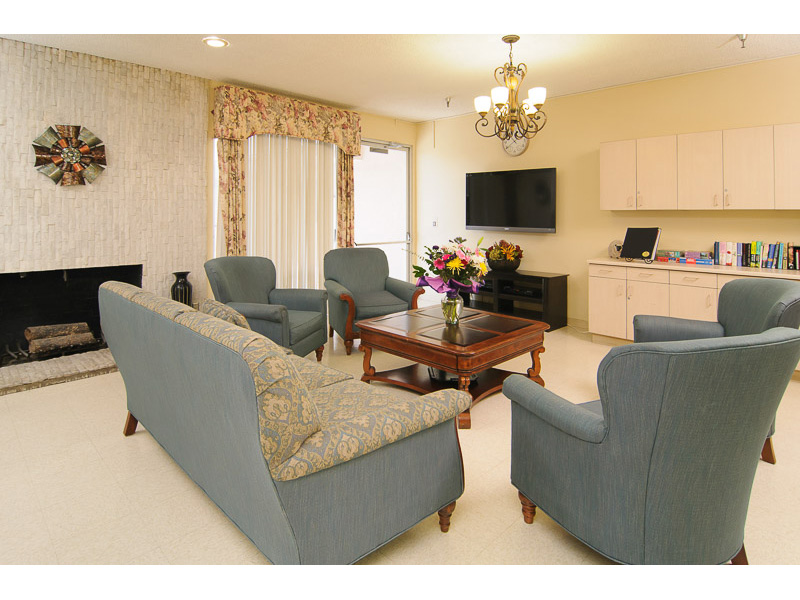
How is Sunny Hills Post Acute Staffed?

CMS rates SUNNY HILLS POST ACUTE's staffing level at 3 out of 5 stars, which is average compared to other nursing homes. Staff turnover is 52%, compared to the California average of 46%. RN turnover specifically is 67%, which is notably high. RNs provide skilled clinical oversight, so turnover in this role can affect medical care quality.

What Have Inspectors Found at Sunny Hills Post Acute?

State health inspectors documented 90 deficiencies at SUNNY HILLS POST ACUTE during 2022 to 2025. These included: 2 Immediate Jeopardy (the most serious level, indicating potential for serious harm or death), 4 that caused actual resident harm, and 84 with potential for harm. Immediate Jeopardy findings are rare and represent the most serious regulatory concerns. They require immediate corrective action.
Who Owns and Operates Sunny Hills Post Acute?

SUNNY HILLS POST ACUTE is owned by a for-profit company. For-profit facilities operate as businesses with obligations to shareholders or private owners. The facility is operated by DAVID & FRANK JOHNSON, a chain that manages multiple nursing homes. With 142 certified beds and approximately 132 residents (about 93% occupancy), it is a mid-sized facility located in LA MIRADA, California.

How Does Sunny Hills Post Acute Compare to Other California Nursing Homes?

Compared to the 100 nursing homes in California, SUNNY HILLS POST ACUTE's overall rating (1 stars) is below the state average of 3.1, staff turnover (52%) is near the state average of 46%, and health inspection rating (1 stars) is much below the national benchmark.

What Should Families Ask When Visiting Sunny Hills Post Acute?

Based on this facility's data, families visiting should ask: "What changes have been made since the serious inspection findings, and how are you preventing similar issues?" "Can I visit during a mealtime to observe dining assistance and food quality?" "How do you handle medical emergencies, and what is your hospital transfer rate?" "Can I speak with family members of current residents about their experience?" These questions are particularly relevant given the facility's Immediate Jeopardy citations.

Is Sunny Hills Post Acute Safe?

Based on CMS inspection data, SUNNY HILLS POST ACUTE has documented safety concerns. Inspectors have issued 2 Immediate Jeopardy citations (the most serious violation level indicating risk of serious injury or death). The facility has a 1-star overall rating and ranks #100 of 100 nursing homes in California. Families considering this facility should ask detailed questions about what corrective actions have been taken since these incidents.

Do Nurses at Sunny Hills Post Acute Stick Around?

SUNNY HILLS POST ACUTE has a staff turnover rate of 52%, which is 6 percentage points above the California average of 46%. Moderate turnover is common in nursing homes, but families should still ask about staff tenure and how the facility maintains care continuity when employees leave.

Was Sunny Hills Post Acute Ever Fined?

SUNNY HILLS POST ACUTE has been fined $153,572 across 6 penalty actions. This is 4.4x the California average of $34,615. Fines at this level are uncommon and typically indicate a pattern of serious deficiencies, repeated violations, or failure to correct problems promptly. CMS reserves penalties of this magnitude for facilities that pose significant, documented risk to resident health or safety. Families should request specific documentation of what issues led to these fines and what systemic changes have been implemented.

Is Sunny Hills Post Acute on Any Federal Watch List?

SUNNY HILLS POST ACUTE is not on any federal watch list. The most significant is the Special Focus Facility (SFF) program, which identifies the bottom 1% of nursing homes nationally based on persistent, serious quality problems. Not being on this list means the facility has avoided the pattern of deficiencies that triggers enhanced federal oversight. This is a positive indicator, though families should still review the facility's inspection history directly.