WOODS HEALTH SERVICES
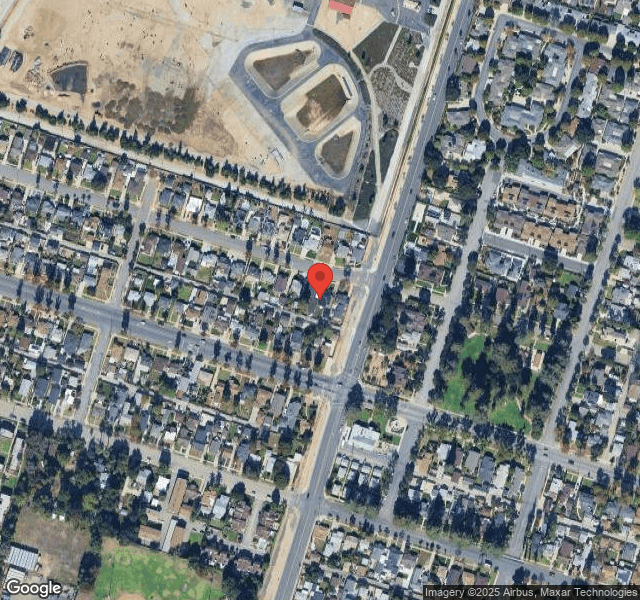

2600 A STREET, LA VERNE, CA 91750 (909) 593-4917
Non profit - Corporation 74 Beds Independent Data: November 2025
Trust Grade
38/100
#729 of 1155 in CA
Last Inspection: April 2025

Within standard 12-15 month inspection cycle. Federal law requires annual inspections.

Overview

Woods Health Services in La Verne, California has received a Trust Grade of F, indicating poor performance with significant concerns. It ranks #729 out of 1,155 facilities in California, placing it in the bottom half of the state, and #151 out of 369 in Los Angeles County, suggesting there are better local options available. The facility is improving, with issues decreasing from 21 in 2024 to 18 in 2025. Staffing has a 3/5 star rating, but the turnover rate of 57% is concerning, as it is higher than the state average of 38%. Recent inspections found serious deficiencies, including failures to provide adequate wound care and to prevent falls for residents with a history of falls, which resulted in significant injuries. Overall, while there are some strengths, such as quality measures rated 5/5, the facility's poor trust grade and serious incidents raise red flags for families considering this nursing home.

Trust Score
F
38/100
In California
#729/1155
Bottom 37%
Safety Record
High Risk
Review needed
Inspections
Getting Better
21 → 18 violations
Staff Stability
⚠ Watch
57% turnover. Above average. Higher turnover means staff may not know residents' routines.
Penalties
✓ Good
$8,190 in fines. Lower than most California facilities. Relatively clean record.
Skilled Nurses
⚠ Watch
Each resident gets only 24 minutes of Registered Nurse (RN) attention daily — below average for California. Fewer RN minutes means fewer trained eyes watching for problems.
Violations
⚠ Watch
56 deficiencies on record. Higher than average. Multiple issues found across inspections.
★★★☆☆
3.0
Overall Rating
★★★☆☆
3.0
Staff Levels
★★★★★
5.0
Care Quality
★★☆☆☆
2.0
Inspection Score
Stable
2024: 21 issues
2025: 18 issues

The Good

  • 5-Star Quality Measures · Strong clinical quality outcomes
  • Full Sprinkler Coverage · Fire safety systems throughout facility
  • No fines on record

Facility shows strength in quality measures, fire safety.

The Bad

3-Star Overall Rating

Near California average (3.1)

Meets federal standards, typical of most facilities

Staff Turnover: 57%

11pts above California avg (46%)

Frequent staff changes - ask about care continuity

Federal Fines: $8,190

Below median ($33,413)

Minor penalties assessed

Staff turnover is elevated (57%)

9 points above California average of 48%

The Ugly 56 deficiencies on record

3 actual harm
Jun 2025 1 deficiency
CONCERN (D) 📢 Someone Reported This

A family member, employee, or ombudsman was alarmed enough to file a formal complaint

Potential for Harm - no one hurt, but risky conditions existed

Quality of Care (Tag F0684)

Could have caused harm · This affected 1 resident

**NOTE- TERMS IN BRACKETS HAVE BEEN EDITED TO PROTECT CONFIDENTIALITY** Based on observation, interview and record review, the facility failed to ensure one of three sampled residents (Resident 1) rec...

Read full inspector narrative →
**NOTE- TERMS IN BRACKETS HAVE BEEN EDITED TO PROTECT CONFIDENTIALITY** Based on observation, interview and record review, the facility failed to ensure one of three sampled residents (Resident 1) received treatment for a left first toe fracture (break in bone) per physician's orders. This deficiency had the potential for Resident 1's injury to get worse. Findings: During a review of Resident 1's admission Record (AR), the AR indicated Resident 1 was admitted to the facility on [DATE] with multiple diagnoses including disorders of bone density and structure (condition where bones become weaker and more prone to fracture) and muscle wasting and atrophy (the loss of muscle mass and strength resulting in reduced physical function and mobility). During a review of Resident 1's Minimum Data Set (MDS - a federally mandated resident assessment tool) dated 5/2/2025, the MDS indicated Resident 1 had moderately impaired cognition (ability to understand and process information) and required partial assistance (helper does less than half the effort) for personal hygiene and to walk 10 feet. During a review of Resident 1's Radiology Results Report (RRR) dated 6/6/2025, the RRR of Resident 1's left foot x-ray (test that captures images of the structures inside the body) indicated had a finding of diffuse osteopenia (condition where bone mineral density is lower than normal), with an acute fracture present at the base of the left first toe without significant displacement. During a review of Resident 1's Interdisciplinary Team Conference Record (IDTR) dated 6/9/2025, the IDTR indicated a Certified Nurse Assistant (CNA) noticed a bruise on Resident 1's left first toe and at the base of the left second toe without known cause or complaints of pain from Resident 1. The IDTR further indicated an x-ray was completed and resulted with an acute fracture of the left first toe and diffuse osteopenia. The IDTR indicated Resident 1's physician was made aware and instructed to tape the first toe to the second toe and an appointment for orthopedic (branch of medicine that deals with the musculoskeletal system) consult was scheduled for 6/13/2025 at 3:30 PM. During a review of Resident 1's Order Summary Reported (OSR) with active orders as of 6/20/2025, the OSR indicated to tape the first toe to the second toe until orthopedic consult was done. During a review of Resident 1's Progress Notes (PN) dated 6/18/2025, the PN indicated the facility received Resident 1's after visit progress note from Resident 1's orthopedic appointment scheduled 6/13/2025. The PN indicated the orthopedics' recommendation to buddy tape (the practice of bandaging an injured finger or toe to an uninjured one) or splint (medical device used to support and protect an injured body part by immobilizing it) the left first toe fracture for four to six weeks. During a concurrent observation and interview on 6/20/2025 at 10:47 AM with Licensed Vocational Nurse (LVN) 1 in Resident 1's room, Resident 1's left foot was observed. LVN 1 stated Resident 1's foot had discoloration on the left great toe, but it was very light and had improved since the discoloration was initially discovered. LVN 1 stated the left first toe was not currently taped to the second toe and LVN 1 did not know how many days Resident 1 had the toes taped without looking at the chart. During an interview on 6/20/2025 at 11:20 AM with LVN 1, LVN 1 stated Resident 1's physician orders indicated to tape Resident 1's toes until the orthopedic appointment on 6/13/2025 and LVN 1 did not know if Resident 1's toes were taped after the appointment. During a concurrent interview and record review on 6/20/2025 at 1:45 PM with the Infectious Preventionist Nurse (IPN), Resident 1's orthopedic after visit notes titled, Orthopedic Clinical Encounter Summaries, (OCES) dated 6/13/2025 was reviewed. The OCES indicated a recommendation to buddy tape or splint the left great big toe fracture for four to six weeks and bear weight as tolerated. The IPN stated the nurse documented the recommendations in Resident 1's PN but did not transcribe the recommendations as a physician's order and it was not followed up afterwards. During an interview on 6/20/2025 at 2:35 PM with the Director of Nursing (DON), the DON stated there was no documentation to indicate when Resident 1's toes were taped together per physician orders. The DON stated when the nurse received the orthopedic doctor's after visit notes, the nurse should have written the orders to buddy tape or splint the first and second toe for four to six weeks. The DON stated orders should have been placed for treatment and monitoring to ensure the orthopedic doctor's recommendations were carried out and Resident 1's toes were stabilized. The DON stated Resident 1 had potential for further injury if treatment was not followed. During a review of the facility's policy and procedure (P&P) titled, Medication and Treatment Orders, dated 7/2016, the P&P indicated orders for medications and treatments will be consistent with principles of safe and effective order writing. During a review of the facility's P&P titled, Charting and Documentation, dated 7/2017, the P&P indicated treatment or services performed is to be documented in the resident medical record.
May 2025 3 deficiencies 1 Harm
SERIOUS (G) 📢 Someone Reported This

A family member, employee, or ombudsman was alarmed enough to file a formal complaint

Actual Harm - a resident was hurt due to facility failures

Quality of Care (Tag F0684)

A resident was harmed · This affected 1 resident

**NOTE- TERMS IN BRACKETS HAVE BEEN EDITED TO PROTECT CONFIDENTIALITY** Based on interview and record review, the facility failed to ensure one of three sampled residents (Resident 1) received wound (...

Read full inspector narrative →
**NOTE- TERMS IN BRACKETS HAVE BEEN EDITED TO PROTECT CONFIDENTIALITY** Based on interview and record review, the facility failed to ensure one of three sampled residents (Resident 1) received wound (an injury to living tissue caused by a cut) care and treatment in accordance with the facility's Policies and Procedures (P&P) titled, admission Assessment and Follow Up: Role of the Nurse, when: a. Registered Nurse (RN) 1 failed to conduct a complete wound assessment (a thorough examination of both the wound itself and the resident's overall health to understand the wound's status, identify any factors hindering healing, and develop an effective treatment plan) and document Resident 1's left hip surgical wound (a cut through the skin made during surgery [a procedure to remove or repair a part of the body]) upon admission to the facility on 2/18/2025. b. RN 1 failed to obtain a treatment order for Resident 1's left hip surgical wound upon admission on [DATE]. The facility did not obtain the treatment order until 2/28/2025. c. Licensed Vocational Nurse (LVN) 3 and LVN 4 failed to carry out (implement) the treatment order for Resident 1's left hip surgical wound on 4/13/2025, 4/14/2025, and 4/15/2025. These failures resulted in an infection (the invasion and growth of germs/bacteria [a microorganism (an organism that can be seen only through a microscope such as bacteria), especially one which causes disease] in the body) to Resident 1's left hip surgical wound. Resident 1 was transferred to General Acute Care Hospital (GACH) 2 where Resident 1 received treatment for the infected (contaminated with harmful organisms such as bacteria) left hip surgical wound on 4/25/2025. (Cross Reference F656 and F842) Findings: During a review of Resident 1's admission Record (AR), the AR indicated the facility admitted Resident 1 on 2/18/2025 with diagnoses including acute (sudden) osteomyelitis (bone infection) of the left femur (thigh bone), infection and inflammatory reaction due to internal left hip prosthesis (artificial body part), and dysphagia (difficulty swallowing foods or liquids). The AR indicated Resident 1 was discharged to GACH 2 on 4/25/2025. During a review of Resident 1's History and Physical (H&P), dated 2/19/2025, the H&P indicated Resident 1 had a healing wound on the left hip. During a review of Resident 1's Interdisciplinary Team [IDT, a team of health care professions who work together to establish plans of care for residents] Conference Record (IDT Record), dated2/24/2025, the IDT Record indicated Resident 1 was admitted to the facility following left wound care and osteomyelitis. During a review of Resident 1's Minimum Data Set (MDS, a resident assessment tool), dated2/25/2025, the MDS indicated Resident 1's cognitive skills (ability to make daily decisions) were intact. The MDS indicated Resident 1 was dependent (helper does all the effort) on staff for toileting hygiene and dressing. The MDS indicated Resident 1 required partial/moderate (helper does less than half the effort) assistance from staff for oral and personal hygiene. The MDS indicated Resident 1 had a surgical wound and required surgical wound care. During a review of Resident 1's Emergency Department Reports (EDR), dated 4/25/2025, the EDR indicated Resident 1 was transferred to GACH 2's Emergency Department on 4/25/2025 due to increased swelling and drainage (the process of removing excess water and moisture from an area) on Resident 1's left hip wound for one week (specific dates were not indicated). The EDR indicated Resident 1's left hip wound was noted to have erythema (redness of the skin), tenderness (sensitivity to pain), and drainage. The EDR indicated Resident 1's left hip surgical wound was infected. The EDR indicated Resident 1 was given Zosyn (antibiotic medication used to treat infections) via intravenous piggyback (IVPB, a method of administering medication through an IV [IV, a soft flexible tube placed inside a vein, usually in the hand or arm and used to give a person medicine or fluids line]). The EDR indicated Resident 1 was admitted to the telemetry unit (a unit in the hospital dedicated to patients who require monitoring of the heart) at GACH 2 on 4/25/2025. During a review of Resident 1's GACH 2 Laboratory Report (LR, a document that conveys the methods, results, and conclusions of a testing sample of a substance from the body), dated 4/25/2025, the LR indicated a lab culture (a laboratory test to identify the presence and type of microorganisms, aiding in diagnosing infections) was collected from Resident 1's wound on Resident 1's left hip on 4/25/2025. The LR indicated Resident 1's wound contained staphylococcus aureus (bacteria that can cause wound infections). During a review of Resident 1's GACH 2 Progress Notes (PN), signed 4/27/2025, the PN indicated Resident 1 had a severely infected left arthroplasty (a surgical procedure to replace part of the hip joint with a prosthetic implant). The PN indicated Resident 1 admitted to GACH 2 with developing skin breakdown over Resident 1's left hip flap (healthy skin and tissue that is partly detached and moved to cover a nearby wound). During a review of Resident 1's GACH 2 Infectious Disease Progress Note (IDPN), signed 4/28/2025, the IDPN indicated Resident 1's left hip surgical wound was infected. The IDPN indicated Resident 1 was receiving Meropenem (antibiotic medication used to treat infections caused by bacteria) and Vancomycin (powerful antibiotic medication used to treat a variety of serious bacterial infections) via IV. During an interview on 5/14/2025 at 12:01 p.m. with Resident 1's Representative (RR) 1, RR 1 stated Resident 1 fell in 2022 (do not recall exact dates) and broke Resident 1's left hip at RR 1's home. RR 1 stated Resident 1 had surgery for the broken left hip, but the surgery was not successful. RR 1 stated Resident 1 underwent multiple surgeries and Resident 1's latest surgery was on 11/11/2024. RR 1 stated the surgery on 11/11/2024 left Resident 1 with a gaping (split open) surgical wound from Resident 1's left knee to the left hip. RR 1 stated Resident 1 received wound care treatment for Resident 1's left hip surgical wound and the wound was healing while Resident 1 resided at GACH 1. RR 1 stated Resident 1's left hip surgical wound was treated and kept covered with a bandage (a strip of material used to bind a wound) while at GACH 1. RR 1 stated Resident 1 was transferred from GACH 1 to the facility on 2/18/2025. RR 1 stated Resident 1's left hip surgical wound needed daily care for the wound to continue to heal. RR 1 stated RR 1 had to fight with facility staff (unable to identify) to take care of Resident1's left hip surgical wound. RR 1 stated on one occasion; facility staff (unable to identify) had not changed Resident 1's wound bandage for 2 days (unable to recall the dates). RR 1 stated on 4/17/2025, Resident 1's left hip wound had drainage and a foul (bad) smell. RR 1 stated RR 1 sent a picture of Resident 1's left hip surgical wound to MD 1 on 4/17/2025 and RR 1 told MD 1 the wound looked worse (bad/poorer). RR 1 stated MD 1 replied to continue with wound care. RR 1 stated RR 1 wanted a second opinion so RR 1 went to Resident 1's Surgeon (MD 2) and showed MD 2 pictures of Resident 1's left hip surgical wound on 4/23/2025. RR 1 stated MD 2 informed RR 1 that Resident 1's left hip surgical wound was infected. RR 1 stated RR 1informed MD 1 that Resident 1's left hip surgical wound was infected, and MD 1 agreed to transfer Resident 1 to GACH 2 where MD 2 could treat Resident 1's infected wound. RR 1 stated Resident 1's left hip surgical wound became infected because the facility did not give Resident 1 the right wound care and treatment. During a concurrent interview and record review on 5/15/2025 at 9:31 a.m. with the Director of Nursing (DON), Resident 1's Order Details (OD), dated 2/28/2025 and 4/16/2025 were reviewed. The OD, dated 2/28/2025 indicated MD 1 ordered, Change dressing to left hip with abdominal pad (ABD, pad used to absorb fluid from wounds), secure with paper tape in the evening [daily] and change as needed if becomes saturated. The treatment was to be done every evening. The OD, dated 4/16/2025 indicated MD 1 ordered a wound consultation and [wound] treatment. The DON stated when residents (in general) were admitted to the facility, a [licensed] nurse (in general) assessed the resident (in general). The DON stated when the resident had a surgical wound, the admitting nurse carried out the wound treatment orders from the sending facility. The DON stated if Resident 1 did not have wound treatment orders, the admitting nurse (RN 1) needed to obtain an order from MD 1or the surgeon (MD 2). The DON stated when Resident 1 was admitted with a surgical wound, a wound consultation needed to be obtained to ensure assessment and treatment of the wound by the Wound Care Specialist (WCS). The DON stated Resident 1 was admitted to the facility on [DATE] but the facility did not get a treatment order for Resident 1's left hip surgical wound until 2/28/2025 (10 days after Resident 1's admission). The DON stated a wound consultation was not obtained for Resident 1 until 4/16/2025. The DON stated on 4/16/2025, Licensed Vocational Nurse (LVN) 1 informed the DON the treatment order for Resident 1's left hip surgical wound was not carried out [by LVN 3 and LVN 4] on 4/13/2025, 4/14/2025, and 4/15/2025. The DON stated the treatment orders were not carried out on those days (4/13/2025, 4/14/2025, and 4/15/2025). The DON stated RN 1 possibly missed Resident 1's admission surgical wound assessment (on 2/18/2025) because the assessment was not found in Resident 1's medical record. During a concurrent interview and record review on 5/15/2025 at 12:01 p.m. with LVN 2, Resident 1's Medication Administration Record (MAR) for the month of April 2025 was reviewed. The MAR indicated to cleanse Resident 1's wound with Normal Saline (NS, salt solution), pat dry, cover with ABD pad and secure with paper tape. The MAR dated 4/13/2025, 4/14/2025 and 4/15/2025 were left blank (no staff initial indicated the wound treatment was done on these dates). LVN 2 stated on 4/16/2025 at around 8:20 a.m., the WCS was in Resident 1's room changing Resident 1's left hip surgical wound dressing and was there to teach RR 1 how to perform dressing changes for Resident 1. LVN 2 stated LVN 2 saw the old dressing on Resident 1's left hip surgical wound was dated 4/12/2025, indicating the dressing was last changed on 4/12/2025 (indicating staff did not change Resident 1's dressing on 4/13/2025, 4/14/2025, and 4/15/2025). During a concurrent interview and record review on 5/15/2025 at 3:25 p.m. with RN 1, Resident 1's Clinical admission (CA), dated 2/18/2025 was reviewed. The CA did not indicate Resident 1 had a left hip surgical wound and the area indicating surgical wounds was left blank. RN 1 stated Resident 1 was admitted to the facility with a left hip surgical wound. RN 1 stated the left hip surgical wound was dry and did not look infected on admission. RN 1 stated when Resident 1 was admitted to the facility with a wound, RN 1 (the admitting nurse) needed to document Resident 1' s wound assessment in the CA. RN1 stated RN 1 did not measure Resident 1's left hip surgical wound. RN 1 stated a wound assessments needed to be documented so the condition of the wound could be monitored. RN 1 stated RN 1did not obtain a treatment order, upon Resident 1's admission to the facility on 2/18/2025, from MD 1 for Resident 1's left hip surgical wound. RN 1 stated RN 1 did not feel a need for it due to Resident 1's wound bed (the base of floor of a wound) looking dry and no scab (dry rough protective crust that forms over a cut or wound during healing) over the wound. RN 1 stated RN 1 did not think Resident 1's wound needed a dressing over the wound (uncovered). During a telephone interview on 5/15/2025 at 4:02 p.m. with the WCS, the WCS stated the first time the WCS saw Resident 1 was on 4/16/2025. The WCS stated on 4/16/2025, the WCS saw Resident1's left hip surgical wound dressing was not changed for several days (4/13/2025, 4/14/2025, and4/15/2025). The WCS stated the WCS saw Resident 1 one more time on 4/23/2025 [the wound was fragile and discolored]. The WCS stated facility staff (unable to identify) were not consistent in treating Resident 1's left hip surgical wound. The WCS stated there should have been a treatment order for Resident 1's left hip surgical wound from the first day Resident 1 arrived at the facility (on 2/18/2025). The WCS stated a wound bed needed to have some measure of moisture to promote healing. The WCS stated Resident 1's wound should not be left uncovered (without the ABD pad) (left uncovered since 2/18/2025 to 2/28/2025) until it [the wound] was fully closed. The WCS stated since there was no treatment order for Resident 1's left hip surgical wound until 2/28/2025 (10 days after Resident 1's admission), and facility staff were inconsistent in following the treatment orders after 2/28/2025, the facility could have caused Resident 1's wound to become infected. The WCS stated when Resident 1's left hip surgical wound was left uncovered, microorganisms and/or bodily fluids could have caused the wound to become infected. During an interview on 5/19/2025 at 10:49 a.m. with the Infection Preventionist (IP), the IP stated when Resident 1 was admitted to the facility with a surgical wound, the facility should ensure there was a treatment order for Resident 1's wound. The IP stated when Resident 1's wound had a wound bed, the wound should be kept covered to prevent germs (bacteria) from linens and blankets from touching the wound bed (transferring bacteria from the linens and blankets to the wound bed). During a telephone interview on 5/19/2025 at 10:49 a.m. with MD 1, MD 1 stated Resident 1 was admitted to the facility from GACH 1 with an open surgical wound. MD 1 stated there should have been a treatment order for Resident 1's left hip surgical wound upon Resident 1's admission to the facility (on 2/18/2025). MD 1 stated MD 1 sent Resident 1 to GACH 2 (on 4/25/2025) because Resident 1's left hip surgical wound was not healing. During a review of the facility's P&P titled, admission Assessment and Follow Up: Role of the Nurse, revised September 2012, the P&P indicated, The purpose of this procedure is to gather information about the resident's physical, emotional, cognitive, and psychosocial condition upon admission for the purposes of managing the resident, initiating the care plan, and completing required assessment instruments, . The P&P indicated, Conduct an admission assessment (history and physical), including: .A summary of the individual's recent medical history, including hospitalizations, acute illnesses, and overall status prior to admission Relevant medical, social, and family history .A list of active medical diagnoses and patient problems . Current medication and treatments. The P&P indicated, Conduct a physical assessment, including the skin. The P&P indicated, Contact the Attending Physician to communicate and review the findings of the initial assessment and any other pertinent information and obtain admission orders that are based on these findings. The P&P indicated, The following information should be recorded in the resident's medical record: . All relevant assessment data obtained during the procedure. During a review of the facility's P&P titled, Charting and Documentation, revised July 2017, the P&P indicated, Documentation in the medical record will be objective (not opinionated or speculative), complete, and accurate.
CONCERN (D) 📢 Someone Reported This

A family member, employee, or ombudsman was alarmed enough to file a formal complaint

Potential for Harm - no one hurt, but risky conditions existed

Comprehensive Care Plan (Tag F0656)

Could have caused harm · This affected 1 resident

Based on interview and record review, the facility failed to develop and implement a comprehensive person-centered care plan for one of three sampled resident (Residents 1) by failing to ensure Reside...

Read full inspector narrative →
Based on interview and record review, the facility failed to develop and implement a comprehensive person-centered care plan for one of three sampled resident (Residents 1) by failing to ensure Resident 1's care plan's interventions included a treatment order to cover Resident 1's left hip wound. This failure had the potential result in unmet individualized needs for Resident 1 and the potential to affect the resident's physical and psychosocial well-being. (Cross Reference F684 and F842) Findings: During a review of Resident 1's admission Record (AR), the AR indicated the facility admitted Resident 1 on 2/18/2025 with diagnoses including acute osteomyelitis (bone infection) of the left femur (thigh bone), infection and inflammatory reaction due to internal left hip prosthesis (artificial body part), and dysphagia (difficulty swallowing foods or liquids). During a review of Resident 1's History and Physical (H&P), dated 2/19/2025, the H&P indicated Resident 1 had a healing wound on the left hip. During a review of Resident 1's Minimum Data Set (MDS, a resident assessment tool), dated 2/25/2025, the MDS indicated Resident 1 had no impairment in cognitive skills (ability to make daily decisions). The MDS indicated Resident 1 was dependent (helper does all the effort) on staff for toileting hygiene and dressing. The MDS indicated Resident 1 required partial/moderate (helper does less than half the effort) from staff for oral and personal hygiene. The MDS indicated Resident 1 had a surgical wound. The MDS indicated Resident 1 required surgical wound care. During an interview on 5/15/2025 at 3:25 p.m. with Registered Nurse (RN) 1, RN 1 confirmed Resident 1 was admitted to the facility with a surgical wound. RN 1 stated RN 1 did not get a treatment order for Resident 1's surgical wound. During a concurrent interview and record review on 5/19/2025 at 10:21 a.m. with the Director of Nursing (DON), Resident 1's untitled care plan, initiated on 2/19/2025, was reviewed. The care plan indicated Resident 1 was at risk for infection. The care plan did not include a treatment order to cover Resident 1's left hip wound until 4/16/2025. The DON stated all residents (in general) who had wounds needed their care plan to include a wound treatment order. During a review of the facility's Policy and Procedure (P&P) titled, .Care Plans, Comprehensive Person-Centered, revised March 2022, the P&P indicated, A comprehensive, person-centered care plan that includes measurable objectives and timetables to meet the resident's physical, psychosocial and functional needs is developed and implemented for each resident. The P&P indicated, The comprehensive, person-centered care plan: a. describes the services that are to be furnished to attain or maintain the resident's highest practicable physical, mental, and psychosocial well-being . b. reflects currently recognized standards of practice for problem areas and conditions.
CONCERN (E) 📢 Someone Reported This

A family member, employee, or ombudsman was alarmed enough to file a formal complaint

Potential for Harm - no one hurt, but risky conditions existed

Medical Records (Tag F0842)

Could have caused harm · This affected multiple residents

Based on observation, interview and record review, the facility failed to maintain a complete and accurate medical record for one of three sampled resident (Resident 1) when: a. Registered Nurse (RN) ...

Read full inspector narrative →
Based on observation, interview and record review, the facility failed to maintain a complete and accurate medical record for one of three sampled resident (Resident 1) when: a. Registered Nurse (RN) 1 failed to document Resident 1's left hip wound upon admission to the facility on 2/18/2025. b. Facility staff (in general) failed to document the description of Resident 1's left hip wound on 3/19/2025, 3/26/2025, 4/9/2025, and 4/16/2025. These failures resulted in Resident 1's medical record containing inaccurate and incomplete information. (Cross Reference F656 and F684) Findings: During a review of Resident 1's admission Record (AR), the AR indicated the facility admitted Resident 1 on 2/18/2025 with diagnoses including acute osteomyelitis (bone infection) of the left femur (thigh bone), infection and inflammatory reaction due to internal left hip prosthesis (artificial body part), and dysphagia (difficulty swallowing foods or liquids). During a review of Resident 1's History and Physical (H&P), dated 2/19/2025, the H&P indicated Resident 1 had a healing wound on the left hip. During a review of Resident 1's Minimum Data Set (MDS, a resident assessment tool), dated 2/25/2025, the MDS indicated Resident 1 had no impairment in cognitive skills (ability to make daily decisions). The MDS indicated Resident 1 was dependent (helper does all the effort) on staff for toileting hygiene and dressing. The MDS indicated Resident 1 required partial/moderate (helper does less than half the effort) from staff for oral and personal hygiene. The MDS indicated Resident 1 had a surgical wound. The MDS indicated Resident 1 required surgical wound care. During a concurrent interview and record review on 5/15/2025 at 3:25 p.m. with RN 1, Resident 1's Clinical admission (CA), dated 2/18/2025 was reviewed. The CA did not indicate Resident 1 had a surgical wound or describe Resident 1's surgical wound. RN 1 confirmed Resident 1 was admitted to the facility with a surgical wound. RN 1 stated when residents (in general) are admitted with wounds, the admitting nurse should document in the CA the description of the wound including the measurements of the wound. RN 1 stated the wound assessment needed to be documented in the CA so the condition of the wound could be monitored. During a concurrent interview and record review on 5/19/2025 at 10:26 a.m. with the DON, Resident 1's Long Term Care Evaluation (LTC Eval) dated 3/19/2025, 3/26/2025, 4/9/2025, and 4/16/2025 were reviewed. The LTC Evals failed to indicate Resident 1 had a surgical wound on the left hip. The DON stated facility staff (in general) should have documented the surgical wound with descriptions and measurements of the wound on the LTC Evals. During a review of the facility's Policy and Procedure (P&P) titled, Charting and Documentation, revised July 2017, the P&P indicated, Documentation in the medical record will be objective (not opinionated or speculative), complete, and accurate.
Apr 2025 13 deficiencies
CONCERN (D)

Potential for Harm - no one hurt, but risky conditions existed

Deficiency F0558 (Tag F0558)

Could have caused harm · This affected 1 resident

**NOTE- TERMS IN BRACKETS HAVE BEEN EDITED TO PROTECT CONFIDENTIALITY** Based on observation, interview and record review, the facility failed to ensure a call light was within reach for one of one sa...

Read full inspector narrative →
**NOTE- TERMS IN BRACKETS HAVE BEEN EDITED TO PROTECT CONFIDENTIALITY** Based on observation, interview and record review, the facility failed to ensure a call light was within reach for one of one sampled resident (Resident 31) and failed to ensure a call light was answered timely for one of one sampled resident (Resident 30). This deficient practice had the potential to result in a delay in treatment and/or result in unmet needs for Resident 31 and Resident 30. Additional the deficient practice had the potential to result in harm to Resident 30. Findings: a. During a review of Resident 31's admission Record (AR), the AR indicated that Resident 31 was admitted to the facility on [DATE] with diagnoses that included unspecified visual loss, muscle wasting and anxiety (a feeling of worry, nervousness, or unease). During a review of Resident 31's care plan (CP) titled Sensory/perception Alterations: Visual with severely impaired vision, legally blind ., revised on 1/16/2023, the CP indicated the call light should be within reach and answered promptly as part of the facility's interventions. During a review of Resident 31's History and Physical (H&P), dated 1/16/2024, the H & P indicated Resident 31 could make needs known but could not make medical decisions. During a review of Resident 31's Minimum Data Set (MDS, a standardized assessment and care-screening tool), dated 1/20/2025, the MDS indicated Resident 31 was moderately impaired in cognitive skills (noticeable but not severe deficits). The same MDS indicated that Resident 31 was moderately (speaker had to increase volume and speaking distinctly) impaired in hearing and was severely impaired in vision (no vision or see only light, colors or shapes). The MDS indicated Resident 31 was dependent (helper does all the effort) on staff for toilet hygiene, shower and bathing. During an observation ad concurrent interview with Resident 31 on 4/1/2025 at 10:54 am, while in the resident's room, Resident 31 was sitting in a wheelchair beside the bed. Resident 31's call light was observed laying in the middle of the resident's bed, and not within reach of the resident. Resident 31 stated, I am blind and could not find the call light as the resident moved her hands attempting to locate the call light. Resident 31 stated I don't know where my call light is. I want to be able to reach it (call light) so I can call them (staff) During an observation and concurrent interview with Certified Nurse Assistant 1 (CNA 1), on 4/1/2025 at 10:58 am, CNA 1 stated Resident 31 was considered blind. The Call light should be in reach so the resident can push the button when assistance is needed. During an interview with the Director of Nursing (DON), on 4/2/2025 at 3:29 pm, the DON stated Resident 31 was legally blind (no vision). The DON stated the call light should be within reach for residents, especially the blind. Call lights are important to use when asking for assistance and safety. During a review of the facility's undated policy and procedure (P&P) titled Answering Call Lights, indicated to ensure that the call light is accessible to the resident During a review of the facility 's policy and procedure titled Accommodation of Needs, dated 3/2021, indicated the facility's environment and staff behaviors are directed toward assisting the resident in maintaining and/or achieving safe independent functioning, dignity and well-being. b. During a review of Resident 30's AR, the AR indicated Resident 30 was admitted to the facility on [DATE] with diagnoses that included but was not limited to pressure ulcer stage 3 (full-thickness loss of skin. Dead and black tissue may be visible), Diabetes Mellitus (DM-a disorder characterized by difficulty in blood sugar control and poor wound healing), and dysphagia (difficulty swallowing). During a review of Resident 30's H&P, dated 12/18/2024, the H&P indicated Resident 30 had the capacity to understand and make decisions. During a review of Resident 30's MDS, dated [DATE], the MDS indicated Resident 30 had intact cognition (ability to understand). During an observation on 4/1/2025 at 10:41 AM, Resident 30's call light outside Resident 30's room and the central call light located at the nursing station were lit. Resident 30's call light remained unanswered until 10:52 AM by LVN 2 (Resident 30's nurse). During an interview on 4/1/2025 at 11 AM, Licensed Vocational Nurse 2 (LVN 2), LVN 2 stated Resident 30 had called for a treatment. LVN 2 further stated, licensed and unlicensed nurses could answer the call lights, and should answer within three to five minutes to find out what the resident needed (in general) and assist them. During an interview on 4/1/2025 at 11:07 AM, with Resident 30, Resident 30 stated he had to wait a while for assistance and did not like waiting when Resident 30 needed something. During an interview on 4/4/2025 at 10:21 AM, with the DON, the DON stated call lights should be answered within three to five minutes and a maximum of ten minutes by nurses and nursing assistants. The DON further stated, the call light could be seen from the nursing station and the nurse in the station should call someone to assist the resident or answer the call light themselves. The DON stated, call lights needed to be answered timely to ensure the resident's needs were taken care of and for safety issues, such as fall prevention. During a review of the facility's P&P titled, Call Light, undated, the P&P indicated, the objective was to respond to resident's requests and needs. The P&P indicated the call light should be answered promptly with a goal of three to five minutes and a maximum of 10 minutes.
CONCERN (D)

Potential for Harm - no one hurt, but risky conditions existed

MDS Data Transmission (Tag F0640)

Could have caused harm · This affected 1 resident

Based on interview and record review, the facility failed to accurately code the Minimum Data Set (MDS - a standardized assessment and screening tool) related to anticoagulant (medicine that help prev...

Read full inspector narrative →
Based on interview and record review, the facility failed to accurately code the Minimum Data Set (MDS - a standardized assessment and screening tool) related to anticoagulant (medicine that help prevent blood clots) use for one (1) of 1 sampled resident (Resident 26). This deficient practice had the potential to negatively affect Resident 26's plan of care and delivery of necessary care and services. Findings: During a review of Resident 26's admission Record (AR), the AR indicated the facility admitted Resident 26 to the facility on 6/5/2019, and re-admitted the resident on 3/1/2025, with diagnoses that included hemiplegia (paralysis that affects only one side of your body) and hemiparesis (weakness or the inability to move on one side of the body, making it hard to perform everyday activities like eating or dressing) following cerebral infarction (happens when blood flow to part of the brain is blocked, causing brain tissue to die due to lack of oxygen) affecting left non-dominant side, diabetes mellitus (DM, a disorder characterized by difficulty in blood sugar control and poor wound healing), and muscle weakness (generalized). During a review of Resident 26's History and Physical (H&P), dated 3/3/2025, the H & P indicated Resident 26 had the capacity to understand and make decisions. During a review of Resident 26's Order Summary Report, dated 4/2/2025, the Order Summary Report indicated an order on 3/1/2025 to give Resident 26 Plavix (is an antiplatelet drug to prevent blood clots) oral tablet 75 milligrams (mg) and Clopidogrel Bisulfate give 1 tablet by mouth one time a day for cerebrovascular accident (CVA-stroke, loss of blood flow to a part of the brain). During a review of Resident 26's Minimum Data Set (MDS-a federally mandated resident assessment tool), dated 3/8/2025, indicated the resident received anticoagulant medication. During a concurrent interview and record review on 4/2/2025 at 2:32 PM, Resident 26's MDS was reviewed with the MDS Nurse, the MDS stated that Plavix is classified as an antiplatelet medication, not an anticoagulant, and should have been coded as such. The MDS Nurse stated that antiplatelet medications should not be coded under the anticoagulant section (N0415E) of the MDS. The MDS Nurse stated that each medication class had its own designated items to ensure precise documentation and compliance with the Centers for Medicare & Medicaid Services (CMS) guidelines. The MDS Nurse stated that accurate documentation in the medication section (N0415E) of the MDS was crucial for reflecting the resident's medication regimen and ensuring appropriate care planning. During an interview on 4/4/2025 at 9:35 AM, with the Director of Nursing (DON), the DON stated that accurate documentation of medications on the MDS ensured that the care plan reflected the resident's actual needs. The DON stated that it helped staff provide the right care and prevented errors. The DON stated that incorrect medication coding can lead to improper care which could have negatively impacted Resident 26's health and safety. The DON stated that anticoagulant and antiplatelet medications are categorized and coded separately due to their distant mechanisms and clinical uses. During a review of the Centers for Medicare and Medicaid Services (CMS) Long-Term Care Facility Resident Assessment Instrument (RAI) User's Manual Version 3.0, dated October 2024, indicated to check if an antiplatelet medication (e.g., aspirin/extended release, dipyridamole, clopidogrel) was taken by the resident at any time during the 7-day observation period (or since admission/entry or reentry if less than 7 days).
CONCERN (D)

Potential for Harm - no one hurt, but risky conditions existed

Assessment Accuracy (Tag F0641)

Could have caused harm · This affected 1 resident

**NOTE- TERMS IN BRACKETS HAVE BEEN EDITED TO PROTECT CONFIDENTIALITY** Based on interview and record review, the facility failed to ensure a Minimum Data Set (MDS, a resident assessment tool) accurat...

Read full inspector narrative →
**NOTE- TERMS IN BRACKETS HAVE BEEN EDITED TO PROTECT CONFIDENTIALITY** Based on interview and record review, the facility failed to ensure a Minimum Data Set (MDS, a resident assessment tool) accurately reflected one of one sampled resident's (Resident 47) hospice (interdisciplinary medical caregiving approach aimed at optimizing quality of life and mitigating or reducing suffering among people with serious and often terminal illnesses expected to live six months or less, end of life) status. This deficient practice had the potential to result in unsuitable treatment and unmet needs to Resident 47. Findings: During a review of Resident 47's admission Record (AR), the AR indicated Resident 47 was admitted to the facility on [DATE] with diagnoses that included heart failure (when the heart muscle can't pump enough blood to meet the body's needs for blood and oxygen), depression (a mood disorder that may cause persistent sadness or loss of interest in activities), and anxiety disorder (persistent feeling of dread or panic that can interfere with daily life). During a review of Resident 47's Order Summary Report, dated active as of 4/1/2025, the Order Summary Report indicated Resident 47 had an active physician order, dated 3/6/2025, to admit Resident 47 to hospice. During a review of Resident 47's History & Physical (H&P), dated 3/16/2025, the H&P indicated the resident had the capacity to understand and make decisions. During a review of Resident 47's MDS, dated [DATE], the MDS indicated Resident 47 had intact cognition (ability to understand) and was not on hospice care while a resident [at the facility]. During a review of Resident 47's Care Plan (CP), last revised on 3/19/2025, the CP indicated Resident 47 had a terminal prognosis (medical term used for predicting the likelihood or expected development of a disease, including whether the signs and symptoms will improve, worsen, or remain stable over time) related to acute on chronic (long standing) heart failure (when the heart muscle can't pump enough blood to meet the body's needs for blood and oxygen). The CP's interventions indicated admit to hospice. During an interview on 4/1/2025 at 10:32 AM with Resident 47, Resident 47 stated she was on hospice care. During an interview on 4/3/2025 at 1:43 PM with Licensed Vocational Nurse (LVN 1), LVN 1 stated Resident 47 was on hospice care since admission on [DATE]. During an interview on 4/4/2025 at 9:07 AM with the MDS Coordinator (MDS C), the MDS C stated Resident 47 was receiving hospice services since 3/6/2025. The MDS C stated Resident 47's MDS indicated Resident 47 was not receiving hospice services. The MDS C stated, the MDS was inaccurate and the MDS C would modify it. During an interview on 4/4/2025 at 10:11 AM with the Director of Nursing (DON), the DON stated Resident 47 had been on hospice since admission and the MDS was coded incorrectly. The DON stated, Resident 47's MDS would be modified to correct the error. During a review of the facility's policy and procedure (P&P) titled, Woods Health Services - Charting and Documentation, last revised July 2017, the P&P indicated, documentation in the medical record will be objective (not opinionated or speculative), complete, and accurate. During a review of the Centers for Medicare and Medicaid Services (CMS) Long-Term Care Facility Resident Assessment Instrument (RAI) User's Manual Version 3.0, dated October 2024, the manual indicated the RAI process had multiple regulatory requirements. The manual indicated, federal regulations at 42 CFR 483.20 (b)(1)(xviii), (g), and (h) required that the assessment accurately reflected the resident's (in general) status.
CONCERN (D)

Potential for Harm - no one hurt, but risky conditions existed

Deficiency F0658 (Tag F0658)

Could have caused harm · This affected 1 resident

Based on observation, interview, and record review, the facility failed to ensure that medications, their purpose, and potential side effects were explained prior to administration for one (1) of two ...

Read full inspector narrative →
Based on observation, interview, and record review, the facility failed to ensure that medications, their purpose, and potential side effects were explained prior to administration for one (1) of two sampled residents (Resident 19). This failure posed a risk of adverse drug reactions, decreased resident understanding and compliance, and a violation of resident rights to informed consent. Findings: During a review of Resident 19's admission Record (AR), the AR indicated the facility admitted Resident 19 on 11/18/2022, with diagnoses that included pulmonary embolism (a blood clot, often originating in a leg vein, travels to the lungs and blocks a blood vessel, potentially causing serious health issues), diabetes mellitus (DM, a disorder characterized by difficulty in blood sugar control and poor wound healing), and dementia (a progressive state of decline in mental abilities). During a review of Resident 19's History and Physical (H&P), dated 10/16/2024, the H & P indicated Resident 19 did not have the capacity to understand and make decisions. During a review of Resident 19's Minimum Data Set (MDS, a federally mandated resident assessment tool), dated 2/24/2025, the MDS indicated Resident 19 required substantial/maximal assistance (helper does more than half the effort) with activities of daily living (ADL, term used in healthcare that refers to self-care activities) and dependent (helper does all the effort) with mobility. During an observation on 4/3/2025 at 10:14 AM, Licensed Vocational Nurse (LVN) 3 did not ensure to explain Resident 19's morning medications, their purpose, and any potential side effects with the resident prior to medication administration. Medications administered: -Amlodipine (a calcium channel blocker used to treat high blood pressure) tablet 2.5 milligrams (MG-metric unit of measurement, used for medication dosage and/or amount) give 1 tablet by mouth one time a day for hypertension (HTN-high blood pressure) hold if systolic blood pressure (the force of blood against your artery walls when your heart beats and pumps blood out to your body) less than 100. -Cranberry Juice Powder Oral Capsule 425 MG give 1 capsule by mouth in the morning for prophylaxis (preventative treatment against disease). -Docusate (stool softener) Sodium Oral Tablet 100 MG give 1 tablet by mouth two times a day for bowel management hold for loose stool. -Eliquis (blood thinner) Oral Tablet 2.5 MG give 1 tablet by mouth two times a day for anticoagulation (the process of preventing or reducing blood clots). -Lexapro (antidepressant) Oral Tablet 10 MG give 1 tablet by mouth one time a day for anxiety manifested by calling out without cause and verbalization of anxiousness. -Memantine (treatment for cognitive impairment) tablet 10 MG give 1 tablet by mouth two times a day for dementia (a progressive state of decline in mental abilities). -Multivitamin Tablet give 1 tablet by mouth one time a day for supplement. -Tylenol (treat minor aches and pains and reduces fever) Extra Strength Oral Tablet 500 MG give 1 tablet by mouth two times a day for Pain management. -Vitamin B12 (a water-soluble vitamin essential for maintaining healthy blood and nerve cells) Oral Tablet 500 MCG (mg- metric unit of measurement, used for medication dosage and/or/ amount) give 1000 MCG by mouth one time a day for Supplement 2 tabs equals 1000 MCG -Vitamin D3 (a fat-soluble vitamin for strong bones, muscles, and a healthy immune system) Oral Tablet 50 MCG give 1 tablet by mouth one time a day for Supplement. During an interview on 4/3/2025 at 10:30 AM, with LVN 3, LVN 3 stated that it was important to explain medications to the residents before administering them, because residents have the right to know what they're being given and why. LVN 3 stated that explaining the medications also helped build trust and gave the resident a chance to be part of their own care, which could help reduce anxiety, especially if they were unfamiliar with the medication. LVN 3 stated that providing information about medications allows resident to exercise their right to refuse or ask questions. During an interview on 4/3/2025 at 11:11 AM, with Resident 19, Resident 19 stated that when staff gave her medications, she wanted to know what was being given to her and what it was for. Resident 19 stated that it would have made her feel better, less confused, and gave her the choice to take them or not. During an interview on 4/4/2025 at 9:35 AM, with the Director of Nursing (DON), the DON stated that explaining medications to the residents was a key part of informed consent. The DON stated that residents had the right to know what they're taking, why they're taking it, and what to expect. The DON stated that, by doing so, it helped build trust and helped ensure resident safety. During a review of the facility's policy and procedure (P&P) titled, Resident's Rights, revision dated 2/2021, the P&P indicated that federal and state laws guarantee certain basic rights to all residents of this facility. These rights include the resident's right to: -Exercise his or her rights as a resident of the facility and as a resident or citizen of the United States. -Be informed of, participate in, his or her care planning and treatment. During a review of the facility's policy and procedure (P&P) titled, Dignity, with a revision date of 2/2021, the P&P indicated that each resident shall be cared for in a manner that promotes and enhances his or her sense of well-being, level of satisfaction with life, and feelings of self-worth and self-esteem. The P&P indicated that the facility culture supports dignity and respect for residents by honoring resident goals, choices, preferences, values and beliefs. This begins with the initial admission and continues throughout the resident's facility stay.
CONCERN (D)

Potential for Harm - no one hurt, but risky conditions existed

Quality of Care (Tag F0684)

Could have caused harm · This affected 1 resident

**NOTE- TERMS IN BRACKETS HAVE BEEN EDITED TO PROTECT CONFIDENTIALITY** Based on observation, interview, and record review, the facility failed to provide care in accordance with professional standard...

Read full inspector narrative →
**NOTE- TERMS IN BRACKETS HAVE BEEN EDITED TO PROTECT CONFIDENTIALITY** Based on observation, interview, and record review, the facility failed to provide care in accordance with professional standards of practice for one of one sampled residents (Resident 8) by failing to: a. Ensure Resident 8 received the correct amount of oxygen [colorless, odorless gas] ordered via nasal cannula ([NC] a device-lightweight flexible plastic tubing used to deliver supplemental oxygen, tubing ending is placed in the nostrils and is fitted over the patient's ears). This deficient practice resulted in incorrect oxygen administration to Resident 8 the the potential for a physical decline to Resident 8. Findings: a.During a review of Resident 8's admission Record (AR), the AR indicated Resident 8 was admitted to the facility on [DATE] with diagnoses that included urinary tract infection (UTI- infection that happen when bacteria enter the urethra, and infect the urinary tract), heart failure (when the heart muscle can't pump enough blood to meet the body's needs for blood and oxygen), and dysphagia (difficulty swallowing). During a review of Resident 8's Minimum Data Set (MDS, a resident assessment tool), dated 2/12/2025, the MDS indicated Resident 8 had moderate impaired cognition (ability to understand) and was dependent (helper does all the effort and resident does none of the effort to complete the activity or two or more helpers are required to complete the activity) for personal hygiene. During a review of Resident 8's Care Plan (CP), last revised 11/9/2024, the CP indicated Resident 8 had asthma (narrow airways in the lungs that makes it difficult to breath) with shortness of breath and listed an intervention to check the oxygen liter flow every four hours to ensure proper flow for Resident 8. During a review of Resident 8's Order Summary Report, dated active as of 4/2/2025, the Order Summary Report indicated an active physician order, dated 3/28/2025 for continuous oxygen at three liters (unit of volume) per minute via NC. During a concurrent observation and interview on 4/1/2025 at 11:49 AM with Licensed Vocational Nurse 1 (LVN 1), Resident 8 was receiving four liters of oxygen via NC while in bed. LVN 1 stated, Resident 8's oxygen should be set at three liters and decreased the oxygen concentration. During a review of Resident 8's Medication Administration Record (MAR), dated 4/1/2025 to 4/30/2025, the MAR indicated Resident 8 was receiving oxygen continuously at three liters per minute via NC each shift and the oxygen liter flow was checked every four hours to ensure proper flow. During a follow up interview on 4/3/2025 at 1:29 PM with LVN 1, LVN 1 stated oxygen was considered a treatment that needed a physician's order. LVN 1 further stated, oxygen should be administered by the licensed nurse at the ordered level because the doctor prescribed it that way and only licensed nurses were allowed to set oxygen levels. During an interview on 4/4/2025 at 10:02 AM with the Director of Nursing (DON), the DON stated, Resident 8 had an oxygen order in place. The DON stated licensed nurses were responsible for checking the oxygen settings each shift and following the physician's order. The DON stated, when the oxygen setting was wrong, the resident did not receive the proper oxygen concentration. During a review of the facility's policy and procedure (P&P) titled, Oxygen and Humidifier, undated, the P&P indicated, the purpose was to provide guidelines for safe oxygen administration and that staff should verify the physician's order for oxygen administration and review the physician's orders or facility protocol for oxygen administration. The P&P indicated for oxygen delivery to be set to the prescribed flow rate of oxygen to be used. During a review of the facility's policy and procedure (P&P) titled, Oxygen Administration, revised 2/2024, the P&P indicated preparation included, verifying there was a physician's order for the procedure and review the physician's order or facility protocol for oxygen administration.
CONCERN (D)

Potential for Harm - no one hurt, but risky conditions existed

Accident Prevention (Tag F0689)

Could have caused harm · This affected 1 resident

Based on observation, interview, and record review, the facility failed to implement a physician order for floor mats to be placed on both sides of the bed to prevent injury in the event of a fall for...

Read full inspector narrative →
Based on observation, interview, and record review, the facility failed to implement a physician order for floor mats to be placed on both sides of the bed to prevent injury in the event of a fall for one (1) of three sampled residents (Resident 36). This failure had the potential to result in a preventable injury, such as fractures or head trauma, due to an unprotected fall from bed, compromising resident safety and care standards. Findings: During a review of Resident 36's admission Record (AR), the AR indicated the facility admitted Resident 36 on 6/20/2023, with diagnoses that included Alzheimer's disease (a disease characterized by a progressive decline in mental abilities), dementia (a progressive state of decline in mental abilities), and repeated falls. During a review of Resident 36's Minimum Data Set (MDS, a federally mandated resident assessment tool), dated 3/14/2025, the MDS indicated Resident 36's cognitive (the ability to think and process information) skills for daily decision making was severely impaired. The MDS indicated Resident 36 required substantial/maximal assistance (helper does more than half the effort) with activities of daily living (ADL, term used in healthcare that refers to self-care activities) and was dependent (helper does all of the effort) with mobility. During an observation on 4/1/2025 at 11:05 AM, Resident 36 was lying in bed in semi-supine position with the bed in the lowest position. Resident 36 was noted with only one safety mat to the resident's left side of the bed. During a concurrent interview and record review on 4/1/2025 at 2:57 PM, Resident 36's Order Summary Report was reviewed with Licensed Vocational Nurse (LVN) 2. LVN 2 stated that Resident 36 had a physician order indicating to place a floor mat on each side of the bed to prevent injury during a fall. LVN 2 stated that following physician orders for bilateral floor mats is crucial for patient safety and adherence to the care plan. LVN 2 stated that if Resident 36 had fallen on the unprotected side without a floor mat in place, the resident could have sustained serious injuries, including fractures, head trauma, or other complications. During an interview on 4/4/2025 at 9:35 AM, with the Director of Nursing (DON), the DON stated that physician orders were part of the care plan and were based on the patient's medical needs. The DON stated that following physician orders is essential for safety and proper treatment. The DON stated that when a physician ordered floor mats, it was intended to help prevent serious injury, and failure to follow the order could have resulted in avoidable harm. During a review of Resident 36's At Risk for Fall Care Plan, the care plan indicated and included an intervention for the floor mat to be placed on each side of the bed to prevent injury during a fall. During a review of the facility's Hourly Position Description of the Licensed Vocational Nurse, revised in 3/2024, the position description indicated that the LVN: -Has knowledge of, and ensures compliance with, all physicians orders. -Develops, updates, and implements the resident care plan. During a review of the facility's Hourly Position Description of the Registered Nurse, revised in 1/2024, indicated that the RN: -Has knowledge of, and ensures compliance with, all physicians orders for all residents of Woods Health Services. -Develops, updates, and implements the resident care plan.
CONCERN (D)

Potential for Harm - no one hurt, but risky conditions existed

Staffing Information (Tag F0732)

Could have caused harm · This affected 1 resident

Based on observation, interview, and record review, the facility failed to post the actual nursing hours for all shifts from 4/3/2025 to 4/4/2025 and failed to ensure the hours were posted in a promin...

Read full inspector narrative →
Based on observation, interview, and record review, the facility failed to post the actual nursing hours for all shifts from 4/3/2025 to 4/4/2025 and failed to ensure the hours were posted in a prominent place to be readily accessible for residents and visitors. This failure had the potential to result in the residents and visitors not knowing whether there was sufficient staff to provide quality care to the residents and resulted in nurse staffing information being inaccessible to visitors. Findings: During observations on 4/1/2025 at 4 PM, 4/2/2025 at 11:51 AM, and 4/3/2025 at 12:40 PM, the staffing sheet was only posted at the nursing station. During an observation on 4/3/2025 at 2:58 PM, the staffing posting did not include total and actual hours worked per shift for licensed and unlicensed staff responsible for resident care. During an interview on 4/4/2025 at 9:15 AM with the Staffing Assistant (SA), the SA stated the only nursing staffing postings in the facility were posted at the nursing station. The SA further stated, actual hours worked per shift for licensed and unlicensed staff responsible for resident care were not posted but were calculated by the end of the day or the end of the week depending on the workload. The SA stated, if actual hours were not posted, they wouldn't know if they were understaffed and [the facility] needed to ensure they had enough staffing hours for each resident by policy. During an interview on 4/4/2025 at 10:23 AM with the Director of Nursing (DON), the DON stated the staffing posting was only at the nursing station and was unavailable to visitors. The DON stated, the nursing staffing postings of total and actual hours should be posted to ensure transparency and accountability within their nursing home staffing. During a review of the facility's policy and procedure (P&P) titled, Woods Health Services - Posting Direct Care Daily Staffing Numbers, last revised 8/2022, the P&P indicated the facility posted on a daily basis for each shift nurse staffing data, which included the number of nursing personnel responsible for providing direct care to residents. The P&P indicated, within two hours of the beginning of each shift, the number of licensed nurses and the number of unlicensed nursing personnel directly responsible for resident care was posted in a prominent location (accessible to residents and visitors). The P&P further indicated, the information recorded on the form included the actual time worked during that shift for each category and type of nursing staff and total number of licensed and non-licensed nursing staff working for the posted shift.
CONCERN (D)

Potential for Harm - no one hurt, but risky conditions existed

Medication Errors (Tag F0758)

Could have caused harm · This affected 1 resident

**NOTE- TERMS IN BRACKETS HAVE BEEN EDITED TO PROTECT CONFIDENTIALITY** Based on interview and record review, the facility failed to ensure one of five sampled residents (Resident 13) who was on a psy...

Read full inspector narrative →
**NOTE- TERMS IN BRACKETS HAVE BEEN EDITED TO PROTECT CONFIDENTIALITY** Based on interview and record review, the facility failed to ensure one of five sampled residents (Resident 13) who was on a psychotropic medication (medications that affect the mind, emotions, and behavior), Seroquel (used to treat certain mental/mood conditions) received a gradual dose reduction as indicated by the facility's pharmacist recommendation and the facility policy. This deficient practice had the potential to result in the resident taking psychotropic medication unnecessarily and be at risk for further harm/injury. Cross reference F756 Findings: During a review of Resident 13's admission Record, the admission Record indicated Resident 13 was re-admitted to the facility on [DATE] with diagnoses that included dementia (a decline in mental ability severe enough to interfere with daily life) with psychotic (a serious mental illness characterized by lost contact with reality) disturbances, anxiety (a feeling of worry, nervousness, or unease) and depression (causes feelings of sadness). During a review of a History and Physical, dated 7/7/2024 indicated Resident 13 did not have the capacity to understand and make decisions. During a review of Resident 13's physician's orders, the physician order indicated to administer Seroquel 25 milligrams mg. by mouth at bedtime for psychosis on 11/14/2024. During a review of Resident 13's Minimum Data Set (MDS, a standardized assessment and care-screening tool) dated 1/25/25, the MDS indicated Resident 13 was severely cognitively impaired and required supervision (helper provides verbal cues) with toilet hygiene and shower and bathing. During a record review of Resident 13's Note to Attending Physician/Prescriber ([NAME]), from the facilities pharmacist, dated 3/9//2025, the [NAME] indicated Resident 13 had taken Seroquel 25 mg PO HS since November 2024. Please consider a dose reduction to 12.5 mg PO HS. If a gradual dose reduction (GDR) is contraindicated, please specify why. The [NAME] portion titled Physician/Prescriber Response, was left blank. The [NAME] did not indicate any documentation from the Resident 13's physician whether the physician agreed or disagreed with GDR. During an interview with the Director of Nursing (DON) and concurrent record review of Resident 13's paper and electronic chart, on 4/4/2025 at 8:34 am, the DON stated GDRs were important because of the use of inappropriate medications. The facility tries to do a GDR to test if therapeutic dosages will be ok and if it does not work, the physician usually make an assessment, and the adjustments needed. During a telephone interview with Resident 13's physician (MD), on 4/3/2025 at 1:14 pm, the MD stated the MD was not informed of the pharmacist recommendation regarding a GDR for Seroquel. The MD stated the pharmacist recommendation would have been beneficial towards the care of the resident. During a review of the facility's policy and procedure titled Tapering Medication and Gradual Drug Dose Reduction, revised on 7/2022, indicated all medications shall be considered for possible tapering. Tapering that is applicable to psychotropic medications are referred to a s gradual dose reduction. Residents who use psychotropic medications shall receive gradual dose reductions and behavioral interventions, unless clinically contraindicated, in the effort to discontinue these drugs.
CONCERN (D)

Potential for Harm - no one hurt, but risky conditions existed

Food Safety (Tag F0812)

Could have caused harm · This affected 1 resident

**NOTE- TERMS IN BRACKETS HAVE BEEN EDITED TO PROTECT CONFIDENTIALITY** Based on observation, interview, and record review, the facility failed to proper food storage and ensure sanitary conditions we...

Read full inspector narrative →
**NOTE- TERMS IN BRACKETS HAVE BEEN EDITED TO PROTECT CONFIDENTIALITY** Based on observation, interview, and record review, the facility failed to proper food storage and ensure sanitary conditions were followed by failing to: A. Ensure food past it's use-by date was not stored in one of one walk-in refrigerator (Refrigerator 1) observed in the kitchen. B. Ensure staff were completing the sanitation bucket log, ice machine log, and dish machine log daily. These deficient practices placed the residents at risk for foodborne illnesses (refers to illness caused by the ingestion of contaminated food or beverages). Findings: A. During an observation on 4/1/2025 at 09:45 AM, in the kitchen, the Refrigerator 1 had 5 beef base containers stored and were labeled with a past best if used by date of 2/23/2025. During an interview on 4/1/2025 at 10:14 AM, with the dietary supervisor (DS), the DS stated the facility should ensure food in Refrigerator 1 was not stored past its best if used by [date], because this ensured food safety, prevented contamination, and complied with health regulations. The DS stated food past the best if used by date should not be stored in Refrigerator 1, and should be discarded because the food could potentially cause a foodborne illness if served to the residents. During a review of the facility's policy and procedure (P&P) titled Food and Supply Storage, dated revised 1/2023, the P&P indicated: All food, non-food and supplies used in food preparation shall be stored in such a manner as to prevent contamination to maintain the safety and wholesomeness of the food for human consumption. Most, but not all, products contain an expiration date. The words sell-by, best-by, enjoy-by, or use-by should precede the date. The sell-by date is the last date that food can be sold or consumed; do not sell products in retail areas or place on patient tray's/resident plates past the date on the product. Foods past the use by, sell-by, best-by, or enjoy by date should be discarded. B. During a review of the kitchen's logs on 4/1/2025 at 10:01 AM, the logs for the month of March indicated the logs were incomplete: The Red Bucket Log (sanitation) indicated that the concentration of the quaternary sanitizer solution (ammonium solution used for sanitizing surfaces) was not tested on [DATE] at 2:00 PM, 4:00 PM, and 06:00 PM as no test record was noted. The sanitation bucket log was missing the manager's initials in the weekly review section. The Ice Machine Cleaning Log indicated the ice machine was not cleaned on 3/30/2025 during the morning shift. The log indicated to clean ice machine twice daily. The Dishmachine Temperature Record (low temperature machine), the record indicated the dish machine temperature and chlorine rinse was not checked for dinner on 3/31/2025. The dish machine log was missing the manager's initials in the weekly review section. During an interview and record review on 4/1/2025 at 10:01 AM, the sanitation bucket log, ice machine cleaning log, and dish machine temperature record were reviewed with the DS. The DS stated the sanitation bucket log, the ice machine cleaning log, and the dish machine temperature record were incomplete. The DS stated it was important to ensure staff were completing all kitchen logs accurately and daily for several reasons, such as: regulatory compliance, infection control & resident safety, accountability and consistency, equipment functionality and maintenance, and quality assurance. The DS stated record keeping provided clear paper trail that procedures were being followed and completed. The DS stated when managers consistently reviewed and initialed the logs, it reinforced the importance of sanitation and sets expectations for the rest of the team. During a review of the facility's P&P, titled Sanitizing Food Contact Surfaces revision date 1/2023, the P&P indicated the Director/Designee: -Verifies completion of logs; initials forms weekly. -Retains the following logs for three (3) months: -Pot-Sink Temperature & Sanitizer Concentration Log -Sanitizer Solution from Dispenser -Red Bucket Log During a review of the facility's policy and procedure (P&P) titled Dish Machine Temperatures revision dated 1/2023, the P&P indicated the Director/Designee: -Verifies completion of logs; initials forms weekly. -Retains dish machine temperature records for one (1) year.
CONCERN (D)

Potential for Harm - no one hurt, but risky conditions existed

Medical Records (Tag F0842)

Could have caused harm · This affected 1 resident

Based on interview and record review, the facility failed to ensure accurate discharge disposition medical record documentation for one of one sample resident (Resident 50). This deficiency resulted ...

Read full inspector narrative →
Based on interview and record review, the facility failed to ensure accurate discharge disposition medical record documentation for one of one sample resident (Resident 50). This deficiency resulted in incomplete and potentially misleading information regarding the Resident 50's discharge status. Findings: During a review of Resident 50's admission Record (AR), the AR indicated the facility admitted Resident 50 on 2/7/2025, with diagnoses including atrial fibrillation (an irregular heartbeat that occurs when the electrical signals in the atria [the two upper chambers of the heart] fire rapidly at the same time), shortness of breath, and muscle weakness (generalized). During a review of Resident 50's Discharge Planning Review, undated, admission dated 2/7/2025, the review indicated Resident 50 requested a discharge to another long-term care center. During a review of Resident 50's History and Physical (H&P), dated 2/10/2025, the H&P indicated Resident 50 had the capacity to understand and make decisions. During a review of Resident 50's Minimum Data Set (Minimum Data Set (MDS - a resident assessment tool), dated 3/11/2025, the MDS indicated Resident 50 was discharged to a short-term general hospital. During a review of Resident 50's Discharge Instruction Form, dated 3/11/2025, the form indicated Resident 50 was discharged to a long-term care center. During a concurrent interview and record review on 4/3/2025 at 02:07 PM, Resident 50's Discharge Instruction Form dated 3/11/2025 was reviewed with the Minimum Data Set Coordinator (MDSC) Nurse. The MDSC stated the Discharge Instruction Form indicated Resident 50 was discharged to a long-term care facility. The MDS Nurse stated she had incorrectly documented Resident 50 as being discharged to an acute care hospital. The MDS Nurse stated accurate completion of resident information in the medical record directly impacted patient care and regulatory compliance. During an interview on 4/4/2025 at 9:35 AM, with the Director of Nursing (DON), the DON stated accurate [documentation] in the medical record was the foundation of quality care. The DON stated [accuracy of medical records] guided the facility in developing the residents plan of care and helped ensure the residents needs were met. The DON stated accurate documentation of a resident's discharge status determined follow-up care, services, and support they received. The DON stated inaccurate discharge disposition could affect the resident and could potentially affect the help they needed after leaving the facility. The DON stated an inaccurate discharge disposition could negatively impact the resident and potentially hinder access to necessary post-discharge assistance. During a review of the facility's Policy and Procedure (P&P) titled, Charting and Documentation revision date 7/2017, the P&P indicated documentation in the medical record will be objective (not opinionated or speculative), complete, and accurate.
CONCERN (E)

Potential for Harm - no one hurt, but risky conditions existed

Deficiency F0552 (Tag F0552)

Could have caused harm · This affected multiple residents

**NOTE- TERMS IN BRACKETS HAVE BEEN EDITED TO PROTECT CONFIDENTIALITY** Based on interview and record review, the facility failed to promote the resident/responsible party's right to be informed of an...

Read full inspector narrative →
**NOTE- TERMS IN BRACKETS HAVE BEEN EDITED TO PROTECT CONFIDENTIALITY** Based on interview and record review, the facility failed to promote the resident/responsible party's right to be informed of and participate in treatment for one of five (Resident 29) sampled residents by failing to obtain a consent and inform Resident 29's responsible party in advance of the risks and benefits of a psychoactive (medications that affect the mind or behavior) medication, Seroquel (a medication used to treat symptoms of psychosis [a collection of symptoms that affect the mind, where there has been some loss of contact with reality]). This failure violated the responsible party's right to make an informed decision on behalf of Resident 29 regarding the use of a psychoactive medication. Findings: During a review of Resident 29's admission Record (AR), the AR indicated Resident 29 was admitted to the facility on [DATE] with diagnoses that included Parkinson's disease (a progressive disease affecting the nervous system marked by tremor [involuntary shaking or movement], muscular rigidity, and slow, imprecise movements), dementia (a progressive state of decline in mental abilities), and a history of falling. During a review of Resident 29's Care plan (CP), last revised on 4/29/2024, the CP indicated the resident used psychotropic medications (medications that affect a person's mental state), Seroquel for psychosis manifested by visual hallucinations evidenced by seeing children that are in distress. The CP's intervention indicated to monitor for side effects (unwanted, uncomfortable, or dangerous effects that a resident may have due to a medication) of antipsychotic medications. During a review of Resident 29's History & Physical (H&P), dated 10/21/2024, the H&P indicated Resident 29 could make her needs known but could not make medical decisions. During a review of Resident 29's Minimum Data Set (MDS, a resident assessment tool), dated 2/18/2025, the MDS indicated Resident 29 had severe impaired cognition (ability to understand). During a review of Resident 29's Order Summary Report, dated active as of 4/1/2025, the Order Summary Report indicated an active physician's order, start date 3/19/2025, for Seroquel oral tablet 50 milligrams (mg, unit of measurement), 1 tablet given by mouth at bedtime for psychosis with visual hallucination manifested by seeing children running in the hallway and Resident 29 becoming aggressive. During a review of Resident 29's Medication Administration Record (MAR - a daily documentation record used by a licensed nurse to document medications and treatments given to a resident), dated 4/1/2025 to 4/30/2025, the MAR indicated administration of Seroquel 50 mg at bedtime on 4/1/2025 at 8 pm and 4/2/2025 at 8 pm to Resident 29. During a concurrent interview and record review on 4/03/2025 at 2:49 PM with Licensed Vocational Nurse 1 (LVN 1), Resident 29's medical record was reviewed. There was no documented evidence that indicated an informed consent was completed for Seroquel 50 mg at bedtime for psychosis. LVN 1 stated, an informed consent was needed for this medication [Seroquel], which was a psychotropic medication. LVN 1 further stated, psychotropic medications had numerous side effects making it important to educate and inform the resident/responsible party. During an interview on 4/4/2025 at 10:20 AM with the Director of Nursing (DON), the DON stated an informed consent needed to be completed by the resident or their family for the use of any psychotropic medication (a new order or an increased dosage) and it should have been completed by the nurse who received the medication order. The DON stated, if the informed consent was not completed, the medication should not be given. The DON further stated, without an informed consent the resident/responsible party would be uninformed, and it was their right to be informed about the [risks and benefits of the] medication. During a review of the facility's policy and procedure (P&P) titled, Woods Health Services - Informed Consent, revised 1/9/2025, the P&P indicated, the physician informs the resident/resident representative of risks/benefits of psychotherapeutic drugs and obtains informed consent prior to use.
CONCERN (E)

Potential for Harm - no one hurt, but risky conditions existed

Drug Regimen Review (Tag F0756)

Could have caused harm · This affected multiple residents

**NOTE- TERMS IN BRACKETS HAVE BEEN EDITED TO PROTECT CONFIDENTIALITY** Based on interview and record review, the facility failed to ensure irregularities identified from the Monthly Drug Regimen Revi...

Read full inspector narrative →
**NOTE- TERMS IN BRACKETS HAVE BEEN EDITED TO PROTECT CONFIDENTIALITY** Based on interview and record review, the facility failed to ensure irregularities identified from the Monthly Drug Regimen Review (MDRR), reported by the facility's pharmacist were acted upon for one of five sampled residents (Resident 13) by failing to: a. Ensure action was taken for the use of GI meds Famotidine and pantoprazole for January 2025 b. Ensure Resident 13's physician was informed to reconsider the use of simvastatin (medication used to treat fat in the blood) for February 2025. c. Ensure Resident 13's physician was informed to consider a gradual dose reduction for antipsychotic medication (medication to treat psychosis [loss of touch with reality] for March 25025, These deficient practices had the potential to result in unnecessary medication administration. Cross reference F758 Findings: During a review of an admission Record indicated Resident 13 was re-admitted to the facility on [DATE] with diagnoses that included dementia (a decline in mental ability severe enough to interfere with daily life) with psychotic (a serious mental illness characterized by lost contact with reality) disturbances, anxiety (a feeling of worry, nervousness, or unease) and depression (causes feelings of sadness). During a review of Resident 13's PO, the MDO indicated on 7/17/2023 to administer Simvastatin 20 mg at bedtime (HS). During a review of Resident 13's physician orders (PO), the physician's order dated 2/5/2024 indicated to administer Famotidine (used to treat stomach ulcers) 20 milligrams (mg) twice a day (BID) by mouth (PO). During a review of Resident 13's History and Physical, dated 7/7/2024, the History & Physical indicated Resident 13 did not have the capacity to understand and make decisions. Further review of the physician's orders dated 8/22/2024 indicated to administer Pantoprazole (used to treat stomach ulcers) 40 mg PO every morning (QAM) and an order dated 11/14/2024, indicated to administer Seroquel 25 milligrams (mg. by mouth at bedtime. During a review of the Note to Attending Physician/Prescriber ([NAME]), from the facilities pharmacist, dated 1/12/2025, the [NAME] indicated the resident took the following medications: Famotidine 20 mg PO BID (2/2024) and Pantoprazole 40 mg PO QAM (2/2024). Please reevaluate the continued use of both (medications). The [NAME] portion titled Physician/Prescribers Response, was left blank. The [NAME] did not indicate any documentation from Resident 13's physician whether the physician agreed or disagreed with the pharmacist recommendation. During a review of Resident 13's Minimum Data Set (MDS, a standardized assessment and care-screening tool) dated 1/25/25, the MDS indicated Resident 13 was severely cognitively impaired and required supervision (helper provides verbal cues) with toilet hygiene, shower and bathing. During a review of the facility's Consultant Pharmacist Medication Regimen Review (CPMRR), from the facility's pharmacist, dated 2/9/2025, the CPMRR indicated Resident 13 took Simvastatin 20 mg PO HS and to please consider discontinuation of use. During an interview with the Hospice Registered Nurse (HRN), on 4/3/2025 at 10:31 am, the HRN stated the HRN was not aware of the pharmacist recommendation regarding Simvastatin. HRN stated any new development regarding Resident 13 was usually relayed by HRN to the resident's physician. HRN stated ultimately the physicians were the ones responsible for the care of the resident, so informing the physician was very important. During a record review of a document titled Note to Attending Physician/Prescriber ([NAME]), from the facilities pharmacist, dated 3/9//2025 indicated Resident 13 had taken Seroquel 25 mg PO HS since November 2024. Please consider a dose reduction to 12.5 mg PO HS. If a gradual dose reduction (GDR) is contraindicated, please specify why. The [NAME] portion titled Physician/Prescriber Response, was left blank. The [NAME] did not indicate any documentation from the Resident 13's physician whether the physician agreed or disagreed with GDR. During an interview with Registered Nurse Supervisor 1 (RN 1), on 4/2/2025 at 3:41 pm, RN 1 stated it was important to follow the pharmacist recommendations and to inform the resident's physician for the benefit of the resident and their overall health. During an interview with the Director of Nursing (DON), on 4/4/2025 at 8:34 am, the DON stated the pharmacist recommendations should be followed because the pharmacist is specialized in medications regarding the use and drug interactions. Physicians should always be informed and they in turn need to respond in a timely manner because we want to ensure the resident will take the correct appropriate medication and dosages based on their medical conditions. The Physicians should be informed of the pharmacist recommendations within a one - two-day period. During a review of the facility's policy titled Medication Regimen Review, revised on 5/2019, indicated the consultant pharmacist reviews the medication regimen of each resident at least monthly. The goal of the MRR is to promote positive outcomes while minimizing adverse consequences and potential risk associated with medications. An irregularity refers to the use of medication that is inconsistent with accepted pharmaceutical services standards of practice; is not supported by medial evidence; and/or impedes or interferes with achieving the intended outcomes of pharmaceutical services. If the identified irregularities represent a risk to a person's life, health, or safety, the consultant pharmacist contacts the physician immediately (within one hour) to report the information to the physician verbally and documents the notification. If the physician does not provide a timely or adequate response, or the consultant pharmacist identified that no action has been taken, he/she contacts the medial director or the administrator. The attending physician documents in the medical record that the irregularity has been reviewed and what action was taken to address it.
CONCERN (E)

Potential for Harm - no one hurt, but risky conditions existed

Infection Control (Tag F0880)

Could have caused harm · This affected multiple residents

**NOTE- TERMS IN BRACKETS HAVE BEEN EDITED TO PROTECT CONFIDENTIALITY** Based on observation, interview, and record review, the facility failed to maintain infection control practices by failing to: ...

Read full inspector narrative →
**NOTE- TERMS IN BRACKETS HAVE BEEN EDITED TO PROTECT CONFIDENTIALITY** Based on observation, interview, and record review, the facility failed to maintain infection control practices by failing to: a. Ensure enhanced barrier precautions (EBP, an infection control intervention designed to reduce transmission of multidrug-resistant organisms [MDROs, bacteria that have become resistant to certain antibiotics] in nursing homes) were followed and Personal Protective Equipment (PPE, gown, gloves, mask and face shield) were worn while providing care for Resident 47. b. Ensure Resident 8's nasal cannula ([NC] a device-lightweight flexible plastic tubing used to deliver supplemental oxygen, tubing ending is placed in the nostrils and is fitted over the patient's ears) did not touch the floor. c. Ensure Resident 47's NC did not touch the floor. These deficient practices had the potential to result in the transmission of infectious microorganisms and increase the risk of infection for Residents 8 and 47. Findings: a. During a review of Resident 47s admission Record (AR), the AR indicated Resident 47 was admitted to the facility on [DATE] with multiple diagnoses including pressure-induced deep tissue damage of the sacral region (bone at the bottom of the spine), congestive heart failure (the heart doesn't pump blood as well as it should), and depression (causes feelings of sadness and/or a loss). During a review of Resident 47's Minimum Data Set (MDS - a standardized assessment and care planning tool) dated 3/17/2025, the MDS indicated Resident 47 had intact cognitive skills (ability to reason, make decisions) and was dependent (helper does all the effort) in oral/toileting hygiene, showering and upper body dressing. During an observation on 4/4/2025 at 11:22 in Resident 47's room doorway, a signage was posted outside of the resident room titled Enhanced Barrier Precautions, from the US Department of Health and Human Services, Center for Disease Control and Prevention (DCD). The signage indicated staff must wear gloves and a gown for the following high-contact resident care activities .providing hygiene for wound care (residents): with any skin opening requiring a dressing. During the same observation, Certified Nurse Assistant 2 (CNA 2) was observed within one foot of Resident 47, wiping the resident's face with a face towel, without wearing personal protective equipment. During an interview on 4/4/2025 at 11:25 am, with CNA 2, CNA 2 stated CNA 2 should have properly gowned up prior to entering Resident 47's room and that PPE's were important to be cautions to help protect the resident and CNA 2. During an interview with the Infection Preventionist Nurse (IPN), on 4/4/2025 at 11:41 am, the IPN stated staff needed to wear full PPE's when providing care to a resident on all types of isolation; contact and enhanced. The IPN stated any care (washing the face, combing hair, giving baths or providing peri-care) given to a resident on isolation is to protect the residents. During an interview with the Director of Nursing (DON), on 4/4/2025 at 11:41 am, the DON stated PPE must be worn while providing care to any resident on isolation to avoid the spread of diseases. During of a review of the facility's policy and procedure (P&P), titled, Standard Precautions dated 5/20/2013, the policy indicated, under Section 3. Masks, Eye Protection, Face Shields: A. Mask and eye protection or a face shield are worn to protect mucous membranes of the eyes, nose, and mouth during procedures and resident-care activities that are likely to generate splashes or sprays of blood, bodily fluids, secretions, and excretions. During a review of the facility's in-service, titled, Infection Control Storage of Personal Belongings, dated 7/3/2023 to 7/5/2023, the in-service indicated participants would be able to understand the importance of proper storage of personal belongings. The in-service course content indicated, no personal belongings of food in resident rooms, hallways, breakrooms, medication rooms, or linen carts, e.g., sweaters, cell phones, coffee cups, water bottles. b. During a review of Resident 8's AR, the AR indicated Resident 8 was admitted to the facility on [DATE] with diagnoses that included urinary tract infection (UTI, an infection in any part of the urinary system: kidneys, bladder, or urethra [tube through which the urine leaves the body]) heart failure (when the heart muscle can't pump enough blood to meet the body's needs for blood and oxygen), and dysphagia (difficulty swallowing). During a review of Resident 8's MDS, dated [DATE], the MDS indicated Resident 8 had moderate impaired cognition (ability to understand) and was dependent (helper does all the effort and resident does none of the effort to complete the activity or two or more helpers are required to complete the activity) for personal hygiene. During a review of Resident 8's Order Summary Report, dated active as of 4/2/2025, the Order Summary Report indicated an active physician's order, dated 3/28/2025, for continuous oxygen at three liters (unit of volume) per minute via NC. During a concurrent observation and interview on 4/1/2025 at 11:49 AM with Licensed Vocational Nurse 1 (LVN 1) in Resident 8's room, Resident 8's NC was touching the floor at the resident's right side while Resident 8 was lying in bed. LVN 1 stated, the NC should not be touching the ground for infection control [purposes] because the resident could get a respiratory infection. During an interview on 4/4/2025 at 10:02 AM with the DON, the DON stated the NC tubing touching the floor was not appropriate for infection control [purposes]. c. During a review of Resident 47's AR, the AR indicated Resident 47 was admitted to the facility on [DATE] with diagnoses that included heart failure (when the heart muscle can't pump enough blood to meet the body's needs for blood and oxygen), depression (a mood disorder that may cause persistent sadness or loss of interest in activities), and anxiety disorder (persistent feeling of dread or panic that can interfere with daily life). During a review of Resident 47's History & Physical (H&P), dated 3/16/2025, the H&P indicated the resident had the capacity to understand and make decisions. During a review of Resident 47's MDS, dated [DATE], the MDS indicated Resident 47 had intact cognition (ability to understand) and was receiving oxygen therapy. During a review of Resident 47's Order Summary Report, dated active as of 4/1/2025, the Order Summary Report indicated Resident 47 had an active physician order, dated 3/11/2025, for oxygen at two liters per minute via nasal cannula as needed for shortness of breath. During a concurrent observation and interview on 4/4/2025 at 9:36 AM with LVN 1 in Resident 47's room, Resident 47's NC was touching the floor. LVN 1 stated, the NC should not be touching the ground because it created a risk for infection to the resident. LVN 1 further stated, she would replace Resident 47's NC tubing. During an interview on 4/4/2025 at 10:09 AM with the DON, the DON stated the NC touching the ground was an infection control risk to Resident 47. The DON stated, they didn't know what type of viruses or bacteria were on the floor and what the resident could contract. The DON stated, the NC should be exchanged for a new one. During a review of the facility's P&P, titled, Oxygen and Humidifier, undated, the P&P indicated that during oxygen delivery the oxygen delivery device must be kept clean at all times and changed as needed for cleanliness.
Jan 2025 1 deficiency
CONCERN (E) 📢 Someone Reported This

A family member, employee, or ombudsman was alarmed enough to file a formal complaint

Potential for Harm - no one hurt, but risky conditions existed

Infection Control (Tag F0880)

Could have caused harm · This affected multiple residents

Based on observation, interview and record review, the facility failed to investigate and monitor for signs and symptoms of Respiratory Syncytial Virus (RSV - is a common respiratory virus that usuall...

Read full inspector narrative →
Based on observation, interview and record review, the facility failed to investigate and monitor for signs and symptoms of Respiratory Syncytial Virus (RSV - is a common respiratory virus that usually causes mild, cold-like symptoms that affects infants and older adults who are more likely to develop severe RSV and need hospitalization) among healthcare personnel/healthcare workers after these healthcare workers exposed to two of two sampled residents (Residents 1 and 2) who tested positive for RSV. These deficient practices had the potential to spread RSV to other residents and staff. Findings: a. During a review of Resident 1's admission Record (AR), the AR indicated the facility admitted the resident on 6/12/2023, with diagnoses that included hypertensive heart disease (a condition that develops when prolonged high blood pressure damages the heart muscle), chronic kidney disease (a condition where the kidneys gradually lose their ability to filter waste products and excess fluid from the blood. This can lead to a buildup of harmful substances in the body and various health problems). During a review of Resident 1's Laboratory Results Report, dated 1/24/2025, the report indicated Resident 1 was tested for RSV and other respiratory pathogens on 1/22/2025 and confirmed positive for RSV on 1/24/2025. b. During a review of Resident 2's AR, the AR indicated the facility admitted the resident on 1/9/2025, with diagnoses that included dependence on supplemental oxygen, muscle weakness. During a review of Resident 2's Laboratory Results Report, dated 1/28/2025, the report indicated Resident 2 was tested for RSV on 1/27/2025 and conformed positive on 1/28/2025. During an interview on 1/31/2025 at 2:01 PM, the Infection Prevention Nurse (IPN) stated Resident 1 and Resident 2 were diagnosed with RSV. During an interview on 1/31/2025 at 2:27 PM, the IPN stated Resident 1 would leave the room and stay by the nurse's station and continued to go to the nurse's station. The IPN stated Resident 1 was tested for RSV because Resident 1 was exhibiting cough symptoms. The IPN stated Resident 1 and Resident 2 were placed on isolation when both residents were tested positive for RSV. During an interview on 1/31/2025 at 2:29 PM, the IPN stated Resident 2 would not go to communal dining and activities but Resident 2 would go for rehabilitation. The IPN stated the IPN did not have a list of staff who had close contact to Residents 1 and 2. The IPN stated the IPN did not have the list of residents who were close contact to Resident 1 and Resident 2 but Resident 1's roommate was placed in a separate room with no roommates. The IPN stated all residents would be checked for signs and symptoms of respiratory illness using the Infection Monitoring Form. During an interview on 1/31/2025 at 5:04 PM, the Director of Nursing (DON) stated the Influenza and Respiratory Outbreak Line List only included the two residents. The DON stated there was no tracking of residents or staff who had close contact to Resident 1 and Resident 2. All residents were monitored for signs and symptoms of respiratory illness using the Infection Monitoring. During an interview on 1/31/2025 at 5:10 PM, the IPN stated the IPN did not know if the two staff who called off had close contact to Resident 1 and Resident 2. The IPN stated the two staff who called off stated they were not feeling well as one of the reasons for the call off. The IPN stated the IPN did not know if not feeling well would mean if the two staff were having signs and symptoms of a respiratory illness. The IPN stated the facility would follow Center for Disease Control (CDC), state and local public health guidelines on infection control. During a review of two call off forms for Certified Nursing Assistant 1 (CNA 1) and CNA 2, dated 1/31/2025, the form indicated CNA 1 and CNA 2 reported not feeling well During an interview on 1/31/2025 at 5:20 PM, the Administrator stated, We need to know who had close contacts (staff and residents) to Resident 1 and Resident 2 and monitor the close contact staff and residents for signs and symptoms of respiratory illness. During a review of the facility's Policy and Procedure (P&P) titled, Surveillance for Infections, Policies and Practices - Infection Control, the P&P did not have procedures for tracking close contacts/potential exposures. During a review of the CDC's Viral Respiratory Pathogens toolkit for Nursing Homes, dated 1/8/2025, the toolkit helps nursing home infection preventionists and leadership prepare for and respond to nursing home residents or healthcare personnel who develop signs and symptoms of a respiratory viral infection. The toolkit indicated to investigate respiratory virus spread among residents and healthcare personnel. The toolkit indicated to perform active surveillance to identify any additional ill residents or healthcare personnel using symptom screening and evaluating potential exposures.
Dec 2024 2 deficiencies
CONCERN (D) 📢 Someone Reported This

A family member, employee, or ombudsman was alarmed enough to file a formal complaint

Potential for Harm - no one hurt, but risky conditions existed

Medical Records (Tag F0842)

Could have caused harm · This affected 1 resident

**NOTE- TERMS IN BRACKETS HAVE BEEN EDITED TO PROTECT CONFIDENTIALITY** Based on interview and record review, the facility failed to accurately complete the infection monitoring form during an influen...

Read full inspector narrative →
**NOTE- TERMS IN BRACKETS HAVE BEEN EDITED TO PROTECT CONFIDENTIALITY** Based on interview and record review, the facility failed to accurately complete the infection monitoring form during an influenza outbreak for one of four sampled residents (Resident 3). This deficient practice had the potential for Resident 3 to not have an accurate assessment, progression, or regression of the delivery of care services. Findings: During a review of Resident 3's admission Record (AR), the AR indicated the facility admitted Resident 3 on 12/16/2024, with diagnoses including influenza (a contagious respiratory illness that affects the nose, throat, and sometimes the lungs) pneumonia (an infection/inflammation in the lungs) and respiratory failure. During a review of Resident 3's History and Physical (H&P), dated 12/18/2024, the H&P indicated Resident 3 had the capacity to understand and make decisions. During an interview and a concurrent record review on 12/27/2024 at 2:01 PM, with the Director of Nursing (DON), the Infection Monitoring Forms for the facility's influenza outbreak, dated 12/13/2024 and 12/14/2024 was reviewed with the DON. The Infection Monitoring Forms, dated 12/13/2024 and 12/14/2024, indicated Resident 3 was in the facility in room [ROOM NUMBER] and had signs and symptoms of a cough. The DON stated that the form was inaccurately completed as Resident 3 did not admit to the facility until 12/16/2024. The DON stated that the dates on the forms were inaccurate as the infection monitoring in the facility was not initiated until 12/17/2024 for all residents. The DON stated that she did not ensure the dates on the forms were completed accurately. The DON stated ensuring that forms are accurately completed in healthcare is crucial for multiple reasons, as they directly impact patient care, safety, compliance, and operational efficiency. During a review of the facility's P&P titled, Charting and Documentation, dated 7/2017, the P&P indicated that documentation in the medical record will be objective (not opinionated or speculative), complete, and accurate.
CONCERN (E) 📢 Someone Reported This

A family member, employee, or ombudsman was alarmed enough to file a formal complaint

Potential for Harm - no one hurt, but risky conditions existed

Infection Control (Tag F0880)

Could have caused harm · This affected multiple residents

**NOTE- TERMS IN BRACKETS HAVE BEEN EDITED TO PROTECT CONFIDENTIALITY** Based on observation, interview, and record review, the facility failed to maintain its infection prevention and control program...

Read full inspector narrative →
**NOTE- TERMS IN BRACKETS HAVE BEEN EDITED TO PROTECT CONFIDENTIALITY** Based on observation, interview, and record review, the facility failed to maintain its infection prevention and control program for 2 of 4 sampled residents (Residents 1 and 2) by failing to ensure hand hygiene was performed during meal pass at lunch between Resident 1 and Resident 2. These deficient practices had the potential to transmit infectious microorganisms and increase the risk of infection for Residents 1 and 2. Findings During a review of Resident 1's admission Record (AR), the AR indicated the facility admitted Resident 1 on 11/27/2024, and re-admitted the resident on 12/12/2024, with diagnoses including left femur (thigh bone) fracture, gastrointestinal hemorrhage (any bleeding that occurs in the digestive tract, from the mouth to the anus), and muscle wasting and atrophy (loss of muscle tissue). During a review of Resident 1's Minimum Data Set (MDS, a federally mandated resident assessment tool), dated 12/19/2024, the MDS indicated Resident 1's cognition (the ability to think and process information) was moderately impaired. The MDS indicated Resident 1 was dependent (helper does all the effort) with activities of daily living (ADL, term used in healthcare that refers to self-care activities) and required partial/moderate assistance (helper does less than half the effort) with mobility. During a review of Resident 2's AR, the AR indicated the facility admitted Resident 2 on 8/6/2016, and re-admitted the resident on 12/20/2024, with diagnoses including myocardial infarction (a heart attack), urinary tract infection (UTI-a condition in which bacteria invade and grow in the urinary tract), and difficulty walking. During a review of Resident 2's History and Physical (H&P), dated 12/21/2024, indicated Resident 2 had decision-making capacity can depend on the situation/context. The H&P indicated resident was able to move all extremities and weight-bearing as tolerated (WBAT- how much weight or force is put through a specific limb). During an observation on 12/27/2024 at 12:19 PM, Certified Nursing Assistant (CNA) 1 did not perform hand hygiene before entering Resident 1's room and after providing and assisting Resident 1 with Resident 1's lunch tray. CNA 1 did not perform hand hygiene after exiting Resident 1's room. CNA 1 then walked over to the coffee cart located next to the nursing station, grabbed the coffee pot, and pour some into the coffee cup without performing hand hygiene. CNA 1 then entered Resident 2's room without performing hand hygiene and provided Resident 2 with the coffee cup. During an interview on 12/27/2024 at 12:44 PM, with CNA 1, CNA 1 stated that she forgot to perform hand hygiene before entering Resident 1's room to provide Resident 1's lunch tray and then forgot to perform hand hygiene after exiting room [ROOM NUMBER]. CNA 1 stated that she then walked over to the coffee station grabbed the coffee pot and poured the coffee in a cup without performing hand hygiene. CNA 1 stated that she forgot to perform hand hygiene before entering Resident 2's room to provide Resident 2 a coffee cup. CNA 1 stated that not performing proper hand hygiene increases the risk of cross-contamination and the potential spread of infectious diseases. CNA 1 stated she should have performed hand hygiene after exiting Resident 1's room and before touching the coffee pot as this could lead to contamination of shared equipment, potentially further spreading infectious diseases. During an interview on 12/27/2024 at 3:42 PM, with the Infection Preventionist Nurse (IPN), the IPN stated that staff often move between rooms and interact with multiple residents and hand hygiene prevents carrying germs from one resident or surface to another. The IPN stated that touching shared equipment like a coffee pot in between residents without proper hand hygiene can spread germs. During a review of the facility's Policy and Procedure (P&P) titled, Handwashing, undated, the P&P indicated all staff members will wash their hands before and after direct resident care and after contact with potentially contaminated substances to prevent, to the extent possible, the spread of nosocomial infections. During a review of the facility's Policy and Procedure (P&P) titled, Infection Control Program, the P&P indicated that the facility shall establish an infection control program designed to provide a safe, sanitary, and comfortable environment for residents and staff to help prevent the development and transmission of disease and infection.
Sept 2024 3 deficiencies
CONCERN (D) 📢 Someone Reported This

A family member, employee, or ombudsman was alarmed enough to file a formal complaint

Potential for Harm - no one hurt, but risky conditions existed

Medical Records (Tag F0842)

Could have caused harm · This affected 1 resident

Based on interview and record review, the facility failed to follow its policy and procedure (P&P) titled, Charting and Documentation, to have complete documentation for one of three sampled residents...

Read full inspector narrative →
Based on interview and record review, the facility failed to follow its policy and procedure (P&P) titled, Charting and Documentation, to have complete documentation for one of three sampled residents (Resident 1). This deficient practice had the potential for lack of communication between the facility staff regarding Resident 1's condition and could result in inconsistencies of care. Findings: During a review of Resident 1's admission Record (AR), the AR indicated the facility originally admitted Resident 1 on 5/1/2022, and most recently admitted Resident 1 on 3/12/2024, with diagnoses that included congestive heart failure (happens when the heart cannot pump enough blood to meet the body's needs), bradycardia (slow heart rate), and Parkinson's disease (a disorder that affects the nervous system and the parts of the body controlled by the nerves) without dyskinesia (uncontrolled movements of the face, arms, legs, or trunk). During a review of Resident 1's Minimum Data Set (MDS, a standardized assessment and care screening tool), dated 6/19/2024, the MDS indicated Resident 1 was usually understood by others and usually had the ability to understand others. During a review of Resident 1's Progress Notes (PN), dated 7/31/2024 at 10:28 pm, the PN indicated Resident 1 will have an appointment with a urologist (a medical doctor who specializes in the diagnosis and treatment of diseases and conditions of the urinary tract and reproductive system) on 8/14/2024 at 12:10 pm. During a review of Resident 1's Order Summary Report (OSR), dated 9/4/2024, the OSR indicated a physician order dated 7/31/2024, for a urology (the branch of medicine and physiology concerned with the function and disorders of the urinary system) consult on 8/14/2024 at 12:10 pm for Resident 1. During a review of Resident 1's PN for the month of August 2024, there was no documentation regarding the urology consult appointment for Resident 1. During an interview on 9/5/2024 at 2 pm, with Licensed Vocational Nurse 1 (LVN 1), LVN 1 stated Resident 1's urology consult order for 8/14/2024 was cancelled but was not documented. LVN 1 stated it was supposed to be documented in Resident 1's chart (medical record). LVN 1 stated it was important to document in the chart so staff would know if the urology consult was completed or needed to be rescheduled. During an interview on 9/5/2024 at 3:45 pm, with Social Services (SS), SS stated Resident 1's Responsible Party (RP) informed SS about canceling the urology consult appointment. SS stated the cancellation of Resident 1's urology consult appointment was not documented in Resident 1's chart. SS stated it was important to document in the chart to provide information that everything was done for the resident. During a review of the facility's P&P titled, Charting and Documentation, revised in July 2017, the P&P indicated, all services provided to the resident, progress toward the care plan goals, or any changes in the resident's medical, physical, functional, or psychosocial condition, shall be documented in the resident's medical record. The medical record should facilitate communication between the interdisciplinary team regarding the resident's condition and response to care. The P&P indicated, documentation of procedures and treatments will include care-specific details, including whether the resident refused the procedure/treatment, notification of family, physician, or other staff, if indicated, and the signature and title of the individual documenting.
CONCERN (D) 📢 Someone Reported This

A family member, employee, or ombudsman was alarmed enough to file a formal complaint

Potential for Harm - no one hurt, but risky conditions existed

Infection Control (Tag F0880)

Could have caused harm · This affected 1 resident

Based on interview and record review, the facility failed to report a communicable disease (an illness that can spread from one person to another, or from an animal to a person, or from a surface or f...

Read full inspector narrative →
Based on interview and record review, the facility failed to report a communicable disease (an illness that can spread from one person to another, or from an animal to a person, or from a surface or food) to the California Department of Public Health (CDPH) for one of three sampled residents (Resident 1) when Resident 1 tested positive for Hepatitis A virus (a highly contagious virus transmitted through ingestion of contaminated food and water or through direct contact with an infectious person). This deficient practice had the potential for a communicable disease to spread and not be properly and timely investigated. Findings: During a review of Resident 1's admission Record (AR), the AR indicated the facility originally admitted Resident 1 on 5/1/2022, and most recently admitted Resident 1 on 3/12/2024, with diagnoses that included congestive heart failure (happens when the heart cannot pump enough blood to meet the body's needs), bradycardia (slow heart rate), and Parkinson's disease (a disorder that affects the nervous system and the parts of the body controlled by the nerves) without dyskinesia (uncontrolled movements of the face, arms, legs, or trunk). During a review of Resident 1's Minimum Data Set (MDS, a standardized assessment and care screening tool), dated 6/19/2024, the MDS indicated Resident 1 was usually understood by others and usually had the ability to understand others. The MDS indicated Resident 1 was dependent (helper does all the effort) during toileting hygiene, showering/bathing self, lower body dressing, and putting on/taking off footwear. During a review of Resident 1's Immunology and Serology test (a test that measures the interaction between antigens [a foreign substance that enters the body] and antibodies [a protein produced by the immune system to attack and fight off antigens] to determine if an infectious disease is present) for hepatitis A, collected at General Acute Care Hospital (GACH) 1 on 8/20/2024 at 5:47 am, the test indicated Resident 1 was reactive (may indicate an active or past infection with hepatitis A virus, or prior hepatitis A vaccination) for hepatitis A Ab (antibody) IgM Interpretation (immunoglobulin M antibodies are produced by the body when someone is first infected with hepatitis A). The test indicated Resident 1's result for hepatitis A Ab IgM was high at 1.19 s/co (signal to cutoff value) with reference range of < = 0.90 (less than or equal to 0.90). During a review of Resident 1's Progress Notes (PN), dated 8/20/2024 at 10:48 am, the PN indicated GACH 1's Infection Preventionist (IP, a professional who makes sure healthcare workers and patients are doing all the things they should to prevent infections) contacted the facility to inform the facility of Resident 1's lab result at GACH 1 which indicated hepatitis A (a very contagious liver infection that can spread by either person to person contact or from food or drink contaminated by the hepatitis A virus). During a review of Resident 1's PN, dated 8/20/2024 at 2:56 pm, the PN indicated the facility reported the information they received from GACH 1 about Resident 1's lab result which indicated hepatitis A to the Department of Public Health (County of Los Angeles DPH). The PN did not indicate if the facility contacted and reported the positive hepatitis A case to the California Department of Public Health. During an interview on 9/4/2024 at 3:40 pm, and on 9/13/2024 at 1:51 pm, with the Director of Nursing (DON), the DON stated the incident regarding Resident 1 with hepatitis A was reported to the (County of Los Angeles) DPH but not to the CDPH. The DON stated DON did not know they were also supposed to report it to CDPH. During a review of the facility's policy and procedure (P&P) titled, Unusual Occurrence Reporting, revised in December 2007, the P&P indicated, as required by federal or state regulations, the facility reports unusual occurrences or other reportable events which affect the health, safety, or welfare of the residents, employees, or visitors. The P&P indicated, Our facility will report the following events to appropriate agencies: an outbreak of any communicable disease Unusual occurrences shall be reported via telephone to appropriate agencies as required by current law and/or regulations within twenty-four (24) hours of such incident or as otherwise required by federal and state regulations. During a review of the facility's P&P titled, Policies and Practices - Infection Control, revised in July 2014, the P&P indicated, This facility's infection control policies and practices are intended to facilitate maintaining a safe, sanitary, and comfortable environment and to help prevent and manage transmission of diseases and infections . The objectives of the infection control policies and practices are to prevent, detect, investigate, and control infections in the facility . During a review of the County of Los Angeles Department of Public Health document titled, Reportable Diseases and Conditions (RDC), revised in 9/6/2024, the RDC indicated hepatitis A, acute (sudden onset) infection, was listed as a reportable communicable disease.
CONCERN (E) 📢 Someone Reported This

A family member, employee, or ombudsman was alarmed enough to file a formal complaint

Potential for Harm - no one hurt, but risky conditions existed

Deficiency F0657 (Tag F0657)

Could have caused harm · This affected multiple residents

**NOTE- TERMS IN BRACKETS HAVE BEEN EDITED TO PROTECT CONFIDENTIALITY** Based on interview and record review, the facility failed to follow its policies and procedures (P&P) titled, Falls Management P...

Read full inspector narrative →
**NOTE- TERMS IN BRACKETS HAVE BEEN EDITED TO PROTECT CONFIDENTIALITY** Based on interview and record review, the facility failed to follow its policies and procedures (P&P) titled, Falls Management Program, and Care Plans, Comprehensive Person-Centered, by failing to revise the care plan and implement new interventions after multiple falls for two of three sampled residents (Resident 1 and 2). This deficient practice had the potential to place Residents 1 and 2 at risk for further falls and injury. Findings: 1. During a review of Resident 1's admission Record (AR), the AR indicated the facility originally admitted Resident 1 on 5/1/2022, and most recently admitted Resident 1 on 3/12/2024, with diagnoses that included congestive heart failure (happens when the heart cannot pump enough blood to meet the body's needs), bradycardia (slow heart rate), and Parkinson's disease (a disorder that affects the nervous system and the parts of the body controlled by the nerves) without dyskinesia (uncontrolled movements of the face, arms, legs, or trunk). During a review of Resident 1's Minimum Data Set (MDS, a standardized assessment and care screening tool), dated 6/19/2024, the MDS indicated Resident 1 was usually understood by others and usually had the ability to understand others. The MDS indicated Resident 1 was dependent (helper does all the effort) during toileting hygiene, showering/bathing self, lower body dressing, and putting on/taking off footwear. During a review of Resident 1's SBAR Communication Forms (Situation, Background, Appearance, Review and Notify), dated 4/3/2024 and untimed, 4/8/2024 and untimed, 4/29/2024 and untimed, 5/16/2024 and untimed, 5/29/2024 and untimed, and 7/3/2024 and untimed, the SBAR forms indicated Resident 1 had a fall on those dates. During a review of Resident 1's clinical records, Resident 1's clinical records indicated there were no care plan revisions and new interventions implemented after Resident 1's falls on 4/3/2024, 4/8/2024, 4/29/2024, 5/16/2024, and 5/29/2024. 2. During a review of Resident 2's AR, the AR indicated the facility originally admitted Resident 2 on 3/30/2021, and most recently admitted Resident 2 on 7/31/2021, with diagnoses that included Parkinson's disease and dementia (the loss of the ability to think, remember, and reason to levels that affect daily life and activities). During a review of Resident 2's MDS, dated [DATE], the MDS indicated Resident 2 was usually understood by others and usually had the ability to understand others. The MDS indicated Resident 2 required substantial/maximal assistance (helper lifts or holds trunk or limbs and provides more than half the effort) during showering/bathing self, lower body dressing, and putting on/taking off footwear. During a review of Resident 2's SBAR forms dated 6/8/2024 and untimed, 6/10/2024 and untimed, 7/1/2024 and untimed, 7/14/2024 and untimed, and 7/20/2024 and untimed, the SBAR forms indicated Resident 2 had a fall on those dates. During a review of Resident 2's clinical records, Resident 2's clinical records indicated there were no care plans revisions and new interventions implemented after Resident 2'sfalls on 6/8/2024 and 7/20/2024. During an interview on 9/5/2024 at 3:27 pm, with Licensed Vocational Nurse 1 (LVN 1), LVN 1 stated staff was to assess the resident, document the change of condition, perform a fall assessment, perform neurological checks (an assessment tool that evaluates the brain and nervous system [the body's command center that includes the brain, spinal cord, and nerves] functioning), and implement a new care plan intervention after every fall. During an interview on 9/13/2024 at 1:51 pm, with the Director of Nursing (DON), the DON stated the care plan needed to be revised after every fall that happened to a resident. During a review of the facility's P&P titled, Goals and Objectives, Care Plans, revised in April 2009, the P&P indicated care plans shall incorporate goals and objectives that lead to the resident's highest obtainable level of independence. The P&P indicated care plan goals and objectives were defined as the desired outcome for a specific resident problem. Goals and objectives were reviewed and/or revised: when there has been a significant change in the resident's condition. During a review of the facility's P&P titled, Falls Management Program, dated 1/16/2014, the P&P indicated the primary goal of the program was to use a multidisciplinary approach to falls, to monitor a resident's risk of falling to reduce the frequency and severity of a fall, and to implement measures that will help reduce fall frequency and injury severity. The P&P indicated to this end, the facility associate staff was empowered to proactively assess and direct efforts toward implementing person-centered fall care planning . The licensed nurse who initially investigates the fall adjusted the care plan to add elements to further fall prevention. The P&P indicated as soon as practicable but in any event within 48 hours of the fall, the Resident Assessment Protocol (RAP) was completed, and the Interdisciplinary Team reviewed the fall and collaborated on further care planning Although there were certainly falls that did not result in an injury, a serious injury had the potential to reduce the quality or longevity of life in the older person. To minimize these possibilities, the facility Risk and Nursing management developed this Fall Management Program to mitigate potential and actual falls in the residents by implementing person-centered, individualized care planning and fall response. During a review of the facility's P&P titled, Care Plans, Comprehensive Person-Centered, revised December 2016, the P&P indicated, assessments of residents were ongoing and care plans were revised as information about the residents and the residents' conditions change. The P&P indicated, the Interdisciplinary Team (IDT, a group of health care professionals with various areas of expertise who work together toward the goals of their patients) must review and update the care plan: when there had been a significant change in the resident's condition and when the desires outcome was not met.
Aug 2024 1 deficiency
CONCERN (D) 📢 Someone Reported This

A family member, employee, or ombudsman was alarmed enough to file a formal complaint

Potential for Harm - no one hurt, but risky conditions existed

Infection Control (Tag F0880)

Could have caused harm · This affected 1 resident

**NOTE- TERMS IN BRACKETS HAVE BEEN EDITED TO PROTECT CONFIDENTIALITY** Based on observation, interview, and record review, the facility failed to implement infection control practices to reduce and/o...

Read full inspector narrative →
**NOTE- TERMS IN BRACKETS HAVE BEEN EDITED TO PROTECT CONFIDENTIALITY** Based on observation, interview, and record review, the facility failed to implement infection control practices to reduce and/or prevent the spread of Covid-19 (Coronavirus, a highly contagious respiratory disease caused by SARS-CoV-2 virus that spreads from person to person and can cause mild to severe respiratory illness) in accordance with the facility's policies and procedures (P&Ps) when: a. One of one housekeeper (Housekeeper, HK) entered a Covid-19 isolation room without the required face shield, or goggles as indicated on the sign posted outside Resident 1's room. b. Three of three tumbler cups belonging to facility staff were left on the handrail in the red zone (a cohorting [grouping patients infected or colonized with the same infectious agent] for residents who tested positive for Covid-19). These deficient practices had the potential to result in the spread of Covid-19 infection throughout the facility residents and/or staff. Findings: During a review of Resident 1's admission Record (AR), the AR indicated Resident 1 was admitted on [DATE] with multiple diagnoses including hemiplegia (complete loss of strength or paralysis on one side of the body), hemiparesis (weakness or inability to move on one side of the body) following cerebrovascular disease (a group of conditions that affect blood flow and the blood vessels in the brain) affecting the right non-dominant side of the body, and Type 2 diabetes (disease that occurs when one's blood sugar is high) . During a review of Resident 1's Minimum Data Set (MDS - a standardized assessment and care planning tool) dated 5/9/2024, the MDS indicated Resident 1 had intact cognitive skills (ability to reason, make decisions) and was dependent (helper does all of the effort) for toileting and hygiene. During an observation on 8/5/2024 at 9:48 AM in the hallway of the red zone, the Housekeeper (HK) was observed entering Resident 1's room wearing a gown, mask, and gloves. The signage posted outside Resident 1's room was titled, Personal Protective Equipment for Coronavirus 2019 (Covid-19), from the County of Los Angeles Public Health, dated 3/12/2020, the signage indicated personal protective equipment (PPE) was required prior to entering the room, this included performing hand hygiene, donning (putting on) a gown, gloves, and eye protection (goggles or face shield), and mask. During a concurrent observation and interview on 8/5/2024 at 9:52 AM with the Infection Preventionist Nurse (IPN) in the hallway of the red zone, three tumbler cups with lids and straws were observed on the handrail of the hallway. The IPN stated the tumbler cups belonged to staff and should not be [left] on the handrails due to the potential for cross contamination (process by which bacteria can be transferred from one area to another). The IPN stated cross-contamination could occur especially because the cups were in the red zone and could potentially lead to the spread of infection throughout the facility. During an interview on 8/5/2024 at 10:04 AM with the HK, the HK stated the HK was not wearing eye protection (goggles or face shield) while inside the isolation (staying away/kept away from others) room. The HK stated if the shield was not worn, then goggles must be worn to protect against spreading germs or becoming sick oneself. During of a review of the facility's P&P titled, Standard Precautions dated 5/20/2013, indicated, under 3. Masks, Eye Protection, Face Shields: A. Mask and eye protection or a face shield are worn to protect mucous membranes of the eyes, nose, and mouth during procedures and resident-care activities that are likely to generate splashes or sprays of blood, bodily fluids, secretions, and excretions. During a review of the facility's in-service, titled, Infection Control Storage of Personal Belongings, dated 7/3 to 7/5/2023, the in-service indicated participants would be able to understand the importance of proper storage of personal belongings. The in-service course content indicated, no personal belongings of food in resident rooms, hallways, breakrooms, medication rooms, or linen carts, e.g., sweaters, cell phones, coffee cups, water bottles.
Mar 2024 14 deficiencies
CONCERN (D)

Potential for Harm - no one hurt, but risky conditions existed

Deficiency F0558 (Tag F0558)

Could have caused harm · This affected 1 resident

**NOTE- TERMS IN BRACKETS HAVE BEEN EDITED TO PROTECT CONFIDENTIALITY** Based on observation, interview, and record review, the facility failed to ensure the call light (a device used by a resident to...

Read full inspector narrative →
**NOTE- TERMS IN BRACKETS HAVE BEEN EDITED TO PROTECT CONFIDENTIALITY** Based on observation, interview, and record review, the facility failed to ensure the call light (a device used by a resident to signal the need for assistance) was within reach for one of one sampled resident (Resident 28), as indicated in Resident 28's care plans (CP-provides direction on the type of care an individual needs) titled Risk for Falls, The Resident Had Communication Problem and Resident has anxiety manifested by screaming and yelling daily for help with her stuff animals. This failure had the potential to result in Resident 28's needs not met in a timely manner and/or Resident 28 to experience harm if Resident 28 was unable to alert staff during an emergency. Findings: During a review of Resident 28's admission Record (AR), the AR indicated, Resident 28 was admitted to the facility on [DATE] with diagnoses including muscle weakness (generalized), unspecified glaucoma (a group of eye diseases that can cause vision loss and blindness) and Alzheimer's disease (a brain disorder that slowly destroys memory and thinking skills, and eventually, the ability to carry out the simplest tasks), unspecified. During a review of Resident 28's History and Physical (H&P), dated 6/21/22, the H&P indicated Resident 28 could make needs known but could not make medical decisions. During a review of Resident 28's Minimum Data Set (MDS, a standardized assessment and care screening tool), dated 1/10/24, the MDS indicated Resident 28 had moderate impairment with cognitive skills (the ability to make daily decisions). The MDS indicated Resident 28 required substantial/maximal assistance (helper does more than half the effort) for toileting, bathing, and dressing. During a concurrent observation and interview on 3/26/24 at 10:12 a.m. with Certified Nursing Assistant 3 (CNA 3) in Resident 28's room, Resident 28 was sitting up in a recliner chair next to the window on the right side of Resident 28's bed. Resident 28's call light device was looped around the left side rail of the bed. The call light device was out of reach of Resident 28. CNA 3 stated, Resident 28 could not reach the call light device. CNA 3 unlopped the call light device and was able to place the call light device on the recliner chair's left side arm rest, within Resident 28's reach. During an interview on 3/27/24 at 2:10 p.m. with the MDS Assistant (MDSA), the MDSA stated the call light device was used to call for help and assistance and needed to be placed where the residents could reach (placed usually on the resident's abdomen). The MDSA stated, it was important for the call light device to be within reach of the residents to call for help, for the resident's care and safety. During an interview on 3/29/24 at 9:38 a.m. with CNA 6, CNA 6 stated, it was important for the call light device placed within resident's reach whether the resident was in bed or chair for the resident to contact the staff for help or assistance with resident's needs. During a review of Resident 28's CP titled Risk for Falls, initiated on 7/18/22, the CP indicated to ensure the call light was available to Resident 28 and to answer the call light promptly. During a review of Resident 28's CP titled The Resident Had Communication Problem, initiated on 4/13/23, the CP indicated to provide a safe environment and ensure the call light was within reach. During a review of Resident 28's CP titled Resident has anxiety manifested by screaming and yelling daily for help with her stuff animals, initiated on 5/13/23, the CP indicated to encourage Resident 28 to use the call light for assistance. During a review of the facility's Policy and Procedure (P&P) titled, Call Light, reviewed 9/9/16, the P&P indicated to respond to resident's requests and needs.
CONCERN (D)

Potential for Harm - no one hurt, but risky conditions existed

Deficiency F0578 (Tag F0578)

Could have caused harm · This affected 1 resident

**NOTE- TERMS IN BRACKETS HAVE BEEN EDITED TO PROTECT CONFIDENTIALITY** Based on interview and record review, the facility failed to ensure one of two sampled residents (Resident 9) had directions/ins...

Read full inspector narrative →
**NOTE- TERMS IN BRACKETS HAVE BEEN EDITED TO PROTECT CONFIDENTIALITY** Based on interview and record review, the facility failed to ensure one of two sampled residents (Resident 9) had directions/instructions regarding treatment requests and/or wishes in the event of a medical emergency (any serious illness or condition that poses an immediate risk ) as indicated in the facility's Policy and Procedure (P&P) and Resident 9's care plan (CP- provides direction on the type of care an individual needs) titled Resident Request Code status of Full Code (all treatment provided). This failure had the potential for Resident 9 to receive inappropriate or medically unnecessary care, treatment and/or services. Findings: During a review of Resident 9's admission Record (AR), the AR indicated Resident 9 was initially admitted to the facility on [DATE] and readmitted on [DATE] with diagnoses including subsequent non-ST elevation (NSTEMI) myocardial infarction (heart attack, a medical emergency when heart muscle begins to die due to inadequate blood flow), type 2 diabetes mellitus (high levels of sugar in the blood) and end stage renal disease (a medical condition in which a person's kidneys cease functioning on a permanent basis). During a review of Resident 9's History and Physical (H&P), dated 12/27/23, the H&P indicated, Resident 9's did not have neurological (functioning of the brain) deficits. During a review of Resident 9's Minimum Data Set (MDS, a standardized assessment and care screening tool), dated 12/28/23, the MDS indicated Resident 9's cognitive (ability to think and reason) status was intact. During a concurrent interview and record review on 3/27/24 at 8:28 a.m. with the facility's Social Services Designee (SSD), Resident 9's undated Physician Orders for Life-Sustaining Treatment (POLST, a form designed to improve patient care by creating a portable medical order form that records patients' treatment wishes so that emergency personnel know what treatments the patient wants in the event of a medical emergency) was reviewed. The POLST indicated, the form was incomplete and there was no signature from Resident 9 nor Resident 9's legally recognized decisionmaker. The SSD stated, Resident 9's POLST was incomplete, and Resident 9 did not have an advance directive (AD, a written instruction, such as a living will or durable power of attorney for health care, recognized under State law [whether statutory or as recognized by the courts of the State], relating to the provision of health care when the individual is incapacitated). The SSD stated, an AD or a completed POLST was important because the AD or POLST indicated the resident's wishes that the resident formulated for their care or appoint a person to make health care decisions in the event the residents were unable to make decisions. During a concurrent interview and record review on 3/28/24 at 8:14 a.m. with Registered Nurse (RN), Resident 9's undated POLST form was reviewed. The RN stated, Resident 9's POLST form was not complete. The RN stated, it was extremely important for the POLST form to be completed especially if the resident did not have an AD. The RN stated, it was the admissions nurse and all licensed nurses who were responsible for ensuring the POLST form was completed so the resident's wishes or family's wishes would be honored. During an interview on 3/29/24 at 9:38 a.m. with Resident 9, Resident 9 stated, the facility did not discuss with Resident 9 what Resident 9's treatment requests or wishes in the event Resident 9 had a medical emergency. During a review of Resident 9's CP, titled Resident Request Full Code Status initiated on 10/4/23, the CP indicated to ensure the code status was signed by the resident or responsible party, and in the active medical record. During a review of the facility's P&P titled, Physician Orders for Life Sustaining Treatment (POLST), revised on 3/22/18, the P&P indicated, the POLST would be honored if received on admission and signed by both the resident and a physician in accordance with the guidelines. The P&P indicated, a qualified healthcare provider, preferably a registered nurse or social worker would review the POLST form for completeness (e.g. signed by resident or resident's legally recognized healthcare decision-maker and by a physician).
CONCERN (D)

Potential for Harm - no one hurt, but risky conditions existed

Deficiency F0638 (Tag F0638)

Could have caused harm · This affected 1 resident

**NOTE- TERMS IN BRACKETS HAVE BEEN EDITED TO PROTECT CONFIDENTIALITY** Based on observation, interview and record review, the facility failed to ensure one of one sampled resident's (Resident 35) Min...

Read full inspector narrative →
**NOTE- TERMS IN BRACKETS HAVE BEEN EDITED TO PROTECT CONFIDENTIALITY** Based on observation, interview and record review, the facility failed to ensure one of one sampled resident's (Resident 35) Minimum Data Set (MDS, a standardized assessment and care screening tool) was completed accurately. This failure could potentially result in Resident 35 receiving inappropriate care and services based on Resident 35's preferences and goals of care, functional and health status, and strengths and needs. Findings: During a review of Resident 35's admission Record (AR), the AR indicated Resident 35 was initially admitted to the facility on [DATE] and readmitted on [DATE] with diagnoses including anxiety disorder (a mental health disorder characterized by feelings of worry, anxiety, or fear that are strong enough to interfere with one's daily activities), unspecified, muscle weakness (generalized) and essential (primary) hypertension (high blood pressure). During a review of Resident 35's History and Physical (H&P) dated 4/28/23, the H&P indicated Resident 35 had the capacity to understand and make decisions. During a review of Resident 35's MDS dated [DATE], the MDS indicated, Resident 35's cognitive (ability to think and process information) skills for daily decision making were intact. The MDS indicated, Resident 35 was receiving oxygen (a colorless, odorless, tasteless gas essential to living organisms) therapy and tracheostomy (a surgically created hole [stoma] in the windpipe [trachea] that provides an?alternative airway for breathing) care. During a concurrent observation and interview on 3/26/24 at 10:25 a.m. in Resident 35's room, Resident 35 was asleep in bed on room air and easily arousable. Resident 35 did not have a stoma or scars on her neck. Resident 35 stated, Resident 35 never had a tracheostomy or a breathing tube. During a concurrent interview and record review on 3/27/24 at 1:34 p.m. with the MDS Assistant (MDSA), Resident 35's MDS dated [DATE] was reviewed. The Section O of the MDS indicated, Resident 35 was receiving oxygen therapy and tracheostomy care. The MDSA stated, the MDS was a summary of the resident's condition. The MDSA stated, MDSA did not have a tracheostomy. The MDSA stated, the MDSA did not see a resident admitted to the facility with a tracheostomy. During an interview on 3/27/24 at 1:59 p.m. with the Director of Nursing (DON), the DON stated Resident 35 did not have a tracheostomy. During a concurrent interview and record review on 3/27/24 at 3:45 p.m. with the DON and the MDSA, Resident 35's MDS dated [DATE] was reviewed. The Section O of the MDS indicated Resident 35 was receiving oxygen therapy and tracheostomy care. The DON stated, the MDS was a collection of information about the resident and Resident 35's MDS was incorrect and not accurate. The DON stated Resident 35's MDS should not have been coded with tracheostomy. During a review of the facility's undated Policy and Procedure (P&P) titled, Resident MDS Assessment and Care Planning Policy, the P&P indicated the MDS nurse needed to complete the MDS from information gathered.
CONCERN (D)

Potential for Harm - no one hurt, but risky conditions existed

Accident Prevention (Tag F0689)

Could have caused harm · This affected 1 resident

**NOTE- TERMS IN BRACKETS HAVE BEEN EDITED TO PROTECT CONFIDENTIALITY** Based on observation, interview and record review, the facility failed to ensure one of one sampled resident (Resident 40) was f...

Read full inspector narrative →
**NOTE- TERMS IN BRACKETS HAVE BEEN EDITED TO PROTECT CONFIDENTIALITY** Based on observation, interview and record review, the facility failed to ensure one of one sampled resident (Resident 40) was free of accident (any unexpected or unintentional incident) hazards by failing to maintain Resident 40's bed in a low position. Resident 40 had multiple history of falls (unintentionally coming to rest on the ground, floor, or other lower level). This deficient practice placed Resident 40 at risk for further falls. Findings: During a review of Resident 40's admission Record (AR), the AR indicated, Resident 40 was admitted to the facility on [DATE] with diagnoses including cerebral infarction (also known as a stroke, refers to damage to tissues in the brain), unspecified abnormalities of gait (how a person walks) and mobility (the ability to move or be moved freely and easily), muscle weakness and dementia (impaired ability to remember, think, or make decisions that interferes with everyday activities). During a review of Resident 40's History and Physical Examination (H&P) dated 10/1/23, the H&P indicated Resident 40 did not have the capacity to understand and make decisions. During a review of Resident 40's Fall Risk Evaluation (FRE) dated 9/29/23 timed at 9:15 p.m., the FRE indicated Resident 40 was at risk for falls. During a review of Resident 40's FRE dated 1/1/24 timed at 12 midnight, the FRE indicated Resident 40 was at risk for falls. During a review of Resident 40's SNF/NF to Hospital Transfer Form (TF), dated 1/25/24 timed at 12 midnight, the TF indicated, Resident 40 was transferred to General Acute Care Hospital (GACH) on 1/25/24 at 9:20 a.m. due to unwitnessed fall. During a review of Resident 40's CP titled S/P Pneumothorax (a collapsed lung) from Fall, initiated on 1/26/24, the CP indicated a goal that Resident 40 would not have major injury after a fall. The CP interventions included to keep Resident 40's bed in low position. During a review of Resident 40's FRE dated 1/30/24 timed at 10:40 a.m., the FRE indicated Resident 40 was at risk for falls. During a review of Resident 40's Minimum Data Set (MDS, a standardized assessment and care screening tool), dated 2/13/24, the MDS indicated, Resident 40's cognitive (ability to think and process information) skills were severely impaired. The MDS indicated, Resident 40 required substantial/maximal assistance (helper does more than half the effort) to roll left and right (the ability to roll from lying on back to left and right side, and return to lying on back on the bed), to sit to lying (the ability to move from sitting on side of bed to lying flat on the bed) and to sit to stand (the ability to come to a standing position from sitting in a chair, wheelchair, or on the side of the bed). During a review of Resident 40's Order Summary Report (OSR), dated as of 3/29/24, the OSR indicated an order on 2/16/24 for staff to keep Resident 40's bed in low position and keep Resident 40 in areas of high visibility. During a review of Resident 40's Situation, Background, Appearance, Review and Notify (SBAR) dated 2/19/24 timed at 5:15 a.m., the SBAR indicated, Resident 40 had a fall. The SBAR indicated Resident 40 was found sitting on the floor with head toward the nightstand and feet towards the wheelchair. During a review of Resident 40's Post Fall Assessment (PFA), dated 2/19/24 timed at 5:22 p.m., the PFA indicated Resident 40 had a fall on 2/19/24. The PFA indicated Resident 40 was sitting in a wheelchair outside of Resident 40's room, decided to go inside the room and was found sitting on the floor with head towards the nightstand and feet towards wheelchair. During a review of Resident 40's FRE dated 2/19/24 timed at 6:31 p.m., the FRE indicated Resident 40 was at risk for falls. During an observation on 3/27/24 at 7:40 a.m. in Resident 40's room, Resident 40 was in bed with the head of bed up and the bed was not in the lowest position (approximately 3 ¼ feet high) with the breakfast tray on the bedside table that was positioned over Resident 40. During a concurrent observation, interview, and record review on 3/27/24 at 2:10 p.m. with the MDS Assistant (MDSA), Resident 40's CP, titled Actual witnessed fall 1.25.24, was reviewed. The CP indicated the goal was for Resident 40 to be free of falls and one of the interventions was to ensure Resident 40's bed was kept in lowest position. Resident 40 was in bed with eyes closed and easily arousable. Resident 40's bed was not in the lowest position (approximately 3 ¼ feet high). The MDSA asked Resident 40 if the bed could be lowered and Resident 40 stated Yes. The MDSA stated, Resident 40's bed could have been left high after feeding Resident 40. MDSA stated, staff needed to position Resident 40's bed in lowest position to minimize injury or complications in case of a fall. During an interview on 3/29/24 at 9:38 a.m. with Certified Nursing Assistant 6 (CNA 6), CNA 6 stated, Resident 40 was at risk for falls and staff needed to keep Resident 40's bed at the lowest position. During a review of the facility's Policy and Procedure (P&P), titled, Fall Management Program, dated 1/16/14, the P&P indicated, it was the primary goal of the program to use a multidisciplinary approach to falls, to monitor a resident's risk of falling to reduce the frequency and severity of a fall, and to implement measures that would help reduce the fall frequency and injury severity. The P&P indicated, one of the individually specific interventions was maintaining the bed in its lowest position.
CONCERN (D)

Potential for Harm - no one hurt, but risky conditions existed

Deficiency F0691 (Tag F0691)

Could have caused harm · This affected 1 resident

**NOTE- TERMS IN BRACKETS HAVE BEEN EDITED TO PROTECT CONFIDENTIALITY** Based on observation, interview and record review, the facility failed to follow the physician's order to check the colostomy si...

Read full inspector narrative →
**NOTE- TERMS IN BRACKETS HAVE BEEN EDITED TO PROTECT CONFIDENTIALITY** Based on observation, interview and record review, the facility failed to follow the physician's order to check the colostomy site ever shift to make sure it was not leaking and change the leaky colostomy bag in a timely manner for one of one sampled resident (Resident 5), who required colostomy (surgery to create an opening called a stoma. The opening creates a passage from the large intestine to the outside of your body) care and services. These failures had the potential for Resident 5's emotional well-being to be affected and had the potential to develop excoriation/breakdown to the skin surrounding the ostomy (or stoma, an artificial opening in the body, created during an operation such as a colostomy or ileostomy). Findings: During a review of Resident 5's admission Record (AR) the AR indicated Resident 5 was admitted to the facility on [DATE] with multiple diagnoses including myocardial infarction (heart attack, a blockage of blood flow to the heart muscle), colostomy, and hypertension (high blood pressure). During a review of Resident 5's Minimum Data Set (MDS, a standardized assessment and care screening tool), dated 2/9/24, the MDS indicated Resident 5 had no impairment in cognitive skills (the ability to make daily decisions). The MDS indicated Resident 5 was dependent on staff for bathing and dressing. The MDS indicated Resident 5 had an ostomy. During an interview on 3/26/24 at 10:24 a.m. with Resident 5, Resident 5 stated Resident 5 had a colostomy. Resident 5 stated Resident 5's colostomy bag was leaking. Resident 5 stated the facility did not have the colostomy supplies necessary to reattach a new colostomy bag over the colostomy stoma. Resident 5 stated there was a plastic bag over the colostomy site to keep stool from leaking onto Resident 5's bed. Resident 5 stated Resident 5 was frustrated because Resident 5 had been bugging facility staff for 3 weeks about ordering the colostomy supplies. During a concurrent observation and interview on 3/26/24 at 3:35 p.m. with Registered Nurse (RN) 1, Resident 5's colostomy site was observed. The ostomy flange (plastic rings used to connect the pouch system to the resident's skin around the stoma) was not secured to Resident 5's skin. Stool was on the edges of the flange. RN 1 stated she was not able to change the colostomy bag because the colostomy supplies were not available. RN 1 stated the supplies were enroute to the facility and should arrive that day. RN 1 confirmed the flange was soiled with stool and the flange was not secured to Resident 5's skin. During a concurrent interview and record review on 3/27/24 at 1:11 p.m. with RN 1, Resident 5's Order Summary Report, dated 3/27/24 was reviewed. Resident 5's Order Summary Report indicated to provide colostomy care every shift. RN 1 stated the physician's order meant staff needed to look at Resident 5's colostomy site every shift and make sure it was not leaking. RN 1 stated if the colostomy site was leaking, staff needed to change the colostomy bag. RN 1 stated the colostomy bag needed to be changed when the outside was soiled or when the flange was peeling away from Resident 5's skin. RN 1 stated RN 1 saw the flange was lifted from Resident 5's skin on 3/25/24. RN 1 stated the Colostomy bag needed to be changed on 3/25/24. RN 1 stated it was important to change the colostomy bag when needed to prevent infection to Resident 5. RN 1 stated residents (in general) who have colostomy may feel self-conscious, so if the bag was leaking, it could cause the residents to have negative feelings. During an interview on 0/27/24 at 1:32 p.m. with the Director of Nursing (DON), the DON stated if residents' (in general) colostomy sites were leaking or soiled, the colostomy bag needed to be changed. During a review of Resident 5's care plan titled, Risk for Impaired skin Integrity d/t Colostomy, dated 5/7/23, the care plan indicated staff were to ensure appropriate wafer stoma size and appropriate adhesive. During a review of Resident 5's care plan titled, (Resident 5) may be at risk for abnormal bowel patterns because of my altered elimination route of a colostomy ., dated 5/12/23, the care plan indicated staff were to provide colostomy care every shift. During a review of the facility's policy and procedure (P&P) titled, Colostomy/Ileostomy Care, revised October 2010, the P&P indicated, The purpose of this procedure is to provide guidelines that will aid in preventing exposure of the resident's skin to fecal matter. The P&P indicated The following equipment and supplies will be necessary when performing this procedure: 1. Skin cleansing preparation; 2. Clean drainage bag; 3. Soap and water; 4. Barrier creams and lotions (as indicated); and 5. Personal protective equipment (e.g., gowns, gloves, mask, etc., as needed).
CONCERN (D)

Potential for Harm - no one hurt, but risky conditions existed

Respiratory Care (Tag F0695)

Could have caused harm · This affected 1 resident

**NOTE- TERMS IN BRACKETS HAVE BEEN EDITED TO PROTECT CONFIDENTIALITY** Based on observation, interview and record review, the facility failed to ensure one of three sampled residents (Resident 10), r...

Read full inspector narrative →
**NOTE- TERMS IN BRACKETS HAVE BEEN EDITED TO PROTECT CONFIDENTIALITY** Based on observation, interview and record review, the facility failed to ensure one of three sampled residents (Resident 10), received oxygen (O2 [a colorless, odorless, tasteless gas essential for living]) therapy consistent with professional standards of practice and in accordance with the physician's order. This failure resulted in Resident 10 to receive inaccurate oxygen supply and could potentially compromise Resident 10's medical condition. Findings: During a review of Resident 10's admission Record (AR), the AR indicated Resident 10 was admitted to the facility on [DATE] with diagnoses including heart failure (condition when the heart is unable to pump sufficiently to maintain blood flow to meet the body's needs), unspecified dementia (impaired ability to remember, think, or make decisions that interferes with doing everyday activities) and shortness of breath. During a review of Resident 10's Order Summary Report (OSR), the ORS indicated an order on 11/28/22 for continuous O2 at three liters through nasal cannula (NC-tube which on one end splits into two prongs which are placed in the nostrils to deliver oxygen). During a review of Resident 10's untitled Care Plan initiated on 1/8/23, the CP indicated for Resident 10 to receive O2 through nasal cannula at three liters (the flow of oxygen received from a delivery device) continuous and humidified. During a review of Resident 10's Minimum Data Set (MDS, a standardized assessment and care screening tool) dated 12/25/23, the MDS indicated Resident 10's cognitive (ability to think and process information) skills for daily decision making was severely impaired. The MDS indicated, Resident 10 was receiving O2 therapy. During a review of Resident 10's Medication Administration Record (MAR), dated March 2024, the MAR indicated, Resident 10 to receive continuous O2 at three liters through NC. During a concurrent observation and interview on 3/26/24 at 9:35 a.m. in Resident 10's room, Resident 10 was resting in bed with eyes closed with ongoing oxygen flowing at 4 ½ liters through NC. Resident 10's Responsible Party (RP) stated, Resident 10 needed to be on 3 liters oxygen. During a concurrent observation and interview on 3/26/24 at 9:42 a.m. with Registered Nurse (RN), Resident 10 was resting in bed with eyes closed with ongoing oxygen flowing at 4 ½ liters through NC. RN stated, Resident 10 needed to be on 3 liters oxygen as ordered and the licensed nurses needed to check every shift to ensure accurate oxygen flow for Resident 10. RN stated, it was important for Resident 10 to receive oxygen therapy as ordered. During a review of the facility's Policy and Procedure (P&P) titled, Oxygen Administration, revised October 2010, the P&P indicated to provide guidelines for safe oxygen administration and preparations included to verify and review the physician's orders or facility protocol for oxygen administration. The P&P further indicated, one of the steps in the procedure was Adjust the oxygen delivery device so that it is comfortable for the resident and the proper flow of oxygen is being administered.
CONCERN (D)

Potential for Harm - no one hurt, but risky conditions existed

Medication Errors (Tag F0758)

Could have caused harm · This affected 1 resident

**NOTE- TERMS IN BRACKETS HAVE BEEN EDITED TO PROTECT CONFIDENTIALITY** Based on interview and record review, the facility failed to ensure one of five sampled residents was free from unnecessary psyc...

Read full inspector narrative →
**NOTE- TERMS IN BRACKETS HAVE BEEN EDITED TO PROTECT CONFIDENTIALITY** Based on interview and record review, the facility failed to ensure one of five sampled residents was free from unnecessary psychotropic (medicines that alter chemical levels in the brain which impact mood and behavior) medication (Resident 30). Resident 30's order for Lorazepam (medication to treat anxiety [an unpleasant state of inner turmoil and fear]) did not have an end date within 14 days from the time it was ordered. This failure had the potential for Resident 30 to receive unnecessary psychotropic medication that could result in adverse consequences for the resident. Findings: During a review of Resident 30's admission Record (AR), the AR indicated Resident 30 was admitted to the facility on [DATE] and readmitted on [DATE] with diagnoses including Parkinson's disease (a brain disorder that causes unintended or uncontrollable movements, such as shaking, stiffness, and difficulty with balance and coordination), dementia (the loss of the ability to think, remember, reason to levels that affect daily life and activities), and anxiety disorder (a condition in which a person has excessive worry and feelings of fear, dread, and uneasiness). During a review of Resident 30's Minimum Data Set (MDS, a standardized assessment and care screening tool), dated 3/15/2024 the MDS indicated Resident 30 had mildly impaired cognition (the ability to make daily decisions). During a review of Resident 30's Order Summary Report (OSR), with active orders as of 3/28/2024, the OSR indicated a physician's order dated 1/20/2024 for Resident 30 to receive Lorazepam 0.5 milligrams (mg, unit of weight), one tablet by mouth every four hours as needed for anxiety manifested by restlessness. During a concurrent interview and record review on 3/28/2024 at 10:09 a.m. with Social Services Director (SSD), the Consultant Pharmacist's Note to Attending Physician/ Prescriber (NTAP), dated 2/11/2024, was reviewed. The NTAP indicated, Per F758, as needed anxiolytics and hypnotics must be limited to 14 days. Please discontinue as needed Lorazepam so that the facility is compliant with regulations. The SSD stated the hospice (supportive care to people in the final phase of a terminal illness) physician did not discontinue the order because Resident 30's family wanted to keep the medication for the resident. During a review of Resident 30's Medication Administration Record (MAR) dated 3/1/2024 - 3/31/2024, the MAR indicated Lorazepam was not administered during this period. During an interview on 3/28/2024 at 4:06 p.m. with the Director of Nursing (DON), the DON stated if the facility did not follow pharmacy recommendations, the resident would not get re-evaluated for unnecessary medications. During a review of the facility's Policy and Procedure (P&P) titled, Medication Monitoring and Management, dated 10/2012, the P&P indicated, If the prescriber deems the medication necessary, a documented clinical rationale for the benefit of, or necessity for, the medication is documented in the resident's active record.
CONCERN (D)

Potential for Harm - no one hurt, but risky conditions existed

Deficiency F0882 (Tag F0882)

Could have caused harm · This affected 1 resident

Based on interview and record review, the facility failed to ensure one of one facility's Infection Preventionist (IP- a nurse who helps prevent and identify the spread of infectious disease in the he...

Read full inspector narrative →
Based on interview and record review, the facility failed to ensure one of one facility's Infection Preventionist (IP- a nurse who helps prevent and identify the spread of infectious disease in the healthcare environment) completed a specialized training in infection prevention and control as indicated in the facility's job description of the Infection Preventionist. This failure had the potential for lack of oversight of the facility's infection control practices by the IP. Findings: During an interview on 3/28/2024 at 11:23 a.m. with the IP, IP stated IP has not completed the modules required for IP certification and was currently on module five of 24. During an interview on 3/28/2024 at 11:23 a.m. with the Director of Nursing (DON), the DON stated IP was still in training and DON was helping to complete IP duties while IP was completing the modules for certification. When asked if the facility currently had a certified IP, the DON stated, No, there's nothing official. During a review of the facility's job description for IP titled, Supervisor Position Description (SPD), dated 11/2023, the SPD indicated under specific position duties, the IP provides oversight and evaluation of the infection control program as the facility's Infection Preventionist. The SPD indicated under qualifications, the IP needed to complete specialized training in infection prevention and control.
CONCERN (E)

Potential for Harm - no one hurt, but risky conditions existed

Resident Rights (Tag F0550)

Could have caused harm · This affected multiple residents

**NOTE- TERMS IN BRACKETS HAVE BEEN EDITED TO PROTECT CONFIDENTIALITY** Based on observation, interview, and record review, the facility failed to answer the call lights in a timely manner for seven o...

Read full inspector narrative →
**NOTE- TERMS IN BRACKETS HAVE BEEN EDITED TO PROTECT CONFIDENTIALITY** Based on observation, interview, and record review, the facility failed to answer the call lights in a timely manner for seven of 16 sampled residents (Residents 2, 15, 30, 31, 148, 149, and 150). This failure resulted in Residents 2, 15, 30, 31, 148, 149, and 150 feel frustrated and had the potential for the residents to experience a decline in psychosocial well-being. Cross reference F725 Findings: During a review of Resident 2's admission Record (AR) the AR indicated Resident 2 was admitted to the facility on [DATE] with multiple diagnoses including congestive heart failure (CHF, the heart doesn't pump blood as well as it should), dysphagia (difficulty swallowing foods or liquids), and hypotension (low blood pressure). During a review of Resident 2's Minimum Data Set (MDS, a standardized assessment and care screening tool), dated 2/28/24, the MDS indicated Resident 2 had no impairment in cognitive skills (the ability to make daily decisions). The MDS indicated Resident 2 was dependent on staff for toileting, dressing, and bathing. During a review of Resident 15's AR the AR indicated Resident 15 was admitted to the facility on [DATE] with multiple diagnoses including hypertension (high blood pressure), history of falling, and legal blindness. During a review of Resident 15's MDS, dated 3/20/24, the MDS indicated Resident 15 was moderately impaired in cognitive skills (the ability to make daily decisions). The MDS indicated Resident 15 required substantial/maximal assistance (helper does more than half the effort) from staff for toileting, dressing, and bathing. During a review of Resident 30's AR, the AR indicated Resident 30 was admitted to the facility on [DATE] with multiple diagnoses including Parkinson's disease (a brain disorder that causes unintended or uncontrollable movements, such as shaking, stiffness, and difficulty with balance and coordination), dementia (a group of thinking and social symptoms that interferes with daily functioning), and history of falls. During a review of Resident 30's MDS, dated 3/15/24, the MDS indicated Resident 30 was moderately impairment in cognitive skills (the ability to make daily decisions). The MDS indicated Resident 30 required substantial/maximal assistance (helper does more than half the effort) from staff for bathing. The MDS indicated Resident 30 required supervision or touch assistance from staff for personal hygiene, toileting, and dressing. During a review of Resident 31's AR the AR indicated Resident 31 was admitted to the facility on [DATE] with multiple diagnoses including congestive heart failure (CHF, the heart doesn't pump blood as well as it should), hypertension (high blood pressure), and history of urinary tract infection (UTI, an infection in any part of the urinary system, including the kidneys, bladder, or urethra). During a review of Resident 31's MDS, dated 1/30/24, the MDS indicated Resident 31 was moderately impaired in cognitive skills (the ability to make daily decisions). The MDS indicated Resident 31 required partial/moderate assistance (helper does less than half of the effort) from staff for toileting, dressing, and bathing. During a review of Resident 148's AR the AR indicated Resident 148 was admitted to the facility on [DATE] with multiple diagnoses including history of falling, fracture of the lumbar vertebra (backbone), and hypertension (high blood pressure). During a review of Resident 148's MDS, dated 3/12/24, the MDS indicated Resident 148 had no impairment in cognitive skills (the ability to make daily decisions). The MDS indicated Resident 148 was dependent on staff for toileting, dressing, showering, and oral hygiene. During a review of Resident 149's AR the AR indicated Resident 149 was admitted to the facility on [DATE] with multiple diagnoses including chronic obstructive pulmonary disease (COPD, a group of diseases that cause airflow blockage and breathing-related problems), dementia (a group of thinking and social symptoms that interferes with daily functioning), and anxiety disorder (mental health disorder characterized by feelings of worry, anxiety, or fear that are strong enough to interfere with one's daily activities). During a review of Resident 149's MDS, dated 2/29/24, the MDS indicated Resident 149 had no impairment in cognitive skills (the ability to make daily decisions). The MDS indicated Resident 149 was dependent on staff for toileting, dressing, showering, and oral hygiene. During a review of Resident 150's AR the AR indicated Resident 150 was admitted to the facility on [DATE] with multiple diagnoses including enterocolitis (an inflammation that occurs throughout your intestines) due to clostridium difficile (C. diff, a bacterium that causes an infection of the colon, the longest part of the large intestine), muscle weakness, and hypertension (high blood pressure). During a review of Resident 150's MDS, dated 3/20/24, the MDS indicated Resident 150 had no impairment in cognitive skills (the ability to make daily decisions). The MDS indicated Resident 150 required substantial/maximal assistance from staff for toileting, dressing, and bathing. During an interview on 3/26/24 at 9:13 a.m. with Resident 31, Resident 31 stated sometimes the call light took a long time to be answered by the facility staff. Resident 31 stated more than 10 minutes was a long time to get her call light answered from facility staff. During an interview on 3/26/24 at 10:05 a.m. with Resident 149's Resident Representative (RR), Resident 149's RR stated when Resident 149 was first admitted to the facility, Resident 149 had bowel issues and needed assistance from staff to use the bathroom. Resident 149's RR stated Resident 149 would press the call light and it would take staff 15 minutes to respond to the call light. Resident 149's RR stated the RR would have to help Resident 149 to the bathroom because 15 minutes was too long for Resident 149 to wait to use the bathroom. Resident 149's RR stated during Resident 149's firsts week at the facility, the RR had to wash Resident 149's cloths a lot because Resident 149 could not wait for staff to answer Resident 149's call light and would be incontinent (unable to control the excretion of urine or the contents of the bowels) of stool. During an observation on 3/26/24 at 11:48 a.m. in the hallway outside room A, Room A's call light was activated. One staff person was present at the nurses' station. During a concurrent observation and interview on 3/26/24 at 12:00 p.m. with Resident 15 in Room A, Resident 15 stated Resident 15 had called for help with a bedpan. The call light was still activated, staff had not responded yet. During an observation on 3/26/24 at 12:03 p.m. in the hallway outside room A, Certified Nursing Assistant (CNA) 7 entered Room A. Resident 150 waited 15 minutes for staff to respond to call light. During an interview on 3/26/24 at 12:08 p.m. with CNA 7, CNA 7 stated staff try to answer the call lights before it has been a long time. CNA 7 stated a long time would be 15-20 minutes. During an interview on 3/26/24 at 12:20 p.m. with Resident 150, Resident 150 stated Resident 150 had to wait up to one hour to get assistance with changing her soiled briefs. During an interview on 3/26/24 at 1:44 p.m. with Resident 148, Resident 148 stated Resident 148 sometimes waited one to two hours to get assistance from staff. Resident 148 stated Resident 148 had to wait two hours to get changed after wetting her briefs. Resident 148 stated Resident 148 did not feel good waiting that long to get help changing her briefs. Resident 148 stated it was bad for Resident 148's skin to sit in urine for that long. Resident 148 stated the facility was short staffed because when the staff finally help Resident 148, staff told Resident 148 staff were busy helping other residents. Resident 148 stated sometimes staff will respond to Resident 148's call light and tell Resident 148 staff would send another person to help Resident 148. Resident 148 stated Resident 148 would still have to wait a long time for another staff person to finally help Resident 148. During an interview on 3/26/24 at 3:18 p.m. with Resident 2, Resident 2 stated sometimes Resident 2 waited an hour to get help after pressing the call button (call light). Resident 2 stated Resident 2 needed assistance from staff to use the bathroom. Resident 2 stated when staff took too long to answer Resident 2's call light, Resident 2 would have to take himself to the bathroom. Resident 2 stated Resident 2 was frustrated because Resident 2 waited so long for assistance with everything. During an interview on 3/27/2024 at 8:50 a.m. with Resident 30, Resident 30 stated sometimes it took a long time to get help from facility staff. Resident 30 stated facility staff always say, be back in a minute, and you don't see them. During an interview on 3/27/2024 at 2:02 p.m. with CNA 1, CNA 1 stated sometimes CNA 1 did not have enough time to care for the residents assigned to CNA 1. CNA 1 stated when staff call off, the remaining staff at the facility are assigned more residents to care for. CNA 1 stated when that happened, the residents complain more because the residents must wait longer to get changed after soiling briefs. During an interview on 3/29/24 at 10:17 a.m. with the Director of Nursing (DON), the DON stated call lights should be answered within 5 minutes but a maximum of 10 minutes. The DON stated 15 minutes was too long for residents to wait for assistance from facility staff. The DON stated Residents might not be able to control their bladder if they must wait too long for assistance to the bathroom. The DON stated if residents must wait too long in a soiled brief, residents could get a urinary tract infection (UTI, an infection in any part of the urinary system, including the kidneys, bladder, or urethra) or experience skin breakdown. The DON stated if the DON was in the same situation, the DON would not feel comfortable. The DON stated residents who must wait too long to get assistance from staff might get irritated or frustrated and might not want to participate in activities. The DON stated it could also negatively affect the residents' dignity. During a review of the facility's policy and procedure (IP&IP) titled, Dignity, revised February 2021, the IP&IP indicated, Demeaning practices and standards of care that compromise dignity are prohibited. Staff are expected to promote dignity and assist residents; for example .promptly responding to a resident's request for tilting assistance . During a review of the facility's IP&IP titled, Call Lights, reviewed 9/9/16, the IP&IP indicated staff should answer the call light promptly. The IP&IP indicated the goal was for staff to answer the call light within 3-5 minutes with the maximum wait time of 10 minutes.
CONCERN (E)

Potential for Harm - no one hurt, but risky conditions existed

Comprehensive Care Plan (Tag F0656)

Could have caused harm · This affected multiple residents

**NOTE- TERMS IN BRACKETS HAVE BEEN EDITED TO PROTECT CONFIDENTIALITY** Based on interview and record review, the facility failed to ensure resident-centered comprehensive care plans (CP, provides dir...

Read full inspector narrative →
**NOTE- TERMS IN BRACKETS HAVE BEEN EDITED TO PROTECT CONFIDENTIALITY** Based on interview and record review, the facility failed to ensure resident-centered comprehensive care plans (CP, provides direction on the type of nursing care an individual needs) for three of three sampled residents (Resident 16, 25 and 11) were developed in accordance with the facility's policy and procedure (P&P). a. For Resident 16, the facility failed to develop a CP to address the use of Depakote Sprinkles medication (medication used to treat mental/ mood conditions). b. For Resident 25, the facility failed to individualize the CP related to Resident 25's nutritional weight goals and interventions related to difficulty chewing. c. For Resident 11, the CP related to risk for altered fluid balance did not have measurable objectives and timeframe. This failure had the potential for Residents 16, 25, and 11 to not receive the necessary care and services to achieve their optimal level of functioning. Findings: a. During a review of Resident 16's admission Record, the AR indicated Resident 16 was admitted to the facility on [DATE] and readmitted on [DATE] with diagnoses including dementia (the loss of the ability to think, remember, reason to levels that affect daily life and activities) with agitation, and unspecified psychosis (a severe mental disorder in which a person loses the ability to recognize reality or relate to others). During a review of Resident 16's Minimum Data Set (MDS, a standardized assessment and care screening tool), dated 10/23/2023, the MDS indicated Resident 16 had severely impaired cognition (the ability to make daily decisions). The MDS indicated Resident 16 had delusions (misconceptions or beliefs that are firmly held, contrary to reality) and verbal behaviors (screaming, threatening, or cursing) and physical behaviors (hitting, kicking, pushing, scratching) directed at others. During a review of Resident 16's Order Summary Report (OSR), with active orders as of 3/28/2024, the OSR indicated a physician's order dated 1/16/2024 for Resident 16 to receive Depakote Sprinkles Oral Capsule Delayed Release Sprinkle 125 milligrams (mg, a unit of weight), one capsule by mouth two times a day for bipolar mania (extremely unstable overjoyed or irritable mood along with an excess activity or energy level) manifested by aggressive outbursts causing harm to self and others. During a concurrent interview and record review on 3/29/2024 at 9:44 a.m. with Licensed Vocational Nurse 2 (LVN 2), Resident 16's CP was reviewed. LVN 2 stated LVN 2 received the order for Depakote Sprinkles and could not find a care plan for the medication, but LVN 2 stated it was required. LVN 2 further stated a care plan was required for the use of Depakote Sprinkles in order to determine if the medication was effective for Resident 16 and to monitor for adverse reactions to Resident 16. b. During a review of Resident 25's AR, the AR indicated Resident 25 was admitted to the facility on [DATE] and readmitted on [DATE] with diagnoses including Type 2 Diabetes (a disease that occurs when blood sugar is too high), dysphagia (swallowing difficulties), and hyperlipidemia (high cholesterol). During a review of Resident 25's MDS dated [DATE], the MDS indicated Resident 25's cognition was intact. During an interview on 3/27/2024 at 9:45 a.m. with Resident 25, Resident 25 stated, Resident 25 recently visited the dentist because of a problem tooth that made it difficult for Resident 25 to chew/eat. During a review of Resident 25's Nutrition/ Dietary Note (DN), dated 3/18/2024, the DN indicated Resident 25 had issues with her teeth making it difficult to eat and Registered Dietician (RD) recommended puree (liquid and cooked food blended to the consistency so little or no chewing is necessary) texture for all meals. During a concurrent interview and record review on 3/28/2024 at 12:51 p.m. with RD, Resident 25's CP dated 2/13/2024 was reviewed. RD stated Resident 25's CP goal indicated to maintain ideal body weight. RD stated, Resident 25's CP did not reflect the plan to maintain the resident's current body weight at 154 pounds (lbs.- unit of weight). RD stated Resident 25's ideal body weight would be near 125 lbs., but RD would not recommend Resident 25 to be too close to the resident's ideal body weight because it would be too low for the resident. RD also stated Resident 25's CP was generalized and not an individualized care plan. RD stated, it was important for the CP to be patient specific because staff needed to know Resident 25's nutrition plan to prevent further weight loss and decline. During an interview on 3/29/2024 at 10:20 a.m. with Licensed Vocational Nurse 3 (LVN 3), LVN 3 stated, care plans needed to be tailored to each resident to meet the resident's needs. During an interview on 3/29/2024 at 11:00 a.m. with RD, RD stated when Resident 25's dental issue was identified, it should have been included in Resident 25's plan of care. c. During a review of Resident 11's AR, the AR indicated Resident 11 was admitted to the facility on [DATE] and readmitted on [DATE] with diagnoses including dysphagia, gastrostomy (surgical opening into the stomach) and generalized muscle weakness (lack of strength). During a review of Resident 11's MDS dated [DATE], the MDS indicated Resident 11 had severely impaired cognition. The MDS indicated Resident 11 was dependent (helper does all of the effort) for bathing, toileting, and eating. During a concurrent interview and record review on 3/29/2024 at 11:14 a.m. with the Director of Nursing (DON), Resident 11's CP titled, Risk for altered fluid balance, dated 5/18/2022 was reviewed. The CP interventions indicated to evaluate for blood pressure, edema, shortness of breath, and heart rate with a general goal to achieve fluid balance. The DON stated the CP did not have measurable objectives and timeframe. The DON stated the CP needed to be individualized so the residents can maintain their optimal level of functioning. During a review of the facility's P&P titled, Careplans, Comprehensive Person-Centered, dated 3/2022, the P&P indicated, the comprehensive person-centered care plan: a. includes measurable objectives and timeframes.
CONCERN (E)

Potential for Harm - no one hurt, but risky conditions existed

Quality of Care (Tag F0684)

Could have caused harm · This affected multiple residents

**NOTE- TERMS IN BRACKETS HAVE BEEN EDITED TO PROTECT CONFIDENTIALITY** Based on interview and record review, the facility failed to ensure one of one sampled resident (Resident 46) received treatment...

Read full inspector narrative →
**NOTE- TERMS IN BRACKETS HAVE BEEN EDITED TO PROTECT CONFIDENTIALITY** Based on interview and record review, the facility failed to ensure one of one sampled resident (Resident 46) received treatment and care in accordance with professional standards of practice by failing to follow physician's order in the administration of Resident 46's antihypertensive medications (medications to treat high blood pressure [BP]). These deficient practices had the potential to result in harmful increase or decrease of Resident 46's blood pressure compromising the resident's health and safety. Findings: During a review of Resident 46's admission Record (AR), the AR indicated Resident 46 was initially admitted to the facility on [DATE] and readmitted on [DATE] with diagnoses including essential (primary) hypertension (high blood pressure) and unspecified atrial fibrillation (an irregular, often rapid heart rate that commonly causes poor blood flow). During a review of Resident 46's History and Physical Examination (H&P), dated 1/26/24, the H&P indicated Resident 46 had multiple past medical history including essential hypertension and multiple current diagnoses including hypertensive heart disease with unspecified congestive heart failure (CHF- condition in which the heart's function as a pump is inadequate to deliver oxygen to the body). The H&P indicated Resident 46 could recognize family, staff and routine half of the time and required frequent prompting. During a review of Resident 46's Minimum Data Set (MDS, an assessment and screening tool), dated 2/1/24, the MDS indicated Resident 46's cognitive (ability to think and process information) status was moderately impaired. During a review of Resident 46's Order Recap Report (ORR) dated 1/25/24 to 2/27/24, the ORR indicated the following: - An order on 2/13/24 for Losartan Potassium (medication used to treat high blood pressure) oral tablet 25 milligrams (mg- a measure of weight), 0.5 (half) tablet by mouth one time a day for hypertension (HTN), hold (do not give) if systolic blood pressure (SBP) is less than 120 millimeters of mercury (mmHg- a measurement used to record blood pressure). - An order on 1/25/24 and reordered on 2/20/24 for Metoprolol Tartrate (medication used to treat high blood pressure, chest pain and heart failure) oral tablet 75 mg, one tablet by mouth two times a day for HTN, hold for SBP less than 100 or heart rate (HR) less than 60 beats per minute. - An order on 1/25/24 for Furosemide (medication that helps remove extra fluid from the body and can also help lower blood pressure) oral tablet 80 mg, one tablet by mouth two times a day for CHF. During a concurrent interview and record review on 3/28/24 at 2:32 p.m. with Licensed Vocational Nurse 1 (LVN 1), Resident 46's Medication Administration Record (MAR) dated February 2024 was reviewed. The MAR indicated, on 2/19/24, Resident 46's BP was 107/69 mmHg and on 2/24/24, Resident 46's BP was 118/67 mmHg. A check mark with LVN 1's initials were documented for the 9:00 am medication administration time on 2/19/24 and 2/24/24. LVN 1 stated, a check mark indicated Losartan was administered/given. LVN 1 stated, the medication should have been held because Resident 46's BP was below the parameter as ordered. LVN 1 stated, the doctor's orders were not followed and giving the medication could have lowered the blood pressure more and affect Resident 46's health status. During a concurrent interview and record review on 3/29/24 at 10:03 a.m. with the Director of Nursing (DON), Resident 46's MAR, dated February 2024 was reviewed. The February 2024 MAR indicated the following: a. On 2/19/24 and 2/24/24 for the 9:00 a.m. administration time with Resident 46's BP of 107/69 mmHg and 118/67 mmHg accordingly and a chart code of a check mark with LVN 1's initials were documented for Losartan. b. On 2/18/24 and 2/25/24 for the 9:00 a.m. administration time with Resident 46's BP of 122/63 mmHg and 126/64 mmHg accordingly and a chart code of 5 with LVN 1's initials were documented for Losartan. The MAR indicated a chart code 5 indicated, Hold/See Progress Notes and a check mark indicated Administered. In a concurrent interview, the DON stated staff needed to check the physician's order and parameters prior to medication administration. The DON stated, a check mark indicated the medication was administered and the code 5 indicated hold medication. The DON stated, the Losartan needed to be held on 2/19/24 and 2/24/24 and should have been given on 2/18/24 and 2/25/24, based on Resident 46's blood pressure readings. The DON stated, if the medication was given incorrectly, it would lower or increase the BP and would adversely affect the resident. c. On 2/5/24 and 2/23/24 for the 9:00 a.m. administration time with Resident 46's BP of 90/69 mmHg and 91/63 mmHg accordingly and a check mark with a staff's initials were documented for Metoprolol. d. On 2/26/24 for the 5:00 p.m. administration time with Resident 46's BP of 99/58 mmHg and a check mark with a staff's initials were documented for Metoprolol. The MAR indicated Furosemide was administered for the 9:00 a.m. and 5:00 p.m. administration times. During a review of the facility's undated Policy and Procedure (P&P) titled, Physician's Orders, the P&P indicated, medication orders must be specified as to how they are to be administered. During a review of the facility's P&P titled, Medication Administration - General Guidelines, revised 2/2020, the P&P indicated medications were administered as prescribed in accordance with good nursing principles and practices and medications were administered in accordance with written orders of the prescriber. The P&P indicated the individual who administered the medication dose records the administration on the resident's MAR directly after the medication was given. The P&P indicated the resident's MAR is initialed by the person administering the medication, in the space provided under the date, and on the line for that specific medication dose administration
CONCERN (E)

Potential for Harm - no one hurt, but risky conditions existed

Deficiency F0725 (Tag F0725)

Could have caused harm · This affected multiple residents

**NOTE- TERMS IN BRACKETS HAVE BEEN EDITED TO PROTECT CONFIDENTIALITY** Based on observation, interview, and record review, the facility failed to provide sufficient staffing resulting in toileting an...

Read full inspector narrative →
**NOTE- TERMS IN BRACKETS HAVE BEEN EDITED TO PROTECT CONFIDENTIALITY** Based on observation, interview, and record review, the facility failed to provide sufficient staffing resulting in toileting and/or incontinence care were not being provided in a timely manner for seven of 16 sampled residents (Residents 2, 15, 30, 31, 148, 149, and 150). This failure had the potential to result in Residents 2, 15, 30, 31, 148, 149, and 150 to experience skin breakdown and/or placing the residents at risk of experiencing a urinary tract infection (UTI, an infection in any part of the urinary system, including the kidneys, bladder, or urethra). (Cross Reference F550) Findings: During a review of Resident 2's admission Record (AR) the AR indicated Resident 2 was admitted to the facility on [DATE] with multiple diagnoses including congestive heart failure (CHF, the heart doesn't pump blood as well as it should), dysphagia (difficulty swallowing foods or liquids), and hypotension (low blood pressure). During a review of Resident 2's Minimum Data Set (MDS, a standardized assessment and care screening tool), dated 2/28/24, the MDS indicated Resident 2 had no impairment in cognitive skills (the ability to make daily decisions). The MDS indicated Resident 2 was dependent on staff for toileting, dressing, and bathing. During a review of Resident 15's AR the AR indicated Resident 15 was admitted to the facility on [DATE] with multiple diagnoses including hypertension (high blood pressure), history of falling, and legal blindness. During a review of Resident 15's MDS, dated 3/20/24, the MDS indicated Resident 15 was moderately impaired in cognitive skills (the ability to make daily decisions). The MDS indicated Resident 15 required substantial/maximal assistance (helper does more than half the effort) from staff for toileting, dressing, and bathing. During a review of Resident 30's AR, the AR indicated Resident 30 was admitted to the facility on [DATE] with multiple diagnoses including Parkinson's disease (a brain disorder that causes unintended or uncontrollable movements, such as shaking, stiffness, and difficulty with balance and coordination) , dementia (a group of thinking and social symptoms that interferes with daily functioning), and history of falls. During a review of Resident 30's MDS, dated 3/15/24, the MDS indicated Resident 30 was moderately impairment in cognitive skills (the ability to make daily decisions). The MDS indicated Resident 30 required substantial/maximal assistance (helper does more than half the effort) from staff for bathing. The MDS indicated Resident 30 required supervision or touch assistance from staff for personal hygiene, toileting, and dressing. During a review of Resident 31's AR the AR indicated Resident 31 was admitted to the facility on [DATE] with multiple diagnoses including congestive heart failure (CHF, the heart doesn't pump blood as well as it should), hypertension (high blood pressure), and history of urinary tract infection (UTI, an infection in any part of the urinary system, including the kidneys, bladder, or urethra). During a review of Resident 31's MDS, dated 1/30/24, the MDS indicated Resident 31 was moderately impaired in cognitive skills (the ability to make daily decisions). The MDS indicated Resident 31 required partial/moderate assistance (helper does less than half of the effort) from staff for toileting, dressing, and bathing. During a review of Resident 148's AR the AR indicated Resident 148 was admitted to the facility on [DATE] with multiple diagnoses including history of falling, fracture of the lumbar vertebra (backbone), and hypertension (high blood pressure). During a review of Resident 148's MDS, dated 3/12/24, the MDS indicated Resident 148 had no impairment in cognitive skills (the ability to make daily decisions). The MDS indicated Resident 148 was dependent on staff for toileting, dressing, showering, and oral hygiene. During a review of Resident 149's AR the AR indicated Resident 149 was admitted to the facility on [DATE] with multiple diagnoses including chronic obstructive pulmonary disease (COPD, a group of diseases that cause airflow blockage and breathing-related problems), dementia (a group of thinking and social symptoms that interferes with daily functioning), and anxiety disorder (mental health disorder characterized by feelings of worry, anxiety, or fear that are strong enough to interfere with one's daily activities). During a review of Resident 149's MDS, dated 2/29/24, the MDS indicated Resident 149 had no impairment in cognitive skills (the ability to make daily decisions). The MDS indicated Resident 149 was dependent on staff for toileting, dressing, showering, and oral hygiene. During a review of Resident 150's AR the AR indicated Resident 150 was admitted to the facility on [DATE] with multiple diagnoses including enterocolitis (an inflammation that occurs throughout your intestines) due to clostridium difficile (C. diff, a bacterium that causes an infection of the colon, the longest part of the large intestine), muscle weakness, and hypertension (high blood pressure). During a review of Resident 150's MDS, dated 3/20/24, the MDS indicated Resident 150 had no impairment in cognitive skills (the ability to make daily decisions). The MDS indicated Resident 150 required substantial/maximal assistance from staff for toileting, dressing, and bathing. During an interview on 3/26/24 at 9:13 a.m. with Resident 31, Resident 31 stated sometimes the call light took a long time to be answered by the facility staff. Resident 31 stated more than 10 minutes was a long time to get her call light answered from facility staff. During an interview on 3/26/24 at 10:05 a.m. with Resident 149's Resident Representative (RR), Resident 149's RR stated when Resident 149 was first admitted to the facility, Resident 149 had bowel issues and needed assistance from staff to use the bathroom. Resident 149's RR stated Resident 149 would press the call light and it would take staff 15 minutes to respond to the call light. Resident 149's RR stated the RR would have to help Resident 149 to the bathroom because 15 minutes was too long for Resident 149 to wait to use the bathroom. Resident 149's RR stated during Resident 149's firsts week at the facility, the RR had to wash Resident 149's cloths a lot because Resident 149 could not wait for staff to answer Resident 149's call light and would be incontinent (unable to control the excretion of urine or the contents of the bowels) of stool. During an observation on 3/26/24 at 11:48 a.m. in the hallway outside room A, Room A's call light was activated. One staff person was present at the nurses' station. During a concurrent observation and interview on 3/26/24 at 12:00 p.m. with Resident 15 in Room A, Resident 15 stated Resident 15 had called for help with a bedpan. The call light was still activated, staff had not responded yet. During an observation on 3/26/24 at 12:03 p.m. in the hallway outside room A, Certified Nursing Assistant (CNA) 7 entered Room A. Resident 15 waited 15 minutes for staff to respond to call light. During an interview on 3/26/24 at 12:08 p.m. with CNA 7, CNA 7 stated staff try to answer the call lights before it has been a long time. CNA 7 stated a long time would be 15-20 minutes. During an interview on 3/26/24 at 12:20 p.m. with Resident 150, Resident 150 stated Resident 150 had to wait up to one hour to get assistance with changing her soiled briefs. Resident 150 stated Resident 150 was admitted to the facility with C. diff following a surgery to reverse her colostomy (surgery to create an opening called a stoma. The opening creates a passage from the large intestine to the outside of your body). Resident 150 stated Resident 150's buttock felt sore and irritated because she was left in her soiled briefs for too long. During an interview on 3/26/24 at 1:44 p.m. with Resident 148, Resident 148 stated Resident 148 sometimes waited one to two hours to get assistance from staff. Resident 148 stated Resident 148 had to wait two hours to get changed after wetting her briefs (diaper). Resident 148 stated Resident 148 did not feel good waiting that long to get help changing her briefs. Resident 148 stated it was bad for Resident 148's skin to sit in urine for that long. Resident 148 stated the facility was short staffed because when the staff finally help Resident 148, staff told Resident 148 staff were busy helping other residents. Resident 148 stated sometimes staff will respond to Resident 148's call light and tell Resident 148 staff would send another person to help Resident 148. Resident 148 stated Resident 148 would still have to wait a long time for another staff person to finally help Resident 148. During an interview on 3/26/24 at 3:18 p.m. with Resident 2, Resident 2 stated the facility did not have enough staff. Resident 2 stated sometimes Resident 2 waited an hour to get help after pressing the call button (call light). Resident 2 stated Resident 2 needed assistance from staff to use the bathroom. Resident 2 stated when staff took too long to answer Resident 2's call light, Resident 2 would have to take himself to the bathroom. Resident 2 stated Resident 2 was not supposed to go to the bathroom unassisted by staff because Resident 2 might fall. Resident 2 stated Resident 2 was frustrated because Resident 2 waited so long for assistance with everything. During an interview on 3/27/2024 at 8:50 a.m. with Resident 30, Resident 30 stated sometimes it took a long time to get help from facility staff. Resident 30 stated facility staff always say, be back in a minute, and you don't see them. During an interview on 3/27/2024 at 2:02 p.m. with CNA 1, CNA 1 stated sometimes the facility is short staffed because staff call off. CNA 1 stated sometimes CNA 1 did not have enough time to care for the residents assigned to CNA 1. CNA 1 stated when staff call off, the remaining staff at the facility are assigned more residents to care for. CNA 1 stated when that happened, the residents complain more because the residents must wait longer to get changed after soiling diapers. During an interview on 3/28/24 at 8:57 a.m. with Licensed Vocational Nurse (LVN) 1, LVN 1 stated the facility had a staffing shortage. LVN 1 stated sometimes the staffing shortage made her feel like crying. LVN 1 stated the facility had a lot of call offs from the scheduled CNAs and Licensed staff. LVN 1 stated the facility hires new staff but that the new staff do not stay. During an interview on 3/28/24 at 4:19 p.m. with CNA 2, CNA 2 stated CNA 2 worked the 3-11 shift, CNA 2 stated there were some days when CNA 2 was not able to get to all the residents in a timely manner. CNA 2 stated Residents will get upset when their call lights are not answered quick enough. CNA 2 stated on days CNA is assigned to care for 10 - 11 residents, CNA 2 cannot get to call lights fast enough. During an interview on 3/29/24 at 10:17 a.m. with the Director of Nursing (DON), the DON stated call lights should be answered within 5 minutes but a maximum of 10 minutes. The DON stated 15 munites was too long for residents to wait for assistance from facility staff. The DON stated Residents might not be able to control their bladder if they must wait too long for assistance to the bathroom. The DON stated if residents must wait too long in a soiled brief, residents could get a urinary tract infection (UTI, an infection in any part of the urinary system, including the kidneys, bladder, or urethra) or experience skin breakdown. The DON stated if the DON was in the same situation, the DON would not feel comfortable. The DON stated residents who must wait too long to get assistance from staff might get irritated or frustrated and might not want to participate in activities. The DON stated it could also negatively affect the residents' dignity. During a review of the facility's policy and procedure (P&P) titled, Call Lights, reviewed 9/9/16, the P&P indicated staff should answer the call light promptly. The P&P indicated the goal was for staff to answer the call light within 3-5 minutes with the maximum wait time of 10 minutes. During a review of the facility's P&P titled, Staffing, revised October 2017, the P&P indicated, Our facility provides sufficient numbers of staff . in accordance with resident care plans and the facility assessment. The P&P indicated Staffing numbers . of direct care staff are determined by the needs of the residents . During a review of the facility's facility assessment, titled, Facility Assessment Tool, dated 3/15/24, the facility assessment indicated the resident population at the facility required bowel/bladder services which included responding to requests for assistance to the bathroom/toilet promptly in order to maintain continence and promote resident dignity.
CONCERN (E)

Potential for Harm - no one hurt, but risky conditions existed

Food Safety (Tag F0812)

Could have caused harm · This affected multiple residents

Based on observation, interview and record review, the facility failed to follow safe and proper food storage and preparation practices in one of one facility kitchen, in accordance with professional ...

Read full inspector narrative →
Based on observation, interview and record review, the facility failed to follow safe and proper food storage and preparation practices in one of one facility kitchen, in accordance with professional standards for food service safety and the facility's policies and procedures (P&P) by failing to ensure: a. Food items were labeled/dated in the kitchen. b. Cold foods were held at 41 degrees Fahrenheit (F, a unit of measurement used to measure temperature) or lower. These failures had the potential for food borne illness (illness caused by the ingestion of contaminated food or beverage) and/or affect the quality and palatability of food for the residents. Findings: During a concurrent observation and interview on 3/26/24 at 8:16 a.m. with Utility Worker (UW) 1, in the initial tour of the kitchen, the following were observed: 1. One unlabeled/undated used 18 oz (ounces, a unit of weight) jar of peanut butter on the food preparation counter. 2. One tray of 18 unlabeled/undated individual servings of chocolate pudding covered in plastic, inside the Walk-in Refrigerator. 3. One tray of five unlabeled/undated individual containers of cut up fresh fruits covered in plastic, inside the Walk-in Refrigerator. 4. One unlabeled/undated plastic bag of dinner rolls on top of the shelf next to the Walk-in Refrigerator. 5.One unlabeled/undated plastic bin of yellow onions and one unlabeled/undated plastic bin of red onions stored on a rack in the food preparation area by the stove. UW 1 stated, the food items needed to be labeled once opened as the practice of the facility was to label right away when food items were opened. UW 1 stated, it was important to label/date opened food items so that staff will know how long the food items will be used for, so not to serve food items that went bad that could get the residents sick. During a concurrent observation and interview on 3/29/24 at 11:40 a.m. with the Executive Chef (EC) during the follow-up visit to the kitchen, the EC stated, the kitchen had a labeling machine that showed expiration date and date food item was purchased. The EC stated, it was important to label/date food items to keep track, to ensure the facility was providing fresh food to the residents. During a concurrent observation and interview on 3/29/24 at 11:55 a.m. with the EC, during the trayline (a system of food preparation in which trays move along an assembly line) in the kitchen, one bowl of macaroni salad covered in plastic wrap inside the Reach-in Refrigerator had a temperature of 44 degrees F. A tray of multiple bowls of macaroni salad individually covered in plastic wrap on the mobile pan rack had a temperature of 45 degrees F. The EC stated macaroni salad was considered cold food and the temperature needed to be 41 degrees or below. The EC stated, the macaroni salad needed to be placed on ice to keep the recommended food temperature. During an interview on 3/29/24 at 12:28 p.m. with UW 1, UW 1 stated, kitchen staff had the responsibility of checking the cold food items. UW 1 stated, it was important for food to have the proper temperature to ensure the food was fresh, tasted good and safe to be served to the residents. During a review of the facility's Policy and Procedure (P&P) titled, Food and Supply Storage, revised 1/23, the P&P indicated, all food, nonfood items and supplies used in food preparation shall be stored in such a manner as to prevent contamination to maintain the safety and wholesomeness of the food for human consumption. The P&P indicated, to cover, label and date unused portions and open packages. The P&P indicated, to date and rotate items; first in, first out (FIFO). The P&P indicated to label both the bin and the lid for dry storage. The P&P indicated, as with all refrigerated storage, temperature must be maintained at 41 degrees Fahrenheit or below. During a review of the facility's P&P titled, Refrigerated Storage Life of Foods, dated January 2023, the P&P indicated, to label when product was opened. During a review of the facility's Temperature Log and Checklist (TLC), dated 3/3/24 and 3/2/24, the TLC did not indicate food items with corresponding temperatures. The TLC indicated, a minimum holding standard temperature for cold food and beverage was equal or less than 41 degrees. The TLC indicated, for cold items be placed in refrigeration or on ice. During a review of the facility's TLC, dated 3/29/24, the TLC indicated, cold items in ice. The TLC did not indicate cold items or temperatures. During a review of the facility's menu titled, Dining Services Menu, dated 3/24/24 to 3/30/24, the menu indicated, macaroni salad was on the lunch menu for 3/29/24.
CONCERN (E)

Potential for Harm - no one hurt, but risky conditions existed

Infection Control (Tag F0880)

Could have caused harm · This affected multiple residents

**NOTE- TERMS IN BRACKETS HAVE BEEN EDITED TO PROTECT CONFIDENTIALITY** b. During an interview on 3/28/24 at 11:23 a.m. with the Director of Nursing (DON), the DON stated the facility did not track or...

Read full inspector narrative →
**NOTE- TERMS IN BRACKETS HAVE BEEN EDITED TO PROTECT CONFIDENTIALITY** b. During an interview on 3/28/24 at 11:23 a.m. with the Director of Nursing (DON), the DON stated the facility did not track or monitor infections other than COVID-19 (a highly contagious respiratory disease caused by the SARS-CoV-2 virus). The DON stated when a resident had a communicable disease, the facility will call the public health nurse for advice on how to handle the situation. The DON stated most of the infections among residents were from hospital admissions. The DON further stated that if the facility does not track or monitor for infectious diseases, there was a potential for a spread of infection. During a review of the facility's Policy and Procedure (P&P) titled, Infection Prevention and Control Program, revised 10/2022, the P&P indicated the IP maintains documentation of incidents, findings, and any corrective actions made by the facility and reports surveillance findings to the facility's Quality Assessment and Assurance Committee. Based on observation, interview and record review, the facility failed to follow standard infection control practices in accordance with the facility's Policies and Procedures (P&P) by failing to: a. Safely and hygienically store personal toiletries and belongings for two of two sampled residents (Residents 9 and 98) b. Establish a surveillance plan to monitor or track infections in the facility in accordance with the facility's policy and procedure titled Infection Prevention and Control Program. These failures had the potential to result in cross contamination and/or spread of infection to the residents and staff. Findings: a.1. During a review of Resident 9's admission Record (AR), the AR indicated Resident 9 was initially admitted to the facility on [DATE] and last readmitted on [DATE] with diagnoses including myocardial infarction (heart attack, a medical emergency when the heart muscle begins to die because it isn't getting enough blood flow), type 2 diabetes mellitus (high levels of sugar in the blood) and end stage renal disease (ESRD - a medical condition in which a person's kidneys cease functioning on a permanent basis). During a review of Resident 9's Inventory of Personal Effects (IPE), dated 11/10/23, the IPE did not indicate Resident 9 had an electric toothbrush. During a review of Resident 9's History and Physical (H&P), dated 12/27/23, the H&P indicated Resident 9's did not have neurological (functioning of the brain) deficits. During a review of Resident 9's Minimum Data Set (MDS, a standardized assessment and care screening tool), dated 12/28/23, the MDS indicated Resident 9's cognitive (ability to think and reason) status was intact. The MDS indicated Resident 9 required setup or clean-up assistance (helper sets up or cleans up) with oral hygiene and dependent (helper does all of the effort) for toileting hygiene and shower/bathe. a.2. During a review of Resident 98's AR, the AR indicated Resident 98 was admitted on [DATE] with diagnoses including heart failure, unspecified, type 2 diabetes mellitus without complications and unspecified psychosis (a severe mental disorder characterized by a disconnection from reality). During a review of Resident 98's IPE dated 3/21/23, the IPE did not indicate Resident 98 had an electric toothbrush. During a review of Resident 98's History and Physical (H&P), dated 3/21/24, the H&P indicated Resident 98 did not have the capacity to understand and make decisions. During a concurrent observation and interview on 3/26/24 at 9:25 a.m. with Certified Nursing Assistant 5 (CNA 5) inside Resident 9 and Resident 98's shared restroom, an unlabeled mauve colored wash basin and an unlabeled gray colored wash basin were stored on top of one another, tucked behind the toilet pipe. An unlabeled mauve colored emesis basin with 2 unlabeled tubes of used toothpaste and 2 unlabeled bottles of used mouthwash rinse was stored in the shared restroom's niche. An unlabeled electric personal toothbrush was observed on the sink. CNA 5 stated, the wash basins should not have been stored behind the toilet pipe and should have been labeled, placed inside a plastic bag, and stored separately in Resident 10 and Resident 98's bedside drawers for infection control. CNA 5 stated, CNA 5 thought the personal electric toothbrush belonged to Resident 9. CNA 5 stated, the resident's toiletries needed to be labeled because the toiletries were personal items and for staff to know who it (personal items) belonged to, for infection control. During an interview on 3/27/24 at 12:21 p.m. with the Infection Preventionist (IP), the IP stated, resident's personal belongings including emesis basin, toiletries such as toothpaste and electric toothbrush needed to be labeled with resident's name and bed number. The IP stated, it was important to label personal belongings and toiletries to avoid confusion and taking the wrong item that could lead to cross contamination, for infection control. During a review of the facility's P&P titled, Infection Prevention and Control Program, revised October 2018, the P&P indicated, an infection prevention and control program (IPCP) is established and maintained to provide a save, sanitary and comfortable environment and to help prevent the development and transmission of communicable diseases and infections. The P&P indicated, one of the important facets of infection prevention included instituting measures to avoid complications or dissemination and ensuring staff adhere to proper techniques and procedures. During a review of the facility's P&P titled, Bedpan/Urinal, Offering/Removing, revised February 2018, the P&P indicated, to clean wash basin and return to designated storage area.
Mar 2024 1 deficiency 1 Harm
SERIOUS (G) 📢 Someone Reported This

A family member, employee, or ombudsman was alarmed enough to file a formal complaint

Actual Harm - a resident was hurt due to facility failures

Accident Prevention (Tag F0689)

A resident was harmed · This affected 1 resident

**NOTE- TERMS IN BRACKETS HAVE BEEN EDITED TO PROTECT CONFIDENTIALITY** Based on observation, interview, and record review, the facility failed to prevent a fall for one of three sampled residents (Re...

Read full inspector narrative →
**NOTE- TERMS IN BRACKETS HAVE BEEN EDITED TO PROTECT CONFIDENTIALITY** Based on observation, interview, and record review, the facility failed to prevent a fall for one of three sampled residents (Resident 1) who had a history of falls by failing to implement the physician (MD) order dated 1/7/2024 to place bilateral floor mats (a cushioned pad placed to absorb the force when a resident falls) on each side of the bed and a silent bed/chair alarm (a sensor pad device placed under a resident's bottom that triggers an alarm when it detected a change in pressure and was used as an early alert that a resident was trying to get out of bed or chair) for Resident 1. These failures resulted in Resident 1 sustaining a fall resulting in a fracture (partial or complete break in the bone) of the right femoral neck of the hip (hip fracture of the thigh bone below the ball of the ball-and-socket hip joint). Resident 1 was transferred and admitted to the General Acute Care Hospital (GACH) on 2/24/2024. Resident 1 underwent a right hip hemiarthroplasty (surgical procedure that replaced only the ball portion of the hip joint) surgery on 2/26/2024 and discharged from GACH on 2/27/2024. Findings: During a review of Resident 1's admission Record (AR), the AR indicated Resident 1 was admitted to the facility on [DATE] and readmitted on [DATE] with diagnoses that included but not limited to muscle weakness, falls, abnormalities of gait (manner of walking) and mobility. During a review of Resident 1's Order Summary Report (OSR) for February 2024, the OSR indicated Resident 1 had an active MD order initiated on 1/7/2024 to place floor mats on each side of Resident 1's bed to prevent injury during a fall and a silent bed/chair alarm. During a review of Resident 1's Fall Risk Evaluation (FRE) dated 1/8/2024, timed at 10:44 PM, the FRE indicated Resident 1 had a fall risk score of seven out of 10 due to Resident 1's history of 1-2 falls in the past 3 months, had balance problem while standing, and required the use of assistive devices such as a walker (a device that gave support to maintain balance or stability while walking). The FRE indicated a score of 10 or higher was consider a high risk for falls. During a review of Resident 1's untitled Care Plan (CP) revised on 1/15/2024, the CP indicated Resident 1 was at risk for falls related to gait/balance problems and had a history of falls. The CP indicated the goal was for Resident 1 to not sustain a serious injury. The approached interventions were for staff (in general) to anticipate and meet Resident 1's needs. During a review of Resident 1's Minimum Data Set, (MDS, a standardized comprehensive assessment and care screening tool) dated 1/25/2024, the MDS indicated Resident 1's cognitive abilities (ability to think, learn, and process information) were intact. The MDS indicated Resident 1 required the use of a walker and required partial assistance with indoor ambulation. The MDS indicated Resident 1 required substantial assistance with toileting hygiene, and Resident 1 used a bed alarm, chair alarm, and floor mats daily. During a review Resident 1's Post Fall Assessment (PFA) dated 2/24/2024, timed at 1:06 AM, the PFA indicated Resident 1's Physician (MD) 1 was notified regarding Resident 1's fall. During a review of Resident 1's Interdisciplinary Team Conference Record (IDT, team comprised of professionals from various disciplines who collaborate to address a residents multiple physical and psychological needs) dated 2/26/2024, at 10:12 AM, the IDT record indicated on 2/24/2024 at 12 AM, Resident 1 was yelling for help and Certified Nursing Assistant (CNA) 1 found Resident 1 on the floor. The IDT record indicated Resident 1 complained of pain (unrated) in the right leg when staff (unidentified) tried to assist Resident 1 back to bed. During a review of Resident 1's Radiology (X-ray, pictures of bones and soft tissues) Report dated 2/24/2024, at 11:15 AM, the RR indicated Resident 1 had an acute right femoral neck fracture with mild displacement (bone shifts out of alignment). During a review of Resident 1's Situation, Background, Assessment, Recommendation Communication Form (SBAR, standardized form to communicate information about a resident's conditions, needs, or problems) dated 2/24/2024, the SBAR indicated Resident 1 was transferred to a GACH on 2/24/2024 at 1 PM after the X-ray result indicated an acute right femoral neck fracture. During a review of Resident 1's GACH AR dated 2/24/2024, the AR indicated Resident 1 was admitted to the GACH on 2/24/2024 at 8:16 PM. During a review of Resident 1's Orthopedic (branch of medicine that specializes in correction or prevention of deformities, disorders, or injuries of bones) Surgery Progress Note (OSP) dated 2/27/2024, timed at 7:32 AM, the OSP note indicated Resident 1 was post-operative (after surgery) day (POD) 1 for a right hip hemiarthroplasty. During a review of Resident 1's Facility Transfer Checklist (FTC) dated 2/27/2024, the FTC indicated Resident 1 was transferred from the GACH back to the facility on 2/27/2024 at 7 PM. During a concurrent observation of Resident 1 in Resident 1's room and an interview with Resident 1 on 3/11/2024 at 9:55 AM, Resident 1 was lying in bed with both legs elevated on a pillow. Resident 1 stated on 2/24/2024 (unable to recall exact time) Resident 1 got up and used Resident 1's front wheeled walker (FWW, walker with wheels in the front leg) to use the restroom. Resident 1 stated Resident 1 lost her footing (slip, stumble, fall during an activity), fell straight onto the floor, and broke Resident 1's hip. Resident 1 stated Resident 1 was alone in the room during the fall. Resident 1 stated Resident 1 was calling for help while on the floor when staff (unable to identify) arrived. Resident 1 stated there were no floor mats around the bed and no bed alarm was present when Resident 1 fell on 2/24/2024. Resident 1 stated, I feel sad about the fall .now I have to start all over again. During an interview on 3/11/2024 at 11:42 AM with Licensed Vocational Nurse (LVN) 1, LVN 1 stated on 2/24/2024 at around 12 AM CNA 1 reported to LVN 1 that Resident 1 was found on the floor. LVN 1 stated LVN 1 notified MD 1 of Resident 1's fall and Resident 1's complaint of pain (unrated) in the right leg. LVN 1 stated MD 1 ordered an X-ray of the hips and Resident 1 was transferred to the GACH after the X-ray result indicated Resident 1 had a right hip fracture. During an interview on 3/11/2024 at 11:44 AM with CNA 1, CNA 1 stated on 2/24/2024 CNA 1 heard yelling from Resident 1's room in the middle of the night (midnight) and CNA 1 found Resident 1 sitting on the floor. CNA 1 stated Resident 1 was shaken up (felt shocked and upset). During an interview on 3/11/2024 at 1:03 PM, CNA 1 stated CNA 1 did not hear a bed alarm sound when Resident 1 was found sitting on the bare floor. CNA 1 stated CNA 1 heard Resident 1 yelling for help and Resident 1 called out Resident 1's room number. During an interview on 3/11/2024 at 2:22 PM with LVN 1, LVN 1 stated there were no floor mats next to Resident 1's bed and no bed alarm was found on Resident 1's bed when Resident 1 fell on 2/24/2024. During a concurrent interview and record review on 3/11/2024 at 2:57 PM with Registered Nurse (RN) 1, Resident 1's OSR dated 1/7/2024 was reviewed. The OSR indicated Resident 1 had an active MD order dated 1/7/2024 for placement of floor mats on each side of Resident 1's bed to prevent injury and a silent bed/chair alarm. RN 1 stated she did not realize both orders (floor mats and silent bed/chair alarm) were active. RN 1 stated from 1/7/2024 to 2/27/2024 the physician ordered floor mats and silent bed/chair alarm but the floor mats, and silent bed alarm were not in place (in the appropriate or usual position) for Resident 1. During a review of the facility's policy and procedure (P&P) titled, Silent Pad Alarms, dated 1/4/2024, the P&P indicated the pad alarm is a pressure pad device ordered by a physician that emits an audible alert at a remote monitoring unit when triggered by movement. During a review of the facility's undated P&P titled, Fall Management Program, the P&P indicated Falls and related injuries are the most frequent adverse occurrence in Skilled Nursing Facilities. There are many interventions that can help prevent injury and may also reduce the number of falls.
Dec 2023 1 deficiency 1 Harm
SERIOUS (G) 📢 Someone Reported This

A family member, employee, or ombudsman was alarmed enough to file a formal complaint

Actual Harm - a resident was hurt due to facility failures

Accident Prevention (Tag F0689)

A resident was harmed · This affected 1 resident

**NOTE- TERMS IN BRACKETS HAVE BEEN EDITED TO PROTECT CONFIDENTIALITY** Based on observation, interview, and record review, the facility failed to provide nursing services to prevent a fall (move down...

Read full inspector narrative →
**NOTE- TERMS IN BRACKETS HAVE BEEN EDITED TO PROTECT CONFIDENTIALITY** Based on observation, interview, and record review, the facility failed to provide nursing services to prevent a fall (move downward, typically rapidly and freely without control, from a higher to a lower level) for one of three sampled residents (Resident 1), who had a history of multiple falls, by failing to: Ensure Resident 1's silent bed alarm system (an assistive electronic device that makes alerts/sounds to warn caregivers when the resident tries to get up from the bed while keeping the patient's/resident's environment free of noise/alarm sounds) was plugged into the electrical outlet and was functioning on 11/24/23. As a result, on 11/24/23, Resident 1 got up from Resident 1's bed unnoticed/unaware by staff (in general), fell from Resident 1's bed and sustained pelvis (ring of bones located between the spine and the legs) fractures (broken bones). Resident 1 required transfer to a General Acute Care Hospital (GACH) via Emergency Medical Services (EMS, a system that responds to emergencies in need of highly skilled pre-hospital clinicians). Findings: During a review of Resident 1's admission Record (AR), the AR indicated the facility admitted Resident 1 on 7/21/23 and was readmitted on [DATE] with diagnoses including dementia (a group of thinking and social symptoms that interferes with daily functioning), unspecified fall, lack of coordination, abnormalities of gait (walk) and mobility, and difficulty in walking. During a review of Resident 1's Order Summary Report (OSR), the OSR dated 9/6/23, indicated there was a physician's order for Resident 1 to have a silent bed alarm. During a review of Resident 1's Care Plan for Actual Fall (CP), dated 10/26/23, the CP indicated Resident 1 had a fall on 10/24/23, and the nursing interventions including for Resident 1 to have a silent bed alarm and chair alarm (device containing sensors that trigger an alarm or warming light when it detects a change in pressure). During a review of Resident 1's Minimum Data Set (MDS, a standardized assessment and care screening tool), dated 11/1/23, the MDS indicated Resident 1 was severely impaired (never/rarely made decisions) in cognitive skills (the ability to make daily decisions). The MDS indicated Resident 1 required substantial/maximal assistance (helper provided more than half the effort) from staff for toileting and bathing. The MDS indicated Resident 1 required the use of bed and chair alarms. The MDS indicated Resident 1 had fallen at the facility three times (dates were not indicated). During a review of Resident 1's CP titled, Unwitnessed Fall on 11/20/23, dated 11/21/23, the CP indicated nursing interventions including for Resident 1 to have bed alarm and continue with fall safety precautions. During a review of Resident 1's Progress Notes, the note indicated on 11/24/23 at 9 p.m. Registered Nurse (RN) 1 heard Resident 1 from the Nurses' Station and RN 1 rushed (ran) over to Resident 1's room and saw Resident 1 lying on the floor. The note indicated Resident 1 complained of pain in the hip (unindicated left or right hip) and the head. The note indicated Emergency services were notified and the paramedics (persons trained to give emergency medical care to people who are injured or ill) took Resident 1 to the GACH. During a review of Resident 1's Post fall Assessment, dated 11/24/23, the assessment indicated Resident 1 fell on [DATE] at 9 p.m. The assessment indicated Resident 1's bed alarm did not sound at the Nurses' Station. During a review of Resident 1's Emergency Department (ED) Note Physician, dated 11/24/23, the note indicated Resident 1 presented to the GACH emergency room on [DATE]. The note indicated Resident 1 was brought in by paramedics via EMS from the facility due to right hip pain after sustaining a fall. The note indicated Resident 1 was admitted to the GACH for hip pain (unrated) after a fall. During a review of Resident 1's Computed Tomography (CT scan, a diagnostic imaging exam), dated 11/25/23, the CT result showed Resident 1 had fractures of the pelvis. During a review of Resident 1's Consultation Notes, dated 11/25/23, the note indicated Resident 1 complained of pelvic pain (unrated). The note indicated the orthopedic surgeon (doctor who specializes in surgery of the bones, joints, and muscles) diagnosed Resident 1 with fractures of the pelvis. The note indicated if Resident 1 was able to do physical therapy and walk with good pain control then Resident 1 would not need surgery. During an interview on 12/11/23 at 9:42 a.m. with the Director of Nursing (DON), The DON stated Resident 1 fell in Resident 1's room on 11/24/23. The DON stated Resident 1 was sent to GACH after Resident 1 fell and would not be returning to the facility. During an interview on 12/11/23 at 10:16 a.m. with Certified Nursing Assistant (CNA) 1, CNA 1 stated Resident 1 would try to get up on his (Resident 1's) own. CNA 1 stated Resident 1 had fallen multiple times while at the facility (unable to recall the dates). During an interview on 12/11/23 at 11:16 a.m. with Licensed Vocational Nurse (LVN) 1, LVN 1 stated LVN 1 saw Resident 1 asleep in bed before Resident 1 fell on [DATE]. LVN 1 stated Resident 1 had a bed alarm in place. LVN 1 stated the bed alarm would sound at the Nurses' Station when Resident 1 moved around. LVN 1 stated RN 1 needed to sit at the desk to monitor the bed alarms. LVN 1 stated it was the facility practice for the Registered Nurse Supervisor (in general) to sit at the Nurses' Station to monitor the alarm system (bed/chair and wheelchair alarm system). During a concurrent interview and record review on 12/11/23 at 12:59 p.m. with the DON, Resident 1's Interdisciplinary Team Conference Record (IDT, a group of health care professionals with various areas of expertise who work together toward the goals of the resident, Record), dated 11/21/23 was reviewed. The IDT indicated on 11/20/23 at 11:15 p.m., there was a loud bang, all nurses went to Resident 1's room and found Resident 1 lying on the fall mat (safety feature that are placed on the floor along the side of the bed). During an interview on 12/11/23 at 1:50 p.m. with RN 1, RN 1 stated Resident 1 fell from Resident 1's bed on 11/24/23. RN 1 stated Resident 1's bed alarm did not sound at the Nurses' Station. RN 1 stated RN 1 did not think Resident 1 would have fallen if the alarm had sounded at the Nurses' Station. RN 1 stated RN 1 checked the alarm system after Resident 1 fell and discovered the alarm module/system at the Nurses' Station was unplugged into the electrical outlet. RN 1 stated the alarm module/system must be plugged into the electrical outlet for the alarms to sound at the Nurse's Station. RN 1 stated Resident 1 tried to get up [out of bed] often because Resident 1 was very confused. During a concurrent observation and interview on 12/12/23 at 12:28 p.m. with LVN 3, the facility's Wireless Central Monitoring Unit (alarm module) was observed sitting on top of the counter and located next to a computer in the Nurse's Station. LVN 3 stated the alarm module would sound when residents (in general) got up from their beds or wheelchairs. LVN 3 stated if the alarm module was not plugged into the electrical outlet the alarm would not sound and residents could fall and hurt themselves without staff noticing. During a concurrent interview and record review on 12/12/23 at 1:10 p.m. with the DON, the facility's policy, and procedure (P&P) titled, Falls Management Program, dated 1/16/14 was reviewed. The P&P indicated, the primary goal of this program was to implement measures that will help reduce fall frequency and injury severity. The P&P indicated, interventions were predicated on residents needs and their unique intrinsic factors and directed toward the resident's fall risk indicators. The P&P indicated for potential or actual falls related to confusion, the facility should consider, the use of bed and chair alarms that the resident cannot remove. The DON stated the purpose of the facility's Falls Prevention Program was to identify residents who were at high risk of falling and assist in preventing falls by implementing safety interventions. The DON stated the purpose of the interventions was to prevent falls and mitigate injuries from falls. The DON stated for Resident 1, the facility had safety interventions including bed alarm and a wheelchair alarm (fall prevention product that monitors the movement of residents who are in a wheelchair). The DON stated the alarms alerted the staff when Resident 1 needed assistance and was getting out of bed or out of the wheelchair. The DON stated bed and wheelchair alarms were used to decrease falls and decrease injuries if falls occurred. The DON stated when the alarm module at the Nurses' Station was not plugged in the electrical outlet or was not working, then staff were not alerted when Resident 1 attempted to get up unassisted. The DON stated Resident 1 could fall if he got out of bed unassisted. During an interview on 12/13/23 at 10:00 a.m. with the Administrator (ADM) regarding how often nursing staff (in general) needed to check the bed/wheelchair alarm system for its functioning, the ADM stated the facility did not have a P&P for bed/wheelchair alarms.
Aug 2023 1 deficiency
CONCERN (D) 📢 Someone Reported This

A family member, employee, or ombudsman was alarmed enough to file a formal complaint

Potential for Harm - no one hurt, but risky conditions existed

Report Alleged Abuse (Tag F0609)

Could have caused harm · This affected 1 resident

**NOTE- TERMS IN BRACKETS HAVE BEEN EDITED TO PROTECT CONFIDENTIALITY** Based on interview and record review, the facility failed to report an allegation of verbal abuse to one of five sampled residen...

Read full inspector narrative →
**NOTE- TERMS IN BRACKETS HAVE BEEN EDITED TO PROTECT CONFIDENTIALITY** Based on interview and record review, the facility failed to report an allegation of verbal abuse to one of five sampled resident (Resident 2) to the California Department of Public Health (Department) , Ombudsman (an official appointed to investigate individuals' complaints against maladministration), and to the local law enforcement, within two hours, inaccordance with the facility's policy and procedures (P&P). This failure had the potential for Resident 2 to be at risk of further verbal abuse. Findings: During a review of Resident 2's, admission Record, dated 8/22/23, indicated, Resident 2 was admitted to the facility on [DATE], with multiple diagnoses including compartment syndrome (a painful and dangerous condition caused by pressure buildup from internal bleeding or swelling of tissues), muscle wasting and atrophy (loss of muscle tissue), and presence of cardiac pacemaker (a device used to control an irregular heart rhythm). During a review of Resident 2's, Minimum Data Set, (MDS, a standardized assessment and care screening tool), dated 7/2/23, indicated Resident 2 was moderately impaired for cognitive skills (the ability to make daily decisions), required extensive assistance (resident involved in activity, staff provide weight-bearing support) from staff for dressing, personal hygiene, and toilet use. During a review of Resident 3's, admission Record, dated 8/22/23, indicated, Resident 3 was admitted to the facility on [DATE], with multiple diagnoses including essential hypertension (high blood pressure), hyperlipidemia (a condition in which there are high levels of fat particles [lipids] in the blood), and abnormal weight loss. During a review of Resident 3's MDS dated [DATE], indicated Resident 3 was moderately impaired for cognitive skills, required extensive assistance from staff for dressing, personal hygiene, and toilet use. During an interview on 8/24/23 at 2:38 p.m., Resident 2 stated, she had a roommate who was, evil. Resident 2 stated, the roommate said, don't go to sleep, I'm going to kill you. Resident 2 stated, she told a nurse what the roommate had said and they moved the roommate out of Resident 2's room right away. During a concurrent interview and record review, on 8/25/23 at 12:43 p.m., with the Director of Staff Development (DSD), The facility's, Abuse Reporting Checklist, undated, was reviewed. The, Abuse Reporting Checklist, indicated, the reporter was to report the abuse to the Ombudsman office, the Police department, and the Department. The DSD stated the, Abuse Reporting Checklist, was found in the Abuse Reporting Binder located at the nurses' station. The DSD stated, she provided training to the staff that included where the binder was located. The DSD stated, she provided training to the staff that included to notify allegations of abuse to the Ombudsman, Police, and Department immediately after receiving the allegation. During a concurrent interview and record review, on 8/25/23 at 1:20 p.m. with the Director of Nursing (DON), Resident 3's, Progress Notes, dated 8/22/23 was reviewed. The, Progress Notes, indicated that Licensed Vocational Nurse 1 (LVN) 1 documented that on 8/12/23, at 7:20 p.m., the roommate (Resident 2) of Resident 3 alleged that Resident 3 threatened to kill the roommate (Resident 2) in her sleep and that there would be, a lot of blood. The DON stated, according to the, Progress Notes, the allegation of verbal abuse happened on 8/12/23 around 7:20 p.m. During a concurrent interview and record review on 8/25/23 at 1:22 p.m. with the DON, the facility's, Confirmation Report, dated 8/14/23 was reviewed. The, Confirmation Report, indicated the facility faxed a, Report of Suspected Dependent Adult/Elder Abuse (SOC 341), to two different fax numbers. The DON stated, the facility faxed the SOC 341 to the Ombudsman and to the Department on 8/14/2023. The DON stated, the facility reported the allegation of abuse on 8/14/23, after the interdisciplinary team (IDT, a group of health care professionals with various areas of expertise who work together toward the goals of the resident) reviewed the situation. The DON stated, LVN 1 did not report the allegation of verbal abuse within two hours to the Department, police, and Ombudsman. The DON stated, it was important LVN 1 report timely to ensure Resident 2 was safe. The DON stated, there was an, Abuse Reporting Checklist, in the Abuse Binder. The DON stated, LVN 1 did not follow the reporting process found in the Abuse Binder. During an interview on 8/25/23 at 2:17 p.m., the Administrator (ADM) stated, LVN 1 never told him that Resident 2 alleged that Resident 3 had threatened her. The ADM stated, LVN 1 had notified him on 8/12/23 that Resident 2 and Resident 3 where not getting along but did not tell him there was a verbal threat made. During a review of the facility's P&P titled, Abuse Policy, revised October 2014, indicated, For suspected abuse that does not results in serious bodily injury, the mandated reporter must: a. Report the incident by telephone within two hours to local law enforcement. b. Provide a written report to the local Ombudsman, the Licensing and Certification Program (the Department of Public Health and Certification or the Department of Social Services) and the local Ombudsman within two hours.
Jul 2023 1 deficiency
CONCERN (D) 📢 Someone Reported This

A family member, employee, or ombudsman was alarmed enough to file a formal complaint

Potential for Harm - no one hurt, but risky conditions existed

Accident Prevention (Tag F0689)

Could have caused harm · This affected 1 resident

**NOTE- TERMS IN BRACKETS HAVE BEEN EDITED TO PROTECT CONFIDENTIALITY** Based on observation, interview, and record review, the facility failed to ensure one of three sampled residents (Resident 1), w...

Read full inspector narrative →
**NOTE- TERMS IN BRACKETS HAVE BEEN EDITED TO PROTECT CONFIDENTIALITY** Based on observation, interview, and record review, the facility failed to ensure one of three sampled residents (Resident 1), who was at risk for elopement (a resident who was incapable of adequately protecting himself, and who departs the health care facility unsupervised and undetected), had sufficient supervision and/or interventions to prevent the resident from eloping (to leave undetected). Resident 1 eloped from the facility on 7/22/23 and fell after wandering away from the facility. This deficient practice had the potential for the resident to sustain serious bodily injury to himself after eloping from the facility, undetected. Findings: During a review of Resident 1 ' s admission Record dated 7/27/23, indicated Resident 1 was admitted to the facility on [DATE], with multiple diagnoses including Alzheimer ' s disease (a disease that destroys memory and other important mental functions), hyperlipidemia (a condition in which there are high levels of fat particles [lipids] in the blood), and hypertension (high blood pressure). During a review of Resident 1's Minimum Data Set (MDS, a standardized assessment and care screening tool), dated 6/2/23, indicated Resident 1 was moderately impaired in cognitive skills (makes poor decisions; cues/supervision required), required assistance from staff for eating, toilet use, and personal hygiene, and had the behavior of wandering which placed the resident at significant risk of getting to a potentially dangerous place (e.g., stairs, outside the facility). During an interview on 7/27/23, at 9 a.m., the Assistant Director of Nursing (ADON) stated, Resident 1 was admitted to the facility on [DATE] with diagnoses of Alzheimer ' s Disease and wandering. During an interview on 7/27/23, at 9:21 a.m., Licensed Vocational Nurse 1 (LVN 1) stated, she was working on 7/22/23 as the supervisor. Resident 1 left the facility twice on that day. Resident 1 was confused that day and had been wandering, looking for his keys. LVN 1 stated, Resident 1 stated, he was going home to get his keys. At 7:40 p.m., the hall alarm (WanderGuard [a monitoring device used to help ensure safety] sensor) was going off near the back door of the 40 ' s hall. LVN 1 stated, Restorative Nurse Assistant 1 (RNA 1) heard the alarm in the 40 ' s hallway but the alarm was not sounding at the nurse ' s station like it was supposed to. LVN 1 stated, at 9:30 p.m., Resident 1 eloped from the facility again. LVN 1 stated, she had left Resident 1 unsupervised, while he was sitting near the nurses station, for 5 minutes. LVN 1 stated, Resident 1 must have left from the back door in the 40 ' s hallway, because he had left his wheelchair outside of the door before walking down the street. Another nurse found Resident 1 down the street from the facility and that paramedics where already with the resident. LVN 1 stated, someone had witnessed the resident fall and had called 911. LVN 1 stated, the Wander Guard alarm had not worked properly that day. LVN 1 stated She had informed the Director of Nursing (DON) right away after the first incident of Resident 1 eloping, and the WanderGuard alarm was not working properly. During an observation on 7/27/23 at 9:34 a.m. in the 40 ' s hallway, there was a WanderGuard sensor on the wall about 25 feet from the exit door at the end of the hallway. During an interview on 7/27/23, at 9:39 a.m., RNA 1 stated, on 7/22/23, around 6 p.m., she was in the 40 ' s hallway and heard the alarm sounding. RNA 1 stated, the alarm was quiet and that she could not hear it at the nurse ' s station. She ran to the back door and found Resident 1 in the back parking lot. RNA 1 stated, she took Resident 1 back inside to the nurse station. RNA I stated, the alarm should have alarmed at the nurse ' s station but it did not. During an interview on 7/27/23, at 10:02 a.m., Resident 1 stated, he was walking down the street and tripped on the sidewalk. Resident 1 stated, an ambulance took him to the hospital. Resident 1 stated, he did not remember what he was doing outside. During an interview on 7/27/23, at 10:34 a.m., the DON stated, LVN 1 told her the WanderGuard alarm had not worked properly. The DON stated, she notified the Administrator (ADM) that the WanderGuard sensor didn ' t work properly. During an interview on 7/27/23, at 1:41 a.m., the DON stated, if the WanderGuard sensor had alarmed properly, Resident 1 would not have eloped and fallen. DON stated, that if the WanderGuard sensor does not work properly than the residents could elope and injure themselves. During a review of Resident 1 ' s, Elopement Risk Screening, dated 5/23/23, the Elopement Risk Screening indicated Resident 1 should be considered to be at risk for elopement. During a review of Resident 1 ' s Order Summary Report, dated 7/27/23, the Order Summary Report indicated Resident 1 had a physician order to have a WanderGuard bracelet to ensure resident safety. The physician order was dated 5/23/23. During a review of Resident 1 ' s Progress Notes dated 7/27/23, the notes indicated on 7/22/23, at 3:45 p.m., Resident 1 seemed agitated about, losing his car keys, and began wandering and searching the facility hallways for his keys. Resident 1's Progress Notes indicated, at 5:45 p.m., Resident 1 began wandering the hallways again, and was frequently reoriented to the unit. Resident 1's Progress Notes indicated, at 7:45 p.m., Resident 1 was found to have escaped the facility through the door of the 40 hall, where he wandered around the back parking lot to the front of the building and alarm (WanderGuard) did not sound. Notified family and MD of attempt to elope. Sat resident at the nurse's station for monitoring. Resident 1's Progress Notes indicated, at 9:15 p.m., Resident 1 was not found to be in the facility. Resident 1's Progress Notes indicated, at 9:30 p.m., Resident 1, was picked up by paramedics on the corner of Sixth Street and Park Avenue. Nurse was informed that resident fell and hit his head, a neighbor had witnessed the fall and called 911. Paramedics stated, they were taking resident to a general acute care hospital. During a review of Resident 1 ' s Emergency Documentation, dated 7/23/23, indicated, Resident 1 was brought to the Emergency Department on 5/22/23. Resident 1 had a head injury after a fall. During a review of the facility ' s policy and procedure (P&P) titled, Resident Elopement, revised August 2016, indicated, the facility was to provide an environment that minimized the risk of elopement. Residents at the facility, who were assessed to be at risk of elopement, were to be provided a WanderGuard bracelet that sounded an alarm upon leaving the facility.
Nov 2022 1 deficiency
CONCERN (D) 📢 Someone Reported This

A family member, employee, or ombudsman was alarmed enough to file a formal complaint

Potential for Harm - no one hurt, but risky conditions existed

Accident Prevention (Tag F0689)

Could have caused harm · This affected 1 resident

**NOTE- TERMS IN BRACKETS HAVE BEEN EDITED TO PROTECT CONFIDENTIALITY** Based on interview and record review the facility staff failed to ensure a safe transfer (moving a resident from one flat surfac...

Read full inspector narrative →
**NOTE- TERMS IN BRACKETS HAVE BEEN EDITED TO PROTECT CONFIDENTIALITY** Based on interview and record review the facility staff failed to ensure a safe transfer (moving a resident from one flat surface to another) for one of four sampled residents (Resident 1). Certified Nursing Assistant 1 (CNA 1) used a mechanical lift (device used to assist with resident transfers) and transferred Resident 1 from the bed to the shower chair by herself and did not ask another staff for assistance. Resident 1's assessment indicated the resident required assistance from two staff during transfers from the bed, chair, wheelchair and standing position. This failure had the potential to result in an injury for Resident 1. Findings: A review of Resident 1's Profile Face Sheet, indicated the resident was admitted to the facility on [DATE], with diagnoses that included muscle weakness and a history of falling. A review of the facility's In-Service Sign-In Sheet, dated 3/18/22, indicates for staff to check the integrity of the sling on the mechanical lift and a minimum of two staff when transferring residents were necessary. The lesson plan indicated, the mechanical lift was used for residents that were not able to bear weight, required maximum to total assistance from staff, and two persons were required each and every time a transfer device was used to ensure safe transfers. CNA 4 attended this in-service. A review of the facility's Nursing Staff Assignment and Sign-In Sheet, dated 9/16/22, indicated CNA 1 cared for Resident 1 during shift 1 from 6:45 am., to 3:15 pm. A review of Resident 1's Minimum Data Set (MDS, a comprehensive standardized assessment and care screening tool), dated 6/30/22, indicated Resident 1 was able to be understood and able to understand others. Resident 1's cognitive (thinking and understanding) skills for daily decision making were moderately impaired (poor decisions, required cuing and supervision). Resident 1 required extensive assistance from one staff for bed mobility and extensive assistance from two staff during transfers to and from the bed, chair, wheelchair, and standing position. During an interview on 10/11/22, at 3:33 pm, the Assistant Administrator (AADM) stated CNA 4 worked with CNA 2 on 9/16/22. AADM stated that CNA 4 informed CNA 2 (registry staff, employed by an agency to work on an as needed basis), to ask for help when transferring residents. AADM stated, CNA 2 transferred Resident 1 from the bed to the shower chair without calling for help. The AADM stated it was important to follow the facility's policies to ensure the safety of the residents. During an interview on 10/11/22, at 4:13 pm, CNA 4 stated Resident 1 was bed bound, required total care, and maximum assistance from two staff during transfers. CNA 4 stated she taught CNA 2 how to use the mechanical lift and that on 9/16/22, she did not know how Resident 1 got to the shower chair. During an interview on 10/11/22, at 4:34 pm, CNA 2 stated she was trained by CNA 4, and was told Resident 1 required two persons to assist with transfers. CNA 2 stated that on 9/16/22 she did not ask for assistance when transferring Resident 1 from the bed to the shower chair and used the mechanical lift during the transfer (use of the mechanical lift requires two staff members). ADD date and time During an interview on 10/28/22, at 10:43 am, the Director of Staff Development (DSD) stated the facility used two types of mechanical lifts, one for residents who can bear weight and one for residents that are totally dependent. The DSD stated both mechanical lifts required two staff members to be present during resident transfers at all times. A review of the policy, Safe Lifting and Movement of Residents, revised April 2007, indicated in order to protect the safety and wellbeing of staff and residents and to promote quality care this facility uses mechanical lifting devices for the lifting and movement of residents. Mechanical lifting devices shall be used for heavy lifting, including, including the lifting and movement of residents. Except during emergency situations or unavoidable circumstances, manual lifting is not permitted. The transferring needs of residents shall be assessed on an ongoing basis. Resident transferring and lifting needs shall be documented in the care plan. Assessment of the resident's transferring needs shall include: a. Mobility of the resident (degree of dependency) b.Size of the resident c.Weight bearing ability d.Cognitive status.
Jan 2022 13 deficiencies
CONCERN (D)

Potential for Harm - no one hurt, but risky conditions existed

Safe Environment (Tag F0584)

Could have caused harm · This affected 1 resident

**NOTE- TERMS IN BRACKETS HAVE BEEN EDITED TO PROTECT CONFIDENTIALITY** Based on observation, interview, and record review, facility failed to provide a safe and sanitary environment for two of 12 sam...

Read full inspector narrative →
**NOTE- TERMS IN BRACKETS HAVE BEEN EDITED TO PROTECT CONFIDENTIALITY** Based on observation, interview, and record review, facility failed to provide a safe and sanitary environment for two of 12 sampled residents (Resident 26 and 34) by failing to store resident care equipment properly as indicated on the facility policy. This failure could result in the spread of disease-causing organisms from residents to residents and impede immediate access to the toilet room. Findings: a. A review of the Face Sheet (admission Record) indicated Resident 26 was originally admitted to the facility on [DATE] and readmitted on [DATE] with multiple diagnoses including major depressive disorder (a mood disorder that causes a persistent feeling of sadness and loss of interest and can interfere with daily functioning), anxiety disorder (a mental health disorder characterized by feelings of worry, anxiety, or fear that are strong enough to interfere with one's daily activities) and unspecified dementia (a general term for loss of memory, language, problem-solving and other thinking abilities that are severe enough to interfere with daily living). A review of Resident 26's Minimum Data Set (MDS, a standardized assessment and care screening tool), dated 11/4/2021, indicated Resident 26 was severely impaired with cognitive skills (ability to think and reason) for daily decision making. Resident 26 required extensive assistance with one person physical assist for bed mobility (how resident moves to and from lying position, turns side to side, and positions body while in bed or alternate sleep furniture), transfer (how resident moves between surfaces including to or from: bed, chair, wheelchair, standing position) and toilet use (how resident uses the toilet room, commode, bedpan, or urinal; transfers on/off toilet). MDS indicated walker and wheelchair were normally used as mobility devices for Resident 26. b. A review of the Face Sheet indicated Resident 34 was originally admitted on [DATE] and readmitted on [DATE] with multiple diagnoses including unspecified dementia, major depressive disorder and age-related osteoporosis (a condition in which bones become weak and brittle). A review of Resident 34's MDS indicated Resident 34 was moderately impaired with cognitive skills for daily decision making and required extensive assistance with one person physical assist for bed mobility, transfer and toilet use. MDS indicated walker and wheelchair were normally used as mobility devices for Resident 34. During an observation on 1/10/2022, at 11:49 am, outside Resident 26 and Resident 34's shared room were signages posted indicating transmission-based precautions (TBP, isolation precautions to help stop and/or prevent the spread of infectious agent or germs from one person to another) and proper donning (putting on) and doffing (taking off) of PPE (Personal Protective Equipment, equipment worn that will protect the user against health or safety risks at work). Resident 26 and Resident 34's shared room was on a Yellow Zone (a cohort or group in an area for residents who are under investigation for COVID-19, a coronavirus disease which is a mild to severe respiratory illness that spreads from person to person). During an observation on 1/10/2022, at 11:49 am, inside Resident 26 and Resident 34's shared toilet room was a wheelchair with Resident 34's armband identification attached and a cloth face mask hanging on the handle. During a concurrent observation and interview with Certified Nursing Assistant 3 (CNA 3) on 1/10/2022, at 12:12 pm, CNA 3 confirmed a wheelchair with Resident 34's armband identification attached and a cloth face mask hanging on the handle was observed inside Resident 26 and Resident 34's shared toilet room. CNA 3 stated, The wheelchair belonged to Resident 34 and it shouldn't be there, it should be here (referring outside of toilet room). CNA 3 took the wheelchair out of the toilet room and moved it by the window, by the foot of Resident 34's bed. CNA 3 stated, The wheelchair should not be left inside the toilet room to not get germs. During an interview on 1/11/2022, at 3:01 pm, Infection Preventionist (IP) stated, Resident's wheelchair should be inside the room, not in the toilet room for wheelchair could get contaminated from body fluids. During an interview on 1/11/2022, at 3:38 pm, Director of Nursing (DON) stated, Resident's wheelchair was supposed be at the bedside, not in the toilet room, for the wheelchair and toilet room should be readily available. DON stated, The toilet room is not a storage room and the wheelchair inside the toilet room could cause cross contamination. During an interview on 1/13/2022, at 10:00 am, Registered Nurse 2 (RN 2) stated, Wheelchair should be in the room on the side of the bed, not in the toilet room because toilet has to be accessible and even if patient does not use the toilet, is still a no, for infection control. A review of the facility's policy and procedure (P&P) titled, Assistive Devices and Equipment, revised January 2020, indicated certain devices and equipment that assist with resident mobility, safety and independence are provided for residents. These may include mobility devices (wheelchairs, walkers and canes). P&P also indicated the facility maintains and supervises the use of assistive devices and equipment for residents.
CONCERN (D)

Potential for Harm - no one hurt, but risky conditions existed

Comprehensive Care Plan (Tag F0656)

Could have caused harm · This affected 1 resident

**NOTE- TERMS IN BRACKETS HAVE BEEN EDITED TO PROTECT CONFIDENTIALITY** Based on interview and record review, the facility failed to create and implement an individualized plan of care for one of 12 s...

Read full inspector narrative →
**NOTE- TERMS IN BRACKETS HAVE BEEN EDITED TO PROTECT CONFIDENTIALITY** Based on interview and record review, the facility failed to create and implement an individualized plan of care for one of 12 sampled resident (Resident 23) as indicated on the facility policy. This deficient practice had the potential for Resident 23 not to receive interventions to prevent injury or harm in the event of a fall. Findings: A review of the admission Record indicated Resident 23 was originally admitted to the facility on [DATE] and readmitted on [DATE] with diagnoses that included history of falling, dementia (a decline in mental ability), right eye blindness, spinal stenosis (narrowing of the spaces within the spine) of the lumbosacral (near the small of the back and the back part of the pelvis between the hips) region, and hypertension (high blood pressure). A review of the Minimum Data Set (MDS, standardized assessment and care screening tool), dated 11/16/2021, indicated Resident 23's cognition (mental action or process of acquiring knowledge and understanding) was moderately impaired, but was able to understand and be understood by others. A review of the Activities of Daily Living (ADL) Function Rehabilitation Care Plan, dated 11/18/2021, indicated Resident 23 required supervision to limited assistance with walking in his room. It also indicated Resident 23 required limited assistance with toilet use. On 1/10/2022 at 10:29 am, during an observation, Resident 23 was not in his room and the door to his bathroom was closed with the light on. At 10:36 am., Resident 23 was observed walking out of his bathroom by himself and using a walker. Resident 23 sat on a chair located next to his bed. On 1/12/2022 at 10:25 am, during an interview, Registered Nurse 2 (RN 2) stated Resident 23 required supervision or minimal assistance during transfers or when walking in his room to prevent falls. RN 2 stated supervision meant a staff would stand next to Resident 23 during ambulation. RN 2 stated limited assistance meant, a staff would assist by guiding and touching Resident 23's arm. RN 2 stated once in a while, Resident 23 would get up to use the bathroom without calling for assistance. RN 2 stated there was no care plan for this behavior. RN stated a care plan should have been developed. RN 2 stated since Resident 23 was a high risk for falls, the care plan could ensure communication about the type of care Resident 23 needed. A review of the Care Plan - Comprehensive policy and procedure, revised August 2006, indicated an individualized comprehensive care plan that includes measurable objectives and timetables to meet the resident's medical, nursing, mental and psychological needs is developed for each resident.
CONCERN (D)

Potential for Harm - no one hurt, but risky conditions existed

Deficiency F0658 (Tag F0658)

Could have caused harm · This affected 1 resident

**NOTE- TERMS IN BRACKETS HAVE BEEN EDITED TO PROTECT CONFIDENTIALITY** Based on observation, interview, and record review, the facility failed to ensure the medications were administered timely for o...

Read full inspector narrative →
**NOTE- TERMS IN BRACKETS HAVE BEEN EDITED TO PROTECT CONFIDENTIALITY** Based on observation, interview, and record review, the facility failed to ensure the medications were administered timely for one of 12 sampled residents (Resident 13). This deficient practice had the potential to result in a rapid heart rate and elevated blood sugar for Resident 13. Findings: A review of the admission Record indicated Resident 13 was admitted to the facility on [DATE] with diagnoses that included chronic (long standing) kidney disease, muscle wasting, diabetes mellitus (high blood sugar), heart failure, obstructive sleep apnea (muscles that support your soft tissue in your throat like the tongue and soft palate temporarily relax, the airways are narrowed or closed and breathing is cut off), and acute (sudden) respiratory failure with hypercapnia (excessive carbon dioxide in the blood stream). A review of the Minimum Data Set (MDS, standardized assessment and care screening tool), dated 10/22/2021, indicated Resident 13's cognition (mental action or process of acquiring knowledge and understanding) was intact. Resident 13 was able to understand and be understood by others. Resident 13 required extensive assistance with bed mobility, transfer, locomotion, dressing and personal hygiene. A review of Resident 13's physician orders, dated 7/15/2021, indicated Lantus (medication, long-acting insulin to decrease sugar in the blood) 15 units (unit of measurement for insulin) two times a day subcutaneously (under the skin) for diabetes mellitus. A review of Resident 13's physician orders, dated 8/20/2021, indicated Metoprolol tartrate (medication to lower blood pressure) 50 milligrams (mg, unit of measure) to be taken twice a day by mouth for paroxysmal atrial fibrillation (type of irregular heart rate, rapid erotic heart rate begins suddenly and stops on its own within seven days). A review of the Medication Administration Record (MAR) for January 2022 indicated Lantus 15 units of and metoprolol 50 mg, both to be administered at 7am daily. On 1/11/2021 at 8:31 am, during medication administration observation, Licensed Vocational Nurse 2 (LVN 2) administered one tablet of metropolol milligrams (mg, unit of measure) to Resident 13. On 1/11/2021 at 8:38 am, during medication administration observation, LVN 2 drew 15 units of Lantus and injected it into the back of Resident 13's left arm. On 1/11/22 at 3:18 pm, during an interview, LVN 2 stated she had not noticed metropolol and lantus were scheduled at 7:00 am. LVN 2 stated that it was facility practice to administer medications one hour before to one hour after the scheduled time. On 1/12/22 at 2:07 pm., during an interview, Director of Nursing (DON) stated if a medication was due at 7:00 am, it should be administered one hour before to one hour after. DON stated medications should be administered timely. DON stated Resident 13 was diabetic (high blood sugar) and lantus was given to control the blood sugar. DON stated that elevation of blood sugar can damage the kidneys and delay wound healing. DON stated that metroprolol was given for Resident 13's elevated heart rate to avoid extra workload to the heart. A review of the facility's Medication Administration - General Guidelines policy and procedure, revised February 2020, indicated medications are administered as prescribed in accordance with good nursing principles and practices. The preparation of medications includes verification of the five rights: right resident, right drug, right dose, right route, and the right time.
CONCERN (D)

Potential for Harm - no one hurt, but risky conditions existed

Respiratory Care (Tag F0695)

Could have caused harm · This affected 1 resident

**NOTE- TERMS IN BRACKETS HAVE BEEN EDITED TO PROTECT CONFIDENTIALITY** Based on observation, interview and record review, the facility failed to change the handheld nebulizer (HHN, an inhalation mach...

Read full inspector narrative →
**NOTE- TERMS IN BRACKETS HAVE BEEN EDITED TO PROTECT CONFIDENTIALITY** Based on observation, interview and record review, the facility failed to change the handheld nebulizer (HHN, an inhalation machine that turns liquid medication into a fine mist allowing for quicker and easier absorption of medication into the lungs) for one of 12 sampled Residents (Resident 20) in accordance with the facility policy. This failure could potentially result in the unsafe delivery of medication from an old and compromised HHN and the risk for bacteria to grow in the tubing and console, clogging it up and increasing Resident 20's risk of infection. Findings: A review of the Face Sheet (admission Record) indicated Resident 20 was originally admitted on [DATE] and readmitted on [DATE] with multiple diagnoses including major depressive disorder (a mood disorder that causes a persistent feeling of sadness and loss of interest and can interfere with daily functioning), dementia (a general term for loss of memory, language, problem-solving and other thinking abilities that are severe enough to interfere with daily living) and chronic obstructive pulmonary disease (COPD, a group of lung diseases that block airflow and make it difficult to breathe). A review of Resident 20's History and Physical Examination (H&P), dated 10/12/2021, indicated Resident 20 did not have the capacity to understand and make decisions. A review of Resident 20's Minimum Data Set (MDS, a standardized assessment and care screening tool), dated 10/18/2021, indicated Resident 20 was severely impaired with cognitive skills (ability to think and reason) for daily decision making and required extensive assistance with one person physical assist for bed mobility (how resident moves to and from lying position, turns side to side, and positions body while in bed or alternate sleep furniture) and transfer (how resident moves between surfaces including to or from: bed, chair, wheelchair, standing position). A review of Resident 20's Physician Order Summary, dated 1/11/2022, indicated Resident 20 had an active order for Ipratropium 0.5 mg-albuterol three (3) milligrams (mg) (2.5 mg base)/3 milliliters (ml) nebulization 0.5 mg-3 mg inhaler (a combination inhaler medication used to treat and prevent symptoms caused by ongoing lung disease) every six hours as needed for wheezing (a high-pitched whistling sound made while breathing), coughing ordered on 10/14/2021. A review of Resident 20's Care Plan, dated 11/25/2021, indicated Resident 20 had impaired respiratory function related to wheezing, COPD and risk for respiratory distress. Care plan interventions included to maintain a calm and less stressful environment, assist and encourage mobility and to administer Ipratropium 0.5 mg-albuterol three (3) milligrams (mg) (2.5 mg base)/3 milliliters (ml) nebulization 0.5 mg-3 mg inhaler A review of Resident 20's Medication Record (MAR), dated 12/2021, indicated Resident 20 was administered the combination inhaler medication on the following dates: 5th, 6th, 8th, 9th, 10th, 15th, 16th, 18th, 19th, and 26th. A review of Resident 20's MAR, dated 01/2022, indicated Resident 20 was administered the combination inhaler medication on the 9th. During an observation on 1/10/2022, at 10:41 am, inside Resident 20's room, a HHN with a tag labeled with Resident 20's name, dated 12/13/2021 was kept inside a plastic bag imprinted with packaging label Respiratory Set-up Bag was on top of Resident 20's bedside drawer. During a concurrent observation and interview on 1/10/2022, at 10:47 am, Licensed Vocational Nurse 2 (LVN 2) verified Resident 20's HHN dated 12/13/2021 was kept inside the plastic Respiratory Set-up Bag on top of Resident 20's bedside drawer. LVN 2 stated, The nurses give the nebulizer treatments and the HHN should be changed once a week so germs do not build up. It could cause pneumonia to the patient, it's respiratory issue. During an interview on 1/11/2022, at 3:38 pm, Director of Nursing (DON) stated HHN should be changed every week. During an interview on 1/13/2022, at 10:00 am, Registered Nurse 2 (RN 2) stated, Nebulizer treatments are administered by nurses and the HHN is changed every week per policy and for infection control. A review of the facility's P&P titled, Specific Medication Administration Procedures, revised February 2020, item letter X under section Nebulizer indicated, Change equipment and tubing every seven days.
CONCERN (D)

Potential for Harm - no one hurt, but risky conditions existed

Deficiency F0697 (Tag F0697)

Could have caused harm · This affected 1 resident

Based on observation, interview, and record review, the facility failed to administer pain relief medication timely to one of one sampled resident (Resident 17). Resident 17 called out for pain relie...

Read full inspector narrative →
Based on observation, interview, and record review, the facility failed to administer pain relief medication timely to one of one sampled resident (Resident 17). Resident 17 called out for pain relief medication at 7:25 am, and did not receive her pain relief medication until passed 9 am. This deficient practice resulted for Resident 17 to experience pain for a longer period of time. Findings: A review of the admission Record indicated Resident 17's current admission date was 9/29/2021 and diagnoses that included: history of traumatic fracture (occurs when significant or extreme force is applied to a bone), major depressive disorder (is a mood disorder that causes a persistent feeling of sadness and loss of interest and can interfere with your daily life), type 2 diabetes mellitus (high blood sugar), and essential hypertension (high blood pressure). A review of the physician order, dated 10/17/21, indicated for Resident 17 to receive Percocet (medication to treat pain, combination of oxycodone and acetaminophen) 5 milligrams - 325 milligrams (mg, unit of measure), two tablets to be taken by mouth as needed for moderate pain (the order did not indicate what moderate pain is). A review of the Minimum Data Set (MDS, standardized assessment and care screening tool), dated 11/8/2021, indicated Resident 17's cognition was intact and made herself understood and could be understood by others. A review of Resident 17's Medication Administration Record (MAR) for January 2022 indicated two tablets of Percocet 5 mg-325 mg was administered to Resident 17 on: 1/10/2022 at 8:11 am., for pain level 6 of 10 and on 1/11/22 at 9:17 am, for pain level of 7 of 10. On 1/11/2021 at 7:25 am, during a hallway observation and concurrent interview, Resident 17 was lying in bed and said in mid tone voice Please give me my pain medication. At this time, a staff member walked past Resident 17's door, no reaction to the resident's petition. At 7:27 am, Resident 17 was overheard saying Please give me my pain medication. At 7:30 am., Certified Nursing Assistant 1 (CNA 1) stood by Resident 17's door and started to put on a gown. At 7:33 am, CNA 1 entered the resident's room and started providing care, Resident 17's call light was on the floor. Resident 17 looked at surveyor and asked, Can you give me pain medication? CNA 1 responded to Resident 17, The nurse will come and see you. At 8:02 am, CNA 1 was no longer in Resident 17's room, from the hallway, Resident 17 was overheard saying, Can I have pain medication please? Licensed Vocational Nurse 2 (LVN 2) heard and responded, One second. At 8:31 am, from the hallway, Resident 17 was overheard saying, Can you give me medicine for my leg, please? On 1/11/2022 at 3:18 pm, during an interview and record review, LVN 2 stated Resident 17 had pain on her left leg because the Resident 17 had a fall when she lived at home and had hip surgery. LVN 2 stated that she administered Percocet (medication to treat pain) 325 milligrams (mg, unit of measure) today at 9:17 am, and prior to this dose, the last dose was administered yesterday, 1/10/2022 at 8:11 am. LVN 2 stated Percocet could be administered as needed every four hours. LVN 2 stated the only time she heard Resident 17 was in pain was when she was in the hallway passing out medications, at 8:02 am. LVN 2 stated CNA 1 did not notify her Resident 17 was experiencing pain. LVN 2 stated that it was important to control a resident's pain level for comfort purposes and to keep their blood pressure under control, pain could lead to high blood pressure. On 1/12/22 at 9:54 am, during an observation and interview, Resident 17 was lying in bed, the resident stated she felt fine because she got pain relief medication. Resident 17 stated that on 1/11/2022, the staff took a while to give her pain relief medication and she was experiencing 7 out of 10 pain (10 being the worst) on her leg because it was broken. Resident 17 stated, I don't like it. A review of the Pain Assessment Management policy and procedure, revised January 2009, indicates the facility is committed to keep all residents as symptom-free and as alert as possible. The procedures include, use of a pain scale to determine a resident's level of pain and amount of pain relief.
CONCERN (D)

Potential for Harm - no one hurt, but risky conditions existed

Food Safety (Tag F0812)

Could have caused harm · This affected 1 resident

Based on observation, interview, and record review, the facility failed to store food under sanitary conditions by failing to do the following: a. An opened bottle of thickener and an opened package o...

Read full inspector narrative →
Based on observation, interview, and record review, the facility failed to store food under sanitary conditions by failing to do the following: a. An opened bottle of thickener and an opened package of waffle mix was observed next to the unlidded red bucket chemical cleaner. b. An opened carton of egg whites was observed stored in the facility's walk-in refrigerator, unlabeled. c. a 4.16 pound dented can of tuna was observed in the walk-in fridge. d. the facility's coffee/juice machine drain line did not have an air gap to prevent the possibility of liquid waste entering and contaminating the coffee/juice machine. These improper food-handling practices could lead to possible food contamination to the residents and/or facility staff. Findings: On 1/10/2022 at 8:48 am, during initial tour with Dietician 1(DS 1), observed the following: a. An opened bottle of thickener and an opened package of waffle mix was observed next to the unlidded red bucket chemical cleaner. b. An opened carton of egg whites was observed stored in the facility's walk-in refrigerator, unlabeled. c. A 4.16 pound dented can of tuna was observed in the walk-in fridge. On 1/10/22 at 8:59 am, the DS 1 stated chemicals should not be close to any food products due to the high risk of cross-contamination and residents could get sick. DS 1 stated food should be labeled for food safety such as food contamination and any undesired growth that could happen. DS 1 stated dented cans could harbor botulism (is a rare but serious illness caused by a toxin that attacks the body's nerves) and bacteria and should be stored in the dented can section and returned for credit. d. On 1/12/2022 at 7:36 am, the coffee/juice machine's drain line came out from the back of the machine and entered the floor sink (an approved liquid waste receptacle located on the floor which is connected to an approved sewage system). This drain line did not have an air gap (a separation, not less than one inch, between a liquid/water supply plumbing fixture and the floor level rim of the liquid waste receptacle). On 1/12/2022 at 8:00 am, DS 1 stated water could backflow into the pipe and the back flow could cause serious contamination of the coffee/juices and cause foodborne illness. A review of the facility's policy, revised on 1/2022, titled Production, Purchasing, Storage: Food and Supply Storage, indicated all food, non-food items and supplies used in food preparation shall be stored in such a manner as to prevent contamination to maintain the safety and wholesomeness of the food for human consumption. 1. Cover, label and date unused portions and open packages. 2. Store cleaning supplies separately from food and paper. 3. Maintain designated area for items that are damaged (such as dented cans) that are to be returned for credit. Post sign, Return to Supplier.
CONCERN (E)

Potential for Harm - no one hurt, but risky conditions existed

Quality of Care (Tag F0684)

Could have caused harm · This affected multiple residents

**NOTE- TERMS IN BRACKETS HAVE BEEN EDITED TO PROTECT CONFIDENTIALITY** Based on observation, interview, and record review, the facility failed to conduct complete nursing assessments and neurological...

Read full inspector narrative →
**NOTE- TERMS IN BRACKETS HAVE BEEN EDITED TO PROTECT CONFIDENTIALITY** Based on observation, interview, and record review, the facility failed to conduct complete nursing assessments and neurological assessments (an assessment of brain functions and level of consciousness) after each fall (move downward, typically rapidly and freely without control, from a higher to a lower level) for one of three sampled residents (Resident 37). Resident 37 sustained seven falls within one month. The facility did not do neurological checks (an assessment of brain functions and level of consciousness) after each unwitnessed fall, did not do hourly visual checks, provide one to one as recommended by PT 1. In addition, Resident 37 was taking Eliquis (medication that thin the blood and can cause bleeding or bruising) and the repetitive falls placed the Resident 37 at greater risk for bleeding and bruising. This deficient practice had the potential to result in a delay in identifying the resident's change of condition in mental status. Findings: A review of the admission Record indicated Resident 37 was originally admitted to the facility on [DATE] and readmitted on [DATE] with diagnoses that include: syncope (fainting) and collapse, atrial fibrillation (irregular and often very rapid heart rate that can cause poor blood flow), muscle wasting. Resident 37 has a history of hearing loss. A review of the MDS dated [DATE] indicated Resident 37's cognition was impaired and required extensive one staff assistance for the following: bed mobility, transfers, walking in room, toilet use, and personal hygiene. The fall history indicated Resident 37 sustained a fall in the past month. A review of the Fall Risk Assessment, dated 12/22/21 and 12/28/21, indicated Resident 37 was at high risk for falls. A review of the Situation Background Assessment Recommendation (SBAR) indicates Resident 37 sustained the following falls: -12/25/2021, fell from the bed in resident's room. -12/27/2021, unwitnessed, found sitting on the floor mat in his room. -12/29/2021, unwitnessed, found sitting on the floor by his bed. -1/9/2022, stood up from the wheelchair and tried to sit back down when the wheelchair unlocked and wheeled back, Resident 37 landed on his tailbone. -1/11/2022, unwitnessed, no description of fall incident. A review of the Interdisciplinary Team (IDT) Conference Record, dated 12/28/2021, indicated that on 12/27/21, Resident 37 fell at 3:30 pm, and at 10:30 pm, when he was found sitting on the floor mat next to his bed. On 1/11/22, Resident 37 was seen by a staff member sitting on the floor mat facing the door. A review of the Interdisciplinary Notes, dated 12/27/2021, indicated Resident 37 was found sitting in the hallway outside of his room at 6 pm (Resident 37 fell three times on 12/27/21). A review of the Falls care plan, dated 12/21/2021, indicated Resident 37 will have no major injury during fall episodes, interventions included: low bed, floor mats on both sides of bed, bed alarm, answer calls lights quickly, staff monitoring all out of bed activity and visual checks by alternate hourly between Certified Nursing Assistants (CNAs) and Licensed Vocational Nurses and one person assistance during ambulation and two persons during all transfers. An actual fall was added to the care plan, dated 12/25/21, with two new interventions: notify physician and responsible party and assess for injury. An actual fall was added, dated 12/27/2021 at 3:30 pm and 10:30 pm (missing the 6 pm fall), no new interventions other than: frequent visual checks (not time specific), ensure resident's needs are met (does not indicate how), and remind resident to use the call light (Resident 37 is confused). An actual fall was added and dated 12/29/2021 with new interventions included: assess for pain and injury, notified family of need to have one to one sitter (supervision) at all times. A review of the physician's order, dated 12/21/2022, indicated for Resident 37 to receive Eliquis (medication that thin out blood to treat and prevent blood clots) 5 milligrams (mg, unit of measure) to be administered by mouth to Resident 37 twice a day for atrial fibrillation. A review of Resident 37's Therapy Progress Notes, dated 12/28/2021, indicated a post fall screening was completed for Resident 37 for an unwitnessed fall. Resident 37 was more confused and agitated and nursing noted Resident 37 with several attempts to get out of bed unassisted. A recommendation was made for frequent visual checks or one to one supervision (sitting). The same recommendation was made on 1/11/2022. A review of the Medication Administration Record (MAR) for January 2022 indicated Eliquis was administered to Resident 37 two times a day: 9 am and 5 pm. A review of the Daily Charting for January 2022 indicated Resident 37 was visually checked every two hours, this was shown with a check and a nurse's signature. The following dates were missing checks and signatures: 1/1/2022 at 3 pm, 5 pm, 7 pm, and 9 pm, 1/2/2022 at 3 pm, 5 pm, 7 pm, and 9 pm, 1/3/2022 at 3 pm, 5 pm, 7 pm, and 9 pm, 1/4/2022, 1/5/2022, 1/6/22, 1/9/2022, 1/10/2022, and 1/13/2022 at 7am, 9 am, 11am, 1 pm, 3 pm, 5 pm, 7 pm, and 9 pm, 1/7/2022 at 3 pm, 5 pm, 7 pm, and 9 pm, 1/8/2022 at 7am, 9 am, 11am, 1 pm, 1/11/2022 at 1 am, 3 am, 5 am, 3 pm, 5 pm, 7 pm, 9 pm, and 11 pm, 1/12/2022 at 3 pm, 5 pm, 7 pm, and 9 pm. On 1/10/2022 at 10:57 am, during an observation, Resident 37 was sitting on his wheelchair inside his room by his bed and stated someone put something in his food because it tasted funny. Responsible Party 1 (RP 1) was out by the hallway and heard Resident 37, RP 1 stated, no they don't. On 1/11/2022 at 7:05 am, during a facility walk through observation and concurrent interview, Resident 37 was sitting on his floor mat located right next to his bed. Resident 37 was restless and constantly moving around to different positions, the resident was alone in his room. CNA 5 entered the resident's room, put a gait belt on the resident's waist and assisted him to the edge of the bed. CNA 5 transferred Resident 37 from the bed to the wheelchair (one person transfer assist). On 1/10/2022 at 10:58 am, during an interview, RP 1 stated Resident 37 was confused and stated Resident 37 had a history of falls and was not steady and not strong. On 1/12/2022 at 10:25 am, during an interview, Registered Nurse 2 (RN 2) explained what it meant to provide supervision or minimal assistance to resident, to prevent falls. RN 2 stated that supervision meant a resident could ambulate by himself and a staff stands next to them and limited assistance meant, one person would assist by guiding and touching the resident's arm. On 1/13/22 at 8:10 am, during an observation, Resident 37 was awake and sitting at the edge of his bed, restless, constantly moving around, varied positions from sitting on bed to getting on his knees on the floor mat. Resident 37 was alone in his room and said nurse, in low voice, sat on his bed, back down on his knees, then up to his bed again. Resident 37 said, nurse, in low voice. Licensed Vocational Nurse 1 (LVN 1) was passing out medications out on the hallway by Resident 37's room. At 8:11 am, LVN 1 heard Resident 37 and came inside the room. On 1/13/2022 at 10 am, during an interview, CNA 2 stated she was familiar with Resident 37. CNA 2 stated Resident 37 was confused and could not follow simple instructions and would just get up abruptly and the resident was not stable because he went toward his sides. CNA 2 stated Resident 37 was at high risk for falls since he was admitted and his behavior has remained the same since admission, restless sometimes. CNA 2 stated Resident 37's behavior was unpredictable and he did not use the call light. CNA 2 stated when assigned to Resident 37, she checked up on him often but there was no actual monitoring schedule followed. On 11/13/2022 at 1:43 pm, during an interview and record review, Licensed Vocational Nurse 1 (LVN 1) stated that when a resident sustained an unwitnessed fall, it was facility practice to do hourly neurological checks. LVN 1 was not able to provide any neurological checks for Resident 37. This was validated by Medical Record Staff (MRS) and Director of Nursing (DON) on 1/13/2022 at 1:54 pm. On 11/13/2022 at 3:11 pm, during an interview PT 1 stated that it was the facility's practice to conduct a post fall screening after every fall and stated that three falls had been reported to her and for Resident 37 she conducted post screenings on: 12/27/2021, 12/28/2021, and 1/11/2022. PT 1 stated that it was important for residents to receive the screening after falls to see if there were any changes in the status of functional mobility, for example, if a resident required minimal assistance and after fall, required maximum assistance. PT 1 stated that Resident 37 had cognitive issues and poor safety awareness: he could not follow instructions like pressing a call light or did not follow instructions to grab or use a walking assistive device, Resident 37's balance was not steady. PT 1 stated she recommended hourly visual checks, placing Resident 37 in nursing circle (located right by the nursing station and formed like a circle) on his wheelchair. PT 1 stated the appropriate plan for Resident 37 was visual monitoring every hour and if that was not effective, then Resident 37 required one to one supervision. PT 1 stated that when she made recommendations, it was up to Social Service Director (SSD) and nursing to make sure the recommendations were carried out. On 1/14/2021 at 12 pm, during an interview, Director of Nursing (DON) stated Eliquis was an anticoagulant medication and it made the blood thinner to prevent clots. DON stated that Resident 37 needed the medication because he had a diagnosis of atrial fibrillation. DON stated that side affects for this medication included bleeding and skin bruising and the risk of Resident 37 having repeated falls was trauma where there could be bleeding and skin discoloration or bruising. A review of the Falls Management Program, dated 1/16/14, the goal of the program is to use a multidisciplinary approach to falls, to monitor a resident's risk and to reduce the frequency and severity of a fall, and implement measures that will help reduce fall frequency and injury severity. Interventions for potential or actual falls related to syncopal episodes include: use of a two person assist during all transfers, maintaining the bed in the lowest position, using gait belt when assisting with ambulation, toileting schedule, and vital signs that include postural hypotension (a form of low blood pressure that happens when standing up from sitting or lying down) during each shift (vital signs taken at the facility did not include postural hypotension for Resident 37). Interventions for potential or actual falls related to confusion included a nutrition consult.
CONCERN (E)

Potential for Harm - no one hurt, but risky conditions existed

Accident Prevention (Tag F0689)

Could have caused harm · This affected multiple residents

**NOTE- TERMS IN BRACKETS HAVE BEEN EDITED TO PROTECT CONFIDENTIALITY** c. A review of Resident 10's Profile Face Sheet indicated Resident 10 was originally admitted on [DATE] and currently admitted o...

Read full inspector narrative →
**NOTE- TERMS IN BRACKETS HAVE BEEN EDITED TO PROTECT CONFIDENTIALITY** c. A review of Resident 10's Profile Face Sheet indicated Resident 10 was originally admitted on [DATE] and currently admitted on [DATE] with multiple diagnoses including epilepsy (a neurological disorder marked by sudden recurrent episodes of sensory disturbance, loss of consciousness, or convulsions, associated with abnormal electrical activity in the brain), hemiplegia (paralysis of one side of the body) and unspecified dementia (a general term for loss of memory, language, problem-solving and other thinking abilities that are severe enough to interfere with daily living). A review of Resident 10's MDS, dated [DATE], indicated Resident 10 had impaired vision with intact cognitive skills (ability to think and reason) for daily decision making and totally dependent with one+ person physical assist for bed mobility (how resident moves to and from lying position, turns side to side, and positions body while in bed or alternate sleep furniture) and with two+ persons physical assist for1transfer (how resident moves between surfaces including to or from: bed, chair, wheelchair, standing position). A review of Resident 10's Falls Risk Assessment (FRA, a method of assessing a resident's likelihood of falling) dated 12/26/2021, indicated Resident 10 was assessed at high risk for falls. A review of Resident 10's Care Plan (CP) for Falls, initiated on 1/5/2022, indicated, Resident 10 was at risk for falls/injuries related to visual deficit as listed among other risks. The CP, indicated, one of the interventions was to Low Bed when elder in Bed; DAILY. During a concurrent observation and interview on 1/10/2022, at 11:10 am, with LVN 2, Resident 10 who was asleep in bed with the bed and the bedside table in a high position were observed. The bedside table had an iPad (a small portable computer also used for communication and activated by touching the screen developed by the tech company, Apple) on it. LVN 2 stated the bed should be down, low enough just in case if the resident falls, she won't have a long ways, the CNA (Certified Nursing Assistant) might have forgotten to lower it down after changing resident. LVN 2 stated the resident's son might have called in and the bedside table was high so resident could see the iPad. LVN 2 stated the bedside table could have been lowered so the bed did not have to be high. During a concurrent observation and interview on 1/10/2022, at 11:24 am, with Certified Nursing Assistant (CNA) 3, Resident 10 who was asleep in bed with the bed and the bedside table in a high position were observed. The bedside table had an iPad on it. CNA 3 stated Resident 10 wanted her bed high so resident could have a view with her iPad, she likes the bed high, can have view with her computer, her son calls plenty times a day, I can ask her referring to if CNA 3 can lower the bed. CNA 3 was then able to lower the bed and bedside table after asking the resident. During an observation on 1/11/2022, at 7:15 am, Resident 10 who was asleep in bed with the bed and bedside table with the iPad on it were observed to be in a low position. During an interview on 1/11/2022, at 3:38 p.m., with Director of Nursing (DON), DON stated, all residents were considered fall risk and common practice was to put the bed low after giving care. DON stated, the bed can be raised up while providing care but have to put it in the lowest possible position before they leave, just in case if accidentally falls the injury can be minimized if we can't totally eliminate it. During an interview on 1/13/2022, at 10 am, with Registered Nurse (RN) 2, RN 2 stated, to make sure the bed was low was among other fall prevention interventions if residents were at high risk for fall. Based on observation, interview, and record review, the facility failed to provide interventions to prevent falls (move downward, typically rapidly and freely without control, from a higher to a lower level), and potential falls for three of three sampled residents (Residents 23, 37, and 10) as indicated in the residents' care plans by failing to: a. Provide assistance to Resident 23 when walking to the bathroom. The facility was aware Resident 23 was at high risk for falls, had a history of falls, walked to the bathroom without calling for staff assistance. Resident 23 received Aspirin (blood thinner) 81 milligrams (mg, unit of measure), which placed the resident at greater risk of bleeding and bruising. b. Provide a one to one (staff must remain assigned to that resident) supervision for Resident 37 as recommended by Physical Therapist 1 (PT 1) and as indicated in the resident's care plan. Resident 37 sustained seven falls within one month. The facility did not do neurological checks (an assessment of brain functions and level of consciousness) after each unwitnessed fall, did not do hourly visual checks, provide one to one as recommended by PT 1. In addition, Resident 37 was taking Eliquis (medication that thin the blood and can cause bleeding or bruising) and the repetitive falls placed the Resident 37 at greater risk for bleeding and bruising. c. Ensure Resident 10's bed remained at a low position. Resident 10's bed was observed in a high position and the resident was at high risk for falls. These deficient practices had the potential to result in falls for Residents 23, 37, and 10 and had the potential to result in physical harm like bleeding and bruising for Residents 23, 37. Findings: a. A review of the admission Record indicated Resident 23 was admitted to the facility on [DATE] with diagnoses that included: history of falling, dementia (a decline in mental ability), right eye blindness, spinal stenosis (narrowing of the spaces within the spine) of the lumbosacral (near the small of the back and the back part of the pelvis between the hips) region, and hypertension (high blood pressure). A review of Resident 23's Physician Order, dated 9/14/2021, indicated for the resident to receive Aspirin 81 mg tablet by mouth daily. A review of the Minimum Data Set (MDS, standardized assessment and care screening tool) dated 11/16/21 indicated Resident 23's cognition was moderately impaired but was able to understand and be understood by others. A review of the Fall Risk Assessment, dated 11/16/21, indicated Resident 23 was at high risk for falls and had one to two falls in the past three months. A review of the Activities of Daily Living (ADL) Function Rehab care plan, dated 11/18/21, indicated Resident 23 required supervision to limited assistance with walking in his room and toilet use. A review of the Falls care plan, dated 11/18/21, indicated Resident 23 was at risk for falls and injuries due to visual deficits, use of blood pressure medication, preference of sleeping in his recliner chair, and liking his door closed at all times. Interventions for the 11/18/2021 care plan included monitoring all out of bed activity and visually check the resident every two hours and as needed between licensed staff and Certified Nursing Assistants (CNAs). On 8/23/21 Resident 23 fell trying to sit in his sofa chair and on 12/6/2021, he fell on his buttocks while in his room. Interventions dated 12/7/2021 included frequent visual checks alternating hourly between CNAs and the licensed nurse on duty. The care plan did not address the resident getting up without calling for staff assistance. A review of the Interdisciplinary Notes, dated 12/1/21, indicated the Interdisciplinary Team (IDT) met to discuss Resident 23, there was no documented evidence Resident 23's behavior of getting up without calling for assistance or the resident's preference for keeping his door closed for privacy was discussed or that a plan was created. A review of the Daily Charting for January 2022 indicated the licensed nurses visually checked Resident 23 every two hours, this is shown with a check and a nurse's signature. The following dates were missing checks and signatures: 1/4/22 at 7 am, 9 am, 11 am, and 1 pm, 1/5/2022 at 7 am, 9 am, 11 am, 1 pm, 3 pm, 5 pm, 7 pm, 9 pm, 1/6/22 at 7 am, 9 am, 11 am, 1 pm, 3 pm, 5 pm, 7 pm, 9 pm, 1/7/22 at 3 pm, 5 pm, 7 pm 9 pm, 1/8/22 at 7 am, 9 am, 11 am, 1 pm, 1/10/22 at 3 pm, 5 pm, 7 pm, 9 pm, 1/11/22 at 1 am, 3 am, 5 am, 3 pm, 5 pm, 7 pm, 9 pm, 11 pm, 1/12/22 at 7 am, 9 am, 11 am, 1 pm, 3 pm, 5 pm, 7 pm, 9 pm. A review of the Certified Nursing Assistant Visual Check Form for January 2022, indicated visual monitoring for Resident 23 every two hours, there was no documented evidence the resident was monitored (blank with no staff initials) on the following days: January 1 to 4 for all shifts, January 5 to 9 and 11 to 13 during the night shift (11 pm to 5 am), January 8 to 12 during the evening shift (3 pm to 9 pm), and January 9 to 11 during the morning shift (7 am to 1 pm). A review of the Medication Administration Record for January 2022 indicated Resident 23 received 81 mg of aspirin every day at 9 am. On 1/10/22 at 10:29 am, during an observation, Resident 23 was not in his room and the door to his bathroom was closed with the light on. At 10:36 am, Resident 23 was observed walking out of his bathroom by himself with the use of a walker, the resident had a curvature/hump on his back and unable to stand up straight. Resident 23 sat on a chair located next to his bed. On 1/10/22 at 10:40 am, during an interview, Resident 23 stated that he went to the bathroom by himself and did not require or call for assistance. Resident 23 stated that staff were great but he required little help. On 1/12/21 at 10:10 am, during an interview, Certified Nursing Assistant 4 (CNA 4) stated she was familiar with Resident 23 and his normal behavior was to go to the bathroom by himself. CNA 4 stated Resident 23 did not call for assistance when he got up to use the bathroom and was steady while walking with his walker. CNA 4 stated that there was no set schedule for visual monitoring for Resident 23, and stated the resident liked to keep his door closed because he liked his privacy. CNA 4 stated Resident 23 was not at risk for falls, and she did not report this behavior because all staff were aware of it. On 1/12/21 at 10:25 am, during an interview, Registered Nurse 2 (RN 2) stated Resident 23 required supervision or minimal assistance, to prevent falls, during transfers or when walking in his room. RN 2 stated supervision meant Resident 23 could ambulate by himself and a staff stood next to him and limited assistance meant, one person would assist by guiding and touching the arm. RN 2 stated once in a while Resident 23 got up to use the bathroom without calling for assistance and the resident was at high risk for falls. b. A review of the admission Record indicated Resident 37 was originally admitted to the facility on [DATE] and readmitted on [DATE] with diagnoses that include: syncope (fainting) and collapse, atrial fibrillation (irregular and often very rapid heart rate that can cause poor blood flow), muscle wasting. Resident 37 has a history of hearing loss. A review of the MDS dated [DATE] indicated Resident 37's cognition was impaired and required extensive one staff assistance for the following: bed mobility, transfers, walking in room, toilet use, and personal hygiene. The fall history indicated Resident 37 sustained a fall in the past month. A review of the Fall Risk Assessment, dated 12/22/21 and 12/28/21, indicated Resident 37 was at high risk for falls. A review of the Situation Background Assessment Recommendation (SBAR) indicates Resident 37 sustained the following falls: -12/25/2021, fell from the bed in resident's room. -12/27/2021, unwitnessed, found sitting on the floor mat in his room. -12/29/2021, unwitnessed, found sitting on the floor by his bed. -1/9/2022, stood up from the wheelchair and tried to sit back down when the wheelchair unlocked and wheeled back, Resident 37 landed on his tailbone. -1/11/2022, unwitnessed, no description of fall incident. A review of the Interdisciplinary Team (IDT) Conference Record, dated 12/28/2021, indicated that on 12/27/21, Resident 37 fell at 3:30 pm, and at 10:30 pm, when he was found sitting on the floor mat next to his bed. On 1/11/22, Resident 37 was seen by a staff member sitting on the floor mat facing the door. A review of the Interdisciplinary Notes, dated 12/27/2021, indicated Resident 37 was found sitting in the hallway outside of his room at 6 pm (Resident 37 fell three times on 12/27/21). A review of the Falls care plan, dated 12/21/2021, indicated Resident 37 will have no major injury during fall episodes, interventions included: low bed, floor mats on both sides of bed, bed alarm, answer calls lights quickly, staff monitoring all out of bed activity and visual checks by alternate hourly between Certified Nursing Assistants (CNAs) and Licensed Vocational Nurses and one person assistance during ambulation and two persons during all transfers. An actual fall was added to the care plan, dated 12/25/21, with two new interventions: notify physician and responsible party and assess for injury. An actual fall was added, dated 12/27/2021 at 3:30 pm and 10:30 pm (missing the 6 pm fall), no new interventions other than: frequent visual checks (not time specific), ensure resident's needs are met (does not indicate how), and remind resident to use the call light (Resident 37 is confused). An actual fall was added and dated 12/29/2021 with new interventions included: assess for pain and injury, notified family of need to have one to one sitter (supervision) at all times. A review of the physician's order, dated 12/21/2022, indicated for Resident 37 to receive Eliquis (medication that thin out blood to treat and prevent blood clots) 5 milligrams (mg, unit of measure) to be administered by mouth to Resident 37 twice a day for atrial fibrillation. A review of Resident 37's Therapy Progress Notes, dated 12/28/2021, indicated a post fall screening was completed for Resident 37 for an unwitnessed fall. Resident 37 was more confused and agitated and nursing noted Resident 37 with several attempts to get out of bed unassisted. A recommendation was made for frequent visual checks or one to one supervision (sitting). The same recommendation was made on 1/11/2022. A review of the Medication Administration Record (MAR) for January 2022 indicated Eliquis was administered to Resident 37 two times a day: 9 am and 5 pm. A review of the Daily Charting for January 2022 indicated Resident 37 was visually checked every two hours, this was shown with a check and a nurse's signature. The following dates were missing checks and signatures: 1/1/2022 at 3 pm, 5 pm, 7 pm, and 9 pm, 1/2/2022 at 3 pm, 5 pm, 7 pm, and 9 pm, 1/3/2022 at 3 pm, 5 pm, 7 pm, and 9 pm, 1/4/2022, 1/5/2022, 1/6/22, 1/9/2022, 1/10/2022, and 1/13/2022 at 7am, 9 am, 11am, 1 pm, 3 pm, 5 pm, 7 pm, and 9 pm, 1/7/2022 at 3 pm, 5 pm, 7 pm, and 9 pm, 1/8/2022 at 7am, 9 am, 11am, 1 pm, 1/11/2022 at 1 am, 3 am, 5 am, 3 pm, 5 pm, 7 pm, 9 pm, and 11 pm, 1/12/2022 at 3 pm, 5 pm, 7 pm, and 9 pm. On 1/10/2022 at 10:57 am, during an observation, Resident 37 was sitting on his wheelchair inside his room by his bed and stated someone put something in his food because it tasted funny. Responsible Party 1 (RP 1) was out by the hallway and heard Resident 37, RP 1 stated, no they don't. On 1/11/2022 at 7:05 am, during a facility walk through observation and concurrent interview, Resident 37 was sitting on his floor mat located right next to his bed. Resident 37 was restless and constantly moving around to different positions, the resident was alone in his room. CNA 5 entered the resident's room, put a gait belt on the resident's waist and assisted him to the edge of the bed. CNA 5 transferred Resident 37 from the bed to the wheelchair (one person transfer assist). On 1/10/2022 at 10:58 am, during an interview, RP 1 stated Resident 37 was confused and stated Resident 37 had a history of falls and was not steady and not strong. On 1/12/2022 at 10:25 am, during an interview, Registered Nurse 2 (RN 2) explained what it meant to provide supervision or minimal assistance to resident, to prevent falls. RN 2 stated that supervision meant a resident could ambulate by himself and a staff stands next to them and limited assistance meant, one person would assist by guiding and touching the resident's arm. On 1/13/22 at 8:10 am, during an observation, Resident 37 was awake and sitting at the edge of his bed, restless, constantly moving around, varied positions from sitting on bed to getting on his knees on the floor mat. Resident 37 was alone in his room and said nurse, in low voice, sat on his bed, back down on his knees, then up to his bed again. Resident 37 said, nurse, in low voice. Licensed Vocational Nurse 1 (LVN 1) was passing out medications out on the hallway by Resident 37's room. At 8:11 am, LVN 1 heard Resident 37 and came inside the room. On 1/13/2022 at 10 am, during an interview, CNA 2 stated she was familiar with Resident 37. CNA 2 stated Resident 37 was confused and could not follow simple instructions and would just get up abruptly and the resident was not stable because he went toward his sides. CNA 2 stated Resident 37 was at high risk for falls since he was admitted and his behavior has remained the same since admission, restless sometimes. CNA 2 stated Resident 37's behavior was unpredictable and he did not use the call light. CNA 2 stated when assigned to Resident 37, she checked up on him often but there was no actual monitoring schedule followed. On 11/13/2022 at 1:43 pm, during an interview and record review, Licensed Vocational Nurse 1 (LVN 1) stated that when a resident sustained an unwitnessed fall, it was facility practice to do hourly neurological checks. LVN 1 was not able to provide any neurological checks for Resident 37. This was validated by Medical Record Staff (MRS) and Director of Nursing (DON) on 1/13/2022 at 1:54 pm. On 11/13/2022 at 3:11 pm, during an interview PT 1 stated that it was the facility's practice to conduct a post fall screening after every fall and stated that three falls had been reported to her and for Resident 37 she conducted post screenings on: 12/27/2021, 12/28/2021, and 1/11/2022. PT 1 stated that it was important for residents to receive the screening after falls to see if there were any changes in the status of functional mobility, for example, if a resident required minimal assistance and after fall, required maximum assistance. PT 1 stated that Resident 37 had cognitive issues and poor safety awareness: he could not follow instructions like pressing a call light or did not follow instructions to grab or use a walking assistive device, Resident 37's balance was not steady. PT 1 stated she recommended hourly visual checks, placing Resident 37 in nursing circle (located right by the nursing station and formed like a circle) on his wheelchair. PT 1 stated the appropriate plan for Resident 37 was visual monitoring every hour and if that was not effective, then Resident 37 required one to one supervision. PT 1 stated that when she made recommendations, it was up to Social Service Director (SSD) and nursing to make sure the recommendations were carried out. On 1/14/2021 at 12 pm, during an interview, Director of Nursing (DON) stated Eliquis was an anticoagulant medication and it made the blood thinner to prevent clots. DON stated that Resident 37 needed the medication because he had a diagnosis of atrial fibrillation. DON stated that side affects for this medication included bleeding and skin bruising and the risk of Resident 37 having repeated falls was trauma where there could be bleeding and skin discoloration or bruising. A review of the Falls Management Program, dated 1/16/14, the goal of the program is to use a multidisciplinary approach to falls, to monitor a resident's risk and to reduce the frequency and severity of a fall, and implement measures that will help reduce fall frequency and injury severity. Interventions for potential or actual falls related to syncopal episodes include: use of a two person assist during all transfers, maintaining the bed in the lowest position, using gait belt when assisting with ambulation, toileting schedule, and vital signs that include postural hypotension (a form of low blood pressure that happens when standing up from sitting or lying down) during each shift (vital signs taken at the facility did not include postural hypotension for Resident 37). Interventions for potential or actual falls related to confusion included a nutrition consult.
CONCERN (E)

Potential for Harm - no one hurt, but risky conditions existed

Deficiency F0725 (Tag F0725)

Could have caused harm · This affected multiple residents

Based on interview and record review, the facility failed to ensure they had sufficient nursing staff with the appropriate competencies and skills sets to provide nursing and related services in accor...

Read full inspector narrative →
Based on interview and record review, the facility failed to ensure they had sufficient nursing staff with the appropriate competencies and skills sets to provide nursing and related services in accordance with professional standards of practice and the facility's policy and procedure (P&P). The facility did not have Restorative Nurse Assistant (RNA, nursing aide program that helps residents maintain their function and joint mobility), on 1/3/2022, 1/4/2022, 1/5/2022, 1/6/2022, 1/7/2022 and 1/12/2022. This deficient practice had the potential to affect residents' quality of care, quality of life, and had the potential not to receive RNA services in a timely matter. Findings: During a concurrent interview and record review on 1/13/22 at 10 am, with RNA 1, the RNA, resident log, dated January 2022 was reviewed. RNA 1 stated she did not go to work on 1/3/22, 1/4/22, 1/5/22, 1/6/22, 1/7/22 and came to work on 1/12/22 but was assigned as Certified Nursing Assistant (CNA). RNA 1 stated she did not perform any of her duties as an RNA on 1/12/22. During an interview on 1/13/2022 at 1:07 pm, with Director of Rehabilitation (DOR), DOR stated the rehabilitation department started to assist, when able, with restorative services on 1/10/22. DOR stated it was important and highly recommended to maintain no limitations to joints. DOR stated RNA services were to assure residents maintain the strength and mobility. DOR stated if RNA services were skipped or not done, there would be a decline in range of motion (ROM, the full movement potential of a joint) and/or function. During a concurrent interview and record review on 1/14/2022 at 12:43 pm, with Director of Staff Development (DSD), the facility's RNA resident log, dated January 2022 and Nursing Staff Assignment and Sign-In Sheet, dated 1/1/2022 to 1/12/2022 were reviewed. The RNA log indicated, on 1/3/2021, 1/4/2021, 1/5/2021, 1/6/2021, 1/7/2022, and 1/12/2022, there were no X in the boxes to demonstrate the RNA was provided. DSD stated the facility had no staff to do the RNA due to the full time RNA was out with COVID (COVID-19, a coronavirus disease which is a mild to severe respiratory illness that spreads from person to person) and the assigned CNA who was only working 3 days that week as RNA had called off for personal reasons. DSD stated, I couldn't find coverage for RNA that week. During an interview on 1/14/2022, at 1:14 pm, DSD stated there was an RNA assigned on the 3rd, but the RNA assigned could not do the RNA care because on that day they were doing the weights. A review of the facility's P&P titled, Restorative Nursing Services, revised 1/20/22, indicated The facility shall provide or obtain services from an outside resource for restorative nursing services if required by the resident's comprehensive assessment and care plan to assist them to attain, maintain or restore their highest practicable level of physical mental functional and psycho-social well-being. The P&P further indicated, Restorative nursing services are considered a facility service and included within the scope of facility services and A trained professional which may be a certified nurse assistant with RNA training or a PTA, Physical Therapy Assistant may be utilized to provide this service.
CONCERN (E)

Potential for Harm - no one hurt, but risky conditions existed

Deficiency F0761 (Tag F0761)

Could have caused harm · This affected multiple residents

Based on observation and interview, the facility failed to store medications properly in accordance with professional standards of practice. This deficient practice had the potential for the licensed ...

Read full inspector narrative →
Based on observation and interview, the facility failed to store medications properly in accordance with professional standards of practice. This deficient practice had the potential for the licensed nurses to administer expired and compromised medications to the residents. Findings: During a concurrent observation and interview on 1/11/2022, at 9:05 am, with Licensed Vocational Nurse 3 (LVN 3), three opened house supply medications without open date labels inside medication cart designated as 30-40, were observed. The medications were Pro-Stat Sugar Free (a sugar-free, ready-to-drink liquid protein medical food), Milk of Magnesia (medication used for a short time to treat occasional constipation, upset stomach and heartburn), and PreserVision (a vitamin and mineral supplement for the eyes). LVN 3 stated medications should be labeled with open date to know when medications were opened and if it was expired from time opened. During an interview on 1/11/2022, at 3:38 pm, Director of Nursing (DON) stated house supply medications have to indicate the date open to know when the medication was started. During a concurrent interview and record review on 1/12/2022, at 10:50 am, DON stated to change house medication supply that have been opened too long even before the expiration date for sanitary purposes especially the liquids, some have sugar contents. The facility's policy and procedure (P&P) titled, Medication Ordering and Receiving from Pharmacy, revised June 2016 was reviewed. The P&P did not indicate labeling with open date on house supply medications. During an interview on 1/13/2022, at 10 am, Registered Nurse 2 (RN 2) stated house supply medications had to be dated with an open date because some OTC (over the counter) are only good for certain number of days or months even though it's not expired.
CONCERN (E)

Potential for Harm - no one hurt, but risky conditions existed

Deficiency F0804 (Tag F0804)

Could have caused harm · This affected multiple residents

**NOTE- TERMS IN BRACKETS HAVE BEEN EDITED TO PROTECT CONFIDENTIALITY** Based on observation, interview and record review, the facility failed to ensure residents' meals were palatable (refers to the ...

Read full inspector narrative →
**NOTE- TERMS IN BRACKETS HAVE BEEN EDITED TO PROTECT CONFIDENTIALITY** Based on observation, interview and record review, the facility failed to ensure residents' meals were palatable (refers to the taste and/or flavor of the food) and attractive (appearance of the food when served to residents) for one of four residents (Resident 9) during a resident council meeting. Findings: A review of Resident 9's Face Sheet (admission record) indicated Resident 9 was readmitted to the facility on [DATE] with diagnoses that included depression (causes feelings of sadness and/or a loss of interest in activities once enjoyed) and hypertension (elevated blood pressure). A review of Resident 9's Physician's Orders, dated 4/6/2020, indicated a puree diet (blend or strain other foods to make them smoother) was ordered for Resident 9. A review of Resident 9's Minimum Data Set (MDS, a resident assessment and care-screening tool) dated 4/8/2021, indicated Resident 9 had clear speech, was able to understand and be understood by others. The MDS indicated the resident needed supervision with set up assist with eating. On 1/11/2022 at 11:15 am, during an interview at the resident council meeting, Resident 9 stated she received a puree diet (consists of foods that are moist, soft-texture, and easily swallowed) and that her food tasted ok, but looked like dog food. On 1/12/2022 at 8:28 am, the Dietary Supervisor (DS) provided a test trays of both regular and puree diets. The puree tray consisted of two piles of puree food, one colored dark brown and the other light brown. No garnishment added. A taste test was conducted with two surveyors and the DS. The group census was the food was flavor full but the presentation was plain and non-appetizing. On 1/12/2022 at 8:32 am, the DS stated the appearance of the breakfast could be better and more appetizing to entice (attract) the resident and make the food more appetizing.
CONCERN (E)

Potential for Harm - no one hurt, but risky conditions existed

Infection Control (Tag F0880)

Could have caused harm · This affected multiple residents

**NOTE- TERMS IN BRACKETS HAVE BEEN EDITED TO PROTECT CONFIDENTIALITY** Based on observation and interview, the facility failed to follow infection control practices by failing to: a. Ensure Resident ...

Read full inspector narrative →
**NOTE- TERMS IN BRACKETS HAVE BEEN EDITED TO PROTECT CONFIDENTIALITY** Based on observation and interview, the facility failed to follow infection control practices by failing to: a. Ensure Resident 139's nasal canula (NC, a lightweight tube placed in the nostrils to deliver oxygen flows) did not touch the floor. b. Resident 13 changed the CPAP (continuous positive airway pressure, machine with a hose connected to a mask to deliver constant and steady air pressure to help a person breath while sleeping) tubing herself every six weeks. c. One bathroom's Bathroom [ROOM NUMBER] (BR 1) personal items were unlabeled. d. One Laundry staff did not use hand sanitizer before entering Resident 2's room. e. During Medication Pass, Licensed Vocational Nurse 2 (LVN 2) did not disinfect the blood pressure cuff between residents use. These deficient practices had the potential to worsen or spread infection to an already compromised resident population. Findings: a. A review of a face sheet (admission record) indicated Resident 139 was re-admitted to the facility on [DATE] with diagnoses that included atrial fibrillation (irregular heart beat) and depression (causes feelings of sadness and/or a loss of interest in activities once enjoyed). A review of a physicians orders, dated 11/26/2021, indicated for continuous oxygen four liters to be delivered via NC for shortness of breath was ordered for Resident 139. A review of a Minimum Data Set (MDS, a resident assessment and care-screening tool), dated 12/2/2021, indicated Resident 139 had clear speech, and was able to understand other and be understood. The MDS also indicated the resident needed extensive assistance (staff provide weight-bearing support) with one person assist with bed mobility, transfers (from bed to chair), dressing and toilet use). On 1/10/2022 at 9:36 am during initial tour, Resident 139 NC was observed on the right side of her bed, on the floor. On 1/10/2022 at 9:59 am, Certified Nurse Assistant 2 (CNA 2) stated NC tubing should not be on the floor due to the risk on infections. A review of the facility undated policy titled Oxygen and Humidifier, indicated to apply the delivery device (cannula or mask) to the patient if oxygen is to be used . the oxygen delivery device must be always kept clean and covered when not in use. b. A review of the admission Record indicates Resident 13 was admitted to the facility on [DATE] with diagnoses that included: chronic (long standing) kidney disease, muscle wasting, diabetes mellitus (high blood sugar), heart failure, obstructive sleep apnea (muscles that support your soft tissue in your throat like the tongue and soft palate temporarily relax, the airways are narrowed or closed and breathing is cut off), and acute (sudden) respiratory failure with hypercapnia (excessive carbon dioxide in the blood stream). On 1/10/2022 at 9:58 am, during an initial tour observation and concurrent interview, Resident 13 was sitting on the edge of her bed talking to a staff member. There was a CPAP machine inside a bag, no date on the machine or bag, located on the side of the resident's bed. Resident 13 stated she changed the tubing and mask about every six weeks and the filter every month. c. On 1/10/2022 at 10: 10 am, during an initial tour observation, Bathroom [ROOM NUMBER] (BR 1) was shared by two residents. Inside BR 1, there were two emesis basins with resident personal items: toothbrush, toothpaste. One of the two basins and personal items were unlabeled. In addition, on top of the sink, there was one electric toothbrush that was unlabeled. d. On 1/10/2022 at 10:30 am, during an initial tour observation and concurrent interview, Laundry Staff 1 (LS 1) was holding hanged clothing, LS 1 put on a gown followed by gloves and entered Resident 2's room. LS 1 did not use hand sanitizer before entering the resident's room. LS 1 stated that she forgot to use hand sanitizer but should have used it before entering the resident room and putting on her gloves. e. On 1/11/2021 at 8 am, during a medication administration observation, Licensed Vocational Nurse 2 (LVN 2) disinfected the blood pressure cuff with wipes prior to using it on Resident 13 and when done, put it away in the medication cart without disinfection. At 8:42 am, pulled out the blood pressure cuff, entered Resident 2's room and attempted to take the resident's blood pressure but the cuff did not work. LVN 2 did not disinfect blood pressure cuff prior to using it on Resident 2. On 1/11/22 at 2:44 pm, during an interview, Infection Preventionist (IP, nurse who helps prevent and identify the spread of infectious agents like bacteria and viruses in a healthcare environment) stated that blood pressure equipment should be disinfected with wipes that kill viruses and bacteria before and after use and in between resident use. IP stated that when staff entered resident rooms, they should use hand sanitizer, put on a disposable gown, followed by gloves. IP stated that for shared bathrooms the residents' personal items should be placed in a plastic container (emesis basin) but IP was not sure they should be labeled, IP stated that the electric toothbrush should be labeled. IP stated she was not sure how often CPAP tubbing should be changed but should follow manufacturer recommendations. IP could not state what the recommendations were for Resident 13's CPAP machine regarding tubbing changing, IP stated the facility did not have a specific policy and procedure for CPAPs. On 1/11/2022 at 3:39 pm., during an interview and concurrent record review, Director of Staff Development (DSD) stated that when residents are sharing a room, personal belongings are placed in an emesis basin and kept in bathroom and they should be labeled with a room number and bed A or B on the basin. DSD stated, that she had not given the staff an in service on labeling resident personal items. DSD stated that night shift (11 pm to 7 am) was responsible for changing the CPAP tubing weekly and there should also be a physician's order. DSD verified there was no physician order to change Resident 13's CPAP tubbing weekly and there was no documented evidence that Resident 13's tubbing was being changed by the facility. DSD stated there was no policy and procedure on labeling resident personal items. A review of the Personal Protective Equipment (posted outside of Resident 2's room), by the Los Angeles County Department of Public Health, revised 3/12/20, indicates sequenced donning (putting on) sequence: wash hands/use hand sanitizer, put on gown, put on mask, put on goggles, put on gloves. A review of the CPAP policy and procedure (provided on 1/13/22), dated 1/13/22, indicates the nursing staff is to follow the manufacturer recommendations for all equipment for patient use including CPAP machines. The policy indicates that fungus and bacteria can grow over time on the CPAP mask. The replacement schedule indicates to follow manufacturer recommendations, in the absence of recommendations, replace mask frame and tubbing every three months. (This does not correlate with the DSDs statement of changing tubing every week.)
MINOR (B)

Minor Issue - procedural, no safety impact

Staffing Information (Tag F0732)

Minor procedural issue · This affected multiple residents

Based on interview and record review, the facility failed to post the total number of actual hours worked by licensed and unlicensed nursing staff directly responsible for resident care per shift. Thi...

Read full inspector narrative →
Based on interview and record review, the facility failed to post the total number of actual hours worked by licensed and unlicensed nursing staff directly responsible for resident care per shift. This deficient practice had the potential for residents and visitors not to be informed of the current census and staffing for the facility. Findings On 1/10/2022 at 9:36 am, during initial tour, the facility's nursing staff information was observed in the facility's nurse station and indicated the licensed (registered nurses [RNs] and licensed vocational nurses [LVNs] and unlicensed nursing staff [certified nurses]) hours. A record review of the Daily Nursing Hours, dated 1/1/2022, 1/2/2022, 1/3/2022, 1/4/2022, 1/5/2022, 1/6/2022, 1/7/2022, 1/8/2022, 1/9/2022, 1/10/2022, 1/11/2022, 1/12/2022, 1/13/2022, and 1/14/2022 indicated only the projected nursing hours and not a reflection of the actual nursing hours for those dates. On 1/12/2022 at 4:35 pm, during an interview and record review, the Director of Staff Development (DSD) stated actual daily nursing hours were not indicated on the posted Daily Nursing Hours sheet. DSD stated she was unaware the actual nursing hours were required to be posted daily. DSD stated it was important to post the actual nursing hours to ensure that there was coverage for each shift. On 1/12/2022 at 4:51 pm, during an interview and record review, the Administrative Assistant (AA) stated she was employed part time and was responsible to count the actual nurse hours - verification of actual nursing hours were done on her workdays - every Wednesday to Saturday, A review of the facility's policy titled Staffing and Posting Policy, approved on 1/2021, indicated the posting shall include the actual number of licensed and certified nursing staff directly responsible for the care of patient for the day on each shift.
Understanding Severity Codes (click to expand)
Life-Threatening (Immediate Jeopardy)
J - Isolated K - Pattern L - Widespread
Actual Harm
G - Isolated H - Pattern I - Widespread
Potential for Harm
D - Isolated E - Pattern F - Widespread
No Harm (Minor)
A - Isolated B - Pattern C - Widespread

Questions to Ask on Your Visit

  • "Why is there high staff turnover? How do you retain staff?"
  • "Can I speak with families of current residents?"
  • "What's your RN coverage like on weekends and overnight?"

Our Honest Assessment

Strengths
  • • Licensed and certified facility. Meets minimum state requirements.
Concerns
  • • Multiple safety concerns identified: 3 harm violation(s), Payment denial on record. Review inspection reports carefully.
  • • 56 deficiencies on record, including 3 serious (caused harm) violations. Ask about corrective actions taken.
  • • Grade F (38/100). Below average facility with significant concerns.
  • • 57% turnover. Above average. Higher turnover means staff may not know residents' routines.
Bottom line: Trust Score of 38/100 indicates significant concerns. Thoroughly evaluate alternatives.

About This Facility

What is Woods Health Services's CMS Rating?

CMS assigns WOODS HEALTH SERVICES an overall rating of 3 out of 5 stars, which is considered average nationally. Within California, this rating places the facility higher than 0% of the state's 100 nursing homes. This mid-range rating indicates the facility meets federal standards but may have areas for improvement.
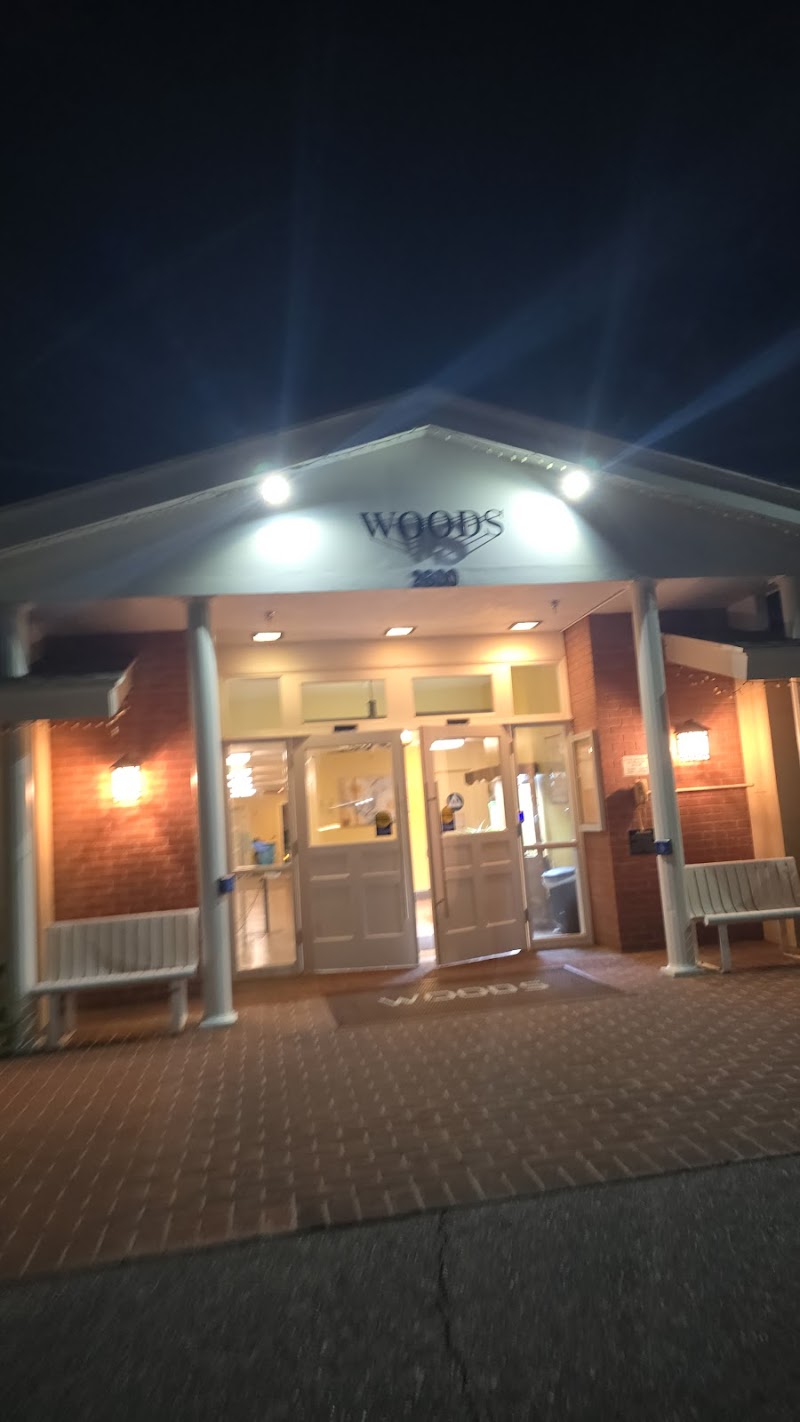
How is Woods Health Services Staffed?

CMS rates WOODS HEALTH SERVICES's staffing level at 3 out of 5 stars, which is average compared to other nursing homes. Staff turnover is 57%, which is 11 percentage points above the California average of 46%. High turnover can affect care consistency as new staff learn residents' individual needs.

What Have Inspectors Found at Woods Health Services?

State health inspectors documented 56 deficiencies at WOODS HEALTH SERVICES during 2022 to 2025. These included: 3 that caused actual resident harm, 52 with potential for harm, and 1 minor or isolated issues. Deficiencies causing actual harm indicate documented cases where residents experienced negative health consequences.
Who Owns and Operates Woods Health Services?

WOODS HEALTH SERVICES is owned by a non-profit organization. Non-profit facilities reinvest revenue into operations rather than distributing to shareholders. The facility operates independently rather than as part of a larger chain. With 74 certified beds and approximately 47 residents (about 64% occupancy), it is a smaller facility located in LA VERNE, California.
How Does Woods Health Services Compare to Other California Nursing Homes?

Compared to the 100 nursing homes in California, WOODS HEALTH SERVICES's overall rating (3 stars) is below the state average of 3.1, staff turnover (57%) is significantly higher than the state average of 46%, and health inspection rating (2 stars) is below the national benchmark.

What Should Families Ask When Visiting Woods Health Services?

Based on this facility's data, families visiting should ask: "How do you ensure continuity of care given staff turnover, and what is your staff retention strategy?" "Can I visit during a mealtime to observe dining assistance and food quality?" "How do you handle medical emergencies, and what is your hospital transfer rate?" "Can I speak with family members of current residents about their experience?" These questions are particularly relevant given the facility's high staff turnover rate.

Is Woods Health Services Safe?

Based on CMS inspection data, WOODS HEALTH SERVICES has a clean safety record: no substantiated abuse findings (meaning no confirmed cases of resident harm), no Immediate Jeopardy citations (the most serious violation level indicating risk of serious injury or death), and is not on the Special Focus Facility watch list (a federal program monitoring the lowest-performing 1% of nursing homes). The facility has a 3-star overall rating and ranks #100 of 100 nursing homes in California. While no facility is perfect, families should still ask about staff-to-resident ratios and recent inspection results during their visit.

Do Nurses at Woods Health Services Stick Around?

Staff turnover at WOODS HEALTH SERVICES is high. At 57%, the facility is 11 percentage points above the California average of 46%. High turnover means new staff may not know residents' individual needs, medications, or preferences. It can also be disorienting for residents, especially those with dementia who rely on familiar faces. Families should ask: What is causing the turnover? What retention programs are in place? How do you ensure care continuity during staff transitions?

Was Woods Health Services Ever Fined?

WOODS HEALTH SERVICES has been fined $8,190 across 1 penalty action. This is below the California average of $33,161. While any fine indicates a compliance issue, fines under $50,000 are relatively common and typically reflect isolated problems that were subsequently corrected. Families should ask what specific issues led to these fines and confirm they've been resolved.

Is Woods Health Services on Any Federal Watch List?

WOODS HEALTH SERVICES is not on any federal watch list. The most significant is the Special Focus Facility (SFF) program, which identifies the bottom 1% of nursing homes nationally based on persistent, serious quality problems. Not being on this list means the facility has avoided the pattern of deficiencies that triggers enhanced federal oversight. This is a positive indicator, though families should still review the facility's inspection history directly.