MOUNTAINS COMMUNITY HOSP DPSNF
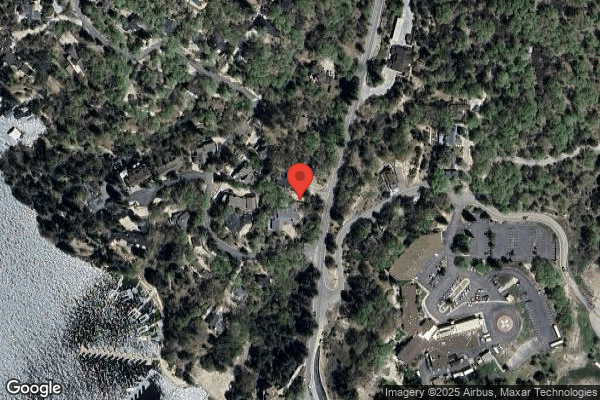
29101 HOSPITAL ROAD, LAKE ARROWHEAD, CA 92352 (909) 336-3651
Government - Hospital district 19 Beds Independent Data: November 2025
Trust Grade
90/100
#138 of 1155 in CA
Last Inspection: June 2025

Inspected within the last 6 months. Data reflects current conditions.

Overview

Mountains Community Hospital DPSNF in Lake Arrowhead, California, has received an excellent Trust Grade of A, indicating it is highly recommended and performs well compared to other facilities. It ranks #138 out of 1155 facilities in California, placing it in the top half, and #10 out of 54 in San Bernardino County, meaning only nine local options are better. The facility's trend is stable, with the same number of issues reported in 2023 and 2025. Staffing is a strength, boasting a 4-star rating with a 0% turnover rate, significantly lower than the state average, and it has more RN coverage than 90% of California facilities, which is beneficial for resident care. However, there are some weaknesses. Although there have been no fines, the facility has reported 10 concerns, including expired medical supplies found in treatment areas, which could pose infection risks, and food safety issues such as an unsanitized dishwashing machine and improperly maintained dumpsters that could attract pests. These findings indicate areas where improvements are necessary to ensure the safety and well-being of residents. Overall, while the facility has strong staffing and performance metrics, the identified concerns warrant attention.

Trust Score
A
90/100
In California
#138/1155
Top 11%
Safety Record
Low Risk
No red flags
Inspections
Holding Steady
5 → 5 violations
Staff Stability
○ Average
Turnover data not reported for this facility.
Penalties
✓ Good
No fines on record. Clean compliance history, better than most California facilities.
Skilled Nurses
✓ Good
Each resident gets 83 minutes of Registered Nurse (RN) attention daily — more than 97% of California nursing homes. RNs are the most trained staff who catch health problems before they become serious.
Violations
○ Average
10 deficiencies on record. Average for a facility this size. Mostly minor or procedural issues.
★★★★★
5.0
Overall Rating
★★★★☆
4.0
Staff Levels
★★★★★
5.0
Care Quality
★★★★★
5.0
Inspection Score
Stable
2023: 5 issues
2025: 5 issues

The Good

  • 4-Star Staffing Rating · Above-average nurse staffing levels
  • 5-Star Quality Measures · Strong clinical quality outcomes
  • Full Sprinkler Coverage · Fire safety systems throughout facility
  • No fines on record

Facility shows strength in staffing levels, quality measures, fire safety.

The Bad

No Significant Concerns Identified

This facility shows no red flags. Among California's 100 nursing homes, only 0% achieve this.

The Ugly 10 deficiencies on record

Jun 2025 5 deficiencies
CONCERN (D)

Potential for Harm - no one hurt, but risky conditions existed

Deficiency F0637 (Tag F0637)

Could have caused harm · This affected 1 resident

**NOTE- TERMS IN BRACKETS HAVE BEEN EDITED TO PROTECT CONFIDENTIALITY** Based on observation, interview, and record review, the facility failed to ensure the Resident Assessment Instrument/Minimum Dat...

Read full inspector narrative →
**NOTE- TERMS IN BRACKETS HAVE BEEN EDITED TO PROTECT CONFIDENTIALITY** Based on observation, interview, and record review, the facility failed to ensure the Resident Assessment Instrument/Minimum Data Set (RAI/MDS-a facility assessment and care planning process used by nursing home staff as required by the Centers of Medicare and Medicaid Services [CMS]) for a change of condition was completed within 14 days as stated within their policy and procedures (P&P) and in accordance with the federal submission timeframes for one of eight sampled residents (Resident 6) when Resident 6's condition was changed from having clear speech and no impairment with movements to unable to lift right arm, speech was very weak and was having difficulty making a sentence. This failure resulted in inadequate monitoring of Residents 6 and had the potential to delay necessary interventions leading to deterioration, increased risk of complications and poor resident prognosis. Findings: During a review of Resident 6 Progress note, dated April 20, 2025, the Progress note indicated, Resident 6 was admitted to the facility on [DATE]. and had diagnoses including diabetes (a group of diseases that result in too much sugar in the blood), hypertension (high blood pressure), chronic kidney disease (damage to the kidneys that persists for at least three months), and right tibial fracture (a break in the larger bone in the lower leg). During an interview on June 2, 2025, at 9:00 AM, with the Education Manager (EM), Chief Executive Officer (CEO), Chief Nursing Officer (CNO), and the Director of Quality and Regulation Compliance (DQRC), they stated that Resident 6 was the president of resident council (an organized group of residents in the long-term care (LTC) facility to discuss concerns and suggest improvement). During an observation on June 2, 2025, at 10:58 AM, with Resident 6, Resident 6 was unable to complete a full sentence, attempted to say her name, but was having difficulty. Resident 6 was unable to lift her right arm. During concurrent interview and record review on June 4, 2025, at 2:36 PM, with Licensed Vocational Nurse/Director of staff development (LVN/DSD), Resident 6 's Minimum Data Set quarterly assessment (MDS quarterly assessment), dated April 21, 2025, was reviewed. The MDS quarterly assessment indicated, under section B. hearing, speech and vision that Resident 6's speech was clear, under section C. cognitive [related to mental process such as thinking and reasoning] patterns the Brief Interview for Mental Status (BIMS- a measure of cognitive function in individuals, typically used in long-term care facilities with a score ranges from 0-15, a score of 0-7 suggests severe cognitive impairment, 8-12- moderate impairment, 13-15 suggests intact cognition ) was 15, under section gg. Functional abilities functional limitation of the upper extremities it indicated no impairment, and under section i. active diagnosis in the neurological there was no aphasia (loss of ability to communicate) documented. The LVN/DSD verified and confirmed that the MDS quarterly assessment is not accurate, and no change of condition has been made for Resident 6. The LVN/DSD stated that Resident 6 had shown a decline in status for about a month. The LVN/DSD further stated that it has been over 14 days since the change in Resident 6's status. During a review of Resident 6's LTC progress note, dated May 20, 2025, by the physician, the LTC progress note indicated, . Right are unable to move up or close hand and voice very weak. During an interview and record review on June 6, 2025, at 1:12 PM, with the CNO, the facility's P&P titled, Change of condition Resident (Policy)-Skilled Nursing Facility, dated January 21, 2021, was reviewed. The P&P indicated, . 8. as necessary, a significant change in status assessment MDS will be generated within fourteen (14) days of change of condition. The CNO stated the policy was not followed and should have been as per regulation.
CONCERN (D)

Potential for Harm - no one hurt, but risky conditions existed

Assessment Accuracy (Tag F0641)

Could have caused harm · This affected 1 resident

**NOTE- TERMS IN BRACKETS HAVE BEEN EDITED TO PROTECT CONFIDENTIALITY** Based on observation, interview, and record review, the facility failed to ensure the Resident Assessment Instrument/Minimum Dat...

Read full inspector narrative →
**NOTE- TERMS IN BRACKETS HAVE BEEN EDITED TO PROTECT CONFIDENTIALITY** Based on observation, interview, and record review, the facility failed to ensure the Resident Assessment Instrument/Minimum Data Set (MDS-a facility assessment and care planning process used by nursing home staff as required by the Centers of Medicare and Medicaid Services [CMS]) was completed accurately for one of eight sampled residents (Resident 6) when the MDS assessment did not show Resident 6's current condition of having functional limitations to the right upper extremity and speech impairments. This failure resulted in inaccurate documentation of assessment for Residents 6 and had the potential to cause inadequate care planning, delay of necessary interventions that can lead to deterioration, increased risk of complications and poor resident prognosis. Findings: During a review of Resident 6 Progress note, dated April 20, 2025, the Progress note indicated, Resident 6 was admitted to the facility on [DATE] and had diagnoses including diabetes (a group of diseases that result in too much sugar in the blood), hypertension (high blood pressure), chronic kidney disease (damage to the kidneys that persists for at least three months), and right tibial fracture (a break in the larger bone in the lower leg). During an interview on June 2, 2025, at 9:00 AM, with the Education Manager (EM), Chief Executive Officer (CEO), Chief Nursing Officer (CNO), and the Director of Quality and Regulation Compliance (DQRC), they stated that Resident 6 was the president of resident council (an organized group of residents in the long-term care (LTC) facility to discuss concerns and suggest improvement). During an observation on June 2, 2025, at 10:58 AM, with Resident 6, Resident 6 was unable to complete a full sentence, attempted to say her name, but was having difficulty. Resident 6 was unable to lift her right arm. During concurrent interview and record review on June 4, 2025, at 2:36 PM, with Licensed Vocational Nurse/Director of staff development (LVN/DSD), Resident 6 's Minimum Data Set quarterly assessment (MDS quarterly assessment), dated April 21, 2025, was reviewed. The MDS quarterly assessment indicated, under section B. hearing, speech and vision that Resident 6's speech was clear, under section C. cognitive [related to mental process such as thinking and reasoning] patterns the Brief Interview for Mental Status (BIMS- a measure of cognitive function in individuals, typically used in long-term care facilities with a score ranges from 0-15, a score of 0-7 suggests severe cognitive impairment, 8-12- moderate impairment, 13-15 suggests intact cognition ) was 15, under section gg. Functional abilities functional limitation of the upper extremities it indicated no impairment, and under section i. active diagnosis in the neurological there was no aphasia (loss of ability to communicate) documented. The LVN/DSD verified and confirmed that the MDS quarterly assessment is not accurate, and no change of condition has been made for Resident 6. The LVN/DSD stated that Resident 6 had shown a decline in status for about a month. The LVN/DSD further stated that it has been over 14 days since the change in Resident 6's status. During a review of Resident 6's LTC progress note, dated May 20, 2025, by the physician, the LTC progress note indicated, . Right are unable to move up or close hand and voice very weak. During a review of the Speech language pathologist [SLP] Speech evaluation (SLP speech evaluation), dated May 24, 2025, the SLP speech evaluation indicated, [Resident 6's last name] struggled to hold a conversation. She demonstrated word-finding difficulties during spontaneous speech . under the indication for speech therapy it indicated, impaired motor speech, impaired spoken language expression. During a review of the SNF [skilled nursing facility] interdisciplinary resident care conference (SNF interdisciplinary care), dated April 22, 2025, the SNF interdisciplinary care indicated, Resident 6 had new onset right sided weakness. During a concurrent interview and record review on June 6, 2025, at 1:12 PM, with the CNO, the facility's policy & procedures (P&P) titled change of condition resident (Policy)- skilled nursing facility, dated January 21, 2021, was reviewed. The P&P indicated, . 8. as necessary, a significant change in status assessment MDS will be generated within fourteen (14) days of change of condition. The CNO stated Resident 6's assessment was not accurate, and a change of condition should have been done according to the facility's policy.
CONCERN (D)

Potential for Harm - no one hurt, but risky conditions existed

Comprehensive Care Plan (Tag F0656)

Could have caused harm · This affected 1 resident

**NOTE- TERMS IN BRACKETS HAVE BEEN EDITED TO PROTECT CONFIDENTIALITY** Based on observations, interview, and record reviews, the facility failed to establish a comprehensive care plan (an individuali...

Read full inspector narrative →
**NOTE- TERMS IN BRACKETS HAVE BEEN EDITED TO PROTECT CONFIDENTIALITY** Based on observations, interview, and record reviews, the facility failed to establish a comprehensive care plan (an individualized plan that includes residents' health problems, preferences and goals) consistent with the resident's medical needs for one of four residents (Resident 6) when the facility staff did not update Resident 6's care plan after identifying a change of condition. This failure resulted in inadequate response to Resident 6's changing needs, and had the potential increased risk of harm, delayed treatment, and reduced quality of life. Findings: During a review of Resident 6 Progress note, dated April 20, 2025, the Progress note indicated, Resident 6 was admitted to the facility on [DATE] and had diagnoses including diabetes (a group of diseases that result in too much sugar in the blood), hypertension (high blood pressure), chronic kidney disease (damage to the kidneys that persists for at least three months), and right tibial fracture (a break in the larger bone in the lower leg). During an observation on June 2, 2025, at 10:58 AM, with Resident 6, Resident 6 was unable to complete a full sentence, attempted to say her name, but was having difficulty. Resident 6 was unable to lift her right arm. During concurrent interview and record review on June 4, 2025, at 2:36 PM, with the Licensed Vocational Nurse/Director of staff development (LVN/DSD), Resident 6 's Minimum Data Set (MDS-a standardized, comprehensive assessment that collects information about a resident's functional, medical, psychosocial, and cognitive status.) quarterly assessment (MDS quarterly assessment), dated April 21, 2025, was reviewed. The MDS quarterly assessment indicated, under section B. hearing, speech and vision that Resident 6's speech was clear, under section C. cognitive [related to mental process such as thinking and reasoning] patterns the Brief Interview for Mental Status (BIMS- a measure of cognitive function in individuals, typically used in long-term care facilities with a score ranges from 0-15, a score of 0-7 suggests severe cognitive impairment, 8-12- moderate impairment, 13-15 suggests intact cognition ) was 15, under section gg. Functional abilities functional limitation of the upper extremities it indicated no impairment, and under section i. active diagnosis in the neurological there was no aphasia (loss of ability to communicate) documented. The LVN/DSD verified and confirmed that the MDS quarterly assessment is not accurate, and no change of condition has been made for Resident 6. The LVN/DSD stated that Resident 6 had shown a decline in status for about a month. The LVN/DSD further stated that it has been over 14 days since the change in Resident 6's status. During an interview on June 5, 2025, at 11:28 AM, with LVN 3, LVN 3 stated that anytime a resident gets speech therapy added to the facility's electronic health record (EHR) system, nursing staff will get a pop up to that asks if the nursing staff want to incorporate it into the resident's care plan. LVN 3 further stated that the nurse can also manually put it into the resident's chart if the care plan needs to be updated. During a review of Resident 6's LTC [long-term care] progress note, dated May 20, 2025, by the physician, the LTC progress note indicated, . Right are unable to move up or close hand and voice very weak. During a concurrent interview and record review on June 6, 2025, at 1:18 PM, with the Chief Nursing Office (CNO), Resident 6's care plan, undated, was reviewed. The care plan indicated that the last time it was reviewed was May 18, 2025. The CNO stated she did not see that the care plan was reviewed after Resident 6's change of condition. During a concurrent interview and record review on June 6, 2025, at 1:20 PM, with the CNO, the facility's policy and procedure (P&P) titled Change of Condition Resident (Policy)- Skilled Nursing Facility [SNF], dated January 21, 2021, was reviewed. The P&P indicated, . 7. A care plan will be developed by the SNF Licensed Nurse receiving the orders, addressing the change of condition, goals of treatment and interventions . The CNO stated the policy was not followed and it is important to update the care plan for resident safety and overall care.
CONCERN (D)

Potential for Harm - no one hurt, but risky conditions existed

Deficiency F0760 (Tag F0760)

Could have caused harm · This affected 1 resident

**NOTE- TERMS IN BRACKETS HAVE BEEN EDITED TO PROTECT CONFIDENTIALITY** Based on observation, interview, and record review, the facility failed to ensure one of four residents (Resident 9) was free fr...

Read full inspector narrative →
**NOTE- TERMS IN BRACKETS HAVE BEEN EDITED TO PROTECT CONFIDENTIALITY** Based on observation, interview, and record review, the facility failed to ensure one of four residents (Resident 9) was free from significant medication error, when a furosemide (a medication commonly called as water pill that used to eliminate water and salt from the body) was held for a systolic blood pressure (the top number in a blood pressure reading and represents the pressure in the arteries when the heart beats) less than 100 without a hold order. This failure resulted in lack of appropriate documentation and had the potential to cause adverse health outcomes by not achieving the effective purpose of the medication and miscommunication amongst the following nursing staff. Findings: During a review of Resident 9's History and Physical (H&P- a formal assessment document by the physician), dated April 30, 2025, the H&P indicated, Resident 9 was admitted on [DATE], with diagnoses of benign prostatic hyperplasia (BPH-refers to a non-cancerous enlargement of the prostate gland, hypothyroidism (when your thyroid gland doesn't make and release enough hormone into your bloodstream), and cerebral palsy (is a group of lifelong movement disorders that occur due to brain damage before, during, or shortly after birth). During a concurrent medication administration observation and interview on June 3, 2025, at 9:03 AM, with Licensed Vocational Nurse (LVN 1), in front of the dining area, a furosemide medication was held for Resident 9. LVN 1 stated, Resident 9's furosemide would be held today because the parameter is to hold for systolic blood pressure < less than 100. During a concurrent interview and record review on June 3, 2025, at 2:24 PM, with LVN 1, Resident 9's medications orders, initiated on May 6, 2025, was reviewed. The medication orders indicated, furosemide (Lasix) 20 mg [milligram-unit of dosing medication] PO [by mouth] DAILY tablet and had a clinical indication for fluid retention. The order did not have any hold parameters. LVN 1 verified and stated that the current order for furosemide did not have any hold parameters. LVN 1 stated that the previous order furosemide order initiated on April 20, 2024, fell off on May 6, 2025, and that when the order was renewed, whoever put in the order did not put the hold parameters as the previous order . LVN 1 stated, it is important to have appropriate hold parameters in the orders, so that any nurse that takes over the resident's care know what to do. During a follow-up telephone interview on June 5, 2025, at 10:55 AM, with LVN 1, LVN 1 stated that furosemide order was not followed when it was held without any hold parameters. LVN 1 further stated she contacted the pharmacist to fix the order after it was brought up to her attention. During a concurrent interview and record review on June 5, 2025, at 1:14 PM, with the Chief Nursing Officer (CNO) the facility's policy and procedure (P&P) titled, medication errors and adverse reactions (policy), dated June 30, 2023, was reviewed. The P&P indicated, .Policy: All medications prescribed for and/or administered to patients and residents of the [Facility Name] shall be handled in a safe and effective manner, and properly recorded into the patient/resident's medical record. Deviations from this policy resulting in medication errors . may be related to: prescribing, order communication . Categories: Order communication, Types: Written order not entered into E-MAR [Electronic medical administration record- place on the electronic health record where staff can record the administration of medication], and Examples: written order not entered into E-MAR different from written or telephone order . The CNO agreed that according to the policy it is a medication error related to renewal of a written order into E-MAR. The CNO stated it was a system error and should have not happened.
CONCERN (F)

Potential for Harm - no one hurt, but risky conditions existed

Infection Control (Tag F0880)

Could have caused harm · This affected most or all residents

**NOTE- TERMS IN BRACKETS HAVE BEEN EDITED TO PROTECT CONFIDENTIALITY** Based on observation, interview, and record review, the facility failed to follow infection control guidelines for a universe of...

Read full inspector narrative →
**NOTE- TERMS IN BRACKETS HAVE BEEN EDITED TO PROTECT CONFIDENTIALITY** Based on observation, interview, and record review, the facility failed to follow infection control guidelines for a universe of 19 residents when expired medical supplies were found in procedure cart and medical supply room and were readily available for use. This failure had the potential to cause unsafe care provided to the facility's 19 residents with beyond the use date (expired) supplies, which could potentially cause infection, injuries, and/ or death. Findings: During a concurrent observation and interview on [DATE], at 6:10 AM, in the facility's treatment cart and medical supply room, with the Director of Staff Development (DSD) and Licensed Vocational Nurse (LVN 2). The medical supplies were observed as follows: 1. 41 safety intravenous (IV) catheters (a thin, flexible tube inserted into vein to deliver fluids, medications or blood products directly into the blood stream) Size 24 gauge (size of catheter) with an expiration date of [DATE] (3 days expired). 2. Nine IV extension set (flexible tube used to extend the length of existing IV lines) with an expiration date of [DATE] (4 days expired). The DSD and LVN 2 verified and confirmed that 41 safety IV catheters and nine IV extension sets have been expired and should have been discarded. During a concurrent interview and record review on [DATE], at 10:10 AM, with the Chief Nursing Officer (CNO), the facility's policy and procedure (P&P) titled, Infection Prevention and Control, dated [DATE], was reviewed. The P&P indicated, . 4. The Infection Prevention and Control Plan Policy objectives read in number one through eight: 1) Decrease the risk of infection to patients and personnel. 2) Monitor for occurrence of infection and implement appropriate control measures. 3) Identify and correct problems relating to infection prevention practices. 4) Limit unprotected exposures to pathogens throughout the hospital. 5) Minimize the risk associated with procedures, medical devices and medical equipment. 6). Maintain compliance with state and federal regulations relating to infection prevention . The CNO stated medical supplies should have been checked regularly and expired items should have been discarded, as using expired medical supplies can cause infections and injuries. The CNO further stated the facility did not follow the infection prevention and control policy.
Apr 2023 5 deficiencies
CONCERN (D)

Potential for Harm - no one hurt, but risky conditions existed

MDS Data Transmission (Tag F0640)

Could have caused harm · This affected 1 resident

**NOTE- TERMS IN BRACKETS HAVE BEEN EDITED TO PROTECT CONFIDENTIALITY** Based on interview and record review, the facility failed to follow their Policy and Procedure (P&P) for transmitting resident's...

Read full inspector narrative →
**NOTE- TERMS IN BRACKETS HAVE BEEN EDITED TO PROTECT CONFIDENTIALITY** Based on interview and record review, the facility failed to follow their Policy and Procedure (P&P) for transmitting resident's assessment data (tool that provides overview of the resident's condition) within the required timeframe outlined by Federal Regulations for three of four sampled residents (Resident 3, Resident 17, and Resident 10). This failure had the potential to result in a delay in determining the resources necessary to competently care for the residents during the day to day operations and emergencies. Findings: 1.During a review of Resident 3's admission Record (a document that contains demographic and clinical data), the admission Record indicated, Resident 3 was admitted to the facility on [DATE], with diagnoses which included type 2 diabetes (high sugar levels), chronic (long term) back pain, and hypertension (raised pressure against the vessel walls). During a concurrent interview and record review, on April 20, 2023, at 8:20 AM, with the MDS Nurse, Resident 3's Minimum Data Set 3.0( MDS 3.0-an assessment tool for implementing standardized assessment and for facilitating care management), dated March 4, 2023, signed by the Director of Nursing (DON), was reviewed. The document indicated, the assessment was transmitted to Internet Quality Improvement and Evaluation System (iQIES- federal government information tracking website) on April 19, 2023. The MDS Nurse counted the number of days the MDS assessment was late and stated, the assessment was 32 days late. The MDS Nurse stated, the MDS assessment was supposed to have been transmitted on March 18, 2023. During further record review and interview with the MDS Nurse, on April 20, 2023, at 8:23 AM, the MDS Nurse reviewed Resident 3's MDS 3.0 assessment, dated December 1, 2022, signed by the Registered Nurse (RN 2). The MDS Nurse counted the number of days the MDS assessment was late and stated, the assessment was 16 days late (due December 19, 2022). During a concurrent interview and record review with the DON, on April 20, 2023, at 9:46 AM, the DON reviewed Resident 3's MDS 3.0 assessments and reviewed the Policy and Procedure (P&P) titled, Resident Assessment and Care Planning, dated January 18, 2019, which indicated, .1. A licensed nurse will coordinate the input of appropriate health care professionals in the completion of a resident assessment form designed to obtain minimum data criteria as established by Federal and State requirement . The DON stated, the MDS 3.0 assessments were submitted past the 14 days after the Registered Nurse's signature and acknowledged the P&P was not followed. 2. During a review of Resident 17's clinical record titled, admission Record indicated, Resident 17's diagnoses included, hypertension, anxiety disorder (feeling of worry), and left hip fracture (break). During a concurrent interview and record review on April 19, 2023, at 3:05 PM, with the MDS Nurse, MDS Command Center (a calendar of the assessment due dates), was reviewed. The document indicated, Resident 17's MDS 3.0 assessment was transmitted by the facility on April 13, 2023. The MDS Nurse acknowledged, Resident 17's MDS 3.0 assessment was transmitted to the Command Center 12 days late. The MDS Nurse stated, she tried to remember the due dates, but she missed this one. During a concurrent interview and P&P April 20, 2023, at 9:00 AM, with the DON, Resident Assessment and Care Planning (Policy) - Skilled Nursing Facility, dated January 18, 2019, was reviewed. The P&P indicated, PURPOSE: To identify resident needs and provide a database used in planning the comprehensive nursing care to meet resident's individual needs and to assist residents in reaching the highest level of independence possible. POLICY: 1. A licensed nurse will coordinate the input of appropriate health care professionals in the completion of a resident assessment form designed to obtain minimum data criteria as established by Federal and State requirements . The DON acknowledged, the P&P was not followed when Resident 17's MDS 3.0 assessment was not transmitted within 14 days. 3. During a review of Resident 10's clinical record titled, History and Physical (H&P- past and current medical history) Examination - Final Report, dated, October 13, 2022, by Physician 1 (Phys. 1) indicated, Resident 10 had a past medical history of cerebral palsy (group of disorders that affect a person's ability to move and maintain balance and posture), stroke (occurs when the blood supply is blocked to part of the brain), and seizure disorder (burst of uncontrolled body movements, behaviors, or states of awareness). During a review of Resident 10's clinical record titled, MDS 3.0., dated, September 16, 2022, by RN 1, indicated, Resident 10 had an MDS 3.0 assessment completed on September 16, 2022. During a concurrent interview and record review on April 19, 2023, at 3:20 PM, with the MDS Nurse, MDS Command Center, dated October 1, 2022, was reviewed. The record indicated, Resident 10's MDS 3.0 assessment was transmitted on October 1, 2022. The MDS Nurse stated, she was the person responsible for submitting the MDS 3.0 assessment, which was one day late. During a concurrent interview and P&P reviewed on April 20, 2023, at 9:15 AM, with the DON, Resident Assessment and Care Planning (Policy) - Skilled Nursing Facility), dated January 18, 2019, indicated, PURPOSE: To identify resident needs and provide a database used in planning the comprehensive nursing care to meet resident's individual needs and to assist residents in reaching the highest level of independence possible. POLICY: 1. A licensed nurse will coordinate the input of appropriate health care professionals in the completion of a resident assessment form designed to obtain minimum data criteria as established by Federal and State requirements . The DON acknowledged, the P&P was not followed.
CONCERN (D)

Potential for Harm - no one hurt, but risky conditions existed

Assessment Accuracy (Tag F0641)

Could have caused harm · This affected 1 resident

Based on interview and record review, the facility failed to complete a Physician Orders for Life-Sustaining Treatment ([POLST] medical order form that provides instructions to medical staff on what t...

Read full inspector narrative →
Based on interview and record review, the facility failed to complete a Physician Orders for Life-Sustaining Treatment ([POLST] medical order form that provides instructions to medical staff on what to do in the event of a medical emergency) for one of 18 sampled residents (Resident 15). This failure could have resulted in Resident 15's medical treatment wishes not being followed. Findings: During a review of Resident 15's clinical record titled, History and Physical Examination (H&P- a document that contains past and current medical history) - Final Report, dated, January 15, 2020, at 2:50 PM, by Physician 1 (Phys. 1), indicated, Resident 15 had a past history of stroke (an event where there is oxygen deprivation to the brain), diabetes (inability to control blood sugar), and Chronic Kidney Disease (kidneys do not efficiently filter out waste products). During a review of Patient 15's clinical record titled, Section C Cognitive (thinking, understanding, remembering) Patterns (a section of the Minimum Data Set ([MDS] assessment tool used to assess cognitive skills for decision making), indicated, Resident 15 had a Brief Interview for Mental Status ([BIMS] summary score used to assess for cognitive conditions) score of 10 (score of 8-12 = moderately impaired). During a concurrent interview and record review on April 18, 2023, at 8:30 AM, with the MDS Nurse, Resident 15's clinical record titled, Physician Orders for Life-Sustaining Treatment, dated December 30, 2019, by Resident 15's Legally Recognized Decision Maker ([LRDM] the person assigned by the resident to make medical decisions if the resident is not able to make decisions for themselves) and Physician (Phys. 2), was reviewed. The POLST indicated, Resident 15's primary goal was comfort-focused treatment (relieve pain and suffering with medication). The POLST was not completed when the LRDM's address, phone number, and date of signature was not documented, and whether or not Resident 15 had an advanced directive (a legal document that states a person's wishes about receiving medical care if that person is no longer able to make medical decisions independently). The MDS Nurse stated, she is not sure why the POLST was not completely filled out and that the facility needed to update Resident 15's POLST. The MDS Nurse acknowledged, the POLST was supposed to be fully completed and placed in the Resident 15's chart (a folder containing medical information). During a concurrent interview and record review on April 18, 2023, at 11:45 AM, with the Director of Nursing (DON), the facility's Policy and Procedure (P&P) titled, admission of Resident (Policy) - Skilled Nursing Facility, dated September 15, 2022, indicated, Assessment, Forms and Documents: . 5. Discuss and complete Physician Orders for Life Sustaining Treatment (POLST) with resident and or power of attorney (POA- a legal document that allows for the designation of another person to manage the resident's property, medical, or financial affairs) and have MD (Medical Doctor) sign . The DON stated, the POLST was not completed in its entirety and needed to be updated. The P&P was not followed.
CONCERN (D)

Potential for Harm - no one hurt, but risky conditions existed

Infection Control (Tag F0880)

Could have caused harm · This affected 1 resident

Based on observations, interviews, and record reviews, the facility failed to follow their Policies and Procedures (P&P) regarding infection control practices during an eye drop medication administrat...

Read full inspector narrative →
Based on observations, interviews, and record reviews, the facility failed to follow their Policies and Procedures (P&P) regarding infection control practices during an eye drop medication administration for one of eighteen sampled residents (Resident 16). This failure had the potential to introduce bacteria into one resident's eyes in a population of eighteen sampled residents (Resident 16). Findings: During a review of Resident 16's clinical record titled, History and Physical (H&P- past and current medical history) Examination- Final Report , dated, July 19, 2021, at 2:26 PM, by Physician (Phys. 1) indicated, Resident 16's diagnoses included Type 2 Diabetes (inability to control blood sugar), Congestive Heart Failure (CHF- condition in which the heart does not pump blood efficiently), and yeast dermatitis (fungal infection on the skin). During an observation on April 19, 2023, at 6:44 AM, inside Resident 16's room, with the Licensed Vocational Nurse (LVN 1), observed the LVN 1 put on gloves, electronically scan (hand held scanner) Resident 16's name card (card that contains the resident's name and a bar code), and scan the medications Famotidine oral medication (decreases stomach acid) and Olopatadine Solution (0.2% - eye drop medication - used to treat eye infections). The LVN 1 proceeded to administer the oral medication (Famotidine) to Resident 16 and then adjusted the side bed rails (plastic rails attached to the bed used for repositioning and safety) and bed blankets. The LVN 1 then administered Resident 16's eye drop medication (Olopatadine). The LVN did not wash her hands or change her gloves prior to administering the eye drop medication. During an interview on April 19, 2023, at 6:55 AM, with the LVN 1, acknowledged, after the oral medication was administered to Resident 16, the LVN 1 should have taken off her dirty gloves, washed her hands, and put on clean gloves prior to administering the eye drop medication. The LVN 1 stated, by not washing her hands and changing her gloves prior to eye drop medication administration, Resident 16 was placed at risk for infection. During a review of Resident 16's clinical record titled, Patient Chart Orders, dated February 18, 2023 at 2:12 pm, by Phys. 1, indicated, Olopatadine Ophthalmic Solution (0.2% - eye drops) was ordered to be given to Resident 16 every 12 hours, one drop of medication in both eyes. During a review of Resident 16's clinical record titled, Patient Chart Orders, indicated, Olopatadine Ophthalmic Solution (0.2%) was given to Resident 16 on April 19, 2023, at 6:46 AM by the LVN 1. During a concurrent interview and record review on April 20, 2023, at 11:49 AM, with the Infection Preventionist Nurse (IP Nurse), The Lippincott Manual of Nursing Practice indicated, . Instillation of Medications .2. Solution or ointment is administered using clean technique . The IP nurse stated, clean technique would include washing hands and putting on clean gloves prior to eye medication administration. During a concurrent interview and record review on April 20, 2023, at 11:52 AM, with the IP Nurse, Nursing Procedure Reference Manual (Policy) - PC, dated July 22, 2022, was reviewed. The Policy and Procedure (P&P) indicated, PURPOSE: To provide an informed method of performing general nursing procedures. POLICY: 1. The Lippincott Manual of Nursing Practice, has been adopted as a reference for clinical/nursing procedure which are not specifically listed in the Department P&P Manual or Clinical Service Manual . The IP Nurse acknowledge the P&P was not followed. During a concurrent interview and record review on April 20, 2023, at 12:00 PM, with the Director of Nursing (DON), the P&P titled, Hand Hygiene, Employees (Policy) - IC, dated July 22, 2022, was reviewed. The P&P indicated, PURPOSE: TO ESTABLISH HAND HYGIENE GUIDELINES FOR EMPLOYEES. Policy: 1. Hand hygiene is considered the most important single procedure for preventing healthcare associated infections. All employees shall follow the following guidelines for hand hygiene. 2. Indications for hand hygiene (before or after): a. ANY patient contact, b. invasive procedures . The DON acknowledged that washing hands is the most important single procedure for preventing healthcare associated infections.
CONCERN (F)

Potential for Harm - no one hurt, but risky conditions existed

Food Safety (Tag F0812)

Could have caused harm · This affected most or all residents

**NOTE- TERMS IN BRACKETS HAVE BEEN EDITED TO PROTECT CONFIDENTIALITY** Based on observations, interviews, and record reviews, the facility failed to maintain professional standards for food safety wh...

Read full inspector narrative →
**NOTE- TERMS IN BRACKETS HAVE BEEN EDITED TO PROTECT CONFIDENTIALITY** Based on observations, interviews, and record reviews, the facility failed to maintain professional standards for food safety when: 1.The ice machine was found to have black build up. 2.The dishwashing machine was not sanitizing. 3.There was no air gap (a separation between the water supply and potentially contaminated water in a sink or other plumbing fixture) found at the food preparation sink. The facility's failures to ensure a safe and sanitary kitchen resulted in the increased risk of resident harm from food-borne illness (food poisoning that can cause nausea, vomiting, and diarrhea) to a population of 18 immuno-compromised (decreased ability to fight off infections and diseases) residents who received food from the kitchen. Findings: 1.During a concurrent observation and interview with the Director of Facilities (DOF) and the Lead Facilities Technician (LFT), on April 17, 2023, at 12:40 PM, the ice machine was observed to have black build up around the motor of the ice machine and the metal part of the ice chute (where ice falls down from the ice maker). A white cloth was used to wipe inside the metal part of the ice chute and a black substance was noted on the white cloth. During a joint interview with the DOF and the LFT, on April 17, 2023, at 12: 44 PM, the DOF stated, the facilities staff are responsible for cleaning the inside of the ice machine. The facilities staff clean the ice machine monthly and do a deeper cleaning quarterly (every three months). The DOF stated, the ice machine instruction manual is followed when cleaning the ice machine. The DOF and the LFT stated, there should not have been any black build in the ice machine. During a concurrent interview and record review with the DOF, on April 19, 2023, at 10:48 AM, the Cublet Icemaker/ Dispenser manual titled, [Company name] Cubelet Icemaker/ Dispenser Instruction Manual, dated November 15, 2013, was reviewed. The [NAME] indicated, .Sanitizing Procedure .3) Scrub the inside of the storage bin, inside the bin top, the agitator, drip ring, ice chute area, spout A, spout B, grille, and the inside of the drain pan using a nylon scouring pad, brushes, and sanitizing solution. Rise all parts thoroughly with clean water . The DOF stated, the ice machine instruction manual was not followed. During a concurrent interview and record review with the DOF, on April 19, 2023, at 10:50 AM, the Policy and Procedure (P&P) titled, Ice Machine Chute Cleaning Monthly Cleaning, dated January 2022, indicated, .3. Removed screw on chute and remove chute. 4. Mix 1 to 3 ratio De-scaler to warm water. 5. Soak chute in solution for 15 minutes. 6. Rinse chute. 7. Replace chute and screw back in screw . The DOF stated, the P&P was not followed when the ice machine contained black build up, which could result in widespread food borne illness. The DOF stated his expectation for the ice machine is to be clean with no black build up. During a record review of the Federal FDA 2022 Food Code 4-204.17, indicated The potential for mold and algae growth in this area is very likely due to the high moisture environment. Molds and algae that form are difficult to remove and present a risk of contamination to the ice stored in the bin. According to the CDC's (Center for Disease Control) Guidelines for Environmental Infection Control in Health Care Facilities, Recommendations of CDC and the Healthcare Infection Control Practices Advisory Committee (HICPAC) revised July 2019, https://www.cdc.gov/infectioncontrol/pdf/guidelines/environmental-guidelines-P.pdf), microorganisms may be present in ice, ice-storage chests, and ice-making machines. The two main sources of microorganisms in ice are the potable water from which it is made and a transferal of organisms from hands. Ice from contaminated ice machines has been associated with .blood stream infections, pulmonary (having to do with the lungs) and gastrointestinal (having to do with the stomach and intestinal tract) illnesses. Recommendations for a regular program of maintenance and disinfection have been published. Some waterborne bacteria found in ice could potentially be a risk to immunocompromised patients if they consume ice or drink beverages with ice. 2.During a concurrent joint observation and interview with the Registered Dietician/ Dietary Supervisor (RD/DS) and kitchen assistant (KA 1), on April 18, 2023, at 8:06 AM, KA 1 stacked food trays in the dish rack. KA 1 then pushed the dish rack into the dishwashing machine and had it run a cleaning cycle. KA 1 checked the sanitation level (parts per million [ppm - unit of measurement] of chlorine [chemical used to kill bacteria] used to reduce the number of microorganisms [bacteria] to a safe level) of the dishwashing machine with a [Company Name] Chlorine Test Paper, but the chlorine test strip did not turn color, which indicated there was no chlorine in the dish machine. The RD/DS verified that the chlorine test strips indicated there was no chlorine, and the dishwashing machine was not sanitizing. The RD/DS stated, the machine gets checked monthly and the staff who run the dishwashing machine is supposed to check the sanitization with the test strips three times a day before meals and record the number of ppm. The chlorine test strip should read at least 50 ppm. During a concurrent interview and record review, on April 19, 2023, at 9:52 AM, the RD/DS reviewed the operation Manual titled, [Company Name] Series Installation/ Operation [NAME], dated October 29, 2007, which indicated, .MINIMUM CHLORINE REQURED (PPM) 50 . The RD/DS stated, the operation [NAME] was not followed. During a concurrent interview and record review, on April 19, 2023, at 9:55 AM, the RD/DS further reviewed the P&P titled, Dishwashing Sanitation, dated March 17, 2022, which indicated, .e. Complete a chlorine test at the start of each scheduled dish washing, breakfast, lunch, and dinner, patient and resident dishes, to measure the sanitizer level to assure the machine is functioning correctly with the correct level of sanitizer being dispensed. Follow the policy and procedure posted by the dish machine . f. The chlorine test must read 50-100 ppm . The RD/ DS stated her expectation is that the chlorine level is at 50 ppm to ensure bacteria is removed from the dishes. The RD/DS stated the P&P was not followed. 3.During a concurrent joint observation and interview with the RD/DS and the DOF, on April 19, 2023, at 8:27 AM, in the kitchen, one sink used for food preparation did not have an air gap. The DOF verified the sink drainpipes did not have an air gap. The DOF stated, that he did not know there should have been an air gap. The DOF stated, without an air gap, dirty water can back up into the sink and contaminate the food preparation sink. During an interview with the RD/DS on April 19, 2023, at 9:54 AM, the RD/DS verified there was no P&P regarding air gaps for the food preparation sink or the kitchen area. The RD/DS stated, her expectation is there should be an air gap where the food is prepared and where meats and poultry are defrosted. The RD/DS stated, an air gap is important because of the risk of pipes back flowing into the sink and contaminating the food preparation sink. A review of the FDA Federal Food Code 2022 5-202.13 indicated, .Backflow Prevention, Air Gap. An air gap between the water supply inlet and the flood level rim of the PLUMBING FIXTURE, EQUIPMENT, or nonFOOD EQUIPMENT shall be at least twice the diameter of the water supply inlet and may not be less than 25 mm (1 inch) . A review of the FDA Federal Food Code 2022 5-202.13 indicated, .Backflow Prevention, Air Gap. During periods of extraordinary demand, drinking water systems may develop negative pressure in portions of the system. If a connection exists between the system and a source of contaminated water during times of negative pressure, contaminated water may be drawn into and foul the entire system. Standing water in sinks, dipper wells, steam kettles, and other equipment may become contaminated with cleaning chemicals or food residue .Providing an air gap between the water supply outlet and the flood level rim of a plumbing fixture or equipment prevents contamination that may be caused by backflow .
CONCERN (F)

Potential for Harm - no one hurt, but risky conditions existed

Garbage Disposal (Tag F0814)

Could have caused harm · This affected most or all residents

Based on observations, interviews, and record reviews, the facility failed to properly close the dumpster (large outdoor trash container) lids when two of eight dumpsters were found with trash bags ex...

Read full inspector narrative →
Based on observations, interviews, and record reviews, the facility failed to properly close the dumpster (large outdoor trash container) lids when two of eight dumpsters were found with trash bags exceeding the fill line of the dumpster. This failure had the potential to attract vermin (pest or animals that spread diseases) in the facility that cares for 18 medically compromised residents. Findings: During a concurrent observation and interview with the Registered Dietician/ Dietary Supervisor (RD/ DS), on April 17, 2023, at 12:04 PM, the outdoor garbage storage area had two dumpsters with trash bags exceeding the fill line of the dumpster, with the lids not fully closed. The RD/DS stated, the lids should be fully closed. During a concurrent observation and interview with the Environmental Service Manager (ESM), on April 17, 2023, at 12:07 PM, the ESM verified the two dumpsters had trash bags exceeding the fill line, preventing the lids from being fully closed. The ESM stated, the dumpster lids should always be closed because of the risk of attracting vermin. During an interview with the ESM, on April 17, 2023, at 12:30 PM, the ESM stated, they do not have a Policy and Procedure (P&P) for the outdoor garbage storage area. During a review of the FDA Federal Food Code, 2022, it indicated in 5-501.113, .Covering Receptacles. Receptacles and waste handling units for REFUSE, recyclables, and returnables shall be kept covered: (A) Inside the FOOD ESTABLISHMENT if the receptacles and units: (1) Contain FOOD residue and are not in continuous use; or (2) After they are filled; and (B) With tight-fitting lids or doors if kept outside the FOOD ESTABLISHMENT .
Understanding Severity Codes (click to expand)
Life-Threatening (Immediate Jeopardy)
J - Isolated K - Pattern L - Widespread
Actual Harm
G - Isolated H - Pattern I - Widespread
Potential for Harm
D - Isolated E - Pattern F - Widespread
No Harm (Minor)
A - Isolated B - Pattern C - Widespread

Questions to Ask on Your Visit

  • "Can I speak with families of current residents?"
  • "What's your RN coverage like on weekends and overnight?"

Our Honest Assessment

Strengths
  • • Grade A (90/100). Above average facility, better than most options in California.
  • • No major safety red flags. No abuse findings, life-threatening violations, or SFF status.
  • • No fines on record. Clean compliance history, better than most California facilities.
Concerns
  • • No significant concerns identified. This facility shows no red flags across CMS ratings, staff turnover, or federal penalties.
Bottom line: Generally positive indicators. Standard due diligence and a personal visit recommended.

About This Facility

What is Mountains Community Hosp Dpsnf's CMS Rating?

CMS assigns MOUNTAINS COMMUNITY HOSP DPSNF an overall rating of 5 out of 5 stars, which is considered much above average nationally. Within California, this rating places the facility higher than 99% of the state's 100 nursing homes. This rating reflects solid performance across the metrics CMS uses to evaluate nursing home quality.

How is Mountains Community Hosp Dpsnf Staffed?

CMS rates MOUNTAINS COMMUNITY HOSP DPSNF's staffing level at 4 out of 5 stars, which is above average compared to other nursing homes.

What Have Inspectors Found at Mountains Community Hosp Dpsnf?

State health inspectors documented 10 deficiencies at MOUNTAINS COMMUNITY HOSP DPSNF during 2023 to 2025. These included: 10 with potential for harm.

Who Owns and Operates Mountains Community Hosp Dpsnf?

MOUNTAINS COMMUNITY HOSP DPSNF is owned by a government entity. Government-operated facilities are typically run by state, county, or municipal agencies. The facility operates independently rather than as part of a larger chain. With 19 certified beds and approximately 18 residents (about 95% occupancy), it is a smaller facility located in LAKE ARROWHEAD, California.
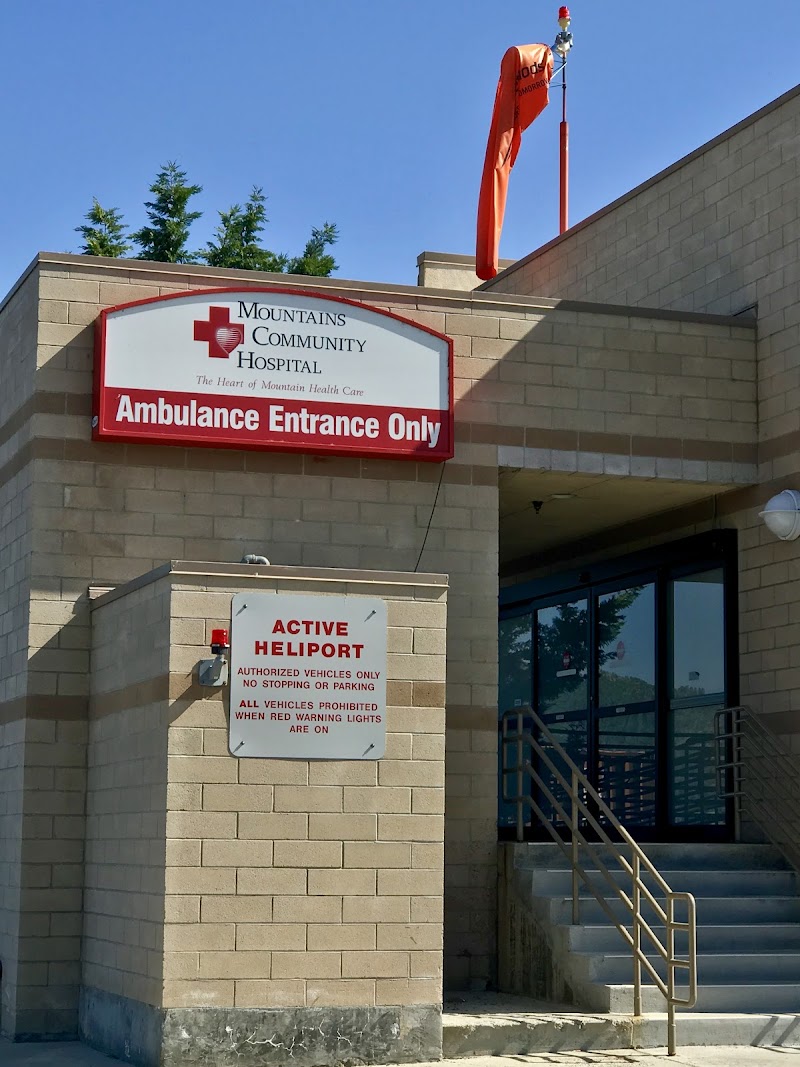
How Does Mountains Community Hosp Dpsnf Compare to Other California Nursing Homes?

Compared to the 100 nursing homes in California, MOUNTAINS COMMUNITY HOSP DPSNF's overall rating (5 stars) is above the state average of 3.2 and health inspection rating (5 stars) is much above the national benchmark.

What Should Families Ask When Visiting Mountains Community Hosp Dpsnf?

Based on this facility's data, families visiting should ask: "Can I visit during a mealtime to observe dining assistance and food quality?" "How do you handle medical emergencies, and what is your hospital transfer rate?" "Can I speak with family members of current residents about their experience?"

Is Mountains Community Hosp Dpsnf Safe?

Based on CMS inspection data, MOUNTAINS COMMUNITY HOSP DPSNF has a clean safety record: no substantiated abuse findings (meaning no confirmed cases of resident harm), no Immediate Jeopardy citations (the most serious violation level indicating risk of serious injury or death), and is not on the Special Focus Facility watch list (a federal program monitoring the lowest-performing 1% of nursing homes). The facility has a 5-star overall rating and ranks #1 of 100 nursing homes in California. While no facility is perfect, families should still ask about staff-to-resident ratios and recent inspection results during their visit.

Do Nurses at Mountains Community Hosp Dpsnf Stick Around?

MOUNTAINS COMMUNITY HOSP DPSNF has not reported staff turnover data to CMS. Staff turnover matters because consistent caregivers learn residents' individual needs, medications, and preferences. When staff frequently change, this institutional knowledge is lost. Families should ask the facility directly about their staff retention rates and average employee tenure.

Was Mountains Community Hosp Dpsnf Ever Fined?

MOUNTAINS COMMUNITY HOSP DPSNF has no federal fines on record. CMS issues fines when nursing homes fail to meet care standards or don't correct problems found during inspections. The absence of fines suggests the facility has either maintained compliance or corrected any issues before penalties were assessed. This is a positive indicator, though families should still review recent inspection reports for the full picture.

Is Mountains Community Hosp Dpsnf on Any Federal Watch List?

MOUNTAINS COMMUNITY HOSP DPSNF is not on any federal watch list. The most significant is the Special Focus Facility (SFF) program, which identifies the bottom 1% of nursing homes nationally based on persistent, serious quality problems. Not being on this list means the facility has avoided the pattern of deficiencies that triggers enhanced federal oversight. This is a positive indicator, though families should still review the facility's inspection history directly.