LINDSAY GARDENS NURSING & REHABILITATION

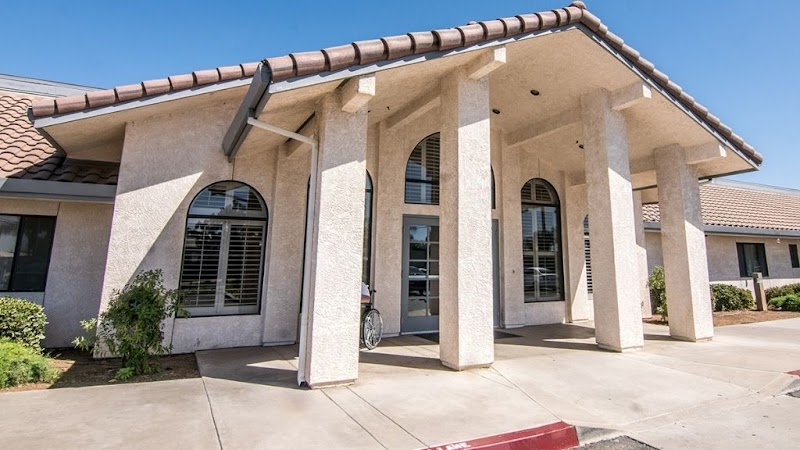
1011 W. TULARE ROAD, LINDSAY, CA 93247 (559) 562-0055
For profit - Limited Liability company 99 Beds PACS GROUP Data: November 2025
Trust Grade
83/100
#118 of 1155 in CA
Last Inspection: July 2024

Within standard 12-15 month inspection cycle. Federal law requires annual inspections.

Overview

Lindsay Gardens Nursing & Rehabilitation has a Trust Grade of B+, which means it is above average and recommended for families considering care options. It ranks #118 out of 1,155 facilities in California, placing it in the top half, and #2 out of 16 in Tulare County, indicating only one local option is better. However, the facility is experiencing a worsening trend, with issues increasing from 1 in 2023 to 6 in 2024. Staffing is average with a rating of 3 out of 5 stars and a turnover rate of 21%, which is better than the state average of 38%. On the downside, there have been some concerning incidents, such as a medication error rate exceeding the acceptable limit, affecting two residents, and failures to supervise residents who were allowed to smoke unsupervised, which posed safety risks. Additionally, the facility has less RN coverage than 99% of California facilities, raising concerns about the level of nursing oversight. Overall, while there are strengths in staffing stability and quality measures, the recent increase in issues and specific safety concerns are important for families to consider.

Trust Score
B+
83/100
In California
#118/1155
Top 10%
Safety Record
Low Risk
No red flags
Inspections
Getting Worse
1 → 6 violations
Staff Stability
✓ Good
21% annual turnover. Excellent stability, 27 points below California's 48% average. Staff who stay learn residents' needs.
Penalties
⚠ Watch
$3,250 in fines. Higher than 84% of California facilities, suggesting repeated compliance issues.
Skilled Nurses
⚠ Watch
Each resident gets only 6 minutes of Registered Nurse (RN) attention daily — below average for California. Fewer RN minutes means fewer trained eyes watching for problems.
Violations
⚠ Watch
26 deficiencies on record. Higher than average. Multiple issues found across inspections.
★★★★★
5.0
Overall Rating
★★★☆☆
3.0
Staff Levels
★★★★★
5.0
Care Quality
★★★★☆
4.0
Inspection Score
Stable
2023: 1 issues
2024: 6 issues

The Good

  • 5-Star Quality Measures · Strong clinical quality outcomes
  • Low Staff Turnover (21%) · Staff stability means consistent care
  • Full Sprinkler Coverage · Fire safety systems throughout facility
  • No fines on record
  • Staff turnover is low (21%)

    27 points below California average of 48%

Facility shows strength in quality measures, staff retention, fire safety.

The Bad

Federal Fines: $3,250

Below median ($33,413)

Minor penalties assessed

Chain: PACS GROUP

Part of a multi-facility chain

Ask about local staffing decisions and management

The Ugly 26 deficiencies on record

Aug 2024 1 deficiency
CONCERN (D) 📢 Someone Reported This

A family member, employee, or ombudsman was alarmed enough to file a formal complaint

Potential for Harm - no one hurt, but risky conditions existed

Deficiency F0658 (Tag F0658)

Could have caused harm · This affected 1 resident

Based on observation, interview, and record review, the facility failed to follow their policy and procedure when restraint removal was not documented every 2 hours for one of three sampled residents ...

Read full inspector narrative →
Based on observation, interview, and record review, the facility failed to follow their policy and procedure when restraint removal was not documented every 2 hours for one of three sampled residents (Resident 1). This failure had the potential for Resident 1 ' s motion and exercise to be limited. Findings: During an observation on 8/23/24 at 11:30 a.m. in the hallway, Resident 1 was sitting up in a Geri chair (reclining chair on wheels) with a lap tray in use. During a review of Resident 1's Informed Consent For Use Of Restraints (ICFUOR) dated 5/19/23, the ICFUOR indicated, Recommended restraint: Geri chair with lap tray.Purpose for recommended restraint: comfort and safety.Recommended time/duration/usage: Q (every) 2 hrs (hours). During a review of Resident 1 ' s Minimum Data Set (MDS-assessment tool), dated 8/17/24, the MDS indicated, Physical Restraints.2 (Used daily) .chair prevents rising. During an interview on 9/10/24 at 1:54 p.m. with Licensed Vocational Nurse (LVN) 1, LVN 1 stated Resident 1 utilized a Geri chair with a lap tray due to having multiple falls and a high fall risk. LVN 1 stated the lap tray was removed every two hours, but staff did not document when the lap tray was removed. During an interview on 9/10/24 at 2:01 p.m. with Certified Nursing Assistant (CNA) 1, CNA 1 stated Resident 1 utilized a Geri chair with a lap tray to help prevent falls. CNA 1 stated the lap tray was removed every two hours but was not documented. During a concurrent interview and record review on 9/10/24 at 2:59 p.m. with Director of Nursing (DON), Resident 1 ' s clinical record was reviewed. DON was unable to provide documentation of Resident 1 ' s lap tray being removed every two hours. DON stated when the lap tray was removed it should have been documented. During a review of the facility ' s policy and procedure (P&P) titled Use of Restraints dated 4/17, the P&P indicated, The following safety guidelines shall be implemented and documented while a resident is in restraints.The opportunity for motion and exercise is provided for a period of not less than ten (10) minutes during each two (2) hours in which restraints are employed.
Jul 2024 5 deficiencies
CONCERN (D)

Potential for Harm - no one hurt, but risky conditions existed

Assessment Accuracy (Tag F0641)

Could have caused harm · This affected 1 resident

**NOTE- TERMS IN BRACKETS HAVE BEEN EDITED TO PROTECT CONFIDENTIALITY** Based on record review, interview, and facility policy review, the facility failed to ensure a Minimum Data Set (MDS) assessment...

Read full inspector narrative →
**NOTE- TERMS IN BRACKETS HAVE BEEN EDITED TO PROTECT CONFIDENTIALITY** Based on record review, interview, and facility policy review, the facility failed to ensure a Minimum Data Set (MDS) assessment accurately reflected the status of 1 (Resident #57) of 21 sampled residents. Findings included: A facility policy titled, Certifying Accuracy of the Resident Assessment, revised 11/2019, indicated, 2. Any person who completes any portion of the MDS assessment, tracking form, or correction request form is required to sign the assessment certifying the accuracy of that portion of that assessment. 3. The information captured on the assessment reflects the status of the resident during the observation (look-back) period for that assessment. Different items on the MDS may have different observation periods. 4. The Resident Assessment Coordinator is responsible for ensuring that an MDS assessment has been completed for each resident. Each assessment is coordinated and certified as complete by the Resident Assessment Coordinator, who is a registered nurse. An admission Record revealed that Resident #57 was admitted to the facility on [DATE]. According to the admission Record, the resident had a medical history that included dependence on renal dialysis and chronic kidney disease. Resident #57's Order Summary Report, with active orders as of 07/18/2024, indicated the resident had an active order with a start date of 10/18/2023 for hemodialysis at a dialysis center every Monday, Wednesday, and Friday. Resident #57's Care Plan included a focus area, initiated 10/17/2023, that indicated the resident required hemodialysis related to end-stage renal failure. Interventions directed staff to ensure the resident was transported for hemodialysis at a dialysis center. A quarterly MDS, with an Assessment Reference Date (ARD) of 04/30/2024, indicated Resident #57 did not receive dialysis during the assessment period. During an interview on 07/15/2024 at 2:37 PM, the MDS Coordinator stated Resident #57 required dialysis and stated the quarterly MDS assessment was coded incorrectly. During an interview on 07/18/2024 at 9:14 AM, the Director of Nursing (DON) stated it was her expectation for residents' MDS assessments to be coded accurately. The DON stated the facility's MDS Coordinator was responsible for ensuring MDS accuracy. The DON stated MDS accuracy was important because the assessment drove everything, including billing. The DON confirmed Resident #57's MDS was inaccurately coded. She stated she assumed Resident #57's MDS regarding dialysis was a mistake because all of the resident's prior assessments were coded accurately. During an interview on 07/18/2024 at 9:38 AM, the Administrator stated it was his expectation for MDS assessments to be accurate and reflect the resident's current status.
CONCERN (D)

Potential for Harm - no one hurt, but risky conditions existed

PASARR Coordination (Tag F0644)

Could have caused harm · This affected 1 resident

Based on interview, record review, and facility policy review, the facility failed to ensure 1 (Resident #38) of 2 residents reviewed for Preadmission Screening and Resident Review (PASARR or PASRR) w...

Read full inspector narrative →
Based on interview, record review, and facility policy review, the facility failed to ensure 1 (Resident #38) of 2 residents reviewed for Preadmission Screening and Resident Review (PASARR or PASRR) was referred for a Level II PASARR assessment when the resident was newly diagnosed with a serious mental illness. Findings included: A facility policy titled, admission Criteria PASARR, revised 03/2019, revealed, 9.b.(1) The admitting nurse notifies the social services department when a resident is identified as having a possible (or evident) MD [mental disorder], ID [intellectual disability] or RD [related disorders]. (2) The social worker is responsible for making referrals to the appropriate state-designated authority. c. Upon completion of the Level II evaluation, the State PASARR representative determines if the individual has a physical or mental condition, what specialized or rehabilitative services he or she needs, and whether placement in the facility is appropriate. An admission Record revealed the facility admitted Resident #38 on 12/29/2023. According to the admission Record, the resident had a medical history that included a primary admission diagnosis of muscle wasting and atrophy. Resident #38's Preadmission Screening and Resident Review (PASRR) Level I Screening, dated 12/26/2023, revealed under the Section III - Serious Mental Illness - Definition portion for question 10, Does the individual have a serious diagnosed mental disorder such as Depressive Disorder, Anxiety Disorder, Panic Disorder, Schizophrenia/Schizoaffective Disorder, or symptoms of Psychosis, Delusions, and/or Mood Disturbance? the answer was marked No. The Level I screening was Negative, with No Serious Mental Illness, and a Level II screening was Not Required. A Psychologist Consultation/Follow-Up, dated 01/07/2024, for Resident #38 revealed the resident cursed at staff, experienced hallucinations and delusions, and was placed on Seroquel 50 mg (milligrams) three times a day for schizoaffective disorder manifested by combativeness. The consultation/follow-up revealed the psychologist's diagnostic impression was the resident had diagnoses of depressive episode, anxiety disorder, and schizoaffective disorder. Resident #38's admission Record revealed the resident received a diagnosis of schizophrenia with an onset date of 01/08/2024. A quarterly Minimum Data Set (MDS), with an Assessment Reference Date (ARD) of 05/14/2024, revealed Resident #38 had a Brief Interview for Mental Status (BIMS) score of 12, which indicated the resident had moderate cognitive impairment. The MDS revealed the resident had an active diagnosis of schizophrenia. During an interview on 07/17/2024 at 2:22 PM, the Director of Nursing (DON) stated she was responsible for PASARRs screenings. The DON stated the facility arranged for a psychiatric consultation after admission to the facility and Resident #38 received a new diagnosis of schizophrenia after the resident was admitted . The DON stated she was responsible for submitting referrals for residents with a newly diagnosed mental illness for PASARR screening; however, she stated she did not make a referral for Resident #38. The DON stated she was not aware of Level II PASARR screenings. During an interview on 07/18/2024 at 9:38 AM, the Administrator stated it was his expectation for PASARR documents to be completed accurately and timely. He also stated that when there was a new diagnosis, the PASARR needed to be resubmitted for review.
CONCERN (D)

Potential for Harm - no one hurt, but risky conditions existed

Quality of Care (Tag F0684)

Could have caused harm · This affected 1 resident

**NOTE- TERMS IN BRACKETS HAVE BEEN EDITED TO PROTECT CONFIDENTIALITY** Based on interview, record review, and facility policy review, the facility failed to follow physician's orders for 2 (Resident ...

Read full inspector narrative →
**NOTE- TERMS IN BRACKETS HAVE BEEN EDITED TO PROTECT CONFIDENTIALITY** Based on interview, record review, and facility policy review, the facility failed to follow physician's orders for 2 (Resident #33 and Resident #84) of 5 residents reviewed for unnecessary medications. Specifically, the facility staff failed to administer insulin as ordered by the physician to Resident #33, and the facility failed to administer metoprolol and insulin as ordered by the physician to Resident #84. Findings included: A facility policy titled, Administering Medications, revised 12/2012, specified, 3. Medications must be administered in accordance with the orders, including any required time frame. 4. Medications must be administered within (1) hour of their prescribed time, unless otherwise specified (for example, before and after meal orders). 5. If a dosage is believed to be inappropriate or excessive for a resident, or a medication has been identified as having potential adverse consequences for the resident or is suspected of being associated with adverse consequences, the person preparing or administering the medication shall contact the resident's Attending Physician or the facility's Medical Director to discuss the concerns. 1. An admission Record revealed Resident #33 was admitted to the facility on [DATE]. According to the admission Record, the resident had a medical history that included a diagnosis of type 2 diabetes mellitus. A quarterly Minimum Data Set (MDS), with an Assessment Reference Date (ARD) of 04/30/2024, revealed Resident #33 had a Brief Interview for Mental Status (BIMS) score of 7, which indicated the resident had severe cognitive impairment. The MDS indicated that the resident had an active diagnosis of diabetes mellitus and had received insulin injections daily during the assessments seven-day lookback period. Resident #33's Care Plan included a focus area, initiated 02/07/2020, that indicated the resident had diabetes mellitus. Interventions directed staff to monitor/document/report to the physician any signs/symptoms of hypoglycemia or hyperglycemia (initiated 02/07/2020). Resident #33's Order Summary Report, with active orders as of 07/17/2024, indicated the resident had an active order with a start date of 07/09/2021 for Lantus SoloStar solution pen-injector 100 unit/milliliter (ml) with instructions to inject 10 units subcutaneously at bedtime for diabetes. Resident #33's Medication Administration Record [MAR], for 05/2024, revealed on 05/17/2024 at 10:00 PM, Licensed Vocational Nurse (LVN) #1 documented the resident's blood glucose was 133 milligrams per deciliter (mg/dL) and a chart code 4 for the resident's Lantus insulin. Per the MAR, the chart code 4 indicated Vital Signs outside of parameter and the medication was not administered. Nursing Progress Notes, dated 05/17/2024 at 9:46 PM, indicated Resident #33's insulin was held because, Vitals below parameters. During a telephone interview on 07/18/2024 at 11:05 AM, LVN #1 stated that if the resident's blood sugar was below 90 mg/dL, she held the resident's nightly insulin, notified the doctor, and document her actions. LVN #1 stated she did not know why she would have held Resident #33's insulin on 05/17/2024 if the resident's blood sugar was 133 mg/dL. Resident #33's MAR for 07/2024, revealed that on 07/01/2024 at 10:00 PM, LVN #2 documented a chart code 5 for the resident's Lantus insulin injection. Per the MAR, the chart code 5 indicated Hold / See Nurse Notes. Nursing Progress Notes, dated 07/01/2024 at 10:31 PM, indicated Resident #33's Lantus insulin was on order. During a telephone interview on 07/17/2024 at 10:14 AM, LVN #2 stated the morning nurse told her that she noticed Resident #33's insulin was missing and placed an order for the medication that morning. 2. An admission Record revealed that Resident #84 was admitted to the facility on [DATE]. According to the admission Record, the resident had a medical history that included diagnoses of type 2 diabetes mellitus and essential hypertension. A quarterly Minimum Data Set (MDS) with an Assessment Reference Date (ARD) of 05/23/2024, revealed Resident #84 had a Brief Interview for Mental Status (BIMS) score of 11, which indicated the resident had moderate cognitive impairment. The MDS indicated the resident had a diagnosis of diabetes mellitus and received insulin injections four days during the assessments seven-day lookback period. Resident #84's Care Plan included a focus area revised on 01/09/2024 that indicated the resident had diabetes mellitus. Interventions directed staff to administer diabetes medication as ordered by the doctor. The Care Plan also included a focus area initiated on 11/02/2023 that indicated Resident #84 had hypertension related to their lifestyle. Interventions directed staff to administer anti-hypertensive medications as ordered (initiated 11/02/2023). Resident #84's Order Summary Report, with active orders as of 07/16/2024, revealed the resident had an order with a start date of 11/23/2023 for insulin glargine subcutaneous solution pen-injector 100 unit/ml with instructions to inject 40 units subcutaneously at bedtime for diabetes mellitus. Further review revealed the glargine order did not indicate the insulin should be held based on blood sugar levels. The Order Summary Report revealed an order with a start date of 02/252024 for metoprolol tartrate 25 milligrams (mg) with instructions to give one tablet by mouth one time a day for hypertension. According to the order, staff were to hold the metoprolol if the resident's systolic blood pressure (SBP) was less than 100 millimeters of mercury (mm/Hg), the diastolic blood pressure (DBP) was less than 60 mmHg, or the pulse was less than 60 beats per minute (bpm). Resident #84's Medication Administration Record [MAR], for 05/2024 revealed on 05/09/2024 at 10:00 PM and 05/17/2024 at 10:00 PM, Licensed Vocational Nurse (LVN) #2 documented a chart code 5 for the resident's metoprolol doses, which indicated Hold/See Nurse Notes. According to the MAR, staff documented on 05/09/2024 at 10:00 PM, the resident's blood pressure was 103/67 mm/Hg and pulse was 96 bpm and on 05/17/2024 at 10:00 PM, the resident's blood pressure was 106/63 mm/Hg and pulse was 81 bpm. Resident #84's Progress Notes, dated 05/09/2024 at 9:35 PM, indicated the metoprolol was held because the resident's blood pressure was lower than parameters. Resident #84's Progress Notes, dated 05/17/2024 at 9:51 PM, indicated the metoprolol was held due to ordered blood pressure and pulse parameters. Resident #84's MAR for 05/2024 indicated that on 05/28/2024 at 10:00 PM, LVN #1 documented a chart code 4 (Vital Signs outside of parameter) and a blood glucose level of 135 milligrams per deciliter (mg/dL) for the resident's glargine insulin. Resident #84's MAR for 06/2024 revealed LVN #2 documented a chart code 5 (Hold/See Nurse Notes) for the resident's metoprolol on 06/16/2024 and 06/28/2024 at 10:00 PM. The MAR revealed on 06/16/2024, staff documented the resident's blood pressure was 103/65 mmHg and pulse was 84 bpm, and on 06/28/2024, staff documented the resident's blood pressure was 114/62 mmHg and pulse was 67 bpm. Further review of the MAR revealed LVN #2 documented a chart code 4 (Vital Signs outside of parameter) 06/29/2024 and 06/30/2024. The MAR revealed staff documented on 06/29/2024 that Resident #84's blood pressure was 101/64 mmHg and pulse was 64 bpm, and on 06/30/2024 when the resident's blood pressure was 111/68 mmHg and pulse was 74 bpm. Resident #84's Progress Notes, dated 06/16/2024 at 9:31 PM; 06/28/2024 at 10:18 PM, 06/29/2024 at 10:08 PM, and 06/30/2024 at 9:11 PM, indicated the metoprolol was held due a SBP less than 100 mm/Hg, a DBP less than 60 mm/Hg, or a pulse less than 60 bpm. Resident #84's MAR for 06/2024 revealed LVN #2 documented a chart code 5 (Hold/See Nurse) for glargine insulin on 06/28/2024 at 10:00 PM, when the resident's blood sugar was 115 mg/dL. On 06/30/2024 at 10:00 PM, LVN #2 documented a chart code 11, which indicated Blood Glucose below parameter for glargine insulin when the resident's blood sugar was 94 mg/dL. Resident #84's MAR for 07/2024 revealed for glargine insulin LVN #2 documented a chart code 5 (Hold/See Nurse Notes) and a blood glucose of 108 mg/dL on 07/08/2024, a blood glucose of 127 mg/dL on 07/13/2024, and a blood glucose of 110 mg/dL on 07/14/2024. During a telephone interview on 07/16/2024 at 1:56 PM, LVN #1 stated she took a resident's blood pressure before administering their blood pressure medications. She stated if the blood pressure was within parameters, she administered the medication as ordered. LVN #1 stated if the blood pressure was outside of the parameters, she held the medication. According to LVN #1, she had also held medications per her nursing judgment if the resident's vital signs were close to being outside the parameters. LVN #1 stated if she held the medication she sent a text message to the doctor and documented the notification in the progress notes. However, according to LVN #1, she could not remember if there were specific progress notes documenting the conversations with the physician for every instance the medication was held. During a telephone interview on 07/16/2024 at 3:27 PM, LVN #2 stated she gave blood pressure medications if the residents' vitals were within physician ordered parameters, and she held the medications if their vital signs were outside of those parameters. LVN #2 stated because Resident #84's blood pressure drops at night, she had made the decision to hold the resident's blood pressure medication if it was close to the threshold. Per LVN #2, she had notified the doctor about the resident's low blood pressure and asked whether he wished to discontinue the medications; however, the physician declined to discontinue the medication but decreased the dosage. LVN #2 stated she could not remember where this conversation was documented. During a follow-up telephone interview on 07/18/2024 at 11:08 AM, LVN #2 stated the only reason she would hold a resident's nighttime insulin was if the resident did not eat, and she did not want the blood sugar to drop further in the night. She stated she usually talked with the physician and documented progress notes; however, she also stated she was not good with documenting those conversations in the progress notes. During an interview on 07/17/2024 at 9:07 AM, the Director of Nursing (DON) stated that blood pressure medications should have been given if they were within parameters of the physician orders for administration. The DON stated if the nursing staff disagreed with the order, they should have contacted the doctor for clarification. The DON stated her concern with holding blood pressure medications was the resident entering a hypertensive stage. During a telephone interview on 07/17/2024 at 9:25 AM, Medical Doctor (MD) #7 stated that his vital sign parameters for Resident #84's metoprolol may have been too conservative. He stated nurses contacted him frequently about whether the medication should be given. However, he stated Resident #84 had hyperthyroidism, which could lead to tachycardia (elevated heart rate) and palpitations, and he wanted metoprolol to be administered because it was important for controlling tachycardia. During a follow-up interview on 07/17/2024 at 10:53 AM, the DON stated staff should follow physician's orders for insulin. The DON stated if there were no physician ordered parameters to hold the insulin, nurses should not hold the medication for any resident, unless the resident refused the medication. During a follow-up telephone interview on 07/17/2024 at 11:17 AM, MD #7 stated that he received many phone calls regarding the administration of glargine insulin to Resident #84 and stated the nurses were subjectively unclear about whether to administer the medication. However, he stated he wanted nursing staff to contact him if they were unsure whether the insulin should be given, because they may have better data regarding what the resident ate. He also stated these conversations between him, and the nursing staff were expected to be documented in the medical record. During an interview on 07/18/2024 at 10:02 AM, the Administrator stated that he expected staff to administer medications as ordered by the physician.
CONCERN (D)

Potential for Harm - no one hurt, but risky conditions existed

Pharmacy Services (Tag F0755)

Could have caused harm · This affected 1 resident

**NOTE- TERMS IN BRACKETS HAVE BEEN EDITED TO PROTECT CONFIDENTIALITY** Based on record review, interview, and facility policy review, the facility failed to provide routine pharmaceutical services to...

Read full inspector narrative →
**NOTE- TERMS IN BRACKETS HAVE BEEN EDITED TO PROTECT CONFIDENTIALITY** Based on record review, interview, and facility policy review, the facility failed to provide routine pharmaceutical services to ensure medications were available for administration for 1 (Resident #33) of 5 residents reviewed for unnecessary medications. Findings included: A facility policy titled, Medication Ordering and Receiving from Pharmacy, dated 2015, specified, 2. If not automatically refilled by the pharmacy, repeat medications (refills) are (written on a medication order form/ordered by peeling the top label from the physician order sheet and placing it in the appropriate area on the order form and provided by the pharmacy for that purpose and) ordered as follows: a. Reorder medication (three to four) days in advance of need to assure an adequate supply is on hand. b. The nurse who reorders the medication is responsible for notifying the pharmacy of changes in directions for use or previous labeling errors. c. The refill order is called in, faxed in, or otherwise transmitted to the pharmacy. An admission Record revealed Resident #33 was admitted to the facility on [DATE]. According to the admission Record, the resident had a medical history that included a diagnosis of type 2 diabetes mellitus. A quarterly Minimum Data Set (MDS), with an Assessment Reference Date (ARD) of 04/30/2024, revealed Resident #33 had a Brief Interview for Mental Status (BIMS) score of 7, which indicated the resident had severe cognitive impairment. The MDS indicated that the resident had an active diagnosis of diabetes and had received insulin injections daily during the assessments seven-day lookback period. Resident #33's Care Plan included a focus area, initiated 02/07/2020, that indicated the resident had diabetes mellitus. Interventions directed staff to monitor/document/report to the physician any signs/symptoms of hypoglycemia or hyperglycemia (initiated 02/07/2020). Resident #33's Order Summary Report, with active orders as of 07/17/2024, indicated the resident had an active order with a start date of 07/09/2021 for Lantus SoloStar solution pen-injector 100 unit/milliliter (ml) with instructions to inject 10 units subcutaneously at bedtime for diabetes. Resident #33's Medication Administration Record [MAR], for 06/2024, indicated that Licensed Vocational Nurse (LVN) #2 documented that the resident's blood sugar was 198 milligrams per deciliter (mg/dL) and Lantus insulin was administered on 06/30/2024 at 10:00 PM. Resident #33's MAR, for 07/2024, revealed LVN #2 documented a chart code 5 for the resident's Lantus insulin injection for 07/01/2024 at 10:00 PM. Per the MAR, the chart code 5 indicated Hold / See Nurse Notes. Nursing Progress Notes, dated 07/01/2024 at 10:31 PM, indicated Resident #33's Lantus insulin was on order. During a phone interview on 07/17/2024 at 10:14 AM, LVN #2 stated she did not remember Resident #33 running out of insulin her shift on 06/30/2024, when she administered Lantus to the resident. She stated if the resident was out of the medication or was running low, she would have reordered. Per LVN #2, when she arrived at the facility on 07/01/2024, Resident #33 did not have any insulin. LVN #2 stated the morning nurse noticed it was missing and placed the order for the medication that morning. LVN #2 stated that once medications were ordered it took approximately one day for it to be delivered to the facility. She stated it was the facility expectation to reorder or refill a resident's medication before it ran out. LVN #2 stated if the medication had not already been reordered when the last dose of medication was administered, it should be reordered at that time. During an interview on 07/17/2024 at 10:53 AM, the Director of Nursing (DON) stated that insulin needed to be reordered within two to three days of running out. The DON stated if someone administered the last of the insulin, they should have reordered it, though ideally it would have already been reordered. During an interview on 07/17/2024 at 10:02 AM, the Administrator stated they referred to nursing regarding insulin and refilling medications.
CONCERN (E)

Potential for Harm - no one hurt, but risky conditions existed

Unnecessary Medications (Tag F0759)

Could have caused harm · This affected multiple residents

**NOTE- TERMS IN BRACKETS HAVE BEEN EDITED TO PROTECT CONFIDENTIALITY** Based on observation, interview, record review, facility policy review, and review of manufacturer's information, the facility f...

Read full inspector narrative →
**NOTE- TERMS IN BRACKETS HAVE BEEN EDITED TO PROTECT CONFIDENTIALITY** Based on observation, interview, record review, facility policy review, and review of manufacturer's information, the facility failed to ensure the medication error rate was less than 5 percent (%). Observation of medication administration revealed there were 2 errors out of 35 opportunities, which resulted in a medication error rate of 5.71 %, affecting 2 (Resident #46 and Resident #77) of 5 residents observed during medication administration. Findings included: A facility policy titled, Administering Medications, revised in 12/2012, revealed, Medications shall be administered in a safe and timely manner, and as prescribed. Manufacturer's Instructions for Use Humalog ([NAME]-ma-log) (insulin lispro) injection, for subcutaneous use 3 mL [milliliter] or 10 mL multiple-dose vial (100 units per mL, U [units]-100 revealed, Step 11: Push down on the Plunger to inject your dose. The needle should stay in your skin for at least 5 seconds to make sure you have injected all of your insulin dose. An admission Record revealed the facility admitted Resident #46 on 05/24/2021. According to the admission Record, the resident had a medical history that included a diagnosis of type two diabetes mellitus with unspecified complications. An annual Minimum Data Set (MDS), with an Assessment Reference Date (ARD) of 05/29/2024, revealed Resident #46 had a Brief Interview for Mental Status (BIMS) score of 0, which indicated the resident had severe cognitive impairment. Resident #46's Order Summary Report, listing active orders as of 07/18/2024, contained an order, started on 09/11/2021, to inject Humalog insulin 100 units per mL per a sliding scale (insulin orders in which the dosage of insulin depends upon the resident's blood glucose reading at the time of administration). According to the order, when the resident's blood glucose was 201-250 milligrams per deciliter (mg/dL), staff were to administer 4 units of Humalog insulin subcutaneously after meals for diabetes. During an observation of medication administration on 07/17/2024 at 11:39 AM, Licensed Vocation Nurse (LVN) #3 obtained Resident #46's blood glucose level, which measured 210 mg/dL and required four units of insulin per the resident's sliding scale insulin order. LVN #3 cleaned a small area on Resident #46's abdomen and administered the insulin without leaving the syringe in place for five seconds after the injection. An admission Record revealed the facility admitted Resident #77 on 03/25/2023. According to the admission Record, the resident had a medical history that included a diagnosis of type two diabetes mellitus without complications. A quarterly MDS, with an ARD of 07/02/2024, revealed Resident #77 had a BIMS score of 1, which indicated the resident had severe cognitive impairment. Resident #77's Order Summary Report, listing active orders as of 07/18/2024, contained an order, started on 07/17/2024, to inject Humalog insulin 100 units per mL per a sliding scale. According to the order, when the resident's blood glucose was 201-250 mg/dL, staff were to administer 4 units of Humalog insulin subcutaneously after meals for diabetes. During an observation of medication pass on 07/17/2024 at 11:52 AM, LVN #3 obtained Resident #77's blood glucose level, which measured 208 mg/dL and required four units of insulin per the resident's sliding scale insulin order. During administration of the four units of insulin, LVN #3 cleaned a small area on Resident #77's abdomen and administered the insulin without leaving the syringe in place for five seconds after the injection. During an interview on 07/17/2024 at 3:15 PM, LVN #3 indicated he was aware he needed to pause after injecting insulin subcutaneously to prevent insulin from leaking out, which could change the number of units of insulin received. He stated he understood it was a medication error and had spoken to the Director of Nursing (DON) about the error. During an interview on 07/18/2024 at 10:07 AM, the DON stated she had spoken to LVN #3 after the medication pass about proper administration of insulin. She stated it was her expectation that medication be given according to the physician's orders, in the right manner. During an interview on 07/18/2024 at 9:43 AM, the Administrator stated it was his expectation that medications be given as ordered by the doctor and given the right way.
Jan 2023 1 deficiency
CONCERN (D)

Potential for Harm - no one hurt, but risky conditions existed

Infection Control (Tag F0880)

Could have caused harm · This affected 1 resident

Based on observation, interview, and record review, the facility failed to implement infection control standards. This failure had the potential to spread infection to residents, staff, and visitors. ...

Read full inspector narrative →
Based on observation, interview, and record review, the facility failed to implement infection control standards. This failure had the potential to spread infection to residents, staff, and visitors. Findings: During a concurrent observation and interview on 1/3/23, at 1:40 PM, with Certified Nursing Assistant (CNA) 1, in the hallway outside of the soiled linen room, CNA 1 was noted to be carrying used suction tubing, uncovered, and without the use of gloves. CNA 1 discarded it (suction tubing) in the soiled linen room. CNA 1 stated, she isn't supposed to wear gloves in the hallway. During an interview on 1/3/23, at 1:50 PM, with DSD (Director of Staff Development), DSD stated, CNAs are supposed to wear gloves when transporting infectious items and then wash their hands. She stated, suction tubing should have been placed into a red bag and taken to the biohazard room. During an interview on 1/3/23, at 2:20 PM, with CNA 1, CNA 1 stated, she normally would not be touching the suction machine or tubing, but her LVN (Licensed Vocational Nurse) charge nurse told her to get rid of it because state is here. CNA 1 stated, that she just wasn't thinking when she took the tubing out with no gloves on. During a review of the facility's policy and procedure (P&P) titled, Medical Waste-Segregating and Separating, dated May 2012, the P&P indicated, Medical waste may not be discarded with general trash. Everyone who generates or handles medical waste will be responsible for discarding it into appropriate receptacles. Medical waste will be discarded into designated containers (e.g., red bag or container marked with the 'biohazard' symbol). During a review of the facility's policy and procedure (P&P) titled, Handwashing/Hand Hygiene, dated August 2019, the P&P indicated, single-use disposable gloves should be used when anticipating contact with blood or body fluids.
Dec 2022 1 deficiency
CONCERN (D) 📢 Someone Reported This

A family member, employee, or ombudsman was alarmed enough to file a formal complaint

Potential for Harm - no one hurt, but risky conditions existed

Free from Abuse/Neglect (Tag F0600)

Could have caused harm · This affected 1 resident

**NOTE- TERMS IN BRACKETS HAVE BEEN EDITED TO PROTECT CONFIDENTIALITY** Based on observation, interview, and record review, the facility failed to follow its abuse policy and procedure (P&P) for two o...

Read full inspector narrative →
**NOTE- TERMS IN BRACKETS HAVE BEEN EDITED TO PROTECT CONFIDENTIALITY** Based on observation, interview, and record review, the facility failed to follow its abuse policy and procedure (P&P) for two of three sampled residents (Resident 1 and 2), when the facility failed to report an allegation of abuse. This failure had the potential for further abuse and psychosocial distress to Resident 1 and Resident 2. Findings: During an interview on 10/28/22 at 10:45 AM with the Assistant Director of Nurses (ADON) and Administrator, ADON stated on 10/24/22, Resident 1 had received a visit from Public Guardian. During the visit, Resident 1 had made an allegation she was physically abused by Certified Nursing Assistant (CNA)1. ADON stated the facility investigated the allegation. During a review of the facility investigation report dated 10/24/22 at 9:20 AM, the investigation report indicated, Public Guardian spoke with DSD [Director of Staff Development, SS [Social Services], and DON [Director of Nurses] in regard to issues [Resident 1] had. [Resident 1] stated to public guardian that her CNA [CNA 1] had pushed her in bed and was rough with her. They [public guardian] stated [Resident 1] told them [CNA 1] held her down with both hands. Public Guardian then spoke with the roommate [Resident 2] and she told them that CNA [1] was also rough with her and would not change her brief. During an interview on 10/28/22, at 12:08 PM, with ADON and Administrator, ADON stated after the allegation was investigated and was concluded to be not true, the facility felt there was no need to report the allegations made by Resident 1 and Resident 2 to the proper authorities including state agency (California Department of Public Health), law enforcement, and Ombudsman (patient advocate) ADON and Administrator stated the allegation made by Resident 1 and Resident 2 was not reported to the state agency, law enforcement, and Ombudsman. During a review of Resident 1's admission Record (AR) the AR indicated Resident 1 was originally admitted on [DATE], with diagnoses of left hemiplegia (paralysis), diabetes, major depressive disorder (persistent sadness), anxiety, and bipolar disorder (episodes of mood swings). Resident 1's BIMS (Brief Interview for Mental Status), dated 8/23/22, indicated Resident 1 scored a 13 (13-15 cognitively intact). During a review of Resident 1's admission Record (AR) the AR indicated Resident 2 was admitted on [DATE], with diagnoses of dementia (impaired thinking that interferes with daily functioning), dysphagia (difficulty swallowing), left hemiplegia (paralysis), and Alzheimer (disorder that destroys memory and thinking skills). Resident 2's BIMS dated 10/25/22, indicated Resident 1 scored a 6 (cognitively impaired). During a review of the facility ' s P&P titled, Abuse, Neglect, Exploitation or Misappropriation-Reporting and Investigating dated 9/22, the P&P indicated, All reports of resident abuse (including injuries of unknown origin), neglect, exploitation, or theft/misappropriation of resident property are reported to local, state, and federal agencies (as required by current regulations) and thoroughly investigated by facility management. Findings of all investigations are documented and reported.
Jun 2021 10 deficiencies
CONCERN (D)

Potential for Harm - no one hurt, but risky conditions existed

Deficiency F0558 (Tag F0558)

Could have caused harm · This affected 1 resident

Based on observation, interview, and record review, the facility failed to ensure that one of 26 sampled residents (Resident 30) call light was within reach. This failure had the potential for Residen...

Read full inspector narrative →
Based on observation, interview, and record review, the facility failed to ensure that one of 26 sampled residents (Resident 30) call light was within reach. This failure had the potential for Resident 30's needs to go unmet. Findings: During an observation on 6/8/21, at 11:09 AM, in Resident 30's room, Resident 30's call light was observed sitting on the nightstand not within easy reach. During an observation on 6/8/21, at 2 PM, in Resident 30's room, Resident 30's call light was observed sitting on the nightstand not within easy reach. During an observation on 6/8/21, at 2:48 PM, in Resident 30's room, Resident 30's call light was observed on the floor not within easy reach. During a concurrent observation and interview on 6/8/21, at 2:50 PM, with Certified Nursing Assistant (CNA) 1, in Resident 30's room, CNA 1 verified Resident 30's call light was on the floor not within easy reach. CNA 1 stated, the call light is on the floor and should be within resident's reach and clipped to Resident 30's bed. During a review of the facility's policy and procedure (P&P) titled, Answering the Call light, revised 10/10, the P&P indicated, General Guidelines . 5. When the resident is in bed or confined to a chair be sure the call light is within easy reach of the resident.
CONCERN (D)

Potential for Harm - no one hurt, but risky conditions existed

Deficiency F0582 (Tag F0582)

Could have caused harm · This affected 1 resident

Based on interview and record review, the facility failed to ensure the SNFABN form (Skilled Nursing Facility Advanced Beneficiary Notice of Non-coverage, a form that provides information to the benef...

Read full inspector narrative →
Based on interview and record review, the facility failed to ensure the SNFABN form (Skilled Nursing Facility Advanced Beneficiary Notice of Non-coverage, a form that provides information to the beneficiary so that she/he can decide whether or not to get the care that may not be paid for by Medicare and assume financial responsibility) was completed for one of three sampled residents (Resident 9). This failure resulted in Resident 9 not being informed of the three options available. Findings: During a concurrent interview and record review, on 6/9/21, at 2:06 PM, with Medical Records Director (MRD), SNFABN, dated 3/24/21, was reviewed. The SNFABN indicated, Options: Check only one box. We can't choose a box for you. Option 1, Option 2, and Option 3 checkboxes were left blank. MRD stated, the resident or representative who fills out the SNFABN picks option 1, option 2, or option 3. MRD stated, an option was not picked for Resident 9 and MRD was unaware it was left blank. MRD stated, I missed it. During a review of the facility's Form Instructions Skilled Nursing Facility Advanced Beneficiary Notice of Non-Coverage (FISNFABN), dated 2018, the FISNFABN indicated, Page 4. 3. Option boxes. There are 3 options listed on the SNFABN with corresponding check boxes. The beneficiary must check only one option box. If the beneficiary is physically unable to make a selection, the SNF [Skilled Nursing Facility] may enter the beneficiary's selection at his/her request and indicate on the notice that this was done for the beneficiary. Otherwise, SNFs are not permitted to select or pre-select an option for the beneficiary as this invalidates the notice. During a review of the facility's policy and procedure (P&P) titled, Charting and Documentation, dated July 2017, the P&P indicated, 3. Documentation in the medical record will be objective, complete, and accurate.
CONCERN (D)

Potential for Harm - no one hurt, but risky conditions existed

Comprehensive Care Plan (Tag F0656)

Could have caused harm · This affected 1 resident

Based on interview and record review, the facility failed to develop a care plan for two of 26 sampled residents (Resident 43 and Resident 28). This failure had the potential for unmet care needs and ...

Read full inspector narrative →
Based on interview and record review, the facility failed to develop a care plan for two of 26 sampled residents (Resident 43 and Resident 28). This failure had the potential for unmet care needs and adverse outcomes for Resident 43 and Resident 28. Findings: During a review of Resident 43's physician orders (PO), dated 11/4/20, the PO indicated, Resident 43 may have 12 ounces (unit of measurement) can of beer as needed daily. During a concurrent interview and record review on 6/10/21, at 8:55 AM, with Licensed Vocational Nurse (LVN) 4, Resident 43's care plan (CP) was reviewed. LVN 4 was unable to locate a CP for beer as ordered by the physician. LVN 4 verified, that there was not a CP for beer and stated there should be a CP. During a review of Resident 28's admission Record (AR), dated 4/1/21, the AR indicated, Resident 28 had a diagnosis of chronic atrial fibrillation (A-fib is an irregular and often rapid heart rate that can increase your risk of strokes, heart failure and other heart-related complications). Resident 28's PO, dated 4/1/21, the PO indicated, Apixban (medication used to treat and prevent blood clots and to prevent stroke in people with atrial fibrillation) tablets 5 mg (milligram- unit of measure) Give 1 tablet by mouth two times a day related to CHRONIC ATRIAL FIBRILLATION . During a concurrent interview and record review on 6/8/21, at 4:13 PM, with Director of Nursing (DON), DON reviewed, Resident 28's clinical record and was unable provide a CP for A-fib or Apixban. DON stated, A-fib and Apixban should have been care planned. During a review of the facility's policy and procedure (P&P) titled, Care Plans, Comprehensive Person-Centered, revised 12/16, the P&P indicated, A comprehensive, person-centered care plan that includes measurable objectives and timetables to meet the resident's physical, psychosocial and functional needs is developed and implemented for each resident. 7. The comprehensive, person-centered care plan will: . g. Incorporate identified problem areas; h. Incorporate risk factors associated with identified problems; . o. Reflect currently recognized standards of practice for problem areas and conditions.
CONCERN (D)

Potential for Harm - no one hurt, but risky conditions existed

Deficiency F0657 (Tag F0657)

Could have caused harm · This affected 1 resident

Based on observation, interview, and record review, the facility failed to revise one of 26 sampled residents (Resident 30) care plan timely. This failure had the potential for Resident 30's needs to ...

Read full inspector narrative →
Based on observation, interview, and record review, the facility failed to revise one of 26 sampled residents (Resident 30) care plan timely. This failure had the potential for Resident 30's needs to go unmet. Findings: During a review of Resident 30's Minimum Data Set (MDS- an assessment of resident's needs), dated 4/9/21, at 11:17 AM, the MDS indicated, Resident 30 had an indwelling foley catheter (IFC- thin tube that is inserted into the bladder that drains urine). During an observation on 6/8/21, at 10:41 AM, in Resident 30's room, Resident 30 was observed without a IFC. During a review of Progress Notes (PN), dated 4/9/21, at 9:01 PM, the PN indicated that Resident 30 pulled the IFC out and refused to have it (IFC) reinserted. During a review of Resident 30's Care Plan (CP), initiated on 3/27/21, the CP indicated, Resident 30 had an IFC. During a concurrent interview and record review on 6/10/21, at 10:01 AM, with Licensed Vocational Nurse (LVN) 4, Resident 30's CP was reviewed. The CP indicated, Resident 30 had an IFC. LVN 4 stated, the CP for the IFC should have been removed since the resident no longer had an IFC. During a review of the facility's policy and procedure (P&P) titled, Care Plans, Comprehensive Person-Centered, revised 12/16, the P&P indicated, 13. Assessments of residents are ongoing and care plans are revised as information about the residents and the resident's conditions change.
CONCERN (D)

Potential for Harm - no one hurt, but risky conditions existed

Tube Feeding (Tag F0693)

Could have caused harm · This affected 1 resident

Based on observation, interview, and record review, the facility failed to ensure one of 26 sampled residents (Resident 38) continuous tube feeding (a liquid food mixture given through a tube into the...

Read full inspector narrative →
Based on observation, interview, and record review, the facility failed to ensure one of 26 sampled residents (Resident 38) continuous tube feeding (a liquid food mixture given through a tube into the stomach to provide nutrients to people who cannot eat or drink safely) container and tubing were changed according to manufacturer's guidelines. This failure had the potential to result in Resident 38's tube feeding becoming contaminated with harmful bacterial growth. Findings: During an observation on 6/7/21, at 10:17 AM, in Resident 38's room, Resident 38 was observed receiving continuous tube feeding. The label on the Jevity 1.5 CAL (tube feeding formula) feeding container had documentation administration began on 6/7/21 at 4:40 AM. The Covidien (manufacturer name) feeding set (tubing) had documentation administration began on 6/7/21 at 4:40 AM. During a concurrent observation and interview on 6/8/21, at 8:31 AM, with Licensed Vocational Nurse (LVN) 3, in Resident 38's room, Resident 38 continued to receive continuous feeding of Jevity 1.5 CAL formula that was started on 6/7/21 at 4:40 AM. LVN 3 stated, the continuous feeding container and tubing should be changed every 24 hours. LVN 3 stated, Night shift should have changed, [formula and tubing] that is (sic) why I am changing right now. During a review of Abbott Laboratories, Inc. manufacturing guidelines for Jevity 1.5 CAL, dated 3/13/2020, the Abbott Laboratories, Inc. manufacturing guidelines indicated, All medical foods, regardless of type of administration system, requires careful handling because they can support microbial [bacteria] growth. Follow these instructions for clean technique and proper set up to reduce the potential for microbial contamination.Follow directions for use provided by manufacturer of feeding sets. During a review of Covidien Operator Manual, dated, 11/2017, the Covidien Operator Manual indicated, The feeding set should be replaced after 24 hours from initiation [start] of feeding. This ensures that the system is operating within specified parameters and prevents bacterial growth that could be hazardous to the patient.
CONCERN (D)

Potential for Harm - no one hurt, but risky conditions existed

Deficiency F0761 (Tag F0761)

Could have caused harm · This affected 1 resident

Based on observation, interview, and record review, the facility failed to ensure medications and biologicals were labeled appropriately and expired medications were removed from active supply. These ...

Read full inspector narrative →
Based on observation, interview, and record review, the facility failed to ensure medications and biologicals were labeled appropriately and expired medications were removed from active supply. These failures had the potential for the residents to receive ineffective medications. Findings: During an interview on 6/7/21, at 3:07 PM, with Vocational Nurse (LVN) 5, LVN 5 stated, We audit the medications routinely, to ensure open dates are written on all open bottles and pull any medications close to the expiration date. During a concurrent observation and interview on 6/7/21, at 3:26 PM, at a medication cart, with LVN 1. LVN 1 confirmed, one bottle of Melatonin (supplement used to treat insomnia and to help improving sleep) 5 milligrams (mg- unit of measure) and one bottle of alkums antacids (medication used to treat acid indigestion and heartburn) were open and undated. LVN 1 stated, they should have an open date written on them. During a concurrent observation and interview on 6/8/21, at 11:04 AM, in the south station medication room, with LVN 1. LVN 1 confirmed, two bottles of niacin (vitamin B-3 used by your body to turn food into energy) 500 mg 100 tablets (tabs) with expiration date of 3/21. LVN 1 stated, the medications should have been removed before the expiration date. During an interview on 6/8/21, at 11:24 AM, with Director of Nursing (DON), DON stated, I do require open dates on all medications and biologicals. DON stated, she audits the medication room and medication carts. She stated, she usually pulls the medications one month before they are set to expire. DON stated, she audited the medication room last night and she must have missed a few. During a review of the facility policy and procedure (P&P) titled, Storage of Medications, revised 11/2020, the P&P indicated, The facility stores all drugs and biologicals in a safe, secure, and orderly manner. Discontinued, outdated, or deteriorated drugs or biologicals are returned to the dispensing pharmacy or destroyed.
CONCERN (E)

Potential for Harm - no one hurt, but risky conditions existed

Accident Prevention (Tag F0689)

Could have caused harm · This affected multiple residents

Based on observation, interview, and record review, the facility failed to follow its policy and procedure (P&P) for three of 26 sampled residents (Resident 50, Resident 27, and Resident 74) when: 1. ...

Read full inspector narrative →
Based on observation, interview, and record review, the facility failed to follow its policy and procedure (P&P) for three of 26 sampled residents (Resident 50, Resident 27, and Resident 74) when: 1. Resident 50 was permitted to have cigarettes and lighter in his room and to smoke without supervision. 2. Resident 27 was permitted to have a cigarette lighter in her room and to smoke without supervision. 3. Resident 74 was permitted to have cigarettes and lighter. These failures had the potential to result in an avoidable smoking accident. Findings: 1. During a concurrent observation and interview on 6/8/21, at 10:15 AM, with Resident 50, in Resident 50's room, there was a cigarette on Resident 50's night stand. Resident 50 stated, he keeps cigarettes in his room and he has a cigarette lighter in his pocket. Resident 50 stated, no one is with him when he smokes. During a concurrent observation and interview on 6/9/21, at 8:39 AM, with Resident 50, in Resident 50's room, the resident pulled a cigarette lighter out of his pocket and demonstrated how he lights the lighter. Resident 50 stated, he can go out anytime he wants to smoke, he does not need anyone with him. During a concurrent observation and interview on 6/9/21, at 9:40 AM, with Administrator in Training (AIT) and Regional Administrator (RA), in the hallway, looking out to the smoking area, Resident 50 was observed smoking a cigarette. There were no staff present in the smoking area. AIT stated, it was Resident 50, and RA was observing him through a window in the administrator's office. The administration office does not have direct access to the smoking area. RA stated, he watches the smokers from the window in his office when no one is available to be outside to observe the smokers. During an interview on 6/9/21, at 10 AM, with the Director of Nursing (DON), DON stated, she could not locate a policy for smoking observation. DON stated, they do not have guidance for staff who monitor smoking. During a concurrent interview and record review on 6/9/21, at 4 PM, with Licensed Vocational Nurse (LVN) 2, Resident 50's SMOKING OBSERVATION/ASSESSMENT (SOA), dated 4/28/21, was reviewed. The SOA indicated, b. Team Decision: 2. May smoke with supervision. LVN 2 stated, Resident 50's smoking assessment indicated Resident 50 needed supervision when smoking. During an observation on 6/9/21, at 4:05 PM, in Resident 50's room, with LVN 2, LVN 2 verified there was a cigarette on Resident 50's night stand. 2. During a concurrent observation and interview on 6/7/21, at 11:30 AM, with Resident 27, in Resident 27's room, a cigarette lighter was observed on the Resident 27's bedside table. Resident 27 stated, staff lets her keep it and she smokes whenever she wants. During an observation on 6/9/21, at 9:08 AM, in Resident 27's room, a cigarette lighter was observed on Resident 27's bedside table. During an interview on 6/9/21, at 10:57 AM, with Resident 27, Resident 27 stated, the staff took her cigarette lighter from her today. Resident 27 stated, she always has it on her bedside table or keeps it in her bra. During a review of Resident 27's SOA, dated 4/22/21, the SOA indicated, Resident 27 may smoke with supervision, staff to watch without intruding. During a review of Resident 27's Care Plan (CP), dated 4/22/21, the CP indicated, Resident 27 may smoke with supervision outside. 3. During an observation and interview on 6/7/21, at 11:52 AM, in Resident 74's room, with Resident 74. Resident 74 stated, he had been in the facility for about three weeks. Resident 74 stated, he was a smoker, he kept his cigarettes and lighter and could smoke anytime he wanted. Resident 74 tapped his front shirt pocket and stated, I have my cigarettes and lighter. Red and white box of cigarettes were noted in his front pocket, when asked about the location of his lighter he stated the lighter was in the box in his pocket. During a review of Resident 74's CP titled [Resident 74] has the potential for injury related to smoking, initiated on 5/10/21, the CP indicated, Cigarettes and lighter will be stored in nurses' station. During an interview on 6/9/21, at 10:19 AM with LVN 2, LVN 2 stated, only some of the residents who smoke have their cigarettes and lighter stored at the nurses' station, some residents have their cigarettes and lighter according to their care plans. During a concurrent interview on 6/9/21, at 10:30 AM, with Resident 74 and Certified Nursing Assistant (CNA) 2, Resident 74 stated, They took my lighter today! I have smoked 70 years and never needed to ask anyone for a lighter. CNA 2 stated, I think he use to have it but he now gets it from nurses' station. Resident 74 stated, that it is his property and they cannot just take it, once he gets it back, he will not give it back. CNA 2 stated, They [smoking residents] are supposed to return it [their cigarettes and lighters] to the nurse. I am not sure if they do or not. During an interview on 6/10/21, at 10:29 AM, with AIT, AIT was made aware of the above findings, stated, We are going to change the way we do our admissions process so we will explain our smoking policy upon admission that way the resident will not be upset when the smoking materials (cigarettes and lighters) are taken away and stored in nurses' station. He confirmed, Resident 74 was very upset at having his cigarettes and lighter taken away and had the P&P been explained to him upon admission, he would not have been so upset yesterday when his lighter was taken away. During a review of the facility's policy and procedure (P&P) titled, Smoking Policy-Residents, revised 7/17, the P&P indicated, This facility shall establish and maintain safe resident smoking practices. 1. Upon admission residents shall be informed of the facility smoking policy, including designated smoking areas, and the extent to which the facility can accommodate their smoking or non-smoking preferences. 9. Any resident with restricted smoking privileges requiring monitoring shall have the direct supervision of a staff member.at all times while smoking. 10. Residents who have independent smoking privileges are permitted to keep cigarettes, e-cigarettes, pipes, tobacco, and other smoking articles in their possession. All other forms of lighters, including matches, are prohibited. 11. Residents without independent smoking privileges may not have or keep any smoking articles, including cigarettes, tobacco, etc.
CONCERN (E)

Potential for Harm - no one hurt, but risky conditions existed

Deficiency F0838 (Tag F0838)

Could have caused harm · This affected multiple residents

Based on interview and record review, the facility failed to ensure a distinct population was included in the facility assessment. This failure had the potential to lead to unmet care needs for the fa...

Read full inspector narrative →
Based on interview and record review, the facility failed to ensure a distinct population was included in the facility assessment. This failure had the potential to lead to unmet care needs for the facility's smoking residents. Findings: During a concurrent interview and record review on 6/10/21, at 10:29 AM, with Administrator in Training (AIT), AIT confirmed the facility had a smoking population. AIT reviewed the Facility Assessment, dated 11/21/19. AIT confirmed, the smoking population was not addressed in the Facility Assessment, he stated it should have been.
CONCERN (E)

Potential for Harm - no one hurt, but risky conditions existed

Infection Control (Tag F0880)

Could have caused harm · This affected multiple residents

Based on interview and record review, the facility failed to ensure one of three housekeepers (HK) 1 cleaned high touch surfaces according to the facility's COVID-19 (A highly contagious respiratory i...

Read full inspector narrative →
Based on interview and record review, the facility failed to ensure one of three housekeepers (HK) 1 cleaned high touch surfaces according to the facility's COVID-19 (A highly contagious respiratory illness in humans that is spread from person to person when an infected person coughs, sneezes, or talks. It may also be spread by touching a surface with the virus on it and then touching one's nose, mouth, or eyes) mitigation plan. This failure had the potential to facilitate the spread of COVID-19 to residents, staff, and visitors. Findings: During an interview on 6/9/21, at 2:16 PM, with HK 1, HK 1 stated, handrails in hallways are cleaned every other day, and high touch surfaces are cleaned once a day. During an interview on 6/10/21, at 10:30 AM, with Infection Preventionist (IP), IP stated, Yes housekeeping should be following the facility's COVID-19 mitigation plan by cleaning handrails in hallways and high touch surface areas twice daily. IP stated she does not have a process to ensure the cleaning of high touch surfaces are being done according to the facility's mitigation plan. During a review of the facility's COVID-19 mitigation plan, (undated), the COVID-19 mitigation plan indicated, High touch areas will be wiped down with bleach wipes at least twice a day or more frequently as needed.
CONCERN (E)

Potential for Harm - no one hurt, but risky conditions existed

Smoking Policies (Tag F0926)

Could have caused harm · This affected multiple residents

Based on observation, interview, and record review, the facility failed to ensure a policy and procedure(P&P) was developed and implemented to ensure the residents had a safe smoking environment. This...

Read full inspector narrative →
Based on observation, interview, and record review, the facility failed to ensure a policy and procedure(P&P) was developed and implemented to ensure the residents had a safe smoking environment. This failure had the potential to result to an unsafe smoking area and possible exposure to second hand smoke for non-smoking residents. Findings: During an observation on 6/9/21, at 8:32 AM, two residents were observed smoking approximately eight feet from the smoking patio door. During a concurrent observation and interview on 6/9/21, at 8:46 AM, with Administrator in Training (AIT) on the smoking patio. AIT confirmed, two residents were smoking within eight foot of the smoking patio entrance door. He stated, he does not know how far the smoking area should be away from the smoking patio entrance. Requested a P&P for safe smoking area. During an interview on 6/9/21, at 3:36 PM, with AIT, AIT stated, the facility does not have a P&P for smoking area safety. The AIT was asked if eight feet was a safe enough distance to protect non-smoking residents from second hand smoke? He stated, it could be further away. During a concurrent interview and record review on 6/10/21, at 10:29 AM, with AIT, AIT confirmed, no other P&P addressed smoking other than Smoking Policy-Residents. AIT reviewed the P&P and confirmed the P&P does not include requirements for safe smoking area: the amount of distant the smoking area should be from door to ensure non-smoking resident are safe from secondhand smoke, the type of ashtray that should be used, the requirement for a fire extinguisher and smoking blanket, or the requirement for weather protection for smoking residents.
Feb 2020 8 deficiencies
CONCERN (D)

Potential for Harm - no one hurt, but risky conditions existed

Deficiency F0583 (Tag F0583)

Could have caused harm · This affected 1 resident

Based on observation, interview, and record review, the facility failed to ensure privacy was provided during personal care for one of six sampled residents (Resident 74). This failure resulted in vio...

Read full inspector narrative →
Based on observation, interview, and record review, the facility failed to ensure privacy was provided during personal care for one of six sampled residents (Resident 74). This failure resulted in violation of Resident 74's right to privacy and dignity. Findings: During a concurrent observation and interview, on 2/20/20, at 11:38 AM, with Licensed Vocational Nurse (LVN) 4, in Resident 74's room, LVN 4 was applying medication to Resident 74's sacrum (triangular bone in the lower back formed from fused vertebrae and situated between the two hipbones of the pelvis.) The privacy curtain was open at the foot of the bed during the treatment exposing Resident 74. LVN 4 confirmed the finding and stated the curtain should have been completely pulled around the resident. During a review of the facility's policy and procedure (P&P) titled, Quality of Life - Dignity, dated 8/09, the P&P indicated, Staff shall promote, maintain and protect resident privacy, including bodily privacy during assistance with personal care and during treatment procedures.
CONCERN (D)

Potential for Harm - no one hurt, but risky conditions existed

Deficiency F0658 (Tag F0658)

Could have caused harm · This affected 1 resident

Based on observation, interview, and record review, the facility failed to follow the Physician's Order for enteral feeding (nutrition taken through the mouth or through a tube that goes directly to t...

Read full inspector narrative →
Based on observation, interview, and record review, the facility failed to follow the Physician's Order for enteral feeding (nutrition taken through the mouth or through a tube that goes directly to the stomach or small intestine) for one of two sampled residents (Resident 74). This failure had the potential for not meeting her nutritional needs. Findings: During a review of the Order Review Report (ORR), dated 2/20/20, the ORR indicated, Enteral Feed Order .Jevity 1.5 @ [at] 50cc/hr [cubic centimeter/hour-unit of measurement] to start @ 12 noon .Turn pump off @ 1000-1200 and again @ 2200-2359 [10 PM-12:59 PM]. During an observation on 2/19/20, at 8:28 AM, in Resident 74's room, Resident 74's enteral feeding pump indicated, KTO (allows the pump to deliver very small amounts of fluid while not actively feeding.) During a concurrent observation and interview, on 2/19/20, at 11:37 AM, with Licensed Vocational Nurse (LVN) 4, Resident 74's enteral feeding pump was delivering formula to Resident 74. LVN 4 stated, when Resident 74 was given a shower earlier in the morning she had placed the enteral feeding on KTO for two hours instead of turning the enteral feeding off at 10 AM per Physicians' Order. During a review of the facility's policy and procedure (P&P) titled, Enteral Tube Feeding via Continuous Pump (ETF), dated 11/18, the P&P indicated, Verify that there is a physician's order .
CONCERN (D)

Potential for Harm - no one hurt, but risky conditions existed

ADL Care (Tag F0677)

Could have caused harm · This affected 1 resident

Based on observation, interview, and record review, the facility failed to ensure oral care was provided to one of six sampled residents (Resident 74). This failure had the potential to put Resident 7...

Read full inspector narrative →
Based on observation, interview, and record review, the facility failed to ensure oral care was provided to one of six sampled residents (Resident 74). This failure had the potential to put Resident 74 at risk for halitosis (bad breath) and dental caries. Findings: During a review of Resident 74's Care Plan (CP), dated 12/8/19, the CP indicated [Resident 74's] mouth tends to get dry r/t [related to] breathing txs [treatments] .apply chapstick daily .Provide good mouth care. During an interview on 2/19/20, at 10:12 AM, with Family Member (FM) 1, FM 1 stated, Resident 74 often has white build up in and around her mouth and there are no swabs available at the bedside to provide oral care. During an interview on 2/20/20, at 3:53 PM, with the Minimum Data Set Coordinator (MDSC), in Resident 74's room, there were no oral swabs available at the bedside. MDSC confirmed the findings. During a concurrent observation and interview, on 2/20/20, at 4:04 PM, with Certified Nursing Assistant (CNA) 4, in Resident 74's room, Resident 74 had white build up on her tongue and dry lips. CNA 4 confirmed the findings and stated, Resident 74 last received oral care at 9 AM (7 hours prior) and oral care should have been performed every 2 hours.
CONCERN (D)

Potential for Harm - no one hurt, but risky conditions existed

Quality of Care (Tag F0684)

Could have caused harm · This affected 1 resident

Based on observation, interview, and record review, the facility failed to provide a wound care treatment for one of four sampled residents (Resident 131). This failure had the potential to result in ...

Read full inspector narrative →
Based on observation, interview, and record review, the facility failed to provide a wound care treatment for one of four sampled residents (Resident 131). This failure had the potential to result in wound infection. Findings: During a concurrent observation and interview, on 2/18/20, at 11:30 AM, with Registered Nurse (RN) 2, in Resident 131's room, Resident 131's left lower leg had an uncovered laceration (cut) with stitches. RN 2 stated, The PA [physician's assistant] saw him [Resident 131] this morning and ordered wound care to be done every shift. During a review of Resident 131's Physician's Order (PO), dated 2/18/20, at 10:18 AM, the PO indicated, Cleanse the wound . apply Betadine (an antiseptic), and allow to air dry every day and night shift for 10 days. During a concurrent interview and record review, on 2/19/20, at 3 PM, with Assistant Director of Nursing (ADON), The Treatment Administration Record (TAR), dated 2/18/20, was reviewed. The TAR indicated, Resident 131 did not have wound care during day shift on 2/18/20. ADON confirmed these findings.
CONCERN (D)

Potential for Harm - no one hurt, but risky conditions existed

Incontinence Care (Tag F0690)

Could have caused harm · This affected 1 resident

Based on observation, interview, and record review, the facility failed to obtain a Physicians' Order for an indwelling catheter (tube inserted into the bladder) for one of one sampled residents (Resi...

Read full inspector narrative →
Based on observation, interview, and record review, the facility failed to obtain a Physicians' Order for an indwelling catheter (tube inserted into the bladder) for one of one sampled residents (Resident 78). This failure had the potential for Resident 78 to be at a higher risk of infection related to an unnecessary catheter. Findings: During a concurrent observation and interview, on 2/18/20, at 11:52 AM, with Resident 78, Resident 78 stated, he was admitted to the facility with an indwelling catheter due to a neurogenic bladder (bladder dysfunction caused by nerve damage). During a concurrent interview and record review, on 2/21/20, at 10:08 AM, with the Assistant Director of Nursing (ADON), the Order Review Report (ORR) was reviewed. There was no Physician's Order for the indwelling catheter. The ADON confirmed the finding. During a review of the facility's policy and procedure (P&P), titled Medication Orders, dated 11/14, the P&P indicated, Each resident must be under the care of a Licensed Physician .Treatment Orders-When recording treatment orders, specify the treatment, frequency and duration of the treatment.
CONCERN (D)

Potential for Harm - no one hurt, but risky conditions existed

Deficiency F0802 (Tag F0802)

Could have caused harm · This affected 1 resident

Based on observation and interview, the facility failed to ensure dietary staff were competent in calibrating thermometers. This failure had the potential to result in food borne illnesses's to reside...

Read full inspector narrative →
Based on observation and interview, the facility failed to ensure dietary staff were competent in calibrating thermometers. This failure had the potential to result in food borne illnesses's to residents. Findings: During a concurrent observation and interview on 2/21/20, at 10:04 AM, with Dietary [NAME] (DC) 1 and the Certified Dietary Manager (CDM), in the kitchen, DC 1 was observed placing two metal thermometers and one digital thermometer into a cup of ice water. One metal thermometer indicated the water temperature was 40 degrees ([°] symbol for degrees - a unit of measurement) Fahrenheit ([F] - unit of measurement). The second metal thermometer did not indicate a temperature. The digital thermometer indicated the water temperature was 31.9°F. DC 1 was unable to verbally explain or demonstrate how to calibrate the three thermometers. During a concurrent observation and interview on 2/21/20, at 10:14 AM, with DA 2 and CDM, in the kitchen, DA 2 demonstrated calibrating the metal thermometer. DA 2 held the thermometer probe in one hand, while turning the nut under the dial face of the thermometer. DA 2 attempted to get the dial to the indicated temperature of 32°F, but the dial would rise to a higher temperature. CDM verified the reason for this was DA 2 was holding the thermometer probe in her hand which caused the temperature dial to rise. During a review of the facility policy and procedure (P&P) titled, Thermometer Use and Calibration dated 2018, the P&P indicated, Policy: Food thermometers are to be used properly and calibrated to ensure accurate temperature reading.Checking the Accuracy and Calibrating . 3. If the thermometer does not read 32° [symbol for degrees' a unit of measurement], then the thermometer must be calibrated or discarded. Bimetal or analog thermometer - Use the stem cover's end that looks like a wrench, or use a wrench tool to attach to the nut under the dial face of the thermometer. Firmly hold the nut in one hand and turn the face of the dial until the indicator is at 32 degrees.
CONCERN (E)

Potential for Harm - no one hurt, but risky conditions existed

Food Safety (Tag F0812)

Could have caused harm · This affected multiple residents

Based on observation, interview, and record review, the facility failed to maintain a clean and sanitary environment in the kitchen when: 1. One staff was observed stepping on to the metal shelving us...

Read full inspector narrative →
Based on observation, interview, and record review, the facility failed to maintain a clean and sanitary environment in the kitchen when: 1. One staff was observed stepping on to the metal shelving used to store cooking pans. 2. Food debris was observed on the floor and on a wall in the kitchen. 3. A thermometer probe was not cleaned prior to use. This failure had the potential to result in placing residents at risk for food borne illnesses's and affect residents health condition. Findings: 1. During an observation on 2/18/20, at 11:08 AM, in the facility kitchen, a Dietary Aide (DA) 1, was observed stepping up on the lower shelf of a two tier metal shelf (where clean cooking pans and cutting boards were stored) to reach for a food item. During an interview on 2/18/20, at 11:10 AM, With DA 1, DA 1 stated, I would normally ask for assistance from [another staff] or use a step stool. During a review of the facility policy and procedure (P&P) titled, Sanitation, dated 2018, the P&P indicated, 9. All utensils, counter, shelve and equipment shall be kept clean . 2. During a concurrent observation and interview on 2/18/20, at 11:15 AM, with Certified Dietary Manager (CDM) and Registered Dietitian (RD), in the kitchen, food debris was observed on the floor and wall in the open space between the microwave oven and a large upright oven, and on the floor and wall behind the large upright oven. CDM verified the findings. During a review of the facility policy and procedure (P&P) titled, General Appearance of Food & Nutrition Department dated 2018, the P&P indicated, Floors must be scheduled for routine cleaning and maintained in good condition. 3. During an observation on 2/20/20, at 11:35 AM, in the kitchen, DA 2 and Dietary [NAME] (DC) 1 were both observed holding onto a single digital thermometer. DA 2 was observed holding the metal probe end of the thermometer with one hand, and DC was holding the black plastic end of the same thermometer. DC was then observed using the same thermometer to check the temperature of a pot of cooked meat to be served to residents for the lunch meal. DC did not clean the thermometer prior to placing it in the pot of cooked meat. During an interview with DC 1, on 2/20/20, at 11:37 AM, DC 1 stated, she had not cleaned off the metal probe end of the thermometer prior to placing it into the pot of meat. DC 1 stated, I'm supposed to wipe it clean. During a review of the facility policy and procedure (P&P) titled, Thermometer use and Calibration dated 2018, the P&P indicated, Cleaning and Sanitizing Thermometers are to cleaned and sanitized after use.
CONCERN (E)

Potential for Harm - no one hurt, but risky conditions existed

Infection Control (Tag F0880)

Could have caused harm · This affected multiple residents

Based on observation, interview and record review, the facility failed to ensure shower chairs were maintained in a clean and sanitary manner. This failure had the potential to spread infection to res...

Read full inspector narrative →
Based on observation, interview and record review, the facility failed to ensure shower chairs were maintained in a clean and sanitary manner. This failure had the potential to spread infection to residents and staff Findings: During a concurrent observation and interview on 2/20/20, at 12:20 PM, with the Assistant Director of Nursing (ADON), in shower room number three, three shower chairs had pinkish brown debris above the wheels and underneath the shower chair seats. On one of the three shower chairs, the back rest was frayed and in disrepair. ADON verified the findings. During a review of the facility's policy and procedure (P&P) titled, Bath, Shower/Tub and Equipment, dated February 2018, the P&P indicated, Clean the bath tub/shower chair with a disinfectant solution. During a review of the facility's policy and procedure (P&P) titled, Infection Control, dated July 2014, the P&P indicated, Maintain a safe, sanitary, and comfortable environment for personnel, residents, visitors, and the general public. Provide guidelines for the safe cleaning and reprocessing of reusable resident-care equipment.
Understanding Severity Codes (click to expand)
Life-Threatening (Immediate Jeopardy)
J - Isolated K - Pattern L - Widespread
Actual Harm
G - Isolated H - Pattern I - Widespread
Potential for Harm
D - Isolated E - Pattern F - Widespread
No Harm (Minor)
A - Isolated B - Pattern C - Widespread

Questions to Ask on Your Visit

  • "Can I speak with families of current residents?"
  • "What's your RN coverage like on weekends and overnight?"

Our Honest Assessment

Strengths
  • • Grade B+ (83/100). Above average facility, better than most options in California.
  • • No major safety red flags. No abuse findings, life-threatening violations, or SFF status.
  • • $3,250 in fines. Lower than most California facilities. Relatively clean record.
  • • 21% annual turnover. Excellent stability, 27 points below California's 48% average. Staff who stay learn residents' needs.
Concerns
  • • 26 deficiencies on record. Higher than average. Multiple issues found across inspections.
Bottom line: Generally positive indicators. Standard due diligence and a personal visit recommended.

About This Facility

What is Lindsay Gardens Nursing & Rehabilitation's CMS Rating?

CMS assigns LINDSAY GARDENS NURSING & REHABILITATION an overall rating of 5 out of 5 stars, which is considered much above average nationally. Within California, this rating places the facility higher than 99% of the state's 100 nursing homes. This rating reflects solid performance across the metrics CMS uses to evaluate nursing home quality.
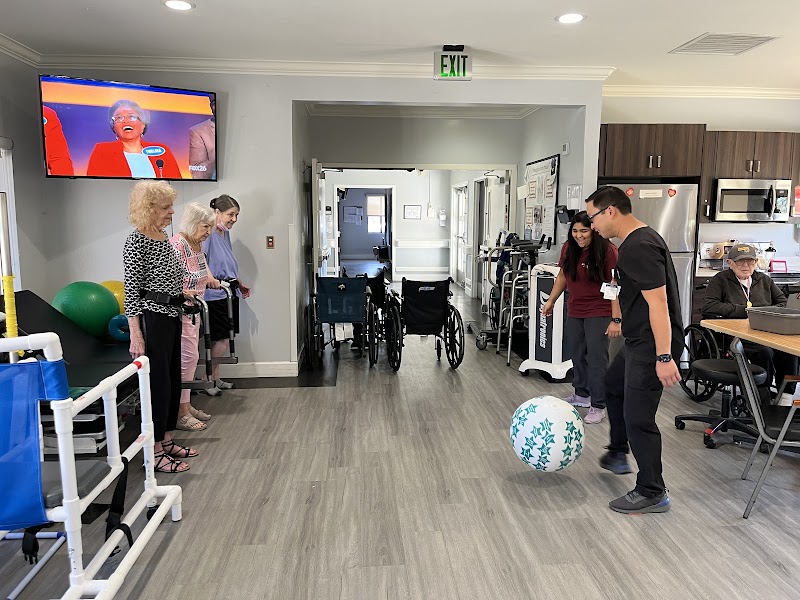
How is Lindsay Gardens Nursing & Rehabilitation Staffed?

CMS rates LINDSAY GARDENS NURSING & REHABILITATION's staffing level at 3 out of 5 stars, which is average compared to other nursing homes. Staff turnover is 21%, compared to the California average of 46%. This relatively stable workforce can support continuity of care.

What Have Inspectors Found at Lindsay Gardens Nursing & Rehabilitation?

State health inspectors documented 26 deficiencies at LINDSAY GARDENS NURSING & REHABILITATION during 2020 to 2024. These included: 26 with potential for harm.
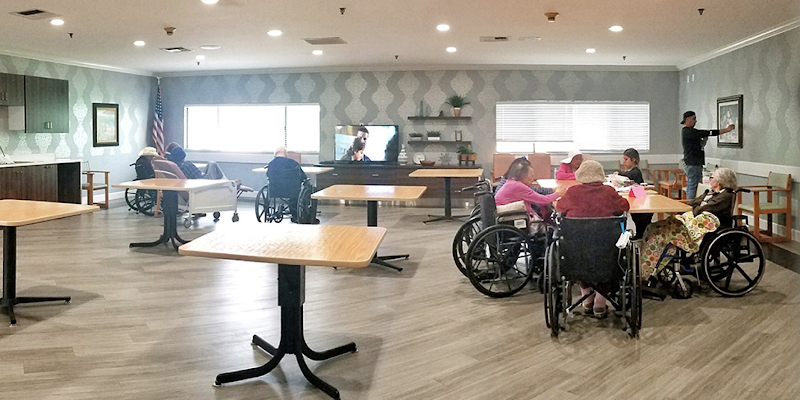
Who Owns and Operates Lindsay Gardens Nursing & Rehabilitation?

LINDSAY GARDENS NURSING & REHABILITATION is owned by a for-profit company. For-profit facilities operate as businesses with obligations to shareholders or private owners. The facility is operated by PACS GROUP, a chain that manages multiple nursing homes. With 99 certified beds and approximately 90 residents (about 91% occupancy), it is a smaller facility located in LINDSAY, California.

How Does Lindsay Gardens Nursing & Rehabilitation Compare to Other California Nursing Homes?

Compared to the 100 nursing homes in California, LINDSAY GARDENS NURSING & REHABILITATION's overall rating (5 stars) is above the state average of 3.2, staff turnover (21%) is significantly lower than the state average of 46%, and health inspection rating (4 stars) is above the national benchmark.

What Should Families Ask When Visiting Lindsay Gardens Nursing & Rehabilitation?

Based on this facility's data, families visiting should ask: "Can I visit during a mealtime to observe dining assistance and food quality?" "How do you handle medical emergencies, and what is your hospital transfer rate?" "Can I speak with family members of current residents about their experience?"

Is Lindsay Gardens Nursing & Rehabilitation Safe?

Based on CMS inspection data, LINDSAY GARDENS NURSING & REHABILITATION has a clean safety record: no substantiated abuse findings (meaning no confirmed cases of resident harm), no Immediate Jeopardy citations (the most serious violation level indicating risk of serious injury or death), and is not on the Special Focus Facility watch list (a federal program monitoring the lowest-performing 1% of nursing homes). The facility has a 5-star overall rating and ranks #1 of 100 nursing homes in California. While no facility is perfect, families should still ask about staff-to-resident ratios and recent inspection results during their visit.

Do Nurses at Lindsay Gardens Nursing & Rehabilitation Stick Around?

Staff at LINDSAY GARDENS NURSING & REHABILITATION tend to stick around. With a turnover rate of 21%, the facility is 24 percentage points below the California average of 46%. Low turnover is a positive sign. It means caregivers have time to learn each resident's needs, medications, and personal preferences. Consistent staff also notice subtle changes in a resident's condition more quickly.

Was Lindsay Gardens Nursing & Rehabilitation Ever Fined?

LINDSAY GARDENS NURSING & REHABILITATION has been fined $3,250 across 1 penalty action. This is below the California average of $33,111. While any fine indicates a compliance issue, fines under $50,000 are relatively common and typically reflect isolated problems that were subsequently corrected. Families should ask what specific issues led to these fines and confirm they've been resolved.

Is Lindsay Gardens Nursing & Rehabilitation on Any Federal Watch List?

LINDSAY GARDENS NURSING & REHABILITATION is not on any federal watch list. The most significant is the Special Focus Facility (SFF) program, which identifies the bottom 1% of nursing homes nationally based on persistent, serious quality problems. Not being on this list means the facility has avoided the pattern of deficiencies that triggers enhanced federal oversight. This is a positive indicator, though families should still review the facility's inspection history directly.