STRATFORD VILLA POST-ACUTE
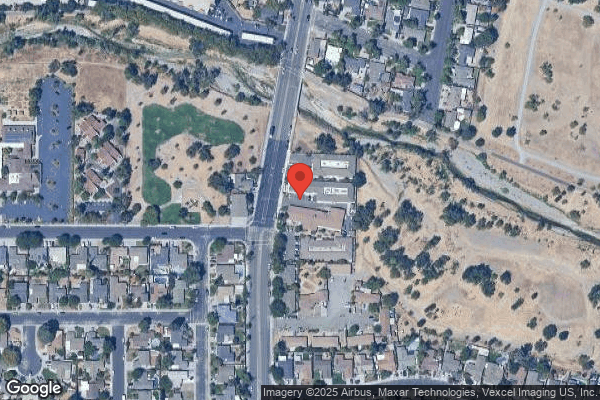
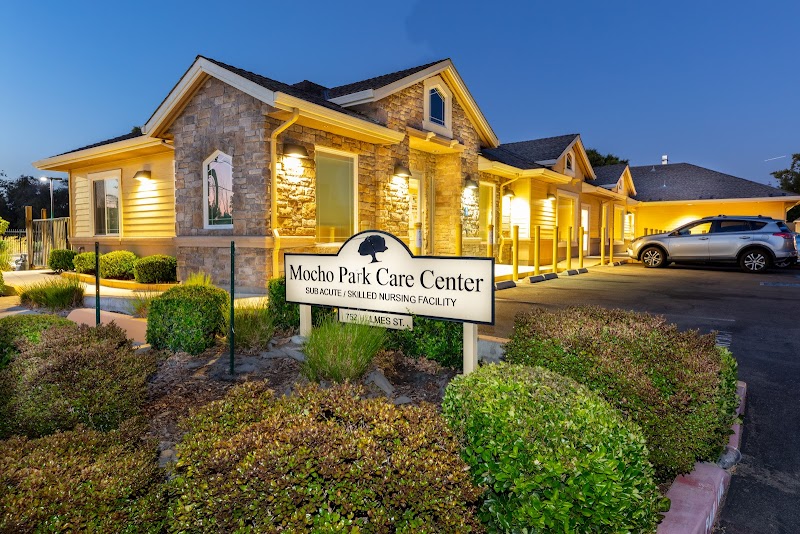
752 HOLMES STREET, LIVERMORE, CA 94550 (925) 447-2280
For profit - Limited Liability company 27 Beds LINKS HEALTHCARE GROUP Data: November 2025 1 Immediate Jeopardy citation
Trust Grade
48/100
#470 of 1155 in CA
Last Inspection: March 2024

Within standard 12-15 month inspection cycle. Federal law requires annual inspections.

Overview

Stratford Villa Post-Acute has received a Trust Grade of D, indicating that it is below average and has some concerning issues. It ranks #470 out of 1155 facilities in California, placing it in the top half, but at #45 out of 69 in Alameda County, only a few options are better locally. The facility's situation appears to be worsening, as the number of issues identified increased from 4 in 2023 to 5 in 2024. Staffing is a relative strength, with a turnover rate of 0%, which is well below the California average, and it has good RN coverage, being better than 80% of other facilities in the state. However, there are serious concerns, as evidenced by $46,779 in fines, indicating compliance issues more common than 96% of California facilities. Notably, there were critical incidents where staff failed to provide CPR when a resident was found unresponsive, and there was a lack of neurological assessments following a fall, which contributed to the resident's death. While there are strengths in staffing stability, these serious deficiencies raise significant concerns for potential residents and their families.

Trust Score
D
48/100
In California
#470/1155
Top 40%
Safety Record
High Risk
Review needed
Inspections
Getting Worse
4 → 5 violations
Staff Stability
○ Average
Turnover data not reported for this facility.
Penalties
⚠ Watch
$46,779 in fines. Higher than 97% of California facilities. Major compliance failures.
Skilled Nurses
○ Average
Each resident gets 40 minutes of Registered Nurse (RN) attention daily — about average for California. RNs are the most trained staff who monitor for health changes.
Violations
⚠ Watch
14 deficiencies on record. Higher than average. Multiple issues found across inspections.
★★★★☆
4.0
Overall Rating
★★☆☆☆
2.0
Staff Levels
★★★★★
5.0
Care Quality
★★★☆☆
3.0
Inspection Score
Stable
2023: 4 issues
2024: 5 issues

The Good

  • 5-Star Quality Measures · Strong clinical quality outcomes
  • Full Sprinkler Coverage · Fire safety systems throughout facility
  • No fines on record

Facility shows strength in quality measures, fire safety.

The Bad

Federal Fines: $46,779

Above median ($33,413)

Moderate penalties - review what triggered them

Chain: LINKS HEALTHCARE GROUP

Part of a multi-facility chain

Ask about local staffing decisions and management

The Ugly 14 deficiencies on record

1 life-threatening 2 actual harm
Mar 2024 5 deficiencies
CONCERN (D)

Potential for Harm - no one hurt, but risky conditions existed

Deficiency F0761 (Tag F0761)

Could have caused harm · This affected 1 resident

**NOTE- TERMS IN BRACKETS HAVE BEEN EDITED TO PROTECT CONFIDENTIALITY** Based on observation, interview and record review, the facility failed to ensure safe medication storage when the following medi...

Read full inspector narrative →
**NOTE- TERMS IN BRACKETS HAVE BEEN EDITED TO PROTECT CONFIDENTIALITY** Based on observation, interview and record review, the facility failed to ensure safe medication storage when the following medications were found in medication cart one: 1. Resident 22 did not have an accurate medication card label for Colchicine that matched the order the physician had prescribed. (Colchicine is a medication used to prevent or treat gout attacks. Gout is a disease that causes severe pain, swelling, redness and tenderness in joints). 2. Three and one-half loose pills were not in a labeled container. This failure had the potential for medication error and contamination. Findings: 1. During a review of the admission record, dated 3/19/24, indicated Resident 22 was admitted on [DATE], with the diagnosis of gout. During a medication administration observation on 3/19/24, at 8:21 a.m., with Licensed Vocational Nurse (LVN) 1, LVN 1 gave Resident 22 one tablet of Colchicine 0.6 milligrams (mg) from Resident 22's medication card with a direction label that indicated to give Colchicine one tablet two times a day. During a concurrent interview and record review on 3/19/24, at 3:00 p.m., with LVN 1, Resident 22's physician's order, dated 3/19/24, was reviewed. The physician's order indicated to give one tablet of Colchicine 0.6 mg. once a day for gout. LVN 1 acknowledged Resident 22's medication card did not match the current physician's order, because the card indicated to give Colchicine one tablet two times a day. LVN 1 further stated having direction labels that did not match the current physician's order was a risk for medication administration error. During an interview on 3/21/24 at 9:05 a.m., with Registered Nurse 1 (RN 1), RN 1 stated the risk of having medication cards with direction labels that did not match Resident 22's current physician's order could be suffering an adverse (undesirable) effect of the medication. During a review of the facility's policy and procedure titled, Medication Labeling and Storage, dated February 2023, indicated .The nursing staff must inform the pharmacy of any changes in physician's orders for a medication . 2. During an observation and concurrent interview with RN 1, on 3/19/24, at 12:50 p.m., upon inspection of the medication cart 1, three and one-half loose tablets were found. RN 1 was unable to identify the loose tablets and stated loose tablets should not be in the medication cart and should have been disposed. During a review of the facility's policy and procedure titled, Medication Labeling and Storage, dated February 2023, indicated . Medications are stored in an orderly manner in cabinets, drawers, carts, or automatic dispensing systems. Each resident's medications are assigned to an individual cubicle, drawer, or other holding area to prevent the possibility of mixing medications of several residents .
CONCERN (D)

Potential for Harm - no one hurt, but risky conditions existed

Garbage Disposal (Tag F0814)

Could have caused harm · This affected 1 resident

Based on observation, interview, and record review, the facility failed to dispose of garbage and contain refuse properly when the dumpster was not closed. This failure had the potential of harborage ...

Read full inspector narrative →
Based on observation, interview, and record review, the facility failed to dispose of garbage and contain refuse properly when the dumpster was not closed. This failure had the potential of harborage and feeding of pests. Findings: During an observation on 3/19/24 at 8:39 a.m., with Dietary Services Supervisor (DS), one dumpster located by the side of the facility was full of trash bags and not closed or covered. There was no staff presence around the dumpster area. During an interview on 3/19/18 at 8:39 a.m., DS stated the dumpster was supposed to be closed. During an interview on 3/19/24 at 09:01 a.m., with Maintenance Director (MS) and Administrator (Admin), MS stated the dumpster was to be closed when not in-use. During a review of the facility's policy and procedure (P&P), titled, Medical Waste, Handling of, revised September 2010, indicated outside compactor/dumpster must be locked when not in use and at night.
CONCERN (D)

Potential for Harm - no one hurt, but risky conditions existed

Deficiency F0849 (Tag F0849)

Could have caused harm · This affected 1 resident

Based on interview and record review, the facility failed to follow a written hospice (end-of-life) agreement that included joint responsibilities to develop and implement plan of care for one sampled...

Read full inspector narrative →
Based on interview and record review, the facility failed to follow a written hospice (end-of-life) agreement that included joint responsibilities to develop and implement plan of care for one sampled resident (Resident 23) was admitted into the hospice program, when Resident 23 and Resident 23's representative (FM 1) were not included or participated in the development and implementation of Resident 23's hospice plan of care (POC). This failure had the potential to result in negative outcomes and lack of communication of a person-centered care needs for residents. Findings: Review of the Significant change in status-Minimum Data Set (MDS - an assessment screening tool used to guide care), dated 2/24/24, indicated; Resident 23's diagnoses included Non-Alzheimer's Dementia (a group of diseases characterized by progressive deficits in behavior, executive function or language) and senile degeneration of the brain (Dementia). Resident 23's Basic Interview of Mental status (BIMS) score was 01 poor cognition). Resident 23 had a clear speech, usually understood and understood others. During a telephone interview on 3/18/24 at 11: 20 a.m., with Resident 23's representative (FM 1), FM 1 stated Resident 23 was admitted to hospice for terminal care. FM 1 stated the concern she had was that there was not enough communication with staff regarding Resident 23's care. FM 1 stated the care planning conference she was invited and participated was in June 2023 when Resident 23 was admitted to the facility. FM 1 stated Resident 23 and herself had not participated in Resident 23's hospice plan of care or in any other care planning. Review of Resident 23's hospice plan of care initiated 2/17/24 indicated Resident 23 was admitted to hospice care for senile degeneration of the brain interventions included to encourage participation to the extent the resident wishes to participate. Review of order summary report dated 2/17/24 indicated the physician admitted Resident 23 into hospice for senile degeneration of the brain. During a concurrent interview and review of the IDT (interdisciplinary team is comprised of different staff from different departments of the facility, like nursing, social services etc.) care planning conference records, on 3/20/24 at 9:26 a.m., with Social Services Director (SSD), Director of Nursing (DON) and Registered Nurse (RN 1), SSD stated Resident 23 and FM 1 had not been invited to participate in the development of Resident 23's hospice care plan. SSD stated she had not arranged for a care planning conference with Resident 23, FM 1. and the hospice provider. SSD further stated sometimes a quick care conference was done when FM 1 visited the facility. SSD could not provide documentation that Resident 23 and FM 1 was invited, included or participated in the hospice plan of care. Review of Resident 23's clinical records indicated the plan of care attended by Resident 23 and FM 1 was completed in June 2023 before Resident 23 was admitted into hospice. During an interview on 3/21/34 at 10:29 a.m., with Administrator (Admin) and DON, Admin stated hospice care planning was to be initiated when the resident was admitted into the hospice program. Admin stated the facility's policy was for SSD to coordinate with the facility staff and hospice provider. During a review of the Hospice Services Agreement (Agreement), dated 2/16/24, the Agreement indicated the Joint Responsibilities/Mutual Promises- Development and implementation of plan of care (POC). When a facility resident is authorized by hospice for admission to the Hospice Program, or when the facility admits a hospice patient to the facility, hospice and facility staff shall jointly develop and agree upon the patient's POC. {
CONCERN (F)

Potential for Harm - no one hurt, but risky conditions existed

Deficiency F0801 (Tag F0801)

Could have caused harm · This affected most or all residents

Based on observation, interview, and record review, the facility failed to ensure state requirements were met for a full-time registered dietitian or the person designated to serve as the director of ...

Read full inspector narrative →
Based on observation, interview, and record review, the facility failed to ensure state requirements were met for a full-time registered dietitian or the person designated to serve as the director of food and nutrition services was hired on staff on a full-time basis (35+hours/week). This failure had the potential for food and nutrition services staff to be inadequately trained and supervised to carry out food and nutrition services for 26 out of 26 residents. Findings: During an interview on 3/19/24 at 8:39 a.m., with the Dietary Supervisor (DS) and Registered Dietician (RD), DS stated he did not work full time in the Kitchen. DS said he also worked next door at the sister facility. DS further stated he provided dietary staff training and checked their competencies. DS stated he did not work full time and works at least 20 hours a week for the facility. DS further stated he also worked at the sister facility next door for 20 hours a week. RD stated she works part time at the facility, between 8-16 hours a week. During an interview on 3/19/24 at 12:30 p.m., with the Administrator (Admin), Admin stated she was aware the facility did not have a full time DS or RD and Admin was working on it.
CONCERN (F)

Potential for Harm - no one hurt, but risky conditions existed

Food Safety (Tag F0812)

Could have caused harm · This affected most or all residents

Based on observation, staff interview, and record review, the facility failed to store and prepare food in accordance with professional standards for food service safety when: 1. Hand washing sink wa...

Read full inspector narrative →
Based on observation, staff interview, and record review, the facility failed to store and prepare food in accordance with professional standards for food service safety when: 1. Hand washing sink was located right next to coffee machine and beverage dispenser. 2. Multiple food items opened with no use-by dates; bag of permecian gravy opened 3/5/24, bag of chicken gravy mix opened 3/2/24, carton of lactose free milk opened 3/12/24, cartoon of pineapple juice opened 3/10/24. There were five pounds of Monterey jack cheese opened 3/11/24, and a plastic container of apple sauce, dated 3/10/24. 3. Three-compartment sink was not operated according to instructions. 4. Ice machine had brownish whitish hard sticky substance on the right area on the outside difficult to wipe off. 5. Three kitchen air vents and one fly trap by the outside door with excessive blackish dust. 6. Floor drains and air gap by the ice machine and walk-in refrigerator had brownish black discoloration. 7. Dietary staff picked up trash from the kitchen floor and proceeded to distribute water from beverage cart without hand washing. These failures increased the risk for food contamination and food borne illness for 26 residents who received food from the kitchen. Findings: During initial tour of the kitchen on 3/18/24 at 9:00 a.m., with Dietary Services Supervisor (DS), the following were observed: the container of coffee creamer was situated next to the coffee and beverage dispenser that was next to the hand washing sink. DS stated as long as the coffee dispenser is covered, he was not concerned about the water splashes from staff use of hand washing sink. Multiple food items in the refrigerator and walk-in refrigerator had an open date with no use-by date. DS stated the food items had no use-by date. During concurrent observation of the kitchen and interview on 3/18/24 at 9:34 a.m., with DS accompanied Registered Dietician (RD), the dishwashing machine was not operational. RD stated facility had been using the 3 compartment sink for dishwashing. The water in the 3-compartment sink had brownish discoloration. Dietary aide (DA1) stated he uses the 3 -compartment sink to wash pots and dishes, then rinse and immerse in the sanitizer for 5 minutes to sanitize. DA 1 further stated the water temperature was checked in the morning before starting wash and the temperature are recorded. DA 1 stated the water temperature and test strip result where not repeated or recorded every 30 minutes. RD stated the water temperature needs to be repeatedly checked every 30 minutes. Review of the emergency 3-compartment washing log posted on the wall indicated from 3/13/24 to 3/18/24, temperature of the 3 compartment sink and result of the sanitizer test strip were check with initial setup for each meal (breakfast, lunch and dinner), there was no record of the temperature and sanitizer test strip results documented every 30 minutes as instructed. During a follow up tour of the kitchen on 3/19/24 at 9:32 a.m., with Maintenance Supervisor (MS) and Administrator (Admin), the ice machine had a brownish white hard, sticky substance on the right side of the wall which was difficult to wipe off. MS stated the build up on the ice machine could not be removed because the manufacturer did not want any chemical use on the outside of the machine. Three ceiling vents and fly trap above the exit door had excessive black dust. MS stated he missed cleaning the vents located in the kitchen ceiling. During further observation, the airgap/back flow area next to the ice machine and walk-in freezer were with brown-black discoloration. MS stated the air gaps area will be added to their maintenance cleaning schedule. During a concurrent observation and interview on 3/19/24 at 9:38 a.m., with RD and Admin,the coffee and beverage dispenser was next to the handwashing sink. RD stated there was a possible infection control concerns related to the coffee and beverage dispenser next to the sink. RD stated she was hired three months ago and had no documentation the kitchen sanitation checks were done. During tray line observation and concurrent interview on 3/19/24 at 11:56 a.m., DA 1 with gloved hands picked up a piece of trash from the kitchen floor and threw it in the trash can, using the same gloved hand to distribute water from the bevereage cart. DA 1 stated he was supposed to change his gloves before he distribute cup of water from the beverage cart. During a review of the facility's policy and procedure (P&P) titled, Sanitation dated 2023, the P&P indicated, the food and nutrition services (FNS) director is responsible for instructing employees in the fundamentals of sanitation in food service and for training employee to use appropriate techniques. The Maintenance Department will assist FNS as necessary in maintaining equipment and in doing janitorial duties which the FNS employees cannot do and maintain maintenance records on all equipments.
Nov 2023 4 deficiencies 1 IJ
CRITICAL (J) 📢 Someone Reported This

A family member, employee, or ombudsman was alarmed enough to file a formal complaint

Immediate Jeopardy (IJ) - the most serious Medicare violation

Deficiency F0678 (Tag F0678)

Someone could have died · This affected 1 resident

**NOTE- TERMS IN BRACKETS HAVE BEEN EDITED TO PROTECT CONFIDENTIALITY** Based on observation, interview, and record review, for one of four sampled residents (Resident 1), the facility failed to ensur...

Read full inspector narrative →
**NOTE- TERMS IN BRACKETS HAVE BEEN EDITED TO PROTECT CONFIDENTIALITY** Based on observation, interview, and record review, for one of four sampled residents (Resident 1), the facility failed to ensure staff provide immediate life-saving measures (cardiopulmonary resuscitation [CPR] - rescue breathing and or chest compressions when the heart stops) when Resident 1 was found in bed without vital signs (Vs, temperature, pulse, respirations, blood pressure ). Resident 1 was a full code (desired all medical emergency interventions when breathing and or heart stops). Licensed Vocational Nurse (LVN) 2 declared Resident 1 expired (dead) and did not initiate CPR or call emergency personnel (9-1-1). This failure of LVN 2 to provide CPR and call emergency personnel was determined to constitute an Immediate Jeopardy (IJ). IJ represents a situation in which entity noncompliance has placed the health and safety of recipients in its care at risk for serious injury, serious harm, serious impairment or death. The facility ' s Administrator (Adm) and Registered Nurse Consultant (RNC) were verbally notified of the IJ on [DATE], at 4:35 p.m. The facility submitted an acceptable Plan of Action on [DATE], at 2:26 p.m. Through observations and interviews with staff members, and record reviews of the facility ' s training records, the facility initiated a CPR in-service course on how to respond to an emergency situation. The IJ was lifted on [DATE] at 4:25 p.m. Findings: A review of Resident 1's admission Record indicated Resident 1 was admitted to the facility on [DATE]. A review of Resident 1 ' s Physician Orders for Life Sustaining Treatment form (POLST-directs individual end-of-life preferences during a medical emergency), dated [DATE], was signed by Resident 1 ' s legally recognized decision-maker and his physician. The POLST form included . Cardiopulmonary Resuscitation (CPR) .If patient has no pulse and is not breathing .Attempt Resuscitation/CPR . Review of Resident 1's progress notes dated [DATE] at 7:15 a.m., by LVN 2 indicated, Resident 1 was found unresponsive in bed, with no vital signs at 5:20 a.m. The progress notes did not indicate that LVN 2 attempted CPR on Resident 1. During an interview on [DATE], at 12:03 p.m., with the Director of Nursing (DON), DON stated, LVN 2 should have initiated CPR and called 9-1-1 (emergency personnel) when Resident 1 was found with no vital signs. DON further stated it should be the doctor, and not LVN 2 to pronounce Resident 1 ' s death. During an interview on [DATE] at 10:29 a.m., with LVN 2, LVN 2 stated, she did not initiate CPR because it was reported to her by the nurse from the previous shift that Resident 1 ' s code status was DNR (Do Not Resuscitate). LVN 2 stated she did not check the POLST form in Resident 1 ' s medical chart. LVN 2 further stated after she found Resident 1 without vital signs, she just informed the DON, the physician, and the resident ' s family that Resident 1 expired. Also, LVN 2 stated she did not know she was supposed to check the POLST for the facility residents ' code status and used the residents ' progress notes for information of their code status. During an interview on [DATE] at 4:00 p.m., with Medical Doctor (MD), MD stated, I am sorry, it was a mistake the facility did not call 9-1-1. The resident ' s code status was a full code, and the nurse on duty should have called 9-1-1. The 9-1-1 (emergency personnel) would be the one to pronounce the resident ' s death. During a review of the facility ' s policy and procedure (P&P) titled, Emergency procedure- Cardiopulmonary Resuscitation, dated February 2018, indicated, .if an individual (resident, visitor or staff member) is found unresponsive and not breathing normally, a licensed staff member who is certified in CPR/BLS shall initiate CPR unless: it is known that a Do Not Resuscitate (DNR) order that specifically prohibits CPR and/or external defibrillation exists for that individual . Emergency Procedure- Cardiopulmonary Resuscitation indicated if an individual is found unresponsive, briefly assess for abnormal breathing .begin CPR, instruct a staff member to activate the emergency response system and call 911 .verify or instruct a staff member to verify the DNR or code status of the individual .
SERIOUS (G) 📢 Someone Reported This

A family member, employee, or ombudsman was alarmed enough to file a formal complaint

Actual Harm - a resident was hurt due to facility failures

Quality of Care (Tag F0684)

A resident was harmed · This affected 1 resident

**NOTE- TERMS IN BRACKETS HAVE BEEN EDITED TO PROTECT CONFIDENTIALITY** Based on interviews and record review, the facility failed to perform a proficient neurological assessment (a series of question...

Read full inspector narrative →
**NOTE- TERMS IN BRACKETS HAVE BEEN EDITED TO PROTECT CONFIDENTIALITY** Based on interviews and record review, the facility failed to perform a proficient neurological assessment (a series of questions and or motor tests in the event of a sudden change in condition to detect neurological changes: level of consciousness, orientation, movement of arms and legs, pupil size and reaction to light) for one (Resident 1). Staff did not maintain monitoring according to professional standards to detect early changes that required emergent medical treatment after Resident 1 sustained an unwitnessed fall. This failure resulted in not identifying a change in Resident 1 ' s neurological status. Resident 1 died in the facility the following day after the unwitnessed fall. Findings: A review of Resident 1 ' s hospital record titled, Physician Hospitalist Discharge and Transfer Instruction (PHDTI) dated [DATE], indicated the diagnosis of a subarachnoid hemorrhage (SAH, bleeding in the space that surrounds the brain) due to a fall at home. The PHDTI indicated, Resident 1 was being discharged to a skilled nursing facility for rehabilitation services and recovery. A review of Resident 1's admission Record indicated Resident 1 was admitted to the facility on [DATE]. A review of Resident 1's Alert Charting (AC) by Licensed Vocational Nurse (LVN) 1 dated [DATE] at 7:29 a.m., the AC indicated Resident 1 was admitted to the skilled nursing facility on [DATE] and was described by LVN 1 on admission as: alert and oriented x 2-3 (referring to Resident 1 ' s orientation to 1-person, 2-place, and 3-time. Resident 1 was not fully aware of the time). A review of Resident 1's Situation, Background, Assessment, Recommendation (SBAR, a communication tool for sharing information between facility team members) written by LVN 1, dated [DATE] at 2:21 a.m., indicated, Resident 1 had an unwitnessed fall and was found lying on the floor next to his bed on [DATE] at 12:00 a.m. The SBAR indicated, Resident was alert and oriented x 1-2 with confusion and was not able to explain the reasoning behind his fall. Resident 1 knew who he was but was not fully aware of where he was or knew the time). The SBAR indicated a decline in Resident 1 ' s orientation from LVN 1 ' s AC notes on [DATE]. Resident 1 was aao (awake, alert, and oriented) x 2-3 on [DATE]. Further record review showed LVN 1 was aware of Resident 1 ' s primary diagnosis of SAH due to mechanical fall resulting in head trauma (head injury). Resident 1 was not transferred to the hospital after the fall on [DATE]. A review of Resident 1's Daily Nurses Notes (DNN), dated [DATE] at 7:15 a.m., (the day after the unwitnessed fall) by LVN 2, the DNN indicated, Resident 1 was found without Vital signs (Vs, includes temperature, pulse, respirations, and blood pressure) at 5:20 a.m. The DNN also indicated LVN 2 had informed the Medical Doctor (MD), Director of Nursing (DON), and the resident ' s family that Resident 1 expired (died). During a concurrent interview and record review, on [DATE], at 12:03 p.m., with DON, and Resident 1 ' s Nursing Progress Notes (NPP), dated [DATE] and [DATE] were reviewed. The NPP indicated the nurses only monitored Resident 1 ' s Vs but did not perform the complete neurological checks every 4 hours because these were not documented by the licensed nurses. DON stated, the licensed nurses were supposed to monitor Resident 1 ' s pupil size, range of motion, changes in behavior, pain, mentation, and responsiveness to environment, aside from his Vs, to ensure Resident 1 had no head injury after the unwitnessed fall and to determine if the resident needed further medical interventions. DON also stated, LVN 1 should have asked for an order from the MD to transfer Resident 1 to the hospital for further medical evaluation after the unwitnessed fall. During a phone interview with LVN 2 on [DATE] at 10:29 a.m., LVN 2 stated her definition of performing neuro checks was only checking the safety of Resident 1. LVN 2 stated she performed neuro checks by checking the resident ' s vital signs, alertness and stated she could not recall what other neuro assessments she needed to check. During a phone interview with LVN 1, on [DATE] at 9:48 a.m., LVN 1 stated she informed the MD regarding Resident 1 ' s unwitnessed fall by texting MD and MD did not tell LVN 1 to transfer the resident to the hospital. During a phone interview with the Deputy Coroner (DC), on [DATE] at 9:15 a.m., DC stated, with Resident 1 ' s diagnosis of SAH due to a mechanical fall at home, the facility should have done more interventions for Resident 1 by doing the complete neurologic assessments and sending Resident 1 to the hospital for further evaluation to determine if Resident 1 sustained a head trauma after the unwitnessed fall in the facility. During a review of the facility ' s policy and procedure (P&P) titled, Neurological Assessment, dated [DATE] indicated, Neurological Assessments are indicated: upon physician order; following an unwitnessed fall . any change vital signs or /neurological status in a previously stable the resident should be reported to the physician immediately. The P&P also indicated, Steps in the procedure include: .Perform neurological checks with the frequency as ordered; Determine resident ' s orientation to time, place and person; Observe resident ' s speech and speech clarity; Check pupil reaction; Determine motor ability; Determine sensation in extremities; Check eye opening, verbal, and motor responses . Also, The following information should be recorded in the resident ' s medical record: the date and time the procedure was performed, the name and title of the individual(s) who performed the procedure, all assessment data obtained during the procedure, how the resident tolerated the procedure .
SERIOUS (G) 📢 Someone Reported This

A family member, employee, or ombudsman was alarmed enough to file a formal complaint

Actual Harm - a resident was hurt due to facility failures

Medical Records (Tag F0842)

A resident was harmed · This affected 1 resident

Deficiency Text Not Available

Read full inspector narrative →
Deficiency Text Not Available
CONCERN (F) 📢 Someone Reported This

A family member, employee, or ombudsman was alarmed enough to file a formal complaint

Potential for Harm - no one hurt, but risky conditions existed

QAPI Program (Tag F0867)

Could have caused harm · This affected most or all residents

**NOTE- TERMS IN BRACKETS HAVE BEEN EDITED TO PROTECT CONFIDENTIALITY** Based on interview and record, the facility's Quality Assessment Performance Improvement (QAPI) committee failed to identify an ...

Read full inspector narrative →
**NOTE- TERMS IN BRACKETS HAVE BEEN EDITED TO PROTECT CONFIDENTIALITY** Based on interview and record, the facility's Quality Assessment Performance Improvement (QAPI) committee failed to identify an adverse event (untoward, undesirable, and usually unanticipated event that causes death or serious injury, or the risk thereof, including near misses) and the root cause resulting in the death of one (Resident 1) of three sampled residents. Resident 1 was a full code (all emergency interventions in the event breathing and or heart stops). Staff failed to provide emergency medical treatment when Resident 1 was found unresponsive because nursing staff mistakenly thought Resident 1 had a Do Not Resuscitate (DNR) order. This failure resulted in the QAPI committee not taking steps to review the circumstances of Resident 1's death and monitor their system for code status verification to correct the issue. Findings: A review of resident 1 ' s Physician Orders for Life Sustaining Treatment form (POLST-directs individual end-of-life preferences during a medical emergency), dated [DATE], was signed by Resident 1 ' s legally recognized decision-maker and his physician. The POLST form included . Cardiopulmonary Resuscitation (CPR, chest compressions and rescue breathing) .If patient has no pulse and is not breathing .Attempt Resuscitation/CPR . Review of Resident 1's nurse's progress notes, dated [DATE] at 7:15 a.m., by Licensed Vocational Nurse 2 (LVN 2), indicated Resident 1 was found unresponsive in bed, with no vital signs (Vs, temperature, pulse, respirations, blood pressure) at 5:20 a.m. The progress notes had no documentation that LVN 2 provided CPR on Resident 1 and no 9-1-1 emergency personnel were summoned for emergency care. During an interview on [DATE] at 3:50 p.m., with the Administrator (ADM), who also serves as the facility's head of QAPI, ADM stated the committee meets quarterly and during daily stand-up meetings to determine if there are concerns from family or others that could be (an activity) for the QAPI committee. ADM further stated for every death, we (QAPI committee) ask if there was a cause of death, and review when the Director of Nurses (DON) was notified and whether it was a DNR or full code. ADM further stated the facility's goals and benchmarks for concerns has a tracker and conducts monthly or quarterly audits from the start date. The QAPI committee evaluates and revaluates their performance and decides when it may be discontinued. Record review of the QAPI Committee Meeting Records with ADM, dated [DATE] through [DATE], reflected there were no identified concerns about CPR, POLST forms or adverse events concerning resident deaths. ADM acknowledged there were no other documents that Resident 1's death was identified as a concern for the QAA committee to address. The facility's policy and procedure (revised February 2020) titled, QAPI Program indicated the QAPI plan describes the process for identifying and correcting quality deficiencies. Key components of this process include: a. Tracking and measuring performance. b. establishing goals and thresholds for performance measurement. c. identifying and prioritizing quality deficiencies; d. systematically analyzing underlying causes of systemic quality deficiencies; e. developing and implementing corrective action or performance improvement activities; and f. monitoring or evaluating the effectiveness of corrective action/performance improvement activities, and revising as needed. The facility's policy and procedure (revised [DATE]) titled, QAPI Program Analysis and Action indicated the methodology for analysis and action is guided by a written QAPI plan that includes: a. definition of the problem, based on information obtained through data, self-assessment and feedback systems. b. an analysis of the root cause of the problem from a systems perspective. c. establishing measurable goals or benchmarks for improvement. d. specific interventions aimed at correcting the problem and achieving the stated goals or benchmarks. e. methods and frequency of monitoring performance improvement objectives.
Mar 2022 4 deficiencies
CONCERN (D)

Potential for Harm - no one hurt, but risky conditions existed

Deficiency F0698 (Tag F0698)

Could have caused harm · This affected 1 resident

Based on record review and interview, the facility failed to monitor and document the fluid intake of one (Resident 19) of one resident that required dialysis (a treatment for kidney failure to remove...

Read full inspector narrative →
Based on record review and interview, the facility failed to monitor and document the fluid intake of one (Resident 19) of one resident that required dialysis (a treatment for kidney failure to remove waste products and excess fluids by external filtration of blood). The failure to monitor Resident 19's fluid intake for 29 of 90 shifts had the potential to result in Resident 19 consuming more fluids than ordered by the physician causing fluid overload with resultant problems of swollen extremities and difficulty breathing. Findings: A review of the document titled, admission Record, dated 3/24/22, indicated Resident 19 was admitted to the facility in February 2022, with a diagnosis of End Stage Renal Disease (ESRD, the stage of kidney impairment that appears irreversible and permanent and requires a regular course of dialysis or kidney transplant to maintain life.) A review of Resident 19's Minimum Data Set (MDS, an assessment tool used to guide resident care) dated 3/1/22, indicated Resident 19 was on dialysis. A review of Resident 21's, Order Summary Report, dated 3/24/22, indicated a physician order dated 2/24/22, for Resident 19's fluid intake to be limited to 1200 milliliters (mLs, 1200 mLs equals 1.2 quarts) per 24 hours. the order further indicated each shift (AM, day shift; PM, evening shift; NOC, night shift) was to record intake and endorse. During a concurrent record review and interview on 3/24/22 at 11:30 a.m., with Director of Nursing (DON), Resident 19's, Oral Fluid Intake from 2/23/22- 3/24/22, was reviewed. The DON stated it was important to monitor and document Resident 19's fluid intake because of Resident 19's need for dialysis. The DON stated Resident 19's Oral Fluid Intake record had no entries for the following dates/shifts: 2/24/22 AM; 2/26/22 AM and NOC; 2/27/22 NOC; 2/28/22 AM; 3/3/22 NOC; 3/5/22 NOC; 3/6/22 PM; 3/7/22 NOC; 3/8/22 NOC; 3/9/22 NOC; 3/10/22 NOC; 3/11/22 NOC; 3/14/22 AM and NOC; 3/16/22 PM and NOC; 3/17/22 AM and NOC; 3/18/22 AM and PM; 3/20/22 AM and PM; 3/21/22 AM; 3/22/22 AM and NOC; 3/23/22 AM; 3/24/22 AM and PM. A review of the facility policy titled, Dialysis Resident, Care of, undated, indicated, Diet/Fluid Restrictions 1. Dialysis diets/fluid restrictions will be provided as prescribed by a physician order.
CONCERN (D)

Potential for Harm - no one hurt, but risky conditions existed

Deficiency F0757 (Tag F0757)

Could have caused harm · This affected 1 resident

**NOTE- TERMS IN BRACKETS HAVE BEEN EDITED TO PROTECT CONFIDENTIALITY** Based on record review and interview, the facility failed to ensure one (Resident 22) of one resident receiving anticoagulation ...

Read full inspector narrative →
**NOTE- TERMS IN BRACKETS HAVE BEEN EDITED TO PROTECT CONFIDENTIALITY** Based on record review and interview, the facility failed to ensure one (Resident 22) of one resident receiving anticoagulation medication (medication to prevent blood clot formation, commonly known as blood thinner) was free from unnecessary medication when staff did not monitor the side effects of Resident 22's use of apixaban (medication used to thin blood). This failure had the potential to result in Resident 22 developing adverse side effects such as bleeding. Findings: A review of Resident 22's admission Record indicated Resident 22 was admitted to the facility on [DATE], with a diagnosis of atrial fibrillation (an irregular heart rhythm) and tachycardia (heart rate over 100 beats per minute; the normal rate is 60-100 beats per minute). A review of Resident 22's, Order Summary Report, Active Orders as of 3/24/22, indicated a physician order, start date 2/28/22, for Resident 22 to receive one apixaban tablet two times a day for treatment of tachycardia and monitor for bruising. During a concurrent record review and interview, on 3/24/22 at 11:03 a.m., with the Director of Nursing (DON), Resident 22's Medication Administration Record, dated March 2022, was reviewed. The DON was unable to provide documentation nursing staff had monitored Resident 22 for signs of bruising from 2/28/22 until 3/22/22, as ordered by the physician. The DON further stated there should be documentation from staff about monitoring for the side effects of anticoagulation therapy because there could be serious side effects which would require physician notification. A review of the facility's policy titled, Anticoagulation, revised November 2018, indicated, The staff and physician will monitor for possible complications in individuals who are being anticoagulated, and will manage related problems . If an individual on anticoagulation therapy shows signs of excessive bruising, hematuria, hemoptysis, or other evidence of bleeding, the nurse will discuss the situation with the physician before giving the next scheduled dose of anticoagulant.
CONCERN (D)

Potential for Harm - no one hurt, but risky conditions existed

Infection Control (Tag F0880)

Could have caused harm · This affected 1 resident

**NOTE- TERMS IN BRACKETS HAVE BEEN EDITED TO PROTECT CONFIDENTIALITY** Based on observation, interview, and record review, the facility failed to provide a sanitary environment for two of five sample...

Read full inspector narrative →
**NOTE- TERMS IN BRACKETS HAVE BEEN EDITED TO PROTECT CONFIDENTIALITY** Based on observation, interview, and record review, the facility failed to provide a sanitary environment for two of five sampled residents (Resident 14, Resident 16) when staff failed to: 1. perform hand hygiene between glove changes when administering medication to Resident 14, and 2. clean the oxygen mask and tubing for Resident 16. This failure had the potential for infection of Resident 14 and Resident 16. Findings: 1. During a concurrent observation and interview on 3/23/22 at 09:03 a.m., in Resident 14's room, Licensed Vocational Nurse 2 (LVN 2), LVN 2 prepared Resident 14's medication by opening multiple medication bottles and medication packs with gloved hands and placing the medication into separate medicine cups. With the same gloved hands, LVN 2 went to Resident 14's bedside and touched Resident 14's remote control to adjust Resident 14's bed, adjusted Resident 14's blankets, and handed the medicine cups to Resident 14 without changing gloves or performing hand hygiene. A review of the facility's policy titled, Hand Washing/Hand Hygiene, revised August 2019, indicated, 7. Use an alcohol-based hand rub containing at least 62% alcohol; or, alternatively, soap (antimicrobial or non-antimicrobial) and water for the following situations: . Before and after direct contact with residents; before preparing or handling medications .after contact with objects (e.g., medical equipment) in the immediate vicinity of the resident. 2. A review of Resident 16's admission Record, dated 3/23/22, indicated Resident 16 was admitted to the facility on [DATE], with diagnoses of chronic obstructive pulmonary disease (COPD, constricted airways making it difficult to breath) and pulmonary embolism (blocked blood flow to the lung). A review of Resident 16's Physician Order Summary, dated 2/8/22, indicated Resident 16's order summary of Albuterol Sulfate Nebulization Solution (used to treat wheezing and shortness of breath) 2.5 milligram (mg)/3 milliliter (ml) 0.083% one vial inhale orally via nebulizer at bedtime for COPD. During an observation on 3/21/22, at 10:20 a.m., inside Resident 16's room, a nebulizer (a device used to change liquid medicine into a very fine mist that a person can inhale through a face mask or mouthpiece) was on the top of Resident 16's bedside table. On top of the nebulizer was Resident 16's oxygen mask with tubing connected to the mask. The mask had scattered dry white matter adhered to the interior of the mask. The tubing was connected to the mask at one end, and open to air at the end which was used to connect to the nebulizer. During an interview on 3/21/22 at 10:25 a.m., with Licensed Vocational Nurse 1 (LVN 1), LVN 1 stated Resident 16's oxygen mask did not look clean. LVN 1 stated the mask and tubing should be kept in a bag when not in use to prevent bacterial growth and contamination. During an interview on 3/23/22, at 10:51 a.m., with the Director of Nursing (DON), the DON stated oxygen tubing, and oxygen masks should be dated when changed and stored in a Ziploc bag when not in use, for infection control purposes. Review of the facility's undated policy and procedure, titled Use of Oxygen, indicated, To promote patient safety in administering oxygen .The following guidelines will be observed in oxygen administration A. The oxygen cannula or mask does not require scheduled changing when used on one patient. It should be changed when soiled or dirty . Further review of the facility's undated policy and procedure, titled Oxygen Equipment, indicated, .D. Oxygen masks, nasal cannulas, and tubing will be used for one resident only. When used continuously or intermittently, tubing will be regularly monitored to prevent the build-up of respiratory secretions/mucous. E. When mask or cannula is temporarily not being used, it will be covered loosely to prevent contamination from airborne microorganisms .
CONCERN (E)

Potential for Harm - no one hurt, but risky conditions existed

Food Safety (Tag F0812)

Could have caused harm · This affected multiple residents

Based on observation, interview, and record review, the facility failed to follow proper sanitation and food handling practices when: 1. The walk-in refrigerator had four trays of previously frozen ra...

Read full inspector narrative →
Based on observation, interview, and record review, the facility failed to follow proper sanitation and food handling practices when: 1. The walk-in refrigerator had four trays of previously frozen raw meat in the refrigerator for more than three days; the raw meat was not labeled with a use by date. 2. The reach-in refrigerator had undated and unlabeled individually packaged liquids and a bowl of cooked oatmeal. 3. Two dietary personnel did not perform hand hygiene and or glove changes during food handling. 4. The ice machine interior had a pink substance on the ice chute surface, and the exterior surface of the ice bin had a white residue along the bin seams. These failures had the potential to result in food contamination and foodborne illnesses. Findings: 1. During a concurrent kitchen observation and interview with [NAME] 1, on 3/21/22, at 9:43 a.m., the walk-in refrigerator's temperature was 38 degrees Fahrenheit (F). The bottom shelf of the refrigerator had four separate trays of raw meat labeled and dated as follows: pork 3/18/22; beef 3/18/22; chicken 3/19/22; beef 3/19/22. [NAME] 1 stated the label on the trays indicated the type of meat and the date when the package of raw meat was removed from the freezer and put into the refrigerator for defrosting. During a concurrent observation and interview, with Dietary Supervisor (DS), on 3/22/22, at 10:31 a.m., in the kitchen, the walk-in refrigerator's bottom shelf had the same four trays of raw meat: pork 3/18/22; beef 3/18/22; chicken 3/19/22; beef 3/19/22. DS stated each tray of raw meat weighed five pounds and had been pulled out from the freezer and placed in the refrigerator to defrost at the same time, for convenience. DS stated the pork and beef dated 3/18/22 was stew meat, chicken thighs were dated 3/19/22, and the beef dated 3/19/22 was ground beef. During a telephone interview on 3/23/22, at 9:50 a.m., with the Registered Dietitian (RD), RD explained the process of safely thawing raw meat. RD stated raw meat is labeled with a pull-out date when taken out of the freezer and thawed for three days in the bottom shelf of the refrigerator. Defrosted meat should be cooked on the third day. Raw meat if not used on the third day should be cooked and kept in the freezer until ready to serve within 48 hours. Unused thawed raw meat past three days should be discarded. During a review of the facility's P&P titled, Food Preparation, dated 2018, the P&P indicated, .Thawing meat properly can be done in these four ways: 1. In a refrigerator at 41 degrees F or colder. Allow two to three days to defrost, depending on quantity and total weight of meat. Label defrosting meat with pull and use by date . 2. During a concurrent kitchen observation and interview with [NAME] 1, on 3/21/22, at 9:43 a.m., inside the reach-in refrigerator were six glasses with liquids of assorted colors and a cup of cooked oatmeal undated and unlabeled. [NAME] 1 stated he poured the drinks into glasses and prepared the oatmeal when he arrived on the morning of 3/21/22. [NAME] 1 stated food items should be labeled to ensure residents received fresh food and drinks and did not get ill from food. During an interview on 03/22/22, at 10:31 a.m., with the DS, DS stated poured drinks should either be individually labeled with the date or placed in a dated tray inside the refrigerator. 3. During an observation on 3/22/22, at 11:30 a.m., in the kitchen, kitchen staff plated food for the residents' lunch service. [NAME] 3 wore gloves and put plated food onto the serving cart. While wearing the same gloves, [NAME] 3 used his hands to place a dinner roll on a plate. [NAME] 3 removed his soiled gloves, and donned new gloves without intervening hand hygiene, and used his hands to place a parsley garnish on a plate. During an observation on 3/22/22, at 11:35 a.m., in the kitchen, during lunch preparation service, DS doffed soiled gloves and without performing hand hygiene, DS donned new gloves and used a scoop to place dried herbs on top of food on a plate. During a review of the facility's P&P titled, Glove Use Policy, dated 2018, the P&P indicated, The appropriate use of gloves is essential in preventing food borne illness. Gloved hands are considered a food contact surface that can get contaminated or soiled. Disposable gloves are a single use item and should be discarded after each use, especially before handling clean food items .Wash hands when changing to a fresh pair. Gloves must never be used in place of handwashing .When Gloves Need to be Changed .before beginning a different task .before handling all food as described in food handling procedures . 4. During a concurrent kitchen observation and interview with [NAME] 1, on 3/21/22, at 9:53 a.m., the ice machine interior had a pink substance on the ice chute surface, and the exterior surface of the ice bin had a white residue along the bin seams. [NAME] 1 stated the Maintenance Director (MD) was responsible for cleaning and maintenance of the ice machine. During a concurrent observation and interview on 3/22/22, at 10:40 a.m., with MD, in the kitchen, MD stated the interior of the ice machine had a pink substance on the catch rail of the ice machine chute. MD also stated the white residue on the exterior seams of the ice machine bin was calcium build-up. MD stated the ice machine was supposed to be cleaned every month. During a concurrent record review of the facility, Ice Machine Cleaning Log, MD stated the Log indicated the ice machine was last cleaned on 1/5/22. A review of the facility's P&P titled, Ice Machine Cleaning Procedures, dated 2020, indicated, The ice machine needs to be cleaned and sanitized monthly or per manufacturer recommendation and the date recorded when cleaned .Clean inside of ice machine with a sanitizing agent per the manufacturer's instructions . A review of the ice machine's manufacturer's manual titled, Maintenance, indicated, Exterior Cleaning Clean the area around the ice machine as often as necessary to maintain cleanliness and efficient operation. A review of the 2017 Federal Food Code, section 4-601.11 titled, Equipment, Food-Contact Surfaces, Nonfood Contact Surfaces, and Utensils, indicated, (A) Equipment food-contact surfaces and utensils shall be clean to sight and touch. (C) Nonfood-contact surfaces of equipment shall be kept free of an accumulation of dust, dirt, food residue, and other debris.
Aug 2019 1 deficiency
CONCERN (E)

Potential for Harm - no one hurt, but risky conditions existed

Food Safety (Tag F0812)

Could have caused harm · This affected multiple residents

Based on observation, interview and facility document review, the facility failed to label and store food under sanitary conditions when: 1. Five containers of strawberries had white fur on them. Thr...

Read full inspector narrative →
Based on observation, interview and facility document review, the facility failed to label and store food under sanitary conditions when: 1. Five containers of strawberries had white fur on them. Three bananas had black and yellow skin. 2. One loaf of open large wheat bread was without a date. 3. Five small white bowls, two medium bowls two scoops with green handles were stacked and placed in the cabinet with water sitting in them. 4. Registered Dietician (RD) came into the kitchen and did not immediately wash her hands and completely cover her hair. These failures had the potential to cause food contamination and food borne illness in residents. Findings: 1. During an observation on and concurrent interview 8/21/19 at 8:05 a.m., in the walk in freezer, in a box there were five containers of strawberries with white fur on them dated 8/16/19. In the dry storage area, there were three bananas with black and yellow skin . The Dietary Manger (DM) stated fruit is kept three to five days. A review of the policy and procedure titled Storing Produce , dated 2018, indicated to check boxes of fruit and vegetables for rotten or spoiled items. Throw away all spoiled items. A review of the Produce Storage Guidelines dated 2018' indicated strawberries should be stored in the refrigerator two to three days A review of the policy titled Corrective Action When Food in the Store Room Reaches Above 85F undated, indicated bananas will ripen faster in higher heat and should be checked that they have not become soft, moldy or bruised. Discard spoiled bananas. 2. During an observation and concurrent interview on 8/21/19 at 8:05 a.m., one loaf of large wheat bread in the standup freezer was open without a date. The Dietary [NAME] (DC) stated when the bread was opened, it should have been dated. A review of the policy and procedure titled , General Receiving of Delivery of Food and Supplies, dated 2018, indicated label all items with the delivery date or a use-by date. A review of of the Dry Goods Storage Guidelines, dated 2018, indicated open bread on the shelf should be stored five to seven days. 3. During an observation and concurrent interview on 8/21/19 at 8:24 a.m., two medium size white bowls, five small white, and two scoops with green handles had been stacked and placed in a cabinet with water sitting inside of them. The DM stated the bowls and scoops should have been air dried. The DM stated contamination could occur if they are not dried properly. During an interview on 8/21/19 with the (RD) at 9:50 a.m., the RD stated the importance of having dishes air dry is to prevent bacteria from growing on the them. A review of the policy and procedure titled , Dish Washing', dated 2018, indicated dishes are to be aired dried before stacking and storing. 4. During an observation and concurrent interview on 8/20/19 at 8:05 a.m., the RD entered the kitchen from a back door into the kitchen and did not wash her hands immediately upon entering the kitchen . The RD's bangs were not covered by her hair net. The RD, she stated anyone who comes in the kitchen should wash their hands and have their hair completely covered. During an interview with the RD on 8/21/19 at 9:50 a.m., the RD stated hand hygiene is done to prevent food born illness. You should wash your hands when you enter the kitchen. A review of the policy and procedure titles , Hand Washing Procedure, dated 2018, indicated hands need to be washed before starting work in the kitchen. A review of the policy and procedure titled, Dress Code, dated 21018' indicated hair net or hat which completely covers the hair.
Understanding Severity Codes (click to expand)
Life-Threatening (Immediate Jeopardy)
J - Isolated K - Pattern L - Widespread
Actual Harm
G - Isolated H - Pattern I - Widespread
Potential for Harm
D - Isolated E - Pattern F - Widespread
No Harm (Minor)
A - Isolated B - Pattern C - Widespread

Questions to Ask on Your Visit

  • "What changes have you made since the serious inspection findings?"
  • "Can I speak with families of current residents?"
  • "What's your RN coverage like on weekends and overnight?"

Our Honest Assessment

Strengths
  • • Licensed and certified facility. Meets minimum state requirements.
Concerns
  • • Multiple safety concerns identified: 1 life-threatening violation(s), 2 harm violation(s), $46,779 in fines. Review inspection reports carefully.
  • • 14 deficiencies on record, including 1 critical (life-threatening) violation. These warrant careful review before choosing this facility.
  • • $46,779 in fines. Higher than 94% of California facilities, suggesting repeated compliance issues.
  • • Grade D (48/100). Below average facility with significant concerns.
Bottom line: Trust Score of 48/100 indicates significant concerns. Thoroughly evaluate alternatives.

About This Facility

What is Stratford Villa Post-Acute's CMS Rating?

CMS assigns STRATFORD VILLA POST-ACUTE an overall rating of 4 out of 5 stars, which is considered above average nationally. Within California, this rating places the facility higher than 99% of the state's 100 nursing homes. This rating reflects solid performance across the metrics CMS uses to evaluate nursing home quality.

How is Stratford Villa Post-Acute Staffed?

CMS rates STRATFORD VILLA POST-ACUTE's staffing level at 2 out of 5 stars, which is below average compared to other nursing homes.

What Have Inspectors Found at Stratford Villa Post-Acute?

State health inspectors documented 14 deficiencies at STRATFORD VILLA POST-ACUTE during 2019 to 2024. These included: 1 Immediate Jeopardy (the most serious level, indicating potential for serious harm or death), 2 that caused actual resident harm, and 11 with potential for harm. Immediate Jeopardy findings are rare and represent the most serious regulatory concerns. They require immediate corrective action.
Who Owns and Operates Stratford Villa Post-Acute?

STRATFORD VILLA POST-ACUTE is owned by a for-profit company. For-profit facilities operate as businesses with obligations to shareholders or private owners. The facility is operated by LINKS HEALTHCARE GROUP, a chain that manages multiple nursing homes. With 27 certified beds and approximately 23 residents (about 85% occupancy), it is a smaller facility located in LIVERMORE, California.

How Does Stratford Villa Post-Acute Compare to Other California Nursing Homes?

Compared to the 100 nursing homes in California, STRATFORD VILLA POST-ACUTE's overall rating (4 stars) is above the state average of 3.2 and health inspection rating (3 stars) is at the national benchmark.

What Should Families Ask When Visiting Stratford Villa Post-Acute?

Based on this facility's data, families visiting should ask: "What changes have been made since the serious inspection findings, and how are you preventing similar issues?" "Can you walk me through typical staffing levels on day, evening, and night shifts?" "Can I visit during a mealtime to observe dining assistance and food quality?" "How do you handle medical emergencies, and what is your hospital transfer rate?" These questions are particularly relevant given the facility's Immediate Jeopardy citations and the below-average staffing rating.

Is Stratford Villa Post-Acute Safe?

Based on CMS inspection data, STRATFORD VILLA POST-ACUTE has documented safety concerns. Inspectors have issued 1 Immediate Jeopardy citation (the most serious violation level indicating risk of serious injury or death). The facility has a 4-star overall rating and ranks #1 of 100 nursing homes in California. Families considering this facility should ask detailed questions about what corrective actions have been taken since these incidents.

Do Nurses at Stratford Villa Post-Acute Stick Around?

STRATFORD VILLA POST-ACUTE has not reported staff turnover data to CMS. Staff turnover matters because consistent caregivers learn residents' individual needs, medications, and preferences. When staff frequently change, this institutional knowledge is lost. Families should ask the facility directly about their staff retention rates and average employee tenure.

Was Stratford Villa Post-Acute Ever Fined?

STRATFORD VILLA POST-ACUTE has been fined $46,779 across 3 penalty actions. The California average is $33,547. While any fine indicates a compliance issue, fines under $50,000 are relatively common and typically reflect isolated problems that were subsequently corrected. Families should ask what specific issues led to these fines and confirm they've been resolved.

Is Stratford Villa Post-Acute on Any Federal Watch List?

STRATFORD VILLA POST-ACUTE is not on any federal watch list. The most significant is the Special Focus Facility (SFF) program, which identifies the bottom 1% of nursing homes nationally based on persistent, serious quality problems. Not being on this list means the facility has avoided the pattern of deficiencies that triggers enhanced federal oversight. This is a positive indicator, though families should still review the facility's inspection history directly.