LOMA LINDA POST ACUTE
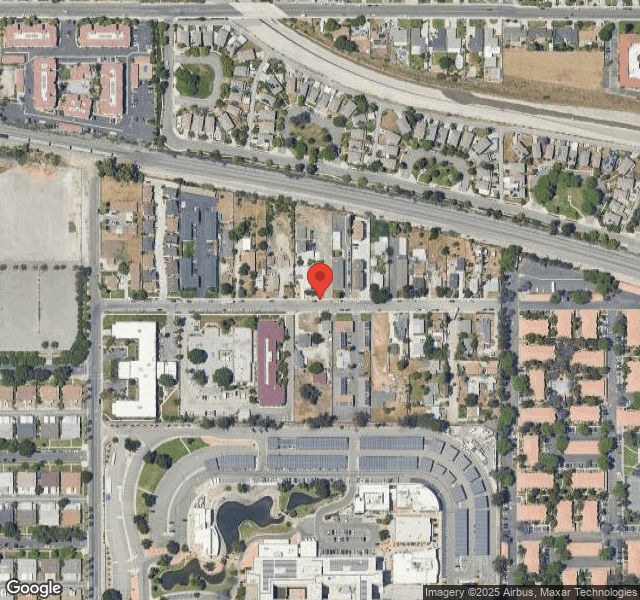
25383 COLE STREET, LOMA LINDA, CA 92354 (909) 796-0235
For profit - Limited Liability company 83 Beds PACS GROUP Data: November 2025
Trust Grade
70/100
#390 of 1155 in CA
Last Inspection: July 2025

Inspected within the last 6 months. Data reflects current conditions.

Overview

Loma Linda Post Acute has a Trust Grade of B, which means it is a good option for families seeking care, indicating solid performance. It ranks #390 out of 1155 facilities in California, placing it in the top half, and #28 out of 54 in San Bernardino County, suggesting only a few local options are better. However, the facility is experiencing a worsening trend, with issues increasing from 2 in 2024 to 10 in 2025. Staffing is a relative strength, with a turnover rate of 35%, which is below the California average, but RN coverage is only average. Notably, the facility has reported no fines, which is a positive sign. However, there have been several concerning incidents, such as unsanitary dish drying racks, food scoops with dry food particles, and expired food items in the refrigerator, all of which could pose health risks to residents. While there are strengths in staffing and no fines, families should be mindful of the recent increase in health and safety issues.

Trust Score
B
70/100
In California
#390/1155
Top 33%
Safety Record
Low Risk
No red flags
Inspections
Getting Worse
2 → 10 violations
Staff Stability
○ Average
35% turnover. Near California's 48% average. Typical for the industry.
Penalties
✓ Good
No fines on record. Clean compliance history, better than most California facilities.
Skilled Nurses
⚠ Watch
Each resident gets only 22 minutes of Registered Nurse (RN) attention daily — below average for California. Fewer RN minutes means fewer trained eyes watching for problems.
Violations
⚠ Watch
30 deficiencies on record. Higher than average. Multiple issues found across inspections.
★★★★☆
4.0
Overall Rating
★★★☆☆
3.0
Staff Levels
★★★☆☆
3.0
Care Quality
★★★★☆
4.0
Inspection Score
Stable
2024: 2 issues
2025: 10 issues

The Good

  • Full Sprinkler Coverage · Fire safety systems throughout facility
  • No fines on record
  • Staff turnover below average (35%)

    13 points below California average of 48%

Facility shows strength in fire safety.

The Bad

Staff Turnover: 35%

10pts below California avg (46%)

Typical for the industry

Chain: PACS GROUP

Part of a multi-facility chain

Ask about local staffing decisions and management

The Ugly 30 deficiencies on record

Jul 2025 9 deficiencies
CONCERN (D)

Potential for Harm - no one hurt, but risky conditions existed

PASARR Coordination (Tag F0644)

Could have caused harm · This affected 1 resident

**NOTE- TERMS IN BRACKETS HAVE BEEN EDITED TO PROTECT CONFIDENTIALITY** Based on interview, and record review, the facility failed to update Resident 30's Pre-admission Screening and Resident Review (...

Read full inspector narrative →
**NOTE- TERMS IN BRACKETS HAVE BEEN EDITED TO PROTECT CONFIDENTIALITY** Based on interview, and record review, the facility failed to update Resident 30's Pre-admission Screening and Resident Review (PASARR - a federally mandated program that requires all individuals seeking admission to a Medicaid-certified nursing facility to be screened to ensure individuals who are identified to have a significant mental illness [SMI], intellectual or developmental disability [I/DD] are not inappropriately placed in skilled nursing facilities for long term care) when Resident 30 did not have his diagnoses of major depressive disorder, and anxiety disorder included in the PASARR assessment used to admit Resident 30 into the skilled nursing facility.This failure had the potential to result in Resident 30 being not accurately assessed regarding the need for supplemental treatment and services to better suite the needs of Resident 30.Findings:During a review of Resident 30's admission Record (contains medical and demographic information), the admission Record, indicated Resident 30 was admitted to the facility on [DATE], with diagnosis which included major depressive disorder (a mental health condition characterized by persistent feelings of sadness, loss of interest in activities, and a diminished ability to function in daily life), and anxiety disorder (a mental health disorder characterized by feelings of worry, anxiety, or fear that are strong enough to interfere with one's daily activities), and Post Traumatic Stress Disorder (PTSD - a mental health condition triggered by experiencing or witnessing a terrifying, shocking, or dangerous event).During a review of Resident 30's Social History Assessment, signed February 12, 2025, the assessment indicated Resident 30 had been taking the medication buspirone (medication commonly used to treat anxiety) oral tablet 15 milligrams (mg - unit of measure) by mouth two times a day to treat anxiety since January 9, 2025. Further review indicated Resident 30 had been taking the medication Fluoxetine (medication commonly used to treat depression) oral tablet 20 mg one time a day to treat depression.During an interview on July 3, 2025, at 8:43 AM, with the Administrator (ADMIN), the ADMIN stated Minimum Data Set Nurse 1 (MDS 1) was responsible for reviewing completion and accuracy of PASARR assessments when residents were admitted into the facility.During a review of Resident 30's PASARR assessment dated [DATE] (PASARR assessment used to admit the resident into the facility), the PASARR indicated NO to the question 9, Diagnosed Serious Mental Illness [SMI]. Does the individual have a serious diagnosed mental disorder such as depressive disorder, anxiety disorder .During a concurrent interview and record review on July 3, 2025, at 9:00 AM, with MDS 1, MDS 1 stated it was her responsibility to review PASARR assessments for all newly admitted residents. Resident 30's PASARR assessment, dated January 9, 2025, was reviewed. The MDS 1 acknowledged the PASARR assessment did not accurately indicate Resident 30 had major depressive disorder, and anxiety disorder. MDS 1 stated it should have been identified that the PASARR did not include Resident 30's diagnoses for depression and anxiety and a revision to the PASARR should have been done, but was not. During a review of the facility's policy and procedure (P&P) titled, admission Criteria, revised March 2019, the policy indicated, .9. All new admissions and readmissions are screened for mental disorders (MD), intellectual disabilities (ID), or related disorders (RD) per the Medicaid Pre-admission Screening and Resident Review (PASARR) process. A. The facility conducts a Level 1 PASARR screen for all potential admissions .to determine if the individual meets the criteria for a MD, ID or RD. B. If the level I screen indicates that the individual may meet the criteria for a MD, ID, or RD, he or she is referred to the state PASARR representative for the Level II (evaluation and determination) screening process 1. The skilled nursing facility admitted the patient and never identified the PASARR discrepancy or revised/updated the PASARR assessment.
CONCERN (D)

Potential for Harm - no one hurt, but risky conditions existed

Deficiency F0646 (Tag F0646)

Could have caused harm · This affected 1 resident

**NOTE- TERMS IN BRACKETS HAVE BEEN EDITED TO PROTECT CONFIDENTIALITY** Based on observation, interview, and record review, the facility failed to notify the State Mental Health authority or the State...

Read full inspector narrative →
**NOTE- TERMS IN BRACKETS HAVE BEEN EDITED TO PROTECT CONFIDENTIALITY** Based on observation, interview, and record review, the facility failed to notify the State Mental Health authority or the State Intellectual Disability authority of a resident's new mental illness diagnosis, when on December 3, 2024, Resident 31 was newly diagnosed with Paranoid Schizophrenia ( a mental disorder that affects a person's ability to think, feel, and behave clearly).This failure had the potential to prevent Resident 31 to receive specialized care and services.Findings:A review of the face sheet (contains demographic information) reveals that Resident 31 was admitted to the facility on [DATE], with diagnoses which include bipolar disorder (a mental health condition characterized by significant and persistent shifts in mood, energy, and activity levels), unspecified dementia (a group of conditions that cause a progressive decline in cognitive abilities, such as memory, thinking, reasoning, and judgment ) with other behavioral disturbance, and post-traumatic stress disorder (a mental health condition that develops after experiencing or witnessing a traumatic event).During a review of Resident 31's clinical record, the clinical record indicated on December 3, 2024, Resident 31 was diagnose with Paranoid Schizophrenia and Schizophreniform Disorder (a mental health condition where individuals experience psychotic symptoms like hallucinations, delusions, and disorganized speech). During a further review of Resident 31's clinical record, there is no documented evidence a PASSAR was completed upon receiving the newly diagnosis and the California Department of Health Services and the State Mental Health Department were not notified. During an interview with the Director of Nurses (DON) on July 2, 2025, at 10:56 AM, the DON stated that the MDS Coordinator is responsible for making the referral to the appropriate state-designated authority when a resident is identified as having an evident or possible Mental Disorder or related condition. During an interview with the MDS Coordinator on July 3, 2025, at 1:33 PM, the MDS Coordinator acknowledged that when there is a new diagnosis of Schizophrenia or a significant change in status was identified in a resident with a mental disorder or intellectual disability, the appropriate state mental health or intellectual disability authority must be promptly notified. The MDS Coordinator stated she can't explain the reason as of why the California Department of Health Services and the State Mental Health Department were not notified regarding Resident 31's new mental diagnosis and a new PASARR was not completed. During a concurrent interview, and record review with the DON on July 3, 2025, at 1:49 PM, the Policy and Procedure (P&P) titled, Psychotropic/Anti-Psychotropic Medication Use/PASSRR last revised on December 2016, was reviewed. The P&P indicated, Residents who are admitted from the community or transferred from a hospital and who are already receiving antipsychotic or psychotropic medications will be evaluated for the appropriateness and indications of use. The interdisciplinary team will (a) Complete PASRR screening (preadmission screening for mentally ill individuals), and facility will see the State program requirements for specific procedures on the completion of PASRR. The DON acknowledged that the facility's P&P was not followed. The DON stated, The facility must notify the state-designated mental health or intellectual disability authority promptly when a resident with MD or ID experiences a significant change in mental or physical status.
CONCERN (D)

Potential for Harm - no one hurt, but risky conditions existed

Deficiency F0676 (Tag F0676)

Could have caused harm · This affected 1 resident

Based on observation, interview, and record review, the facility failed to ensure physical therapy services were provided to one of two residents (Resident 35) sampled for rehabilitative and restorati...

Read full inspector narrative →
Based on observation, interview, and record review, the facility failed to ensure physical therapy services were provided to one of two residents (Resident 35) sampled for rehabilitative and restorative services when Resident 35 did not receive physical therapy four times a week as ordered by the physician.This failure had the potential to contribute to a delay in Resident 35's ability to reach his highest level of physical functioning.Findings:During a concurrent observation and interview on June 30, 2025, at 1:08 PM, Resident 35 was lying in bed. When asked how his physical therapy was going, Resident 35 stated he did not think he was receiving physical therapy as often as he was supposed to.During a review of Resident 35's Physical Therapy Medicare PT [physical therapy] Evaluation & Plan of Treatment (outlines resident current level of functioning, diagnoses, goals and physical therapy treatment plan), dated May 19, 2025, the plan indicated Resident 35's start of care date was May 19, 2025, and Resident 35 had diagnoses which included end stage renal disease (the final, irreversible stage of chronic kidney disease (CKD). It occurs when the kidneys are no longer able to filter waste and excess fluid from the blood at a level sufficient to sustain life. At this point, individuals require dialysis or a kidney transplant), encephalopathy (A broad term for any brain disease that alters brain function or structure). Further review of the plan indicated Resident 35 was to have physical therapy four times a week for four weeks.During a review of Resident 35's care plan (an individualized plan of care for the medical treatment of a resident) titled, ADL [activities of daily living]/mobility, dated March 11, 2025, the care plan indicated, Resident has actual ADL/mobility decline and requires assistance related to encephalopathy .respiratory failure, wounds, ESRD [end stage renal disease] .legally blind . goals for this care plan included, .will have no significant declines in ADLs or mobility .physical therapy referral and treatment as indicated .During a review of Resident 35's physician's orders, an order dated May 19, 2025, indicated, PT [physical therapy 4x/week [four times a week] for 4 weeks.During a review of Resident 35's Service Log Matrix (document which outlines treatment services provided in a calendar layout), the log indicated Resident 35 only received three physical therapy visit sessions on the week of May 26, 2025 (instead of four as ordered by the physician).During a review of Resident 35's Physical Therapy Treatment Encounter Note(s) (notes documented from each physical therapy session), dated May 19, 2025 (start of care), through May 31, 2025, the notes indicated Resident 35 only received three physical therapy visit sessions on the week of May 26, 2025. The resident had a PT visit session on May 26, 28, and 29, of 2025. During a concurrent interview and record review on June 2, 2025, at 12:50 PM, with the Regional Rehab Resource (RRR), Resident 35's clinical record was reviewed. The RRR stated residents were supposed to receive physical therapy services in the frequency as ordered by the physician. The RRR further stated Resident 35 only had three physical therapy sessions during the week of May 26, 2025, and there was a missed visit on May 27, 2025. The RRR stated she was unable to find documentation regarding why the resident only had three physical therapy sessions that week or why the appointment on May 27, 2025 was missed. The RRR stated facility staff were expected to input documentation in the residents clinical record regarding missed visits, but they did not.During a review of the facility's policy and procedure (P&P) titled, Specialized Rehabilitative Services, revised December 2009, the P&P indicated, .2. Specialized rehabilitative services include the following: a. Physical Therapy .3. Therapeutic Services are provided only upon the written order of the resident's Attending Physician .During a review of the facility document titled, Best Practices: Daily Notes, (undated), the document indicated, Required daily for all patients when treatment was rendered or attempted .contains the reason why plan of care was discontinued or modified .include missed or refused treatments .
CONCERN (D)

Potential for Harm - no one hurt, but risky conditions existed

Deficiency F0692 (Tag F0692)

Could have caused harm · This affected 1 resident

**NOTE- TERMS IN BRACKETS HAVE BEEN EDITED TO PROTECT CONFIDENTIALITY** Based on observation, interview, and record review, the facility failed to ensure staff provided nutritional services to one of ...

Read full inspector narrative →
**NOTE- TERMS IN BRACKETS HAVE BEEN EDITED TO PROTECT CONFIDENTIALITY** Based on observation, interview, and record review, the facility failed to ensure staff provided nutritional services to one of one sampled residents (Resident 49) reviewed for dialysis (a procedure to remove waste products and excess fluid from the blood when the kidneys no longer function) when Resident 49 was not provided a sack lunch on multiple days in May 2025, and June 2025.This failure had the potential for Resident 49 to experience undesirable weight loss.Findings:During a review of Resident 49's admission Record (contains medical and demographic information), the admission Record, indicated Resident 49 was admitted to the facility on [DATE], with diagnoses which included chronic kidney disease (a condition where the kidneys are damaged and can't filter blood as well as they should), dependence on renal dialysis (the state where an individual's kidneys have permanently failed and they require regular dialysis treatments to sustain life), anemia in chronic kidney disease (condition in which the body does not have enough healthy red blood cells to carry oxygen to the organs), and sepsis (a serious condition in which the body responds improperly to an infection).During a concurrent observation and interview on June 30, 2025, at 9:17 AM, Resident 49 was lying in bed and stated he underwent dialysis three times each week.During an interview on June 30, 2025, at 2:56 PM, Resident 49 stated last Saturday June 28, 2025, he had dialysis but he didn't receive a sack lunch to take with him. Resident 49 further stated sometimes staff is behind and don't prepare his lunch in time before he leaves for dialysis and he gets really hungry because he also sometimes doesn't have breakfast. Resident 49 was unable to remember specifically what dates he didn't receive a sack lunch but stated it occurred on multiple occasions. During a review of Resident 49's physician's orders, an order dated May 21, 2025, indicated Resident 49 was to have dialysis procedures three times a week on Tuesday, Thursday and Saturday at an outside facility.During a review of Resident 49's Hemodialysis Communication Observation/Assessment (a document used to record the assessment of a dialysis patient before dialysis, at the dialysis center, and after dialysis upon return to the facility), dated May 1, 2025, through June 25, 2025, the assessments dated May 8, 2025, May 24, 2025, May 29, 2025, May 31, 2025, June 19, 2025, and June 24, 2025, all indicated No to the question whether a sack meal was provided to the resident for his dialysis appointment.During a review of Resident 49's clinical record, the facility's Electronic Health Record (EHR) indicated Resident 49 dry post dialysis weight (resident's weight without excess fluid accumulated between dialysis treatments) on April 3, 2025, was 174 pounds and Resident 49's dry post dialysis weight on July 1, 2025, was 165 pounds (5.17% weight loss).During a review of Resident 49's physician's orders, an order dated May 28, 2025, indicated Resident 49 was on a Renal diet [eating plan designed specifically for people with kidney disease or those on dialysis], mechanical soft texture [foods that have been altered to be easily chewed and swallowed], thin liquids consistency. In addition, a physician's order dated May 28, 2025, indicated, [name of nutritional supplement drink] 8 oz [ounces] 1 [one] time a day for supplement.During an interview on July 3, 2025, at 9:34 AM, with the Director of Nursing (DON), the DON stated Resident 49 was supposed to receive a sack lunch to take with him every day he has dialysis. The DON further stated he was supposed to receive sack lunches for his dialysis since the time he was first admitted since he was on dialysis when he came to the facility. The DON stated it was the responsibility of the nurse who admitted him at the facility to ensure a physician's order for a sack lunch was obtained from the doctor. The DON stated that was never done for the resident, but should have been.During a review of the facility's policy and procedure (P&P) titled, Dialysis, Coordination of Care and Assessment, revised March 2024, the P&P indicated, .While at the skilled facility: this facility has direct responsibility for the care of the resident, including the customary standard care provided by the facility and the following: .6. Notification of dietary for need of sack lunch on dialysis days will be done .11. Providing and monitoring any special diets.
CONCERN (D)

Potential for Harm - no one hurt, but risky conditions existed

Deficiency F0697 (Tag F0697)

Could have caused harm · This affected 1 resident

**NOTE- TERMS IN BRACKETS HAVE BEEN EDITED TO PROTECT CONFIDENTIALITY** Based on observation, interview, and record review, the facility failed to ensure nursing staff provide a complete pain assessme...

Read full inspector narrative →
**NOTE- TERMS IN BRACKETS HAVE BEEN EDITED TO PROTECT CONFIDENTIALITY** Based on observation, interview, and record review, the facility failed to ensure nursing staff provide a complete pain assessment when a Licensed Vocational Nurse 3 (LVN 3) and a Registered Nurse Supervisor 1 (RNS 1) were observed not performing a complete pain assessment during an emergency for Resident 278 who was experiencing chest pain.This failure had the potential to cause Resident 278 to experience a decline in health status and function.Findings:A record review of Resident 278's Face Sheet (a document which contains basic information about the resident) indicated Resident 278 was admitted to the facility on [DATE], with diagnoses which included presence of prosthetic heart valve (an artificial valve implanted to replace a damaged or diseased heart valve), paroxysmal atrial fibrillation (a condition where the upper chambers of the heart beat irregularly and rapidly), and hypertension (high blood pressure).During an observation On July 2, 2025, at 5:28 AM, A certified nursing assistant informed licensed vocational Nurse 3 ( LVN 3) Resident 278 was experiencing pain. Upon arriving at Resident 278's room, Resident 278 was found in bed, supine, on room air, and covered with a blanket up to the neck. LVN 3 asked Resident 278 about the pain's location and intensity on a 0-10 scale. Resident 278 stated, the pain is 10/10 in the middle. LVN 3 said, The doctor prescribed Norco for pain; I will give you Norco. There were no further pain assessment done concerning the chest pain. LVN 3 proceeded to check Resident 278's vital signs. Resident 278 vital signs were as follows: blood pressure 121/66, heart rate 82, and oxygenation was 90% on room air. Resident 278 was able to sit up, scoot to the bed's edge, and place both feet on the floor. During an observation on July 2, 2025, At 5:38 AM, Registered Nurse Supervisor 1 (RNS 1) arrived at the scene, RNS 1 asked Resident 278 about the pain's location and intensity, and Resident 278 reiterated it was 10/10 in his mid-chest. RNS 1 informed Resident 278 that she needed to call 911 and left the room. There was no further pain assessment by RNS 1.During an Interview with LVN 3 on July 2, 2025, at 6:45 AM, LNV 3 was asked to describe the facility's protocol, pain assessment, and interventions for chest pain. LVN 3 stated, I called the Registered nurse supervisor, and then she called 911 because the patient was having chest pain. There was no further explanation given concerning pain assessment procedures.A review of LVN 3's Performance Evaluation, dated June 24, 2024, in the Self-Evaluation section, completed by LVN 3 indicated, In what areas associated with your job would you like more training? LVN3 responded: Patient assessment.During a review of the LVN job description on July 2, 2025, at 10:41 AM, with the director of staff development (DSD), the LVN job description was reviewed. It indicated a LVN Must demonstrate knowledge and skills necessary to provide care appropriate to the age-related needs of the residents served. Must possess the ability to make independent decisions when circumstances warrant such actions . must be knowledgeable of nursing and medical practices and procedures, as well as laws regulations and guidelines that pertain to nursing care facilities . Must possess the ability to plan, organize, develop, implement, and interpret the programs, goals, objectives, policies and procedures, etc., that are necessary for providing quality care. LVN 3 actions did not follow the expectations detailed in the job description.During an interview with RNS 1 on July 2, 2025, at 7:04 AM, RNS 1 was asked to describe the facility's protocol, pain assessment, and interventions for chest pain. RNS 1 stated, we go in, look at the residents and make an assessment. When asked how she completes a chest pain assessment, the RNS 1 said that when a resident complains of chest pain, it is the facility's protocol to call 911. When questioned about the thoroughness of her pain assessment in relation to the residents' symptoms, RNS 1 did not provide a further explanation. RNS 1 was unable to explain how she completed a chest pain assessment and repeatedly said we call 911. There was no further explanation given concerning pain assessment procedures. During a review of RNS 1's Performance Evaluation, dated May 21, 2025, the Self-Evaluation section, completed by RNS 1, indicated, In what areas associated with your job would you like more training? RNS 1 responded: NADuring a review of the RN job description on July 2, 2025, at 10:41 AM with DSD, the RNS job description was reviewed. It indicated, .Perform skilled care assessments. Respond to and monitor care issues and changes in condition. Coordinate and respond to medical emergencies. Report significant findings or changes in condition and potential concerns to the director of nursing. Oversee direct care activities to ensure care delivery is consistent and follows policies and procedures. RNS 1 actions did not follow the expectations detailed in the job description.During an interview and record review with the Director of Nursing (DON) on July 3, 2025, at 8:12 AM, the facility's Policies and Procedure (P&P) titled, Staffing, Sufficient and Competent Nursing revised August 2022, was reviewed. The P&P states, .3) Staff must demonstrate the skills and techniques necessary to care for resident needs including but not limited to the following areas: residents rights, behavioral health, psychosocial care, dementia care, person centered care, communication, basic nursing skills, basic restorative services, skin and wound care, medication management, pain management, infection control, identification of change in condition, and cultural competency.The DON acknowledged that facility's P&P was not followed.During an interview and record review with the DON on July 3, 2025, at 8:12 AM, the facility's P&P titled, Pain Assessment and Management, dated 2001, was reviewed.The P&P indicated, assessing Pain.B. Characteristics of a pain, including: 1. location 2, intensity 3. Description 4. Pattern 5. Frequency, timing, and duration. f. symptoms that accompany pain (example nausea, anxiety)The DON acknowledged the facility's P&P was not followed.
CONCERN (D)

Potential for Harm - no one hurt, but risky conditions existed

Deficiency F0698 (Tag F0698)

Could have caused harm · This affected 1 resident

**NOTE- TERMS IN BRACKETS HAVE BEEN EDITED TO PROTECT CONFIDENTIALITY** Based on observation, interview, and record review, the facility failed to ensure staff provided assessment and monitoring for o...

Read full inspector narrative →
**NOTE- TERMS IN BRACKETS HAVE BEEN EDITED TO PROTECT CONFIDENTIALITY** Based on observation, interview, and record review, the facility failed to ensure staff provided assessment and monitoring for one of one sampled residents (Resident 49) reviewed for dialysis (a procedure to remove waste products and excess fluid from the blood when the kidneys no longer function) when there was no documented evidence staff assessed Resident 49's dialysis access site (the location where a dialysis machine is connected to a patient) after Resident 49 dialysis procedure on June 14, 2025, and June 17, 2025. This failure had the potential for a delay in the staff identification and subsequent treatment of possible dialysis associated complications such as symptoms of infection, bleeding or dislodgement of the dialysis access site for Resident 49. Findings:During a review of Resident 49's admission Record (contains medical and demographic information), the admission Record, indicated Resident 49 was admitted to the facility on [DATE], with diagnoses which included chronic kidney disease (a condition where the kidneys are damaged and can't filter blood as well as they should), dependence on renal dialysis (the state where an individual's kidneys have permanently failed and they require regular dialysis treatments to sustain life), anemia in chronic kidney disease (condition in which the body does not have enough healthy red blood cells to carry oxygen to the organs), and sepsis (a serious condition in which the body responds improperly to an infection).During a concurrent observation and interview on June 30, 2025, at 9:17 AM, Resident 49 was lying in bed and stated he underwent dialysis three times each week.During a review of Resident 49's physician's orders, an order dated May 21, 2025, indicated Resident 49 was to have dialysis procedures three times a week on Tuesday, Thursday and Saturday at an outside facility.During a review of Resident 49's care plan (a medical plan of care) titled, Dialysis, dated January 7, 2024. The care plan indicated, The resident needs hemodialysis r/t [related to] renal failure .Goal .The resident will have immediate intervention should any s/sx [sign and symptoms] of complications from dialysis occur . Interventions listed for this care plan indicated, .Monitor/document/report PRN [as needed] any s/sx of infection to access site: redness, swelling, warmth or drainage .Monitor/document/report PRN [as needed] s/sx of the following: bleeding, hemorrhage .During a review of Resident 49's Hemodialysis Communication Observation/Assessment (a document used to record the assessment of a dialysis patient before dialysis, at the dialysis center, and after dialysis upon return to the facility), dated June 14, 2025, the tool indicated for the section that was supposed to be completed by facility staff upon return to the facility post dialysis treatment to be completed by Licensed Nurse Post dialysis treatment, it was blank next to Access site: swelling, redness, drainage, pain, or no complications. In addition, the section for Resident General condition upon return to facility . was left blank, and the section for pain level and location was left blank.During a review of Resident 49's Hemodialysis Communication Observation/Assessment, dated June 17, 2025, the tool indicated for the section that was supposed to be completed by facility staff upon return to the facility post dialysis treatment to be completed by Licensed Nurse Post dialysis treatment, it was blank next to Access site: swelling, redness, drainage, pain, or no complications.During a concurrent interview and record review on July 3, 2025, at 9:34 AM, with the Director of Nursing (DON), Resident 49's Hemodialysis Communication Observation/Assessments, dated June 14, 2025, and June 15, 2025, were reviewed. The DON stated staff were supposed to assess the access site and status of dialysis residents upon their return to the facility post dialysis to ensure there was no complications or bleeding from the access site. The DON further stated it was important that residents were assessed immediately upon return to the facility because a lot can change quickly if there were complications. The DON stated staff should have done the assessment of the resident and documented it (their assessment) of the resident on the Hemodialysis Communication Observation/Assessment, notes dated June 14, 2025, and June 17, 2025, but they did not.During a review of the facility's policy and procedure (P&P) titled, Dialysis, Coordination of Care and Assessment, revised March 2024, the P&P indicated, .While at the skilled facility: this facility has direct responsibility for the care of the resident, including the customary standard care provided by the facility and the following: Assessment of the resident, including: .the condition of the resident's dialysis access site or device .a description of the resident's general condition .
CONCERN (D)

Potential for Harm - no one hurt, but risky conditions existed

Deficiency F0761 (Tag F0761)

Could have caused harm · This affected 1 resident

Based on observation, interview, and record review, the facility failed to ensure all drugs and biologicals stored in the facility were not expired when on July 2, 2025, three over-the-counter bottles...

Read full inspector narrative →
Based on observation, interview, and record review, the facility failed to ensure all drugs and biologicals stored in the facility were not expired when on July 2, 2025, three over-the-counter bottles of medications were found to be stored in the medication storage room past their expiration date. This failure had the potential for the expired medications to be accessed and administered to a vulnerable population of 77 residents, potentially resulting in altered effectiveness of the medication and worsening of the residents' symptoms, requiring medical intervention.Findings:On July 2, 2025, at 7:21 AM during the inspection of the medication storage room, three over the counter bottles of expired medications were found stored in a medication cabinet: Simethicone ( a medication used for gas) expired January 2025, Vitamin A - expired June 2024, and Vitamin B complex - expired September 2024.During an interview with the Registered Nurse Supervisor (RNS) on July 2, 2025, at 7:25 AM, the RNS acknowledged that the Simethicone, Vitamin A, and Vitamin B complex medications were expired and stated, these should have been discarded since they're expired.During a concurrent interview and record review of the Policy and Procedure (P&P) titled, Medication Storage in the Facility dated June 2016, the P&P was reviewed with the Director of Nurses (DON) on July 2, 2025, at 9:03AM. The P&P indicated, All expired medications will be removed from the active supply and destroyed in the facility, regardless of amount remaining. The medication will be destroyed in the usual manner. The DON stated the medication should have been discarded and replaced.During a concurrent interview and record review, the P&P titled, Storage of Medications, revised April 2007, the P&P was review with the DON on July 2, 2025 at 9:03 AM. The P&P indicated, 4. The facility shall not use discontinued, expired, or deteriorated drugs and biologicals. The DON stated that the Simethicone - expiration date January 2025, Vitamin A - expiration date July 2024, and Vitamin B complex - expiration date September 2024 should have been discarded and replaced. The DON acknowledged that the facility's P&P were not followed.
CONCERN (F)

Potential for Harm - no one hurt, but risky conditions existed

Food Safety (Tag F0812)

Could have caused harm · This affected most or all residents

Based on observation, interview, and record review, the facility failed to ensure dishwashing equipment and food serving utensils were kept in a sanitary condition when:1. The dish drying racks were f...

Read full inspector narrative →
Based on observation, interview, and record review, the facility failed to ensure dishwashing equipment and food serving utensils were kept in a sanitary condition when:1. The dish drying racks were found to be unsanitary.2. Three scoops stored in a clean storage drawer were found to have dry food particles sticking on the inside part of the scoops.3. Four (4) bags of wheat tortilla were found in the refrigerator past expiration date of June 25, 2025.These failures had the potential to cause cross-contamination of food prepared in the kitchen which can cause severe illness and even be fatal for the 77 vulnerable residents who resided at the facility.Findings:1. During the dishwasher area inspection on July 1, 2025, at 9:42 AM, the dish drying racks (sanitized dishes are placed on these dish racks to air dry) were observed to have significant amount of black-colored substance build-up, scratches, cracks and corrosions in the interior and exterior walls and on the supporting pillars of the drying racks.During an interview with the Director of Kitchen 1 (DOK 1) on July 1, 2025, at 9:50 AM, the DOK 1 confirms the problem and recognizes the risk of food becoming cross contaminated due to the unsanitary drying racks. DOK 1 explained that she had been trying to order new drying racks for some time, but the supplier has been taking longer than expected to ship them. 2. During the inspection of kitchen drawers on July 1, 2025, at 10:03 AM, three scoops with dry food residue sticking on the inside of the scoops were found stored in a clean drawer among other clean scoops.During an interview with DOK 1 on July 1, 2025 at 10:03 AM, the DOK 1 confirmed three scoops with dry food residue sticking on the inside of the scoops were found stored in a clean drawer among other clean scoops. DOK 1 can't explain why these unsanitary scoops are stored in a clean drawer with other clean scoops.3. During an inspection of the walk-in refrigerator on June 30, 2025, at 7:56 AM, four (4) bags of wheat tortilla with an expiration date of June 25, 2025, were found on the shelf.During an interview with DOK 1 on June 30, 2025 at 7:56 AM, DOK 1 confirmed the expired tortilla bags found in the refrigerator. DOK 1 further stated they should have been discarded on June 25, 2025, rather than being kept on the shelf. During a concurrent interview and record review on July 2, 2025, at 10:52 AM with DOK 1, the facility's undated Policy and Procedure (P&P) titled, Sanitation was reviewed.The P&P indicated, 1. The Food and Nutrition Services Director (FNSD) is responsible for training employees in sanitation fundamentals and ensuring the use of proper techniques . 3. The FNSD is tasked with selecting and ordering all necessary equipment for the Food and Nutrition Service Department after consulting with the Administrator and Facility Registered Dietitian as needed . 11. All utensils, counters, shelves, and equipment must be clean, well-maintained, and free from breaks, corrosion, open seams, cracks, and chipped areas.DOK 1 stated the P&P were not followed.During a concurrent interview and record review on July 2, 2025, at 10:52 AM with DOK 1, the facility's undated P&P titled, Storage of Food and Supplies, was reviewed.The P&P indicated, No food will be kept longer than the expiration date on the product.The DOK 1 stated the P&P were not followed.During a record review of the FDA Federal Food Code, dated 2022, 4-601.11 indicated, (C) Non-FOOD-CONTACT SURFACES of EQUIPMENT shall be kept free of an accumulation of dust, dirt, FOOD residue, and other debris. in addition, The objective of cleaning focuses on the need to remove organic matter from food-contact surfaces so that sanitization can occur and to remove soil from nonfood contact surfaces so that pathogenic microorganisms will not be allowed to accumulate and insects and rodents will not be attracted.
MINOR (B)

Minor Issue - procedural, no safety impact

Deficiency F0577 (Tag F0577)

Minor procedural issue · This affected multiple residents

Based on observation, interview, and record review, the facility failed to post the results of the facility's most recent recertification survey when it was discovered the survey results were not post...

Read full inspector narrative →
Based on observation, interview, and record review, the facility failed to post the results of the facility's most recent recertification survey when it was discovered the survey results were not posted anywhere in the facility.This failure resulted in residents and visitors inability to read the survey results and assess facility's compliance with regulations which directly impacts their well-being and quality of life within the skilled nursing facility.Findings:During an observation on July 3, 2025, at 10:40 AM, a binder titled, Survey Results Binder 2022, 2023, 2024 was observed to be posted on the wall in one of the main hallways of the facility. Upon review of the contents of the binder, there was no survey information in the binder for the facility's recertification survey in 2024.During a concurrent observation and interview on July 3, 2025, at 10:43 AM, with the Administrator (ADMIN), the ADMIN stated the facility's previous recertification survey results were supposed to be in the survey binder. The ADMIN reviewed the survey binder and stated he did not know why the most recent survey results from 2024 were not in the binder. The ADMIN further reviewed the binder and stated he did not realize only complaints were in the binder. The ADMIN stated the facility did not post the survey results anywhere else in the facility and the only place it was supposed to be posted was in the survey binder. During a review of the facility's policy and procedure (P&P) titled, Examination of Survey Results, revised April 2017, the P&P indicated, Survey reports and plans of correction are readily accessible to the resident, family members, resident representatives and to the public .2. A copy of the most recent survey report and any plans of correction are kept in a binder in the residents' day room .
May 2025 1 deficiency
CONCERN (D) 📢 Someone Reported This

A family member, employee, or ombudsman was alarmed enough to file a formal complaint

Potential for Harm - no one hurt, but risky conditions existed

Accident Prevention (Tag F0689)

Could have caused harm · This affected 1 resident

**NOTE- TERMS IN BRACKETS HAVE BEEN EDITED TO PROTECT CONFIDENTIALITY** Based on observation, interview, and record review, the facility failed to ensure adequate supervision was provided to prevent a...

Read full inspector narrative →
**NOTE- TERMS IN BRACKETS HAVE BEEN EDITED TO PROTECT CONFIDENTIALITY** Based on observation, interview, and record review, the facility failed to ensure adequate supervision was provided to prevent avoidable accidents for one of three sampled residents (Resident1). When Resident 1 fell out of bed. This failure contributed to Resident 1 being sent out to acute hospital for evaluation. Findings: During review of Residents 1's admission Record (general demographics), the document indicated Resident 1 was admitted to the facility on [DATE], with diagnoses to include: pulmonary edema (excess fluid in lungs), abnormalities of gait and mobility, hypertension (high blood pressure), acute and chronic respiratory failure (lungs cannot exchange oxygen properly), colon cancer (cancer in rectum). During a concurrent interview and record review of Resident 1's Medical Record with the Director of Nursing (DON) reviewed and verified the following: 1. Fall risk assessment on admission March 28, 3025, High Risk=18. 2. Careplan: Falls: Resident is at risk for falls with or without injury related to altered balance while standing and/or walking, unsteady gait, UNWITNESSED-FALL Date Initiated: 04/16/2025, Created on: 03/28/2025. 3. Change of Condition Fall April 16, 2025: Sleeping when round was made alert with forgetfulness and confusion, needs assistance with Activities of Daily Living (ADL). At 1:30AM, Certified Nursing Assistant (CAN) assigned reposition resident and resident go back to sleep. 3:30AM resident changed she had a Bowel movement (BM) and around 4AM resident calling for help noted on the floor in her back in between her room door. Body assessment done, vital signs and neuro check initiated, no visual injury noted. During an interview on May 08, 2025, with Director of Nursing (DON) DON states, I explained to resident son about the rails, we have the grab bars upper bars. It's considered a restraint, I was notified after the fall about family requesting bedrails. After fall, I told the Resident son we will place her at nurse station. Bed was at lowest position, we were constantly and reminding her to use call light. She was not ambulatory. When she did have a fall, we did a (COC) and sent her out for eval. I offered interventions of room change near nurse station, we had already care planed it. I would do a medication review as well. The nurse station is in middle, this resident was not by nurse station but it was in a busy hallway. During a review of the facility's policy and procedure titled, Fall and Fall Risk Managing revised [March 2018], the policy and procedure indicated, Based on previous evaluations and current data, the staff will identify interventions related to the resident's specific risks and causes to try to prevent the resident from falling and to try to minimize complications from falling. During a review of the facility's policy and procedure titled, Falls- Clinical Protocol revised [March 2018], the policy and procedure indicated, The physician will help identify individuals with a history of falls and risk factors for falling. a. Staff will ask the resident and the caregiver or family about a history of falling. b. The staff and physician will document in the medical record a history of one or more recent falls (for example, within 90 days). c. While many falls are isolated individual incidents, a few individuals fall repeatedly. Those individuals often have an identifiable underlying cause. The physician will help identify individuals with a history of falls and risk factors for falling. a. Staff will ask the resident and the caregiver or family about a history of falling. b. The staff and physician will document in the medical record a history of one or more recent falls (for example, within 90 days). c. While many falls are isolated individual incidents, a few individuals fall repeatedly. Those individuals often have an identifiable underlying cause.
Jun 2024 1 deficiency
CONCERN (D)

Potential for Harm - no one hurt, but risky conditions existed

MDS Data Transmission (Tag F0640)

Could have caused harm · This affected 1 resident

Based on interview, record review, document review, and facility policy review, the facility failed to complete and transmit a discharge Minimum Data Set (MDS) for 1 (Resident #22) 1 sampled residents...

Read full inspector narrative →
Based on interview, record review, document review, and facility policy review, the facility failed to complete and transmit a discharge Minimum Data Set (MDS) for 1 (Resident #22) 1 sampled residents reviewed for resident assessment. Findings included: A facility policy titled, Resident Assessments, revised in 03/2022, indicated, A comprehensive assessment of every resident's needs is made at intervals designated by OBRA and PPS requirements. The resident assessment coordinator is responsible for ensuring that the interdisciplinary team conducts timely and appropriate resident assessments and reviews according to the following requirements: a. OBRA required assessments - conducted for all residents in the facility: (1) admission Assessment; (2) Quarterly Assessment; (3) Annual Assessment; (4) Significant Change in Status Assessment; (5) Significant Correction to Prior Comprehensive Assessment; (6) Significant Correction to Prior Quarterly Assessment; and (7) (7) Discharge Assessment. The Centers for Medicare & Medicaid Services Long-Term Care Facility Resident Assessment Instrument [RAI] 3.0 User's Manual, dated 10/2023, indicated, Discharge assessment refers to an assessment required on resident discharge from the facility. An admission Record indicated the facility readmitted Resident #22 on 09/10/2022. According to the admission Record, Resident #22 discharged from the facility on 03/13/2024. Resident #38's medical record revealed no evidence to indicate a discharge MDS was completed. During an interview on 06/20/2024 at 8:34 AM, the MDS Coordinator stated Resident #22 was discharged on 03/13/2024. The MDS Coordinator stated a discharge MDS was not completed for Resident #22, and she was just made aware that it was not completed. Per the MDS Coordinator, she had 14 days to complete and submit a discharge MDS after a resident discharged from the facility. During an interview on 06/20/2024 at 9:22 AM, the Director of Nursing (DON) stated the discharge MDS for Resident #22 was not completed or submitted. The DON stated, the discharge MDS for Resident #22 was missed. According to the DON, a discharge MDS should have been completed and submitted for Resident #22. The DON stated she expected MDS assessments to be completed accurately and submitted timely. During an interview on 06/20/2024 at 9:45 AM, the Administrator stated he expected MDS assessments to be accurately completed and submitted timely.
Jun 2024 1 deficiency
CONCERN (D) 📢 Someone Reported This

A family member, employee, or ombudsman was alarmed enough to file a formal complaint

Potential for Harm - no one hurt, but risky conditions existed

Quality of Care (Tag F0684)

Could have caused harm · This affected 1 resident

**NOTE- TERMS IN BRACKETS HAVE BEEN EDITED TO PROTECT CONFIDENTIALITY** Based on interview and record review, the facility failed to report a possible overdose of narcotics for one of three sampled re...

Read full inspector narrative →
**NOTE- TERMS IN BRACKETS HAVE BEEN EDITED TO PROTECT CONFIDENTIALITY** Based on interview and record review, the facility failed to report a possible overdose of narcotics for one of three sampled residents (Resident 1) per the facility policy of within 24 hours to the state agency. This failure had the potential for the possible overdose of narcotics to go uninvestigated and unreported thereby increasing the chances of potential harm to (Resident 1). Findings: During review of Residents 1's admission Record (general demographics), the document indicated Resident 1 was admitted to the facility on [DATE], with diagnoses to include: chronic respiratory failure (lungs cannot get enough oxygen), end stage renal disease (loss of kidney function), type 2 diabetes (condition affecting how body processes sugar), renal dialysis (treatment to filter blood), post-traumatic stress disorder (disorder in which a person has difficulty recovering for experiencing or witnessing a terrifying event). During a review concurrent interview and record review of Resident 1's Medical Record with the Director of Nursing (DON), reviewed are as follows: 1. Nurse Note dated [DATE], at 8:25AM LATE ENTRY: Patient was sent to acute hospital for unresponsiveness with shallow breathing, Vital Signs: Blood Pressure 105/53, Pulse 93, Respirations 18, Temperature 96.9, 0xygen 67%, unprescribed and unlabeled opened bottle of pills was found on bedside table. Called paramedics at 08:00, paramedics arrived at 08:03, left at 08:15 to emergency department on gurney. Doctor and POA were notified. Power of Attorney (POA) asked if her brother had visited and stated that her brother has a history of providing patient with narcotics. When l called brother, he stated Where did he get the pills from. Bottle of pills were not noted in patient's room in undersigned's previous shift nor during change of shift when getting bedside report from NOC shift nurse on [DATE], at 07:15, then at 07:45 checked on patient again and did not notice any distress. Notice of transfer sent to Ombudsman. 2. Situation Background Assessment Recommendation (SBAR) Communication Form /Change of Condition dated [DATE]. 2024 at 10:45: Unresponsiveness; Called 911, resident had unprescribed and unlabeled pills at bedside. 3. Acute hospital emergency department admitted [DATE], Diagnosis: cardiac arrest, opioid overdose intentional self-harm, initial encounter, hyperkalemia (high potassium levels), and End Stage Renal Disease. Suspected Norco overdose with cardiac arrest. 4. Fax notification of incident dated [DATE], 10:01AM, to California Department of Public Health (CDPH) and Ombudsman. Investigation from DON dated [DATE] . Following the conclusion of this investigation, we submitted the report to CDPH as an unusual occurrence due to a verbal report from the [acute hospital] Social Worker that resident had expired at emergency room due to overdose medications despite the facility having no valid hospital clinical record. (Incident took place [DATE].) During an interview on [DATE], with the Director of Nursing DON (DON), the DON stated, The incident happened on [DATE], we sent out Resident 1. We were waiting for the call from the hospital and family regarding update. Then the social worker from the hospital came in on [DATE], that's the day we called the district office to report, I left a message on direct line, and I left a message on answering machine on the supervisor assigned to our facility. I faxed the reporting documents to the district office [DATE]. Yes, I can agree based on the policy reviewed, the reporting was late, it should have been reported that day. During a review of the facility's policy and procedure titled, Unusual Occurrence Reporting revised [DATE], the policy and procedure indicated: As required by federal or state regulations, our facility reports unusual occurrences or other repo1table events which affect the health, safety, or welfare of our residents, employees or visitors . 2.Unusual occurrences shall be reported via telephone to appropriate agencies as required by current law and/or regulations within twenty-four (24) hours of such incident or as otherwise required by federal and state regulations. 3.A written report detailing the incident and actions taken by the facility after the event shall be sent or delivered to the state agency (and other appropriate agencies as required by law) within forty-eight (48) hours of reporting the event or as required by federal and state regulations.
Dec 2023 1 deficiency
CONCERN (D) 📢 Someone Reported This

A family member, employee, or ombudsman was alarmed enough to file a formal complaint

Potential for Harm - no one hurt, but risky conditions existed

Quality of Care (Tag F0684)

Could have caused harm · This affected 1 resident

**NOTE- TERMS IN BRACKETS HAVE BEEN EDITED TO PROTECT CONFIDENTIALITY** Based on interview, and record review, the facility failed to follow the physician ' s order for blood glucose level (the amount...

Read full inspector narrative →
**NOTE- TERMS IN BRACKETS HAVE BEEN EDITED TO PROTECT CONFIDENTIALITY** Based on interview, and record review, the facility failed to follow the physician ' s order for blood glucose level (the amount of sugar in the blood) monitoring for one of three sampled diabetic (residents with diagnosis of diabetes mellitus [DM- a health condition that affects how your body turns food into energy]) residents (Resident 1). This failure had the potential to cause conditions related to DM such as hypoglycemia (low blood sugar level) and hyperglycemia (high blood sugar level) to remain undetected and cause medical complications. Findings: A review of Resident 1 ' s admission Record (AR), dated December 12, 2023, indicated Resident 1 was admitted to the facility on [DATE], with a diagnosis of diabetes mellitus among others. During an interview on December 12, 2023, at 10:06 AM with the Licensed Vocational Nurse 1 (LVN 1), LVN 1 stated Resident 1 has an order for Insulin Glargine (a long-acting insulin [a medication used to lower blood sugar]) and blood sugar monitoring prior to insulin administration. A review of Resident 1 ' s Order Summary, dated November 26, 2023, indicated, . (Insulin Glargine) Inject 10 unit subcutaneously (injected under the skin) at bedtime for dm type 1 Accucheck (a term used to check blood sugar level) with fingerstick (pricking of a finger to obtain a small sample of blood) prior to insulin as ordered given . During a concurrent interview and record review on December 12, 2023, at 10:55 AM, with the Infection Preventionist (IP- a licensed nurse), Resident 1 ' s Medication Administration Record (MAR). for the dates November 26, 2023, to December 11, 2023, were reviewed. The IP stated there were no blood sugar level check done before the insulin was administered at bedtime during the reviewed dates. During a concurrent interview and record review on December 20, 2023, at 5:39 PM, with the Director of Nursing (DON), the facility ' s policy and procedure (P&P) titled, Insulin Administration, revised September 2014 was reviewed. The P&P indicated, .To provide guidelines for the safe administration of insulin to residents with diabetes .Steps in the procedure .2. Check blood glucose per physician order or facility protocol . The DON stated Resident 1 ' s blood sugar level should have been checked as ordered by the physician.
Dec 2023 1 deficiency
CONCERN (D) 📢 Someone Reported This

A family member, employee, or ombudsman was alarmed enough to file a formal complaint

Potential for Harm - no one hurt, but risky conditions existed

Accident Prevention (Tag F0689)

Could have caused harm · This affected 1 resident

**NOTE- TERMS IN BRACKETS HAVE BEEN EDITED TO PROTECT CONFIDENTIALITY** Based on observation, interview, and record review, the facility failed to protect one of three sampled residents (Resident 1) f...

Read full inspector narrative →
**NOTE- TERMS IN BRACKETS HAVE BEEN EDITED TO PROTECT CONFIDENTIALITY** Based on observation, interview, and record review, the facility failed to protect one of three sampled residents (Resident 1) from injury when the Certified Nurse Assistant 1 (CNA 1) was assisting Resident 1 from a standing position and held Resident 1 with one hand, while reaching for the wheelchair with the other hand during transfer from bed to wheelchair. Resident 1's knees lost postural stability while standing. This failure resulted in Resident 1 falling and sustaining a fractured pelvis (hip bone). Findings: During an interview of on December 7, 2023, at 1:35 PM with Resident 1, Resident 1 stated she had a fall incident, but was unable to give details about it. During a review of Resident 1's admission Record (AR) , dated December 7, 2023, the AR indicated Resident 1 was admitted to the facility on [DATE], with diagnoses that included senile (poor mental ability because of old age) degeneration of brain and hemiplegia (paralysis on one side of the body) and hemiparesis (weakness on one side of the body) following cerebral infarction (disrupted blood flow to the brain) affecting left non-dominant side. During a review of Resident 1's History and Physical (H&P-a brief documentation of a resident's medical condition), dated November 27, 2023, the H&P indicated, Resident 1 has fluctuating capacity to understand and make decisions. During a review of Resident 1's Section GG- Functional Abilities and Goals, dated November 9, 2023, the Section GG indicated Resident 1 uses wheelchair for mobility and requires partial/moderate assistance during transfers from bed to wheelchair. During a concurrent interview and record review on December 7, 2023, at 4:06 PM with the Director of Nursing (DON), Resident 1's Progress Notes (PN), dated November 17, 2023, was reviewed. The PN indicated, Patient (Resident 1) fell on floor on left side of body during a transfer from bed to wheelchair. CNA turned around to reach for the wheelchair when patient fell . The DON stated the CNA referred on the PN is CNA 1. The DON stated CNA 1 was assisting Resident 1 with both hands while standing up from bed when CNA 1 turned and grabbed the wheelchair with her right hand. Resident 1's legs lost stability while standing and fell to the floor while being held by CNA 1. The DON further stated Resident 1 was eventually sent to the hospital on the same day. During a record review on December 7, 2023, at 4:25 PM with the Director of Nursing (DON), Resident 1's Adult Trauma H&P/Consult from (Name of Hospital), dated November 18, 2023, was reviewed. The H&P indicated Resident 1 had a fall incident and underwent a CT (Computerized Tomography- a diagnostic imaging used to assess a medical condition) of the Abdomen and Pelvis on November 17, 2023. The CT result indicated, .Impression: Minimally displaced oblique (slanting direction) fracture (a break or crack) of the left inferior (lower position) pubic ramus (bones that make up part of the pelvis) and left superior (higher position) pubic ramus adjacent (next or near) to the symphysis (a place where two bones are closely joined) . During an interview on December 7, 2023, at 5:20 PM with Physical Therapist 1 (PT 1), PT 1 stated residents should be held with both hands during transfer from bed to wheelchair using standing pivot (a technique used to transfer a person). PT 1 further stated letting go of one hand would not provide support and stability should the resident fall. During an interview on December 11, 2023, at 10:21 AM with CNA 1, CNA 1 stated she was transferring Resident 1 from bed to wheelchair. CNA 1 stated she assisted Resident 1 to stand up from bed to transfer to the wheelchair. CNA 1 stated she noticed that the wheelchair was not as close to them as it should be. CNA 1 stated reached for the wheelchair with her right hand to bring it closer for the transfer but Resident 1's knees lost stability. CNA 1 stated Resident 1 fell on the floor while she was attempting to reach the wheelchair. During a concurrent interview and record review on December 12, 2023, at 1:00 PM, with the Director of Staff Development (DSD), the facility's policy and procedure (P&P) titled Resident Safety and Transfer Technique, revised July 2017 was reviewed. The P&P indicated, Policy Statement. Our facility strives to make the environment as free from accident hazards as possible. Resident safety and supervision and transfer assistance to prevent accidents are facility-wide priorities .Helping patient to stand. When helping a patient to stand up from a chair or bed, it is important to guard the patient from falling .2. Put on a transfer belt around the patient 's waist if you have one. 3. Lock your hands behind the patient 's waist or grip the transfer belt .7. Stand and lift the patient, while pivoting towards the chair .From bed to wheelchair .5. Help the patient to standing position. 6. Support the patient with your arms and knee as needed . DSD stated CNA should have held Resident 1 with both hands at all times during the transfer to guard against fall.
Aug 2023 1 deficiency
CONCERN (D) 📢 Someone Reported This

A family member, employee, or ombudsman was alarmed enough to file a formal complaint

Potential for Harm - no one hurt, but risky conditions existed

Accident Prevention (Tag F0689)

Could have caused harm · This affected 1 resident

**NOTE- TERMS IN BRACKETS HAVE BEEN EDITED TO PROTECT CONFIDENTIALITY** Based on interview and record review the facility failed to follow Policy on reporting when one of three sampled Resident's (Res...

Read full inspector narrative →
**NOTE- TERMS IN BRACKETS HAVE BEEN EDITED TO PROTECT CONFIDENTIALITY** Based on interview and record review the facility failed to follow Policy on reporting when one of three sampled Resident's (Resident 1) eloped from facility. This failure had the potential to cause serious health and psychosocial harm to a clinically compromised Resident (Resident 1). Findings: During review of resident 1s admission Record (General demographics) on ., indicates admitted to facility on June 23, 2023, with diagnosis (DX) of Primary Osteoarthritis (caused by the breakdown of cartilage, a rubbery material that eases the friction in your joints), Diabetes (a disease that occurs when your blood glucose, also called blood sugar, is too high), Rheumatoid Arthritis (the body's immune system attacks its own tissue, including joints. In severe cases, it attacks internal organs) Gout (occurs when urate crystals accumulate in your joint, causing the inflammation and intense pain) and Edema (occurs when tiny blood vessels in the body, also known as capillaries, leak fluid). During concurrent interview on June 30, 2023, at 1:00 PM with Director if Nursing (DON) and Administrator, they both stated the resident was only gone for 2 hours, resident walked home to get his hat . Resident resides 3 miles from the facility. They both states they did not report it because the resident was only gone for 2 hours, and he came back on an Uber. During an interview on July 10, 2023, at 11:15 AM with Licensed Vocational Nurse (LVN 1), he stated the resident left facility without notifying anyone. States they went to VA Hospital, and surrounding areas to locate resident and he was nowhere to be found. The sheriff's department was called, and they arrived and looked for resident also. Later that evening the resident arrived at facility with a hat on stating he went home to get hat. During record review, Progress Notes on June 25.2023 1745 by LVN 2, indicated 1745 attention was brought by Charge Nurse (CN) on duty that resident is not in his room, and he checked all room and around the building. Asked Certified Nursing Assistant (CAN 1) on duty at the time saying the resident at 1630 PM he saw resident on the hallway and asked him where you are going? Resident 1 said I'm walking around. This writer (LVN 2) called Acute ER. San [NAME] police notified at (number of police station ins San [NAME]) spoke with dispatcher all information's about the resident given. at 1809 I called Acute ER to check, triage told me resident not there. Doctor notified at 1818. Resident's daughter phone number unable to leave a message as it states busy. DON and administrator made aware. At 1847 Deputy Sheriff 1 from San [NAME] in the facility and reported given at 1921, I called San [NAME] police office and spoke with dispatcher resident home address provided to her to go check to his home. At 2010 this writer calls back VA ER to check again if resident is there. 2015 resident walk himself in the facility saying he went home to get his hat. Writer called and spoke with [NAME] dispatcher from San [NAME] police office notified resident is back and DON/Administrator made aware. Doctor 1 notified resident is back. @ 2042 Deputy 1 from San [NAME] back to the facility to see and talk to resident, writer walk him thru the resident room. 6/25/23 at 2015 by LVN 1: Resident arrived saying that he rode the bus to his home to pick up some stuff (hat). He then found out that the bus service stopped when he wanted to go back here. He then called his friend who paid for his Uber to be taken back here. Resident says that he is sorry for not informing anyone about his intent. During a review of the facility's policy and procedure titled Elopements Revised December 2007, the Policy indicated: 4. If an employee discovers that a resident is missing from the facility, he/she shall: If the resident is not located, notify the Administrator and the Director of Nursing Services, the resident's legal representative (sponsor), the Attending Physician, law enforcement officials, and as necessary, (based on the regulatory guideline), required or volunteer agencies (i.e., Regulatory, Emergency Management, Rescue Squads, etc.) During a record review of the facility's policy and procedure titled Unusual Occurrence Reporting Revised December 2009, the Policy indicated, Policy Statement: Our facility reports, as required by federal or state regulations, unusual occurrences or other reportable events which affect the health, safety, or welfare of our residents, employees, or visitors. Policy Interpretation and Implementation: 1. Our facility will report the following events to appropriate agencies: h. Other occurrences shall be reported via telephone to the state survey agency (and other appropriate agencies as required by law) within twenty-four (24) hours of such incident or as required by federal and state regulations. 3. A written report detailing the incident and actions taken by the facility after the event shall be emailed, faxed, or sent by special carrier to the state agency (and other appropriate agencies as required by law) within forty-eight (48) hours of reporting the event or as required by federal and state regulations.
Apr 2023 1 deficiency
CONCERN (D) 📢 Someone Reported This

A family member, employee, or ombudsman was alarmed enough to file a formal complaint

Potential for Harm - no one hurt, but risky conditions existed

Quality of Care (Tag F0684)

Could have caused harm · This affected 1 resident

Based on interview and record review the facility failed to follow their Policy when the licensed nurse failed to transcribe and follow physician treatment order for 1 of 3 sampled Residents (Resident...

Read full inspector narrative →
Based on interview and record review the facility failed to follow their Policy when the licensed nurse failed to transcribe and follow physician treatment order for 1 of 3 sampled Residents (Resident 1) This failure had the potential to place a clinically compromised Resident 1 health and safety at risk, when a Licensed nurse failed to transcribe and follow physician treatment order. Findings: During review of resident 1's admission Record (general demographics) on April 4,2023 , indicates admitted to facility on February 03, 2023 with diagnosis (DX) of Type 2 Diabetes Mellitus (body doesn't produce insulin), venous insufficiency ( failure of the veins to adequately circulate the blood especially from the lower extremities), congestive heart failure ( A chronic condition in which the heart doesn't pump blood as well as it should be), cellulitis of left lower limb ( A common and potentially serious bacterial skin infection), cirrhosis of Liver ( Chronic liver damage , leading to scarring and liver failure), chronic kidney disease ( Longstanding disease of the kidneys leading to renal failure), benign prostatic hyperplasia ( age-associated gland enlargement that can cause urination difficulty), Muscle weakness, Chronic Pulmonary Disease (block airflow, difficult to breathe), Obesity (over weight), Hyperlipidemia (high fats in blood). During review of Resident 1 History and Physical records from the admitting hospital on April 4, 2023, at 4:30PM, indicates, a handwritten verbal order from Physician (MD) stated, wrap leg with Ace wrap QD . During review of Resident 1 admission orders on April 4, 2023, at 4:40PM. There was no order of wrap leg with Ace wrap QD during review of MD1 admission order. During concurrent interview and record review of admission orders and MD 1's History and Physical ( H&P) with Director of Nursing (DON) on April 4, 2023, at 4:30PM, when asked, regarding the record review of the admission order for Resident 1; What is the expectation of your Admitting Nurse (LVN1) regarding transcribing orders? DON stated, to follow physicians' orders and transcribe it as order by the MD to the admission orders. During concurrent interview and record review with LVN1 on April 4,2023 at 5:05PM, when asked, if LVN 1 receives and transcribe a verbal order from MD for Resident 1 that states wrap leg with Ace wrap QD ? LVN 1 stated he received the order but forgot to transcribe the order to the admission orders. During review of the facility's policy and procedure (P&P) titled, Physician/Prescriber Authorization and Communication of Orders to Pharmacy revised 10/31/2016, the P&P indicated . Facility should ensure that the person receiving a verbal order immediately records it in the resident's chart or electronic order system, including the date and time of the order, the name of Physician/Prescriber, and the signature of the person recording the order. All verbal orders should be recorded by a licensed nurse .
Jan 2023 13 deficiencies
CONCERN (D)

Potential for Harm - no one hurt, but risky conditions existed

Deficiency F0578 (Tag F0578)

Could have caused harm · This affected 1 resident

**NOTE- TERMS IN BRACKETS HAVE BEEN EDITED TO PROTECT CONFIDENTIALITY** Based on interview, and record review, the facility failed to ensure staff discussed with two residents (Residents 12 and 164) u...

Read full inspector narrative →
**NOTE- TERMS IN BRACKETS HAVE BEEN EDITED TO PROTECT CONFIDENTIALITY** Based on interview, and record review, the facility failed to ensure staff discussed with two residents (Residents 12 and 164) upon admission whether or not they had an existing advanced directive (a legal document that explains how an individual wants medical decisions to be made if the individual is incapable of making their own decisions) or wanted to establish a new advance directive. This failure had the potential for both Residents 12 and 164 to receive end of life care not in accordance with their wishes and for life sustaining measures to be rendered against what the residents wanted. Findings: a. During a review of Resident 12's medical record, the admission Record (contains medical and demographic information), indicated Resident 12 was admitted on [DATE], with diagnoses which included end stage renal disease (kidney failure), acute (happens quickly and without much warning) respiratory failure, and type 2 diabetes mellitus (a disease which impairs the body's ability to regulate blood sugar). During a review of Resident 12's Physician's Orders for Life-Sustaining Treatment (POLST) form (written medical orders that addresses a limited number of critical medical decisions), dated June 22, 2022, was reviewed. The POLST indicated Section D - Information and Signatures (information regarding facility discussion with resident or representative, regarding advance directives), was blank and left unanswered. During a concurrent interview and record review on January 4, 2023, at 9:47 AM, with a Licensed Vocational Nurse 4 (LVN 4), Resident 12's physical chart (paper chart consisting of medical records) was reviewed. The chart contained a document titled, Advance Healthcare Directive (AHCD) Acknowledgement Form, undated, which indicated, 1. You have the right to give written directions about future treatment before you become seriously ill or unable to make healthcare decisions. This is called an Advance Healthcare Directive (AHCD) .3. An employee of the facility Admissions or Social Services Department will provide you with information to help you develop an Advance Healthcare Directive (AHCD) regarding your healthcare . The form was blank for the section intended for signatures verifying completion and acknowledgement of the form listed for Resident/Representative name and signature and Facility staff name and signature. Additionally, the checkbox which indicated I have received information regarding my right to make an advance healthcare directive (AHCD), was not checked. LVN 4 reviewed the document and confirmed the form was left blank and stated the form should have been completed for the resident upon admission. During an interview on January 4, 2023, at 10:25 AM, with the Director of Nursing (DON), the DON reviewed Resident 12's POLST form, dated June 22, 2022, and Resident 12's Advance Directive Acknowledgement Form undated. The DON confirmed section D for Advance Directives on the POLST was blank and that the acknowledgment form was also not completed. The DON stated both the POLST and Advance Directive Acknowledgement forms were supposed to be completed on admission or a few days after admission by the social services department or licensed nurses. During an interview on January 4, 2023, at 10:40 AM, with the Social Services Director (SSD), the SSD reviewed Resident 12's POLST form, dated June 22, 2022, and Resident 12's Advance Directive Acknowledgement Form undated. The SSD confirmed section D for Advance Directives on the POLST was blank and that the acknowledgment form was also not completed. The SSD stated both documents should have been completed upon admission, but she (SSD) was on vacation and stated it should have been identified (by other staff) that the forms were not completed. In addition, the SSD reviewed Resident 12's Electronic Health Record (EHR) and stated she was unable to find documentation which indicated advanced directives had been discussed with the resident or resident representative. b. During a review of Resident 164's medical record, the admission Record, indicated Resident 164 was admitted to the facility on [DATE], with diagnoses which included unspecified injury at unspecified level of cervical spinal cord (neck injury), spondylosis (slow degeneration of the spine) with myelopathy (spinal cord dysfunction which can lead to impaired functioning of the arms and legs), cervical region (neck region), and depression. During a review of Resident 164's Physician's Orders for Life-Sustaining Treatment (POLST) form (written medical orders that addresses a limited number of critical medical decisions), dated December 15, 2022, was reviewed. The POLST indicated Section D - Information and Signatures (information regarding facility discussion with resident or representative, regarding advance directives), was blank and left unanswered. During a concurrent interview and record review on January 4, 2023, at 9:42 AM, with Licensed Vocational Nurse 4 (LVN 4), Resident 164's physical chart (paper chart consisting of medical records) was reviewed. The Advance Healthcare Directive (AHCD) Acknowledgement Form, was not present in the chart. LVN 4 stated the AHCD Acknowledgment form was supposed to be completed upon admission and kept in the physical chart, but it was not and that she was unable to find it. During an interview on January 4, 2023, at 10:10 AM, with the Director of Nursing (DON), the DON reviewed Resident 164's POLST form, dated December 15, 2022. The DON confirmed section D for Advance Directives on the POLST was blank. The DON stated the POLST section D for advanced directives was supposed to be done upon admission, but it was not. The DON further stated the Advance Healthcare Directive (AHCD) Acknowledgement Form was also supposed to be done upon admission. During an interview on January 4, 2023, at 10:33 AM, with the Social Services Director (SSD), the SSD reviewed Resident 164's POLST form, dated December 15, 2022, and stated the intake (admissions) nurse was supposed to review the POLST upon admit and when Social Service staff meet with the resident within the first few days of admission, they were supposed to make sure everything was completed and accurate regarding advance directives. The SSD confirmed the advance directive section on Resident 164's POLST was blank. The SSD further stated each resident's physical chart was supposed to have an Advance Healthcare Directive (AHCD) Acknowledgement Form, in the chart kept with the POLST. During a review of Resident 164's Electronic Health Record (EHR), a social service progress note dated January 4, 2023, indicated, SSD met with resident in regards to POLST and Healthcare Advance Directive .states he has a healthcare advance directive at the VA (Veterans Administration). SSD requested for a copy once available. Resident stated he will. During an interview on January 9, 2023, at 2:39 PM, with Resident 164, Resident 164 stated on January 4, 2023, the facility discussed healthcare advanced directives with him (the date the facility was made aware of Resident 164's incomplete POLST form for advance directive). Resident 164 further stated staff from the facility had not previously talked to him about advanced directives anytime during his admission and that January 4, 2023, was the first time they talked to him about it (19 days had passed since admission). Resident 164 stated he had an advance directive already developed and that he was going to have a copy sent to the facility tomorrow (January 10, 2023). The facility's policy and procedure titled, Resident Right - Advanced Directive, undated, was reviewed. The policy indicated, It is the policy of the facility to honor the advance directives of all residents and to make information available to the resident on how to prepare such directives, should the resident not have them in place or to change existing directives .Procedure: 1. During the admission process the Social Services Director or designee will discuss with each resident and/or the person accompanying the resident the following: a. Whether they have an advance directive such as a health care surrogate designation, living will or durable power of attorney? b. If they have those forms with them? If so, secure copies. C. if not, inquire as to where the documents can be found. d. if they are in the possession of a third party .(this may be the doctor, family member, friend or the like) get contact information for that party and contact him/her as quickly as possible to get a copy. e. If the resident is capable of executing an advance directive and does not have a living will, health care surrogate designation and/or DNRO ask if he/she would be interested in preparing one .4. Social Services or the appropriate designee will carefully review any and all advanced directive related documents to ensure that the information is complete and that the requirements of the law are met. 5. Social Services or the appropriate designee should visit the resident and discuss advance directives with them to ensure that he/she has executed the advance directives that he/she would want .
CONCERN (D)

Potential for Harm - no one hurt, but risky conditions existed

Deficiency F0637 (Tag F0637)

Could have caused harm · This affected 1 resident

**NOTE- TERMS IN BRACKETS HAVE BEEN EDITED TO PROTECT CONFIDENTIALITY** Based on interview and record review, the facility failed to complete a Minimum Data Set (MDS) (a computerized clinical assessme...

Read full inspector narrative →
**NOTE- TERMS IN BRACKETS HAVE BEEN EDITED TO PROTECT CONFIDENTIALITY** Based on interview and record review, the facility failed to complete a Minimum Data Set (MDS) (a computerized clinical assessment) Significant Change Assessment (SCA) within 14 days for two sampled residents (Resident 93 and 83), who were reviewed for hospice (a program providing services for the care of terminally ill residents and their family) services as evidenced by: 1.The facility did not complete a MDS SCA for Resident 93 within 14 days of admission to hospice services. 2.The facility did not complete a MDS SCA for Resident 83 within 14 days of discharge from hospice services. This failure had the potential to delay identification and implementation of necessary interventions to address the resident's care and support needs. Findings: 1. During a review of Resident 93's clinical record, the record indicated the resident was admitted to the facility on [DATE]. The record further indicated the resident was admitted to hospice services on November 8, 2022, with diagnoses which included malignant neoplasm of the bone (bone cancer), dyspnea (difficulty breathing), and Neoplasm related pain (pain caused by cancer). During a review of Resident 93's MDS record on January 4, 2023, at 8:07 AM, the record indicated there had not been a MDS SCA completed within 14 days of hospice admission. During an interview with the MDS Consultant (MDS 1) on January 5, 2023, at 2:59 PM, MDS 1 stated she did not know why a SCA was not completed for Resident 93. MDS 1 further stated a SCA should have been completed within 14 days of when the resident was admitted to hospice services. During a review of CMS (Centers for Medicare and Medicaid Services) Long Term Care Facility Resident Assessment Instrument (RAI) 3.0 User's Manual, dated October 2019, the manual indicated on page 2-23, An SCSA [significant change in status assessment] is required to be performed when a terminally ill resident enrolls in a hospice program (Medicare-certified or State-licensed hospice provider) or changes hospice providers and remains a resident at the nursing home. The ARD [assessment reference date] must be within 14 days from the effective date of the hospice election . An SCSA must be performed regardless of whether an assessment was recently conducted on the resident. This is to ensure a coordinated plan of care between the hospice and nursing home is in place. 2. A review of Resident 83's admission Record, indicated Resident 83 was admitted on [DATE], with diagnoses which included hemiplegia and hemiparesis (weakness and paralysis on one side of the body) following a cerebral infarction (stroke - when a blood vessel that carries oxygen and nutrients to the brain is either blocked by a clot or ruptures), dysphagia (difficulty swallowing), and muscle weakness. During a review of Resident 83's physician's orders, an order dated October 14, 2022, indicated admitted to [name of hospice company] on routine level of care with diagnoses of CVA [cerebral vascular accident - stroke] under [name of physician] . During a review of Resident 83's document titled, [name of hospice company] Discharge Summary, dated December 14, 2022, indicated the resident was discharged from hospice services on December 14, 2022, due to a request from the resident's responsible party and durable power of attorney [an individual authorized to act for a resident as an official delegate or agent]. During a review of Resident 83's progress notes, a note dated December 16, 2022, indicated IDT team [interdisciplinary team - group of health care professionals from diverse fields] met with responsible party in regard to responsible party request to take resident off of hospice .At this time, Resident has been taken off of hospice. MD [Medical Doctor] was informed of responsible party request to discontinue hospice services at this time. During a review of Resident 83's MDS record, on January 4, 2023, at 9:24 AM, there was no evidence a MDS SCA had been completed within 14 days of hospice discharge. During a concurrent interview and record review on January 10, 2023, at 9:18 AM, with the MDS consultant (MDS 1), Resident 83's clinical record was reviewed. The MDS 1 stated Resident 83 was discharged from hospice services on December 14, 2022, and a SCA was supposed to have been completed within 14 days of discharge from hospice, but it was not done. The MDS 1 further stated the facility used the current version of the RAI manual [Resident Assessment Instrument manual - the guidance document on instructions regarding completion of MDS assessments] as a guide for completion of the MDS assessments. During an interview on January 10, 2023, at 10:30 AM, with the Director of Nursing (DON), the DON reviewed Resident 83's clinical record and stated a SCA should have been completed after the resident was discharged from hospice, but it was not done. During a review of CMS (Centers for Medicare and Medicaid Services) Long Term Care Facility Resident Assessment Instrument (RAI) 3.0 User's manual, dated October 2019, version 1.17.1, the manual indicated on page 2-23 and 2-24, An SCSA [significant change in status assessment] is required to be performed when a resident is receiving hospice services and then decides to discontinue those services (known as revoking of hospice care). The ARD [assessment reference date] must be within 14 days from one of the following: 1) the effective date of the hospice CMS's RAI Version 3.0 Manual CH 2: Assessments for the RAI October 2019 Page 2-24 election revocation (which can be the same or later than the date of the hospice election revocation statement, but not earlier than); 2) the expiration date of the certification of terminal illness; or 3) the date of the physician's or medical director's order stating the resident is no longer terminally ill .
CONCERN (D)

Potential for Harm - no one hurt, but risky conditions existed

MDS Data Transmission (Tag F0640)

Could have caused harm · This affected 1 resident

Based on interview and record review, the facility failed to electronically submit two Minimum Data Set (MDS - a computerized assessment completed by a licensed nurse) Assessments within 14 days of c...

Read full inspector narrative →
Based on interview and record review, the facility failed to electronically submit two Minimum Data Set (MDS - a computerized assessment completed by a licensed nurse) Assessments within 14 days of completion, for two residents (Residents 90 and 55) who were reviewed for MDS data completion. This failure to notify the oversight agency (Centers for Medicare and Medicaid Services - CMS) who provides funding for residents has the potential for monies to continue to be paid to the facility after a resident has been discharged . Findings: During a review of the facility's MDS electronic submission of assessments on January 5, 2023, at 2:15 PM, two MDS assessments, for Resident 90 and 55, were found to have been completed, but not submitted to CMS. Resident 90 was discharged from the facility on November 15, 2022, but as of January 5, 2023, the discharge MDS assessment had not yet been electronically submitted to CMS. Upon further review, Resident 55 was discharged from the facility on October 31, 2022, but as of January 5, 2023, the discharge MDS assessment had not yet been electronically submitted to CMS. During an interview with the MDS Consultant (MDS 1) on January 5, 2023, at 2:59 PM, MDS 1 stated she did not know why the assessments had not been submitted. MDS 1 further stated the assessments should have been submitted timely to CMS, within 14 days of completion. During a review of the facility's policy and procedure (P&P), titled MDS Submission Timeline and Completion Policy, revised January 2023, the P&P indicated, .comprehensive assessments must be transmitted electronically within 14 days of the Care Plan Completion Date .All other MDS assessments must be submitted within 14 days of the MDS Completion Date .
CONCERN (D)

Potential for Harm - no one hurt, but risky conditions existed

Comprehensive Care Plan (Tag F0656)

Could have caused harm · This affected 1 resident

**NOTE- TERMS IN BRACKETS HAVE BEEN EDITED TO PROTECT CONFIDENTIALITY** Based on observation, interview, and record review, the facility failed to develop comprehensive care plans for five sampled res...

Read full inspector narrative →
**NOTE- TERMS IN BRACKETS HAVE BEEN EDITED TO PROTECT CONFIDENTIALITY** Based on observation, interview, and record review, the facility failed to develop comprehensive care plans for five sampled residents (Resident 36, 93, 41, 83, and 12) when: 1.The facility did not develop a comprehensive care plan for pain, for Resident 36. 2.The facility did not develop a comprehensive care plan for hospice for Residents 36, 93, 41, and 83 within seven days of a comprehensive Minimum Data Set (MDS - a computerized resident assessment) Assessment. 3.The facility did not develop a comprehensive care plan for dialysis (a process of filtering out the blood through a machine, when the kidneys are unable to do it by themselves), for Resident 12. These failures had the potential to prevent the resident's medical, physical well-being, and psychosocial needs from being met. Findings: 1.During a review of Resident 36's clinical record, the admission Record (contains demographic information) indicated the resident was admitted to the facility on [DATE], with diagnoses which included chronic osteomyelitis (a bone infection which causes painful swelling of bone marrow, the soft tissue inside your bones), end stage renal disease (kidney disease that has progressed to the last of five stages), and dependence of renal dialysis (a process of filtering out the blood through a machine, when the kidneys are unable to do it by themselves). During a concurrent observation and interview on January 3, 2023, at 3:26 PM, Resident 36 was observed with facial grimacing while trying to reposition himself in bed. When asked about his pain, Resident 36 stated he frequently experiences some level of pain, but that his pain was being managed by the facility with routine and as needed pain medication. During a concurrent interview and record review with the Director of Nursing (DON) on January 5, 2023, at 2:15 PM, Resident 36's care plan was reviewed. The DON confirmed there was no comprehensive care plan developed for pain, for Resident 36. The DON stated the expectation was for there to be a comprehensive care plan with person-centered interventions to address the resident's needs related to pain. During a review of Resident 36's MDS record, the record indicated there had been two comprehensive MDS assessments completed since the resident's admission in April 2022. During an interview with the MDS Consultant (MDS 1) on January 5, 2023, at 2:59 PM, MDS 1 stated the care plan should be updated with each comprehensive MDS assessment and as needed to accurately reflect the current plan of care for the resident. During a review of the facility's policy and procedure (P&P), titled Care Planning - Interdisciplinary Team, the P&P indicated, Our facility's Care Planning/Interdisciplinary Team is responsible for the development of an individualized comprehensive care plan for each resident .A comprehensive care plan for each resident is developed within seven (7) days of completion of the resident assessment (MDS) . 2.a. During a review of Resident 93's clinical record, the record indicated the resident was admitted to the facility on [DATE]. The record further indicated the resident was admitted to hospice (a program providing services for the care of terminally ill residents and their family) services on November 8, 2022, with diagnoses which included malignant neoplasm of the bone (bone cancer), dyspnea (difficulty breathing), and Neoplasm related pain (pain caused by cancer). b. A review of Resident 41's admission Record (a document that gives a summary of resident's information), undated, indicated Resident 41 was re-admitted to the facility on [DATE], under hospice services, with a diagnosis of acute respiratory failure (impairment of gas exchange between the lungs and the blood), muscle weakness, Type 2 diabetes mellitus (too much sugar in the blood), hemiplegia (paralysis of one side of the body)and hemiparesis (Muscle weakness or partial paralysis on one side of the body). c. A clinical record review of Resident 83's admission Record, indicated Resident 83 was admitted on [DATE], with diagnoses which included hemiplegia and hemiparesis, dysphagia (difficulty swallowing), and muscle weakness. During a review of Resident 83's physician's orders, an order dated October 14, 2022, indicated admitted to Journey Hospice on routine level of care with diagnoses of CVA (cerebral vascular accident-stroke) under [name of physician] . During a review of Resident 83's care plan titled, Alteration in Comfort Secondary to End Stage Disease Resident is on Hospice Care, was initiated on December 1, 2022 (48 days after the date of the physician's order for hospice service). During an interview on January 4, 2023, at 8:45AM, with Registered Nurse 1 (RN1), RN1 stated the care plan for hospice should be in the [Name of software] - electronic health record under the care plan tab. During a concurrent interview and record review with the Director of Nurses (DON) on January 4, 2023, at 3:25 PM, Resident 93 and 41's care plans were reviewed. The DON confirmed there was no comprehensive care plan developed for hospice for both Resident 93 and 41. The DON stated the expectation was for there to be a comprehensive care plan with person-centered interventions related to hospice services. The DON further stated the importance of the hospice care plan was to ensure coordination of care between the facility and hospice provider, to meet the needs of the resident. During an interview with the MDS (Minimum data set- a computerizedassessment) Consultant (MDS 1) on January 5, 2023, at 2:59 PM, MDS 1 stated there should have been a comprehensive care plan for Resident 93 and 41 after admission to hospice services, and within seven days of a comprehensive MDS assessment. During a concurrent interview and record review on January 10, 2023, at 10:37 AM, with the Director of Nursing (DON), Resident 83's care plan titled, Alteration in Comfort Secondary to End Stage Disease Resident is on Hospice Care, initiated December 1, 2022, was reviewed. The DON stated the hospice care plan was initiated on December 1, 2022, but should have been done on the day of admission into hospice or the day after. During a review of the facility's policy and procedure (P&P), titled Care Planning - Interdisciplinary Team, the P&P indicated, Our facility's Care Planning/Interdisciplinary Team is responsible for the development of an individualized comprehensive care plan for each resident .A comprehensive care plan for each resident is developed within seven (7) days of completion of the resident assessment (MDS) .3.During a review of Resident 12's medical record, the admission Record (contains medical and demographic information), indicated Resident 12 was admitted on [DATE], with diagnoses which included end stage renal disease (kidney failure), acute (happens quickly and without much warning) respiratory failure, and type 2 diabetes mellitus (a disease which impairs the body's ability to regulate blood sugar). During an interview on January 4, 2023, at 8:29 AM, with Resident 12, Resident 12 stated he was currently undergoing dialysis three times every week. During a review of Resident 12's Resident Assessment Instrument-Minimum Data Set (RAI-MDS - a computerized resident assessment tool), dated December 29, 2022, Section O Special treatments, Procedures, and Programs, indicated the resident was receiving dialysis services. During a review of Resident 12's clinical record, there was no evidence of a care plan (an individualized plan for the medical care of a resident) for dialysis and none of the resident's current care plans mentioned dialysis. During a concurrent interview and record review on January 10, 2023, at 10:42 AM, with the Director of Nursing Services (DON), the DON reviewed Resident 12's clinical record and stated a comprehensive care plan was supposed to be developed for any resident who was receiving dialysis services. After reviewing Resident 12's record, the DON stated she was unable to find a dialysis care plan. During a review of the facility's policy and procedure (P&P), titled Care Planning - Interdisciplinary Team, the P&P indicated, Our facility's Care Planning/Interdisciplinary Team is responsible for the development of an individualized comprehensive care plan for each resident .A comprehensive care plan for each resident is developed within seven (7) days of completion of the resident assessment (MDS) .
CONCERN (D)

Potential for Harm - no one hurt, but risky conditions existed

Deficiency F0676 (Tag F0676)

Could have caused harm · This affected 1 resident

**NOTE- TERMS IN BRACKETS HAVE BEEN EDITED TO PROTECT CONFIDENTIALITY** Based on observation, interview, and record review, the facility failed to provide evidence that one resident (Resident 164) was...

Read full inspector narrative →
**NOTE- TERMS IN BRACKETS HAVE BEEN EDITED TO PROTECT CONFIDENTIALITY** Based on observation, interview, and record review, the facility failed to provide evidence that one resident (Resident 164) was provided assistance with a shower or bath in accordance with the shower schedule and policy and procedure when the resident stated he had not had a shower for 20 days from the date he was admitted into the facility (December 14th, 2022) to the date of interview on January 3, 2023. This failure had the potential to result in resident 164 to have poor personal hygiene and cleanliness and experience a decline in his functional ability to maintain performance of activities of daily living (ADLs - i.e. bathing, grooming etc). Findings: A review of Resident 164's clinical record, the admission Record (contains medical and demographic information), indicated Resident 164 was admitted to the facility on [DATE], with diagnoses which included unspecified injury at unspecified level of cervical spinal cord (neck injury), spondylosis (slow degeneration of the spine) with myelopathy (spinal cord dysfunction which can lead to impaired functioning of the arms and legs), cervical region (neck region), and depression. During a review of Resident 164s Resident Assessment Instrument-Minimum Data Set (RAI-MDS - a computerized resident assessment tool), dated December 21, 2022, Section G Functional Status indicated the resident required supervision - oversight, encouragement or cueing, and setup help for bathing. During a concurrent observation and interview on January 3, 2023, at 3:57 PM, with Resident 164, the resident was observed to have difficulty reaching for and grasping an item on his bedside table (a gift he received from a family member). Resident 164 stated he had difficulty with mobility in his arms. Resident 164 also stated he had not been assisted with or provided a shower or bath since he was admitted to the facility (20 days from date of interview). Resident 164 further stated he had been told by a Certified Nursing Assistant that he would receive help with a shower, but it never happened and that it was the longest he had ever been without a shower or bath. During an interview on January 9, 2023, at 10:57 AM, with Certified Nursing Assistant 1 (CNA 1), CNA 1 stated residents were supposed to receive showers/baths according to the document titled, [name of facility] Shower Schedule. CNA 1 further stated documentation of showers was recorded in both the facility's electronic health record (EHR) as well as on a skin assessment sheet titled, [name of facility] Shower Skin Sheet. CNA 1 stated the Shower Skin Sheets were stored by the Director of Nursing (DON). A review of the document titled, [name of facility] Shower Schedule, undated, indicated resident 164 was supposed to receive a shower every Wednesday and Saturday. This means Resident 164 should have had five showers since he was admitted on [DATE]. During an interview on January 9, 2023, at 2:43 PM, with the Director of Nurses (DON), the DON stated when staff provided showers or baths for resident's, staff were supposed to document the task in the Activities of Daily Living (ADL) section of the resident's electronic health record. The DON further stated the facility document titled [name of facility] Shower Skin Sheet, was also completed by the staff for every shower/bath and stated she kept all the shower skin sheets once they were completed. A record review of the binder titled, Shower sheets, undated was received from the DON and reviewed. The binder included all shower sheets titled, [name of facility] shower skin sheets for the residents separated by a tab for each month. The months of December 2022 and January 2023 was reviewed and there were no shower sheets completed for Resident 164 within those months. During a concurrent interview and record review on January 9, 2023, at 3:31 PM, with Licensed Vocational Nurse 1 (LVN 1), Resident 164's EHR was reviewed. The ADL task for bathing was reviewed for the last 20 days and (December 14, 2022, through January 3, 2023) and indicated No data for all the following questions: [bathing] Task completed? (Yes, no, resident not available, resident refused); bathing self-performance (independent, supervision, total dependence); bathing support provided (no setup, setup help only, one person assist . Additionally, the section reason bath/shower was not provided also had no data indicated. LVN 1 stated there was no documentation of a bath or shower for Resident 164 within the last 20 days. During a concurrent interview on January 9, 2023, at 3:38 PM, with the Medical Records Director (MRD), the MRD stated staff were supposed to document showers/baths in the resident's EHR in the ADL task. The MRD reviewed Resident 164's EHR and stated she was unable to find documented evidence that the resident had ever received a shower or bath since he was admitted to the facility. The MRD further stated there was no documentation to indicate the resident had refused a shower or bath. A review of Resident 164's care plan (an individualized plan for the medical care of a resident), dated December 14, 2022 (date of admission), indicated, Potential for falls. Unable to use right arm due to previous injuries. Multiple medications .Interventions/Tasks .3. Anticipate needs. 4. Asst [assist] the resident as needed with ADLs. A review of the facility's policy and procedure titled, Activities of Daily Living (ADLs), Supporting revised March 2018, indicated, Policy Statement. Residents will be provided with care, treatment and services as appropriate to maintain or improve their ability to carry out activities of daily living (ADLs) .Appropriate care and services will be provided for residents who are unable to carry out ADLs independently, with the consent of the resident and in accordance with the plan of care, including appropriate support and assistance with: a. hygiene (bathing, dressing, grooming, and oral care) .
CONCERN (D)

Potential for Harm - no one hurt, but risky conditions existed

Pressure Ulcer Prevention (Tag F0686)

Could have caused harm · This affected 1 resident

**NOTE- TERMS IN BRACKETS HAVE BEEN EDITED TO PROTECT CONFIDENTIALITY** Based on interview, and record review, the facility failed to provide evidence wound care was provided to one resident (Resident...

Read full inspector narrative →
**NOTE- TERMS IN BRACKETS HAVE BEEN EDITED TO PROTECT CONFIDENTIALITY** Based on interview, and record review, the facility failed to provide evidence wound care was provided to one resident (Resident 165) as ordered by the physician for the month of December 2022 when: a. Resident 165's clinical record did not indicate treatment was provided for six out of 21 days for the treatment of the resident's coccyx (tailbone) region for a stage two pressure ulcer (injury to skin and underlying tissue resulting from prolonged pressure on the skin. In stage two, the skin breaks open, wears away, or forms an ulcer, which is usually tender and painful) between December 8, 2022, and December 28, 2022. b. Resident 165's clinical record did not indicate treatment was provided for six out of 14 days for the treatment of redness to the residents left great toe between December 8, 2022, through December 21, 2022. c. Resident 165's clinical record did not indicate treatment was provided for three of 18 shifts for treatment of redness to the residents left and right buttocks between January 2, 2022, and January 8, 2022. These failures had the potential to result in Resident 165 to experience worsening pressure ulcer development and delayed wound healing. Findings: A review of Resident 165's admission record (contains medical and demographic information) indicated Resident 165 was admitted on [DATE], with diagnoses which included Myesthenia Gravis (a condition marked by weakness and rapid fatigue of muscles under voluntary control), dementia (a brain disease that causes memory disorders, personality changes, and impaired reasoning), vitamin D deficiency, and muscle weakness. a. During a review of Resident 165's physician's orders, an order dated December 8, 2022, indicated, admitted stage 2 pressure ulcer at coccyx: cleanse with NS [normal saline], pat dry apply hydrogel [a type of wound dressing], cover with gauze and dry dressing QD [every day] x [for] 21 days then re-eval [re-evaluate] . During a review of Resident 165's Treatment Administration Record (TAR - a document used to record treatments provided to the resident), dated December 2022, the record indicated treatment for the residents coccyx wound was not documented as having been provided on the following 6 days: December 10, 11, 12, 23, 26, and 28, of 2022. During a review of Resident 165's care plan (an individualized plan for the medical care of a resident), titled, admitted stage 2 pressure ulcer at coccyx. At risk for skin breakdown ., initiated December 8, 2022, the care plan indicated, TX [treatment] as ordered . b. During a review of Resident 165's physician's orders, an order dated December 8, 2022, through December 22, 2022, indicated, admitted redness to left great toe: cleanse with Betadine [an antiseptic used for skin disinfection], leave open to air, QD x 14 days then re-eval . During a review of Resident 165's Treatment Administration Record, dated December 2022, the TAR indicated treatment for redness to the residents left great toe was not documented as having been provided for the consecutive 6 days between December 1, 2022, and December 6, 2022. During a review of Resident 165's care plan titled, admitted redness to left great toe. Will have no infection, initiated December 8, 2022, the care plan indicated, TX as ordered . c. During a review of Resident 165's physician's orders, an order dated January 2, 2023, indicated, L [left] and R [right] buttocks redness, cleanse with peri wipes [specially formulated products that keep the soft, sensitive skin on the area between the anus and genitals, clean and free of micro-organisms] and apply calmoseptine cream [a multipurpose moisture barrier that protects and helps heal skin irritations]. Every shift for skin maintenance for 30 days. During a review of Resident 165's Treatment Administration Record, dated January 2023, the TAR indicated treatment for redness to the residents left and right buttocks was not documented as having been provided on three of 18 shifts between January 2, 2022, and January 8, 2022. During a review of Resident 165's care plan titled, At risk for skin breakdown related to: Impaired ability to reposition self, initiated December 22, 2022, the care plan indicated, .keep skin clean and dry at all times . During concurrent interview and record review on January 9, 2023, at 10:13 AM, with the Director of Nursing (DON), the DON stated the expectation was that staff performed wound treatment as ordered by the physician and documented the treatment in the resident's clinical record. The DON reviewed Resident 165's physician's orders for the treatment of the residents' wounds, and also reviewed the residents TARs dated December 2022, and January 2023. The DON confirmed wound treatment for Resident 165 was not documented as being performed in the frequency prescribed by the physician and stated it should have been done, but she was not sure why it was not. During a concurrent interview and record review on January 9, 2023, at 10:45 AM, with Licensed Vocational Nurse 6 (LVN 6), LVN 6 reviewed the TARs for Resident 165, dated December 2022 and January 2023. LVN 6 stated he was the treatment nurse who worked on some of the days when Resident 165 had no documentation of treatment being performed. LVN 6 further stated wound treatment was supposed to be documented in the medical record on the day it is done, after the treatment was provided. During a review of the facility's policy and procedure titled, Medication Orders, revised November 2014, the policy indicated, Orders are to be carried out timely in accordance to the specification outlined by the MD and according to state and regulatory guidelines. Orders may include but are not limited to the following: .5. Treatment Orders - When recording treatment orders, specify the treatment, frequency and duration of the treatment . During a review of the facility's policy and procedure titled, Wound Care, revised October 2010, the policy indicated, The purpose of this procedure is to provide guidelines for the care of wounds to promote healing .Documentation. The following information should be recorded in the resident's medical record: 1. The type of wound care given. 2. The date and time the wound care was given. 3. The name and title of the individual performing the wound care .
CONCERN (D)

Potential for Harm - no one hurt, but risky conditions existed

Deficiency F0688 (Tag F0688)

Could have caused harm · This affected 1 resident

**NOTE- TERMS IN BRACKETS HAVE BEEN EDITED TO PROTECT CONFIDENTIALITY** Based on observation, interview, and record review the facility failed to provide a Right Ankle Foot Orthosis (AFO - device to c...

Read full inspector narrative →
**NOTE- TERMS IN BRACKETS HAVE BEEN EDITED TO PROTECT CONFIDENTIALITY** Based on observation, interview, and record review the facility failed to provide a Right Ankle Foot Orthosis (AFO - device to correct alignment or provide support for weak muscles of the ankle and foot) Brace as ordered by the physician for Resident 91. This finding had the potential to impede the resident's rehabilitation success due to necessary devices not being available for foot mobility management and comfortability. Findings: During a review of Resident 91's clinical record, the admission Record (contains demographic information) indicated the resident was admitted on [DATE], with diagnoses which included right sided hemiplegia (paralysis of all or partial body function on one side) following a cerebral infarction (disruption of blood flow to the brain), liver cirrhosis (scarring of the liver caused by long-term liver damage), and muscle weakness. Further review of the record indicated a physician's order was placed on November 18, 2022, for (R) [right] AFO for (R) [right] foot drop mgt [management] . (foot drop - weakness or paralysis of the muscles involved in lifting up the foot, causing the foot to drag). During a concurrent observation and interview with a Certified Nursing Assistant (CNA 2), on January 4, 2023, at 1:00 PM, Resident 91 was observed sitting in his wheelchair at the bedside and was unable to move his right leg and foot on his own. CNA 2 assisted Resident 91 to place his right foot in the wheelchair footrest. Without the support of the footrest, Resident 91's right foot was observed to drop and point downward toward the floor. CNA 2 stated she was unaware the resident had a brace ordered for his right ankle and foot. CNA 2 checked Resident 91's closet and drawers and verified there was no brace present in room. During an interview with the Director of Nurses (DON) on January 4, 2023, at 3:31 PM, the DON confirmed the brace had not yet been obtained for Resident 91 and stated it should have. During a concurrent interview and record review with a Physical Therapist (PT 1), on January 10, 2023, at 9:53 AM, the Physical Therapy Treatment Encounter Note(s) dated November 18, 2022, were reviewed. The notes indicated Pt. [patient] demo. [demonstrates] (R) [right] foot drop, pt. [patient] would benefit from (R) [right] AFO for foot drop mgt. [management] . PT 1 stated the AFO brace would provide support for Resident 91's ankle and foot so his foot would not drop or drag while working on rehabilitation exercises with physical therapy. During a concurrent interview and record review with the Administrator (ADMIN) on January 10, 2023, at 10:48 AM, the facility's policy and procedure (P&P) titled Medication Orders, revised November 2014, was reviewed. The P&P indicated .Orders are to be carried out timely in accordance to the specification outlined by the MD and according to state and regulatory guidelines . ADMIN stated the facility does not have a specific policy for device or brace orders. ADMIN confirmed this is the policy used for physician orders for medications as well as other general orders such as orders for treatments, devices, and oxygen.
CONCERN (D)

Potential for Harm - no one hurt, but risky conditions existed

Tube Feeding (Tag F0693)

Could have caused harm · This affected 1 resident

**NOTE- TERMS IN BRACKETS HAVE BEEN EDITED TO PROTECT CONFIDENTIALITY** Based on observation, interview, and record review, the facility failed to ensure licensed nursing staff followed facility polic...

Read full inspector narrative →
**NOTE- TERMS IN BRACKETS HAVE BEEN EDITED TO PROTECT CONFIDENTIALITY** Based on observation, interview, and record review, the facility failed to ensure licensed nursing staff followed facility policy for flushing (to clear by using a prescribed amount of water) G-tube (gastrostomy tube-a tube inserted through the abdominal wall that brings liquid nutrition or medications directly to the stomach) in-between medication administration for one Resident (Resident 14). This failure had the potential to cause an interaction between medications resulting in a reduced drug effect, or drug toxicity, as well as clogging the G-tube. Findings: A review of Resident 14's face sheet (a document that gives a summary of resident's information), undated, indicated Resident 14 was admitted to the facility on [DATE], with a diagnosis of sepsis (a serious condition resulting from the presence of harmful microorganisms in the blood), pulmonary hypertension (A type of high blood pressure that affects arteries in the lungs and in the heart) and dysphagia (Difficulty swallowing foods or liquids) following cerebral infarction (disrupted blood flow to the brain due to problems with the blood vessels that supply it). During a concurrent medication administration observation for Resident 14 and interview with a Licensed Vocational Nurse (LVN 2), on January 5, 2023, at 5:48 AM, LVN 2 prepared eight medications and poured them into eight individual 30 ml (milliliters-a unit of measurement) medication pill cups. LVN 2 diluted each medication with water. LVN 2 also prepared water in an 80 ml plastic cup. LVN 2 approached Resident 14 and paused the feeding pump. LVN 2 accessed the G-Tube using the catheter syringe, removed the plunger, poured some water into the catheter syringe, and stated she was pouring water into the catheter syringe to clear the G-tube. LVN 2 poured the first pill cup with medication dissolved in water into the catheter syringe. LVN 2 waited until the first dissolved medication went down the tubing,then she reached for the next medication cup of dissolved medication and poured it into the catheter syringe. When asked how much water LVN 2 used for flushing, she did not know how much and proceeded to give all eight medications, one at a time, without flushing in between. After LVN 2 had given her last medication, LVN 2 flushed the G-tube with an unknown amount of water. When asked about the process of giving medication through a G-tube, LVN 2 stated , the G-tube should be flushed in between each individual medication. LVN 2 further stated, she didn't flush the G-tube in between medications because she was nervous. During concurrent interview and record review with the Director of Nursing (DON) on January 5, 2023, at 2:49 PM, the facility's policy and procedure (P &P) titled, Administering Medication through an Enteral Tube, revised November 2018, was reviewed. The policy indicated, Steps in the Procedure .10. If administering more than one medication, flush with 15 ml water (or prescribed amount) between medication. The DON stated the policy was not followed and her expectation was for the nurses to dilute the medication in 30 ml and flushing with 15 ml of water in between medication.
CONCERN (D)

Potential for Harm - no one hurt, but risky conditions existed

Deficiency F0885 (Tag F0885)

Could have caused harm · This affected 1 resident

Based on interview and record review, the facility failed to inform resident representatives and families of identified positive COVID-19 (an illness caused by a virus) cases by five PM the following ...

Read full inspector narrative →
Based on interview and record review, the facility failed to inform resident representatives and families of identified positive COVID-19 (an illness caused by a virus) cases by five PM the following day. This had the potential for resident representatives and families to not be informed of current positive cases occurring within the facility of which their family resided. Findings: During an interview on January 10, 2023, at 2:40 PM, with the Infection Preventionist (IP), the IP stated the facility's Administrator (ADMIN) was responsible for notifying resident representatives and families regarding COVID-19 positive cases within the facility. During an interview on January 10, 2023, at 3:21 PM, with the ADMIN, the ADMIN stated the facility did not send out notification to resident representatives and families after every individual COVID-19 positive case identified within the facility's staff and residents. The ADMIN further stated instead, the facility sent out a notification letter or email approximately every month with information regarding the total number of positive COVID-19 cases within the facility. The ADMIN stated the most recent letter/email sent to resident representatives and families regarding COVID-19 was dated December 30, 2022. During a review of the facility document titled, Covid 19 Positive Residents .Covid 19 Positive Employees for the past 4 weeks, undated, the document indicated Certified Nursing Assistant 3 (CNA 3) was positive for COVID-19 on January 3, 2023. During an interview on January 10, 2023, at 3:46 PM, with Resident Representative # 43 (RR #43 - responsible individual for resident 43), RR #43 stated she was not notified by the facility regarding any positive COVID-19 cases amongst facility staff or residents for the month of January 2023. During a follow up interview on January 10, 2023, at 3:50 PM, with the ADMIN, the ADMIN stated the facility used to notify resident representatives and families by five PM the following day when a single positive COVID-19 case was identified but that the facility no longer did that for each positive case. During a concurrent interview and record review on January 10, 2023, at 4:01 PM, with the IP, the facility document titled, Covid 19 Positive Residents .Covid 19 Positive Employees for the past 4 weeks, undated, was reviewed. The IP confirmed CNA 3 was positive for COVID-19 on January 3, 2023. Resident 43's clinical record was then reviewed, and the IP was unable to find documented evidence that the facility attempted to contact the RR #43 regarding notification about the most recent staff COVID-19 positive case (on January 3, 2023). During a review of the facility's policy and procedure document titled, [name of facility] COVID-19 Mitigation Plan Manual, the policy indicated, It is the policy of this facility to protect our residents, staff and others who may be in our facility from harm during emergency events including onset of COVID-19. To accomplish this, we have developed procedures including a communication plan to facilitate regular and ongoing communication with staff, residents, families, and responsible parties, et al regularly and according to state and federal requirements . During a review of the document titled, State of California - Health and Human Services Agency California Department of Public Health - AFL [All Facilities Letter] 20-43.3 (a document sent to facilities for guidance on regulations), dated June 19, 2020, indicated, Subject: SNF [skilled nursing facilities] Coronavirus Disease 2019 (COVID-19) Daily Reporting .Notification to Residents, Residents' Representatives, and Families of Residents .Pursuant to Title 42 CFR section 483.80, facilities must inform residents, their representatives and families of those residing in facilities by 5 P.M. the next calendar day following the occurrence of either: -A single confirmed infection of COVID-19 .Constant communication and transparent information are useful tools for all facilities to use with their healthcare worker staff, residents, and community .
CONCERN (E)

Potential for Harm - no one hurt, but risky conditions existed

Assessment Accuracy (Tag F0641)

Could have caused harm · This affected multiple residents

**NOTE- TERMS IN BRACKETS HAVE BEEN EDITED TO PROTECT CONFIDENTIALITY** Based on interview and record review the facility failed to accurately reflect the resident's status in the Minimum Data Set (MD...

Read full inspector narrative →
**NOTE- TERMS IN BRACKETS HAVE BEEN EDITED TO PROTECT CONFIDENTIALITY** Based on interview and record review the facility failed to accurately reflect the resident's status in the Minimum Data Set (MDS - computerized resident assessment completed by a licensed nurse) Assessments for 12 sampled residents when: 1. The facility did not complete MDS Discharge Assessments for 11 residents (Residents 79, 88, 84, 89, 58, 85, 6, 42, 87, 86, and 77) who were reviewed for MDS data completion. 2. The facility did not accurately code Section N: Medications of the MDS for antibiotics (medication given to treat bacterial infections) for Resident 83. This failure to notify the oversight agency (Centers for Medicare and Medicaid Services - CMS) who provides funding for residents has the potential for monies to continue to be paid to the facility after a resident has been discharged , and for services not rendered to the resident. Findings: 1. During a review of the facility's MDS assessments on January 5, 2023, at 2:15 PM, 11 residents (Residents 79, 88, 84, 89, 58, 85, 6, 42, 87, 86, and 77) did not have discharge MDS assessments completed. Upon review, the delay of the discharge MDS assessments ranged between 82 and 144 days late. Resident and discharge information for the 11 residents are as follows: a. Resident 79 was discharged from the facility on September 6, 2022. Discharge MDS assessment 107 days overdue. b. Resident 88 was discharged from the facility on October 1, 2022. Discharge MDS assessment 82 days overdue. c. Resident 84 was discharged from the facility on August 10, 2022. Discharge MDS assessment 134 days overdue. d. Resident 89 was discharged from the facility on September 6, 2022. Discharge MDS assessment 107 days overdue. e.Resident 58 was discharged from the facility on August 11, 2022. Discharge MDS assessment 133 days overdue. f. Resident 85 was discharged from the facility on August 10, 2022. Discharge MDS assessment 134 days overdue. g Resident 6 was discharged from the facility on August 28, 2022. Discharge MDS assessment 116 days overdue. h. Resident 42 was discharged from the facility on August 11, 2022. Discharge MDS assessment 133 days overdue. i. Resident 87 was discharged from the facility on August 29, 2022. Discharge MDS assessment 115 days overdue. j. Resident 86 was discharged from the facility on August 31, 2022. Discharge MDS assessment 113 days overdue. k. Resident 77 was discharge from the facility on August 2, 2022. Discharge MDS assessment 142 days overdue. During an interview with the MDS Consultant (MDS 1) on January 5, 2023, at 2:59 PM, MDS 1 stated she did not know why the discharge assessments were not done. MDS 1 further stated the discharge assessments should have been completed. During a review of CMS's Long-Term Care Facility Resident Assessment Instrument [RAI] 3.0 User's Manual Version 1.17.1, Chapter 5: Submission and Correction of MDS Assessments, revised October 2019, the RAI Manual indicated, .long-term care facilities participating in the Medicare and Medicaid programs must meet the following conditions .Discharge and Reentry records must be completed within 7 days of the Event Date .2. A clinical record review of Resident 83's admission Record, indicated Resident 83 was admitted on [DATE], with diagnoses which included hemiplegia and hemiparesis (weakness and paralysis on one side of the body), dysphagia (difficulties with swallowing), and muscle weakness. During a review of Resident 83's MDS, dated [DATE], the MDS Section N0410 for medications received indicated resident 83 had received antibiotics for six of the last seven days of the lookback period (the period of 7 days prior to the date of the assessment on October 20, 2022). During a review of Resident 83's physicians orders, there was no active order for an antibiotic to be administered to the resident during the month of October 2022. During a review of Resident 83's Medication Administration Record (MAR - a document used to record the administration of medications) dated October 2022, the MAR did not indicate an antibiotic was administered to the resident at any time throughout the month of October. During an interview on January 9, 2023, at 9:55 AM, with the Director of Nursing (DON), the DON reviewed Resident 83's MAR dated October 2022, and physicians' orders for October 2022. The DON stated she could not find any evidence that an antibiotic was administered to Resident 83 in October 2022, and she was not sure why antibiotics were indicated on the residents MDS dated [DATE], and that she thought it was an error. During an interview on January 9, 2023, at 10:30 AM, with the Minimum Data Set Consultant (MDS 1), MDS 1 reviewed Resident 83's MAR dated October 2022. The MDS 1 stated there was no documentation which indicated Resident 83 was administered an antibiotic in October 2022. The MDS 1 further stated the MDS section N for medications should have been a 0 (zero) instead of 6 and it was a coding error. The MDS 1 further stated the facility used the current version of the RAI manual [Resident Assessment Instrument manual - the guidance document on instructions regarding completion of MDS assessments] as a guide for completion of the MDS assessments. During a review of CMS (Centers for Medicare and Medicaid Services) Long Term Care Facility Resident Assessment Instrument (RAI) 3.0 User's manual, dated October 2019, version 1.17.1, the manual indicated on page N-6, Steps for Assessment 1. Review the resident's medical record for documentation that any of these medications were received by the resident during the 7-day look-back period .
CONCERN (E)

Potential for Harm - no one hurt, but risky conditions existed

Deficiency F0761 (Tag F0761)

Could have caused harm · This affected multiple residents

Based on observation, interview, and record review the facility failed to properly store medications when: 1. One bottle of liquid oral Pantoprazole (a medication given to reduce acidity in the stomac...

Read full inspector narrative →
Based on observation, interview, and record review the facility failed to properly store medications when: 1. One bottle of liquid oral Pantoprazole (a medication given to reduce acidity in the stomach and esophagus) was left unsupervised on top of a medication cart and was accessible to others. This failure had to potential to allow medication access to residents, staff, and others passing by who do not have the authority to handle medications. 2. One bottle of liquid oral Gabapentin (a medication given for nerve pain) which required refrigeration was found stored in the bottom drawer of a medication cart. This failure had the potential to negatively affect the medication's effectiveness when administered. 3. Six Insulin Pens (a pen-like device used to inject insulin - a medication given via injection to control blood sugar levels) were found without proper labeling, for four residents (Resident 2, 15, 34, and 41). This failure had the potential to improperly identify the opening and expiration date of the insulin. Findings: 1 .During an observation on January 5, 2023, at 7:17 AM, one bottle of liquid oral Pantoprazole was seen left on top of the medication cart that was used for medication administration to the residents in the back hallway of the facility. No licensed nursing staff were observed nearby to supervise the medication left on top of the cart. During an interview with a Licensed Vocational Nurse (LVN 3) on January 5, 2023, at 8:04 AM, LVN 3 stated she took the medication out of the refrigerator this morning to administer to a resident. LVN 3 stated she was going to put it back, but got busy and forgot. LVN 3 further stated the medication should have been put away in its proper place after it was administered. During an interview with the Director of Nurses (DON) on January 5, 2023, at 8:10 AM, the DON stated medications should not be left unattended on top of the medication carts. The DON further stated the potential would be for unauthorized access to the medication. During a review of the facility's policy and procedure (P&P) titled Storage of Medications, revised November 2020, the P&P indicated, 1. Drugs and biologicals used in the facility are stored in locked compartments under proper environmental controls. Only persons authorized to prepare and administer medications have access to locked medications. 2. During a concurrent observation and interview with LVN 3 on January 5, 2023, at 6:10 AM, the medication cart used for administration for residents in the middle hallway was checked for storage and labeling compliance. A bottle of liquid oral Gabapentin with a large blue refrigerate label on it was found in the bottom drawer of a medication cart, where other liquid medications were stored. The bottle of Gabapentin was noted to be at room temperature and did not feel cold. There was another label on the bottle below the refrigerate label that further indicated .refrigerate/do not freeze . LVN 3 stated she did not know how long it had been in the drawer. LVN 3 further stated it should have been stored in the refrigerator. During an interview with the DON on January 5, 2023, at 8:07 AM, the DON stated the expectation was for the medication to be stored in the refrigerator, as instructed on the bottle by pharmacy. The DON further stated the potential outcome of this could be decreased effectiveness of the medication. During a review of the facility's policy and procedure (P&P) titled, Storage of Medications, revised November 2020, the P&P indicated, .7. Medications requiring refrigeration are stored in a refrigerator located in the drug room at the nurses' station or other secured location . 3. A clear box containing insulin pens, stored in the medication cart used for the front hallway, was reviewed for labeling and storage compliance with LVN 5, on January 5, 2023, at 5:37 AM. Six insulin pens for four residents (Residents 2, 15, 34, and 41) were found without proper labeling as follows: a. An insulin injectable pen of Lantus 100 units per 3 ml, for Resident 2, was found open with no open date, but had an expiration date sticker dated December 27, no year. The manufacturer label on the pen indicated, Use within 28 days after initial use. LVN 5 stated the date on the expiration sticker was actually the open date and when asked how she knew that it was the open date, she stated, Because that's how we do it. b. An insulin injectable pen Lantus 100 units per 3 ml, for Resident 15, was found opened but had an expiration date sticker dated January 5, no year. The manufacturer label on the pen indicated, Use within 28 days after initial use. LVN 5 stated the date on the expiration sticker was actually the open date and when asked how she knew that it was the open date, she stated, Because that's how we do it. c. An insulin injectable Novolog Flex pen 100 units per 3 ml, for Resident 15, was found open but had no opened date. LVN 5 verified that there was no open date on the insulin injectable pen and stated there should be one. d. An injectable insulin pen of Lantus 100 units per 3 ml, for Resident 34, was found open but had an expiration date sticker dated January 5, no year. The manufacturer label on the pen indicated, Use within 28 days after initial use. LVN 5 stated the date on the expiration sticker was actually the open date and when asked how she knew that it was the open date, she stated, Because that's how we do it. e. An injectable insulin pen of Lantus 100 units per 3 ml, for Resident 41, was found open but had no open date. The manufacturer label on the pen indicated, Use within 28 days after initial use. LVN 5 verified that there was no open date on the insulin injectable pen #1 and stated there should be one. f. An injectable insulin pen of Novolog Flex 100 units per 3 ml, for Resident 41, was found open but had an expiration date sticker dated December 31, 2022. LVN 5 stated the date on the expiration sticker was actually the open date and when asked how she knew that it was the open date, she stated, Because that's how we do it. During an interview on January 5, 2023, at 6:15 AM, with the Director of Nursing (DON), the DON stated her expectation is for licensed staff to check all medications when received from pharmacy to verify they are properly labeled. She further stated that when insulin injectable pens are opened an opened date sticker should be attached, not an expiration date sticker. During a review of the facility's policy, Storage of Medication, revised November 2020, the P&P indicated, .4. Drug containers that have missing, incomplete, improper, incorrect labels are returned to the pharmacy for proper labeling before storing .
CONCERN (F)

Potential for Harm - no one hurt, but risky conditions existed

Menu Adequacy (Tag F0803)

Could have caused harm · This affected most or all residents

2. During an observation of the cook serving food on the plates for residents on January 3, 2023, at 12:24 PM, the cook used a slotted spoon to serve the ground meatballs and vegetables (zucchini). Th...

Read full inspector narrative →
2. During an observation of the cook serving food on the plates for residents on January 3, 2023, at 12:24 PM, the cook used a slotted spoon to serve the ground meatballs and vegetables (zucchini). The DSS took a portion of the ground meatballs from a resident's plate and weighed it on a food scale. The food scale read 2.2 ounces. During an interview with the DSS on January 4, 2023, at 9:18 AM, the DSS stated the cook should be using a standardized scoop for the ground meatballs and vegetables as indicated on the Daily Spreadsheet. She stated, for the ground meatballs, the recipe indicated three meatballs is equivalent to 3 ounces, so the cook should use a scoop that provides 3 ounces of ground meatballs for residents. During a review of the Daily Spreadsheet, dated January 3, 2023, the Daily spreadsheet indicated the portion size for the meat for the mechanical soft diet was three meatballs each. The spreadsheet also indicated the portion for the seasoned zucchini for the regular portion #8 scoop. During a review of the recipe for Sweet and Sour Meatballs, undated, the recipe indicated 3 meatballs is equivalent to 3 ounces serving size. During a review of facility Policy and Procedure (P &P) Cycles Menu, dated September 14, 2018, indicated .3. Menus must be followed as written . Based on observations, interviews, and record reviews the facility failed to follow the menu when: 1.The incorrect portion of the alternate starch was served to seven residents on a renal (special diet for those with kidney failure) diet and three residents who preferred mashed potatoes instead of rice. They were served with a #12 scoop (2.8 ounces) but should have been served with a #8 scoop (4 ounces), for lunch on January 3, 2023. 2.The cook used a slotted spoon (large plastic or metal spoon with holes in it) instead of a standardized portion server or scoop (Level scoops, ladles, and portion servers provide more accurate portion control than serving spoons that are not volume-standardized measure) to portion the ground meatballs and vegetables (zucchini) according to the Daily Spreadsheet (document that indicates what foods are being served and how much to serve). The 23 residents on a mechanical soft diet (foods are chopped for residents who have difficulty chewing or swallowing) did not receive the correct portion of the meatball as indicated on the Daily spreadsheet. 67 residents who received the vegetables did not receive the correct portion as indicated on the Daily Spreadsheet. This failure had the potential for 67 residents to receive the wrong caloric intake when not following the menu, which could result in overnutrition or undernutrition, and further compromise their medical status. Findings: 1. During an observation of the cook serving food on the plates for residents on January 3, 2023 at 12:24 PM, the cook served the alternate starch (mashed potatoes and plain rice) with a #12 scoop (2.8 ounces) scoop. During an interview with the Dietetics Service Supervisor (DSS) on January 4, 2023, at 9:18 AM, the DSS stated the cook should have served the alternate starch with the same scoop size, #8 as the main starch (parslied rice), as indicated on the Daily Spreadsheet. During a review of the Daily Spreadsheet, dated January 3, 2023, indicated, parslied rice, regular portion, #8 scoop. During an interview with the Registered Dietitian RD) on January 5, 2023, at 9:40 AM, the RD stated that the cook should have served the alternate starch with the same scoop size as the main starch (parslied rice) as indicated on the Daily Spreadsheet. During a review of facility Policy and Procedure (P &P) Cycles Menu, dated September 14, 2018, indicated .3. Menus must be followed as written .
CONCERN (F)

Potential for Harm - no one hurt, but risky conditions existed

Food Safety (Tag F0812)

Could have caused harm · This affected most or all residents

2. During a concurrent observation and interview with the DSS on January 3, 2023, at 8:30 AM, the microwave had yellow food crumbs and yellow build-up on the inside. The DSS stated that the microwave ...

Read full inspector narrative →
2. During a concurrent observation and interview with the DSS on January 3, 2023, at 8:30 AM, the microwave had yellow food crumbs and yellow build-up on the inside. The DSS stated that the microwave should be kept clean and free of food residue. During an interview with the facility RD on January 5, 2023, at 9:36 AM, the RD stated that the microwave should be kept clean. During a concurrent interview and record review on January 5, 2023, at 9:40 AM, with the RD, the facility Cleaning Schedule Record log, dated December 11, 2022 to January 03, 2023 was reviewed. The RD acknowledged that the microwave was not included on the list of equipment to be cleaned. During a record review of facility's P&P titled Cleaning Schedules, revised 08/31/2018 ,indicated The Food and Nutrition Services staff shall maintain the sanitation of the Food and Nutrition Services Department through compliance with written, comprehensive cleaning schedules developed for the community by the Director of Food and Nutrition Services or other clinically qualified nutrition professional. In a review of the FDA Federal Food Code 2017, 4-601.11 titled Equipment, Food- Contact Surfaces, Nonfood- Contact Surfaces and Utensils, indicated, .(C) Nonfood- contact surfaces of equipment shall be kept free of accumulation of dust, dirt, food residue and other debris. In addition, 4-601.11, indicates The objective of cleaning focuses on the need to remove organic matter from food-contact surfaces so that sanitization can occur and to remove soil from nonfood contact surfaces so that pathogenic microorganisms will not be allowed to accumulate, and insects and rodents will not be attracted. 3 .During a concurrent observation and interview with the DSS on January 3, 2023, at 8:35 AM, the stainless-steel wall behind the food preparation area, where the microwave was, had yellow stains on the wall. The DSS stated that the area should be kept clean and free of stains. During an interview with the facility RD on January 5, 2023, at 9:36 AM, the RD stated that the stainless steel wall behind the food preparation area, where the microwave was, should be kept clean and free of stains. In a review of the FDA Federal Food Code 2017, 4-601.11 titled Equipment, Food- Contact Surfaces, Nonfood- Contact Surfaces and Utensils, indicated, .(C) Nonfood- contact surfaces of equipment shall be kept free of accumulation of dust, dirt, food residue and other debris. During a record review of facility's P&P titled Cleaning Schedules ,revised August 31, 2018, indicated The Food and Nutrition Services staff shall maintain the sanitation of the Food and Nutrition Services Department through compliance with written, comprehensive cleaning schedules developed for the community by the Director of Food and Nutrition Services or other clinically qualified nutrition professional. 4. During a concurrent observation and interview with the DSS on January 3, 2023, at 8:38 AM, the floor under the convection oven had black grime, food crumbs and trash. The DSS stated that the area should be kept clean and free of trash, food crumbs and black grime. The DSS stated it is hard to clean under the equipment but she stated she will communicate with the maintenance department to clean the area. During an interview with the facility RD on January 5, 2023, at 9:36 AM, the RD stated that the floor under the convection oven should be kept clean. In a review of the FDA Federal Food Code 2017, 4-601.11 titled Equipment, Food- Contact Surfaces, Nonfood- Contact Surfaces and Utensils, indicated, .(C) Nonfood- contact surfaces of equipment shall be kept free of accumulation of dust, dirt, food residue and other debris. In addition, 4-602.13, indicates The presence of food debris or dirt on nonfood contact surfaces may provide a suitable environment for the growth of microorganisms which employees may inadvertently transfer to food. If these areas are not kept clean, they may also provide harborage for insects, rodents, and other pests. 5. During a concurrent observation and interview with the DSS on January 03, 2023, at 8:42 AM, there was food crumbs, black grime and trash buildup under the stove range. The DSS stated that the area should be kept clean and free of trash and food crumbs. During an interview with the facility RD on January 5, 2023, at 9:36 AM, the RD stated that the stove range and its surrounding areas should be maintained clean. In a review of the FDA Federal Food Code 2017, 4-601.11 titled Equipment, Food- Contact Surfaces, Nonfood- Contact Surfaces and Utensils, indicated, .(C) Nonfood- contact surfaces of equipment shall be kept free of accumulation of dust, dirt, food residue and other debris. In addition, 4-602.13, indicates The presence of food debris or dirt on nonfood contact surfaces may provide a suitable environment for the growth of microorganisms which employees may inadvertently transfer to food. If these areas are not kept clean, they may also provide harborage for insects, rodents, and other pests. 6. During a concurrent observation and interview with the DSS on January 3, 2023, at 8:45 AM, the stove had grease build-up on the sides, in crevices and on the knobs. The DSS stated that the stove should be kept clean and free of grease build-up. During an interview with the facility RD on January 5, 2023, at 9:36 AM, the RD stated that the stove should be kept clean and free of grease build-up. In a review of the FDA Federal Food Code 2017, 4-601.11 titled Equipment, Food- Contact Surfaces, Nonfood- Contact Surfaces and Utensils, indicated, .(C) Nonfood- contact surfaces of equipment shall be kept free of accumulation of dust, dirt, food residue and other debris. In addition, 4-602.13, indicates The presence of food debris or dirt on nonfood contact surfaces may provide a suitable environment for the growth of microorganisms which employees may inadvertently transfer to food. If these areas are not kept clean, they may also provide harborage for insects, rodents, and other pests. 7. During a concurrent observation and interview with the DSS on January 3, 2023, at 8:49 AM, in the dry storage room, under the shelves in the back corners, there was food crumbs and trash. The DSS stated the area should be kept clean and free of trash and food crumbs. During an interview with the facility RD on January 5, 2023, at 9:36 AM, the RD stated that the dry storage room should be kept clean. In a review of the FDA Federal Food Code 2017, 4-601.11 titled Equipment, Food- Contact Surfaces, Nonfood- Contact Surfaces and Utensils, indicated, .C) Nonfood- contact surfaces of equipment shall be kept free of accumulation of dust, dirt, food residue and other debris. In addition, 4-602.13, indicates The presence of food debris or dirt on nonfood contact surfaces may provide a suitable environment for the growth of microorganisms which employees may inadvertently transfer to food. If these areas are not kept clean, they may also provide harborage for insects, rodents, and other pests. 8. During a concurrent observation and interview with the DSS on January 3, 2023, at 8:53 AM, under the shelves that stored raw potatoes and [Brand Name] nutritional supplement drinks, there was food crumbs and debris. During an interview with the facility RD on January 05, 2023 at 9:36 AM, the RD stated that the shelves that stored raw potatoes and [Brand name] nutritional supplement drinks should be kept clean and free of food crumbs and debris. In a review of the FDA Federal Food Code 2017, 4-601.11 titled Equipment, Food- Contact Surfaces, Nonfood- Contact Surfaces and Utensils, indicated, .(C) Nonfood- contact surfaces of equipment shall be kept free of accumulation of dust, dirt, food residue and other debris. In addition, 4-602.13, indicates The presence of food debris or dirt on nonfood contact surfaces may provide a suitable environment for the growth of microorganisms which employees may inadvertently transfer to food. If these areas are not kept clean, they may also provide harborage for insects, rodents, and other pests. 9. During a concurrent observation and interview with the DSS on January 3, 2023, at 8:58 AM, the handle of the food warmer was sticky with yellow build-up. During an interview with the facility RD on January 5, 2023, at 9:36 AM, the RD stated that the handle of the food warmer should be kept clean. In a review of the FDA Federal Food Code 2017, 4-601.11 titled Equipment, Food- Contact Surfaces, Nonfood- Contact Surfaces and Utensils, indicated, .(C) Nonfood- contact surfaces of equipment shall be kept free of accumulation of dust, dirt, food residue and other debris. In addition, 4-602.13, indicates The presence of food debris or dirt on nonfood contact surfaces may provide a suitable environment for the growth of microorganisms which employees may inadvertently transfer to food. If these areas are not kept clean, they may also provide harborage for insects, rodents, and other pests. 10. During a concurrent observation and interview with DSS on January 3, 2023, at 9:03 AM, the walls and baseboard near the kitchen entrance had yellow stains and build-up of food crumbs. During an interview with the facility RD on January 5, 2023, at 9:36 AM, the RD stated that the walls and baseboard near the kitchen entrance should be kept clean. In a review of the FDA Federal Food Code 2017, 4-601.11 titled Equipment, Food- Contact Surfaces, Nonfood- Contact Surfaces and Utensils, indicated, .(C) Nonfood- contact surfaces of equipment shall be kept free of accumulation of dust, dirt, food residue and other debris. In addition, 4-602.13, indicates The presence of food debris or dirt on nonfood contact surfaces may provide a suitable environment for the growth of microorganisms which employees may inadvertently transfer to food. If these areas are not kept clean, they may also provide harborage for insects, rodents, and other pests. 11. During a concurrent observation and interview with the DSS on January 3, 2023, at 9:08 AM, the wall behind the dishwasher had incomplete repair. The surface was not easily cleanable. The DSS stated the maintenance department had not completed the repair. During an interview with the facility RD on January 05, 2023, at 9:36 AM, the RD stated she expects the repair to be finished as soon as possible. In a review of the FDA Federal Food Code 2017 4-101.19 Nonfood-Contact Surfaces indicated, non- food contact surfaces of equipment that are exposed to splash, spillage, or other food soiling or that require frequent cleaning shall be constructed of a corrosion-resistant, nonabsorbent, and smooth material. Based on observations, interviews, and record reviews, the facility failed to maintain professional standards for food service safety when: 1.The walk-in freezer floor had food crumbs and trash under the shelves and under the crates that were storing food. This had the potential for microorganism growth that could be inadvertently transferred to food and may also provide an environment for attraction of pests. 2.The microwave had yellow food crumbs and build-up on the inside, this had the potential to contaminate food heated in the microwave. 3.The stainless-steel wall behind the food preparation area, where the microwave was, had yellow food stains on the wall. This had the potential to attract pests and for microorganism growth that could be inadvertently transferred to food. 4.The floor under the convection oven had black grime, food crumbs and trash. This had the potential for microorganism growth that could be inadvertently transferred to food and may also provide an environment for attraction of pests. 5.There was food crumbs, black grime and trash build-up under the stove range. This had the potential for microorganisms growth that could be inadvertently transferred to food and may also provide an environment for attraction of pests. 6.The stove had grease build-up on the sides, in crevices and on the knobs. This had the potential for microorganism growth that could be inadvertently transferred to food. 7.In the dry storage room, under the shelves in the back corners, there was food crumbs and trash. This had the potential for microorganism growth that could be inadvertently transferred to food and may also provide an environment for attraction of pests. 8.Under the shelves that stored raw potatoes and [Brand Name] nutrition supplement drinks, there was food crumbs. This had the potential to attract pests. 9.The walls and baseboard near the kitchen entrance had yellow stains and build-up of food crumbs. This had the potential for microorganism growth that could be inadvertently transferred to food and may also provide an environment for attraction of pests. 10.The handle of the food warmer was sticky with yellow build-up, which had the potential to contaminate the hands of food workers. 11.The wall behind the dishwasher had incomplete repair. The surface was not easily cleanable, and this had the potential for microorganism growth. The facility's failure to maintain professional standards for food service safety had the potential to expose 73 highly susceptible residents who received food from the kitchen to foodborne illness (illness caused by ingestion of contaminated food or beverages) due to cross- contamination (the transfer of harmful substances or disease- causing microorganisms to food). Findings: 1. During a concurrent observation and interview with Dietetics Service Supervisor (DSS) on January 3, 2023, at 8:20 AM, the walk-in freezer floor had food crumbs and trash under the shelves and under the crates that were stacked with food boxes. The DSS stated that the walk- in freezer floor should be kept clean and free of trash and food crumbs. During an interview with the facility Registered Dietitian (RD) on January 5, 2023 at 9:36 AM, the RD stated that the freezer floor should be kept clean and swept up regularly. During a concurrent interview and record review on January 5, 2023, at 9:40 AM, with the RD, the facility Cleaning Schedule Record log, dated December 11, 2022 to January 03, 2023 was reviewed. The RD acknowledged that the floors under the shelves in the freezer was not on the cleaning log. During a record review of facility's Policy and Procedure ( P&P) titled Cleaning Schedules, revised August 2018, indicated The Food and Nutrition Services staff shall maintain the sanitation of the Food and Nutrition Services Department through compliance with written, comprehensive cleaning schedules developed for the community by the Director of Food and Nutrition Services or other clinically qualified nutrition professional. In a review of the FDA Federal Food Code 2017, 4-601.11 titled Equipment, Food- Contact Surfaces, Nonfood- Contact Surfaces and Utensils, indicated, .(C) Nonfood- contact surfaces of equipment shall be kept free of accumulation of dust, dirt, food residue and other debris. In addition, 4-602.13, indicates The presence of food debris or dirt on nonfood contact surfaces may provide a suitable environment for the growth of microorganisms which employees may inadvertently transfer to food. If these areas are not kept clean, they may also provide harborage for insects, rodents, and other pests.
Nov 2022 1 deficiency
CONCERN (D) 📢 Someone Reported This

A family member, employee, or ombudsman was alarmed enough to file a formal complaint

Potential for Harm - no one hurt, but risky conditions existed

Pressure Ulcer Prevention (Tag F0686)

Could have caused harm · This affected 1 resident

**NOTE- TERMS IN BRACKETS HAVE BEEN EDITED TO PROTECT CONFIDENTIALITY** Based on interview and record review the facility failed to assess and develop a plan of care with interventions to prevent a pr...

Read full inspector narrative →
**NOTE- TERMS IN BRACKETS HAVE BEEN EDITED TO PROTECT CONFIDENTIALITY** Based on interview and record review the facility failed to assess and develop a plan of care with interventions to prevent a pressure ulcer/injury for one of three residents (Resident 1). This failure placed a clinically compromised Residents (Resident 1) health and safety at risk. When a facility acquired left buttock stage 3 pressure ulcer/injury developed. Findings: During review of Residents 1's admission Record (general demographics), the document indicated Resident 1 was admitted to the facility on [DATE], with diagnoses to include: diabetes type II (body does not produce enough insulin, or resist insulin), rectal cancer (cancer in digestive tract), arthritis (joints inflammation), colostomy (surgical opening of the colon). During a review on October 12, 2022, at 11:34 AM, Resident 1's Medical Record Skin & Wound-Total Body Skin Assessment indicated, admission March 03, 2022, at 19:25, admitted with three wounds, colostomy, nephrostomy and right surgical hip wound. During a review of Resident 1's Progress Notes Advantage Surgical and Wound Care dated April 18, 2022, Objective wound assessment . Wound #1 Left Buttock is a Stage 3 Pressure Injury Pressure Ulcer and has a status of Not Healed. Subsequent wound encounter measurements are 1.5cm length x 1.5cm width x 0.3cm depth, with an area of 2.25 sq cm and a volume of 0.675 cubic cm. There is a light amount of drainage noted. Wound bed has 20% slough, 80% granulation. There is no change noted in the wound progression. During review of Treatment Administration Record dated for the month of May 2022 Physician Orders dated September 02, 2022, indicated, Stage 2 pressure ulcer to left buttock, cleanse with NS, pat dry, apply hydrogel, cover with gauze, and dry dressing QD (every day) for 21 days then re-eval. Hold date from May 16, 2022, to May 23, 2022. During an interview on October 12, 2022, at 10:34 AM, Treatment Nurse stated, Resident came into facility with a Left hip surgical wound on admission and developed a Stage 2 left buttocks on May 02, 2022, in-house, states on care plan shows refusal of air loss mattress, then she developed in house stage 2 wound. During an interview on October 12, 2022, at 12:40 PM, with DON (Director of Nursing), stated What I'm doing now is identifying all residents and in-servicing staff on repositions and using heel protectors, and we are going to be doing that. When asked, what is the expectation on preventing and developing inhouse acquired pressure wound? Stated, I would have expected to do assessment on admission and the develop wound assessments and upon discharge, my expectation is that we are going to keep ahead of this. During concurrent interview and record review with Assistant Administrator on November 10, 2022, at 9:57AM when asked, If the resident is reluctant in participating, I don't see any intervention taken by facility. What options were given to the resident? States There is no follow on that and agreed the resident did develop a pressure ulcer while in facility. Resident wasn't moving as frequently, even though she demonstrated to sit in wheelchair. Record review of the Skin Assessment shown from March 30, 2022 was not even completed, informed in interview, that there is no complete assessment of any wounds. During an interview on November 10, 2022, at 10:10 AM, with Administrator, stated Resident 1 said I can reposition myself, in meeting the son was on the phone and Physical Therapy (PT) was there with mom refusing, after the meeting we said OK will let the doctor know. Let her know when PT comes, you are refusing, she kept saying it wasn't fear or pain .She showed us she can reposition herself. When asked, can you agree this resident still acquired an in-house pressure ulcer? Replied, yes, it's the residents' rights to refuse. No wedge was offered, because she was independent in repositioning self, she demonstrated to us repositioning herself as proof she didn't need the air loss mattress. We would encourage her, staff got a bit fearful of her, they didn't want her to be too accusatory with them. It was more of encouragement. She was able to move herself. During a review of the facility's policy and procedure titled, Prevention of Pressure Injuries Level II revised April 2020, the policy and procedure indicated, The purpose of this procedure is to provide information regarding identification of pressure injury risk factors and interventions for specific risk factors. Risk assessment 1. Assess the resident on admission for existing pressure injury risk factors. Repeat the risk assessment weekly and upon any changes in condition. 3. Inspect the skin on a daily basis when performing or assisting with personal care or ADLs. a. Identify any signs of developing pressure injuries .reposition resident as indicated on the care plan. Mobility/repositioning 3 .Provide support devices and assistance as needed. Remind and encourage residents to change positions. During a review of the facility's policy and procedure titled, Wound Prevention Program (no date), the policy and procedure indicated, The purpose of this program is to assist the facility in the care, services and documentation related to the occurrence, treatment and prevention of pressure as well as, non-pressure related wounds. 4.c. Pressure relief-iii. As needed position and reposition the resident with pillows and other supportive devices
Understanding Severity Codes (click to expand)
Life-Threatening (Immediate Jeopardy)
J - Isolated K - Pattern L - Widespread
Actual Harm
G - Isolated H - Pattern I - Widespread
Potential for Harm
D - Isolated E - Pattern F - Widespread
No Harm (Minor)
A - Isolated B - Pattern C - Widespread

Questions to Ask on Your Visit

  • "Can I speak with families of current residents?"
  • "What's your RN coverage like on weekends and overnight?"

Our Honest Assessment

Strengths
  • • No major safety red flags. No abuse findings, life-threatening violations, or SFF status.
  • • No fines on record. Clean compliance history, better than most California facilities.
  • • 35% turnover. Below California's 48% average. Good staff retention means consistent care.
Concerns
  • • 30 deficiencies on record. Higher than average. Multiple issues found across inspections.
Bottom line: Mixed indicators with Trust Score of 70/100. Visit in person and ask pointed questions.

About This Facility

What is Loma Linda Post Acute's CMS Rating?

CMS assigns LOMA LINDA POST ACUTE an overall rating of 4 out of 5 stars, which is considered above average nationally. Within California, this rating places the facility higher than 99% of the state's 100 nursing homes. This rating reflects solid performance across the metrics CMS uses to evaluate nursing home quality.

How is Loma Linda Post Acute Staffed?

CMS rates LOMA LINDA POST ACUTE's staffing level at 3 out of 5 stars, which is average compared to other nursing homes. Staff turnover is 35%, compared to the California average of 46%. This relatively stable workforce can support continuity of care.

What Have Inspectors Found at Loma Linda Post Acute?

State health inspectors documented 30 deficiencies at LOMA LINDA POST ACUTE during 2022 to 2025. These included: 29 with potential for harm and 1 minor or isolated issues.

Who Owns and Operates Loma Linda Post Acute?

LOMA LINDA POST ACUTE is owned by a for-profit company. For-profit facilities operate as businesses with obligations to shareholders or private owners. The facility is operated by PACS GROUP, a chain that manages multiple nursing homes. With 83 certified beds and approximately 78 residents (about 94% occupancy), it is a smaller facility located in LOMA LINDA, California.

How Does Loma Linda Post Acute Compare to Other California Nursing Homes?

Compared to the 100 nursing homes in California, LOMA LINDA POST ACUTE's overall rating (4 stars) is above the state average of 3.2, staff turnover (35%) is significantly lower than the state average of 46%, and health inspection rating (4 stars) is above the national benchmark.

What Should Families Ask When Visiting Loma Linda Post Acute?

Based on this facility's data, families visiting should ask: "Can I visit during a mealtime to observe dining assistance and food quality?" "How do you handle medical emergencies, and what is your hospital transfer rate?" "Can I speak with family members of current residents about their experience?"

Is Loma Linda Post Acute Safe?

Based on CMS inspection data, LOMA LINDA POST ACUTE has a clean safety record: no substantiated abuse findings (meaning no confirmed cases of resident harm), no Immediate Jeopardy citations (the most serious violation level indicating risk of serious injury or death), and is not on the Special Focus Facility watch list (a federal program monitoring the lowest-performing 1% of nursing homes). The facility has a 4-star overall rating and ranks #1 of 100 nursing homes in California. While no facility is perfect, families should still ask about staff-to-resident ratios and recent inspection results during their visit.

Do Nurses at Loma Linda Post Acute Stick Around?

LOMA LINDA POST ACUTE has a staff turnover rate of 35%, which is about average for California nursing homes (state average: 46%). Moderate turnover is common in nursing homes, but families should still ask about staff tenure and how the facility maintains care continuity when employees leave.

Was Loma Linda Post Acute Ever Fined?

LOMA LINDA POST ACUTE has no federal fines on record. CMS issues fines when nursing homes fail to meet care standards or don't correct problems found during inspections. The absence of fines suggests the facility has either maintained compliance or corrected any issues before penalties were assessed. This is a positive indicator, though families should still review recent inspection reports for the full picture.

Is Loma Linda Post Acute on Any Federal Watch List?

LOMA LINDA POST ACUTE is not on any federal watch list. The most significant is the Special Focus Facility (SFF) program, which identifies the bottom 1% of nursing homes nationally based on persistent, serious quality problems. Not being on this list means the facility has avoided the pattern of deficiencies that triggers enhanced federal oversight. This is a positive indicator, though families should still review the facility's inspection history directly.