TOTALLY KIDS REHABILITATION HOSPITAL - D/P SNF
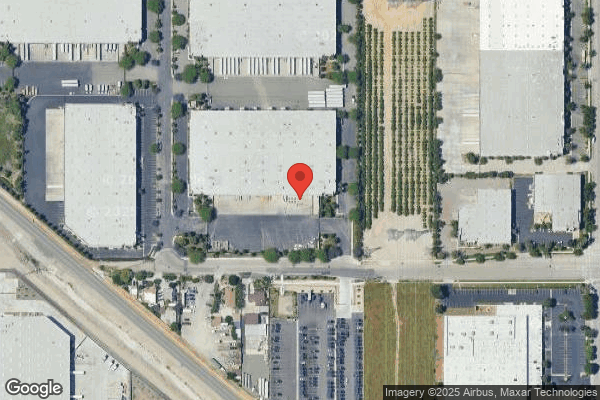

1720 MOUNTAIN VIEW, LOMA LINDA, CA 92354 (909) 796-6915
For profit - Corporation 56 Beds Independent Data: November 2025
Trust Grade
75/100
#483 of 1155 in CA
Last Inspection: January 2025

Within standard 12-15 month inspection cycle. Federal law requires annual inspections.

Overview

Totally Kids Rehabilitation Hospital has a Trust Grade of B, indicating it is a good choice but not without its issues. It ranks #483 out of 1,155 facilities in California, placing it in the top half, and #35 out of 54 in San Bernardino County, meaning only a few local options are better. The facility is worsening, with issues increasing from 7 in 2024 to 9 in 2025, which is concerning. Staffing is a strong point, with a 4 out of 5 star rating and a turnover rate of 35% that is below the state average, ensuring continuity of care. However, there were notable deficiencies, including failure to conduct timely assessments for nine residents and lapses in infection control practices, such as not using appropriate precautions during wound care and catheterization.

Trust Score
B
75/100
In California
#483/1155
Top 41%
Safety Record
Low Risk
No red flags
Inspections
Getting Worse
7 → 9 violations
Staff Stability
○ Average
35% turnover. Near California's 48% average. Typical for the industry.
Penalties
✓ Good
No fines on record. Clean compliance history, better than most California facilities.
Skilled Nurses
✓ Good
Each resident gets 113 minutes of Registered Nurse (RN) attention daily — more than 97% of California nursing homes. RNs are the most trained staff who catch health problems before they become serious.
Violations
⚠ Watch
19 deficiencies on record. Higher than average. Multiple issues found across inspections.
★★★★☆
4.0
Overall Rating
★★★★☆
4.0
Staff Levels
★★★★☆
4.0
Care Quality
★★★★☆
4.0
Inspection Score
Stable
2024: 7 issues
2025: 9 issues

The Good

  • 4-Star Staffing Rating · Above-average nurse staffing levels
  • 4-Star Quality Measures · Strong clinical quality outcomes
  • Full Sprinkler Coverage · Fire safety systems throughout facility
  • No fines on record
  • Staff turnover below average (35%)

    13 points below California average of 48%

Facility shows strength in staffing levels, quality measures, fire safety.

The Bad

Staff Turnover: 35%

11pts below California avg (46%)

Typical for the industry

The Ugly 19 deficiencies on record

Jul 2025 1 deficiency
CONCERN (D) 📢 Someone Reported This

A family member, employee, or ombudsman was alarmed enough to file a formal complaint

Potential for Harm - no one hurt, but risky conditions existed

Free from Abuse/Neglect (Tag F0600)

Could have caused harm · This affected 1 resident

**NOTE- TERMS IN BRACKETS HAVE BEEN EDITED TO PROTECT CONFIDENTIALITY** Based on interview and record review the facility failed to ensure one of three sampled residents (Resident 1) was free from abu...

Read full inspector narrative →
**NOTE- TERMS IN BRACKETS HAVE BEEN EDITED TO PROTECT CONFIDENTIALITY** Based on interview and record review the facility failed to ensure one of three sampled residents (Resident 1) was free from abuse as stated in the facility's policy and procedure (P&P) when a nursing student witnessed Certified Nurse Assistant (CNA 1) used verbally abusive words to Resident 1. This failure had the potential to result in Resident 1 having emotional harm such as feeling unsafe, loss of trust, and can lead to behavioral issues.Findings: An unannounced visit was conducted to the facility on July 18, 2025, for investigation of a facility reported incident of abuse. During a review of Resident 1's Face Sheet (FS- a document containing patient demographics) the FS indicated, Resident 1 was admitted to the facility on [DATE]. A review of Resident 1's Progress Note - Physician (PN- A document containing the progression of the residents and past medical history), dated July 16, 2025, indicated Resident 1 has a history of extreme prematurity (baby born before 28 weeks), short gut (a condition that occurs when the small intestine is damaged or shortened) and is gastrostomy tube (G tube-a tube inserted through stomach to provide nutrition, food, and medication) dependent (someone who relies on G tube). During an interview on July 18, 2025, at 12:25 PM, with Resident 2's mother, Resident 2's mother stated that she has seen CNA 1 be very rough when turning Resident 2. Resident 2's mother further stated that she has brought it up to management before and management stated they would talk to CNA 1. During an interview on July 18, 2025, at 12:45 PM, with CNA 2, CNA 2 stated that she has seen CNA 1 give an attitude to other staff members. During an interview on July 18, 2025, at 1:40 PM, with Resident 1's father, Resident 1's father stated, that the facility called him to let him know that one of the staff members was telling his son Bad things and that they sent that staff member home. Resident 1's father further stated, he is concerned for his son's safety. A review of nursing student's statement Notes, dated July 8, 2025, indicated on July 8, 2025, I went into Resident 1's room with my assigned nurse and witnessed Resident 1 run away from the CNA 1 and grab my nurse's leg. CNA 1 said you better get back in that damn bed and when the CNA 1 checked on another patient, the CNA 1 again said get back in the f****ng bed.During a concurrent interview and record review, on July 18, 2025, at 2:44 PM, with the HR Director (HRD), the employee separation report (document used for termination of an employee), dated July 16, 2025, was reviewed. The employee separation report indicated, [CNA 1] was witnessed verbally abusing a patient in the subacute department [provides level of care between hospital care and skilled nursing care] which is called for immediate termination. The HRD stated that CNA 1 did not sign the document. A review of notice of disciplinary action (document that contains unsatisfactory performance given to staff for them to sign), dated May 27, 2025, in CNA 1's file, indicated there must be immediate improvement in: polite and professional interactions with other at all times. Your negative interactions can cause disruption and jeopardize safe care for our children. During an interview on July 18, 2025, at 3:46 PM, with the Chief Nursing Officer (CNO), the CNO stated verbal abuse is anything that can be intimidating to residents, using foul language especially at a child. During a concurrent interview and record review on July 18, 2025, at 3:48 PM, with the CNO, the child abuse reporting requirement for CNA 1, dated May 3, 2024, was review. The child abuse reporting requirement indicated, resident abuse can take many forms including, but not limited to, tone of voice, name calling, swearing, threats, theft of possession.I am aware of the requirements stated above and will comply with these requirements. I understand that this signed statement will be maintained in my personal file.signed by CNA 1 on May 3, 2024. The CNO verified and stated, this was not followed and should have been. During a concurrent interview and record review on July 18, 2025, at 3:50 PM, with the CNO, the P&P titled, abuse: screening, training, prevention, identification, investigation, protection, and reporting/response, dated July 18, 2024, was reviewed. The P&P indicated .patients have the right to be free from mental, physical, sexual and verbal abuse.verbal abuse any use of oral, written, gestured language that includes disparaging [something that is little worth] and derogatory [disrespectful attitude] terms to patients. The CNO stated that the policy was not followed and should have been. The CNO further stated, everyone has the right to be free from abuse and this situation is never acceptable.
Jan 2025 8 deficiencies
CONCERN (D)

Potential for Harm - no one hurt, but risky conditions existed

Comprehensive Care Plan (Tag F0656)

Could have caused harm · This affected 1 resident

**NOTE- TERMS IN BRACKETS HAVE BEEN EDITED TO PROTECT CONFIDENTIALITY** Based on observation, interview, and record review, the facility failed to ensure one of 22 sampled residents (Resident 42) had ...

Read full inspector narrative →
**NOTE- TERMS IN BRACKETS HAVE BEEN EDITED TO PROTECT CONFIDENTIALITY** Based on observation, interview, and record review, the facility failed to ensure one of 22 sampled residents (Resident 42) had a comprehensive care plan (an individualized plan for the medical care of a resident) in place for his tracheostomy (an opening into the trachea [windpipe] from outside the neck to help air and oxygen reach the lungs) and ventilator dependent status (someone who requires a machine [ventilator] to breathe because they are unable to breathe independently.) This failure had the potential for Resident 42 to have unidentified care concerns related to the monitoring and care of his tracheostomy or ventilator dependent status. Findings: During a review of Resident 42's clinical record and the face sheet (contains demographic and medical information), the face sheet indicated Resident 42 was admitted on [DATE], with diagnoses which included dependence on respirator [ventilator] status (a medical condition where a patient is unable to breathe independently and requires continuous support from a mechanical ventilator (respirator) to maintain adequate oxygen levels), tracheostomy status, and bronchopulmonary dysplasia (a chronic lung disease that affects newborns, particularly those who are born prematurely or have low birth weight). During an observation on January 6, 2025, at 10:37 AM, Resident 42 had a tracheostomy and required the use of a ventilator. During a review of Resident 42's Minimum Data Set assessment (MDS assessment - an electronic assessment tool), dated August 22, 2024, the MDS assessment indicated Resident 42 received oxygen therapy, suctioning, tracheostomy care, and mechanical ventilation. During a review of Resident 42's clinical record, there was no active care plan for Resident 42's respiratory status. During a review of Resident 42's physician's orders, dated August 11, 2024, indicated, tracheostomy care, q 24 [every 24hr], change trach ties [a band that secures a tracheostomy tube around the neck] cleanse trach site every AM with sterile water and prn [as needed] re: [regarding] soiling. During a concurrent interview and record review on January 8, 2025, at 3:11 PM, with the Director of Respiratory Therapy (DRT), Resident 42's clinical record was reviewed and there was no evidence of an active respiratory care plan. The DRT stated Resident 42 was supposed to have a respiratory care plan but does not. The DRT further stated the care plan was usually initiated by case management. During a concurrent interview and record review on January 9, 2025, at 9:47 AM, with the Director of Case Management (DCM), the DCM stated the case management department was the department which initiated care plans for the residents. Resident 42's clinical record was reviewed, and the DCM stated she was unable to find an active respiratory care plan. The DCM further stated Resident 42 was supposed to have a respiratory care plan in place but it fell off on November 19, 2024, because someone mistakenly indicated the goal was met and the care plan was closed out and no longer active. During a review of the facility's policy and procedure titled, Plan of Care, dated January 11, 2024, the policy indicated, [name of facility] provide comprehensive medical, therapeutic, and clinical services to patients in a relevant individualized manner. Each patient and his/her parent/guardian participate in the development of their individual plan of care that includes problems identified, measurable goals, and applicable interventions. Care plans are used as a measure of goal progress, discharge planning, and communication among all interdisciplinary team (IDT) members including the patient, family, clinicians, therapists, dieticians, etc .
CONCERN (D)

Potential for Harm - no one hurt, but risky conditions existed

Pharmacy Services (Tag F0755)

Could have caused harm · This affected 1 resident

**NOTE- TERMS IN BRACKETS HAVE BEEN EDITED TO PROTECT CONFIDENTIALITY** Based on observation, interview, and record review, the facility failed to ensure controlled medications (medications that are c...

Read full inspector narrative →
**NOTE- TERMS IN BRACKETS HAVE BEEN EDITED TO PROTECT CONFIDENTIALITY** Based on observation, interview, and record review, the facility failed to ensure controlled medications (medications that are controlled by the government because it may be abused or cause addiction) verification process was not accurately completed for two of seven medication carts (room [ROOM NUMBER] and room [ROOM NUMBER] medication cart) when the medication verification was not completed and signed with two (2) licensed nurses. This failure had the potential to cause the diversion (illegal distribution of controlled drugs for any illicit use) of controlled medications by staff in a highly vulnerable population of 50 patients. Findings: 1. During a concurrent observation and interview on January 7, 2025, at 2:59 PM, with a License Vocational Nurse (LVN 2), room [ROOM NUMBER]'s medication cart, the Controlled Substance Inventory Count (CSIC- a form used by the facility to verify counting of controlled drugs at the change of shift by oncoming and off going licensed nurses), for Valtoco (a medication used to treat episodes of uncontrolled bodily movements) 15 milligram (MG-unit of measurement) Nasal Spray, dated December 9, 2024, to December 31, 2024, was reviewed. The CSIC indicated the following: a. On December 20, 2024, missing signature from the night shift (6:00 PM to 6:00 AM), oncoming nurse. b. On December 21, 2024, missing signature from the day shift (6:00 AM to 6:00 PM), oncoming nurse. c. On December 21,2024, missing signature from the day shift, off going nurse. d. On December 31, 2024, missing signature from the day shift, oncoming nurse. LVN 2 confirmed the missing signatures on the CSIC form and stated oncoming and off going nurses must sign the form during every change of shift and indicate if there are any missing discrepancy counts. 2. During a concurrent observation and interview on January 7, 2025, at 3:04 PM, with LVN 2, room [ROOM NUMBER]'s medication cart, the CSIC for Valtoco 5 MG Nasal Spray, dated January 4, 2025, to January 7, 2025, was reviewed. The CSIC indicated, on January 7, 2025, missing signature from the day shift, oncoming nurse. LVN 2 confirmed the missing signature on the CSIC form and stated the missing signature for today at 6:00 AM should have been signed when she counted with the off going nurse in the morning but she had forgotten and left the room. During a concurrent interview and record review on January 8, 2025, at 3:29 PM, with the Chief Nursing Officer/Vice President of Patient Care Services (CNO 1), the facility's policy and procedure (P&P) titled, Controlled Substance Management-Nursing, dated November 12, 2020, was reviewed. The P&P indicated .Accountability: At the change of each shift, both the licensed nurse leaving the shift and the nurse coming on duty must verify the count of controlled substances documented in both controlled Substances Count sheets 3019-2 (SA) and 2019-6 (H). The CNO 1 stated policy was not followed.
CONCERN (D)

Potential for Harm - no one hurt, but risky conditions existed

Medication Errors (Tag F0758)

Could have caused harm · This affected 1 resident

**NOTE- TERMS IN BRACKETS HAVE BEEN EDITED TO PROTECT CONFIDENTIALITY** Based on interview and record review the facility failed to ensure the PRN (as needed) lorazepam (anti-anxiety drug) medication ...

Read full inspector narrative →
**NOTE- TERMS IN BRACKETS HAVE BEEN EDITED TO PROTECT CONFIDENTIALITY** Based on interview and record review the facility failed to ensure the PRN (as needed) lorazepam (anti-anxiety drug) medication order did not exceed 14 days time limitation without the prescriber's documented rationale in the resident's medical record for one (Resident 99) of five residents reviewed for medications. This failure had the potential to result in adverse health outcomes, including but not limited to exposure to unnecessary medications, side effects, and/or habit-forming mental or physical dependence. Findings: During a review of Resident 99's clinical record and face sheet (contains medical and demographic information), the face sheet indicated Resident 99 was admitted on [DATE], with diagnoses which included tracheostomy status (an opening into the trachea [windpipe] from outside the neck to help air and oxygen reach the lungs), hypoxic ischemic encephalopathy (a brain injury that occurs when the brain doesn't receive enough oxygen or blood flow), and extreme immaturity of newborn, gestational (period of time between conception and birth) age [AGE] completed weeks. During a review of Resident 99's Electronic Health Record (EHR) and physician's orders, an order dated December 20, 2024, indicated, Lorazepam 0.8 mg [milligram - unit of measure], gastrostomy [via feeding tube inserted into the stomach], q8hr [every eight hours], PRN [as needed] agitation, first dose: 12/20/24 [December 20, 2024], 4 week(s), refill #0, indication: agitation . Further review indicated the order was discontinued on January 8, 2024 (order was active for 20 days). During a review of Resident 99's Medication Administration Record (MAR - a document used by staff to record the administration of medications to residents), dated December 2024, through January 2024, the MAR indicated the resident received the Lorazepam medication on the following dates and for the following documented reasons: 12/21/24 for Reason for medication .agitation.; 12/25/24 reason for medication .agitation; 12/26/24 for reason for medication .agitation; 12/27/24 reason for medication .agitation; 12/28/24 at 0639 reason for medication .agitation; 12/28/24 at 1554 reason for medication .agitation; 12/31/24 at 0825 reason for medication .agitation; 12/31/24 at 2051 reason for medication .agitation; 1/1/25 at 1708 reason for medication .agitation. During a review of Resident 99's EHR, there was no prescriber documentation regarding rationale of why the PRN psychotropic medication (Lorazepam 0.8 mg, gastrostomy, q8hr, PRN agitation, first dose: 12/20/24, 4 week(s), refill #0, indication: agitation) was written with a duration of longer than 14 days. During an interview on January 9, 2025, at 2:48 PM, with the Pharmacist 1 (Pharm 1), the Pharm 1 stated he was unable to review medical records, at the time of interview, because his current location was experiencing a power outage. Pharm 1 stated he was the individual who performed the facility's monthly medication regimen reviews for the residents. When asked what the expectation was regarding the duration of psychotropic PRN medication orders, Pharm 1 stated per regulation, psychotropic medication orders were supposed to be re-written every 14 days and re-evaluated periodically after that. Pharm 1 was informed of the physician order for Resident 99, dated December 20, 2024, which indicated, Lorazepam 0.8 mg, gastrostomy, q8hr, PRN agitation, first dose: 12/20/24, 4 week(s), refill #0, indication: agitation. Pharm 1 stated he would consider the duration of the PRN medication order to be an irregularity since it was more than 14 days. During a concurrent interview and record review on January 9, 2025, at 3:12 PM, with the Chief Nursing Officer (CNO 1), Resident 99's clinical record and physician's orders were reviewed. The CNO 1 reviewed the physicians order dated December 20, 2024, which indicated Lorazepam 0.8 mg, gastrostomy, q8hr, PRN agitation, first dose: 12/20/24, 4 week(s), refill #0, indication: agitation. The CNO 1 then confirmed the order was active from December 20, 2024, through January 8, 2024 (20 days). Resident 99's clinical record was reviewed, and the DON was unable to find documented rationale from the prescriber indicating the need for the psychotropic medication beyond 14 days. During continued interview on January 9, 2025, at 3:12 PM, with the CNO 1, the CNO 1 Stated the facility did not have a policy and procedure regarding PRN psychotropic medication orders and that the facility relied upon the pharmacist to review the drug regimen review of the residents and ensure the orders were within regulations and met requirements.
CONCERN (D)

Potential for Harm - no one hurt, but risky conditions existed

Deficiency F0761 (Tag F0761)

Could have caused harm · This affected 1 resident

**NOTE- TERMS IN BRACKETS HAVE BEEN EDITED TO PROTECT CONFIDENTIALITY** Based on observation, interview, and record review, the facility failed to ensure a medication was stored in accordance with the...

Read full inspector narrative →
**NOTE- TERMS IN BRACKETS HAVE BEEN EDITED TO PROTECT CONFIDENTIALITY** Based on observation, interview, and record review, the facility failed to ensure a medication was stored in accordance with the facility's policy and procedure (P&P) when one bottle of Humulin R ( a short-acting medication used to lower blood sugar) 100 units per milliliter (ml-units of measurement) medication was found with an expiration date of [DATE] (33 days expired) in one of four medication emergency kits (E-Kit- a collection of medications and supplies that can be used to treat medical emergencies when pharmacy services are unavailable). This failure had the potential to cause unsafe medication administration and care during an emergency situation to residents from beyond the use date (expired) medication. Findings: During a concurrent observation and interview on [DATE], from 3:55 PM through 4:20 PM, with the Charge Nurse (CN 1) in a medication storage room where refrigerated medications were kept, one refrigerated medication E-Kit was found with an expiration date of [DATE]. The CN1 confirmed the E-Kit was expired and further stated this failure had the potential for expired medication to be administered or not be readily available during an emergency which could be detrimental to a resident's health and safety. During a follow-up concurrent observation and interview on [DATE], at 4:21 PM, with the CN1 and Nurse Manager (NM), the E-Kit with an expiration date of [DATE] was opened. One medication, Humulin 100 units per ml, was found with an expiration date of [DATE]. The NM confirmed and stated the medication was expired 33 days and further stated the E-Kit should not be stored in the medication fridgerator if it is expired. During concurrent interview and record review on [DATE], at 9:20 AM, with the Chief Nursing Officer (CNO 1), the facility's P&P titled, Medication Management, dated [DATE], was reviewed. The P&P indicated, .Any expired, damaged and/or contaminated medications shall be removed from drug storage areas as soon as possible and disposed appropriately . The CNO 1 stated the policy was not followed and should have been. During a phone interview on [DATE], at 3:35 PM, with the in-house Director of Pharmacy (DP), the in-house DP stated the nurses are involved in the process to make sure medications are not expired and if an expired medication is found, they are to remove the medication from stock and notify the pharmacy for replacement. The in-house DP further stated, the E-Kit should have been readily available without any expired medication due to the risk of potential harm to the residents in an emergency. During a concurrent interview and record review on [DATE], at 4:30 PM, with the CN 2, a document titled, Subacute Charge Nurse Report, dated [DATE], and [DATE], was reviewed. The Subacute Charge Nurse Report indicated the E-Kit was checked by the nurse on both dates. The CN2 stated the E-kits should not have been expired and further stated the nurse checking should have found the expired dates and called the pharmacy for replacement to prevent potential harm to the residents needing to receive the emergency medication.
CONCERN (D)

Potential for Harm - no one hurt, but risky conditions existed

Food Safety (Tag F0812)

Could have caused harm · This affected 1 resident

Based on observation, interview, and record review, the facility failed to follow safe and sanitary food storage practices when: - Seven onions located in the facility's dry storage area, were availab...

Read full inspector narrative →
Based on observation, interview, and record review, the facility failed to follow safe and sanitary food storage practices when: - Seven onions located in the facility's dry storage area, were available for use and labeled with an expired use by date. - Ice cream in the facility's walk-in freezer was found unlabeled. These failures had the potential to compromise the integrity of the food and cause foodborne illness to three of fifty vulnerable residents who received food from the kitchen. Findings: During a concurrent observation and interview on January 6, 2025, at 7:44 AM, with [NAME] 1 (CK 1), in the facility's dry storage area of the kitchen, there was a bin located on a shelf which contained seven onions. The onion bin had a label which indicated, Onions whole .prep 12/04/24 .use through 01/03/25 (three days expired). CK 1 observed the onions and stated the onions should not be available for use and should have been thrown away. CK 1 then removed the onions from the dry storage area. During a concurrent observation and interview on January 6, 2025, at 8:02 AM, with CK 1, in the facility's walk-in freezer, there was a large 1-gallon bucket of ice cream on a shelf. The gallon bucket of ice cream was not labeled by the facility with the date it was received or with the date it was to be used by. CK 1 observed the unlabeled bucket of ice cream and stated it was supposed to be labeled with a received date and a use by date, but it was not. CK 1 further stated she was unsure of exactly when it was bought or received but stated the ice cream was purchased for an employee Christmas party. The ice cream was not labeled for employee or staff use. During an interview on January 7, 2025, at 3:25 PM, with the Registered Dietician 1 (RD 1), RD 1 stated when food was received by the facility, it was supposed to be labeled to indicate when it was received or prepared and a date when it was supposed to be used by. RD 1 further stated food for employee meetings or staff parties were kept in the same walk-in freezer where resident food was stored. RD 1 stated employee food was supposed to be labeled or identified in some way to indicate it was food for employees and not residents. RD 1 further stated it was not the ideal practice to have unlabeled food in the fridge or freezer. During a follow up interview on January 7, 2025, at 3:35 PM, with RD 1, RD 1 stated onions were ok to be stored for 30 days in the dry storage area. RD 1 further stated onions should be labeled for the date they are received and the date they were to be used by and are only good for 30 days. During a review of the facility provided document (provided by RD 1), which was untitled, and undated, the document indicated, Onions .for freshness and quality, this item should be consumed within: 1 month if in the pantry from the date of purchase . During a review of the facility's policy and procedure P&P titled, Labeling and Dating of Food, revised November 12, 2020, the P&P indicated, A labeling and dating machine will be utilized in the Nutritional Services Department to ensure food items are rotated and used by expiration dates.
CONCERN (E)

Potential for Harm - no one hurt, but risky conditions existed

Deficiency F0638 (Tag F0638)

Could have caused harm · This affected multiple residents

**NOTE- TERMS IN BRACKETS HAVE BEEN EDITED TO PROTECT CONFIDENTIALITY** Based on interview and record review, the facility failed to ensure a Minimum Data Set (MDS- a facility assessment tool that con...

Read full inspector narrative →
**NOTE- TERMS IN BRACKETS HAVE BEEN EDITED TO PROTECT CONFIDENTIALITY** Based on interview and record review, the facility failed to ensure a Minimum Data Set (MDS- a facility assessment tool that consists of the resident assessment instrument (RAI) and the care area assessment (CAA) was conducted and submitted to the Centers of Medicare and Medicaid Services (CMS) in accordance with federal submission timeframes, for nine of nine residents (Residents 1, 2, 6, 21, 23, 24, 31, 38, and 42) reviewed for resident assessment. These failures resulted in inadequate monitoring of progress or decline for Residents 1, 2, 6, 21, 23, 24, 31, 38, and 42), and a lack of resident specific information to be sent to CMS for payment and quality measure monitoring. Findings: During a concurrent interview and record review on January 9, 2025, at 9:13 AM, with the Director of Case Management (DCM), Resident 1, 2, 6, 21, 23, 24, 31, 38, and 42's Electronic Health Records (EHR), and CMS Submission Reports (a report with details of when MDS assessments were completed and submitted to CMS) were reviewed. The DCM stated resident MDS assessments were supposed to be done quarterly or approximately every 90 days. The DCM further stated multiple residents had their MDS assessments completed late in November 2024 because she (the DCM) was the only individual that was able to enter the assessments when usually there were more people to help with the task. Resident 1, 2, 6, 21, 23, 24, 31, 38, and 42's EHR, and CMS Submission Reports were reviewed and the following was identified: -For Resident 1, the CMS Submission Report, (undated), indicated the MDS assessment dated [DATE], was not completed until December 23, 2024 (70 days after the due date). The DCM stated Resident 1's MDS assessment was completed late. -For Resident 2, the CMS Submission Report, (undated) and the residents EHR, indicated the residents most recent MDS assessment was dated August 27, 2024, and there was no MDS assessment completed after this date (135 days since the most recent MDS assessment). The DCM stated Resident 2's MDS assessment should have been done sometime in November 2024, but it was never completed and must have been missed. -For Resident 6, the CMS Submission Report, (undated) indicated the MDS assessment dated [DATE], was not completed until January 8, 2025 (43 days after the due date). The DCM stated Resident 6's MDS assessment was completed late. -For Resident 21, the CMS Submission Report, (undated) and the residents EHR indicated the residents most recent MDS assessment was dated August 4, 2024, and there was no MDS assessment completed after this date (157 days since the most recent MDS assessment). The DCM stated Resident 21 was supposed to have an MDS assessment done in November 2024, but it was never completed and must have been missed. -For Resident 23, the CMS Submission Report, (undated), indicated the MDS assessment dated [DATE], was not completed until January 8, 2025 (56 days after the due date). The DCM stated Resident 23's MDS assessment was completed late. -For Resident 24, the CMS Submission Report, (undated), indicated the MDS assessment dated [DATE], was not completed until January 7, 2025 (69 days after the due date). The DCM stated Resident 24's MDS assessment was completed late. -For Resident 31, the CMS Submission Report, (undated), indicated the MDS assessment dated [DATE], was not completed until January 8, 2025 (51 days after the due date). The DCM stated Resident 31's MDS assessment was completed late. -For Resident 38, the CMS Submission Report, (undated), indicated the MDS assessment dated [DATE], was not completed until January 6, 2025 (56 days after the due date). The DCM stated Resident 38's MDS assessment was completed late. -For Resident 42, the CMS Submission Report, (undated), indicated the MDS assessment dated [DATE], was not completed until January 8, 2025 (47 days after the due date). The DCM stated Resident 42's MDS assessment was completed late. During a review of the facility's policy and procedure (P&P) titled, Minimum Data Set (MDS) Assessments, revised March 7, 2024, the P&P indicated, A comprehensive assessment of a patient's needs, strengths, goals, life history and preferences, using the resident assessment instrument (RAI) specified by CMS must be completed for all patients in [name of facility] .Assessments are completed within specific guidelines and timeframes. MDS assessments are transmitted electronically to the national MDS database at CMS. - Comprehensive assessments must be completed within 14 calendar days after patient admission, on significant change in status and annually. - Quarterly review assessment (non-comprehensive) must be completed at least every 92 days following the previous assessment of any type .
CONCERN (E)

Potential for Harm - no one hurt, but risky conditions existed

Drug Regimen Review (Tag F0756)

Could have caused harm · This affected multiple residents

Based on interview and record review, the facility failed to ensure the pharmacists Monthly Medication Review (MRR- a review of patient medications by a pharmacist aimed at optimizing the health outco...

Read full inspector narrative →
Based on interview and record review, the facility failed to ensure the pharmacists Monthly Medication Review (MRR- a review of patient medications by a pharmacist aimed at optimizing the health outcomes of residents) was reviewed in a timely manner for two of 50 residents dated October 1, 2024, through October 31, 2024, when the facility failed to implement a policy and procedure (P&P) that included timelines and steps to be followed once the MRR was received. This failure resulted in a delay of two months in physician review of the MRR recommendations provided by the pharmacist and had the potential for an urgent recommendation to go unnoticed, that could have resulted in residents' harm. Findings: During an interview on January 9, 2025, at 2:49 PM, with the Pharmacist (PharmD), the PharmD stated he performs a monthly MRR and at the beginning of each month, for the previous month, then sends a copy to the Chief Nursing Officer (CNO) of the facility. The PharmD stated, it is the facilities responsibility to review his recommendations at the beginning of each month with the resident's physician. The PharmD further stated, the facility should have their own policies to ensure the MRR recommendation are reviewed and acknowledged. During a concurrent interview and record review on January 9, 2025, at 3:43 PM, with the CNO 1, the Consultant Pharmacists Recommendations, dated October 1, 2024, through October 31, 2024, was reviewed. The Consultant Pharmacists Recommendations indicated, the recommendations for antipsychotics (medication to treat hallucination) and hynoptics (medication to help sleeping) medication were received on November 6, 2024, reviewed, and responded by the attending physicians on January 9, 2025, two months after being received. The CNO 1 stated, there was a two- month delay in physicians response to the recommendations by the PharmD and the goal for review is one week. During a concurrent interview and record review on January 9, 2025, at 3:45 PM, with the CNO 1, the Consultant Pharmacists Recommendations, dated April 1, 2024, through April 30, 2024, was reviewed. The Consultant Pharmacists Recommendations were not dated with a received date and were reviewed and responded by the physician on July 15, 2024. The CNO 1 stated, there was over a two-month delay in physician response to the recommendations made by the PharmD and the goal for response is one week. The CNO 1 stated, she had delegated one of the nurses to review the MRR with the physicians, and two months for a physician to review and response to the PharmD recommendations is not acceptable. During a concurrent interview and record review on January 9, 2025, at 3:50 PM with the CNO 1, the facility's policy and procedure P&P titled, Medication Regimen Chart Review, dated July 01, 2020, was reviewed. The P&P indicated, .The designated pharmacist will monitor medication therapy. Completion of each regimen review will be dated and documented. Potential or actual medication therapy issues are communicated to the physician. For those requiring the immediate attention of a physician; the responsible physician, or his/her designee is contacted by the pharmacist or nurse caring for the patient . The CNO 1 stated, the policy does not outline the facilities expectation related to the MRR and physician review or outline time frames for the process. The CNO 1 stated, it is the expectation to have the physician review and have all recommendations addressed within a week and returned. The CNO 1 further stated, if there was an urgent concern requiring immediate action to a resident's medications, the recommendation would be brought to her attention immediately by the PharmD or nursing staff so that changes could be made timely.
CONCERN (E)

Potential for Harm - no one hurt, but risky conditions existed

Infection Control (Tag F0880)

Could have caused harm · This affected multiple residents

**NOTE- TERMS IN BRACKETS HAVE BEEN EDITED TO PROTECT CONFIDENTIALITY** Based on observation, interview and record review, the facility failed to ensure infection control practices were developed and ...

Read full inspector narrative →
**NOTE- TERMS IN BRACKETS HAVE BEEN EDITED TO PROTECT CONFIDENTIALITY** Based on observation, interview and record review, the facility failed to ensure infection control practices were developed and maintained for two of 20 sampled residents (Residents 7 and 10) when: 1. Enhanced Barrier Precautions (EBP - extra steps taken to prevent the spread of germs to vulnerable residents during close contact care by wearing gowns and gloves) were not implemented when providing wound care for one resident (Resident 10). 2. Sterile technique (the use of practices that restrict microorganisms in the environment and prevent contamination of the field) was not followed during urinary catheterization (procedure where a thin, flexible tube called a catheter is inserted into the urethra to drain urine from the bladder) for one resident (Resident 7). 3. Hand hygiene (hand washing) was not performed after resident care for one resident (Resident 7). These failures had the potential for an increased risk of a health-care associated infection (HAI - an infection that is unintentionally caused when receiving treatment at a medical facility) or exposure to a Multiple Drug Resistant Organism (MDRO - germs that resist treatment with more than one antibiotic) which can result in a preventable infection and worsening of medical condition. Findings: 1. During a review of Resident 10's History and Physical (H&P - a formal assessment document by the residents physician), dated June 10, 2024, the H&P indicated, Resident 10 was admitted to the facility on [DATE], with diagnoses including [NAME] syndrome (a genetic disorder that causes physical abnormalities in the face, arms, hands, and feet) and currently hospitalized for wounds secondary to tracheostomy (trach - a hole made during a surgical procedure to help air and oxygen reach the lungs) ties (used to secure the tracheostomy in place). During an observation on January 8, 2025, at 9:33 AM, at Resident 10's bedside, Registered Nurse 1 (RN 1) and Respiratory Therapist 1 (RT 1) provided wound care to erosive wounds (wounds caused to the resident's neck from tracheostomy dressing change) for Resident 10. RN 1 and RT 1 did not wear gowns during these high contact care activities. During a concurrent interview and record review, on January 8, 2025, at 3:00 PM, with the Infection Preventionist (IP 1), the facility's policy and procedure (P&P) titled, Isolation Precautions, dated February 24, 2023, was reviewed. The P&P did not include EBP procedure. The IP 1 stated, this is the only policy regarding any isolation precautions or use of personal protective equipment (PPE - equipment like gloves, gowns, masks and face shields that can minimize exposure and transmission of infection) and the P&P did not address EBP regulatory standards and did not specify when gowns need to be worn to protect residents at high risk of infection from MDRO during high-risk care. The IP 1 further stated, she was aware of the EBP regulation requirements, but the P&P had not been updated and EBP had not been implemented within the facility. The IP 1 further stated, not wearing a gown during high-contact care, such as wound care, could spread MDRO. During a concurrent interview and record review, on January 9, 2025, at 2:00 PM, with the [NAME] President of Regulatory Compliance (VPR), the Centers for Medicare & Medicaid Services (CMS) Memorandum titled, Center for Clinical Standards and Quality/Quality, Safety & Oversight Group Ref: QSO-24-08-NH (QSO-24-08-NH), dated March 20, 2024, was reviewed. The QSO-24-08-NH memorandum indicated, .CMS is issuing new guidance for State Survey Agencies and long-term care (LTC) facilities on the use of enhanced barrier precautions (EBP) to align with nationally accepted standards. EBP recommendations now include use of EBP for residents with chronic wounds or indwelling medical devices during high-contact resident care activities regardless of their multidrug-resistant organism status . The VPR stated, the facility has not yet adopted the EBP procedure and does not have a policy specific to EBP. 2. During a record review of Resident 7's admission Record (contains the admission date) and History and Physical (H&P-contains demographic information), the admission Record indicated Resident 7 was admitted to the facility on [DATE]. The H&P indicated Resident 7 was admitted with diagnoses of anoxic encephalopathy (a serious condition that occurs when the brain is deprived of oxygen, causing brain cells to die), neurogenic bladder (a condition that occurs when the nerves that control the bladder are damaged, resulting in a loss of bladder control), and spasticity (a serious condition that occurs when the brain is deprived of oxygen, causing brain cells to die). During an observation on January 9, 2025, at 9:22 AM through 9:35 AM, with a Licensed Vocation Nurse (LVN 3), in Resident 7's room, LVN 3 was observed preparing the catheterization kit (a collection of supplies used to insert a catheter into a body cavity) and irrigation (the process of washing out an organ or wound with a continuous flow of water or medication.) supplies needed to straight catheterize (procedure where a thin, flexible tube called a catheter is inserted into the urethra to drain urine from the bladder) Resident 7. LVN 3 then proceeded, with non-sterile gloves, to touch everything inside of the sterile (free from bacteria or other living microorganism; totally clean) kit. LVN 3 placed the drape that goes under Resident 7, pulled out the iodine swabs, opened the swabs and placed them on top of the drape that was under Resident 7. LVN 3 placed the half-opened catheter to the right side of the bed. LVN 3 removed gloves and donned (the processes of putting on personal protective equipment (PPE)) sterile gloves and used the iodine swabs to cleanse the genitals. LVN 3 then proceeded to toss the iodine swabs on the sterile drape and noticed the catheter was still in the package. With the same gloves, LVN 3 opened the package and placed the catheter in the kit to lubricate it. During an interview on January 9, 2025, at 9:55 AM, with LVN 3, LVN 3 stated, the straight catheterization should have been performed with sterile technique. LVN 3 further stated, she should not grab inside the sterile kit with her non-sterile gloves since it increases the risk of spreading infection. During a concurrent interview and record review on January 9, 2025, at 12:25 PM, with the Nurse Manager (NM) and the Chief Nursing Officer (CNO 1), the facility's policy and procedure (P&P) titled, Urinary Catheterization, dated April 21, 2021, was reviewed. The P&P indicated, . use sterile technique to insert the catheter. The NM and the CNO 1 stated the policy was not followed and should have been due to the risk of a resident developing a urinary tract infection if proper sterile technique is not performed. 3. During a record review of Resident 7's admission Record and H&P, the admission Record indicated Resident 7 was admitted to the facility on [DATE]. The H&P indicated Resident 7 was admitted with diagnoses of anoxic encephalopathy, neurogenic bladder, and spasticity. During an observation on January 9, 2025, at 9:40 AM through 9:53 AM, with LVN 3 and a Certified Nursing Assistant 3 (CNA 3), in Resident 7's room, LVN 3 was observed to unable to insert a catheter to drain Resident 7 urine during straight catheterization. LVN 3 stated to CNA 3, I am going to leave it in there and get another kit. LVN 3 proceeded to remove her gloves, got the keys out, and went to open medication cart located in the room without performing hand hygiene. LVN 3 stepped out of the room without performing hand hygiene to grab another catheterization kit. During an interview on January 9, 2025, at 9:55 AM, with LVN 3, LVN 3 stated she did not remember if she washed her hands after the second attempt of straight catheterization. LVN 3 further stated she was supposed to wash hands after any contact with residents prevent spreading infections. During a concurrent interview and record review on January 9, 2025, at 12:25 PM, with the NM and the CNO 1, the facility's P&P titled Infection Control-General, dated February 24, 2023, was reviewed. The P&P stated . Standard Precautions [set of infection control practices that are used to prevent the spread of disease in healthcare settings] and appropriate hand hygiene should be used with all patient care activities . The NM and the CNO 1 stated the policy were not followed and should have been due to the risk of a resident developing a urinary tract infection if proper hand hygiene is not performed. The CNO 1 further stated, the facility also followed the Centers for Disease Control and Prevention (CDC) guideline that staff are expected to wash their hands before entering and leaving a resident's room.
Jan 2024 7 deficiencies
CONCERN (D)

Potential for Harm - no one hurt, but risky conditions existed

Deficiency F0726 (Tag F0726)

Could have caused harm · This affected 1 resident

**NOTE- TERMS IN BRACKETS HAVE BEEN EDITED TO PROTECT CONFIDENTIALITY** Based on observation, interview, and record review, the facility failed to ensure correct medication administration technique wa...

Read full inspector narrative →
**NOTE- TERMS IN BRACKETS HAVE BEEN EDITED TO PROTECT CONFIDENTIALITY** Based on observation, interview, and record review, the facility failed to ensure correct medication administration technique was followed by one of the three sampled licensed staff (Registered Nurse [RN2]) when an extra dose of a Heparin flush (solution used for maintenance of patency of intravenous [IV-within vein] line was not properly wasted prior to administration Resident 24. This failure had a potential for medication error (observed or identified preparation or administration of medications which is not in accordance with the prescriber's order; manufacturer's specifications or accepted professional standards) which may lead to harm for Resident 24. Findings: During a review of Resident 24's clinical record, the face sheet indicated Resident 24 was admitted to the facility on [DATE] with diagnoses which included central line-associated bloodstream infection (CLABSI- primary bloodstream infection that develops in a patient with a central venous line [made of a long, thin, flexible tube that enters your body through a vein; travels through one or more veins until the tip reaches the large vein that empties into your heart] in place within the 48-hour period before onset of the bloodstream infection that is not related to infection at another site), and severe intellectual disability (major delays in development, and individuals often have the ability to understand speech but otherwise have limited communication skills). During a review of Resident 24's Physician's Order, dated September 3, 2022, it indicated Resident 24 had an order to received care for his central venous line, and to receive Heparin 10 units/ml [milliliter-unit of measure] NaCl [Sodium Chloride] 0.9% intravenous [IV] solution) 30 units, IV push, q[every] 12 hr; PRN [pro re nata/as needed]. During an observation on January 20, 2024, at 11:45 AM, at Resident 24's room, Resident 24 was lying in bed. Resident 24's central venous line was located at his right upper chest. During a concurrent observation and interview, with RN 2, on January 10, 2024, at 12:00 PM, RN 2 administered Heparin flush to Resident 24. RN 2 pushed 30 units/3ml and left the 20 units/2ml in the syringe. RN 2 did not waste the excess dose prior to administering the flush. RN 2 I usually waste it after administering the medication. During an interview with the Chief Nursing Officer (CNO), on January 11, 2024, at 1:35 PM, the CNO stated staff must waste the excess dose prior to giving the medication. The CNO further stated staff needed to be educated more regarding standard of practice and competency. When asked for a copy of facility policy regarding heparin flush and wasting medication prior to administration the CNO stated they do not have one. During an interview with the Director of Staff Education (DOE), on January 11, 2024, at 1:50 PM, the DOE stated, It was wrong, she [RN 2] should have wasted the excess medicine prior to giving the heparin flush. The DOE stated it can cause potential error and harm.
CONCERN (D)

Potential for Harm - no one hurt, but risky conditions existed

Pharmacy Services (Tag F0755)

Could have caused harm · This affected 1 resident

**NOTE- TERMS IN BRACKETS HAVE BEEN EDITED TO PROTECT CONFIDENTIALITY** Based on observation, interview, and record review, the facility failed to ensure accurate records of controlled medications (na...

Read full inspector narrative →
**NOTE- TERMS IN BRACKETS HAVE BEEN EDITED TO PROTECT CONFIDENTIALITY** Based on observation, interview, and record review, the facility failed to ensure accurate records of controlled medications (narcotic medications that are controlled by the government because it may be abused or cause addiction) were being maintained in accordance with their own policy and procedure for one of eight medication carts (room [ROOM NUMBER] medication cart). This failure had the potential for drug diversion (illegal distribution of controlled drugs for any illicit use) of controlled medications by the staff in a highly vulnerable population of 49 residents. Findings: During a concurrent observation and interview, on January 11, 2024, at 5:50 AM, with a License Vocational Nurse (LVN 2), room [ROOM NUMBER]'s medication cart was inspected. LVN 2 stated Controlled Substance Inventory Count (CSIC) log is a form used by the facility to verify counting of controlled drugs at the change of every shift by oncoming and off going licensed staff. LVN 2 stated two nurses count the narcotics at the end and beginning of each shift, and both nurses must sign in the log. During a review of the CISC log, dated January 10, 2024, it indicated the following missing information and signature: 1. Clonazepam (used to prevent and control seizures) 2 MG (milligram - unit of measurements) tab (tablet): missing date, time, and signatures of day shift nurse and night shift nurse. 2. Valtoco (used to treat seizures) 15 MG nasal spray: missing time and signature of night shift nurse. 3. Valtoco 10 MG nasal spray: missing, date, time, and signatures of day shift nurse and night shift nurse. 4. Diazepam (used to treat anxiety, muscle spasms, and seizures) 2 MG tab: missing, date, time, and signatures for day shift nurse and night shift nurse. During a concurrent interview and review of CISC log on January 11, 2024, at 5:55 AM, with LVN 2, LVN 2 reviewed and confirmed the missing signatures, date, and time on the CISC log. LVN 2 stated, We [licensed staff] count but we forgot to sign. We both must sign. During a concurrent interview and record review, on January 12, 2024, at 9:42 AM, with Chief Nursing Officer (CNO) reviewed and acknowledged the facility's policy and procedure (P&P) titled, Controlled Substance Management-Nursing, dated June 25, 2009, which indicated, Accountability: At the change of each shift, both the licensed nurse leaving the shift and the nurse coming on duty must verify the count of controlled substances documented in both Controlled Substances Count sheets 3019-2 (SA) and 3019-6 (H). This is referred to as 'End-Of-Shift' or 'EOS' count in 3019-6(H). The CNO stated the two licensed staff nurses are required to count, sign the log at change of each shift.
CONCERN (D)

Potential for Harm - no one hurt, but risky conditions existed

Food Safety (Tag F0812)

Could have caused harm · This affected 1 resident

Based on observation, interview, and record review, the facility failed to ensure safe and sanitary practices were maintained in the kitchen when: 1. One portion scoop with a light brown residue was f...

Read full inspector narrative →
Based on observation, interview, and record review, the facility failed to ensure safe and sanitary practices were maintained in the kitchen when: 1. One portion scoop with a light brown residue was found in the kitchen drawer, stored with other clean utensils. 2. One can opener with rust (a reddish or a brown substance that forms on iron or steel) was found on top of a metal food prep counter. These failures had the potential for bacteria to grow and cause foodborne illness (nausea, vomiting, and/or diarrhea) in a highly susceptible population of two residents who received prepared food from the kitchen. Findings: 1. During a concurrent observation and interview with [NAME] 1, on January 8, 2024, at 8:33 AM, one portion scoop, with a light brown residue inside, was found stored inside a kitchen drawer with other clean utensils. [NAME] 1 acknowledged the portion scoop was stored dirty and stated it should be stored clean because it could get the residents who receive food from the kitchen sick. During a concurrent interview and record review, on January 9, 2024, at 11:00 AM, the Dietary Supervisor (DS) and the Director of Nutrition Services (DNS) reviewed the facility's policy and procedure (P&P) titled, Infection Control- Nutritional Services, dated June 7, 2019, guideline: 4304- H, which indicated, .Equipment shall be thoroughly cleaned after each use .Food shall be served with clean tongs, scoops, forks, spoons, spatulas or other suitable implements to avoid manual contact . All cooking and serving utensils and cutting boards shall be washed and sanitized after use . The DS and the DNS stated the expectation was for the portion scoop to be stored clean, without any residue. They further stated the facility's guideline was not followed and should have been. A review of the Federal FDA 2022 Food Code 4-601.11, indicated, (A) EQUIPMENT FOOD=CONTACT SURFACES and UTENSILS shall be clean to sight and touch. (B) The FOOD-CONTACT SURFACES of cooking EQUIPMENT and pans shall be kept free of encrusted grease deposits and other soil accumulations. (C) NonFOOD-CONTACT SURFACES of EQUIPMENT shall be kept free of an accumulation of dust, dirt, FOOD residue, and other debris. 2. During a concurrent observation and interview with [NAME] 1, on January 8, 2023, at 8:36 AM, in the kitchen, one can opener with rust was found on top of a metal food prep counter. [NAME] 1 acknowledged the can opener should not have rust because it could get into the food when used, and can get the residents, who receive food from the kitchen, sick. During a concurrent interview and record review, on January 9, 2024, at 11:02 AM, the DS and the DNS reviewed the facility's P&P titled, Infection Control- Nutritional Services, dated June 7, 2019, guideline: 4304- H, which indicated, .Equipment shall be thoroughly cleaned after each use .Food shall be served with clean tongs, scoops, forks, spoons, spatulas or other suitable implements to avoid manual contact . Food grinder, chopper, mixer, slicer, blender and other appliances shall be disassembled, cleaned, sanitized, dried and reassembled after each use. All cooking and serving utensils and cutting boards shall be washed and sanitized after use . The DS and the DNS stated the expectation was for the can opener to be clean, with no rust on it. They further stated the facility's guideline was not followed and should have been. A review of the Federal FDA 2022 Food Code 4-601.11, indicated, (A) EQUIPMENT FOOD=CONTACT SURFACES and UTENSILS shall be clean to sight and touch. (B) The FOOD-CONTACT SURFACES of cooking EQUIPMENT and pans shall be kept free of encrusted grease deposits and other soil accumulations. (C) NonFOOD-CONTACT SURFACES of EQUIPMENT shall be kept free of an accumulation of dust, dirt, FOOD residue, and other debris.
CONCERN (D)

Potential for Harm - no one hurt, but risky conditions existed

Medical Records (Tag F0842)

Could have caused harm · This affected 1 resident

**NOTE- TERMS IN BRACKETS HAVE BEEN EDITED TO PROTECT CONFIDENTIALITY** Based on interview and record review, the facility failed to ensure accurate and complete documentation for one of three residen...

Read full inspector narrative →
**NOTE- TERMS IN BRACKETS HAVE BEEN EDITED TO PROTECT CONFIDENTIALITY** Based on interview and record review, the facility failed to ensure accurate and complete documentation for one of three residents (Resident 17) reviewed for hydration when there were missing intake and output documentation's (used for the purpose of documenting and tracking information regarding the fluid given and removed from the resident) from December 9, 2023 to December 21, 2023 on Resident 17's medical record This failure had the potential for Resident 17 to have unmet care needs due to incomplete and inaccurate medical information. Findings: During a review of Resident 17's clinical record, the Face Sheet (contains demographic and medical information) and the History and Physical indicated Resident 17 was admitted to the facility on [DATE], with diagnoses which included cerebral palsy (a group of conditions that affect movement and posture caused by damaged that occurred to the developing brain) and tracheostomy (opening into the windpipe, from outside the neck, to help air and oxygen reach the lungs). During a record review of Resident 17's Physician's Orders, dated December 9, 2023, it indicated Resident 17 had an order to receive an intravenous (IV-into a person's vein) fluid of D5 (dextrose- sugar water injected into a vein)- 0.45 NaCL (45 percent Sodium Chloride- fluid injected into a vein to hydrate) -w/ KCL (Potassium Chloride) 20 mEq (milliequivalents per liter- Unit of measurement) / L (Liter- unit of measurement) 300 ml (milliliters- unit of measurements), IV, 27.5 ml/hr .Replaced 300 ml over 8 hours .for GI (gastrointestinal- stomach) output .Every day from 1 PM to 8 PM . During a concurrent interview and record review with the Registered Nurse (RN 1), on January 10, 2024, at 3:02 PM, the RN 1 reviewed Resident 17's Intake and Output for D5- 0.45 NaCL w/ KCL 20 mEq/ L, for the month of December 2023. The Intake and Output indicated the following missing documentations: a. December 9, 2023, a total of 37.5 ml documented (missing 262.5 ml) b. December 10, 2023, a total of 112.5 ml documented (missing 177.5 ml) c. December 11, 2023, a total of 187.5 documented (missing 112.5 ml) d. December 12, 2023, a total of 225 ml documented (missing 75 ml) e. December 13, 2023, a total of 150 m documented (missing140 ml) f. December 14, 2023, a total of 0 ml documented (missing 300 ml) g. December 15, 2023, a total of 0 ml documented (missing 300 ml) h. December 16, 2023, a total of 0 ml documented (missing 300 ml) i. December 17, 2023, a total of 112.5 ml documented (missing 177.5 ml) j. December 19, 2023, a total of 0 ML documented (missing 300 ml) k. December 20, 2023, a total of 0 ML documented (missing 300 ml) l. December 21, 2023, a total of 225 ml documented (missing 75 ml). The RN 1 acknowledged the missing documentations and stated, When an IV fluid is started and running, the expectation is to document how much IV fluid is given in the intake and output to make sure resident is getting the hydration ordered. During a concurrent interview and record review with the Chief Nursing Officer (CNO), on January 12, 2024, at 8:03 AM, the CNO reviewed the facility's policy and procedure (P&P) titled, Medical Record Content .Information Management .Record of Care, dated January 29, 2021, which indicated, It is the policy of this facility that the medical record shall contain sufficient information to identify the patient, support the diagnosis, to justify the care, treatment and services, and document the course of care and results accurately and promote continuity of care among healthcare providers . The CNO further reviewed another facility's P&P titled, Medication Management .Medication Administration, dated December 21, 2023, guidelines 3300-SA, indicated, .Right DOCUMENTATION: Document administration after giving the ordered medication .Medications orders shall be reviewed and verified by the nurse whether the dose had been administered or otherwise accounted prior to the end of the shift. The nurse shall also review each patient's medication administration record (MAR) for all current and discontinued medications orders prior to hand off . The CNO stated the policies were not followed and it should have been.
CONCERN (D)

Potential for Harm - no one hurt, but risky conditions existed

Infection Control (Tag F0880)

Could have caused harm · This affected 1 resident

**NOTE- TERMS IN BRACKETS HAVE BEEN EDITED TO PROTECT CONFIDENTIALITY** Based on observation, interview, and record review, the facility failed to maintain a sanitary and safe medication storage when ...

Read full inspector narrative →
**NOTE- TERMS IN BRACKETS HAVE BEEN EDITED TO PROTECT CONFIDENTIALITY** Based on observation, interview, and record review, the facility failed to maintain a sanitary and safe medication storage when staff's personal items were found inside the medication cart. This failure had the potential for cross contamination and infection (the process by which bacteria or other microorganisms are unintentionally transferred from one substance or object to another, with harmful effect) which can jeopardize the health and safety of highly vulnerable population of 49 residents. Findings: During a concurrent observation and interview on January 11, 2024, at 5:46 AM, with a License Vocational Nurse (LVN 2), a small black and white case with white small wireless earphones and small brown portable speaker were observed inside the drawer of the medication cart in room [ROOM NUMBER]. LVN 2 stated the items could be from one of the nurses, but he was not sure. LVN 2 further stated. It should not be inside the cart. During a concurrent interview and record review with the Subacute Nurse Manager (SNM) on January 12, 2024, at 9:47 AM, the SNM reviewed the facility's policy and procedure titled Section III Medication Management (MM), dated October 22, 2020, which indicated Lockable medications carts are used to store medications in the patient medications dose system. The SNM stated the medication cart should only contain patient's medications and formulas. The CNM stated It [staff's personal items] should not be stored with medication.
CONCERN (E)

Potential for Harm - no one hurt, but risky conditions existed

Deficiency F0638 (Tag F0638)

Could have caused harm · This affected multiple residents

**NOTE- TERMS IN BRACKETS HAVE BEEN EDITED TO PROTECT CONFIDENTIALITY** Based on interview and record review, the facility failed to ensure the quarterly Minimum Data Set (MDS- a facility assessment t...

Read full inspector narrative →
**NOTE- TERMS IN BRACKETS HAVE BEEN EDITED TO PROTECT CONFIDENTIALITY** Based on interview and record review, the facility failed to ensure the quarterly Minimum Data Set (MDS- a facility assessment tool that consists of the resident assessment instrument (RAI) and the care area assessment (CAA)) assessment was completed and submitted to the Centers of Medicare and Medicaid Services (CMS) in accordance to federal submission timeframes, for four of four residents (Residents 41, 14, 8, and 21) reviewed for resident assessment. These failures resulted in inadequate monitoring of Residents 41, 14, 8, and 21's progress and decline, and the lack of resident specific information to CMS for payment and quality measure monitoring. Findings: 1. During a review of Resident 41's clinical record, the Face Sheet (contains demographic and medical information) and the History and Physical indicated Resident 41 was admitted to the facility on [DATE], with diagnoses which included bronchopulmonary dysplasia (lungs and the airways are damaged, causing tissue destruction in the tiny air sacs of the lung), short gut syndrome ( body cannot absorb enough nutrients from food because part of the small intestine in missing or damaged), and prematurity (babies born alive before 37 weeks of pregnancy are completed) of infant. During an interview with the Case Management Nurse (CMN 1), on January 12, 2024, at 8:48 AM, the CMN 1 stated one of her duties was MDS. She stated the MDS quarterly assessment must be completed within 90 days, and it must be submitted to CMS within two weeks after the ARD (Assessment Reference Date- specific end point of look-back periods in the MDS assessment process). During a concurrent interview and record review with the CMN 1, on January 12, 2024, at 9:00 AM, the CMN 1 reviewed Resident 41's MDS quarterly assessment record and stated the ARD date was November 7, 2023, but it was completed on December 16, 2023, which was 39 days past the ARD. The CMN 1 further stated It was late. 2. During a review of Resident 14's clinical record, the Face Sheet and the History and Physical indicated Resident 14 was admitted to the facility on [DATE], with diagnoses which included hypoxic ischemic encephalopathy (a non-specific term for brain dysfunction caused by a lack of blood flow and oxygen to the brain), dyskinetic cerebral palsy (a brain injury that occurs during late pregnancy or the early birth period), and respiratory failure (a condition that makes it difficult to breath on your own). During a concurrent interview and record review with the CMN 1, on January 12, 2024, at 9:10 AM, the CMN 1 reviewed Resident 14's MDS quarterly assessment record and stated the ARD date was October 25, 2023, but it was completed on December 16, 2023, which was 52 days past the ARD. 3. During a review of Resident 8's clinical record, the Face Sheet and the History and Physical indicated Resident 8 was admitted to the facility on [DATE], with diagnoses which included of alobar holoprosencephaly (birth defect that cause the brain not properly separate into right and left halves), congenital hydrocephalus (congenital anomalies of the central nervous system), and panhypopituitarism (the production and secretion of all hormones by the pituitary gland is reduced). During a concurrent interview and record review with the CMN 1, on January 12, 2024, at 9:20 AM, the CMN 1 reviewed Resident 8's MDS quarterly assessment record and stated the ARD date was November 1, 2023, but it was completed on January 11, 2024, which was 71 days past the ARD. 4. During a review of Resident 21's clinical record, the Face Sheet and the History and Physical indicated Resident 21 was admitted to the facility on [DATE], with diagnoses which included prematurity, genetic gap abnormality (disorder caused by gene mutation), severe intellectual disability (Major delays in development), and seizure disorder (happen as a result of abnormal electrical brain activity). During a concurrent interview and record review with the CMN 1, on January 12, 2024, at 9:30 AM, the CMN 1 reviewed Resident 21's MDS quarterly assessment record and stated the ARD was November 5, 2023, but it was completed on December 26, 2023, which was 51 days past the ARD. A review of the facility policy and procedure titled, Minimum Data Set (MDS) Assessments, dated October 20, 2021, indicated, . Quarterly Assessment (stated mandated subset or MPAF) must be completed every 92 days by the MDS coordinator or designee . A review of the Long-Term Care Facility Resident Assessment Instrument 3.0 User's Manual dated October 2023, page 2-35, indicated The Quarterly assessment is an OBRA (Omnibus Budget Reconciliation Act of 1987) non-comprehensive assessment for a resident that must be completed at least every 92 days following the previous OBRA assessment of any type. It is used to track a resident ' s status between comprehensive assessments to ensure critical indicators of gradual change in a resident ' s status are monitored. As such, not all MDS items appear on the Quarterly assessment. The ARD (A2300) must be not more than 92 days after the ARD of the most recent OBRA assessment of any type.
CONCERN (E)

Potential for Harm - no one hurt, but risky conditions existed

MDS Data Transmission (Tag F0640)

Could have caused harm · This affected multiple residents

**NOTE- TERMS IN BRACKETS HAVE BEEN EDITED TO PROTECT CONFIDENTIALITY** Based on interview and record review, the facility failed to ensure a Minimum Data Set (MDS- a facility assessment tool) assessm...

Read full inspector narrative →
**NOTE- TERMS IN BRACKETS HAVE BEEN EDITED TO PROTECT CONFIDENTIALITY** Based on interview and record review, the facility failed to ensure a Minimum Data Set (MDS- a facility assessment tool) assessment was submitted and completed to the Centers of Medicare and Medicaid Services (CMS) in accordance with federal submission timeframes, for four of four residents reviewed for resident assessment (Residents 8, 14, 21, and 41). These failures resulted in inadequate monitoring of Residents 8, 14, 21, and 41's progress and decline, and the lack of resident specific information to CMS for payment and quality measure monitoring. Findings: 1. During an interview, with the Case Management Nurse (CMN 1), on January 12, 2024, at 8:48 AM, the CMN 1 stated the MDS assessments were to be submitted and completed to CMS within 14 days of the Assessment Reference Date (ARD- time frame in which the assessment was to be completed). During a review of Resident 41's clinical record, the Face Sheet (contains demographic and medical information) and the History and Physical indicated Resident 41 was admitted to the facility on [DATE], with diagnoses which included bronchopulmonary dysplasia (lungs and the airways are damaged, causing tissue destruction in the tiny air sacs of the lung), short gut syndrome ( body cannot absorb enough nutrients from food because part of the small intestine in missing or damaged), and prematurity (babies born alive before 37 weeks of pregnancy are completed) of infant. During a concurrent interview and record review with the CMN 1, on January 12, 2024, at 10:39 AM, the CMN 1 reviewed Resident 41's quarterly and annual assessment and stated Resident 41's MDS quarterly assessment for November 7, 2023, was not submitted and completed within 14 days of the ARD (48 days overdue). The CMN 1 further stated Resident 41's MDS annual assessment for August 7, 2023, was not submitted and completed within 14 days of the ARD (25 days overdue). 2. During a review of Resident 14's clinical record, the Face Sheet and the History and Physical indicated Resident 14 was admitted to the facility on [DATE], with diagnoses which included hypoxic ischemic encephalopathy (a type of brain damage caused by a lack of oxygen to the brain before or shortly after birth), dyskinetic cerebral palsy (trouble controlling muscle movements that affect a person ability to move and maintain balance and posture) and respiratory failure with tracheostomy (a hole created in the windpipe [throat] that provides an alternative airway for breathing). During a concurrent interview and record review with the CMN 1, on January 12, 2024, at 10:42 AM, the CMN 1 reviewed Resident 14's quarterly and annual assessment and stated Resident 14's MDS quarterly assessment for October 25, 2023, was not submitted and completed within 14 days of the ARD (61 days overdue). The CMN 1 further stated Resident 14's MDS annual assessment for July 25, 2023, was not submitted and completed within 14 days of the ARD (10 days overdue). 3. During a review of Resident 8's clinical record, the Face Sheet and the History and Physical indicated Resident 8 was admitted to the facility on [DATE], with diagnoses which included chronic respiratory failure, diabetes insipidus (causes the fluids in the body to become out of balance where you pee a lot and feel thirsty a lot), tracheostomy, and spastic quadriplegia ((affects both arms and legs and often the torso and face) cerebral). During a concurrent interview and record review with the CMN 1, on January 12, 2024, at 10:45 AM, the CMN 1 reviewed Resident 8's quarterly and annual assessment and stated Resident 8's MDS quarterly assessment for November 1, 2023, was not submitted and completed within 14 days of the ARD (58 days overdue). The CMN 1 further stated Resident 8's MDS annual assessment for May 2, 2023, was not submitted and completed within 14 days of the ARD (22 days overdue). 4. During a review of Resident 21's clinical record, the Face Sheet and the History and Physical indicated Resident 21 was admitted to the facility on [DATE], with diagnoses which included chronic respiratory failure, seizures (a sudden, uncontrolled burst of electrical activity in the brain), and spastic quadriplegic palsy. During a concurrent interview and record review with the CMN 1, on January 12, 2024, at 10:48 AM, the CMN 1 reviewed Resident 21's quarterly and annual assessment and stated Resident 21's MDS quarterly assessment for November 5, 2023, was not submitted and completed within 14 days of the ARD (51 days overdue). The CMN 1 further stated Resident 8's MDS annual assessment for May 9, 2023, was not submitted and completed within 14 days of the ARD (27 days overdue). During a concurrent interview and record review with the CMN 1, on January 12, 2024, at 11:04 AM, the CMN 1 stated they do not have a policy for submitting the MDS Assessment but stated the facility follows the guidelines from the Resident Assessment Instrument (RAI- helps gather definitive information on a resident's strengths and needs). The RAI manual titled, 42 CFR 483.20 .Resident Assessment, indicated .(3) Transmittal requirements. Within 14 days after a facility completes a resident's assessment, a facility must electronically transmit encoded, accurate, and complete MDS data to the CMS system . She acknowledged the RAI manual was not followed and should have been because it helps identify any issues in resident care and adjustments to interventions for the residents and identifying any concerns for MDS. During a review of Long-Term Care Facility Resident Assessment Instrument 3.0 User's Manual, dated October 2023, page 5-2, it indicated .For all non-admission OBRA and PPS assessments, the MDS Completion Date (Z0500B) must be no later than 14 days after Assessment Reference Date (ARD) (A2300). Further review on page 5-3, it indicated Assessment Transmission: Comprehensive assessments must be transmitted electronically within 14 days of the Care Plan Completion Date (V0200C2 + 14 days). All other MDS assessments must be submitted within 14 days of the MDS Completion Date (Z0500B + 14 days).
Jan 2023 3 deficiencies
CONCERN (D) 📢 Someone Reported This

A family member, employee, or ombudsman was alarmed enough to file a formal complaint

Potential for Harm - no one hurt, but risky conditions existed

Deficiency F0761 (Tag F0761)

Could have caused harm · This affected 1 resident

**NOTE- TERMS IN BRACKETS HAVE BEEN EDITED TO PROTECT CONFIDENTIALITY** Based on observation, interview, and record review, the facility failed to follow it's policy and procedure to ensure medical su...

Read full inspector narrative →
**NOTE- TERMS IN BRACKETS HAVE BEEN EDITED TO PROTECT CONFIDENTIALITY** Based on observation, interview, and record review, the facility failed to follow it's policy and procedure to ensure medical supplies and medication were not expired in a highly vulnerable population of 50 residents when: 1. Expired Medical supplies were found in the medication storage room. 2. Expired Medication, Evrysdi (risdiplam for oral solution) 60 Milli Gram (mg -unit of measurement) /80 Milli Litre (ml - unit of measurement) (0.75 mg/ml) (medication used to treat spinal muscle loss, a rare nerve and muscle disorder) was found, stored in the locked substance control box (box to store controlled drugs such as opioids). These failures had the potential to jeopardize the health and well-being of a medically compromised 50 residents in the facility. Findings: 1. During a concurrent medication storage observation and interview, on [DATE], at 9:00 AM, with the Charge Nurse (CRN-1), the CRN-1, acknowledged the following medical supplies were expired and should have been removed during the weekly check. a. Ten Sterile Disposable Scalpels (stainless steel surgical blades). Manufacturer Expiration Date: [DATE] b. Eight Gastrotomy Feeding Tubes (flexible tube surgically inserted into the stomach for feedings). Manufacturer Expiration Date: [DATE] c. Two Intravenous (a flexible plastic tube inserted into the vein) 3000 Standard dressing (sterile clear dressing used for covering intravenous lines). Manufacturer Expiration Date: [DATE] d. 100 count of 27 gauge (size of need used for injection) needle. Manufacturer Expiration Date: [DATE] During a concurrent interview on [DATE], at 10:15 A.M, with Nurse Manger (NM-1), the NM-1 stated the charge nurse and the resource nurse are responsible for checking the supplies weekly. The NM-1 acknowledged the supplies were expired and stated, They missed it. During a review of document titled, Job Description Registered Nurse (RN), revised on [DATE], indicated, .C. Medical Equipment and Point of Care Testing: manages, operates, inspects and tests nursing equipment to ensure that it is functioning safely and efficiently prior to use and remove nonfunctioning equipment from use according to hospital policy . During a review of the facility's guideline document titled, Infection Control-Materials Management, dated [DATE], indicated, Stock Rotation All items in the material management will be checked for expiration dates at least monthly. The unit department staff will check items in the supply room in different units/departments/monthly. Care should be taken to rotate stock on hand to the front of shelf, putting the new stock to the rear so that rotation is always in effect. Use oldest items first . 2. During a concurrent medication storage observation and interview, on [DATE], at 10:32 AM, with the CRN-1, the CRN-1 acknowledged the open Evrysdi oral solution was expired on [DATE], and was stored in the locked substance control box. The CRN-1 stated, it was the responsibility of the bedside nurse and the charge nurse to check the medication expiration date. The CRN-1 further stated, the locked substance control box is only for narcotics. During a concurrent interview on [DATE], at 10:48 AM, with the NM-1, the NM-1 stated, the charge nurse and the Resource Nurse are responsible for checking the medication refrigerator weekly and expired medication should have not been in the locked substance control box. During a review of the facility's guideline document titled, Drug Procurement, Storage, Inspection, & waste, indicated, . Expired, damaged and/or contaminated medications will be removed form drug storage areas within the D/P-SNF during the Pharmacy inspection and will be returned to the Pharmacy/ Provider Pharmacy for proper disposal .
CONCERN (D) 📢 Someone Reported This

A family member, employee, or ombudsman was alarmed enough to file a formal complaint

Potential for Harm - no one hurt, but risky conditions existed

Food Safety (Tag F0812)

Could have caused harm · This affected 1 resident

Based on observation, interview, and record review, the facility failed to store, prepare, distribute, and serve food in accordance with professional standards for food service safety when: 1. One coo...

Read full inspector narrative →
Based on observation, interview, and record review, the facility failed to store, prepare, distribute, and serve food in accordance with professional standards for food service safety when: 1. One cooking pan stored, hung above the three-compartment sink, with grease and sticky residue on the inside and outside of the pan. 2. One baking pan had rust (a reddish or a brown substance that forms on iron or steel) at the back area of the pan. These failures had the potential for bacteria growth and cause foodborne illness (nausea, vomiting, and/or diarrhea) in a highly susceptible population of three residents who received food from the kitchen from a universe of 50 residents. Findings: 1. During a concurrent observation and interview with [NAME] 1, on January 9, 2023, at 8:10 AM, observed one cooking pan stored, hung above the three-compartment sink, with grease and sticky residue on the inside and outside of the pan. [NAME] 1 acknowledged the pan was stored with grease and was sticky on the inside and outside, and stated the pans should be stored clean without any residue. During a review of the facility's guideline document titled, Infection Control- Nutritional Services, dated June 7, 2019, guideline: 4304- H, indicated, .All cooking and serving utensils and cutting boards shall be washed and sanitized after use . During a concurrent interview and record review with the Dietary Service Supervisor (DSS), and the Director of Nutrition Registered Dietitian (DNRD), on January 11, 2023, at 9:41 AM, the DSS and the DNRD, stated their expectation of the pans were to be stored clean, without any grease or sticky residue.The DSS and the DNRD reviewed facility's guideline document titled, Infection Control- Nutritional Services, dated June 7, 2019, and both the DSS and the DNRD, stated the facility's guideline document was not followed. During a review of the Federal FDA 2017 Food Code 4-601.11, indicated, .Equipment, Food-Contact Surfaces, Nonfood-Contact Surfaces, and Utensils. (A) EQUIPMENT FOOD-CONTACT SURFACES and UTENSILS shall be clean to sight and touch. Pf (B) The FOOD-CONTACT SURFACES of cooking EQUIPMENT and pans shall be kept free of encrusted grease deposits and other soil accumulations. (C) NonFOOD-CONTACT SURFACES of EQUIPMENT shall be kept free of an accumulation of dust, dirt, FOOD residue, and other debris . 2. During a concurrent observation and interview with the DSS and the DNRD, on January 9, 2023, at 2:52 PM, there was one baking pan that was stored with rust at the back of the baking pan. The DNRD and the DSS acknowledged the baking pan had rust at the back of the pan, and stated the baking pan should not have any rust because the rust contaminate the food. During a concurrent interview and record review with the DNRD and the DSS, on January 11, 2023, at 9:41 AM, the facility's guideline document titled, Infection Control- Nutritional Services, dated June 7, 2019, guideline: 4304- H, indicated, .All cooking and serving utensils and cutting boards shall be washed and sanitized after use . The DNRD and the DSS stated the facility's guideline document was not followed. During a review of the Federal FDA 2017 Food Code 4-601.11, indicated, .Equipment, Food-Contact Surfaces, Nonfood-Contact Surfaces, and Utensils. (A) EQUIPMENT FOOD-CONTACT SURFACES and UTENSILS shall be clean to sight and touch. Pf (B) The FOOD-CONTACT SURFACES of cooking EQUIPMENT and pans shall be kept free of encrusted grease deposits and other soil accumulations. (C) NonFOOD-CONTACT SURFACES of EQUIPMENT shall be kept free of an accumulation of dust, dirt, FOOD residue, and other debris .
CONCERN (D) 📢 Someone Reported This

A family member, employee, or ombudsman was alarmed enough to file a formal complaint

Potential for Harm - no one hurt, but risky conditions existed

Infection Control (Tag F0880)

Could have caused harm · This affected 1 resident

**NOTE- TERMS IN BRACKETS HAVE BEEN EDITED TO PROTECT CONFIDENTIALITY** Based on observation, interview, and record review, the facility failed to ensure contact (spread by touching) and droplet (spre...

Read full inspector narrative →
**NOTE- TERMS IN BRACKETS HAVE BEEN EDITED TO PROTECT CONFIDENTIALITY** Based on observation, interview, and record review, the facility failed to ensure contact (spread by touching) and droplet (spread through respiratory secretions) isolation practices were maintained to provide a sanitary environment to help prevent the possible development and transmission of Respiratory Syncytial Virus (RSV -causes infections of the lungs) infection when the curtain was not completely closed in a shared room, separating Resident 14 and the roommate who was not on isolation precautions. This failure had the potential to result in the spread of RSV infection from Resident 14, in an isolation bed, to the other residents residing in the room. Findings: During a review of Resident 14's History and Physical Examination (H&P), dated September 15, 2021, by Physician 1, the H&P indicated, Resident 14 was admitted to the facility on [DATE], with diagnoses that included chronic lung disease with tracheostomy (a surgical hole in the front of the neck) and ventilator dependence (relying on a machine to assist with respirations). During a review of Resident 14's clinical record titled, ORDER SHEET, dated December 12, 2022, by Physician 2, indicated, Patient Isolation .Contact and Droplet Precautions, Constant Indicator, RSV. During a concurrent observation and interview on January 9, 2023, at 3:15 PM, with the Infection Preventionist Nurse (IPN), there was a sign on the door which indicated, Isolation Precautions. Observed Resident 14's curtain to be wide open in-between Resident 14, who was identified to be on Contact and Droplet Precautions and the roommate, who was not on any isolation precautions. The IPN confirmed the curtain was not closed between Resident 14 and the roommate and stated, The curtain is supposed to be closed between the two residents. During an interview on January 9, 2023, at 3:19 PM, with Licensed Vocational Nurse (LVN 1), LVN 1 stated, Resident 14 is on contact and droplet isolation precautions, but I did not know the curtain had to be closed in between the two residents. During a review of the facility's guideline document titled, Isolation Precautions, guideline 4054-H, dated April 21, 2021, indicated, . Droplet Precautions . drawing the curtain between patient beds is especially important for patients in multi-bedrooms with infections transmitted by the droplet route . During a concurrent interview and record review on January 9, 2023, at 3:22 PM, with the IPN, the facility's guideline document titled, Isolation Precautions, guideline 4054-H, dated April 21, 2021, was reviewed. The IPN stated, the facility was not followed guideline document and the curtains should have been closed between the two residents.
Understanding Severity Codes (click to expand)
Life-Threatening (Immediate Jeopardy)
J - Isolated K - Pattern L - Widespread
Actual Harm
G - Isolated H - Pattern I - Widespread
Potential for Harm
D - Isolated E - Pattern F - Widespread
No Harm (Minor)
A - Isolated B - Pattern C - Widespread

Questions to Ask on Your Visit

  • "Can I speak with families of current residents?"
  • "What's your RN coverage like on weekends and overnight?"

Our Honest Assessment

Strengths
  • • No major safety red flags. No abuse findings, life-threatening violations, or SFF status.
  • • No fines on record. Clean compliance history, better than most California facilities.
  • • 35% turnover. Below California's 48% average. Good staff retention means consistent care.
Concerns
  • • 19 deficiencies on record. Higher than average. Multiple issues found across inspections.
Bottom line: Generally positive indicators. Standard due diligence and a personal visit recommended.

About This Facility

What is Totally Kids Rehabilitation Hospital - D/P Snf's CMS Rating?

CMS assigns TOTALLY KIDS REHABILITATION HOSPITAL - D/P SNF an overall rating of 4 out of 5 stars, which is considered above average nationally. Within California, this rating places the facility higher than 99% of the state's 100 nursing homes. This rating reflects solid performance across the metrics CMS uses to evaluate nursing home quality.

How is Totally Kids Rehabilitation Hospital - D/P Snf Staffed?

CMS rates TOTALLY KIDS REHABILITATION HOSPITAL - D/P SNF's staffing level at 4 out of 5 stars, which is above average compared to other nursing homes. Staff turnover is 35%, compared to the California average of 46%. This relatively stable workforce can support continuity of care.

What Have Inspectors Found at Totally Kids Rehabilitation Hospital - D/P Snf?

State health inspectors documented 19 deficiencies at TOTALLY KIDS REHABILITATION HOSPITAL - D/P SNF during 2023 to 2025. These included: 19 with potential for harm.
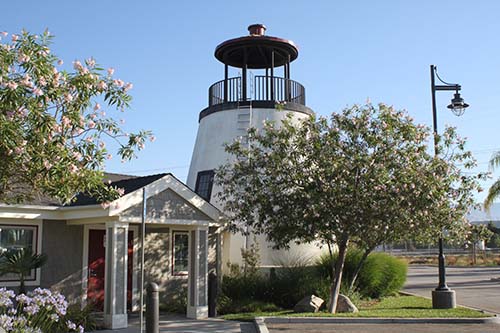
Who Owns and Operates Totally Kids Rehabilitation Hospital - D/P Snf?

TOTALLY KIDS REHABILITATION HOSPITAL - D/P SNF is owned by a for-profit company. For-profit facilities operate as businesses with obligations to shareholders or private owners. The facility operates independently rather than as part of a larger chain. With 56 certified beds and approximately 54 residents (about 96% occupancy), it is a smaller facility located in LOMA LINDA, California.
How Does Totally Kids Rehabilitation Hospital - D/P Snf Compare to Other California Nursing Homes?

Compared to the 100 nursing homes in California, TOTALLY KIDS REHABILITATION HOSPITAL - D/P SNF's overall rating (4 stars) is above the state average of 3.2, staff turnover (35%) is significantly lower than the state average of 46%, and health inspection rating (4 stars) is above the national benchmark.

What Should Families Ask When Visiting Totally Kids Rehabilitation Hospital - D/P Snf?

Based on this facility's data, families visiting should ask: "Can I visit during a mealtime to observe dining assistance and food quality?" "How do you handle medical emergencies, and what is your hospital transfer rate?" "Can I speak with family members of current residents about their experience?"

Is Totally Kids Rehabilitation Hospital - D/P Snf Safe?

Based on CMS inspection data, TOTALLY KIDS REHABILITATION HOSPITAL - D/P SNF has a clean safety record: no substantiated abuse findings (meaning no confirmed cases of resident harm), no Immediate Jeopardy citations (the most serious violation level indicating risk of serious injury or death), and is not on the Special Focus Facility watch list (a federal program monitoring the lowest-performing 1% of nursing homes). The facility has a 4-star overall rating and ranks #1 of 100 nursing homes in California. While no facility is perfect, families should still ask about staff-to-resident ratios and recent inspection results during their visit.

Do Nurses at Totally Kids Rehabilitation Hospital - D/P Snf Stick Around?

TOTALLY KIDS REHABILITATION HOSPITAL - D/P SNF has a staff turnover rate of 35%, which is about average for California nursing homes (state average: 46%). Moderate turnover is common in nursing homes, but families should still ask about staff tenure and how the facility maintains care continuity when employees leave.

Was Totally Kids Rehabilitation Hospital - D/P Snf Ever Fined?

TOTALLY KIDS REHABILITATION HOSPITAL - D/P SNF has no federal fines on record. CMS issues fines when nursing homes fail to meet care standards or don't correct problems found during inspections. The absence of fines suggests the facility has either maintained compliance or corrected any issues before penalties were assessed. This is a positive indicator, though families should still review recent inspection reports for the full picture.

Is Totally Kids Rehabilitation Hospital - D/P Snf on Any Federal Watch List?

TOTALLY KIDS REHABILITATION HOSPITAL - D/P SNF is not on any federal watch list. The most significant is the Special Focus Facility (SFF) program, which identifies the bottom 1% of nursing homes nationally based on persistent, serious quality problems. Not being on this list means the facility has avoided the pattern of deficiencies that triggers enhanced federal oversight. This is a positive indicator, though families should still review the facility's inspection history directly.