LOMITA POST-ACUTE CARE CENTER
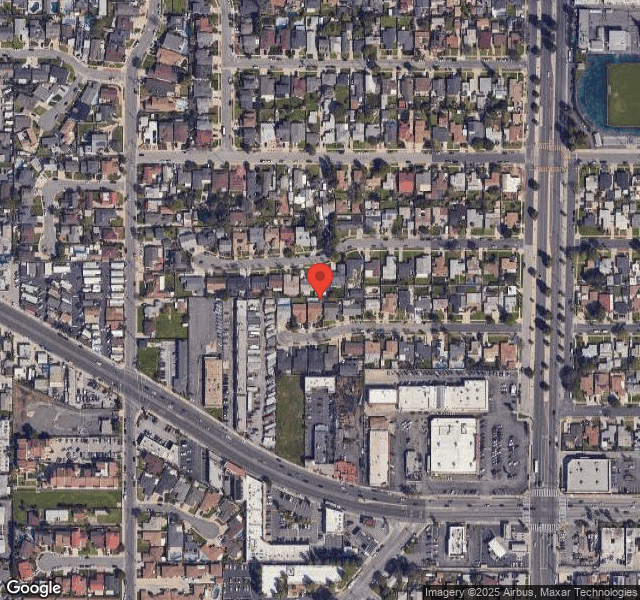

1955 LOMITA BLVD, LOMITA, CA 90717 (310) 325-1970
For profit - Individual 71 Beds THE ENSIGN GROUP Data: November 2025
Trust Grade
70/100
#391 of 1155 in CA
Last Inspection: November 2024

Within standard 12-15 month inspection cycle. Federal law requires annual inspections.

Overview

Lomita Post-Acute Care Center has a Trust Grade of B, which indicates it is a good option for care, reflecting solid performance relative to other facilities. It ranks #391 out of 1155 facilities in California, placing it in the top half of the state, and #59 out of 369 in Los Angeles County, meaning only a handful of local options are better. While the facility is improving, having reduced its issues from 14 in 2024 to just 3 in 2025, it still has some concerns, including the failure to maintain a sanitary environment, resulting in gnat infestations and potential food safety issues, which could lead to foodborne illnesses. Staffing is rated average with a 40% turnover rate, which is consistent with state averages, and the facility has no fines on record, indicating compliance with regulations. Overall, while there are some weaknesses, particularly in sanitation practices, the facility shows promise in other areas, such as its good trust score and ranking.

Trust Score
B
70/100
In California
#391/1155
Top 33%
Safety Record
Low Risk
No red flags
Inspections
Getting Better
14 → 3 violations
Staff Stability
○ Average
40% turnover. Near California's 48% average. Typical for the industry.
Penalties
✓ Good
No fines on record. Clean compliance history, better than most California facilities.
Skilled Nurses
⚠ Watch
Each resident gets only 27 minutes of Registered Nurse (RN) attention daily — below average for California. Fewer RN minutes means fewer trained eyes watching for problems.
Violations
⚠ Watch
39 deficiencies on record. Higher than average. Multiple issues found across inspections.
★★★★☆
4.0
Overall Rating
★★★☆☆
3.0
Staff Levels
★★★★★
5.0
Care Quality
★★★☆☆
3.0
Inspection Score
Stable
2024: 14 issues
2025: 3 issues

The Good

  • 5-Star Quality Measures · Strong clinical quality outcomes
  • Full Sprinkler Coverage · Fire safety systems throughout facility
  • No fines on record
  • Staff turnover below average (40%)

    8 points below California average of 48%

Facility shows strength in quality measures, fire safety.

The Bad

Staff Turnover: 40%

Near California avg (46%)

Typical for the industry

Chain: THE ENSIGN GROUP

Part of a multi-facility chain

Ask about local staffing decisions and management

The Ugly 39 deficiencies on record

Apr 2025 1 deficiency
CONCERN (D) 📢 Someone Reported This

A family member, employee, or ombudsman was alarmed enough to file a formal complaint

Potential for Harm - no one hurt, but risky conditions existed

Deficiency F0697 (Tag F0697)

Could have caused harm · This affected 1 resident

**NOTE- TERMS IN BRACKETS HAVE BEEN EDITED TO PROTECT CONFIDENTIALITY** Based on interview and record review, the facility failed to manage pain for one out of three residents (Resident 2), when Resid...

Read full inspector narrative →
**NOTE- TERMS IN BRACKETS HAVE BEEN EDITED TO PROTECT CONFIDENTIALITY** Based on interview and record review, the facility failed to manage pain for one out of three residents (Resident 2), when Resident 2 informed the Certified Nursing Assistant (CNA) 1 she had left arm and hand pain. This deficient practice had the potential to cause Resident 2's pain to worsen, become uncontrolled, create discomfort, and cause fear of receiving treatment/services due to anticipated pain. Findings: During a review of Resident 2's admission Record (Face Sheet), the Face Sheet indicated Resident 2 was admitted to the facility on [DATE] with diagnoses including cerebrovascular accident (CVA - stroke, loss of blood flow to a part of the brain) and left side hemiplegia (total paralysis of the arm, leg, and trunk on the same side of the body). During a review of Resident 2's Minimum Data Set (MDS – a resident assessment tool) dated 3/7/2025, the MDS indicated Resident 2 had severe cognitive (ability to think and reason) impairment and was dependent on staff for toileting hygiene, showering/bathing, personal hygiene, and dressing the upper/lower body. During a review of Resident 2's untitled Clinical Record (Care Plan section) initiated 9/10/2023, the Care Plan indicated Resident 2 has acute/chronic pain. Under this Care Plan, the goals indicated Resident 2 will not have an interruption in normal activities due to pain. The Care Plans interventions included administering pain medication as ordered 30 minutes prior to care, to anticipate pain relief, and respond immediately to any complaints of pain. During a concurrent observation and interview on 4/18/2025 at 11:31 a.m., in Resident 2's room, Resident 2 was observed awake, alert, lying in bed flat on her back, and noted to have a straight stiff left arm and left hand in a fist position. Resident 2 stated she had a stroke and was unable to move her left arm/hand. Resident 2 stated she was scared to be transferred out of bed or receive care because earlier that day when she was being showered with the assistance of CNA 1, she informed CNA 1 her left-hand got caught in the shower chair, was in pain, and needed to be repositioned. Resident 2 stated CNA 1 told her to wait until after the shower. Resident 2 stated after her shower was completed, she was put back to bed with a mechanical lift (a lift that provides support to residents to lift them up and transfer them) when her left-hand got stuck behind her on the sling as she was being lifted. Resident 2 stated she was still in pain and had not been given medication to help relieve the pain. During an interview on 4/18/2025 at 11:47 p.m., with CNA 1, CNA 1 stated Resident 2 informed her about her left-hand pain when being transferred back to bed, and she informed the Licensed Vocational Nurse (LVN) 1 right away. During an interview on 4/18/2025 at 11:54 a.m. with LVN 1, LVN 1 stated he was not aware that Resident 2 was in any pain but should have been informed right away to provide interventions for Resident 2's comfort. During an interview on 4/18/2025 at 12:01 p.m., with Restorative Nursing Assistant (RNA) 1, RNA 1 stated she was assisting CNA 1 transfer Resident 2 back to bed after her shower when Resident 2 complained of having pain in her left arm/hand. RNA 1 stated she did not report Resident 2's pain to anyone. During an interview on 4/22/2025 at 2:21 p.m. with the DON, the DON stated when Resident 2 reported pain to CNA 1 it should have been reported to a licensed nurse right away so the licensed nurse could assess Resident 2 and intervene appropriately. The DON stated since Resident 2 had a known history of frequent pain in her left hand/arm she should have been premedicated prior to showering or other activities since pain could be anticipated to keep her comfortable and control pain. During a review of the facility's undated policy and procedure (P&P) titled, Pain Management, dated 4/2022, the P&P indicated screening should be done to determine if the resident has been or is experiencing pain, identifying circumstances when pain can be anticipated, and implementing pharmacological and non-pharmacological interventions to manage the pain, per the resident's care plan.
Mar 2025 1 deficiency
CONCERN (D) 📢 Someone Reported This

A family member, employee, or ombudsman was alarmed enough to file a formal complaint

Potential for Harm - no one hurt, but risky conditions existed

Infection Control (Tag F0880)

Could have caused harm · This affected 1 resident

**NOTE- TERMS IN BRACKETS HAVE BEEN EDITED TO PROTECT CONFIDENTIALITY** Based on observation, interview, and record review, the facility failed to ensure a contact precaution sign indicating the perso...

Read full inspector narrative →
**NOTE- TERMS IN BRACKETS HAVE BEEN EDITED TO PROTECT CONFIDENTIALITY** Based on observation, interview, and record review, the facility failed to ensure a contact precaution sign indicating the personal protective equipment (PPE – clothing and equipment that is worn or used to provide protection against hazardous substances and/or environments) that needed to be worn prior to visitors entering the room was posted for one of seven sampled residents (Resident 6) who tested positive for clostridium difficile (C. Diff - a highly contagious bacteria that causes severe diarrhea). This deficient practice had the potential to spread C. diff to other residents, visitors, and staff. Findings: During a review of Resident 6 ' s admission Record (Face Sheet), the Face Sheet indicated, Resident 6 was admitted to the facility on [DATE] with diagnoses including encounter for orthopedic aftercare following surgical amputation (a medical visit or series of visits after a limb amputation to focus on healing, recovery, and rehabilitation) and type 2 Diabetes Mellitus (DM- a disorder characterized by difficulty in blood sugar control and poor wound healing). During a review of Resident 6 ' s History and Physical (H&P), dated 2/18/2025, the H&P indicated, Resident 6 had the capacity to understand and make decisions. During a review of Resident 6 ' s Minimum Data Set (MDS - a resident assessment tool), dated 2/21/2025, the MDS indicated, Resident 6 cognition (thinking) was intact, and had the ability to understand and be understood by others. During a review of Resident 6 ' s Lab Results Report, dated 3/19/2025, the Lab Results Report indicated, Resident 6 tested positive for C. Diff on 3/19/2025. During a concurrent observation and interview on 3/28/2025 at 4:52 a.m., with the Registered Nurse (RN), in the hallway in front of Resident 6 ' s room, a stop sign was observed located on the right side of the door frame indicating staff to follow instructions on back of the sign and to wash their hands before and after entering the room. The back of the stop sign indicated contact isolation for C. Diff and for staff to apply PPE. The sign did not indicate that visitors are required to wear PPE. The RN stated she did not see instructions for visitors to apply PPE upon entering the room. The RN stated it was important to have a contact isolation sign for the visitors so that they are aware of what PPE to apply so that they are protected from becoming infected with C. Diff is and potentially spreading it other residents, their families, and staff. During a review of the facility ' s policy and procedure (P&P) titled, Infection Prevention and Control Program and Transmission-Based Precautions, revised 3/2024, the P&P indicated it is the policy of this facility to implement infection control measures to prevent the spread of communicable diseases and conditions. Transmission based precautions are the second tier of basic infection control and used in addition to standard precautions for patients who are or may be infected or colonized with certain infectious agents for which additional precautions are needed to prevent infection transmission. During a review of the facility ' s P&P titled, Visitation, Infection Control During, revised 4/2024, the P&P indicated the facility shall establish appropriate guidelines for visitors to try and prevent the transmission of communicable diseases. Family members and visitors who are providing care or have very close contact with the resident will be trained regarding the appropriate use of infection control barriers such as personal protective equipment.
Mar 2025 1 deficiency
CONCERN (F) 📢 Someone Reported This

A family member, employee, or ombudsman was alarmed enough to file a formal complaint

Potential for Harm - no one hurt, but risky conditions existed

Deficiency F0925 (Tag F0925)

Could have caused harm · This affected most or all residents

**NOTE- TERMS IN BRACKETS HAVE BEEN EDITED TO PROTECT CONFIDENTIALITY** Based on observation, interview, and record review, the facility failed to have an effective pest control program to prevent the...

Read full inspector narrative →
**NOTE- TERMS IN BRACKETS HAVE BEEN EDITED TO PROTECT CONFIDENTIALITY** Based on observation, interview, and record review, the facility failed to have an effective pest control program to prevent the infestation of gnats (fruit fly: flying, winged flies) by failing to: 1. Maintain a sanity environment for the residents' shared refrigerator in the dining room. 2. Prevent gnats from flying in Resident 1's room during lunch time. 3. Place UV fly traps throughout the facility and have working UV fly traps in Resident 5's room. 4. Maintain a sanitary environment in the storage room in the kitchen. These deficient practices have the potential to have flies in the food while having lunch and can affect residents that has open wounds prone to infection. Findings: During an observation on 3/11/2025 at 12:05p.m. in shared residents' refrigerator, there were 11 small black gnats with three (3) walking at the bottom of the refrigerator. The refrigerator had a lot of containers that appears to be brought from home with no date or room number, yogurts with the resident's name but no date, and had a very strong odor the moment the refrigerator was opened. During a review of Resident 3's admission record (Face Sheet), the Face Sheet indicated Resident 3 was initially admitted to the facility on [DATE] and was readmitted on [DATE] with diagnoses including hemiplegia (total paralysis of the arm, leg, and trunk on the same side of the body) and hemiparesis (weakness of one side of the body) following cerebral infarction (blood flow to the brain is interrupted causing brain cells to die) affecting right dominant side, lack of coordination, and hypertension (HTN-high blood pressure). During a review of Resident 3's History and Physical (H&P) dated 2/8/2025, the H&P indicated Resident 3 does not have the capacity to understand and make decisions. During a review of Resident 3's Minimum Data Set ([MDS] a resident assessment tool) dated 2/18/2025, the MDS indicated Resident 3's cognitive skills (the mental action or process of acquiring knowledge and understanding through thought, experience, and the senses) were moderately impaired. The MDS indicated Resident 3 was dependent on toileting, required maximal assistance for chair/bed-to-chair transfer, dressing upper (waist and above) and lower (below waist) body, moderate assistance for oral hygiene, and required supervision for eating. During a concurrent observation and interview on 3/11/2025 at 12:33p.m. in Resident 3's room, two gnats flying were observed. Resident 3's Family Member 3 (FM 3) stated the gnats emerge during meal times and has seen gnats around since Resident 3 was readmitted to the facility on [DATE]. FM 3 stated the gnats comes out the minute the food comes out and see the gnats occasionally when there are no food. FM 3 stated the Administrator (ADM) is aware and indicated he came around with zappers through the hallway. FM 3 stated if residents are dependent during feeding, the gnat might get into the food and the residents would not know. FM 3 was observed swatting and killing gnats during the interview. Resident 3 was observed swatting the gnat away from her lunch. A gnat was observed a gnat walking on the corner of Resident 3's water pitcher. During an observation on 3/11/2025 at 12:35p.m., a gnat was observed flying inside a plate with a sandwich and a bag of potato chips that has been saran wrapped. During an observation on 3/11/2025 at 12:49p.m., there were gnats flying by the loafs of breads in the dry storage room in the kitchen. During a concurrent observation and interview on 3/11/2025 at 12:52p.m. with Dietary Manager (DM), DM stated he noticed the gnats around 3 days ago and does not know where they came from. DM stated at the moment, the source of the gnats was the drainage and have been moping everything clean and pouring hot water down in the drain every evening shift. There was one (1) gnat observed flying near the drainage. DM stated gnats being in the storage room is not acceptable due to cross contamination. During a concurrent observation, interview, and record review on 3/11/2025 at 1:01p.m. with Maintenance Director/Housekeeper (MDH),. MDH stated the gnats have been in the facility for a week and have seen then before, but not to this extent. MDH stated since there were gnats in some of the residents rooms, they placed fly traps. Fly traps were observed in one of the residents rooms, another close by to a different resident's room, one by the entrance, an industrial sized pest control zapper in the dining room, and another in the staff breakroom. MDH stated the big pest control zappers have been for a year and the sticky board is replaced once a month. MDH stated some of the UV fly traps are concentrated by three rooms as one of the residents has complained about gnats. MDH stated he spoke to pest control on 3/4/2025 and they came to assess the situation and made recommendations: to keep the door closed and per special service commercial agreement from the pest control, will fog the kitchen to knockdown adult fruit fly activity in five (5) to seven (7) day. MDH stated he is not sure where they originated from but indicated gnats thrive from anything organic (substance that is derived from or related to living organisms such as fruit, vegetables, juice). MDH stated gnats in the facility is not acceptable as they can contaminate the food. During an interview on 3/11/2025 at 1:19pm with FM 3,. FM 3 stated the residents can eat the gnat since it can look like pepper when it goes into the soup. FM 3 stated the gnats became more prominent within the last two (2) to 3 weeks and has the facility has been trying to mitigate it as much as possible. FM 3 stated she does not know where the source is, but the residents storing food in and out of the refrigerator might not be good idea. During a review of Resident 5's Face Sheet, the Face Sheet indicated Resident 5 was initially admitted on [DATE] and was readmitted to the facility on [DATE] with diagnoses including Parkinson's Disease (a progressive disease of the nervous system marked by tremor, muscular rigidity, and slow, imprecise movements) with dyskinesis (uncontrolled movements of face, arms, legs), abnormal posture, and bullous pemphigoid (autoimmune skin disorder [when body attacks own healthy tissues] that causes large, fluid-filled blisters on the skin). During a review of Resident 5's H&P dated 2/6/2025, the H&P indicated Resident 5 has the capacity to understand and make decisions. During a review of Resident 5's MDS dated [DATE], the MDS indicated Resident 5's cognitive skills were moderately impaired. The MDS indicated Resident 5 was dependent on chair/bed-to-chair transfer, bathing, toileting hygiene, lower body dressing, required maximal assistance for oral hygiene and upper body dressing, and required supervision for eating. During a concurrent observation and interview on 3/11/2025 at 1:40p.m, with Resident 5, Resident 5 stated the gnats show up when there is food. Resident 5 stated the gnats have been around a week or so ago and has been multiplying every day. Resident 5 stated they had placed a UV fly trapper 2-3 days ago on the wall and it used to light up blue. It was observed the UV fly trap was covered behind a fall mat and did not appear to be on. During an interview on 3/11/2025 at 1:50p.m. with MDH, MDH stated most of the gnats were in the kitchen as they had bad fruits in the pantry, so pest control was called on the same day. MDH stated it was reported to him that gnats were observed in the hallway, so he assessed the hallways and ordered the pest control traps. MDH stated when the issue persisted for 48 hours, he called pest control. MDH stated pest control came on 3/4/2025 but could not do the kitchen fogging until 3/11/2025 at 7:30p.m. due to scheduling. MDH stated they could have identified the issue quicker as gnats are difficult to get rid of once they are present During a concurrent observation and interview on 3/11/2025 at 2:03p.m. with MDH, MDH stated the UV fly zapper in Resident 5's room was assessed last week and indicated the sticky paper was missing and was not on. MDH stated the sticky paper is replaced as needed and indicated the UV fly zapper was supposed to be on and working. During an interview on 3/11/2025 at 2:08p.m. with Activities Assistant (AA), AA stated food it stored in the shared resident's refrigerator for 3 days and housekeeping will toss them out after the 3rd day. AA stated she has observed gnats in the dining room and are there all day bother her and the residents while doing activities. AA stated gnats in the dining room not okay as they are annoying during mealtimes, uncomfortable, and unsanitary. AA stated they do not touch the refrigerator unless the residents ask for their food, and it is housekeeping's responsibility to clean the fridge. During an interview on 3/11/2025 at 2:44p.m. with Pest Control (PC), PC stated he observed fruit flies in a couple of residents room as they had exposed food items, in the kitchen near the soda dispenser, and some in the dry storage area, but indicated the area of concern was the corner by the soda dispenser where there was a lot of organic buildup by the juice box. PC stated the recommendation was to do sanitation to get rid of the fruit flies and required sanitation education. During a concurrent observation and interview on 3/11/2025 at 4:05p.m. with HK 1, it was observed that the shared refrigerator was cleaned, but HK 1 stated it is the first time she has seen the shared refrigerator with gnats flying inside. During a concurrent interview and record review on 3/11/2025 at 4:21p.m. with HK 1, HK 1 stated the Refrigerator Cleaning Log (Clean Every 3 Days) was last dated on 2/10/2025 and indicated it was cleaned, but no one has documented that it was cleaned. During a concurrent interview and record review on 3/11/2025 at 5:01p.m. with Director of Nursing (DON), DON stated there are still gnats within the facility. DON stated some of the gnats were in the residents rooms. DON stated some of the residents have complained about it and has seen the family and residents swatting the gnats DON stated the food is supposed to be thrown away every 3 days as it can cause spoilage and want to prevent residents from getting sick. DON stated family members bring food, the staff are notified at the entrance, will label the food with name and date, and will place the food in the refrigerator. DON stated they were trying to target the source of where the gnats were coming from but indicated it would have benefited the facility if they had placed the UV fly traps throughout the facility to prevent the gnats from flying. During a review of the facility's policy and procedure (P&P) titled, Departmental: Pest Control, revised 5/2023, the P&P indicated it is the policy of this facility to provide an environment free of pests. Monitoring of the environment will be done by the facility's staff. During a review of the facility's P&P titled, Storage of Food and Supplies, undated, the P&P indicated food, and supplies will be stored properly in a safe manner. Routine cleaning and pest control procedures should be developed and followed. During a review of the facility's P&P titled, Cleaning and Disinfection of Environmental Surfaces, undated, the P&P indicated environmental surfaces will be cleaned and disinfected according to current Centers for Disease Control and Prevention (CDC: organization that protect public's health) for disinfection of healthcare facilities and the OSHA Bloodborne Pathogens Standard. The following categories are used to distinguish the levels of sterilization/disinfection necessary for items used in resident care and those in the resident's environment: non-critical items are those that come in contact with intact skin but not mucous membranes. Environmental surfaces will be disinfected (or cleaned) on a regular basis.
Nov 2024 14 deficiencies
CONCERN (D)

Potential for Harm - no one hurt, but risky conditions existed

Assessment Accuracy (Tag F0641)

Could have caused harm · This affected 1 resident

**NOTE- TERMS IN BRACKETS HAVE BEEN EDITED TO PROTECT CONFIDENTIALITY** Based on observation, interview, and record review, the facility failed to ensure one of three residents (Resident 12) Minimum D...

Read full inspector narrative →
**NOTE- TERMS IN BRACKETS HAVE BEEN EDITED TO PROTECT CONFIDENTIALITY** Based on observation, interview, and record review, the facility failed to ensure one of three residents (Resident 12) Minimum Data Set (MDS- a federally mandated resident assessment tool) was accurately documented to reflect Resident 12 hearing status. This deficient practice had the potential to negatively affect Resident 12's plan of care and delivery of necessary care and services. Findings: During a review of Resident 12's admission Record, the admission Record indicated Resident 12 was admitted to the facility on [DATE] with diagnoses including anxiety (a feeling of fear, dread, and uneasiness) and major depressive disorder (a mood disorder that can cause severe symptoms that affect a person's feelings, thoughts, and daily activities). During a review of Resident 12's MDS, the MDS indicated Resident 12 has adequate (normal) hearing. During a review of Resident 12's Care Plan titled, Resident 12 had a communication problem related to hard of hearing bilateral ear initiated on 1/30/2024, the Care Plan interventions for Resident 12 included validate message by repeating aloud and use touch, facial expression, tone, and body language to enhance communication. During an interview on 10/29/2024 at 10:19 a.m., with Resident 12, Resident 12 stated she is hard of hearing and would like to have hearing aids. During an interview on 10/31/2024 at 2:37 p.m., with Certified Nurse Assistant (CNA) 4, CNA 4 stated Resident 12 was hard of hearing and when speaking to her, you must get very close to her so she can hear. CNA 4 stated Resident 12 watches television with the volume high and would benefit from hearing aids. During an interview on 10/31/2024 at 3:30 p.m., with Registered Nurse Supervisor (RNS) 1, RNS 1 stated Resident 12 is hard of hearing. RNS 1 stated hearing aids would be helpful for Resident 12 because she enjoys watching the sports games and hearing aids would be good for Resident 12's overall health. During a concurrent interview and record review on 11/1/2024 at 12:23 p.m., with the Minimum Data Set Nurse (MDSN), MDSN stated Resident 12 is hard of hearing, but the MDS indicated her hearing was adequate which means there were no hearing issues. MDSN stated the MDS should state minimal rather than adequate for Resident 12's hearing assessment. MDSN stated MDS accuracy was important because it affects what necessary care and services Resident 12 needs. During a concurrent interview and record review on 11/1/2024 at 4:17 p.m., with the Director of Nursing (DON), the DON stated Resident 12's MDS for hearing should be marked as minimal and not adequate because Resident 12 is hard of hearing. During a review of the MDS Nurse Job Description, dated 4/12/2024, the job description indicated, Assist with MDS completion with the Interdisciplinary team in timely completion of the assessments. Monitors overall the documentation in the medical record to validate that it supports MDS coding.
CONCERN (D)

Potential for Harm - no one hurt, but risky conditions existed

Comprehensive Care Plan (Tag F0656)

Could have caused harm · This affected 1 resident

**NOTE- TERMS IN BRACKETS HAVE BEEN EDITED TO PROTECT CONFIDENTIALITY** Based on interview and record review, the facility failed to implement care plan interventions for one of three residents (Resid...

Read full inspector narrative →
**NOTE- TERMS IN BRACKETS HAVE BEEN EDITED TO PROTECT CONFIDENTIALITY** Based on interview and record review, the facility failed to implement care plan interventions for one of three residents (Resident 51) who received anti-coagulant therapy (a medication that prevents or treats blood clots in the heart and blood vessels). This failure had the potential to result in complications from the use of anti-coagulant therapy including bruising and bleeding. Findings: During a review of Resident 51's admission Record, the admission Record indicated Resident 51 was admitted to the facility on [DATE] with diagnoses including venous thrombosis (a condition where a blood clot forms in a vein and blocks blood flow) and embolism (blood clots in the veins) and renal dialysis (a procedure to remove waste products and excess fluid from the blood when the kidneys stop working properly). During a review of Resident 51's Minimum Data Set (MDS- a federally mandated assessment tool) dated 10/17/2024, the MDS indicated Resident 51 had moderate cognitive (ability to think, understand, learn, and remember) impairment. During a review of Resident 51's Physician Order Summary Report, the Physician Order Summary Report indicated on order was placed on 8/8/2024 for Eliquis (a blood thinner medicine that reduces blood clotting). During a review of Resident 51's Care Plan titled Resident 51 was on anticoagulant therapy initiated 4/15/2024, the care plan interventions for Resident 51 included monitoring, documenting, and reporting signs and symptoms of anticoagulant complications: blood in urine, black tarry stools (bleeding in the upper gastrointestinal tract), blood in stool, bruising, and bleeding. During a concurrent interview and record review on 10/30/2024 at 2:30 p.m., with Licensed Vocational Nurse (LVN) 3, LVN 3 stated Resident 51 is currently taking Eliquis for venous thrombosis. LVN 3 stated there was a care plan for Eliquis and to monitor for bleeding, but LVN 3 was unable to locate documentation for monitoring for bleeding. LVN 3 stated they are not following the care plan but should be because if Resident 51 was not monitored for bleeding, Resident 51 could go into shock (a life-threatening condition that occurs when the body is not getting enough blood flow), develop internal bleeding (bleeding that occurs within the body), and possibly die. During a concurrent interview and record review, on 10/30/2024, at 3:53 p.m., with Registered Nurse Supervisor (RNS) 1, RNS 1 stated Resident 51 is taking Eliquis for venous thrombosis and there should be monitoring for bleeding because Resident 51 is on renal dialysis and is at risk for bleeding. Reviewed Resident 51's medical record, RNS 1 stated there was no documentation on monitoring for signs and symptoms of bleeding. RNS 1 stated there was a care plan for Eliquis to monitor for signs and symptoms of bleeding but was not implemented. RNS 1 stated Resident 51's care plan was not followed. During an interview with the Director of Nursing (DON), on 11/1/2024 at 4:17 p.m., the DON stated it was important to follow the Eliquis plan of care for Resident 51 monitoring for signs and symptoms of bleeding. The DON stated Resident 51 could develop internal bleeding and signs and symptoms of bleeding could be missed. During a review of the facility's policy and procedure (P&P) titled General Anticoagulation Management, undated, the P&P indicated, Evaluation of bleeding may include the assessment for the following signs/symptoms, as reported by the patient's nurse/charge nurse: excessive bleeding/bruising, petechiae, nose bleed, gingival (gums) bleeding, hematuria (blood in urine), blood in stools, hemorrhoidal bleeding, persistent oozing from superficial injuries, severe, acute abdominal or back pain.
CONCERN (D)

Potential for Harm - no one hurt, but risky conditions existed

ADL Care (Tag F0677)

Could have caused harm · This affected 1 resident

**NOTE- TERMS IN BRACKETS HAVE BEEN EDITED TO PROTECT CONFIDENTIALITY** Based on interview and record review, the facility failed to ensure one of six sampled residents (Resident 163) was helped with ...

Read full inspector narrative →
**NOTE- TERMS IN BRACKETS HAVE BEEN EDITED TO PROTECT CONFIDENTIALITY** Based on interview and record review, the facility failed to ensure one of six sampled residents (Resident 163) was helped with activities of daily living (ADL- routine tasks/activities such as bathing, dressing and toileting a person performs daily to care for themselves) when Resident 163 requested to have a shower. This failure resulted in Resident 163 feeling abandoned and neglected. Findings: During a review of Resident 163's admission Record, the admission Record indicated Resident 163 was admitted to the facility on [DATE] with diagnoses including displaced intertrochanteric fracture of left femur (hip breaks between the bumpy parts at the top of the thigh bone), history of falling, polymyalgia rheumatica (inflammatory disorder that causes muscle pain and stiffness especially in the shoulders and hips) and presence of left artificial knee joint. During a review of Minimum Data Set (MDS- a federally mandated resident assessment tool) dated 10/29/2024, the MDS indicated Resident 163 had an intact cognition (ability to think, understand, learn, and remember) and was dependent on staff with shower or bathing, and toileting hygiene. The MDS indicated Resident 163 had an impairment on one side of the body (hip, knee, ankle, and foot) and required substantial or maximal assistance (staff complete the activities for the resident) with bed mobility and lower dressing. The MDS indicated chair/bed to chair transfer was not attempted due to medical and safety concerns. During a review of Resident 163's Care Plan titled Resident had a left comminuted (bone is broken into more than two pieces) intertrochanteric hip fracture and intramedullary hip screw (use of internal devices like screw to stabilize broken bones) related to fall, care plan goal indicated surgical incision will heal without infection. The Care Plan interventions included anticipating and meeting resident's needs and ensuring call light was within reach and to respond promptly to all requests for assistance. During a review of Resident 163's Activities of Daily Living Task dated 10/28/2024 to 11/1/2024, the ADL Task indicated Resident 163 was dependent on staff with showering or bathing. During a review of Resident 163's ADL Task dated 10/28/2024, 10/30/2024, and 11/1/2024, the ADL Task indicated Resident 163 was dependent on staff with transfer to and from a bed to a chair or wheelchair. During an interview on 11/1/2024, at 12:05 p.m., with Resident 163, Resident 163 stated she used her call light because her diaper was wet and needed to be changed. Resident 163 stated Certified Nursing Assistant (CNA1) answered and offered a shower. Resident 163 stated CNA 1 had difficulty bringing her to the shower room because she could not bend her left leg while in the shower chair. Resident 163 stated CNA 1 returned her to the bed with another staff and told her she would be back to give her a bath. Resident 1 stated she fell asleep and woke up in tears and used the call light to get help. Resident 163 stated she felt abandoned and frustrated because CNA 1 did not return to help her. During an interview on 11/1/2024, at 12: 31 p.m. with CNA 1, CNA 1 stated Resident 163 required total assistance with personal care because of her legs. CNA 1 stated on 10/31/2024, at around 10:00 a.m., Resident 163 was requesting for a shower because she had not showered for a few days. CNA1 stated it was her first time to transfer Resident 163 by herself in a shower chair and noticed resident's left leg was unable to bend while in the shower chair. CNA 1 stated resident was able to sit on the shower chair but could not bend her leg, so she asked CNA 2 to help her get Resident 163 back to bed at around 11:00 a.m. CNA 1 stated she told Licensed Vocational Nurse (LVN 2) about Resident 163's complaint of pain and told the Resident 163 she will provide bed bath after lunch. CNA1 stated she did not provide bed bath due to Resident 163's pain and had left for lunch at 11:40 a.m., then came back to the unit at 12:10 p.m. CNA1 stated she should have found out more information on how to transfer and take care of Resident 163's needs or asked another CNA to help her move Resident 163 to the shower chair to assist Resident 163 with her ADLs. CNA 1 stated Resident 163 could feel ignored and frustrated when her needs were not met in a timely manner. During an interview on 11/1/2024, at 1:27 p.m., with CNA 2, CNA2 stated CNA 1 asked her to help with the transfer of Resident 163 from the shower chair to the bed. CNA 2 stated she would usually ask physical therapist on what kind of assistance would a resident need if they had hip surgery before transferring the resident to a chair to ensure patient's safety. During a telephone interview on 11/1/2024, at 1:27 p.m., with LVN 2, LVN 2 stated he could not remember CNA 1 notifying him about Resident 163's pain around 11:00 a.m. and did not administer any pain medication to Resident 163 yesterday (10/31/2024). During a review of Resident 163's Physician Order Summary Report, the Physician Order Summary Report dated 10/26/2024 indicated toe touch weight bearing (a weight bearing restriction that allows a person to touch the floor with their toes or foot for balance, but no weight should be placed on the affected leg) on left lower extremity (leg). During a concurrent interview and record review 11/1/2024, at 1:40 p.m. with Director of Nursing (DON), reviewed Resident 163's Medication Administration Record (MAR) dated 10/31/2024, the DON stated Resident 163 did not receive any as needed (prn) pain medication on 10/31/2024 except Duloxetine (medicine that treats pain and depression) administered on 10/31/2024 at 6:30 a.m. During an interview on 11/1/2023, at 2:26 p.m. with Physical Therapist (PT 1), PT 1 stated Resident 163 can have one person assist as long as the staff know what they are doing because of the toe touch weight bearing on the left leg. PT 1 stated the staff should transfer her on the good side because Resident 163 had a lot of stiffness and if it was a new resident, the staff should get another person to help transfer Resident 163 from bed to chair. During an interview on 11/1/2024, at 3:20 p.m. with RN Supervisor (RNS 1), RNS 1 stated Resident 163 should have two people assist with transfer to prevent an accident or fall. RNS 1 stated CNA 1 should have notified another staff that covers her while on lunch break about Resident 163's request to be bathe or showered. RNS 1 stated CNA 1 should have communicated Resident 163 that she would be taking her lunch break and there will be another staff covering her while at lunch break. RNS 1 stated Resident 163 would feel neglected, and her needs would not be met. During an interview on 11/1/2024, at 5:01 p.m., with the DON, the DON stated the incident should have been prevented by providing care in a timely manner. The DON stated Resident 163 would feel abandoned and neglected if her needs were not met. During a review of facility's policy and procedure(P&P) titled, Resident Rights, revised 12/2016, the P&P indicated employees shall treat all residents with kindness, respect, and dignity and these rights include the resident rights to be informed of and participate in her care planning and treatment. During a review of the facility's policy and procedure (P&P) titled, ADL Care revised 11/2021, the P&P indicated residents who are unable to carry out activities of daily living (ADL) will receive assistance as needed.
CONCERN (D)

Potential for Harm - no one hurt, but risky conditions existed

Quality of Care (Tag F0684)

Could have caused harm · This affected 1 resident

**NOTE- TERMS IN BRACKETS HAVE BEEN EDITED TO PROTECT CONFIDENTIALITY** Based on observation, interview and record review, the facility failed to ensure one of six sampled residents (Resident 32) rece...

Read full inspector narrative →
**NOTE- TERMS IN BRACKETS HAVE BEEN EDITED TO PROTECT CONFIDENTIALITY** Based on observation, interview and record review, the facility failed to ensure one of six sampled residents (Resident 32) received necessary care and services by failing to: 1.Follow up and ensure venous and arterial doppler (imaging test that uses sound waves test and help diagnose problems that affect the flow of blood) was done in a timely manner as ordered by the physician on 10/28/2024. 2. Monitor and assess the size of hematoma on Resident 32's left leg. This failure had the potential to cause delays in diagnosis, which could lead to delays in appropriate treatment for Resident 32. Findings: During a review of Resident 32's admission Record, the admission Record indicated Resident 32 was admitted to the facility on [DATE], and was readmitted on [DATE] with diagnoses including laceration of popliteal artery of the left leg( cut or tear of popliteal artery which is the main blood vessel that supplies blood for the lower leg and knee area), displaced bicondylar fracture of left tibia ( severe injury that occurs when both upper and lower parts of shinbone are broken and displaced from their normal position), and heart failure (heart does not pump enough blood to meet body's needs). During a review of Resident 32's Minimum Data Set (MDS- a federally mandated resident assessment tool) dated 9/19/2024, the MDS indicated Resident 32 had moderately impaired cognitive skills (ability to think, understand, learn, and remember) and required partial/moderate assistance (helper does less than half the effort) with toileting hygiene, bathing, and lower body dressing. During a review of Resident 32's Physician Order dated 10/28/2024, the Physician's Order indicated a telephone order of venous and arterial doppler on left lower extremity (left leg) to check circulation, today (10/28/2024). The Physician Order indicated the test was for the pain/ swelling. During a review of Resident 32's Treatment Administration Record (TAR) dated from October 10 to October 31, 2024, the TAR indicated to apply ice packs to left knee for 15 to 20 minutes three times a day. During an observation and interview on 10/29/2024, at 11:38 a.m., with Resident 32, Resident 32 was lying in bed scratching her left leg. Observed a hematoma (a solid swelling of clotted blood within the tissues) on the left leg below the knee. Resident 32 stated she had swelling on her leg because it got broken into several pieces and was waiting for ultrasound test of her leg. During a concurrent interview and record review on 10/30/2024, at 2:13 p.m. with Licensed Vocational Nurse (LVN 3), reviewed Resident 32's electronic health record, LVN 3 stated Resident 32 had a surgical incision and a hematoma on the left leg. LVN 3 confirmed the order of doppler of venous and arterial was ordered to be done on 10/28/2024 and was not done yet. LVN 3 stated the licensed nurses will fax the order and will follow up if the order for the test was received. LVN 3 stated if the venous and arterial doppler test was not done, the licensed nurse should notify the physician and the resident so they will know there was a delay. LVN 3 stated no documentation the physician was notified of the delay, or the test was followed up with the ultrasound company. During a concurrent interview and record review on 10/30/2024, at 3:24 p.m. with Registered Nurse Supervisor (RNS 1) reviewed Resident 32's Nurses Progress Notes, RNS 1 stated venous and arterial doppler was not done on 10/28/2024 because the x-ray technician was not available at that time. RNS 1 stated the facility should inform the physician when a test was not done. RNS 1 confirmed there was no documentation about notification of the physician that the test was not done on 10/28/2024 as ordered. RNS 1 stated not notifying the physician the venous and arterial doppler was not done as ordered could cause a delay of treatment or care to Resident 32. During an interview on 11/1/2024, at 4:34 p.m., with the Director of Nursing (DON), the DON stated Resident 32 had a history of ruptured popliteal artery which was treated in general acute care hospital (GACH). The DON stated facility staff should have followed up with ultrasound company and if there was a delay the physician should be notified. The DON stated Resident 32 could have a blood clot if not addressed right away which could lead to complications if the test was not done in a timely manner. 2. During a concurrent interview and record review on 10/31/2024, at 11:26 a.m., with Treatment Nurse (TN 1), reviewed Resident 32's electronic health record, TN 1 stated ice pack was applied on Resident 32's left knee swelling on 10/9/2024 up to the present (10/31/2024). TN 1 stated the hematoma below the left knee was first documented on 9/16/2024. TN 1 stated the hematoma was monitored through visual check and agreed it was not an accurate way of assessing if the size got bigger or had decreased. TN 1 stated resident complained of discomfort but no new increasing discomfort. During an interview on 10/30/2024, at 3:24 p.m. with RN Supervisor (RNS 1), RNS 1 the reason for the venous and arterial doppler test was because Resident 32 had pain and swelling on the left leg. RNS 1 stated she monitored the hematoma on the left leg by looking at it and the size had not changed. During an interview on 11/1/2024, at 4:34 p.m. with the DON, the DON stated assessment of hematoma should be specific and the licensed nurse should have measured the size to determine if it was getting bigger or smaller. The DON stated Resident 32 could be bleeding internally and could go unnoticed which could cause a delay in treatment and care. During a review of facility's Job Description of Registered Nurse (RN) dated 12/17/2021, the Job Description of Registered Nurse indicated The RN initiates requests for consultation or referral consult with physician concerning resident evaluation and determine when to refer the resident to the physician for evaluation, supervisions, and directions. During a review of facility's policy and procedure (P&P) titled Change in a Resident's Condition or Status, undated, the P&P indicated The nurse supervisor will notify resident's attending physician when there is a need to alter the resident's treatment significantly or deemed necessary or appropriate in the best interest of the resident. The P&P indicated regardless of the resident's mental or physical or mental, nursing services will inform the resident of any changes in his or her medical care or nursing treatments.
CONCERN (D)

Potential for Harm - no one hurt, but risky conditions existed

Deficiency F0685 (Tag F0685)

Could have caused harm · This affected 1 resident

**NOTE- TERMS IN BRACKETS HAVE BEEN EDITED TO PROTECT CONFIDENTIALITY** Based on observation, interview, and record review, the facility failed to ensure one of three residents (Resident 12) received ...

Read full inspector narrative →
**NOTE- TERMS IN BRACKETS HAVE BEEN EDITED TO PROTECT CONFIDENTIALITY** Based on observation, interview, and record review, the facility failed to ensure one of three residents (Resident 12) received access to hearing services. This failure resulted in Resident 12 having trouble hearing properly. Findings: During a review of Resident 12's admission Record, the admission Record indicated Resident 12 was admitted to the facility on [DATE] with diagnoses including anxiety (a feeling of fear, dread, and uneasiness) and major depressive disorder (a mood disorder that can cause severe symptoms that affect a person's feelings, thoughts, and daily activities). During a review of Resident 12's MDS, the MDS indicated Resident 12 has adequate (normal) hearing. During a review of Resident 12's Care Plan titled, Resident 12 had a communication problem related to hard of hearing bilateral ear initiated on 1/30/2024, the Care Plan interventions for Resident 12 included validate message by repeating aloud and use touch, facial expression, tone, and body language to enhance communication. During an interview on 10/29/2024 at 10:19 a.m., with Resident 12, Resident 12 stated she is hard of hearing and would like to have hearing aids. During an interview on 10/31/2024 at 2:37 p.m., with Certified Nurse Assistant (CNA) 4, CNA 4 stated Resident 12 was hard of hearing and when speaking to her, you must get very close to her so she can hear. CNA 4 stated Resident 12 watches television with the volume high and would benefit from hearing aids. During an interview on 10/31/2024 at 3:30 p.m., with Registered Nurse Supervisor (RNS) 1, RNS 1 stated Resident 12 is hard of hearing. RNS 1 stated hearing aids would be helpful for Resident 12 because she enjoys watching the sports games and hearing aids would be good for Resident 12's overall health. During an interview on 11/1/2024 at 4:17 p.m., with the Director of Nursing (DON), the DON stated Resident 12 is hard of hearing and it would be beneficial for her to have hearing aids so she could communicate better and understand more. During a review of the facility's policy and procedure (P&P) titled, Ancillary Services, undated, the P&P indicated, It is the policy of this facility to obtain dental, optometry, ophthalmology, podiatry, audiology (ENT), and psychosocial/psychiatric services for residents who present with or request a need for these ancillary services. Ancillary services help residents attain and maintain healthy psychosocial functioning through their ability to interact with their environment. All residents will be assessed for ancillary needs upon admission, and reassessed quarterly and as needed. Cross Reference F641
CONCERN (D)

Potential for Harm - no one hurt, but risky conditions existed

Accident Prevention (Tag F0689)

Could have caused harm · This affected 1 resident

**NOTE- TERMS IN BRACKETS HAVE BEEN EDITED TO PROTECT CONFIDENTIALITY** Based on observation, interview, and record review, the facility failed to provide appropriate safety precautions to residents a...

Read full inspector narrative →
**NOTE- TERMS IN BRACKETS HAVE BEEN EDITED TO PROTECT CONFIDENTIALITY** Based on observation, interview, and record review, the facility failed to provide appropriate safety precautions to residents at risk for fall for one of 20 sampled residents (Resident 40). Facility failed to ensure: a. Resident 40, who was on fall risk precaution with landing pads placed on the side of the bed had no bedside table on top of the landing pads. This failure had the potential for injury when Residents 40 would fall out of bed and hit their head on the bedside table placed on top of the landing pads. Findings: During a review of Resident 40's admission Record, the admission Record, indicated Resident 40 was originally admitted to the facility on [DATE] with diagnoses including transient ischemic attack (TIA is a short period of symptoms similar to those of a stroke [(damage to the brain from interruption of its blood supply)]) , cardiac pacemaker ( a small, battery-powered device that's surgically implanted in the chest or abdomen to regulate the heart's rhythm and rate) , dementia (a progressive state of decline in mental abilities), and anxiety (a feeling of fear, dread, and uneasiness). During a review of Resident 40's History and Physical (H&P), dated 6/12/2024, indicated Resident 40 could make needs known but could not make medical decisions. During a review of Resident 40's Minimum Data Set (MDS - a federally mandated resident assessment tool) dated 8/8/2024, the MDS indicated Resident 40 needed setup or clean-up assistance with eating and oral hygiene. The MDS indicated Resident 40 needed substantial to maximal assistance with showering, upper body dressing, personal hygiene, changing positions from left to right, sitting to lying and lying to sitting. The MDS indicated Resident 40 was dependent on staff for toileting, lower body dressing, putting on and taking off footwear and transferring. During a review of Resident 40's Physician Order Summary Report, dated 6/18/2024, the Physician Order Summary Report indicated Resident 40 had an order to have the bed low with landing pads (designed to provide a cushioned landing pad and reduce injuries) at bedside when Resident 40 is in bed to minimize impact and injury if Resident 40 rolls out of bed. During an observation on 10/29/2024 at 1:32 p.m., in Resident 40's room, Resident 40 had a landing pad on the floor next to the bed with a bedside table on top of the landing pad. During an interview on 10/30/2024 at 12:08 p.m., with Certified Nursing Assistant (CNA) 7, CNA 7 stated Resident 40 was a fall risk, and has landing pads on the floor. CNA 7 stated landing pads were used in case residents' fall so they do not hit the floor hard. CNA 7 stated the table was not supposed to be on top of the landing pad. CNA 7 stated if Resident 40 falls from the bed she could hit herself on the bedside table. During an interview on 10/30/2024 at 3:54 p.m., with Licensed Vocational Nurse (LVN) 1, LVN 1 stated landing pads were used to protect residents in the event of fall from the bed so it will provide a cushioned to prevent injury. LVN 1 stated Resident 40 was at risk for fall. LVN 1 stated any resident at risk for falls have landing pads. LVN 1 stated Resident 40 had a fall on 1/28/2024 without any injury. LVN 1 stated it was not okay for the bedside table to be on top of the landing pads. LVN 1 stated Resident 40 could be a risk for injury and hit her head on the bedside table. LVN 1 stated it was best to move the table out of the way. During an interview on 11/1/2024 at 3:36 p.m., with Registered Nurse Supervisor (RNS) 1, RNS 1 stated landing pads were used for residents at risk for fall. RNS 1 stated the landing pads are placed on the side of the bed and act as a cushion to prevent any injury. RNS 1 stated if the resident falls out of bed the fall will not be as hard. RNS 1 stated the bedside table on top of the landing pad could add more injury to the resident if the resident falls. During an interview on 11/1/2024 at 4:17 p.m., with the Director of Nursing (DON), the DON stated the landing pad was an intervention to prevent injury when resident fall from the bed. The DON stated the bedside table could present a hazard for the resident if the resident falls. During a review of the facility's policy and procedure (P&P) titled Falls-Clinical Protocol revised 3/2018, the P&P indicated, Based on the preceding assessment, the staff and physician will identify pertinent interventions to try to prevent subsequent falls and to address the risks of clinically significant consequences of falling.
CONCERN (D)

Potential for Harm - no one hurt, but risky conditions existed

Deficiency F0726 (Tag F0726)

Could have caused harm · This affected 1 resident

Based on interview and record review, the facility failed to ensure employee files were reviewed and kept up to date to ensure an at the time of hire and annual competency skill (a measurable pattern ...

Read full inspector narrative →
Based on interview and record review, the facility failed to ensure employee files were reviewed and kept up to date to ensure an at the time of hire and annual competency skill (a measurable pattern of knowledge, skills, abilities, behaviors, and other characteristics in performing that an individual need to perform work roles or occupational functions successfully),Tuberculosis ( TB-lung disease) testing, performance evaluation, annual health examinations and background checks were completed for seven employees. The facility failed to: 1.Ensure DSD, Registered Nurse Supervisor (RNS) 1, Licensed Vocational Nurse (LVN) 3, LVN 4, LVN 5, Certified Nurse Assistant (CNA) 5, and CNA 6 had a Tuberculosis (TB- a lung disease) test, (a skin test to check if you have been infected with Tuberculosis) upon hire and annually. 2.Ensure DSD, LVN 3, LVN 4, LVN 5, CNA 5, and CNA 6 had a skills competency checklist at the time of hire and annually. 3. Ensure DSD, LVN 3, LVN 4, LVN 5, CNA 5, and CNA 6 had annual performance evaluation. 4.Ensure health examinations were completed upon hire and annually. 5.Ensure background checks were completed prior to the hire date. These failures had the potential for the facility not be able to assess the skills necessary to provide nursing services to assure resident safety and to attain or maintain the highest practicable physical, mental, and psychosocial well-being of each resident. Findings: During a concurrent interview and record review on 11/1/2024 at 3:49 p.m., with the Director of Staff Development (DSD), seven employee files were reviewed including DSD, Registered Nurse Supervisor (RNS) 1, Licensed Vocational Nurse (LVN) 3, LVN 4, LVN 5, Certified Nurse Assistant (CNA) 5, and CNA 6. DSD stated TB tests were not done for DSD, RNS 1, LVN 3, LVN 4, LVN 5, and CNA 5 upon hire and annually. DSD stated there were no background checks prior to hiring DSD, LVN 3, LVN 4, LVN 5, CNA 5, and CNA 6 and no annual competency skills. DSD stated, DSD, RNS 1, LVN 3, and LVN 4 had no annual health exams on file. DSD stated failure to assess staff competency and skills can directly affect the quality of care provided to residents and potentially compromise resident safety. During an interview on 11/1/2024 at 4:17 p.m., with the Director of Nursing (DON), the DON stated it was the responsibility of the DSD to review and maintain the employee files to ensure all necessary competency, performance evaluation and health records were up to date. The DON stated it was important and mandatory to keep employee files up to date to ensure staff had the skills and competency to perform their roles and addressed any skill gaps. The DON stated if the employee files were not up to date, it could affect the resident's care and safety. The DON stated no annual health exam including TB testing had the potential to expose residents and other staff to TB. During a review of the facility's Licensed Vocational Nurse and Registered Nurse Job Description dated 12/17/2021, the job descriptions indicated, Must provide evidence of being free of tuberculosis infection upon hire and as set forth by the policies of the facility.
CONCERN (D)

Potential for Harm - no one hurt, but risky conditions existed

Deficiency F0757 (Tag F0757)

Could have caused harm · This affected 1 resident

**NOTE- TERMS IN BRACKETS HAVE BEEN EDITED TO PROTECT CONFIDENTIALITY** b. During a review of Resident 32's admission Record, the admission Record indicated Resident 32 was admitted to the facility on...

Read full inspector narrative →
**NOTE- TERMS IN BRACKETS HAVE BEEN EDITED TO PROTECT CONFIDENTIALITY** b. During a review of Resident 32's admission Record, the admission Record indicated Resident 32 was admitted to the facility on [DATE], and was readmitted on [DATE] with diagnoses including laceration of popliteal artery of the left leg( cut or tear of popliteal artery which is the main blood vessel that supplies blood for the lower leg and knee area), displaced bicondylar fracture of left tibia ( severe injury that occurs when both upper and lower parts of shinbone are broken and displaced from their normal position), and heart failure (heart does not pump enough blood to meet body's needs). During a review of Resident 32's Minimum Data Set (MDS- a federally mandated resident assessment tool) dated 9/19/2024, the MDS indicated Resident 32 had moderately impaired cognitive skills (ability to think, understand, learn, and remember) and required partial/moderate assistance (helper does less than half the effort) with toileting hygiene, bathing, and lower body dressing. During a review of Resident 32's Physician Order Summary Report, the Physician Order Summary Report dated 10/10/2024 indicated an order for Eliquis 10 milligrams (mgs.- unit of measurement) two times a day for deep vein thrombosis (DVT-occurs when a blood clot forms in one of the deep veins in the body usually the legs) prophylaxis (attempt to prevent occurrence of disease) for seven days and Eliquis 5 mgs. by mouth two times a day for DVT prophylaxis. During a review of Resident 32's Care Plan titled For anticoagulant therapy (Eliquis) related to DVT prophylaxis initiated on 10/30/2024, the Care Plan goal indicated the resident will be free from discomfort or adverse reactions related to anticoagulant use. The Care Plan's interventions included to monitor, document, report to the physician as needed for signs and symptoms of anticoagulant complications such as blood tinged or frank blood (blood that is bright red and visible) in urine, black tarry stools (comes from bleeding in your upper gastrointestinal (GI) tract), dark or bright red blood in stools, sudden severe headaches, nausea, vomiting and sudden change in mental status. During a concurrent interview and record review on 10/30/2024 with Licensed Vocational Nurse (LVN) 3, reviewed Resident 32's Medication Administration Record (MAR) and Physician's Order, LVN 3 stated there was no physician order to monitor for signs and symptoms of bleeding or documentation of monitoring the side effects for Eliquis in the Medication Administration Record for the month of October 2024. During an interview on 10/30/2024, at 3:24 p.m. with Registered Nurse Supervisor (RNS 1), RNS 1 stated Resident 32 was on Eliquis for DVT prophylaxis and the licensed nurses should be documenting monitoring for signs and symptoms of bleeding or potential side effects of Eliquis in the MAR. RNS 1 stated not monitoring for adverse reaction of Eliquis would place the resident at risk for bleeding and anemia (a condition where the body does not have enough healthy red blood cells) which is preventable if Resident 32 was monitored for adverse reaction of Eliquis. During an interview on 11/1/2024, at 4:34 p.m., with the Director of Nursing (DON), the DON stated Resident 32 would be at risk for bleeding if not monitored for adverse reaction of Eliquis. The DON stated the licensed staff should monitor for skin issues like discoloration, blood in the stool or urine, and vomiting of blood which could be a sign of internal bleeding (bleeding inside the body). During a review of facility's policy and procedure (P&P) titled, Medication Regimen Review Unnecessary Medications updated 8/2019, the P&P indicated Each resident's medication regimen must be free from unnecessary drugs and an unnecessary drug is any drug used without adequate monitoring, excessive durations or without adequate indication of its use. Based on interview and record review, the facility failed to ensure two of six sampled residents (Resident 8 and Resident 32) are free of unnecessary medicines. The facility failed to: a. Ensure Resident 8 was adequately monitor for the continued used of methenamine (medication used to treat bladder and kidney infections). This failure resulted in the prolonged use of methenamine that can lead to adverse reactions (undesirable harmful effect) including blood in the urine and skin rashes. b. Monitor adverse effects of Eliquis (anticoagulant- medicine used to treat and prevent blood clots in blood vessels and heart) for Resident 32. This failure had the potential to result in Resident 32 in developing an adverse reaction from the use of anticoagulant. Findings: a. During a review of Resident 8's admission Record, the admission Record, indicated Resident 8 was originally admitted to the facility on [DATE] with diagnoses including hemiplegia (total paralysis of the arm, leg, and trunk on the same side of the body), dementia (a progressive state of decline in mental abilities), and hypertension (HTN-high blood pressure). During a review of Resident 8's Physician Order Summary Report, dated 4/27/2023, the Physician Order Summary Report indicated, Resident 8 had an order for methenamine one gram given by mouth two times a day for urinary tract infection prophylaxis (action taken to prevent disease). During a review of Resident 8's History and Physical (H&P), dated 12/1/2023, the H&P indicated Resident 8 did not have the capacity to understand and make decisions. During a review of Resident 8's Minimum Data Set (MDS - a federally mandated resident assessment tool) dated 8/21/2024, the MDS indicated Resident 8 needed setup or clean-up assistance with oral hygiene. The MDS indicated Resident 8 needed supervision or touching assistance with eating. The MDS indicated Resident 8 needed substantial to maximal assistance with personal hygiene and rolling from left to right. The MDS indicated Resident 8 was dependent on nursing staff for toileting, showering, dressing, putting on and taking off footwear. The MDS indicated Resident 8 was dependent on nursing staff with changing positions from sitting to lying, sitting to standing, and transferring. During an interview on 11/01/2024 at 10:08 a.m., with the Infection Preventionist Nurse (IPN), IPN stated Resident 8 received methenamine an antibiotic prophylactically for a urinary tract infection (UTI- an infection in the bladder/urinary tract). IPN stated no labs were drawn, and urinalysis (a test that examines the contents of a urine sample to check for a variety of health conditions) with culture and sensitivity (helps diagnose an infection and determine the best treatment) was not done. IPN stated when the medication was ordered, a urinalysis with culture and sensitivity should have been done. IPN stated Resident 8 should have been monitored for dysuria (painful urination), hematuria (blood in the urine) and changes in urine pattern. IPN stated the results of urinalysis with culture and sensitivity will determine if the resident has a urinary tract infection. IPN stated culture and sensitivity determine what antibiotics can be used to treat the infection. IPN stated the Mc Greer's criteria (a set of guidelines used to identify infections in long-term care facilities) was not used. IPN stated Resident 8 had no history of urinary tract infection. IPN stated with prolonged use of this medication the resident could build up antibiotic resistance (the ability not to be affected by something, especially harmfully) to the medication and could cause harm to the resident. During an interview on 11/1/2024 at 4:28 pm with the Director of Nursing (DON), the DON stated it was unusual for a resident to be on antibiotics since 4/27/2023. The DON stated Resident 8 should not be on antibiotics. The DON stated Resident 8 could develop resistance to antibiotics and the antibiotic could kill normal flora (the microorganisms that are normally present in or on a healthy person and typically do not cause disease) or cause diarrhea (loose stool). During a review of the facility's policy and procedure (P&P) titled, Medication Regimen Review (Monthly Report) Unnecessary Medication, dated 8/2019, the P&P indicated, Each resident's medication regimen must be free from unnecessary drugs. An unnecessary drug is any drug used in excessive doses, including duplicate therapy; or for excessive duration; or without adequate monitoring; or without adequate indications for its use; or in the presence of adverse consequences which indicate the dose should be reduced or discontinued; or any combinations of the reasons above. During a review of the facility's policy and procedure (P&P) titled, Antibiotic Stewardship, dated 9/2017, the P&P indicated, It is the policy of this facility to implement an Antibiotic Stewardship Program (ASP) that is incorporated in the overall Infection Prevention and Control Program which will promote appropriate use of antibiotics while optimizing the treatment of infections, at the same time reducing the possible adverse events associated with antibiotic use. This policy has the potential to limit antibiotic resistance in the post-acute care setting, while improving treatment efficacy and resident safety, and reducing treatment-related cost.
CONCERN (D)

Potential for Harm - no one hurt, but risky conditions existed

Medication Errors (Tag F0758)

Could have caused harm · This affected 1 resident

**NOTE- TERMS IN BRACKETS HAVE BEEN EDITED TO PROTECT CONFIDENTIALITY** Based on interview and record review, the facility failed to ensure two of six sampled residents (Resident 11 and Resident 22) w...

Read full inspector narrative →
**NOTE- TERMS IN BRACKETS HAVE BEEN EDITED TO PROTECT CONFIDENTIALITY** Based on interview and record review, the facility failed to ensure two of six sampled residents (Resident 11 and Resident 22) were free of unnecessary psychotropic medications (any drug that affects brain activities associated with mental processes and behavior) by failing to: a. Ensure Resident 11 was provided with non- pharmacological interventions (intervention that does not primarily use medicine) before administering as needed (prn) psychotropic medication. b. Ensure Resident 22's psychotropic medications were reevaluated for appropriateness of medication. These failures placed Resident 11 and Resident 22 at risk for using psychotropic medicines for excessive duration and developing adverse effects from the medicines. Findings: During a review of Resident 11's admission Record, the admission Record indicated Resident 11 was admitted on the facility on 9/17/2024 with diagnoses including major depressive disorder (a serious mood disorder that affects how a person feels, thinks, and acts), cellulitis (skin infection) of right toe, and opioid (broad group of medicines used to relieve pain) dependence (addiction). During a review of Resident 11's History and Physical (H&P) dated 9/20/2024, the H&P indicated Resident 11 has the capacity to understand and make decisions. During a review of Resident 11's Minimum Data Set (MDS- a federally mandated resident assessment tool) dated 9/23/2024, the MDS indicated Resident 11 had an intact cognition (ability to think, understand, learn, and remember) and required partial/ moderate (helper does less than half the effort) with bed mobility, upper body dressing, and transfer to and from a bed to chair. During a review of Resident 11's Care Plan titled Resident is on Anti-anxiety medication related to Ativan (medication used to treat anxiety) use initiated 10/3/2024, the Care Plan goal indicated Resident 11 will be free from discomfort or adverse reactions related to ant-anxiety therapy. The Care Plan interventions included to monitor and document occurrence or episodes of target behavior symptoms and provide non-pharmacological interventions (healthcare treatments that are not primarily based on medication). During a review of Resident 11's Physician Order Summary Report dated 10/24/2024, the Physician Order Summary Report indicated an order of Ativan 0.5 milligram (mg.- unit of measurement) one tablet by mouth every 6 hours as needed for anxiety for 14 days manifested by inability to relax leading to shortness of breath (SOB- difficulty of breathing). During a review of Resident 11's Physician Order Summary Report dated 9/17/2024, the Physician Order Summary Report indicated an order for anti-anxiety - intervention codes: 1.one on one, 2. activity, 3. adjust room temperature, 4. backrub, 5.change position, 6.give fluids, 7. give food, 8. re-direct, 9. refer to nurses' notes, 10.remove resident from the environment, 11. return to room, 12. toilet, 13. Other as needed. During a review of Resident 11's Medication Administration Record (MAR) for the month of October 2024, the MAR indicated Ativan 0.5 mg. one tablet by mouth every six hours as needed for anxiety as manifested by inability to relax leading to SOB was ordered on 9/17/2024 and reordered on 10/3/2024 and 10/24/2024. During a review of Resident 11's MAR for 10/1/2024 to 10/31/2024, MAR indicated non- pharmacological interventions for anti-anxiety medications were not filled out by licensed staff. During a review of Resident 11's MAR dated October 2024, the MAR indicated on 10/4/2024, at 6:41 a.m., 10/5/2024, at 6:39 a.m. and at 11:33 p.m., on 10/6/2024, at 10:00 a.m. and 4:00 p.m., 10/9/2024, at 5:15 p.m., 10/11/2024, at 7:37 a.m., and 9:36 p.m., 10/12/2023, at 3:22 p.m., 10/13/2024, at 3:06 p.m. and at 9:33 p.m.,10/15/2024 at 1:03 p.m. and on 10/16/2024 at 6:10 p.m. Ativan was administered without providing nonpharmacological intervention. During a concurrent interview and record review on 10/30/2024, at 2:35 p.m., with Licensed Vocational Nurse (LVN 3), reviewed Resident 11's Physician Order and MAR, LVN 3 stated Resident 11's MAR indicated resident was not manifesting any episodes of anxiety on some days when Ativan was administered to the resident on 10/4/ 2024, 10/5/2024, 10/9/2024,10/12/2024,10/13/2024, and 10/15/2024. LVN 3 stated Resident 11 usually liked to take the Ativan at bedtime, or when Resident 11 would ask for it or she would get restless. LVN 3 stated nonpharmacological interventions were not documented or provided to Resident 11 before Ativan was administered. LVN 3 stated not offering non-pharmacological interventions and not monitoring episodes of anxiety before administering Ativan can be considered unnecessary medications and could cause side effects like sleepiness leading to fall and weakness. During a concurrent interview and record review on 10/30/2024, at 3:57 p.m. with RN Supervisor (RNS 1) reviewed Resident 11's MAR, RNS 1 stated Resident 11 received Ativan on 10/4/2024 without documented episodes of anxiety. RNS 1 stated licensed staff should document episodes of anxiety was monitored and provide non-pharmacological interventions before administering Ativan to Resident 11. RNS 1 stated Resident 11 could be at risk for drug dependence, unnecessary medications, side effects like drowsiness, confusion and fall without proper assessment and monitoring of anxiety episodes. During an interview on 11/1/2024, at 4:52 p.m., with the Director of Nursing (DON), the DON stated when a resident is receiving as needed psychotropic medication, the licensed staff should use non-pharmacological interventions before administering the medication to prevent side effects like drowsiness, sedation, nausea, confusion, and vomiting. 2. During a review of Resident 22's admission Record, the admission Record indicated Resident 22 was admitted to the facility on [DATE] with diagnoses including major depressive disorder(a mood disorder that causes a persistent feeling of sadness and loss of interest),paraplegia (loss of movement and/or sensation, to some degree, of the legs) and acute transverse myelitis of central nervous system( brief but intense inflammation of the spinal cord which caused damage to the protective covering of nerve fibers). During a review of Resident 22's History & Physical (H&P) dated 10/17/2024, the H&P indicated the resident had the capacity to understand and make decisions. During a review of Resident 22's Minimum Data Set (MDS- a federally mandated resident assessment tool) dated 10/20/2024, the MDS indicated Resident 22 had moderately impaired cognitive (ability to think, understand, learn, and remember) skills and was dependent on staff with bathing, toileting hygiene and dressing. During a review of Resident 22's Physician Order Summary Report, the Order Summary Report indicated an order on 10/14/2024 for Abilify ( medicine that helps treat several kinds of mental health conditions) five (5 )milligrams (mg- unit of measurement) one tablet by mouth one time a day for psychosis (a severe mental condition in which thought, and emotions are so affected that contact is lost with reality) manifested by inability to relax /anxiety. During a review of Resident 22's Physician Order Summary Report, Physician Order Summary Report indicated an order on 10/12/2024 for Fluoxetine Hydrochloride (medicine used to treat depression) 40 mgs, give one capsule by mouth one time a day for depression manifested by irritability. During a review of Resident 22's Care Plan titled Resident was on antipsychotic medication (drugs that treat symptoms of psychosis) related to psychosis (a severe mental condition in which thought, and emotions are so affected that contact is lost with reality) initiated 10/15/2024, the Care Plan goals indicated Resident 22 will not have reactions related to the use of antipsychotic drug therapy. The Care plan interventions included administering Abilify by mouth 5 mgs and Quetiapine Fumarate 25 mgs. by mouth for psychosis and document episodes of behavior. During a review of Resident 22's Physician Order Summary Report, the Physician Order Summary Report indicated an order on 10/18/2024 for Quetiapine Fumarate (medicine that treats depression, schizophrenia [a mental illness that is characterized by disturbances in thought], and bipolar disease {sometimes called manic-depressive disorder; mood swings that range from the lows of depression to elevated periods of emotional highs}) give 25 mgs. by mouth at bedtime for psychosis manifested by agitation (a state of anxiety or nervous excitement). During a review of Consultant's Pharmacist 's Medication Regimen Review (thorough evaluation of the medication regimen of a resident, with the goal of promoting positive outcomes and minimizing adverse consequences associated with the medication) of Resident 22, the Consultant's Pharmacist Medication Regimen Review dated 10/18/2024 indicated to evaluate the use of Abilify 5 mgs. by mouth daily and Quetiapine Fumarate 25 mgs. by mouth at bedtime and recommending to maybe discontinued or increase the dose of the other medicine due to similarity of actions. During an interview and record review on 10/31/2024 at 12:26 p.m., with the Director of Nursing (DON) reviewed Resident 22's Medication Regimen Review for October 2024, the DON stated the pharmacist recommendations was not followed up and the psychiatrist referral was needed but was not called. The DON stated when a resident was newly admitted to the facility, licensed staff will review the medications with the physician. The DON stated she was waiting for the psychiatric team to come and there was a delay sometimes, but the psychiatrist should evaluate and assess the resident's condition and appropriateness of psychotropic medications. The DON stated Resident 22's medications might not be effective or not appropriate for the manifested behavior and could be an unnecessary medication if the psychiatrist's referral was not done. During a review of facility's policy and procedure (P &P) titled, Medication Regimen Review Unnecessary Medications updated on 8/2019, the P&P indicated indicators of unnecessary medications are two or more antipsychotic medicines and each resident's medication regimen must be free from unnecessary drugs. The P&P indicated an unnecessary drug is any drug used in excessive doses or duplicate therapy. During a review of facility's P&P titled Psychotropic Medications revised 12/2023, the P&P indicated residents do not receive psychotropic drugs pursuant to an as needed' (PRN)unless medication is necessary to treat a diagnosed specific condition that is documented in the clinical record. The P&P indicated psychotropic medications shall not be administered for the purpose of discipline or convenience and will be considered only after nonpharmacological interventions have been attempted and failed. .
CONCERN (D)

Potential for Harm - no one hurt, but risky conditions existed

Deficiency F0761 (Tag F0761)

Could have caused harm · This affected 1 resident

Based on observation, interview and record review, the facility failed to ensure medication cart was locked and secure and not left unattended during administration of resident's medication. This fail...

Read full inspector narrative →
Based on observation, interview and record review, the facility failed to ensure medication cart was locked and secure and not left unattended during administration of resident's medication. This failure had the potential to place residents at risk for accidental ingestion of non-prescribed medicines and unauthorized access of the medication cart from anyone in the facility. Findings: During a concurrent observation of medication administration and interview on 10/31/2024, at 8:17 a.m., with Licensed Vocational Nurse (LVN 1), LVN 1 did not lock the cart when he performed handwashing in another room and left the medication cart unattended. Observed medication cart was not locked when LVN 1 entered a room to administer medications to a resident. LVN 1 stated he failed to lock the medication cart after preparation of medication and before administering the medication to residents. During an interview on 11/1/2024, at 3:42 p.m., with Registered Nurse Supervisor (RNS 1), RNS 1 stated medication cart should be locked when unattended to prevent other residents to have access to the medication cart and had the potential for accidental ingestion of non-prescribed medicines by residents who had poor cognition ( had problems with a person's ability to think, learn, remember, use judgement, and make decisions) who could be roaming around the hallway and might accidentally remove or take medicines that are not prescribed for them. During an interview on 11/1/2024, at 5:25 p.m., with the Director of Nursing (DON), the DON stated failure to locked and secure the medication cart during medication pass could give anyone (residents) access to the medications inside the medication cart which could be unsafe for residents because the medicines could cause side effects. During a review of facility's policy and procedure(P&P) titled, Security of Medication Cart revised 4/2007, the P&P indicated the nurse must secure the medication cart during medication pass to prevent unauthorized entry and the cart must be locked before the nurse enters the resident's room or when out of nurses' view.
CONCERN (D)

Potential for Harm - no one hurt, but risky conditions existed

Infection Control (Tag F0880)

Could have caused harm · This affected 1 resident

**NOTE- TERMS IN BRACKETS HAVE BEEN EDITED TO PROTECT CONFIDENTIALITY** Based on observation, interview, and record review, the facility failed to observe infection control measures for two of 10 samp...

Read full inspector narrative →
**NOTE- TERMS IN BRACKETS HAVE BEEN EDITED TO PROTECT CONFIDENTIALITY** Based on observation, interview, and record review, the facility failed to observe infection control measures for two of 10 sampled residents (Resident 17 and 168) by failing to: a.Ensure Resident 17's nasal cannula (a device used to deliver oxygen to a resident) was changed after seven days per facility's policy and procedure. b.Ensure Resident 168's nasal cannula was dated and labeled upon admission. These failures had the potential to result in the transmission of infectious microorganisms and increase the risk of respiratory infection for Residents 17 and 168. Findings: a.During a review of Resident 17's admission Record, the admission Record indicated Resident 17 was admitted to the facility on [DATE] with diagnoses including acute respiratory failure (difficult to breathe on your own) and atrial fibrillation (irregular and often rapid heart rate). During a review of Resident 17's Minimum Data Set (MDS- a federally mandated assessment tool), the MDS indicated Resident 17 had severe cognitive (ability to think, understand, learn, and remember) impairment. During a review of Resident 17's Physician Order Summary Report, the Order Summary Report indicated an order was placed on 9/19/2024 to change oxygen tubing every Saturday during night shift. During an observation on 10/29/2024 at 10:30 a.m., in Resident 17's room, Resident 17's nasal cannula tubing was dated 10/20/2024. During a concurrent observation and interview on 10/29/2024 at 10:36 a.m., with Licensed Vocational Nurse (LVN) 3, LVN 3 verbally confirmed the nasal cannula tubing was dated 10/20/2024 and LVN 3 stated the tubing was outdated and should have been changed. LVN 3 stated it was important to change the nasal cannula tubing to prevent infection and for safety concerns. b.During a review of Resident 168's admission Record, the admission Record indicated Resident 168 was admitted to the facility on [DATE] with diagnoses including displaced intertrochanteric fracture of left femur (broken left hip between the bumpy parts of the thigh bone) and traumatic subdural hemorrhage (bleeding in the area between the brain and skull ) without loss of consciousness. During a review of Resident 168's History and Physical (H&P) dated 10/30/2024, the H&P indicated Resident 17 had fluctuating capacity to make decisions. During a review of Resident 168's MDS dated [DATE], the MDS indicated the resident had moderately impaired cognition and required substantial (helper does more than half the effort) assistance with bed mobility, toileting hygiene and bathing. During a review of Resident 168's Physician Order Summary Report, the Physician Order Summary Report dated 10/28/2024 indicated to change oxygen tubing and humidifier (device used to humidify supplemental oxygen) every Saturday during night shift. During an observation on 10/29/2024, at 2:31 p.m., in Resident 168's room, Resident 168 was wearing a humidified nasal cannula. Observed both cannula and humidifier were not dated or labeled. During a concurrent interview and record review on 11/1/2024, at 3:10 p.m. with LVN 1, reviewed photograph of Resident 168's nasal cannula and humidifier, LVN 1 stated the staff members need to date and label the oxygen tubing and humidifier when Resident 168 was admitted because they need to know when to replace the oxygen tubing and humidifier to prevent infection. During an interview on 11/1/2024 at 9:20 a.m., with the Infection Prevention Nurse (IPN), the IPN stated the charge nurses were responsible for changing the oxygen tubing every Saturday. IPN stated it was important to change the nasal cannula tubing to prevent infection getting into the resident's lungs. During an interview on 11/1/2024 3:20 p.m., with the Registered Nurse Supervisor (RNS) 1, RNS 1 stated nasal cannula tubing should be changed weekly to prevent infection. RNS 1 stated nasal cannula and humidifier should be labeled with date it was changed. During an interview on 11/1/2024 at 4:17 p.m., with the Director of Nursing (DON), the DON stated the licensed nurses were responsible for changing the nasal cannula tubing once a week and as needed. The DON stated not changing the nasal cannula tubing can place the resident as risk for infection which could lead to pneumonia (infection of the lungs that may be caused by bacteria, viruses, and fungi) and possibly hospitalization. During a review of the facility's policy and procedure (P&P) titled, Use of Oxygen, revised 5/2021, the P&P indicated, The oxygen cannula or mask will be changed at least every 7 days, as well as the disposable humidifier.
CONCERN (D)

Potential for Harm - no one hurt, but risky conditions existed

Deficiency F0882 (Tag F0882)

Could have caused harm · This affected 1 resident

Based on interview, and record review, the facility failed to have an Infection Preventionist (IP) on staff with required qualifications and completed specialized training in Infection Control and Pre...

Read full inspector narrative →
Based on interview, and record review, the facility failed to have an Infection Preventionist (IP) on staff with required qualifications and completed specialized training in Infection Control and Prevention. This deficient practice had the potential for failure to monitor and implement Infection Control and Prevention in the facility. Findings: During a record review of the Infection Prevention Nurse (IPN) certification, dated 6/5/2018, the IPN certification indicated it was a 16-hour Boot Camp for Long Term Care Facilities certificate. During an interview on 11/1/2024 at 9:20 a.m., the IPN stated she did not have the correct certificate by the Center of Disease Control (CDC) for 19.75 hours. IPN stated she was unaware she needed a specific infection prevention certificate. During an interview on 11/1/2024 at 4:17 p.m., the DON stated the IPN did not have the correct IP certificate. No policy and procedure regarding what certificate was required for IP. During a review of facility's Infection Preventionist Job Description dated 12/17/202, the Infection Preventionist Job Description indicated Ensure that the facility is in compliance with current Centers for Disease Control and Prevention ( CDC), Occupational Safety and Health Administration (OSHA), and local regulations concerning infection control universal precautions.
CONCERN (E)

Potential for Harm - no one hurt, but risky conditions existed

PASARR Coordination (Tag F0644)

Could have caused harm · This affected multiple residents

**NOTE- TERMS IN BRACKETS HAVE BEEN EDITED TO PROTECT CONFIDENTIALITY** Based on interview and record review, the facility failed to ensure three of 20 sampled residents (Resident 22, 24 and 13) had a...

Read full inspector narrative →
**NOTE- TERMS IN BRACKETS HAVE BEEN EDITED TO PROTECT CONFIDENTIALITY** Based on interview and record review, the facility failed to ensure three of 20 sampled residents (Resident 22, 24 and 13) had a Preadmission Screening and Resident Review (PASARR-a federal requirement to help ensure that individuals are not inappropriately placed in nursing homes for long term care) assessment done when diagnosed with a mental illness prior to admission. This failure had the potential to result in Resident 22, 24 and 13 not receiving the necessary services and appropriate psychiatric level of treatment and evaluation in the facility. Findings: a. During a review of Resident 22's admission Record, the admission Record indicated Resident 22 was admitted to the facility on [DATE] with diagnoses including major depressive disorder(a mood disorder that causes a persistent feeling of sadness and loss of interest),paraplegia (loss of movement and/or sensation, to some degree, of the legs) and acute transverse myelitis of central nervous system( brief but intense inflammation of the spinal cord which caused damage to the protective covering of nerve fibers). During a review of Resident 22's History & Physical (H&P) dated 10/17/2024, the H&P indicated the resident had the capacity to understand and make decisions. During a review of Resident 22's Minimum Data Set (MDS- a federally mandated resident assessment tool) dated 10/20/2024, the MDS indicated Resident 22 had moderately impaired cognitive (ability to think, understand, learn, and remember) skills and was dependent on staff with bathing, toileting hygiene and dressing. During a review of Resident 22's Physician Order Summary Report, the Order Summary Report indicated an order on 10/14/2024 for Abilify ( medicine that helps treat several kinds of mental health conditions) five (5 )milligrams (mg- unit of measurement) one tablet by mouth one time a day for psychosis (a severe mental condition in which thought, and emotions are so affected that contact is lost with reality) manifested by inability to relax /anxiety. During a review of Resident 22's Physician Order Summary Report, Physician Order Summary Report indicated an order on 10/12/2024 for Fluoxetine Hydrochloride (medicine used to treat depression) 40 mgs, give one capsule by mouth one time a day for depression manifested by irritability. During a review of Resident 22's Physician Order Summary Report, the Physician Order Summary Report indicated an order on 10/18/2024 for Quetiapine Fumarate (medicine that treats depression, schizophrenia [a mental illness that is characterized by disturbances in thought], and bipolar disease {sometimes called manic-depressive disorder; mood swings that range from the lows of depression to elevated periods of emotional highs}) give 25 mgs. by mouth at bedtime for psychosis manifested by agitation (a state of anxiety or nervous excitement). During a review of Resident 22's Interdisciplinary Team Interdisciplinary (IDT- group of professional and direct care staff that have primary responsibility for the development of a plan for the care of a resident) Care Plan Review, dated 10/25/2024, the IDT Care Plan Review indicated PASSAR Level 1 assessment was not reviewed or addressed. During a concurrent interview and record review on 10/31/2024, at 4:17 p.m. with the Director of Nursing (DON), reviewed Resident 22's PASSR Level 1. The DON stated Resident 22's PASSR Form was not accurately filled up because resident was on three psychotropic medications and had a diagnosis of mental illness, but the form dated 10/10/2024 indicated Resident was not on any psychotropic medications and had no mental illness. The DON stated she was the primary responsible for residents' PASSAR Forms and the facility supposed to double check if the form was accurate from general acute hospital (GACH). The DON stated not screening accurately for PASSR could affect residents' care, could cause delay in treatment and services related to mental illness and missed interventions for specific diagnosis. b. During a review of Resident 24's admission Record, the admission Record indicated Resident 24 was originally admitted to the facility on [DATE] with diagnoses including major depressive disorder (a mood disorder that causes a persistent feeling of sadness and loss of interest), psychosis (a severe mental condition in which thought, and emotions are so affected that contact is lost with reality), bipolar (sometimes called manic-depressive disorder, mood swings that range from the lows of depression to elevated periods of emotional highs) and anxiety. During a review of Resident 24's History and Physical (H&P), dated 12/4/23, the H&P indicated, Resident 24 had the capacity to understand and make decisions. During a review of Resident 24's Minimum Data Set (MDS - a federally mandated resident assessment tool) dated 9/5/2024, the MDS indicated Resident 24 needed setup or clean-up assistance with eating. The MDS indicated Resident 24 needed substantial to maximal assistance with oral hygiene. The MDS indicated Resident 24 was dependent on staff for toileting, showering, dressing, putting on and taking off shoes, transferring and rolling from left to right, and sitting to lying. During a concurrent interview and record review on 10/31/2024 at 1:47 pm with the Director of Nursing (DON), Resident 24's PASARR, dated 11/09/2019 was reviewed. The PASARR indicated the level one screening was negative and did not need a PASARR level two evaluation due to no diagnosis of a mental illness. The DON stated Resident 24 has anxiety and the level one PASARR was documented incorrectly. The DON stated she was responsible for reviewing and completing the PASARR. The DON stated she will update and make a new PASARR for Resident 24. The DON stated if the PASARR was not documented correctly there will be a missed plan of care for Resident 24 and a delay in treatment and services for mental illness. c. During a review of Resident 13's admission Record, the admission Record indicated Resident 13 was admitted to the facility on [DATE] with diagnoses including diabetes mellitus (DM-a disorder characterized by difficulty in blood sugar control and poor wound healing) and psychosis (a severe mental condition in which thought, and emotions are so affected that contact is lost with reality). During a review of Resident 13's MDS dated [DATE], the MDS indicated Resident 13 had a psychotic disorder (a severe mental illness that causes a person to lose touch with reality and have difficulty relating to others). The MDS indicated Resident 13 had moderate cognitive (ability to think, understand, learn, and remember) impairment. During a review of Resident 13's Physician Order Summary Report, the Physician Order Summary Report indicated an order was placed 10/30/2024 for Olanzapine (medication to treat psychosis). The Physician Order Summary Report indicated an order was placed on 10/30/2024 for monitoring for psychotic behaviors every shift. During a review of Resident 13's Care Plan titled Resident 13 had a potential for a behavior problem related to psychosis initiated 10/18/2024, with goals for Resident 13 to not have behavior problems. The Care Plan interventions including approaching her in a calm manner. During a review of Resident 13's PASARR completed on 10/15/2024, the PASARR indicated a negative Level 1 screening. PASARR did not indicate that Resident 13 was diagnosed with psychosis but did indicate she was on psychotropic medications (medication to treat mental health disorders). During a concurrent interview and record review on 10/31/2024 at 1:47 p.m., with the DON, the DON stated she was responsible to ensure the PASAAR was completed accurately. The DON stated Resident 13's PASARR was done incorrectly because Resident 13 has a diagnosis of psychosis. The DON stated it was important that the PASARR was accurately completed because it can affect the residents care and result in a delay in treatment. During a review of the facility's policy and procedure (P&P) titled Resident Assessment/PASARR, dated revised 7/2022, the P&P indicated It is the policy of this facility to ensure that each resident is properly screened using the PASARR specified by the State.
MINOR (B)

Minor Issue - procedural, no safety impact

Deficiency F0912 (Tag F0912)

Minor procedural issue · This affected multiple residents

**NOTE- TERMS IN BRACKETS HAVE BEEN EDITED TO PROTECT CONFIDENTIALITY** Based on observation, and record review, the facility failed to ensure 12 residents rooms met the requirements of 80 square feet...

Read full inspector narrative →
**NOTE- TERMS IN BRACKETS HAVE BEEN EDITED TO PROTECT CONFIDENTIALITY** Based on observation, and record review, the facility failed to ensure 12 residents rooms met the requirements of 80 square feet (sq. ft.) for each resident. Rooms 1, 2, 3, 5, 6, 7, 9, 12, 14, and 15, housed two residents per room and room [ROOM NUMBER] and 17 housed one resident per room. This deficient practice had the potential to result in an inadequate provision of safe nursing care, and privacy for the residents. Findings: During an observation 11/1/2024 at 2:04 p.m., rooms 1, 2, 3, 4, 5, 6, 7, 9, 12, 14, 15, and 17 did not meet the requirement of 80 square feet (sq ft-unit of measurement) per residents. During a review of Client Accommodations Analysis form, provided by the facility's Maintenance Supervisor (MS), the Client Accommodation Analysis indicated Rooms 1, 2, 3, 5, 6, 7, 9, 12, and 15, occupied by two residents each, ranged in total square feet measurement between 68.75 square feet to 77.6 square feet per resident and rooms [ROOM NUMBERS] occupied by one residents ranged in total square feet measurement between 149.5 square feet for rooms [ROOM NUMBERS].25 square feet for rooms 17. During a review of Room Waiver letter dated 10/19/2023 provided by the ADM, indicated, There were no residents who complained of available space in the room. As there has been no evidence presented to suggest that this variation in room size is not in accordance with special needs of the residents, is not in the best interest of the health and safety of residents, or adversely affecting residents' health and safety we request the room . The floor size of room [ROOM NUMBER] was 149.5 sq. ft, and room [ROOM NUMBER] was 155.25 sq. ft. This exceeds the required 80 sq. ft per bed requirement. During observations from 10/29/2024 to 11/1/2024, the residents residing in these rooms were observed with sufficient space to move around freely within the room, and the nursing staff had enough space to provide care. There was space for the beds, side tables, dressers, and resident care equipment. There were no adverse effects noted to the residents' privacy, health, and safety, which could have been compromised by the size of the rooms.
Oct 2023 10 deficiencies
CONCERN (D)

Potential for Harm - no one hurt, but risky conditions existed

Resident Rights (Tag F0550)

Could have caused harm · This affected 1 resident

**NOTE- TERMS IN BRACKETS HAVE BEEN EDITED TO PROTECT CONFIDENTIALITY** Based on observation, interview, and record review, the facility failed to ensure one of 15 sampled residents (Resident 41) were...

Read full inspector narrative →
**NOTE- TERMS IN BRACKETS HAVE BEEN EDITED TO PROTECT CONFIDENTIALITY** Based on observation, interview, and record review, the facility failed to ensure one of 15 sampled residents (Resident 41) were treated with dignity and respect by failing to ensure Resident 41 had a dignity bag (restores the dignity of [catheterized-a procedure used to drain the bladder and collect urine, through a flexible tube patient by concealing urinary drainage bags from public view) for his indwelling catheter ([foley catheter] plastic or rubber tube that is inserted into the bladder to drain the urine) drainage bag (collects urine). This deficient practice had the potential to affect Resident 41's self-esteem, self-worth, and feeling embarrassed. Findings: During a review of Resident 41's admission Record (Face Sheet), indicated Resident 41 was admitted to the facility on [DATE], with diagnoses including infection (occurs when a [microorganism- an organism that is so small it can only be viewed under a microscope] enters a person's body and causes harm) of the right shoulder, urinary tract infection (infection in any part of the urinary system), and neuropathic bladder (lack bladder control). During a review of Resident 41's History and Physical (H/P), dated 10/9/23, the H/P indicated, Resident 41 had the capacity to understand and make decisions. During a review of Resident 1's Minimum Data Set [(MDS), a standardized assessment and care screening tool], dated 6/13/23, The The MDS indicated Resident 41 required maximum assistance (helper does more than half the effort; helper lifts or holds trunk or limbs and provides less than half effort) with showering, dressing, and utilized a cane as a mobility ( ability to move or be moved) device. During an observation on 10/17/23 at 8:12 a.m., in Resident 41's room, Resident 41's foley catheter drainage bag was drainage bag was secured to the bed without a dignity bag. During an interview on 10/17/2023 at 8:15 a.m., in Resident 41's room, Resident 41 stated if his foley catheter drainage bag was uncovered other residents could see it, that make him feel embarrassed and belittled Resident 41 stated, he does not want other residents and visitors see his foley catheter filled with urine (liquid waste produced by the kidneys), as he felt embarrassed. During a concurrent observation and interview on 10/17/2023 at 8:18 a.m. with Certified Nurse Assistant (CNA 1) in Resident 41's room, CNA 1 stated Resident 41 did not have a dignity bag to cover his foley catheter drainage bag. CNA 1 stated the foley catheter's drainage bag should have a dignity bag, be kept below the bladder, and off the floor. CNA 1 stated a dignity bag was needed for Resident 41's privacy. CNA 1 stated Resident 41 could feel ashamed and embarrassed when others see their foley catheter drainage bag. During a concurrent observation and interview on 10/17/20 at 8:27 a.m. with License Vocational Nurse (LVN 1) in Resident 41's room, LVN 1 confirmed that Resident 41 did not have a dignity bag for his f/c drainage bag. LVN 1 stated f/c drainage bags need to have a dignity bag to provide privacy for the residents. LVN 1 stated it residents f/c drainage bags are not covered it could make the residents feel ashamed or embarrass and affect their self-esteem. During an interview on 10/19/2023 at 9:37 a.m. with Registered Nurse (RN 1), RN 1 stated, foley catheter drainage bags should be off the floor for infection control purposes, and a dignity bag must be provided to promote dignity and respect for the residents. RN stated, when a residents drainage bag was exposed it could make the resident feel embarrassed and feel that their privacy was being violated. During a review of the facility's policy and procedure (P&P) titled, Catheter Care, Indwelling, dated 2019, the P&P indicated, It was the policy of this facility that each resident with an indwelling catheter will receive catheter care daily and as necessary (PRN) for soiling .cover drainage bag with privacy bag. During a review of the facility's P&P titled, Quality of Life-Dignity, dated 2009, the P&P indicated, Demeaning practices and standards of car that compromise dignity are prohibited. Staff shall promote dignity and assist resident as needed by helping the resident to keep urinary catheter bags covered. During a review of the facility's P&P titled, Residents Rights: Dignity and Privacy, dated 2021. The P&P indicated, It was the policy of this facility that all residents be treated with kindness, dignity and respect.
CONCERN (D)

Potential for Harm - no one hurt, but risky conditions existed

Deficiency F0558 (Tag F0558)

Could have caused harm · This affected 1 resident

**NOTE- TERMS IN BRACKETS HAVE BEEN EDITED TO PROTECT CONFIDENTIALITY** Based on observation, interview, and record review, the facility staff failed to ensure call lights was within reach for two of ...

Read full inspector narrative →
**NOTE- TERMS IN BRACKETS HAVE BEEN EDITED TO PROTECT CONFIDENTIALITY** Based on observation, interview, and record review, the facility staff failed to ensure call lights was within reach for two of three sampled residents (Residents 33 and 39). This deficient practice had the potential to result in a delay and inability for Resdeint 33 and Resident 39 to obtain necessary care and services. Findings: During a record review of Resident's 39 admission Record (face sheet), the face sheet indicated Resident 39 was admitted to the facility on [DATE] with diagnoses that included hypertension ( high blood pressure) , diabetes mellitus (a condition in which the body fails to metabolize (process) glucose (sugar) correctly ), and hyperlipidemia (high levels of fat particles (lipids) in the blood). During a review of the Resident 39's Minimum Data Sheet ([MDS]- a standardized assessment and care screening tool) dated 8/7/23, indicated, Resident 39 has clear speech, sometimes able to make self-understood or sometimes able to understand others. Resident 39 has a Brief Interview for Mental Status (BIMS-a tool used to calculate/assess cognition [process of thinking], scores between 0 and 7 indicate severe cognitive impairment, scores between 8 and 12 indicate moderate impairment, and scores above 13 show little to no impairment) score of zero (00) and requires maximum assistance for bed mobility, dressing, toilet use and personal hygiene. During a review of Resident 39's care plan titled: At risk for falls related to poor safety awareness, Alzheimer's disease (a progressive disease that destroys memory and other important mental functions), needs assistance with mobility revised on 5/12/2023, interventions includes, ensure call light was within reach and encourage to use it to call for assistance as needed. During an observation on 10/16/2023 at 03:32 p.m., call light was on the floor and was not accessible to Resident 39. During a record review of Resident's 33 admission Record (face sheet), indicated Resident 33 was admitted to the facility on [DATE] with diagnoses that included end stage renal disease( the last stage of long term kidney disease) , hyperlipidemia, and hypertension( high blood pressure). During a review of the Resident 33's MDS dated [DATE], indicated Resident 33 has clear speech, impaired vision and usually able to make self-understood or able to understand others. Resident 33 has a BIMS score of 4 and requires extensive assistance for bed mobility, dressing, toilet use, and personal hygiene. During an observation on 10/17/2023 at 9:28 a.m., call light was on the floor and was not accessible to Resident 33. During a concurrent observation and interview on 10/17/2023 at 3:45 p.m. with the Licensed Vocational Nurse (LVN 2), LVN 2 stated that if call light was on the floor and resident cannot reach it, Resident 33 cannot use it and Resident 33 cannot verbalized needs that could affect the quality of care,and Resident 33 high risk for fall. During an interview on 10/17/2023 at 3:58 p.m. with the Registered Nurse Supervisor (RNS), RNS stated that it was an issue if the call light was not always attached close to resident or within reach because Resident 33 and Resident 39 will have a hard time asking for help. During a review of facility's policy and procedure ( P&P) titled Call Light/Bell revised 05/2007 indicated, It is the policy of this facility to provide the resident a means of communication with nursing staff. Leave the resident comfortable. Place the call device within resident's reach before leaving room. If the call light/bell was defective, immediately report this information to the unit supervisor.
CONCERN (D)

Potential for Harm - no one hurt, but risky conditions existed

Deficiency F0688 (Tag F0688)

Could have caused harm · This affected 1 resident

**NOTE- TERMS IN BRACKETS HAVE BEEN EDITED TO PROTECT CONFIDENTIALITY** Based on observation, interview, and record review, the facility failed to ensure one of 15 sampled residents (Resident 41) rece...

Read full inspector narrative →
**NOTE- TERMS IN BRACKETS HAVE BEEN EDITED TO PROTECT CONFIDENTIALITY** Based on observation, interview, and record review, the facility failed to ensure one of 15 sampled residents (Resident 41) received right arm sling (to ease pain, support healing and to protect arm from further injury) This deficient practice had the potential to place Resident 41 at risk for further range of motion (ROM - the extent of movement of a joint) decline, contracture (a condition of shortening and hardening of muscles, leading to deformity and rigidity of joints) and dehiscence (a surgery complication where the incision (surgical wound) reopens). Findings: During a review of Resident 41's admission Record (Face Sheet), indicated Resident 41 was admitted to the facility on [DATE], with diagnoses including infection of the right shoulder, urinary tract infection (infection in any part of the urinary system), and neuropathic bladder (lack of bladder control). During a review of Resident 41's History and Physical (H/P), dated 10/9/23, the H/P indicated, Resident 41 had the capacity to understand and make decisions. During a review of Resident 1's Minimum Data Set [(MDS), a standardized assessment and care screening tool], dated 6/13/23, The MDS indicated Resident 41 required maximum assistance (helper does more than half the effort; helper lifts or holds trunk or limbs and provides less than half effort) with showering, dressing, and utilized a cane as a mobility (ability to move or be moved) device. During a review of Resident 41's general acute care hospital (GACH) discharge summary (DS) dated 10/9/23, indicated Resident 41 was treated for infection due to internal joint prostheses (a device designed to replace a missing part of the body). During a review of Resident 41's Order Summary Report, dated 10/8/23, indicated always apply right upper extremity (RUE) sling with abduction (away from the midline of the body) and checked for proper placement and skin integrity. During a review of Resident 41's Care Plan (CP) dated 10/23 titled, Alteration in musculoskeletal status related to reverse arthroplasty ( surgical procedure used to treat shoulder conditions ) and revision of right shoulder humerus ( long bone in the upper arm) and right shoulder infections, interventions indicated to apply RUE sling with abduction at all times and checked for proper placement (sling) and skin integrity. During an observation on 10/17/23, at 8:56 a.m., in Resident 41's room, the Resident 41 was observed sitting on the bed, with a surgical dressing (protective coverings to wounds on the skin) to his right shoulder without a sling. During an interview on 10/17/23, at 9:00 a.m., in Resident 41's room, Resident 41 stated, he underwent right shoulder surgery due to infection. Resident 41 stated, he needs to always wear a right shoulder sling and currently (10/17/2033) he was not wearing his right arm sling. During a concurrent observation and interview on 10/17/23 9:37 a.m., with License Vocational Nurse (LVN 1) in Resident 41's room, Resident 41 was observed not wearing a sling on his RUE. LVN 1 stated Resident 41 was not wearing a sling on his RUE. LVN 1 stated Resident 41 should always wear his sling to provide immobilization (keeps an injured arm or shoulder from moving). LVN 1 stated Resident 41 could further injure his shoulder without wearing the sling. During an interview on 10/18/23 at 9:11 a.m., with Registered Nurse (RN 1), RN 1 stated slings are used to keep extremities immobilized to prevent reoccurrence of a fracture, to prevent dehiscence if the resident has had surgery, and prevent the residents from further injury. During a review of the facility's policy and procedure (P&P) titled, ROM and Contracture Prevention, dated 2019, the P&P indicated, it is the policy of this facility to ensure that residents receive services, care, and equipment to assure that .every resident with limited range of motion and mobility maintains or improves function unless reduce range of motion (ROM)/mobility is unavoidable based on the resident's clinical condition. During a review of the facility's P&P titled, Assistive Devices and Equipment, dated 2023, the P&P indicated, Our facility maintains and supervises the use of assistive devices and equipment for residents .certain devices and equipment that assist with resident mobility, safety and independence are provided for residents.
CONCERN (D)

Potential for Harm - no one hurt, but risky conditions existed

Unnecessary Medications (Tag F0759)

Could have caused harm · This affected 1 resident

**NOTE- TERMS IN BRACKETS HAVE BEEN EDITED TO PROTECT CONFIDENTIALITY** Based on observation, interview, and record review the facility failed to ensure it was free of not greater than 5 percent (%) o...

Read full inspector narrative →
**NOTE- TERMS IN BRACKETS HAVE BEEN EDITED TO PROTECT CONFIDENTIALITY** Based on observation, interview, and record review the facility failed to ensure it was free of not greater than 5 percent (%) or below medication error rate, as evidenced by eleven medications errors out of 42 opportunities for error, which yield a 26.19% medication error rate. This deficient practice resulted in a 26.19 percent (%) medication error rate for Resident 6. Findings: During a review of Resident 6's admission Record (face sheet), the face sheet indicated Resident 6 was admitted to the facility on [DATE] and readmitted on [DATE] with diagnosis including aphasia ( inability to speak ) dysphagia ( inability to swallow ) and hypertension ( high blood pressure). During a review of Resident 6's history and physical (H&P) report dated 2/2/2023, the H&P indicated Resident 6 does not have the capacity to understand and make decisions. During a review Resident 6's Minimum Data Set (MDS, a standardized assessment and care screening tool), dated 8/7/2023 indicated Resident 6's requires extensive assistance with bed mobility (resident involved in activity, staff provide weight bearing support), total dependence ( full staff support at all times ) with transfer , locomotion on and off unit and eating. During a review of Resident 6's Order Summary Report (doctors order), the doctors order indicated the Resident 6 were to receive the following: 1. Amlodipine Besylate tablet (medication for high blood pressure) 10 milligrams (mg-unit of measurement), give 1 tablet by enteral tube (feeding tube) . Hold if systolic blood pressure (SBP) < 110 scheduled at 9:00 a.m. ordered 10/31/2022. 2. Ascorbic Acid (vitamin) tablet 500 mg, give 1 tablet by enteral tube one time a day scheduled at 9:00 a.m. ordered 10/31/2022. 3. Aspirin (blood thinner) tablet 81 mg, give 1 tablet by enteral tube once a day scheduled at 9:00 a.m. ordered 12/1/2022. 4. Cholecalciferol (Vitamin D and used to prevent brittle bones) tablet 1000 unit, give 1 tablet by enteral tube twice a day scheduled at 9:00a.m. ordered 10/31/2022. 5. Famotidine (decreases the amount of acid the stomach produces) oral tablet 20 mg, give 1 tablet by enteral tube every 12 hours scheduled at 9:00a.m. ordered 10/31/2022. 6. Keppra (treats seizures) oral solution100 mg/ml, give 5 ml by enteral tube two times a day scheduled at 9:00 a.m. ordered 2/28/2023. 7. Lasix (reduces the amount of excess fluid in the body) tablet 20 mg, give 1 tablet by mouth once a day scheduled at 9:00 a.m. ordered 2/23/2023. 8. Lisinopril (lowers blood pressure) oral tablet 20 mg, give 1 tablet by enteral tube once a day. Hold for (SBP) below < 110 scheduled at 9:00 a.m. ordered 10/31/2022. 9. Multivitamin - Minerals (helps your body function properly) oral tablet, give 1 tablet a day by enteral tube scheduled at 9:00 a.m. ordered 10/31/2022. 10. Potassium Chloride (prevent and treat low blood potassium) liquid 20 milliequivalent (meq-unit of measurement)/ 15 ml (10 %) , give 30 milliliter (ml-unit of measurement) by enteral tube in the morning scheduled at 9:00 a.m. ordered 6/15/2023. 11. Pro Stat (protein supplement) Sugar Free oral liquid, give 45 ml by enteral tube three times a day. May mix with water scheduled at 9:00a.m. ordered 6/2/2023. During a medication administration observation 10/17/2023 at 9:00 am with Licensed Vocational Nurse 2 (LVN), LVN 2 was observed crushing medications as follows: 1.Amlodipine Besylate tablet (high blood pressure) 10 milligrams (mg) 1 tablet. 2.Ascorbic Acid (vitamin that protects cells and keep them healthy) tablet 500 mg 1 tablet. 3.Aspirin (blood thinner) tablet 81 mg 1 tablet. 4.Cholecalciferol (vitamin D) tablet 1000-unit 1 tablet. 5.Famotidine 20 mg 1 tablet. 6.Lasix 20 mg 1 tablet. 7.Lisinopril 20 mg 1 tablet. 8.Multivitamin - Minerals 1 tablet. During a subsequent medication administration observation on 10/17/2023 at 9:00 a.m. with LVN 2, LVN 2 was observed combining in a cup (cup one) crushed Lasix 20 mg 1 tablet, Famotidine 20 mg 1 tablet, and Amlodipine 10 mg 1 tablet with 30cc of water. LVN 2 was observed combining in a separate cup (cup two) crushed Lisinopril 20 mg 1 tablet, Aspirin 81 mg 1 tablet, Pro- stat liquid 45 ml, Potassium liquid 30 ml, and Keppra liquid 5ml with 30 cc of water. LVN 2 was observed combining in a cup (cup three) crushed Multivitamin 1 tablet, Cholecalciferol tablet 1000-unit, Ascorbic acid 1 tablet with 30 cc of water. During an interview on 10/17/2023 at 1:28 p.m. with LVN 2, LVN 2 stated crushed medications should not be mixed all together in the three different cups. The LVN stated the correct way was to administer each medication into Resident 6's with 30 cc of water into the enteral tube let it flow in by gravity and continue with the next medication. LVN 2 stated there can be a drug interaction when mixing medications. During an interview on 10/17/2023 at 1:50 p.m. with Registered Nurse Supervisor (RNS), the RNS stated when passing multiple medications by enteral tube it must be given one at a time, after each medication licensed staff must flush with 30 cc of water. RNS stated when you mix certain medications this can be dangerous, some medication can become less effective, or some can become more potent (strong effect). RNS stated it was safer to call pharmacy to see if the medications were compatible. During an interview on 10/17/2023 at 2:15 p.m. with the Director of Nursing (DON), the DON stated the process of passing multiple medication by enteral tube was to administer one medication at a time and flush enteral tube with 30 cc of water after each medication. DON stated there are some medications that should never be mixed together. During a review of the facility's policy and procedure (P&P) titled General Guidelines for Administering Medications Via Enteral Tubes updated 11/2021, the P&P indicated interactions between medications and feeding formulas (example- phenytoin [seizure medication]), and interactions of multiple medications, are considered before administering through the enteral tube. If necessary, information is obtained from pharmacy provider or consultant pharmacist. 1.Prior to crushing tablets for administration through the enteral tube, the nurse must consult the medication crushing guidelines to determine if the tablet can be crushed. Medications on the Do not crush med list may only be crushed upon a physician's order. 2.Crushed medications are not mixed. The powder from each medication is mixed with water (sterile water for irrigation is preferred2·3) before administration. The souffle cup is rinsed with water to get all the medication. 3. Each medication is administered separately to avoid interaction and clumping. The enteral tubing is flushed with at least 10-15 ml of water between each medication to avoid physical interaction of the medications. (Alternatively, crushed medications may be mixed, mixed together, diluted with sufficient water, and administered together so long as no incompatibilities exist. The enteral tube is still flushed with at least 10-15 ml of water before and after administering the group of medications.
CONCERN (D)

Potential for Harm - no one hurt, but risky conditions existed

Deficiency F0760 (Tag F0760)

Could have caused harm · This affected 1 resident

**NOTE- TERMS IN BRACKETS HAVE BEEN EDITED TO PROTECT CONFIDENTIALITY** Cross Reference F759 Based on observation, interview, and record review, the facility failed to ensure one of five sampled resid...

Read full inspector narrative →
**NOTE- TERMS IN BRACKETS HAVE BEEN EDITED TO PROTECT CONFIDENTIALITY** Cross Reference F759 Based on observation, interview, and record review, the facility failed to ensure one of five sampled residents (Resident 6) was free from significant medication errors by failing to ensure crushed medications were not mixed before medication administration according to facility's policy and procedure. This deficient practice had the potential to affect medication efficacy, compatibility and can have drug interactions for Resident 6. Findings: During a review of Resident 6's admission Record (face sheet), the face sheet indicated Resident 6 was admitted to the facility on [DATE] and readmitted on [DATE] with diagnosis including aphasia ( inability to speak ) dysphagia ( inability to swallow ) and hypertension ( high blood pressure). During a review of Resident 6's history and physical (H&P) report dated 2/2/2023, the H&P indicated Resident 6 does not have the capacity to understand and make decisions. During a review Resident 6's Minimum Data Set (MDS, a standardized assessment and care screening tool), dated 8/7/2023 indicated Resident 6's requires extensive assistance with bed mobility (resident involved in activity, staff provide weight bearing support), total dependence ( full staff support at all times ) with transfer , locomotion on and off unit and eating. During a review of Resident 6's Order Summary Report (doctors order), the doctors order indicated the Resident 6 were to receive the following: 1. Amlodipine Besylate tablet (medication for high blood pressure) 10 milligrams (mg-unit of measurement), give 1 tablet by enteral tube (feeding tube) . Hold if systolic blood pressure (SBP) < 110 scheduled at 9:00 a.m. ordered 10/31/2022. 2. Ascorbic Acid (vitamin) tablet 500 mg, give 1 tablet by enteral tube one time a day scheduled at 9:00 a.m. ordered 10/31/2022. 3. Aspirin (blood thinner) tablet 81 mg, give 1 tablet by enteral tube once a day scheduled at 9:00 a.m. ordered 12/1/2022. 4. Cholecalciferol (Vitamin D and used to prevent brittle bones) tablet 1000 unit, give 1 tablet by enteral tube twice a day scheduled at 9:00a.m. ordered 10/31/2022. 5. Famotidine (decreases the amount of acid the stomach produces) oral tablet 20 mg, give 1 tablet by enteral tube every 12 hours scheduled at 9:00a.m. ordered 10/31/2022. 6. Keppra (treats seizures) oral solution100 mg/ml, give 5 ml by enteral tube two times a day scheduled at 9:00 a.m. ordered 2/28/2023. 7. Lasix (reduces the amount of excess fluid in the body) tablet 20 mg, give 1 tablet by mouth once a day scheduled at 9:00 a.m. ordered 2/23/2023. 8. Lisinopril (lowers blood pressure) oral tablet 20 mg, give 1 tablet by enteral tube once a day. Hold for (SBP) below < 110 scheduled at 9:00 a.m. ordered 10/31/2022. 9. Multivitamin - Minerals (helps your body function properly) oral tablet, give 1 tablet a day by enteral tube scheduled at 9:00 a.m. ordered 10/31/2022. 10. Potassium Chloride (prevent and treat low blood potassium) liquid 20 milliequivalent (meq-unit of measurement)/ 15 ml (10 %) , give 30 milliliter (ml-unit of measurement) by enteral tube in the morning scheduled at 9:00 a.m. ordered 6/15/2023. 11. Pro Stat (protein supplement) Sugar Free oral liquid, give 45 ml by enteral tube three times a day. May mix with water scheduled at 9:00a.m. ordered 6/2/2023. During a medication administration observation 10/17/2023 at 9:00 am with Licensed Vocational Nurse 2 (LVN), LVN 2 was observed crushing medications as follows: 1.Amlodipine Besylate tablet (high blood pressure) 10 milligrams (mg) 1 tablet. 2.Ascorbic Acid (vitamin that protects cells and keep them healthy) tablet 500 mg 1 tablet. 3.Aspirin (blood thinner) tablet 81 mg 1 tablet. 4.Cholecalciferol (vitamin D) tablet 1000-unit 1 tablet. 5.Famotidine 20 mg 1 tablet. 6.Lasix 20 mg 1 tablet. 7.Lisinopril 20 mg 1 tablet. 8.Multivitamin - Minerals 1 tablet. During a subsequent medication administration observation on 10/17/2023 at 9:00 a.m. with LVN 2, LVN 2 was observed combining in a cup (cup one) crushed Lasix 20 mg 1 tablet, Famotidine 20 mg 1 tablet, and Amlodipine 10 mg 1 tablet with 30cc of water. LVN 2 was observed combining in a separate cup (cup two) crushed Lisinopril 20 mg 1 tablet, Aspirin 81 mg 1 tablet, Pro- stat liquid 45 ml, Potassium liquid 30 ml, and Keppra liquid 5ml with 30 cc of water. LVN 2 was observed combining in a cup (cup three) crushed Multivitamin 1 tablet, Cholecalciferol tablet 1000-unit, Ascorbic acid 1 tablet with 30 cc of water. During an interview on 10/17/2023 at 1:28 p.m. with LVN 2, LVN 2 stated crushed medications should not be mixed all together in the three different cups. The LVN stated the correct way was to administer each medication into Resident 6's with 30 cc of water into the enteral tube let it flow in by gravity and continue with the next medication. LVN 2 stated there can be a drug interaction when mixing medications. During an interview on 10/17/2023 at 1:50 p.m. with Registered Nurse Supervisor (RNS), the RNS stated when passing multiple medications by enteral tube it must be given one at a time, after each medication licensed staff must flush with 30 cc of water. RNS stated when you mix certain medications this can be dangerous, some medication can become less effective, or some can become more potent (strong effect). RNS stated it was safer to call pharmacy to see if the medications were compatible. During an interview on 10/17/2023 at 2:15 p.m. with the Director of Nursing (DON), the DON stated the process of passing multiple medication by enteral tube was to administer one medication at a time and flush enteral tube with 30 cc of water after each medication. DON stated there are some medications that should never be mixed together. During a review of the facility's policy and procedure (P&P) titled General Guidelines for Administering Medications Via Enteral Tubes updated 11/2021, the P&P indicated interactions between medications and feeding formulas (example- phenytoin [seizure medication]), and interactions of multiple medications, are considered before administering through the enteral tube. If necessary, information is obtained from pharmacy provider or consultant pharmacist. 1.Prior to crushing tablets for administration through the enteral tube, the nurse must consult the medication crushing guidelines to determine if the tablet can be crushed. Medications on the Do not crush med list may only be crushed upon a physician's order. 2.Crushed medications are not mixed. The powder from each medication is mixed with water (sterile water for irrigation is preferred2·3) before administration. The souffle cup is rinsed with water to get all the medication. 3. Each medication is administered separately to avoid interaction and clumping. The enteral tubing is flushed with at least 10-15 ml of water between each medication to avoid physical interaction of the medications. (Alternatively, crushed medications may be mixed, mixed together, diluted with sufficient water, and administered together so long as no incompatibilities exist. The enteral tube is still flushed with at least 10-15 ml of water before and after administering the group of medications.
CONCERN (D)

Potential for Harm - no one hurt, but risky conditions existed

Deficiency F0761 (Tag F0761)

Could have caused harm · This affected 1 resident

Based on observation, interview, and record review, the facility failed to ensure medication cart and treatment cart were locked when unattended by Licensed Vocational Nurse (LVN 3). This deficient pr...

Read full inspector narrative →
Based on observation, interview, and record review, the facility failed to ensure medication cart and treatment cart were locked when unattended by Licensed Vocational Nurse (LVN 3). This deficient practice had the potential for unauthorized access to medications and medical supplies by residents, staff, and visitors. Findings: During a concurrent observation and interview on 10/16/2023 at 12:18 pm with Licensed Vocational Nurse (LVN) 3, observed medication cart C-D was left unlocked. LVN 3 stated medication cart should be locked when left unattended to prevent potential unauthorized access by resident, staff, and visitors. During an observation on 10/16/2023 at 12:23 pm, observed treatment cart (storage for medical supplies used to treat wounds) was left unlocked in the hallway next to the nursing station. During an interview on 10/18/2023 at 9:11 am with LVN 4, stated residents can steal medical supplies that can be harmful to residents when ingested. During an interview on 10/18/2023 at 10:08 am with Registered Nurse (RN) 1, stated anyone can access the medication cart when left unattended and resident can potentially steal or tamper with medications. RN 1 stated, this can lead to medication errors, drug diversion (act that removes a prescription medication from its intended use), or even harm to residents. RN 1 stated residents with behavior problem can steal a scissors in the treatment cart and possible use to harm themselves. During a review of facility's policy and procedure titled Medication Storage in the Facility updated on 08/2019 indicated: Medications and biologicals are stored safely, securely, and properly, following manufacturer's recommendations or those of the supplier. The medication supply is accessible only to licensed nursing personnel, pharmacy personnel, or staff members lawfully authorized to administer. medications.
CONCERN (D)

Potential for Harm - no one hurt, but risky conditions existed

Infection Control (Tag F0880)

Could have caused harm · This affected 1 resident

**NOTE- TERMS IN BRACKETS HAVE BEEN EDITED TO PROTECT CONFIDENTIALITY** Based on observation, interview and record review the facility failed to ensure heparin lock (heplock- locking device on an intr...

Read full inspector narrative →
**NOTE- TERMS IN BRACKETS HAVE BEEN EDITED TO PROTECT CONFIDENTIALITY** Based on observation, interview and record review the facility failed to ensure heparin lock (heplock- locking device on an intravenous catheter [ placed in a vein ] to administer medication) was covered. This deficient practice has the potential to contaminate the intravenous catheter, and risk of infection. Findings: During a record review of Resident 102's admission Record (Face sheet), the Face sheet indicated Resident 102 was initially admitted to the facility on [DATE] with diagnoses including hypertension (high blood pressure), atrial fibrillation (an irregular and often very rapid heart rhythm), dementia (impaired ability to remember, think, or make decisions that interferes with doing everyday activities), pneumonia (an infection that affects one or both lungs). During a record review of Resident 102's Minimum Data Set (MDS), a standardize assessment and care-screening tool, dated 9/01/2023, the MDS indicated, Resident 102's needs total assistance on dressing and toilet use and needs extensive assistance on bed mobility and personal hygiene. During a record review of the Physician's order dated 10/13/2023 indicated to administer ceftrixone sodium solution (intravenous antibiotic) every 24 hours for treatment of pneumonia. During an observation 10/17/2023 at 3:55 p.m. in Resident 102's room, observed Resident 102's hep-lock was not covered. During a concurrent observation and interview on 10/17/2023 at 4:05 p.m. with Registered Nurse (RN) 2, RN2 stated hep-lock opening must be covered to prevent contamination of the intravenous catheter. During an interview on 10/18/2023 at 2:33 p.m. with the Infection Preventionist Nurse (IPN), IPN stated infection control needs to be followed during intravenous administration of medications. IPN stated hep lock should be covered to prevent contamination of the intravenous catheter. During a record review of the facility's policy and procedure (P&P) titled Infusion Guidelines & Procedures (undated) , indicated, To safely administer medications via intravenous push when no other route of administration was available, or in emergency situations when the immediate effect of the medication was necessary. Clamp the tubing just above the lowest injection port. Attach the syringe with the ordered medication to the injection cap attached to the extension tubing set.
CONCERN (D)

Potential for Harm - no one hurt, but risky conditions existed

Deficiency F0919 (Tag F0919)

Could have caused harm · This affected 1 resident

**NOTE- TERMS IN BRACKETS HAVE BEEN EDITED TO PROTECT CONFIDENTIALITY** Based on observation, interview, and record review, the facility failed to ensure the call system was functional including the a...

Read full inspector narrative →
**NOTE- TERMS IN BRACKETS HAVE BEEN EDITED TO PROTECT CONFIDENTIALITY** Based on observation, interview, and record review, the facility failed to ensure the call system was functional including the audible sounds to alert the staff for one of two sampled Residents (Resident 11). This deficient practice had a potential in a delay in meeting care or services for Resident's 11. Findings: During a review of Resident 11's admission record (face sheet), the face sheet indicated Resident 11 was admitted to the facility on [DATE] with diagnosis of chronic obstructive pulmonary disease (a lung disease that block air flow and make it difficult to breathe), unspecified osteoarthritis (a degenerative joint disease, in which the tissues in the joint break down over time), muscle weakness (decreased strength in the muscle). During a review of the Minimum Data Set (MDS - a comprehensive assessment and care screening tool) dated 7/29/2023, indicated Resident 11cognitive (mental action or process of acquiring knowledge and understanding) skills for daily decisions were severely impaired. The MDS indicated Resident 11 required extensive assistance with (bed mobility) , dressing and total dependence with transferring . During an interview on 10/16/2023 at 9:55 a.m., in Resident 11's room, Resident 11 stated it usually takes the nurse over 30 minutes to answer the call light. Resident 11 stated most of the time she used the call to ask for assistance for moving in bed and changing her incontinence pad (diaper) During an observation on 10/16/2023 at 10:00 a.m. Resident 11's call light was pressed and the light outside the Resident 11's room did not light to alert the facility staff. During an interview on 10/16/2023 at 10:13 am with Certified Nursing Assistant 3 (CNA), CNA3 stated the call light of Resident 11 was not working. CNA 3 stated it was important to make sure Residents 11's call light was in working condition to ensure Resident 11's needs were attended. During an interview on 10/17/2023 at 2:20 pm with Maintenance (MN), MN stated Resident 11 has a mechanical nurse call pad system (used for resident's who have difficulty using standard call cords ). MN stated should make rounds at the beginning of the shift to make sure call lights were working. If the call light was not working facility staff should write the issues in the maintenance log. MN stated there was no entry of non-working call light for Resident 11 in the log. During an interview on 10/17/2023 at 1:57 p.m.with Department of Staff Development (DSD), the DSD stated at the beginning of the shift the residents are assessed for functioning call lights and if it within residents reach. During an interview on 10/10/2023 at 2:27 p.m. with Activities Director (AD), the AD stated it was everyone's responsibility to check residents call light to make sure it was in working condition. AD stated if a call light was not working the Resident 11 could try to get out of bed and could fall. During a review of the facility's policy and procedure (P&P ) titled Call Light/ Bell revised 05/2007, the P&P indicated It was the policy of this facility to provide the resident a means of communication with nursing staff. Leave the resident comfortable. Place the call light device within resident's reach before leaving room . If the call light/bell was defective, immediately report this information to the unit supervisor. ,
CONCERN (F)

Potential for Harm - no one hurt, but risky conditions existed

Food Safety (Tag F0812)

Could have caused harm · This affected most or all residents

Based on observation, interview, and record review, the facility failed to ensure food was stored, prepared, distributed, and served in a sanitary manner to prevent foodborne illness (also called food...

Read full inspector narrative →
Based on observation, interview, and record review, the facility failed to ensure food was stored, prepared, distributed, and served in a sanitary manner to prevent foodborne illness (also called food poisoning caused by eating contaminated food or eating food not kept at appropriate temperatures) by failing to: 1) Label canned foods, corn bread powder, butter, meat products, and vegetables with opened date and received date. 2) Ensure damp cloth used by [NAME] 1 did not repeatedly touched the food inside the plate. 3) Ensure [NAME] 2 who handed utensils back and forth to [NAME] 1 wore gloves. 4) Ensure [NAME] 3 wore gloves while reaching inside the food cart and touches the plate inside the food cart. These deficient practices had the potential to result in foodborne illnesses and can lead to other serious medical complications and hospitalization for residents residing in the facility. Findings: During a facility kitchen tour observation on 10/16/2023 at 8:06 am. found soup base beef style with no open date, corn bread powder with no open date, creamy wheat with no open date, butter with no open date, carrots with no date received, sausages with no date received, chopped spinach with no received date and broccoli with no received date. During a tray line (a process of preparing and setting food for the residents in the facility) observation on 10/17/2023 at 12:02 p.m., [NAME] 1 used a damp cloth to wipe the sides of the plate and touched the food inside the plate. During a tray line observation on 10/17/2023 at 12:05 p.m., [NAME] 2 was observed to removed utensils inside the utensil bin and handed it to [NAME] 1 without wearing gloves. During a tray line observation on 10/17/2023 at 12:15 p.m., observed [NAME] 3 touched the plates inside the food cart without wearing gloves. During an interview on 10/17/2023 at 2:51 p.m., with [NAME] 1 stated that the damp cloth used to wipe down the kitchen area, touched the food inside the plate. [NAME] 1 stated [NAME] 2 should have worn gloves when helping with the tray line process when [NAME] 2 handed utensils to her. [NAME] 1 further stated [NAME] 3 should have worn gloves when putting food plates inside the food cart. [NAME] 1 stated it was an infection control issue. During an interview on 10/17/2023 at 3:12 p.m., with [NAME] 2 stated he did not wear gloves when handling utensils to [NAME] 1. [NAME] 1 stated it was an infection control issue. During an interview on 10/17/2023 at 3:27 p.m., with the Dietary Supervisor (DS), DS stated that all foods received must be labeled with date received and date opened. During a review of the facility's policy and procedure (P&P) titled Labeling and dating of foods dated 2018, indicated, All food items in the storeroom, refrigerator, and freezer need to be labeled and dated based on established procedures for either food safety or product rotation (FIFO - First In - First Out). Food delivered to facility needs to be marked with a delivery or received date. Note that many distributors include a delivery sticker which is dated and can serve as the delivery date for the product. The individual opening or preparing a food shall be responsible for date marking at the time of processing and/or storage.
MINOR (B)

Minor Issue - procedural, no safety impact

Deficiency F0912 (Tag F0912)

Minor procedural issue · This affected multiple residents

**NOTE- TERMS IN BRACKETS HAVE BEEN EDITED TO PROTECT CONFIDENTIALITY** Based on observation, interview and record review, the facility failed to ensure 12 of 34 resident rooms (Rooms # 1, 2, 3, 4, 5,...

Read full inspector narrative →
**NOTE- TERMS IN BRACKETS HAVE BEEN EDITED TO PROTECT CONFIDENTIALITY** Based on observation, interview and record review, the facility failed to ensure 12 of 34 resident rooms (Rooms # 1, 2, 3, 4, 5, 6, 7, 9, 12, 14, 15, and 17) met the requirements of 80 square feet (sq. ft.) for each resident. This deficient practice had the potential to result in an inadequate provision of safe nursing care, and privacy for the residents. Findings: During a record review on 10/16/23 at 9:44 a.m., the Administrator (ADM) provided a copy of the facilities 2023 annual request for waiver letter. A review of the letter indicated there are 12 resident room with less than the required 80 sq. ft. per resident, and the rooms are monitored to ensure that furnishing and equipment in the room does not hamper provision of needed care and there is sufficient space to meet the needs of both residents. ADM stated the facility would be requesting a room waiver for 2024. According to the Client Accommodations Analysis form, dated 10/16/23, the facility had 12 rooms that measured less than 80 sq. ft. per resident. The resident rooms were as follow: room [ROOM NUMBER] (2 beds) 150.00 sq. ft. room [ROOM NUMBER] (2 beds) 149.50 sq. ft. room [ROOM NUMBER] (2 beds) 149.50 sq. ft. room [ROOM NUMBER] (2 beds) 149.50 sq. ft. room [ROOM NUMBER] (2 beds) 161.00 sq. ft. room [ROOM NUMBER] (2 beds) 149.50 sq. ft. room [ROOM NUMBER] (2 beds) 149.50 sq. ft. room [ROOM NUMBER] (2 beds) 143.00 sq. ft. room [ROOM NUMBER] (2 beds) 155.25 sq. ft. room [ROOM NUMBER] (2 beds) 143.00 sq. ft. room [ROOM NUMBER] (2 beds) 137.50 sq. ft. room [ROOM NUMBER] (2 beds) 155.25 sq. ft. During observations, from 10/16/23 - 10/19/23, the residents residing in these rooms had enough space to move freely inside the rooms. Each resident in the above rooms had beds and side tables with drawers. There was adequate room for the operation and use of wheelchairs, walkers, or canes. Room size did not affect the nursing care or privacy provided to the residents.
Oct 2022 12 deficiencies
CONCERN (D)

Potential for Harm - no one hurt, but risky conditions existed

Resident Rights (Tag F0550)

Could have caused harm · This affected 1 resident

**NOTE- TERMS IN BRACKETS HAVE BEEN EDITED TO PROTECT CONFIDENTIALITY** Based on interview and record review, the facility failed to ensure one out of six sample residents (Resident 152) was treated w...

Read full inspector narrative →
**NOTE- TERMS IN BRACKETS HAVE BEEN EDITED TO PROTECT CONFIDENTIALITY** Based on interview and record review, the facility failed to ensure one out of six sample residents (Resident 152) was treated with respect and dignity by failing to assist resident 152 out of bed and onto the bedside commode. This deficient practice caused resident 152 to urinate on herself three (3) times and affect resident 152 sense of self-worth and self-esteem. Findings: During a review of Resident 152's admission Record indicated resident 152 was admitted on [DATE] with diagnoses that included displaced fracture of right femur (broken leg), arthritis (painful inflammation and stiffness of the joints), history of falls, and unsteady on feet. During a review of Resident 152's History and Physical (H&P), dated 10/5/22, the H&P indicated resident 152 was a good historian (able to recall the past) and has the capacity to understand and make decisions. During a review of Resident 152's Minimum Data Set (MDS-comprehensive screening tool), dated 10/8/22, the MDS indicated Resident 152 had intact cognitive (ability to learn remember, understand, and make decisions) skills for daily decision making, was always continent (able to control bowel and bladder), and required extensive assistance with transfers and toilet use. During a review of Resident 152's Bowel and Bladder Assessment, dated 10/4/22, the assessment indicated Resident 152 was alert and oriented, mentally aware of toileting needs, was continent of bowel and bladder, and was immobile or required two people assist with transfer to bathroom, toilet, or commode. During a review of Resident 152's Care Plan, dated 10/5/22, the Care Plan indicated Resident 152 had a risk for falls and interventions included keep call light within easy reach and answer promptly. During an interview on 10/18/20 at 11:02 a.m., Resident 152 stated on Saturday, 10/15/22 she urinated on herself three times in the bed after waiting four hours for staff to come and help her to the bedside commode. Resident 152 stated she turned on her call light several times and each time staff came to her room, turned the call light off, and told her a female nurse would be with her soon. Resident 152 stated she felt uncomfortable, like the staff forgot she was there, and her dignity was not respected. Resident 152 stated prior to coming to the facility she was independent and did not need assistance going to the bathroom and this situation has affected her self-esteem. During an interview on at 10/20/22 at 9:09 a.m., with Certified Nurse Assistant (CNA) 2, CNA 2 stated she has been informed by residents they have waited for a long time for their call light to be answered and to receive care during the night shift and on the weekends. CNA 2 stated often when she come to work residents are upset and frustrated with her because the residents had to wait a long time for their call light to be answered and to be assisted with their care. During an interview on at 10/21/22 at 10:41 a.m., with Licensed Vocational Nurse (LVN) 1, LVN 1 stated it is the responsibility of all staff to answer a residents call light. Residents put on their call light to request assistance with getting out of bed, going to the bathroom, or to go to the activity room. LV1 stated residents should not have to wait several hours to be assisted to the bathroom. LVN 1 stated if she was continent and urinated on herself after waiting several hours for assistance, she would feel sad and would feel like no one in the facility was caring for her. During a review of the facility's policy and procedure (P&P) titled Quality of Life - Dignity, dated August 2009, indicated each resident shall be cared for in a manner that promotes and enhances quality of life, dignity, respect and individuality. Treated with dignity means the resident will be assisted in maintaining and enhancing his or her self-esteem and self-worth.
CONCERN (D)

Potential for Harm - no one hurt, but risky conditions existed

Deficiency F0558 (Tag F0558)

Could have caused harm · This affected 1 resident

**NOTE- TERMS IN BRACKETS HAVE BEEN EDITED TO PROTECT CONFIDENTIALITY** Based on observation, interview and record review, the facility failed to accommodate the needs and preferences of two of 15 res...

Read full inspector narrative →
**NOTE- TERMS IN BRACKETS HAVE BEEN EDITED TO PROTECT CONFIDENTIALITY** Based on observation, interview and record review, the facility failed to accommodate the needs and preferences of two of 15 residents (Resident 6 and Resident 153) by: a. Not providing a suitable call light for Resident 153 who was visually impaired. b. Failing to ensure Resident 153 was assisted back to bed after putting on his call light 3 times and requesting to go back to bed. These deficient practices had the potential to result in a delay in or in an inability for the residents to obtain necessary care and services. Findings: a. During a record review of Resident 6's face sheet indicated the resident was admitted to the facility on [DATE] with diagnoses that included blindness on one eye, atrial fibrillation (irregular, often rapid heart rate that commonly causes poor blood flow to the body), paranoid schizophrenia (severe mental health condition that affect how a person perceive reality) and hypertension (high blood pressure). During a record review of Resident 6's Minimum Data Set (MDS- standardized screening tool) dated 7/21/22 indicated the resident had severely impaired cognition (person had trouble remembering, learning new things, concentrating and making decisions that can affect everyday life) and required extensive assistance with bed mobility, transfer, dressing, eating and personal hygiene. The MDS indicated the resident had severely impaired vision (no vision or sees only light, colors or shapes). During a concurrent observation and interview on 10/18/22, at 2:52 p.m. with Resident 6, observed Resident was blind and unable to use the call light correctly. Resident was observed squeezing the sides of the call light and unable to push the red button located on the top of the call light. Resident 6 stated that sometimes he had to wait some time to get help from staff. During an interview on 10/21/22, at 9:30 a.m. with Certified Nursing Assistant 1(CNA1), CNA 1 stated Resident 6 yells when he needs help and does not use the call light. During an interview on 10/21/22, at 11:09 a.m. with Licensed Vocational Nurse 2 (LVN 2), LVN 2 stated Resident 6 was blind on both eyes, required total assistance and needed a staff member to feed him during mealtime. LVN 2 stated resident usually would not use the call light but would yell for staff if he needs help. During a concurrent observation and interview on 10/21/22, at 11:20 a.m. with LVN2 in Resident 6's room, call light was observed on the floor and the resident was unable to push the call light when LVN 2 asked the resident to use it. LVN 2 stated it will be upsetting for the Resident 6 if he cannot get help from staff when he needs it and should have an adaptive call light (device that allows individuals with physical disability to independently activate the device). During an interview on 10/21/22, at 2:47 pm with Director of Nursing (DON), DON stated that he agreed that the call light of Resident 6 did not work to help him and yelling to get help would be upsetting to the resident. During a record review of facility's policy and procedure (P/P) titled Quality of Life-Accommodation of Needs revised 4/2009, the P/P indicated that the facility's environment and staff behaviors are directed toward assisting the resident in maintaining and / or achieving independent functioning, dignity and well-being. The P/P indicated the resident's individual needs and preferences shall be accommodated to the extent possible and resident's individual needs and preferences, including the need for adaptive devices and modifications to the physical environment, shall be evaluated upon admission and reviewed on an ongoing basis. b. During a review of Resident 153's admission Record indicated resident 153 was admitted to the facility on [DATE], with diagnoses that included prostate cancer, obstructive uropathy, muscle weakness, chronic kidney disease, and urinary tract infection. During a review of Resident 153's Minimum Data Set (MDS-comprehensive screening tool), dated 10/15/22, the MDS indicated Resident 153 had intact cognitive (ability to learn remember, understand, and make decisions) skills for daily decision making, was totally dependent for bed mobility, required extensive assistance with transfers, dressing, toilet use, and personal hygiene, and required supervision with eating. During a review of Resident 153's Care Plan, dated 10/12/22, the Care Plan indicated Resident 153 had a risk for falls, had the potential for injury due to muscle weakness, and had difficulty adjusting to lifestyle changes resulting from admission. Interventions included keep call light within easy reach and answer promptly, assist resident as needed, and provide as many situations as possible which give control over environment and care delivery. During an observation on 10/20/22 at 1:00 p.m., in the hallway, outside resident 153 room the call light was on, and remained on for 15 minutes. At 1:15 p.m., a staff (CNA 3), was observed entering resident 153 room, the light in the hallway above the door went off, and the staff (CNA 3) exited the room at 1:17 p.m. During a concurrent interview and observation on 10/20/20 at 1:20 p.m., in Resident 153's room, resident 153 stated he turned on his call light because he wanted to go back to bed. Resident 153 stated he had been waiting 30 minutes to go back to bed. Resident 153 stated when the staff (CNA 3) entered his room resident 153 informed staff (CNA 3) he wanted to go back to bed, and staff (CNA 3) stated someone would be back to help him back to bed. During an observation on 10/20/22 at 1:24 p.m., in the hallway, outside resident 153 room, resident 153 put his call light on for a second time. At 1:28 p.m., a staff (CNA 3) was observed entering resident 153 room, the light in the hallway above the door went off, and the staff (CNA 3) exited the room at 1:30 p.m. During an interview on 10/20/22 at 1:45 p.m., CNA 3 stated his duties as a CNA include transferring residents and answering call lights. CNA 3 stated he answered resident 153 call light and resident 153 informed CNA 3 he wanted to go back to bed. CNA 3 stated he did not put resident 153 back to bed because CNA 3 needed to verify with the therapy department if resident 153 could go back to bed. CNA 3 stated he should have put resident 153 back to bed when he asked to go back to bed. CNA 3 stated the resident might feel frustrated and in patient because the resident's needs are not being met. CNA 3 stated resident 153 put his call light on a third time and was still waiting to go back to bed. During an interview on 10/21/22 at 1:45 p.m., with Director of Nursing (DON), DON stated he had been informed by resident they wait for extended periods of time for their call lights to be answered. DON stated promptly answering a call light would be 15 minutes. DON stated residents who request to go back to bed should be assisted back to bed, it is not acceptable to just turn the call light off and keep a resident waiting for assistance for 45 minutes. DON stated residents might feel upset and mad if their needs are not being met. During a review of facility's policy and procedure (P&P) titled Quality of Life-Accommodation of Needs revised 4/2009, the P&P indicated the facility's environment and staff behaviors are directed toward assisting the resident in maintaining, and or achieving independent functioning, dignity and well-being. The P&P indicated the resident's individual needs and preferences shall be accommodated to the extent possible and resident's individual needs and preferences.
CONCERN (D)

Potential for Harm - no one hurt, but risky conditions existed

Deficiency F0578 (Tag F0578)

Could have caused harm · This affected 1 resident

**NOTE- TERMS IN BRACKETS HAVE BEEN EDITED TO PROTECT CONFIDENTIALITY** Based on interview and record review, the facility failed to ensure resident's medical record was updated to show documentation ...

Read full inspector narrative →
**NOTE- TERMS IN BRACKETS HAVE BEEN EDITED TO PROTECT CONFIDENTIALITY** Based on interview and record review, the facility failed to ensure resident's medical record was updated to show documentation that advance directive (written statement of a person's wishes regarding medical treatment made to ensure those wishes are carried out should the person be unable to communicate them to a doctor) was discussed and written information was provided to the resident and/or responsible party for one of five residents (Resident 9). This deficient practice had the potential to cause conflict with the resident's wishes regarding alternatives in the provision of health care. Findings: During a record review of Resident 9's face sheet indicated the resident was admitted to the facility on [DATE] with diagnoses that included acute respiratory failure (inability of the lungs to meet the oxygenation requirement of a person), anxiety disorder, pneumonia due to COVID-19 (infection of lungs due to COVID), and mild cognitive impairment (inability to think, concentrate, remember and learn new things). During a record review of Resident 9's of Minimum Data Set (MDS- standardized screening tool) dated 7/28/22 indicated the resident had severely impaired cognition (when a person had trouble remembering, learning new things, concentrating and making decisions that can affect everyday life) and required extensive assistance with bed mobility, dressing, eating, toilet use and personal hygiene. During a record review of Resident 9's medical records on 10/19/22 and 10/20/22 indicated no record of advance directive was found. During an interview on 10/21/22, at 9:49 a.m. with Director of Social Services (DSS), DSS stated advance directive is offered on admission and during Interdisciplinary Meeting (IDT- members of health team discuss and coordinate care and treatment goals of the resident). DSS stated Resident 9 had no advance directive and it was the responsibility of the admission and herself to follow up if the advance directive was completed. DSS stated an advance directive gives direction on the care of Resident 9 during end of life. During an interview on 10/21/22, at 10:00 a.m. with Admissions (AM), AM stated resident or resident representative is asked about advance directive on admission, and it is documented on the chart if family is unable to find it and not available. AM stated that she will call the resident's sister to get a copy. During an interview on 10/21/22, at 3:25 p.m. with Director of Nursing (DON), DON stated there was no advance directive found on the current and old medical records of Resident 9. During an interview on 10/21/22, at 3:59 p.m. with DON, DON stated that it is important to have an advance directive on Resident 9 so the facility will know what to do during emergency and end of life care. During a record review of facility's policy and procedure (P/P) titled Advance Directive undated, the P/P indicated the facility promotes resident's right to accept, or refuse medical or surgical treatment, and the right to formulate an advance directive. The P/P indicated resident's wishes will be recorded in the medical record and resident's wishes will be followed to the extent practicable and allowable under state law. The P/P also indicated written information about advance directive will be presented to all residents and their representative upon admission and the facility will educate the residents who do not have an advance directive on the risks and benefits of making healthcare wishes known and / or designating a surrogate of their right to complete an advance directive.
CONCERN (D)

Potential for Harm - no one hurt, but risky conditions existed

Notification of Changes (Tag F0580)

Could have caused harm · This affected 1 resident

**NOTE- TERMS IN BRACKETS HAVE BEEN EDITED TO PROTECT CONFIDENTIALITY** Based on observation, interview and record review, the facility failed to notify the physician regarding frequent scratching of ...

Read full inspector narrative →
**NOTE- TERMS IN BRACKETS HAVE BEEN EDITED TO PROTECT CONFIDENTIALITY** Based on observation, interview and record review, the facility failed to notify the physician regarding frequent scratching of head for one of five residents (Resident 205). This deficient practice had the potential to result in lack of necessary care and treatment for Resident 205. Findings: During a record review of Resident 205's face sheet indicated resident was admitted on [DATE] with diagnoses that included healing fracture of right pubis (forward facing bone located in the pelvis is broken), closed fracture of left femur (broken left thigh bone), retention of urine, obsessive compulsive disorder (excessive thoughts that lead to repetitive behavior), and encounter for fitting and adjustment of urinary device. During a record review of Resident 205's Minimum Data Set (MDS- standardized screening tool) dated 10/19/22 indicated resident had severely impaired cognition (person had hard time remembering, learning new things, concentrating, or making decisions in everyday life), and required extensive assistance with bed mobility, locomotion on and off unit (how resident moves between locations in the facility), dressing, toilet use and personal hygiene. During an observation on 10/19/22, at 12:10 p.m. and at 3:45 p.m., Resident 205 was observed lying in bed and scratching her head repeatedly. Observed Resident 205's had a dried white patchy area on the side of her head. During an interview on 10/19/22, at 3:45 p.m. with Resident 205, Resident 205 stated that sometimes the scratching bothered her. During a concurrent interview and record review on 10/19/22, at 4:23 p.m. with Licensed Vocational Nurse 3 (LVN 3), LVN 3 stated that she had seen Resident 205 scratching her head but did not notify the physician because the resident had history of psoriasis( skin disease that causes a rash with itchy, scaly patches, most commonly on the knees, elbows and scalp).LVN 2 stated that it's important to notify the physician about the scratching of head to prevent delay of care. LVN 3 verified during record review of Resident 205's medical records indicated care plan about behavior or notification of physician was not documented on the electronic chart or hard copy of the chart. During a record review of Resident 205's care plan on 10/21/22 at 10:58 a.m. for behavior manifested by constant scratching head related to chronic use of Seroquel (medicine to treat depression) initiated 10/19/22 indicated determining underlying causes and assessing resident for the source of itchiness/ scratching of the scalp as part of interventions. During an interview on 10/21/22, at 10:58 p.m. with LVN1, LVN 1 stated Resident 205 had a dry patchy area on the left side of the head and the physician had to be notified about the constant scratching of head because it could be an adverse reaction to Seroquel. LVN 1 stated that it was important to notify the physician to prevent delay of care and treatment. During a record review of facility's policy and procedure (P/P) titled Change in a Resident 's Condition or Status revised 9/2013, the P/P indicated the Nurse Supervisor/ Charge Nurse will notify resident's Attending Physician or On-Call physician when there has been a significant change in the resident's physical/emotional/ mental condition, a need to alter the resident's medical treatment, and a reaction to medication.
CONCERN (D)

Potential for Harm - no one hurt, but risky conditions existed

Comprehensive Care Plan (Tag F0656)

Could have caused harm · This affected 1 resident

**NOTE- TERMS IN BRACKETS HAVE BEEN EDITED TO PROTECT CONFIDENTIALITY** Based on observation, interview and record review, the facility failed to develop and implement an individualized person-centere...

Read full inspector narrative →
**NOTE- TERMS IN BRACKETS HAVE BEEN EDITED TO PROTECT CONFIDENTIALITY** Based on observation, interview and record review, the facility failed to develop and implement an individualized person-centered plan of care with measurable objectives, timeframe, and interventions on one of five residents (Resident 205) who had an indwelling urinary catheter (a small, flexible rubber or plastic tube that is placed into the bladder to assist in the collection and drainage of urine). This deficient practice had the potential to negatively affect the delivery of necessary care and services. Findings: During a record review of Resident 205's face sheet indicated resident was admitted on [DATE] with diagnoses that included healing fracture of right pubis (forward facing bone located in the pelvis is broken), closed fracture of left femur (broken left thigh bone), retention of urine, obsessive compulsive disorder (excessive thoughts that lead to repetitive behavior), and encounter for fitting and adjustment of urinary device. During a record review of Resident 205's Minimum Data Set (MDS- standardized screening tool) dated 10/19/22 indicated resident had severely impaired cognition (person had hard time remembering, learning new things, concentrating, or making decisions in everyday life), and required extensive assistance with bed mobility, locomotion on and off unit (how resident moves between locations in the facility), dressing, toilet use and personal hygiene. The MDS indicated the presence of indwelling urinary catheter. During a record review of Resident 205's Care Plan (presentation of information that describes the services and support provided to the resident) on 10/21/22, at 12:40 p.m. indicated no care plan was developed and implemented for resident's indwelling urinary catheter. During a concurrent interview and record review on 10/21/22, at 12:56 p.m. with Licensed Vocational Nurse 1(LVN 1), LVN 1 stated Resident 205 had an indwelling urinary catheter and verified that there was no care plan implemented or developed. LVN 1 stated Resident 205's that there should be a care plan for resident's indwelling urinary catheter because individualized care plan will let them know on how to care for the resident, prevent infection and dislodgement of the catheter. During an interview with Director of Nursing (DON) on 10/21/22, at 2:46 p.m., DON stated developing a care plan for Resident 205's indwelling catheter will help meet resident's needs. During a record review of facility's policy and procedure (P/P) titled Care Plans- Comprehensive revised 9/10, P/P indicated an individualized comprehensive care plan that includes measurable objectives and timetables to meet resident's medical, nursing, mental and psychological needs is developed for each resident. The P/P indicated assessments of residents are ongoing and care plans are revised as information about the resident and resident's condition change.
CONCERN (D)

Potential for Harm - no one hurt, but risky conditions existed

Deficiency F0697 (Tag F0697)

Could have caused harm · This affected 1 resident

Based on observation, interview, and record review, the licensed nursing staff failed to ensure effective pain management for one of 8 sampled residents (Resident 46), by failing to: 1. Assess the int...

Read full inspector narrative →
Based on observation, interview, and record review, the licensed nursing staff failed to ensure effective pain management for one of 8 sampled residents (Resident 46), by failing to: 1. Assess the intensity and characteristics of pain as indicated in the care plan and evaluate the effectiveness of pain medication for Resident 46. 2. Ensure a resident's pain was managed by not administering the pain medication as ordered by the physician during the medication pass for Resident 46. These deficient practices had the potential to negatively affect the residents' physical comfort and psychosocial well-being and had the potential to increase the pain level and result in an unmanageable pain level. Findings: During an observation on 10/18/22 at 2:31 p.m. of Resident 46 back on the left side, while in bed, it was observed that a Lidoderm patch (topical pain patch) was on resident 46 dated 10/17/22. During a record review of the admission record dated 9/27/22 of Resident 46, the admission record indicated that Resident 46 cancer of the large intestine with surgical aftercare following surgery on the digestive system, abnormal gait and mobility (inability to walk) and benign prostatic hyperplasia (BPH-enlarged prostate gland). During a record review of Resident 46's Minimum Data Set (MDS-a standardized assessment and care screening tool) dated October 13, 2022, Resident 46 was independent in making consistent and reasonable decisions regarding tasks of daily life. During an interview on 10/18/22 at 2:31 p.m. with Resident 46, Resident 46 stated that, the Lidoderm patch was ordered on Saturday 10/14/22 but he did not get it until Monday, 10/17/22. During an observation and interview on 10/18/22 at 2:39 p.m. with Licensed Vocational Nurse (LVN 1), LVN 1 stated that the Lidoderm patch was supposed to be removed last night and replaced today on Resident 46 by him. LVN 1, confirmed that the order for the Lidoderm patch 5% is every 12 hours and stated it should have been taken off at 9 pm on 10/17/22 and a new patch should of been on at 9 am by LVN 1. He stated that it was an oversight and I didn't put it on as ordered by the doctor. During a concurrent interview and record review on 10/18/22 at 2:55 p.m. with Director of Nurses (DON) and LVN 1, LVN 1 confirmed that the Resident 46 did not receive his Lidoderm pain patch as ordered and the morning dose was not administered this morning by LVN 1. DON stated, he will assess resident for pain to see if order should be changed by the physician. During a concurrent interview and record review on 10/18/22 at 3:30 p.m. with Registered Nurse Supervisor (RNSup 1) and LVN 1, both confirmed Lidoderm patch 5% was signed on the Medication Administration Record (MAR) by LVN 1 as administered this morning. LVN 1 stated that, he did not give the medication and he usually signs the MAR before giving the medication, which is not the policy of the facility. During a record review dated 10/4/22 of Resident 46 care plan, the care plan indicated that Resident 46 was at risk for Alteration in Pain/Comfort and clinical signs and symptoms for pain or discomfort will not go unobserved every shift. It also indicated to medicate Resident 46 for pain per physician order. During a record review on 10/18/22 at 3:55 p.m. of Resident 46 physician's orders dated 10/14/22, the physician order indicated that an order was placed for Lidoderm External Patch 5% to apply to the lower back topically one time a day for pain management. It also indicated to keep on the resident for 12 hours and off for 12 hours from 9 a.m. to 9 p.m. During a record review of the nurse progress note dated 10/18/22 at 2:42 p.m., the progress note indicated that the Lidoderm patch administration schedule was changed to apply at 9 p.m. and remove at 9 a.m. because the dose was missed by the licensed nurse and not administered as ordered. During a record review of the facility policy pain management dated, revised March 2015, the policy indicated to: 1. Implement the medication regimen as ordered, carefully documenting the results of the interventions. 2. Re-assess the resident's pain and consequences of pain at least each shift for acute pain or changes in levels of chronic pain. During a record review of the facility policy medication administration dated October 2019, the policy indicated that: 1. Medications are administered in accordance with written orders of the attending physician 2. Medications are administered within 60 minutes of scheduled time, unless otherwise specified by the prescriber. 3. Implement the medication regimen as ordered, carefully documenting the results of the interventions. 4. The individual who administers the medication dose records the administration on the resident's MAR after the medication pass is completed.
CONCERN (D)

Potential for Harm - no one hurt, but risky conditions existed

Deficiency F0698 (Tag F0698)

Could have caused harm · This affected 1 resident

**NOTE- TERMS IN BRACKETS HAVE BEEN EDITED TO PROTECT CONFIDENTIALITY** Based on observation, interview and record review, the facility failed to ensure one sampled resident (Resident 39) who received...

Read full inspector narrative →
**NOTE- TERMS IN BRACKETS HAVE BEEN EDITED TO PROTECT CONFIDENTIALITY** Based on observation, interview and record review, the facility failed to ensure one sampled resident (Resident 39) who received hemodialysis (a medical procedure to remove fluid and waste products from the body) had an emergency kit (e-kit) to stop bleeding in an emergency at resident's bedside. This deficient practice had the potential for resident 39 to receive delayed intervention during accidental bleeding. Findings: During a review of Resident 39's admission Record, the admission record indicated Resident 39 was admitted to the facility on [DATE] and was readmitted on [DATE] with diagnoses that included end stage renal disease (permanent kidney function loss), dependence on hemodialysis (filtering waste and excess fluid from the blood), congestive heart failure (CHF - condition in which the heart cannot pump enough blood to meet the body's needs), and type 2 diabetes mellitus (chronic condition that affects how the body processes sugar). During a review of Resident 39's History and Physical (H&P), dated 10/7/22, the H&P indicated Resident 39 was alert and oriented, had the capacity to understand and make decisions, had a right upper chest permacath (catheter used for short term dialysis) and left arm Arteriovenous (AV) fistula (permanent access for hemodialysis). During a review of Resident 39's Minimum Data Set (comprehensive screening tool [MDS]), dated 10/8/22, the MDS indicated Resident 39 had intact cognitive (ability to learn remember, understand, and make decisions) skills for daily decision making, required extensive assistance with bed mobility, dressing, toilet use, and personal hygiene, and received dialysis. During a review of Resident 39's Physician Order, dated 10/7/22, the Physician Order indicated Resident 39 required hemodialysis three times per week on Tuesday, Thursday, and Saturday. During a review of Resident 39's Care Plan, dated 7/9/22 and revised 10/19/22, the Care Plan indicated Resident 39 had end stage renal disease, was at risk for excessive bleeding, and was on dialysis Tuesday, Thursday, and Saturday. During a concurrent observation and interview on 10/19/22 at 9:06 a.m., with Licensed Vocational Nurse (LVN) 1 in Resident 39's room, LVN1 was not able to locate the emergency kit at the bedside of Resident 39. LVN1 stated there is no emergency dialysis kit at the resident's bedside. LVN1 stated it is important to have an emergency kit with a clamp, gauze, and tourniquet at the bedside to stop bleeding in an emergency. During a concurrent observation and interview on 10/19/22 at 9:18 a.m., with Registered Nurse (RN) 1 in Resident 39's room, RN1 stated there is no dialysis e-kit at the residents' bedside. RN1 checked in the nightstand, in the closet, and under bed. RN1 stated there must be an emergency dialysis kit at bedside for all dialysis resident to be used for emergency bleeding. RN1 stated all licensed nurses are responsible for ensuring a dialysis e-kit is stocked at the bedside daily. RN1 stated dialysis residents are at risk for bleeding from the dialysis catheter and, or around their dialysis access site. RN1 stated licensed nursing staff must apply pressure or clamp tubing in emergency to stop bleeding, and if bleeding is not stopped it could lead to low blood pressure, dizziness, hypovolemia (low blood volume), shock (critical condition brought on by the sudden drop in blood flow through the body), and death. During a review of the facility's Policies and Procedures (P&P) titled, Care of Dialysis Residents, undated, the P&P indicated the purpose is to provide nursing care that maintains the patency of an arteriovenous shunt (AV shunt); to prevent complications like infections, bleeding, and trauma; and to identify specific measure to be followed if complications occur. The P&P does address emergency measures for bleeding from a permacath.
CONCERN (D)

Potential for Harm - no one hurt, but risky conditions existed

Deficiency F0761 (Tag F0761)

Could have caused harm · This affected 1 resident

**NOTE- TERMS IN BRACKETS HAVE BEEN EDITED TO PROTECT CONFIDENTIALITY** Based on observation, interview, and record review the facility failed to ensure: a. four (4) medication bottles stored in a bio...

Read full inspector narrative →
**NOTE- TERMS IN BRACKETS HAVE BEEN EDITED TO PROTECT CONFIDENTIALITY** Based on observation, interview, and record review the facility failed to ensure: a. four (4) medication bottles stored in a biohazard bag were labeled in the medication storage room at the facility (eye drops and extra strength pain relievers). This deficient practice had the potential to cause medication errors. b. one (1) bottle of sublingual (under the tongue) medication was not expired, stored in the medication refrigerator in the medication storage room at the facility. This deficient practice had the potential for harm to residents due to the potential loss of strength of the medications, and the potential for the residents to receive ineffective medication dosages. c. one (1) box of insulin syringes were not expired in the medication storage room at the facility. This deficient practice had the potential to cause cross contamination due to loss of sterility (free from germs). d. two (2) boxes of covid test were not expired and stored in the medication storage room in the facility This deficient practice had the potential to indicate inaccurate (false positive or false negative) covid test results. Findings: a. During an observation on 10/20/22 at 12:00 p.m., in the medication storage room a biohazard bag with one (1) bottle of over-the-counter pain relief medication and three (3) bottles of eye drops stored in a biohazards bag were unlabeled on a shelf. During a concurrent observation and interview on 10/20/22 at 12:44 p.m., in the mediation storage room, RN 1 stated, there is no name or label on biohazard bag or the medication in the bag. RN 1 stated, she is not sure why the medication is there and what to do with unmarked or unlabeled medication. b. During an observation on 10/20/22 at 12:30 p.m., in the medication storage room a bottle of expired Atropine Sulfate Ophthalmic Solution 1% was expired in the medication refrigerator. The medication was labeled with resident 32's name and During a review of Resident 32's admission Record indicated resident 32 was admitted on [DATE] and was readmitted on [DATE] with diagnoses that included Cerebra infarction (stroke; damage to tissues in the brain), seizures (electrical disturbance in the brain), and gastrostomy tube (G-tube surgical placement of a tube through the abdominal wall into the stomach allows for nutrition). During a review of Resident 32's Order Summary Report, dated 9/30/22, the order summary indicated resident 32 was a Do not resuscitate (DNR), was on Hospice (end of life) care, was NPO (nothing by mouth), and was prescribed Atropine Sulfate Ophthalmic Solution 1% give two (2) drops sublingually (under the tongue) every three (3) hours as needed for excessive secretions, maximum dose 12 drops in 24 hours. During a review of Resident 32's Care Plan, dated 9/7/22, the care plan indicated resident 32 request for DNR, was on hospice care, and was high risk for aspiration (accidental sucking in of food particles or fluids into the lungs, related to g-tube. During a review of Resident 32's, Medication Administration Record (MAR) dated 10/2022, the MAR indicated resident 32 received Atropine Sulfate Ophthalmic Solution 1% on 10/2/22. c. During an observation on 10/20/22 at 12:30 p.m., in the medication storage room one (1) box of expired insulin syringes with needles labeled for house supply was seen in the medication storage room at the facility. d. During an observation on 10/20/22 at 12:30 p.m., in the medication storage room two (2) boxes of expired covid test, unlabeled was seen in the medication storage room at the facility. During a concurrent observation and interview on 10/20/22 at 12:46 p.m., in the medication storage room, DON stated a residents family member brought the bag of medication into the facility and a licensed nurse retrieved medication from resident. DON stated when outside meds enter the medication storage room, they must be labeled with the resident's name to ensure a resident's personal medication is not used for other residents. DON stated the atropine located in the medication storage room refrigerator expired on 10/7/22 and should have been removed from the refrigerator and discarded. DON stated if expired medication is given to a resident the medication may not be effective, the resident may have side effected, and for the resident prescribed atropine; they may experience increased secretions which can lead to aspiration and choking. DON stated the expired insulin needles and syringes are no longer used and should have been discarded when the new insulin syringes were obtained. DON stated the expired covid test are no longer used by the facility and expired laboratory (lab) supply should be returned to the lab. DON stated expired supplies can be hazardous to use on residents, the manufacture provides an expiration date to indicate the timeframe in which meds and supplies can be used, and expired covid test can lead to false negative or false positive results. DON stated the medication storage room is checked daily for expired medication, room and refrigerator temperatures, and medical supplies. DON stated there is no specific person assigned to check the medication storage room, but it should be the nursing supervisor. During a review of the facilities Policy and Procedure (P&P) titled Medication Storage in the Facility dated, 10/2015, the P&P indicated medication and biologicals are stored safely, and properly, following manufacture's recommendation or those of the supplier. Outdated contaminated, or deteriorated medication and those in containers that are cracked, soiled, or without secure closure are immediately removed from stock, disposed of according to procedures for medication, and reorder from the pharmacy, if a current order exists. During a review of the facilities Policy and Procedure (P&P) titled Storage of Medication revised, 4/2017, the P&P indicated drug container that have missing, incomplete, improper, or incorrect labels shall be returned to the pharmacy for proper labeling before storing.
CONCERN (D)

Potential for Harm - no one hurt, but risky conditions existed

Deficiency F0800 (Tag F0800)

Could have caused harm · This affected 1 resident

Based on observation, interview, and record review, the facility failed to ensure that ground (finely chopped) chicken for a mechanical (ground or minced in texture) soft diet was prepared by the kitc...

Read full inspector narrative →
Based on observation, interview, and record review, the facility failed to ensure that ground (finely chopped) chicken for a mechanical (ground or minced in texture) soft diet was prepared by the kitchen staff members was served at proper internal temperature of 165 degrees Fahrenheit (F) for two of 20 sample residents (Resident 7 and Resident 9). This deficient practice had the potential to lead to contamination by not killing dangerous bacteria or viruses that could cause food borne illness (illness caused by contaminated food). Findings: During a concurrent observation and interview on 10/19/22 at 11:30 a.m. in the kitchen during tray line observation, it was observed that the ground chicken internal temperature after preparation and being cooked was at 130 degrees by the [NAME] (CK). a. During a record review of Resident 7 admission record dated 10/26/2021, the admission record indicated that Resident 7 was admitted to the facility for severe protein-calorie malnutrition (body not consuming enough protein and calories), anemia (low red blood cell count) and dementia (chronic disorder of the mental processes caused by brain disease resulting in impaired reasoning). During a record review of Resident 7 Minimum Data Set (MDS- a standardized assessment and care screening tool) dated July 25, 2022, the MDS indicated that Resident 7 cognitive patterns were impaired (damaged) and the resident needed extensive assistance from staff with eating and one person physical assistance to feed. During a record review of Resident 7 Physicians Orders dated 11/12/2021, the physician orders indicated that Resident 7 was on a mechanical soft with chopped meat texture diet. During a record review of Resident 7 care plan dated 10/28/2021, the care plan indicated that Resident 7 has nutritional problem related to diet restrictions and the facility should provide and serve diet as ordered. b. During a record review of Resident 9 admission record dated 11/24/2018, the admission record indicated that Resident 9 was admitted to the facility for: irritable bowel syndrome (condition involving recurrent abdominal pain and diarrhea or infection in the intestine), Pressure wounds ( injury to skin and underlying tissue resulting from prolonged pressure on the skin) on the sacral area and Barrette's esophagus (damage to the lower portion of the tube that connects the mouth and stomach caused by stomach acid) without dysphagia (difficulty swallowing). During a record review of Resident 9 Minimum Data Set (MDS- a standardized assessment and care screening tool) dated July 28, 2022, the MDS indicated that cognitive patterns were impaired and Resident 9 needed extensive assistance from staff with eating and one person physical assistance to feed. During a record review of Resident 9 Physician Orders dated 2/3/22, the physician orders indicated that Resident 9 had a diet order of no added salt with mechanical soft texture and was a feeder. During a record review of Resident 9 care plan dated and revised 1/21/22, the care plan indicated that Resident 9 had nutritional problems related to receiving therapeutic diet (meal plan that controls the intake of certain foods or nutrients) and resident was at risk for malnutrition (lack of proper nutrition). It also indicated that the facility should provide and serve diet as ordered. During a concurrent interview and observation on 10/19/22 at 11:30 a.m. with the CK, during the tray line service, the ground chicken thermometer temperature check internal temperature was at 130 degrees F. The CK placed the chicken back in the oven and this observation was confirmed by the Dietary Supervisor (DS). During an observation and interview on 10/19/22 at 12:20 p.m. with the CK, the ground chicken was taken out of the oven and temperature rechecked. The CK stated that the temperature of the ground chicken was at 143.6 degrees F and confirmed it was still not at the correct temperature, which is 165 degrees F. During an observation and interview on 10/19/22 at 12:30 p.m. with CK, the CK stated the final internal temperature of the ground chicken was 157.4 degrees F. The CK proceeded to plate ground chicken for Resident 7 and Resident 9 and place in food cart #3 to serve to the residents. During and observation and interview with the DS, it was confirmed that two residents, (Resident 7 and Resident 9) had lunch plates with undercooked ground chicken on them to be served in cart #3 and last temperature checked by the CK was at 157.4. The DS stated the temperature of the ground chicken should be at 165 degrees once cooked to prevent salmonella and food-borne illness in residents. During a record review of the facility policy and procedure (P/P) Meal Service dated 2018, the policy indicated that hot foods serving temperatures must be at or above minimum holding temperature of 140 degrees Fahrenheit (F) and they should be periodically monitored throughout the meal service to ensure proper hot holding temperature. The policy also indicated that chicken should have a service temperature between 160-180 degrees Fahrenheit. During a review of the State of Operations Manual (SOM) dated revised 9/30/22, the SOM indicated that chicken is considered a potentially hazardous food (PHF-foods that require time-temperature control to keep them safe to eat) and at greater risks for growth of harmful pathogens (disease causing organisms). The SOM also indicated that, rapid death of most bacteria occurs at 165 degrees F or above and that monitoring the food's internal temperature is important to help ensure microorganisms can no longer survive, which is safe for consumption and foods should reach the following internal temperatures in Poultry.
CONCERN (D)

Potential for Harm - no one hurt, but risky conditions existed

Infection Control (Tag F0880)

Could have caused harm · This affected 1 resident

**NOTE- TERMS IN BRACKETS HAVE BEEN EDITED TO PROTECT CONFIDENTIALITY** Based on observation, interview and record review, the facility failed to follow standards of practice for hand hygiene and infe...

Read full inspector narrative →
**NOTE- TERMS IN BRACKETS HAVE BEEN EDITED TO PROTECT CONFIDENTIALITY** Based on observation, interview and record review, the facility failed to follow standards of practice for hand hygiene and infection control practices on one of two residents (Resident 13) during medication administration. This deficient practice had the potential to place Resident 13 and other residents at risk for infection. Findings: During a record review of Resident 13's face sheet indicated the resident was admitted to the facility on [DATE] with diagnoses that included Parkinson's disease (brain disorder that causes unintended or uncontrollable movements and difficulty with balance and coordination), anxiety disorder, dementia (general term for loss of memory, language, problem-solving and other thinking abilities that are severe enough to affect daily life), and hyperlipidemia (high level of fats in the blood). During a record review of Resident 13's Minimum Data Set (MDS- comprehensive screening tool) dated 8/9/22 indicated the resident had severely impaired cognition (difficulty remembering, concentrating, reasoning and learning new things), and required limited assistance with bed mobility, dressing and personal hygiene. During an observation on 10/20/22, at 8:35 am, Licensed Vocational 2(LVN 2) removed his used gloves and put on a new pair of gloves after administration of medicines without practicing hand hygiene to clean the medication tray. During a medication administration observation on 10/20/22, at 9:28 a.m. Licensed Vocational Nurse 2 (LVN2), there was no hand hygiene observed after LVN 2 removed his gloves and before putting on a new pair of gloves to clean the blood pressure machine. During an interview on 10/20/22, at 9:50 a.m. with LVN2, LVN 2 stated that handwashing is important during medication administration to prevent spread of infection. LVN 2 stated changing gloves does not replace hand hygiene. During an interview on 10/21/22, at 3:58 p.m. with Director of Nursing (DON), DON stated, Handwashing is important during medication administration to prevent spread of infection and it's not acceptable to just change gloves and not do hand hygiene. During a record review of facility's policy and procedure (P/P) titled Handwashing /Hand Hygiene revised 4/12, the P/P indicated hand hygiene is the primary means to prevent spread of infection and the use of gloves does not replace handwashing/hand hygiene. The P/P indicated employees should practice hand hygiene before and after contact with residents, after contact with a resident 's intact skin, after removing gloves, after contact with objects (e.g., medical equipment) in the immediate vicinity of the resident and after removing gloves.
CONCERN (E)

Potential for Harm - no one hurt, but risky conditions existed

Deficiency F0757 (Tag F0757)

Could have caused harm · This affected multiple residents

**NOTE- TERMS IN BRACKETS HAVE BEEN EDITED TO PROTECT CONFIDENTIALITY** Based on interview and record review, the facility failed to ensure one of two sampled residents (Resident 39's) pharmacist's re...

Read full inspector narrative →
**NOTE- TERMS IN BRACKETS HAVE BEEN EDITED TO PROTECT CONFIDENTIALITY** Based on interview and record review, the facility failed to ensure one of two sampled residents (Resident 39's) pharmacist's recommendation were acted upon for the following medication: a. Atarax/Hydroxyzine (used to treat the symptoms of itching caused by allergies and anxiety). b. Compazine/Prochlorperazine (used to treat severe nausea and vomiting from certain causes) c. Zofran/Ondansetron (used to treat nausea and vomiting). This deficient practice had the potential to cause Resident 39 to receive an unnecessary medication and can lead to adverse side effects. Findings: During a review of Resident 39's admission Record, the admission record indicated Resident 39 was admitted to the facility on [DATE] and was readmitted on [DATE] with diagnoses that included end stage renal disease (permanent kidney function loss), dependence on hemodialysis (filtering waste and excess fluid from the blood), congestive heart failure (CHF - condition in which the heart cannot pump enough blood to meet the body's needs), and type 2 diabetes mellitus (chronic condition that affects how the body processes sugar). During a review of Resident 39's History and Physical (H&P), dated 10/7/22, the H&P indicated Resident 39 was alert and oriented, had the capacity to understand and make decisions, had a right upper chest permacath (catheter used for short term dialysis) and left arm Arteriovenous (AV) fistula (permanent access for hemodialysis). During a review of Resident 39's Minimum Data Set (comprehensive screening tool [MDS]), dated 10/8/22, the MDS indicated Resident 39 had intact cognitive (ability to learn remember, understand, and make decisions) skills for daily decision making, required extensive assistance with bed mobility, dressing, toilet use, and personal hygiene, and received dialysis. During a review of Resident 39's Care Plan, dated 7/9/22 and revised 10/19/22, there is not a long-term care plan for prolonged or recurrent nausea and vomiting. During a review of the MRR dated, 7/19/22, the MRR indicated there were no notes in the follow through section. The consultant pharmacist recommendations included: a. Older H1 antagonist antihistamines like Atarax/Hydroxyzine is not considered drug of choice by Centers for Medicare & Medicaid Services (CMS) due to side effect profile anticholinergic (undesired effects resulting from a medication) and sedation (drug that produce calm or sleep), consider ordering Allegra (allergy medication with fewer side effects) or Zyrtec (allergy medication with fewer side effects). During a review of the Medication Regimen Review (MRR) dated, 9/23/22, in the MRR, follow through section the word hospital is indicated. The consultant pharmacist recommendations included: a. Older H1 antagonist antihistamines like Atarax/Hydroxyzine is not considered drug of choice by Centers for Medicare & Medicaid Services (CMS) due to side effect profile anticholinergic (undesired effects resulting from a medication) and sedation (drug that produce calm or sleep), consider ordering Allegra (allergy medication with fewer side effects) or Zyrtec (allergy medication with fewer side effects). b. Please indicate the length of therapy Compazine/Prochlorperazine prn order. Nausea and vomiting (n/v) is usually short term. Facility stop policy for antiemetics is 3 days. If n/v is prolonged or recurrent order should be added to long-term care plan. c. Please indicate the length of therapy Zofran/Ondansetron prn order. Nausea and vomiting (n/v) is usually short term. Facility stop policy for antiemetics is 3 days. If n/v is prolonged or recurrent order should be added to long-term care plan. During a review of the physician orders and Medication Administration Record (MAR) did not indicate the consultant pharmacist recommendation were acted upon. During an interview on 10/20/22 at 4:51 p.m., with Consultant Pharmacist (CP), CP stated the process for MRR is CP reviews resident records and physician orders monthly for Gradual dose reduction and use of unnecessary drug use. CP stated, he sends the Director of Nursing (DON) a report with CP recommendation and the facility is responsible for discussing the CP recommendation with the physician or psychiatrist. The physician or psychiatrist then indicate if they agree or disagree with the CP recommendation. During a concurrent interview and record review on 10/21/22 at 1:45 p.m., DON stated the word hospital was listed on Resident 39's, 9/23/22 MRR because the resident was in the hospital at the on 9/23/22. DON stated after reviewing Resident 39 census report, resident 39 was readmitted to the facility on [DATE]. DON stated the MRR is a monthly pharmacy review with recommendation to determine if medication is indicated for residents and to ensure resident are taking the appropriate medication. DON stated the desk nurse or nursing supervision is responsible for reviewing the MRR and acting on the pharmacist recommendation. DON stated if there are recommendation for parameters, the nurse can make those changes without calling the doctor, but for all other recommendation the doctor must be called and informed of the pharmacist recommendation and a note or comment is put on in the follow through section to indicate the recommendation was acted on. DON stated while reviewing the MRR log the pharmacist recommendation was not followed through for a resident (resident 39) in July and September 2022, and resident 39's physician was not given an opportunity to agree or disagree to the pharmacist recommendation. During a review of the facilities Policy and Procedure (P&P) titled Consultant Pharmacist Report, Medication Regimen Review (Monthly Report) dated October 2015, indicated recommendations are acted upon and documented by the facility staff and or prescriber.
MINOR (B)

Minor Issue - procedural, no safety impact

Deficiency F0912 (Tag F0912)

Minor procedural issue · This affected multiple residents

**NOTE- TERMS IN BRACKETS HAVE BEEN EDITED TO PROTECT CONFIDENTIALITY** Based on observation, interview and record review, the facility failed to ensure 12 of 34 resident rooms (Rooms # 1, 2, 3, 4, 5,...

Read full inspector narrative →
**NOTE- TERMS IN BRACKETS HAVE BEEN EDITED TO PROTECT CONFIDENTIALITY** Based on observation, interview and record review, the facility failed to ensure 12 of 34 resident rooms (Rooms # 1, 2, 3, 4, 5, 6, 7, 9, 12, 14, 15, and 17) met the requirements of 80 square feet (sq. ft.) for each resident. This deficient practice had the potential to result in an inadequate provision of safe nursing care, and privacy for the residents. Findings: During a concurrent interview and record review on 10/18/22 at 9:44 a.m., the Administrator (ADM) provided a copy of the facilities 2021 annual request for waiver letter. A review of the letter indicated there are 12 resident room with less than the required 80 sq. ft. per resident, and the rooms are monitored to ensure that furnishing and equipment in the room does not hamper provision of needed care and there is sufficient space to meet the needs of both residents. ADM stated the facility would be requesting a room waiver for 2022. According to the Client Accommodations Analysis form, dated 10/19/22, the facility had 12 rooms that measured less than 80 sq. ft. per resident. The resident rooms were as follow: room [ROOM NUMBER] (2 beds) 150.00 sq. ft. room [ROOM NUMBER] (2 beds) 149.50 sq. ft. room [ROOM NUMBER] (2 beds) 149.50 sq. ft. room [ROOM NUMBER] (2 beds) 149.50 sq. ft. room [ROOM NUMBER] (2 beds) 161.00 sq. ft. room [ROOM NUMBER] (2 beds) 149.50 sq. ft. room [ROOM NUMBER] (2 beds) 149.50 sq. ft. room [ROOM NUMBER] (2 beds) 143.00 sq. ft. room [ROOM NUMBER] (2 beds) 155.25 sq. ft. room [ROOM NUMBER] (2 beds) 143.00 sq. ft. room [ROOM NUMBER] (2 beds) 137.50 sq. ft. room [ROOM NUMBER] (2 beds) 155.25 sq. ft. During observations, from 10/18/22 - 10/21/22, the residents residing in these rooms had enough space to move freely inside the rooms. Each resident in the above rooms had beds and side tables with drawers. There was adequate room for the operation and use of wheelchairs, walkers, or canes. Room size did not affect the nursing care or privacy provided to the residents.
Understanding Severity Codes (click to expand)
Life-Threatening (Immediate Jeopardy)
J - Isolated K - Pattern L - Widespread
Actual Harm
G - Isolated H - Pattern I - Widespread
Potential for Harm
D - Isolated E - Pattern F - Widespread
No Harm (Minor)
A - Isolated B - Pattern C - Widespread

Questions to Ask on Your Visit

  • "Can I speak with families of current residents?"
  • "What's your RN coverage like on weekends and overnight?"

Our Honest Assessment

Strengths
  • • No major safety red flags. No abuse findings, life-threatening violations, or SFF status.
  • • No fines on record. Clean compliance history, better than most California facilities.
  • • 40% turnover. Below California's 48% average. Good staff retention means consistent care.
Concerns
  • • 39 deficiencies on record. Higher than average. Multiple issues found across inspections.
Bottom line: Mixed indicators with Trust Score of 70/100. Visit in person and ask pointed questions.

About This Facility

What is Lomita Post-Acute's CMS Rating?

CMS assigns LOMITA POST-ACUTE CARE CENTER an overall rating of 4 out of 5 stars, which is considered above average nationally. Within California, this rating places the facility higher than 99% of the state's 100 nursing homes. This rating reflects solid performance across the metrics CMS uses to evaluate nursing home quality.
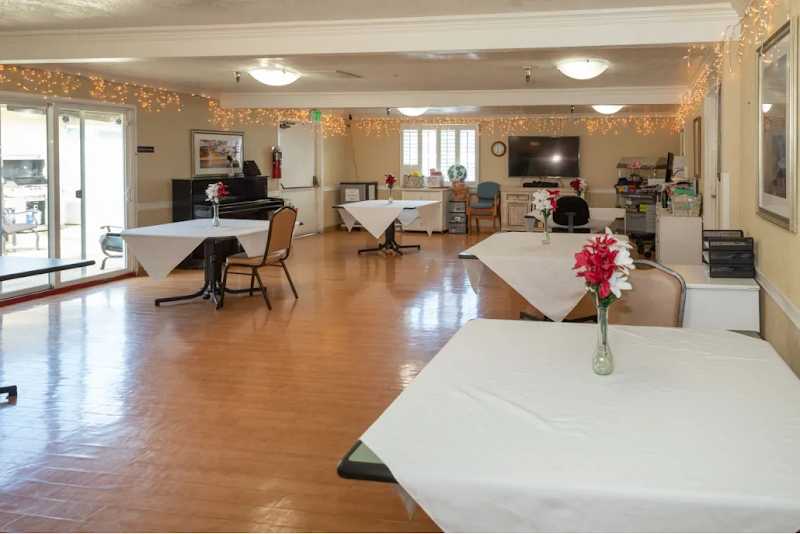
How is Lomita Post-Acute Staffed?

CMS rates LOMITA POST-ACUTE CARE CENTER's staffing level at 3 out of 5 stars, which is average compared to other nursing homes. Staff turnover is 40%, compared to the California average of 46%. This relatively stable workforce can support continuity of care.

What Have Inspectors Found at Lomita Post-Acute?

State health inspectors documented 39 deficiencies at LOMITA POST-ACUTE CARE CENTER during 2022 to 2025. These included: 36 with potential for harm and 3 minor or isolated issues.
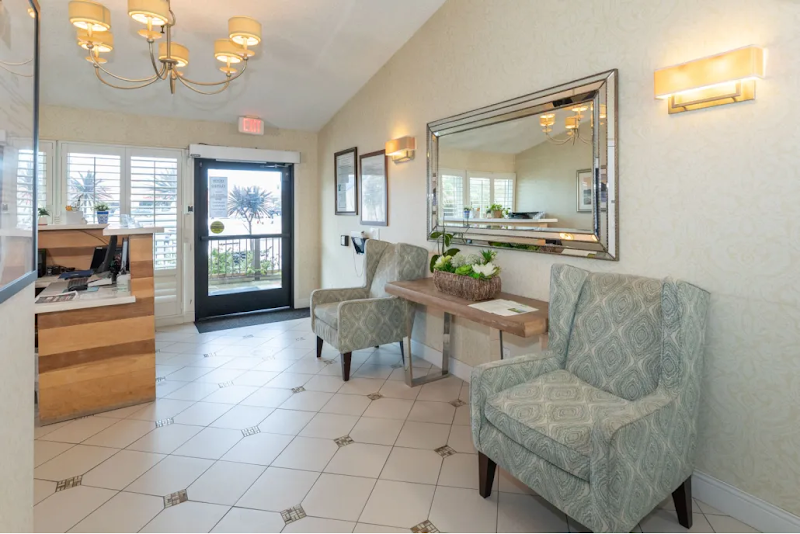
Who Owns and Operates Lomita Post-Acute?

LOMITA POST-ACUTE CARE CENTER is owned by a for-profit company. For-profit facilities operate as businesses with obligations to shareholders or private owners. The facility is operated by THE ENSIGN GROUP, a chain that manages multiple nursing homes. With 71 certified beds and approximately 57 residents (about 80% occupancy), it is a smaller facility located in LOMITA, California.
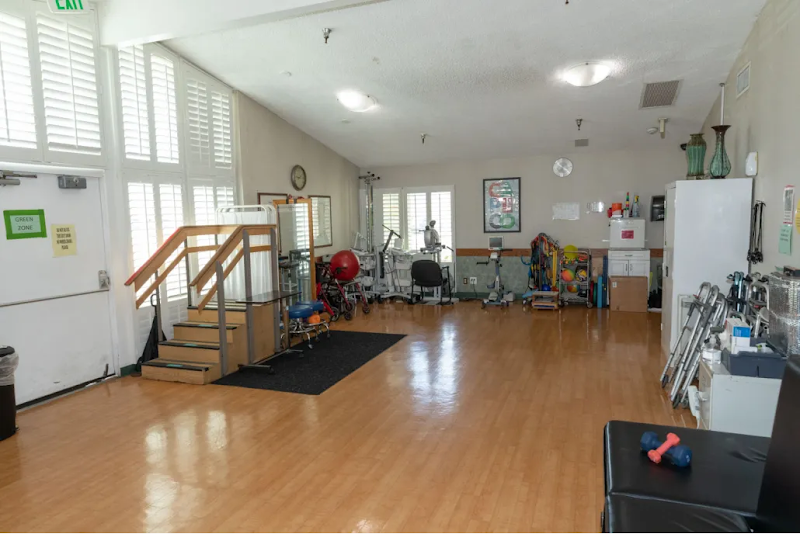
How Does Lomita Post-Acute Compare to Other California Nursing Homes?

Compared to the 100 nursing homes in California, LOMITA POST-ACUTE CARE CENTER's overall rating (4 stars) is above the state average of 3.2, staff turnover (40%) is near the state average of 46%, and health inspection rating (3 stars) is at the national benchmark.

What Should Families Ask When Visiting Lomita Post-Acute?

Based on this facility's data, families visiting should ask: "Can I visit during a mealtime to observe dining assistance and food quality?" "How do you handle medical emergencies, and what is your hospital transfer rate?" "Can I speak with family members of current residents about their experience?"

Is Lomita Post-Acute Safe?

Based on CMS inspection data, LOMITA POST-ACUTE CARE CENTER has a clean safety record: no substantiated abuse findings (meaning no confirmed cases of resident harm), no Immediate Jeopardy citations (the most serious violation level indicating risk of serious injury or death), and is not on the Special Focus Facility watch list (a federal program monitoring the lowest-performing 1% of nursing homes). The facility has a 4-star overall rating and ranks #1 of 100 nursing homes in California. While no facility is perfect, families should still ask about staff-to-resident ratios and recent inspection results during their visit.

Do Nurses at Lomita Post-Acute Stick Around?

LOMITA POST-ACUTE CARE CENTER has a staff turnover rate of 40%, which is about average for California nursing homes (state average: 46%). Moderate turnover is common in nursing homes, but families should still ask about staff tenure and how the facility maintains care continuity when employees leave.

Was Lomita Post-Acute Ever Fined?

LOMITA POST-ACUTE CARE CENTER has no federal fines on record. CMS issues fines when nursing homes fail to meet care standards or don't correct problems found during inspections. The absence of fines suggests the facility has either maintained compliance or corrected any issues before penalties were assessed. This is a positive indicator, though families should still review recent inspection reports for the full picture.

Is Lomita Post-Acute on Any Federal Watch List?

LOMITA POST-ACUTE CARE CENTER is not on any federal watch list. The most significant is the Special Focus Facility (SFF) program, which identifies the bottom 1% of nursing homes nationally based on persistent, serious quality problems. Not being on this list means the facility has avoided the pattern of deficiencies that triggers enhanced federal oversight. This is a positive indicator, though families should still review the facility's inspection history directly.