PALOS VERDES HEALTH CARE CENTER
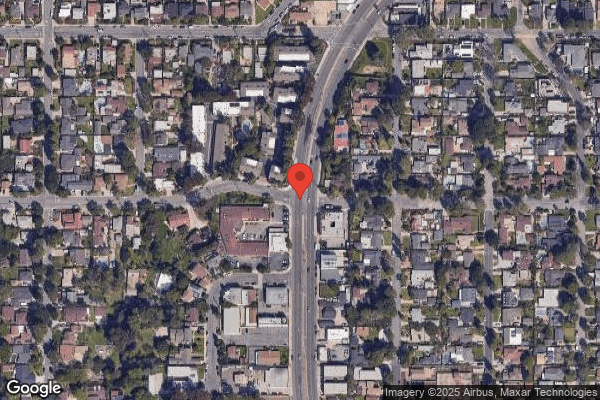
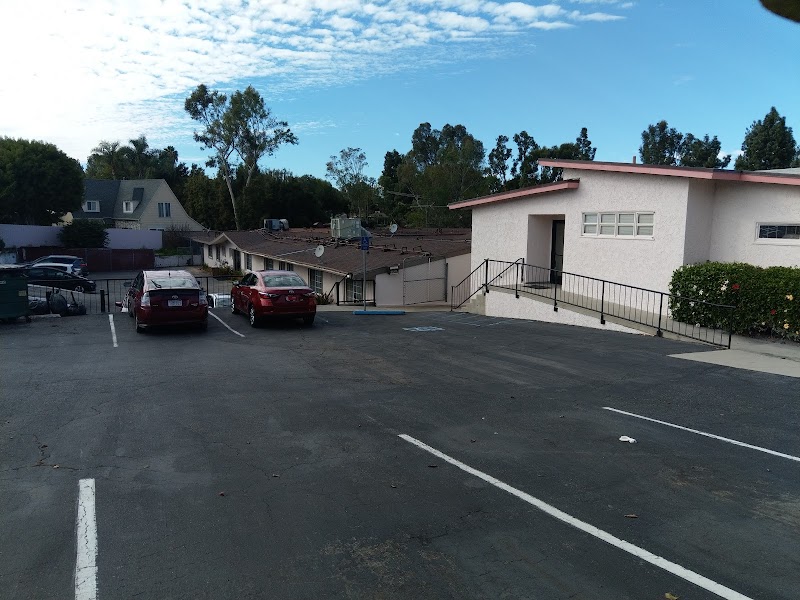
26303 WESTERN AVE., LOMITA, CA 90717 (310) 784-5440
For profit - Corporation 48 Beds Independent Data: November 2025 3 Immediate Jeopardy citations
Trust Grade
0/100
#872 of 1155 in CA
Last Inspection: May 2025

Inspected within the last 6 months. Data reflects current conditions.

Overview

Palos Verdes Health Care Center has a Trust Grade of F, indicating significant concerns and a poor overall reputation. It ranks #872 out of 1155 nursing homes in California, placing it in the bottom half of facilities, and #222 out of 369 in Los Angeles County, meaning only a few local options are better. Although the facility is showing improvement, reducing its issues from 17 in 2024 to 10 in 2025, it still has a concerning history of deficiencies, including failing to follow infection control practices and not providing necessary medications to residents with critical conditions. Staffing is a strength, with a 0% turnover rate, but the overall staffing rating is only 1 out of 5 stars. Additionally, the facility has faced serious fines totaling $102,835, which is higher than 97% of California facilities, suggesting ongoing compliance problems.

Trust Score
F
0/100
In California
#872/1155
Bottom 25%
Safety Record
High Risk
Review needed
Inspections
Getting Better
17 → 10 violations
Staff Stability
○ Average
Turnover data not reported for this facility.
Penalties
○ Average
$102,835 in fines. Higher than 56% of California facilities. Some compliance issues.
Skilled Nurses
○ Average
RN staffing data not reported for this facility.
Violations
⚠ Watch
71 deficiencies on record. Higher than average. Multiple issues found across inspections.
★★☆☆☆
2.0
Overall Rating
★☆☆☆☆
1.0
Staff Levels
★★★★★
5.0
Care Quality
★☆☆☆☆
1.0
Inspection Score
Stable
2024: 17 issues
2025: 10 issues

The Good

  • 5-Star Quality Measures · Strong clinical quality outcomes
  • Full Sprinkler Coverage · Fire safety systems throughout facility
  • No fines on record

Facility shows strength in quality measures, fire safety.

The Bad

2-Star Overall Rating

Below California average (3.1)

Below average - review inspection findings carefully

Federal Fines: $102,835

Well above median ($33,413)

Significant penalties indicating serious issues

The Ugly 71 deficiencies on record

3 life-threatening 4 actual harm
May 2025 10 deficiencies
CONCERN (D)

Potential for Harm - no one hurt, but risky conditions existed

Deficiency F0558 (Tag F0558)

Could have caused harm · This affected 1 resident

**NOTE- TERMS IN BRACKETS HAVE BEEN EDITED TO PROTECT CONFIDENTIALITY** Based on observation, interview, and record review, the facility failed to ensure one of one sampled resident (Resident 42) call...

Read full inspector narrative →
**NOTE- TERMS IN BRACKETS HAVE BEEN EDITED TO PROTECT CONFIDENTIALITY** Based on observation, interview, and record review, the facility failed to ensure one of one sampled resident (Resident 42) call light was within reach. This deficient practice had the potential for Resident 42 not to receive necessary assistance when needed, and experienced loss of self-esteem. Findings: During a review of Resident 42's admission Record, the admission Record indicated Resident 42 was admitted to the facility on [DATE], with diagnoses including cerebral infarction (damage to the brain from interruption of its blood supply), and depression ( a mood disorder that causes a persistent feeling of sadness and loss of interest). During a review of Resident 42's History and Physical (H&P), dated 1/23/2025, the H&P indicated, Resident 42 did not have the capacity to understand and make decisions. During a review of Resident 42's Minimum Data Set ([MDS], resident assessment tool), dated 2/7/2025, the MDS indicated, Resident 42 required partial/moderate assistance (helper does less than half the effort. helper lifts, holds or supports trunk or limbs, but provides less than half the effort) with activities of daily living (ADL- daily self-care activities). During an observation on 5/16/2025 at 6:47 p.m. in Resident 42's room, Resident 42's right arm noted to have hemiparesis (weakness or the inability to move on one side of the body, making it hard to perform everyday activities like eating or dressing) and her call light was placed on her right side on the bed. During a concurrent observation and interview on 5/17/2025 at 11:01 a.m. with Certified Nurse Assistant (CNA 4) in Resident 42's room, CNA 4 stated, all facility staff should have checked to make sure the call light was within resident's reach. CNA 4 stated it was important to ensure the call light was within Resident 42's reach to ensure her needs were met. During an interview on 5/18/2025 at 6:00 p.m. with the Director of Nursing (DON), the DON stated it was all the staff responsibility to ensure that the residents call lights were within reach. The DON stated it was important call lights were within reach because the residents will not be able to call for assistance and that could make the residents feel frustrated and neglected. During a review of the facility's policy and procedure (P&P) titled, Answering the Call Light, dated 2021, the P&P indicated, When the resident is in bed or confined to a chair be sure the call light is within easy reach of the resident.
CONCERN (D)

Potential for Harm - no one hurt, but risky conditions existed

Deficiency F0646 (Tag F0646)

Could have caused harm · This affected 1 resident

**NOTE- TERMS IN BRACKETS HAVE BEEN EDITED TO PROTECT CONFIDENTIALITY** Based on interview and record review the facility failed to ensure one of one sampled resident (Resident 23) had a recommended L...

Read full inspector narrative →
**NOTE- TERMS IN BRACKETS HAVE BEEN EDITED TO PROTECT CONFIDENTIALITY** Based on interview and record review the facility failed to ensure one of one sampled resident (Resident 23) had a recommended Level II Preadmission Screening and Resident Review evaluation ([PASARR]-a mental health evaluation done to determine if an individual can benefit from specialized mental health services). This failure placed Resident 23 at risk for inappropriate placement, not receiving necessary care, and services. Findings: During a review of Resident 23's admission Record , the admission Record indicated Resident 23 was originally admitted to the facility on [DATE] and readmitted on [DATE] with diagnoses including schizophrenia(a mental illness that is characterized by disturbances in thought), depression (a mood disorder characterized by persistent sadness, loss of interest, and changes in thinking, sleeping, eating, and acting), and seizures (a sudden, uncontrolled electrical disturbance in the brain which can cause uncontrolled jerking, blank stares, and loss of consciousness). During a review of Resident 23's History and Physical (H&P), dated 12/1/2024, the H&P indicated Resident 23 did not have the capacity to understand and make decisions. During a review of resident 23's Minimum Data Set (MDS - a resident assessment tool), dated 4/29/2025, the MDS indicated Resident 23 was dependent on nursing staff with putting on and taking off footwear, showering, and transferring to a chair. The MDS indicated Resident 23 needed substantial to maximal assistance with toileting, oral hygiene, dressing and personal hygiene. The MDS indicated Resident 23 needed partial to moderate assistance with eating, and rolling from left to right while in bed. During a concurrent interview and record review on 5/18/2025 at 4:47 p.m., with the Director of Nursing (DON), reviewed Resident 23's PASARR Level I dated 5/2/2020. The PASARR Level I indicated Resident 23 did not have a mental disorder such as schizophrenia, schizoaffective disorder, psychotic, psychosis (a severe mental condition in which thought, and emotions are so affected that contact is lost with reality) , delusional (having false or unrealistic beliefs) , depression, mood disorder, bipolar( sometimes called manic-depressive disorder), or panic and anxiety. The DON stated she was responsible for reviewing the PASRR. The DON stated Resident 23 was diagnosed with schizophrenia and depression on 12/13/2023. The DON stated she should have re-entered another PASARR for Resident 23. The DON stated a new PASARR should have been submitted upon admission back to the facility on [DATE]. The DON stated Resident 23 was not screened appropriately for mental illness. The DON stated if Resident 23 was not properly screened for a mental illness, the resident was at risk for not receiving treatment and medication for the mental illness. During a review of the facility's policy and Procedure (P&P) titled admission Criteria, date revised 3/2019, the P&P indicated, All new admissions and readmissions are screened for mental disorders (MD), intellectual disabilities (ID) or related disorders (RD) per the Medicaid Pre-admission Screening and Resident Review (PASARR) process.
CONCERN (D)

Potential for Harm - no one hurt, but risky conditions existed

Deficiency F0730 (Tag F0730)

Could have caused harm · This affected 1 resident

Based on interview and record review the facility failed to ensure annual performance evaluations were completed for Certified Nursing Assistants (CNA), CNA 1, CNA 2 and CNA 4. This deficient practice...

Read full inspector narrative →
Based on interview and record review the facility failed to ensure annual performance evaluations were completed for Certified Nursing Assistants (CNA), CNA 1, CNA 2 and CNA 4. This deficient practice had the potential for the facility not to be able to assess areas of weakness identified in performance reviews and skills necessary to provide nursing services to assure resident safety. Findings: During a concurrent interview and record review on 5/18/25 at 2:45 p.m. with the Director of Staff Development (DSD), reviewed CNA1, CNA 2 and CNA 4's employee files. The DSD stated that CNA 1 was hired on 12/18/2023, CNA 2 was hired on 5/28/2024 and CNA 4 was hired on 4/24/2013 . The DSD stated CNA 1, CNA 2, and CNA 4 did not have an annual performance evaluation for 2024. The DSD stated that she did not know performance evaluations were done annually. During an interview on 5/18/25 at 5:09 pm with the Director of Nursing (DON), the DON stated performance evaluations should be conducted annually and that they were used to acknowledge the staff's strengths and to help improve any weaknesses. The DON stated there could be a possible safety concern for the residents when performance evaluations were not done. During a review of the facility's policy and procedure (P&P) titled, Performance Evaluation dated 9/2001. The P&P indicated A performance evaluation will be completed at least annually. The performance evaluation meeting will occur at the same time as the employee's compensation review. Performance reviews are used to improve the quality of the employee's work performance.
CONCERN (D)

Potential for Harm - no one hurt, but risky conditions existed

Unnecessary Medications (Tag F0759)

Could have caused harm · This affected 1 resident

**NOTE- TERMS IN BRACKETS HAVE BEEN EDITED TO PROTECT CONFIDENTIALITY** Based on observation, interview and record reviews, the facility failed to ensure the medication error rate of less than five (5...

Read full inspector narrative →
**NOTE- TERMS IN BRACKETS HAVE BEEN EDITED TO PROTECT CONFIDENTIALITY** Based on observation, interview and record reviews, the facility failed to ensure the medication error rate of less than five (5) percent, due to improper medication administration for one of six sampled residents (Resident 31). This failure resulted in seven medication errors out of 26 opportunities and a medication administration error rate of 26.92 percent (%) due to Licensed Vocational Nurse (LVN) 2 failed to administer Resident 31's medication leaving residual medication in the medication cups. Findings: During a review of Resident 31's admission Record, the admission Record indicated Resident 31 was admitted to the facility on [DATE] with diagnoses including diabetes mellitus (DM-a disorder characterized by difficulty in blood sugar control and poor wound healing), rheumatoid arthritis (a chronic progressive disease-causing inflammation in the joints and resulting in painful deformity and immobility), and dementia (a progressive state of decline in mental abilities). During a review of Resident 31's Physician Orders, dated 6/20/2024, the Physician Orders indicated Resident 31 had an order for hydroxychloroquine sulfate (treat rheumatoid arthritis ) 200 milligrams (mg- unit of measurement) one tablet a day by mouth, for rheumatoid arthritis. The Physician Orders indicated Resident 31 had an order, dated 7/4/2024, for vitamin C 500 mg once a day by mouth, for a supplement. The Physician Orders indicated Resident 31 had an order for memantine (medication used to treat dementia )10 mg twice a day, by mouth for dementia. The Physician Orders indicated Resident 31 had an order, dated 12/29/2024, for metformin ( medication for diabetes mellitus) 500 mg twice a day, by mouth for diabetes. The Physician Orders indicated Resident 31 had an order, dated 2/7/2025, for multivitamin-mineral once a day, for supplement. The Physician orders indicated Resident 31 had an order, dated 2/7/2025 for prednisone 7.5 mg once a day by mouth, for rheumatoid arthritis. The Physician orders indicated Resident 31 had an order, dated 2/7/2025 for senna ( medication for constipation) 8.6 mg one tablet by mouth, in the morning, for bowel regimen. During a review of Resident 31's Minimum Data Set , (MDS - a resident assessment tool) dated 5/17/2025, the MDS indicated Resident 31 rarely and never had the ability to express ideas and wants. The MDS indicated Resident 31 rarely and never had the ability to understand others. The MDS indicated Resident 31 was dependent on nursing staff for toileting, showering, transferring and putting on and taking off footwear. During a concurrent observation and interview on 5/18/2025 at 8:28 a.m., with Licensed Vocational Nurse (LVN) 2, LVN 2 crushed Resident 31's medication (hydroxychloroquine, vitamin C, memantine, metformin, multivitamin-mineral, prednisone and senna) and placed each medication in a separate medicine cup and mixed each medication with applesauce. LVN 2 knocked on Resident 31's door, introduced self, checked Resident 31's name band and proceeded to administer Resident 31's medications with a spoon. After administering Resident 31's medications, LVN 2 was asked if there was still medication left in the medicine cups. LVN 2 stated yes. During an interview on 5/18/2025 at 2:39 p.m., with LVN 2, LVN 2 stated during medication pass the full dose of medication was not given. LVN 2 stated Resident 31 will not get the therapeutic (a treatment, therapy or drug) effect. During an interview on 5/18/2025 5:07 p.m., with the Director of Nursing (DON), the DON stated Resident 31 did not get a complete dose of the medications. The DON stated Resident 31 will need more medication and does not know if the medication will be effective if Resident 31 was not getting the complete full dose of medication. During a review of the facility's policy and procedure titled, Administering Medications, dated 4/2029, the P&P indicated, Medications are administered in a safe and timely manner, and as prescribed. Cross reference F-760
CONCERN (D)

Potential for Harm - no one hurt, but risky conditions existed

Deficiency F0760 (Tag F0760)

Could have caused harm · This affected 1 resident

**NOTE- TERMS IN BRACKETS HAVE BEEN EDITED TO PROTECT CONFIDENTIALITY** Based on observation, interview and record review the facility failed to ensure one of six sampled residents (Resident 31) recei...

Read full inspector narrative →
**NOTE- TERMS IN BRACKETS HAVE BEEN EDITED TO PROTECT CONFIDENTIALITY** Based on observation, interview and record review the facility failed to ensure one of six sampled residents (Resident 31) received the correct dose of hydroxychloroquine (treat rheumatoid arthritis[a chronic progressive disease-causing inflammation in the joints and resulting in painful deformity and immobility] ), vitamin C, memantine (medication used to treat dementia [a progressive state of decline in mental abilities]), metformin ( medication for diabetes mellitus [DM-a disorder characterized by difficulty in blood sugar control and poor wound healing]), multivitamin-mineral, prednisone ( for rheumatoid arthritis) and senna (medication for constipation) as ordered by the physician. This failure had the potential for Resident 31 to have pain, vitamin C deficiencies, high blood sugar, changes in behavior and constipation. Findings: During a review of Resident 31's admission Record, the admission Record indicated Resident 31 was admitted to the facility on [DATE] with diagnoses including diabetes mellitus, rheumatoid arthritis, and dementia. During a review of Resident 31's Physician Orders, dated 6/20/2024, the Physician Orders indicated Resident 31 had an order for hydroxychloroquine sulfate (treat rheumatoid arthritis ) 200 milligrams (mg- unit of measurement) one tablet a day by mouth, for rheumatoid arthritis. The Physician Orders indicated Resident 31 had an order, dated 7/4/2024, for vitamin C 500 mg once a day by mouth, for a supplement. The Physician Orders indicated Resident 31 had an order for memantine (medication used to treat dementia )10 mg twice a day, by mouth for dementia. The Physician Orders indicated Resident 31 had an order, dated 12/29/2024, for metformin ( medication for diabetes mellitus) 500 mg twice a day, by mouth for diabetes. The Physician Orders indicated Resident 31 had an order, dated 2/7/2025, for multivitamin-mineral once a day, for supplement. The Physician orders indicated Resident 31 had an order, dated 2/7/2025 for prednisone 7.5 mg once a day by mouth, for rheumatoid arthritis. The Physician orders indicated Resident 31 had an order, dated 2/7/2025 for senna ( medication for constipation) 8.6 mg one tablet by mouth, in the morning, for bowel regimen. During a review of Resident 31's Minimum Data Set , (MDS - a resident assessment tool) dated 5/17/2025, the MDS indicated Resident 31 rarely and never had the ability to express ideas and wants. The MDS indicated Resident 31 rarely and never had the ability to understand others. The MDS indicated Resident 31 was dependent on nursing staff for toileting, showering, transferring and putting on and taking off footwear. During a concurrent observation and interview on 5/18/2025 at 8:28 a.m., with Licensed Vocational Nurse (LVN) 2, LVN 2 crushed Resident 31's medication (hydroxychloroquine, vitamin C, memantine, metformin, multivitamin-mineral, prednisone and senna) and placed each medication in a separate medicine cup and mixed each medication with applesauce. LVN 2 knocked on Resident 31's door, introduced self, checked Resident 31's name band and proceeded to administer Resident 31's medications with a spoon. After administering Resident 31's medications, LVN 2 was asked if there was still medication left in the medicine cups. LVN 2 stated yes. During an interview on 5/18/2025 at 2:39 PM with LVN 2, LVN 2 stated during medication pass the full dose of medication was not given. LVN 2 stated Resident 31 will not get the therapeutic (a treatment, therapy or drug) effect of hydroxychloroquine, vitamin C, memantine, metformin, multivitamin-mineral, prednisone and senna. LVN 2 stated had the potential for Resident 31 to have pain, vitamin deficiencies, high blood sugar, changes in behavior and constipation. During an interview on 5/18/2025 5:07 p.m., with the Director of Nursing (DON), the DON stated Resident 31 did not get a complete dose of hydroxychloroquine, vitamin C, memantine, metformin, multivitamin-mineral, prednisone and senna. The DON stated Resident 31 will need more medication and does not know if the medication will be effective if Resident 31 was not getting the complete full dose of medication. During a review of the facility's policy and procedure titled, Administering Medications, dated 4/2029, the P&P indicated, Medications are administered in a safe and timely manner, and as prescribed. Cross referenced F-759
CONCERN (D)

Potential for Harm - no one hurt, but risky conditions existed

Antibiotic Stewardship (Tag F0881)

Could have caused harm · This affected 1 resident

**NOTE- TERMS IN BRACKETS HAVE BEEN EDITED TO PROTECT CONFIDENTIALITY** Based on interview and record review, the facility failed to implement their protocol for Antibiotic Stewardship (effort to impr...

Read full inspector narrative →
**NOTE- TERMS IN BRACKETS HAVE BEEN EDITED TO PROTECT CONFIDENTIALITY** Based on interview and record review, the facility failed to implement their protocol for Antibiotic Stewardship (effort to improve how antibiotics are prescribed and used to ensure they are used effectively, reduce overuse, and prevent antibiotic resistance) for one sampled resident (Resident 23). Resident 23 was prescribed an antibiotic drug without meeting the McGreer criteria, after being screened for right eye swelling and tears. This failure had the potential to result in Resident 23 developing antibiotic resistance (not effectively treating infection) from unnecessary or inappropriate antibiotic use. Findings: During a review of Resident 23's admission Record , the admission Record indicated Resident 23 was originally admitted to the facility on [DATE] and readmitted on [DATE] with diagnoses including schizophrenia(a mental illness that is characterized by disturbances in thought), depression (a mood disorder characterized by persistent sadness, loss of interest, and changes in thinking, sleeping, eating, and acting), and seizures (a sudden, uncontrolled electrical disturbance in the brain which can cause uncontrolled jerking, blank stares, and loss of consciousness). During a review of Resident 23's History and Physical (H&P), dated 12/1/2024, the H&P indicated Resident 23 did not have the capacity to understand and make decisions. During a review of resident 23's Minimum Data Set (MDS - a resident assessment tool), dated 4/29/2025, the MDS indicated Resident 23 was dependent on nursing staff with putting on and taking off footwear, showering, and transferring to a chair. The MDS indicated Resident 23 needed substantial to maximal assistance with toileting, oral hygiene, dressing and personal hygiene. The MDS indicated Resident 23 needed partial to moderate assistance with eating, and rolling from left to right while in bed. During a review of Resident 23's Medication Administration Record (MAR), dated 5/2025, the MAR indicated Resident 23 received Gentamicin Sulfate Solution ( medication to treat infection ) 0.3%. instill two drops in the right eye every six hours for an ocular (eye) infection, bacterial superficial for seven days to start on 5/7/2025. The MAR indicated Gentamicin Sulfate Solution 0.3% was completed on 5/14/2025. During an interview on 5/17/2025 with Certified Nursing Assistant (CNA) 3, CNA 3 stated Resident 23 had dry eyes. During a concurrent interview and record review on 5/18/2025 at 10:41 a.m., with the Infection Preventionist Nurse (IPN), reviewed Resident 23's Surveillance Data Collection Form for other infections, dated 5/6/2025. The Surveillance Data Collection Form indicated no culture was done. The Surveillance Data Collection Form indicated Resident 23 had symptoms of a swollen and teary right eye. The IPN stated the Surveillance Data Collection Form was used to ensure the facility was using the correct antibiotic. The IPN stated Resident 23 did not meet the McGeer criteria because a laboratory test should have been done. The IPN stated this practice could lead to a MDRO (multi drug-resistant organism-bacteria or other microorganisms that have become resistant to multiple classes of antibiotic). During an interview on 5/18/2025 at 5:00 p.m., with the Director of Nursing (DON), the DON stated the purpose of the Antibiotic Stewardship was to prevent the resident from becoming resistant to antibiotic, to know what organism was causing the infection and to give the right antibiotic. During a review of the facility's policy and procedure titled, Antibiotic Stewardship, dated 12/2026, the P&P indicated Antibiotics will be prescribed and administered to residents under the guidance of the facility's antibiotic stewardship program. The purpose of our antibiotic stewardship program is to monitor the use of antibiotics in our residents.
CONCERN (D)

Potential for Harm - no one hurt, but risky conditions existed

Deficiency F0947 (Tag F0947)

Could have caused harm · This affected 1 resident

Based on interview and record review the facility failed to ensure Certified Nursing Assistant (CNA ) had completed required dementia and abuse trainings upon hire and annually for four out of four CN...

Read full inspector narrative →
Based on interview and record review the facility failed to ensure Certified Nursing Assistant (CNA ) had completed required dementia and abuse trainings upon hire and annually for four out of four CNA. 1.CNA 1's hire date on 12/18/2023, CNA 1only had four out of the five required hours of dementia training. 2.CNA 2's hire date on 5/28/2024, CNA 2 only had two out of the five required hours of dementia training. 3.CNA 3's hire date on 4/24/2025, CNA 3 had no dementia or abuse training. 4.CNA 4's hire date on 4/29/2013, CNA 4 only had three out of the five required hours of dementia training and had no abuse training. These failures had the potential to put the safety of the residents at risk. Findings: During a concurrent interview and record review on 5/18/2025 at 2:45 p.m., with the Director of Staff Development (DSD), reviewed CNA 1, CNA 2, CNA 3 and CNA 4's employee files. The DSD stated she was responsible for educating the staff and that all staff were required to receive five hours of dementia training and five hours of abuse training annually. The DSD stated dementia and abuse trainings were important because staff need to know how to create a safe and supportive environment for the residents. The DSD stated when staff do not know how to provide care for the resident there could be a negative outcome resulting in injury to the residents and staff. During an interview on 5/18/2025 at 7:00 p.m., with the Administrator (ADM), the ADM stated he was made aware of the staff who were missing dementia and abuse trainings. The ADM stated all staff must have dementia and abuse training annually. The ADM stated that when staff were not properly trained, residents' safety will be at risk. During a review of the DSD job description dated 5/2017. The DSD job description indicated that the DSD positions responsibilities included maintaining current Department of Health approved facility programs for orientation and in-service training of CNA's. Coordinates and conducts 24 hours of in-service education annually for CNAs on all shifts. During a review of the facilities policy and procedure (P&P) titled In-Service Training, Nurse Aide dated 8/2022. The P&P indicated Annual in-services ensure the continuing competence of the nurse aides, address the special needs of the residents as determined by the facility assessment, including training in dementia management and resident abuse. During a review of the facilities P&P titled Dementia Clinical protocol dated 11/2018. The P&P indicated nurse aid participation in training is documented by the DSD or his or her designee and includes date and time of training, topic of training, method used for the training, a summary of the competency assessment and the hours of training completed.
CONCERN (E)

Potential for Harm - no one hurt, but risky conditions existed

Comprehensive Care Plan (Tag F0656)

Could have caused harm · This affected multiple residents

**NOTE- TERMS IN BRACKETS HAVE BEEN EDITED TO PROTECT CONFIDENTIALITY** During a review of Resident 14's admission Record, the admission Record indicated Resident 14 was admitted to the facility on [D...

Read full inspector narrative →
**NOTE- TERMS IN BRACKETS HAVE BEEN EDITED TO PROTECT CONFIDENTIALITY** During a review of Resident 14's admission Record, the admission Record indicated Resident 14 was admitted to the facility on [DATE] with diagnoses including post-traumatic stress, depression (a mood disorder characterized by persistent sadness, loss of interest, and changes in thinking, sleeping, eating, and acting), anxiety (feelings of worry, nervousness, or unease, often about something uncertain or dangerous) and dementia (a progressive state of decline in mental abilities). During a review of Resident 14's History and Physical (H&P), the H&P indicated, Resident 14 had the capacity to understand and make decisions. During a review of Resident 14's Minimum Data Set (MDS - a resident assessment tool), dated 4/28/2025, the MDS indicated Resident 14 needed partial to moderate assistance from nursing staff with eating, oral hygiene, toileting, and showering. The MDS indicated Resident 14 needed partial to moderate assistance from nursing staff with dressing, putting on and taking off footwear, personal hygiene, and walking. The MDS indicated Resident 14 needed nursing supervision or touching assistance with rolling from left to right, sitting, lying down, and standing. During an interview on 5/17/2025 at 11:24 a.m., with Certified Nursing Assistant (CNA) 5, CNA 5 stated sometimes Resident 14 fights the nursing staff and becomes aggressive when his diaper or linen needs to be changed. During an interview on 5/17/2025 at 1:10 p.m., with, Licensed Vocational Nurse (LVN) 2, LVN 2 stated Resident 14 was admitted to the facility on [DATE] with PTSD. LVN 2 stated Resident 14 does not have a care plan documented in the chart to address his diagnosis of PTSD. During an interview on 5/18/2025 at 11:42 a.m., with Social Service Director (SSD) 1, SSD 1 stated Resident 14 was held at gunpoint and mugged. SSD 1 stated any approach to Resident 14 can trigger his PTSD if he does not want to be bothered. SSD 1 stated no care plan was made to address Resident 14's PTSD. During an interview on 5/18/2025 at 12:40 p.m., with Registered Nurse Supervisor (RNS) 1, RNS 1 stated the care plan was the responsibility of all the licensed nurses. RNS 1 stated the care plan contains the residents' problems, goals and interventions for three months. RNS 1 stated we must follow the care plan because it was an outline of the nursing inventions of the residents' problems. RNS 1 stated the care plan evaluated outcomes related to the disease process. RNS 1 stated the care plan lets the nursing staff know if the problem was resolved, improved or deteriorated. RNS 1 stated the care plan was essential for communication with each nurse. RNS 1 stated if the nurses look at the care plan, then they know what was going on with the resident. During an interview on 5/18/2025 at 5:03 p.m., with the Director of Nursing (DON), the DON stated Resident 14 should have an individualized care plan for PTSD, so the nursing staff will know what Resident 14 needs. The DON stated licensed nurses rely on the care plan for procedures and care of the residents. During a review of the facility's policy and procedure (P&P) titled, Care Plans, Comprehensive Person-Centered, date revised 12/2016, the P&P indicated, A comprehensive, person-centered care plan that includes measurable objectives and timetables to meet the resident's physical, psychosocial and functional needs is developed and implemented for each resident. Based on interview and record review the facility failed to develop a comprehensive care plan for three of four sampled residents (Resident 17, 35 and 14). The facility failed to: 1. Develop care plan for Resident 17's intentional weight loss. 2. Develop care plan for Resident 35 who was receiving Restorative Nursing Aide ([RNA] nursing aide program that helps residents to maintain their function and joint mobility) services. 3. Develop and implement care plan for Resident 14 who had a diagnosis of post-traumatic stress disorder (PTSD-a mental health condition that is caused by an extremely stressful or terrifying event). These deficient practices had the potential to negatively affect the delivery of necessary care and services to Resident's 17,35 and 14. Findings: 1.During a review of Resident 17's admission Record dated 5/17/2025, the admission Record indicated Resident 17 was admitted to the facility on [DATE] and readmitted on [DATE] with diagnosis including morbid obesity (excessive body fat that increases the risk of health problems ), bilateral artificial knee joints and anxiety (feelings of uneasiness or worry). During a review of Resident 17's History and Physical (H&P) dated 2/12/2025, the H&P indicated that Resident 17 had the capacity to understand and make decisions. During a review of Resident 17's Minimum Data Set (MDS - a resident assessment tool) dated 4/10/2025, the MDS indicated Resident 17 was cognitively (ability to think, understand, learn, and remember) intact, the MDS also indicated Resident 17 needed partial to moderate assistance (helper does half the help) with activities of daily living (ADLs- activities such as bathing, dressing and toileting a person performs). During a review of Resident 17's Weights and Vital Summary dated 5/18/2025, the Weights and Vital summary indicated Resident 17 weighed 202 pounds (lbs.-unit of measurement) on 1/2/2025, 184 lbs. on 3/1/25, 178 lbs. on 4/1/25, 173 lbs. on 4/7/25, 175 lbs. on 4/14/2025, 179 lbs. on 4/21/25 and 173 lbs. on 5/1/25. During a review of Resident 17's Registered Dietician (RD) Annual assessment dated [DATE], the RD Annual Assessment indicated Resident 17 noted with gradual trending weight loss. The RD Annual Assessment indicated Resident 17 reports intentional weight loss with a weight goal of 140 lbs. During a review of Resident 17's Nutrition Dietary Note dated 3/7/2025 the Nutrition Dietary Note indicated Resident 17 would like to lose 15 more pounds and Resident 17 was being more mindful of what she was eating. During a review of Resident 17's Nutrition Dietary Note dated 5/6/2025 the dietary note indicated Resident 17 had a new weight loss goal of 160 lbs. and was educated on gradual weight loss. 2.During a review of Resident 35's admission Record dated 5/17/2025, the admission Record indicated Resident 35 was admitted to the facility on [DATE] with the diagnosis including Parkinson's disease (a progressive disease of the nervous system marked by tremor, muscular rigidity, and slow, imprecise movements), dementia (a progressive state of decline in mental abilities) and muscle weakness. During a review of Resident 35's MDS dated [DATE], the MDS indicated Resident 35's cognition was severely impaired, the MDS also indicated Resident 35 needed partial to moderate assistance (helper does half the help) with his ADL's. During a review of Resident 35's Active Order Summary Report dated 5/17/2025, the Active Order Summary report indicated Resident 35 had orders for RNA to do bilateral upper extremities (BUE) active range of motion (AROM, performance of range of motion [ROM] of a joint without any assistance or effort of another person) exercises three times a week as tolerated. During an interview on 5/17/2025 at 2:27 p.m., in Resident 17's room, Resident 17 stated she had been intentionally trying to lose weight because she was going to have knee surgery . Resident 17 stated the kitchen knows about it as the RD informed the kitchen staff. During a concurrent interview and record review on 5/17/2025 at 11:03 a.m., with Licensed Vocational Nurse (LVN) 1, Resident 17's care plans were reviewed, LVN 1 stated he could not find any care plan regarding Resident 17's intentional weight loss. LVN 1 stated a care plan should have been done for Resident 17 so the staff will know her goals and to make sure she does not lose too much weight. During a concurrent interview and record review on 5/17/2025 at 11:03 a.m., with LVN1, Resident 35's care plans were reviewed. LVN1 stated that Resident 35 was receiving RNA exercise three days a week. LVN 1 stated that Resident 35 should have had a care plan for her RNA exercises program but that he could not find one. LVN 1 stated care plans were needed to make sure goals and interventions were in place to provide proper care. During an interview on 5/17/2025 at 1:31pm with the Director of Nursing (DON) the DON stated she was made aware that Resident 17 did not have a care plan for her weight loss and that Resident 35 did not have a care plan for her RNA exercise program. The DON stated care plans are for the staff to know the residents' plan of care, the residents' goals and what interventions to use to reach those goals. The DON stated that without a care plan we would not know if the resident was improving or deteriorating.
CONCERN (E)

Potential for Harm - no one hurt, but risky conditions existed

Food Safety (Tag F0812)

Could have caused harm · This affected multiple residents

Based on observation and interview the facility failed to: 1.Ensure a tray of multiple individually poured orange juices and cranberry juices in the refrigerator were dated. 2.Ensure trays with multip...

Read full inspector narrative →
Based on observation and interview the facility failed to: 1.Ensure a tray of multiple individually poured orange juices and cranberry juices in the refrigerator were dated. 2.Ensure trays with multiple individually open containers of fruit in the refrigerator were dated. 3.Ensure a container of cooked ham that had an open date of 4/30/25 and use by 5/10/25 was removed from the refrigerator. 4.Ensure a container of cooked chicken with mushrooms in the refrigerator had a use by date. 5.Ensure that multiple containers filled with cold breakfasts cereals had use by dates. 6.Ensure a bag of cooked fish in the freezer had a use by date. 7.Ensure a bag of cooked roast beef in the freezer had a use by date. These failures had the potential to expose residents to food-borne illnesses (any illness resulting from ingestion of food contaminated with bacteria, viruses, or parasites). Findings: During a concurrent observation and interview on 5/16/24. at 6:23 p.m., with the [NAME] in the refrigerator and freezer, observed a tray of multiple individually poured orange juices and cranberry juices in the refrigerator not dated. Trays with multiple individually open containers of fruit in the refrigerator were not dated. A container of cooked ham that had an open date of 4/30/25 and use by 5/10/25 remained in the refrigerator. A container of cooked chicken with mushrooms in the refrigerator with no use by date. Multiple containers filled with cold breakfasts cereals with no use by dates. A bag of cooked fish in the freezer with no use by date label. A bag of cooked roast beef in the freezer with no use by date label. The [NAME] stated she was not the one who did not put the dates on the food and that you have to have an open date and best-by-date on all food items to ensure the food was safe to serve to the residents. The [NAME] stated there was a potential for a food borne illness if food was served after the expiration date. During an interview on 5/18/24 at 1:10 p.m., with the Dietary Supervisor (DS), the DS stated he was made aware of the food items that were found not to have date or use by dates on them and about the expired food found in the refrigerator. The DS stated all food items that were opened need to have an open date and best by date to ensure the food was safe to eat. The DS stated there was a potential for the residents to get sick if served food out of date. During a review of the facilities policy and procedure (P&P) titled Food Receiving and Storage dated 10/2017, the P&P indicated Foods shall be received and stored in a manner that complies with the safe food handling practices. Dry foods that are stored in bins will be removed from original packaging labeled and dated (use by date) Such foods will be rotated using a first in -first out system. All foods stored in the refrigerator or freezer will be cover, labeled and dated (use by date).
MINOR (B)

Minor Issue - procedural, no safety impact

Deficiency F0912 (Tag F0912)

Minor procedural issue · This affected multiple residents

**NOTE- TERMS IN BRACKETS HAVE BEEN EDITED TO PROTECT CONFIDENTIALITY** Based on observation, interview and record review, the facility failed to ensure 18 of 24 residents' rooms (room [ROOM NUMBER], ...

Read full inspector narrative →
**NOTE- TERMS IN BRACKETS HAVE BEEN EDITED TO PROTECT CONFIDENTIALITY** Based on observation, interview and record review, the facility failed to ensure 18 of 24 residents' rooms (room [ROOM NUMBER], 102, 103, 104, 106,I07,108,109,110,215,217,219,221,223,229,231,116,118) met the requirements of 80 square feet for each resident. There were 18 rooms with two beds per room and one room with four beds. This deficient practice had the potential to result in an inadequate provision of safe nursing care, and privacy for the residents. Findings: During an interview on 5/18/2025 at 2:19 p.m., the Administrator (ADMIN) provided the waiver request for room variances. According to the Client Accommodations Analysis form, dated 5/18/2025, the facility had 18 rooms that measured less than 80 square feet per resident. The letter indicated the waiver for room size would not in any way compromise the health, welfare, and safety of the residents. The following resident rooms were: room [ROOM NUMBER] (2 beds) 152.39 square feet (sq. ft) Room I02 (2 beds) 155.28 sq. ft. room [ROOM NUMBER] (2 beds) 157.92 sq. ft room [ROOM NUMBER] (2 beds) 159.00 sq. ft room [ROOM NUMBER] (2 beds) 152.37 sq. ft room [ROOM NUMBER] (2 beds) 156.49 sq. ft room [ROOM NUMBER] (2 beds) 152.37 sq. ft room [ROOM NUMBER] (2 beds) I 54.21 sq. ft. room [ROOM NUMBER] (2 beds) 154.21 sq. ft. room [ROOM NUMBER] (2 beds) 157.69 sq. ft room [ROOM NUMBER] (2 beds) 156.36 sq. ft room [ROOM NUMBER] (2 beds) 151.02 sq. ft. room [ROOM NUMBER] (2 beds) 151.02 sq. ft room [ROOM NUMBER] (4 beds) 318.55 sq. ft room [ROOM NUMBER] (2 beds) 150.12 sq. ft room [ROOM NUMBER] (2 beds) 149.96 sq. ft room [ROOM NUMBER] (2 beds) 147.29 sq. ft. room [ROOM NUMBER] (2 beds) 147.29 sq. ft During an interview on 5/18/2025 at 4:33 p.m. with the Resident Council President, stated there were no concerns regarding the room sizes. During an observation from 5/16/2025 to 5/18/2025, the residents residing in these rooms had enough space to move freely inside the rooms. Observed each resident in the above rooms had beds and side tables with drawers. There was adequate room for the operation and use of wheelchairs, walkers, or canes. The room size did not affect the nursing care or privacy provided to the residents.
Nov 2024 1 deficiency 1 Harm
SERIOUS (G) 📢 Someone Reported This

A family member, employee, or ombudsman was alarmed enough to file a formal complaint

Actual Harm - a resident was hurt due to facility failures

Accident Prevention (Tag F0689)

A resident was harmed · This affected 1 resident

**NOTE- TERMS IN BRACKETS HAVE BEEN EDITED TO PROTECT CONFIDENTIALITY** Based on observation, interview, and record review, the facility failed to ensure the resident, who was transported to a shower ...

Read full inspector narrative →
**NOTE- TERMS IN BRACKETS HAVE BEEN EDITED TO PROTECT CONFIDENTIALITY** Based on observation, interview, and record review, the facility failed to ensure the resident, who was transported to a shower room, did not get hit by a shower room door and sustain an injury to a left great toe for one of three sampled residents (Resident 1). The facility failed to: 1. Ensure Certified Nurse Assistant (CNA 1) requested assistance to hold the door to Shower room [ROOM NUMBER] while he was pulling Resident 1 on a shower chair into the Shower room [ROOM NUMBER]. 2. Ensure CNA 1 and Licensed Vocational Nurse (LVN 1) reported Shower room [ROOM NUMBER]'s door malfunctioning by documenting about it in the Maintenance Logbook. 3. Ensure CNA 1 and LVN 1 reported to the Maintenance Supervisor (MS) that the door to Shower room [ROOM NUMBER] was not staying wide open to transport the residents safely through the Shower room [ROOM NUMBER]. 3. Ensure MS followed the facility's policy and procedure (P&P) titled, Maintenance Service, which indicated The maintenance department is responsible for maintaining the buildings, grounds, and equipment in a safe and operable manner at all times. These deficient practices resulted in Resident 1 left great toe hit by door to Shower room [ROOM NUMBER] and sustaining a fracture (broken bone) of the left medial (middle) cortex of the left fourth proximal (closer to center of the body) phalanx (small toe bone) and a left great toe laceration (skin tear). On 11/16/2024 Resident 1 was transferred to a general acute care hospital (GACH) where the resident had the left great toe sutured (a medical thread used by doctors to stitch up a wound or cut). Findings: During a review of Resident 1's admission Record, the admission Record indicated Resident 1 was admitted to the facility on [DATE] with diagnoses including Alzheimer's Disease (a disease characterized by a progressive decline mental abilities) and osteoporosis (disorder of bone density and structure). During a review of Resident 1's Minimum Date Set ([MDS]- a resident assessment tool), dated 10/4/2024, the MDS indicated Resident 1 had impairment in cognitive (ability to think, understand, learn, and remember) skills for daily decision making. The MDS indicated Resident 1 required substantial/maximal assistance (helper does more than half the effort) with toileting, personal hygiene, and lower body dressing. During a review of Resident 1's Change of Condition ([COC]- documentation of a resident's sudden change from regular state of being) assessment dated [DATE], the COC assessment indicated Resident 1's physician was notified of Resident 1 had left great toe hit by a shower room door on 11/6/2024 at 10:30 a.m. During a review of Resident 1's Physician's Orders Summary Report for November 2024, the Physician's Orders Summary Report indicated an order dated 11/6/2024 to transfer Resident 1 to the emergency room (ER) via ambulance (a vehicle that transports people who are sick or injured to the hospital in an emergency) for a left great toe wound treatment. During a review of Resident 1's Radiology (x-ray-imaging that creates pictures of the inside of the body) Final Report, the Radiology Final Report dated 11/6/2024 at 1:58 p.m., indicated Resident 1 had the distal medial cortex of the left fourth proximal phalanx fracture. During a review of Resident 1's Emergency Department (ED) Discharge Instructions from the GACH dated 11/6/2024, the ED Discharge Instructions indicated to remove the resident's left foot sutures in seven to 10 days. During a review of Resident 1's Interdisciplinary Team ([IDT]- group of different professionals working together in a case, all collaborating to provide the best care for a patient) Skin Note dated 11/7/2024, the IDT Skin Note indicated Resident 1 was transferred to the GACH for 11/6/2024 or the left foot wound evaluation and treatment and was transferred back to the facility the same day (11/6/2024) with intact sutures on a left great toe wound (laceration). During a review of CNA 1's written statement dated 11/7/2024, CNA 1's written statement indicated CNA 1 was pulling Resident 1 on a shower chair into Shower room [ROOM NUMBER] while using my right foot to stop the door then the resident's left foot was accidentally hit by the door. During a review of the facility's Maintenance Logbook for the period of time from 7/26/2024 -11/20/2024 located at Nurses Station 1, the Maintenance Logbook indicated no documentation regarding Shower room [ROOM NUMBER]'s door malfunctioning. During a review of Resident 1's Nurses Progress Notes dated 11/22/2024, the Nurses Progress Notes indicated there were four sutures removed from Resident 1's great left toe laceration and Resident 1 received Tylenol (medication used to relieve pain) for pain management. Resident 25 was not able to state the pain level but had a facial grimacing (a facial expression that usually conveys pain) indicating the resident was in pain. During an observation on 11/22/2024 at 9:20 a.m., of Resident 1's left great toe wound (laceration) dressing change, Resident 1's left great toe wound was observed being without redness or swelling. During an interview with CNA 1 on 11/22/2024 at 9:35 a.m., CNA 1 stated on 11/6/2024 he was transporting Resident 1 on a shower chair to Shower room [ROOM NUMBER], and while trying to pull him inside, the door to the shower room would not stay open, causing the door to hit Resident 1's left foot. CNA 1 stated he should have requested help while attempting to pull Resident 1 into the shower room to avoid the door striking Resident 1's left foot. CNA 1 stated that he verbally informed LVN 1 about the malfunctioning door of Shower room [ROOM NUMBER], but he did not record it in the Maintenance Logbook. CNA 1 stated it was the facility's policy to document broken equipment in the maintenance logbook. CNA 1 acknowledged that he should have documented about malfunctioning shower door in the Maintenance Logbook. CNA 1 stated the incident with Resident 1 could have been avoided if the door to Shower room [ROOM NUMBER] had been working properly. During an interview with LVN 1 on 11/22/2024 at 10:20 a.m., LVN 1 stated Shower room [ROOM NUMBER]'s door had a stopper (device used to keep a door open or closed) that prevented the door from being fully opened or stay open, so staff needed to use their foot to keep the door propped open. LVN 1 stated CNA 1 should have requested someone to hold the door for him while he was pulling Resident 1 on a shower chair into the shower room, which could have prevented Resident 1's foot from being struck. LVN 1 stated that she did not consider reporting the shower room door failure to stay open because it had always functioned that way, and she did not see it as being broken since the door stopper was a part of the door. LVN 1 stated she did not think the shower room door was a problem until it hit Resident 1's foot. During an interview on 11/22/2024 at 11:27 a.m., the MS stated room [ROOM NUMBER]'s shower door was closing automatically unless someone was holding door open. MS stated that the week before Resident 1's accident on 11/6/2024, he was informed that there was an issue with the room [ROOM NUMBER]'s shower door. MS stated on 11/5/2024, he removed the door stopper to allow the door to open wider, but someone (unknown) reattached it. During a concurrent interview and record review on 11/22/2024 at 12:45 p.m., Registered Nurse Supervisor (RNS) stated due to the accident on 11/6/2024 Resident 1 sustained a wound (laceration) to the left great toe that required suturing. RNS stated that CNA 1 should have asked for assistance to keep door open while transporting/pulling Resident 1 on a shower chair into the shower room to prevent the accident. RNS 1 stated CNA 1 should have documented in the Maintenance Logbook that Shower room [ROOM NUMBER]'s door was not staying open and was malfunctioning. After reviewing the Maintenance Logbook, RNS 1 stated there was no documentation regarding the malfunctioning Shower room [ROOM NUMBER]'s door. During an interview on 11/22/2024 at 1:01 p.m., the Administrator (ADM) stated when there were equipment issues or repairs needed, staff was expected to document these problems in the Maintenance Logbook. The ADM stated that CNA 1 should have reported (documented) the issue with the Shower room [ROOM NUMBER]'s door, as this could have prevented the accident involving Resident 1. During a review of the facility's policy and procedure (P&P) titled, Maintenance Services, revised 12/2009, the P&P indicated, The maintenance department is responsible for maintaining the buildings, grounds, and equipment in a safe and operable manner at all times. Maintaining the building in good repair and free from hazards. During a review of the facility's P&P titled Homelike Environment, revised 2/2024, the P&P indicated, Residents are provided with a safe, clean, comfortable, and homelike environment.
Oct 2024 2 deficiencies 1 Harm
SERIOUS (G) 📢 Someone Reported This

A family member, employee, or ombudsman was alarmed enough to file a formal complaint

Actual Harm - a resident was hurt due to facility failures

Accident Prevention (Tag F0689)

A resident was harmed · This affected 1 resident

**NOTE- TERMS IN BRACKETS HAVE BEEN EDITED TO PROTECT CONFIDENTIALITY** Based on interview, and record review, the facility failed to ensure the resident, who was transported from the medical appointm...

Read full inspector narrative →
**NOTE- TERMS IN BRACKETS HAVE BEEN EDITED TO PROTECT CONFIDENTIALITY** Based on interview, and record review, the facility failed to ensure the resident, who was transported from the medical appointment in a facility van did not fall backwards in a wheelchair and sustained injury for one of three sampled residents (Resident 1). The facility failed to: 1. Ensure Driver 1 secured Resident 1 in the van using a four-point straps (secures a wheelchair with four straps attached to the wheelchair at four separate securement points and attached to the vehicle at four separate anchor points) when the resident was in a wheelchair while being transported back to the facility after a medical appointment in the facility's van. 2. Ensure Certified Nursing Assistant (CNA 1) who accompanied Resident 1 to her medical appointment was educated on how to properly secure Resident 1 using the four-point straps and the seatbelts (a strap going over the shoulder and torso) when resident was in a wheelchair while being transported in the facility's van. 3. Ensure CNA 1 verified Driver 1 secured Resident 1 in a van with four-point straps and a seatbelt before heading back to the facility after a medical appointment. 4. Ensure CNA 1 and Driver 1 followed the facility's policy and procedure (P&P) titled, Transportation/Appointments revised 2020, which indicated, Employees and their passengers who are driving/riding in a vehicle on facility business purposes must wear a seat belt at all times in which the car is being operated. Wheelchair is properly strapped. As a result, Resident 1's wheelchair tilted back and hit her head on the van lift when Driver 1 made a left turn towards the facility, which was on a slight uphill slope. Resident 1 was transferred to a general acute care hospital (GACH) on 10/1/2024 at 11:04 a.m. Resident 1 sustained a right occipital (the back of the head) scalp laceration (a cut or tear in the skin or underlying tissue) and hematoma (a pool of mostly clotted blood that forms in an organ, tissue or body space), neck sprain (a soft tissue injury that occurs when a ligament [attach bone to bone] in a joint {two or more bones are connected} is stretched too far or torn) and a right shoulder sprain. Resident 1 was discharged from GACH on 10/1/2024 at 6:56 p.m., to Resident 1's home. Findings: During a review of Resident 1's admission Record (Face Sheet), the Face Sheet indicated Resident 1 was admitted to the facility on [DATE] with diagnoses including end stage renal disease ([ESRD]-irreversible kidney failure), muscle weakness, difficulty walking, lack of coordination (the ability to use different parts of the body together smoothly efficiently), right arm pain, osteoporosis (a condition in which the bones become weak and brittle), and malaise (a general feeling of discomfort, illness, or lack of wellbeing). During a review of Resident 1's History and Physical (H&P), dated 9/21/2024, the H&P indicated Resident 1 had the capacity to understand and make decisions. During a review of Resident 1's Minimum Data Set ([MDS]- federally mandated resident assessment tool), dated 9/24/2024, the MDS indicated Resident 1 had intact cognition (ability to think, understand, learn, and remember). The MDS indicated Resident 1 required supervision or touching assistance (helper provides verbal cues) from nursing staff with eating. The MDS indicated Resident 1 needed partial to moderate assistance (helper does less than half the effort) from nursing staff with oral hygiene and rolling from left to right in bed. The MDS indicated Resident 1 needed substantial to maximal assistance (helper does more than half the effort) from nursing staff with toileting, showering, and upper body dressing. The MDS indicated Resident 1 was dependent (helper does all the effort) on nursing staff with lower body dressing, putting on and taking off footwear, the ability to sit and stand, and the ability to transfer from the bed to the chair. During an interview on 10/10/2024 at 11:58 a.m., with CNA 1, CNA 1 stated that on 10/1/2024 at approximately 10:20 a.m., after Resident 1's medical appointment she called the facility driver (Driver 1), to inform Resident 1 was done with the medical appointment and was ready to be picked up. CNA 1 stated Driver 1 placed Resident 1 on the lift located at the back of facility's van and lifted Resident 1 up inside the van facing forward towards the front of the van. CNA 1 stated she saw Driver 1 strap a gray seatbelt over the Resident 1's lap. CNA 1 stated she (CNA1) sat in the front passenger seat. CNA 1 stated Driver 1 shut the van's back door and got into the driver's seat. CNA 1 stated when approaching the facility, Driver 1 made a left turn towards the facility, which was on a slight uphill slope. CNA 1 stated she heard a loud bang sound at the back of the van with Resident 1 yelling for help. CNA 1 stated Driver 1 stopped the van went to open the side door of the van. CNA 1 stated Resident 1 wheelchair was tilted in a straight back position with resident lying on the floor of the van still strapped in the wheelchair with the gray seatbelt over the Resident 1's lap. Resident 1's head was touching the van's lift and continue yelling and verbalizing My head, my head, I think it is bleeding. CNA 1 stated she told Driver 1 to open the van's lift door at the back and to go get help inside the facility. CNA 1 stated Resident 1's head was bleeding from the back of the head. CNA 1 stated she (CNA 1) took off her jacket to add pressure to the back of Resident 1's head to stop the bleeding. CNA 1 stated after the fall, she noticed Resident 1's wheelchair was not anchored to the van floor using the four-point strap. CNA 1 stated she asked Driver 1 to remove the wheelchair from under Resident 1 while she was holding Resident 1's back and both legs. CNA 1 stated Driver 1 removed the wheelchair from under Resident 1. CNA 1 stated Registered Nurse Supervisor (RNS 1) and Licensed Vocational Nurse (LVN 1) came to the van and informed them (RNS 1 and LVN 1) Resident 1 was bleeding on the back of her head. CNA 1 stated LVN 1 called 911 (medical emergency number) and assessed Resident 1. CNA 1 stated Resident 1 remained alert. CNA 1 stated she should have ensured Resident 1's wheelchair was anchored in the van during the resident's transport back to the facility. CNA 1 stated she failed to check if Resident 1's wheelchair was anchored and strapped securely. CNA 1 stated she was not familiar with the straps used to secure the wheelchair during transport in the facility van. CNA 1 stated this was her first time to escort a resident to a medical appointment and did not check Resident 1 to make sure Resident 1 was strapped in the wheelchair with a seatbelt and her wheelchair was anchored to the van floor using the four-point straps. During an interview on 10/10/2024 at 12:51 p.m., with Restorative Nurse Assistant (RNA) 1, RNA 1 stated when transporting a resident in the van, the driver puts the resident wheelchair on the lift and lift resident up inside the van. RNA 1 stated the resident should be facing forward (front of the van). RNA 1 stated the driver should hook up the wheelchair two straps in the back and two straps in the front of the wheelchair and apply a seatbelt over the resident. RNA 1 stated the driver should check the four-point straps to make sure the straps were secured. RNA 1 stated the driver must ensure the four-point straps were secured to ensure safety in the event the driver will abruptly stop the van. RNA 1 stated if the resident was not properly strapped and secured in the wheelchair the resident will fall from the wheelchair. During an interview on 10/10/2024 at 1:27 p.m., with Driver 1, Driver 1 stated on 10/1/2024 at 10 a.m., CNA 1 called him to pick up Resident 1 from her medical appointment. Driver 1 stated he put Resident 1 on the lift and into the van. Driver 1 stated he put the gray seatbelt over the Resident 1's lap and drove back to the facility. Driver 1 was unable to answer when asked if Resident 1's wheelchair was anchored to the van floor by using a four-points straps, two in the front of the wheelchair and two in the back of the wheelchair and a seat belt. Driver 1 stated, upon driving to the facility's parking lot, he heard a bang at the back of the van. Driver 1 stated Resident 1 was yelling for help. Driver 1 stated he realized he did not secure the wheelchair to the van floor. Driver 1 stated he did not hook the straps on the four points of the wheelchair. Driver 1 stated CNA 1 told him to open the back door of the van and to call RNS 1 and LVN 1. Driver 1 stated the wheelchair was tilted straight back. Driver 1 stated CNA 1 asked him to remove the wheelchair from under Resident 1's body. Driver 1 stated RNS 1 and LVN 1 came and checked Resident 1 for any injury and called 911. Driver 1 stated 911 came immediately to assist Resident 1. Driver 1 stated he failed to use the four-point straps that were provided for use when transporting a resident. During an interview on 10/10/2024 at 1:58 p.m., with LVN 1, LVN 1 stated on 10/1/2024 the facility receptionist came to the nurses' station and stated Resident 1 needed assistance in the van. LVN 1 stated he told RNS 1 to grab the crash cart (a portable cart that contains emergency medical equipment, drugs, and supplies for treating sudden, severe medical problems). LVN 1 stated when he approached the van, he saw CNA 1 applying pressure on the back of Resident 1's head. LVN 1 stated Resident 1 was bleeding from the back of the head and verbalized pain 8 out 10 on a zero to ten pain scale (a numeric pain scale with zero meaning no pain and 10 meaning the worst pain imaginable). LVN 1 stated RNS 1 came with the crash cart and stayed with Resident 1. LVN 1 stated he then called 911. LVN 1 stated before Resident 1 left for the medical appointment on 10/1/2024, he checked to make sure Resident 1 was safe. LVN 1 stated he made sure Resident 1 was strapped using the four-point strap. LVN 1 stated before Resident 1 left the facility he verified the four-point contact on the wheelchair and checked the straps to make sure the resident was strapped in properly. During an interview on 10/10/2024 at 2:32 p.m., with the Administrator (Adm), the ADM stated he did a verbal training with facility staff on transporting residents using the facility's van. (unknow date) Adm stated he bought new straps and explained the use of the straps and how to properly anchor the wheelchair safely in the van. Adm stated he did a return demonstration (teaching strategy that involves the learner demonstrating their understanding or mastery of a skill or concept by performing it themselves) with the staff on how to secure the four-point straps to the wheelchair. Adm stated Driver 1 did not strap Resident 1 in the wheelchair using the four-point straps/contacts of the wheelchair and use of a seatbelt on 10/1/2024. Adm stated Resident 1 was no longer a resident at the facility and was not coming back to the facility. Adm stated Resident 1 was discharged from GACH to her home on [DATE]. During a review of Resident 1's Physician's Order Summary, dated 10/1/2024, the Physician's Order summary indicated Resident 1 had an order to be transferred to GACH for further evaluation after the fall in a van during transportation. During a review of the Facility's Investigation Report, dated 10/1/2024, the Facility's Investigation Report indicated, Driver 1 turned left into the facility's parking lot on an uphill slope and when the driver stepped on the brakes Resident 1's wheelchair toppled backwards causing Resident to fall with the wheelchair and hit the floor of the van. The facility's Investigation Report indicated, Driver 1 admitted that he failed to properly secure Resident 1's wheelchair and had been trained on how to properly secure residents' wheelchairs to prevent accidents and or injuries. During a review of Resident 1's emergency room report (GACH records), dated 10/1/2024 timed at 3:36 p.m., the emergency room report indicated, Resident 1 had a right occipital scalp laceration and hematoma, neck sprain and a right shoulder sprain. The GACH records indicated Resident 1 was given Norco ([Hydrocodone-Acetaminophen] medication used to relieve moderate to severe pain) 5-325 milligram ([mg] a unit of measurement) one tablet for pain. The GACH records indicated after the wound of Resident 1's head on the right back of the head was cleaned, there were two small lacerations less than one centimeter ([cm] unit of measurement) each. During a review of the facility's P&P titled, Transportation/Appointments revised 2020, the P&P indicated, Employees and their passengers who are driving/riding in a vehicle on facility business purposes must wear seat belts at all times in which the car is being operated. Wheelchair is properly strapped. During a review of Four-Point Straps instruction attached to the straps (undated), the instructions indicated To attach buckle hook to proper anchor point, attach strap hook to second anchor point, place strap overload, insert end of strap through buckle and pull it to eliminate slack, push lever closed to secure strap, keep fingers clear of mechanism, to release strap open lever.
CONCERN (D) 📢 Someone Reported This

A family member, employee, or ombudsman was alarmed enough to file a formal complaint

Potential for Harm - no one hurt, but risky conditions existed

Deficiency F0726 (Tag F0726)

Could have caused harm · This affected 1 resident

**NOTE- TERMS IN BRACKETS HAVE BEEN EDITED TO PROTECT CONFIDENTIALITY** Based on interview and record review the facility failed to ensure facility staff including Certified Nursing Assistant (CNA 1 h...

Read full inspector narrative →
**NOTE- TERMS IN BRACKETS HAVE BEEN EDITED TO PROTECT CONFIDENTIALITY** Based on interview and record review the facility failed to ensure facility staff including Certified Nursing Assistant (CNA 1 had training and competency evaluation on transporting resident using facility van. This failure resulted in, Resident 1's wheelchair tilted back and hit her head on the van lift when Driver 1 made a left turn towards the facility that was slightly uphill slope. Resident 1 sustained a right occipital (the back of the head) scalp laceration (a cut or tear in the skin or underlying tissue) and hematoma (a pool of mostly clotted blood that forms in an organ, tissue or body space), neck sprain (a soft tissue injury that occurs when a ligament [attach bone to bone] in a joint {two or more bones are connected} is stretched too far or torn) and a right shoulder sprain. Resident 1 was discharged from GACH on 10/1/2024 at 6:56 p.m., to Resident 1's home. This failure had the potential for other resident to fall while being transported in the facility van. Findings: During a review of Resident 1's admission Record (Face Sheet), the Face Sheet indicated Resident 1 was admitted to the facility on [DATE] with diagnoses including end stage renal disease ([ESRD]-irreversible kidney failure), muscle weakness, difficulty walking, lack of coordination (the ability to use different parts of the body together smoothly efficiently), right arm pain, osteoporosis (a condition in which the bones become weak and brittle), and malaise (a general feeling of discomfort, illness, or lack of wellbeing). During a review of Resident 1's History and Physical (H&P), dated 9/21/2024, the H&P indicated Resident 1 had the capacity to understand and make decisions. During a review of Resident 1's Minimum Data Set ([MDS]- federally mandated resident assessment tool), dated 9/24/2024, the MDS indicated Resident 1 had intact cognition (ability to think, understand, learn, and remember). The MDS indicated Resident 1 required supervision or touching assistance (helper provides verbal cues) from nursing staff with eating. The MDS indicated Resident 1 needed partial to moderate assistance (helper does less than half the effort) from nursing staff with oral hygiene and rolling from left to right in bed. The MDS indicated Resident 1 needed substantial to maximal assistance (helper does more than half the effort) from nursing staff with toileting, showering, and upper body dressing. The MDS indicated Resident 1 was dependent (helper does all the effort) on nursing staff with lower body dressing, putting on and taking off footwear, the ability to sit and stand, and the ability to transfer from the bed to the chair. During an interview on 10/10/2024 at 11:58 am with CNA 1, CNA 1 stated on 10/1/2024 at 9:30 am it was her first time escorting a resident to a medical appointment and being transported via a facility van. CNA 1 stated she failed to check if Resident 1's wheelchair was anchored and strapped securely during transport from the medical appointment returning to the facility. CNA 1 stated she was not familiar with the straps used to secure the wheelchair during transport in the van. CNA 1 stated this was her first time to escort a resident to a medical appointment and did not check Resident 1 to make sure Resident 1 was strapped in the wheelchair with a seatbelt and her wheelchair was anchored to the van floor using the four-point straps. During an interview on 10/10/2024 at 1:27 p.m., with Driver 1, Driver 1 stated on 10/1/2024 at 10 a.m., CNA 1 called him to pick up Resident 1 from her medical appointment. Driver 1 stated he put Resident 1 on the lift and into the van. Driver 1 stated he put the gray seatbelt over the Resident 1's lap and drove back to the facility. Driver 1 was unable to answer when asked if Resident 1's wheelchair was anchored to the van floor by using a four-points straps, two in the front of the wheelchair and two in the back of the wheelchair and a seat belt. During an interview on 10/10/2024 at 2:20 pm with the Director of Staff Development (DSD), the DSD stated there was no documentation of any in-services regarding transporting residents using the facility's van's seatbelts, and four-point straps (secures a wheelchair with four straps attached to the wheelchair at four separate securement points and attached to the vehicle at four separate anchor points) to anchor resident wheelchair to the van floor. DSD stated an in-service was held to facility staff on how to strap resident in the wheelchair while being transported on 10/2/2024 after the incident with Resident 1 on 10/1/2024. During a review of the facility's P&P titled, Transportation/Appointments revised 2020, the P&P indicated, Employees and their passengers who are driving/riding in a vehicle on facility business purposes must wear seat belts at all times in which the car is being operated. Wheelchair is properly strapped. During a review of Four-Point Straps instruction attached to the straps (undated), the instructions indicated To attach buckle hook to proper anchor point, attach strap hook to second anchor point, place strap overload, insert end of strap through buckle and pull it to eliminate slack, push lever closed to secure strap, keep fingers clear of mechanism, to release strap open lever. Cross reference F689
Jun 2024 1 deficiency
CONCERN (D) 📢 Someone Reported This

A family member, employee, or ombudsman was alarmed enough to file a formal complaint

Potential for Harm - no one hurt, but risky conditions existed

Pressure Ulcer Prevention (Tag F0686)

Could have caused harm · This affected 1 resident

**NOTE- TERMS IN BRACKETS HAVE BEEN EDITED TO PROTECT CONFIDENTIALITY** Based on interview, and record review, the facility failed to provide wound treatment to an existing wound for one of three samp...

Read full inspector narrative →
**NOTE- TERMS IN BRACKETS HAVE BEEN EDITED TO PROTECT CONFIDENTIALITY** Based on interview, and record review, the facility failed to provide wound treatment to an existing wound for one of three sampled residents (Resident 1), per Resident 1's physician's orders and care plan. This deficient practice resulted in Resident 1's right medial leg wound not be treated or assessed, maggots present in Resident 1's wound and Resident 1's transfer to a General Acute Care Hospital (GACH) for evaluation and treatment. This deficient practice had the potential for worsening of the infection to Resident 1's wound resulting in physical as well as psychological harm related to the presence of maggots in Resident 1's right medial leg wound. Findings: During a review of Resident 1's admission Record (Face Sheet), the Face Sheet indicated Resident 1 was originally admitted to the facility on [DATE] and readmitted on [DATE] with a diagnosis of type 2 diabetes mellitus ([DM] a condition associated with abnormally high levels of sugar in the blood). During a review of Resident 1's Minimum Data Set ([MDS] a standardized assessment and care-screening tool), dated 4/19/2024, the MDS indicated Resident 1 could understand and be understood by others. The MDS indicated Resident 1 was at risk for developing pressure ulcers (breakdown of skin)/injuries. During a review of Resident 1's Care Plan dated 6/12/2024, the Care Plan indicated Resident 1 had a right medial leg venous ulcer. The Care Plan's goal indicated Resident 1 would have no skin complications throughout the review date of 10/17/2024. The Care Plan's interventions indicated to administer treatment per physician orders. During a review of Resident 1's Physician's Orders dated 6/20/2024, the Physician's Orders indicated to apply Gentamicin Sulfate External Ointment 0.1% (a medicated ointment applied on wound, used to treat infection) to Resident 1's right medial leg topically (applied to body surface) every day shift for green tinged exudate (a fluid which leaks out of damaged tissues) for 14 days. Continued review of the physician's order indicated no other treatment of this wound was ordered such as cleansing or covering it with a dressing. During a review of Resident 1's Care Plan dated 6/20/2024, the Care Plan indicated Resident 1's right medial leg wound would present with no infection. The Care Plan's interventions indicated cleanse with normal saline ([N/S] a solution that is a mixture of Sodium Chloride [salt] and water that has a number of uses in medicine including cleaning wounds), apply Gentamycin 0.1% ointment to the site, pat dry, cover with calcium alginate and cover with a dry dressing. During a review of Resident 1's Change of Condition (COC) Note dated 6/26/2024, the COC indicated on 6/26/2024 at 10:25 a.m., Resident 1's right medial leg had a foul odor with green exudate and Resident 1 verbalized pain of 6 out of 10 (an 11 eleven point scale where pain in rated from zero to 10; 0=no pain, 1-3=mild pain, 4-6=moderate pain, and 7-10=severe pain, and 10=worst imaginable pain). The COC indicated Resident 1's physician ordered Resident 1 transferred a GACH for further evaluation. During an interview on 6/27/2024, at 1:45 p.m., Licensed Vocational Nurse 1 (LVN 1) stated she changed Resident 1's right medial leg wound dressing on 6/24/2024 but she did not change Resident 1's dressing on 6/25/2024 because she had a personal emergency and had to leave the facility. LVN 1 stated on 6/25/2024 she was at the bedside with LVN 2 and before she left the facility at approximately 2 p.m., she asked LVN 2 to complete the treatment to Resident right medial leg dressing. LVN 1 stated on 6/26/2024 at approximately 10:30 a.m., when she assessed Resident 1's right medial leg dressing she saw that the dressing looked moist, as though the dressing had not been changed on 6/25/2024. LVN 1 stated when she (LVN 1) removed the dressing from Resident 1's wound she observed maggots in Resident 1's wound. During an interview on 6/28/2024, at 10:30 a.m., LVN 2 stated on 6/25/2024 she was at Resident 1's bedside with LVN 1, LVN 1 had to leave the facility and asked her to complete the dressing change on Resident 1's right foot. LVN 2 stated she (LVN 2) saw a wound on top of Resident 1's foot and assumed that was what LVN 1 was talking about. LVN 2 stated only placed a dressing on the wound on top of Resident 1's right foot and did not see the other wound. LVN 2 stated when she went to document the dressing change, there was no order for the treatment of any wound on Resident 1's right foot. LVN 2 stated the endorsement from LVN 1 regarding Resident 1's right foot wound treatment was very confusing. During a concurrent interview and record review on 6/28/2024 at 12 p.m., with LVN 1, Resident 1's physician orders dated 6/28/2024 were reviewed. The Physician's Orders did not indicate to cleanse, do treatments, or apply a dressing to Resident 1's right medial leg. LVN 1 stated, she failed to add the complete wound care treatment orders to Resident 1's treatment regimen, per the physician's instructions, and because of that Resident 1's wound was not treated as ordered. During an interview on 6/28/2024 at 1:05 p.m., and after reviewing Resident 1's Physician's Orders for wound care , dated 6/28/2024, the Director of Nursing (DON) stated, the Physician's Orders only indicated to apply Gentamicin to the infected wound on Resident 1's right leg. The DON stated the nursing staff should have ensured the accuracy of Resident 1s' wound care treatment, per the physician's orders and not doing so resulted in Resident 1's right leg wound not being treated on 6/25/2024. During a review of the facility's policy and procedure (P&P) titled, Wound Care revised 10/2010, the P&P indicated the purpose of this procedure is to provide guidelines for the care of wounds to promote healing. The P&P indicated to ensure there is a physician's order for the procedure. During a review of the facility's P&P titled, Medication Orders, revised 11/2014, the P&P indicated the purpose for this procedure is to establish uniform guidelines in the receiving and recording of medication orders. The P&P indicated when recording treatment orders, specify the treatment, frequency, and duration of the treatment.
May 2024 13 deficiencies 1 IJ (1 facility-wide)
CRITICAL (L)

Immediate Jeopardy (IJ) - the most serious Medicare violation

Infection Control (Tag F0880)

Someone could have died · This affected most or all residents

⚠️ Facility-wide issue

**NOTE- TERMS IN BRACKETS HAVE BEEN EDITED TO PROTECT CONFIDENTIALITY** Based on observation, interview, and record review the facility failed to implement infection control practices to prevent the s...

Read full inspector narrative →
**NOTE- TERMS IN BRACKETS HAVE BEEN EDITED TO PROTECT CONFIDENTIALITY** Based on observation, interview, and record review the facility failed to implement infection control practices to prevent the spread and transmission of multidrug resistant organism (MDROs- microorganisms, predominantly bacteria that are resistant to one or more classes of antimicrobial agents) in the facility for 11 out of 11 sampled residents by failing to: 1.Ensure personal protective equipment (PPE-equipment used to prevent or minimize exposure to hazards) was accessible and readily available to staff while providing direct care to residents at high risk of acquiring MDRO. 2. Ensure 11 residents were placed on Enhance Barrier Precaution (EBP- use of a gown and gloves for residents with wounds, indwelling devices such as a urinary catheter (a flexible tube that collects urine from the bladder and to a drainage bag), gastrostomy tube (GT-a tube inserted through the wall of the abdomen directly into the stomach for food and medication administration) and tracheostomy (a surgical opening in the neck for breathing). a. Resident 247 who had a left heel deep tissue injury (DTI- when blood flow to an area is diminished or absent causing a pressure injury). b. Resident 246 who had an indwelling urinary catheter, colostomy (surgical opening for large intestine through the belly to allow stool to leave the body through the large intestine) and stage 4 (full thickness [damages extend below all layers of the skin] skin and tissue loss) pressure ulcer (localized damage to the skin and/or underlying soft tissue) on the sacral area (bottom of the spine) extending to buttocks and back. c. Residents 36, 37,38, 1, 9 and 346) who had GTs. d. Resident 1 who had a tracheostomy, and a Stage 3 (extend through the skin into deeper tissue and fat but do not reach muscle, tendon, or bone) pressure ulcer. e. Residents 96 and 246 with stage 4 pressure ulcers g. Resident 17 with an open wound on the right hip i. Resident 42 who had a pressure ulcer on the sacrum, right and left buttocks, right and left heel. 3.Ensure there was a signage for isolation posted or isolation cart (where personal protective equipment was stored with gown and gloves), placed outside residents' rooms before entering the residents' room to alert staff and visitors of EBP and prevent the spread of infection. 4. Have policies and procedures regarding the application of EBP for residents known to be colonized (presence of microorganism) with MDRO and residents with open wounds and/or indwelling medical devices. 5.Develop comprehensive EBP care plan for 11 residents with open wounds and indwelling medical devices such as indwelling urinary catheter, tracheostomy, and GT. On 5/16/2024 at 3:11 p.m., the Administrator (ADM), and the Director of Nursing (DON), were notified of an Immediate Jeopardy ([IJ], a situation in which the facility's noncompliance with one or more requirements of participation has caused, or is likely to cause, serious, injury, harm, impairment, or death to a resident) due to the facility's failure to implement infection control practices to prevent the spread and transmission of MDRO. On 5/17/2024 at: 3:31 p.m., the facility submitted an acceptable IJ Removal Plan. On 5/17/2024 at 6:45 p.m., the IJ was removed after on-site validation of the implementation of the IJ Removal Plan through observations, interviews, and record review. The IJ Removal Plan included the following: 1.Resident 247,246,36,37,38,1,9,346,96,17 and 42 were placed on EBP. EBP signages were posted on all the resident's rooms and isolation carts were available outside each room. 2. All residents identified had a physician order with reason for EBP. 3. Comprehensive plan of care were initiated for all 11 identified residents. 4. Self-responsible residents were informed of EBP, and resident representatives were informed for residents who were not responsible. 5. In-services with teach back were initiated to all staff regarding EBP. 6.On 5/16/2024 EBP policy and procedure was initiated and reviewed by Interdisciplinary Team (IDT-team members from different departments working for the resident's benefit) which included the ADM, the DON, the Social Services Designees, the Activities Director, the Infection Preventionist (IP), the Director of Staff Development (DSD) and representatives from the rehabilitation department. 7. The DON in serviced the IP designee for the following identified noncompliance: Line listing (a table that contains key information about each case in an outbreak [sudden rise in the incidence of a disease]), infection control rounding, and EBP. 8. EBP brochures were available to families, visitors, vendors, and staff at the front lobby of the facility. 9.Adherance monitoring of EBP including donning (putting on) of PPE during high contact activities will be performed by IP, charge nurse, and Registered Nurse supervisor daily every shift. 10. The DON and/or designee will perform random adherence monitoring for all facility staff until substantial compliance was observed. 11. Adherence monitoring tool will be kept in a binder upon completion and will be reviewed weekly by IDT to ensure identification of need for continued education of all staff. Facility staff will be in serviced as needed. 12. Possible admission inquiry to the facility will be reviewed by DON, admission coordinator, and or Administrator for MDRO, wounds, indwelling medical devices and EBP will be initiated accordingly. 13.Residents admitted without wound and or indwelling medical devices but acquire during facility stay will be placed on EBP. Findings: 1. A review of Resident 247's admission Record indicated, Resident 247 was admitted to the facility on [DATE] with diagnoses including hemiplegia (paralysis on one side of the body) and hemiparesis (mild loss of strength on one side of the body) following cerebral infarction (when blood flow to the brain is disrupted), type II diabetes mellitus (abnormal blood sugar), difficulty in walking, and muscle weakness. A review of Resident 247's Physician Order Summary Report dated 5/15/24, indicated Resident 247 had a diagnosis of left heel deep tissue injury. The Physician Order Summary Report indicated apply heel protectors to bilateral heels daily. A review of Resident 247's History and Physical (H&P) dated 5/18/24 indicated Resident 247 had the capacity to understand and make decisions. During an observation on 5/14/2024 at 8:30 a.m., outside Resident 247's and 246's room there was no EBP signage and no isolation cart readily available for staff to use before entering the residents' room. During an observation on 5/15/2024 at 4:30 p.m., outside Resident 247's room, the Physical therapist (PT- licensed professional aimed in the restoration, maintenance, and promotion of optimal physical function) 1 was behind the closed privacy curtain at Resident 247's bedside. PT 1 was observed walking out from behind the closed privacy curtain wearing only gloves, and no gown. During an interview on 5/15/24 at 5:00 p.m., with PT 1, stated she was wearing gloves when providing physical therapy treatment to Resident 247. PT 1 stated she should have worn a gown and gloves to prevent the risk of cross contamination (the transfer of bacteria, viruses, microorganisms, or other harmful substances from one surface to another through improper or unsanitary equipment, procedures, or products) to other residents, and staff. During an interview on 5/16/2024, at 2:04 p.m., with the Infection Prevention Nurse (IPN), the IPN stated, Residents 247, 246, 36, 37, 38, 1, 9, 346, 96,17 and 42 were not on EBP. The IPN stated PPEs should be readily accessible to staff who care for these residents. The IPN stated unfortunately, there were no PPEs available in front of residents' rooms, for staff to use before entering the rooms. The IPN stated if staff did not follow the EBP there will be an increased risk of infection cross-contamination from affected residents to staff, other residents, and the community. The IPN stated he had not implemented EBP for Resident 247,246 ,36, 37, 38, 1, 9, 346, 96 17 and 42 with wounds and indwelling medical devices. The IPN stated residents with indwelling urinary catheters, g-tubes, tracheostomy, and draining wounds should all be placed on EBP. The IPN stated there were no EBP care plans for all 11 residents with open wounds and indwelling medical devices. The IPN also stated the facility did not have any policies and procedures on the application of EBP for residents with MDRO and those with open wounds and/or indwelling medical devices. 2. A review of Resident 246's admission Record indicated Resident 246 was admitted to the facility on [DATE] with diagnoses including paraplegia (no feeling in lower body), type II diabetes mellitus, Stage 4 pressure ulcer on the left heel, Stage 4 pressure ulcer unspecified part of the back, Stage 4 pressure ulcer of the sacral (lower back) Stage 4 pressure ulcer of the right buttock, Stage 4 pressure ulcer of the right heel, rash and other nonspecific skin eruptions, indwelling urinary catheter and a colostomy. A review of Resident 246's H&P dated 4/29/2024 indicated Resident 246 had the capacity to understand and make decisions. A review of Resident 246's Physician Order Summary Report dated 4/27/2024 indicated cleanse left ischium (lower hip), and right buttock pressure ulcer with Normal Saline (cleansing solution), pat dry, pack lightly with calcium alginate ( type of wound dressing, cleanse left lower extremity extending to foot, right foot with hibiclens( cleansing solution), pat dry, apply bacitracin (antibiotic), nystatin powder ( antibiotic), cover with xerofoam ( type of dressing) every day shift. A review of Resident 246's Treatment Administration Record (TAR) dated 5/1/2024 indicated Resident 246 had a left ischium (lower hip bone) pressure ulcer stage 4, left lower extremity extending to left foot pressure ulcer stage 4, right lower extremity extending to right foot pressure ulcer stage 4, right buttock pressure injury stage 4, right ischium pressure injury stage 4, dorsal pressure injury stage 4, indwelling urinary catheter, and colostomy. 3. A review of Resident 346 admission Record indicated Resident 346 was admitted to the facility on [DATE] with diagnoses including GT, type 2 diabetes mellitus, abnormalities of gait (trouble walking) and mobility. A review of Resident 346's H&P dated 5/13/2024 indicated Resident 346 has the capacity to understand and make decisions. During an observation on 5/15/2024 at 8:35 a.m., outside Resident 346's room there was no EBP signage and no isolation cart, were readily available before entering the residents' room. 4. A review of Resident 96's admission Record indicated Resident 96 was admitted to the facility on [DATE] with diagnoses including GT, type II diabetes mellitus, abnormalities of gait and mobility. A review of Resident 96's H&P dated 4/25/2024 indicated Resident 96 has the capacity to understand and make decisions. During an observation on 5/15/2024 at 8:35 a.m., outside Resident 96's room there was no EBP signage and no isolation cart, readily available before entering the residents' room. During an observation on 5/15/2024 at 10:30 a.m., the Treatment Nurse performed wound care on Resident 96 only wearing gloves and not the complete PPE required for EBP. During an observation on 5/15/2024 at 3:00 p.m., Occupational Therapist (OT- profession that provides services to increase and/or maintain a person's capability to participate in everyday life activities) 1 wore gloves while performing active range of motion exercises (AROM- full movement potential of a joint [where two bones meet]) to Resident 96 but without wearing a gown. During an interview on 5/16/2024 at 11:06 a.m., OT 1 stated he was not aware Resident 96 was on EBP. OT 1 stated, he should have worn the complete PPE including gloves and gown when performing AROM to Resident 96. During an interview on 5/16/2024 at 2:17 p.m., the DON stated if infection control practices were not observed such as EBP, there was a high risk for cross contamination and the possibility of spreading MDROs to other residents and staff. 5. A review of Resident 38's admission Record, the admission Record indicated Resident 38 was admitted to the facility on [DATE] and re-admitted to the facility on [DATE] with diagnoses including right hip open wound, atrial fibrillation (an irregular and very rapid heart rhythm), muscle wasting and atrophy (the wasting or thinning of muscle mass due to disuse or nerve problems). A review of Resident 38's Progress Notes, dated 7/1/2023, indicated, Resident 38 had the capacity to understand and make decisions. A review of Resident 38's Minimum Data Set (MDS- a comprehensive assessment and care screening tool) dated 4/9/2024, indicated Resident 38 was independent with eating and oral hygiene. The MDS indicated Resident 38 needed set up or clean up assistance with toilet hygiene, upper body dressing, repositioning from sitting to lying, lying to sitting on the side of the bed, sitting to standing, transferring from bed to chair, and transferring to the toilet. The MDS indicated Resident 38 needed supervision or touching assistance with showering, rolling from left to right, transferring to the shower and walking. The MDS indicated Resident 38 needed partial and moderate assistance with lower body dressing, putting on and taking off footwear and personal hygiene. The MDS indicated Resident 38 required nutrition through a feeding tube (a medical device that delivers liquid nutrition). The MDS also indicated Resident 38 received care for a surgical wound. During an observation on 5/15/2024 at 8:35 a.m., outside Resident 38's room there was no EBP signage and no isolation cart, readily available before entering the residents' room. During an interview on 5/16/2024 at 12:01 p.m., with Resident 38 in the hallway, Resident 38 stated he received wound care dressing changed weekly with a special dressing on the right hip. Resident 38 stated on 5/15/2024 the treatment nurse (name unknown) only wore gloves when she did Resident 38 wound care dressing change. During an interview on 5/16/2024 at 12:03 p.m., with Licensed Vocational Nurse (LVN) 3, LVN 3 stated she never wears a gown when she changed Resident 38's wound dressing. 6. A review of Resident 37's admission Record indicated Resident 37 was admitted to the facility on [DATE] with diagnoses including GT, and gastroesophageal reflux disease (GERD-condition in which the stomach contents move up into the esophagus [food pipe]). A review of Resident 37's MDS dated [DATE] indicated Resident 37 had severe cognitive (ability to think, understand, learn, and remember) impairment in daily decision making. The MDS indicated Resident 37 was dependent (helper does all the effort) in oral hygiene, upper body dressing, eating and dependent with shower/bathe self, lower body dressing. During an observation on 5/15/2024 at 8:30 a.m., outside Resident 37's room there was no EBP signage and no isolation cart, readily available before entering the residents' room. 7. A review of Resident 36's admission Record indicated Resident 36 was admitted to the facility on [DATE] with diagnoses including GT, GERD, and dementia (loss of memory, language, problem-solving and other thinking abilities). A review of Resident 36's MDS dated [DATE] indicated Resident 36 had moderate cognitive impairment for daily decision making. The MDS indicated Resident 36 was dependent for personal hygiene, toileting, and shower/bathing. The MDS indicated Resident 36 had a feeding tube. During an observation on 5/15/2024 at 8:30 a.m., outside Resident 36's room there was no EBP signage and no isolation cart, readily available before entering the residents' room. 8. A review of Resident 17's admission Record indicated Resident 17 was admitted to the facility on [DATE] and readmitted on [DATE] with diagnoses including difficulty walking, and open wound to the right hip. A review of Resident 17's H&P dated 1/31/2024 indicated Resident 17 had the capacity to understand and make decisions. A review of Resident 17's MDS dated [DATE] indicated Resident 17 had intact cognitive skills with daily decision making. The MDS indicated Resident 17 required partial to moderate assist with lower body dressing and set up help with toileting and independent with eating. A review of Resident 17's TAR dated 4/30/2024 indicated Resident 17 had an open wound to the right hip. During an observation on 5/15/2024 at 8:30 a.m., outside Resident 17's room there was no EBP signage and no isolation cart for use to enter Resident 17's room, to prevent the spread of infection. 9. A review of Resident 9's admission Record indicated Resident 9 was admitted to the facility on [DATE] with diagnoses including GT, and intellectual disabilities. A review of Resident 9's H&P dated 2/28/2024 indicated Resident 9 does not have the capacity to understand and make decisions. A review of Resident 9's MDS dated [DATE] indicated Resident 9 had severe cognitive impairment for daily decision making. The MDS indicated Resident 9 had a feeding tube. A review of Resident 9's Treatment Administration Record dated 4/30/24 indicated Resident 9 has a GT. During an observation on 5/15/2024 at 8:30 a.m., outside Resident 9's room there was no EBP signage and no isolation cart, readily available before entering the residents' room. 10. A review of Resident 1's admission Record, indicated Resident 1 was admitted to the facility on [DATE] and re-admitted on [DATE]. Resident 1's diagnoses including left and right buttock Stage 3 (extend through the skin into deeper tissue and fat but do not reach muscle, tendon, or bone) pressure ulcers (localized damage to the skin and or underlying tissue that usually occur over a bony prominence as a result of usually long-term pressure), left lower leg open wound, tracheostomy, and GT. A review of Resident 1's H&P dated 1/6/2023, the H&P indicated Resident 1 did not have the capacity to understand and make decisions. A review of Resident 1's MDS dated [DATE] indicated Resident 1 was dependent on staff for eating, oral hygiene, toileting, showering, upper and lower body dressing, putting on and taking off footwear, personal hygiene, rolling from left to right. The MDS indicated, Resident 1 had a feeding tube. The MDS indicated Resident 1 received treatments to the skin and pressure ulcer/injury with the application of a nonsurgical dressing. The MDS indicated Resident 1 received tracheostomy care. During an observation on 5/16/2024 at 9:05 a.m., outside Resident 1's room, there was no EBP signage and no isolation cart, readily available for use to enter the residents' room. 11. A review of Resident 42's admission Record, the admission Record indicated Resident 42 was admitted to the facility on [DATE] with diagnoses including pressure ulcers on the sacral (located below the lumbar spine and above the tailbone), right buttock, left buttock, right heel, and left heel. A review of Resident 42's MDS, dated [DATE], indicated Resident 42's had intact cognitive status and decision-making skills. The MDS indicated, Resident 42 required partial/moderate assistance (helper does less than half the effort) for oral hygiene, toileting hygiene, and upper body dressing. During an observation on 5/14/2024 at 11:48 a.m., outside Resident 42's room there was no EBP signage and no isolation cart, readily available. During a concurrent observation and interview on 5/16/2024, at 11:12 a.m., with LVN 1, LVN 1 entered Resident 42's room holding a medication cup, without wearing gloves or a gown. LVN 1 did not perform hand hygiene prior to entering the room. LVN 1 stated, she was not aware Resident 42 was on of EBP. LVN 1 stated she did not remember if she received in-service training on EBP in the past. A review of California Department of Public Health (CDPH) report titled Enhanced Barrier Precaution for Skilled Nursing Facilities (SNF), 2022 indicated the Centers for Disease Control and Prevention (CDC) introduced Enhanced Barrier Precautions, which recommended gown and glove use for nursing home residents with wounds and indwelling devices during specific high-contact resident care activities associated with MDRO transmission and the use of EBP as a routine approach to infection control in SNF. https://www.cdph.ca.gov/Programs/CHCQ/LCP/CDPH%20Document%20Library/Enhanced-Standard-Precautions.pdf A review of Centers for Disease Control and Prevention report indicated Indwelling medical devices and wounds are risk factors for colonization (the presence of microorganisms on or within body sites without detectable clinical signs and symptoms) with a MDRO dated 5/20/2024. The report indicated once colonized residents can serve as sources of transmission within the facility. The expansion of EBP for all residents with wounds or indwelling medical devices was intended to protect high-risk individuals from acquiring and serving as a source of transmission if they became colonized. https://www.cdc.gov/long-term-care-facilities/hcp/prevent-mdro/faqs.html#:~:text=Enhanced%20Barrier%20Precautions%20are%20intended%20to%20provide%20an%20approach%20for,indwelling%20medical%20devices%20or%20wounds).
CONCERN (D)

Potential for Harm - no one hurt, but risky conditions existed

Report Alleged Abuse (Tag F0609)

Could have caused harm · This affected 1 resident

**NOTE- TERMS IN BRACKETS HAVE BEEN EDITED TO PROTECT CONFIDENTIALITY** Based on observation, interviews and record review, the facility failed to report an injury of an unknown source to the Californ...

Read full inspector narrative →
**NOTE- TERMS IN BRACKETS HAVE BEEN EDITED TO PROTECT CONFIDENTIALITY** Based on observation, interviews and record review, the facility failed to report an injury of an unknown source to the California Department of Public Health (CDPH) no later than two hours for one of one sampled resident (Resident 1) who had swelling and bruising to the right facial cheek area. This deficient pratice had the potential to result in unidentified abuse in the facility and the failure to protect residents from abuse. Findings: During a review of Residents 43's admission Record , dated 5/16/24 , indicated Resident 43 was admitted to the facility on [DATE] with the diagnoses including, hemiplegia (paralysis or weakness on one side of the body), and hemiparesis (mild loss of strength on one side of the body) following cerebral infarction ( blood vessel in the brain that become blocked causing a lack of oxygen) affecting right dominant side, difficulty in walking, cognitive communication deficit, benign neoplasm of the brain (abnormal growth of non-cancerous cells). During a review of resident 43's Minimum Data Set (MDS, a standardized assessment and care screening tool ),) section C dated 4/24/24, indicated Patient 43 was not cognitively intact. During a review of Resident 43's Change of Condition Assessment Form dated 4/21/2024, indicated Resident 43 was transferred to General Acute care Hospital (GACH) with swelling and bruising to the right facial cheek area. Resident 43 was not able to state the incidents leading to the bruising. During a review of Resident 43's GACH 1's admission Record dated 4/21/24, indicated Resident 43 was brought in by ambulance with new periorbital ecchymosis ( blue and purple discoloration of the upper and lower eyelids) around right eye extending to right upper check. During an interview on 5/17/24 at 10:16 a.m. with Certified Nursing Assistant (CNA) 3, CNA 3 stated on 4/21/24 at around 7:10 a.m., after entering Resident 43's room, CNA 3 saw bruising and swelling on the right side of the resident's face. CNA 3 stated he reported to Licensed vocational Nurse (LVN) 1 immediately. During a telephone interview on 5/17/24 at 1:06 p.m. with Certified Nursing Assistant (CNA) 2, CNA 2 stated Around 7:30 a.m. when he went into Resident 43 room to feed her breakfast that is when he noticed the bruising and swelling on the right side of Resident 43's face. CNA 2 stated he immediately told Licensed Vocational Nurse (LVN) 1 because he had taken care of Resident 43 the day before and she did not have bruising on her face. During a telephone interview on 4/21/24 at 10:41 a.m., with Licensed Vocational Nurse (LVN) 1, LVN 1 stated Resident 43's family reported to her Resident 43 had bruising and swelling on the right side of her face. LVN 1stated she got an order to transfer Resident 43 to GACH 1. LVN 1 stated she did not tell the Director of Nurses (DON) because Resident 43 said nothing happened. LVN 1 stated she would consider this an injury of unknown origin and that she should have reported this incident to the DON. During an interview on 5/17/24 7:33 p.m., with the Director of Nursing (DON), the DON stated that this was an injury of unknown origin, and she should have investigated and reported this incident CDPH. The DON stated she should have investigated to rule out abuse. During an interview on 5/17/24 7:05 p.m., with the Administrator (ADM), the ADM stated this was an injury of unknown origin and that it should have been investigated and reported to rule out abuse. During a review of the facility's policy and procedure (P&P) titled, Abuse, Neglect, Exploitation or Misappropriation- Reporting and Investigating, dated April 2021, the P&P indicated, All reports of resident abuse (including injuries of unknown origin), neglect, exploitation, or theft/ misappropriation of property are reported to local, state, and federal agencies (as required by current regulations) and thoroughly investigated by facility management. Findings of all investigations are documented and reported. If resident abuse, neglect, exploitation, misappropriation of resident property or injury of unknown source is suspected, the suspicion must be reported immediately to the administrator and to other officials according to state law. Immediately is defined as: a.Within two hours of an allegation involving abuse or result in serious bodily injury: or b.Within 24 hours of an allegation that does not involve abuse or result in serious bodily injury. The administrator, or his/her designee, provide the appropriate agencies or individuals listed above with a written report of the findings of the investigation within five (5) working days of the occurrence of the incident. During a review of the facility's policy and procedure (P&P) titled, Investigating Resident Injuries, dated April 2021, indicated Injury of unknown source is defined as an injury that meets both of the following conditions: a.The source of the injury was not observed by any person, or the source of the injury could not be explained by the resident; and b.The injury is suspicious because of 1.The extent of the injury; or 2.The location of the injury (e.g., the injury is located in an area not generally vulnerable to trauma); or 3.The number of injuries observed at one particular point in time: or 4.The incidence of injuries over time
CONCERN (D)

Potential for Harm - no one hurt, but risky conditions existed

Respiratory Care (Tag F0695)

Could have caused harm · This affected 1 resident

**NOTE- TERMS IN BRACKETS HAVE BEEN EDITED TO PROTECT CONFIDENTIALITY** Based on observation, interview, and record review, the facility failed to ensure one of two sampled residents (Resident 42) hum...

Read full inspector narrative →
**NOTE- TERMS IN BRACKETS HAVE BEEN EDITED TO PROTECT CONFIDENTIALITY** Based on observation, interview, and record review, the facility failed to ensure one of two sampled residents (Resident 42) humidifier and oxygen tubing were labelled with date change. This deficient practice had the potential to place Resident 42 at risk of inhaling contaminated mist through the humidifier and can lead to possible respiratory infections. Findings: During a review of Resident 42's admission Record, the admission Record indicated Resident 42 was admitted to the facility on [DATE] with diagnoses including acute respiratory failure (develops when the lungs can't get enough oxygen into the blood), chronic kidney disease, chronic kidney disease (when kidneys have become damaged over time), hypertension (high blood pressure), and hyperlipidemia (elevated level of lipids). During a review of Resident 42's Minimum Data Set ([MDS], a standardized assessment and care screening tool), dated 3/26/2024, indicated Resident 42's had intact cognitive (ability to think, understand, learn, and remember) status and decision-making skills, The MDS indicated, Resident 42 required partial/moderate assistance (helper does less than half the effort) for oral hygiene, toileting hygiene, and upper body dressing. During a review of Resident 42's physician's order dated 2/1/2024, the physician order indicated to start oxygen (O2) at 2 liters 9L-unit of measure) per minute (L/min) via nasal cannula (plastic tube placed into the nose) to maintain oxygen saturation (([SpO2] a medical term for measuring how much oxygen circulating in a person's blood) above 92 percent (%). During a review of Resident 42's Care Plan (CP) titled, Resident 42 has potential for ineffective airway clearance related to respiratory failure, dated initiated on 4/08/2024, indicated, that one of the CP's goals was to not indicate with breathing difficulty in the next 3 months. One of the CP's interventions was to have oxygen available routinely as ordered. During a concurrent observation and interview on 5/14/2024, at 11:48 a.m., with Licensed Vocational Nurse (LVN) 1, observed Resident 42 receiving oxygen at 5L via humidified nasal cannulas. LVN 1 stated, the Resident 42's oxygen tubing and humidifier were not labelled with date changed. LVN 1 stated, nurse should change oxygen tubing and humidifier every Sunday and they should not use them more than 7 days because it might lead to possible respiratory infection. During an interview on 5/17/2024 at 7:08 p.m. with the Director of Nursing Service (DON), the DON stated night and day shift charge nurses should check the dates of humidifier and oxygen tubing which were used for residents to confirm if it was labeled with date change. The DON stated if residents receive oxygen via an outdated humidifier and oxygen tubing, it might cause possible infection associated with possible contaminated air from the humidifier. During a review of the facility's undated policy and procedure (P/P) titled, Oxygen Administration, revised 10/2010, indicated, Date the oxygen tubing and humidifier and replace every 7 days. Discard used supplies into designated containers.
CONCERN (D)

Potential for Harm - no one hurt, but risky conditions existed

Deficiency F0745 (Tag F0745)

Could have caused harm · This affected 1 resident

**NOTE- TERMS IN BRACKETS HAVE BEEN EDITED TO PROTECT CONFIDENTIALITY** Based on interview and record review the facility failed to provide a larger sized wheelchair for 1 of 24 residents sampled (Res...

Read full inspector narrative →
**NOTE- TERMS IN BRACKETS HAVE BEEN EDITED TO PROTECT CONFIDENTIALITY** Based on interview and record review the facility failed to provide a larger sized wheelchair for 1 of 24 residents sampled (Resident 4) to promote mobility and maintain independence. This deficient practice had the potential to result in Resident 4 having an increased decline in physical function. Findings: During a review of Resident 4's admission Record, the admission Record indicated Resident 4 was originally admitted to the facility on [DATE] and re-admitted to the facility on [DATE] with diagnoses including lack of coordination (the ability to use different parts of the body together smoothly and efficiently), muscle wasting and atrophy (decrease in size or wasting away of a body part or tissue), difficulty walking, and obesity (having too much body fat). During a review of Resident 4's Minimum Data Set (MDS-a comprehensive assessment and care screening tool), dated 2/2/2024, the MDS indicated Resident 4 was dependent on nursing staff for toileting, lower body dressing, putting on and taking off footwear, rolling from left and right, moving from a sitting to lying position, moving from a lying to sitting on the side of the bed, transferring from the bed to the chair, and transferring to the shower. During an interview on 5/14/2024 at 11:23 a.m., with Resident 4. Resident 4 stated she want to get out of bed, but do not have a wheelchair. Resident 4 stated she needs a special wheelchair. Resident 4 stated the wheelchair that was provided to her by the facility caused her pain on her buttocks when sitting too long. Resident 4 stated she asked for another wheelchair a while ago but does not remember when. During an interview on 05/15/2024 at 3:06 pm with Restorative Nurse Aide (RNA 1), RNA 1 stated Resident 4 told him she wants another wheelchair. RNA 1 stated Resident 4 told him she wants a bigger wheelchair. RNA 1 stated he informed the Social Service Director (SSD) regarding Resident 4's request. During an interview on 5/16/2024 at 12:24 pm with the SSD, the SSD stated, she was aware of Resident 4's request for another chair and was working on it. During an interview on 5/17/2024 at 7:31 pm with the Director of Nursing (DON). The DON stated, Resident 4's request for another wheelchair was not addressed appropriately. During a review of the facility's policy and procedure (P&P) titled, Social Service Designee, dated 5/2017, the P&P indicated, Identifies medical-related social needs of patients/residents, provides appropriate services to meet the individual, as well as collective needs of patients/residents, and maintains records relating to the patients'/residents' social work needs and care . Works cooperatively with resident/family, administration, and facility staff to assure that the physiological and concrete needs are maintained for the well-being of the resident (i.e. optical, dental, audiological, clothing, etc.)
CONCERN (D)

Potential for Harm - no one hurt, but risky conditions existed

Deficiency F0761 (Tag F0761)

Could have caused harm · This affected 1 resident

**NOTE- TERMS IN BRACKETS HAVE BEEN EDITED TO PROTECT CONFIDENTIALITY** Based on observation, interview, and record review, the facility failed to ensure open date label on morphine sulfate solution (...

Read full inspector narrative →
**NOTE- TERMS IN BRACKETS HAVE BEEN EDITED TO PROTECT CONFIDENTIALITY** Based on observation, interview, and record review, the facility failed to ensure open date label on morphine sulfate solution (medication for moderate to severe pain) one of one sampled residents (Resident 22). This deficient practice had the potential to placed Resident 22 at risk to received expired medication and result in altered effectiveness of the medication and worsening of the resident's symptoms. Findings: During a review of Resident 22's admission Records, indicated Resident 22 was admitted to the facility on [DATE] with diagnoses including malignant neoplasm of colon (cancer in the large intestine), chronic obstructive pulmonary disease (a chronic inflammatory lung disease that causes obstructed airflow from the lungs), and chronic pain. During a review of Resident 22's Minimum Data Set ([MDS], a standardized assessment and care screening tool), dated [DATE], indicated Resident 22's had intact cognitive (ability to think, understand, learn, and remember) status and decision-making skills. The MDS indicated Resident 22 required setup or clean-up assistance (helper sets up or cleans up) for oral hygiene, toileting hygiene, and personal hygiene. During a review of Resident 22's Physician Order Summary Report, order dated [DATE] indicated to give morphine sulfate oral solution 20 milligram (mg- unit of measurement) per 5millilter (ml-unit of measurement), give 0.25 ml by mouth every two hours as needed for moderate pain (pain scale between 4-7). During a review of Resident 22's Physician Order Summary Report, order dated [DATE], indicated to give morphine sulfate Oral Solution 20 mg/5ml, give 0.5ml by mouth every 2 hours as needed for severe pain (8-10). During a concurrent observation and interview on [DATE], at 10:55 a.m., of station 1 medication cart 1, with Licensed Vocational Nurse (LVN) 1, observed was no opened date on morphine sulfate solution 20 mg/5ml bottle. LVN 1 stated licensed nurse who opened the medication should have labeled it with an opened date. LVN 1 stated it was important to write an open date label to know how long the morphine sulfate was good for and when it needs to be discarded. During an interview on [DATE] at 10:59 a.m., with the Director of Nursing Service (DON) stated, any nurse, who opened the bottle, should label the medication with opened date. The DON stated, it is important to label medication with opened date because we need to know how long it is good for. DON stated, if resident take an outdated medication, it may lead to reduced efficacy and possible adverse reactions. During a review of facility's policy and procedure (P&P) titled, Administering Medication, revised 04/2019, indicated, The expiration/beyond use date on the medication label was checked prior to administering. When opening a multi-dose container, the date opened was recorded on the container.
CONCERN (E)

Potential for Harm - no one hurt, but risky conditions existed

Deficiency F0558 (Tag F0558)

Could have caused harm · This affected multiple residents

**NOTE- TERMS IN BRACKETS HAVE BEEN EDITED TO PROTECT CONFIDENTIALITY** Based on observation, interview, and record review, the facility failed to provide reasonable accommodations form two of three s...

Read full inspector narrative →
**NOTE- TERMS IN BRACKETS HAVE BEEN EDITED TO PROTECT CONFIDENTIALITY** Based on observation, interview, and record review, the facility failed to provide reasonable accommodations form two of three sampled residents (Resident 42 and Resident 16) by failing to: 1.Ensure Resident 42's call light was in functioning condition and able to use. 2. Ensure Resident 16's call light was within reach. This deficient practice resulted in Resident 42 unable to call for assistance when Resident 42 need pain medication and had the potential for Resident 42 and 16 not to receive necessary assistance when needed, and experienced loss of self-esteem. Findings: During a review of Resident 42's admission Record, the admission Record indicated Resident 42 was admitted to the facility on [DATE] with diagnoses including acute respiratory failure (develops when the lungs can't get enough oxygen into the blood), chronic kidney disease, chronic kidney disease (when kidneys have become damaged over time), hypertension (high blood pressure), and hyperlipidemia (elevated level of lipids). During a review of Resident 42's Minimum Data Set ([MDS], a standardized assessment and care screening tool), dated 3/26/2024, indicated Resident 42's had intact cognitive (ability to think, understand, learn, and remember) status and decision-making skills, The MDS indicated, Resident 42 required partial/moderate assistance (helper does less than half the effort) for oral hygiene, toileting hygiene, and upper body dressing. During a concurrent observation and interview on 5/16/2024 at 11:01 a.m., with Certified Nurse Assistant (CNA) 1 in Resident 46's room, observed Resident 42's call light did not work. Resident 42 stated to CNA 1 that she pushed her call light for ask for pain medication. CNA 1 informed Resident 42, her call light was not plugged in completely on the wall. CNA 1 stated, all facility staff should have checked to make sure the call light within resident's reach and in working condition. CNA 1 stated, it was important to have call light in working condition and within reach to ensure Resident 42 needs were attended especially getting her pain medications. During an interview on 5/17/2024 at 6:39 p.m., with the Director of Nursing Service (DON), the DON stated, all staff was responsible to make rounds on each resident's rooms and ensure residents' call light was always in working condition. The DON stated, when resident call light was not in working condition there was potential for licensed nurses may not recognized resident's change of condition or resident might not get necessary assistance in a timely manner. 2. During a review of Resident 16's admission Order the admission Record indicated Resident 16 was admitted to the facility on [DATE] and re-admitted on [DATE], with diagnoses including unspecified vascular dementia (changes to memory, thinking, and behavior resulting from conditions that affect the blood vessels in the brain), dysphagia (difficulty of swallowing) and essential hypertension (high blood pressure). During a review of Resident 16's MDS dated [DATE] indicated Resident 16 had severe cognitive impairment and requires maximum assistance for all activities of daily living (ADL'S). During an observation on 05/15/2024 at 12:13 p.m., 1:22 p.m., 2:47 p.m. and 4:44 p.m., observed Resident 16 call light unplug and on top of the bedside table. Resident 16 was unable to reach the call light. During an interview on 05/16/2024 at 1:59 p.m., CNA 1 stated facility staff will not take care of Resident 16's needs if unable to reach the call light and call for help. During an interview on 05/17/2024 at 7:07 p.m., with the DON, the DON stated if any resident cannot reach the call light, it would be potential for fall and needs were not met. During a review of the facility's policy and procedure (P&P) titled, Answering the Call Light, revised 03/2021, indicated, Be sure that call light is plugged in and functioning at all times. When the resident is in bed or confined to a chair be sure the call light is within easy reach of the resident. Report all defective call lights to the nurse supervisor promptly.
CONCERN (E)

Potential for Harm - no one hurt, but risky conditions existed

Medication Errors (Tag F0758)

Could have caused harm · This affected multiple residents

**NOTE- TERMS IN BRACKETS HAVE BEEN EDITED TO PROTECT CONFIDENTIALITY** Based on interview and record review the facility failed to ensure three of 14 sampled residents (Resident 21, 4, and t 18) had ...

Read full inspector narrative →
**NOTE- TERMS IN BRACKETS HAVE BEEN EDITED TO PROTECT CONFIDENTIALITY** Based on interview and record review the facility failed to ensure three of 14 sampled residents (Resident 21, 4, and t 18) had a Gradual Dose Reduction (GDR, an attempt to decrease or discontinue psychotropic (medication that treats mental illness) on psychotropic medications (any drug that affects behavior, mood, thoughts, or perception) no more than three months after starting unless clinically contraindicated. This deficient practice had the potential to result in Resident 21, Resident 4 and Resident 18 receiving unnecessary use of psychotropic medication. Findings: During a review of Resident 21's admission Record, the admission Record indicated Resident 21 was originally admitted to the facility on [DATE] and re-admitted to the facility on [DATE] with diagnoses of but not limited to anxiety (feeling of fear, dread, and uneasiness), depression ( persistent feeling of sadness and loss of interest ), schizophrenia (a mental disorder characterized by reoccurring episodes of psychosis that are correlated with a general misconception of reality, and bipolar disorder (a mental illness that causes unusual shifts in a person's mood, energy, activity levels, and concentration). During a review of Resident 21's Physician Order Summary, indicated on 11/10/2023 Resident 21 had an order for Zoloft (medication to treat depression) oral tablet 25 milligrams one time a day for depression manifested by feelings of loneliness. During a review of Resident 21's History and Physical (H&P), dated 3/26/2024, the H&P indicated, Resident 21 could make needs known but could not make medical decisions. During a review of Resident 21's Minimum Data Set (MDS-a standardized assessment and care screening tool) dated 4/12/2024, the MDS indicated Resident 21 was receiving an antipsychotic on a routine basis. The MDS indicated Resident 21 did not have documentation from the physician that a GDR was contraindicated. During a concurrent interview and record review on 5/17/2024 at 6:46 p.m., with the Director of Nursing (DON), the facility's Note To Attending Physician/Prescriber, dated 5/1/2024 was reviewed. The Note To Attending Physician/Prescriber indicated Resident 21 was currently receiving the following antidepressant: Zoloft 25 mg by mouth every day since 11/2023. The Note To Attending Physician/Prescriber indicated federal nursing facility regulations require that gradual dosage reduction (GDR) be attempted in two separate quarters (with at least one month between attempts) within the first year in which an individual was admitted on a psychopharmacologic medication, or after the facility has initiated such medication, and then annually unless clinically contraindicated. The DON stated a GDR was recommended for Resident 21 but no documentation that Resident 21's physician was notified of the pharmacist recommendations for a GDR. The DON stated there was no follow through from the licensed staff regarding pharmacist recommendations. 2.During a review of Resident 4's admission Record the admission Record indicated Resident 4 was originally admitted to the facility on [DATE] and re-admitted to the facility on [DATE] with diagnoses of schizophrenia, bipolar disorder, depression, and anxiety. During a review of Resident 4's MDS dated [DATE], the MDS indicated Resident 4 did not have a gradual dose reduction attempted. The MDS indicated the gradual dose reduction had not been documented by a physician as clinically contraindicated. During a review of Resident 4's Physician Order Summary indicated an order for fluoxetine (medication for depression) 40 mg started on 1/18/2024, quetiapine (used in the treatment of psychosis [symptoms that affect the mind],) 100 mg started on 1/18/2024, risperidone (used in the treatment of psychosis,) 2 mg started on 1/22/20224, and Risperdal (used in the treatment of psychosis) 1 mg started on 3/19/2024. During a review of Resident 4's H&P, dated 5/10/2024, the H&P indicated Resident 4's mental status was alert and oriented to name and place. During a review of Resident 18's admission Record, the admission Record indicated Resident 18 was admitted to the facility on [DATE] and re-admitted to the facility on [DATE] with diagnoses including dementia (a term used to describe a group of symptoms affecting memory, thinking, and social abilities), depression, and anxiety. During a review of Resident 18's MDS, dated [DATE], the MDS indicated, Resident 18 did not have a gradual dose reduction attempted and the gradual dose reduction had not been documented by a physician as clinically contraindicated. During a review of Resident 18's Physician Order Summary indicated Resident 18 had an order for quetiapine (medication for mental illness) 50 mg to take by mouth at bedtime for management of psychosis) in Parkinson's Disease (a movement disorder of the nervous system that gets worse over time), start date 5/1/2023. During an interview on 5/17/24 7:31 at pm with the DON, the DON stated, Resident 4 and Resident 18 do not have a GDR and was not documented in resident's medical record. During a review of the facility's policy and procedure (P&P) titled Antipsychotic Medication Use, date revised 12/2026, the P&P indicated, The physician shall respond appropriately by changing or stopping problematic doses or medications, or clearly documenting
CONCERN (E)

Potential for Harm - no one hurt, but risky conditions existed

Food Safety (Tag F0812)

Could have caused harm · This affected multiple residents

Based on observation, interview, and record review, the facility failed to store food in a sanitary manner to prevent growth of infectious agents that could cause food borne illness (food poisoning: a...

Read full inspector narrative →
Based on observation, interview, and record review, the facility failed to store food in a sanitary manner to prevent growth of infectious agents that could cause food borne illness (food poisoning: any illness resulting from the food spoilage or contaminating food) for 39 out of 45 total residents in the facility by failing to: 1. Ensure foods were dated, labeled, and discarded before the use by date (expiration dates). This deficient practice had the potential to affect residents and result in pathogen (germ) exposure and placed residents at risk for developing foodborne illness (food poisoning) with symptoms including upset stomach, stomach cramps, nausea, vomiting (throwing up), diarrhea (loose stool) and fever and can lead to other serious medical complications and hospitalization. Findings: During a concurrent observation and interview on 5/14/2024 at 8:10 a.m., with Dietary Aid (DA) 1 in the kitchen, DA 1 was observed and confirmed there were food items that were not dated and expired in refrigerator and freezer as follows: a. Red pepper, lettuce kept in refrigerator with no delivery date (DD). b. A ground beef package kept in refrigerator with use by ([UB]-the date in which food must be consumed or discarded) of 5/13/2024. It was expired. c. Three egg trays kept in refrigerator with no DD or UB. d. An opened enchilada sauce in the refrigerator with no DD or UB. e. Five apple sauces kept in refrigerator with no DD or UB. f. Pork beans stored in a container kept in refrigerator with no DD or UB. g. Two packs of tuna chunk kept in refrigerator with no DD or UB. h. Multiple frozen packs of green beans/broccoli kept in freezer with no DD or UB. i. Two packs of ground beef kept in freezer with no DD or UB. j. A box of vanilla ice cream with no DD or UB. During an interview on 4/15/2024 at 9:00 a.m. with [NAME] (COO)1 stated, all food items should have been labeled with DD and UB. COO 1 stated it was all kitchen staff's responsibility to check all food items for labels, dates, and freshness. COO 1 stated, currently she does not have dietary supervisor and DON will oversee being responsible for the duty. COO 1 stated, all expired items should have been discarded and they should have done an inventory to check food items in refrigerator and freezer. COO 1 stated, if we used food items to cook, the food might be spoiled and then there was a potential for residents to consumed spoiled foods that can lead to food borne illness. During an interview on 5/17/2024, at 7:10 p.m. with the Director of Nursing Service (DON), the DON stated, we should label DD, UB, and opened date for all food items in the kitchen because all food items have expiration date depending on the product. The DON stated, resident might get sick if they consumed foods that were expired. During a review of the undated, facility's policy and procedure (P&P) titled, Food Storage, indicated Leftover food is stored in covered containers or wrapped carefully and securely. Each item is clearly labeled and dated before being refrigerated. Leftover food is used within 3 days or discarded. Frozen meat, poultry, and fish should be defrosted in a refrigerator for 24 to 48 hours and should be used immediately after thawing. All foods should be covered, labeled, and dated. All foods will be checked to assure that foods will be consumed by their safe use by dates or discarded.
CONCERN (E)

Potential for Harm - no one hurt, but risky conditions existed

QAPI Program (Tag F0867)

Could have caused harm · This affected multiple residents

Based on interview and record review the facility's Quality Assessment and Assurance (QAA committees established for the purpose of improving the safety and quality of health services) and Quality Ass...

Read full inspector narrative →
Based on interview and record review the facility's Quality Assessment and Assurance (QAA committees established for the purpose of improving the safety and quality of health services) and Quality Assurance Performance Improvement (QAPI- approach to maintaining and improving safety and quality in nursing homes ) committee failed to implement corrective action to the systemic problems identified: 1. Maintain a system to implement infection control practices including Enhance Barrier Precaution (EBP- use of a gown and gloves for residents with wounds, indwelling devices such as a urinary catheter (a flexible tube that collects urine from the bladder and to a drainage bag), gastrostomy tube (GT-a tube inserted through the wall of the abdomen directly into the stomach for food and medication administration) and tracheostomy (a surgical opening in the neck for breathing) to prevent the spread and transmission of multidrug resistant organism (MDROs- microorganisms, predominantly bacteria that are resistant to one or more classes of antimicrobial agents) in the facility 2. A system to monitor nursing staff ensure call light was within reach. 3. Systemic approached on reporting and investigating injuries of unknown origin. These deficient practices placed the residents at risk for not receiving the quality treatment necessary to adequately meet their highest practicable well-being and placed the residents at risk for cross contamination ( the transfer of bacteria, viruses, microorganisms, or other harmful substances from one surface to another through improper or unsanitary equipment, procedures, or products) and infection. Findings: During an interview with the Administrator and the Director of Nursing (DON) on 05/17/2024 at 7:49 p.m., Administrator admitted not being able to identify systemic issues identified prior to the recertification survey. The Administrator stated QAA was supposed to identify systemic issues and address it. The Administrator acknowledged the facility had opportunities for improvement of all mentioned deficient practices. During a record review of the facility's policy Quality Assurance and Performance Improvement (QAPI) Program - Governance and Leadership revised 3/2020, the policy indicated: The Quality Assurance and Performance Improvement Program is overseen and implemented by the QAPI Committee, which reports its findings, actions and results to the Administrator and governing body. QAPI Committee Collect and analyze performance indicator data and other information; Identify, evaluate, monitor, and improve facility systems and processes that support the delivery of care and services; Identify and help to resolve negative outcomes and/or care quality problems identified during the QAPI process; Utilize root cause analysis to help identify where identified problems point to underlying systematic problems.
CONCERN (E)

Potential for Harm - no one hurt, but risky conditions existed

Antibiotic Stewardship (Tag F0881)

Could have caused harm · This affected multiple residents

**NOTE- TERMS IN BRACKETS HAVE BEEN EDITED TO PROTECT CONFIDENTIALITY** Based on interview and record review, the facility failed to implement their protocol for Antibiotic Stewardship (define) for fi...

Read full inspector narrative →
**NOTE- TERMS IN BRACKETS HAVE BEEN EDITED TO PROTECT CONFIDENTIALITY** Based on interview and record review, the facility failed to implement their protocol for Antibiotic Stewardship (define) for five of five sampled residents (Resident 11, 19, 25, 247 and 346) prescribed an antibiotic (medication to treat infection) without meeting the McGeer Criteria (a set of clinical definitions used for surveillance in long-term care facilities. These criteria define the resident symptoms and other clinical criteria that are used to meet infection surveillance definitions). This deficient practice had the potential for resident to develop antibiotic resistance (not effective to treat infection) from unnecessary or inappropriate antibiotic use. Findings: 1. During a review of Resident 11's admission Record, indicated Resident 11 was originally admitted to the facility on [DATE] and re-admitted on [DATE] with diagnoses including aphasia (brain disorder where a person has trouble speaking or understanding other people speaking) , dysphagia (difficulty swallowing), gastro-esophageal reflux disease (GERD-stomach acid repeatedly flows back up into the tube connecting the mouth and stomach ), and gastrostomy (an artificial opening into the stomach to deliver medication, nutrition, and hydration) . During a review of Resident 11's Minimum Data Set (MDS-a comprehensive assessment and care screening tool), dated 1/19/2024, indicated, Resident 11 usually had the ability to express ideas and wants and usually had the ability to understand others. During a review of Resident 11's Order Summary, dated 5/17/2024, the Order Summary indicated to start the medication Levaquin ( antibiotic) 500 milligrams by mouth one time a day for sore throat and productive cough for seven days. During an observation on 5/17/2024 at 8:43 a.m. observed Licensed Vocational Nurse (LVN) 2 administered Levaquin 500 milligrams to Resident 11. Resident 11 was observed shaking her head no when asked if she wanted to take the Levaquin. LVN 2 stated the Levaquin was ordered for Resident 11 on 5/16/2024 due to coughing. LVN 2 asked Resident 11 she was coughing last night (5/16/2024) Resident 11 shook her head no. During a concurrent interview and record review on 5/17/2024 at 11:03 am with the Infection Preventionist Nurse (IP), the Order Listing Report dated 5/1/2024-5/31/2024 was reviewed. The Order Listing Report indicated a handwritten note by the IP next to Resident 11's name and order for Levaquin specified to follow up for culture and laboratory. IP stated Resident 11 was ordered antibiotics without a culture and sensitivity stomach acid repeatedly flows back up into the tube connecting the mouth and stomach.) IP stated Residents 11 needed a culture and a chest x-ray according to the Mc [NAME] Criteria and the facility's policy, to find out what antibiotic will not be effective. During an interview on 5/17/24 at 7:39 p.m. with the Director of Nursing (DON), the DON stated for anything that affects the respiratory system, if the doctor orders antibiotic the McGeer Criteria has to be met. 2.During a review of Resident 19's admission Record indicated Resident 19 was admitted on [DATE] and re-admitted on [DATE] with diagnoses including chronic obstructive pulmonary disease ([COPD] a chronic inflammatory lung disease that causes obstructed airflow from the lungs), essential hypertension (high blood pressure) and quadriplegia (a symptom of paralysis that affects all of person's limbs and body from the neck down). During a review of Resident 19's MDS dated [DATE] indicated Resident 19 had no cognitive (ability to think, understand, learn, and remember) impairment and requires maximum assistance for toileting hygiene, lower body dressing, putting on/taking off footwear and personal hygiene. During a review of Order Listing Report for antibiotic orders on 5/17/2024, indicated Resident 19 started on Azithromycin (antibiotic) oral tablet 250 mg and to take two tablets by mouth one time only, then one tablet daily for four days for pneumonia (an infection in one or both of your lungs) on 05/14/2024. 3.During a review of Resident 25's admission Record indicated Resident 25 was admitted on [DATE] with diagnoses including essential hypertension (high blood pressure), diabetes mellitus (a condition in which the body fails to metabolize (process) glucose (sugar) correctly) and angina pectoris (chest pain or discomfort that keeps coming back). During a review of Resident 25's MDS dated [DATE] indicated Resident 25 had severe cognitive impairment and requires moderate assistance for oral hygiene, toileting hygiene, upper and lower body dressing, putting on/taking off footwear and personal hygiene. During a review of Order Listing Report for antibiotic orders on 05/17/2024, indicated Resident 25 started on Levaquin oral tablet 500 mg on 05/06/2024 and to take one tablet daily for pneumonia for seven days. 4.During a review of Resident 247's admission Record indicated Resident 247 was admitted on [DATE] with diagnoses including essential hypertension, diabetes mellitus, and hemiplegia and hemiparesis (refers to paralysis to one side of the body and one-sided weakness) following cerebral infarction. During a review of Resident 247's MDS dated [DATE] indicated Resident 247 had no cognitive impairment and requires moderate assistance for all activities of daily living. During a review Order Listing Report for antibiotic orders on 05/17/2024, it indicated Resident 247 started on Amoxicillin-Pot Clavulanate (a drug used to treat bacterial infections) oral tablet 875-125 mg on 5/10/2024 and to take one tablet by mouth every twelve hours until 5/12/2024. 5.During a review of Resident 346's admission Record indicated Resident 346 was admitted on [DATE] with diagnoses including essential hypertension, diabetes mellitus and unspecified pneumonia. During a review of Resident 346's MDS dated [DATE] indicated Resident 346 had no cognitive impairment and requires moderate assistance for all activities of daily living. During a review Order Listing Report for antibiotic orders on 05/17/2024, indicated Resident 346 started on levofloxacin oral solution antibiotic medicine used treat infections) 25 mg per ml via jejunostomy tube (a soft, plastic tube placed through the skin of the abdomen into the midsection of the small intestine) one time daily for seven days. During an interview on 5/17/2024 at 9:22 a.m. with Infection Preventionist (IP) the IP stated the facility used McGeers criteria before resident will start on antibiotic treatment and it was a requirement to make sure the facility was complaint with the standard practice. IP stated that at least three criteria are present before resident can start on antibiotic treatment. During a concurrent interview and record review on 5/17/2024 at 10:48 a.m. with IP reviewed medical records of all five residents. IP stated no documentation in all five residents (Resident 11, 19, 25, 247 and 346) meeting the McGeer criteria for the need to take antibiotic treatment. IP stated that if resident was taking antibiotic and was not necessary then it puts the resident at high risk to develop antibiotic resistant to the medication and places resident to be at risk for developing Clostridium Difficile (a bacterium that causes an infection of the colon [longest part of the large intestine]). During a review of the facility's policy and procedure (P&P) titled, Antibiotic Stewardship revised 12/2016 indicated Antibiotics will be prescribed and administered to residents under the guidance of the facility's Antibiotic Stewardship Program. The purpose of our antibiotic stewardship program is to monitor the use of antibiotics in our residents. When a culture and sensitivity (C&S) is ordered lab results and the current clinical situation will be communicated to the prescriber as soon as available to determine if antibiotic therapy should be started, continued, modified, or discontinued.
CONCERN (F)

Potential for Harm - no one hurt, but risky conditions existed

Staffing Information (Tag F0732)

Could have caused harm · This affected most or all residents

Based on observation, interview and record review, the facility failed to ensure staffing information was posted and updated daily. This deficient practice resulted in the inability of residents and v...

Read full inspector narrative →
Based on observation, interview and record review, the facility failed to ensure staffing information was posted and updated daily. This deficient practice resulted in the inability of residents and visitors to access the facility's staffing information to ensure safe staffing ratios were implemented. Findings: During an observation on 05/14/2024 at 8:12 a.m., observed no posting of nursing hours in any of the two nursing stations. During an interview on 05/14/2024 at 8:15 a.m., the Director of Staff Development (DSD) and the Assistant DSD stated they were not aware of where the nursing hours were posted. DSD stated actual daily staffing hours computed were not posted daily prior to each shift. DSD stated the type of nurses working in each shift was also not posted. During an interview on 05/14/2024 at 10:03 a.m., the Director of Nursing (DON) stated nursing hours should be posted in areas visible to both staff and visitors. The DON stated the facility was not posting actual hours of each nursing staff working prior to each shift. During a review of the facility's policy and procedure titled, Posting Direct Care Daily Staffing Numbers revised 7/2016 indicated: Our facility will post daily for each shift, the number of nursing personnel responsible for providing direct care to residents.
CONCERN (F)

Potential for Harm - no one hurt, but risky conditions existed

Deficiency F0947 (Tag F0947)

Could have caused harm · This affected most or all residents

Based on interview and record review, the facility failed to ensure all Certified Nursing Assistants (CNA), were provided the required dementia (a decline in memory, language, problem-solving and othe...

Read full inspector narrative →
Based on interview and record review, the facility failed to ensure all Certified Nursing Assistants (CNA), were provided the required dementia (a decline in memory, language, problem-solving and other thinking skills that affect a person's ability to perform everyday activities) care training necessary to ensure the continuing competence of the facility's nursing staff's knowledge and skills. This deficient practice had the potential to result in a delay and interruption of the provision of necessary care and interventions necessary when providing care to dementia residents. Findings: During an interview on 5/16/2024 11:49 a.m., with Certified Nurse Assistant (CNA) 2, CNA 2 stated she has not received all dementia care training and she believes that dementia training would help to take better care of residents with dementia. CNA 2 stated the facility has residents with dementia. CNA 2 stated she takes care of dementia residents, and it was difficult taking care of residents with dementia if she was not trained how. During an interview on 5/16/2024 at 1:13 p.m., with CNA 1, CNA 1 stated she had not received all dementia care training. CNA 1 stated the facility has residents with dementia residents. CNA 1 stated, she could benefit from dementia care training because it would help her know how to approach and interact with the residents with dementia. During an interview on 5/16/2024 at 1:13 p.m., with CNA 4, CNA 4 stated she had not received all dementia care training. CNA 4 that dementia training would help to take better care of residents with dementia. During a review of facility staffing files on 5/17/2024 at 3:10 p.m., there was no documentation that all CNAs had completed all the necessary training on dementia care. During an interview on 5/17/2024 at 3:39 p.m., with the Director of Nursing (DON), the DON stated dementia care training was required for all CNA's. The DON stated dementia training helps the CNA's care for resident with dementia because they will understand how to approach the residents and recognize symptoms that dementia residents may have. The DON stated dementia care training was important because it can increase staff's competency along with increasing the quality of care for the residents with dementia. The DON stated the facility has residents with dementia. The DON stated if staff were not trained on how to care for residents it will be difficult for the staff to care for dementia residents. During a concurrent interview and record review on 5/17/2024 at 4:07 p.m., with the Director of Staff Development (DSD), CNA 2,1 and 4 file were reviewed. The DSD stated there was no documentation that all CNA's had completed all training on dementia care. During a review of the facility's policy and procedure (P&P) titled, Dementia-Clinical Protocol revised 11/2018, the P&P indicated, Nursing assistants will receive initial training in the care of residents with dementia and related behaviors. In-services will be conducted at least annually thereafter. Additionally, performance reviews will be conducted annually and in-service education will be based on the results of the reviews.
MINOR (B)

Minor Issue - procedural, no safety impact

Deficiency F0912 (Tag F0912)

Minor procedural issue · This affected multiple residents

**NOTE- TERMS IN BRACKETS HAVE BEEN EDITED TO PROTECT CONFIDENTIALITY** Based on observation, interview and record review, the facility failed to ensure 18 of 24 residents' rooms (room [ROOM NUMBER], ...

Read full inspector narrative →
**NOTE- TERMS IN BRACKETS HAVE BEEN EDITED TO PROTECT CONFIDENTIALITY** Based on observation, interview and record review, the facility failed to ensure 18 of 24 residents' rooms (room [ROOM NUMBER], 102, 103, 104, 106, 107,108,109,110,215,217,219,221,223,229, 231,116, 118) met the requirements of 80 square feet for each resident. There were 18 rooms with two beds per room and one room with four beds. This deficient practice had the potential to result in an inadequate provision of safe nursing care, and privacy for the residents. Findings: During an interview on 5/14/2021 at 2:19 a.m., the Administrator (ADMIN) provided the waiver request for room variances. According to the Client Accommodations Analysis form, dated 5/14/2024, the facility had 18 rooms that measured less than 80 square feet per resident The letter indicated the waiver for room size would not in any way compromise the health, welfare, and safety of the residents. The following resident rooms were: room [ROOM NUMBER] (2 beds) 152.39 square feet (sq. ft) room [ROOM NUMBER] (2 beds) 155.28 sq. ft. room [ROOM NUMBER] (2 beds) 157.92 sq. ft room [ROOM NUMBER] (2 beds) 159.00 sq. ft room [ROOM NUMBER] (2 beds) 152.37 sq. ft room [ROOM NUMBER] (2 beds) 156.49 sq. ft room [ROOM NUMBER] (2 beds) 152.37 sq. ft room [ROOM NUMBER] (2 beds) 154.21 sq. ft. room [ROOM NUMBER] (2 beds) 154.21 sq. ft. room [ROOM NUMBER] (2 beds) 151.02 sq. ft. room [ROOM NUMBER] (2 beds) 151.02 sq. ft room [ROOM NUMBER] (4 beds) 318.55 sq. ft room [ROOM NUMBER] (2 beds) 150.12 sq. ft room [ROOM NUMBER] (2 beds) 149.96 sq. ft room [ROOM NUMBER] (2 beds) 147.29 sq. ft. room [ROOM NUMBER] (2 beds) 147.29 sq. ft room [ROOM NUMBER] (2 beds) 157.69 sq. ft room [ROOM NUMBER] (2 beds) 156.36 sq. ft During an interview on 5/17/2024 at 11:33 a.m. with the Resident Council President, stated there were no concerns regarding the room sizes. During an observation from 5/14/2024- 5/17/2024, the residents residing in these rooms had enough space to move freely inside the rooms. Observed each resident in the above rooms had beds and side tables with drawers. There was adequate room for the operation and use of wheelchairs, walkers, or canes. The room size did not affect the nursing care or privacy provided to the residents.
Oct 2023 1 deficiency
CONCERN (D) 📢 Someone Reported This

A family member, employee, or ombudsman was alarmed enough to file a formal complaint

Potential for Harm - no one hurt, but risky conditions existed

Accident Prevention (Tag F0689)

Could have caused harm · This affected 1 resident

**NOTE- TERMS IN BRACKETS HAVE BEEN EDITED TO PROTECT CONFIDENTIALITY** Based on interview and record review on 9/25/2023 the facility failed to physically assist one of one sampled resident (Resident...

Read full inspector narrative →
**NOTE- TERMS IN BRACKETS HAVE BEEN EDITED TO PROTECT CONFIDENTIALITY** Based on interview and record review on 9/25/2023 the facility failed to physically assist one of one sampled resident (Resident 1) during a transfer from wheelchair to bed resulting in Resident 1 falling and sustaining injuries. This deficient practice of not providing physical assistance to Resident 1 during a transfer resulted in Resident 1 falling and a subsequent transfer to a General Acute Care Hospital (GACH) for treatment. Resident 1 was diagnosed with and treated for a right tibia (larger bone in the lower leg below the knee) and left tibial nailing (surgery to repair a broken bone to keep it stable) secondary to a displaced fracture (bones that are broken and out of alignment) of left proximal tibial (upper part of the left bone that connects to the knee joint) and fibular ([calf bone] and is the smaller bone in the lower leg that connects between the knee and ankles) diaphysis (midsection of a long bone) and displaced fracture of left tibial and fibular diaphysis with patellar (kneecap) placement (positioning or implantation of an object positioning or implantation of an object) on 9/27/2023. Findings: During a review of Resident 1 ' s Face Sheet (admission record), the Face Sheet indicated Resident 1 was admitted to the facility, originally on 6/14/2018 and was readmitted to the facility on [DATE] with diagnoses including pain in right knee, lack of coordination, difficulty walking, schizoaffective disorder bipolar type (a type of mental disorder in which a person experiences both symptoms of schizophrenia (hallucinations [seeing or hearing things that do not exist]/paranoia [irrational fear that people are plotting to hurt him/her]) or episodes of mania [abnormally elevated mood, emotions and energy]/depression [persistent sadness and lack of interest or pleasure that affects the quality of life]), idiopathic peripheral autonomic neuropathy (damage to the nerves that control automatic body functions that can lead to dizziness and exercise intolerance), and age-related osteoporosis (condition when bone strength weakens and is susceptible to fracture). During a review of Resident 1 ' s Minimum Data Set [(MDS) a standardized assessment and care screening tool], dated 8/3/2023, the MDS indicated Resident 1 ' s cognitive (the mental action or process of acquiring knowledge and understanding through thought, experience, and the senses) skills were mildly impaired. The MDS indicated Resident 1 required limited physical assistance for bed mobility (changing positions in bed), transfer from bed, chair, wheelchair, walking in the room or unit, dressing, and personal hygiene and required supervision to move between one place to another. The MDS indicated Resident 1 was not steady when walking but was able to stabilize without staff assistance. The MDS indicated Resident 1 used a walker and wheelchair for mobility and did not have any impairments on both the upper and lower extremities (arms and legs). During a review of Resident 1 ' s untitled care plan (CP), initiated before the fall, revised on 3/21/2023, the CP indicated Resident 1 had a moderate risk for falls related to gait/balance problems, use of psychoactive (medication affecting the mind) drugs, unaware of safety needs, and osteoporosis. The revised interventions indicated to ensure the call light is within reach and encourage to use it for assistance as needed, follow fall protocol, activities to minimize the potential for falls while providing a distraction, and to have a safe environment with working and reachable call light, and bed low position at night. During a review of Resident 1 ' s Fall risk Assessment (a document that is used to assess the level of the resident ' s potential risk for falls) dated 8/3/2023, indicated the Resident 1 was a moderate fall risk. The section for Predisposing Diseases included conditions such as osteoporosis and fractures and was documented as none present for Resident 1. During a review of Resident 1 ' s Change of Condition (COC) Evaluation dated 9/25/2023, documented by Licensed Vocational Nurse (LVN) 3, the COC indicated LVN 3 heard a Certified Nursing Assistant (CNA) 2 screaming for help and found Resident 1 on the floor in her room, with a possible left lower leg dislocation. Resident 1 was conscious and verbalized her pain as 10/10. LVN 3 called 911 (a number to call for emergency services) and noted Resident 1 was alert and oriented, able to verbalize needs and concerns. Resident 1 stated she was transferring herself from wheelchair to bed and fell. Resident 1 was taken to GACH on 9/25/2023 at 10:10p.m. During an interview on 10/11/2023 at 10:21a.m. with Resident 1, Resident 1 stated on the day of the fall 9/25/2023, the bed was up for a while and she requested assistance to make the bed go down. Resident 1 stated the bed level was a little higher compared to her normal bed position. Resident 1 stated she wanted to get into bed, but the bed was too high, bent over, and fell. Resident 1 stated when she fell, she fell straight from the bed to the floor, and it was the first time she had fallen at the facility. Resident 1 stated she did not call for help during transfer because she did not have to. Resident 1 stated no staff member was keeping a watch on her. During a concurrent interview and record review on 10/11/2023 at 1:02p.m. with Licensed Vocational Nurse 1 (LVN 1), LVN 1 stated prior to the fall, Resident 1 was pretty independent and did encourage Resident 1 to ask for help as she is known to not ask for help as much as she should. LVN 1 stated fall risk assessments are done at admission but is not sure how often it is updated. During a concurrent interview and record review on 10/11/2023 at 1:27p.m. with Registered Nurse Supervisor (RNS) 1, RNS 1 stated a Morse Fall Scale (a tool to calculate a resident ' s risk for falls) is usually done at admission, readmission, or when a fall occurs. The Morse Fall Scale completed on 9/25/2023 indicated Resident 1 was a high risk for falls. RNS 1 stated fall risk assessments are done by the charge nurse (CN) or the Registered Nurse Supervisor (RNS) and is updated when there is a readmission, admission, incidence of fall, and a COC. RNS 1 stated a CP is initiated at admission, when there is a COC, an incident, readmission, new illness, or new behavior. RNS 1 stated if there is an existing CP, the CP is to be updated and revised. RNS 1 stated for fall risk residents, the bed should be at the lowest position in case they fall, encourage the resident to use the call light for assistance, have the call light within reach, and closely monitor the resident, anyone who is passing by can respond to the call light, if a resident is able to stand and requires minimal assistance is a one person assist for transfer. RNS 1 stated there was a CP which indicated Resident 1 was a moderate fall risk for falls related to psychotropic drug use and osteoporosis initiated on 11/12/2019. RNS 1 stated there are no new interventions and only see the interventions initiated on 11/12/2019. RNS 1 stated new interventions would depend on what caused the fall and who is doing the CP. RNS 1 stated CPs show you what you need to do to achieve a certain goal within a certain period of time. During an interview on 10/11/2023 at 3:34p.m. with Certified Nursing Assistant (CNA) 2, CNA 2 stated on 9/25/2023, she was heading to Nursing Station 2 and saw Resident 1 at Nursing Station 2 in her wheelchair and was on the process of going back to her room. CNA 2 stated she always touches the shoulder of Resident 1 to ask if she was okay and if she needed help, Resident 1 stated she was okay. CNA 2 stated she did not see Resident 1 go into her room and did not go into the room with Resident 1. CNA 2 stated she went into a different room to assist a resident when she heard Help twice. CNA 2 stated when she went into Resident 1 ' s room, she saw Resident 1 on the floor by the foot of the bed. CNA 2 stated the bed was high. CNA 2 stated on 9/25/2023, the bed was working, and Resident 1 had never informed her that the bed was not working. During an interview on 10/12/2023 at 2:54p.m. with RNS 1, RNS 1 stated a resident is a fall risk if the resident has a history of falls, is confused, unstable, tries to go the bathroom but cannot walk, is on blood pressure medication, antibiotics, other medications that may cause falls, or muscular disease. RNS 1 stated falls can be prevented by answering the call light, ensuring the wheelchair is locked, assist with transfer or toileting, utilizing a gait belt, and providing nonskid socks. During a review of the facility ' s P&P titled, Falls—Clinical Protocol revised on March 2018, the P&P indicated if underlying causes cannot be readily identified or corrected, staff will try various relevant interventions based on assessment of the nature or category of failing. The staff and physician will monitor and document the individuals response to interventions intended to reduce falling or the consequences of falling: risks of serious adverse consequences can sometimes be minimized even if falls cannot be prevented. During a review of the facility ' s P&P titled, Care Plans, Comprehensive Person—Centered revised on December 2016, the P&P indicated the comprehensive, person-centered care plan will: reflect treatment goals, timetables, and objectives in measurable outcomes and reflect currently recognized standards of practice for problem areas and conditions. Assessments of residents are ongoing and care plans are revised as information about the residents and the residents ' condition change. The Interdisciplinary Team must review and update the care plan when the resident has been readmitted to the facility from a hospital stay
Sept 2023 2 deficiencies 1 Harm
SERIOUS (G) 📢 Someone Reported This

A family member, employee, or ombudsman was alarmed enough to file a formal complaint

Actual Harm - a resident was hurt due to facility failures

Accident Prevention (Tag F0689)

A resident was harmed · This affected 1 resident

**NOTE- TERMS IN BRACKETS HAVE BEEN EDITED TO PROTECT CONFIDENTIALITY** Based on interview and record review, the facility failed to ensure the resident, who had a history of wandering (a person that ...

Read full inspector narrative →
**NOTE- TERMS IN BRACKETS HAVE BEEN EDITED TO PROTECT CONFIDENTIALITY** Based on interview and record review, the facility failed to ensure the resident, who had a history of wandering (a person that roams around and becomes lost or confused about their location) and aggressive behavior (hitting and yelling at others), had 1:1 monitoring (staff that are immediately at hand can help prevent a fall or redirect a patient from engaging in a harmful act) for one of two sampled residents (Resident 1). The facility failed to: 1. Ensure Resident 1 was monitored for wandering behavior to prevent Resident 1 from physical harm to self and others. 2. Ensure staff followed Resident 1's Care Plan (CP), titled Resident with wandering episodes to constantly monitor the resident's whereabouts and maintain a safe and hazard free environment. 3. Ensure staff followed the facility's policy and procedure (P&P), titled, Wandering and Elopements (departs the health care facility unsupervised and undetected) to prevent Resident 1 from sustaining injury. These deficient practices resulted in Resident 1 sustained a bump on her forehead for unknown reason on 8/29/23 and on 9/5/2023 Resident 1 sustained a laceration (a deep cut or tear in skin or flesh) to her left eyebrow, subsequently Resident 1 was transferred to a General Acute Care Hospital (GACH) on 9/5/2023 for evaluation and treatment for sustained injuries (laceration to her left eyebrow). Findings: During a review of Resident 1's admission Record (Face Sheet), indicated Resident 1 was admitted to the facility on [DATE], with diagnoses including dementia (a decline in memory, language, problem-solving and other thinking skills that affect a person's ability to perform everyday activities), schizophrenia (a serious mental illness that affects how a person thinks, feels, and behaves) and anxiety disorder (mental illness causing persistent fear and/or worry). During a review of Resident 1's History and Physical (H/P), dated 6/9/2023, the H/P indicated, Resident 1 did not have the capacity to understand and make decisions. During a review of Resident 1's Minimum Data Set [(MDS), a standardized assessment and screening tool], dated 6/13/2023, The MDS indicated, Resident 1 had difficulty communicating some words or finishing thoughts but was able if prompted or given time. The MDS indicated Resident 1 required limited assistance (resident highly involved in activity; staff provide guided maneuvering of limbs or other non-weight-bearing assistance) with bed mobility and extensive assistance (resident involved in activity, staff provide weight-bearing support), transferring, dressing, toilet use, personal hygiene and had utilized a wheelchair as a mobility (ability to move) device. During a review of Resident 1's Change of Condition (COC) form, dated 8/29/2023, indicated, on 8/29/2023 at 10:00 a.m. Certified Nurse Assistant (CNA 2) observed a bump (a lump on the body caused by a blow) on Resident 1's head during morning care. CNA 2 reported her observation to the charge nurse, the License Vocational Nurse (LVN 2). The COC indicated LVN 2 informed Nurse Practitioner ([NP- a nurse who is qualified to treat certain medical conditions without the direct supervision of a doctor) who ordered Computerized Tomography ([CT] diagnostic imaging procedure) scan of the brain/head. During a review of Resident 1's Nurses Progress Notes (PN) dated 9/1/2023, indicated Resident 1 was readmitted from GACH .CT scan of the brain/head result was negative. During a review of Resident 1's Change of Condition (COC) form, dated 9/5/2023, indicated Resident 1 was found at the employee lounge by the Maintenance Supervisor (MS) at 4:45 a.m. The MS informed LVN 2 and CNA 2 right away and asked for help. Resident 1 was assessed by LVN 2 and observed to have a laceration on a left eyebrow with bleeding. Resident 1 was alert but severely confused, denied pain but with facial grimacing (a facial expression in which your mouth and face are twisted in a way that shows pain). LVN 2 called 911 (emergency phone number) and Resident 1 was transferred to GACH on 9/5/2023 for evaluation and treatment of left eyebrow laceration. During a review of Resident 1's GACH emergency department discharge summary (DS) dated 9/5/2023 at 7 a.m., indicated Resident 1 was treated for closed head injury (happen when there was an injury to the head with no break in the skull), and laceration of left eyebrow requiring three sutures (a stitch used to close a wound). During a review of Resident 1's Care Plan (CP), titled Resident with wandering episodes dated 7/2023, the CP interventions indicated, constant monitoring of Resident 1's whereabouts and maintain a safe and hazard free environment. During a concurrent interview and record review of monitoring log with CNA 1 on 9/7/2023 at 10:35 am, CNA 1 stated Resident 1 continues to wander around the facility and get loss but have not observed Resident 1 going into other residents' rooms. CNA 1 stated the staff will redirect Resident 1 when she wanders in the facility. CNA 1 stated she was assigned to provide Resident 1 with 1:1 monitoring from 9/5/23-9/7/23 from 3 p.m.-11:30 p.m. shift (afternoon shift). CNA 1 stated Resident 1's family sat with her (Resident 1) during the 7 a.m.-3 p.m. (day shift) when the resident returned from the hospital on 9/5/2023. CNA 1 stated it was the facility's responsibility to monitor the resident whereabouts. CNA 1 stated the 1:1 monitoring log was used to document what Resident 1 was doing, and her whereabouts but she (CNA 1) was not aware of how often she was supposed to document on the 1:1 monitoring log. CNA 1 stated on 9/5/23 she documented on the monitoring log every 30 minutes, afterwards she did it every hour. CNA 1 stated she documented Resident 1's 1:1 monitoring on her own paper for 9/5/23 and 9/6/2023. CNA 1 stated she was not provided with a 1:1 monitoring log when she asked the Director of Nursing (DON). During a concurrent interview and record review with CNA 1 on 9/7/2023 at 10:38 a.m., reviewed CNA 1's 1:1 monitoring log for 9/5/23 indicated no documentation of Resident 1 observation from 10 a.m.-4 p.m. on 9/5/2023 and no documentation of observation from 8 pm-10 pm on 9/6/23. Concurrently CNA 1 stated Resident 1 was not provided 1:1 monitoring for the entire 24-hour period. During an interview on 9/7/2023 at 11:18 am the MS stated that on 9/5/2023 at 4:45 a.m. he was walking in the hallway by Station 1 and saw Resident 1's walker in front of the employee lounge. The MS stated he saw Resident 1 in the employee lounge getting a paper towel to wipe blood from her face. The MS stated he yelled for help and walked out of the employee's lounge to alert the staff. The MS stated CNA 2 and LVN 2 came to the employee lounge to assist Resident 1. The MS stated he found Resident 1 alone in the employee lounge with no staff present. During a concurrent interview and record review on 9/7/2023 at 11:18 am, with DON, Resident 1's monitoring logs from 7/24/2023 thru 8/2023 was reviewed. Concurrently DON stated 8/15/2023 was the last day of 1:1 monitoring logs for Resident 1 and was unable to provide additional 1:1 monitoring logs for the month of August. DON stated Resident 1 was not provided with 1:1 monitoring for the entire 24-hour period (7 am to 7am the following day) after 8/15/2023 because the facility could not afford it. Resident 1 1:1 monitoring was stopped on 8/15/2023. DON stated, it was the facility's responsibility to provide 1:1 monitoring for Resident 1 and try to enlist the help from the family. DON stated, Resident 1 still wandering especially at night. During a concurrent interview and record review on 9/7/2023 at 11:36 am, with LVN 1, stated Resident 1 strikes out at staff and does not listen to staff redirection. LVN 1 stated Resident 1 wanders into other residents' rooms with her front wheel walker ([FWW-it's useful if you need some help bearing weight as you move, or if lifting a standard walker is hard for you). LVN 1 stated she has witnessed Resident 1 wandering into another resident's room on 9/4/23. LVN 1 stated Resident 1 appears disoriented at times and wanders around in other places. LVN 1 stated on 9/5/2023 Resident 1 was on 1:1 monitoring because she was hard to control, and the monitoring was put in place after she came back from the hospital on 9/5/2023. LVN 1 stated when a resident was put on 1:1 monitoring, staff should observe the resident, redirect the resident and staff should be always with resident. After reviewing the monitoring log, LVN 1 stated there were no 1:1 monitoring logs on 9/5/2023 from the previous shifts (11pm-7 am). During a concurrent interview and record review on 9/7/2023 at 12:09 p.m., with the DON, the DON stated Resident 1 was placed back on 1:1 monitoring on 9/5/2023 to ensure Resident 1 was safe. The DON stated the monitoring logs were to document Resident 1 behaviors such as wandering, striking out at the staff, refusal of care and served as a confirmation the resident was being monitored. The DON stated staff should fill out the 1:1 monitoring log when residents are being monitored. The DON stated Resident 1 should have a 1:1 monitoring log beginning 9/5/2023. The DON stated constant monitoring means all the time (24 hours 7 days a week). After reviewing 1:1 monitoring logs the DON stated Resident 1's monitoring logs were initiated on 9/7/2023. The DON stated there should have been a log that started on 9/5/2023. The DON stated there was no documentation for the 1:1 monitoring for 9/5/2023 and 9/6/2023 for the night shift. The DON stated Resident 1 was removed from 1:1 monitoring from 8/15/2023 to 9/5/2023 because the facility could not afford it. The DON stated Resident 1's 1:1 monitoring log stopped after 8/15/23. During a concurrent interview and record review on 9/7/2023 at 2:17 pm with the Administrator (Admin), the Admin stated that for wandering residents the facility ensures that those residents are on 1: 1 monitoring and maintain a monitoring log. Admin stated Resident 1 should have 1:1 monitoring for the entire 24-hour period. Resident 1's monitoring logs were reviewed with the Admin, and the Admin stated the 1:1 monitoring log dated 8/15/2023, was not for the entire a 24-hour period and documentation reflects only observations from 12:00 midnight to 7:00 am. The Admin stated the 1:1 monitoring should be done for 24-hour period and should be documented on the monitoring log. The Admin stated the purpose of the monitoring log was to monitor Resident 1 continuously. The Admin stated signed 1:1 monitoring log indicates staff had a visual contact of the Resident 1 whereabouts. The Admin stated if there was not documentation the monitoring was not done. The Admin stated the monitoring log should be carried over during shift change and handoff to the next staff from the next shift. During a review of the facility's policy and procedure (P&P) titled, Behavioral Assessment, Intervention and Monitoring, dated 2019, the P&P indicated, residents will have minimal complications associated with the management of altered or impaired behavior. During a review of the facility's P&P titled, Wandering and Elopements, dated 2019, the P&P indicated The facility will identify residents who are at risk of unsafe wandering and strive to prevent the residents from harm while maintaining the least restrictive environment for residents. During a review of the facility's P&P titled, Routine Resident Checks, dated 2013, the P&P indicated, staff shall make routine resident checks to help maintain resident safety and well-being.
CONCERN (E) 📢 Someone Reported This

A family member, employee, or ombudsman was alarmed enough to file a formal complaint

Potential for Harm - no one hurt, but risky conditions existed

Deficiency F0726 (Tag F0726)

Could have caused harm · This affected multiple residents

**NOTE- TERMS IN BRACKETS HAVE BEEN EDITED TO PROTECT CONFIDENTIALITY** Based on interview and record review, the facility failed to ensure adequate orientation, specific competencies and skill sets w...

Read full inspector narrative →
**NOTE- TERMS IN BRACKETS HAVE BEEN EDITED TO PROTECT CONFIDENTIALITY** Based on interview and record review, the facility failed to ensure adequate orientation, specific competencies and skill sets were assessed for registry staff (independent contractors that take care of patients) and Certified Nurse Assistants (CNA) necessary to care for wandering residents by failing to: 1. Ensure staff were competent and received in-services before providing care to wandering residents (an impaired resident can move about inside the facility without an appreciation of personal safety needs and possibly enter harm's way) in the facility. 2. Ensure the corrective action stated in the facility's Plan of Correction ([POC- is a document submitted by licensed health care facilities to respond to deficiencies identified in a survey of the facility conducted by state field staff were followed and carried out). These deficient practices have the potential for residents to sustain physical and psychosocial harm. Findings: During a review of Resident 1's admission Record (Face Sheet), indicated Resident 1 was admitted to the facility on [DATE], with diagnoses including, schizophrenia (a serious mental illness that affects how a person thinks, feels, and behaves), anxiety (mental illness causing persistent fear and/or worry), and traumatic brain injury (damage to the brain that disrupts normal functioning caused by an outside force, typically such as a violent blow to the head). During a review of Resident 1's History and Physical (H/P), dated 8/7/23, the H/P indicated, Resident 1did not have the capacity to understand and make decisions. During a review of Resident 1's Minimum Data Set [(MDS), a standardized assessment and screening tool], dated 9/2/23, The MDS indicated, Resident 1 had no difficulty focusing attention. The MDS indicated Resident 1 required no help or staff oversight at any time for bed mobility, transfer, toilet use, personal hygiene and had utilized no personal mobility devices. During an interview on 10/24/23 at 10:00 am with Certified Nurse Assistant (CNA 1), CNA 1 stated, she received a 3-day orientation upon hire. CNA 1 stated her orientation consisted of videos on infection control, abuse, and safety hazards. CNA 1 stated, the facility has 2 residents that she is aware of that are wanders. CNA 1 stated Resident 1 and Resident 3 are known wanderers. CNA 1 stated, she witnessed Resident 1 wander into Resident 2's room which is a female resident that is non-verbal. CNA 1 stated, upon witnessing the incident she redirected Resident 1. CNA 1 stated, she has not received any in-services or training on wandering residents. CNA 1 stated she is not aware of the monitoring logs that are kept at the nurse's station. CNA 1 stated, when residents are wanderers it could have a negative consequence for the residents, because they could harm themselves, abuse other residents, steal residents' belongings and it could be scary feeling for other residents. CNA 1 stated, some of the residents at the facility are non-verbal and unable to get out of bed and if a resident wanders into their room that could potentially upset and scare them. During an interview on 10/24/23 at 10:55 am with License Vocational Nurse (LVN 1), LVN 1 stated having knowledge about wandering residents is important because a resident could elope, harm themselves, or harm other residents. During an interview on 10/24/23 at 11:07 am with Registered Nurse (RN 1), RN 1 stated, he is not aware of any wandering residents in the facility. RN 1 stated, wandering residents could fall, elope from the facility, and harm another resident. RN 1 stated he has not received any in services for wandering residents. During a review of the facility's In-Service Attendance Record titled, Fall Prevention/Monitoring Wanders dated 9/2023, the In-Service Attendance Record indicated, CNA 1 and RN were not in-serviced. During an interview on 10/24/23 at 11:30 am with Administrator (Admin), Admin stated all staff received in-service on wandering residents as part of their POC. Admin stated the in-services are to include new hires and registry staff. During a review of the facility's P&P titled, Wandering and Elopements, dated 2019, the P&P indicated, the facility will identify residents who are at risk of unsafe wandering and strive to prevent harm while maintaining the least restrictive.
Jul 2023 1 deficiency 1 Harm
SERIOUS (G) 📢 Someone Reported This

A family member, employee, or ombudsman was alarmed enough to file a formal complaint

Actual Harm - a resident was hurt due to facility failures

Free from Abuse/Neglect (Tag F0600)

A resident was harmed · This affected 1 resident

**NOTE- TERMS IN BRACKETS HAVE BEEN EDITED TO PROTECT CONFIDENTIALITY** Based on observation, interviews, and record review, the facility failed to ensure the resident, who had a history of physical a...

Read full inspector narrative →
**NOTE- TERMS IN BRACKETS HAVE BEEN EDITED TO PROTECT CONFIDENTIALITY** Based on observation, interviews, and record review, the facility failed to ensure the resident, who had a history of physical aggressive behavior towards staff and wandering (a person that roams around and becomes lost or confused about their location) behavior did not physically abuse another resident for one of two residents (Resident 2). The facility failed to: 1. Ensure Resident 1 was assessed and supervised for wandering behavior to prevent the resident from physically attacking Resident 2. 2. Develop a comprehensive care plan (CP) for Resident 1's aggressive behavior towards staff, refusal of care, and wandering behavior with interventions to prevent Resident 1 from physically abusing other residents. 3. Inform Resident 1's psychologist (a specialist who specializes in the study of mind and behavior or in the treatment of mental, emotional, and behavioral disorders) of Resident 1's aggressive behavior, including striking out at staff, refusing care, and wandering per facility's P&P titled, Change in a Resident's Condition or Status. 4. Ensure staff followed the facility's policy and procedure (P&P) titled, Abuse and Neglect Clinical Protocol, to implement measures to address the needs of Resident 1 to minimize the possibility of resident-to-resident abuse. 5. Ensure staff followed P&P titled, Wandering and Elopements to prevent Resident 1 from physically harming Resident 2. These failures resulted in Resident 1 wandering into Resident 2's room on 7/24/23 and having a physical altercation with Resident 2. Resident 1 pushed Resident 2 down leading to Resident 2's fall and sustaining a left-hand, left elbow, and right forearm (right lower arm) contusion (bruise). Resident 2 was subsequently transferred to a General Acute Care Hospital (GACH) for evaluation and treatment for sustained injuries. Findings: A review of Resident 1's admission Record (AR), indicated Resident 1 was admitted to the facility on [DATE], with diagnoses including dementia (a decline in memory, language, problem-solving and other thinking skills that affect a person's ability to perform everyday activities), schizophrenia (a serious mental illness that affects how a person thinks, feels, and behaves, and causes a break with reality) and anxiety disorder (mental illness causing persistent fear and/or worry). A review of Resident 1's History and Physical (H&P), dated 6/9/23, indicated, Resident 1 did not have the capacity to understand and make decisions. A review of Resident 1's Minimum Data Set [(MDS), a standardized assessment and screening tool), dated 6/13/23, indicated Resident 1 had difficulty communicating some words or finishing thoughts but was able if prompted or given time. The MDS indicated Resident 1 required limited assistance (resident highly involved in activity; staff provide guided maneuvering of limbs or other non-weight-bearing assistance) with bed mobility, transferring, dressing, toilet use, and personal hygiene. A review of Resident 1 physician's order dated 6/9/23 indicated the order for Seroquel (a medication used to treat mental and mood conditions) 25 milligrams [(mg) a measure of weight] tablet to administer 12.5 mg by mouth two times a day for schizophrenia manifested by striking out. A review of Resident 1's Change of Condition (COC) form, dated 7/7/23, and timed at 1:21 a.m. indicated, that on 7/7/2023 at 8:20 a.m. Resident 1's onset of COC included refusal of care. A review of Resident 1's Progress Notes (PN), dated 7/7/23, and timed at 2:44 p.m., indicated, Resident 1 was awake, refused to be changed, and continued to be agitated. The PN indicated staff talked to Resident 1 three times encouraging to change, but Resident 1 refused. A review of Resident 1's CP dated 7/2023 and titled, Use of psychotropic medication [(Seroquel) related to diagnosis of Schizophrenia, indicated to monitor/record occurrences of Resident 1's behavior symptoms including pacing, wandering, disrobing, inappropriate response to verbal communication, violence/aggression towards staff and others, and document per facility protocol. A review of Resident 2's admission Record, indicated Resident 2 was admitted on [DATE] and readmitted on [DATE], with diagnoses including encephalopathy (a brain disease that affects function), hypertension (HTN - high blood pressure) and anxiety disorder. A review of Resident 2's H&P, dated 4/5/22, indicated, Resident 2 could make needs known but could not make medical decisions. A review of Resident 2's MDS, dated [DATE], indicated Resident 2 required limited assistance with bed mobility, transferring, dressing, toilet use and personal hygiene. A review of Resident 2's COC dated 7/24/23 at 9:30 a.m. indicated on 7/24/23 at 9:30 a.m. Resident 2 called out for help because Resident 1 had entered Resident 2's room where they got into an altercation and Resident 1 pushed Resident 2 to the ground resulting in Resident 2 injuring her left hand, left elbow, and right forearm. The COC indicated Resident 2's physician was notified and ordered for Resident 2 to be transferred to GACH. A review of Resident 2's GACH Emergency Department discharge summary (DS) dated 7/24/23 at 3:00 p.m., indicated Resident 2 was treated for fall and hand contusions. GACH records indicated Resident 2 had an X-Ray (an imaging study that shows the details of bones and soft tissue) on 7/24/23 timed at 11:37 a.m., indicating no fracture (broken bone). The DS indicated Resident 2 should treat left hand with ice, compression (adding pressure to reduce swelling) and elevation (lifting above heart level to reduce swelling). During an observation on 7/27/23 at 9:45 a.m., in Resident 2's room, Resident 2 was observed in bed with bruises on a left hand and left elbow. During an interview on 7/27/23 at 10:00 a.m., in Resident's 2's room, Resident 2 stated on the day of the altercation (7/24/23) she was in bed when Resident 1 opened her door came in and closed the door behind her (Resident 1). Resident 2 stated Resident 1 went to her (Resident 2's) closet and started removing clothes. Resident 2 stated she got out of bed to stop Resident 1. Resident 2 stated that Resident 1 then knocked her to the ground and began hitting her. Resident 2 further stated she yelled for help, but nobody responded for at least 20 minutes. Resident 2 stated, she felt helpless and in fear for her life. Resident 2 stated, I thought I was going die. Resident 2 stated that the Social Services Worker (SSW) finally entered her room and saw her on the ground. Resident 2 stated she told SSW she was attacked by Resident 1. Resident 2 stated that SSW left the room to get help. Resident 2 stated staff came into her room and removed Resident 1. She was then transferred to GACH for further evaluation. Resident 2 stated she sustained bruises to her left hand and elbow. Resident 2 stated, she felt helpless during the attack, especially when nobody was responding to her yelling for help. During an observation on 7/27/23 at 10:00 a.m., in Resident 1's room the resident was on 1:1 monitoring (to provide continuous observation for an individual patient for a period of time during an acute physical or mental illness) by facility staff. During an observation on 7/27/23 at 10:25 a.m. in Resident 1's room Resident 1 was verbally aggressive towards the surveyor's attempt to interview her. Resident 1 was yelling, screaming, and demanding that the surveyor leave her room immediately and close the door. During an interview on 7/27/23 at 11:30 a.m., with a certified nursing assistant (CNA) 2, CNA 2 stated staff were in a huddle (a short, stand-up meeting with all staff, that is done at the beginning of each shift) in the rehabilitation room when Housekeeping staff (HSKG 1) came and informed staff Resident 1 and Resident 2 were on the floor. CNA 2 stated when she arrived to Resident 2's room Resident 1 was sitting on Resident 2's bed while Resident 2 was still on the floor. CNA 2 stated Resident 1 was aggressive towards staff when they were trying to remove her from Resident 2's room. CNA 2 further stated Resident 1 had been wandering in the facility and had aggressive behavior towards staff. CNA 2 stated, Resident 1 should have been supervised and monitored often to prevent Resident 1 from wandering to another resident's room and causing injury and harm. During an interview on 7/27/23 at 12:38 p.m. the SSW stated Resident 1's behaviors included striking out to staff, wandering, and refusing care. During a concurrent interview and Resident 1's record review on 7/28/23 at 10:00 a.m., with the DON, the DON confirmed there was no assessment completed for Resident 1's wandering behavior. The DON stated Resident 1's wandering behavior should have been addressed to have interventions in place to ensure Resident 1, the facility's residents, and staff stayed safe. The DON stated if wandering behaviors are not addressed there would be resident to resident altercations and injuries like what happened between Resident 1 and Resident 2 on 7/24/23. During an interview on 7/31/23 at 10:18 a.m. with Resident 2, the resident stated, she felt helpless and afraid for her life during the attack on 7/7/23. Resident 2 stated when the SSW arrived to the room, she asked what she (Resident 2) was doing on the floor. Resident 2 stated she feels there was a decline in her socialization with staff and other residents since the attack. Resident 2 stated she does not want to go outside of her room to play bingo. On 7/31/23 at 12:10 p.m. during a concurrent interview and record review with the DON Resident 1's Medication Administration Record (MAR), dated July 2023 was reviewed. The MAR indicated from 7/1/23 to 7/7/23 Resident 1 exhibited behaviors of itching, picking skin, restlessness, agitation, hitting, increase in complaints, biting, kicking, spitting, foul language, delusions (false belief or judgment about external reality), hallucination (an experience involving the apparent perception of something not present), psychosis (a severe mental condition in which thought and emotions are so affected that contact is lost with external reality), aggression (hostile or violent behavior or attitudes toward another readiness to attack or confront), refusal of care. The MAR indicated Resident 1 had these behaviors two times on 7/1/23, once on 7/2/23, two times on 7/3/23, once on 7/4/23, and once on 7/5/23. The DON acknowledged that Resident 1's physician was not notified Resident 1 exhibited behaviors on 7/1/23, 7/2/23, 7/3/23, 7/4/23 and 7/5/23. Concurrently during an interview, the DON stated when a resident exhibits aggression, striking out, and hitting behavior the doctor should be notified because resident's behavior could get worse and there could be a resident-to-resident altercations, and injuries. The DON stated, when there was a resident-to-resident altercation, the residents should be separated immediately and make sure that they are safe. During an interview on 7/31/23 at 1:07 p.m. with the psychologist (Psych), who evaluated Resident 1 and Resident 2 after the altercation on 7/7/23, the Psych stated Resident 1 was calm during the evaluation and did not recall the incident. The Psych stated Resident 2 was calm but told her (the Psych) she felt like the facility did not keep her protected and that is why the incident occurred. The Psych stated she was never notified of any behaviors Resident 1 was exhibiting. The Psych stated she should have been notified even if Resident 1 exhibited one instance of physical aggression or striking out behavior. The Psych stated, striking out at staff or residents, refusing care, and wandering would be considered a negative behavior and should be reported to the Psych immediately to prevent negative outcomes to the residents and staff. A review of the facility policy titled, Abuse and Neglect Clinical Protocol, revised 2018, indicated the management and staff will institute measures to address the needs of residents and minimize the possibility of abuse and neglect. During a review of the facility's policy and procedure (P&P) titled, Behavioral Assessment, intervention and Monitoring, dated 2019, the P&P indicated, the interdisciplinary team will evaluate behavioral symptoms in residents to determine the degree of severity, distress, and potential safety risk to the resident, and develop a plan of care accordingly. Safety strategies will be implemented immediately if necessary to protect the resident and others from harm. During a review of the facility's P&P titled, Change in a Resident's Condition or Status, dated 2021, the P&P indicated, the facility will promptly notifies the resident, his or her attending physician, and the resident representative of changes in the resident's medical/mental condition and/or status (e.g., changes in level of care, billing/payments, resident rights, etc.). During a review of the facility's P&P titled, Wandering and Elopements, dated 2019, the P&P indicated, the facility will identify residents who are at risk of unsafe wandering and strive to prevent harm while maintaining the least restrictive environment for residents.
Jun 2023 12 deficiencies 2 IJ (1 facility-wide)
CRITICAL (J) 📢 Someone Reported This

A family member, employee, or ombudsman was alarmed enough to file a formal complaint

Immediate Jeopardy (IJ) - the most serious Medicare violation

Deficiency F0760 (Tag F0760)

Someone could have died · This affected 1 resident

**NOTE- TERMS IN BRACKETS HAVE BEEN EDITED TO PROTECT CONFIDENTIALITY** Based on observation, interview, and record review, the facility failed to ensure the resident, who had an order for an intraven...

Read full inspector narrative →
**NOTE- TERMS IN BRACKETS HAVE BEEN EDITED TO PROTECT CONFIDENTIALITY** Based on observation, interview, and record review, the facility failed to ensure the resident, who had an order for an intravenous [(IV) administered through the vein) administration of Vancomycin [(antibiotic)- medication to treat infections] 750 milligrams [(mg)- unit of measurement] every 48 hours for infected pressure ulcers [(PU)-induced injury that breaks down the skin and underlying area due to prolonged pressure], received medication every 48 hours without omission (a failure to do something) for one of one sampled resident (Resident 1). The facility failed to: 1. Ensure Resident 1 was administered Vancomycin 750 mg IV every 48 hours as ordered for a PU on the right heel, left ischium (hip bone near buttocks area) and left heel infected with Methicillin Resistant Staphylococcus aureus [(MRSA)-a type of bacteria that is resistant to most antibiotics {medication used to treat infections caused by bacteria]) on 5/29/2023, 5/31/2023 and 6/2/2023. This failure resulted in Resident 1 not receiving needed antibiotics as ordered and placed Resident 1 at risk for worsening of infections of the right heel, left ischium and left heel leading to a possible sepsis (a life-threatening emergency from the body's extreme response to infection) and death. On 6/2/2023 at 5:34 p.m., the California Department of Public Health (CDPH) called an Immediate Jeopardy [(IJ) a situation in which the facility's non-compliance with one or more requirements of participation has caused, or is likely to cause, serious injury, harm, impairment, or death to a resident) in the presence of the Business Manager (BM), Facility Owner (FO), the Licensed Nurse in charge (CN) and the Medical Records Director (MRD). On 6/6/2023 at 1:46 PM, the facility provided CDPH with an Immediate Jeopardy Removal Plan (IJRP) containing the following summarized immediate corrective actions: 1. On 6/3/2023, Resident 1 was transferred to a general acute care hospital (GACH) for further evaluation per physician's order. 2. On 6/6/2023, the registered nurse (RN 1) was hired and immediately started to work on 6/6/2023. RN 1 will provide services at least eight hours a day within a 24-hour period. RN 1 will work 16-hour shifts on 6/6/2023, 6/7/2023 and 6/8/2023 until a permanently hired the Director of Nursing (DON) will start working on 6/8/23. RN 1 will administer medications per physician's orders in a timely manner. 3. The facility permanently hired DON with a start date of 6/8/2023. On 6/6/2023 at 2:52 p.m., while onsite and after verification of the facility's implementation of the IJ removal plan corrective actions through observation, interviews, and record review the Department accepted the removal plan and removed the IJ, in the presence of the operational administrator/consultant (OC), BM and RN 1. Findings: A review of Resident 1's admission Record (AR) indicated Resident 1 was admitted to the facility on [DATE] and re-admitted to the facility on [DATE] with diagnoses including metabolic encephalopathy (problem in the brain caused by a chemical imbalance in the blood), PU of the left heel, pressure induced deep tissue damage (a form of PU affecting the layer of tissue that rests beneath the skin, the skin above will be intact [not broken] but will look purple or red) of the right heel, chronic (persistent, long lasting illness) kidney disease and diabetes mellitus type 2 (condition when the body cannot regulate blood sugar). A review of Resident 1's History and Physical (H&P), dated 10/11/2022, indicated Resident 1 did not have the capacity to understand and make decisions. A review of Resident 1's Minimum Data Set [(MDS), a standardized assessment and care screening tool], dated 2/17/2023, indicated Resident 1 had an impaired cognitive (ability to think, understand, learn, and remember) skills for daily decision making. The MDS indicated Resident 1 required an extensive assistance from staff for bed mobility with at least a one-person assistance and was totally dependent on staff for transfers, dressing, toilet use and personal hygiene with at least a one to two persons assistance. The MDS indicated Resident 1 was at risk of developing further PU. A review of Resident 1's Physician Order (PO), dated 5/18/2023, indicated for Resident 1 to have two views X-ray (imaging that creates pictures of the inside structures of the body) of the resident's right calcaneus (large bone forming the heel) to rule out osteomyelitis (infection in the bone). A review of Resident 1's PO, dated 5/24/2023, indicated an order to give Vancomycin IV 750 mg IV every 48 hours for bacterial infections. A review of Resident 1's Intravenous Therapy Medication Record (IVMR), indicated Vancomycin 750 mg was administered to Resident 1 on 5/25/2023 and 5/27/2023. A review of the facility's Order Listing Report (OR), dated 6/1/2023, indicated Resident 1's physician order for Vancomycin 750 mg IV every 48 hours for bacterial infection was active and current. During a concurrent observation and interview on 6/1/2023, at 2:30 p.m., with Licensed Vocational Nurse (LVN) 1, while touring the facility, a registered nurse (RN) was not observed to be present. LVN 1 stated, we do not have an RN working today. During a concurrent interview and record review, on 6/1/2023, at 4:00 p.m., with LVN 1, the facility's Nursing Staffing Assignment and Sign-In Sheet dated 6/1/2023 was reviewed. LVN 1 stated, the Assignment sheet indicated there was no RN working on 6/1/2023 for the following shifts: 7 a.m.-3:30 p.m., 3 p.m. -11:30 p.m. and 11:00 p.m.-7 a.m. During an interview on 6/1/2023, at 4:30 p.m., with LVN 1, LVN 1 stated we are calling the nursing staffing registry and requesting for them to send us an RN. LVN 1 stated only an RN must administer IV medications. During an observation on 6/2/2023, at 10:00 a.m., while touring the facility, an RN was not observed to be present in the facility. During a concurrent interview and record review, on 6/2/2023, at 12:00 p.m., with LVN 1, the facility's Nursing Staffing Assignment and Sign-In Sheet dated 6/2/2023 was reviewed. LVN 1 stated, the Assignment sheet indicated there was no RN scheduled to work on 6/2/2023 on the following shifts: 7 a.m.-3:30 p.m., 3 p.m. -11:30 p.m., and 11:00 p.m.-7 a.m. During a concurrent interview and record review, on 6/2/2023, at 12:00 p.m., with LVN 2, Resident 1's Medication Administration Record (MAR), dated May 2023 was reviewed. LVN 2 stated the MAR indicated the last documented administration of Vancomycin IV 750 mg was on 5/27/2023. LVN 2 stated Resident 1's physician's order indicated Resident 1 should have received doses of Vancomycin on 5/29/2023 and 5/31/2023. LVN 2 stated Resident 1 was scheduled to receive another dose tonight (6/2/2023) at 6:00 p.m. LVN 2 stated only a registered nurse can administer IV medications and currently there has not been any RN at the facility since 5/29/2023. LVN 2 stated Resident 1 has missed two scheduled doses of the Vancomycin IV medication on 5/29/2023 and 5/31/2023, and this puts Resident 1 at risk for further infection, possible sepsis, and death. LVN 2 stated, I did not inform the physician and I do not know what to do because we do not have an RN in the facility or a DON. During an interview on 6/2/2023 at 11:16 a.m., with the Facility Owner (FO), the FO stated in the current absence of a facility Administrator, he was responsible for all operations in the facility. The FO stated the facility currently did not have the services available which would be provided by a DON or RN, because the facility did not have a DON nor an RN, which included administering IV medication. The FO stated he would inform and apologize to Resident 1's Primary Medical Doctor (PMD) of the missed medication doses. The FO, who is a physician, stated that he would, if needed, administer the IV medication to Resident 1. The FO stated that he was a doctor and could do anything a Registered Nurse can including administering IV medication. During an interview on 6/2/2023 at 12:00 p.m., with the FO, the FO stated he would not be administering IV Vancomycin to Resident 1. FO stated he would seek out an RN to provide services and administer IV medications. During an interview on 6/2/2023 at 4:50 p.m. with Resident 1's Primary Medical Doctor (PMD) the PMD stated the IV Vancomycin should have been given as ordered. The PMD stated Resident 1 was at risk for worsening infections of the right heel, left ischium and left heel, rehospitalization and needed modification of the planned treatment due to the failure to administer IV Vancomycin medications as ordered. The PMD stated as a result, Resident 1 will need an additional wound cultures [test to find germs (such as bacteria or a fungus) that can cause an infection]. During a concurrent observation and interview on 6/2/2023, at 4:52 p.m., with LVN 2 the Vancomycin IV was not observed to be present in the IV Medication cart. LVN 2 stated, Vancomycin IV was not stocked in the facility, and she would need to contact the facility's pharmacy to dispense it. A review of Resident 1's PO, dated 6/2/2023, indicated to transfer Resident 1 to GACH for inspection of non-healing pressure ulcer and left infected buttock wound. A review of Resident 1 GACH H&P dated 6/3/2023, the H&P indicated Resident 1 was admitted to GACH on 6/3/2023 with an infected PU to bilateral (both) calcaneal and left ischium PU. The GACH H&P indicated Resident 1 would need a consult (assessment and care from a specially trained physician) from the Infectious Disease [(ID) a medical doctor that specializes in the cause of a disease to determine what kind of bacteria causes the disease], a consult of a vascular surgeon (specialists who are highly trained to treat diseases of the blood vessels), a wound care (medical doctor and team specialized in the diagnosis and treatment of wounds) consult, a nephrology (medical doctor specializing in kidneys) consult, and may need a Peripherally Inserted Central Catheter [(PICC) line- tube that is inserted into a vein in the upper arm and into a large vein above the right side of the heart]. A review of Resident 1's ID's consultation notes from the GACH, dated 6/4/2023, indicated Resident 1 was admitted to GACH for worsening infection of both feet pressure ulcers. The ID's note further indicated Resident 1 was assessed to have bilateral infected foot ulcers with possible osteomyelitis. Resident 1 was started on antibiotics (medications used to treat infections) including Rocephin, Vancomycin, and Flagyl. During a review of the facility's policy and procedure (P/P) titled, Administering Medications, revised on 4/2019, the P/P indicated the following: medications are administered in a safe and timely manner and as prescribed, only persons licensed or permitted by this state to prepare, administer and document the administration of medications may do so, the Director of Nursing supervises and directs all personnel who administers medications and/or have related functions, staffing schedules are arranged to ensure that medications are administered without unnecessary interruptions, medications are administered in accordance with prescriber orders, including any required time frame, medications are administered within one (1) hour of their prescribed time, unless specified ( for example, before and after meals). During a review of the facility's P/P titled, Adverse Consequences and Medication Errors, revised April 2014, the P/P indicated a medication error is defined as the preparation or administration of drugs or biological which is not in accordance with physician's orders, manufacturer's specifications, or accepted professional standards and principles of the professional providing services, an example of medication errors include: omission (a drug ordered but not administered).
CRITICAL (L) 📢 Someone Reported This

A family member, employee, or ombudsman was alarmed enough to file a formal complaint

Immediate Jeopardy (IJ) - the most serious Medicare violation

Deficiency F0727 (Tag F0727)

Someone could have died · This affected most or all residents

⚠️ Facility-wide issue

**NOTE- TERMS IN BRACKETS HAVE BEEN EDITED TO PROTECT CONFIDENTIALITY** Based on observation, interview, and record review, the facility failed to ensure they had a Registered Nurse (RN) at least eigh...

Read full inspector narrative →
**NOTE- TERMS IN BRACKETS HAVE BEEN EDITED TO PROTECT CONFIDENTIALITY** Based on observation, interview, and record review, the facility failed to ensure they had a Registered Nurse (RN) at least eight consecutive hours a day, seven days a week from 5/8/2023 to 6/5/2023 (28 days) to provide residents with required care and services to 41 residents residing at the facility and to one of two sampled resident (Resident 1), who had a pressure ulcers (a localized injury to the skin and underlying tissue resulting from prolonged pressure) to the left heel infected with Methicillin-resistant Staphylococcus aureus [(MRSA)-a type of bacteria that is resistant to most antibiotics {medication used to treat infections caused by bacteria}] and was not receiving ordered intravenous [(IV) administered into the veins] antibiotics (medication to treat infection), Vancomycin [an antibiotic used against resistant strains of streptococcus and staphylococcus (single cell microorganisms that cause infections and diseases)] on 5/29/2023, 5/31/2023, and 6/2/2023 (total of 3 doses). 1. This deficient practice placed 41 residents at risk not receiving care and services under RN ' s scope of practice, including residents ' assessment in case of change of condition (COC), carry out physicians ' orders requiring RN ' s implementation, providing the licensed vocational nurse and non-licensed staff supervision to ensure the care and services were delivered as required. 2. This deficient practice resulted in Resident 1 not receiving three doses of IV Vancomycin and being transferred to a general acute care hospital (GACH) on 6/3/2023 for evalution and treatment. 3. This deficient practice placed Resident 1 at risk of developing a super infection (infection occurring after or on top of an earlier infection), sepsis (serious complication of an infection), and death. On 6/2/2023 at 5:34 p.m., the California Department of Public Health (CDPH) called an Immediate Jeopardy (IJ) situation (a situation in which the facility ' s non-compliance with one or more requirements of participation has caused, or is likely to cause, serious injury, harm, impairment, or death to a resident) due to lack of RN at the facility at least eight consecutive hours a day, seven days a week starting on 5/8/2023. The IJ was called in the presence of the Business Manager (BM), Facility Owner (FO), Charge Licensed Nurse (CN) and Medical Records Director (MRD). On 6/6/2023 at 1:46 p.m., the facility provided with an Immediate Jeopardy Removal Plan (IJRP) containing the following summarized immediate corrective actions: 1. On 6/3/2023, Resident 1 was transferred to GACH for further evaluation per physician ' s order. 2. On 6/6/2023, RN 1 was hired and immediately started to work on 6/6/2023. RN 1 will provide services at least eight hours a day within a 24-hour period. RN 1 will work 16-hour shifts on 6/6/2023, 6/7/2023, and 6/8/2023. RN 1 will administer medications per physician ' s orders in a timely manner. 3. Facility hired a Director of Nursing (DON) with a start date of 6/8/2023. 4. Facility will continue to utilize contracted staffing registry agencies to provide the facility at least one registered nurse and or licensed nurse daily at least eight hours a day within a 24-hour period. 5. The facility hired a contractual DON with a start date on 6/8/2023 and will continue to utilize DON and a registered nurse from registry on a contractual basis indefinitely until a permanent RN and DON were hired. 6. The facility will not admit new residents until cleared by the Department of Public Health. 7. On 6/5/2023, an in-service was initiated to all staff on who to immediately contact/communicate surrounding daily operations of the facility in the absence of the Administrator and DON. Staff were provided with copies of contact information and contact information was as posted at each nursing station. 8. The DON and or designee will monitor facility compliance daily surrounding services of a RN at least eight hours a day to provide the care requested for all residents at the facility. 9. Any non-compliance issue will be corrected immediately by the DON or designee; reports and findings will be discussed during the daily department heads and or members of interdisciplinary team (team members from different disciplines) for immediate resolution. 10. The Administrator and or designee will do trending/analysis on RN hours daily for at least eight hours a day within 24-hour period and will report to the monthly QAPI (Quality assurance and performance improvement) committee for further evaluation and for recommendations. If there have been no concerns for a period of three months, the item will be removed from the agenda. Findings: During a concurrent observation and interview on 6/1/2023, at 2:30 p.m., with Licensed Vocational Nurse (LVN 1), while touring the facility, the RN was not observed to be present. LVN 1 stated, we do not have an RN working today. During a concurrent interview and record review, on 6/1/2023, at 4:00 p.m., with LVN 1, the facility ' s Nursing Staffing Assignment and Sign-In Sheet dated 6/1/2023 was reviewed. LVN 1 stated, the Assignment sheet indicated there was no RN working on 6/1/2023 on 7 a.m.-3:30 p.m., 3 p.m. -11:30 p.m. and 11:00 p.m.-7 a.m., shifts. During an interview on 6/1/2023, at 4:30 p.m., LVN 1 stated we are calling the nursing staffing registry and requesting for them to send us an RN. LVN 1 stated only an RN must administer IV medications. During an observation on 6/2/2023, at 10:00 a.m., while touring the facility, an RN was not observed to be present in the facility. During a concurrent interview and record review, on 6/2/2023, at 12:00 p.m., with LVN 1, the facility ' s Nursing Staffing Assignment and Sign-In Sheet dated 6/2/2023 was reviewed. LVN 1 stated, the Assignment sheet indicated there was no RN scheduled to work on 6/2/2023 on 7 a.m.-3:30 p.m., 3 p.m. -11:30 p.m., and 11:00 p.m.-7 a.m., shifts. During a review of the facility ' s nursing Staffing Assignment and Sign-In Sheets (SASIS) for the date range from 5/8/2023 to 6/2/2023, the SASIS indicated the following number of hours the RN worked in 24 hours period starting 5/8/2023: 1. On 5/8/2023 and 5/9/2023, there was no documentation to indicate RN signed in for work on any of three shifts, including 7 a.m. to 3 pm, 3 p.m. to 11 a.m. or 11 pm to 7 a.m. 2. On 5/11/2023, RN worked from 6 p.m. to 10 p.m., a total of four hours in 24 hours period. 3. On 5/12/2023, RN worked from 5 p.m., to 9 p.m. a total of 4 hours in 24 hours period. 4. On 5/13/2023, RN worked 6 p.m. to 10 p.m., a total of four hours in 24 hours period. 5. On 5/14/2023, RN worked from 5 p.m. to 9 p.m., a total of four hours in 24 hours period. 6. On 5/16/2023, RN worked from 3 p.m. to 8:30 p.m., a total of five and half hours in 24 hours period. 7. On 5/17/2023, RN worked from 5 p.m. to 9 p.m., a total of four hours in 24 hours period. 8. On 5/19/2023, RN worked from 3:27 p.m. to 8:57 p.m., a total of five hours and 17 minutes in 24 hours period. 9. On 5/20/2023, RN worked zero hours in 24 hours period. 10. On 5/21/2023, RN worked from 12:29 p.m. to 5:44 p.m., a total of five hours and 14 minutes in 24 hours period. 11. On 5/23/2023, RN worked from 5:00 p.m. to 9:00 p.m., in 24 hours period. 12. On 5/24/2023, RN worked zero hours in 24 hours period. 13. On 5/25/2023, RN worked from 2:48 p.m. to 8:00 p.m. a total of five hours and 12 minutes in 24 hours period. 14. On 5/29/2023, RN worked from 4:00 p.m. to 9:06 p.m., a total of five hours and 6 minutes in 24 hours period. 15. On 5/31/2023, RN worked zero hours in 24 hours. 16. On 6/1/2023, RN worked zero hours in 24 hours. 17. On 6/2/2023, RN worked zero hours in 24 hours. During a review of Resident 1 ' s admission Record (Face sheet), the Face Sheet indicated Resident 1 was admitted to the facility on [DATE] and re-admitted to the facility on [DATE] with diagnoses including metabolic encephalopathy (damage or disease that affects the brain), PU of the left heel, pressure induced deep tissue damage [(DTI) a form of PU affecting the layer of tissue that rests beneath the skin, the skin above will be intact {not broken} but will look purple or red] of the right heel, PU to the left ischium (hip bone near buttocks area) chronic (persistent, long lasting illness) kidney disease and diabetes mellitus type 2 (a condition in which the body fails to process glucose (sugar) correctly). During a review of Resident 1 ' s History and Physical (H&P), dated 10/11/2022, the H&P indicated Resident 1 did not have the capacity to understand and make decisions. During a review of Resident 1 ' s Minimum Data Set ([MDS], a standardized assessment and care screening tool), dated 2/17/2023, the MDS indicated Resident 1 ' s cognitive (relating to the mental process of knowing, learning, and understanding things) skills for daily decision-making was severely impaired. The MDS indicated Resident 1 required an extensive one-person physical assistance with bed mobility and total dependence of one to two persons on transfers, dressing, toilet use and personal hygiene. The MDS indicated Resident 1 was at risk of developing further pressure ulcers/injuries. During a review of Resident 1 ' s Physician Order (PO) dated 5/18/2023, the PO indicated an order for x-ray of the right calcaneus (heel bone) to rule out osteomyelitis (infection of the bone). During a concurrent interview with Licensed Vocational Nurse 2 (LVN 2) and review of Resident 1 ' s PO dated 5/24/2023, the PO indicated an order for Vancomycin Hydrochloride (HCL) 750 milligrams ([mg]- unit of measurement) IV every 48 hours Resident 1 ' s infected with MRSA left heel PU confirmed by LVN 2. During a review of Resident 1 ' s PO dated 6/2/2023, the PO indicated an order to transfer Resident 1 to GACH for infected non-healing pressure ulcer to left heel and left ischium. During a review of Resident 1 ' s Intravenous Therapy Medication Record (IVMR), the IVMR indicated Resident 1 was administered IV Vancomycin 750 mg on 5/25/2023 at 6 p.m., and 5/27/2023 at 6 p.m. During a review of Resident 1 ' s Medication Administration Record (MAR), dated May 2023, the MAR indicated Resident 1 was administered Vancomycin 750 mg IV on 5/25/2023 at 6:00 p.m. and 5/27/2023 at 6:00p.m. During an interview on 6/2/2023 at 10:28 a.m., with the facility ' s owner (FO), the FO stated he fired the Director of Nursing (DON) on 5/31/2023. The FO stated there was no RN currently employed by the facility. The FO stated the new DON will start on 6/8/2023. The FO stated he was a physician and would take the responsibilities of the RN until one was hired. During an interview on 6/2/2023 at 11:41 a.m. with the Licensed Vocational Nurse (LVN 1), LVN 1 stated facility had the DON in 10/2022. LVN 1 stated the DON would stay around four hours and would come and go throughout the shift. LVN 1 stated the DON resigned around November or December 2022. During an interview on 6/2/2023, at 12:00 p.m., with LVN 2, LVN 2 stated Resident 1 ' s MAR indicated the last documented administration of Vancomycin IV 750 mg was on 5/27/2023 at 6:00 p.m. LVN 2 stated based on Resident 1 ' s PO, Resident 1 should have received next Vancomycin dose on 5/29/2023 at 6:00 p.m., 5/31/2023 at 6:00 p.m., and 6/2/23 at 6:00 p.m. before the resident transferred to GACH on 6/3/23. LVN 2 stated only a registered nurse can administer IV medications and the facility had no RN scheduled to work since 5/29/2023. LVN 2 stated, failure to administer ordered Vancomycin IV medication to Resident 1, can result in further infection, sepsis including death. LVN 2 stated, Resident 1 ' s attending physician was not informed of missed three doses of IV Vancomycin. LVN 2 stated since there was no RN or the DON in the facility, she (LVN 2) did not know what to do regarding missed Vancomycin doses. During an interview on 6/2/2023 at 4:50 p.m. with Resident 1 ' s primary care physician (PCP), the PCP stated the Vancomycin IV medication should have been given every 48 hours as ordered. The PCP stated missed dosed can put Resident 1 at risk for reoccurrence of a pressure ulcer infection and rehospitalization. The PCP stated he might order additional wound cultures (test to find germs that can cause infection) and laboratory tests. During a concurrent observation and interview on 6/2/2023, at 4:52 p.m., with LVN 2, in the medication room, no Vancomycin IV medication in the IV medication cart was observed. LVN 2 stated, there was no Vancomycin IV medication available in the facility, and she would need to contact the pharmacy to dispense the Vancomycin IV medication to the facility. During a review of the facility ' s policy and procedure (P/P) titled, Administering Medications revised 4/2019, the P/P indicated medications should be administered in a safe and timely manner, and as prescribed. During a review of the facility ' s policy and procedure (P/P) titled Director of Nursing Services revised 8/2006, the P/P indicated the nursing services department is under the direct supervision of a Registered Nurse.
CONCERN (D) 📢 Someone Reported This

A family member, employee, or ombudsman was alarmed enough to file a formal complaint

Potential for Harm - no one hurt, but risky conditions existed

Deficiency F0726 (Tag F0726)

Could have caused harm · This affected 1 resident

Based on interview and record review, the facility failed to ensure nursing staff had specific competencies and skills sets necessary to care for residents' needs by failing to ensure that staff (Lice...

Read full inspector narrative →
Based on interview and record review, the facility failed to ensure nursing staff had specific competencies and skills sets necessary to care for residents' needs by failing to ensure that staff (Licensed Vocational Nurse 3 and Certified Nurse Assistant 2 who were from a registry agency) were competent and received an orientation before providing care to residents in the facility. This deficient practice had the potential for the facility not be able to assess the skills necessary to provide nursing services to assure resident safety and to attain or maintain the highest practicable physical, mental, and psychosocial well-being of each resident will not be performed within the acceptable standards of practice. Findings: During an interview on 6/5/2023 at 2:50 p.m. with Payroll clerk (PRC) and the Business Manager (BM), the PRC stated she could not find any files or documentation regarding the registry staff (LVN 3 and CNA 2) and if they received any orientation prior to providing care to residents in the facility. The BM stated was not aware of who keeps registry staff file. During an interview on 6/5/2032 at 3:00p.m. with CNA 2, CNA 2 stated she has worked at the facility for the last two weeks. CNA 2 stated she received report regarding the residents and a tour of the facility prior to starting her first shift at the facility. CNA 2 stated she did not receive any orientation. During an interview on 6/5/2023 at 3:06 p.m. with LVN 3, LVN 3 stated it was her first shift at the facility. LVN 3 stated that she did not receive any orientation prior to the start of her shift at the facility. LVN 3 stated she only received report from the previous shift. LVN 3 stated she does not provide wound care and was not trained to complete it. During an interview on 6/6/2023 at 11:49 a.m. with Operational-Administrator Consultant (OAC), the OAC stated it was important to provide orientation to registry staff to ensure the registry staff are familiar with their assignments. The OAC stated if registry staff were unfamiliar, it can affect the quality of care and services provided to the residents. The OAC stated the facility should have proper documentation from the registry agency regarding registry staff, so the facility can ensure they have the proper skills and competencies to provide care to the residents. During a review of the facility ' s policy and procedure (P/P) titled Staff Development Program revised 5/2019, the P/P indicated all personnel must participate in initial orientation. The P/P indicated the primary objective of the staff development program is to ensure the staff have the knowledge, skills, and critical thinking necessary to provide excellent resident care. The P/P indicated staff development records are filed in the employee ' s personnel file or maintained by the Department Director.
CONCERN (E) 📢 Someone Reported This

A family member, employee, or ombudsman was alarmed enough to file a formal complaint

Potential for Harm - no one hurt, but risky conditions existed

Deficiency F0943 (Tag F0943)

Could have caused harm · This affected multiple residents

Based on interview and record review, the facility failed to provide annual abuse and dementia training to seven facility staff out of 47 total staff members. This deficient practice had a potential t...

Read full inspector narrative →
Based on interview and record review, the facility failed to provide annual abuse and dementia training to seven facility staff out of 47 total staff members. This deficient practice had a potential to place the residents at risk for elder abuse, neglect and exploitation or misappropriation of resident property and inappropriate dementia management. Findings: During a review of Registered Nurse (RN 2) employee file, the file indicated no abuse or dementia training was provided in 2022. During a review of Certified Nurse Assistant 4 ' s (CNA 4) employee file, the file indicated the abuse training test was not completed and there was no evidence of dementia training for 2022. During a review of CNA 1 ' s employee file, the file indicated no abuse or dementia training were completed in 2022. During a review of Housekeeper 1 ' s (HK1) employee file, the file indicated the abuse and dementia training was not completed in 2022. During a review of Licensed Vocational Nurse 2 ' s (LVN 2) employee file, the employee file indicated there was no dementia training completed in 2023. During a review of the Payroll Clerk ' s (PC) employee file, the employee file indicated abuse training was not completed. During an interview on 6/1/2023 at 3:26 p.m. with CNA 5, CNA 5 stated part time Director of Staff Development (DSD) resigned on 5/31/2023 and there was current DSD at the facility. During an interview on 6/2/2023 at 10:28 a.m. with the Facility Owner (FO), the FO stated the responsibilities of the DSD were completed by the Director of Nursing (DON). The FO stated the DON was responsible for orienting and training the staff. The FO stated the DON was fired on 5/31/2023. During an interview on 6/2/2023 at 12:00p.m. with LVN 2, LVN 2 stated she did not receive any abuse or any other competency training upon hire in 1/2023. LVN 2 stated she does not know who to report abuse to at the facility. During an interview on 6/4/2023 at 8:23 a.m. with LVN 5, LVN 5 stated she was unaware of who the abuse coordinator was. LVN 5 stated she did not receive any abuse or dementia training. LVN 5 stated there was no DSD at the facility. LVN 5 stated the DSD was responsible for providing abuse training. During an interview on 6/4/2023 at 9:09 a.m. with CNA 1, CNA 1 stated she did not receive any abuse or dementia training. CNA 1 stated there was no DSD at the facility. CNA 1 stated DSD was responsible for providing the abuse and dementia training to facility staff. During an interview on 6/5/2023 at 10:46 a.m. with the PC, the PC stated she was given the orientation packet to complete but no other staff member reviewed the orientation packet with her. The PC stated she did not receive any orientation training and she did not watch the video regarding abuse training. During an interview on 6/5/2023 at 11:49 a.m. with the Operations-Administrator Consultant (OAC), the OAC confirmed there was no DSD at the facility. The OAC was unsure how long the facility was without a DSD. The OAC stated with no DSD at the facility, there would be no one to provide any training to the staff. The OAC stated no training to the staff on abuse, and dementia could potentially affect the quality of care provided to the residents. During a review of the facility ' s policy and procedure (P/P) titled Staff Development Program, revised 5/2019, the P/P indicated required training topics included preventing abuse, neglect, exploitation, misappropriation of resident property including: dementia management and resident abuse prevention. The P/P indicated the objective of the staff development program was to ensure staff have the knowledge, skills and critical thinking necessary to provide excellent resident care.
CONCERN (F) 📢 Someone Reported This

A family member, employee, or ombudsman was alarmed enough to file a formal complaint

Potential for Harm - no one hurt, but risky conditions existed

MDS Data Transmission (Tag F0640)

Could have caused harm · This affected most or all residents

**NOTE- TERMS IN BRACKETS HAVE BEEN EDITED TO PROTECT CONFIDENTIALITY** Based on interview and record review, the facility failed to implement their policy titled Minimum Data Set ( MDS-A federally ma...

Read full inspector narrative →
**NOTE- TERMS IN BRACKETS HAVE BEEN EDITED TO PROTECT CONFIDENTIALITY** Based on interview and record review, the facility failed to implement their policy titled Minimum Data Set ( MDS-A federally mandated standardized assessment tool for all residents in Medicare or Medicaid certified nursing homes) Completion and Submission Time frames for one of one sampled resident . The facility failed to follow the timeframes for completion and submission of assessment as indicated in the Resident Assessment Instrument (RAI- helps nursing home staff gather information on residents ' needs) manual (user guidelines) for Resident 1. This failure had the potential to cause a delay in care and services for Resident 1. Findings: A review of Resident 1 ' s admission Record (AR) indicated Resident 1 was admitted to the facility on [DATE] and re-admitted to the facility on [DATE] with diagnoses including metabolic encephalopathy (problem in the brain caused by a chemical imbalance in the blood), pressure ulcer/pressure injury (PU/PI injury that breaks down the skin and underlying area due to prolonged pressure) of left heel, pressure induced deep tissue (layer of cells in the body) damage of right heel, chronic (long time) kidney disease and diabetes mellitus type 2 (condition when the body cannot regular blood sugar). During a review of the facility ' s licensed nurse schedule dated May 2023, the staffing sheet did not indicate a Resident Assessment Coordinator ( Registered Nurse in charge of submitting MDS). During a concurrent interview and record review, on 6/5/2023 at 1:00p.m., with the Business Manager (BM), Resident 1 ' s Minimum Data Set (MDS, an assessment and care screening tool), dated 2/17/2023 was reviewed. The MDS indicated all sections were completed. The BM stated Resident 1 should have had another completed MDS on 5/17/2023 but it was not completed. During an interview on 6/5/2023 at 1:05 p.m., with BM, BM stated I have been employed at the facility for about a year and amongst the remaining administrative staff, I have been here the longest. The BM stated the facility ' s owner terminated the administrator and registered nurse supervisor on 5/31/2023. The BM stated, I have limited clinical knowledge, but I know an RN must sign off on the assessment prior to submissions, we do not have an RN to do that. The BM further confirmed the facility ' s MDS submissions are late and not submitted per requirements. The BM stated failure to complete and submit the MDS means the facility is not in compliance with the regulations and can cause a delay in care and services to Resident 1. During a review of the facility ' s P/P titled, MDS Completion and Submission Timelines, revised July 2017, the P/P indicated our facility will conduct and submit resident assessments in accordance with current federal and state submission timeframes, timeframes for completion and submission of assessments is based on the current requirements published in the Resident Assessment Instrument Manual. During a review of the facility ' s P/P titled, Certifying Accuracy of Resident Assessment, revised November 2019, the P/P indicated the Resident Assessment Coordinator is responsible for ensuring that an MDS assessment has been completed for each resident. Each assessment is coordinated and certified as complete by the Resident Assessment Coordinator, who is a Registered Nurse.
CONCERN (F) 📢 Someone Reported This

A family member, employee, or ombudsman was alarmed enough to file a formal complaint

Potential for Harm - no one hurt, but risky conditions existed

Drug Regimen Review (Tag F0756)

Could have caused harm · This affected most or all residents

Based on interview and record review, the facility failed to communicate the consultant pharmacist's recommendations in the Medication Regimen Review (MRR [ a thorough evaluation of the medication reg...

Read full inspector narrative →
Based on interview and record review, the facility failed to communicate the consultant pharmacist's recommendations in the Medication Regimen Review (MRR [ a thorough evaluation of the medication regimen of a resident, with the goal of promoting positive outcomes and minimizing adverse consequences and potential risks associated with medication]), to the physician for the month of May 2023 to 22 out of 42 sampled residents reviewed. This deficient practice had the potential to place all residents at risk of receiving unnecessary medications, potential for adverse drug reactions and possible duplicate drug therapy. Findings: During a review of the facility ' s Medication Regimen Review (MRR) compiled on 5/5/2023, the MRR indicated 42 residents were reviewed and 22 residents had recommendations from the pharmacist. During an interview on 6/2/2023 at 10:28 with the Facility Owner (FO), the FO stated he fired the Director of Nursing (DON) on 5/31/2023. The FO stated there was no RN currently employed by the facility. The FO stated he can cover the responsibilities of a Registered Nurse (RN) as he was a licensed physician. The FO stated he was not aware of the MRR process. During an interview on 6/6/2023 at 11:42 p.m. with Licensed Vocational Nurse 5 (LVN 5), LVN 5 stated she was unaware of the MRR process and did not know who followed up on the recommendations from the consultant pharmacist. LVN 5 stated there was no RN currently employed by the facility. During an interview on 6/6/2023 at 11:49 a.m. with Operational-Administrator Consultant (OAC), the OAC confirmed the facility currently did not have a Director of Nursing (DON) or anyone designated to follow up on the MRR. The OAC stated without follow up on the MRR, there could be a potential for misadministration of medications and missed laboratory tests which could affect the quality of care for the residents. During a review of the facility ' s policy and procedure (P/P) titled Director of Nursing Services revised 8/2006, the P/P indicated the DON was responsible for developing methods for coordination of nursing services with other resident services. During a review of the facility P/P titled Medication Utilization and Prescribing-Clinical Protocol revised 4/2018, the P/P indicated the consultant pharmacist should use the monthly and interim drug regimen review to help identify potentially problematic medications. The P/P indicated the staff, practitioners and the consultant pharmacist will take into account medication related issues.
CONCERN (F) 📢 Someone Reported This

A family member, employee, or ombudsman was alarmed enough to file a formal complaint

Potential for Harm - no one hurt, but risky conditions existed

Deficiency F0837 (Tag F0837)

Could have caused harm · This affected most or all residents

Based on observation, interview, and record review, the facility ' s owner (FO) failed to ensure the facility had an administrator after the administrator position was vacated on 5/31/2023. This failu...

Read full inspector narrative →
Based on observation, interview, and record review, the facility ' s owner (FO) failed to ensure the facility had an administrator after the administrator position was vacated on 5/31/2023. This failure resulted in the facility not having a designated person to establish and implement policies leading to a decrease in quality of care and potential harm to all facility residents. Findings: During an interview on 6/1/2023 at 2:30 p.m., with Business Manager (BM), the BM stated the facility ' s owner terminated the administrator and director of nursing (DON) on 5/31/2023. The BM stated the position for administrator has not been filled and there is no one implementing the duties of the role. During an interview on 6/1/2023 at 2:45 p.m., with the FO, the FO stated he terminated the administrator on 5/31/2023 and a new administrator should be starting employment on 6/5/2023. The FO stated the facility must have an administrator. The FO did not provide any documents to validate the hiring of a new administrator. During an interview on 6/1/2023 at 3:26 p.m., with Certified Nurse Aide (CNA) 4, CNA 4 stated the facility ' s owner (FO) terminated the facility ' s administrator position on 5/31/2023. CNA 4 stated the administrator ensures there is enough staff to take care of the residents, performs the role of the abuse coordinator (person in charge of reporting and investigating allegations of abuse within the facility) and the person the charge nurses call when there is an issue. CNA 4 stated she is very worried about the health and safety of the residents because there is currently no administrator nor DON to give guidance. CNA 4 stated, they do not have leadership in this facility. CNA 4 stated, coordinating staffing (person who creates the staffing schedule for licensed nurses and CNAs) is not her role, however since there are no qualified staff in the facility no Administrator, or DON or Director or Staff Development (DSD- professional who plans, directs, monitors staff development in the facility), CNA 4 stated she ha to take on the role of staff coordinator. CNA 4 stated, that currently the facility does not have a registered nurse in the facility, and as the staffing coordinator she struggles daily to find staffing through the registry (an agency that provides qualified staffing as needed). During an interview on 6/2/2023 at 2:00 p.m., with Licensed Vocational Nurse (LVN) 1, LVN 1 stated the facility ' s administrator position was made vacant on 5/31/2023. LVN 1 stated the administrator is the individual in charge of the facility ' s operations including hiring staff, responsible for creating and implementing policies and is the abuse coordinator. LVN 1 stated , I don ' t know what the facility ' s chain of command structure is now that the facility does not have an administrator and DON. LVN 1 stated there is potential harm for the residents as there is no one in charge to provide guidance, and help solve issues. During an interview on 6/2/2023 at 11:10 a.m., with LVN 5, LVN 5 stated when there is an unusual occurrence that occurs in the facility such as a suspected case of abuse, neglect, resident fall, elopement or even a change of condition, as charge nurses we report it to the DON and Administrator. LVN 5 stated, the facility does not have an Administrator or DON so I don ' t have a chain of command. I am not sure what the protocol is when unexpected and unplanned things happen in the facility, and I am concerned for the safety of the residents. During an observation on 6/5/2023 at 9:00 a.m., in the facility, an administrator was not observed to be present on site. During an interview on 6/5/2023 at 9:00 a.m., with administrator consultant (ADMC), the ADMC stated the FO is still in the process of hiring an administrator. The OC stated as of 6/5/2023 the facility does not have an administrator. During a review of the facility ' s P/P titled, Administrator, revised March 2021, the P/P indicated the following: a licensed administrator is responsible for the day to day functions of the facility, the governing board of this facility has appointed an administrator who is duly licensed in accordance with federal and state requirements. The administrator is responsible for but not limited to managing the day to day functions of the facility, ensuring that public information describing our services is accurate, fully descriptive and readily available upon request, implementing established resident care policies, personnel policies, safety and security policies, and other operational policies and procedures necessary to remain in compliance with current laws, regulations and guidelines governing long-term care facilities, serving as a liaison to the governing board, medical staff and other professional and supervisory staff, evaluating and implementing recommendations from the facility ' s committees ( quality assurance, performance improvement security, etc), ensuring that an adequate number of personnel are employed to meet resident needs as determined by the Minimum Data Set (MDS-assessment tool used to determine needs of residents), ensuring that the facility admits only those residents for whom it can provide adequate care, the absence of the administrator, the assistant administrator or director of nursing services is authorized to act in the administrator ' s behalf. Should both the administrator and the assistant administrator or director of nursing services be absent, the chain of command as established by this facility shall be followed.
CONCERN (F) 📢 Someone Reported This

A family member, employee, or ombudsman was alarmed enough to file a formal complaint

Potential for Harm - no one hurt, but risky conditions existed

Deficiency F0838 (Tag F0838)

Could have caused harm · This affected most or all residents

**NOTE- TERMS IN BRACKETS HAVE BEEN EDITED TO PROTECT CONFIDENTIALITY** Based on observation, interview, and record review, the facility failed to provide their facility assessment (an assessment to d...

Read full inspector narrative →
**NOTE- TERMS IN BRACKETS HAVE BEEN EDITED TO PROTECT CONFIDENTIALITY** Based on observation, interview, and record review, the facility failed to provide their facility assessment (an assessment to determine what resources are necessary to care for the residents competently during both day-to-day operations and emergencies). This failure resulted in the facility not accurately determining the facility ' s capacity to provide residents with the needed care and services resulting in Resident 1 not receiving prescribed Vancomycin (antibiotic- medication to treat infections) 750 milligrams (mg- unit of measurement) Intravenous (IV – administered through the vein) every 48 hours as ordered for a wound infection and Methicillin Resistant Staphylococcus aureus (MRSA-a type of bacteria that is resistant to antibiotics [medication used to treat infections caused by bacteria]) on 5/29/2023, 5/31/2023 and 6/2/2023. Findings: During an interview on 6/1/2023 at 2:30 p.m., with Business Manager (BM), the BM stated the facility ' s owner terminated the administrator and Director of Nursing (DON) on 5/31/2023. The BM stated the position for administrator has not been filled and there is no one implementing the duties of the role. The BM stated he is the liaison for the Facility Owner (FO) and did not know what a facility assessment is or where to locate it. During an interview on 6/1/2023 at 4:00 p.m., with medical records director (MRD), the MRD stated she did not know what a facility assessment is or where to locate it. MRD stated the administrator is the individual who handles such documents, but the facility currently does not have an administrator. A review of Resident 1 ' s admission Record (AR) indicated Resident 1 was admitted to the facility on [DATE] and re-admitted to the facility on [DATE] with diagnoses including metabolic encephalopathy (problem in the brain caused by a chemical imbalance in the blood), pressure ulcer/pressure injury (PU/PI injury that breaks down the skin and underlying area) of left heel, pressure induced deep tissue (layer of cells in the body) damage of right heel, chronic (long time) kidney disease and diabetes mellitus type 2 (condition when the body cannot regular blood sugar). A review of Resident 1 ' s History and Physical (H.P), dated 10/11/2022, indicated Resident 1 did not have the capacity to understand and make decisions. A review of Resident 1 ' s Minimum Data Set (MDS, an assessment and care screening tool), dated 2/17/2023, indicated Resident 1 had impaired cognition (ability to think, understand, learn, and remember). The MDS indicated Resident 1 required extensive assistance for bed mobility with at least a one person assist and total dependence on transfers, dressing, toilet use and personal hygiene with at least a one to two person assist. The MDS indicated Resident 1 is at risk of developing further pressure ulcers/ injuries (PI). A review of Resident 1 ' s Physician Order (PO), dated 5/24/2023, indicated to give Vancomycin Hydrochloride (HCL- part of the chemical makeup of drug) IV solution use 750 mg IV every 48 hours for bacterial infections. A review of Resident 1 ' s Intravenous Therapy Medication Record (IVR), the IVR indicated Resident 1 was administered Vancomycin 750 mg on 5/25/2023 and 5/27/2023. A review of Resident 1 ' s Medication Administration Record (MAR), dated May 2023, the MAR indicated Resident 1 was administered Vancomycin 750 mg IV on 5/25/2023 and 5/27/2023. A review of the facility ' s Order Listing Report (OR), dated 6/1/2023, the OR indicated Resident 1 ' s physician order Vancomycin HCL IV solution use 750 mg IV every 48 hours for bacterial infection was active and current. During an interview on 6/2/2023, at 12:00 p.m., with LVN 2, LVN 2 stated Resident 1 ' s records indicated the last documented administration of Vancomycin IV 750 mg was given on 5/27/2023. LVN 2 stated Resident 1 ' s PO indicated Resident 1 should have received another dose on 5/29/2023 and 5/31/2023. LVN 2 stated Resident 1 is scheduled to receive another dose tonight at 6:00 p.m. LVN 2 stated only a registered nurse can administer IV medications and currently there has not been an RN at the facility since 5/29/2023. LVN 2 stated without the Vancomycin IV medication, Resident 1 is at risk for further infection, sepsis and death. LVN 2 stated, I did not inform the physician and I do not know what to do because we do not have an RN in the facility or a DON. During an interview on 6/2/2023 at 4:50 p.m. with the Primary Medical Doctor (PMD) of Resident 1, the PMD stated the Vancomycin order should have been given as ordered. The PMD stated Resident 1 is at risk for reoccurrence of the infection, rehospitalization and modification of the planned treatment due to the failed administration. The PMD stated as a result, Resident 1 will need additional wound cultures (test to find germs (such as bacteria or a fungus) that can cause an infection). A review of Resident 1 ' s Physician Order (PO), dated 6/2/2023, the PO indicated transfer Resident 1 to General Acute Care Hospital (GACH) for inspected non-healing pressure wound and infected buttock wound. A review of Resident 1 ' s General Acute Care Hospital (GACH) History and Physical (H.P) note, dated 6/3/2023, the GACH H/P indicated Resident 1 was admitted to GACH on 6/3/2023 with an infected decubitus (PU/PI) ulcers, bilateral ( both) calcaneal and left ischium (bone of pelvis and hip) PU/PI. The GACH H/P indicated that Resident 1 would need a consult from Infectious Disease (ID – medical doctor that specializes in the cause of a disease to determine what kind of bacteria causes the disease)., vascular surgery (specialists who are highly trained to treat diseases of the blood vessels), wound care ( medical doctor and team specialized in the diagnosis and treatment of wounds), nephrology (medical doctor specializing in kidneys) and may need a Peripheral Inserted Center Catheter (PICC line- tube that is inserted into a vein in the upper arm and into a large vein above the right side of the heart). A review of Resident 1 ' s GACH infectious disease (ID) consultation note, dated 6/4/2023, indicated Resident 1 was admitted to GACH for worsening infection of foot ulcers. The ID note further indicated Resident 1 was assessed to have bilateral infected foot ulcer, with possible osteomyelitis. Resident 1 was started on the following IV antibiotics Rocephin, Vancomycin and Flagyl. During a review of the facility ' s policy and procedure (P/P) titled, Facility Assessment, revised on 10/2018, the P/P indicated the facility assessment is conducted annually to determine and update our capacity to meet the needs of and competently care for our residents during day-to day operations. Determining our capacity to meet the needs of and care for our residents during emergencies is included in this assessment, the facility assessment includes a detailed review of the resident population including resident census data from the previous 12 months, resident capacity of the facility and its occupancy rate for the past 12 months, factors that affect the overall acuity of the residents, such as the number and percentage of residents conditions or diseases that require specialized care.
CONCERN (F) 📢 Someone Reported This

A family member, employee, or ombudsman was alarmed enough to file a formal complaint

Potential for Harm - no one hurt, but risky conditions existed

Deficiency F0844 (Tag F0844)

Could have caused harm · This affected most or all residents

Based on interview and record review, the facility failed to provide written notice to the State Agency when there was a change in the facility ' s administrator or director of nursing (DON). This fai...

Read full inspector narrative →
Based on interview and record review, the facility failed to provide written notice to the State Agency when there was a change in the facility ' s administrator or director of nursing (DON). This failure had the potential to decrease the quality of care for the residents and cause a delay in needed care and services. Findings: During an interview on 6/1/2023 at 2:30 p.m., with Business Manager (BM), the BM stated the facility ' s owner terminated the administrator and Director of Nursing (DON) on 5/31/2023. The BM stated the position for administrator has not been filled and there is no one implementing the duties of the role. During an interview on 6/1/2023 at 2:45 p.m., with the Facility Owner (FO), the FO stated he terminated the administrator on 5/31/2023 and did not notify the State Agency verbally nor in writing because he is planning on hiring a new administrator on 6/5/2023.
CONCERN (F) 📢 Someone Reported This

A family member, employee, or ombudsman was alarmed enough to file a formal complaint

Potential for Harm - no one hurt, but risky conditions existed

Deficiency F0865 (Tag F0865)

Could have caused harm · This affected most or all residents

Based on interview and record review, the facility failed to maintain a facility-wide, data-driven Quality Assurance and Performance Improvement ([QAPI] the coordinated application of two mutually-rei...

Read full inspector narrative →
Based on interview and record review, the facility failed to maintain a facility-wide, data-driven Quality Assurance and Performance Improvement ([QAPI] the coordinated application of two mutually-reinforcing aspects of a quality management system, taking a systematic, interdisciplinary, comprehensive, and data-driven approach to maintaining and improving safety and quality, while involving residents and families, and all nursing home caregivers in practical, and creative problem solving) program to improve quality of care and ensure patient safety, as evidenced by its failure to: 1. Maintain documentation and evidence of its ongoing QAPI program. 2. Develop, implement, and maintain an effective, comprehensive QAPI program, that addresses the full range of services the facility provides; and 3. Ensure governing body (GB individuals who are legally responsible to establish and implement policies regarding the management and operations of the facility) oversight of the facility ' s QAPI program and activities. These systemic deficiencies obstructed the facility ' s ability to ensure provision of quality health care to its residents in a safe environment. Findings: The facility was asked to furnish documentation of its QAPI activities for the preceding twelve months, and the following QAPI meeting minutes were reviewed: 12/8/2022, 1/26/2023, 5/3/2023, and minutes which were presented as from a meeting in 2023 but undated. [IF1] [HY2] No QAPI records from July to November 2022 were made available for review. Review of the documents supplied showed no evidence the facility maintains a comprehensive, data driven QAPI program that addresses the full range of services provided by the facility. In addition, the documentation demonstrated no evidence that the facility ' s governing body was overseeing the facility ' s QAPI program. The minutes of the January and May 2023 QAPI meetings, and from the undated 2023 meeting, showed the sections corresponding to the reports made by the facility ' s DON Director of Nursing services (DON), Director of Staff Development (DSD), and Minimum Data Set (MDS – a standardized assessment and care planning tool) nurse were left blank with no entry of information presented by these key facility staff. There was no documentation noted of activities such as tracking and analysis of quality indicators (standard measures of health care quality), corrective actions and follow-up monitoring, patient safety data, or performance improvement activities, in the minutes. The accompanying meeting sign-in pages for these months were not completed; therefore, the members of the facility ' s QAPI team who participated in these meetings could not be determined. On 6/6/2023 at 2:00 pm, a telephone interview was conducted with the facility ' s Owner (FO), who identified himself as the sole member of the facility ' s GB, acknowledged that the facility lacked a comprehensive, data driven QAPI program encompassing the full range of services provided by the facility, and that it was unfortunate. FO added that the facility ' s administrator (ADM) and the nursing leadership, the individuals responsible for the facility ' s quality program, did not perform their duties, did not do the job they were hired to do, and therefore he fired them last week. When asked whether he, as the GB, was receiving reports regularly about issues related to the quality of patient care and the facility ' s overall operations and services, the Owner replied the dismissed staff were supposed to report to him but did not. He added the last time he received any reports was over 10-12 months ago. The Owner stated he did not follow up with the facility leadership about the status of the facility ' s services because he assumed everything was okay. FO stated he kept up to date of what is going on at the facility, when he comes to the facility every week, and spends two to eight hours at the facility, and has discussions with the Administrator, Office Manager, Social Services, and Payroll staff. FO stated that discussions concerning significant issues related to patient care or adverse events (an instance where medical care resulted in undesirable medical outcome), were solved by primary physicians and the medical director. Following the recent dismissal of key facility staff by the Owner, at the time of the survey the facility had no nursing leadership or permanent administrator (ADM) employed at this time. The facility ' s Consulting Administrator available at the time reported he was unable to speak on the facility ' s QAPI program as he was hired only last week after the departure of the previous administrator. According to the facility policy titled Quality Assurance and Performance Improvement (QAPI) Program – Governance and Leadership, revised in March 2020, the facility ' s QAPI program is overseen and implemented by the QAPI Committee, which reports its findings, actions and results to the administrator and governing body. The policy states the following individuals serve on the committee: Administrator, or a designee in a leadership role; Director of Nursing Services; Medical Director; Infection Preventionist; Representatives of the following departments, as requested by the Administrator: Pharmacy, Social Services, Activity Services, Environmental Services, Human Resources, and Medical Records. The policy states the quality committee meets at least quarterly (or more often as necessary).
CONCERN (F) 📢 Someone Reported This

A family member, employee, or ombudsman was alarmed enough to file a formal complaint

Potential for Harm - no one hurt, but risky conditions existed

Deficiency F0868 (Tag F0868)

Could have caused harm · This affected most or all residents

Based on interview and record review, the facility failed to: 1. Maintain a quality assessment and assurance committe (QAA - reviews data, suggestions, and input from residents, staff, family members,...

Read full inspector narrative →
Based on interview and record review, the facility failed to: 1. Maintain a quality assessment and assurance committe (QAA - reviews data, suggestions, and input from residents, staff, family members, and prioritizes opportunities for improvement and determines which performance improvement projects will be initiated). 2. Ensure the QAA committee is composed of the required committee members (the Director of Nursing [DON], the Medical Director [or designee] and three additional members of the facility) 3. Ensure the QAA Committee reports its activities to the governing body (GB individuals who are legally responsible to establish and implement policies regarding the management and operations of the facility) 4. Ensure the QAA Committee met at least quarterly, and with enough frequency to conduct required Quality Assurance and Performance Improvement ([QAPI] the coordinated application of two mutually-reinforcing aspects of a quality management system, taking a systematic, interdisciplinary, comprehensive, and data-driven approach to maintaining and improving safety and quality, while involving residents and families, and all nursing home caregivers in practical, and creative problem solving) program activities. As a result of these deficiencies, the facility did not monitor its practices in all areas of services provided and was at risk of failing to identify and take action to correct high-risk, systemic issues that could negatively affect residents of the facility. Findings: A review of a facility record titled, QAA Committee Sign-In Page dated 12/8/2022 indicated the facility ' s Director of Nursing (DON) was not in attendance at the meeting, as demonstrated by the absence of DON ' s signature on the sign-in form. Other than the December 2022 QAA meeting attendance sheet, the facility presented no additional documentation of the committee having convened in the preceding twelve months. During a telephone interview on 6/6/2023 at 9:50 am with the facility ' s Medical Director (MD), the MD stated he had been the facility ' s medical director for about two months to date and attended two QAA/QAPI meetings over the past two months. The MD stated that at those meetings, one individual, whom he identified as the facility ' s Administrator (ADM), assumed the roles of both the ADM and DON. During an interview on 6/6/2023 at 11:35 am with the facility ' s Social Services Director (SSD) and concurrent review of the facility ' s QAPI records, the SSD stated the facility ' s QAA Committee included the following members: administrator, director of nursing, medical director, infection preventionist, social services director, admissions director, medical records director, dietary supervisor, and activities director. The SSD acknowledged the facility has had no DON for some time and stated that the QAA committee had had discussions earlier in the year about the facility not having a nursing services director and that the ADM (who was recently dismissed) had stated she was working on it. During a telephone interview on 6/6/2023 at 2:00 pm with the facility ' s Owner (FO), FO stated that he was the sole member of the governing body and the facility leadership (QAA) was supposed to report issues related to the quality of patient care and services to him but did not. He added the last time he received any reports was over 10-12 months ago. According to the facility policy titled Quality Assurance and Performance Improvement (QAPI) Program – Governance and Leadership, revised in March 2020, the facility ' s QAPI program is overseen and implemented by the QAPI Committee, which reports its findings, actions and results to the administrator and governing body. The policy states the following individuals serve on the committee: Administrator, or a designee in a leadership role; Director of Nursing Services; Medical Director; Infection Preventionist; Representatives of the following departments, as requested by the Administrator: Pharmacy, Social Services, Activity Services, Environmental Services, Human Resources, and Medical Records. The policy states the quality committee meets at least quarterly (or more often as necessary).
CONCERN (F) 📢 Someone Reported This

A family member, employee, or ombudsman was alarmed enough to file a formal complaint

Potential for Harm - no one hurt, but risky conditions existed

Deficiency F0882 (Tag F0882)

Could have caused harm · This affected most or all residents

Based on interview, and record review, the facility failed to have an Infection Preventionist (IP) on staff full time with required qualifications and completed specialized training in Infection Contr...

Read full inspector narrative →
Based on interview, and record review, the facility failed to have an Infection Preventionist (IP) on staff full time with required qualifications and completed specialized training in Infection Control and Prevention. This deficient practice had the potential for failure to monitor and implement Infection Control and Prevention in the facility. Findings: During an interview on 6/2/2023 at 10:28 a.m. with the Facility Owner (FO), the FO stated Licensed Vocational Nurse 2 (LVN 2) was the current IP and had received IP certificate. During an interview on 6/2/2023 at 11:41 a.m. with LVN 2, LVN 2 stated she did not receive the training in Infection Control or the certificate to be the designated IP. LVN 2 stated the previous administrator had asked her to be the IP, but LVN 2 had declined the position in 4/2023. LVN 2 stated the previous IP quit in 3/2023. During an interview on 6/4/2023 at 9:03 am with Certified Nurse Assistant 1 (CNA 1), CNA 1 stated there was no IP nurse currently at the facility. During an interview on 6/5/2023 at 11:49 a.m. with Operational-Administrator Consultant (OAC), the OAC stated there was no IP employed by the facility. The OAC stated facility do not have IP that will oversee the infection control program or to provide guidance regarding infection control practices in the facility. During a review of the facility ' s policy and procedure (P/P) titled Infection Preventionist revised 7/2016, the P/P indicated the IP will be updated in changes of infections prevention and control guidelines and regulations to ensure the facility ' s protocols remain current and aid in preventing and controlling the spread of infection
May 2023 1 deficiency
CONCERN (E) 📢 Someone Reported This

A family member, employee, or ombudsman was alarmed enough to file a formal complaint

Potential for Harm - no one hurt, but risky conditions existed

Resident Rights (Tag F0550)

Could have caused harm · This affected multiple residents

Based on observation, interview, and record review, the facility failed to ensure that a Certified Nursing Assistant (CNA 1), who in 2018 was accused of verbally abusing one of three sample residents ...

Read full inspector narrative →
Based on observation, interview, and record review, the facility failed to ensure that a Certified Nursing Assistant (CNA 1), who in 2018 was accused of verbally abusing one of three sample residents (Resident 1) was no longer assigned to care for Resident 1, per Resident 1's request and as stipulated by the facility in their Plan of Correction ([POC] a plan developed by the facility and approved by CMS [centers for Medicare and Medicaid services) or the survey agency that describes the actions the facility will take to correct deficiencies) in 2018. The facility failed to: 1. Ensure Resident 1's rights to determine her care needs were honored as was stipulated in the facility's POC to remove CNA 1 from Resident 1's care. 2. Ensure Resident 1 was not subjected to potential neglect, verbal, mental and physical abuse when CNA 1 was assigned to care for Resident 1 from 5/2/2023-5/5/2023, following previous accusations (2018) of abuse by Resident 1 against CNA 1 and a resolution by the facility to not assign CNA 1 to Resident 1 again. This deficient practice resulted in Resident 1 feeling depressed, tearful, and afraid when CNA 1 was assigned to and provided care to Resident 1 when Resident 1 previously asked that CNA 1 no longer be allowed to provide her care. This deficient practice had the potential for physical, verbal, psychological abuse as well as neglect to occur. Findings: During a review of Resident 1's admission Record (Face Sheet) the Face Sheet indicated Resident 1 was admitted to the facility 6/14/2018 with diagnoses including anxiety (extreme feelings of worry or nervousness) and major depressive disorder (persistent feeling of sadness and loss of interest). During a review of Resident 1's Minimum Data Set [(MDS] a standardized assessment and care screening tool) dated 2/2/2023, the MDS indicated Resident 1's cognitive skills for daily decision-making were moderately impaired. During a review of the Incident Investigation Report (IIR) dated 11/16/2018, the IIR indicated, police officers came to the facility to investigate Resident 1's allegation of verbal abuse against CNA 1. The IIR indicated, CNA 1 stated she had a disagreement with Resident 1 and she (CNA 1) was placed on suspension pending conclusion to the facility's investigation into Resident 1's allegations. During a review of the Resident Grievance Form (RGF) dated, 11/17/2018, the RGF indicated Resident 1 requested that CNA 1 not take care of her. During a review of the Statement of Deficiencies 2567 ([SOD] statement prepared by the State Department of Health citing the applicable state or federal laws, rules, or regulations violated by a facility and the facts supporting the citation) with the facility's POC dated 2/17/2019, the SOD indicated that there was alleged verbal abuse by CNA 1 to Resident 1. The SOD indicated the facility provided a POC that indicated, CNA 1 would no longer be assigned to Resident 1 to avoid further interactions of abuse. During an interview on 5/5/2023 at 2:15 p.m., with Resident 1, Resident 1 stated, three years ago, Certified Nurse Assistant threw her around in the shower room and verbally abused her, the police came to the facility and took a report. Resident 1 stated, during that time, she was asked if she wanted to go somewhere else but Resident 1 stated she told them no, because she had no place to go. Resident 1 stated CNA 1 currently still verbally abuses her. Resident 1 stated, CNA 1 told her to pee in her diaper and told her she couldn't get out bed unless she (Resident 1) urinated in her diaper. Resident 1 stated this treatment caused her to cry every morning. During an interview on 5/5/2023 at 2:28 p.m., with Licensed Vocational Nurse (LVN 1), LVN 1 stated, approximately three years ago something happened between Resident 1 and CNA 1 that involved CNA 1 verbally abusing Resident 1. LVN 1stated, police came to the facility then (three years ago) and took a report and the facility investigated but she was not sure how everything ended. LVN 1 stated, CNA 1 had not taken care of Resident 1 since the problem between them three years ago. LVN 1 stated, CNA 1 just recently started taking care of Resident 1 beginning 5/2/2023. LVN 1 stated, the Certified Nurse Assistant (CNA 2) who made the CNA assignments on 5/2/2023 was aware that CNA 1 should not take care of Resident 1 but she assigned CNA 1 to care for Resident 1 anyway. LVN 1 stated, CNA 1 was from another country and her culture and loud tone may have made Resident 1 think CNA 1 was being abusive. LVN 1 stated in the past she had asked CNA 1 not to talk like that (loud), but CNA 1 stated it was her natural voice. LVN 1 stated, Resident 1 didn ' t want CNA 1 to take care of her on 5/2/2023 and she (LVN 1) informed Resident 1 she would work on changing the assignment tomorrow (5/3/2023). (CNA 1 took care of Resident 1 for 3 additional days, 5/3, 5/4, 5/5/2023). LVN 1 stated, she and the Administrator (ADM) were aware CNA 1 was not supposed to take care of Resident 1 and she (LVN 1) told Resident 1, they needed to work with each other, and she (LVN 1) would be available to help CNA 1 with her (Resident 1's) care. LVN 1 stated, residents are so sensitive. During an interview on 5/5/2023 at 2:40 p.m., with CNA 1, CNA 1 stated, the previous ADM filed a report of abuse to CDPH, and she (CNA 1) was suspended for a week. CNA 1 stated, when her suspension was over and she returned to work, she was told she could not work with Resident 1 again. CNA 1 stated, she had not worked with Resident 1 since the incident of verbal abuse in 2018 but had just begun working with Resident 1 again on 5/2/2023. CNA 1 stated she knew she wasn't supposed to be assigned to or care for Resident 1 but stated she would see Resident 1 from time to time and there wasn't a problem. CNA 1 stated on this current assignment (5/2/2023-5/5/2023), there wasn't much of a problem, except when Resident 1 had a bowel movement in the shower and she (CNA 1) believed she (Resident 1) did it on purpose. CNA 1 stated she did not tell anyone that she wasn't supposed to take care of Resident1 because whenever she would answer Resident 1's call light over the course of time, Resident 1 never said anything to her. During an interview and concurrent record review on 5/5/2023 at 2:58 p.m., with the Director of Staff Development (DSD), CNA 1's employee records were reviewed. The DSD stated, he had not looked at CNA 1's employee file since he started working at the facility in 11/2022. After reviewing CNA 1's employee file, the DSD confirmed there was a report of suspected abuse dated 11/19/2018 along with an in-service for abuse given to CNA 1 on 1/27/2023. Continued review of CNA 1's employee file indicated CNA 1 was suspended related to an allegation of abuse on 11/16/2018 and a grievance was filed against CNA 1 on 11/17/2018 requesting that CNA 1 not take care of Resident 1. During an interview on 5/5/2023 at 3:33 p.m., with the ADM, the ADM stated was the facility's abuse coordinator and this morning (5/5/2023) when Resident 1 told her she did not want CNA 1 taking care of her because CNA 1 didn't dry her hair or make her bed she informed Resident 1 she would assign another CNA to work with CNA 1 when CNA 1 was assigned to take care of her (Resident 1). The ADM stated that way CNA 1 could learn how to care for Resident 1 in case the facility was short staffed. The ADM stated, sometimes it is hard to please everybody and you (the residents) don't have a choice all the time. The ADM stated, she would remove CNA 1 from taking care of Resident 1 today (5/5/2023 [three days after she acknowledged Resident 1 didn't want CNA 1 to care for her). The ADM stated, if someone was labeled verbally aggressive, she would consider that abuse and Resident 1 had the right to choose who took care of her. During an interview and concurrent review of Resident 1's employee file, with the ADM on 5/5/2023 at 3:45 p.m., the ADM confirmed, there was a previous report of abuse against CNA 1, along with a record of CNA 1's suspension and a grievance filed on CNA 1 by Resident 1 dated 11/17/2018 indicating Resident 1 did not want CNA 1 to take care of her. During an interview on 5/5/2023 at 4:40 p.m., with Resident 2, Resident 2 stated, CNA 1 was very rough when she provided care to him, she was loud and would not assist him with his care needs, which made him upset. Resident 2 stated, Resident 1 told him on Tuesday 5/2/2023 that CNA 1 would not empty her (Resident 1's) commode or make her bed. Resident 2 stated he observed Resident 1 with the same clothes on for four days when CNA 1 took care of her (Resident 1). Resident 2 stated, Resident 1 was so unhappy over the past few days when CNA 1 took care of her that Resident 1 cried when she found out CNA 1 was assigned to her. Resident 2 stated, when Resident 1 got out of the shower, CNA 1 did not dry or comb Resident 1's hair and it was very tangled. Resident 2 stated, he had to help untangle Resident 1's hair on Thursday 5/4/2023 because Resident 1 thought she would have to cut it off because her hair was so long and tangled. During an interview on 5/5/2023 at 4:51 p.m., with Resident 1, Resident 1 stated, she felt horrible and very unhappy since CNA 1 was assigned to her. Resident 1 stated, CNA 1 was mean, and she did not feel safe with her. Resident 1 stated, on 5/2/2023 the first day CNA 1 was assigned to her, she told LVN 1 that CNA 1 was not supposed to be assigned to her. Resident 1 stated, LVN 1 told her CNA 1 may have changed and to give her a chance, but Resident 1 stated she did not want to give CNA 1 a chance. Resident 1 stated she also told the ADM on 5/2/2023, the first CNA 1 was assigned to her that she did not want CNA 1 to take care of her. Resident 1 stated, in 2018 she cried every morning when CNA 1 took care of her because of the way CNA 1 treated her. During an observation and interview on 5/8/2023 at 10:50 a.m., Resident 1 was sitting in front of the facility in her wheelchair well groom and smiling. Resident 1 stated, she was so happy that CNA 1 was no longer assigned to her because she was depressed when CNA 1 took care of her last week. Resident 1 stated, last week on 5/4/2023, on her shower day, she asked CNA 1 if she could take her shower in the afternoon because the medications she was taking made her have a bowel movement in the morning. Resident 1 stated, CNA 1 refused, and gave her a shower in the morning anyway and she (Resident 1) had a bowel movement in the shower. Resident 1 stated, CNA 1 was angry with her. Resident 1 stated, CNA 1 told her in an angry voice, you did that on purpose!!! Resident 1 stated CNA 1 did not clean her well after her bowel movement, and she felt dirty. During an interview on 5/8/2023 at 11:17 a.m., with CNA 2, CNA 2 stated, she was the one who made the CNA schedule on 5/2/2023-5/5/2023 under the guidance of the DSD and the ADM. CNA 2 stated, she was not aware that CNA 1 was not supposed to be assigned to Resident 1. During a review of CNA 1's Employee Evaluation (EE) dated 3/22/2022, the EE indicated CNA 1 cooperates reluctantly and sometimes causes dissention (disagreement in opinion) related to her attitude with her job. During a review of the facility ' s Policy and Procedure (P&P) titled Resident's Rights, revised 12/2016, the P&P indicated residents have the right to be treated with respect, kindness, and dignity, to be free from abuse, and neglect, and participate in their care planning and treatment. During a review of the facility's P&P titled Abuse and Neglect, revised 3/2018, the P&P indicated, abuse includes verbal, physical and mental abuse. The P&P indicated, the nurse will report findings of abuse to the physician, the staff will help identify risk factors for abuse within the facility, the facility will institute measures to address the needs of the residents and minimize the possibility of abuse and neglect and the facility will monitor individuals who have been abused to address any issues regarding their medical condition, mood, and function.
May 2023 1 deficiency
CONCERN (D) 📢 Someone Reported This

A family member, employee, or ombudsman was alarmed enough to file a formal complaint

Potential for Harm - no one hurt, but risky conditions existed

Deficiency F0726 (Tag F0726)

Could have caused harm · This affected 1 resident

**NOTE- TERMS IN BRACKETS HAVE BEEN EDITED TO PROTECT CONFIDENTIALITY** Based on observation, interview, and record review, the facility failed to ensure Restorative Nursing Assistant ([RNA] assist th...

Read full inspector narrative →
**NOTE- TERMS IN BRACKETS HAVE BEEN EDITED TO PROTECT CONFIDENTIALITY** Based on observation, interview, and record review, the facility failed to ensure Restorative Nursing Assistant ([RNA] assist the resident in performing tasks that restore or maintain physical function as directed by the established care plan and physical therapy care) 1 was competent in providing rehabilitation therapy to one of one sampled resident (Resident 1). This deficient practice resulted in Resident 1 sustaining swelling (result of inflammation or a buildup of fluid outside of a joint), discoloration and pain to the left arm and shoulder requiring a narcotic pain medication (Norco) for pain relief after RNA 1 assisted Resident 1 with left arm/shoulder therapeutic exercises. Findings: During a review of Resident 1 ' s admission Record (A/R), the A/R indicated the resident was admitted to the facility on [DATE] and last readmitted on [DATE]. The A/R indicated Resident 1 ' s diagnoses included aphasia (difficulty speaking), dysphagia (difficulty swallowing) hemiplegia affecting left dominant side (weakness on left side of body) left hand contracture (shortening and hardening of muscles, tendons, or other tissue, often leading to deformity and rigidity of joints), and generalized muscle weakness. During a review of Resident 1 ' s Minimum Data Set (MDS), a standardized assessment and care planning tool, dated 1/2/2023, the MDS indicated Resident 1 had memory problems, but was able to make her needs known, and understood others. According to the MDS, Resident 1 required extensive assistance with bed mobility, getting dressed, toileting, personal hygiene, and bathing. During a review of Resident 1 ' s physician ' s order, dated 2/1/2023, the order indicated , RNA to perform active range of motion ([AROM] movement of a joint provided entirely by the individual performing the exercise) to right upper extremities (RUE), right lower extremities (RLE) and passive range of motion ([PROM] movement applied to a joint solely by another person or persons or a passive motion machine)to left upper extremities (LUE) and left lower extremity (LLE) daily five times a week on day shift every Monday-Friday. During a review of Resident 1 ' s Nursing Progress Note (NPN), dated 3/8/2023 at 3:28 p.m., the NPN indicated a licensed vocational nurse (LVN) 1 received Resident 1 during the change of shift at 7 a.m. on 3/8/2023, in bed asleep with no apparent distress. The NPN indicated at approximately 8:30 a.m., on 3/8/2023, RNA 1 told LVN 1 he did exercises with the resident (Resident 1). According to the NPN, at 8:50 a.m., the same day, 3/8/2023, Certified Nursing Assistant (CNA) 1 notified LVN 1 about Resident 1 ' s change of condition, of the resident crying. The NPN indicated the resident (Resident 1) was asked what happened and communicated with the use of an alphabet board, stating RNA 1 caused pain to the resident ' s left shoulder during exercises. The NPN indicated there was pain and swelling to the resident ' s (Resident 1) left shoulder. A stat (immediate) x-ray was ordered of the resident ' s left arm/shoulder and the resident was given Tylenol (mild pain reliever) 325 milligrams ([mg] unit of measurement of weight) two tablets at 9 a.m. on 3/8/2023. Resident 1 ' s physician and the resident ' s responsible party were notified. On 3/8/2023 at 11:30 a.m., Resident 1 complained of pain again to the left shoulder and was given Norco 5-325 mg one tablet. The NPN indicated at 12:50 p.m. on 3/8/2023, the Norco pain medication was effective on a pain scale 2 out of 10, with 10 being the worst pain. LVN 1 obtained an order for cold compresses to the left arm/shoulder for swelling as needed and to give Tylenol 325 milligrams two tablets thirty minutes before RNA exercises. A cold compress was applied to the resident ' s left shoulder on 3/8/2023 at 3:20 p.m., for 20 minutes. During a review of Resident 1 ' s skin condition record, dated 3/8/2023, the record indicated Resident 1 had a left shoulder swelling, the day of the alleged abuse incident. During a review of Resident 1 ' s Social Service Progress Note (SSPN), dated 3/8/2023 at 12:30 p.m., the SSPN indicated a meeting was conducted with Resident 1 ' s family regarding the injury incident with RNA 1. The SSPN indicated on 3/7/2023, Resident 1 ' s family member (FM 1) had complained to the rehabilitation (rehab) department about Resident 1 not receiving enough RNA exercises. The director of rehab ([DOR] oversees all the rehabilitation staff) with RNA 1 and FM 1 went to Resident 1 ' s room so RNA 1 can demonstrate how he performs RNA exercises on Resident 1. During a review of Resident 1 ' s Restorative Nursing Weekly summary, dated 3/6/2023, the summary indicated RNA 1 performed 10 repetitions of range of motion exercises (ROM) on hand, arm, and leg. During a review of Resident 1 ' s Restorative Administration Record (RAR) for the month of 3/2023, the RAR indicated RNA 1 provided active range of motion exercises to the RUE/RLE and passive range of motion exercises (PROM) to the LUE/LLE on 3/6-3/8/2023 and on 3/9/2023 it indicated per nursing, to exclude the ROM to the LUE. During a review of Resident 1 ' s skin condition record, dated 3/9/2023, the record indicated Resident 1 ' s left shoulder had yellowish discoloration (a day after the injury incident). During a review of Resident 1 ' s Medication Administration Record (MAR), for the month of 3/2023, dated 3/8/2023, the MAR indicated Resident 1 received Norco pain medication 5-325 mg one tablet by mouth for pain of 7 out of 10 on the pain scale. During a review of Resident 1 ' s physician ' s order, dated 3/9/2023, the order indicated to continue RNA range of motion (ROM) exercises as per plan of care, but to exclude ROM exercises to LUE. During an interview on 3/10/2023 at 3:10 p.m. with the administrator (ADM), the ADM stated RNA 1 was not initially suspended on 3/8/2023, as per the facility ' s policy and procedure (P/P) after Resident 1 and FM 1 alleged physical abuse by the RNA. The ADM stated there was an interdisciplinary team ([IDT] a group of health care professionals with various areas of expertise who work together toward the goals of residents) meeting to discuss the incident of Resident 1 ' s injury. The ADM stated she reassured Resident 1 and FM 1 that RNA 1 would no longer be allowed to work with Resident 1 and would be reassigned to another unit of the facility. During an interview on 3/10/2023 at 3:30 p.m. with LVN 1, LVN 1 stated she received Resident 1 during the change of shift on 3/8/2023 at 7 a.m., in bed, without pain and/or distress. At 7:15 a.m., the same day, Resident 1 ate 100% of her breakfast and at approximately 8:30 a.m., RNA 1 informed her he would be doing exercises with Resident 1. LVN 1 stated after Resident 1 ' s RNA exercises, on 3/8/2023 at 8:50 a.m., CNA 1 asked her to go check on the resident (Resident 1) because she was crying. LVN 1 stated Resident 1 uses a communication board to communicate, and Resident 1 complained of left shoulder pain because of what RNA 1 did to her during exercises. LVN 1 stated Resident 1 could not lift her left arm/shoulder more than 25 degrees and the resident had pain with swelling to the left shoulder. LVN 1 stated she immediately notified Resident 1 ' s physician and responsible party (FM 1). LVN 1 stated the physician ordered a stat (immediate) x-ray and an as needed (PRN) pain medications for Resident 1 ' s pain. During an interview on 3/10/2023 at 4:20 p.m. with Resident 1, Resident 1 stated she did not want RNA 1 in her room on 3/8/2023 to provide the exercise that day. Resident 1 stated RNA 1 did not ask for her permission to do the exercises and when she refused to participate in the range of motion exercise with RNA1, RNA1 pulled her arm all the way back over her head. Resident 1 immediately started crying uncontrollably, recalling her experience with RNA 1. Resident 1 stated she told LVN 1 and the social service director (SSD) about her injury. During an interview on 3/10/2023 at 4:30 p.m. with FM 1, FM 1 stated while visiting with Resident 1 on Tuesday, 3/7/2023 she asked Resident 1 if the RNA was stretching and providing therapy and Resident 1 stated the assigned RNA was not administering the therapy as often as he should. FM 1 stated Resident 1 stated she did not think the RNA was stretching her properly and was only doing the exercises to her arms, not her legs. FM 1 stated she told Resident 1 she would speak to the physical therapist supervisor. FM 1 stated she spoke to DOR that same day (3/7/2023) and while discussing the issue with the DOR. RNA 1 passed by. The DOR told RNA 1 to go with him to Resident 1 ' s bedside so he (RNA 1) could demonstrate how he does the RNA exercises on Resident 1. During RNA 1 ' s demonstration, in the presence of FM 1, the DOR intervened and stopped RNA 1, as he was not doing the exercises correctly on Resident 1. FM 1 stated the DOR showed the RNA the proper procedure in performing RNA exercises on Resident. FM 1 stated once she returned to Resident 1 ' s room, Resident 1 stated she did not want to get RNA 1 angry. FM 1 stated before she left the facility, she made sure to let the facility ' s social worker (SW) know what happened. The following day, Wednesday 3/8/2023, in the morning, FM 1 stated she received a call from the facility and was informed Resident 1 was in excruciating pain with a swollen discolored left shoulder and crying because the RNA had done the therapy and was very rough. FM 1 stated she went to the facility immediately and saw Resident 1 crying. FM 1 stated the ADM apologized to her for RNA 1 ' s behavior. FM 1 stated on 3/9/2023, the facility ' s staff informed her Resident 1 had developed bruises (an injury appearing as an area of discolored skin on the body, caused by a blow or impact rupturing underlying blood vessels) on the left shoulder. FM 1 stated she and her husband met with the ADM and the social service director (SSD) and was informed RNA 1 would no longer be involved with Resident 1 ' s care. During a review of Resident 1 ' s physician ' s order, dated 3/13/2023 and timed at 11:15 a.m., the order indicated for cold compresses for 10 minutes to be applied to Resident 1 ' s left shoulder for pain/swelling. During a review of Resident 1 ' s x-ray results, dated 3/13/2023 and timed at 11:45 a.m., the x-ray results indicated that on 3/8/2023 Resident 1 had an X-ray of left shoulder. The results indicated no evidence of fracture or dislocation. During an interview on 3/22/2023 at 11:24 a.m. with CNA 1, CNA 1, who was Resident 1 ' s primary care giver, stated she heard Resident 1 crying loudly on 3/8/2023 while she was making rounds. CNA 1 stated she asked Resident 1 if she was hurt, and Resident 1 replied she was in pain. CNA 1 stated Resident 1 told her RNA 1 hurt her during ROM exercise. CNA 1 stated she immediately told LVN 1 about the incident. CNA 1 stated Resident 1 have never complained of left shoulder pain, nor have she seen bruising or swelling on Resident 1's shoulder until after RNA 1 performed exercises on her (Resident 1). During an interview on 3/24/2023 at 10 a.m. with the DOR stated FM 1 approached him regarding range of motion exercises were not being performed sufficiently or thoroughly by RNA 1. The DOR stated on 3/7/2023, he asked RNA 1 to perform ROM exercises on Resident 1 in the presence of FM 1. The DOR stated he had to stop RNA 1 from continuing the ROM exercised because he was not doing it correctly, as it was too fast and should have been slow and sustained exercise the way RNAs are taught in class. The DOR stated on 3/7/2023, during the ROM exercises, Resident 1 had no complaints of pain and/or injuries. The DOR stated he was made aware of the bruising and swelling of Resident 1 ' s injuries by FM 1 on 3/8/2023. The DOR stated all RNAs are to ask for the resident ' s permission before performing exercises with residents and to check for any pain or discomfort during the exercise. During a review of the facility policy (P&P) titled Restorative Aide Job Description, dated 2003, the P&P indicated Restorative Aide responsibilities included performing restorative nursing procedures that maximize the resident ' s existing abilities and be alert for resident safety during any/all therapy or treatments.
Mar 2023 3 deficiencies
CONCERN (E) 📢 Someone Reported This

A family member, employee, or ombudsman was alarmed enough to file a formal complaint

Potential for Harm - no one hurt, but risky conditions existed

Deficiency F0883 (Tag F0883)

Could have caused harm · This affected multiple residents

**NOTE- TERMS IN BRACKETS HAVE BEEN EDITED TO PROTECT CONFIDENTIALITY** Based on interview, and record review, the facility failed to document the education provided regarding the risks and benefits o...

Read full inspector narrative →
**NOTE- TERMS IN BRACKETS HAVE BEEN EDITED TO PROTECT CONFIDENTIALITY** Based on interview, and record review, the facility failed to document the education provided regarding the risks and benefits of immunization and administration of the Influenza (Flu) and the Pneumococcal (a name for any disease cause by Steptococcus pneumoniae vaccines for four of 13 sampled residents (Residents 2, 3, 4 and 5) and they failed to have signed informed consents for the Flu vaccine for two of 13 sampled residents (Residents 2 and 5) This deficient practice resulted in incomplete documentation in Residents 2, 3, 4, and 5's clinical records and had the potential for non-continuity of care. Findings: a. During a review of Resident 2's admission Record (Face Sheet), the Face Sheet indicated Resident 2 was admitted to the facility on [DATE] with diagnoses that included chronic pain, chronic obstructive pulmonary disease ([COPD] a condition that causes airflow blockage and breathing related problems), lower respiratory infection and malignant neoplasm of colon (colon cancer). During a review of Resident 2's clinical record, there was no documentation informing Resident 2 of the risks and benefits of the Flu and Pneumococcal vaccines. Continued review of Resident 2's clinical record indicated there was no informed consent for the administration of the Flu vaccine did the resident receive the Flu vaccine? b. During a review of Resident 3's admission Record (Face Sheet), the Face Sheet indicated Resident 3 was admitted to the facility on [DATE] with diagnoses that included acute pyelonephritis (infection of the kidney) and type 2 diabetes mellitus ([DM] high levels of glucose [sugar] in the blood). During a review of Resident 3's clinical records, the clinical records indicated there was no documentation that Resident 3 was provided education regarding the risks and benefits of the Flu or the pneumococcal vaccines. c. During a review of Resident 4's admission Record (Face Sheet), the Face Sheet indicated Resident 4 was admitted to the facility on [DATE] with a diagnosis of DM. During a review of Resident 4's clinical records, the clinical record indicated the Flu vaccine was administered to Resident 4 on 11/11/2022, however, there was no informed consent in Resident 4's clinical record for the administration of the Flu vaccine. Continued review of Resident 4's clinical record indicated an informed consent for the administration of the pneumococcal vaccine that indicated Resident 4 was not eligible for the vaccine, however, there was no documentation why Resident 4 was ineligible and there was no documentation that Resident 4 was provided education on the risk and benefits of the Flu or pneumococcal vaccines. d. During a review of Resident 5's admission Record (Face Sheet), the Face Sheet indicated Resident 5 was admitted to the facility on [DATE] with diagnoses that included congestive heart failure ([CHF] a long-term condition in which the heart can't pump blood well enough to meet the body's needs), hypothyroidism (when the thyroid doesn't create and release enough thyroid hormone into the bloodstream) and hypertension ([HTN] high blood pressure). During a review of Resident 5's clinical record, the clinical record indicated there was no documentation indicating Resident 5 was provided education on the risk and benefits of the Flu and pneumococcal vaccines. On 9/28/2022 a review of Resident 5's Progress Notes indicated Resident 5 refused the flu vaccine but there was no signed consent indicating Resident 5 refused the flu vaccine. During an interview on 3/30/2023 at 2:15 p.m., and a subsequent interview on 4/11/2023 with Registered Nurse 1 (RN 1), RN 1 stated Resident 5's clinical record did not have an informed consent for the refusal of the Flu vaccine, or the education provided with the risk and benefits of receiving the Flu and pneumococcal vaccines. RN 1 stated it was important to explain the risk and benefits to the resident so the resident would know about the vaccines. During an interview with the Infection Preventionist Nurse (IPN) on 3/30/2023 at 2:50 p.m., the IPN stated she was new to her position as the facility and had only worked as an IPN for two-three weeks. The IPN stated she did not have a plan in place on how to track when she needed to follow up on Residents' vaccinations or informed consents. During a review of the facility's policy and procedure (P&P) titled, Influenza Vaccine, dated 3/2022, the P&P indicated, prior to the vaccination, the resident (or resident's legal representative) or employee will be provided information and education regarding the benefits and potential side effects of the influenza vaccine. Provision of such education shall be documented in the resident's/employee's medical record . A resident's refusal of the vaccine shall be documented on the informed consent for influenza vaccine and placed in the resident's medical record. During a review of the facility's P&P, titled, Pneumococcal Vaccine, dated 3/2022, the P&P indicated, before receiving a pneumococcal vaccine, the resident or legal representative receives information and education regarding the benefits and potential side effects of the pneumococcal vaccine. Provision of such education is documented in the resident's medical record. Residents/representatives have the right to refuse vaccination. If refused, appropriate information is documented in the resident's medical record indicating the date of the refusal of the pneumococcal vaccination.
CONCERN (F) 📢 Someone Reported This

A family member, employee, or ombudsman was alarmed enough to file a formal complaint

Potential for Harm - no one hurt, but risky conditions existed

Infection Control (Tag F0880)

Could have caused harm · This affected most or all residents

Based on observation and interview, the facility failed to post appropriate signage to indicate the entrance to a COVID-19 (a potentially severe respiratory illness caused by a coronavirus and charact...

Read full inspector narrative →
Based on observation and interview, the facility failed to post appropriate signage to indicate the entrance to a COVID-19 (a potentially severe respiratory illness caused by a coronavirus and characterized by fever, coughing and shortness of breath) isolation room (special rooms where residents with certain medical conditions are kept separate them from other residents while receiving medical care). This deficient practice resulted in the inability to distinguish between rooms where enhanced precautions were needed before entering the room, which increased the risk of spread and transmitting COVID-19 to residents, staff, and the community. Findings: During an observation on 3/29/2023 at 3:20 p.m., a resident room with a COVID-19 resident in it was noted without signage posted at the entrance of the room to indicate the room was under isolation During a concurrent observation and interview on 3/29/2023 at 3:30 p.m., with Registered Nurse 1 (RN 1), green colored signage indicating no transmittable viruses was present in an area where rooms were designated as isolation rooms. RN 1 stated the green signage should not be posted, we forgot to take it off from the wall. RN 1 stated there was no isolation signage posted on the room, designated as an isolation room, where there was a COVID-19 positive resident present. RN 1 stated, it was important to use the appropriate signage to indicate an isolation area/room because staff and/or visitors might not know to wear the proper personal protective equipment ([PPE] gloves, gowns, goggles, or other garments or equipment designed to protect the wearer from infection) before entering a resident's room. During an interview on 3/20/2023 at 12:45 p.m., with the Infection Preventionist Nurse (IPN), the IPN stated there was no signage alerting anyone entering the isolation room and stated posting the appropriate signage was important because it would alert staff, residents, and visitors that they were entering an isolation area. The IPN stated, people who enter an isolation area that doesn't have the appropriate signage or the wrong color signage might not be careful and take the appropriate precautions and could potentially be exposed to and transmit COVID-19. During a review of the facility's undated policy and procedure (P/P), titled Red Zone Signage, the P/P indicated red spaces will be designated with signage or barriers without compromising egress or life safety. During a record review of the facility's undated COVID-19 Mitigation Plan (MP) Requirements, the MP indicated red space designated to be used by residents testing positive. The MP indicated, residents in the red zone will be treated with Enhanced Droplet/Contact Precaution until the resident meets the time criteria to return to the green zone based on current CDC guidance for the removal of transmission-based precautions.
CONCERN (F) 📢 Someone Reported This

A family member, employee, or ombudsman was alarmed enough to file a formal complaint

Potential for Harm - no one hurt, but risky conditions existed

Deficiency F0888 (Tag F0888)

Could have caused harm · This affected most or all residents

Based on interview and record review, the facility failed to ensure two of eight randomly selected staff (Certified Nursing Assistant 2 [CNA2] and the Social Services Director [SSD]) had documented ev...

Read full inspector narrative →
Based on interview and record review, the facility failed to ensure two of eight randomly selected staff (Certified Nursing Assistant 2 [CNA2] and the Social Services Director [SSD]) had documented evidence of their completed COVID-19 (a potentially severe respiratory illness caused by a coronavirus and characterized by fever, coughing and shortness of breath) vaccination/booster status and/or an exemption allowing them not to receive the vaccinations. This deficient practice resulted in CNA 2 and the SSD not being fully protected from COVID-19 and had the potential for them to contract and transmit COVID-19 to other staff, residents, and visitors. Findings: During a review of the facility's Covid-19 Staff Vaccination Status for Providers, dated 3/29/2023, the Staff Vaccination Status indicated CNA 2 and the SSD did not have their booster vaccination and/or was only partially vaccinated. During a telephone interview on 03/30/2023 at 10:44 a.m., with the Director of Staff Development (DSD), the DSD stated CNA 2 was hired on 3/18/2023 and she was partially vaccinated at the time of hire, with a vaccination date in 6/2022. The DSD stated she did not have any documentation to show she followed up on COVID-19 vaccinations status of CNA 2. During an interview on 03/30/2023 at 2:50 p.m. with the Infection Prevention Nurse (IPN), the IPN stated she helps the DSD with vaccinations for newly hired staff. The IPN stated CNA 2 was partially vaccinated, and the SSD was fully vaccinated but refused the booster shot. The IPN stated she was not sure if the SSD had an exemption for the booster shot. The IPN stated there was no documentation in place to show she followed up on the COVID-19 status of staff when they were partially vaccinated or missing booters vaccines. During a telephone interview on 4/03/2023 at 10:57 a.m., with the SSD, the SSD stated, she had the first two COVID-19 vaccinations, but she refused to get the booster shots due to religious reasons. The SSD stated she never completed an exemption form nor was she offered one by the facility to complete. During a review of the facility's Nursing Staffing Assignment and Sign-In Sheet (NSAS), the NSAS indicated CNA 2 worked 3/16/2023, 3/17/2023, 3/22/2023, 3/23/2023, 3/29/2023, and 3/30/2023 and was assigned direct patient care and care for residents who were covid positive and negative. Multiple attempts to contact CNA 2 were made on 3/30/2023 at 10:44 a.m., and 1:37 p.m., however, there was no response. During a review of the facility's policy and procedure (P&P), titled, Coronavirus Disease (COVID-19) - Vaccination of Staff, dated 11/2021, the P&P indicated, completion of a primary vaccination series means the administration of a single-dose vaccine, or the administration of all required doses of a multi-dose vaccine . Staff who are on-boarded after 1/4/2022 must be fully vaccinated before providing care, treatment or other services for the facility.
Jun 2021 23 deficiencies
CONCERN (D)

Potential for Harm - no one hurt, but risky conditions existed

Deficiency F0604 (Tag F0604)

Could have caused harm · This affected 1 resident

**NOTE- TERMS IN BRACKETS HAVE BEEN EDITED TO PROTECT CONFIDENTIALITY** Based on observation, interview, and record review, the facility failed to treat one of 1 resident (ensure less restrictive meas...

Read full inspector narrative →
**NOTE- TERMS IN BRACKETS HAVE BEEN EDITED TO PROTECT CONFIDENTIALITY** Based on observation, interview, and record review, the facility failed to treat one of 1 resident (ensure less restrictive measures were documented, approaches assessed for the use of bilateral (both) full siderails for one of 1 resident (291), and to rule out its use as a physical restraint (any manual method, physical or mechanical device, material, or equipment attached or adjacent to the resident's body which the individual can not remove easily; restricts freedom of movement or access to one's body) prior to its use. This deficient practice placed Resident 291 at increased risk for injuries and psychosocial harm. Findings: A review of the admission Record indicated the resident was admitted to the facility on [DATE] with diagnoses including Alzheimer's disease (a irreversible, progressive brain disorder that slowly destroys memory and thinking skills), and dementia (loss of memory, language, problem-solving and other thinking abilities). During a review of Resident 291's Minimum Data Set (MDS), a standardized assessment and care-planning tool, dated 06/17/2021, indicated the resident had severe cognitive (ability to learn remember, understand and decisions) impairment for daily decision making. During a concurrent observation and interview on 06/25/2021 at 09:55 a.m., with Certified Nursing Attendant (CNA 2) placed a mat/cushion on the floor next to Resident 291's bed. CNA 2 stated Resident 291 constantly tried to get out of bed but was stopped by him. During an observation on 06/25/2021 at 10:22 a.m., Resident 291 called for help stating he was falling. During an observation on 06/28/21 at 09:40 a.m., in Resident 291 had full siderails up on both sides of his bed. During an interview on 06/28/21 at 11:09 a.m., with CNA 2 stated the siderails are used to prevent Resident 291 from getting out of bed. CNA 2 stated Resident 291 tried to get out bed by putting his leg out when CNA was in another room. CNA 2 stated Resident 291's roommate would call him when Resident 291 would try to get out of the bed. During an interview on 06/28/21 at 11:27 a.m., Licensed Vocational Nurse ( LVN 2) stated Resident 291 was moved to a room closer to the nursing station due to the incident of fall on 06/25/2021. LVN 2 stated the siderails were used to prevent Resident 291 from getting out of bed, therefore they were considered a physical restraint. During an interview on 06/28/21 at 11:40 a.m., Director of Nursing (DON) stated Resident 291's siderails were used for safety and it was a physical restraint. DON stated the facility tried to use a low bed first, but Resident 291 was confused but still tried getting out of bed. A review of Resident 291's progress notes dated 06/25/2021 at 12:10 p.m., indicated the facility received an order for full siderails, bed alarm for safety due to fall from bed and family member notified. However, during a review of Resident 291's medical records on 06/28/2021 at 12:58 p.m. showed no consent for Resident 291's siderails from the representative. During a concurrent interview and record review on 06/29/21 at 10:51 a.m., DON stated the documentation to show less restrictive interventions used to prevent Resident 291 from falling prior to using bilateral siderails was missing. A review of Resident 291's nurses notes did not indicate documentation and risk factors to show less restrictive approach/interventions were implemented and the approach was no successful prior to using siderails. A record review of the facility's policy titled Proper Use of Side Rails revised December 2016 indicated Side rails are only permissible if they are used to treat a resident's medical symptoms or to assist with mobility and transfer of residents. Consent for using restrictive devices will be obtained from the resident or legal representative per facility protocol. Less restrictive interventions will be incorporated in care planning. Documentation will indicate if less restrictive approaches are not successful, prior to considering the use of side rails.
CONCERN (D)

Potential for Harm - no one hurt, but risky conditions existed

MDS Data Transmission (Tag F0640)

Could have caused harm · This affected 1 resident

**NOTE- TERMS IN BRACKETS HAVE BEEN EDITED TO PROTECT CONFIDENTIALITY** Based on interview, and record review, the facility failed to ensure one of 1 resident (1) discharged Minimum Data Set ([MDS] a ...

Read full inspector narrative →
**NOTE- TERMS IN BRACKETS HAVE BEEN EDITED TO PROTECT CONFIDENTIALITY** Based on interview, and record review, the facility failed to ensure one of 1 resident (1) discharged Minimum Data Set ([MDS] a standard assessment and care-screening tool) assessment was transmitted per the requirement to Centers for Medicare and Medicaid Services (CMS) within 14 days of completion to provide the resident specific information for payment and quality measure purposes. This deficient practice had the potential to result in a delay of necessary care and treatment services because of not completing Resident 1's discharged MDS assessment and not transmitting to CMS for payment and quality measure purposes. Findings: A review of the MDS assessment, dated 1/23/2021, indicated Resident 1 was admitted to the facility on [DATE] with a primary diagnoses of fractures (broken bones), multiple trauma (unspecified physical injuries), and hypertension (high blood pressure). During an interview on 6/25/21 03:28 PM, the director of nursing stated Resident 1 was discharged to home two months ago. During an interview and record review on 6/25/2021 at 3:28 PM, the MDS Coordinator (MDS 1) confirmed Resident 1 was discharged on 3/25/2021 but the required discharge MDS assessment was never transmitted to CMS. MDS 1 stated the discharged MDS assessment for Resident 1 should have been transmitted by 4/22/2021. MDS 1 acknowledged the failure to transmit the required document was because it was never completed. MDS 1 stated it was the responsibility of the MDS coordinator to transmit the required discharged MDS assessment after the discharge. A review of CMS's Resident Assessment Instrument Version 3.0 Manual Chapter 5: Submission and Correction of the MDS Assessment, indicated an Assessment Transmission: Comprehensive assessments must be transmitted electronically within 14 days of the Care Plan Completion Date (V0200C2 section of MDS plus 14 days). All other MDS assessments must be submitted within 14 days of the MDS completion date (Z0500B section of MDS plus 14 days).
CONCERN (D)

Potential for Harm - no one hurt, but risky conditions existed

Deficiency F0655 (Tag F0655)

Could have caused harm · This affected 1 resident

**NOTE- TERMS IN BRACKETS HAVE BEEN EDITED TO PROTECT CONFIDENTIALITY** Based on observation, interview, and record review the facility failed to create a comprehensive person centered baseline care p...

Read full inspector narrative →
**NOTE- TERMS IN BRACKETS HAVE BEEN EDITED TO PROTECT CONFIDENTIALITY** Based on observation, interview, and record review the facility failed to create a comprehensive person centered baseline care plans for Resident 291. This deficient practice had the potential to result in the delayed provision of necessary care and services for Resident 291. Findings: A review of the admission record indicated the resident was admitted on [DATE]. The admission record indicated Resident 291 had the diagnoses including Alzheimer's disease (progressive brain disorder destroying memory and thinking skills and eventually the ability to carry out simple tasks), essential hypertension (high blood pressure that does not have a known source), type 2 diabetes (abnormal blood sugar levels), gastroesophageal reflux disease (stomach acid persistently flows up into the esophagus [tube connecting throat to stomach]) dementia (general term for loss of memory, language, problem-solving and other thinking abilities that are severe enough to interfere with daily life), heart failure (heart muscle doesn't pump blood as well as it should), and lobar pneumonia ( a serious infection in which the air sacs of the lungs are filled with pus and other liquid). A review of Resident 291's Minimum Data Set (MDS), a standardized assessment and care-planning tool dated 06/17/2021, indicated the resident had severe cognitive (ability to learn remember, understand and decisions) impairment for daily decision making. During an observation and interview on 6/25/21 at 9:16 AM, Resident 291 was sitting on the floor entangled in his bed sheet. Resident 291 was observed with multiple bruises on both arms. Resident 291 was confused and rambled incomprehensible words. Certified nurse assistant (CNA 2) assisted Resident 291 off the floor and put a gown on the resident. CNA 2 called the infection preventionist and director of staff development (IP/DSD) for assistance. stated Resident 291 had previously attempted to get out of bed on many occasions. CNA 2 stated Resident 291, currently in the yellow zone (quarantine area for possible covid 19 [highly contagious infection]), was incontinent but was clean at the moment. CNA 2 stated Resident 291 was on a nothing by mouth diet (withholding foods and fluids) except water. During an interview and record review on 6/28/21 at 01:23 PM, Infection Preventionist (IP) nurse stated and confirmed Resident 291 had multiple diagnoses including but not limited to Alzheimer's disease, essential hypertension, type 2 diabetes, gastroesophageal reflux disease, dementia, heart failure, and lobar pneumonia. However, IP nurse stated Resident 291's record indicated there were only two baseline care plans (provides instructions for the care of the resident done within 48 hours of admission) for the potential for skin breakdown was initiated on 6/11/2021. IP nurse stated Resident 291 did not have any other baselines care plans initiated after admission on [DATE]. IP nurse stated there should have been more baseline care plans initiated for Resident 291. During an interview on 6/28/2021 at 2:15 PM, director of nursing (DON) stated MDS coordinator was responsible for creating and updating the base line care plans for the residents. The DON stated the care plans were important because it reflected how the needs of the resident were to be met. DON confirmed if the the resident's care plan were not completed it would be create an increased risk geapordizing the resident's health. During an interview on 6/29/21 at 12:30 PM, IP nurse stated the base line care plan were to be developed within 24 hours of admission. IP nurse stated the skin alteration baseline care plan was completed by the DON and the rest by the admitting nurse. IP nurse stated the DON and the admitting nurse did not initiate other baseline care plans for Resident 291. IP nurse stated Resident 291 should have had more baseline care plans so care givers could continue to meet the needs of the resident. A review of the facility's policy titled *Care Plans- Baseline dated 12/20216 indicated to assure the residents immediate care needs are met and maintained, a baseline care plan will be developed within forty-eight (48) hours of the resident's admission.
CONCERN (D)

Potential for Harm - no one hurt, but risky conditions existed

ADL Care (Tag F0677)

Could have caused harm · This affected 1 resident

**NOTE- TERMS IN BRACKETS HAVE BEEN EDITED TO PROTECT CONFIDENTIALITY** Based on observation, interview, and record review, the facility failed to carry out assistance with activities of daily living ...

Read full inspector narrative →
**NOTE- TERMS IN BRACKETS HAVE BEEN EDITED TO PROTECT CONFIDENTIALITY** Based on observation, interview, and record review, the facility failed to carry out assistance with activities of daily living ([ADL] self-care activities performed daily such as eating, dressing, toileting, and personal hygiene) to maintain appropriate grooming, and personal hygiene for one of three sampled residents (Resident 291). This deficient practice had the potential to negatively impact Resident 291's quality of life and self-esteem. Findings: A review of the admission Record indicated Resident 291 was admitted to the facility on [DATE] with diagnoses including Alzheimer's disease (is an irreversible, progressive brain disorder that slowly destroys memory and thinking skills), hypertension (high blood pressure), type 2 diabetes mellitus without complications (a condition in which the body fails to metabolize (process) glucose (sugar) correctly), dementia (loss of memory, language, problem-solving and other thinking abilities). During a review of Resident 291's Minimum Data Set (MDS), assessment and care-planning tool, dated 06/17/2021, the MDS indicated Resident 291 had severe cognitive (ability to learn remember, understand and decisions) impairment for daily decision making. During a review of Resident 291's Care Plan dated 06/25/2021, indicated Resident 291 has self-care deficit with ADL's. Resident 291 requires total assist with one staff with bed mobility, and totally dependent on one staff with eating, personal hygiene/oral care, toilet use and transfer. During an observation on 06/24/2021, at 10:12 a.m., in Resident 291's room, observed Resident 291 not been shaven recently. During a concurrent interview and record review on 06/28/21, at 10:52 a.m., with Certified Nursing Assistant (CNA) 2 stated, he gave Resident 291 bed bath last week, Resident 291 refused to be shaved. A review of Nursing Assistant Daily flowsheet indicated shave as D. CNA 2 stated that D means Resident 291 is dependent with shaving. CNA 2 stated that he failed to document Resident 291 refusal to be shaved at the back of the CNA flow sheet and report refusal to the charge nurse. During an interview on 06/29/21, at 12:33 p.m., with Infection Preventionist and Director of Staff Development (IP/DSD) stated, CNA's were responsible in providing activities of daily living ([ADLs] daily self-care activities) with the residents. IP/DSD stated that if resident refused care, CNA had to offer it to the resident three times and inform the charge nurse. IP/DSD stated that CNA need to document resident refusal at the back of CNA flow sheet and cosigned by Licensed Vocational Nurse (LVN). During a review of the facility's policy and procedure (P&P) titled, Activities of Daily Living (ADL), Supporting, revised March 2018, the P&P indicated, 1. Residents will be provided with care, treatment and services as appropriate to maintain or improve their ability to carry put activities of daily living. 2. Appropriate care and services will be provided for residents who are unable to carry out ADL's independently, with the consent of the resident and in accordance with the plan of care. 3. If residents with cognitive impairment or dementia resist care, staff will attempt to identify the underlying cause of the problem and not just assume the resident is refusing or declining care. Approaching the resident in a different way or at a different time or having another staff member speak with the resident may be appropriate.
CONCERN (D)

Potential for Harm - no one hurt, but risky conditions existed

Respiratory Care (Tag F0695)

Could have caused harm · This affected 1 resident

**NOTE- TERMS IN BRACKETS HAVE BEEN EDITED TO PROTECT CONFIDENTIALITY** Based on observation, interview and record review, the facility failed to a. ensure the physician's order was carried out when a...

Read full inspector narrative →
**NOTE- TERMS IN BRACKETS HAVE BEEN EDITED TO PROTECT CONFIDENTIALITY** Based on observation, interview and record review, the facility failed to a. ensure the physician's order was carried out when administering oxygen, through the nasal cannula (a device used to deliver supplemental oxygen or increased airflow to a patient or person in need of respiratory help) b. oxygen tubing and humidifier canister (medical devices used to humidify supplemental oxygen) was labeled with the date it was changed for one of one resident (15). This deficient practice had the potential for complications associated with lack of proper oxygen therapy and respiratory infections for Resident 15. Findings: A review of the admission Record indicated Resident 15 was admitted to the facility on [DATE] with diagnoses including chronic obstructive pulmonary disease (progressive disease that makes it hard to breath ), type 2 diabetes mellitus ( a condition in which the body fails to metabolize (process) glucose (sugar) correctly), unspecified dementia ( loss of memory, language, problem-solving and other thinking abilities), essential hypertension ( high blood pressure). During a review of Resident 15's Minimum Data Set (MDS), assessment and care-planning tool, dated 6/20/2021, the MDS indicated Resident 15 had no cognitive (ability to learn remember, understand and decisions) impairment for daily decision making. The MDS indicated Resident 15 required supervision on staff for mobility and eating, and limited assistance with transfer, dressing, toilet use and personal hygiene. The MDS indicated Resident 15 is oxygen therapy. During an observation on 06/25/2021 at 07:48 a.m. Resident 15 was observed sitting on a commode, eating his breakfast with nasal cannula in the nose with the tubing connected to an oxygen concentrator (an oxygen concentrator takes in air and separates the oxygen and delivers it into a person via a nasal cannula). Observed Resident 15 was currently on oxygen 5 liters per minute ([L/min] unit of rate) via nasal cannula. During a concurrent observation and interview with Director of Nursing (DON) on 06/25/2021 at 12:41 p.m., DON stated licensed staff should check Medication Administration Record (MAR) and physician orders to ensure the residents were receiving the right flow (amount) of oxygen. DON stated that Resident 15 tends to adjust his own oxygen regulator. DON stated that nursing staff should be checking Resident 15 every two hours to make sure Resident 15 is getting correct oxygen level as ordered. DON stated that there is no care plan to address Resident's 15 noncompliance. A review of Resident 15's physician order dated 02/13/2021, indicated an order for oxygen (O2) at 4 L per minute via nasal cannula continuously to keep oxygen saturation greater than 90 % with humidifier. A review of Resident 15's care plan for Shortness of Breath (SOB), on continuous oxygen therapy and breathing treatment dated 06/25/2021, indicated the resident has SOB related to chronic obstructive pulmonary disease (progressive disease that makes it hard to breath). The care plan approaches, and intervention included to administer O2 as ordered and breathing treatment medication as ordered, monitor/document changes in orientation, increased restlessness, anxiety, and air hunger, monitor/document breathing patterns. b. During an observation on 06/25/2021 at 07:48 a.m. Resident 15 was observed sitting on a commode, eating his breakfast with nasal cannula connected to an oxygen concentrator. The oxygen tubing and humidifier canister had a label dated 06/15/2021 and 06/22/2021, nebulizer tubing dated 06/15/2021 and 06/22/2021. During an interview with Director of Nursing (DON) on 06/25/2021 at 12 41 p.m., stated nasal cannula tubing, humidifier canister and nebulizer tubing should be changed once a week on Tuesday and staff should label oxygen tubing, humidifier canister and nebulizer tubing with the date it was changed per the facility's policy. During a review of the facility's policy and procedure (P&P) titled, Oxygen Therapy (undated) , the P&P indicated The policy of this facility that oxygen therapy is administered as ordered by the physician or as an emergency measure until a physician order can be obtained. During a review of the facility's policy and procedure (P&P) titled, Oxygen equipment, (undated), the P&P indicated, Oxygen tubing should be replaced once a week.
CONCERN (E)

Potential for Harm - no one hurt, but risky conditions existed

Deficiency F0576 (Tag F0576)

Could have caused harm · This affected multiple residents

**NOTE- TERMS IN BRACKETS HAVE BEEN EDITED TO PROTECT CONFIDENTIALITY** Based on interview, and record review, the facility failed to ensure nine of 9 residents (10, 17, 22, 33, 35, 37, 40, 191, 341),...

Read full inspector narrative →
**NOTE- TERMS IN BRACKETS HAVE BEEN EDITED TO PROTECT CONFIDENTIALITY** Based on interview, and record review, the facility failed to ensure nine of 9 residents (10, 17, 22, 33, 35, 37, 40, 191, 341), who attended the resident council meeting received their mail on Saturdays. This deficient practice potentially violated Resident 10, 17, 22, 33, 35, 37, 40, 191, 341's right to send and receive mail on Saturdays. Findings: During the resident council meeting on 6/25/2021 at 10 AM, nine of 9 alert and oriented residents, Resident 10, 17, 22, 33, 35, 37, 40, 191, and 341 stated they did not receive their mail on Saturdays. A review of the Minimum Data Set (MDS), a standardized assessment and care screening tool dated 4/7/2021, indicated Resident 10 was usually able to verbally and non-verbally express ideas and wants and was usually able to understand others. A review of the MDS assessment dated [DATE], indicated Resident 17 was cognively intact with daily decision making. A review of the MDS assessment dated [DATE], indicated Resident 22 was usually able to verbally and non-verbally express ideas and wants and was usually able to understand others. A review of the MDS assessment dated [DATE], indicated Resident 33 was cognitively intact with daily decision making. A review of the MDS assessment dated [DATE], indicated Resident 35 was usually able to verbally and non-verbally express ideas and wants and was usually able to understand others. A review of the Minimum Data Set (MDS), a standardized assessment and care screening tool dated 6/1/2021, indicated Resident 37 was usually able to verbally and non-verbally express ideas and wants and was usually able to understand others. A review of the MDS assessment dated [DATE], indicated Resident 40 was usually able to verbally and non-verbally express ideas and wants and was usually able to understand others. A review of the MDS assessment dated [DATE], indicated Resident 191 was usually able to verbally and non-verbally express ideas and wants and was usually able to understand others. A review of the MDS assessment dated [DATE], indicated Resident 341 was usually able to verbally and non-verbally express ideas and wants and was usually able to understand others. During an interview on 6/25/2021 at 2:36 PM, the social worker (SS) stated maintenance gave SS the mail for each day, SS sorted them out, and distributed the mail to the recipients including the residents. According to SS there was mail on Saturdays but if she was working on Sunday she would deliver the mail to the residents. SS stated if not scheduled to work on Sunday then SS delivered the Saturday's mail sent to residents on Monday. SS stated she did not work every Sunday. A review of April, May and June 2021's report of hours worked by SS indicated SS did not work on the following Sundays: 4/4/2021, 5/9/2021, 5/16/2021, and 6/20/2021. A review of the facility's policy titled Mail and Electronic Communication revised May 2017 indicated residents could communicate privately with individuals of their choice and may send and receive personal mail, email, and other forms of communication confidentially. The policy further indicated that mail and packages will be delivered to the resident within twenty-four (24) hours of delivery on premises or to the facility's post office box (including Saturday deliveries).
CONCERN (E)

Potential for Harm - no one hurt, but risky conditions existed

Deficiency F0578 (Tag F0578)

Could have caused harm · This affected multiple residents

**NOTE- TERMS IN BRACKETS HAVE BEEN EDITED TO PROTECT CONFIDENTIALITY** Based on interview, and record review, the facility failed to provide seven of 13 residents (8, 17, 21 , 29, 30, 39, 291) and/or...

Read full inspector narrative →
**NOTE- TERMS IN BRACKETS HAVE BEEN EDITED TO PROTECT CONFIDENTIALITY** Based on interview, and record review, the facility failed to provide seven of 13 residents (8, 17, 21 , 29, 30, 39, 291) and/or their responsible parties with written information on how to formulate an Advanced Directive (a written statement of a person's wishes regarding medical treatment, often including a living will, made to ensure those wishes are carried out should the person be unable to communicate them to a doctor), which was displayed prominently in their clinical records. This deficient practice had the potential for violating Resident 8, 17. 21, 29, 30, 39, and 291's choices about their medical care during an emergency. Findings: During a review of Resident 8, 17, 21, 29, 30, 39, 291's medical records indicated the following information was missing from the resident's clinical record: Resident 8, who was admitted to the facility on [DATE] and readmitted on [DATE], did not have an advanced directive acknowledgement on file or a signature declining information on how to obtain an advanced directive. Resident 17, who was admitted on [DATE], did not have an advance directive acknowledgment on file or a signature declining information on how to obtain an advanced directive. Resident 21, who was admitted on [DATE] and readmitted on [DATE], did not have an advanced directive acknowledgement on file or a signature declining information on how to obtain an advanced directive. Resident 29, who was admitted on [DATE], did not have an advance directive acknowledgment on file or a signature declining information on how to obtain an advanced directive. Resident 30, who was admitted on [DATE] and readmitted on [DATE], did not have an advance directive acknowledgment on file or a signature declining information on how to obtain an advanced directive. Resident 39, who was admitted on [DATE], did not have an advance directive acknowledgment on file or a signature declining information on how to obtain an advanced directive. Resident 291, who was admitted on [DATE], did not have an advanced directive acknowledgment on file or a signature declining information on how to obtain an advanced directive. During an interview and concurrent record review on 06/25/2021 at 10:10 a.m. with Medical Records (MR) stated once the residents are admitted to the facility the advance directive form should be explained to the resident or his/her responsible party. MR stated the advanced directive should be in kept in the resident's chart. MR stated some charts have advance directives acknowledgement. MR stated the resident's had a Physician Order for Life-Sustaining Treatment ([POLST] medical order that tells emergency health care professionals what to do during a medical crisis where the patient can not speak for him or herself) but not an acknowledgment to show if an advance directives was formulated. During an interview MR stated if the advanced directive acknowledgment could not be found in Resident 8, 17, 21, 29, 30, 39, and 291 charts then the facility did not have it. MR confirmed it was important for the residents to have an advance directives on file to ensure the resident's wishes were carried out. During an interview with Director of Nursing (DON) on 06/28/2021 at 2:15 p.m., stated advance directives acknowledgment should be in the resident's chart. DON stated the social services should be updating and communicating with the resident and or his/her family regarding formulating an advance directives. DON stated it was important to have an advance directives on file for the staff to know the resident's wishes and who was the assigned person to act on behalf of the resident in the case of an emergency. During a review of the facility's policy and procedure titled, Advance Directives, revised on 12/2016, indicated Advance Directives will be respected in accordance with state law and facility policy. 1. Prior to or upon admission of a resident to our facility, the Social Services Director or designee will inquire of the resident, his/her family members and/or his or her legal representative, about the existence of any written advance directives. 2. Information about whether or not the resident has executed an advance directive shall be displayed prominently in the medical record. 3. If the resident indicates that he or she has not established advance directives, the facility will offer assistance in establishing advance directives. 4. Nursing staff will document in the medical record the offer to assist and the resident's decision to accept or decline assistance.
CONCERN (E)

Potential for Harm - no one hurt, but risky conditions existed

Assessment Accuracy (Tag F0641)

Could have caused harm · This affected multiple residents

**NOTE- TERMS IN BRACKETS HAVE BEEN EDITED TO PROTECT CONFIDENTIALITY** Based on interview and record review, the facility failed to accurately code and to complete a discharged Minimum Data Set ([MDS...

Read full inspector narrative →
**NOTE- TERMS IN BRACKETS HAVE BEEN EDITED TO PROTECT CONFIDENTIALITY** Based on interview and record review, the facility failed to accurately code and to complete a discharged Minimum Data Set ([MDS] a standardized assessment and care screening tool) assessment for two of 2 residents (1, 8) by: Resident 1, the MDS discharged assessment was not completed. Resident 8, the MDS assessment did not accurately code the class of drug Epogen (a class of drugs called colony stimulating factor that had the ability to stimulate cells in the bone marrow to treat low red blood cell count) but coded as an anticoagulant (blood thinner). These deficient practices had the potential to affect the care and treatment rendered to Resident 1 and 8. Findings: a. A review of the MDS assessment, dated 1/23/2021, indicated Resident 1 was admitted to the facility on [DATE] with a diagnoses including fractures (broken bones), multiple trauma (unspecified physical injuries) and hypertension (high blood pressure). During an interview on 6/25/21 03:28 PM, the director of nursing (DON) stated Resident 1 was discharged home 2 months ago. During an interview and record review on 6/25/2021 at 3:28 PM, the MDS Coordinator (MDS 1) stated and confirmed Resident 1 was discharged on 3/25/2021. MDS 1 stated the system was flagged (a notification that something needs to be completed) on 4/8/21 alerting the facility Resident 1's MDS assessment needed to be completed. MDS 1 stated Resident 1's MDS discharged assessment was 81 days overdue. MDS 1 stated the discharge MDS assessment for Resident 1 was never completed and the MDS coordinator was unable to provide proof of discharge MDS assessment. MDS 1 stated the MDS Coordinator prior to MDS 1's designated role on April 2021 did not complete the MDS discharge assessment for Resident 1. MDS 1 stated the discharge MDS assessment should have been completed within 14 days of discharge from the facility. MDS 1 confirmed the failure to complete the MDS discharged assessment was because MDS 1 only worked twice a week and only focused on the residents who were still in the facility. MDS 1 stated she would have to complete a late assessment for Resident 1, which was six months overdue and submit it at the time of completion. b. During a review of the admission record indicated Resident 8 was readmitted on [DATE] with a diagnoses including end stage renal disease (kidney failure), chronic kidney disease, legal blindness, and anemia (not enough red blood cells in a person's blood). A review of the most current physician order indicated Resident 8's medications included Epogen. During an interview and record review on 6/28/2021 at 11:54 AM, MDS coordinator 1 stated Resident 8's MDS assessment, dated 4/8/2021, reflected events that took place from 4/2/21 to 4/8/21. MDS 1 acknowledged anticoagulant use was coded for Resident 8. During a review of Resident's 8's physician orders MDS 1 stated there was no anticoagulants used but Epogen was the medication coded as an anticoagulant. MDS 1 reviewed drug resources and stated Epogen belonged to a class of drugs called colony stimulating factor that had the ability to stimulate cells in the bone marrow. MDS 1 confirmed the Epogen was not and should had not been coded as an anticoagulant. A review of an undated facility's policy titled Minimum Data Set (MDS) Log and Review Guide indicated the MDS coordinator needs to properly code or enter medications on the proper column on the MDS. A review of the Long-Term care Facility Resident Assessment Instrument 3.0 User's Manual, Chapter 1: Resident Assessment Instrument, dated October 2019, indicated the expectation was the assessments accurately reflect the resident's status.
CONCERN (E)

Potential for Harm - no one hurt, but risky conditions existed

Comprehensive Care Plan (Tag F0656)

Could have caused harm · This affected multiple residents

**NOTE- TERMS IN BRACKETS HAVE BEEN EDITED TO PROTECT CONFIDENTIALITY** Based on observation, interview, and record review, the facility failed to develop and/or implement a person-centered care plan ...

Read full inspector narrative →
**NOTE- TERMS IN BRACKETS HAVE BEEN EDITED TO PROTECT CONFIDENTIALITY** Based on observation, interview, and record review, the facility failed to develop and/or implement a person-centered care plan for three of 15 residents (15, 39, 291). The facility failed to: a. Initiate/develop Resident 15's care plan with self-adjusting his oxygen regulator b. Initiate/develop Resident's 39 care plan for weight loss, thickened liquids, and antianxiety medications. c. Initiate/develop Resident's 291 care plan for high risk for falls. These deficient practices had the potential for lack of continuity of care, weight loss, aspiration (choking), shortness of breath secondary to noncompliance and resident increased risk for further falls Residents 15, 39, and 291. Findings: a. A review of the admission Record indicated Resident 15 was admitted to the facility on [DATE] with diagnoses including chronic obstructive pulmonary disease (progressive disease that makes it hard to breath ), type 2 diabetes mellitus ( a condition in which the body fails to metabolize (process) glucose (sugar) correctly), unspecified dementia ( loss of memory, language, problem-solving and other thinking abilities), essential hypertension ( high blood pressure). During a review of Resident 15's Minimum Data Set (MDS), assessment and care-planning tool, dated 6/20/2021, the MDS indicated Resident 15 had no cognitive (ability to learn remember, understand and decisions) impairment for daily decision making. The MDS indicated Resident 15 required supervision on staff for mobility and eating, and limited assistance with transfer, dressing, toilet use and personal hygiene. The MDS indicated Resident 15 is oxygen therapy. A review of Resident 15's physician order dated 02/13/2021, indicated an order for oxygen (O2) at 4 L per minute via nasal cannula continuously to keep oxygen saturation greater than 90 % with humidifier. During a concurrent observation and interview with Director of Nursing (DON) on 06/25/2021 at 12 41 p.m., stated licensed staff should check Medication Administration Record (MAR) and physician orders to ensure the residents were receiving the right flow (amount) of oxygen. DON stated that Resident 15 tends to adjust his own oxygen regulator. DON stated that nursing staff should be checking Resident 15 every two hours to make sure Resident 15 is getting correct oxygen level as ordered. DON stated that there is no care plan to address Resident's 15 noncompliance. A review of Resident's 15 care plan on 06/25/2021 at 1:00 p.m., no care plan found for resident's self-adjusting of oxygen regulator. A review of Resident 15's care plan for Shortness of Breath (SOB), on continuous oxygen therapy and breathing treatment dated 06/25/2021, indicated the resident has SOB related to chronic obstructive pulmonary disease (progressive disease that makes it hard to breath). The care plan approaches, and intervention included to administer O2 as ordered and breathing treatment medication as ordered, monitor/document changes in orientation, increased restlessness, anxiety, and air hunger, monitor/document breathing patterns. b. A review of Resident 39's admission Record, the admission Record indicated Resident 64 was admitted to the facility on [DATE]. Resident 39's diagnoses included type 2 diabetes mellitus without complications (a condition in which the body fails to metabolize (process) glucose (sugar) correctly), anxiety disorder, unspecified (emotion characterized by feelings of tension, worried thoughts ), unspecified protein-calorie malnutrition (refers to a nutritional status in which reduced availability of nutrients ), unspecified dementia without behavioral disturbance ( loss of memory, language, problem-solving and other thinking abilities). A review of Resident 39's Minimum Data Set (MDS), assessment and care-planning tool, dated 4/9/2021, the MDS indicated Resident 39 had severe cognitive (ability to learn remember, understand and decisions) impairment for daily decision making. The MDS indicated Resident 39 required extensive assistance on staff for mobility, transfer, dressing, toilet use and personal hygiene, and eating. The MDS indicated Resident 39 is on mechanically altered diet and therapeutic diet. During a concurrent interview and record review on 6/25/21, at 05:20 p.m., with Infection Preventionist and Director of Staff Development (IP/DSD), stated there is no care plan on file for Resident 39 weight loss, altered diet and thickened liquids. IP/DSD stated that care plan is on the chart and not on electronic health record (EHR). A review of Resident 39 weight log, indicated Resident 39's weight in December 125 pounds (unit of weight [lb.]), January 121 lbs., February 122 lbs., March 118 lbs., April 115 lbs., May 117 lbs. A review of Resident 39's physician order dated 06/17/2021 at 06:08 a.m., indicated Ativan 0.5 milligram (unit of measurement [mg]) give one tablet every six hours as needed for anxiety manifested by yelling and agitation for 14 days. During a concurrent interview and record review on 06/28/2021 at 10:06 a.m. interview with Minimum Data Set Coordinator (MDS) 1, stated that Resident 39 do not have care plan for weight loss and use of antianxiety medications. MDS 1 confirmed base line care plan in the chart was blank. During an interview with DON on 6/28/2021 at 2:15 p.m., stated that MDS coordinator is responsible for base line care plan and updating the care plan. DON stated that care plan reflects the needs of the resident and plan of care. DON states that resident can participate with their plan of care. c. A review of the admission Record indicated Resident 291 was admitted to the facility on [DATE] with diagnoses including Alzheimer's disease (is an irreversible, progressive brain disorder that slowly destroys memory and thinking skills), hypertension (high blood pressure), type 2 diabetes mellitus without complications (a condition in which the body fails to metabolize (process) glucose (sugar) correctly), dementia (loss of memory, language, problem-solving and other thinking abilities). During a review of Resident 291's Minimum Data Set (MDS), assessment and care-planning tool, dated 06/17/2021, the MDS indicated Resident 291 had severe cognitive (ability to learn remember, understand and decisions) impairment for daily decision making. A review of Resident 291's Fall Risk Assessment dated 06/11/2021, Resident 291 scored 11; 06/14/2021 Resident 291 scored 6; 06/25/2021 Resident 291 scored 10 and 15 with 2 assessments on the same day. Fall risk assessment indicated that total score of 10 or greater, resident should be considered at high risk for potential fall and a prevention protocol should be initiated immediately and documented on the care plan. During an interview on 06/28/2021, at 01:23 p.m., with Infection Preventionist and Director of Staff Development (IP/DSD), IP/DSD stated that Resident 291's care plan was in the chart and not in EHR. IP/DSD stated that care plans for fall risk in the chart were initiated after the fall. During a review of the facility's policy and procedure (P&P) titled, Care Plans, Comprehensive Person-Centered, dated 2016, the P&P indicated, A comprehensive, person-centered care plan that includes measurable objectives and timetables to meet the resident's physical, psychosocial, and functional needs is developed and implemented for each resident. The comprehensive, person -centered care plan will: a. include measurable objectives and timeframes; b. describe the services that are to be furnished to attain or maintain the resident's highest [practicable physical, mental, and psychosocial well-being; c. incorporate identified problem area; d. incorporate risk factors associated with identified problems.
CONCERN (E)

Potential for Harm - no one hurt, but risky conditions existed

Deficiency F0657 (Tag F0657)

Could have caused harm · This affected multiple residents

**NOTE- TERMS IN BRACKETS HAVE BEEN EDITED TO PROTECT CONFIDENTIALITY** Based on interview, and record review the facility failed to re-evaluate the comprehensive care plan for one of 38 residents (25...

Read full inspector narrative →
**NOTE- TERMS IN BRACKETS HAVE BEEN EDITED TO PROTECT CONFIDENTIALITY** Based on interview, and record review the facility failed to re-evaluate the comprehensive care plan for one of 38 residents (25). Resident 25's care plan was not re-evaluated to reflect the use of siderails, mood/ behavior, bladder and incontinence (no control), nutrition, by ensuring 4 quarterly interdisciplinary team conference ([IDT] meetings where different members of the team review the resident's status, care, and issues) reviewed and revised the plans for 2020, 2021, and as needed. These deficient practices had the potential to affect the care rendered to Resident 25. Findings: During a review of the admission records indicated Resident 25 was admitted on [DATE] with the diagnoses of dementia (loss of cognitive function [thinking remembering, and reasoning and behavioral abilities to the point that it interfered with the person's daily life and activities), diabetes mellitus (abnormal blood sugar levels), depressive episodes (mental disorder characterized by sadness and loss of interest or pleasure), and unspecified convulsions (episodes of uncontrolled muscle spasms and rigidity). A review of the Minimum Data Set (MDS), a standardized assessment and care screening tool, dated 5/6/2021, indicated Resident 25 sometimes was able to make limited concrete requests and sometimes was able to respond adequately to simple, and direct communication. The MDS assessment indicated Resident 25 was also visually impaired and required extensive assistance with bed mobility, transfer, locomotion on unit, dressing, eating, and personal hygiene. The MDS assessment indicated Resident 25 was totally dependent on staff for incontinence care (care for someone who was unable to voluntarily control retention of urine or feces in the body). a. During a concurrent interview and record review of 17 comprehensive care plans for Resident 25 the MDS Coordinator (MDS 1) confirmed the following: 1) The care plan for the side rails use due to safety awareness and bed mobility was initiated on 12/31/20219. The latest re-evaluation was completed on 3/31/2020; but there had not been any other re-evaluation done to date. 2) The care plan for Resident 25 indicated the resident often removed and refused to wear name band was initiated on 11/12/2020 but there had not been a re-evaluation completed since. 3) The care plan for impaired cognitive function (thinking remembering, and reasoning and behavioral abilities) related to dementia was initiated on 8/13/2019; re-evaluation was to be done on 11/11/2019 but there had been no a re-evaluation to date. 4) The care plan for unplanned/ unexpected weight loss related to poor food intake was initiated on 8/30/2019. The care plan did not have a goal and there was no target date for the reevaluation. There was no re-evaluation completed to date. 5) The care plan for medication Mirtazapine for depression was initiated on 8/13/2019; the target date for re-evaluation was to be done on 11/13/2019 but no re-evaluation had been done to date. 6) The care plan risk for falls was initiated on 4/7/2018, the last re-evaluated was dated 5/1/2019 but there was no further re-evaluation done to date. 7) The care plan for pain was initiated on 7/2018, the last re-evaluated was done on 11/2019, but there was no further re-evaluation done to date. 8) The care plans for being at risk for dehydration (excessive loss of water in body), potential for weight loss, potential for alteration in bowel movement, and care plan for being incontinent (unable to voluntarily control retention of urine or feces in the body) were initiated on 2/7/2018, the last re-evaluated was done on 11/2019, but there was no further re-evaluations done to date. 9) The care plans for being at risk of significant weight changes, altered nutrition (being under nourished) , risk for skin breakdown, and altered though process (impaired was of thinking or understanding) were initiated on 2/7/2018, the last re-evaluated was on 5/1/2019, but there was no further re-evaluation done to date. During a concurrent interview and record review on 6/25/2021 at 9:06 AM, MDS 1 confirmed and indicated Resident 25 had three IDT meetings for the year 2020 (8/13/ 2020, 9/22/2020, and 11/16/2020). MDS 1 further stated Resident 25 had one IDT meeting for the year 2021 (5/24/2021). MDS 1 stated there should have been one more done in 2020 and one more in 2021 around February 2021. MDS 1 stated the care plans needed to be re-evaluated every 3 months and as needed from initiation coinciding with the quarterly MDS assessment for every resident. MDS 1 stated the IDT meetings were also supposed to be done quarterly and as needed. During a concurrent interview and record review on 6/25/2021 at 10:30 AM, the director of nursing (DON) confirmed all 17 care plans for Resident 25 should have been re-evaluated and updated every three months and as needed. The DON stated even though three IDT meetings were held for Resident 25 in 2020, one more should have been held and one more meeting should have transpired in 2021 prior to the May 2021 IDT meeting. A review of the facility's policy titled, Care Plans, Comprehensive Person- Centered revised December 2016 indicated The interdisciplinary team must review and update the care plan: a. When there has been a significant change in the resident's condition, b. When the desired outcome is not met, c. When the resident has been readmitted to the facility from a hospital stay, and d. At least quarterly, in conjunction with the required quarterly assessment.
CONCERN (E)

Potential for Harm - no one hurt, but risky conditions existed

Deficiency F0658 (Tag F0658)

Could have caused harm · This affected multiple residents

Based on observations, interviews, and record reviews, the facility failed to ensure the staff met professional standards of quality and competency for proper medication administration techniques for ...

Read full inspector narrative →
Based on observations, interviews, and record reviews, the facility failed to ensure the staff met professional standards of quality and competency for proper medication administration techniques for five of 5 residents (17, 21, 31, 36, 341) by three of 3 licensed nurses observed during medication administration. The facility did not ensure nursing staff administered the correct formulations of over-the-counter house supply medication to Resident 17, 36, and 341. This deficient practice had the potential for harm to the residents receiving medication formulations not prescribed by the physician. The facility did not ensure nursing staff administered a medication with food for Resident 31 as per the physician's order. This deficient practice had the potential for harm to the resident due to potential adverse effects of the medication. The facility did not ensure nursing staff administered a medication without clarification of the missing strength on the medication administration record for Resident 36. This deficient practice had the potential for harm to the resident due to potential adverse effects of the medication. Findings: a. During an observation on 6/25/21 at 7:30 a.m., at Station 2 Medication Cart 2 Resident 17's morning medication administration (med pass), licensed vocational nurse (LVN 1)administered one tablet of multivitamin (nutritional supplement) by mouth. A review of the Order Summary Report, dated 6/1/21, indicated a prescriber's order dated 4/18/18, was for Multivitamin Adults Tablet (Multiple Vitamins-Minerals), to give 1 tablet by mouth in the morning for supplement pure nutria multivitamin with minerals by mouth daily. A review of Resident 17's admission Record indicated an admission date of 3/17/18, with diagnoses of an opened wound on the right hip, and a local infection of the skin and subcutaneous (below the skin) tissue among other diagnoses. During an observation on 6/25/21 at 12:56 p.m., in the Station 1 Medication Room the inventory of over-the-counter medications revealed a supply of multivitamins with minerals tablets but not multivitamin tablets. During an interview on 6/25/21 at 2:25 p.m., regarding administering multivitamin tablet instead of multivitamin with minerals tablet LVN 1 stated, [Resident 17] always orders vitamins online, he always orders it for himself. He wants to take it that's not the doctor's order. During an observation on 6/25/21 at 2:49 p.m., LVN 1 showed a bottle of Whole Nature brand Whole Food Multivitamin, 90 tablets per bottle, and stated that it was Resident 17's own supply. During an interview on 6/25/21 at 4:32 p.m., LVN 1 stated, I will call the doctor and let him know that he (Resident 17) does not like multivitamins with minerals and he is buying it himself and wants to take his own vitamins. b. During an observation on 6/25/21 at 7:42 a.m., at the Station 2 Medication Cart 2 during Resident 341's morning medication administration (med pass), the licensed vocational nurse (LVN 1) administered one tablet of Multivitamin with Minerals (nutritional supplement) by mouth. A review of the Medication Administration Record, dated June 2021, indicated an order date 6/7/21 at 9 a.m. for Multivitamins-Minerals (Multiple Vitamins-Minerals), to give 1 tablet by mouth in the morning for skin injury - start date - 6/7/2021 0900 (9 a.m.). A review of the Order Summary Report, dated 6/8/21, indicated a prescriber's order, dated 6/8/21, for, Multivitamin Adult Tablet (Multiple Vitamin), Give 1 tablet by mouth in the morning for Supplement. During an observation on 6/25/21 at 12:56 p.m., at the Station 1 Medication Room the inventory indicated a supply of Multivitamins with Minerals tablets, but no Multivitamin tablets. During an interview on 6/28/21 at 7:25 a.m., regarding administering multivitamin with minerals tablet instead of multivitamin tablet licensed vocational nurse (LVN 4) showed the Medication Administration Record (MAR), which indicated the order Multivitamin Adult Tablet (Multiple Vitamin) Give 1 tablet by mouth in the morning for supplement - Start Date 6/9/2021 0900. When asked about the inventory in the medication cart LVN 4 handed the bottle of Multivitamin with Minerals. During an interview on 6/28/21 at 7:35 a.m., regarding the difference between Multivitamin tablets and Multivitamins with Minerals tablets, LVN 4 stated, You got it, I just realized that. I am the one who orders it from pharmacy. Sometimes in the computer it is hard to order (multivitamin) because it (multivitamin with minerals) is all they have. It will not let you get it, it is standard for the pharmacy, standard from the database. If you order multivitamin, this is what they send (multivitamin with minerals). During an interview on 6/28/21 at 7:53 a.m., the infection preventionist (IP 1) nurse regarding Multivitamins tablets and Multivitamins with Minerals tablets acknowledged by nodding up and down (yes) that Multivitamins with Minerals was the only product in the medication cart drawer. When asked if the pharmacy should be contacted to send the multivitamin, IP 1 nurse stated, The plain. c. During an observation on 6/25/21 at 7:30 a.m., at Station 1 Medication Cart 1 during Resident 36's morning medication administration (med pass), the registered nurse (IP 1) administered two (2) tablets of Senna (sennosides, a stimulant laxative which works by keeping water in the intestines, which helps to cause movement of the intestines which moves the stools) 8.6 mg (strength in milligram units) tablets, total dose of 16.8 mg, by mouth that was crushed, and mixed with apple sauce. A review of the Order Summary Report dated 5/27/2021, indicated Senna-Docusate Sodium Tablet 8.6-50 mg (Sennosides [stimulant laxative] and Docusate Sodium [stool softener] combination drug) to give 2 tablet by mouth two times a day for bowel management and hold for loose stool and a separate order to give 2 tablet by mouth as needed for constipation. During an observation on 6/25/21 at 12:42 p.m. in the Station 1 Medication Room, the inventory indicated a supply of Sennosides 8.6 mg tablets and Docusate Sodium 100 mg Softgels (capsules). However, there was no combination of Senna-Docusate Sodium Tablet 8.6-50 mg tablets. During an observation on 6/25/21 at 1:11 p.m., an inspection of the Station 1 Medication Cart 1 indicated an inventory of Sennosides 8.6 mg tablets and Docusate 250 mg Softgels, but no combination of Senna-Docusate Sodium Tablet 8.6-50 mg tablets. During an observation on 6/25/21 at 8:08 am, IP 1 produced Senna (sennosides) 8.6 mg tablets when requested for Senna-Docusate Sodium Tablet 8.6-50 mg tablets from the Station 1 Medication Cart 1. During an interview on 6/25/21 at 8:10 a.m., regarding administering Senna (sennosides) tablet instead of Senna-Docusate Sodium, LVN 4 stated, That is what the pharmacy provided us. A review of the facility's pharmacy policy and procedures titled, Administering Medications, revised April 2019, indicated, Policy interpretation and Implementation Medications are administered in accordance with prescriber orders The individual administering the medication checks the label three (3) times to verify the right resident, right medication, right dosage, right time and right method (route of administration) before giving the medication . d. During an observation, on 6/25/21 at 7:42 a.m., at Station 2 Medication Cart 2 during Resident 31's morning medication administration (med pass), the licensed vocational nurse (LVN 1) administered one tablet of Prednisone (used to suppress inflammation and can reduce the signs and symptoms of inflammatory conditions) 5 mg (strength in milligram units) tablet by mouth to Resident 31. During an observation, on 6/25/21 at 7:51 a.m., Resident 31 told LVN 1 the Prednisone 5 mg tablet Tastes bad. During an interview, on 6/25/21 at 1:57 p.m., regarding Prednisone 5 mg tablet taste Resident 31 stated I just ate breakfast. A review of the Order Summary Report, dated 5/26/21, indicated prescriber's order, order date 2/10/20, for Prednisone Tablet 5 mg, Give 1 tablet by mouth one time a day for anti-inflammatory, Take with food'. During an interview, on 6/25/21 at 2:04 p.m., LVN 1 stated, Breakfast is served at 7:15 (a.m.) to 7:30 (a.m.) and in-between. During an interview, on 6/25/21 at 2:16 p.m., regarding not administering Prednisone Tablet 5 mg to Resident 31 with food, LVN 1 stated, Usually I give the Prednisone with the serving tray, but today it was late. Usually the tray comes out at 7:15 to 7:30 but it was a little late, 10 minutes late. This morning he already ate breakfast. During interview about the specific doctor's order to Take with food, LVN 1 stated, That's why I am waiting for the tray. A review of the facility's pharmacy policy and procedures titled, Administering Medications, revised April 2019, indicated, Policy interpretation and Implementation Medications are administered in accordance with prescriber orders The individual administering the medication checks the label three (3) times to verify the right resident, right medication, right dosage, right time and right method (route of administration) before giving the medication . e. During an observation, on 6/25/21, at 8:29 a.m., at Station 1 Medication Cart 1 during Resident 36's morning medication administration (med pass), the licensed vocational nurse (LVN 4) administered one (1) tablet of Vitamin C (ascorbic acid, a dietary supplement) 500 mg (strength in milligram units) by mouth, which was crushed and mixed with apple sauce. A review of the prescriber's telephone order sheet for Resident 36, dated 6/6/21 at 2:30 p.m., indicated, Vitamin C Tablet (Ascorbic Acid) Give 1 tablet by mouth in the morning for skin injury, however, the order was missing the strength. During an observation, on 6/25/21 at 1:20 p.m., the inspection of the Station 1 Medication Cart 1 indicated an inventory of Vitamin C 500 mg tablets and there was no other strengths kept in the cart. During an observation, on 6/25/21 at 1:27 p.m., the inspection of the Station 1 Medication Room indicated an inventory of Vitamin C 500 mg tablets but there was no other strengths in the cart. A review of the Medication Administration Record (MAR) for June 2021 indicated, Vitamin C Tablet (Ascorbic Acid) Give 1 tablet by mouth in the morning for skin injury, dated 6/7/2021 0900 (9 a.m.), but the medication prescribed in the MAR for Resident 36 did not have a specific strength. During an interview, on 6/28/21 at 8:17 a.m., LVN 4 produced Vitamin 500 mg tablets from the medication cart. During interview regarding giving Vitamin C Tablet without a strength, LVN 4 stated, The dose. During an interview, on 6/28/21 at 8:20 a.m., IP 1 stated, The hospital just writes Vitamin C (with no strength), the facility doctor signed the medication summary (Order Summary Report). During an interview, on 6/28/21, at 8:22 a.m., regarding Resident 36's medication LVN 4 stated, The standard dose of Vitamin C is 500, we never give more than 500. We will have to clarify with the doctor. A review of the facility's pharmacy policy and procedures titled, Administering Medications, revised April 2019, indicated, Policy interpretation and Implementation Medications are administered in accordance with prescriber orders The individual administering the medication checks the label three (3) times to verify the right resident, right medication, right dosage, right time and right method (route of administration) before giving the medication .
CONCERN (E)

Potential for Harm - no one hurt, but risky conditions existed

Accident Prevention (Tag F0689)

Could have caused harm · This affected multiple residents

**NOTE- TERMS IN BRACKETS HAVE BEEN EDITED TO PROTECT CONFIDENTIALITY** Based on observation, interview and record review, the facility failed to a. ensure facility had control and provided supervisio...

Read full inspector narrative →
**NOTE- TERMS IN BRACKETS HAVE BEEN EDITED TO PROTECT CONFIDENTIALITY** Based on observation, interview and record review, the facility failed to a. ensure facility had control and provided supervision to each of the residents to prevent wandering and elopement. b. ensure there were interventions to prevent falls for Resident 291. c. ensure Health Facilities Inspection Division (HFID) received the report about Resident 35's fall with injury that occurred on 5/18/2021. These deficient practices had a potential to identify the residents who are risk of unsafe wandering, prevent harm and potential to result in inadequate monitoring, managing, and trending of incidents reported to the HFID to improve healthcare systems in preventing future harm for Resident 16, 35, 291, and 341. Findings: a. A review of the admission Record indicated Resident 16 was admitted to the facility on [DATE] with diagnoses including cerebrovascular accident (damage to the brain from interruption of its blood supply), hypertension ( high blood pressure), hemiplegia ( paralysis of one side of the body). During a review of Resident 16's Minimum Data Set (MDS), a standardized assessment and care-planning tool, dated 06/23/2021, indicated Resident 16 had moderate cognitive (ability to learn remember, understand and decisions) impairment for daily decision making. The MDS indicated Resident 16 required limited assistance on staff with bed mobility, transfer, locomotion and unit, locomotion off unit, dressing, toilet use, personal hygiene and supervision with eating. A review of the admission Record indicated Resident 341 was admitted to the facility on [DATE] with diagnoses including schizophrenia ( mental disorder in which people interpret reality abnormally ), major depressive disorder ( depressed mood or loss of interest in activities ), and essential primary hypertension ( high blood pressure ). During a review of Resident 341's Minimum Data Set (MDS), assessment and care-planning tool, dated 06/23/2021, the MDS indicated Resident 341 had moderate cognitive (ability to learn remember, understand and decisions) impairment for daily decision making. The MDS indicated Resident 341 required limited assistance on staff with transfer, locomotion on unit, locomotion off unit, dressing, toilet use, personal hygiene and supervision with eating. During an observation on 06/28/2021 at 10:22 a.m. in yellow zone, Housekeeper (HK 1) exited the building with mop and entered the laundry building. The emergency exit door was unlocked and no alarm sounded when the door was opened. During an observation on 06/28/2021 at 10:42 p.m. in yellow zone Laundry Aid (LA 1) exited through the emergency exit doors but there was no audible alarm sounded when the door was opened. During an observation on 06/28/2021 at 10:54 a.m., Resident 16 was sitting in a wheelchair and self-propelling up and down the hallway outside his room. During an observation on 06/28/2021 at 12:11 p.m. in yellow zone Certified Nursing Attendant (CNA 3) exited through the emergency exit door but no no audible alarm sounded when the doors opened. During a concurrent interview and record review with LVN 2 on 06/28/2021 at 11:09 a.m., stated Resident 16 was not a wanderer, but had the tendency to go around the building and go in front of the lobby to smoke. LVN 2 stated Resident 341 had an incident where the resident was found outside of the facility. LVN 1 stated the facility searched for Resident 341 but the resident came back. LVN 1 stated Resident 341 told the staff wanted to look around outside of the building. However, during a record review indicated there was no nursing notes about the incident. During an interview on 6/28/2021 at 01:48 p.m., with Resident 16 and HK 1, while translating the resident stated wanting to live in the streets, but was not able to because of the wheelchair. During an observation on 06/28/2021 at 01:53 p.m., Resident 16 attempted to cross over the yellow zone and was redirected by staff. During a concurrent observation and interview on 06/28/2021 at 01:57 p.m., with Maintenance Supervisor (MS) stated he checked the exit doors twice a day, once in the morning and at night. MS stated exit doors outside the yellow zone were used as an isolation exit for the laundry staff since they could not go to the green zone. MS stated the exit doors openend without an alarm sounding. MS stated the doors should be on a chime mode in the morning and alarm mode at night. MS stated laundry staff knew how to disarm the exit door when they wanted to go to the laundry room. MS stated the residents could elope if exit door alarms were not activated. During a review of the facility's policy and procedure titled, Wandering and Elopement , dated March 2019, indicated, The facility will identify residents who are at risk of unsafe wandering and strive to prevent harm while maintaining the least restrictive environment for resident. b. A review of the admission Record indicated Resident 291 was admitted to the facility on [DATE] with diagnoses including Alzheimer's disease (an irreversible, progressive brain disorder that slowly destroys memory and thinking skills), hypertension (high blood pressure), and dementia (loss of memory, language, problem-solving and other thinking abilities). During a review of Resident 291's Minimum Data Set (MDS), a standardized assessment and care-planning tool, dated 06/17/2021, indicated Resident 291 had severe cognitive (ability to learn remember, understand and decisions) impairment for daily decision making. During a review of Resident 291's Care Plan dated 06/25/2021, indicated Resident 291 had self-care deficit with ADL's. The Care Plan indicated Resident 291 required total assist with one staff with bed mobility, and was totally dependent on one staff with eating, personal hygiene/oral care, toilet use and transfer. During an observation on 06/25/2021 at 09:16 a.m., Resident 291 was sitting in bed with the upper quarter of siderails were up. During observation there was no floor mat on both sides of Resident 291's bed. Resident 291 was on the floor entangled in his own bed sheet. During an observation on 06/25/2021 at 09:26 a.m., observed Certified Nursing Assistant (CNA) 2, and Restorative Nurse Assistant/ Certified Nurse Assistant (CNA/RNA) 1 came to Resident 291's bedside and picked Resident 291 off the floor and placed in him in his bed. Observed Occupational therapist (OT) 1 came in to the room and assessed Resident 291 for range of motion (ROM). Resident 291 stated no complain of pain. During an observation on 06/25/2021 at 09:29 a.m., in Resident 291 attempted to get out of bed. During a concurrent observation and interview on 06/25/2021 at 09:55 a.m., with CNA 2 placed a mat/cushion on the floor next to Resident 291's bed. CNA 2 stated Resident 291 had a behavior of trying to get out of bed. CNA 2 stated Resident 291 constantly tries to get out of bed. CNA 2 stated that Resident 291 had tried to get out of bed before, but CNA 2 stopped him. During an observation on 06/25/2021 at 10:22 a.m., observed Resident 291called for help and stated he was falling. During observation Resident 291 bed height was in a low position. During an observation on 06/28/21 at 09:40 a.m., observed Resident 291 was moved to another room. The privacy curtain was opened and Resident 291 was visible having full siderails up on both sides of his bed. However, there was no mat/cushion on the floor next to Resident's 291 bed. During an interview on 06/28/21 at 11:09 a.m., with CNA 2 stated he did not know why Resident 291 had both siderails up. CNA 2 stated that siderails are used to prevent Resident 291 from getting out of bed. CNA 2 stated that he does not know when Resident 291 was put on both siderails up. CNA 2 stated that Resident 291 tried to get out of the bed by putting his leg out of the bed when CNA 2 was in another resident room. CNA 2 stated that Resident 291's roommate would call him when Resident 291 tries to get out of bed. During an interview on 06/28/21, at 11:27 a.m., with Licensed Vocational Nurse ( LVN) 2, LVN 2 stated that Resident 291 was moved to current room ( room [ROOM NUMBER]) this morning to be closer to the nursing station due to the incident of fall on 06/25/2021. LVN 2 stated that siderails were used to prevent Resident 291 from getting out of bed. LVN 2 stated that siderails were considered a restraint. LVN 2 stated that before using a siderails, facility need to obtain consent from resident representative and residents were assessed every 2 hours. During an interview on 06/28/21, at 11:40 a.m., with DON, DON stated that Resident 291 was moved because Resident 291 completed his quarantine. DON stated that siderails were used for safety and restraints. DON stated that facility tried to use low bed first, but Resident 291 was confused and trying to get out of bed. During a review of Resident 291's medical records on 06/28/2021 at 12:58 p.m. showed no consent for Resident 291's siderails from Resident 291 representative. During an interview on 06/28/2021, at 01:23 p.m., with Infection Preventionist and Director of Staff Development (IP/DSD), IP/DSD stated that Resident's 291 care plan were in the chart. IP/DSD stated that care plans in the chart were initiated after the fall. A review of Resident 291's progress notes dated 06/25/2021 at 12:10 p.m., indicated received order from Dr. [NAME] full siderails, bed alarm for safety due to fall from bed. Responsible party family member (FM) 2 informed. A review of Resident 291's Fall Risk Assessment dated 06/11/2021, Resident 291 scored 11; 06/14/2021 Resident 291 scored 6; 06/25/2021 Resident 291 scored 10 and 15 with 2 assessments on the same day. Fall risk assessment indicated that total score of 10 or greater, resident should be considered at high risk for potential fall and a prevention protocol should be initiated immediately and documented on the care plan. A review of CNA 2 hand written notes dated 06/25/2021 at 09:25 a.m. indicated I was with the surveyor on the hallway and surveyor opened the door of Resident 291's room and found Resident 291 sitting on the floor next to the bed facing the door, playing with his linen. A review of Resident 291's care plan Falls dated 06/25/2021, indicated Actual fall related to: poor safety awareness/judgement, unsteady gait, antihypertensive medication, psychotherapeutic medications, bladder/bowel dysfunctions and cognitive impairment. Approaches includes: 1. Neuro check every two hours 2. Place resident close to nursing station for close observation. 3. Attach call light to be within access of resident. 4. Restraint assessment. 5. Provide low bed if indicated. 6. Provide night light. During a review of the facility's policy and procedure (P&P) titled, Falls and Fall Risk Managing , revised March 2018, the P&P indicated, The staff with the input of the attending physician, will implement a resident-centered fall prevention plan to reduce the specific risk factor(s) for each resident at risk or with history of falls. The staff will monitor and document each resident's response to interventions intended to reduce falling or the risks of falling. c. A review of the admission record indicated Resident 35 was readmitted on [DATE] with a diagnosis, including but not limited to, fracture of unspecified part of neck of right femur (break in the upper portion of the thigh bone), initial encounter for closed fracture (bone breaks but no broken skin), presence of right artificial hip joint (surgeon removed damaged parts of the hip joint and replaced it with an artificial joint made of metal, ceramic, and very hard plastic), history of falling on 5/18/2021, and lack of coordination. A review of the minimum data set (a standardized assessment and care screening tool [MDS]), dated 5/27/2021, indicated Resident 35 was usually able to verbally and non-verbally express ideas and wants and was usually able to understand others. Resident 35 had a Brief Interview of Mental Status (BIMS- an assessment of cognition) score of 11 (a score of 8-12 indicated moderately impaired cognition). A record review of resident transfer record dated 5/18/2021 indicated Resident 35 was transferred to Torrance Memorial Medical Hospital after a 911 call for falling and complaining of right hip and right knee pain. Review of Resident 35's discharge summary from Torrance Memorial dated 5/21/2021 indicated Resident 35 had a right femoral neck fracture (break in the upper portion of the thigh bone) and hemiarthroplasty hip/ bipolar (surgical procedure where the head of the damaged upper thigh bone joint was replaced with an artificial implant) was performed on 5/19/2021. During a concurrent interview and record review on 6/28/2021 8:20 a.m., the Director of Nursing (DON) stated she made a call, documented it in the Resident 35's chart, and left a message for Department of Health (DOH) to let the facility know if the DON needed to do anything else. A review of nurses' notes dated 5/19/2021 11:12 AM, indicated that a call was placed to DOH at [PHONE NUMBER]/310-965-2872 and a message was left regarding the fall incident. The DON could not confirm DOH received message left in the voice mail for stated DOH phone numbers. During an interview on 6/28/2021 at 8:25 a.m., support staff from the Health Facilities Inspection Division (HFID) stated there was no fall with injury reported from the facility on 5/18/2021. The HFID support staff confirmed [PHONE NUMBER]/ [PHONE NUMBER] were phone numbers for Health facilities Inspection Division. During an interview and record review on 6/28/2021 at 8:30 a.m., the administrator (Admin) stated fall with injuries should be reported within 24 hours. Admin confirmed and displayed the actual facility binder, entitled Accidents/ Incidents Reports (a compilation of documented accidents reported by the facility from 2015-present). Visual inspection of the records indicated that all reports ended in 2020. According to the Admin, in 2021 there were no reports filed in their binder and the Admin could not offer confirmation that HFID received a report on the fall for Resident 35 on 5/18/2021. A record review of the facility's policy entitled Accidents and Incidents- Investigating and Reporting (revised July 2017) indicated the director of nursing (DON) shall ensure that the Admin received a copy of the Report of Incident/ Accident form for each occurrence.
CONCERN (E)

Potential for Harm - no one hurt, but risky conditions existed

Deficiency F0726 (Tag F0726)

Could have caused harm · This affected multiple residents

Based on interview, and record review, the facility failed to maintain a staff development program that ensured the certified nurse assistant (CNAs) had the knowledge, skills, and critical thinking sk...

Read full inspector narrative →
Based on interview, and record review, the facility failed to maintain a staff development program that ensured the certified nurse assistant (CNAs) had the knowledge, skills, and critical thinking skills necessary to provide excellent resident care as specified in their policy. This deficient practice had the potential to result in unsafe rendering of patient care to the residents in the facility. Findings: During an interview and record review on 6/28/21 at 8:10 AM, the infection preventionist and director of staff development (IP/DSD) stated she was recently designated to this dual role on 6/9/2021 and did not receive any endorsements from the previous DSD. IP/DSD stated: a) Facility does not have any planned scheduled classes for June- December for certified nurse assistants (CNAs) as required by their policy for 2021. b) Since the last recertification survey (3/16/2019), IP/ DSD only provided 3 educational calendars for review and as proof of education training that took place for 2019 and 2020 with the following topics: i) February 2019: 2/1/2019 (guide to safe patient handling), 2/4/2019 (oxygen tank/ emergency cart), and 2/5/2019 (code of conduct). ii) January 2020: 1/14/2020 ( physical hygiene), 1/15-16/2020 (fall prevention), 1/21/2020 ( charting compliance and completion), 1/23/2020 (skin integrity), 1/23/2020 (clean linens/ orderliness, skin integrity), 1/28/2020 (abuse-monitoring, preventing, and reporting), 1/29/2020 (corona virus, work place violence and aggression) iii) February 2020: 2/3/2020 (guide to safe patient handling), 2/4/2020 (leadership charge nurses responsibilities checking accucheck machines), 2/11/2020 (physical restraints), 2/27/2020 (dementia/ fire drill), 2/28/2020 (tracheostomy care). c) The DSD had no system of tracking employee records of required annual education, was unable to provide staff attendance training records for 2019 or 2020 and was unable to show CNAs had the required records in each personnel file. d) The 2021 skills fair (time of the year where nurse skills were validated by instructors) has not yet taken place. For the year 2020, nurse aide skills checklist for validating skills for infection control (facility activities geared towards prevention, surveillance, and management of the spread of infections in the facility), safety, emergency, meal/ feeding, personal care, vital signs, positioning, ambulation, lifting, and transfer skills were submitted with the following findings: i) Checklist for following CNAs (4, 5, 6, and 7) were completed on 4/2020 and were overdue as of 6/29/2021. ii) Checklists for CNAs (1, 3,9,10, 11, 12, and 13) and CNA/RNA 1 were not completed in 2020. During an interview on 8:20 AM, the director of nursing (DON) confirmed the findings reported by the IP/DSD. DON was aware of the problems and acknowledge the need for remedial action to ascertain compliance. During an interview on 6/29/2021 at 3 PM, the administrator (Admin) verified the need for updating of staffing competencies and stated if staff were incompetent residents could get hurt. A review of the facility policy entitled recordkeeping, staff development (revised 2/2008) indicated recordkeeping data relative to in-service training programs conducted by the facility will be maintained. It further indicated individual training record for each employee will be maintained and filed in the employees' personnel record or training record and needed to include, as a minimum, the class date, subject, length, and instructor. A review of the facility policy entitled Scheduling of Training Classes (revised 2/2008), indicated the facility will develop and maintain a schedule of all training classes to be conducted for the staff. A review of facility's policy entitled Staff Development Program (revised May 2019), indicated the facility was to provide written documentation of required training topics. It further indicated, facility will maintain records that showed each CNA completed no less than 12 hours annually of in-service training and that records will be maintained in each employee's personnel file.
CONCERN (E)

Potential for Harm - no one hurt, but risky conditions existed

Pharmacy Services (Tag F0755)

Could have caused harm · This affected multiple residents

**NOTE- TERMS IN BRACKETS HAVE BEEN EDITED TO PROTECT CONFIDENTIALITY** 4. During a review of Resident 17's admission Record, the admission Record indicated Resident 17 was admitted to the facility on...

Read full inspector narrative →
**NOTE- TERMS IN BRACKETS HAVE BEEN EDITED TO PROTECT CONFIDENTIALITY** 4. During a review of Resident 17's admission Record, the admission Record indicated Resident 17 was admitted to the facility on [DATE]. Resident 17's diagnoses included open wound right hip, anxiety disorder (emotion characterized by feelings of tension, worried thoughts), and atrial fibrillation (irregular heart beat). During a review of Resident 17's Minimum Data Set (MDS), assessment and care-planning tool, dated 06/23/2021, the MDS indicated Resident 17 had no cognitive (ability to learn remember, understand and decisions) impairment for daily decision making. The MDS indicated Resident 17 required limited assistance on staff for mobility, dressing and toilet use and required supervision in transfer, eating and personal hygiene. During a concurrent observation and interview on 6/28/21 at 10:55 a.m., with Licensed Vocational Nurse (LVN 1) applied an antifungal powder (Miconazole) on Resident 17 abdominal fold and under the breast. However, during observation the antifungal powder was labeled with Resident 11's named was noted with the date opened on 6/25/2021. LVN 1 stated she used Resident 11's medication since Resident 17 did not have an order for Miconazole. During an interview on 6/29/21 at 08:15 a.m., with Licensed Vocational Nurse (LVN 2) confirmed Resident 17 did not have an order for Miconazole powder to be applied to the abdominal fold and under the breast. LVN 2 stated any medication and treatment should have a physician's order to prevent risk of allergic reactions, and side effects of the medication. During an interview on 6/29/21 at 11:11 a.m., with Director of Nursing (DON) confirmed any treatment and medications administered to the residents should have a physician's order. DON stated licensed staff could not give medication and provide treatments without a physician's order. The DON stated Resident 17 could experience an adverse reaction to the medication and it was not the appropriate treatment for the condition. A review of Resident 17's Treatment Administration Record ( TAR) there was no order from the physician instructing for Miconazole to be applied to the abdominal fold and under the breast. A review of the facility's policy and procedure titled, Medication and Treatment Orders, dated July 2017, indicated, Medications shall be administered only upon the written order of a person duly licensed and authorized to prescribe such medications in this state. Based on observations, interviews, and record reviews, the facility failed to: 1. Ensure that nursing staff administered the correct formulations of over-the-counter house supply medication to three (3) out of five (5) residents observed during the morning medication administration. This deficient practice had the potential for harm to the residents receiving medication formulations not prescribed by the physician. 2. Ensure that nursing staff administered a medication with food, per physician's order. This deficient practice had the potential for harm to the resident due to potential adverse effects of the medication. 3. Ensure that nursing staff administered a medication without clarification of the missing strength on the medication administration record. This deficient practice had the potential for harm to the resident due to potential adverse effects of the medication. 4. Ensure there was a physician order for treating Resident 17's wounds and the medication belonged to the resident. This deficient practices could potentially cause Resident 17 to have allergic reaction, adverse drug interaction and cross contamination for using other resident's medication. Findings: 1a. During an observation, on 6/25/21 at 7:30 a.m., at Station 2 Medication Cart 2 during Resident 17's morning medication administration (med pass), the licensed vocational nurse, LVN 1 administered one (1) tablet of multivitamin (nutritional supplement) by mouth. A review of the Order Summary Report, dated 6/1/21, indicated a prescriber's order, dated 4/18/18, for, Multivitamin Adults Tablet (Multiple Vitamins-Minerals), Give 1 tablet by mouth in the morning for Supplement, Pure Nutria multivitamin with minerals by mouth daily. A review of Resident 17's admission Record indicated an admission date of 3/17/18, with diagnoses of an opened wound on the right hip, and a local infection of the skin and subcutaneous (below the skin) tissue, among other diagnoses. During an observation, on 6/25/21 at 12:56 p.m., in the Station 1 Medication Room, the inventory of over-the-counter medications indicated a supply of multivitamins with minerals tablets, but not multivitamin tablets During an interview, on 6/25/21 at 2:25 p.m., LVN 1, regarding administering multivitamin tablet instead of multivitamin with minerals tablet, stated, [Resident 17] always orders vitamins online, he always orders it for himself. He wants to take it, that's not the doctor's order. During an observation, on 6/25/21 at 2:49 p.m., LVN 1 showed the surveyor a bottle of Whole Nature brand Whole Food Multivitamin, 90 tablets per bottle, and stating that it was Resident 17's own supply. During an interview, on 6/25/21 at 4:32 p.m., LVN 1 stated, I will call the doctor and let him know that he does not like multivitamins with minerals and he is buying it himself and wants to take his own vitamins. 1b. During an observation, on 6/25/21 at 7:42 a.m., at the Station 2 Medication Cart 2 during Resident 341's morning medication administration (med pass), the licensed vocational nurse, LVN 1 administered one (1) tablet of Multivitamin with Minerals (nutritional supplement) by mouth. A review of the Medication Administration Record, dated June 2021, indicated an order date 6/7/21 at 9:00 a.m. for Multivitamins-Minerals (Multiple Vitamins-Minerals) Give 1 tablet by mouth in the morning for skin injury - start date - 6/7/2021 0900 (9 a.m.). A review of the Order Summary Report, dated 6/8/21, indicated a prescriber's order, dated 6/8/21, for, Multivitamin Adult Tablet (Multiple Vitamin), Give 1 tablet by mouth in the morning for Supplement. During an observation, on 6/25/21 at 12:56 p.m., at the Station 1 Medication Room, the inventory indicated a supply of Multivitamins with Minerals tablets, but no Multivitamin Tablets. During an interview, on 6/28/21 at 7:25 a.m., the licensed vocational nurse, LVN 4, regarding administering multivitamin with minerals tablet instead of multivitamin tablet, showed the MAR which indicated the order, 0Multivitamin Adult Tablet (Multiple Vitamin) Give 1 tablet by mouth in the morning for supplement - Start Date 6/9/2021 0900. When the surveyor asked about the inventory in the medication cart, LVN 4 handed the bottle of Multivitamin with Minerals. During an interview, on 6/28/21 at 7:35 a.m., LVN 4, regarding the difference between Multivitamin tablets and Multivitamins with Minerals tablets, stated, You got it, I just realized that. I am the one who orders it from pharmacy. Sometimes in the computer, it is hard to order (multivitamin) because it (multivitamin with minerals) is all they have. It will not let you get it, it is standard for the pharmacy, standard from the database. If you order multivitamin, this is what they send (multivitamin with minerals). During an interview, on 6/28/21 at 7:53 a.m., the infection preventionist, IP 1, regarding Multivitamins tablets and Multivitamins with Minerals tablets, acknowledged by nodding up and down (yes) that Multivitamins with Minerals was the only product in the medication cart drawer. IP 1, when the surveyor stated that pharmacy should be contacted for the multivitamin, stated, The plain. 1c. During an observation, on 6/25/21 at 7:30 a.m., at Station 1 Medication Cart 1 during Resident 36's morning medication administration (med pass), the registered nurse, IP 1, administered two (2) tablets of Senna (sennosides, a stimulant laxative which works by keeping water in the intestines, which helps to cause movement of the intestines which moves the stools) 8.6 mg (strength in milligram units) Tablet, total dose of 16.8 mg, by mouth as crushed and mixed with apple sauce. A review of the Order Summary Report, order date 5/27/2021, indicated Senna-Docusate Sodium Tablet 8.6-50 mg (Sennosides [stimulant laxative] and Docusate Sodium [stool softener] combination drug) Give 2 tablet by mouth two times a day for bowel management hold for loose stool and a separate order for Give 2 tablet by mouth as needed for constipation. During an observation, on 6/25/21 at 12:42 p.m. in the Station 1 Medication Room, the inventory indicated a supply of Sennosides 8.6 mg tablets and Docusate Sodium 100 mg mg Softgels (capsules), but no combination Senna-Docusate Sodium Tablet 8.6-50 mg tablet. During an observation, on 6/25/21 at 1:11 p.m., an inspection of the Station 1 Medication Cart 1 indicated an inventory of Sennosides 8.6 mg tablets and Docusate 250 mg Softgels, but no combination Senna-Docusate Sodium Tablet 8.6-50 mg tablet. During an observation, on 6/25/21 at 8:08 am, IP 1, produced Senna (sennosides) 8.6 mg tablets when the surveyor requested to see Senna-Docusate Sodium Tablet 8.6-50 mg tablets from the Station 1 Medication Cart 1. During an interview, on ]6/25/21, at 8:10 a.m., LVN 4, regarding administering Senna (sennosides) tablet instead of Senna-Docusate Sodium, stated, That is what the pharmacy provided us. The surveyor explained to LVN 4 and IP 1 that Senna and Senna with Docusate are two different medications. A review of the facility's pharmacy policy and procedures, titled, Administering Medications, revised April 2019, indicated, Policy interpretation and Implementation Medications are administered in accordance with prescriber orders The individual administering the medication checks the label three (3) times to verify the right resident, right medication, right dosage, right time and right method (route of administration) before giving the medication . 2. During an observation, on 6/25/21 at 7:42 a.m., at Station 2 Medication Cart 2 during Resident 21's morning medication administration (med pass), the licensed vocational nurse, LVN 1, administered one tablet of Prednisone (used to suppress inflammation and can reduce the signs and symptoms of inflammatory conditions) 5 mg (strength in milligram units) tablet by mouth. During an observation, on 6/25/21 at 7:51 a.m., Resident 31 exclaimed to LVN 1 that the Prednisone 5 mg tablet Tastes bad. During an interview, on 6/25/21 at 1:57 p.m., Resident 31, regarding Prednisone 5 mg tablet taste, stated I just ate breakfast. Regarding if it is ever given with food, stated, No, it doesn't matter. Regarding if it is better to take it with food, states, It is a soft tablet and dissolves very quickly, It doesn't matter. A review of the Order Summary Report, dated 5/26/21, indicated prescriber's order, order date 2/10/20, for Prednisone Tablet 5 mg, Give 1 tablet by mouth one time a day for anti-inflammatory, Take with food'. During an interview, on 6/25/21 at 2:04 p.m., LVN 1 stated, Breakfast is served at 7:15 (a.m.) to 7:30 (a.m.) and in-between. During an interview, on 6/25/21 at 2:16 p.m., LVN 1, regarding not giving Prednisone Tablet 5 mg with food, stated, Usually I give the prednisone with the serving tray, but today it was late. Usually I give it to him with the tray. Usually the tray comes out at 7:15 to 7:30 but it was a little late, 10 minutes late. This morning he already ate breakfast. Regarding the doctor's order to Take with food, LVN stated, That's why I am waiting for the tray' Regarding Resident 31's comment that the Prednisone tastes bad, LVN 1 stated, This is the first time I heard that, he never complained of the taste before. A review of the facility's pharmacy policy and procedures, titled, Administering Medications, revised April 2019, indicated, Policy interpretation and Implementation Medications are administered in accordance with prescriber orders The individual administering the medication checks the label three (3) times to verify the right resident, right medication, right dosage, right time and right method (route of administration) before giving the medication . 3. During an observation, on 6/25/21, at 8:29 a.m., at Station 1 Medication Cart 1 during Resident 36's morning medication administration (med pass), the licensed vocational nurse, LVN 4, administered one (1) tablet of Vitamin C (ascorbic acid, a dietary supplement) 500 mg (strength in milligram units) by mouth, crushed and mixed with apple sauce. A review of the prescriber's telephone order sheet, dated 6/6/21 at 2:30 p.m., indicated, Vitamin C Tablet (Ascorbic Acid) Give 1 tablet by mouth in the morning for skin injury, but it was missing the strength. During an observation, on 6/25/21 at 1:20 p.m., the inspection of the Station 1 Medication Cart 1 indicated an inventory of Vitamin C 500 mg tablets and no other strengths. During an observation, on] 6/25/21 at 1:27 p.m., the inspection of the Station 1 Medication Room indicated an inventory of Vitamin C 500 mg tablets and no other strengths. A review of the Medication Administration Record for June 2021 indicated, Vitamin C Tablet (Ascorbic Acid) Give 1 tablet by mouth in the morning for skin injury - start date - 6/7/2021 0900 (9 a.m.), but with no strength. During an interview, on 6/28/21 at 8:17 a.m., LVN 4 produced Vitamin 500 mg tablets from the medication cart. Regarding giving Vitamin C Tablet without a strength, LVN 4 stated, The dose. During an interview, on 6/28/21 at 8:20 a.m., IP 1 stated, The hospital just writes Vitamin C (with no strength), the facility doctor signed the medication summary (Order Summary Report). During an interview, on 6/28/21, at 8:22 a.m., LVN 4 stated, The standard dose of Vitamin C is 500, we never give more than 500. Regarding missing strengths, LVN 4 stated, We will have to clarify with the doctor, when surveyor pointed out that the Medication Administration Record (MAR) was missing the strength and the licensed nurse administered the 500 mg tablet without the strength in the MAR. A review of the facility's pharmacy policy and procedures, titled, Administering Medications, revised April 2019, indicated, Policy interpretation and Implementation Medications are administered in accordance with prescriber orders The individual administering the medication checks the label three (3) times to verify the right resident, right medication, right dosage, right time and right method (route of administration) before giving the medication .
CONCERN (E)

Potential for Harm - no one hurt, but risky conditions existed

Unnecessary Medications (Tag F0759)

Could have caused harm · This affected multiple residents

Based on observations, interviews, and record reviews, the facility failed to ensure the medication error rate was 5 percent (%) or less for four of 5 residents (17, 21, 36, 341) when: The facility ha...

Read full inspector narrative →
Based on observations, interviews, and record reviews, the facility failed to ensure the medication error rate was 5 percent (%) or less for four of 5 residents (17, 21, 36, 341) when: The facility had five (5) medication administration errors involving four (4) residents out of five (5) residents observed during medication administration (med pass). This deficient practice of a medication administration error rate of 16.13 % exceeded the 5% threshold. Findings: 1a. During an observation, on 6/25/21 at 7:30 a.m., at Station 2 Medication Cart 2 during Resident 17's morning medication administration (med pass), the licensed vocational nurse, (LVN 1) administered one (1) tablet of multivitamin (nutritional supplement) by mouth. A review of the Order Summary Report, dated 6/1/21, indicated a prescriber's order, dated 4/18/18, for, Multivitamin Adults Tablet (Multiple Vitamins-Minerals), Give 1 tablet by mouth in the morning for Supplement, Pure Nutria multivitamin with minerals by mouth daily. A review of Resident 17's admission Record indicated an admission date of 3/17/18, with diagnoses of an opened wound on the right hip, and a local infection of the skin and subcutaneous (below the skin) tissue, among other diagnoses. During an observation, on 6/25/21 at 12:56 p.m., in the Station 1 Medication Room, the inventory of over-the-counter medications indicated a supply of multivitamins with minerals tablets, but not multivitamin tablets During an interview, on 6/25/21 at 2:25 p.m., LVN 1 regarding administering multivitamin tablet instead of multivitamin with minerals tablet, stated, [Resident 17] always orders vitamins online, he always orders it for himself. He wants to take it, that's not the doctor's order. During an observation, on 6/25/21 at 2:49 p.m., LVN 1 showed a bottle of Whole Nature brand Whole Food Multivitamin, 90 tablets per bottle, and stating it was Resident 17's own supply. During an interview, on 6/25/21 at 4:32 p.m., LVN 1 stated, I will call the doctor and let him know that he [Resident 17] does not like multivitamins with minerals and he is buying it himself and wants to take his own vitamins. 1b. During an observation, on 6/25/21 at 7:42 a.m., at the Station 2 Medication Cart 2 during Resident 341's morning medication administration (med pass), LVN 1 administered one (1) tablet of Multivitamin with Minerals (nutritional supplement) by mouth. A review of the Medication Administration Record, dated June 2021, indicated an order date 6/7/21 at 9 a.m. for Multivitamins-Minerals (Multiple Vitamins-Minerals) Give 1 tablet by mouth in the morning for skin injury - start date - 6/7/2021 0900 (9 a.m.). A review of the Order Summary Report, dated 6/8/21, indicated a prescriber's order, dated 6/8/21, for, Multivitamin Adult Tablet (Multiple Vitamin), Give 1 tablet by mouth in the morning for Supplement. During an observation, on 6/25/21 at 12:56 p.m., at the Station 1 Medication Room, the inventory indicated a supply of Multivitamins with Minerals tablets, but no Multivitamin Tablets. During an interview, on 6/28/21 at 7:25 a.m., the licensed vocational nurse, LVN 4, regarding administering multivitamin with minerals tablet instead of multivitamin tablet, showed the MAR which indicated the order, 0Multivitamin Adult Tablet (Multiple Vitamin) Give 1 tablet by mouth in the morning for supplement - Start Date 6/9/2021 0900. When asked about the inventory in the medication cart LVN 4 handed the bottle of Multivitamin with Minerals. During an interview, on 6/28/21 at 7:35 a.m., LVN 4 regarding the difference between Multivitamin tablets and Multivitamins with Minerals tablets, stated, You got it, I just realized that. I am the one who orders it from pharmacy. Sometimes in the computer, it is hard to order (multivitamin) because it (multivitamin with minerals) is all they have. It will not let you get it, it is standard for the pharmacy, standard from the database. If you order multivitamin, this is what they send (multivitamin with minerals). During an interview, on 6/28/21 at 7:53 a.m., the infection preventionist (IP 1) nurse regarding Multivitamins tablets and Multivitamins with Minerals tablets, acknowledged by nodding up and down (yes) that Multivitamins with Minerals was the only product in the medication cart drawer. IP 1 stated pharmacy should be contacted for the multivitamin, stated, The plain. 1c. During an observation, on 6/25/21 at 7:30 a.m., at Station 1 Medication Cart 1 during Resident 36's morning medication administration (med pass), the registered nurse (IP 1) administered two (2) tablets of Senna (sennosides, a stimulant laxative which works by keeping water in the intestines, which helps to cause movement of the intestines which moves the stools) 8.6 mg (strength in milligram units) Tablet, total dose of 16.8 mg, by mouth as crushed and mixed with apple sauce. A review of the Order Summary Report, order date 5/27/2021, indicated Senna-Docusate Sodium Tablet 8.6-50 mg (Sennosides [stimulant laxative] and Docusate Sodium [stool softener] combination drug) Give 2 tablet by mouth two times a day for bowel management hold for loose stool and a separate order for Give 2 tablet by mouth as needed for constipation. During an observation, on 6/25/21 at 12:42 p.m. in the Station 1 Medication Room, the inventory indicated a supply of Sennosides 8.6 mg tablets and Docusate Sodium 100 mg Softgels (capsules), but no combination Senna-Docusate Sodium Tablet 8.6-50 mg tablet. During an observation, on 6/25/21 at 1:11 p.m., an inspection of the Station 1 Medication Cart 1 indicated an inventory of Sennosides 8.6 mg tablets and Docusate 250 mg Softgels, but no combination Senna-Docusate Sodium Tablet 8.6-50 mg tablet. During an observation, on 6/25/21 at 8:08 am, IP 1 produced Senna (sennosides) 8.6 mg tablets when requested to see Senna-Docusate Sodium Tablet 8.6-50 mg tablets from the Station 1 Medication Cart 1. During an interview, on ]6/25/21 at 8:10 a.m., regarding administering Senna (sennosides) tablet instead of Senna-Docusate Sodium, LVN 4 stated, That is what the pharmacy provided us. A review of the facility's pharmacy policy and procedures, titled, Administering Medications, revised April 2019, indicated, Policy interpretation and Implementation Medications are administered in accordance with prescriber orders The individual administering the medication checks the label three (3) times to verify the right resident, right medication, right dosage, right time and right method (route of administration) before giving the medication . 2. During an observation, on 6/25/21 at 7:42 a.m., at Station 2 Medication Cart 2 during Resident 21's morning medication administration (med pass), the licensed vocational nurse, LVN 1, administered one tablet of Prednisone (used to suppress inflammation and can reduce the signs and symptoms of inflammatory conditions) 5 mg (strength in milligram units) tablet by mouth. During an observation, on 6/25/21 at 7:51 a.m., Resident 31 explained to LVN 1 the Prednisone 5 mg tablet Tastes bad. During an interview, on 6/25/21 at 1:57 p.m., Resident 31, regarding Prednisone 5 mg tablet taste, stated I just ate breakfast. A review of the Order Summary Report, dated 5/26/21, indicated prescriber's order, order date 2/10/20, for Prednisone Tablet 5 mg, Give 1 tablet by mouth one time a day for anti-inflammatory, Take with food. During an interview, on 6/25/21 at 2:04 p.m., LVN 1 stated, Breakfast is served at 7:15 (a.m.) to 7:30 (a.m.) and in-between. During an interview, on 6/25/21 at 2:16 p.m., regarding not giving Prednisone Tablet 5 mg with food LVN 1 stated, Usually I give the prednisone with the serving tray, but today it was late. Usually I give it to him with the tray. Usually the tray comes out at 7:15 to 7:30 but it was a little late, 10 minutes late. This morning he already ate breakfast. During interview about the doctor's order to Take with food, LVN 1 stated, That's why I am waiting for the tray. When asked about Resident 31's commented the Prednisone tastes bad, LVN 1 stated, This is the first time I heard that, he never complained of the taste before. A review of the facility's pharmacy policy and procedures, titled, Administering Medications, revised April 2019, indicated, Policy interpretation and Implementation Medications are administered in accordance with prescriber orders The individual administering the medication checks the label three (3) times to verify the right resident, right medication, right dosage, right time and right method (route of administration) before giving the medication . 3. During an observation, on 6/25/21 at 8:29 a.m., at Station 1 Medication Cart 1 during Resident 36's morning medication administration (med pass), the licensed vocational nurse, LVN 4, administered one (1) tablet of Vitamin C (ascorbic acid, a dietary supplement) 500 mg (strength in milligram units) by mouth, crushed and mixed with apple sauce. A review of the prescriber's telephone order sheet for Resident 36, dated 6/6/21 at 2:30 p.m., indicated, Vitamin C Tablet (Ascorbic Acid) Give 1 tablet by mouth in the morning for skin injury, but it was missing the strength. During an observation, on 6/25/21 at 1:20 p.m., the inspection of the Station 1 Medication Cart 1 indicated an inventory of Vitamin C 500 mg tablets and no other strengths. During an observation, on] 6/25/21 at 1:27 p.m., the inspection of the Station 1 Medication Room indicated an inventory of Vitamin C 500 mg tablets and no other strengths. A review of the Medication Administration Record for June 2021 indicated, Vitamin C Tablet (Ascorbic Acid) Give 1 tablet by mouth in the morning for skin injury - start date - 6/7/2021 0900 (9 a.m.), for Resident 36 had no strength. During an interview, on 6/28/21 at 8:17 a.m., LVN 4 produced Vitamin 500 mg tablets from the medication cart. When asked about administering Vitamin C Tablet to Resident 36 without a strength, LVN 4 stated, The dose. During an interview, on 6/28/21 at 8:20 a.m., IP 1 stated, The hospital just writes Vitamin C (with no strength), the facility doctor signed the medication summary (Order Summary Report). During an interview, on 6/28/21 at 8:22 a.m., LVN 4 stated, The standard dose of Vitamin C is 500, we never give more than 500. When asked about the missing strengths order for Resident 36, LVN 4 stated, We will have to clarify with the doctor. A review of the Medication Administration Record (MAR) for Resident 36, the order was missing the strength and the licensed nurse administered the 500 mg tablet without the strength in the MAR. A review of the facility's pharmacy policy and procedures titled, Administering Medications, revised April 2019, indicated, Policy interpretation and Implementation Medications are administered in accordance with prescriber orders The individual administering the medication checks the label three (3) times to verify the right resident, right medication, right dosage, right time and right method (route of administration) before giving the medication .
CONCERN (E)

Potential for Harm - no one hurt, but risky conditions existed

Deficiency F0761 (Tag F0761)

Could have caused harm · This affected multiple residents

**NOTE- TERMS IN BRACKETS HAVE BEEN EDITED TO PROTECT CONFIDENTIALITY** Based on observations, interviews, and record reviews, the facility failed to: 1. Ensure four (4) over-the-counter medications w...

Read full inspector narrative →
**NOTE- TERMS IN BRACKETS HAVE BEEN EDITED TO PROTECT CONFIDENTIALITY** Based on observations, interviews, and record reviews, the facility failed to: 1. Ensure four (4) over-the-counter medications were not expired, in one (1) medication storage room, out of one (1) total medication storage room in the facility. This deficient practice had the potential for harm to residents due to the potential loss of strength of the medications, and the potential for the residents to receive ineffective medication dosages. 2. Ensure that a medication for external use was stored separately from the oral medications, in one (1) medication storage room, out of a total of one (1) medication storage room at the facility. This deficient practice had the potential for cross contamination of an external medication with oral medications, and for the potential for the residents to receive contaminated medications. 3. Ensure that the room temperature monitoring records were not missing the times of the room temperature readings for medications requiring routine room temperature monitoring, in one (1) medication storage room, out of a total of one (1) medication storage room at the facility. This deficient practice had the potential for harm to residents due to potential undetected temperature excursions, the potential loss of strength of the medications, and the potential for the residents to receive ineffective medication dosages. 4. Ensure that the room temperature monitoring records were not missing one daily temperature entry, in one (1) medication storage room, out of a total of one (1) medication storage room at the facility. This deficient practice had the potential for harm to residents due to potential undetected temperature excursions, the potential loss of strength of the medications, and the potential for the residents to receive ineffective medication dosages. Findings: 1 a. During an observation, on [DATE] at 1:11 p.m., the inspection of the Station 1 Medication Room indicated three (3) bottles of expired Vitamin B-6 (pyridoxine) 50 mg tablets, 100 tablets per bottle, dated 4/21 ([DATE]). During an interview, on [DATE] at 1:16 p.m., the director of nursing, DON, acknowledged three (3) bottles of expired Vitamin B-6 (pyridoxine, used to treat certain types of anemia [lack of red cells]) 50 mg tablets, 100 tablets per bottle, that were dated 4/21 ([DATE]). The DON stated, Pharmacy was here last week, I know we are OK. 1 b. During an observation, on [DATE] at 1:41 p.m., the inspection of the Station 1 Medication Room indicated one (1) bottle of expired Regular Strength Aspirin EC (enteric coated) 325 mg tablets, 100 tablets per bottle, with an expiration date of 02/21 (February 2021) During an interview, on [DATE] at 1:48 p.m., the DON, regarding the expired bottle of Regular Strength Aspirin EC (enteric coated) 325 mg tablets, stated, Oh my god, I think that it is the pharmacy that put there. During an interview, on [DATE] at 1:54 p.m., the DON, when surveyor asked if pharmacy checks these medications, stated, Yeah, I have the records. 1 c. During an observation, on [DATE] at 1:58 p.m., the inspection of the Station 1 Medication Room indicated one (1) expired bottle of Milk of Magnesia, 16 fluid ounces (473 ml), with an expiration date of Exp 4/21 ([DATE]). During an interview, on [DATE] at 2:18 p.m., the DON, regarding the expired bottle of Milk of Magnesia, stated. OK, thank you. 1 d. During an observation, on [DATE] at 2:02 p.m., the inspection of the Station 1 Medication Room indicated two (2) expired bottles of Centrum Liquid, Adults, 8 fluid ounces (236 ml) with an expiration date of Exp [DATE] (expires [DATE]). During an interview, on [DATE] at 2:08, the DON, regarding the two (2) expired bottles of Centrum Liquid, Adults, stated. Oh my god, May (2021)! During an interview, on [DATE] at 3:30 p.m., the licensed vocation nurse, LVN 3, regarding how often the consultant pharmacist comes to the facility, stated, Once a month. A review of the facility's pharmacy services policy and procedures, titled, Storage of Medications, revised [DATE], indicated, Policy Interpretation and Implementation .Discontinued, outdated, or deteriorated drugs or biologicals are . destroyed . 2. During an observation, on [DATE] at 2:56 p.m., the inspection of the Station 1 Medication Room indicated three (3) bottles of the external medication Miconazole Nitrate 2% (strength as percentage) Antifungal Powder, 2.5 ounces (71 grams) that were inside an opened plastic overwrap that was co-located and in contact with oral medications. During an interview, on [DATE] at 3:06 p.m., the licensed vocational nurse, LVN 3, regarding storage of the external medication Antifungal Powder on the shelf with oral medications, stated, Oh, we can put it in the treatment cart, that would be better. A review of the facility's pharmacy services policy and procedures, titled, Storage of Medications, revised [DATE], indicated, Hazardous drugs are clearly marked and stored separately from other medications. 3. During an observation, on [DATE] at 12:47 p.m., the inspection of the Station 1 Medication Room indicated that the room temperature logs and refrigerator temperature logs, dated [DATE] through [DATE], had hand written daily temperature readings in the spaces for 7-3 (7 a.m. to 3 p.m.) shift but were marked with check marks instead of the actual times that the temperatures were recorded. During an interview, on [DATE] at 12:49 p.m., the DON, regarding when the room temperatures were taken, stated between 12 and 3 (p.m.). Regarding recording the time, the DON stated, We can do it, and noted that there is a lot of space to write in the time. 4. A review of the Storage Room temperature log, dated February 2021, indicated one (1) missing temperature entry on [DATE]. During an interview, on [DATE] at 2:20 p.m., the licensed vocational nurse, LVN 3, regarding the missing temperature entry on [DATE], acknowledged the blank space and stated, Yeah, let's see who worked that day and figure it out. A review of the facility's pharmacy policy and procedures, titled, Required Medical Supply Room Temperature (71 Fahrenheit-81 Fahrenheit [sic]), date not listed, indicated, Procedure: .Daily maintenance worker or charge nurse to check the medical (sic) storage room to see to it temperature is within required room temperature and record room temperature in the logbook.
CONCERN (E)

Potential for Harm - no one hurt, but risky conditions existed

Deficiency F0802 (Tag F0802)

Could have caused harm · This affected multiple residents

Based on observation, interview, and record review, the facility failed to ensure staff was competent, and had the skills sets to prepare the right strength of sanitizing (to reduce or eliminate patho...

Read full inspector narrative →
Based on observation, interview, and record review, the facility failed to ensure staff was competent, and had the skills sets to prepare the right strength of sanitizing (to reduce or eliminate pathogenic agents) solution, and use a test strip to check the strength of the solution prior to sanitizing kitchen surfaces. This deficient practice had the potential to increase foodborne illnesses (illness caused by food contaminated with bacteria, viruses, parasites, or toxins) and cause the residents to become sick when consuming foods prepared by the kitchen. Findings: During a concurrent observation and interview on 6/24/21 at 12:15 p.m., [NAME] 1 stated she was responsible for mixing the sanitizing solution in the bucket prior to cleaning kitchen surfaces. During observation [NAME] 1 poured water into a bucket and measured the bleach solution by using the lid of the bleach container. After mixing the water and bleach [NAME] 1 stated the sanitizing solution in the bucket was ready for use. When asked how the facility was able to determine the sanitizing solution was strong enough to sanitize kitchen surfaces, [NAME] 1 did not answer. During an interview on 6/24/21 at 12:20 p.m., when asked how the facility was able to determine the sanitizing solution was strong enough to sanitize kitchen surfaces Dietary supervisor (DS) stated a sanitizing test strip was dipped into the sanitizing bucket for 10 seconds to checked the strength of the sanitizer. DS stated it was important to have the correct amount of water and bleach mix to ensure kitchen surfaces were sanitized. RD stated the right concentration of water and bleach would prevent bacteria from growing and preventing foodborne illnesses. During an interview on 6/29/21 at 11:11 a.m., Registered Dietician (RD) stated kitchen surfaces should be cleaned using sanitizing solution. RD stated the strength of the sanitizing solution should be check by dipping a test strip into the mix bucket. RD stated the test strip would show the strength of the sanitizing solution was at 50-100 parts per million ([PPM] the concentration of the sanitizing solution is a critical factor, in the case of chlorine bleach recommends a certain concentration). RD stated it was important to have a correct strength of sanitizer to kill bacteria, germs, and viruses to prevent foodborne illnesses. A review of the facility's policy titled Sanitation dated 2001 indicated all food contact surfaces shall be washed and sanitized using hot water and/or chemical sanitizing solutions, sanitizing of environmental surfaces must be performed with 50-100 PPM chlorine solution.
CONCERN (E)

Potential for Harm - no one hurt, but risky conditions existed

Deficiency F0805 (Tag F0805)

Could have caused harm · This affected multiple residents

**NOTE- TERMS IN BRACKETS HAVE BEEN EDITED TO PROTECT CONFIDENTIALITY** Based on observation, interview, and record review, the facility failed to ensure two of 2 residents (32, 39) individual needs w...

Read full inspector narrative →
**NOTE- TERMS IN BRACKETS HAVE BEEN EDITED TO PROTECT CONFIDENTIALITY** Based on observation, interview, and record review, the facility failed to ensure two of 2 residents (32, 39) individual needs were met by serving the correct therapeutic (considered a diet ordered by a physician, practitioner or dietician as part of treatment for a disease or clinical condition to alter the texture of a diet) diet and fluids consistency. Resident 32, who had a physician order for a fortified (are those that have nutrients added to them that do not naturally occur in the food) mechanical soft (foods that can be made easier to chew and swallow by blending, pureeing, grounding, or finely chopping) therapeutic diet ate a piece of lasagna, cooked zucchini, toasted bread, apple pie, and a mango that was not mechanically soft consistency. Resident 39, who had severe cognitive (ability to learn remember, understand and decisions) impairment for daily decision making, a physician order for honey thickened (slightly thicker, less pourable, and drizzle from a cup or bowl) consistency fluids had two types of fluids within easy reach, but before pouring, and serving the staff did not stir the fluid to ensure it was the right consistency. These deficient practices had the potential for Resident 32 and 39 to choke on the foods and fluids, causing aspiration (a condition in which food, liquids, saliva, or vomit is breathed into the airways), infections, and death. Findings: a. During an observation on 06/24/2021 at 12:31 p.m., Resident 32 was served a piece of lasagna, cooked zucchini, one half toasted bread, an apple pie, milk, and coffee. However, Resident 32's diet card indicated the resident was to be served a fortified (are those that have nutrients added to them that do not naturally occur in the food) mechanical soft (foods that can be made easier to chew and swallow by blending, pureeing, grounding, or finely chopping) diet. During an observation on 06/24/21 at 01:20 p.m., Resident 32 finished eating all the foods except for the milk and coffee. During a concurrent observation and interview on 06/25/21 at 07:51 a.m., Resident 32 asked Certified Nursing Assistant/Restorative Nursing Assistant (CNA/RNA 1) for a mango. During observation Resident 32 peeled the mango and ate it. Resident 32's bedside table contained crackers. CNA/RNA 1 stated the family member brought Resident 32 store bought snacks that was not mechanically soft. During an interview on 06/28/21 at 8 a.m., Dietary Supervisor (DS) acknowledged the resident who had a physician order for mechanical soft diet should be served chopped or grounded foods. DS stated if the resident was given a wrong food and fluid consistency there was a risk for the resident to choke and aspiration. During an interview with Registered Dietician (RD) on 06/29/21 at 11:11 a.m., stated Resident 32 who had a physician order for mechanical soft diet should have the foods grounded or finely chopped. RD stated adding extra gravy or sauces added moisture to the food. RD stated there was a risk of choking and aspiration if incorrect food consistency was served to the resident. During a review of the facility's policy and procedure titled, Therapeutic Diets dated October 2017 indicated, Therapeutic diets are prescribed by the attending physician to support the resident's treatment and plan of care and in accordance with his or her goals and preferences. A therapeutic diet is considered a diet ordered by a physician, practitioner or dietician as part of treatment for a disease or clinical condition to alter the texture of a diet. b. During a review of Resident 39's admission Record indicated the resident was admitted to the facility on [DATE]. The admission Record indicated Resident 39's diagnoses included type 2 diabetes mellitus without complications (abnormal blood sugar levels), unspecified protein-calorie malnutrition (refers to a nutritional status in which reduced availability of nutrient), and unspecified dementia without behavioral disturbances (loss of memory, language, problem-solving and other thinking abilities). During a review of Resident 39's Minimum Data Set (MDS), a standardized assessment and care-planning tool, dated 4/9/2021 indicated the resident had severe cognitive impairment for daily decision making. The MDS assessment indicated Resident 39 required extensive assistance from staff for eating. The MDS assessment indicated Resident 39 was on mechanically altered therapeutic diet. During a concurrent interview and record review on 6/25/21 at 05:20 p.m., with Infection Preventionist (IP) stated there was no care plan on file for Resident 39's altered diet and thickened liquids. IP nurse confirmed the care plans were kept in the paper chart and not on electronic medical records. During an observation on 6/24/2021 at 01:51 p.m., Resident 39 had two half full cups, one contained water and the other contained cranberry juice labeled, thickened. However, the water and the cranberry juice had a thin liquid consistency. Resident 39 was observed close enough to reach for the water and cranberry juice. During a concurrent observation and interview on 6/24/21 at 04:15 p.m., Registered Nurse (RN 1) confirmed Resident 39 was on honey thickened liquids. However, when RN 1 poured the liquids from the pitchers it was thin and not honey thickened consistency. RN 1 stated the dietary staff should have prepared the right thickened fluid consistency for Resident 39. During an interview on 6/28/2021 at 09:30 a.m., with Licensed Vocational Nurse (LVN 1) stated the residents who had a physician's order for thickened liquids should be offered the right consistency. LVN 1 stated liquids with thickener should be stirred before serving them to the resident. LVN 1 stated Resident 39 was confused and should not have had the fluids at the bedside. LVN 1 confirmed Resident 39 could choke or aspirate if given wrong fluid consistency. During an interview with Dietary Supervisor (DS) on 6/28/2021 at 8 a.m., stated kitchen prepared thickened liquids for the residents and delivered them to the nursing staff. DS stated nursing staff had to stir the liquids prior to serving it to Resident 39. DS stated it was not appropriate to leave liquids at the bedside due to risk of choking and aspiration. DS stated there was no training and policy for the thickened liquids. During an interview with Director of Nursing (DON) on 6/28/2021 at 2:15 p.m., stated that nursing staff should stir thickened liquids prior to serving it to the residents. DON stated the wrong liquid consistency should not be readily available to Resident 39 in order to prevent choking and aspiration. During an interview with Registered Dietician (RD) on 06/29/21 at 11:11 a.m., RD stated dietary staff were responsible for making the thickened liquids. RD stated nursing and activity staff were trained on serving the thickened liquids. RD stated the liquids should be thickened appropriately to help the residents with had swallowing issues in order to prevent possible aspiration. A review of Resident 39's Physician Order dated 06/01/2021, indicated the fluids served had to be honey thickened consistency. During a review of the facility's policy and procedure titled Thickened Liquids dated 2010, indicated The following consistencies may be ordered based on individual needs: Honey like- thickened to honey consistency. The registered dietician/dietetic technician registered (RD/DTR) and/or nursing supervisor will monitor staff competency for compliance as part of quality assurance.
CONCERN (E)

Potential for Harm - no one hurt, but risky conditions existed

Food Safety (Tag F0812)

Could have caused harm · This affected multiple residents

Based on observation, interview, and record review, the facility failed to ensure storage of foods in the kitchen were followed when the foods stored inside the reach-in refrigerator was not labeled w...

Read full inspector narrative →
Based on observation, interview, and record review, the facility failed to ensure storage of foods in the kitchen were followed when the foods stored inside the reach-in refrigerator was not labeled with opened dates and foods were thawing with no dates of removed from freezer. These failures had the potential to result in harmful bacteria growth and cross contamination that could lead to foodborne illness (illness caused by food contaminated with bacteria, viruses, parasites, or toxins) for 38 of 47 medically compromised residents who received food from the kitchen. Findings: During a concurrent observation and interview with the Dietary Supervisor (DS) in the kitchen on 6/24/21 at 12:00 p.m., there was deep roasted sesame dressing observed inside the reach-in refrigerator without a label indicating when it was opened. The DSS stated all foods should be labeled with opened dates During a concurrent observation and interview with the Dietary Supervisor (DS), in the kitchen on 6/24/21 at 12:00 p.m., observed in the reach in refrigerator a square container with green lid labeled sweet style corn dated 06/07/21. DS stated that the sweet style corn was prepared on 06/07/2021 and was stored in the freezer. DS stated that the food was removed from the freezer for thawing but was not labeled on the date it was removed from the freezer. The DS stated frozen food items should be labeled with dates removed from freezer. During an interview with the DS on 6/28/21 at 08:00 a.m., the DSS stated that food needed to be labeled and dated to know when food must be used or discarded. During an interview with the Registered Dietician (RD) on 6/28/21 at 11:11 a.m., the RD stated the food needed to be labeled to know when frozen food was taken out from the freezer. The RD stated it is important to label food to know when to be used or discarded to prevent gastrointestinal disturbances to residents with compromised immune system that are susceptible with illnesses. During a review of the facility's undated policy and procedure (P/P) titled Refrigerator Thawing Method dated revised March 2019, indicated It is the policy of this facility to thaw frozen food in the refrigerator to remain safe and avoid food contamination. During a review of the facility's in-services dated 10/15/2020 at 3:00 p.m. titled Label food with use by date and date prepared given by DS to dietary staff, indicated all foods should be covered, labeled, and dated, food and beverages prepared by staff should be labeled with date prepared and date for used, staff should checked used by dates of all foods, foods must be discarded after three days.
CONCERN (E)

Potential for Harm - no one hurt, but risky conditions existed

Deficiency F0813 (Tag F0813)

Could have caused harm · This affected multiple residents

Based on observation, interview, and record review the facility failed to implement their policy on storage of personal foods for two of 2 residents (33, 40), who had foods from outside for the person...

Read full inspector narrative →
Based on observation, interview, and record review the facility failed to implement their policy on storage of personal foods for two of 2 residents (33, 40), who had foods from outside for the personal consumption to ensure it was safely stored, easily distinguishable, and was systematically monitored for its expiration date. These deficient practices increased the risk of food contamination, and foodborne illness (caused by consuming contaminated foods or beverages) for Resident 33, and 40 when their foods was kept in the facility's refrigerator. Findings: During a concurrent observation and interview on 6/24/21 at 12:05 p.m., with Dietary Supervisor (DS) while in the kitchen the following was observed: a. A black container dated 6/23/21 which contained food was inside the reach in refrigerator labeled for Resident 33's consumption. Resident 33's personal food was stored along with the facility's food. b. A blue tray contained hot dog buns which was not labeled, and two bags of raisin bread dated 6/18/21 was labeled for Resident 40's consumption. There was also a package of farm rich jalapeno peppers dated 6/13/21 labeled for Resident 40's consumption. On 6/24/21 at 12:05 p.m., during interview DS stated foods brought from home had to be labeled to determine when it was received and opened. DSS stated foods brought from home had to be placed on the blue tray to distinguish it from facility's food. During an interview on 06/28/2021 at 02:15 p.m., the Director of Nursing (DON) stated staff need to educate the residents and their families on the facility's policy regarding foods brought from outside for personal consumption. The DON stated there was a designated area in the facility's kitchen refrigerator where the staff could store the foods brought by family and visitors for the resident's consumption. The DON stated the foods brought from outside for resident's personal consumption had to be separated from the foods served to the other residents. During an interview with Infection Preventionist (IP) nurse on 6/28/2021 at 02 p.m., stated the foods brought into the facility by families should be dated, labeled and eaten right away. During an interview with Registered Dietician (RD) on 06/29/2021 at 11:11 a.m., stated the foods brought from home by families should be labeled and dated. RD acknowledged she was not familiar with the facility's policy regarding foods brought from outside for the resident's personal consumption. RD stated it was important to have foods labeled and dated to prevent spoilage and to decrease the risks associated with foodborne illnesses. During a review of the facility's policy and procedure titled, Foods Brought by Family/Visitors, dated October 2017, indicated Food brought by family/visitors that is left with the resident to consume later will be labeled and stored in a manner that is clearly distinguishable from facility prepared food. Perishable foods must be stored in re-sealable containers with tightly fitting lids in a refrigerator. Containers will be labeled with the resident's name, the item and the use by date.
CONCERN (E)

Potential for Harm - no one hurt, but risky conditions existed

Infection Control (Tag F0880)

Could have caused harm · This affected multiple residents

**NOTE- TERMS IN BRACKETS HAVE BEEN EDITED TO PROTECT CONFIDENTIALITY** Based on observation, interview and record review, the facility failed to maintain an infection prevention and control program d...

Read full inspector narrative →
**NOTE- TERMS IN BRACKETS HAVE BEEN EDITED TO PROTECT CONFIDENTIALITY** Based on observation, interview and record review, the facility failed to maintain an infection prevention and control program designed to provide a safe, sanitary and comfortable environment and to help prevent the development and transmission of communicable diseases and infections for one of 1 residents (31) by: a. Resident 31, who was using a nebulizer (a drug delivery device used to administer medication in the form of a mist inhaled into the lungs), the tubing was not dated. b. Resident 31, who was on infection control isolation (aims to confine the infectious agent and prevent its spread from one patient to another) but staff did not adhere to the specific transmission-based precautions (additional measures focused on the particular mode of transmission and are always in addition to standard precaution grouped into categories according to the route of transmission of the infectious agent). c. The proper system of transporting soiled laundry from the designated yellow zone (all residents with symptoms of COVID-19 [highly contagious respiratory infection] regardless of vaccination status, should be placed in the yellow zone and tested for COVID-19) isolation area was not followed. d. The facility did not follow their system to show Resident rooms 101, 102, 103, 105, 105, and 106 designated in the yellow zone were cleaned/disinfected (a chemical substance or compound used to inactivate or destroy microorganisms on inert surfaces) by signing/initialing the posted signage. These deficient practices had the potential of resulting in the spread of infections to Resident 31, other residents, staff, visitors, and the community. Findings: a. A review of the admission Record indicated Resident 31 was admitted to the facility on [DATE] with diagnoses including methicillin resistant staphylococcus aureus infections as the cause if diseases classified elsewhere (difficult to treat infection because of resistance to some antibiotics), acute embolism and thrombosis of left lower extremity (blood clot, develops in a blood vessel), anemia (a condition in which there is lack of enough red blood cells), quadriplegia (paralysis of all four limbs), and chronic obstructive pulmonary disease (progressive disease that makes it hard to breath). During a review of Resident 31's Minimum Data Set (MDS), a standardized assessment and care-planning tool, dated 05/23/2021, indicated Resident 31 had no cognitive (ability to learn remember, understand and decisions) impairment for daily decision making. The MDS indicated Resident 31 required extensive assistance with transfer, limited assistance on staff for bed mobility, dressing, toilet use, personal hygiene and supervision with eating. During a concurrent observation and record review on 06/24/2021 at 07:48 a.m. Resident 31 had a nebulizer on the bedside table. The nebulizer tubing had a label dated 06/15/2021 and 06/22/2021. A review of resident's physician order indicated Resident 31's was on oxygen at 3 liters per minute and albuterol sulfate to be administered through a nebulizer every six hours. During an interview with Licensed Vocational Nurse (LVN 1) on 6/28/2021 at 9:30 a.m., confirmed oxygen and nebulizer tubing's should be labeled and changed once a week. LVN 1 stated it was important to change oxygen tubing to prevent respiratory and other infections. During an interview with Infection Preventionist, also designated as the Director of Staff Development (IP/DSD) on 6/28/2021 at 2 p.m., stated oxygen and nebulizer tubing should be labeled, dated, and changed every week to prevent bacteria growing in the tubing, which could cause infections. During an interview with Director of Nursing (DON) on 06/25/2021 at 12:41 p.m., stated nebulizer tubing should be changed once a week on Tuesdays and staff should label oxygen tubing, humidifier canister and nebulizer tubing with the date it was changed per the facility's policy. b. A review of Resident 31's physician order dated 4/25/2021 indicated methicillin resistant staphylococcus aureus (MRSA) of abdominal wall mass. The order indicated the resident was on contact precautions (the precautions used for patients with known or suspected infections that represent an increased risk for contact transmission) isolation. During an interview with Infection Preventionist and Director of Staff Development (IP/DSD) on 6/28/2021 at 2 p.m., stated Resident 31 was on contact isolation for MRSA of the abdominal fold. IP/DSD stated she will clarify isolation order with Resident 31's primary physician. IP/DSD stated Resident 31 was not cohort on following the precautions for MRSA and was placed in a room with four beds along with other residents. IP/DSD stated Resident 31 should have an isolation cart outside the room. A review of Resident 31's progress notes dated 5/21/2021, indicated the resident was placed in the yellow zone in order to be quarantine (a restriction on the movement of the residents and goods which is intended to prevent the spread of disease) for 14 days due to contact isolation for MRSA of abdominal wall mass. A review of Resident 31's social service notes dated 5/23/2021, indicated Resident 31 was released from quarantine area and was transferred back to previous room. During an interview with DON on 6/28/2021 at 2:15 p.m., stated licensed nurse should have contacted Resident 31 physician prior to transferring the resident to the old room just to clarify isolation status of the resident. The DON stated there was a risk of cross contamination involving the other residents when transmission based precautions were not followed. A record review of MRSA guidelines from Department of Health and Services dated 2/24/1992 given by facility, indicated Contact isolation can be discontinued after three consecutive negative cultures are obtained from the original site, the cultures should be taken a minimum of 48 hours after antibiotic therapy has been discontinued and at least 24 hours apart. c. During a concurrent observation and interview on 6/28/21 at 10:05 a.m., with Certified Nursing Assistant (CNA 3) inside each of the resident's room there was a gray barrel for soiled laundry disposal. CNA 3 stated the gray barrels filled with soiled linens were brought outside in to the hallway and taken directly to the laundry room. During a concurrent observation and interview on 6/28/21 at 10:22 a.m., with Laundry Aide (LA 1) stated the CNA's bring out the soiled linen barrels in to the hallways for exchange around 10:00-10:30 a.m. LA 1 stated there was a yellow tape on the handle for barrels coming from the yellow designated zone. LA 1 stated soiled laundry coming from the yellow zone was brought through the door located in the yellow zone along with the laundry coming from the green zone goes out through the door by the parking lot. LA 1 stated the middle washer was used for the yellow zone. During an observation and interview with LA 1 on 6/28/2021 at 12:13 p.m., came out from the laundry room and took the gray barrels marked with blue tape on the handle. LA 1 stated the blue tape on the handle meant the laundry was not coming from the isolation rooms. During an interview with Maintenance Supervisor (MS) on 6/28/2021 at 03:58 p.m., stated the laundry barrels were marked with green, blue, and yellow tape on the handle. MS stated the yellow tape was for the residents who were on isolation. MS stated barrel needed to be disinfected if blue marked barrel was used in the yellow zone. During a review of the facility's policy and procedure titled, Laundry and Bedding, Soiled , dated October 2018, indicated, Soiled laundry/bedding shall be handled, transported and processed according to best practices for infection prevention and control. d. During an observation on 06/24/2021 at 12:19 a.m., while in the yellow zone cleaning schedule signage on the door outside the residents room [ROOM NUMBER], 102, 103, 105, 105, and 106 were not signed and initialed. The cleaning signage indicated the last day it was initialed was on 06/20/2021 and 06/21/2021. During an interview on 06/28/21 at 09:56 a.m., with the Housekeeper (HK 1) acknowledged not being familiar with the cleaning signage posted on the resident's room located in the yellow zone. HK 1 stated she failed to sign the cleaning signage to indicate the rooms were cleaned and disinfected. During an interview on 06/28/21, at 09:56 a.m., with Housekeeper (HK 2) acknowledged no signing the cleaning signage posted on 06/20/21. HK 2 stated he failed to clean the Resident room [ROOM NUMBER] due to the family member being present at the time. HK 2 stated the room was cleaned on the next shift (3 p.m.-11 p.m.) but staff failed to initial the cleaning signage. During concurrent observation and interview on 06/28/21 at 10: 21 a.m., with Housekeeping Supervisor (HS) confirmed the HK staff who worked last week in the yellow zone failed to sign the cleaning signage to show the Resident rooms were cleaned and disinfected. A review of the Skilled Nursing Facilities B73 COVID-19 updated on 7/6/21, indicated: 1. Facilities must have a plan to ensure proper cleaning and disinfection of environmental surfaces (including high touch surfaces such as light switches, bed rails, bedside tables, etc.) and equipment in the patient room. 2. Routine cleaning and disinfection procedures (e.g., using cleaners and water to pre-clean surfaces prior to applying an EPA-registered, hospital-grade disinfectant to frequently touched surfaces or objects for appropriate contact times as indicated on the product's label) are appropriate for COVID-19 in healthcare settings.
CONCERN (F)

Potential for Harm - no one hurt, but risky conditions existed

Deficiency F0882 (Tag F0882)

Could have caused harm · This affected most or all residents

Based on observation, interview, and record review the facility failed to designate one or more individuals, totaling full-time hours who were responsible for the facility's infection prvention and co...

Read full inspector narrative →
Based on observation, interview, and record review the facility failed to designate one or more individuals, totaling full-time hours who were responsible for the facility's infection prvention and control program as an infection preventionist ([IP] professional in charge of the facility's activities aimed at preventing healthcare- associated infections) nurse, and The designated IP nurse had completed and received certification for specialized training in infection prevention and control program. These deficiencies had the potential to result in an ineffective infection control program (facility activities geared towards prevention, surveillance, and management of the spread of infections in the facility) for the residents, staff, visitors, and the community. Findings: a. During an observation and interview on 6/25/2021 at 12:35 PM, the infection preventionist/ director of staff development (IP/DSD) medicated Resident 191. During interview IP/DSD stated she was the assigned as DSD (person in charge of ensuring staff competencies) along with serving the role as a charge nurse (nurse providing direct patient care) for station 1. IP/ DSD stated as a charge nurse she was responsible for medication administrations, doing accuchecks (checking the blood sugar level of residents with a machine), performing assessments, calling physicians, families and ancillary care, and carrying out all physician and treatment orders for the residents. During an interview and record review of the monthly time schedule of the facility's licensed nurses on 6/28/21 at 10:26 AM, IP/ DSD confirmed serving a dual role as full time infection preventionist and DSD, which was commenced on 6/9/2021. IP/DSD further confirmed currently working as a floor nurse during different shifts while actively being the IP nurse and DSD. IP/DSD confirmed working as a floor nurse on June 13, 19, 22, and 25, 2021. However, IP/DSD could not provide an accurate separated account of hours worked as an IP nurse during the days worked on the floor as DSD. b. During interview and record review on 6/29/2021 at 2:12 PM, IP/DSD confirmed she had not completed all the required modules to become certified (contact hours of a total of less than 2 hours) as an IP nurse. IP/DSD acknowledged there were more modules that had not been covered but the rest of the modules were in progress. A review of the submitted certifications for the IP nurse indicated the IP had only received 3 certifications as listed below: 1. Certificate title: CDC train Module 2 - the infection preventionist (received on 11/10/2020), 0.5 hours credit, 2. Certificate title: VHA Train personal protective equipment and respiratory protection while caring for Covid 19 patients, (received 11/9/20), 1-hour credit, 3. Course title: Covid 19 infection control and prevention (received on 11/10/2020) 15-minute course. During an interview on 6/29/2021 at 3 PM, the Administrator confirmed not being aware the current modules covered by the designated IP nurse was inadequate to certify her as the IP nurse. The Administrator acknowledged not knowing the designated part time IP nurse did not meet the requirements but that was what the facility currently had. A review of All Facilities Letter 20-84 ([AFL 20-84] a letter from the Licensing and Certification Program to health care facilities with information that may include changes in requirements in healthcare, enforcement, new technologies, scope of practice, or general information that affects the facility) dated 11/4/2020, Assembly [NAME] (AB) 81 -Infection Prevention Recommendations and Incorporation into the Quality and Accountability Supplemental Payment (QASP) Program indicated the Infection Preventionist (IP) initial training should include the topic areas specified in the AFL and include a minimum of 14 hours. The AFL 20-84 indicated IP nurse should then complete 10 hours of continuing education in the field of IPC on an annual basis. A review of All Facilities Letter 20-85 (AFL 20-85), dated 11/9/2020, with subject heading Assembly [NAME] (AB) 2644 -Skilled Nursing Facilities: Infection Preventionist and Communicable Disease Reporting, indicated that effective January 1, 2021, AB2644 required a skilled nursing facility (SNF) to have a full time IP. The IP must be a registered nurse or licensed vocational nurse, and the hours can not be included in the 3.5 direct patient care service hours per patient day required in SNF.
MINOR (B)

Minor Issue - procedural, no safety impact

Deficiency F0912 (Tag F0912)

Minor procedural issue · This affected multiple residents

**NOTE- TERMS IN BRACKETS HAVE BEEN EDITED TO PROTECT CONFIDENTIALITY** Based on observation, interview and record review, the facility failed to ensure 18 of 24 residents' rooms (room [ROOM NUMBER], ...

Read full inspector narrative →
**NOTE- TERMS IN BRACKETS HAVE BEEN EDITED TO PROTECT CONFIDENTIALITY** Based on observation, interview and record review, the facility failed to ensure 18 of 24 residents' rooms (room [ROOM NUMBER], 102, 103, 104, 106, 107, 108, 109, 110, 215, 217, 219, 221, 223, 229, 231,116, 118) met the requirements of 80 square feet for each resident. There were 18 rooms with two beds per room and one room with four beds. This deficient practice had the potential to result in an inadequate provision of safe nursing care, and privacy for the residents. Findings: During an interview on 6/25/2021 at 12:12 PM, the Administrator (ADMIN) provided the waiver request for room variances. According to the Client Accommodations Analysis form, dated 6/24/2021, the facility had 18 rooms that measured less than 80 square feet per resident. The letter indicated the waiver for room size would not in any way compromise the health, welfare, and safety of the residents. The following resident rooms were: room [ROOM NUMBER] (2 beds) 152.39 square feet (sq. ft.) room [ROOM NUMBER] (2 beds) 155.28 sq. ft. room [ROOM NUMBER] (2 beds) 157.92 sq. ft. room [ROOM NUMBER] (2 beds) 159.00 sq. ft. room [ROOM NUMBER] (2 beds) 152.37 sq. ft. room [ROOM NUMBER] (2 beds) 156.49 sq. ft. room [ROOM NUMBER] (2 beds) 152.37 sq. ft. room [ROOM NUMBER] (2 beds) 154.21 sq. ft. room [ROOM NUMBER] (2 beds) 154.21 sq. ft. room [ROOM NUMBER] (2 beds) 151.02 sq. ft. room [ROOM NUMBER] (2 beds) 151.02 sq. ft. room [ROOM NUMBER] (4 beds) 318.55 sq. ft. room [ROOM NUMBER] (2 beds) 150.12 sq.ft. room [ROOM NUMBER] (2 beds) 149.96 sq. ft. room [ROOM NUMBER] (2 beds) 147.29 sq. ft. room [ROOM NUMBER] (2 beds) 147.29 sq. ft. room [ROOM NUMBER] (2 beds) 157.69 sq. ft. room [ROOM NUMBER] (2 beds) 156.36 sq. ft. During the Resident Council meeting on 6/25/2021 at 10:26 AM, there were no concerns regarding the room sizes. During observations, from 6/25/2021- 6/29/2021, the residents residing in these rooms had enough space to move freely inside the rooms. During observation each resident in the above rooms had beds and side tables with drawers. There was adequate room for the operation and use of wheelchairs, walkers, or canes. The room size did not affect the nursing care or privacy provided to the residents.
Understanding Severity Codes (click to expand)
Life-Threatening (Immediate Jeopardy)
J - Isolated K - Pattern L - Widespread
Actual Harm
G - Isolated H - Pattern I - Widespread
Potential for Harm
D - Isolated E - Pattern F - Widespread
No Harm (Minor)
A - Isolated B - Pattern C - Widespread

Questions to Ask on Your Visit

  • "What changes have you made since the serious inspection findings?"
  • "Can I speak with families of current residents?"
  • "What's your RN coverage like on weekends and overnight?"

Our Honest Assessment

Strengths
  • • Licensed and certified facility. Meets minimum state requirements.
Concerns
  • • Multiple safety concerns identified: 3 life-threatening violation(s), 4 harm violation(s), $102,835 in fines, Payment denial on record. Review inspection reports carefully.
  • • 71 deficiencies on record, including 3 critical (life-threatening) violations. These warrant careful review before choosing this facility.
  • • $102,835 in fines. Extremely high, among the most fined facilities in California. Major compliance failures.
  • • Grade F (0/100). Below average facility with significant concerns.
Bottom line: This facility has 3 Immediate Jeopardy findings. Serious concerns require careful evaluation.

About This Facility

What is Palos Verdes Health's CMS Rating?

CMS assigns PALOS VERDES HEALTH CARE CENTER an overall rating of 2 out of 5 stars, which is considered below average nationally. Within California, this rating places the facility higher than 0% of the state's 100 nursing homes. A rating at this level reflects concerns identified through health inspections, staffing assessments, or quality measures that families should carefully consider.
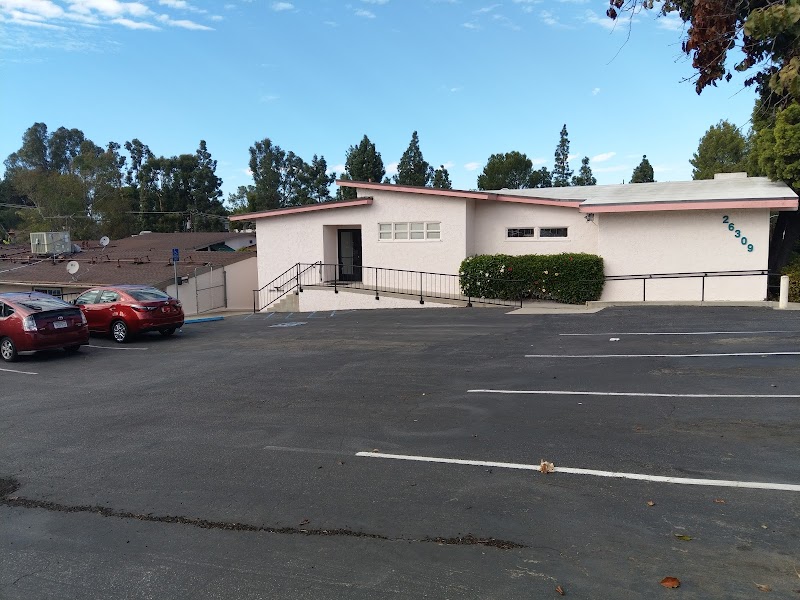
How is Palos Verdes Health Staffed?

CMS rates PALOS VERDES HEALTH CARE CENTER's staffing level at 1 out of 5 stars, which is much below average compared to other nursing homes.

What Have Inspectors Found at Palos Verdes Health?

State health inspectors documented 71 deficiencies at PALOS VERDES HEALTH CARE CENTER during 2021 to 2025. These included: 3 Immediate Jeopardy (the most serious level, indicating potential for serious harm or death), 4 that caused actual resident harm, 61 with potential for harm, and 3 minor or isolated issues. Immediate Jeopardy findings are rare and represent the most serious regulatory concerns. They require immediate corrective action.
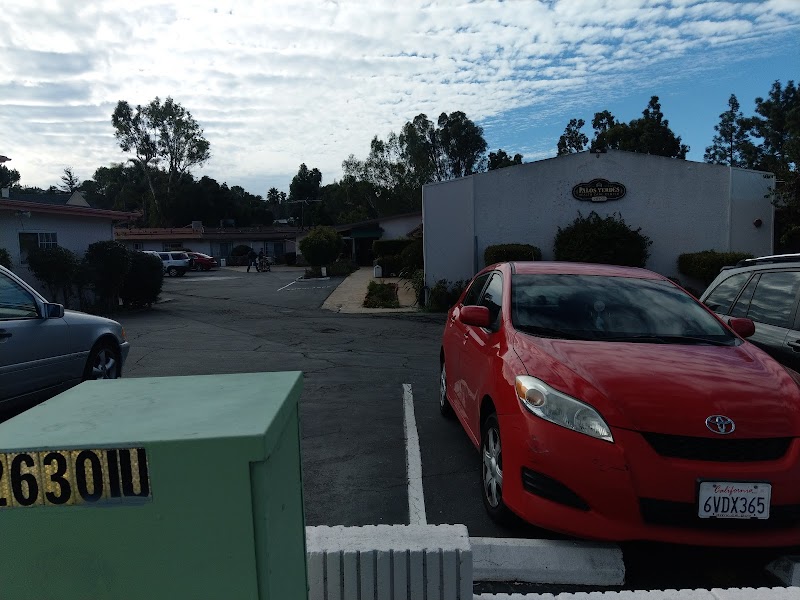
Who Owns and Operates Palos Verdes Health?

PALOS VERDES HEALTH CARE CENTER is owned by a for-profit company. For-profit facilities operate as businesses with obligations to shareholders or private owners. The facility operates independently rather than as part of a larger chain. With 48 certified beds and approximately 40 residents (about 83% occupancy), it is a smaller facility located in LOMITA, California.
How Does Palos Verdes Health Compare to Other California Nursing Homes?

Compared to the 100 nursing homes in California, PALOS VERDES HEALTH CARE CENTER's overall rating (2 stars) is below the state average of 3.1 and health inspection rating (1 stars) is much below the national benchmark.

What Should Families Ask When Visiting Palos Verdes Health?

Based on this facility's data, families visiting should ask: "What changes have been made since the serious inspection findings, and how are you preventing similar issues?" "Can you walk me through typical staffing levels on day, evening, and night shifts?" "Can I visit during a mealtime to observe dining assistance and food quality?" "How do you handle medical emergencies, and what is your hospital transfer rate?" These questions are particularly relevant given the facility's Immediate Jeopardy citations and the below-average staffing rating.

Is Palos Verdes Health Safe?

Based on CMS inspection data, PALOS VERDES HEALTH CARE CENTER has documented safety concerns. Inspectors have issued 3 Immediate Jeopardy citations (the most serious violation level indicating risk of serious injury or death). The facility has a 2-star overall rating and ranks #100 of 100 nursing homes in California. Families considering this facility should ask detailed questions about what corrective actions have been taken since these incidents.

Do Nurses at Palos Verdes Health Stick Around?

PALOS VERDES HEALTH CARE CENTER has not reported staff turnover data to CMS. Staff turnover matters because consistent caregivers learn residents' individual needs, medications, and preferences. When staff frequently change, this institutional knowledge is lost. Families should ask the facility directly about their staff retention rates and average employee tenure.

Was Palos Verdes Health Ever Fined?

PALOS VERDES HEALTH CARE CENTER has been fined $102,835 across 4 penalty actions. This is 3.0x the California average of $34,107. Fines at this level are uncommon and typically indicate a pattern of serious deficiencies, repeated violations, or failure to correct problems promptly. CMS reserves penalties of this magnitude for facilities that pose significant, documented risk to resident health or safety. Families should request specific documentation of what issues led to these fines and what systemic changes have been implemented.

Is Palos Verdes Health on Any Federal Watch List?

PALOS VERDES HEALTH CARE CENTER is not on any federal watch list. The most significant is the Special Focus Facility (SFF) program, which identifies the bottom 1% of nursing homes nationally based on persistent, serious quality problems. Not being on this list means the facility has avoided the pattern of deficiencies that triggers enhanced federal oversight. This is a positive indicator, though families should still review the facility's inspection history directly.