Lompoc Valley Medical Center Comprehensive Care Ce
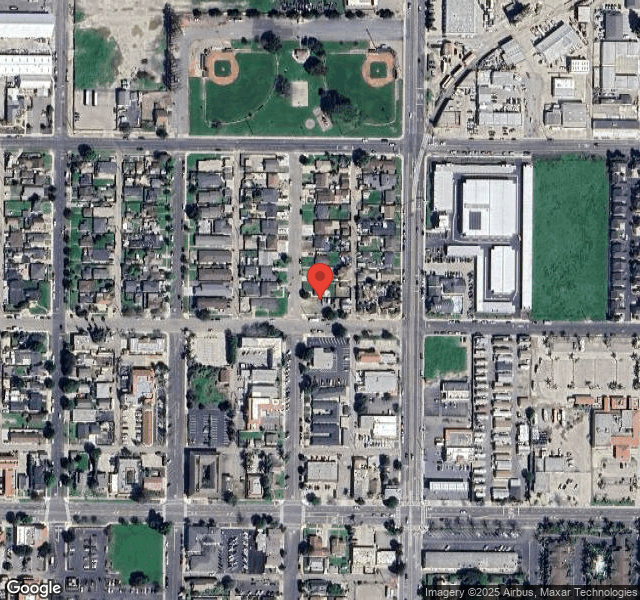
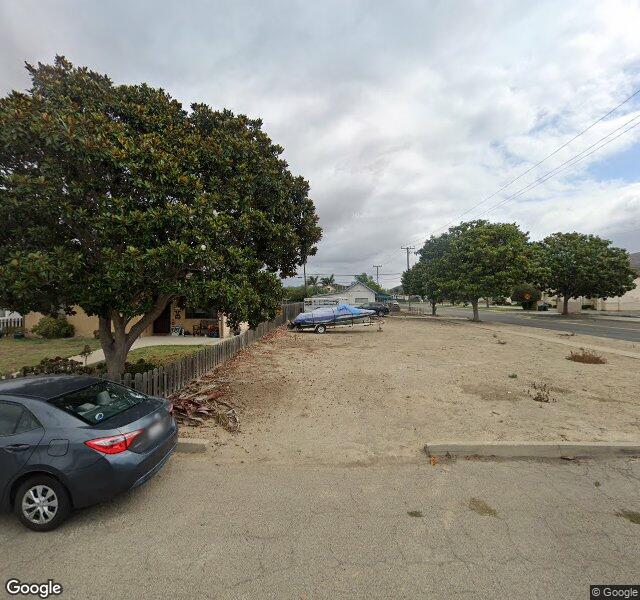
216 North Third Street, Lompoc, CA 93436 (805) 736-3466
For profit - Individual 110 Beds Independent Data: November 2025
Trust Grade
78/100
#121 of 1155 in CA
Last Inspection: February 2025

Within standard 12-15 month inspection cycle. Federal law requires annual inspections.

Overview

Lompoc Valley Medical Center Comprehensive Care Center has earned a Trust Grade of B, which indicates it is a good choice but not among the very best facilities. It ranks #121 out of 1,155 nursing homes in California, placing it in the top half of the state, and #4 out of 14 in Santa Barbara County, meaning only three local options are better. The facility is improving, having reduced its issues from four in 2024 to two in 2025, and it has a strong staffing rating with a 0% turnover, indicating that staff members are committed to the residents. However, there are some concerns, including $6,500 in fines, which is average, and specific incidents such as failing to properly clean glucometers and reusing dirty personal protective equipment, both of which pose infection risks. Overall, while the facility has significant strengths, families should be aware of these weaknesses when considering care options.

Trust Score
B
78/100
In California
#121/1155
Top 10%
Safety Record
Low Risk
No red flags
Inspections
Getting Better
4 → 2 violations
Staff Stability
○ Average
Turnover data not reported for this facility.
Penalties
✓ Good
$6,500 in fines. Lower than most California facilities. Relatively clean record.
Skilled Nurses
✓ Good
Each resident gets 74 minutes of Registered Nurse (RN) attention daily — more than 97% of California nursing homes. RNs are the most trained staff who catch health problems before they become serious.
Violations
⚠ Watch
24 deficiencies on record. Higher than average. Multiple issues found across inspections.
★★★★★
5.0
Overall Rating
★★★★☆
4.0
Staff Levels
★★★☆☆
3.0
Care Quality
★★★★★
5.0
Inspection Score
Stable
2024: 4 issues
2025: 2 issues

The Good

  • 4-Star Staffing Rating · Above-average nurse staffing levels
  • Full Sprinkler Coverage · Fire safety systems throughout facility
  • No fines on record

Facility shows strength in staffing levels, fire safety.

The Bad

Federal Fines: $6,500

Below median ($33,413)

Minor penalties assessed

The Ugly 24 deficiencies on record

Jul 2025 1 deficiency
CONCERN (D) 📢 Someone Reported This

A family member, employee, or ombudsman was alarmed enough to file a formal complaint

Potential for Harm - no one hurt, but risky conditions existed

Deficiency F0658 (Tag F0658)

Could have caused harm · This affected 1 resident

**NOTE- TERMS IN BRACKETS HAVE BEEN EDITED TO PROTECT CONFIDENTIALITY** Based on interview and record review, facility failed to administer a prescribed medication (Bimatoprost - medicine to lower pre...

Read full inspector narrative →
**NOTE- TERMS IN BRACKETS HAVE BEEN EDITED TO PROTECT CONFIDENTIALITY** Based on interview and record review, facility failed to administer a prescribed medication (Bimatoprost - medicine to lower pressure in the eye) and notify the physician per professional standards of practice and facility policy and procedure (P&P) for one of three sampled residents (Resident 2). This failure led to Resident 2 missing 22 doses of the prescribed medication, and had the potential to cause worsening glaucoma (condition that damages the optic (eye) nerve due to high eye pressure), vision changes, and increased eye pressure.During a review of Resident 2's admission Record (AD), the AD indicated Resident 2 was admitted to the facility on [DATE] with diagnoses including diabetes (disease that affects how the body uses glucose) dementia (brain disorder that affects memory), anxiety, open-angle glaucoma (chronic eye condition characterized by increased pressure in the eye, potentially leading to optic (eye) nerve damage and vision loss) and legal blindness. During a review of Resident 2's physician order dated 3/12/25, the physician order indicated, Bimatoprost Solution 0.03% Instill 1 (one) drop in both eyes in the evening for increased IOP (intraocular [inside the eye] pressure). During a concurrent interview and record review on 7/17/25 at 2:35 p.m. with the Director of Nursing (DON), Resident 2's Medication Administration Record (MAR) dated June 2025 was reviewed. The MAR indicated Bimatoprost was not administered on the following dates: 6/1/25, 6/5/25, 6/6/25, 6/7/25, 6/8/25, 6/9/25, 6/10/25, 6/11/25, 6/12/25, 6/13/25, 6/14/25, 6/15/25, 6/16/25, 6/17/25, 6/18/25, 6/19/25, 6/20/25, 6/21/25, 6/22/25, 6/23/25, 6/24/25, and 6/25/25. DON acknowledged the Bimatoprost medication was not administered to Resident 2 for 22 days. During a concurrent interview and record review on 7/17/25 at 2:42 p.m. with DON, Resident 2's progress notes were reviewed. The progress notes indicated there was no documented evidence that the physician was notified of the missed Bimatoprost medication doses on the above said dates. DON stated, There is nothing documented. Review of [NAME] and [NAME], Tenth Edition, Fundamentals of Nursing, page 640 in the section titled Medication Errors indicated, Medication errors include . failing to administer a medication .Medication errors can be caused by many factors such as . medication distribution systems. notify the health care provider of the incident as soon as possible. During a review of the facility's policy and procedure (P&P) titled Medication Administration dated 6/24, the P&P indicated Policy's purpose: to have all medications administered according to the physicians order. If a medication error is made the physician is notified by telephone .
Feb 2025 1 deficiency
CONCERN (D)

Potential for Harm - no one hurt, but risky conditions existed

Food Safety (Tag F0812)

Could have caused harm · This affected 1 resident

Based on observation, interview, and facility policy review, the facility failed to follow professional food storage standards for labeling food in 1 of 1 walk-in freezer in the facility kitchen. Find...

Read full inspector narrative →
Based on observation, interview, and facility policy review, the facility failed to follow professional food storage standards for labeling food in 1 of 1 walk-in freezer in the facility kitchen. Findings included: An undated facility policy titled Procedure For Refrigerated Storage revealed, 10. Leftovers will be covered, labeled and dated. (See leftover policy section 7.). The policy also revealed, 13. Individual packages of refrigerated or frozen food taken from the original packing box need to be labeled and dated. An undated facility policy titled, Food Preparation - Leftover Foods, indicated, Leftover foods are those that have been prepared for a meal and not served. 1. Storage of food B. Label and date. An initial tour of the kitchen was conducted on 02/03/2025 at 8:47 AM with the Food Nutrition Director (FND). During the tour of the facility's walk-in freezer, one clear, gallon-sized freezer bag of fruit slices and one clear, quart-sized freezer bag with a leftover waffle were observed without any description of the contents or the date the products were opened. During an interview on 02/03/2025 at 8:47 AM, the FND stated that they were unsure why the fruit slices and waffle were not labeled or dated. A follow-up tour of the kitchen was conducted on 02/04/2025 at 11:22 AM with the Food Production Supervisor (FPS). During an observation of the walk-in freezer, one clear package containing deli meat slices was observed without any description of the contents or date the product was opened. During an interview on 02/04/2025 at 11:22 AM, the FPS stated that they had forgotten to label and date the package. During an interview on 02/05/2025 at 9:16 AM, Food Service Worker (FSW) #3 stated that, when a food item was opened, they must ensure the package was labeled with the date it was opened, a description of contents, and a best by date. During an interview on 02/05/2025 at 9:23 AM, [NAME] #2 stated they had a sticker they used to label food items. [NAME] #2 stated when a food package was opened, they had to label the item with the date that it was opened, a best by date, and a description of contents. She stated after six days, they had to remove those items and discard any food item that did not have a date. [NAME] #2 further stated it was their responsibility to check for food items that were not labeled and throw them away. Per [NAME] #2, she was not sure why there were food items that were not labeled in the walk-in freezer. During an interview on 02/05/2025 at 9:29 AM, [NAME] #1, the lead cook, stated that leftover food should be doubled bagged and labeled with the date it was opened and the date that it should be used by. [NAME] #1 stated that it was [NAME] #2's responsibility to discard all non-labeled items or items stored past their use by dates. [NAME] #1 stated they had new staff who she believed did not know their process. During an interview on 02/05/2025 at 9:36 AM, the FPS stated left over food items should be labeled with the date it was opened and a use by date. The FPS further stated that it was the responsibility of [NAME] #2 to ensure all food items were properly labeled and stored. During an interview on 02/05/2025 at 9:45 AM, the FND stated they expected all food to be stored in a plastic bag and labeled with the contents and the date it was opened. The FND stated after seven days, the food should be thrown away. Per the FND, it was everyone's responsibility to ensure food items were labeled, dated, and stored properly. During an interview on 02/05/2025 at 2:43 PM, the Director of Nursing (DON) stated they expected staff to label food items with the date it was opened and to discard all items past their expiration dates. The Administrator was interviewed on 02/05/2025 at 2:46 PM. The Administrator stated all food items should be labeled with the date it was opened and discarded by the expiration date or within five days of the opened date.
Aug 2024 1 deficiency
CONCERN (D) 📢 Someone Reported This

A family member, employee, or ombudsman was alarmed enough to file a formal complaint

Potential for Harm - no one hurt, but risky conditions existed

Abuse Prevention Policies (Tag F0607)

Could have caused harm · This affected 1 resident

Based on interview and record review the facility failed to implement abuse prevention policy when two residents (Resident 1 and 2) had an alleged abuse incident on 7/17/24 for which no interventions ...

Read full inspector narrative →
Based on interview and record review the facility failed to implement abuse prevention policy when two residents (Resident 1 and 2) had an alleged abuse incident on 7/17/24 for which no interventions were implemented for two days after the alleged physical abuse incident occured. The facility's failure had the potential for the physical abuse incident to reoccur within those two days. Findings: A review of the facility's policy and procedure titled Prevention of Abuse , dated 3/24, indicated 1. It is the policy of this facility to take every proactive measure to prevent the occurrence of alleged abuse of any resident. 2. Residents must not be subject to abuse by anyone, including . other residents. 10. If suspected perpetrator is another resident: Separate the residents so that they do not interact with each other until the circumstances of the reported incident can be determined. 11. All incidents of witnessed, suspected, or alleged abuse are investigated . Facility shall report all incidents of alleged abuse/neglect or suspected abuse/neglect to CDPH within 24 hours and the results of the investigation are reported to CDPH within 5 working days of the incident .12. 1) Abuse: the willful infliction of injury . Willful, as used in this definition of abuse, means the individual must have acted deliberately, not that the individual must have intended to inflict injury or harm. 2) Abuse by one resident to another: Abuse by one resident to another can be a serious situation. This incidents are reported immediately to the nursing team leader and supervisor and immediate steps are taken. This steps may include: Temporarily separating the Residents from each other. Determine the cause for the abuse and intervene as appropriate. Notify the physicians and responsible parties. Closely monitor the residents. Care plan the interventions . Physical Abuse: Hitting, slapping, pushing, shoving, twisting, squeezing, pinching, and kicking. The California Department of public health (CDPH) received a facility reported incident (FRI) on 7/19/24 reporting that 7/19/24 at 1:15 p.m., Resident 2 reported Resident 1 grabbed and squeezed her arm 7/17/24 around 4:00 p.m., in the activities room. Resident 1's medical record was reviewed on 8/1/24. Record indicated resident's BIMS score was 14. A score of 13 to 15 suggests the resident is cognitively intact, 8 to 12 suggests moderately impaired and 0 to 7 suggests severe impairment. Diagnosis included stroke (brain damage) with expressive aphasia (difficulties verbally expressing needs), right side of body impaired and uses wheelchair for mobility. During an interview with Resident 1 on 8/1/24 at 2:52 p.m., resident stated She (Resident 2) ranned me over with her wheelchair. She did it intentionally, on purpose. I thought the way to handle matters was to grab her by the arm. Resident 1 was asked if he was temporary separated from Resident 2 after the incident. Resident 1 stated No, I see her (Resident 2) during breakfast, at activities, I see her (Resident 2) all the time . Resident 2's medical record was reviewed on 8/1/24. Record indicated resident's BIMS score was 15. Diagnosis included left side of upper body impaired due to a brain stroke and psychoactive substance abuse. During an interview with Resident 2 on 8/1/24 at 3:03 p.m., resident stated He (Resident 1) grabbed my arm so hard that I was saying aww, aww. During an interview with activities leader (AL) on 8/1/24 at 12:42 p.m., AL confirmed witnessing the alleged abuse incident between the two residents (Resident 1 and 2) on 7/17/24 around 4: 00 p.m., AL stated [Resident 1's name] was on the pathway when [Resident 2's name] was going towards the door to the patio, to go smoke. [Resident 2's name] intentionally charged and ran into [Resident 1's name] wheelchair, running over his feet. It was like [Resident 2's name] said you're in my way so I'm going to run over you . She (Resident 2) did this intentionally. [Resident 1's name] then grabbed her (Resident 2) arm and squeezed it. [Resident 2's name] was saying ouch ouch. I intervened and separated them. I called and reported this to the supervisor [Supervisor's name], she said she will follow up later. Later, I checked on [Resident 1's name] , he said She (Resident 2) ran into me on purpose. During a concurrent review of Resident 2's document titled Activity Dining Room Code of Conduct and interview with the activities director (AD) on 8/1/24 at 12:52 p.m., the AD reported that on 7/12/24 the Code of Conduct rules were reviewed with Resident 2 because resident had been loud, use foul language and disturbing others, in the past. However, on 7/12/24, the resident was out of control, especially, with the use of foul language that necessitated for the AD to review and remind the resident of the rules listed on the Code of Conduct document. During an interview with the nursing supervisor (NS) on 8/1/24 at 2:10 p.m., NS confirmed being notified by activities leader (AL) regarding Resident 1 and Resident 2 alleged abuse incident (altercation) on 7/17/24. NS reported, later, checking on Resident 1. Resident 1 was upset with Resident 2 but with his expressive aphasia it was difficult to understand him and was getting frustrated. Later, NS checked on Resident 2 who was up on the front of the facility, at the time. According to NS, Resident 2 denied being hurt. Therefore, NS did not think this was a resident -to-resident abuse and nothing was done about this. On 7/19/24, Resident 2 reported to nursing staff that on 7/17/24 Resident 1 had grabbed her arm and hurt her. An investigation was initiated on 7/19/24 where details were discovered that on 7/17/24 Resident 2 intentionally ran into Resident 1's wheelchair, running over his feet. Then, Resident 1 grabbed Resident 2's arm and squeezed it. Resident 2 was saying ouch, ouch . NS was asked if on 7/17/24 when she checked on Resident 1 and 2, did she asked residents if there was any physical contact between them or did she asked the details of the incident. NS stated No, I did not . NS was asked if she performed an assessment of both residents on 7/17/24 and documented the assessment in the medical record. NS stated No I did not. I did not document any assessment or incident details etc. I did not write any notes in the residents record. I didn't think I needed to since they were both fine. During a concurrent review of the facility policy titled Prevention of Abuse and interview with the facility manager (FM) on 8/1/24 at 3:45 p.m., the FM acknowledged and confirmed for two days, from 7/17/24 to 7/19/24, the facility did not implemented their policy and procedure related to abuse by one resident to another. FM confirmed on 7/17/24, date of the alleged abuse incident, the facility did not 1. Temporarily separated the residents so they do not interact with each other until investiagtion was completed. 2. Determine the cause for the abuse. 3. Notify the physicians and responsible parties. 4. Closely monitor the residents. 5. Initiate care plan with interventions. 6. Physical assessment of residents involved was not completed with findings documented in the record. Facility did not report alleged abuse incident to CDPH within 24 hours of incident. Furthermore, FM agreed the facility cannot account for Resident 1 and Resident 2 whereabouts and interactions between the two of them from 7/17/24 to 7/19/24, two days from the alleged abuse incident.
Jun 2024 1 deficiency
CONCERN (D) 📢 Someone Reported This

A family member, employee, or ombudsman was alarmed enough to file a formal complaint

Potential for Harm - no one hurt, but risky conditions existed

Deficiency F0725 (Tag F0725)

Could have caused harm · This affected 1 resident

**NOTE- TERMS IN BRACKETS HAVE BEEN EDITED TO PROTECT CONFIDENTIALITY** Based on observation, interview, and record review, the facility failed to ensure staff was available to answer a resident's cal...

Read full inspector narrative →
**NOTE- TERMS IN BRACKETS HAVE BEEN EDITED TO PROTECT CONFIDENTIALITY** Based on observation, interview, and record review, the facility failed to ensure staff was available to answer a resident's call light for one of two residents (Resident 1), when the resident requested assistance to go to the bathroom for toileting needs. This failure had the potential for the resident to be incontinent and also cause psychosocial harm. Findings: During a review of the facility document titled, Nursing Staff Sheet (NSS), dated 4/28/24, the NSS indicated for 3-11 shift (afternoon), the census was 88 and seven certified nursing assistants (CNAs) were scheduled for patient care. The NSS further indicated, each CNA had approximately 12 to 13 residents each to care for. During an interview on 5/13/24 at 10:43 am with the director of nursing (DON), the DON stated, We are not understaffed .We currently do not have any staffing waivers . In this facility the expectation is that anyone that works here and sees or hears a call light they are expected to go in and at least see what the resident needs . During a review of Resident 1's Face Sheet, dated 5/13/24, the face sheet indicated, Resident 1 was admitted on [DATE], with diagnoses that included, hemiplegia (paralysis of one side of the body) and hemiparesis (inability to move one side of the body) following acerebral infarction (stroke-disrupted blood flow to the brain) affecting left non-dominant side. During a review of Resident 1's Minimum Data Set (MDS-assessment of current health conditions), dated 5/8/24, the MDS indicated, a BIMS (brief interview of mental status) score of 15, which indicated intact cognition (alert mental processes), no behavioral issues, with upper and lower impairment on one side (left of the body), continent of bladder but requiring maximum assistance for toileting. During a review of Resident 1's Care Plan (CP), revised 9/21/23, the CP indicated, Resident 1 had impaired functional abilities related to left hemiparesis, full dependence on toileting, potential elimination concerns related to hemiparesis with interventions including but not limited to, answer all call bells promptly to ensure continued continence of bowel and bladder; and scheduled/habit toileting program: upon awakening, before and after breakfast, before and after lunch, before or after supper, at bedtime, and during the night if resident is awake. During a concurrent observation and interview on 5/13/24 at 11:53 am with Resident 1 inside the resident's room, Resident 1 was sitting on a wheelchair, and a urinal (plastic container to urinate in) was hanging on a bedside rail. Resident 1 attested to an incident on 4/28/24 and stated in part, They seem to treat people like cattle here. When they ignore my call light, I went on my wheelchair to the nurses station and told (name of licensed nurse 1 -LN1), I need help going to the bathroom. (Name of LN1) said, I have an assigned CNA and to go back to my room and wait. But I told (name of LN1) I need to go but she keep arguing with me about their staffing. One CNA has like 17 people to care for and they don't help each other out, the supervisors just sits and don't help, and since my time here, their answering of the call light is a constant problem. I stopped going to my care meetings as it's just a big show, I am going to be rude when they treat me like a piece of meat, I have started taking notes regarding response time, if I am in bed, I can use the urinal, but if I am on the wheelchair I can't. My left arm and leg has been affected by stroke and it is hard for me to use the urinal. During an interview on 5/13/24 at 12:26 pm with CNA1, CNA1 stated, .I was on dinner break that night . the resident was upset about staff getting him to the bathroom . his biggest complaint was that the light was on and nobody got there quick enough for him . I know he uses the urinal, but I don't think he uses it when he is in his chair. When he is in the chair, he uses the call light then we take him to the bathroom. We use the easy stand with him to get him to the toilet, and off the toilet. On the weekends we can be shorter staffed, on the weekends there should be ten CNA's, and sometimes people call in, I stayed that day for a double shift and had him (Resident 1) the entire time. As far as the time to get to a room with a call light on I do not know an actual time frame .Usually I would have ten residents, but it can change due to the census .that night he was in his chair not the bed when he used the call light .
Jan 2024 1 deficiency
CONCERN (D) 📢 Someone Reported This

A family member, employee, or ombudsman was alarmed enough to file a formal complaint

Potential for Harm - no one hurt, but risky conditions existed

Accident Prevention (Tag F0689)

Could have caused harm · This affected 1 resident

**NOTE- TERMS IN BRACKETS HAVE BEEN EDITED TO PROTECT CONFIDENTIALITY** Based on interview, record review, and facility policy and procedure (P/P), the facility failed to ensure the environment was fr...

Read full inspector narrative →
**NOTE- TERMS IN BRACKETS HAVE BEEN EDITED TO PROTECT CONFIDENTIALITY** Based on interview, record review, and facility policy and procedure (P/P), the facility failed to ensure the environment was free of accidents when one of three residents (Resident 1's) wheelchair was not safely maintained. Resident 1's wheelchair left lock was broken. This facility failure resulted in Resident 1's wheelchair sliding backwards and the resident sustaining an assisted fall from the wheelchair. Findings: During a record review of Resident 1's Face Sheet, (a document that gives a patient's information at a quick glance) the Face Sheet indicated, Resident 1 was admitted to the facility on [DATE] with diagnoses that included, dementia (impaired ability to remember, think, or make decisions that interferes with doing everyday activities), Chronic Kidney Disease (when kidneys cannot filter blood as they should), and Diabetes (too much sugar in the blood). During a review of an assessment form titled, Resident Assessment Instrument (RAI - a document utilized to assess the nursing need of a resident), dated 10/23, the RAI indicated, Definitions . Fall: Unintentional change in position coming to rest on the ground or onto the next lower surface (e.g., onto a bed, chair, or bedside mat), but not as a result of an overwhelming external force. During a record review of Resident 1's Morse Fall Scale (MFS - rapid and simple method of assessing a patient's likelihood of falling), dated 12/2/23, the MFS indicated, Resident 1 was a High Risk for Falling. During a record review of Resident 1's Nursing Progress Note (NPN), dated 12/2/23 at 7:48 a.m., the NPN indicated, while assisting Resident 1 to transfer from bed to wheelchair, Resident 1 slid off the wheelchair to the floor with the wheelchair breaks on. During an interview on 1/3/24 at 10:57 a.m. with Licensed Nurse (LN 1), LN 1 confirmed while Resident 1 was being transferred from the bed to the wheelchair, the wheelchair was locked but the wheelchair slid backwards, and Resident 1 slid to the floor. During an interview on 1/17/24 at 1:21 p.m. with Facility Engineer (FE), the FE confirmed the left side lock on Resident 1's wheelchair was not working, causing the wheelchair to move backwards. During a review of the facility's policy and procedure (P&P) titled, Bio Medical Equipment, dated 3/16/21, the P&P indicated, PURPOSE: To assure that medical equipment is maintained at an acceptable level of quality and safety . POLICY: the organization shall make adequate provisions to ensure the availability and reliability of equipment needed for its operations and services.
Jan 2024 1 deficiency
CONCERN (D) 📢 Someone Reported This

A family member, employee, or ombudsman was alarmed enough to file a formal complaint

Potential for Harm - no one hurt, but risky conditions existed

Investigate Abuse (Tag F0610)

Could have caused harm · This affected 1 resident

Based on interview and record review, the facility failed to provide evidence that an allegation of abuse was thoroughly investigated for one of two residents (Resident 1). This failure had the potent...

Read full inspector narrative →
Based on interview and record review, the facility failed to provide evidence that an allegation of abuse was thoroughly investigated for one of two residents (Resident 1). This failure had the potential for further abuse to occur to residents. Findings: During a review of Resident 1's Face Sheet, (a document that gives a patient's information at a quick glance) the Face Sheet indicated, Resident 1 was admitted to the facility on 10/11//23 is with a diagnoses that included, Cardiac Arrest (when the heart stops beating suddenly), Heart Failure (condition that develops when your heart doesn't pump enough blood for your body's needs), Chronic Kidney Disease (condition in which kidneys are damaged and cannot filter blood as well as they should) and an Aneurysm (an abnormal bulge or ballooning in a blood vessel). During a review of Resident 1's Nursing Progress Note (NPN), dated 12/12/23 at 9:20 a.m., the NPN indicated, Alerted by CNA (certified nursing assistant) Resident 1's responsible party (RP) had phoned the facility while on the phone with Resident 1', she stated, she was going to call the police to report molestation (sexual assault or abuse of a person) occurring at the facility. Supervisor was immediately informed and DON was notified of the conversations. During a review of Resident 1's General Nursing Note, dated 12/14/23, the Note indicated, Resident 1 was pleasant and cooperative with personal and nursing care (2 person assist) and Resident 1 was able to verbalize needs and needs were met. During a review of a Facility Reported Incident (FRI) dated 12/12/23 indicated, Social Services (SS) was immediately called to speak to the resident following the incident and Resident 1 had stated that he felt violated when the CNA asked him to roll over to clean his buttock. Further reviews did not show any evidence that the alleged violations were thoroughly investigated. During a review of the facility's policy and procedure (P/P) titled, Prevention of Abuse, last revised 4/22, the P&P indicated, 1. Policy. It is the policy of this facility to take every proactive measure to prevent the occurrence of alleged abuse to any resident. 7. All incidents of witnessed, suspected, or alleged abuse are investigated and information is delivered to the supervisor on duty or the Director of Nursing. Upon receiving the report, the supervisor or Director of Nursing communicates allegation to Administrator and status of investigation. The P&P further indicated, The investigation and report shall include . outcome of investigation, and follow-up resolution or further action if necessary. Further review of records did not show the alleged abuse was investigated and information delivered to the supervisor on duty or the DON upon receiving the report. Nor was there evidence the facility immediately put effective measures in place to ensure further potential abuse or mistreatment did not occur while the investigation was in process. During a concurrent interview and record review on 1/2/24 at 12:19 p.m., with Director of Nursing (DON), the facility's P&P titled, Prevention of Abuse, last revised 4/22 was reviewed. DON confirmed there was no outcome of the investigation reported and stated, There was no formal investigation, there are no results.
Aug 2023 1 deficiency
CONCERN (D) 📢 Someone Reported This

A family member, employee, or ombudsman was alarmed enough to file a formal complaint

Potential for Harm - no one hurt, but risky conditions existed

Deficiency F0604 (Tag F0604)

Could have caused harm · This affected 1 resident

**NOTE- TERMS IN BRACKETS HAVE BEEN EDITED TO PROTECT CONFIDENTIALITY** Based on interview and record review, the facility failed to ensure one of 3 sampled residents (Resident 1), was free from physi...

Read full inspector narrative →
**NOTE- TERMS IN BRACKETS HAVE BEEN EDITED TO PROTECT CONFIDENTIALITY** Based on interview and record review, the facility failed to ensure one of 3 sampled residents (Resident 1), was free from physical restraint when Resident 1 was tied to a wheelchair with a scarf. This facility failure has the potential to cause injury to the resident. Findings: During a review of Resident 1's clinical records titled History and Physical on 8/1/23 at 8:20 p.m., indicated Resident 1 was admitted to the facility on [DATE] with diagnoses that include hypertension (high blood pressure), ataxia (loss of muscle control in the arms and legs), major depressive disorder, and Dementia (the loss of cognitive functioning thinking, remembering, and reasoning to such an extent that it interferes with a person's daily life and activities). Further review of clinical records indicated, Resident 1 is non-verbal, wheelchair bound, requires extensive assistance and supervision. During an interview with Licensed Nurse (LN 1) on 8/3/23, at 3:11 p.m., LN 1 explained that Resident 1 was sitting in the middle nursing station when she observed the resident with a leopard print scarf wrapped around her upper chest, and tied in the back, underneath the wheelchair handles, preventing her from moving. During a review of Resident 1's medical record on 8/11/23, at 1:55 p.m., there was no documentation indicating a medical symptom that required the use of a restraint and no physician's order for restraint were noted. Further reviews did not show, there were any nursing notes documenting the use of restraint. During an interview with LN 2 on 8/14/23 at 2:00 p.m., LN 2 acknowledged Resident 1 was restrained with a scarf on her wheelchair on the night of 7/28/23. LN 2 confirmed, the facility was a restraint free facility and there was no order for restraints for Resident 1. During a review of the facility's policy & procedure (P&P) titled, Physical Restraints dated 9/2019, the P&P indicated, 2. Background: All residents have the right to be free from restraint of any form, imposed as a means of coercion, discipline, convenience, or retaliation by staff and not required to treat the resident ' s medical symptom . 3. Definitions: a. Physical restraint: Physical restraint is any manual method, physical or mechanical device, material, or equipment attached or adjacent to the resident ' s body that the individual cannot remove easily which restricts freedom of movement or normal access to ones ' body .Placing a resident in a chair that prevents from rising. The P&P further indicated, d. Restraint Order 1. A licensed independent practitioner must give an order for the use of restraints . F. Documentation 1. The use of a restraint must be addressed in the resident's care plan.
Aug 2023 1 deficiency
CONCERN (D) 📢 Someone Reported This

A family member, employee, or ombudsman was alarmed enough to file a formal complaint

Potential for Harm - no one hurt, but risky conditions existed

Deficiency F0919 (Tag F0919)

Could have caused harm · This affected 1 resident

Based on observation, interview, and record review, the facility failed to ensure a call light was within reach, for one of three sampled residents (Resident 1). This facility failure had the potentia...

Read full inspector narrative →
Based on observation, interview, and record review, the facility failed to ensure a call light was within reach, for one of three sampled residents (Resident 1). This facility failure had the potential for Resident 1 not being able to call for help, and a delay in receiving care. Findings: During a concurrent observation and interview on 6/21/23 at 10:15 a.m. with Resident 1, inside Resident 1 ' s room, Resident 1 was instructed to push the call light (device for residents to be able to request assistance from staff). Resident 1 verbalized, the call light was not within reach. Resident 1 stated would have to get out of the wheelchair and sit on the bed to reach the call light. Resident 1 ' s bed was observed positioned in the corner of the room, against the wall lengthwise with the top right bed rail against the wall, and the head of the bed against the adjoining wall. The call light was vertical, with the upper end of the call light extended from the wall above the top right bed rail, and the bottom end of the call light, which contained the button to push for help, downward on the right side of Resident 1 ' s bed. During a concurrent observation and interview on 6/21/23 at 11:16 a.m. with Licensed Nurse (LN 1) and the Social Worker (SW), in Resident 1's room, Resident 1's call light was observed. Resident 1's bed was positioned in the corner of Resident 1's room, against the wall lengthwise with the top right bed rail against the wall, and the head of the bed against the adjoining wall. The call light was vertical, with the upper end of the call light extended from the wall above the top right bed rail, and the bottom end of the call light, which contained the button to push for help, downward on the right side of Resident 1's bed. LN 1 and SW both stated Resident 1 could not reach the call light when sitting in the wheelchair. During a review of Resident 1's Face Sheet, dated 7/2/22, the face sheet indicated, Resident 1 had diagnoses including, syncope (fainting or passing out) and collapse, anemia (lack of healthy red blood cells), abnormal electrocardiogram (records electrical signals from the heart to check for different heart conditions), fracture (break in a bone) of one rib - right side, fracture of third metacarpal (bone in the hand) bone -right hand, fracture of fourth metacarpal bone - right hand, nontraumatic (not caused by or associated with an injury) subarachnoid hemorrhage (bleeding in the brain), hypoosmolality (common disorder of fluid and electrolyte balance produced by retention of water, by loss of sodium or both) and hyponatremia (low sodium), residual effects of cerebral infarction (disrupted blood flow to the brain), monoplegia (complete or partial loss of muscle function to one area of the body) of upper limb of dominant side, polyneuropathy (multiple peripheral nerves become damaged). During a review of Resident 1's Care Plan date initiated 07/02/2022, the Care Plan indicated in part, keep call light within reach while in the room . keep call light to resident ' s left side. During a review of Resident 1's Care Plan, date initiated 06/07/2023, the Care Plan indicated in part, Ensure . call light and personal items are within reach. During a record review of Resident 1's Order Summary, dated 6/08/23, the order summary indicated in part, ensure . call light and personal items are within reach.
Jan 2023 1 deficiency
CONCERN (D) 📢 Someone Reported This

A family member, employee, or ombudsman was alarmed enough to file a formal complaint

Potential for Harm - no one hurt, but risky conditions existed

Deficiency F0563 (Tag F0563)

Could have caused harm · This affected 1 resident

**NOTE- TERMS IN BRACKETS HAVE BEEN EDITED TO PROTECT CONFIDENTIALITY** Based on interview, and record review, the facility failed to ensure when they posted the signage facility closed for visitation...

Read full inspector narrative →
**NOTE- TERMS IN BRACKETS HAVE BEEN EDITED TO PROTECT CONFIDENTIALITY** Based on interview, and record review, the facility failed to ensure when they posted the signage facility closed for visitation on 11/17/22 through 11/22/22 because of increased cases of respiratory infections inside the facility, the directions were explained and communicated to residents' families, other staff, and visitors. This failure resulted in family members and visitors not able to visit their loved ones for interpreting the signage as visitors not allowed. Findings: During an interview on 12/15/22, at 11:11 a.m., with the ombudsman (an advocate for residents of nursing homes), the ombudsman stated that during a visit at the facility on 11/18/22, a sign was posted at the facility main entrance that indicated, The CCC is currently closed for visitation due to an increase in respiratory infections. Please call for more information. The ombudsman further stated the director of nursing (DON) clarified the signage and stated to the ombudsman that the facility consulted with the Santa [NAME] County Public Health Department (SBCPHD) to close visitation at the facility due to a potential outbreak of Respiratory Syncytial Virus (RSV). During an interview on 12/08/22 at 10:02 a.m., with the DON, the DON verbalized that the facility has Corona Virus (COVID) positive residents and residents who had respiratory symptoms. The DON consulted with SBCPHD with the decision and verbalized that in-door visitation would be put on hold until the outbreak was under control but would continue window visits, zoom calls and visitors who wanted to feed family members were allowed. During a review of an electronic mail dated 12/16/22, the Long-Term Care Ombudsman of Santa [NAME] wrote in part, Out of the 14 Skilled Nursing Facilities (SNF's) in the county, the facility was the only one that stopped visitation . We are all concerned about the outbreaks .the facility has to be proactive . but not placing a sign at the front door where anyone reading it will turn around and go back home. The DON was not able to provide evidence that residents' families, other staff, and visitors, were informed of visitation and/or alternatives.
Nov 2022 1 deficiency
CONCERN (D) 📢 Someone Reported This

A family member, employee, or ombudsman was alarmed enough to file a formal complaint

Potential for Harm - no one hurt, but risky conditions existed

Deficiency F0925 (Tag F0925)

Could have caused harm · This affected 1 resident

Based on interview, and record review, the facility failed to maintain an effective pest control program, when a termite infestation was discovered in one of two sampled residents (Resident 1) rooms. ...

Read full inspector narrative →
Based on interview, and record review, the facility failed to maintain an effective pest control program, when a termite infestation was discovered in one of two sampled residents (Resident 1) rooms. This failure resulted in termites being found in Resident 1's room and had the potential to be a contributing factor in Resident 1 sustaining a fall at the facility. Findings: During a review of General Nursing Notes dated 9/3/22 at 5:52 p.m., the General Nursing Note indicated in part, Resident 1 was found on the floor after trying to kill a bug. During an interview on 9/21/22, at 11:54 a.m., with Resident 1, Resident 1 stated I did see a black bug and I just pushed it away. During an interview, on 9/20/22, at 1:30 p.m., with facility administrator (ADM), ADM verbalized They were flying termites seen in the resident's (Resident 1) room . During a review of Wood Destroying Pests and Organisms Inspection Report , dated 9/7/22, the report indicated in part, evidence of drywood termite infestation was found in Resident 1's room, the Soiled Utility Room and Clean Utility Room, and appears to extend into inaccessible areas of the structure . During an Interview on 9/20/22 at 1:40 p.m., with maintenance representative (MNT 1), MNT 1 stated We have also seen termites in the patio and there is nothing we can do .complete termination will include tenting of the facility and fumigation, we need to close down the facility.
Nov 2022 3 deficiencies
CONCERN (D)

Potential for Harm - no one hurt, but risky conditions existed

Deficiency F0883 (Tag F0883)

Could have caused harm · This affected 1 resident

**NOTE- TERMS IN BRACKETS HAVE BEEN EDITED TO PROTECT CONFIDENTIALITY** Based on interview, and record review, the facility failed to offer the influenza (Flu- a highly contagious infectious disease) ...

Read full inspector narrative →
**NOTE- TERMS IN BRACKETS HAVE BEEN EDITED TO PROTECT CONFIDENTIALITY** Based on interview, and record review, the facility failed to offer the influenza (Flu- a highly contagious infectious disease) vaccine (medication that helps the body fight infections) for one of five residents (Resident 1). This deficient practice placed Resident 1 at a higher risk of acquiring and transmitting influenza to other residents in the facility. Findings: During a review of Resident 1's clinical record, the record indicated Resident 1 was admitted to the facility on [DATE], with diagnoses that included hemiplegia and hemiparesis (muscle weakness or partial paralysis on one side of the body) following nontraumatic subarachnoid hemorrhage (stroke) affecting left non-dominant side, cachexia (a general state of ill health with marked weight loss and muscle loss), dementia (loss of memory, language , problem-solving and other thinking abilities that are severe enough to interfere with daily life), history of falls. Review of the facility policy and procedure titled, Influenza Vaccination Program for CCC Residents, revised 11/30/17, indicated in part . Purpose: To provide a safe environment for residents, staff, and visitors, to reduce morbidity and mortality from influenza by vaccinating all residents . Procedures: Resident screening: screening must be performed upon admission by admitting nurse during the flu season. Provide education regarding the benefits and potential side effects of the Influenza Vaccine and offer a copy of VIS (Vaccine Information Statement) to each resident . Check doctor's order. Obtain Influenza Immunization Informed Consent . Administer . inactivated influenza vaccine . Document each resident's vaccine administration information and follow up in the following places: Medical Record: If vaccine was not given, notify MD, record the reason for non-receipt of the vaccine (e.g., medical contraindication, resident refusal). During an interview, and concurrent record review, on 11/30/22, at 3:18 p.m., with the director of nursing (DON), the DON confirmed the facility was unable to provide documentation indicating the influenza vaccine was offered and refused or administered to Resident 1.
CONCERN (D)

Potential for Harm - no one hurt, but risky conditions existed

Deficiency F0887 (Tag F0887)

Could have caused harm · This affected 1 resident

**NOTE- TERMS IN BRACKETS HAVE BEEN EDITED TO PROTECT CONFIDENTIALITY** Based on interview, and record review, the facility failed to offer the COVID-19 (a highly contagious infectious disease) vaccin...

Read full inspector narrative →
**NOTE- TERMS IN BRACKETS HAVE BEEN EDITED TO PROTECT CONFIDENTIALITY** Based on interview, and record review, the facility failed to offer the COVID-19 (a highly contagious infectious disease) vaccine (medication that helps the body fight infections) for one of five residents (Resident 1). This deficient practice placed Resident 1 at a higher risk of acquiring and transmitting influenza to other residents in the facility. Findings: During a review of Resident 1's clinical record, the record indicated Resident 1 was admitted to the facility on [DATE], with diagnoses that included hemiplegia and hemiparesis (muscle weakness or partial paralysis on one side of the body) following nontraumatic subarachnoid hemorrhage (stroke) affecting left non-dominant side, cachexia (a general state of ill health with marked weight loss and muscle loss), dementia (loss of memory, language , problem-solving and other thinking abilities that are severe enough to interfere with daily life), history of falls. Review of the facility policy and procedure titled, COVID-19 Vaccination Program for CCC Residents, revised 8/10/22, indicated in part . Purpose: To prevent the spread of COVID-19 infection by vaccinating all residents . Procedures: residents are offered the COVID-19 vaccine . admission screening: vaccination status being screened upon admission and the COVID-19 being offered . provide education regarding the benefits and potential side effects . obtain COVID-19 Vaccine Consent . Administer the vaccine per doctor's order . If vaccine was not given, notify MD, record the reason for non-receipt of the vaccine (e.g., medical contraindication, resident refusal) . The completed COVID-19 Informed Consent form shall be placed in the resident's medical record. During an interview, and concurrent record review, on 11/30/22, at 3:18 p.m., with the director of nursing (DON), the DON confirmed the facility was unable to provide documentation indicating the COVID-19 vaccine was offered and refused or administered to Resident 1.
CONCERN (F)

Potential for Harm - no one hurt, but risky conditions existed

Infection Control (Tag F0880)

Could have caused harm · This affected most or all residents

Based on observation, interview, and record review, the facility failed to maintain infection control practices when: 1. Glucometers (machine used to measure blood sugar) were not cleaned and disinfec...

Read full inspector narrative →
Based on observation, interview, and record review, the facility failed to maintain infection control practices when: 1. Glucometers (machine used to measure blood sugar) were not cleaned and disinfected per manufacturer's instructions for use. 2. Staff did not change gloves after cleaning dirty surfaces in the resident's room before getting supplies from the clean supply cart. 3. N95 respirators were not disposed after use per infection control guidelines. 4. Dirty personal protective equipment (PPE) was reused by staff while collecting laundry. These facility failures had the potential to result in cross-contamination (the transfer of harmful bacteria) that could impact residents' health and safety and cause preventable HAIs (Healthcare Associated Infections) for residents in an already compromised condition. Findings: 1. Review of the manufacturer's instructions for use titled, Stat Strip, undated, indicated in part . Clean and disinfect after each patient use by following this protocol . cleaning is not the same as disinfecting . Warning: To ensure proper disinfection, it is important to clean the meter (step1) prior to disinfecting the meter (Step 2) 1. Clean the meter. Remove a fresh germicidal wipe from the canister. Wipe the external surface of the meter thoroughly with a fresh germicidal disinfecting bleach wipe. Discard the used wipe into an appropriate biohazard container. 2. Disinfect the meter. Using a new, fresh germicidal bleach wipe, thoroughly wipe the surface of the meter (top, bottom, left and right sides) a minimum of 3 times horizontally followed by 3 times vertically . 3. Observe surface contact time. Review of the label for wipes, Clorox Healthcare Bleach Germicidal Wipes, undated indicated in part . Bactericidal, Virucidal, Fungicidal, Tuberculocidal, Sporicidal . Disinfects in 3 minutes . 3-minute wet time. Review of label for wipes, Cavi Wipes, undated indicated in part . Tuberculocidal, Bactericidal, Virucidial, Fungicidal . 3 minute kill time . Cleaning procedure: Blood . must be thoroughly cleaned from surfaces and objects before application of this disinfecting towelette. During a concurrent interview, and observation, with licensed nurse (LN 1), on 11/29/22, at 12:30 p.m., LN 1 stated I use the alcohol wipes before and after use to not have cross contamination. LN 1 then proceeded to take out an alcohol wipe and wiped down the glucometer. During a concurrent interview, and observation, with LN 3 on 11/29/22, at 12:56 p.m., LN 3 stated I clean the glucometer with the Clorox Bleach Wipes, let it dry, and put in on the dock. LN 3 then wiped down a glucometer and immediately placed it on the dock. During an interview, and concurrent record review, on 11/29/22, at 1:05 p.m., with the director of staff development (DSD), DSD confirmed that staff are not following MFUs for cleaning and disinfecting glucometer between residents and they should. During an interview, and concurrent record review, on 11/29/22, at 1:07 p.m., with the director of nursing (DON), the DON confirmed staff were not following MFUs for cleaning and disinfecting the glucometer. 2. Review of the APIC website, https://infectionpreventionandyou.org/infographic/ppe-dos-and-donts/, accessed on 12/6/22, indicated Do clean hands and change gloves between each task (e.g., after contact with a contaminated surface or environment). During an observation, and concurrent interview, on 11/29/22, at 10:30 a.m., with environmental services (EVS 1), the EVS 1 removed clean supplies from the supply cart with dirty gloves on. The environmental services lead (EVSL) acknowledged that EVS 1 should not be touching clean supplies while wearing dirty gloves. During an observation, and concurrent interview, on 11/29/22, at 10:40 a.m., the EVS 2 removed clean supplies from the supply cart with dirty gloves on. The environmental services lead (EVSL) acknowledged that EVS 2 should not be touching clean supplies while wearing dirty gloves. 3. Review of the facility policy and procedure titled, Infection Prevention and Control Program, revised 8/10/22, indicated in part . Residents and staff are protected from the transfer of infectious diseases, using the CDC's Guidelines . According to the centers for disease control (CDC), updated 9/21, considerations are intended for use by federal, state, and local public health officials, respiratory protection program managers, leaders in infection prevention and control programs, and other leaders in healthcare settings who are responsible for developing and implementing policies and procedures for preventing pathogen transmission in healthcare settings. CDC indicated N95 respirators (face mask filtering 95% of particles, virus .) are the personal protective equipment (PPE) most often used to control exposures to infectious pathogens transmitted via the airborne route, though their effectiveness is highly dependent upon proper fit and use. N95 respirators are intended to be used once and then properly disposed of and replaced with a new N95 respirator. During an interview, and observation, with the director of nursing (DON) on 11/29/22, at 1:45 p.m., during a tour of the facility, two paper bags had staff names written on them and the DON confirmed that the paper bags contained used N95s being stored for reuse. The DON acknowledged staff should be throwing out their N95s after each use. 4. Review of the facility policy and procedure titled, Infection Prevention and Control Program, revised 8/10/22, indicated in part . Residents and staff are protected from the transfer of infectious diseases, using the CDC's Guidelines . Review of the CDC website, https://www.cdc.gov/niosh/npptl/pdfs/PPE-Sequence-508.pdf accessed on 12/6/22, indicated in part . How to safely remove . PPE . Gown front and sleeves are contaminated! . pull gown away from neck and shoulders, touching inside of gown only turn gown inside out fold or roll into a bundle and discard in a waste container. During an observation, and concurrent interview, with laundry staff (LS) and the environmental services lead (EVSL) on 11/29/22 at 10:51 a.m., LS explained that LS uses one gown for the day. Additionally, LS stated the gown is worn when picking up dirty laundry, hung up, and then put back on. EVSL confirmed the gown is considered dirty after use and a new gown should be used.
May 2022 8 deficiencies
CONCERN (D)

Potential for Harm - no one hurt, but risky conditions existed

Deficiency F0658 (Tag F0658)

Could have caused harm · This affected 1 resident

**NOTE- TERMS IN BRACKETS HAVE BEEN EDITED TO PROTECT CONFIDENTIALITY** 2. According to Nursing Fundamentals by [NAME], [NAME] and [NAME], second edition, 2010 p. 322, Documentation is the professiona...

Read full inspector narrative →
**NOTE- TERMS IN BRACKETS HAVE BEEN EDITED TO PROTECT CONFIDENTIALITY** 2. According to Nursing Fundamentals by [NAME], [NAME] and [NAME], second edition, 2010 p. 322, Documentation is the professional responsibility of all health care practitioners. It provides written evidence of the practitioner's accountability to the client, the institution, the profession, and society. Review of a concurrent observation and the clinical record review for Resident 16 on 5/4/22 at 11:36 AM, the resident was without any IUC. The undated careplan in the clinical record indicated a plan for catheter care each shift and as necessary.No documentation was located in the clinical record when did the resident had an IUC, and what was the care rendered. During an interview on 5/4/22 at 2:45 PM with the director of nursing (DON), the DON indicated Resident 16 had an IUC which was discontinued on 5/2/22. The DON further indicated the IUC care rendered when the resident still had the device in place was not documented so with monitoring and care after discontinuance and that should have been done. Based on record review and interview, the facility failed to ensure: 1.An order for fingerstick blood sugar (pricking of finger to get blood sample for reading via a small device) for a resident with the condition of Type 2 diabetes (an impairment in the production of insulin- hormone regulating sugar in the blood) was clarified and with physician orders when it was discontinued in one of 18 sampled residents (Resident 24). This failure placed Resident 24 at risk to developed hypoglycemia (low blood sugar ) or hypoglycemia (high blood sugar) with no monitoring and intervention causing a sudden change in the resident's condition. 2. Indwelling urinary care ( IUC-plastice device inserted into the urinary area for urine passage) was documented for one of 18 sampled residents (Resident 16). This failure had the potential and risk for uncoordinated and unmonitored IUC care which can affect the resident's overall wellbeing. Findings: 1. Review of [NAME] and [NAME], seventh Edition, Mosby's Fundamentals of Nursing, page 336 in the section titled, Physician's Orders, indicates, Nurses follow physician orders unless they believe the orders are in error or harm clients. Therefore you need to assess all orders, and if you find one to be erroneous or harmful, clarification from the physician is necessary. During a review of the clinical record for Resident 24, the admission notes indicated diagnoses that included but not limited to Type 2 diabetes and long term use of insulin (injectable medication ). The physician order dated 2/17/22 indicated an order for Humalog insulin (fast acting) sliding scale (amount of insulin to be given in response to the blood sugar level) as follows: Hypoglycemia (blood sugar below 60) protocol - call MD (physician) Give insulin for the following blood sugar level subcutaneously (SC -under the skin) before meals (breakfast ,luch, dinner) and at bedtime (blood level to be check by fingerstick /pricking before meals and bedtime) as follows : 151-200 -3 units 201-250 -5 units 251-300 -7 units 301-350- 9 units 351-400 - 11 units 401-600 - 13 units and call MD The medication administration record (MAR) dated 5/1/22 to 5/30/22, indicated a physician order dated 3/3/22 for Resident 24 to have Glargine insulin (long acting 100 units/ml) 10 units (SC) at bedtime. The document titled, Weights and Vitals Summary (WVS) dated from 2/17/22 to 4/30/22 indicated, documentations of the residents blood sugar check by fingerstick at bedtime with results ranging from 59 mg/dl to 371 mg/dl. During a review of the document titled Order Recap Report ,(ORR), dated 4/1/22 - 5/31/22 indicated, Resident 24's order for Humalog insulin sliding scale and fingerstick before meals and bedtime was discontinued on 4/7/22. Further review of Resident 24's clinical record indicated no physician order was obtained by staff to justify the blood sugar fingerstick procedure done by staff to the resident from 4/8/22 to 4/30/22 at bedtime as reflected on the WVS document dated 2/17/22 to 4/30/22. During an interview on 5/4/22 at 12:05 PM with the Director of Nursing (DON), the DON indicated, the Humalog sliding scale order was discontinued on 4/7/22 per pharmacy reason of non coverage from insurance of the Humalog, but the blood sugar check is still needed . The DON stated, Staff should have asked the physician for a new order on blood sugar check after 4/7/22 and this was missed.
CONCERN (D)

Potential for Harm - no one hurt, but risky conditions existed

Deficiency F0676 (Tag F0676)

Could have caused harm · This affected 1 resident

Based on observation and interview the facility failed to ensure a resident with impaired upper mobility was provided with other form of communication system or device to call for assistance for one o...

Read full inspector narrative →
Based on observation and interview the facility failed to ensure a resident with impaired upper mobility was provided with other form of communication system or device to call for assistance for one of 18 sampled residents (Resident 60). This failure has the potential for Resident 60 to be isolated, and unmonitored for communication needs . Findings: During an observation inside the resident's room on 5/2/22 at 11:20 AM, Resident 60 was sitting on a chair by the right side of the bed with the push call light situated on the left side of the bed. During an interview on 5/2/22 at 11:29 AM, with the director of rehab (DOR),the DOR indicated Resident 60 has contractures (stiff, hard muscles, bones) on the upper extremities ,not able use the regular push call light and an adaptive device should be in place. During the review of the resident's minimun data sheet (MDS -assessment) dated 1/22/22, Resident 60 requires extensive to total dependence on staff for activities of daily living ( ADLS -hygiene, eating, bathing, toileting) with limitation on the upper and lower extremities, and able to perform ADLs with at least one person assist. During an interview on 5/2/22 at 11:39 AM, with licensed nurse (LN4). LN4 indicated the call light should be within the resident's reach and since the resident is not able to use the regular push call light an adaptive device, like a touch pad (movement) should be provided to call for assistance. According to California Advocates to Nursing Home Reforms Titled Nursing Home Care Standards (http://www.canhr.org/factsheets/nh_fs/html/fs_CareStandards.html). Accommodation of needs, A resident has the right to reside and receive services in the facility with reasonable accommodations of individual needs and preferences. The facility should attempt to adapt such things as schedules, call systems, staff assignments and room arrangements to accommodate residents' preferences, desires and unique needs. During an interview on 5/3/22 at 4:03 PM the director of nursing (DON), the DON indicated the facility does not have a policy for adaptive call lights.
CONCERN (D)

Potential for Harm - no one hurt, but risky conditions existed

Deficiency F0692 (Tag F0692)

Could have caused harm · This affected 1 resident

**NOTE- TERMS IN BRACKETS HAVE BEEN EDITED TO PROTECT CONFIDENTIALITY** Based on observation, interview, and record review the facility failed to ensure: 1. Hydration needs were met for Resident 61 wh...

Read full inspector narrative →
**NOTE- TERMS IN BRACKETS HAVE BEEN EDITED TO PROTECT CONFIDENTIALITY** Based on observation, interview, and record review the facility failed to ensure: 1. Hydration needs were met for Resident 61 when a water pitcher was not accessible to the resident. This failure placed the resident at for dehydration (lack of fluids body needs daily). 2. Nutritional needs were met for Resident 77 when meal intakes were not documented accurately for the resident. This failure placed the resident at risk for for weight loss and malnutrition ( inadequate nutritional consumption). Findings: 1. During a concurrent observation and interview on 5/2/22, at 11:30 a.m., with Resident 61's representative (RP 1), in Resident 61's room ,109-A, RP 1 verbalized Resident 61 had a stroke and has right sided paralysis. RP 1 verbalized Resident 61's belongings and bedside table are on the right side of the bed. Resident 61's bed was observed to be next to the wall on the left side of the room, the bedside table was on the right side of bed, with a water pitcher. RP 1 verbalized Resident 61 cannot use her right arm. RP 1 verbalized when Resident 61 wants to get a drink of water she cannot reach the water pitcher, it is too far away. RP 1 verbalized the water pitcher is always empty and has to ask for water cups. RP 1 further verbalized Resident 61 gets dehydrated and contributes to her urinary tract infections. During an observation on 5/3/22, at 8:18 a.m., in room [ROOM NUMBER]-A, Resident 61's water pitcher was observed on the bedside table on the right side of the bed. The water pitcher was half full and there were no water cups. During a concurrent observation and interview on 5/3/22, at 4:25 p.m., with the registered dietician (RD), it was observed that Resident 61 had moved from room [ROOM NUMBER]-A to room [ROOM NUMBER]-B. In room [ROOM NUMBER]-B, Resident 61 was observed sitting up in the wheelchair. Resident 61's bed was next to the right side of the wall and bedside table was on the left. There was no water pitcher on the bedside table. The RD acknowledged Resident 61 did not have a water pitcher at the bedside and needed one. During a review Resident 61's Physician Order Summary Report, dated 5/3/22, indicated in part . Encourage and offer fluids. Make sure water pitcher is within reach every hour for poor fluid intake. During a review of the facility's policy and procedure titled, Feeding Residents dated 5/18 .indicated in part Diets are ordered for each resident by the physician according to caloric and hydration restrictions/needs as well as chewing and swallowing ability .percentage of food intake is to be recorded for each resident meal .offer meal substitute it the resident is consuming less than 50% of their meal .amounts of fluid intake are recorded each shift. 2. During a review of Resident 77's nutrition assessment dated [DATE], indicated in part .Resident current BMI (body mass index) is 23.4 underweight .potential for inadequate energy intake related to chronic conditions and advanced age as evidenced by inability to self feed, blindness, dementia, and advanced age of 99 .continue to monitor weight monthly, PO (by mouth) intakes, and additional nutritional needs. During a concurrent observation and interview on 5/2/22, at 12:22 p.m., with Resident 77's representative (RP 2), in Resident 77's room ,110-B, RP 2 verbalized Resident 77 needs full assistance with eating. RP 2 verbalized the nursing assistants (CNAs) do not know how to calculate meal percentages and documents that Resident 77 is eating more than she actually does. Resident 77 lunch tray was observed to have a puree of protein and gravy, sweet potatoes, veggies, and red velvet cake. The tray also had two coffee cups of hot water for tea, a cup of room temperature water, two-handled sippy cup, and a bottle of Strawberry Ensure supplement shake. It was observed and confirmed by RP 2 that Resident 77 ate most of the protein and the sweet potatoes, but did not eat the veggies, cake, or gravy. It was also observed Resident 77 drank most of the Strawberry Ensure supplement shake and confirmed by RP 2. During a review of the facility's Point System for Determining Percent of Food Consumed indicated: If resident has 4 items on the meal tray and consumes: 1 item that equals 25% of meal eaten. 2 items that equals 50% of meal eaten. 3 items that equals 75% of meal eaten. 4 items that equals 100% of meal eaten. If resident has 5 items on the meal tray and consumes: 1 item that equals 20% of meal eaten. 2 items that equals 40% of meal eaten. 3 items that equals 60% of meal eaten. 4 items that equals 80% of meal eaten. 5 items that equals 100% of meal eaten. Fluids and supplements are listed on the bottom of the point system to determine fluid intake: Ensure equals 240ml Coffee cup equals 240 ml Paper cup equals 100 ml During a concurrent observation and interview on 5/2/22, at 1:00 p.m., with the nurse assistant (CNA 1), CNA 1 observed Resident 77 meal tray. When asked how much % of meal Resident 77 had eaten, CNA 1 verbalized Resident 77 had 5 items on the tray, protein, sweet potatoes, veggie, cake and Ensure shake. When asked if the Ensure shake was a supplement and if it should be counted as part of % of meal intake, CNA 1 stated, Yes, it is part of the meal tray and is counted as an item eaten. CNA 1 verbalized Resident 77 had 5 items on the tray and consumed 3 items which equals 60% of meal eaten. During a concurrent interview and record review on 5/3/22, at 4:27 p.m. with the RD, Resident 77's meal intake log dated 5/2/22 was reviewed. The log indicated Resident 77 ate 25% meal intake at breakfast, 66% intake at lunch, 33% intake at dinner. RD was informed CNA 1 included Ensure, the supplemental shake, as part of the % of meal intake. RD verbalized that Ensure is a supplement and should not be documented as part of the % of meal intake, Ensure should be documented separately. RD was shown a picture of Resident 77's meal intake at lunch on 5/2/22, and was reviewed. RD verbalized Resident 77 had 4 items on the tray not 5, and consumed 2 items on the tray not 3. RD verbalized the % of meal intake according to the facility's point system, indicated Resident 77 had a 50 % meal intake for lunch not 66%. RD acknowledged the meal intake % was calculated incorrectly. RD verbalized she relies on the % of meal intakes as part of the resident's nutritional assessment in determining if the residents nutritional and caloric needs have been met. RD further verbalized moving forward, that the CNAs needed more training and in-services on meal intakes, and will be held twice a month.
CONCERN (D)

Potential for Harm - no one hurt, but risky conditions existed

Deficiency F0744 (Tag F0744)

Could have caused harm · This affected 1 resident

2) During a review of the clinical record for Resident 48 indicated diagnoses that included but not limited to unspecified dementia and major depressive disorder (feelings of worthlessness, no energy ...

Read full inspector narrative →
2) During a review of the clinical record for Resident 48 indicated diagnoses that included but not limited to unspecified dementia and major depressive disorder (feelings of worthlessness, no energy with mixed emotions of being sad, crying). The physican order dated 1/7/22 indicated the following orders: A. Zoloft (Sertraline HCl - an antidepressant medication) 25mg give 2 tablet by mouth in the morning for depression manifested by expressions of sadness, angry outbursts, insomnia, and weight gain. B. Seroquel (Quetiapine Fumarate - an antipsychotic) 100mg give by mouth in the morning and give 150mg by mouth at bedtime for dementia with associated behavioral issues manifested by striking out at self and or others, inability to calm self on his own, and yelling at others. According to Mayoclinic.org the possible side effects for Zoloft and Seroquel includes the following but not limited to: drowsiness (feeling sleepy), nausea (throwing up sensation), tremors (shaking),dizziness, loss of balance, confusion Review of the care plan for the resident dated 1/7/22 indicated the resident is on seroquel, zoloft . and is at risk for adverse side effects of medications related to antipsychotic therapy, antidepressant therapy with interventions including .Monitor/document for behaviors, side effects and effectiveness Q-shift . Review of Resident 48's MAR indicated, Resident 48 did not have any documented side effects related to the use of antidepressants or antipsychotics on 3/3/22, 3/9/22, 3/21/22, and 5/2/22. Review of Resident 48's Progress Notes titled Fall Note indicated the following : 3/3/22 - Resident was found on floor in front of a wheel chair. 3/9/22 - Resident found on the floor. 3/21/22- Resident was found kneeling on the floor and, 5/2/22 - Witnessed fall. During an interview on 5/4/22 at 2:37 pm, with licensed nurse (LN5), LN5 indicated staff should have documented the adverse effects of Resident 48 on the MAR on 3/3/22, 3/9/22/3/21/22, and 5/2/22 because the resident fell. LN5 stated, If I would have been on duty I would have documented in the MAR as well as the Progress Notes. During an interview on 5/5/22 at 9:44 am, with the clinical informatic analyist licensed nurse (QI/CIA), QI/CIA indicated the nurses document every shift in the EMAR (Electronic Medication Administration Record) if the resident has any adverse effects of psychtropic medications. The QI/CIA stated ,If a nurse is documenting in the narrative note that the resident fell than the EMAR should match with adverse side effects documented or a note as to why the fall is not considered a side effect of the medication. Resident 48 had 2 falls in 12/2021, 0 falls in 1/2022, 1 fall in 2/2022, and 3 falls in 3/2022 - the increase in falls was not documented in the EMAR and it should have been. Based on record review and interview, the facility failed to ensure residents with dementia (impaired memory) and taking psychotropic medications (mood and behavior modification medications) were monitored for possible side effects or adverse reactions that might cause some altered level of consciousness, falls, changes in movement and overall condition in two of 18 sample residents (Residents 24 and 48). This failure placed the residents at risk for changes in condition that had the potential to impeded their ability to attain their highest psychosocial , physical and mental wellbeing. Findings: 1.The facility policy titled Behavior Modification Drug Use revised 7/18 indicated in part .6) The resident's behaviors will be observed and documented. 7) Adverse side effects will be observed for and documented . During a review of the clinical record for Resident 24 , the admission record indicated the diagnoses including but not limited to unspecified dementia). The physician order dated 2/17/22, had an order for the resident to be administered Celexa (Citalopram - an antidepressant medication) 10 milligram (mg) every day for depression manifested by crying, statements of sadness and withdrawal. The care plan for Resident 24 dated 2/17/22 indicated approaches of care including .Monitor each shift and document/report any manifesting behaviors such as statements of sadness, crying, withdrawal. Monitor/document/report as necessary adverse reactions to antidepressant therapy . Further review of the resident's clinical record showed no evidence the possible side effects or the adverse reactions of the medication Celexa was being monitored and documented by the facility . The Medication Administration Record (MAR - record of medications administered to the resident ) for Resident 24 dated 4/1/22 to 4/30/22 and 5/1/33 to 5/30/22 had no monitoring of the possible side effects. During an interview on 5/4/22 at 12:12 PM, with the director of nursing (DON), the DON indicated the side efects of Celexa were not monitored and documented, the DON stated It should have been documented.
CONCERN (D)

Potential for Harm - no one hurt, but risky conditions existed

Deficiency F0761 (Tag F0761)

Could have caused harm · This affected 1 resident

Based on observation, record review, and interview the facility failed to ensure medications are not expired for one unsampled resident (Resident 19). This failure had the potential for the resident t...

Read full inspector narrative →
Based on observation, record review, and interview the facility failed to ensure medications are not expired for one unsampled resident (Resident 19). This failure had the potential for the resident to be medicated with a medication that has no strength or effectiveness to treat. Findings: During an observation, record review, and interview on 5/03/22 at 9:05 a.m. with licensed nurse 3 (LN3) and LN1, LN3 was preparing Resident 19's medication for administration. One of the resident' scheduled medications included a blister pack (unit dose package) of Nuplazid, 34 mg per capsule (pimavanserin-antipsychotic medication used as treatment for hallucinations) with an order date of 6/17/21. The direction on the blister pack read . one capsule by mouth every day and the expiration date is 12/14/21. LN3 reviewed the blister pack and indicated the blister pack was provided by family . LN3 stated It is the responsibility of the nurse giving the medication to find and remove expired medications from the medication carts. No expired medications should be in the medication carts or in the medication storage rooms and this one was missed. LN1 stated, Expired medications should not be in the medication cart ready and available for resident administration. The [family member] should have been called before the medication expired to get additional medications. We will hold the medication for now. If we don't get additional then we will have to wait until we get more from the family. The facility policy and procedure titled, Medication Administration dated revised 8/21 indicated in part, Out dated [expired], deteriorated medicine, or medicine for patients no longer in facility are removed from the carts and returned to the pharmacy.
CONCERN (D)

Potential for Harm - no one hurt, but risky conditions existed

Deficiency F0806 (Tag F0806)

Could have caused harm · This affected 1 resident

Based on observation, interview, and record review, the facility failed to accommodate food preferences for two residents (Resident 76 and 30). This failure had the potential not to meet residents' f...

Read full inspector narrative →
Based on observation, interview, and record review, the facility failed to accommodate food preferences for two residents (Resident 76 and 30). This failure had the potential not to meet residents' food preferences and may lead to a decreased meal intake and nutritional consequences. Findings: 1. During a review of the lunch meal on 5/3/22, indicated pork medallions, company potatoes, braised red and green cabbage, wheat dinner roll and blonde brownies. During an observation on 5/3/22 at 12:09 p.m., of the lunch meal service , Resident 76's meal ticket indicated a low fiber, dysphagia 3, 2g Na diet. The tray ticket showed a hand-written note for tamales. The lunch tray was observed with potatoes, carrots, ground pork, no cabbage, and no tamales. During an observation of Resident 76's lunch tray and concurrent interview with Dietary Aide (DAI#1) on 5/3/22 at 12:22 p.m., he acknowledged there should have been a tamale and no ground pork on the tray. During an interview on 5/04/22 at 9:16 a.m., with the Dietary Director (DD), DD verbalized that regarding food preferences, the meal ticket would indicate food preferences or a handwritten note for food alternates offered on the menu. The dietary staff can calculate in advance the alternate items or food preferences written on the tray ticket and expect the staff to follow them. 2. During an interview on 5/2/22 at 1:08 p.m., with Resident 30, at the activity room, Resident 30 verbalized that she always gets grilled cheese sandwiches for her meals. Resident 30 stated she likes and will eat meat like turkey, chicken, and beef. During a review of Notice of Transfer or Change in Diet for Resident 30, dated 2/2/22, the change in diet indicated in part, dislikes meat, fish entrée. Please send her deli sandwich, grilled cheese/ham, cottage cheese/string cheese, peanut butter jelly sandwich or crackers. During an interview on 05/4/22 at 10:49 a.m. with Registered Dietician (RD), RD stated I gave them a list on the food she likes, and the diet aides choose grilled cheese, they default to the same choice. I apologize and there are some people who do the same job, we need to spell it out with the diet aide. I heard from the social worker that resident verbalized I get the same thing every day.
CONCERN (D)

Potential for Harm - no one hurt, but risky conditions existed

Infection Control (Tag F0880)

Could have caused harm · This affected 1 resident

**NOTE- TERMS IN BRACKETS HAVE BEEN EDITED TO PROTECT CONFIDENTIALITY** 4. During an observation and concurrent interview on 5/03/22 9:07 a.m., LN3 opened the second drawer of medication cart four (MC...

Read full inspector narrative →
**NOTE- TERMS IN BRACKETS HAVE BEEN EDITED TO PROTECT CONFIDENTIALITY** 4. During an observation and concurrent interview on 5/03/22 9:07 a.m., LN3 opened the second drawer of medication cart four (MC4- cart containing residents ordered medications) and removed a cloth and plastic zippered bag. LN3 stated, It is my personal belongings. I should not store my personal belongings inside the medication cart and with [residents'] medications.It is against infection control. During an interview on 5/04/22 at 4:20 p.m. the infection preventionist (IP), the IP stated, No, staff personal belongings are allowed to be stored inside of the medication carts. That is against infection control. The facility policy and procedure titled Storage of Medication Carts dated revised 9/20/19 indicated in part, Medications will be stored in such a manner as to prevent moisture, condensation, contamination, mold growth, or spoilage. The facility was unable to provide a policy and procedure specific to staff storage of personal items in with resident medications. 5. During an observation and concurrent interview on 5/02/22 3:29 p.m., with the environmental service staff 1(EVS1) the following were noted : - Soiled equipments were stored on a table top in the hall across the maintenance department next to the clean hand hygiene/clean mask station. -Unopened boxes of resident supplies stored next to soiled equipments and stored on the floor under the table. - Soiled equipments were located in an open area accessible to residents. EVS1 stated, I don't know if my department takes care of that or if maintenance takes care of that. During an observation and concurrent interview on 5/02/22 at 3:59 p.m. with the director of nursing (DON) of the soiled equipments and boxes on the floor,the DON stated, No, the soiled equipments should not be touching the clean hand hygiene/clean mask station and new delivered boxes. The soiled items should be out of client reach and segregated. During an interview and concurrent record review on 5/04/22 at 11:14 a.m.,with the IP, the IP stated, Soiled/broken/unusable equipments should not be stored in a resident accessible area and should not be stored and touching the hand washing/hand sanitizing, clean surgical and N95 mask station, and should not be touching and next to clean new delivery items. The facility policy and procedure titled Cleaning, Disinfection, Storage of Patient Care Equipment dated revised 7/2019 indicated in part, All Patient care devices and other items will be cleaned, reprocessed and stored according to these policies.Items should be stored off the floor .External cardboard boxes should not be kept in storage area .Clean equipment should be separated from soiled equipment . 2. During an observation on 5/3/22 at 9:47 AM, Resident 70 was observed in her room sitting on her wheelchair. Resident 70 was observed to have an indwelling urinary catheter. The catheter collection bag was resting on the floor below the wheelchair. During an interview on 5/3/22 at 9:49 AM, the licensed nurse (LN6) acknowledged Resident 70's catheter bag was on the floor. The policy and procedure titled Catheter Associated Urinary Tract Infections Prevention dated [DATE] indicated in part, Proper techniques for urinary catheter care maintenance Keep collecting bag below the level of the bladder at all times. Do not rest the bag on the floor. 3 . During a concurrent observation and interview inside the resident's room with LN6 on 5/3/22 at 9:56 AM, Resident 70 was sitting on a wheelchair. A portable oxygen tank was attached to the back of the wheelchair with a NC attached to the oxygen port. The NC was not dated and labeled. LN6 verified the absence of date and label on the NC and indicated it should have a label with a date on it and was not. The facility policy and procedure titled Oxygen / Updraft Nebulizer Administration and Maintenance dated 9/2018 indicates, replace mask or cannula after seven days or before if soiled after it has been marked with date and resident's name. Based on observation, interview, and record review the facility failed to ensure infection control practices were followed when: 1.An employee entered a resident's room (Resident 230 room [ROOM NUMBER]-A) without donning (to put on) appropriate PPE (personal protective equipment) when the resident was on transmission-based precautions for Covid-19 (acute respiratory illness in humans caused by the coronavirus). 2. Resident 70's foley catheter (device inserted in the urinary area for urine passage) collection bag was touching the floor. 3. Resident 70's nasal cannula tubing (NC- device to deliver supplemental oxygen to the nostrils) was not dated. 4. Staff stored personal items in medication cart containing resident medications. 5. Soiled equipment not separated from patient access area, in direct contact with clean hand hygiene/mask station, and in contact with delivery boxes of resident supplies. These failures had the potential to transmit and spread infection to residents, visitors, and staff. Findings: 1.During a review of the facility's policy and procedure titled, CCC (comprehensive care center) Covid-19 Infection Prevention and Control-Section 10 dated 2/9/22, indicated in part . Prevent the spread of Covid-19 infection within the CCC .quarantine and testing .testing residents prior to admission or readmission, including transfers from hospitals or other healthcare facilities .residents admitted from the hospital should be tested prior to admission and if they test negative, should be quarantined for 14 days and then retested .if negative the resident is released from quarantine .care for residents who are suspected or diagnosed with Covid-19 .adhere to standard and transmission based precautions .HCPs (healthcare personnel) who enter the room of a patient with known or suspected Covid-19 should adhere to Standard Precautions and use a respirator (N95), gown, gloves, and eye protection. During an observation on 5/2/22, at 10:53 a.m., Resident 230's room, 114-A, had a sign posted on the wall outside the room indicating Resident 230 was on mandatory airborne precautions. The sign further indicated to perform hand hygiene, to wear an N95 respirator, to use eye protection: face shield or goggles, to wear gown, and gloves. During a concurrent observation and interview on 5/2/22, at 10:55 a.m., with care plan license nurse (CPLN 1), CPLN 1 was walking by room [ROOM NUMBER]-A when Resident 230 was shouting, Hey hey come. CPLN 1 was informed Resident 230 might need some help. CPLN 1 only had on a surgical mask and entered Resident 230's room who was on airborne precautions. CPLN 1 did not DON (put on) the appropriate PPE before entering the room. When CPLN 1 exits the room, was asked why she did not [NAME] PPE before entering Resident 230's room, CPLN 1 verbalized she forgot and was trying to see what the resident needed. CPLN 1 further acknowledged the resident was on airborne precautions for Covid-19 and should have donned the appropriate PPE before entering the room. During an interview on 5/3/22, at 9:00 a.m., with the director of nursing (DON), the DON was informed CPLN 1 had entered Resident 230's room without donning the appropriate PPE. The DON acknowledged Resident 230 was on airborne precautions and CPLN 1 should have donned the PPE before entering the room.
CONCERN (F)

Potential for Harm - no one hurt, but risky conditions existed

Food Safety (Tag F0812)

Could have caused harm · This affected most or all residents

Based on observation, interview and record review, the facility failed to store, prepare, distribute, and serve food and ice in accordance with professional standards when: 1. ambient room temperature...

Read full inspector narrative →
Based on observation, interview and record review, the facility failed to store, prepare, distribute, and serve food and ice in accordance with professional standards when: 1. ambient room temperature foods were not monitored for cooling, and 2. two of three ice machines had a pink substance on the ice machine chute and had not been cleaned and sanitized routinely. These failures had the potential to result in the growth of microorganisms for 79 residents at the facility. Findings: 1. During an observation in the initial kitchen tour on 5/2/22 starting at 10:10 a.m., there was chicken salad dated 4/30/22 and tuna salad dated 4/27/22 located in the sandwich refrigerator. During an interview on 05/3/22 at 10:03 a.m., with [NAME] 2, [NAME] 2 verbalized that she makes the tuna and chicken salad. She stated that the tuna or chicken in can is taken from the dry storage, so it is warm and is mixed with mustard, sometimes dill seasoning and mayo from the fridge if a jar is already open or get a new jar from the dry storage. Once mixed, they store the tuna salad in the refrigerator and monitor the temp of the fridge to keep track of temperatures. [NAME] 2 stated that they do not record temperatures of the tuna salad after they make it. During an interview on 5/3/22 at 3:42 p.m. with the DD regarding cooling of ambient foods like tuna and chicken salad, DD verbalized that as soon as the tuna salad is mixed, it is put in the fridge and has a 6-hour process to cool down. The cook who makes them does not have to take or record temperatures. The DD acknowledged that the tuna can comes from the dry storage and not from the fridge. According to the Food and Drug Administration (FDA) Food Code 2017, Section 3-501.14 Cooling, Time/Temperature control for Safety Food shall be cooled within 4 hours to 5oC (41oF) or less if prepared from ingredients at ambient temperature, such as .canned tuna P. 2. During a concurrent interview and observation in the presence of the Facilities Engineer (FE) on 5/4/22 at 9:46 a.m. of the ice machine located in the facility kitchen. The surveyor wiped the chute and lip of the ice machine with a clean white paper towel. A light pink substance was seen on the paper towel. The FE acknowledged there was a pink substance on the paper towel. A sheet of ice was unable to fall out because ice was so high up in the bin. During a concurrent observation and interview with the FE on 5/4/22 at 09:49 a.m., at the utility room C, the Hoshizaki ice machine was observed. The water and ice dispenser were clean to sight. The FE verbalized that he takes a picture of the inside of the chute for ice and water for inspection and then wipes off any substances using a paper towel. He stated he also washes out the filter with a hose monthly. During a concurrent observation and interview with the FE on 5/4/22 at 09:53 a.m., at the clean utility room D by the east dining room, the Manitowoc ice machine was observed. The ice machine was a below counter ice machine and there was a small ice grate and chute that would flip down when ice would be filled then dropped in the bin. The Surveyor used a white paper towel to wipe the flap/chute and a dark pink substance was seen on the paper towel. The FE acknowledged the presence of a dark pink substance on the paper towel. During a telephone interview with the Refrigeration Representative (RR) on 5/4/22 at 2:38 p.m., RR stated the last 2 cycles the tech was turned away since not vaccinated but they had been out before. He stated they usually routinely come out on a quarterly basis. During an interview on 5/4/22 at 2:42 p.m., with the DD, DD stated that they had gotten two of the ice machines brand new last year June 2021. The DD was unable to show latest invoices for maintenance of the ice machine. The DD stated he did not think the contractor had been out at all last year and the irregularity to maintain scheduled sanitation of ice machines may be due to COVID outbreaks and refusal of entry of contracted vendor due to their vaccination status. During a record review of the Ice Machine Instruction Manual, dated 3/25/20, the instruction manual indicated in part the Maintenance Schedule for the area and task to maintain the ice machine. The schedule includes a Bi-weekly, Monthly, every 6 months, yearly and after 3 years, and then yearly. More frequent maintenance may be required depending on water quality, the appliance's environment, and local sanitation regulations. During an interview on 5/4/22 at 9:58 a.m., with LN3 at the east nursing station, LN3 stated they use the ice from the ice machine in the utility room D to fill up the water pitchers for the residents during the day and for use in their medication carts.
Feb 2020 3 deficiencies
CONCERN (D)

Potential for Harm - no one hurt, but risky conditions existed

Quality of Care (Tag F0684)

Could have caused harm · This affected 1 resident

Based on observation, interview, and record review the facility failed to ensure an oxygen tank was full for one of one residents (Resident 9) dependent on oxygen. This facility failure caused Residen...

Read full inspector narrative →
Based on observation, interview, and record review the facility failed to ensure an oxygen tank was full for one of one residents (Resident 9) dependent on oxygen. This facility failure caused Resident 9 to wheeze (gasp for increase of air in lungs) and blood level of oxygen to fall below the Physician's ordered acceptable level of above 90%. Findings: The facility policy and procedure titled Oxygen/Updraft Nebulizer Administration and Maintenance Date Revised 9/19 indicated in part Purpose: Increase patient concentration of oxygen inspired. To relieve dyspnea (difficulty breathing). To treat other respiratory symptoms per physicians order. During an observation and interview on 2/04/20 at 11:41 a.m. with CNA 5, Resident 9 was self-propelling in wheelchair in the facility's East Hallway, wheezing, and has a nasal cannula (hollow tubing) in nares (nose openings) attached to portable oxygen tank with dial set to deliver 2 liters of oxygen per minute (2 L/min). On closer observation the tank meter arrow pointed to the red zone indicating the oxygen tank empty. CNA 5 observed and confirmed Resident 9 self-propelling in wheelchair with nasal cannula in nares attached to oxygen tank set at 2L/min, wheezing, and the oxygen tank empty. During an observation, record review, and interview on 2/04/20 at 11:52 a.m. licensed nurse 5 (LN5) confirmed Resident 9 wheezing and has a nasal cannula in nares connected to an empty oxygen tank with oxygen flow set to deliver 2 L/min. LN5 wheeled Resident 9 to portable electronic oxygen monitor and placed oxygen sensor on resident's left forefinger to measure blood oxygen level. Resident 9's oxygen level measured, read, and confirmed by LN5 at 87%. Review of Resident 9's Physician order dated 5/19/19 with LN5 indicated to titrate (increase or decrease) oxygen to maintain O2 sat (oxygen blood saturation level) above 90%. At 12:06 p.m. LN5 wheeled Resident 9 to the equipment room and exchanged the empty oxygen tank to new full tank, turned oxygen on, and administered oxygen at 10 L/min to increase Resident 9's blood oxygen level. LN5 indicated and confirmed through oxygen sensor reading Resident 9's blood oxygen level did not return to above 90% until 12:14 p.m. (22 minutes later). LN5 further indicated it was unsafe for Resident 9 wheezing, in need of oxygen, and the oxygen tank was empty. During an interview on 2/06/20 at 8:48 a.m. nurse manager 1 (NM1) indicated there is no facility policy found for following Physician's orders and for making sure portable oxygen tanks in current use by residents are to be kept full and monitored to make sure the tank is not empty. The NM1 also indicated it is a nursing standard of practice. During an interview on 2/06/20 at 2:34 p.m. the director of nursing (DON) indicated and confirmed residents found wheezing, an oxygen saturation of 87%, nasal cannula in nares connected to an empty oxygen tank is not ok. The tank should not have been empty and was unsafe for the resident.
CONCERN (D)

Potential for Harm - no one hurt, but risky conditions existed

Deficiency F0697 (Tag F0697)

Could have caused harm · This affected 1 resident

Based upon observation, interview, and record review, the facility failed to ensure one of 18 residents (Resident 74 ) received pain medication based upon the level of pain experienced by the patient....

Read full inspector narrative →
Based upon observation, interview, and record review, the facility failed to ensure one of 18 residents (Resident 74 ) received pain medication based upon the level of pain experienced by the patient. This failure had the potential for Resident 74 to have inadequate pain relief. Findings: During an observation on 02/05/20, at 9:20 a.m., licensed nurse (LN 3) administered two tablets of Tylenol 325 mg to Resident 74 based on a complaint by the resident of experiencing a pain level of 6 out of 10. During clinical record review, the physician order dated 10/14/19, indicated resident was to receive Tylenol 325 mg , 2 tablets by mouth every 4 hours as needed for mild pain, 1-2. During clinical record review, the medication administration record dated 02/05/9:20 a.m., indicated the resident received Tylenol 325 mg, 2 tablets. The medication administration was documented by LN 3 During a concurrent interview and record review on 2/5/20, at 4:50 p.m., the director of nursing (DON) compared the physician order and the medication administration record and acknowledged the physician orders were not followed. Further, LN 3 should have called the resident's physician to obtain an order for pain medication that would be adequate for a pain level of 6.
CONCERN (E)

Potential for Harm - no one hurt, but risky conditions existed

Infection Control (Tag F0880)

Could have caused harm · This affected multiple residents

3. The National Library of Medicine, National Institutes of Health (NCBI) Annex E Isolation rooms or areas retrieved 2/18/20 https://www.ncbi.nlm.nih.gov/books/NBK214341/ indicated in part, Stock the ...

Read full inspector narrative →
3. The National Library of Medicine, National Institutes of Health (NCBI) Annex E Isolation rooms or areas retrieved 2/18/20 https://www.ncbi.nlm.nih.gov/books/NBK214341/ indicated in part, Stock the PPE supply and linen outside the isolation room or area .Setup a trolley outside the door to hold PPE .discard disposable items in a closed rubbish bin. During an observation and interview on 2/03/20 at 3:58 p.m. with certified nurse assistant 4 (CNA 4) a sign posted outside of Resident 36's room indicated Resident 36 on contact isolation precautions (visitors and staff must wear disposable gown and gloves before entering room and providing patient care). Also observed the PPE's are hanging inside of the room on the door, not enclosed/open to air, and within reach of Resident 36. CNA 4 observed, indicated, and agreed the PPE's are within Resident 36's reach and may easily be contaminated, are not enclosed for protection, and staff must enter the isolation room to access the PPE. During an observation and interview on 2/06/20 11:51 a.m. with the nurse ward clerk (NWC), Resident 36 on isolation precautions found sitting in wheelchair in hallway outside of isolation room. The NWC observed and agreed Resident 36 on isolation is outside of room in hallway and has access to the unprotected PPE hanging inside of the room on the door. The NWC put on PPE and wheeled Resident 36 back into the isolation room. After providing care to Resident 36 the NWC removed the soiled PPE and did not fully place the soiled PPE in trash bin so that the soiled PPE was hanging over edge touching the privacy curtains inside Resident 36's room. The NWC then observed and confirmed the soiled PPE is hanging outside of trash bin and touching the privacy curtains and should not be. During an observation and interview on 02/06/20 12:26 p.m. the infection preventionist (IP1) confirmed Resident 36 is on contact isolation for conjunctivitis (a highly contagious and easily spread eye infection). The IP1 observed and confirmed the clean PPE's are inside of the isolation room, not enclosed and protected, and are within reach and contamination by Resident 36. The IP1 also agreed the clean PPE should be outside of room and enclosed in a cabinet to protect from contamination by resident on contact precautions. The IP1 further indicated and confirmed the lack of infection prevention control when soiled PPE's were not placed inside of the trash bin and hanging outside of trash can touching the privacy curtains inside of an Isolation room. The facility policy and procedure titled Contact Precautions Infection Prevention and Control Program Policies and Procedures Section 5 Date Revised 1/18/19 and Isolation of Patients with an Emerging Infectious Disease (EID) or a Possible EID Date Revised: 9/16 indicated in part Gloves and gown at a minimum must be worn before entering the room ALL PPEs must be removed before leaving the room . and Remove gloves, goggles and gown prior to leaving the room .and dispose of in the regular trash. Based on observation, interview and record review the facility failed to implement proper infection control practices and procedures for three of three sampled residents (Resident 63, Resident 53, Resident 36). 1. For Resident 63 the facility failed to follow proper isolation precautions and ensure staff and visitors/family had the proper knowledge for Clostridium difficile (c. diff- is a bacterium that can cause symptoms ranging from diarrhea to life-threatening inflammation of the colon) contact isolation precautions. This facility failure has the potential to cause widespread c. diff infestation at the facility with the further potential of causing life threatening illness to a vulnerable population. 2. For Resident 53 the facility failed to ensure proper wound dressings to lower legs. This facility failure resulted in leakage of residents' body fluid onto floor in activity room causing an infection control problem. 3. For Resident 36 the facility failed to ensure proper storing and use of personal protective equipments (PPE). This facility failure had the potential to cause widespread conjunctivitis (a highly contagious and easily spread eye infection) to other vulnerable and immunocompromised older residents. Findings: 1. The facility policy and procedure titled Clostridiodes Difficile Infection dated August 2019 indicates: Purpose: Systems are in place to ensure that the CCC staff who come into contact with individuals who have or suspected to have C-difficile can manage these patients consistently, safely and with dignity and equality. Methods of Spread: The bacterium can produce spores that can survive for long periods within the patient and the immediate environmental these spores are resistant to drying, heat, and many disinfectants. It is therefore important that the symptomatic patient is promptly isolated and the isolation policy strictly followed. C. difficile may be acquired by: Direct spread via contaminated hands of health care staff. Indirect spread via environmental contamination including healthcare equipment. Hand Hygiene Staff must observe stringent hand-washing procedures and use soap and water; alcohol hand gel is considered to be in-effective against c. difficile spores. Visitors Visitors should wash their hands thoroughly with soap and water when they arrive and before e leaving the room. Visitors should wear gloves and gowns when in contact with an infected resident or contaminated items. Environmental Cleaning C. difficile spores have been found in the environment in close proximity to infected patients with diarrhea. Commodes/shower chairs, toilets, wheelchairs, floors, sinks and linen have all been found to be heavily contaminated. It is preferable to use separate or single use equipment for symptomatic residents. During an observation and concurrent interview on 02/03/20 at 3:59 p.m. outside of Resident 63 room, a signage was placed next to door on right side of wall which indicated contact precautions. An environmental specialist (EVS1) parked her cleaning cart outside of resident's door. EVS1 donned gloves, a gown and went into the room with a cleaning solution bottle. EVS1 came back to residents' front door and took off dirty gloves and put it in trash then went to the cart without washing hands. With dirty gown on, EVS1 opened lid of cleaning cart, put new clean gloves on and wiped the cleaner bottle with a cloth. EVS1 got a new cleaner and went into the room, cleaned the bathroom and came back to front door and threw gloves in trash with dirty gown on, then without washing hands opened cleaning cart and took out and donned new gloves and began to wipe off cleaning bottle-did same process again. EVS1 came to door, took off gloves, then gown then used hand sanitizer on wall opposite room. EVS1 indicated she does not know why resident is on contact precautions, and stated, yes what I did was proper procedure -change my gloves use bleach cleaner it's what we are supposed to do. EVS1 stated she did not have to wash hands with soap. During an interview on 2/10/20 at 3:10 p.m. with the infection preventionist (IP 1), the infection control preventionist confirmed staff need retraining on cdiff precautions. 2. The facility policy and procedure titled Standardized Procedure for the use of a Dry Dressing indicates in part: Purpose A dry dressing can provide protection The clinical record for Resident 53 for wound care to lower legs indicated: Cleanse weeping areas to bilateral lower extremities with NS and apply ABD pads and kerlix. Change every shift, daily and PRN. As needed for soiled or removed. During an observation and interview on 02/04/20 at 4:41 p.m. in the activities room, Resident 53 was observed sitting in a wheel chair with feet in foot rests. A 4 inch round puddle of fluid was under residents' left foot on floor. When writer asked the activity assistant (AA1) what it was, the AA1 stated she has some problem with her legs I don't know what it is, but its leaking from there. A licensed nurse (LN2) came into activity room and stated oh she has wound wraps on both her legs that have been weeping fluid .and she messes with her bandages. LN2 lifted residents pant legs and both calves were wrapped in thin gauze dressings but visible fluid leaking from the left leg onto floor. LN2 confirms wound dressings are wet, soiled and should not be. Confirms it is an infection control issue with resident having dressings that leak fluid and states I will contact the wound care nurse and have it taken care of.
Understanding Severity Codes (click to expand)
Life-Threatening (Immediate Jeopardy)
J - Isolated K - Pattern L - Widespread
Actual Harm
G - Isolated H - Pattern I - Widespread
Potential for Harm
D - Isolated E - Pattern F - Widespread
No Harm (Minor)
A - Isolated B - Pattern C - Widespread

Questions to Ask on Your Visit

  • "Can I speak with families of current residents?"
  • "What's your RN coverage like on weekends and overnight?"

Our Honest Assessment

Strengths
  • • No major safety red flags. No abuse findings, life-threatening violations, or SFF status.
Concerns
  • • 24 deficiencies on record. Higher than average. Multiple issues found across inspections.
Bottom line: Generally positive indicators. Standard due diligence and a personal visit recommended.

About This Facility

What is Lompoc Valley Medical Center Comprehensive Care Ce's CMS Rating?

CMS assigns Lompoc Valley Medical Center Comprehensive Care Ce an overall rating of 5 out of 5 stars, which is considered much above average nationally. Within California, this rating places the facility higher than 99% of the state's 100 nursing homes. This rating reflects solid performance across the metrics CMS uses to evaluate nursing home quality.
How is Lompoc Valley Medical Center Comprehensive Care Ce Staffed?
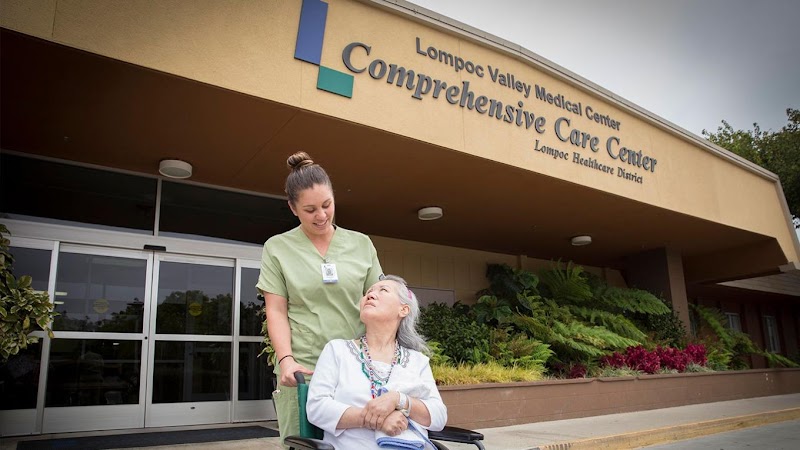
CMS rates Lompoc Valley Medical Center Comprehensive Care Ce's staffing level at 4 out of 5 stars, which is above average compared to other nursing homes.

What Have Inspectors Found at Lompoc Valley Medical Center Comprehensive Care Ce?

State health inspectors documented 24 deficiencies at Lompoc Valley Medical Center Comprehensive Care Ce during 2020 to 2025. These included: 24 with potential for harm.
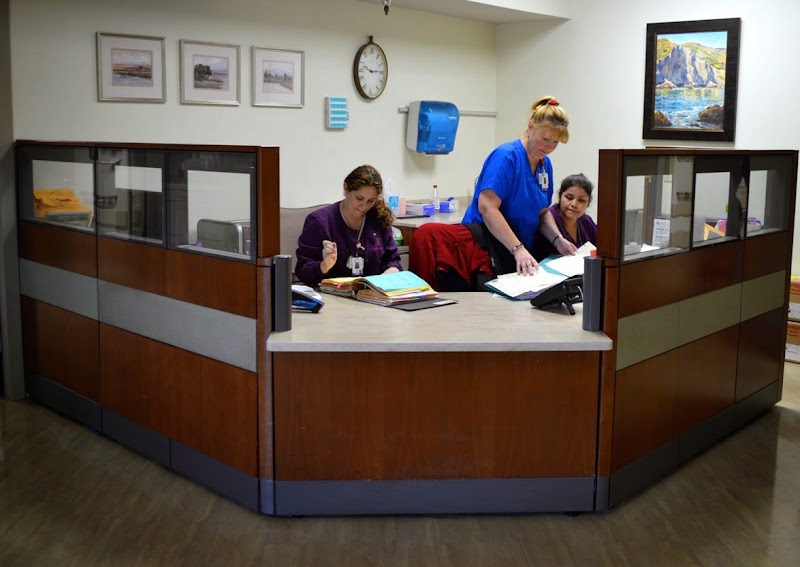
Who Owns and Operates Lompoc Valley Medical Center Comprehensive Care Ce?

Lompoc Valley Medical Center Comprehensive Care Ce is owned by a for-profit company. For-profit facilities operate as businesses with obligations to shareholders or private owners. The facility operates independently rather than as part of a larger chain. With 110 certified beds and approximately 96 residents (about 87% occupancy), it is a mid-sized facility located in Lompoc, California.

How Does Lompoc Valley Medical Center Comprehensive Care Ce Compare to Other California Nursing Homes?

Compared to the 100 nursing homes in California, Lompoc Valley Medical Center Comprehensive Care Ce's overall rating (5 stars) is above the state average of 3.2 and health inspection rating (5 stars) is much above the national benchmark.

What Should Families Ask When Visiting Lompoc Valley Medical Center Comprehensive Care Ce?

Based on this facility's data, families visiting should ask: "Can I visit during a mealtime to observe dining assistance and food quality?" "How do you handle medical emergencies, and what is your hospital transfer rate?" "Can I speak with family members of current residents about their experience?"

Is Lompoc Valley Medical Center Comprehensive Care Ce Safe?

Based on CMS inspection data, Lompoc Valley Medical Center Comprehensive Care Ce has a clean safety record: no substantiated abuse findings (meaning no confirmed cases of resident harm), no Immediate Jeopardy citations (the most serious violation level indicating risk of serious injury or death), and is not on the Special Focus Facility watch list (a federal program monitoring the lowest-performing 1% of nursing homes). The facility has a 5-star overall rating and ranks #1 of 100 nursing homes in California. While no facility is perfect, families should still ask about staff-to-resident ratios and recent inspection results during their visit.

Do Nurses at Lompoc Valley Medical Center Comprehensive Care Ce Stick Around?

Lompoc Valley Medical Center Comprehensive Care Ce has not reported staff turnover data to CMS. Staff turnover matters because consistent caregivers learn residents' individual needs, medications, and preferences. When staff frequently change, this institutional knowledge is lost. Families should ask the facility directly about their staff retention rates and average employee tenure.

Was Lompoc Valley Medical Center Comprehensive Care Ce Ever Fined?

Lompoc Valley Medical Center Comprehensive Care Ce has been fined $6,500 across 1 penalty action. This is below the California average of $33,144. While any fine indicates a compliance issue, fines under $50,000 are relatively common and typically reflect isolated problems that were subsequently corrected. Families should ask what specific issues led to these fines and confirm they've been resolved.

Is Lompoc Valley Medical Center Comprehensive Care Ce on Any Federal Watch List?

Lompoc Valley Medical Center Comprehensive Care Ce is not on any federal watch list. The most significant is the Special Focus Facility (SFF) program, which identifies the bottom 1% of nursing homes nationally based on persistent, serious quality problems. Not being on this list means the facility has avoided the pattern of deficiencies that triggers enhanced federal oversight. This is a positive indicator, though families should still review the facility's inspection history directly.