Valle Verde Health Facility
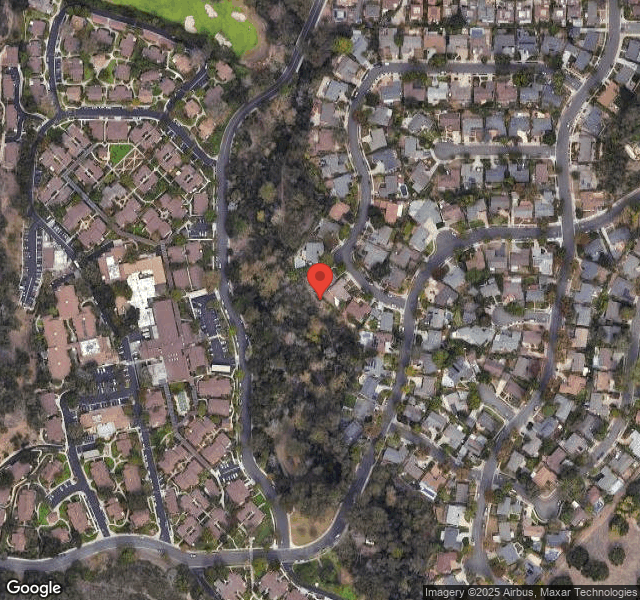
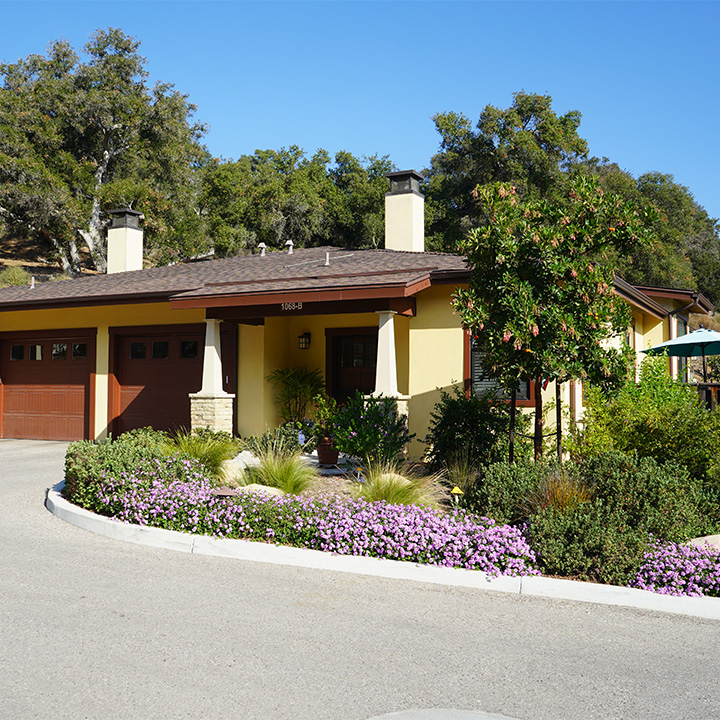
900 Calle De Los Amigos, Santa Barbara, CA 93105 (805) 883-4000
Non profit - Corporation 80 Beds HUMANGOOD Data: November 2025
Trust Grade
81/100
#258 of 1155 in CA
Last Inspection: January 2025

Within standard 12-15 month inspection cycle. Federal law requires annual inspections.

Overview

Valle Verde Health Facility has a Trust Grade of B+, indicating it is above average and recommended for families considering care options. It ranks #258 out of 1155 nursing homes in California, placing it in the top half, but is #9 out of 14 in Santa Barbara County, suggesting there are better local options. The facility's trend is stable, with 5 issues identified in both 2024 and 2025, and while staffing is a strength with a 5/5 rating and a turnover rate of 28%, there were some concerning incidents related to food safety practices. For example, the facility failed to properly cool down potentially hazardous foods, maintain sanitary kitchen conditions, and discard expired items, which could pose risks to residents. Overall, while Valle Verde has strong staffing and overall ratings, families should be aware of the food service deficiencies that have been noted.

Trust Score
B+
81/100
In California
#258/1155
Top 22%
Safety Record
Low Risk
No red flags
Inspections
Holding Steady
5 → 5 violations
Staff Stability
✓ Good
28% annual turnover. Excellent stability, 20 points below California's 48% average. Staff who stay learn residents' needs.
Penalties
✓ Good
$5,000 in fines. Lower than most California facilities. Relatively clean record.
Skilled Nurses
✓ Good
Each resident gets 43 minutes of Registered Nurse (RN) attention daily — more than average for California. RNs are trained to catch health problems early.
Violations
⚠ Watch
21 deficiencies on record. Higher than average. Multiple issues found across inspections.
★★★★★
5.0
Overall Rating
★★★★★
5.0
Staff Levels
★★★★☆
4.0
Care Quality
★★★★☆
4.0
Inspection Score
Stable
2024: 5 issues
2025: 5 issues

The Good

  • 5-Star Staffing Rating · Excellent nurse staffing levels
  • 4-Star Quality Measures · Strong clinical quality outcomes
  • Low Staff Turnover (28%) · Staff stability means consistent care
  • Full Sprinkler Coverage · Fire safety systems throughout facility
  • No fines on record
  • Staff turnover is low (28%)

    20 points below California average of 48%

Facility shows strength in staffing levels, quality measures, staff retention, fire safety.

The Bad

Federal Fines: $5,000

Below median ($33,413)

Minor penalties assessed

Chain: HUMANGOOD

Part of a multi-facility chain

Ask about local staffing decisions and management

The Ugly 21 deficiencies on record

Jan 2025 5 deficiencies
CONCERN (D)

Potential for Harm - no one hurt, but risky conditions existed

Pharmacy Services (Tag F0755)

Could have caused harm · This affected 1 resident

Based on observation, interview, and record review, the facility failed to ensure the Emergency Drug Supply Kit (E-kit) was stocked accurately according to the table of contents. This failure had the ...

Read full inspector narrative →
Based on observation, interview, and record review, the facility failed to ensure the Emergency Drug Supply Kit (E-kit) was stocked accurately according to the table of contents. This failure had the potential for residents not to receive necessary medications in case of emergency. Findings: During a concurrent observation and interview on 1/7/25 at 12:30 p.m., with the Infection Preventionist (IP), one unopened E-kit was observed in the medication storage room in station 2 with green colored locks. IP stated green locks indicates E-kit has not been opened by facility staff. The list of contents (on the outside of this E-kit) indicated Keflex (a medication used to treat infections caused by bacteria) 250 milligrams (mg) 8 caps (capsules). The letters 8 caps is crossed out and the number 2 is written next to it, indicating this E-kit contained 2 capsules of Keflex. Upon inspection of E-kit contents, 8 capsules of Keflex 250 mg were observed. IP acknowledged E-kit stock does not match the table of contents. During a review of the facility's Policy and Procedure titled, Emergency Kit (E-Kit) Policy for Skilled Nursing Facility, dated January 8, 2025, the P&P indicated, Procedure: 1. Approval and contents of the E-kit .The contents of the E-kit are determined by the facility's medical director in collaboration with the pharmacy provider and approved by the governing body .A list of medications, including quantities and strengths, must be maintained and updated regularly.
CONCERN (D)

Potential for Harm - no one hurt, but risky conditions existed

Deficiency F0761 (Tag F0761)

Could have caused harm · This affected 1 resident

Based on observation, interview, and record review, the facility failed to ensure: 1. Expired items in the medication storage room, medication cart, and treatment cart were discarded and not readily a...

Read full inspector narrative →
Based on observation, interview, and record review, the facility failed to ensure: 1. Expired items in the medication storage room, medication cart, and treatment cart were discarded and not readily available for staff use. 2. A work order was done when the temperature of the medication refrigerator was below acceptable range. These failures had the potential for residents to receive expired and ineffective medications. Findings: 1. a. During a concurrent observation and interview on 1/7/25 at 2:40 p.m., with Licensed nurse (LN) 1, one vial of Lantus (a medication used to manage blood sugar levels) was stored in medication cart 1B with an open date of 12/1/24 and an expiration date of 12/28/24. Manufacture's instruction on box indicated vial should be discarded after 28 days of opening date. LN 1 acknowledged the Lantus was expired and stated she administered the Lantus to the resident that morning. b. During a concurrent observation and interview on 1/7/25 at 12:01 p.m., with the Infection Preventionist (IP) in the medication room in station 2, a box of budesonide ampules (medicine comes in a small plastic container that contains as a liquid that you breathe into the lungs with a special breathing machine) was observed in the medication room. Further inspection of the box revealed an open foil packet that contained 3 budesonide ampules in the original packaging. Open date written on box was 8/2/24. Manufacture's instructions written on box of Budesonide indicates once foil packet is opened, use the ampules within 2 weeks. IP confirmed Budesonide ampules were expired and should have been discarded. c. During a concurrent observation and interview on 1/7/25 at 3:15 p.m., with IP, one bottle of Stomahesive protective power (a powder that absorbs moisture while helping to prevent skin irritation) was stored in the treatment cart on station 1 with an expiration date of 1/1/25. LN 1 acknowledged powder is expired and should have been discarded. During a review of the facility's Policy and Procedure (P&P) titled Medication Labeling and Storage, dated February 2023, the P&P indicates in part, 5. Multi-dose vials that have been opened or accessed (e.g., needle punctured) are dated and discarded within 28 days .multidose vials that are not opened or accessed are discarded according to the manufacturer's expiration date. During a review of the facility's P&P titled Medication Administration General Guidelines, dated 01/24, indicates No expired medications will be administered to a resident. 2. During a concurrent observation and interview on 1/7/25 at 10:53 a.m., a refrigerator was observed in medication room in station 2 with a temperature of 34 degrees Fahrenheit (F). IP acknowledged temperature of refrigerator is below the acceptable range of 36-46 degrees F. During a concurrent interview and record review on 1/7/25 11:17 a.m., Medication Room Refrigerator STATIONS 2/3 Temperature Log (MRRTL), for January 2025 was reviewed. The MRRTL indicated the following temperatures were recorded: January 1 at 0100: 35 January 2 at 0015: 35 January 2 at 2107: 34 January 6 at 0015: 35 January 7 at 0015: 30 During a review of Medication Room Refrigerator STATIONS 2/3 Temperature Log, for November 2024, the following temperatures were recorded: November 6 at 1530: 34 November 7 at 1530: 34 November 19 at 0037: 34 November 19 at 1720: 34 November 22 at 1530: 34 Additionally, the MRRTL indicated, Every MORNING AND AFTERNOON the temperature is NOT in the acceptable range, adjust and recheck in on hour. If past readjustments and still not in range, .make out maintenance work order .The MEDICINE REFRIGERATOR shall meet the following standards: 2. Maintain temperatures between 36 and 46 degrees F. During an interview on 1/7/25 at 11:17 a.m., with the IP, the IP acknowledged there were several dates where the temperature was below the acceptable range and there was no documented evidence of temperature readjustments of the above said dates. During an interview on 1/8/25 12:13 p.m., with the Director of Buildings and Grounds (DBG) and Nurse educator (NE), the DBG and NE were asked if the facility had any maintenance work order for station 2 and the only available maintenance work order was dated October 21, 2024, for a new refrigerator. The facility had no other work orders to provide to the surveyor. During a review of the facility's Policy and Procedure (P&P) titled, Storage of Medication, dated 01/24, the P&P indicated Medications requiring 'refrigeration' or 'temperatures between 2 C [Celsius] (26 F) and 8 C (46 F)' are kept in a refrigerator with a thermometer to allow temperature monitoring .A temperature log or tracking mechanisms is maintained to verify that temperatures has remained within accepted limits.
CONCERN (D)

Potential for Harm - no one hurt, but risky conditions existed

Menu Adequacy (Tag F0803)

Could have caused harm · This affected 1 resident

Based on observation, interview, and record review, the facility failed to ensure the planned menu for the therapeutic Mechanical [Mech] Soft Chopped (Level 6) [Level 6 - Soft & Bite-Sized (SB6)] diet...

Read full inspector narrative →
Based on observation, interview, and record review, the facility failed to ensure the planned menu for the therapeutic Mechanical [Mech] Soft Chopped (Level 6) [Level 6 - Soft & Bite-Sized (SB6)] diet (SB6 diet; food may be used when not able to bite off pieces of food safely but are able to chew bite-sized pieces down into little pieces that are safe to swallow) was developed and prepared in accordance with established national guidelines, IDDSI (International Dysphagia [difficulty swallowing] Diet Standardization Initiative), when the facility's menu modified the Level 6/SB 6 framework by incorporating unsafe foods based on an out-of-date Mech Soft Chopped diet from an obsolete National Dysphagia Diet (NDD). There were seven residents residing at the facility with a Mech [mechanical] Soft diet order that were provided Mech Soft Chopped (Level 6) menus as follows: Resident # (number) 2, Resident #33, Resident #45, Resident #1, Resident # 6, Resident #11, Resident #16. As a result, the facility co-mingled an out-of-date therapeutic diet Mech Soft Chopped (NDD) that was no longer nationally recognized with an IDDSI Level 6 diet that had the potential to lead to confusion and errors in diet texture.for patients with dysphagia. Such errors have previously been associated with adverse events including choking. per IDDSI. Findings: 1. During a concurrent observation and interview on 01/07/25 at 12:10 p.m. with Registered Dietitian (RD) 1 in the dining room, residents with meal tray tickets that listed a diet order for mechanical soft were observed served a whole Hawaiian sweet roll and cilantro rice as listed on the Mechanical Soft Chopped (Level 6) menu. RD 1 stated residents could have a whole roll and rice if they chose that from their select menu for Level 6 IDDSI diets. RD 1 reviewed the planned menu for lunch under the column titled Mechanical [mech] Soft Chopped (Level 6). The Mech Soft Chopped Level 6 column on the menu indicated Same as Base: spoodle [serving utensil]-4oz for cilantro rice, and Same as Base for Hawaiian Sweet Roll. RD 1 stated that meant residents with a Level 6 IDDSI diet order would receive the same cilantro rice and whole Hawaiian sweet roll as those residents on a regular diet. During a concurrent interview and record review on 01/09/25 at 12:16 p.m. with RD 1, RD 1 reviewed the planned menu that listed Mechanical Soft Chopped (Level 6). RD 1 stated, the menu was not in transition to IDDSI, that it was already in place. During a concurrent interview and record review on 01/09/25 at 3:30 p.m. with RD 1, RD 1 was asked if the Mechanical Soft Chopped (Level 6) menu was in line with IDDSI standards of practice for Level 6 diet, also known as Soft & Bite-Sized Diet (SB6), and RD 1 stated, I think so. RD 1 reviewed Level 6/SB6 diet on-line at IDDSI.Org. RD 1 stated, I'm just not sure what 'NO REGULAR DRY BREAD' means. RD 1 stated the cilantro rice as served was not allowed on a Level 6/SB6 diet per IDDSI standards of practice. During a review of the IDDSI framework for Level 6/SB6, the Level 6/SB6 diet indicated, NO REGULAR DRY BREAD due to high choking risk! IDDSI indicated, As a general rule, bread products are considered a regular food texture (Level 7) and are not permitted at levels 6 (Soft & Bite-Sized). This decision is based on a review of the choking literature, in which bread is frequently identified as a cause of choking. If a piece of bread or sandwich is pre-cut to fall below the maximum size guideline of Level 6 (1.5 cm [centimeter] for adults), then a clinician might decide to allow it for some patients on a case-by-case basis. all foods (sandwiches included) need to meet the particle size requirements for Level 6 - Soft & Bite-sized. In order to avoid asphyxiation [when body does not receive enough oxygen when choking], particles should be small enough to pass through rather than block the trachea. The average tracheal [connects your voice box to your lungs] size for adult males is 22mm [millimeter] and for adult females is 17 mm. Particle sizes of 15 mm (i.e. 1.5cm) size are therefore more likely to pass through the trachea, than block it. During a review of the IDDSI framework for Level 6/SB6, the Level 6/SB6 diet indicated, Rice should not.separate into individual grains when cooked and served. May require a thick, smooth, nonpouring sauce to moisten and hold the rice together. During a review of the facility's recipe for Cilantro Rice, the recipe indicated, Fluffy [rice that has been separated into individual grains] rice with the enchanting flavor of Cilantro. During a concurrent interview and record review on 01/09/25 at 3:45 p.m. with RD 1 and Corporate Registered Dietitian (CRD), the facility's diet manual, approved on 6/17/24 and 1/10/25, titled Indiana Diet Manual incorporated a link to also include the NCM from AND diet manual in the facility's approved diet manual per CRD. CRD verified the Hawaiian sweet role and fluffy rice were not allowed per IDDSI Level 6 diet which was the established standards of practice. CRD confirmed the facility's planned menu was comingling the out-of-date mechanical soft diet (National Dysphagia Diet (NDD)) aspects with aspects of the Level 6 IDDSI diet for residents with dysphagia. CRD stated we're still in the process of fully transitioning to IDDSI. During review of the NCM from AND, dated 2024, the NCM indicated, Beginning October 2021, IDDSI will be the only texture-modified diet recognized. The National Dysphagia Diet (NDD) and associated resources will no longer be included in the NCM. The NCM, under dysphagia condition, indicated, Refer to the following clinical practice guidelines for additional, more explicit information: International Dysphagia Diet Standardization Initiative (IDDSI).Transitioning texture-modified diets to the IDDSI framework. Determine which recipes and menu items are safe to serve at each IDDSI Level. During a review of IDDSI.Org titled Guidelines For Use (GFU), dated 2024, GFU indicated, Supplementary Notice: Do not alter the elements of the IDDSI framework. Alterations may lead to confusion and errors in diet texture or drink selection for patients with dysphagia. Such errors have previously been associated with adverse events including choking and death. According to the facility's Diet Order Tally Report (DOTR), dated 1/10/25, DOTR indicated there were seven residents residing at the facility with a Mech [mechanical] Soft diet order as follows: Resident # (number) 2, Resident #33, Resident #45, Resident #1, Resident # 6, Resident #11, Resident #16. During a review of IDDSI's document titled Standards of Practice Regulatory Information for Long Term Care Facilities, Hospitals, Critical Access Hospitals, Home Health Agencies and Hospice, dated July 2021, indicated, The National Dysphagia Diet (NDD) is now outdated and International Dysphagia Diet Standardization Initiative (IDDSI) will be the only professionally recognized texture modified diet framework as of October 2021.It is the only professionally- supported and evidence-based standard of practice. During a review of the facility's policy and procedure (P&P) titled, Resident Menu Planning, Approval and Revision, dated 1/24, the P&P indicated, Policies: Menus are written to meet the nutritional needs of the resident population in accordance with established national guidelines.Dietitian approves the menu nutritional adequacy with established national guidelines and refers to menu guidelines. During a review of the facility's diet manual (DM), titled Indiana Diet Manual, approved on 6/17/24 and 1/10/25, the DM included, Mechanical Soft (Finely Chopped); Order as Mechanical Soft (chopped). Description: The diet is a modification of the Regular Diet for the edentulous resident who has difficulty chewing or swallowing.Foods Allowed: Soft breads and rolls, Moist bread dressing Foods Excluded:.Dry bread.Cooked rice .References: 1. Position of the Academy of Nutrition and Dietetics: Food and Nutrition for older adults.2012. During an interview on 01/09/25 at 3:45 p.m. with RD 1 and Corporate Registered Dietitian (CRD), CRD stated the facility's diet manual titled Indiana Diet Manual incorporated a link to also include the NCM diet manual into the facility's approved diet manual that indicated the NDD, in which Mechanical Soft Chopped Diet was a Level 2 NDD diet, was no longer recognized for dysphagia treatment and had been replaced by established standards of practice IDDSI diets.
CONCERN (F)

Potential for Harm - no one hurt, but risky conditions existed

Deficiency F0801 (Tag F0801)

Could have caused harm · This affected most or all residents

Based on observation, interview, and record review, the facility failed to employ sufficient staff with the appropriate competencies and skills sets to carry out the functions of the food and nutritio...

Read full inspector narrative →
Based on observation, interview, and record review, the facility failed to employ sufficient staff with the appropriate competencies and skills sets to carry out the functions of the food and nutrition service when the Director of Food and Nutrition Services (referred to as Director of Dining Services (DDS)), albeit was a full time (FT) position, DDS was responsible for not only the main kitchen that provided foodservice for the residents residing in the Health Center (skilled nursing facility), but also responsible for two other foodservice operations located on the Continuing Care Retirement Community (CCRC) campus, community Meals on Wheels, and providing food for another contracted small health facility. DDS failed to demonstrate appropriate skill set related to sufficient managerial monitoring and guidance related to: 1a. TCS foods (Time Temperature Control for Safety - food that requires time-temperature control to prevent the growth of bacteria) were not consistently and accurately cooled down to ensure food safety; 1b. An ice machine was not sanitary; 1c. Incomplete cleaning schedules and missed orientation and competency check for an employee; and 1d. Other unsanitary conditions such as clean foodservice equipment stored on unclean shelves, leaking pipes located in the dish washing areas, and there were rodent bait stations located in the dry food storage room in which the rodent bait was not contained in a covered, tamper-resistant bait station. This was further compacted by facility failing to ensure effective management and organization of the food and nutrition services department when there lacked frequently scheduled consultation by a Registered Dietitian (RD) to the Certified Dietary Manager/DDS to lend RD expertise by identifying system issues to include unsafe food handling and sanitation practices and ensuring development of prompt action plan to resolve the issues for the health and safety of the residents. As a result of unsanitary conditions and unsafe food handling practices 56 residents residing in the Health Center (SNF) receiving food from the main kitchen were placed at an increased risk for foodborne illness. (Cross Reference F812) 2. Registered Dietitian (RD) 1 and Corporate Registered Dietitian (CRD) failed to demonstrate appropriate skill set to carry out the functions of the food and nutrition service when RD 1 and CRD did not identify and communicate to leadership that an obsolete therapeutic diet NCS (No Concentrated Sweets) was being implemented for diabetes care for residents. There were eight residents residing at the facility with a therapeutic diet order for NCS as follows: Resident #51, Resident #1, Resident #45, Resident# 17, Resident #30, Resident #43, Resident # 26, and Resident # 9. As a result, the RDs failed to utilize their expertise in the development of resident care policies and procedures to ensure that the facility provides care and services in accordance with current standards of practice to provide clinical and technical direction to meet the nutritional needs of residents with diabetes. Findings: 1. During the annual recertification survey from 1/07/25-1/10/25, multiple issues surrounding the delivery of dietetic services were unmet in relation to: 1a. During an observation on 01/07/25 at 09:39 a.m., inside the walk -in refrigerator in the kitchen, there was cooked macaroni style pasta, stored in a large, deep container, labeled as prepared on 01/07/25 for soup and use by 1/9/25. DSS confirmed the soup would be served to residents. During an observation on 01/07/25 at 09:57 a.m. inside the walk-in refrigerator in the kitchen, a large pan size of 4 (inch) deep of cooked quinoa labeled as Prepped Salad, prepared on 1-6-25 at 6:23 p.m., and Use By 1-10-25 at 6:23 p.m., and another large 4 pan of cooked plain quinoa labeled as cooked on 1-6-25 at 6:23 pm an Use By 1-10-25 at 6:23 pm. DSS stated the quinoa would be served to residents as a cold salad. During a concurrent observation and interview on 01/07/25 at 10:20 a.m., with Lead [NAME] (LC) 2, in the kitchen, there was a cool down log posted on the wall with one entry made on 01/02/25 for penne pasta. LC2 confirmed the only entry on the cool down log was on 01/02/25. During a concurrent observation and interview on 01/07/25 at 10:23 a.m., with DDS and LC2, in the kitchen, LC2 said he cooked the macaroni pasta that morning at 05:45 a.m. and placed it on a 2 (inch) sheet pan to chill. Two hours later he checked the temperature, and it was 53 degrees F (Fahrenheit). He checked the temperature again 2 hours later (4 hours from the time it was cooked) and the temperature was 38 degrees F. LC2 stated he did not document the cool down temperatures on the cool down log. LC2 was asked to check the temperature of the cooked macaroni pasta and the temperature read from the digital thermometer was 74 degrees F. LC2 calibrated the thermometer in ice water to 32 degrees F, and stirred the pasta and then re-checked the pasta temperature, and it read 67.8 degrees F. During a concurrent observation and interview on 01/07/25 at 3:20 p.m., with DDS in the walk-in refrigerator, the same macaroni pasta from the morning remained available for use. DDS verified it was the same macaroni pasta that had a temperature (temp) of 67.8 degrees nearly 5 hours after the initial cool down. DDS was asked to get the cool down log for further discussion of the events of the morning, in the presence of Sous Chef (SC). The cool down log now showed the macaroni pasta was 53 degrees F at 5:45 a.m. on 1/07/25 and two hours later being 38 degrees F. DDS was asked what he thought about the documentation. DDS stated he was unaware that LC 2 documented that on the cooling log after surveyors left the kitchen in the morning. DDS was asked if the information documented was accurate and he stated he would not know without speaking to LC 2 because he did not know if LC 2 further cooled down the macaroni pasta, on ice for example, after the temperature was observed to read 67.8 degrees F. After further discussion, DDS confirmed he observed the temperature reading of 67.8 degrees F for the macaroni pasta close to 5 hours after the initial cooling began and was unable to explain why the cooling log indicated it was 38 degrees F. DDS verified that toxin formation could occur if the initial 2 hour cool did not achieve a temperature of 70 degrees F or less, and that even a TCS food reached 41 degrees F or less in an additional 4 more hours the food may still be unsafe since toxins are heat-resistant. DDS acknowledged he had not taken immediate corrective action to direct staff to throw out the macaroni pasta since he was unable to verify it was cooled down safely, after it was identified five hours earlier in the day at 10:23 a.m., and may cause the highly susceptible residents to get foodborne illness. During a concurrent observation and interview on 01/07/25 at 3:32 p.m., with DDS in the walk-in refrigerator, the same pan of cooked quinoa in which the DDS was aware was not documented as being cooled down safely on the cool down log, was now prepared into a Moroccan Quinoa Beet Salad on the resident's select menu for lunch and dinner on 01/8/25. DDS verified quinoa was a TCS food that would need to be cooled down per established professional standards for food safety. DDS stated he was not able to verify the Quinoa Beet Salad was safe to serve as there was no documentation of the cool down process on the cool down log and stated it should be thrown out, however, this was identified five hours earlier without immediate corrective action during which time the kitchen staff further prepared the plain quinoa into a beet salad. During an interview on 01/08/25 at 11:16 a.m. with DDS, DDS stated the Registered Dietitian (RD) 1 had input on menus, otherwise RD was mainly clinical nutrition care. DDS stated, RD 1 walked through the kitchen on occasion but not on a scheduled, formalized, routine basis. DSS stated that was one of his upcoming plans was to get himself, the Executive Chef that was hired one month ago and RD 1 on a routine formalized schedule to conduct audits of food safety and sanitation, among other agenda items. During a review of the FDA Food Code Annex (FDAFCA), dated 2022, the FDAFCA indicated, Excessive time for cooling of time/temperature control for safety foods has been consistently identified as one of the leading contributing factors to foodborne illness. During slow cooling, time/temperature control for safety foods are subject to the growth of a variety of pathogenic microorganisms. A longer time near ideal bacterial incubation temperatures, 70o [degrees]F - 125oF), is to be avoided. If the food is not cooled in accordance with this Code requirement, pathogens may grow to sufficient numbers to cause foodborne illness.Safe cooling requires removing heat from food quickly enough to prevent microbial growth. The Food Code provision for cooling provides for cooling from 135ºF to 41°F.in 6 hours, with cooling from 135ºF to 70°F in 2 hours.The initial 2-hour cool is a critical element of this cooling process. Conversely, if cooling from 135ºF to 41°F.is achieved in 6 hours, but the initial cooling to 70ºF took 3 hours, the food safety hazards may not be adequately controlled. During a concurrent interview and record review on 01/08/25 at 12:37 p.m. with DDS, DDS stated he had the cooks make a new batch of quinoa yesterday on 01/07/25 in the afternoon, and he verified the cool down process was done correctly. The Cooling Log (CL), dated 01/07/25, indicated the initial cooling process began at 4:30 at 191 degrees F and was 66 degrees F 2 hours later at 6:30 and at 9:00 the quinoa was 38 degrees F, initialed by a lead cook (LC) 3 as AA. DDS verified only the cook position cools down food. DDS was asked what time the cooks go home and he stated between 7:30 p.m. to 8:00 p.m. DDS was asked if 9:00 meant 9:00 a.m., and DDS stated, he did not know, maybe AA (LC 3) stayed later. DDS stated, I don't know and she is on vacation for the rest of the week. During a review of LC 3's Employee Timecards (ETC), dated Tues 1/07, the ETC indicated LC 3 clocked out of work at 7:20 p.m. During a review of the facility's policy and procedure (P&P) titled, Food Handling Guidelines (HACCP), dated 01/2025, the P&P indicated, Cooling of potentially hazardous cooked foods: Food shall be cooled from 135F to 70F as measured at its center within two hours from 70F to 41F within an additional four hours for a total cooling time of six hours or less. Use the Cooling Log form .to document the temperature of the food at the following times: when placed in cooling equipment, and then at 2 hours and 6 hours after placing in cooling equipment. Foods that have not cooled to 70 degrees F within 2 hours of being placed in the cooling equipment: reheat once to 165 degrees F and re-cool.Food that is not below 41 degrees F at 6 hours must be discarded. During a review of the FDA Food Code (FDAFC), dated 2022, the FDAFC indicated, The person in charge shall ensure that employees are using proper methods to rapidly cool time/temperature control for safety foods that are not held hot or are not for consumption within 4 hours, through daily oversight of the employees' routine monitoring of food temperatures during cooling. During an interview on 01/10/25 at 2:40 p.m. with RD 1, in the presence of DDS, RD 1 stated she has been employed at the facility for three months. RD 1 stated she had completed a sanitation and food safety audit of the kitchen soon after hire for learning of her new job duties. RD 1 stated at that time, she had identified incomplete documentation of cool down but had not had followed up as of yet. 1b. During an interview on 01/07/25 at 10:51 a.m. with DDS, DDS stated ice obtained from an ice machine located in a pantry adjacent to nursing station 1 was used in the dining room located at the health center (SNF) for residents. During an interview on 01/09/25 at 10:06 a.m. with LN 1 at nursing station one, LN 1 stated, the ice machine in the pantry was used for residents water pitchers to provide ice water for hydration. During a concurrent observation and interview on 01/09/25 at 10:45 a.m. with DDS and Maintenance Supervisor (MS) in the nurse's station pantry room, DDS observed the ice-machine with thick build-up of white and blackish/brownish colored substance where the ice and water dispenser chutes get secured in place. DDS stated it looked like hard water deposits and without swabbing and culturing the area, the dark spots look like mold. DDS acknowledged the dispenser chutes did not look sanitary. DDS and MS verified that neither kitchen staff nor maintenance staff had a role in cleaning of the ice-machine located in the nurse's station pantry room in between the outside contracted vendor that cleans the machine on a semi-annual basis. During a concurrent interview and record review on 01/10/25 at 2:30 p.m. with DDS, the main kitchen's Ice Machine Cleaning Log (IMCL), dated 2024 was reviewed. The IMCL indicated, Bi-annual services provided by outside vendor. Monthly cleaning instructions by Nutrition when not serviced by maintenance; 1. Empty out all ice, 2. Sanitize and wipe down inside of bin/machine, 3. Sanitize and wipe down ice chute, 4. Wipe down exterior of machine. DDS verified that system for the ice machine located in the kitchen kept that ice-machine in a sanitary condition. DDS acknowledged ice was food and even though the facility had not assigned in between cleaning to the food and nutrition services department that he could have lend his knowledge and advice as a Certified Dietary Manager to the facility leadership as the facility was a whole unit versus departmentalization. 1c. During a concurrent observation and interview on 01/07/25 at 09:39 a.m., with DDS in the dry food storage area, a kitchen staff titled Porter (PO) was observed sweeping. There was an extensive quantity of debris observed on the floor behind, and under, metal racks. PO stated the dry food storage room was to be swept and mopped one time a day. PO stated there was not a log or requirement for him to sign or initial anywhere after he completed the task. During a concurrent interview and record review on 01/07/25 at 03:37 p.m. with DDS in the kitchen, DDS reviewed the Master Cleaning Schedule, dated 1/5/25, that indicated the floors were to be cleaned on Monday (1/6/25) and on Friday (1/10/25). DDS stated the cleaning of the floor task was missed on 1/6/25 as it was expected for staff to initial once the task was completed. During a review of the facility's job description titled Cook that was provided for PO, the JD was signed by PO on 8/23/24. During a concurrent interview and record review on 01/10/25 at 2:40 p.m. with DDS, DDS was asked if he conducted orientation training and/or competency evaluation upon hire for PO. DDS stated he had a signed job description but did not have My First 5 on file which was a list of job duties specific to the employee's job title to go over with new staff on their first 5 days of employment. DDS stated, it was missed. During a review of the facility's policy and procedure (P&P) titled, Orientation and Education; On-The-Job Training, dated 1/25, the P&P indicated, Policies: On-the-job training is implemented for the purpose of: Task-related training of new associates; Retraining for different/additional position(s); Correcting deficiencies in job skills for current position.Improving a function identified through performance improvement process or evaluation. Procedures: .Evidence of training to ensure competency in the new role is available in the associate's personnel file. During a concurrent observation and interview on 01/08/25 at 11:11 a.m., with DDS in the kitchen near the stove range, observed a floor sink (drain), and the floor located by the floor sink, with buildup of black grime and dried food debris. DDS stated it was not sanitary. During a review of the Master Cleaning Schedule (MCS), dated 1/5/25, the MCS indicated the Drains were to be cleaned on 1/5/25 and on 1/7/25, the initial column for both days was blank. During a concurrent observation and interview on 01/08/25 at 11:14 a.m., with DDS in the kitchen, clean food preparation equipment, such as pots, food holding pans, pitchers were stored directly on shelving that had a buildup of black grime. In addition, there was a worn and discolored pitcher, and a pan with deep scratches that was no longer a smooth cleanable surface. DDS stated the clean dishes were not stored in a sanitary manner. DDS verified some of the foodservice equipment needed to be replaced. During an interview on 1/08/25 at 10:55 a.m. with DDS, DDS stated he was the person responsible for the entire food service operation including the day to day operations to ensure food safety and sanitation of the main kitchen and the health center (SNF). DDS stated due to the size of foodservice operations that occurs at multiple locations on the CCRC campus he relied heavily on the Executive Chef and Sous Chef for monitoring, identifying and reporting to him any concerns. 1d. During the recertification survey from 01/07/25 to 01/10/25 there were further unsanitary conditions related to clean foodservice equipment stored on unclean shelves in the kitchen, leaking pipes located in the 3-compartment sink room and in the dishmachine room, and multiple rat traps located in the dry food storage room of the kitchen in which the rodent bait was not contained in a covered, tamper-resistant bait station as required by the FDA Food Code, dated 2022. During an interview on 01/10/25 from 2:20 to 3:00 p.m. with DDS, in the presence of RD 1, DDS verified the above findings and again stated that he was the person responsible for the daily operations of the foodservice to ensure food safety and sanitation from the time the food arrived to the CCRC to the time it was served to residents in the Health Center (SNF). DDS stated he delegated a lot of tasks to the Executive Chef (EC) and needed to rely on him heavily for daily oversight of staff and implementation of facility's policies and procedures and for EC to identify and report to him any concerns that need to be addressed within the entire foodservice operation. DDS stated he was in the kitchen daily and conducted daily briefings with kitchen staff and with a Dining Services Manager, and a Nutrition Care Supervisor, however, the CCRC foodservice operation was extensive as the non-SNF licensed premise also had multiple eating areas with kitchens and other kitchen staff. During a review of the facility's job description titled, Director of Dining Services, undated, the JD indicated, Leading Food & Beverage Operation: .Ability to quickly evaluate personnel, operations, and culinary situations and make appropriate recommendations to person(s) involved.Perform daily walk-through to ensure full compliance with Department of Health regulations and [name of contracted services] Group standards. Directs and conducts safety, sanitation, and maintenance programs. Ensures that regular, ongoing communication occurs in all areas of food and beverage by leading pre-meal briefings and staff meetings. Advise and update the executives, supervisors, co-workers, and subordinates on relevant information in a timely manner by telephone, in written form, e-mail, or in person.establish goals including performance goals.Identifies the developmental needs of others, coach, and mentor team members by providing feedback and training to achieve performance objectives. 2. During an observation on 01/08/25 at 11:46 a.m. in the dining room, Resident 43's meal tray ticket (MTT) indicated, Texture: Regular, Special Diets: NCS [no concentrated sweets], Vegetarian Lacto-Ovo [eats dairy products and eggs but not meat], Alerts: 1/2 portion of dessert, No Concentrated Sweets. During a review of Resident 43's admission Record (AR), dated 06/13/2023, the AR indicated, Resident 43 had Type 2 Diabetes Mellitus. During a review of Resident 43's Order Details (OD), dated 7/22/2024, the OD indicated, Diet Type: No Concentrated Sweets (NCS). During a concurrent observation and interview on 01/08/25 at 11:48 a.m. with Registered Dietitian (RD) 1 in the dining room where dining staff were plating Resident 30's lunch plate from a steamtable, Resident 30's MTT was reviewed. RD 1 stated Resident 30 was not served dessert because he did not want dessert today as he filled out his own select menu. During a review of Resident 30's admission Record (AR), dated 07/22/2024, the AR indicated, Resident 30 had Type 2 Diabetes Mellitus. During a review of Resident 30's Order Details (OD), dated 7/22/2024, the OD indicated, Diet Type: No Concentrated Sweets (NCS). During a concurrent interview and record review on 01/08/25 at 11:48 a.m. with RD 1 in the dining room, RD 1 reviewed the planned menu that included a column titled CCD. RD 1 stated CCD meant consistent carbohydrate diet, but the facility treated the CCD diet as a NCS diet. RD 1 stated the doctor's order NCS diets for residents with diabetes in the medical record, not CCD diets. RD 1 stated the kitchen staff are trained to serve the NCS diet order by serving ½ portion of dessert that was planned for the regular (non-therapeutic) diet, when the resident select's dessert from their select menu. RD 1 reviewed the lunch menu under the column CCD that listed Same as Base; 1 carb [carbohydrate] and RD 1 stated that meant Chocolate Mousse; ½ cup or for the Snickerdoodles [cookies] 1 [one] each should have been served the same way the regular diet would have received the dessert if the menu was followed. RD 1 stated the planned menu was not followed because the facility's diabetic diet was NCS and not CCD. During a concurrent interview and record review on 01/09/25 at 3:45 p.m. with RD 1 and Corporate Registered Dietitian (CRD), the facility's diet manual, approved on 6/17/24 and 1/10/25, titled Indiana Diet Manual incorporated a link to also include the NCM (Nutrition Care Manual) from AND (Academy of Nutrition and Dietetics) into the facility's approved diet manual per CRD. A policy and procedure on Diet Manual was requested but was not provided. During an interview on 01/09/25 at 4:00 p.m. with RD 1 and Corporate Registered Dietitian (CRD), RD 1 and CRD both stated the only diabetic diet that was used at the facility was NCS. Both RD 1 and CRD were unaware the NCS diet was no longer recognized as a therapeutic diet for the care of diabetes. Both RD 1 and CRD were asked to review obsolete (out-of-date) diet orders listed in their facility's diet manual portion from the NCM and determine as to whether the facility was implementing therapeutic diet for diabetes care in accordance with established standards of practice. During a review of a document titled CCD/No Concentrated Sweets (NCS) provided by the facility from the facility's Indiana Diet Manual, the CCD/,NCS indicated, How to order the diet: Order as No Concentrated Sweets (NCS) diet.References: Acad Nutr Diet. [Academy of Nutrition & Dietetics] 2012. During a review of the Academy of Nutrition and Dietetics current Nutrition Care Manual (NCM), dated 2025, the NCM indicated, Use of the noted obsolete terms and associated recommendations should be avoided. Obsolete diets and diet terminology for condition Type 1 Diabetes and Type 2 Diabetes: No Concentrated Sweets diet, No Sugar Added, Low Sugar, Liberal Diabetic Diet.With regard to the no concentrated sweets, no sugar added, low sugar, and liberal diabetic diets.None of these approaches to food and meal planning is appropriate because each unnecessarily restricts sucrose. According to the facility's Diet Type Report (DTR), dated 1/10/25, DTR indicated there were eight residents residing at the facility with a NCS diet order as follows: Resident #51, Resident #1, Resident #45, Resident# 17, Resident #30, Resident #43, Resident # 26, and Resident # 9. During an interview on 01/09/25 at 04:15 p.m. with RD 1 and CRD, CRD stated she would work on changing the facility's system related to using NCS diets and practices to care for residents with diabetes. During a review of the Academy of Nutrition and Dietetics current Nutrition Care Manual (NCM), dated 2025, the NCM indicated, The name of the diet used in your facility should no longer emphasize the restriction of sugar or sweets but rather emphasize consistent carbohydrates. No foods are omitted from the consistent carbohydrate meal plan unless required by a comorbidity [presence of two or more diseases or conditions]. A consistent carbohydrate diet requires initial and ongoing collaborative planning with the patient to incorporate their individualized goals, preferences, and any comorbidities. During a review of Management of Diabetes in Longterm Care and Skilled Nursing Facilities: A Position Statement of the American Diabetes Association, dated February 2016, the article indicated, No concentrated sweets or no sugar diet orders are ineffective for glycemic [A measure of the increase in the level of blood glucose (a type of sugar) caused by eating a specific carbohydrate (food that contains sugar) compared with eating a standard amount of glucose] management and should not be recommended. Instead, a consistent carbohydrate meal plan that allows for a wide variety of food choices (e.g., general diet) may be more beneficial for both nutritional needs and glycemic control in patients with type 1 diabetes or type 2 diabetes . During a review of the facility's policy and procedure (P&P) titled, Resident Meal Service, dated 1/25, the P&P indicated, Policies: Residents will be offered menu choices for all meals, beverages and snacks and are based on their prescribed diet, food preferences.and consistent with their plan of care. During a review of the facility's policy and procedure (P&P) titled, Resident Menu Planning, Approval and Revision, dated 1/24, the P&P indicated, Policies: Menus are written to meet the nutritional needs of the resident population in accordance with established national guidelines.Dietitian approves the menu nutritional adequacy with established national guidelines and refers to menu guidelines. During a review of NCM, dated 2025, NCM indicated RDs had a role in menu planning and diet manual implementation,.The NCM Diet Manual is the guide for menu planning.Review Obsolete Diets to ensure you avoid using these diet terms in your facility ' s accepted diet terminology. Diet names used in all areas should match: medical record documentation (electronic or paper), printed menus or tray tickets, diet manual, documents used by the kitchen staff (i.e. menu spreadsheets), diet guide sheets, and policies and procedures.
CONCERN (F)

Potential for Harm - no one hurt, but risky conditions existed

Food Safety (Tag F0812)

Could have caused harm · This affected most or all residents

Based on observation, interview and record review, the facility failed to store, prepare, distribute, and serve food in accordance with professional standards for food service when: 1. TCS foods (Time...

Read full inspector narrative →
Based on observation, interview and record review, the facility failed to store, prepare, distribute, and serve food in accordance with professional standards for food service when: 1. TCS foods (Time Temperature Control for Safety - food that requires time-temperature control to prevent the growth of bacteria) were not consistently and accurately cooled down to ensure food safety. 2. The ice machine, located in a pantry near a nursing station, utilized for residents was not maintained in a sanitary condition. 3. There were unsanitary conditions in the main kitchen related to: 3a. Kitchen floors with build -up of dried food debris. 3b. Floor drains with build- up of dried food debris. 3c. Clean equipment stored on unclean shelves. 4. There was a container of cooked pasta in the walk-in refrigerator in the main kitchen that was not dated. 5. Foodservice equipment was not maintained in good repair as evidenced by leaking pipes, located in the warewashing areas of the main kitchen, in which the water was pooled into a container which could attract pests such as insects and rodents. 6. Rodent bait stations were not covered posing a risk for cross-contamination of food-contact surfaces. Findings: 1. During an observation on 01/07/25 at 09:39 a.m ., inside the walk -in refrigerator in the kitchen, there was cooked macaroni style pasta, stored in a large, deep container, labeled as prepared on 01/07/25. During a concurrent observation and interview on 01/07/25 at 09:57 a.m., with the Director of Dining Services (DDS) inside the walk-in refrigerator, there was a size 400 pan (4 inch deep) of quinoa with a label indicating it was cooked on 01/06/25 at 6:23 p.m. DDS confirmed it was cooked on 01/06/25 at the facility. During a concurrent observation and interview on 01/07/25 at 10:20 a.m., with Lead [NAME] (LC) 2, in the kitchen, there was a cool down log posted on the wall with one entry made on 01/02/25 for penne pasta. LC2 confirmed the only entry on the cool down log was on 01/02/25. During a concurrent observation and interview on 01/07/25 at 10:23 a.m., with DDS and LC2, in the kitchen, LC2 said he cooked the macaroni pasta that morning at 05:45 a.m. and placed it on a 2 (inch) sheet pan to chill. Two hours later he checked the temperature, and it was 53 degrees F (Fahrenheit). He checked the temperature again 2 hours later (4 hours from the time it was cooked) and the temperature was 38 degrees F. LC2 stated he did not document the cool down temperatures on the cool down log. LC2 was asked to check the temperature of the cooked macaroni pasta and the temperature read from the digital thermometer was 74 degrees F. LC2 calibrated the thermometer in ice water to 32 degrees F, and stirred the pasta and then re-checked the pasta temperature, and it read 67.8 degrees F. During a review of the FDA Food Code Annex (FDAFCA), dated 2022, the FDAFCA indicated, Excessive time for cooling of time/temperature control for safety foods has been consistently identified as one of the leading contributing factors to foodborne illness. During slow cooling, time/temperature control for safety foods are subject to the growth of a variety of pathogenic microorganisms. A longer time near ideal bacterial incubation temperatures, 70o [degrees]F - 125oF), is to be avoided. If the food is not cooled in accordance with this Code requirement, pathogens may grow to sufficient numbers to cause foodborne illness.Safe cooling requires removing heat from food quickly enough to prevent microbial growth. The Food Code provision for cooling provides for cooling from 135ºF to 41°F.in 6 hours, with cooling from 135ºF to 70°F in 2 hours.The initial 2-hour cool is a critical element of this cooling process. Conversely, if cooling from 135ºF to 41°F.is achieved in 6 hours, but the initial cooling to 70ºF took 3 hours, the food safety hazards may not be adequately controlled. During a review of the facility's policy and procedure (P&P) titled, Food Handling Guidelines (HACCP), dated 01/2025, the P&P indicated, Cooling of potentially hazardous cooked foods: Food shall be cooled from 135F to 70F as measured at its center within two hours from 70F to 41F within an additional four hours for a total cooling time of six hours or less. Use the Cooling Log form .to document the temperature of the food at the following times: when placed in cooling equipment, and then at 2 hours and 6 hours after placing in cooling equipment. During a concurrent interview and record review on 01/07/25 at 3:19 p.m. with DDS and Sous Chef (SC), the Cool Down Log was reviewed. DDS verified there were no documented temperatures of the cool down process for the macaroni pasta, and verified he observed the temperature of the pasta to be 74 degrees F in the middle of the container, once stirred [cooler part on top was stirred in] the temperature reached 67.8 degrees F, almost five hours after the initial cool down process. DDS was unable to state whether the food was safe to serve to residents. DDS acknowledged staff did not follow the facility's policy and procedure titled Food Handling Guidelines (HACCP) for the cooling down of the macaroni pasta. 2. During an interview on 01/07/25 at 10:51 a.m. with Director of Dining Services (DDS), DDS stated ice obtained from an ice machine located in a pantry adjacent to nursing station 1 was used in the dining room located at the health center (SNF) for residents. During an interview on 01/09/25 at 10:06 a.m., with LN 1 at nursing station one, LN 1 stated, the ice machine in the pantry was used for residents water pitchers to provide ice water for hydration. During a concurrent observation and interview on 01/09/25 at 10:14 a.m., with Maintenance Supervisor (MS) in the pantry room adjacent to nursing station one, white residue buildup was observed on the ice and water dispenser chutes. MS stated housekeeping cleans the external components of the ice machine daily and an outside vendor cleans the internal components of the ice making apparatus bi-annually. MS stated the white residue was white stuff from water hardness that is building up. Machine is probably due for service soon. During a concurrent observation and interview on 01/09/25 at 10:21 a.m. with Lead Custodian of housekeeping (LC) in the nurse's station pantry room, LC observed white colored substance along the inside rim of the ice dispenser chute and water dispenser chute. LC stated housekeeping staff wash the ice and water dispenser chutes every day with dish soap and water. LC demonstrated the ice machine cleaning by removing the drip tray and twisted the ice and water dispenser chutes to remove them. Large, thick, amounts of white build up with blackish/brownish colored substance was observed at the location where the water/ice dispenser chutes are twisted into place. LC stated that was residue buildup and housekeeping does not clean those areas. During a concurrent observation and interview on 01/09/25 at 10:45 a.m. with DDS and MS in the nurse's station pantry room, DDS observed the ice-machine with thick build-up of white and blackish/brownish colored substance where the ice and water dispenser chutes get secured in place. DDS stated it looked like hard water deposits and without swabbing and culturing the area, the dark spots look like mold. DDS acknowledged the dispenser chutes did not look sanitary. DDS and MS verified that neither kitchen staff nor maintenance staff had a role in cleaning of the ice-machine located in the nurse's station pantry room. During review of the ice-machine's manufacturer's guidelines (MG), dated April 2015, for the specific ice-machine located in the nurse's station pantry room, the MG indicated, Scotsman Ice Systems Service manual for Meridien Ice Maker dispenser models HID32, HID525, and HID540 .Frequency: Recommended minimum time between cleanings is 6 months .More frequent cleanings may be required based on the mineral content of the water, run time and potential airborne contamination. During a review of the facility's P&P titled, Section: Sanitation and Infection Prevention/Control; Subject: Area and Equipment Cleaning, dated 1/25, the P&P indicated, Policies: The facility's Maintenance Department is scheduled to clean equipment that requires special training and equipment, such as the ice maker . During a review FDA Food Code Annex (FDAFCA), dated 2022, the FDAFCA indicated, Surfaces of utensils and equipment contacting food that is not time/temperature control for safety food such as . carbonated beverage dispenser nozzles, beverage dispensing circuits or lines . water vending equipment, ice makers, and ice bins must be cleaned on a routine basis to prevent the development of slime, mold, or soil residues that may contribute to an accumulation of microorganisms. During review of FDA Food Code (FDAFC), dated 2022, FDAFC indicated, Non-food contact surfaces of equipment shall be cleaned at a frequency necessary to preclude accumulation of soil residues. During a review of FDAFCA, dated 2022, FDAFCA indicated, The objective of cleaning focuses on the need to remove organic matter from food-contact surfaces so that sanitization can occur and to remove soil from nonfood contact surfaces so that pathogenic [capable of causing disease] microorganisms will not be allowed to accumulate and insects and rodents will not be attracted. 3a. During a concurrent observation and interview on 01/07/25 at 09:39 a.m., with DDS in the dry food storage area, a kitchen staff titled Porter (PO) was observed sweeping. There was an extensive quantity of debris observed on the floor behind, and under, metal racks. PO stated the dry food storage room was to be swept and mopped one time a day. PO stated there was not a log or requirement for him to sign or initial anywhere after he completed the task. During a concurrent interview and record review on 01/07/25 at 03:37 p.m. with DDS in the kitchen, DDS reviewed the Master Cleaning Schedule, dated 1/5/25, that indicated the floors were to be cleaned on Monday (1/6/25) and on Friday (1/10/25) with a staff initial once done. DDS stated the cleaning of the floor task was missed on 1/6/25 as there was no staff initial. During a review of the facility's policy and procedure (P&P) titled, Sanitation and Infection Prevention/Control: Area and Equipment Cleaning, dated 1/25, the P&P indicated, Managers/Supervisory Personnel assigns weekly and special cleaning to be completed each day. 3b. During a concurrent observation and interview on 01/08/25 at 11:11 a.m., with DDS in the kitchen near the stove range, observed a floor sink (drain), and the floor located by the floor sink, with buildup of black grime and dried food debris. DDS stated it was not sanitary. During a review of the Master Cleaning Schedule (MCS), dated 1/5/25, the MCS indicated the Drains were to be cleaned on 1/5/25 and on 1/7/25, the initial column for both days was blank. During a review of the facility's P&P titled, Cleaning of food and nonfood contact surfaces, dated 1/25, the P&P indicated, Nonfood contact surfaces of equipment, such as .floor drains .shall be cleaned as often as is necessary. 3c. During a concurrent observation and interview on 01/08/25 at 11:14 a.m., with DDS in the kitchen, clean food preparation equipment, such as pots, food holding pans, pitchers were stored directly on shelving that had a buildup of black grime. In addition, there was a worn and discolored pitcher, and a pan with deep scratches that was no longer a smooth cleanable surface. DDS stated the clean dishes were not stored in a sanitary manner. DDS verified some of the foodservice equipment needed to be replaced. During a review of the facility's P&P titled, Food and Supply Storage, dated 1/25, the P&P indicated, Policies: All food, non-food items and supplies used in food preparation shall be stored in such a manner as to prevent contamination to maintain the safety and wholesomeness of the food for human consumption. During a review of the facility's P&P titled, Cleaning of food and nonfood contact surfaces, dated 1/25, the P&P indicated, Discard any food contact surfaces with chips, nicks or broken pieces, such as .pans, skillets .which cannot be cleaned properly. 4. During a concurrent observation and interview on 01/07/25 at 09:39 a.m., with DDS inside the walk-in refrigerator, there was a container of cooked spaghetti/linguini noodles on the shelf, undated. DDS stated it should have been dated. During a review of facility P&P titled Food and Supply Storage, dated 01/2025, the P&P indicated, Cover, label and date unused portions and open packages. 5. During a concurrent observation and interview on 01/08/25 at 4:05 p.m., with the dishwasher (DW) in the dish machine room, a large clear plastic container was observed located on the floor underneath leaking pipes to catch the water. The container was significantly full of water from the leaking pipe and the sides of the container was extensively covered with a white colored substance. Concurrently, a red bucket was observed located on the floor underneath a leaking pipe located near the 3-compartment sink area. The red bucket was observed to be nearly half -way full of cloudy appearing water from the leaking pipes. DW stated that both sinks, located in the dish machine room and in the 3-compartment sink room, were leaking water. During an interview on 01/10/25 at 11:26 a.m., with DDS in his office, DDS stated he first became aware of the leak located in the dish machine room on 1/8/25, and he placed a work order. DDS stated he was unaware of a leaking pipe near the 3-compartment sink and had not placed a work order for that. During a review of the Work Order (WO), dated 1/8/25 5:13 p.m., the WO indicated, Location: Kitchen, Description of issue: Survey:Water leaking from pipe under dish machine, Details: Surveyors pointed out leak . During review of FDA Food Code (FDAFC), dated 2022, the FDAFC indicated, A plumbing system shall be: (A) Repaired according to law and (B) Maintained in good repair. During a review of FDA Food Code (FDAFC), dated 2022, the FDAFC indicated, Physical facilities shall be maintained in good repair. 6. During an observation on 01/07/25 at 09:39 a.m. in the dry food storage room, there were three unenclosed vermin traps with exposed, uncovered, bait located underneath shelving that stored dried food ingredients and dry, covered food. During an interview on 1/10/25 at 2:45 p.m. with DDS, DDS stated the facility's contracted commercial pest control vendor placed the traps there, and not kitchen staff. During a review of the facility's P&P titled, Pest Control, dated 1/25, the P&P indicated, Only commercial pest control operators may apply pesticides and place pest control and monitoring devices, including traps and bait, within the foodservice operation .Procedures: To avoid possible chemical poisoning or insect contamination, do not use or store solid poisons, strips, etc., over food preparation areas, or within 12 feet of exposed food and/or food-contact surfaces. During a review of FDA Food Code (FDAFC), dated 2022, FDAFC indicated, Rodent bait shall be contained in a covered, tamper-resistant bait station. During a review of FDA Food Code Annex (FDAFCA), dated 2022, FDAFCA indicated, Open bait stations may result in the spillage of the poison being used. Also, it is easier for pests to transport the potentially toxic bait throughout the establishment. Consequently, the bait may end up on food-contact surfaces and ultimately in the food being prepared or served.
Oct 2024 1 deficiency
CONCERN (D) 📢 Someone Reported This

A family member, employee, or ombudsman was alarmed enough to file a formal complaint

Potential for Harm - no one hurt, but risky conditions existed

Medical Records (Tag F0842)

Could have caused harm · This affected 1 resident

**NOTE- TERMS IN BRACKETS HAVE BEEN EDITED TO PROTECT CONFIDENTIALITY** Based on interview and record review, the facility failed to ensure staff accurately documented pain assessment and management b...

Read full inspector narrative →
**NOTE- TERMS IN BRACKETS HAVE BEEN EDITED TO PROTECT CONFIDENTIALITY** Based on interview and record review, the facility failed to ensure staff accurately documented pain assessment and management based on Resident 1's care plan after a surgical procedure. This failure had the potential for Resident 1 to have extended and unrelieved pain. Findings: During the review of Resident 1's admission record, this indicated Resident 1 was admitted on [DATE] for an aftercare following joint replacement surgery, and that Resident 1 was responsible to self. During a review of nursing progress notes dated 9/8/24 and time stamped at 8:12 p.m., Licensed Nurse 1's (LN 1) note entry indicated Resident 1 had verbally complained of intermittent (not continuous or steady) pain, number 5 out of 10 in pain scale (indicating moderately strong pain) on her right knee. During a concurrent interview and record review on 10/24/24 at 7:30 p.m., with LN 2, the nursing progress notes dated 9/8/24 time stamped at 8:02 p.m., entry by LN 2 was reviewed. This indicated Resident 1 was able to make needs known and used ice packs for pain management for the right knee. LN 2 stated Resident 1 was offered pain medication when she complained but Resident 1 refused. However, LN 2 confirmed not documenting the refusal in the medical record. During a review of Medication Administration Record (MAR), dated 9/8/24, during evening shift, there was no pain medication administered when needed. During a review of Treatment Administration Record (TAR) dated 9/8/24 during evening shift this indicated LN 2's entry as 0 pain (no complaint of pain). During the review of Res 1's progress notes from 9/6/24 to 9/8/24, it indicated there was no documentation about Res 1's refusal of pain medication. During a concurrent interview and record review on 11/12/24 at 2:34 p.m. with the administrator (ADM), the MAR and TAR were reviewed. ADM acknowledged the discrepancies in the pain documentation and stated there was no refusal related to pain medication on Res 1's chart.
Aug 2024 1 deficiency
CONCERN (D) 📢 Someone Reported This

A family member, employee, or ombudsman was alarmed enough to file a formal complaint

Potential for Harm - no one hurt, but risky conditions existed

Administration (Tag F0835)

Could have caused harm · This affected 1 resident

Based on observation, interview, and record review, the facility failed to implement it's policy and procedure, on Handling Controlled Substance, ( prescribed , monitored, controlled narcotics) during...

Read full inspector narrative →
Based on observation, interview, and record review, the facility failed to implement it's policy and procedure, on Handling Controlled Substance, ( prescribed , monitored, controlled narcotics) during discharge of one of two residents (Resident 1). Resident 1 was discharged with the medication Norco, which the resident found to be missing, from his discharged paper works and belongings . Resident then informed and notified the facility . This failure had the potential for drug diversion ( medication used by others aside from the patient ), placing the resident at risk for unaddressed pain with no relief. Findings: Review of the medical record for Resident 1 indicated admission date of 7/30/24 and a diagnosis of post hip replacement . Resident 1 was recuperating from the surgery and discharged on 8/6/24 . Review of a report dated 8/13/24 , indicated on 8/6/24 , Resident 1 was discharged from the facility, escorted by the facility's social services staff member (SS 1) out of the facility main entrance door to a waiting taxi . Resident 1 was going to the airport to catch a flight. Resident 1 was concerned when SS1 grabbed his backpack with discharged belongings and medications, and felt something was not right . While at the airport ,Resident 1 felt pain on the post surgery site and reached out to his backpack , for his pain medications and noted the 30 pills ( 3 packs ) of Norco that was placed in the back pack earlier during discharge instructions were missing . Resident 1 then informed the facility . During an interview on 8/21/24, at 1:17 p.m., with Licensed Nurse (LN 1), LN 1 verbalized on 8/6/24, Resident 1 was assisted and processed for discharge out of the facility as ordered by the resident's attending physician . LN 1 discussed discharge with the resident , packed the discharge paper work, and discharged medications including the Norco (controlled narcotics, 3 packs /30 pills, inside the resident's backpack, closed the backpack off, prior to Resident 1 being escorted out of the facility. During a review of the facility surveillance video on 8/27/24 starting at 1:18 p.m., with LN 1 and the Administrator (Admin 1), the facility video surveillance footage for 8/6/24 was reviewed. The video showed ,Resident 1 leaving the facility accompanied/ escorted by SS 1. SS 1 was carrying Resident 1 ' s backpack containing the discharged belongings, paperwork, and medications. SS1 and Resident 1 exited the main entrance door of the facility, but then SS1 turned back into the facility carrying Resident 1's backpack while Resident 1 stood waiting where he was left off by SS1. The surveillance video footage further showed , SS 1 turned left and exited the view of the surveillance cameras for approximately 90 seconds with Resident 1's backpack. The next surveillance video footage showed SS1 returning / approaching the main entrance door with Resident 1's backpack on hand , rejoining the resident , handing over the backpack to the resident . During a review of the facility ' s policy and procedure titled, Controlled Substances, dated 11/22, indicated in part Handling Controlled Substances .Only authorized licensed nursing and/or pharmacy personnel have access to Schedule controlled substances. During an interview, on 8/27/24, after 1:18pm, post review of the surveillance video footages of 8/6/24 with LN 1 and Admin 1 , LN 1 indicated the facility's policy on Handling Controlled Substance was not followed , by having SS1 handle Resident 1's backpack with controlled medication during exit /discharge from the facility. The Admin 1 verbalized , SS 1 was not authorized by the facility to carry or handle resident or facility items with controlled substances.
Jul 2024 1 deficiency
CONCERN (D) 📢 Someone Reported This

A family member, employee, or ombudsman was alarmed enough to file a formal complaint

Potential for Harm - no one hurt, but risky conditions existed

Accident Prevention (Tag F0689)

Could have caused harm · This affected 1 resident

**NOTE- TERMS IN BRACKETS HAVE BEEN EDITED TO PROTECT CONFIDENTIALITY** Based on record review and interview, the facility failed to ensure Resident 1 was wearing a gait belt (a device that helps prev...

Read full inspector narrative →
**NOTE- TERMS IN BRACKETS HAVE BEEN EDITED TO PROTECT CONFIDENTIALITY** Based on record review and interview, the facility failed to ensure Resident 1 was wearing a gait belt (a device that helps prevent falls) at time of fall, during Resident 1's initial occupational therapy evaluation. This facility failure had the potential to create an unsafe environment for Resident 1. Findings: During a review of Resident 1's admission Record undated, indicated in part Resident 1 was admitted to the facility on [DATE], with diagnoses including cellulitis (bacterial skin infection) of right lower limb, restless leg syndrome (a condition that causes an urge to move one's legs when resting), and cutaneous abscesses (localized collections of pus that occur within the skin) of the right and left foot. During a review of Resident 1's Progress Notes dated 6/14/24, indicated in part Resident (Resident 1) had a witnessed fall 6/13, while working with OT (Occupational Therapist, OT 1) that resulted in a mildly displaced fx (fracture) to the right ankle. During an interview on 6/18/24, at 11:45 a.m., with Occupational Therapist (OT 2), the OT 2 verbalized at the time of Resident 1's fall, the OT 1 was not using a gait belt and should have been. The OT 2 verbalized it was facility policy to use gait belt at all times, unless a resident was cleared to be up on their own. When asked if Resident 1 was cleared to be up on their own at the time of fall, on 6/13/24, the OT 2 verbalized no. During an interview on 6/18/24, at 12:00 p.m., with OT 1, the OT 1 verbalized a gait belt should have been used on Resident 1 during OT 1's initial occupational therapy evaluation, when Resident 1 fell, but was not. During an interview on 6/18/24, at 1:30 p.m., with the Director of Nursing (DON 1), the DON 1 verbalized the OT 1 should have been using a gait belt for Resident 1 at time of fall. During a review of the facility's policy and procedure titled [Company Name] Injury and Illness Prevention/Safety Policy & Procedure dated 2/12/21, indicated in part Responsibilities of Employees .Conduct work activities in a manner that will not endanger others .Utilize gait belts, lifts or other safety related equipment when indicated by the patient's orders, preferences, and/or condition. During a review of the facility's policy and procedure titled Safe Lifting and Movement of Residents dated 7/17, indicated in part Safe lifting and movement of residents .involves employees .implementing workplace safety and injury prevention strategies.
May 2024 2 deficiencies
CONCERN (D) 📢 Someone Reported This

A family member, employee, or ombudsman was alarmed enough to file a formal complaint

Potential for Harm - no one hurt, but risky conditions existed

Comprehensive Care Plan (Tag F0656)

Could have caused harm · This affected 1 resident

Based on record review and interview, the facility failed to demonstrate it implemented individualized care planned interventions for monitoring and recording pain characteristics, for two of two samp...

Read full inspector narrative →
Based on record review and interview, the facility failed to demonstrate it implemented individualized care planned interventions for monitoring and recording pain characteristics, for two of two sampled Residents (Resident 1 and Resident 2). This facility failure had the potential for nursing staff to inadequately capture and report to the full extent, Resident 1 and Resident 2's self-reported pain. Findings: During a review of Resident 1's Care Plan Report , undated, indicated in part Resident 1 was At risk for episodes of pain r/t (related to) GI bleed (bleeding that starts in a person's Gastrointestinal tract), polyosteoarthritis (a form of arthritis that affects many joints simultaneously), R (right) wrist fx (fracture), decreased mobility and general pain and discomfort. Resident 1's Care Plan Report further indicated an intervention to Monitor/record pain characteristics Q shift (every shift) and PRN (as needed): Quality (e.g. sharp, burning); Severity (1 to 10 scale); Anatomical location; Onset; Duration (e.g., continuous, intermittent); Aggravating factors; Relieving factors. STATUS Active (Current). This care planned intervention was active starting 3/20/24. During a review of Resident 2's Care Plan Report , undated, indicated in part Resident 2 was At risk for episodes of pain r/t L (left) femur (thighbone) fx, decreased mobility and general pain and discomfort. Resident 2's Care Plan Report further indicated an intervention to Monitor/record pain characteristics Q shift and PRN: Quality (e.g. sharp, burning); Severity (1 to 10 scale); Anatomical location; Onset; Duration (e.g., continuous, intermittent); Aggravating factors; Relieving factors. STATUS Active (Current). This care planned intervention was active starting 3/21/24. During a concurrent record review and interview, on 5/9/24, starting at 12:55 p.m., with Licensed Nurse (LN 7), Licensed Nurse (LN 8) and Administrator (Admin 1), the surveyor asked the facility to provide documentation indicating that every shift, Resident 1's care planned intervention for pain monitoring and recording was carried out in its entirety from 3/21/24, through 3/30/24, and Resident 2's care planned intervention for pain monitoring and recording was carried out in its entirety, every shift from 3/22/24, through 3/30/24. The Admin 1 verbalized the facility could not provide documentation indicating every shift all elements of pain monitoring and recording for both Resident 1 and Resident 2, were carried out by and/or documented by the nursing staff during those date ranges. During a review of the facility's policy and procedure titled Care Plans, Comprehensive Person-Centered dated 12/16, indicated in part The interdisciplinary Team (IDT), in conjunction with the resident and his/her family or legal representative, develops and implements a comprehensive, person-centered care plan for each resident . The comprehensive, person-centered care plan will .Describe the services that are to be furnished to attain or maintain the resident's highest practicable physical, mental, and psychosocial well-being.
CONCERN (D) 📢 Someone Reported This

A family member, employee, or ombudsman was alarmed enough to file a formal complaint

Potential for Harm - no one hurt, but risky conditions existed

Deficiency F0761 (Tag F0761)

Could have caused harm · This affected 1 resident

Based on record review and interview, the facility failed to properly secure 60 oxycodone tablets (a Schedule II drug used to treat moderate to severe pain with a high potential for abuse, with use po...

Read full inspector narrative →
Based on record review and interview, the facility failed to properly secure 60 oxycodone tablets (a Schedule II drug used to treat moderate to severe pain with a high potential for abuse, with use potentially leading to severe psychological or physical dependence) upon delivery from the pharmacy. This facility failure resulted in the facility not being able to account for where the 60 oxycodone tablets went and had the potential to negatively impact Resident 1's pain management treatment. Findings: During an interview on 4/2/24, starting at 1:45 p.m., with the Administrator (Admin 1) and Director of Nursing (DON 1), the Admin 1 and DON 1 were asked to explain the facility's understanding of how the 60 oxycodone pills went missing from the facility. The Admin 1 verbalized on 3/21/24, the pharmacy delivered 60 oxycodone pills and a Licensed Nurse (LN 1) received and signed off for 60 oxycodone pills. The Admin 1 further verbalized the LN 1 took the 60 oxycodone pills, which were contained within two pill packs, containing 30 pills each, and their corresponding narcotic sheets, and dropped off the pills and the narcotic sheets to the Licensed Nurse (LN 2). The Admin 1 verbalized the LN 2 was at the medication cart where the 60 oxycodone pills ultimately needed to be placed in/secured. The Admin 1 verbalized that LN 1 assumed the 60 oxycodone pills would have been securely stored in the medication cart by the LN 2 and the corresponding narcotic sheets added to the narcotic logbook, but that did not happen. The Admin 1 further verbalized that when interviewed, as part of the facility's own internal investigation, the LN 2 verbalized never having seen the 60 oxycodone pills, and only seeing the corresponding oxycodone narcotic sheets on the LN 2's assigned medication cart on 3/21/24, but when the LN 2 left the medication cart and then came back to it, the narcotic sheets were gone. The Admin 1 verbalized on 3/28/24, the LN 2 resigned/quit working at the facility. During an interview on 5/9/24, starting at 2:08 p.m, with Licensed Nurse (LN 8), the LN8 was asked to explain the facility process for receiving and storing schedule II medications, also referred to as narcotics. The LN 8, who serves as the facilities nurse educator, verbalized licensed nurses are trained upon hire not to leave narcotics out after receiving them from pharmacy, and that the facility practice is to log newly received narcotics into the narcotic logbook and secure the narcotics in the secured compartment within the medication cart. The LN 8 verbalized the LN 1 was trained/taught to follow this process. During an interview on 5/9/24, starting at 3:00 p.m., with licensed nurse (LN 1), the LN 1 confirmed that LN 1 had signed off on the pharmacy's Shipping Manifest and received the 60 oxycodone tablets on 3/21/24, for Resident 1. The LN 1 verbalized the LN 1 should have ensured the two pill packs, containing 30 oxycodone tablets each, were secured in the medication cart and the narcotic logbook updated. The LN 1 verbalized instead, the LN 1 left the 60 oxycodone tablets and the corresponding narcotic sheets, on top of the medication cart, where LN 2 was working, with the assumption that LN 2 would put them away and update the narcotic logbook. The LN 1 verbalized the last place the LN 1 remembers seeing the 60 oxycodone tablets and the narcotic sheets, was when the LN 1 placed them on top of the medication cart with LN 2. During a review of the pharmacy's Shipping Manifest dated 3/21/24, indicated in part the LN 1 had signed off for and received 60 oxycodone 5 mg (milligram) tablets. During an interview on 5/9/24, starting at 4:04 p.m., with Admin 1, the Admin 1 verbalized the LN 1 did not follow the facility's policy and procedures regarding narcotic handling and storing, when LN 1 failed to ensure the 60 tablets of oxycodone were stored securely within the medication cart. During a review of the facility's policy titled Medication Storage Controlled Medication Storage (California Specific) dated 1/23, indicated in part Medications listed in Schedule II .are stored separately, under separately locked permanently affixed compartments. During a review of the facility's policy titled Receiving Pharmacy Narcotic Delivery undated, indicated in part Upon receiving controlled substances .The medication will be placed in the narcotic drawer of the medication cart.
Mar 2023 7 deficiencies
CONCERN (D)

Potential for Harm - no one hurt, but risky conditions existed

Deficiency F0645 (Tag F0645)

Could have caused harm · This affected 1 resident

Based on interview and record review, the facility failed to ensure a follow up/new Preadmission Screening and Resident Review (PASRR -mental disability assessment ) for Level 1 was done for one of 26...

Read full inspector narrative →
Based on interview and record review, the facility failed to ensure a follow up/new Preadmission Screening and Resident Review (PASRR -mental disability assessment ) for Level 1 was done for one of 26 residents (Resident 3). This failure had the potential to result in Resident 3 not being adequately assessed and followed for mental health screening post admission. Findings: Review of Resident 3's clinical record, indicated diagnoses including: hypertension, diabetes, and bipolar disorder (mood diorder with highs and lows) among others. Resident 3's PASRR, dated 8/2/22, for level 1 screening indicated: Level 1-Positive (resident with mental disorder condition). During further record review the document titled, Department of Health Care Services (DHCS) Letter, dated 8/10/22, indicated, unable to complete level II evaluation .stating in part . The individual was isolated as a health or safety precaution . the case now closed. To reopen please submit a new level 1 Screening . During further review of Resident 3's clinical record, no new level 1 PASRR screening was located after the 8/10/22 recommendation of DHCS. During an interview on 02/23/23, at 12:15 p.m., with the Administrator (Admin 1), the admin 1 acknowledged, Resident 3's repeat PASRR for level 1 screening was not done. During a review of the facility's Policy and Procedure (P&P) titled, Preadmission Screening and Resident Review PASRR program, dated 6/8/22, the P&P indicated, in part, . Procedure: 10. A nursing facility must notify the state mental health authority or state intellectual disability authority, as applicable, promptly after a significant change in the mental or physical condition of a resident who has a mental illness or intellectual disability for resident review.
CONCERN (D)

Potential for Harm - no one hurt, but risky conditions existed

Comprehensive Care Plan (Tag F0656)

Could have caused harm · This affected 1 resident

3. During a review of Resident 198's Clinical Notes Report, dated 2/2/23, the report indicated in part, Resident 198 was admitted at 4:45 p.m. had ESBL (Extended Spectrum Beta-Lactamase - an enzyme fo...

Read full inspector narrative →
3. During a review of Resident 198's Clinical Notes Report, dated 2/2/23, the report indicated in part, Resident 198 was admitted at 4:45 p.m. had ESBL (Extended Spectrum Beta-Lactamase - an enzyme found in some strains of bacteria making them difficult to be destroyed by regular antibiotics) a urinary tract infection (UTI), was treated at the hospital and on contact precautions (use of PPE personal protective equipment -gloves, gown, masks to prevent transmission). During a concurrent observation and interview, with Licensed Nurse (LN 6), on 2/21/23, at 3:07 p.m., a PPE cart, containing disposable gowns, clean gloves, hand sanitizer and posted signage of See nurse before entering the room was observed outside Resident 198's room by the door. LN 6 verbalized, Resident 198 was on contact precautions due to a history of ESBL and UTI. During a concurrent interview and record review, with LN 5 on 2/22/23, at 11:32 a.m., Resident 198's medical record was reviewed and no careplan for contact isolation was located. LN 5 acknowledged, there was no care plan for contact precautions and should have been. During a review of the facility's P&P titled, Care Plans, Comprehensive Person-Centered, dated 12/16, the P&P indicated in part, A comprehensive care plan for each resident is developed within seven (7) days of completion of the resident assessment (MDS). The P&P further indicated, The comprehensive person-centered care plan will: .g) Incorporate identified problem areas, h) Incorporate risk factors associated with identified problems . k) Reflect treatment goals, timetables, and objectives in measurable outcomes . n) Reflect currently recognized standards of practice for problem areas and conditions. Based on observation, interview, and record review, the facility failed to ensure comprehensive person-centered care plans were developed and implemented for three out of 26 sampled residents (Residents 35, 16, and 198) when: 1. Interventions for Resident 35 who had depression (a common and serious medical illness that negatively affects how you feel, the way you think, and how you act, causes feelings of sadness and/or loss of interest in activities you once enjoyed) were not followed and implemented. 2. Resident 16's care plan interventions for depression were not followed. 3. No care plan was developed for Resident 198, who was on contact precautions (everyone coming into a patient's room is asked to wear a gown and gloves prior to patient contact). These failures had the potential for Residents 35, 16, and 198, to not receive the appropriate care and services, based on problem areas identified during admission and current health issues. Findings: 1. During a concurrent observation and interview, on 2/21/23, at 12:00 p.m., with Resident 35, the resident was lying in bed crying, looked sad and verbalized having neck surgery, and was unable to walk. Resident 35 further verbalized, being in the facility for eight months and still could not walk and wants to walk again to go home to Mexico, and live with family. During a review of Resident 35's Care Plan for Depression, undated, the care plan indicated, to record behaviors on the behavior tracking record and to observe for changes in mood/behavior (sleep patterns, fatigue, appetite, ability to concentrate, participation in activities, and crying). During a concurrent interview and record review, on 2/23/23, at 12:00 p.m., with the Minimum Data Set Nurse (MDS 1), MDS 1 indicated, the resident's behavior monitoring were documented on the Treatment Record (TAR). Resident 35's TAR dated 2/23, were reviewed and no behavior /mood episodes were documented. MDS 1 acknowledged, Resident 35's care plan interventions for monitoring behaviors were not documented on the TAR and should be. 2. During a review of Resident 16's Care Plan for Depression, undated, the care plan indicated, to record behaviors on the behavior tracking record and to observe Resident 16 for changes in mood/behavior (sleep patterns, fatigue, appetite, ability to concentrate, participation in activities, and crying). During a concurrent interview and record review, on 3/1/23, at 12:00 p.m., with MDS 1, Resident 16's TAR, dated 2/23, was reviewed. MDS 1 acknowledged, Resident 16's care planned interventions for monitoring behaviors were not documented on the TAR and should be. During a review of the facility's P&P titled, Care Plans, Comprehensive Person-Centered, revised 2016, indicated, in part, . A comprehensive, person-centered care plan that includes measurable objectives and timetables to meet the resident's physical, psychosocial and functional needs is developed and implemented for each resident .in part .
CONCERN (D)

Potential for Harm - no one hurt, but risky conditions existed

Deficiency F0761 (Tag F0761)

Could have caused harm · This affected 1 resident

Based on observation, interview, and record review, the facility failed to ensure there were no expired medications. This failure had the potential to result in residents receiving expired medications...

Read full inspector narrative →
Based on observation, interview, and record review, the facility failed to ensure there were no expired medications. This failure had the potential to result in residents receiving expired medications. Findings: During a concurrent observation and interview, on 2/21/23, at 10:40 a.m., with Licensed Nurse (LN 1), during a review of medication storage room at nursing station two and three, observed one Comfort Pak (CP) 1 Pak expired 12/6/22. Comfort Pak consisted of CP Bisac 10 milligrams (mg) (Bisacodyl a medication to treat constipation) X 1, CP Acetaminophen (pain medication) 650 mg suppository X 4, CP Prochlorper (medication for nausea and vomiting) 10 mg tablets X 6, and CP Hyoscyam(medication for muscle spasms) 0.125 mg Sublingual (SL under the tongue) tablets X 12. LN 1 confirmed, the medications were expired and stated, Yes, it's expired. Sometimes night shift checks the meds, sometimes I would check, and the other nurse and nurses on weekends. During a concurrent observation and interview, on 2/21/23, at 11:15 a.m., with LN 1, during a review of the medication cart for Station three, observed a bubble pack of Tramadol HCL(medication for pain) 50 mg tablets X 24 with a handwritten expiration date on 1/23, initialed by the pharmacist. LN 1 notified the pharmacy and stated, The pharmacist said it should have been 1/24. LN 1 confirmed, with a head nod the bubble pack of Tramadol was marked 1/23. During a review of the facility's policy and procedure titled, Storage of Medication, dated November 2020, indicated in part 4.Discontinued, outdated .drugs, are returned to the dispensing pharmacy or destroyed.
CONCERN (D)

Potential for Harm - no one hurt, but risky conditions existed

Food Safety (Tag F0812)

Could have caused harm · This affected 1 resident

Based on observation, interview, and record review, the facility failed to follow its policies and procedures (P&P) on food storage, sanitation of food-contact surfaces when: 1. a) Unlabeled foods wer...

Read full inspector narrative →
Based on observation, interview, and record review, the facility failed to follow its policies and procedures (P&P) on food storage, sanitation of food-contact surfaces when: 1. a) Unlabeled foods were found in dry storage b) Expired food found in walk-in refrigerator 2. Dietary staff failed to demonstrate the correct procedure in testing the concentration level of the sanitizer solution used to sanitize food- contact surfaces. These failures had the potential for expired food to be served to residents and food prepared on unsanitized surfaces, which could contribute to serious food-borne illnesses. Findings: 1. a) During a concurrent observation and interview, on 2/21/23, at 10:15 a.m., with the Director of Dining Services (DDS), the facility's food storage areas were inspected. In the dry food storage room an unlabeled plastic container of breadcrumbs was observed. DDS confirmed that breadcrumbs should have been properly labeled. b) During a concurrent observation and interview, on 2/21/23, 10:13 a.m., with DDS, one of two walk-in refrigerators, contained expired food: pancake batter, beef gravy, potato (raw, diced), lime juice, half & half, parmesan cheese, and brie cheese. DDS confirmed, the food was expired and should have been discarded. During a review of the facility's P&P, titled Food and Supply Storage, dated 1/23, the P&P indicated in part, Procedures: Most, but not all, products contain an expiration date . Foods past the 'use by date,' 'sell by,' or 'enjoy by,' date should be discarded. The P&P further indicated, Cover, label, and date unused portions and open packages. 2. During a concurrent observation and interview, on 2/21/23, at 11:00 a.m., with DDS and a Dietary Staff (DS 1), DS 1 was asked to demonstrate the testing procedure on how to check the concentration level of the sanitizer solution contained in the red buckets. DS 1 demonstrated the testing procedure, twice, in the following manner: obtained a test strip, dipped the strip in the sanitizer solution for approximately three to five seconds, and compared the color reaction (to determine the sanitizer concentration level in ppm (parts per million - measures the mass of a chemical per unit volume of water), with the color chart provided in the test strip package. During both tests, DS 1 neither measured the temperature of the sanitizer test solution, nor held the test strip in the test solution at the recommended wait time. Both DDS and DS 1 verified, that the testing procedure steps were incorrectly performed by DS 1 during the return demonstration and acknowledged, that the correct steps should have been followed. A review of the sanitizer concentration testing procedure wall chart, indicated in part, .2) Testing must be done in a sanitizer solution that is clean, fresh, and at room temperature of 75 degrees Fahrenheit (F) (25 degrees Celsius [C]) . 5) Hold the test strip in the solution for 10 seconds . A review of the test strip package insert indicated, Instructions . Dip paper in (sanitizer) solution . for 10 seconds .Testing solution should be between 65-75 F. During a review of the facility's P&P, titled, Sanitizing Food and Contact Surfaces, dated 1/23, the P&P indicated in part, Procedures . Follow the instructions on the test strips package for the temperature of the solution when tested and the process that must be followed ('wait time' until strip can be read, etc.). The P&P further indicated, Use one of the following products: (brand of sanitizing solution), at a concentration of 200-400 ppm, and a minimum temperature of 75F. During a review of FDA (Food & Drug Administration) Food Code, 2017, the FDA Food Code indicated, After the surface is clean to sight and touch, a sanitizing solution of adequate temperature with the correct chemical concentration should then be applied to the surface. (3-304.14)
CONCERN (D)

Potential for Harm - no one hurt, but risky conditions existed

Medical Records (Tag F0842)

Could have caused harm · This affected 1 resident

4. During a concurrent observation and interview, with Resident 32, on 2/22/23, at 10:27 a.m., the resident was observed wearing a wander guard device on the right ankle. During a concurrent intervie...

Read full inspector narrative →
4. During a concurrent observation and interview, with Resident 32, on 2/22/23, at 10:27 a.m., the resident was observed wearing a wander guard device on the right ankle. During a concurrent interview and record review, with a licensed nurse (LN 3), on 2/22/23, at 3:53 p.m., the Treatment Administration Record (TAR), dated 2/23, indicated in part Check wander guard for functionality and proper placement by shift, starting on 12/01/2022 . Notes: Wander Guard/Secure Alarm on to alert staff of resident attempts to leave building without responsible party, and Wanderguard on right ankle. LN 3 stated when asked how staff checked for the device's If I place the resident next to a door with a device tester -sensor, the device triggers the alarm to go off. LN 3 confirmed the facility never tested Resident 32's wander guard device using the device tester .LN 3 verbalized, it was the responsibility of restorative nurse aide (RNA 1) to check the residents wander guard devices and door sensors daily using the portable device tester. During a concurrent observation and interview, with RNA 1, on 2/23/23, at 11:00 a.m., RNA 1 was observed testing the door sensors/alarms using the portable device tester and documented the check on the facility form, titled, Wander Guard Door Device Checklist (WGDDC). RNA 1 indicated checking the door sensor once a day. No documentation was located on the WGDDC about Resident 32's wander guard check. During a concurrent interview and record review, on 2/23/23, at 11:37 a.m., with the Director of Nursing (DON), the DON acknowledged Resident 32's physician orders for wander guard check was not followed. A review of the Wander Management Transmitters User Guide, indicated in part, Operation . Test the operation of the transmitter (wander guard device) using the transmitter tester. The transmitter tester will detect whether a transmitter is emitting a signal but cannot indicate the strength of the signal . 1) Place the transmitter tester directly on the transmitter The guide also indicated, The following testing is required for all transmitters in use on residents: 1) Test the operation of transmitters using the transmitter tester . NOTE: Never take a resident to a door to test their transmitter Based on interview, and record review, the facility failed to ensure for two out of 26 sampled residents (Resident 23 and 32): 1. Resident 23's care plan on depression was revised and updated to reflect medication discontinuance when the use of the antidepressant medication (Remeron /Mirtazapine-use to treat feelings of sadness, loss of interest in activities and ADLS, ) was discontinued. This failure had the risk of inaccurate information regarding the use of Remeron on the resident. 2. Resident 23's care plan on weight loss was revised and updated when the resident gained weight. This failure placed Resident 23 at risk for wrong body weight calculation which can affect overall nutritional needs. 3. Resident 23's Restorative Nursing Assistant (RNA) exercises were documented as rendered, not rendered, and the reason not rendered. This failure placed Resident 23 at risk for lack of adequate intervention in regards to ambulation tasks. 4. Resident 32's clinical record had no documentation indicating the wanderguard (alarming device) was checked for functionality. This failure placed Resident 32 at risk for wandering, with no knowledge by facility regarding the status of the wanderguard. Findings: 1. During a review of Resident 23's Care Plan for Depression, with goals dated 5/1/23 indicated, the Resident 23 was on the medication Remeron and to monitor the side effects. The care plan had documentation of Resident 23 with risk of depression due to loss of apartment, independence, isolation, and feelings of grief and loss after the death of life partner, over 10 years ago. The indication of Remeron was for depression manifested by worries that do not respond to reassurance. Resident 23's Treatment Administration Record (TAR), dated 2/23 indicated, Remeron was discontinued on 1/11/23. During a concurrent interview and record review, on 3/1/23, at 10:10 a.m., with the Minimum Data Set Nurse (MDS 1), MDS 1 indicated, the order for the medication Remeron was discontinued on 1/11/23. MDS 1 acknowledged, Resident 23's care plan for depression was not revised to reflect the discontinuance of Remeron when it was medication administration was stopped per physician order. During a review of the facility's policy and procedure (P&P) titled, Care Plans, Comprehensive Person-Centered, revised 2016, the P&P indicated in part, .assessments of residents are ongoing and care plans are revised as information about the residents and the residents' condition change. 2. During a review of Resident 23's Care Plan for Weight Loss, indicated, Resident 23 was at risk for unintended weight loss due to history of body mass index (BMI- is the measure of body fat based on height and weight) less than 18.5. The Care Plan further indicated, Resident 23 had a weight gain of 20 pounds this quarter due to sedentary lifestyle and receiving mirtazapine (Remeron), with the side effects of weight gain. During a concurrent interview and record review, on 3/1/23, at 10:14 a.m., with MDS 1, Resident 23's Care Plan for Weight Loss and Physician Orders, dated 2/23 was reviewed and it did no reflect the 20 pounds weight gain. MDS 1 acknowledged the Resident 23's Care plan for Weight Loss was not updated to reflect the 20 pounds weight gain . 3. During an interview on 2/21/23, at 11:30 a.m., with Resident 23, Resident 23 verbalized wanting to walk again, enjoys walking, going outside, and expressed a desire to walk everyday. During an interview on 2/23/23, at 2:03 p.m., with the Director of Rehabilitation Services (DOR), DOR verbalized, Resident 23 received RNA treatments three times a week and RNA treatments are usually done Monday through Friday. DOR verbalized, sometimes residents may not receive RNA treatment three times a week, when the facility is short staffed. During a concurrent interview and record review, on 3/1/23, at 10:24 a.m., with the MDS 1: - Resident 23's RNA Clinical Notes indicated the resident had RNA treatments twice in the week of 1/16/23, and once in the week of 1/23/23. - No RNA services for the weeks of 1/30/23, 2/6/23, 2/13/23, and 2/20/23 were located for Resident 23. -The RNA logbook documented during the week of 2/13/23, Resident 23 only received two RNA treatments. MDS 1 acknowledged, Resident 23 should be getting RNA services three times a week as ordered by the physician. MDS 1 verbalized, not finding any more documentation in the Resident 23's electronic health record (EHR) regarding the missing RNA services being rendered and acknowledged, the order was not followed.
CONCERN (D)

Potential for Harm - no one hurt, but risky conditions existed

Infection Control (Tag F0880)

Could have caused harm · This affected 1 resident

Based on observation, interview, and record review, the facility failed to ensure standard infection prevention and control practices were met when: 1) A Certified Nursing Assistant (CNA 1) was observ...

Read full inspector narrative →
Based on observation, interview, and record review, the facility failed to ensure standard infection prevention and control practices were met when: 1) A Certified Nursing Assistant (CNA 1) was observed without an isolation gown on as personal protective equipment (PPE- disposable gowns, gloves, eye wear, shoe wear mask usage to prevent spread of infection), while taking vital signs on a resident (Resident 198), who was on contact precautions. 2) A housekeeping staff (HS 1) was observed collecting trash bags without gloves on. These failures had the potential for the spread of infection among residents, staff, and visitors. Findings: 1) During a concurrent observation and interview, with a Licensed Nurse (LN 6), on 2/21/23, at 3:07 p.m., a PPE cart, which contained disposable gowns, clean gloves, hand sanitizer and a posted signage which indicated, to see nurse before entering the room were observed just outside Resident 198's room. LN 6 verbalized, Resident 198 had been placed under contact precautions (everyone coming into a patient's room is asked to wear a gown and gloves prior to patient contact) due to a history of ESBL (Extended Spectrum Beta-Lactamase - an enzyme found in some strains of bacteria making them difficult to be destroyed by regular antibiotics) Urinary Tract Infection (UTI). During a concurrent observation and interview, with a CNA 1 on 2/21/23, at 3:30 p.m., CNA 1 was observed entering Resident 198's room with gloves, but without putting on a disposable gown, and proceeded to take the resident's blood pressure and temperature. After performing the task and stepping out of the Resident 198's room, CNA 1 was asked of being aware the resident was on contact precautions. CNA 1 immediately noticed the PPE cart and signage outside Resident 198s room. CNA 1 acknowledged, not paying attention to the signage and should have put on a disposable gown prior to contact with the resident. During a review of the facility's policy and procedure (P&P) titled, Isolation - Categories of Transmission-Based Precautions, dated 9/22, the P&P indicated in part, . 5) When a resident is placed on transmission-based precautions, appropriate notification is placed on the room entrance door and on front of the chart so that personnel and visitors are aware of the need for the type of precaution: a) The signage informs the staff of the type of CDC precaution (s), instructions for use of PPE, and/or instructions to see a nurse before entering the room. The P&P further indicated, Contact precautions are implemented for residents known or suspected to be infected with microorganisms that can be transmitted by direct contact with the resident or indirect contact with environmental surfaces or resident-care items in the resident's environment. 2) During a concurrent observation and interview, with a housekeeping staff (HS 1) at the nurse station #1 hallway, on 2/22/23 at 3 p.m., HS 1 was observed collecting trash bags from the trash receptacles of one treatment cart, and two medication carts without gloves on. HS 1 was also observed holding a larger trash bag, approximately ½ full, which served as the collection bag. HS 1 was asked about the standard facility practice in regards to collection of trash without gloves, HS 1 acknowledged gloves should be used when collecting trash and stated, I just took them off, and forgot to put new ones on. I'm sorry! During a review of the facility's P&P, titled, 'Standard Precautions, dated 9/22, the P&P indicated in part, 1) Standard Precautions apply to the care of all residents in all situations regardless of suspected of confirmed presence of infectious diseases, 2) Personnel are trained in the various aspects of standard precautions to ensure appropriate decision-making in various clinical situations The P&P indicated further, a) Gloves (clean, non-sterile) are worn when in direct contact with blood, body fluids, mucous membranes, non-intact skin, and OTHER POTENTIALLY INFECTED MATERIAL
CONCERN (D)

Potential for Harm - no one hurt, but risky conditions existed

Safe Environment (Tag F0921)

Could have caused harm · This affected 1 resident

Based on interview, and record review, the facility failed to ensure a safe water delivery when water delivery logs on Legionella (bacteria that can cause a serious type of pneumonia [lung infection])...

Read full inspector narrative →
Based on interview, and record review, the facility failed to ensure a safe water delivery when water delivery logs on Legionella (bacteria that can cause a serious type of pneumonia [lung infection]) testing was with missing/incomplete documentation. This failure placed the facility's water delivery at risk for potential spread of Legionella. Findings: 1. During a concurrent interview and record review, on 2/23/23, beginning at 9:15 a.m., with Housekeeping Supervisor (HS), and Building and Grounds Director (BGD), Quarterly logs for Legionella testing, dated 2/15/22, 7/28/22, 9/14/22, and 12/20/22, were reviewed. The quarterly logs indicated the testing was not completed quarterly between 2/22 and 7/22. HS stated. Oh no, you are right. That should have been in May not July. BGD stated,That's not late, that is missed. During a review of the facility's policy and procedure (P&P) titled, Water Management Program, dated 7/01/2017, indicated in part ., The purpose of the Water Management Plan is to define the Safety Program to reduce the risk of injury of residents, team members, family and visitors. Objectives: E. The program includes inspections of the community's grounds and the facilities at least quarterly.
Jul 2019 4 deficiencies
CONCERN (D)

Potential for Harm - no one hurt, but risky conditions existed

Deficiency F0658 (Tag F0658)

Could have caused harm · This affected 1 resident

**NOTE- TERMS IN BRACKETS HAVE BEEN EDITED TO PROTECT CONFIDENTIALITY** Based on record review, and interview, the facility failed to ensure services provided by staff met professional standards for t...

Read full inspector narrative →
**NOTE- TERMS IN BRACKETS HAVE BEEN EDITED TO PROTECT CONFIDENTIALITY** Based on record review, and interview, the facility failed to ensure services provided by staff met professional standards for two of 18 sampled residents (Resident 39, Resident 41) when: 1. Physician orders were not followed during pain medication administration. 2. Physician orders were not followed for monitoring a resident's weight. These facility failures had the potential for residents to experience inadequate pain management and unintended weight loss or weight gain to go unnoticed by staff. 1. During a review of the clinical record for Resident 39, the medication administration record (MAR) indicated a physician order for Percocet (a medication used to decrease pain) . Give 1 tab for moderate pain rated 4-6/10 on pain scale. The MAR further indicated that on nine different occasions Percocet was administered when the Resident rated pain greater than six out of 10. During an interview on 7/23/19 at 10:44 a.m., at nursing station one, licensed nurse (LN1) acknowledged Resident 39 was administered Percocet outside of physician orders on nine different occasions. The facility Policy and procedure titled Administering Pain Medications dated 10/10, indicated Administer pain medications as ordered. 2. During a review of the clinical record the order summary report (OSR) indicated Resident 41 was admitted on [DATE]. The OSR further indicated a physician order Weight on admission and next day, then weigh weekly. During record review of the weights and vitals summary for Resident 41 no weight was documented on 6/18/19. Further review indicated that Resident 41 was not weighed between 7/7/19 through 7/19/19. During an interview on 7/23/19 at 11:11 a.m., at nursing station one, LN1 acknowledged Resident 41 was missing a weekly weight between 7/7/19 through 7/13/19. LN1 further acknowledged physician orders were not followed for weighing Resident 41.
CONCERN (D)

Potential for Harm - no one hurt, but risky conditions existed

Respiratory Care (Tag F0695)

Could have caused harm · This affected 1 resident

Based on interview and record review, the facility failed to ensure daily cleaning of one continuous positive airway pressure machine (CPAP) (used to treat obstructive sleep apnea (sleep disorder that...

Read full inspector narrative →
Based on interview and record review, the facility failed to ensure daily cleaning of one continuous positive airway pressure machine (CPAP) (used to treat obstructive sleep apnea (sleep disorder that is marked by pauses in breathing of 10 seconds or more during sleep)) for one of three sampled residents (Resident 27). This facility failure had the potential to cause Resident 27 an infection from contaminated respiratory equipment. Findings: During an interview on 07/22/19 at 11:22 AM Resident 27 stated she wears CPAP at night and is concerned it is not being cleaned on the weekends. During an interview on 07/23/19 at 03:52 PM a Registered Nurse interim Director of Nursing (DON) reviewed the clinical record for Resident 27 and verified, the Care Plan (an outline of the resident's needs and the ways of meeting them) dated 2/25/19 indicated care of the CPAP: Tubing, mask/head gear: wash w (with) soap, rinse, dry QAM (every morning). During a review of the CPAP cleaning audit binder and concurrent interview on: 07/24/19 at 12:01 PM, a registered nurse infection preventionist (IP) stated, I did a weekly audit and reported it monthly. IP stated an 'n' recorded under the task labeled wash tubing, mask and chamber with warn soapy water daily evidence indicated 'no' the manufacturer recommendation for cleaning was not followed. IP verified 'n' was recorded on the audit dates 3/12/19, 3/20/19, 3/28/19, and 4/16/19. IP stated the reason the cleaning was being missed started when the resident was transferred back to the facility from the hospital (February 2019) when the doctor's order for cleaning the CPAP machine was not carried over to the new admitting orders. During a review of the clinical record for Resident 27, titled: a) Order Summary Report dated 2/24/19 indicated: Wash CPAP mask daily with warm water and mild soap. Rinse and air dry on a clean paper towel every day shift was started 7/19/18. b) Treatment Administration Record dated 2/1/2019 - 2/28/19 indicated the treatment Wash CPAP mask daily with warm water and mild soap . 2/13/19-2/23/19 code 6 (hospitalized ). c) Treatment Administration Records dated March - June 2019 indicated the treatment Wash CPAP mask daily with warm water and mild soap . was omitted. d) Treatment Administration Record dated 7/1/2019 - 7/31/19 indicated the treatment Clean CPAP tubing and mask every morning with soap and water . was initiated 7/23/19. The facility policy and procedure titled: Departmental (Respiratory Therapy) - Prevention of Infection dated 4/2012 indicated The purpose of this procedure is to guide prevention of infection associated with respiratory therapy tasks and equipment .1. Review the resident's care plan .
CONCERN (D)

Potential for Harm - no one hurt, but risky conditions existed

Infection Control (Tag F0880)

Could have caused harm · This affected 1 resident

Based on observation, interview, and record review, the facility failed to ensure clean linen did not touch dirty surfaces. This facility failure had the potential to result in cross-contamination be...

Read full inspector narrative →
Based on observation, interview, and record review, the facility failed to ensure clean linen did not touch dirty surfaces. This facility failure had the potential to result in cross-contamination between residents. Findings: During an observation, and concurrent interview, with the house keeping supervisor (HKS) on 7/24/19, at 11:26 am, in the Resident's personal laundry room, a soiled pillow was on the floor touching clean clothing in a cart. HKS confirmed the soiled pillow should not touch clean clothing. During an observation and concurrent interview on 7/24/19, at 11:38 am, in the main laundry room, three clean sheets were hanging over a laundry bin touching the floor. HKS confirmed the clean sheets should not be touching the floor. The facility policy and procedure titled; Goals and Objectives of the Laundry Department revised 6/2019 indicated in part . Ensure that linen which has been soiled with blood, body fluids, excretions or secretions will be processed in a manner which will avoid the transfer of microorganisms to other residents and environments. Follow all infection control and safety precautions and practice.
CONCERN (E)

Potential for Harm - no one hurt, but risky conditions existed

Food Safety (Tag F0812)

Could have caused harm · This affected multiple residents

Based on observation, interview, and record review, the facility failed to ensure expired food was discarded from the kitchen according to facility policy. This facility failure had the potential to p...

Read full inspector narrative →
Based on observation, interview, and record review, the facility failed to ensure expired food was discarded from the kitchen according to facility policy. This facility failure had the potential to place residents at risk for developing food-borne illness. Findings: During an observation, and concurrent interview, with the Director of Dining (DOD) on 7/22/19 at 9:45 a.m., in the kitchen, five containers of spices were located on a shelf above the food preparation area. Two containers of gumbo seasoning and one container of whole cloves were labled use by 5/30/19 and one container of bay leaf and dill seed were labled use by 7/17/19. The DOD agreed that these spices were expired and should be discarded. The facility policy and procedure titled Food and Supply Storage revised 1/19 indicated in part . Foods past the use by date should be discarded.
Understanding Severity Codes (click to expand)
Life-Threatening (Immediate Jeopardy)
J - Isolated K - Pattern L - Widespread
Actual Harm
G - Isolated H - Pattern I - Widespread
Potential for Harm
D - Isolated E - Pattern F - Widespread
No Harm (Minor)
A - Isolated B - Pattern C - Widespread

Questions to Ask on Your Visit

  • "Can I speak with families of current residents?"
  • "What's your RN coverage like on weekends and overnight?"

Our Honest Assessment

Strengths
  • • Grade B+ (81/100). Above average facility, better than most options in California.
  • • No major safety red flags. No abuse findings, life-threatening violations, or SFF status.
  • • $5,000 in fines. Lower than most California facilities. Relatively clean record.
  • • 28% annual turnover. Excellent stability, 20 points below California's 48% average. Staff who stay learn residents' needs.
Concerns
  • • 21 deficiencies on record. Higher than average. Multiple issues found across inspections.
Bottom line: Generally positive indicators. Standard due diligence and a personal visit recommended.

About This Facility

What is Valle Verde Health Facility's CMS Rating?

CMS assigns Valle Verde Health Facility an overall rating of 5 out of 5 stars, which is considered much above average nationally. Within California, this rating places the facility higher than 99% of the state's 100 nursing homes. This rating reflects solid performance across the metrics CMS uses to evaluate nursing home quality.

How is Valle Verde Health Facility Staffed?

CMS rates Valle Verde Health Facility's staffing level at 5 out of 5 stars, which is much above average compared to other nursing homes. Staff turnover is 28%, compared to the California average of 46%. This relatively stable workforce can support continuity of care.

What Have Inspectors Found at Valle Verde Health Facility?

State health inspectors documented 21 deficiencies at Valle Verde Health Facility during 2019 to 2025. These included: 21 with potential for harm.

Who Owns and Operates Valle Verde Health Facility?

Valle Verde Health Facility is owned by a non-profit organization. Non-profit facilities reinvest revenue into operations rather than distributing to shareholders. The facility is operated by HUMANGOOD, a chain that manages multiple nursing homes. With 80 certified beds and approximately 55 residents (about 69% occupancy), it is a smaller facility located in Santa Barbara, California.

How Does Valle Verde Health Facility Compare to Other California Nursing Homes?

Compared to the 100 nursing homes in California, Valle Verde Health Facility's overall rating (5 stars) is above the state average of 3.2, staff turnover (28%) is significantly lower than the state average of 46%, and health inspection rating (4 stars) is above the national benchmark.

What Should Families Ask When Visiting Valle Verde Health Facility?

Based on this facility's data, families visiting should ask: "Can I visit during a mealtime to observe dining assistance and food quality?" "How do you handle medical emergencies, and what is your hospital transfer rate?" "Can I speak with family members of current residents about their experience?"

Is Valle Verde Health Facility Safe?

Based on CMS inspection data, Valle Verde Health Facility has a clean safety record: no substantiated abuse findings (meaning no confirmed cases of resident harm), no Immediate Jeopardy citations (the most serious violation level indicating risk of serious injury or death), and is not on the Special Focus Facility watch list (a federal program monitoring the lowest-performing 1% of nursing homes). The facility has a 5-star overall rating and ranks #1 of 100 nursing homes in California. While no facility is perfect, families should still ask about staff-to-resident ratios and recent inspection results during their visit.

Do Nurses at Valle Verde Health Facility Stick Around?

Staff at Valle Verde Health Facility tend to stick around. With a turnover rate of 28%, the facility is 18 percentage points below the California average of 46%. Low turnover is a positive sign. It means caregivers have time to learn each resident's needs, medications, and personal preferences. Consistent staff also notice subtle changes in a resident's condition more quickly.

Was Valle Verde Health Facility Ever Fined?

Valle Verde Health Facility has been fined $5,000 across 1 penalty action. This is below the California average of $33,129. While any fine indicates a compliance issue, fines under $50,000 are relatively common and typically reflect isolated problems that were subsequently corrected. Families should ask what specific issues led to these fines and confirm they've been resolved.

Is Valle Verde Health Facility on Any Federal Watch List?

Valle Verde Health Facility is not on any federal watch list. The most significant is the Special Focus Facility (SFF) program, which identifies the bottom 1% of nursing homes nationally based on persistent, serious quality problems. Not being on this list means the facility has avoided the pattern of deficiencies that triggers enhanced federal oversight. This is a positive indicator, though families should still review the facility's inspection history directly.