
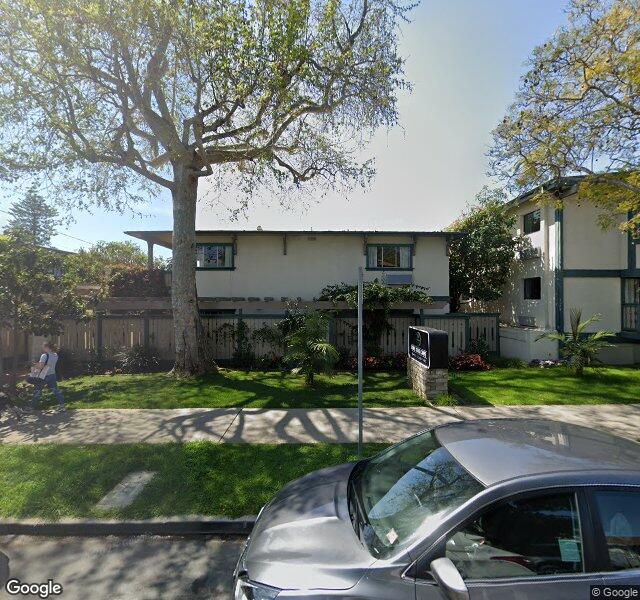
The Californian

2225 De La Vina Street, Santa Barbara, CA 93105 (805) 682-1355
For profit - Corporation 68 Beds Independent Data: November 2025
Trust Grade
85/100
#237 of 1155 in CA
Last Inspection: March 2025

Within standard 12-15 month inspection cycle. Federal law requires annual inspections.

Overview

The Californian in Santa Barbara, California, has a Trust Grade of B+, which means it is recommended and performs above average compared to other facilities. It ranks #237 out of 1,155 nursing homes in California, placing it in the top half, and #8 out of 14 in Santa Barbara County, indicating that only a few local options are better. The facility is showing an improving trend, with the number of issues decreasing from 8 in 2024 to 4 in 2025. Staffing is rated at 4 out of 5 stars, with a 40% turnover rate that is close to the state average, suggesting that while some staff may leave, there is still a stable workforce. There are no fines on record, which is a positive sign, and RN coverage is average. However, there are some concerning incidents noted by inspectors. For example, the facility failed to create a care plan for anticoagulant medication for a resident, which could lead to serious health issues. Additionally, physician orders were not followed for two residents, potentially putting their health at risk. Lastly, oxygen tubing for another resident was not labeled, which raises concerns about safety and contamination. Overall, while The Californian has strong aspects, families should be aware of these weaknesses when considering care for their loved ones.

Trust Score
B+
85/100
In California
#237/1155
Top 20%
Safety Record
Low Risk
No red flags
Inspections
Getting Better
8 → 4 violations
Staff Stability
○ Average
40% turnover. Near California's 48% average. Typical for the industry.
Penalties
✓ Good
No fines on record. Clean compliance history, better than most California facilities.
Skilled Nurses
✓ Good
Each resident gets 43 minutes of Registered Nurse (RN) attention daily — more than average for California. RNs are trained to catch health problems early.
Violations
⚠ Watch
16 deficiencies on record. Higher than average. Multiple issues found across inspections.
★★★★★
5.0
Overall Rating
★★★★☆
4.0
Staff Levels
★★★★☆
4.0
Care Quality
★★★★★
5.0
Inspection Score
Stable
2024: 8 issues
2025: 4 issues

The Good

  • 4-Star Staffing Rating · Above-average nurse staffing levels
  • 4-Star Quality Measures · Strong clinical quality outcomes
  • Full Sprinkler Coverage · Fire safety systems throughout facility
  • No fines on record
  • Staff turnover below average (40%)

    8 points below California average of 48%

Facility shows strength in staffing levels, quality measures, fire safety.

The Bad

Staff Turnover: 40%

Near California avg (46%)

Typical for the industry

The Ugly 16 deficiencies on record

Mar 2025 4 deficiencies
CONCERN (D)

Potential for Harm - no one hurt, but risky conditions existed

Comprehensive Care Plan (Tag F0656)

Could have caused harm · This affected 1 resident

**NOTE- TERMS IN BRACKETS HAVE BEEN EDITED TO PROTECT CONFIDENTIALITY** Based on interview and record review, the facility failed to develop a care plan for the use of the anticoagulant medication Api...

Read full inspector narrative →
**NOTE- TERMS IN BRACKETS HAVE BEEN EDITED TO PROTECT CONFIDENTIALITY** Based on interview and record review, the facility failed to develop a care plan for the use of the anticoagulant medication Apixaban (a medication that helps prevent blood clots) for one of two sampled residents (Resident 39). This failure could result in medication related adverse events and poor management of anticoagulation therapy for Resident 39. Findings: During a review of Resident 39's admission Record (AR), the AR indicated, Resident 39 was admitted on [DATE] with diagnoses that included congestive heart failure (heart muscle doesn't pump blood as well as it should) and presence of cardiac pacemaker (a device implanted in the body to deliver electrical pulses to your heart). During a concurrent interview and record review on 3/28/25 at 9:36 a.m. with the Minimum Data Set Coordinator (MDSC), Resident 39's electronic clinical record was reviewed. Review of Resident 39's Order Summary Report (OSR), dated 3/2025, the OSR indicated, a physician order for the medication Apixaban oral tablet 5mg (milligrams) two times a day for PPX (prophylaxis) DVT (deep vein thrombosis - a condition where a blood clot forms in a deep vein, typically in the lower legs). Further review of Resident 39's clinical record failed to indicate that a care plan was developed for the resident's use of this medication. The MDSC was unable to locate and produce a documented care plan for the resident's use of the said medication and stated, there is no care plan and there should be. During a review of the facility's policy and procedures (P&P) titled, Care Planning and Care Plans, dated 4/2024, the P&P indicated in part, Guidelines: 3. Patient care plans are to be initiated on admission of a patient and based on the physician's orders and assessments made of the patient . 4. The care plans are to be updated as the resident condition change and as revision is needed.
CONCERN (D)

Potential for Harm - no one hurt, but risky conditions existed

Deficiency F0658 (Tag F0658)

Could have caused harm · This affected 1 resident

**NOTE- TERMS IN BRACKETS HAVE BEEN EDITED TO PROTECT CONFIDENTIALITY** Based on observation, interview, and record review, the facility failed to ensure physician orders were followed for two of two ...

Read full inspector narrative →
**NOTE- TERMS IN BRACKETS HAVE BEEN EDITED TO PROTECT CONFIDENTIALITY** Based on observation, interview, and record review, the facility failed to ensure physician orders were followed for two of two unsampled residents (Residents 29 and 14) when: 1. Resident 29's apical pulse (AP - heartbeat that is felt or heard at the apex [top] of the heart, located on the left side of the chest) rate was not checked, as ordered, prior to receiving a blood pressure medication. 2. Resident 14's medical record had no documented intervention, as ordered, during two episodes when the resident had alarmingly low blood sugar readings. These failures had the potential to result in Resident 29 and 14 not receiving the appropriate care and services which can affect their health and safety. Findings: 1. During a review of Resident 29's, admission Record (AR), dated 4/28/23, the AR indicated in part, Resident 29 is a [AGE] year-old male who was admitted to the facility on [DATE] with admission diagnoses including essential hypertension (high blood pressure), paroxysmal atrial fibrillation (fluttering of the heart) and peripheral venous insufficiency (a condition where the veins in the legs or arms become damaged, leading to poor blood flow back to the heart). During a medication pass observation on 3/26/25 at 8:40 a.m., with licensed nurse (LN) 1, LN 1 was observed measuring Resident 29's blood pressure and radial pulse rate (heart rate and rhythm felt on the thumb side of the wrist) prior to administering a blood pressure medication. The blood pressure medication blister package read, Propanolol Hydrochloride .10 mg (milligram), give one tablet by mouth two times a day . hold if SBP (systolic blood pressure) < (less than) 110 or AP < 55. During a review of Resident 29's Order Summary (OS), dated 3/26/25, the OS indicated the physician order, Propanolol Hydrochloride oral tablet 10 mg, give one tablet by mouth two times a day .hold if SBP < 110 or AP < 55, dated 2/19/25. During a concurrent interview and record review, on 3/26/25 at 10:10 a.m., with LN 1, Resident 29's OS, dated 3/26/25 was reviewed. LN 1 was informed that the resident's Propanolol . order indicated a parameter to check the AP. LN 1 verified the order and verbalized that she usually checked the radial pulse. LN 1 acknowledged that she should have been measuring Resident 29's AP instead of his radial pulse rates. 2. During a review of Resident 14's AR, dated 4/1/22, the AR indicated Resident 14 is an [AGE] year-old female who was admitted to the facility on [DATE] with admission diagnoses including Type 2 Diabetes Mellitus (a chronic disorder characterized by high blood sugar levels), essential hypertension and chronic kidney disease (a condition in which the kidneys gradually lose their function to filter the blood). During a review of Resident 14's Medication Administration Record (MAR), for the month of March 2025, the MAR indicated the physician order, Novolog Flexpen Insulin (a medication that helps regulate blood sugar levels) .inject as per sliding scale (amount of insulin to be administered based on a person's blood sugar level): if 0 - 70 = 0 unit; if responsive give milk or (OJ) orange juice; if unresponsive, give glucagon (a medication that can treat severe low blood sugar) . The MAR indicated further that on 3/23/25 at 11:30 a.m., Resident 14's blood sugar level was 11, documented by licensed nurse (LN) 2, and on 3/25/25 at 6:30 a.m., the blood sugar level was 60, documented by licensed nurse (LN) 3. During a concurrent interview and record review on 3/26/25 at 10:40 a.m., with the Director of Nursing (DON) and LN 2, Resident 14's medical record was reviewed. DON and LN 2 were informed that a review of Resident 14's MAR, for March 2025, under the medication order Novolog Flexpen Insulin sliding scale ., Resident 14's blood sugar level on 3/23/25 at 11:30 a.m., was 11 as documented by LN 2. A review of Resident 14's, e-MAR Progress Notes, for 3/23/35 failed to indicate documentation of any ordered interventions done to address the low blood sugar level. LN 2 acknowledged the finding but verbalized that the documented result was an error and should have documented the blood sugar level as 118. There was no documentation found in the medical record to correct the error. During a concurrent interview and record review on 3/26/25 at 2:09 p.m., with the DON, DON verbalized speaking to LN 3 regarding Resident 14's low blood sugar level taken on 3/25/25 at 6:30 a.m. LN 3 apparently notified the resident's physician of the low blood sugar reading, and the resident was given orange juice but failed to document the interventions in the resident's medical record. DON acknowledged LN 3 should have documented these interventions. During a review of the facility's policy and procedures (P&P), titled Medication Administration General Guidelines, dated 5/2016, the P&P indicated in part, Medication Administration .1) Medications are administered in accordance with written orders of the prescriber . 2) Obtain and record any vital signs necessary prior to medication administration . The P&P indicated further, Documentation .1) The individual who administers the medication dose, records the administration on the resident's MAR immediately following the medication being given . During a review of the facility's P&P titled, Resident Care Vital Signs, dated 6/2024, the P&P indicated in part, Vital signs upon which the administration of medications or treatments are conditioned shall be performed as required and the results recorded, i.e. digoxin (medication used to treat heart failure) based on apical pulse rate, antihypertensive agents based on blood pressure .
CONCERN (D)

Potential for Harm - no one hurt, but risky conditions existed

Respiratory Care (Tag F0695)

Could have caused harm · This affected 1 resident

**NOTE- TERMS IN BRACKETS HAVE BEEN EDITED TO PROTECT CONFIDENTIALITY** Based on observation, interview, and record review, the facility failed to ensure oxygen tubing for one of two sampled residents...

Read full inspector narrative →
**NOTE- TERMS IN BRACKETS HAVE BEEN EDITED TO PROTECT CONFIDENTIALITY** Based on observation, interview, and record review, the facility failed to ensure oxygen tubing for one of two sampled residents (Resident 98) was labeled and dated. This failure had the potential to result in cross-contamination (the transfer of harmful bacteria) for residents in an already compromised condition. Findings: During review of Resident 98's admission Record (AD), the AD indicated Resident 98 was admitted on [DATE] with diagnoses that included, chronic obstructive pulmonary disease (COPD - a chronic lung disease causing difficulty in breathing) and dependence on supplemental oxygen. During a concurrent observation and interview on 3/25/25 at 11:45 a.m., with the Infection Preventionist (IP) in Resident 98's room, Resident 98 was observed wearing a nasal cannula (a small plastic tube, which fits into the person's nostrils for providing supplemental oxygen) connected to an oxygen concentrator (a medical device used to deliver oxygen) without a label on the nasal cannula tubing. IP stated Resident 98's nasal cannula tubing was not labeled or dated and it should be. During a review of the facility's Policy and Procedure (P&P) titled Nasal Cannula, Nebulizer, and Humidifier Change and Usage, dated 2/2024, the P&P indicated, Procedure: 1. Ensure that all nasal cannula/nebulizer tubing are changed /replaced in a timely manner .4. Timely manner means to be changed weekly on Sunday 11-7 shifts. 5. Nasal Cannulas/nebulizer tubings are to be labeled with date of placement as well as patients room number.
CONCERN (D)

Potential for Harm - no one hurt, but risky conditions existed

Food Safety (Tag F0812)

Could have caused harm · This affected 1 resident

Based on observation, interview, record review, the facility failed to ensure kitchen and food storage sanitation was maintained when: 1. Kitchen staff personal belongings (i.e., jacket and purse) wer...

Read full inspector narrative →
Based on observation, interview, record review, the facility failed to ensure kitchen and food storage sanitation was maintained when: 1. Kitchen staff personal belongings (i.e., jacket and purse) were found inside the dry food storage room. 2. The low-temperature dish machine was operating without proper chemical sanitation. These failures increased the risk of food-borne illnesses to its vulnerable residents as a result of potential food contamination and improperly sanitized dishware. Findings: 1. During a concurrent observation and interview on 3/25/25 at 9:34 a.m., inside the facility's dry food storage room, with dietary staff (DS) 1, staff personal belongings including a jacket and a purse, were found inside a bin located in one of the lower storage racks. DS 1 verbalized that staff personal belongings should not be stored in any of the food storage areas. During a review of the facility's policy and procedures (P&P) titled, Section F: Safety and Sanitation .1. Employee Responsibility for Safety, undated, the P&P indicated in part, Procedure .22) Employees are not allowed to bring personal items including but not limited to cell phones, purses, make-up bags, etc., into food service production areas. 2. During a concurrent observation and interview on 3/25/25 at 9:45 a.m., with DS 1, the facility kitchen's low-temperature dish machine was observed during its operation. DS 1 explained that a chemical solution (i.e., chlorine) was used during the dish machine's final rinse phase to ensure the effective sanitation of dishes, cups and eating utensils used by residents. After the dish machine's normal wash and rinse cycle, DS 1 proceeded to check for the chemical solution's concentration on the dishware using a test strip. DS 1 compared the test strip color with the color chart on the test strip container. The result of the color comparison indicated the chemical solution concentration was measured at 10 ppm (parts per million - a unit of measurement that describes the concentration of a substance in a solution or mixture). DS 1 verbalized that the minimum chemical solution concentration should be at 50 ppm. DS 1 ran the dish machine for another wash and rinse cycle to retest the chemical solution's concentration. The test strip result measured the same at 10 ppm. The test strip was verified not to be expired. DS 1 acknowledged that the chemical solution's concentration was low. During an interview on 3/25/25 at 10:55 a.m., with the facility Administrator (ADM), ADM was informed of the issue with the dish machine. ADM acknowledged the issue with the dish machine. During a review of the facility's P&P titled, Section F: Safety and Sanitation .10. Ware Washing, undated, the P&P indicated in part, Policy .Utensils, dishes, beverage containers, pots and pans, flatware used for the preparation, service or storage of food will be cleaned and sanitized after each use. The P&P indicated further, Procedure .A. Mechanical Washing .Low temp machine .120-140 degrees Fahrenheit (F) with chemical sanitizer . Rinse must provide 50 to 100 ppm hypochlorite (chlorine) on the dish surface. Verify with a test strip prior to washing dishes for each meal.
Jan 2024 8 deficiencies
CONCERN (D)

Potential for Harm - no one hurt, but risky conditions existed

MDS Data Transmission (Tag F0640)

Could have caused harm · This affected 1 resident

**NOTE- TERMS IN BRACKETS HAVE BEEN EDITED TO PROTECT CONFIDENTIALITY** Based on record review and interview, the facility failed to ensure the completed MDS (Minimum Data Set - a federally mandated h...

Read full inspector narrative →
**NOTE- TERMS IN BRACKETS HAVE BEEN EDITED TO PROTECT CONFIDENTIALITY** Based on record review and interview, the facility failed to ensure the completed MDS (Minimum Data Set - a federally mandated health status screening and assessment tool used for all residents of long-term care health facilities) discharge assessments for two of two sampled residents (Residents 11 and 33) were submitted in a timely manner. This failure had the potential to result in resident data inaccuracies which could affect the facility's improvement efforts to provide high quality care to its residents. Findings: During a review of the Long-Term Care Survey Process (LTCSP - a computer application that supports the survey process for long-term care facilities) final sampling process, the non-mandatory facility task, Resident Assessment, was triggered. Residents 11 and 33 were triggered under this task for investigation of MDS records over 120 days old. During a review of Resident 11's Electronic Health Record (EHR), the admission Record (AR), dated 1/11/24, indicate in part, Resident 11 was an [AGE] year-old female resident who was admitted to the facility on [DATE], with admitting diagnoses including, non-traumatic intracerebral hemorrhage (brain bleed), hypertension (high blood pressure), and cerebral edema (swelling of the brain). The AR further indicated, Resident 11 was discharged to an acute care hospital on 9/4/23. Review of Resident 11's EHR under MDS Summary, indicated no discharge assessment was initiated. During a review of Resident 33's, EHR the AR dated 1/11/24, indicated in part, Resident 33 was an [AGE] year-old male resident who was admitted to the facility on [DATE], with admitting diagnoses including, liver cell carcinoma (liver cancer), hepatomegaly (enlarged liver), and Type 2 Diabetes Mellitus (a chronic condition that affects the way the body processes blood sugar). The AR indicated, Resident 33 was discharged on 9/4/23. Review of Resident 33's EHR under MDS Summary, indicated no discharge assessment was initiated. During a concurrent interview and record review of Residents 11 and 33's, EHR under MDS Summary, on 1/11/24 at 10:24 a.m. with Assistant MDS Coordinator (AMDS), Residents 11 and 33's, EHR under MDS Summary, were reviewed. AMDS verified the discharge date s and confirmed that no MDS discharge assessments were initiated for both residents. AMDS verbalized the facility is required to complete the resident's discharge assessment from the date of the resident's discharge from the facility up to 14 days and also to electronically submit the discharge assessment from the date the assessment was completed up to 14 days. AMDS acknowledged the discharge assessments for Residents 11 and 33 should have been completed and submitted in a timely manner and it was not . During a review of the, Centers for Medicare and Medicaid Services (CMS - a federal agency that provides effective health care coverage and promote quality care for people with Medicare) Resident Assessment Instrument (RAI - a tool which helps the nursing home staff gather information on the residents' strengths and needs so it can be addressed through a care plan) Version 3.0 Manual, Chapter 2: Assessments for the RAI, dated 10/2023, indicated in part, For unplanned discharges, the facility should complete the OBRA (Omnibus Budget Reconciliation Act of 1987 also known as the Nursing Home Reform Act - sets federal standards of care for nursing homes) discharge assessment to the best of its abilities. An unplanned discharge includes, for example: Acute care transfer of the resident to a hospital or emergency department in order to stabilize a condition . Resident unexpectedly deciding to go home or to another setting (e.g., due to the resident deciding to complete treatment in an alternate setting. The RAI manual further indicated, . 09. Discharge Assessment - Return Not Anticipated (A0310F = 10) . Must be completed when the resident is discharged from the facility and the resident is not expected to return to the facility within 30 days . Must be completed (item Z0500B) within 14 days after the discharge date (A2000 + 14 calendar days) . Must be submitted within 14 days after the MDS completion date (Z0500B + 14 calendar days).
CONCERN (D)

Potential for Harm - no one hurt, but risky conditions existed

Comprehensive Care Plan (Tag F0656)

Could have caused harm · This affected 1 resident

**NOTE- TERMS IN BRACKETS HAVE BEEN EDITED TO PROTECT CONFIDENTIALITY** 2. During a review of Resident 35's History and Physical (H&P), dated 11/9/23, the H&P indicated Resident 35 was admitted on [DA...

Read full inspector narrative →
**NOTE- TERMS IN BRACKETS HAVE BEEN EDITED TO PROTECT CONFIDENTIALITY** 2. During a review of Resident 35's History and Physical (H&P), dated 11/9/23, the H&P indicated Resident 35 was admitted on [DATE] with a history of atrial fibrillation (when the heart beats irregularly which can produce blood clots leading to stroke or heart related death) and taking Eliquis (a blood thinning medication that controls blood clots). During a concurrent observation and interview on 1/9/24 at 2:57 p.m. with Resident 35, in the room, Resident 35 was observed sitting up in wheelchair and stated, I have heart disease and take Eliquis. During a concurrent interview and record review on 1/11/23 at 3:35 p.m. with a licensed nurse (LN 3), Resident 35's clinical record was reviewed. LN 3 verified Resident 35 was taking Eliquis but unable to find documentation of a nursing care plan for monitoring. During a concurrent interview and record review on 1/12/23 at 8:27 a.m. with the DON, Resident 35's clinical record was reviewed. Resident 35's, Order Summary Report (OSR), dated 11/8/23, indicated in part, . Eliquis tablet, give10 milligrams (mg), by mouth, twice a day for seven days ending 11/15/23 .and Eliquis tablet, give 5 mg, twice a day . Resident 35's, Medication Administration Record (MAR), dated 12/1/23 - 1/11/24, was also reviewed and indicated the same Eliquis order. The DON stated the Eliquis order was current. When asked if a care plan was developed in conjuction with Resident 35 taking Eliquis, DON was unable to find a documented care plan and acknowledged one should have been developed as it was the facility's policy. During a review of the facility's policy and procedure (P&P) titled,Care Planning And Care Plans, dated April 2013, the P&P indicated, Purpose: To ensure that this facility is in compliance with the regulations by ensuring that the resident is provided with appropriate and individualized care; To provide a communication tool to the Interdisciplinary Team who is responsible for giving care on an individualized [NAME] .Guidelines: 1. The Comprehensive Care Plan is developed and revised by the IDT, with the participation of the resident and/or resident representative ., 2 .it includes measurable objectives and timetables to meet the resident's . needs that are identified in the comprehensive assessment ., 3. Patient care plans are to be initiated on admission of a patient and based on the physician's orders and assessments made of the patient ., 4. The care plans are updated as the resident conditions change and as revision is needed . Based on observation, interview, and record review, the facility failed to: 1. Develop a person-centered interdisciplinary team nutrition care plan (IDTNCP - detailed plans of care created by representatives from several medical disciplines or specialties) for one of 16 sampled residents (Resident 37) to include the resident's goals and desired outcomes. In addition, the IDTNCP lacked clear and specific measurable objectives and physician input, related to a planned weight gain for Resident 37. This failure resulted in unclear measurable weight gain goal and impedes the IDT from effectively monitoring, evaluating and revising the care plan, as appropriate, to ensure care needs would not go unrecognized and unmet. 2. Develop a care plan for one of 16 sampled residents (Resident 35) receiving blood thinners. This failure had the potential to result in medication adverse consequences to not be monitored. Findings: 1. During a concurrent interview and record review on 1/10/24 at 11 a.m. with Registered Dietitian (RD), Resident 37's admission Nutrition Assessment (NA), dated 12/4/23, was reviewed. The NA indicated, Resident 37's admit weight was 98 pounds (lbs) and his usual body weight (UBW) was 108 lbs. RD stated she assessed Resident 37's nutritional needs at 30-35 calories per kg (kilogram) to promote weight gain because his BMI was low and because he had already lost weight from a previous admission to the facility. RD stated she wanted Resident 37 to gain weight. The NA also contained a check mark next to maintain weight. RD stated in her mind when she marked a goal of maintain weight it meant that weight loss was not the goal, and the goal was at a minimum to maintain weight with the desire for weight gain. RD stated she did not specifically document what the weight goal was but in my mind I would want him to re-gain weight to his UBW (usual body weight) of 108 lbs. RD verified the weight goal was not clearly documented in the NA. During a concurrent interview and record review on 1/10/24 at 11:30 a.m., with RD, RD stated she had not discussed that she assessed Resident 37's daily nutritional needs to promote weight gain with the resident or what his weight gain goal would be to ensure resident centered care. During a review of Resident 37's Weight Variance Progress Notes (WV), dated 1/10/24, the WV indicated, Resident 37 currently weighed 112 lbs, and the recommendation/plan was Continue POC (plan of care) - diet, fluids, nutritional supplements, monitoring po intake, wts [weights], and all other nutritional parameters. Dc [discontinue] from weekly weight monitoring. During a concurrent interview and record review on 1/10/24 at 11:35 a.m. with RD, Resident 37's IDT Nutrition Care Plan (IDTNCP), initiated by RD on 12/06/23, was reviewed. The IDTNCP included, Problem: . 12/20/23 gain of 3 lbs x 1 wk r/t [related to] po [by mouth] intake w/ [with] augmentation of nutritional supplement, 12/29/2023: + desirable 4 lbs or 3.7% weight gain x 1 week. + Good meal intakes and SF [sugar free] house shake daily, 1/10/24 Sig [significant] wt [weight] gain at 1 mon [month] r/t good po intake w/augmentation of nutritional supplement, Revision on: 1/10/24 .Goal: .Maintain weight +/-5% q [every] month x 3 months .Target Date: 03/03/2024 . RD stated, the goal indicated, Maintain weight +/-5% q month x 3 months. RD stated, the goal was not for weight loss, so the -5% of weight as part of the goal would not be applicable and was not accurate. RD verified the goal in her mind was for the resident to gain weight to UBW of 108 lbs. RD verified without a measurable goal the IDT would not know when the rate of weight gain or amount of weight gain might be of concern. RD verified without a specific measurable goal weight listed, the IDT would not be able to effectively monitor the POC, nor know when to revise when appropriate. During a concurrent interview and record review on 1/10/24 at 11:38 a.m., with Director of Nursing (DON), Resident 37's IDT nutrition care plan (IDTNCP), initiated by RD on 12/06/23, was reviewed. DON stated, the documented goal was, Maintain weight +/-5% q month x 3 months. DON verified the goal was not for the resident to lose weight, therefore the care plan goal was not accurate when it included -5% as being part of the goal. DON stated the goal is for weight maintenance or +5% weight gain. DON verified the IDT nutrition care plan had not contained clear, measurable goals when DON was unable to answer what the maintenance weight was, and was not aware RD assessment was for a planned weight gain, and was unable to state how much weight gain was planned, based on the IDT nutrition care plan, since the measurable goal was not clear. In addition, DON confirmed the expectation was for the IDT care plans to be developed with the participation of the physician, and with the resident's goals for outcomes which would include a planned weight gain.
CONCERN (D)

Potential for Harm - no one hurt, but risky conditions existed

Pharmacy Services (Tag F0755)

Could have caused harm · This affected 1 resident

**NOTE- TERMS IN BRACKETS HAVE BEEN EDITED TO PROTECT CONFIDENTIALITY** Based on observation, interview, and record review, the facility failed to obtain and provide a prescribed, routine antihyperten...

Read full inspector narrative →
**NOTE- TERMS IN BRACKETS HAVE BEEN EDITED TO PROTECT CONFIDENTIALITY** Based on observation, interview, and record review, the facility failed to obtain and provide a prescribed, routine antihypertensive medication (a medication used to lower blood pressure) ordered for one of three sampled residents (Resident 40). This failure had the potential to result in uncontrolled blood pressure levels and subsequent complications for Resident 40. Findings: During a medication pass observation on 1/10/24 at 9:18 a.m. with a licensed nurse (LN 4), Resident 40's Losartan Potassium (a medication to treat high blood pressure) scheduled to be administered for 9 a.m. was not available in the medication cart. During a concurrent interview and record review on 1/10/24 at 11:11 a.m. with LN 4, LN 4 stated, This resident (referring to Resident 40) just transitioned from short-term to long-term care ( short stay to long stay in the facility). The pharmacy does not auto refill ( automatic dispensing) medications for short term residents, only for long term. LN 4 verbalized the medication was reordered on paper and showed the facility form titled, Medication Reorder Sheet, dated 1/8/24, was faxed to the pharmacy. LN 4 could not confirm if the faxed reorder form was received by the Pharmacy (1/10/24 the medication is not available in the facility to administered). LN 4 confirmed all resident medications prescribed to be given in the facility should be available at all times. During a review of Resident 40's, Electronic Health Record (EHR), the Medical Diagnosis section dated 12/14/23 indicated, Resident 40 was a [AGE] year-old female with admitting diagnoses including, chronic obstructive pulmonary disease (COPD - a group of diseases that causes airflow blockage and breathing-related problems), chronic atrial fibrillation (quivering of the heart), and essential hypertension (HTN - high blood pressure). Further review of Resident 40's EHR, under Medication Review Report, the report indicated, a medication order for Losartan Potassium oral tablet 100 mg (milligrams), give one tablet by mouth one time a day for HTN. During a review of the facility's policy and procedures (P&P) titled, Medication Ordering and Receiving From Pharmacy Provider, dated 9/2010, the P&P indicated in part, Ordering and Receiving Non-Controlled Medications . Policy: Medications and related products are received from the provider pharmacy on a timely basis. The nursing care center maintains accurate records of medication order and receipt. The P&P indicated further, Procedure . 1.c: If not utilizing cycle fill or anniversary fill system, all medications shall be reordered in advance by writing the medication name and prescription number, or applying the peel-off bar coded label from the prescription label on the reorder sheet and faxing or otherwise transmitting the order to the pharmacy. During a review of the facility's P&P titled, Medication Administration General Guidelines, dated 5/16, the P&P indicated in part, Procedures - Medication Administration .14) Medications are administered within 60 minutes of scheduled time .Unless otherwise specified by the prescriber, routine medications are administered according to the established medication administration schedule for the nursing care center . During a review of the facility's P&P titled,Medication Med Pass and Treatment Times, dated 7/23, the P&P indicated in part, Procedure .2) Medication Pass times will be as follows: QD (Daily) 9 AM .
CONCERN (D)

Potential for Harm - no one hurt, but risky conditions existed

Drug Regimen Review (Tag F0756)

Could have caused harm · This affected 1 resident

Based on interview and record review, the facility failed to ensure the facility's Consultant Pharmacist (CP) identified and reported irregularities during the medication regimen review (MRR) when non...

Read full inspector narrative →
Based on interview and record review, the facility failed to ensure the facility's Consultant Pharmacist (CP) identified and reported irregularities during the medication regimen review (MRR) when nonpharmacological interventions (NPI) were not implemented for the behaviors exhibited for depression and psychosis for one of 16 sampled residents (Resident 34) This failure had the potential to result in Resident 34 receiving unnecessary medications. Findings: During a review of Resident 34's, Medication Administration Record (MAR), dated 1/1-1/31/24, the MAR indicated the following medication orders: Seroquel Oral Tablet (Quetiapine Fumarate), give 37.5 mg (milligram) by mouth one time a day for psychosis, manifested by aggressive behavior at 4 p.m. (start date: 12/9/23), Seroquel Oral Tablet (Quetiapine Fumarate) Give 12.5 mg by mouth one time a day for psychosis, manifested by aggressive behavior at 9 am (start date: 1/4/24), and Fluoxetine HCl (Prozac) capsule 20 mg, give one capsule by mouth one time a day for depression with anxiety manifested by demonstrating restlessness as evidenced by picking at own skin (start date: 1/4/24). No documentation of the NPI monitoring for psychotic behaviors and picking of skin was noted or located in Resident 34's MAR. During a concurrent interview and record review on 01/12/24 9:26 a.m., with the director of nursing (DON) and nurse supervisor (NS), confirmed NPI's were not documented as implemented in the MAR for Resident 34 and should have been. During a concurrent interview and record review, on 1/12/24, at 9:51 a.m., with the facility's consultant pharmacist (CP) and Manager of Clinical Operations (MCO), in the presence of the DON and NS, Resident 34's psychotropic medication profile was reviewed. The CP confirmed that implementation of NPI's were not reviewed with Resident 34's monthly medication review and acknowledged failing to identify that NPI's were not being implemented while Resident 34 was on psychotropic medication. Review of facility's policy and procedure (P&P) titled, Medication Monitoring 8.1 Medication Regimen Review and Reporting, dated 01/23, the P&P indicated: Policy: Medication Regimen Review (MRR) or Drug Regimen Review is a thorough evaluation of the medication regimen of a resident, with the goal of promoting positive outcomes and minimizing adverse consequences and potential risks associated with medication. The MRR includes review of the medical record in order to prevent, identify, report, and resolve medication-related problems, medication errors, or other irregularities. The MRR also involves collaborating with other members of the IDT, including the resident, their family, and/or resident representative. Procedures: 2. The consultant pharmacist reviews the medication regimen and medical chart of each resident at least monthly to appropriately monitor the medication and ensure that the medications each resident receives are clinically indicated. Identification of irregularities may occur by the consultant pharmacist utilizing a variety of sources including medication administration records (MAR), prescriber's orders, progress notes, nurse's notes, the Resident Assessment Instrument (RAI), Minimum Data Set (MDS), laboratory and diagnostic test results, behavior monitoring information and information from the nursing care center staff and other health professional involved in the resident's care. During a review of the facility's, policy and procedures (P&P), titled, Psychotherapeutic Medication Use, dated 5/2013, the P&P indicated in part, .1) The facility will exhaust alternative methods necessary to manage a resident's behavior as much as possible; The initial approach to management of behavioral symptoms in older adults should focus on environmental modifications, behavioral interventions, psychotherapy or other nonpharmacologic interventions .4) A Monthly Summary on the Use of Psychotherapeutic Medications is done to determine the frequency that a behavior was manifested for the past month . During a review of facility's, P&P, titled, Use of Antipsychotic Medications, dated 5/2013, the P&P indicated in part, .2) This facility will exhaust alternative methods necessary to manage a resident's dementia-related behavior as much as possible. The initial approach to management of behavioral symptoms in older adults is focused on environmental modifications, behavioral interventions, psychotherapy, or other non-pharmacological means . 4) Interventions are implemented, monitored and revised as appropriate 5) A monthly summary of behavior manifestation is done and then becomes the basis for recommendation for dose change or maintenance.
CONCERN (D)

Potential for Harm - no one hurt, but risky conditions existed

Unnecessary Medications (Tag F0759)

Could have caused harm · This affected 1 resident

Based on observation, interview, and record review, the facility failed to ensure its medication error rate during medication pass observation was less than five percent (5%). The facility had a cumul...

Read full inspector narrative →
Based on observation, interview, and record review, the facility failed to ensure its medication error rate during medication pass observation was less than five percent (5%). The facility had a cumulative medication error rate of 10.34% when three errors out of 29 opportunities for errors were observed between two licensed nurses (LN 2 and LN 4) who administered medication to two sampled residents (Residents 25 & 40) and one unsampled resident (Resident 547). The observed medication administration errors were: 1. LN 4 administered one capsule of Urox (a medication that supports bladder control) by mouth to Resident 25 instead of the prescribed order of two capsules. 2. LN 2 failed to administer the full dose of Clearlax (a laxative to treat occasional constipation) mixed in apple juice to Resident 547 when half of the mixture was thrown away. 3. LN 4 administered one puff of Tiotropium Bromide Monnohydrate (Spiriva - an inhaled medication that relaxes and opens the air passages of the lungs) to Resident 40 instead of the prescribed two puffs. These failures had the potential to compromise the health and safety of these residents. Findings: 1. During a medication pass observation on 1/10/24 at 8:30 a.m., with LN 4, LN 4 was observed administering one capsule of Urox 840 mg (milligram) by mouth to Resident 25. During a concurrent interview and record review, on 1/10/24, at 11:35 a.m., with LN 4, Resident 25's, Medication Review Report (MRR), dated 1/10/24, was reviewed. The MRR indicated the medication order, Urox (Lindera) 840 mg give two capsules by mouth in AM one time a day for OAB (overactive bladder) (start date of 9/2/23). LN 4 confirmed giving only one capsule to Resident 25 instead of two and acknowledged not following the order. 2. During a medication pass observation on 1/10/24 at 8:58 a.m. with LN 2, LN 2 was observed mixing Clearlax 17 gm (gram) with four oz. (ounces) of apple juice in a five oz. cup to administer to Resident 547. Resident 547 was observed to have drank only half of the mixture and the remainder thrown away by LN 2. During a concurrent interview and record review on 1/10/24 at 12 p.m., with LN 2, Resident 547's, Medication Administration Record (MAR), dated 1/1-1/31/24, was reviewed. Resident 547's MAR indicated the medication order, Miralax (different brand name for Polyethylene Glycol, same as Clearlax) Powder 17 gm by mouth in the morning for constipation .Dissolve in 4 oz. of water/juice, hold for loose stools (start date: 11/28/23). LN 2 confirmed that Resident 547 took about 50% of the mixture and did not document it in the chart. LN 2 acknowledged that she should have documented that the resident did not receive the full dose. 3. During a medication pass observation on 1/10/24 at 9:18 a.m. with LN 4, LN 4 was observed administering Tiotropium Bromide inhaler to Resident 40. The resident only received one puff of the inhaled medication. During a concurrent interview and record review on 1/10/24 at 11:11 a.m. with LN 4, Resident 40's, MRR, dated 1/10/24, was reviewed. The MRR indicated the medication order, Spiriva HandiHaler Inhalation capsule 18 mcg (microgram) (Tiotropium .) two puff inhale orally one time a day for COPD (chronic obstructive pulmonary disease - a group of diseases that causes airflow blockage and breathing-related problems) .contents of one cap (18 mcg) daily inhaled with two puffs. LN 4 confirmed that Resident 40 only received one puff of the inhaled medication and acknowledged that the medication order was not followed. During a review of the facility's policy and procedures (P&P) Medication Administration, dated 5/16, the P&P indicated in part, Procedures - Medication Administration .1) Medications are administered in accordance with written orders of the prescriber .5) The resident is always observed after administration to ensure that the dose was completely ingested. If only a partial dose is ingested, this is noted on the MAR and action is taken appropriately .
CONCERN (D)

Potential for Harm - no one hurt, but risky conditions existed

Deficiency F0761 (Tag F0761)

Could have caused harm · This affected 1 resident

Based on observation, interview, and record review, the facility failed to ensure expired medications and medical supplies were discarded and not readily available for staff use. This failure had the ...

Read full inspector narrative →
Based on observation, interview, and record review, the facility failed to ensure expired medications and medical supplies were discarded and not readily available for staff use. This failure had the potential to result in unsafe medication administration or ineffective therapy provided to the residents. Findings: During a concurrent observation and interview on 1/9/24 at 11:09 a.m. in the facility's medication storage room with a licensed nurse (LN 2), the following expired medications were found: six Nicotine Transdermal System patches (expired 8/23), one bottle Slow Magnesium Chloride with Calcium tablets (expired 11/23), one bottle of Calcium Citrate plus Vitamin D3 tablets (expired 11/23), and one refrigerated E-Kit (expired 10/23). LN 2 verified the expired medications found and acknowledged they should have been removed from storage and discarded. During a concurrent observation and interview on 1/9/24 at 11:34 a.m. with LN 2, the facility's treatment cart located in nurse station 2 was inspected. The following expired items were found in the cart: two boxes of Povidone Iodine wipes (expired 10/23 & 12/23), one tube of Coloplast Woun'Dres (expired 6/23), one bottle of Curad Iodine packing strip (expired 3/23), one tube of Santyl ointment (expired 2/23), one tube of Medihoney gel (expired 1/23), one tube of Skintegrity (expired 11/23), one tube of Silvasorb gel (expired 3/23), six Silvercel non-adherent dressings (expired 10/22 & 5/23), one Calcium alginate dressing (opened & expired 10/23), one Vaseline gauze strip (opened & expired 10/23), one Aquacel AG advantage dressing (expired 10/23), one Puracol plus dressing (expired 8/23), and one Enluxtra wound dressing (expired 11/19). LN 2 verified the expired medical supplies found and acknowledged they should have been removed from storage and discarded. During a concurrent observation and interview on 1/9/24 at 12:20 p.m. with LN 2, the facility's emergency crash cart was inspected. The following expired items were found: one box face Aoxing disposable masks (expired 4/22), one general IM E-kit (expired 09/30/23), two IV administration sets (expired 5/22), two Zyno Medical IV tubings (expired 8/23 & 9/23). LN 2 verified the expired medical supplies/medications found and acknowledged they should have been removed from storage and discarded. During a review of facility's, policy and procedures (P&P) titled, Central Supplies, dated 7/2023, the P&P indicated in part, Procedures 1) Do an inventory of supplies every two weeks, 2) Ensure that there is adequate quantity and quality of supplies . 4) Observe the FIFO (first-in, first out) system to ensure that no supplies on hand are outdated and expired; supplies expiring within the month are discarded/disposed appropriately . During a review of facility's P&P, titled, Medication Storage 4.1 Storage of Medication, dated 11/17, the P&P indicated in part, Policy .Medications and biologicals are stored properly, following manufacturers or provider pharmacy recommendations, to maintain their integrity and to support safe effective drug administration . The P&P indicated further, Procedures .14) Outdated, contaminated, discontinued or deteriorated medications and those in containers that are cracked, soiled, or without secure closures are immediately removed from stock .
CONCERN (D)

Potential for Harm - no one hurt, but risky conditions existed

Food Safety (Tag F0812)

Could have caused harm · This affected 1 resident

Based on observation, interview, and record review, the facility failed to ensure safe food handling when puree chicken, a TCS food (Time-Temperature Control for Safety - food that requires time-tempe...

Read full inspector narrative →
Based on observation, interview, and record review, the facility failed to ensure safe food handling when puree chicken, a TCS food (Time-Temperature Control for Safety - food that requires time-temperature control to prevent the growth of bacteria), was not accurately cooled down. As a result, the residents who were scheduled to be served the planned alternate entrée of puree chicken, in lieu of the main entrée of puree fish, were placed at an increased risk for developing a foodborne illness. Findings: During a concurrent observation and interview on 1/09/24 at 11:15 a.m. with Dietary Manager (DM), in the walk-in refrigerator in the kitchen, a small steam table pan of puree chicken was covered and dated 1/9/24. DM stated the puree chicken was the planned alternate for that night's dinner for the resident's on a puree diet who disliked the main entrée of puree fish. During an interview on 01/09/24 at 11:16 a.m. with Cook, [NAME] stated at 6:30 a.m. that morning he cooked chicken to an internal temperature of 165 degrees F (Fahrenheit). [NAME] stated he then pureed the chicken and placed the puree chicken in a holding pan that was on ice to cool down. [NAME] stated two hours later he checked the temperature of the puree chicken and it was 69 degrees F at 9:30 a.m. [NAME] was asked if there was a cooling log and cook pointed to a log posted on the wall in the kitchen titled, Cooling/Chilling Temperature Log. There were no documented entries on the cooling log for 1/9/24. [NAME] stated he had not yet documented any cool down temperatures for the puree chicken on the log. [NAME] was asked if there were any further steps he needed to do for the puree chicken. [NAME] stated he was done until dinner time when he would then re-heat the puree chicken to 165 degrees F to place into the steam table for dinner meal service. During a concurrent observation and interview on 1/09/24 at 11:20 a.m. with DM, DM removed the pan of puree chicken from the walk-in refrigerator and placed it on a counter in the kitchen. DM inserted a digital thermometer in the middle of the puree chicken, and DM stated, It's 59 degrees F. DM verified the thermometer obtained from the cook was calibrated that morning. DM pointed to the Thermometer Calibration Log posted on the wall that was completed that morning by the cook. During a concurrent observation and interview on 01/09/24 at 11:34 a.m. with Cook, in the presence of DM, [NAME] stated he cooked the chicken to 165 degrees F this morning. He pureed the chicken and placed the pan of puree chicken on ice and checked the temperature two hours later and it was 69 degrees F. [NAME] then stated after the 2 hour temperature check of 69 degrees F, he checked the temperature of the puree chicken again three hours later around 11:30 a.m and it was 39 degrees F. The pan of puree chicken was currently located on the counter, and DM stated the temperature was just checked and it was 59 degrees F. [NAME] was asked if he was able to explain how the temperature reached 39 degrees F at 11:30 a.m., when it was removed from the refrigerator and it was only 59 degrees F currently. [NAME] did not have an answer, and [NAME] stated, Anyway we are going to throw it out. A copy of the Cooling/Chilling Temperature Log was requested. During a review of the facility's Cooling/Chilling Temperature Log (CL) that was provided, dated 01/09/24, the CL indicated, Puree, 6:00 [am] 165 degrees F, 8:00 am 69 degrees F, 9:30 am 39 degrees F, initialed as completed by the cook. That was the only logged entry for 1/9/24 on the CL. During an interview on 01/09/24, at 02:46 p.m., with DM, DM stated cook should have documented the cool down process from the start on the cool down log to ensure effective monitoring for accurate and safe cool down of TCS food. DM acknowledged that cook's interview that the puree chicken reached 39 degrees F was not accurate, as the temperature was obtained at 11:34 a.m., upon surveyor request and it was 59 degrees F taken out of the refrigerator. During a review of the facility's policy and procedure (P&P) category titled, HACCP [Hazard Analysis Critical Control Points is a systematic preventive approach to food safety] Chill Method (HACCP), dated 2017, the P&P indicated, HACCP Chill Method: (Time/Temperature Control Foods for Safety) must be cooled from: 135 degrees F to 70 degrees F within two hours and then from 70 degrees F to 41 degrees F or lower in the next four hours . During a review of the FDA Food Code Annex 2022 (Annex), the Annex indicated, Time/Temperature Control for Safety Food . Bacterial growth and/or toxin production can occur if time/temperature control for safety food remains in the temperature Danger Zone . too long.
CONCERN (D)

Potential for Harm - no one hurt, but risky conditions existed

Medical Records (Tag F0842)

Could have caused harm · This affected 1 resident

**NOTE- TERMS IN BRACKETS HAVE BEEN EDITED TO PROTECT CONFIDENTIALITY** Based on observation, interview, and record review, the facility failed to ensure documentation of non-pharmacological intervent...

Read full inspector narrative →
**NOTE- TERMS IN BRACKETS HAVE BEEN EDITED TO PROTECT CONFIDENTIALITY** Based on observation, interview, and record review, the facility failed to ensure documentation of non-pharmacological interventions (NPI - any intervention intended to improve the health or the well-being of individuals that do not involve the use of drugs or medicine) for the use of psychotropic medications (medications used for mood and behavior modification) in one of three sampled residents (Resident 34) was in place. Resident 34 was placed on Prozac (medication to treat depression) and Seroquel (medication to regulate mood, behaviors and thoughts) with no documented NPIs. This failure had the potential to result in incomplete data used as basis for possible continued or discontinued use of psychotropic medication usage on Resident 34 and other residents. Findings: During a concurrent observation and interview on 1/11/24 at 8:30 a.m. with certified nursing assistant (CNA 1), in the facility dining room, Resident 34 was observed eating breakfast. CNA 1 reported Resident 34 eats very well and independently, sometimes able to answer simple questions but other times not able to and usually ate meals in the dining room. CNA 1 verbalized observing Resident 34 exhibiting behaviors such as waving hands or acting like trying to hit someone and other times does not respond to conversations and seemed like not there. During an interview, on 1/11/24 at 8:21 a.m. with licensed nurse (LN 1), LN 1 stated a consent had to be obtained from the resident or responsible party (RP - family member/significant other) prior to starting the resident on psychotropic medication. A new consent is obtained when there an increase in the medication dose. LN 1 added that medication adverse effects to the resident where checked and if needed, staff would try NPIs. When asked what NPI's were implemented, LN 1 stated it was all about the approach to the residents, making them feel they are part of their care. When asked if these NPI's were documented in Resident 34's chart, LN 1 stated they were not. During a review of Resident 34's, Electronic Health Record (EHR), the EHR indicated in part, Resident 34 was admitted to the facility on [DATE], with admitting diagnoses including dementia (a group of symptoms affecting memory, thinking and social abilities) with behavioral disturbance, psychosis (a condition of the mind that results in difficulties determining what is real and what is not real), and major depressive disorder (a mood disorder that causes a persistent feeling of sadness and loss of interest). During a review of Resident 34's, Minimum Data Set (MDS - a federally mandated health status screening and assessment tool used for all residents of long-term care health facilities) Summary, with assessment reference date (ARD) of 11/3/23, indicated in part, Section E: Mood and Behavior Patterns . no hallucination, no delusion, no behaviors exhibited. During a review of Resident 34's, Care Plans (CP), dated 11/10/23, a CP focusing on Resident 34's, Antidepressant use, indicated interventions including, Monitor medication adverse effects . Use of protective sleeves to protect against skin picking. Another CP focusing on Resident 34's, Antipsychotic medication use indicated interventions including, Monitor/document medication adverse effects and occurrence of target behaviors. During a review of Resident 34's, Medication Administration Record (MAR), dated 1/1-1/31/24, the MAR indicated the following medication orders: Seroquel Oral Tablet (Quetiapine Fumarate), give 37.5 mg (milligram) by mouth one time a day for psychosis, manifested by aggressive behavior at 4 p.m. (start date: 12/9/23), Seroquel Oral Tablet (Quetiapine Fumarate) Give 12.5 mg by mouth one time a day for psychosis, manifested by aggressive behavior at 9 am (start date: 1/4/24), and Fluoxetine HCl (Prozac) capsule 20 mg, give one capsule by mouth one time a day for depression with anxiety manifested by demonstrating restlessness as evidenced by picking at own skin (start date: 1/4/24). The MAR failed to indicate NPI monitoring for psychotic behaviors and picking of skin with Resident 34's use of these medications. Further review of the Resident 34's EHR, no NPI documentation could be located . During an concurrent interview and record review, on 1/12/24, at 9:51 a.m., with the Director of Nursing (DON) and Nurse Supervisor (NS), the DON and NS confirmed NPI's were not implemented and documented for Resident 34 and both acknowledged the NPI's should have been implemented and documented. During a review of the facility's, policy and procedures (P&P), titled, Psychotherapeutic Medication Use, dated 5/2013, the P&P indicated in part, . 1) The facility will exhaust alternative methods necessary to manage a resident's behavior as much as possible; The initial approach to management of behavioral symptoms in older adults should focus on environmental modifications, behavioral interventions, psychotherapy or other nonpharmacologic interventions . 4) A Monthly Summary on the Use of Psychotherapeutic Medications is done to determine the frequency that a behavior was manifested for the past month During a review of facility's, P&P, titled, Use of Antipsychotic Medications, dated 5/2013, the P&P indicated in part, . 2) This facility will exhaust alternative methods necessary to manage a resident's dementia-related behavior as much as possible. The initial approach to management of behavioral symptoms in older adults is focused on environmental modifications, behavioral interventions, psychotherapy, or other non-pharmacological means . 4) Interventions are implemented, monitored and revised as appropriate . 5) A monthly summary of behavior manifestation is done and then becomes the basis for recommendation for dose change or maintenance.
Nov 2022 1 deficiency
CONCERN (D) 📢 Someone Reported This

A family member, employee, or ombudsman was alarmed enough to file a formal complaint

Potential for Harm - no one hurt, but risky conditions existed

Medical Records (Tag F0842)

Could have caused harm · This affected 1 resident

Based on record review, and interview, the facility failed to ensure the medical record for one of two sampled residents (Resident 1), was completed for neurological assessments following an unwitness...

Read full inspector narrative →
Based on record review, and interview, the facility failed to ensure the medical record for one of two sampled residents (Resident 1), was completed for neurological assessments following an unwitnessed fall. This facility failure had the potential to result in a delay of identification and treatment of a neurological injury, post Resident 1's fall. Findings: During a review of the facility policy and procedure titled Falls, revised 7/22, indicated in part Initiate neurocheck and monitoring for unwitnessed fall incident, with or without head trauma or injury . During an interview, and concurrent record review, with the Director of Nursing (DON), on 10/19/22, at 11:44 a.m., a document titled Neurological Assessment Sheet, undated, for Resident 1 was reviewed. The form indicated an initial assessment at 3:30 a.m., followed by additional assessments at 3:45 a.m., and 4:00 a.m. The Neurological Assessment Sheet had blank entries at 4:30 a.m., and 5:00 a.m. The DON confirmed this form was not completed by a licensed nurse (LN2), following an unwitnessed fall by Resident 1, on 10/10/22, at 3:30 a.m. During an interview with LN2 on 10/25/22, at 9:27 a.m., LN2 confirmed the Neurological Assessment Sheet for Resident 1 was incomplete, following an unwitnessed fall Resident 1 sustained on 10/10/22.
Jul 2022 3 deficiencies
CONCERN (D)

Potential for Harm - no one hurt, but risky conditions existed

Medication Errors (Tag F0758)

Could have caused harm · This affected 1 resident

Based on interview and record review, the facility failed to ensure one of 16 sampled residents (Resident 45) was not prescribed a PRN (as needed) psychotropic medication (drugs used to treat mental i...

Read full inspector narrative →
Based on interview and record review, the facility failed to ensure one of 16 sampled residents (Resident 45) was not prescribed a PRN (as needed) psychotropic medication (drugs used to treat mental illness) past 14 days, without a rationale for continuation for its use. This failure placed Resident 45 at risk for receiving an unnecessary psychotropic medication. Findings: During a review of Resident 45's Order Details, dated 4/25/22 and 6/2/22, the Order Details indicated in part, .Ativan (medication for anxiety) tab 0.5 milligrams (MG), PRN every 12 hours for anxiety manifested by agitation. Start date 4/25/2022. End date indefinite. No new orders noted until 6/2/22. The Order Details further indicated, in part . Lorazepam Tablet (medication for anxiety) 0.5 MG by mouth every 8 hours as needed for Anxiety manifested by agitation hitting staff. Start date 6-02-2022. End date indefinite During an interview on 7/22/22, at 9:28 a.m., with the Director of Nursing (DON), the DON acknowledged, there was no 14 day expiration date documented. DON stated, Yes, I acknowledge that is not there. During a concurrent interview, and record review, on 7/22/22, at 10:33 a.m., with the DON, Resident 45's Progress Notes by Nurse Practitioner (NP), dated 5/05/22 and by Physician, dated 6/15/22, were reviewed. The Progress Notes by NP, indicated in part . On Risperdone (medication for mental illness) currently with ativan prn which helps. The Progress Notes by physician, indicated, no information about rationale to continue the Ativan. DON confirmed, there was not appropriate documentation for rationale to continue the Ativan PRN, with a nod of her head. Facility was unable to provide a policy for PRN Psychotropic medications.
CONCERN (D)

Potential for Harm - no one hurt, but risky conditions existed

Deficiency F0761 (Tag F0761)

Could have caused harm · This affected 1 resident

Based on observation, interview, and record review, the facility failed to ensure all drugs and biologicals (medications made from living cells) were labeled correctly when two bottles of Vitamin C su...

Read full inspector narrative →
Based on observation, interview, and record review, the facility failed to ensure all drugs and biologicals (medications made from living cells) were labeled correctly when two bottles of Vitamin C supplements had torn off expiration dates and three bottles of Glucerna Shakes (protein supplement) were expired. This failure had the potential to expose residents to expired medications with questionable effectiveness. Findings: During an observation on 7/19/22, at 11:20 a.m., in the medication storage room, two bottles of Vitamin C 500 milligram, with the expiration date torn off, and three bottles of Glucerna Shakes, with an expiration date of 7/1/22 were noted. During an interview on 7/19/22, at 11:40 a.m., with licensed nurse (LN 3), LN 3 confirmed the items were either expired or labeled incorrectly. LN 3 stated, Yes I see they are torn off. They shouldn't be in there and LN 3 removed the Glucerna Shakes. During a concurrent observation, and interview on 7/20/22, at 1:50 p.m., licensed nurse (LN 2) was checking medication cart 1. One bottle of D3 (Vitamin D supplement) 25 micrograms, had no expiration date on the bottle. LN 2 checked the bottle and confirmed, there was no expiration date on it. LN 2 stated, I don't see a date on it. During a review of the facility's policy and procedure (P&P) titled, Medications: General, [undated], the P&P indicated in part, .11. Medications shall not be kept in stock after expiration date on the label . 20. Medication containers with illegible, incomplete, makeshift, damaged, worn, soiled or missing labels are returned to the pharmacy .
CONCERN (D)

Potential for Harm - no one hurt, but risky conditions existed

Medical Records (Tag F0842)

Could have caused harm · This affected 1 resident

**NOTE- TERMS IN BRACKETS HAVE BEEN EDITED TO PROTECT CONFIDENTIALITY** Based on interview and record review, the facility failed to ensure the Physician Orders for Life-Sustaining Treatment (POLST-a ...

Read full inspector narrative →
**NOTE- TERMS IN BRACKETS HAVE BEEN EDITED TO PROTECT CONFIDENTIALITY** Based on interview and record review, the facility failed to ensure the Physician Orders for Life-Sustaining Treatment (POLST-a care directive during life threatening situations) and/or the resident's electronic medical record (EMR) orders were reflected of the residents' or responsible parties (RP) wishes for two of 16 sampled residents (Resident 26 and Resident 37) when: 1. Resident 26's POLST did not match the EMR medical doctor (MD) order. 2. Resident 37's POLST was not signed by the appointed RP/health care decision-maker. These failures had the potential to cause a delay or violate resident's rights, as to wishes on administering life-sustaining treatments during an emergency. Findings: 1. During an interview and concurrent record review on [DATE], at 11:08 am, with licensed nurse (LN 2), review of Resident 26's EMR, MD order, dated [DATE], indicated, Attempt Resuscitation/CPR and Resident 26's POLST, dated [DATE], indicated in part, .Do Not Attempt Resuscitation/DNR. LN 2 confirmed, in Resident 26's EMR, the MD order and POLST should match, and it doesn't. 2. During a review of Resident 37's, admission Record (AR), dated [DATE], the AR indicated in part, Resident 37 was a [AGE] year-old, female resident, who was admitted to the facility on [DATE], with diagnoses including, Spondylosis (neck arthritis), Right Leg Above-the-Knee Amputation (AKA - surgery to remove the leg above the kneecap), and Anemia (low blood count). The AR further indicated, Resident 37's two emergency contacts, wherein one of two contacts, was the appointed RP/health care decision-maker. During a review of Resident 37's, POLST, dated [DATE], the POLST indicated in part, .Do Not Attempt Resuscitation/ DNR (Allow Natural Death). The POLST was signed by Resident 37's emergency contact, who was NOT the resident-appointed RP/health care decision-maker. During an interview and concurrent record review, on [DATE] at 3:32 p.m., with the Director of Nursing (DON) and a Social Worker (SW 1), Resident 37's, POLST information was reviewed. The DON and SW 1 verified that an emergency contact of the resident and not the appointed RP/health care decision-maker signed the POLST. There was no documentation found in Resident 37's EMR authorizing the emergency contact to decide for the resident's care. Both the DON and SW 1 acknowledged, that it should have been the RP who signed the POLST form. During a review of the facility's policy and procedure (P&P) titled, Advanced Directives and Advanced Care Planning, dated 2/18, the P&P indicated in part, .Procedures . Social services staff will follow-up with resident or their representative shortly after admission to address any questions or concerns the resident or their representative may have about bringing in a previously document or, regarding completing a document. The P&P indicated further, Advance Directive orders shall be reconfirmed monthly with the physician orders.
Understanding Severity Codes (click to expand)
Life-Threatening (Immediate Jeopardy)
J - Isolated K - Pattern L - Widespread
Actual Harm
G - Isolated H - Pattern I - Widespread
Potential for Harm
D - Isolated E - Pattern F - Widespread
No Harm (Minor)
A - Isolated B - Pattern C - Widespread

Questions to Ask on Your Visit

  • "Can I speak with families of current residents?"
  • "What's your RN coverage like on weekends and overnight?"

Our Honest Assessment

Strengths
  • • Grade B+ (85/100). Above average facility, better than most options in California.
  • • No major safety red flags. No abuse findings, life-threatening violations, or SFF status.
  • • No fines on record. Clean compliance history, better than most California facilities.
  • • 40% turnover. Below California's 48% average. Good staff retention means consistent care.
Concerns
  • • 16 deficiencies on record. Higher than average. Multiple issues found across inspections.
Bottom line: Generally positive indicators. Standard due diligence and a personal visit recommended.

About This Facility

What is The Californian's CMS Rating?

CMS assigns The Californian an overall rating of 5 out of 5 stars, which is considered much above average nationally. Within California, this rating places the facility higher than 99% of the state's 100 nursing homes. This rating reflects solid performance across the metrics CMS uses to evaluate nursing home quality.

How is The Californian Staffed?

CMS rates The Californian's staffing level at 4 out of 5 stars, which is above average compared to other nursing homes. Staff turnover is 40%, compared to the California average of 46%. This relatively stable workforce can support continuity of care. RN turnover specifically is 64%, which is notably high. RNs provide skilled clinical oversight, so turnover in this role can affect medical care quality.

What Have Inspectors Found at The Californian?

State health inspectors documented 16 deficiencies at The Californian during 2022 to 2025. These included: 16 with potential for harm.

Who Owns and Operates The Californian?

The Californian is owned by a for-profit company. For-profit facilities operate as businesses with obligations to shareholders or private owners. The facility operates independently rather than as part of a larger chain. With 68 certified beds and approximately 47 residents (about 69% occupancy), it is a smaller facility located in Santa Barbara, California.

How Does The Californian Compare to Other California Nursing Homes?

Compared to the 100 nursing homes in California, The Californian's overall rating (5 stars) is above the state average of 3.2, staff turnover (40%) is near the state average of 46%, and health inspection rating (5 stars) is much above the national benchmark.

What Should Families Ask When Visiting The Californian?

Based on this facility's data, families visiting should ask: "Can I visit during a mealtime to observe dining assistance and food quality?" "How do you handle medical emergencies, and what is your hospital transfer rate?" "Can I speak with family members of current residents about their experience?"

Is The Californian Safe?

Based on CMS inspection data, The Californian has a clean safety record: no substantiated abuse findings (meaning no confirmed cases of resident harm), no Immediate Jeopardy citations (the most serious violation level indicating risk of serious injury or death), and is not on the Special Focus Facility watch list (a federal program monitoring the lowest-performing 1% of nursing homes). The facility has a 5-star overall rating and ranks #1 of 100 nursing homes in California. While no facility is perfect, families should still ask about staff-to-resident ratios and recent inspection results during their visit.

Do Nurses at The Californian Stick Around?

The Californian has a staff turnover rate of 40%, which is about average for California nursing homes (state average: 46%). Moderate turnover is common in nursing homes, but families should still ask about staff tenure and how the facility maintains care continuity when employees leave.

Was The Californian Ever Fined?

The Californian has no federal fines on record. CMS issues fines when nursing homes fail to meet care standards or don't correct problems found during inspections. The absence of fines suggests the facility has either maintained compliance or corrected any issues before penalties were assessed. This is a positive indicator, though families should still review recent inspection reports for the full picture.

Is The Californian on Any Federal Watch List?

The Californian is not on any federal watch list. The most significant is the Special Focus Facility (SFF) program, which identifies the bottom 1% of nursing homes nationally based on persistent, serious quality problems. Not being on this list means the facility has avoided the pattern of deficiencies that triggers enhanced federal oversight. This is a positive indicator, though families should still review the facility's inspection history directly.