ALAMITOS BELMONT HEALTH AND REHABILITATION
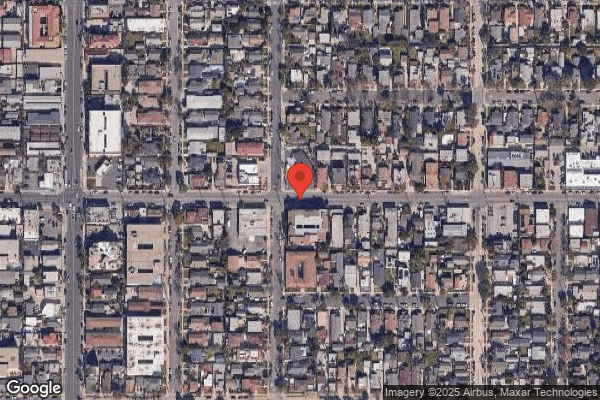
3901 E FOURTH STREET, LONG BEACH, CA 90814 (562) 434-8421
For profit - Limited Liability company 94 Beds THE ENSIGN GROUP Data: November 2025
Trust Grade
58/100
#277 of 1155 in CA
Last Inspection: November 2024

Within standard 12-15 month inspection cycle. Federal law requires annual inspections.

Overview

Alamitos Belmont Health and Rehabilitation has a Trust Grade of C, which means it is average-right in the middle of the pack for nursing homes. It ranks #277 out of 1,155 facilities in California, placing it in the top half, and #43 out of 369 in Los Angeles County, indicating that only a few local options perform better. The facility is showing improvement, having reduced its issues from 16 in 2024 to just 1 in 2025. Staffing is relatively strong, with a 4 out of 5 star rating and a turnover rate of 33%, which is below the state average, suggesting that staff members are likely to stay longer and be familiar with the residents. However, families should be aware that the facility has received $16,036 in fines, which is average for the area, and there have been serious incidents, including failing to manage a resident's pain medication properly, resulting in a resident suffering from severe pain, and errors in medication administration that exceeded acceptable limits. Overall, while there are positive aspects like good staffing and improvement trends, there are also significant concerns regarding medication management that families should consider.

Trust Score
C
58/100
In California
#277/1155
Top 23%
Safety Record
Moderate
Needs review
Inspections
Getting Better
16 → 1 violations
Staff Stability
○ Average
33% turnover. Near California's 48% average. Typical for the industry.
Penalties
✓ Good
$16,036 in fines. Lower than most California facilities. Relatively clean record.
Skilled Nurses
⚠ Watch
Each resident gets only 27 minutes of Registered Nurse (RN) attention daily — below average for California. Fewer RN minutes means fewer trained eyes watching for problems.
Violations
⚠ Watch
41 deficiencies on record. Higher than average. Multiple issues found across inspections.
★★★★☆
4.0
Overall Rating
★★★★☆
4.0
Staff Levels
★★★★★
5.0
Care Quality
★★★☆☆
3.0
Inspection Score
Stable
2024: 16 issues
2025: 1 issues

The Good

  • 4-Star Staffing Rating · Above-average nurse staffing levels
  • 5-Star Quality Measures · Strong clinical quality outcomes
  • Full Sprinkler Coverage · Fire safety systems throughout facility
  • No fines on record
  • Staff turnover below average (33%)

    15 points below California average of 48%

Facility shows strength in staffing levels, quality measures, fire safety.

The Bad

Staff Turnover: 33%

13pts below California avg (46%)

Typical for the industry

Federal Fines: $16,036

Below median ($33,413)

Minor penalties assessed

Chain: THE ENSIGN GROUP

Part of a multi-facility chain

Ask about local staffing decisions and management

The Ugly 41 deficiencies on record

2 actual harm
Jun 2025 1 deficiency
CONCERN (D) 📢 Someone Reported This

A family member, employee, or ombudsman was alarmed enough to file a formal complaint

Potential for Harm - no one hurt, but risky conditions existed

Deficiency F0627 (Tag F0627)

Could have caused harm · This affected 1 resident

**NOTE- TERMS IN BRACKETS HAVE BEEN EDITED TO PROTECT CONFIDENTIALITY** Based on interview and record review the facility failed to inform one of one sample resident ( Resident 1) that Resident 1's in...

Read full inspector narrative →
**NOTE- TERMS IN BRACKETS HAVE BEEN EDITED TO PROTECT CONFIDENTIALITY** Based on interview and record review the facility failed to inform one of one sample resident ( Resident 1) that Resident 1's insurance would not cover the cost of a board and care facility ( a small, residential setting that provides housing, meals, and personal care assistance to a limited number of residents). This deficient practice compromised Resident 1's ability to make an informed decision, potentially leading to financial hardship and psychosocial distress. Findings: During a review of Resident 1's admission Record, the admission Record indicated Resident 1 was admitted to the facility on [DATE] with diagnoses including hypertension ( high blood pressure) and repeated falls. During a review of Resident 73's History and Physical (H& P) dated 3/13/2025, indicated Resident 1 does have the ability to make own decisions. During a review of Resident 73's Minimum Data Set ([MDS] resident assessment tool) dated 6/6/2025, the MDS indicated Resident 1 required supervision or touching assistance (helper provides verbal cues and/or touching/steadying and/or contact guard assistance as resident completes activity) with toileting hygiene and personal hygiene. During a telephone interview on 6/17/2025 at 10:30 a.m. with Resident 1, Resident 1 stated that he was currently residing at the board and care facility. Resident 1 stated that he was informed of the location prior to his discharge from the facility by the Social Service Staff (SSS-unknown). Resident 1 stated that he asked SSS would his insurance pay for his stay at the board and care, SSS replied yes. Resident 1 stated that once he arrived at the board and care, he was informed by the business office that his social security check would be used to pay for his stay at the board and care. Resident 1 stated that he does not mind where he was currently residing, however he does wish that he was informed about his financial obligation prior to transferring so that he could have made an informed decision. Resident 1 stated that he had experienced psychosocial harm (stress and anxiety) from being discharged , because he does not receive enough money from his social security check to cover the entire amount and that he would have a share of cost (is a monthly amount individuals must pay towards their medical expenses before Medi-Cal begins to cover the remaining costs). Resident 1 stated that he would not like to return to the facility because he feels as though the facility did not want him there. During a concurrent interview and record review on 6/18/2025 at 9:08 a.m. with Social Service Director (SSD), the SSD stated that she was responsible for assisting residents with transfers and discharges. SSD stated that she had not explained to Resident 1 the cost of the board and care and that she should have explained the cost prior to the resident being discharged to the board and care. SSD stated Resident 1 had the right to be informed because he had been able to decide if he wanted to go there. SSD stated that she does not know why she did not explain the financial aspects prior to Resident 1's discharge. SSD stated that Resident 1 probably felt betrayed and upset. During an interview on 6/18/2025 at 9:54 a.m. with the Director of Nursing (DON), the DON stated that before residents were discharged or transferred to another facility, SSD should inform residents' with written notice, reason for the discharge, location, their appeal rights, and payment expectations. The DON stated the residents should be informed of all those things in order for them to be able to make an informed decision. The DON stated the Resident 1 probably felt upset. During an interview on 6/18/2025 at 10:30 a.m. with the Administrator (Admin), the Admin stated that the facility had been trying to find placement for Resident 1 and when the board and care facility accepted him that they acted immediately to discharge Resident 1. During a review of the facility's policy and procedure (P&P) titled Criteria for Transfer and Discharge, dated 4/2025, the P&P indicated, It is the policy of this Facility that each resident will remain in the facility and not be transferred or discharged unless the discharge or transfer is appropriate as per the existing criteria. When the Facility transfers or discharges a resident, the facility shall ensure that the transfer or discharge is documented in the resident's medical record and appropriate information is communicated to the receiving health care institution or provider.
Nov 2024 11 deficiencies
CONCERN (D)

Potential for Harm - no one hurt, but risky conditions existed

Notification of Changes (Tag F0580)

Could have caused harm · This affected 1 resident

**NOTE- TERMS IN BRACKETS HAVE BEEN EDITED TO PROTECT CONFIDENTIALITY** Based on observation, interview, and record review, the facility failed to ensure the nursing staff and physician were notified ...

Read full inspector narrative →
**NOTE- TERMS IN BRACKETS HAVE BEEN EDITED TO PROTECT CONFIDENTIALITY** Based on observation, interview, and record review, the facility failed to ensure the nursing staff and physician were notified in a timely manner when one out of six residents (Resident 47) presented with decreased range of motion (ROM- full movement potential of a joint) of the bilateral (both) ankles. As a result of this deficient practice, Resident 47 had a delay in services including being seen and evaluated by physical therapy (PT - profession aimed in the restoration, maintenance, and promotion of optimal physical function) to see what services he required. Findings: During a review of Resident 47's admission Record, the admission Record indicated Resident 47 was admitted to the facility on [DATE] with diagnoses of depression (mental illness that causes persistent feelings of sadness and loss of interest), Parkinson's Disease (a chronic brain disorder that causes movement problems, and can also affect mental health, sleep, and pain), and malignant neoplasm of the prostate (prostate cancer). During a review of Resident 47's untitled care plan, the care plan initiated 4/11/2024 indicated Resident 47 required assistance for positioning and ambulation due to limited mobility. The care plan goal was to maintain Resident 47's current level of function in mobility. On 11/14/2024 the care plan was updated to include bilateral ankle limitations in ROM. Interventions updated on 11/14/2024 requesting a physical therapy (PT) and occupational therapy (OT- profession that provides services to increase and/or maintain a person's capability to participate in everyday life activities) evaluation and Resident 47 being seen by the rehab physician (MD 3) on 11/14/2024 for evaluation. During a review of Resident 47's Joint Mobility Assessment (JMA - a diagnostic procedure that evaluates a joint's mobility and muscle strength) dated 8/13/2024, the JMA indicated Resident 47 did not have any ROM limitations (100% intact ROM) in any of his joints and to continue with the current RNA program. During a review of Resident 47's Order Summary Sheet, the Order Summary Sheet indicated Resident 47 had orders dated 9/11/2024 for Restorative Nursing Assistant (RNA - nursing aide program that helps residents maintain their function and joint mobility) orders for bilateral lower extremity (BLE-legs, ankles, and feet) and bilateral upper extremity (shoulders, arms, wrists, and hands), exercise bike as tolerated followed by ambulation (walking) in parallel bars (the bars provide support for patients who have difficulty standing or walking on their own) as tolerated three (3) times a week. During a review of Resident 47's minimum data set (MDS, a resident assessment tool) dated 9/19/2024, the MDS indicated Resident 47 was cognitively intact (a person was able to think, learn, remember, use judgment, and make decisions without significant impairment). The MDS indicated Resident 47 had no impairments in his lower extremities. During a review of Resident 47's Progress Note: type Restorative Nursing dated 10/18/2024, the note indicated Resident 47 was able to tolerate RNA treatment with maximum (full assistance by RNAs) assistance and there were no new changes to report. During a review of Resident 47's JMA dated 11/14/2024, the JMA indicated Resident 47 had minimum (75-100% of range intact) ROM limitations on his bilateral ankles. During an observation and concurrent interview on 11/13/2024 at 8:51 a.m., Resident 47 was laying in bed, his right ankle was observed inverted (opposite position, order, or arrangement from usual) in towards his left leg. Resident 47 attempted to move his feet and ankles but only slight movement was observed, Resident 47 was unable to make his right ankle straight. Resident 47 stated both his ankles are stiff, but his right ankle is slightly stiffer. Resident 47 stated it was torture when he had to stand up and walk during therapy because his ankles are stiff. Resident 47 stated he walks on his toes and facility staff tell him not to walk that way, but he physically can not put his feet flat on the floor. During an interview on 11/14/2024 at 2:08 p.m., restorative nursing assistant (RNA 1) stated around mid-October 2024 (unknown date) she noticed Resident 47's right ankle was tighter when he was trying to walk. RNA 1 stated she informed Physical Therapist (PT 1) about Resident 47's right ankle feeling tighter, but he no longer works at the facility, so she was not sure what he did with the information. RNA 1 stated she did not inform anyone from nursing about the increased stiffness because PT 1 was in the facility gym at the same time as herself and Resident 47 when she noticed the increased stiffness of the right ankle. During an interview on 11/14/2024 at 2:56 p.m., the director of rehab (DOR) stated she performed a JMA on Resident 47 on 11/14/2024 (same day as interview) and she noticed a change in Resident 47's ROM of his bilateral ankles. The DOR stated she was going to contact the physician to request an authorization for Physical Therapy (PT) and Occupational Therapy (OT). The DOR stated Resident 47 did have a decline in his bilateral ankle ROM since the last JMA (8/13/2024). The DOR stated, if an RNA noticed a decline in a resident's ROM, they were to inform rehab staff as well as nursing staff so the resident could be reassessed for new needs and services. The DOR stated the physician should be notified the same day a decline in ROM is identified. The DOR stated nursing and rehab has a meeting every month with the RNAs and RNA 1 did not mention the decline in Resident 47's ROM during the October meeting. The DOR stated if she knew about Resident 47's increased stiffness earlier, the physician could have been contacted sooner and she could have assessed for any new interventions therapy could work on for Resident 47. The DOR stated there was no record in Resident 47's chart that PT 1 had been informed about the decline in ROM. During an interview on 11/15/2024 at 11:57 a.m., the director of staff development (DSD) stated it was the responsibility of the RNAs to report any change of condition (COC) or decline in a resident's ROM to the rehab staff and nursing staff right away. The DSD stated the importance of reporting the decline right away was to ensure all the resident's needs were being met and ensure the physician was notified right away by either the rehab staff or nursing staff so they can place new order's if needed. During a review of the facility's Restorative Nursing Assistant (RNA) Job Description dated 12/17/2021, the job description indicated it was the responsibility of the RNA to inform the nurse supervisor or charge nurse of any changes in the resident's condition so that appropriate information can be entered on the resident's care plan. During a review of the facility's policy and procedure (P/P) titled Significant Change of Condition, Response dated 12/2023, the P/P indicated if, at any time it is recognized by any one of the team members that the condition or care needs of the resident have changed, the licensed nurse or nurse supervisor should be made aware. The P/P indicated an example of a change of condition was a change in the ability or decline in physical function. The P/P indicated the nurse was to notify appropriate departments for prompt evaluation and the physician was to be contacted in a timeframe that was based on the urgency of the situation.
CONCERN (D)

Potential for Harm - no one hurt, but risky conditions existed

PASARR Coordination (Tag F0644)

Could have caused harm · This affected 1 resident

**NOTE- TERMS IN BRACKETS HAVE BEEN EDITED TO PROTECT CONFIDENTIALITY** Based on interview and record review, the facility failed to follow up on a level 2 Preadmission Screening and Resident Review (...

Read full inspector narrative →
**NOTE- TERMS IN BRACKETS HAVE BEEN EDITED TO PROTECT CONFIDENTIALITY** Based on interview and record review, the facility failed to follow up on a level 2 Preadmission Screening and Resident Review (PASRR, Level 2 Evaluation helps determine the most appropriate placement of an individual, considering the least restrictive setting, and whether specialized services are needed) evaluation for one of six sampled residents (Resident 47) who had a diagnosis of depression (a mood disorder that can affect a person's thoughts, feelings, behavior, and sense of well-being). This deficient practice had the potential to cause a delay in services for Resident 47. Findings: During a review of Resident 47's admission Record, the admission Record indicated Resident 47 was admitted to the facility on [DATE] with diagnoses of depression, Parkinson's Disease (a chronic brain disorder that causes movement problems, and can also affect mental health, sleep, and pain), and malignant neoplasm of the prostate (prostate cancer). During a review of Resident 47's minimum data set (MDS-a resident assessment tool) dated 9/19/2024, the MDS indicated Resident 47 was cognitively intact (a person is able to think, learn, remember, use judgment, and make decisions without significant impairment) and was taking an antidepressant (a class of prescription medications that treat depression and other mental health conditions). During a review of Resident 47's PASRR Level I (involves completion of an evaluation to determine if an individual has, or is suspected of having, a PASRR condition, i.e., serious mental illness (SMI), intellectual disability (ID), developmental disability (DD), or related condition (RC)) Screening dated 10/5/2024, the PASRR Level 1 indicated Resident 47 was diagnosed with a serious Mental Illness (i.e., depression). The PASRR Level 1 was positive and indicated Resident 47 required a Level 2 PASRR. During a review of Resident 47's Notice of Attempted Evaluation letter (Level 2 PASSR) dated 10/5/2024, the evaluation letter indicated a level 2 PASRR was unable to be completed for evaluation of serious mental illness because facility staff were unresponsive to two or more attempts of communication within 48 hours of the level 1 PASRR. The evaluation letter indicated the case was closed and to reopen the case the facility needed to complete a new level 1 Screening. During an interview and concurrent record review on 11/15/2024 at 10:03 a.m., with the Director of Nursing (DON), Resident 47's Notice of Attempted Evaluation letter (Level 2 PASSR) dated 10/5/2024 was reviewed. The DON stated she supervised completing the level 1 PASRRs and receiving the determination letters for level 2 PASRRs. The DON reviewed Resident 47's level 2 PASRR Notice of Attempted Notification letter dated 10/5/2024 and stated the letter indicated the evaluation was unable to be completed. The DON stated she was unaware that there was an attempt to contact the facility for evaluation until this review. The DON stated the Medical Records department must have received the letter and uploaded it into the electronic medical record (EMR) but she was not informed so she did not follow up to complete a new level 1 screening to reopen the case. The DON stated the importance of a level 2 PASRR was to ensure the facility was meeting all of the resident's needs while in the facility. The DON stated the potential outcome of Resident 47 not receiving his level 2 PASRR evaluation right away was a delay in services if there were new recommendations upon completion of the evaluation. During a review of the facility's policy and procedure (P/P) titled Resident Assessment, PASRR) dated 12/2021, the P/P indicated It was the policy of this facility to ensure that each resident was properly screened using the PASRR specified by the State. Based upon the assessment, the facility was to ensure proper referral to appropriate state agencies for the provision of specialized services to residents with Serious Mental Illness.
CONCERN (D)

Potential for Harm - no one hurt, but risky conditions existed

Deficiency F0658 (Tag F0658)

Could have caused harm · This affected 1 resident

**NOTE- TERMS IN BRACKETS HAVE BEEN EDITED TO PROTECT CONFIDENTIALITY** Based on interview and record review the facility failed to ensure one of six sampled residents (Resident 8) received her Insuli...

Read full inspector narrative →
**NOTE- TERMS IN BRACKETS HAVE BEEN EDITED TO PROTECT CONFIDENTIALITY** Based on interview and record review the facility failed to ensure one of six sampled residents (Resident 8) received her Insulin (a medication that regulates blood sugar levels and is essential for life) as ordered by the physician. This deficient practice had the potential for Resident 8 to become hypoglycemic (occurs when blood sugar level drops too low). Findings: During a review of Resident 8's admission Record, the admission Record indicated Resident 8 was admitted to the facility on [DATE] with diagnoses of type 2 diabetes (a common condition that occurs when your body doesn't use insulin properly, resulting in high blood sugar levels) and chronic kidney disease (CKD, a long-term condition that occurs when the kidneys are damaged and can't filter blood properly. This can lead to a buildup of waste and excess fluid in the body). During a review of Resident 8's untitled care plan initiated 8/22/2024, the care plan indicated Resident 8 had diabetes with goals for Resident 8 to be free from any signs or symptoms of hypoglycemia. The interventions for Resident 8 included receiving diabetes medications as ordered by the doctor. During a review of Resident 8's minimum data set (MDS - a resident assessment tool) dated 8/26/2024, the MDS indicated Resident 8 had moderately impaired cognition (the mental process of acquiring knowledge and understanding through thought, experience, and the senses) and was receiving hypoglycemic (medications to lower sugar) agents including insulin. During a review of Resident 8's Order Summary Report, the Order Summary Report indicated the following orders were placed 9/28/2024: 1.) Insulin Glargine (is an injection that treats diabetes by increasing insulin levels in your body. This decreases your blood sugar) Solution 100 units/ milliliter (ml, a unit of measurement)- inject 14 units subcutaneously (situated or applied under the skin) one time a day at bedtime for diabetes. Hold if blood sugar is less than 150 milligrams (mg, a unit of measurement) per deciliter (dL, a unit of measurement) or if patient refused dinner. 2.) Insulin Glargine Solution 100 units/ml- inject 20 units subcutaneously one time a day (9 a.m.) for diabetes, hold if blood sugar is less than 150 mg/dL or if patient refused Breakfast. During a review of Resident 8's MAR for the month of 10/2024 and 11/2024 the following was indicated: 1.) Insulin Glargine 14 units at bedtime, hold if blood sugar was less than 150 mg/dL was given on the following dates with the following blood sugars: 10/7/2024, blood sugar 125, given in the abdomen (stomach) 10/17/2024, blood sugar 124, given in the abdomen. 2.) Insulin Glargine 20 units one time a day (9 a.m.), hold if blood sugar was less than 150 mg/ dL was given on the following dates with the following blood sugars: 10/3/2024, blood sugar 94mg/ dL, in the abdomen 10/4/2024, blood sugar 139mg/ dL, in the abdomen 10/13/2024, blood sugar 149 mg/dL, in the abdomen 10/18/2024, blood sugar 122 mg/dL, in the abdomen 10/19/2024, blood sugar 132 mg/dL, in the abdomen 10/26/2024, blood sugar 139 mg/dL, in the left arm 11/2/2024, blood sugar 141 mg/dL, in the abdomen During an interview and concurrent record review on 11/15/2024 at 10:41 a.m., with the director of nursing (DON), Resident 8's MAR was reviewed. The DON stated Resident 8 had physician's order for insulin Glargine (hold if blood sugar less than 150 mg/dL). The DON stated it was important to follow physician's parameters because it indicated if the medication was needed or not needed. The DON stated the parameters were a physician's order and it was important to follow physician's orders because they were there to prevent any adverse effects (an undesirable or harmful outcome) to the medication. The DON stated insulin was a high-risk medication (drugs that can cause significant harm or death to a patient if used incorrectly or misused) and could cause hypoglycemia. During a review of Resident 8's MAR for 10/2024 and 11/2024, the DON acknowledged that Insulin Glargine was given on the dates noted above when the blood sugar was less than 150 mg/dL. The DON stated giving Insulin Glargine below the parameters (insulin dosage based on blood sugar reading) given by the physician posed a risk for hypoglycemia, a change in mental status, jitters (shakiness), sweating, and the resident could lose consciousness. The DON stated the importance of following physician's orders was patient safety and her nurses were not following physician's orders by giving insulin Glargine to Resident 8 below the specified parameters. During a review of the facility's policy and procedure (P/P) titled Preparation and General Guidelines dated 10/2019, the P/P indicated the nurse was to administer medication in accordance with written orders of the attending physician.
CONCERN (D)

Potential for Harm - no one hurt, but risky conditions existed

Deficiency F0697 (Tag F0697)

Could have caused harm · This affected 1 resident

**NOTE- TERMS IN BRACKETS HAVE BEEN EDITED TO PROTECT CONFIDENTIALITY** Based on interview and record review, the facility failed to accurately assess, monitor the effectiveness of current pain manage...

Read full inspector narrative →
**NOTE- TERMS IN BRACKETS HAVE BEEN EDITED TO PROTECT CONFIDENTIALITY** Based on interview and record review, the facility failed to accurately assess, monitor the effectiveness of current pain management, and reassess the pain for one of six sampled residents (Resident 47) who was receiving pain medications. This deficient practice had the potential for resident 47 to experience unnecessary pain. Findings: During a review of Resident 47's admission Record, the admission Record indicated Resident 47 was admitted to the facility on [DATE] with diagnoses of depression (a mental illness that causes persistent sadness and loss of interest), Parkinson's Disease (a chronic brain disorder that causes movement problems, and can also affect mental health, sleep, and pain), and malignant neoplasm of the prostate (prostate cancer). During a review of Resident 47's Order Summary Sheet, Resident 47 had an order placed on 11/2/2023 for Percocet (a pain medication that can treat moderate to moderately severe pain) 5-325 milligrams (mg, a unit of measurement) oral tablet give 2 tablets by mouth twice a day for pain management. An order was placed on 9/17/2024 for Tylenol (a pain medication, that treats minor aches and pains) oral tablet 325 mg (give 2 tablets= 650 mg) by mouth one time a day for pain management. The Order Summary Sheet indicated an order for pain management consult was ordered on 11/14/2024 with the Rehabilitation (a medical specialty that helps patients regain their independence after an injury or illness) physician (MD 3) with new orders post evaluation on 11/14/2024 for Cyclobenzaprine HCl (muscle relaxer, used with rest, physical therapy, and other measures to relax muscles and relieve pain and discomfort caused by strains, sprains, and other muscle injuries.) tablet 5mg give 0.5 tablet (2.5 mg) by mouth twice a day for muscle pain for 21 days, and gabapentin (treats nerve pain) oral capsule 100 mg, give 2 capsules (200mg) by mouth three times a day for pain management. During a review of Resident 47's untitled care plan initiated on 3/30/2024 and updated on 11/14/2024, the care plan indicated Resident 47 had acute (a short-term pain that has a known cause, such as an injury, surgery, or infection) and chronic (persistent pain that lasts longer than 3 to 6 months, or beyond the typical recovery time for an injury or health condition) pain of the back, spine, and left hip. The care plan indicated pain was not relieved by current pain medications. The goals for Resident 47 included Resident 47 voicing adequate relief of pain or the ability to cope with incompletely relieved pain. Interventions for Resident 47 included evaluating the effectiveness of pain medications, follow the pain scale (a tool that helps people describe how much pain they are feeling), to medicate as ordered, and monitor and record pain characteristics (quality, severity, location, onset, duration, aggravating factors, and relieving factors). During a review of Resident 47's minimum data set (MDS, a resident assessment tool) dated 9/19/2024, the MDS indicated Resident 47 was cognitively intact (a person was able to think, learn, remember, use judgment, and make decisions without significant impairment). During a review of Resident 47's Medication Administration Record (MAR) for the month of 11/2024, the MAR indicated the following pain follow up codes, U= unknown, I= ineffective, and E= Effective. The following was documented in the MAR: 1.) Resident 47 received Tylenol 650 mg one time a day on 8 occasions and the effectiveness was Unknown between 11/1/2024 and 11/14/2024. 2.) Resident 47's pain level on a scale of 1-10 (0= no pain, 1-3 mild pain, 4-6 moderate pain, 7-10= severe pain) was documented daily, every shift (3 times a day) as 0, no pain from 11/1/2024 through 11/14/2024. 3.) Resident 47 was given Percocet 5-325 mg (2 tablets) twice daily every day from 11/1/2024 through 11/14/2024, with a documented pain level of 0 and there was no record in the MAR that Resident 47 was reevaluated for pain after the pain medication was given. 4.) Resident 47's MAR did not indicate his pain characteristics were being monitored. During a review of Resident 47's progress notes- nursing note dated 11/14/2024, the progress note indicated Resident 47 was assessed for pain and reported the Percocet he had been receiving only brings his pain down to a pain level of 3 (pain scale 0-10, 0 being no pain and 10 being most severe pain you can experience). Resident's physician (MD 2) was informed of the pain level and ordered for Resident 47 to be seen and evaluated by MD 3. During a review of Resident 47's pain management review dated 11/14/2024, the review indicated Resident 47 had a change of condition related to pain, his pain during a review was a 10 out of 10 and Resident 47 endorsed almost constant pain during the 5 days prior to the pain management review. Resident 47 complained of back pain, bone pain, neck pain, and joint pain during all hours of the day. During an interview on 11/13/2024 at 8:54 a.m., Resident 47 stated he experienced extreme pain (8-10) while he walked with the Restorative Nursing Assistant (RNA - nursing aide program that helps residents maintain their function and joint mobility)s and suffered from chronic back pain. During an interview on 11/14/2024 at 1:45 p.m., Resident 47 stated the nurses gave him his pain medication because it was scheduled but never asked him his pain level or where his pain was and never came back after his pain medication was given to see if he was still in pain. During an interview on 11/14/2024 at 3:47 p.m., Resident 47 stated a pain specialist (MD 3) came to see him that day and he thought that was weird because he had been complaining of pain since he arrived at the facility, and it was the first time he was offered to see a pain specialist. During an interview and concurrent record review of Resident 47's MAR on 11/15/2024 at 11:57 p.m., the director of staff development (DSD) stated nurses were only documenting the pain score (0-10) in the MAR and not the characteristics of pain. The DSD stated Resident 47 was receiving Percocet pain medication twice daily which is usually used for severe pain with a documented pain scale of 0. The DSD stated the physician (MD 2) should have been notified if Resident 47's pain level was constantly 0 for reevaluation of pain medications. The DSD stated there was no reevaluation for pain in Resident 47's chart after pain medication was given and Resident 47 should have had an evaluation 30 minutes to 1 hour from when he received the pain medication. The DSD stated if it was not documented in the chart, it was not done. The DSD stated the nurses were not documenting a full pain assessment that included pain characteristics per Resident 47's care plan. The DSD stated an accurate pain assessment was important to see if the resident needed the pain medication and to evaluate if the resident's current pain regimen was effective. The DSD stated pain reassessment was important to ensure the pain medication given was effective. During an interview on 11/15/2024 at 12:23 p.m., Resident 47 stated he felt so much better today and the muscle relaxer (Cyclobenzaprine) they gave him was helping his joints feel less stiff and overall, his body felt better. Resident 47 expressed that he finally felt better that the facility was paying attention to him because he was seen by MD 3 for pain. Resident 47 stated the nurse that gave his pain medication that morning (licensed vocational nurse- LVN 3) asked a lot of questions about his pain prior to receiving the medication and came back after the medication was given to see if it was effective and that was the first time the nurse had done that. During an interview on 11/15/2024 at 12:28 p.m., LVN 3 stated prior to 11/14/2024, Resident 47 would request more Percocet but did not report pain and it was more of a routine for him. LVN 3 stated Resident 47 did not have a physician's order to reassess pain, but they should have been reassessing pain within the hour that the medication was given. LVN 3 stated they did not document the characteristics of pain because it was a chronic pain, and they would only document the characteristics of pain if there were any abnormalities or changes in pain. During a review of the facility's policy and procedure (P/P) titled Pain Recognition and Management dated 12/2023, the P/P indicated the pain medication received, refused and the response to the medication was to be documented in the resident's MAR. The P/P indicated if the pain management program was not effective, the licensed nurse was to contact the resident's physician.
CONCERN (D)

Potential for Harm - no one hurt, but risky conditions existed

Deficiency F0760 (Tag F0760)

Could have caused harm · This affected 1 resident

**NOTE- TERMS IN BRACKETS HAVE BEEN EDITED TO PROTECT CONFIDENTIALITY** Cross Reference: F658 Based on interview and record review, the facility failed to ensure one out of six sampled residents (Resi...

Read full inspector narrative →
**NOTE- TERMS IN BRACKETS HAVE BEEN EDITED TO PROTECT CONFIDENTIALITY** Cross Reference: F658 Based on interview and record review, the facility failed to ensure one out of six sampled residents (Resident 8) was free from a significant medication error by failing to follow the physician's ordered parameters (specific instructions) when administering insulin (a hormone medication that regulates blood sugar levels and is essential for life). This deficient practice had the potential for Resident 8 to become hypoglycemic (occurs when your blood sugar level drops too low). Findings: During a review of Resident 8's admission Record, the admission Record indicated Resident 8 was admitted to the facility on [DATE] with diagnoses of type 2 diabetes (a common condition that occurs when your body doesn't use insulin properly, resulting in high blood sugar levels) and chronic kidney disease (CKD, a long-term condition that occurs when the kidneys are damaged and can't filter blood properly. This can lead to a buildup of waste and excess fluid in the body). During a review of Resident 8's care plan initiated on 8/22/2024, the care plan indicated Resident 8 had diabetes with goals for Resident 8 to be free from any signs or symptoms of hypoglycemia. Interventions for Resident 8 included receiving diabetes medications as ordered by the doctor. During a review of Resident 8's minimum data set (MDS, a resident assessment tool) dated 8/26/2024, the MDS indicated Resident 8 had moderately impaired cognition (the mental process of acquiring knowledge and understanding through thought, experience, and the senses) and was receiving hypoglycemic (medications to lower sugar) agents including insulin. During a review of Resident 8's Order Summary Report, the Order Summary Report indicated the following orders were placed on 9/28/2024: 1.) Insulin Glargine (is an injection that treats diabetes by increasing insulin levels in your body. This decreases your blood sugar) Solution 100 units/ milliliter (ml, a unit of measurement)- inject 14 units subcutaneously (situated or applied under the skin) one time a day at bedtime for diabetes. Hold if blood sugar is less than 150 milligrams (mg, a unit of measurement) per deciliter (dL, a unit of measurement) or if patient refused dinner. 2.) Insulin Glargine Solution 100 units/ml- inject 20 units subcutaneously one time a day (9 a.m.) for diabetes, hold if blood sugar is less than 150 mg/dL or if patient refused Breakfast. During a review of Resident 8's MAR for the month of 10/2024 and 11/2024 the following was indicated: 1.) Insulin Glargine 14 units at bedtime, hold if blood sugar was less than 150 mg/dL was given on the following dates with the following blood sugars: 10/7/2024, blood sugar 125, given in the abdomen (stomach) 10/17/2024, blood sugar 124, given in the abdomen 2.) Insulin Glargine 20 units one time a day (9 a.m.), hold if blood sugar was less than 150 mg/ dL was given on the following dates with the following blood sugars: 10/3/2024, blood sugar 94mg/ dL, in the abdomen 10/4/2024, blood sugar 139mg/ dL, in the abdomen 10/13/2024, blood sugar 149 mg/dL, in the abdomen 10/18/2024, blood sugar 122 mg/dL, in the abdomen 10/19/2024, blood sugar 132 mg/dL, in the abdomen 10/26/2024, blood sugar 139 mg/dL, in the left arm 11/2/2024, blood sugar 141 mg/dL, in the abdomen During an interview and concurrent record review on 11/15/2024 at 10:41 a.m., with the director of nursing (DON), of Resident 8's MAR was reviewed. The DON stated Resident 8 had physician's parameters (insulin administration dosage based on blood sugar levels) for insulin Glargine (hold if blood sugar less than 150 mg/dL). The DON stated it was important to follow physician's parameters because it indicated if the medication was needed or not needed. The DON stated the parameters were a physician's order and it was important to follow physician's orders because they were there to prevent any adverse effects (an undesirable or harmful outcome) to the medication. The DON stated insulin was a high-risk medication (drugs that can cause significant harm or death to a patient if used incorrectly or misused) and could cause hypoglycemia. During a review of Resident 8's MAR for 10/2024 and 11/2024, the DON acknowledged that Insulin Glargine was given on the dates noted above when the blood sugar was less than 150 mg/dL. The DON stated giving Insulin Glargine below the parameters given by the physician posed a risk for hypoglycemia, change in mental status, jitters (shakiness), sweating, and loss of consciousness. The DON stated the importance of following physician's orders was patient safety and her nurses were not following physician's orders by giving insulin Glargine below the specified parameters. During a review of the facility's policy and procedure (P/P) titled Preparation and General Guidelines dated 10/2019, the P/P indicated the nurse was to administer medication in accordance with written orders of the attending physician.
CONCERN (E)

Potential for Harm - no one hurt, but risky conditions existed

Menu Adequacy (Tag F0803)

Could have caused harm · This affected multiple residents

Based on observation, interview, and record review the facility failed to follow the menu and did not meet the nutritional needs of 46 of 81 residents on regular texture diets (diets with no restricti...

Read full inspector narrative →
Based on observation, interview, and record review the facility failed to follow the menu and did not meet the nutritional needs of 46 of 81 residents on regular texture diets (diets with no restriction) when the residents did not receive three (3) ounce ([oz] unit of measurement) portions. This failure had the potential to result in decreased intake of nutrients resulting in unintended (not done on purpose) weight loss. Findings: During a review of the facility's daily spreadsheet titled Menus Cycle 4, dated 11/12/2024, the spreadsheet indicated residents on regular diet textures would get 3 oz of Meatloaf. During an observation on 11/12/2024 at 11:03 a.m., at the tray-line area (an area where meals were assembled on the trays), the meatloaf on the steam table varied in portion sizes. During a concurrent observation and interview on 11/12/2024 at 11:13 a.m., with [NAME] 1, [NAME] 1 weighed random pieces of meatloaf using the facility food scale. [NAME] 1 stated the first piece of meatloaf was 2.6 oz, the second piece was 3.6 oz, and the last piece was 2.5 oz. [NAME] 1 stated the portion size of the meatloaf should be 2 oz and she weighed the meatloaf once and increased the portion sizes because there were too many complaints from the residents that the portions were small. During an interview on 11/12/2024 at 11:20 a.m., with [NAME] 1, [NAME] 1 stated the portion sizes for meatloaf was 3 oz and not 2 oz after checking the menu spreadsheets. During an interview on 11/12/2024 at 11:25 a.m., with the Dietary Supervisor (DS), the DS stated the staff referred to menu spreadsheet to check the correct portion sizes of the food served in tray-line. The DS stated it was not okay for the meatloaf to be inaccurate in portion size and staff needed to follow the spreadsheet to ensure residents were getting an adequate amount of nutrition. During an interview on 11/12/2024 at 11:54 a.m., with the Registered Dietitian (RD), the RD stated it was important to check and follow the menu spreadsheet for portion sizes of the food to ensure they were providing adequate nutrition to the residents. The RD stated residents who got lesser portions would not get adequate nutrition which could lead to weight loss and residents who got bigger than recommended portions could gain weight as a potential outcome. During a review of the facility's standardized recipe titled Meatloaf (S-B/T), undated, the standardized recipe indicated Suggested portion size: 3 oz. Procedure: Slice into 3 oz portions. Top with gravy. (Should get 20 portions per pan). During a review of the facility's Policies and Procedures (P&P) titled Food Preparation, dated 2023, the P&P indicated, Procedure: (1) The facility will use approved recipes, standardized to meet the resident census. This count is kept current so that an accurate amount of food is prepared. (2) Recipes are specific as to portion yield, method of preparation, quantities of ingredients, and time and temperature guidelines. During a review of the facility's P&P titled Portion Control, dated 2023, the P&P indicated, Policy: To provide specific portion control information. Procedure: To be sure portions served equal sizes listed on the menu, portion control equipment must be used. A variety of portion control equipment should be available and utilized by employes portioning food. (3) A diet scale should be used to weigh meats. A scale that will weigh over two pounds or less accurate for weighing food in ounces. It is not always necessary to weigh every slice of meat, but test weighing should be done periodically to ensure accuracy.
CONCERN (E)

Potential for Harm - no one hurt, but risky conditions existed

Deficiency F0804 (Tag F0804)

Could have caused harm · This affected multiple residents

**NOTE- TERMS IN BRACKETS HAVE BEEN EDITED TO PROTECT CONFIDENTIALITY** Based on observation, interview, and record review, the facility failed to prepare food by methods that conserved flavor and app...

Read full inspector narrative →
**NOTE- TERMS IN BRACKETS HAVE BEEN EDITED TO PROTECT CONFIDENTIALITY** Based on observation, interview, and record review, the facility failed to prepare food by methods that conserved flavor and appearance when: a. The buttered carrots had no butter flavor. b. The mashed potatoes were bland in taste and had no flavor. This failure had the potential to result in 80 of 81 facility residents, getting food from the kitchen including Residents 27, 42,78, and 82 at risk of unplanned weight loss, a consequence of poor food intake. Findings: During a review of Resident 42's admission Record, the admission record indicated the facility admitted Resident 42 on 10/17/2024 with diagnoses including, but not limited to, chronic kidney disease ([CKD] a long term condition where the kidneys are damaged and cannot filter blood properly), chronic obstructive pulmonary disease ([COPD] a common lung disease that makes it difficult to breathe and protein-calorie malnutrition (a nutritional status where the body is lacking nutrients leading changes in the body composition and functions). During a review of Resident 42's Minimum Data Set (MDS, a resident assessment tool), dated 10/23/2024, the MDS indicated Resident 42' cognition (process of thinking and reasoning) was moderately intact for daily decision making. The MDS indicated Resident 42 required partial or moderate assistance (helper does less than half the effort) when eating. During a review of Resident 42's Order Summary Report, dated 11/3/2024, the order summary report indicated an order for a fortified (adding food items on the tray to provide additional nutrients) diet, no added salt([NAS] no salt packet served on the tray) with regular texture and thin liquid (fluids with no restriction) consistency. During an interview on 11/12/2024 at 11:44 a.m., with Resident 42, Resident 42 stated the food was bland. During a review of Resident 82's admission Record, the admission record indicated the facility admitted Resident 82 on 10/16/2024 with diagnoses including, but not limited to, dysphagia (difficulty swallowing), and protein calorie malnutrition. During a review of Resident 82's MDS, dated [DATE], the MDS indicated Resident 82 was able to understand and make decisions. The MDS indicated Resident 82 required set up and clean-up assistance when eating. During a review of Resident 82's Order Summary Report, dated 11/5/2024, the order summary report indicated Resident 82 was ordered NAS, mechanical soft chopped texture (foods that are soft and easy to chew), thin liquid consistency diet. During an interview on 11/12/2024 at 11:44 a.m., with Resident 82, Resident 82 stated the food was horrible. During a review of Resident 78's admission Record, the admission record indicated the facility admitted Resident 78 on 8/30/2024 with diagnoses including, but not limited to, chronic systolic (congestive) heart failure (a serious condition that occurs when heart cannot pump enough blood to meet the body's needs), acute respiratory failure ([ARF], a serious medical condition occurs when the body's is unable to provide enough oxygen to the blood and organs or remove enough carbon dioxide from the body) and ascites (a condition where fluid builds up in the abdomen that covers the abdominal organs.). During a review of Resident 78's MDS, dated [DATE], the MDS indicated Resident 78 was able to understand and make decisions. The MDS indicated Resident 78 required set up and clean-up assistance when eating. During a review of Resident 78's Order Summary Report, dated 8/30/2024, the order summary report indicated an order for NAS, regular texture, thin liquids diet. During an interview on 11/12/2024 at 10:19 a.m., with Resident 78, Resident 78 stated the food sucks and it's like poison. Resident 78 stated the kitchen offered alternative like sandwiches, but it was not good. During a review of Resident 27's admission Record, the admission record indicated the facility admitted Resident 27 on 10/5/2024 with diagnoses including, but not limited to, dysphagia, obstructive and reflux uropathy (a blockage in the urinary tract that prevents urine from draining causing it to back up into the kidneys), and essential hypertension ([HTN] high blood pressure). During a review of Resident 27's MDS, dated [DATE], the MDS indicated Resident 27 was not able to understand and make decisions. The MDS indicated Resident 27 required set up and clean-up assistance when eating. During a review of Resident 27's Order Summary Report, dated 10/5/2024, the order summary report indicated an order for a NAS, regular texture, thin liquid consistency diet. During an interview on 11/12/2024 at 10:25 a.m., with Resident 27, Resident 27 stated the food was not good. During a review of the facility's daily spreadsheet titled Menus Cycle 4, 2024 dated 11/12/2024, the spreadsheet indicated residents on regular diet (diet with no restriction) and NAS would get the following food items: Meatloaf four (4) ounces (oz, unit measurement) Mashed potato half (1/2) cup (cup, household measurement) Gravy Buttered carrots ½ c Roll 1 each Margarine 1 each Winter fruit cup 3 ¼ oz Beverage 8 oz During a concurrent observation and interview on 11/12/2024 at 12:20 p.m., of the test tray (a process of checking the temperature, tasting, and evaluating the quality of food) with the Dietary Supervisor (DS) and Registered Dietitian (RD), the DS stated the buttered carrots did not seem to have a butter flavor and the mashed potatoes were bland in taste. The DS stated the cook maybe did not follow the recipe. The DS stated the residents may not eat the food and would not be happy with the food if was not flavorful. During a review of the facility's Policies and Procedures (P&P) titled Food Preparation, dated 7/19/2024, the P&P indicated, POLICY: Food shall be prepared by methods that conserve nutritive value, flavor, and appearance. PROCEDURE: (1) The facility will use approved recipes, standardized to meet the resident census. (3) Prepared food will be sampled. The Food and Nutrition Services employee who prepares the food will sample it to be sure the food has a satisfactory flavor and consistency. Use a clean spoon or put a small portion of the food in a dish and taste from the dish. (4) Poorly prepared food will not be served-such food is to either be improved, prepared again, or replaced with an appropriate substitution. Note that increased amounts of herbs and spices (not salt) may be added, since potency of products may vary. During a review of the facility's standardized recipe titled Buttered Carrots, undated, the standardized recipe indicated Ingredients: sliced carrots, salt, black pepper, melted margarine. If using butter buds instead of margarine: prepare the butter buds liquid by combining the warm water with the butter buds. Mix well. During a review of the facility's standardized recipe titled Mashed Potatoes, undated, the standardized recipe indicated Ingredients: water, potato pearl, margarine, salt, black pepper.
CONCERN (E)

Potential for Harm - no one hurt, but risky conditions existed

Deficiency F0805 (Tag F0805)

Could have caused harm · This affected multiple residents

Based on observation, interview and record review, the facility failed to prepare foods in a form designed to meet individual needs when residents on puree level four (4) diet (diet consisted of food ...

Read full inspector narrative →
Based on observation, interview and record review, the facility failed to prepare foods in a form designed to meet individual needs when residents on puree level four (4) diet (diet consisted of food that are soft with pudding like consistency) received meatloaf that could not hold its shape and puree carrot were weeping water. This failure had the potential to result in coughing, choking (to keep from breathing the normal way) and death for eight (8) of 81 residents on the puree diet. Findings: During a review of the facility's daily spreadsheet titled Menu Cycle 4, dated 11/12/2024, the spreadsheet indicated residents' meals on puree level 4 diet would include the following foods on the tray: Puree meatloaf half (1/2) cup ([c] household measurement) Mashed potato with gravy ½ c Puree buttered carrots 1/3 c Puree bread 1 piece (pc) Margarine 1 pc. Puree winter fruit cup 1/3 c Beverage 8 oz. During a concurrent observation and interview on 11/12/2024 at 10:31 a.m., with [NAME] 1 in the tray-line (an area where foods were assembled on the trays) area, [NAME] 1 stated she already prepared the puree foods. The puree carrots in the steamtable appeared watery with a runny consistency and the puree meat looked like it would not hold its shape. During a concurrent observation and interview on 11/12/2024 at 12:27 p.m., with Dietary Supervisor (DS) and Registered Dietitian (RD), of the test tray (a process of checking the temperature, tasting, and evaluating the quality of food), the DS stated the puree meatloaf was spread out on the plate while the other puree food held its shape. The DS then read the diet manual definition of puree diet and stated, puree diet should be lump free, not firm and sticky, should hold it shape in place and no liquids seeping from the food. The DS stated the puree meatloaf did not hold its shape on the plate and there was liquid coming out from the puree carrots. The RD stated the puree diets are for residents with dysphagia (difficulty swallowing) and for those without teeth. The RD stated residents could aspirate (when something you swallowed enters the airways and lungs) especially for those residents with difficulty swallowing as a potential outcome of eating foods that were no prepared in the proper textures. The RD stated another potential outcome is that residents may not enjoy their food. During an interview on 11/13/2024 at 1:35 p.m., with [NAME] 1, [NAME] 1 stated puree food was a difficult texture to make and the meat was always watery. During a review of the facility's Diet Manual titled Dysphagia Diets, Puree IDDSI Level 4, dated 1/2022, the diet manual indicated Definition: A diet used in the dietary management of dysphagia with the food texture prepared lump-free, not firm or sticky ad holds its shape on the plate. The diet requires no biting or chewing. Any liquids must not separate from the food and the food can fall off a spoon a spoon intact. The food is more easily swallowed and prevents aspiration. All prepared pureed recipes should be tested prior to service to ensure the texture meets the International Dysphagia Diet Standardization Initiative ([IDDSI] a framework for categorizing food textures and drink thickness) guidelines. During a review of the facility's recipe titled Meatloaf (S-B/T) not dated, the recipe indicated, Puree: Place portion needed from regular prepare recipe into a food processor process to a fine texture. For every five portions needed, prepare a slurry with 1 tablespoon thickener and ½ cup hot liquid. Mix well with a wire whip. Add ½ of the slurry to the meat. Process for 1 minute. If too dry, add more slurry until meat is pudding consistency. During a review of the facility's recipe titled Buttered Carrots not dated, the recipe indicated, Puree: take drained portions needed from regular prepared recipe and place in a food processor. Process until fine. For every 5 portions, add 3 tablespoon thickener and ¼ cup liquid. Process until smooth, scrape down sides of the bowl. Reprocess 30 second. Reheat to 165°F and serve with #12 scoop. During a review of IDSSI website titled IDDSI dated 7/2019, the IDSSI website indicated, Level 4 Pureed is usually eaten with spoon, falls off spoon in a single spoonful when tilted and continues to hold shape on the plate, no lumps, not sticky, and liquid must not separate from solid.
CONCERN (E)

Potential for Harm - no one hurt, but risky conditions existed

Food Safety (Tag F0812)

Could have caused harm · This affected multiple residents

**NOTE- TERMS IN BRACKETS HAVE BEEN EDITED TO PROTECT CONFIDENTIALITY** Based on observation, interview, and record review, the facility failed to ensure safe and sanitary food storage and food prepar...

Read full inspector narrative →
**NOTE- TERMS IN BRACKETS HAVE BEEN EDITED TO PROTECT CONFIDENTIALITY** Based on observation, interview, and record review, the facility failed to ensure safe and sanitary food storage and food preparation practices in the kitchen when: a. Staff improperly labeled food products. 1. Jello was not labeled with product name. 2. Dry potato was improperly labeled. 3. Resident's food from outside was not labeled with the resident's name. b. Three (3) dented cans were stored with non-dented cans. c. There was chipped, cracked, and rusted kitchen utensils and equipment. 1. Chopping boards had scratches and had sauce splatter stored in the clean area. 2. Fruit cutter had rust. 3. Potato container cover had chips. 4. Can opener had chips. 5. 48 of 48 resident's tray were cracked. d. Kitchen equipment and food preparation surfaces were not cleaned and sanitized. 1. Clean area for storing pots and pans had crumbs and food particles. 2. Pans had food residue, spill and burnt surfaces. 3. Toaster had breadcrumbs residue. 4. Tray-line (an area where foods were assembled on the trays) top had rust and brown dirt particles. 5. Microwave had food splatter and dry sauces. e. Cook did not check the food temperature prior to tray-line service. f. Mashed potato in the steamtable was 125 degrees Fahrenheit ([°F] a scale of temperature). g. Staff did not perform hand hygiene. 1. Cook touched the garbage cover then put on new gloves. 2. Cook picked up a paper towel off the floor then proceeded plating food in tray-line. 3. Staff picked up two pieces of paper towel off the floor then proceeded working. h. Resident's freezer temperature was not monitored and checked. These failures had the potential to result in harmful bacteria growth and cross contamination (transfer of harmful bacteria from one place to another) that could lead to foodborne illness (a disease caused by consuming food or drinks that are contaminated by germs or chemicals) in 80 of 81 medically compromised residents who received food and ice from the kitchen. Findings: a. 1. During an observation on 11/12/2024 at 8:42 a.m., of the reach-in freezer, a green food item was not labeled with name. During an interview on 11/12/2024 at 9:11 a.m., with the Dietary Supervisor (DS), the DS stated their process of labeling and dating foods were as follows: (1) Label with product name. (2) Label with the date the product was made. (3) Label with expiration date. The DS stated they label food with the product name so that cooks could identify the food items and they label it with the date so that the staff could know the shelf life (length of time which a food item remains usable) of the product. The DS stated if food was not labeled with product name, the staff would not know the food product and could cause cross-contamination as a potential outcome to residents. 2. During an observation on 11/13/2024 at 9:27 a.m., of the dry potato container, the label indicated a use by date of 11/11/2024 and an expiration date of 11/9/2024. During an interview on 11/13/2024 at 9:55 a.m. with the DS, the DS stated the dry potato label was a typographical error and the expiration year was 2025 instead of 2024. 3. During a concurrent observation and interview on 11/13/2024 at 10:24 a.m. with Licensed Professional Nurse 1 (LVN 1), LVN 1 stated the residents' food inside the Resident Refrigerator was not labeled with the resident's name that the food item belonged to. LVN 1 stated it was important to label outside food with resident's name to make sure they were giving the right food to the right resident to comply with diets and food allergies. LVN 1 stated potential outcome to the residents could be allergic reactions and incorrect diets given to the residents. During a review of facility's Policies and Procedures (P&P) titled Labeling and Dating of Foods, dated 2023, the P&P indicated, POLICY: All food items in the storeroom, refrigerator, and freezer need to be labeled and dated based on established procedures for either food safety or product rotation (FIFO- First In-First Out). Once daily, the PM cook and or PM diet aide will be responsible to inspect the refrigerators and discard perishable foods that are TCS in order to ensure food safety. Working containers holding food or food ingredients that are removed from their original packages for use in the food facility, such as cooking oils, flour, herbs, potato flakes, salt, spices, and sugar, shall be identified with common name of the food, except that containers holding food that can be readily and unmistakably recognized, such as dry pasta, need not be identified. During a review of facility's Policies and Procedures (P&P) titled Foods Brought by Family or Visitors, dated 7/21/2023, the P&P indicated It is the policy of the facility that food(s) brought to a resident by family/visitors must be accepted by the resident; inspected before facility storage and stored and served in accordance with food safety professional standards. The use of outside foods is a possible intervention for residents with low intake, distinct food preferences, cultural/ethnic preferences, etc. This intervention preserves the resident right to self-determination as much as possible. (5) Resident food shall be stored in the following locations: Resident refrigerator or in the kitchen. Resident food stored in the facility kitchen will be easily distinguishable from facility food. All foods shall be labeled with the resident name, location, and date. During a review of Food Code 2022, the Food Code 2022 indicated, 3-501.17 Commercially processed food, open and hold cold, (B) except specified in (E) - (G) of this section, refrigerated, ready-to-eat time/temperature control for food safety food prepared and packed by a food processing plant shall be clearly marked, at the time the original container is opened in a food establishment and if the food is held for more than 24 hours, to indicate the date or day by which the food shall be consumed on the premises, sold, or discarded, based on the temperature and time combinations specified in (A) of this section and (1) The day the original container is opened in the food establishment shall be counted as Day 1; and (2) The day or date marked by the food establishment may not exceed a manufacture's use-by- date if the manufacturer determined the use-by date based on food safety. b.During a concurrent observation and interview on 11/12/2024 at 9:50 a.m. in the dry storage room with the DS, there were three (3) dented cans stored with the undented cans. The DS stated they separated dented cans in a designated area as dented cans could get a hole that the naked eye could not see and spoil, and it was bad for resident's consumption and residents could get sick from botulism (a rare but serious illness that occurs when the body's nervous system is attacked by a toxin produced by the bacteria). During a review of facility's P&P titled Food Storage-Dented Cans, dated 2023, the P&P indicated, POLICY: Food in unlabeled, rusty, leaking, broken containers or cans with side seam dents, rim dents, or swells shall not be retained or used by the facility. PROCEDURE: All dented cans (defined as side seam or rim dents) and rusty cans are to be separated from remaining stock and placed in a specified labeled area for return to purveyor for refund. All leaking cans are to be disposed immediately. During a review of Food Code 2022, the Food Code 2022 indicated, 3-101.11 Safe Unadulterated, and Honestly Presented. Food shall be safe, unadulterated, and, as specified under 3-601.12, honestly presented. 3-201.11 Compliance with Food Law. A primary line of defense ensuring that food meets the requirements of §3-101.11 is to obtain food from approved sources, the implications of which are discussed below. However, it is also critical to monitor food products to ensure that, after harvesting, processing, they do not fail victim to conditions that endanger their safety, make them adulterated, or compromise their honest presentation. The regulatory community, industry, and consumers should exercise vigilance in controlling the conditions to which foods are subjected and be alert to signs of abuse. FDA considers food in hermetically sealed containers that are swelled or leaking to be adulterated and actionable under the Federal Food, Drug, and Cosmetic Act. Depending on the circumstances, rusted, and pitted or dented cans may also present a serious potential hazard. c.During an observation on 11/12/2024 at 10:10 a.m., the chopping boards had scratches with dried up sauce spilled, the large white chopping board was chipped, the fruit slicer had rust and the container cover for the potatoes was chipped. 1.2.3. During a concurrent observation and interview on 11/12/2024 at 12:40 p.m., with the DS, the DS stated the chopping boards had scratches, and the potato container cover had cracks. The DS stated it was not okay to have kitchen equipment with cracks and scratches as the cracked pieces could get in the food and it would be a cross-contamination issue. The DS stated the slicer looked rusted, needed to be thrown away and should not be used in the kitchen due to cross-contamination. The DS stated the large chopping boards had chips and stains. The DS stated the large chopping boards should not be used and needed to be replaced. 4. During an observation on 11/13/2024 at 9:18 a.m., of the can opener, the can opener metal shelving had a chip. 5. During an observation on 11/13/2024 at 9:33 a.m., of the dishwashing process, 48 of 48 resident's meal trays had cracks and chips. During an interview on 11/13/2024 at 9:52 a.m., with the DS, the DS stated the can opener was just replaced last month and it should not have any chips as the particles could go in the can of food resulting in cross-contamination. During a concurrent observation and interview on 11/13/2024 at 10:06 a.m., with the DS, the DS stated the resident's tray had exposed metals and had cracks and chips. The DS stated they needed to get rid of them as residents and staff could get injured and it could be a physical contaminant to the resident's food. The DS stated cross contamination would be the potential outcome to the residents for having cracked and chipped trays. During a review of the facility's P&P titled Sanitation, dated 2023, the P&P indicated, (11) All utensils, counters, shelves, and equipment shall be kept clean, maintained in good repair and shall be free from breaks, corrosions, open seams, cracks, and chipped areas. (12) Plastic ware, china, and glassware that becomes unsightly, unsanitary, or hazardous because of chips and cracks, or loss of glaze shall be discarded. Plastic ware is bleached as necessary to prevent staining. (20) Separate chopping boards are to be used for preparing meats and vegetables. After each use, chopping boards shall be thoroughly cleaned and sanitized. During a review of Food Code 2022, the Food Code 2022 indicated, 4-202.11 Food-Contact Surfaces. (A) Multiuse Food-contact surfaces shall be (1) Smooth (2) Free of breaks, open seams, cracks, chips, inclusions, pits, and similar imperfections. (3) Free of sharp internal angles, corners, and crevices, (4) Finished to have smooth welds and joints. d.During an observation on 11/12/2024 at 10:24 a.m. in the pots and pans storage area, the clean pots and pans had dirt, crumbs, and food debris on them. The Pans had food spillage and burnt surfaces. The Bread toaster was covered with plastic and had breadcrumbs and tray-line roof had rust and brown dirt particles. 1. During a concurrent observation and interview on 11/12/2024 at 12:37 p.m., with the DS, the DS stated the preparation areas and other areas in the kitchen were cleaned after each meal. The DS stated the clean storage area for pots and pans had food debris from breakfast and it was not okay due to cross-contamination. DS stated if there was cross-contamination, residents could get sick with stomach issues like vomiting and stomach pain as a potential outcome. 2.3.4. During a concurrent observation and interview on 11/12/2024 at 12:43 p.m., with the DS, the DS stated the bread toaster had crumbs and it should have been cleaned after each use. The DS stated this was a cross-contamination issue. The DS stated the tray-line roof was cleaned after every meal however, it looked dirty and rusted due to the steam coming out from the steamtable. The DS stated it was not acceptable due to cross-contamination of food in the tray-line. The DS stated residents could get sick with stomach pain and diarrhea as a potential outcome of the cross-contamination. 5. During an observation on 11/13/2024 at 9:20 a.m. of the microwave, the microwave had food splatters and dry sauces. During a concurrent observation and interview on 11/13/2024 at 9:52 a.m., with the DS, the DS stated the microwave was cleaned every after use, however, there was dried up spillage and food inside. The DS stated it was not acceptable to have dried up food spillage in the microwave due to cross-contamination. During a review of facility's P&P titled Sanitation, dated 2023, the P&P indicated, POLICY: The Food and Nutrition Service Department shall have equipment of the type and in the amount necessary for the preparation, serving and storing of food. There shall be adequate equipment for cleaning and disposal of waste and general storage. All equipment shall be maintained as necessary and kept in working order. (16) The kitchen staff is responsible for all the cleaning with the exception of ceiling vents, light fixtures, and the hood over the stove, while will be cleaned by maintenance staff. During a review of the facility's job task assignment log titled AM/PM Cooks Job Assignments, undated, the log indicated a schedule to clean all counter tops after use for AM cooks and cover, toaster, cutting boards for PM cooks. During a review of Food Code 2022, the Food Code 2022 indicated, 4-601.11 (E) Except when dry cleaning methods are used as specified under § 4-603.11, surfaces of utensils and equipment contacting food that is not time/temperature control for safety food shall be cleaned: (1) At anytime when contamination may have occurred; (2) At least every 24 hours for iced tea dispensers and consumer self-service utensils such as tongs, scoops, or ladles; (3) Before restocking consumer self-service equipment and utensils such as condiment dispensers and display containers; and (4) In equipment such as ice bins and beverage dispensing nozzles and enclosed components of equipment such as ice makers, cooking oil storage tanks and distribution lines, beverage and syrup dispensing lines or tubes, coffee bean grinders, and water vending equipment: (a) At a frequency specified by the manufacturer, or (b) Absent manufacturer specification, at a frequency necessary to preclude accumulation of soil or mold. e.During an observation on 11/12/2024 at 11:03 a.m., of the tray-line, [NAME] 1 started plating the food from the steamtable to the plates and trays without checking the temperature of the foods. During an interview on 11/12/2024 at 11:25 a.m., with the DS, the DS stated staff took the food temperature before plating the food in the tray-line to ensure food was hot and not undercooked. The DS stated the food temperature record log was blank. During a review of facility's P&P titled Meal Service, dated 2023, the P&P indicated, POLICY: Meals that meet the nutritional needs of the resident will be served in an accurate and efficient manner and served at the appropriate temperatures. (2) Food and Nutrition Services staff member will take the food temperatures prior to service of the meal with a thermometer prior to service of the meal with a thermometer that has been cleaned and sanitized. f.During an observation on 11/12/2024 at 11:03 a.m., [NAME] 1 took the mashed potatoes temperature in the steamtable and it was 125°F. During an interview on 11/12/2024 at 11:25 a.m., with the DS, the DS stated the holding temperature of food was 140°F, and if the mashed potatoes was not at 140°F, the residents could complain that the food was cold. During a review of facility's P&P titled Meal Service dated 2023, the P&P indicated (3) The food will be served on tray-line at the recommended temperatures indicated below and recorded on the daily therapeutic menu in the temperature column of regular food and next to the food item under the therapeutic diet column of each food served. Hot food serving temperature must be at or above minimum holding temperature of 140°F. the temperatures may also be recorded on a temperature log. The temperature of foods should be periodically monitored throughout the meal service to ensure proper hot or cold holding temperature. g.1. During an observation on 11/12/2024 at 11:06 a.m., [NAME] 1 touched the lid of the garbage can and put on new gloves without performing hand hygiene. 2. During an observation on 11/12/2024 at 11:20 a.m., [NAME] 1 touched the lid of the garbage can then went back to plating food for the residents. During an interview on 11/12/2024 at 4:06 p.m., with the DS, the DS stated staff must wash their hands as soon as they enter the kitchen, touched their face, hair and when they were coming back from their break. The DS stated staff must not touch the cover of the garbage can or wash their hands after their hands were in contact with dirt on the garbage can because of cross-contamination. During an observation on 11/13/2024 at 9:17 a.m., Dietary Aide 1 (DA 1) picked up two (2) pieces of paper towel off the floor then went back to work without handwashing. During an interview on 11/13/2024 at 1:28 p.m., with [NAME] 1, [NAME] 1 stated she needed to wash hands every time she started working and thought that it was okay to not wash hands as long as she could change her gloves. [NAME] 1 stated it was not oaky to touch the garbage lid then go back to work as the bacteria could be on the trash can and it could go to her hands and transfer to the food she handled. [NAME] 1 stated residents could get sick with diarrhea as a potential outcome. During a review of the facility's P&P titled Handwashing Procedure, dated 2023, the P&P indicated Hand washing is important to prevent the spread of infection. When to wash hands: (8) Touching trash can or lid. During a review of Food Code 2022, the Food Code 2022 indicated 2-301.14 When to Wash. Food employees shall clean their hands and exposed portions of their arms as specified under § 2-301.12 immediately before engaging in food preparation including working with exposed [NAME], clean equipment and utensils, and unwrapped single- service and single-use article and: (A) After touching bare human body parts other than clean hands and clean, exposed portions of arms; (B) After using the toilet room; (C) After caring for or handling service animals or aquatic animals as specified in 2-403.11(B); P (D) Except as specified in 2-401.11(B), after coughing, sneezing, using a handkerchief or disposable tissue, using tobacco products, eating, or drinking; (E) After handling soiled equipment or utensils;(F) During food preparation, as often as necessary to remove soil and contamination and to prevent cross contamination when changing tasks; G) When switching between working with raw food and working with ready-to eat food; (H) Before donning gloves to initiate a task that involves working with food; and (I) After engaging in other activities that contaminate the hands. h.During a concurrent observation and interview on 11/13/2024 at 10:20 a.m., with LVN 1, LVN 1 stated the 11-7 nurse shift monitored the temperature of the residents' refrigerator however the freezer temperature was not monitored, and they did not have a log. LVN 1 stated she did not know the reason why the freezer was not monitored because there was ice cream stored in there. LVN 1 stated they monitored the refrigerator and freezer for infection control purposes to ensure food was not spoiled and contaminated. LVN 1 stated residents could get sick with diarrhea and stomach issues if food was not in their proper temperatures. During a review of the facility's P&P titled Sanitation, dated 2023, the P&P indicated 21. Correct temperatures for the storage and handling of foods are used. Thermometers will be used to check temperatures of refrigerators, freezers, and food storeroom. Thermometers will be also used to check the food at mealtimes. During a review of the facility's P&P titled Cold Storage Temperature Monitoring and Record Keeping, dated 2023, the P&P indicated Food and Nutrition Services staff shall review and record temperatures of all refrigerators and freezers to ensure the correct temperatures for food storage and handling. Freezer temperature standards are 0°F or below. During a review of the facility's P&P titled Foods Brought by Family or Visitor, dated 2023, the P&P indicated (8) The temperature of the refrigerator and freezer will be monitored and logged by Nursing/Food Services staff in accordance with the facility professional food safety standards. Any deviations from the correct temperature standards will be reported to the Maintenance Department and/or the DSS for guidance and correction.
CONCERN (E)

Potential for Harm - no one hurt, but risky conditions existed

Garbage Disposal (Tag F0814)

Could have caused harm · This affected multiple residents

Based on observation, interview, and record review, the facility failed to dispose of garbage and refuse properly by not ensuring two (2) of the dumpster's (a large trash metal container designed to b...

Read full inspector narrative →
Based on observation, interview, and record review, the facility failed to dispose of garbage and refuse properly by not ensuring two (2) of the dumpster's (a large trash metal container designed to be emptied into a truck) were not overflowing with trash, and the dumpster lids remained closed. This failure had the potential to result in attracting birds, flies, insects, pest and possibly spread infection to 80 of 81 facility residents. Findings: During an observation on 11/12/2024 at 3:58 p.m., at the dumpster area, 2 dumpsters were overflowing with trash and the lids could not close. During a concurrent observation and interview on 11/12/2024 at 4:02 p.m., with the Dietary Supervisor (DS), the DS stated staff threw all the food trash into those dumpsters. The DS stated the dumpsters were overflowing with trash and were open and it was not okay as it could attract pest and rodents that could come in the facility. The DS stated rodents could carry diseases and could pass the disease to the resident as a potential outcome. During a concurrent observation and interview on 11/12/2024 at 4:09 p.m., with the Environmental Services Director (EVSD) at the dumpster area, the EVSD stated their trash vendor collected their trash once a day and would usually come around 3PM to 3:30 p.m., however they were late today because it was holiday yesterday. The EVSD stated the dumpster was overflowing and it was not okay that it was not closed as it could attract flies and the environment would smell. The EVSD stated this practice was not safe for the resident as it could get resident sick as a potential outcome. During a review of facility's Policies and Procedures (P&P) titled Miscellaneous Areas, dated 2023, the P&P indicated, Procedure: (1) All food waste must be placed in sealed leak-proof, non-absorbent, tightly closed containers (i.e. plastic bags) and shall be disposed of as necessary to prevent a nuisance or unsightliness. (2) Garbage and trashcan must be inspected daily that no debris is on the ground. or surrounding area, and that the lids are closed. The trash collection area is a potential feeding ground for vermin and rodents and must be kept clean. During a review of Food Code 2022, indicated, 5-501.116 Cleaning Receptacles. Proper storage and disposal of garbage and refused are necessary to minimize the development of odors, prevent such waste from becoming an attractant and harborage of breeding place for insects and rodents, and prevent the soiling of food preparation and food service areas. Improperly handled garbage creates nuisance conditions, makes housekeeping difficult, and may be possible source of contamination of food, equipment, and utensils. Outside receptacles must be constructed with tight-fitting lids or covers to prevent the scattering of the garbage or refuse by birds, the breeding of flies, or the entry of rodents. Proper equipment and supplies must be made available to accomplish thorough and proper cleaning of garbage storage areas and receptacles so that unsanitary conditions can be eliminated.
CONCERN (E)

Potential for Harm - no one hurt, but risky conditions existed

Infection Control (Tag F0880)

Could have caused harm · This affected multiple residents

**NOTE- TERMS IN BRACKETS HAVE BEEN EDITED TO PROTECT CONFIDENTIALITY** Based on observation, interview and record review, the facility failed to ensure staff wore personal protective equipment ([PPE]...

Read full inspector narrative →
**NOTE- TERMS IN BRACKETS HAVE BEEN EDITED TO PROTECT CONFIDENTIALITY** Based on observation, interview and record review, the facility failed to ensure staff wore personal protective equipment ([PPE], clothing or equipment that protects the wearer from injury or illness) while providing direct resident care for one of three sampled residents (Resident 70) who was on enhanced barrier precaution/protection ([EBP], infection control intervention using gown and gloves during high contact resident care activities designed to reduce the transmission of multi-drug resistant organisms). This failure had the potential to result in the transmission of infectious microorganisms and increase the risk of causing an outbreak in the facility. Findings: During a review of Resident 70's admission Record, the admission Record indicated Resident 70 was admitted to the facility on [DATE] and readmitted on [DATE] with diagnoses of metabolic encephalopathy (a brain disorder that occurs when an underlying condition causes a chemical imbalance in the blood that affects the brain), gastrostomy tube ([G-Tube], a surgical opening fitted with a device to allow feedings to be administered directly to the stomach common for people with swallowing problems), type 2 diabetes mellitus (DM-a disorder characterized by difficulty in blood sugar control and poor wound healing), and hypertension ([HTN], high blood pressure). During a review of Resident 70's Minimum Data Set ([MDS] a resident assessment tool), dated 8/29/2024, the MDS indicated Resident 70 was moderately impaired in cognitive skills (thought process) for daily decision-making and was dependent (helper does all of the effort to complete the activity or the assistance of two or more helpers is required) on mobility such as rolling left and right, sit to lying position, lying to sitting on the side of the bed and self-care abilities such as eating, toileting, oral and personal hygiene. During a review of Resident 70's Order Summary Report, the Order Summary Report indicated enhanced barrier precautions, PPE required for high resident contact care activities. Indication was G-Tube every shift. During an observation on 11/12/2024 at 9:26 a.m., inside of Resident 70's room, the Certified Nursing Assistant (CNA) 1 did not have on proper PPE when tending to Resident 70's care in the room. The signage on the doorway indicated Resident 70 was on EBP and PPE needed to be worn when resident care was provided. CNA 1 only had gloves on when picking up Resident 70's blanket from the bed and adjusting the blanket on Resident 70. CNA 1 then stepped out of Resident 70's room and did not perform hand hygiene. During an observation on 11/12/2024 at 10:01 a.m., in Resident 70's room, Resident 70 was lying in bed in a supine (on the back) position. Resident 70 did not want to be interviewed and asked to be left alone. Resident 70 had a pillow underneath her right arm, a walker at the end of the bed and tube feeding machine next to the patient. During an interview on 11/15/2024 at 10:52 a.m., with Licensed Vocational Nurse (LVN) 2, LVN 2 stated Resident 70 was on EBP because Resident 70 had a G-Tube for feedings. LVN 2 stated residents with any openings in the body such as wounds, a foley catheter (a flexible tube that drains urine from the bladder into a collection bag), or G-Tube are on EBP. Staff are to wear PPE to protect other residents and themselves from infection. Staff who do not wear proper PPE when providing care to the residents are at risk for spreading infection and soiling their clothes when in contact with the openings from the residents. Infections can spread from resident to resident, resident to staff or resident to visitors. During an interview on 11/15/2024 at 2:47 p.m., with the Director of Nursing (DON), the DON stated the purpose of EBP was to protect the resident and staff from possible infections. The DON stated residents with wounds or devices such as a foley catheter, G-tube, or if the resident had a history of infection are on EBP. The proper PPE staff should have on are gloves, gown, mask when encountering anything that may belong to the resident such as their personal belongings or anything at the bedside. The DON stated when staff are not following PPE guidelines, infections can spread and be passed on to other staff members, residents and even visitors which can cause an outbreak. The correct way of donning (putting on) PPE was gown, mask, gloves. Gloves are put on last and should cover the sleeves of the gown. The correct way of doffing (taking off) PPE was gloves, gown, and mask and the perform hand hygiene. The DON stated all staff should perform hand hygiene before going into a resident's room and after leaving a resident's room. During a review of the facility's policy and procedure (P/P) titled IPCP Standard and Transmission-Based Precautions, revised 3/2024, indicated enhanced barrier protection used in conjunction with standard precautions and expand the use of PPE through the use of gown and gloves during high-contact resident care activities that provide opportunities for indirect transfer of MDROs to staff hands and clothes then indirectly transferred to residents or from resident to resident (e.g. residents with wounds and indwelling medical devices are at especially high risk of both acquisition and colonization with MDROs) examples of high contact resident care activities requiring gown and glove use for EBP include dressing, transferring, providing hygiene, changing linens, changing briefs or assisting with toileting, device care or use like central vascular line, indwelling urinary catheter, feeding tube, tracheostomy/ventilator. During a review of the facility's P/P titled, Hand Hygiene, dated 12/2022, indicated five moments of hand hygiene are before patient contact, before aseptic procedure, after patient contact, after body fluids, secretions contact, and after environment contact health care personnel must perform hand hygiene when it is needed during each five moments of hand hygiene.
Apr 2024 1 deficiency
CONCERN (D) 📢 Someone Reported This

A family member, employee, or ombudsman was alarmed enough to file a formal complaint

Potential for Harm - no one hurt, but risky conditions existed

Deficiency F0688 (Tag F0688)

Could have caused harm · This affected 1 resident

**NOTE- TERMS IN BRACKETS HAVE BEEN EDITED TO PROTECT CONFIDENTIALITY** Based on record review and interview, the facility failed to provide Restorative Nursing Aide program (RNA, nursing aide program...

Read full inspector narrative →
**NOTE- TERMS IN BRACKETS HAVE BEEN EDITED TO PROTECT CONFIDENTIALITY** Based on record review and interview, the facility failed to provide Restorative Nursing Aide program (RNA, nursing aide program that helps residents maintain their function and joint mobility) to one of three sampled residents (Resident 1) when Resident 1 was not discharged home on 2/6/2024 and continued to stay in the facility until 3/6/2024. Resident 1 did not start receiving RNA services until 2/19/2024. This deficient practice placed Resident 1 at risk for a decline in ambulation and range of motion ([ROM] how far you can move or stretch a part of your body, such as a joint or a muscle). Findings During a review of Resident 1's admission Record, the record indicated Resident 1 was admitted on [DATE] with the diagnosis of history of falling and weakness. During a review of Resident 1's Minimum Data Set ([MDS] a standardized assessment and care screening tool) dated 1/27/2024, the MDS indicated Resident 1's cognition (the mental action or process of acquiring knowledge and understanding through thought, experience, and the senses) was intact and Resident 1 required partial to moderate assistance (helper does less than half the effort to assist the resident) for activities of daily living (ADLs- eating, dressing, walking, and toileting). During a review of Resident 1's History and Physical (H & P) dated 1/22/2024, the H &P indicated Resident 1 has capacity to make decisions. During a review of Resident 1's untitled care plan, dated 1/24/2024, the care plan indicated Resident 1 had ADL self-care performance deficit related to general weakness. Under this care plan Resident 1 had the goal of increasing their current level of function in ADL through the review date (3/4/2024). The care plan had the interventions including monitoring/documenting/reporting to physician as needed any changes and any potential for improvement. During a review of Resident 1's Physical Therapy (PT, profession aimed in the restoration, maintenance, and promotion of optimal physical function) Discharge Summary with dates of service of 1/23/2024 to 2/5/2024, the summary indicated discharge recommendation of home health services and restorative programs were not indicated at this time. During a review of Resident 1's Discharge Summary, the summary indicated a discharge date of 3/4/2024. During a review of Resident 1's Nursing Progress Note dated 2/17/2024, the note indicated the physician requested resident to be placed on the RNA program. During a review of Resident 1's Physician Order dated 2/19/2024, the order indicated RNA program for bilateral lower extremities and bilateral upper extremities omni cycle (leg exerciser) as tolerated, followed by sit to stand transfer training with left lower extremity non weight bearing daily five times a week. During a review of Resident 1's Physician Order dated 3/1/2024, the order indicated RNA for ambulation with front wheel walker as tolerated five times a week with weight bearing as tolerated on left lower extremity five times a week. During an interview on 4/5/2024 at 1:08 p.m. with the Director of Rehabilitation ([DOR]overseer of rehabilitation [restoring function] services), the DOR stated RNA was not recommended for Resident 1 because Resident 1 was supposed to be discharged home with home health Services. The DOR stated Resident 1 was started on RNA on 2/19/2024 when Resident 1 requested to start RNA. The DOR stated if RNA services were not provided to a resident they could experience a change in ROM, the resident's level of functioning could stay the same or they could experience a decline. The DOR stated the goal of RNA was to maintain the resident's functional level. During an interview on 4/5/2024 at 3:28 pm with the Director of Nursing (DON), the DON stated the goal of RNA was to maintain the strength of the resident. The DON stated residents were transitioned to RNA after completing therapy. The DON stated if a resident does not receive RNA services, it could affect a resident's ROM or decrease the resident's strength. During a review of the facility's policy titled Range of Motion, undated, the policy indicated the facility will provide resident care and services to achieve or maintain or improve level of self-care or mobility. The policy indicated a resident will be assessed if physical/occupational therapy or maintenance ROM program will be appropriate.
Jan 2024 2 deficiencies
CONCERN (D) 📢 Someone Reported This

A family member, employee, or ombudsman was alarmed enough to file a formal complaint

Potential for Harm - no one hurt, but risky conditions existed

Notification of Changes (Tag F0580)

Could have caused harm · This affected 1 resident

**NOTE- TERMS IN BRACKETS HAVE BEEN EDITED TO PROTECT CONFIDENTIALITY** Based on interview and record review, the facility failed to implement their policy to notify the physician for one of three sam...

Read full inspector narrative →
**NOTE- TERMS IN BRACKETS HAVE BEEN EDITED TO PROTECT CONFIDENTIALITY** Based on interview and record review, the facility failed to implement their policy to notify the physician for one of three sampled residents (Resident 2), when the facility did not have Resident 2's ordered medications available and did not administer Amiodarone (drug that works to keep heart rhythm regular), Apixaban (drug used to prevent blood clots), Doxazosin (drug used to keep heart rhythm regular) and Metoprolol (drug used to treat high blood pressure) as ordered. This failure had the potential to cause a delay in needed assessments, services, and treatments for Resident 2. Findings: During a review of Resident 2's admission Record (face sheet), the face sheet indicated Resident 2 was admitted to the facility on [DATE] with difficulty walking, muscle weakness and atrial fibrillation (condition when heart beats irregularly). During a review of Resident 2's Minimum Data Set (MDS), a standardized assessment and care-screening tool, dated 1/1/2024, the MDS indicated Resident 2 was cognitively intact (able to recall and register information). According to the MDS, Resident 2 required was dependent (helper does all the effort) on staff during sit to stand activity and toileting transfer. During a concurrent interview and record review on 1/23/2023 at 11:45 a.m., with Licensed Vocational Nurse (LVN) 1, Resident 2's Medication Administration Record (MAR), dated 12/1/2023 through 12/31/2023 was reviewed. The MAR indicated the following: 1.Amiodarone Tablet 200 milligrams (mg-unit of measure), give 1 tablet (pill) by mouth two times a day for atrial fibrillation, the MAR indicated on 12/30/2023 the 5pm Amiodarone dose was not administered. 2.Apixaban oral tablet 5 mg, Give one tablet by mouth two times a day for atrial fibrillation, the MAR indicated on 12/30/2023, the 5pm Apixaban dose was not administered 3.Doxazosin Mesylate tablet 4mg, give one tablet by mouth two times a day for atrial fibrillation, the MAR indicated on 12/30/2023, the 5pm Doxazosin dose was not administered. 4.Metoprolol Succinate Extended Release (ER-drug designed to slowly release in the body) 24 hours, 25 mg give one tablet by mouth two times a day for hypertension (blood pressure), the MAR indicated on 12/30/2023 the 5pm Metoprolol dose was not administered. LVN 1 stated Amiodarone, Apixaban, Doxazosin and Metoprolol were not administered on 12/30/2023 as indicated in the MAR. During a concurrent interview and record review on 1/23/2023 at 12:00 p.m., with LVN 1, Resident 2's eMAR medication progress notes dated 12/30/2023 was reviewed. The progress notes indicated the following: on 12/30/2023 at 7:14 p.m., Amiodarone tablet 200mg was pending pharmacy delivery, on 12/30/2023 at 7:15 p.m., Apixaban tablet 5mg was pending pharmacy delivery, on 12/30/2023 at 7:15p.m., Doxazosin Mesylate tablet 4 mg was pending pharmacy delivery, on 12/30/2023 at 7:16 p.m., Metoprolol Succinate ER Tablet 25 mg was pending pharmacy delivery. LVN 1 stated Resident 2 was not administered four medications ordered by the physician to be given at 5pm on 12/30/2023 because pharmacy did not delivery them yet. During a review of the facility's policy and procedure (P/P) titled Medication Administration Policy, undated, the P/P indicated medications are administered within 60 minutes of scheduled time (one hour before and one hour after). During an interview on 1/24/2024, at 2:30 p.m. with the Assistant Director of Nursing (ADON), the ADON stated Resident 2's physician was not notified Resident 2 did not receive four medications orders. The ADON stated the physician should have been notified per facility policy to ensure Resident 2 does not receive a delay in care or services. The ADON stated failing to notify the physician put Resident 2 at risk for further declines in health and had the potential to delay assessments and therapies. During a review of the facility's policy and procedure (P/P) titled Miscellaneous Special Situations, Unavailable medications, dated August 2019, the P/P indicated nursing staff shall notify the attending physician of the situation and explain the circumstances, expected availability and optional therapies available, obtain a new order and cancel/discontinue the order for the non-available medication. Based on interview and record review, the facility failed to implement their policy to notify the physician for one of three sampled residents (Resident 2), when the facility did not have Resident 2's ordered medications available and did not administer Amiodarone (drug that works to keep heart rhythm regular), Apixaban (drug used to prevent blood clots), Doxazosin (drug used to keep heart rhythm regular) and Metoprolol (drug used to treat high blood pressure) as ordered. This failure had the potential to cause a delay in needed assessments, services, and treatments for Resident 2. Findings: During a review of Resident 2's admission Record (face sheet), the face sheet indicated Resident 2 was admitted to the facility on [DATE] with difficulty walking, muscle weakness and atrial fibrillation (condition when heart beats irregularly). During a review of Resident 2's Minimum Data Set (MDS), a standardized assessment and care-screening tool, dated 1/1/2024, the MDS indicated Resident 2 was cognitively intact (able to recall and register information). According to the MDS, Resident 2 required was dependent (helper does all the effort) on staff during sit to stand activity and toileting transfer. During a concurrent interview and record review on 1/23/2023 at 11:45 a.m., with Licensed Vocational Nurse (LVN) 1, Resident 2's Medication Administration Record (MAR) , dated 12/1/2023 through 12/31/2023 was reviewed. The MAR indicated the following: 1.Amiodarone Tablet 200 milligrams (mg-unit of measure), give 1 tablet (pill) by mouth two times a day for atrial fibrillation, the MAR indicated on 12/30/2023 the 5pm Amiodarone dose was not administered. 2.Apixaban oral tablet 5 mg, Give one tablet by mouth two times a day for atrial fibrillation, the MAR indicated on 12/30/2023, the 5pm Apixaban dose was not administered 3.Doxazosin Mesylate tablet 4mg, give one tablet by mouth two times a day for atrial fibrillation, the MAR indicated on 12/30/2023, the 5pm Doxazosin dose was not administered. 4.Metoprolol Succinate Extended Release (ER-drug designed to slowly release in the body) 24 hours, 25 mg give one tablet by mouth two times a day for hypertension (blood pressure), the MAR indicated on 12/30/2023 the 5pm Metoprolol dose was not administered. LVN 1 stated Amiodarone, Apixaban, Doxazosin and Metoprolol were not administered on 12/30/2023 as indicated in the MAR. During a concurrent interview and record review on 1/23/2023 at 12:00 p.m., with LVN 1, Resident 2's eMAR medication progress notes dated 12/30/2023 was reviewed. The progress notes indicated the following: on 12/30/2023 at 7:14 p.m., Amiodarone tablet 200mg was pending pharmacy delivery, on 12/30/2023 at 7:15 p.m., Apixaban tablet 5mg was pending pharmacy delivery, on 12/30/2023 at 7:15p.m., Doxazosin Mesylate tablet 4 mg was pending pharmacy delivery, on 12/30/2023 at 7:16 p.m., Metoprolol Succinate ER Tablet 25 mg was pending pharmacy delivery. LVN 1 stated Resident 2 was not administered four medications ordered by the physician to be given at 5pm on 12/30/2023 because pharmacy did not delivery them yet. During a review of the facility's policy and procedure (P/P) titled Medication Administration Policy , undated, the P/P indicated medications are administered within 60 minutes of scheduled time (one hour before and one hour after). During an interview on 1/24/2024, at 2:30 p.m. with the Assistant Director of Nursing (ADON), the ADON stated Resident 2's physician was not notified Resident 2 did not receive four medications orders. The ADON stated the physician should have been notified per facility policy to ensure Resident 2 does not receive a delay in care or services. The ADON stated failing to notify the physician put Resident 2 at risk for further declines in health and had the potential to delay assessments and therapies. During a review of the facility's policy and procedure (P/P) titled Miscellaneous Special Situations, Unavailable medications , dated August 2019, the P/P indicated nursing staff shall notify the attending physician of the situation and explain the circumstances, expected availability and optional therapies available, obtain a new order and cancel/discontinue the order for the non-available medication.
CONCERN (D) 📢 Someone Reported This

A family member, employee, or ombudsman was alarmed enough to file a formal complaint

Potential for Harm - no one hurt, but risky conditions existed

Comprehensive Care Plan (Tag F0656)

Could have caused harm · This affected 1 resident

**NOTE- TERMS IN BRACKETS HAVE BEEN EDITED TO PROTECT CONFIDENTIALITY** Based on interview and record review, the facility failed to revise the comprehensive resident centered care plan interventions ...

Read full inspector narrative →
**NOTE- TERMS IN BRACKETS HAVE BEEN EDITED TO PROTECT CONFIDENTIALITY** Based on interview and record review, the facility failed to revise the comprehensive resident centered care plan interventions for one of three sampled residents (Resident 1), who had a history of frequent falls between the hours of 4 am and 8 am due to the need to urinate. This failure resulted in Resident 1 sustaining multiple falls on 12/12/2023, 12/18/2023, 1/10/2024, and 1/16/2024 which had the potential to injury. Findings: During a review of Resident 1's admission Record (face sheet), the face sheet indicated Resident 1 was admitted to the facility on [DATE] with difficulty walking, muscle weakness and aphasia (loss of ability to understand or express speech, caused by brain damage). During a review of Resident 1's Minimum Data Set (MDS), a standardized assessment and care-screening tool, dated 12/3/2023, the MDS indicated Resident 1 had severe cognitive impairment in attention, orientation, and ability to recall information. According to the MDS, Resident 1 required maximum assistance (helper does more than half the effort) during sit to stand activity and toileting transfer. During an interview on 1/22/2024, at 3:00 p.m. with Resident 1's Responsible Party (RP), RP stated Resident 1 has had many falls because he gets up to go to the restroom and forgets to ask for help. The staff needs to anticipate Resident 1 will try to go to the restroom even if he denies help. RP stated, Resident 1 usually falls in the early morning when he needs to use the restroom for the first time during the day. RP stated she was not involved in discussing care plan interventions for Resident 1 to prevent further falls and it made her feel frustrated. During a concurrent interview and record review on 1/23/2024 at 2:00 p.m., with the Licensed Vocational Nurse (LVN) 1, Resident 1's Change of condition (COC) notes dated December 2023 through January 2024 were reviewed. The COC notes indicated Resident 1 had falls on the following dates 12/12/2023, 12/18/2023, 1/10/2024 and 1/16/2024. LVN 1 stated the COC notes indicated Resident 1 falls occurred during the hours of 4am to 8am when Resident 1 was attempting to get up to use the bathroom without assistance. During a concurrent interview and record review on 1/23/2024 at 2:10 p.m., with the Licensed Vocational Nurse (LVN) 1, Resident 1's Change of condition (COC) notes dated 1/13/2024 was reviewed. The COC indicated on 1/10/2024 at 4 a.m., a loud thump was heard, and Resident 1 was found on the floor trying to get to the restroom. Resident 1 sustained a right elbow laceration and red mark above the right eyebrow. LVN 1 stated Resident 1 frequently forgets to ask for help to get up when trying to use the restroom. During a concurrent interview and record review on 1/23/2024 at 2:15 p.m., with LVN 1, Resident 1's care plan initiated on 11/28/2023 was reviewed. The care plan indicated Resident 1 was at risk for falls. The care plan goals indicated Resident 1 will be free from falls through the review date of 2/26/2024. The care plan intervention indicated to monitor for unsafe behavior communicate with the interdisciplinary team to discuss new and updated interventions as needed. The care plan interventions did not indicate the pattern of needing to use the restroom early in the morning or his forgetfulness to ask for help. LVN 1 stated there were no interventions revised to reflect Resident 1's pattern of needing to use the restroom early in the morning or his forgetfulness to ask for help. During a concurrent interview and record review on 1/23/2024 at 3:05 p.m., with the Assistant Director of Nursing (ADON), Resident 1's Fall incident report dated 1/16/2024 was reviewed. The incident report indicated LVN 2 found Resident 1 lying on the bathroom floor with limited range of motion on his right arm, right elbow noted with abrasion (skin cut) and slight bleeding. The incident report indicated Resident 1 had the following predisposing factors, confusion, gait imbalance, impaired memory, resident with poor safety awareness, ambulates without assistance. The ADON stated on 1/16/2024, Resident 1 had an unwitnessed fall at approximately 08:15 a.m. The ADON stated, Resident 1 was found in the bathroom attempting to use the restroom and did not ask for assistance. The ADON stated staff must anticipate Resident 1's pattern of getting up to use the restroom without assistance. The ADON stated, Resident 1's care plan should have been updated to reflect resident specific interventions to direct staff to anticipate Resident 1's needs to use the bathroom in the early morning hours especially if Resident 1 did not void during the night. During an interview on 1/24/2024, at 11:00 a.m. with Certified Nurse Aide (CNA) 1, CNA 1 stated Resident 1 usually tries to get up in the morning to walk to the restroom. CNA 1 stated, if staff does not know Resident 1's bathroom routine patterns, staff will not know to anticipate he will try to get up on his own even after he denies the need to urinate. During a concurrent interview and record review on 1/24/2024 at 2:15 p.m., with the ADON, the facility's Policy and Procedure (P&P) titled, Fall Management system dated June 2018 was reviewed. The P&P indicated It was the policy of this facility to provide an environment that remains as free of accident hazards as possible. It was also the policy of this facility to provide each resident with appropriate assessment and interventions to prevent falls and minimize complications if a fall occurs. The P/P indicated a review of the fall incident will include investigation to determine probable causal factors, the investigation will be reviewed by the interdisciplinary team and resident's care plan will be updated. The ADON stated, based on the P&P, Resident 1's probable cause of fall was the resident's need to use the restroom in the morning. The ADON stated, the care plan should have reflected specific resident interventions to address Resident 1's voiding (urination) patterns needs. The ADON stated failing to update the care plan put Resident 1 at risk for further falls that could lead to injury and or death. Based on interview and record review, the facility failed to revise the comprehensive resident centered care plan interventions for one of three sampled residents (Resident 1), who had a history of frequent falls between the hours of 4 am and 8 am due to the need to urinate. This failure resulted in Resident 1 sustaining multiple falls on 12/12/2023, 12/18/2023, 1/10/2024, and 1/16/2024 which had the potential to injury. Findings: During a review of Resident 1's admission Record (face sheet), the face sheet indicated Resident 1 was admitted to the facility on [DATE] with difficulty walking, muscle weakness and aphasia (loss of ability to understand or express speech, caused by brain damage). During a review of Resident 1's Minimum Data Set (MDS), a standardized assessment and care-screening tool, dated 12/3/2023, the MDS indicated Resident 1 had severe cognitive impairment in attention, orientation, and ability to recall information. According to the MDS, Resident 1 required maximum assistance (helper does more than half the effort) during sit to stand activity and toileting transfer. During an interview on 1/22/2024, at 3:00 p.m. with Resident 1's Responsible Party (RP), RP stated Resident 1 has had many falls because he gets up to go to the restroom and forgets to ask for help. The staff needs to anticipate Resident 1 will try to go to the restroom even if he denies help. RP stated, Resident 1 usually falls in the early morning when he needs to use the restroom for the first time during the day. RP stated she was not involved in discussing care plan interventions for Resident 1 to prevent further falls and it made her feel frustrated. During a concurrent interview and record review on 1/23/2024 at 2:00 p.m., with the Licensed Vocational Nurse (LVN) 1, Resident 1's Change of condition (COC) notes dated December 2023 through January 2024 were reviewed. The COC notes indicated Resident 1 had falls on the following dates 12/12/2023, 12/18/2023, 1/10/2024 and 1/16/2024. LVN 1 stated the COC notes indicated Resident 1 falls occurred during the hours of 4am to 8am when Resident 1 was attempting to get up to use the bathroom without assistance. During a concurrent interview and record review on 1/23/2024 at 2:10 p.m., with the Licensed Vocational Nurse (LVN) 1, Resident 1's Change of condition (COC) notes dated 1/13/2024 was reviewed. The COC indicated on 1/10/2024 at 4 a.m., a loud thump was heard, and Resident 1 was found on the floor trying to get to the restroom. Resident 1 sustained a right elbow laceration and red mark above the right eyebrow. LVN 1 stated Resident 1 frequently forgets to ask for help to get up when trying to use the restroom. During a concurrent interview and record review on 1/23/2024 at 2:15 p.m., with LVN 1, Resident 1's care plan initiated on 11/28/2023 was reviewed. The care plan indicated Resident 1 was at risk for falls. The care plan goals indicated Resident 1 will be free from falls through the review date of 2/26/2024. The care plan intervention indicated to monitor for unsafe behavior communicate with the interdisciplinary team to discuss new and updated interventions as needed. The care plan interventions did not indicate the pattern of needing to use the restroom early in the morning or his forgetfulness to ask for help. LVN 1 stated there were no interventions revised to reflect Resident 1's pattern of needing to use the restroom early in the morning or his forgetfulness to ask for help. During a concurrent interview and record review on 1/23/2024 at 3:05 p.m., with the Assistant Director of Nursing (ADON), Resident 1's Fall incident report dated 1/16/2024 was reviewed. The incident report indicated LVN 2 found Resident 1 lying on the bathroom floor with limited range of motion on his right arm, right elbow noted with abrasion (skin cut) and slight bleeding. The incident report indicated Resident 1 had the following predisposing factors, confusion, gait imbalance, impaired memory, resident with poor safety awareness, ambulates without assistance. The ADON stated on 1/16/2024, Resident 1 had an unwitnessed fall at approximately 08:15 a.m. The ADON stated, Resident 1 was found in the bathroom attempting to use the restroom and did not ask for assistance. The ADON stated staff must anticipate Resident 1's pattern of getting up to use the restroom without assistance. The ADON stated, Resident 1's care plan should have been updated to reflect resident specific interventions to direct staff to anticipate Resident 1's needs to use the bathroom in the early morning hours especially if Resident 1 did not void during the night. During an interview on 1/24/2024, at 11:00 a.m. with Certified Nurse Aide (CNA) 1, CNA 1 stated Resident 1 usually tries to get up in the morning to walk to the restroom. CNA 1 stated, if staff does not know Resident 1's bathroom routine patterns, staff will not know to anticipate he will try to get up on his own even after he denies the need to urinate. During a concurrent interview and record review on 1/24/2024 at 2:15 p.m., with the ADON, the facility's Policy and Procedure (P&P) titled, Fall Management system dated June 2018 was reviewed. The P&P indicated It was the policy of this facility to provide an environment that remains as free of accident hazards as possible. It was also the policy of this facility to provide each resident with appropriate assessment and interventions to prevent falls and minimize complications if a fall occurs. The P/P indicated a review of the fall incident will include investigation to determine probable causal factors, the investigation will be reviewed by the interdisciplinary team and resident's care plan will be updated. The ADON stated, based on the P&P, Resident 1's probable cause of fall was the resident's need to use the restroom in the morning. The ADON stated, the care plan should have reflected specific resident interventions to address Resident 1's voiding (urination) patterns needs. The ADON stated failing to update the care plan put Resident 1 at risk for further falls that could lead to injury and or death.
Jan 2024 2 deficiencies 2 Harm
SERIOUS (G) 📢 Someone Reported This

A family member, employee, or ombudsman was alarmed enough to file a formal complaint

Actual Harm - a resident was hurt due to facility failures

Deficiency F0697 (Tag F0697)

A resident was harmed · This affected 1 resident

**NOTE- TERMS IN BRACKETS HAVE BEEN EDITED TO PROTECT CONFIDENTIALITY** Based on interview and record review, the facility failed to ensure a resident, who was in severe back pain and was at the facil...

Read full inspector narrative →
**NOTE- TERMS IN BRACKETS HAVE BEEN EDITED TO PROTECT CONFIDENTIALITY** Based on interview and record review, the facility failed to ensure a resident, who was in severe back pain and was at the facility for pain management, received Hydrocodone-Acetaminophen ([Norco] a combination medication used to relieve moderate to severe pain) 10/325 milligram ([mg] a unit of weight measurement), for severe pain, for one of three sampled residents (Resident 1). The facility failed to: 1. Ensure licensed nurses ordered a refill of Norco 10/325 mg for Resident 1's moderate to severe pain management before its quantity was depleted, leaving Resident 1 in severe pain. 2. Ensure Registered Nurse Supervisor (RNS 1) contacted Resident 1's physician or the facility's Medical Director for authorization to take Norco 10/325 mg from the facility's emergency kit ([E-Kit] a kit that contains a small quantity of medications that can be dispensed when pharmacy service is not available) where six Norco 10/325 mg tablets were available, to administer to Resident 1 for severe back pain. 3. Ensure Resident 1 was medicated to control her severe pain as ordered by the physician and care planned. 4. Ensure licensed nurses followed the facility's Policy and Procedure (P&P) titled, Medication Orders, Controlled Substance Prescriptions, to refill Norco and send the request form to the pharmacy five (5) days in advance to assure an adequate supply of Norco was on hand for administration to Resident 1. These deficient practices resulted in Resident 1 experiencing uncontrolled severe back pain for approximately 22 hours without a relief. Resident 1 was eventually transferred to a General Acute Care Hospital (GACH) on 12/25/2023 at 10 a.m., for evaluation of uncontrolled back pain where she was administered intravenous ([IV] in the vein) Morphine (a medication used for severe pain) to relieve her uncontrolled severe pain. Findings: A review of Resident 1's admission Record (Face Sheet) indicated Resident 1 was admitted to the facility on [DATE], with diagnoses that included orthopedic (a medical specialty that deals with the treatment of bones that did not grow correctly or sustained damaged) aftercare (care provided following a surgical procedure), arthrodesis status (orthopedic surgery in which two or more bones in a joint are fused (joined together) to become one larger bone), and difficulty in walking. A review of Resident 1's Minimum Data Set ([MDS] a standardized assessment and care planning tool), dated 12/19/2023, indicated Resident 1 was able to make independent decisions that were reasonable and consistent and was able to understand and be understood by others. The MDS indicated Resident 1 experienced severe pain frequently over the last five days making it hard to sleep. A review of Resident 1's Care Plan, dated 12/14/2023, indicated Resident 1 had acute/chronic pain related to lumbar stenosis (a narrowing of the spinal canal in the lower part of the back) with five prior lumbar surgeries with misplaced plates, rods, and screws, removal of hardware decompression (a release of physical pressure from plates, rods, and screws used to keep spine stable), laminectomy (a surgical procedure to relieve pressure on the nerves by removing the arched back piece of the vertebrae [backbone]) and fusion (surgery to connect two or more bones together) of the thoracic 11 (the middle section of the spine) vertebrae through the sacrum bone 1 (a triangle shaped bony structure at the base of the lumbar vertebrae). The care plan goal for Resident 1 was to verbalize adequate pain relief or the ability to cope with incompletely relieved pain. The Care Plan interventions included to anticipate Resident 1's need for pain relief and respond immediately to any complaint of pain and administer analgesics (pain medications) as ordered by the physician. A review of Resident 1's Physician's Orders indicated the following: 1. On 12/14/2023 - an order for Tylenol 325 mg, give two tablets by mouth every four hours as needed for mild pain (from 1 to 3) rated on a zero to 10 pain rating scale (a subjective [personal view] measure in which individuals rate their pain on an 11 point scale; 0=no pain, 1-3=mild pain, 4-6=moderate pain, and 7-10=severe pain, and 10=worst imaginable pain). 2. On 12/24/2023 - Norco 10/325 mg one tablet every four hours as needed for moderate pain (4-6) to severe pain (7-10). A review of Resident 1's Progress Note, dated 12/14/2023 and timed at 12:52 p.m., indicated Resident 1 was admitted to the facility from a GACH after an elective surgery to remove misplaced back hardware with severe stenosis, had hardware decompression with a history of multiple back surgeries. The Progress Note indicated Resident 1 was transferred to the facility (12/14/2023) for observation and management of physical condition/symptoms, and medication management for pain. A review of Resident 1's Controlled Medication Count Sheet, dated 12/23/2023 and timed at 9:20 a.m., indicated Resident 1 had one tablet of Norco 10/325 mg left. A review of Resident 1's Pharmacy Medication Order form, dated 12/23/2023 indicated, Resident 1's refill order for Norco 10/325 mg was faxed to the pharmacy on 12/23/2023 at 11:56 p.m., when Resident 1 had only one tablet (for one time dose) of Norco remaining available. A review of Resident 1's Medication Administration Record (MAR), dated 12/2023 indicated Resident 1's last (available at the facility) dose of Norco10/325 mg was administered at 1:01 p.m., on 12/24/2023. The MAR indicated Resident 1's pain level was a 10 on a pain scale of 1 to 10 and was administered Tylenol 650 mg (usually given for mild pain rating 1-3) on 12/25/2023, at 8:36 a.m. A review of Resident 1's Change in Condition Evaluation (COC), dated 12/25/2023 and timed at 10:05 a.m., indicated at 9:30 a.m., Resident 1 had an uncontrolled severe pain rated at 10. The COC indicated Resident 1 was tearful and had decreased mobility. The COC indicated there was no pain medication available, and the facility was waiting for Resident 1's pain medication (Norco 10/325 mg) to be delivered. The COC indicated Resident 1's physician was notified of Resident 1's pain level and an order was obtained to transfer Resident 1 to the GACH ' s emergency room (ER) for uncontrolled severe back pain. A review of Resident 1's physician order dated 12/25/2023, indicated to transfer Resident 1 to the GACH ER for uncontrolled severe back pain. A review of Resident 1's Transfer Form, dated 12/25/2024 indicated Resident 1 was transferred to the GACH on 12/25/2023 at 10 a.m. for uncontrolled severe back pain. A review of Resident 1's Narcotic Prescription Form Long Term Care Facility Patient, indicated a fax confirmation indicating the order for Norco (Hydrocodone-Acetaminophen) refill was faxed to the pharmacy on 12/25/2023 at 3:59 a.m. A review of Resident 1's GACH ER records, dated 12/25/2023 and timed at 11:13 a.m., indicated Resident 1's chief complaint was uncontrolled severe back pain that started on 12/24/2023, and radiated down Resident 1's right leg. The ER record indicated Resident 1 received IV Morphine to relief her uncontrolled severe pain. During a concurrent interview and record review, on 1/11/2024, at 3:34 p.m., with Registered Nurse Supervisor (RNS 1) Resident 1's MAR dated 12/2023 was reviewed. The MAR indicated on 12/25/2023 Tylenol 650 mg was given at 8:36 a.m., for a pain level of 10 out of 10. RNS 1 stated Tylenol 650 mg was administered to Resident 1 because Norco was not available. RNS 1 stated Norco had been ordered (12/24/2023) and was expected to be delivered to the facility at any time. RNS 1 stated there were six tablets of Norco available in the facility's E-Kit but because Resident 1 was being transferred to the GACH, she (RNS 1) did not think to call the Medical Director to obtain an order to retrieve Norco from the E-Kit and instead gave Resident 1 Tylenol 650 mg. RNS 1 stated she should have called the Medical Director to get authorization to access the Norco from the E-Kit earlier so that Resident 1's pain could have been under control sooner. During an interview on 1/11/2024 at 4:25 p.m., the Assistant Director of Nursing (ADON) stated, when medications are close to running out and get down to approximately 7-10 tablets, a medication order should be placed to refill the medication. The ADON stated in order to obtain a refill for a narcotic, the licensed nurse has to call the physician, the physician then calls the pharmacy to authorize the refill. Then ADON stated if the medication needed to be retrieved from the E-Kit, the licensed nurse has to call the physician, the physician then calls the pharmacy to authorize the medication to be taken from the E-Kit, then the pharmacy calls the facility to authorize the licensed nurse to retrieve the medication from the E-Kit. The ADON stated the nursing staff should have ordered Resident 1's pain medication before it was completely out of stock and called the physician and/or the Medical Director to get access to the Norco in the E-Kit so that Resident 1's pain could be controlled by preventing a delay in Resident 1's pain medication administration and transfer to the GACH. During an interview on 1/12/2024 at 4:24 p.m., a Certified Nurse Assistant (CNA 1) stated Resident 1 was in a lot of pain, (12/24/2023 during the night), she (Resident 1) was moaning, crying, and had shooting pain down both of her hips. CNA 1 stated he (CNA 1) approached the charge nurse (CN 1) three to four times during her shift (11 p.m.-7 a.m.) to ask if Resident 1's pain medication had been approved, and the charge nurse told him no it had not. During an interview on 1/12/2024 at 12:59 p.m., Licensed Vocational Nurse (LVN 2) stated, it was important to order the pain medication before its quantity became too low, so they did not run out of it, leaving Resident 1 in severe pain. LVN 2 stated she did not realize Resident 1's pain medication was running out. During an interview on 1/16/2024 at 3 p.m., the Director of Nursing (DON) stated the nurse should have sent the refill order for Norco at least three days ahead, so there was no delay in Resident 1 receiving pain medication. A review of the facility's P&P, titled Medication Orders, Controlled Substance Prescriptions, dated 8/2019 indicated emergency pharmacy service is available on a 24-hour basis. Emergency needs for medication are met by using the facility's approved emergency medication supply or by special order from Med-Plus Pharmacy LTC. Med-Plus Pharmacy LTC supplies emergency medications including emergency drugs, antibiotics, controlled substances, products for infusion in limited quantities in portable, sealed containers in compliance with applicable State regulation. To access medication from the emergency kit secondary to a new order or when medication for which there is a current prescription is not readily available, the nurse confers with the prescriber to determine whether the order is a true emergency., i.e., order cannot be delayed util the scheduled pharmacy delivery. If the medication is a controlled substance, the prescriber either faxes a complete prescription to the facility and pharmacy or communicates the verbal order to both the nurse and directly to the pharmacist along with details about the situation to verify that it meets the criteria of an emergency situation. A review of the facility's P&P, titled, Medication Orders, Controlled Substance Prescriptions, dated 8/2019, indicated, if a partial fill quantity of schedule II ([CIIs] drugs that require additional care because of the potential for the patient to intentionally or unintentionally abuse the drug) medication remains, refills are written on a medication order form or ordered by peeling the top label from the label and placing it in the appropriate area on the order form provided by the pharmacy for that purpose and requested from the pharmacy five (5) days in advance of need to assure an adequate supply is on hand.
SERIOUS (G) 📢 Someone Reported This

A family member, employee, or ombudsman was alarmed enough to file a formal complaint

Actual Harm - a resident was hurt due to facility failures

Pharmacy Services (Tag F0755)

A resident was harmed · This affected 1 resident

**NOTE- TERMS IN BRACKETS HAVE BEEN EDITED TO PROTECT CONFIDENTIALITY** Based on interview and record review, the facility failed to ensure a resident who had a history of back surgery, and was admitt...

Read full inspector narrative →
**NOTE- TERMS IN BRACKETS HAVE BEEN EDITED TO PROTECT CONFIDENTIALITY** Based on interview and record review, the facility failed to ensure a resident who had a history of back surgery, and was admitted to the facility for pain management with an order for Hydrocodone-Acetaminophen ([Norco] a combination medication used to relieve moderate to severe pain)10-325 milligrams ([mg] a unit of measurement) for severe pain, had the order for Norco refilled in time enough to ensure its availability for 1 of 3 sampled residents (Resident 1). The facility failed to: 1. Ensure licensed nurses ordered a refill of Norco 10/325 mg for Resident 1's moderate to severe pain management before its quantity was depleted, leaving Resident 1 in severe pain. 2. Ensure Registered Nurse Supervisor (RNS 1) contacted Resident 1's physician or the facility ' s Medical Director for authorization to take Norco 10/325 mg from the facility's emergency kit ([E-Kit] a kit that contains a small quantity of medications that can be dispensed when pharmacy service is not available) where six Norco 10/325 mg tablets were available, to administer to Resident 1 for severe back pain. 3. Ensure Resident 1 was medicated to control her severe pain as ordered by the physician and care planned. 4. Ensure licensed nurses followed the facility's Policy and Procedure (P&P) titled, Medication Orders, Controlled Substance Prescriptions, to refill Norco and send the request form to the pharmacy five (5) days in advance to assure an adequate supply of Norco was on hand for administration to Resident 1. These deficient practices resulted in Resident 1 experiencing uncontrolled severe back pain for approximately 22 hours. Resident 1 was eventually transferred to a General Acute Care Hospital (GACH) on 12/25/2023 at 10 a.m., for evaluation of uncontrolled back pain where she was administered intravenous ([IV] in the vein) Morphine (a medication used for severe pain) to relieve her uncontrolled severe pain. Findings: A review of Resident 1's admission Record (Face Sheet) indicated Resident 1 was admitted to the facility on [DATE], with diagnoses that included orthopedic (a medical specialty that deals with the treatment of bones that did not grow correctly or sustained damaged) aftercare (care provided following a surgical procedure), arthrodesis status (orthopedic surgery in which two or more bones in a joint are fused (joined together) to become one larger bone), and difficulty in walking. A review of Resident 1's Minimum Data Set ([MDS] a standardized assessment and care planning tool), dated 12/19/2023, indicated Resident 1 was able to make independent decisions that were reasonable and consistent and was able to understand and be understood by others. The MDS indicated Resident 1 experienced severe pain frequently over the last five days making it hard to sleep. A review of Resident 1's Care Plan, dated 12/14/2023, indicated Resident 1 had acute/chronic pain related to lumbar stenosis (a narrowing of the spinal canal in the lower part of the back) with five prior lumbar surgeries with misplaced plates, rods, and screws, removal of hardware decompression (a release of physical pressure from plates, rods, and screws used to keep spine stable), laminectomy (a surgical procedure to relieve pressure on the nerves by removing the arched back piece of the vertebrae [backbone]) and fusion (surgery to connect two or more bones together) of the thoracic 11 (the middle section of the spine) vertebrae through the sacrum bone 1 (a triangle shaped bony structure at the base of the lumbar vertebrae). The care plan goal for Resident 1 was to verbalize adequate pain relief or the ability to cope with incompletely relieved pain. The Care Plan interventions included to anticipate Resident 1's need for pain relief and respond immediately to any complaint of pain and administer analgesics (pain medications) as ordered by the physician. A review of Resident 1's Physician's Orders indicated the following: 1. On 12/14/2023 - an order for Tylenol 325 mg, give two tablets by mouth every four hours as needed for mild pain (from 1 to 3) rated on a zero to 10 pain rating scale (a subjective [personal view] measure in which individuals rate their pain on an 11 point scale; 0=no pain, 1-3=mild pain, 4-6=moderate pain, and 7-10=severe pain, and 10=worst imaginable pain). 2. On 12/24/2023 - Norco 10/325 mg one tablet every four hours as needed for moderate pain (4-6) to severe pain (7-10). A review of Resident 1's Progress Note, dated 12/14/2023 and timed at 12:52 p.m., indicated Resident 1 was admitted to the facility from a GACH after an elective surgery to remove misplaced back hardware with severe stenosis, had hardware decompression with a history of multiple back surgeries. The Progress Note indicated Resident 1 was transferred to the facility (12/14/2023) for observation and management of physical condition/symptoms, and medication management for pain. A review of Resident 1's Controlled Medication Count Sheet, dated 12/23/2023 and timed at 9:20 a.m., indicated Resident 1 had one tablet of Norco 10/325 mg left. A review of Resident 1's Pharmacy Medication Order form, dated 12/23/2023 indicated, Resident 1's refill order for Norco 10/325 mg was faxed to the pharmacy on 12/23/2023 at 11:56 p.m., when Resident 1 had only one tablet (for one time dose) of Norco remaining available. A review of Resident 1's Medication Administration Record (MAR), dated 12/2023 indicated Resident 1's last (available at the facility) dose of Norco10/325 mg was administered at 1:01 p.m., on 12/24/2023. The MAR indicated Resident 1's pain level was a 10 on a pain scale of 1 to 10 and was administered Tylenol 650 mg (usually given for mild pain rating 1-3) on 12/25/2023, at 8:36 a.m. A review of Resident 1's Change in Condition Evaluation (COC), dated 12/25/2023 and timed at 10:05 a.m., indicated at 9:30 a.m., Resident 1 had an uncontrolled severe pain rated at 10. The COC indicated Resident 1 was tearful and had decreased mobility. The COC indicated there was no pain medication available, and the facility was waiting for Resident 1's pain medication (Norco 10/325 mg) to be delivered. The COC indicated Resident 1's physician was notified of Resident 1's pain level and an order was obtained to transfer Resident 1 to the GACH ' s emergency room (ER) for uncontrolled severe back pain. A review of Resident 1's physician order dated 12/25/2023, indicated to transfer Resident 1 to the GACH ER for uncontrolled severe back pain. A review of Resident 1's Transfer Form, dated 12/25/2024 indicated Resident 1 was transferred to the GACH on 12/25/2023 at 10 a.m. for uncontrolled severe back pain. A review of Resident 1's Narcotic Prescription Form Long Term Care Facility Patient, indicated a fax confirmation indicating the order for Norco (Hydrocodone-Acetaminophen) refill was faxed to the pharmacy on 12/25/2023 at 3:59 a.m. A review of Resident 1's GACH ER records, dated 12/25/2023 and timed at 11:13 a.m., indicated Resident 1's chief complaint was uncontrolled severe back pain that started on 12/24/2023, and radiated down Resident 1's right leg. The ER record indicated Resident 1 received IV Morphine to relief her uncontrolled severe pain. During a concurrent interview and record review, on 1/11/2024, at 3:34 p.m., with Registered Nurse Supervisor (RNS 1) Resident 1's MAR dated 12/2023 was reviewed. The MAR indicated on 12/25/2023 Tylenol 650 mg was given at 8:36 a.m., for a pain level of 10 out of 10. RNS 1 stated Tylenol 650 mg was administered to Resident 1 because Norco was not available. RNS 1 stated Norco had been ordered (12/24/2023) and was expected to be delivered to the facility at any time. RNS 1 stated there were six tablets of Norco available in the facility's E-Kit but because Resident 1 was being transferred to the GACH, she (RNS 1) did not think to call the Medical Director to obtain an order to retrieve Norco from the E-Kit and instead gave Resident 1 Tylenol 650 mg. RNS 1 stated she should have called the Medical Director to get authorization to access the Norco from the E-Kit earlier so that Resident 1's pain could have been under control sooner. During an interview on 1/11/2024 at 4:25 p.m., the Assistant Director of Nursing (ADON) stated, when medications are close to running out and get down to approximately 7-10 tablets, a medication order should be placed to refill the medication. The ADON stated in order to obtain a refill for a narcotic, the licensed nurse has to call the physician, the physician then calls the pharmacy to authorize the refill. Then ADON stated if the medication needed to be retrieved from the E-Kit, the licensed nurse has to call the physician, the physician then calls the pharmacy to authorize the medication to be taken from the E-Kit, then the pharmacy calls the facility to authorize the licensed nurse to retrieve the medication from the E-Kit. The ADON stated the nursing staff should have ordered Resident 1's pain medication before it was completely out of stock and called the physician and/or the Medical Director to get access to the Norco in the E-Kit so that Resident 1's pain could be controlled by preventing a delay in Resident 1's pain medication administration and transfer to the GACH. During an interview on 1/12/2024 at 4:24 p.m., a Certified Nurse Assistant (CNA 1) stated Resident 1 was in a lot of pain, (12/24/2023 during the night), she (Resident 1) was moaning, crying, and had shooting pain down both of her hips. CNA 1 stated he (CNA 1) approached the charge nurse (CN 1) three to four times during her shift (11 p.m.-7 a.m.) to ask if Resident 1's pain medication had been approved, and the charge nurse told him no it had not. During an interview on 1/12/2024 at 12:59 p.m., Licensed Vocational Nurse (LVN 2) stated, it was important to order the pain medication before its quantity became too low, so they did not run out of it, leaving Resident 1 in severe pain. LVN 2 stated she did not realize Resident 1's pain medication was running out. During an interview on 1/16/2024 at 3 p.m., the Director of Nursing (DON) stated the nurse should have sent the refill order for Norco at least three days ahead, so there was no delay in Resident 1 receiving pain medication. A review of the facility's P&P, titled Medication Orders, Controlled Substance Prescriptions, dated 8/2019 indicated emergency pharmacy service is available on a 24-hour basis. Emergency needs for medication are met by using the facility's approved emergency medication supply or by special order from Med-Plus Pharmacy LTC. Med-Plus Pharmacy LTC supplies emergency medications including emergency drugs, antibiotics, controlled substances, products for infusion in limited quantities in portable, sealed containers in compliance with applicable State regulation. To access medication from the emergency kit secondary to a new order or when medication for which there is a current prescription is not readily available, the nurse confers with the prescriber to determine whether the order is a true emergency., i.e., order cannot be delayed util the scheduled pharmacy delivery. If the medication is a controlled substance, the prescriber either faxes a complete prescription to the facility and pharmacy or communicates the verbal order to both the nurse and directly to the pharmacist along with details about the situation to verify that it meets the criteria of an emergency situation. A review of the facility's P&P, titled, Medication Orders, Controlled Substance Prescriptions, dated 8/2019, indicated, if a partial fill quantity of schedule II ([CIIs] drugs that require additional care because of the potential for the patient to intentionally or unintentionally abuse the drug) medication remains, refills are written on a medication order form or ordered by peeling the top label from the label and placing it in the appropriate area on the order form provided by the pharmacy for that purpose and requested from the pharmacy five (5) days in advance of need to assure an adequate supply is on hand.
Nov 2023 13 deficiencies
CONCERN (D)

Potential for Harm - no one hurt, but risky conditions existed

Deficiency F0554 (Tag F0554)

Could have caused harm · This affected 1 resident

**NOTE- TERMS IN BRACKETS HAVE BEEN EDITED TO PROTECT CONFIDENTIALITY** Based on observation, interview, and record review the facility's interdisciplinary team (IDT), a coordinated group of experts f...

Read full inspector narrative →
**NOTE- TERMS IN BRACKETS HAVE BEEN EDITED TO PROTECT CONFIDENTIALITY** Based on observation, interview, and record review the facility's interdisciplinary team (IDT), a coordinated group of experts from several different fields who work together, failed to ensure one of eight residents (Resident 385) was allowed to keep medications at the bedside without a physician's order and without being assessed to determine if the resident was capable to self-administer medications. These deficient practices placed Resident 385 at risk for medication errors and had the potential for unsafe medication administration for other residents. Findings: During a concurrent observation and interview on [DATE] at 11:54 a.m. with Resident 385 in the resident's room, there was a bottle of Refresh (a medication solution applied to the eyes for dryness) eyedrops at Resident 385's bedside table. Resident 385 stated the eyedrops were used when needed and were independently administered. During an interview on [DATE] at 12:03 p.m. with Licensed Vocational Nurse (LVN) 3, LVN 3 stated there should be a physician order for Resident 385 to self-administer medications at bedside. LVN 3 stated eye drops should not be in the resident room. LVN 3 stated medications in the resident room is a safety risk. Resident 385 could administer excessive dose of medication or the medication can be expired. During an interview on [DATE] at 2:19 p.m. with Director of Nursing (DON), the DON stated residents can self-administer medications if they are first assessed by the Interdisciplinary Team (IDT), and needed a physician order. The DON stated if the assessment was not done, and physician order was not obtained the medication cannot be left at the bedside. DON stated medications cannot be left at the bedside, because it is a safety issue, and another resident could get a hold of the medication and take the medications. During a review of Resident 385's admission Record (Facesheet), the admission Record indicated Resident 385's was admitted to the facility on [DATE], with diagnoses including hypertensive heart disease (high blood pressure), difficulty walking, and dysphagia (difficulty swallowing). During a review of Resident 385's History and Physical (H&P), dated [DATE], the H&P indicated, Resident 385 was alert and had the capacity to make decisions for herself. During a review of Resident 385's Minimum Data Set (MDS), a standardized assessment and care screening tool), dated [DATE], the MDS indicated, Resident 385 was alert and oriented and able to make independent decisions about her activities of daily living. During a review of Resident 385's Electronic Medical Record (EMR) there was no documentation to indicate Resident 385 was assessed by the IDT to determine if the resident was a candidate to self-administer medication and did not indicate there was physician order for Resident 385 to have Refresh eyedrops at the bedside. During a review of facility's policy and procedure (P&P) titled, Self-administration of medication, undated, indicated Residents who desire to self-administer medications are permitted to do so with a prescriber's order and if the facility's interdisciplinary team has determined that the practice would be safe.
CONCERN (D)

Potential for Harm - no one hurt, but risky conditions existed

Deficiency F0558 (Tag F0558)

Could have caused harm · This affected 1 resident

**NOTE- TERMS IN BRACKETS HAVE BEEN EDITED TO PROTECT CONFIDENTIALITY** Based on observation, interview, and record review, the facility failed to ensure that the call light device was within reach fo...

Read full inspector narrative →
**NOTE- TERMS IN BRACKETS HAVE BEEN EDITED TO PROTECT CONFIDENTIALITY** Based on observation, interview, and record review, the facility failed to ensure that the call light device was within reach for one of eight sampled residents (Resident 1). This deficient practice had the potential to delay Resident 1 from receiving necessary care and services. Findings: During a record review of Resident 1's admission record indicated the resident was originally admitted to the facility on [DATE] with diagnoses including aphasia (loss of ability to understand or express speech, caused by brain damage), rheumatoid arthritis (chronic autoimmune inflammatory disease that affects the joints) and dementia (decline in mental ability severe enough to interfere with daily life). During a record review of Resident 1's Minimum Data Set (MDS, a comprehensive assessment and care-screening tool) dated 9/4/2023 indicated the resident had impaired vision, difficulty hearing, and severely impaired cognition (ability to think, understand, learn, and remember). The MDS indicated Resident 1 required extensive assistance for bed mobility (moving in bed to and from different positions such as side to side), dressing, eating, toilet use and personal hygiene. The MDS indicated Resident 1 had functional limitations in range of motion (full movement potential of a joint) of both arms (shoulder, elbow, wrist, hand) and both legs (hip, knee, ankle, foot). During a record review of Resident 1's Fall Risk Evaluation dated 10/27/2023 indicated Resident 1 had fallen one to two times in the past three months and received a total score of 17, indicating high fall risk. During an observation on 11/7/2023 at 11:49 am, in the resident's room, Resident 1 was lying in bed. Resident 1's call light cord was plugged into the wall behind Resident 1's bed. The call light device was not visible in or around Resident 1's bed. During an observation and interview on 11/7/2023 at 11:51 am, in the resident's room, Certified Nursing Assistant 2 (CNA 2) entered Resident 1's room and tried to look for Resident 1's call light device. CNA 2 looked in and around the bed but could not find the call light device. CNA 2 followed the call light cord from the wall, untangled the cord which was wrapped around the bottom of the bed frame, and found the call light device inside the closed drawer of the bedside table to the left of Resident 1's bed. CNA 2 confirmed Resident 1's call light was out of reach and the resident would not be able to call for nursing assistance if needed. CNA 2 stated Resident 1 was dependent in mobility and was unable to move her arms and legs well - especially the left side of the body because of pain with movement. CNA 2 stated Resident 1's call light should have been clipped onto the bed sheet and always in or near Resident 1's left hand to ensure it was accessible. During an interview on 11/9/2023 at 10:57 am, the Director of Nursing (DON) stated call lights should always be accessible and within the resident's reach. The DON stated that if the call light was not within the resident's reach, the resident would be unable to call for assistance to get his or her needs met. During a review of the facility's undated policy and procedure titled, Answering the Call Light indicated the call light was to be within easy reach of the resident when a resident was in bed or in a chair to ensure the resident's needs and requests were met.
CONCERN (D)

Potential for Harm - no one hurt, but risky conditions existed

Deficiency F0657 (Tag F0657)

Could have caused harm · This affected 1 resident

**NOTE- TERMS IN BRACKETS HAVE BEEN EDITED TO PROTECT CONFIDENTIALITY** Based on observation, interview, and record review, the facility failed to review and revise the comprehensive care plan for one...

Read full inspector narrative →
**NOTE- TERMS IN BRACKETS HAVE BEEN EDITED TO PROTECT CONFIDENTIALITY** Based on observation, interview, and record review, the facility failed to review and revise the comprehensive care plan for one of eight sampled residents (Resident 1) to address decreased physical mobility and weakness when Restorative Nursing Aide services (RNA, nursing program that uses restorative nursing aides to help residents maintain their function and joint mobility) were discontinued. This deficient practice had the potential to negatively impact the provision of necessary care, treatment, and services for Resident 1 and cause a decline range of motion (ROM, full movement potential of a joint), contracture (condition of shortening and hardening of muscles, tendons, or other tissue, often leading to deformity and rigidity of joints) development, and overall decline in functional ability. Findings: During a record review of Resident 1's admission record indicated Resident 1 was originally admitted to the facility on [DATE] with diagnoses including aphasia (loss of ability to understand or express speech, caused by brain damage), rheumatoid arthritis (chronic autoimmune inflammatory disease that affects the joints) and dementia (decline in mental ability severe enough to interfere with daily life). During a record review of Resident 1's Minimum Data Set (MDS, a comprehensive assessment and care-screening tool) dated 9/4/2023 indicated the resident had impaired vision, difficulty hearing, and severely impaired cognition (ability to think, understand, learn, and remember). The MDS indicated Resident 1 required extensive assistance for bed mobility (moving in bed to and from different positions such as side to side), dressing, eating, toilet use and personal hygiene. The MDS indicated Resident 1 had functional limitations in range of motion (full movement potential of a joint) of both arms (shoulder, elbow, wrist, hand) and both legs (hip, knee, ankle, foot). During a record review of Resident 1's Order Summary Report dated 10/4/2023 indicated to discontinue the RNA program for PROM exercises to both arms and both legs. During a record review of Resident 1's care plan initiated and revised on 9/8/2023 indicated Resident 1 had limited physical mobility due to weakness with a goal of maintaining the current level of mobility for both arms and both legs. The intervention of the care plan was for RNA to perform passive range of motion (PROM, movement at a given joint with full assistance from another person) exercises to Resident 1's both arms and both legs as tolerated, every day, five times a week. During an observation on 11/6/2023 at 11:00 am, in the resident's room, Resident 1 was lying in bed with both knees bent and rotated to the left side of the body. Minimal movement was observed in both legs. Resident 1 was unable to fully open and close both hands and slowly bent the right elbow to touch the mouth. Resident 1 reached across the body with the right arm to lift the left arm and due to pain Resident 1 unable to lift left arm. Certified Nursing Assistant 5 (CNA 5) and a student nurse pulled Resident 1 up in bed and repositioned the resident for comfort. During an interview on 11/6/2023 at 11:26 am, CNA 5 stated Resident 1 was dependent in mobility. CNA 5 stated Resident 1 had contractures on the left arm and left leg and did not move both arms and both legs well. During an interview and record review of Resident 1's care plan and Order Summary Report on 11/9/2023 at 9:55 am, the Minimum Data Set Coordinator (MDSC) confirmed Resident 1's care plan to address limited physical mobility and weakness was inaccurate and not revised. The MDSC confirmed Resident 1 was not receiving RNA services and the RNA orders were discontinued on 10/4/2023. The MDSC stated there were no other interventions in place to address Resident 1's decreased physical mobility and weakness. The MDSC stated the interdisciplinary team should have re-assessed Resident 1 when RNA was discontinued, checked to see if the goal was still appropriate, and created other interventions if appropriate to address Resident 1's decreased mobility and weakness since RNA was the only intervention listed on the care plan. The MDSC stated the purpose of the care plan was to identify the resident's risks and problems and provide a plan of care and interventions for nursing to implement to address the identified issues. The MDSC stated Resident 1's care plan should have been revised when the physician discontinued the RNA order. The MDSC stated it was important for care plans to be accurate and up to date to ensure the residents received the correct and most current treatment and interventions. During an interview on 11/9/2023 at 10:57 am, the Director of Nursing (DON) stated the purpose of the care plan was to identify the resident's goals, concerns, and problems and create interventions to address those issues to ensure the appropriate care was provided. The DON stated the care plan should be updated for any change of condition, change in a physician's order, upon discovery of any new concern, quarterly, and as needed. The DON stated it was important for care plans to be accurate and up to date to ensure staff know how to provide the appropriate care to the residents. A review of the facility's Policy and Procedure (P/P) revised 1/2023, titled Comprehensive Resident Centered Care Plan indicated the resident's comprehensive care plan would include the minimum healthcare information necessary to properly care for a resident including physician's orders and therapy services. The P/P indicated the comprehensive care plan would be reviewed and/or revised by the Interdisciplinary Team (IDT) after each assessment.
CONCERN (D)

Potential for Harm - no one hurt, but risky conditions existed

Quality of Care (Tag F0684)

Could have caused harm · This affected 1 resident

**NOTE- TERMS IN BRACKETS HAVE BEEN EDITED TO PROTECT CONFIDENTIALITY** Based on observation, interview and record review, the facility failed to ensure one of eight sample residents (Resident 70) wit...

Read full inspector narrative →
**NOTE- TERMS IN BRACKETS HAVE BEEN EDITED TO PROTECT CONFIDENTIALITY** Based on observation, interview and record review, the facility failed to ensure one of eight sample residents (Resident 70) with a history of urinary retention (a sudden inability to urinate) was provided services to meet the resident needs and make a necessary appointment to see an urologist ( a doctor who specializes in the study or treatment of the function and disorders of the urinary system) as ordered by the physician. This failure put Resident 70 at risk for further urinary retention and had the potential to lead to further urinary complications like urinary tract infection (when bacteria enter the body and infects the urinary tract), benign prostate hypertrophy (enlarged prostate [ the top portion of the tube that drains urine from the bladder]), fever and pain. Findings: During an observation on 11/6/23 at 11:00 a.m., Resident 70 was observed sitting in a wheelchair in his room, with a foley catheter (medical device that helps drain urine from your bladder), draining yellow colored urine attached to the wheelchair. During a review of Resident 70's admission Record (AR) dated 10/3/23, the AR indicated Resident 70 was admitted to the facility with diagnoses of retention of urine, history of falls and chronic kidney disease (condition in which the kidneys are damaged). During a review of Resident 70's Minimum Data Set (MDS- a standardized assessment and screening tool) dated 10/12/23, the MDS indicated that resident 70 had completely intact cognition (mental process of thinking and understanding). The MDS indicated Resident 70 had an indwelling catheter (catheter that stays in place to drain urine) and an active diagnosis of urinary retention. During a review of Resident 70's General Acute Care Hospital (GACH) discharge summary (DS) dated 10/3/23, the DS indicated Resident 70 was discharge from GACH on 10/3/23 to the facility. The DS indicated that Resident 70 had urinary retention on 9/29/23 and that multiple foley catheter insertion attempts were made to relieve the urinary retention. The DS indicated a Urologist was consulted and placed a coude catheter (a curved tip catheter that is used when regular catheters are not easily inserted or has a blockage to drain urine). The DS indicated that Resident 70 was discharged with the coude catheter and needed to follow up as an outpatient with urology for urine retention management. During a review of Resident 70's DS dated 10/3/23, the DS indicated that the facility should make a urology appointment as soon as possible for a visit in one week for Resident 70 for the indwelling foley. During a review of Resident 70's progress note (PN) dated 10/24/23 at 10:10 a.m. (21 days after Resident 70 was discharged from GACH), the PN indicated that the urology office called the facility to get insurance information for Resident 70 to receive a urology appointment. During a review of Resident 70's PN dated 11/8/23 at 10:02 a.m., the PN indicated to leave the foley catheter indwelling in Resident 70 until he is seen by the urologist. During a review of Resident 70's OS dated 11/8/23 at 1:35 p.m., the OS indicated Resident 70 appointment with urology was changed to 12/21/23 at 8 a.m. During an interview on 11/6/23 at 2:03 p.m. with Resident 70, Resident 70 stated he had the foley catheter in since he left the hospital. Resident 70 stated he was not able to urinate at the hospital. During a concurrent interview and record review on 11/9/23 at 11:01 a.m. with Registered Nurse 1 (RN1), RN 1 stated Resident 70 was discharged to the facility on [DATE] with a diagnosis of urinary retention and had discharge orders to follow up with urology in one week. RN 1 stated she contacted the Urology office on 10/24/23. RN 1 stated the appointment should have been made sooner. RN 1 stated it is the primary responsibility of nursing to make follow up appointments and it is important to have the residents checked with their current condition. RN 1 stated is the follow up appointments are not done; the right treatment isn't given to the resident and Resident 70 urinary retention could get worse. RN 1 stated is hard to do everything on the job and make appointments. During an interview on 11/9/23 at 6:02 p.m. with the Director of Nurses (DON), the DON stated if the resident has a follow up appointment, it is nursing responsibility to make sure the appointment is made. The DON stated if the follow up appointment stated to follow up in one week, the facility should get an appointment in one week. The DON stated nursing should have followed up right away for the appointment. During a review of the facility job description (JD) for RN dated 12/17/21, the JD indicated the essential duties and responsibilities for the RN is to initiate requests for consultation and referral.
CONCERN (D)

Potential for Harm - no one hurt, but risky conditions existed

Deficiency F0742 (Tag F0742)

Could have caused harm · This affected 1 resident

**NOTE- TERMS IN BRACKETS HAVE BEEN EDITED TO PROTECT CONFIDENTIALITY** Based on interview and record review, the facility failed to treat one of two sampled residents (Resident 40) with a diagnosis a...

Read full inspector narrative →
**NOTE- TERMS IN BRACKETS HAVE BEEN EDITED TO PROTECT CONFIDENTIALITY** Based on interview and record review, the facility failed to treat one of two sampled residents (Resident 40) with a diagnosis and verbalizations of depression. This deficient practice resulted in Resident 40 not receiving the proper assessment, necessary treatment and resources for her diagnosis of depression. During a review of Resident 40's admission record, the admission record indicated Resident 40 was admitted to the facility on [DATE] with diagnoses including bipolar disorder (disorder associated with episodes of mood swings ranging from depressive lows to maniac highs), depression (a mood disorder that causes persistent feelings of sadness and loss of interests in activities such as sleeping, and eating) anxiety (condition that causes nervousness, worry, and dread), dementia (impaired ability to think or make decisions accompanied by behaviors such as agitation and depression), and cataracts (a condition that causes cloudy, blurry vision, double vision, and sensitivity to light). During a review of Resident 40's Minimal Data Set (MDS a standardized assessment and care screening tool), dated 7/20/2023, the MDS indicated Resident 40 was exhibiting signs and symptoms of depression, hopelessness difficulty staying asleep, feeling tired, poor appetite, trouble concentrating, feeling bad about herself and moving or speaking slowly. The MDS indicated Resident 40 had active diagnoses of depression, and bipolar. During a review of Resident 40's MDS dated [DATE], the MDS indicated Resident 40's cognitive (the mental action or process of acquiring knowledge and understanding through thought, experience, and the senses) skills were intact. The MDS indicated Resident 40 was exhibiting symptoms of feeling depressed and hopeless and feeling tired or having little energy for seven to 11 days over the last two weeks. The MDS indicated Resident 40 always felt lonely or isolated from those around her. The MDS indicated Resident 40 required supervision for most of her activities of daily living (ADL's: toileting, dressing, and personal hygiene). The MDS indicated active Diagnoses for Resident 40 included diagnoses of depression, anxiety, and bipolar. The MDS indicated Resident 40 used a walker and wheelchair for mobility and had no impairments on both the upper and lower extremities (arms and legs). The MDS's Medications section indicated Resident 40 was not taking antidepressant medications. During a review of Resident 40's untitled Care Plan (CP) initiated on 4/28/2023, the CP indicated Resident 40 had a potential for mood problems related to diagnoses of bipolar disorder. The CP goal indicated Resident 40 will have an improved mood state (happier, calmer appearance, no signs and symptoms of depression, anxiety or sadness with a revised date of 10/26/2023. The CP intervention indicated for Resident 40 to have behavioral health consults as needed, encourage to express feelings, and monitor/record mood to determine if problems seem to be related to external causes (medications, treatments, concern over diagnosis). During a review of the Physician's Order Summary Report dated 11/8/2023, the Physician Order Summary Report indicated Resident 40 had an active order dated 1/21/2022 for psychiatric consult (a meeting to discuss the type of treatment needed to meet mental health goals) related to depression manifested by verbalization of sadness on 1/21/2022. During a concurrent interview and record review of the Progress Note and Medication Administration Record (MAR: an electrical document that reports the drugs administered) on 11/8/2023 at 3:40 p.m. with Licensed Vocational Nurse 4 (LVN) 4), LVN 4 stated Resident 40 got shingles (a painful rash with blisters that causes shooting pain on one side of the body caused by a viral infection that is contagious), and always verbalized how she is stuck at the facility and had no home go back to. LVN 4 stated on 7/12/2023, the progress note indicated Resident 40 felt off (not feel okay or normal self). LVN 4 stated if the resident is feeling sad, a Change of Condition (COC a detailed report of the resident's deviation from their normal state of being) would be initiated. LVN 4 stated not addressing the resident's depression can affect their overall health, rehabilitation potential, nutritional intake, and sleep. During a review of the Psychologist's notes dated 9/25/2023, the psychologist's notes indicated Resident 40 had mild depression and shared emotions and cognitions regarding being at the facility. The note indicated Resident 40 had adjustment difficulties and social isolation and was coached regarding coping skills to increase resilience. Additionally, the note indicated Resident 40 continued to share depression related to issues that were discussed (being at the facility). During an interview on 11/6/2023 at 10:40 a.m. with Resident 40, Resident 40 stated she had been at the facility for two years and was waiting to get her cataract eye surgery as it was delayed due to the shingles she had. Resident 40 stated she had told the nurses, that she was feeling depressed but no one did anything about it. During a concurrent interview and record review on 11/8/2023 at 12:43 p.m. with the Assistant Director of Nursing (ADON), The ADON stated Resident 40 was not taking any antidepressant medications. During a review of the Interdisciplinary Team (IDT Resident's health care team consisting of various specialties) care plan dated 10/19/2023, the activity plan of care section of the IDT care plan indicated Resident 40 refuses most invites to group activities and that Resident 40 had stated during the quarterly meeting she had not been feeling well. The Social Service (SS) section of the IDT care plan indicated Resident 40 had a history of depression, bipolar disorder, and dementia and SS will provide support as needed. During an interview on 11/9/2023 at 9:53 a.m. with Resident 40, Resident 40 was sitting in her wheelchair watching a show and appeared to be a little disheveled. Resident 40 stated she does not go to activities. Resident 40 stated she never got to talk to a psychiatrist. Resident 40 stated she can get really depressed, excited, and then get depressed again. Resident 40 stated she has been feeling depressed for a while. Resident 40 stated she had shingles and was isolated (having minimal contact with others), and while she was taking Gabapentin (Neurontin: used to treat nerve pain and used off-label [other than the indication the medication was approved for] in psychiatry to treat patients with treatment-resistance mood disorders) for her nerve pain, which was a medication that made her feel better enough that she went to the dining room and played bingo. Resident 40 stated ever since gabapentin was removed, she had been feeling down and needs some medication for depression. Resident 40 stated that she had lost her home and her seven-year-old dog had to be adopted out because she could no longer take care of it. Resident 40 was visibly emotional as her eyes started to tear up and her voice started to crack, and stated she had nothing to go back to. Resident 40 stated all of her belongings were given to her neighbors. Resident 40 stated she has a hard time going to sleep and slept better when she had the Gabapentin. Resident 40 stated depression is a terrible feeling that you always want to cry, and thinking about her dog makes her sadder. During an interview on 11/9/2023 at 11:37 a.m. with Activities Director (AD), the AD stated there are activities five days a week. The AD stated she keeps asking Resident 40 to come to activities but Resident 40 does not want to go stating she was not feeling well. The AD stated they had an IDT meeting and noted Resident 40 was still not up to participating in activities. The AD stated when the staff ask Resident 40 if they can call her son, Resident 40 does not want to bother him. The AD stated Resident 40 has not been attending activities for about five months. The AD stated she has conversations, talks to Resident 40 every day and Resident 40 always states she does not feel good. During an interview on 11/9/2023 at 2:26 p.m. with Resident 40 and the MD, Resident 40 stated before getting shingles, she was doing great, but after that she was feeling depressed. The MD stated this was the first time he had heard about Resident 40's mood. Resident 40 stated when she was on Gabapentin for her nerve pain from shingles, she remembers feeling a lot better, but she started feeling anxious and depressed when she stopped taking it. Resident 40 stated her situation was making her sad as she lost everything. MD stated he would request a psychiatric consult regarding Resident 40's verbalization of sadness. MD stated if he knew how Resident 40 was feeling he would have done something sooner. During a review of the facility's P&P titled Abuse: Prevention of and Prohibition Against: Freedom from Abuse, Neglect, Exploitation revised on 10/2022, the P&P indicated neglect is the failure of the Facility, its employees or service providers to provide goods and services to a resident that are necessary to avoid physical harm, pain, mental anguish, or emotional distress. Assuring that residents are free from neglect by having the structures and processes to provide needed care and services to all residents .completion of a Facility Assessment to determine what resources are necessary to care for its residents competently. During a review of the facility's P&P titled Behavioral Health revised on 2/2023, the P&P indicated it is the policy of this facility to provide residents with necessary behavioral health care and services to attain or maintain in the highest practicable physical, mental, and psychosocial well-being, in accordance with the comprehensive assessment and plan of care. Behavioral health encompasses a resident's whole emotional and mental well-being, which includes the prevention and treatment of mental and substance use disorders. Highest practicable physical, mental, and psychosocial well-being is defined as the highest possible level of functioning and well-being .highest practicable is determined through the comprehensive resident assessment and by recognizing competently and thoroughly address the physical, mental, or psychosocial needs of the individual. The Social Service designee will also meet with resident and/or resident representative and attempt to identify possible psychosocial issues and needs that may be causing the behaviors or having an impact on resident's function, mood, and cognition. During a review of the facility's P&P titled Resident Assessment: Comprehensive Assessment revised on 2/2023, the P&P indicated the assessment shall include at least the following: mood and behavior patterns, psychosocial well-being, and documentation of participation in assessment. The assessment process shall include direct observation and communication with the resident, as well as communication with licensed and non-licensed direct care staff members on all shifts. During a review of the facility's P&P titled Resident Rights revised on 2/2023, the P&P indicated the resident has the right to be treated with consideration, respect, and full recognition of his or her dignity and individuality and to be informed of any accident involving Resident resulting in injury or requiring physician intervention, any significant change in Resident's condition, or need to alter treatment significantly.
CONCERN (D)

Potential for Harm - no one hurt, but risky conditions existed

Deficiency F0806 (Tag F0806)

Could have caused harm · This affected 1 resident

**NOTE- TERMS IN BRACKETS HAVE BEEN EDITED TO PROTECT CONFIDENTIALITY** Based on observation, interview and record review, the facility failed to provide one out of eight sampled residents (Resident 1...

Read full inspector narrative →
**NOTE- TERMS IN BRACKETS HAVE BEEN EDITED TO PROTECT CONFIDENTIALITY** Based on observation, interview and record review, the facility failed to provide one out of eight sampled residents (Resident 15) with meals that accommodated their food preferences. This deficient practice had the potential to result in decreased meal intake, lead to weight loss and malnutrition. Findings: During a review of Resident 15's admission Record (AR), the AR indicated Resident 15 was admitted to the facility on [DATE] with diagnoses of hypertension (high blood pressure), cervical myelopathy (compression of the spinal cord in the neck) and vitamin D deficiency (not enough vitamin D in your body affecting your bones). During a review of Resident 15's physician order (PO) dated 10/20/23, the PO indicated Resident 15's diet was no added salt regular texture (not cut up or blended). During a review of Resident 15's Nutrition Evaluation dated 10/20/23, the Nutrition Evaluation indicated Resident 15 did not have any chewing or swallowing problems. During a review of Resident 15's care plan (CP) dated 10/22/23, the CP indicated Resident 15 diet was changed from regular texture to mechanical soft (designed for people who have trouble chewing and swallowing) due to right arm weakness, not the resident preference. The CP indicated that the facility would honor resident rights to make personal dietary choices and help (set-up) with meals as needed. During a review of Resident 15's progress notes (PN) dated 10/22/23 at 3:18 p.m., the PN indicated the dietary assistant requested to change Resident 15's diet due to right arm weakness. During a review of Resident 15's Minimum Data Set (MDS- a standardized assessment and screening tool) dated 10/24/23, the MDS indicated Resident 15 had completely intact cognition (mental process of thinking and understanding) and has no swallowing disorders. The MDS indicated that Resident 15 could eat independently and only needed assistance to set up (open cartons and cut food) at mealtimes. During a review of Resident 15's speech therapy evaluation (STE) dated 11/8/23, the STE indicated Resident 15 could swallow solids safely and the recommended diet was regular texture. During an interview on 11/6/23 at 2:52 p.m. with the Speech Therapist (ST), the ST stated she would never downgrade a diet because the resident needed assistance to set up with meals and could not cut up certain foods. The ST stated the resident could lose weight if their diet was downgraded without their request and they didn't eat it. During a concurrent observation and interview on 11/7/23 at 12:50 p.m. with Resident 15, Resident 15 was observed being served a mechanical soft diet of spaghetti and meatballs by Certified Nurse Assistant (CNA 3). Resident 15 told CNA 3 to take the tray back because the meat was ground like it was chewed before. Resident 15 stated she did not like her meal and often sends her meal trays back to the kitchen and doesn't eat. Resident 15 stated she knows that she lost weight but does not know how much. Resident 15 stated she does not know why her diet is mechanical soft because she has never choked or had any swallowing problems. Resident 15 stated that she felt angry and horrible that her request to change her diet to many staff members went unheard and that there is no reason her food should be served like it had been chewed already because looks disgusting. During an interview on 11/8/23 at 12:57 p.m. with CNA 3, CNA3 stated Resident 15 was upset and flipped out on her because the meatballs were chopped because she wanted her meatballs were whole. CNA3 stated Resident 15 requested to talk to the dietician because she didn't want a mechanical soft diet. During an interview on 11/8/23 at 4:45 p.m. with Registered Nurse 2 (RN 2), RN 2 stated she did not ask Resident 15 if she wanted her diet changed. RN 2 stated she was informed by the dietary staff to change Resident 15 diet and got an order to change the diet without asking her. RN 2 stated she should have assessed Resident 15 prior to changing her diet. RN 2 stated Resident 15 diet was changed because she had difficulty cutting her food. RN 2 stated Resident 15 did not have trouble swallowing. During an interview on 11/9/23 at 12:01 p.m. with the Registered Dietician (RD), the RD stated she has not seen Resident 15 since admission. The RD stated she is not familiar with the resident. During an interview on 11/9/23 at 2:19 p.m. with the Director of Nurses (DON), the DON stated if a resident diet is changed, and the resident does not like it they should be referred to the Registered Dietician (RD) for diet recommendations. The DON stated if a resident needs assistance to cut their food that is not a reason to change their diet. The DON stated the CNA should help the residents cut their food if they don't have swallowing issues. The DON stated Resident 15 does not have any swallowing issues. During a review of the facility policy and procedure (P&P) titled, Food Preferences, undated, the P&P indicated that resident's food preferences will be adhered to within reason. The P&P indicated that updating of food preferences will be done as residents' needs change. During a review of the facility P&P titled Resident Rights dated 2/2023, the P&P indicated the resident has the right to be treated with consideration, respect, and full recognition of his or her dignity and individuality.
CONCERN (D)

Potential for Harm - no one hurt, but risky conditions existed

Antibiotic Stewardship (Tag F0881)

Could have caused harm · This affected 1 resident

**NOTE- TERMS IN BRACKETS HAVE BEEN EDITED TO PROTECT CONFIDENTIALITY** Based on interview and record review, the facility failed to implement their protocol for Antibiotic Stewardship for one of two ...

Read full inspector narrative →
**NOTE- TERMS IN BRACKETS HAVE BEEN EDITED TO PROTECT CONFIDENTIALITY** Based on interview and record review, the facility failed to implement their protocol for Antibiotic Stewardship for one of two sampled residents (Resident 428). Resident 428 was prescribed antibiotic drug without meeting the criteria, after being screen for urinary tract infection ([UTI]an infection in any part of the urinary system). This deficient practice had the potential for resident to develop antibiotic resistance (not effective to treat infection) from unnecessary or inappropriate antibiotic use. Findings: During a review of Resident 428's admission Order (Face Sheet) indicated Resident 428 was initially admitted on [DATE] and re-admitted on [DATE] with diagnoses including essential hypertension (high blood pressure), dysphagia (difficulty of swallowing), anemia (a condition in which the body does not have enough healthy red blood cells) and chronic obstructive pulmonary disease ([COPD] a group of diseases that cause airflow blockage and breathing-related problems). During a review of Resident 428's physicians order dated 11/07/2023 indicated to start levofloxacin (an antibiotic that may be used to treat different types of bacterial infections) oral tablet 750 mg (unit of measurement): administer one tablet by mouth daily for UTI for five days. During a review of the Infection Report Surveillance form indicated that Resident 428 was screened for UTI and urine analysis (U/A) was done on 11/07/2023 through collection of urine and was sent to the laboratory and have not received the results and there was no specific micro-organism targeted yet, but physician already ordered levofloxacin 750 mg for UTI for five days. During an interview on 11/07/2023 at 02:31 p.m., with Infection Preventionist (IP) stated that Resident 428 had altered level of consciousness (ALOC), encephalopathy (any disturbance of the brain's functioning that leads to problems like confusion and memory loss), low blood pressure and asymptomatic of UTI. During an interview on 11/08/2023 at 10:21 a.m., with IP admitted that when she spoke to the physician but did not challenge the physician about the order of levofloxacin oral 750 mg for five days and admitted that it was a mistake and Resident 428 should have not been prescribed with Levofloxacin because Resident 428 did not meet the criteria for antibiotic. IP stated resident can develop resistance to antibiotics if inappropriately used. During a review of the facility's [policy and procedure titled, Antimicrobial Stewardship Policy dated 04/01/2018 indicated It is the policy of Alamitos [NAME] Health and Rehabilitation to implement an Antimicrobial Stewardship Program (ASP) which will promote appropriate use of antimicrobials while optimizing the treatment of infections, at the same time reducing the possible adverse events associated with antimicrobial use. This policy has the potential to limit antimicrobial resistance in the post-acute care setting, while improving treatment efficacy and resident safety. Facility may consider protocols to address: Improving the evaluation and communication of clinical signs and symptoms when a resident is first suspected of having an infection, Optimizing the use of diagnostic testing, Optimize the use and duration of antimicrobial therapy.
CONCERN (E)

Potential for Harm - no one hurt, but risky conditions existed

Deficiency F0800 (Tag F0800)

Could have caused harm · This affected multiple residents

**NOTE- TERMS IN BRACKETS HAVE BEEN EDITED TO PROTECT CONFIDENTIALITY** Based on observation, interview, and record review, the facility failed to accommodate and evaluate the food preferences for one...

Read full inspector narrative →
**NOTE- TERMS IN BRACKETS HAVE BEEN EDITED TO PROTECT CONFIDENTIALITY** Based on observation, interview, and record review, the facility failed to accommodate and evaluate the food preferences for one of eight sampled residents (Resident 71). This deficient practice had the potential for Resident 71 to have insufficient food intake and significant weight loss. Findings: During a review of Resident 71's admission Record (Face sheet), the admission Record indicated Resident 71 was admitted to the facility on [DATE] and readmitted on [DATE] with diagnoses including dysphagia (difficulty swallowing), muscle weakness (lack of muscle strength), and difficulty walking. During a review of Resident 71's History and Physical (H&P), dated 10/18/2023, the H&P indicated, Resident 71 was alert with episodes of confusion. During a review of Resident 71's Minimum Data Set (MDS), a comprehensive screening and assessment tool, dated 10/24/2023, the MDS indicated Resident 71 can be understood and can understand others sometimes. Resident 71 was totally dependent on staff for Activities of Daily Living (ADL). During a review of Resident 71's Care Plan dated 10/19/2023, indicated Resident 71 had potential nutritional problem due to diagnosis dysphagia. The goal was that Resident 71 will maintain adequate nutritional status as evidence by maintaining weight with no sign and symptoms of malnutrition through. Diet was No Added Salt (NAS), puree texture, thin liquids consistency. The facility will honor Resident 71's rights to make personal dietary choices. During a review of Resident 71's Order Summary Report (OSR) dated 10/19/2023, the OSR indicated diet with no added salt (NAS), puree texture, thin liquids consistency, and family may bring in mechanical soft items for resident. During a review of Resident 71's Daily Meal Percentage (%) Eaten, dated 10/2023, indicated: 1. 10/19/2023 at 7:30 a.m. 51-75%, 2. 10/19/2023 at 12:00 p.m. 26%-50% 3. 10/19/2023 at 5:30 p.m. 26%-50% 4. 10/23/2023 at 7:30 a.m. 51%-76% 5. 10/23/2023 at 12:00 p.m. 51%-76% 6. 10/23/2023 5:30 p.m. 51%-76% 7. 10/25/2023 at 7:30 a.m. 25% 8. 10/25/2023 at 12:00 p.m. 51%-75% 9. 10/25/2023 at 5:30 p.m. 25% 10. 10/30/2023 at 7:30 a.m. 0% 11. 10/30/2023 at 12:00 p.m. 25% 12. 11/01/2023 at 7:30 a.m. 26%-50% 13. 11/01/2023 at 12:00 p.m. 76%-100% 14. 11/01/2023 at 5:30 p.m. 51%-75% During a review of Resident 71's Weight Summary, dated 10/18/2023-11/7/2023, indicated: 1. 10/19/2023 128.5 pounds (lbs, unit of weight) 2. 10/23/2023 120.5 lbs 3. 10/29/2023 117 lbs 4. 11/5/023 114.5 lbs During a concurrent observation and interview on 11/7/2023 at 12:45 p.m. with Resident 71, Resident 71 was observed sitting in wheelchair in the dining room with family member present. Resident 71's lunch tray plate was observed with mushed potato, puree meat and vegetables. Resident 71 only ate the mashed potato from the lunch tray. Resident 71 stated he likes mashed potato but does not like puree vegetables or meat. During an interview on 11/07/2023 at 1:02 p.m. with Restorative Nurse Assistant (RNA), RNA 1 stated Resident 71 does not like the puree food. RNA 1 stated Resident 71's family brings food from home. RNA 1 stated Registered Dietitian (RD) was aware that Resident 71 does not like puree food and family was allowed to bring food from home. During an interview on 11/08/23 at 12:01 p.m. with Registered Dietician (RD), the RD stated Resident 71 was not evaluated for a different diet. RD stated was aware that Resident 71's family was bringing food from home. RD stated the resident could have benefited from a mechanical soft diet. During an interview on 11/08/23 at 3:50 PM with Speech Therapy (ST). ST stated was aware that Resident 71 does not like the puree food. ST stated no mechanical soft diet trials done. ST stated if Resident 71 does not like the puree food, the resident can become malnourished, lose weight, and muscle atrophy (loss of muscle tissue). During a review of facility's Policy and Procedure (P&P) titled, Nutrition Assessment and Documentation, dated 12/2013, the P&P indicated Observation of the resident during mealtimes. Interview and observation to determine food tolerances, likes, dislikes. Eating ability (chewing or swallowing problems). During a review of facility's Policy & Procedure titled 'Food Preferences, undated, the P&P indicated Food preferences will be obtained as soon as possible through the initial resident screen. Food preferences can be obtained from the resident, family, or staff members. Updating of food preferences will be done as residents' needs change .
CONCERN (E)

Potential for Harm - no one hurt, but risky conditions existed

Menu Adequacy (Tag F0803)

Could have caused harm · This affected multiple residents

Based on observation, interview and record review, the facility failed to ensure staff followed food production recipes and fortified diet (diet to increase caloric intake) guidelines during lunch pre...

Read full inspector narrative →
Based on observation, interview and record review, the facility failed to ensure staff followed food production recipes and fortified diet (diet to increase caloric intake) guidelines during lunch preparation and tray line observation when: 1.Potatoes and onions prepared for Mechanical soft diet (food texture modified for residents who have chewing or swallowing difficulties) were cut into large pieces and not chopped according to recipe and spreadsheet (food portion and service guide) instruction and mechanical soft diet guidelines. 2.Fortified diets (diet enhanced to increase caloric content) were not prepared and were not served to residents who were on fortified diet. These failures had the potential to result in decreased caloric intake and lead to undesirable weight loss for 15 residents requiring a fortified diet and increased choking risk for the 30 residents required a mechanical sot diet. Findings: 1.During a concurrent observation and interview with Cook1 on 11/6/23 at 12:24PM, Cook1 said potatoes and onions are served as side dish. Cook1 said the potatoes served for the residents on mechanical soft diet doesn't have skin and is soft, and the potato for the regular diet is with skin. During the same observation there were large pieces of onions in the potatoes and onion dish served for the mechanical soft diet. The onions were not fully cooked or translucent, they were hard when pierced with fork. Cook1 agreed that the onions were cut into large pieces, and some were not cooked thoroughly. Cook1 said the onion pieces are large because it was prepared for the regular diet. Cook1 said she used the cooked onions for the regular diet and added them to the potatoes that are for the mechanical soft Diet. [NAME] 1 said she didn't prepare onions separately for the mechanical soft diet. Cook1 said the onions must be chopped into small pieces and cooked until soft for the mechanical soft diet. Cook1 said residents who are on mechanical soft diet have problem chewing and swallowing and big pieces is difficult to eat. Cook1 said she was rushing and forgot to chop onions small. During an interview and concurrent review of the recipe for potatoes and onions with Registered Dietitian (RD1) on 11/6/23 at 12:45PM, RD1 said the cooks should follow the mechanical soft diet recipe and the recipe indicates the onions should be chopped. RD1 said the recipe asks for chopped onions but it doesn't indicate the size of onions. When asked if the size of the onions is acceptable for residents on the mechanical soft diet, RD1 said the recipe indicated chopped onions and speech therapist approves the menus for texture. During an interview with Speech Therapist (ST) on 11/6/23 at 2:40pm, ST stated she does not review or approve the menu and diets in the kitchen. ST said she expects the kitchen to prepare food following the menu. ST said when the menu and food production recipe indicates chopped for the mechanical soft diet this means the pieces should be between ¼ to ½ inch size unless it is specified to be finally chopped then it is smaller. During the same interview and observation of food served on the mechanical soft diet 11/6/23 at 2:40pm, a penny (1 cent which is ¾ inches) was placed next to the onion pieces for size comparison. ST said the onion pieces are larger than the penny and larger than ½ inch. ST also said many residents who are on the mechanical soft diet have chewing and swallowing problems and they will require chopped and soft food. ST said there is always risk for choking with residents on texture modified diets. A review of the spreadsheet (food portion and serving guide) for 11/6/23 indicated mechanical soft potatoes and onions are served chopped. A review of the recipe for Potatoes and Onions, indicated for mechanical soft diet, to chop or finely chop the portions needed from regular prepared recipes. A review of facility Diet Manual titled Mechanical Soft (dated 2022) indicated, intended use to provide a nutritionally adequate diet that requires a reduced amount of mastication .for residents who have limited chewing ability and intact swallowing ability. Vegetables should be soft- cooked and tender in texture. Some cooked vegetables may need to be chopped. Chopped is ¼ inch - ½ inch pieces. A review of facility Policy titled Menu Planning (dated 2023) indicated, Menus are written for regular and modified diets in compliance with the diet manual, The menus are planned to meet nutritional needs of residents in accordance with established national guidelines, physician's orders. 2.During the tray line observation on 11/6/23 at 12:08pm, residents who were on fortified diet cook2 did not communicate the fortified diet orders written on the meal tickets during tray line for lunch service. A review of resident's tray or meal tickets on the cart indicated the orderesorders for fortified diets. However, Cook2 did not read out loud the fortified diet and Cook1 did not add any additional food items. During a concurrent interview with Cook1 and Cook2 on 11/6/23 at 12:15pm regarding diet fortification process, Cook1 said I don't have anything special for the resident on fortified diet they get the same food as everyone else. Cook2 said that she does not read the fortified section of the meal tickets or meal cards and does not ask for fortified, because there is nothing special that the residents receive. Cook2 said they all get the same food. During an interview with Registered Dietitian (RD1) and Dietary Supervisor (DS) on 11/6/23 at 12:40PM ,RD stated that resident on fortified diets receive additional item to increase caloric intake. RD stated that Cook2 should communicate the fortified diets to cook1 during service. DS said that there is a recipe for fortified soup that should be given to residents who are on fortified diet. DS said that this increases calories for resident who need more calories for weight loss. A review of facility Diet Manual titled Fortified /high calorie diet (dated 1/2022) indicated, this diet is used when additional amounts of protein and or calories are needed. This diet is also used to help prevent weight loss and tissue wasting, this diet includes fortification of two menu items per day. This adds 16grams of protein and 750 additional calories per day. The diet features a super cereal given at the breakfast meal and a super soup at the noon meal.
CONCERN (E)

Potential for Harm - no one hurt, but risky conditions existed

Infection Control (Tag F0880)

Could have caused harm · This affected multiple residents

**NOTE- TERMS IN BRACKETS HAVE BEEN EDITED TO PROTECT CONFIDENTIALITY** Based on observation, interview, and record review, the facility failed to ensure standard infection control practices were foll...

Read full inspector narrative →
**NOTE- TERMS IN BRACKETS HAVE BEEN EDITED TO PROTECT CONFIDENTIALITY** Based on observation, interview, and record review, the facility failed to ensure standard infection control practices were followed by staff for five of eight sampled residents (Residents 59,71,15, 131 and 279) by failing to: 1. Ensure Resident 59's a gastrostomy tube (G-tube), a tube inserted through the belly that brings nutrition directly to the stomach and dressing (a pad applied to a wound to promote healing and protect from future harm) were applied as indicated in the care plan and physician's order. 2. Ensure Resident 71's and Resident 15's nebulizer (a device used to administer medication in the form of a mist inhaled into the lungs) mask and nasal cannula (a device used to deliver supplemental oxygen placed directly on the resident's nostrils) was properly stored or changed as indicated in the facility's policy and procedure (P&P). 3. Ensure Resident 131's drainage tubes dressing (tubes placed near surgical incisions in the post-operative patient, to remove pus, blood, or other fluid, preventing it from accumulating in the body), were changed to prevent the development of infection. 4. Ensure staff perform hand hygiene in between residents care. These deficient practices had the potential to increase the risk for infection for Residents 59, 71, 15, 131 and 279. Findings: 1. A review of Resident 59's admission Record (Face Sheet), the admission Record indicated, Resident 59 was admitted to the facility on [DATE] and readmitted on [DATE], with diagnoses including, dysphagia (swallowing difficulties), aphasia (difficulty speaking) and muscle weakness (a lack of strength in the muscles) A review of Resident 59's Minimum Data Set (MDS), a comprehensive standardized assessment and care-screening tool, dated 8/2/2023, indicated Resident 59 was totally dependent on staff for dressing, toilet use, personal hygiene, bathing, and walking. A review of Resident 59's Order Summary Report dated 9/12/2023, indicated instructions, G- tube site: Cleanse with normal saline (NS), pat dry, apply dry dressing daily and PRN (as needed) if soiled (not clean) or dislocated (separation of two ends). During an observation on 11/7/2023 at 9:25 a.m. in Resident 59's room, Resident 59's G-tube site was observed without a dressing. During a concurrent observation and interview on 11/7/2023 at 9:28 a.m. in Resident 59's room with Licensed Vocational Nurse (LVN 1), LVN 1 stated the G-tube site should have dressing. LVN 1 stated G-tube site without dressing could put Resident 59 at risk for infection. During an interview on 11/8/2023 at 12:09 p.m. with Infection Preventionist Nurse (IPN), the IPN stated Resident 59's G-tube site should be cleaned, and dressing applied as per physician ordered. IPN stated if Resident 59's G-tube site was left without a dressing, that could lead to an infection, and Resident 59 could get sepsis (infection) and result in death. 2. A review of Resident 71's admission Record, indicated Resident 71 was admitted to the facility on [DATE] and readmitted on [DATE] with diagnoses that included, dysphagia, and muscle weakness. A review of Resident 71's History and Physical (H&P), dated 10/18/2023, the H&P indicated, Resident 71 alert with episodes of confusion. A review of Resident 71's Minimum Data Set (MDS), a comprehensive standardized assessment and care-screening tool, dated 10/12/2023, the MDS indicated Resident 71 was totally dependent on staff for dressing, toilet use, personal hygiene, bathing, and walking. During an observation on 11/6/2023 at 10:52 a.m. in Resident 71's room, nebulizer mask was observed on top of Resident 71's bedside table. The mask not stored in the plastic bag and the plastic bag was undated. During an interview on 11/6/2023 at 10:58 a.m. with Licensed Vocational Nurse (LVN 2), LVN 2 stated the Resident 71's nebulizer mask should be stored in the plastic bag and dated. The mask was changed every seven (7) day to prevent contamination (infection). LVN 2 stated if the nebulizer mask was not stored properly in the bag and changed every 7 days Resident 71 could get an infection. During an interview on 11/06/2023 at 1:51 p.m. with Registered Nurse (RN 1), RN 1 stated Resident 71's nebulizer mask should be changed every 7 days and as needed. RN 1 stated Resident 71's nebulizer mask should be stored in the plastic bag and dated at Resident 71's bedside. RN 1 stated if Resident 71's nebulizer mask not stored properly in the plastic bag places Resident 71 at risk for infection. A review of Resident 15's admission Record dated, 10/20/2023, the admission Record indicated Resident 15 was admitted to the facility on [DATE] with diagnosis that included, difficulty in walking, muscle weakness and hypertension (high blood pressure). A review of Resident 15's MDS, dated [DATE], the MDS indicated Resident 15 needed maximal assistance from staff for dressing, toilet use, personal hygiene, bathing, and walking. During an observation on 11/6/2023 at 11:00 a.m. in Resident 15's room, oxygen tubing and nebulizer mask was observed on Resident 15's bedside table not stored in a bag and plastic bag undated. During an interview on 11/06/2023 at 10:58 a.m. with LVN 2, LVN 2 stated Resident 15's oxygen tubing and nebulizer mask should be changed every week and stored in the plastic bag at the Resident 15's bedside to prevent contamination. LVN 2 stated if Resident 15's oxygen tubing and nebulizer mask not stored properly in the bag or changed every week Resident 15 could get infections. Resident 15 could get sepsis and result in death. During interview on 11/08/2023 at 12:09 p.m. with the IP, the IP stated respiratory treatment-tubing and masks should be stored in the bag at the Resident 15's bedside and changed once a week. IP stated if Resident 15's oxygen tubing and nebulizer mask not stored properly in the bag, and not changed every 7 days as per facility's P&P put Resident 15 at risk for infection. 3. A review of Resident 131's admission Record, dated 10/29/2023, the admission Record indicated Resident 131 was admitted to the facility on [DATE] with diagnosis that included, sepsis (blood borne infection), difficulty walking and hypertension (high blood pressure). A review of Resident 131's History & Physical (H&P), dated 10/30/2023, the H&P indicated, Resident 131 was alert and has capacity to make decisions. A review of Resident 131's MDS, dated [DATE], the MDS indicated Resident 131 was totally dependent on staff for dressing, toilet use, personal hygiene, bathing, and walking. During an observation on 11/07/2023 at 10:10 a.m., in Resident 131's room, Resident 131 was observed with two drainage tubes on the right-side abdomen. Resident 131's drainage tubes dressings were dated 10/18/23 and 10/24/23. During concurrent observation and interview on 11/08/2023 at 12:09 p.m. with IP, the IP stated nursing staff should check Resident 131's dressing site when passing medications every shift. The IP observed and confirmed drainage tubes dressings dated 10/18/2023 and 10/24/23. The IP stated Resident 131was admitted to the facility on [DATE]. The IP stated Resident 131's drainage tubes dressings should be changed daily or as specified by the physician order. The IP stated if Resident 131's dressings not changed Resident 131 could get an infection. 4. A review of the admission record indicated Resident 279 was admitted to the facility on [DATE] with a diagnoses including but not limited to, muscle weakness, dysphagia ,oropharyngeal phase (swallowing problems occurring in the mouth and /or the throat), depression, unspecified (a period of depressed mood for two weeks or more). During a review of Resident 279 's history and physical (H&P) report dated,11/6/2023 the H&P indicated resident 279 had fluctuating capacity ( situations where a person's decision- making ability varies. During a review of Resident 1's Minimum Data Set (MDS-comprehensive screening tool) dated 11/6/2023 indicated the resident is able to make herself understood and understand others. The resident is totally dependent on staff for Activities of Daily Living. During an observation on 11/8/2023, at 8:13 a.m., Certified Nurse assistant (CNA) 6, walked into Resident 279's room washed her hands with alcohol-based hand rub (ABHR) put gloves on fixed residents' clothes and repositioned him in bed. CNA 6 then took her gloves off and walked out of the room into the hallway went inside another residents room( room [ROOM NUMBER]) to answer residents call light. CNA 6 then step out of the room and walked into hallway and came back to Resident 279's room to continue helping him. During an interview on 11/8/2023 at 09:53 a.m. with CNA 6,,. CNA 6 stated I must wash my hands when taking off gloves and going on another residents room. CNA 6 stated it does not matter if your hands are visibly clean. CNA 6 stated it is most important that you wash your hands between residents because you can spread infection. During an interview on 11/8/2023 at 09:53 a.m., Registered Nurse 1 (RN 1, RN1 stated when working in between residents, staff must wash their hands because not providing proper handwashing can spread infection. During an interview on 11/8/2023 at 12:23 p.m., CNA 6 stated she later realized she did not wash her hands when leaving Resident 267's room , she stated she was in a hurry and forgot. CNA 6 stated she should have washed her hand immediately after taking off her gloves to prevent the spread of germs. A review of the facility's Policy and Procedure (P&P) titled, Infection Control dated 2/2023, indicated to: Assess sites with dry dressings by gently palpation, Investigate complaints of discomfort. Visually assess sites with transparent dressings daily for redness, swelling, heat, pain, and drainage and document actions and findings, as appropriate. During a review of the facility's P&P titled Oxygen Administration Mask, Cannula, Catheter dated 2/2023, indicated Oxygen tubing is to be replaced every seven (7) days. Oxygen masks or nasal prongs are to be replaced every seven (7) days. A review of the facility's P&P titled, Resident Assessment, Skin Management dated 2/2023, indicated, Residents will have a head-to-toe skin evaluation by a licensed nurse at the time of admission. Any skin lesions will be documented on the Initial admission Record. A treatment order will be obtained from the Attending Physician for areas requiring treatment. i.e., surgical wounds, open skin tears, abrasions, lacerations etc. Surgical wound sites will be checked for signs and symptoms of infections until areas have healed. When observed with signs and symptoms of infection, the licensed nurse will be responsible for notifying the resident's physician regarding assessment. During a review of the facility's policy and procedure (P/P) titled Hand Hygiene updated 12/2022 the P/P indicated the facility promotes safety and quality of care to the residents by reducing the transmission of pathogens within the facility through the practice of hand hygiene . 1.Within a single encounter with a resident , there can be several times when hand hygiene should be performed. 2.World Health Organization (WHO) 5 Moments of Hand Hygiene: Before patient contact Before aseptic procedure After patient contact After body fluids, secretions contact. After environment contact
CONCERN (E)

Potential for Harm - no one hurt, but risky conditions existed

Room Equipment (Tag F0908)

Could have caused harm · This affected multiple residents

**NOTE- TERMS IN BRACKETS HAVE BEEN EDITED TO PROTECT CONFIDENTIALITY** Based on observation, interview, and record review, the facility failed to maintain and calibrate (process that ensures the read...

Read full inspector narrative →
**NOTE- TERMS IN BRACKETS HAVE BEEN EDITED TO PROTECT CONFIDENTIALITY** Based on observation, interview, and record review, the facility failed to maintain and calibrate (process that ensures the reading and functionality of a device is accurate and in full working order) the sit to stand lift (a mechanical device used to assist a resident move from a seated position to a standing position) for resident use in accordance with manufactures guidelines. This deficient practice had the potential to cause injury to any resident who used this equipment as part of their therapy treatment. Findings: During an observation on [DATE] at 9:44 am, in the therapy gym, a sit to stand lift was sitting in the left corner of the rehabilitation gym with a calibration sticker dated 2/2022. During an observation and interview on [DATE] at 10:52 am, in the therapy gym, the Director of Rehabilitation (DOR) confirmed the sit to stand lift in the corner of the therapy gym was last calibrated in 2/2022. The DOR stated she was unsure how often the sit to stand lift was supposed to be calibrated. The DOR stated the sit to stand lift was scheduled to be calibrated last week but was not. The DOR stated the sit to stand lift was used to assist residents who needed help moving into a standing position. The DOR stated the importance of calibrating the sit to stand lift was to ensure the equipment worked properly and was safe for resident use. During an interview on [DATE] at 12:39 pm, the Maintenance Supervisor (MS) stated the sit to stand lift was last calibrated 2/2022 and was not calibrated in accordance with manufactures guidelines. The MS stated the facility forgot about the sit to stand lift and did not calibrate it. The MS stated the sit to stand lift should be calibrated yearly according to manufacturer's guidelines. The MS stated that it was important to calibrate equipment to ensure the lift worked properly and was safe for resident use. During an interview on [DATE] at 1:40 pm, the Administrator (ADMN) stated the sit to stand lift in the therapy gym was last calibrated in 2/2022 and was past due for the yearly calibration. The ADMN stated the sit to stand lift calibration expired and should have been calibrated yearly per manufacturers guidelines but was not. A review of the manufacturer's user manual, dated 10/2002, titled Arjo Encore Operating and Product Care Instructions indicated the manufacturer recommended the scale be calibrated every 12 months for accuracy. A review of the facility's policy and procedure, dated 1/2023, titled Rehab Equipment Maintenance indicated inspection would include the general condition of equipment and calibration according to manufacturer's specifications.
CONCERN (F)

Potential for Harm - no one hurt, but risky conditions existed

Unnecessary Medications (Tag F0759)

Could have caused harm · This affected most or all residents

**NOTE- TERMS IN BRACKETS HAVE BEEN EDITED TO PROTECT CONFIDENTIALITY** Based on observation, interview, and record review, the facility failed to ensure that its medication error rate was less than f...

Read full inspector narrative →
**NOTE- TERMS IN BRACKETS HAVE BEEN EDITED TO PROTECT CONFIDENTIALITY** Based on observation, interview, and record review, the facility failed to ensure that its medication error rate was less than five (5) percent (%) due to four (4) errors observed out of 25 total opportunities (error rate of 16 %). The medication errors were as follows: 1. Resident 44 received both medications carvedilol (a medication that works by slowing down your heart rate and making it easier for your heart to pump blood around your body) 3.125 mg (unit of measurement) one tablet every twelve hours and nifedipine ER (a medication that works by affecting the movement of calcium into the cells of the heart and blood vessels) 90 mg one tablet by mouth daily and Licensed Vocational Nurse (LVN) 6 did not check blood pressure readings and apical pulse (AP- a pulse point on your chest that gives the most accurate reading of your heart rate). 2. Resident 50 received medication Digoxin (a medication used to manage and treat heart failure and certain arrhythmias) 125 mcg one tablet by mouth daily. 3. Resident 72 received a medication calcitonin-salmon (a prescription medicine used to treat osteoporosis in women more than 5 years after menopause) one spray to both nostrils instead of right nostril only. These failures had the potential to result in Residents 44, 50 and 72 to experience medication adverse effects (unwanted, uncomfortable, or dangerous effects that a medication may have) and the potential to result in Residents 44's, 50'S and 72's health and well-being to be negatively impacted. Findings: During a review of Resident 44's admission Record (Face Sheet) indicated Resident 44 was initially admitted to the facility on [DATE] and re-admitted on [DATE] with diagnoses including hypertensive hear and chronic kidney disease with heart failure, atrioventricular block (a slowed heart that occurs because of a malfunction with the heart's electrical system) and cardiomyopathies (problems with your heart muscle that can make it harder for your heart to pump blood). During a review of Resident 44's Minimum Data Sheet (MDS- a comprehensive assessment and care planning tool) dated 09/20/2023 indicated Resident 44 had no cognitive impairment. During a review of Resident 44's Medication Administration Record (MAR) Nifedipine ER 90 mg was ordered on 08/03/2023 and to administer this medication with one tablet by mouth daily for hypertension with the following parameters (a fixed limit that establishes how something should be done): hold the medication for SBP (systolic blood pressure) less than 110 mmHg (unit of measurement) or apical pulse below 60 beats per minute. During a review of Resident 50's admission Record (Face Sheet) indicated Resident 50 was admitted to the facility on [DATE] with diagnoses including diabetes mellitus (high blood sugar), atrial fibrillation (an irregular and often very rapid heart rhythm) and heart failure (a condition that develops when your heat doesn't pump enough blood for your body's need). During a review of Resident 50's MDS dated [DATE] indicated Resident 50 had no cognitive impairment. During a review of Resident 50's MAR Nifedipine ER 90 mg was ordered on 10/10/2023 and to administer this medication with one tablet by mouth daily for congestive heart failure( CHF- a serious condition in which the heart doesn't pump blood as efficiently as it should) with the following parameters: hold the medication apical pulse below 60 beats per minute. During a review of Resident 72's admission Record indicated Resident 72 was admitted on [DATE] with diagnoses including essential hypertension (high blood pressure), occlusion and stenosis of left carotid artery (a condition that happens when your carotid artery, the large artery on either side of your neck, becomes blocked), malignant neoplasm of bone (bone tumor that can occur almost at any age). During a review of Resident 72's MDS dated [DATE] indicated Resident 72 had no cognitive impairment. During a review of Resident 72's physicians order dated 10/26/2023 indicated to administer Calcitonin Salmon 200 unit/act (unit of measurement) one spray alternating nostrils one time a day on odd days for bone supplement left nostril and one spray on even days for right nostril. During a medication pass observation on 11/08/2023 at 09:07 a.m., with Licensed Vocational Nurse (LVN) 6, observed LVN 6 administer medications to Resident 50 without checking identification band prior to giving the medications and did not check both the blood pressure readings and apical pulse prior to giving medications. LVN 6 administered Digoxin (a medication used to manage and treat heart failure and certain arrhythmias) 125 mcg (unit of measurement) one tablet daily and Diltiazem (a medication that relaxes the blood vessels, lower blood pressure, and increases the supply of blood and oxygen to the heart while reducing its workload)120 mg one tablet twice daily which is part of the order. During a medication pass observation ON 11/08/2023 at 09:17 a.m., with LVN 6, observed LVN 6 administer medications to Resident 72 without checking identification band prior to giving the medications and administered calcitonin-salmon one spray to both nostrils instead of right nostril only. During a medication pass observation ON 11/08/2023 at 09:46 a.m., with LVN 6, observed LVN 6 administer medications to Resident 44 without checking identification band prior to giving the medications and did not check both the blood pressure readings and apical pulse prior to giving medications carvedilol 3.125 mg one tablet every twelve hours and nifedipine ER (a medication that works by affecting the movement of calcium into the cells of the heart and blood vessels) 90 mg one tablet by mouth daily. During an interview on 11/08/2023 at 10:31 a.m., with LVN 4 stated that it is not a good practice to give medications without checking residents' proper identity because of the possibility of giving the medications to the wrong residents that can lead to medication error and possibly life threatening as a result. LVN 4 stated that apical pulse must be check first prior to giving the medication before resident will go to further bradycardia (a slower than normal heart rate) that can be life-threatening. During an interview on 11/08/2023 at 10:45 a.m., with LVN 4 stated that if the nasal spray is given to both nostrils instead of one nostril only as ordered it can lead to overdose. During an interview on 11/08/2023 at 12:02 p.m., with LVN 6 , LVN6 stated that prior to giving medications the licensed nurse must check the proper identity by checking the resident wrist band and or the picture of the resident in the medication administration record to prevent medication error for giving it to the wrong residents' that can result to a life-threatening situation that can lead to coma or death. During a review of facility's policy and procedure (P&P) titled Medication Administration revised 07/2012 indicated: Medications are administered as prescribed in accordance with good nursing principles and practices and only by persons legally authorized to do so. Residents are identified before medication is administered. Methods of identification include Checking identification band, If necessary, verifying resident identification with other facility personnel, Allowing a cognitively competent resident to identify self or confirm his/her name.
CONCERN (F)

Potential for Harm - no one hurt, but risky conditions existed

Deficiency F0760 (Tag F0760)

Could have caused harm · This affected most or all residents

**NOTE- TERMS IN BRACKETS HAVE BEEN EDITED TO PROTECT CONFIDENTIALITY** Based on observation, interview, and record review, the facility failed to ensure a. that its medication error rate was less tha...

Read full inspector narrative →
**NOTE- TERMS IN BRACKETS HAVE BEEN EDITED TO PROTECT CONFIDENTIALITY** Based on observation, interview, and record review, the facility failed to ensure a. that its medication error rate was less than five (5) percent (%) due to four (4) errors observed out of 25 total opportunities (error rate of 16 %). The medication errors were as follows: 1. Resident 44 received both medications carvedilol (a medication that works by slowing down the heart rate and making it easier for your heart to pump blood around your body) 3.125 milligram (mg a unit of measurement of weight) one tablet every twelve hours and nifedipine extended release (a medication used to treat high blood pressure) 90 mg one tablet by mouth daily and Licensed Vocational Nurse (LVN) 6 did not check blood pressure readings and apical pulse (AP- a pulse point on your chest that gives the most accurate reading of your heart rate) before administering the medications. 2. Resident 50 received Digoxin (a medication used to manage and treat heart failure and certain irregular heartbeats) 125 micrograms (mcg a measurement of weight) one tablet by mouth daily and Diltiazem (a medication that relaxes the blood vessels, lower blood pressure, and increases the supply of blood and oxygen to the heart while reducing its workload) 120 mg one tablet twice daily. 3. Resident 72 received calcitonin (a prescription medicine used to treat osteoporosis [fragile and brittle bones] in women ) one spray to both nostrils instead of the right nostril only. These failures had the potential to result in Residents 44, 50 and 72 to experience medication adverse effects (unwanted, uncomfortable, or dangerous effects that a medication may have) and the potential to result in Residents 44's, 50'S and 72's health and well-being to be negatively impacted. b. to prevent a significant medication error for one out of eight residents (Resident 131), by not safely administering 11 medications, including Digoxin (medication used to treat heart failure and arrhythmias [abnormal heart rhythm]) as ordered by the physician and leaving the medications at Resident 131's bedside to be administered by a family member. This failure jeopardized resident safety and increased potential for unintended effects due to medication administration unsupervised by a licensed nurse. c. ensure the resident was free from significant medication errors for three of three sampled Residents by administering that are scheduled as needed, outside of physician ordered parameters as follows. 1. Resident 45 received Doxazosin mesylate tablet (medication used to treat high blood pressure) tablet 1 mg by mouth on 9/19/2023, and Resident 45's blood pressure was 107/50 mmhg. 2. Resident 17 received benazepril HCL 20 mg, by mouth on 10/1/2023 and Resident 17's blood pressure was 92/55 mmhg. 3. Resident 34 received carvedilol tablet 6.25 mg by mouth on 11/9/2023 with no documented evidence of a physician's order for parameters to check the apical pulse before administering. This failure had the potential to cause unintended complications from taking the medications, such as hypotension (low blood pressure, dizziness, fainting which leads to falls) and bradycardia (low heart rate ). Findings: a.During a review of Resident 44's admission Record, the admission record indicated Resident 44 was initially admitted to the facility on [DATE] and re-admitted on [DATE] with diagnoses including hypertensive heart and chronic kidney disease with heart failure, atrioventricular block (a slow heartbeat that occurs because of a malfunction with the heart's electrical system) and cardiomyopathies (problems with your heart muscle that can make it harder for your heart to pump blood). During a review of Resident 44's Minimum Data Sheet (MDS- a comprehensive assessment and care planning tool) dated 09/20/2023, the MDS indicated Resident 44 had no cognitive (ability to make decisions daily living) impairment. During a review of Resident 44's Medication Administration Record (MAR) Nifedipine ER 90 mg was ordered on 08/03/2023 to administer one tablet by mouth daily for hypertension with the following parameters (a fixed limit that establishes how something should be done): hold the medication for systolic blood pressure (SBP a measure of the hearts contractions while it pumps blood) less than 110 millimeters of mercury (mmHg unit of measurement of pressure) or apical pulse below 60 beats per minute. During a review of Resident 50's admission Record, the admission record indicated Resident 50 was admitted to the facility on [DATE] with diagnoses including diabetes mellitus (high blood sugar), atrial fibrillation (an irregular and often very rapid heart rhythm) and heart failure (a condition that develops when your heat doesn't pump enough blood for your body's needs). During a review of Resident 50's MDS dated [DATE], the MDS indicated Resident 50 had no cognitive impairment. During a review of Resident 50's MAR Nifedipine ER 90 mg was ordered on 10/10/2023 to administer one tablet by mouth daily for CHF (congestive heart failure) with the following parameters: hold the medication if apical pulse below 60 beats per minute. During a review of Resident 72's admission Record, the admission record indicated Resident 72 was admitted on [DATE] with diagnoses including essential hypertension (high blood pressure), occlusion and stenosis of left carotid artery (a condition that happens when your carotid artery, the large artery on either side of your neck, becomes blocked), malignant neoplasm of bone (a rapidly growing mass on a bone that can be life threatening). During a review of Resident 72's MDS dated [DATE], the MDS indicated Resident 72 had no cognitive impairment. During a review of Resident 72's physicians order dated 10/26/2023, the order indicated to administer Calcitonin Salmon 200 unit/act (unit of measurement) one spray alternating nostrils one time a day on odd days for bone supplement left nostril and one spray on even days for right nostril. During a medication pass observation on 11/08/2023 at 9:07 a.m., with Licensed Vocational Nurse (LVN) 6, observed LVN 6 administer medications to Resident 50 without checking the identification band prior to giving the medications and did not check both the blood pressure readings and apical pulse prior to giving medications Digoxin 125 mcg one tablet daily and Diltiazem 120 mg one tablet twice daily. During a medication pass observation on 11/08/2023 at 9:17 a.m., with LVN 6, observed LVN 6 administer medications to Resident 72 without checking identification band prior to giving the medications and administered calcitonin-salmon one spray to both nostrils instead of right nostril only. During a medication pass observation on 11/08/2023 at 9:46 a.m., with LVN 6, observed LVN 6 administer medications to Resident 44 without checking identification band prior to giving the medications and did not check both the blood pressure readings and apical pulse prior to giving medications carvedilol 3.125 mg one tablet every twelve hours and nifedipine ER 90 mg one tablet by mouth daily. During an interview on 11/08/2023 at 10:31 a.m., with LVN 4, LVN 4 stated that the apical pulse must be checked first prior to administering the medication or the resident may go to further bradycardia (an abnormally slower than normal heart rate) that can be life-threatening. During an interview on 11/08/2023 at 10:45 a.m., with LVN 4, LVN 4 stated that if the nasal spray is given to both nostrils instead of one nostril only, as ordered it can lead to an overdose. During an interview on 11/08/2023 at 12:02 p.m., with LVN 6, LVN 6 stated that prior to giving medications the licensed nurse must check the proper identity by checking the resident's wrist band and or the picture of the resident in the medication administration record to prevent medication error for giving it to the wrong residents' that can result in a life-threatening situation that can lead to coma or death. b.During a concurrent observation and interview on 11/8/2023 at 12:32 p.m. in Resident 131's room with the Infection Preventionist (IP), 11 medications in two pill cups were observed on the bedside table unattended. Resident 131 stated Licensed Vocational Nurse (LVN 1) had left the medications at the bedside and said it was safe because Resident 131's daughter could help her take the medications. During a review of Resident 131's admission Record the admission record indicated Resident 131 was admitted to the facility on [DATE], with diagnoses including, sepsis (the body's extreme response to an infection), difficulty walking, muscle weakness (decreased muscle strength), and dysphagia (swallowing difficulties). During a review of Resident 131's Minimum Data Set (MDS- a standardized assessment and care screening tool) dated 11/4/2023, the MDS indicated Resident 131 was alert and oriented and able to make independent decisions about her activities of daily living. The MDS indicated Resident 131 needed assistance when eating and performing oral hygiene. During a review of Resident 131's Order Summary Report, dated 10/29/2023, the order summary report did not indicate any current order for Resident 131 to self-administer her medications or for her medications to be left at Resident 131's bedside. During a review of Resident 131's care plans, dated 10/29/2023, there was no specific care plan in the medical record for Resident 131's self-administration of medications. During a review of Resident 131's Medication Administration Record (MAR) dated 11/1/2023-11/30/2023, the MAR indicated physicians orders for the following medications to be administered at 9 a.m. on 11/8/23: 1. Norvasc (for high blood pressure) 5 milligrams (mg unit of measurement of weight) by mouth daily 2. Cardizem LA Extended Release (used for high blood pressure and chest pain) 240 mg by mouth daily. 3. Vitamin B12 (vitamin supplement) 500 micrograms (mcg unit of measurement of weight) by mouth daily 4. Digoxin (used to treat heart failure and arrhythmias [abnormal heart rhythm]) 125 mcg by mouth daily. 5. Iron (used to treat low blood levels) 325 mg by mouth daily. 6. Fluconazole (used for antifungal infections) 200 mg 2 tablets by mouth daily. 7. Lasix (diuretic) 40 mg by mouth daily. 8. Modafinil (used to treat excessive daytime sleepiness) 100 mg 3 tablets by mouth daily. 9. Multivitamin (vitamin supplement) one tablet by mouth daily 10. Potassium Chloride (vitamin supplement) 20 milliequivalent (mEq unit of measurement of weight) by mouth daily 10. Sertraline Hydrochloride (antidepressant) 50 mg by mouth a daily 11. Spironolactone (used to get rid of excess fluids in the body) 25 mg by mouth daily 12. Vitamin C (vitamin supplement) 500 mg by mouth daily 13. Apixaban (blood thinner) 5 mg by mouth twice a day at 9 am and 5 p.m. During a concurrent observation and interview on 11/8/2023 at 12:30 p.m. with the IP, the IP confirmed there were 11 medications left on Resident 131 bedside table unattended by a nurse. The IP stated medications should not be left at the Resident's bedside unattended. The IP stated Resident 131's daughter was in the room visiting and for supervision, so the medications were safe on the bedside table. The IP stated it was important for Resident 131 to take her medications so she would benefit from taking the medications. During an interview on 11/8/2023 at 12:36 p.m. with Licensed Vocational Nurse (LVN 1), LVN 1 stated he was aware that Resident 131's morning medications were left at the bedside. LVN 1 stated medications should not be left at the bedside because it is unsafe for the resident or someone else could come in and take the medications. LVN 1 stated he gave the medications to Resident 131's daughter to administer to her mother. During an interview and record review on 11/8/2023 at 4:09 p.m. with LVN 1, LVN 1 stated it is not Resident 131's daughter's job to administer medication, it's the nurse's job. LVN 1 stated the medications were due to be administered at 9 a.m., but Resident 131 was still sleeping so he left the medications at her bedside at 10:00 a.m. LVN 1stated the medications were still at the bedside at 1230 p.m., and past due, when he documented he gave them at 9 a.m. and that was false. LVN 1 stated that it is not a safe practice that he left the medications at the bedside and signed that the medications were given at 9 a.m. LVN 1 stated if a medication is administered late, and the next dose is administered on time, or early the resident could overdose and die. LVN 1 stated if the medications are not administered on time, it should be documented in the medical record and the doctor should be notified During an interview on 11/9/2023 at 11:01 a.m. with Registered Nurse (RN 1), RN 1 stated if a resident doesn't want to take medications at the scheduled time the nurse should explain the risk and benefits and call the doctor to see if the meds can be given at a different time. RN 1 stated medications should not be left at the bedside because there are a lot of unsafe things that could happen like another resident could take it or the resident could not take the right dose. RN 1 stated the nurse should watch to make sure the resident takes their medications. RN 1 stated digoxin should never be left at the bedside. RN 1 stated medications should be signed at the time it was administered and if given late the correct time should be written. RN 1 stated it is falsification if you put that you gave a medication at a different time on the MAR than when you actually gave the medication. During an interview on 11/9/2023 at 2:19 p.m. with the Director of Nurses (DON), the DON stated medications cannot be left at the bedside unattended because it's a safety issue and another resident could get the medications and take them. The DON stated if medications are due at 9 a.m., the latest you can give the medications is 10 a.m. The DON stated if the medications are given more than an hour later you need to notify the doctor that they were given late and document the reason. The DON stated it is falsification to document a different time than when you gave the medication. The DON stated a family member cannot administer a resident's medication without a nurse's supervision. The DON stated if a resident takes blood pressure medications without checking the blood pressure first, the resident can become hypotensive (blood pressure gets abnormally low), or any cardiac problem may arise, and they could even die. c.1. During a review of Resident 45's admission record, the admission record indicated Resident 45 was admitted to the facility on [DATE] with diagnoses of hypertension, muscle weakness and depression ( a medical illness that negatively affects how you feel the way you think and how you act). During a review of the MDS dated [DATE], the MDS indicated Resident 45 had severely impaired cognition. Resident 45 requires some help with self-care, Substantial/maximal assistance (helper does more than half the effort) with eating and dependent (helper does all the work) with transferring to and from a bed to a chair or wheelchair). During a review of Resident 45's Order Summary Report, the OSR indicated Resident 45 has an order for doxazosin mesylate 1 mg tablet by mouth at bedtime for hypertension hold for systolic blood pressure (SBP) less than 110 mmHg scheduled at 9:00 p.m. During a record review of the medication administration record (MAR) dated 9/19/2023 at 9:00 p.m. Resident 45 's recorded blood pressure was 107/50 mmHg, and doxazosin was signed as given. c.2 During a review of Resident 17's admission record, the admission record indicated Resident 17 was admitted to the facility on [DATE] with diagnoses of hypertension, anemia (a condition that develops when your blood produces a lower-than-normal amount of healthy red blood cells) and depression. During a review of Resident's 17's H&P, the H&P indicated Resident 17 decision -making ability varied. During a review of the MDS, dated [DATE], the MDS indicated Resident 17 requires limited assistance (the resident is highly involved in performing a given activity) ) with bed mobility, eating, personal hygiene and supervision ( oversite ,encouraging and cueing ) with locomotion on the unit. During a review of the MAR dated 10/1/2023 at 9:00 a.m. Resident 17's recorded blood pressure was 92/55 mmHg and benazepril was signed as given. c.3 During a review of Resident 34's admission record, the admission record indicated Resident 34 was admitted to the facility on [DATE] with diagnoses of hypertension chronic kidney disease (high blood pressure caused by the narrowing of your arteries that carry blood to your kidneys), muscle weakness, and diabetes (disease where there is too much sugar in the blood). During a review of Resident 34's OSR, the OSR indicated an order for carvedilol tablet 6.25 mg, give 1 tablet by mouth two times a day for hypertension hold for SBP below 100, the date the order was started on 12/14/2022. During a record review of the MAR) for carvedilol dated 11/9/2023 there was no parameters given by the prescribing physician for checking Resident 34's apical pulse. During an interview 11/9/2023 at 11:34 a.m., with RN 1, RN 1 verified doxazosin mesylate 1 mg tablet was signed as given on 9/19/2023 at 9:00 p.m., benazepril tablet 20 mg tablet was signed as given 10/1/2023 at 9:00 a.m. and carvedilol had no parameters for checking the pulse rate. RN stated it is our duties as nurses to get an order to check Residents heart rate. RN stated in dealing with carvedilol it should be standard to monitor a Residents apical pulse and blood pressure before giving the medication. RN 1 stated carvedilol can lower the heart rate and the Resident can experience an abnormally slow heart rate, low blood pressure, dizziness, or the resident could have a fall. During an interview on 11/9/2023 at 2:02 p.m. with the facility pharmacist, the pharmacist stated for medications that affect blood pressure or heart rate, the physician needs to include parameters for administering the medications, to prevent the resident getting the medication when it is not indicated. The pharmacist stated when giving carvedilol the blood pressure and heart rate must always be monitored that is our policy. During a review of the facility policy and procedure (P&P) titled Medication Storage undated, the P&P indicated that medications are stored safely, securely, and properly and only accessible to licensed nursing personnels. During a review of facility's policy and procedure (P&P) titled Medication Administration revised 07/2012, P&P indicated: Medications are administered as prescribed in accordance with good nursing principles and practices and only by persons legally authorized to do so. Residents are identified before medication is administered. Methods of identification include Checking identification band, If necessary, verifying resident identification with other facility personnel, Allowing a cognitively competent resident to identify self or confirm his/her name. During a review of the facility P&P titled medication administration policy, the P&P indicated medications are prepared and administered only by a licensed nurse in accordance with written orders of the attending physician. The P&P indicated medications are administered at the time they are prepared. The P&P indicated medications are administered within 60 minutes of the scheduled time (1 hour before or 1 hour after). The P&P indicated if the medication cannot be administered on the scheduled time the license nurse will document in the clinical record. The P&P indicated the resident is always observed after administration to ensure that the dose was completely ingested. The P&P indicated that is a dose of regularly scheduled medication is given at any other time, refused, or withheld than the scheduled time, the space provided on the front of the MAR for that dosage administration is initialed and circled and an explanatory noted is documented on the record. During a record review of the facility's P/P titled Medication Administration Policy revised 7/12, the P/P indicated medications are administered as prescribed in accordance with good nursing principles and practices and only by persons legally authorize to do so. 1.Medications are prepared and administer only by a licensed nurse in accordance with written orders of the attending physician. 2. The licensed nurse will read the medication orders against the supply available. If there is an inconsistency between the order and supply, the licensed nurse will verify the order from the chart and clarification of order will be done as needed. FACILITY
Apr 2023 1 deficiency
CONCERN (D) 📢 Someone Reported This

A family member, employee, or ombudsman was alarmed enough to file a formal complaint

Potential for Harm - no one hurt, but risky conditions existed

Grievances (Tag F0585)

Could have caused harm · This affected 1 resident

**NOTE- TERMS IN BRACKETS HAVE BEEN EDITED TO PROTECT CONFIDENTIALITY** Based on observation, interview, and record review the facility failed to implement their policy to address and resolve grievanc...

Read full inspector narrative →
**NOTE- TERMS IN BRACKETS HAVE BEEN EDITED TO PROTECT CONFIDENTIALITY** Based on observation, interview, and record review the facility failed to implement their policy to address and resolve grievances for one of one sampled resident (Resident 1). The facility failed to ensure Resident 1 understood how to file a grievance (concerns with respect to care and treatment which has been provided or not provided) when Resident 1 notified the community liaison (CL-develops and helps to maintain positive relationships between residents and the skilled nursing facility) that she did not want Licensed Vocational Nurse (LVN) 1 to be assigned to her care. This deficient practice violated Resident 1's rights to have her grievances addressed and resolved by the facility. Findings: During a review of Resident 1's the admission Record (face sheet [FS] ), the FS indicated Resident 1 was admitted to the facility on [DATE] with diagnoses including Parkinson's Disease (brain disorder that causes unintended or uncontrollable movements, such as shaking, stiffness, and difficulty with balance and coordination), anxiety disorder (a condition in which a person has excessive worry and feelings of fear, dread, and uneasiness) and difficulty in walking. During a review of Resident 1's History and Physical (H/P), dated 4/4/2023, the H/P indicated that Resident 1 has the ability to understand and make decisions. During a review of Resident 1's Minimum Data Set (MDS), a standardized assessment and care-screening tool, dated 4/6/2023, the MDS indicated Resident 1 can understand and be understood by others. According to the MDS, Resident 1 required limited assistance (resident highly involved in activity, staff provide non- weight-bearing [body weight] support) and one person to assist with transfer (how resident moves between surfaces such as bed, chair, wheelchair, standing position). During an interview on 4/14/2023, at 12:10 p.m., with Resident 1, Resident 1 stated on 4/10/2023 or 4/11/2023 she notified the community liaison she did not want Licensed Vocational Nurse (LVN) 1 to take care of her. Resident 1 stated she and LVN 1 disagreed over an issue, and she no longer wanted him in charge of her care. Resident 1 stated she wanted to ensure everyone in charge of making the assignments were notified so LVN 1 would not be her nurse in the future. Resident 1 stated she was not provided information regarding how to file a grievance and what her rights are. Resident 1 stated she talked with CL, Resident 1 hope CL will take care of her grievance and would like something in writing. During an interview on 4/14/2023, at 1:30 p.m., with the Social Services Director (SSD) the SSD stated she was the grievance official for the facility and it was her role to follow up on grievances. The SSD stated when she was notified of a grievance, she initiates an entry in her grievance log to track and investigate the issue. The SSD stated she will direct the concern to the appropriate department but will still follow up with the resident. The SSD stated she was not made aware of any grievances or concerns from Resident 1. During an interview on 4/14/2023, at 3:36 p.m., with the CL, the CL stated Resident 1 called her regarding a concern she had with LVN 1. The CL stated, Resident 1 had a disagreement with LVN 1 and requested that LVN 1 no longer be assigned to be her nurse. The CL stated she was aware that the facility has a grievance policy and the concern Resident 1 ' s brought to her attention was considered a grievance. The CL stated she notified the Director of Nursing regarding Resident 1's grievance. During an interview on 4/14/2023, at 5:20 p.m., with the DON, the DON stated she was aware of Resident 1's concern regarding LVN 1 being assigned to take care of her. The DON stated this concern was considered a grievance and it should have been handled per policy. The DON stated she did not alert the SSD who was the grievance official. The DON stated Resident 1's concern should have been documented in the grievance log and followed up by the grievance official. Resident 1 should have received documentation describing the concern and or request, when and how the issue will be addressed and the residents' acknowledgement and response to the resolution. The DON stated by failing to follow the policy on handling grievances, the resident was at risk for not having her grievances thoroughly addressed. The DON stated more specially, there was a potential for LVN 1 to be assigned to her care in the future. During a concurrent interview and record review on 4/14/2023 at 5:20 p.m., with the DON, the facility's policy, and procedure (P/P) titled, Grievances revised January 2023 was reviewed. The DON stated the P/P indicated The facility's grievance official is responsible for overseeing the grievance process for receiving and tracking grievances; leading any necessary investigations by the facility; maintaining the confidentiality of all information associated with grievances; issuing written grievances decisions to the resident, if requested and coordinating with the state and federal agencies if necessary. The DON stated, the P/P further indicated the resident has the right to file grievances orally or in writing, the right to file grievances anonymously and obtain a written decision regarding his or her grievance as requested. Copies of the Grievance Resolution Forms are available from Social Services Designee or Grievance official ad at the designated locations throughout the facility. These forms are to be initiated with grievances are reported.
Nov 2022 10 deficiencies
CONCERN (D)

Potential for Harm - no one hurt, but risky conditions existed

Resident Rights (Tag F0550)

Could have caused harm · This affected 1 resident

Based on observation, interview and record review the facility failed to assist one of 16 sampled residents (Resident 21) when Resident 21 requested assistance to move from her bed to her wheelchair. ...

Read full inspector narrative →
Based on observation, interview and record review the facility failed to assist one of 16 sampled residents (Resident 21) when Resident 21 requested assistance to move from her bed to her wheelchair. This deficient practice resulted Resident 21 remaining in bed longer than she wanted to, caused her to feel sad and had the potential for Resident 21 to be isolated causing a negative impact on her overall function and mobility. Findings: During a review of Resident 21's admission Record (face sheet), the face sheet indicated Resident 21 was admitted at the facility on 6/3/2020 with a diagnosis that included lack of coordination, hemiplegia (paralysis of one side of the body) hemiparesis (muscle weakness that can affect the arms, legs, and facial muscles) following a stroke affecting the left and right side of her body. During a review of Resident 21's Minimum Data Set (MDS), a standardized assessment and care screening tool, dated 9/21/2022, the MDS indicated Resident 21 was able to make independent decisions that were reasonable and consistent. Resident 21 required extensive two-person physical assist and/or was totally dependent on staff for bed mobility and transfers from her bed to her wheelchair. During a review of Resident 21's Order Summary Report ([OSR] Physician's Order), dated 8/11/2022, the OSR indicated Resident 21 was to be up in a wheelchair daily as tolerated. During a review of Resident 21's care plan (CP), dated 8/1/2022, the CP indicated Resident 21 required assistance with her activities of daily living ([ADLs] task such as eating, bathing, dressing, grooming and toileting). The goal for Resident 21 was to increase her ADL independence and have no decline in her ADLs. Interventions included assisting Resident 21 with transfers as needed. During an interview on 11/1/2022 at 10:22 a.m., with Resident 21, Resident 21 stated the nursing assistants do not get her up in her wheelchair when she requests, nor do they offer to get her up in her wheelchair after her morning care is completed. Resident 21 stated it is good to be around people and staying in bed makes her feel sad. During an observation and concurrent interview on 11/1/2022 at 12:41 p.m., Resident 21 was observed lying in bed and stated the nursing assistant did not get her up yet and she was waiting. During an observation and concurrent interview on 11/1/2022 at 2 p.m., Resident 21 was observed in bed and stated she told the nursing assistant she wanted to get out of bed but has not been assisted to get up and sit in her wheelchair yet. During an interview on 11/2/2022 at 1:02 p.m. with Certified Nursing Assistant 2 (CNA 2), CNA 2 stated Resident 21 is alert and can make her needs and requests known. CNA 2 stated Resident 21 did not ask for assistance to be transferred from her bed to her chair, however, offering and providing assistance to residents transferring from their bed to their wheelchairs and vice versa is what we should do. CNA 2 stated residents can experience a decline in mobility, feel isolated and have the potential to develop bed sores if they are immobile and remain in bed all day. During an interview on 11/2/2022 at 1:19 p.m., with Restorative Nursing Assistant 1 (RNA 1), RNA 1 stated CNAs should offer and provide assistance to residents with transferring from their beds to their chairs and vice versa. RNA 1 stated residents can have a decline in function and mobility and may feel isolated if they remain in bed. During an interview with on 11/2/22 at 2:28 p.m. with the Director of Nursing (DON), the DON stated Resident 21 has a CP for ADLs and a doctor's order to be up in her wheelchair as tolerated, therefore, the nurses should encourage Resident 21 to get out of bed and assist her to transfer from her bed to her wheelchair to promote wellness and prevent decline in her overall function. During a review of the facility's policy and procedure (P/P), titled Rehabilitative Nursing Care, revised 7/2013, the P/P indicated making every effort to keep residents active and out of bed for reasonable periods of time to achieve independence in activities of daily living, unless contraindicated by the doctor. During a review of the facility's P/P, titled Assisting the Nurse in Examining and Assessing the Resident, revised 10/2010, the P/P indicated as the nurse provides the resident with daily care, he/she must assist the resident as needed with getting into and out of bed or chair.
CONCERN (D)

Potential for Harm - no one hurt, but risky conditions existed

Deficiency F0578 (Tag F0578)

Could have caused harm · This affected 1 resident

**NOTE- TERMS IN BRACKETS HAVE BEEN EDITED TO PROTECT CONFIDENTIALITY** Based on interview and record review, the facility failed to ensure an Advance Directive (written statement of a person's wishes...

Read full inspector narrative →
**NOTE- TERMS IN BRACKETS HAVE BEEN EDITED TO PROTECT CONFIDENTIALITY** Based on interview and record review, the facility failed to ensure an Advance Directive (written statement of a person's wishes regarding medical treatment made to ensure those wishes are carried out should the person be unable to communicate them to a doctor) and/or a Physician Orders for Life-Sustaining Treatment ([POLST] a portable medical order form that records patients' treatment wishes so that emergency personnel know what treatments the patient wants in the event of a medical emergency, taking the patient's current medical condition into consideration) was completed by Resident 209 and/or Resident 209's Responsible Party (RP) and was available for review in Resident 209's the clinical record for one of six sampled residents (Resident 209). This deficient practice resulted in the facility staff being unaware of Resident 209's care/treatment wishes during medical emergencies and end of life decisions and had the potential for Resident 209's medical wishes and life sustaining measures to go unmet. Findings: During a review of Resident 209's admission Record (face sheet), the face sheet indicated Resident 209 was admitted to the facility on [DATE] with diagnoses of unspecified dementia (mental disorder in which a person loses the ability to think, remember, learn, make decisions, and solve problems), acute (symptoms that begin and worsen quickly) onset/chronic (on-going) congestive heart failure ([CHF] a condition in which the heart does not pump blood as well as it should), and respiratory failure (serious condition that makes it difficult to breath). During a review of Resident 209's Minimum Data Set ([MDS] a standardized assessment and care screening tool) dated [DATE], the MDS indicated Resident 209 was severely impaired in her cognitive (mental action or process of acquiring knowledge and understanding) skills for daily decision-making and never or rarely made decisions. During a review of Resident 209's history and physical (H&P) dated [DATE], the H&P indicated Resident 209 did not have the capacity for decision making. The H&P indicated Resident 209 was alert and oriented to name only. During a record review and concurrent interview with Licensed Vocational Nurse 2 (LVN 2) on [DATE] at 1:31 p.m., Resident 209's clinical record was reviewed. LVN 2 stated there was no Advance Directive or POLST available for review in Resident 209's clinical record. LVN 2 stated if a medical emergency occurred, they would have to treat Resident 209 as a full code (provide life saving measures including cardiopulmonary resuscitation [CPR-emergency procedure of providing chest compressions and artificial breathing]). LVN 2 stated information regarding lifesaving measures should have been documented when Resident 209 was admitted to the facility. During an interview on [DATE] at 10:42 a.m., with Resident 209's Family Member (FM 1), FM 1 stated the facility had not contacted him to ask what Resident 209's wishes were when it came to lifesaving measures. FM 1 stated as the eldest child the end-of-life wishes had been weighing on him and was a lot of responsibility. FM 1 stated he consulted with his siblings, and they all agreed Resident 209, who was [AGE] years old, had lived a full life and if they decided to resuscitate her, her quality of life afterwards would be poor. FM 1 stated, they agreed not to resuscitate Resident 209. FM 1 stated the facility called him multiple times since Resident 209's admission but had yet to consult him regarding end-of-life decisions or ask him to sign any paperwork regarding the families wishes. FM 1 stated he had a meeting scheduled with the facility on [DATE] and was going to bring up this concern. During an interview on [DATE] at 10:48 a.m., the Director of Nursing (DON) stated the POLST, and Advance Directive screening should have been completed before or at admission. The DON stated the nursing staff works with the business office to retrieve this information prior to admission. The DON stated if a resident is admitted to the facility and there is no POLST, or Advance Directive and the resident is confused and unable to make decisions the nursing staff should call the family to find out their wishes. The DON sated if they do not have a POLST or Advance Directive, the resident would be treated as full code. The DON stated the POLST and/or Advance Directive is important and allows nursing staff follow residents' wishes in an emergency. During an interview on [DATE] at 10:54 a.m., the Social Services Director (SSD) stated she spoke to FM 1 the night prior ([DATE]) and set up a care planning meeting with him for [DATE]. The SSD stated she conducted the social services assessment for Resident 209 with FM 1, but the POLST was not discussed. During a review of the facility's undated policy and procedure (P/P) titled Physician Orders for Life Sustaining Treatment (POLST), the POLST indicated it is the facilities policy to advise residents about their rights to make health care decisions and prepare advance directives. A POLST is a form that is recognized to communicate physician orders based on an individual's wishes for life-sustaining treatments across healthcare settings. The POLST will be considered valid when signed by the resident or surrogate decision maker.
CONCERN (D)

Potential for Harm - no one hurt, but risky conditions existed

Comprehensive Care Plan (Tag F0656)

Could have caused harm · This affected 1 resident

**NOTE- TERMS IN BRACKETS HAVE BEEN EDITED TO PROTECT CONFIDENTIALITY** Based on interview, and record review, the facility failed to develop a care plan (CP) for one of six sampled residents (Residen...

Read full inspector narrative →
**NOTE- TERMS IN BRACKETS HAVE BEEN EDITED TO PROTECT CONFIDENTIALITY** Based on interview, and record review, the facility failed to develop a care plan (CP) for one of six sampled residents (Resident 55) addressing anticoagulant therapy (used to prevent and treat clots [gel-like collections of blood that form in our veins or arteries when blood changes from liquid to partially solid] in the blood) and the use of Lovenox (a blood thinning medication). This deficient practice resulted in no CP being available to convey the care needs of Resident 55 and had the potential for adverse effects of Resident 55's anticoagulant therapy such as bleeding and bruising to go unnoticed by staff. Findings: During a review of Resident 55's admission Records (face sheet), the face sheet indicated, Resident 55 was admitted to the facility on [DATE] with diagnoses of malignant neoplasm (cancer) of the long bones of her left lower limb and morbid obesity (overweight). During a review of Resident 55's Minimum Data Set ([MDS] a standardized assessment and care screening tool) dated 10/14/2022, the MDS indicated Resident 55 received anticoagulant therapy. During a review of Resident 55's Order Summary Report ([OSR] Physician's Order), dated 10/11/2022, the OSR indicated to start Lovenox solution 40 milligrams ([mg] a unit of measurement)/0.4 milliliters ([mL] a unit of measurement)) for deep vein thrombosis ([DVT] blood clot) prophylaxis (prevention). During a review of Resident 55's Medication Administration Record (MAR), dated 10/2022-11/2022, the MAR indicated, Resident 55 received Lovenox injection 40 mg/0.4 mL subcutaneously ([subQ] under the fat layer of the skin) one time a day for DVT prophylaxis daily starting on 10/12/2022 to 11/3/2022. During a review of Resident 55's clinical record (CPs), there was no written documentation that a CP related to Lovenox and/or anticoagulant therapy was available for review. During an interview and concurrent record review on 11/3/2022 at 2:47 p.m., Licensed Vocational Nurse 2 (LVN 2) stated Resident 55 was receiving anticoagulants daily. LVN 2 stated after reviewing Resident 55's clinical records there was no CP regarding anticoagulant therapy or Lovenox. LVN 2 stated CPs are important because they identify care needs of the resident. LVN 2 stated for anticoagulants the CP usually included interventions to monitor he resident for bruising and bleeding, any licensed staff could create a CP. During an interview on 11/4/2022 at 11:03 a.m., the Director of Nursing (DON) stated residents receiving anticoagulants should have a CP for anticoagulant use. The DON stated CPs are important to ensure nurses are on the same page and provide the correct care to the residents. During a review of the facility's undated policy and procedure (P&P) titled Care Plans, the P&P indicated it was the facilities policy for each resident to have a comprehensive care plan to incorporate identified problem areas, incorporate risk factors, reflect treatment goals and objectives in measurable outcomes, and incorporate interventions that would be provided to address the problems.
CONCERN (D)

Potential for Harm - no one hurt, but risky conditions existed

Deficiency F0658 (Tag F0658)

Could have caused harm · This affected 1 resident

**NOTE- TERMS IN BRACKETS HAVE BEEN EDITED TO PROTECT CONFIDENTIALITY** Based interview and record review, the facility failed to ensure Licensed Vocational Nurse 3 (LVN 3) rechecked the blood glucose...

Read full inspector narrative →
**NOTE- TERMS IN BRACKETS HAVE BEEN EDITED TO PROTECT CONFIDENTIALITY** Based interview and record review, the facility failed to ensure Licensed Vocational Nurse 3 (LVN 3) rechecked the blood glucose ([b/s] sugar levels in the blood) of a resident diagnosed with Type 2 Diabetes Mellitus ([DM] a chronic condition that affects the way the body process sugar in the blood) and who had an episode of hypoglycemia (low blood sugar) in which the resident's b/s level dropped below 70 milligrams/deciliter ([mg/dL] a unit of measurement {normal glucose range 70 mg/dL to 100 mg/dL}) for one of six sampled residents (Resident 212). This deficient practice resulted in Resident 212's b/s levels being unmonitored after experiencing an episode of hypoglycemia and placed Resident 212 at risk for continued low b/s levels which could lead to adverse side effects including but not limited to fainting, fatigue, mental confusion and/or unresponsiveness. Findings: During a review of Resident 212's admission Record (face sheet), the face sheet indicated, Resident 212 was admitted to the facility on [DATE] with diagnoses of DM. During a review of Resident 212's Minimum Data Set ([MDS] a standardized assessment and care screening tool) dated 10/27/2022, the MDS indicated Resident 212 was cognitively (ability to think, understand and make daily decisions) intact. During a review of Resident 212's Order Summary Report ([OSR] Physician's Orders), the OSR indicated: 1. 10/21/2022 - Glucagon 1 mg (from the Emergency Kit) inject subcutaneously (fat layer under the skin) as needed for b/s less than 70 mg/dL, ALOC (altered level of consciousness) and if unable to take glucose by mouth. May repeat the dose every 15 minutes is b/s is still less than 80 mg/dL and until result is 100 mg/dL or greater times, two doses only. 2. 10/21/2022 - Give eight ounces of orange juice as needed for b/s less than 70 mg/dL. 3. 11/2/2022 - Fingerstick b/s check before meals and at bedtime. Call MD if b/s is greater than 400 mg/dL or less than 70 mg/dL. During a review of Resident 212's care plan (CP), dated 10/22/2022, the CP indicated Resident 212 was at risk for hypoglycemia due to her diagnosis of DM. The goal for Resident 212 was to be free from signs and symptoms (s/s) of hypoglycemia daily. Interventions included checking Resident 212's b/s as needed for s/s of hypoglycemia and to give orange juice as needed for b/s less than 70 mg/dL. During a review of Resident 212's Situation Background Assessment Recommendation ([SBAR] a communication form and progress note) dated 11/2/2022 and timed at 3:52 p.m., the SBAR indicated, at 6:30 a.m., Resident 212 experienced a low b/s level of 65 mg/dL. The SBAR indicated it wasn't until 2:15 p.m., (seven plus hours after Resident 212's b/s level was assessed at 65 mg/dL) that Resident 212's b/s was rechecked, at that time Resident 212's b/s was 283 mg/dL. During a record review, and a concurrent interview on 11/2/2022 at 2:16 p.m., with LVN 2, Resident 212's Medication Administration Record (MAR) and clinical record were reviewed. A review of Resident 212's MAR gave no indication that Glucagon or orange juice was given to Resident 212 following her episode of hypoglycemia. A review of Resident 212's clinical record indicated Resident 212's b/s was not rechecked the morning of 11/2/2022 following Resident 212's episode of hypoglycemia at 6:30 a.m., nor did it indicate that Resident 212's physician was notified. LVN 2 stated if a resident's b/s was 65 mg/dL, she would have held the Glipizide, gave the resident orange juice, rechecked the resident's b/s to ensure it went above 70 mg/dL and called the physician. LVN 2 stated the potential outcome of not providing these interventions was continued hypoglycemia, lethargy (hard to arouse/ tired) and possible change in the resident's level of consciousness. LVN 2 stated the previous shift's (11 p.m. - 7 a.m.) nurse (LVN 3) did not report that Resident 212 had an episode of hypoglycemia. During an interview on 11/3/2022 at 8:01 a.m., LVN 3 stated the morning prior (11/2/2022) she checked Resident 212's b/s and it was 65 mg/dL. LVN 3 stated she gave Resident 212 orange juice but got busy assisting other residents and forgot to recheck Resident 212's b/s after giving her orange juice. During an interview on 11/4/2022 at 10:58 a.m., the Director of Nursing (DON) stated if a resident's b/s was below 70 mg/dL, the nurses are to give orange juice if the resident is alert and able to drink. The DON stated the nurses should recheck the resident's b/s after 15 minutes to ensure the intervention worked. The DON stated the importance of rechecking the b/s is to ensure the orange juice and/or other interventions used were effective and to prevent further diabetic complications. A review of the website Mayoclinic.org, article Hypoglycemia indicated for immediate hypoglycemia treatment to eat or drink 15-20 grams ([gm] a unit of measurement) of fast-acting carbohydrates such as fruit juice and to recheck the blood sugar 15 minutes after treatment and repeat until the blood sugar reaches 70 mg/dL. https://www.mayoclinic.org/diseases-conditions/hypoglycemia/diagnosis-treatment/drc-20373689
CONCERN (D)

Potential for Harm - no one hurt, but risky conditions existed

Deficiency F0679 (Tag F0679)

Could have caused harm · This affected 1 resident

Based on observation, interview, and record review, the facility failed to provide the preferred activities to one of 16 sampled residents (Resident 14). This deficient practice has the potential to n...

Read full inspector narrative →
Based on observation, interview, and record review, the facility failed to provide the preferred activities to one of 16 sampled residents (Resident 14). This deficient practice has the potential to negatively impact the resident's social and psychological well-being. Findings: During a review of Resident 14's admission Record (face sheet), the face sheet indicated Resident 14 was admitted at the facility on 10/10/2022 with diagnoses that included unspecified Depression (persistent feeling of sadness and loss of interest which may result in trouble with day -to -day activities). During a review of Resident 14's Minimum Data Set (MDS), a standardized assessment and care screening tool, dated 10/19/2022, the MDS indicated Resident 14 was able to make consistent, reasonable and independent decisions, requires extensive assistance with one-person physical assist to complete his activities of daily living (ADLs) task such as dressing and personal hygiene and prefers to do his favorite activities such as reading books, newspapers, magazines to read, keep up with the news and go outside to get fresh air when the weather is good. During a review of Resident 14's care plan on Preferred Activities dated 10/16/2022, the care plan indicated a goal of Resident 14 to be able to do independent activities daily with the interventions that included going out to the patio (if weather permits), lobby and hallway, providing reading materials of interest such as magazines and books and encouraging Resident 14 to join activities of choice. During a review of the Activity Assessment (Activity- Initial Review) dated 10/16/2022, the Activity Assessment indicated Resident 14 was alert and oriented and able to verbalize his needs. The Activity Assessment indicated Resident 14's past activity interests were watching movies, listening to music, and spending time outdoors. The current activity participation of Resident 14 indicated Resident 14 prefers independent activities and Resident 14 will be encouraged to participate in group activities of choice, materials of interest will be provided upon request, 1:1 room visits as needed, and Activity Staff to assist Resident 14 in all areas where needed. During an observation and interview on 11/1/2022 at 10:50 a.m., with Resident 14, Resident 14 observed watching TV and stated with a disappointed expression on his face, that he has not seen the Activities Personnel lately and was not offered activities such as some reading material or offers to assist him to go to the patio and get some sun. Resident 14 stated that he does not like being unable to participate in activities because it makes him feel crippled and sad. During an observation and interview on 11/2/2022 at 10:43 a.m., with Resident 14, Resident 14 was in bed, watching TV and Resident 14 stated he has not seen the Activity personnel today and yesterday. During an observation and interview on 11/2/2022 at 1:15 p.m., with Resident 14, Resident 14 observed in bed watching TV and Resident 14 stated he is still watching TV. During an observation on 11/2/2022 at 2:30 p.m., with Resident 14, Resident 14 was observed napping in bed and no activity crew was seen in the room. During an interview on 11/2/2022 at 9:25 a.m., with CNA 3 (Certified Nursing Assistant 3), CNA 3 stated that group activities are suspended due to the covid out break in the facility; however, the activity personnel provide Room-to room visits and offer resident's choice of activities such as word search and taking the resident to the patio, especially for the residents who love the outdoors. CNA 3 stated residents' activities should be honored. During an interview on 11/2/2022 at 10:04 a.m., with TX 1 (Treatment Nurse 1), TX 1 stated the activity personnel comes to each room provides crossword puzzles to the residents and provides assistance with the residents' activities of choice. TX 1 stated that assisting the residents with their preferred activities helps them not to feel isolated and unhappy and helps with their social, psychological, and mental well-being. During an interview on 11/2/2022 at 10:12 a.m., with RN 1 (Registered Nurse 1), RN 1 stated that residents' activity preferences must be honored, respected and residents must be assisted and supervised with activities the residents 'desire. During an interview on 11/3/2022 at 10:41 a.m., with the AA (Activity Assistant), AA stated that the activity director is on leave, and she is providing and assisting the residents with their activities such as arts and crafts, reading materials, assist residents to go to the patio, 1:1 visits to provide music or talk to the residents. AA stated that the facility is closed for group activities, and she did not make the facility's Resident Activity Calendar for September, October, and November of this year. AA stated that she does not go to the covid unit to provide residents with activities as she will just give the residents a phone call and provide the residents with their activities of choice. AA unable to answer what does the facility provide for residents who are dependent and unable to verbalize their preferences. During an interview on 11/3/2022 at 11:15 a.m., with the ADM (Administrator), the ADM stated while the Activities Director is on leave, the Activities Assistant needs to step up and provide activities to the residents and must have a calendar of activities. The ADM stated service to all residents, whether the residents are in the covid unit or not, should continue as activities are important for all residents to thrive better and promote psychological well-being. During a review of the facility's document titled, Position Description Activity Assistant, the document indicated that the Activity Assistant is responsible for assisting in the planning, developing, organizing, implementing, evaluating, and directing of Activity Programs to ensure the spiritual development, emotional, recreational, and social needs of the residents be maintained on an individual basis. The document also indicated that the Activity Assistant must provide individual activities to residents in accordance with the residents' plan of care and assist in encouraging the residents to participate in programs of choice, or in programs designed to fit their needs.
CONCERN (D)

Potential for Harm - no one hurt, but risky conditions existed

Drug Regimen Review (Tag F0756)

Could have caused harm · This affected 1 resident

**NOTE- TERMS IN BRACKETS HAVE BEEN EDITED TO PROTECT CONFIDENTIALITY** Based on interview and record review, the facility failed to follow their policy and procedures to inform the physician about th...

Read full inspector narrative →
**NOTE- TERMS IN BRACKETS HAVE BEEN EDITED TO PROTECT CONFIDENTIALITY** Based on interview and record review, the facility failed to follow their policy and procedures to inform the physician about the Consultant Pharmacist medication regimen review (MMR - review of all medications a patient is currently using, including prescribed and over the counter) to order laboratory tests and a yearly heart test for 1 of 2 sampled residents, Resident 12. This failure had the potential to increase medication related problems, adverse (unwanted, undesirable effects that are possibly related to a drug) side effects and impede progress to wellness. Findings: During a concurrent interview and record review on 11/03/2022 at 10:13 a.m., with Registered Nurse (RN 1), of Resident 12's Consultant Pharmacist's Medication Review (CPMMR) form, dated 8/10/2022 was reviewed. The CPMMR indicated to clarify with the physician, if clinically indicated to order labs of a complete blood count (CBC) and comprehensive metabolic panel (CMP) because Resident 12 is no longer on Hospice (a special kind of care that focuses on the quality of life for people who are experiencing an advanced, life-limiting illness). The CPMMR also indicated to inform the physician about the medication Seroquel to clarify and recommend a fasting blood sugar (FBS- measures blood glucose after a person has not eaten for at least 8 hours), lipid panel every 6 months and a yearly electrocardiogram (EKG- records the electrical signal from the heart to check for different heart conditions). The CPMMR, under the Follow-Through section further indicated the physician was informed, no date, time or initials. During a record review of Resident 12's progress notes dated 8/10/2022 through 8/15/2022, there was no indication the physician was informed about the CPMMR and no indication that nursing staff followed up. RN 1 stated she uses the nursing progress notes to document pharmacy recommendations and the physician's response, and failure to inform and document the physician's response may affect Resident 12's general condition and overall health. During a review of Resident 12's admission Record (AR), dated 11/3/2022. The AR indicated Resident 12 was admitted to the facility on [DATE] with diagnoses of malignant neoplasm (cancerous tumor) of breast, dementia with agitation (group of thinking and social symptoms that interferes with daily functioning) and weakness. A review of Resident 12's Minimum Data Sheet (MDS-an assessment and care planning tool), dated 8/10/2022, indicated Resident 12 has unclear speech, rarely/never understood, and rarely/never understands. The MDS further assessed Resident 12 requiring full staff performance for dressing, eating, and toilet use. During a review of Resident 12's care plan related to Risk for adverse side effects of black box medication (are the highest safety-related warning that medications can have assigned by the Food and Drug Administration) related to Seroquel, revised dated 9/1/2022, indicated Resident 12 has an increased risk of death mostly from cardiovascular (heart failure/sudden death) or infectious pneumonia (an inflammatory condition of the lung). The nursing care plan goal indicated risk for black box medication will be monitored and identified by license nurse and the physician will be notified promptly. Nursing intervention included to monitor Resident 12 for potential risk/side effects and notify the physician when identified. During a review of the facility's policy and procedure titled Medication Utilization and Prescribing-Clinical Protocol, revised dated September 2012, indicated the consultant pharmacist should use the monthly and interim drug regimen review to help identify potentially problematic medications. The consultant pharmacist will advise the physician and staff about options to address medication-related issues such as food-drug interactions, effects of medication combinations, drug-disease interactions. During a review of the facility's policy and procedure titled Lab and Diagnostic Test Results-Clinical Protocol, revised dated September 2012, indicated, a physician can be notified by phone, fax, voicemail, e-mail, mail, pager, or a telephone message to another person acting as the physician's agent (for example, office staff). Facility staff should document information about when, how, and to whom the information was provided and the response. This should be done in the Progress Notes section of the medical record.
CONCERN (D)

Potential for Harm - no one hurt, but risky conditions existed

Deficiency F0761 (Tag F0761)

Could have caused harm · This affected 1 resident

b. During an observation on 11/2/2022 at 12:42 p.m., of Medication Cart 1 on the East Nursing Station, a lubricant eye drop Refresh Optive Mega-3 located in the first drawer of the medication cart, ex...

Read full inspector narrative →
b. During an observation on 11/2/2022 at 12:42 p.m., of Medication Cart 1 on the East Nursing Station, a lubricant eye drop Refresh Optive Mega-3 located in the first drawer of the medication cart, expired 8/2022. During an interview on 11/2/2022 at 12:45 p.m., with License Vocational Nurse 1 (LVN 1), LVN 1 stated licensed nurses are responsible for inventory and we should remove expired medications from the medication carts. LVN 1 stated, if we give expired medications to residents, the medication may not effectively work for them. During an interview on 11/2/2022 at 1:15 p.m., with Registered Nurse 1 (RN 1), RN 1 acknowledged the eye drops found in Medication Cart 1 had expired in 8/2022 and stated, expired medications are no longer any good. RN 1 stated if nurses administer an expired medication to a resident, it might have adverse reactions. RN 1 stated we should do inventory every day to check for medications with expired dates and remove any expired medications from the medication carts. During a review of the facility's policy and procedure (P/P) titled Medication Storage Policy, revised on 10/2012, the P/P indicated outdated, contaminated, or deteriorated medications and those in containers or supplies that are cracked, soiled, or without secure closures are immediately removed from stock, disposed of according to procedures for medication disposal, and reordered from the pharmacy if a current order exits. During a review of the facility's policy and procedure titled Medication Storage in the Facility, revised dated August 2019, the P/P indicated infusion therapy products and supplies are stored separately from other medications and biologicals, under appropriate temperature and sterility (free from living germs or microorganisms) conditions, and following the manufacturer's recommendations or those of the supplier. Infusion therapy products expiration dates and storage conditions are monitored by the consultant pharmacist during the inspection of medication storage areas and are checked by the nurse prior to administration. Based on observation, interview and record review, the facility staff failed to A) Remove 4 expired Flu specimen collection tubes dated June 30, 2021, from the Intravenous (IV- a method of putting fluids, including drugs, into the bloodstream) cart supplies. B) Remove an expired medication from the East medication cart 1. These failed practices had the potential to alter lab specimen results, alter medication potency (amount of the drug required to produce a defined effect) and impede progress to wellness. Findings: During a concurrent observation and interview on 11/02/2022 at 9:35 a.m. with the registered Nurse (RN 1) in the west nursing station, the IV cart was obwseaaq4served containing 4 Flu specimen collection tubes dated June 30, 2021. The tubes solution had turned a tan color. RN 1 stated the expired flu collection tubes may affect residents test results which may be inaccurate. During a concurrent observation and interview on 11/2/22 at 12:42 p.m., with LVN 1, of the East medication cart 1, in the first drawer was a lubricant eye drop named Refresh Optive Mega-3 which expired in August 2022 was observed. LVN 1 stated the licensed nurses monitor the inventory and should remove expired medications from the medication cart. LVN 1 stated, if we give expired medication to residents, the medication is not going to work effectively for the resident. During an interview on 11/2/22 at 1:15 pm; with Registered Nurse 1 (RN 1), RN 1 stated, I can see the eyedrop medication expired in August 2022. RN 1 stated, if nurses administer an expired medication to a resident, it may not be effective and a resident may have an adverse reaction (an unexpected or unintended effect suspected to be caused by a medicine), staff should monitor the inventory daily for expired medications and remove. During a review of the facility's policy and procedure (P/P) titled Medication Storage Policy revised on 10/12, the P/P indicated outdated, contaminated, or deteriorated medications and those in containers or supplies that are cracked, soiled, or without secure closures are immediately removed from stock, disposed of according to procedures for medication disposal, and reordered from the pharmacy if a current order exists.
CONCERN (E)

Potential for Harm - no one hurt, but risky conditions existed

ADL Care (Tag F0677)

Could have caused harm · This affected multiple residents

**NOTE- TERMS IN BRACKETS HAVE BEEN EDITED TO PROTECT CONFIDENTIALITY** Based on observation, interview, and record review, the facility failed to ensure the fingernails for two of 16 sampled resident...

Read full inspector narrative →
**NOTE- TERMS IN BRACKETS HAVE BEEN EDITED TO PROTECT CONFIDENTIALITY** Based on observation, interview, and record review, the facility failed to ensure the fingernails for two of 16 sampled residents (Resident 14 and Resident 26) were clean. This deficient practice resulted in debris under Resident 14 and Resident 26's fingernails and had the potential to cause infection. Findings: a. During a review of Resident 14's admission Record (face sheet), the face sheet indicated Resident 14 was admitted to the facility on [DATE] with a diagnosis that included generalized muscle weakness and unspecified depression (persistent feelings of sadness and loss of interest in activities of daily living). During a review of Resident 14's Minimum Data Set (MDS), a standardized assessment and care screening tool, dated 10/19/2022, the MDS indicated Resident 14 was able to make independent decisions that were reasonable and consistent, and required extensive one-person physical assist to complete his activities of daily living ([ADLs]) task such as eating, bathing, dressing, grooming and toileting) During a review of Resident 14's care plan (CP), dated 10/11/2022, the CP indicated Resident 14 required assistance with his ADLs. Goals for Resident 14 was for increased ADL independence. Interventions included assisting with good personal hygiene every shift. During an observation and concurrent interview on 11/1/2022 at 10:50 a.m., with Resident 14, Resident 14 was observed with brown debris underneath his fingernails and stated the nursing staff does not clean his fingernails and he felt bad about it. During an observation and concurrent interview on 11/1/2022 at 2:30 p.m., with Resident 14, Resident 14 stated his fingernails were still unclean. Resident 14's fingernails were observed with the same brown debris underneath them. During an observation and concurrent interview on 11/2/2022 at 9:25 a.m., with Resident 14, Resident 14 stated no one cleaned his nails yesterday (11/1/2022). Resident 14's fingernails were again observed with brown debris underneath them. During an interview on 11/2/2022 at 9:28 a.m., with Certified Nursing Assistant 3 (CNA 3), CNA 3 stated Resident 14's fingernails were unclean and could cause infection. CNA 3 stated residents' fingernails should be cleaned during residents' shower or their bed bath by the nursing assistants. b. During a review of Resident 26's admission Record (face sheet), the face sheet indicated Resident 26 was admitted to the facility on [DATE] with a diagnosis that included senile degeneration of the brain (mental loss of intellectual activity that is associated with old age) and contractures (hardening and shortening of muscles and other tissue leading to deformity and rigidity of joints) of the left hand. During a review of Resident 26's MDS, dated [DATE], the MDS, indicated Resident 26 was not able to make independent decisions and was totally dependent on staff requiring a one-person physical assist to complete her ADLs. During a review of Resident 26's CP, dated 8/18/2021, the CP indicated Resident 26 required limited to extensive assistance with her ADLs the goal for Resident 26 was that her ADLs be anticipated and met daily. Interventions included assisting Resident 26 with showers and maintaining good personal hygiene every shift. During an observation and concurrent interview on 11/3/2022 at 8:56 a.m., with Resident 26, Resident 26's right thumb and right index finger, fingernails, were observed with a brownish debris underneath them. Resident 26 stated, my fingernails look unclean, they should be clean. Resident 26 stated the people here should clean her fingernails. During an interview on 11/3/2022 at 9 a.m., with CNA 4, CNA 4 stated he had taken care of Resident 26 for the past two days and had given her a shower yesterday (11/2/2022). CNA 4 confirmed Resident 26's fingernails were unclean and stated he had not cleaned them. During an interview on 11/2/2022 at 10:12 a.m., with Registered Nurse 1 (RN 1), RN 1 stated nursing assistants should clean residents' fingernails during their shower and bed baths because unclean fingernails can result in bacterial growth and the residents could get sick. During an interview on 11/3/2022 at 11:45 a.m., with the Director of Nursing (DON), the DON stated there is no excuse for residents to have unclean fingernails because the nursing assistants and the licensed nurses (for diabetic residents) should clean the resident's fingernails as part of the residents' ADLs. During a review of the facility's policy and procedure (P/P) titled, Care of the Fingernails/Toenails revised 10/2012, the P/P indicated the purpose of nail care is to prevent infection and it includes daily cleaning and trimming. Proper nail care can aid in the prevention of skin problems around the nail bed.
CONCERN (E)

Potential for Harm - no one hurt, but risky conditions existed

Medication Errors (Tag F0758)

Could have caused harm · This affected multiple residents

**NOTE- TERMS IN BRACKETS HAVE BEEN EDITED TO PROTECT CONFIDENTIALITY** Based on interview and record review, the facility staff failed to inform the attending physician of a consultant pharmacist rec...

Read full inspector narrative →
**NOTE- TERMS IN BRACKETS HAVE BEEN EDITED TO PROTECT CONFIDENTIALITY** Based on interview and record review, the facility staff failed to inform the attending physician of a consultant pharmacist recommendation for a gradual dose reduction of an anti-psychotic (medications that work by altering brain chemistry to help reduce psychotic symptoms like hallucinations, delusions and disordered thinking) medication for 1 of 2 sampled resident's, Resident 33. These failures had the potential to cause a lack of review and assessment of the appropriateness of the prescribed medication, and a potential for adverse side effects. Findings: During a concurrent interview and record review and on 11/03/2022 at 11:56 a.m., with the Registered Nurse (RN 1), Resident 33's Consultant Pharmacists Medication Review (CPMMR) form, dated 7/19/2022 was reviewed. The CPMMR indicated to clarify with psychiatrist and or physician if any Gradual Dose Reduction (GDR-involves a stepwise tapering of a dose to determine if symptoms, conditions, or risks can be managed at a lower dose or if the medication can be discontinued altogether) can be attempted on current psych medications Risperdal 0.5 mg three times daily and Wellbutrin XL 150 mg daily if clinically indicated/appropriate. A GDR needs to be attempted specifically for residents manifesting no or little behavior(s) to warrant taking the psychotropic (medications that affect the brain) medication. During a record review of the Progress Notes dated 7/18/2022 through 7/21/2022, there was no documentation related to informing the psychiatrist or physician about the recommended GDR. RN 1 stated the psychiatrist and physician should have been notified of the recommended GDR, and failure to notify them may lead to an inaccurate dose of medications to control Resident 33's behaviors. During a review of Resident 33's admission Record (AR), dated 10/20/2022. The AR indicated Resident 33 was re-admitted to the facility on [DATE] with diagnoses of depression (is a mood disorder that causes a persistent feeling of sadness and loss of interest), schizophrenia (is a serious mental disorder in which a person interpret reality abnormally) and presence of a cardiac pacemaker (an electronic device that is implanted in the body to monitor heart rate and rhythm). A review of Resident 33's Minimum Data Sheet (MDS-an assessment and care planning tool), dated 10/27/2022, indicated Resident 33 has clear speech, limited ability to express ideas and wants, and responds adequately to simple, direct communication only. The MDS further assessed Resident 33 requiring extensive assistance from staff for dressing, toilet use and personal hygiene. During a review of Resident 33's care plan related to Black box warning for the following antidepressant medication, Wellbutrin XL, revised dated 8/2/2022, the care plan indicated Resident 33 was at risk for suicidal (deeply unhappy or depressed and likely to commit suicide) thinking or abnormal behavior with the use of antidepressant medication as ordered. The care plan goal indicated Resident 33's side effects and adverse reactions will be minimized, recognized early or prevented through next review date. The care plan nursing interventions included pharmacy to review drug regimen monthly, monitor for changes in condition and notify physician promptly for signs of suicidal thinking or abnormal behavior. During a review of the facility's policy and procedure (P/P) titled Restraints-Chemical, revised dated 11/21/2017. The P/P indicated each resident's drug regimen will be managed and monitored to promote or maintain the resident's highest practicable mental, physical, and psychosocial wellbeing and will be free from unnecessary drugs. GDR must be attempted unless clinically contraindicated, with behavioral interventions. For a resident admitted on psychotropic medication, or after the practitioner has initiated a psychotropic medication, GDR will be attempted within the first year in two separate quarters, unless clinically contraindicated. During a review of the facility's P/P titled Lab and Diagnostic Test Results-Clinical Protocol, revised dated September 2012, indicated a physician can be notified by phone, fax, voicemail, e-mail, mail, pager, or a telephone message to another person acting as the physician's agent (for example, office staff). Facility staff should document information about when, how, and to whom the information was provided and the response. This should be done in the Progress Notes section of the medical record.
CONCERN (F)

Potential for Harm - no one hurt, but risky conditions existed

Food Safety (Tag F0812)

Could have caused harm · This affected most or all residents

Based on observation, interview, and record review, the facility failed to ensure the storage, preparation and distribution of food was done under sanitary conditions by failing to: 1. safely store an...

Read full inspector narrative →
Based on observation, interview, and record review, the facility failed to ensure the storage, preparation and distribution of food was done under sanitary conditions by failing to: 1. safely store and discard the following items in the freezer: a. undated and opened veggie and chicken patties in the freezer b. undated resident food item affecting 1 resident (RES 36) in the resident's refrigerator c. undated ice cream x2 in the resident's refrigerator (freezer) d. salt and pepper in several unclean shakers 2. Facility did not to segregate multiple cooking /serving items and China dishware found to be dusty and with white debris, from the residents' food items in the dry storage area. These deficient practices had the potential to cause food-borne illnesses. Findings: A. During an observation on 11/1/2022 at 8:21 a.m., with the FSD (Food Service Director) at the facility's kitchen walk in freezer, there were 2 open packages of chicken and vegetable patties. The FSD confirmed that the 2 open packages should have been but were not labeled and dated. During an interview on 11/1/2022 at 8:25 a.m., with the FSD, the FSD stated and confirmed that the 2 open packages were unlabeled and undated and stated that opened and undated food items, do not have a clear use before date, and can be contaminated and carry food borne illnesses. B. During an observation on 11/1/2022 at 9:15 a.m., with the FSD at the facility's Dry Food Storage Area, there were stacks of unclean China wares, multiple cooking and serving utensils with white debris, and salt and pepper in numerous unclean shakers. A review of the facility's document titled Kitchen Sanitation Inspection dated 9/2/2022 and 10/4/2022 with the FSD, the document indicated there were dusty and unclean dishes in the storeroom. During an interview on 11/1/2022 at 9:30 a.m., with the FSD, the FSD stated that these items were from the time the communal dining has been closed. The FSD states that these items should be stored separately and not co- mingle with the residents' food items as this can pose a risk of contamination. C. During an observation with on 11/2/2022 at 8:48 a.m., with RN 1 (Registered Nurse 1), at the facility's Resident Refrigerator, there was an undated resident food item (rice porridge) marked for Resident 36 and there were 2 ice cream cups with no use-by-date or expiration date in the freezer section. During a review of Resident 36's admission Record (face sheet), the face sheet indicated Resident 36 was admitted at the facility on 12/16/2021 with a diagnosis that included Diabetes Mellitus (high blood sugar), Chronic Renal Disease (gradual loss of kidney function) and dependency on Renal Dialysis (a procedure to remove waste products and excess fluid from the blood when the kidneys stop working properly). During an interview on 11/2/2022 at 8:58 a.m., with RN 1, RN 1 stated that residents' food items must always be dated and disposed after 3 days and the residents' snack items such as ice cream must have a use-by-date or expiration date because undated food items can have poor quality and may possibly cause food- borne diseases. RN 1 also stated that the licensed nurses check the Resident Refrigerator every shift and should have discarded these items immediately. During an interview on 11/2/22 at 9:38 a.m., with the RRD (Resource Registered Dietician), RRD stated that the facility's RD is currently on leave, and she is helping with managing the facility's kitchen procedures. The RRD stated that the China wares, multiple cooking and serving utensils must be cleaned and stored in a separate shelf to avoid co- mingling with the residents' food items. The RRD also stated that opened food packages stored in the kitchen's cold and freezer storages must have a use-by-date and must be discarded in 5 days. The RRD stated that salt and pepper, although the quality of these condiments does not change, should be disposed once they are contained in unclean shakers. The RRD stated that residents' food items in the resident refrigerator must be labeled, marked use-by-date, and should be discarded in 3 days. The RRD stated that ice cream cups separated from the original package must have an individual use-by-date or expiration date as well. The RRD stated that all food items should be dated to identify the duration of the quality of food thereby preventing food borne- illnesses to the residents. A review of the facility's P/P titled Freezer Storage undated, the P/P indicated that frozen food should be stored in an airtight moisture-resistant paper such as plastic bag or freezer paper to prevent freezer burn and should be labeled with the date it was placed in the freezer. A review of the facility's P/P titled Sanitation and Infection Control= Canned and Dry Goods Storage dated Year 2018, the P/P indicated that food storage areas will be clean, dry, neatly arranged and maintained. A review of the facility's P/P titled Sanitation and Infection Control-Food Brought from Outside Sources dated Year 2018, the P/P indicated outside food must be dated, labeled, and discarded in a timely manner.
Understanding Severity Codes (click to expand)
Life-Threatening (Immediate Jeopardy)
J - Isolated K - Pattern L - Widespread
Actual Harm
G - Isolated H - Pattern I - Widespread
Potential for Harm
D - Isolated E - Pattern F - Widespread
No Harm (Minor)
A - Isolated B - Pattern C - Widespread

Questions to Ask on Your Visit

  • "Can I speak with families of current residents?"
  • "What's your RN coverage like on weekends and overnight?"

Our Honest Assessment

Strengths
  • • 33% turnover. Below California's 48% average. Good staff retention means consistent care.
Concerns
  • • 41 deficiencies on record, including 2 serious (caused harm) violations. Ask about corrective actions taken.
  • • $16,036 in fines. Above average for California. Some compliance problems on record.
  • • Grade C (58/100). Below average facility with significant concerns.
Bottom line: Mixed indicators with Trust Score of 58/100. Visit in person and ask pointed questions.

About This Facility

What is Alamitos Belmont's CMS Rating?

CMS assigns ALAMITOS BELMONT HEALTH AND REHABILITATION an overall rating of 4 out of 5 stars, which is considered above average nationally. Within California, this rating places the facility higher than 99% of the state's 100 nursing homes. This rating reflects solid performance across the metrics CMS uses to evaluate nursing home quality.

How is Alamitos Belmont Staffed?

CMS rates ALAMITOS BELMONT HEALTH AND REHABILITATION's staffing level at 4 out of 5 stars, which is above average compared to other nursing homes. Staff turnover is 33%, compared to the California average of 46%. This relatively stable workforce can support continuity of care.

What Have Inspectors Found at Alamitos Belmont?

State health inspectors documented 41 deficiencies at ALAMITOS BELMONT HEALTH AND REHABILITATION during 2022 to 2025. These included: 2 that caused actual resident harm and 39 with potential for harm. Deficiencies causing actual harm indicate documented cases where residents experienced negative health consequences.

Who Owns and Operates Alamitos Belmont?

ALAMITOS BELMONT HEALTH AND REHABILITATION is owned by a for-profit company. For-profit facilities operate as businesses with obligations to shareholders or private owners. The facility is operated by THE ENSIGN GROUP, a chain that manages multiple nursing homes. With 94 certified beds and approximately 85 residents (about 90% occupancy), it is a smaller facility located in LONG BEACH, California.

How Does Alamitos Belmont Compare to Other California Nursing Homes?

Compared to the 100 nursing homes in California, ALAMITOS BELMONT HEALTH AND REHABILITATION's overall rating (4 stars) is above the state average of 3.2, staff turnover (33%) is significantly lower than the state average of 46%, and health inspection rating (3 stars) is at the national benchmark.

What Should Families Ask When Visiting Alamitos Belmont?

Based on this facility's data, families visiting should ask: "Can I visit during a mealtime to observe dining assistance and food quality?" "How do you handle medical emergencies, and what is your hospital transfer rate?" "Can I speak with family members of current residents about their experience?"

Is Alamitos Belmont Safe?

Based on CMS inspection data, ALAMITOS BELMONT HEALTH AND REHABILITATION has a clean safety record: no substantiated abuse findings (meaning no confirmed cases of resident harm), no Immediate Jeopardy citations (the most serious violation level indicating risk of serious injury or death), and is not on the Special Focus Facility watch list (a federal program monitoring the lowest-performing 1% of nursing homes). The facility has a 4-star overall rating and ranks #1 of 100 nursing homes in California. While no facility is perfect, families should still ask about staff-to-resident ratios and recent inspection results during their visit.

Do Nurses at Alamitos Belmont Stick Around?

ALAMITOS BELMONT HEALTH AND REHABILITATION has a staff turnover rate of 33%, which is about average for California nursing homes (state average: 46%). Moderate turnover is common in nursing homes, but families should still ask about staff tenure and how the facility maintains care continuity when employees leave.

Was Alamitos Belmont Ever Fined?

ALAMITOS BELMONT HEALTH AND REHABILITATION has been fined $16,036 across 2 penalty actions. This is below the California average of $33,239. While any fine indicates a compliance issue, fines under $50,000 are relatively common and typically reflect isolated problems that were subsequently corrected. Families should ask what specific issues led to these fines and confirm they've been resolved.

Is Alamitos Belmont on Any Federal Watch List?

ALAMITOS BELMONT HEALTH AND REHABILITATION is not on any federal watch list. The most significant is the Special Focus Facility (SFF) program, which identifies the bottom 1% of nursing homes nationally based on persistent, serious quality problems. Not being on this list means the facility has avoided the pattern of deficiencies that triggers enhanced federal oversight. This is a positive indicator, though families should still review the facility's inspection history directly.