ATLANTIC MEMORIAL HEALTHCARE CENTER

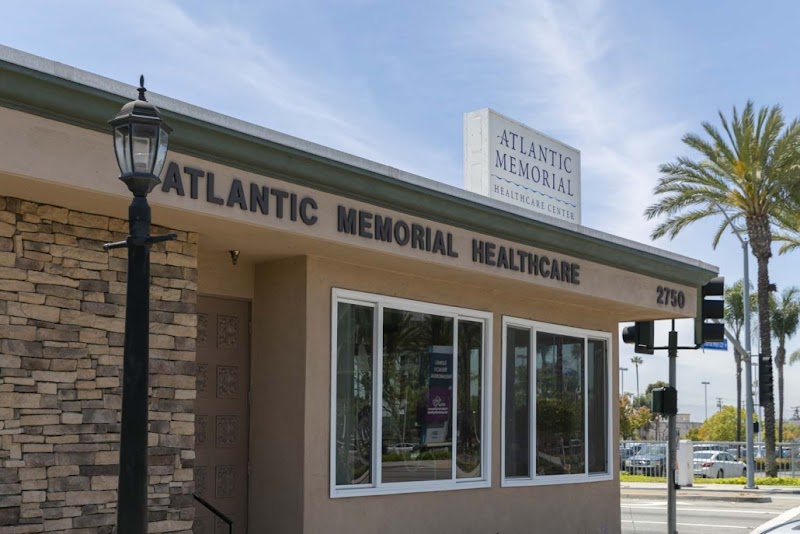
2750 ATLANTIC AVENUE, LONG BEACH, CA 90806 (562) 424-8101
For profit - Corporation 104 Beds THE ENSIGN GROUP Data: November 2025
Trust Grade
83/100
#13 of 1155 in CA
Last Inspection: January 2025

Within standard 12-15 month inspection cycle. Federal law requires annual inspections.

Overview

Atlantic Memorial Healthcare Center in Long Beach, California, has a Trust Grade of B+, which means it is recommended and performs above average compared to other facilities. It ranks #13 out of 1,155 nursing homes in California, placing it in the top half, and #3 out of 369 in Los Angeles County, indicating a strong local reputation. However, the facility is currently worsening, with the number of issues increasing from 9 in 2024 to 13 in 2025. Staffing is a strong point, with a 4 out of 5 star rating and a turnover rate of 26%, well below the state average, meaning staff are more likely to stay and know the residents. On the downside, there have been concerns regarding medication management, such as failing to ensure certain medications were only given for documented diagnoses, and oxygen equipment not being properly maintained, which could lead to health risks for residents. Overall, while the facility has strengths in staff stability and rankings, it faces challenges that families should consider.

Trust Score
B+
83/100
In California
#13/1155
Top 1%
Safety Record
Low Risk
No red flags
Inspections
Getting Worse
9 → 13 violations
Staff Stability
✓ Good
26% annual turnover. Excellent stability, 22 points below California's 48% average. Staff who stay learn residents' needs.
Penalties
✓ Good
No fines on record. Clean compliance history, better than most California facilities.
Skilled Nurses
○ Average
Each resident gets 32 minutes of Registered Nurse (RN) attention daily — about average for California. RNs are the most trained staff who monitor for health changes.
Violations
⚠ Watch
32 deficiencies on record. Higher than average. Multiple issues found across inspections.
★★★★★
5.0
Overall Rating
★★★★☆
4.0
Staff Levels
★★★★★
5.0
Care Quality
★★★★☆
4.0
Inspection Score
Stable
2024: 9 issues
2025: 13 issues

The Good

  • 4-Star Staffing Rating · Above-average nurse staffing levels
  • 5-Star Quality Measures · Strong clinical quality outcomes
  • Low Staff Turnover (26%) · Staff stability means consistent care
  • Full Sprinkler Coverage · Fire safety systems throughout facility
  • No fines on record
  • Staff turnover is low (26%)

    22 points below California average of 48%

Facility shows strength in staffing levels, quality measures, staff retention, fire safety.

The Bad

Chain: THE ENSIGN GROUP

Part of a multi-facility chain

Ask about local staffing decisions and management

The Ugly 32 deficiencies on record

Apr 2025 1 deficiency
CONCERN (D) 📢 Someone Reported This

A family member, employee, or ombudsman was alarmed enough to file a formal complaint

Potential for Harm - no one hurt, but risky conditions existed

Comprehensive Care Plan (Tag F0656)

Could have caused harm · This affected 1 resident

**NOTE- TERMS IN BRACKETS HAVE BEEN EDITED TO PROTECT CONFIDENTIALITY** Based on observation, interview and record review, the facility failed to develop and implement a resident centered Care Plan fo...

Read full inspector narrative →
**NOTE- TERMS IN BRACKETS HAVE BEEN EDITED TO PROTECT CONFIDENTIALITY** Based on observation, interview and record review, the facility failed to develop and implement a resident centered Care Plan for one of three sampled residents (Resident 1) who had a diagnosis of left upper extremity (LUE) deep vein thrombosis ([DVT] a blood clot in a deep vein). The facility failed to: 1. Implement Resident 1's Responsible Party (RP) 1 request to display signage over Resident 1 ' s bed instructing nursing staff to avoid taking blood pressures in Resident 1's left upper extremity. 2. Ensure Resident 1's Care Plan included the location of Resident 1's DVT to include the LUE and specific instructions on how to assess for complications of a DVT, which included assessment of the area to detect pain, swelling, warmth, and discoloration in the affected extremity, as well as signs of pulmonary embolism ([PE] a serious condition where a blood clot or other substance obstructs an artery in the lungs, blocking blood flow and oxygen delivery, which are usually caused by a DVT) such as difficulty breathing, cough, and chest pain. These failures had the potential for Resident 1 to suffer complications from a DVT due to the staff not being aware or assessing Resident 1's DVT and placed Resident 1 at risk for PE, unnecessary hospitalizations, and/or death. Findings: During a review of Resident 1's admission Record (Face Sheet), the Face Sheet indicated Resident 1 was admitted to the facility on [DATE] and with diagnoses including atrial fibrillation (an abnormal heart rhythm), acute embolism (an obstruction in a blood vessel due to a blood clot or other foreign matter that gets stuck) and thrombosis of the left upper extremity deep veins During a review of Resident 1's History and Physical (H&P) dated 3/20/2025, the H&P indicated Resident 1 had fluctuating capacity to understand and make decisions. During a review of Resident 1's Minimum Data Set ([MDS] a resident assessment tool), dated 3/24/2025, the MDS indicated Resident 1's cognitive skills for daily decision making were severely impaired. The MDS further indicated Resident 1 had active diagnosis of deep vein thrombosis ([DVT] a blood clot deep in a vein) during the assessment period. During a review of Resident 1's untitled Clinical Record (Care Plan section), Resident 1's Care Plans had no interventions indicating to place signage over Resident 1 ' s bed instructing nursing staff to avoid taking blood pressures in Resident 1's left upper extremity per RP 1's request nor had interventions indicating the location of Resident 1's DVT to include the LUE and specific instructions on how to assess for complications of a DVT, which included assessment of the area to detect pain, swelling, warmth, and discoloration in the affected extremity, as well as signs of pulmonary embolism such as difficulty breathing, cough, and chest pain. During an interview on 4/18/2025 at 10 a.m., RP 1 stated upon Resident 1's admission to the facility, she informed the nursing staff to place a sign over Resident 1's bed indicating not to take Resident 1's blood pressure on her left arm. RP 1 stated during her last visit, she did not see a sign over Resident 1's bed. RP 1 stated she was afraid the nursing staff will accidently take Resident 1's blood pressure on her left arm which could cause complications such as dislodging the clot. RP 1 stated she wanted the staff to respect and implement her wishes to keep Resident 1 safe. RP 1 stated I feel ignored and disrespected, I am afraid the staff will not properly assess Resident 1 for complications of a DVT. During a concurrent observation and interview on 4/21/2025, at 12 p.m., with Licensed Vocational Nurse (LVN) 1, in Resident 1's room, there was no sign above Resident 1's head indicating not to take Resident 1's blood pressure on her left arm. LVN 1 stated she was not aware nor informed that Resident 1 had a left arm DVT and of the RP 1's request to not take Resident 1's blood pressure on her left arm. LVN 1 stated taking Resident 1's blood pressure on her left arm placed Resident 1 at risk for DVT complications which include dislodgement of the clot and PE. LVN 1 stated if Resident 1 had an accurate Care Plan, she would be able to better provide resident centered care and assessments. During an interview on 4/21/2025 at 2:44. p.m., the MDS Nurse stated Resident 1's Care Plan did not include the location of Resident 1's DVT nor had interventions to include placing a sign over Resident 1's bed indicating not to take Resident 1's blood pressure on her left arm. The MDS nurse stated Resident 1's Care Plan was very generic and did not provide enough information for the nursing staff to properly care for and assess Resident 1. The MDS nurse stated Resident 1's RP request to place a sign over Resident 1's bed should be honored and implemented. During an interview on 4/21/2025 at 4:30 p.m., the Director of Nursing (DON) stated Resident 1's RP is part of the care planning process, and her request should be implemented in Resident 1's care. The DON stated failure to ensure Resident 1's Care Plan was accurate, complete, and resident centered, placed Resident 1 at risk for complications of a DVT which included PE. The DON stated Resident 1 did not receive appropriate assessments which included assessing her arm for swelling, warmth, decreased pulses and pain to her left upper arm due to the nursing staff not being aware of Resident 1's left upper arm DVT. During a review of an online article titled, Ankle Brachial Index, from the Journal of Wound, Ostomy and Continence Nursing (JWOCN), dated 2012, the article indicated applying compression with the blood pressure cuff may dislodge clot. https://web.as.uky.edu/biology/faculty/[NAME]/NSTA-2012-workshops/STEM%20cardio%20NSTA%20Workshop/ankle-brachial%20index-3.pdf During a review of the facility's policy and procedure (P&P) titled, Resident Rights, revised 10/4/2016, the P&P indicated the resident (resident representative) has the right to be informed of and participate in, your treatment, including the right to participate in the development and implementation of your person-centered plan of care. During a review of the facility's P&P titled, Comprehensive Person-Centered Care Planning, revised 12/2023, the P&P indicated it is the policy of this facility that the interdisciplinary team (IDT) shall develop a comprehensive person-centered care plan for each resident that includes measurable objectives and timeframes to meet a resident's medical, nursing, mental and psychosocial needs that are identified in the comprehensive assessment. The P&P further indicated the facility IDT includes but is not limited to the following professionals, attending physician, or non-physician practitioner involved in residents' care, registered nurse with responsibility for the resident, nurse aide with responsibility for the resident, member of the food and nutrition services staff, to the extent practicable, resident and or Resident representative, other appropriate staff or professionals as determined by the resident ' s needs or as requested by the resident.
Jan 2025 12 deficiencies
CONCERN (D)

Potential for Harm - no one hurt, but risky conditions existed

Deficiency F0552 (Tag F0552)

Could have caused harm · This affected 1 resident

**NOTE- TERMS IN BRACKETS HAVE BEEN EDITED TO PROTECT CONFIDENTIALITY** Based on interview and record review, the facility failed to obtain informed consent (a process during which residents or caregi...

Read full inspector narrative →
**NOTE- TERMS IN BRACKETS HAVE BEEN EDITED TO PROTECT CONFIDENTIALITY** Based on interview and record review, the facility failed to obtain informed consent (a process during which residents or caregivers are educated regarding the potential risks and benefits of medication therapy) from the resident or their responsible party (a person delegated to make medical decisions for the resident in the event they are unable to do so) prior to treatment with divalproex (a medication used to treat mood swings) in one of five residents sampled for unnecessary medications (Resident 16). This failure of failing to obtain informed consent prior to initiating treatment with medications used to treat problematic behaviors could have prevented Resident 16 from exercising his right to decline treatment with divalproex. This increased the risk that Resident 16 could have experienced adverse effects (unwanted, uncomfortable, or dangerous effects that a drug may have) related to divalproex, such as drowsiness, dizziness, and increased risk of falling, possibly leading to impairment or decline in his mental or physical condition or functional or psychosocial status. Findings: During a review of Resident 16's admission Record, the admission Record indicated Resident 16 was admitted to the facility on [DATE] with diagnosis including unspecified dementia (a progressive state of decline in mental abilities.) During a review of Resident 16's History and Physical (H&P- a record of a comprehensive physician's assessment), dated 10/24/2024, the H&P indicated Resident 16 had fluctuating capacity to understand and make decisions. During a review of Resident 16's Order Summary Report (a summary of all current physician orders), dated 1/23/2025 indicated, on 10/23/2024, Resident 16's attending physician prescribed divalproex 125 milligrams (mg - a unit of measure for mass) by mouth three times daily for mood (emotion) disorder/bipolar (sometimes called manic-depressive disorder; mood swings that range from the lows of depression to elevated periods of emotional high) manifested by mania/hyperactivity. During a review of Resident 16's clinical record indicated there was no documentation that Resident 16 or any responsible party received education regarding the risks and benefits of divalproex prior to its initiation on 10/23/2024. During an interview with the Director of Nursing (DON) on 1/23/2025 at 11:02 a.m., The DON stated the facility failed to obtain informed consent prior to initiating behavioral management therapy with divalproex for Resident 16. The DON stated the facility staff were probably confused about the necessity to obtain informed consent for the use of this medication since it is not an antipsychotic (medication to treat mental disorder) , antidepressant (medication to treat depression), anti-anxiety medication, or hypnotic although it was being used for behavioral management. The DON stated failure to educate the resident or their responsible party regarding the risks and benefits of medication used for behavioral management could prevent the resident or their responsible party from exercising their right to refuse treatment. The DON stated without informed consent, Resident 16 could have taken divalproex for longer than necessary leading to adverse effects affecting his quality of life. During a review of the facility's policy and procedure (P&P) titled Psychotropic Drug Use, revised August 2017, indicated Upon change of condition or initiation of a new order for psychoactive medications, the Licensed Nurses shall complete the Verification of Informed Consent form prior to the initiation of the new medications.
CONCERN (D)

Potential for Harm - no one hurt, but risky conditions existed

Comprehensive Care Plan (Tag F0656)

Could have caused harm · This affected 1 resident

**NOTE- TERMS IN BRACKETS HAVE BEEN EDITED TO PROTECT CONFIDENTIALITY** Based on interview and record review, the facility failed to develop and implement a person-centered and individualized care pla...

Read full inspector narrative →
**NOTE- TERMS IN BRACKETS HAVE BEEN EDITED TO PROTECT CONFIDENTIALITY** Based on interview and record review, the facility failed to develop and implement a person-centered and individualized care plan for one of two sampled residents (Resident 63) who was unvaccinated (not having received a vaccine) and exposed to Influenza A (a contagious viral infection that attacks the respiratory system and can cause widespread outbreak). This failure had the potential to result in an inadequate monitoring, and not receiving care specific to resident's needs causing a delay of care to Resident 63. Findings: During a review of Resident 63's admission Record, the admission Record indicated Resident 63 was originally admitted to the facility on [DATE] and was readmitted on [DATE] with diagnoses including diabetes mellitus (DM-a disorder characterized by difficulty in blood sugar control and poor wound healing), hypertension (HTN- high blood pressure), and osteomyelitis (inflammation of bone or bone marrow, usually due to infection). During a review of Resident 63's Minimum Data Set (MDS- a resident assessment tool) dated 10/27/2024, the MDS indicated Resident 63 had an intact cognition ((ability to think, understand, learn, and remember) and required set-up or clean up assistance (helper sets up or cleans up) with eating, oral hygiene, toileting hygiene, bathing, personal hygiene and bed mobility. During a review of Resident 63's Care Plan titled Resident is at risk for severe acute respiratory infection ( infections of part of the body involved in breathing) related to Covid 19 (an infectious disease caused by the SARS-CoV-2 virus), Influenza (flu), and pneumonia (lung infection) vaccine refusal undated, the Care Plan indicated the facility offered Covid 19, influenza, pneumonia vaccines on 8/22/2024 education, information, risks and benefits were explained but resident refused. The Care plan's goal indicated the resident will be free of infection through the review date and interventions included monitoring of changes in condition, vital signs (measurements of the body's most basic functions), increased restlessness, anxiety, and air hunger (strong, uncomfortable feeling of not being able to get enough air). During a review of facility's Residents' Vaccination Record, the Residents' Vaccination Record indicated Resident 63 was unvaccinated for Influenza vaccine due to refusal. During a concurrent interview and record review on 1/24/2025, at 3:33 p.m. with Registered Nurse Supervisor (RNS 1), reviewed Resident 63's Care Plan. RNS 1 stated Resident 63 did not have a care plan that addressed Resident 63's recent exposure to Influenza from roommate. RNS 1 stated Care Plan is important to addressed problem or concern and communicate to facility staff interventions to meet resident's needs, and precautions need to observe. During a concurrent interview and record review on 1/24/2025, at 3:03 p.m. with Infection Preventionist Nurse (IPN) reviewed Resident 63's electronic health record. The IPN verified there was no Care plan developed to address Resident 63 recent exposure to Influenza. The IPN stated Resident 63 was unvaccinated for Influenza and there should be a care plan to ensure the staff would know how to take care of the resident and would be able to monitor any change of condition. During an interview on 1/23/2025, at 5:26 p.m. with the Director of Nursing (DON), the DON stated care plan is important to ensure all staff would know the plan of care and how to take care of the resident. During a review of facility's policy and procedure (P&P) titled Care plan and Care Plan Update revised 2/2023, the P&P indicated Care plan will be initiated based on identified problem and medical change of condition. The P&P indicated Anytime one of the team members recognized the care needs of the resident had changed, the nurse should be made aware, physician, resident and responsible party will be notified of the significant change.
CONCERN (D)

Potential for Harm - no one hurt, but risky conditions existed

Deficiency F0676 (Tag F0676)

Could have caused harm · This affected 1 resident

**NOTE- TERMS IN BRACKETS HAVE BEEN EDITED TO PROTECT CONFIDENTIALITY** Based on observation, interview and record review, the facility failed to ensure communication device (communication board) are ...

Read full inspector narrative →
**NOTE- TERMS IN BRACKETS HAVE BEEN EDITED TO PROTECT CONFIDENTIALITY** Based on observation, interview and record review, the facility failed to ensure communication device (communication board) are accessible to residents for one of four sampled residents (Resident 42) who was nonverbal and lack the capacity to speak. This failure had the potential of placing Resident 42 at risk of not able to communicate needs to staff and misinterpretation. Findings: During a review of Resident 42's admission Records, the admission Record indicated Resident 42 was initially admitted to the facility on [DATE] and readmitted on [DATE] with diagnoses including cognitive (ability to think, understand, learn, and remember) communication deficit (difficulty in communicating effectively due to impairments in cognitive processes like attention, memory, reasoning, organization, and perception) and dysphagia (difficulty swallowing). During a review of Resident 42's Minimum Data Set ([MDS] resident assessment tool) dated11/12/2024, the MDS indicated Resident 42's daily decision-making skills were severely impaired (lack the ability to make decisions and understand others) The MDS indicated Resident 42 required a one-person physical assist with activities of daily living ([ADLs] task such as eating, oral hygiene, bathing, dressing, grooming and toileting) etc. During a review of Resident 42's History and Physical (H&P) dated 10/15/2024, the H&P indicated Resident 42 has no capacity to understand and make decisions. During a review of Resident 42's care plan titled Resident at risk for a communication problem dated 10/13/2024, the care plan intervention indicated to anticipate and meet Resident 42's needs, communication board, encourage resident to continue stating thoughts even if resident is having difficulty, and focus on a word or phrase that makes sense or responds to the feeling resident was trying to express. During an observation on 1/22/2025 at 10:12 a.m., observed Resident 42 lying flat in bed, attempted to communicate with Resident 42 received no response from the resident. Observed no communication device in Resident 42's room. During a concurrent observation and interview on 01/23/25 at 08:50 a.m., with Licensed Vocational Nurse (LVN) 4, LVN 4 stated, have not used a communication device with Resident 42 in the past to explain care to the resident. LVN 4 went to the nurses' station to look for communication device but was unable to locate one. LVN 4 went to resident bedside with Registered Nurse (RN) 1, there was no communication device by Resident 42's bedside. During a concurrent interview and record review on 01/23/25 at 11:34 a.m. with RN 1, reviewed Resident 42's care plan titled Resident at risk for a communication problem. RN 1 stated Resident 42 was supposed to have a communication assistive device to help encourage Resident 42 with communications during care. RN 1 stated Resident 42 did not have one at the bedside.
CONCERN (D)

Potential for Harm - no one hurt, but risky conditions existed

ADL Care (Tag F0677)

Could have caused harm · This affected 1 resident

**NOTE- TERMS IN BRACKETS HAVE BEEN EDITED TO PROTECT CONFIDENTIALITY** Based on observation, interview, and record review, the facility failed to provide activities of daily living (activities relate...

Read full inspector narrative →
**NOTE- TERMS IN BRACKETS HAVE BEEN EDITED TO PROTECT CONFIDENTIALITY** Based on observation, interview, and record review, the facility failed to provide activities of daily living (activities related to personal care including bathing, showering, dressing, getting in and out of bed or a chair, walking, using the toilet, and eating) to one of four sampled residents (Resident 51). Facility failed to: a. Provide personal hygiene to Resident 51 b. Provide assistance to Resident 51 with morning care, personal hygiene and setting up breakfast tray. This deficient practice resulted in Resident 51 expressing feelings of unkempt, hands dirty, did not feel comfortable eating breakfast in the morning, and low self-esteem. Findings: a. During a review of Resident 51's admission Records, admission Record indicated Resident 51 was initially admitted to facility on 3/19/2024 and readmitted on [DATE] with diagnoses including urinary tract infection (infection of the bladder), abnormalities of gait, need for assistance with activities of daily living (ADL) During a review of the Minimum Data Set (MDS resident assessment tool) 11/126/24, indicated Resident 51 had cognitive (ability to think, understand, learn, and remember) impairment. The MDS also indicated Resident 51 required one person assistance in activities of daily living such as dressing, eating, toilet use and personal hygiene. During a review of Resident 51's History and Physical (H&P) dated 1/7/2025, the H&P indicated Resident 51 does not have the capacity to make decisions. During a review of Resident 51's Care plan, undated, the Care Plan indicated goal included Resident 51 will be kept clean and odor free. The Care Plan interventions included to provide shower and supervision as needed and bed bath in between schedule days. During a review of Resident's 51's ADL record (record that indicates activities of daily living provided to Resident 51) dated 3/2024, the ADL record indicated Resident 51 had not been receiving ADL cares including showers/bath on scheduled shower days, personal hygiene was not provided for Resident 51. b. During a concurrent observation and interview on 1/23/2025 at 07:33 a.m., with Resident 51, observed Resident 51 lying down flat in bed with a food tray on the tray table left open with scrambled egg, one banana, muffin, and cereal and, a glass of milk. Resident 51 stated she cannot eat without washing her hands. Resident 51 stated she was unable to pour milk on her cereals. Resident 51's roommate (unknown) stated staff always leave the food tray and does not set it up for the residents and help Resident 51 to sit up in bed. Resident 51 stated she cannot eat lying down flat in bed as it was uncomfortable. On 01/23/25 at 11:29 A.M. during interview RN 1, stated residents should be cleaned before breakfast comes out but if the breakfast tray comes out before the resident is cleaned, the nurse should assist the resident to set up the tray, position resident in a comfortable position, by assisting the resident to sit up well for feeding. During an interview on 01/23/25 at 11:40 a.m. with Certified Nursing Assistant (CNA) 5, CNA 5 stated she did not set up and left Resident 51's breakfast tray because she needed to feed another resident. During a review of facility's policy and procedure (P&P) titled' Activities of Daily Living (ADLs), dated 2/2023, indicated Each resident of the facility receives and must be provided the necessary care and services to attain or maintain the highest practicable physical, mental, and psychosocial well-being consistent with the resident's comprehensive assessment and plan of care. This will include nursing staff conduct routine resident monitoring to ensure resident safety and well-being. Staff will ensure ADL are monitored, assisted with, and provided to residents who are unable to perform ADL.Ensure the following ADL are performed, supervised, and assisted including. a. Bathing showering/ and personal hygiene b. Eating/feeding c. Dressing d. Grooming e. Oral hygiene
CONCERN (D)

Potential for Harm - no one hurt, but risky conditions existed

Quality of Care (Tag F0684)

Could have caused harm · This affected 1 resident

**NOTE- TERMS IN BRACKETS HAVE BEEN EDITED TO PROTECT CONFIDENTIALITY** Based on interview and record review, the facility failed to provide the necessary service and care on one of four sampled resid...

Read full inspector narrative →
**NOTE- TERMS IN BRACKETS HAVE BEEN EDITED TO PROTECT CONFIDENTIALITY** Based on interview and record review, the facility failed to provide the necessary service and care on one of four sampled residents ( Resident 18 and Resident 45) by failing to: 1.Monitor occurrence of bowel movement(movement of feces through the bowel and out the anus) for Resident 79 and provide necessary medications for constipation( a condition in which stool becomes hard, dry, difficult to pass and bowel movements become infrequent) as ordered by the physician. This failure had the potential to put Resident 79 at risk for fecal impaction (hardened stool that's stuck in the rectum or lower colon) that could lead to bowel obstruction(partial or complete blockage of small or large intestines which is life threatening). Findings: During a review of Resident 79's admission Record, the admission Record indicated the resident was admitted on [DATE] to the facility with diagnoses that included myocardial infarction (MI-heart attack), asthma(chronic lung disease caused by swelling and muscle tightening around the airways), sequelae of cerebral infarction (aftermath of a stroke) and hypertension(HTN-high blood pressure). During a review of Resident 79's MDS dated [DATE], the MDS indicated the resident had impaired cognitive skills and required moderate assistance (helper does less than half) with bed mobility, transfer to and from a bed to a chair, oral hygiene, toileting hygiene, bathing, personal hygiene and dressing. During a review of Resident 79's Change of Condition ( COC- a sudden clinically important deviation from a patient's baseline in physical, cognitive, behavioral or functional condition) Evaluation dated 1/21/2025 timed at 9:00 a.m., the COC indicated the resident had two episodes of vomiting. During a review of Resident 79's Activity of Daily Living (ADL-routine tasks/activities such as bathing, dressing and toileting a person performs daily to care for themselves) Task for bowel movement/bowel continence, the ADL Task indicated the resident had no bowel movement on 1/16/2025, 1/17/2025, 1/18/2025, 1/19/2025, 1/202025. During a review of Resident 79's Care Plan titled Bowel/ Bladder Incontinence related to confusion, disease process and impaired mobility, initiated 1/6/2025. The Care Plan indicated interventions that included monitoring, documenting and reporting to physician possible medical causes of incontinence such as constipation, loss of bladder tone and weakening of control muscles. During an interview on 1/23/2025, at 3:01 p.m. with Certified Nursing Assistant (CNA4), CNA4 stated on 1/21/2025, Resident 79 did not eat breakfast and vomited . CNA 4 stated the charge nurse will be notified if a resident had no bowel movement for more than two days. CNA4 stated she did not check Resident 79's ADL task for occurrences of bowel movement for the past days and was not aware the resident had no bowel movement for more than 3 days CNA4 stated the resident could have abdominal pain, nausea and vomiting and would not feel good if the resident had not had any bowel movement for more than 3 days. During a concurrent interview and record review of Resident 79's electronic chart on 1/22/2025, at 3:31 p.m. with Licensed Vocational Nurse (LVN 3), LVN3 confirmed the resident did not have a bowel movement on 1/16/2025,1/17/2025, 1/18/2025, 1/19/2025, and 1/20/2025 and the physician was not notified about it. LVN 3 stated on 1/21/2025, Resident 79 did not eat breakfast and vomited twice around breakfast. LVN 3 stated if a resident had no bowel movement for three days, the CNAs were supposed to notify the licensed nurses, and the physician should be notified. LVN 3 stated the Resident 79 was not on stool softener and was given a Dulcolax ( laxative) suppository on 1/21/2025 for constipation LVN 3 stated Resident could develop fecal impaction or intestinal obstruction due to constipation. During a concurrent interview and record review of Resident 79's ADL Task for bowel movement on 1/23/2025, at 4:08 p.m. with RN Supervisor (RNS 2), RNS 2 stated the resident had no bowel movement starting 1/16/2025 to 1/20/2025.RN2 stated the charge nurses are supposed to monitor residents' frequency of bowel movement and stated if the resident had no bowel movement for five days the resident could get really sick and infection could occur, Resident 79 had an episode of vomiting during dinner on 1/21/2025. During an interview on 1/23/2025, at 4:42 p.m. with RN 3 , RN 3 stated all licensed nurses should be monitoring residents' frequency of bowel movement. RN 3 stated on the third day a resident had no bowel movement ,and an alert appeared on the electronic chart and the physician should have been notified to obtain orders for treatment or medication, RN3 stated Resident 79's constipation could have been prevented and symptoms of nausea and vomiting could be related to the constipation. During an interview on 1/24/2025, at 5:26 p.m. Certified Nursing Assistant. with Director of Nursing (DON), DON stated residents who had no bowel movement for three days and more could cause abdominal discomfort, bloating , nausea, vomiting and could affect their appetite. During a review of facility's Job Description of Certified Nursing Assistant (CNA), the Job Description of CNA indicated the CNA will assist the resident with bowel and bladder functions and to inform Nurse Supervisor/ Charge Nurse of any changes in the resident's condition so that appropriate information can be entered in the resident's care plan. During a review of facility's Job Description of Registered Nurse (RN), the Job Description of RN indicated the RN will ensure that assigned certified nursing assistants (CNAs) are aware of resident care plan. The Job Description of RN indicated to ensure the CNAs refer to the resident's care plan prior to administering daily care to the resident.
CONCERN (D)

Potential for Harm - no one hurt, but risky conditions existed

Respiratory Care (Tag F0695)

Could have caused harm · This affected 1 resident

**NOTE- TERMS IN BRACKETS HAVE BEEN EDITED TO PROTECT CONFIDENTIALITY** b. During a review of Resident 70's admission Record, the admission Record indicated Resident 70 was originally admitted to the ...

Read full inspector narrative →
**NOTE- TERMS IN BRACKETS HAVE BEEN EDITED TO PROTECT CONFIDENTIALITY** b. During a review of Resident 70's admission Record, the admission Record indicated Resident 70 was originally admitted to the facility on [DATE] and was readmitted on [DATE] with diagnoses including enterocolitis (inflammation of intestines) due to clostridium difficile ( dangerous bacteria that can cause inflammation of the colon), end stage renal disease(ESRD- irreversible kidney failure), diabetes (DM-a disorder characterized by difficulty in blood sugar control and poor wound healing) and myocardial infarction(MI- heart attack). During a review of Resident 70's Minimum Data Set (MDS- a resident assessment tool) dated 1/4/2025, the MDS indicated Resident 70 had moderately impaired cognitive skills (ability to think, understand, learn, and remember) and was dependent on staff with bed mobility, transfer to and from a bed to chair, toileting hygiene, bathing, dressing and oral hygiene. During a review of Resident 70's Order Summary Report , the Order Summary Report indicated an order for oxygen support at two liters per minute via nasal cannula (a small plastic tube, which fits into the person's nostrils for providing supplemental oxygen) as needed for shortness of breath and to keep oxygen saturation ( O2 Sat- a measurement of how much oxygen the blood carrying as a percentage) greater than 95 percent [%]). During a review of Resident 70's Care Plan undated regarding oxygen therapy related to congestive heart failure (heart muscle is unable to pump enough blood to meet the body's needs for blood and oxygen) the care plan indicated intervention including to monitor for signs and symptoms of respiratory distress, monitor O2 Sat, skin color and report to the physician as needed. During an observation on 1/21/2025, at 10:53 a.m., Resident 70 was lying in bed and wearing a nasal cannula, and nasal prongs were on the left cheek of the resident. Observed nasal cannula was not connected to an oxygen source. During a concurrent observation and interview on 1/21/2025, at 11:10 a.m. and subsequent interview on 1/21/2025, at 4:03 p.m., with Licensed Vocational Nurse (LVN3), LVN 3 verified the nasal cannula was not connected to the oxygen concentrator(medical device that help you take in oxygen) LVN 3 stated Resident 70 returned from dialysis (a treatment to cleanse the blood of wastes and extra fluids artificially through a machine when the kidney(s) have failed) treatment around 8:30 a.m. and he was supposed to check and ensure the resident's vital signs ( measurements of the basic functions of the body) were within normal limit, oxygen is connected to the oxygen concentrator and no bleeding present on the hemodialysis access( a way to reach the blood for hemodialysis). LVN 3 stated he thought the nasal cannula was connected to the oxygen contractor and had seen Resident 70 around 9:52 a.m. when he administered resident's medications. LVN 3 stated he should have checked if the nasal cannula was connected to the oxygen concentrator because the resident could develop shortness of breath that could lead to respiratory distress (a condition where the body needs more oxygen). During an interview on 1/23/2025, at 11:37 a.m. with Infection Preventionist Nurse (IPN), IPN stated the licensed nurse should have assessed Resident 70 as soon as he arrived at the facility after dialysis treatment to ensure the resident 's vital signs are stable, no presence of bleeding on the hemodialysis access and to ensure the tubing of the nasal cannula is connected to the oxygen concentrator. IPN stated Resident 70 could develop respiratory distress if Resident 70 is not receiving oxygen as ordered by the physician. During a review of the facility's Policy and Procedure (P&P) titled, Oxygen, Use of, revised 5/2021, the P&P indicated, It is the policy of this facility to promote resident safety in administering oxygen. The following guidelines will be observed in oxygen administration . 2. The tubing should be kept off the floor. Labeled and dated bags should be provided for cannulas and masks to be placed in when not in use. During a review of the facility's Policy and Procedure (P&P) titled, Medication Administration-General Guidelines, updated 11/2021, the P&P indicated, Medications are administered in accordance with written orders of the attending physician. Based on observation, interview and record review, the facility failed to ensure that a resident received continuous oxygen as ordered by the physician for two of three sampled residents (Resident 48 and Resident 70) by: a. Failing to ensure Resident 48 received oxygen at two liters per minute (lpm) via nasal cannula (a small plastic tube, which fits into the person's nostrils for providing supplemental oxygen) continuously as ordered by the physician. b. Resident 70 nasal cannula was connected to an oxygen concentrator (medical device that help you take in oxygen) These failures had the potential to result in Resident 48 and Resident 70 receiving inaccurate amount of oxygen and cause complications associated with oxygen therapy. Findings: During a review of Resident 48's admission Record, the admission Record indicated, Resident 48 was initially admitted to the facility on [DATE] and last re-admission was on 3/23/2023 with diagnoses including malignant neoplasm(cancer) of right lung and chronic obstructive pulmonary disease (COPD-a chronic lung disease causing difficulty in breathing). During a review of Resident 48's History and Physical (H&P), dated 4/10/2024, the H&P indicated, Resident 48 had the capacity (ability) to understand and make decision. During a review of Resident 48's Minimum Data Set (MDS -resident assessment tool), dated 10/20/2024, the MDS indicated Resident 48 required supervision or touching assistance (helper provides verbal cues and /or touching/steadying and /or contact guard assistance as resident completes activity) from one staff for dressing, transfer, walking, partial/moderated assistance (helper does less than half the effort) from one staff for toileting hygiene, and bed mobility. During an observation on 1/21/2025, at 10:42 a.m., in Resident 48's room, Resident 48's oxygen concentrator (a medical device that gives you extra oxygen) was set on three lpm with humidifier (add moisture to the air to prevent dryness) and his nasal cannula was on the floor. During an observation on 1/21/2025, at 1:05 p.m., in Resident 48's room, Resident 48's oxygen concentrator was set on three lpm with humidifier and the nasal cannula was still on the floor. Resident 48 was eating lunch and was not wearing nasal cannula. During an interview on 1/21/2025, at 1:08 p.m., with Licensed Vocational Nurse (LVN) 1 in Resident 48's room, LVN 1 stated, Resident 48 should be on oxygen of two lpm via nasal cannula continuously per physician 's order. LVN 1 stated, Resident 48's nasal cannula should be in a bag when it was not used otherwise it should be considered as contaminated. LVN 1 stated, oxygen is considered as a medication and should be administrated as ordered to receive right dose. During a concurrent interview and record review on 1/23/2025, at 10:36 a.m., with Registered Nurse Supervisor (RNS) 1, reviewed Resident 48's Order Summary Report, dated 1/3/2025, the Order Summary Report indicated, to apply oxygen via nasal cannula two liter per minute continuous to keep oxygen saturation level (O2 sat- a measurement of how much oxygen the blood is carrying as a percentage) at or above 90 percent (%). RNS 1 stated, Resident 48 was not compliant with wearing nasal cannula, but staff should have checked on him to ensure he was wearing nasal cannula and oxygen concentrator was set at two liter per minute as ordered. During an interview on 1/24/2025, at 11:43 a.m. with Director of Nursing (DON), DON stated, staff should have ensured that Resident 48 was receiving oxygen as physician ordered because it was considered as medication. The DON stated, Resident 48 was diagnosed with COPD and providing too much oxygen could be dangerous for the residents with COPD due to hypercapnia (too much [carbon dioxide- a waste product that your body gets rid of when you exhale] in the blood). The DON stated, carbon dioxide triggered breathing for the residents with COPD, but providing too much oxygen would be triggered less breathing which can lead carbon dioxide retention in the body. The DON stated, hypercapnia could lead to drowsiness, respiratory distress (a person is having trouble breathing), and death. The DON stated, the resident's nasal cannula should not be on the floor for infection control. The DON stated, the facility did not have a specific policy and procedure regarding how to provide care for residents with COPD. During a review of Resident 48's Care Plan (CP), revised 1/14/2023, the Care Plan focus indicated, Resident 48 had oxygen therapy related ineffective gas exchange due to COPD. The Care Plan interventions indicated, give oxygen two liter per minute via nasal cannula to maintain O2 Sat above 92% and monitor for signs and symptoms of respiratory distress.
CONCERN (D)

Potential for Harm - no one hurt, but risky conditions existed

Pharmacy Services (Tag F0755)

Could have caused harm · This affected 1 resident

Based on observation, interview, and record review, the facility failed to accurately account for one dose of hydrocodone/apap (a controlled medication used to treat pain) 10/325 milligrams (mg - a un...

Read full inspector narrative →
Based on observation, interview, and record review, the facility failed to accurately account for one dose of hydrocodone/apap (a controlled medication used to treat pain) 10/325 milligrams (mg - a unit of measure for mass) affecting Resident 190 in one of two inspected medication carts (Station 1B Cart.) This failure increased the risk of diversion (any use other than that intended by the prescriber) of controlled medications and the risk that Resident 190 could have received too much or too little medication due to lack of documentation possibly resulting in serious health complications requiring hospitalization. Findings: During a concurrent observation interview on 1/22/25 at 11:04 a.m. with the Licensed Vocational Nurse (LVN 1), observed Station 1B Cart, the following discrepancies were found between the Controlled Medication Count Sheet (a log signed by the nurse with the date and time each time a controlled substance is given to a resident) and the medication card (a bubble pack from the dispensing pharmacy labeled with the resident's information that contains the individual doses of the medication): 1. Resident 190's Controlled Medication Count Sheet for hydrocodone/apap 10/325 mg indicated there were 14 doses left, however, the medication card contained 13 doses. During a concurrent interview, LVN 1 stated she administered the missing dose of hydrocodone/apap 10/325 mg to Resident 190 this morning around 7:40 a.m. and forgot to sign the Controlled Medication Count Sheet at that time, LVN 1 stated the narcotic log should be signed at the time of administration to the resident to accurately account for the narcotic medications. LVN 1 stated if narcotics are not signed off there is a risk of medication diversion or overdose to the resident possibly resulting in medical complications. During a review of the facility's policy and procedures (P&P) titled Controlled Medications, revised December 2019, indicated When a controlled medication is administered, the licensed nurse administering the medication immediately enters all of the following information on the accountability record . Date and time of administration, Amount administered, Signature of nurse administered the dose, completed after the medication is given.
CONCERN (D)

Potential for Harm - no one hurt, but risky conditions existed

Deficiency F0757 (Tag F0757)

Could have caused harm · This affected 1 resident

**NOTE- TERMS IN BRACKETS HAVE BEEN EDITED TO PROTECT CONFIDENTIALITY** Based on interview and record review, the facility failed to implement their protocol for Antibiotic Stewardship for one of 21 s...

Read full inspector narrative →
**NOTE- TERMS IN BRACKETS HAVE BEEN EDITED TO PROTECT CONFIDENTIALITY** Based on interview and record review, the facility failed to implement their protocol for Antibiotic Stewardship for one of 21 sampled residents (Resident 6 and Resident 242). Resident 6 and Resident 242 was prescribed an antibiotic drug without meeting the Mc Geer Criteria (a set of clinical definitions used for surveillance in long-term care facilities (LTCF) These criteria define the resident symptoms and other clinical criteria that are used to meet infection surveillance definitions.). This failure had the potential to result in Resident 6 and Resident 242 developing antibiotic resistance (not effective to treat infection) from unnecessary or inappropriate antibiotic use. Findings: During a review of Resident 6's admission Record, the admission record indicated Resident 6 was originally admitted to the facility on [DATE] and readmitted to the facility on [DATE] with diagnoses of but not limited to a chronic ulcer (a non-healing wound on the skin) of the buttock, duodenal ulcer (a sore in the first part of the small intestines) and rectal fistula (an infected anal gland that forma an abscess). During a review of Resident 6's History and Physical (H&P), dated 3/27/2024, the H&P indicated Resident 6 was able to make his own medical decisions. During a review of Resident 6's Minimum Data Set (MDS-resident assessment tool), dated 10/27/2024, the MDS indicated Resident 6 was dependent on nursing staff for toileting, showering, lower body dressing, and putting on and taking off shoes. The MDS indicated Resident 6 needed substantial to maximal assistance from nursing staff with transferring to the shower, bed and chair. The MDS indicated Resident 6 needed partial to moderate assistance from nursing staff with rolling from left to right, sitting, lying down and standing. During a review of Resident 6's Order Summary, the Order Summary, indicated Resident 6 had an order for Ciprofloxacin (medication used to treat bacterial infections) 500 milligrams one tablet by mouth two times a day for abnormal wound culture and sensitivity with right (a bone in the lower hip) ischial surgical wound for 21 days starting 1/13/2025 to 2/3/2025. During a concurrent interview and record review on 1/23/2025 at 9:41 a.m., with the Infection Preventionist (IP), Resident 6's Surveillance Data Collection Form was reviewed. The Surveillance Data Collection Form indicated, on 1/13/2025 Resident 6 did not meet the criteria for cellulitis, soft tissue or wound infection and the Medical Doctor was made aware. IP stated if the Mc Geer's Criteria is not met the IP calls the doctor and let them know the resident does not meet the Mc Geer's criteria and to asks the doctor if they want to continue the antibiotic order and the response is documented in the progress notes. IP stated there is no documentation in the progress notes that indicates the doctor was notified. IP stated Antibiotic Stewardship is used to limit the usage of antibiotics especially if the resident is without ant signs and symptoms of an infection. IP stated Resident 6 can develop resistance to antibiotics and side effects, multi drug resistant organism (MDRO), and can damage the gut by changing the intestinal flora. IP stated the Director of Staff Development (DSD) was responsible for Antibiotic Stewardship. During an interview on 1/23/2025 at 11:26 a.m. with the DSD, DSD stated she informed the doctor Resident 6 did not meet the criteria and the doctor stated to continue with the antibiotics. DSD stated Antibiotic Stewardship is used to avoid unnecessary antibiotic use and to monitor residents' signs and symptoms of an infection. DSD stated if residents do not meet the criteria the resident is at risk for unnecessary antibiotic use. DSD agreed Resident 6 can develop resistance to antibiotics if prescribed unnecessarily. During an interview on 1/23/2025 at 12:53 p.m. with the Wound Care Doctor (WCD), WCD stated he does not know what the Mc Geer's criteria is and was not aware Resident 6 did not meet the criteria for cellulitis, soft tissue or wound infection. During an interview on 1/23/2025 at 1:03 p.m., with the DSD, DSD stated she did not notify the WCD who ordered the medication and should have made the ordering doctor aware that the resident did not meet the criteria for cellulitis, soft tissue or wound infection. During an interview on 1/24/2025 at 4:38 p.m. with the Director of Nursing (DON), DON stated the IP should have documented in the Nursing Progress Notes that she notified the doctor and asked the doctor if the antibiotic can be discontinued. DON stated the IP should have documented what the doctor said in the Nursing Progress Notes. During a review of the facility's policy and procedure (P&P) titled, Unnecessary Medications, dated 8/2019, the P&P indicated, An unnecessary drug is any drug used in excessive doses, including duplicate therapy; or for excessive duration; or without adequate monitoring; or without adequate indications for its use; or in the presence of adverse consequences which indicate the dose should be reduced or discontinued; or any combinations of the reasons above. B. During a review of Resident 242's admission Record, the admission Record indicated the resident was admitted on [DATE] to the facility with diagnoses that included end stage renal disease (ESRD-irreversible kidney failure), cerebral infarction (stroke), hyperlipidemia( condition where there are high levels of fats in the blood), and hypertension(HTN-high blood pressure). During a review of Resident 242's MDS dated [DATE], the MDS indicated the resident had moderately impaired cognitive skills( problems with a person's ability to think, learn, remember, use judgement, and make decisions) and required substantial assistance ( helper does more than half the effort) with toileting hygiene, bathing, dressing, personal hygiene and transfer to and from a bed to chair. During a review of Resident 242's Medication Administration Record (MAR), the MAR indicated Levaquin ( medicine used to treat infection) tablet 500 milligrams (mgs.- unit of measurement) give one tablet by mouth one time a day for Pneumonia for 9 days with an order date of 1/14/2025. The MAR indicated the resident received Levaquin for 9 days. During a review of Resident 242's of Radiology Results Report dated 1/14/2024, the Radiology Report ( chest-x-ray) indicated the resident had a mild prominence of interstitial densities(inflammation and scarring) centrally compatible with interstitial pneumonia (lung disease that causes inflammation and scarring in around the air sac in the lungs)versus bronchiolitis (chest infection that causes inflammation in the small airways of the lungs). During a review of Resident 242's Surveillance Data Collection Form , the Surveillance Data Collection Form indicated the resident's date of onset of symptoms was 1/13/2025. The Surveillance Data Collection Data Form indicated the had met only 2 criteria to use Levaquin(antibiotic) and resident had no other symptoms to meet the criteria. During a concurrent interview and record review of Resident 242 electronic chart on 1/24/2025, at 10:21 a.m. with Director of Staff Development (DSD), DSD stated she was in charge of Antibiotic Stewardship ( set of practices that ensure antibiotics are used appropriately and only when necessary)in the facility. DSD confirmed Resident 242 did not meet the criteria of Mc [NAME] Criteria (guidelines used for surveillance of infections, identification of infections in long term care facilities and used retrospectively to count true infection)and there was no documentation about the physician being notified that resident's symptoms did not meet criteria to use Levaquin. DSD stated the resident can develop multi drug resistant organism(MDRO-microorganisms usually bacteria that are resistant to multiple antibiotics and can be difficult to treat and spread quickly) and could be an unnecessary medication if it was not meeting Mc [NAME] Criteria. During a concurrent interview and record review of Resident 242's electronic chart and Surveillance Data Collection Form for Levaquin on 1/23/2925, at 11:01 a.m. with Infection Preventionist Nurse (IPN). IPN stated the facility used Mcgeer Criteria for their antibiotic surveillance and Resident did not have cough, no sputum production(process of coughing up mucus or phlegm from the respiratory tract), fever or leukocytosis( condition where there are more white blood cells in the blood indicating an infection). IPN stated Levaquin was ordered because of pneumonia (infection in the lung) shown in the chest x-ray result. IPN stated the resident use of antibiotic did not meet the Mc [NAME] criteria and the resident could develop resistance to most antibiotics and this could change the intestinal flora ( bacteria or microorganisms that live inside the intestines to help digest food)of the resident by killing the good bacteria. During a review of facility's policy and procedure (P&P) titled Unnecessary Medications updated 8/2019, the P&P indicated each resident 's medication regimen must be free from unnecessary drugs. The P&P indicated an unnecessary drug is any drug used without adequate indications for its use. During a review of facility's P&P titled Antibiotic Stewardship reviewed 12/2023, the P&P indicated the facility will implement an Antibiotic Stewardship Program (ASP- coordinated effort to improve how antibiotics are prescribed and used with the goal of ensuring antibiotics are only used when necessary and appropriate) that will promote appropriate use of antibiotics while optimizing treatment efficacy , resident safety and reducing treatment related costs.
CONCERN (D)

Potential for Harm - no one hurt, but risky conditions existed

Medical Records (Tag F0842)

Could have caused harm · This affected 1 resident

**NOTE- TERMS IN BRACKETS HAVE BEEN EDITED TO PROTECT CONFIDENTIALITY** Based on interview and record review, the facility failed to ensure one of four sampled residents (Resident 79) Medication Admin...

Read full inspector narrative →
**NOTE- TERMS IN BRACKETS HAVE BEEN EDITED TO PROTECT CONFIDENTIALITY** Based on interview and record review, the facility failed to ensure one of four sampled residents (Resident 79) Medication Administration Record(MAR - a daily documentation record used by a licensed nurse to document medications and treatments given to a resident) indicated Resident 79 did not receive his medication on 1/21/2025 for 9:00 a.m. due to nausea and vomiting. This failure indicated an inaccurate Medication Administration Record and had the potential to negatively affect Resident 79's care. Findings: During a review of Resident 79's admission Record, the admission Record indicated the resident was admitted on [DATE] to the facility with diagnoses that included myocardial infarction (MI-heart attack), asthma( chronic lung disease caused by swelling and muscle tightening around the airways), sequelae of cerebral infarction (aftermath of a stroke) and hypertension(HTN-high blood pressure). During a review of Resident 79's MDS dated [DATE], the MDS indicated the resident had impaired cognitive skills and required moderate assistance (helper does less than half) with bed mobility, transfer to and from a bed to a chair, oral hygiene, toileting hygiene, bathing, personal hygiene and dressing. During a review of Resident 79's Change of Condition ( COC- a sudden clinically important deviation from a patient's baseline in physical, cognitive, behavioral or functional condition) Evaluation dated 1/21/2025 timed at 9:00 a.m., the COC indicated the resident had two episodes of vomiting. During a review of Resident 79's MAR dated 1/21/2025 for 9:00 a.m., the MAR indicated the following medications were signed and administered, 1. Ascorbic Acid ( vitamin C) liquid 500 milligrams ( mgs.- unit of measurement) 2.5 milliliter (ml-unit of measurement) one time a day. 2. Multivitamins-Mineral tablet one tablet by mouth one time a day for supplement. 3. Tamsulosin Hydrochloride(medicine to treat enlarged prostate gland) .4 mg. one capsule by mouth one time a day for benign prostatic hyperplasia ( BPH-enlarged prostate gland often causing issues with urination). 4. Ropinirole hydrochloride ( medicine to treat restless legs syndrome).25 mg. one tablet by mouth two times a day for restless leg syndrome (RLS-condition that causes a very strong urge to move the legs related uncomfortable feelings ). During a concurrent interview and record review of Resident 79's electronic chart on 1/22/ 2025, at 3:31 p.m. with Licensed Vocational Nurse (LVN 3),LVN 3 stated he signed all the medications due at 9:00 a.m. on 1/21/2025 but Resident 79 did not take it because of the vomiting and abdominal pain. LVN 3 stated he did not notify the physician when resident did not take his medications because he did not think it through that time. LVN 3 stated the licensed nurse should sign his name in the MAR after each medicine is administered. LVN 3 stated signing his name in the MAR indicated he administered these medicines and stated his documentations were inaccurate because the medications were not administered. During an interview on 1/24/2025, at 3:03 p.m. with Infection Preventionist Nurse (IPN), IPN stated MAR should be signed by licensed nurses after administering a medicine because to ensure accurate and proper documentation of medicines received by the resident. IPN stated inaccurate documentation of MAR had the potential to cause miscommunication to the other nurses and physicians which could affect the care of the resident negatively. During an interview on 1/24/2025, at 5:26 p.m. with Director of Nursing (DON), DON stated licensed nurses should observe the five rights of medication (right patient, right drug, right time, right dose and right route- regarded as a standard for safe medication practices). DON stated licensed nurses should sign the MAR after medication administration and document refusal of medication and notification of physician in the chart to ensure the documentation is accurate. DON stated MAR is a legal document and inaccurate documentation could affect the care of the resident. During a review of facility's Job Description of Licensed Vocational Nurse/ Licensed Practical Nurse , dated 12/17/2021, the Job Description of Licensed Vocational Nurse indicated to chart nurses' notes in professional and appropriate manner that is timely, accurately and thoroughly reflects the care provided to the resident. During a review of facility's policy and procedure (P&P) titled, Medication Administration-General Guidelines updated 11/2021, the P&P indicated the individual who administered the medicine will record the administration on the resident's MAR after the medication pass is completed. The P&P indicated if a dose of regularly scheduled medication is withheld, refused, not available or given at a time other than the scheduled time, the space provided in the front of the MAR for that dosage is initialed and circled or an explanatory note is entered in the chart.
CONCERN (D)

Potential for Harm - no one hurt, but risky conditions existed

Infection Control (Tag F0880)

Could have caused harm · This affected 1 resident

**NOTE- TERMS IN BRACKETS HAVE BEEN EDITED TO PROTECT CONFIDENTIALITY** Based on observation, interview, and record review, the facility failed to observe infection control practices by failing to: a....

Read full inspector narrative →
**NOTE- TERMS IN BRACKETS HAVE BEEN EDITED TO PROTECT CONFIDENTIALITY** Based on observation, interview, and record review, the facility failed to observe infection control practices by failing to: a. Ensure Resident 70's nasal cannula (a small plastic tube, which fits into the person's nostrils for providing supplemental oxygen) was kept in a sanitary manner. b. Ensure positive result of Influenza test (test to detect the presence of flu virus) of Resident 79 was relayed to the physician in a timely manner. c. Ensure droplet precaution (actions designed to reduce/prevent transmission of viruses spread or transmittable through air droplets by coughing, sneezing, talking and close contact with an infected patient's breathing) was initiated and observed when Resident 70 tested positive for Influenza A (Flu- a contagious viral infection that attacks the respiratory system and can cause widespread outbreak) and symptomatic (showing symptoms of flu). These failures had the potential to transmit and spread infection to residents, visitors, and staff. Findings: a.During a review of Resident 70's admission Record, the admission Record indicated Resident 70 was originally admitted to the facility on [DATE] and was readmitted on [DATE] with diagnoses including enterocolitis (inflammation of intestines) due to clostridium difficile ( dangerous bacteria that can cause inflammation of the colon), end stage renal disease(ESRD- irreversible kidney failure), diabetes (DM-a disorder characterized by difficulty in blood sugar control and poor wound healing) and myocardial infarction(MI- heart attack). During a review of Resident 70's Minimum Data Set (MDS- a resident assessment tool) dated 1/4/2025, the MDS indicated Resident 70 had moderately impaired cognitive skills (ability to think, understand, learn, and remember) and was dependent on staff with bed mobility, transfer to and from a bed to chair, toileting hygiene, bathing, dressing and oral hygiene. During an observation on 1/21/2025, at 10:53 a.m., observed Resident 70 was lying in bed and wearing a nasal cannula, and nasal prongs were on the left cheek of the resident. Observed nasal cannula was not connected to an oxygen source. During a concurrent observation and interview on 1/21/2025, at 11:10 a.m. and subsequent interview on 1/21/2025, at 4:03 p.m. with Licensed Vocational Nurse (LVN 3), LVN 3 verified the nasal cannula was not connected to the oxygen concentrator (medical device that help you take in oxygen). LVN 3 stated Resident 70 returned from dialysis (a treatment to cleanse the blood of wastes and extra fluids artificially through a machine when the kidney(s) have failed) around 8:30 a.m. and the charge nurse was supposed to check and ensure Resident 70's vital signs are within normal limit, oxygen is connected and no bleeding present on the hemodialysis access( a way to reach the blood for hemodialysis ). Observed LVN 3 took the nasal cannula from the bottom of the bed and offered Resident 70 to wear the nasal cannula instead of the nasal cannula the resident was wearing. LVN 3 stated they usually store nasal cannula not in use by resident in a plastic bag. LVN 3 stated he will replace the nasal cannula because it was on the floor, was dirty and could be contaminated. During an interview on 1/23/2025, at 11:37 a.m. with Infection Preventionist Nurse (IPN), IPN stated the licensed nurse should have changed the nasal cannula before offering it to Resident 70 to prevent resident from getting infection from possible contamination. During a review of facility's policy and procedure (P&P) titled Use of Oxygen revised 5/2021, the P&P indicated labeled and dated bags should be provided for cannulas and masks to be placed in when not in use and the oxygen tubing should be kept off the floor. b. During a review of Resident 79's admission Record, the admission Record indicated Resident 79 was admitted to the facility on [DATE] with diagnoses that included myocardial infarction (MI-heart attack), asthma (chronic lung disease caused by swelling and muscle tightening around the airways), sequelae of cerebral infarction (damage to the brain from interruption of its blood supply) and hypertension (HTN-high blood pressure). During a review of Resident 79's MDS dated [DATE], the MDS indicated Resident 79 had impaired cognitive skills and required moderate assistance (helper does less than half) with bed mobility, transfer to and from a bed to a chair, oral hygiene, toileting hygiene, bathing, personal hygiene, and dressing. During a review of Resident 79's Change in Condition (COC- a sudden clinically important deviation from a patient's baseline in physical, cognitive, behavioral, or functional condition) Evaluation dated 1/21/2025 timed at 6:13 p.m., the COC indicated the resident had a fever of 101.4 Fahrenheit (°F- unit of measurement). During a review of Resident 79's COC Evaluation dated 1/22/2024 timed at 2:22 p.m., the COC indicated Resident 79 developed a non- productive cough (dry cough without mucus or phlegm). During a review of Resident 79's Care Plan titled Resident was at risk for severe acute respiratory infection related to Covid, Influenza, pneumonia vaccine refusal initiated 1/2/2025 and was revised on 1/23/2025, the Care Plan indicated Resident 79 was at risk for severe acute respiratory infection related to Covid, Influenza, pneumonia vaccine refusal. The Care Plan's interventions included observing for signs and symptoms such as fever, cough, difficulty of breathing, chills, sore throat, and congestion. During a review of Resident 79's Care Plan titled Resident had a respiratory (referring to the lungs) infection due to Influenza A initiated 1/23/2025, the Care Plan goal indicated Resident 79 will be free from signs and symptoms of respiratory infection by review date. The Care Plan interventions included to implement droplet isolation (a set of precautions used to prevent the spread of infections that are transmitted through respiratory droplets) for Influenza A and to start Tamiflu (anti-viral medicine). During a review of Resident 79's Influenza A and B Panel Test result, the result indicated the specimen for the Influenza A and B Panel test was collected on 1/21/2025, at 6:35 p.m. received by the laboratory on 1/22/2025, at 10:24 a.m. and reported to the facility on 1/23/2025 at 9:18 a.m. The Influenza A and B Panel test indicated Resident 79 was positive for Influenza A. During a review of Resident 79's Progress Notes dated 1/23/2025 timed at 7:44 p.m., the Progress Notes indicated the physician was notified about the positive Influenza test and droplet isolation was observed. During a concurrent interview and record review on 1/24/2025, at 8:29 a.m., with Registered Nurse Supervisor (RN 1), RN 1 stated the laboratory provider called her on 1/23/2025, at around 9:00 a.m. or 10:00 a.m. because Resident 79 tested positive for Influenza A. RN 1 stated she called Resident 79 physician at around 10:00 a.m. and then sent a text message on her personal cellphone but Resident 79 physician did not respond or called back. RN 1 stated if the physician would not call back, staff should call the Medical Director. RN 1 stated she did not place a call to notify the Medical Director after Resident 79's physician failed to return her call. RN 1 stated residents and staff could get exposed to Influenza virus which can cause an outbreak (sudden increased of cases of a disease above what is normally expected) and cause a delay of care to Resident 79. During an interview on 1/24/2025, at 11:28 a.m. with IPN, IPN stated she was aware Resident 79 was positive for Influenza A on 1/23/2025 at around 11:00 a.m. or 12:00 p.m. IPN stated RN 1 should have called the physician and if no response, she should have called the Medical Director of the change in condition and positive Influenza A test result because it was an urgent matter and could cause a delay of care to Resident 79. IPN stated they should have followed up the result of Influenza A and B Panel test sent on 1/22/2025 when Resident 79 developed fever and cough because the residents in the facility are vulnerable to develop serious illness. c. During an observation on 1/23/2025, at 3:30 p.m. in Resident 79's room, no signage for droplet precautions was posted on the front of the entryway or isolation cart was present before entering the room. During an interview on 1/24/2025, at 8:29 a.m. with RN 1, RN 1 stated she did not initiate droplet precaution on 1/23/2025 and left at 3:30 p.m. RN 1 stated Resident 79 was still in the same room with his roommate when she left the facility at 3:30 p.m. RN 1 stated Resident 79 did not have to be in a private room if they followed the three feet away distance from the resident. RN 1 stated she did not initiate the droplet precautions for Resident 79 because she was waiting for instructions from the Director of Nursing (DON) and IPN. RN 1 stated licensed nurses did not need an order to start isolation precautions for a resident who tested positive for Influenza. During a concurrent interview and record review of facility's census on 1/23/2025 at 11:28 a.m. with IPN, IPN stated Resident 79 was unvaccinated for Influenza due to refusal. IPN stated once they identified the resident had infectious disease like Influenza, they isolate the resident as soon as they obtained a positive Influenza result. IPN stated she knew Resident 79 was positive for Influenza on 1/23/2025 at around 11:00 a.m. because RN 1 notified her. IPN stated they did not move the resident right away as they observed the guideline of three to six feet distance away to the affected resident to prevent transmission. IPN stated Resident 79 was moved on 1/23/2025 at 6:34 p.m. IPN confirmed there were available beds on 1/23/2024 and census indicated there were 83 residents and 14 empty beds. IPN stated they should have placed Resident 79 on droplet precautions as soon as the positive result for Influenza was received on 1/23/2025 because other residents and staff would be at risk in contracting the Influenza which could lead to an outbreak. During a review of an online article Interim Guidance for Influenza Outbreak Management in Long-Term Care and Post-Acute Care Facilities | Influenza (Flu) | CDC dated 9/17/2024, the online article indicated Droplet precautions should be implemented for residents with suspected or confirmed influenza for 7 days after illness onset or until 24 hours after the resolution of fever and respiratory symptoms, whichever is longer, while a resident is in a healthcare facility. During a review of facility's policy and procedure (P&P) titled IPCP Standard and Transmission-Based Precautions revised 3/2024, the P&P indicated Droplet precautions are used for patients known or suspected to be infected with pathogens (microorganisms) transmitted by respiratory droplets that are generated by a patient who is coughing, sneezing, or talking. The P & P indicated to implement source control by placing a mask on the patient and ensure appropriate patient placement
CONCERN (D)

Potential for Harm - no one hurt, but risky conditions existed

Antibiotic Stewardship (Tag F0881)

Could have caused harm · This affected 1 resident

**NOTE- TERMS IN BRACKETS HAVE BEEN EDITED TO PROTECT CONFIDENTIALITY** Based on interview and record review, the facility failed to implement their protocol for Antibiotic Stewardship (measures used ...

Read full inspector narrative →
**NOTE- TERMS IN BRACKETS HAVE BEEN EDITED TO PROTECT CONFIDENTIALITY** Based on interview and record review, the facility failed to implement their protocol for Antibiotic Stewardship (measures used by the facility to ensure antibiotics [drug to treat infection] are used only when necessary and appropriate) for one of five sampled residents (Resident 6). This failure had the potential to result in Resident 6 developing antibiotic resistance (not effective to treat infection) from unnecessary or inappropriate antibiotic use. Findings: During a review of Resident 6's admission Record, the admission Record indicated Resident 6 was originally admitted to the facility on [DATE] and readmitted on [DATE] with diagnoses including chronic ulcer (a non-healing wound on the skin) of the buttock, duodenal ulcer (a sore in the first part of the small intestines) and rectal fistula (an infected anal gland that forms an abscess). During a review of Resident 6's History and Physical (H&P), dated 3/27/2024, the H&P indicated Resident 6 was able to make his own medical decisions. During a review of Resident 6's Minimum Data Set (MDS-resident assessment tool), dated 10/27/2024, the MDS indicated Resident 6 was dependent on nursing staff for toileting, showering, lower body dressing, and putting on and taking off shoes. The MDS indicated Resident 6 needed substantial to maximal assistance from nursing staff with transferring to the shower, bed, and chair. The MDS indicated Resident 6 needed partial to moderate assistance from nursing staff with rolling from left to right, sitting, lying down, and standing. During a review of Resident 6's Order Summary, the Order Summary, indicated Resident 6 had an order for Ciprofloxacin (medication used to treat bacterial infections) 500 milligrams (mg-unit of measurement) one tablet by mouth two times a day for abnormal wound culture and sensitivity (laboratory tests to check for infection) with right ischial (a bone in the lower hip) surgical wound for 21 days starting 1/13/2025 to 2/3/2025. During a concurrent interview and record review on 1/23/2025 at 9:41 a.m., with the Infection Preventionist (IP), Resident 6's Surveillance Data Collection Form was reviewed. The Surveillance Data Collection Form indicated, on 1/13/2025 Resident 6 did not meet the criteria for cellulitis (skin infection), soft tissue or wound infection and the medical doctor was made aware. IP stated if the McGeers Criteria (a document to identify whether the symptoms meet the criteria for definitive infection) is not met the IP calls the doctor and lets the doctor know the resident does not meet the McGeers criteria and asks the doctor if they want to continue the antibiotic order and the response is documented in the progress notes. IP stated there was no documentation in the progress notes that indicates the medical doctor was notified. IP stated Antibiotic Stewardship is used to limit the usage of antibiotics especially if the resident is without any signs and symptoms of an infection. IP stated Resident 6 can develop resistance to antibiotics and side effects, multi drug resistant organisms (MDRO- bacteria that are resistant to multiple antibiotics and can cause serious infections), and the antibiotic can damage the gut (stomach) by changing the intestinal flora. IP stated Director of Staff Development (DSD) was responsible for Antibiotic Stewardship. During an interview on 1/23/2025 at 11:26 a.m. with the (DSD), DSD stated she informed the medical doctor regarding Resident 6 not meeting the McGeers Criteria and the doctor stated to continue with antibiotics. DSD stated she did not document the doctor's response in the progress notes. DSD stated antibiotic stewardship is used to avoid unnecessary antibiotic and to monitor residents for signs and symptoms of an infection. DSD stated if residents do not meet the criteria the resident is at risk for unnecessary antibiotic use. DSD agreed Resident 6 can develop resistance to antibiotics if prescribed unnecessarily. During an interview on 1/23/2025 at 1:03 p.m., with the DSD, DSD stated she did not notify the Wound Care Doctor (WCD) who ordered Ciprofloxacin 500 milligrams. DSD stated she should have made the ordering doctor aware that Resident 6 did not meet the McGeers Criteria for cellulitis, soft tissue, or wound infection. During an interview on 1/24/2025 at 4:38 p.m. with the Director of Nursing (DON), the DON stated the IP should have documented in the Nursing Progress Notes that she notified the doctor and asked the doctor if the antibiotic can be discontinued. The DON stated the IP should have documented what the doctor said in the Nursing Progress Notes. During a review of the facility's policy and procedure (P&P) titled , Antibiotic Stewardship date revised 1/2022, the P&P indicated, It is the policy of this facility to implement an Antibiotic Stewardship Program (ASP) that is incorporated in the overall Infection Prevention and Control Program which will promote appropriate use of antibiotics while optimizing the treatment of infections, at the same time reducing the possible adverse events associated with antibiotic use. This policy has the potential to limit antibiotic resistance in the post-acute care setting, while improving treatment efficacy and resident safety, and reducing treatment-related costs. This policy will include basic elements about antibiotic resistance and opportunities for improvement .Antibiotic Stewardship refers to a set of commitments and actions designed to optimize the treatment of infections while reducing the adverse events associated with antibiotic use. This can be accomplished through improving antibiotic prescribing, administration, and management practices thus reducing inappropriate use to ensure that residents receive the right antibiotic for the right indication, dose, and duration. Cross referenced F-757
CONCERN (E)

Potential for Harm - no one hurt, but risky conditions existed

Medication Errors (Tag F0758)

Could have caused harm · This affected multiple residents

**NOTE- TERMS IN BRACKETS HAVE BEEN EDITED TO PROTECT CONFIDENTIALITY** Based on interview and record review, the facility failed to: 1. Define resident-specific, objectively measurable target behavio...

Read full inspector narrative →
**NOTE- TERMS IN BRACKETS HAVE BEEN EDITED TO PROTECT CONFIDENTIALITY** Based on interview and record review, the facility failed to: 1. Define resident-specific, objectively measurable target behaviors related to the use of risperidone (a medication used to treat mental illness) in one of five residents sampled for unnecessary medications (Resident 16.) 2. Ensure divalproex (a medication used to treat mood swings) was used only for conditions or diagnoses as documented in the clinical record in one of five residents sampled for unnecessary medications (Resident 16.) 3. Failing to define specific measurable target behaviors and to ensure a resident did not receive routine psychotropic medication (any medication capable of affecting the mind, emotions, and behavior) unless the medication was necessary to treat a diagnosed specific condition that was documented in the clinical record for Resident 43 and Resident 10. This failure had the potential to result in the use of unnecessary psychotropic medication for Resident 43 and 10 that can lead to side effects and adverse consequences such as a decline in quality of life and functional capacity. The deficient practices of failing to define target behaviors related to the use of risperidone and failing to ensure divalproex was only used for conditions or diagnoses as documented in the clinical record increased the risk that Resident 16 could have experienced adverse effects related to his psychotropic (medications that affect brain activities associated with mental processes and behavior) medication therapy, such as drowsiness, dizziness, constipation, or increased risk of fall, possibly leading to impairment or decline in his mental or physical condition or functional or psychosocial status. Findings: A review of Resident 16's admission Record (a record containing diagnostic and demographic resident information), dated 1/16/25, indicated he was admitted to the facility on [DATE] with diagnoses including unspecified dementia (a progressive state of decline in mental abilities.) A review of Resident 16's History and Physical (H&P - a record of a comprehensive physician's assessment), dated 10/24/24, indicated this resident had fluctuating capacity to understand and make decisions. A review of Resident 16's Order Summary Report (a summary of all current physician orders), dated 1/23/25 indicated, on 10/23/24, Resident 16's attending physician prescribed divalproex 125 milligrams (mg - a unit of measure for mass) by mouth three times daily for mood disorder/bipolar manifested by mania/hyperactivity and risperidone 1 mg by mouth at bedtime for psychosis manifested by agitation. A review of Resident 16's psychiatric evaluation notes, dated 11/2/24, did not list 'mood disorder or bipolar disorder among current psychiatric conditions and did not discuss behaviors of mania or hyperactivity. A review of Resident 16's clinical record indicated there were no other physician's notes documenting a diagnosis of mood disorder or bipolar disorder. A review if Resident 16's available care plans, last revised 10/24/24, indicated no specific, measurable behaviors were care planned to define agitation related to the use of divalproex. During an interview on 1/23/25 at 11:02 AM with the Director of Nursing (DON), the DON stated the behavior of agitation could mean several things like resisting care, striking out, screaming etc . The DON stated the facility failed to define clear, measurable targeted behavior(s) for the use of Resident 16's risperidone either in the order or in the resident's care plan related to the use of risperidone. The DON stated it is important to have clearly defined problematic behaviors so the effectiveness of the medication can be objectively monitored and periodically reassessed. The DON stated, if problematic target-behaviors are not clearly defined, Resident 16 may receive risperidone for longer than necessary or at a higher dose than necessary leading to adverse effects like drowsiness, constipation, urinary retention, and increased fall risk. The DON stated all psychotropic medications must have a clearly documented indication or diagnosis related to their use. The DON stated she was unable to find any documentation of a mood disorder, mania, hyperactivity, or bipolar disorder from Resident 16's physician or psychiatry notes. The DON stated this concern may have been on the resident's chart when he was admitted , but stated she could not find any documentation that the facility's psychiatrist had since confirmed this diagnosis. The DON stated the use of divalproex without a clear indication increased the risk that Resident 16 could experience adverse effects related to the use of divalproex including drowsiness and increased risk of fall. 3. During a review of Resident 43's admission Record, the admission Record indicated, Resident 43 was admitted to the facility on [DATE] and last re-admission was on 5/14/2024 with diagnoses including dementia (a progressive state of decline in mental abilities), Post Traumatic Stress Disorder (PTSD - a disorder in which a person has difficulty recovering after experiencing or witnessing a traumatic event), major depressive disorder (a mood disorder that causes a persistent feeling of sadness and loss of interest), anxiety disorder (A mental health disorder characterized by feelings of worry, anxiety, or fear that are strong enough to interfere with one's daily activities)and unspecified psychosis (a severe mental condition in which thought, and emotions are so affected that contact is lost with reality). During a review of Resident 43's History and Physical (H&P), dated 11/26/2024, the H&P indicated, Resident 43 had no capacity (ability) to understand and make decision due to worsening of dementia. During a review of Resident 43's Minimum Data Set (MDS -resident assessment tool), dated 12/29/2024, the MDS indicated Resident 43 required dependent assistance (Helper does all of the effort) from one or more staff for bed mobility, transfer, eating, hygiene care, and maximal assistance (Helper does more than half the effort) from one staff for dressing. The MDS section E (behavior) indicated, Resident 43 did not have any potential indicator for psychosis and there was no hallucination (an experience involving the apparent perception of something not present) or delusion (having false or unrealistic beliefs). The MDS section E indicated, Resident 43 did not have physical and verbal behavioral symptoms directed toward others. The MDS section E indicated, Resident 43 did not have behavior related to rejection of care and there was no change of behavior since prior assessment. During a review of Resident 10's admission Record, it indicated Resident 10 was originally admitted to the facility on [DATE] and readmitted to the facility on [DATE] with diagnoses of altered mental status, schizophrenia (a mental illness that is characterized by disturbances in thought), major depressive disorder (a common mental health condition characterized by persistent feelings of sadness, loss of interest, and other symptoms that interfere with daily life) and mood affective disorder (a group of mental health conditions characterized by significant and persistent disturbances in mood). During a review of Resident 10's MDS dated [DATE], the MDS indicated Resident 10 was dependent on nursing staff for toileting, showering, putting on and taking off shoes and personal hygiene. The MDS indicated Resident 10 was dependent on nursing staff for personal hygiene, sitting, lying flat, sitting, and transferring. The MDS indicated Resident 10 needed substantial to maximal assistance from nursing staff with oral hygiene, upper and lower body dressing The MDS indicated Resident 10 did not attempt to walk due to medical condition or safety concerns. During a review of Resident 10's Order Summary, the Order Summary indicated, Resident 10 had an order for olanzapine (an antipsychotic medication used to treat schizophrenia and bipolar disorder) 5 milligrams, give one tablet by mouth at bedtime for schizophrenia manifested by manic episodes such as visual hallucinations, started on 1/21/2023. During an interview on 1/23/2025, at 9:49 a.m., with Certified Nurse Assistant (CNA) 1, CNA 1 stated, she did not have any issue with providing care to Resident 43. CNA 1 stated, he did not want to get cleaned up occasionally, but Resident 43 let her provide hygiene care when she offered him several times. CNA 1 stated, Resident 43 was diagnosed with dementia, and this was not unusual for the residents with dementia. CNA 1 stated, Resident 43 was calm and cooperative. CNA 1 stated, she did not witness any aggressive behaviors from Resident 43. During an interview on 1/23/2025, at 10:25 a.m., with Licensed Vocational Nurse (LVN) 2, LVN 2 stated, Resident 43 was on Quetiapine Fumarate [Seroquel- an antipsychotic medication that treats several kinds of mental health conditions including schizophrenia (a mental illness that is characterized by disturbances in thought)and bipolar disorder (sometimes called manic-depressive disorder; mood swings that range from the lows of depression to elevated periods of emotional highs)] to manage psychosis manifested by disorganized thoughts (Hallucinations and delusions can make person's thoughts and feelings confused and disorganized). LVN 2 stated, she was not sure what behavior she was monitoring. LVN 2 stated, confusion, aggression, and agitation could happen from dementia. During a concurrent interview and record review on 1/23/2025, 10:36 a.m., with Registered Nurse Supervisor (RNS) 1, Resident 1's Order Summary Report (OSR), dated 1/23/2025 was reviewed. The OSR indicated, Seroquel 25 milligram (mg) one tablet by mouth one time a day for psychosis manifested by disorganized thoughts was initially ordered on 10/7/2024 and increased to one and a half tablet by mouth twice a day on 11/19/2024. RNS 1 stated, she believed it was increased due to increase of episodes of disorganized thoughts. RNS 1 stated, monitoring disorganized thoughts was not specific measurable target behavior. RNS 1 stated, inaccurate monitoring could contribute to increase in dose unnecessarily. RNS 1 stated, disorganized thoughts could be anything from confusion, hallucination, and delusion. During a phone interview on 1/23/2025, at 12:36 p.m., with Facility Pharmacy Consultant (FPC), FPC stated, monitoring disorganized thoughts was not specific behavior to monitor because it was too general, and nursing staff should have clarified with prescriber. FPC stated, dementia and PTSD should be ruled out before prescribing Seroquel for Resident 43 to avoid unnecessary medication. FPC stated, the resident should not suffer from side effects and adverse reaction from the medication. During a phone interview on 1/23/2025, at 12:36 p.m., with Psychiatric Nurse Practitioner (PNP)1, PNP 1 stated, she did not realize that staff was monitoring disorganized thoughts that was not specific behavior for psychosis. PNP 1 stated, she increased Seroquel dose because staff reported Resident 43's psychosis episodes were increased. PNP 1 stated, she prescribed Seroquel for aggression and psychosis manifested by Resident 43 tried to hit staff. PNP 1 stated, she agreed to rule out other possible causes for aggression such as dementia and PTSD to prevent Resident 43 suffering from side effects and adverse reaction unnecessarily. During an interview on 1/24/2025 at 9:10 a.m. with CNA 1, CNA 1 stated does know any of Resident 10's behavioral problems. CNA 1 stated she observed Resident 10 crying and depressed. During a concurrent interview and record review on 1/24/2025 at 11:01 a.m., with LVN 5, Resident 10's Care Plan, dated 8/20/2022 the care plan indicated monitoring for manic episodes such as visual hallucination. Resident 10's MAR, indicated had manic episodes manifested by visual hallucinations on 1/1/2025 to 1/4/2025, 1/6/2025 to 1/11/2025, 1/13/2025 to 1/21/2025, and 1/23/2024 to 1/24/2025. LVN 5 stated she could not find any documentation of what the visual hallucinations were and could not state what the visual hallucinations were. During an interview on 1/24/2025, at 11:43 a.m., with Director of Nursing (DON), DON stated, all behavioral monitoring related to psychotropic medication should be specific to its indication of medication use, otherwise the resident would not receive proper dose. DON stated, all documentation should reflect and support medication use, otherwise the medication may not be necessary to use. During a review of Resident 43's Order Summary Report (OSR), dated 1/23/2025, the OSR indicated, monitor and document number of psychotic behavior as evidenced by psychosis manifested by disorganized thoughts every shift for Seroquel was ordered on 7/22/2024. During a review of Resident 43's Care Plan (CP), revised 12/17/2024, the CP Focus indicated, antipsychotic medication use (Seroquel) related to disease process manifested by disorganized thoughts: PNP 1 added 25mg Seroquel in the morning on 10/8/2024 and increased to 37.5mg twice a day. The CP Interventions indicated, monitor side effects of drowsiness, dry mouth, stiff or tight muscles, and allergic reaction. The CP Interventions indicated, document episodes of behavior. During a review of Resident 43's Behavioral Health Nurse Practitioner (BHNP) Follow up Visit Note, dated 11/18/2024, the BHNP Note indicated, Resident 43 had dementia with behavioral disturbance and increased Seroquel for aggressive behavior and anxiety. During a review of Resident 43's Behavioral Health Nurse Practitioner (BHNP) Follow up Visit Note, dated 12/09/2024, the BHNP Note indicated, Resident 43 had dementia with behavioral disturbance and continued with Seroquel for aggressive behavior and anxiety. During a review of the facility's Policy and Procedure (P&P) titled Psychotropic Medications, revised 12/2023, the P&P indicated, Policy: It is the policy of this facility to ensure that residents who have not used psychotropic drugs are not given these drugs unless the medication is necessary to treat a specific condition as diagnosed and documented in the clinical record. Psychotropic medications shall not be administered for the purpose of discipline or convenience .Procedure:1. Psychotropic medications shall not be administered for the purpose of discipline or convenience. They are to be administered only when required to treat the resident's medical symptoms and will be considered only after nonpharmacological interventions have been attempted and failed . 3. The LN shall review the classification of the drug, the appropriateness of the diagnosis, its indication, behavior monitors and related adverse side effects prior to verification of admission orders with the Attending Physician. A review of the facility's policy Psychotropic Drug Use, revised August 2017, indicated It is the policy of this facility to ensure that residents who have not used psychotropic drugs are not given these drugs unless the medication is necessary to treat a specific condition as diagnosed and documented in the clinical record . The Licensed Nurses shall review the classification of the drug, the appropriateness of the diagnosis, its indication/behavior monitors and related adverse side effects prior to verification of admission orders with the Attending Physician .
Nov 2024 1 deficiency
CONCERN (D) 📢 Someone Reported This

A family member, employee, or ombudsman was alarmed enough to file a formal complaint

Potential for Harm - no one hurt, but risky conditions existed

Grievances (Tag F0585)

Could have caused harm · This affected 1 resident

**NOTE- TERMS IN BRACKETS HAVE BEEN EDITED TO PROTECT CONFIDENTIALITY** Based on interview and record review, the facility failed to address one of three sampled residents ' (Resident 1) concerns with...

Read full inspector narrative →
**NOTE- TERMS IN BRACKETS HAVE BEEN EDITED TO PROTECT CONFIDENTIALITY** Based on interview and record review, the facility failed to address one of three sampled residents ' (Resident 1) concerns with documented resolution and follow up. This failure had the potential to violate the resident ' s right to have their grievance addressed. Findings: During a review of Resident 1's admission Record, dated 7/15/2024, the admission Record indicated Resident 1 was admitted to the facility on [DATE] with diagnoses including ESRD (End Stage Renal Disease-irreversible kidney failure), anxiety disorder, major depressive disorder (MDD- a mood disorder that causes a persistent feeling of sadness and loss of interest). During a review of Resident 1 ' s Minimum Data Set (MDS – a resident assessment tool), dated 6/30/2024, the MDS indicated Resident 1 had the cognition (ability to learn reason, remember, understand, and make decisions) to recall information after cueing or prompting and required supervision or contact guard (minimal touching for stability) assistance when walking. During a concurrent interview and record review on 11/27/2024 at 1:30 p.m., with the Social Services Assistant (SSA), Resident 1 ' s medical record was reviewed. The SSA stated Resident 1 received hemodialysis (a treatment to cleanse the blood of wastes and extra fluids artificially through a machine when the kidney(s) have failed) three days a week, and is transported using an ambulance company. The SSA stated, after Resident 1 returned from hemodialysis on 7/3/2024, Resident 1 stated they were uncomfortable with a driver of the transportation company. The SSA stated they reported this concern to the Social Services Manager (SSM) 1. SSM 1 told the SSA to file the complaint with the transportation vendor. The SSA stated the transportation vendor was contacted, but there is no documentation in Resident 1 ' s medical record documenting the situation or resolution. The SSA stated the concern should have been documented in the medical record. During a concurrent interview and record review on 11/27/2024 at 2:24 p.m., with the Social Services Manager (SSM) 2, the Grievance logs from June 2024 to November 2024 were reviewed. SSM 2 stated there is no documentation about Resident 1 ' s concern in the Grievance Logs. SSM 2 defined grievance as if the resident vocalizes a concern or issues that we feel might happen in the future. During an interview on 11/27/2024 at 3:16 p.m., with the Director of Nursing Services (DON), the DON stated residents have a right to express any concerns or grievances without retaliation because the facility wants the resident to feel safe. The DON stated it is important to document the residents' concerns including what happened, and that the resident was updated and they were agreeable. During a review of the facility ' s policy and procedure (P&P), titled Grievances, last revised December 2023, The P&P indicated The Grievance Official evaluates and investigates the concern and takes immediate action to resolve the concern and prevent further potential violations of any resident ' s right while the alleged violation is being investigated.
Nov 2024 1 deficiency
CONCERN (D) 📢 Someone Reported This

A family member, employee, or ombudsman was alarmed enough to file a formal complaint

Potential for Harm - no one hurt, but risky conditions existed

Deficiency F0657 (Tag F0657)

Could have caused harm · This affected 1 resident

**NOTE- TERMS IN BRACKETS HAVE BEEN EDITED TO PROTECT CONFIDENTIALITY** Based on observation, interview and record review, the facility failed to revise a resident centered care plan for one of three ...

Read full inspector narrative →
**NOTE- TERMS IN BRACKETS HAVE BEEN EDITED TO PROTECT CONFIDENTIALITY** Based on observation, interview and record review, the facility failed to revise a resident centered care plan for one of three sampled residents (Resident 1) who was at risk for developing permanent foot drop (difficulty in lifting the front part of the foot) extremity by failing to: a. Ensure Resident 1's responsible party (RP) 1 received clear and consistent communication from the Interdisciplinary Team ([IDT] health care professionals who work together with the resident and or RP to plan the residents plan of care) summarizing the changes in Resident 1's insurance payer sources and how it would affect Resident 1's physical therapy plan. b. Ensure all members of Resident 1's direct care team (bedside licensed nurses, Certified Nurse Assistants [CNAs] and Restorative Nurse Assistants [RNA] were provided education on how and when to use the Ankle Foot Orthosis ([AFO]custom made orthotic [provides support to joints] device to provide support and stabilize the lower extremity encompassing the foot, ankle and leg below the knee) vs. Pressure Relief Ankle Foot Orthosis ([ PRAFO] supportive device worn on the foot and calf to help prevent pressure injuries boot and supports foot). These deficient practices resulted in: 1. A delay in Resident 1 being fitted for the appropriate foot orthosis and had the potential for Resident 1 to suffer permanent foot drop. 2. The direct care staff not being informed by IDT of the reason for the specific usage of Resident 1's orthotic devices which could lead to a delay in care. 3. RP 1 not having a clear understanding of Resident 1's plan of care leading to stress, distrust and frustration toward the facility. Findings: During a review of Resident 1's admission Record (Face Sheet) the Face Sheet indicated Resident 1 was originally admitted to the facility on [DATE] with diagnoses including compartment syndrome (painful buildup of pressure around your muscles, requiring surgery to relieve) of left lower extremity, lack of coordination, major depressive disorder (serious mood disorder that affects how a person feels, thinks, and acts). During a review of Resident 1's History and Physical (H&P) dated 9/5/2024, the H&P indicated Resident 1 had the capacity to understand and make decisions. During a review of Resident 1's Minimum Data Set (MDS- a federally mandated resident assessment tool) dated 9/9/2024, the MDS indicated Resident 1 had moderate cognitive impairment and always had the ability to be understood and to understand others. The MDS indicated had functional limitation in range of motion on the left lower extremity. Resident 1 required partial/moderate assistance (helper does less than half the effort) for toilet hygiene, showering/bathing and personal hygiene. The MDS indicated Resident 1 had a major surgical procedure that requires active care during the skilled nursing facility stay. During a review of Resident 1's Order Summary Report (Physician's Orders), dated 9/26/2024 the Order Summary Report indicated left AFO for foot drop/compartment syndrome. During a review of Resident 1's Order Summary Report (Physician's Orders), dated 11/8/2024 the Order Summary Report indicated Vendor A to evaluate and provide custom molded left AFO to correct ankle/foot deformity and improve dorsiflexion to provide support during ambulation. During a review of Resident 1's Clinical Record (Care Plan section), initiated on 9/5/2024, the Care Plan indicated Resident 1 has actual impairment to skin related to surgical wound, status post fasciotomy (surgical procedure that involved cutting open the fascia[connective tissue that surrounds muscles, nerves and blood vessels] to relieve pressure), the Care Plan goal indicated Resident 1 will have no complications related to skin injury through a review date of 12/23/2024. The Care Plan's interventions indicated for Resident 1 to have a follow-up appointment with physician 1, a follow up appointment with the vascular surgeon, and to follow up with General Acute Care (GACH) wound healing and limb preservation center. During a review of Resident 1's Clinical Record (Care Plan section), initiated on 9/19/2024, the Care Plan indicated Resident 1 had alteration in musculoskeletal system related to risk of foot drop, the Care Plan goal indicated Resident 1 will remain free of complications related to fracture, such as contracture formation (condition of shortening and hardening of muscles, tendons, or other tissue, often leading to deformity and rigidity of joints), embolism (obstruction or blockage in a blood vessel) and immobility through review date of 12/23/2024. The Care Plan interventions included PRAFO boots to left foot, educate family/resident/caregivers on joint conservation techniques, referral to orthotist for better treatment of foot drop. During a review of Resident 1's Interdisciplinary Team Meeting Note (IDT), dated 9/18/2024, the IDT notes indicated therapy services plan of care as follows: reviewed progress of therapy with daughter, discussed concerns for left foot drop status post fasciotomy, and daughter will follow up with physician on 9/19/2024. The IDT note indicated the following: resident and/or resident representation (RP) have been notified of their right to participate in the development and implementation of her person centered plan of care, including the right to see care plan and sign off after significant changes are made; the resident and or RP have been notified of their right to receive a written summary of the residents plan of care, including the baseline care plan. During a review of Resident 1's Physical Therapy Notes, dated 10/18/2024, the Physical Therapy Notes indicated physician 1 requested the following: therapy to work on aggressive range of motion to left ankle to improve dorsiflexion ([DF] upward movement of the foot and ankle), requesting a new left AFO for walking with more dorsiflexion, add padding under toes of current AFO to promote more DF. The note indicated physician 1 is okay with black Pressure Relief Ankle Foot Orthosis (PRAFO- a device that helps prevent and manage pressure-related problems in the feet and ankles, used for residents whom spend long periods in bed or a wheelchair, not designed for prolonged walking or standing) when at rest but it would be okay with a new one to provide more DF stretch, requests relayed to social services to obtain authorization for another orthotic appointment and rehab team made aware. During a review of Resident 1's Physical Therapy Notes, dated 10/22/2024, the Physical Therapy note indicated the following precautions: left lower extremity weight bearing as tolerated as of 9/26/2024, black PRAFO only at rest (no gait training), must gait train with [NAME] Solid AFO with DF assist (padding under big toe). During a review of Resident 1's IDT note dated 10/23/2024, the note indicated the following : DON spoke with RP 1 to discuss the plan of care for Resident 1, RP 1 stated physician 1 visited Resident 1 in facility an recommended a different boot and more days for rehabilitation treatment for foot drop, DON explained to RP 1 that Resident 1 I on part B, to receive therapy three times a week at the moment. The Social Services Director (SSD) has submitted different authorizations for different orthosis vendors DON informed RP 1 that due to Resident 1's being custodial status, the process is different and may take longer. The Director of Rehabilitation (DOR) spoke with Resident 1's nurse practitioner (NP) 1 regarding Resident 1's therapy treatment and was informed that NP 1 may increase Resident 1's physical therapy day after new boot has arrived. During an interview on 11/4/2024, at 12:34 p.m., the RP1 stated her primary concern in Resident 1's care is the prevention and management of Resident 1's foot drop. RP 1 stated she was in communication with multiple individuals including the DON, the DOR, physical therapist (PT)1 related to the management and prevention of Resident 1's foot drop. RP 1 stated, upon Resident 1's admission an IDT meeting was held sometime in September and a plan of care was discussed. RP 1 stated the plan of care was not finished and it was dependent on the result of Resident 1's post-surgical follow up appointments. RP 1 stated after the IDT, Resident 1 had several physician appointments with the vascular surgeon and wound care physician in which the physicians recommended continued physical therapy to prevent foot drop. RP 1 stated Resident 1 experienced several changes in payer sources directly affecting the frequency of physical therapy services in addition to requiring multiple adjustments to made to Resident 1's AFO and PFO orthosis. RP 1 stated she felt confused and frustrated not receiving a clear revised plan of care reflecting all the changes in Resident 1's plan of care. RP 1 stated, I feel like I was having so many conversations with different people in the healthcare team such as the DON, DOR and PT that was very stressful, confusing, and frustrating. RP 1 stated it seems the IDT was unaware of the modifications that were needed for Resident 1's AFO to properly prevent and manage foot drop. RP 1 stated, I had authorizations sent to me by insurance that I did not know had to be given to the facility to schedule another orthosis fitting because no one told me. During a concurrent observation and interview on 11/8/2024 at approximately 12:30 p.m., with Vendor 1 in Resident 1's room, Resident 1 was observed lying in bed. Vendor 1 stated he just finished fitting Resident 1 for the appropriate orthotic boot. Vendor 1 stated when Resident 1 was initially fitted and molded for the boot, Resident 1's left foot was not positioned in the correct way causing the boot not to fit properly and did not provide the appropriate support the foot to prevent foot drop. Vendor 1 stated the boot will be ready and arrive to the facility in about two weeks. During an interview on 11/8/2024, at 1 p.m., Resident 1 stated she must wear a boot on her left foot to prevent foot drop. Resident 1 stated her boot is not fitting properly and was just finished being fitted for the correct one. Resident 1 stated her daughter is the RP 1 and makes the decisions in her care. Resident 1 stated she has had problems with her boots fitting and had to wait on authorizations from insurance company to authorize modifications to the boot. Resident 1 is not sure what her plan of care because of the many doctors she sees and her boots not fitting. During an interview on 11/8/2024 at 1:58 p.m., with the Physical Therapist (PT), PT 1 stated Resident 1 is at risk for worsening foot drop. PT 1 stated when Resident 1 was admitted to the facility, Resident 1 did not have any ankle support devices to prevent foot drop. PT 1 stated once Resident 1 was cleared by her vascular surgeon for physical therapy on her left foot, Resident 1 was fitted for an orthotic boot which arrived on approximately 10/11/2024. PT 1 stated when the boot arrived, it did not properly fit Resident 1 and was restrictive to Resident 1's movements. PT 1 stated, Resident 1 has required an additional fitting which was delayed to miscommunication with RP 1 and insurance changes. PT 1 stated Resident 1's current orthotic device which she is using do not provide her with proper support aimed to prevent worsening foot drop. PT 1 stated on 10/18/2024 Resident 1 was assessed by physician 1 who stated padding should be added under the toes to promote Dorsiflexion. PT 1 stated Resident 1's physician orders nor care plan have not been revised reflect the additional padding placed to support Resident 1's toes. The care plan does not address the improper fit of Resident 1's current orthotic brace and that the Resident 1 is awaiting a new brace to arrive. PT 1 stated the IDT has not met to discuss changes. The care plans and physician orders do not indicate the specific use of the AFO boot vs the PRAFO boot. During an interview on 11/13/2024 at 12:39 p.m., with Certified Nurse Assistant (CNA), CNA 1 stated she is Resident 1's assigned CNA for the day shift. CNA 1 stated, I see that Resident 1 had a boot and a splint on her left leg, but I do not know what it is for. During an interview on 11/13/2024 at 12:45 p.m., with the Restorative Nursing Assistants (RNA) 1 and 2, RNA 1 and 2 stated they are the RNAs assigned to Resident 1's care. RNA 1 and 2 stated, Resident 1 wears a brace on her left foot to prevent injury. RNA 1 and 2 did not know the reason for the device was to prevent foot drop for worsening. RNA 1 and RNA 2 stated the information was not provided to them by the IDT and it would be beneficial to know why Resident 1 was using a brace to ensure we are provided her the proper care, and it will give us information to notify the nurse if there is something wrong. During an interview on 11/13/2024 at 1:10 p.m., with Licensed Vocational Nurse (LVN), LVN 1 stated she is Resident 1's assigned licensed nurse for the day shift. LVN 1 stated, Resident 1 wears a brace and a special shoe to prevent foot drop on her left leg, but physical therapy department handles it usage and application. LVN 1 stated she did not receive specific training on the different types of orthotic devices and boots Resident 1 uses. LVN 1 stated the licensed nurses should be included on Resident 1's plan of care to ensure the proper usage and application of the boot incase the licensed nurses must remove the boot during the night shift or hours the physical therapy department available in the facility. LVN 1 stated, Resident 1 is recovering from a wound on her left lower leg so nursing assesses any changes in the skin of her lower leg that may demonstrate infection of decreased circulation. LVN 1 stated there may be a possibility for nursing to remove the orthosis during the time PT is not available. During an interview on 11/13/2024 at 2 p.m., with the Director of Rehabilitation (DOR), the DOR stated Resident 1 was delayed in being refitted for the AFO orthosis due to miscommunication between the facility and RP 1. The DOR stated the facility was waiting on authorization from Resident 1's insurance to refit the orthosis. The DOR stated RP 1 received the needed authorizations from the orthotic vendor but did not know to give the facility a copy which caused the delay in Resident 1 receiving the proper support for to treat her foot drop. During a subsequent interview on 11/13/2024 at 2:10pm, with the DOR, the DOR stated upon his review of Resident 1's physical therapy notes, the listed precautions indicating the specific usage of PRAFO boots vs AFO were not reflected in Resident 1's care plan or physician orders. DOR stated it is important for the Resident 1's care plan to reflect the proper usage of orthotic boots. DOR stated he will be calling Resident 1's physician 1 to clarify orders. During an interview on 11/13/2024 at 2:58 p.m., with the Minimum Data Set (MDS) Nurse, the MDS Nurse stated she is part of the IDT team and helps to coordinate IDT team meetings with residents and/or their RP. The MDS nurse states she assists developing care plans that are resident centered and specific to goals and reflects changes in the residents' plan of care. The MDS nurse stated the IDT consists of nurse, social services, dietary services, activities department, RNAs and CNAs. The MDS nurse stated it is important for the IDT to work together with the resident and or the RP to develop the residents' plan of care. The MDS nurse stated it is important for all members of the healthcare team, including those providing direct daily care to the resident (licensed nurses and CNAs) to be informed of the resident's care plan goals and interventions to ensure the proper care and services are provided. The MDS nurse stated the healthcare team should revise the care as needed to reflect any changes or new problems affecting the resident and their plan of care. During a subsequent interview on 11/13/2024 at 3:10 p.m., with the MDS nurse, the MDS nurse stated the care plans did not reflect the specific indications of when to use the PRAFO vs AFO boot. The care plans did not reflect that RP 1 was provided updates or informed of the necessary modifications to be made on Resident 1's orthotics. During an interview on 11/13/2024 at 4 p.m., with the DON, the DON stated upon her review of Resident 1's physical therapy notes she was not aware of the modifications made to Resident 1's orthosis to ensure the prevention of foot drop. The DON stated the last IDT meeting was held on 10/23/2024 to include the RP 1. The DON stated RP1 speaks with many members of the IDT independently which can cause confusion and misunderstandings in Resident 1's plan of care. The DON stated Resident 1's care plan should have been updated to reflect the pending arrival of Resident 1's properly fitted orthosis. The DON stated the care plans should also reflect the specific instructions indicating the proper usage of the current boot, which includes the work around of adding the padding under Resident 1's toes to provide support. The DON stated, the care plan should indicate when direct care staff should use the AFO and the PRAFO boot. The DON stated the IDT team including CNAs, and licensed nurses should be aware of Resident 1's plan to care to perform the appropriate assessments and to deliver the needed services. The DON an updated and revised care plan will help to ensure the IDT members and RP 1/Resident 1 have a clear understanding of Resident 1's plan of care. The DON stated failing to update and revise Resident 1's care plan can lead to miscommunication within the IDT team lead and between the IDT and RP 1 which can result in a delay in care and services and distrust and frustration from RP 1. During a review of the facility's policy and procedure (P&P) titled, Care Planning, revised May 2007, the P&P indicated the IDT team shall develop a comprehensive care plan for each resident. The IDT includes but is not limited to the following professionals: attending physicians, or non-physician practitioner (NPP), registered nurse responsible for resident, nurse aide responsible for resident, member of food and nutrition services staff, to extent practicable, resident and or RP, other appropriate staff or professional in disciplines as determined by resident's needs or requested by resident. During a review of the facility's P&P titled, Resident Rights, dated 10/4/2016, the P&P indicated the Resident Rights include the right to be informed of and participate in your treatment including the right to be fully informed of your total health status, including but not limited to your medical condition, the right to participate in the development and implementation of your person centered plan of care, the right to receive information in a form and manner you can understand. During a review of the facility's P&P titled, Comprehensive Person-Centered Care Planning, revised 8/2017, the P&P indicated the IDT will develop a comprehensive person-centered care plan for each resident that includes measurable goals and timeframes to meet a resident's medical, nursing, mental and psychosocial needs that are identified in the comprehensive assessment.
Jan 2024 7 deficiencies
CONCERN (D)

Potential for Harm - no one hurt, but risky conditions existed

Deficiency F0679 (Tag F0679)

Could have caused harm · This affected 1 resident

Based on observation, interview, and record review the facility failed to provide for one (1) of 19 sampled residents (Resident 29) an ongoing program to support the resident in a choice of activities...

Read full inspector narrative →
Based on observation, interview, and record review the facility failed to provide for one (1) of 19 sampled residents (Resident 29) an ongoing program to support the resident in a choice of activities such as activities, regular room visits. This deficient practice has the potential to cause psychosocial harm and feelings of isolation for Resident 29 and further exacerbations (negative feeling) of depression and anxiety. Findings: During a review of Resident 29's admission Record dated 10/17/2023, the admission Record indicated Resident 29 was admitted to the facility with diagnoses of anxiety (a feeling of worry or nervousness), gallbladder (a small sac-shaped organ that stores digestive fluids) cancer, and gait and mobility abnormalities (unable to walk). During a review of Resident 29's Minimum Data Set (MDS- a standardized assessment and screening tool) dated 11/17/2023, the MDS indicated that resident 29 had completely intact cognition (mental process of thinking and understanding) to make daily decisions for Activities of Daily Living (ADL's toileting, grooming, eating and personal hygiene). During a review of Resident 29's care plan (CP) titled Resident Centered Care dated 11/15/2023, the CP indicated Resident 29 was dependent on staff for activities and social interaction. The CP indicated the goals were for Resident 29 to participate in activities of choice, maintain involvement in cognitive stimulation and social activities as desired. The CP indicated the interventions were that activity staff would continue to monitor and encourage the resident to attend and participate in activities and Resident 29 would be provided reading materials as needed. The CP interventions indicated the staff would provide a program of activities that is of interest to Resident 29 and provide activities as desired. During a concurrent observation and interview on 1/23/2024 at 11:30 a.m. with Resident 29 at the bedside, Resident 29 stated, the facility did not provide activities to her in her room. Resident 29 stated she would like to have activities in her room and doesn't prefer to go to the dining room for activities. During observation at Resident 29's bedside, there were no activities such as book, arts and crafts or crossword puzzles. During a concurrent interview and record review on 1/24/2024 at 11:29 a.m. with the Activity Director (AD), The AD stated activities are done in the room for residents that don't want to come to the dining room for activities. The AD stated all residents are offered activities in their rooms and the schedule is given to the residents daily. The AD stated, they have room to room visits for activities three times a week at 1 p.m. The AD reviewed the activity log dated 1/9/2024 to 1/17/2024 and confirmed Resident 29 was not on the list for in-room activities and had not been seen by activity staff. During an interview on 1/25/2024 at 9:47 a.m. with Resident 29 at the bedside, Resident 29 stated she was not offered any in-room activities all week by staff. Resident 29 stated, she does not like to go to the dining room. Resident 29 stated she would not mind having activities in her room. Resident 29 stated she only watches television every day because that is what is available. During an interview on 1/26/2024 at 8:47 a.m. with the AD, the AD stated, Resident 29 gets activities in her room. The AD stated the last time Resident 29 was in the dining room was two weeks ago. The AD stated residents should be offered activities every day. The AD stated she has not personally offered Resident 29 any activities from 1/11/2024-1/24/2024 and there was no documentation that Resident 29 was offered any activities from 12/31/2023-1/25/2024. During a concurrent observation and interview on 1/26/2024 at 10:23 a.m. with the AD at Resident 29's bedside, Resident 29 stated she was not offered any activities in her room like coloring, crossword puzzles or books. Resident 29 stated she loves to read books but was not offered any books and no books were observed at her bedside. During an interview on 1/26/2024 at 10:30 a.m. with the AD, the AD stated it is important for residents to have activities for their mental health, to be able to socialize and keep active. The AD stated if Resident 29 is watching television every day, she could get bored. The AD stated, she will take full responsibility to make sure Resident 29 will receive activities going forward. During a review of the facility policy and procedure (P&P) titled Resident Rights revised 12/2022, the P&P indicated schedules of daily activities allow maximum flexibility for residents to exercise choices about what they will do and when they will do it. The P&P indicated Residents' individual preferences regarding such things as menus, clothing, religious activities, friendships, activity programs, and entertainment are elicited and respected by the facility.
CONCERN (D)

Potential for Harm - no one hurt, but risky conditions existed

Accident Prevention (Tag F0689)

Could have caused harm · This affected 1 resident

**NOTE- TERMS IN BRACKETS HAVE BEEN EDITED TO PROTECT CONFIDENTIALITY** Based on observation and interview the facility failed to ensure a safe, hazard free environment as evidenced by topical medicat...

Read full inspector narrative →
**NOTE- TERMS IN BRACKETS HAVE BEEN EDITED TO PROTECT CONFIDENTIALITY** Based on observation and interview the facility failed to ensure a safe, hazard free environment as evidenced by topical medication left in a medication cup at the bedside of one of one Residents (Resident 81). This deficient practice placed Resident 81 and other residents of the facility at risk of adverse effects due to misuse of the medication left at the bedside table. Findings: During a review of Resident 81's admission Record, the admission Record indicated Resident 81 was admitted to the facility on [DATE], with diagnoses including cerebral infarction (a disease caused by disrupted blood flow to the brain which may cause parts of the brain to die off), hypokalemia (low potassium [essential substance to maintain health] level in the bloodstream), and cognitive (the ability to think and process information) communication deficit. During a review of Resident 81's Minimum Data Set (MDS), a standardized assessment and care screening tool, dated 1/08/2024, the MDS indicated, Resident 81's cognitive skills was moderately impaired. The MDS indicated Resident 81 had Stage 3 pressure ulcers (skin injury due to continuous pressure that has exposed the fat layers beneath which may pose a high risk of infection) that were present upon admission. During a review of Resident 81's untitled care plan dated 1/03/2024, the care plan indicated that Resident 81 was at risk for impaired cognitive function. The care plan's interventions indicated Resident 81 needs supervision and assistance with all decision making. During an observation on 1/23/2024 at 9:32 a.m., Resident 81 was observed lying in the bed and white thick paste was in a medication cup on resident 81's bedside table. During an interview on 1/23/2024 at 10:15 a.m., with Treatment Nurse (TX) 1, TX 1 stated, the white thick topical paste was a medication and she should not have left it at the bedside. TX 1 stated, after each treatment is completed, we need to check all medication and supplies and make sure to discard them before leaving the resident's room. TX1 stated, if nurses leave any topical medication unattended at the bedside, the resident might use it for something other than what it is meant for and it is not safe for the resident. During an interview on 1/25/20223 at 3:46 p.m., with Director of Nursing service (DON), DON stated, topical treatment cream is also considered a topical medication and nurses should not leave any medication unattended at bedside because any resident can have access to it and may lead to adverse effect from the medication. During a review of facility's policy and procedure (P/P) titled, Preparation and General Guidelines, revised 10/2019, the P/P indicated Medications are administered as prescribed in accordance with good nursing practices and only by persons legally authorized to do so. The P/P indicated that the resident is always observed after administration to ensure that the dose was completely ingested. The facility did not provide a policy on Resident Safety or Accidents.
CONCERN (E)

Potential for Harm - no one hurt, but risky conditions existed

Deficiency F0645 (Tag F0645)

Could have caused harm · This affected multiple residents

Based on interview and record review, the facility failed to follow through with the Preadmission Screening and Resident Review ([PASRR] guided by federal regulations that require all individuals bein...

Read full inspector narrative →
Based on interview and record review, the facility failed to follow through with the Preadmission Screening and Resident Review ([PASRR] guided by federal regulations that require all individuals being considered for admission to a Medicaid-certified nursing facility (NF) be screened prior to admission, to determine if the person has, or is suspected of having, a mental illness, intellectual disability, to ensure their needs will be met ) recommendation to obtain a PASRR level II (results of this evaluation result in a determination of need, determination of appropriate setting, and a set of recommendations for services to inform the individual's plan of care) evaluation for two (2) of 19 sampled residents (Residents 12 and 64) who was diagnosed with a mental illness prior to admission in the facility. This deficient practice had the potential to result in inappropriate placement, and Residents 12 and 64 not receiving the necessary and appropriate psychiatric level of treatment and evaluation in the facility. Findings: A.During a review of Resident 64's admission Record, dated 4/21/2022, the admission Record indicated Resident 64 was admitted to the facility with diagnoses of anxiety (a feeling of worry, nervousness), schizophrenia (a serious mental condition of a type involving a breakdown in the relation between thought, emotion, and behavior, leading to faulty perception, inappropriate actions and feelings, withdrawal from reality and personal relationships into fantasy and delusion) and bipolar disorder (a mental illness that causes unusual shifts in a person's mood, energy, activity levels, and concentration). During a review of Resident 64's Minimum Data Set ([MDS] - a standardized assessment and care screening tool) dated 10/26/2023, the MDS indicated Resident 64 was alert and oriented and able to make independent decisions about her activities of daily living. The MDS section D indicated Resident 64 felt lonely and isolated at times. The MDS section N indicated Resident 64 received antipsychotic (a type of psychiatric medication which are available on prescription to treat [psychosis when people lose some contact with reality]) medications on a routine basis. During a review of Resident 64's physician orders (PO) dated 12/21/2023, the PO indicated to monitor for episodes of mood, anxiety, and depression disorders .every shift. The PO indicated Resident 64 had an order to take Depakote 500mg twice a day (used to certain psychiatric conditions), Seroquel 150 mg at bedtime (used to treat certain mental/mood disorders), and Trazadone 50 mg daily (to treat depression, anxiety, or a combination of depression and anxiety). During a review of Resident 64's care plan (CP) revised on 12/4/2023, the CP indicated Resident 64 was at risk for impaired thought processes manifested by psychosis and persistent mood disorder (psychiatric disorders). The CP indicated the goal was to maintain a current level of cognitive function. The CP interventions were to provide psychosocial support as needed and monitor for any changes in cognitive functions. The CP indicated Resident 64 had the potential for a mood problem related to feeling down and trouble concentrating. The CP interventions were to provide behavior consults as needed. The CP indicated Resident 64 was on psychotropic medications related to schizophrenia and the interventions were to administer medications as ordered. During a review of Resident 64's psychiatric progress note (PN) dated 7/5/2023, the PN indicated Resident 64 had a history of bipolar disorder diagnosed 9/24/2021, anxiety diagnosed 7/18/2021 and schizophrenia disorders (undated). During a review of Resident 64's PASRR Level 1 screening dated 12/22/2023, the Level 1 screening was positive, and it indicated a Level 11(2) screening was required. During a review of Resident 64's PASRR Level 2 screening dated 12/26/2023, the Level 2 screening evaluation indicated a Level 2 was not scheduled because Resident 64 had no serious mental illness. During an interview on 1/24/2023 at 4:20 pm with the MDS coordinator, the MDS coordinator stated she is sure Resident 64 had a psychiatric diagnosis and stated Resident 64 Level 1 PASSR was positive, that required a Level 2 examination. The MDS coordinator stated Resident 64 sees a psychiatrist (prior to entering the facility) who manages her psychiatric medications. During an interview on 1/24/2024 at 4:35 p.m. with the Infection Prevention Nurse (IPN), IPN stated someone called her from the state at the facility for a Level 2 examination for Resident 64 and she told them that Resident 64 was not exhibiting any behaviors like delirium. The IPN stated, they will close the case (state) on Resident 64. The IPN stated if Resident 64 stopped taking her antipsychotic medications, she would exhibit psychiatric symptoms. The IPN stated she is not familiar with the services offered for a Level 2 PASRR. The IPN stated she thinks Resident 64 could benefit from a Level 2 PASRR. During an interview on 1/26/2024 11:47 a.m. with the Director of Nurses (DON), the DON stated a Level 2 PASRR was required for Resident 64 and the reason documented for not doing it, is not true. The DON stated Resident 64 should have had a Level 2 PASRR examination based on her history of a psychiatric diagnosis. B.During a review of Resident 12's admission Record (facesheet) dated 11/15/2019, the facesheet indicated Resident 12 was admitted to the facility with diagnoses of schizophrenia (a serious mental condition of a type involving a breakdown in the relation between thought, emotion, and behavior, leading to faulty perception, inappropriate actions and feelings, withdrawal from reality and personal relationships into fantasy and delusion), depression ( mental health disorder characterized by a persistent depressed mood ) and hypertension (high blood pressure). During a review of Resident 12's Minimum Data Set ([MDS] - a standardized assessment and care screening tool) dated 11/18/2023, the MDS section C indicated Resident 12 was had mild cognitive impairment (the stage between the expected decline in memory and thinking) regarding ADL's. During a review of Resident 12's care plan (CP) revised on 12/2/2023, the CP indicated Resident 12 had the potential for a mood problem related to her psychiatric diagnosis. The CP indicated the goal is for Resident 12 was to have improved sleep. The CP indicated interventions were to have behavioral health consults as needed and to monitor for anxiety and depression. The CP revised on 5/23/2023, indicated Resident 12 was taking psychotropic medication related to schizophrenia. The CP interventions indicated to monitor/report/record and side effects from the medication. During a review of Resident 12's physician orders summary (PO) dated January 2024, the PO indicated Resident 12 had an order for a psychiatrist consult as needed. The PO indicated that Resident 12 was taking Zyprexa (an antipsychotic medication that can treat several mental health conditions like schizophrenia) 5mg (unit of measurement) by mouth at bedtime for schizophrenia. During a review of Resident 12's PASRR Level 1 screening dated 12/22/2023, the Level 1 screening was positive, and it indicated a Level 11(2) screening was required. During a review of Resident 12's PASRR Level 2 screening dated 12/26/2023, the Level 2 screening indicated a Level 2 was not scheduled because Resident 12 had no serious mental illness. During an interview on 1/26/2024 at 11:47 a.m. with the Director of Nurses, the DON stated it is the responsibility of the MDS coordinator to make sure the PASRR diagnosis is correct. The DON stated it is important the PASRR is done, and the recommendations are correct to make sure the resident is receiving the right care and is in the right facility setting. The DON stated a resident may require more care because of their psychiatric issues. The DON stated Resident 12 has a psychiatric diagnosis and is on antipsychotic medications. The DON stated, Resident 12's Level 1 evaluation was positive. During a review of the facility policy and procedure (P&P) titled PASSR dated 12/2022, the P&P indicated, it is the policy of this facility to ensure that each resident is properly screened using the PASRR specified by the state. The P&P indicated PASRR Level II is a comprehensive evaluation required as a result, of a positive Level I Screen. The P&P indicated a Level II is necessary to confirm the indicated diagnosis noted in the Level I Screen and to determine whether placement or continued stay in a Nursing Facility is appropriate. The P&P indicated Social Services (SS) shall contact the appropriate State Agency (SA) for referral of specialized care and services the resident may require.
CONCERN (E)

Potential for Harm - no one hurt, but risky conditions existed

Respiratory Care (Tag F0695)

Could have caused harm · This affected multiple residents

**NOTE- TERMS IN BRACKETS HAVE BEEN EDITED TO PROTECT CONFIDENTIALITY** Based on observation, interview, and record review, the facility failed to follow their policy and procedure for dating oxygen t...

Read full inspector narrative →
**NOTE- TERMS IN BRACKETS HAVE BEEN EDITED TO PROTECT CONFIDENTIALITY** Based on observation, interview, and record review, the facility failed to follow their policy and procedure for dating oxygen tubing and nasal cannula (([NC], a device that deliver extra oxygen through a tube and into the nose) by ensuring the oxygen tubing was maintained weekly for three (3) of 19 sampled residents (Residents 33, 12 and 235) who were receiving oxygen therapy. This deficient practice placed residents at risk of respiratory infections by directly transferring potentially pathogenic (disease causing) organisms through the tubing onto the mucous membranes (moist inner lining of body cavities such as the nose) inside the residents' nasal passages, causing complications associated with oxygen therapy. Findings: A. During an observation on 1/23/2024 at 8:44 a.m. during the initial tour, Resident 33's oxygen nasal tubing that was not labeled or dated and was on Resident 33's bedside table. During a review of Resident 33's admission Record dated 11/29/2017, the admission Record indicated Resident 33 was admitted to the facility with diagnoses of chronic obstructive pulmonary disease ([COPD] a condition involving narrowing of the airways and difficulty or discomfort in breathing), schizophrenia (a serious mental condition involving a breakdown in the relation between thought, emotion, and behavior, leading to faulty perception, inappropriate actions and feelings, withdrawal from reality and personal relationships into fantasy and delusion) and sepsis (infection in the bloodstream). During a review of Resident 33's Minimum Data Set ([MDS] - a standardized assessment and care screening tool) dated 12/22/2023, the MDS indicated Resident 33 had severe cognitive (ability to remember, learn, concentrate and [NAME] decisions) impairment. During a review of Resident 33's physician orders dated 1/22/2024, the Physician's orders indicated Resident 33 had an order for oxygen at two (2) lpm ([lpm] a unit in the category of Volume flow rate) for shortness of breath continuously. During a concurrent observation and interview on 1/23/2024 at 11:00 a.m. with Licensed Vocational Nurse (LVN 3), LVN 3 stated, Resident 33's nasal cannula tubing was changed on 1/19/2024 and the tubing should be dated to indicate the date. LVN 3 confirmed Resident 33's oxygen tubing was not dated. B. During an observation on 1/23/2024 at 12:54 p.m. in the dining room Resident 12 was observed sitting in a wheelchair wearing oxygen nasal tubing that was not dated. During a review of Resident 12's admission Record dated 11/15/2019, the facesheet indicated Resident 12 was admitted to the facility with diagnoses of schizophrenia, depression ( mental health disorder characterized by a persistent depressed mood ) and hypertension (high blood pressure). During a review of Resident 12's MDS dated [DATE], the MDS indicated Resident 12 had mild cognitive impairment. During a review of Resident 12's physician orders dated 1/4/2024, the physician's orders indicated Resident 12 had an order for oxygen 2 liters per minute for oxygen. During a concurrent observation and interview on 1/23/2024 at 12:55 p.m. with LVN 3, LVN 3 stated, Resident 12's oxygen tubing was not dated, but it should be. LVN 3 stated, it is important to date the oxygen tubing so the staff will know if it was clean and to follow infection control practices. LVN 3 stated she will remove Resident 12's oxygen tubing and replace it because she doesn't know how long the resident has been using it, since it is not dated. (C) During a review of Resident 235's admission Record, the admission Record indicated Resident 235 was admitted to the facility on [DATE], with diagnoses including emphysema (gradual damage of lung tissue), transient ischemic attack (temporary period of symptoms such as extreme weakness caused by blockage of blood flow), and muscle weakness. During a review of Resident 235's history and physical, the history and physical indicated, Resident 235 has the capacity to understand and make decisions. During a review of Resident 235's MDS, dated [DATE], the MDS indicated, Resident 235's cognitive skills was moderately impaired. During a review of Resident 235's order summary report dated 1/4/2024, the record indicated, Resident 235 had a physician's order to apply oxygen via nasal cannula at 3 LPM continuous to keep saturation (a clinical measure of the amount of oxygen in patient's blood) at or above 90% every shift. During a review of Resident 235's care plan dated 1/04/2024, the care plan indicated that Resident 235 had oxygen therapy related to hypoxemia (low levels of oxygen in your blood), and emphysema. The care plan's interventions indicated oxygen settings: apply oxygen via NC at 3 LPM continuous to keep saturation at or above 90%. During a concurrent observation and interview on 1/23/2024 at 11:26 a.m., with LVN 1, Resident 235's oxygen tubing was undated and was laying on another resident's bed. LVN 1 stated, the oxygen tubing should be placed in bag when not in use. LVN 1 stated, there is no date and label on the oxygen tubing. LVN 1 stated, charge nurses are responsible for checking if a resident's oxygen tubing is dated and labeled because the NC should be changed every 7 days. LVN 1 stated, nurses should provide bags for cannulas so they can use the bag to keep the NC clean when residents are not in the room. During an interview on 1/25/2024 at 3:45 p.m. with the Infection Preventionist (IP), the IP stated all oxygen tubing should be dated so the staff will know when it was placed on the resident. The IP stated if the oxygen tubing is not changed, the resident could develop a respiratory infection. The IP stated it is the responsibility of the licensed nurse to change the oxygen tubing every 7 days and date the oxygen tubing. During an interview on 1/26/2024 at 11:26 a.m., with Director of Nursing Services (DON), DON stated, if oxygen tubing nasal cannula are not in use, they should place it in plastic bag belonged to the resident. If the oxygen tubing NC was laying on other resident's bed, it is contaminated, and we will need to throw it away because it can potentially lead to respiratory infection. All oxygen tubing should be labeled and dated with started or changed date of the oxygen tubing and we change the oxygen tubing when it is contaminated or every 7 days. During a review of the facility policy and procedure (P&P) titled Use of Oxygen dated 5/2021, the P&P indicated oxygen cannula or mask will be changed at least every 7 days, as well as the disposable humidifier. The P&P indicated tubing, masks, humidifiers, and other disposables used for Oxygen administration will be dated in an identifiable fashion.
CONCERN (E)

Potential for Harm - no one hurt, but risky conditions existed

Deficiency F0761 (Tag F0761)

Could have caused harm · This affected multiple residents

**NOTE- TERMS IN BRACKETS HAVE BEEN EDITED TO PROTECT CONFIDENTIALITY** Based on observation, interview, and record review the facility failed to maintain safe proper storage of medications, document ...

Read full inspector narrative →
**NOTE- TERMS IN BRACKETS HAVE BEEN EDITED TO PROTECT CONFIDENTIALITY** Based on observation, interview, and record review the facility failed to maintain safe proper storage of medications, document medications after administration and secure controlled medications by: 1. Failing to ensure the antibiotic medication count sheet for two (2) of two residents (Resident 34 and Resident 44) was signed after medication administration. 2. Failing to ensure the emergency kit #87([E-kit] a small quantity of medications that can be dispensed when pharmacy services are not available) was sealed and locked in the medication storage room. These deficient practices had the potential for medication dispensing errors, theft or diversion for controlled medications and placed staff and residents at risk for unsafe medication administration. Findings: 1. During a concurrent observation and record review on 1/25/2024 at 12:12 pm, with Licensed Vocational Nurse (LVN 4), of medication cart number two, LVN 4 stated, she administered antibiotics (medications used to treat infections) to Resident 34 and Resident 44. LVN 4 stated, she forgot to sign the antibiotic medication count sheet for both residents. During a review of Resident 34's admission Record dated 12/20/2019, the admission Record indicated Resident 34 was admitted to the facility with diagnoses of diabetes (a disease in which the body's ability to process sugar for energy is impaired, resulting in elevated levels of glucose in the blood and urine), seizures (a burst of uncontrolled electrical activity between brain cells) and hypothyroidism (a condition where the body does not release enough substance to regulate the functioning of the body). During a review of Resident 34's Minimum Data Set ([MDS] - a standardized assessment and care screening tool) dated 11/23/2023, the MDS indicated Resident 34 decision making was severely cognitively impaired (difficulty thinking and reasoning). During a review of Resident 34's physician's orders dated 3/11/2023, the physician's orders indicated Resident 34 had a medication order for Valganciclovir (medication used to treat infections caused by viruses) 450 milligrams (mg a unit of measure of weight) by mouth every Monday and Thursday. 2.During a review of Resident 44's admission Record dated 1/17/2020, the admission Record indicated Resident 44 was admitted to the facility with diagnoses of Alzheimer's disease (progressive mental deterioration), hypertension (high blood pressure) and anxiety (a feeling of worry, nervousness, or unease). During a review of Resident 44's MDS dated [DATE], the MDS indicated Resident 44's ability to make decisions of daily living was severely impaired. During a review of Resident 44's Physician Order's dated 1/20/2024, the Physican orders indicated Resident 44 had an order for Amoxicillin-Clavulanate tablet 875mg-125mg every 12 hours. During an interview on 1/25/2024 at 12:20 p.m., with LVN 4, LVN 4 stated she was supposed to sign the antibiotic medication count sheet as soon as the medication was administered. LVN 4 stated, it was important to document a signature to be accountable for the medications and avoid giving duplicate (double) doses. C. During an observation on 1/25/2024 at 12:40 p.m. of the medication storage room, it was observed that the medication E-Kit #87 lock was unsealed (broken) and left open with medications exposed for use without authorization or a physician's order. During a concurrent observation and interview on 1/25/2024 at 12:40 p.m. in the medication storage room with the Registered Nurse Supervisor (RNS 1), RNS 1 stated the E-kit was left unlocked for two days from 1/23/2024 to 1/25/2024. RNS 1 stated the E-kit should always be locked to prevent staff from removing medications at anytime without a physician order and to make sure the licensed staff is always accountable for the medications. RNS 1 stated it was important to keep the E-kit always locked to prevent misuse of medications. During an interview on 1/26/2024 at 11:47 a.m. with the Director of Nurses (DON), the DON stated the E-kit should be always locked in the facility. The DON stated it is the responsibility of the RNS to make sure the E-kit is always locked. The DON stated it is important to have the E-kit locked, so the facility can be accountable for controlled medications because it can affect the residents receiving their medications. During a review of the facility policy and procedure (P&P) titled Medication Storage in the facility dated 8/2019, the P&P indicated medications and biologicals are stored safely, securely, and properly, following manufacturers recommendations or those of the supplier. The P&P indicated the medication supply is accessible only to licensed nursing personnel, pharmacy personnel, or staff members lawfully authorized to administer medications. During a review of the facility P&P titled Preparation and Storage dated 10/2019, the P&P indicated the individual who administers the medication dose records the administration on the resident's MAR after the medication pass is completed. The P&P indicated at the end of each medication pass, the person administering the medications reviews the MAR to ensure necessary doses were administered and documented. During a review of the facility P&P titled Medication Ordering and Receiving from the Pharmacy dated 9/2019, the P&P indicated when an emergency or state dose of a medication is needed, the nurse unlocks the container and removes the required medication. The P&P indicated after removing the medication, complete the emergency e-kit slip and re-seal the emergency supply.
CONCERN (E)

Potential for Harm - no one hurt, but risky conditions existed

Deficiency F0805 (Tag F0805)

Could have caused harm · This affected multiple residents

**NOTE- TERMS IN BRACKETS HAVE BEEN EDITED TO PROTECT CONFIDENTIALITY** Based on observation, interview and record review, the facility failed to provide two of 10 sampled residents (Resident 59 and R...

Read full inspector narrative →
**NOTE- TERMS IN BRACKETS HAVE BEEN EDITED TO PROTECT CONFIDENTIALITY** Based on observation, interview and record review, the facility failed to provide two of 10 sampled residents (Resident 59 and Resident 4) a mechanical soft diet (a diet that was designed for people who have trouble chewing and swallowing) with chopped food items as ordered by the physician. This failure had the potential to result in accidents such as choking and aspirating (food, liquid, or other material enters a person's airway and eventually the lungs by accident, causing infections). Findings: During a review of Resident 59's admission Record, the admission Record indicated, Resident 59 was initially admitted to the facility on [DATE] and last admitted to the facility on [DATE] with diagnoses including dysphagia (difficulty swallowing), cerebral infarction (damage to tissues in the brain due to a loss of oxygen to the area), and dementia (loss of memory, language, problem-solving and other thinking abilities that are severe enough to interfere with daily life). During a review of Resident 59's History and Physical (H&P), dated 3/5/2023, the H&P indicated, Resident 59 did not have the capacity to understand and make decisions. During a review of Resident 59's Minimum Data Set ([MDS]-a standardized assessment and care screening tool), dated 11/28/2023, the MDS indicated Resident 59 was dependent and required assistance (helper does all the effort) from two or more staff for eating, toileting, bathing, dressing, personal hygiene, transfer, and bed mobility. The MDS indicated, Resident 59 was on a Mechanically Altered diet which required change in texture of food or liquids. During a review of Resident 59's Order Summary Report, dated 1/25/2024, the Order Summary Report indicated, a diet order dated 12/6/2022 for a fortified (foods with nutrients added to them) mechanical soft diet with chopped texture and thin liquids. During a review of Resident 59's untitled Care Plan, dated on 8/26/2022, the Care Plan Focus indicated, Resident 59 started on oral diet and gastrointestinal tube ([G-tube]- a tube inserted through the belly that brings nutrition directly to the stomach) feeding was discontinued. The Care Plan Intervention indicated, to provide diet as ordered by the physician, upright positioning, small bites/sips. During a review of Resident 4's admission Record, the admission Record indicated, Resident 4 was admitted to the facility on [DATE] with diagnoses including dysphagia (difficulty swallowing), cerebral infarction (damage to tissues in the brain due to a loss of oxygen to the area), and diabetes mellitus (a disorder in which the amount of sugar in the blood is unregulated). During a review of Resident 4's History and Physical (H&P), dated 12/20/2023, the H&P indicated, Resident 59 did not have the capacity to understand and make decisions. During a review of Resident 4's MDS, dated [DATE], the MDS indicated Resident 4 dependent and required assistance (helper does all the effort) from two or more staff for eating, toileting, bathing, dressing, personal hygiene, transfer, and maximal assistance (helper does more than half the effort) from one staff for bed mobility. The MDS indicated, Resident 4 was on a Mechanically Altered diet which required change in texture of food or liquids. During a review of Resident 4's Order Summary Report, dated 1/25/2024, the Order Summary Report indicated, Carbohydrate Controlled (a diet with a consistent amount of sugar through every meal and snack. This prevents blood sugar spikes or falls), fortified, mechanical soft with chopped texture and thin liquids was ordered on 1/5/2024. During a review of Resident 4's untitled Care Plan, dated on 1/5/2024, the Care Plan Focus indicated, Resident 4 had potential nutritional problem and had weight loss. The Care Plan Intervention indicated, use small bites/sips, and upright positioning during oral intake. During an observation on 1/23/2024, at 12:28 p.m., in the kitchen during trayline (assembly of meal trays), Dietary Aid (DA) 2 read Resident 59's meal ticket-fortified, mechanical soft with chopped texture, thin liquid. [NAME] 1 poured melted margarine on chopped seasoned zucchinis and placed whole slice of garlic bread (not chopped) on Resident 59's plate. DA 2 placed the tray in the tray cart (ready for delivery). During an observation on 1/23/2024, at 12:32 p.m., in the kitchen during trayline, DA 2 read Resident 4's meal ticket-controlled carbohydrate, fortified, mechanical soft with chopped texture, thin liquids. [NAME] 1 pour melted margarine on chopped seasoned zucchinis and placed a slice of whole garlic bread (not chopped) on the Resident 4's plate. DA 2 placed the tray in the tray cart and took the tray cart out of the kitchen to deliver trays to the residents. The Food Services Director (FSD) went out of the kitchen and brought back Resident59 and Resident 4's trays back to kitchen. During an interview on 1/23/2024, at 12:42 p.m., with FSD, FSD stated, she was not sure if [NAME] 1 should cut the garlic bread for Residents 59 and 4. FSD stated, she checked the dietary manual, and realized the garlic bread should have been cut into smaller pieces to prevent choking. During an interview on 1/26/2024, at 12:19 p.m. with the Director of Nursing (DON), the DON stated, all residents' meals should be prepared as ordered to prevent possible choking and aspiration. During a review of the facility's Cooks Spreadsheet for Winter Menu (CSWM), undated, the CSWM indicated, Mechanical Soft Garlic Bread-Soft, no hard crusts .Chopped-1/2 (half inch) or less (or specify otherwise). During a review of the facility's policy and procedure (P&P) titled, Menu Planning, dated 2018, the P&P indicated, Procedure:1. The facilities' diet manual and the diets ordered by the physician should mirror the nutritional care provided by the facility. 2. Menus are written for regular and modified diets in compliance with the diet manual.
CONCERN (E)

Potential for Harm - no one hurt, but risky conditions existed

Food Safety (Tag F0812)

Could have caused harm · This affected multiple residents

Based on observation, interview, and record review, the facility failed to store food in a sanitary manner to prevent growth of infectious agents that could cause food borne illness (food poisoning: a...

Read full inspector narrative →
Based on observation, interview, and record review, the facility failed to store food in a sanitary manner to prevent growth of infectious agents that could cause food borne illness (food poisoning: any illness resulting from the food spoilage or contaminated food) for 84 out 88 total residents in the facility by not: 1. Ensure Foods were dated, labeled, and discarded before the used by date (expiration dates). 2. Monitoring and maintaining the proper level of the concentration of the quaternary ammonium (a type of chemical that is used to kill bacteria, viruses, and mold) in the sanitization bucket. 3. Monitoring and maintaining minimum safe food serving temperature of 160-degree Fahrenheit ([F]- A temperature scale according to which water freezes at 32 degrees and boils at 212 degrees.) for cooked whole chicken breasts and chopped chicken breasts during trayline (Resident's meal trays are assembled and checked for accuracy before the food is delivered to them). This failure had the potential to affect residents and result in pathogen (germ) exposure and placed residents at risk for developing foodborne illness (food poisoning) with symptoms including upset stomach, stomach cramps, nausea, vomiting, diarrhea, and fever and can lead to other serious medical complications and hospitalization. Findings: 1. During a concurrent observation and interview on 1/23/2024, at 8:34 a.m., with Food Service Director (FSD), in the dry storage room, there were food items that were not dated and expired as follows: a. An opened loaf of sliced wheat bread with Delivery Date (DD) of 1/22/2024, Open Date (OD)of 1/23/2024, and no Use By ([UB]- the date in which food must be consumed or discarded) date. b. An opened bag of bagels with DD of 1/20/2023, no OD, and no UB. c. An opened bag of thin sliced organic gold seed bread with DD of 1/11/2024, no OD, and no UB. It was supposed to be discarded on 1/18/2024 per the Dry Good Storage Guideline. d. An opened bag of dry pastas in a plastic bin with no DD, OD of 11/7/2023, and UB of 1/7/2024. It was expired. e. An opened bottle of sesame oil with DD of 12/14/2023, no OD, and no UB. f. An opened bottle of light and sweet molasses with no dates. g. An opened bottle of white vinegar with DD of 7/6/2023, no OD and no UB. h. An opened can of baking powder (double strength) in a plastic bin with DD of 6/20/2023, no OD, UB of 11/21/2023. It was expired. i. An opened can of chicken bouillon powder with DD of 12/19/2023, no OD and no UB. j. An opened container of parboiled rice in a plastic bin with DD of 9/26/2023, OD of 9/26/2023, and UB of 12/26/2023. It was expired. k. An opened bag of dry walnuts with DD of 11/7/2023, no OD, and UB of 11/4/2024 if unopened per guideline. Dry goods storage guidelines indicated it could be stored on shelf for two weeks after opening. l. A can of light tuna with no dates. m. A container of saltine crackers in plastic bin with DD of 8/18/2023, no OD, and UB of 1/18/2024. They were expired. The FSD stated, all food items should have been labeled with received-on-date when the facility got delivery from vendors. The FSD stated, all food items should have an open-on date and a use-by date (expiration date).The FSD stated, it was all dietary staff's (including herself) responsibility to check all food items for labels, dates, and freshness. The FSD stated, all expired items should have been discarded. The FSD stated, these practices were important to make sure all food items were in good condition because the residents consumed these food items. The FSD stated, she would provide an in-service (staff education) for dry food storage guidelines, because once the food items were opened, there is a different shelf life (a time limit on how long a product can be stored before it becomes unsuitable for consumption or use).The FSD stated, all staff should refer to the Dry Goods Storage Guidelines for shelf life after opening and label the UB date on the food items. During a concurrent observation and interview on 1/23/2024, at 8:49 a.m., with the FSD, in the kitchen, there were food items that were not labeled and not dated in Refrigerator #1 as follows: a. An opened jar of jalapeno pickles with DD of 8/30/2023, no OD, and UB b. An opened container of coffee mate liquid with no dates. It should be discarded three weeks after delivery per the Refrigerated Item Storage Guidelines. c. An opened container of whip cream/whipped topping (per the FSD) in plastic container without a label with DD of 1/7/2024, no OD, and no UB. It should be discarded two weeks after thawed from frozen per the Refrigerated Items Storage Guide. d. A plastic container of strawberry Jell-O (per FSD) without label and no date. The FDS stated, all items should be labeled by staff, especially, prepared food items, to ensure safety. The FDS stated, dietary staff should follow the Refrigerated Items Storage Guide to ensure safety of perishable items that require refrigeration. During a concurrent observation and interview on 1/23/2024, at 8:57 a.m., with the FSD, in the kitchen, there were food items that were not labeled, not dated, and expired in the freezer as follows: a. An opened and cut ham wrapped in plastic (per the FSD) without a label with DD of 1/21/2024, no OD, and no UB. b. An opened box of frozen chicken breasts (per FSD) without a label with DD of 1/21/2024, no OD, and no UB. c. An unopened banana pie with no date. d. An opened container of Tilapia fillets with DD of 1/8/2024, Thaw Date (TD) of 1/9/2024, no OD, and UB of 1/10/2024. It was expired. The FDS stated, dietary staff should follow the Freezer Storage Guideline to ensure safety of perishable (spoil quickly and therefore have a short shelf life) items in the freezer. The FDS stated, all items should be labeled and dated per policy and procedure. During a review of the facility's policy and procedure (P&P) titled, Labeling and Dating of Foods, dated 2022, the P&P indicated, all food items in the storeroom, refrigerator, and freezer need to be labeled and dated based on established procedures for either food safety or product rotation Definitions .The Use By date will be the absolute date in which the food must be consumed or discarded by the facility. Procedure: Food delivered to facility needs to be marked with a delivery or received date .The individual opening or preparing a food shall be responsible for date marking at the time of processing and/or storage .For foods that are prepared by the facility, held greater than 24 hours cold shall be clearly marked to indicate the date by which the food must be consumed or discarded. During a review of the facility's policy and procedure (P&P) titled, Dry Goods Storage Guidelines, dated 2018, the P&P indicated, shelf life for bread was five to seven days after opening and shelf life for nuts were 2 weeks after opening. During a review of the facility's policy and procedure (P&P) titled, Refrigerated Storage Guide', dated 2023, the P&P indicated, opened frozen and thawed whipped topping had shelf life of two weeks after opening and liquid coffee creamer should be discarded three weeks after delivery. 2. During a concurrent observation and interview on 1/23/2024, at 9:22 a.m., with FSD, in the kitchen sink area near the exit door, there was a red bucket of sanitizing solution in the sink without any label. The FSD tested the solution in the bucket with the testing strip and it indicated 0 parts per million ([ppm]- describes the concentration of something in water. One ppm is equivalent to 1 milligram of something per liter of water). The FSD tested the solution again, but still indicated same result. The FSD stated, 0 ppm indicated that there was no quaternary ammonium sanitizer in the bucket. The FSD stated, it should indicate 200 ppm. The FSD stated, it was important to monitor and to maintain quaternary ammonium sanitizer level of 200 ppm (minimum) to kill bacteria, viruses, and mold effectively to ensure food safety for residents. During a review of the facility's policy and procedure (P&P) titled, Quaternary Ammonium Log Policy, dated 2018, the P&P indicated, Policy: The concentration of the ammonium in the quaternary sanitizer will be tested to ensure the effectiveness of the solution. Procedure .The food & nutrition worker will place the solution in the appropriate bucket labeled for its contents and will test the concentration of the sanitation solution. The concentration will be tested at least every shift or when the solution is cloudy. The solution will be replaced when the reading is below 200 ppm. 3. During a concurrent observation and interview on 1/23/2024, at 12:10 p.m., with [NAME] 1, in the kitchen during trayline, [NAME] 1 was checking the temperature of cooked lunch items. The temperature on the cooked whole chicken breasts was 162.9F and the temperature of the cooked chopped chicken breasts were 155F. [NAME] 1 stated, she believed it was safe to serve the chicken breasts because the minimum temperature for hot food was 140 F. During an interview on 1/23/2024, at 12:15 p.m., with the FSD, in the kitchen, the FSD stated, minimum safe temperature for poultry was 160 F or above. The FSD stated, anything below 160F was not safe to serve. The FSD stated, [NAME] 1 should ensure the safe temperature of 160F for chicken breasts to prevent food poisoning. The FSD asked [NAME] 1 to remove the chicken from the trayline for safety. During an interview on 1/26/2024, at 12:19 p.m. with the Director of Nursing (DON), the DON stated, all food items should be labeled and dated to serve residents fresh food safely. The DON stated, if the cleaning/sanitizing solution did not meet minimum required concentration to kill bacteria effectively, facility residents might get sick. During a review of the facility's policy and procedure (P&P) titled, Meal Service, dated 2018, the P&P indicated, Policy: Meals that meet the nutritional needs of the resident will be served in an accurate and efficient manner, and served at the appropriate temperature .The temperature of the foods should be periodically monitored throughout the meal service to ensure proper hot or cold holding temperature .Food item Meat, potatoes, rice, pasta-Service temperature of 160F-180F.
Jun 2023 1 deficiency
CONCERN (E) 📢 Someone Reported This

A family member, employee, or ombudsman was alarmed enough to file a formal complaint

Potential for Harm - no one hurt, but risky conditions existed

Infection Control (Tag F0880)

Could have caused harm · This affected multiple residents

Based on observation, interview and record review, the facility failed to implement infection control measures by failing to: 1. Ensure Certified Nurse Assistant (CNA) 2 washed and /or sanitized (make...

Read full inspector narrative →
Based on observation, interview and record review, the facility failed to implement infection control measures by failing to: 1. Ensure Certified Nurse Assistant (CNA) 2 washed and /or sanitized (make clean and hygienic; disinfect) hands before and after entering the residents ' room to provide care. 2. Ensure CNA 3 washed and/or sanitize hands after disposal of soiled linens before touching clean linen storage to get supplies for the resident. These failures had the potential to result in compromised infection control measures to prevent the potential spread of Covid-19 and other infectious disease among residents, staff, and visitors. Findings: During an observation on 6/27/2023, at 1:40 p.m., in a hallway near room A (RM A), CNA 2 entered room A to get the lunch tray, without washing hands. Upon exiting RM A with the tray, CNA 2 did not wash his hands and pushed the tray cart to another hallway. During an observation on 6/27/2023, at 1:45 p.m., in a hallway near room B (RM B), CNA 2 entered RM B to answer the call light without washing his hands and covered the resident with blanket as requested by the resident. CNA 2 did not wash his hands when he exited the room. During an observation on 6/27/2023, at 1:48 p.m., in a hallway near room C (RM C), CNA 2 entered RM C to answer the call light without washing his hands and handed a cup of water to the resident. CNA 2 did not wash his hands after exiting the room. During an observation on 6/27/2023, at 1:50 p.m., in a hallway near room D (RM D), CNA 2 entered RM D to assist CNA 3 to reposition the resident without washing his hands upon entering the room. During an interview on 6/27/2023, at 1:55 p.m., in a hallway near RM D, with CNA 2, CNA 2 stated, he did not wash his hands before and after entering residents ' room to provide care to the residents in RMs A, B, C, and D. CNA 2 stated, it was important to maintain hand hygiene to protect residents from getting infectious disease and he should have washed his hands before and after providing care to the residents. CNA 2 stated, he was focusing on answering the call lights and did not realize he was cross- contaminating (the transfer of harmful bacteria from one person, object, or place to another) among the residents by not washing his hands before and after entering the rooms. During an observation on 6/27/2023, at 2:05 p.m., in a hallway near RM D, CNA 3 came out from RM D with soiled linen in plastic bags and held the plastic bags with soiled linen in them without wearing gloves. CNA 3 lifted hamper top up and discarded the soiled linen. CNA 3 did not wash or sanitize her hands and touched the door knob of the clean linen storage room. CNA 3 opened and entered the clean linen storage room to get clean linen and an adult brief. CNA 3 entered RM D without washing hands to apply clean linen and the adult brief to the resident. During an interview on 6/27/2023, at 2:08 p.m., in a hallway near RM D, with CNA 3, CNA 3 stated, she should have brought the hamper close to RM D to discard the bags of dirty linen. CNA 3 stated, she did not want to walk out of RM D with soiled linen, but she forgot to bring the hamper near room D. CNA 3 stated, she should have washed her hands after discarding soiled linen in the hamper before entering the clean linen storage room. CNA 3 stated, practicing hand hygiene was important to prevent spreading infections to the residents and staff. During an interview on 6/27/2023, at 3:50 p.m., with Infection Preventionist (IP), IP stated, good hand hygiene practice was the best way to prevent the spread of infectious disease such as covid 19 and Clostridiodies difficile ([C-diff]-a germ that causes diarrhea and inflammation of the colon) infection. IP stated that hand hygiene was important, and she provided education to staff frequently. IP stated, CNAs should wash their hands before entering the room because they might have to provide direct care to the residents thereby touching the residents ' body when providing assistance. IP stated, CNAs should wash their hands after they are done providing care to prevent possible cross-contamination. IP stated, clean the hands with alcohol-based hand sanitizer if not visibly soiled. IP stated, clean the hands with soap and water when they were visibly soiled. During an interview on 6/28/2023, at 1:33 p.m., with the Director of Nursing (DON), DON stated, all staff should follow the hand hygiene policy and procedure. DON stated, keeping good hand hygiene would prevent spreading infectious disease and it was the first defense line to prevent infection to protect the residents and staff. During a review of the facility ' s policy and procedure (P&P) titled, Hand Hygiene, revised 10/2022, the P&P indicated, Purpose: Hand hygiene is one of the most effective measures to prevent the spread of infection. Studies show that effective hand decontamination can significantly reduce the rate of healthcare associated infection. All personnel shall follow the handwashing/hand hygiene procedure to help prevent the spread of infections to other personnel, residents, and visitors. Procedure:2. Use an alcohol-based hand rub containing at least 62% alcohol; or, alternatively, soap and water for the following situations: b.Before and after direct contact with residents .h. Before moving from a contaminated body site to a clean body site during resident care; i. After contact with a resident's intact skin; j.After contact with blood or bodily fluids; k. After handling used dressings, contaminated equipment, etc.; m. After removing gloves; .o. Before and after eating or handling food . and q. After personal use of the toilet or conducting your personal hygiene. During a review of the facility ' s policy and procedure (P&P) titled, Infection Control and Prevention Policy, revised 6/8/2021, the P&P indicated, Policy: It is the policy of this facility to include preparatory plans and actions to respond to the threat of the Covid-19, including but not limited to infection prevention and control practices in order to prevent transmission. Procedure .2. Adhere to Standard and Transmission-Based Precautions .Hand Hygiene- Healthcare personnel should perform hand hygiene before and after all patient contact, contact with potentially infectious material, and before putting on and after removing PPE, including gloves. Hand hygiene after removing PPE is particularly important to remove any pathogens that might have been transferred to bare hands during the removal process.
Jun 2023 1 deficiency
CONCERN (D) 📢 Someone Reported This

A family member, employee, or ombudsman was alarmed enough to file a formal complaint

Potential for Harm - no one hurt, but risky conditions existed

Pharmacy Services (Tag F0755)

Could have caused harm · This affected 1 resident

**NOTE- TERMS IN BRACKETS HAVE BEEN EDITED TO PROTECT CONFIDENTIALITY** Based on observation, interview, and record review, the facility failed to ensure licensed nurses administer one out of 10 sampl...

Read full inspector narrative →
**NOTE- TERMS IN BRACKETS HAVE BEEN EDITED TO PROTECT CONFIDENTIALITY** Based on observation, interview, and record review, the facility failed to ensure licensed nurses administer one out of 10 sampled residents (Resident 2) 9:00 a.m. medications on time per physician order and facility ' s policy and procedure. This deficient practice had the potential for Resident 2 to experience unnecessary pain, unnecessary heart burn (when stomach acid backs up into the tube that carries food from the mouth to the stomach causing a burning pain in the chest) and had the potential for Resident 2 to experience low blood pressure. Findings: During a review of Resident 2 ' s admission Record, (Face Sheet), the Face Sheet indicated Resident 2 was admitted to the facility on [DATE] with diagnoses of hypotension unspecified (low blood pressure), gastro-esophageal reflux disease ([GERD] a condition in which the stomach contents leak backward from the stomach into the esophagus (food pipe)), pain in the left knee, and unilateral primary osteoarthritis (breakdown of the knee joint), left knee. During a review of Resident 2 ' s Order Summary Report (OSR), the OSR indicated on 10/17/2022 an order was placed for calcium carbonate (medication used to treat too much acid in the stomach) chewable tablet 500 milligrams (mg, a unit of measurement) 1 tablet by mouth three times a day for acid indigestion and heart burn with meals, folic acid (a medication that plays an important role in forming red blood cells) one mg by mouth once a day for supplement, thiamine hydrochloride ([HCL] vitamin B1, is a vitamin, an essential micronutrient for humans and animals) give 1 time a day by mouth for supplement, and centrum tablet (multivitamin with minerals) give 1 tablet by mouth one time a day for supplement. The OSR indicated on 10/19/2022 an order was placed for Midodrine (a medication used to treat low blood pressure) HCl tablet, give one 10 mg tablet by mouth three times a day for hypotension. The OSR indicated an order was placed on 6/5/2023 for Celebrex (a medication used to relieve pain, tenderness, swelling, and stiffness caused by osteoarthritis) capsule 100 mg, give one capsule by mouth once a day for pain management for 10 days. During a review of Resident 2 ' s Minimum Data Set ([MDS] a standardized assessment and care screening tool), dated 4/22/2023, the MDS indicated Resident 2 had the ability to be understood and to understand others. During a concurrent interview, observation, and record review on 6/14/2023 at 10:53 a.m., with Registered Nurse (RN 1), RN 1 was observed preparing Resident 2 ' s 9 a.m. medication for medication administration, the medication administration record (MAR) in the electronic medical record (EMR) for Resident 2 was appearing red in color which indicated there were overdue medications for Resident 2. Observed RN 1 entered Resident 2 ' s room at 10:54 a.m. to pass Resident 2 ' s 9 a.m. medications, Resident 2 asked RN 1 if she was going to give him his medication for pain because he was having pain on his left knee. RN 1 was observed giving Resident 2, one chewable tablet of calcium carbonate 500mg, one thiamine 100 mg tablet, one folic acid 1 mg tablet, one multivitamin tablet, one midodrine 10 mg tablet, and one Celebrex capsule. During medication administration with Resident 2, observed no meal tray set up on Resident 2 ' s room to take the calcium carbonate with food as ordered. After the medication administration was completed, RN 1 documented the medication administration in Resident 2 ' s EMR and those medications turned green in the MAR which indicated it was given. RN 1 stated she was still administering 9 a.m. medications to residents at 11 a.m. RN 1 stated she still have 5 more rooms to administer medications to which was around 14 more residents. RN 1 stated there were a lot of medications to give during the morning medication administration. RN 1 stated it was hard to give morning medications on time because mornings in the facility were very busy with family calling, having residents get ready for their appointments including dialysis (procedure to remove waste products and excess fluid from the blood). RN 1 stated 9 a.m. medications were sometimes late because there was a lot to do. During a concurrent observation and interview on 6/14/2023 at 11:04 a.m., with Licensed Vocational Nurse (LVN 1) LVN 1 was observed preparing medications at her medication cart as well and stated she have medications to give to four (4) more residents During an interview on 6/15.2023 at 3:13 p.m., with the Director of Nursing (DON), the DON stated facility ' s policy for medication administration timeframe was medications can be given 60 minutes before the scheduled time and 60 minutes after the scheduled time. The DON stated medications given at 11 am for 9 a.m. medications were considered late. During a review of the facility ' s policy and procedure (P/P) titled Medication Administration-General Guidelines dated 10/2019, the P/P indicated it was the facility ' s policy for medications to be administered within 60 minutes of the scheduled time. The P/P indicated the licensed nurse was to administer medications in accordance with written orders from the physician.
Jun 2023 1 deficiency
CONCERN (D) 📢 Someone Reported This

A family member, employee, or ombudsman was alarmed enough to file a formal complaint

Potential for Harm - no one hurt, but risky conditions existed

Deficiency F0698 (Tag F0698)

Could have caused harm · This affected 1 resident

**NOTE- TERMS IN BRACKETS HAVE BEEN EDITED TO PROTECT CONFIDENTIALITY** Based on interview and record review, the facility failed to ensure one of nine residents (Resident 1) receiving hemodialysis (H...

Read full inspector narrative →
**NOTE- TERMS IN BRACKETS HAVE BEEN EDITED TO PROTECT CONFIDENTIALITY** Based on interview and record review, the facility failed to ensure one of nine residents (Resident 1) receiving hemodialysis (HD, removing of waste, salt, and extra water to prevent build up in the body for residents who have loss of kidney function) treatment was provided by failing to carry out the physician's order for Resident 1 to receive HD treatment as scheduled on Mondays, Wednesdays, and Fridays (MWF). These deficient practices resulted in Resident 1 experiencing shortness of breath (SOB) requiring a transfer to general acute care hospital (GACH) via 911 (emergency services) and being admitted to the GACH (GACH1) for further evaluation and emergent HD on [DATE]. Findings: During a review Resident 1's admission Record (Face Sheet), the admission Record indicated Resident 1 was admitted to the facility on [DATE]. Resident 1's diagnosis included end stage renal disease (ESRD, when kidneys are no longer able to work as they should to meet the needs of the body) and dependence on renal dialysis (a treatment to clean your blood when your kidneys are not able to). During a review of Resident 1's Order Summary Report (OSR), the OSR indicated the physician placed an order on [DATE] for Resident 1 to receive outpatient (not in the facility) HD every MWF with a chair time of 9 a.m. for HD treatment at the dialysis center (DC1), and transportation to DC1 via an ambulance company (AMB1). During a review of Resident 1's Minimum Data Set (MDS, a comprehensive standardized assessment and care-screening tool), dated [DATE], the MDS indicated Resident 1 was usually able to understand others and be understood by others. The MDS indicated Resident 1 was not experiencing shortness of breath and was receiving HD treatment. During a review of Resident 1's Care Plan (CP) initiated [DATE], the CP indicated Resident 1 was at risk for fluid volume overload (abnormaly increased fluid in body) related to missed HD, goals for Resident 1 indicated he was to remain free of signs and symptoms of fluid overload as evidenced by the absence of dyspnea (hard time breathing), and interventions included monitoring, documenting, and reporting any signs of fluid overload to the physician including difficulty in breathing. During a review of Resident 1's Nursing Progress Notes (NPN), the NPN dated [DATE] indicated Registered Nurse (RN1) called AMB1 at 9:15 a.m. to follow up on Resident 1's transportation to dialysis, AMB1 informed RN1, Resident 1 was not on their schedule for [DATE] and due to it being a holiday (Memorial Day) they could not give an estimated time of arrival for pick up. The NPN indicated RN1 informed DC1 Resident 1 missed his chair time, but they were trying to arrange transportation for another chair time. On [DATE] at 2:48 p.m., the NPN written by RN1 stated Resident 1 missed dialysis today due to unavailability of transportation. On [DATE] at 3:31 p.m., the NPN indicated the registered nurse (RN2) from DC1 called the facility and was updated on the reason for Resident 1's missed dialysis. On [DATE] at 11:01 a.m., the NPN indicated Resident 1 was noted to have shortness of breath (SOB) and his fingers were cyanotic (blue in color, due to lack in oxygen). The NPN indicated Resident 1's blood pressure was 60/45 (normal range: 135/85) and his oxygen saturation (amount of oxygen circulating in the blood) was 89% on room air (normal range: usually 95% or higher) so he was placed on 10 liters per minute (LPM, unit of measurement) of oxygen via an oxygen mask. The NPN indicated 911 was called, paramedics took over and Resident 1 was transferred to GACH1. During a review of Resident 1's GACH1 Emergency Department records (EDR) dated [DATE], the EDR indicated Resident 1 was seen in the ED with a chief complaint of difficulty breathing and missed HD due to transportation issues. During a review of Resident 1's Dialysis Procedure Note (DPN) at GACH 1, the DPN indicated Resident 1 received STAT (immediate) dialysis on [DATE] in the ED, 2000 milliliters (ml, a unit of measurement of volume) was removed from Resident 1 during the dialysis treatment. During an interview on [DATE] at 11:36 a.m., Resident 1's family member (FM1) stated she visited Resident 1 on [DATE] and he seemed very tired, but she just believed he was tired after his dialysis treatment. FM1 stated she was unaware that Resident 1 missed dialysis that day until the staff at GACH1 informed her on [DATE]. FM1 stated Resident 1 had last received dialysis on Friday, [DATE] (4 days prior to receiving STAT dialysis in the ED). During an interview on [DATE] at 12:09 p.m., licensed vocational nurse (LVN2) stated on the morning of [DATE] she was caring for Resident 1, and she noticed AMB1 did not pick him up for his HD appointment. LVN2 stated she informed RN1, who then called AMB1, but they could not give her an ETA due to the holiday. LVN2 stated Resident 1 was placed on monitoring for fluid volume overload on [DATE] due to the missed dialysis. LVN2 stated she was caring for Resident 2 on the morning of [DATE] and he had no signs of fluid volume overload while she was passing his morning medications but about one hour later Resident 1's certified nursing assistant (CNA1) for the day informed her Resident 1 was not looking good. LVN2 stated Resident 1 was short of breath so they called 911 and he was transported to GACH1. LVN2 stated Resident 2's dialysis was not rescheduled for [DATE] so if he was not transferred to GACH1 his next dialysis treatment would have been [DATE]. During an interview on [DATE] at 2:22 p.m., CNA1 stated on the morning of [DATE] she changed Resident 1 and his bedding after he received his medications and Resident 1 was tired but talking. CNA1 stated she left Resident 1's room and about 20 minutes later she heard Resident 1 saying nurse! nurse! so she entered Resident 1's room and he was complaining of SOB. CNA1 stated she called LVN2 over and she saw him, placed him on oxygen, and then they called 911. During an interview on [DATE] at 2:39 p.m., RN1 stated Resident 1 was not picked up by AMB1 on [DATE] so he missed his chair time. RN1 stated another chair time was not scheduled with DC1 and Resident 1 was just on monitoring for change of condition (COC) and was supposed to go to dialysis on [DATE] but he was sent to GACH1 on [DATE]. RN1 stated when she learned that AMB1 was unable to pick up Resident 1 for dialysis she did not try to contact any other transportation companies. RN1 stated she was unsure if there was another transportation company to call because the case manager and social worker was off on [DATE] due to the holiday and nursing staff usually deferred scheduling and transportation issues to them. During an interview on [DATE] at 2:49 p.m., the social services director (SSD) stated she was off on [DATE] for the holiday but was always available via telephone or text if the nursing staff needed assistance. The SSD stated the facility was using transportation (AMB1) for Resident 1 that was contracted through his insurance but if they could not accommodate pick up then the nurses should have called a private transportation company they use for gurney (hospital bed with wheels) transfers. The SSD stated she always informed the nurses that the private transportation company was expensive but if it was an emergency, in which a dialysis appointment was necessary then the staff could call the private company. The SSD stated she posted the transportation information including contact numbers at the nursing station so nurses could easily access the numbers even if the social services department was not in that day. The SSD stated in the case of missed dialysis chair times, the facility should always try to work with the dialysis center to secure the next available chair time. During an interview on [DATE] at 3:13 p.m., the director of nursing (DON) stated the potential outcome of missed HD appointments was a COC could happen and the nurses needed to closely monitor for changes. During an interview on [DATE] at 12:04 p.m., RN2 from DC1 stated on [DATE] in the afternoon he ended up calling the facility to inquire what was going on with Resident 1's missed chair time. RN2 stated he spoke to RN1 from the facility, and she stated there was transportation issues. RN2 stated he offered RN1 to schedule Resident 1 the next available chair time for the next day ([DATE]) but RN1 refused because she stated the case manager was off that day and they usually scheduled transportation. RN2 stated he informed RN1 to have the case manager to call DC1 on [DATE] as soon as possible to secure a chair time but he later found out Resident 1 expired at the GACH. During a review of the facility's policy and procedure (PP) titled Transportation dated 9/2007, the PP indicated it was the facility policy for staff to assist in arranging transportation when such assistance was needed or requested. During a review of the facility's PP titled Dialysis (Renal), Pre and Post Care dated 5/2021, the PP indicated the facility was to collaborate with the dialysis facility regarding dialysis care and services.
Mar 2023 7 deficiencies
CONCERN (D)

Potential for Harm - no one hurt, but risky conditions existed

Comprehensive Care Plan (Tag F0656)

Could have caused harm · This affected 1 resident

**NOTE- TERMS IN BRACKETS HAVE BEEN EDITED TO PROTECT CONFIDENTIALITY** Based on interview and record review, the facility failed to implement care plan interventions for one of three sampled resident...

Read full inspector narrative →
**NOTE- TERMS IN BRACKETS HAVE BEEN EDITED TO PROTECT CONFIDENTIALITY** Based on interview and record review, the facility failed to implement care plan interventions for one of three sampled residents (Resident 69) by failing to administer Theraflu (medication for cold and flu symptoms) in accordance with the plan of care. This deficient practice had the potential to result in worsening of resident's symptoms. Findings: During a review of Resident 69's admission Record indicated the resident was admitted to the facility on [DATE] and readmitted on [DATE], with the diagnoses including pneumonia (infection that affects the lungs), congestive heart failure (chronic condition where the heart does not pump blood effectively), and chronic obstructive pulmonary disease (COPD, lung disease that causes blocked airflow from the lungs). During a review of Resident 69's History and Physical (H&P), dated 12/10/2022, indicated the resident had the capacity to understand and make decisions. During a review of Resident 69's Minimum Data Set (MDS, a standardized assessment and care planning tool), dated 12/21/2022, indicated the resident's cognition (ability to think, understand, and reason) was intact. During a review of Resident 69's Change of Condition Evaluation indicated the resident had a sore throat on 3/20/2023. The primary care clinician was notified on 3/20/2023 at 3 p.m. and an order was given for Theraflu Cold & Cough Oral Packet 10-20-10 milligrams (mg, unit of measurement) every 6 hours as needed for 14 days. During a review of Resident 69's care plan titled acute pain related to sore throat, initiated on 3/20/2023, indicated the intervention to administer as needed antitussive (medication to relieve cough) as ordered. During a review of Resident 69's Medication Administration Record (MAR) schedule for March 2023, printed on 3/23/2023, indicated Theraflu Cold & Cough Oral Packet was available on 3/20/23 and was not administered. During an interview with Resident 69 on 3/21/2023 at 9:08 a.m., the resident stated he had pneumonia recently. The resident stated he had a runny nose and scratchy throat and had requested Theraflu every day. During an interview with Resident 69 on /24/2023 at 4:26 p.m., the resident stated he had been requesting Theraflu from staff for the last four days. During an interview with Licensed Vocational Nurse 1 (LVN 1) on 3/23/2023 at 10:34 a.m., LVN 1 stated she was familiar with Resident 69's care. During a concurrent record review of Resident 69's MAR, LVN 1 stated the Theraflu was ordered on 3/20/2023 and had not been given to the resident. LVN 1 reviewed the medications in her medication cart and stated the Theraflu was not found. LVN 1 stated when a medication was not in the cart, the nurses were supposed to follow up with the pharmacy. LVN 1 stated the medication was supposed to be available the same day for the resident. LVN 1 stated Resident 69 has a history of pneumonia and it was important to receive the ordered medications so his condition will not worsen. During an interview with LVN 1 on 3/24/2023 at 10:55 a.m., LVN 1 stated care plans are put into place to determine if interventions were effective. LVN 1 stated the interventions of the care plans are physician orders or nursing measures that need to be implemented. If interventions are not implemented, the resident's condition can stay the same or worsen. LVN 1 stated a resident with flu like symptoms and having a history of respiratory issues without medications can worsen. During an interview with Registered Nurse Supervisor (RNS 1) on 3/23/2023 at 11:59 a.m., RNS 1 stated if Resident 69 does not receive cold medication with an expectorant (medication used to clear mucus from the airway), secretions can stay in the airway and the resident's COPD could get worse and potentially have shortness of breath. During an interview with Registered Nurse Supervisor 2 (RNS 2) on 3/24/2023 at 10:58 a.m., RNS 2 stated care plans are developed to determine if a treatment or plan was successful. Interventions are implemented to reach the resident's goal. RNS 2 stated goals are not met if the interventions are not done. If the medications are not given, the resident's condition will not improve. During an interview with the Director of Nursing on 3/24/2023 at 11:05 a.m., the DON stated the plan of care explains what the staff needs to provide for the resident. The DON stated the care plan included the resident's problem, the goals, and the interventions. The interventions are the actions the facility staff needs to do, to execute the plan of care. Some interventions include administering medications and if those medications are not given, the resident may not get better.
CONCERN (D)

Potential for Harm - no one hurt, but risky conditions existed

Deficiency F0761 (Tag F0761)

Could have caused harm · This affected 1 resident

Based on observation, interview, and record review the facility failed to ensure one bottle of lorazepam (a medication used for mental illness) oral solution was stored in the refrigerator according t...

Read full inspector narrative →
Based on observation, interview, and record review the facility failed to ensure one bottle of lorazepam (a medication used for mental illness) oral solution was stored in the refrigerator according to the manufacturer's requirements affecting Resident 14 in one out of two inspected medication carts (Station 1 Cart A). The deficient practice of failing to store medications per the manufacturers' requirements increased the risk that Resident 14 could have received medication that had become ineffective or toxic due to improper storage possibly leading to health complications resulting in hospitalization. Findings: During a concurrent observation and interview on 3/22/23 at 11:36 AM PM of Station 1 Cart A with the Licensed Vocational Nurse (LVN 2), one bottle of lorazepam oral solution was found stored at room temperature. Per the manufacturer's product labeling, lorazepam oral solution should be kept in the refrigerator. LVN 2 stated she was unaware that the lorazepam oral solution needed to be refrigerated. LVN 2 stated the hospice pharmacy that supplied Resident 14's medication did not label the medication as requiring refrigeration, so she will have to check with the pharmacy and reorder if necessary. LVN 2 stated that administering medication that has not been stored properly could cause harm to the resident. Review of the facility's policy Storage of Medications dated August 2019, indicated Medications . are stored safely, securely, and properly, following the manufacturer's recommendations . Medication requiring 'refrigeration' . are kept in a refrigerator with a thermometer to allow temperature monitoring.
CONCERN (D)

Potential for Harm - no one hurt, but risky conditions existed

Infection Control (Tag F0880)

Could have caused harm · This affected 1 resident

**NOTE- TERMS IN BRACKETS HAVE BEEN EDITED TO PROTECT CONFIDENTIALITY** Based on observation interview and record review, the facility failed to ensure infection control practices (a set of practices ...

Read full inspector narrative →
**NOTE- TERMS IN BRACKETS HAVE BEEN EDITED TO PROTECT CONFIDENTIALITY** Based on observation interview and record review, the facility failed to ensure infection control practices (a set of practices that prevent or stop the spread of infections and or diseases in health care settings) was followed by not changing gloves and washing hands between removing a soiled wound dressing and applying a clean dressing for one of two residents, Resident 32. This deficient practice had the potential to result in the spread of infection and can lead to a delay in the wound healing process, and potential physical decline. Findings: During a review of Resident 32 admission record (face sheet), the face sheet indicated that Resident 32 was admitted to the facility on [DATE] with diagnoses of osteomyelitis (infection of bony tissue) of the vertebra (bones that make up the spinal column), complete paraplegia (inability to use both legs), end stage renal disease (kidney failure). During a review of Resident 32's Minimum Date Set (MDS), a standardized assessment and care screening tool, dated 2/28/2023, the MDS indicated that Resident 32 required extensive assistance for bed mobility, transfers, getting dressed, toilet use and personal hygiene. According to the MDS Resident 32 was unable to walk and had impairment on both lower extremities. The MDS also indicated Resident 32 was incontinent of both bowel and bladder. Resident 32 had a stage 3 pressure ulcer (injury to skin causing full thickness skin loss exposing fatty tissue under skin) on the sacrococcyx (tail bone) that was present on admission. During a review of Resident 32's chart, the chart indicated a Physician's order dated 2/15/2023. The order indicated to cleanse the sacrococcyx, pat dry, apply Medihoney (medical grade honey used to treat wounds) and cover with foam dressing as needed for pressure ulcer when dressing is soiled or displaced. During a review of Resident 32's care plan (CP) titled Has pressure ulcer related to (r/t) disease process, history of ulcers and immobility, updated on 3/18/2023, one of the interventions included Follow facility policies/protocols for the prevention/treatment of skin breakdown. During an observation on 3/23/2023 at 11:36 a.m., Resident 32 had a wound dressing change. Treatment Nurse 1 (TXN 1) removed Resident 32's old dressing, cleansed the site and applied Medihoney. TXN 1 then proceeded to apply the new dressing onto Resident 32's wound without changing from dirty gloves to new clean ones. During an interview on 3/23/2023 at 11:44 a.m., with TXN 1, TXN 1 stated it was important to change gloves after cleaning the wound site. TXN 1 stated that correct way to perform the wound dressing was, to first do hand hygiene , then put on clean gloves. After the old dressing is removed, the gloves are then discarded. Hand hygiene is performed, and new gloves are put on. TXN 1 stated that if gloves are not changed after cleaning the site, the wound/site had the potential of becoming 'dirty' and spread infection due to being in contact with the dirty gloves. TXN 2 then stated, I forgot to change my gloves before applying the new dressing. During an interview on 03/24/2023 at 4:33 p.m., with the Director of Nursing (DON), the DON stated the gloves needed to be changed after cleaning a wound. New gloves must be worn before applying new dressing to prevent the wound from getting infected. During a review of the facility's policy and procedure (P/P) titled Pressure Ulcers, revised 5/2007, the P/P indicated that residents having pressure ulcers receives necessary treatment and services to promote healing, prevent infection. During a review of the facility's policy and procedure (P/P) titled Infection Prevention-Clean Dressing Change, revised 10/22, the P/P indicated the steps of correctly performing a dressing change. Step 12-Perform hand hygiene Step 13-Put on clean gloves Step 14-Remove dressing and place in the resident's trash can. Step 15 Remove gloves and perform hand hygiene Step 16-Put on clean gloves Step 17-Cleanse wound with gauze and prescribed cleaning solution using single outward strokes. Step 18-Use separate gauze for each cleansing wipe. Step 19-Use dry gauze to pat the wound dry. Step 20-Remove gloves and perform hand hygiene. Step 21- Put on clean gloves. Step 22-Apply clean dressing as ordered and ensure the dressing is dated.
CONCERN (E)

Potential for Harm - no one hurt, but risky conditions existed

Resident Rights (Tag F0550)

Could have caused harm · This affected multiple residents

**NOTE- TERMS IN BRACKETS HAVE BEEN EDITED TO PROTECT CONFIDENTIALITY** Based on observation, interview and record review, the facility failed to provide care in a manner that maintained or enhanced a...

Read full inspector narrative →
**NOTE- TERMS IN BRACKETS HAVE BEEN EDITED TO PROTECT CONFIDENTIALITY** Based on observation, interview and record review, the facility failed to provide care in a manner that maintained or enhanced a resident's dignity and respect in full recognition of their individuality for three of three sampled residents (Resident 33, 56, and 59) by: 1. Failing to ensure call lights were place within reach for Residents 56, 59, and 33. 2. Failing to cover Resident 59's body properly during hygiene care and to draw the privacy curtain all the way around Resident 59's bed during hygiene care. This failure had the potential to negatively affect Resident 33, 56, and 59's self-worth and dignity. Findings: 1. During a review of Resident 33's admission record, the admission record indicated Resident 33 was initially admitted to the facility on [DATE] and readmitted to the facility on [DATE]. Resident 33's diagnoses included bipolar disorder (a mental illness characterized by extreme mood swings), cognitive communication deficit (difficulty with thinking and language use), dysphagia (difficulty swallowing), contracture of muscle (a permanent tightening of the muscles and surrounding tissues that causes the joints to shorten and stiffen), and paranoid schizophrenia (a serious mental disorder in which people interpret reality abnormally). During a review of Resident 33's Minimum Data Set (MDS), a standardized assessment and care planning tool, dated 2/15/2023, the MDS indicated Resident 33's cognition (ability to think and reason) was severely impaired. The MDS indicated Resident 33 required extensive assistance from two or more staff with bed mobility, transfer, and extensive assistance from one staff with dressing, eating, toilet use, and personal hygiene. During an observation on 3/21/2023, at 7:19 a.m., in Resident 33's room, Resident 33's call light was hanging under the side rails on the right side of Resident 33's bed and it was unreachable. Resident 33's bilateral hands were contracted and there was a pillow placed on right arm of Resident 33. During a review of Resident 33's Care Plan (CP), undated, the CP Focus indicated, Resident 33 is at risk for a communication problem related to cognitive deficits, hearing deficit, minimal difficulty of hearing in right ear. The CP Interventions indicated, ensure and provide a safe environment: call light in reach. During a review of Resident 33's Care Plan (CP), undated, the CP Focus indicated, Resident 33 is at risk for fall related to fluctuating weakness throughout the day, Diagnosis included bipolar disorder. The CP Interventions indicated, be sure the call light is within reach and encourage to use it to call for assistance as needed. During a review of Resident 56's admission record, the admission record indicated Resident 56 was initially admitted to the facility on [DATE] and readmitted to the facility on [DATE]. Resident 56's diagnoses included cerebral infarction (damage to tissues in the brain due to a loss of oxygen to the area), dementia (a group of symptoms affecting memory, thinking and social abilities severely enough to interfere with daily life), dysphagia (difficulty swallowing). During a review of Resident 56's MDS, dated [DATE], the MDS indicated Resident 56's cognition was moderately impaired. The MDS indicated Resident 56 required extensive assistance from one staff with bed mobility, transfer, toilet use, personal hygiene, dressing, and limited assistance from one staff for eating. During a concurrent observation and interview on 3/21/2023, at 7:12 a.m., with Resident 56, in Resident 56's room, Resident 56's call light was observed to be under the pillow on the right side of Resident 56. Resident 56 stated she could not find the call light and did not know how to use it. During a review of Resident 56's CP, undated, the CP Focus indicated, Resident 56 is at risk for a communication problem related to minimal difficulty hearing. The CP Interventions indicated, ensure and provide a safe environment: call light in reach. During a review of Resident 56's CP, undated, the CP Focus indicated, Resident 56 is at risk for falls. The CP Interventions indicated, be sure the call light is within reach and encourage to use it to call for assistance as needed. During a review of Resident 59's admission record, the admission record indicated Resident 59 was initially admitted to the facility on [DATE] and readmitted to the facility on [DATE]. Resident 56's diagnoses included dementia, cognitive communication deficit (difficulty with thinking and language use), dysphagia bipolar disorder (a serious mental illness characterized by extreme mood swings), and schizophrenia. During a review of Resident 59's MDS, dated [DATE], the MDS indicated Resident 59's cognition was moderately impaired. The MDS indicated Resident 59 required extensive assistance from one staff with bed mobility, eating, toilet use, personal hygiene, dressing, and extensive assistance from two or more staff for transfer. During a concurrent observation and interview on 3/21/2023, at 7:08 a.m., with Resident 59, Resident 59's call light was hanging on the call light plug on the wall behind her bed. Resident 59 stated she did not know where the call light was and how to use it. During a review of Resident 59's CP, undated, the CP Focus indicated, Resident 59 is at risk for falls . related to limited mobility, weakness, and personal history of falls. The CP Interventions indicated, be sure the call light is within reach and encourage to use it to call for assistance as needed Needs a safe environment .a working and reachable call light. During an interview on 3/21/2023, at 9:17 a.m., with Certified Nursing Assistance (CNA) 4, in Resident 59's room, CNA 4 stated it was important to place the call light within reach for emergency. CNA 4 stated call light should be within reach at all times for the residents to get the help they need. During an interview on 3/22/2023, at 8:17 a.m., with Registered Nurse Supervisor (RNS) 1, RNS 1 stated, all staff got in-service (education, guidance) regarding call lights. RNS 1 stated nursing staff should educate the residents on how to use the call light and should respect resident's right to get the help and assistance they need by using the call light. During an interview on 3/22/2023, at 9:02 a.m., with Director of Nursing (DON), in activity room next to DON's office, DON stated, call light should be within reach and answered in a timely manner. DON stated many residents were dependent on the call light to get the help they need, especially during emergency situations such as stroke, heart attack, and toilet use. DON stated many incidents such as falls could be prevented if the residents had access to the call light, and if the call light was answered in a timely manner. 2. During an observation on 3/21/2023, at 9:07 a.m., in Resident 59's room, CNA 4 was providing daily hygiene care to Resident 59. The privacy curtain was halfway opened and Resident 59's upper body was uncovered during hygiene care. CNA 4 did not cover Resident 59's chest while cleaning Resident 59's face. CNA 4 went out to grab more towels and left Resident 59's upper body uncovered, and visible to passersby. During a concurrent observation and interview, on 3/22/2023., at 8:36 a.m., CNA 4 was providing hygiene care to Resident 59. The privacy curtain was halfway opened and Resident 59's lower body was uncovered during hygiene care. CNA 4 stated the resident's privacy should be respected because it could lower resident's self-esteem. During an interview on 3/22/2023, at 8:54 a.m., with Resident 59, in Resident 59's room, Resident 59 stated she felt embarrassed and cold during hygiene care because CNA 4 did not cover her properly. During an interview on 3/22/2023, at 9:02 a.m., with DON, DON stated, nursing staff must provide and be aware of resident's dignity and privacy because of possible negative impacts on resident's dignity and self-esteem. A review of the facility's policy and procedure (P&P) titled, Call Light, revised on 5/2007 indicated, It is the policy of this facility to provide the resident a means of communication with nursing staff .5. Place the call device within resident's reach. During a review of the facility's P&P titled, 'Resident Rights: Dignity and Privacy, revised 11/2021, the P&P indicated, Policy statement: It is the policy of this facility that all residents be treated with kindness, dignity and respect. Procedures: .3.Residents shall be examined and treated in a manner that maintains the privacy of their bodies. A closed door or drawn curtain shields the Resident from passersby 4. Privacy of a Resident's body shall be maintained during toileting, bathing, and other activities of personal hygiene, except when staff assistance is needed for the Resident's safety.
CONCERN (E)

Potential for Harm - no one hurt, but risky conditions existed

PASARR Coordination (Tag F0644)

Could have caused harm · This affected multiple residents

**NOTE- TERMS IN BRACKETS HAVE BEEN EDITED TO PROTECT CONFIDENTIALITY** Based on interview and record review, the facility failed to follow through with the Preadmission Screening and Resident Review ...

Read full inspector narrative →
**NOTE- TERMS IN BRACKETS HAVE BEEN EDITED TO PROTECT CONFIDENTIALITY** Based on interview and record review, the facility failed to follow through with the Preadmission Screening and Resident Review PASRR a federal program implemented to ensure individuals with mental illness, or intellectual disability are properly placed in facilities that can meet their needs ) Level II (conducted after a Level I screening indicates it) ) evaluations for three of three sampled residents (Resident 59,76, and 44) to determine the facility's ability to support the special need of the residents. This deficient practice placed the residents at risk of not receiving necessary care and services they need. Findings: During a review of Resident 59's admission record, the admission record indicated Resident 59 was initially admitted to the facility on [DATE] and readmitted to the facility on [DATE]. Resident 59's diagnoses included dementia (a group of symptoms affecting memory, thinking and social abilities severely enough to interfere with your daily life), cognitive communication deficit (difficulty with thinking and language use), dysphagia (difficulty swallowing), bipolar disorder (a serious mental illness characterized by extreme mood swings), and schizophrenia (a serious mental disorder in which people interpret reality abnormally). During a review of Resident 59's Minimum Data Set (MDS), a standardized assessment and care planning tool, dated 3/6/2023, the MDS indicated Resident 59's cognition was moderately impaired. The MDS indicated Resident 59 required extensive assistance from one staff with bed mobility, eating, toilet use, personal hygiene, dressing, and extensive assistance from two or more staff for transfer. During a review of Resident 59's Care Plan (CP), undated, the CP Focus indicated, Psychotropic (medication that affects brain function) medications use related to schizophrenia manifested by visual hallucination (seeing things not based in reality) and seeing things that are not there. The CP Interventions indicated, monitor and document number of psychotic (difficulty recognizing what is real, and what is not) behavior, and administer medication as ordered. A review of Resident 59's PASARR I, dated 9/8/2022, indicated, positive level I screening, which indicated a level II mental health evaluation is required. PASARR I: section III-serious mental illness screen indicated, schizophrenia for 14 days manifested by visual hallucination and seeing things that are not there and depression manifested by verbalization of sadness. A review of Resident 59's PASARR II, dated 9/8/2022, indicated, unable to complete level II evaluation because the individual was isolated as a health or safety precaution (keeping the resident in a designated area to prevent the spread of contagious disease). During an interview on 3/21/2023, at 12:37 p.m., with Minimum Data Set Coordinator (MDSC), MDSC stated PASARR II indicated it was not done because of isolation, but Resident 59 was not in any isolation at the time. MDSC stated she did not know why PASARR II was not followed up with and resubmitted. During an interview on 3/22/2023, 9:02 a.m., with Director of Nursing (DON), in activity room near DON's office, DON stated, PASARR II is usually done by telephone, and there was no reason not to do PASARR II for isolated residents. DON stated she believed Resident 59 was not in isolation on 9/2022. DON stated the facility failed to follow up with incorrect information and resubmitted as soon as possible. During a review of Resident 76's admission record, the admission record indicated Resident 76 was admitted to the facility on [DATE]. Resident 76's diagnoses included congestive heart failure (weakened heart condition that causes fluid buildup in the feet, arms, lungs, and other organs), cognitive communication deficit, pulmonary embolism (a blood clot that blocks and stops blood flow to a blood vessel in the lungs), dementia (a serious mental illness characterized by extreme mood swings), and schizophrenia. During a review of Resident 76's MDS, dated [DATE], the MDS indicated Resident 76's cognition was moderately impaired. The MDS indicated Resident 76 required extensive assistance from one staff with bed mobility, toilet use, personal hygiene, dressing, transfer, and supervision from one staff for eating. A review of Resident 76's clinical record did not indicate that a Level I Screen for PASARR assessment and evaluation was conducted. There was no documented evidence in the clinical record that the facility had conducted the evaluation. During an interview on 3/21/2023, at 12:49 p.m., with MDSC, in nursing station 1, MDSC stated, there was no PASARR I documentation on Resident 76's clinical chart and medical record. MDSC stated, she was not sure if it was completed or not. MDSC stated it was important to follow up with completion status of PASARR because the proper treatment or care would potentially not be given to the residents without accurate assessment of mental health and needs. During an interview on 3/22/2023, 9:02 a.m., with DON, in activity room near DON's office, DON stated, could not find Resident 76's PASARR I. DON stated accurate PASARR assessment was important because resident's care and treatment would be changed or delayed according to PASARR assessment which was very crucial for residents with mental illness. A review of the admission Record indicated that Resident 44 was admitted to the facility on [DATE] with diagnoses including abnormalities of gait and mobility, lack of coordination, unspecified psychosis not due to substance, recurrent major depressive disorder with severe psychotic symptoms (recurring depression and mental health disorder that combines symptoms of hallucinations or delusions), anxiety, insomnia (inability to fall asleep), other sequelae of cerebral infarct (aftereffect of stroke caused by blocked blood vessels), and newer diagnoses including schizoaffective disorder (a mental disorder with symptoms of hallucinations or delusions and mood disorder like depression, dementia (group of symptoms affecting memory and daily life) without behavioral disturbance. A review of the MDS, dated [DATE] indicated Resident 44 had mild cognitive impairment, but can make daily decisions for self. Resident 44 is total dependent on staff for bathing, required extensive assistance for dressing and personal hygiene, limited assistance for bed mobility, transfer, and toilet use, and supervision for all other activities of daily living (ADL) (activities related to personal care. During a concurrent interview and record review on 3/23/2023 at 1:27 p.m. with MDSC, MDSC stated Resident 44 was not on isolation as a health or safety precaution as indicated on the PASRR II evaluation that was not completed on 12/19/2022. MDSC stated there should have been another screening done as soon as possible. MDSC stated it is important to do a proper PASRR screening as the facility needs to ensure the resident would benefit from the resources and services offered, as not doing so can prevent the resident from missing out on additional benefits and treatments that may be necessary. A review of the facility policy titled, Resident Assessment: PASRR, indicated it is the policy of the facility to ensure that each resident is properly screened using the PASRR specified by the state by; 1. ensuring a PASRR is completed on every resident upon admission. 2. Based on the assessment, the facility will ensure proper referral to appropriate state agencies for the provision of specialized services to residents with intellectual disability or related condition, or serious mental illness. 3.Social services shall contact the appropriate State Agency for referral of specialized care and services the resident may require.
CONCERN (E)

Potential for Harm - no one hurt, but risky conditions existed

Pharmacy Services (Tag F0755)

Could have caused harm · This affected multiple residents

**NOTE- TERMS IN BRACKETS HAVE BEEN EDITED TO PROTECT CONFIDENTIALITY** Based on observation, interview, and record review, the facility failed to: A. Accurately account for six doses of controlled me...

Read full inspector narrative →
**NOTE- TERMS IN BRACKETS HAVE BEEN EDITED TO PROTECT CONFIDENTIALITY** Based on observation, interview, and record review, the facility failed to: A. Accurately account for six doses of controlled medications (medications with a high potential for abuse) affecting Residents 196. 197, and 198 in one of two inspected medication carts (Station 1 Cart A) This deficient practice increased the risk that Residents 196, 197, and 198 could have received too much or too little medication due to lack of documentation possibly resulting in serious health complications requiring hospitalization. B. Based on interview and record review, the facility failed to obtain and administer Theraflu (medication for cold and flu symptoms) for one out of three sampled residents (Resident 69). This deficient practice had the potential to result in worsening of resident's symptoms. Findings: A.During an observation and concurrent interview of Station 1 Cart A, on 3/22/23 at 11:36 AM, with the Licensed Vocational Nurse (LVN 2), the following discrepancies were found between the Controlled Medication Count Sheet (a log signed by the nurse with the date and time each time a controlled substance is given to a resident) and the medication card (a bubble pack from the dispensing pharmacy labeled with the resident's information that contains the individual doses of the medication): 1.Resident 197's Controlled Medication Count Sheet for pregabalin (a medication used to treat pain) 25 milligrams (mg - a unit of measure for mass) indicated there were five doses left, however, the medication card contained four doses. 2.Resident 197's Controlled Medication Count Sheet for modafinil (a medication used to treat excessive sleepiness) 200 mg indicated there were five doses left, however, the medication card contained three doses. 3.Resident 198's Controlled Medication Count Sheet for oxycodone/apap (a medication used to treat pain) 5/325 mg indicated there were 30 doses left, however, the medication card contained 28 doses. 4.Resident 196's Controlled Drug Record for alprazolam (a medication used to treat mental illness) 0.5 mg indicated there were two doses left, however, the medication card contained one dose. LVN 2 stated she administered all six of the missing doses of controlled medications earlier today and failed to sign the Controlled Medication Count Sheet because she was distracted by other tasks. LVN 2 stated she is required to sign the Controlled Medication Count Sheet at the time of administration to ensure there is accountability of the medication counts and to ensure residents don't receive more medications or receive it more often than prescribed. LVN 2 stated giving medication more often that prescribed could cause them to overdose leading to medical complications. Review of the facility's policy Controlled Substances, dated October 2019, indicated When a controlled substance is administered, the licensed nurse administering the medication immediately enters the following information on the accountability record . Signature of the nurse administering the dose on the accountability record at the time the medication is removed from supply . B. During a review of Resident 69's admission Record indicated the resident was admitted to the facility on [DATE] and readmitted on [DATE], with the diagnoses including pneumonia (infection that affects the lungs), congestive heart failure (chronic condition where the heart does not pump blood effectively), and chronic obstructive pulmonary disease (COPD, lung disease that causes blocked airflow from the lungs). During a review of Resident 69's History and Physical (H&P), dated 12/10/2022, indicated the resident had the capacity to understand and make decisions. During a review of Resident 69's Minimum Data Set (MDS, a standardized assessment and care planning tool), dated 12/21/2022, indicated the resident's cognition (ability to think, understand, and reason) was intact. During a review of Resident 69's Change of Condition Evaluation indicated the resident had a sore throat on 3/20/2023. The primary care clinician was notified on 3/20/2023 at 3 p.m. and an order was given for Theraflu Cold & Cough Oral Packet 10-20-10 milligrams (mg, unit of measurement) every 6 hours as needed for 14 days. During a review of Resident 69's Medication Administration Record (MAR) schedule for March 2023, printed on 3/23/2023, indicated Theraflu Cold & Cough Oral Packet was available on 3/20/23 and was not administered. During an interview with Resident 69 on 3/21/2023 at 9:08 a.m., the resident stated he had pneumonia recently. The resident stated he had a runny nose and scratchy throat and had requested Theraflu every day. During an interview with Resident 69 on /24/2023 at 4:26 p.m., the resident stated he had been requesting Theraflu from staff for the last four days. During an interview with Licensed Vocational Nurse 1 (LVN 1) on 3/23/2023 at 10:34 a.m., LVN 1 stated she was familiar with Resident 69's care. During a concurrent record review of Resident 69's MAR, LVN 1 stated the Theraflu was ordered on 3/20/2023 and had not been given to the resident. LVN 1 reviewed the medications in her medication cart and stated the Theraflu was not found. LVN 1 stated when a medication was not in the cart, the nurses were supposed to follow up with the pharmacy. LVN 1 stated the medication was supposed to be available the same day for the resident. LVN 1 stated Resident 69 has a history of pneumonia, and it was important to receive the ordered medications so his condition will not worsen. During an interview with Registered Nurse Supervisor (RNS 1) on 3/23/2023 at 11:59 a.m., RNS 1 stated medications ordered should be available that evening or the next day. RNS 1 stated the pharmacy does not supply the facility's over-the-counter (OTC) medications. RNS 1 stated OTC medications were ordered through the facility's central supply. RNS 1 stated the charge nurse was supposed to follow up when medications were not available. During an interview with Licensed Vocational Nurse 3 (LVN 3) on 3/23/2023 at 2 p.m., LVN 3 stated the pharmacy would call the nurse to inform them the medication was part of the facility's house supply (supply of commonly used OTC medications). LVN 3 stated the facility acquired the house supply medications. LVN 3 stated the nurse would inform the facility's central supply of the OTC medication. LVN 3 stated the certified nurse assistant (CNA), who was charge of the facility's central supply, would purchase the medication from the store right away. During an interview with Certified Nursing Assistant 5 (CNA 5) on 3/23/2023 at 2:07 p.m., CNA 5 stated she oversaw the facility's central supply. CNA 5 stated she provided supplies and medications the nurses needed for the residents. CNA 5 stated she was allowed to order house supply medications because they were OTC medications. CNA 5 stated house supply medications were bought at any pharmacy in the area. CNA 5 stated the charge nurse was supposed to call the pharmacy. CNA 5 stated the nurse would inform her if she needed to purchase the medication. CNA 5 stated she would purchase the medication as soon as she was told. CNA 5 stated the nurses usually told her verbally regarding the supplies and medications needed. During an interview with the Director of Nursing (DON) on 3/23/2023 at 2:22 p.m., the DON stated the nurses knew to order OTC medications through the facility's central supply. The DON stated medications ordered through the facility's central supply were bought the same day or the next day. During a review of the facility's policy and procedure (P&P) titled, Medication Ordering and Receiving from Pharmacy, undated, indicated the facility maintains a supply of commonly used over-the-counter medications considered as floor stock or house medications (not resident-specific), as permitted by state regulation, to be administered only upon receipt of an order from an authorized prescriber. Floor stock medications are ordered from the provider.
CONCERN (E)

Potential for Harm - no one hurt, but risky conditions existed

Food Safety (Tag F0812)

Could have caused harm · This affected multiple residents

Based on observation, interviews, and record review policies the facility failed to store, label, and discard food in accordance with professional standards for food service safety by : 1.Failing to e...

Read full inspector narrative →
Based on observation, interviews, and record review policies the facility failed to store, label, and discard food in accordance with professional standards for food service safety by : 1.Failing to ensure food was labeled with an open date (date the container was opened). 2. Failing to dispose of food on the expiration date, (one container of prepared macaroni salad) , exceeding storage periods for ready to eat foods. 3. Failing to monitor cleanliness of the ice scoop. These failures had the potential to result in food borne illness in 87 of 90 residents who are medically vulnerable and consume the food prepared by the facility kitchen. Findings: 1.During an observation in the kitchen on 3/21/2023 at 6:22 a.m., there was one Quart (a unit measure of volume) of half and half creamer in the reach-in refrigerator with no open date label. During an interview with the Dietary Service Supervisor (DSS), she stated she did not know there was no open date on the container. During a review of the facility's policy and procedure (P&P) titled , Labeling and Dating of Foods, dated 2022 the P&P indicated, For foods that are commercially processed , ready to eat and intended to be stored cold greater than 24 hours will be marked with a Use By date . The 'Use By date will incorporate the open date TCS foods as defined by the Federal Food Code. The Use By date signifies the date in which food must be consumed or discarded. 2.During an observation in the reach-in refrigerator on 3/21/2022 at 6:40 a.m., there was a container of macaroni salad with a date of 3/18/2023 and a second date of 3/20/2023. During an interview on 3/21/2023 at 6:40 a.m., with the DSS , she verified the date on the container of 3/28/2023 was when the food was prepared and the second date 3/20/2023 was the use-by-date. The DSS verified the macaroni salad should have been removed from the refrigerator and discarded because the Residents could get sick from eating the macaroni salad after it's use by date. During a review of the facility's policy and procedure (P&P) titled , Labeling and Dating of Foods, dated 2022 the P&P indicated, Once individually portioned or combined, a facility prepared food will follow the Left over Policy {p.7.7}-3 days or 72 hours. 3.During a concurrent observation and interview with the DSS on 3/21/2023 at 7:15 a.m., of the ice machine. The ice scoop was in the ice scoop holder. The DSS confirmed there was no documentation of when or how often the ice scoop was sanitized. The DSS verified there was no date posted for cleaning the ice scoop and stated it should be cleaned daily. She stated the staff usually cleans the scoop and place a tape with the cleaning date. The DSS stated from now on I will develop a log for staff to chart the cleaning date of the ice scoop. During a review of the facility's (P& P) titled, Ice Machine Cleaning Procedures, dated 2018, the P&P indicated , The ice scoop is to be cleaned daily. Note this on daily cleaning schedule or the PM dishwasher job description.
Understanding Severity Codes (click to expand)
Life-Threatening (Immediate Jeopardy)
J - Isolated K - Pattern L - Widespread
Actual Harm
G - Isolated H - Pattern I - Widespread
Potential for Harm
D - Isolated E - Pattern F - Widespread
No Harm (Minor)
A - Isolated B - Pattern C - Widespread

Questions to Ask on Your Visit

  • "Can I speak with families of current residents?"
  • "What's your RN coverage like on weekends and overnight?"

Our Honest Assessment

Strengths
  • • Grade B+ (83/100). Above average facility, better than most options in California.
  • • No major safety red flags. No abuse findings, life-threatening violations, or SFF status.
  • • No fines on record. Clean compliance history, better than most California facilities.
  • • 26% annual turnover. Excellent stability, 22 points below California's 48% average. Staff who stay learn residents' needs.
Concerns
  • • 32 deficiencies on record. Higher than average. Multiple issues found across inspections.
Bottom line: Generally positive indicators. Standard due diligence and a personal visit recommended.

About This Facility

What is Atlantic Memorial Healthcare Center's CMS Rating?

CMS assigns ATLANTIC MEMORIAL HEALTHCARE CENTER an overall rating of 5 out of 5 stars, which is considered much above average nationally. Within California, this rating places the facility higher than 99% of the state's 100 nursing homes. This rating reflects solid performance across the metrics CMS uses to evaluate nursing home quality.
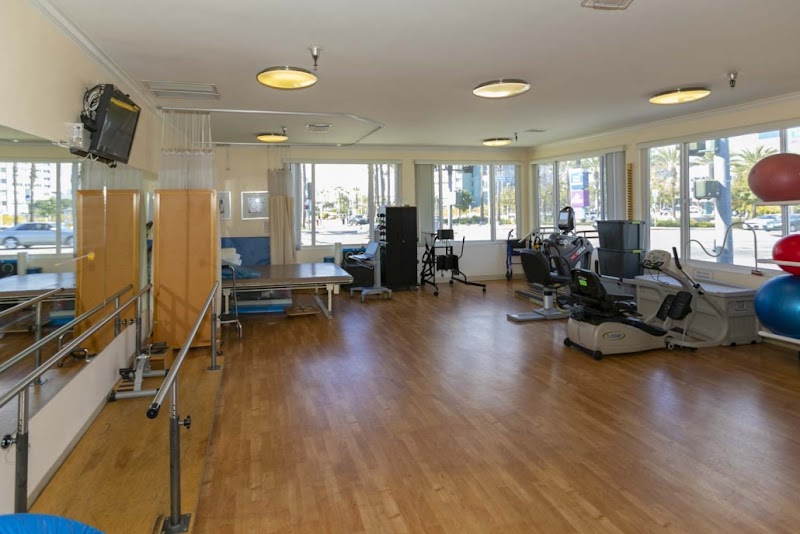
How is Atlantic Memorial Healthcare Center Staffed?

CMS rates ATLANTIC MEMORIAL HEALTHCARE CENTER's staffing level at 4 out of 5 stars, which is above average compared to other nursing homes. Staff turnover is 26%, compared to the California average of 46%. This relatively stable workforce can support continuity of care.

What Have Inspectors Found at Atlantic Memorial Healthcare Center?

State health inspectors documented 32 deficiencies at ATLANTIC MEMORIAL HEALTHCARE CENTER during 2023 to 2025. These included: 32 with potential for harm.
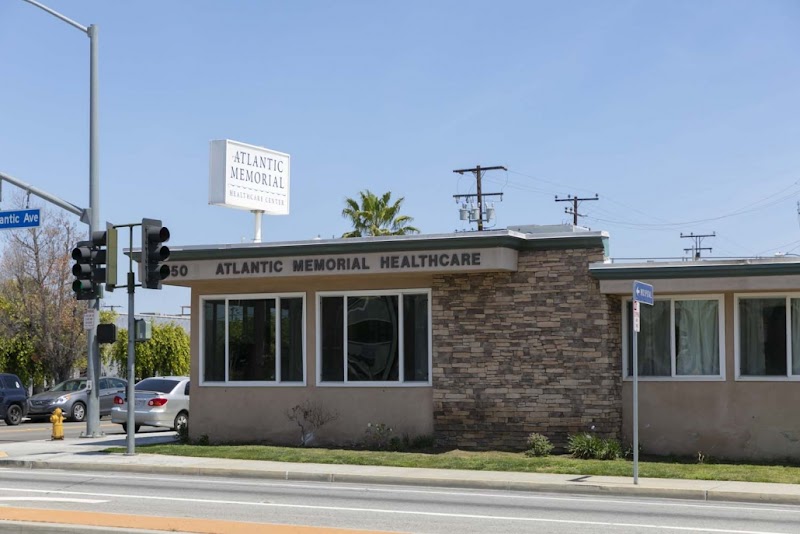
Who Owns and Operates Atlantic Memorial Healthcare Center?

ATLANTIC MEMORIAL HEALTHCARE CENTER is owned by a for-profit company. For-profit facilities operate as businesses with obligations to shareholders or private owners. The facility is operated by THE ENSIGN GROUP, a chain that manages multiple nursing homes. With 104 certified beds and approximately 88 residents (about 85% occupancy), it is a mid-sized facility located in LONG BEACH, California.

How Does Atlantic Memorial Healthcare Center Compare to Other California Nursing Homes?

Compared to the 100 nursing homes in California, ATLANTIC MEMORIAL HEALTHCARE CENTER's overall rating (5 stars) is above the state average of 3.2, staff turnover (26%) is significantly lower than the state average of 46%, and health inspection rating (4 stars) is above the national benchmark.

What Should Families Ask When Visiting Atlantic Memorial Healthcare Center?

Based on this facility's data, families visiting should ask: "Can I visit during a mealtime to observe dining assistance and food quality?" "How do you handle medical emergencies, and what is your hospital transfer rate?" "Can I speak with family members of current residents about their experience?"

Is Atlantic Memorial Healthcare Center Safe?

Based on CMS inspection data, ATLANTIC MEMORIAL HEALTHCARE CENTER has a clean safety record: no substantiated abuse findings (meaning no confirmed cases of resident harm), no Immediate Jeopardy citations (the most serious violation level indicating risk of serious injury or death), and is not on the Special Focus Facility watch list (a federal program monitoring the lowest-performing 1% of nursing homes). The facility has a 5-star overall rating and ranks #1 of 100 nursing homes in California. While no facility is perfect, families should still ask about staff-to-resident ratios and recent inspection results during their visit.

Do Nurses at Atlantic Memorial Healthcare Center Stick Around?

Staff at ATLANTIC MEMORIAL HEALTHCARE CENTER tend to stick around. With a turnover rate of 26%, the facility is 20 percentage points below the California average of 46%. Low turnover is a positive sign. It means caregivers have time to learn each resident's needs, medications, and personal preferences. Consistent staff also notice subtle changes in a resident's condition more quickly. Registered Nurse turnover is also low at 17%, meaning experienced RNs are available to handle complex medical needs.

Was Atlantic Memorial Healthcare Center Ever Fined?

ATLANTIC MEMORIAL HEALTHCARE CENTER has no federal fines on record. CMS issues fines when nursing homes fail to meet care standards or don't correct problems found during inspections. The absence of fines suggests the facility has either maintained compliance or corrected any issues before penalties were assessed. This is a positive indicator, though families should still review recent inspection reports for the full picture.

Is Atlantic Memorial Healthcare Center on Any Federal Watch List?

ATLANTIC MEMORIAL HEALTHCARE CENTER is not on any federal watch list. The most significant is the Special Focus Facility (SFF) program, which identifies the bottom 1% of nursing homes nationally based on persistent, serious quality problems. Not being on this list means the facility has avoided the pattern of deficiencies that triggers enhanced federal oversight. This is a positive indicator, though families should still review the facility's inspection history directly.