BAY VISTA HEALTHCARE & WELLNESS CENTRE, LP
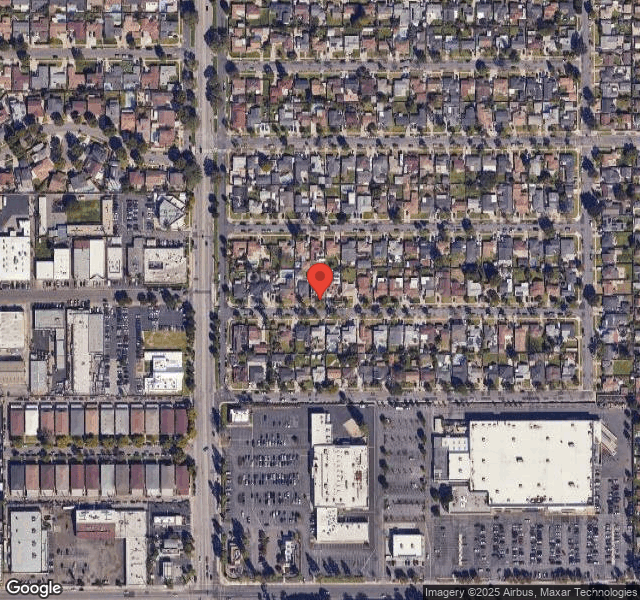

5901 DOWNEY AVE, LONG BEACH, CA 90805 (562) 634-4693
For profit - Limited Liability company 70 Beds COUNTRY VILLA HEALTH SERVICES Data: November 2025 2 Immediate Jeopardy citations
Trust Grade
0/100
#748 of 1155 in CA
Last Inspection: June 2025

Inspected within the last 6 months. Data reflects current conditions.

Overview

Bay Vista Healthcare & Wellness Centre has received a Trust Grade of F, indicating significant concerns and overall poor performance. It ranks #748 out of 1155 facilities in California, placing it in the bottom half, and #159 out of 369 in Los Angeles County, meaning only a few local options are worse. The facility's trend is worsening, with issues increasing from 15 in 2024 to 17 in 2025. Staffing is a relative strength, with a turnover rate of 34%, which is below the California average, but the nursing coverage is concerning, as they provide less RN oversight than 95% of state facilities. Families should be aware that the facility faced serious incidents, such as failing to manage a resident's dangerously high blood sugar levels and not preventing a resident with a history of self-harm from injuring herself, which highlights both critical and serious safety concerns.

Trust Score
F
0/100
In California
#748/1155
Bottom 36%
Safety Record
High Risk
Review needed
Inspections
Getting Worse
15 → 17 violations
Staff Stability
○ Average
34% turnover. Near California's 48% average. Typical for the industry.
Penalties
✓ Good
$36,304 in fines. Lower than most California facilities. Relatively clean record.
Skilled Nurses
⚠ Watch
Each resident gets only 14 minutes of Registered Nurse (RN) attention daily — below average for California. Fewer RN minutes means fewer trained eyes watching for problems.
Violations
⚠ Watch
57 deficiencies on record. Higher than average. Multiple issues found across inspections.
★★☆☆☆
2.0
Overall Rating
★★☆☆☆
2.0
Staff Levels
★★★★☆
4.0
Care Quality
★★☆☆☆
2.0
Inspection Score
Stable
2024: 15 issues
2025: 17 issues

The Good

  • 4-Star Quality Measures · Strong clinical quality outcomes
  • Full Sprinkler Coverage · Fire safety systems throughout facility
  • No fines on record
  • Staff turnover below average (34%)

    14 points below California average of 48%

Facility shows strength in quality measures, fire safety.

The Bad

2-Star Overall Rating

Below California average (3.1)

Below average - review inspection findings carefully

Staff Turnover: 34%

12pts below California avg (46%)

Typical for the industry

Federal Fines: $36,304

Above median ($33,413)

Moderate penalties - review what triggered them

Chain: COUNTRY VILLA HEALTH SERVICES

Part of a multi-facility chain

Ask about local staffing decisions and management

The Ugly 57 deficiencies on record

2 life-threatening 3 actual harm
Jun 2025 14 deficiencies
CONCERN (D)

Potential for Harm - no one hurt, but risky conditions existed

Deficiency F0578 (Tag F0578)

Could have caused harm · This affected 1 resident

**NOTE- TERMS IN BRACKETS HAVE BEEN EDITED TO PROTECT CONFIDENTIALITY** Based on interview and record review, the facility failed to ensure residents' medical records were updated to show documentatio...

Read full inspector narrative →
**NOTE- TERMS IN BRACKETS HAVE BEEN EDITED TO PROTECT CONFIDENTIALITY** Based on interview and record review, the facility failed to ensure residents' medical records were updated to show documentation that advance directives (written statement of a person's wishes regarding medical treatment made to ensure those wishes are carried out should the person be unable to communicate) were discussed and written information was provided to the residents and/or responsible parties for two of six sampled residents (Resident 2 and 16). These deficient practices violated the residents' and/or the representatives' right to be fully informed of the option to formulate an advance directive and had the potential to cause conflict with the residents' wishes regarding health care. Findings: A. During a review of Resident 2's admission Record, the admission Record indicated Resident 2 was admitted to the facility on [DATE] with diagnoses including psychosis (a severe mental condition in which thought, and emotions are so affected that contact is lost with reality) and depression (a mental health condition that causes persistent sadness and loss of interest in activities that were once enjoyable). During a review of Resident 2's Minimum Data Set (MDS- a resident assessment tool) dated 4/10/2025, the MDS indicated Resident 2 had moderate cognitive (ability to think, understand, learn, and remember) impairment. During a review of Resident 2's Social Services Progress Note dated 4/10/2025, the Social Services Progress Note indicated Resident 2 had an advance directive on file. During a review of Resident 2's Social Services Note dated 6/24/2025 at 11:25 a.m., the Social Services Note indicated Resident 2 did not have an advance directive and did not wish to formulate one. B. During a review of Resident 16's admission Record, the admission Record indicated Resident 16 was initially admitted to the facility on [DATE], and re-admitted to the facility on [DATE] with diagnoses including chronic obstructive pulmonary disease (COPD- a chronic lung disease causing difficulty in breathing) and paranoid schizophrenia (a pattern of behavior where a person feels distrustful and suspicious of other people and acts accordingly). During a review of Resident 16's MDS dated [DATE], the MDS indicated Resident 16 was cognitively intact. During a review of Resident 16's Advance Directive Acknowledgement Form dated 6/28/2024, the Advance Directive Acknowledgement Form indicated Resident 16 did not have an advance directive. During a review of Resident 16's Social Services assessment dated [DATE], the Social Services Assessment indicated Resident 16 had an advance directive on file. During a review of Resident 16's Social Services assessment dated [DATE], the Social Services Assessment indicated Resident 16 did not have an advance directive on file. During a review of Resident 16's Social Services assessment dated [DATE], the Social Services Assessment indicated Resident 16 did not have an advance directive on file. During a concurrent interview and record review on 6/26/2025 at 9:03 a.m., with the social services director (SSD), the SSD stated the advance directive represents the residents wishes and who would make decisions for them when they are unable to do so. The SSD stated she is responsible for offering residents to formulate an advance directive if they do not have one and for getting a copy of the residents advance directive if they have one. The SSD stated she did not follow up with Resident 2 for a copy of his advance directive, but she should have. The SSD stated Resident 16's advance directive status was not accurately documented, and she should have followed up. The SSD stated it's important that the status of the advance directive is documented accurately because if not, the facility will not be able to follow the residents wishes for their care. During an interview with the Director of Nursing (DON) on 6/26/2025 at 8:22 p.m., the DON stated it is important that advance directives are accurate because it represents the wishes for the residents care they want to receive when unable to make decisions on their own. The DON stated the SSD should have followed up on Resident 2 and Resident 16's advance directive to ensure the staff were aware of the care to provide. During a review of the facility's policy and procedure (P&P) titled, Advance Directive, dated 2022, the P&P indicated, Upon admission, the Admissions Staff or Designee will provide written information to the resident concerning his or her right to make decisions concerning medical care; including the right to accept or refuse medical or surgical treatment, and the right to formulate advance directives. During the Social Service Assessment process, the Director of Social Services or Designee will also ask the residents if they have a written advance directive. If the resident has an Advance Directive, the Facility shall request a copy of the document from the resident or the resident's representative. If a copy is provided by the resident or the resident's representative, it will be placed in the medical record.
CONCERN (D)

Potential for Harm - no one hurt, but risky conditions existed

Deficiency F0605 (Tag F0605)

Could have caused harm · This affected 1 resident

**NOTE- TERMS IN BRACKETS HAVE BEEN EDITED TO PROTECT CONFIDENTIALITY** Based on observation, interview , and record review, the facility failed to ensure one of four sampled residents (Resident 21) w...

Read full inspector narrative →
**NOTE- TERMS IN BRACKETS HAVE BEEN EDITED TO PROTECT CONFIDENTIALITY** Based on observation, interview , and record review, the facility failed to ensure one of four sampled residents (Resident 21) was free of chemical restraints (use of medication to control a patient's behavior or restrict the patient's movement and not required to treat the medical symptom) by failing to: 1.Ensure Resident 21 was provided non-pharmacological interventions (interventions that does not primarily use medicine ) before administering a as needed) (prn) psychotropic medication(any drugs that affects the brain activities associated with mental processes and behavior). This failure put Resident 21 at risk for adverse reactions (unintended, harmful events attributed to the use of medication) due to unnecessary prolonged use of psychotropic medication. Findings: During a record review of Resident 21's admission Record, the admission Record indicated Resident 21 was initially admitted to the facility on [DATE] and was readmitted on [DATE] with diagnoses including unspecified dementia (a progressive state of decline in mental abilities) with psychotic disturbance( a mental state where a person's thoughts and perceptions are significantly impaired leading to disconnect from reality), schizoaffective disorder (a mental illness that can affect thoughts, mood, and behavior), generalized anxiety disorder( mental health condition characterized by excessive, persistent, and unrealistic worry about everyday things) and chronic obstructive pulmonary disease (COPD- a chronic lung disease causing difficulty in breathing). During a review of Resident 21's Minimum Data Set ( MDS- a resident assessment tool) dated 5/11/2025, the MDS indicated Resident 21 had severely impaired cognitive skills( a significant decline in mental abilities, making it difficult or impossible for an individual to perform daily tasks independently) and required set-up or clean-up assistance (helper sets up or cleans up and resident completes the activity) with eating and personal hygiene. The MDS indicated Resident 21 required substantial/maximal assistance( a helper does more than half the effort) with bathing , dressing, sitting to lying ( ability to move from sitting on side on bed to lying flat on bed),and lying to sitting on side of bed ( ability move from lying on the back to sitting on the side of the bed without back support). During a review of Resident 21's Order Listing Report for Lorazepam (Ativan- medicine used to treat anxiety and sleeping problems related to anxiety), the Order Listing Report for Lorazepam indicated the following: 1.Lorazepam 1 milligram( mg -unit of measurement) 1 tablet by mouth every 6 hours as needed for anxiety manifested by inability to relax for 14 days ordered on 8/2/2024. 2.Lorazepam 1 mg. give 1 tablet by mouth every 6 hours as needed for anxiety manifested restlessness for 14 days ordered on 8/18/2024. 3.Lorazepam 1 mg. 1 tablet by mouth every 6 hours as needed for anxiety manifested by restlessness for 14 days ordered on 9/4/2024. 4.Lorazepam 1 mg. 1 tablet by mouth every 6 hours as needed for anxiety manifested by inability to relax for 14 days ordered 10/5/2024. 5.Lorazepam 1 mg. by mouth every 6 hours as needed for anxiety manifested by inability to relax for 14 days ordered on 10/23/2024. 6.Lorazepam 1mg. give 1 tablet by mouth every 12 hours as needed for anxiety manifested by inability to relax for 14 days ordered on 10/29/2024. 7.Lorazepam 1 mg. give 1 tablet every 12 hours as needed for anxiety manifested by inability to relax for 14 days ordered on 2/25/2025. 8.Lorazepam 1 mg. give 1 tablet by mouth every 12 hours as needed for anxiety manifested by to relax for 14 days ordered on 3/22/2025. 9.Lorazepam 1 mg. give 1 tablet by mouth every 12 hours as needed for anxiety manifested inability to relax for 30 days ordered on 4/7/2025. 10.Lorazepam 1 mg. give 1 tablet by mouth every 6 hours as needed for anxiety manifested by restlessness for 14 days ordered on 5/8/2025. 11.Lorazepam 1 mg. give 1 tablet by mouth every 6 hours as needed for anxiety manifested restlessness for 30 days ordered on 5/25/2025. 12.Lorazepam 1 mg. give 1 tablet by mouth every 6 hours as needed for anxiety manifested by inability to relax for 14 days ordered on 6/24/2025. During an observation on 6/23/2025, at 10:18 a.m. and 12:33 p.m. , Resident 21 was asleep in bed, not responding to her name when called. During a dining observation on 6/23/2025, at 12:33 p.m. in Resident 21's room, Resident 21 was in an upright position, very sleepy despite the Certified Nursing Assistant (CNA 2) waking her up several times to eat. Observed Resident 21 woke up after several prodding from CNA 2 and was fed by CNA 2 within eye level. During an observation on 6/24/2025, at 10:30 am in Resident 21's room, Resident 21 was asleep in her bed. During an observation 6/24/2025, at 12: 35 p.m., in Resident 21's room, observed Resident 21 was sleepy during lunch time and the staff had to wake her up several times to feed her. During an interview on 6/25/2025, at 2:43 p.m. with CNA 4 , CNA 4 stated Resident 21 was sleepy this morning and easily fell back to sleep. CNA 4 stated she had to wake her up to do the Activities of Daily living (ADL- activities such as bathing, dressing and toileting a person performs daily)on 6/25/2025 morning like bed bath or brushing her hair. During a concurrent interview and record review on 6/26/2025, at 12:25 p.m. with Licensed Vocational Nurse (LVN 4), Resident 21's Medication Administration Report (MAR- a daily documentation record used by a licensed nurse to document medications and treatments given to a resident) and Progress Notes were reviewed. LVN 4 stated through record review of Progress Notes and MAR for June 2025, stated the licensed nurses administering Lorazepam were not documenting non-pharmacological interventions before administering Lorazepam 1 mg prn for anxiety. LVN 4 stated administering Lorazepam can relax the resident to the point Resident 21would not be able to participate in her daily activities because of oversedation( a state of excessive drowsiness or unconsciousness caused by administration of sedative medications[ a class of drugs that slow down brain activity, inducing relaxation and sleepiness]). LVN 4 stated not performing non-pharmacological interventions before administering Lorazepam could be a form of chemical restraint ( use of medication to control a patient's behavior or restrict the patient's movement and not required to treat the medical symptom) and can affect the resident's quality of life. During a telephone interview on 6/26/2025, at 9:39 a.m. with Pharmacist Consultant (PC), PC stated best practice was for the licensed nurses to always use non-pharmacological intervention prior administering Lorazepam prn. During a concurrent interview and record review on 6/25/2025, at 3:05 p.m. with RN Supervisor (RNS1), Resident 21's MAR and Order Summary Report for June 2025 were reviewed. RNS 1 confirmed Resident 21 was on Lorazepam since August 2024 and non- pharmacological interventions were not provided before Lorazepam was administered to Resident 21. RNS 1 stated Resident 21 had intermittent episodes of yelling and repeating words in a loud manner. RNS 1 stated the licensed nurses should have provided non-pharmacological interventions first to make sure the resident's needs were met and to rule out the causes of restlessness or agitation. RNS 1 stated not providing non-pharmacological interventions before administering Lorazepam could make the resident sleepy and sedated which will prevent her participating in activities of daily living and could be a form of chemical restraint. RNS 1 stated licensed nurses should also monitor for side effects ( an effect of a drug that is in addition to or beyond its desired effect which can be harmful or beneficial) of Lorazepam like sedation which could lead to fall. During an interview on 6/26/2025, at 5:33 p.m. with the Director of Nursing (DON), the DON stated the licensed nurses will assess the resident for signs and symptoms of anxiety and use non-pharmacological interventions before administering prn lorazepam because the resident could develop tolerance and respiratory depression( breathing disorder characterized by slow and ineffective breathing). The DON stated lorazepam could affect her sleep cycle , making her awake at night and sleeping more on the day affecting the quality of her life. During a review of facility's policy and procedure (P&P) titled, Behavior/ Psychoactive Medication Management, dated 5/22/2025, the P&P indicated Anti-anxiety medications is one of the classes of psychotropic medicines and preventable causes of behavior should be considered for the use of psychotropic medicines including monitoring for side effects including sedation. The P&P indicated the licensed nurse will identify contributing factors related to the resident's mood, behavior and non - medication interventions to be implemented with collaboration with the healthcare practitioner, family, resident and IDT (Interdisciplinary team- team of healthcare professionals who discuss and manage resident's care) members.
CONCERN (D)

Potential for Harm - no one hurt, but risky conditions existed

Deficiency F0645 (Tag F0645)

Could have caused harm · This affected 1 resident

**NOTE- TERMS IN BRACKETS HAVE BEEN EDITED TO PROTECT CONFIDENTIALITY** Based on interview and record review, the facility failed to ensure one of two sampled residents (Resident 22 and Resident 11) h...

Read full inspector narrative →
**NOTE- TERMS IN BRACKETS HAVE BEEN EDITED TO PROTECT CONFIDENTIALITY** Based on interview and record review, the facility failed to ensure one of two sampled residents (Resident 22 and Resident 11) had a Level II Preadmission Screening and Resident Review (PASARR-a federal assessment requirement to help ensure that individuals who have a mental disorder or intellectual disabilities are placed in facilities that can provide the appropriate care) assessment done when diagnosed with a mental illness prior to admission. This failure had the potential to result in Resident 22 and Resident 11 not receiving the necessary services and appropriate psychiatric( relating to mental illness or its treatment) level of treatment and evaluation in the facility. Findings: During a review of Resident 22's admission Record, the admission Record indicated Resident 22 was admitted to the facility on [DATE] with diagnoses including diabetes mellitus, (DM-a disorder characterized by difficulty in blood sugar control and poor wound healing) paranoid schizophrenia(a mental illness that is characterized by disturbances in thought), major depressive disorder(a mood disorder that causes a persistent feeling of sadness and loss of interest), and anxiety (a feeling of fear, dread, and uneasiness). During a review of Resident 22's History and physical (H&P), dated 8/24/2024, the H&P indicated Resident 22 had the capacity to understand and make decisions. During a review of Resident 22's Minimum Data Set (MDS-a resident assessment tool), dated 5/27/2025, the MDS indicated Resident 22 was independent with eating, oral hygiene, toileting, dressing and walking. During a review of Resident 22's Progress Note, dated 6/2/2025, the Progress Note indicated Resident 22 continues to benefit from psychotherapy (an approach for treating mental health issues) to reduce mood symptoms and to assist with adjustment to medical conditions, functional limitations, increased need for assistance, and rehabilitation placement. Prognosis is guarded due to medical conditions. 2. During a review of Resident 11's admission Record, the admission Record indicated Resident 11 was originally admitted to the facility on [DATE] and readmitted to the facility on [DATE] with diagnoses including major depressive disorder, anxiety, and bipolar disorder (mood swings that range from the lows of depression to elevated periods of emotional highs). During a review of Resident 11's H&P, dated 5/16/2024, the H&P indicated Resident 11 did not have the capacity to understand and make decisions. During a review of Resident 11's MDS, dated [DATE], the MDS indicated Resident 11 was independent with eating. The MDS indicated Resident 11 needed substantial to maximal assistance from nursing staff with toileting, and showering. The MDS indicated Resident 11 required partial to moderate assistance from nursing staff with dressing, sitting and transferring. During a concurrent interview and record review on 6/24/2025 at 1:29 p.m., with Licensed Vocational Nurse (LVN) 3, Resident 22's PASARR, dated 4/12/2024 was reviewed. The PASARR indicated Resident 22 had a Positive Level I screening. The PASARR indicated Resident 22 had a duplicate PASARR on file and the case was closed. The PASARR indicated to reopen the file, please submit a new PASARR Level I screening. LVN 3 stated Resident 22 should have a new PASARR Level I screening done due to a history of schizophrenia, anxiety and major depressive disorder. During an interview on 6/25/2025 at 10:33 a.m., with the Minimum Data Set Nurse (MDSN), MDSN stated we follow the recommendation from the determination letter. The MDSN stated Resident 22 had a duplicate PASARR Level I created with two different dates. The MDSN agreed that another Level I PASARR screening should have been reopened. The MDSN state she needs to follow up on Resident 11's PASARR Level 2 screening because she misread the determination letter dated 5/15/2024, indicating Resident 11 did not have serious mental illness. During an interview on 6/26/2025 at 11:54 a.m., with Registered Nurse Supervisor (RNS) 1, RNS 1 stated Resident 22 diagnosed with paranoid schizophrenia, major depressive disorder, and anxiety. RNS 1 stated these diagnoses were all serious mental illnesses. RNS 1 stated Resident 22 should have been screened again. RNS 1 stated Resident 22 still has unresolved psychosis ( a severe mental condition in which thought, and emotions are so affected that contact is lost with reality) present. RNS 1 stated Resident 22's mental issues will not be properly addressed if the Resident 22 case was not reopened. RNS 1 stated Resident 11 had serious mental illness diagnoses of bipolar, anxiety, and major depressive disorder. RNS 1 agreed Resident 11 should have Level 1 screening reopened for a PASARR Level II evaluation. During an interview on 6/26/2025 at 6:27 p.m., with the Director of Nursing (DON), the DON agreed Resident 11 and Resident 22 needed to have a new Level I screening submitted. During a review of the facility's policy and procedure (P&P) titled Pre-admission Screening Resident Review (PASARR), revised 4/24/2024, the P&P indicated, The acute care hospital must complete a PASARR Level I and coordinate the completion of the Level II evaluation (if applicable) prior to admission to the skilled nursing facility . During a review of the facility's policy and procedure (P&P) titled Pre-admission Screening Level II Resident Review (PASARR Level II), revised 4/25/2024, the P&P indicated, The facility staff will coordinate the recommendations from the Level II PASRR determination and the PASARR evaluation report with the resident's assessment, care planning, and transitions of care .
CONCERN (D)

Potential for Harm - no one hurt, but risky conditions existed

ADL Care (Tag F0677)

Could have caused harm · This affected 1 resident

**NOTE- TERMS IN BRACKETS HAVE BEEN EDITED TO PROTECT CONFIDENTIALITY** Based on observation and interview, the facility failed to ensure one of two residents' (Resident 2) was provided with personal ...

Read full inspector narrative →
**NOTE- TERMS IN BRACKETS HAVE BEEN EDITED TO PROTECT CONFIDENTIALITY** Based on observation and interview, the facility failed to ensure one of two residents' (Resident 2) was provided with personal hygiene care. This deficient practice resulted in Resident 2's facial hair being too long to shave with a razor, requiring the use of an electrical razor and had the potential to affect Resident 2's dignity. Findings: During an observation on 6/23/2025 at 10:27 a.m., in the hallway outside of Resident 2's room, Resident 2 was observed with long unkempt facial hair. Resident 2 was observed asking the staff to shave him. During a review of Resident 2's admission Record, the admission Record indicated Resident 2 was admitted to the facility on [DATE] with diagnoses including psychosis (a severe mental condition in which thought, and emotions are so affected that contact is lost with reality) and depression (a mental health condition that causes persistent sadness and loss of interest in activities that were once enjoyable). During a review of Resident 2's Minimum Data Set (MDS- a resident assessment tool) dated 4/10/2025, the MDS indicated Resident 2 had moderate cognitive (ability to think, understand, learn, and remember) impairment and required moderate assistance (helper does less than half the effort) with personal hygiene. During a concurrent observation and interview on 6/24/2024 at 12:21 p.m., with Certified Nurse Assistant (CNA) 1, in Resident 2's room, CNA 1 validated Resident 2's face needed to be shaved, and she should have offered when she noticed it. CNA 1 stated Resident 2's facial hair is so long, she will need to use an electric razor. CNA 2 stated when Resident 2 requested a shave yesterday, it should have been done because it could affect his dignity on how he feels and looks. During an interview on 6/24/2025 at 2:33 p.m., with Licensed Vocational Nurse (LVN) 2, LVN 2 stated one of her job duties is to oversee the CNA's. LVN 2 stated Resident 2 should have had his face shaven yesterday when he requested for it to be done and not doing so could affect his dignity. During an interview on 6/26/2025 at 8:26 p.m., with the Director of Nursing (DON), the DON stated the CNA's are responsible for shaving the residents. The DON stated Resident 2 not being shaved upon his request could affect his dignity and make him feel like he is not being prioritized. During a review of the facility's policy and procedure (P&P) titled, Resident Rights- Quality of Life, dated 3/2017, the P&P indicated, Each resident shall be cared for in a manner that promotes and enhances the quality of life, dignity, respect, individuality and receives services in a person-centered manner, as well as those that support the resident in attaining and maintain his/her highest practicable well-being. During a review of the facility's CNA Job Description, undated, the CNA Job Description indicated, General duties and responsibilities: shave male residents daily or as needed. During a review of the facility's LVN Job Description, undated, the LVN Job Description indicated, General duties and responsibilities: Supervise CNA's and to make resident rounds to ensure appropriate care is being rendered, identified, and making corrections as needed. It also indicated to meet with nursing personnel to assist in identifying and correcting problem areas and/or the improvement of resident care.
CONCERN (D)

Potential for Harm - no one hurt, but risky conditions existed

Incontinence Care (Tag F0690)

Could have caused harm · This affected 1 resident

**NOTE- TERMS IN BRACKETS HAVE BEEN EDITED TO PROTECT CONFIDENTIALITY** Based on interview and record review the facility failed to ensure two of two sampled residents (Resident 11 and Resident 60) we...

Read full inspector narrative →
**NOTE- TERMS IN BRACKETS HAVE BEEN EDITED TO PROTECT CONFIDENTIALITY** Based on interview and record review the facility failed to ensure two of two sampled residents (Resident 11 and Resident 60) were provided with a bowel and bladder retraining and/or toileting program (scheduled toileting, prompted voiding or bladder training [help to regain at least some control over patient's bladder]), to regain normal bowel and bladder function as much as possible and received appropriate treatment and services to restore continence. This failure had a potential risk for Resident 11 and Resident 60 to lose their ability to regain control of bowel and bladder function, which could result in loss of dignity. Findings: 1. During a review of Resident 11's admission Record, the admission Record indicated Resident 11 was originally admitted to the facility on [DATE] and readmitted to the facility on [DATE] with diagnoses including urinary tract infection, (UTI- an infection in the bladder/urinary tract) acute cystitis (a sudden inflammation of the urinary bladder caused by a bacterial infection), major depressive disorder (a mood disorder that causes a persistent feeling of sadness and loss of interest), anxiety (a feeling of fear, dread, and uneasiness), and bipolar (sometimes called manic-depressive disorder; mood swings that range from the lows of depression to elevated periods of emotional highs). During a review of Resident 11's History and Physical (H&P), dated 5/16/2024, the H&P indicated Resident 11 did not have the capacity to understand and make decisions. During a review of Resident 11's Minimum Data Set (MDS-a resident assessment tool), dated 5/28/2025, the MDS indicated Resident 11 was independent with eating. The MDS indicated Resident 11 needed substantial to maximal assistance from nursing staff with toileting, and showering. The MDS indicated Resident 11 required partial to moderate assistance from nursing staff with dressing, sitting and transferring. The MDS indicated Resident 11 always had urinary and bowel incontinence (lack of voluntary control over urination or defecation). The MDS indicated Resident 11 was not currently using a toileting program to manage bladder and bowel incontinence. During an interview on 6/24/2025 at 11:19 a.m., with Certified Nursing Assistant (CNA) 6, CNA 6 stated Resident 11 was incontinent and wears diapers and has always worn diaper in the facility. CNA 6 stated Resident 11 can tell someone when she needs to use the bathroom or needs a diaper change. CNA 6 stated Resident 11 was not part of a bowel and bladder training program. During an interview on 6/25/2025 at 11:09 a.m., with the Minimum Data Set Nurse (MDSN), the MDSN stated Resident 11 was not in any retraining program for bowel and bladder. The MDSN stated the bowel and bladder retraining program was to help the residents to be continent and prevent urinary tract infections. During an interview on 6/25/2025 at 11:29 a.m., with Licensed Vocational Nurse (LVN) 3, LVN 3 stated Resident 11 is incontinent and used diapers. LVN 3 stated Resident 11 can feel the urge to void. LVN 3 stated she was unsure why Resident 11 was not on a bowel and bladder retraining program. LVN 3 stated the retraining was to get them independent and to avoid skin issues or irritation. During a concurrent interview and record review on 6/26/2025 at 12:00 p.m., with Registered Nurse Supervisor (RNS) 1, Resident 11's Bowel and Bladder Program Screener, dated 8/31 2024, was reviewed. The Bowel and Bladder Program Screener indicated Resident 11 was a good candidate for bladder and bowel retraining. RNS 1 stated Resident 11 can tell when she needs to go to the bathroom. RNS 1 stated Resident 11 can benefit from the bladder and bowel training to avoid skin issues like pressure ulcers (localized damage to the skin and/or underlying tissue usually over a bony prominence) that can occur with moisture from urine or stool. 2. During a review of Resident 60's admission Record, the admission Record indicated Resident 60 was admitted to the facility on [DATE] and readmitted to the facility with diagnoses including hemiplegia (total paralysis of the arm, leg, and trunk on the same side of the body), diabetes mellitus (DM-a disorder characterized by difficulty in blood sugar control and poor wound healing) and cirrhosis of the liver (a condition where healthy liver tissue is replaced by scar tissue). During a review of Resident 60's Physician Progress Note, dated 1/14/2025, the Physician Progress Note indicated Resident 60 could make needs known but did not have the capacity to consent due to cognitive (ability to think, understand, learn, and remember) impairment. During a review of Resident 60's MDS dated [DATE], the MDS indicated Resident 60 needed partial to moderate assistance from nursing staff with toileting, showering, and transferring. The MDS indicated Resident 60 needed supervision or touching assistance with eating, oral hygiene, dressing and walking. During an interview on 6/24/2025 at 11:59 a.m., with Certified Nursing Assistant (CNA) 7, CNA 7 stated Resident 60 has episodes of incontinence and wears a diaper. CNA 7 stated Resident 60 can feel the urge to go to the bathroom. CNA 7 stated Resident 60 stated he does not like to wear diapers. CNA 7 stated Resident 60 was not on bowel and bladder retraining program. CNA 7 stated bowel and bladder training programs were important to prevent bowel and bladder issues from getting worse. During a concurrent interview and record review on 6/24/2025 at 1:42 p.m., with Licensed Vocational Nurse (LVN) 3, Resident 60's Bowel and Bladder Program Screener, dated 4/18/2025, was reviewed. The Bowel and Bladder Program Screener indicated Resident 60 was a good candidate for bladder retraining. LVN 3 stated Resident 60 was not in any bladder retraining programs. LVN 3 stated the licensed nurses were responsible for implementing the bowel and bladder retraining programs. During an interview on 6/25/2025 at 11:03 a.m., with MDSN, the MDSN stated that she was responsible for completing documentation on the Bowel and Bladder Screener. MDSN stated she should have informed the Resident 60's doctor to get an order for bowel and bladder retraining program. MDSN stated she should have discussed with the resident and responsible party about the bowel and bladder retraining program. MDSN stated the bowel and bladder retraining program was missed and not done for Resident 60. During an interview on 6/26/2025 at 12:15 p.m., with Registered Nurse Supervisor RNS 1, RNS 1 stated Resident 60 has episodes of incontinence. RNS 1 stated after MDSN screened Resident 60 she needed to communicate with licensed nurses that Resident 60 needs to be on a bowel and bladder retraining program. RNS 1 stated he does not know why the bowel and bladder retraining program was not implemented. RNS 1 stated that continued incontinence can cause skin breakdown to occur. During an interview on 6/26/2025 at 6:47 p.m., with the Director of Nursing (DON), the DON stated based on the Bowel and Bladder Program Screener Resident 11 and Resident 60 should have been started on the bowel and bladder training program. The DON stated the licensed nurses were responsible for implementing the bowel and bladder program and the retraining. The DON stated the bowel and bladder retraining program should have been initiated to prevent incontinence, and any issues with dignity. During a review of the facility's policy and procedure (P&P) titled Incontinence Care, revised 1/30/2025, the P&P indicated, The facility will ensure that a resident who is incontinent of bowel and bladder on admission receives services and assistance to attain/maintain continence unless his or her clinical condition is or becomes such that continence is not possible to attain/maintain.
CONCERN (D)

Potential for Harm - no one hurt, but risky conditions existed

Respiratory Care (Tag F0695)

Could have caused harm · This affected 1 resident

**NOTE- TERMS IN BRACKETS HAVE BEEN EDITED TO PROTECT CONFIDENTIALITY** Based on observation, interview and record review, the facility failed to ensure one of six sampled residents (Resident 48) rece...

Read full inspector narrative →
**NOTE- TERMS IN BRACKETS HAVE BEEN EDITED TO PROTECT CONFIDENTIALITY** Based on observation, interview and record review, the facility failed to ensure one of six sampled residents (Resident 48) received respiratory care (specialized healthcare field that focuses on the treatment , management and prevention of respiratory disorders) consistent with professional standards of care by failing to: 1.Ensure Resident 48 's nasal cannula (medical device used to deliver supplemental oxygen to a person's nose) was not left on the floor and oxygen concentrator ( medical device that provides a concentrated source of oxygen) were turned off when not in use. These failures had the potential to put Resident 48 for respiratory infection (an infection that affects respiratory tract which includes the nose, throat, and lungs caused by viruses or bacteria). Findings: During a review of Resident 48's admission Record, the admission Record indicated Resident 48 was initially admitted to the facility on [DATE] and was readmitted on [DATE] with diagnoses including dependence on supplemental oxygen (refers the need for supplemental oxygen due respiratory or medical conditions), personal history of Covid-19 ( previously diagnosed with Covid-19 [highly contagious respiratory disease]) , and hemiplegia ( weakness or paralysis) affecting left nondominant side. During a review of Resident 48's Minimum Data Set (MDS- resident assessment tool) dated 4/1/2025, the MDS indicated Resident 48 had severely impaired cognitive skills( as significant decline in a person's ability to think, learn, remember, concentrate, make decisions, and solve problems) and was dependent ( helper does all the effort and resident does none of the effort to complete the activity) on the staff with eating, bed mobility, oral hygiene, toileting hygiene, bathing, dressing and personal hygiene. During a review of Resident 48's Order Summary Report , the Order Summary Report dated 6/21/2024 indicated a physician order of continuous oxygen at 2 to 4 liters per minute ( flow rate of oxygen delivered to a patient) via nasal cannula to keep oxygen saturation( a measurement of how much oxygen is carried by red blood cells in the blood expressed as a percentage) at or above 90 percent (%- out of 100) every shift for shortness of breath (sob- uncomfortable feeling that you are running out of breath). During a review of Resident 48's Care Plan, titled Resident had oxygen therapy related to shortness of breath initiated on 6/24/2025, the Care Plan goal indicated Resident 48 will have no signs and symptoms of poor oxygen absorption( body is not getting enough oxygen from the air you breathe to function properly) through the review date on 10/8/2025. The Care Plan interventions included administering continuous oxygen as ordered. During an observation on 6/23/2025, at 11:06 a.m. in Resident 48's room, a nasal cannula with the nasal prongs touching the floor located on the left side of Resident 48's bed. Observed the nasal cannula was connected to the oxygen concentrator that remained on. During a concurrent observation and interview on 6/23/2025, at 11:19 a.m. and subsequent interview on 6/23/2025, at 11:19 a.m. with Licensed Vocational Nurse (LVN 2), LVN2 stated the certified nursing assistants should tell her when Resident 48 was moved and transferred to a wheelchair. Observed LVN 2 placed the nasal cannula back in a plastic bag near the oxygen concentrator and stated she will replace the nasal cannula that was on the floor. LVN 2 stated the oxygen concentrator should not have been left on when not in use and nasal cannula should not be left on the floor and should be kept on a plastic bag to keep it clean. LVN 2 stated Resident 48 's nasal cannula was considered dirty, and this could make the resident sick. During an interview on 6/24/2925, at 2:59 p.m., with Certified Nursing Assistant (CNA 5), CNA 5 stated LVN 2 removed the nasal cannula before the resident was transferred to the wheelchair on 6/24/2025. CNA 5 stated it was the responsibility of the licensed nurses to remove or reapply nasal cannula and turn off the oxygen. CNA 5 stated the nasal cannula should not be left on the floor because it will be contaminated and the residents could get an infection. During an interview on 6/24/2025, at 4:27 p.m. with Registered Nurse Supervisor (RNS 2), RNS 2 stated the nasal cannula should not be on the floor and the licensed nurse should have replaced the nasal cannula because it was unsanitary and residents could get a respiratory infection from using it. During an interview on 6/26/2025, at 2:02 p.m. with Infection Preventionist Nurse (IPN), IPN stated nasal cannula should have been replaced and changed when it had touched the floor to ensure the resident will not be at risk for respiratory infection. During an interview on 6/26/2025, at 3:28 p.m. with the Director of Nursing (DON), the DON stated nasal cannula that was not in use should be kept in a bag so it will not be touching the floor. The DON stated the nasal cannula that was on the floor was contaminated and could put Resident 48 at risk of getting sick. During a review of facility's policy and procedure titled, Oxygen Therapy, revised 11/2017, the P&P indicated Oxygen is administered under safe and sanitary conditions to meet resident need. The P&P indicated licensed nursing staff will administer oxygen as prescribed by the physician.
CONCERN (D)

Potential for Harm - no one hurt, but risky conditions existed

Deficiency F0740 (Tag F0740)

Could have caused harm · This affected 1 resident

**NOTE- TERMS IN BRACKETS HAVE BEEN EDITED TO PROTECT CONFIDENTIALITY** Based on observation, interview , and record review , the facility failed to provide necessary behavioral care and treatment on ...

Read full inspector narrative →
**NOTE- TERMS IN BRACKETS HAVE BEEN EDITED TO PROTECT CONFIDENTIALITY** Based on observation, interview , and record review , the facility failed to provide necessary behavioral care and treatment on one of three sample residents ( Resident 167) by failing to: 1.Assess and monitor Resident 167's behavior after verbalization of wanting to die. 2.Follow up physician's notification about Resident's 167 suicidal ideation (thoughts of self-harm or ending one's life). 3.Provide psychiatric (study and treatment of mental, emotional, and behavioral disorders ) evaluation after Resident 167's verbalization of wanting to die. These failures had the potential to put Resident 167 at risk of committing suicide due to delays in care and services. Findings: During a review of Resident167's admission Record, the admission Record indicated Resident 167 was admitted to the facility on [DATE] with diagnoses including hemiplegia partial ( paralysis on one side of the body) and hemiparesis (weakness on one side of the body) following cerebral infarction affecting left dominant side, diabetes mellitus (DM-a disorder characterized by difficulty in blood sugar control and poor wound healing) Stage III pressure ulcer(full-thickness loss of skin with dead and black tissue may be visible) on the sacral, muscle spasm (a sudden, involuntary, and often painful contraction of a muscle or group pf muscles), and muscle weakness. During a review of Resident 167's Minimum Data Set (MDS- a resident assessment tool) dated 6/13/2025, the MDS indicated Resident 167 had moderately impaired cognitive (ability to think, understand, learn, and remember) skills) and was dependent( helper does all of the effort to complete the activity) on staff with lower body dressing(ability to dress and undress below the waist) , transfer to and from a bed to wheelchair or chair and toileting hygiene. The MDS indicated Resident 167 had a Patient Health Questionnaire-9 (PHQ 9- screening tool used to assess severity of depression[mood disorder that causes persistent feeling of sadness and loss of interest) with a score of 12. ( PHQ 9 score of 12 indicates moderate depression[ characterized by persistent symptoms that interfere with daily functioning, but not as significantly as in major depression]). During a review of Resident 167's History and Physical (H&P) dated 6/6/2025. the H&P indicated Resident 167 had fluctuating capacity to understand and make decisions. During a review of Resident 167's Change in Condition (COC- a sudden clinically important deviation from a patient's baseline in physical, cognitive, behavioral or functional condition) Evaluation dated 6/16/2025 timed at 6:30 a.m. , the COC indicated Resident 167 refused blood sugar check and medications. The COC indicated Resident 167 physician was notified on 6/16/2025 at 7:00 a.m. The COC indicated the recommendation of the physician was to monitor Resident 167 for any noted changes in behavior and inform the physician of changes. During a review of Resident 167 's COC Follow Up Note dated 6/16/2025 timed at 5:23 p.m., the COC indicated the resident refused all oral medications, except medications to control blood pressure and finger stick ( a procedure in which a finger is pricked with a lancet to obtain small quantity of blood) for blood sugar monitoring, The COC Follow Up Note indicated the resident verbalized signs and symptoms related to wanting to die and the physician was notified of verbalization and medication refusals. During a review of Resident 167's COC Follow Up Note dated 6/17/2025, at 6:57 a.m. , on 6/17/2025, at 12:57 p.m. , 6/17/2025 at 11:20 p.m.,6/18/2025 at 6:27 p.m., 6/18/2025 at 7:46 p.m., 6/19/2025 at 3:09 a.m. 6/19/2025 at 4:33 p.m. and 6/19/2025 timed at 19:41 p.m. indicated resident's verbalization of wanting to die was not monitored and assessed. The COC Follow Up Notes indicated Resident 167 refused all his medications and finger sticks. During a review of Resident 167's Care Plan titled, The Resident 167 is at risk of Mood Problem related to PHQ score of 12 initiated on 6/18/2025. The Care Plan's goal indicated Resident 167 will have an improved mood, a happy, calmer appearance , no signs and symptoms of depression, anxiety or sadness through review date. The Care Plan interventions included monitoring mood problems ,documenting and reporting as needed any risk for harm to self-suicidal plan, past attempt at suicide, risky actions, intentionally harmed or tried to harm self, refusing to eat, drink medicines or therapies, sense of hopelessness or helplessness and impaired judgement or safety awareness. During a review of Resident 167's COC Evaluation dated 6/23/2025 timed at 6:01 p.m., the COC indicated Resident 167 refused his medication and the physician was notified. During a review of Resident 167's Order Summary Report dated 6/23/2025, the Order Summary Report indicated to transfer Resident 167 to a general acute hospital (GACH) for further evaluation. During a review of Resident 167's Initial Psychiatric (relating to mental illness and its treatment) Consultation dated 6/10/2025, the Initial Consultation indicated Resident 167 had no new unwanted behavior at that time, mood was neutral and treatment plan indicated 20 minutes of CBT ( cognitive behavior therapy- a structured , goal oriented form of talk therapy that helps people manage mental health issues and emotional concerns) to convert negative thoughts to more positive to reduce depression and anxiety. During a concurrent observation and interview on 6/23/2025, at 11:05 a.m. with Resident 167, Resident 167 was awake and lying in bed. Resident 167 stated he was afraid of the facility staff because the staff does not care. During an interview on 6/24/2025, at 3:14 p.m. with Certified Nursing Assistant (CNA5), CNA 5 stated Resident 167 refused his breakfast and lunch because he thought he was getting poisoned. CNA 5 stated she did not notify Licensed Vocational Nurse (LVN 2) about resident's refusals of meals. During a concurrent interview and record review on 6/26/2025, at 11:22 a.m. with Licensed Vocational Nurse (LVN) 4, Resident 167's COC Evaluation Note , Progress Notes for the month of June 2025 and recent MDS were reviewed. LVN 4 stated the COC indicated Resident 167 verbalized the desire to die and the facility should have addressed the suicidal ideation right away to ensure resident's safety. LVN 4 stated it was a verbalization of harming oneself, the staff should not have left the resident alone and should have a CNA stay or sit with the resident to observe resident's behavior. LVN 4 confirmed Resident 167's behavior about wanting to die was not monitored and documented by staff in the Progress Notes. During a concurrent interview and record review on 6/26/2025, at 1:28 p.m. with Minimum Data Set Nurse (MDSN), Resident 167's electronic health record was reviewed. MDSN confirmed PHQ 9 score was 12 during MDS assessment and the social service is responsible in determining the score based on assessment. MDSN stated there was no new physician order addressing resident's episode of suicidal ideation. MDSN stated PHQ 9 score of 12 indicated moderate depression and will trigger addressing psychosocial well being that will be reflected on Resident 167's care plan. MDSN stated the facility should have addressed Resident 167's verbalization of wanting to die. MDSN verified thru recent MDS and admission Record Resident 167 had no diagnosis of depression. MDSN stated the staff did not notify her about Resident 167's desire to die. MDSN stated the facility should have done Interdisciplinary Team (IDT- group of professional and direct care staff that have primary responsibility for the development of a plan for the care of a resident) meeting addressing Resident 167's suicidal ideation , performed a psychiatric evaluation(relating to mental illness or its treatment), monitored resident's mood and involved the family. During an interview on 6/26/2025, at 2:04 p.m. with Director of Social Services (SSD), SSD stated she documents on MDS regarding Resident 167's behavior and mood. SSD stated Resident 167 had depression during MDS assessment. SSD stated if a resident has a PHQ 9 score of 12 , the resident gets referred to a psychologist( mental health professional who uses psychological evaluations and talk therapy to help people learn cope with life and mental health conditions) for possibility of depression. SSD stated she was not aware Resident 167 had verbalized to the staff that he wanted to die, and the resident should have been seen right away by a psychiatrist ( a medical practitioner specializing in the diagnosis and treatment of mental illness) to assess his behavior and mood. SSD stated the facility should have done a suicide assessment (a process to figure out if someone is at risk of harming themselves), notified the physician right away and have someone watch the resident closely like a one-on-one observation( a practice where a designated staff member provides continuous, close supervision to a patient to ensure their safety and prevent harm). SSD stated she should have called the psychologist to evaluate and manage Resident 167's depression and the licensed nurse should have called and informed the physician right away to ensure resident's safety because he was verbalizing the desire to die. SSD stated Resident 167 was at risk of carrying a suicide attempt if the resident was not assessed and monitored closely. During a concurrent interview and record review on 6/26/2025, at 2:34 p.m., and subsequent interview on 6/26/2025, 3:20 p.m., with LVN 1, Resident 167's COC dated 6/16/2025 timed at 5:23 p.m., facility's phone log intended for nurses' use were reviewed. LVN 1 stated Resident 167 was tired of muscle spasms and wanted to die out of frustration. LVN 1 stated Resident 167 felt he was not getting any better and his medicines were not effective. LVN 1 stated there was no one on one observation conducted when Resident 167 verbalized he wanted to die but they rounded frequently. LVN 1 stated he notified RN Supervisor (RNS 2) and called the nurse practitioner (NP). LVN 1 stated he told he never received a call back from the NP during his shift. LVN 1 verified through record review of phone call logs for nurses on 6/16/2025 and 6/17/2025 , that the NP did not return his call regarding resident's desire to die. LVN 1 stated Resident 167 could be at risk of being able to carry out his plan to hurt himself if he was not monitored and assessed closely. During an interview on 6/26/2025, at 3:34 p.m. and subsequent interview at 5:51 p.m. and 7:44 p.m. with the Director of Nursing (DON),the DON stated she was not informed of Resident 167 verbalization of wanting to die. The DON stated Resident 167 was frustrated in life in general and did not believe the resident had suicidal tendencies. The DON stated the staff should have assessed, monitored Resident 167, followed up the call to the physician and performed a one-on-one observation by not leaving the resident by himself right away. During a review of facility's policy and procedure (P&P) titled, Behavior/ Psychoactive Management, dated 3/24/2024, the P&P indicated the facility will provide a person-centered , comprehensive, and interdisciplinary care that will reflect best practice od standards for meeting health, safety, psychosocial, behavioral, and environmental needs of residents. The P &P indicated the facility will provide a therapeutic environment that supports residents to obtain and maintain the highest physical, mental and psychosocial being.
CONCERN (D)

Potential for Harm - no one hurt, but risky conditions existed

Unnecessary Medications (Tag F0759)

Could have caused harm · This affected 1 resident

**NOTE- TERMS IN BRACKETS HAVE BEEN EDITED TO PROTECT CONFIDENTIALITY** Based on observation, interview, and record review, the facility failed to maintain a medication error rate of less than 5% (per...

Read full inspector narrative →
**NOTE- TERMS IN BRACKETS HAVE BEEN EDITED TO PROTECT CONFIDENTIALITY** Based on observation, interview, and record review, the facility failed to maintain a medication error rate of less than 5% (percent) during medication pass for one of the four sampled residents (Residents 46 ) The facility failed to: a. Administer Resident 46's Onglyza (medication for DM), Sitagliptin (medication for DM) and Risperdal (antipsychotic medication [used to treat schizophrenia and bi-polar]) within 60 minutes of its scheduled time as per facility's policy and procedure (P&P) titled, Medication Administration dated 1/1/2012. These deficient practices of medication administration error rate of 9.09% exceeded the five (5) percent threshold. Findings: During a review of Resident 46 admission Record, dated 6/25/25, the admission Record indicated Resident 46 was admitted to the facility on [DATE] and readmitted on [DATE] with diagnosis including diabetes mellitus (DM-a disorder characterized by difficulty in blood sugar control and poor wound healing), paranoid schizophrenia (a mental illness that is characterized by disturbances in thought), bipolar disorder (sometimes called manic-depressive disorder; mood swings that range from the lows of depression to elevated periods of emotional highs), and anxiety disorder( a mental health condition characterized by excessive, persistent and uncontrollable feelings of worry, fear and unease). During a review of Resident 46 History and Physical (H&P), dated 5/20/25, the H&P indicated Resident 46 was able to make decisions regarding activities of daily living (ADLs- activities such as oral hygiene, dressing and toileting a person performs daily. During a review of Resident 46 Minimum Data Set (MDS - a resident assessment tool), dated 5/22/25, the MDS indicated Resident 46 had moderate cognitive (mental action or process of acquiring knowledge and understanding through thought and the senses) impairment. The MDS also indicated Resident 46 was set-up or clean up assistance (helper sets up or cleans up) with ADLs. The MDS also indicated Resident 46 was taking an antipsychotic (used to treat schizophrenia and bi-polar) medications and hypoglycemic (used to treat DM ) medications. During a review of Resident 46's Order Summary Report dated 6/25/25, the Order Summary report indicated Resident 46 was prescribed the following medications: 1.Onglyza (medication for DM) 5 milligrams (mg- unit of measure) give one tablet by mouth one time a day for DM. 2.Sitagliptin (medication for DM)100 mg give 1 tablet by mouth one time a day for DM 2, 3.benztropine (medication used to treat extrapyramidal symptoms (EPS- a group of side effects that can occur from taking certain medications that effect movement and muscle control) 1 mg by mouth two times a day 4.Lithium 300mg give 1 capsule by mouth two times a day for bi-polar disorder manifested by labile mood switching from happy to angry 5.Risperdal (antipsychotic medication) 1 mg give one tablet by mouth two times a day for schizophrenia manifested by angry outbursts during care. During an observation on 6/25/25 at 8:15 a.m., in Resident 46's room, Licensed Vocational Nurse 1 (LVN) . LVN1 was observed giving Resident 46 lithium (medication used to treat bi-polar) and benztropine (medication used to treat EPS). During a review of Resident 46's Medication Administration Audit Report, dated 6/25/25, the Medication Administration Audit report indicated Resident 46 was scheduled to receive Onglyza 5 mg give one tablet by mouth one time a day at 9:00 am for DM 2, medication was given at 10:48 am, Sitagliptin 100 mg give 1 tablet by mouth one time a day at 9:00 am for DM 2, medication was given at 10:48 am and Risperdal 1mg give one tablet by mouth at 9:00 am for schizophrenia manifested by angry outbursts during care, medication was given at 10:48 am. During a concurrent interview and record review on 6/25/25 at 11:30 a.m., with LVN 1, Resident 46's Medication Administration Audit report dated 6/25/25 was reviewed. LVN 1 stated medication can be given one hour before scheduled administration time and one hour after scheduled administration time. LVN 1 stated he should have given Resident 46 his Onglyza, Sitagliptin and Risperdal when he gave Resident 46 his lithium and benztropine at 8:15 am. LVN 1 stated Resident 46 did receive his medications late and that Resident 46's blood sugar would not be managed well and his quality of life could have been affected when not receiving his medications on time. During an interview on 6/25/25 at 3:27 pm with the Director of Nursing (DON). The DON stated she was aware that Resident 46's Onglyza, Sitagliptin and Risperdal were given late. The DON stated medications scheduled to be given at 9:00 am can be given at 8:00 am and can be given no later than 10:00 am. The DON stated it will be harder to manage the residents' conditions when medications were not given on time. During a review of the facility's Policy and Procedure (P&P) Medication Administration dated 1/1/2012, the P&P indicated medication will be administered direct by the LVN and upon the order of a physician or licensed independent practitioner. The licensed nurse will prepare medications within one hour of administration. Medications may be given one hour before or one hour after scheduled medication times.
CONCERN (D)

Potential for Harm - no one hurt, but risky conditions existed

Deficiency F0760 (Tag F0760)

Could have caused harm · This affected 1 resident

**NOTE- TERMS IN BRACKETS HAVE BEEN EDITED TO PROTECT CONFIDENTIALITY** Based on observation, interview and record review the facility failed to ensure one of four sampled residents (Resident 46) was ...

Read full inspector narrative →
**NOTE- TERMS IN BRACKETS HAVE BEEN EDITED TO PROTECT CONFIDENTIALITY** Based on observation, interview and record review the facility failed to ensure one of four sampled residents (Resident 46) was free from significant medication errors by failing to administer Onglyza for diabetes mellitus 2 (DM-a disorder characterized by difficulty in blood sugar control and poor wound healing), Sitagliptin for DM 2 and Risperdal (antipsychotic medication) used to treat schizophrenia (a mental illness that is characterized by disturbances in thought) as prescribed by the physician. These failures had the potential to place Resident 46 at risk for hyperglycemia (high blood sugar) and angry outbursts. Findings: During a review of Resident 46 admission Record, dated 6/25/25, the admission Record indicated Resident 46 was admitted to the facility on [DATE] and readmitted on [DATE] with diagnosis including diabetes mellitus (DM-a disorder characterized by difficulty in blood sugar control and poor wound healing), paranoid schizophrenia (a mental illness that is characterized by disturbances in thought), bipolar disorder (sometimes called manic-depressive disorder; mood swings that range from the lows of depression to elevated periods of emotional highs), and anxiety disorder( a mental health condition characterized by excessive, persistent and uncontrollable feelings of worry, fear and unease). During a review of Resident 46 History and Physical (H&P), dated 5/20/25, the H&P indicated Resident 46 was able to make decisions regarding activities of daily living (ADLs- activities such as oral hygiene, dressing and toileting a person performs daily. During a review of Resident 46 Minimum Data Set (MDS - a resident assessment tool), dated 5/22/25, the MDS indicated Resident 46 had moderate cognitive (mental action or process of acquiring knowledge and understanding through thought and the senses) impairment. The MDS also indicated Resident 46 was set-up or clean up assistance (helper sets up or cleans up) with ADLs. The MDS also indicated Resident 46 was taking an antipsychotic (used to treat schizophrenia and bi-polar) medications and hypoglycemic (used to treat DM ) medications. During a review of Resident 46's Order Summary Report dated 6/25/25, the Order Summary report indicated Resident 46 was prescribed the following medications: 1.Onglyza (medication for DM) 5 milligrams (mg- unit of measure) give one tablet by mouth one time a day for DM. 2.Sitagliptin (medication for DM)100 mg give 1 tablet by mouth one time a day for DM 2. 3.Risperdal (antipsychotic medication) 1 mg give one tablet by mouth two times a day for schizophrenia manifested by angry outbursts during care. During a review of Resident 46's Medication Administration Audit Report, dated 6/25/25, the Medication Administration Audit report indicated Resident 46 was scheduled to receive Onglyza 5 mg give one tablet by mouth one time a day at 9:00 am for DM 2, medication was given at 10:48 am, Sitagliptin 100 mg give 1 tablet by mouth one time a day at 9:00 am for DM 2, medication was given at 10:48 am and Risperdal 1mg give one tablet by mouth at 9:00 am for schizophrenia manifested by angry outbursts during care, medication was given at 10:48 am. During an observation on 6/25/25 at 8:15 am in Resident 46's room, Licensed Vocational Nurse 1 (LVN 1) was observed administer Resident 46's lithium (medication used to treat bi-polar) and benztropine (medication used to treat extrapyramidal symptoms (EPS- a group of side effects that can occur from taking certain medications that affect movement and muscle control), no other medications were given at this time. During a concurrent interview and record review on 6/25/25 at 11:30 a.m., with LVN 1, Resident 46's Medication Administration Audit Report dated 6/25/25 was reviewed. LVN 1 stated medication can be given an hour before scheduled administration time and an hour after scheduled administration time. LVN 1 stated he should have given Resident 46's Onglyza, Sitagliptin and Risperdal when he gave Resident 46 his medications at 8:15 am. LVN 1 stated Resident 46 received his Onglyza for DM2, Sitagliptin for DM2 and Risperdal for his schizophrenia at 10:48 a.m., and that Resident 46 could get hyperglycemia and possibly decreasing his quality of life. During an interview on 6/25/25 at 3:27 p.m., with the Director of Nursing (DON). The DON stated she was aware that Resident 46's Onglyza for DM 2, Sitagliptin for DM 2 and Risperdal for schizophrenia were given on 3/25/2025 at 10:48 a.m. The DON stated medications scheduled to be given at 9:00 am can be given at 8:00 am and can be given no later than 10:00 am. The DON stated Resident 46 was at risk for hyperglycemia and it would be harder to manage Resident 46's angry outbursts when medications are not given on time. During a review of the facility's policy and procedure (P&P) titled Medication Administration dated 1/1/2012, the P&P indicated medication will be administered direct by the LVN and upon the order of a physician or licensed independent practitioner. The licensed nurse will prepare medications within one hour of administration. Medications may be given one hour before or one hour after scheduled medication times. Cross reference F759
CONCERN (D)

Potential for Harm - no one hurt, but risky conditions existed

Infection Control (Tag F0880)

Could have caused harm · This affected 1 resident

**NOTE- TERMS IN BRACKETS HAVE BEEN EDITED TO PROTECT CONFIDENTIALITY** The facility failed to ensure transmission-based precautions (set of infection control measures designed to prevent the spread o...

Read full inspector narrative →
**NOTE- TERMS IN BRACKETS HAVE BEEN EDITED TO PROTECT CONFIDENTIALITY** The facility failed to ensure transmission-based precautions (set of infection control measures designed to prevent the spread of infectious diseases in healthcare settings) were implemented for one of one sampled resident (Resident 22) who had an order to rule out Clostridium difficile (C. diff- a highly contagious bacteria that causes severe diarrhea) due to frequent diarrhea. This failure had the potential to expose other residents, staff and visitors to the spread of infection. Findings: During a review of Resident 22's admission Record, the admission Record indicated Resident 22 was admitted to the facility on [DATE] with diagnoses including diabetes mellitus, (DM-a disorder characterized by difficulty in blood sugar control and poor wound healing) paranoid schizophrenia(a mental illness that is characterized by disturbances in thought), major depressive disorder(a mood disorder that causes a persistent feeling of sadness and loss of interest), and anxiety (a feeling of fear, dread, and uneasiness). During a review of Resident 22's History and physical (H&P), dated 8/24/2024, the H&P indicated Resident 22 had the capacity to understand and make decisions. During a review of Resident 22's Minimum Data Set (MDS-a resident assessment tool), dated 5/27/2025, the MDS indicated Resident 22 was independent with eating, oral hygiene, toileting, dressing and walking. During an interview on 6/25/2025 at 2:22 p.m., with Certified Nursing Assistant (CNA) 4, CNA 4 stated Resident 22 had diarrhea two weeks ago. CNA 4 stated we were going to test Resident 22's stool for infection. CNA 4 stated Resident 22 does not have any precautions. CNA 4 stated no protective personal equipment needs to be worn when providing care to Resident 22. CNA 4 stated Resident 22 uses adult pull-ups and needs help with putting on pull-ups. During an interview on 6/25/2025 at 2:42 p.m., with Licensed Vocational Nurse (LVN) 3, LVN 3 stated Resident 22 had an order to rule out C. diff. LVN 3 stated Resident 22 had on and off loose stools. LVN 3 stated Resident 22 had a loose stool on 6/25/2025. LVN 3 stated no stool was collected to rule out C. diff for Resident 22. LVN 3 stated Resident 22 had multiple episodes of incontinence, but no stool was collected as ordered. LVN 3 stated she does not know that stool was not collected to rule out C-diff. LVN 3 stated Resident 22 does not have any diagnosis that would cause diarrhea. LVN 3 stated the Infection Preventionist Nurse was not aware Resident 22 had diarrhea. LVN 3 stated to rule out C. diff put residents on transmission-based precautions and use Personal Protective Equipment (PPE- equipment worn to minimize exposure to hazards that cause serious workplace injuries and illnesses) and monitor Resident 22's roommates for any signs and symptoms of C. diff. LVN 3 stated C. diff can spread fast if residents were not on transmission-based precaution. During a concurrent interview and record review on 6/26/2025 at 10:46 a.m., with Registered Nurse Supervisor (RNS) 1, Resident 22's Task for Bowel and Bladder, dated 6/2025 was reviewed. The Task for Bowel and Bladder indicated since 6/5/2025 Resident 22 was incontinent of stool seven times. RNS 1 stated stool should have been collected to rule out C. diff. RNS 1 stated Resident 22 should have been placed on contact precautions, and gowns, masks, and gloves need to be worn when caring for the resident. RNS 1 stated staff should have been made aware of implementing contact precautions(infection control measures used to prevent the spread of infections that can be transmitted by direct or indirect contact with a patient or their environment). RNS 1 stated the Infection Preventionist Nurse (IPN) should have been notified because she oversees infection control. RNS 1 stated it was the RNS who was responsible for making sure the IPN was notified about resident's order to rule out C. diff. RNS stated licensed nurses were responsible for making sure the IPN was aware of any risk for transmission-based precautions. The IPN needs to be aware so infection control protocols can be implemented. RNS 1 stated C-diff can spread quickly to the residents and staff members. RNS 1 stated if C. diff was not ruled out the resident can continue to have C. diff, increased diarrhea and altered electrolytes (minerals in your body and other body fluids). During an interview on 6/26/2025 at 12:58 p.m., with IPN, IPN stated she was not aware of the order to collect stool for C. diff. IPN stated she should have been notified right away so she can take action to prevent the spread of infection. IPN stated residents and staff were at risk for contracting C. diff. During an interview on 6/26/2025 at 6:27 p.m., with the Director of Nursing (DON), the DON stated Resident 22 should have been put on contact precaution. The DON stated nursing staff should have collected a stool sample. The DON stated Resident 22 now has another stool culture ordered to rule out what was causing Resident 22 to have loose stools. During a review of the facility's policy and procedure (P&P), titled Laboratory Services, revised 1/1/2012, the P&P indicated, .The Facility will provide laboratory services in an accurate and timely manner to meet the needs of residents per Attending Physician orders . During a review of the facility's P&P, titled Resident Isolation-Categories of Transmission-Based Precautions, date revised 1/1/2012, the P&P indicated, .Contact precautions are implemented for residents known or suspected to be infected or colonized with microorganisms that are transmitted by direct contact with the resident or indirect contact with environmental surfaces or resident-care items in the resident's environment. Examples of infections requiring Contact Precautions include, but are not limited to: gastrointestinal, respiratory, skin, or wound infections or colonization with multi-drug-resistant organisms (e.g., Methicillin-resistant Staphylococcus aureus [MRSA is a type of bacteria that's resistant to many common antibiotics], Vancomycin-intermediate Staphylococcus aureus [VISA- is a type of bacterial infection caused by Staphylococcus aureus bacteria that have developed decreased susceptibility to the antibiotic vancomycin {antibiotic}], Vancomycin-Resistant Staphylococcus aureus [VRSA- a type of antibiotic-resistant bacteria that is resistant to vancomycin], Vancomycin-Resistant Enterococci [VRE- a type of bacteria resistant to the antibiotic vancomycin]); Diarrhea associated with Clostridium difficile .
CONCERN (E)

Potential for Harm - no one hurt, but risky conditions existed

PASARR Coordination (Tag F0644)

Could have caused harm · This affected multiple residents

**NOTE- TERMS IN BRACKETS HAVE BEEN EDITED TO PROTECT CONFIDENTIALITY** 2.During a review of Resident 38's admission Record, the admission Record indicated Resident 38 was initially admitted on [DATE]...

Read full inspector narrative →
**NOTE- TERMS IN BRACKETS HAVE BEEN EDITED TO PROTECT CONFIDENTIALITY** 2.During a review of Resident 38's admission Record, the admission Record indicated Resident 38 was initially admitted on [DATE] and was readmitted on [DATE] to the facility with diagnoses including paranoid schizophrenia( a pattern of behavior where a person feels distrustful and suspicious of other people and acts accordingly), schizoaffective disorder bipolar type(a mental illness that can affect thoughts, mood, and behavior) depression( a serious mental health condition characterized by persistent sadness and a loss of interest in activities, impacting how a person feels, thinks and handles daily tasks), and anxiety disorder (intense, excessive, and persistent worry and fear about everyday situations). During a review of Resident 38's History and Physical (H&P) dated 2/8/2025, the H&P indicated Resident 38 can make needs known but cannot make medical decisions. During a review of Resident 38's Minimum Data Set (MDS- resident screening tool) dated 4/30/2025, the MDS indicated Resident 38 had severely impaired cognitive skills and required supervision or touching assistance ( helper provides verbal cues and touching steadying and /or contact guard assistance as the resident completes the activity) with eating, oral hygiene, dressing, and personal hygiene. The MDS indicated Resident 38 was taking antipsychotic (medications that help manage symptoms of psychosis[ mental state where a person has difficulty distinguishing between what is real and what is not]), antianxiety ( medications used to treat anxiety) and antidepressant ( medicine used to treat depression) medications. During a review of Resident 38's PASSAR Level 1 dated 10/17/2025, the PASSAR Level 1 indicated negative for serious mental illness. During a review of Resident 38's Care Plan titled The resident banged head on the wall, initiated on 3/12/2025 and behavior was observed by the facility on 3/26/2025. The Care Plan's interventions included applying foam mat wall tiles for safety initiated 3/28/2025,providing companion care ( a person who has their eyes and ears on the resident on regular basis), resident will be wearing helmet as needed when she bangs head on the wall for safety, and informing the physician when behavior occurs. During a review of Resident 38's Order Summary Report, the Order Summary report indicated the following physician orders: 1.Depakote (medicine used to treat bipolar disorder) 250 milligrams (mgs.- unit of measurement) 2 tablets two times a day for bipolar disorder manifested by outburst of anger ordered on 3/7/2025. 2.Ativan( Lorazepam- medicine used for to treat anxiety) 1 mg. give 1 tablet by mouth every 4 hours as needed for anxiety for 14 days manifested by irritability and pacing with verbal outburst ordered on 6/20/2025. 3.Rexulti (Brexpiprazole- an antipsychotic medication used to treat schizophrenia ) 2 mgs. give 1 tablet by mouth one time a day for schizophrenia manifested by talking to self/ hearing voices ordered on 4/3/2025. 4.Seroquel(Quetiapine Fumarate- antipsychotic medication that helps manage schizophrenia and bipolar disorder) ) 25 mgs. give 1 tablet by mouth two times a day for schizoaffective disorder manifested by aggressive behavior of scratching staff ordered on 6/13/2025. 5.Trazodone (a medicine used for depression) 50 mgs. give 0.5 tablet by mouth at bedtime for depression manifested by inability to sleep at night ordered on 5/3/2025. During a concurrent interview and record review on 6/25/2025, at 10:17 a.m. with Minimum Data Set Nurse (MDSN), Resident 38's PASSAR Level 1 and electronic record were reviewed. The MDSN stated the facility should submit another PASSAR Level 1 if the resident was having a significant change in condition like change in psychotropic medicines or behavioral changes. MDSN stated she did not review the PASSAR Level 1 that was submitted by another facility when resident was admitted in the facility. MDSN stated they should have submitted another PASSAR Level 1 and agreed Resident 38 had behavioral problems like banging her head on the wall. MDSN stated Resident 38 could have missed recommendations from the Department of Health Care Services for specialized care related to her mental illness because the information submitted in the PASSAR was not complete and accurate. During a review of the facility's policy and procedure (P&P) titled, Pre-admission Screening Resident Review (PASARR), dated 2022, the P&P indicated, The purpose is to ensure that all residents are screened for mental illness and intellectual disability or a related condition. During a review of the facility's P&P titled, Pre-admission Screening Level II Resident Review, dated 2022, the P&P indicated, The IDT will review the level II evaluation report to develop a care plan and arrange the Specialized Services recommended for the resident as appropriate. The States is responsible for providing and paying for specialized services for residents with mental illness or intellectual disabilities residing in a skilled nursing facility. Based on interview and record review, the facility failed to follow through and accurately assess with the Preadmission Screening and Resident Review (PASARR- a federal assessment requirement to help ensure that individuals who have a mental disorder or intellectual disabilities are placed in facilities that can provide the appropriate care) Level I for three of 28 sampled residents (Resident 1,Resident 38 and Resident 223) to determine the facility's ability to provide the special need of the residents. The facility failed to: 1.Complete a preadmission screening and annual resident review (PASARR) I properly for Resident 1 and 223. 2. Review submitted PASARR 1 for accuracy on Resident 38 who had diagnosis of mental illness, was on psychotropic medicines ( drugs that affect the brain and influence mental processes, emotions and behavior)and had a change in behavior involving self-harm during the course of resident's stay in the facility. These failures had the potential to put Resident 1, 38 and 223 at risk for not receiving necessary care and services they need. Findings: 1. During a review of Resident 1's admission Record, the admission Record indicated Resident 1 was admitted to the facility on [DATE] with diagnoses including bipolar disorder (sometimes called manic-depressive disorder; mood swings that range from the lows of depression to elevated periods of emotional highs), schizophrenia (a mental illness that is characterized by disturbances in thought), anxiety (a feeling of worry, nervousness, or unease, typically about an imminent event or something with an uncertain outcome), and major depressive disorder (a mood disorder that causes a persistent feeling of sadness and loss of interest). During a review of Resident 1's Minimum Data Set (MDS- a resident assessment tool) dated 4/28/2025, the MDS indicated Resident 1 had severe cognitive impairment (someone with significant difficulty with thinking, understanding, learning, and remembering things) was severely impaired. B. During a review of Resident 223's admission Record, the admission Record indicated Resident 223 was admitted to the facility on [DATE] with diagnoses including schizoaffective disorder (a mental illness can affect thoughts, mood, and behavior), psychosis (a severe mental condition in which thought, and emotions are so affected that contact is lost with reality), and anxiety. During review of Resident 223's MDS dated [DATE], the MDS indicated Resident 223 had moderate cognitive impairment. During a record review of Resident 1 PASARR I dated 4/23/2025 and Resident 223's PASARR I dated 6/11/2025, the PASARR I's indicated Resident 1 and 223 had serious mental illness diagnoses and were prescribed psychotropic medications but their PASARR I screening was negative. During a concurrent interview and record review on 6/24/2025 at 1:58 p.m., with the Minimum Data Set Nurse (MDSN), the MDSN indicated the interdisciplinary team (IDT- team members from different departments working together with a common purpose to set goals and make decisions to ensure residents receive the best care) review the PASARR's to ensure accuracy and if not, the PASARR is sent back to the hospital to be redone. The MDSN validated Resident 1 has a diagnosis of bipolar, but his PASARR I was negative and should have been positive. The MDSN validated Resident 223 has diagnoses of schizoaffective disorder, bipolar, and anxiety but his PASARR I was negative and should have been positive. The MDSN stated the PASARR I not being done accurately could result in the residents not receiving the necessary services and care, being hospitalized , and safety concerns if their care is not being managed with the proper resources. During an interview on 6/26/2025 at 6:10 p.m., with the Director of Nursing (DON), the DON stated she expects her staff to review and ensure the PASARR is completed accurately so the facility can provide the right care for the residents. The DON stated her understanding of the PASARR is if a resident has a mental illness, is stable and functioning, their PASARR I would be negative and only positive if the resident is unstable.
CONCERN (E)

Potential for Harm - no one hurt, but risky conditions existed

Food Safety (Tag F0812)

Could have caused harm · This affected multiple residents

Based on observation, interview and record review, the facility failed to ensure safe and sanitary food storage and preparation practices when the facility failed to: 1.Ensure an open bag of frozen s...

Read full inspector narrative →
Based on observation, interview and record review, the facility failed to ensure safe and sanitary food storage and preparation practices when the facility failed to: 1.Ensure an open bag of frozen salisbury steak was stored in a sealed plastic bag in the freezer. 2.Ensure an open box of hot rice cereal was dated, labeled and stored in a sealed bag or container. These failures had the potential to result in harmful bacteria growth and cross contamination (transfer of harmful bacteria from one place to another) that could lead to food borne illness (illness caused by food contaminated with bacteria, viruses, parasites, or toxins ). Findings: During an initial kitchen observation and interview on 6/23/2025, at 8:11 a.m. with Dietary Manager (DM),observed an open plastic bag of frozen salisbury steaks in an open carton box was stored in the freezer. Observed DM took another plastic bag , placed the frozen salisbury steak in the plastic bag and returned the frozen steaks in the freezer. Observed an open box of rice hot cereal sitting on the kitchen countertop without an open date label. Observed DM she threw the rice cereal box in the garbage as the kitchen staff did not put the rice cereal in a bag to maintain the freshness of the food, and it was not labeled with an open date. During an interview on 6/25/2025, at 8:50 a.m. with [NAME] (CK1), CK 1 stated an open bag of frozen salisbury steak should be stored in a tight sealed bag to ensure freshness of the food being served to the residents. CK 1 stated an open box of rice hot cereal should have been stored in a bag and labeled with an open date so the staff would know when it will be expired. CK 1 stated not labeling and dating open food items could place residents at risk for food poisoning. During an interview on 6/25/2025, at 9;14 a.m. with DM, DM stated an open bag of frozen salisbury steaks not properly stored in a sealed bag could create freezer burns affecting the quality of food. DM stated an open box of hot rice cereal should be labeled with an open date and stored in a sealed plastic bag to ensure freshness so the kitchen staff will know when the food items will expire. DM stated not labeling and dating open food items can affect the quality of food and if served it can put residents at risk for food-borne illnesses. During an interview on 6/26/2025 at 1:10 p.m. with Registered Dietician (RD), RD stated it was important to store open bag of frozen steaks in a bag because it will prevent freezer burns. RD stated food items with freezer burns will diminish the quality of food and open frozen foods in the freezer could get contaminated in the freezer which could place residents at risk for food borne illnesses. RD stated labeling open food items with open date and storing them in a sealed bag will ensure the freshness of food and can minimize the risk of residents getting sick because staff will know when the food will expire. During a review of facility's policy and procedure (P&P) titled, Food Storage and Handling, dated 6/4/2024, the P&P indicated food items will be stored properly and prepared in accordance with sanitary practices and prevention of food-borne illnesses. The P&P indicated all food items will be correctly labeled, dated and foods to be frozen should be stored in an airtight container.
CONCERN (E)

Potential for Harm - no one hurt, but risky conditions existed

QAPI Program (Tag F0867)

Could have caused harm · This affected multiple residents

Based on interview and record review, the facility's Quality Assessment and Assurance Committee ([QAA] develop and implement appropriate plans of action to correct identified quality deficiencies) and...

Read full inspector narrative →
Based on interview and record review, the facility's Quality Assessment and Assurance Committee ([QAA] develop and implement appropriate plans of action to correct identified quality deficiencies) and the Quality Assurance Performance Improvement ([QAPI] a group who takes a systemic, interdisciplinary, comprehensive, and data driven approach to maintaining and improving safety and quality in nursing homes while involving residents and families) failed to ensure effective oversight of the facility and implementation of the facility's plan of correction (POC) of the deficient practices identified during the previous recertification survey. This failure resulted in the facility having repeat deficiencies in the areas of activities of daily living care provided for dependent residents, formulating advance directives (written statement of a person's wishes regarding medical treatment made to ensure those wishes are carried out should the person be unable to communicate), infection prevention, Quality Assurance and Performance Improvement, food storage, free of medication error rates of five percent or more, and free from psychotropic (substances that change how the brain works, affecting the person's mood, thoughts, feelings, and behavior) medication use. Findings: During a review of the facility's Statement of Deficiencies for the 2024 Recertification survey indicated the following repeat deficiencies in advance directives, activities of daily living (ADLs), infection prevention, Quality assurance and performance improvements, pharmacy services, psychotropic medication use, and food storage. During an interview on 6/26/2025 at 2:57 p.m., with the Administrator (ADM), the ADM stated the QAPI committee is currently working on falls and behavior management. The ADM stated the QAPI committee could improve address the repeat deficiencies by providing additional training, education, and in-services to the staff, increase rounding on the residents, and ensure the social services director (SSD) has a better understanding of the advance directive process. During a review of the facility's policy and procedure (P&P) titled, Quality Assurance and Performance Improvement (QAPI) Program, dated 2022, the P&P indicated, the facility implements and maintains an ongoing, facility-wide QAPI Program designed to monitor and evaluate the quality of resident care, pursue methods to improve quality of care, and resolve identified issues. The purpose is to implement a process that identifies opportunities for improvement and leads to optimal achievement in clinical and operational outcomes, and overall quality of care. To provide a structure and process to correct identified opportunities for improvement and establish benchmarks to measure outcomes.
CONCERN (F)

Potential for Harm - no one hurt, but risky conditions existed

Deficiency F0727 (Tag F0727)

Could have caused harm · This affected most or all residents

**NOTE- TERMS IN BRACKETS HAVE BEEN EDITED TO PROTECT CONFIDENTIALITY** Based on interview and record review the facility failed to ensure a Registered nurse (RN) worked eight consecutive hours a day ...

Read full inspector narrative →
**NOTE- TERMS IN BRACKETS HAVE BEEN EDITED TO PROTECT CONFIDENTIALITY** Based on interview and record review the facility failed to ensure a Registered nurse (RN) worked eight consecutive hours a day seven days a week on 2/1/25, 2/2/25, 2/8/25, 2/9/25, 2/15/25, 2/23/25, 3/9/25 and 3/23/25. This failure had the potential to affect the residents' quality of care and not be able to provide advanced care activities such as resident assessments, developing and evaluating care plans, and consulting with physicians. Findings: During a concurrent interview and record review on 6/25/25 at 4:08 p.m. with the Director of Staff Development (DSD). The facility's Census and Direct Care Service Hours Per Patient Day (DHPPD) dated 1/1/2025 through 6/24/25 were reviewed. The DHPPD indicated on 2/1/25, 2/2/25, 2/8/25, 2/9/25, 2/15/25, 2/23/25, 3/9/25 and 3/23/25 there was no RN coverage on those days. The DSD stated there needs to be an RN in case of an emergency because the RN has more knowledge in assessing the residents. During a concurrent interview and record review on 6/25/25 at 4:08 p.m. with the Administrator (ADM). The DHPPD dated 1/1/2025 through 6/24/25 was reviewed. The DHPPD indicated on 2/1/25, 2/2/25, 2/8/25, 2/9/25, 2/15/25, 2/23/25, 3/9/25 and 3/23/25 there was no RN coverage on those days. The ADM stated in those days they did not have an RN working. The ADM stated the RN has a different skill set of knowledge and that not having an RN could potentially affect the resident's quality of care. During a review of the Facility assessment dated [DATE], the Facility Assessment indicated, based on the facility's resident population and their needs for care and support, the following are the facility's general approaches to staffing to ensure that the facility has sufficient staff members with appropriate competencies and skill sets to meet the needs of the residents, as identified through resident assessments and care plans at any given time. The general staffing plan for licensed nurses providing direct care was to have one RN from 7am to 7pm and one RN from 7pm to 7am. The facility determines and reviews individual staff member assignments for coordination and continuity of care for the residents within and across the staff assignment and reviews acuity and care needs of the residents.
Apr 2025 1 deficiency 1 Harm
SERIOUS (G) 📢 Someone Reported This

A family member, employee, or ombudsman was alarmed enough to file a formal complaint

Actual Harm - a resident was hurt due to facility failures

Accident Prevention (Tag F0689)

A resident was harmed · This affected 1 resident

**NOTE- TERMS IN BRACKETS HAVE BEEN EDITED TO PROTECT CONFIDENTIALITY** Based on observation, interview and record review, the facility failed to ensure the resident, who had a history of banging her ...

Read full inspector narrative →
**NOTE- TERMS IN BRACKETS HAVE BEEN EDITED TO PROTECT CONFIDENTIALITY** Based on observation, interview and record review, the facility failed to ensure the resident, who had a history of banging her head on the wall, did not banged her head on the wall and sustained an injury for one of three sampled resident (Resident 1). The facility failed to: 1. Ensure a Certified Nursing Assistant (CNA) 1, who was assigned to provide Resident 1 with 1:1 (a constant observation provided by a care giver/sitter) supervision for safety, prevented Resident 1 from walking towards the wall and start banging her head on the wall. 2. Ensure CNA 1 was informed and had knowledge of Resident 1's behavior of banging her head on the wall. 3. Ensure the facility's policy and procedure (P&P) titled, Resident Safety, dated 4/15/25, which indicated, the purpose is to provide a safe and hazard free environment was followed. These failures resulted in Resident 1 banging her head on the wall and falling on the floor sustaining laceration (a deep cut or tear in the skin) on the left forehead (the left [NAME] of the front head) requiring six sutures (a stitch or row of stitches holding together the edges of a wound or surgical incision [surgical cut]). On 3/26/25 at 2:47 p.m. Resident 1 was transferred to the General Acute Care Hospital (GACH) for evaluation and treatment. Findings: During a review of Resident 1's admission Record, the admission Record indicated Resident 1 was originally admitted to the facility on [DATE] and readmitted on [DATE] with diagnoses including paranoid schizophrenia (is a type of schizophrenia [mental illness that is characterized by disturbance in thoughts] characterized by prominent delusions {these are fixed, false beliefs that are not based on reality}, hallucinations, (sensory experiences that are not real, such as hearing voices or seeing things that aren't there), anxiety disorders (excessive worry, fear, and other physical and behavioral symptoms that interfere with daily life), chronic obstructive pulmonary disease (COPD a chronic lung disease causing difficulty breathing). During a review of Resident 1's Minimum Data Set (MDS-resident assessment tool) dated 2/15/2025, the MDS indicated Resident had severe impairment in cognitive skills (ability to think, understand, learn, and remember) for daily decision-making. The MDS indicated Resident 1 required moderate assistance (helper does less than half the effort, helper lifts, holds, or supports trunk or limbs) from staff for activities of daily living (ADL- routine tasks/activities such as bathing, dressing and toileting) and with transfers between surfaces. During a review of Resident 1's Physician's Order Summary dated, 3/11/25, the Physician Order Summary indicated a physician's order on dated 3/11/25 for Resident 1 to have a care companion in the room and line of sight in the hallway/outside of room for safety. During a review of Resident 1's care plan titled, Resident 1 bangs head on the wall initiated on 03/12/25 and revised on 03/27/25, the care plan indicated the goal for Resident 1 was to minimize injury related to hitting head on the wall. The care plan interventions included Resident 1 to wear helmet (used to protect resident from head injuries), as necessary when banging head on the wall for safety, install pads on walls, and continue to monitor Resident 1's behavior (banging head on the walls) causing harm to self. During review of Resident 1's care plan titled, Resident 1 is non-complaint with wearing a helmet initiated on 03/13/2025, the care plan indicated the goal for Resident 1 was to minimize injury related to hitting the head. The care plan interventions included to have a care companion in the room and line of sight for safety. During a review of Resident 1's Transfer Form dated 3/26/2025, the Transfer Form indicated Resident 1 was transferred to the GACH for evaluation and treatment related to a fall on 3/26 at 2:47 pm. During a review of Resident 1's GACH's Trauma Flow Sheet dated 3/26/25, the GACH's Trauma Flow Sheet indicated Resident 1 was brought to the ER from the facility with four-centimeter (cm-unit of measurement) long laceration to the left forehead. The GACH's Trauma Flow Sheet indicted Resident 1 received six sutures (a stitch or row of stitches holding together the edges of a wound) to the left forehead. During a review of Resident 1's Nursing Progress Notes dated 03/26/25 and timed at 8:16 pm, Resident 1 return to facility from the GACH's emergency room (ER) with sutures on the left forehead open to air with lump (a swelling or bump on or under the skin) in the middle of forehead. The Nursing Progress Notes indicated to continue with 1:1 supervision at bed side for safety. During a review of Resident 1's Interdisciplinary Team ([IDT] team members from different departments working together with a common purpose to set goals and make decisions that ensure residents receive the best care) Note dated 03/27/25 and timed at 5:25 pm, the IDT Note indicated Resident 1 had a history of hitting her head on the wall. The IDT Note indicated interventions included for Resident 1 to wear a padded helmet to prevent injury, but the resident was non-compliant with wearing a helmet. The IDT Note indicated due to Resident 1's noncompliance in wearing the padded helmet, Resident 1 to have a care companion in the room and within line of sight in the hallway for safety. The IDT Note indicated the new safety measures implemented included to remove Resident 1's side table and television and pad the wall to prevent further injury. During record review of Change of Condition Evaluation (COC) dated 3/31/25, the COC indicated Resident 1 had the left forehead laceration, with lump/hematoma (a solid swelling of clotted blood within the tissues) on the center of Resident 1's forehead. The COC indicated Resident 1 remains on continued frequent monitoring, and 1:1 supervision with a sitter (a caregiver who provides constant observation and is often used for residents at risk of falls or injury). During a concurrent observation and interview on 04/03/25 at 3:06 pm with Resident 1, in Resident's 1 room, Resident 1 was observed sitting in bed with 1:1 sitter (CNA 2) who was sitting in a chair by the resident's bed side. During the observation it was noted that the wall in front and all at the sides of Resident 1's bed was padded. Resident 1 was observed to have six sutures on her left forehead with no dressing over it. Resident 1 was observed to have a purple discoloration around the left eye with swelling. CNA 2 stated her responsibilities as 1:1 sitter included to keep close supervision on Resident 1 for safety and prevent Resident 1 from falling or banging her head on the walls. CNA 2 stated she was not working on the day Resident 1 bang her head on the wall and fell on the floor (3/26/25). CNA 2 stated to prevent Resident 1 from banging her head on the wall, she will sit closer to Resident 1 and will get up anytime Resident 1 gets out of bed or chair to provide safety. During a phone interview on 4/03/25 at 3:47 pm CNA 1 stated she was the 1:1 sitter for Resident 1 on 3/26/25 from 7 am to 3 pm shift. CNA 1 stated she was sitting beside Resident 1 when Resident 1 suddenly got up and walked towards the wall near the room door. CNA 1 stated Resident 1 started to hit and bang her head on the wall. CNA 1 stated she could not catch Resident 1 in time because Resident 1 got up too quickly. CNA 1 stated she was able to grab Resident 1 partway down as she was falling to the floor. CNA 1 stated she yelled for help because Resident 1 was bleeding from the front of her head. CNA 1 stated she felt bad over Resident 1's injury as it could have been prevented. CNA 1 stated that she was not informed about Resident 1 banging her head against the walls until after the incident on 3/26/25. CNA 1 stated she was told that the reason why Resident 1 required 1:1 sitter was because the resident was losing her balance and wandering (moving from place to place without a fixed plan) in the hallway. CNA 1 stated that if she had been aware of Resident 1's behavior of banging her head against the walls, she could have been more vigilant and sat closer to Resident 1 to help prevent injuries and falls. During a phone interview on 03/3/25 at 4:01 pm Licensed Vocational Nurse l (LVN 1) stated she was the charge nurse on 3/26/25. LVN 1 stated she was passing medication when she heard CNA 1 yelling for help. LVN 1 stated when she entered Resident 1's room, Resident 1 was sitting on the floor and blood was coming out of Resident 1's forehead. LVN 1 stated Resident 1 was sent to the GACH via 911 due to laceration on the forehead. During a phone interview on 3/4/25 at 4:13 pm Resident 1's Family member (FM 1) stated Resident 1's injury could have been prevented if the facility staff (CNA 1), who was watching Resident 1, paid a close attention to Resident 1. FM 1 stated she was surprised when she saw Resident 1' s face with bruises and laceration on her left forehead. During an interview on 4/4/25 at 4:03 pm the Director of Nursing, (DON) stated Resident 1 has a history of wandering and throwing herself on the floor. The DON stated the incident happened so fast, in spite CNA 1 sitting close to Resident 1, as Resident 1's behavior was unpredictable. During a concurrent observation and interview on 04/04/25 at 4:26 pm with the Administrator (ADM) and the DON, in Resident 1's room, the ADM demonstrated on how the incident happened on 3/26/25 based on CNA 1's interview. The ADM demonstrated that CNA 1 was seated at the foot of Resident 1's bed facing the resident, who was sitting on the side of the bed. Resident 1 quickly crossed in front of CNA 1 and bang her head against the wall near the cabinet, which was located at the foot of the bed. During the observation, the distance from where Resident 1 was seated on the side of the bed to the wall near the cabinet where Resident 1 bangs her head was approximately eleven steps. The DON stated the incident could have been prevented if CNA 1 was fast enough to stop Resident 1. During a review of the facility's P&P titled, Resident Safety, dated 4/15/25, the P&P indicated the purpose of this policy is to provide a safe and hazard free environment. Residents will be evaluated on admission, quarterly and whenever there is a change in condition to identify circumstances that pose a risk for the safety and wellbeing of the resident. During a review of the facility's P&P titled, Sitters dated 1/25/24, the P&P indicated, to assist residents who need additional observation and/or companionship in obtaining sitters or companion care.
Feb 2025 1 deficiency 1 Harm
SERIOUS (G) 📢 Someone Reported This

A family member, employee, or ombudsman was alarmed enough to file a formal complaint

Actual Harm - a resident was hurt due to facility failures

Free from Abuse/Neglect (Tag F0600)

A resident was harmed · This affected 1 resident

**NOTE- TERMS IN BRACKETS HAVE BEEN EDITED TO PROTECT CONFIDENTIALITY** Based on observation, interview, and record review, the facility failed to ensure one of six sampled residents (Resident 1) was ...

Read full inspector narrative →
**NOTE- TERMS IN BRACKETS HAVE BEEN EDITED TO PROTECT CONFIDENTIALITY** Based on observation, interview, and record review, the facility failed to ensure one of six sampled residents (Resident 1) was not physically assaulted by another resident (Resident 2). This deficient practice resulted in Resident 1 sustaining a laceration (a deep, jagged tear or cut in the skin, often caused by a sharp object or blunt trauma, resulting in an irregular wound that could bleed significantly) to his right hand between his right thumb and right pointer finger, that required eight sutures (a stitch or row of stitches holding together the edges of a wound or surgical incision) and abrasions (a minor injury to the skin that occurs when the skin is rubbed or scraped) to his right forearm, right knee and left knee. Findings: During a review of Resident 1's admission Record (Face Sheet), the Face Sheet indicated Resident 1 was initially admitted to the facility on [DATE] and readmitted on [DATE] with diagnosis including metabolic encephalopathy (a brain disorder that occurs when there is a chemical imbalance in the blood caused by an illness), and gait and mobility abnormalities (changes in a person's walking patterns or balance that occur because of problems in the body). During a review of Resident 1's Minimum Data Set ([MDS] a resident assessment tool) dated 1/18/2025, the MDS indicated Resident 1 was able to make decisions that were consistent and reasonable, and he was independent ambulating (the act of walking and moving about) and transferring from bed/chair to chair in the facility. During a review of Resident 1's Change of Condition Evaluation (COC) dated 2/8/2025 and timed at 10:38 a.m., the COC indicated Resident 1 was hit on his hand by Resident 2 with a Wet Floor sign (a sign placed on a slippery/wet floor to alert people of a fall risk, typically measuring 25 inches tall by 11 inches wide) and sustained a cut to his right hand between his thumb and second finger requiring sutures. The COC indicated Resident 1 complained of pain rated two out of 10 on a pain rating scale (an eleven-point scale where pain is rated from zero to 10; 0=no pain, 1-3=mild pain, 4-6=moderate pain, and 7-10=severe pain, and 10=worst imaginable pain), to his right hand. During a review of Resident 1's Transfer Form dated 2/18/2025 and timed at 10:54 a.m., the Transfer Form indicated Resident 1 was transferred to a General Acute Care Hospital (GACH) because of a cut on his right hand between his thumb and second digit (finger). During a review of Resident 2's admission Record (Face sheet), the Face Sheet indicated Resident 2 was admitted to the facility on [DATE] with diagnosis including paranoid schizophrenia (a type of mental disorder that involves extreme feelings of paranoia [suspicions], delusions [false beliefs], hallucinations [seeing or hearing things that are not there], disorganized speech and behavior, difficulty concentrating, feelings of being controlled by someone and suicidal thoughts and behaviors). During a review of Resident 2's MDS dated [DATE], the MDS indicated Resident 2 was able to make decisions that were consistent and reasonable and required partial to moderate assistance with walking in the facility. During a review of Resident 2's COC dated 2/8/2025 and timed at 10:19 a.m., the COC indicated Resident 2 had behavioral symptoms that included agitation (restless moving, shouting, twitching and jerking of the body) and psychosis (a condition when a person's thoughts and perceptions are disrupted, with difficulty recognizing what is real and what is not). The COC indicated Resident 2 was aggressive and went inside Resident 1's room, hit Resident 1 with a Wet Floor sign cutting Resident 1's right hand between his thumb and second finger. During a review of the GACH's Patient Education and Visit Summary dated 2/8/2025 and timed at 11:26 a.m., the Patient Education and Visit Summary indicated Resident 1 was brought to the GACH by paramedics for treatment because of a right-hand laceration after being assaulted by his roommate. The GACH Visit Summary indicated Resident 1's right hand laceration was sutured. During an interview on 2/12/2025 at 2:14 p.m., Resident 1 stated on 2/8/2025 around 10:30 a.m., he was in his room taking a nap, when Resident 2 came into his room screaming and accusing him (Resident 1) of killing her family. Resident 1 stated he was shocked and scared when Resident 2 hit him with a Wet Floor sign on his right hand/arm, right knee and left leg. Resident 1 stated he had injuries to his right hand, right forearm, right knee and left knee. Resident 1 stated multiple staff came to help him and to stop Resident 2 from hitting him, but it was too late because he was already hurt and bleeding badly from the cut on his right hand. Resident 1 stated his right hand was painful to touch and he was worried if his hand would function after this injury. During an interview on 2/13/2025 at 11:02 a.m., Certified Nursing Assistant 2 (CNA 2) stated on 2/8/2025 at around 10:30 a.m., she was in another resident's room washing her hands when she heard Resident 2 screaming angrily in a foreign language. CNA 2 stated she immediately when to check on Resident 2 and saw Resident 2 at the foot of Resident 1's bed and CNA 1 and a housekeeper (HK) trying to remove the Wet Floor sign from Resident 2's hands. CNA 2 stated Resident 1 was bleeding from his right hand. During an interview on 2/13/2025 at 11:32 a.m., the HK stated during the morning shift (unsure of the time) on 2/8/2025 she was cleaning a resident's bathroom when she heard a resident (Resident 2) screaming loudly. The HK stated she walked to the hallway and saw Resident 2 screaming angrily in a foreign language in front of Resident 1's room. The HK stated she saw Resident 2 enter Resident 1's room, pick up a Wet Floor sign and hit Resident 1 with the sign many times. The HK stated she asked for help and she and CNA 1 went inside Resident 1's room to stop Resident 2 from hitting Resident 1. During a telephone interview on 2/13/2025 at 12 p.m., Licensed Vocational Nurse (LVN) 2 stated she was at the nursing station when she heard screaming and yelling coming from a resident's room. LVN 2 stated she went into Resident 1's room and observed CNA 1 telling Resident 2 to stop hitting Resident 1 while directing Resident 2 to leave the room. During an observation on 2/13/2025 at 12:51 p.m. in Resident 1's room, with Treatment Nurse 1 (TXN 1), Resident 1's right hand was observed with eight sutures and there were multiple dark purple discolorations to the palm of Resident 1's right hand surrounding the laceration/sutures and on the back of his right hand. During a telephone interview on 2/13/2025 at 1:13 p.m., CNA 1 stated she was providing care to another resident when she heard someone say shut up in a loud voice and saw Resident 2 run across the hallway into Resident 1's room. CNA 1 stated she saw Resident 2 pick up a Wet floor sign and hit Resident 1 with it. During an interview on 2/13/2025 at 4:35 p.m., the Administrator (ADM) stated it was everyone's responsibility to ensure residents were safe and free from any abuse. During a review of the facility's Policy and Procedure (P/P) titled Abuse-Prevention, Screening, & Training Program revised 7/2018, the P/P indicated the facility does not condone any form of resident abuse.
Jan 2025 1 deficiency
CONCERN (E) 📢 Someone Reported This

A family member, employee, or ombudsman was alarmed enough to file a formal complaint

Potential for Harm - no one hurt, but risky conditions existed

Pharmacy Services (Tag F0755)

Could have caused harm · This affected multiple residents

**NOTE- TERMS IN BRACKETS HAVE BEEN EDITED TO PROTECT CONFIDENTIALITY** Based on interview and record review, the facility failed to ensure a resident, who had anxiety (an emotional state that involve...

Read full inspector narrative →
**NOTE- TERMS IN BRACKETS HAVE BEEN EDITED TO PROTECT CONFIDENTIALITY** Based on interview and record review, the facility failed to ensure a resident, who had anxiety (an emotional state that involves feelings of fear, dread and uneasiness), and had Ativan (a medication used to treat anxiety) 1 milligram ([mg] a unit of measurement) to control their anxiety, was provided antianxiety medication, for one of five sampled residents (Resident 1). The facility failed to: 1. Ensure licensed nurses ordered a refill of Ativan 1 mg for Resident 1 ' s anxiety before the medication ' s quantity was depleted. 2. Ensure Resident 1 received Ativan for anxiety, as ordered by Resident 1 ' s physician. 3. Ensure licensed nurses contacted Resident 1 ' s MD 1 to obtain authorization to access the facility ' s emergency kit ([E-Kit] a kit which contains a small quantity of medications which can be dispensed when pharmacy services are not available) containing Ativan 1 mg to administer to Resident 1. 4. Ensure the licensed nurses followed the facility ' s policy and procedure (P&P) titled, Medication Ordering and Receiving from Pharmacy, to reorder medication five days in advance of need to assure an adequate supply is on hand and use the E-Kit as applicable when medication was depleted, to administer to Resident 1. 5. Ensure the licensed nurses followed the facility ' s P&P titled, Medication Orders, to notify Resident 1 ' s MD 1 for direction when the medication was not available. 6. Ensure the licensed nurses followed the facility ' s P&P titled, Medication Administration, indicating medications and treatments will be administered as prescribed. These failures resulted in Resident 1 missing seven doses of Ativan and had the potential for Resident 1 to exhibit behaviors from missed medications such as feelings restlessness, irritability, poor concentration and trouble sleeping. Findings: During a review of Resident 1 ' s admission Record (Face Sheet), the Face Sheet indicated Resident 1 was admitted to the facility on [DATE] with the diagnoses including anxiety disorder (a group of mental health conditions that cause fear, dread and other symptoms that are out of proportion to the situation), schizoaffective disorder (a mental illness that is characterized by disturbances in thought), major depressive disorder (a mood disorder that causes a persistent feeling of sadness and loss of interest), and bipolar disorder (a mental illness that causes extreme mood swings. During a review of Resident 1 ' s History and Physical (H&P), dated [DATE] indicated Resident 1 had capacity to consent unless exacerbation of schizoaffective disorder and bipolar disorder. During a review of Resident 1 ' s Minimum Data Set ([MDS] a federally mandated resident assessment tool) dated [DATE], the MDS indicated Resident 1 had severe cognitive (though process) impairment. During a review of Resident 1 ' s Order Summary Report (Physician ' s Orders), dated [DATE], the physician ' s orders indicated Resident 1 was to receive Ativan 1 milligram ([mg] unit of measurement) every 12 hours for anxiety manifested by inability to relax, scheduled at 6 a.m. and 6 p.m. During a review of Resident 1's Medication Administration Record (MAR – a daily documentation record used by a licensed nurse to document medications given to a resident) dated 1/2025, the MAR indicated Resident 1 ' s Ativan 1 mg doses scheduled for [DATE] at 6 p.m., on [DATE] at 6 p.m., [DATE] at 6 a.m., [DATE] at 6 a.m. and 6 p.m., and on [DATE] at 6 a.m. and 6 p.m., were not administered. The MAR indicated the licensed nurses documented the medication was unavailable, pending pharmacy delivery and/or Resident 1 ' s physician (MD 1) preauthorization was pending prescription renewal. During an interview on [DATE] at 3:32 p.m., LVN 3 stated she did not administer Resident 1 ' s Ativan on [DATE] at 6 p.m. because it was pending pharmacy delivery. LVN 3 stated she did not obtain an Ativan from the E-Kit, call the pharmacy to follow-up, nor notify Resident 1 ' s MD 1 of the preauthorization needed to renew the prescription. During a phone interview on [DATE] at 1:33 p.m., LVN 5 stated she did not administer Resident 1 ' s Ativan on [DATE] at 6 p.m. because it was not available was pending delivery from the pharmacy. LVN 5 stated she should have followed-up with the pharmacy and requested access from the E-Kit to administer the Ativan to Resident 1. LVN 5 stated she did not inform Resident 1 ' s provider to requested preauthorization needed to renew the prescription. During a phone interview on [DATE] at 3:15 p.m., the Pharmacy Supervisor (PS) 1 stated there was an order placed for Resident 1 ' s Ativan on [DATE] at 4:42 a.m. and six doses were delivered at 5:53 a.m. PS 1stated the reason why the facility only receive six doses was because that was the amount available on Resident 1 ' s prescription. PS 1 stated that since Resident 1 ' s prescription had expired it was going to require a provider preauthorization for a renewal to be approved. PS 1stated it is the facilities responsibility to obtain the preauthorization from the Resident ' s provider then fax it to the pharmacy. PS 1stated the pending preauthorization for Resident 1 wasn ' t faxed by the facility until [DATE]. During a phone interview on [DATE] at 3:36 p.m., LVN 4 stated Resident 1 ' s Ativan was not administered on [DATE] because the medication was ordered from the pharmacy and pending delivery. LVN 4 stated it was not his job to follow up with MD 1 to obtain the preauthorization for the prescription renewal. During a phone interview on [DATE] at 10:54 a.m., LVN 7 stated she documented on [DATE] that she did not administer Resident 1 ' s Ativan because it needed the preauthorization by MD 1. LVN 7 stated on [DATE] at 6 p.m. and [DATE] 6 p.m. dose that she did not administer Resident 1 ' s Ativan because it was not available from the pharmacy. LVN 7 stated she did not inform the provider for the preauthorization needed for the prescription renewal because the providers clinic was closed, and she did not think it was an emergency. LVN 7 stated she endorsed it to next shift and documented in the communication board to follow-up with the pharmacy. LVN 7 stated that documenting in the communication board is for internal communication only and she should have documented it in a nursing progress note. LVN 7 stated that Resident 1 should not have gone without his medication as prescribed and that she should have notified Resident 1 ' s MD 1 as per facilities policy and procedure. During an interview on [DATE] at 11:16 a.m., Registered Nurse Supervisor (RNS) 1 stated that resident ' s medication should always be available for administration. The process of ordering a refill should start before running out of the resident ' s medication. RNS 1 stated that the pharmacy informs the facility staff of the need of a preauthorization for prescription renewal. It is the license nurse responsibility for obtaining the providers preauthorization and then fax it to the pharmacy, so the medication is delivered on a timely manner. If the licensed nurse cannot get a hold of the resident ' s provider, they can get in contact with the medical director (MD) as per facilities policy. RNS 1 stated that the license nursing staff should also notify the Registered Nurse Supervisors and the Director of Nursing (DON) if experiencing any delays. RNS 1 stated that the communication board is not to be used to document the process of obtaining a preauthorization from a provider nor the physician because the communication board is only for internal use, meaning it is not part of the resident ' s chart. RNS 1 stated that the license nurses had the option of using the e-kit and had no idea why the license nursing staff did not opt on using it. RNS 1 stated that Resident 1 should not have missed seven doses of Ativan, and it was not administered as prescribed. During an interview on [DATE] at 11:50 a.m., the DSD stated that the process of ordering a medication renewal or refill should start when there are five pills left in the bubble pack (packaging in which the medication is sealed between cardboard backing and a clear plastic cover). The DSD stated that the pharmacy is notified that the facility needs a refill via a click system the license nursing staff have or if it ' s a controlled substance the license nursing staff should obtain a preauthorization from the resident ' s provider. DSD stated that it is the license nursing staff responsibility to obtain the authorization on a timely manner, if not the license nursing staff know to notify the physician. The DSD stated this process should be documented in a progress note and not in the communication board because the communication board is only for internal use, and it is not part of the resident ' s chart. DSD stated to not know why the license nursing staff obtaining Resident 1 ' s Ativan from the e-kit when they are trained how to utilize their resources, and the e-kit is one of them. The DSD stated she could not find any documentation in Resident 1 ' s medical record that MD 1, nor the MD were notified for the need of a preauthorization for the prescription renewal. The DSD stated that there is no excuse for Resident 1 not getting his Ativan as prescribed. During a concurrent interview and record review on [DATE] at 2:30 p.m., the Administrator (ADM) stated the facilities process in obtaining a prescription renewal for a controlled substance is the license nursing staff ' s responsibility. It is obtained by notifying the residents provider that a preauthorization is needed for the prescription renewal. If this can ' t be done on a timely manner, the next step is for the license nursing staff to notify the MD. The ADM stated she had no idea why the license nursing staff did not access the E-Kit. The ADM stated that she did not find any documentation on Resident 1 ' s chart that any of these steps were followed as per facility ' s policies and procedures. The ADM stated, the license nursing staff should not be documenting resident related information in the communication board because this is used for internal communication, and it is not part of the resident ' s chart. The ADM stated that Resident 1 should not have missed any of his scheduled doses for Ativan and the medication should have been administered on time. During a review of the facility ' s P&P titled, Medication Orders, dated 2/2008, the P&P indicated the prescriber is contacted for direction when the medication will not be available. During a review of the facility ' s P&P titled, Medication Administration, revised [DATE], the P&P indicated medications and treatments will be administered as prescribed to ensure compliance with dose guidelines. During a review of the facility ' s P&P titled, Medication Ordering and Receiving from Pharmacy, dated 4/2014, the P&P indicated when an emergency or state of medication is needed, the nurse unlocks the container and removes the required medication. After removing the medication, complete the emergency e-kit slip and re-seal the emergency supply. An entry is made in the emergency logbook containing all required information. Medications, and related products are received from the dispensing pharmacy on a timely basis. Reorder medication five days in advance of need to assure an adequate supply is on hand. The emergency kit or emergency drug supply as applicable is used when the resident needs a medication prior to pharmacy delivery. Schedule II controlled medications prescribed for a specific resident are delivered to the facility only if a written prescription has been received by the pharmacy prior to dispensing. A follow up written prescription is sent to the provider pharmacy by the prescriber.
Dec 2024 1 deficiency
CONCERN (D) 📢 Someone Reported This

A family member, employee, or ombudsman was alarmed enough to file a formal complaint

Potential for Harm - no one hurt, but risky conditions existed

Accident Prevention (Tag F0689)

Could have caused harm · This affected 1 resident

**NOTE- TERMS IN BRACKETS HAVE BEEN EDITED TO PROTECT CONFIDENTIALITY** Based on interview and record review, the facility failed to ensure a resident, who lacked the capacity to make decisions, was s...

Read full inspector narrative →
**NOTE- TERMS IN BRACKETS HAVE BEEN EDITED TO PROTECT CONFIDENTIALITY** Based on interview and record review, the facility failed to ensure a resident, who lacked the capacity to make decisions, was supervised, and monitored to prevent one of three sampled residents (Resident 1) from eloping (leaving a secured institution without notice or permission) from the facility. Resident 1 was last seen in the facility on 12/12/2024 at approximately 10:30 p.m in his room. Resident 1 was noted missing on 12/12/2024 at approximately 11:30 p.m. As of 12/20/2024, Resident 1 has not been located. This deficient practice resulted in Resident 1 ' s eloping from the facility on 12/12/2024 and his whereabouts being unknown. This deficient practice had the potential for Resident 1 to be exposed to excessive drops in temperature, motor vehicle accidents, hunger, dehydration, and death. Findings During a review of Resident 1 ' s General Acute Care Hospital (GACH) records dated 8/19/2024, the GACH records indicated Resident 1 was admitted to the GACH on 8/9/2024 for aggressive behavior and was put on a hold ([psychiatric (relating to mental illness or it's treatment) hold] a legal process that allows a person to be involuntarily detained in a psychiatric hospital for up to 72 hours if they are a danger to themselves or others or gravel disabled). The records indicated on 8/18/2024, Resident 1 had irrational (not reasonable) thought process is very demented (behaving wildly), talking to himself, easily distracted and very anxious. The GACH records inciated .Resident 1 had poor attention and poor concentration, poor insight and poor impulse control. During a review of Resident 1 ' s admission Record, the admission Record indicated Resident 1 was admitted to the facility on [DATE] with the diagnoses including Type 2 diabetes mellitus ([DM] a disorder characterized by difficulty in blood sugar control and poor wound healing), bipolar disorder (mood swings that range from the lows of depression to elevated periods of emotional highs) paranoid schizophrenia (a mental illness that can affect thoughts, mood, and behavior that includes delusions and hallucinations), and suicidal ideation (thinking about or formulating plans for suicide). During a review of Resident 1 ' s History and Physical (H&P) dated 8/21/2024, the H&P indicated Resident 1 had fluctuating (rises and falls unpredictably) capacity to understand and make decisions. During a review of Resident 1 ' s Minimum Data Set ([MDS] a resident assessment tool) dated 11/27/2024, the MDS indicated Resident 1 had moderate cognitive (ability to think and reason) impairment, and Resident 1 required supervision or touching assistance (Helper provides verbal cues or touching/steadying and or contact guard assistance) to complete his activities of daily living ([ADLs] routine tasks/activities such as eating, dressing and toileting a person performs daily to care for themselves). During a review of Resident 1 ' s Psychiatry Follow up Note dated 11/4/2024, the Psychiatry Follow up note indicated Resident 1 had disorganized through processes and had poor judgement and insight. During a telephone interview on 12/19/2024 at 12:54 p.m., Certified Nurse Assistant (CNA) 1 stated on 12/12/2024 around 10:30 p.m., CNA 1 observed Resident 1 in his room. CNA 1 stated Resident 1 was able to walk to the bathroom independently but used a wheelchair to go to the smoking patio. During a telephone interview on 12/19/2024 at 4:51 p.m., Licensed Vocational Nurse (LVN) 1 stated on 12/12/2024 around 11:10 p.m. LVN 1 completed their rounds and noticed Resident 1 was not in his room. LVN 1 stated they asked other CNA ' s to look for Resident 1. LVN 1 stated the CNA ' s informed LVN 1 that Resident 1 was unable to be located inside the facility on 12/12/2024 at approximately 11:30 p.m. During a concurrent observation and interview on 12/20/2024 at 11:45 a.m. with the Maintenance Supervisor (MS), the kitchen door with access to the main street was observed. The MS stated the kitchen door was not secured with an alarm system. The door is accessed only by kitchen staff and is locked when kitchen staff are not present. During an interview on 12/20/2024 at 12:40 p.m., the Administrator (ADM) stated Resident 1 unknown whereabouts placed Resident 1 at risk for physical harm related to lack of supervision and lack of medications to manage Resident 1 ' s psychiatric behaviors. During a review of the facility ' s policy and procedure (P/P) titled Resident Safety dated 4/15/2021, the P/P indicated the facility will provide a safe and hazard free environment.
Sept 2024 1 deficiency
CONCERN (E) 📢 Someone Reported This

A family member, employee, or ombudsman was alarmed enough to file a formal complaint

Potential for Harm - no one hurt, but risky conditions existed

Free from Abuse/Neglect (Tag F0600)

Could have caused harm · This affected multiple residents

**NOTE- TERMS IN BRACKETS HAVE BEEN EDITED TO PROTECT CONFIDENTIALITY** Based on observation, interview, and record review, the facility failed to protect the resident rights to be free from physical ...

Read full inspector narrative →
**NOTE- TERMS IN BRACKETS HAVE BEEN EDITED TO PROTECT CONFIDENTIALITY** Based on observation, interview, and record review, the facility failed to protect the resident rights to be free from physical abuse for two of six sampled residents (Resident 2 and Resident 4). The facility failed to: 1. Ensure Certified Nursing Assistant (CNA 1) separated Resident 1 and Resident 2 immediately when the two residents were arguing over a wheelchair which resulted to Resident 1 throwing a coffee cup to Resident 2's right side of the head. Resident 1 had a recent history of resident-to-resident altercation last June 2024 and Resident 2 had a known aggressive behavior against staff and residents. 2. Protect and prevent Resident 3 from hitting Resident 4 on the face. These failures resulted in Resident 2 sustained a skin abrasion (superficial skin wound) on the right side of the head and Resident 4 getting hit on the face and fell on the floor. Findings: 1.During a review of Resident 1's admission Record, the admission Record indicated Resident 1 was admitted to the facility on [DATE] and was readmitted on [DATE] with diagnoses including schizophrenia( serious mental illness that affects how a person thinks, feels and behaves), schizoaffective disorder ( a mental condition characterized by abnormal thought processes and unstable mood) and chronic obstructive pulmonary disease (COPD, group of lung diseases causing restricted airflow and breathing problems). During a review of Resident 1's History and Physical (H&P) dated 7/3/2024, the H&P indicated Resident 1 could make needs known but could not make medical decisions due to diagnosis of schizophrenia. During a review of Resident 1's Minimum Data Set ([MDS] a comprehensive assessment and care screening tool) dated 7/24/2024, the MDS indicated Resident 1was independent with bed mobility, eating, transferring from bed to chair, toileting hygiene and personal hygiene. During a review of Resident 1's Change of Condition Evaluation (COC, a sudden clinically important deviation from a patient's baseline in physical, cognitive (ability to think, understand, learn, and remember), behavioral, or functional condition) dated 6/21/2024, at 7:40 a.m., the COC indicated Resident 1 pushed and hit a resident (unknown) on the chin when the staff was passing coffee in the hallway. During a review of Resident 1's COC Evaluation dated 8/31/2024, at 7:31 a.m., the COC indicated Resident 1 was receiving coffee in the hallway and saw Resident 2 sitting on the chair. The COC indicated Resident 1 told Resident 2 to get up and then threw the coffee cup which landed at the right side of Resident 2's head. The COC indicated Resident 2 had a small abrasion on the right side of his head. During a review of Resident 1's Care Plan titled Aggressive behavior related to schizophrenia initiated 2/23/2024, indicated Care Plan's goal of Resident 1 will not harm self or others. The Care Plan interventions indicated including intervene before agitation (state of anxiety) escalates, to guide away from source of distress and engage calmly in conversation. During a review of Resident 1's Care Plan titled Recent episodes of altercation with another resident initiated 8/31/2024, the Care Plan goal indicated the resident will not have any changes in mood, behavior, and socialization. The Care Plan's interventions included educating all staff about triggers, de-escalation (to become less dangerous) and signals of the onset of agitation. During a review of Resident 2's admission Record, the admission Record indicated Resident 2 was admitted to the facility on [DATE] with diagnoses including bipolar disorder (associated with episodes of mood swings ranging from feeling very low and feeling very high or overactive) and unspecified dementia (loss of cognitive functioning such as thinking, remembering, and reasoning which can affect and interfere with daily life and activities). During a review of Resident 2's H&P dated 8/8/2024, the H &P indicated the resident had fluctuating capacity to understand and make decisions. During a review of Resident 2's MDS dated [DATE], the MDS indicated Resident 2 had impaired cognition and was independent with bed mobility but required set up or clean up assistance (helper sets up or cleans up) with eating and personal hygiene. During a review of Resident 2's COC Evaluation dated 8/31/2024, timed at 8:30 a.m., the COC Evaluation indicated Resident 2 was sitting in a chair when Resident 1 told him to get up and then threw the coffee cup towards Resident 2's right side of the head. During a review of Resident 2's Nursing Progress Notes dated 8/18/2024 timed at 9:08 p.m. the Nursing Progress Notes indicated Resident 2 was verbally aggressive and an increased in agitation was noted. The Nursing Progress Notes indicated resident was pacing in and out of his room to the hallways with non-stop swearing while walking back and forth. During a review of Resident 2's Nursing Progress Notes dated 8/28, and 8/29/2024, the Nursing Progress Notes indicated Resident 2 was being monitored for verbal aggression and increased agitation. During a review of Resident 2's Care Plan titled Resident-to-resident altercation initiated 8/31/2024, the Care Plan's goal indicated the resident will have no further episodes of resident-to-resident altercation through the review period. The Care Plan's interventions included to monitor interactions and encourage group and social activities of choice. During a concurrent observation and interview on 9/9/2024, at 9:05 a.m. with Resident 2 in Resident 2's room, observed Resident 2 appeared clean and was walking back and forth in the room and hallways. Resident 2 stated he remembered getting hurt but refused to talk about the altercation with Resident 1. During an interview on 9/9/2024, at 9:06 a.m. with Resident 5, Resident 5 stated all the nurses were aware of Resident 2's behavior of yelling and screaming in their room and hallways. During a concurrent observation and interview on 9/9/2024, at 9:35 a.m. with Resident 1 in the room of Resident 1, observed Resident 1 was lying in bed, wearing a pair of sneakers and clean pajama and long sleeves. Resident 1 stated he could not remember what happened, got up from the bed and stepped out of the room in a hurry. During a telephone interview on 9/9/2024, at 10:32 a.m. with Certified CNA1, CNA 1 stated she was in the hallway and saw Resident 1 was sitting on a wheelchair and got up to ask for coffee. CNA 1 stated Resident 2 sat on the wheelchair where Resident 1 was sitting and when Resident 1 got back Resident 2 was sitting on the wheelchair. CNA 1 stated she saw Resident 2 arguing with Resident 1 and told Resident 2 to get up from the wheelchair. CNA 1 stated Resident 1 threw the coffee cup to Resident 2. CNA 1 screamed at Resident 1 to stop. CNA 1 stated did not separate them when both residents are arguing about the wheelchair because she was scared. CNA 1 stated felt scared considering Resident 1's physical built and knew how Resident 1 would snap out of nowhere and could get aggressive towards others. CNA 1 stated Resident 1 and Resident 2 were not listening to her and continued to argue. CNA 1 stated she went to get help, but no one was available but saw Licensed Vocational Nurse (LVN1) went in between the two residents and separated them. CNA 1 stated Resident 2 liked to pace around the facility, ask for food, and sometimes talking to himself or cursing while Resident 1 could get aggressive if someone was on his face. CNA 1 stated she should have separated Resident 1 and Resident 2 when they were arguing about the chair and redirected them so it would not escalate in Resident 1 throwing a coffee cup to Resident 2. During an interview on 9/9/2024, at 2:51 p.m. with CNA 4, CNA 4 stated they were short of staff on 8/31/2024 (7 a.m. to 3 p.m.) shift because a CNA (unknown) called off and was sick. CNA 4 stated she heard the commotion but was not able to help because she was in another resident's room provident personal care. CNA 4 stated she heard Resident 1 yelling but could not leave her resident. CNA 4 stated she had a lot of residents assigned to her on 8/31/2024 and when she came to check what was happening, LVN 1 was already taking care of the situation and had separated Resident 1 and Resident 2. During a telephone interview on 9/9/2024, at 12:32 p.m. with LVN 1 stated she separated Resident 1 and Resident 2. LVN 1 stated Resident 2's head was hurting and was bleeding on the right side of the head after the altercation with Resident 1. LVN 1 stated residents (in general should be separated right away to prevent altercation. 2.During a review of Resident 3's admission Record , the admission Record indicated Resident 3 was initially admitted to the facility on [DATE] and was readmitted on [DATE] with diagnoses including paranoid schizophrenia (mental illness characterized by a pattern of behavior where a person feels distrustful and suspicious of other people and surroundings) and major depressive disorder ( mental health disorder characterized by persistently depressed mood or loss of interest in activities causing impairment in daily life). During a review of Resident 3's H&P dated 7/2/2024, the H &P indicated Resident 3 was able to make decisions for activities of daily living (ADL, basic self-care tasks that people perform every day). During a review of Resident 3's MDS dated [DATE], MDS indicated Resident 3 had impaired cognition and was independent with eating, and bed mobility. During a review of Resident 3's Care Plan titled Physical altercation with other resident initiated 9/6/2024, the Care Plan's goals indicated the resident will be able to express emotions of physical altercation. The Care Plan's interventions included encouraging alternate dispute resolution by talking versus violence. The Care Plan interventions indicated providing safe and hazard-free environment to the resident and transfer to general acute hospital (GACH) for psychiatric evaluation (relating to mental illness and treatment). During a review of Resident 3's Care Plan titled Physical aggression manifested by inappropriately touching female staff related to poor impulse control, the Care Plan's goal indicated the resident will not harm self or others and will seek out staff when agitation occurred. The Care Plan's interventions included analyzing times of day, places, circumstances, triggers, and what deescalates behavior and document. During a review of Resident 4's admission Record, the admission Record indicated Resident 4 was admitted to the facility on [DATE] with diagnoses including paranoid schizophrenia, generalized anxiety disorder and seizure (sudden, uncontrolled burst of electrical activity in the brain that can cause changes in behavior, movements, feelings, and level of consciousness). During a review of Resident 4's H & P dated 8/3/2024, the H & P indicated Resident 4 did not have the capacity to understand and make decisions. During a review of Resident 4's MDS dated [DATE], the MDS indicated Resident 4 was independent with bed mobility, chair/bed-to-chair transfer, sitting and standing. During a review of Resident 4's COC Evaluation dated 9/6/2024 timed at 5:30 p.m., the COC indicated the Registered Nurse Supervisor (RNS) noted a staff member at the hallway yelling stop and Resident 4 was hit on the face by Resident 3 who was hallucinating (experiencing a sensory perception that is not real). During a review of Resident 4's Care Plan titled Allegation of physical altercation with other resident initiated on 9/6/2024, the Care Plan's goal indicated the resident will have no further episodes of physical altercation. The Care Plan's interventions included providing safe, hazard free environment and transfer to GACH for further evaluation and treatment. During an observation on 9/9/2024, at 4:08 p.m. in Resident 4's room, Resident 4 was lying in bed, wearing a soft helmet with periorbital redness or discoloration on her right eye. Resident 4 got up immediately when asked questions regarding the altercation and observed involuntary movements of both arms and hands while walking out of her room. During a telephone interview on 9/10/2024, at 4:44 p.m. with Certified Nursing Assistant (CNA 2), CNA 2 stated Resident 4 was punched on the face by Resident 3 while walking towards her. CNA 2 stated he ran towards Resident 4 as soon as she fell down the floor together with other staff members. CNA 2 stated Resident 4 did not do anything to Resident 3 to provoke the incident or make Resident 3 angry. During an interview on 9/9/2024, at 3:33 p.m. with CNA 6, CNA 6 stated he was assigned to Resident 4 on that day but did not know what happened between Resident 3 and Resident 4's altercation because he was in another resident's room. CNA 6 stated Resident 4 had redness on her right eye and ice pack was applied. CNA 6 stated he monitored Resident 4 and instructed her not to get near Resident 3. CNA 6 stated Resident 4 looked afraid and scared after the incident and stayed in her room. During an interview on 9/10/2024, at 8:38 a.m. with DSD, DSD stated Resident 3 does not like getting close to by anyone and on that day Resident 4 came close to Resident 3 when they crossed paths. DSD stated she was in her office but was doing something else and was not really looking at both residents when it happened. During an interview on 9/10/2024, at 11:23 a.m. with Director of Social Service (DSS), DSS stated she spoke to Resident 3 after the incident and told her You can go. DSS stated Resident 3 would only talk if she wanted to and liked to stay near the Nursing Station. DSS stated it's important to conduct monitoring of behavior to ensure residents will be safe and will receive adequate care. During a telephone interview on 9/10/2024, at 2:27 p.m. with RN Supervisor (RNS1), RNS 1 stated he was at the desk in the Nursing Station when the incident happened on 9/6/2024 and rushed to the scene. RNS 1 stated the DSD and CNA 2 separated Resident 3 and Resident 4. RNS 1 stated Resident 3 had paranoid schizophrenia and Resident 4 had some tics (compulsive, repetitive movement that's often difficult to control) or movements on her hands and arms which probably made Resident 3 thought she was getting attacked by Resident 4 and this led to Resident 3 hitting Resident 4. RNS 1 stated when he talked to Resident 3, the resident told him that Resident 4 was touching her. RNS 1 stated monitoring of residents with behavioral problems, decluttering the hallway, reporting of any change of behavior, anticipating residents' needs and placing a CNA in the hallway will help ensure safety and prevention of injury of residents. During an interview on 9/10/2024, at 4:00 p.m. with the Director of Nursing (DON), the DON stated the facility needed to monitor residents' behavior properly to prevent injury or altercation. The DON stated the staff should have intervened and separated Resident 1 and Resident 2 when the residents were arguing over the chair. During a review of facility's policy and procedure (P&P) titled Abuse-Prevention, Screening, & Training Program revised 7/2018, the P&P indicated the facility conducts resident pre-admission, admission and ongoing assessments and care planning for appropriate interventions and monitoring of residents with needs and behaviors which might lead to conflict or neglect. The P&P indicated the facility maintains adequate staffing on all shifts to ensure that each resident's needs are reasonably met. The P&P indicated the facility will identify, correct, and intervene in situations in which abuse, neglect, exploitation is more likely to occur. During a review of facility's P&P titled Resident-To- Resident Altercations revised 11/2015, the P&P indicated the facility will observe residents for aggressive or inappropriate behavior toward other residents, family members, visitors, or Facility Staff. The P&P indicated if after carefully evaluating the situation and determined that care cannot be readily given within the facility, transfer the resident.
Jun 2024 12 deficiencies
CONCERN (D)

Potential for Harm - no one hurt, but risky conditions existed

Accident Prevention (Tag F0689)

Could have caused harm · This affected 1 resident

Deficiency Text Not Available

Read full inspector narrative →
Deficiency Text Not Available
CONCERN (D) 📢 Someone Reported This

A family member, employee, or ombudsman was alarmed enough to file a formal complaint

Potential for Harm - no one hurt, but risky conditions existed

Deficiency F0740 (Tag F0740)

Could have caused harm · This affected 1 resident

**NOTE- TERMS IN BRACKETS HAVE BEEN EDITED TO PROTECT CONFIDENTIALITY** Based on observation, interview and record review, the facility failed to ensure one of one sampled resident (Resident 38) who h...

Read full inspector narrative →
**NOTE- TERMS IN BRACKETS HAVE BEEN EDITED TO PROTECT CONFIDENTIALITY** Based on observation, interview and record review, the facility failed to ensure one of one sampled resident (Resident 38) who had a history of post-traumatic stress disorder (PTSD- a mental health condition that triggered by a terrifying event either experiencing it or witnessing it), and depression (a depressed mood or loss of pleasure or interest in activities for long periods of time) was provided individualized plan of care to address potential trauma triggers This deficient practice has the potential not to provide resident centered behavioral health care services needed for Resident 38. Findings: During a review of Resident 38's admission Record, the admission Record indicated Resident 38 was admitted to the facility on [DATE] with diagnoses including post-traumatic stress disorder, bipolar disorder (a mental health condition that causes extreme mood swings that include emotional highs and lows), anxiety disorder (persistent and excessive worry that interferes with daily activities). During a review of Resident 38's Minimum Data Set ([MDS] a standardized assessment and care screening tool), dated 4/13/2024, indicated Resident 38 has clear speech and can understand by others and understand others. The MDS indicated Resident 38 has the diagnosis of PTSD. During a concurrent interview and record review on 6/30/2024 at 10:35 a.m., the Social Services Designee (SSD), stated that she did the trauma informed care assessment dated [DATE] for Resident 38. The SSD stated Resident 38 does have a diagnosis of PTSD, but she was not aware who does the care plan and what triggers the trauma. During a concurrent interview and record review on 6/30/2024 at 10:38 a.m. with the Minimum Data Set (MDSN LVN), MDSLVN stated that she was responsible to make sure all the care plan was complete to be able to address and provide proper care and services needed to Resident 38. MDSN LVN stated that it should be person centered and specific to Resident 38's diagnosis and medical care. Reviewed Resident 38 care plans, MDS LVN stated she was unable to locate the care plan for PTSD, and unable to locate in Resident 38 Medication Administration Record (MAR) and Nurses progress notes what triggers the PTSD. During a concurrent interview and record review on 6/30/2024 at 5:15 p.m. with the Director of Nursing (DON), the DON stated that it was the responsibility of every licensed nurse to complete the care plan. Reviewed Interdisciplinary (IDT- healthcare team discussing care) Care Conference dated 4/9/2024 with the DON, the DON stated it was important that staff knows about Resident 38's trauma and whatever triggers to prevent the re-occurrence of the incident. The DON stated that it was not mentioned in the IDT Care Conference. During a record review of the facility's policy and procedure (P&P) titled Trauma Informed Care: Screening, Training and Care Integration Program dated 06/2019, the P& P indicated The IDT will meet to discuss the results of the trauma informed screen document and implement a plan of care to address potential trauma triggers and prevent re-traumatization. Trauma informed interventions are interdisciplinary and must look at all aspects of care, including the environment, relationships, and care delivery.
CONCERN (D)

Potential for Harm - no one hurt, but risky conditions existed

Deficiency F0757 (Tag F0757)

Could have caused harm · This affected 1 resident

**NOTE- TERMS IN BRACKETS HAVE BEEN EDITED TO PROTECT CONFIDENTIALITY** Based on interview and record review, the facility failed to ensure one of two sampled residents (Resident 27), who was prescrib...

Read full inspector narrative →
**NOTE- TERMS IN BRACKETS HAVE BEEN EDITED TO PROTECT CONFIDENTIALITY** Based on interview and record review, the facility failed to ensure one of two sampled residents (Resident 27), who was prescribed with antipsychotic drug (a type of medication prescribed to treat mental health problem) and an anxiolytic drug (anti-anxiety medications, that treat anxiety symptoms and disorders) were monitored for behaviors of bipolar (a mental health condition that causes extreme mood swings) and anxiety episodes every shift. This deficient practice has the potential for Resident 27's behavior of psychosis and anxiety to be unmonitored and has the potential for an inaccurate information necessary for gradual dose reduction ([GDR] tapering of a dose to determine if symptoms, conditions, or risks can be managed by a lower dose or if the dose or medication can be discontinued. and/ or readjustment) of Resident 27 psychotropic (any drug that affects brain activities associated with mental processes and behavior) medications. Findings: During a review of Resident 27's admission Record, the admission Record indicated Resident 27 was admitted to the facility on [DATE] with diagnoses including bipolar disorder, anxiety disorder and major depressive disorder (a mood disorder that causes persistent feelings of sadness). During a review of Resident 27's Physician Order Summary dated 6/2024, the Physician Order Summary indicated Resident 27 was prescribed the following medications: a. Latuda (anti-psychotic agent) 60 milligrams ([mg] unit of measurement) one tablet by mouth once a day for bipolar depression manifested by crying and labile (rapid exaggerated changes in mood) mood, and b. Ativan (an anti-anxiety/ anxiolytic agent) 0.5 mg one tablet by mouth twice a day for anxiety as manifested by inability to relax. During a review of Resident 27's Medication Administration Record (MAR) dated 6/2024, the MAR did not indicate an order for behavioral monitoring of Resident 27's bipolar depression episodes and behavioral monitoring of Resident 27's anxiety episodes every shift. During a review of Resident 27's care plan titled Psychotropic medication (Latuda) revised 6/20/2024, indicated a goal for Resident 27's dose of psychotropic medication to be reduced. The care plan interventions including to monitor and record occurrence of target behavior symptoms per facility's protocol. During a review of Resident 27's care plan titled Anti-anxiety medication dated 6/13/2024, indicated a goal for Resident 27 to be free from discomfort and/ or adverse reactions to anti-anxiety therapy with interventions including to monitor and record occurrence of target behavior symptoms per facility's protocol. During a concurrent interview and record review on 6/29/2024 at 4:05 p.m., Licensed Vocational Nurse 4 (LVN 4) stated and confirmed Resident 27 has not been monitored every shift for behavioral episodes related to prescribed anti-psychotic and anxiolytic medications. LVN 4 stated the behavioral episodes must be documented every shift because this information was needed to Resident 27's GDR and readjustment of her medications. During an interview on 6/30/2024 at 5:15 p.m., the Director of Nursing (DON) stated behavior monitoring every shift was important and should always be conducted and documented by the licensed nurses to ensure the residents' behaviors were accounted for to justify the use of psychotropic medications. During a review of the facility's policy and procedure (P&P) titled Behavioral/ Psychoactive Drug Management revised 11/2018, the P&P indicated the residents in need of psychotherapeutic medications receive appropriate assessment and interventions to achieve their highest practicable level of functioning. The P&P indicated occurrences of behavior for which psychoactive medications are in use will be entered with hashmarks on the medication administration record every shift.
CONCERN (D)

Potential for Harm - no one hurt, but risky conditions existed

Deficiency F0790 (Tag F0790)

Could have caused harm · This affected 1 resident

**NOTE- TERMS IN BRACKETS HAVE BEEN EDITED TO PROTECT CONFIDENTIALITY** Based on observation, interview, and record review, the facility failed to ensure one of one sampled resident (Resident 30) Resp...

Read full inspector narrative →
**NOTE- TERMS IN BRACKETS HAVE BEEN EDITED TO PROTECT CONFIDENTIALITY** Based on observation, interview, and record review, the facility failed to ensure one of one sampled resident (Resident 30) Responsible Party (RP) was notified when the dentist recommended the need for dentures (an artificial placement of one or more teeth). This deficient practice had the potential to cause a delay in dental treatment for Resident 30. Findings: During a review of Resident 30's admission Record, indicated Resident 30 was admitted to the facility on [DATE] with diagnoses including metabolic encephalopathy (damage or disease which affects the brain), Alzheimer's disease (a progressive disease which destroys memory and other important mental functions), and unspecified dementia (loss of cognitive functioning [thinking, remembering, and reasoning]). During a review of Resident 30's History and Physical (H&P) dated 2/1/2024, indicated Resident 30 did not have the capacity to understand and make medical decisions. During a review of Resident 30's MDS dated [DATE], the MDS indicated Resident 30 had severe cognitive (ability to think, understand, learn, and remember) impairment, was sometimes understood and was sometimes able to understand others. During a review of Resident 30's Dental Notes dated 2/5/2024, the Dental Notes indicated Resident 30's dental status was edentulous (all teeth are missing). The Dental Note indicated Resident 30 was not sure about dentures. During a concurrent observation and interview on 6/29/2024 at 8:57 a.m., with Licensed Vocational Nurse (LVN) 2, in Resident 30's room, Resident 30's oral status was observed. LVN 2 stated, Resident 30 did not have any upper or lower teeth. During a concurrent interview and record review on 6/29/2024 at 7:24 p.m., with the Social Service Director (SSD), Resident 30's Social Services Notes were reviewed. The SSD stated there was no documentation indicating Resident 30's RP was notified of the dentist recommendation for dentures after the dental visit on 2/5/2024. The SSD stated it was the responsibility of the SSD to notify the RP of the dentists' recommendations the day of the dental visit or the day after the visit so the process of any dentures or procedures can be initiated. During an interview on 6/30/2024 at 11:13 a.m., with the Minimum Data Set Nurse Licensed Vocational Nurse (MDSN LVN), the MDSN LVN stated Resident 30 did not have any upper or lower teeth and could not find any dentures in Resident 30's belongings or at the bedside. During a review of the facility's policy and procedure (P&P) titled, Resident Rights - Accommodation of Needs, revised 1/2012, the P&P indicated the facility's environment is designated to assist the resident in achieving independent functioning and maintaining the resident's dignity and well-being. The P&P indicated the facility staff will assist residents in achieving these goals. The P&P indicated residents' individual needs and preferences, including the need for adaptive devices and modifications to the physical environment, are evaluated upon admission and reviewed on an ongoing basis.
CONCERN (E)

Potential for Harm - no one hurt, but risky conditions existed

Deficiency F0698 (Tag F0698)

Could have caused harm · This affected multiple residents

**NOTE- TERMS IN BRACKETS HAVE BEEN EDITED TO PROTECT CONFIDENTIALITY** Based on observation, interview and record review, the facility failed to ensure residents receiving hemodialysis ([HD], a medic...

Read full inspector narrative →
**NOTE- TERMS IN BRACKETS HAVE BEEN EDITED TO PROTECT CONFIDENTIALITY** Based on observation, interview and record review, the facility failed to ensure residents receiving hemodialysis ([HD], a medical procedure to remove fluid and waste products from the body) provided necessary care and services for two of two sampled residents (Resident 47 and 26). The facility failed to: a. Ensure Resident 47's blood pressure check was not measured using the left arm with the arteriovenous shunt ([AV] a connection that was made between an artery and a vein for dialysis access). This deficient practice had the potential to interrupt the blood flow to the arm and may cause the AV shunt to stop working. b. Accurately measure Resident 47 and 26's intake and output when a full pitcher of water was left and within reach for Resident 47 and Resident 26. This deficient practice had the potential to cause fluid overload (too much water in the body) for Resident 47 and Resident 26. Findings: a. During a review of Resident 47's admission record, the admission Record indicated Resident 47 was admitted to the facility on [DATE] with diagnoses including end stage renal disease (ESRD- a condition in which the kidneys lose the ability to remove waste and balance fluids), dependence on renal dialysis and hypertension (high blood pressure). During a review of Resident 47's Minimum Data Set ([MDS], standardized assessment and care screening tool) dated 4/23/2024, indicated Resident 47 needed set up or clean up assistance with eating, oral hygiene, personal hygiene, and Resident 47 needed partial assistance with toileting hygiene, and showering. The MDS indicated Resident 47 on hemodialysis. During a record review of the Physician Order Summary Report active as of 12/12/2023, indicated no blood pressure checks to AV shunt location as appropriate. Observe AV shunt on left upper arm for redness, tenderness, bleeding, and drainage every shift. During an observation on 6/29/2024 at 9:25 a.m. blood pressure was being taken by Certified Nurse Assistant 2 (CNA 2) on the left arm. During a concurrent interview and record review on 6/30/2024 at 2:25 p.m., with Licensed Vocational Nurse 1 (LVN 1) reviewed vital signs record which indicated blood pressure measurement were taken on Resident 47's left arm on multiple dates including 6/29/2024 at 3:18 p.m., 2:06 p.m. and 11:19 a.m. and on 6/28/2024 at 10:08 a.m., 11:37 a.m., 1:33 p.m. LVN 1 stated that the order does not specify the location of the AV shunt and the BP was taken on the left arm where the AV shunt was. LVN 1 stated checking blood pressure on the left arm can interrupt the blood flow to the arm and may cause the AV shunt to stop working. LVN 1 stated there was also no signage at the bedside indicating not to take the blood pressure on the left arm. During an interview on 6/30/2024 at 5:30 p.m. with the Director of Nursing (DON), the DON stated staff should not be checking blood pressure where the AV shunt, because AV shunt might malfunction. b. During a review of Resident 26's admission Record, the admission Record indicated Resident 26 was originally admitted to the facility on [DATE] and re-admitted on [DATE] with diagnoses including ESRD, dependence on renal dialysis and congestive heart failure (CHF-heart muscle is unable to pump enough blood to meet the body's needs for blood and oxygen). During a review of Resident 26's MDS dated [DATE], the MDS indicated Resident 26's can understand others and be understood. The MDS indicated Resident 26 needed supervision with eating, substantial or maximal assistance on toileting hygiene, and showering. Resident 26 needed partial assistance with oral hygiene and personal hygiene. The MDS indicated Resident 26 on hemodialysis. During a concurrent observation and interview on 6/29/2024 at 8:20 a.m., with Resident 26, Resident 26 was observed to have can of soda, cup of coffee, bottle of juice and a water pitcher full of water at the bedside, no signage indicating that Resident 26 on fluid restriction (limiting fluids). Resident 26 stated she does not know how much fluid she takes, since staff gave her full water pitcher and she drinks whenever she was thirsty. During an observation on 6/29/2024 at 9:10 a.m., at Resident 47's bedside table, observed full water pitcher with ice. No signage indicating that Resident 26 on fluid restriction (limiting fluids). During an observation on 6/30/2024 at 12:05 p.m. at the dining room, Resident 47 has a cup of coffee and a can of soda at the table. During a review of Resident 47's care plan, titled Focused on resident having a potential for fluid volume overload dated 11/10/2023, the care plan goal indicated to remain free of symptoms for fluid overload. The care plan intervention indicated fluid restriction as ordered. During a concurrent interview and record review on 6/30/2024 at 2:20 p.m., with, LVN 1, reviewed Resident 47 physician order dated 12/1/2023, the physician order indicated to monitor fluid intake of 1200 milliliters (ml-unit of volume) per day. During a concurrent observation and interview with LVN 1 on 6/30/2024 at 2:30 p.m. in Resident 47's room, observed a full pitcher of water at the bedside within reach. LVN 1 stated staff should remove the pitcher to ensure Resident 26 and 47 will not consume water freely to prevent fluid overload. During an interview on 6/30/2024 at 5:30 p.m. with DON, the DON stated staff should ensure Resident 26 and 47 fluid consumption were monitored to prevent fluid overload. During a review of the facility's policy and procedure (P&P) titled Dialysis Care, revised 10/1/2018, the P&P indicated dialysis residents were given fluid based on the fluid restriction as ordered by the physician. The division and distribution of fluid nursing and dietary staff will carefully organize. The P&P indicated the blood pressure should not be taken on the arm with the shunt.
CONCERN (E)

Potential for Harm - no one hurt, but risky conditions existed

Medication Errors (Tag F0758)

Could have caused harm · This affected multiple residents

**NOTE- TERMS IN BRACKETS HAVE BEEN EDITED TO PROTECT CONFIDENTIALITY** Based on observation, interview and record review, the facility failed to obtain informed consent (process by which a healthcare...

Read full inspector narrative →
**NOTE- TERMS IN BRACKETS HAVE BEEN EDITED TO PROTECT CONFIDENTIALITY** Based on observation, interview and record review, the facility failed to obtain informed consent (process by which a healthcare provider educates a resident about the risks and benefits, and alternatives of a given procedure or intervention) prior to the administration of psychotropic drugs (medication that affects brain activities associated with mental process and behavior) for two of four sampled residents (Resident 64 and Resident 41). This deficient practice had the potential to place Resident 64 and 41 at risk of receiving unnecessary psychotropic medication including Lorazepam (brand name Ativan-medication used to treat anxiety [feeling of fear, dread, and uneasiness], Olanzapine (antipsychotic medication that can treat several mental health conditions) and lithium carbonate (a medication used to treat manic episodes of bipolar disorder) and Resident 41 receiving olanzapine, and Ativan without clinical justification for use. Findings: a.During a review of Resident 64's admission Record, the admission Record indicated Resident 64 was admitted to the facility on [DATE] with diagnoses including bipolar disorder (a mental illness that causes unusual shifts in a person's mood, energy, activity levels, and concentration), unspecified dementia (the loss of cognitive [thinking, remembering, and reasoning] functioning). During a review of Resident 64's Minimum Data Set ([MDS] a standardized assessment and care screening tool), dated 5/29/2024, indicated Resident 64's has clear speech and sometimes understand others and sometimes understand by others. The MDS indicated Resident 64 has a behavioral symptom not directed towards others such as hitting or scratching self. During a concurrent interview and record review on 6/29/2024 at 4:16 p.m. with Licensed Vocational Nurse 4 (LVN 4) reviewed psychotropic consent, physician's order, and medication administration record (MAR) for Resident 64, LVN 4 stated informed consent was important to make sure the resident or Responsible party (RP) was allowing the facility to give psychotropic medication, risk and benefits will be explained to the resident or RP during the process of getting consent. LVN 4 stated prior to starting the medication and increasing the medication informed consent should be obtained. LVN 4 added there was no change of condition for Resident 64 before initiating the Ativan medication that was started on 6/25/2024 and Resident 64 took the medication on 6/26/2024 at 11:51 p.m. and 6/28/2024 at 7:58 a.m. and 6:19 p.m. LVN added no consent for increasing the Lithium carbonate 150 milligram (mg-unit of measurement) by mouth once a day to two times a day dated 6/22/2024. b. During a review of Resident 41's admission Record, The admission Record indicated Resident 41 was admitted to the facility on [DATE] with diagnoses including bipolar disorder (a mental illness that causes unusual shifts in a person's mood, pressure ulcer (an injury that breaks down the skin and underlying tissue) of left buttocks unstageable, pressure ulcer of sacral region, unstageable. During a review of Resident 41's MDS dated [DATE], indicated Resident 41's has clear speech and can understand others and can be understand by others. The MDS indicated behavior of such as physical behavior symptoms directed towards other, verbal behavior symptoms directed towards other and other behavioral symptoms not directed towards others occurred one to three days in a week. During an observation on 6/29/2024 at 8:27 a.m., with Resident 41 in her bedroom, Resident 41 was observed calm and cooperative. No behaviors were observed. During an interview on 6/28/2024 at 8:38 a.m. with Certified Nurse Assistant (CNA 1), CNA 1 stated for the most part Resident 41 was cooperative no yelling or behavior she noticed lately. During a record review of Resident 41's Physician Order Summary report dated 6/22/2024 indicated Ativan one mg every 12 hours for anxiety manifested by inability to relax as exhibited by agitation for 14 days, olanzapine give 1 tablet by mouth two times a day for bipolar disorder manifested by refusal of ADL's supervised self-medication, consent obtained and verified dated 6/24/2024. During a concurrent interview on 6/30/2024 at 4:30 p.m. with the Minimum Data Set Nurse (MDS LVN) and record review of the psychotropic consent. MDS LVN stated that consent was initiated before starting any psychotropic medication, MDS LVN stated staff should start with non- pharmacological (intervention which is not primarily based on medication) interventions then whoever received the order for psychotropic medicine will ensure consent was obtained prior to medication administration. Resident 41 does not have a current or active consent dated 6/22/2024 for Ativan. MDS LVN added that a consent for Olanzapine 10 mg twice a day was incomplete since it was not checked who gave the consent. During an interview on 6/30/2024 at 5:30 p.m. with the Director of Nursing (DON), the DON stated that consent needs to be initiated every time resident will be started on any anti-psychotropic medication to allow the facility staff to administer medication. DON stated she did not obtain a consent prior to starting Ativan for Resident 41 Ativan. The DON further added she increase the Lithium carbonate but did not verify if the consent was in the medical chart. During a record review of the facility's policy and procedure (P&P) titled Behavior/psychoactive Medication Management dated 01/2024 indicated Facility must obtain a resident's written informed consent for treatment using psychotropic drugs and consent renewal every six (6) months. During a record review of the facility's (P&P) titled Informed Consent dated 01/2024 It is the healthcare practitioner's responsibility to obtain informed consent for psychoactive medications (including increased dosages). The P &P also indicated before administering the first dose or first increased dose of psychoactive medication, applying physical restraints or medical devices, the licensed nurse will confirm that the healthcare practitioner obtained informed consent and will document the verification on the resident's medical record.
CONCERN (E)

Potential for Harm - no one hurt, but risky conditions existed

Unnecessary Medications (Tag F0759)

Could have caused harm · This affected multiple residents

**NOTE- TERMS IN BRACKETS HAVE BEEN EDITED TO PROTECT CONFIDENTIALITY** Based on observation, interview, and record review, the facility failed to ensure its medication error rate was less than five p...

Read full inspector narrative →
**NOTE- TERMS IN BRACKETS HAVE BEEN EDITED TO PROTECT CONFIDENTIALITY** Based on observation, interview, and record review, the facility failed to ensure its medication error rate was less than five percent (%). Two medication errors out of 27 opportunities contributed to an overall medication error rate of 7.14 % affecting one of four residents observed (Resident 33) during medication administration. The medication errors were as follows: 1. Calcitonin Salmon Nasal Solution (a medication used to treat osteoporosis [a disease which causes bones to weaken and break more easily]) 200 units ([U] the amount of a medication administered to a resident in a single dose) one spray was administered in Resident 33's right nostril (outer openings of the nose through which one breathes) instead of left nostrils as ordered by Resident 33 physician. 2. Omission of Calcitonin Salmon Nasal Solution 200 U one spray in Resident 33's left nostril. These deficient practices resulted in failing to administer Calcitonin Salmon Nasal Solution in accordance with the physician's orders and increased the risk of irritation (dryness, itching, redness, swelling, and tenderness) and burning of the right nostril due to prolonged treatment. Findings: During a review of Resident 33's admission Record, the admission Record indicated Resident 33 was admitted to the facility on [DATE] with diagnoses including lumbar intervertebral disc (elastic structures found between the vertebrae [the small circular bones that form the spine]) degeneration (breakdown) and chronic pain syndrome persistent pain). During a review of Resident 33's History and Physical (H&P) dated 7/28/2023, indicated Resident 33 had the capacity to understand and make decisions. During a review of Resident 33's Minimum Data Set ([MDS] a standardized assessment and care screening tool) dated 5/1/2024, the MDS indicated Resident 33's cognition (loss of memory, language, problem-solving and other thinking abilities) was moderately impaired and had the ability to understand and be understood by others. During a review of Resident 33's Physician Order Summary Report (a list of all current active medical orders), dated 6/1/2024 indicated Resident 33 to receive the following medications: 1. On 5/15/2024, an order was placed for Resident 33 to receive Calcitonin Salmon Nasal Solution 200 U one spray in the left nostril one time a day on odd days for hypocalcemia (low calcium level in the blood). 2. On 5/15/2024, an order was placed for Resident 33 to receive Calcitonin Salmon Nasal Solution 200 U one spray in the right nostril every morning on even days for hypocalcemia. During a concurrent observation of medication administration and interview with the Licensed Vocational Nurse (LVN) 2 on 6/29/2024 at 8:23 a.m., LVN 2 was observed preparing Calcitonin Salmon Nasal Solution 200 U for Resident 33. During a continued observation on 6/29/2024 at 8:24 a.m., the pharmacy label on the Calcitonin Salmon Nasal Solution 200 U was observed, the pharmacy label indicated to administer one spray in Resident 33's left nostril on odd days and to administer one spray in Resident 33's right nostril on even days. During an observation on 6/29/2024 at 8:33 a.m., Resident 33 was observed administering one spray of the Calcitonin Salmon Nasal Solution in her right nostril. During a review of Resident 33's Medication Admin Audit Report (a document indicating the exact time medications were documented as administered) dated 6/29/2024, indicated LVN 2 documented the Calcitonin Salmon Nasal Solution as administered in Resident 33's left nostril at 8:44 a.m. During an interview on 6/29/2024 at 8:46 a.m., with LVN 2, LVN 2 stated she got mixed up with the days and thought Resident 33 received the Calcitonin Salmon Nasal Solution in the left nostril on the previous day, hence why she gave the Calcitonin Salmon Nasal Solution in Resident 33's right nostril. LVN 2 stated she did not pay attention to the day if it was an even or odd day, nor did she check the previous administration on the MAR or the pharmacy label on the Calcitonin Nasal Solution bottle to double check she was administering the medication in the correct nostril. During an interview on 6/30/2024 at 6:04 p.m., with the Director of Nursing (DON) stated failing to administer medication according to the physician's orders may cause unnecessary complications and depending on the medications could lead to adverse reactions possibly resulting in hospitalization and/or death. The DON stated the MAR must accurately reflect care provided to the residents otherwise it could cause medical providers to make unnecessary dosage changes to medications that could result in poor outcomes for the resident's negatively affecting their quality of life. During a review of the facility's policy and procedure (P&P) titled, Medication - Administration, revised 1/2012, indicated the purpose of the policy is to ensure the accurate administration of medications for residents in the facility. The P&P indicated medication will be administered directed by a Licensed Nurse and upon the order of a physician or licensed independent practitioner. The P&P indicated medications and treatments will be administered as prescribed to ensure compliance with dosage guidelines. The P&P indicated nursing staff will keep in mind the seven rights of medication when administering medication which include the right route.
CONCERN (E)

Potential for Harm - no one hurt, but risky conditions existed

Deficiency F0865 (Tag F0865)

Could have caused harm · This affected multiple residents

Based on interview and record review, the facility's Quality Assessment and Assurance committee ([QAA] a group of facility staff who identifies, evaluates, and implements measures to improve the quali...

Read full inspector narrative →
Based on interview and record review, the facility's Quality Assessment and Assurance committee ([QAA] a group of facility staff who identifies, evaluates, and implements measures to improve the quality of care and life for the residents in the facility) and Quality Assurance Performance Improvement ([QAPI] a group who takes a systemic, interdisciplinary, comprehensive, and data driven approach to maintaining and improving safety and quality in nursing homes while involving residents and families, and all nursing home caregivers in practical and creative problem solving) committee failed to ensure continued oversight of the facility's plan of correction (POC) of the deficient practices identified during the previous recertification survey (7/19/2021). This deficient practice resulted in the facility having repeat deficiencies in quality of care, such as pharmaceutical services (procuring, dispensing, distributing, storing, and administering of medications), medication error rate of five percent or more, infection control, and physical environment. Findings: During a review of the facility's Statement of Deficiencies for the 2021 Recertification Survey, the Statement of Deficiencies indicated the following repeat deficiencies were identified: quality of care, pharmaceutical services, medication error rate of five percent or more, infection control, and physical environment. During a review of the facility's current QAPI plan updated 11/10/2023 and revised 5/28/2024, indicated there was an ongoing QAPI for fall management. During a review of the facility's current QAPI plan initiated 6/1/2024, indicated there was an ongoing QAPI for behavior management. During an interview on 6/30/2024 at 6:04 p.m., with the Director of Nursing (DON), the DON stated the identified deficient practices in medication administration errors and infection control practices would be addressed immediately. During an interview on 6/30/2024 at 6:49 p.m., with the Administrator (ADM) the ADM stated key measures, risks and action plans are discussed during the QAPI meetings. The ADM stated current ongoing QAPI's include fall management, behavior management and a previous deficiency regarding abuse. The ADM stated the facility did not have a focus QAPI prior to the finding of the issues with the facility's freezers which were identified again during the recertification survey nor a system in place to ensure the freezers were functioning correctly. During a review of the facility's policy and procedure (P&P) titled, Quality Assurance and Performance (QAPI) Program, revised 3/28/2024, indicated the facility implements and maintains an ongoing, facility-wide Quality Assurance and Performance Improvement (QAPI) Program designed to monitor and evaluate the quality of resident care, pursue methods to improve quality of care, and resolve identified issues. The P&P indicated the purpose of the QAPI program is to implement a process that identifies opportunities for improvement and leads to optimal achievement in clinical and operational outcomes, and overall quality of care.
CONCERN (F)

Potential for Harm - no one hurt, but risky conditions existed

Pharmacy Services (Tag F0755)

Could have caused harm · This affected most or all residents

**NOTE- TERMS IN BRACKETS HAVE BEEN EDITED TO PROTECT CONFIDENTIALITY** Based on observation, interview and record review, the facility failed to: 1. Ensure Licensed Vocational Nurse (LVN) 5 documente...

Read full inspector narrative →
**NOTE- TERMS IN BRACKETS HAVE BEEN EDITED TO PROTECT CONFIDENTIALITY** Based on observation, interview and record review, the facility failed to: 1. Ensure Licensed Vocational Nurse (LVN) 5 documented medication as administered in the Medication Administration Record (MAR) immediately after administering Resident 20's Insulin Lispro (a short acting medication used to treat elevated blood sugar level). 2. Ensure LVN 5 verified Resident 20's identity with the MAR prior to medication administration. These deficient practices increased the risk of medication error, including Resident 20 not receiving the correct medication as ordered. 3. Ensure LVN 5 and LVN 2 performed a change of shift inventory of controlled medication (a term used for medications with high level of abuse and dependence) and documented on the count on the facility's-controlled drug count record (a document indicating perpetual inventory and administration of controlled substances) at the beginning and end of each shift per the facility's policy and procedure (P&P) titled, Controlled Medication Storage. This deficient practice had the potential for loss of accountability, which affected the control against drug loss, diversion, or theft. Findings: 1. During a review of Resident 20's admission Record, the admission Record indicated Resident 20 was admitted to the facility on [DATE] with diagnoses including metabolic encephalopathy (damage or disease which affects the brain caused by a chemical imbalance in the blood) and type 2 diabetes mellitus ([DM] a chronic disease characterized by elevated levels of blood sugar in the blood) with hyperglycemia (elevated blood sugar level). During a review of Resident 20's History and Physical (H&P) dated 3/15/2024, indicated Resident 20 had the capacity to understand and make decisions. During a review of Resident 20's Minimum Data Set ([MDS] a standardized assessment and care screening tool), dated 3/18/2024, indicated Resident 20's cognition (ability to think, understand, learn, and remember) was intact and had the ability to understand and be understood by others. The MDS indicated Resident 20 had DM and received Insulin (medication used manage blood sugar levels). During a review of Resident 20's Physician Order Summary Report dated 6/20/2024 indicated a physician's order for administration of Insulin Lispro inject eight units ([U] the amount of a medication administered to a patient in a single dose) subcutaneously (under the skin) before meals for type 2 DM. Hold if blood sugar is less than 100 milligrams ([mg] a unit of mass or weight)/deciliter ([dL metric unit of volume). During an observation on 6/29/2024 at 6:41 a.m., in the facility hallway, LVN 5 was observed walking away from the medication cart with Resident 20's Insulin Lispro on hand, walk into Resident 20's room, then administer eight units of Insulin Lispro to Resident 20. LVN 5 did not verify Resident 20's identity with the MAR prior to administering Resident 20's Insulin Lispro. During a review of Resident 20's Medication Admin Audit Report (a document indicating the exact time medications were documented as administered) dated 6/29/2024, indicated LVN 5 documented the Insulin Lispro eight units as administered at 6:39 a.m. prior to administering the medication to Resident 20. During an interview on 6/29/2023 at 6:44 a.m., with LVN 5, LVN 5 stated she documented Resident 20's Insulin Lispro eight units as administered, prior to giving the Insulin Lispro to Resident 20. LVN 5 stated she did not verify Resident 20's identity with the MAR prior to medication administration because she already knew the resident and did not have anything to compare it to since she did not bring the MAR with her. LVN 5 stated by not having the MAR with her, she was not able to validate she was administering the correct medication to the correct resident because she had left the MAR on the medication cart which was left in the hallway. 3. During an observation on 6/29/2024 at 7:10 a.m., in the facility hallway, LVN 2 was observed organizing the South Medication Cart narcotic drawer. During a review of the facility's Controlled Drugs - Count Record for South Medication Cart, dated 6/29/2024 for the 7 a.m. to 3 p.m. shift., indicated LVN 5's signature was missing in Out (out-going nurse), and LVN 2's signature was missing for In (in-coming nurse) During an interview on 6/29/2024 at 7:11 a.m., LVN 2 stated she had received the South Medication Cart keys from LVN 5 and was making sure the medication cart was organized prior to her shift. LVN 2 stated she did not complete the shift-to-shift count with LVN 5 prior to LVN 5 handing her the South Medication Cart keys. During an interview on 6/29/2024 at 7:12 p.m., LVN 5 stated she did not complete the change of shift narcotic count with LVN 2 prior to handing LVN 2 the keys to the South Medication Cart. LVN 2 stated at the beginning and end of each shift, the outgoing nurse and the incoming nurse must count the narcotics that are in the medication cart for each resident and sign the Controlled Drugs - Count Record immediately following the count to validate the count was correct. LVN 2 stated the medication cart keys are not to be handed over or received until after the narcotic count was validated. During an interview on 6/30/2024 at 6:04 p.m., the Director of Nursing (DON) stated at the beginning and end of each shift the outgoing nurse and the incoming nurse must sign the Controlled Drugs - Count Record immediately after the narcotic count was completed to validate all narcotics are accounted for. The DON stated there was a possibility of drug diversion if the narcotic counts are not done. The DON stated the correct way to prepare medications for administration was to take the medication cart to the resident's doorway, verify using the resident's MAR with the medications ordered, prepare the medications, identify the correct resident, administer the medication to the resident, and document the medication as given. The DON stated the licensed nurses should not document on the MAR that medications as given prior to physically administering the mediation to the resident. During a review of the facility's P&P titled, Medication Administration, revised 1/2012, the P&P indicated the licensed nurse will chart the drug, time administered and initial his/her name with each medication administration. The P&P indicated nursing staff will keep in mind the seven rights of medication when administering medication which include: the right medication, the right amount, the right resident, the right route. The P&P indicated the time and dose of the drug or treatment administered to the patient will be recorded in the patient's individual medication record and will include the date and time of administration. During a review of the facility's P&P titled, Controlled Medication Storage, dated 8/2014 the P&P indicated medications included in the Drug Enforcement Administration (DEA) classification as controlled substances are subject to special handling, storage, disposal, and recordkeeping in the facility in accordance with federal, state, and other applicable laws and regulations. The P&P indicated at each shift change, a physical inventory of all controlled medications, including the emergency supply is conducted by two licensed nurses and is documented on the controlled medication accountability record.
CONCERN (F)

Potential for Harm - no one hurt, but risky conditions existed

Food Safety (Tag F0812)

Could have caused harm · This affected most or all residents

Based on observation, interview and record review, the facility failed to ensure safe and sanitary food storage and food preparation practices in the kitchen when: 1. Dusty fan was located near the d...

Read full inspector narrative →
Based on observation, interview and record review, the facility failed to ensure safe and sanitary food storage and food preparation practices in the kitchen when: 1. Dusty fan was located near the dishwasher and a dusty radio was located near the kitchen prep table (workstation for food preparation). 2. Facility freezer and refrigerator were not in safe operating condition. 3. A green substance was observed on the spout of the ice dispenser These deficient practices had the potential to result in harmful bacteria growth and cross contamination (transfer of harmful bacteria from one place to another) that could lead to foodborne illness (illnesses contracted from eating contaminated food or beverages) of residents who received food from the facility. Findings: 1. During an observation on 6/28/2024 at 3:12 p.m., of the facility's kitchen, a dietary staff was unloading the newly sanitized dishes from the dishwasher and a dusty fan was situated over the dishwasher equipment blowing air to the newly sanitized dishes. Observed a dusty radio was placed close to the kitchen prep table. 2. During an observation on 6/28/2024 at 3:24 p.m., at the facility's food pantry with the Dietary Supervisor (DS), the following were observed: a. Freezer #1 that stored several bags of frozen tortilla have no thermometer to monitor the freezer's temperature. There was an opened bag of tortilla with no opened date tag and another tortilla bag unopened with ice crystals inside the bag. b. Freezer #2 that stored packed bags of vegetables had a temperature of 2 (two) degrees Fahrenheit (°F a temperature scale) and there was an ice buildup observed on the upper portion of the freezer. c. Freezer #3 that stored sliced carrots and french fries had a temperature of 0 (zero) °F and there was an ice buildup at the bottom of the freezer and clear liquid substance on the floor (outside of the freezer). During an observation on 6/28/2024 at 5:02 p.m., at the facility's kitchen, the following were observed: a. Freezer # 4 that stored frozen meat, ice cream, butter and popsicles had a temperature of one °F and b. Refrigerator #1 that stored milk and eggs had a temperature of 60 °F. 3.During an observation on 6/28/2024 at 5:15 p.m. of the facility's ice dispenser with the Maintenance Director (MD), observed a green substance from the spout of the ice dispenser. During a concurrent observation and interview on 6/29/2024 at 9:46 a.m. with the MD, the following were observed: a. Refrigerator #1 that stored milk had a temperature of 38 °F, there were no food items inside the refrigerator; and b. Freezer #4 that stored frozen meat, ice cream, butter and popsicles had a letter D noted at the outside temperature monitor, meaning defrosting was taking place in the freezer, which was confirmed by MD as a normal mechanism of the freezer to give the condenser coils to work. c. the food storage room in the kitchen has no designated thermometer and no temperature monitoring log. During an observation on 6/29/2024 at 10:11 a.m., of the facility's kitchen with the Administrator, the following were observed: a. Refrigerator #1 that stored milk had a temperature of 38 °F and there were no food items inside the refrigerator; and b. Freezer #4 that stored frozen meat, ice cream, butter and popsicles had a temperature of 1 °F. During an observation on 6/29/2024 at 12 p.m., of the facility's kitchen with the Administrator, Maintenance Supervisor and Dietary supervisor, the following was observed: a. Freezer #4 that stored frozen meat, ice cream, butter and popsicles had an ice buildup on the upper section of the freezer with a temperature of 18.5 °F as checked by the Maintenance Supervisor utilizing the facility's thermometer gun and the thermometer inside the freezer was 16 °F. During an observation on 6/29/2024 at 12:52 p.m., in the facility's kitchen with the Administrator, Maintenance Supervisor and Dietary supervisor, the following was observed: a. Freezer #4 that stored frozen meat, ice cream, butter and popsicles had an ice buildup on the upper section of the freezer with a temperature of 5 °F as checked by the Maintenance Supervisor utilizing the facility's thermometer gun and the thermometer inside the freezer was 4 °F. During an interview on 6/28/2024 at 3:17 p.m., Dietary Aide 1 (DA1) stated and confirmed there was a dusty radio near the kitchen prep table and the dusty fan was blowing directly to the newly sanitized dishes. DA 1 stated these items should have been removed from the kitchen because it was unsanitary. During an interview on 6/28/2024 at 5:15 p.m., the Maintenance Supervisor (MS) confirmed there was a green substance obtained from the spout of the ice dispenser and it meant a concern for sanitation. During an interview on 6/28/2023 at 5:20 p.m., the Dietary Supervisor (DS) stated kitchen equipment such as the freezer and the refrigerator should be in operating in proper temperatures (freezer must have a temperature of 0 [zero] °F and below and refrigerator must operate with 40 °F and below) to ensure residents' food were stored safely and the quality of the food was maintained. DS stated all opened food items must have a tag and labelled to identify when it is supposed to disposed. DS stated unclean equipment such as a fan and a radio must be removed from the kitchen area due to sanitary concerns. DS further stated food storage room inside the kitchen temperature must be monitored and logged by ensuring there was thermometer in the location for safe food storage. During an interview on 6/29/2024 at 9:46 a.m., the Maintenance Supervisor (MS) stated leakage and water condensation/ ice buildup inside the freezer signifies the equipment was not functioning properly and need to be replaced. MS stated the food storage area in the kitchen must have a designated thermometer and the temperature should be logged respectively to prevent spoilage of the residents' food. During an interview on 6/29/2024 at 10:11 a.m., the Administrator stated she was not aware of the concerns of the kitchen and pantry cold storage equipment. During an interview on 6/29/2024 at 5:06 p.m., the on call Registered Dietician stated the temperatures of the facilities cold storage equipment such as the freezer and refrigerator will have fluctuating temperatures depending on how often the kitchen staff were using them; however, the cold storage equipment must stay in the proper temperature and a thermometer must be delegated in each of the equipment to ensure the equipment temperature was monitored and functioning safely. During a review of the facility's freezer equipment manual titled Commercial Freezer Defrost Cycles Explained undated, the equipment manual indicated Defrost cycles of the freezer avoid problems caused by the buildup of ice and defrosting does not affect the interior temperature of the freezer cabinet and the food held in the freezer. During a review of the facility's policy and procedure (P&P) titled Equipment Operation revised 11/ 2014, the P&P indicated appropriate and safe equipment are being used in the facility. During a review of the facility's P&P titled Food Storage and Handling revised 2/29/2024, the P&P indicated The residents' food items must be stored at a safe and appropriate temperature in the freezer at a temperature of 0-degree °F and below and in the refrigerator at a temperature of below 41°F and the dry food storage must be well lit and ventilated. The P&P indicated food items will be stored, thawed, and prepared in accordance with sanitary practices and all items will be correctly labeled and dated to prevent/avoid foodborne illnesses. Cross reference F908
CONCERN (F)

Potential for Harm - no one hurt, but risky conditions existed

Infection Control (Tag F0880)

Could have caused harm · This affected most or all residents

**NOTE- TERMS IN BRACKETS HAVE BEEN EDITED TO PROTECT CONFIDENTIALITY** Based on observation, interview, and record review the facility failed to ensure infection control practices was implemented. Th...

Read full inspector narrative →
**NOTE- TERMS IN BRACKETS HAVE BEEN EDITED TO PROTECT CONFIDENTIALITY** Based on observation, interview, and record review the facility failed to ensure infection control practices was implemented. The facility failed to: 1. Ensure personal protective equipment (PPE- equipment used to prevent or minimize exposure to hazards) was easily accessible for direct patient care staff on residents with Enhanced Barrier Precaution (EBP- use of a gown and gloves for residents with wounds, and indwelling devices). These deficient practices had the potential for the spread and transmission of multidrug resistant organism (MDROs- microorganisms, predominantly bacteria that are resistant to one or more classes of antimicrobial agents) in the facility. 2. Ensure the facility's Water Management Plan (plan that identifies hazardous conditions and steps to take to minimize the growth and spread of bacteria[germs]) indicated testing protocols (deliberate action to see if something works) for control measures (actions taken to reduce the potential of exposure to the hazard) and documented results of testing completed. This deficient practice had the potential to expose residents and staff to Legionella (bacteria that can cause serious lung infections) and water borne infections. Findings: 1.During an initial tour to the facility on 6/28/2024 at 7:26 a.m., observed Certified Nursing Assistant (CNA) 1 walking in the hallway with gloves on. CNA 1 entered a resident room with EBP signage on the door. During a review of Resident 41's admission Record, the admission Record indicated Resident 41 was admitted to the facility on [DATE] with diagnoses including bipolar disorder (a mental illness that causes unusual shifts in a person's mood, energy, activity levels, and concentration), pressure ulcer (an injury that breaks down the skin and underlying tissue) of left buttocks unstageable, pressure ulcer of sacral region, unstageable. During a review of Resident 41's Minimum Data Set ([MDS] a standardized assessment and care screening tool), dated 6/5/2024, indicated Resident 41's has clear speech and can understand others and can be understand by others. During a concurrent observation and interview on 6/29/2024 at 8:10 a.m., with CNA1, CNA 1 stated Resident 41 had pressure ulcer at the buttocks area, so she was only allowed to be up in the wheelchair for two (2) hours and goes back to bed to relieve the pressure from her back. CNA 1 stated she will be providing morning care to Resident 41 and there was no PPE cart close by to get the gloves or gowns needed to provide care for Resident 41, so she needs to walk from where the PPE cart was located and then she puts the gloves and carry the gown until she goes to resident room and don (put on) the gown. During an interview on 6/29/2024 at 1:39 p.m. with Licensed Vocational Nurse 3 (LVN 3), LVN 3 stated that CNAs should not be walking around with gloves on because of infection control. LVN 3 stated that Infection Preventionist (IP) reminds every staff about infection control. During an interview on 6/30/2024 at 8:30 a.m., with the IP, the IP stated that his main role was infection control and prevention. The IP stated staff should not walk around the facility with gloves on or any PPE. The IP added that soiled linen should not be carried around the facility to drop off to laundry. During a record review of the facility's policies and procedure (P &P) titled Enhanced Barrier Precautions dated 6/7/2024, the P & P indicated during high contact resident care activities dressing, bathing/showering, transferring, providing hygiene, changing linens, changing briefs or assisting toileting gloves and gown prior to the high contact care activity (change PPE before caring for another resident) face protection may also be needed if performing activity with risk of splash or spray. To facilitate compliance with EBP make PPE, including gowns and gloves, available immediately outside of the resident room. PPE stations may be positioned between adjacent rooms for convenience, gowns and gloves are to be donned before each high contact task not prior to entering the room. 2. During an interview on 6/29/2024 at 5:30 p.m., the Administrator (ADM) stated facility water quality has not been tested and was unable to provide documentation of testing. During a review of the facility policy and procedure titled Water Management Plan, revised 5/25/2023, the P&P indicated there will be quarterly measurement of water quality throughout the system to ensure changes that may lead to legionella growth were During a review of the Centers for Disease Control and Prevention Developing a Water Management Program to Reduce Legionella Growth and Spread in Buildings, a Practical Guide to implementing industry standards, dated 6/24/2021, the guide indicated: a. Water quality should be measured throughout the system to ensure that changes that may lead to legionella growth. b. Document confirmatory procedures, including verification steps to show that the program was being followed as written and validation to show that the program is effective. https://www.cdc.gov/control-legionella/php/toolkit/wmp-toolkit.html
CONCERN (F)

Potential for Harm - no one hurt, but risky conditions existed

Room Equipment (Tag F0908)

Could have caused harm · This affected most or all residents

Based on observation, interview and record review, the facility failed to ensure three freezers and one refrigerator in the facility's kitchen and food pantry were maintain in safe operating condition...

Read full inspector narrative →
Based on observation, interview and record review, the facility failed to ensure three freezers and one refrigerator in the facility's kitchen and food pantry were maintain in safe operating condition. This failure had the resident food items stored in an unsafe condition that could potentially place the residents at risk for food-borne illnesses (illness cause by food contaminated with bacteria, viruses, parasites, or toxins). Findings: During an observation on 6/28/2024 at 3:24 p.m., at the facility's food pantry with the Dietary Supervisor (DS), the following were observed: a. Freezer #1 that stored several bags of frozen tortilla have no thermometer to monitor the freezer's temperature. There was an opened bag of tortilla with no opened date tag and another tortilla bag unopened with ice crystals inside the bag. b. Freezer #2 that stored packed bags of vegetables had a temperature of 2 (two) degrees Fahrenheit (°F a temperature scale) and there was an ice build up observed on the upper portion of the freezer. c. Freezer #3 that stored sliced carrots and french fries had a temperature of 0 (zero) °F and there was an ice buildup at the bottom of the freezer and clear liquid substance on the floor (outside of the freezer). During an observation on 6/28/2024 at 5:02 p.m., at the facility's kitchen, the following were observed: a. Freezer # 4 that stored frozen meat, ice cream, butter and popsicles had a temperature of one °F and b. Refrigerator #1 that stored milk and eggs had a temperature of 60 °F. During an observation on 6/29/2024 at 9:46 a.m. at the facility's food pantry with the Maintenance Director (MD), the following were observed: a. Freezer #2 that stored packed bags of vegetables had a temperature of four °F, and b. Freezer #3 that stored sliced carrots and french fries had a temperature of 4 °F and there was an ice buildup at the bottom of the freezer and clear liquid substance on the floor (outside of the freezer). During a concurrent observation and interview on 6/29/2024 at 9:46 a.m. with the Maintenance Director (MD), the following were observed: a. Refrigerator #1 that stored milk had a temperature of 38 °F, there were no food items inside the refrigerator; and b. Freezer #4 that stored frozen meat, ice cream, butter and popsicles had a letter D noted at the outside temperature monitor, meaning defrosting was taking place in the freezer, which was confirmed by MD as a normal mechanism of the freezer to give the condenser coils to work. During an observation on 6/29/2024 at 10:11 a.m., of the facility's kitchen with the Administrator, the following were observed: a. Refrigerator #1 that stored milk had a temperature of 38 °F and there were no food items inside the refrigerator; and b. Freezer #4 that stored frozen meat, ice cream, butter and popsicles had a temperature of 1 °F. During an observation on 6/29/2024 at 12 p.m., of the facility's kitchen with the Administrator, Maintenance Supervisor and Dietary supervisor, the following was observed: a.Freezer #4 that stored frozen meat, ice cream, butter and popsicles had an ice buildup on the upper section of the freezer with a temperature of 18.5 °F as checked by the Maintenance Supervisor utilizing the facility's thermometer gun and the thermometer inside the freezer was 16 °F. During an observation on 6/29/2024 at 12:52 p.m., in the facility's kitchen with the Administrator, Maintenance Supervisor and Dietary supervisor, the following was observed: a. Freezer #4 that stored frozen meat, ice cream, butter and popsicles had an ice buildup on the upper section of the freezer with a temperature of 5 °F as checked by the Maintenance Supervisor utilizing the facility's thermometer gun and the thermometer inside the freezer was 4 °F. During an interview on 6/28/2023 at 5:20 p.m., the Dietary Supervisor (DS) stated the kitchen equipment such as the freezer and the refrigerator must be operating in proper temperatures (freezer must have a temperature of 0 [zero] and below °F and refrigerator must operate with 40 °F and below) to ensure the residents' food were stored safely, prevent the growth of bacteria that can cause food borne illnesses and the quality of the food was maintained. During an interview on 6/29/2024 at 9:46 a.m., the Maintenance Supervisor (MS) stated leakage and water condensation/ ice buildup inside the freezer signifies the equipment was not functioning properly and need to be replaced. During an interview on 6/29/2024 at 10:11a.m., the Administrator stated she was not aware of the concerns of the kitchen and pantry cold storage equipment. During an interview on 6/29/2024 at 5:06 p.m., the on call Registered Dietician stated the temperatures of the facilities cold storage equipment such as the freezer and refrigerator will have fluctuating temperatures depending on how often the kitchen staff were using them; however, the cold storage equipment must stay in the proper temperature and a thermometer must be delegated in each of the equipment to ensure the equipment temperature was monitored and functioning safely. During a review of the facility's freezer equipment manual titled Commercial Freezer Defrost Cycles Explained undated, the equipment manual indicated defrost cycles of the freezer avoid problems caused by the build up of ice and defrosting does not affect the interior temperature of the freezer cabinet and the food held in the freezer. During a review of the facility's policy and procedure (P&P) on Equipment Operation revised 11/ 2014, the P&P indicated appropriate and safe equipment are being used in the facility. During a review of the facility's P&P titled Food Storage and Handling revised 2/29/2024, the P&P indicated the residents' food items must be stored at a safe and appropriate temperature in the freezer at a temperature of 0-degree (zero) Fahrenheit and below and in the refrigerator at a temperature of below 41 degrees Fahrenheit. Cross Reference F812
May 2024 1 deficiency 1 Harm
SERIOUS (G) 📢 Someone Reported This

A family member, employee, or ombudsman was alarmed enough to file a formal complaint

Actual Harm - a resident was hurt due to facility failures

Free from Abuse/Neglect (Tag F0600)

A resident was harmed · This affected 1 resident

**NOTE- TERMS IN BRACKETS HAVE BEEN EDITED TO PROTECT CONFIDENTIALITY** Based on observation, interview, and record review, the facility failed to ensure one of three sampled residents (Resident 1) wa...

Read full inspector narrative →
**NOTE- TERMS IN BRACKETS HAVE BEEN EDITED TO PROTECT CONFIDENTIALITY** Based on observation, interview, and record review, the facility failed to ensure one of three sampled residents (Resident 1) was not subjected to a physical abuse by Resident 2. The facility failed to: 1. Ensure Resident 1, who had a history of aggressive behavior toward residents and staff and was sent out to a general acute care hospital (GACH) on 5150 (temporary, involuntary psychiatric commitment of residents who present a danger to themselves or others due to signs of mental illness) hold on 4/18/2024, was not placed in the same room with Resident 2 upon re-admission to the facility on 4/26/2024. 2. Ensure staff followed Resident 2's care plan titled, Alleged altercation per another roommate on 4/11/2024, to prevent Resident 2 altercations with Resident 1 on 4/27/2024. 3. Provide Resident 2 with 1:1 sitter (constant observation by a staff member for the residents and companions safety) to prevent Resident 2 from altercation with other residents per care plan titled, Alleged altercation per another roommate (Resident 3) on 4/11/2024. 4. Ensure Resident 1 was assessed upon re-admission to the facility and ongoing for the appropriate placement in the same room with Resident 2 to prevent possible altercation between both residents per facility's policy and procedure (P&P) titled, Abuse-Prevention, Screening, & Training Program. As a result, Resident 2 punched Resident 1 in the face leading Resident 1 to fall on the floor. Resident 1 sustained a left upper eye lid laceration (skin cut) and skin tears (traumatic wounds that may result from a variety of mechanical forces such as falls) on a right forearm (arm area between the elbow and wrist). Resident 1 was transferred the GACH on 4/27/2024 for evaluation of head trauma. Findings: During a review of Resident 1's admission Record, the admission Record indicated Resident 1 was initially admitted to the facility on [DATE] and readmitted on [DATE] with diagnoses including paranoid schizophrenia (involves delusions [false beliefs], hallucinations [hearing or seeing things that do not exist), unusual physical behavior, disorganized (abnormal thought process, thinking or speech) and bipolar disorder (a mental illness that causes extreme shifts in a person's mood, energy, activity levels, and concentration). During a review of Resident 1's History and Physical (H&P) dated 4/26/2024, the H&P indicated Resident 1 could make needs known but could not make medical decisions. During a review of Resident 1's Minimum Data Set ([MDS], a standardized assessment and care screening tool), dated 5/3/2024, the MDS indicated Resident 1 had a moderate impairment in cognitive (relating to the process of acquiring knowledge and understanding) skills for daily decision-making. The MDS indicated, Resident 1 required supervision or touching assistance (helper provides verbal cues and/or touching/steadying and/or contact guard assistance as resident completes activity) with oral hygiene, toileting, hygiene, and showering/bathing. During a review of Resident 2's admission Record, the admission Record indicated Resident 2 was originally admitted to the facility on [DATE] and readmitted to the facility on [DATE] with diagnoses including paranoid schizophrenia suicidal ideations (suicidal thoughts or ideas), restlessness, agitation, and violent behavior. During a review of Resident 2's H&P dated 4/14/2024, the H&P indicated Resident 2 was able to make decisions for activities of daily living. During a review of Resident 2's MDS dated [DATE], the MDS indicated Resident 2 had a moderate impairment in cognitive skills for daily decision-making. The MDS indicated, Resident 2 required partial to moderate assistance (helper does less than half the effort) with oral hygiene, toileting, hygiene, and showering/bathing. During a review of Resident 1's care plan titled, Resident has a behavior problem: Defecating and urinating on a floor, initiated on 3/14/2024, the care plan indicated the goal for Resident 1 was to have fewer behavioral episodes weekly by the target date 6/15/2024. The care plan indicated the interventions included to intervene as necessary to protect the rights and safety of others, remove Resident 1 from the situation (unspecified), to take the resident to alternative location as needed, monitor behavior episodes, and attempt to determine underlying cause, and consider location, time of day, person involved and situation. During a review of Resident 1's Nursing Progress Notes (NPN) dated 4/18/2024 and timed at 7:32 a.m., the NPN indicated Resident 1 tried to get out of the facility, was physically aggressive toward staff when redirected, pacing (walk at a steady and consistent speed back and forth) the entire night and making sexual comments to staff. During a review of Resident 1's NPN dated 4/18/2024 and timed at 2:02 p.m., the NPN indicated Resident 1 was on monitoring for increased agitation, verbal, and physical aggression. The NPN indicated Resident 1 was not cooperative with care and refused medication. Resident 1 was sent out to a GACH on 5150 hold. During a review of Resident 1's admission record dated 4/26/2024, the admission Record indicated Resident 1 was re-admitted back to the facility from the GACH and was placed in the same room with Resident 2. During a review of Resident 1's change of condition ([COC]-a sudden change from the resident's baseline) note dated 4/27/2024, the COC indicated around 4:15 a.m., Resident 1 was observed sitting on the floor at the foot of his bed and leaning with his back against the wall. The COC indicated Resident 1 verbalized Resident 2 hit him on the face and he fell on the floor. The COC indicated Resident 1 sustained a left upper eye lid cut and the right lower arm skin tear from the fall. During a review of Resident 1's Physician's Order Summary Report dated 4/27/2024, the Physician's Order Summary Report indicated the following orders: 1. Cleanse left upper eyelid cut with Normal Saline (cleansing solution) gently pat dry, then leave it open to air every day and as need daily for 14 days. 2.Cleanse skin tear to the right lower dorsal (back) arm with Normal Saline gently pat dry then cover with foam dressing daily and as needed for 14 days. 3.Computerized Tomography scan ([CT]- diagnostic imaging procedure) of the head. During a review of Resident 1's GACH Emergency Department (ED) note dated 4/27/2024, the GACH ED' note indicated Resident 1 was brought in by ambulance from the facility for evaluation of head injury status post (after) assault (physical attack). The ED note indicated, Resident 1 was punched in the face five times, mainly around the left eye, which caused Resident 1 to fall on the ground. The ED note indicated, Resident 1 hit his head on the wall, slid down and fell, landing on his right elbow on the floor. The ED note indicated, Resident 1 experienced the left eye pain, left eye swelling, and right elbow pain. During a review of Resident 1's NPN dated 4/30/2024, the NPN indicated Resident 1 had the left periorbital (around the eye) swelling with discoloration, left upper eyelid cut and the right forearm multiple skin tears. During a review of Resident 2's care plan titled, Alleged altercation per another roommate (Resident 3) on 4/11/2024, initiated on 4/11/2024, the care plan indicated the goal for Resident 2 was not to have further altercations with another residents by target date of 7/4/2024. The care plan intervention included to continue to provide 1:1 sitter (constant observation by a staff member for the residents and companions safety) until Resident 2 discharged , administer medication as ordered, send to the hospital for behavior management, and separate Resident 1 and Resident 3 immediately to prevent further altercation. During a review of Resident 2's COC dated 4/11/2024, the COC indicated Resident 2 took Resident 3's walker threw the walker toward Resident 3's direction and punched him on the forehead. The COC indicated, the facility informed the psychiatrist (a physician specialized in mental illness) and had an order to transfer Resident 2 to a GACH. During a review of Resident 2's GACH record, dated 4/12/2024, indicated Resident 2 was presented on a 5150 hold for danger to others. The GACH's clinical record indicated Resident 2 was placed on 5150 hold for aggression towards other residents. The GACH's record indicated, upon one-to-one interaction with nursing staff on admission to the GAHC Resident 2 remained silent, refused to cooperate with admission process, and remained unpredictable for violence. During a review of Resident 2's Psychiatric Progress Note from the GACH, dated 4/20/2024, indicated, Resident 2 was still very disorganized in thought process and was unable to engage in any reality-based conversation. The Psychiatric Progress Note indicated Resident 1 will continue to require ongoing psychiatric management in a structured environment such as GACH. During a review of Resident 2's COC dated 4/27/2024 indicated Resident 2 had alleged physical altercation with Resident 1, his roommate. The COC indicated when Resident 2 was asked what happened he did not respond. The COC indicated Resident 2 was placed on 1:1 sitter observation for safety. During a review of Resident 2's care plan titled, Resident 2 had a behavior problem of refusing all care and medications, spitting on the floor and spreading feces on the facility walls, initiated on 4/25/2024, the care plan indicated the goal for Resident 2 was to have fewer episodes of refusing care, spitting on the floor, refusing medications, and spreading feces on the wall daily/weekly by a target date of 7/04/2024. The care plan intervention included to monitor Resident 2 behavioral episodes and attempt to determine underlying causes, consider location, time of day, persons involved, and situations, and document behavior and potential causes. During an interview on 5/9/2024 at 10:40 a.m., a Certified Nursing Assistant (CNA 1) stated Resident 2 was very short tempered and shout at the facility's staff. CNA 1 stated, Resident 1 was very hard to take care of because he was getting mad when he was asked a question. CNA 1 stated, it was not safe for Resident 2's door to be close for safety. CNA 1 stated, he should have done more frequent visual check every 1-2 hours and get another nurse to check Resident 2 for safety. During a concurrent observation and interview on 5/9/2024 at 11:08 a.m., Resident 1 was observed with dry dark scabs on his right forearm and light discoloration under his left eyelid. Resident 1 stated, he remembered about the alleged incident with Resident 2. Resident 1 stated, on the day of the incident (4/27/2024), Resident 1 used the bathroom and on the way back to his bed he noticed Resident 2 was closing the room door and started punching Resident 1's face. Resident 1 was observed with increased tone of voice. Resident 1 stated he did not feel safe and felt scared when he thought about the incident. During an interview on 5/9/2024 at 10:30 a.m., the Social Service Director (SSD) stated Resident 2 had another altercation with another resident (Resident 3) on 4/11/2024 when Resident 2 took Resident 3's walker in the hallway and threw it towards Resident 3's direction. The SSD stated Resident 2 was sent out to the hospital via Psychiatric Emergency Team ([PET] a mobile [NAME] operated by psychiatric hospitals) on 5150 hold. The SSD stated Resident 2 was physically violent toward Resident 1. The SSD stated Resident 1 had a bruise on his left eye at that time. The SSD stated upon police arrival on 4/27/2024 to the facility, Resident 1 wanted to press charges against Resident 2, and Resident 2 was detained by the police. During an interview on 5/9/2024 at 11:40 a.m. CNA 2 stated on the days she took care of Resident 2 (dates unknown), the resident was getting angry and was aggressive toward other residents and staff. During an interview on 5/9/2024 at 11:56 a.m., the Registered Nurse Supervisor (RNS 1) stated based on Resident 2's diagnoses of mental illnesses and history of aggressive behavior toward other residents, the facility staff should make frequent rounds every hour or two hours and ensure the room door was not close to check on residents' safety and prevent possible altercation between Resident 1 and Resident 2. During a phone interview on 5/09/2024 at 12:27 a.m. CNA 3 stated she heard a loud sound, like something fell on the ground. CNA 3 stated she ran to check where the sound came from when she reached Resident 1 and 2's room, the door was close. CNA 3 stated, when she attempted to open the door, it was hard to open and felt like someone was pushing against the door. CNA 3 stated she had to call for help to open Resident 1 and Resident 2's room door. CNA 3 stated when the door was opened, she saw Resident 1 was sitting on a floor next to his bed, leaning towards the right side of his body. CNA 3 stated Resident 2 was standing next to the door. CNA 3 stated, Resident 1 looked very scared. CNA 3 stated Resident 1 verbalized Resident 2 punched him. CNA 3 stated Resident 2's facial expression looked like the one that conveys anger or frustration. CNA 3 stated, around 11 p.m. Resident 1 was observed sleeping in bed. CNA 3 stated Resident 2 was observed pacing inside the room and outside of the room. CNA 3 stated the last time she checked on Resident 1 and Resident 2 was 11 pm. CNA 3 stated that Resident 2 had no 1:1 sitter on 4/27/2024 to prevent the altercation between Resident 1 and Resident 2. During a phone interview on 5/9/2024 at 12:50 p.m. the Licensed Vocational Nurse (LVN 1) stated when they were trying to open Resident 2's room door it was hard to open as if someone was pushing against it. LVN 1 stated when the door was finally opened Resident 1 was observed sitting on the floor. LVN 1 stated upon assessment Resident 1 had a skin tear on his right lower arm, and laceration of his left eyelid approximately 1.5 centimeters ([cm] a unit of measurement) long on his left eyelid. LVN 1 stated Resident 1 and Resident 2 last checked was around between 12 1 a.m. on 4/27/2024. LVN 1 stated the incident happened around 4 a.m. on 4/27/2024. LVN 1 stated, staff should make rounds often at least every 2 hours especially Resident 1 and 2 who have history of aggressive behavior toward other residents and staff, and to assess and monitor their behavior such as anxiety, restlessness, verbal agitation, or pacing and to ensure safety of both residents. During a concurrent interview and record review on 5/13/2024 at 9:10 a.m., with the Director of Nursing Service (DON), the DON stated Resident 2 had a history of alleged physical aggression towards other residents when Resident 2 threw a walker towards the direction of Resident 3 and punched Resident 3 in the hallway. The DON stated based on Resident 2's history of physical aggression toward other residents the facility should have assess and consider who could be the roommate for Resident 2 to prevent any trigger, outburst, and anger. The DON stated the facility staff should have monitored Resident 2's behavior every shift for the first 72 hours of readmission to the facility for any outburst of anger, and monitor behavior every 2 hours. The DON stated the facility will move Resident 2 to room closer to the nursing station to monitor the resident's facial expression, body language, and pacing or any environment that can bother Resident 2. The DON stated the facility should have assessed if Resident 1 would be compatible to be in one room with Resident 2 who had a history of aggressive behavior. During a review of the facility's policy and procedure (P&P) titled Abuse-Prevention, Screening, & Training Program, revised 07/2018, the P&P indicated the facility does not condone any form of resident abuse, neglect, misappropriation of resident property, exploitation, and/or mistreatment. Physical abuse is defined as, but not limited to, hitting, slapping, punching, and/or kicking. It also includes corporal punishment which is physical punishment used to correct and/or control behavior. The facility conducts resident pre-admission, admission, and ongoing assessments (screening) and care planning for appropriate interventions and monitoring of residents with needs and behaviors which might lead to conflict or neglect.
Dec 2023 1 deficiency
CONCERN (D) 📢 Someone Reported This

A family member, employee, or ombudsman was alarmed enough to file a formal complaint

Potential for Harm - no one hurt, but risky conditions existed

Report Alleged Abuse (Tag F0609)

Could have caused harm · This affected 1 resident

**NOTE- TERMS IN BRACKETS HAVE BEEN EDITED TO PROTECT CONFIDENTIALITY** Based on interview, and record review, the facility failed to report an allegation of sexual abuse to the California Department ...

Read full inspector narrative →
**NOTE- TERMS IN BRACKETS HAVE BEEN EDITED TO PROTECT CONFIDENTIALITY** Based on interview, and record review, the facility failed to report an allegation of sexual abuse to the California Department of Health (CDPH) Licensing and Certification Program (L&C), State Long Term Care Ombudsman ([LTC] public advocate) and the local Police Department (PD) within the regulated time frame of two hours for one of five sampled residents (Resident 1). This deficient practice resulted in a delay in the investigation of the sexual abuse allegation and had the potential for pertinent data to be lost and/or forgotten. Findings: A review of Resident 1 ' s admission Record (Face Sheet), indicated Resident 1 was admitted to the facility on [DATE] with diagnosis including Parkinsonism (brain condition which causes slowed movements, rigidity [stiffness] and tremors), dementia (impaired ability to remember, think, or make decisions which interferes with doing everyday activities), schizophrenia (a mental health condition which causes hallucinations [when a person hears, sees, smells, tastes or feels things which appear to be real but only exist in the mind], delusions [a belief which is clearly false and which indicates an abnormality in the affected person ' s content of thought), and disorganized speech [any interruption which makes communication difficult and sometimes impossible to understand]). A review of Resident 1 ' s History and Physical (H&P) dated 10/28/2023, indicated Resident 1 did not have the capacity to understand and make decisions. A review of Resident 1's Minimum Data Set ([MDS] a standardized assessment and care screening tool), dated 10/29/2023, indicated Resident 1 had severely impaired cognitive (thinking process) skill for daily decision-making. A review of Resident 1 ' s Social Service Notes dated 12/11/2023 and timed at 11:37 a.m., indicated Resident 1 ' s Responsible Party (RP) reported that Resident 1 reported to staff at the dialysis (a process for removing waste and excess water from the blood when the kidneys do not function properly] stop working properly) center that she (Resident 1) was raped on 12/11/2023 while receiving dialysis. During an interview on 12/12/2023 at 12:40 p.m., Resident 1 ' s RP stated she reported the allegation of abuse to the Social Services Director (SSD) at the facility after she was informed by staff at the dialysis center of Resident 1 ' s report of abuse. During an interview and concurrent record review on 12/12/2023 at 1:37 p.m., with the SSD, Resident 1 ' s Social Service Notes dated 12/11/2023 and timed at 2:30 p.m., was reviewed. The Social Services Notes indicated Resident 1 reported an allegation of rape by an African American male nurse that occurred on 12/6/2023. The Social Services Notes indicated the SSD would observe Resident 1. The SSD stated she did not report the allegation of abuse immediately to the Administrator (ADM) or the CDPH because Resident 1 did not sustain any bodily injury so she wanted to further investigate the allegation. During an interview on 12/12/2023 at 2:11 p.m., the Director of Nursing (DON) stated all allegations of abuse need to be reported immediately to the CDPH, the LTC Ombudsman and the local PD. During an interview on 12/12/2023 at 2:35 p.m., the ADM stated she was made aware of the alleged abuse allegation on 12/11/2023 but did not report the abuse to the CDPH, the Ombudsman, nor the local PD. The ADM stated the Suspected Dependent Adult/Elder Abuse (SOC 341) should have been faxed to the CDPH, the LTC Ombudsman within two hours of the allegation of abuse and the local PD should have been called within two hours of the allegation of abuse. During a review of the facility ' s policy and procedure (P/P) titled, Abuse – Reporting and Investigations, dated 8/18/2023, the P/P indicated the facility will report all allegations of abuse and criminal activity as required by law and regulations to the appropriate agencies. The P/P indicated the purpose of the policy is to protect the health, safety, and welfare of the facility residents by ensuring that all reports of resident abuse, mistreatment, neglect, exploitation or injuries of an unknown source and suspicion of a crime are promptly reported and thoroughly investigated.
Sept 2023 2 deficiencies
CONCERN (D) 📢 Someone Reported This

A family member, employee, or ombudsman was alarmed enough to file a formal complaint

Potential for Harm - no one hurt, but risky conditions existed

PASARR Coordination (Tag F0644)

Could have caused harm · This affected 1 resident

**NOTE- TERMS IN BRACKETS HAVE BEEN EDITED TO PROTECT CONFIDENTIALITY** Based on interview, and record review, the facility failed to complete one of one resident's (Resident 1) Preadmission Screening...

Read full inspector narrative →
**NOTE- TERMS IN BRACKETS HAVE BEEN EDITED TO PROTECT CONFIDENTIALITY** Based on interview, and record review, the facility failed to complete one of one resident's (Resident 1) Preadmission Screening and Resident Review ([PASRR] a federal requirement to help ensure that individuals were not inappropriately placed in nursing homes for long term care), when Resident 1 was newly diagnosed with Schizophrenia (mental disorder affecting thoughts and perceptions) and started on Risperdal (medication used to treat Schizophrenia). This deficient practice has the potential to result in a lack of specialized care and services. Findings: During a review of Resident 1's the admission Record (face sheet-FS), the FS indicated Resident 1 was admitted to the facility on [DATE] with diagnoses of sepsis (severe infection), pneumonia (infection that affects one or both lungs), Chronic Obstructive Pulmonary Disease (COPD-group of diseases that cause breathing problems) and muscle weakness. During a review of Resident 1's History and Physical (H/P), dated 2/27/2023, the H/P indicated Resident 1 has the capacity to understand and make decisions. During a review of Resident 1's Minimum Data Set (MDS), a standardized assessment and care-screening tool, dated 9/4/2023, the MDS indicated Resident 1 understood verbal content and was understood when trying to express ideas and wants. The MDS indicated Resident 1 required supervision (staff provided oversight or guidance) from staff and at least one person to assist him in bed mobility (how resident moves from lying position, turns from side to side and positions body while in bed or alternate sleep furniture), transferring, walking, and dressing. The MDS did not indicate Resident 1 had a diagnosis of Schizophrenia. During a review of Resident 1's informed consent documentation, dated 9/6/2023, the documentation indicated Resident 1 was prescribed, a new medication, Risperdal one (1) milligram (mg- unit of measurement) 1 tablet by mouth at bedtime for schizophrenia manifested by paranoid (feeling distrustful of others) delusions. During a review of Resident 1's medical records, the records indicated no documented evidence of a PASRR screening that reflected Resident 1's diagnosis of schizophrenia and use of Risperdal. During an interview on 9/12/2023, at 11:15 a.m., with Resident 1, Resident 1 stated he just started taking medication to treat his Schizophrenia a few days prior. During an interview on 9/12/2023, at 1:30 p.m., with the Director of Nursing (DON), the DON stated on 9/8/2023, Resident 1 was started on Risperdal for schizophrenia. The DON stated he was not aware Resident 1 needed a PASRR screening. During an interview on 9/12/2023, at 3:05 p.m., with the MDS nurse, the MDS nurse stated Resident 1 did not have a diagnosis of schizophrenia upon admission to the facility. The MDS nurse stated she did not know Resident 1 needed a PASRR screening for being started on Risperdal and having a new diagnosis of schizophrenia. During an interview on 9/14/2023, at 1:30 p.m., with the DON, the DON stated the purpose of the PASRR was to ensure residents were screened for mental illness in order to ensure the residents will receive the appropriate care and services. The DON stated, the facility made a referral on 9/13/2023 and the resident will be scheduled for a PASRR level II screening (screening that helps determine the most appropriate placement of the individual and need for specialized services). During a review of an article published by the Department of Healthcare Services, titled PASRR Level 1 Screening Process, from www.dhcs.ca.gov. The article indicated if a resident has experienced a significant change of condition, the nursing facility must initiate the review process by submitting a Level I Screening, regardless of the date of the last PASRR, and note in the resident's medical record that a significant change of condition has occurred.
CONCERN (D) 📢 Someone Reported This

A family member, employee, or ombudsman was alarmed enough to file a formal complaint

Potential for Harm - no one hurt, but risky conditions existed

Deficiency F0660 (Tag F0660)

Could have caused harm · This affected 1 resident

**NOTE- TERMS IN BRACKETS HAVE BEEN EDITED TO PROTECT CONFIDENTIALITY** Based on interview, and record review, the facility failed to ensure the interdisciplinary team (IDT) was involved in developing...

Read full inspector narrative →
**NOTE- TERMS IN BRACKETS HAVE BEEN EDITED TO PROTECT CONFIDENTIALITY** Based on interview, and record review, the facility failed to ensure the interdisciplinary team (IDT) was involved in developing a discharge plan for one of three sample residents (Resident 1), that reflects Resident 1's discharge concerns, needs, goals and treatment preferences. This deficient practice resulted in Resident 1 feeling angry and distrustful of the staff and the failures had the potential to result in an ineffective discharge planning leading to lack of necessary care and services for Resident 1 after discharge. Findings: During a review of Resident 1's the admission Record (face sheet-FS), the FS indicated Resident 1 was admitted to the facility on [DATE] with diagnoses of sepsis (severe infection), pneumonia (infection that affects one or both lungs), Chronic Obstructive Pulmonary Disease (COPD-group of diseases that cause breathing problems) and muscle weakness. During a review of Resident 1's Minimum Data Set (MDS), a standardized assessment and care-screening tool, dated 9/4/2023, the MDS indicated Resident 1 understood verbal content and was understood when trying to express ideas and wants. According to the MDS, Resident 1 required supervision (staff provided oversight or guidance) from staff and at least one person to assist him in bed mobility (how resident moves from lying position, turns from side to side and positions body while in bed or alternate sleep furniture). transferring, walking, and dressing. The MDS indicated Resident 1 required limited assistance (staff providing guided maneuvering of arms and or legs) of staff with at least one person assisting him in toilet use and person hygiene. During a concurrent observation and interview on 9/12/2023, at 11:15 a.m., with Resident 1, Resident 1 was observed with a nasal cannula (medical device to provide additional oxygen [02-gas needed for life])connected to an 02 machine. Resident 1 stated his insurance reimbursement has run out and the Administrator (ADM) and Social Services Director (SSD) informed him he will need to be discharged . Resident 1 stated he was given other placement options but felt unsafe because he occasionally needed walking assistance and sometimes uses 02 to help him breathe. Resident 1 stated the IDT has not met with him to discuss his discharge. Resident 1 stated he was unaware on how to refill his medications and how to obtain oxygen supplies after discharge. Resident 1 stated the SSD did not listen to his concerns and it left Resident 1 feeling angry and distrustful of the facility. During an interview on 9/12/2023, at 12:15 p.m., with the SSD, the SSD stated the IDT has not met with Resident 1 to discuss his discharge plan. The SSD stated it was important for Resident 1 to verbalize his concerns and the facility must ensure his concerns were heard and addressed. The SSD stated she will speak with the nursing team to arrange an IDT for Resident 1. During an interview on 9/12/2023, at 1:30 p.m., with the Director of Nursing (DON), the DON stated Resident 1 has not had an IDT meeting addressing his discharge. The DON stated it was important for Resident 1 to be part of his discharge planning process in order to ensure his needs and concerns were addressed. The DON stated if Resident 1 does not understand the discharge planning process and was not involved, Resident 1 will not feel safe to discharge out of the facility. The DON stated it was the resident's right to be involved in his care planning process and the DON will arrange an IDT meeting to discuss Resident 1's concerns. During a review of the facility's policy, and procedure (P/P) titled, Discharge and Transfer of Residents revised February 2018, the P/P indicated the following discharge planning will begin on the resident's admission to the facility, each member of the IDT, resident and or resident's representative will participate in the development of the discharge summary /post discharge plan of care. During a review of the facility's P/P titled, Comprehensive Person-Centered Care Planning revised November 2018, the P/P indicated the IDT includes the attending physician, registered nurse with responsibility for the resident, nurse aide with responsibility for the resident, a member of food and nutrition services, other appropriate staff as determined by resident's needs or requested by request such as MDS nurse, SSD, Activity director, therapists, and the DON or Administrator.
Aug 2023 1 deficiency
CONCERN (D) 📢 Someone Reported This

A family member, employee, or ombudsman was alarmed enough to file a formal complaint

Potential for Harm - no one hurt, but risky conditions existed

Quality of Care (Tag F0684)

Could have caused harm · This affected 1 resident

**NOTE- TERMS IN BRACKETS HAVE BEEN EDITED TO PROTECT CONFIDENTIALITY** Based on interview and record review, the facility failed to immediately transfer one of four sampled residents (Resident 1) to ...

Read full inspector narrative →
**NOTE- TERMS IN BRACKETS HAVE BEEN EDITED TO PROTECT CONFIDENTIALITY** Based on interview and record review, the facility failed to immediately transfer one of four sampled residents (Resident 1) to a General Acute Care Hospital (GACH), when Resident 1, whose medical history included a stroke (occurs when something blocks blood supply to part of the brain or when a blood vessel in the brain bursts causing damage to the brain), was observed following an unwitnessed fall on 7/21/2023 at 1:30 p.m., with right sided facial drooping (when facial muscles are not aligned), drooling from the right side his mouth, and slurred speech, which were significant signs and symptoms (s/s) of a cerebrovascular accident ([CVA] a stroke) but was not transferred to the GACH until 5:16 p.m. (7/21/2023), 3 hours and 45 minutes after being observed with stroke like s/s. This deficient practice resulted in a delay in Resident 1's evaluation and treatment and the inability for Resident 1 to receive a tissue plasminogen activator ([tPA] a medication used to dissolve intravascular [pertaining to anything inside blood vessels] clots, return the blood supply in the brain and prevent severe and/or irreversible brain damage. Time frame for treatment is approximately three hours after the onset of symptoms). Findings: A review of Resident 1's admission Record (Face Sheet), indicated Resident 1 was admitted to the facility on [DATE] with a diagnosis that included congestive heart failure ([CHF] when the heart does not pump blood to the body as well as it should), cardiomyopathy (a condition in which the heart is unable to deliver blood to the body which can lead to heart failure), epilepsy (a disorder in which nerve cell activity in the brain is disturbed, causing seizures [a sudden uncontrolled burst of electrical activity in the brain causing changes in behavior, movements, feelings and level of consciousness]) and a cerebral infarction (stroke). A review of Resident 1's Minimum Data Set ([MDS] a standardized assessment and care screening tool), dated 6/13/2023, indicated Resident 1's speech was clear, he was able to make himself understood, understood others, and made independent decisions that were reasonable and consistent. A review of Resident 1's Change in Condition Evaluation (CCE), dated 7/21/2023 and timed at 1:40 p.m., indicated Resident 1 was found sitting on the floor on 7/21/2023 at 1:35 p.m., with slurred speech and increased salivation (drooling) from his mouth. The CCE indicated Resident 1's vital signs ([v/s] measurements of the body's most basic functions such as body temperature, heart rate [HR], respiration rate [RR] and blood pressure [BP]) were as follows: 1. BP of 154/88 millimeters of mercury [(mmHg) the gauge used as a unit of measurement] BP reference range is less than 120/80 mmHg. 2. HR of 65 beats per minute [(bpm) a unit of measurement]. The reference range is 60 to 100 bpm). 3. RR of 16 bpm. The reference range is 12-18 bpm. 4. Temperature of 97.3 degrees Fahrenheit (F). The reference for average body temperature is 98.6 degrees F). A review of CCE dated 7/21/2023 and timed at 1:40 p.m., indicated Resident 1 was seen by his physician, following Resident 1's unwitnessed fall. The CCE indicated Resident 1's physician instructed staff to discontinue Resident 1's medication Vimpat (a medication used to treat seizures) and to schedule a neurology (study and treatment of disorders of the nervous system) consult. A review of Resident 1's Nurses Progress Notes (NPN) dated 7/21/2023 and timed at 5:16 p.m., indicated Resident 1 was transferred to a GACH by 911, as requested by Resident 1's Responsible Party (RP) for a neurology consult due to Resident 1's slurred speech and excessive drooling of saliva (a thick colorless fluid that is constantly present in the mouth of humans). A review of Resident 1's Face Sheet from the GACH indicated Resident 1 arrived in the emergency room (ER) on 7/21/2023 at 6:07 p.m., with a chief complaint of speech difficulties, right side facial droop and was admitted to the GACH at 0:28 p.m. A review of Resident 1's Emergency Department Note-Physician (EDNP) dated 7/21/2023 and timed at 6:07 p.m., indicated Resident 1 was seen for a level 1 code stroke because of speech difficulties, right side facial droop and edema (puffiness caused by excessive fluid trapped in the body tissues) of Resident 1's lip and tongue, with a last known well time of 10 a.m. on 7/21/2023. The EDNP indicated Resident 1 was administered intravenous ([IV] through the vein) Solumedrol (an anti-inflammatory medication used to treat allergies) and Epinephrine (a medication to combat a severe allergic reaction) intramuscular ([IM] into the muscle). The EDNP indicated Resident 1 was not administered an IV thrombolytic (a medication that aims to dissolve clots) because Resident 1's symptoms were outside of the window to treat. Resident 1 was admitted to the GACH's Telemetry Unit with a diagnosis of right facial droop rule out CVA and angioedema (painless swelling under the skin) of the lips and tongue. A review of Resident 1's GACH's Neurology Consult Noted (NCN) dated 7/22/2023 and timed at 8:57 a.m., indicated Resident 1 was assessed with dysarthria (difficulty speaking due to weak muscles) with no aphasia (inability to speak) and pseudobulbar affect (inappropriate involuntary laughing and crying due to a nervous system disorder) with recurring episodes of facial grimacing and crying like episodes. The NCN indicated a magnetic resonance imaging ([MRI] a scan that produces detailed images of the inside of the body) of the brain as part of a stroke workup was ordered. A review of Resident 1's MRI, dated 7/22/2023 and timed at 11:01 a.m., indicated Resident 1 had a small acute (recent onset) to subacute (falling between acute and chronic [conditions that last more than 1 and require ongoing medical attention] especially when closer to acute) infarct (a small, localized area of dead tissue) of the left side of his brain. A review of Resident 1's GACH Discharge Summary (DS) dated 7/24/2023 and timed at 1:31 p.m., indicated Resident 1 had a small vessel left frontal lobe (part of the brain that is involved with controlling language related movement) ischemic stroke (a condition that occurs when a vessel supplying blood to the brain is blocked) and angioedema of his lips and tongue. The DS indicated Resident 1 had some right sided facial droop and mild dysarthria (difficulty speaking because the muscles used for speech are weak) During an interview on 8/3/2023 at 2:17 p.m., Certified Nursing Assistant 1 (CNA 1), stated Resident 1 was able to talk with no problem and he (CNA 1) could understand him before his fall and transfer to the GACH. CNA 1 stated Resident 1 was found sitting on the floor in his room, near the bathroom on 7/21/2023 after lunch. CNA 1 stated he assisted staff putting Resident 1 back in bed and at that time noticed Resident 1's face looked weird. like one side of Resident 1's face was not equal to the other side of his face, saliva was coming out of his Resident 1's mouth, he (Resident 1) was talking but no one could understand what he was saying. During an interview on 8/3/2023 at 2:34 p.m., the Licensed Vocational Nurse 1 (LVN 1), stated following Resident 1's fall (7/21/2023 at 1:30 p.m.), he (LVN 1) and the Registered Nurse Supervisor 1 (RNS 1) assessed Resident 1. LVN 1 stated Resident 1 was observed with increased slurring of speech and excessive drooling of saliva from his mouth. LVN 1 stated Resident 1's physician saw Resident 1 after his fall and stated Resident 1 needed a neurology consult and instructed them to discontinue Resident 1's Vimpat. LVN 1 stated 911 was called with permission from Resident 1's physician and at the request of Resident 1's RP. LVN 1 stated when the paramedics arrived at the facility at 5:02 p.m., they performed the FAST test (a test used to help detect and enhance responsiveness to the needs of a person having a stroke. The acronym stands for facial drooping, arm weakness, speech difficulties, and time to call emergency services). LVN 1 stated Resident 1 was transported to the GACH at 5:16 p.m. on 7/21/2023. During an interview on 8/3/2023 at 3:04 p.m., RNS 1 stated Resident 1 had an unwitnessed fall on 7/21/2023 and was found on the floor in his room at 1:30 p.m. RNS 1 stated on assessment Resident 1 had slurred speech, was drooling excessively from his mouth, and was transferred to a GACH at approximately 5 p.m. on 7/21/2023. RNS 1 stated calling 911 for immediate transfer of a resident with signs and symptoms (s/s/) of a stroke was important so the resident could be evaluated and treated in a timely manner to prevent permanent damage from a stroke. RNS 1 stated she did not call 911 when Resident 1 had s/s of a stroke because previously Resident 1's normal speech was slow, and his v/s were normal. RNS 1 did not respond when asked if she knew the difference between slow speech and slurred speech. During an interview and concurrent record review on 8/3/2023 at 3:30 p.m., with the Director of Nursing Services (DON), Resident 1's Long Term Care Evaluation (LTCE) dated 7/15/2023 and timed at 2:44 p.m., was reviewed. The DON stated Resident 1 had slowness of speech since admission [DATE]) and since his v/s were within normal range following his fall on 7/21/2023 he (the DON) did not see any abnormalities that warranted calling 911. The DON stated he personally assessed Resident 1, but later acknowledged he passed Resident 1's room and only looked in, but the nurses (LVN 1 and RNS 1) who were attending to Resident 1 told him that Resident 1 was stable. The DON acknowledged Resident 1's LTCE indicated Resident 1's speech was clear, and Resident 1 was able to make himself understood and was understood by others and the documentation did not indicate Resident 1's speech was slow and/or slurred. During a telephone interview on 8/7/2023 at 3:46 p.m., Resident 1's RP stated Resident 1 was frustrated because it was a challenge for him to express himself and to be understood. During a telephone interview on 8/11/2023 at 3:04 p.m., LVN 3, who was the charge nurse for Resident 1, on 7/21/2023 during the 7 a.m. to 3 p.m. shift, stated he did not assess Resident 1 following his fall, he only checked Resident 1's v/s but he did observe that Resident 1 was drooling a lot of saliva from his mouth. According to The National Institute of Neurological Disorders and Stroke, https://www.ninds.nih.gov/health-information/public-education/know-stroke/patients-and-caregivers. Ischemic strokes, the most common type, can be treated with the drug t-PA, which dissolves blood clots obstructing blood flow to the brain. The window of opportunity to start treatment is three hours, but patients need to get to the hospital within 60 minutes to be evaluated and receive treatment. A review of the facility's Policy and Procedure (P/P) titled, Change of Condition Notification, revised 4/1/2015, indicated it is the responsibility of the licensed nurse to assess the residents during a change in condition and determine what nursing interventions are appropriate when there is a significant change in the resident's physical, mental or life-threatening conditions or clinical complications identified and to decide if a resident needed to be transferred or discharged from the facility. During an emergency such as the resident is deteriorating and/or symptoms are serious, the licensed staff are expected to call 911 for transport to GACH for rapid intervention.
Apr 2023 1 deficiency
CONCERN (D) 📢 Someone Reported This

A family member, employee, or ombudsman was alarmed enough to file a formal complaint

Potential for Harm - no one hurt, but risky conditions existed

Deficiency F0657 (Tag F0657)

Could have caused harm · This affected 1 resident

**NOTE- TERMS IN BRACKETS HAVE BEEN EDITED TO PROTECT CONFIDENTIALITY** Based on observation, interview, and record review, the facility failed to review, update, and/or revised a care plan based on i...

Read full inspector narrative →
**NOTE- TERMS IN BRACKETS HAVE BEEN EDITED TO PROTECT CONFIDENTIALITY** Based on observation, interview, and record review, the facility failed to review, update, and/or revised a care plan based on individualized person-centered needs with measurable objectives, timeframe, and interventions to meet the residents' needs for one of three sampled residents. (Resident 1), who complained of abdominal pain and loose stools, with history of urinary tract infection (UTI - an infection in any part of the urinary system, the kidneys, bladder or urethra). These deficient practice had the potential to prevent facility staff from meeting the needs of Resident 1 to attain or maintain their highest practicable physical, mental, and psychosocial well-being. Findings: During a record review of Resident 1's admission Record (face sheet), the face sheet indicated Resident 1 was admitted to the facility on [DATE] with diagnoses that included Parkinson's disease, high blood pressure, urinary tract infection (UTI, an infection in any part of the kidneys, ureters, bladder, and urethra ), and diabetes Mellitus( a disease in which the body has a high level of sugar in the blood), chronic pain and major depressive disorder (persistent feelings of sadness). During a record review of Resident 1's recent History and Physical (H&P), dated 1/23/2023, the H&P indicated Resident 1 has the capacity to understand and make decisions. During a record review of Resident 1's Minimum Data Set (MDS), a standardized assessment and care screening tool, dated 1/27/2023, the MDS indicated Resident 1 could be understood and be understood by others. According to the MDS, Resident 1 required extensive assistance from staff for personal hygiene dressing and bed mobility. Resident 1 was totally dependent on staff for toilet use and transfer. During a record review of the care plan initiated on 1/20/2023 indicated no review date or update for care plan. The care plan goals and interventions did not indicate measurable objectives within a specific time frame based on the change of condition on 2/17/2023 and 2/24/2023. During a record review of the physician progress notes dated 2/20/2023 at 11:54 a.m. indicated resident complained of diarrhea and abdominal pain for several days. During an interview on 3/30/2023 at 9:51 a.m., with Licensed Vocational Nurse (LVN 3), LVN 3 stated care plan is important for patient care. It is the blueprint for care. LVN 3 stated anytime a change of condition is documented (COC), care plan must be updated, because that's how we go for her treatment and how we take care of her. If it is not updated, everyone will not know the current care provided, then we do not have goals and will not be able to monitor correctly. During a concurrent telephonic interview and record review on 3/30/2023 at 10 a.m., with the Director of Nursing (DON), the DON stated whenever there is a COC, we will update care plan, MDS nurse checks interventions every 3 months, it is important to update so we could care for whatever the problem resident is going through. DON stated that it is a guide to nurses to take care of an issue for a Resident , DON stated no evidence of update of care plan after the COC. During an interview on 3/30/2023 at 10:17 a.m., with Director of Staff Development (DSD); DSD stated updating a care plan is very important, we do it when we have resident care concern, change of condition, that way it is going to be a guide for the staff to know what is going on with the resident, care plan assists to plan, intervene and monitor specific areas of care of a specific resident. If we fail to update care plan when there is a change of condition, nurses will not be aware of the present condition and care being provided. During a review of the facility's policy and procedure titled Comprehensive Person Centered Care Planning , revised November 2018., Comprehensive [NAME] Centered Care Planning, indicated it should address resident specific health and safety concerns to prevent decline or injury, it must also reflect changes to approaches, as necessary, resulting from significant change in condition.
Jan 2023 1 deficiency
CONCERN (D) 📢 Someone Reported This

A family member, employee, or ombudsman was alarmed enough to file a formal complaint

Potential for Harm - no one hurt, but risky conditions existed

Quality of Care (Tag F0684)

Could have caused harm · This affected 1 resident

**NOTE- TERMS IN BRACKETS HAVE BEEN EDITED TO PROTECT CONFIDENTIALITY** Based on interview and record review, the facility failed to monitor and document blood sugar (BS) levels for one of three sampl...

Read full inspector narrative →
**NOTE- TERMS IN BRACKETS HAVE BEEN EDITED TO PROTECT CONFIDENTIALITY** Based on interview and record review, the facility failed to monitor and document blood sugar (BS) levels for one of three sampled residents (Resident 1), who was receiving glipizide (a medication that lowers blood sugar) and had a physician ' s (MD) order parameter to hold (not to give the medication) if the blood sugar was less than 100 milligrams per deciliter (mg/dL, a unit of measure) from 12/5/2022 through 12/13/2022. This deficient practice of not monitoring and documenting BS placed Resident 1 at risk for hypoglycemia (decreased sugar in the blood). The resident had an episode of a blood sugar level of 48 mg/dL (normal blood sugar level is above 70 mg/dL) and subsequent hospitalization to a general acute care hospital (GACH) on 12/14/2022. Findings: During a review of Resident 1 ' s admission Record (face sheet), dated 12/21/2022, the face sheet indicated Resident 1 was admitted to the facility on [DATE] with diagnoses including acute kidney failure (a condition where the kidneys are unable to filter waste from the blood) and diabetes mellitus type 2 (abnormal blood sugar). During a review of Resident 1 ' s undated care plan titled, Diabetes Mellitus with a history of hypoglycemia, dated 12/4/2022, the care plan indicated to give diabetes medication as ordered by doctor and monitor and document for side effects and effectiveness. During a review of Resident 1 ' s physician orders dated 12/5/2022 indicated Resident 1 was prescribed glipizide tablet 10 mg in the morning by mouth, one time a day with a parameter to hold (not to give the medication) if the BS was less than 100 mg/dL, and metformin (a medication that lowers blood sugar) tablet 500 mg twice a day by mouth and metformin (a medication that lowers blood sugar) tablet 500 mg twice a day by mouth. During a review of Resident 1 ' s Medication Administration Record (MAR), for the review period from 12/4/2022 through 12/14/2022, Resident 1 ' s MAR indicated BS level results were not documented on the following dates: 12/5, 12/6, 12/7, 12/8, 12/9, 12/10, 12/11, 12/12, and 12/13/2022 prior to medication administration. During a review of Resident 1 ' s progress notes, dated 12/14/2022 at 12:26 p.m., the progress notes indicated Resident 1 was noted to have mild lethargy with a blood pressure of 79/55 (hypotension [low blood pressure]) and BS of 48 mg/dL (hypoglycemia range is a blood sugar of below 70 mg/dL). The progress notes indicated the nurses gave Resident 1 one dose of glucogel (a tube of concentrated sugar used to quickly raise BS) to take by mouth, then called emergency services. The progress notes indicated while waiting for the ambulance to arrive, Resident 1 ' s BS was re-checked and was 35 mg/dL. Resident 1 was given one dose of glucagon (a medication to help raise blood sugar levels and treat severe hypoglycemia). The progress notes indicated Resident 1 was transferred to a GACH via ambulance at 12:52 p.m. with a BS level of 56 mg/dL. During an interview on 12/21/2022 at 10:40 a.m. with Licensed Vocational Nurse (LVN 1), LVN 1 stated since there was a parameter to hold glipizide if the BS was less than 100 mg/dL, the BS needed to be checked before giving the medication. If the BS was below the parameter prescribed by the MD, the medication would not be given to the resident. LVN 1 stated he checked the BS for Resident 1 but did not document the BS results. LVN 1 stated a possible outcome if the BS was not documented would be they would not be able to track the BS levels. During a concurrent interview and review of Resident 1 ' s physician orders with the Registered Nurse Supervisor (RN 1) on 12/21/2022 at 3:22 p.m., indicated a new order dated 12/13/2022 was added to check Resident ' s 1 BS twice a day daily for seven days. The orders indicated to give glipizide tablet 10 mg once a day and to not give if BS was less than 100 mg/dL. RN 1 stated since there was a hold parameter for glipizide, the staff had to check BS before administering the medication. RN 1 stated by not checking the BS, Resident 1 could receive antidiabetic medications when they already have low BS which can cause the resident to go into diabetic shock. During a phone interview on 12/22/2022 at 1:10 p.m. with Resident 1 ' s Primary Physician (PP), the PP stated if the BS was between 70 mg/dL and 100 mg/dL, medication should not be given to the resident. PP stated if staff gave the resident an antidiabetic medication when the resident ' s BS was already low, the BS can drop even lower, which can cause the resident to experience hypoglycemic symptoms like sweatiness, lethargy, and becoming unresponsive. The PP stated by not monitoring the BS, the BS could drop very low and require hospitalization. During a concurrent interview and record review of Resident 1 ' s MAR and progress notes on 12/22/2022 at 2:31 p.m. with the Director of Nursing (DON), there was no documentation in Resident 1 ' s medical record for BS testing until 12/14/2022. The Director of Nursing (DON) stated following professional nursing standards procedure should be to check BS and document on the medical record before giving anti diabetic medications since there was a hold parameter by the physician. The DON stated if the BS falls between 70 mg/dL and 100 mg/dL, the staff needed to hold the medication, monitor the resident and document the interventions in the progress notes. The DON stated when staff checks BS, the results needed to be documented. During a review of the facility ' s policy and procedures (P&P) titled, Blood Glucose Monitoring dated 1/01/2012, the P&P indicated BS testing will be performed as ordered by the attending physician and documentation of blood glucose testing will be maintained in the resident ' s record on the MAR. During a review of the facility ' s P&P titled, Medication-Administration dated 1/01/2012, the P&P indicated when administration of the drug is dependent upon vital signs or testing, vital signs and testing such as BP, pulse, and finger stick BS monitoring will be done before giving the medication and recorded in the medical record.
Jul 2021 19 deficiencies 2 IJ (2 affecting multiple)
CRITICAL (K)

Immediate Jeopardy (IJ) - the most serious Medicare violation

Quality of Care (Tag F0684)

Someone could have died · This affected multiple residents

**NOTE- TERMS IN BRACKETS HAVE BEEN EDITED TO PROTECT CONFIDENTIALITY** Based on interview, and record review, the facility failed to follow the plan of care to keep blood sugar levels in control with...

Read full inspector narrative →
**NOTE- TERMS IN BRACKETS HAVE BEEN EDITED TO PROTECT CONFIDENTIALITY** Based on interview, and record review, the facility failed to follow the plan of care to keep blood sugar levels in control with stable numbers for one of one resident (Resident 45), who was diagnosed with diabetes (abnormal blood sugar levels) by failing to: a. Follow the physician's orders to notify the physician when Resident 45 blood sugar levels were 400 mg/dL or greater (normal blood sugar level is between 70 130 milligram/deciliter [mg/dL]). This failure resulted in the physician not notified when Resident 45's blood sugar levels reached 400 mg/dL and above per the sliding scale (the dose of insulin (Lispro, medication given to lower blood sugar level), to be given depending on the blood sugar results) for total of 16 times in May 2021, 15 times in June 2021, and 20 times in July 2021 . b. Follow the plan of care to monitor signs and symptoms of hyperglycemia (elevated blood sugar level can cause symptoms such as increased thirst, frequent urination, fatigue, and nausea) and initiate the change of condition ([COC] guidelines set by the facility for staff to follow if any of the COC criteria was met) protocol after the resident had blood sugars levels greater than 400 mg/dL, c. Reassess and monitor Resident 45 after administering insulin when the blood sugar levels were greater than 400 mg/dL to ensure the amount of insulin given was affective in lowering the high blood sugar levels. d. Notify Resident 45 and the family member when the resident's blood sugar levels were 400 mg/dL or greater. These deficient practices placed Resident 45 at a high risk for diabetic ketoacidosis (condition where the body does not get the sugar it needs for energy, so the body begins to burn fat for energy) leading to long term complications (damage to blood vessels, kidneys, eyes, nerves), coma (prolonged unconsciousness), hospitalization, and death. On 7/16/2021 at 4:25 p.m., an Immediate Jeopardy ([IJ] a situation in which the facility's noncompliance with one or more requirements of participation has cause, or is likely to cause, serious injury, harm impairment or death to a resident) was identified, and declared due to the facility's failure to notify the physician when Resident 45's blood sugar levels were 400 mg/dL and greater, failed to monitor the resident for signs and symptoms of hyperglycemia, failed to recheck the blood sugar levels after administering insulin when the levels were 400 mg/dL and higher, and failed to notify the resident/family for blood sugar levels greater than 400 mg/dL. The IJ was called in the presence of the Administrator (ADM), Infection Preventionist Nurse (IPN), Director of Staff Development (DSD), [NAME] President of Operations (VPO), and the Registered Nurse Consultant 1 (RNC 1). During an interview on 7/17/2021 at 1:30 p.m., the ADM submitted an acceptable Plan of Action ([POA] interventions to correct the immediacy of the deficient practices). The acceptable POA included Resident 45's immediate needs: 14 diabetic residents, identified by the facility that were on sliding scale insulin, were audited and addressed for adequacy of diabetic management; Seven residents were identified having unmanaged blood sugars levels needing adjustments: and in services to Licensed Nursing Competency in diabetic management and COC process were conducted. 1. POA for Resident 45 were as follows: a. On 7/16/21, Resident 45's physician was notified of the resident's blood sugar results and current insulin sliding scale coverage in the last 2 weeks and ordered to change the sliding scale coverage of Lispro insulin, and increased glargine (type of insulin) from 40 to 45 units, and Hemoglobin A1c (blood test that measures the average blood glucose, or blood sugar levels over the last three months) lab ordered for 7/19/21. b. Resident 45 was placed on monitoring by the licensed nurses for 72 hours for signs and symptoms of hypoglycemia (low blood sugars) and hyperglycemia. c. On 7/16/2021 the facility notified the resident and family of Resident 45's blood glucose above 400 mg/dL. 2.POA for 14 residents were as follows: a. On 7/16/2021, the licensed nurses notified the physician, reported blood sugar trends for last 2 weeks, reviewed current diabetic management, received orders, and carried the orders out. b. On 7/16/2021, care plans for diabetic management which included continuous monitoring for signs and symptoms of hypo/ hyperglycemia were created. 3. POA for 7 facility identified residents were identified to have had episodes of blood sugars below 70 mg/dl or above 400 mg/dl and those with unmanaged blood sugars levels including high or low ranges that needed adjustments. a. On 7/16/2021, the Licensed Nurses notified the Physician, reported blood sugar trends for last 2 weeks, reviewed current diabetic management, received orders, and carried orders out. b. Between 7/16/2021 and 7/17/2021, residents and family were notified of blood glucose outside ordered parameters for each resident involved. c. Residents were monitored for 72 hours for signs and symptoms of hypoglycemia and hyperglycemia and significant changes were reported to the attending physician. This was initiated between 7 16 2021 and 7/17/2021. 4. POA for licensed staff, on 7/16/2021, the Regional Quality Management Consultant provided a re education to licensed nurses on diabetic management, change of condition, and pharmacy recommendations with emphases on the following: a. Following physicians' orders for notification when blood sugar is below 70 mg/ dL or above 400 mg/ dL, as per physician's orders and outside of physician's parameters. b. Initiating change of condition assessment when blood sugars are below 70 mg/ dL or above 400 mg/dL. c. Rechecking of the residents' blood sugar after treating a blood sugar greater than 400 mg/ dL or below 70 mg/dL; and d. Notification of resident/family of changes of condition. 5. Systemic Changes a. During the daily morning clinical meetings, Monday Friday, the director of nursing (DON)/designee will review residents with new changes of condition from the prior day to identify residents with blood sugars that are below 70 mg/ dL or above 400 mg/ dL to ensure that the resident identified was assessed and the attending physician, resident and family were notified. Any issues identified will be immediately addressed. b. The DON/designee will conduct an audit of residents' blood sugar results weekly for 4 weeks, then bi monthly for 2 months to ensure that residents' blood sugar results are reviewed. For identified blood sugars that are below 70 mg/ dL or above 400 mg/ dL, the DON/ designee will ensure that the residents are assessed, and physician and resident/family are notified. Any issues identified will be immediately addressed. The IJ was lifted on 7/18/2021 at 1:30 p.m., after the team verified and confirmed the POA was implemented per observations, interviews, and record review, while onsite. Findings: During a record review of Resident 45's admission Record, face sheet (document gives resident quick information briefly), indicated the resident was admitted on [DATE]. Resident 45's diagnoses included type 2 diabetes mellitus (abnormal blood sugar levels), heart failure, diabetic neuropathy (type of nerve damage that can occur with diabetes), morbid obesity (excess body fat), acquired absence of right leg below the knee (removed the leg below the knee), and peripheral vascular disease (blood circulation disorder). A review of Resident 45's Minimum Data Set (MDS), a standardized assessment and care screening tool, dated 6/11/2021, the MDS indicated the Resident 45 had the ability to express ideas and wants, and had the ability to understand others and responded adequately. The MDS assessment indicated Resident 45 was cognitively intact with daily decision making. The MDS assessment indicated resident 45 required supervision to total assistance from staff with activities of daily living such as grooming, eating, and toileting. During a review of Resident 45's care plan titled, COC Due to Elevated Blood Sugars, dated 4/12/2021, the interventions indicated to notify the physician and responsible party of changes as appropriate. During a review of resident 45's care plan titled, Diabetes, dated 5/2/2021, the care plan indicated the resident's blood sugar will remain within normal limits. The interventions indicated to observe for signs and symptoms of hyperglycemia and hypoglycemia, change in level of consciousness, mood change, sweating, slurred speech, thirst, excessive appetite, nausea and vomiting, headache, and dizziness. During a review of Resident 45's laboratory results dated [DATE] at 6:10 a.m., the laboratory results indicated Hemoglobin A1c was 10.2% (normal reference range are from 4.8% 5.6%, glycemic control for adults with diabetes is 7.0%). The laboratory results had a written note dated 5/13/2021 at 9:35 a.m., which indicated the results were sent to the physician. However, there was no recorded documentation to show there was reevaluation of the amount of insulin given to the resident to control the high A1c, and the high blood sugar level. During a review of Resident 45's physician orders dated 3/17/2021, the physician's order indicated to check the blood sugar levels before meals and at bedtime. The order indicated to administer Lispro insulin following the specific sliding scale parameters listed: 151 200 mg/dl = 2 units 201 250 mg/dl = 4 units 251 300 mg/dl= 6 units 301 350 mg/dl = 8 units 351 400 mg/dl = 10 units Above 400 mg/dl = 12 units and call MD if greater than 400 mg/dL. A review of Resident 45's May, June and July 2021 Medication Administration Records (MARs) for the blood sugar checks obtained before meals and bedtime, the MARs indicated to call the physician for blood sugar levels greater than 400 mg/dL. The MARs for the months of May, June, and July 2021, indicated the following elevated blood sugar levels: 5/5/2021 at 11:30 AM = 540 mg/dl 5/11/2021 at 6:30 AM = 401 mg/dl 5/11/2021 at 11:30 AM = 531 mg/dl 5/11/2021 at 4:30 PM = 404 mg/dl 5/12/2021 at 11:30 AM = 477 mg/dl 5/12/2021 at 4:30 PM = 404 mg/dl 5/13/2021 at 11:30 AM = 433 mg/dl 5/14/2021 at 6:30 AM = 458 mg/dl 5/14/2021 at 11:30 AM = 415 mg/dl 5/17/2021 at 11:30 AM = 430 mg/dl 5/18/2021 at 6:30 AM = 406 mg/dl 5/20/2021 at 6:30 AM = 401 mg/dl 5/22/2021 at 11:00 AM = 405 mg/dl 5/23/2021 at 11:30 AM = 427 mg/dl 5/24/2021 at 11:30 AM = 427 mg/dl 5/28/2021 at 11:30 AM = 413 mg/dl 5/28/2021 at 4:30 PM = 410 mg/dl 6/13/2021 at 6: 30 AM = 407 mg/dl 6/13/2021 at 11: 30 AM = 411 mg/dl 6/19/2021 at 6: 30 AM = 421 mg/dl 6/20/2021 at 6: 30 AM = 407 mg/dl 6/21/2021 at 6: 30 AM = 409 mg/dl 6/22/2021 at 6: 30 AM = 455 mg/dl 6/26/2021 at 11:30 AM = 440 mg/ dl 6/28/2021 at 6: 30 AM = 418 mg/dl 7/1/2021 at 6:30 AM = 423 mg/dl 7/2/2021 at 11:30 AM = 426 mg/dl 7/3/2021 at 6:30 AM = 418 mg/ dl 7/3/2021 at 11:30 AM =431 mg/ dl 7/3/2021 at 9:00 PM = 493 mg/dl 7/4/2021 at 11:30 AM = 546 mg/dl 7/4/2021 at 4:30 PM = 404 mg/dl 7/5/2021 at 6:30 AM = 448 mg/ dl 7/7/2021 at 6:30 AM = 520 mg/ dl 7/7/2021 at 11:30 AM = 462 mg/dl 7/8/2021 at 6:30 AM = 438 mg/ dl 7/8/2021 at 11:30 AM = 457 mg/dl 7/9/2021 at 6:30 AM = 474 mg/ dl 7/9/2021 at 11:30 AM = 426 mg/dl 7/10/2021 at 6:30 AM = 426 mg/ dl 7/10/2021 at 11:30 AM = 448 mg/dl 7/10/2021 at 4:30 PM = 408 mg/dl 7/10/2021 at 9:00 PM = 408 mg/dl 7/11/2021 at 6:30 AM = 447 mg/ dl 7/11/2021 at 11:30 AM = 479 mg/dl 7/12/2021 at 6:30 AM = 408 mg/ dl 7/14/2021 at 6:30 AM = 410 mg/ dl 7/14/2021 at 11:30 AM = 441 mg/dl During a record review of the Licensed Nurses Progress notes, and the Nurse's Medication notes for May, June, and July 2021, there was no documented evidence to show the physician's order, and the plan of care was adhered to when Resident 45 experienced elevated blood sugar levels reaching 400 mg/dL, and higher. During a concurrent interview and record review on 7/16/2021 at 9:50 a.m., with Registered Nurse (RN 2), RN 2 eviewed Resident 45's COC, Nurses Notes, Physician Progress Notes, MARs, and IDT notes . RN 2 stated Resident 45 had a physician order, dated 3/17/2021 to check the blood sugar levels using the sliding scale method, and to notify the physician anytime the blood sugars were at 400 mg/dL, or greater. RN 2 stated COC process was supposed to be initiated for any changes in the insulin coverage as indicated by the physician. RN 2 stated the physician should have been notified when Resident 45's blood sugar levels were 400 mg/dL, or greater. RN 2 stated as part of the facility's protocol Resident 45's blood sugar levels should have been rechecked after insulin was administered but was not done. RN 2 stated the family or responsible party should have been notified Resident 45's COC's but was not able to show documented evidence if the physician and family member were notified when the blood sugar levels were at 400 mg/dL, or greater in May, June, and July 2021. During a phone interview on 7/16/2021 at 11:55 p.m., with physician (MD 2), MD 2 stated he was the physician for Resident 45. MD 2 stated he visited Resident 45 at least monthly. MD 2 stated he had an order to notify him when Resident 45's blood sugar levels were 400 mg/dL, or greater, but the facility failed to notify him. MD 2 stated if he was notified, MD 2 would have adjusted the diabetic regimen for Resident 45. During an interview on 7/16/2021 at 3:30 p.m., with Resident 45, Resident 45 stated after insulin administration for elevated blood sugar levels the nurses did not recheck the her (Resident 45) blood sugars. During a review of the facility's policy titled Change of Condition, dated 4/1/2015, indicated a licensed nurse will notify the resident's attending physician and legal representative or an appropriate family member when there is a need to alter treatment significantly (e.g. based on lab/x ray results, a need to discontinue an existing form of treatment due to change of condition). A review of the facility's policy titled Diabetic Care, dated 1/1/2012, indicated the following: 1. A licensed nurse will monitor the resident's blood glucose per the physician's order and will administer medication as indicated. 2. If the resident's blood sugar is greater than 350 mg/dl, the attending physician must be notified, unless otherwise noted on the physician's order. 3. Licensed nurses must notify the resident and/or the resident's family/representative of blood glucose results beyond the defined parameters. 4. Nursing staff will monitor the resident for signs and symptom of hypoglycemia or hyperglycemia, initiate interventions if necessary, and notify the attending physician and responsible party if signs and symptoms are present.
CRITICAL (K)

Immediate Jeopardy (IJ) - the most serious Medicare violation

Drug Regimen Review (Tag F0756)

Someone could have died · This affected multiple residents

**NOTE- TERMS IN BRACKETS HAVE BEEN EDITED TO PROTECT CONFIDENTIALITY** Based on interview and record review, the facility failed to address the Pharmacist Consultant (PC) irregularities and recommend...

Read full inspector narrative →
**NOTE- TERMS IN BRACKETS HAVE BEEN EDITED TO PROTECT CONFIDENTIALITY** Based on interview and record review, the facility failed to address the Pharmacist Consultant (PC) irregularities and recommendations found on 5/2021 and 6/2021 during the Medication Regimen Review ([MRR] a review of all medications the patient is currently using in order to identify potential problems) for one of 15 residents (Resident 45). Resident 45, who was diabetic (abnormal blood sugar levels), experienced 48 instances of high blood sugar levels greater than 400 milligram/deciliter ([mg/dL] Normal Reference Range [NRR] from 70-130 mg/dL), which the PC recommended to report to the physician to adjust drug therapy, were not addressed by the attending physician and the Director of Nursing (DON), to ensure the irregularities were acted upon. These deficient practices placed Resident 45 at higher risk for diabetic ketoacidosis (condition where the body does not get the sugar it needs for energy, so the body begins to burn fat for energy) leading to long term complications such as damage to blood vessels (tubular structure carrying blood through the tissue and organs), kidneys (pair of organs in the abdominal cavity that excretes urine), eyes, nerves (whitish fiber that transmits impulses of sensation to the brain), coma (prolonged unconsciousness), hospitalization, and/or death. On 7/16/2021 at 4:25 p.m., an Immediate Jeopardy ([IJ] a situation in which the facility's noncompliance with one or more requirements of participation has cause, or is likely to cause, serious injury, harm impairment or death to a resident) was identified, and declared due to the facility's failure to notify the physician of the MRR recommendations to decrease Resident 45's blood sugar levels of 400 mg/dL and or greater. The IJ was called in the presence of the Administrator (ADM), Infection Preventionist Nurse (IPN), Director of Staff Development (DSD), [NAME] President of Operations (VPO), and the Nurse Consultant 1 (RNC 1). During an interview on 7/17/2021 at 1:30 p.m., the ADM submitted an acceptable Plan of Action ([POA] interventions to correct the immediacy of the deficient practices). The acceptable POA included Resident 45's immediate needs; an additional 14 diabetic residents identified by the facility on sliding scale (the increasing administration of the pre-meal insulin dose based on the blood sugar level before the meal), were audited and addressed for adequacy of diabetic management; Seven residents with identified with unmanaged blood sugars levels were reviewed and treatment adjusted; and in-services to Licensed Nursing in competency in diabetic management and Change of Condition (COC) process were conducted. 1. POA for Resident 45 was as followed: a. On 7/16/2021, Resident 45's physician was notified of the resident's blood sugar results and current insulin sliding scale coverage in the last 2 weeks and ordered to change the sliding scale coverage of Lispro (type of insulin), and increase glargine (type of insulin) from 40 to 45 units, and A1C (blood test that measures the average blood glucose, or blood sugar, levels over the last 3 months) lab ordered on 7/19/2021. b. Resident 45 was placed on monitoring by the licensed nurses for 72 hours for signs and symptoms of hypoglycemia (low blood sugar) and hyperglycemia (high blood sugar). c. On 7/16/2021 the facility notified Resident 45's Responsible Party and the resident of the blood glucose above 400 mg/dL. 2. POA for 14 facility identified residents was as followed: a. On 7/16/2021, the licensed nurses notified the physician, reported blood sugar trends for last 2 weeks, reviewed current diabetic management received orders, and carried the orders out. b. On 7/16/2021 care plans for diabetic management, which included continuous monitoring for signs and symptoms of hypo/ hyperglycemia were created. 3. POA for 7 facility identified residents identified to have had episodes of blood sugars below 70 mg/dl or above 400 mg/dl and those with unmanaged blood sugars levels including high or low ranges that needed adjustments. a. On 7/16/2021, the Licensed Nurses notified the Physician, reported blood sugar trends for last 2 weeks, reviewed current diabetic management, received order, and carried orders out. b. Between 7/16/2021 and 7/17/2021 residents and family were notified of blood glucose outside ordered parameters for each resident involved. c. Residents were monitored for 72 hours for signs and symptoms of hypoglycemia (low blood sugar levels) and hyperglycemia and significant changes were reported to the attending physician. This was initiated between 7-16-2021 and 7/17/2021. 4. The POA for Licensed staff, on 7/16/2021, the Regional Quality Management Consultant provided a re-education to Licensed Nurses on diabetic management, change of condition, and pharmacy recommendations with emphases on the following: a. Following physicians' orders for notification when blood sugar is below 70 mg/ dL or above 400 mg/ dL, as per physician's orders and outside of physician's parameters. b. Initiating change of condition assessment when blood sugars are below 70 mg/ dL or above 400 mg/dL. c. Rechecking of the residents' blood sugar after treating a blood sugar greater than 400 mg/ dL or below 70 mg/dL; and d. Notification of resident/family of changes of condition. 5. Systemic Changes a. During the daily morning clinical meetings, Monday-Friday, the Director of Nursing (DON)/designee will review residents with new changes of condition from the prior day to identify residents with blood sugars that are below 70 mg/ dL or above 400 mg/ dL to ensure that the resident identified was assessed and the attending physician, resident and family were notified. Any issues identified will be immediately addressed. b. The DON/designee will conduct an audit of residents' blood sugar results weekly for 4 weeks, then bi-monthly for 2 months to ensure that residents' blood sugar results are reviewed. For identified blood sugars that are below 70 mg/ dL or above 400 mg/ dL, the DON/ designee will ensure that the residents are assessed, and physician and resident/family are notified. Any issues identified will be immediately addressed. The IJ was lifted on 7/18/2021 at 1:30 p.m., after the team verified and confirmed the POA was implemented per observations, interviews, and record review, while onsite. Findings: During a review of Resident 45's admission Record (Face Sheet), the face sheet indicated Resident 45 was admitted to the facility on [DATE]. Resident 45's diagnoses including type 2 diabetes mellitus (abnormal blood sugar levels), diabetic neuropathy (type of nerve damage that can occur with diabetes), morbid obesity (excess body fat), acquired absence of right leg below the knee (removed the leg below the knee), and peripheral vascular disease (blood circulation disorder). During a review of Resident 45's Minimum Data Set (MDS), a standardized assessment and care-screening tool, dated 6/11/2021, the MDS indicated Resident 45 had the ability to express ideas and wants, and had the ability to understand others and responded adequately. The MDS assessment indicted Resident 45 was cognitively intact with daily decision making. The MDS indicated Resident 45 required supervision to total assistance from one-person physical assist from staff with activities of daily living such as grooming, eating, and toileting. During a review of Resident 45's physician orders, dated 3/17/2021, the order indicated to check Resident 45's blood sugar levels before meals and at bedtime. The order indicated to administer Lispro insulin following the specific sliding scale (medication given to lower blood sugar levels and the dose to be given depending on the blood sugar results) parameters listed: 151-200 = 2 units 201-250 = 4 units 251-300= 6 units 301-350 = 8 units 351-400 = 10 units Above 400 = 12 units and call physician if greater than 400 mg/dL. During a review of Resident 45's care plan titled, Diabetes, reviewed on 3/4/2021, the care plan indicated the resident's blood sugar would remain within normal limits. The staffs' interventions indicated to observe for signs and symptoms of hyperglycemia and hypoglycemia, change in level of consciousness, mood change, sweating, slurred speech, thirst, excessive appetite, nausea and vomiting, headache, and dizziness. During a review of Resident 45's care plan titled, Blood Sugars will Remain Within Normal Limits, dated 3/4/2021 and reviewed on 4/12/2021, the staffs' interventions indicated to notify the physician and responsible party of changes as appropriate. During a review of Resident 45's May, June, and July 2021 Medication Administration Records (MARs) for the blood sugar checks obtained before meals and bedtime, the MAR indicated to call the physician for blood sugar levels greater than 400 mg/dL. The MARs for the months of May, June, and July 2021, indicated the following hyperglycemic episodes: 5/5/2021 at 11:30 AM = 540 mg/dl 5/11/2021 at 6:30 AM = 401 mg/dl 5/11/2021 at 11:30 AM = 531 mg/dl 5/11/2021 at 4:30 PM = 404 mg/dl 5/12/2021 at 11:30 AM = 477 mg/dl 5/12/2021 at 4:30 PM = 404 mg/dl 5/13/2021 at 11:30 AM = 433 mg/dl 5/14/2021 at 6:30 AM = 458 mg/dl 5/14/2021 at 11:30 AM = 415 mg/dl 5/17/2021 at 11:30 AM = 430 mg/dl 5/18/2021 at 6:30 AM = 406 mg/dl 5/20/2021 at 6:30 AM = 401 mg/dl 5/22/2021 at 11:00 AM = 405 mg/dl 5/23/2021 at 11:30 AM = 427 mg/dl 5/24/2021 at 11:30 AM = 427 mg/dl 5/28/2021 at 11:30 AM = 413 mg/dl 5/28/2021 at 4:30 PM = 410 mg/dl 6/13/2021 at 6: 30 AM = 407 mg/dl 6/13/2021 at 11: 30 AM = 411 mg/dl 6/19/2021 at 6: 30 AM = 421 mg/dl 6/20/2021 at 6: 30 AM = 407 mg/dl 6/21/2021 at 6: 30 AM = 409 mg/dl 6/22/2021 at 6: 30 AM = 455 mg/dl 6/26/2021 at 11:30 AM = 440 mg/ dl 6/28/2021 at 6: 30 AM = 418 mg/dl 7/1/2021 at 6:30 AM = 423 mg/dl 7/2/2021 at 11:30 AM = 426 mg/dl 7/3/2021 at 6:30 AM = 418 mg/ dl 7/3/2021 at 11:30 AM =431 mg/ dl 7/3/2021 at 9:00 PM = 493 mg/dl 7/4/2021 at 11:30 AM = 546 mg/dl 7/4/2021 at 4:30 PM = 404 mg/dl 7/5/2021 at 6:30 AM = 448 mg/ dl 7/7/2021 at 6:30 AM = 520 mg/ dl 7/7/2021 at 11:30 AM = 462 mg/dl 7/8/2021 at 6:30 AM = 438 mg/ dl 7/8/2021 at 11:30 AM = 457 mg/dl 7/9/2021 at 6:30 AM = 474 mg/ dl 7/9/2021 at 11:30 AM = 426 mg/dl 7/10/2021 at 6:30 AM = 426 mg/ dl 7/10/2021 at 11:30 AM = 448 mg/dl 7/10/2021 at 4:30 PM = 408 mg/dl 7/10/2021 at 9:00 PM = 408 mg/dl 7/11/2021 at 6:30 AM = 447 mg/ dl 7/11/2021 at 11:30 AM = 479 mg/dl 7/12/2021 at 6:30 AM = 408 mg/ dl 7/14/2021 at 6:30 AM = 410 mg/ dl 7/14/2021 at 11:30 AM = 441 mg/dl During a review of Resident 45's MRR recommendations completed by the PC, dated 5/4/2021, the MRR indicated Resident 45's fingerstick (measure the amount of blood sugar levels by making a small prick into the fingertip and collecting a blood sample on to a specially designed test strip) readings showed very high blood sugar levels. The MRR recommendations indicated to contact Resident 45's physician to adjust the diabetic therapy. During a review of Resident 45's MRR recommendations, dated 6/1/2021, the recommendation indicated the last Hemoglobin A1C was done on 5/21/2021, which was very high at 10.2 percent ([%] NRR were from 4.8 % to 5.6 %, diabetics usually around 7.0 %). The MRR recommendations indicated to contact Resident 45's physician to adjust the resident's diabetic therapy. During a concurrent interview and review of Resident 45's clinical record, COCs, and Interdisciplinary Team ([IDT] team from different disciplines working together, with a common purpose, to set a goal, make decisions for the residents) notes on 7/15/2021 at 11:28 a.m., Licensed Vocational Nurse (LVN 5) stated and confirmed there were no documented evidence to show Resident 45's physician was made aware of the recommendations made by PC to adjust the diabetic treatment for the months of May and June 2021. LVN 5 stated the nurses should have notified the physician of the PC's recommendations. During a concurrent interview and review of Resident 45's nursing notes on 7/16/2021 at 9:50 a.m., Registered Nurse (RN 2) stated and confirmed there was no documented evidence to show nursing notified the physician of the PC's recommendations to adjust Resident 45's diabetic regimen due to elevated blood sugar results. RN 2 stated nursing should have informed the physician of the recommendations. During a telephone interview on 7/16/2021 at 11:45 a.m., PC stated and confirmed reviewing all resident's medications were reviewed before making necessary recommendations to the facility. The PC stated the MRR recommendations were submitted to the DON. PC stated he did not contact the physician about the recommendations made of the blood sugars as it was not their workflow and it was the nurses' responsibility to communicate the recommendations. The PC stated the MRR recommendations made for Resident 45 during visits on May and June 2021 were to notify Physician 2 to adjust the sliding scale due to elevated blood sugars. During a phone interview on 7/16/2021 at 11:55 p.m., Physician 2 stated as the attending physician for Resident 45, the facility staff should have notified him of the PC's recommendations to change Resident 45's diabetic regimen. Physician 2 stated nursing failed to notify him about high blood sugars obtained for Resident 45. Physician 2 stated if facility staff would have notified him, he (physician 2) physician 2 would have adjusted the diabetic regimen for Resident 45. During a review of the facility's policy and procedures (P/P) titled, Consultant Pharmacist: Pharmacist Medication Regimen Review, dated 2/23/2015, the P/P indicated the consultant pharmacist reviewed the medication regimen of each resident at least monthly. The P/P indicated the consultant pharmacist documented potential or actual medication therapy problems and communicated them to the responsible physician and the DON. The P/P indicated in the event of a problem requiring immediate attention, the consultant pharmacist would notify the director of nursing or the nurse caring for the resident. During a review of an undated facility's DON Services Job Description, the job description indicated the DON assumed ultimate responsibility for coordinating plans for the total care of each resident which comply with physician orders, governmental regulations, and facility resident care policies. The job descriptions indicated part of the DON's responsibilities included communicating with doctors about resident's health.
CONCERN (D)

Potential for Harm - no one hurt, but risky conditions existed

Resident Rights (Tag F0550)

Could have caused harm · This affected 1 resident

**NOTE- TERMS IN BRACKETS HAVE BEEN EDITED TO PROTECT CONFIDENTIALITY** Based on observation, interview, and record review, the facility failed to ensure privacy was provdied during assessment an indw...

Read full inspector narrative →
**NOTE- TERMS IN BRACKETS HAVE BEEN EDITED TO PROTECT CONFIDENTIALITY** Based on observation, interview, and record review, the facility failed to ensure privacy was provdied during assessment an indwelling urinary catheter (a sterile tube inserte into the bladder to drain urine) for one of two residents (Resident 13). This deficient practice resulted in Resident 13 feeling embarassed. Findings: During an interview on [DATE] at 10:14 a.m., Resident 13 stated curtains are left open during incontinence care by different staff members. The resident stated, I feel ashamed because everyone can see my body. During a concurrent observation and interview on [DATE], at 10:15 a.m., with Licensed Vocational Nurse (LVN 9) inside Resident 13's room, LVN 9 was observed exposing genital area while assessing the resident's indwelling catheter (Foley catheter) with the privacy curtain partially opened. During a consequent interview with LVN 9, she stated she did not provide privacy to the resident by not pulling the curtain fully around the resident's bed. LVN 9 stated the facility policy was to always provide privacy because it is their right, for dignity, and respect. During an interview on [DATE] at 11:29 a.m., the Director of Staff Development/ Infection Preventionist (DSD/IP) stated, while providing incontinence care, staff are educated to knock, introduce themselves, and let the resident's know what they are going to do. In terms of privacy, the curtains need to be pulled all around the resident's bed. DSD stated it was to provide privacy, otherwise, it is a dignity issue. The DSD stated any kind of assessment needs to have privacy. During a review of the face sheet (admission record) indicated Resident 1 was admitted to the facility on [DATE], with diagnoses that included displacement of an intertrochanteric fracture of the left femur (left hip fracture) with routine heal and paraplegia (inability to move that occurs in the lower half of the body), and urinary tract infection. During a review of the Minimum Data Set Assessment (MDS, a standardized assessment and care screening tool), dated [DATE], indicated Resident 13 had no cognitive impairment for daily decision making. Resident 13 was dependent on staff for assistance and could provide limited assistance with transfers. During a review of the facility's undated policy and procedure (P&P) indicated facility staff promotes, maintains, and protects resident privacy, including bodily privacy, when assisting with personal care and during treatment procedures.
CONCERN (D)

Potential for Harm - no one hurt, but risky conditions existed

Transfer Requirements (Tag F0622)

Could have caused harm · This affected 1 resident

Deficiency Text Not Available

Read full inspector narrative →
Deficiency Text Not Available
CONCERN (D)

Potential for Harm - no one hurt, but risky conditions existed

Deficiency F0638 (Tag F0638)

Could have caused harm · This affected 1 resident

**NOTE- TERMS IN BRACKETS HAVE BEEN EDITED TO PROTECT CONFIDENTIALITY** Based on interview and record review, the facility failed to ensure the quarterly Minimum Data Set (a comprehensive standardized...

Read full inspector narrative →
**NOTE- TERMS IN BRACKETS HAVE BEEN EDITED TO PROTECT CONFIDENTIALITY** Based on interview and record review, the facility failed to ensure the quarterly Minimum Data Set (a comprehensive standardized assessment and screening tool [MDS]) was completed within the required time frame for one of four sampled residents (Resident 1). This deficient practice had the potential to negatively affect the provision of necessary care and services for Resident 1. Findings: During a review of Resident 1's admission Records (Face Sheet), the face sheet indicated Resident 1 was admitted to the facility on [DATE]. Resident 1's diagnoses included sepsis (blood poisoning by bacteria), pneumonia ( an infection of the lungs), encephalopathy (brain disease, damage, or malfunction), type 2 diabetes (a condition that occurs when the body can't use glucose [a type of sugar] normally), and quadriplegia( paralysis caused by illness or injury that results in a partial or total loss of use of all their limbs and torso). During a record review of Resident 1's Minimum Data Set (MDS) a resident assessment and care screening planning tool, dated 3/26/2021, the MDS indicated Resident 1 received an anticoagulant (type of medication is used to prevent the formation of blood clots) medications during the last 7 day since the assessment was completed. During an interview and review on 7/16/2021 at 8:02 a.m., Licensed Vocational Nurse 1 (LVN 1) stated and confirmed Resident 1 was currently not on any antibiotics (medication to treat infections), have currently no major infections and LVN 1 was not sure why the MDS indicated he had major infections. LVN 1 confirmed there was an MDS discrepancy with the submitted MDS for 3/26/2021 and current resident condition. During an interview and review of Resident 1's MDS on 7/16/2021 at 8:16 a.m., the MDS 1 indicated the last quarterly MDS for Resident 1 was completed on 3/26/2021. MDS 1 indicated at the time Resident 1 had an active diagnosis that included pneumonia and septicemia which were major infections as indicated with the submitted MDS. MDS 1 stated and confirmed the latest quarterly MDS Assessment for Resident 1 was late and was due on 7/10/2021. MDS 1 stated it should have already been completed. MDS 1 stated the quarterly assessment should be done to reflect the accurate clinical picture of the resident's health condition. A record review of Resident 1's MDS dated [DATE] indicated it was completed on 7/17/2021. A review of the facility's Centers for Medicare and Medicaid Services (CMS) Long-Term Care Facility Resident Assessment Instrument (RAI) User's Manual Version 3.0, dated October 2017, indicated for all non-admission assessments, the MDS completion date must be no later than 14 days after the assessment reference date.
CONCERN (D)

Potential for Harm - no one hurt, but risky conditions existed

Respiratory Care (Tag F0695)

Could have caused harm · This affected 1 resident

**NOTE- TERMS IN BRACKETS HAVE BEEN EDITED TO PROTECT CONFIDENTIALITY** Based on observation, interview and record review, the facility failed to change the or oxygen tubing for one of two residents (...

Read full inspector narrative →
**NOTE- TERMS IN BRACKETS HAVE BEEN EDITED TO PROTECT CONFIDENTIALITY** Based on observation, interview and record review, the facility failed to change the or oxygen tubing for one of two residents (Resident 32) and to change a nebulizer mask (a drug delivery device used to administer medication in the form of a mist inhaled into the lungs) for one of two residents (Resident 51) based on facility's policy and procedure. This deficient practice had the potential for respiratory infections for Resident 32 and 51. Findings: a. A review of the admission Record indicated Resident 32 was admitted to the facility on [DATE] with diagnoses including respiratory failure with hypoxia ( absence of enough oxygen), chronic pulmonary edema (excess fluid in the lung ), chronic obstructive pulmonary disease (progressive disease that makes it hard to breath), chronic systolic congestive heart failure condition in which the heart cannot pump enough blood). During a review of Resident 32's Minimum Data Set (MDS), assessment and care-planning tool, dated 6/13/2021, the MDS indicated Resident 32 had no cognitive (ability to learn remember, understand and decisions) impairment for daily decision making. The MDS indicated Resident 32 required supervision on staff for eating, and extensive assistance with transfer, bed mobility, dressing, toilet use and personal hygiene. The MDS indicated Resident 32 is on continuous positive airway pressure (CPAP) therapy (treatment for obstructive sleep apnea). During an observation on 7/13/2021 at 10:54 a.m. Resident 32, was observed resident lying in bed with head of the bed elevated. Resident 32 was observed with nasal cannula connected to an oxygen concentrator. The oxygen tubing had a label dated 6/28/2021 and nebulizer tubing was not dated. A review of Resident 32's physician order dated 7/01/2021, indicated an order for oxygen (O2) at 3 liters per minute via nasal cannula and change oxygen tubing weekly and as needed (PRN). b. A review of the admission Record indicated Resident 51 was admitted to the facility on [DATE] with diagnoses including end stage renal disease (loss of kidney function), chronic obstructive pulmonary disease (progressive disease that makes it hard to breath), type 2 diabetes mellitus (abnormal blood sugar), chronic respiratory failure with hypoxia (absence of enough oxygen). During a review of Resident 51's Minimum Data Set (MDS), assessment and care-planning tool, dated 6/16/2021, the MDS indicated Resident 51 had no cognitive (ability to learn remember, understand and decisions) impairment for daily decision making. The MDS indicated Resident 51 required supervision on staff for eating, and limited assistance with transfer, bed mobility, dressing, toilet use and personal hygiene. During an observation on 7/13/2021 at 9:28 a.m. Resident 51, an oxygen concentrator (type of medical device used for delivering oxygen) was observed at the bedside, the nebulizer tubing was dated 6/28/2021. During an interview with Registered Nursing Supervisor on 7/15/2021 at 2:52 p.m., stated nasal cannula tubing, and nebulizer tubing should be changed once a week and staff should label oxygen tubing and nebulizer tubing with the date it was changed. The RN Sup stated the nasal cannula tubing and nebulizer tubing were changed to prevent respiratory infection. During a review of the facility's policy and procedure (P&P) titled, Oxygen Therapy, (revised: November 2017), the P&P indicated, Oxygen tubing, mask, and cannulas will be changed no more than every seven days and as needed. The supplies will be dated each time they are changed.
CONCERN (D)

Potential for Harm - no one hurt, but risky conditions existed

Deficiency F0804 (Tag F0804)

Could have caused harm · This affected 1 resident

**NOTE- TERMS IN BRACKETS HAVE BEEN EDITED TO PROTECT CONFIDENTIALITY** Based on observation, interview and record review, the facility failed to ensure the fortified soup was prepared following the r...

Read full inspector narrative →
**NOTE- TERMS IN BRACKETS HAVE BEEN EDITED TO PROTECT CONFIDENTIALITY** Based on observation, interview and record review, the facility failed to ensure the fortified soup was prepared following the recipe for three of 3 residents (Resident 3,18 and 40). This deficient practice had the potential to result in diminished nutritive value of food served to the residents. Findings: a. A record review of Resident 18's face sheet (admission record) indicated Resident 18 was admitted on [DATE] with a diagnosis including but not limited to Alzheimer's disease (type of dementia affecting memory, thinking and behavior), dysphagia (difficulty swallowing), and adult failure to thrive. A review of the Minimum Data Set (MDS), a standardized assessment and care screening tool, dated 4/30/2021, indicated Resident 18 had moderately impaired cognitive skills (ability to think, read, learn, remember, reason, and pay attention) for daily decision making and staff supervision was required. A review of the physician orders dated 7/16/2021 indicated Resident 18 had an order for fortified soup with lunch and dinner. b. A record review of Resident 3's face sheet (admission record) indicated Resident 3 was admitted on [DATE] with a diagnosis including but not limited to, cerebral infarction (stroke), sepsis (systemic infection) and type 2 diabetes mellitus (abnormal blood sugar). A review of the Minimum Data Set (MDS), a standardized assessment and care screening tool, dated 7/1/2021, indicated Resident 3 had moderately impaired cognitive skills. A review of the physician orders dated 3/31/2021 indicated Resident 3 had an order for fortified soup at dinner when available. c. A record review of Resident 40's face sheet (admission record) indicated Resident 40 was admitted on [DATE] with a diagnosis including but not limited to, kidney failure, heart failure and dehydration. A review of the Minimum Data Set (MDS), a standardized assessment and care screening tooldated 6/1/2021, indicated Resident 40 had had moderately impaired cognitive skills. A review of the physician orders dated 7/11/2021 indicated Resident 40 had an order for fortified soup at lunch and dinner. During an observation, interview, and record review on 7/14/2021 at 10:25 a.m., [NAME] 3 (CK 3) observed cooking the fortified soup. CK 3 displayed the fortified soup recipe and stated she was making the soup for 5 servings. The recipe indicated was for one serving. While mixing the ingredients in the pot, CK 3 stated for 5 servings she was using the following ingredients: ½ cup margarine, 1/2 cup of dry milk powder, 1/3 cup of flour, 2 cups of canned soup and 2 cups of whole milk. A review of the fortified soup recipe indicated that 1 serving required the following ingredients: 3/4 ounces (oz.) melted margarine 1/4 oz. of dry milk powder 1/2 oz. of all-purpose flour 1/2 cup of whole milk 1/2 cup of soup of the day. During an interview on 7/16/2021 at 11:45 AM, the registered dietician (RD) stated for the fortified soup recipe that was for 1 serving, the correct calculation for 5 servings were as follows: 3.75 oz. (0.47 cups)of melted margarine, 1.25 oz. (0.156 cups) of dry milk powder, 2.5 oz. (0.312 cups) of all-purpose flour, 2.5 cups of canned soup, and 2.5 cups of whole milk The RD stated, inaccuracies in calculations not only changes the flavor but most importantly alters the nutrient content in each recipe and was therefore crucial in the kitchen to ensure recipes are followed correctly. A review of the policy and procedure (P/P) dated 7/1/2014 titled Standardized Recipes indicated that food products prepared and served by the dietary department will utilize standardized recipes. The dietary manager or designee will monitor and routinely verify the recipes used by the cooks.
CONCERN (D)

Potential for Harm - no one hurt, but risky conditions existed

Medical Records (Tag F0842)

Could have caused harm · This affected 1 resident

Deficiency Text Not Available

Read full inspector narrative →
Deficiency Text Not Available
CONCERN (E)

Potential for Harm - no one hurt, but risky conditions existed

Deficiency F0558 (Tag F0558)

Could have caused harm · This affected multiple residents

**NOTE- TERMS IN BRACKETS HAVE BEEN EDITED TO PROTECT CONFIDENTIALITY** Based on observation, interview, and record review the facility failed to ensure Resident 41 had a bedside commode (a piece of f...

Read full inspector narrative →
**NOTE- TERMS IN BRACKETS HAVE BEEN EDITED TO PROTECT CONFIDENTIALITY** Based on observation, interview, and record review the facility failed to ensure Resident 41 had a bedside commode (a piece of furniture containing a concealed chamber pot) or toilet riser to assist resident with toileting. This deficient practice had the potential not to meet Resident 41's needs in toileting and promote independence and safety. Findings: During a review of Resident 41's admission Record (Face Sheet), the face sheet indicated Resident 41 was admitted to the facility on [DATE]. Resident 41's diagnoses including displaced intertrochanteric fracture of left femur (broken left hip), respiratory failure with hypoxia (absence of enough oxygen), and chronic obstructive pulmonary disease (progressive disease that makes it hard to breath). During a review of Resident 41's Minimum Data Set (MDS), assessment and care-planning tool, dated 6/18/2021, the MDS indicated Resident 41 had no cognitive (ability to learn remember, understand and decisions) impairment for daily decision making. The MDS indicated Resident 41 required limited assistance on staff for eating, and extensive assistance of one-person physical assist with transfer, bed mobility, dressing, toilet use and personal hygiene. The MDS indicated Resident 41 was always continent (able to control) with urinary and occasionally continent with bowel (feces). During a concurrent observation of Resident 41 and interview on 7/13/2021, at 11:58 a.m., Resident 41 stated he needed assistance to go to the washroom and to use a bedside commode. Resident 41 stated his toilet riser was used as a shower chair for others and was brought back to his room when he needed it. Resident 41 stated on 7/12/2021, the night shift nurse removed his pull ups and put a diaper on. No toilet riser and/or bedside commode observed inside Resident 41's room. During an observation of Resident 41 and interview on 7/15/2021 at 9:00 a.m., in Resident 41 was observed wearing Resident 41 wearing an incontinence brief. Resident 41 stated that the staff working at night wants me to be on diaper in case I must go. Resident 41 stated that I feel bad. I feel like a man if I wear my own underwear instead of a diaper. Resident 41 stated that if I need to go to the washroom staff will get the bedside commode or toilet riser from the shower room and help me, sometimes by the time they get here it will be too late. During an interview on 7/15/2021, at 02:24 p.m., in the presence of the Physical Therapy Aide (PTA), the Occupational Therapist (OT) stated, Resident 41 was discharged from physical therapy and occupational therapy on 7/9/2021. Both OT and PTA stated Resident 41 needed a bedside commode and/or a toilet riser for toileting safety and comfort. The OT stated it would be easier for Resident 41 to get in and out of the toilet if he had a commode or an elevated toilet seat. During an interview on 7/15/2021, at 2:30 p.m., Certified Nurse Assistant (CNA 3) stated Resident 41 was continent with bladder and bowel and required assistance with toileting. CNA 3 stated Resident 41 required to have a commode at bedside or a toilet riser to prevent pain on his hip, and for safety. CNA 3 stated Resident 41 should not be wearing incontinence brief because it affected Resident 41's self-esteem and dignity. During an interview on 7/15/2021, at 02:52 p.m., Registered Nurse Supervisor (RN Sup) stated Resident 41 should have bedside commode and/or toilet seat riser to prevent bending Resident 41's hip over 90 degrees. RN Sup. stated it was not appropriate to put Resident 41 on incontinence briefs because he could feel helpless and his dignity will be affected. During a review of Resident 41's Occupational Therapy Progress Notes, dated 7/15/2021, the note indicated occupational therapy recommended the use of toilet commode for safety and to facilitate independence in toileting. During a review of the facility's policy and procedure (P&P) titled, Resident Rights-Accommodation of Needs, revised 1/1/2021), the P&P indicated, In order to accommodate resident's needs and preferences, the facility may make adaptations to the physical environment, including the resident's bedroom and bathroom.
CONCERN (E)

Potential for Harm - no one hurt, but risky conditions existed

Notification of Changes (Tag F0580)

Could have caused harm · This affected multiple residents

**NOTE- TERMS IN BRACKETS HAVE BEEN EDITED TO PROTECT CONFIDENTIALITY** Based on interview, and record review, the facility failed to follow the plan of care to keep blood sugar levels in control with...

Read full inspector narrative →
**NOTE- TERMS IN BRACKETS HAVE BEEN EDITED TO PROTECT CONFIDENTIALITY** Based on interview, and record review, the facility failed to follow the plan of care to keep blood sugar levels in control with stable numbers for one of one resident (Resident 45), who was diagnosed with diabetes (abnormal blood sugar levels) by failing to: Follow the physician's orders to notify the physician when Resident 45 blood sugar levels were 400 mg/dL or greater (normal blood sugar level is between 70 130 milligram/deciliter [mg/dL]). This failure resulted in the physician not notified when Resident 45's blood sugar levels reached 400 mg/dL and above per the sliding scale (the dose of insulin (Lispro, medication given to lower blood sugar level), to be given depending on the blood sugar results) for total of 16 times in May 2021, 15 times in June 2021, and 20 times in July 2021 . Findings: During a record review of Resident 45's admission Record, face sheet (document gives resident quick information briefly), indicated the resident was admitted on [DATE]. Resident 45's diagnoses included type 2 diabetes mellitus (abnormal blood sugar levels), heart failure, diabetic neuropathy (type of nerve damage that can occur with diabetes), morbid obesity (excess body fat), acquired absence of right leg below the knee (removed the leg below the knee), and peripheral vascular disease (blood circulation disorder). A review of Resident 45's Minimum Data Set (MDS), a standardized assessment and care screening tool, dated 6/11/2021, the MDS indicated the Resident 45 had the ability to express ideas and wants, and had the ability to understand others and responded adequately. The MDS assessment indicated Resident 45 was cognitively intact with daily decision making. The MDS assessment indicated resident 45 required supervision to total assistance from staff with activities of daily living such as grooming, eating, and toileting. During a review of Resident 45's care plan titled, COC Due to Elevated Blood Sugars, dated 4/12/2021, the interventions indicated to notify the physician and responsible party of changes as appropriate. During a review of resident 45's care plan titled, Diabetes, dated 5/2/2021, the care plan indicated the resident's blood sugar will remain within normal limits. The interventions indicated to observe for signs and symptoms of hyperglycemia and hypoglycemia, change in level of consciousness, mood change, sweating, slurred speech, thirst, excessive appetite, nausea and vomiting, headache, and dizziness. During a review of Resident 45's laboratory results dated [DATE] at 6:10 a.m., the laboratory results indicated Hemoglobin A1c was 10.2% (normal reference range are from 4.8% 5.6%, glycemic control for adults with diabetes is 7.0%). The laboratory results had a written note dated 5/13/2021 at 9:35 a.m., which indicated the results were sent to the physician. However, there was no recorded documentation to show there was reevaluation of the amount of insulin given to the resident to control the high A1c, and the high blood sugar level. During a review of Resident 45's physician orders dated 3/17/2021, the physician's order indicated to check the blood sugar levels before meals and at bedtime. The order indicated to administer Lispro insulin following the specific sliding scale parameters listed: 151 200 mg/dl = 2 units 201 250 mg/dl = 4 units 251 300 mg/dl= 6 units 301 350 mg/dl = 8 units 351 400 mg/dl = 10 units Above 400 mg/dl = 12 units and call MD if greater than 400 mg/dL. A review of Resident 45's May, June and July 2021 Medication Administration Records (MARs) for the blood sugar checks obtained before meals and bedtime, the MARs indicated to call the physician for blood sugar levels greater than 400 mg/dL. The MARs for the months of May, June, and July 2021, indicated the following elevated blood sugar levels: 5/5/2021 at 11:30 AM = 540 mg/dl 5/11/2021 at 6:30 AM = 401 mg/dl 5/11/2021 at 11:30 AM = 531 mg/dl 5/11/2021 at 4:30 PM = 404 mg/dl 5/12/2021 at 11:30 AM = 477 mg/dl 5/12/2021 at 4:30 PM = 404 mg/dl 5/13/2021 at 11:30 AM = 433 mg/dl 5/14/2021 at 6:30 AM = 458 mg/dl 5/14/2021 at 11:30 AM = 415 mg/dl 5/17/2021 at 11:30 AM = 430 mg/dl 5/18/2021 at 6:30 AM = 406 mg/dl 5/20/2021 at 6:30 AM = 401 mg/dl 5/22/2021 at 11:00 AM = 405 mg/dl 5/23/2021 at 11:30 AM = 427 mg/dl 5/24/2021 at 11:30 AM = 427 mg/dl 5/28/2021 at 11:30 AM = 413 mg/dl 5/28/2021 at 4:30 PM = 410 mg/dl 6/13/2021 at 6: 30 AM = 407 mg/dl 6/13/2021 at 11: 30 AM = 411 mg/dl 6/19/2021 at 6: 30 AM = 421 mg/dl 6/20/2021 at 6: 30 AM = 407 mg/dl 6/21/2021 at 6: 30 AM = 409 mg/dl 6/22/2021 at 6: 30 AM = 455 mg/dl 6/26/2021 at 11:30 AM = 440 mg/ dl 6/28/2021 at 6: 30 AM = 418 mg/dl 7/1/2021 at 6:30 AM = 423 mg/dl 7/2/2021 at 11:30 AM = 426 mg/dl 7/3/2021 at 6:30 AM = 418 mg/ dl 7/3/2021 at 11:30 AM =431 mg/ dl 7/3/2021 at 9:00 PM = 493 mg/dl 7/4/2021 at 11:30 AM = 546 mg/dl 7/4/2021 at 4:30 PM = 404 mg/dl 7/5/2021 at 6:30 AM = 448 mg/ dl 7/7/2021 at 6:30 AM = 520 mg/ dl 7/7/2021 at 11:30 AM = 462 mg/dl 7/8/2021 at 6:30 AM = 438 mg/ dl 7/8/2021 at 11:30 AM = 457 mg/dl 7/9/2021 at 6:30 AM = 474 mg/ dl 7/9/2021 at 11:30 AM = 426 mg/dl 7/10/2021 at 6:30 AM = 426 mg/ dl 7/10/2021 at 11:30 AM = 448 mg/dl 7/10/2021 at 4:30 PM = 408 mg/dl 7/10/2021 at 9:00 PM = 408 mg/dl 7/11/2021 at 6:30 AM = 447 mg/ dl 7/11/2021 at 11:30 AM = 479 mg/dl 7/12/2021 at 6:30 AM = 408 mg/ dl 7/14/2021 at 6:30 AM = 410 mg/ dl 7/14/2021 at 11:30 AM = 441 mg/dl During a record review of the Licensed Nurses Progress notes, and the Nurse's Medication notes for May, June, and July 2021, there was no documented evidence to show the physician's order, and the plan of care was adhered to when Resident 45 experienced elevated blood sugar levels reaching 400 mg/dL, and higher. During a concurrent interview and record review on 7/16/2021 at 9:50 a.m., with Registered Nurse (RN 2), RN 2 eviewed Resident 45's COC, Nurses Notes, Physician Progress Notes, MARs, and IDT notes . RN 2 stated Resident 45 had a physician order, dated 3/17/2021 to check the blood sugar levels using the sliding scale method, and to notify the physician anytime the blood sugars were at 400 mg/dL, or greater. RN 2 stated COC process was supposed to be initiated for any changes in the insulin coverage as indicated by the physician. RN 2 stated the physician should have been notified when Resident 45's blood sugar levels were 400 mg/dL, or greater. RN 2 stated as part of the facility's protocol Resident 45's blood sugar levels should have been rechecked after insulin was administered but was not done. RN 2 stated the family or responsible party should have been notified Resident 45's COC's but was not able to show documented evidence if the physician and family member were notified when the blood sugar levels were at 400 mg/dL, or greater in May, June, and July 2021. During a phone interview on 7/16/2021 at 11:55 p.m., with physician (MD 2), MD 2 stated he was the physician for Resident 45. MD 2 stated he visited Resident 45 at least monthly. MD 2 stated he had an order to notify him when Resident 45's blood sugar levels were 400 mg/dL, or greater, but the facility failed to notify him. MD 2 stated if he was notified, MD 2 would have adjusted the diabetic regimen for Resident 45. During an interview on 7/16/2021 at 3:30 p.m., with Resident 45, Resident 45 stated after insulin administration for elevated blood sugar levels the nurses did not recheck the her (Resident 45) blood sugars. During a review of the facility's policy titled Change of Condition, dated 4/1/2015, indicated a licensed nurse will notify the resident's attending physician and legal representative or an appropriate family member when there is a need to alter treatment significantly (e.g. based on lab/x ray results, a need to discontinue an existing form of treatment due to change of condition). A review of the facility's policy titled Diabetic Care, dated 1/1/2012, indicated the following: 1. A licensed nurse will monitor the resident's blood glucose per the physician's order and will administer medication as indicated. 2. If the resident's blood sugar is greater than 350 mg/dl, the attending physician must be notified, unless otherwise noted on the physician's order. 3. Licensed nurses must notify the resident and/or the resident's family/representative of blood glucose results beyond the defined parameters. 4. Nursing staff will monitor the resident for signs and symptom of hypoglycemia or hyperglycemia, initiate interventions if necessary, and notify the attending physician and responsible party if signs and symptoms are present.
CONCERN (E)

Potential for Harm - no one hurt, but risky conditions existed

Comprehensive Care Plan (Tag F0656)

Could have caused harm · This affected multiple residents

**NOTE- TERMS IN BRACKETS HAVE BEEN EDITED TO PROTECT CONFIDENTIALITY** Based on observation, interview, and record review, the facility failed to implement repositioning care plan interventions for t...

Read full inspector narrative →
**NOTE- TERMS IN BRACKETS HAVE BEEN EDITED TO PROTECT CONFIDENTIALITY** Based on observation, interview, and record review, the facility failed to implement repositioning care plan interventions for two of three residents (Residents 23 and 36). This deficient practice had the potential for formation of pressure sores (injury to skin and underlying tissue resulting from prolonged pressure on the skin) to Residents 23 and 36. Findings: a. During a concurrent observation and interview on 7/13/2021, at 9:10 a.m., Resident 23 stated the nursing staff did not reposition her every two hours and she was only reposition a few times per week. Resident 23 stated she was able to pull herself up with the trapeze (a medical trapeze hangs over the bed to function as a grab bar, providing leverage for patients with upper body strength to position themselves without help), but was not able to turn from left to right without help. Resident 23 stated sometimes her buttocks (tail bone) was sore. Resident 23 stated nursing staff does not offer to turn me throughout the day. During a review of Resident 23's admission Record (Face Sheet), the face sheet indicated Resident 23 was readmitted to the facility on [DATE]. Resident 23's diagnoses included osteoporosis (disorder characterized by low bone mass), diabetes type 2 (abnormal blood sugar), hypertension (condition present when blood flows through the blood vessels with a force greater than normal) , hyperlipidemia ([HLD] a condition that causes the levels of certain bad fats, or lipids, to be too high in the blood) and muscle weakness (generalized). During a review of resident 23's Minimum Data Set (MDS), a standardized assessment and care-screening tool, dated 5/4/2021, the MDS indicated Resident 23 was cognitively intact for daily decision making. Resident 23 required extensive assistance of one-person physical assist with bed mobility and was total dependent with toilet use. During a review of Resident 23's Braden Scale for Predicting Pressure Sore Risk (tool used to assess a patient's risk of developing a pressure sore) indicated the resident was at risk of developing pressure ulcers. During a review of Resident 23's skin care plan, initiated on 9/21/2021, the care plan indicted Resident 23 was at risk for skin break/ulcer formation related to impaired mobility, incontinence of bowel and bladder, decreased sensation of skin, and thin and fragile skin. The staffs' interventions included to assist with turning and repositioning as ordered, float heels as tolerated/utilize foot cradle as appropriate, and provide education to resident, responsible party, and staff regarding special care needs. During a concurrent observation and interview on 7/13/2021, at 10:57 a.m., Resident 23 was in supine position, Head of the Bed (HOB) elevated at approximately 45 degrees, with one pillow behind her head, no pillows under bilateral legs, and heels lying on the bed. Resident 23 stated no staff had been into her room and offer to turn her. During a concurrent observation and interview on 7/13/2021, at 11:22 a.m., Resident 23 was in supine position, HOB elevated at approximately 45 degrees with one pillow behind her head, no pillows under bilateral legs, and heels lying on the bed. Resident 23 stated no staff had been into her room and offer to turn her. During a concurrent observation and interview on 7/13/2021, at 2:30 p.m., Resident 23 was in supine position, with one pillow behind her head, HOB elevated at approximately 30-45 degrees one pillow under each leg with heels off the bed in a floating position. Resident 23 stated staff cleaned me up once but did not offer repositioning just put pillows under my legs. Resident 23 stated I did not ask to be turned and I did not refuse to be turned. Resident 23 stated staff should know. During an observation on 7/13/2021, at 3:51 p.m., Resident 23 was in supine position, HOB approximately 30 degrees, with one pillow behind her head, one pillow under each leg with heels off the bed in a floating position. During an observation on 7/14/2021, at 8 a.m., Resident 23 was in supine position, HOB approximately 30 degrees, with one pillow behind her head, one pillow under each leg with heels off the bed in a floating position. During an observation on 7/14/2021, at 10:51 a.m., Resident 23 was in supine position, HOB approximately 30 degrees, with one pillow behind her head, one pillow under each leg with heels off the bed in a floating position. During an interview on 7/15/2021 at 9:15 a.m., Restorative Nurse Aide 1 (RNA 1) stated Resident 23 needed extensive assistance with turning and repositioning. RNA 1 stated there is a turning schedule. RNA 1 was unable to display a turning schedule. RNA 1 stated we do not have any documentation to prove Resident 23 was turned and repositioned every two hours. RNA 1 stated we use pillows under arms and lower back. RNA 1 stated there are no pillows under the resident at this time. During an interview on 7/15/2021, at 9:29 a.m., Certified Nurse Assistant 1 (CNA 1) stated Resident 23 is a two-person assist. CNA 1 stated Resident 23 needed to be turned every two hours. CNA 1 stated there is no documentation available to show Resident 23 was repositioned at all or every two hours. During a review of nursing notes and Activities of Daily Living sheet for 5/2021, 6/2021, and 7/2021 indicated no documentation of Resident 23 refused to be turned. b. During a concurrent observation and interview on 7/13/2021, at 9:04 a.m., Resident 36 stated she was unaware nursing staff were supposed to turn and reposition her throughout the day. Resident 36 observed on a supine position, HOB elevated at 45 degrees, one pillow behind her head, and one pillow under each leg flattened with heels pressed to the bed. No pillows were observed under her arms on either side, and/or under her back. During a review of Resident 36's Face Sheet, the face sheet indicated Resident 36 was admitted to the facility on [DATE]. Resident 36's diagnoses included chronic obstructive pulmonary disease [COPD] a long term lung disease that make it hard to breath), heart failure (a condition in which the heart has trouble pumping blood throughout the body), morbid obesity (body mass index greater than 40), osteoporosis, and muscle weakness (generalized). During a review of Resident 36's MDS, dated [DATE], the MDS indicated Resident 36 was cognitively intact for daily decision making. Resident 36 required extensive assistance of one-person physical assist with bed mobility and total dependence with toilet use. During a review of Resident 36's Braden Scale for Predicting Pressure Sore Risk, the scale indicated Resident 36 was at risk of developing pressure ulcers. During a review of Resident 36's skin care plan, dated 4/3/2021, the care plan indicted Resident 36 was at risk for skin break/ulcer formation related to impaired mobility, incontinence, decreased sensation of skin, poor nutrition, cognitive impairment, and thin and fragile skin. Interventions included care and reposition with care rounds, encourage independent turning as applicable, float heels as tolerated/utilize foot cradle as appropriate, and provide education to resident, responsible party, and staff regarding special care needs. During a concurrent observation and interview on 7/13/2021, at 11:22 a.m., Resident 36 stated the nurse just provided incontinence (inability to hold bladder) care. Resident 36 was in a supine position, HOB elevated at 45 degrees, one pillow behind her head, and one pillow under each leg fluffed with heels floating off the mattress. No pillows under her arms on either side, no pillow under her back. Resident 36 stated nursing staff did not suggest repositioning or turning. Resident 36 stated she was in the same position all morning. During a concurrent observation and interview on 7/13/2021, at 2:30 p.m., Resident 36 was in supine position, HOB elevated at 45 degrees, one pillow behind her head, and one pillow under each leg flattened with heels pressed to the mattress. Observed no pillows under her arms on either side, no pillow under her back. Resident 36 stated nursing staff did not suggest repositioning or turning. Resident 36 stated she was in the same position all morning. Resident 36 stated she did not want to get bed sores. During an observation on 7/14/2021, at 8 a.m., Resident 36 was in supine position, HOB elevated at 45 degrees, one pillow behind her head, and one pillow under each leg flattened with heels pressed to the mattress. During an observation on 7/14/2021, at 10:55 a.m., Resident 36 was in supine position, HOB elevated at 45 degrees, one pillow behind her head, and one pillow under each leg flattened with heels pressed to the mattress. During an interview on 7/15/2021, at 9:36 a.m., CNA 1 stated Resident 36 was not able to turn on her own and required assistance of staff when turned and repositioned. CNA 1 stated the facility did not document when residents are turned every two hours. CNA 1 stated the facility required to turn and repositioned resident every 2 hours and as needed. CNA 1 stated Resident 36 is at risk for pressure ulcers due to immobility and incontinence. During a review of the facility's policy and procedures (P/P), Pressure Injury Prevention, dated 8/12/2016, the P/P indicated the Nursing Staff would implement interventions identified in the Care Plan based on the individual risk factors, which may include, but are not limited to pressure redistributing devices when in bed and chair, repositioning and turning, heel and elbow protectors, increasing mobility when appropriate thru a RNA program or therapy programs, use of pillows and wedges for positioning and pressure relief. The P/P indicated the Licensed Nurses would document effectiveness of pressure injury prevention techniques in the resident's medical record on a weekly basis and if interventions were not effective or the resident refused, preventive interventions may be documented on ADL flow sheets, Medication administration records, Treatment administration records or on ADL documentation records.
CONCERN (E)

Potential for Harm - no one hurt, but risky conditions existed

Deficiency F0658 (Tag F0658)

Could have caused harm · This affected multiple residents

**NOTE- TERMS IN BRACKETS HAVE BEEN EDITED TO PROTECT CONFIDENTIALITY** c. A review of Resident 35's Facesheet (admission record) indicated the resident was admitted on [DATE], with diagnoses not limi...

Read full inspector narrative →
**NOTE- TERMS IN BRACKETS HAVE BEEN EDITED TO PROTECT CONFIDENTIALITY** c. A review of Resident 35's Facesheet (admission record) indicated the resident was admitted on [DATE], with diagnoses not limited to hemiplegia (total or partial paralysis of one side of the body), diabetes type 2 (abnormal blood sugar), gastrostomy tube ([gtube]a tube that is placed directly into the stomach through an abdominal wall incision for administration of food, fluids, and medication), and seizures (a sudden, uncontrolled electrical disturbance in the brain). A review of Resident 35's Minimum Data Set ([MDS] a standardized assessment and care screening tool) dated 5/24/2021, indicated the resident had severe cognitive impairment (ability to think, understand and make daily decision making). During an observation on 7/14/2021, at 8:37 a.m., Licensed Vocational Nurse (LVN 2) was observed during a medication administration pass pouring five (5) milliliters (ml) of Vitamin C liquid 500 milligram (mg)/5 ml into medication cup. LVN 2 then administered five (5) ml Vitamin C liquid through the resident's gtube. A review of Resident 35's physician's order dated 4/13/2021, indicated to administer Vitamin C liquid 500mg/5ml give 250mg/2.5ml via gtube twice daily for supplement. A review of Resident 35's Medication Administration Record (MAR) dated 7/14/2021, indicated by the initials of LNV 2 that Resident 35 received 250mg/2.5ml via gtube at 9 a.m. This was identified as an error. During a concurrent interview and record review on 7/15/2021, at 3:03 p.m., LVN 2 stated he did not give the correct dose of the medication. During a concurrent record review, LVN 2 stated the physician's order indicated he needed to give 250 mg/2.5 ml not 500 mg/5 ml. LVN 2 stated he was required to review the physician order prior to medication administration. LVN 2 stated he did not verify the right dose. LVN 2 stated it was necessary to review side effects of too much Vitamin C. LVN 2 stated he needed to monitor the resident and notify the nurse supervisor and attending physician of the error. During an interview on 7/16/2021, at 11:45 a.m., Registered Nurse Supervisor (RN Sup) stated when a medication error occurred, the RN supervisor was to be notified immediately. RN Sup stated the physician and administrator were also to be notified. RN Sup stated when any resident was given wrong dose of medication was harmful and could potentially have negative outcome for the resident, included physical or behavioral symptoms. RN Sup stated she had not been notified of any medication error at the present time. d. A review of Resident 44's Facesheet (admission record) indicated the resident was admitted on [DATE], with a diagnosis not limited to diabetes type 2 (abnormal blood sugar), gastroesophageal reflux disease ([GERD] reflux of the stomach contents into the esophagus), thrombocytopenia (an abnormal drop of blood cells involved in forming blood clots in the blood), and dementia (memory loss). A review of quarterly Minimum Data Set ([MDS] a standardized assessment and care screening tool) dated 6/11/2021, indicated the resident had moderate cognitive impairment for daily decision making. During an observation on 7/14/2021, at 10:21 a.m., Licensed Vocational Nurse (LVN 2) was observed to have omitted Pyridoxine (Vitamin B6) 50 mg tablet from the medication pass for Resident 44. LVN 2 did not verbalize the medication was missing or why the medication was not administered. LVN 2 stated six total tablets were given, Pyridoxine 50 mg tablet was not included. A review Resident 44's physician's order dated 3/5/2021, indicated Pyridoxine 50 mg tablet give 1 tablet by mouth every day for supplement. A review of Resident 44's Medication Administration Record (MAR), dated 7/14/2021, indicated a blank box at 9 a.m., where documentation was required to indicate whether medication was given, not given, or refused. There was no nursing note or documentation to indicate why the medication was not given to Resident 44. There was no notification to attending physician that medication was not given. During a concurrent interview and record review on 7/15/2021, at 2:56 p.m., LVN 2 indicated he did not give the medication because the medication was missing from the north medication cart. LVN 2 stated he failed to identify Pyridoxine 50 mg tablet was missing until the medication pass on 7/15/2021 at 9:00 a.m. A review of MAR indicated LVN 2 documented on 7/15/2021 at 9 a.m., Pyridoxine 50 mg tablet was missing and had reordered the medication from the pharmacy. LVN 2 stated Pyridoxine 50 mg tablet was not given on 7/14/2021 or 7/15/2021 at 9 a.m., as scheduled per physician's order. LVN 2 stated it was not acceptable to not follow physician orders. LVN 2 stated Resident 44 was under medicated since the medication was not given. During an interview on 7/15/2021 at 3:15 p.m., Registered Nurse Supervisor (RN Sup) stated it was not acceptable for a medication nurse to not follow physician orders. RN Sup stated it was a delay in resident care if medication was not administered and no further action was taken by LVN 2. RN Sup stated the facility required staff to call pharmacy when medication was missing. RN Sup stated once the re-order was placed with pharmacy the medication was to be replaced within forty-five minutes to an hour. RN Sup stated the physician needed to be notified. A review of the facility's policy Medication Administration, dated 1/1/2012, indicated Medication will be administered directed by a Licensed Nurse and upon the order of a physician or licensed independent practitioner. Medication and biological orders will be received by a Licensed Nurse prior to administration. Orders will be reviewed for allergies, food/drug interaction. Medications and treatments will be administered as prescribed to ensure compliance with dose guidelines. The Licensed Nurse will chart the drug, time administered and initial his/her name with each medication administration and sign full name and title on each page of the Medication Administration Record (MAR). Whenever a medication is held for any reason, the hour it was held must be initialed and circled in the Medication Administration Record (MAR) by the responsible Licensed Nurse. The Licensed Nurse will document on the back of the MAR, noting the time and reason the medication was held. Based on interview and record review, the facility failed to meet professional standards of quality of care for five of five residents (Resident 13, 35, 44, 45 and 50) by failure to: a. Follow the physician orders and notify the physician of blood sugar levels above 400 milligram/ deciliter (mg/dL)(normal blood glucose level for diabetics is between 70-130 mg/dl before meals), for a total of 51 instances from May to July 15 of 2021 for Resident 45. Follow the care plan and monitor signs and symptoms of hyperglycemia (elevated blood sugar level can cause symptoms such as: increased thirst, frequent urination, fatigue, and nausea). Initiate the facility's change of condition( guidelines set by the facility that the staff needed to follow if any of the change of condition criteria was met[COC]) protocol after the resident had blood sugars greater than 400 mg/dL. Follow professional standards and re-check the blood sugar after administering insulin for a blood sugar of greater than 400 mg/dl for Resident 45 and 50. Follow physician order to check blood glucose (sugar) before meals for Resident 50. b. Provide privacy during an assessment for Resident 13. c. Follow the physician order of correct dosage of Vitamin C given to Resident 35. d. Administer Pyridoxine 50 mg tablet to Resident 44 as ordered by physician. These deficient practice had the potential to result in long term complications (damage to blood vessels, kidneys, eyes, nerves) related to a continuous trend of hyperglycemic (high blood sugars) episodes for Resident 45 and 50 and unintended complications of hypoglycemia ( low blood sugar) episodes for Resident 50, had the potential for harm to the resident, due to administration of a medication for Resident 35 with inaccurate strength and failure to administered the medication for Resident 44 and resulted in Resident 13 feel embarassed. Findings: a. During a review of Resident 45's admission Record (Face Sheet), the face sheet indicated Resident 45 was admitted to the facility on [DATE]. Resident 45's diagnoses including type 2 diabetes mellitus (abnormal blood sugar levels), diabetic neuropathy (type of nerve damage that can occur with diabetes), morbid obesity (excess body fat), acquired absence of right leg below the knee (removed the leg below the knee), and peripheral vascular disease (blood circulation disorder). During a review of Resident 45's Minimum Data Set (MDS), a standardized assessment and care-screening tool, dated 6/11/2021, the MDS indicated Resident 45 had the ability to express ideas and wants, and had the ability to understand others and responded adequately. The MDS assessment indicted Resident 45 was cognitively intact with daily decision making. The MDS indicated Resident 45 required supervision to total assistance from one-person physical assist from staff with activities of daily living such as grooming, eating, and toileting. During a review of Resident 45's physician orders, dated 3/17/2021, the order indicated to check Resident 45's blood sugar levels before meals and at bedtime. The order indicated to administer Lispro insulin following the specific sliding scale (medication given to lower blood sugar levels and the dose to be given depending on the blood sugar results) parameters listed: 151-200 = 2 units 201-250 = 4 units 251-300= 6 units 301-350 = 8 units 351-400 = 10 units Above 400 = 12 units and call physician if greater than 400 mg/dL. During a review of Resident 45's care plan titled, Diabetes, reviewed on 3/4/2021, the care plan indicated the resident's blood sugar would remain within normal limits. The staffs' interventions indicated to observe for signs and symptoms of hyperglycemia and hypoglycemia, change in level of consciousness, mood change, sweating, slurred speech, thirst, excessive appetite, nausea and vomiting, headache, and dizziness. During a review of Resident 45's care plan titled, Blood Sugars will Remain Within Normal Limits, dated 3/4/2021 and reviewed on 4/12/2021, the staffs' interventions indicated to notify the physician and responsible party of changes as appropriate. During a review of Resident 45's May, June, and July 2021 Medication Administration Records (MARs) for the blood sugar checks obtained before meals and bedtime, the MAR indicated to call the physician for blood sugar levels greater than 400 mg/dL. The MARs for the months of May, June, and July 2021, indicated the following hyperglycemic episodes: 5/5/2021 at 11:30 AM = 540 mg/dl 5/11/2021 at 6:30 AM = 401 mg/dl 5/11/2021 at 11:30 AM = 531 mg/dl 5/11/2021 at 4:30 PM = 404 mg/dl 5/12/2021 at 11:30 AM = 477 mg/dl 5/12/2021 at 4:30 PM = 404 mg/dl 5/13/2021 at 11:30 AM = 433 mg/dl 5/14/2021 at 6:30 AM = 458 mg/dl 5/14/2021 at 11:30 AM = 415 mg/dl 5/17/2021 at 11:30 AM = 430 mg/dl 5/18/2021 at 6:30 AM = 406 mg/dl 5/20/2021 at 6:30 AM = 401 mg/dl 5/22/2021 at 11:00 AM = 405 mg/dl 5/23/2021 at 11:30 AM = 427 mg/dl 5/24/2021 at 11:30 AM = 427 mg/dl 5/28/2021 at 11:30 AM = 413 mg/dl 5/28/2021 at 4:30 PM = 410 mg/dl 6/13/2021 at 6: 30 AM = 407 mg/dl 6/13/2021 at 11: 30 AM = 411 mg/dl 6/19/2021 at 6: 30 AM = 421 mg/dl 6/20/2021 at 6: 30 AM = 407 mg/dl 6/21/2021 at 6: 30 AM = 409 mg/dl 6/22/2021 at 6: 30 AM = 455 mg/dl 6/26/2021 at 11:30 AM = 440 mg/ dl 6/28/2021 at 6: 30 AM = 418 mg/dl 7/1/2021 at 6:30 AM = 423 mg/dl 7/2/2021 at 11:30 AM = 426 mg/dl 7/3/2021 at 6:30 AM = 418 mg/ dl 7/3/2021 at 11:30 AM =431 mg/ dl 7/3/2021 at 9:00 PM = 493 mg/dl 7/4/2021 at 11:30 AM = 546 mg/dl 7/4/2021 at 4:30 PM = 404 mg/dl 7/5/2021 at 6:30 AM = 448 mg/ dl 7/7/2021 at 6:30 AM = 520 mg/ dl 7/7/2021 at 11:30 AM = 462 mg/dl 7/8/2021 at 6:30 AM = 438 mg/ dl 7/8/2021 at 11:30 AM = 457 mg/dl 7/9/2021 at 6:30 AM = 474 mg/ dl 7/9/2021 at 11:30 AM = 426 mg/dl 7/10/2021 at 6:30 AM = 426 mg/ dl 7/10/2021 at 11:30 AM = 448 mg/dl 7/10/2021 at 4:30 PM = 408 mg/dl 7/10/2021 at 9:00 PM = 408 mg/dl 7/11/2021 at 6:30 AM = 447 mg/ dl 7/11/2021 at 11:30 AM = 479 mg/dl 7/12/2021 at 6:30 AM = 408 mg/ dl 7/14/2021 at 6:30 AM = 410 mg/ dl 7/14/2021 at 11:30 AM = 441 mg/dl During a review of Resident 45's MRR recommendations completed by the PC, dated 5/4/2021, the MRR indicated Resident 45's fingerstick (measure the amount of blood sugar levels by making a small prick into the fingertip and collecting a blood sample on to a specially designed test strip) readings showed very high blood sugar levels. The MRR recommendations indicated to contact Resident 45's physician to adjust the diabetic therapy. During a review of Resident 45's MRR recommendations, dated 6/1/2021, the recommendation indicated the last Hemoglobin A1C was done on 5/21/2021, which was very high at 10.2 percent ([%] NRR were from 4.8 % to 5.6 %, diabetics usually around 7.0 %). The MRR recommendations indicated to contact Resident 45's physician to adjust the resident's diabetic therapy. During a concurrent interview and review of Resident 45's clinical record, COCs, and Interdisciplinary Team ([IDT] team from different disciplines working together, with a common purpose, to set a goal, make decisions for the residents) notes on 7/15/2021 at 11:28 a.m., Licensed Vocational Nurse (LVN 5) stated and confirmed there were no documented evidence to show Resident 45's physician was made aware of the recommendations made by PC to adjust the diabetic treatment for the months of May and June 2021. LVN 5 stated the nurses should have notified the physician of the PC's recommendations. During a concurrent interview and review of Resident 45's nursing notes on 7/16/2021 at 9:50 a.m., Registered Nurse (RN 2) stated and confirmed there was no documented evidence to show nursing notified the physician of the PC's recommendations to adjust Resident 45's diabetic regimen due to elevated blood sugar results. RN 2 stated nursing should have informed the physician of the recommendations. During a telephone interview on 7/16/2021 at 11:45 a.m., PC stated and confirmed reviewing all resident's medications were reviewed before making necessary recommendations to the facility. The PC stated the MRR recommendations were submitted to the DON. PC stated he did not contact the physician about the recommendations made of the blood sugars as it was not their workflow and it was the nurses' responsibility to communicate the recommendations. The PC stated the MRR recommendations made for Resident 45 during visits on May and June 2021 were to notify Physician 2 to adjust the sliding scale due to elevated blood sugars. During a phone interview on 7/16/2021 at 11:55 p.m., Physician 2 stated as the attending physician for Resident 45, the facility staff should have notified him of the PC's recommendations to change Resident 45's diabetic regimen. Physician 2 stated nursing failed to notify him about high blood sugars obtained for Resident 45. Physician 2 stated if facility staff would have notified him, he (physician 2) physician 2 would have adjusted the diabetic regimen for Resident 45. During a review of an undated facility's DON Services Job Description, the job description indicated the DON assumed ultimate responsibility for coordinating plans for the total care of each resident which comply with physician orders, governmental regulations, and facility resident care policies. The job descriptions indicated part of the DON's responsibilities included communicating with doctors about resident's health. b. During an interview on 7/14/21 at 10:14 a.m., Resident 13 stated curtains are left open during incontinence care by different staff members. The resident stated, I feel ashamed because everyone can see my body. During a concurrent observation and interview on 7/19/21, at 10:15 a.m., with Licensed Vocational Nurse (LVN 9) inside Resident 13's room, LVN 9 was observed exposing genital area while assessing the resident's indwelling catheter (Foley catheter) with the privacy curtain partially opened. During a consequent interview with LVN 9, she stated she did not provide privacy to the resident by not pulling the curtain fully around the resident's bed. LVN 9 stated the facility policy was to always provide privacy because it is their right, for dignity, and respect. During an interview on 7/19/21 at 11:29 a.m., the Director of Staff Development/ Infection Preventionist (DSD/IP) stated, while providing incontinence care, staff are educated to knock, introduce themselves, and let the resident's know what they are going to do. In terms of privacy, the curtains need to be pulled all around the resident's bed. DSD stated it was to provide privacy, otherwise, it is a dignity issue. The DSD stated any kind of assessment needs to have privacy. During a review of the face sheet (admission record) indicated Resident 1 was admitted to the facility on [DATE], with diagnoses that included displacement of an intertrochanteric fracture of the left femur (left hip fracture) with routine heal and paraplegia (inability to move that occurs in the lower half of the body), and urinary tract infection. During a review of the Minimum Data Set Assessment (MDS, a standardized assessment and care screening tool), dated 4/24/21, indicated Resident 13 had no cognitive impairment for daily decision making. Resident 13 was dependent on staff for assistance and could provide limited assistance with transfers. During a review of the facility's undated policy and procedure (P&P) indicated facility staff promotes, maintains, and protects resident privacy, including bodily privacy, when assisting with personal care and during treatment procedures.
CONCERN (E)

Potential for Harm - no one hurt, but risky conditions existed

Pharmacy Services (Tag F0755)

Could have caused harm · This affected multiple residents

**NOTE- TERMS IN BRACKETS HAVE BEEN EDITED TO PROTECT CONFIDENTIALITY** Based on observations, interviews, and record reviews, the facility failed to: 1. Ensure medication was available for Resident 4...

Read full inspector narrative →
**NOTE- TERMS IN BRACKETS HAVE BEEN EDITED TO PROTECT CONFIDENTIALITY** Based on observations, interviews, and record reviews, the facility failed to: 1. Ensure medication was available for Resident 44 2. Ensure controlled medications were entered into the disposition logbook for Residents 15, 57, and 38. These deficient practices increased the risk that medications may not be available for Resident 44 when needed and had the risk for the potential loss, diversion (transfer of a medication from a legal to an illegal use), or accidental exposure to controlled substances. Findings: a. A review of Resident 44's Facesheet (admission record) indicated the resident was admitted on [DATE], with a diagnosis not limited to diabetes type 2 (abnormal blood sugar), gastroesophageal reflux disease ([GERD] reflux of the stomach contents into the esophagus), thrombocytopenia (an abnormal drop of blood cells involved in forming blood clots in the blood), and dementia (memory loss). A review of quarterly Minimum Data Set ([MDS] a standardized assessment and care screening tool) dated 6/11/2021, indicated the resident had moderate cognitive impairment for daily decision making. During an observation on 7/14/2021, at 10:21 a.m., Licensed Vocational Nurse (LVN 2) was observed to have omitted Pyridoxine (Vitamin B6) 50 mg tablet from the medication pass for Resident 44. LVN 2 did not verbalize the medication was missing or why the medication was not administered. LVN 2 stated six total tablets were given, Pyridoxine 50 mg tablet was not included. A review Resident 44's physician's order dated 3/5/2021, indicated Pyridoxine 50 mg tablet give 1 tablet by mouth every day for supplement. A review of Resident 44's Medication Administration Record (MAR), dated 7/14/2021, indicated a blank box at 9 a.m., where documentation was required to indicate whether medication was given, not given, or refused. There was no nursing note or documentation to indicate why the medication was not given to Resident 44. There was no notification to attending physician that medication was not given. During an interview on 7/16/2021, at 11:45 a.m., the Central Supply (CS) stated when over the counter (OTC) medication was missing, nursing will notify her directly. CS stated her procedure was to check in-house if the medication was in stock, if not in stock she will go to a local pharmacy to purchase the medication. The CS stated if the local pharmacy did not have the medication, she will notify the requesting nurse to order from the facility's dispensing pharmacy directly. The CS stated she was notified on 7/15/2021 that Resident 44 was missing Pyridoxine 50 mg tablet. CS stated went to a local pharmacy on the morning of 7/16/21 and medication was not available. CS stated notified Registered Nurse Supervisor (RN Sup). During an interview on 7/15/2021 at 3:15 p.m., Registered Nurse Supervisor (RN Sup) stated it was not acceptable for a medication nurse to not follow physician orders. RN Sup stated it was a delay in resident care if medication was not administered and no further action was taken by LVN 2. RN Sup stated the facility required staff to call pharmacy when medication was missing. RN Sup stated once the re-order was placed with pharmacy the medication was to be replaced within forty-five minutes to an hour. RN Sup stated the physician needed to be notified. A review of the facility's policy, Medication ordering and receiving, dated 2/23/2015, indicated, if not automatically refilled by the pharmacy, repeat medications (refills) are written on a medication order form/ordered, which may be performed by peeling the top label from the physician order sheet and placing it in the appropriate area on the order form provided by the pharmacy for that purpose and)ordered as follows: a. Reorder medication three days in advance of need to assure an adequate supply is on hand. b.The nurse who reorders the medication is responsible for notifying the pharmacy of changes in directions for use or previous labeling errors. c. The refill order is called in, faxed, or otherwise transmitted to the pharmacy. b. During an observation and concurrent review of the controlled substances that need to be destroyed on 7/19/2021, at 8:50 a.m., with Registered Nurse Sup (RN Sup), the following discrepancies were found between the Director of Nursing (DON) medication receipt log (a log of controlled substance medications that need to be destroyed) and the actual medications that were stored in the locked cabinet: a. Resident 15's Lorazepam (medication used to treat anxiety) 1 milligram (mg) tablet, was stored in the locked cabinet, but not logged into the DON medication receipt log. Correct count verified, 15 tablets. b. Resident 15's Tramadol (medication used to treat mild pain) 50 mg tablet, was stored in the locked cabinet, but not logged into the DON medication receipt log. Correct count verified, 15 tablets. c. Resident 38's Hydrocodone (medication used to treat severe pain) 5/325 tablet, was stored in the locked cabinet, but not logged into the DON medication receipt log. Correct count verified, 2 tablets. d. Resident 57's Hydrocodone (medication used to treat back and neck pain) 10/325 tablet, was stored in the locked cabinet but not logged in to the DON medication receipt log. Correct count verified 30. e. Resident 57's Hydrocodone (medication usd to treat back and neck pain) 10/325 tablet, was stored in the locked cabinet, but not logged into the DON medication receipt log. Correct count verified, 23 tablets. f. Resident 57's Pregabalin (medication used to treat nerve pain) 150 mg capsule, was stored in the locked cabinet, but not logged into the DON medication receipt log. Correct count verified, 17 capsules. During an interview on 7/19/2021, at 8:50 a.m., RN Sup stated the facility's policy required for the controlled substances to be recorded into the DON medication receipt log. The RN Sup stated when a resident was discharged , or controlled substance was discontinued the licensed nurse turned the medication into the RN Sup or DON and the controlled substance was recorded together. RN Sup stated there were six (6) medications unaccounted for in the locked cabinet. RN Sup stated it was important the medication was recorded for accuracy and accountability for the controlled substance to prevent diversion. A review of the facility's policy, Disposal of medication and medication-related supplies, dated 2/23/2015, indicated Medications remaining in the facility after the time of discharge will be disposed in accordance with state and federal regulations. Medications are sent with the resident upon discharge on ly under conditions that protect the resident and assure compliance with applicable state laws.
CONCERN (E)

Potential for Harm - no one hurt, but risky conditions existed

Unnecessary Medications (Tag F0759)

Could have caused harm · This affected multiple residents

**NOTE- TERMS IN BRACKETS HAVE BEEN EDITED TO PROTECT CONFIDENTIALITY** Based on observation, interview, and record review, the facility failed to ensure it was free of medication error rate of less t...

Read full inspector narrative →
**NOTE- TERMS IN BRACKETS HAVE BEEN EDITED TO PROTECT CONFIDENTIALITY** Based on observation, interview, and record review, the facility failed to ensure it was free of medication error rate of less than five percent, as evidenced by the identification of two (2) medication errors out of twenty-seven (27) opportunities for error, to yield a cumulative error rate of 7.41 percent for two of four sampled residents (Residents 35 and 44). 1. Failed to ensure administration of the correct dose of Vitamin C given to Resident 35. 2. Failed to have Pyridoxine (Vitamin B6) available to ensure Resident 44 received the medication per physician order. These deficient practices had resulted in Resident 35 and Resident 44 not receiving their medications as ordered by the physician. Findings: a. A review of Resident 35's Facesheet (admission record) indicated the resident was admitted on [DATE], with diagnoses not limited to hemiplegia (total or partial paralysis of one side of the body), diabetes type 2 (abnormal blood sugar), gastrostomy tube ([gtube]a tube that is placed directly into the stomach through an abdominal wall incision for administration of food, fluids, and medication), and seizures (a sudden, uncontrolled electrical disturbance in the brain). A review of Resident 35's Minimum Data Set ([MDS] a standardized assessment and care screening tool) dated 5/24/2021, indicated the resident had severe cognitive impairment (ability to think, understand and make daily decision making). During an observation on 7/14/2021, at 8:37 a.m., Licensed Vocational Nurse (LVN 2) was observed during a medication administration pass pouring five (5) milliliters (ml) of Vitamin C liquid 500 milligram (mg)/5 ml into medication cup. LVN 2 then administered five (5) ml Vitamin C liquid through the resident's gtube. A review of Resident 35's physician's order dated 4/13/2021, indicated to administer Vitamin C liquid 500mg/5ml give 250mg/2.5ml via gtube twice daily for supplement. A review of Resident 35's Medication Administration Record (MAR) dated 7/14/2021, indicated by the initials of LNV 2 that Resident 35 received 250mg/2.5ml via gtube at 9 a.m. This was identified as an error. During a concurrent interview and record review on 7/15/2021, at 3:03 p.m., LVN 2 stated he did not give the correct dose of the medication. During a concurrent record review, LVN 2 stated the physician's order indicated he needed to give 250 mg/2.5 ml not 500 mg/5 ml. LVN 2 stated he was required to review the physician order prior to medication administration. LVN 2 stated he did not verify the right dose. LVN 2 stated it was necessary to review side effects of too much Vitamin C. LVN 2 stated he needed to monitor the resident and notify the nurse supervisor and attending physician of the error. During an interview on 7/16/2021, at 11:45 a.m., Registered Nurse Supervisor (RN Sup) stated when a medication error occurred, the RN supervisor was to be notified immediately. RN Sup stated the physician and administrator were also to be notified. RN Sup stated when any resident was given wrong dose of medication was harmful and could potentially have negative outcome for the resident, included physical or behavioral symptoms. RN Sup stated she had not been notified of any medication error at the present time. b. A review of Resident 44's Facesheet (admission record) indicated the resident was admitted on [DATE], with a diagnosis not limited to diabetes type 2 (abnormal blood sugar), gastroesophageal reflux disease ([GERD] reflux of the stomach contents into the esophagus), thrombocytopenia (an abnormal drop of blood cells involved in forming blood clots in the blood), and dementia (memory loss). A review of quarterly Minimum Data Set ([MDS] a standardized assessment and care screening tool) dated 6/11/2021, indicated the resident had moderate cognitive impairment for daily decision making. During an observation on 7/14/2021, at 10:21 a.m., Licensed Vocational Nurse (LVN 2) was observed to have omitted Pyridoxine (Vitamin B6) 50 mg tablet from the medication pass for Resident 44. LVN 2 did not verbalize the medication was missing or why the medication was not administered. LVN 2 stated six total tablets were given, Pyridoxine 50 mg tablet was not included. A review Resident 44's physician's order dated 3/5/2021, indicated Pyridoxine 50 mg tablet give 1 tablet by mouth every day for supplement. A review of Resident 44's Medication Administration Record (MAR), dated 7/14/2021, indicated a blank box at 9 a.m., where documentation was required to indicate whether medication was given, not given, or refused. There was no nursing note or documentation to indicate why the medication was not given to Resident 44. There was no notification to attending physician that medication was not given. During a concurrent interview and record review on 7/15/2021, at 2:56 p.m., LVN 2 indicated he did not give the medication because the medication was missing from the north medication cart. LVN 2 stated he failed to identify Pyridoxine 50 mg tablet was missing until the medication pass on 7/15/2021 at 9:00 a.m. A review of MAR indicated LVN 2 documented on 7/15/2021 at 9 a.m., Pyridoxine 50 mg tablet was missing and had reordered the medication from the pharmacy. LVN 2 stated Pyridoxine 50 mg tablet was not given on 7/14/2021 or 7/15/2021 at 9 a.m., as scheduled per physician's order. LVN 2 stated it was not acceptable to not follow physician orders. LVN 2 stated Resident 44 was under medicated since the medication was not given. During an interview on 7/15/2021 at 3:15 p.m., Registered Nurse Supervisor (RN Sup) stated it was not acceptable for a medication nurse to not follow physician orders. RN Sup stated it was a delay in resident care if medication was not administered and no further action was taken by LVN 2. RN Sup stated the facility required staff to call pharmacy when medication was missing. RN Sup stated once the re-order was placed with pharmacy the medication was to be replaced within forty-five minutes to an hour. RN Sup stated the physician needed to be notified. A review of the facility's policy, Medication Administration, dated 1/1/2012, indicated nursing staff will keep in mind the seven rights of medication when administering medication. The seven rights of medication are: The right medication. The right amount. The right resident. The right time. The right route. Resident has right to know what the medication does. Resident has the right to refuse the medication (unless court ordered).
CONCERN (E)

Potential for Harm - no one hurt, but risky conditions existed

Deficiency F0761 (Tag F0761)

Could have caused harm · This affected multiple residents

**NOTE- TERMS IN BRACKETS HAVE BEEN EDITED TO PROTECT CONFIDENTIALITY** Based on observation and record review, facility failed to: 1. Ensure an counter medications (OTC), had a date opened on the bo...

Read full inspector narrative →
**NOTE- TERMS IN BRACKETS HAVE BEEN EDITED TO PROTECT CONFIDENTIALITY** Based on observation and record review, facility failed to: 1. Ensure an counter medications (OTC), had a date opened on the bottle for one Resident (213). 2. Ensure emergency kits (ekits)[storage receptacle that contains a drug supply that can be used for residents during emergencies] were replaced within 72 hours of access per facility policy. These deficient practices had the potential for harm for Resident 213 to receive ineffective, and expired medication, stored in the medication carts and the potential for unavailability of medication for the residents during an emergent situation. Findings: a. During a concurrent observation and interview on [DATE], at 9:00 a.m., with Licensed Vocational Nurse (LVN) 3, Resident 213's Vitamin D3 125 mcg 5000 IU 1-tab over the counter medication was observed opened but did not indicate a dated as to when it was opened. LVN 3 stated OTC medications are supposed to be dated with an open date. During an interview on [DATE], at 2:52 p.m., Registered Nursing Supervisor (RN Sup), stated labelling medication with an open date was used to keep track of the days the medication had been opened to make sure that had the correct shelf life (length of time for which medication is usable, and fit for consumption). b. During an observation and interview on [DATE] at 3:25 p.m., Registered Nurse (RN 1), stated e-kit number 742, 188 and 871 were accessed by licensed nurses and medications from the kits were used. RN 1 stated, each e-kit had their own log and the nurses documented the date and time medication was removed, name of the resident, name of the drug, number of doses and ordering physician. RN 1 stated the nurses then would re-seal the e-kit with a red colored lock to indicate it was used. RN 1 stated nurses were to call pharmacy the same day to notify them to replace the e-kit. RN 1 then stated the pharmacy was supposed to replace the e-kit in 24-48 hours as per policy. During a concurrent interview and record review of the e-kit logs with RN 1 on [DATE] at 3:30 p.m., indicated the following: 1. E-kit 742 was opened on [DATE] at 4:30 a.m. and glucagon (medication to treat low blood sugar) was accessed for Resident 14 2. E-kit 188 was opened on [DATE] at 10:00 a.m. and Ativan (medication to treat anxiety) was removed for Resident 159 and at 9:00 p.m. cipro (medication to treat infections) was removed for Resident 44 3. E-kit 1871was opened on [DATE] at 6:48 p.m. and Haloperidol (medication to treat behavior problems) was removed for Resident 11. RN 1 stated, e-kit 742, 188 and 1871 were all past due for replacement by the pharmacy and the facility should have notified the pharmacy in a timely manner. A record review of the facility's policy entitled Emergency pharmacy service and emergency kits (dated [DATE]), indicated an emergency supply of medications was supplied by the provider pharmacy in limited quantities in portable and sealed containers. The policy indicated the facility informs the pharmacy about replacement of the kit/dose and flags the kit with a color-coded lock to indicate need for replacement of kit/dose .if exchanging kits, opened kits are replaced with sealed kits within 72 hours of opening .if replacing used doses of medication, the nurse replaces the medication in the appropriate area of the kit and a new seal is placed on the kit after the replacement medication has been added.
CONCERN (E)

Potential for Harm - no one hurt, but risky conditions existed

Menu Adequacy (Tag F0803)

Could have caused harm · This affected multiple residents

**NOTE- TERMS IN BRACKETS HAVE BEEN EDITED TO PROTECT CONFIDENTIALITY** Based on observation, interview and record review, the facility failed to use the correct portion size for pureed (paste or thic...

Read full inspector narrative →
**NOTE- TERMS IN BRACKETS HAVE BEEN EDITED TO PROTECT CONFIDENTIALITY** Based on observation, interview and record review, the facility failed to use the correct portion size for pureed (paste or thick liquid suspension made from finely ground cooked food) chicken during lunch service for four of 4 residents (Resident 18, 31, 39 and 213) This deficient practice had the potential the residents on a pureed diet to receive less than the required amount of protein as indicated on the therapeutic diet menu (spreadsheet indicating all diet types). Findings: During a lunch tray observation on 7/13/21, starting at 12:00 p.m., Dietary [NAME] (Cook 1) was observed using a blue-colored number (#) 12 scooper (1/3 cup) of pureed chicken and gravy (protein) onto Resident 18, 31, 39 and 213's plate. During an interview and concurrent record review of the residents' therapuetic diet menus on 7/13/21 at 12:50 p.m., [NAME] 1 stated that each resident on a puree diet should get four ounces (1/2 cup) of puree chicken. [NAME] 1 stated it was important for the residents to receive the correct amount of food otherwise the residents were not getting enough protein in the diet. During an interview on 7/19/21 12:45 p.m., the Dietary Supervisor (DS) stated, before serving the food, the cook will look at the diet spreadsheet to be used to guide them on the appropriate size of the scooper or laddle. The DS stated the laddles have numbers in ounces and scoopers have a number and corresponding color. The DS stated if they do not follow the dietary order, the residents do not get the calories they need. a. During a review of the face sheet (admission record) for Resident 18 indicated resident was admitted on [DATE] with diagnoses including disease of upper respiratory tract (illness caused by an infection to the lungs, throat, and nose). During a review of Resident 18's physician's ordered dated 6/7/21 indicated resident was on a pureed diet and nectar thickened liquid. b. During a review of the face sheet (admission record) for Resident 39 indicated the resident was admitted on [DATE] with diagnoses including neurosyphilisn (infection of the brain related to complications of syphilis (infection caused by bacteria originating from sexual intercourse). During a review Resident 39's physicians' orders dated 6/16/2021 states diet order: puree texture, nectar thicken liquids. c. During a review of the face sheet (admission record) for Resident 31 indicated the resident was admitted on [DATE] with diagnoses including cerebrovascular disease (stroke). During a review of Resident 31's physician's orders dated 1/21/2021 indicated the resident was on a purred texture diet with thin liquids. d. During a review of the face sheet (admission record) for Resident 213 indicated the resident was admitted on [DATE] for a short-term skilled nursing and rehabilitative care. During a review of Resident 213's physicians orders indicates resident diet was on a CCHO (consistent carbohydrate diet) NAS (no added salt) pureed diet with nectar thick liquids. 1:1 assistance. During a review of the facility's therapeutic diet menu, dated 7/12-7/18/21, indicated: Pureed chicken with [NAME] sauce for pureed diets to use scoop #8. During a review of the facility's policy and procedure (P/P) titled Therapeutic Diets, dated 6/1/2014 indicated, food portions served are equal to the written portion sizes.
CONCERN (E)

Potential for Harm - no one hurt, but risky conditions existed

Infection Control (Tag F0880)

Could have caused harm · This affected multiple residents

**NOTE- TERMS IN BRACKETS HAVE BEEN EDITED TO PROTECT CONFIDENTIALITY** b. A review of Facesheet (admission record) indicated Resident 23 was admitted [DATE], with diagnoses not limited to chronic obs...

Read full inspector narrative →
**NOTE- TERMS IN BRACKETS HAVE BEEN EDITED TO PROTECT CONFIDENTIALITY** b. A review of Facesheet (admission record) indicated Resident 23 was admitted [DATE], with diagnoses not limited to chronic obstructive pulmonary disease [COPD] a long term lung disease that make it hard to breath), osteoporosis (disorder characterized by low bone mass), diabetes type 2 (abnormal blood sugar), hypertension (condition present when blood flows through the blood vessels with a force greater than normal) , hyperlipidemia ([HLD] a condition that causes the levels of certain bad fats, or lipids, to be too high in the blood)and muscle weakness. A review of the annual assessment Minimum Data Set (MDS), a standardized assessment and care-screening tool, dated 5/4/2021, indicated Resident 23 was cognitively intact for daily decision making. Resident 23 required extensive assistance with bed mobility and total dependence with toilet use. During an observation on 7/15/2021 at 1:55 p.m., CNA 1 was observed providing incontinence care for Resident 23. CNA 1 was observed wearing two sets of clear disposable gloves, one on top of the other and a surgical face mask. CNA 1 removed Resident 23's diaper soiled with urine and placed in clear plastic bag on the bed with a gloved hand. CNA 1 then cleaned Resident 23's peri area with a clean towel and placed on the bed. CNA 1 picked up the same towel from the bed and wiped the resident's peri area again and placed dirty towel in a second clear plastic bag on the bed. Without changing gloves, CNA 1 was observed placed a clean incontinent pad (diaper) on Resident 23. CNA 1 was observed walking to the linen hamper in the hallway, opened the hamper with double gloved contaminated hands and placed the plastic bag used for dirty linen into the hamper. CNA 1 placed the plastic bag with diaper in trash bin. CNA 1 returned to Resident's 23's bedside and repositioned the resident. CNA 1 was observed still wearing the double gloves, touching the resident's overhead trapeze (a medical trapeze hangs over the bed to function as a grab bar, providing leverage for patients with upper body strength to position themselves without help), six resident pillows, resident's gown, bedside curtains, top sheet, 1/2 side rail, top drawer of resident bedside cabinet, purple cover, unused towel, bedside table, and resident personal water bottles. No gloves were removed, and no hand hygiene was observed during the entire procedure. CNA 1 was observed exiting Resident 23's room with the same gloves on, grabbing a trash bag from the supply cart across the hall and returned to Resident 23's room. CNA 1 removed extra towel left on the resident's bed into clear plastic trash bag and placed the clear plastic bag in hamper in the hallway, removed her gloves and threw in the trash can. No hand hygiene was observed. During an interview on 7/15/2021, at 2:02 p.m., CNA 1 stated incontinence care was a part of her responsibility as a certified nursing aide. CNA 1 stated she did not wash hands during incontinence care because she wore double gloves and was unaware that double gloved was not acceptable infection control. CNA 1 stated she always double gloved while performing incontinence care and she washed hands when incontinence care was completed, not during care. CNA 1 stated was never taught to wash hands during care. CNA 1 stated not cleaning hands after being contaminated could spread infection in the room and other residents. During an interview on 7/15/2021, at 3:21 p.m., Infection Preventionist ([IP] licensed nurse in charge of infection prevention for the facility) stated double gloves was not allowed in the facility. IP stated gloves must be removed after touching a contaminated area of resident, then wash hands, and don (put on) new gloves. IP stated hand hygiene was important to prevent the spread the of infection. During a review of the facility's policy, Hand Hygiene, dated February 1, 2013, indicated the facility considers hand hygiene the primary means to prevent the spread of infections. Facility staff are trained and regularly in-serviced on the importance of hand hygiene in preventing the transmission of healthcare-associated infections. Hand hygiene is always the final step after removing and disposing of personal protective equipment. The use of gloves does not replace hand hygiene procedures. Based on observation interview and record review facility failed to ensure : a. Competency for the laundry staff to maintain and use washing machines temperature in according to manufacturer's instruction. b. Infection control practices were maintained during incontinent care for Resident 23 c. Infection control practices were maintained for storing and cleaning of shower chairs This deficient practice had the potential for microbial contamination of soiled linens that can cause potential spread of infection for the residents, and spread of infections and communicable diseases due to non-adherence of infection control practices. Findings: a. During a concurrent observation and interview on 7/15/2021 at 12:00 p.m., three laundry washers was observed in the laundry room Laundry Aide (LA) with stated she takes laundry from the laundry shoot and sorts them out into three bins. LA stated that the first washer temperature was at 170 degrees but did not know how to where to check the temperatures of the washers. LA stated the washing machines' temperatures were checked by maintenace staff twice a year. LA stated that she has no log for the washer temperature only the dryer temperature log. LA stated that the hand control where she used to regulate the water temperature on the second and third washer had been broken for a while. During an interview with Maintenance Supervisor (MS) on 7/15/2021at 12:20 p.m. stated that the washer temperature should be at 70-130 degrees. MS demonstrated where to look for the correct temperature of the washer. MS stated that he did not have competency records for the laundry staff regarding washer temperature. MS stated that he conducts verbal in-services to laundry staff, but had no sign in sheet. A review of facility's record of Laundry Washer Water Temperature Log for the month of July, water temperatures were logged at 130 degrees daily. A review of the facility's policy titled Soiled Laundry and Bedding ( revised 2016 ), indicated water temperatures are logged daily to ensure water temperatures or chemicals used to wash linen meet manufacturer's recommendations or regulatory requirements. c. During an observation on 7/13/21 at 9:53 a.m., Certified Nurse Assistant 5 (CNA 5) was observed returning to Resident 47's room after a shaower. The resident was seated on a shower chair during transport. During an observation on 7/13/21 at 10:06 a.m., CNA 5 was observed moving Resident 47's shower chair out into the hallway and left across in the hallway from the shower room. No disinfection of the shower chair was observed prior to the CNA leaving the shower chair unattended. During an observation on 7/13/21 at 10:13 a.m., Medical Records (MR) was observed touching Resident 47's shower chair and moving it down the hallway. The MR stated the shower chairs were stored inside the shower room but the shower room was currently occupied, that was why the shower chairs were in the hallway. The MR was unaware the shower chair was not cleaned. During an interview on 7/13/21 at 10:30 a.m., Certified Nurse Assistane 3 (CNA 3) stated the shower chairs were stored in the shower room. CNA 3 stated after each resident's use they are taken to the shower room and housekeeping cleans them when all the showers were finished. During an interview 07/19/21 4:34 p.m. with the Director of Staff Development (DSD) stated shower chairs were cleaned after each resident's use. The DSD stated the shower chairs were taken into the shower room but if the shower was occupied, the shower chair needs to be cleaned when it is in the hallway.
CONCERN (F)

Potential for Harm - no one hurt, but risky conditions existed

QAPI Program (Tag F0867)

Could have caused harm · This affected most or all residents

Based on interview and record review, the facility's Quality Assessment and Assurance Committee /Quality Assurance Performance Improvement committee (entity responsible for identifying and responding ...

Read full inspector narrative →
Based on interview and record review, the facility's Quality Assessment and Assurance Committee /Quality Assurance Performance Improvement committee (entity responsible for identifying and responding to quality deficiencies in the nursing home) failed to identify internal systemic issues related to the following: 1. Diabetic management (system of coordinated health care interventions for residents with diabetes[disease that occurs when blood glucose is too high])) for 15 out of 15 residents by: a. Not notifying the physicians for blood glucose (type of sugar in the blood) results of greater than 400 milligrams per deciliter (mg/dL). (normal blood glucose level for diabetic is between 70-130 mg/dl before meals), b. Not monitoring signs and symptoms after residents had blood glucose greater than 400 mg/dL, and c. Not re-checking the blood glucose after administering insulin (medication that lowers the blood glucose ) for results greater than 400 mg/dL. 2. Medication regimen review (process in which the licensed pharmacist reviews all the medications the residents are currently taking in order to review any potential adverse effects and drug reactions, including ineffective drug therapy, significant side effects, significant drug interactions, duplicate drug therapy, and noncompliance with drug therapy [MRR]) for 54 residents by: a. Not notifying the physicians of pharmacist recommendations and b. Not ensuring physicians reviewed and addressed pharmacist recommendations. As a result, the facility's deficient practices placed: 1. 15 out of 15 residents with diabetes at grave risk for diabetic ketoacidosis (condition where the body starts to break down fat at a rate that is too fast and can lead to coma[prolonged unconsciousness]) , long term complications (damage to blood vessels, kidneys, eyes, nerves) and even death; and 2. 54 out of 54 residents at high risk for not receiving medically related necessary care as recommended by the pharmacist. Findings: During an interview on 7/18/2021 at 1:41 p.m. the administrator (ADMIN) stated she was not aware of the facility's failed systemic issues identified related to the following: 1. Inadequate diabetic management by staff by not notifying the physicians for residents' blood glucose results outside the specified parameters of greater than 400 mg/dl, not monitoring signs and symptoms after residents had blood sugars greater than 400 mg/dl, and not re-checking the blood glucose results after treating a blood sugar of greater than 400 mg/dl. 2. Inadequate monthly medication regimen review (MRR)follow up by staff: by not notifying the physicians of pharmacist recommendations within 7 days and not ensuring physicians reviewed and addressed pharmacist recommendations. The ADMIN stated when an issue is identified, the facility will prvide in-services for staff, update their competencies, monitor the issue and create an audit tool to prevent reoccurrence of issue. The ADMIN stated the facility will find out the cause of the issue so it will not happen again. A record review of QAPI Five elements (last modified 9/20/20216) from Centers for Medicare & Medicaid services website (CMS.gov) indicated that QAPI program should address all systems of care and management practices, and should always include clinical care, quality of life, and resident choice .QAPI aims for safety and high quality with all clinical interventions while emphasizing autonomy and choice in daily life for residents (or resident's agents) .QAPI utilizes the best available evidence to define and measure goals.
CONCERN (F)

Potential for Harm - no one hurt, but risky conditions existed

Room Equipment (Tag F0908)

Could have caused harm · This affected most or all residents

Based on observation, interview, and record review the facility failed to ensure the freezer temperature was maintained within safe operating conditions on or below 0 degrees Farenheit (F). This failu...

Read full inspector narrative →
Based on observation, interview, and record review the facility failed to ensure the freezer temperature was maintained within safe operating conditions on or below 0 degrees Farenheit (F). This failure had the potential to cause food borne illness due to improper temperatures to prevent bacterial growth. Findings: During an observation of the kitchen on 7/13/21 at 8:25 a.m., the reach-in freezer thermometer was observed to have a temperature of 10 degrees Farenheit (F). At 9:34 a.m. the freezer temperature was observed to be at the same temperature at 10 degrees F. During an interview with the dietary supervisor (DS) the freezer was constantly being opened as the reason for the high temperature. The contents of the freezer included frozen sorbet in cups, frozen assorted cooked meat, frozen hot dogs and frozen tater tots. All items were cold and solid hard to the touch. During an interview on 7/13/21 at 4:40 p.m. the DS stated she will move the frozen items to the spare freezer in the basement. During a concurrent observation, the kitchen staff were obsereved moving items from kitchen freezer, to the basement freezer. During a follow up observation on 7/14/21 at 10:35 a.m. indicated thermometer A reading was 10 degrees F for the inside temperature of the freezer. The items in the freezer were cold and hard to touch, except for newly delivered chicken, fish and assorted meat. During an interview with the DS, stated the items were delivered at 7 a.m. that morning and were to be used the following week. During a follow up observation on 7/14/21 at 3:20 p.m. using multiple theramometers indicated the following temperatures: Thermometer A nine degrees F Thermometer B 10 degrees F Thermometer C nine degrees F During an interview on 7/14/21at 3:45 a.m., the Administrator (ADMIN) was notified of the issue identified with the freezer. During an interview on 7/15/21 at 7:35 a.m., the ADMIN, stated she had called a freezer maintenance company (FRMAIN) and they were coming to check on the freezer today. The ADMIN stated maintenance was in process of getting dry ice to maintain temperature at zero degrees F. During an interview on 7/16/21 at 11:45 a.m., the Registered Dietitian (RD) stated, freezer temperature was important to maintain foods out of the danger zone. During a review of the facility's Policy and Procedure (P/P) revised 7/25/2019 titled Food Storage indicated storage of frozen meat/poultry should be promptly stored at 0 degrees or below.
Understanding Severity Codes (click to expand)
Life-Threatening (Immediate Jeopardy)
J - Isolated K - Pattern L - Widespread
Actual Harm
G - Isolated H - Pattern I - Widespread
Potential for Harm
D - Isolated E - Pattern F - Widespread
No Harm (Minor)
A - Isolated B - Pattern C - Widespread

Questions to Ask on Your Visit

  • "What changes have you made since the serious inspection findings?"
  • "What safeguards are in place to prevent abuse and neglect?"
  • "Can I speak with families of current residents?"
  • "What's your RN coverage like on weekends and overnight?"

Our Honest Assessment

Strengths
  • • 34% turnover. Below California's 48% average. Good staff retention means consistent care.
Concerns
  • • Multiple safety concerns identified: Federal abuse finding, 2 life-threatening violation(s), 3 harm violation(s), $36,304 in fines, Payment denial on record. Review inspection reports carefully.
  • • 57 deficiencies on record, including 2 critical (life-threatening) violations. These warrant careful review before choosing this facility.
  • • $36,304 in fines. Higher than 94% of California facilities, suggesting repeated compliance issues.
  • • Grade F (0/100). Below average facility with significant concerns.
Bottom line: This facility has a substantiated abuse finding. Extreme caution advised. Explore alternatives.

About This Facility

What is Bay Vista Healthcare & Wellness Centre, Lp's CMS Rating?

CMS assigns BAY VISTA HEALTHCARE & WELLNESS CENTRE, LP an overall rating of 2 out of 5 stars, which is considered below average nationally. Within California, this rating places the facility higher than 0% of the state's 100 nursing homes. A rating at this level reflects concerns identified through health inspections, staffing assessments, or quality measures that families should carefully consider.
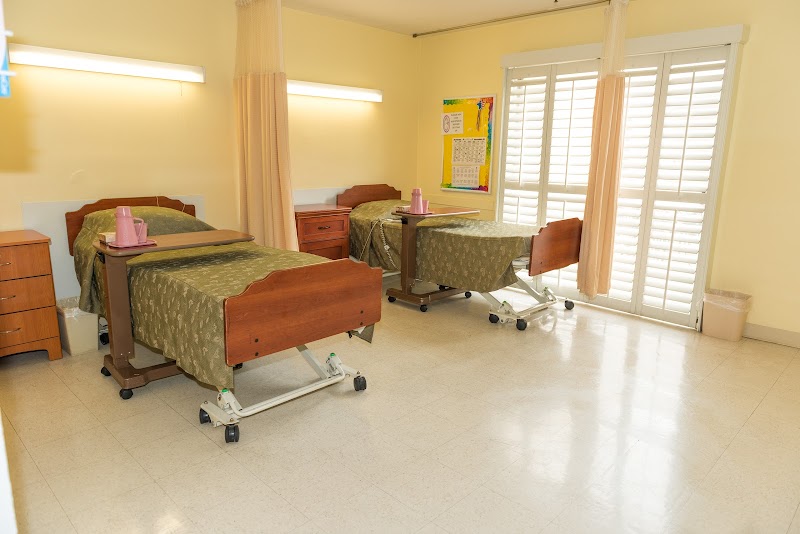
How is Bay Vista Healthcare & Wellness Centre, Lp Staffed?

CMS rates BAY VISTA HEALTHCARE & WELLNESS CENTRE, LP's staffing level at 2 out of 5 stars, which is below average compared to other nursing homes. Staff turnover is 34%, compared to the California average of 46%. This relatively stable workforce can support continuity of care. RN turnover specifically is 89%, which is notably high. RNs provide skilled clinical oversight, so turnover in this role can affect medical care quality.

What Have Inspectors Found at Bay Vista Healthcare & Wellness Centre, Lp?

State health inspectors documented 57 deficiencies at BAY VISTA HEALTHCARE & WELLNESS CENTRE, LP during 2021 to 2025. These included: 2 Immediate Jeopardy (the most serious level, indicating potential for serious harm or death), 3 that caused actual resident harm, and 52 with potential for harm. Immediate Jeopardy findings are rare and represent the most serious regulatory concerns. They require immediate corrective action.
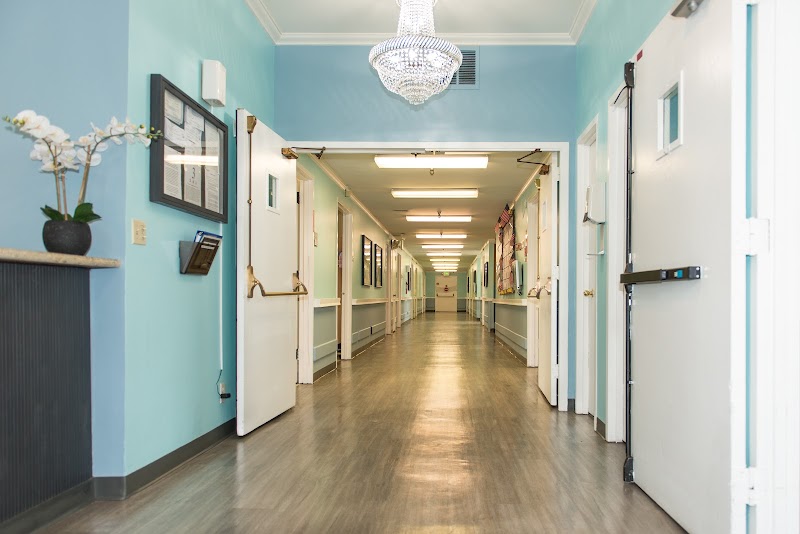
Who Owns and Operates Bay Vista Healthcare & Wellness Centre, Lp?

BAY VISTA HEALTHCARE & WELLNESS CENTRE, LP is owned by a for-profit company. For-profit facilities operate as businesses with obligations to shareholders or private owners. The facility is operated by COUNTRY VILLA HEALTH SERVICES, a chain that manages multiple nursing homes. With 70 certified beds and approximately 65 residents (about 93% occupancy), it is a smaller facility located in LONG BEACH, California.
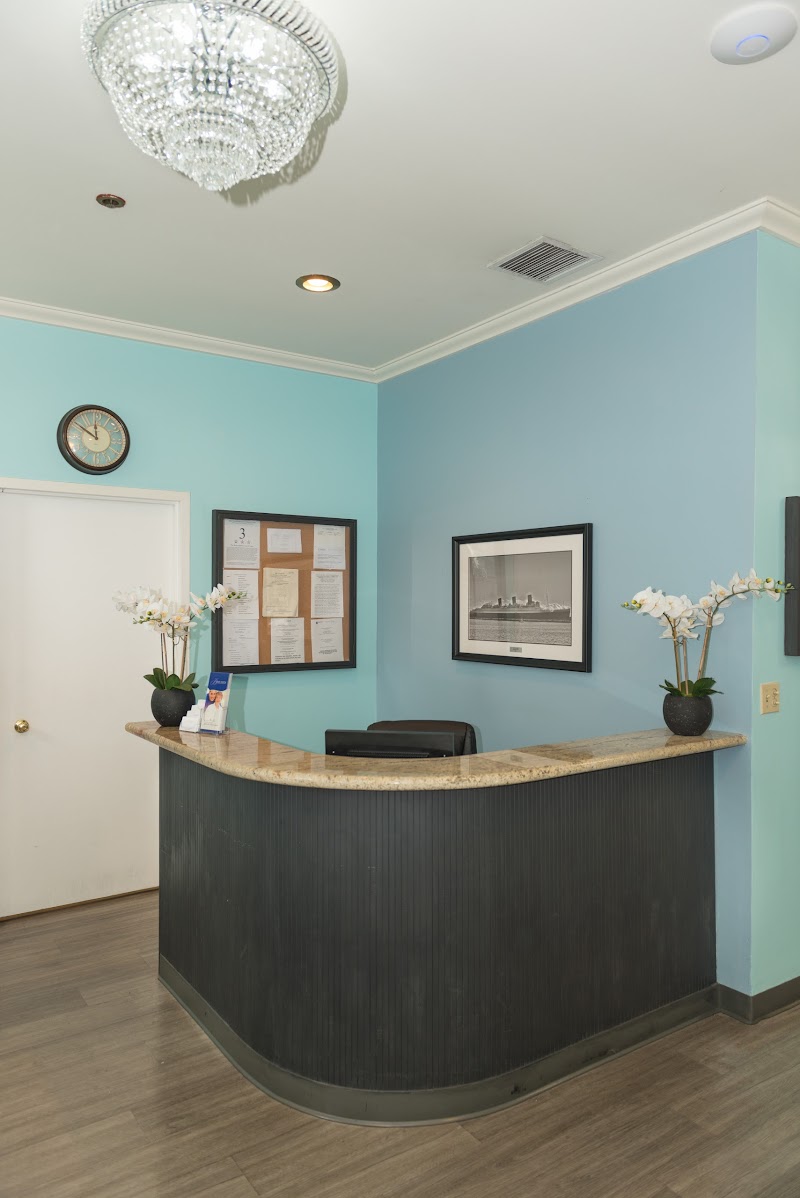
How Does Bay Vista Healthcare & Wellness Centre, Lp Compare to Other California Nursing Homes?

Compared to the 100 nursing homes in California, BAY VISTA HEALTHCARE & WELLNESS CENTRE, LP's overall rating (2 stars) is below the state average of 3.1, staff turnover (34%) is significantly lower than the state average of 46%, and health inspection rating (2 stars) is below the national benchmark.

What Should Families Ask When Visiting Bay Vista Healthcare & Wellness Centre, Lp?

Based on this facility's data, families visiting should ask: "What changes have been made since the serious inspection findings, and how are you preventing similar issues?" "What safeguards and monitoring systems are in place to protect residents from abuse or neglect?" "Can you walk me through typical staffing levels on day, evening, and night shifts?" "Can I visit during a mealtime to observe dining assistance and food quality?" These questions are particularly relevant given the facility's Immediate Jeopardy citations, the substantiated abuse finding on record, and the below-average staffing rating.

Is Bay Vista Healthcare & Wellness Centre, Lp Safe?

Based on CMS inspection data, BAY VISTA HEALTHCARE & WELLNESS CENTRE, LP has documented safety concerns. The facility has 1 substantiated abuse finding (meaning confirmed case of resident harm by staff or other residents). Inspectors have issued 2 Immediate Jeopardy citations (the most serious violation level indicating risk of serious injury or death). The facility has a 2-star overall rating and ranks #100 of 100 nursing homes in California. Families considering this facility should ask detailed questions about what corrective actions have been taken since these incidents.

Do Nurses at Bay Vista Healthcare & Wellness Centre, Lp Stick Around?

BAY VISTA HEALTHCARE & WELLNESS CENTRE, LP has a staff turnover rate of 34%, which is about average for California nursing homes (state average: 46%). Moderate turnover is common in nursing homes, but families should still ask about staff tenure and how the facility maintains care continuity when employees leave.

Was Bay Vista Healthcare & Wellness Centre, Lp Ever Fined?

BAY VISTA HEALTHCARE & WELLNESS CENTRE, LP has been fined $36,304 across 3 penalty actions. The California average is $33,442. While any fine indicates a compliance issue, fines under $50,000 are relatively common and typically reflect isolated problems that were subsequently corrected. Families should ask what specific issues led to these fines and confirm they've been resolved.

Is Bay Vista Healthcare & Wellness Centre, Lp on Any Federal Watch List?

BAY VISTA HEALTHCARE & WELLNESS CENTRE, LP is not on any federal watch list. The most significant is the Special Focus Facility (SFF) program, which identifies the bottom 1% of nursing homes nationally based on persistent, serious quality problems. Not being on this list means the facility has avoided the pattern of deficiencies that triggers enhanced federal oversight. This is a positive indicator, though families should still review the facility's inspection history directly.