BEACHSIDE POST ACUTE

3294 SANTA FE AVENUE, LONG BEACH, CA 90810 (562) 424-0757
For profit - Corporation 90 Beds THE MANDELBAUM FAMILY Data: November 2025
Trust Grade
70/100
#294 of 1155 in CA
Last Inspection: April 2025

Within standard 12-15 month inspection cycle. Federal law requires annual inspections.

Overview

Beachside Post Acute in Long Beach, California, has a Trust Grade of B, indicating it is a good facility and a solid choice among nursing homes. It ranks #294 out of 1,155 facilities statewide, placing it in the top half of California nursing homes, and #46 out of 369 in Los Angeles County, meaning only a few local options are better. The facility's trend is stable, with 12 issues reported in both 2024 and 2025, and it has not incurred any fines, which is a positive sign. Staffing is a strength, rated 4 out of 5 stars with a turnover rate of 36%, which is slightly below the state average, suggesting experienced staff who are familiar with the residents. However, there are concerns, such as failing to adequately assess residents' cultural needs and not properly implementing Covid-19 safety protocols, which could lead to risks for residents. Additionally, there were issues with individualized care plans not being developed for residents at risk of contractures, potentially impacting their care.

Trust Score
B
70/100
In California
#294/1155
Top 25%
Safety Record
Low Risk
No red flags
Inspections
Holding Steady
12 → 12 violations
Staff Stability
○ Average
36% turnover. Near California's 48% average. Typical for the industry.
Penalties
✓ Good
No fines on record. Clean compliance history, better than most California facilities.
Skilled Nurses
⚠ Watch
Each resident gets only 22 minutes of Registered Nurse (RN) attention daily — below average for California. Fewer RN minutes means fewer trained eyes watching for problems.
Violations
⚠ Watch
45 deficiencies on record. Higher than average. Multiple issues found across inspections.
★★★★☆
4.0
Overall Rating
★★★★☆
4.0
Staff Levels
★★★★★
5.0
Care Quality
★★★☆☆
3.0
Inspection Score
Stable
2024: 12 issues
2025: 12 issues

The Good

  • 4-Star Staffing Rating · Above-average nurse staffing levels
  • 5-Star Quality Measures · Strong clinical quality outcomes
  • Full Sprinkler Coverage · Fire safety systems throughout facility
  • No fines on record
  • Staff turnover below average (36%)

    12 points below California average of 48%

Facility shows strength in staffing levels, quality measures, fire safety.

The Bad

Staff Turnover: 36%

10pts below California avg (46%)

Typical for the industry

Chain: THE MANDELBAUM FAMILY

Part of a multi-facility chain

Ask about local staffing decisions and management

The Ugly 45 deficiencies on record

Apr 2025 12 deficiencies
CONCERN (D)

Potential for Harm - no one hurt, but risky conditions existed

Safe Environment (Tag F0584)

Could have caused harm · This affected 1 resident

**NOTE- TERMS IN BRACKETS HAVE BEEN EDITED TO PROTECT CONFIDENTIALITY** Based on interview and record review, the facility failed to secure the personal belongings for one of six sampled residents (Re...

Read full inspector narrative →
**NOTE- TERMS IN BRACKETS HAVE BEEN EDITED TO PROTECT CONFIDENTIALITY** Based on interview and record review, the facility failed to secure the personal belongings for one of six sampled residents (Resident 39) by misplacing Resident 39's phone charger, wheelchair, and clothes. This failure had the potential to negatively affect the Resident 39's psychosocial well-being. Findings: During a review of Resident 39's admission Record, the admission Record indicated the resident was initially admitted on [DATE] and was readmitted on [DATE] to the facility with diagnoses that included irritable bowel syndrome ( common condition that affects the digestive system causing abdominal pain, bloating, and changes in bowel habits including diarrhea or constipation or both), hematemesis (vomiting of blood)sepsis (a life-threatening blood infection),and muscle weakness. During a review of Resident 39's Minimum Data Set (MDS- a resident assessment tool) dated 3/30/2025, the MDS indicated the resident's cognition (thought process) is intact and required substantial/ maximal assistance (helper does more than half the effort) with transfer to and from a bed to a chair(or wheelchair), bed mobility, lower body dressing, toileting hygiene and personal hygiene. During a review of Resident 39's Resident's Clothing and Possessions (inventory of resident's belongings and property)dated 3/27/2025, Resident's Clothing and Possessions indicated the resident did not have any belongings on admission. The Resident's Clothing and Possessions indicated it was not signed by the resident or responsible party but signed by a facility's staff. During a review of facility's Theft and Loss Log( a record documenting instances where resident's personal property is lost or stolen) dated January 2025 to March 2025,the facility's Theft and Loss Log indicated Resident 39's phone charger , wheelchair and clothing were not listed. During an interview on 4/8/2025, at 11:18 a.m. with Resident 39, Resident 39 stated his wheelchair, phone charger, walker and some of his clothes were missing. Resident 39 stated he had spoken to the social services about his missing belongings. During an interview and record review of Resident 39's Clothing and Possessions on 4/11/2025, at 9:25 a.m. with Certified Nursing Assistant (CNA 1), CNA1 stated CNA's are responsible in updating or documenting any clothes or belongings in the clothing and possession list on admission and readmission. CNA 1 stated the resident complained about missing socks and clothes. CNA1went to Resident 39's room and told CNA 1 that the belongings located in his closet such as sweatshirts, jackets, shirts, pants, cell phone, phone charger belonged to him. CNA1 stated resident's Clothing and Possession List should have been updated. During a concurrent interview and record review on 4/11/2025,at 10:05 a.m. with Licensed Vocational Nurse (LVN3), LVN 3 stated CNAs and Licensed Nurses are responsible in updating the resident's clothing and possessions list. LVN3 stated he remembered the resident had a wheelchair and was sent out to a hospital. LVN 3 stated the staff should have checked his belongings to ensure nothing was missing. During an interview on 4/11/2025, at 11:50 a.m. with Social Service Director (SSD), SSD stated if a resident's clothes or belongings are missing, the facility document the missing items in the Theft and Loss Log and then they will investigate. SSD stated the resident was sent out to a hospital and was readmitted to the facility. SSD stated the resident had personal belongings because he was in the facility for a while. SSD stated she was not aware the resident had missing clothes and wheelchair. SSD stated the resident had a missing phone charger and was not recorded in the facility's Theft and Loss Log because the facility had an extra phone charger and had replaced the resident's phone charger. SSD stated the resident would feel like the facility was not doing anything about his missing personal belongings and his clothing and possession list should have been updated by the staff to ensure nothing was missing. SSD stated the missing personal items should have been investigated by the facility. During an interview on 4/11/2025, at 2:48 p.m. with Director of Nursing (DON), DON stated the CNA's would list the resident's possessions when they get admitted in Clothing and Possessions List and the list will be updated when new belongings were brought in by the resident or family representative. DON stated not addressing resident's missing belongings could violate his right to keep and retain his personal belongings in the facility. During a review of facility's facility and procedure (P&P) titled Theft and Loss Program, revised 1/2017, the P&P indicated an inventory will be made of all resident's property brought into the facility and the resident or family representative will sign the form upon completion. The P&P indicated an immediate investigation should be completed by the Social Services and a Theft and Loss Log will be used by Social Services to document all occurrences of theft and loss in the facility whenever a loss occurs. During a review of facility's P&P titled Resident Rights, revised 9/2017, the P&P indicated the facility will protect and promote the rights of each resident including the right to retain and use personal possessions , to the maximum extent that safety and space permits.
CONCERN (D)

Potential for Harm - no one hurt, but risky conditions existed

Deficiency F0645 (Tag F0645)

Could have caused harm · This affected 1 resident

**NOTE- TERMS IN BRACKETS HAVE BEEN EDITED TO PROTECT CONFIDENTIALITY** Based on interview and record review, the facility failed to ensure a preadmission screening and annual review of a Preadmission...

Read full inspector narrative →
**NOTE- TERMS IN BRACKETS HAVE BEEN EDITED TO PROTECT CONFIDENTIALITY** Based on interview and record review, the facility failed to ensure a preadmission screening and annual review of a Preadmission Screening and Resident Review (PASARR- a federal requirement to help ensure that individuals are not inappropriately placed in nursing homes for long term care) was accurately documented for two of four reviewed residents (Residents 38 and 57). This deficient practice had the potential to result in an inappropriate placement and delay of needed services for Resident 38 and 57. Findings: During a review of Resident 38's admission Record, the admission Record indicated Resident 38 was admitted to the facility 12/18/2024 with diagnoses including schizophrenia (a mental illness that is characterized by disturbances in thought) and bipolar disorder (sometimes called manic-depressive disorder; mood swings that range from the lows of depression to elevated periods of emotional highs). During a review of Resident 38's Minimum Data Set (MDS- a resident assessment tool) dated 4/2/2025, the MDS indicated Resident 38's cognition (ability to think, understand, learn, and remember) was severely impaired. The MDS indicated Resident 38 required maximum assistance (helper does more than half the work) with eating, oral hygiene, and personal hygiene. During a concurrent interview and record review on 4/10/2025 at 4:39 p.m., with the Minimum Data Set Nurse (MDSN), the MDSN stated Resident 38 has diagnoses of schizophrenia and bipolar disorder and had a negative PASARR screening. MDSN stated it should have been positive. MDSN stated the PASARR was an assessment for those with mental illness to provide them with the appropriate and special services offered so it was important that it was done accurately. During a review of Resident 57's admission Record, the admission Record indicated Resident 57 was admitted to the facility on [DATE] with diagnoses including schizoaffective disorder (a mental illness that combines symptoms of schizophrenia and a mood disorder like depression {mood disorder that causes persistent feelings of sadness and loss of interest} and mania {mental state of an extreme high or depressive lows} and Parkinson's disease (a progressive disease of the nervous system marked by tremor, muscular rigidity, and slow, imprecise movements). During a review of Resident 57's MDS, dated [DATE], the MDS indicated Resident 57 cognition was intact and required maximum assistance for activities of daily living ({ADLs}- activities such as bathing, dressing, and toileting a person performs daily). During a concurrent interview and record review on 4/10/2025 at 4:39 a.m., with MDSN, the MDSN indicated Resident 57's PASARR indicated a positive PASARR Level I, but no PASARR Level II was completed because Resident 57 was unable to participate in the evaluation. MDSN stated she should have done another PASARR Level I for Resident 57 because he was alert and oriented and capable of making decisions. During an interview on 4/11/2025 at 2:47 p.m., with the Director of Nursing (DON), the DON stated it was the responsibility of the facility to ensure accurate completion of the PASARR, so the residents receive the necessary care they need. The DON stated if a resident has a positive PASARR, they should receive a PASARR Level II screening to ensure their needs were met. During a review of the facility's policy and procedure (P&P) titled, PASARR (Preadmission Screening Resident Review), dated 3/2019, the P&P indicated, It is the policy of the facility to screen each resident for mental illness and intellectual disability.
CONCERN (D)

Potential for Harm - no one hurt, but risky conditions existed

Deficiency F0741 (Tag F0741)

Could have caused harm · This affected 1 resident

**NOTE- TERMS IN BRACKETS HAVE BEEN EDITED TO PROTECT CONFIDENTIALITY** Based on interview and record review, the facility failed to identify and address one of four sampled residents (Resident 53) be...

Read full inspector narrative →
**NOTE- TERMS IN BRACKETS HAVE BEEN EDITED TO PROTECT CONFIDENTIALITY** Based on interview and record review, the facility failed to identify and address one of four sampled residents (Resident 53) behavioral health needs by failing: A. to ensure Brief Trauma Screening Questionnaire (tool used to assess an individual's potential exposure to traumatic events and their current PTSD symptoms and this tool is used to help identify individuals who may need further assessment or support for trauma) for Resident 53 who had a diagnosis of Post Traumatic Stress Disorder (PTSD-a disorder in which a person has difficulty recovering after experiencing or witnessing a traumatic event) was assessed and screened properly by social service personnel. This failure had the potential for Resident 53 for not receiving appropriate care to meet his behavioral needs. Findings: During a review of Resident 53's admission Record, the admission Record indicated the resident was originally admitted on [DATE] and was readmitted on [DATE] to the facility with diagnoses that included PTSD, dementia( progressive state of decline in mental abilities), personal history of military service (a collection of information which permanently documents a service members career in the in the army, air forces and naval forces). During a review of Resident 53's Minimum Data Set (MDS- a resident assessment tool) dated 2/15/2025, the MDS indicated the resident had severely impaired cognitive skills ( a significant decline in intellectual capacity and characterized by difficulties in memory, thinking, learning, and judgement affecting daily life activities) and required substantial/ maximal assistance (helper does more than half) with toileting hygiene, bathing, dressing and personal hygiene. The MDS indicated the resident had a diagnosis of PTSD. During a review of Resident 53's Brief Trauma Questionnaire and Life Events Checklist( tool used to assess an individual's history and experiences and these questionnaires can help identify individuals who may benefit from further assessment and treatment for trauma-related disorders like PTSD) dated 2/2/2025,the Brief Trauma Questionnaire and Life Events Checklist indicated the resident did not experience combat or exposure to a warzone in the military or as a civilian and had no history of traumatic events. During a review of Resident 53's Psychosocial Assessment Form (tool used to collect comprehensive information about an individual's psychosocial, social and environmental factors to help understand resident needs )dated 2/4/2025, the Psychosocial Assessment Form indicated had a history of military service for two years. During an interview on 4/11/2025, at 9:57 a.m. with Certified Nursing Assistant (CNA1), CNA 1 stated Resident 53 would yell suddenly because of pain. CNA1 stated she was not aware the resident had PTSD. During an interview on 4/10/2025, at 1:38 p.m. with Licensed Vocational Nurse (LVN 4), LVN 4 stated the resident did not show any behavioral symptoms for PTSD and was not aware what could trigger resident's PTSD. During a concurrent interview and record review of Resident 53's Brief Trauma Questionnaire and IDT Care Conference Summary dated 2/4/2025 with Director of Social Service (DSS), DSS confirmed the resident had PTSD as one of the diagnoses but did not know what could trigger resident's behavior for PTSD. DSS stated the Brief Trauma Questionnaire did not indicate resident's history of military service or exposure to war. DSS stated Resident 53's Brief Trauma Questionnaire and Life Event Checklist did not identify resident's exposure to traumatic events like war because resident was not properly screened and assessed. DSS stated Resident 53 would not receive appropriate services that would address his PTSD, and the facility should be able to identify what could trigger Resident 53's PTSD so a plan of care could be created to manage his behavior. During an interview on 4/11/2025, at 2:48 p.m. with Director of Nursing(DON), DON stated it's important to properly screen and identify residents who had PTSD to ensure necessary services and care will be provided to the residents. DON stated knowing what could trigger the behavior will help with the management and development of plan of care. During a review of facility's policy and procedure (P&P) titled Trauma informed Care revised 1/2020, the P&P indicated the Social Service personnel will complete a Brief Trauma Questionnaire and Life Events Checklist that will serve as an assessment tool to determine if the resident had sustained a serious or traumatic life event. The P&P indicated the facility would have sufficient staff that would provide nursing and related services. The P &P indicated based on the comprehensive assessment will receive appropriate treatment and services to correct the assessed problem of a resident who displays or is diagnosed with a mental disorder or who has history of trauma and PTSD.
CONCERN (D)

Potential for Harm - no one hurt, but risky conditions existed

QAPI Program (Tag F0867)

Could have caused harm · This affected 1 resident

Based on interview and record review, the facility's Quality Assessment and Assurance (QAA) failed to ensure effective oversight of the facility and implementation of the facility's plan of correction...

Read full inspector narrative →
Based on interview and record review, the facility's Quality Assessment and Assurance (QAA) failed to ensure effective oversight of the facility and implementation of the facility's plan of correction (POC) of the deficient practices identified during the previous recertification. This deficient practice resulted in the facility to have repeat deficiencies in comprehensive resident centered care plans, competent nursing staff, safe operating equipment, and the prevention of a decrease in range of motion (ROM- full movement potential of a joint). Findings: During a review of the facility's Statement of Deficiencies for the 2024 Recertification survey indicated the following repeat deficiencies in comprehensive resident centered care plans, competent nursing staff, safe operating equipment, and the prevention of a decrease in range of motion (ROM). During a concurrent interview and record review on 4/11/2025 at with the Director of Nursing (DON), the DON stated she will continue to work on and make further changes for the issues that were still areas of concerns. The DON stated they need to improve their care plan process, increase the frequency for monitoring of equipment, ensure the staff are responsible and being held accountable when checking the freezer temperatures, and increase staff education regarding ROM by providing in-services for the licensed nurses performing the ROM exercises. During a review of the facility's policy and procedure (P&P) titled, Quality Assurance Performance Improvement Committee (QAPI), dated 1/2017, the P&P indicated, The purpose of the QAPI committee is to provide a systematic self-evaluation process to identify and resolve problems. Input from regulatory agencies and consultants will be integrated in the QAPI committee review process (i.e. survey, complaint visits). The committee is responsible for overseeing the entire quality improvement program. It identifies and prioritizes issues for QAPI evaluation and aspects of care and monitors implementation of action plans recommended.
CONCERN (E)

Potential for Harm - no one hurt, but risky conditions existed

Comprehensive Care Plan (Tag F0656)

Could have caused harm · This affected multiple residents

**NOTE- TERMS IN BRACKETS HAVE BEEN EDITED TO PROTECT CONFIDENTIALITY** Based on observation, interview, and record review, the facility failed to develop and implement an individualized care plan wit...

Read full inspector narrative →
**NOTE- TERMS IN BRACKETS HAVE BEEN EDITED TO PROTECT CONFIDENTIALITY** Based on observation, interview, and record review, the facility failed to develop and implement an individualized care plan with measurable objectives, timeframes, and interventions to prevent or reduce the risk of contracture (loss of motion of a joint associated with stiffness and joint deformity) development for two of seven sampled residents (Residents 14 and 33) who were identified as having range of motion (ROM, full movement potential of a joint) limitations and were at high risk for contracture development. These deficient practices had the potential to negatively affect the delivery of necessary care and services for Residents 14 and 33. Findings: During a review of Resident 14's admission Record, the admission Record indicated Resident 14 was admitted to the facility on [DATE] and readmitted on [DATE] with diagnoses including a left below knee amputation (BKA, surgical removal of a limb [extremities] below the level of the knee involving the removal of the foot and ankle joint), chronic ulcer (sore that forms on the skin or the lining of an organ typically caused by damage to the skin or lining and does not heal properly) of the right leg, and polyneuropathy (damage of the nerves that can cause weakness, numbness, and burning pain). During a review of Resident 14's Minimum Data Set (MDS- resident assessment tool), dated 12/11/2024, the MDS indicated Resident 14 was cognitively (ability to think, understand, learn, and remember) intact. The MDS indicated Resident 14 required set-up or clean up assistance with eating, supervision or touching assistance with oral hygiene, partial/moderate assistance with upper body dressing, personal hygiene, and rolling to both sides, and substantial/maximal assistance for toileting hygiene, bathing, and lower body dressing. The MDS indicated Resident 14 had functional limitations in ROM (limited ability to move a joint that interferes with daily functioning, including activities of daily living, or places the resident at risk of injury) in both legs. During a review of Resident 14's Annual Joint Mobility Assessment (JMA, a brief assessment of a resident's ROM in both arms and both legs), dated 12/11/2024, the JMA indicated Resident 14 had moderate ROM limitations (50 to 75% motion) in both shoulders and minimal ROM limitations (75 to 100% motion) in both hips and the right ankle. The JMA diagrams of the left knee assessment and left ankle assessment were crossed out and indicated Resident 14 had a left above knee amputation (AKA, surgical removal of a limb above the level of the knee joint). During a concurrent observation and interview on 4/8/2025 at 12:40 pm, Resident 14 was lying in bed. Resident 14's right leg was fully straight and wrapped with an elastic bandage from the ankle to the knee. Resident 14's left leg was amputated below the level of the knee. Resident 14 was able to actively bend both knees and the right ankle minimally. During a review of Resident 33's admission Record, the admission Record indicated Resident 33 was admitted to the facility on [DATE] and readmitted on [DATE] with diagnoses including left hemiplegia (weakness to one side of the body) and hemiparesis (inability to move one side of the body) following a cerebral infarction (blockage of the flow of blood brain, causing or resulting in brain tissue death) and gout (form of arthritis that occurs when uric acid builds up in the blood and causes joint inflammation). During a review of Resident 33's MDS, dated [DATE], the MDS indicated Resident 33 had severely impaired cognition. The MDS indicated Resident 33 required set-up or clean up assistance with eating, supervision or touching assistance with oral hygiene, partial/moderate assistance with upper body dressing, personal hygiene, and rolling to both sides, and substantial/maximal assistance for toileting hygiene, bathing, and lower body dressing. The MDS indicated Resident 33 had functional limitations in ROM in both arms and one leg. During a concurrent observation and interview on 4/8/2025 at 9:54 am, Resident 33 was lying in bed with both legs elevated on pillows with the right ankle crossed over the left ankle. Resident 33 stated he used to receive therapy services at the facility but no longer received them and was unsure why. Resident 33 was unable to make a full fist with the left hand, bent the left elbow minimally, and was unable to move the left shoulder. During a concurrent interview and record review on 4/10/2025 at 5:06 pm, the Minimum Data Set Coordinator (MDSC) stated a comprehensive (inclusive, including everything necessary) and individualized care plan was developed for every resident and used as a guide to ensure proper care was provided for each resident. The MDSC reviewed Resident 14's MDS, dated [DATE], and JMA, dated 12/11/2024, and confirmed Resident 14 was identified as having ROM limitations in both legs. The MDSC reviewed Resident 33's MDS, dated [DATE], and confirmed Resident 33 was identified as having ROM limitations in both arms and one leg. The MDSC stated Resident 14 and Resident 33 were at high risk for contracture development since they had existing ROM limitations and had no services in place such as therapy and/or a Restorative Nursing Aide Program (RNA, nursing aide program that helps residents maintain their function and joint mobility). The MDSC reviewed Resident 14 and Resident 33's care plans and confirmed there were no care plans and interventions in place to address Resident 14 and Resident 33's ROM limitations and high risk for contracture development. The MDSC stated the facility had a care plan titled, Risk for Contractures and Resident 14 and Resident 33 should have had that specific care plan but did not. The MDSC stated it was important for care plans to be developed, implemented, and accurate to ensure the appropriate care was provided to each individual resident. The MDSC and Minimum Data Set Assistant (MDSA) stated residents may not receive the treatment and services they required if the appropriate care plans were not developed to address each area of concern. During an interview on 4/11/2025 at 10:17 am, the Director of Nursing (DON) stated comprehensive care plans were developed for every resident and were used as a guide and communication tool for staff to identify the type of care to provide the residents in the facility. The DON stated a care plan with goals and interventions should be developed for all residents who were identified as having ROM limitations upon assessment, screens, and/or by report from the resident or staff. The DON stated it was important for care plans to be developed, implemented, and accurate to ensure the appropriate care was provided to each individual resident. During a review of the facility's policy and procedure (P&P) titled, Comprehensive Care Plan, revised 3/2019, the P&P indicated a comprehensive, resident-centered care plan would be developed for each resident that included measurable objectives and timeframes to meet each resident medical, nursing, and mental and psychosocial needs. The P&P indicated the care plan must include the services that were to be furnished to assist the resident attain or maintain that level of physical, mental, and psychosocial well-being that the resident desired or that was possible.
CONCERN (E)

Potential for Harm - no one hurt, but risky conditions existed

Quality of Care (Tag F0684)

Could have caused harm · This affected multiple residents

**NOTE- TERMS IN BRACKETS HAVE BEEN EDITED TO PROTECT CONFIDENTIALITY** b. During a review of Resident 56's admission Record, the admission Record indicated Resident 56 was admitted to the facility on...

Read full inspector narrative →
**NOTE- TERMS IN BRACKETS HAVE BEEN EDITED TO PROTECT CONFIDENTIALITY** b. During a review of Resident 56's admission Record, the admission Record indicated Resident 56 was admitted to the facility on [DATE] with diagnoses including Parkinson's disease (a progressive disease of the nervous system marker by tremor, muscular rigidity, and slow, imprecise movement) and dementia (a progressive state of decline in mental abilities). During a review of Resident 56's MDS dated [DATE], the MDS indicated Resident 56 had severe cognitive impairment and was dependent (helper does all the effort) with ADL's. During a review of Resident 57's admission Record, the admission Record indicated Resident 57 was admitted to the facility on [DATE] with diagnoses including schizoaffective disorder (a mental illness that combines symptoms of schizophrenia and a mood disorder like depression {mood disorder that causes persistent feelings of sadness and loss of interest} and mania {mental state of an extreme high or depressive lows} and Parkinson's disease (a progressive disease of the nervous system marked by tremor, muscular rigidity, and slow, imprecise movements). During a review of Resident 57's MDS, dated [DATE], the MDS indicated Resident 57 cognition was intact and required maximum assistance for Activities of Daily Living ({ADLs}- activities such as bathing, dressing, and toileting a person performs daily). During a concurrent interview and record review on 4/11/2025 at 10:48 a.m., with LVN 3, LVN 3 confirmed there was no COC completed for Resident 56's new lump (areas of abnormally raise skin) on his arm nor was there a COC completed for Resident 57's fall, urinary tract infection (infection of any part of the urinary system), or gastrostomy tube (GT a feeding tube surgically placed through the abdominal wall directly into the stomach) dislodgement (being removed). LVN 3 stated a COC was crucial and should have been done for Resident 56 and Resident 57 to ensure they are aware of what was going on with the resident and to prevent these incidents from occurring again. During an interview on 4/11/2025 at 2:47 a.m., with the DON, the DON stated COC's are important to do because it was used as a communication tool between the nurses. The DON stated if a COC was not completed the staff will be unaware of what was occurring with the resident and the resident may then not receive the proper care and services required. During a review of the facility's policy and procedure (P&P), titled, Change of Condition- SBAR-Assessment, dated 5/2016, the P&P indicated, If there is a significant change in a resident's physical or mental condition, a thorough assessment of the resident's condition must be done by a licensed nurse. Based on interview and record review, the facility failed to ensure three out of six sampled residents ( Resident 39, Resident 56 and Resident 57) were provided necessary care and services when: a. Resident 39 was not provided medications for constipation (a condition in which stool becomes hard, dry, difficult to pass and bowel movements become infrequent) when Resident 39 had no bowel movement (BM- movement of feces through the bowel and out the anus) for four days. b. Facility failed to initiate change in condition (a sudden clinically important deviation from a patient's baseline in physical, cognitive, behavioral or functional condition) assessment for Resident 56 and Resident 57. These failures had the potential to cause delay in provision of necessary care and treatment to Resident 39, Resident 56, and Resident 57. Findings: a. During a review of Resident 39's admission Record, the admission Record indicated Resident 39 was initially admitted to the facility on [DATE] and was readmitted on [DATE] with diagnoses including irritable bowel syndrome ( common condition that affects the digestive system causing abdominal pain, bloating, and changes in bowel habits including diarrhea [loose stool] or constipation or both), hematemesis (vomiting of blood)sepsis (a life-threatening blood infection),and muscle weakness. During a review of Resident 39's Minimum Data Set (MDS- a resident assessment tool) dated 3/30/2025, the MDS indicated Resident 39 had intact cognition (ability to think, understand, learn, and remember). Resident 39 required substantial/ maximal assistance (helper does more than half the effort) with transfer to and from a bed to a chair (or wheelchair), bed mobility, lower body dressing, toileting hygiene and personal hygiene. During a review of Resident 39's Activities of Daily Living (ADL- activities such as bathing, dressing and toileting a person performs daily) Task Screen, the ADL Task Screen for bowel elimination indicated Resident 39 had not had a bowel movement from 4/7/2025 to 4/10/2025 (four days). During a review of Resident 39's Care Plan titled Constipation/ Impaction initiated 3/27/2025, the Care Plan goals indicated the resident will have a bowel movement at least every three days and will be free from fecal impaction (hardened stool that's stuck in the rectum or lower colon). The Care Plan interventions included monitoring of bowel movement every shift, observing closely for any signs and symptoms of fecal impaction and administration of milk of magnesia (MOM- medicine that treats constipation), Dulcolax suppository (medicine used to treat constipation) if MOM is not effective for constipation. During a review of Resident 39's Physician Order Summary Report dated 3/27/2025, the Physician Order Summary Report indicated a physician order of MOM 30 milliliter (ml- unit of measurement) by mouth as needed for bowel management daily as needed if no BM for 3 days and bisacodyl (Dulcolax) suppository 10 milligrams (mgs.- unit of measurement) per rectum( through the rectum) as needed for constipation once daily if MOM is ineffective after 8 hours of administration. During a review of Resident 39's Medication Administration Record (MAR- a daily documentation record used by a licensed nurse to document medications and treatments given to a resident) dated 4/1/2025 to 4/11/2025, the MAR indicated the resident did not receive MOM, or Dulcolax suppository as ordered by the physician to be given for no BM for three days. During an interview on 4/11/2025, at 11:00 a.m. with Certified Nursing Assistant (CNA1), CNA 1 stated she did not know how to check in the resident's electronic chart if the resident had no bowel movement for days but would report to the charge nurse if the resident had experienced stomach pain or passage of hard stool. CNA 1stated it was important to report any irregularities in residents' bowel movement because it could lead to hospitalization. During a concurrent interview and record review on 4/11/2025, at 10:36 a.m. with Licensed Vocational Nurse (LVN 3), reviewed Resident 39's ADL Task Screen for Bowel Elimination. LVN 3 confirmed Resident 39 had no BM on 4/7/2025, 4/8/2025, 4/9/2025, and 4/10/2025. LVN 3 stated the licensed nurses should have called the physician to obtain order or administer the MOM for constipation. LVN 3 stated the certified nursing assistants usually would notify him if the resident had no BM for three days so he could determine if the resident could be given medicine to treat the constipation or notify the physician. During a concurrent interview and record review on 4/11/2025 at 11:18 a.m. with Director of Staff Development (DSD), reviewed Resident 39's ADL Task Screen for Bowel Elimination at 11:18 a.m. the DSD stated the certified nursing assistants should notify the charge nurse if a resident had no BM for three days and should look back on Resident 39's health record on how long the resident had no bm. DSD stated the CNA should have reported resident's having no bowel movement for three days to the charge nurse because constipation could lead to fecal impaction and could increase the risk of hospitalization. During an interview on 4/11/2025, at 2:48 p.m. with the Director of Nursing (DON), the DON stated the CNAs should have notified the charge nurse when Resident 39 had no BM for three days because constipation could lead to bowel obstruction (partial or complete blockage of small or large intestines which is life threatening). During a review of facility's Job Description of a Charge Nurse, the Job Description of a Charge Nurse indicated the licensed nurse will perform treatments, administer medications, and implement other nursing interventions as indicated by the resident care plan or as ordered by the physician. During a review of facility's Job Description of Certified Nursing Assistant, the Job Description of CNA indicated the certified nursing assistant will check and report bowel movements, stool condition and report significant changes in the resident's condition to a LVN or RN as soon as practical.
CONCERN (E)

Potential for Harm - no one hurt, but risky conditions existed

Deficiency F0688 (Tag F0688)

Could have caused harm · This affected multiple residents

**NOTE- TERMS IN BRACKETS HAVE BEEN EDITED TO PROTECT CONFIDENTIALITY** Based on observation, interview, and record review, the facility failed to provide treatments and services to one of seven sampl...

Read full inspector narrative →
**NOTE- TERMS IN BRACKETS HAVE BEEN EDITED TO PROTECT CONFIDENTIALITY** Based on observation, interview, and record review, the facility failed to provide treatments and services to one of seven sampled residents (Resident 14) to improve, prevent and/or limit a decline in joint (where two bones meet) range of motion (ROM, full movement potential of a joint) by failing to: 1.Ensure Resident 14's Joint Mobility Assessments (JMA, a brief assessment of a resident's ROM in both arms and both legs), dated 9/10/2024, 12/11/2024, and 3/13/2025, included the assessment of Resident 14's left knee ROM. 2.Ensure Resident 14's Quarterly JMA, dated 6/2024, was completed. These deficient practices had the potential to result in missed opportunities for identifications of ROM declines and cause Resident 14 to have a decline in overall physical functioning and ROM leading to contracture (loss of motion of a joint associated with stiffness and joint deformity) development. Findings: During a review of Resident 14's admission Record, the admission Record indicated Resident 14 was admitted to the facility on [DATE] and readmitted on [DATE] with diagnoses including a left below knee amputation (BKA, surgical removal of a limb [extremities] below the level of the knee involving the removal of the foot and ankle joint), chronic ulcer (sore that forms on the skin or the lining of an organ typically caused by damage to the skin or lining and does not heal properly) of the right leg, and polyneuropathy (damage of the nerves that can cause weakness, numbness, and burning pain). During a review of Resident 14's Quarterly Joint Mobility Assessment (JMA, a brief assessment of a resident's ROM in both arms and both legs), dated 9/10/2024, the JMA indicated Resident 14 had moderate ROM limitations (50 to 75% motion) in both shoulders and minimal ROM limitations (75 to 100% motion) in both hips and the right ankle. The JMA diagrams of the left knee assessment and left ankle assessment were crossed out and indicated Resident 14 had a left above knee amputation (AKA, surgical removal of a limb above the level of the knee joint). The section titled, Problem Summary, indicated Resident 14 had a left AKA, ROM limitations on the right leg, and no ROM changes (compared to previous assessment). During a review of Resident 14's Minimum Data Set (MDS- resident assessment tool), dated 12/11/2024, the MDS indicated Resident 14 was cognitively (ability to think, understand, learn, and remember) intact. The MDS indicated Resident 14 required set-up or clean up assistance with eating, supervision or touching assistance with oral hygiene, partial/moderate assistance with upper body dressing, personal hygiene, and rolling to both sides, and substantial/maximal assistance for toileting hygiene, bathing, and lower body dressing. The MDS indicated Resident 14 had functional limitations in ROM (limited ability to move a joint that interferes with daily functioning, including activities of daily living, or places the resident at risk of injury) in both legs. During a review of Resident 14's Annual JMA dated 12/11/2024, the JMA indicated Resident 14 had moderate ROM limitations in both shoulders and minimal ROM limitations in both hips and the right ankle. The JMA diagrams of the left knee assessment and left ankle assessment were crossed out and indicated Resident 14 had a left AKA. The section titled, Problem Summary, indicated Resident 14 had a left AKA and ROM limitations in both shoulders and the right leg. During a review of Resident 14's Quarterly JMA dated 3/13/2025, the JMA indicated Resident 14 had moderate ROM limitations in both shoulders and minimal ROM limitations in both hips and the right ankle. The JMA diagrams of the left knee assessment and left ankle assessment were crossed out and indicated Resident 14 had a left AKA. The section titled, Problem Summary, indicated Resident 14 had no ROM changes. During a concurrent observation and interview on 4/8/2025 at 12:40 pm, Resident 14 was lying in bed. Resident 14's right leg was fully straight and wrapped with an elastic bandage from the ankle to the knee. Resident 14's left leg was amputated below the level of the knee. Resident 14 was able to actively bend both knees and the left ankle minimally. During an interview on 4/8/2025 at 2:58 pm, the Director of Rehabilitation (DOR) stated the facility monitored for changes in a resident's joint ROM by JMAs performed by the Rehabilitation Department (Rehab) and nursing along with notification from nursing staff of any observable changes. The DOR stated Rehab performed a detailed JMA which included a ROM assessment of each resident's arms and both legs upon admission, annually, and upon a change of condition. The DOR stated nursing monitored for changes in a resident's ROM through the completion of the MDS and quarterly JMAs. The DOR stated it was important JMAs were completed accurately and timely to ensure staff identified any declines in a resident's ROM and proper treatments and services were provided to the residents. During a concurrent interview and record review on 4/10/2025 at 10:46 am, the Minimum Data Set Coordinator (MDSC) and Minimum Data Set Assistant (MDSA) stated the facility monitored for changes in joint ROM by annual JMAs completed by Rehab, quarterly JMAs completed by nursing, and by staff report. The MDSC stated the MDSC and MDSA performed the quarterly nursing JMAs. The MDSC and MDSA stated the JMA assessment involved a detailed assessment of each resident's joints of both arms and both legs and indicated any ROM limitations and recommendations for services as needed to address any declines. The MDSC and MDSA stated they compared a resident's ROM of each joint to the previous JMA and performed their own physical assessment of the resident's joints to check for any ROM changes. The MDSC and MDSA reviewed Resident 14's JMAs and clinical record. The MDSC and MDSA confirmed the quarterly JMA for 6/2024 was not done. The MDSC stated a quarterly JMA should have been done in 6/2024 since JMAs were supposed to be done quarterly along with the MDS but was not and was unsure why. The MDSC and MDSA confirmed the JMAs, dated 9/10/2024, 12/11/2024, and 3/13/2025, did not include an assessment of Resident 14's left knee. The MDSC and MDSA confirmed Resident 14 had a left BKA, not a left AKA as was incorrectly documented on the JMAs. The MDSC and MDSA stated Resident 19's left knee ROM should have been assessed but was not and was unsure why it was overlooked for multiple JMAs. The MDSC stated it may have been mistakenly overlooked since the diagrams of the left knee and left ankle assessments were crossed out and incorrectly indicated Resident 14 had a left AKA. The MDSC stated missed JMAs, and lack of ROM assessment of every joint could potentially result in missed opportunities to identify ROM declines, ROM decline, and contracture development. During an interview on 4/11/2025 at 10:17 am, the Director of Nursing (DON) stated the facility monitored for changes in joint ROM by annual JMAs completed by Rehab, quarterly JMAs completed by nursing, and by staff report. The DON stated it was important JMAs assessed the ROM of all resident's joints and were done routinely and timely as required to ensure the facility promptly identified any ROM changes and provided the appropriate services to address any declines and prevent contractures. During a review of the facility's Policy and Procedure (P&P) titled, Limitations in ROM and Mobility and Referrals for Therapy, revised 10/2017, the P&P indicated a resident with limited ROM would be assessed and provided appropriate treatment and services to increase ROM and/or prevent a further decrease in ROM. The P&P indicated the appropriate therapy department would screen residents upon admission and quarterly. The P&P indicated a resident's comprehensive assessment should include and measure a resident's current extent of movement and the identification of any limitations and opportunity for improvement. CROSS REFERENCE TO F726 amd F842.
CONCERN (E)

Potential for Harm - no one hurt, but risky conditions existed

Deficiency F0726 (Tag F0726)

Could have caused harm · This affected multiple residents

**NOTE- TERMS IN BRACKETS HAVE BEEN EDITED TO PROTECT CONFIDENTIALITY** Based on observation, interview, and record review, the facility failed to ensure the facility's Minimum Data Set Coordinator (M...

Read full inspector narrative →
**NOTE- TERMS IN BRACKETS HAVE BEEN EDITED TO PROTECT CONFIDENTIALITY** Based on observation, interview, and record review, the facility failed to ensure the facility's Minimum Data Set Coordinator (MDSC) and Minimum Data Set Assistant (MDSA) were competent in providing quarterly Joint Mobility Assessments (JMA, brief assessment of a resident's range of motion in both arms and both legs) affecting one of seven sampled residents (Resident 14) with limited range of motion (ROM, full movement potential of a joint). This deficient practice resulted in multiple missed assessments of Resident 14's left knee, failure to identify inaccurate documentation and assessment of Resident 14's left leg, missed opportunities to identify and report ROM decline, and had the potential to lead to ROM decline and contracture (loss of motion of a joint associated with stiffness and joint deformity) development. Findings: During a review of Resident 14's admission Record, the admission Record indicated Resident 14 was admitted to the facility on [DATE] and readmitted on [DATE] with diagnoses including a left below knee amputation (BKA, surgical removal of a limb [extremities] below the level of the knee involving the removal of the foot and ankle joint), chronic ulcer (sore that forms on the skin or the lining of an organ typically caused by damage to the skin or lining and does not heal properly) of the right leg, and polyneuropathy (damage of the nerves that can cause weakness, numbness, and burning pain). During a review of Resident 14's Quarterly Joint Mobility Assessment (JMA, a brief assessment of a resident's ROM in both arms and both legs), dated 9/10/2024, the JMA indicated Resident 14 had moderate ROM limitations (50 to 75% motion) in both shoulders and minimal ROM limitations (75 to 100% motion) in both hips and the right ankle. The JMA diagrams of the left knee assessment and left ankle assessment were crossed out and indicated Resident 14 had a left above knee amputation (AKA, surgical removal of a limb above the level of the knee joint). The section titled, Problem Summary, indicated Resident 14 had a left AKA, ROM limitations on the right leg, and no ROM changes (compared to previous assessment). During a review of Resident 14's Minimum Data Set (MDS- resident assessment tool), dated 12/11/2024, the MDS indicated Resident 14 was cognitively (ability to think, understand, learn, and remember) intact. The MDS indicated Resident 14 required set-up or clean up assistance with eating, supervision or touching assistance with oral hygiene, partial/moderate assistance with upper body dressing, personal hygiene, and rolling to both sides, and substantial/maximal assistance for toileting hygiene, bathing, and lower body dressing. The MDS indicated Resident 14 had functional limitations in ROM (limited ability to move a joint that interferes with daily functioning, including activities of daily living, or places the resident at risk of injury) in both legs. During a review of Resident 14's Quarterly JMA dated 3/13/2025, the JMA indicated Resident 14 had moderate ROM limitations in both shoulders and minimal ROM limitations in both hips and the right ankle. The JMA diagrams of the left knee assessment and left ankle assessment were crossed out and indicated Resident 14 had a left AKA. The section titled, Problem Summary, indicated Resident 14 had no ROM changes. During a concurrent observation and interview on 4/8/2025 at 12:40 pm, Resident 14 was lying in bed. Resident 14's right leg was fully straight and wrapped with an elastic bandage from the ankle to the knee. Resident 14's left leg was amputated below the level of the knee. Resident 14 was able to actively bend both knees and the right ankle minimally. During an interview on 4/10/2025 at 10:46 am, the Minimum Data Set Coordinator (MDSC) and Minimum Data Set Assistant (MDSA) stated the facility monitored for changes in joint ROM by annual JMAs completed by Rehab, quarterly JMAs completed by nursing, and by staff report. The MDSC stated the MDSC and MDSA performed the quarterly nursing JMAs. The MDSC and MDSA stated the JMA assessment involved a detailed assessment of each resident's joints of both arms and both legs and indicated any ROM limitations and recommendations for services as needed to address any declines. The MDSC and MDSA stated they never received competencies or formal instruction on how to administer JMAs. During a review of the employee files for the Minimum Data Set Coordinator (MDSC) and Minimum Data Set Assistant (MDSA), the employee files did not include a performance competency for ROM or for performing the JMA. During an interview on 4/11/2025 at 8:50 am, the Director of Rehabilitation (DOR) stated changes in joint ROM were monitored by JMAs performed by the Rehabilitation Department (Rehab) and nursing along with notification from nursing staff of any observable changes. The DOR stated Rehab performed a detailed JMA which included a ROM assessment of each resident's arms and both legs upon admission, annually, and upon a change of condition. The DOR stated nursing monitored for changes in a resident's ROM through the completion of the quarterly JMAs and MDS. The DOR stated it was important staff were competent to perform JMAs to ensure the assessments were accurate and any changes or declines in ROM could be identified and reported. During an interview on 4/11/2025 at 10:17 am, the Director of Nursing (DON) stated the MDSC and MDSA were responsible for conducting the quarterly JMAs for the residents in the facility to monitor for changes in joint ROM. The DON stated there were no competencies and/or formal training given to the MDSC and MDSA on how to conduct the quarterly JMAs. The DON stated ROM was a part of nursing skills, but the MDSC and MDSA did not perform ROM daily as a part of nursing practice as their job duties did not require them to do so. The DON stated nursing generally assessed ROM differently from Rehab since nursing looked at ROM in terms of general activities of daily living (ADL, basic activities such as eating, dressing, toileting) function and Rehab assessed every joint individually and in detail. The DON stated the MDSC and MDSA should have had competencies and formal instruction on how to accurately perform JMAs but did not. The DON stated it was important staff were competent to ensure assessments were accurate and any declines in ROM were appropriately identified and reported. During a review of the facility's Policy and Procedure (P&P) titled, Staff Competencies, revised 1/2017, the P&P indicated each employee would receive periodic performance reviews to ensure staff competencies. The P&P indicated performance evaluations were to ensure staff had the appropriate competencies and skills to assure resident safety and to provide care which included assessing, evaluating, planning, and implementing resident care plans and responding to resident's needs. The P&P indicated all performance evaluations of staff would be completed during their orientation and annually. CROSS REFERENCE TO F688 and F842
CONCERN (E)

Potential for Harm - no one hurt, but risky conditions existed

Food Safety (Tag F0812)

Could have caused harm · This affected multiple residents

Based on observation, interview and record review, the facility failed to: 1. Ensure open bag of frozen sausages was stored properly in the freezer. 2. Ensure freezer temperature was maintained at 0...

Read full inspector narrative →
Based on observation, interview and record review, the facility failed to: 1. Ensure open bag of frozen sausages was stored properly in the freezer. 2. Ensure freezer temperature was maintained at 0-degree Fahrenheit (F-unit of measurement) while frozen vegetables were stored. 3. Ensure gloves were used by kitchen staff when serving cooked food during tray line. 4. Ensure proper donning of glove and handwashing was observed when the [NAME] switched tasks from tray line to prepare food in the microwave. These failures had the potential to put residents at risk for food-borne illnesses ( any illness resulting from ingestion of food contaminated with bacteria, viruses, or parasites) and affect the quality of food. Findings: 1.During an initial kitchen observation and interview on 4/8/2025, at 8:01 a.m. with Dietary Manager (DM), an open bag of frozen sausages was inside an open box. Observed the frozen sausages had ice crystals on the surfaces.DM stated the open bag of frozen sausages should be stored in a sealed plastic bag. During an interview on 4/9/2025, at 1:30 p.m. with Registered Dietician (RD), RD stated open bag of frozen sausages not properly sealed can affect the quality of food. RD stated the kitchen staff should have transferred the frozen sausages in zip lock bag or tied the bag to preserve the moisture because the frozen food could dry out and can be exposed to bacteria. During a review of facility's policy and procedure (P&P) titled Procedure for Freezer Storage undated, the P&P indicated to store frozen foods in an airtight moisture-resistant wrapper such as a plastic bag or freezer paper to prevent freezer burn (is a result of moisture loss from frozen food due improper packaging or storage). 2. During an initial kitchen tour observation on 4/8/2025, at 8:01 a.m. with Dietary Manager (DM), DM verified the internal thermometer of the reach in freezer for frozen vegetables was reading at 10 degrees F and the reach in freezer for meat products was reading at 24 degrees F. DM stated the kitchen personnel just removed some food items from the freezers that's why the temperatures are not 0-degree F on both freezers. During an interview on 4/8/2025, 2:15 p.m. with an unnamed technician (UT) in the kitchen, the UT stated that they were called to fix the freezers around noontime today because the temperatures were high. Observed the freezer's temperature was 10 degrees F for frozen vegetables and freezer for frozen meat products was at18 degrees F. During an observation on 4/9/2025, at 12:05 p.m. with DM, reach in freezer temperature for frozen vegetables was 10 degrees F. During a review of facility's recipe of stir-fry vegetables, the recipe indicated ingredients included assorted vegetables such as cauliflower, broccoli, squash, onions, zucchini and carrots and can use frozen or fresh. During an interview on 4/9/2025, at 12:10 p.m. and subsequent interview on 4/9/2025, at 1:17 p.m. with DM, DM stated he was aware the temperature of the freezer for the frozen vegetables was not maintained at 0-degree F or below since yesterday (4/8/2025). DM stated he was monitoring the temperature of the freezer and was waiting for the temperature to go down to 0 degree but did not happen yesterday. DM stated the Registered Dietician (RD),and the Administrator (ADM) were aware to reach in freezer for vegetables was not maintaining its proper temperature. DM stated they threw away some of the frozen food items at around 9:00 a.m. today but the kitchen used the vegetables from the non-working freezer for the stir fry vegetables that was served for lunch. DM stated residents could be at risk for unsafe food because of the vegetables used for the stir fry vegetables were not properly stored in the freezer. During a review of facility's Freezer Temperature Log for vegetables, the A.M. Temperature log of the freezer indicated a temperature of 10 degrees F on 4/9/2025. During an interview on 4/9/2025, at 12:51 p.m. with Dietary Aide (DA 1), DA 1 stated the DM told him to throw away the vegetables , and some breads from the freezer around 9:00 a.m. today and at that time the temperature of the freezer was 10 degrees F. DA 1 stated the vegetables used for the stir fry for lunch came from the freezer that was reading 10 degrees F. DA 1 stated the proper temperature to store frozen vegetables is 0 degree F to ensure freshness of food and to prevent bacterial growth that could place resident at risk for food borne illness. During an interview on 4/9/2025, at 12:50 p.m. with [NAME] (CK1), CK 1 stated the temperature of the freezer for the vegetables at around 4:00 a.m. was 10 degrees F. CK 1 stated that he pulled out broccoli, carrots, zucchini and cauliflower from the non-working freezer to prepare for the day's meal. CK 1 stated all the vegetables that was served for lunch was from the non-working freezer. CK 1 stated residents could get sick from consuming the food if the vegetables were not stored properly in the freezer. During an interview on 4/9/2025, at 1:46 p.m. with RD, RD stated the temperature log of the freezer might not be reliable because it all indicated the temperatures are 0-degree F for several days and the situation could be going on for days. RD stated they should have discarded everything in the freezer because the facility does not know how long it had not been working. RD stated she was aware not all the food items stored in the non-working freezer was thrown away and was served for lunch today. During an interview on 4/9/2025, at 2:24 p.m. with Maintenance Supervisor, MS stated he was made aware yesterday by the DM about the non-working freezer. MS stated they started emptying the food items in the freezer this morning and placed some of the food items in the other freezer. He said he would call the technician if the freezer needed repair. During a telephone interview on 4/9/2025, at 2:14 p.m. with Administrator (ADM), ADM stated when the freezer's temperature was over zero despite maintenance, the kitchen personnel should have discarded the food items stored in the freezer. ADM stated residents could get food poisoning from consuming the food that came from the freezer. 3. During a tray line observation on 4/8/2025, at 11:40 a.m. in the kitchen, cooked food items in trays were on the steam table as the [NAME] (CK1) took temperatures of each cooked food items then proceeded to start preparing a plate for each resident. Observed CK 1 and another kitchen staff were scooping cooked food items from the trays to a plate without wearing gloves as another kitchen personnel called out the diet of a resident. During an interview on 4/9/2025, at 12:10 p.m. with CK 1, CK 1 stated kitchen personnel do not wear gloves when handling and serving cooked food during tray line. During an interview on 4/9/2025, at 1:30 p.m. with RD, RD stated the kitchen staff should wear gloves when handling ready to serve and cooked food to prevent the risk of cross contamination (unintentional transfer of harmful bacteria from one surface or object to another). 4.During an observation on 4/9/2025, at 12:00 p.m. with CK 1, CK 1 wore a glove on the right hand without practicing hand washing first and brought a plate in the storage area to use the microwave. Observed CK 1 still wearing the glove on his right and continued serving in the lunch tray line without washing hands and removal of glove. During an interview on 4/9/2025, at 12:10 p.m. with CK 1, CK 1 stated hand washing should be practiced every time he touched another food item and admitted he committed in not practicing hand washing when he switched tasks. CK 1 stated he should have removed his glove and washed hands before serving food in the tray line to prevent cross contamination which could cause food-borne illnesses to the residents. During an interview on 4/9/2025, at 1:46 p.m. with RD, RD stated the cook should have removed his glove and washed his hands in between tasks then put on new pair of gloves before returning to serve food in the tray line. RD stated handwashing should be performed because of the risk of cross contamination between different objects like the microwave. During an interview on 4/11/2025, at 2:48 p.m. with Director of Nursing (DON), DON stated not practicing handwashing in the kitchen could spread infection among the residents and staff. DON stated the facility had a policy to maintain and keep the temperature of the freezers zero or below zero to ensure the food that will be consumed by the residents are safe to eat. During a review of facility's P&P titled Food Handling undated, the P&P indicated the food will be prepared and served in a safe and sanitary manner. The P&P indicated Food and Nutrition Services personnel should never use bare hand contact with any foods , ready to eat or otherwise including food item preparation. During a review of Food Code 2022 U.S. Food and Drug Administration ( a model document published by U.S. Food and Drug Administration that provides guidance for regulating food safety in a retail setting such as restaurants, groceries and institutions like Nursing Homes), the Food Code 2022 U.S. FDA indicated food employees shall clean their hands immediately before engaging in FOOD preparation including before donning gloves to initiate a task that involves working with food and after engaging in other activities that contaminate the hands.
CONCERN (E)

Potential for Harm - no one hurt, but risky conditions existed

Medical Records (Tag F0842)

Could have caused harm · This affected multiple residents

**NOTE- TERMS IN BRACKETS HAVE BEEN EDITED TO PROTECT CONFIDENTIALITY** Based on observation, interview, and record review, the facility failed to ensure two of seven sampled resident's (Residents 14 ...

Read full inspector narrative →
**NOTE- TERMS IN BRACKETS HAVE BEEN EDITED TO PROTECT CONFIDENTIALITY** Based on observation, interview, and record review, the facility failed to ensure two of seven sampled resident's (Residents 14 and 19) medical records were accurately documented when: a.Resident 14's Joint Mobility Assessments (JMA, a brief assessment of a resident's ROM in both arms and both legs), dated 9/10/2024, 12/11/2024, and 3/13/2025, inaccurately indicated Resident 14 had a left above knee amputation (AKA, surgical removal of a limb above the level of the knee) instead of the correct diagnosis of a left below knee amputation (BKA, surgical removal of a limb below the level of the knee involving the removal of the foot and ankle joint). b.Resident 19's Restorative Nursing Aide (nursing aide program that help residents maintain any progress made after therapy intervention to maintain their function) physician's order inaccurately indicated for RNA to use a two-wheeled walker (mobility aid with wheels on the front two legs of the device) for walking exercises with Resident 19 instead of a platform walker (PFW, a type of walking assistive device with forearm supports to provide extra support during walking) as recommended by Physical Therapy (PT, profession aimed in the restoration, maintenance, and promotion of optimal physical function). These deficient practices had the potential to negatively impact the provision of necessary care and services, cause miscommunication among staff, cause a decline in function and safety concerns due to inappropriate use of assistive devices for mobility, and result in missed ROM assessments and opportunities to detect declines in joint range of motion (ROM, full movement potential of a joint). Findings: a.During a review of Resident 14's admission Record, the admission Record indicated Resident 14 was admitted to the facility on [DATE] and readmitted on [DATE] with diagnoses including a left below knee amputation (BKA, surgical removal of a limb [extremities] below the level of the knee involving the removal of the foot and ankle joint), chronic ulcer (sore that forms on the skin or the lining of an organ typically caused by damage to the skin or lining and does not heal properly) of the right leg, and polyneuropathy (damage of the nerves that can cause weakness, numbness, and burning pain). During a review of Resident 14's Quarterly Joint Mobility Assessment (JMA, a brief assessment of a resident's ROM in both arms and both legs), dated 9/10/2024, the JMA indicated Resident 14 had moderate ROM limitations (50 to 75% motion) in both shoulders and minimal ROM limitations (75 to 100% motion) in both hips and the right ankle. The JMA diagrams of the left knee assessment and left ankle assessment were crossed out and indicated Resident 14 had a left above knee amputation (AKA, surgical removal of a limb above the level of the knee joint). The section titled, Problem Summary, indicated Resident 14 had a left AKA, ROM limitations on the right leg, and no ROM changes (compared to previous assessment). During a review of Resident 14's Minimum Data Set (MDS- resident assessment tool), dated 12/11/2024, the MDS indicated Resident 14 was cognitively (ability to think, understand, learn, and remember) intact. The MDS indicated Resident 14 required set-up or clean up assistance with eating, supervision or touching assistance with oral hygiene, partial/moderate assistance with upper body dressing, personal hygiene, and rolling to both sides, and substantial/maximal assistance for toileting hygiene, bathing, and lower body dressing. The MDS indicated Resident 14 had functional limitations in ROM (limited ability to move a joint that interferes with daily functioning, including activities of daily living, or places the resident at risk of injury) in both legs. During a review of Resident 14's Annual JMA dated 12/11/2024, the JMA indicated Resident 14 had moderate ROM limitations in both shoulders and minimal ROM limitations in both hips and the right ankle. The JMA diagrams of the left knee assessment and left ankle assessment were crossed out and indicated Resident 14 had a left AKA. The section titled, Problem Summary, indicated Resident 14 had a left AKA and ROM limitations in both shoulders and the right leg. During a review of Resident 14's Quarterly JMA dated 3/13/2025, the JMA indicated Resident 14 had moderate ROM limitations in both shoulders and minimal ROM limitations in both hips and the right ankle. The JMA diagrams of the left knee assessment and left ankle assessment were crossed out and indicated Resident 14 had a left AKA. The section titled, Problem Summary, indicated Resident 14 had no ROM changes. During a concurrent observation and interview on 4/8/2025 at 12:40 pm, Resident 14 was lying in bed. Resident 14's right leg was fully straight and wrapped with an elastic bandage from the ankle to the knee. Resident 14's left leg was amputated below the level of the knee. Resident 14 was able to actively bend both knees and the right ankle minimally. During a concurrent interview and record review on 4/10/2025 at 10:46 am, the Minimum Data Set Coordinator (MDSC) and Minimum Data Set Assistant (MDSA) stated the facility monitored for changes in joint ROM by annual JMAs completed by Rehab, quarterly JMAs completed by nursing, and by staff report. The MDSC stated the MDSC and MDSA performed the quarterly nursing JMAs. The MDSC and MDSA stated the JMA assessment involved a detailed assessment of each resident's joints of both arms and both legs and indicated any ROM limitations and recommendations for services as needed to address any declines. The MDSC and MDSA reviewed Resident 14's JMAs and clinical record. The MDSC and MDSA confirmed the JMAs, dated 9/10/2024, 12/11/2024, and 3/13/2025, indicated Resident 14 had a left AKA and did not include assessments of Resident 14's left knee. The MDSC and MDSA confirmed Resident 14 had a left BKA, not a left AKA as was incorrectly documented on the JMAs. The MDSC and MDSA stated Resident 19's left knee ROM should have been assessed but was not and was unsure why it was overlooked for multiple JMAs. The MDSC stated it may have been mistakenly overlooked since the diagrams of the left knee and left ankle assessments were crossed out and incorrectly indicated Resident 14 had a left AKA. The MDSC stated inaccurate documentation could potentially result in missed opportunities to identify ROM declines, ROM decline, and inappropriate delivery of necessary care and services. During a concurrent observation, interview, and record review on 4/10/2025 at 2:24 pm, Physical Therapist 1 (PT 1) assessed Resident 14's left leg. PT 1 asked Resident 14 to bend the left knee. Resident 14 bent the left knee minimally. PT 1 reviewed Resident 14's JMAs, dated 9/10/2024, 12/11/2024, and 3/13/2025, and confirmed the JMAs incorrectly indicated Resident 14 had a left AKA, instead of the correct diagnosis of a left BKA. PT 1 stated it was important JMAs were completed accurately as incorrect documentation could affect future assessments and services provided, lead to missed opportunities to identify declines, and result in ROM decline. b. During a review of Resident 19's admission Record, the admission Record indicated Resident 19 was admitted to the facility on [DATE] and readmitted on [DATE] with diagnoses including a right hemiplegia (weakness to one side of the body) and difficulty walking. During a review of Resident 19's MDS, dated [DATE], the MDS indicated Resident 19 was cognitively intact. The MDS indicated Resident 19 required substantial/maximal assistance with eating, partial/moderate assistance with walking, and was dependent for hygiene, bathing, toileting, dressing, and rolling to both sides. The MDS indicated Resident 19 had functional limitations in ROM in both arms. During a review of Resident 19's RNA/Certified Nursing Assistant (CNA) Referral Form, dated 3/25/2025, the RNA/CNA Referral Form indicated for RNA to assist Resident 19 with walking exercises using a platform walker, every day, five times a week. During a review of Resident 19's Physician Order Summary Report, the Physician Order Summary Report indicated a order, dated 3/25/2025, for RNA to assist Resident 19 with walking exercises using a two-wheeled walker, every day, five times a week. During an observation on 4/8/2025 at 11:04 am, observed Resident 19 was seated in a power wheelchair in the hallway. Resident 19's right hand was positioned in a fist and was unable to fully open the hand. The fingers of Resident 19's left hand was positioned with the thumb in hyperextension (the extension of a body part beyond it's normal limits) and the middle finger, ring finger, and small fingers bent into a fist. During an observation of Resident 19's RNA session on 4/10/2025 at 8:45 am, in the hallway, Resident 19 was seated in a power wheelchair with a platform walker positioned in front of him. Resident 19 leaned forward, grabbed the handlebars of the platform walker, put his upper body weight onto the platform walker with both forearms, and stood up with Restorative Nursing Aide 1 (RNA 1) and Restorative Nursing Aide 2 (RNA 2)'s assistance. Resident 19 walked two laps around the facility with RNA 1 and RNA 2's assistance, sat down in power wheelchair, and remained seated in the hallway at the end of the session. During a concurrent interview and record review on 4/10/25 at 9:40 am, RNA 1 and RNA 2 reviewed Resident 19's RNA orders and RNA/CNA Referral Form. RNA 1 confirmed Resident 19's RNA orders and RNA/CNA Referral Form instructions did not match. RNA 1 stated PT instructed the RNAs to use a platform walker when performing walking exercises with Resident 19 during RNA training. RNA 1 and RNA 2 stated Resident 19 would be unable to grasp the handles of a two-wheeled walker because the ROM of both of his hands were very limited. RNA 1 and RNA 2 stated the RNA order was written incorrectly. During a concurrent interview and record review on 4/10/2025 at 10:01 am, the Director of Rehabilitation (DOR) stated a licensed therapist determined the type of exercises and assistive devices a resident used for RNA services and established an RNA program for the RNAs to carry out. The DOR stated the licensed therapist wrote the details of the RNA program on the RNA/CNA Referral Form and entered the RNA order into the electronic charting system. The DOR reviewed Resident 19's RNA order, dated 3/25/2025, and the RNA/CNA Referral Form, dated 3/25/2025, and confirmed Resident 19's RNA order was written incorrectly. The DOR stated the PT wrote for RNA to use a platform walker with Resident 19 for walking exercises on the RNA/CNA Referral Form and incorrectly wrote for RNA to use a two-wheeled walker for walking exercises on the RNA order. The DOR stated if documentation was inaccurate, it could lead to RNAs providing the incorrect type of service, using an incorrect or unsafe device, and could result in the resident not being able to safely perform the activity or exercises prescribed. During an interview on 4/11/2025 at 10:17 am, the Director of Nursing (DON) stated it was important documentation was accurate to ensure the staff had a correct assessment of a resident's status and provided the appropriate care and services. The DON stated if documentation was inaccurate, it could lead to inappropriate delivery of care and services, missed opportunities to identify declines or problem areas, safety concerns, and the development and implementation of an inaccurate care plan. During a review of the facility's Policy and Procedure (P&P) titled, Documentation Principles, revised 2/2018, the P&P indicated resident's clinical records shall be current and kept in detail consistent with good medical and professional practice based on the care provided for each resident. The P&P indicated entries must be accurate, timely, objective, specific, concise, legible, clear and descriptive. CROSS REFERENCE TO F688 and F726
CONCERN (E)

Potential for Harm - no one hurt, but risky conditions existed

Infection Control (Tag F0880)

Could have caused harm · This affected multiple residents

**NOTE- TERMS IN BRACKETS HAVE BEEN EDITED TO PROTECT CONFIDENTIALITY** Based on observation, interview, and record review, the facility failed to maintain and observe infection control practices by f...

Read full inspector narrative →
**NOTE- TERMS IN BRACKETS HAVE BEEN EDITED TO PROTECT CONFIDENTIALITY** Based on observation, interview, and record review, the facility failed to maintain and observe infection control practices by failing to: a.Change and label tube feeding water bag for Resident 28. b.Perform hand hygiene during wound care dressing change for Resident 56. c.Ensure Physical Therapist 1 (PT 1) wore an isolation gown (protective apparel used to protect the wearer from the transfer of microorganisms and body fluids) while assessing Resident 14's left leg which required direct contact with Resident 14 who was on Enhanced Barrier Precautions (EBP, infection control intervention using gown and gloves during high contact resident care activities designed reduce the transmission of multi-drug-resistant organisms). d. Licensed Vocational Nurse (LVN) 5 failed to sanitize blood pressure cuff in between residents. e. Ensure sanitary handling and transport of soiled linens. These deficient practice had the potential to result in cross contamination (the physical movement or transfer of harmful bacteria from one person, object, or place to another) and place the residents at risk for the spread of infection. Findings: a. During a review of Resident 28's admission Record, the admission Record indicated Resident 28 was admitted to the facility on [DATE] with diagnoses including hypertension ([HTN]- high blood pressure) and hemiplegia (weakness on one side of the body). During a review of Resident 28's Minimum Data Set ([MDS]- a resident assessment tool) dated 3/18/2025, the MDS indicated Resident 28 had moderate cognitive (ability to think, understand, learn, and remember) impairment. The MDS indicated Resident 28 required maximal assistant with Activities of Daily Living ([ADL]- activities such as bathing, dressing, and toileting a person performs daily). During a concurrent observation and interview on 4/8/2025 at 10:42 a.m., with Licensed Vocational Nurse (LVN) 1 in Resident 28's room, LVN 1 stated Resident 28's tube feeding water bag was not labeled of date change and was unable to determine when it was changed. LVN 1 stated it was important to change and label the tube feeding water bags daily for infection control. During an interview on 4/11/2025 at 1:55 p.m., with the Infection Prevention Nurse (IPN), the IPN stated tube feeding water bags should be changed and labeled with date change daily to prevent the growth of bacteria which can cause the resident to develop stomach issues. During an interview on 4/11/2025 at 2:47 p.m., with the Director of Nursing (DON), the DON stated tube feeding water bags should be changed and labeled with changed date every 24 hours to prevent spoilage, stomach issues, and infection. b. During a review of Resident 56's admission Record, the admission Record indicated Resident 56 was admitted to the facility on [DATE] with diagnoses including Parkinson's disease (a progressive disease of the nervous system marker by tremor, muscular rigidity, and slow, imprecise movement) and dementia (a progressive state of decline in mental abilities). During a review of Resident 56's MDS dated [DATE], the MDS indicated Resident 56 had severe cognitive impairment and was dependent (helper does all the effort) with ADL's. During an observation on 4/10/2025 at 11:11 a.m., in Resident 56's room, LVN 1 was observed changing a wound dressing without performing hand hygiene after removing the soiled wound dressing and cleaning the site and before applying the clean wound dressing. During an interview on 4/10/2025 at 11:23 a.m., with LVN 1, LVN 1 stated he did not perform hand hygiene after handling the soiled dressing and before applying the clean dressing to Resident 56's wound. LVN 1 stated he should have performed hand hygiene for infection control and failure to perform hand hygiene had the potential for spread of infection. During a interview on 4/11/2025 at 2:01 p.m., with the IPN, the IPN stated hand hygiene should be performed in between removing the soiled dressing and applying the clean dressing when doing a wound care dressing change. LVN 1 stated hand hygiene was important to do to prevent infection and contamination of the wound which could potentially lead to an infection of the wound. During a continued interview on 4/11/2025 at 2:47 p.m., with the DON, the DON stated hand hygiene should be performed before, after removing the dirty dressing, and before applying the clean dressing to prevent contamination and infection. c. During a review of Resident 14's admission Record, the admission Record indicated Resident 14 was admitted to the facility on [DATE] and readmitted on [DATE] with diagnoses including a left below knee amputation (BKA, surgical removal of a limb [extremities] below the level of the knee involving the removal of the foot and ankle joint), chronic ulcer (sore that forms on the skin or the lining of an organ typically caused by damage to the skin or lining and does not heal properly) of the right leg, and polyneuropathy (damage of the nerves that can cause weakness, numbness, and burning pain). During a review of Resident 14's Minimum Data Set (MDS- resident assessment tool), dated 12/11/2024, the MDS indicated Resident 14 was cognitively (ability to think, understand, learn, and remember) intact. The MDS indicated Resident 14 required set-up or clean up assistance with eating, supervision or touching assistance with oral hygiene, partial/moderate assistance with upper body dressing, personal hygiene, and rolling to both sides, and substantial/maximal assistance for toileting hygiene, bathing, and lower body dressing. The MDS indicated Resident 14 had functional limitations in ROM (limited ability to move a joint that interferes with daily functioning, including activities of daily living, or places the resident at risk of injury) in both legs. During a concurrent observation and interview on 4/10/2025 at 2:24 pm, with PT 1 in Resident 14's room, observed Resident 14 lying in bed. PT 1 entered Resident 14's room, put on gloves, and did not put on an isolation gown. PT 1 walked to Resident 14's bed, picked up Resident 14's left leg, asked Resident 14 to bend his left knee, and put Resident 14's leg back onto the bed. After completing assessment of Resident 14's left leg, PT 1 removed both gloves, exited the room, and used alcohol-based hand sanitizer. PT 1 stated he did not wear an isolation gown while providing direct care to Resident 14. PT 1 stated he should have worn an isolation gown while assessing Resident 14's left leg because he had direct contact with Resident 14 who was on EBP precautions. PT 1 stated it was important to follow infection control protocols to prevent the spread of infection. During an interview on 4/10/2025 at 3:04 pm, the IPN stated the purpose of EBP was to minimize the risk of infection for residents with invasive devices (medical tools that enter the body either through a break in the skin or an opening in the body) such as foley catheters (thin, flexible rube inserted into the bladder to drain urine), gastronomy tubes (a tube placed directly into the stomach for long-term feeding), and open, non-healing wounds. The IPN stated all staff providing direct patient care for residents on EBP precautions must wear the appropriate personal protective equipment (PPE, equipment worn to minimize exposure to hazards that can cause serious injuries and illnesses) which included an isolation gown and gloves to prevent the spread of infection. During an interview on 4/11/2025 at 10:17 am, the Director of Nursing (DON) stated it was important all facility staff followed the proper infection control protocols to prevent the spread of infection. During a review of the facility's Policy and Procedure (P&P) titled, Enhanced Standard Precautions (ESP), revised 1/2024, the P&P indicated the purpose of ESP was to prevent Multi-Drug-Resistant Organisms (MRDO, bacteria resistant to many antibiotics) in skilled nursing facilities. The P&P indicated ESP was an approach of targeted gown and glove use during high contact resident care activities. The P&P indicated gowns and gloves were to be worn while performing high contact tasks associated with the greatest risk for MRDO contamination of hands, clothes, and the environment, which included any care activity where close contact with the resident was expected to occur. The P/P indicated, Change gloves, as necessary during the care of a resident to prevent cross contamination from one body site to another (when moving from a dirty site to a clean one). 5.During a concurrent observation and interview on 4/10/2025, at 9:03 a.m. with Maintenance Supervisor (MS), observed one plastic bag containing clean linen was torn and was on top of an uncovered laundry bin intended for clean linens and clothes located outside the facility. Observed two bags of dirty linens were on the floor next to the large blue bins and cart where the clean linens were located. MS stated the staff should not leave the soiled bags on the floor next to clean laundry bins and laundry cart to prevent spread of infection. MS stated they used an outside company to do the laundry of the residents, and the clean laundry was placed on the large blue laundry bins outside the facility. MS stated the staff would empty the soiled linens in the storage area outside the facility across the clean area where the bags of clean linens are located. During an interview on 4/10/2025, at 10:10 a.m. with CNA 2, CNA 2 stated the staff should not leave bags of soiled linens near the clean area where the blue clean laundry bins were located because of the risk of cross contamination and infection control. During an interview on 4/11/2025, at 11:39 a.m. with the Director of Staff Development (DSD), the DSD stated the laundry bins for the soiled linens were in the left side and on the right side was the blue laundry bins containing the clean bags of linens outside the facility. The DSD stated the laundry blue bins store the clean linens and should be covered to prevent cross contamination that could lead to spread of infection. The DSD stated the two bags of soiled linens should not be placed or laid on the floor next to the clean laundry bin because they were soiled and can cause spread of infection. The staff should have placed the bags of soiled linen directly to the laundry bins intended for soiled linens. During an interview on 4/11/2025, at 1:56 p.m. with the IPN, the IPN stated failed to observed and practiced proper handling and transporting of soiled linens could make residents sick in the facility and had the potential to cause cross contamination. During an interview on 4/11/2025, at 2:48 p.m. with the DON, the DON stated that clean linens, and dirty linens should be separated when handling and transporting linens to prevent spread of infection among the residents and staff members. During a review of facility's policy and procedure (P&P) titled Infection Control-Laundry Services, revised 7/ 2019, the P&P indicated It is the responsibility of the facility to ensure all laundry was handled, stored, processed and transported in a safe and sanitary manner, regardless of where the laundry is processed. The P& P indicated Dirty linen should be clearly separated from areas where clean linen is handled, and workflow should prevent cross contamination. d. During an observation on 04/10/2025 at 4:57 p.m., during medication pass, observed LVN 5 brought a rolling blood pressure machine to resident room. LVN 5 failed to sanitize the BP cuff before and between resident use. During a concurrent observation and interview on 4/10/25 at 5:10 p.m , with LVN 5, LVN 5 stated she should sanitize the blood pressure cuff before and between resident use for infection control. During an interview on 4/11/2025 at 1:28 p.m., with the IPN, IPN stated the staff are required to disinfect equipment's such as the BP cuff before and after use to prevent cross contamination. During a review of the facility's policy and procedure (P&P) titled, Infection Control-DME dated 10/2011, the P&P indicated It is the policy of the facility to properly and routinely sanitize durable medical equipment (DME). When available, the manufacturer's instructions will be followed for cleaning non-critical care items. In the absence of manufacturer's cleaning instructions, the following will be used to clean and disinfect these items between resident use: 1.Bleach wipes or germicidal wipes will be used for DME after each use. 2.If any equipment has been potentially exposed to C-difficile (stool infection), a 1:10 bleach and water solution will be used to clean and sanitize. This solution should be allowed to remain on the item for 5 minutes. 3.It is the responsibility of the nursing personnel to properly and routinely sanitize DME after each use.
CONCERN (E)

Potential for Harm - no one hurt, but risky conditions existed

Room Equipment (Tag F0908)

Could have caused harm · This affected multiple residents

Based on observation, interview and record review, the facility failed to ensure reach in freezer for frozen vegetables and freezer for frozen meat products in the kitchen were maintained and kept in ...

Read full inspector narrative →
Based on observation, interview and record review, the facility failed to ensure reach in freezer for frozen vegetables and freezer for frozen meat products in the kitchen were maintained and kept in a safe and operating condition by failing to: 1. Follow their policy and procedure titled Freezer Storage regarding maintaining a temperature of 0-degree Fahrenheit (F- unit of measurement) or lower . This failure had the potential to expose residents at risk for food-borne illness (any illness resulting from ingestion of food contaminated with bacteria, viruses or parasites). Findings: During an initial kitchen tour observation on 4/8/2025, at 8:01 a.m. with Dietary Manager (DM), DM verified the internal thermometer of the reach in freezer for frozen vegetables was reading at 10 degrees Fahrenheit (F- unit of measurement) and the reach in freezer for meat products was reading at 24 degrees F. DM stated the kitchen personnel just removed some food items from the freezers that was why the temperatures are not 0-degree F on both freezers. During an interview on 4/8/2025, 2:15 p.m. with an unnamed technician (UT), the UT stated that they were called to fix the freezers around noontime today because the temperatures were high. Observed the freezer's temperature was 10 degrees F for frozen vegetables and freezer for frozen meat products was 18 degrees F. During an observation on 4/9/2025, at 12:05 p.m. with DM, reach in freezer temperature for frozen vegetables was 10 degrees F. Observed the freezer was empty. During an interview on 4/9/2025, at 12:10 p.m. and subsequent interview on 4/9/2025, at 1:17 p.m. with DM, DM stated he was aware the temperature of the freezer for the frozen vegetables was not maintained at 0-degree F or below since yesterday. DM stated he was monitoring the temperature of the freezer and was waiting for the temperature to go down to 0 degree but did not happen. DM stated the Registered Dietician (RD),and the Administrator (ADM) were aware the reach in freezer for vegetables was not maintaining its proper temperature. DM stated they threw away some of the frozen food items at around 9:00 a.m. today but the kitchen used the vegetables from the non-working freezer for the stir fry vegetables for lunch. DM stated residents could be at risk for unsafe food because of the vegetables used for the stir fry vegetables were not properly stored in the freezer. During a review of facility's Freezer Temperature Log for vegetables, the A.M. Temperature log of the freezer indicated a temperature of 10 degrees F on 4/9/2025. During an interview on 4/9/2025, at 12:51 p.m. with Dietary Aide (DA 1), DA 1 stated the DM told him to throw away the vegetables , and some breads from the freezer around 9:00 a.m. today and at that time the temperature of the freezer was 10 degrees F. DA 1 stated the vegetables used for the stir fry for lunch came from the freezer that was reading 10 degrees F. DA 1 stated the proper temperature to store frozen vegetables is 0 degree F to ensure freshness of food and to prevent bacterial growth that could place resident at risk for food borne illness. During an interview on 4/9/2025, at 12:50 p.m. with [NAME] (CK1), CK 1 stated the temperature of the freezer for the vegetables at around 4:00 a.m. was 10 degrees F. CK 1 stated that he pulled out broccoli, carrots, zucchini and cauliflower from the non-working freezer to prepare for the day's meal. CK 1 stated all the vegetables that was served for lunch was from the non-working freezer. CK 1 stated residents could get sick from consuming the food if the vegetables were not stored properly in the freezer. During an interview on 4/9/2025, at 1:46 p.m. with RD, RD stated the temperature log of the freezer might not be reliable because it all indicated the temperatures are 0-degree F and the situation that could be going on for days. RD stated they should have discarded everything in the freezer because the facility does not know how long it had not been working. RD stated she is aware not all the food items stored in the non-working freezer was thrown away and was served for lunch today. During an interview on 4/9/2025, at 2:24 p.m. with Maintenance Supervisor, MS stated he was made aware yesterday by the DM about the non-working freezer. MS stated they started emptying the food items in the freezer this morning and placed some of the food items in the other freezer. He said he would call the technician if the freezer needs repair and he does not do maintenance of the freezers. During a telephone interview on 4/9/2025, at 2:14 p.m. with Administrator (ADM), ADM stated when the freezer's temperature was over zero despite maintenance, the kitchen personnel should have discarded the food items stored in the freezer. ADM stated residents could get food poisoning from consuming the food that came from the freezer. During a review of facility's policy and procedure (P&P) titled Preventive Maintenance Policy dated 07/2023, the P &P indicated the facility considers a Preventative Maintenance Program for all physical plant systems and equipment in all departments to eliminate and prevent unsafe environments. During a review of facility's P&P titled Freezer Storage, the P&P indicated the freezer should be maintained at a temperature of 0-degree F and freezer should be recorded twice daily.
Nov 2024 1 deficiency
CONCERN (D) 📢 Someone Reported This

A family member, employee, or ombudsman was alarmed enough to file a formal complaint

Potential for Harm - no one hurt, but risky conditions existed

Deficiency F0883 (Tag F0883)

Could have caused harm · This affected 1 resident

**NOTE- TERMS IN BRACKETS HAVE BEEN EDITED TO PROTECT CONFIDENTIALITY** Based on interview and record review, the facility failed to follow up on and document not administering a consented pneumococca...

Read full inspector narrative →
**NOTE- TERMS IN BRACKETS HAVE BEEN EDITED TO PROTECT CONFIDENTIALITY** Based on interview and record review, the facility failed to follow up on and document not administering a consented pneumococcal vaccine (a vaccine for a bacterial infection that can cause a serious lung, brain, or blood infection) for one out of three residents (Resident 1). This deficient practice resulted in Resident 1 potentially contracting pneumonia (a lung infection). Findings: During a review of Resident 1 ' s admission Record (Face Sheet), the Face Sheet indicated Resident 1 was admitted to the facility on [DATE] with diagnoses including diabetes mellitus (DM - a disorder characterized by difficulty in blood sugar control and poor wound healing), generalized muscle weakness, abnormalities with gait (a person ' s manner of walking), mobility (the ability to move freely or lack thereof), and dysphagia (difficulty swallowing). During a review of Resident 1 ' s Minimum Data Set (MDS - a federally mandated resident assessment tool) dated 11/8/2024, the MDS indicated Resident 1 ' s cognition (ability to think and reason) was intact. The MDS indicated Resident 1 required moderate assistance (helper does less than half the effort) for showering and dressing the lower body and hygiene. During a review of Resident 1 ' s Pneumococcal Vaccine Informed Consent dated 11/3/2024, the consent indicated Resident 1 received information about the benefits and risks associated with the pneumococcal vaccine and gave permission for the vaccine to be administered to him. During a review of Resident 1 ' s Nursing Progress Note dated 11/3/2024, the note indicated Resident 1 had an episode of nausea and vomiting (throwing up). During an interview on 11/26/2024 at 2:57 p.m., with the Infection Preventionist (IP), the IP stated Resident 1 consented to receive the pneumococcal vaccine but since he was sick and vomiting, she decided to hold the vaccine until a later date. The IP stated she did not document in Resident 1 ' s clinical record when she held the vaccine due to medical contraindication (inadvisable due to being unsafe) but should have informed the team the need for follow up later. The IP stated follow up of the administration of pneumococcal vaccine to Resident 1 was important because it would protect Resident 1 against pneumococcal disease and aid in reducing the risk of serious illness and death. During an interview on 11/26/2024 at 3:59 p.m., the Director of Nursing (DON) stated documentation of the vaccine given or not given should occur, and if not given the reasons why it was not given should be documented in the resident ' s clinical record. The DON stated ultimately it is the physician who determines if the vaccine is truly medically contraindicated if a resident is presenting to be sick. During an interview on 11/26/2024 at 4:05 p.m., the Administrator (ADM) stated the Control for Disease and Prevention (CDC) guidelines stated the medical contraindications for the pneumococcal vaccine is flu or respiratory symptoms such as coughing, and in that case the vaccine should be held. The ADM stated there should be a process for follow up later to offer the vaccine because the elderly are compromised (more vulnerable to illness) due to comorbidities (multiple medical conditions). During a review of the facility ' s policy and procedure (P&P) titled Pneumonia Vaccine for Residents, dated 1/2024, the P&P indicated the resident ' s clinical record should include documentation the resident either received the immunization or did not receive the immunization due to medical contraindications or refusal.
Sept 2024 1 deficiency
CONCERN (D) 📢 Someone Reported This

A family member, employee, or ombudsman was alarmed enough to file a formal complaint

Potential for Harm - no one hurt, but risky conditions existed

Notification of Changes (Tag F0580)

Could have caused harm · This affected 1 resident

**NOTE- TERMS IN BRACKETS HAVE BEEN EDITED TO PROTECT CONFIDENTIALITY** Based on interview and record review, the facility failed to ensure a resident (Resident 1), who was receiving renal dialysis (a...

Read full inspector narrative →
**NOTE- TERMS IN BRACKETS HAVE BEEN EDITED TO PROTECT CONFIDENTIALITY** Based on interview and record review, the facility failed to ensure a resident (Resident 1), who was receiving renal dialysis (a procedure which removes excess water, toxins, and solutes from the blood when the kidneys are no longer naturally able to do so) and received medications to treat elevated heart rate and blood pressure, primary care doctor (MD 1) was informed after refusing dialysis on 9/5/2024 and 9/10/2024 and refusing medication on 9/2/2024, 9/3/2024, 9/4/2024, 9/10/2024, 9/11/2024, and 9/12/2024 for one of three sampled residents. These failures resulted in Resident 1 ' s MD 1 being unaware of Resident 1 ' s refusal of medication and dialysis treatments and had the potential to cause a delay in medical intervention by MD 1. Findings: During a review of Resident 1 ' s admission Record (Face Sheet), the Face Sheet indicated Resident 1 was originally admitted to the facility on [DATE] and readmitted to the facility on [DATE] with diagnoses including end stage renal disease (a permanent condition where the kidneys stop working properly and cannot filter waste from the blood) and dependence on renal dialysis. During a review of Resident 1 ' s Minimum Data Set ([MDS] a standardized assessment and care screening tool) dated 8/29/2024, the MDS indicated Resident 1 ' s cognition (ability to think and reason) was intact. The MDS indicated Resident 1 required substantial assistance (helper does more than half the effort) with standing, walking, and transferring to the bed. During a review of Resident 1 ' s Physician ' s Orders dated 8/22/2024, the Physician ' s Orders indicated Resident 1 was to receive Carvedilol (a blood pressure pill that lowers blood pressure and heart rate) oral tablet 6.25 milligrams ([mg] a unit of measurement) two times a day for high blood pressure ordered on 8/22/2024. During a review of Resident 1 ' s Physician ' s Orders dated 8/22/2024, the Physician ' s Orders indicated Resident 1 was to receive Lasix (a diuretic that helps the body urinate) oral tablet 80 mg two times a day to augment urine output during dialysis ordered on 8/22/2024. During a review of Resident 1 ' s Physician ' s Orders dated 9/5/2024, the Physician ' s Orders indicated Resident 1 was to receive outpatient hemodialysis (another term for renal dialysis) every Tuesday at 12:00 p.m. ordered on 9/5/2024. During a concurrent interview and record review on 9/19/2024 at 11:27 a.m. with Licensed Vocational Nurse (LVN) 1, Resident 1 ' s Medication Administration Record (MAR) dated 9/2024 was reviewed. The MAR indicated Resident 1 refused Carvedilol 6.25mg and Lasix 80 mg on 9/2/2024, 9/3/2024, 9/4/2024, 9/10/2024, 9/11/2024, and 9/12/2024 for the 5:00 p.m. dose. LVN 1 stated Resident 1 refused medications a lot and is very selective with his care. LVN 1 stated if Resident 1 or any resident refused medications on three (3) consecutive days then a change of condition (a significant deviation from a patient ' s baseline health or functioning) nursing progress note must be done, and the physician must be notified because refusing medication could affect Resident 1 ' s condition and treatment plan. During a concurrent interview and record review on 9/19/2024 at 1:37pm with Registered Nurse (RN) 1 the Licensed Personnel Progress Notes (Nurses Notes) dated 9/5/2024 and 9/10/2024 was reviewed. The Nurses Notes indicated Resident 1 had refused to go to dialysis on 9/5/2024 and 9/10/2024, however there was no documentation indicating Resident 1 ' s physician was notified. RN 1 stated she notified the physician of Resident 1 ' s refusal on 9/5/2024, however she forgot to document Resident 1 ' s physician was notified. RN 1 stated she is unsure if a nurse informed the physician of Resident 1 ' s refusal to go to dialysis on 9/10/2024 because there was no documentation indicating Resident 1 ' s physician was notified. During an interview on 9/19/2024 at 2:30 p.m. with the Director of Nursing (DON), the DON stated she notified Resident 1 ' s MD 1 a few months ago regarding Resident 1 ' s repeat refusals for medications and suggested to discontinue the medications but MD 1 had told her to stop notifying him and just continue to attempt to offer Resident 1 his medications. The DON stated the physician should be notified if a resident newly refused his/her medications or had three consecutive refusals. During an interview on 9/19/2024 at 3:32 p.m. with the DON, the DON stated the physician should be notified every time a resident refuses dialysis because it could cause fluid overload (too much fluid in the body). During a review of facility Policy and Procedure, (P/P), titled Resident Rights – Refusal of Care, dated 4/2017, the P/P indicated if a resident refuses care of treatment, medications, or food the resident ' s attending physician will be notified within a 72-hour time frame.
Aug 2024 1 deficiency
CONCERN (D) 📢 Someone Reported This

A family member, employee, or ombudsman was alarmed enough to file a formal complaint

Potential for Harm - no one hurt, but risky conditions existed

Deficiency F0557 (Tag F0557)

Could have caused harm · This affected 1 resident

**NOTE- TERMS IN BRACKETS HAVE BEEN EDITED TO PROTECT CONFIDENTIALITY** Based on observation, interview, and record review, the facility failed to maintain and enhance the resident ' s dignity by proh...

Read full inspector narrative →
**NOTE- TERMS IN BRACKETS HAVE BEEN EDITED TO PROTECT CONFIDENTIALITY** Based on observation, interview, and record review, the facility failed to maintain and enhance the resident ' s dignity by prohibiting the use of motorized wheelchairs in the facility for two of three sampled residents (Resident 1 and 2). This deficient practice had the potential to negatively affect the residents' psychosocial wellbeing. Findings: a. During a review of Resident 1 ' s Face Sheet (admission record), the Face Sheet indicated Resident 1 was initially admitted to the facility on [DATE] and was readmitted on [DATE] with diagnoses including hemiplegia (immobility of one side of the body) and hemiparesis (muscle weakness on one side) following cerebral infarction (stroke: cluster of brain cells dying due to not getting enough blood) affecting right dominant (hand instinctively used) side, and idiopathic peripheral autonomic neuropathy (never disorder that affects the functions of digestion, heart, and bladder). During a review of Resident 1 ' s Minimum Data Set [(MDS) a standardized assessment and care screening tool], dated 8/5/2024, the MDS indicated Resident 1 ' s cognitive skills (the mental action or process of acquiring knowledge and understanding through thought, experience, and the senses) were intact. The MDS indicated Resident 1 is mostly dependent on performing activities of daily living (ADL: toilet hygiene, bathing, dressing, transferring in shower, chair/bed to chair transfer), required maximal assistance from sitting to lying flat on bed, personal/oral hygiene, and required set up for eating. The MDS indicated Resident 1 have impairments on both the upper and lower extremities (arms and legs) and utilized a wheelchair. During an observation on 8/19/2024 at 2:47p.m., there were five motorized wheelchairs lined up against the wall with bed side tables in the front in the Restorative Nursing Assistant (RNA) room. During a concurrent observation and interview on 8/19/2024 at 2:49p.m. with Resident 1, Resident 1 was sitting in a manual wheelchair. Resident 1 stated he had started using the motorized wheelchair recently and were able to utilize the motorized wheelchair in the facility. Resident 1 stated on 7/1/2024, he was informed that he will no longer be able to use the motorized wheelchair in the facility, was not provided a specific reason, and had his motorized wheelchair taken along with other residents that utilized the motorized wheelchair. Resident 1 stated due to his impairment on his right side of the arm, he is unable to use the manual wheelchair and push himself and required staff assistance. Resident 1 stated not being able to use his motorized wheelchair has made him feel bad about himself and lose his independence. Resident 1 stated he has never had a serious accident and being able to utilize his motorized wheelchair was his only hope and means to go around the facility. Resident 1 stated he would like to be able to utilize his motorized wheelchair within the facility so that he can go to his room and to the dining area on his own. b. During a review of Resident 2 ' s Face Sheet, the Face Sheet indicated Resident 2 was initially admitted to the facility on [DATE] and was readmitted on [DATE] with diagnoses including encephalopathy (disease that affects the brain), difficulty walking, acute myocardial infarction (heart attack: occurs when the blood leading to the heart is blocked leading to tissue damage During a review of Resident 2 ' s MDS, dated [DATE], the MDS indicated Resident 2 ' s cognitive skills were intact. The MDS indicated Resident 2 required maximal assistance on toileting, bathing, required moderate assistance on toilet/shower/chair/bed-to-chair transfer, personal hygiene, required supervision dressing the upper body, and required set up for eating and oral hygiene. The MDS indicated Resident 2 did not have any impairments on both the upper and lower extremities (arms and legs) and utilized a wheelchair and walker. During a concurrent observation and interview on 8/19/2024 at 2:27p.m. with Resident 2, Resident 2 had his motorized wheelchair in the room by his bed. Resident 2 stated he had gotten his motorized wheelchair three to four months ago and was able to utilize his motorized wheelchair, however two months ago the facility stated he could no longer use his motorized wheelchair in the facility. Resident 2 additionally stated if the facility continued to ask about his motorized wheelchair to be parked at the front, he will leave the facility. Resident 2 stated he requires a manual wheelchair to go down the hallway and depending on how motivated he feels will request assistance from the staff to wheel him around. Resident 2 expressed his unhappiness and dislike about this new implementation and stated the facility should have implemented not able to use the motorized wheelchair in the facility slowly rather than banning the use of motorized wheelchair in the facility all together. During an interview on 8/19/2024 at 1:51p.m. with Resident 1 ' s pervious roommates family member 1 (RFM 1), RMF 1 identified concerns regarding the use of motorized wheelchairs in the facility. RMF 1 stated Resident 1 owns a motorized wheelchair, and the resident was able to utilize the motorized wheelchair within the facility, but since the new Administrator (ADMN) came, Resident 1 ' s motorized wheelchair was taken away from him since he is no longer able to use it in the facility. RMF 1 stated Resident 1 had been at the facility since 2015 and has had his motorized wheelchair a little over a year and identified the residents need their motorized wheelchair as it is their last bit of mobility. RMF 1 stated she has observed non-motorized wheelchairs move faster than the motorized wheelchairs and have not observed any concerns when Resident 1 was utilizing it in the facility. RFM1 identified Resident 1 requires to be pushed around in the wheelchair. RMF 1 stated there are six residents that utilize the motorized wheelchair and removing the use of their motorized wheelchair is like taking their last bit of independence away from them. During an interview on 8/19/2024 at 3:27p.m. with Certified Nursing Assistant 1 (CNA 1), CNA 1 stated the inability to use the motorized wheelchairs in the facility was implemented two months ago as it is dangerous, and the hallway is narrow. CNA 1 stated Resident 1 expressed that he wanted to use his motorized wheelchair despite not being able to use it in the facility anymore. CNA 1 stated she has not observed Resident 1 bump into anyone or has caused any incidents. During an interview on 8/19/2024 at 3:37p.m. with Licensed Vocational Nurse 1 (LVN 1), LVN 1 stated Resident 1 gets up every day and always participates in activities. LVN 1 stated the inability to use the motorized wheelchair was implemented a month ago and started having Resident 1 use a manual wheelchair since the facility had narrow hallways and is for the safety of the resident. LVN 1 stated she does not recall any incidents regarding the motorized wheelchair and the residents can still utilized it when they go out on pass or go to their appointments. LVN 1 stated Resident 1 is more independent with the motorized wheelchair and had expressed the want to use his motorized wheelchair despite not being allowed to. During an interview on 8/19/2024 at 4:19p.m. with ADMN, ADMN stated the use of motorized wheelchairs were brought to her attention in May or June 2024 for safety concerns and incidents where residents have backed up into the staffs. ADMN stated she reviewed the policy and procedure for motorized wheelchairs dated 5/2014 and noted motorized wheelchairs were not permitted in the facility. ADMN stated prior to this policy being implemented, this topic was brought up during the Quality Assurance Performance Improvement Committee Meeting (QAPI: meetings to improve quality of services offered by the facility) for safety concerns of other residents. ADMN stated they have dementia (group of symptoms that affect memory and thinking) residents that walk in the hallway, and the use of motorized wheelchairs are not safe for them as the residents are going too fast or backing up into staff. ADMN stated this policy for no motorized wheelchair use was implemented on July 1and on 8/5/2024 she found another policy for motorized wheelchairs dated 2017, so an assessment for the motorized wheelchair was performed for three out of four residents. ADMN stated during the time the residents are not allowed to use their motorized wheelchair, she ensured to provide them with new manual wheelchairs that accommodated their size. ADMN 1 stated although Resident 1 utilizes the motorized wheelchair, Resident 1 still required assistance from the staff and needs to be pushed around the facility. During a review of the facility ' s P&P titled, Wheelchairs, Motorized, revised date 10/2017, the P&P indicated it is the policy of the facility to permit residents to utilize motorized wheelchairs if the resident ' s physician and IDT (Interdisciplinary Team) assess the resident to be able to properly use the wheelchair and that the resident ' s use of the motorized wheelchair does not represent a hazard to the resident or any other resident ' s health and safety. During a review of the facility ' s P&P titled, Resident ' s Rights to Dignity and Privacy, revised date 9/2017, the P&P indicated it is the policy of the facility that each resident shall be cared for in a manner that promotes dignity, respect and individuality .the facility will protect and promote the rights of the resident.
Apr 2024 8 deficiencies
CONCERN (D)

Potential for Harm - no one hurt, but risky conditions existed

Resident Rights (Tag F0550)

Could have caused harm · This affected 1 resident

**NOTE- TERMS IN BRACKETS HAVE BEEN EDITED TO PROTECT CONFIDENTIALITY** Based on observation, interview, and record review, the facility failed to provide care in a manner that maintained or enhanced ...

Read full inspector narrative →
**NOTE- TERMS IN BRACKETS HAVE BEEN EDITED TO PROTECT CONFIDENTIALITY** Based on observation, interview, and record review, the facility failed to provide care in a manner that maintained or enhanced a resident's dignity and respect in full recognition of their individuality for one of four sampled residents (Resident 39) by: 1. Failing to provide ADL care for Resident 39 by emptying the urinal timely. Resident 39's urinal filled with urine and was left on the resident's bedside table. This failure resulted in Resident 39 feeling embarrassed and had the potential to lower Resident 39's self-esteem. Findings: During a review of Resident 39's admission Record, the admission Record indicated Resident 39 was admitted to the facility on [DATE] with diagnoses including human immune deficiency virus ([HIV], a virus that attacks the body's immune system), atrial fibrillation (irregular heart rhythm that begins in your heart's upper chambers),and type 2 diabetes mellitus (a condition that happens because of a problem in the way the body regulates and uses a sugar as a fuel). During a review of Resident 39's History and Physical (H&P), dated 9/21/2023, the H&P indicated, Resident 39 had the capacity to understand and make decisions. During a review of Resident 39's Minimum Data Set ([MDS]-a standardized assessment and care screening too), dated 4/06/2024, the MDS indicated Resident 39 required partial/moderate assistance (helper does less than half the effort) for oral hygiene, toileting hygiene, shower/bathe self, and personal hygiene. During a concurrent observation and interview on 4/16/2024, at 10:51 a.m. with Certified Nurse Assistant (CNA) 1, Resident 39's urinal was observed 90% filled with yellow urine and was placed on the resident's bedside table closed to cups of water and coffee. CNA 1 stated, she was one of responsible person to empty the urine on the urinal once it was used. CNA 1 stated, she did not notice the resident's urinal was full. During an interview on 4/19/2024, at 11:40 a.m. with License Vocational Nurse (LVN) 1, LVN 1 stated, CNA should check the resident's urinal and empty after each use while making rounds to each resident. LVN 1 stated, we also have urinal holder for each resident and remind resident to place their urinal after use in its holder and call for help to empty it. LVN 1 stated, urinal should never be around food or on bedside table because it can lead cross-contamination (the transfer of bacteria, viruses, microorganisms, or other harmful substances from one surface to another through improper or unsanitary equipment, procedures, or products). During an interview on 4/19/2024 at 11:53 a.m. with the Director of Nursing Service (DON), the DON stated it was essential to empty the resident's urinal soon after resident used and keep away from food or not placed on bedside table due to infection control. During a review of the facility's policy and procedure (P&P) titled, Activities of Daily Living, and Scope of Services, dated 06/2022, the P&P indicated, The certified nursing assistants should check and change residents, if necessary, assist residents to the toilet if needed. The P&P indicated, The facility will provide hygiene, bathing, dressing, grooming and oral care, mobility-transfer and ambulation including walking, toileting, dining-eating, including meals and snacks, and communication to residents assessed to require these services.
CONCERN (D)

Potential for Harm - no one hurt, but risky conditions existed

Comprehensive Care Plan (Tag F0656)

Could have caused harm · This affected 1 resident

**NOTE- TERMS IN BRACKETS HAVE BEEN EDITED TO PROTECT CONFIDENTIALITY** Based on observation, interview, and record review, the facility failed to develop and implement an individualized care plan wit...

Read full inspector narrative →
**NOTE- TERMS IN BRACKETS HAVE BEEN EDITED TO PROTECT CONFIDENTIALITY** Based on observation, interview, and record review, the facility failed to develop and implement an individualized care plan with measurable objectives, timeframes, and interventions to improve, maintain, or prevent a further decline in range of motion (ROM, full movement potential of a joint) for one of seven sampled residents (Resident 25) who was identified as having severe ROM limitations in the left shoulder upon admission and ROM concerns. This failure had the potential to negatively affect the delivery of necessary care and services for Resident 25, lead to contracture (loss of motion of a joint) development, and a decline in overall physical functioning such as the ability to move, eat and dress. Findings: During a review of Resident 25's admission Record indicated Resident 25 was admitted to the facility on [DATE] with diagnoses including peripheral vascular disease (reduced circulation of blood to a body part due to a narrowed or blocked blood vessel), acquired absence of the right leg below the knee (amputation of the leg below the level of the knee), and contracture of the left leg. During a review of Resident 25's Joint Mobility Assessment (JMA), dated 9/18/2023, the JMA indicated Resident 25 had severe ROM limitations (0-25% motion) in the left shoulder and had within functional limits (WFL, variance due to normal aging process) ROM in the right shoulder, both elbows, both wrists, and both hands/fingers. During a review of Resident 25's admission Rehabilitation Screening, dated 9/18//2023, the admission Rehabilitation Screening indicated Resident 27 did not have Occupational Therapy (OT, profession that provides services to increase and/or maintain a person's capability to participate in everyday life activities) needs. During a review of Resident 25's Minimum Data Set (MDS, a comprehensive assessment and care-screening tool), dated 3/21/2024, indicated Resident 25 was cognitively (ability to think, understand, learn, and remember) intact. The MDS indicated Resident 25 required supervision or touching assistance with eating and substantial/maximal assistance oral hygiene, toileting, bathing, upper body dressing, lower body dressing, and transfers (moving from one surface to another). The MDS indicated Resident 25 had no functional limitations in ROM (limited ability to move a joint that interferes with daily functioning, including activities of daily living, or places the resident at risk of injury) in both arms. During a review of Resident 25's care plan, the care plan did not indicate a care plan addressing resident's severe left shoulder ROM limitations and maintaining or preventing a decline in resident's joint ROM of both arms. During a concurrent observation and interview on 4/16/2024 at 1:17 p.m., in the resident's room, Resident 25 was lying in bed. Resident 25 was unable to bring the right arm overhead, minimally moved the left shoulder, and was unable to make a full fist with both hands. Resident 25 stated staff assisted with exercises to both legs but did not assist with exercises to both arms. Resident 25 stated he had ROM limitations in the left shoulder and both hands for a long time but felt they were getting stiff and needed to be stretched out. Resident 25 stated he had a lot of atrophy (decrease in size or wasting away of a body part of tissue) in both arms and both hands. Resident 25 stated he was able to feed himself but had difficulty holding a utensil and was unable to open containers due to the weakness and stiffness of both hands. During a concurrent observation and interview on 4/17/2024 at 12:31 p.m., in the resident's room, Resident 25 was lying in bed. Resident 25 was initially holding a cup of coffee in the right hand then placed the cup of coffee into the left hand. Resident 25 stated he needed to alternate hands because both hands felt tired and stiff when holding onto items for long periods of time. During an observation on 4/17/2024 at 12:46 p.m., during a Restorative Nursing Aide (RNA, nursing program that uses restorative nursing aides [RNAs] to help residents maintain their function and joint mobility] session, Restorative Nursing Aide 1 (RNA 1) provided exercises to Resident 25's both legs. Resident 25 asked RNA 1 if she could assist with exercises to both of his arms because they felt stiff. RNA 1 stated she was unable to assist with arm exercises because the RNA order was only for RNA to assist with leg exercises. During a concurrent interview and record review on 4/18/2024 at 3:01 p.m., the Minimum Data Set Coordinator (MDSC) and Minimum Data Set Nurse (MDSN) stated a comprehensive (inclusive, including everything necessary) and individualized care plan was developed for every resident and used as a guideline to ensure proper care was provided for each resident. The MDSC and MDSN reviewed Resident 25's admission JMA, dated 9/18/2023, and confirmed Resident 25 had severe ROM limitations in the left shoulder and had WFL ROM in the right shoulder, both elbows, both wrists, and both hands/fingers. The MDSC and MDSN reviewed Resident 25's care plan and stated there was no care plan and interventions in place to maintain or prevent a decline in ROM of Resident 25's both arms despite ROM limitations being identified upon admission. The MDSC and MDSN stated Resident 25's care plan should have included goals and interventions to maintain and prevent a decline in Resident 25's both arms but did not. The MDSC and MDSN stated it was important for care plans to be developed, implemented, and accurate to ensure the appropriate care was provided to each individual resident. The MDSC and MDSN stated the residents may not receive the treatment and services they required if it was not care planned. During an interview on 4/19/2024 at 1:23 p.m., the Director of Nursing (DON) stated comprehensive care plans were developed for every resident and were used as a guide for staff to identify the type of care to provide the residents in the facility. The DON stated a care plan with goals and interventions should be developed for all residents who were identified as having ROM limitations upon assessment, screens, and/or by report from the resident or staff. The DON stated it was important for care plans to be developed, implemented, and accurate to ensure the appropriate care was provided to each individual resident. During a review of the facility's policy and procedure (P&P) titled, Care Plans, Comprehensive Person-Centered, revised 12/2016, the P&P indicated a comprehensive, person-centered care plan should include measurable objectives and timetables to meet the resident's physical, psychosocial and functional needs. The P&P indicated the care plan should describe the services that are to be furnished to assist the resident attain or maintain that level of physical, mental, and psychosocial well-being that the resident desires or that is possible.
CONCERN (D)

Potential for Harm - no one hurt, but risky conditions existed

ADL Care (Tag F0677)

Could have caused harm · This affected 1 resident

**NOTE- TERMS IN BRACKETS HAVE BEEN EDITED TO PROTECT CONFIDENTIALITY** Based on observation, interview, and record review facility failed to ensure one of four sampled residents (Resident 50) receive...

Read full inspector narrative →
**NOTE- TERMS IN BRACKETS HAVE BEEN EDITED TO PROTECT CONFIDENTIALITY** Based on observation, interview, and record review facility failed to ensure one of four sampled residents (Resident 50) received care and services to perform activities of daily living (ADLs, basic activities such as eating, dressing, toileting) when facility failed to: 1.Provide shower/bed bath to Resident 50 since resident's re-admission to the facility on 2/28/2024. 2.Provide grooming including haircuts, and nail trimming since Resident 50's re-admission to the facility on 2/28/2024. 3. Ensure Resident 50's refusal of care including showers and personal hygiene was care planned. These failures resulted in Resident 50's experienced poor hygiene, appeared disheveled, loss of self-esteem, felt embarrassed and look unkempt. Findings: During a review of Resident 50's admission Records indicated Resident 50 was initially admitted to the facility on [DATE] and readmitted on [DATE] with diagnoses including heart failure (heart muscle is unable to pump enough blood to meet the body's needs for blood and oxygen), end stage renal failure (ESRD-(a medical condition in which a person's kidneys cease functioning on a permanent basis ), dependence on dialysis (type of treatment that helps your body remove extra fluid and waste products from your blood when the kidneys are not able to), and muscle weakness. During a review of the Minimum Data Set (MDS a standardized assessment and care screening tool), dated 3/18/24 indicated Resident 50 had intact cognitive (mental process involved in knowing, learning, and understanding things) skills. The MDS indicated Resident 50 required one person assistance in activities of daily living such as dressing, eating, toilet use and personal hygiene. During a review of Resident 50's History and Physical (H&P) dated 2/29/24, indicated Resident 50 has the capacity to understand and make decisions. During a review of Resident 50's Care plan titled ADL Function/Rehabilitation Potential dated 2/28/24, indicated interventions including Resident 50 will be kept clean and odor free. Provide shower and supervision as needed and bed bath in between schedule days. During a review of Resident 50's care plan titled Refusal/Resistive of necessary ADL cares dated 2/28/24, indicated resident had not refused showers/ assistance with ADL care. During a review of in-service titled ADL dated 3/4/24, indicated staff will be able to state meaning of ADL, CNAs role with ADLs of residents and charting and communicating with charge nurse for any changes. During a review of in-service titled Oral Care dated 2/29/24, indicated staff will be able to provide oral care to dependent residents and demonstrate how to clean dentures. During a review of Resident's 50's ADL record (record that indicates activities of daily living provided to Resident 50) dated 3/2024 indicated Resident 50 had not been receiving ADL cares including showers/bath on scheduled shower days, personal hygiene was not attended for Resident 50. During a concurrent observation and interview with Resident 50 on 4/17/24 at 11:24 a.m , in Resident 50's room, observed Resident 50's disheveled (untidy/disordered) hair and beard. Resident 50 stated he asked facility to staff every week to shave him, but it never happened. Resident 50 stated when facility staff do it, it was very rough, when asked to take it easy the response will be Resident 50 can do it himself. Observed Residents 50's fingernails were not trimmed, and the nails were grown out. Resident 50 stated since he was readmitted in the facility, he has never had a shower. Resident 50 was observed with dandruffs and dusty white materials settling on his shirt and his appearance looked unkempt. During an interview on 4/17/24 at 4:08 p.m. with Certified Nurse Assistant (CNA) 2 stated Resident 50 should have receive a shower as indicated in the shower schedule and on the days, he does not receive a shower Resident 50 should receive a bed bath. CNA 2 stated she have not trimmed Resident 50's nails lately. CNA 2 stated she have not shaved Resident 50's beard lately. CNA 2 stated she forgot to assist Resident 50 with his personal hygiene. During an interview on 4/18/24 at 10:04 a.m. with CNA 3 stated she have not provided Resident 50 his shower on the shower scheduled days. CNA 3 stated she have not shaved Resident 50's beard and trimmed his nails. During a concurrent interview and record review on 4/18/24 at 2:38 p.m. with MDS Coordinator, stated Resident 50 does not have a care plan for his refusal of showers and personal hygiene. MDS coordinator stated it was important to care plan Resident 50's refusal for shower and personal hygiene to address how staff can assist him with his personal hygiene. During an interview on 4/18/24 at 2:5o p.m. with the Director of Nursing (DON), the DON stated it was important to care plan all aspect of resident care including refusal of care because it provides a guide for the nurses to meet resident needs. The DON stated care plan for Resident 50's refusal of care including ADL cares showers/personal hygiene was overlooked. During a review of facility's Policy and procedure (P&P) titled' Activities of Daily Living (ADLs), dated 6/2022 indicated each resident of the facility receive and must be provided the necessary care and services to attain or maintain the highest practicable physical, mental, and psychosocial well-being consistent with the resident's comprehensive assessment and plan of care. This will include nursing staff conduct routine resident monitoring to ensure resident safety and well-being. Staff will ensure ADL are monitored, assisted with, and provided to residents who are unable to perform ADL. Ensure the following ADL are performed, supervised, and assisted including: Bathing showering/ and personal hygiene, Eating/feeding, Dressing, Grooming, Toileting .
CONCERN (D)

Potential for Harm - no one hurt, but risky conditions existed

Deficiency F0688 (Tag F0688)

Could have caused harm · This affected 1 resident

**NOTE- TERMS IN BRACKETS HAVE BEEN EDITED TO PROTECT CONFIDENTIALITY** Based on observation, interview, and record review, the facility failed to provide treatments and services to maintain and limit...

Read full inspector narrative →
**NOTE- TERMS IN BRACKETS HAVE BEEN EDITED TO PROTECT CONFIDENTIALITY** Based on observation, interview, and record review, the facility failed to provide treatments and services to maintain and limit a decline in joint (where two bones meet) range of motion (ROM, full movement potential of a joint) for one of seven sampled residents (Resident 25) by failing to ensure the following: a.Resident 25 received treatment and services to maintain and prevent a decline in ROM of both arms. b.Director of Rehabilitation (DOR) assessed Resident 25's both arms before establishing an RNA program for ROM exercises to Resident 25's both arms. These failures led to the decline in joint range of motion of Resident 25's both hands and right shoulder and had the potential to lead to contractures (loss of motion of a joint associated with stiffness and joint deformity), decline in physical functioning such as the ability to eat and dress, and injury. Findings: During a review of Resident 25's admission Record indicated Resident 25 was admitted to the facility on [DATE] with diagnoses including peripheral vascular disease (reduced circulation of blood to a body part due to a narrowed or blocked blood vessel), acquired absence of the right leg below the knee (amputation of the leg below the level of the knee), and contracture of the left leg. During a review of Resident 25's admission Rehabilitation Screening, dated 9/18//2023, the admission Rehabilitation Screening indicated Resident 27 did not have Occupational Therapy (OT, profession that provides services to increase and/or maintain a person's capability to participate in everyday life activities) needs. During a review of Resident 25's Joint Mobility Assessment (JMA), dated 9/18/2023, the JMA indicated Resident 25 had severe ROM limitations (0-25% motion) in the left shoulder and had Within Functional Limits (WFL, variance due to normal aging process) ROM in the right shoulder, both elbows, both wrists, and both hands/fingers. During a review of Resident 25's Minimum Data Set (MDS, a comprehensive assessment and care-screening tool), dated 3/21/2024, indicated Resident 25 was cognitively (ability to think, understand, learn, and remember) intact. The MDS indicated Resident 25 required supervision or touching assistance with eating and substantial/maximal assistance oral hygiene, toileting, bathing, upper body dressing, lower body dressing, and transfers (moving from one surface to another). The MDS indicated Resident 25 had no functional limitations in ROM (limited ability to move a joint that interferes with daily functioning, including activities of daily living, or places the resident at risk of injury) in both arms. During a review of Resident 25's JMA, signed by the Minimum Data Set Nurse (MDSN) and dated 12/21/2023, the JMA did not indicate an assessment of Resident 25's both arms. During a review of Resident 25's JMA, signed by MDSN and dated 3/21/2024, the JMA did not indicate an assessment of Resident 25's both arms. During a review of Resident 25's Order Summary Report, the Order Summary Report indicated a physician's order, dated 4/17/2024, for RNA to perform active assistive range of motion (AAROM, movement at a given joint with a person's own effort and assistance from an external force or another person) to Resident 25's both arms, every day, three times a week as tolerated. During an observation and interview on 4/16/2024 at 1:17 p.m., in the resident's room, Resident 25 was lying in bed. Resident 25 was unable to bring the right arm overhead, minimally moved the left shoulder, and was unable to make a full fist with both hands. Resident 25 stated staff assisted with exercises to both legs but did not assist with exercises to both arms. Resident 25 stated he had ROM limitations in the left shoulder and both hands for a long time but felt they were getting stiff and needed to be stretched out. Resident 25 stated he had a lot of atrophy (decrease in size or wasting away of a body part of tissue) in both arms and both hands. Resident 25 stated he was able to feed himself but had difficulty holding a utensil and was unable to open containers due to the weakness and stiffness of both hands. During a concurrent observation and interview on 4/17/2024 at 12:31 p.m., in the resident's room, Resident 25 was lying in bed. Resident 25 was initially holding a cup of coffee in the right hand then placed the cup of coffee into the left hand. Resident 25 stated he needed to alternate hands because both hands felt tired and stiff when holding onto items for long periods of time. During an observation on 4/17/2024 at 12:46 p.m., during a Restorative Nursing Aide (RNA, nursing program that uses restorative nursing aides [RNAs] to help residents maintain their function and joint mobility] session, Restorative Nursing Aide 1 (RNA 1) provided exercises to Resident 25's both legs. Resident 25 asked RNA 1 if she could assist with exercises to both of his arms because they felt stiff. RNA 1 stated she was unable to assist with arm exercises because the RNA order was only for RNA to assist with leg exercises. a. During an interview on 4/17/2024 at 12:58 p.m., RNA 1 stated she provided ROM exercises to Resident 25's legs and did not provide ROM exercises to the arms. RNA 1 stated Resident 25 asked RNA to assist with arm exercises, but RNA 1 was unable to because the RNA order indicated to provide exercises to both legs only. RNA 1 stated she felt Resident 25 could benefit from RNA services for arm exercises because Resident 25 stated his arms felt stiff, requested assistance with arm exercises, was very motivated, and had the potential to do more for himself if his arms were stronger and moved better. During and interview and record review of Resident 25's clinical record on 4/18/2024 at 11:55 am, the Director of Rehabilitation (DOR) who was an OT, confirmed Resident 25 was not seen by OT during his entire stay at the facility. The DOR reviewed Resident 25's JMA, dated 9/18/2024, and confirmed Resident 25 was identified as having severe ROM limitations in the left shoulder and had WFL ROM of the right shoulder, both elbows, both wrists, and both hands. The DOR reviewed Resident 25's JMAs, dated 12/21/2023 and 3/21/2023, and confirmed there was no assessment of Resident 25's both arms. The DOR reviewed Resident 25's physician's orders and confirmed Resident 25 was seen for RNA for ROM exercises to both legs and did not have any orders for exercises for both arms. During an observation on 4/18/2024 at 12:58 p.m., in Resident 25's room, the DOR assessed Resident 25's ROM of both arms. Resident 25 raised the right arm to shoulder level and was unable to make full fists with both hands. Resident 25 raised the left arm to approximately 45 degrees (midway between the shoulder and hip). Resident 25 stated he had limitations in the left shoulder and both hands for a long time but felt his arms and hands were feeling increasingly stiff and self-feeding was becoming more difficult and time consuming. During a follow up interview and record review on 4/18/2024 at 1:15 p.m., the DOR reviewed Resident 25's JMA, dated 9/18/2023, and stated Resident 25 had a decline in ROM of both shoulders and both hands. The DOR stated Resident 25 had severe ROM limitations in the left shoulder, moderate limitations (50-75% motion) in the right shoulder, and minimal (75 to 100% motion) to moderate limitations in both hands. The DOR stated the facility did not provide any treatment and services to Resident 25 to maintain and prevent a decline in Resident 25's both arms. The DOR stated Resident 25 should have received OT or RNA services to maintain and prevent a decline in ROM of Resident 25's both arms since a severe limitation was identified on the admission JMA on 9/18/2023 but did not. The DOR stated if a resident did not receive treatment and services to maintain or prevent a decline in ROM, the resident could have a decline in ROM, decline in function, and develop contractures. During an interview and record review on 4/18/2024 at 3:01 p.m., the Minimum Data Set Coordinator (MDSC) and MDSN stated the purpose of the quarterly JMAs were to assess for changes in a resident's ROM and to ensure the resident was receiving the appropriate treatment and services. The MDSC and MDSN stated Resident 25's admission JMA, dated 9/18/2023, indicated Resident 25 had severe ROM limitations in the left shoulder and had WFL ROM in the right shoulder, both elbows, both wrists, and both hands/fingers. The MDSC and MDSN reviewed Resident 25's care plan and confirmed there was no care plan and interventions to address maintenance of ROM of Resident 25's both arms despite ROM limitations being identified in the admission JMA. The MDSC and MDSN reviewed Resident 25's JMAs, dated 12/21/2023 and 3/21/2023, and confirmed the JMAs did not include an assessment of Resident 25's both arms to assess if ROM had improved, was maintained, or had a decline. The MDSC and MDSN reviewed Resident 25's clinical record and confirmed Resident 25 did not have any treatment and services to maintain or prevent a decline in Resident 25's ROM of both arms. The MDSN stated Resident 25 should have been on OT or RNA services to address the severe ROM limitations in Resident 25's left shoulder identified in the admission JMA, dated 9/18/2023, but was not. The MDSN reviewed Resident 25's physician's orders and confirmed RNA services were ordered for ROM exercises of Resident 25's both legs but was not ordered for the arms. The MDSC and MDSN confirmed there were no interventions in place to maintain or prevent a decline in ROM of Resident 25's arms. The MDSC and MDSN stated if a resident did not receive treatment and services to maintain or prevent a decline in ROM, it could lead to a decline in ROM and contractures. During an interview and record review on 4/19/2024 at 1:23 p.m., the Director of Nursing (DON) stated the facility maintained and prevented a decline in a resident's ROM by providing skilled therapy (services that require specialized training and experience of a licensed therapist or therapy assistant) and RNA services. The DON stated ROM was assessed and monitored for any changes by JMAs which were conducted upon admission, quarterly, and annually. The DON stated interventions such as skilled therapy and/or RNA should be in place for any joint ROM limitations identified on the JMA to ensure ROM was maintained and to prevent further declines. The DON reviewed Resident 25's clinical record and confirmed Resident 25 did not have any treatment and services in place to maintain or prevent a decline in both arms. The DON stated Resident 25 should have been on OT or RNA services since a severe ROM limitation was identified in Resident 25's left shoulder upon admission and in accordance with the JMA results on 9/18/2023. The DON stated if a resident did not receive treatment and services to maintain ROM, the resident could have a functional decline and develop contractures. b. During a concurrent interview and record review on 4/18/2024 at 11:55 a.m., the DOR reviewed Resident 25's clinical record and stated Resident 25 was not seen by OT during his entire stay at the facility. The DOR reviewed Resident 25's physician's orders and confirmed she wrote an RNA order on 4/17/2024 for AAROM to Resident 25's both arms, every day, three times a week. The DOR stated RNA 1 informed her Resident 25 was asking RNA to assist with arm exercises. The DOR stated she spoke with RNA 1 and the Registered Nurse Supervisor 1 (RNS 1), asked how Resident 25 moved his arms, and wrote an RNA order for AAROM exercises to both arms. The DOR stated she did not do a chart review and did not assess Resident 25's arms prior to writing Resident 25's RNA order. The DOR stated she trusted what RNA 1 and RS 1 said and wrote the RNA order based on their conversation. The DOR stated she should have assessed Resident 25 and asked for an OT evaluation order prior to writing an RNA order to determine what type of exercises to prescribe and to ensure an RNA program was appropriate and safe based on his needs. The DOR stated if an RNA program was established prior to assessing a resident for appropriateness and needs, it could cause harm or injury to the residents. During an interview on 4/18/2024 at 2:22 p.m., the Director of Staff Development (DSD) stated the rehabilitation department determined if a resident was appropriate for RNA services. The DSD stated the OT, Physical therapist (PT, licensed professional aimed in the restoration, maintenance, and promotion of optimal physical function), or Speech Therapist (ST, licensed professional aimed in the prevention, assessment, and treatment of speech, language, communicative, and swallowing disorders) assessed a resident first, determined the type of exercises to do with the resident, and wrote an RNA order based on the established program and needs of the resident. During an interview on 4/19/2024 at 1:23 p.m., the DON stated the rehabilitation department determined which residents were appropriate for an RNA program, the types of exercises RNA should perform with a resident, and the frequency of RNA services. The DON stated a licensed therapist must assess a resident prior to establishing an RNA program to ensure RNA services were appropriate and safe for the resident. The DON stated if an assessment was not done prior to establishing an RNA program, it could cause harm or injury to the residents. During a review of the facility's Policy and Procedure (P&P) titled, Limitations in ROM and Mobility and Referrals for Therapy, revised October 2017, the P&P indicated residents who entered the facility without limited ROM would not experience a reduction in ROM unless clinically unavoidable and a resident with limited ROM would be assessed and provided the appropriate treatment and services in an attempt to increase ROM and/or prevent a further decrease in ROM. The P&P indicated the therapy department would screen residents upon admission and quarterly and contact the resident's attending physician for a physician's order if the resident could benefit from RNA services. The P&P indicated the resident's comprehensive assessment should include and measure a resident's current extent of movement, identification of any limitations and opportunity for improvement, and indicate a reason for not providing services for residents with limited ROM who were not receiving services.
CONCERN (D)

Potential for Harm - no one hurt, but risky conditions existed

Deficiency F0726 (Tag F0726)

Could have caused harm · This affected 1 resident

Based on interview and record review, the facility failed to ensure the facility's Certified Nursing Assistants (CNAs) were provided the appropriate abuse and dementia training for one of seven sample...

Read full inspector narrative →
Based on interview and record review, the facility failed to ensure the facility's Certified Nursing Assistants (CNAs) were provided the appropriate abuse and dementia training for one of seven sampled staff Certified Nursing assistant 3 (CNA 3). This failure had the potential for the facility not be able to assess the skills necessary to provide nursing services to assure resident safety and to attain or maintain the highest practicable physical, mental, and psychosocial well-being of each resident. Findings: During a concurrent interview and record review on 4/19/2024 at 11:31 a.m. with the Director of Staff Development (DSD), the DSD stated when there was a new hire, the staff will have an orientation and will complete various trainings such as abuse (cruel and violent treatment of a person) and dementia (impaired ability to remember, think, or make decisions) training prior to starting. DSD stated the required training for dementia training was one hour and abuse training was two hours annually. DSD stated there was a pre and posttest after an abuse training, but they do not need a test for dementia training. DSD stated CNA 3's elder/dependent adult abuse pre-test and posttest were not completed but was signed by the staff on 12/20/2022. DSD stated the purpose of these tests was to ensure the staff knows the right answers and to review the questions if they got it wrong. DSD stated CNA had signed a dementia training acknowledgement on 12/20/2022, however with no lesson plan and no testing for dementia, they were unable to validate the competency of the staff. During an interview on 4/19/2024 at 11:56 a.m. with DSD, DSD reiterated the mandatory training for dementia for Certified Nursing Assistants (CNAs) was at least one hour and was a part of their orientation to know the behavior of the resident and how to interact with dementia residents. DSD stated if the CNA does not have the required training to care for dementia residents, the residents may be neglected, will not be able to meet the needs, and will not when and how to provide direct care to resident with dementia. During an interview on 4/19/2024 at 2:19 p.m. with the Director of Nursing (DON), the DON stated the required training for CNAs upon hire includes two days of orientation and watch dementia and abuse videos. The DON stated every 10th of the month, the DSD does abuse training during monthly staff meetings. The DON stated she was not sure how many hours of abuse and dementia training was required. During a review of the facility's P&P titled, Certified Nursing Assistants-Inservice, Proficiency and Competency, revised 1/2017, the P&P indicated the certified nursing assistants will demonstrate competency in skills and techniques necessary to care for resident's needs identified through resident assessments and described in the plan of care. Required inservice training for certified nursing assistants must be sufficient to ensure their continued competency but must be no less than 12 hours per year. Include dementia management training and abuse resident prevention.
CONCERN (D)

Potential for Harm - no one hurt, but risky conditions existed

Deficiency F0730 (Tag F0730)

Could have caused harm · This affected 1 resident

Based on interview and record review, the facility failed to ensure an annual performance evaluation (a measurable pattern of knowledge, skills, abilities, behaviors, and other characteristics in perf...

Read full inspector narrative →
Based on interview and record review, the facility failed to ensure an annual performance evaluation (a measurable pattern of knowledge, skills, abilities, behaviors, and other characteristics in performing that an individual need to perform work roles or occupational functions successfully) was performed every year for one Certified Nursing Assistant (CNA) 2. This failure had the potential for the facility not be able to assess the skills necessary for CNA 2 to provide nursing services to assure resident safety and to attain or maintain the highest practicable physical, mental, and psychosocial well-being of each resident. Findings: During a concurrent interview and record review on 4/19/2024 at 12:14 p.m. with Director of Staff Development (DSD), DSD stated staff performance evaluations were done yearly. DSD stated CNA 2 has been working at the facility since 2019 and her last employee evaluation was on 4/19/2022. DSD stated the employee evaluation were used to measure staff quality of work, knowledge, and skills. DSD stated CNA 2 employee evaluation was not done for 2023. DSD stated CNA 2 should have had an employee evaluation for 2023 and another evaluation for 2024 was also due. DSD stated the employee evaluation and competency skill to assess the staff performance, skills and assess areas needs improvements. DSD stated without an employee evaluation, no assessment of CNA 2's quality of work and skills to perform the skills necessary to provide resident care. During an interview on 4/19/2024 at 2:19 p.m. with the Director of Nursing (DON), the DON stated performance evaluations were reviewed annually. DON stated she does the performance evaluations for the Registered Nurse (RN) and licensed nurses to ensure they are performing well, to assess if there was a decline in their performance from the hired date and one year later. The DON stated it provides an opportunity for the staff to discuss things they need to improve on. The DON stated without a performance evaluation, the staff does not know their competency skills, areas need improvement and if further education was needed. During a review of the facility's policy and procedure (P&P) titled, Certified Nursing Assistants-Inservice, Proficiency and Competency, revised 1/2017, the P&P indicated it was the policy of the facility that certified nursing assistants complete a performance review at least once every 12 months and the facility will provide regular in-service education based on the outcome of these reviews.
CONCERN (D)

Potential for Harm - no one hurt, but risky conditions existed

Pharmacy Services (Tag F0755)

Could have caused harm · This affected 1 resident

**NOTE- TERMS IN BRACKETS HAVE BEEN EDITED TO PROTECT CONFIDENTIALITY** Based on interview and record review, the facility's nursing staff failed to ensure one of one sampled resident (Resident 74) re...

Read full inspector narrative →
**NOTE- TERMS IN BRACKETS HAVE BEEN EDITED TO PROTECT CONFIDENTIALITY** Based on interview and record review, the facility's nursing staff failed to ensure one of one sampled resident (Resident 74) received antibiotic (treat infection) medication as prescribed by the physician in a timely manner. This failure had the potential to result in ineffective treatment of Methicillin-resistant Staphylococcus aureus Bacteria (MRSA: group of gram-positive bacteria that is responsible for several difficult-to-treat infections) in the blood. Findings: During a review of Resident admission Record, the admission Record indicated Resident 74 was initially admitted to the facility on [DATE] and was readmitted on [DATE] with diagnoses including acute osteomyelitis (serious infection of the bone that developed rapidly) on right ankle and foot, MRSA infection, Type II diabetes (a condition in which the body fails to metabolize (process) glucose (sugar) correctly ), chronic kidney disease (CKD: damaged kidneys that cannot filter blood and waste), and chronic obstructive pulmonary disease (COPD: group of diseases that causes airflow blockage). During a review of Resident 74's Minimum Data Set ([MDS] a standardized assessment and care screening tool) dated 2/4/2024, indicated Resident 74 was cognitively (ability to think, understand, learn, and remember) intact. The MDS indicated Resident 74 was independent on all aspects of activities of daily living (ADL: personal hygiene, toileting, bathing, dressing). The MDS indicated Resident 74 has no functional impairment on both the right and left upper (arms, shoulders) and lower (legs, hip) extremities and utilized a manual wheelchair. During a record review of phone Order Summary Report (Physician Order dated 4/8/2024 indicated Resident 74 had an order for Vancomycin Hydrochloride (HCl) (medication used to treat infections) intravenous solution (IV: medical technique to administer fluids, medications through the vein) reconstituted (process of adding water to make a specific concentration of liquid) 1.5 gram ([g]m unit of measurement) one time a day for MRSA in the blood until 4/19/2024. The Physician Order indicated an order dated 4/17/2024 for Vancomycin HCl intravenous solution (liquid) 1000 milligram (mg)/10 millimeters (ml) (Vancomycin HCl) 1 gm IV in the evening for bacteremia (bacteria in the blood) until 4/19/2024. During a record review of the IV Medication Administration Record (MAR: record that shows the drugs have been administered to a patient) for 4/2024 indicated Vancomycin 1.5gm was ordered to be administered at 9:00 a.m. on 4/10/2024 and the Vancomycin HCl 1 gm IV was ordered to be administered at 5:00 p.m. on 4/15/2024. According to the administration time for Vancomycin 1.5 mg on 4/10/2024, the administration date indicated it was given at 3:07 p.m. and the Vancomycin Solution 1gm was administered at 7:00 p.m. on 4/15/2024. During a concurrent interview and record review on 4/18/2024 at 4:24 p.m. with Assistant Director of Nursing (ADON), the ADON stated Resident 74 had antibiotics upon admission and medications are administered one hour before and one hour after the administration scheduled time. The ADON stated the medication should be administered within that time frame or as ordered by the physician. ADON stated Resident 74's Vancomycin 1.5 mg order resumed on 4/14/2024 with an order to be given at 5:00 p.m. in the afternoon since Resident 74 has appointments in the morning and does not want him to miss his medications. ADON stated at the end of the IV MAR administration record, it indicates the schedule time and the administered time of the medication. ADON stated on 4/15/2024 it stated the Vancomycin 1gm IV solution was scheduled at 5:00 p.m., but it was administered at 7:00 p.m. ADON stated the IV MAR should be signed right after giving the medication. ADON stated signing the IV MAR at a later time was not a common practice and it was a mistake. The ADON stated the medication was signed the moment the medication was given to ensure the medication was given at the appropriate time. During a concurrent interview and record review on 4/19/2024 at 2:19 p.m. with the Director of Nursing (DON), the DON stated the IV MAR for Vancomycin 1gm Solution was due at 5:00 p.m. but the administered time indicated 7:00 p.m. The DON stated the ADON waited until the antibiotic was done being administered, and the documentation for medication administration of the medication was the time when it was clicked that it was given. The DON stated the staff that was giving or hanging the medication was responsible for documenting and medications can be given one hour before and one after the scheduled time. The DON stated if the scheduled time for the medication passed, inform the physician to see if the medication can still be given or if it should be held. The DON stated medications are given on time to ensure medications were given per physician orders, and if it was not given on time, the physician orders were not being followed and it may delay the effectiveness of the medication. During a review of the facility's policy and procedure (P&P) titled, Medication Administration-General Guidelines dated 10/2017, the P&P indicated medications are administered within 60 minutes of schedules time (1 hour before and 1 hour after), except before or after meal orders, which are administered based on mealtimes. Unless otherwise specified by the prescriber, routine medications are administered according to other established medication administration schedule for the facility. The individual who administers the medication dose records the administration on the resident's MAR directly after the medication is given. At the end of each medication pass, the person administrating the medications reviews the MAR to ensure necessary doses were administered and documented.
CONCERN (E)

Potential for Harm - no one hurt, but risky conditions existed

Room Equipment (Tag F0908)

Could have caused harm · This affected multiple residents

Based on observation, interview, and record review, the facility failed to ensure the microwave in the rehabilitation gym (rehab gym) was not used to store plastic utensils, plastic straws, and paper ...

Read full inspector narrative →
Based on observation, interview, and record review, the facility failed to ensure the microwave in the rehabilitation gym (rehab gym) was not used to store plastic utensils, plastic straws, and paper plates in the microwave cavity (empty space) and was used for it was intended purpose and in accordance with manufacturer's guidelines. This failure had the potential to cause burns, electric shock, and injury to any staff member, resident, or visitor in the facility. Findings: During a concurrent observation and interview on 4/18/2024 at 11:55 a.m., in the rehab gym, a white microwave was sitting on a table near the wall with plastic utensils, plastic straws, and a stack of paper plates stored inside the microwave cavity. The Director of Rehabilitation (DOR) stated the microwave was in working order and was used as a storage unit to hold utensils, straws, and paper plates when not in use. The DOR stated the purpose of the microwave was to heat food and items such as utensils, straws, and paper plates should not be stored in the microwave cavity because it was unsafe and could cause potentials burns or a fire. During an interview on 4/18/2024 at 4:29 p.m., the Maintenance Supervisor (MS) stated the purpose of a microwave was to heat food. The MS stated a microwave should never be used as a storage unit to hold items such as utensils, straws, and paper plates because that was not what a microwave was intended to be used for and could potentially result in fire, burns, and/or injury. During a review of the manufacturer's User's Manual for the Countertop Microwave, dated 2012, the user's manual section titled, Important Safety Instructions, indicated the microwave cavity must not be used for storage purposes and paper products, cooking utensils, or food should not be left in the cavity when not in use. The user's manual indicated failure to follow basic safety instructions when using the microwave could result in burns, electrical shock, fire, injury of persons, or exposure to excessive microwave energy. During a review of the facility's Policy and Procedure (P&P) titled, Preventative Maintenance Policy, dated 7/2023, indicated the facility maintained a Preventative Maintenance Program for all physical systems and equipment, including equipment in all departments and would be completed with the standards of practice and/or manufacturer's guidelines. The P&P indicated the Preventative Maintenance program was an essential element in the elimination and prevention of unsafe environments and to prevent injures for all that were on the property grounds or in the vicinity of the facility.
Jan 2024 1 deficiency
CONCERN (E) 📢 Someone Reported This

A family member, employee, or ombudsman was alarmed enough to file a formal complaint

Potential for Harm - no one hurt, but risky conditions existed

Deficiency F0697 (Tag F0697)

Could have caused harm · This affected multiple residents

Based on interview and record review the facility failed to ensure one of six sampled resident's (Resident 1's) pain level was documented prior to administering Morphine Sulfate (a narcotic substance ...

Read full inspector narrative →
Based on interview and record review the facility failed to ensure one of six sampled resident's (Resident 1's) pain level was documented prior to administering Morphine Sulfate (a narcotic substance that dull the senses and relieve pain and can be highly addicting) and Methadone (a powerful drug used for pain relief) from 12/7/2023 to 12/12/2023 and failed to document Resident 1's pain level every shift from 12/7/2023 to 12/ 12/2023. These deficient practices had the potential to negatively affect Resident 1's pain management regimen. Findings: During a review of Resident 1's admission Record (face sheet), the face sheet indicated Resident 1 was admitted at the facility on 12/7/2023 with a diagnosis that included atherosclerosis of the aorta (progressive buildup of plaque in the largest artery in the body), liver cirrhosis (a condition where the liver, organ that filters waste and toxins from the blood, is permanently damaged), chronic obstructive pulmonary disease (a group of diseases that cause airflow blockage and breathing-related problems to the body) and palliative care (a specialized medical care for people living with a serious illness, such as cancer or heart failure). During a review of Resident 1's Minimum Data Seat (MDS), a standardized assessment and care screening tool, dated 12/12/2023, the MDS indicated Resident 1 was able to make independent decisions that were consistent and reasonable. The MDS indicated Resident 1 required one-person substantial maximal assist to complete his activities of daily living (ADLs) such as toileting, personal hygiene and repositioning/ turning in bed. During a review of Resident 1's medical record titled, Order Recap Report, the Order Recap Report indicated: a. On 12/7/2023, an order for Resident 1 to take a medication called Morphine Sulfate 15 milligrams (mg, a unit of measurement in the metric system equal to a thousand of a gram), Give with a dose of ½ tablet, 7.5 milligrams) every 2 (two) hours as needed for pain. b. On 12/7/ 2023, an order to monitor Resident 1's pain every shift using the verbal pain scale with the following parameters: 1. No pain=0 2. Mild pain= 1 to 3 3. Moderate pain= 4 to 6 4. Severe pain= 7 to 9 5. Very severe pain=10 c. On 12/8/2023, an order for Resident 1 to take a medication called Methadone with a dose of 5 (five) mg by mouth once a day for pain management. During a review of Resident 's care plan titled Alteration in comfort- Pain, dated 12/17/2023, the care plan indicated to assess the intensity of pain using the pain scale 1 to 10. During a review of Resident 1's medical record titled, Medication Administration Record (MAR) dated 12/2023, the MAR indicated: a. Resident 1 was given Morphine Sulfate 7.5 mg by mouth with a total of 8 doses and Resident 1 was given Methadone 5 mg by mouth with a total of four doses for 12/7/2023 to 12/12/2023. The MAR did not indicate Resident 1's pain level prior to administering Methadone and Morphine Sulfate. b. No monitoring of Resident 1's pain level every shift from 12/7/2023 to 12/12/2023. During an interview on 12/29/2023 at 11:20 a.m., with Licensed Vocational Nurse 1 (LVN 1), LVN 1 stated the licensed nurses must ask the residents of their pain level every shift, before administering pain medication and should document in their medical record (MAR) to ensure their pain level has been identified and the right pain medication was given to them. LVN1 confirmed there was a total of 8 doses of Morphine Sulfate 7.5 mg given to Resident 1 and there was a total of four doses of Methadone 5 mg given to Resident 1 and the pain level was not documented prior to medication administration. During a telephone interview on 12/29/2023 at 12:13 p.m., with Licensed Vocational Nurse 2 (LVN 2), LVN 2 stated the licensed nurses must assess the residents' pain level, location and quality of the pain before administering pain medication and every shift, because there is a possibility that the residents' might just need assistance with non-pharmacologic (therapy and treatment not involving drugs or medication) interventions such as repositioning, incontinence care, bed bath/ shower and sensory interventions (therapy and treatment focused more on sensory approach) such as listening to music or watching their favorite program in television, quiet time and/or verbalization of their concerns with a family or staff member. During a telephone interview on 12/29/2023 at 12:34 p.m., with Registered Nurse Supervisor 1 (RNS 1), RNS 1 stated the licensed nurses must assess the residents' pain level prior to giving pain medication because aside from making sure the residents are pain free and comfortable, the residents must also be safe. During an interview on 12/29/2023 at 1:20 p.m., with the Registered Nurse Supervisor 2 (RNS 2), RNS 2 stated and confirmed that there was an order for Resident 1's pain to be assessed every shift; however, not transcribed in Resident 1's medication administration record (MAR). RNS 2 confirmed there was a total of 8 doses of Morphine Sulfate 7.5 mg given to Resident 1 and there was a total of 4 doses of Methadone 5mg given to Resident 1, and stated residents on hospice care, just like any residents in the facility, must also be assessed of their pain level before given pain medication. During a review of the facility's policy and procedure (P/P) titled Pain Management Protocol revised 10/2017, the P/P indicated the purpose of pain management is to assess the residents' pain and evaluate their response to pain management and interventions. The P/P indicated that at the identification of pain, the pain rating should always be included in the documentation (flow sheet) and should reflect every prn (as needed) pain medication administered.
Dec 2023 1 deficiency
CONCERN (D) 📢 Someone Reported This

A family member, employee, or ombudsman was alarmed enough to file a formal complaint

Potential for Harm - no one hurt, but risky conditions existed

Deficiency F0552 (Tag F0552)

Could have caused harm · This affected 1 resident

**NOTE- TERMS IN BRACKETS HAVE BEEN EDITED TO PROTECT CONFIDENTIALITY** Based on interview and record review the facility failed to ensure the responsible party (RP) for one of three sampled residents...

Read full inspector narrative →
**NOTE- TERMS IN BRACKETS HAVE BEEN EDITED TO PROTECT CONFIDENTIALITY** Based on interview and record review the facility failed to ensure the responsible party (RP) for one of three sampled residents was informed of the risks and benefits before reducing Resident 1 ' s psychoactive medication (a drug that changes brain function and results in alterations in perception, mood, consciousness, or behavior). This deficient practice violated the residents' right to make an informed decision regarding the use of psychoactive medications. Findings: During a review of Resident 1 ' s face sheet (admission record), the face sheet indicated that Resident 1 was originally admitted to the facility on [DATE] and readmitted on [DATE], with the diagnoses that include Parkinson ' s disease (progressive disorder that affects the nervous system and the parts of the body controlled by the nerves), major depressive disorder (mental disorder characterized by loose of interest in daily life) , anxiety (severe mental disorder characterized by extreme worry), dementia (problems with memory, thinking, and behavior) and unspecific psychosis (you perceive or interpret reality in a very different way from people around you). During a review of Resident 1 ' s History and Physical (H/P), dated 11/8/2023, the H/P indicated Resident 1 does not have the capacity to understand and make decisions. During a review of Resident 1 ' s Minimum Data Set (MDS), a standardized assessment and screening tool, dated 11/13/2023, the MDS indicated Resident 1 ' s cognitive (the ability to think, reason, and understood) skills for daily decision-making were severely impaired. During a review of Resident 1 ' s psychiatric evaluation note, dated 9/27/2023, the psychiatric note indicated the provider made an attempt to contact RP about discontinuing Seroquel (medication to ease the symptoms of [mental disorder characterized by extreme highs and lows]), was unsuccessful, and to have nursing staff follow up. During a review of Resident 1 ' s Physician Order dated 9/27/2023, the Physician Order indicated to discontinue Seroquel 12.5 milligrams (unit of measurement) to be given at night. During a review of Resident 1 ' s Nurses Notes, dated 9/27/2023, the nurses note indicated the order to discontinue Seroquel was noted and carried out. The nurses note did not indicate that Resident 1 ' s family member was notified of the change. During an interview of with Registered Nurse 1 (RN 1) on 11/28/2023 at 1:23 p.m., RN 1 stated any recommendations by a consultant physician must be in agreed upon by both the primary doctor and the resident or the responsible party. RN 1 stated that this was done so everyone involved with the resident ' s care was on the same page. During a concurrent interview and record review, with the Director of Nursing (DON) on 11/28/2023 at 1:53 p.m., Resident 1 nurse ' s notes dated 9/27/2023 was reviewed. The nurses note indicated Resident 1 ' s Seroquel was discontinued and Resident 1 ' s Power of Attorney (POA) was not notified. The DON stated that Resident 1 ' s POA should have been notified. The DON stated the nurse that was involved has already been coached. During a review of the facility ' s Policy and Procedure (P/P) titled Resident Rights and revised 9/2017, the P/P indicated residents and their representative have the right to receive all in information, in advance, of risks and benefits of proposed care, treatment, treatment alternatives, and choose the alternative of choice.
Oct 2023 4 deficiencies
CONCERN (D)

Potential for Harm - no one hurt, but risky conditions existed

Pharmacy Services (Tag F0755)

Could have caused harm · This affected 1 resident

**NOTE- TERMS IN BRACKETS HAVE BEEN EDITED TO PROTECT CONFIDENTIALITY** Based on interview and record review the facility failed to ensure Licensed Vocational Nurse (LVN) 1 transcribed (write down) an...

Read full inspector narrative →
**NOTE- TERMS IN BRACKETS HAVE BEEN EDITED TO PROTECT CONFIDENTIALITY** Based on interview and record review the facility failed to ensure Licensed Vocational Nurse (LVN) 1 transcribed (write down) and carried out the physician order for Augmentin (antibiotic [medicine that fight infection]) and Loratadine (medication to treat allergy symptom) immediately after receiving the order on 10/21/2023 at 7:35 a.m. for one of three sampled resident (Resident 8). The deficient practice resulted in a more than six-hour delay of care, treatment, and relief of symptoms (headache and right cheek pain) for Resident 8. Findings: During a review of Resident 8's admission Record (Face Sheet), the Face Sheet indicated Resident 8 was admitted to the facility on [DATE] with diagnoses including COVID 19 (a highly contagious infection, caused by a virus [germ]that can easily spread from person to person), atrial fibrillation (irregular heart beat), and essential hypertension (high blood pressure [a measure of how forceful the blood pumps in the body]) During a review of Resident 1's Minimum Data Set ([MDS] a standardized assessment and care screening tool), dated 9/22/2023, the MDS indicated Resident 8's had intact cognitive (ability to learn, reason, remember, understand, and make decisions) skills for daily decision making. During a record review of Resident 8's Change in Condition (COC) evaluation, dated 10/21/2023 and timed at 6 a.m., the COC indicated Resident 8 complained of headache and right cheek pain. The COC indicated Resident 8 was concerned it may be a sinus (bones of the face) infection. During a concurrent interview and record review on 10/21/2023 at 1:20 pm with LVN 1, Resident 8's COC for 10/21/2023 at 6 a.m. and Resident 8's order sheet was reviewed. The COC indicated the resident complained of headache and cheek pain. The physician order sheet indicated there were no orders for Resident 8 at 10/21/2023 at 7:35 a.m. LVN 1 stated Resident 8 complained of headache and right cheek pain at 6 am. LVN 1 stated she called Resident 8's physician and the physician, through text messaging, ordered Augmentin, 875 milligram (mg-unit of measurement) two times a day for seven days and Loratadine 10 mg, daily for seven days. LVN 1 stated she has not entered the medication order in Resident 8 physician order sheet as of 1:50 p.m. indicating a six-hour delay of order transcription and implementation. LVN 1 stated the delay in entry of physician order led to a delay in resident care, treatment, and relief of Resident 8's symptoms. During an interview on 10/21/2023 at 1:32 pm with the of Director of Staff Development (DSD), the DSD stated LVN 1 should have immediately transcribed Resident 8's order once received. The DSD stated the delay in transcription delayed the treatment needed by Resident 8. During a review of facility's policies and procedure (P&P) titled Change of Condition, revised 9/16, the P&P indicated any changes in a resident's condition needed to be thoroughly assessed and evaluated with physician notification for early clinical management to avoid unnecessary readmissions to acute hospitals. During a review of facility's P&P titled Physician Services, revised 1/2018, the P&P indicated drug and biological [class of drug] orders must be recorded on the physician 's order sheet in the resident's clinical record.
CONCERN (E)

Potential for Harm - no one hurt, but risky conditions existed

Deficiency F0883 (Tag F0883)

Could have caused harm · This affected multiple residents

**NOTE- TERMS IN BRACKETS HAVE BEEN EDITED TO PROTECT CONFIDENTIALITY** Based on interview and record review facility failed to ensure one out of five residents (Resident 11) received the pneumococcal...

Read full inspector narrative →
**NOTE- TERMS IN BRACKETS HAVE BEEN EDITED TO PROTECT CONFIDENTIALITY** Based on interview and record review facility failed to ensure one out of five residents (Resident 11) received the pneumococcal vaccine (medication to protect against pneumonia [infection of the lungs]) after consent was obtained on 11/28/2022; and the facility failed to ensure two of five sampled residents (Resident 12, and 13) were offered pneumococcal vaccination yearly after refusal. These deficient practices placed three residents at a higher risk of acquiring and transmitting pneumonia to other residents in the facility. Findings: a. During a record review of Resident's 11 admission record, the admission record indicated Resident 11 was admitted to the facility on [DATE] and re- admitted on [DATE] with diagnoses that included diabetes mellitus (disease that causes human immunodeficiency virus (HIV- virus [germ] that attacks the body's immune system[way the body protects against outside invaders]), and hypertensive heart disease ( problems with the heart that can cause high blood pressure [measure of how much force it takes for blood to pump in the body]) with heart failure (heart does not function normally). During a review of the Resident 11's Minimum Data Set (MDS), a standardized assessment and care screening tool, dated 10/6/2023, the MDS indicated, Resident 11 was understood and able to understand others and had intact cognition (thought process). During a record review of the Resident 11 's Pneumococcal Immunization informed consent, dated 11/28/2022, Resident 11 consented to receive the pneumococcal vaccination and risk and benefits were explained to the resident. During a record review of Resident 11's immunization record, dated 11/28/2022, the record indicated no pneumococcal vaccine was administered. During an interview 10/21/2023 at 11:01 a.m. with Licensed Vocational Nurse (LVN 4), LVN 4 stated when Resident 11 gave a consent the pneumococcal vaccine should have been administered. b. During a record review of the admission record, the admission record indicated Resident 12's was admitted to the facility on [DATE] and re-admitted on [DATE] with diagnoses that include hyperlipidemia (high level of lipids(fats) in your blood, diabetes mellitus, and atrial fibrillation (irregular heartbeat). During a review of the Resident 12's MDS, dated [DATE], the MDS indicated Resident 12 had clear speech, was understandable, and can understand others. During a record review of Resident 12's immunization records, the records indicated the pneumococcal vaccine was last offered on 3/3/2021 and the resident refused the vaccination. During a review of the admission record, the admission record indicated Resident 13 was admitted to the facility on [DATE] with diagnoses that included, Coronavirus disease ([COVID-19] a potentially severe respiratory illness caused by a corona virus and characterized by fever, coughing, and shortness of breath), hypertension and atrial fibrillation. During a review of the Resident 13's MDS, dated [DATE], the MDS indicated the Resident 13 had clear speech, was able to make self-understood, and can understand others. During a record review of Resident 13 immunization records, the records indicated Resident 13 refused on 7/30/2021 and no pneumococcal vaccine was administered. During an interview on 10/21/2023 at 11:30 a.m. with Licensed Vocational Nurse (LVN 4) and record review of the immunization records for Resident 12, and 13, the records were reviewed. The records indicated after the residents refused their vaccinations no other attempt to acquire consent for pneumococcal vaccine administration annually was noted. LVN 4 stated that Infection Preventionist Nurse (IPN) was the responsible person overseeing the pneumococcal vaccine administration in the facility. LVN 4 stated the IPN was the one who obtains the consent from the resident or responsible party during the residents' admission. LVN 4 stated it was important to get the elderly vaccinated because it protects the residents from getting pneumonia or it lessens the symptoms if the disease was acquired. LVN 4 stated the pneumonia vaccine should have been offered yearly even if the resident or responsible party initially refused because the resident might change their mind and the resident might understand the importance of getting immunized. During an interview on 10/21/2023 at 2:25 p.m. with the Administrator (Admin), the Admin stated it was the IPN's responsibility to ensure the pneumococcal vaccine was being offered to all the residents. The Admin stated the pneumococcal vaccines should have been offered because the elderly was the one who gets infected. The residents need to get vaccinated to be protected. During a record review of the facility's policy and procedure(P&P) titled Pneumonia Vaccine dated 12/2018, the P&P indicated all residents were offered pneumococcal vaccines according to the newest recommendations. On admission, all residents will be evaluated for pneumococcal vaccination needs. The resident's clinical record should include documentation that the resident or their representative was provided education regarding the benefits and potential side effects of pneumococcal immunization and that the resident whether received the immunization or did not receive the immunization due to medical contraindications or refusal.
CONCERN (F)

Potential for Harm - no one hurt, but risky conditions existed

Deficiency F0838 (Tag F0838)

Could have caused harm · This affected most or all residents

Based on interview and record review the facility failed to document a completed facility wide assessment for 86 of 90 residents by: a. Failing to ensure Infection Preventionist Nurse (IPN) involveme...

Read full inspector narrative →
Based on interview and record review the facility failed to document a completed facility wide assessment for 86 of 90 residents by: a. Failing to ensure Infection Preventionist Nurse (IPN) involvement in completing the assessment and failing to include the need for an IPN in the facility. b. Failing to describe the resident population profile by not indicating the average daily resident census (number of residents in the facility), the residents' acuity (allocation of clinical expertise and caregiver resources needed to provide care) levels. c. Failing to describe ethnic, cultural, and religious factors that affect the type of care needed for the facility's resident population. These deficient practices had a potential to result in the provision of incompetent care and services to the facility's resident population. Findings: During a record review of the Facility assessment tool, revised 10/19/2022, the tool indicated the following: a. The IPN did not participate in completing the tool on from 10/13/ 2022 to 10/18/2022. b. The average daily resident census and the residents' acuity levels were blank. c. The ethnic, cultural, and religious factors that affect the type of care for the residents were not indicated in the tool. During a concurrent interview on 10/21/2023 at 1:05 p.m., with the Administrator (ADMIN) and record review of the facility's assessment tool, dated 10/19/2022, the facility assessment tool was reviewed. The tool indicated no documented evidence of the IPN involvement in completing the assessment tool. The ADMIN stated that it would have been good if the IPN was involved in the completion of the facility assessment since infection prevention and control (practical evidenced based approach preventing residents' health workers from being harmed by avoidable infections) facility practices was always changing. During an interview on 10/21/2023 at 1:24 p.m. with the ADMIN and record review of the facility assessment tool, the tool was reviewed. The tool indicated the IPN and Director of staff Development (DSD), will use infection control surveillance data (the number of infections in the facility) to create an action plan (steps to take to meet goals) summary and submitted it to the QAPI (Quality Assurance and Performance Improvement) committee (group responsible for performance improvement activities in the facility) via Director of Nursing (DON) and ADMIN. The ADMIN stated IPN nurse has assigned tasks in the facility and should have been involved in the completion of the facility assessment tool. During an interview with the ADMIN and record review of the facility assessment tool, on 10/21/2023 at 2:10 p.m., the tool was reviewed. The tool did not indicate the average daily resident census, the residents' acuity levels, and the ethnic, cultural, and religious factors that affect the type of care needed for the resident population. The ADMIN confirmed the information missing in the tool would be addressed.
CONCERN (F)

Potential for Harm - no one hurt, but risky conditions existed

Infection Control (Tag F0880)

Could have caused harm · This affected most or all residents

**NOTE- TERMS IN BRACKETS HAVE BEEN EDITED TO PROTECT CONFIDENTIALITY** Based on observation, interview, and record review the facility failed to implement Coronavirus disease ([COVID-19] a potentiall...

Read full inspector narrative →
**NOTE- TERMS IN BRACKETS HAVE BEEN EDITED TO PROTECT CONFIDENTIALITY** Based on observation, interview, and record review the facility failed to implement Coronavirus disease ([COVID-19] a potentially severe respiratory illness caused by a corona virus and characterized by fever, coughing, and shortness of breath) outbreak response measures (acts and procedures to minimize the spread of a disease) as evidenced by the facility failure to: a.Ensure two of two Certified Nursing Assistants (CNA 3 and 4) doffed (took off) the N95 mask (a respiratory protective device designed to achieve a very close facial fit for effective filtration of airborne particles) they wore inside the isolation (rooms designated to keep residents, who have certain medical conditions, such as infections, separate from other people while they receive medical care) rooms of Covid-19 positive residents (Resident 4 and 5) prior to exiting the resident's room and donned (put on) a clean N95 mask after exiting residents' isolation rooms and walking in the hallway of the resident care areas. b.Screen one of one symptomatic Covid-19 positive resident (Resident 4) for eligibility to receive anti-viral (a substance that fights against viruses and inhibits their growth) Covid-19 treatment. c.Provide an in-services (training) to staff (License Nurses and Certified Nursing Assistant) regarding Covid-19 updates on the guidelines and how many residents tested positive for Covid-19 in the facility. d.Ensure one of three CNAs (CNA 4) was fit tested (test conducted to verify the respirator was both comfortable and correctly fits the user) for the BYD (type of N95) mask, the mask she (CNA 4) was wearing while working with Covid-19 positive residents. These failures had the potential to result in the continued spread of Covid-19 in the facility and Covid 19 can cause respiratory failure (a condition in which the blood does not have enough oxygen or has too much carbon dioxide [a colorless, odorless gas]), pneumonia (an infection that inflames the air sacs in one or both lungs making it difficult to breath), acute liver injury, a secondary infection (an infection that occurs during or after treatment for another infection), and septic shock (a condition sometimes occurring in severe sepsis [an extreme reaction to an infection], in which the blood pressure falls and the organs of the body fail to receive sufficient oxygen) leading to hospitalization, intubation (insertion of a tube into a patient's body to assist with breathing), and possible death. Findings: a.During a review of Resident 4's admission Record (Face Sheet), the Face Sheet indicated Resident 4 was admitted to the facility on [DATE] and during stay, on 10/14/2023, the resident got diagnosed with Covid-19. During a review of Resident 4's MDS, dated [DATE], the MDS indicated Resident 4 was rarely/never understood and the resident's cognitive (thought process) skills for daily decision making was severely impaired. During a review of Resident 4's Change of Condition (COC) Situation Background, Assessment, and Request/Responsible Party notification/ Response (SBAR) Covid-19 form, dated 10/14/2023 the COC SBAR form indicated the resident was transferred to an isolation room. During a review of Resident 5's face sheet, the face sheet indicated Resident 5 was admitted to the facility on [DATE] diagnosed with sepsis (infection in the blood) and systemic inflammatory response syndrome (an exaggerated defense response of the body to a noxious stressor [infection, trauma, surgery]). During a review of Resident 5's MDS, dated [DATE], the MDS indicated Resident 5 was rarely/never understood and the resident's cognitive skills for daily decision making was severely impaired. During a review of Resident 5's COC SBAR Covid-19 form, dated 10/20/2023 the COC SBAR form indicated the resident was positive for Covid-19. During concurrent observation in the residents hallway in front of isolation rooms [ROOM NUMBER] and interview with Licensed Vocational Nurse LVN (1) on 10/21/2023 at 9:50 a.m., the personal protective equipment ([PPE] equipment used to prevent or minimize exposure to hazards) carts in front of the isolation rooms were not stocked with N95 mask. LVN 1 stated there were no N95 masks stocked in the isolation carts. During an observation in the isolation area and interview with CNA 3 on 10/21/2023 at 10:05 a.m., CNA 3 was observed exiting Resident 2's isolation room with a used N95; and CNA 3 did not replace the used N95 with a clean one. CNA 3 was observed walking in the hallway of the isolation area with a used N95 mask. CNA 3 stated we use the same N95 throughout the shift (7:00 a.m.- 3:00p.m.). During an interview on 10/21/2023 at 10:42 a.m. with CNA 4, CNA 4 stated all PPEs including the N95 must be removed upon exiting the room of Resident 5. CNA 4 stated it was important to remove all PPE upon exit to prevent cross contamination (process by which germs are spread unintentionally), and risk of spreading Covid-19 to other residents, staff, and visitors. During an observation on 10/21/2023 at11:20 a.m., in one of the facility's isolation area, (designated area in the facility with positive Covid 19 residents), CNA 4 was observed exiting Resident 5's isolation room wearing a used N95 mask. CNA 4 did not don a new and clean N95 then she proceeded to hallway of a resident care area. During a review of the isolation sign titled Transmission based Precautions (additional measures focused on the mode of transmission of the infection), undated, published by the Long Beach Health and Human Services, on the door of Resident 2's room, and interview with CNA 3 on 10/21/2023 at 10:05 a.m., the isolation sign was reviewed. The isolation sign indicated to change to clean N95 when exiting the room. CNA 3 stated she did not change her N95 after exiting the isolation room because we use the same N95 throughout the shift. CNA 3 stated she did not know she was supposed to change her N95 after exiting the isolation room. During a review of the facility's policy and procedure (P&P), titled Infection Control- Enhanced Standard Precautions (revised 3/2016), the P&P indicated the facility will follow instructions for contact precautions. During a review of Centers for Disease Control and Prevention (CDC) Interim Infection Prevention and Control Recommendations for healthcare Personnel During the Coronavirus Disease 2019 (Covid-19) Pandemic (updated 5/8/2023), the article indicated the recommendations in this guidance continue to apply after the expiration of the federal COVID-19 Public Health Emergency. The article indicated if the N95 was used during the care of a patient with Covid-19 infection, the mask should be removed and discarded after the patient care encounter and a new one should be donned. b.During an interview and record review of Resident 4's COC SBAR form, dated 10/14/2023 at 5:45 p.m., with the Director of Staff development (DSD), on 10/21/2023 at 10:15 a.m., the form was reviewed. The form indicated the resident had a fever (elevated body temperature) of 101.8 degrees Fahrenheit (unit of measure) and tested positive for Covid-19. The DSD stated Resident 4 was symptomatic with Covid-19. The COC indicated no documented evidence Resident 4 was evaluated for consideration of Covid-19 anti-viral treatment. The DSD confirmed the resident was not evaluated for consideration for Covid-19 treatment and she didn't know Resident 4 was eligible to receive treatment for mild to moderate covid 19 and should evaluated by a physician for consideration. During an interview and record review of Resident 4's nurse progress notes for 10/14/2023 to 10/21/2023 with the DSD on 10/21/2023 at 10:15 a.m.,. The notes indicated no documented evidence Resident 4 was evaluated for consideration of Covid-19 treatment. The DSD stated the resident was not evaluated for consideration for Covid-19 treatment and she did not know Resident 4 was eligible to receive treatment for mild to moderate covid 19 and should evaluated by a physician for consideration. During a record review of the facility's P&P titled Infection Control Program System, dated 01/2023, the P&P indicated the facility infection control program includes a system for preventing, identifying, reporting, investigating, and controlling infections and communicable diseases for all residents, staff, volunteers, visitors and other individuals providing services. c. During a concurrent observation and interview on 10/21/2023 at 9:05 a.m. with LVN 3, LVN 3 stated that she's been assigned to the Covid area for the past couple days. LVN 3 stated, since the outbreak started, she has not attended facility given in-services regarding Covid-19 on guidelines to follow. LVN 3 stated that she found out about the outbreak when she walked in the facility, and she received her assignment to the Covid positive area. LVN 3 stated she should have been updated by the facility on the new guidelines for Covid- 19 since changes to guidelines occur quickly. LVN 3 stated it was important to be informed on the numbers of Covid positive residents and staff in the facility. During a concurrent interview and record review of the binder for infection control in-services with the Director of Staff Development (DSD) on 10/21/2023 at 2:00p.m., the in-services binder was reviewed. The binder indicated no documented evidence of any in-services since the outbreak on 10/12/2023. The DSD stated there was no documented evidence of any in-services after the outbreak started was noted. During an interview with the ADMIN on 10/21/2023 at 2:10 p.m., The ADMIN stated no documented evidence of any covid-19 in-services was noted. The ADMIN stated Covid-19 education was important so the staff would be updated with the new regulations and the implementation of the infection control practices can be reviewed. The ADMIN stated the responsible person making sure implementing all the policies and procedure was the IPN. During a review of the Facility assessment tool, (reviewed 10/19/2022), the tool indicated the director of nursing (DON), supervisors and the DSD provides the required staff education/in-service including infection control prevention topics on a monthly and as needed bases when areas of concern were identified. During a record review of the facility's P&P titled Infection Control Program System dated 01/2023, the P&P indicated the IPN was responsible for educating residents, staff and visitors on good infection control of infection. d.During a review of CNA 4's N95 fit testing form, the form indicated CNA 4 was fit tested on [DATE] with the Honeywell mask (type of N95 mask). During a concurrent observation and interview on 10/21/2023 at 10:40 a.m. with CNA 4, outside Resident 5's room, CNA 4 was observed wearing a BYD N95. CNA 4 stated she was wearing the BYD N95 mask. During a concurrent interview and record review on 10/21/2023 at 1:32 p.m. with the DSD, CNA 4's N95 fit testing form, 7/27/2023, was reviewed. The form indicated CNA 4 was fit tested with the Honeywell N95. The DSD stated based on the N95 fit testing form, CNA 4 was fit tested with Honeywell and not BYD N95 mask. The DSD stated it was important to wear the correct N95 mask you were fit tested for to ensure a correct fit and seal was attained, to protect CNA 4 against airborne particles which can cause respiratory illnesses, ensure compliance with Occupational Safety and Health Administration (OSHA) regulation, and to prevent the spread of Covid-19 infection to residents, staff, and visitors. During a review of facility's P&P, titled Fit Test and Respirator Seal Check Policy, revised 11/2020, the P&P indicated The fit test must be conducted using the same make, model, and size of mask that the worker will use on the job. Fit testing with a different type of mask than the one that will be used does not assure proper protection.
Dec 2022 1 deficiency
CONCERN (D) 📢 Someone Reported This

A family member, employee, or ombudsman was alarmed enough to file a formal complaint

Potential for Harm - no one hurt, but risky conditions existed

Infection Control (Tag F0880)

Could have caused harm · This affected 1 resident

Based on interview and record review, the facility failed to follow its policy and to develop a system to monitor and track the influenza ([flu] viral respiratory infection) vaccinations (medication t...

Read full inspector narrative →
Based on interview and record review, the facility failed to follow its policy and to develop a system to monitor and track the influenza ([flu] viral respiratory infection) vaccinations (medication to prevent a particular disease) for 45 out of 125 staff. The facility had a active flu outbreak (a sudden rise in the number of cases of a disease) of 15 residents and 2 staff and did not maintain a vaccination record for the staff. This deficient practice had the potential to result in the spread of the flu to residents, staff, and visitors. Findings: During a concurrent interview and record review on 12/9/22, at 11:30 a.m., with the Infection Preventionist (IP), reviewed facility employee flu vaccination list. The employee flu vaccination list, (undated) indicated, 45 employees flu vaccine was not documented, if facility staff received the flu vaccine or declined flu vaccination. The IP stated the reason why the flu vaccination was not documented was because the employees was going to get the flu vaccine from their primary care physician. IP stated she will update the employee flu vaccination list once receipt of proof of vaccination. Forty-five employees have not submitted their proof of vaccination to the IP. IP stated he was not aware of the deadline of 12/1/2022 in completing employee flu vaccination, indicated in facility's policy and procedure. During a concurrent interview and record review on 12/9/22, at 11:30 a.m., with the IP and the Director of Nursing (DON), reviewed the Flu vaccine for employee's policy and procedure (P&P). The Flu Vaccine for Employees P&P, revised 1/2017 indicated, Employees will be required to obtain the flu vaccination annually by December 1 of each calendar year or sign a declination. Records will be maintained documenting vaccinations and declinations. The IP and DON stated, they were not aware of the flu vaccine policy and the need to be completed by 12/1/2022.The IP stated, it was important to keep track of all facility staff flu vaccinations to prevent and decrease the spread of influenza to staff and residents.
Apr 2021 15 deficiencies
CONCERN (D)

Potential for Harm - no one hurt, but risky conditions existed

Deficiency F0558 (Tag F0558)

Could have caused harm · This affected 1 resident

**NOTE- TERMS IN BRACKETS HAVE BEEN EDITED TO PROTECT CONFIDENTIALITY** Based on observation, interviews and record review, the facility failed to ensure the adaptive call light was within easy reach ...

Read full inspector narrative →
**NOTE- TERMS IN BRACKETS HAVE BEEN EDITED TO PROTECT CONFIDENTIALITY** Based on observation, interviews and record review, the facility failed to ensure the adaptive call light was within easy reach to enable the resident to call for assistance for activities of daily living ([ADLs] daily self-care activities) needed for one of 1 residents (58). This deficient practice could potentially cause Resident 58 feeling frustrated, neglected, leading to falls, injuries, pain and skin breakdown. Findings: During an observation and concurrent interview with Resident 58 on 04/20/21 11:14 AM, was observed lying in bed. The resident had an adaptive call light at the armpit level laying on the right upper arm. During interview Resident 58 stated she was unable to press the call light because it was too far. The resident demonstrated trying to press the call light using the left hand but was unable to reach the call light. Resident 58 stated she had left arm weakness and contracture of the hands, which made it impossible to reach the call light for assistance. Resident 58 stated she would not be able to call for help in case of emergency and had to wait for staff to clean her. During an observation and concurrent interview with a licensed vocational nurse (LVN 3) on 04/20/21 at 11:24 AM, stated the adaptive call light was placed on Resident 58's shoulder and was not positioned where the resident could reach and press the call light. During interview LVN 3 asked Resident 58 to press the call light, the resident attempted to place her hand on the call light but was unable to reach the call light. Resident 58 stated the adaptive call light was too far and unable to reach it. LVN 3 stated the call light was too high and the resident could not reach the call light. LVN 3 stated Resident 58 would not be able to call for assistance in case of emergency and when she needing assistance with ADL care. During an observation and concurrent interview with a certified nurse assistant (CNA 2) on 4/21/2021 at 11:00 AM, Resident 58 was observed lying in bed. During interview CNA 2 stated the adaptive call light was placed on Resident 58's lap, on the right side and it was not positioned where the resident could reach to press for assistance. CNA 2 then asked the resident to press the call light, Resident 58 attempted to place her hand on the call light but was unable to reach the call light, and stated she was unable to reach it. During observation CNA 2 repositioned the call light on the resident's right upper shoulder where she could use her cheek to press for assistance. Resident 58 was then able to press the call light with her cheek. During an interview with Director of Nursing (DON) on 04/23/21 at 11:24 AM stated the call light should be positioned where the resident could reach it and staff were supposed to answer call lights at least within 3 minutes because the residents might need assistance going to the bathroom, having shortness of breath, or have emergency situations. During a review of the admission Records indicated Resident 58 was admitted to the facility on [DATE] with diagnoses not limited to muscle weakness (generalized) and unspecified osteoarthritis (degenerative joint disease). A review of the MDS assessment dated [DATE] indicated Resident 58 had no cognitive (ability to learn, remember, understand, and make decisions) impairment for daily decision making, was dependent on staff for bed mobility, transfer, dressing, toilet use, and personal hygiene, and needed limited assistance when eating. A review of the facility's policy titled Call Lights dated 1/2017 indicated the call lights should be answered promptly and is within easy reach of the resident.
CONCERN (D)

Potential for Harm - no one hurt, but risky conditions existed

Quality of Care (Tag F0684)

Could have caused harm · This affected 1 resident

**NOTE- TERMS IN BRACKETS HAVE BEEN EDITED TO PROTECT CONFIDENTIALITY** Based on observation, interview and record review the facility failed to monitor and record fluid intake as ordered for one of 1...

Read full inspector narrative →
**NOTE- TERMS IN BRACKETS HAVE BEEN EDITED TO PROTECT CONFIDENTIALITY** Based on observation, interview and record review the facility failed to monitor and record fluid intake as ordered for one of 1 resident (266). This deficient practice had the potential to cause Resident 266 to be at risk for fluid retention, which could cause health problems such as fluid overload, shortness of breath, and stress on the heart. Findings: A review of the admission Records indicated Resident 266 was admitted to the facility on [DATE] with diagnoses not limited to acute respiratory failure with hypoxia (condition when the body does not get enough oxygen), pleural effusion (water in the lungs), heart failure (heart muscle is unable to pump enough blood to meet the body's needs for blood and oxygen), end stage renal disease (a medical condition in which a person's kidneys cease functioning on a permanent basis), and dependence on renal hemodialysis (a machine that filters the blood of its toxins). On 4/22/2021 at 10:55 a.m., during a concurrent interview and review of intake and output records dated April 2021, licensed vocational nurse (LVN 4) stated on 4/16/2021, 4/17/2021, 4/18/2021, 4/19/2021, 4/20/2021, and 4/21/2021 there was no documentation of the input and output (I/O) for Resident 266. During interview LVN 4 stated Resident 266 was on fluid restriction of 1200 cubic centimeter ([cc] unit of volume) every 24 hours and staff nurse was responsible for documenting the I/O's. LVN 4 stated it was important to monitor Resident 266 I/O's because the resident could retain fluid which could cause edema (swelling), shortness of breath, and heart complications. LVN 4 stated the staff nurse was responsible for documenting the I/O's because it was important to know the amount of the intake and how much was put out. A review of Resident 266's Physician order dated 4/15/2021 at 3:00 p.m., indicated an order for fluid restriction of 1200 cc for 24 hours. The order indicated there was restrictions and the fluid was to be disbursed by the disciplinaries, which included the following: Dietary: Breakfast 420 cc, lunch, 120 cc, dinner 120 cc, and hour of sleep 120 cc. Nursing: 7-3 shift 200 cc, 3-11 shift 120 cc, 11-7 shift 100 cc. During an interview with the director of nursing (DON) on 4/23/2021 at 11:24 a.m. stated the residents who are on fluid restrictions should have input and output recorded and the licensed nurse was responsible for documenting the I/O's. The DON stated it was important to document I/O's because it showed the the residents' fluid intake, which could prevent fluid overload that causes edema and shortness of breath. During a phone interview with the registered dietitian (RD) on 4/23/2021 at 1:04 p.m. stated it was important to monitor fluid intake for renal hemodialysis resident to be able to keep their dry weight (weight without the excess fluid that builds up between dialysis treatments) in between the hemodialysis treatments. The RD stated for the resident's receiving hemodialysis would takes a lot longer to get rid of excess fluids in their body. The RD stated it was imperative to ensure the residents do not experience fluid overload because their heart had to work harder if they had excess fluids. A review of Minimum Data Set (MDS), a standardized assessment and care screening tool, dated 04/09/2021 indicated Resident 266 was unable to complete a Brief Interview for Mental Status (health tool that aims to determine the subject's attention, level of orientation and ability to recall information). A review of the Nurses Progress notes dated 4/10/2021 at 6:45 a.m., indicated on 4/11/2021 11-7 shift Resident 266 was alert and oriented to person, place, and time. A review of the facility's policy dated 09/2017 titled Dialysis Care indicated that care plan will indicate the breakdown per shift of resident's fluid restriction that will be provided by dietary and nursing, and intake and output ordered for the resident.
CONCERN (D)

Potential for Harm - no one hurt, but risky conditions existed

Deficiency F0688 (Tag F0688)

Could have caused harm · This affected 1 resident

**NOTE- TERMS IN BRACKETS HAVE BEEN EDITED TO PROTECT CONFIDENTIALITY** Based on interview, and record review the facility failed to ensure one of 1 resident (39), who needed assistance and had a phys...

Read full inspector narrative →
**NOTE- TERMS IN BRACKETS HAVE BEEN EDITED TO PROTECT CONFIDENTIALITY** Based on interview, and record review the facility failed to ensure one of 1 resident (39), who needed assistance and had a physician order for passive range of motion ([PROM] the range of motion that is achieved when an outside force such as a therapist causes movement of a joint and is usually the maximum range of motion that a joint can move) exercises for five times a week, did not receive the services as per the physician's order. The deficient practice could result in Resident 39 developing further decrease in ROM and pain. Findings: A review of Resident 39's admission Face sheet indicated the resident was originally admitted to the facility on [DATE], and re-admitted on [DATE]. The admission Face sheet indicated Resident 39's diagnoses included encounter for attention to gastrostomy (an artificial opening into the stomach to deliver medication, nutrition, and hydration) urinary tract infection, dysphagia difficulty swallowing), hemiplegia and hemiparesis following cerebral infarction affecting left dominant side. A review of Resident 39's care plan dated 3/9/20 indicated the resident was at risk for new and further development of joint limitation (a reduction in the freedom of movement of one or more joints), contracture (occurs when your muscles, tendons, joints, or other tissues tighten or shorten causing a deformity) secondary due to decreased mobility related to status post cerebral vascular accident (damage to the brain from interruption of its blood supply), and left sided weakness. The care plan interventions indicated to provide restorative activities and exercises per the physician's order. A review of Resident 39's history and physical report dated 9/25/25 indicated the resident did not have the capacity to understand and make decisions. A review of Resident 39's Minimum Data Set (MDS), an assessment and care-screening tool, dated 9/4/20 indicated the resident had severe cognitive (lack the ability to understand or to be understood by others) impairment in thought process. The MDS assessment indicated Resident 39 required assistance from staff for bed mobility, transferring to and from bed, chair or a standing position, moving from one location to another, dressing, eating, toileting and personal hygiene. According to the MDS assessment Resident 39's cognitive status for daily decision making was severely impaired and required extensive supervisions. On 04/22/21 at 09:36 AM during an interview Licensed Vocational Nurse (LVN 2) stated Resident 39 was not mobile and received range of motion ([ROM] is the extent of movement of a joint, measured in degrees of a circle) exercises three times a week. During a concurrent interview and record review the Restorative Nurse Assistant (RNA 2) stated the physician order for Resident 39 indicated RNA passive range of motion exercises five times a week (5X/WK). However, during a review of the RNA records indicated Resident 39 had only been receiving service three times a week instead of five times a week. During an interview the RNA stated When I am not here another RNA was suppose to provide the services to the resident (39). Resident (39) do not talk, but tolerates RNA services each time I provide service for the resident. She do not refuse services. On 04/23/21 at 01:56 PM during interview RNA 1 stated I cover the entire building as an assistant RNA. I did not have a specific day to cover for RNA only on a call off day. The resident (39) was supposed to receive RNA exercises five days a week but the missing gaps in the documentation means RNA was not provided on those days. A review of Resident 39's RNA flowsheet dated 4/1/21 thru 4/30/21 indicated Resident 39 was missing RNA PROM exercises twice every week instead of receiving services five days a week as ordered by physician. The flow sheet indicated Resident 39 missed services on 4/5/21, 4/13/21,4/22/21, and 4/23/21. A review of the facility's policy dated 9/16, indicated upon admission, the appropriate therapy department will screen residents unless there is a physician's order upon admission for therapy evaluations. If the resident is screened and it is determined that the resident could benefit from therapy, the appropriate department will obtain a physician's order for treatment.
CONCERN (D)

Potential for Harm - no one hurt, but risky conditions existed

Accident Prevention (Tag F0689)

Could have caused harm · This affected 1 resident

**NOTE- TERMS IN BRACKETS HAVE BEEN EDITED TO PROTECT CONFIDENTIALITY** Based on observation, interview, and record review, the facility failed to thoroughly investigate and report an injury of unknow...

Read full inspector narrative →
**NOTE- TERMS IN BRACKETS HAVE BEEN EDITED TO PROTECT CONFIDENTIALITY** Based on observation, interview, and record review, the facility failed to thoroughly investigate and report an injury of unknown origin when one of 2 residents (67) was found on the floor bleeding from the forehead, and experienced pain, which required a transfer to the general acute care hospital (GACH) for further evaluation. This deficient practice placed Resident 67 at risk for continued injury and harm. Findings: During an interview on 4/23/21 at 10:43 a.m. with the Director of Nursing (DON) stated Resident 67 was transferred to the GACH on 1/01/2021 at 11 p.m. via 911. The DON stated Resident 67 was found on 1/01/2021 on the floor, bleeding from the forehead, and exhibiting signs of pain. The DON stated the incident was not reported to the state agency. During a review of the facility document titled, Review of Resident Transfer and Referral Record dated 1/01/21, indicated Resident 67 was transferred to the GACH for s/p (status post) fall with active bleeding to facial area. During a review of Resident 67's titled, Progress Notes dated 1/01/21 at 11 p.m., indicated Resident 67 was found in a prone position on the floormat lying on the left side of the bed with active bleeding noted on the floor originating from the resident's facial area. The notes indicated the resident was moaning and 911 was called immediately. During a review of a facility document titled, Change of Condition SBAR - Actual or Suspected Fall dated 12/25/20 indicated the resident had an unwitnessed fall on 12/25/20 from the bed onto the floor. During an interview with Resident 67's Family Member (FM 1) on 4/26/21 at 8:28 a.m., stated the resident had few falls at the facility but the last incident the resident was found face down on the floor and was not responding. FM 1 stated the resident had been bed bound for about a year and required a mechanical lift (an assistive device that allows patients to be transferred between a bed and a chair or other similar resting places, by the use of electrical or hydraulic power) to get him out of bed. A review of Resident 67's admission Record indicated the resident was readmitted to the facility on [DATE] with diagnoses including a history of falls, unspecified psychosis (involves a loss of contact with reality), including unspecified dementia (memory loss). A review of Resident 67's Minimum Data Set (MDS), a standardized assessment and care screening tool dated 10/20/2020 indicated the resident was moderately impaired with daily decision making. The MDS assessment indicated the resident was able to turn from side to side or position himself and transfer between surfaces with extensive assistance from staff. The MDS assessment indicated that the resident could not walk. During a review of Resident 67's Nursing Progress Notes and Care Plan - (Episodic) Care Plan dated 12/25/2020 indicated a fall occurred on 12/25/2020. The interventions noted in the document included use of a low bed, bilateral grab bars, and floor mat next to bed. However, there was no Nursing Progress Notes and Care Plan - (Episodic) Care Plan addressing the suspected fall and injury that occurred on 1/01/2021. During a concurrent interview and record review on 4/26/21 at 9:23 a.m., DON stated the unwitnessed fall with injury was not reported to the state agency. When asked how he ruled out reporting the incident the DON responded Resident 67 was alert and oriented when he arrived at the hospital's emergency department and he did not think it was a major injury. When asked what the timeframe was for reporting an injury of unknown origin the DON answered two hours. When asked if the facility knew Resident 67's injury was not significant within the two hour timeframe, he stated, No we did not know what was going on with the patient (Resident 67) within two hours. When asked what kind of investigation was done the DON stated interviews were conducted with the LVN and CNA who were present during the incident. However, the DON stated the roommates of Resident 67 were not interviewed. When asked how the incident was determined to be a fall if no one witnessed the event and the roommates were not interviewed, that DON stated that all of resident's roommates were immobile, unable to get out of bed so a fall was the only thing that could have happened. The DON stated Resident 67's roommates included Resident 57. During an interview on 4/26/21 at 9:37 a.m. with Licensed Vocational Nurse (LVN 5) stated he was the charge nurse for Resident 67 on the night of the incident. LVN 5 stated the resident was alert and oriented to person, place, and time after the fall but was unable to verbalize what happened. LVN 5 stated Resident 67 did not say he fell. LVN 5 stated the resident was moaning in pain but was unable to verbalize his pain level or the location of the pain. He was found on the ground to the left side of the bed, in a prone position, facing to the right and his face was covered in blood. LVN 5 stated the physician, the resident's family member, and the interdisciplinary team (including the DON) were notified about 20 minutes after the incident. LVN 5 stated he was unable to determine if there was a serious injury or a fracture and was really concerned about the resident and that was why 911 was called. A review of Beachside Post Acute Licensed Nurses Discharge Progress Notes dated 1/01/2021 at 11:35 p.m. for Resident 67 indicated the reason for the discharge was s/p (status post) fall and active bleeding to the facial area. The document indicated the resident remains verbally responsive, unable to verbalize level of pain/uncertain of pain. A review of All Provider Progress Notes from GACH dated 1/19/2021 indicated Resident 67 presents to ED after falling out of his bed onto the floor. The patient was on the floor for an unknown amount of time. The document indicated the staff found the patient to be very altered and called 911. A review of the paramedic report indicated Glasgow Coma Scale ([GCS] the most common scoring system used to describe the level of consciousness in a person following an incident) was 14, although by the time the patient arrived to the emergency department he appeared much more obtunded and altered with a GCS of 1-5-4 (10) (A score of 9-12 indicates moderate head injury). A review of an x-ray for Resident 67 dated 1/02/2021, indicated a subtle fracture (broken bone) in the left elbow could not be excluded. A review of Resident 57's (Resident 67's roommate) admission Record indicated the resident was admitted to the facility on [DATE] with diagnoses including schizophrenia (a disorder that affects a person's ability to think, feel, and behave clearly). During an attempt for an interview on 4/26/21 at 10:00 a.m. with Resident 57 the resident yelled I'm busy. During an interview on 4/26/21 at 10:04 a.m. Certified Nursing Assistant (CNA 1) stated Resident 57 was alert but confused and made his needs known. CNA 1 stated Resident 57 could transfer himself to his wheelchair and was alert enough to know situations. During an interview on 4/26/21 at 10:07 a.m. with Registered Nurse (RN 1) stated Resident 57 was alert. RN 1 stated Resident 57 He knows where he is, what day it is, he's able to transfer from his bed to his wheelchair. He can move around. He has a history of being verbally abusive and at times physically abusive. He's taken swings at the staff but usually he's quiet. He argues with his roommate. A review of the facility's policy titled: Manual: Nursing, Subject: Injuries of Unknown Source dated 07/2019, indicated if the resident is unable to state the cause of the injury, the charge nurse, supervisor or DON will begin to conduct further interviews of the staff to try to determine the cause of the injury. The policy indicated once the injury meets the definition of an injury of unknown source, the facility must meet the reporting requirements of the state agency and to other required agencies, the local police and Ombudsman. A review of the policy titled: Manual: Nursing, Subject: Injuries of Unknown Source dated 7/2019, indicated it is the policy of the facility to report injuries of unknown source immediately to the State agency and other reporting agencies as defined by State and Federal law. The policy defined immediately as as soon as possible but not later than 2 hours after the allegation is made, if the events that cause the allegation involve abuse or result in serious bodily injury, or not later than 24 hours if the events that cause the allegation do not involve abuse and do not result in serious bodily harm. The policy indicated an injury should be classified as an injury of unknown source when both of the criteria are met: the source of the injury was not observed by any person or the source of the injury could not be explained by the resident and the injury is suspicious because or the extent of the injury or the location of the injury, or the number of injuries observed at one particular point in time or the incidence of injuries over time.
CONCERN (D)

Potential for Harm - no one hurt, but risky conditions existed

Tube Feeding (Tag F0693)

Could have caused harm · This affected 1 resident

Based on observation, interview, record review, the facility failed to ensure the enteral (liquid food) nutritional formula and tube feeding administration set (a medical device used to provide nutrit...

Read full inspector narrative →
Based on observation, interview, record review, the facility failed to ensure the enteral (liquid food) nutritional formula and tube feeding administration set (a medical device used to provide nutrition to people who cannot obtain nutrition by mouth, are unable to swallow safely, or need nutritional supplementation) was not administered and was replaced per facility's policy for one of 6 residents (60). This failure had the potential to expose Resident 60 to foodborne illness (illness caused by food contaminated with bacteria, viruses, parasites, or toxins) and the resident not getting the required nutrition per the physician's order. Findings: During an observation in Resident 60's room, on 4/20/2021 at 11:10 a.m., an enteral feeding product bag was dated for 4/18/2021. The enteral feeding bag was to be administered at 50 milliliters an hour (ml/hr, unit of rate), which was hanging from a metal pole beside the resident's bed. The feeding pump (used to administer the tube feeding product) was observed to be turned off. During an observation on 4/20/21 at 3:30 p.m., the tube feeding administration set was dated for 4/20/2021. The tube feeding pump was observed to be turned on. During an observation on 4/21/21 at 10:55 a.m., the tube feeding administration set was dated 4/20/2021 and was turned off. During an interview on 4/20/21 11:19 a.m., Licensed Vocational Nurse (LVN 3) regarding Resident 60's tube feeding stated the formula should be good only for 24 hours and the resident's bag should have been changed. LVN 3 stated the bag should not be hanging right now since it was started on 4/18/2021. LVN 3 stated the feeding was running when she came in the morning but the staff should have changed it. When asked about the facility's policy LVN 3 stated that feeding was turned off from 8:00 A.M.- 1:00 P.M. and was turned on between 1:00 P.M-2:00 P.M. A phone call was placed to resident representative on 04/21/21 at 10:47 a.m., a voice mail message was left and requested a call back for a resident representative interview. A phone call was placed on 04/23/21 at 12:55 p.m., to Registered Dietitian (RD) voice mail message requesting a call back. During an interview on 4/23/2021 at 10:40 a.m., the Director of Nursing (DON) was notified of the tube feeding administration set which had expired past 48 hours. When asked about potential outcome the DON stated, the formula might be spoiled, resident can have diarrhea or food poisoning if not changed. The DON stated I will take a look on the policy with regards to changing administration tubing. During the second phone interview with the RD on 4/23/21 at 1:04 p.m., stated if tube feeding formula was left beyond 48 hours the bacteria could grow inside the bag and there could potentially build up and breakdown of the (feeding) formula.
CONCERN (D)

Potential for Harm - no one hurt, but risky conditions existed

Respiratory Care (Tag F0695)

Could have caused harm · This affected 1 resident

**NOTE- TERMS IN BRACKETS HAVE BEEN EDITED TO PROTECT CONFIDENTIALITY** Based on observation, interview and record review, the facility failed to ensure the physician's order was carried out when admi...

Read full inspector narrative →
**NOTE- TERMS IN BRACKETS HAVE BEEN EDITED TO PROTECT CONFIDENTIALITY** Based on observation, interview and record review, the facility failed to ensure the physician's order was carried out when administering oxygen, and the nasal cannula (a device used to deliver supplemental oxygen or increased airflow to a patient or person in need of respiratory help) and humidifier canister (medical devices used to humidify supplemental oxygen) was labeled with the date it was changed for one of 1 resident (266). This deficient practice had the potential for complications associated with lack of proper oxygen therapy and respiratory infections for Resident 266. Findings: a. A review of the admission Record indicated Resident 266 was admitted to the facility on [DATE] with diagnoses including pleural effusion (water in the lungs), heart failure (when the heart does not pump enough blood for the body's needs), and asthma (chronic disease involving the airways (tubes) that carry air in and out of the lungs). During a concurrent observation and interview on 4/22/21 at 10:15 a.m. with Licensed Vocational Nurse (LVN 4), Resident 266 was observed sleeping with nasal cannula in the nose with the tubing connected to an oxygen concentrator (an oxygen concentrator takes in air and separates the oxygen and delivers it into a person via a nasal cannula). LVN 4 stated Resident 266 was currently on oxygen at 2 liters per minute (L/min, unit of rate) via nasal cannula and should be on continued oxygen at 3 L/min per physician order. LVN 4 was observed to have changed the setting of the oxygen level to 3 L/min. During an interview with Director of Nursing (DON) on 4/23/2021 at 11: 24 a.m., stated licensed staff should check Medication Administration Record (MAR) and physician orders to ensure the residents were receiving the right flow (amount) of oxygen. A review of Resident 266's physician order dated 4/9/2021, indicated an order for oxygen (O2) at 3 L per minute via nasal cannula continuously for shortness of breath (SOB). A review of Resident 266's care plan for Risk for Shortness of Breath (SOB) dated 4/19/2021, indicated the resident was at risk for SOB due to asthma, and being admitted with acute hypoxic, hypercapnic respiratory failure (not enough oxygen in your blood), asthma, pleural effusion, pericardial effusion (buildup of extra fluid in the space around the heart), chronic kidney disease stage 4 (kidneys are damaged and unable to filter blood the way they should), and hemodialysis status (procedure to remove fluid and waste products from the blood). The care plan approaches and intervention included to monitor resident for episodes of SOB, administer O2 as ordered, monitor O2 blood saturation per physician order, and to change oxygen tubing once a week or as needed. b. During a concurrent observation and interview on 4/22/21 at 10:15 a.m. with Licensed Vocational Nurse (LVN 4) Resident 266 was observed sleeping with nasal cannula connected to an oxygen concentrator. The oxygen tubing and humidifier canister had no label to show when it was changed. The LVN 4 stated nasal cannula tubing and humidifier canister should be changed once a week on Fridays and staff should label oxygen tubing and humidifier canister with the date it was changed per the facility's policy. A review of Resident 266's Care Plan for Risk for Shortness of Breath (SOB) dated 4/19/2021 indicated the resident was at risk for SOB due to asthma, admitted with acute hypoxic, hypercapnic respiratory failure (not enough oxygen in your blood), asthma, pleural effusion, pericardial effusion (buildup of extra fluid in the space around the heart), chronic kidney disease stage 4 (kidneys are damaged and unable to filter blood the way they should), and hemodialysis status (procedure to remove fluid and waste products from the blood). The approaches and intervention included to monitor the resident for episodes of SOB, administer O2 as ordered, monitor O2 saturation per physician order, and to change oxygen tubing once a week or as needed.
CONCERN (D)

Potential for Harm - no one hurt, but risky conditions existed

Drug Regimen Review (Tag F0756)

Could have caused harm · This affected 1 resident

**NOTE- TERMS IN BRACKETS HAVE BEEN EDITED TO PROTECT CONFIDENTIALITY** Based on interview and record review, the facility failed to ensure the consultant pharmacist (CP) thoroughly completed a monthl...

Read full inspector narrative →
**NOTE- TERMS IN BRACKETS HAVE BEEN EDITED TO PROTECT CONFIDENTIALITY** Based on interview and record review, the facility failed to ensure the consultant pharmacist (CP) thoroughly completed a monthly Medication Regimen Review ([MRR] a thorough evaluation of the medication regimen of a resident, with the goal of promoting positive outcomes and minimizing adverse consequences [unwanted, uncomfortable, or dangerous effects that a drug may have] and potential risks associated with medications) for one of 5 residents (29). This deficient practice increased the risk of receiving medication that was not optimal for Resident 29's medical condition and increased the risk of adverse consequences from the medication therapy. Findings: During a record review, the document titled Physician Order Report for Resident 29, from 4/1/21 to 4/30/21, indicated he was [AGE] years old and originally admitted to the facility on [DATE] with diagnoses including Urinary Tract Infection ([UTI] an infection involving the bladder [area of the body where urine is collected]), Parkinson's disease (a disorder that affects movement and causes tremors), and asthma (a condition that makes breathing difficult). During a review of the Physician Order Report: 04/01/2021 - 04/30/2021, indicated Resident 29 was prescribed Toradol (a medication used short term for the treatment of pain) 60 milligram ([mg] a unit of measure) intramuscularly ([IM] injection of medication into the muscle) injection every 6 hours Pro Re Nata ([PRN] as needed) for moderate to severe pain on 1/18/21 and was an active order with no end date specified. According to the Toradol package insert (a document that provides information about the drug and its use), Toradol had a warning that it was indicated for the short term (5 or less days) management of moderately severe acute pain. The total combined duration of Toradol was not to exceed 5 days of use because of the potential of increasing the frequency and severity of adverse reaction of gastrointestinal (referring to the stomach and intestines) ulceration (formation of a break on the surface of an organ), bleeding and perforation (formation of a hole in the stomach or intestines). The medication insert indicated for patients greater than [AGE] years of age the maximum daily dose should not exceed 60 mg. During a review of Resident 29's clinical record did not contain a record of an MRR by the CP for the discontinuation of the Toradol order after five days and for the adjustment of the Toradol dose to the maximum daily amount of 60 mg. During a review of Resident 29's Medication Administration Record ([MAR] a record of medications administered to a resident) indicated he did not receive any doses of Toradol for January, February, March and April of 2021. On 4/23/21 at 12:32 PM, during a telephone interview, the CP stated Toradol was not commonly prescribed in long term care nursing facilities as there are other safer alternative medications. The CP stated Toradol was intended for five days and should not be used longer because of the adverse consequences of gastrointestinal bleeding and ulcers. The CP stated she would usually recommend discontinuing Toradol orders. The CP stated she reviewed PRN medication orders during her monthly MRR however she was unable to review all the PRN medications. The CP stated she should have identified the Toradol order as a concern for Resident 29 and written a recommendation to the physician to adjust the dose and discontinue after five days. The CP stated she failed to make this recommendation to the physician for Resident 29's Toradol order prescribed on 1/18/21. The CP stated she was unable to locate any MRR or communication records to the physician for Toradol for Resident 29 for since 1/18/21. On 4/23/21 at 1:17 PM, during an interview the DON stated Toradol was not routinely prescribed in nursing homes and that should have raised a red flag for further evaluation. The DON stated he had not seen Toradol used in the facility and was not familiar with the dosing or adverse consequences. The DON stated he now understands the adverse consequences of bleeding and ulcers in the elderly if used greater than five days at higher doses. The DON stated the facility failed to identify and discontinue the inappropriate Toradol order for Resident 29.
CONCERN (D)

Potential for Harm - no one hurt, but risky conditions existed

Deficiency F0757 (Tag F0757)

Could have caused harm · This affected 1 resident

**NOTE- TERMS IN BRACKETS HAVE BEEN EDITED TO PROTECT CONFIDENTIALITY** Based on observation, interview, and record review, the facility failed to review medication orders for appropriate dose and dur...

Read full inspector narrative →
**NOTE- TERMS IN BRACKETS HAVE BEEN EDITED TO PROTECT CONFIDENTIALITY** Based on observation, interview, and record review, the facility failed to review medication orders for appropriate dose and duration and ensure that resident's drug regimen was free from unnecessary drugs (any drug in excessive dose, excessive duration, without adequate monitoring) for one of 5 residents (29). Resident 29's inappropriate medication order remained as an active drug on the Medication Administration Record ([MAR]- a record of medications administered to a resident) since 1/18/21. This deficient practice had the potential to cause Residents 29 to experience serious adverse consequences (unwanted, uncomfortable, or dangerous effects that a drug may have) possibly resulting in bleeding, hospitalization, or death. Findings: During a record review the document titled Physician Order Report for Resident 29, from 4/1/21 to 4/30/21, indicated he was [AGE] years old and originally admitted to the facility on [DATE] with diagnoses including urinary tract infection ([UTI] an infection involving the bladder), Parkinson's disease (a disorder that affects movement and causes tremors), and asthma (a condition that makes breathing difficult). A review of the Physician Order Report: 04/01/2021 - 04/30/2021, indicated Resident 29 was prescribed Toradol (a medication used short term for the treatment of pain) 60 milligram ([mg]- a unit of measure) intramuscularly ([IM]- injection of medication into the muscle) injection every 6 hours Pro Re Nata ([PRN] - as needed) for moderate to severe pain on 1/18/21 and is an active order with no end date specified. According to the Toradol package insert (a document that provides information about the drug and its use), Toradol has a warning that it was indicated for the short term (5 or less days) management of moderately severe acute pain. The total combined duration of Toradol was not to exceed 5 days of use because of the potential of increasing the frequency and severity of adverse reaction of gastrointestinal ([GI] -referring to the stomach and intestines) ulceration (formation of a break on the surface of an organ), bleeding and perforation (formation of a hole in the stomach or intestines). The insert indicated for patients greater than [AGE] years of age the maximum daily dose should not exceed 60 mg. During a review of Resident 29's clinical records did not contain a record of a monthly Medication Regimen Review ([MRR] a thorough evaluation of the medication regimen of a resident, with the goal of promoting positive outcomes and minimizing adverse consequences) by the CP for the discontinuation of the Toradol order after five days and for the adjustment of the Toradol dose to the maximum daily amount of 60 mg. During a review of Resident 29's MAR indicated he did not receive any doses of Toradol for January, February, March and April of 2021. On 4/23/21 at 12:32 PM during a telephone interview the CP stated Toradol was not commonly prescribed in long term care nursing facilities as there are other safer alternative medications. The CP stated Toradol was intended for five days and should not had been used longer because of the adverse consequences of GI bleeding and ulcers. The CP stated she would usually recommend discontinuing Toradol orders. The CP stated she reviewed PRN medication orders during her monthly MRR however she was unable to review all the PRN medications. The CP stated she should have identified Resident 29's Toradol order as a concern and written a recommendation to the physician to adjust the dose and discontinue the medication after five days. The CP stated she failed to make this recommendation to the physician for Resident 29's Toradol order prescribed on 1/18/21. The CP stated she was unable to locate any MRR or communication records to the physician for Toradol for Resident 29 since 1/18/21. On 4/23/21 at 1:17 PM during an interview the DON stated Toradol was not routinely prescribed in nursing homes and would raise a red flag for further evaluation. The DON stated he had not seen Toradol used in the facility and was not familiar with the dosing or adverse consequences. The DON stated he now understands the adverse consequences of bleeding and ulcers in the elderly if used greater than five days and at higher doses. The DON stated the facility failed to identify and discontinue the inappropriate Toradol order for Resident 29.
CONCERN (D)

Potential for Harm - no one hurt, but risky conditions existed

Infection Control (Tag F0880)

Could have caused harm · This affected 1 resident

**NOTE- TERMS IN BRACKETS HAVE BEEN EDITED TO PROTECT CONFIDENTIALITY** Based on observation, interviews, and record review, the facility failed to provide a sanitary environment and not storing two o...

Read full inspector narrative →
**NOTE- TERMS IN BRACKETS HAVE BEEN EDITED TO PROTECT CONFIDENTIALITY** Based on observation, interviews, and record review, the facility failed to provide a sanitary environment and not storing two of 2 urinals (a plastic bottle that male residents uses to urinate) for two of 4 residents (33, 366) on the bedside table. This deficient practice had the potential for the spread of infection for Resident 33, and 366. Findings: A review of Resident 33's undated admission record indicated the facility originally admitted the resident to the facility on [DATE], and re-admitted on [DATE], with diagnoses including type 2 diabetes mellitus (a group of diseases that may result in abnormal blood sugar), hemiplegia and hemiparesis (muscle weakness or partial loss of muscle function on one side of the body) following cerebral infarction (damage to tissues in the brain due to a loss of oxygen to the area) affecting left dominant side, hyperlipidemia (elevated fat level in the blood), benign prostatic hyperplasia (age-associated prostate gland enlargement that can cause urination difficulty). A review of Resident 33's Minimum Data Set (MDS), an assessment and care-screening tool, dated 11/30/20, indicated the resident had intact cognition (had the ability to understand or to be understood by others). Resident 33 required staff's assistance with bed mobility, transferring to and from bed, chair or a standing position, moving from one location to another, dressing, eating, toilet use and personal hygiene. A review of Resident 33's Bowel and Bladder Assessment, dated 3/16/21, indicated Resident 33 was occasionally incontinent (had no control). Resident 33 required intake and output (the measure of the amount of urine output) recorded for 24 hours. The assessment indicated Resident 33 was to continue to utilize urinal at bedside, accidents and spillage at times and able to feel the urge when the need to urinate. A review of Resident 366's undated admission records indicated the facility admitted Resident 366 on 3/30/21, with diagnoses including pain in left hip, difficulty in walking, and localized edema (puffiness caused by excess fluid trapped in the body's tissues). A review of Resident 366's MDS assessment dated [DATE], indicated Resident 366 had intact cognition. Resident 366 required extensive assistance with bed mobility, transferring to and from bed, chair or a standing position, moving from one location to another, dressing, eating, toilet use and personal hygiene. A review of Resident 366's History and Physical report dated 3/31/21 indicated the resident had the capacity to understand and make decisions. A review of Resident 366's Bowel and Bladder assessment dated [DATE], indicated Resident 366 was frequently incontinent. Resident 33 was still able to feel the urge when needed to urinate and defecate. During an observation and concurrent interview with a certified nurse assistant (CNA 3) on 4/21/21 at 10:09 AM, Resident 33 was observed lying down in bed with pillow supporting the head. A urinal was observed on Resident 33's bedside table close to a pitcher of water. CNA 3 stated urinals were supposed to be stored in the resident bathroom or by the resident's bedside rail so that when they need it they will provide it to the resident. CNA 3 stated the urinal was not supposed to be placed on the bedside table because the resident could mistake it for a drink, or he could spill it. During an observation and concurrent interview with CNA 1, on 4/20/21 at 10:35 AM, Resident 366 was observed lying in bed next to the bedside table. On the bedside table there was a water pitcher, lotion, and an open urinal container with some urine in it. CNA 1 stated she emptied the urinal and returned it to the resident's bedside table. CNA 1 stated the urinal was supposed to hung on the bedside within reach of the resident and not on the bedside table to avoid any infections. CNA 1 also stated the urinal, which was dated 4/14/21, had not been changed every 3 days but should have been. During a concurrent interview with Resident 366 stated he did not like the urinal to be kept close to the water pitcher because he did not want to mistakenly drink his own urine and get an infection. During an interview with the Infection Preventionist (IP) on 4/23/21 at 12:04 PM, stated the urinals are supposed to be kept by the resident's bed rails within easy reach. IP stated the urinal was not supposed to be near any kind of food or drinks and they were supposed to be changed every 7 days. IP stated leaving urinals on bedside table close to water pitcher can contaminate the water pitcher or the resident can accidentally drink the contents. The IP stated the staff were not educated on refraining from putting urinals on the bedside tables and the facility did not have a policy on the proper storage of urinals.
CONCERN (D)

Potential for Harm - no one hurt, but risky conditions existed

Antibiotic Stewardship (Tag F0881)

Could have caused harm · This affected 1 resident

**NOTE- TERMS IN BRACKETS HAVE BEEN EDITED TO PROTECT CONFIDENTIALITY** Based on interview and record review, the facility failed to follow its Antibiotic Stewardship Program ([ASP] a set of commitmen...

Read full inspector narrative →
**NOTE- TERMS IN BRACKETS HAVE BEEN EDITED TO PROTECT CONFIDENTIALITY** Based on interview and record review, the facility failed to follow its Antibiotic Stewardship Program ([ASP] a set of commitments and actions designed to improve the use of antibiotics [a medication used to treat bacterial infections]) for April 2021 for one of 2 residents (29). This deficient practice had the potential for ineffective antibiotic therapy and increased the risk of adverse effects (unwanted, uncomfortable, or dangerous effects that a drug may have) and antibiotic resistance (the ability of bacteria or other microbes to resist the effects of an antibiotic) for Resident 29. Findings: During a record review, the document titled Physician Order Report for Resident 29 from 4/1/21 to 4/30/21, indicated he was originally admitted to the facility on [DATE] with diagnoses including Urinary Tract Infection ([UTI]-an infection involving the bladder [area of the body where urine is collected]). During a review of the physician orders dated 4/13/21 at 4 PM, indicated Resident 29 was prescribed Bactrim DS (an antibiotic used to treat UTI) one tablet by mouth for seven days for UTI on 4/13/21 over the telephone. During a review of the document titled Surveillance Data Collection Form for UTI's indicated Resident 29's urinalysis (a screening test to detect infection) results on 4/9/21 showed white blood cells greater than 53 plus organisms. The additional notes indicated the urine culture with 3 plus organisms presented did not meet the McGeers (set of criteria used to determine true infection) criteria for infection. During a record review, the urine culture (a laboratory test that identifies the organism causing the infection) from the laboratory service performing the test resulted on 4/13/21 at 7:41 PM, indicated there were 3 or more organisms were persent. The notes indicated the urine culture was considered mixed and was not to be processed any further and such urine culture did not meet the NHSN UTI criteria (see below). The majority of positive urine cultures (non-catheter) from residents in long term care facilities represent asymptomatic bacteriuria with no clinical signs of infection. The studies had shown 30-50% of elderly long term care residents could have a positive urine culture - and pyuria - without any clinical evidence of infection. According to recent guidelines by multiple clinical societies, antibiotic therapy was not recommended without clinical signs localizing to the urinary tract. During a record review, Resident 29's clinical record did not contain documentation the physician was contacted to discuss the findings from the Surveillance Data Collection Form on 4/13/21 showing Resident 29's infection did not meet McGeer's criteria, and the urine culture results from laboratory results on 4/13/21 did not indicate the need for antibiotic therapy. On 4/23/21 at 11:14 AM, during an interview, Infection Preventionist Nurse (IP) stated she failed to review the Surveillance Data Collection Form on time and the oversight was brought to her attention during this recertification survey. The IP stated she usually reviewed the Surveillance Data Collection Form information and any relevant labs, communicated the information to the doctor, and documented the communication along with any further orders from the physician in the resident's clinical records. The IP stated in her absence the nursing staff was aware of this process and should have followed the same guideline of completing and evaluating the Surveillance Data Collection Form, communicating the information to the physician and documenting the communication and any further orders given by the physician. The IP stated she was unable to locate any communication or documentation regarding the findings from the Surveillance Data Collection Form or the results of the urine culture to the physician for the 4/13/21 UTI antibiotic administered to resident 29. The IP stated as a result she contacted the physician today with the surveillance data and urine culture information and documented in the progress notes section of Resident 29's clinical chart. The IP stated the ASP was to identify when antibiotics were not indicated and discontinue the use to prevent multi-drug resistance ([MDR]-resistance of organisms to antibiotics.) On 4/23/21 at 12:32 PM, during a telephone interview, the Consultant Pharmacist (CP) stated she reviewed the ASP data retrospectively (looking at past events) and made recommendations to the ASP committee. The CP stated by the time she reviewed the antibiotic orders, the resident had already completed the therapy, and her recommendations then served for ASP improvement. The CP stated when the Surveillance Data Collection Form identifies an infection not meeting McGeer's criteria the nurse should communicate the information to the doctor to get an order to discontinue the antibiotic. The CP also stated when the lab report for the urine culture and sensitivity was received, a communication should be made to the physician to discontinue the antibiotic order. The CP stated the purpose of the ASP was to prevent MDR in residents. On 4/23/21 at 1:17 PM, during an interview the Director of Nursing (DON) stated the goal of the ASP was to reduce and prevent MDR, and giving antibiotics to residents without a valid indication was leading to an increase in MDR. The DON stated the facility failed to follow-up with the doctor to discontinue the antibiotic order based on the urine culture results and the Surveillance Data Collection Form information. The DON stated the facility failed to follow its ASP policy. During a review of facility's policy titled Infection Control, Antibiotic Stewardship dated 1/2017, indicated the primary goal of the antimicrobial stewardship is to optimize clinical outcomes while minimizing, unintended consequences of antimicrobial use. The unintended consequences the facility is attempting to prevent include the following: a. Toxicity, b. Many selections of pathogenic organisms such as clostridium difficile, c. The emergence of resistant pathogens and/or Multi-drug resistant organisms.
CONCERN (D)

Potential for Harm - no one hurt, but risky conditions existed

Smoking Policies (Tag F0926)

Could have caused harm · This affected 1 resident

Based on observation, interview, and record review, the facility failed to ensure two of 2 resident rooms (226, 368) had No Smoking/Oxygen in Use signs posted to indicated the residents were receiving...

Read full inspector narrative →
Based on observation, interview, and record review, the facility failed to ensure two of 2 resident rooms (226, 368) had No Smoking/Oxygen in Use signs posted to indicated the residents were receiving oxygen therapy. This deficient practice had the potential for the ignition of the oxygen from the cigarette smokers close to Resident 226, and 368's rooms. Findings: A review of Resident 226's undated admission record indicated the facility admitted Resident 226 on 9/21/2017 with diagnoses including obesity (disease involving an excessive amount of body fat), joint pain, and encephalopathy (damage or disease that affects the brain). A review of Resident 368's undated admission record indicated the facility admitted Resident 368 on 4/19/2021 with diagnoses including malignant neoplasm (abnormal growth of tissue) of the lung, history of antineoplastic chemotherapy (powerful chemicals used to kill fast-growing cells such as abnormal growth of tissue) and chronic obstructive pulmonary disease (lung diseases that block airflow and make it difficult to breathe). During an observation of Resident 266 and Resident 368's room and concurrent interview with a licensed vocation nurse (LVN 4), on 4/22/2021 at 10:40 a.m., Resident 266 was observed in the room and was recieving oxygent therapy. LVN 4 confirmed there were No Smoking/Oxygen in Use signs outside of the room. LVN 4 stated all licensed nurses were responsible to post Oxygen in Use sign outside of the resident's door. LVN 4 stated a fire hazard was a concern when oxygen was in use. LVN 4 stated Resident 368 (different room than Resident 226) also received oxygen when needed. However, LVN 4 confirmed there were No Smoking/Oxygen in Use sign observed outside of Resident 368's room or on the door. During an interview with the Director of Nursing on 4/23/2021 at 11:24 a.m., stated that, We are supposed to put the sign [no smoking/oxygen in use] outside of the door. If the resident has a concentrator, we need to put a sign up even if the resident is on oxygen PRN (as needed). A review of the facility's policy and procedure titled, Manual: Nursing, Subject: Oxygen Administration, dated 3/2017, indicated that a no Smoking/Oxygen in Use signs was necessary when preforming oxygen administration.
CONCERN (E)

Potential for Harm - no one hurt, but risky conditions existed

Resident Rights (Tag F0550)

Could have caused harm · This affected multiple residents

**NOTE- TERMS IN BRACKETS HAVE BEEN EDITED TO PROTECT CONFIDENTIALITY** Based on observation, interview, and record review, the facility failed the following was provided for five of 5 residents (3, 1...

Read full inspector narrative →
**NOTE- TERMS IN BRACKETS HAVE BEEN EDITED TO PROTECT CONFIDENTIALITY** Based on observation, interview, and record review, the facility failed the following was provided for five of 5 residents (3, 19, 36, 44, 58): Resident 3, 19, 36, 44, and 58, who needed assistance from staff with activities of daily living ([ADLs] daily self-care activities) were not assisted in a timely manner. Resident 58, who had limited range of motion (movement potential of a joint) and had contracture (a permanent tightening of the muscles, tendons, skin, and nearby tissues that causes the joints to shorten and become very stiff) was observed unable to press the call light for assistance because the adaptive call light was not placed within easy reach, which caused the resident to wait for assistance from staff for change of incontinent brief (diaper). Resident 3, who used the urinal (a bottle for urination) often was not assisted by the staff to empty the full urinal. Resident 19, who was visually impaired stated the staff would turn off the call light without asking what the resident needed. The resident stated when needing snacks no one would answer the call light, which caused him to get upset and be hungry. Resident 36, who was having toothache was not receiving pain medication on time. Resident 44, was left wet and was only provided incontinence care once a shift at 11 to 7 p.m. These deficient practices could potentially cause Resident 3, 19, 36, and 58 feeling frustrated, and neglected, leading to falls, injuries, pain, and skin breakdown. Findings: a. During an observation and concurrent interview with Resident 58 on 04/20/21 at 11:14 AM, was observed lying in bed. The resident had an adaptive call light at the armpit level laying on the right upper arm. During interview Resident 58 stated she was unable to press the call light because it was too far. The resident demonstrated trying to press the call light using the left hand but was unable to reach the call light. Resident 58 stated she had left arm weakness and contracture of the hands, which made it impossible to reach the call light for assistance. Resident 58 stated she would not be able to call for help in case of emergency and had to wait for staff to clean her. During an observation and concurrent interview with a licensed vocational nurse (LVN 3) on 04/20/21 at 11:24 AM, stated the adaptive call light was placed on Resident 58's shoulder and was not positioned where the resident could reach and press the call light. During interview LVN 3 asked Resident 58 to press the call light, the resident attempted to place her hand on the call light but was unable to reach the call light. Resident 58 stated the adaptive call light was too far and unable to reach it. LVN 3 stated the call light was too high and the resident could not reach the call light. LVN 3 stated Resident 58 would not be able to call for assistance in case of emergency and when she needing assistance with ADL care. During an observation and concurrent interview with a certified nurse assistant (CNA 2) on 4/21/2021 at 11:00 AM, Resident 58 was observed lying in bed. During interview CNA 2 stated the adaptive call light was placed on Resident 58's lap, on the right side and it was not positioned where the resident could reach to press for assistance. CNA 2 then asked the resident to press the call light, Resident 58 attempted to place her hand on the call light but was unable to reach the call light, and stated she was unable to reach it. During observation CNA 2 repositioned the call light on the resident's right upper shoulder where she could use her cheek to press for assistance. Resident 58 was then able to press the call light with her cheek. b. A review of the facility's Resident Council Meeting minutes dated 4/21/2021 indicated the residents' had voiced their concerns to the facility about the call lights not being answered in a timely manner. On 4/21/2021 at 2:32 p.m. during Resident Council Meeting, three out of 6 alert and oriented residents who attended the meeting, Resident 3, 19, and 36 stated call lights were not answered in a timely manner. The residents stated it took about an hour and half to get staff to answer the call lights for assistance with ADL care. A review of Resident 3's Minimum Data Set (MDS), a standardized assessment and care screening tool, dated 4/9/2021, indicated the resident had no cognitive (ability to learn, remember, understand, and make decision) impairment for daily decision making. During the meeting Resident 3, who used a urinal often did not get the assistance from staff when when pressing the call light to empty the full urinal. A review of Resident 19's MDS assessment dated [DATE] indicated the resident had no cognitive impairment for daily decision making. During the meeting Resident 19, who was visually impaired stated the staff would turn off the call light without asking what the resident needed. During interview Resident 19 stated he needed a snack, but no one woul answer the call light, which made him upset because he was hungry. The resident stated he had to go to the nursing station to ask for a snack. The resident stated the longest time he waited for someone to answer his call light was an hour and 30 minutes. A review of Resident 36's MDS assessment dated [DATE] indicated the resident had no cognitive impairment for daily decision making. During the meeting Resident 36, was reported not receiving pain medication on time when the resident was having toothache. The resident stated it took around 30 minutes before staff answered the call light. c. During an interview with Resident 44 stated on December 24, 2020 she was left wet the entire night and did not receive assistance from staff to be cleaned. The resident stated three weeks ago she was wet the whole night but did not receive assistance from staff to be cleaned. The resident stated the staff do not answer the call lights. A review of admission Records indicated Resident 44 was admitted to the facility on [DATE] with diagnoses including chronic obstructive pulmonary disease (progressive disease that makes it hard to breathe), muscle weakness, muscle wasting and atrophy (loss of muscle mass due to the muscles weakening and shrinking), and paraplegia (paralysis of the legs and lower body). A review of the MDS assessment dated [DATE] indicated Resident 44 had moderate cognitive impairment for daily decision making and was dependent on staff for transfer, toileting, and personal hygiene. During an interview with licensed vocational nurse (LVN 1) on 04/23/21 at 07:21 a.m., stated there was a delay from staff when answering the resident's call lights for assistance. LVN 1 stated there were several occasions where you could see four call lights flashing and the staff took about 15 minutes to answer the call lights. LVN 1 stated even if the staff saw the the call light flashing or heard the call light the staff did not answer them. LVN 1 stated she could not answer the call light on her own and would page the staff to get help answering the call lights. LVN 1 stated even if there were no staffing shortage, the staff still did not answer the call lights right away. LVN 1 stated the staff disappear all at the same time and you had to look around for the CNAs because they take their break all the same time. LVN 1 stated the CNAs take long breaks all the time. LVN 1 stated Resident 3 will scream because he was waiting for a bed pan for 15 minutes. LVN 1 stated that should not be the situation because he already had his routine and still staff did not attend to his needs. LVN 1 stated most of the problems with staff not answering the call lights occurred on 7 to 3 and 3 to 11 p.m. shifts. During an interview with RN Supervisor (RNS) on 4/22/21 at 4:00 P.M. stated on 12/27/2021 and 12/28/2021 she had do do CNA responsibilities, such as helping lift and clean the residents. RNS stated were only two CNA at the South station and one CNA at the North station. RNS stated due to lack of staff the resident was not turned and repositioned every two hours, there was a delay in diaper change, and 40 minute delay in feeding the residents who needed assistance with their meals. During an interview with Director of Nursing (DON) on 04/23/21 at 11:24 AM, stated the call lights should be positioned where the resident could reach the and staff are supposed to answer the call light at least within 3 minutes because the residents might need assistance going to the bathroom, having shortness of breath, or have an emergency situation. During a review of the facility's policy titled Call Lights dated 1/2017 indicated the staff should make sure the call light is within easy reach of the resident, if resident is unable to use call light staff should check on the resident frequently, call light should be answered promptly, if the staff need to leave the room to fulfill the resident's request, they should return promptly.
CONCERN (E)

Potential for Harm - no one hurt, but risky conditions existed

Deficiency F0568 (Tag F0568)

Could have caused harm · This affected multiple residents

Based on interview and record review, the facility failed to provide quarterly financial statements on the fourth quarter of 2020 for four of 4 residents (3, 19, 36, 37). This deficient practice resu...

Read full inspector narrative →
Based on interview and record review, the facility failed to provide quarterly financial statements on the fourth quarter of 2020 for four of 4 residents (3, 19, 36, 37). This deficient practice resulted in Resident 3, 19, 36, and 37 unable to monitor their personal funds for the past 3 months. Findings: During an interview on 04/23/21 at 10:05 a.m., with Resident 19 stated he did not automatically receive copies of the quarterly financial statements from the facility, which included his personal funds, but needed to request a copy. During an interview on 04/23/21 at 01:32 p.m., Resident 3 and Resident 36 stated they did not receive their quarterly financial statements from the facility. During an interview with Resident 37 on 4/23/21 at 2:30 p.m., stated he did not receive quarterly financial statement from the facility. During an interview and concurrent record review of the financial files belonging to the residents on 4/23/21 at 10:51 a.m., the business office manager (BOM) stated the facility should give copies of quarterly financial statement of personal funds to alert residents or their responsible parties. The BOM stated a copy of the statement of personal funds was placed on the residents file but there was no documentation to show Resident 3, 19, 36, and 37, had ever received a copy of statement of personal funds. The BOM stated the previous BOM should have documented the date the statements were given to the residents or mailed to their legal representatives. During an interview with the Director of Nursing (DON) on 04/23/21 at 01:23 p.m., stated the BOM should have give copies of statement of personal funds to the residents and should had them sign to confirm the receipt, regardless of if they requested a copy or not. During a review of the facility's policy and procedure titled, Resident Trust Funds, dated August 2018, indicated the Quarterly Trust Statements is given to each resident or to their responsible party. The date the statement is given to the resident, or mailed to the legal representative is to be documented in writing on the facility copy.
CONCERN (E)

Potential for Harm - no one hurt, but risky conditions existed

Pharmacy Services (Tag F0755)

Could have caused harm · This affected multiple residents

Based on interview, and record review the facility failed to include the verifying signatures of either the Director of Nursing (DON) or a Registered Nurse (RN) along with the Consultant Pharmacist (C...

Read full inspector narrative →
Based on interview, and record review the facility failed to include the verifying signatures of either the Director of Nursing (DON) or a Registered Nurse (RN) along with the Consultant Pharmacist (CP) on the Antibiotic or Controlled Drug (also known as Controlled Substance [CS]- medications which have a potential for abuse and may also lead to physical or psychological dependence) log or Narcotic (also known as CS) Destruction log for January 2021, February 2021, March 2021. The deficient practice of control and accountability of CS awaiting final disposition (process of returning and/or destroying unused medications) did not follow the facility policy and procedures, which increased the opportunity for CS diversion (the transfer of a controlled substance or other medication from a lawful to an unlawful channel of distribution or use), and increased the risk that residents and staff in the facility could have accidental exposure to harmful medications, possibly leading to physical harm and hospitalization. Findings: On 4/21/21 at 3:29 PM, during a record review a sample of Antibiotic or Controlled Drug Record logs for January, February and March 2021 indicated the final CS disposition verification some logs contained only one signature and some logs did not contain any signatures. During a concurrent interview, the Director of Nursing (DON) stated the final CS disposition process requires the signature of the DON or an RN along with the CP on the Antibiotic or Controlled Drug Record. The DON stated when nurses hand him CS to be disposed of, or when he retrieves them from the medication carts, he signs the disposition form for the verification of the CS count and locks them in a cabinet in his office awaiting for the final disposition with the CP. The DON stated only he had access to the locked cabinet. The DON stated once a month, or as needed, the CS's are disposed of with the CP and that he and the CP should sign the Antibiotic or Controlled Drug Record. The DON stated he was unable to locate his signature on the Antibiotic or Controlled Drug Record log and stated that he failed to sign the logs with the CP. On 4/22/21 at 2:39PM, during an interview, Licensed Vocational Nurse (LVN 1) stated she co-signs the Antibiotic or Controlled Drug Record log with a witness once the CS's need to be removed from the medication cart and handed them to the DON to be locked in the cabinet. LVN 1 stated she was unaware of the process that followed once the DON locked the CS's. LVN 1 stated she was not involved in the disposition process with the CP. On 4/22/21 at 2:45 PM, during an interview LVN2 stated when CS's are discontinued the medication order was changed, or the resident was transferred to the hospital, the CS's needed to be removed from the medication cart, counted with a witness, signed the Antibiotic or Controlled Drug Record log with the witness, and handed the CS's to the DON. LVN 2 stated the DON disposed of the CS's with the CP. LVN 2 stated the LVN's never disposed or was a witness with the CP. LVN 2 stated there was also another form titled Narcotic Destruction log that was sometimes used when disposing the CS's. During a concurrent review, a sample of Narcotic Destruction Log forms for January, February, March 2021 indicated for the final CS disposition verification some logs contained only one signature and some logs did not contain any signatures. On 4/22/21 at 2:55PM, during an interview the DON stated there was no consistent process that was being followed for signing the final disposition of the CS's. The DON stated he was unable to locate his signature or the signature of the CP on the Narcotic Destruction Log form and stated he failed to sign the logs with the CP. On 4/23/21 at 11:28AM, during an interview the CP stated the nurses handed the CS's which were to be discontinued or if the resident was discharged from the facility to the DON. The CP stated she disposed of the CS's once a month in the presence of the DON by first verifying the count, watching the DON place the CS's in the incinerator (an apparatus for destroying medication) and finally signing the Antibiotic or Controlled Drug Record log. The CP stated the DON will usually sign the logs later and he may have forgotten to sign some of the logs. The CP stated she understood the requirement and process to sign the forms with a witness, however she did not wait for the DON to sign the log in her presence. The CP stated she understands this requirement was to ensure the safety and accountability of CS's and to ensure CS's are not missing. On 4/23/21 at 1:17 PM, during an interview the DON acknowledged the understanding of accountability involved with CS's and stated he failed to follow the facility policy to sign the logs in the presence of the CP. The DON stated the process was inconsistent with the different log forms and though he witnessed the disposition process of the CS's he did not routinely sign the logs with the CP. The DON stated he understood the potential for diversion of CS's, safety, and accidental exposure to harmful medications for the residents and staff. During a review of facility's policy document titled Disposal of Medications and Medication-Related Supplies, dated January 2013, indicated Medications included in the Drug Enforcement Administration (DEA) classification as controlled substances are subject to special handling, storage, disposal, and recordkeeping in the facility in accordance with federal and state laws and regulations .The director of nursing and the consultant pharmacist are responsible for the facility's compliance with federal and state laws and regulations in the handling of controlled medications .Schedule II-V controlled substances remining in the facility after a resident has been discharged , or the order discontinued, are disposed of in the facility by the director of nursing or designated facility registered nurse in conjunction with the pharmacist.
CONCERN (E)

Potential for Harm - no one hurt, but risky conditions existed

Deficiency F0761 (Tag F0761)

Could have caused harm · This affected multiple residents

Based on observation, interview, and record review the facility failed to: 1. Store one eye drop medication bottle for Resident 20, one insulin (medication used to regulate abnormal blood sugar level...

Read full inspector narrative →
Based on observation, interview, and record review the facility failed to: 1. Store one eye drop medication bottle for Resident 20, one insulin (medication used to regulate abnormal blood sugar levels) vial for Resident 42, one insulin pen (medication injection device) for Resident 56, and one vaccine (a biological preparation that provides active acquired immunity to a particular infectious disease) vial for Resident 56, in the refrigerator in accordance with the manufacturer's requirements in one of two inspected medication carts (Medication Cart North) 2. Remove and discard from use one expired breathing treatment for Resident 30, in accordance with manufacturer's requirements in one of two inspected medication carts (Medication Cart South) 3. Remove and discard from use three expired vaccine vials from the refrigerator, in one of two inspected medication rooms (Medication room North) These deficient practices increased the risk of Residents 20, 30, 42, and 56 receiving medications that had become ineffective or toxic due to improper storage, possibly leading to health complications resulting in hospitalization or death. Findings: a. On 4/21/21 at 12:22 PM, during an observation of Medication Cart South, one open and expired ipratropium with albuterol (a combination medication used to treat and prevent shortness of breath) inhalation solution foil pack for Resident 30 was found stored at room temperature. The ipratropium with albuterol foil pack was labeled with an open date of 1/25/21. According to the manufacturer's product storage and labeling, opened foil packs of ipratropium with albuterol inhalation solutions should be stored at room temperature between 36 to 77 degrees Fahrenheit and used or discarded within two weeks. On 4/21/21 at 12:40 PM, during an interview, Licensed Vocation Nurse (LVN 1) stated the foil wrapper of the medication for Resident 30 was opened on 1/25/21 but she was not certain how long the breathing treatment was good for once opened and guessed that it may be good for 30 days. LVN 1 then started reading the manufacturer instructions on the package and stated the medication was good for two weeks once opened. LVN 1 stated that the breathing treatment was expired and giving expired breathing treatment to residents will not help with their beathing or control their health condition. LVN 1 stated expired medication can also have contamination issues and will not help the residents with their airway (passage by which air reached a person's lungs) expansion (widening of airway to help with breathing) resulting in difficulty breathing and potentially being transferred to the hospital due to inability to breath and resulting complications. b. On 4/21/21 at 10:42 AM, during an observation of the facility North Medication Room, three open and expired Afluria (brand name of influenza [flu] a viral infection of the lungs, nose and throat that can be deadly specially in high risk people) vaccine multidose vials ([MDV] vials containing more than one dose of medication) was found stored in the refrigerator. During insepction vial one, two and three were labeled with an open date of 11/1/20, 12/18/20, 2/16/21, respectively. The three vials had an identification number assigned to a particular quantity of material from a single manufacturer (LOT) number of P100252399. According to the manufacturer's product storage and labeling, open Afluria MDV's should be stored between 36 to 46 degrees Fahrenheit and discarded within 28 days. On 04/21/21 at 11:00 AM, during an interview, Registered Nurse (RN 1) stated the three Afluria MDV's were expired and should have been removed/discarded from the facility. RN 1 stated using expired vaccines for the residents and staff will not help them to get protection against the flu. RN 1 also stated there was sterility and contamination concerns with open MDV's when used beyond the expiration date because it can lead to infections. c. On 4/21/21 at 12:22 PM, during an observation of Medication Cart South, the following medications were found either stored in a manner contrary to their respective manufacturer's requirements or not labeled with an open date as required by their respective manufacturer's specifications: 1. One unopened latanoprost (medication used to treat glaucoma [a condition of increased pressure in the eyeball] of the eye) bottle for Resident 20 was found stored at room temperature, and not labeled with a date on which storage at room temperature began. According to the manufacturer's product storage, unopened latanoprost bottles should be stored under refrigeration from 36 to 46 degrees Fahrenheit. Once a bottle was opened for use, it may be stored at room temperature up to 25 degrees Celsius for 6 weeks. 2. One unopened Humulin R (a brand name for a type of insulin injection) vial for Resident 42 was found stored at room temperature and not labeled with a date on which storage at room temperature began. According to the manufacturer's product labeling, unopened Humulin R insulin vials should be stored in the refrigerator between 36 and 46 degrees Fahrenheit and used or discarded within 31 days of opening or once they've been stored at room temperature. 3. One unopened Lantus pen (a brand name for a type of insulin injection device) for Resident 56 was found stored at room temperature and not labeled with a date on which storage at room temperature began. According to the manufacturer's product labeling, unopened Lantus insulin vials should be stored in the refrigerator between 36 and 46 degrees Fahrenheit and used or discarded within 28 days of opening or once they've been stored at room temperature. 4. One unopened Pneumovax 23 (a vaccine that helps protect against serious infections of the ears, sinuses, lungs, blood and brain, specially in person's with high risk conditions and over the age of 65) for Resident 56 was found stored at room temperature. According to the manufacturer's product storage, unopened Pneumovax 23 vials should be stored under refrigeration from 36 to 46 degrees Fahrenheit. On 4/21/21 at 3:23 PM, during an interview, LVN 3 stated Lantus pen and Humulin R vial did not have open date labeled on the medication. LVN 3 stated she was not aware of when the insulin pen and vial was placed at room temperature. LVN 3 also stated the insulin pen and vial, eye drop, and vaccine were not properly stored and should have been refrigerated. LVN 3 stated the medications were now considered expired and should be disposed of from the facility and new orders placed with pharmacy. LVN 3 stated giving expired medications to residents will not help with their health condition, and the insulin will not work properly by causing high or low blood sugars in the residents and potentially lead to hospitalizations. On 4/23/21 at 1:17 PM, during an interview, the Director of Nursing (DON) acknowledged the failure in incorrectly storing, and not disposing of expired medications in the two medication carts and one medication room of the facility. The DON stated Afuria vaccine MDV's are expired, and the facility failed to remove them from the medication room refrigerator. The DON stated expired MDV's may be contaminated and not sterile, and when used in residents may cause infections, and not be effective in providing protection against the flu. The DON stated when nurses see unlabeled or expired medications, they should monitor the patient for any adverse (harmful) effects from the medication and dispose of the medication. The DON stated the insulin pen and vial are expired and giving expired insulin to residents will not help control their blood sugars and will lead to hypoglycemia (low blood sugar level) or hyperglycemia (high blood sugar level) which can result in hospitalization of the resident. The DON stated the ipratropium with albuterol breathing treatment was expired, because it had been two weeks since the foil package was opened. The DON stated giving residents this expired medication will not help them with their breathing and can cause breathing complications. The DON stated that the latanoprost eye drop bottle was not stored properly and was expired. The DON stated that eye drops maybe contaminated beyond the expiration date which can harm the resident by causing infections, and it will not be effective in treating the resident's condition. During a review of facility's policy titled Specific Medication Administration Procedures dated April 2008 indicated Check expiration date on package/container. When opening a multi-dose container, place the date on the container. During a review of facility's policy titled Medication Storage In The Facility dated April 2008 indicated Except for those requiring refrigeration, medications intended for internal use are stored in a medication cart or other designated area . Medications requiring storage at room temperature are kept at temperatures ranging from 15 degrees C (59 degrees F) to 30 degrees C (86 degrees F). Medications requiring refrigeration or temperatures between 2 degrees C (36 degrees F) and 8 degrees C (46 degrees F) are kept in a refrigerator with a thermometer to allow temperature monitoring . Outdated, contaminated, or deteriorated medications and those in containers that are cracked, soiled, or without secure closures are immediately removed from stock, disposed of according to procedures for medication disposal, and reordered from the pharmacy if a current order exists.
Understanding Severity Codes (click to expand)
Life-Threatening (Immediate Jeopardy)
J - Isolated K - Pattern L - Widespread
Actual Harm
G - Isolated H - Pattern I - Widespread
Potential for Harm
D - Isolated E - Pattern F - Widespread
No Harm (Minor)
A - Isolated B - Pattern C - Widespread

Questions to Ask on Your Visit

  • "Can I speak with families of current residents?"
  • "What's your RN coverage like on weekends and overnight?"

Our Honest Assessment

Strengths
  • • No major safety red flags. No abuse findings, life-threatening violations, or SFF status.
  • • No fines on record. Clean compliance history, better than most California facilities.
  • • 36% turnover. Below California's 48% average. Good staff retention means consistent care.
Concerns
  • • 45 deficiencies on record. Higher than average. Multiple issues found across inspections.
Bottom line: Mixed indicators with Trust Score of 70/100. Visit in person and ask pointed questions.

About This Facility

What is Beachside Post Acute's CMS Rating?

CMS assigns BEACHSIDE POST ACUTE an overall rating of 4 out of 5 stars, which is considered above average nationally. Within California, this rating places the facility higher than 99% of the state's 100 nursing homes. This rating reflects solid performance across the metrics CMS uses to evaluate nursing home quality.

How is Beachside Post Acute Staffed?

CMS rates BEACHSIDE POST ACUTE's staffing level at 4 out of 5 stars, which is above average compared to other nursing homes. Staff turnover is 36%, compared to the California average of 46%. This relatively stable workforce can support continuity of care.

What Have Inspectors Found at Beachside Post Acute?

State health inspectors documented 45 deficiencies at BEACHSIDE POST ACUTE during 2021 to 2025. These included: 45 with potential for harm.
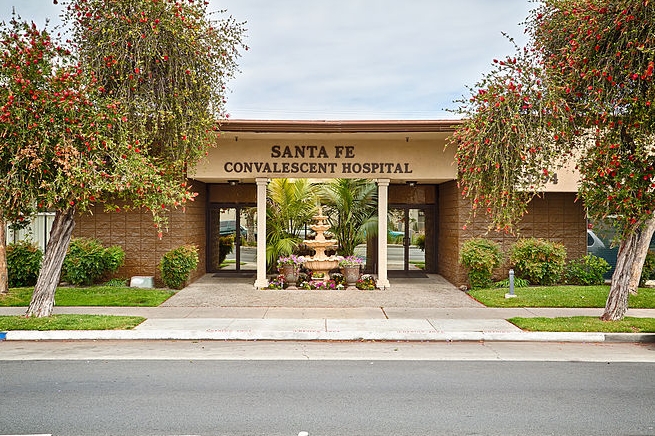
Who Owns and Operates Beachside Post Acute?

BEACHSIDE POST ACUTE is owned by a for-profit company. For-profit facilities operate as businesses with obligations to shareholders or private owners. The facility is operated by THE MANDELBAUM FAMILY, a chain that manages multiple nursing homes. With 90 certified beds and approximately 83 residents (about 92% occupancy), it is a smaller facility located in LONG BEACH, California.
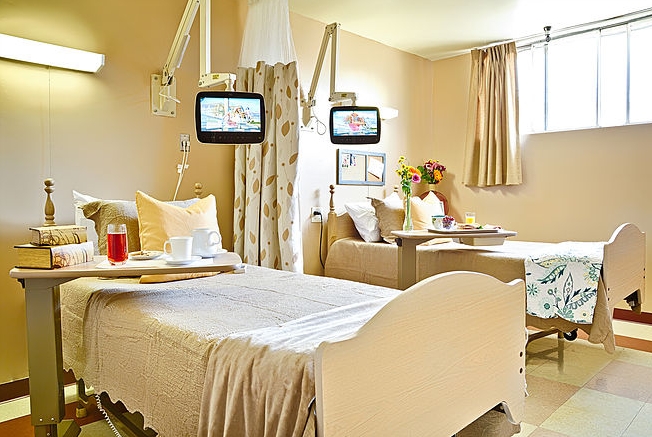
How Does Beachside Post Acute Compare to Other California Nursing Homes?

Compared to the 100 nursing homes in California, BEACHSIDE POST ACUTE's overall rating (4 stars) is above the state average of 3.2, staff turnover (36%) is significantly lower than the state average of 46%, and health inspection rating (3 stars) is at the national benchmark.

What Should Families Ask When Visiting Beachside Post Acute?

Based on this facility's data, families visiting should ask: "Can I visit during a mealtime to observe dining assistance and food quality?" "How do you handle medical emergencies, and what is your hospital transfer rate?" "Can I speak with family members of current residents about their experience?"

Is Beachside Post Acute Safe?

Based on CMS inspection data, BEACHSIDE POST ACUTE has a clean safety record: no substantiated abuse findings (meaning no confirmed cases of resident harm), no Immediate Jeopardy citations (the most serious violation level indicating risk of serious injury or death), and is not on the Special Focus Facility watch list (a federal program monitoring the lowest-performing 1% of nursing homes). The facility has a 4-star overall rating and ranks #1 of 100 nursing homes in California. While no facility is perfect, families should still ask about staff-to-resident ratios and recent inspection results during their visit.

Do Nurses at Beachside Post Acute Stick Around?

BEACHSIDE POST ACUTE has a staff turnover rate of 36%, which is about average for California nursing homes (state average: 46%). Moderate turnover is common in nursing homes, but families should still ask about staff tenure and how the facility maintains care continuity when employees leave.

Was Beachside Post Acute Ever Fined?

BEACHSIDE POST ACUTE has no federal fines on record. CMS issues fines when nursing homes fail to meet care standards or don't correct problems found during inspections. The absence of fines suggests the facility has either maintained compliance or corrected any issues before penalties were assessed. This is a positive indicator, though families should still review recent inspection reports for the full picture.

Is Beachside Post Acute on Any Federal Watch List?

BEACHSIDE POST ACUTE is not on any federal watch list. The most significant is the Special Focus Facility (SFF) program, which identifies the bottom 1% of nursing homes nationally based on persistent, serious quality problems. Not being on this list means the facility has avoided the pattern of deficiencies that triggers enhanced federal oversight. This is a positive indicator, though families should still review the facility's inspection history directly.