BIXBY TOWERS POST-ACUTE REHAB
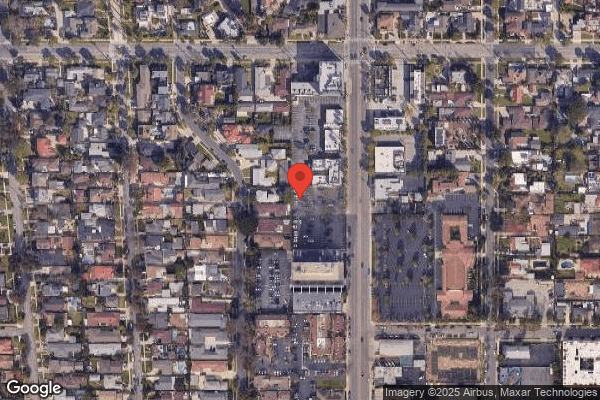
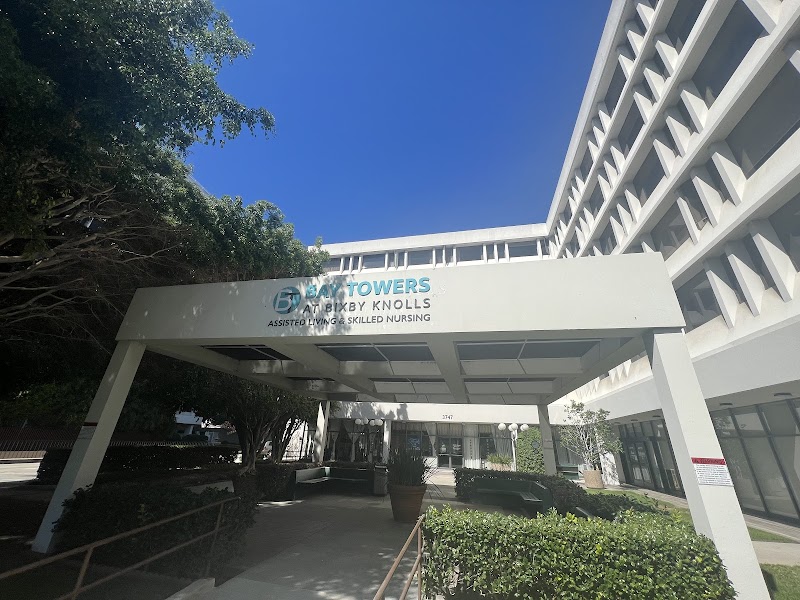
3747 ATLANTIC AVENUE, LONG BEACH, CA 90807 (562) 426-6123
For profit - Limited Liability company 99 Beds Independent Data: November 2025 2 Immediate Jeopardy citations
Trust Grade
0/100
#987 of 1155 in CA
Last Inspection: August 2025

Inspected within the last 6 months. Data reflects current conditions.

Overview

Bixby Towers Post-Acute Rehab has received a Trust Grade of F, indicating significant concerns about the facility's care and management. Ranking #987 out of 1155 facilities in California places it in the bottom half, and #279 out of 369 in Los Angeles County suggests that there are better local options available. While the facility is trending slightly improving, with issues decreasing from 31 in 2024 to 29 in 2025, it still has alarming deficiencies, including incidents of sexual assault between residents and failures in managing residents' medical needs. Staffing is rated average with a turnover rate of 60%, which is concerning compared to the state average of 38%. Additionally, the facility has incurred fines totaling $108,578, higher than 92% of California facilities, signaling possible compliance issues that families should be aware of.

Trust Score
F
0/100
In California
#987/1155
Bottom 15%
Safety Record
High Risk
Review needed
Inspections
Getting Better
31 → 29 violations
Staff Stability
⚠ Watch
60% turnover. Above average. Higher turnover means staff may not know residents' routines.
Penalties
✓ Good
$108,578 in fines. Lower than most California facilities. Relatively clean record.
Skilled Nurses
⚠ Watch
Each resident gets only 24 minutes of Registered Nurse (RN) attention daily — below average for California. Fewer RN minutes means fewer trained eyes watching for problems.
Violations
⚠ Watch
82 deficiencies on record. Higher than average. Multiple issues found across inspections.
★☆☆☆☆
1.0
Overall Rating
★★★☆☆
3.0
Staff Levels
★★★★☆
4.0
Care Quality
★☆☆☆☆
1.0
Inspection Score
Stable
2024: 31 issues
2025: 29 issues

The Good

  • 4-Star Quality Measures · Strong clinical quality outcomes
  • Full Sprinkler Coverage · Fire safety systems throughout facility
  • No fines on record

Facility shows strength in quality measures, fire safety.

The Bad

1-Star Overall Rating

Below California average (3.1)

Significant quality concerns identified by CMS

Staff Turnover: 60%

14pts above California avg (46%)

Frequent staff changes - ask about care continuity

Federal Fines: $108,578

Well above median ($33,413)

Significant penalties indicating serious issues

Staff turnover is elevated (60%)

12 points above California average of 48%

The Ugly 82 deficiencies on record

2 life-threatening 3 actual harm
Oct 2025 1 deficiency
CONCERN (D) 📢 Someone Reported This

A family member, employee, or ombudsman was alarmed enough to file a formal complaint

Potential for Harm - no one hurt, but risky conditions existed

Accident Prevention (Tag F0689)

Could have caused harm · This affected 1 resident

**NOTE- TERMS IN BRACKETS HAVE BEEN EDITED TO PROTECT CONFIDENTIALITY** Based on interview and record review the facility failed to ensure one of three sampled residents (Resident 1) did not elope fro...

Read full inspector narrative →
**NOTE- TERMS IN BRACKETS HAVE BEEN EDITED TO PROTECT CONFIDENTIALITY** Based on interview and record review the facility failed to ensure one of three sampled residents (Resident 1) did not elope from the facility. This deficient practice resulted in Resident 1 eloping from the facility on 9/27/2025 at approximately 6:04 p.m., unbeknownst to staff. Resident 1 was returned to the facility on the same day (9/27/2025) after being found by family at a gas station four blocks from the facility at approximately 11:15 p.m. This deficient practice place Resident 1 at risk for harm because of in climate weather, motor vehicle accidents, fall, violence at the hands of others and death. Findings: During a review of Resident 1's admission Record , the admission Record indicated Resident 1 was admitted to the facility on [DATE] with diagnoses including ventricular tachycardia (fast heart rate), hypotension (low blood pressure), and depression (a feeling of sadness). During a review of Resident 1's History and Physical (H& P) dated 8/20/2025, the H&P indicated Resident 1 could make needs known but could not make medical decisions. During a review of Resident 1's Minimum Data Set (MDS] resident assessment tool) dated 8/22/2025, the MDS indicated Resident 1 required substantial/maximal assistance (helper does more than half the effort). The MDS indicated maximum assistance with toileting hygiene, shower/bath, and personal hygiene. During a review of Resident 1's Progress Notes dated 9/27/2025, the Progress Notes indicated Resident 1 was not in his assigned room. A search for Resident 1 was initiated. The Progress Notes indicated Resident 1's family was contacted. The Director of Nursing (DON) and Administrator were also notified. The Progress Notes indicate that at 11:15 p.m., Resident 1 returned to the facility after family members found Resident 1 at a nearby gas station. During an interview on 9/30/2025 at 9:05 a.m. with Certified Nurse Assistant (CNA) 1, CNA 1 stated that he was working on the unit on 9/27/2025 when Resident 1 exited the facility unsupervised. CNA 1 stated that during routine rounds at approximately 3:30 p.m., he noticed that Resident 1 was not in his assigned room. He immediately checked the surrounding area and notified the Registered Nurse Supervisor (RNS). CNA 1 stated, the RNS informed him that Resident 1 was downstairs with his wife and expressed no concern that the resident might leave the facility. CNA 1 further stated that at approximately 5:30 p.m., during another routine round, he observed Resident 1 lying in bed. CNA 1 stated Resident 1 was observed attempting to pull out his gastrostomy tube (G-tube) and was trying to get out of bed. CNA 1 stated he reported this behavior to Licensed Vocational Nurse (LVN) 1 and the RNS but stated that no further interventions or actions were taken by the nursing staff. CNA 1 stated that he monitors residents every two hours and as needed. CNA 1 stated at approximately 10:00 p.m., and he discovered that Resident 1 was no longer in the facility. CNA 1 immediately notified LVN 1 and the RNS. CNA 1 stated that both nurses initiated a search of the facility, including both interior and exterior areas, in an effort to locate the resident. CNA 1 stated that residents were not permitted to go downstairs without staff supervision, and that if a resident leaves the facility or moves about unsupervised, resident were at risk for harm such as falls, injury, becoming lost, or encountering unsafe situations in the community. During an interview conducted on 9/30/2025 at 9:30 a.m. with Licensed Vocational Nurse (LVN) 1, he stated that he was responsible for the care of Resident 1 at the time of the elopement on 9/27/2025. LVN 1 stated that at approximately 3:00 p.m., during routine rounds, he observed Resident 1 in his room with his wife and another family member. LVN 1 stated approximately 5:00 p.m., while passing medications, he saw Resident 1 sitting alone in a wheelchair in the hallway. LVN 1 offered the resident his medications, which the resident refused. LVN 1 stated that at approximately 10:00 p.m., CNA 1 informed him that Resident 1 was missing from the facility. LVN 1 stated upon receiving this report, LVN 1 immediately notified the Registered Nurse Supervisor (RNS) and initiated a search of the facility, both inside and outside. LVN 1 contacted Resident 1's wife, who confirmed that the resident was not with her and stated she would come to the facility to assist in locating him. LVN 1 stated that Resident 1 was out of the facility for approximately five hours. LVN 1 stated residents must be supervised at all times when going downstairs. LVN 1 stated that if a resident elopes from the facility without supervision, they were at risk for injury, becoming lost, or encountering environmental hazards. During an interview conducted on 9/30/2025 at 11:55 a.m. with LVN 2, LVN 2 stated that residents were not permitted to go downstairs without staff supervision. LVN 2 stated that there was no nursing personnel assigned to the first floor, and it was unclear who was responsible for monitoring residents in that area. LVN 2 stated that residents who go downstairs unsupervised could be at risk for falls, medical emergencies, or elopement, which could result in injury. LVN 2 further stated that Resident 1 wears a life vest, an external medical device used for patients at risk of sudden cardiac arrest and therefore requires continuous monitoring and supervision. LVN 2 emphasized that if the vest were to become dislodged or malfunction, the resident could require immediate medical assistance. During an interview on 9/30/2025 at 11:55 a.m. with License Vocational Nurse (LVN) 2, LVN 2 stated that the residents were not allowed to go downstairs unsupervised. LVN 2 stated that there were no nursing personnel on the first floor to supervise residents, and it is unclear who is responsible for their monitoring. LVN 2 stated Residents could fall, have an emergency medical, or could leave the facility and become injured. LVN 2 stated that Resident 1 wears a life vest ( an external medical device worn by patients at risk of sudden [cardiac death]-when the heart stops working) and requires continuous monitoring and supervision, as the vest could come off and the resident may need immediate assistance. During a concurrent observation and interview conducted on 9/30/2027 at 12:27 p.m. with the Maintenance Supervisor (MS), the dining room exit doors were observed to be locked from the outside, while staff were able to open the doors freely from the inside. The MS stated that the dining room exit doors can be secured externally but emphasized that residents and visitors were still able to exit the facility from the inside at any time. The MS acknowledged that this setup poses a safety concern for residents, stating that it was potentially dangerous and could compromise resident safety in the event of an emergency. During a concurrent observation and interview on 9/30/2027 at 1:30 p.m. with the Director of Nursing (DON), the DON stated that residents were not permitted to go downstairs, as there was no nursing personnel stationed in that area to provide supervision. The DON further stated that Resident 1 requires monitoring and supervision due to wearing a life vest, and that elopement poses a significant risk to Resident 1's safety. The DON confirmed that Resident 1 was unsupervised and away from the facility for approximately five hours. Reviewed the facility's video surveillance footage from 9/27/2025, between 5:55 p.m. and 6:04 p.m., was conducted. The footage showed Resident 1 in a wheelchair exiting through the dining room exit doors at 6:04 p.m. The DON reviewed and validated the footage, confirming that the individual captured in the video appeared to be Resident 1. During a review of the facility's policy and procedure (P&P) titled, “Safety and Supervision of Residents,” dated 2017, the P&P indicated, “Our facility strives to make the environment as free from accident hazards as possible. Resident safety and supervision to prevent accidents are facility-wide priorities.”
Aug 2025 17 deficiencies 1 Harm
SERIOUS (G) 📢 Someone Reported This

A family member, employee, or ombudsman was alarmed enough to file a formal complaint

Actual Harm - a resident was hurt due to facility failures

Quality of Care (Tag F0684)

A resident was harmed · This affected 1 resident

**NOTE- TERMS IN BRACKETS HAVE BEEN EDITED TO PROTECT CONFIDENTIALITY** Based on interview and record review, the facility failed to ensure the resident, who had developed behavioral symptoms manifest...

Read full inspector narrative →
**NOTE- TERMS IN BRACKETS HAVE BEEN EDITED TO PROTECT CONFIDENTIALITY** Based on interview and record review, the facility failed to ensure the resident, who had developed behavioral symptoms manifested by increased confusion, cursing staff, yelling at staff, and refusing personal care and treatment, had a medical doctor's (MD) order for urinalysis with cultures and sensitivity (a urine diagnostic test used to detect presence of bacteria) carried out to determine the presence of urinary tract infection (UTI- an infection in the bladder/urinary tract) and to prevent a delay in treatment for one of one sampled resident (Resident 100). The facility failed to:1. Ensure Resident 100's urine was collected for urinalysis with cultures and sensitivity as ordered by the resident's MD on 7/4/2025 due to Resident 100's onset of behavioral symptoms (cursing staff, yelling at staff, refused care and refusal of breathing treatment) to rule out (exclude) UTI.2. Ensure Resident 100's MD was informed when a urine for urinalysis was not sent on 7/7/2025 as ordered by the resident's MD on 7/4/2025. 3. Follow the facility's policy and procedure (P&P) titled, Lab and Diagnostic Test Results-Clinical Protocol, revised 11/2018, which indicated the staff will process ordered tests requisitions and arrange for a diagnostic test. These failures resulted in Resident 100 transferring to the General Acute Care Hospital (GACH) on 7/9/2025 where the resident was found to have pyuria (the presence of pus in the urine) and was diagnosed with acute urinary tract infection. Resident 100 was treated with intravenous (IV- into the vein) antibiotic (medication to treat infection) administration and was discharged from the GACH on 7/23/2025 with diagnosis of acute UTI. Findings:During a review of Resident 100's admission Record, the admission indicated Resident 100 was admitted to the facility on [DATE] with diagnoses including fracture (broken bone) of the sacrum (triangular bone at the base of the spine that connects the spine to the pelvis), respiratory failure (the lungs cannot properly exchange gases, causing abnormal levels of carbon dioxide and/or oxygen in the arteries), chronic kidney disease (condition where the kidneys are damaged and cannot filter blood effectively), anxiety (emotion characterized by feelings of tension, worried thoughts ), and depression (persistent feeling of sadness and loss of interest). During a review of Resident 100's History and Physical (H&P) dated 6/17/2025, the H&P indicated, Resident 100 had the capacity to make decisions for herself.During a review of Resident 100's Minimum Data Set (MDS-a resident assessment tool), dated 6/19/2025, the MDS indicated Resident 100 did not have any evidence of an acute change in mental status including inattention (difficulty focusing and easily distracted), disorganized thinking (irrelevant conversation or unclear flow of ideas), and altered level of consciousness (when a patient is not acting like their baseline, seems confused and disoriented, or is not acting normally). The MDS indicated Resident 100 did not have behavioral symptoms including physical behavior (hitting, kicking, pushing), and verbal behavior (threatening others, screaming at others, cursing at others). The MDS indicated Resident 100 did not exhibit rejection of care (blood work, taking medications and assistance with activities of daily living [ADL]) The MDS indicated Resident 100 did not hallucinate (sights, sounds, smells, tastes, or touches that a person believes to be real but are not real) or had delusions (false beliefs). The MDS indicated Resident 100 was dependent (helper does all the effort, assistance of two or more helpers is required) on nursing staff with toileting hygiene, showering, putting on and taking off footwear. The MDS indicated Resident 100 needed substantial to maximal assistance from nursing staff with dressing, rolling from left to right, sitting, and lying down. The MDS indicated Resident 100 had urinary and bowel incontinence (inability to control urination and defecation [feces]). During a review of Resident 100's Physician's Order Summary Report dated 6/27/2025, the Physician's Order Summary Report indicated an order for urinalysis with urine cultures related to chronic kidney disease. The Physician's Order Summary Report indicated Resident 100 may have an in and out catheter (a thin, flexible tube inserted into the bladder to drain urine and then removed immediately after) to collect a urine specimen.During a review of Resident 100's Laboratory Results Report dated 6/30/2025, the Laboratory Results Report indicated that urine culture resulted in no growth of bacteria (tiny organisms that can cause infections and illnesses).During review of Resident 100's Change of Condition ([COC] a sudden, clinically important deviation from a patient's baseline in physical, cognitive [ability to think, understand, learn, and remember] behavioral, or functional status which without immediate intervention, may result in complications or death) Evaluation dated 7/4/2025, the COC Evaluation indicated Resident 100 had an increased confusion, was cursing staff, yelling at staff, refusing personal care and treatment. The COC indicated Resident 100 had altered level of consciousness. The COC Evaluation indicated Resident 100's MD was notified on 7/4/2025 at 10 a.m., of Resident 100's COC and ordered urinalysis with cultures and sensitivity, Ativan (medication used to treat anxiety) 1.0 milligram ([mg]-unit of measurement) every six hours as necessary (PRN), and Seroquel (medication used to treat depression) 25 mg every six hours as necessary. During a review of Resident 100's Physician's Order Summary Report dated 7/4/2025, the Physician's Order Summary Report indicated an order for urinalysis with culture and sensitivity scheduled to be collected on 7/7/2025.During a concurrent interview and record review on 7/29/2025 at 2:30 p.m., with Licensed Vocational Nurse (LVN) 1, Resident 100's COC Evaluation dated 7/4/2025 and 7/9/2025 were reviewed. The COC Evaluation dated 7/4/2025 indicated Resident 100 refused care, treatment, and was striking, hitting, cursing, and yelling at the staff. The COC Evaluation dated 7/4/2025 indicated an order for urinalysis with culture. The COC Evaluation dated 7/9/2025 indicated Resident 100 was transferred to a GACH for a psychiatric (relating to mental illness) evaluation and treatment of inappropriate behavior on 7/9/2025 at around 11 a.m. LVN 1 stated Resident 100 had a urine culture ordered on 7/4/2025 to be collected on 7/7/2025. LVN 1 stated the urine culture was not done because the night shift (7/6/2025) Registered Nurse Supervisor (RNS)1 did not print the order for the urine culture in the requisition book. LVN 1 stated the RNS 1 should have endorsed (hand off) the urine culture order to the incoming day shift (7/7/2025) so it could have been collected and send to the laboratory. LVN 1 stated there was no documentation on 7/7/2025 that Resident 100's MD was notified that urine culture test was not done on 7/7/2025 as ordered on Resident 100's Progress Notes. During an interview on 8/1/2025 at 9:57 a.m., with Registered Nurse Supervisor (RNS) 2, RNS 2 stated Resident 100 was not agitated, and was not yelling or screaming when was admitted to the facility on [DATE]. RNS 2 stated on 6/16/2025 at 4:24 a.m., Resident 100 became combative and was striking at staff. RNS 2 stated the MD came to see Resident 100 on 6/17/2025 but there was no documentation the doctor was notified regarding Resident 100's combative behavior. RNS 2 stated Resident 100 was seen by the MD but did not address Resident 100's confusion and per resident and family request a psychiatrist ( a medical doctor specializing in mental health) evaluation was scheduled for 7/17/2025. RNS 2 stated Resident 100 continued to have periods of confusion. RNS 2 stated on 6/27/2025 the doctor ordered to have Computed Tomography (CT-imaging) scan, Complete Blood Count (CBC- laboratory test), Basic Metabolic Profile (BMP- laboratory test), Ammonia (NH3 laboratory test), urinalysis (UA) with culture and sensitivity. RNS 2 stated on 6/30/2025 Resident 100 continued to have confusion and forgetfulness. RNS 2 stated on 6/30/2025 Resident 100 had a CT scan of the brain. RNS 2 stated on 7/4/2025 Resident 100 became agitated with increased confusion, verbal aggression, and was crying. RNS 2 stated Resident 100's MD ordered Ativan 1.0 mg every six hours and Seroquel 25 mg every six hours for agitation, refusal of care, and cursing at staff. RNS 2 stated a repeat urine culture was ordered to be collected on 7/7/2025. RNS 2 stated Resident 100 continued to be confused and started speaking gibberish (meaningless speech) and yelling. RNS 2 stated on 7/8/2025 the antipsychotic medication (used to treat psychosis) was ineffective, and the resident was still agitated, refused to be changed, was verbally aggressive and threatened to be physically aggressive. RNS 2 stated on 7/9/2025 at 11:09 a.m., Resident 100 was transferred to the GACH for evaluation and treatment of inappropriate behavior. RNS 2 stated the urine culture ordered on 7/7/2025 was not collected and Resident 100's MD was not notified. RNS 2 stated elderly residents can have confusion from a UTI and if remained untreated could have more confusion, behavioral changes and urosepsis (a life-threatening condition where UTI spreads to the bloodstream). During an interview on 8/1/2025 at 3:34 p.m., with the Director of Nursing (DON), the DON stated Resident 100 was alert and oriented, not altered, not combative, not yelling and not screaming upon admission to the facility on 6/12/2025. The DON stated on 6/16/2025 there was no notification to the resident's medical doctor about Resident 100 combativeness and yelling. The DON stated the medical doctor should have been notified to make sure the resident was assessed and got the proper care and treatment. The DON stated on 7/4/2025 Resident 100's medical doctor ordered urine culture when informed of Resident 100's behavioral symptoms (cursing staff, yelling at staff, refused care). The DON stated Resident 100's urine was not collected on 7/7/2025 as ordered. The DON stated UTI can cause confusion and behavioral changes in elderly residents. During a review of Resident 100's emergency room (ER) admission History and Physical, dated 7/9/2025, the ER admission and H&P indicated Resident 100 was alert and oriented to name, place and time. The ER admission H&P indicated Resident 100 was brought by paramedics (medical professionals who provide emergency medical care) from the facility due to increased agitation and to rule out sepsis (a life-threatening complication of an infection) /UTI. During a review of Resident 100's Physician Emergency Department Note, dated 7/9/2025, the Physician Emergency Department Note indicated the urine sample collected via the urinary catheterization (the process of inserting a flexible tube, called a catheter, into the bladder to drain urine) was very thick and suggestive of pus. The Physician Emergency Department Note indicated the laboratory had a difficult time performing the urinalysis secondary to the fact that the urine was too thick. The Physician Emergency Department Note indicated Resident 100 was then given intravenous (IV into a vein) fluids and antibiotics (medication used to treat infection) and then a repeat urinalysis was obtained. The repeat urinalysis dated 7/9/2025, resulted in a high number of white blood cells (WBC-{blood cells that help the body fight infection and other diseases} of 430 cells per microliter [cells/uL], reference range is 0-5 cells/uL) and presence of 4+ bacteria (reference range is 0). The Physician Emergency Department Note indicated Resident 100 had pyuria indicative of infection in the urinary tract and that the resident was not medically stable. The Physician Emergency Department Note indicated Resident 100 was admitted to the GACH and was started on IV Rocephin (antibiotic) for UTI and UA cultures indicated the presence of Proteus Mirabilis (type of bacteria) resistant (ineffective) to nitrofurantoin (antibiotic) otherwise sensitive (effective) to all other antibiotics. During a review of the facility's policy and procedure (P&P) titled, Quality of Life (undated), the P&P indicated Each resident will receive, and the facility will provide the necessary care and services to attain and maintain the highest physical, mental, and psychosocial wellbeing, consistent with the resident's comprehensive assessment and plan of care. During a review of the facility's policy and procedure (P&P) titled Lab and Diagnostic Test Results-Clinical Protocol, revised 11/2018, the P&P indicated The MD will identify, and order diagnostic and lab testing based on the resident's diagnostic and monitoring needs. The staff will process test requisitions and arrange for a test.
CONCERN (D)

Potential for Harm - no one hurt, but risky conditions existed

Resident Rights (Tag F0550)

Could have caused harm · This affected 1 resident

**NOTE- TERMS IN BRACKETS HAVE BEEN EDITED TO PROTECT CONFIDENTIALITY** The facility failed to ensure one of two residents (Resident 99) foley catheter ( a medical device that helps drain urine from y...

Read full inspector narrative →
**NOTE- TERMS IN BRACKETS HAVE BEEN EDITED TO PROTECT CONFIDENTIALITY** The facility failed to ensure one of two residents (Resident 99) foley catheter ( a medical device that helps drain urine from your bladder [drainage bag]- the bag attached to the end of the catheter that collects the urine) was covered with a dignity bag ( a cover or pouch designed to hide the urine collection bag) in accordance with professional standards and the residents' right to dignity.This failure resulted in potential embarrassment, compromised privacy, and a lack of respect for Resident 99's dignity.Findings:During a concurrent observation and interview on 7/29/2025 at 3:57 p.m. with Certified Nurse Assistant (CNA) 4 in room [ROOM NUMBER]A, it was observed that Resident 99's foley catheter drainage bag was not covered by a dignity bag. CNA 4 stated the dignity bag was not in place on the drainage bag. CNA 4 stated that it is all staff's responsibility to maintain the foley catheters and ensure all residents have a dignity bag. CNA 4 stated that she usually places a dignity bag to cover the residents' drainage bag. CNA 4 stated that she does not know why she did not place a dignity bag on Resident 99's drainage bag. CNA 4 stated that she believed that having an uncovered drainage bag would be considered disrespectful for Resident 99. During a concurrent observation and interview on 7/29/2025 at 4:15 p.m. with Treatment Nurse (TN) 1, TN 1 stated she was unaware of Resident 99's drainage bag not being covered with a dignity bag. TN 1 stated that it is the facility's policy and procedure that all drainage bags be always covered with a dignity bag. TN 1 stated that she understands residents' drainage bags should be covered with a dignity bag to ensure that their privacy and dignity is protected. TN 1 stated that she is responsible for ensuring dignity cover is in place for the residents. TN 1 acknowledged the absence of Resident 99's dignity bag and confirmed understanding of the facility's policy on maintaining resident dignity and privacy.During an interview on 7/31/2025 at 11:03 a.m. with the Director of Staff Development (DSD), the DSD stated it is the facility's policy and procedure to apply a dignity bag on all residents' foley catheter drainage bags. The DSD stated it is the responsibility of all staff to ensure that all the drainage bags are covered with a dignity bag. The DSD stated that staff receives in services and huddles on how to maintain foley catheters and maintaining residents' dignity. The DSD stated that she was unaware of the incident regarding Resident 99 not having a dignity bag. The DSD stated that when residents' foley catheters are uncovered it is a violation of their dignity. During an interview on 8/01/2025 at 3:00 p.m. with the Director of Nursing (DON), the DON stated residents have the right to have privacy and their foley catheter drainage bags should be always covered with a dignity bag. The DON stated that it is the facility's practice that all residents that have a foley catheter have a dignity bag. The DON stated that the facility has policies and procedures in place to ensure that all foley catheter bags are stored and positioned in a manner that maintains resident dignity and reduces infection. The DON stated that staff receive in-services upon hire and through ongoing education to ensure that the staff are trained properly and understand the importance of keeping the residents' drainage bags covered. During a review of the facility's policy and procedures (P&P) dated 2021, the P&P indicated demeaning practices and standards of care that compromise dignity are prohibited. The P&P indicated staff are expected to promote dignity and assist resident; for example: a. helping the resident to keep urinary catheter bags covered.
CONCERN (D)

Potential for Harm - no one hurt, but risky conditions existed

Report Alleged Abuse (Tag F0609)

Could have caused harm · This affected 1 resident

**NOTE- TERMS IN BRACKETS HAVE BEEN EDITED TO PROTECT CONFIDENTIALITY** Based on interview and record review, the facility failed to report an abuse allegation to the California Department of Health, ...

Read full inspector narrative →
**NOTE- TERMS IN BRACKETS HAVE BEEN EDITED TO PROTECT CONFIDENTIALITY** Based on interview and record review, the facility failed to report an abuse allegation to the California Department of Health, the Ombudsman, and the law enforcement agency for one of three sampled residents (Resident 74), when Resident 74 reported to the Assistant Director of Nursing (ADON) that Certified Nurse Assistant (CNA) 1 physically abused her while providing her with personal care. This deficient practice had the potential to place other residents at risk for physical abuse. Findings:During a review of Resident 74's admission Record, the admission Record indicated Resident 74 was admitted to the facility on [DATE] with diagnoses including osteoarthritis (a progressive disorder of the joints, caused by gradual loss of cartilage) and rheumatoid arthritis (a chronic-progressive disease-causing inflammation in the joints and resulting in painful deformity and immobility). During a review of Resident 74's MDS dated [DATE], the MDS indicated Resident 74 had severe cognitive impairment and required maximal (helper does more than half the effort) assistant with activities of daily living (ADLs- activities such as bathing, dressing, and toileting a person performs daily). During an interview on 7/29/2025 at 1:03 p.m., with Resident 74's family member, Resident 74's family member stated there was a CNA (unknown) that was rough with Resident 74 while changing her diaper (incontinent pad). At this time, Resident 74 took out her personal cell phone and showed me a picture she took of the CNA involved. Resident 74's family member stated they informed the staff of what had happened. During an interview on 7/30/2025 at 10:20 a.m., with the Assistant Director of Nursing (ADON), ADON stated Resident 74 told her a CNA on the night shift was rough with her when changing her. ADON stated depends on the situation when asked if she considers being rough with a resident a form of abuse. The ADON stated she did not report the allegation because Resident 74 told her she was fine. During an interview on 7/30/2025 at 10:50 a.m., with CNA 3, CNA 3 stated being rough with a resident was considered a form of abuse. During a phone interview on 7/30/2025 at 11:23 a.m., with CNA 1, CNA 1 stated she made aware that Resident 74 accused her of being rough with her while changing her and was going to be suspended by the facility. During an interview on 7/30/2025 at 11:39 a.m., with the Director of Staff Development (DSD), the DSD stated if a resident stated a staff member was rough with them, it is considered a form of abuse and should be reported to CDPH and investigated immediately. The DSD stated it was important to report and investigate the allegation of abuse to ensure it does not happen to another resident. During an interview on 8/1/2025 at 3:03 p.m., with the Director of Nursing (DON), the DON stated she was told Resident 74 was refusing to be changed but CNA 1 changed her anyways. The DON stated the allegation should have been reported and investigated but at the time they did not consider it a form of abuse. During a review of the facility's policy and procedure (P&P) titled, Abuse Reporting and Investigation, dated 1/10/2024, the P&P indicated, To promptly report all allegations of abuse as required by law and regulations to the appropriate agencies within the required time frames. To keep residents safe and prevent from future or recurrent potential abuse. All allegations of abuse, will be reported by the facility Administrator to the following agencies: The State licensing/certification agency responsible for surveying/licensing the facility, the local/State Ombudsman, and local law enforcement. Cross reference F607 and F610
CONCERN (D)

Potential for Harm - no one hurt, but risky conditions existed

Investigate Abuse (Tag F0610)

Could have caused harm · This affected 1 resident

**NOTE- TERMS IN BRACKETS HAVE BEEN EDITED TO PROTECT CONFIDENTIALITY** Based on interview and record review, the facility failed to implement its abuse policy and procedure (P&P) titled Abuse Prevent...

Read full inspector narrative →
**NOTE- TERMS IN BRACKETS HAVE BEEN EDITED TO PROTECT CONFIDENTIALITY** Based on interview and record review, the facility failed to implement its abuse policy and procedure (P&P) titled Abuse Prevention Program, dated 12/1/2022 by failing to investigate an abuse allegation for one of three sampled Residents (Resident 74).This deficient practice had the potential to result in unidentified abuse in the facility and failure to protect residents from abuse.Findings:During a review of Resident 74's admission Record, the admission Record indicated Resident 74 was admitted to the facility on [DATE] with diagnoses including osteoarthritis (a progressive disorder of the joints, caused by gradual loss of cartilage) and rheumatoid arthritis (a chronic-progressive disease-causing inflammation in the joints and resulting in painful deformity and immobility). During a review of Resident 74's MDS dated [DATE], the MDS indicated Resident 74 had severe cognitive impairment and required maximal (helper does more than half the effort) assistant with activities of daily living (ADLs- activities such as bathing, dressing, and toileting a person performs daily). During an interview on 7/29/2025 at 1:03 p.m., with Resident 74's family member, Resident 74's family member stated there was a CNA (unknown) that was rough with Resident 74 while changing her diaper (incontinent pad). At this time, Resident 74 took out her personal cell phone and showed me a picture she took of the CNA involved. Resident 74's family member stated they informed the staff of what had happened. During an interview on 7/30/2025 at 10:20 a.m., with the Assistant Director of Nursing (ADON), ADON stated Resident 74 told her a CNA on the night shift was rough with her when changing her. ADON stated depends on the situation when asked if she considers being rough with a resident a form of abuse. The ADON stated she did not report the allegation because Resident 74 told her she was fine. During an interview on 7/30/2025 at 10:50 a.m., with CNA 3, CNA 3 stated being rough with a resident was considered a form of abuse. During a phone interview on 7/30/2025 at 11:23 a.m., with CNA 1, CNA 1 stated she made aware that Resident 74 accused her of being rough with her while changing her and was going to be suspended by the facility. During an interview on 7/30/2025 at 11:39 a.m., with the Director of Staff Development (DSD), the DSD stated if a resident stated a staff member was rough with them, it is considered a form of abuse and should be reported to CDPH and investigated immediately. The DSD stated it was important to report and investigate the allegation of abuse to ensure it does not happen to another resident. During an interview on 8/1/2025 at 3:03 p.m., with the Director of Nursing (DON), the DON stated she was told Resident 74 was refusing to be changed but CNA 1 changed her anyways. The DON stated the allegation should have been reported and investigated but at the time they did not consider it a form of abuse. During a review of the facility's policy and procedure (P&P) titled, Abuse Prevention Program, dated 12/1/2022, the P&P indicated, To promote an environment free from any form of resident abuse, neglect, misappropriation of resident property, exploitation, and/or mistreatment. The facility shall thoroughly investigate allegation of abuse by identifying and interviewing all involved, including the alleged victim, alleged perpetrator, witness(es) and others who might have seen, heard or have knowledge of the allegations, and with documented evidences that support the investigation.During a review of the facility's P&P titled, Abuse Reporting and Investigation, dated 1/10/2024, the P&P indicated, To thoroughly investigate ALL allegations of abuse, mistreatment, neglect, exploitation, misappropriation of resident property, or injuries of unknown source when appropriate. To keep residents safe and prevent from future or recurrent potential abuse. Cross reference F607 and F609
CONCERN (D)

Potential for Harm - no one hurt, but risky conditions existed

PASARR Coordination (Tag F0644)

Could have caused harm · This affected 1 resident

**NOTE- TERMS IN BRACKETS HAVE BEEN EDITED TO PROTECT CONFIDENTIALITY** Based on interview and record review the facility failed to ensure Preadmission Screening and Resident Review (PASARR - a federa...

Read full inspector narrative →
**NOTE- TERMS IN BRACKETS HAVE BEEN EDITED TO PROTECT CONFIDENTIALITY** Based on interview and record review the facility failed to ensure Preadmission Screening and Resident Review (PASARR - a federal assessment requirement to help ensure that individuals who have a mental disorder or intellectual disabilities are placed in facilities that can provide the appropriate care) was resubmitted and documented correctly for two of two sampled residents (Resident 9 and Resident 52).This failure had the potential to result in Resident 9 and Resident 52 not receiving the necessary care and services they need.Findings:During a review of Resident 9's admission Record, the admission Record indicated Resident 9 was admitted to the facility on [DATE] with diagnoses including depression (serious mood disorder that affects how a person feels, thinks, and behaves, schizoaffective (a mental illness that can affect thoughts, mood, and behavior), anxiety (a feeling of worry, nervousness, or unease) , psychosis (a severe mental condition in which thought, and emotions are so affected that contact is lost with reality) and insomnia (difficulty sleeping).During a review of Resident 9's Physician Progress Notes, dated 1/8/2025, the Physician Progress Notes indicated that Resident 9 was able to make healthcare decisions.During a review of Resident 9's Minimum Dat Set (MDS-a resident assessment tool), dated 5/28/2025, the MDS indicated, Resident 9 needed nursing staff supervision with oral hygiene, toileting, showering, dressing, transferring and walking.During a review of Resident 9's Notice of Exempted Hospital Discharge, dated 2/12/2025, the Notice of Exempted Hospital Discharge indicated, the facility must resubmit a new Level I Screening as a Resident Review on the 31st day.During a review of Resident 52's admission Record, the admission Record indicated Resident 52 was originally admitted to the facility on [DATE] and readmitted to the facility with diagnoses including schizophrenia (a mental illness that is characterized by disturbances in thought).During a review of Resident 52's MDS dated [DATE], the MDS indicated, Resident 52 had the ability to express ideas and wants. The MDS indicated Resident 52 had the ability to understand others. The MDS indicated Resident 52 was dependent on nursing staff for toileting, lower body dressing, putting on and taking off footwear, and transferring. The MDS indicated Resident 52 needed substantial to maximal assistance from nursing staff with oral hygiene, showering, upper body dressing and personal hygiene. During a review of Resident 52's Notice of PASRR Level I Screening Results, dated 2/8/2025, the Notice of PASRR Level I Screening Results indicated Resident 52 did not have schizophrenia.During an interview on 7/31/2025 at 9:00 a.m., with Medical Records Director (MRD), MRD stated she was responsible for reviewing the PASARR. MRD stated Resident 9 did not have a new Level I Screening done. MRD stated Resident 9 needs a new Level I Screening resubmitted to determine the services needed for the resident's care. MRD stated Resident 52 PASARR was documented incorrectly and will have to resubmit another Level I Screening. MRD stated the residents' care and services can be affected if the Level I Screening was not done. During an interview on 8/1/2025 at 3:26 p.m., with the Director of Nursing(DON), the DON stated the residents need Level I Screening so they will get the proper treatment and be provided with the necessary care.During a review of the facility's policy and procedure (P&P), titled Preadmission Screening & Resident Review (PASARR), dated 11/20/2023, the P&P indicated, Facility will coordinate assessments with the pre-admission screening and resident review (PASARR) program under Medicaid to the maximum extent practicable to avoid duplicative testing and effort to include incorporating the recommendations from the PASARR level II determination and the PASARR evaluation report into a resident's assessment, care planning, and transitions of care. Referring all Level II residents and all residents with newly evident or possible serious mental disorder, intellectual disability, or a related condition for Level II resident review upon a significant change in status assessment. Notify the state mental health authority or state intellectual disability authority, as applicable, promptly after a significant change in the mental or physical condition of a resident who has mental illness or intellectual disability for resident review.
CONCERN (D)

Potential for Harm - no one hurt, but risky conditions existed

Comprehensive Care Plan (Tag F0656)

Could have caused harm · This affected 1 resident

**NOTE- TERMS IN BRACKETS HAVE BEEN EDITED TO PROTECT CONFIDENTIALITY** Based on interview and record review, the facility failed to develop and implement a comprehensive care plan for one of three sa...

Read full inspector narrative →
**NOTE- TERMS IN BRACKETS HAVE BEEN EDITED TO PROTECT CONFIDENTIALITY** Based on interview and record review, the facility failed to develop and implement a comprehensive care plan for one of three sampled residents (Resident 74) when Resident 74 reported to the Assistant Director of Nursing (ADON) that Certified Nurse Assistant (CNA) 1 physically abused her while providing her with personal care. This deficient practice resulted in failure in the delivery of necessary care and services. Findings:During a review of Resident 74's admission Record, the admission Record indicated Resident 74 was admitted to the facility on [DATE] with diagnoses including osteoarthritis (a progressive disorder of the joints, caused by gradual loss of cartilage) and rheumatoid arthritis (a chronic-progressive disease-causing inflammation in the joints and resulting in painful deformity and immobility). During a review of Resident 74's MDS dated [DATE], the MDS indicated Resident 74 had severe cognitive impairment and required maximal (helper does more than half the effort) assistant with activities of daily living (ADLs- activities such as bathing, dressing, and toileting a person performs daily). During a concurrent interview and record review on 7/30/2025 at 4:09 p.m., with the Registered Nurse Supervisor (RNS) 1, RNS 1 validated there was no care plan for the abuse allegation made by Resident 74. RNS 1 stated facility should develop and implement a plan of care for an abuse allegation, so the facility staff were aware of what occurred and what interventions should be put in place to care for Resident 74. During an interview on 8/1/2025 at 12:34 p.m., with RNS 2, RNS 2 stated following an abuse allegation, a care plan should be developed and implemented because it represents the goals and interventions for the staff to follow for Resident 74's care. RNS 1 stated the care plan was important to ensure it does not happen again and for the safety of the residents. During an interview on 8/1/2025 at 3:03 p.m., with the Director of Nursing (DON), the DON stated a care plan should have been developed and implemented for Resident 74's abuse allegation because it served as an outline of care provided based on the resident's needs. During a review of the facility's policy and procedure (P&P) titled, Care Plans, Comprehensive Persons-Centered, dated 12/2016, the P&P indicated, Assessments of residents are ongoing, and care plans are revised as information about the residents and the residents' conditions change. The Interdisciplinary Team must review and update the care plan when there has been a significant change in the resident's condition).
CONCERN (D)

Potential for Harm - no one hurt, but risky conditions existed

ADL Care (Tag F0677)

Could have caused harm · This affected 1 resident

**NOTE- TERMS IN BRACKETS HAVE BEEN EDITED TO PROTECT CONFIDENTIALITY** Based on interview and record review the facility failed to ensure one of the sampled residents (Resident 36) was provided with ...

Read full inspector narrative →
**NOTE- TERMS IN BRACKETS HAVE BEEN EDITED TO PROTECT CONFIDENTIALITY** Based on interview and record review the facility failed to ensure one of the sampled residents (Resident 36) was provided with incontinence care in a timely manner.This failure resulted in Resident 36 crying and left wet in urine for an hour.Findings:During a review of Resident 36's admission Record, the admission Record indicated, Resident 36 was admitted to the facility on [DATE] with diagnoses including diabetes mellitus (DM-a disorder characterized by difficulty in blood sugar control and poor wound healing), seizures (a sudden, uncontrolled electrical disturbance in the brain which can cause uncontrolled jerking, blank stares, and loss of consciousness), hypertension (HTN-high blood pressure) and muscle weakness.During a review of Resident 36's Minimum Data Set (MDS-a resident assessment tool), dated 6/13/2025, the MDS indicated, Resident 36 rarely was able to express ideas and wants. The MDS indicated Resident 36 was rarely able to understand others. The MDS indicated Resident 36 was dependent on nursing staff for toileting, showering, oral hygiene, personal hygiene, transferring and dressing. The MDS indicated Resident 36 always had urinary incontinence (involuntary loss of urine).During a review of Resident 36's Care Plan, titled Altered bowel and bladder elimination due to incontinence related to mobility deficit, sensory deficit, chronic incontinence of the bladder, and cognitive impairment, dated 6/30/2025, the Care Plan intervention indicated to perform good skin care after each episode of incontinence and as needed.During an observation on 7/28/2025 at 12:59 p.m., at Resident 36's bedside, Resident 36 was in bed crying, Registered Nurse Supervisor (RNS) 3 and Certified Nursing Assistant (CNA) 8 were at Resident 36's room. RNS 3 checked Resident 36's adult diaper and stated Resident 36 was wet and needs to be changed. CNA 8 was at Resident 36's bedside rubbing her hand trying to console the resident. RNS 3 and CNA 8 left Resident 36's bedside without changing the resident adult diaper.During an interview on 7/28/2025 at 1:42 p.m., with CNA 8, CNA 8 stated she was going to change Resident 36 adult diaper but did not because she needed help. CNA 8 stated Resident 36 was not supposed to wait for a diaper change. During an interview on 7/30/2025 at 9:56 a.m., with CNA 2, CNA 2 stated if a resident was wet or soiled, CNA 8 should change Resident 36 adult diaper when CNA 8 observed Resident 36's adult diaper wet. CNA 2 stated if the residents must wait to be changed the residents could get a yeast infection (type of infection). skin irritation and can develop pressure ulcers (localized damage to the skin and/or underlying tissue usually over a bony prominence).During an interview on 8/01/2025 at 3:25 p.m., with the Director of Nursing (DON), the DON stated Resident that were wet or soiled need to be changed right away to prevent pressure ulcer, skin issues and skin irritation. During a review of the facility's policy and procedure (P&P) titled, Activities of Daily Living (ADLs), Supporting, date revised 3/2028, the P&P indicated Residents will be provided with care, treatment and services as appropriate to maintain or improve their ability to carry out activities of daily living (ADLs).
CONCERN (D)

Potential for Harm - no one hurt, but risky conditions existed

Deficiency F0692 (Tag F0692)

Could have caused harm · This affected 1 resident

**NOTE- TERMS IN BRACKETS HAVE BEEN EDITED TO PROTECT CONFIDENTIALITY** Based on observation, interviews, record review, the facility failed to ensure the water pitcher was within reach for one of sev...

Read full inspector narrative →
**NOTE- TERMS IN BRACKETS HAVE BEEN EDITED TO PROTECT CONFIDENTIALITY** Based on observation, interviews, record review, the facility failed to ensure the water pitcher was within reach for one of seven sampled residents (Resident 11). This failure had the potential to increase Resident 11's risk of dehydration (a condition that occurs when the body loses more fluids than it takes in, resulting in a depletion of water and electrolytes) and resulted in Resident 11 complaining of feeling thirsty. Findings:During a review of Resident 11's record titled, Face Sheet (front page of the chart that contains a summary of basic information about the resident), dated 7/30/25, the Face Sheet indicated Resident 11 was admitted on [DATE] with diagnoses of dementia (a progressive state of decline in mental abilities), Alzheimer's Disease (disease characterized by a progressive decline in mental abilities), hypertension (high blood pressure), failure to thrive (a decline caused by chronic diseases and functional impairments which can cause weight loss, decreased appetite, poor nutrition, and inactivity), and generalized muscle weakness.During a review of Resident 11's record titled, Minimum Data Sheet (MDS - a resident assessment tool), dated 6/24/25, the MDS indicated Resident 11 had the ability to use suitable utensils to bring food and/or liquid to the mouth and swallow food and/or liquid once the item is placed before the resident.During a review of Resident 11's records titled, Care Plan Report (CP), dated 7/8/25, the CP indicated, Resident 11 is at risk for dehydration or potential fluid deficit related to psychoactive medication (drugs that affect the brain and alter mental processes, emotions, and behavior) use. During a review of Resident 11's record, titled Nutritional Risk Assessment (NRA -assessment tool used to identify individuals aged 65 and older who are at risk for malnutrition), dated 7/9/25, the NRA indicated Resident 11 was on a no added salt diet with extra hydration.During a review of the Resident 11's record, titled Physician Order's, dated 7/30/25, the Physician Order's indicated, Encourage additional 8 ounce hydration three times a day (TID) with medication pass.During an observation on 7/28/25 at 9:54 a.m., in Resident 11's room, the water pitcher was on the dresser out of Resident 11's reach. During an interview on 7/28/25 at 10:00 a.m., with Resident 11, Resident 11 stated, I could not reach the water pitcher, it's too far behind me. I like to be able to reach my water. Resident 1 stated having the water pitcher out of reach made Resident 1 feel thirsty.During an interview on 7/28/25 at 10:02 a.m., with Licensed Vocational Nurse (LVN) 6, LVN 6 stated, The water pitcher is not in reach, it should be on the bedside table to prevent dehydration and possibly falls.During an interview on 8/1/25 at 9:47 a.m., with the Director of Nursing (DON), the DON stated, The water pitcher should always be within reach to prevent dehydration.During a review of the facility's policy and procedure (P&P) titled, Serving Drinking Water, dated 10/10, the P&P indicated, Place the water pitcher and cup within easy reach of the resident.
CONCERN (D)

Potential for Harm - no one hurt, but risky conditions existed

Deficiency F0825 (Tag F0825)

Could have caused harm · This affected 1 resident

**NOTE- TERMS IN BRACKETS HAVE BEEN EDITED TO PROTECT CONFIDENTIALITY** Based on observation, interview, and record review, the facility failed to provide a Physical Therapy ([PT] a rehabilitation pro...

Read full inspector narrative →
**NOTE- TERMS IN BRACKETS HAVE BEEN EDITED TO PROTECT CONFIDENTIALITY** Based on observation, interview, and record review, the facility failed to provide a Physical Therapy ([PT] a rehabilitation profession that restores, maintains, and promotes optimal physical function) evaluation and treatment in accordance with a physician's order dated 7/17/2025 for Physical Therapy Evaluation and treatment for one of 10 sampled residents (Resident 21). This deficient practice had the potential to cause a decline in mobility and range of motion ([ROM] full movement potential of a joint) due to a delay in provision of PT services for Resident 21. Findings: During a review of Resident 21's admission Record (AR), the AR indicated Resident 21 initially admitted to the facility on [DATE] and readmitted [DATE] with diagnoses including hemiplegia , weakness to one side of the body) and hemiparesis (inability to move one side of the body) following unspecified cerebrovascular disease (disease of the blood vessels, especially blood vessels to the brain) affecting left dominant side, aphasia (a disorder that makes it difficult to speak), stiffness of left wrist, stiffness of left hand, and pain in left elbow.During a review of Resident 21's Minimum Data Set (MDS, resident assessment tool) dated 4/22/2025, the MDS indicated Resident 21 had functional ROM limitations on one side of the upper extremity (UE, shoulder, elbow, wrist, hands) and on both sides of the lower extremity (LE, hip, knee, ankle/foot). The MDS also indicated Resident 21 required dependent assistance from staff for oral hygiene, bathing, dressing, and bed to chair transfers. The MDS indicated Resident 21 rarely understood others.During a review of Resident 21's History and Physical Examination (H&P) dated 7/18/2025, the H&P indicated Resident 21 did not have the capacity to understand and make decisions. During a review of Resident 21's Rehab Joint Mobility Assessment (JMA) dated 7/17/2025, the JMA indicated Resident 21 had moderate ROM limitation in left shoulder flexion (moving arm up and down) and abduction (moving arm away from the body), moderate limitation in left elbow, minimal limitation in left wrist and left hand/fingers. The JMA indicated Resident 21 had minimal limitation in right shoulder flexion and abduction, full (no limitation to within functional limits) ROM in right elbow, right wrist, and right hand/fingers. The JMA indicated Resident 21 had full ROM in both hips and both knees, and severe ROM limitation in both ankles. During a review of Resident 21's physician's orders dated 7/17/2025, the physician order indicated Physical Therapy and Occupational Therapy (rehabilitative profession that provides services to increase and/or maintain a person's capability to participate in everyday life activities) evaluation and treatment under Part B (type of Medicare insurance). During a review of Resident 21's Physical Therapy records, the PT records did not indicate a PT evaluation was completed. During an observation on 7/30/2025 in Resident 21's room, Resident 21 was lying in bed with eyes open. Resident 21 did not respond to verbal or visual cues. Resident 21's left elbow was bent more than halfway, the left wrist was mostly straight, and the left fingers were in a fisted position with the left thumb in between the third and fourth fingers. Resident 21's right arm was straight. Resident 21's right knee was bent more than halfway and rotated away from the body. Resident 21 was able to move the right leg towards the body a little. Resident 21's left leg was straight. During a concurrent interview and record review on 7/30/2025 at 11:15 a.m., the Rehab Director (RHB) reviewed Resident 21's medical records. The RHB stated there was an order dated 7/17/2025 and ended on 7/20/2025 for Physical Therapy and Occupational Therapy evaluation and treatment under Part B. The RHB reviewed Resident 21's PT records and stated a PT evaluation was not completed. The RHB stated she was not aware of the order and usually the nursing staff would inform therapy if there was an order for therapy. The RHB stated Resident 21 should have received an PT evaluation on 7/17/2025 or at least the next day. The RHB stated it was important to complete a PT evaluation as ordered by a physician so that PT staff could evaluate any changes that would require PT intervention. The RHB stated if the PT evaluation and intervention was delayed, then Resident 21 could have more weakness due to immobility. During an interview on 7/30/2025 at 3:36 p.m. with the Director of Nursing (DON), the DON stated the therapy department should have known about the PT evaluation order and it should have been communicated to the therapy staff. The DON stated an order for PT evaluation should not have been missed and stated Resident 21 could have declined and not improved if Resident 21 did not receive PT as ordered by a physician. During a review of the facility's policies and procedures (P&P) revised 1/1/2017, titled, Resident/Patient Assessment and Reassessment, the P&P indicated initial resident/patient assessment and evaluation for benefits of Rehabilitation Services will be performed on all residents referred to Rehabilitation Services by an ordering physician.new evaluation orders are required to be completed withing 72 hours from the time written.
CONCERN (D)

Potential for Harm - no one hurt, but risky conditions existed

QAPI Program (Tag F0867)

Could have caused harm · This affected 1 resident

Based on interview and record review the facility failed to correct deficiencies during the prior recertification survey (inspections conducted by the California Department of Public Health (CDPH), Li...

Read full inspector narrative →
Based on interview and record review the facility failed to correct deficiencies during the prior recertification survey (inspections conducted by the California Department of Public Health (CDPH), Licensing and Certification Division, or its authorized entities, to ensure that healthcare facilities and providers maintain compliance with state and federal regulations and continue to meet the standards for their license or certification) dated 7/12/2024, for Resident Rights, Quality of Care, Food Safety and Infection Control.These failures had the potential to result in a loss of dignity, lack of quality of care, infection and food borne illness (a disease or infection that is transmitted through the consumption of contaminated food or beverages) for all residents in the facility.Findings:During an interview on 8/1/2025 at 3:17p.m. with the Administrator (ADM), the ADM stated the Quality Assurance and Performance Improvement ([QAPI] a fundamental concept in healthcare, particularly in long-term care settings like nursing homes, where it's mandated by federal regulations) program is an ongoing comprehensive, and date driven approach to improve the quality of care and quality of life for the residents. The ADM stated the QAPI meets monthly and includes the Medical Director, Administrator, Director of Nursing, Infection Preventionist, Rehab Director, and all department heads. The ADM stated during the meetings that the committee members review data from, in order to determine and track trends. Admin stated that he is responsible for ensuring that the QAPI program is fully implemented into the facility's daily operations. Admins stated that he oversees and ensures that the QAPI program aligns with all regulatory requirements. The ADM stated he ensures all departments are engaged and contributing to the QAPI efforts by performing spot checks and observing all functions in departments. Admin stated when issues are identified internally or externally QAPI will conduct a root cause analysis in order to determine the causative factor. The ADM stated the QAPI committee is currently working on fall prevention. The ADM stated his role is to help facilitate the QAPI program during the meetings. The ADM stated staff are provided with in-services which are important because it ensures that staff stay current with the best practices and changes with regulatory requirements. The ADM stated all staff are responsible for ensuring residents are treated with dignity, providing quality care, food safety, and infection control. The ADM stated the previous deficiencies were not fully resolved and contributed to factors that could be inconsistent in staff education, lack of monitoring and follow-through on corrective action plans. The ADM stated there is a need for improvement and will be working on the issues identified as deficient practices.During a review of the facility's policy and procedures (P&P) titled, Quality Assurance Performance Improvement (QAPI) Program, revised dated 2/20214, the P&P indicated, The primary purpose of the Quality Assurance and Performance Improvement Program is to establish data-driven, facility-wide processes that improve the quality of care, quality of life and clinical outcomes of our residents.
CONCERN (D)

Potential for Harm - no one hurt, but risky conditions existed

Infection Control (Tag F0880)

Could have caused harm · This affected 1 resident

**NOTE- TERMS IN BRACKETS HAVE BEEN EDITED TO PROTECT CONFIDENTIALITY** Based on observation, interview, and record review, the facility failed to follow infection control precautions for two of three...

Read full inspector narrative →
**NOTE- TERMS IN BRACKETS HAVE BEEN EDITED TO PROTECT CONFIDENTIALITY** Based on observation, interview, and record review, the facility failed to follow infection control precautions for two of three sampled residents (Resident 86 and. Resident 64.). Facility failed to:a. Ensure family members wore appropriate Personal Protective Equipment ([PPE] clothing and equipment that is worn or used to provide protection against hazardous substances and/or environment) while visiting and assisting Resident 86.b. Implement enhanced barrier precautions (EBP - an infection control intervention designed to reduce transmission of multidrug-resistant organisms) for Resident 64.These deficient practiced had the potential to result in cross contamination (physical movement or transfer of harmful bacteria from one person, object, or place to another) and place residents at risk for the spread of infection.Findings: 1.During a review of Resident 86’s admission Record, the admission Record indicated Resident 86 was admitted to the facility on [DATE] with diagnoses including hypertension (HTN- high blood pressure) and urinary retention (when your bladder does not completely empty). During a review of Resident 86’s Order Summary Report, the Order Summary Report indicated an order was placed on 7/23/2025 for Enhanced Barrier Precautions (EBP- infection control strategy focused on reducing the spread of multidrug-resistant organisms (MDROs- a germ that has become resistant to the medicines used to fight it). The Order Summary Report indicated an order was placed on 7/22/2025 for a urinary catheter (a hallow tube inserted into the bladder to drain or collect urine) for urinary retention. During an observation on 7/28/2025 at 10:43 a.m., in Resident 86’s room, Resident 86’s wife was observed at the bedside assisting the resident while not wearing PPE. During a concurrent observation and interview on 7/29/2025 at 1:11 p.m., in Resident 86’s room, Resident 86’s family member at bedside was observed not wearing PPE. Licensed Vocational Nurse (LVN) 2, LVN 2 stated Resident 86 has a urinary catheter and was on EBP. LVN 2 stated Resident 86’s family should be wearing PPE to prevent the spread of infection and to protect the resident, visitors, and staff. During an interview on 7/31/2025 at 9:22 a.m., with the Infection Prevention Nurse (IPN), the IPN stated the family member for Resident 86 should be wearing PPE because not doing so could place the resident for developing an infection and possibly spreading infection to others. During an interview on 8/1/2025 at 3:03 p.m., with the Director of Nursing (DON), the DON stated when a resident was on EBP, staff and visitors should wear PPE to prevent the resident from developing an infection and prevent the spread of infection. During a review of the facility’s policy and procedure (P&P) titled, “Infection Prevention and Control Program,” dated 3/6/2025, the P&P indicated, “The facility has established policies and procedures regarding infection control among employees, contractors, vendors, visitors, and volunteers including precautions to prevent these individuals from contracting bloodborne pathogens from residents to others. Those with potential direct exposure to blood or body fluids are trained in and required to use appropriate precautions and personal protective equipment.” 2. During a review of Resident 64’s admission Record, dated 7/30/25, the admission Record indicated Resident 64 was admitted to the facility on [DATE] with diagnoses including dysphagia (difficulty swallowing), gastrostomy tube (G-tube - a surgically placed tube that provides direct access to the stomach for feeding, hydration, or medication administration, often used when someone has difficulty swallowing or cannot meet their nutritional needs orally), myocardial infarction (blood flow to the heart is severely reduced or blocked, causing damage or death to heart muscle tissue), depression, heart failure (a condition where the heart can't pump enough blood to meet the body's needs), and respiratory failure (a condition where the lungs cannot adequately remove carbon dioxide or oxygenate the blood). During a review of the Resident 64’s record titled, Physician Order, dated 7/30/25, the Physician Order indicated, and order to apply enhanced barrier precautions to prevent the spread of infections . During an observation on 7/28/25 at 10:24 a.m., in Resident 64’s room, Certified Nurse Assistant (CNA) 7 was not wearing an isolation gown (type of personal protective equipment (PPE) worn by healthcare professionals to protect themselves and patients from the spread of infectious diseases) while changing Resident 64’s gown. During an interview on 7/28/25 at 10:27 a.m., with CNA 7, CNA 7 stated she gave Resident 64 a bed bath and changed her gown. CNA 7 stated she should have been wearing gloves and an isolation gown to adhere to EBP. During an interview on 7/31/25 at 8:41 a.m., with the Infection Prevention Nurse (IPN - nurse specializing in preventing and controlling the spread of infectious diseases in healthcare settings), the IPN stated that EBP was a preventive measure to protect resident from catching any infections from vulnerable sites such as the G-tube for Resident 64. The IPN stated staff providing direct patient care need to wear a gown and gloves. During an interview on 8/1/25 at 9:47 AM with the Director of Nurses (DON), the DON stated EBP is initiated for residents with wounds or indwelling medical devices. The DON stated, “Staff and family need to follow EBP when providing care or in contact with the resident.” During a review of the facility’s P&P titled, “Enhanced Barrier Precautions,” dated 6/20/2024, the P&P indicated, “…to provide a safe, sanitary, and comfortable environment and to help prevent the development and transmission of communicable diseases and infections. To reduce the transmission and spread of Centers for Disease Control and Prevention (CDC)- targeted and epidemiologically important multi-drug-resistant organism (MDRO) causing infection when contact precautions do not apply.”
CONCERN (E) 📢 Someone Reported This

A family member, employee, or ombudsman was alarmed enough to file a formal complaint

Potential for Harm - no one hurt, but risky conditions existed

Abuse Prevention Policies (Tag F0607)

Could have caused harm · This affected multiple residents

**NOTE- TERMS IN BRACKETS HAVE BEEN EDITED TO PROTECT CONFIDENTIALITY** Based on interview and record review, the facility failed to implement its abuse/neglect policy and procedures for two of three ...

Read full inspector narrative →
**NOTE- TERMS IN BRACKETS HAVE BEEN EDITED TO PROTECT CONFIDENTIALITY** Based on interview and record review, the facility failed to implement its abuse/neglect policy and procedures for two of three sampled residents (Resident 15 and Resident 74). Facility failed to:1. Report Resident 74's allegation of Certified Nursing Assistant (CNA 1) physical abuse. 2. Report Resident 15's fracture (broken bone) of unknown origin to California Department of Public Health ( CDPH), law enforcement, or the Ombudsman. These deficient practices resulted in a delay of an investigation and potentially increased the risk of abuse, neglect, and mistreatment of other residents. Findings1.During a review of Resident 74's admission Record, the admission Record indicated Resident 74 was admitted to the facility on [DATE] with diagnoses including osteoarthritis (a progressive disorder of the joints, caused by gradual loss of cartilage) and rheumatoid arthritis (a chronic-progressive disease-causing inflammation in the joints and resulting in painful deformity and immobility). During a review of Resident 74's MDS dated [DATE], the MDS indicated Resident 74 had severe cognitive impairment and required maximal (helper does more than half the effort) assistant with activities of daily living (ADLs- activities such as bathing, dressing, and toileting a person performs daily). During an interview on 7/29/2025 at 1:03 p.m., with Resident 74's family member, Resident 74's family member stated there was a CNA (unknown) that was rough with Resident 74 while changing her diaper (incontinent pad). At this time, Resident 74 took out her personal cell phone and showed me a picture she took of the CNA involved. Resident 74's family member stated they informed the staff of what had happened. During an interview on 7/30/2025 at 10:20 a.m., with the Assistant Director of Nursing (ADON), ADON stated Resident 74 told her a CNA on the night shift was rough with her when changing her. ADON stated depends on the situation when asked if she considers being rough with a resident a form of abuse. The ADON stated she did not report the allegation because Resident 74 told her she was fine. During an interview on 7/30/2025 at 10:50 a.m., with CNA 3, CNA 3 stated being rough with a resident was considered a form of abuse. During a phone interview on 7/30/2025 at 11:23 a.m., with CNA 1, CNA 1 stated she made aware that Resident 74 accused her of being rough with her while changing her and was going to be suspended by the facility. During an interview on 7/30/2025 at 11:39 a.m., with the Director of Staff Development (DSD), the DSD stated if a resident stated a staff member was rough with them, it was considered a form of abuse and should be reported to CDPH and investigated immediately. The DSD stated it was important to report and investigate the allegation of abuse to ensure it does not happen to another resident. During an interview on 8/1/2025 at 3:03 p.m., with the Director of Nursing (DON), the DON stated she was told Resident 74 was refusing to be changed but CNA 1 changed her anyways. The DON stated the allegation should have been reported and investigated but at the time they did not consider it a form of abuse. During a review of the facility's policy and procedure (P&P) titled, Abuse Prevention Program, dated 12/1/2022, the P&P indicated, To promote an environment free from any form of resident abuse, neglect, misappropriation of resident property, exploitation, and/or mistreatment. Staff training will include identifying what constitutes abuse, neglect, exploitation, and misappropriation of resident property. 2.During a review of Resident 15's admission Record, the admission Record indicated Resident 15 was admitted to the facility on [DATE] and readmitted on [DATE] with diagnoses including dementia (a progressive state of decline in mental abilities), anxiety (a common mental health condition characterized by excessive worry, fear, and nervousness), and recurrent dislocation (when bones in a joint are forced out of their normal position) of right shoulder. During a review of Resident 15's Minimum Data Set (MDS- a resident assessment tool) dated 5/26/2025, the MDS indicated Resident 15's cognition (ability to think, understand, learn, and remember) was severely impaired. The MDS indicated Resident 15 was dependent (helper does all the effort) with her activities of daily living (ADLs- activities such as bathing, dressing, and toileting a person performs daily). During a review of Resident 15's Progress Notes written by the Assistant Director of Nursing (ADON) dated 7/31/2025 at 2:34 p.m., the Progress Notes indicated the ADON received information from the General Acute Care Hospital (GACH) that Resident 15 had a right shoulder fracture (broken bone) on 7/31/2025. During a review of Resident 15's GACH Consultant Note indicated Resident 15's X-ray (images that produce pictures of the inside of the body) of the right shoulder on 7/30/2025 indicated an acute displaced fracture of the proximal (closer to the center) right humeral (upper arm bone) neck as a displaced (a broken bone where the pieces have moved out of their normal alignment) fracture of the humeral shaft. During an interview on 7/31/2025 at 1:23 p.m., with Certified Nurse Assistant (CNA) 6, CNA 6 indicated Resident 15 appeared to have increased pain in her right arm with movement the last couple of days (7/29/2025-7/31/2025). During an interview on 8/1/2025 at 1:48 p.m., with the ADON, the ADON indicated she was informed by the GACH that Resident 15 had a right shoulder fracture on 7/31/2025. The ADON stated she only informed the Director of Nursing (DON) of Resident 15's fracture but did not report to the California Department of Health (CDPH), law enforcement, or the Ombudsman. The ADON stated not reporting Resident 15's fracture of unknown origin had the potential to result in placing Resident 15 for continued harm.During an interview on 8/1/2025 at 3:03 p.m., with the DON, the DON stated she was just made aware of Resident 15's fracture on 7/31/2025 afternoon by ADON. The DON stated she was unaware of how Resident 15 got a fracture and it should have been reported by the ADON to CDPH, law enforcement and the Ombudsman. The DON stated it was important to report and investigate immediately to ensure there was no abuse because it could happen to another resident.During a review of the facility's policy and procedure (P&P) titled, Unusual Occurrence Reporting, dated 12/2007, the P&P indicated, As required by federal or state regulations, our facility reports unusual occurrences or other reportable events which affect the health, safety, or welfare of our residents, employees or visitors.During a review of the facility's P&P titled, Abuse Reporting and Investigation, dated 1/10/2024, the P&P indicated, All allegations of abuse, neglect, mistreatment, exploitation or injury of unknown cause/origin shall be reported to the Abuse Prevention Coordinator (APC) immediately. When the APC receives a report of an incident or suspected incident of abuse, mistreatment, neglect, exploitation or injuries of unknown source, the APC shall initiate an investigation immediately. During a review of the facility's P&P titled, Abuse Prevention Program, dated 12/1/2022, the P&P indicated, Injury of unknown source, an injury that meets both the following conditions: the source of the injury was not observed by any person or the source of the injury is suspicious because of the extent of the injury, the location of the injury.
CONCERN (E)

Potential for Harm - no one hurt, but risky conditions existed

Deficiency F0688 (Tag F0688)

Could have caused harm · This affected multiple residents

**NOTE- TERMS IN BRACKETS HAVE BEEN EDITED TO PROTECT CONFIDENTIALITY** Based on observation, interview, and record review, the facility failed to ensure two of nine sampled residents (Residents 21 an...

Read full inspector narrative →
**NOTE- TERMS IN BRACKETS HAVE BEEN EDITED TO PROTECT CONFIDENTIALITY** Based on observation, interview, and record review, the facility failed to ensure two of nine sampled residents (Residents 21 and 36) received appropriate services to prevent a decline in the range of motion (ROM, full movement potential of a joint) and mobility by failing to:1. Initiate a Restorative Nursing Aide (RNA, nursing aide program that help residents to maintain their function and joint mobility) program timely for Resident 21's lower extremities (hip, knee, ankle, feet) for passive range of motion (PROM, movement at a given joint with full assistance from another person) upon completion of Rehab Joint Mobility Assessment ([JMA] evaluates the range of motion, flexibility, and overall health of a joint) on 7/17/2025. 2. Complete a quarterly Rehab JMA for Resident 36's upper extremities (BUE, shoulder, elbow, wrist/hand) on 9/20/2024. Findings: 1. During a review of Resident 21's admission Record (AR), the AR indicated Resident 21 initially admitted to the facility on [DATE] and readmitted [DATE] with diagnoses including hemiplegia (weakness to one side of the body) and hemiparesis (inability to move one side of the body) following unspecified cerebrovascular disease (disease of the blood vessels, especially blood vessels to the brain) affecting left dominant side, aphasia (a disorder that makes it difficult to speak), stiffness of left wrist, stiffness of left hand, and pain in left elbow. During a review of Resident 21's Minimum Data Set (MDS, resident assessment tool) dated 4/22/2025, the MDS indicated Resident 21 had functional ROM limitations on one side of the upper extremity (UE, shoulder, elbow, wrist, hands) and on both sides of the lower extremity (BLE, hip, knee, ankle/foot). The MDS also indicated Resident 21 required dependent assistance from staff for oral hygiene, bathing, dressing, and bed to chair transfers. The MDS indicated Resident 21 rarely understood others.During a review of Resident 21's History and Physical Examination (H&P) dated 7/18/2025, the H&P indicated Resident 21 did not have the capacity to understand and make decisions. During a review of Resident 21's Rehab JMA dated 7/17/2025, the JMA indicated Resident 21 had moderate ROM limitation in left shoulder flexion (moving arm up and down) abduction (moving arm away from the body), moderate limitation in left elbow, minimal limitation in left wrist and left hand/fingers. The JMA indicated Resident 21 had minimal limitation in right shoulder flexion and abduction, full (no limitation to within functional limits) ROM in right elbow, right wrist, and right hand/fingers. The JMA indicated Resident 21 had full ROM in both hips and both knees, and severe ROM limitation in both ankles. The JMA indicated will place on RNA ROM program to both [lower extremities].During a review of Resident 21's Order Summary Report (OSR) dated 7/29/2025, the OSR indicated an order dated 7/28/2025 for RNA for PROM BLE once a day, five times a week or as tolerated. During a review of Resident 21's Care Plan (CP) dated 7/28/2025, the CP indicated Resident 21 was at high risk for further decline in ROM related to impaired mobility and decreased strength for BLE. The CP goal indicated Resident 21 will maintain ROM to BLE through next review date. The CP interventions indicated PROM of BLE with RNA five days a week. During an observation on 7/30/2025 in Resident 21's room, Resident 21 was lying in bed with eyes open. Resident 21 did not respond to verbal or visual cues. Resident 21's left elbow was bent more than halfway, the left wrist was straight, and the left fingers were in a fisted position with the left thumb in between the third and fourth fingers. Resident 21's right arm was straight. Resident 21's right knee was bent more than halfway and rotated away from the body. Resident 21 was able to move the right leg towards the body a little. Resident 21's left leg was straight. During a concurrent interview and record review on 7/30/2025 at 11:15 a.m. with the Rehab Director (RHB), the RHB stated physical therapy staff completed a JMA on 7/17/2025 and recommended an RNA program for PROM to BLE. The RHB stated the RNA program was not ordered until 7/28/2025 and there was a delay in the start of RNA services for Resident 21. The RHB stated Resident 21's RNA program should have started on 7/17/2025. The RHB stated Resident 21 was at risk for a decline ROM if RNA for PROM was not started timely. During an interview on 7/30/2025 at 3:36 p.m., the Director of Nursing (DON), the DON stated the RNA program was a nursing program to help prevent a resident's overall decline and could include ROM, ambulation (walking), and putting on splints (rigid material or apparatus used to support and immobilize a broken bone or impaired joint). The DON stated it was important for RNA to be ordered and completed timely, because if the RNA order was not completed timely a resident could experience a decline in mobility and ROM. During a review of the facility's policies and procedures (P&P) revised 7/2017, titled, Restorative Nursing Services, the P&P indicated residents will receive restorative nursing care as needed to help promote optimal safety and independence. 2. During a review of Resident 36's AR, the AR indicated Resident 36 was admitted to the facility on [DATE] with diagnoses including, contracture (loss of motion of a joint) of right ankle, contracture left ankle, nontraumatic intracerebral hemorrhage (bleeding in the brain). During a review of Resident 36's MDS, dated [DATE], the MDS indicated Resident 36 was severely impaired in cognitive skills (mental processes involved in gaining knowledge and comprehension, includes thinking, knowing, remembering, judging, problem-solving) for daily decision making. The MDS indicated Resident 36 had functional ROM limitations on both sides of the upper extremities and both sides of the lower extremities. The MDS indicated Resident 36 was dependent on staff for oral hygiene, bathing, dressing and chair to bed transfers. During a review of Resident 36's CP revised 1/7/2024, the CP indicated Resident 36 was at risk for developing joint limitations and contractures related to impaired mobility. The CP goal indicated Resident 36 will not develop complications from existing contractures. The CP interventions indicated to observe/report changes in range of motion status and monitor for signs and symptoms of pain or discomfort related to contractures. During a review of Resident 36's quarterly Rehab JMA dated 9/20/2024, the JMA indicated Resident 36 had moderate ROM limitations in both hips, both knees, and both ankles. The JMA was blank, and no entries were made for the upper extremity joints.During an observation on 7/28/2025 at 10:25 a.m., Resident 36 was lying in bed and was wearing elbow splints on both elbows. Resident 36's wrists were mostly straight, and fingers were slightly bent. Resident 36 was not able to answer any questions. During a concurrent interview and record review on 7/30/2025 at 11:15 a.m., Resident 36's Rehab JMA dated 9/20/2024 was reviewed. The RHB stated the JMA was not completed for Resident 36's upper extremities. The RHB stated therapy staff completed JMA upon admission, quarterly, annually, and as needed for BUE and BLE to check for any changes in joint mobility. The RHB stated it was important to monitor ROM because a resident used their extremities for their daily activities and mobility. The RHB stated if a resident had a decline or difference in ROM, it would affect a resident's functional mobility. The RHB stated Resident 36's quarterly JMA for BUE was missed and should have been completed on 9/20/2024. The RHB stated Resident 36 was at risk for decline in ROM in BUE because Resident 36 had contractures in both elbows and staff needed to monitor Resident 36 for any further decline in ROM. During a review of the facility's policies and procedures (P&P) revised 7/30/2018, titled, Joint Mobility Assessment Review, the P&P indicated the facility will provide a regular review system of ongoing observation of ROM and functional range for each resident and an additional quarterly and annual confirmation of maintaining joint status.
CONCERN (E) 📢 Someone Reported This

A family member, employee, or ombudsman was alarmed enough to file a formal complaint

Potential for Harm - no one hurt, but risky conditions existed

Deficiency F0726 (Tag F0726)

Could have caused harm · This affected multiple residents

**NOTE- TERMS IN BRACKETS HAVE BEEN EDITED TO PROTECT CONFIDENTIALITY** Based on interview and record review, the facility failed to ensure their staff had:1.Competence on reporting alleged allegation...

Read full inspector narrative →
**NOTE- TERMS IN BRACKETS HAVE BEEN EDITED TO PROTECT CONFIDENTIALITY** Based on interview and record review, the facility failed to ensure their staff had:1.Competence on reporting alleged allegations of abuse and injury of unknow origin by failing to: 1a. Ensure an injury of unknown origin was reported to the California Department of Health (CDPH), the Ombudsman, and law enforcement and investigated for Resident 15.1b. Ensure an abuse allegation was reported to CDPH, the Ombudsman, and law enforcement and investigated for Resident 74.These deficient practices potentially increased the risk of abuse, neglect, and mistreatment of other residents. 2. Annual competencies (regularly scheduled evaluations that gauge an individual's knowledge, skills, and abilities in a specific role or area, typically within a healthcare or professional setting) completed for three of five sampled staff (Director of Staff Development (DSD), Activities Director (AD) and Certified Nursing Assistant (CNA) 5)This deficient practice had the potential for the facility not to be able to assess the skills necessary to provide nursing services to assure resident safety and to ensure facility staff will be performed within the acceptable standards of practice.Findings1.During a review of Resident 74's admission Record, the admission Record indicated Resident 74 was admitted to the facility on [DATE] with diagnoses including osteoarthritis (a progressive disorder of the joints, caused by gradual loss of cartilage) and rheumatoid arthritis (a chronic-progressive disease-causing inflammation in the joints and resulting in painful deformity and immobility). During a review of Resident 74's MDS dated [DATE], the MDS indicated Resident 74 had severe cognitive impairment and required maximal (helper does more than half the effort) assistant with activities of daily living (ADLs- activities such as bathing, dressing, and toileting a person performs daily). During an interview on 7/29/2025 at 1:03 p.m., with Resident 74's family member, Resident 74's family member stated there was a CNA (unknown) that was rough with Resident 74 while changing her diaper (incontinent pad). At this time, Resident 74 took out her personal cell phone and showed me a picture she took of the CNA involved. Resident 74's family member stated they informed the staff of what had happened. During an interview on 7/30/2025 at 10:20 a.m., with the Assistant Director of Nursing (ADON), ADON stated Resident 74 told her a CNA on the night shift was rough with her when changing her. ADON stated depends on the situation when asked if she considers being rough with a resident a form of abuse. The ADON stated she did not report the allegation because Resident 74 told her she was fine. During an interview on 7/30/2025 at 10:50 a.m., with CNA 3, CNA 3 stated being rough with a resident was considered a form of abuse. During a phone interview on 7/30/2025 at 11:23 a.m., with CNA 1, CNA 1 stated she made aware that Resident 74 accused her of being rough with her while changing her and was going to be suspended by the facility. During an interview on 7/30/2025 at 11:39 a.m., with the Director of Staff Development (DSD), the DSD stated if a resident stated a staff member was rough with them, it was considered a form of abuse and should be reported to CDPH and investigated immediately. The DSD stated it was important to report and investigate the allegation of abuse to ensure it does not happen to another resident. During an interview on 8/1/2025 at 3:03 p.m., with the Director of Nursing (DON), the DON stated she was told Resident 74 was refusing to be changed but CNA 1 changed her anyways. The DON stated the allegation should have been reported and investigated but at the time they did not consider it a form of abuse. During a review of the facility's policy and procedure (P&P) titled, Abuse Prevention Program, dated 12/1/2022, the P&P indicated, To promote an environment free from any form of resident abuse, neglect, misappropriation of resident property, exploitation, and/or mistreatment. Staff training will include identifying what constitutes abuse, neglect, exploitation, and misappropriation of resident property. 2.During a review of Resident 15's admission Record, the admission Record indicated Resident 15 was admitted to the facility on [DATE] and readmitted on [DATE] with diagnoses including dementia (a progressive state of decline in mental abilities), anxiety (a common mental health condition characterized by excessive worry, fear, and nervousness), and recurrent dislocation (when bones in a joint are forced out of their normal position) of right shoulder. During a review of Resident 15's Minimum Data Set (MDS- a resident assessment tool) dated 5/26/2025, the MDS indicated Resident 15's cognition (ability to think, understand, learn, and remember) was severely impaired. The MDS indicated Resident 15 was dependent (helper does all the effort) with her activities of daily living (ADLs- activities such as bathing, dressing, and toileting a person performs daily). During a review of Resident 15's Progress Notes written by the Assistant Director of Nursing (ADON) dated 7/31/2025 at 2:34 p.m., the Progress Notes indicated the ADON received information from the General Acute Care Hospital (GACH) that Resident 15 had a right shoulder fracture (broken bone) on 7/31/2025. During a review of Resident 15's GACH Consultant Note indicated Resident 15's X-ray (images that produce pictures of the inside of the body) of the right shoulder on 7/30/2025 indicated an acute displaced fracture of the proximal (closer to the center) right humeral (upper arm bone) neck as a displaced (a broken bone where the pieces have moved out of their normal alignment) fracture of the humeral shaft. During an interview on 7/31/2025 at 1:23 p.m., with Certified Nurse Assistant (CNA) 6, CNA 6 indicated Resident 15 appeared to have increased pain in her right arm with movement the last couple of days (7/29/2025-7/31/2025). During an interview on 8/1/2025 at 1:48 p.m., with the ADON, the ADON indicated she was informed by the GACH that Resident 15 had a right shoulder fracture on 7/31/2025. The ADON stated she only informed the Director of Nursing (DON) of Resident 15's fracture but did not report to the California Department of Health (CDPH), law enforcement, or the Ombudsman. The ADON stated not reporting Resident 15's fracture of unknown origin had the potential to result in placing Resident 15 for continued harm.During an interview on 8/1/2025 at 3:03 p.m., with the DON, the DON stated she was just made aware of Resident 15's fracture on 7/31/2025 afternoon by ADON. The DON stated she was unaware of how Resident 15 got a fracture and it should have been reported by the ADON to CDPH, law enforcement and the Ombudsman. The DON stated it was important to report and investigate immediately to ensure there was no abuse because it could happen to another resident.During a review of the facility's policy and procedure (P&P) titled, Unusual Occurrence Reporting, dated 12/2007, the P&P indicated, As required by federal or state regulations, our facility reports unusual occurrences or other reportable events which affect the health, safety, or welfare of our residents, employees or visitors.During a review of the facility's P&P titled, Abuse Reporting and Investigation, dated 1/10/2024, the P&P indicated, All allegations of abuse, neglect, mistreatment, exploitation or injury of unknown cause/origin shall be reported to the Abuse Prevention Coordinator (APC) immediately. When the APC receives a report of an incident or suspected incident of abuse, mistreatment, neglect, exploitation or injuries of unknown source, the APC shall initiate an investigation immediately. During a review of the facility's P&P titled, Abuse Prevention Program, dated 12/1/2022, the P&P indicated, Injury of unknown source, an injury that meets both the following conditions: the source of the injury was not observed by any person or the source of the injury is suspicious because of the extent of the injury, the location of the injury. 2,During an interview on 8/1/2025 at 9:26 a.m., with the DSD, the DSD stated she did not have her annual competency evaluation. The DSD stated the AD and CNA 5 do not have their annual competency evaluation completed either. The DSD stated the importance of competency evaluations was to improve staff training, to make sure residents are safe, and to meet compliance.During an interview on 8/01/2025 at 3:31 p.m., with the Director of Nursing (DON), The DON stated every staff needs updated training. The DON stated residents will have a negative outcome when receiving care if the staff do not know the right procedures. During a review of the facility's policy and procedure (P&P), titled Competency of Nursing Staff, date revised 10/2027, the P&P indicated All nursing staff must meet the specific competency requirements of their respective licensure and certification requirements defined by State law.
CONCERN (E)

Potential for Harm - no one hurt, but risky conditions existed

Food Safety (Tag F0812)

Could have caused harm · This affected multiple residents

Based on observation, interview, and record review the facility failed to ensure:1. Uncovered bowl of dry cereal dated 7/21/2025 to 7/25/2025 was not stored in the dry storage room uncovered passed th...

Read full inspector narrative →
Based on observation, interview, and record review the facility failed to ensure:1. Uncovered bowl of dry cereal dated 7/21/2025 to 7/25/2025 was not stored in the dry storage room uncovered passed the use by date.2. Emergency food supply of six cans of corned beef hash with an expiration date of 12/2023 and a box of canned pulled chicken with an expiration date of 6/1/2025 were thrown away.These failures had the potential to result in the residents developing food borne illnesses ( illnesses caused by consuming contaminated foods or beverages) that could lead to other serious medical complications and hospitalizations.Findings:During an observation on 7/28/2025 at 9:15 a.m., in the dry food storage room, observed an uncovered bowl of dry cereal was on a tray labeled Cereal 7/21/2025 to 7/25/2025. The Dietary Manager (DM) quickly threw the cereal in the trash. During an observation on 7/30/2025 at 11:01 a.m., with DM, in the facility basement, observed six cans of corned beef hash cans that expired on 12/2023 and a box of canned pulled chicken that expired on 6/1/2025. There were no labels on the cans. During an interview on 8/01/2025 at 12:14 p.m., with DM, DM stated he threw the cereal because it was passed the use by date. DM stated the cans need to be labeled because they could end up being in the circulating food for the residents. DM stated the expired food in the emergency food supply were slowly getting discarded. DM stated the residents could get food borne illnesses or sickness-like diarrhea (loose stool) from eating expired foods.During an interview on 8/1/2025 at 3:29 p.m., with the Director of Nursing (DON), the DON stated residents can get stomach pain, diarrhea, nausea and vomiting from eating expired foods. The DON stated resident can be exposed to botulism (rare and potentially fatal illness caused by botulinum toxin) in the expired cans.During a review of the facility's policy and procedure (P&P) titled Storage of Food and Supplies, dated 2023, the P&P indicated, Food and supplies will be stored properly and in a safe manner.Dry food items which have been opened, such as pudding, gelatin, biscuit mix, pancake mix, dry cereal, spices, coffee, noodles, etc., will be tightly closed, labeled and dated.
CONCERN (E)

Potential for Harm - no one hurt, but risky conditions existed

Medical Records (Tag F0842)

Could have caused harm · This affected multiple residents

**NOTE- TERMS IN BRACKETS HAVE BEEN EDITED TO PROTECT CONFIDENTIALITY** Based on observation, interview, and record review, the facility failed to maintain accurate records for two out of 10 sampled r...

Read full inspector narrative →
**NOTE- TERMS IN BRACKETS HAVE BEEN EDITED TO PROTECT CONFIDENTIALITY** Based on observation, interview, and record review, the facility failed to maintain accurate records for two out of 10 sampled residents (Resident 21 and Resident 52) by failing to:1. Indicate how long Resident 21 could wear a left elbow extension (straightening the elbow) splint (rigid material or apparatus used to support and immobilize a broken bone or impaired joint) and left resting hand splint during Restorative Nursing Aide program (RNA, nursing aide program that helps residents to maintain their function and joint mobility) treatment. 2. Accurately indicate how long Resident 52 could wear a left knee splint during RNA treatment. These deficient practices had the potential to cause injury to Residents 21 and 52 due to wearing splints for too long (skin integrity and pain) or for too little time (decline in ROM). Findings:1. During a review of Resident 21's admission Record (AR), the AR indicated Resident 21 initially admitted to the facility on [DATE] and readmitted [DATE] with diagnoses including hemiplegia (weakness to one side of the body) and hemiparesis (inability to move one side of the body) following unspecified cerebrovascular disease (disease of the blood vessels, especially blood vessels to the brain) affecting left dominant side, aphasia (a disorder that makes it difficult to speak), stiffness of left wrist, stiffness of left hand, and pain in left elbow. During a review of Resident 21's Minimum Data Set (MDS, resident assessment tool) dated 4/22/2025, the MDS indicated Resident 21 had functional ROM limitations on one side of the upper extremity (UE, shoulder, elbow, wrist, hands) and on both sides of the lower extremity (LE, hip, knee, ankle/foot). The MDS also indicated Resident 21 required dependent assistance from staff for oral hygiene, bathing, dressing, and bed to chair transfers. The MDS indicated Resident 21 rarely understood others.During a review of Resident 21's History and Physical Examination (H&P) dated 7/18/2025, the H&P indicated Resident 21 did not have the capacity to understand and make decisions. During a review of Resident 21's medical records, the medical records indicated a previous order dated 6/17/2025 for RNA to see resident for BUE PROM and application of LUE elbow extension splint and resting hand orthotic (an external device to support, align, or correct a movable part of the body) five times a week or as tolerated. During a review of Resident 21's June 2025 Documentation Survey Report (DSR), the RNA intervention/task indicated RNA to see [resident] for BUE PROM and application of LUE elbow extension and resting hand orthotic five times a week or as tolerated. The DSR did not indicate how long Resident 21 could wear the LUE elbow extension and resting hand orthotic. During a review of Resident 21's Occupational Therapy Discharge Summary (OT DC) dated 6/17/2025, the OT DC indicated discharge recommendations for Resident 21 to wear an elbow extension splint and a resting hand splint on LUE for up to six hours. During a concurrent interview and record review on 7/30/2025 at 11:15 a.m. with the Rehab Director (RHB), Resident 21's June 2025 RNA records were reviewed. The RHB stated the RNA order dated 6/17/2025 indicated for RNA treatment for BUE PROM and application of LUE elbow extension splint and resting hand orthotic five times a week or as tolerated. The RHB stated the RNA order did not indicate the wear time and schedule for how long the RNAs should put on the left elbow extension splint or for the left resting hand splint. The RHB stated therapy needed to indicate in the RNA order how long to wear splints because it was the time therapy established Resident 21 could safely tolerate the splint. The RHB stated RNAs needed to know how long to put on the splint, because if RNA put on the splint for too long, the splint could cause skin problems and if the RNAs put on the splint for too little time, the resident would not maximize the tolerance and benefit of the splint. During an interview on 7/30/2025 at 3:36 p.m. with the Director of Nursing (DON), the DON stated RNA orders needed to include the type of splint and the splint wear time. The DON stated the RNA orders needed to be accurate because the time to wear the splint was how long the resident could tolerate the splint to prevent injury to the resident. During a review of the facility's policies and procedures (P&P) revised 1/1/2017, titled Splinting, the P&P indicated there must be a physician's order for splinting and to provide splint guidelines for application, wear, and care. 2. During a review of Resident 52's AR, the AR indicated Resident 52 was initially admitted to the facility on [DATE] and readmitted on [DATE] with diagnoses including spina bifida (birth disorder in which the spine does not fully develop) and primary generalized osteoarthritis (a progressive disorder of the joints, caused by a gradual loss of cartilage). During a review of Resident 52's MDS, dated [DATE], the MDS indicated Resident 52 had severe cognitive impairments (mental processes involved in gaining knowledge and comprehension, includes thinking, knowing, remembering, judging, problem-solving). The MDS indicated Resident 52 did not have any functional range of motion (ROM, full movement potential of a joint) limitations in both upper extremities (BUE, shoulder, elbow, wrist/hand) and had functional ROM limitations on both sides of the lower extremities (BLE, hip, knee, ankle/foot). The MDS indicated Resident 52 was able to eat with setup assistance and required substantial assistance from staff for oral hygiene, bathing, upper body dressing. The MDS indicated Resident 52 required dependent assistance for lower body dressing, rolling left and right and shower transfers. During a review of Resident 52's Care Plan (CP) dated 6/26/2024, the CP indicated Resident 52 was at high risk for further decline in ROM related to impaired mobility and decreased strength for both lower extremities and spina bifida. The CP goal indicated Resident 52 will maintain ROM to BLE through the next review date. The CP interventions indicated left knee extension splint two hours as tolerated with RNA once a day five days a week. During a review of Resident 52's Order Summary Report (OSR) dated 7/30/2025, the OSR indicated an order dated 8/26/2024 for RNA for gentle passive ROM to BLE followed by application of left knee splint for four hours once a day five times a week or as tolerated. During a concurrent observation and interview on 7/28/2025 at 1:05 p.m., Resident 52 was lying in bed on the right side with head of bed up and the left knee was observed bent halfway. Resident 52 stated she was able to eat using her left arm with the lunch tray set on a bedside table in front of the resident. During a concurrent interview and record review on 7/30/2025 at 11:15 a.m., Resident 52's orders were reviewed. The RHB stated the order for RNA for gentle passive ROM to BLE followed by application of left knee splint for four hours once a day five times a week or as tolerated was not accurate and the RNA order for application of the left knee splint should be for two hours and not four hours. The RHB stated Resident 52's RNA care plan was accurate, and the RNA order and the RNA care plan should be the same. The RHB stated PT established Resident 52 could safely tolerate the left knee splint for two hours and two hours was how long RNA staff should put on the left knee splint. The RHB stated it was important for the RNA order to be accurate, because if Resident 52 wore the left knee splint for more than the resident could tolerate, it could cause pain. During an interview on 7/30/2025 at 3:36 p.m. with the DON, the DON stated the RNA orders should be accurate, because the RNA program was a nursing program to prevent residents from declining in ROM and contractures. The DON stated the RNA orders needed to be accurate because the time to wear the splint was how long the resident could tolerate the splint to prevent injury to the resident. During a review of the facility's policies and procedures (P&P) revised 1/1/2017, titled, Splinting, the P&P indicated there must be a physician's order for splinting and to provide splint guidelines for application, wear, and care.
CONCERN (E)

Potential for Harm - no one hurt, but risky conditions existed

Room Equipment (Tag F0908)

Could have caused harm · This affected multiple residents

Based on observation, interview, and record review, the facility failed to maintain three of three electrical rehabilitation therapy (therapy given to restore an individual back to their highest possi...

Read full inspector narrative →
Based on observation, interview, and record review, the facility failed to maintain three of three electrical rehabilitation therapy (therapy given to restore an individual back to their highest possible level of physical, mental, and psychosocial well-being) equipment for resident use. This deficient practice had the potential for injury to any resident using the therapy equipment. Findings:During an observation and interview on 7/28/2025 at 1:21 p.m., with the Rehabilitation Director (RHB), the RHB stated the rehabilitation gym was downstairs on the first floor. The RHB stated the therapy department had three electrical therapy equipment including an ultrasound (equipment used to produce high-frequency sound waves that travel deep into tissue and create therapeutic heat), transcutaneous electrical nerve stimulation (TENS, a machine that uses electrical currents through a device to stimulate the nerves for therapeutic purposes) combination unit, Therapy Equipment (TE 1), an adjustable therapy mat (TE 2), and a bicycle (TE 3). The RHB provided a tour of the therapy gym on the first floor and located inside the therapy were TE 1, TE 2, and TE 3. The RHB stated she was not sure when the last maintenance check or calibration was for the three electrical therapy equipment. During an interview on 7/30/2025 at 11:15 a.m., with the RHB, the RHB stated TE 1 was purchased last year. The RHB stated no therapy staff or maintenance staff have checked or maintained TE 1, TE 2 and TE 3 and there were no records of any maintenance of the therapy equipment. The RHB stated it was important to maintain therapy equipment because the therapy equipment could cause injury to residents using the equipment if the equipment was not working correctly. During an interview on 7/30/2025 at 2:54 p.m. with the Maintenance Director (MND), the MND stated the maintenance staff did not check the therapy equipment or have a process for frequent preventive maintenance checks. The MND stated if the equipment was broken, then therapy staff could create a work order for the maintenance staff to fix the equipment, but maintenance staff did not perform general maintenance on the therapy equipment. During an interview on 7/30/2025 at 3:36 p.m. with the Director of Nursing (DON), the DON stated it was important to perform general preventive maintenance on therapy equipment, because it was to provide safe equipment for the residents using the therapy equipment during therapy. During a review of the facility's policy and procedure revised 12/2009, titled Maintenance Service, indicated the Maintenance Director is responsible for developing and maintaining a schedule of maintenance service to assure the equipment are maintained in a safe and operable manner at all times. During a review of the facility's policy and procedure revised 1/1/2017, titled, Equipment Servicing and Maintenance, indicated inspection shall include functioning, general condition of equipment and a record will be kept in the department for each piece of equipment that is inspected.
Jun 2025 4 deficiencies
CONCERN (D) 📢 Someone Reported This

A family member, employee, or ombudsman was alarmed enough to file a formal complaint

Potential for Harm - no one hurt, but risky conditions existed

Deficiency F0557 (Tag F0557)

Could have caused harm · This affected 1 resident

**NOTE- TERMS IN BRACKETS HAVE BEEN EDITED TO PROTECT CONFIDENTIALITY** Based on interview and record review the facility failed to ensure one of two resident ' s (Resident 1) cell phone was accounted...

Read full inspector narrative →
**NOTE- TERMS IN BRACKETS HAVE BEEN EDITED TO PROTECT CONFIDENTIALITY** Based on interview and record review the facility failed to ensure one of two resident ' s (Resident 1) cell phone was accounted for and kept safe in the facilty. This deficient practice resulted in Resident's1 cell phone missing. Findings During a review of Resident 1 ' s admission Record, the admission Record indicated Resident 1 was originally admitted to the facility on [DATE] with diagnoses including osteoarthritis (a progressive disorder of the joints, caused by a gradual loss of cartilage) of bilateral (both) knees, muscle weakness, dysphagia (difficulty swallowing), metabolic encephalopathy (problem in the brain), and dementia (a progressive state of decline in mental abilities). During a review of Resident 1's Minimum Data Set (MDS), (a resident assessment tool), dated 5/26/2025, the MDS indicated Resident 1 ' s cognition was severely impaired. The MDS indicated Resident 1 needed substantial assistance (helper does more than half the effort to complete the task) with oral hygiene, upper body dressing, and personal hygiene, and was dependent (helper does all the effort to complete the task) on staff with toileting hygiene and showering. During a concurrent interview and record review on 6/25/2025 at 12:56 p.m. with Licensed Vocational Nurse (LVN) 1, Resident 1 ' s belongings list was reviewed. The belongings list indicated Resident 1 did not have a cell phone. LVN 1 stated the belonging list needed to indicate all the belongings the resident had in the facility it should have indicated Resident 1 ' s cellphone. LVN 1 stated Resident 1 was using a cellphone and then it disappeared. During an interview on 6/25/2025 at 2:15 p.m. with the Director of Nursing (DON), the DON stated all residents need a belonging list to track and ensure there's no loss of personal belongings. During a review of the facility ' s policy and procedure (P&P) titled, Personal Property, revised 9/2012, the P&P indicated the resident ' s personal belongings shall be inventoried and documented upon admission and as such items are replenished. During a review of the facility ' s P&P titled, Quality of Life - Dignity, revised 8/2009, the P&P indicated the resident's property shall be always respected.
CONCERN (D) 📢 Someone Reported This

A family member, employee, or ombudsman was alarmed enough to file a formal complaint

Potential for Harm - no one hurt, but risky conditions existed

Deficiency F0558 (Tag F0558)

Could have caused harm · This affected 1 resident

**NOTE- TERMS IN BRACKETS HAVE BEEN EDITED TO PROTECT CONFIDENTIALITY** Based on interview and record review the facility did not accommodate one of one resident 's (Resident 1) family member (FM 1) r...

Read full inspector narrative →
**NOTE- TERMS IN BRACKETS HAVE BEEN EDITED TO PROTECT CONFIDENTIALITY** Based on interview and record review the facility did not accommodate one of one resident 's (Resident 1) family member (FM 1) request by failing to ensure Resident 1 was fed and adult disposable diaper were checked prior to the administration of Ativan (medication to treat anxiety- feeling of fear, dread, and uneasiness) dose. These deficient practices had the potential to result in Resident 1's missed feedings and Resident 1 to sit in a soiled adult disposable diaper with urine or feces for extended periods. Findings: During a review of Resident 1's admission Record, the admission Record indicated Resident 1 was originally admitted to the facility on [DATE] with diagnoses including need of assistance of personal care, osteoarthritis (a progressive disorder of the joints, caused by a gradual loss of cartilage) of bilateral (both) knees, muscle weakness, dysphagia (difficulty swallowing), metabolic encephalopathy (problem in the brain), anxiety disorder, and dementia (a progressive state of decline in mental abilities). During a review of Resident 1's Minimum Data Set (MDS), a resident assessment tool, dated 5/26/2025, the MDS indicated Resident 1's cognition was severely impaired. The MDS indicated Resident 1 needed substantial assistance (helper does more than half the effort to complete the task) with oral hygiene, upper body dressing, and personal hygiene, and was dependent (helper does all the effort to complete the task) on staff with toileting hygiene and showering. During a review of Resident 1's Order Summary dated 6/25/2025, the summary indicated, on 6/18/2025 give Ativan 1 milligram ([mg] unit of measurement)via gastrostomy tube (G-Tube - a surgical opening fitted with a device to allow feedings to be administered directly to the stomach common for people with swallowing problems) every 12 hours as needed for anxiety manifested by constant yelling and screaming. The order indicated to notify FM 1 or FM 2 prior to the Ativan dose. During a review of an email sent on 6/20/2025 at 10:30 a.m., from FM 1 with subject heading, Formal Complaint Regarding Neglect, the email addressed to the facility indicated Ativan was not to be administered until Resident 1's adult diaper was checked, and Resident 1 was fed. During a concurrent interview and record review on 6/25/2025 at 12:56 p.m., with Licensed Vocational Nurse (LVN) 1, Resident 1's medical records were reviewed. Resident 1 ' s medical records indicated no documented evidence Resident 1 was fed and adult briefs were checked prior to the administration of any Ativan dose. LVN 1 stated it was verbally communicated to make sure Resident 1 was fed and adult diaper were checked prior to the administration of Ativan. LVN 1 stated there were no documented evidence to prove Resident 1 was fed and adult disposable diaper was checked prior to the administration of Ativan. LVN 1 stated she (LVN 1) will add it to the Medication Administration Record (MAR) and orders to ensure other nurses know about the family request. During an interview on 6/25/2025 at 2:15 p.m. with the Director of Nursing (DON), the DON stated the facility needs to accommodate resident's needs. During a review of the facility's policy and procedure (P&P) titled, Quality of Life - accommodation of Needs, revised 8/2009, the P&P indicated the residents individual needs and preferences shall be accommodated to the extent possible.
CONCERN (D) 📢 Someone Reported This

A family member, employee, or ombudsman was alarmed enough to file a formal complaint

Potential for Harm - no one hurt, but risky conditions existed

ADL Care (Tag F0677)

Could have caused harm · This affected 1 resident

**NOTE- TERMS IN BRACKETS HAVE BEEN EDITED TO PROTECT CONFIDENTIALITY** Based on interview and record review the facility failed to provide toileting hygiene at least every 2 hours and as needed for o...

Read full inspector narrative →
**NOTE- TERMS IN BRACKETS HAVE BEEN EDITED TO PROTECT CONFIDENTIALITY** Based on interview and record review the facility failed to provide toileting hygiene at least every 2 hours and as needed for one of three residents (Resident 1). The deficient practice resulted in Resident 1 to be left in a soiled adult disposable diaper for extended periods and had the potential to cause skin breakdown. Findings: During a review of Resident 1's admission Record, the admission Record indicated Resident 1 was originally admitted to the facility on [DATE] with diagnoses including osteoarthritis (a progressive disorder of the joints, caused by a gradual loss of cartilage) of bilateral (both) knees, muscle weakness, dysphagia (difficulty swallowing), metabolic encephalopathy (problem in the brain, and dementia (a progressive state of decline in mental abilities). During a review of Resident 1's Minimum Data Set (MDS), a resident assessment tool, dated 5/26/2025, the MDS indicated Resident 1's cognition was severely impaired. The MDS indicated Resident 1 was dependent (helper does all the effort to complete the task) on staff with toileting hygiene. During a review of Resident 1's Care Plan report initiated 6/6/2025, the care plan indicated Resident 1 had altered bowel elimination due to incontinence (involuntary leakage of urine and stool). The care plan interventions indicated to check the resident every two hours and assist with toileting as needed. During a review of an email dated 6/20/2025 at 10:30 a.m., with subject heading, Formal Complaint Regarding Neglect, the email correspondence from family member (FM) 1 addressed to the facility, indicated on 6/18/2025, FM 1 assisted in providing toileting hygiene to Resident 1 and noted feces were embedded in the vaginal area and urine leaking onto the wheelchair. During a telephone interview on 6/25/2025 at 1:08 p.m., with Certified Nurse Assistant (CNA)1, CNA 1 stated on 6/18/2025, she (CNA 1) checked Resident 1's adult disposable diaper at 4:30 p.m. and Resident 1 was clean. CNA1 stated the next time she checked Resident 1 was around 7:10 p.m. FM 1 and CNA 1 changed Resident 1's soiled adult disposable diaper together. CNA 1 stated the adult disposable diaper had urine that leaked onto the wheelchair. CNA 1 stated feces was observed in the perineal area (region of body between the anus and external genitalia) extending to Resident 1 ' s vaginal area. During a concurrent interview and record review on 6/25/2025 at 12:56 p.m., with the Assistant Director of Nursing (ADON), Resident 1's June 2025 Documentation Survey Report was reviewed. the Documentation Survey Report indicated Resident 1 was not checked and changed every 2 hours as indicated. The ADON stated and confirmed according to documentation Resident 1 was not checked and changed every 2 hours and as needed in all shifts. During an interview on 6/25/2025 at 2:15 p.m. with the Director of Nursing (DON), the DON stated dependent residents need to be kept clean. During a review of the facility's policy and procedure (P&P) titled, Activities of Daily Living (ADLs), Supporting revised 3/2018, the P&P indicated the residents will receive appropriate care and services including toileting assistance.
CONCERN (D) 📢 Someone Reported This

A family member, employee, or ombudsman was alarmed enough to file a formal complaint

Potential for Harm - no one hurt, but risky conditions existed

Tube Feeding (Tag F0693)

Could have caused harm · This affected 1 resident

**NOTE- TERMS IN BRACKETS HAVE BEEN EDITED TO PROTECT CONFIDENTIALITY** Based on interview and record review the facility failed to ensure one of one residents (Resident 1) received an oral gratificat...

Read full inspector narrative →
**NOTE- TERMS IN BRACKETS HAVE BEEN EDITED TO PROTECT CONFIDENTIALITY** Based on interview and record review the facility failed to ensure one of one residents (Resident 1) received an oral gratification diet (therapeutic feeding allows resident to experience limited oral intake while exercising the muscles for swallowing) three times a day as ordered by the physician from 6/1/2025 to 6/4/2025. This deficient practice had the potential to result in poor health outcomes and weight loss. Findings: During a review of Resident 1's admission Record, the admission Record indicated Resident 1 was originally admitted to the facility on [DATE] with diagnoses including muscle weakness, dysphagia (difficulty swallowing), metabolic encephalopathy (problem in the brain), and dementia (a progressive state of decline in mental abilities). During a review of Resident 1's Minimum Data Set (MDS), a resident assessment tool, dated 5/26/2025, the MDS indicated Resident 1's cognition was severely impaired. The MDS indicated Resident 1 needed substantial assistance (helper does more than half the effort to complete the task) with oral hygiene, upper body dressing, and personal hygiene, and was dependent (helper does all the effort to complete the task) on staff with toileting hygiene and showering. During a review of Resident 1's Order Entry dated 5/31/2025 at 1:23 p.m., the order indicated an oral gratification diet, pureed texture (cooked food, usually vegetables, fruits or legumes, that has been ground to the consistency of a creamy paste), and honey consistency (thick, smooth consistency) fluids. During a concurrent telephone interview and record review on 6/26/2025 at 9:26 a.m., with the Director of Nursing (DON), Resident 1's June 2025 Documentation Survey Report was reviewed. The report indicated Resident 1 was not assisted with meals three times a day, every mealtime, from 6/1/2025 to 6/4/2025. The DON stated according to the documentation Resident 1 was not assisted with meals during mealtime from 6/1/2025 to 6/4/2025. The DON stated it was important for physician orders to be followed. During a review of the facility's policy and procedure (P&P) titled, Activities of Daily Living (ADLs), Supporting revised 3/2018, the P&P indicated the residents will receive appropriate care and services including assistance with meals and snacks. During a review of the facility's P&P titled, Food and Nutrition Services, revised 10/2017, the P&P indicated meals were scheduled at regular times to assure each resident at least three meals a day. The P&P indicated feeding assistants and Nursing Aids will assist residents with eating
May 2025 2 deficiencies
CONCERN (D) 📢 Someone Reported This

A family member, employee, or ombudsman was alarmed enough to file a formal complaint

Potential for Harm - no one hurt, but risky conditions existed

Deficiency F0919 (Tag F0919)

Could have caused harm · This affected 1 resident

**NOTE- TERMS IN BRACKETS HAVE BEEN EDITED TO PROTECT CONFIDENTIALITY** Based on observation, interview, and record review the facility failed to ensure one of four sampled resident ' s (Residents 3) ...

Read full inspector narrative →
**NOTE- TERMS IN BRACKETS HAVE BEEN EDITED TO PROTECT CONFIDENTIALITY** Based on observation, interview, and record review the facility failed to ensure one of four sampled resident ' s (Residents 3) call light (device that allows residents to request assistance from nursing staff) was within reach. This deficient practice resulted in a delay of care and services. Findings: During a review of Resident 3 ' s admission Record, the admission Record indicated Resident 3 was originally admitted to the facility on [DATE] with diagnoses including metabolic encephalopathy (brain disorder) and muscle weakness. During a review of Resident 3's Minimum data Set (MDS), a resident assessment tool, dated 2/20/2025, the MDS indicated Resident 3 ' s cognition was intact. The MDS indicated Resident 3 needed setup assistance with eating, oral hygiene, personal hygiene, and partial assist (helper does less than half the effort) with showering. During an interview and observation 5/16/2025 at 10:30 a.m. with licensed vocational nurse 2 (LVN2), Resident 3's called light was not in reach. LVN 2 stated Resident 3 ' s call light should be within reach so he can call for help. During an interview on 5/16/2025 at 12:47 p.m. with the Assistant Director of Nursing ADON), the ADON stated call lights should always be in reach so residents can call for assistance when needed. During a review of the facility's policy and procedure (P&P) titled, Call Light Answering, revised 12/2023, the P&P indicated the facility will provide the residents a means of communication with the nursing staff. The P&P indicated the call light need to be within the residents ' reach before the staff leaves the room.
CONCERN (E) 📢 Someone Reported This

A family member, employee, or ombudsman was alarmed enough to file a formal complaint

Potential for Harm - no one hurt, but risky conditions existed

Resident Rights (Tag F0550)

Could have caused harm · This affected multiple residents

Based on observation, interview, and record review the facility failed to ensure three of the five sampled staff (Receptionist 1, Certified Nurse Assistant 1, and Maintenance 1) wore an identification...

Read full inspector narrative →
Based on observation, interview, and record review the facility failed to ensure three of the five sampled staff (Receptionist 1, Certified Nurse Assistant 1, and Maintenance 1) wore an identification badge as indicated in the facility ' s policy. This deficient practice did not promote a culture of safety and transparency and violated residents ' right to know who was providing care and to be treated with respect. Findings: During an observation and interview on 5/16/2025 at 10:08 a.m., with Receptionist 1, Receptionist 1was not wearing a name badge and Receptionist 1 stated she was new, and she was still waiting for her name badge to be issued. During an observation and interview on 5/16/2025 at 10:10 a.m., with Certified Nurse Assistant 1 (CNA 1), CNA 1 was not wearing a name badge and CNA 1 stated she forgot to wear her name badge today. During an observation and interview on 5/16/2025 at 10:20 a.m., with Maintenance 1, Maintenance 1was not wearing a name badge and Maintenance 1 stated he was not wearing his name badge right now while doing rounds in residents ' rooms. During an interview on 5/16/2025 at 12:47 p.m. with the Assistant Director of Nursing ADON), the ADON stated all staff need to always wear a name badge so residents can identify facility staff. During a review of the facility's policy and procedure (P&P) titled, Identification Badge Policy, updated 1/2021, the P&P indicated: 1) The purpose of the policy was to establish a process for the issuance of approved identification badges and designate the responsibilities associated with maintaining compliance for ALL employees. 2) An identification badge, including; employees 1) full name (in at least 18 p An identification badge, including; employees 1) full name (in at least 18-point font), 2) position/ title and 3) current professional picture, must be worn by all staff members, always while on the facility premises. This is an important aspect of both security and resident rights. 3) All staff were responsible for: a. Wearing the company always issued picture identification badge while at work, on facility premises and not outside the premises unless on official business; b. Wearing the identification badge above waist level and fully visible with face and name side facing outwards: c. Ensuring that identification badges are easily read and not obscured by clothing, stickers or anything else that could inhibit a patient or visitor from seeing/reading the badge.
May 2025 1 deficiency
CONCERN (D) 📢 Someone Reported This

A family member, employee, or ombudsman was alarmed enough to file a formal complaint

Potential for Harm - no one hurt, but risky conditions existed

Comprehensive Care Plan (Tag F0656)

Could have caused harm · This affected 1 resident

**NOTE- TERMS IN BRACKETS HAVE BEEN EDITED TO PROTECT CONFIDENTIALITY** Based on interview, and record review, the facility failed to ensure an extended floor mattress (a thicker safety mat [a floor p...

Read full inspector narrative →
**NOTE- TERMS IN BRACKETS HAVE BEEN EDITED TO PROTECT CONFIDENTIALITY** Based on interview, and record review, the facility failed to ensure an extended floor mattress (a thicker safety mat [a floor pad designed to help prevent injury should a person fall] designed to provide cushion and protection in the event of a fall) was placed on the floor next to the bed for one of three sampled residents (Resident 1) who was assessed at high risk for falls and who had a history of falling, per Resident 1 ' s Care Plan dated 3/5/2025 This deficient practice resulted in Resident 1 experiencing an unwitnessed fall (4/25/2025) and being found on the floor without an extended floor mattress in place as care planned (3/5/2025). This deficient practice had the potential to result in Resident 1 sustaining aninjury. Findings During a review of Resident 1 ' s admission Record (Face Sheet), the Face Sheet indicated Resident 1 was admitted to the facility on [DATE] with diagnoses of hemiplegia (total paralysis of the arm, leg, and trunk on the same side of the body) and hemiparesis (a slight paralysis or weakness on one side of the body). During a review of Resident 1 ' s Minimum Data Set ([MDS] a resident assessment tool) dated 2/2/2025, the MDS indicated Resident 1 ' s cognition (the process of knowing, understanding, and thinking) was severely impaired and Resident 1 required substantial/maximal assistance (helper does more than half the effort) from facility staff to complete her activities of daily living ([ADLs] activities such as bathing, dressing and toileting a person performs daily). During a review of Resident 1 ' s Care Plan revised 3/5/2025, the Care Plan indicated Resident 1 had a fall on 3/4/2025. The Care Plan ' s goals included Resident 1 would resume usual activities without further incident. The Care Plan ' s interventions included using an extended mattress on the floor due to Resident 1 ' s history of falls. During a review of Resident 1 ' s Nurses Notes dated 4/25/2025, the Nurses ' Notes indicated licensed staff responded to Resident 1 ' s bed alarm and found Resident 1 lying on the floor on the right side of her bed. The Nurses Notes indicated there was no extended mattress on the floor on the right side of Resident 1 ' s bed because of Resident 2 ' s (Resident 1 ' s roommate) safety precautions to keep the room and [ During an interview on 5/6/2025 at 12:58 p.m., Licensed Vocational Nurse (LVN) 1 stated the extended floor mattress could not be placed on the floor on the right side of Resident 1 ' s bed because Resident 2 was ambulatory (could walk) and she (Resident 2) might trip over the extended mattress. During an interview on 5/6/2025 at 4:30 p.m., the Director of Nursing (DON) stated Resident 1 was a high risk for falls, the intervention in her Care Plan (3/5/2025) that indicated to use an extended mattress should have been implemented and if that was not appropriate, other interventions should have been attempted. During a review of the facility ' s policy and procedure (P/P), titled Falls and Fall Risk, Managing dated 3/2018, the P/P indicated the staff, with input of the attending physician, will implement a resident centered fall prevention plan to reduce the specific risk factor of falls for each resident at risk or with a history of falls.
Apr 2025 3 deficiencies
CONCERN (D) 📢 Someone Reported This

A family member, employee, or ombudsman was alarmed enough to file a formal complaint

Potential for Harm - no one hurt, but risky conditions existed

Deficiency F0552 (Tag F0552)

Could have caused harm · This affected 1 resident

**NOTE- TERMS IN BRACKETS HAVE BEEN EDITED TO PROTECT CONFIDENTIALITY** Based on interview and record review, the facility failed to ensure one of three sampled residents (Resident 1 ' s), Family Memb...

Read full inspector narrative →
**NOTE- TERMS IN BRACKETS HAVE BEEN EDITED TO PROTECT CONFIDENTIALITY** Based on interview and record review, the facility failed to ensure one of three sampled residents (Resident 1 ' s), Family Member (FM) 1 who was also the appointed Durable Power of Attorney (DPOA - a legal document where an agent is appointed to make financial, medical, and/or legal decisions on behalf of the appointor if they become unable to make rational decisions due to a mental or physical condition) was notified prior to Resident 1 ' s ophthalmology (a medical specialty focused on the medical and surgical care of the eyes and vision) and ear, nose and throat (ENT) appointment. These failures resulted in Resident 1 being seen by the ophthalmologist on 6/10/2024 and by the ENT on 11/14/2024, without the DPOAs knowledge. These failures also resulted in a violation of Resident 1 ' s rights. Findings: During a review of Resident 1 ' s admission Record (Face Sheet), the Face Sheet indicated Resident 1 was originally admitted to the facility on [DATE] and readmitted on [DATE] with diagnoses including cognitive communication deficit (difficulty with cognitive processes like attention, memory, and reasoning) Alzheimer ' s disease (a progressive disorder that affects memory, thinking, and behavior), and legal blindness (poor vision that interferes with daily activities). During a review of Resident 1 ' s Minimum Data Set (MDS - resident assessment tool) dated 2/21/2025, the MDS indicated Resident 1 ' s cognition (ability to think and reason) was mildly impaired. The MDS indicated Resident 1 required maximum assistance (helper does more than half the effort) for toileting hygiene, showering/bathing, and dressing the upper/lower body. During a review of Resident 1 ' s Health Care Directive - Living Will/Health Care Power of Attorney (Health Care Directive), dated 4/8/2010, the Health Care Directive indicated FM 1 was the DPOA. During a review of Resident 1 ' s Interdisciplinary Team (IDT) Note, dated 4/30/2024, the IDT Note indicated the Director of Nursing (DON), and Minimum Data Set Coordinator (MDSC) spoke with the resident ' s representative, FM 1, over the phone and confirmed with FM 1 Resident 1 should only be seen by the primary care physician, podiatrist, and dentist/dental hygienist. The IDT Note indicated no other specialists are allowed to evaluate the Resident 1. The IDT Note further indicated nurses were reminded to notify and update FM 1 after every physician or specialist visit. During a review of Resident 1 ' s Ophthalmology Consult Note, dated 6/10/2024, the Ophthalmology Consult Note indicated Resident 1 had an eye exam on 6/10/2024. During an interview on 4/16/2025 at 9:32 a.m., with the MDSC, the MDSC stated she recalled having a meeting with FM 1 back in 4/2024 about FM 1 ' s request to be notified before Resident 1 sees any new physicians, and FM 1 was very involved, making all of Resident 1 ' s medical decisions. MDSC stated if there was a referral to a physician or specialist, they should let FM 1 know, and document it since she was the DPOA and had the authority to make those decisions. The MDSC stated after every appointment with a physician or specialist it should be documented in Resident 1 ' s chart. The MDSC stated there was no documentation indicating FM 1 was notified or authorized Resident 1 ' s ophthalmology consult on 6/10/2024. During an interview and concurrent record review on 4/16/2025 at 10:53 a.m. with the Social Services Director (SSD), the Social Services Note, dated 11/21/2024, was reviewed. The Social Services Note indicated Resident 1 was seen ENT on 11/14/2024, but did not indicate FM 1 authorized it or was notified. The SSD stated FM 1 made Resident 1 ' s medical decisions and all ancillary (supplemental services that support diagnostic, therapeutic, and custodial care) services such as ophthalmology and ENT should be authorized by FM 1, and visits/notification documented in Resident 1 ' s chart to have proof of keeping their agreement with FM 1. The SSD stated she recalled having a conversation with FM 1 about not wanting Resident 1 to see ophthalmology sometime in 2024 but did not remember the date. During an interview on 4/16/2025 at 2:35 p.m., with Resident 1, Resident 1 stated all care decisions have always gone through FM 1 since he had been at this facility, and she (FM 1) made all his medical decisions. Resident 1 stated he designated her to make all his medical decisions and did not make any of his own. During a review of the facility ' s policy and procedure (P&P) titled Resident Rights, dated 8/2022, the P&P indicated the resident has the right to be informed of, and participate in, his or her care planning and treatment. The P&P further indicated the resident has the right to appoint a legal representative of his or her choice, in accordance with state law.
CONCERN (D) 📢 Someone Reported This

A family member, employee, or ombudsman was alarmed enough to file a formal complaint

Potential for Harm - no one hurt, but risky conditions existed

Room Equipment (Tag F0908)

Could have caused harm · This affected 1 resident

**NOTE- TERMS IN BRACKETS HAVE BEEN EDITED TO PROTECT CONFIDENTIALITY** Based on interview and record review, the facility failed to obtain the manufacturer ' s guidelines and maintain a Tilt-in-space...

Read full inspector narrative →
**NOTE- TERMS IN BRACKETS HAVE BEEN EDITED TO PROTECT CONFIDENTIALITY** Based on interview and record review, the facility failed to obtain the manufacturer ' s guidelines and maintain a Tilt-in-space wheelchair (a type of wheelchair where the entire seat and backrest tilt backward as a single unit) per the manufacturer ' s guidelines for one out of three sampled residents (Resident 1). This deficient practice had the potential place Resident 1 at risk for injury from improperly maintained equipment. Findings: During a review of Resident 1 ' s admission Record (Face Sheet), the Face Sheet indicated Resident 1 was originally admitted to the facility on [DATE] and readmitted on [DATE] with diagnoses including cognitive communication deficit (difficulty with cognitive processes like attention, memory, and reasoning), Alzheimer ' s disease (a progressive disorder that affects memory, thinking, and behavior), and legal blindness (poor vision that interferes with daily activities). During a review of Resident 1 ' s Minimum Data Set (MDS – a resident assessment tool) dated 2/21/2025, the MDS indicated Resident 1 had mild cognitive (ability to think and reason) impairment. The MDS further indicated Resident 1 required maximum assistance (helper does more than half the effort) for toileting hygiene, showering/bathing, and dressing the upper/lower body. During an interview on 4/15/2025 at 11:19 p.m. with the Director of Rehabilitation (DOR), the DOR stated she did not possess the user manual for the Tilt-in-space wheelchair because it was Resident 1 ' s personal wheelchair. During an interview on 4/15/2025 at 12:08 p.m., with the Maintenance Supervisor (MS), the MS stated he did not possess the user manual for the Tilt-in-space wheelchair because the chair was owned by Resident 1. The MS stated they have adjusted it in the past and make sure it is working but should have the user manual to know exactly what needs to be done to maintain the chair, and what to look for to prevent any safety issues. During a review of the facility ' s policy and procedure (P&P) titled, Maintenance Service, dated 12/2009, the P&P indicated the Maintenance Department is responsible for maintaining the buildings, grounds, and equipment in a safe and operable manner at all times, and the maintenance personnel shall follow the manufacturer ' s recommended maintenance schedule.
CONCERN (E) 📢 Someone Reported This

A family member, employee, or ombudsman was alarmed enough to file a formal complaint

Potential for Harm - no one hurt, but risky conditions existed

Deficiency F0726 (Tag F0726)

Could have caused harm · This affected multiple residents

**NOTE- TERMS IN BRACKETS HAVE BEEN EDITED TO PROTECT CONFIDENTIALITY** Based on interview and record review, the facility failed to ensure all nursing staff were trained on the proper use of the Tilt...

Read full inspector narrative →
**NOTE- TERMS IN BRACKETS HAVE BEEN EDITED TO PROTECT CONFIDENTIALITY** Based on interview and record review, the facility failed to ensure all nursing staff were trained on the proper use of the Tilt-in-space wheelchair (a type of wheelchair where the entire seat and backrest tilt backward as a single unit) prior to its use for one out of three sampled residents (Resident 1). This deficient practice had the potential to place Resident 1 at risk for falls and/or injuries due to the nursing staff ' s lack of training. Findings: During a review of Resident 1 ' s admission Record (Face Sheet), the Face Sheet indicated Resident 1 was originally admitted to the facility on [DATE] and readmitted on [DATE] with diagnoses including cognitive communication deficit (difficulty with cognitive processes like attention, memory, and reasoning) Alzheimer ' s disease (a progressive disorder that affects memory, thinking, and behavior), and legal blindness (poor vision that interferes with daily activities). During a review of Resident 1 ' s Minimum Data Set (MDS – a resident assessment tool) dated 2/21/2025, the MDS indicated Resident 1 had mild cognitive (ability to think and reason) impairment. The MDS further indicated Resident 1 required maximum assistance (helper does more than half the effort) for toileting hygiene, showering/bathing, and dressing the upper/lower body. During a review of Resident 1 ' s Witnessed Fall Report dated 4/2/2025 and timed at 12:20 p.m., the Witness Fall Report indicated on 4/2/2025, Certified Nursing Assistant (CNA) 1 and Licensed Vocational Nurse (LVN) 1 transferred Resident 1 from a mechanical lift (a device designed to lift and move a resident from one place to another) into the Tilt-in-space wheelchair. The Witness Fall Report indicated Resident 1 was seated in an upright position after being transferred, then began to slide down towards the floor. During an interview on 4/15/2025 at 9:16 a.m., LVN 1 stated on 4/2/2025, she was assisting CNA 1 with transferring Resident 1 into his Tilt-in-space wheelchair. LVN 1 stated after Resident 1 was fully transferred from the mechanical lift, he was noted to be crooked, leaning towards his left side, then began to slide down the chair. During an interview on 4/15/2025 at 9:32 a.m. with CNA 1, CNA 1 stated on 4/2/2025 at around 12:15 p.m. she got Resident 1 out of bed with the help of LVN 1. CNA 1 stated during the transfer the Tilt-in-space wheelchair was in a tilted back position and after the transfer was completed, she (CNA 1) brought the chair upright with Resident 1 ' s head at a 90-degree angle. CNA 1 stated Resident 1 began to slide down the chair once he was upright. During an interview on 4/15/2025 at 10:58 a.m., with the Director of Staff Development (DSD), the DSD stated the Director of Rehabilitation (DOR) was the one who trained the staff on the use of the Tilt-in-space wheelchairs. During an interview on 4/15/2025 at 11:19 p.m. the Director of Rehab (DOR) stated a Tilt-in-space wheelchair is different than a regular wheelchair and the rehabilitation staff should train all nursing staff on how to adjust the chair properly for resident comfort and safety. The DOR stated she did not personally train CNA 1 on how to use the Tilt-in-space wheelchair prior to 4/2/2025. The DOR stated all staff should be trained on the use of all equipment prior to any staff member using the equipment to ensure resident ' s safety and to prevent injuries. During an interview on 4/15/2025 at 12:27 p.m. with CNA 1, CNA 1 stated she was never trained on the use of the Tilt-in-space wheelchair until after 4/2/2025. During an interview on 4/15/2025 at 2:27 p.m. with the Director of Nursing (DON), the DON stated all nursing staff should be trained on the Tilt-in-space wheelchair because it is different than a regular wheelchair and training would prevent resident injury from misuse. During an interview on 2:47 p.m. with LVN 1, LVN 1 stated she had not been trained on the use of a Tilt-in-space wheelchair. During a review of the facility ' s policy and procedure (P&P) titled, Use of Uncommon Wheelchairs, dated 6/17/2023, the P&P indicated staff unfamiliar with a wheelchair model must receive on-the-spot instruction or guidance before use.
Mar 2025 1 deficiency
CONCERN (E) 📢 Someone Reported This

A family member, employee, or ombudsman was alarmed enough to file a formal complaint

Potential for Harm - no one hurt, but risky conditions existed

Infection Control (Tag F0880)

Could have caused harm · This affected multiple residents

**NOTE- TERMS IN BRACKETS HAVE BEEN EDITED TO PROTECT CONFIDENTIALITY** Based on interview, and record review, the facility failed to report an Influenza A (a contagious respiratory illness caused by ...

Read full inspector narrative →
**NOTE- TERMS IN BRACKETS HAVE BEEN EDITED TO PROTECT CONFIDENTIALITY** Based on interview, and record review, the facility failed to report an Influenza A (a contagious respiratory illness caused by the influenza virus, commonly known as the flu, that infects the nose, throat and lungs) outbreak (the occurrence of cases of disease in excess of what would normally be expected) to the California Department of Public Health (CDPH) immediately for two of 10 sampled residents (Resident ' s 9 and 10). This deficient practice resulted in CDPH not being aware of the Influenza A outbreak until 2/24/2025 (three days after Resident 10 tested positive for Influenza A) and the inability to investigate the outbreak. These deficient practices had the potential for pertinent information to be lost and/or forgotten, and more resident ' s who tested positive to go unreported. Findings: a. During a review of Resident 9's admission Record (Face Sheet), the Face Sheet indicated Resident 9 was originally admitted to the facility on [DATE] and re-admitted on [DATE] with diagnoses including chronic obstructive pulmonary disease (COPD - a chronic lung disease causing difficulty in breathing) and bronchitis (when the airways in the lungs become inflamed). During a review of Resident 9's History and Physical (H&P), dated 2/24/2025, the H&P indicated Resident 9 had the capacity to understand and make decisions. During a review of Resident 9's Minimum Data Set (MDS - a resident assessment tool), dated 3/1/2025, the MDS indicated Resident 9 had the ability to be understood and the ability to understand others. The MDS indicated Resident 9 ' s cognition (thinking) was moderately impaired. During a review of the facility's Resident Influenza Outbreak Report Form (Line List - a structured table used to organize and summarize information about individuals associated with an outbreak, with each row representing a case and each column representing a variable like demographics, clinical details, or potential exposure), dated 2/24/2025, the Line List indicated Resident 9 was tested for influenza A on 2/15/2025 due to having flu-like symptoms (include fever, chills, cough, body aches and headache). During a review of Resident 9 ' s General Acute Care Hospital (GACH) Lab Results dated 2/15/2025, the Lab Results indicated Resident 9 tested positive for influenza A (a contagious respiratory illness caused by the influenza virus, commonly known as the flu, that infects the nose, throat and lungs) on 2/15/2025. b. During a review of Resident 10's Face Sheet, the Face Sheet indicated Resident 9 was initially admitted to the facility on [DATE] and re-admitted on [DATE] with diagnoses including asthma (a chronic lung condition that causes inflammation and narrowing of the airways, making it difficult to breathe). During a review of Resident 10's H&P, dated 2/28/2025, the H&P indicated Resident 10 had the capacity to understand and make decisions. During a review of Resident 10's MDS, dated [DATE], the MDS indicated Resident 10 had the ability to be understood and the ability to understand others. The MDS indicated Resident 10 ' s cognition was moderately impaired. During a review of the facility's Resident Influenza Outbreak Report Form (Line List), dated 2/24/2025, the Line List indicated Resident 10 was tested for influenza A on 2/18/2025 due to having flu-like symptoms. During a review of Resident 10's GACH Lab Results, dated 2/18/2025, the Lab Results indicated Resident 10 tested positive for influenza A on 2/18/2025. During an interview on 3/7/2025 at 5:20 p.m., with the Infection Prevention (IP- a healthcare professional who focuses on preventing and controlling the spread of infections in healthcare settings) Nurse, the IP stated the influenza outbreak (a sudden increase in the number of cases of a disease or other health condition in a specific population over a short period) was reported to the local health department and public health nurses on 2/21/2025, but did not report to the CDPH until 2/24/2025 (three days later). IP stated she did not report to CDPH because she forgot and stated she should have reported to CDPH so that an investigation could have been conducted to make sure everything was being done to ensure that the flu was not being spread to any other residents. During a review of the facility ' s policy and procedure (P&P) titled Infection Prevention and Control Program, dated 3/6/2025, the P&P indicated outbreak management is a process that consists of reporting the information to appropriate public health authorities.
Oct 2024 1 deficiency
CONCERN (D) 📢 Someone Reported This

A family member, employee, or ombudsman was alarmed enough to file a formal complaint

Potential for Harm - no one hurt, but risky conditions existed

Safe Transfer (Tag F0626)

Could have caused harm · This affected 1 resident

**NOTE- TERMS IN BRACKETS HAVE BEEN EDITED TO PROTECT CONFIDENTIALITY** Based on interview and record review, the facility failed to ensure resident ' s rights were upheld for one of three residents (...

Read full inspector narrative →
**NOTE- TERMS IN BRACKETS HAVE BEEN EDITED TO PROTECT CONFIDENTIALITY** Based on interview and record review, the facility failed to ensure resident ' s rights were upheld for one of three residents (Resident 1) when Resident 1 was transferred to a General Acute Care Hospital (GACH) for evaluation of inappropriate sexual behaviors and cleared to return to the facility on [DATE]. This deficient practice resulted in Resident 1 being denied readmittance to a facility where he had resided for approximately 38 days. Findings: During a review of Resident 1's admission Record, the admission record indicated Resident 1 was admitted to the facility on [DATE] with diagnoses including schizophrenia (chronic mental illness that affects how person thinks, feels, and behaves), malignant neuroleptic syndrome (life-threatening condition that can occur as a side effect of certain antipsychotic[medication that affects the brain] medications) and diabetes mellitus type 2 (condition when the body cannot regulate blood sugar). During a review of Resident 1's History and Physical (H&P), dated 9/3/2024,the H&P indicated Resident 1 did not have awareness of place, location, and time. During a review of Resident 1's Minimum Data Set [(MDS), a federally mandated screening tool], dated 7/7/2024, the MDS indicated Resident 1 had impaired cognitive (ability to think, understand, learn, and remember) skills for daily decision making. The MDS indicated Resident 1 did not have any limitation in functional range of motion (range of motion required for a person to be as independent as possible). During a review of Resident 1's Bed Hold informed (process to ensure a resident has a continuous place of residence and can return to their facility after a hospital stay) consent , dated 8/31/2024, the consent indicated Resident 1 had been informed of his right to request the facility to hold his bed for seven days in the event of being transferred to an acute hospital, the form revealed a signature by Resident 1 ' s conservator (a person who is appointed by a judge to make decisions for someone who is unable to do so for themselves) on 8/31/2024. A note on the consent indicated a confirmation and bed hold provision was provided to Resident 1 ' s conservator on 10/9/2024. During a review of Resident 1's Change of Condition document ([COC]significant change in resident ' s status that requires intervention) dated 10/8/2024, the COC indicated Resident 1 had ' inappropriately touched ' Resident 2. During a review of Resident 1's physician orders, dated 10/9/2024, the physician orders indicated, may transfer Resident 1 to the GACH for psychiatric evaluation. During a review of Resident 1's nurses notes, dated 10/9/2024, the nurse ' s notes indicated Resident 1 was transferred to GACH 2 on 10/9/2024 at 7:50 a.m., for psychiatric evaluation due to inappropriately touching another resident. During a review of the GACH ' s admission Record (Face Sheet), the facesheet indicated Resident 1 was admitted to the GACH on 10/9/2024 with a chief complaint of weakness and behavior concern. During a review of the GACH ' s Case Management Progress Note dated 10/9/2024, the note indicated Resident 1 was cleared to return to the facility on [DATE]. During a review of Resident 1 ' s GACH social worker evaluation note, dated 10/9/2024, the note indicated Resident 1 was admitted to the GACH on 10/9/2024 for a psychiatric evaluation. The note stated Resident 1 was cleared by the GACH's psychiatrist (a health practitioner that specializes in the diagnosis and treatment of mental illness) for return to the facility and the facility agreed to readmit Resident 1. During a review of Resident 1 ' s GACH ' s discharge planning note, dated 10/10/2024, the note indicated the GACH discharge care planner received a follow up call from the facility that stated the facility will not be readmitting Resident 1 due to Resident 1 being a threat to the facility ' s resident population. During an interview on 10/21/2024 at 11:00 a.m., the Director of Nursing (DON) stated Resident 1 ' s conservator was provided a bed hold notice informing her of Resident 1 ' s right to return to the facility in the event of a hospitalization during the time of Resident 1 ' s admission on [DATE] and when he was transferred to the hospital on [DATE]. During an interview on 10/21/2024 at 12:19 p.m., with the DON and the Administrator (ADM), the ADM stated the GACH called on 10/9/2024 and informed him that Resident 1 was ready for readmission to the facility. The ADM stated Resident 1 would not be admitted back to the facility due to his behaviors toward other residents, despite being cleared for discharge by the GACH 's psychiatrist. The DON stated our current residents ' safety would be at risk due to Resident 1 ' s sexually impulsive (acting or doing without considering the consequence) behaviors. The DON stated we do not want to take the chance of risking thefacility's residents safety by taking Resident 1 back into our facility. During an interview on 10/22/2024 at 2:15 p.m., with the GACH discharge case manager, the case manager stated the facility informed the GACH's discharging planning team of their refusal to take Resident 1 back after Resident 1 was cleared by the GACH's psychiatrist. The GACH case manager stated, Resident 1 was admitted to the GACH to be evaluated, which he was, and once Resident 1 was cleared, the facility refused to readmit him because he was a danger to their residents. The GACH case manager stated the facility did not have the resources to use a 1:1 sitter (intervention where a healthcare professional is continuously present with a resident)to ensure residents safety. A review of the facility ' s policy and procedure (P/P), titled Bed-Hold and Returns, revised 3/2017, the P/P indicated residents may return to and resume residence in the facility after hospitalization or therapeutic leave as outlined in the policy. A review of the facility ' s P/P, titled transfer or discharge documentation , revised 1/2019, the P/P indicated should a resident be transferred or discharged the following information will be communicated to the receiving facility or provider, the basis for the transfer or discharge, if the resident is being transferred or discharged because his or her needs cannot be met at the facility, the documentation will include the specific residents needs that cannot be met, the facility ' s attempt to meet those needs, the receiving facility ' s services that are available to meet those needs.
Oct 2024 7 deficiencies 2 IJ
CRITICAL (J) 📢 Someone Reported This

A family member, employee, or ombudsman was alarmed enough to file a formal complaint

Immediate Jeopardy (IJ) - the most serious Medicare violation

Free from Abuse/Neglect (Tag F0600)

Someone could have died · This affected 1 resident

**NOTE- TERMS IN BRACKETS HAVE BEEN EDITED TO PROTECT CONFIDENTIALITY** Based on interview, and record review, the facility (SNF B) failed to ensure residents were free from sexual abuse (non-consensu...

Read full inspector narrative →
**NOTE- TERMS IN BRACKETS HAVE BEEN EDITED TO PROTECT CONFIDENTIALITY** Based on interview, and record review, the facility (SNF B) failed to ensure residents were free from sexual abuse (non-consensual sexual contact of any type) for one of three sampled residents (Resident 2). The facility (SNF B) failed to: 1.Ensure Resident 1 did not sexually assault Resident 2. 2. Ensure Certified Nursing Assistant (CNA) 1 and CNA 2 did not leave Resident 1 and Resident 2 alone in the room after Resident 1 sexually assaulted Resident 2 once, thus allowing Resident 1 to sexually assault Resident 2 second time. 3. Ensure CNA 1 and CNA 2 followed the facility (SNF B)'s policy and procedure (P/P) titled, Abuse Reporting and investigation, dated 1/10/2024, which indicated if the suspected perpetrator is the resident, the residents will be separated so they do not interact with each other or with another resident. These failures resulted in Resident 1 on 10/8/2024, sexually assaulting Resident 2 twice, and placed other residents in SNF B at risk for sexual assault and aggressive behavior from Resident 1. On 10/11/2024 at 6:20 p.m., the California Department of Public Health (CDPH) called an Immediate Jeopardy ([IJ] a situation in which the facility's non-compliance with one or more requirements of participation has caused, or is likely to cause, serious injury, harm, impairment, or death to a resident) in the presence of the Director of Nursing (DON) and the Administrator (ADM), due to the facility (SNF B)'s failure to prevent Resident 1 from sexually abusing Resident 2 twice. On 10/13/2024 the facility (SNF B) provided CDPH with an acceptable Immediate Jeopardy Removal Plan (IJRP) containing the following summarized immediate corrective actions: 1. Ensure all residents are free from abuse through training addressing the critical elements of identifying all categories of abuse and the procedures for reporting abuse. 2. Immediate action taken: a. Resident 1 was discharged from the facility (SNF B) and sent to a General Acute Care Hospital (GACH 3) on 10/09/2024 for psychiatric evaluation and treatment. As of 10/13/2024 Resident 1 remains in GACH 3. b. Resident 2 was transferred to GACH 2 for evaluation on 10/9/2024 and returned to the facility (SNF B) on 10/9/2024. c. Upon Resident 2's return to the SNF B the Social Services Director (SSD) began Resident 2's monitoring for emotional distress. Resident 2 was seen by a Psychologist (a health practitioner that specializes in the study of mind and behavior or in the treatment of mental, emotional, and behavioral disorders) and Psychiatrist (a health practitioner that specializes in the diagnosis and treatment of mental illness) on 10/9/2024. d. On 10/9/2024, the SSD interviewed all cognitively (ability to think, understand, learn, and remember) aware residents and inquired if the residents have experienced abuse in the facility (SNF B) or know of any abuse in the facility (SNF B). On 10/12/2024 the SSD interviewed staff regarding residents who were not able to be interviewed to see if the facility (SNF B) staff had witnessed any signs of abuse or changes in residents' behaviors. Any issues identified from the interviews will be investigated by the Abuse Coordinator/ADM. e. All 87 residents have the potential to be affected by alleged abuse incidents. All residents with psychiatric diagnoses admitted since 8/31/2024 (the date Resident 1 was admitted to the facility [SNF B]) will be reviewed by the interdisciplinary team ([IDT] group of health care professionals with various areas of expertise who work together toward the goals of the resident) for their psychiatric and behavioral needs, including their medication regimen and/or need for psychiatric consultation by 10/13/2024. A referral for psychological / psychiatric services for evaluation and treatment when indicated will be done. Any issues identified will be addressed by the IDT team members. The facility (SNF B)'s contracted psychiatrist was notified on 10/11/2024 to assist with any needed psychiatric consultations. f. Any residents admitted from 10/11/2024 will be assessed by the IDT for their medical, physical, and psychological needs and care planned accordingly. 3.Training and education to prevent abuse: a. Staff training on abuse prohibition will consist of abuse prevention, identifying what constitutes abuse, recognizing signs of abuse, reporting abuse, understanding behavioral symptoms of residents that may increase the risk of abuse and neglect and how to respond. Symptoms may include aggressive behavior, wandering, resistance to care, yelling or difficulty adjusting to new routines or staff. These trainings will continue upon hire, annually and as needed. 4.Training provided specific to the allegation of abuse: a. The DON, the Director of Staff Development (DSD), and/or Clinical Resources (CR) will in-service (staff education) and educate licensed nurses: 39 staff (23 Licensed Vocational Nurses [LVN]'s and 14 Registered Nurses [RN]'s) to Review admission documents thoroughly to ensure that the resident's medical, physical, and psychological needs are assessed, and care planned. Upon identification of abuse to separate residents, immediately remove perpetrator from victim when indicated and provide immediate 1:1 supervision (a staff member assigned to monitor only that resident) to keep a resident safe from any further alleged abuse. In-services initiated on 10/11/2024 and will be completed by 10/16/2024. These trainings will continue upon hire, annually and as needed. b. The ADM, the DON, the DSD or CRs will in-service and educate facility (SNF B) staff: 134 staff (including housekeeping, activities, rehabilitation, social services and maintenance departments, licensed and unlicensed nursing staff and all department heads) on the immediate action required during an alleged abuse situation to include : immediate need to separate residents, immediately remove perpetrator from victim when indicated and provide immediate 1:1 supervision to keep a resident safe from any further alleged abuse. In-services initiated on 10/11/2024 and will be completed by 10/16/2024. These trainings will continue upon hire, annually and as needed. c. Education and training for staff on leave, vacation, per diem or registry status will be completed prior to the start of their working shift by the Administrator, the DON, the DSD and/or CRs. 5.The facility (SNF B) Medical Director was notified by the ADM and the DON on 10/11/2024 of the Immediate Jeopardy. The Medical Director will continue to assist the facility (SNF B) to meet the needs of the Residents. 6. Prior to the Quality Assurance Performance Improvement ([QAPI] data driven approach to improve the quality of care and safety in nursing homes) meeting all training and education which includes abuse, review of admission documents thoroughly to ensure that the resident's medical, physical, and psychological needs are assessed, and care planned, separating residents, immediately remove perpetrator from victim when indicated and provide immediate 1:1 supervision to keep a resident safe from any further alleged abuse, and all resident interviews regarding any alleged abuse, will be completed. These trainings will continue upon hire, annually and as needed. Policy and procedures relating to the admission process and abuse will be reviewed and revised if necessary, during the QAPI meeting. 7. This Immediate Jeopardy Removal Plan will be reviewed at the next scheduled QAPI Committee Meeting on 10/16/2024. On 10/13/2024 at 2:02 p.m., while onsite the facility (SNF B) informed the surveyors' team there were no additional instances of sexual abuse identified through their interviews of the facility (SNF B) residents and staff. After verification of the facility (SNF B)'s implementation of the IJ removal plan corrective actions, and through observations, interviews, and record review, the Department accepted the IJ removal plan and removed the IJ, in the presence of the ADM and the DON. Findings: During a review of Resident 1's admission Record, the admission Record indicated Resident 1 was admitted to SNF B on 8/31/2024 with diagnoses including schizophrenia (a mental disorder that causes a break with reality and affects how people think, perceive, and interact with others, malignant neuroleptic syndrome (life-threatening condition that can occur as a side effect of certain antipsychotic[medication that affects the brain] medications) and diabetes mellitus type 2 (condition when the body cannot regulate blood sugar). During a review of Resident 1's History and Physical (H&P), dated 9/3/2024, the H&P indicated Resident 1 did not have awareness of place, location, and time. During a review of Resident 1's Minimum Data Set [(MDS), a federally mandated screening tool], dated 7/7/2024, the MDS indicated Resident 1 had moderately impaired cognitive (ability to think, understand, learn, and remember) skills for daily decision making. The MDS indicated Resident 1 did not have any limitation in functional range of motion (range of motion required for a person to be as independent as possible). During a review of Resident 1's Change of Condition document ([COC] significant change in resident's status that requires intervention) dated 10/8/2024, the COC indicated Resident 1 had 'inappropriately touched' Resident 2. During a review of Resident 1's physician orders, dated 10/9/2024, the physician orders indicated, to transfer Resident 1 to GACH 3 for psychiatric evaluation. During a review of Resident 1's Nurses Notes, dated 10/9/2024, the Nurses Notes indicated Resident 1 was transferred to GACH 3 on 10/9/2024 at 7:50 a.m., for psychiatric evaluation due to inappropriately touching Resident 2. During a review of Resident 2's admission Record, the admission Record indicated Resident 2 was admitted to SNF B on 7/23/2024 with diagnoses including metabolic encephalopathy (disease affecting how s brain works), muscle weakness and adult failure to thrive (a state of decline caused by chronic diseases and functional impairments, manifestations of this condition include weight loss, decreased appetite, poor nutrition, and inactivity). During a review of Resident 2's H&P, dated 7/24/2024, the H&P indicated Resident 2 had decreased mental status. During a review of Resident 2's MDS, dated [DATE], the MDS indicated Resident 2 had severe impairment in cognitive skills for daily decision making. The MDS indicated Resident 2 had limitations in functional range of motion (ability to move a joint that interferes with daily functioning, including activities of daily living, or places the resident is at risk of injury) affecting his bilateral (both) upper and lower extremities. The MDS indicated Resident 2 was dependent (helper does all the effort, resident does none of the effect to complete activity) on staff for eating, hygiene, showering/bathing, dressing, toilet hygiene (ability to maintain perineal hygiene, adjust clothes before or after voiding, or having a bowel movement). The MDS indicated Resident 2 was dependent on staff to roll left to right while in bed. During a review of Resident 2's COC, dated 10/8/2024 the COC indicated Resident 1 was found in Resident 2's bed touching Resident 2 inappropriately. During a review of Resident 2's physician's orders, dated 10/9/2024, the physician's orders indicated to transfer Resident 2 to GACH 2 for further evaluation and treatment. During a review of Resident 2's Nurses Notes, dated 10/9/2024, the Nurses Notes indicated Resident 2 was transferred to GACH 2 on 10/9/2024 at 12:20 a.m., for further evaluation and treatment due to being touched inappropriately by another resident. During a record review of CNA 1's documented witness statement, dated 10/8/2024, the statement indicated the following: on 10/8/2024 at 6:30 p.m., CNA 1 entered Resident 1 and Resident 2's room and noticed the privacy curtain was pulled around Resident 2's bed. Behind the curtains CNA 1 observed Resident 1 and Resident 2 laying together on their left side facing away from the door. CNA 1's witness statement indicated Resident 1, and Resident 2 were naked from the waist down. Resident 1 was observed to be grinding his hips and rubbing his penis on the buttocks of Resident 2. Resident 1 had his right hand on Resident 2's right hip moving Resident 2 back and forth while he was grinding on Resident 2. CNA 1's witness statement indicated CNA 1 shouted, hey that's not okay and you can't do that!. Resident 1 stated, ok, sorry! got up, pulled down his gown and went back to sit on his bed (Bed B). CNA 1 called CNA 2 to the room and informed CNA 2 of the incident, and they together left Resident 1 and Resident 2 in the room to report the incident to Licensed Vocational Nurse 2 (LVN 2). During a record review of CNA 2's documented witness statement, dated 10/8/2024, the statement indicated CNA 1 notified CNA 2 that she (CNA 1) witnessed Resident 1 grinding on Resident 2, while in Resident 2's bed. CNA 2's witness statement indicated CNA 2 stated she walked with CNA 1 (to go inform LVN2 of the incident), then stopped (on the way) to inform CNA 3 of the situation. CNA 2 stated she and CNA 3 returned (from the hallway) to Resident 1 and Resident 2's room and heard someone yelling, help me, help me repeatedly. CNA 2 stated she witnessed Resident 1 sitting on Resident 2's bed, rubbing Resident 2's leg. During a record review of CNA 3's documented witness statement, dated 10/8/2024, the statement indicated when CNA 2 and CNA 3 came to Resident 1 and Resident 2's room they heard someone yelling, help me, help me. CNA 3's statement indicated she observed Resident 1 sitting on Resident 2's bed and rubbing Resident 2's leg up and down, Resident 2 did not have his adult briefs (a disposable undergarment designed to provide absorbency for people that cannot control their bladder and/or bowel movements) on. CNA 3's statement indicated Resident 1 got up and walked back to his bed. CNA 3's statement indicated CNA 3 asked Resident 2 if he was okay, Resident 2 responded, No. CNA 3's statement indicated Resident 2 reported to her that Resident 1 touched his penis. CNA 3's statement indicated she and CNA 1 changed Resident 2's adult briefs. During a record review of LVN 2's documented witness statement, dated 10/8/2024, the statement indicated the following: LVN 2 was notified by CNA 1 that Resident 1 was inappropriately touching Resident 2 in Resident 2's bed. LVN 2's witness statement indicated LVN 2 walked into the room with LVN 1 and RN 1 and questioned Resident 1 and Resident 2. Resident 2 appeared scared and said he wanted to leave; Resident 1 stated I put it in him just once. LVN 2's witness statement indicated Resident 1 and Resident 2 would be sent to the hospital for evaluations. During an interview on 10/11/2024, at 1:40 p.m., CNA 1 stated her documented witness statement was an accurate account of the incident on 10/8/2024 involving Resident 1 and Resident 2. CNA 1 stated she left Resident 1 and Resident 2 in the room unattended while she notified LVN 2 of the incident. CNA 1 stated, it was important to separate residents after an incident of alleged abuse to ensure residents' safety. CNA 1 stated residents must be monitored with 1:1 supervision (a single staff member is dedicated to constantly monitor one resident) to ensure the incident does not happen again. During an interview on 10/11/2024, at 1:00 p.m., DON-P at psychiatric SNF A (where Resident 1 resided before being transferred to GACH 1) stated at SNF A Resident 1 was receiving Clozapine (medication to treat schizophrenia, usually a last resort drug after all other medications have failed due to many side effects) and Depakote (medication to treat mood disorders) daily due to paranoid delusions (false beliefs that someone is being threatened or mistreated) and poor impulse (tendency to act without thinking) control. The DON stated when a medication dose reduction (an attempted decrease in medication dosage to manage behavior and decrease adverse side effects of the medication) was attempted (date unknown) , Resident 1 required close monitoring due to increased hypersexual (a condition where a person is unable to control their sexual urges, and arousal) behaviors. The DON stated, Resident 1 cannot be without antipsychotic (medication that affects the brain) medications as he will have inappropriate aggressive sexual behaviors towards vulnerable, dependent residents. During an interview on 10/11/2024, at 3:20 p.m., the DON stated Resident 1's impulsive behaviors were not managed, and it resulted in Resident 1 sexually assaulting Resident 2. The DON stated they (SNF B) failed to maintain Resident 2's safety from Resident 1 when SNF B staff left Resident 1 and Resident 2 unattended and unsupervised after CNA 1 witnessed the first inappropriate sexual act performed by Resident 1 toward Resident 2. During a review of SNF B's policy and procedure (P/P) titled, Abuse Reporting and investigation, dated 1/10/2024, if the suspected perpetrator is another resident, the residents will be separated so they do not interact with each other or with another resident. During a review of SNF B's P/P titled, Residents Rights, dated 8/2022, indicated federal and state laws guarantee certain basic rights to residents of this facility. These rights include the resident's right to a dignified existence, to be treated with respect, kindness, and dignity, to be free from abuse, neglect, misappropriation of property and exploitation.
CRITICAL (J) 📢 Someone Reported This

A family member, employee, or ombudsman was alarmed enough to file a formal complaint

Immediate Jeopardy (IJ) - the most serious Medicare violation

Deficiency F0742 (Tag F0742)

Someone could have died · This affected 1 resident

**NOTE- TERMS IN BRACKETS HAVE BEEN EDITED TO PROTECT CONFIDENTIALITY** Based on interview and record review, the facility (SNF B) failed to ensure a resident, who had a history of schizophrenia (chro...

Read full inspector narrative →
**NOTE- TERMS IN BRACKETS HAVE BEEN EDITED TO PROTECT CONFIDENTIALITY** Based on interview and record review, the facility (SNF B) failed to ensure a resident, who had a history of schizophrenia (chronic mental illness that affects how a person thinks, feels, and behaves) with disorganized (jumbled, or do not make sense can cause problems with communication) thoughts, aggressive and inappropriate sexual behaviors, had behaviors under control for one of three sampled residents (Resident 1) to prevent Resident 1 from sexually assaulting Resident 2 two times on 10/8/2024. The facility failed to: 1. Ensure Resident 1was evaluated by a psychiatrist (a health practitioner that specializes in the diagnosis and treatment of mental illness) upon admission and as needed during the time he was a resident in the current Skilled Nursing Facility (SNF B). 2. Ensure Resident 1's prior history of medication regimen therapy with a total of 350 milligrams ([mg] unit of measurement of mass) daily dose of Clozapine (medication to treat schizophrenia, usually a last resort drug after all other medications have failed due to many side effects) for disorganized thoughts and to control aggressive behavior and sexually inappropriate behavior, was reviewed to evaluate if Resident 1 needed to continue Clozapine medication therapy to treat Resident 1's behaviors. 3. Ensure Resident 1's physician was notified of the resident's history of receiving a medication called Clozapine to treat aggressive behavior and to consider restarting this medication therapy. 4. Ensure Resident 1 was assessed for psychiatric needs and psychiatric medications since admission to SNF B on 8/31/2024 based on the resident's diagnosis and history of aggressive behavior. These failures resulted in Resident 1, who had not received any treatment or medications for his diagnosis of schizophrenia since 8/31/2024, sexually assaulting Resident 2 who was his roommate, twice on 10/8/2024 and placed other residents in the facility (SNF B) at risk for sexual assault and aggressive behaviors from Resident 1. On 10/8/2024, Certified Nursing Assistant (CNA) 1 witnessed Resident 1 sexually assaulting Resident 2 and separated Resident 1 from Resident 2 but failed to maintain supervision of Resident 1. A few minutes later CNA 2 witnessed Resident 1 sexually assaulting Resident 2 a second time. On 10/09/2024 Resident 1 was sent to a general acute care hospital (GACH 3) for evaluation and treatment. On 10/11/2024 at 6:20 p.m., the California Department of Public Health (CDPH) called an Immediate Jeopardy ([IJ] a situation in which the facility's non-compliance with one or more requirements of participation has caused, or is likely to cause, serious injury, harm, impairment, or death to a resident) in the presence of the Director of Nursing (DON) and the Administrator (ADM) due to the facility's (SNF B) failure to protect Resident 2 from being sexually abused twice by Resident 1. On 10/13/2024 the facility (SNF B) provided CDPH with an acceptable Immediate Jeopardy Removal Plan (IJRP) containing the following summarized immediate corrective actions: 1. Ensure all residents are free from abuse through training addressing the critical elements of identifying all categories of abuse and the procedures for reporting abuse. 2. Immediate action taken: a. Resident 1 was discharged from the facility (SNF B) and sent to a General Acute Care Hospital (GACH 3) on 10/09/2024 for psychiatric evaluation and treatment. As of 10/13/2024 Resident 1 remains in GACH 3. b. Resident 2 was transferred to GACH 2 for evaluation on 10/9/2024 and returned to the facility (SNF B) on 10/9/2024. c. Upon Resident 2's return to SNF B the Social Services Director (SSD) began monitoring Resident 2 for emotional distress. Resident 2 was seen by a psychologist (a health practitioner that specializes in the study of mind and behavior or in the treatment of mental, emotional, and behavioral disorders) and Psychiatrist (a health practitioner that specializes in the diagnosis and treatment of mental illness) on 10/9/2024. d. On 10/9/2024, the SSD interviewed all cognitively (ability to think, understand, learn, and remember) aware residents and inquired if the residents have experienced abuse in the facility (SNF B) or know of any abuse in the facility (SNF B). On 10/12/2024 the SSD interviewed staff regarding residents who were not able to be interviewed to see if the facility (SNF B) staff had witnessed any signs of abuse or changes in residents' behaviors. Any issues identified from the interviews will be investigated by the Abuse Coordinator/ADM. e. All 87 residents have the potential to be affected by alleged abuse incidents. All residents with psychiatric diagnoses admitted since 8/31/2024 (the date Resident 1 was admitted to the facility [SNF B]) will be reviewed by the interdisciplinary team ([IDT] group of health care professionals with various areas of expertise who work together toward the goals of the resident) for their psychiatric and behavioral needs, including their medication regimen and/or need for psychiatric consultation by 10/13/2024. A referral for psychological / psychiatric services for evaluation and treatment when indicated will be done. Any issues identified will be addressed by the IDT team members. The facility (SNF B)'s contracted psychiatrist was notified on 10/11/2024 to assist with any needed psychiatric consultations. f. Any residents admitted from 10/11/2024 will be assessed by the IDT for their medical, physical, and psychological needs and care planned accordingly. 3.Training and education to prevent abuse: a. Staff training on abuse prohibition will consist of abuse prevention, identifying what constitutes abuse, recognizing signs of abuse, reporting abuse, understanding behavioral symptoms of residents that may increase the risk of abuse and neglect and how to respond. Symptoms may include aggressive behavior, wandering, resistance to care, yelling or difficulty adjusting to new routines or staff. These trainings will continue upon hire, annually and as needed. 4.Training provided specific to the allegation of abuse: a. The DON, the Director of Staff Development (DSD), and/or Clinical Resources (CR) will in-service (staff education) and educate licensed nurses: 39 staff (23 Licensed Vocational Nurses [LVN]'s and 14 Registered Nurses [RN]'s) to Review admission documents thoroughly to ensure that the resident's medical, physical, and psychological needs are assessed, and care planned. Upon identification of abuse to separate residents, immediately remove perpetrator from victim when indicated and provide immediate 1:1 supervision (a staff member assigned to monitor only that resident) to keep a resident safe from any further alleged abuse. In-services initiated on 10/11/2024 and will be completed by 10/16/2024. These trainings will continue upon hire, annually and as needed. b. The ADM, the DON, the DSD or CRs will in-service and educate facility (SNF B) staff: 134 staff (including housekeeping, activities, rehabilitation, social services and maintenance departments, licensed and unlicensed nursing staff and all department heads) on the immediate action required during an alleged abuse situation to include : immediate need to separate residents, immediately remove perpetrator from victim when indicated and provide immediate 1:1 supervision (a single staff member is dedicated to constantly monitor one resident) to keep a resident safe from any further alleged abuse. In-services initiated on 10/11/2024 and will be completed by 10/16/2024. These trainings will continue upon hire, annually and as needed. c. Education and training for staff on leave, vacation, per diem or registry status will be completed prior to the start of their working shift by the Administrator, the DON, the DSD and/or CRs. 5.The facility (SNF B) Medical Director was notified by the ADM and the DON on 10/11/2024 of the Immediate Jeopardy. The Medical Director will continue to assist the facility (SNF B) to meet the needs of the Residents. 6. Prior to the Quality Assurance Performance Improvement ([QAPI] data driven approach to improve the quality of care and safety in nursing homes) meeting all training and education which includes abuse, review of admission documents thoroughly to ensure that the resident's medical, physical, and psychological needs are assessed, and care planned, separating residents, immediately remove perpetrator from victim when indicated and provide immediate 1:1 supervision to keep a resident safe from any further alleged abuse, and all resident interviews regarding any alleged abuse, will be completed. These trainings will continue upon hire, annually and as needed. Policy and procedures relating to the admission process and abuse will be reviewed and revised if necessary, during the QAPI meeting. 7. This Immediate Jeopardy Removal Plan will be reviewed at the next scheduled QAPI Committee Meeting on 10/16/2024. On 10/13/2024 at 2:02 p.m., while onsite the facility (SNF B) informed the surveyors' team there were no additional instances of sexual abuse identified through their interviews of the facility (SNF B) residents and staff. After verification of the facility (SNF B)'s implementation of the IJ removal plan corrective actions, and through observations, interviews, and record review, the Department accepted the IJ removal plan and removed the IJ, in the presence of the ADM and the DON. Findings: During a review of Resident 1's admission Record, the admission Record indicated Resident 1 was admitted to SNF B on 8/31/2024 with diagnoses including schizophrenia, malignant neuroleptic syndrome (life-threatening condition that can occur as a side effect of certain antipsychotic [a medication used to treat symptoms of psychosis [collection of symptoms that cause a person to lose touch with reality] medications) and diabetes mellitus type 2 (condition when the body cannot regulate blood sugar). During a review of Resident 1's History and Physical (H&P), dated 9/3/2024, the H&P indicated Resident 1 did not have awareness of place, location, and time. During a review of Resident 1's Minimum Data Set [(MDS), a federally mandated screening tool], dated 7/7/2024, the MDS indicated Resident 1 had moderately impaired cognitive skills for daily decision making. The MDS indicated Resident 1 did not have any limitation in functional range of motion (range of motion required for a person to be as independent as possible). During a review of Resident 1's GACH 1 Records, dated 7/19/2024 through 8/31/2024, the GACH 1 records indicated Resident 1 was admitted to GACH 1 from a psychiatric skilled nursing facility (SNF A) where he was receiving a total of 350 mg of Clozapine daily. During a review of Resident 1's physician's orders from SNF A, dated 3/7/2024, the physician's orders indicated the following orders: 1.Clozapine 200 mg tablet by mouth at bedtime for disorganized thoughts and aggressive behaviors. 2. Clozapine 150 mg tablet by mouth in the morning for disorganized thoughts. 3. Depakote (medication to treat mood disorders) 150 mg tablet by mouth two times a day for mood swings. The physician's orders indicated Resident 1's medication orders were active until his transfer to GACH 1 on 7/19/2024. During a review of Resident 1's Change of Condition document ([COC] significant change in resident's status that requires intervention) dated 10/8/2024 from SNF B, the COC indicated Resident 1 had 'inappropriately touched' Resident 2. During a review of Resident 1's physician's orders, dated 10/9/2024, the physician's orders indicated to transfer Resident 1 to GACH 3 for psychiatric evaluation. During a review of Resident 1's Nurses Notes, dated 10/9/2024, the Nurses' Notes indicated Resident 1 was transferred to GACH 3 on 10/9/2024 at 7:50 a.m., for psychiatric evaluation due to inappropriately touching another resident. During a review of Resident 2's admission Record, the admission Record indicated Resident 2 was admitted to the facility on [DATE] with diagnoses including metabolic encephalopathy (disease affecting how a brain works), muscle weakness and adult failure to thrive (a state of decline caused by chronic diseases and functional impairments, manifestations of this condition include weight loss, decreased appetite, poor nutrition, and inactivity). During a review of Resident 2's H&P, dated 7/24/2024, the H&P indicated Resident 2 had a decreased mental status. During a review of Resident 2's MDS, dated [DATE], the MDS indicated Resident 2 had severe impairment in cognitive skills for daily decision making. The MDS indicated Resident 2 had limitations in functional range of motion (ability to move a joint that interferes with daily functioning, including activities of daily living, or places the resident at risk of injury) affecting his bilateral (both) upper and lower extremities. The MDS indicated Resident 2 was dependent (helper does all the effort, resident does none of the effect to complete activity) on staff for eating, hygiene, showering/bathing, dressing, toilet hygiene (ability to maintain perineal hygiene, adjust clothes before or after voiding, or having bowel movement). The MDS indicated Resident 2 was dependent on staff to roll left to right while in bed. During a review of Resident 2's COC, dated 10/8/2024 the COC indicated Resident 1 was found in Resident 2's bed touching Resident 2 inappropriately. During a record review of CNA 1's documented witness statement, dated 10/8/2024, the statement indicated the following: on 10/8/2024 at 6:30 p.m., CNA 1 entered Resident 1 and Resident 2's room and noticed the privacy curtain was pulled around Resident 2's bed. Behind the curtains CNA 1 observed Resident 1 and Resident 2 laying together on their left side facing away from the door. CNA 1's documented witness statement indicated Resident 1, and Resident 2 were naked from the waist down. Resident 1 was observed to be grinding his hips and rubbing his penis on the buttocks of Resident 2. Resident 1 had his right hand on Resident 2's right hip moving Resident 2 back and forth while he was grinding on Resident 2. CNA 1's documented witness statement indicated CNA 1 shouted, hey that's not okay and you can't do that!. Resident 1 stated, ok, sorry! got up, pulled down his gown and went back to sit on his bed (Bed B). CNA 1 called CNA 2 to the room and informed CNA 2 of the incident, and they together left Resident 1 and Resident 2 in the room to report the incident to Licensed Vocational Nurse 2 (LVN 2). During a record review of CNA 2's documented witness statement, dated 10/8/2024, the statement indicated CNA 1 notified CNA 2 that she (CNA 1) witnessed Resident 1 grinding on Resident 2, while in Resident 2's bed. CNA 2's witness statement indicated CNA 2 stated she walked with CNA 1 (to go inform LVN 2 of the incident), then stopped (on the way) to inform CNA 3 of the situation. CNA 2 stated she and CNA 3 returned (from the hallway) to Resident 1 and Resident 2's room and heard someone yelling, help me, help me repeatedly. CNA 2 stated she witnessed Resident 1 sitting on Resident 2's bed, rubbing Resident 2's leg. During a record review of CNA 3's documented witness statement, dated 10/8/2024, the statement indicated when CNA 2 and CNA 3 came to Resident 1 and Resident 2's room they heard someone yelling, help me, help me. CNA 3's statement indicated she observed Resident 1 sitting on Resident 2's bed and rubbing Resident 2's leg up and down, Resident 2 did not have his adult briefs (a disposable undergarment designed to provide absorbency for people that cannot control their bladder and/or bowel movements) on. CNA 3's statement indicated Resident 1 got up and walked back to his bed. CNA 3's statement indicated CNA 3 asked Resident 2 if he was okay, Resident 2 responded, No. CNA 3's statement indicated Resident 2 reported to her that Resident 1 touched his penis. CNA 3's statement indicated she and CNA 1 changed Resident 2's adult briefs. During a review of Resident 2's Physician's Orders, dated 10/9/2024, the Physician's Orders indicated, to transfer Resident 2 to GACH 2 for further evaluation and treatment. During a review of Resident 2's Nurses Notes, dated 10/9/2024, the Nurses Notes indicated Resident 2 was transferred to GACH 2 on 10/9/2024 at 12:20 a.m., for further evaluation and treatment due to being touched inappropriately by another resident. During an interview on 10/11/2024, at 1:00 p.m., the Director of Nursing (DON-P) from SNF A stated Resident 1 had been a resident of SNF A since 2019 until he was transferred to GACH 1 in July 2024. DON-P stated Resident 1 was transferred to GACH 1 because he required a higher level of care due to generalized weakness and because his oxygen saturation was below normal levels (the percentage of oxygen [O2] in person's blood: reference range is 95% to 100% without the use of supplemental oxygen]). DON-P stated, Resident 1 was receiving Clozapine and Depakote daily at their facility (SNF A) due to paranoid (false beliefs that someone is being threatened or mistreated) delusions (a false belief or judgment about external reality) and poor impulse (tendency to act without thinking) control. DON-P stated when a medication dose reduction (an attempted decrease in medication dosage to manage behavior and decrease adverse side effects of the medication) was attempted (date unknown), Resident 1 required close monitoring due to increased hypersexual (a condition where a person is unable to control their sexual urges, and arousal) behaviors. DON-P stated, Resident 1 cannot be without antipsychotic medications as he will attempt inappropriate sexual behaviors and aggression towards vulnerable, dependent residents. During an interview on 10/11/2024, at 2:18 p.m., SNF B's pharmacist (PharmD) stated upon her review of Resident 1's medication regimen on 9/6/2024, Resident 1 was noted to have a diagnosis of schizophrenia and the SNF B physician did not prescribe antipsychotic medication for Resident 1. PharmD stated if a resident was receiving an antipsychotic medication prior to admission to the current facility (SNF B), it was important for the nursing staff to inquire why Resident 1 did not continue to have a prescription for antipsychotic medications, since the resident has diagnoses and history of sexual behaviors and aggression toward other residents. During an interview on 10/11/2024 at 2:25 p.m., PharmD stated she was not aware Resident 1 was previously a resident at SNF A and was receiving antipsychotic medications. PharmD stated Clozapine is an antipsychotic medicine used to treat schizophrenia after other treatments have failed. PharmD stated the nursing staff should have notified Resident 1's medical doctor (MD) and provided the information pertaining to Resident 1's previous Clozapine orders and psychiatric history. PharmD stated the MD would determine if psychiatric follow up is necessary, which it likely would be. During a concurrent interview and record review, on 10/11/2024, at 3:00 p.m., with the MDS nurse (MDSN), Resident 1's GACH 1 records, dated 7/19/2024 through 8/31/2024 were reviewed. The MDSN stated she along with the DON, Assistant Director of Nursing (ADON), and Medical Records Director (MDR) failed to review the chart thoroughly and missed the portion addressing Resident 1's psychiatric history. The MDSN stated the nursing staff failed to ensure Resident 1 was receiving the proper behavioral care and services which placed Resident 1 at a higher risk for displaying sexually inappropriate behaviors toward Resident 2. During an interview on 10/11/2024, at 3:12 p.m., the DON stated when a resident is newly admitted to the facility, she together with the MDSN Infection preventionist, ADON, and MDR will review all documents from the discharging facility to ensure all orders and medications were carried out. The DON stated she overlooked the information in Resident 1's hospital records that indicated Resident 1 was previously a resident at a psychiatric facility, SNF A. The DON stated she failed to note that Resident 1 was receiving Clozapine. During an interview on 10/11/2024, at 3:20 p.m., the DON stated had she taken note of Resident 1's history, she would have reached out to DON-P and likely would not have admitted Resident 1 to the facility. The DON stated she should have called Resident 1's physician to notify him about Resident 1's psychiatric history to ensure Resident 1 received the necessary assessment, treatments, and services to meet his behavioral needs. The DON stated, Resident 1 did not receive the appropriate behavior care and services due to our failure of looking over his psychiatric history. The DON stated Resident 1's impulsive behaviors were not managed and resulted in Resident 1 sexually assaulting Resident 2. During a review of the Facility Assessment (foundation for the facility to assess its resident population and determine the direct care staffing and other resources to provide the required care to their residents) updated 6/19/2024, the Facility Assessment indicated the following: Residents will be admitted to this facility as long as their nursing and medical needs can be met by the facility. The DON or designee reviews perspective inquiry documentation to determine if the facility can meet the needs and the care perspective of the residents. Residents who are admitted to the facility will have an admission assessment and patient center care plan developed. When a resident has been admitted to the facility and who's care needs cannot be met, the resident's physician will be immediately notified in effort to receive an order for the resident to be transferred to a facility that can meet the needs, care and services required. The Facility Assessment indicated that a comprehensive care plan be developed for each resident to provide specific information to include resident's strengths, goals, life history and preferences, discharge planning and will be completed within seven days of the Care Area Assessment ([CAA] tool to identify and address potential problems for residents) completion.
CONCERN (D) 📢 Someone Reported This

A family member, employee, or ombudsman was alarmed enough to file a formal complaint

Potential for Harm - no one hurt, but risky conditions existed

Deficiency F0711 (Tag F0711)

Could have caused harm · This affected 1 resident

**NOTE- TERMS IN BRACKETS HAVE BEEN EDITED TO PROTECT CONFIDENTIALITY** Based on interview and record review the facility failed to ensure: 1. The primary care physician (PCP) signed Resident 37's adm...

Read full inspector narrative →
**NOTE- TERMS IN BRACKETS HAVE BEEN EDITED TO PROTECT CONFIDENTIALITY** Based on interview and record review the facility failed to ensure: 1. The primary care physician (PCP) signed Resident 37's admission orders from the hospital to continue to make sure the facility provided the care needed during the stay in the facility for one of one sampled resident (Resident 37). This deficient practice has the potential to not provide Resident ' s 37 appropriate medical intervention during facility stay. Findings: During a record review of Resident 37 ' s admission Record, the admission Record indicated the resident was admitted on [DATE] with diagnoses including cerebrovascular disease (group of conditions that affect blood flow and the blood vessels in the brain), diabetes mellitus (a chronic disease that occurs when the body doesn't produce enough insulin or use it properly), vascular dementia, unspecified severity without behavioral disturbance (a type of dementia that occurs when blood flow to the brain is interrupted, damaging brain cells and impairing thinking, memory, and behavior). During a review of Resident 37 ' s History and Physical (H & P) dated 10/9/2024, the H and P indicated Resident 37 is somewhat confused. During a concurrent interview and record review on 10/13/2024 at 10:03 a.m. with the Medical Records Director (MRD), MRD state that physician needs to visit within 72 hours of admission of the resident to the facility. MRD stated that the primary physician came on 10/9/2024. During a concurrent interview and record review on 10/13/2024 at 12:15 p.m. with the DON, the DON stated MD needs to come to the facility within 72 hours of the admission to evaluate residents ' condition, do a Hisotory and Physical (H & P) and sign Physician orders (PO), it is important to make sure MD come to ensure appropriate care and services are provided to the Resident. The DON stated that it is DON ' s responsibility to make sure this regulation is being followed.The DON stated that the PO was not signed. During a review of the facility ' s policy and procedure (P&P) titled, Medication Orders dated November 2014, the P&P indicated physician orders/progress notes must be signed and dated.
CONCERN (E) 📢 Someone Reported This

A family member, employee, or ombudsman was alarmed enough to file a formal complaint

Potential for Harm - no one hurt, but risky conditions existed

Deficiency F0726 (Tag F0726)

Could have caused harm · This affected multiple residents

Based on interview and record review the facility failed to ensure 2 out of 2 staff members Licensed vocational nurse (LVN ) LVN 1 and LVN 2 were provided with abuse training prior to providing direct...

Read full inspector narrative →
Based on interview and record review the facility failed to ensure 2 out of 2 staff members Licensed vocational nurse (LVN ) LVN 1 and LVN 2 were provided with abuse training prior to providing direct patient care. This failure had the potential to put the residents of the facility at risk for abuse. Findings: During concurrent interview and record review on 10/12/2024 at 1:15 p.m., with Director of Staff Development (DSD implements educational programs for employees), two employee files were reviewed, Licensed Vocational Nurse (LVN) LVN 1 and LVN 2. The DSD stated employees must have abuse training prior to providing direct resident care. The DSD stated that she could not find that LVN 1 and LVN 2 had been trained on abuse prior to providing direct patient care. The DSD stated residents are at risk for abuse if staff are not trained. During an interview on 10/13/2024 at 12:45 p.m., with the Administrator (Adm), the ADM stated the DSD's role is to maintain the facilities education program and hire the frontline staff. The ADM stated abuse training is provided upon hire and twice a year. The ADM stated staff must have abuse training before providing direct care to the residents. The ADM stated there is a potential for abuse if staff are not trained and educated properly. During a review of the facilities policy and procedure titled In-service Training, All Staff dated 8/2022 indicated all staff are required to participate in regular in-service education. In service education participation is considered working time for which staff are paid their regular wages. Required training topics include Preventing abuse, neglect, exploitation, and misappropriation of residents properly including: 1. Activities that constitute abuse, neglect, exploitation, and misappropriation of resident property. 2. Procedures for reporting incidences of abuse, neglect, exploitation, or misappropriation of resident ' s property. 3. Dementia management and resident abuse prevention. Training requirements are met prior to staff providing services to residents, annually, and as necessary based on facility assessment.
CONCERN (E) 📢 Someone Reported This

A family member, employee, or ombudsman was alarmed enough to file a formal complaint

Potential for Harm - no one hurt, but risky conditions existed

Deficiency F0868 (Tag F0868)

Could have caused harm · This affected multiple residents

Based on interview and record review, the facility ' s Quality Assessment and Assurance ([QAA] to develop and implement appropriate plans of action to correct identified quality deficiencies) and Qual...

Read full inspector narrative →
Based on interview and record review, the facility ' s Quality Assessment and Assurance ([QAA] to develop and implement appropriate plans of action to correct identified quality deficiencies) and Quality Assurance Performance Improvement ([QAPI] designated to bring about constant and measurable improvement in the services provided at the facility for continual improvement of quality care) committee failed to ensure the facility ' s Medical Director attended the monthly meetings. This deficient practice has a potential for the QAA committee not to identify and to respond on the QAPI program that identifies systemic problems to improve services for the residents. Findings: During an interview on 10/13/2024 at 11:46 a.m,. with the Director of Nursing (DON), the DON stated that they do the monthly QAPI meeting to identify the concerns of the residents to improve the services and care of the residents in the facility. During a concurrent interview and record review of the QAA minutes meeting for the months of 07/2024-09/2024, on 10/14/2024 at 12:00p.m,. with the DON, the DON stated that the Medical Director (MD) needs to attend the QAA meeting since they collaborate with MDabout any medical concerns, and do a root cause analysis of any concerns in the facility.The DON stated it was the responsibility of the DON to inform and make sure that they adjust the schedule according to the MD's availability.The DON stated that MD did not attend on July 2024. The DON further added that she did not inform or relay the minutes of the meeting to MD. During a concurrent interview and record review on 10/14/2024 at 1:30 p.m., with the Administrator (Admin), the Admin stated that it is very important for the MD to attend the meeting since he is one of our governing bodies who is a resource for any medical concerns and helps implement corrective actions,. The Admin stated that the facility should inform the MD ahead of time and if the MD is not available the facility should adjust the meeting date to ensure the MD can attend. During a record review of the facility ' s 2024 Quality Assurance and Performance Improvement (QAPI) program policy and procedure (P&P) effective 02/01/2023 the P & P indicated the primary purpose of the QAPI is to establish data-driven, facility wide processes that improve the quality of care, quality of life and clinical outcomes of our residents. Governing body refers to individuals who are legally responsible to establish and implement policies regarding the management and operations of the facility.
CONCERN (E) 📢 Someone Reported This

A family member, employee, or ombudsman was alarmed enough to file a formal complaint

Potential for Harm - no one hurt, but risky conditions existed

Deficiency F0943 (Tag F0943)

Could have caused harm · This affected multiple residents

Based on interview and record review the facility failed to ensure 2 out of 2 staff members Licensed vocational nurse (LVN ) LVN 1 and LVN 2 were provided with abuse training prior to providing direct...

Read full inspector narrative →
Based on interview and record review the facility failed to ensure 2 out of 2 staff members Licensed vocational nurse (LVN ) LVN 1 and LVN 2 were provided with abuse training prior to providing direct patient care. This failure had the potential to put the residents of the facility at risk for abuse. Findings: During concurrent interview and record review on 10/12/2024 at 1:15 p.m., with Director of Staff Development (DSD implements educational programs for employees), two employee files were reviewed, Licensed Vocational Nurse (LVN) LVN 1 and LVN 2. The DSD stated employees must have abuse training prior to providing direct resident care. The DSD stated that she could not find that LVN 1 and LVN 2 had been trained on abuse prior to providing direct patient care. The DSD stated residents are at risk for abuse if staff are not trained. During an interview on 10/13/2024 at 12:45 p.m., with the Administrator (Adm), the ADM stated the DSD's role is to maintain the facilities education program and hire the frontline staff. The ADM stated abuse training is provided upon hire and twice a year. The ADM stated staff must have abuse training before providing direct care to the residents. The ADM stated there is a potential for abuse if staff are not trained and educated properly. During a review of the facilities policy and procedure titled In-service Training, All Staff dated 8/2022 indicated all staff are required to participate in regular in-service education. In service education participation is considered working time for which staff are paid their regular wages. Required training topics include Preventing abuse, neglect, exploitation, and misappropriation of residents properly including: 1. Activities that constitute abuse, neglect, exploitation, and misappropriation of resident property. 2. Procedures for reporting incidences of abuse, neglect, exploitation, or misappropriation of resident ' s property. 3. Dementia management and resident abuse prevention. Training requirements are met prior to staff providing services to residents, annually, and as necessary based on facility assessment.
CONCERN (E) 📢 Someone Reported This

A family member, employee, or ombudsman was alarmed enough to file a formal complaint

Potential for Harm - no one hurt, but risky conditions existed

Deficiency F0949 (Tag F0949)

Could have caused harm · This affected multiple residents

Based on interview and record review the facility failed to ensure a tracking system was maintained for staff participation and competency in the facilitiy's on- line learning program. This failure ha...

Read full inspector narrative →
Based on interview and record review the facility failed to ensure a tracking system was maintained for staff participation and competency in the facilitiy's on- line learning program. This failure had the potential to put the resident ' s safety at risk when not maintaining a tracking system to ensure staff are completing and competent in the assigned on-line learning. Findings: During a concurrent interview on 10/12/2024 at 1:15p.m., with the Director of Staff Development (DSD) and record review of the 2024 in-service binder, the DSD stated she was responsible for managing the education program in the facility. The DSD stated that the facility uses an online continuing education software The DSD stated she also provides in person classroom learning. The DSD stated she does not keep any data regarding the staff's progress for the online learning in her binder. The DSD stated she could not retrieve lesson plans from the online education application software. The DSD stated she needed to learn how to use the software better. The DSD stated the residents' safety is at risk when staff are not trained. During an interview on 10/13/2024 at 12:45 p.m., with the Administrator (Adm), the ADM stated that the DSD's role is to maintain the facility's education program and hire the frontline staff. The ADM stated the DSD is responsible for maintaining the facility's on- line learning program. The ADM stated the DSD needs to know how the use the on-line learning application and how the program works. The ADM stated there was a possibility of not catching who completed the in-services and who did not if the DSD does not know how to retrieve that information. The ADM stated there is a risk for residents not to receive the appropriate care for their medical conditions. During a review of In-service /Director/ Educator job description dated 2003 indicated duties and responsibilities. 1. Plan develop, direct, evaluate and coordinate educational and on the job training programs. 2. Incorporate commercially produced instructional material and training aids into existing in-service programs as deemed necessary. During a review of the facilities policy and procedure titled, staffing, Sufficient and Competent Nursing dated 8/2022 indicated Competency requirements and training for nursing staff are established and monitored by nursing leadership with input from the medical director to ensure that: a. programming for staff training results in nursing competency. b. gaps in education are identified and addressed. c. education topics and skills needed are determined based on the resident population. d. tracking or other mechanisms are in place to evaluate effectiveness of training; and e. training includes critical thinking skills and managing care in a complex environment with multiple interruptions.
Oct 2024 1 deficiency
CONCERN (D) 📢 Someone Reported This

A family member, employee, or ombudsman was alarmed enough to file a formal complaint

Potential for Harm - no one hurt, but risky conditions existed

Deficiency F0825 (Tag F0825)

Could have caused harm · This affected 1 resident

**NOTE- TERMS IN BRACKETS HAVE BEEN EDITED TO PROTECT CONFIDENTIALITY** Based on interview and record review, the facility failed to make a follow up appointment for left leg surgery, with the Orthope...

Read full inspector narrative →
**NOTE- TERMS IN BRACKETS HAVE BEEN EDITED TO PROTECT CONFIDENTIALITY** Based on interview and record review, the facility failed to make a follow up appointment for left leg surgery, with the Orthopedic surgeon (treats injuries and diseases involving muscles, bones, joints, ligaments, and tendons) in a timely manner ensure for one of five sampled residents (Resident 1) so Resident 1 could be cleared to continue receiving Physical Therapy (PT: help strengthen weakened muscle) services under skilled nursing services (medically necessary services such as PT and occupational therapy (OT: improving residents ability to perform activities of daily living). This deficient practice resulted in delayed treatment and services for Resident 1, placing the resident at a higher risk for further decline. During a review of the Resident 1 ' s admission record (Face Sheet), the Face Sheet indicated Resident 1 was admitted to the facility on [DATE] with diagnoses including acute osteomyelitis (a serious bone infection) of the left femur, abnormal gait and mobility, spinal stenosis (narrowing of the spinal canal, putting pressure on the spinal cord and nerves), and muscle contracture (tightening of the muscles, tendons, skin that causes the joints to shorten and become stiff) on the left lower leg. During a review of Resident 1 ' s Minimum Data Set [(MDS) a federally mandated assessment tool], dated 7/27/2024, the MDS indicated Resident 1 ' s cognitive skills (the mental action or process of acquiring knowledge and understanding through thought, experience, and the senses) were intact. The MDS indicated Resident 1 utilized a walker for mobility and has an impairment on one of the lower extremities (hip/leg). During a review of Resident 1 ' s progress notes from the General Acute Care Hospital (GACH) dated 7/15/2024, the progress notes from the GACH indicated an Orthopedic Post Operation Plan which indicated to follow up with the doctor ' s office in three (3) to four (4) weeks. During an interview on 10/2/2024 at 10:15 a.m., with Resident 1, Resident 1 stated he was receiving Physical Therapy (PT) for a little while until the facility stopped providing him with PT. Resident 1 stated his strength was getting weaker since he was lying in bed all day and not doing anything. Resident 1 stated rehabilitation (rehab) services are supposed to be covered by his insurance and no one came to provide exercises for him. Resident 1 stated he had requested for his left leg to be evaluated, but the facility did not, and it disturbed him because it showed the facility did not really care about him. During an interview on10/2/2024 at 2:58 p.m., with the Director of Rehabilitation (DOR), the DOR stated the last therapy date for Resident 1 was 8/19/2024. The DOR stated on 9/20/2024, they received an order for PT/Occupational Therapy (OT) to increase Resident 1 ' s independence. The DOR stated if a resident does not get PT/OT, they will decline. During a concurrent interview and record review on 10/3/2024 at 10:43 a.m., with Registered Nurse Supervisor 2 (RNS 2), RNS 2 stated that Registered Nurses (RN) ' s conduct resident admissions. RNS 2 stated Resident 1 is here post-surgery, but his wound got infected, so Resident 1 was admitted for wound care and PT/OT. RNS 2 stated residents who have surgery usually have a follow up appointment. RNS 2 stated based on the GACH referral documents, the hospital referral document indicated Ortho post-surgery plan is to follow up with the orthopedic department in three to four weeks. RNS 2 stated if the referral indicated three to four weeks, the admitting doctor should have been notified so they could place an order for Resident 1 to see the orthopedic department. During a concurrent interview and record review on 10/3/2024 at 1:55 p.m., with the Director of Nursing (DON), the DON stated the GACH record received at admission included the medication Resident 1 received and would continue, and if there are any hospital referrals, it would be included in the notes. The DON stated nursing staff would look at the hospital referrals so they can follow up and identify whether the resident can be admitted to their facility, check labs, identify if they are here for rehab services, and see why the resident was sent to the hospital. The DON stated follow up consults are done to see if the resident is improving or declining, and if there are no follow up consults, the resident can decline. The DON stated the nurses thought they did not need a referral because Resident 1 was improving, so they did not let the physician know to order an orthopedic consult. During a concurrent interview and record review on 10/3/2024 at 3:06 p.m., with the DOR, the DOR stated Resident 1 does have limitation with improvement of movement, strength, bending, and extending on the left leg, but despite receiving RNA, it his range of motion is not within the normal limits. During a review of the facility ' s policy and procedure (P&P), titled, Case Manager, dated 2003, the P&P indicated the primary purpose of your job position is to coordinate delivery of services to managed care and Medicare residents in collaboration with the facility ' s team members. The Case Manager monitors and documents the cost effectiveness of treatment provided, facilitates and coordinates the admission and discharge process, serves as the resident and family advocate and acts as a liaison to insurance and medical management professionals. Maximize benefits by coordination of cost-effective care, avoid fragmented care and duplication of services and ensure the appropriate level of case is provided in the most suitable setting .meet with facility interdisciplinary team to coordinate services to ensure that the resident ' s total regimen of care is maintained. Consult with the resident ' s physician in providing care, treatment, rehabilitation, etc., as necessary. During a review of the facility ' s policy and procedure (P&P), titled, Director of Rehabilitation, dated July 2019, the P&P indicated associated responsibilities provides evaluation input on department employees as well as instrumental in relationship building with the local hospitals and referral sites .provides recommendations to supervisor on opportunities to improve company and services provided. During a review of the facility ' s policy and procedure (P&P), titled, Resident Rights, revised December 2016, the P&P indicated Federal and state laws guarantee certain basic rights to all residents of this facility. These rights include the resident ' s right to equal access to quality care, regardless of source of payment.
Aug 2024 2 deficiencies 1 Harm
SERIOUS (G) 📢 Someone Reported This

A family member, employee, or ombudsman was alarmed enough to file a formal complaint

Actual Harm - a resident was hurt due to facility failures

Quality of Care (Tag F0684)

A resident was harmed · This affected 1 resident

**NOTE- TERMS IN BRACKETS HAVE BEEN EDITED TO PROTECT CONFIDENTIALITY** Based on interview, and record review, the facility's nursing staff failed to monitor and assess urine output and urinary retent...

Read full inspector narrative →
**NOTE- TERMS IN BRACKETS HAVE BEEN EDITED TO PROTECT CONFIDENTIALITY** Based on interview, and record review, the facility's nursing staff failed to monitor and assess urine output and urinary retention for a resident, who was at risk for urinary retention (difficulty completely emptying the bladder) due to a diagnosis of benign prostatic hypertrophy ([BPH] a condition that causes the prostate gland to enlarge making it harder for the bladder to push out urine and can lead to urinary retention and a urinary tract infection ([UTI] an infection in any part of the urinary system such as kidneys, bladder, ureters, and urethra) for one of three sampled residents (Resident 1). The facility failed to: 1. Ensure Certified Nursing Assistant (CNA 2) and CNA 3 reported to licensed nursing staff when Resident 1 had a dry diaper (no urine output) during their eight hour shift. 2. Ensure licensed nurses conducted a physical assessment of Resident 1 to determine if he was in pain, had abdominal distension (a condition where the bladder stretches and becomes inflamed due to pressure when the bladder does not empty properly), a decrease in urine output and/or the inability to urinate, and did not rely on CNAs to report signs and symptoms (s/s) of urinary retention, including a dry diaper that they were not trained to detect, and it was not the CNA's scope of practice. 3. Ensure nursing staff followed the facility's policy and procedure titled, Resident Hydration and Prevention of Dehydration which indicated the fluids intake and output monitoring will be initiated for those residents with the potential of inadequate intake or output and incorporated into the care plan, and nursing staff will assess factors that may be contributing to inadequate fluid intake and output, monitor and document fluid intake and output. These deficient practices resulted in licensed nurses not recognizing that Resident 1 had no documented urine output for over 24 hours. Resident 1 was transferred to a General Acute Care Hospital (GACH) for evaluation and treatment after suffering a seizure (uncontrolled electrical activity in the brain, which may produce a physical convulsion, thought disturbances, or a combination of symptoms) on 8/6/2024. At the GACH Resident 1 was diagnosed with a UTI, severe sepsis (a life-threatening condition that occurs when sepsis [an inflammatory response to an infection] causes one of more of the body's organs to malfunction because of a low blood pressure (B/P) resulting from inflammation throughout the body), and urine retention with 1900 milliliters ([ml] a unit of liquid measurement) of urine in Resident 1's bladder. Findings: During a review of Resident 1's admission Record (Face Sheet), the Face Sheet indicated Resident 1 was admitted to the facility on [DATE] with diagnoses including secondary malignant neoplasm of the brain (cancer that spread to the brain), BPH, and acute kidney failure (when kidneys suddenly lose their ability to function). During a review of Resident 1's Care Plan dated 8/2/2024, the Care Plan indicated Resident 1 had an impaired nutrition and hydration status. One of the Care Plan's interventions included to observe and report if the resident had a decreased urine output, dark urine, and increased confusion. During a review of Resident 1's Fluids Flow Sheet dated 8/3/2024 through 8/6/2024, the Fluids Flow Sheet indicated Resident 1 ingested of 300 ml of fluid on 8/3/2024, 620 ml of fluid on 8/4/2024, 420 ml of fluid on 8/5/2024, and 120 ml of fluid on 8/6/2024, a total of 1460 ml. The Fluids Flow Sheet indicated there was no documentation of Resident 1's fluid output (urine quantity). During a review of Resident 1's Documentation Survey Report dated 8/2024, the Documentation Survey Report indicated Resident 1 was incontinent (involuntary voiding of urine and/or stool) of urine on 8/1/2024, 8/3/2024, 8/4/2024, 8/5/2024, and 8/6/2024. Continued review of the Documentation Survey Report indicated there was no documentation if Resident 1 had urine output. During a review of Resident 1's Situation Background Assessment Recommendation ([SBAR] a form of communication between members of a health care team) dated 8/6/2024 and timed at 8:10 a.m., the SBAR indicated Resident 1 was to be transferred to a GACH via 911 due to uncontrolled seizures. During a review of Resident 1's Emergency Medical Services record dated 8/6/2024 and timed at 8:19 a.m., the Emergency Medical Services record indicated paramedics responded to a 911 call at the facility and upon arrival Resident 1 was noted with shortness of breath (SOB). The Emergency Medical Services Record indicated Resident 1 had an Oxygen saturation ([O2 Sat] a measurement of how much oxygen is in the blood, reference, range is 95% to 100%) level of 81% on room air (without administration of O2), was hypotensive (below normal B/P) with a B/P of 87/65 millimeters of mercury ([mmHg] a unit of B/P measurement. B/P reference range is 120/80) and tachycardic (when the heart rate (HR) is too fast) with a HR of 135 beats per minute ([bpm] HR reference range is 60-100 bpm). During a review of the GACH's Encounter Information dated 8/6/2024, the GACH's Encounter Information indicated Resident 1 arrived at the GACH's emergency room (ER) on 8/6/2024 at 8:49 a.m. During a review of the GACH's Nephrology Consult Note dated 8/6/2024 and timed at 3:02 p.m., the Nephrology Consult Note indicated Resident 1 was admitted to the Intensive Care Unit ([ICU] a unit in a hospital that manages patients who are critically ill) for acute kidney injury related to urinary retention, a UTI, severe sepsis, and hypoxic respiratory failure (occurs when the lungs are not able to get not enough oxygen in the blood and deprives the body's organs and tissues of oxygen). The Nephrology Consult Note indicated Resident 1's kidney function normalized after a urinary indwelling catheter (a flexible tube inserted into the bladder to collect and drain urine) was placed in Resident 1's bladder. During a review of the GACH's Shift Outcome Evaluation record dated 8/6/2024 and timed at 7:21 p.m., the Shift Outcome Evaluation record indicated Resident 1's urinary bladder scan (a procedure that measures the volume of urine in the bladder) indicated Resident 1's bladder had 1900 ml of urine. During an interview on 8/13/2024 at 1:47 p.m., CNA 2 stated she cared for Resident 1 on 8/5/2024 from 7 a.m. to 3 p.m. and on 8/6/2024 from 7 a.m. until Resident 1 was transferred to the hospital around 8:30 a.m. CNA 2 stated on 8/5/2024 Resident 1's diaper was dry until he went to radiation therapy (a cancer treatment that uses high doses of radiation to kill cancer cells and shrink tumors) at 1:30 p.m. CNA 2 stated Resident 1 did not return during her shift on 8/5/2024. CNA 2 stated on 8/6/2024 in the morning Resident 1 was lethargic (a state of weariness that involves diminished energy, mental capacity, and motivation) and confused, he could not remember how to put a spoon in his mouth during breakfast. CNA 2 stated sometime between 7:45 a.m., and 8:15 a.m., on 8/6/2024 Resident 1 had a seizure and was transferred to the GACH. During an interview on 8/13/2024 at 2:12 p.m., Licensed Vocational Nurse (LVN 1) stated if a resident had a dry diaper without any urine output halfway through the shift (four hours or more), she would assess the resident for bladder distention and she would inform the physician because the resident could be retaining urine. During an interview on 8/14/2024 at 9:40 a.m. Registered Nurse 1 (RN 1) stated, the registered nurses perform head to toe assessments ([comprehensive assessment] a physical exam that nurses perform to evaluate a resident's health status and identify potential issues) when admitting residents to the facility and when there is a change of condition ([COC] a sudden and significant change in a resident's physical, cognitive, behavioral, or functional state indicative of acute illnesses). RN 1 stated comprehensive assessments were not performed on residents daily but were prompted by concerns identified by CNAs and LVNs. During a concurrent interview and record review on 8/14/2024 at 10:22 a.m., with RN 1, Resident 1's Physician's Order dated 8/1/2024 was reviewed. The Physician's Order indicated Resident 1 was to receive Tamsulosin (used to treat men with symptoms of an enlarged prostate (benign prostate enlargement) for BPH. RN 1 stated residents who have a history of BPH should be monitored for urine output and urinary retention. During an interview on 8/15/2024 at 8:34 a.m., CNA 3 stated on 8/4/2024 during the 7 a.m. to 3 p.m., shift Resident 1's diaper was dry and without urine all shift. CNA 3 stated he did not report Resident 1's diaper was dry (without urine) for 8 hours because he did not realize it was unusual and needed to be reported. During an interview on 8/15/2024 at 10:52 a.m., LVN 2 stated she was Resident 1's assigned nurse on 8/5/2024 from 7 a.m. to 3 p.m., and during that time Resident 1 was awake but did not respond to questions. LVN 2 stated she was not aware that this was a change in Resident 1's condition because this was her first time caring for Resident 1. LVN 2 stated she should have reviewed Resident 1's clinical record to determine if this was Resident 1's normal behavior or not. LVN 2 stated she was not aware that she should monitor Resident 1 for urinary retention, and no one informed her that Resident 1's diaper had been dry, without urine on 8/5/2024 during the day shift. During an interview on 8/15/2024 at 12:20 p.m., the Director of Staff Development (DSD) stated CNAs cannot perform assessments and are not taught the s/s of urinary retention or dehydration, but they are instructed to report to a licensed nurse about dry diapers, refusal of care, and refusal to eat. The DSD stated licensed nurses should look at the resident's care plan and they are responsible for communicating care needs and what CNAs should look out for while caring for a resident. During an interview on 8/15/2024 at 1:48 p.m., LVN 2 stated she was Resident 1's assigned nurse on 8/5/2024 from 7 a.m. to 3 p.m. and was not aware of Resident 1's hydration care plan because during morning report, only Resident 1's increased confusion was mentioned. LVN 2 stated licensed nurses were responsible for assessing residents for dehydration and they should have been monitoring Resident 1 for urinary retention every shift as ordered by the physician for administration of Seroquel. During an interview on 8/15/2024 at 2:13 p.m., the Assistant Director of Nursing (ADON) stated licensed nurses were responsible for reviewing resident's care plans to implement interventions, especially when working with a resident for the first time. The ADON stated CNAs do not have access to care plans so licensed nurses were responsible for communicating the plan of care to the CNAs. The ADON stated when a care plan's interventions indicated to observe and report s/s of dehydration it was not appropriate to rely on CNAs to assess and report information to the licensed nurse, because assessment required a licensed nurse to lay their eyes on the resident to determine the resident's status. During a review of facility's Policy and Procedure (P&P), titled Resident Hydration and Prevention of Dehydration, dated 10/2017, the P&P indicated the fluids intake and output monitoring will be initiated for those residents with the potential of inadequate intake or output and incorporated into the care plan. The P&P indicated nursing staff will assess factors that may be contributing to inadequate fluid intake and output, monitor and document fluid intake and output.
CONCERN (D) 📢 Someone Reported This

A family member, employee, or ombudsman was alarmed enough to file a formal complaint

Potential for Harm - no one hurt, but risky conditions existed

Medication Errors (Tag F0758)

Could have caused harm · This affected 1 resident

**NOTE- TERMS IN BRACKETS HAVE BEEN EDITED TO PROTECT CONFIDENTIALITY** Based on interview and record review, the facility failed to ensure for one of three sampled residents (Resident 1), who was pre...

Read full inspector narrative →
**NOTE- TERMS IN BRACKETS HAVE BEEN EDITED TO PROTECT CONFIDENTIALITY** Based on interview and record review, the facility failed to ensure for one of three sampled residents (Resident 1), who was prescribed and administered an anti-psychotic medication (a class of medication primarily used to manage psychosis [a condition of the mind that results in difficulties determining what is real and what is not real) (Seroquel), that the medication was prescribed and administered for appropriate indications, detailed evidence of Resident 1's behavior(s) were documented, non-pharmacologic interventions were attempted and evaluated prior to the administration/continuance of the medication, physician, psychiatric and/or psychological and nursing evaluations were conducted and evaluated to determine if continued use of Seroquel was warranted. This deficient practice resulted in Resident 1 receiving an unnecessary anti-psychotic medication and placed Resident 1 at risk for adverse reactions associated with the medication's use, chemical restraints, falls and death. Findings: During a review of Resident 1's admission Record (Face Sheet), the Face Sheet indicated Resident 1 was admitted to the facility on [DATE] with diagnoses including secondary malignant neoplasm of the brain (cancer that spread to the brain), and traumatic hemorrhage (bleeding) of the right cerebrum (part of the brain) with loss of consciousness (a state in which an individual lacks normal awareness of self and the surrounding environment). During a review of Resident 1's Physician's Order dated 8/1/2024, the Physician's Order indicated Resident 1 was to receive Seroquel 100 milligrams ([mg] a unit of measurement) three times daily for schizophrenia (a chronic mental illness that affects a person's thoughts, feelings, and behaviors with psychotic symptoms). The Physician's Order had no behavior's listed related to Resident 1's diagnosis of schizophrenia. During a review of Resident 1's Medication Administration Record (MAR) dated 8/2024, the MAR indicated Resident 1 received Seroquel 100 mg on 8/2/2024, 8/3/2024, and 8/5/2024 at 9 a.m., 1 p.m., and 5 p.m., and 1 p.m. and 5 p.m. on 8/4/2024. During a review of Resident 1's Clinical Record, the Clinical Record indicated there was no documentation of a detailed description of Resident 1's behavior, no documentation that non-pharmacologic interventions were conducted prior to obtaining an order for and administering Seroquel, and there was no comprehensive evaluation of Resident 1 by a physician, psychiatrist, psychologist, and/or nursing staff to determine if Seroquel was indicated for Resident 1's use. During a telephone interview on 8/14/2024 at 7 a.m., Resident 1's Family Member (FM) 1 stated Resident 1 did not have a history/diagnosis of schizophrenia During an interview on 8/14/2024 at 4:04 p.m., the Assistant Director of Nursing (ADON) stated prior to administering antipsychotic medications to residents the healthcare team should try to determine why a resident was acting out by fully assessing them, and non-pharmacologic interventions should be attempted due to the side effects of such medications. The ADON stated non-pharmacologic interventions prior to antipsychotic medication administration to Resident 1 was not documented as done anywhere in Resident 1's chart. During a telephone interview on 8/15/2024 at 10:36 a.m., Resident 1's Psychiatrist (a medical practitioner specializing in the diagnosis and treatment of mental illness) stated Resident 1 was diagnosed with delirium (a mental state that causes confusion, disorientation, and difficulty thinking or remembering caused by a severe or long illness or imbalance in the body) and psychosis (a serious mental illness that affects a person's ability to determine what is real presenting symptoms such as experiencing stimuli that is not real, having false beliefs, disordered thinking and speech, and disorganized behavior) in the hospital prior to his admission to the facility (8/1/2024), but since delirium was considered an acute condition, Resident 1 should not have been discharged from the hospital with a diagnosis of delirium so he (the Psychiatrist) made a preliminary diagnosis of schizophrenia. Resident 1's Psychiatrist stated nursing facilities cannot admit residents with a diagnosis of psychosis since it was a symptom which was why he made a preliminary diagnosis of schizophrenia for Resident 1. Resident 1's Psychiatrist stated he received a phone call from the facility on 8/2/2024 reporting that Resident 1 was agitated and paranoid (unreasonably suspicious and mistrustful of people often believing people are out to harm you) manifested by hallucinations so he ordered Seroquel 100 mg three times a day for paranoia and agitation. Resident 1's Psychiatrist stated he never got a chance to assess Resident 1 since he (Resident 1) was transferred to the GACH, the same day he planned to visit the facility(8/6/2024). During a review of facility's Policy and Procedure, (P&P), titled Psychotropic Medications, dated 10/2017, the P&P indicated an antipsychotic medication should be used only for conditions/diagnosis as documented in the record and as meets the definition(s) in the Diagnostic and Statistical Manual of Mental Disorders. The P&P indicated the clinician in conjunction with the IDT (interdisciplinary team, a group of professionals with different areas of expertise who work together to achieve a common goal) must evaluate and document the situation to identity and address any contributing and underlying causes of the acute condition and verify the need for a psychotropic medication. The P&P indicated pertinent non-pharmacological interventions must be attempted, unless contraindicated, and documented that do not require a physician intervention following the resolution of the acute psychiatric situation.
Jul 2024 14 deficiencies
CONCERN (D)

Potential for Harm - no one hurt, but risky conditions existed

Deficiency F0558 (Tag F0558)

Could have caused harm · This affected 1 resident

**NOTE- TERMS IN BRACKETS HAVE BEEN EDITED TO PROTECT CONFIDENTIALITY** Based on observation, interview and record review, the facility failed to ensure one of one sampled resident (Resident 52) was p...

Read full inspector narrative →
**NOTE- TERMS IN BRACKETS HAVE BEEN EDITED TO PROTECT CONFIDENTIALITY** Based on observation, interview and record review, the facility failed to ensure one of one sampled resident (Resident 52) was provided a touch pad call light (enables residents with limited movement to call for help). This failure had Resident 52 to feel frustrated and had the potential for his needs not met which could result to delay of care and services. Findings: During a review of Resident 52's admission Record, the admission Record indicated Resident 52 was admitted to the facility on [DATE] with diagnoses including quadriplegia (paralysis that affects all of the person's limbs and body from neck down), bipolar disorder (a serious mental illness that causes unusual shifts in mood, ranging from extreme highs to lows) and spastic hemiplegia (a type of brain disorder that causes muscle tightness and contractions [shortening] in the limbs and one side of the body). During a review of Resident 52's Minimum Data Set ([MDS] a standardized assessment and care screening tool) dated 6/8/2024, the MDS indicated Resident 52 was able to make independent decisions that were consistent and reasonable. The MDS indicated Resident 52 had an impairment (a loss of part or ability) to both of his upper and lower extremities (limbs) and was dependent to two-person assist to complete his activities of daily living ([ADL] such as dressing, bathing, hygiene, toileting), bed mobility, and transferring from chair/bed to chair. During a review of Resident 52's care plan titled Mobility (ability to move freely) Deficit (loss) as evidenced by requiring assistance or dependent to mobility and chair/bed-to-chair transfer dated 5/1/2024, the care plan indicated a goal for Resident 52 was to participate in his personal care and maximize ADL function within the limitation of the disease process with interventions including providing assistance with care and ADL. During a concurrent observation and interview on 7/9/2024 at 9:02 a.m., Resident 52 was up sitting on his wheelchair and both of his hands were stiff and rigid. Resident 52 had a push button call light draped on his right arm and he stated he was not able to use the call light because his hands were stiff, and it makes him frustrated because this caused his care to be delayed. During a concurrent observation and interview on 7/10/2024 at 6:57 a.m., Certified Nursing Assistant 1 (CNA 1) confirmed and stated Resident 52 cannot move his hands well and he needed touch pad call light so he can be assisted with his care and activities on time. During a concurrent observation and interview on 7/10/2024 at 7:19 a.m., Licensed Vocational Nurse 1 (LVN 1) confirmed and stated Resident 52 can have spasms (a sudden involuntary muscle contraction, that can cause a cramping sensation and twitching movements) to both of his hands and can get stiff as well and it could cause him to be frustrated not being able to use his present call light effectively. LVN 1 stated Resident 52 should have been provided a touch pad call light to accommodate his needs and/ or preferences and prevent delay of care and services. During an interview on 7/12/2024 at 10:30 a.m., the Director of Nursing Services (DON) stated the facility staff performs rounding to assess the needs of all the residents and therefore, should not miss identifying and accommodating Resident 52's needs and/ or preferences. During a review of the facility's policy and procedure (P&P) titled Call System, Resident undated, the P&P indicated all residents of the facility are provided with a means to call staff for assistance through a communication system that directly calls a staff member, and such call devices must always remain functional. During a review of the facility's P&P titled Accommodation of Needs undated, the P&P indicated the Residents' individual needs and preferences are accommodated including adaptive devices and modifications to his physical environment, which are evaluated on admission and reviewed on an ongoing process to ensure safe independent functioning, dignity, and well-being. During a review of the facility's P&P) on Activities of Daily Living, undated, the P&P indicated All residents of the facility must be provided with care, treatment, and services as appropriate to maintain or improve their ability to carry out activities of daily living (ADLs) and interventions will be provided in accordance with the residents' needs, preferences, goals and recognized standards of practice.
CONCERN (D)

Potential for Harm - no one hurt, but risky conditions existed

Quality of Care (Tag F0684)

Could have caused harm · This affected 1 resident

**NOTE- TERMS IN BRACKETS HAVE BEEN EDITED TO PROTECT CONFIDENTIALITY** Based on observation, interview, and record review, the facility staff failed to assess and monitor multiple skin discolorations...

Read full inspector narrative →
**NOTE- TERMS IN BRACKETS HAVE BEEN EDITED TO PROTECT CONFIDENTIALITY** Based on observation, interview, and record review, the facility staff failed to assess and monitor multiple skin discolorations for one of two sampled resident's (Resident 23), who was identified to be at high risk for bleeding. This failure had the potential for Resident 23 to have unassessed internal bleeding. Findings: During a review of Resident 23's admission Record, indicated the Resident 23 was admitted to the facility on [DATE] and readmitted on [DATE] with diagnoses including abscess (pus-filled mass) of the liver, reduced mobility, and muscle weakness. During a review of Resident 23's Minimum Data Set (MDS), a standardized assessment and care screening tool) dated 5/4/2024, the MDS indicated the Resident 23 had no cognitive (thought process) impairment. The resident was at risk for developing pressure ulcers and had one Stage 1 pressure injury (intact skin with no blanchable redness of a localized area usually over a bony prominence). During a concurrent observation and interview on 7/9/2024 at 12:11p.m. with Resident 23 in the resident's room, Resident 23 was observed to have skin discolorations on left hand, right arm, and left upper arm. Resident 23 stated that the skin discolorations were from scratching. During a review of Resident 23's Physician's Orders dated 6/23/2024 indicated an order for Xarelto (blood thinner) 20 milligram (mg, unit of measure) one tablet by mouth a day for sub occlusive thrombus (partially blocked blood clot) left subclavian vein (collarbone vein) and axillary vein (armpit vein) with instructions to check for signs of bleeding secondary to anticoagulant (blood thinner) intake and call the MD (physician) if signs of bleeding was present including: bruising every shift for anticoagulant usage document N if no signs of bleeding and Y for presence of bleeding and notify MD. During a review of Resident 23's care plan dated 6/23/2024, indicated staff needed to observe and report for signs and symptoms of bruising. During a concurrent interview and record review of Resident 23's medical record on 7/10/2024 at 1:29 p.m. with Licensed Vocational Nurse (LVN) 2, LVN 2 stated that she did not find skin notes or documentation about skin discolorations on back of left hand, left upper arm and right arm. During a concurrent observation and interview on 7/20/2024 at 1:58 p.m. in Resident 23's room, LVN 2 assessed Resident 23's right arm, left arm and left hand. LVN 2 stated that there were red and purplish skin discolorations on the resident. During an interview and concurrent record review of Resident 23's skin check sheet with Certified Nurse Assistant (CNA) 4, stated Resident 23's was assessed skin on 6/4/2024 and marked no skin problem. There were no other records for Resident 23's skin check after 6/4/2024. During an interview on 7/11/2024 at 12:40 p.m., with LVN 2, LVN 2 stated signs of discolorations on the resident could be a sign of internal bleeding. Nurses are responsible to monitor a resident's skin. LVN 2 stated that even scrubbing her skin can cause bleeding since Resident 23 was on Xarelto. During a concurrent interview and record review on 7/12/2024 at 11:38 a.m. with the Director of Nursing (DON), the DON stated that there was a care plan for monitoring skin, staff should assess Resident 23's skin since the resident was on an anticoagulant. The DON stated bruising could worsen, open, and bleed. During a review of the facility's policy and procedure (P&P) titled Skin Check Sheet, revised January 2019, the P&P indicated, 3. The CNA will document skin issues using the Skin Check Sheet, completing a through and complete observation of the resident's skin to include Skin discoloration . Red areas ., 6. The Skin Check form must be completed at the time of the shower, bed bath, during care when a skin problem is identified and during weekly summary. It must have the signature of the CNA completing the form and it must be given to the charge nurse immediately following the shower, bath or after care. 7. The assigned LVN/RN will review this form and sign off on it. 8 . A copy will be forwarded to the Skin Check binder.
CONCERN (D)

Potential for Harm - no one hurt, but risky conditions existed

Deficiency F0685 (Tag F0685)

Could have caused harm · This affected 1 resident

**NOTE- TERMS IN BRACKETS HAVE BEEN EDITED TO PROTECT CONFIDENTIALITY** Based on interview and record review the facility failed to ensure one of 18 sampled residents (Resident 71) received services a...

Read full inspector narrative →
**NOTE- TERMS IN BRACKETS HAVE BEEN EDITED TO PROTECT CONFIDENTIALITY** Based on interview and record review the facility failed to ensure one of 18 sampled residents (Resident 71) received services and treatment to address hearing loss. This failure had the potential to result in Resident 71 not being able to effectively communicate with staff and understand care and services being given. Findings: During a review of Resident 71's admission Record, the admission Record indicated Resident 71 was admitted to the facility on [DATE] and re-admitted to the facility on [DATE] with diagnoses including left leg cellulitis (deep infection of the skin caused by bacteria), ulcerative proctitis (inflammatory bowel disease), and generalized abdominal pain. During a review of Resident 71's, Minimum Data Set (MDS-a standardized assessment and care screening tool) dated 4/24/2024, the MDS indicated Resident 71 had difficulty with the ability to hear. The MDS indicated Resident 71 had the ability to express ideas and wants. The MDS indicated Resident 71 was dependent on nursing staff for toileting. The MDS indicated Resident 71 needed maximal assistance from nursing staff with showering, dressing, putting on and taking off footwear, personal hygiene, moving from sitting to lying flat on the bed, ability to change positions from sitting to standing. The MDS indicated Resident 71 needed moderate assistance from nursing staff to roll from left to right, and oral hygiene. The MDS indicated Resident 71 required setup assistance and clean up assistance from nursing staff with eating. During a review of Resident 71's Care Plan, titled Risk for Communication Deficit, dated 1/29/2024, the Care Plan indicated, to refer Resident 71 to an audiologist (health care professionals who identify, assess, and manage disorders of hearing). During an interview on 7/9/2024 at 10:05 a.m., Resident 71 stated she could not hear and requested to come closer and speak louder to her ear so she can hear. Spoke louder to Resident 71's left ear but Resident 71 could not understand what was being said. During an interview on 7/10/2024 at 11:49 a.m., with Certified Nursing Assistant (CNA) 5, CNA 5 stated Resident 71 will ask her to come closer to the bedside when speaking because Resident 71 was hard of hearing. During an interview on 7/11/2024 at 10:52 a.m., with Licensed Vocational Nurse (LVN) 2, LVN 2 stated Resident 71 was hard of hearing. LVN 2 stated Resident 71 does not use a hearing aid. LVN 2 stated Resident 71 was admitted to the facility with hearing problems. LVN 2 stated residents at the facility were seen by ear, nose, and throat (ENT healthcare professionals that specialized in diagnosing and treating diseases of the ear, nose, and throat ) doctor when admitted to the facility with hearing problems. LVN 2 stated the social services sets up the appointment to be seen by ENT after it has been reported the resident has problems or changes in the hearing. During an interview on 7/11/2024 at 1:36 p.m., with Registered Nurse Supervisor (RNS) 1, RNS 1 stated Resident 71 has a problem hearing in the left ear. RNS 1 stated based on Resident 71's care plan Resident 71 should have been referred to the audiologist. RNS 1 stated Resident 71 problems with hearing should have been reported to the social worker and the social worker will arrange for a referral to the audiologist and transportation to the audiologist. RNS 1 stated if Resident 71's hearing was not addressed, Resident 71 will not be able to communicate her needs with nursing staff. During an interview on 7/12/2024 at 8:42 a.m. with Social Services Director (SSD), SSD stated ENT doctor comes to check residents every three to four months. SSD stated she was responsible for making sure all residents were seen by the ENT doctor or the audiologist. SSD stated if resident with hearing problems was not seen by the ENT doctor or the audiologist the hearing can get worse. During an interview on 7/12/2024 at 10:09 a.m., with the Director of Nursing (DON), the DON stated as soon as the resident was identified as hard of hearing the resident should have a consult for the ENT doctor or the audiologist to see if the resident requires a hearing aid. The DON stated if the resident does not receive services for hearing the resident will not be able to hear what was being discussed. The DON stated the resident might feel depressed or withdrawn if she was not able to understand or hear what was going on around her. During a review of the facility's policy and procedure (P&P), titled Hearing Impaired Resident, Care of, dated 2/2018, the P&P indicated, Staff will assist hearing impaired residents to maintain effective communication with clinicians, caregivers, other residents, and visitors. Staff will assist the resident (or representative) with locating available resources, scheduling appointments, and arranging transportation to obtain needed services.
CONCERN (D)

Potential for Harm - no one hurt, but risky conditions existed

Accident Prevention (Tag F0689)

Could have caused harm · This affected 1 resident

**NOTE- TERMS IN BRACKETS HAVE BEEN EDITED TO PROTECT CONFIDENTIALITY** Based on interview and record review the facility failed to ensure one of 18 sampled residents (Resident 92) who was assessed as...

Read full inspector narrative →
**NOTE- TERMS IN BRACKETS HAVE BEEN EDITED TO PROTECT CONFIDENTIALITY** Based on interview and record review the facility failed to ensure one of 18 sampled residents (Resident 92) who was assessed as high risk for fall was on the Falling Star Program per facility's Fall Prevention policy and procedure. This failure had the potential to result in Resident 92, sustaining another fall with injury. Findings: During a review of Resident 92's admission Record, the admission Record indicated, Resident 92 was admitted to the facility on [DATE] with diagnoses including fall, neck fracture (broken bone), spinal stenosis (narrowing of the space around the spinal cord), muscle weakness and difficulty walking. During a review of Resident 92's, Physician Progress Notes, dated 6/21/2024, the Physician Progress Notes indicated Resident 92 had a history of frequent falls at home. During a review of Resident 92's Minimum Data Set (MDS a standardized assessment and care screening tool), dated 6/27/2024, the MDS indicated Resident 92 had the ability to understand and express ideas and wants. The MDS indicated Resident 92 was dependent on nursing staff for oral hygiene, toileting, showering, dressing, putting, and taking off footwear, personal hygiene and positioning and repositioning. During a concurrent observation and interview on 7/10/2024 with Certified Nursing Assistant (CNA) 5, in Resident 92's room, Resident 92 did not have a star (symbol placed to identify the resident as a candidate for falling star program) next her name outside the room to indicate Resident 92 was in the Star Program. Resident 92 did not have any fall prevention measures such as landing pads or a bed alarm. CNA 5 stated Resident 92 did not have a star by her name and residents that are in the Star Program have a star by their name and some residents have landing pads for falls. During an interview on 7/11/2024 at 11:31 a.m. with Licensed Vocational Nurse (LVN) 2, LVN 2 stated Resident 92 was admitted to the facility with a cervical collar (neck brace), neck fracture, spinal stenosis, and unspecified fall. LVN 2 stated the Star Program was for residents with frequent fall and admitted to the facility with a diagnosis of fall, or weakness. LVN 2 stated Resident 92 had a high risk for fall score. LVN 2 stated the resident at a high risk for fall were placed in the Star Program, floor mats or landing pads, bed in the lowest position, frequent visual checks, items for activities of daily living within reach. During an interview on 7/11/2024 at 2:26 p.m. with Registered Nurse Supervisor (RNS) 1, RNS 1 stated the star program were for resident admitted to facility with multiple falls. RNS 1 stated based on Resident 92's fall risk score of 65 the resident qualifies for Falling Star Program. RNS 1 stated if staff do not see the star next to the residents name the staff may not check the resident for safety. During an interview on 7/12/2024 10:23 a.m. with the Director of Nursing (DON), the DON stated Resident 92 was admitted to facility due to a fall at home. The DON stated Resident 92 qualifies for the star program and needs to be on the star program for safety and to prevent fall and injury. During a review of the facility policy and procedure (P&P), titled Falling Star Program, revised date 1/2020, the P&P indicated, Residents identified with history of fall prior to admission and residents with a fall/multiple falls in the facility shall participate in the falling star program .If the admitting nurse identifies the resident as a candidate for falling star program, he/she will do the following. Secure an identifying small orange Star next to the resident headboard, the wheelchair armrest, and any device such as front wheel walker if applicable. Apply an orange bracelet on the resident wrists. Include the resident name in the Falling star program lists. Initiate care plan for Fall management and Falling Star program as an intervention.
CONCERN (D)

Potential for Harm - no one hurt, but risky conditions existed

Dental Services (Tag F0791)

Could have caused harm · This affected 1 resident

**NOTE- TERMS IN BRACKETS HAVE BEEN EDITED TO PROTECT CONFIDENTIALITY** Based on observation, interview, and record review the facility failed to ensure one of 18 sampled residents (Resident 87) was p...

Read full inspector narrative →
**NOTE- TERMS IN BRACKETS HAVE BEEN EDITED TO PROTECT CONFIDENTIALITY** Based on observation, interview, and record review the facility failed to ensure one of 18 sampled residents (Resident 87) was provided with dental services to ensure Resident 87 could eat adequately. This failure had the potential to result in Resident 87 losing weight. Findings: During a review of Resident 87s admission Record, the admission Record indicated Resident 87 was admitted to the facility on [DATE], with diagnoses including diabetes mellitus (a condition in which the body fails to metabolize (process) glucose (sugar) correctly ), Parkinson's disease (a brain disorder that causes unintended or uncontrollable movements), muscle weakness and gastro-esophageal reflux (when the contents of the stomach persistently move back up into the esophagus). During a review of Resident 87's History and Physical (H&P), dated 5/28/2024, the H&P indicated Resident 87 had the capacity to make decisions. During a review of Resident 87's Minimum Data Set ([MDS] a standardized assessment and care screening tool), dated, 6/1/2024, the MDS indicated Resident 87 was dependent on nursing staff for showering, putting on and taking off footwear, changing positions from sitting to standing, and transferring to a chair. The MDS indicated Resident 87 required maximal assistance with toileting, and lower body dressing. During a concurrent observation and interview on 7/9/2024 at 9:34 a.m., in Resident 87's room, Resident 87 was cutting her food in to tiny pieces. Resident 87 stated she has to cut her food into tiny pieces because it was uncomfortable for her to eat. Resident 87 stated she has dentures, but the dentures were loose and fall out. During an interview on 7/11/2024 at 11:10 a.m., with Licensed Vocational Nurse (LVN) 2, LVN 2 stated if a resident was complaining while eating or drinking or has missing teeth she will report dental concerns to the Registered Nurse Supervisor (RNS), physician, and Social Services Director (SSD). During an interview on 7/11/2024 at 2:07 p.m., with RNS 1, RNS 1 stated, the doctor was notified when a resident was complaining of having a hard time chewing their food. RNS 1 stated Resident 87 has been cutting her food in to tiny pieces since she was admitted to the facility. RNS 1 stated it was not normal for Resident 87 to cut her food in to tiny pieces and was referred to the speech therapist on 7/9/2024 for having trouble with eating. RNS 1 stated Resident 87 might choke, loose weight, or have respiratory problem if she was not able to eat her food properly. During an interview on 7/12/2024 at 10:14 a.m., with the Director of Nursing (DON), the DON stated during mealtimes certified nursing assistance (CNA), licensed vocational nurses (LVN), and registered nurses (RN), should be able to identify if Resident 87 was having a hard time chewing or swallowing. The DON stated the CNA should report to the charge nurses and the charge nurses reassess the resident and call doctor to get a speech therapist swallow evaluation and a dentist consult to assess fitting of the dentures. The DON stated, since May 2024 Resident 87 has loss 3 pounds and should have been addressed right away so Resident 87 can eat properly. During a review of the facility's policy and procedure (P&P), titled Dental Services, dated 12/2016, the P&P indicated, Routine and emergency dental services are available to meet the resident's oral health services in accordance with the resident's assessment and plan of care. If dentures are damaged or lost, residents will be referred for dental services within 3 days. If the referral is not made within 3 days, documentation will be provided regarding what is being done to ensure that the resident is able to eat and drink adequately while awaiting the dental services; and the reason for the delay.
CONCERN (D)

Potential for Harm - no one hurt, but risky conditions existed

Menu Adequacy (Tag F0803)

Could have caused harm · This affected 1 resident

Based on observation, interview and record review, the facility failed to ensure one of one sampled resident (Resident 70) had their food preferences taken into consideration. This failure had the po...

Read full inspector narrative →
Based on observation, interview and record review, the facility failed to ensure one of one sampled resident (Resident 70) had their food preferences taken into consideration. This failure had the potential to result in Resident 70 having an undesirable weight loss when nutritional preferences were not being considered. Findings: During a concurrent observation and interview on 7/9/24 at 10:04 a.m. with Resident 70, Resident 70 stated she gets chopped meat at mealtimes. Resident 70 stated she does not like the chopped meats. Resident 70 stated she get chopped meats for lunch and dinner and does not want to eat it. Resident 70 stated she wanted regular not chopped meats for lunch and dinner. During a review of Resident 70's Physician Order Summary dated 2/16/24, Resident 70's diet was regular diet, mechanical soft texture (diet designed for resident who have trouble chewing and swallowing) with thin liquid consistency, large portions at breakfast with fortified cereal and with fortified soup at lunch and dinner. During a review on 7/11/24 at 12:09 p.m., of Resident 70's Dietary Profile (Quarterly/Annual) dated 6/25/24 indicated Resident requested to upgrade from mechanical soft to regular. We will proceed with care plan to ensure resident's nutritional needs are met to prevent unplanned weight changes, dehydration, and skin breakdown. During a concurrent interview and record review on 7/12/24 at 10:41 a.m. with Dietary Manager 1 (DM 1), DM 1 stated he wrote the Dietary Profile dated 6/25/24 for Resident 70. DM 1 stated he does not recall making licensed staff aware of Resident 70's preference and request for the upgrade to regular diet. DM 1 stated he does not recall if Resident 70's request to upgrade from mechanical soft diet to regular diet was discussed in the morning meeting. DM 1 stated Resident 70's physician and speech language pathologist (SLP, a health professional who diagnoses and treats communication and swallowing problems) would have changed the diet order for resident. During a concurrent interview and record review on 7/12/24 at 11:59 a.m., with the Director of Nursing (DON), reviewed the Dietary Profile, the DON stated this was the first time seeing this request on the Dietary Profile dated 6/25/24 for Resident 70. The DON stated no discussion took place for Resident 70's request for regular diet and that Resident 70's preferences was not taken into consideration. The DON stated there can be a potential weight loss for residents if they do not eat the food on the menu. During a review of the facility's policy and procedure (P&P), titled Resident's Rights, revised February 2021, indicated Certain basic rights to all residents of this facility including the resident's right to communication with and access to people and services, both inside and outside the facility .exercise his or her rights as a resident of the facility .be supported by the facility in exercising his or her rights .be informed of, and participate in, his or her care planning and treatment.
CONCERN (D)

Potential for Harm - no one hurt, but risky conditions existed

Garbage Disposal (Tag F0814)

Could have caused harm · This affected 1 resident

Based on observation, interview, and record review, the facility failed to dispose garbage and refuse properly by not closing dumpster (a large trash container designed to be emptied into a truck) com...

Read full inspector narrative →
Based on observation, interview, and record review, the facility failed to dispose garbage and refuse properly by not closing dumpster (a large trash container designed to be emptied into a truck) completely This failure had a potential to attract flies, insects, cats, and other animals to the dumpster area. Findings: During an observation on 7/11/2024 at 11:30 a.m., outside the kitchen, observed one dumpster to have the lid off. Observed an empty box sitting on top of one of the closed dumpsters. Another dumpster was stuffed with trash preventing the lid from closing completely. During an interview on 7/11/2024 at 11:45 a.m., with Dietary Manager 1(DM 1), DM 1 stated dumpsters should be completely closed to prevent the attraction of flies and mice. DM 1 stated if flies and mice get into the facility, they can contaminate the food. During an interview on 7/11/2024 at 1:40 p.m., with Maintenance Supervisor (MS) 1, MS1 stated the dumpster should be closed at all times so it will not attract rodents that can potentially enter the facility. MS 1 stated that the dumpster should not be filled to capacity so that the lid can be closed. During a review of the facility's policy and procedure (P&P) titled Food-Related Garbage and Rubbish Disposal, (undated), the P&P indicated all garbage containers must be kept covered when not in continuous use. Garbage will be stored in a manner that is inaccessible to vermin (pests, animals that spread disease).
CONCERN (D)

Potential for Harm - no one hurt, but risky conditions existed

Infection Control (Tag F0880)

Could have caused harm · This affected 1 resident

Based on observation, interview and record review, the facility failed to ensure one of four sampled residents (Resident 28) was free from contracting an infection when the nebulizer (a respiratory [b...

Read full inspector narrative →
Based on observation, interview and record review, the facility failed to ensure one of four sampled residents (Resident 28) was free from contracting an infection when the nebulizer (a respiratory [breathing] device that turns the liquid medicine into a mist which is then inhaled through a mouthpiece or mask) tubing was not stored securely in a bag (bag open) and was not on the floor. This failure had the potential to spread germs and bacteria from the floor to Resident 28. Findings: During a review of Resident 28's admission Record, indicated Resident 28 was admitted at the facility on 1/28/2023 with diagnoses including metabolic encephalopathy (a problem of the brain caused by a chemical imbalance in the blood from an illness or body organs that are not working properly as they should), diabetes mellitus (a serious condition where the blood glucose, also knowns as blood sugar is too high) and chronic kidney disease (a long-term condition where the kidneys do not work as well as they should). During an observation on 7/9/2024 at 8:15 a.m., in Resident 28's room, Resident 28's nebulizer tubing, which was inside an unsecured bag (open) was found on the floor on the left side of Resident 28's bed. During an interview on 7/9/2024 at 9:39am, Licensed Vocational Nurse 3 (LVN 3) confirmed Resident 28's nebulizer tubing was on the floor and at risk of exposure to germs that can cause infection to Resident 28. During an interview on 7/12/2024 at 10:30 a.m., the Director of Nursing Services (DON) stated the residents' medical tubing including nebulizer tubing must not be in contact with the floor because of contamination and risk of infection. During a review of the facility's policy and procedure (P&P) titled Cleaning and Disinfection of Resident-Care Items and Equipment revised 10/2018, the P&P indicated resident devices such as respiratory therapy equipment must be free from microorganisms.
CONCERN (D)

Potential for Harm - no one hurt, but risky conditions existed

Antibiotic Stewardship (Tag F0881)

Could have caused harm · This affected 1 resident

**NOTE- TERMS IN BRACKETS HAVE BEEN EDITED TO PROTECT CONFIDENTIALITY** Based on interview and record review, the facility failed to implement their protocol for Antibiotic Stewardship (refers to a se...

Read full inspector narrative →
**NOTE- TERMS IN BRACKETS HAVE BEEN EDITED TO PROTECT CONFIDENTIALITY** Based on interview and record review, the facility failed to implement their protocol for Antibiotic Stewardship (refers to a set of commitments and actions designed to optimize the treatment of infections while reducing the adverse events associated with antibiotic use) for one of 18 sampled residents (Resident 58). This failure had the potential for Resident 58 to develop antibiotic resistance (not effective to treat infection) from prolonged or inappropriate antibiotic use. Findings: During a review of Resident 58s admission Record, the admission Record indicated, Resident 58 was admitted to the facility on [DATE] with diagnoses including end stage renal disease (the gradual loss of kidney function), diabetes mellitus ( a group of diseases that affect the body uses blood sugar), systemic lupus erythematous (a chronic autoimmune disease that affects various parts of the body), and cardiomyopathy (a disease that affects the heart muscles). During a review of Resident 58's History and Physical (H&P), dated 6/29/2024 the H&P indicated Resident 58 had the capacity to understand and make decisions. During a review of Resident 58's Minimum Data Set (MDS-a standardized assessment and care screening tool), dated 6/28/2024, the MDS indicated Resident 58 needed maximal assistance from nursing staff for toileting, showering, and lower body dressing. The MDS indicated Resident 58 needed moderate assistance from nursing staff for oral hygiene, upper body dressing, putting on and taking off footwear, changing positions from sitting to lying, and changing positions from lying to sitting. During an interview on 7/11/2024 at 8:38 a.m., with the Infection Preventionist Nurse (IPN), the IPN stated Resident 58 was started on Amoxicillin (antibiotic-treat infection) 400 milligram (mg unit of measurement) every 12 hours for status post fistulogram (a test to look for abnormal areas in the dialysis [procedure to clean up waste product] graft {access}) prophylaxis for 23 days. IPN stated prophylaxis means to prevent a disease. The IPN stated she did not follow up with the Resident 58 physician regarding the duration of the Amoxicillin prescription. The IPN stated she should check with the resident physician (in general) regarding the duration of antibiotic used. The IPN stated prolonged use of antibiotics can build up resistance to the medication and will not be able to fight off bacteria. During an interview on 7/12/2024 at 9:59 a.m., with the Director of Nursing (DON), the DON stated Resident 58 was prescribed Amoxicillin for 23 days to prevent the resident from getting an infection. The DON stated the licensed nurses were supposed to check the resident for signs of swelling, drainage, redness, pain, and fever and if the resident does not have any signs or symptoms of infection the nursing staff should notify the doctor if the resident should continue the antibiotic. The DON stated the IPN should have followed up with physician for prolong use of the antibiotic because the resident can develop resistance to the antibiotic. During a review of the facility's policy and procedure (P&P), titled Antibiotic Stewardship Program, dated 6/2021, the P&P indicated, Facility will utilize Antibiotic Time Out (ATO) to reassess and review the need and choice of antibiotics based on diagnostic information and consider a stop order if diagnostic results do not support the use of antibiotics.
CONCERN (E)

Potential for Harm - no one hurt, but risky conditions existed

Resident Rights (Tag F0550)

Could have caused harm · This affected multiple residents

**NOTE- TERMS IN BRACKETS HAVE BEEN EDITED TO PROTECT CONFIDENTIALITY** 2. During a review of Resident 30's admission Record indicated Resident 30 was admitted to the facility on [DATE] with diagnoses...

Read full inspector narrative →
**NOTE- TERMS IN BRACKETS HAVE BEEN EDITED TO PROTECT CONFIDENTIALITY** 2. During a review of Resident 30's admission Record indicated Resident 30 was admitted to the facility on [DATE] with diagnoses including diabetes (abnormal blood sugar levels), lack of coordination, and heart failure (heart muscle is unable to pump enough blood to meet the body's needs for blood and oxygen). During a review of Resident 30's History and Physical (H&P), dated 6/5/2023, indicated Resident 30 does not have the capacity to understand and make decisions. During a review of Resident 30's MDS dated [DATE], the MDS indicated Resident 30 was dependent on staff with eating. During an observation on 7/9/24 at 12:55 p.m., CNA 2 stood over Resident 30 while feeding her. CNA 2 stated staff should sit when feeding a resident. CNA 2 stated she does not sit when feeding residents' (in general) because sometimes she was unable to find a chair. During an interview on 7/9/24 at 1:09 p.m., with CNA 3, CNA 3 stated you should sit at eye level with the resident so the resident can see you. CNA 3 stated sitting down while feeding the resident makes the resident feel better and respected. During an interview on 7/12/24 at 9:37 a.m., with the DON, the DON stated the CNA should be sitting at eye level with the resident during feeding. The DON stated sitting at eye level promotes engagement and allows assessment of the resident. The DON stated standing over a resident while feeding could make them feel intimidated. During a review of the facility's policy and procedure (P&P) titled, Dignity, (undated), indicated residents will be treated with dignity and respect at all times. Based on interview and record review the facility failed to ensure two of 18 sampled residents (Resident 80 and 30), was treated with respect and dignity when: 1. Resident 80's bedside commode (a piece of furniture that looks like a chair but has a container in the seat) was left with stool (feces). 2. Certified Nursing Assistant (CNA 2) was standing while feeding Resident 30. These failures resulted in Resident 80 feeling sad and had the potential to affect Resident 80 and 20's self-worth. Findings: During a review of Resident 80's admission Record, the admission Record indicated, Resident 80 was admitted to the facility on [DATE] with diagnoses including right below the left knee amputation (removal of the lower leg) muscle weakness and lack of coordination (the ability to use different parts of the body together smoothly and efficiently). During a review of Resident 80's Minimum Data Set [(MDS] a standardized assessment and care screening tool), dated 7/3/2024, the MDS indicated Resident 80 had the ability to understand and express ideas and wants. During a review of Resident 80's Physician Order Summary, indicated on 7/5/2024, Resident 80 had an order for a bedside commode on every shift. During an interview on 7/9/2024 at 10:09 a.m., with Resident 80, Resident 80 stated it takes the nursing staff four hours or the following day to empty the stool from his bedside commode. Resident 80 stated he feels sad because he must wait for the nursing staff to empty and cleaned the commode. Resident 80 stated the stool was left in the bedside commode every afternoon and every night and nobody cleans it. During a concurrent observation and interview on 7/10/2024 at 9:11 a.m. with Resident 80, and CNA 5 in Resident 80's room, observed a was a plastic bag filled with greenish brown contents tied in a knot inside the Resident 80's bedside commode. Resident 80 stated it was a poop and the bag of poop has been there for three hours. CNA 5 stated it was poop/stool. CNA 5 stated she was going to clean the commode but got busy with another resident. During an interview on 7/10/2024 at 12:07 p.m. with CNA 5, CNA 5 stated Resident 80 had a bowel movement at 8 a.m. and needed assistance with the bedside commode. CNA 5 stated after the resident finished having a bowel movement, she should empty the bedside commode and clean it for infection control. During an interview on 7/12/2024 at 10:28 a.m. with the Director of Nursing (DON), the DON stated after each use of the bedside commode, the commode needs to be cleaned right way to ensure the room will not smell of poop. The DON stated it was a dignity issues for Resident 80 to have a stool on the bedside commode for a period. During a review of the facility's policy and procedure (P&P) titled Dignity, dated 2/2021, the P&P indicated, Demeaning practices and standards of care that compromise dignity is prohibited. Staff are expected to promote dignity and assist residents; for example .promptly responding to a resident's request for toileting assistance .
CONCERN (E)

Potential for Harm - no one hurt, but risky conditions existed

Deficiency F0578 (Tag F0578)

Could have caused harm · This affected multiple residents

**NOTE- TERMS IN BRACKETS HAVE BEEN EDITED TO PROTECT CONFIDENTIALITY** 3.During a review of Resident 82's admission Record, the admission Record indicated Resident 82 was admitted to the facility on ...

Read full inspector narrative →
**NOTE- TERMS IN BRACKETS HAVE BEEN EDITED TO PROTECT CONFIDENTIALITY** 3.During a review of Resident 82's admission Record, the admission Record indicated Resident 82 was admitted to the facility on [DATE] with diagnoses including hypertension (high blood pressure), hyperlipidemia (high levels of fat particles in the blood), dementia (a decline in thinking skills), bipolar disorder (mood disorder), depression (sad mood disorder), schizoaffective disorder (mood disorder), difficulty walking, and muscle weakness. During a review of Resident 82's Minimum Data Set (MDS), a standardized assessment and care screening tool, dated [DATE], the MDS indicated Resident 82 was severely impaired in cognitive skills (thought process) for daily decision-making and needed maximal assistance with bed mobility. The MDS indicated Resident 82 did not attempted to do toilet transfer, shower transfer, or walk 10 feet due to medical condition or safety concerns. During a telephone interview on [DATE] at 10:12 a.m., with Resident 82's responsible party (RP), the RP stated the facility had not discussed Advance Directive or POLST with them when Resident 82 was admitted to the facility. The RP stated the facility called them about 2 weeks ago to discuss documentations for power of attorney (POA) for medical decisions for Resident 82. The RP stated they have POA documents that they will give to the facility. During a concurrent interview with record review on [DATE] at 1:35 p.m., with the Social Service Director (SSD), the SSD stated Resident 82 does not have the capacity to execute an Advance Directive. Resident 82 Advance Directive form was reviewed, there was a check mark on resident does not have the capacity to execute an advance directive and a check mark on I have been given written materials and informed about my rights to accept or refuse medical treatment and a check mark on I have executed an advance directive. The SSD stated the Advance Directive acknowledgement form should have not been filled out by Resident 82. The SSD also stated the acknowledgement form was not valid and Advance Directive should have been discussed with Resident 82's responsible party. During a concurrent interview and record review on [DATE] at 11:12 a.m., with the Director of Nursing (DON), the DON stated if resident do not have an Advance Directive or POLST, the resident was considered full code (full life support including cardiopulmonary resuscitation [CPR]). The DON stated the importance for residents to have an Advance directive and/or POLST was for the resident's wishes of end-of-life care or emergency situations to be known. The DON stated that Resident 82 did not have a complete POLST, nor a valid Advance Directives acknowledge form. The DON stated the Advance Directive acknowledge form was filled out, but it was not valid due to Resident 82 not having the mental capacity to fill out the form. The DON stated the SSD should have discussed AD with family members or the RP. 4.During a review of Resident 45's admission Record, the admission Record indicated Resident 45 was admitted on [DATE] with diagnoses including dementia, atrial fibrillation (abnormal heartbeat), type 2 diabetes mellitus (high blood sugar), and hypertension. During a review of Resident 45's MDS dated [DATE], the MDS indicated Resident 45 was severely impaired in cognitive skills for daily decision making and needed maximal assistance to dependent care with self-care needs such as eating, oral hygiene, toileting, shower, and dressing. During a telephone interview on [DATE] at 3:35 p.m., with Resident 45's RP, the RP stated the facility did not go over Advance Directive with them, but that Resident 45 has been receiving hospice care (focuses on the care, comfort, and quality of life of a person with a serious illness who is approaching the end of life) since [DATE]. The RP stated they are the POA for Resident 45. During an interview on [DATE] at 1:46 p.m., with SSD, the SSD stated they cannot find the paper version for the Advance Directive acknowledge form for Resident 45. The SSD also stated if there was no electronic version, there was no paper version. During a concurrent interview and record review on [DATE] at 11:16 a.m., with the DON, the DON could not find the Advance Directive acknowledgement form for Resident 45 in the paper chart. The DON also stated that the SSD was responsible for discussing Advance Directive with family members if the resident was not able to do so. During a review of the facility's policy and procedure (P&P), on Advance Directive, revised in 9/2022, the P&P indicated the residents had the right to formulate an advance directive, including the right to accept or refuse medical or surgical treatment and such Advance Directive are honored in accordance with state law and facility policy. The P&P indicated the residents, and their responsible party/ family must be provided with written information concerning the right to refuse or accept medical or surgical treatment and to formulate an advance directive if he or she chooses to do so. Based on interview and record review the facility failed to ensure four of eleven sampled residents' (Resident 77,85,82,and 45) paper and electronic medical records (eHR) reflected documentation of advance directives (legal documents that allow you to spell out your decisions about end-of-life care ahead of time) and physician orders for life sustaining treatment (POLST, a legal form that records patients' treatment wishes in the event of a medical emergency) were discussed and written information were provided to Resident 77, 85, 82,and 45, and/or responsible parties. These failures violated the residents' rights to be fully inform of the option to formulate an advance directive and/or POLST and had the potential to cause conflict with the residents' wishes regarding health care in the event residents became incapacitated (unable to participate in a meaningful way in medical decisions) or unable to make medical decisions that would not be identified and/or carried out by the facility staff. Findings: 1.During a review of Resident 77's admission Record, the admission Record indicated Resident 77 was admitted to the facility on [DATE] with diagnoses including adult failure to thrive (a condition when an older adult has a loss of appetite, eats and drinks less than usual, and loses weight) and dementia (loss of memory, language, problem-solving and other thinking abilities). During a review of Resident 77's Advance Directive Acknowledgement signed and dated [DATE], the Advance Directive Acknowledgement indicated Resident 77, and her family had decided to execute an advance directive. 2.During a review of Resident 85's admission Record, the admission Record indicated Resident 85 was admitted to the facility on [DATE] with diagnoses including chronic cholecystitis (condition of swelling and irritation of the gallbladder that continues overtime) and hypertension (a condition of an abnormally high blood pressure). During a review of Resident 85's medical record, Resident 85 did not have an Advance Directive Acknowledgement on her record. During an interview on [DATE] at 2:50 p.m., with Social Services Director (SSD), SSD stated she was not able to help in formulating an advance directive for Resident 85 and Resident 77 and their family members. SSD stated it was important for the residents and their family members to be offered and assisted in formulating an advance directive to honor the residents' end of life wishes. During an interview on [DATE] at 10:30 a.m., the Director of Nursing Services (DON) stated the formulation of an advance directive must be offered and assistance provided to the residents and their family members during admission and while residing in the facility to ensure the residents' end of life decisions are respected and the nursing staff are aware of the residents' decisions on any change of condition and/ or emergency.
CONCERN (E)

Potential for Harm - no one hurt, but risky conditions existed

Deficiency F0582 (Tag F0582)

Could have caused harm · This affected multiple residents

Based on interview and record review, the facility failed to provide Skilled Nursing Facility Advance Beneficiary Notice (SNF ABN), form CMS-10055 for two of three sampled residents (Residents 2 and 2...

Read full inspector narrative →
Based on interview and record review, the facility failed to provide Skilled Nursing Facility Advance Beneficiary Notice (SNF ABN), form CMS-10055 for two of three sampled residents (Residents 2 and 27) when residents continued to stay at the facility after the Medicare Part A coverage ended. This failure had the potential to result in responsible parties not being able to exercise their right to receive timely and specific notification. Findings: During a concurrent interview and record review on 7/12/2024 at 9:29a.m., with the Director of Nursing (DON), Resident 2's SNF Beneficiary Notification Review form indicated Resident 2's last covered day for Medicare Part A Skilled Services was 1/19/2024. Resident 2 continued to stay after the coverage ending date. The DON stated, the facility did not provide SNF ABN to Resident 2. During a concurrent interview and record review on 7/12/2024 at 9:29 a.m., with the DON, Resident 27's SNF Beneficiary Notification Review Form indicated Resident 27's last covered day for Medicare Part A Skilled Services was 2/5/2024. Resident 27 continued to stay after the coverage ending date. DON stated, the facility did not provide SNF ABN to Resident 27. DON stated that Resident 2 and Resident 27 had the right to be informed about financial liability and appeal when the coverage date ends.
CONCERN (E)

Potential for Harm - no one hurt, but risky conditions existed

Deficiency F0761 (Tag F0761)

Could have caused harm · This affected multiple residents

**NOTE- TERMS IN BRACKETS HAVE BEEN EDITED TO PROTECT CONFIDENTIALITY** Based on observations, interviews, and record reviews, the facility failed to 1.Ensure an accurate count of a controlled medicat...

Read full inspector narrative →
**NOTE- TERMS IN BRACKETS HAVE BEEN EDITED TO PROTECT CONFIDENTIALITY** Based on observations, interviews, and record reviews, the facility failed to 1.Ensure an accurate count of a controlled medication (a drug or chemical whose manufacture, possession, or use is regulated by a government,) lorazepam (a medication used to treat mood disorder) for Resident 32 in the medication storage refrigerator on the third floor. 2.Ensure one open foil pack of arformoterol tartrate inhalation solution (a medication used to treat breathing problems) for Resident 447 was stored in accordance with manufacturer's requirements and labeled with an open date in the medication storage refrigerator on the second floor. 3.Ensure the storage of semaglutide (a medication used to treat high blood sugar) for Resident 53 was in accordance with manufacturer's requirements on the second floor. 4.Ensure expired medications for multiple residents were removed from one of the medication carts on the third floor. These failures had the potential to harm residents due to the potential loss of strength of the medication from improper storage and labeling possibly leading to health complications resulting in hospitalization or death. Findings: 1.During a concurrent observation and record review on 7/9/24 at 3:03 p.m., of the medication storage refrigerator, observed Resident 32's lorazepam bottle with eight milliliters (mL, a unit of measure) remaining. Reviewed controlled drug reconciliation record, indicated four mL remaining in the bottle. During a concurrent observation and interview on 7/9/24 at 3:15 p.m., with Licensed Vocation Nurse 4 (LVN 4), LVN 4 stated all medication bottles had 15 mL of medication in the bottle. LVN 4 stated when licensed staff remove the medication from the bottle, licensed staff document on the controlled drug reconciliation record the date the medication was pulled out, the time the medication was pulled out, the volume of how much was pulled out and the volume of how much should be left in the bottle. Resident 32's-controlled drug reconciliation record showed 11.25 mL was documented as given to Resident 32 and that 4 mL should be the volume left in the bottle. LVN 4 stated the bottle had 8 mL of medication left. During a concurrent observation and interview on 7/9/24 at 3:20 p.m., with LVN 2, LVN 2 stated if there were extra medications in the bottle and the controlled drug reconciliation record was signed as given that the medication was given to the resident but was not given to the resident, the resident can have seizures (sudden uncontrolled burst of activities in the brain) or feelings of anxiety. 2.During a concurrent observation and record review on 7/10/24 at 11:03 a.m., of the storage medication refrigerator on the second floor, observed LVN 2 open the medication refrigerator, observed temperature of 34 degrees Fahrenheit (°F unit of temperature) was on the thermostat (regulating device component which senses the temperature of a physical system). The refrigerator temperature log indicated temperature should be between 36°F -46°F. Observed inside the medication refrigerator Resident 447's medication of arformoterol tartrate inhalation solution with no open date label. During a concurrent observation and interview on 7/10/24 at 11:10 a.m., with LVN 2, LVN 2 stated if there was no open date label written on the packaged of when the medication was first opened, expired medication can be given to the resident which could result in the medication not working which could lead to the resident requiring additional doses. LVN 2 stated medication won't be effective, and the resident won't get the full dosage of the medication. LVN 2 stated medication should be stored between 36°F -46°F according to manufacturer's requirements. During a review of arformoterol manufacturer's product labeling indicated that once the foil packs were open, vials should be used immediately upon opening of the foil pouch. Store arformoterol tartrate inhalation solution in the protective foil pouch under refrigeration at 36°F -46°F. 3. During a concurrent observation and record review on 7/10/24 at 11:03 a.m., of the storage medication refrigerator on the second floor, observed LVN 2 open the medication refrigerator, observed temperature of 34 °F was on the thermostat. The refrigerator temperature log indicated temperature should be between 36°F -46°F. Observed inside the medication refrigerator Resident 53's semaglutide. During concurrent interview and record review on 7/10/24 at 11:12 a.m., of the manufacturer's product labeling, LVN 2 stated that if the refrigerator was too cold, the temperature would change the chemical component of the medication and the resident would not get the full effect of the medication. LVN 2 stated Resident 53's medication should be stored in the refrigerator with the temperature between 36°F to 46°F or room temperature of 59°F to 86°F according to the manufacturer's product labeling. During a review of the manufacturer's product labeling indicated store new, and unused semaglutide pens in the refrigerator between 36°F to 46°F and pen in use for 56 days at room temperature between 59°F to 86°F or in refrigerator between 36°F to 46°F. 4. During an observation on 7/10/24 at 12:25 p.m., of the medication cart on the third floor, observed nine medications with expired dates of 5/6/24, 5/6/24, 5/31/24, 6/10/24, 6/10/24, 6/13/24, 6/13/24, 6/23/24, 6/23/24. During a review of Resident 36's admission Record indicated Resident 36 was admitted to the facility on [DATE] with diagnoses including asthma (narrowing of the airways in the lungs), type 2 diabetes mellitus (abnormal blood sugar), and hypertension (high blood pressure). During a review of Resident 36's medication bubble pack indicated cyclobenzaprine tablet 5 milligram ([mg] unit of measure), give 1 tablet every eight hours as needed for muscle spasms (involuntary movement of muscles). The medication bubble pack had an expiration date of 6/23/24. Resident 36's three medication bubble packs indicated ondansetron tablet 4 mg, give 1 tablet every 6 hours as needed for nausea (feeling an urge to throw up) or vomiting (throwing up contents from stomach out of the mouth). The medication bubble packs had an expiration date of 6/13/24, 6/23/24 and 6/23/24. During a review of Resident 40's admission Record, indicated Resident 40 was admitted to the facility on [DATE] with diagnoses including schizoaffective disorder (mood disorder), hypertension 9hugh blood pressure), osteoporosis (weak bones), and insomnia (sleep disorder). During a review of Resident 40's medication bubble pack indicated trazodone tablet 50 mg with expiration date of 6/23/24. Resident 40's medication bubble pack indicated ondansetron tablet expiration date of 5/6/2024. During a review of Resident 19's admission Record indicated Resident 19 was admitted to the facility on [DATE] with diagnoses including type 2 diabetes mellitus (a condition in which the body fails to metabolize (process) glucose (sugar) correctly), seizures, and hypertension. During a review Resident 19's medication bubble pack indicated hydralazine tablet 25 mg had an expiration date of 6/10/24. Resident 19's medication bubble pack indicated metoclopramide 5 mg had an expiration date of 6/10/24. During a review of Resident 32's admission Record indicated Resident 32 was admitted to the facility on [DATE] with diagnoses including of type 2 diabetes, and hypertension. During a review of Resident 32's medication bubble pack indicated hyoscyamine sulfate tablet 0.125 mg had an expiration date of 5/31/2024. During a concurrent observation and interview on 7/10/24 at 12:40 p.m., with LVN 5, LVN 5 stated the expired medications were in the cart and should have been discarded. LVN 5 stated residents that take expired medications were not getting the full effect of the medication. LVN 5 stated the efficacy of the medication can be reduced in residents that take expired medication. During a review of the facility's policy and procedure (P&P), titled Medication Storage in the Facility, dated April 2008, indicated Medications and biologicals are stored safely, securely, and properly, following manufacturer's recommendations or those of the supplier .storage at room temperature are kept at temperatures ranging from 50°F to 86°F . medication requiring refrigeration or temperature between 36°F and 46°F are kept in a refrigerator with a thermometer to allow temperature monitoring. Refrigerator medications are kept in close and labeled container. Outdated, contaminated, or .are immediately removed from stock, disposed of according to procedures for medication disposal. Medication storage is kept clean .and from extreme temperatures . are monitored on a routine basis and corrective actions taken if problems are identified.
CONCERN (E)

Potential for Harm - no one hurt, but risky conditions existed

Food Safety (Tag F0812)

Could have caused harm · This affected multiple residents

Based on observation, interview and record review, the facility failed to ensure a safe and sanitary food storage practices in the kitchen when: 1. Food items in the walk-in refrigerator had no open ...

Read full inspector narrative →
Based on observation, interview and record review, the facility failed to ensure a safe and sanitary food storage practices in the kitchen when: 1. Food items in the walk-in refrigerator had no open date label. 2. Ensure facility staff personal items were not placed near the food in the dry storage room. These failures had the potential to result in harmful bacteria growth and cross contamination (transfer of harmful bacteria from one place to another) that could lead to foodborne illness (illness caused by food contaminated with bacteria, viruses, and parasites). Findings: 1. During an observation on 7/9/2024 at 8:43 a.m. in the walk-in refrigerator, a bag of salad was noted without a received or expiration date. During an interview on 7/9/2024 at 8:46 a.m., with [NAME] 1, [NAME] 1 stated the bag of salad must be labeled so you know when it was received. If you serve it to someone, they could get sick. During an interview on 7/11/2024 at 11:10 a.m., with Dietary Manager 1 (DM 1), DM1 stated food must be labeled to indicate when it was received and when it needs to be discarded. Residents were vulnerable and a high risk of getting food borne illnesses if they consumed expired food items. 2. During an observation on 7/11/2024 at 11:19 a.m., in the dry storage room, observed a bag of staff personal items on a shelf beside a box of elbow macaroni. Observed a hat hanging from the corner of the shelf above a bag of spaghetti noodles. During an interview on 7/11/2024 at 11:20 a.m., with Dietary Aide 1 (DA 1), DA 1 stated the personal bag and the hat belonged to him. DA 1 stated the bag contained his apron and other items. DA 1 stated he always keeps his personal bag in the dry storage room. DA1 was unable to state reason why personal items should not be stored with the food storage. During an interview on 7/11/2024 at 11:25 a.m., with DM 1, DM 1 stated staff should keep personal items in the staff locker. DM 1 stated it was unsafe and unsanitary to keep personal items stored with resident food. During an interview on 7/11/2024 at 11:34 a.m., with DA 2, DA 2 stated personal items should not be stored with facility food. DA 2 stated placing personal items with food can cause cross contamination. During a review of the facility's policy and procedure (P&P) titled Refrigerator and Freezer, (undated), indicated staff will be mindful of expiration and use by dates.
Apr 2024 5 deficiencies
CONCERN (D) 📢 Someone Reported This

A family member, employee, or ombudsman was alarmed enough to file a formal complaint

Potential for Harm - no one hurt, but risky conditions existed

Deficiency F0565 (Tag F0565)

Could have caused harm · This affected 1 resident

**NOTE- TERMS IN BRACKETS HAVE BEEN EDITED TO PROTECT CONFIDENTIALITY** Based on observation, interview and record review, the facility failed to address the concerns of the resident council during th...

Read full inspector narrative →
**NOTE- TERMS IN BRACKETS HAVE BEEN EDITED TO PROTECT CONFIDENTIALITY** Based on observation, interview and record review, the facility failed to address the concerns of the resident council during the resident council meeting on 3/27/2024 regarding food being served cold and hard. This deficient practice resulted in food being served to residents with unacceptable temperatures, was distasteful and/or not eaten. This deficient practice had the potential for food borne illness to occur and unplanned weight loss. Findings: During a review of the facility's Resident Council Agenda Minutes, dated 3/27/2024, the Resident Council Agenda Minutes indicated the food was sometimes cold and hard. The Resident Council Agenda Minutes indicated the Dietary Service Supervisor (DSS) was made aware of the resident's food concerns. During a review of the facility's Menu, dated 4/8/2024, the menu indicated the following was to be served: eggplant parmesan, penne pasta, chicken noodle soup, saltine crackers, chocolate éclair bar, beverage of choice, margarine, salt/pepper and parsley sprig. During an interview on 4/8/2024, at 11:30 a.m., the DSS stated she was not aware of any complaints regarding food temperatures from staff or residents in the facility. During an interview on 4/8/2024, at 3:38 p.m., the Activities Director (AD) stated she was aware that during the Resident Council meeting held on 3/27/2024, that the residents complained of the food being cold. The AD stated she informed the DSS who told her she would conduct an in-service with staff. During a concurrent observation and interview on 4/8/2024, at 12:11 p.m., with the DSS in the kitchen in Building one, covered food trays were observed on meal carts designated for delivery to residents in Building two. The DSS was observed checking the temperatures for a mechanical soft (food that requires less chewing) parmesan eggplant dish for two meal trays using the facility's thermometer. The readings for both parmesan eggplant dishes were 125 degrees Fahrenheit (F). The DSS stated Building two does not have a kitchen and food for Residents in Building two was prepared in Building one and transported to Building two. During an observation and concurrent interview on 4/8/2024, at 12:16 p.m., in Building one, the DSS and a Dietary Staff (DS) were observed entering an elevator with a meal cart, took the elevator to the ground level, walked across the parking lot of the facility to an adjacent structure (Building two), and took another elevator to the third floor of Building two. The meal cart arrived in Building two on the third floor at 12:21 p.m. The DSS stated it could take up to 10 minutes for the meal cart to arrive in Building two if the elevators were not being used by someone else. During a concurrent observation and interview on 4/8/2024, at 12:23 p.m., with the DSS, the DSS using the facility's thermometer was observed checking the temperature of a mechanical soft parmesan eggplant dish, which was 116 degrees F and a bowl of chicken noodle soup, which was 114.3 degrees F. The DSS stated despite the food being in an insulated container, the temperature of the eggplant dropped nine degrees during the transportation from Building one to Building two. The DSS stated the temperature of the food was below acceptable temperature of 140 degrees F. and could cause potential food borne illnesses that could cause medical problems with residents and lead to residents' complaints about the food. During a review of Resident 3's admission Record (Face Sheet) the Face Sheet indicated Resident 3 was admitted to the facility on [DATE] with a diagnosis of diabetes type 2 (a disease where sugar in the blood is too high). During a review of Resident 3's Minimum Data Set ([MDS]) a standardized assessment and care-screening tool, dated 8/22/2023, the MDS indicated Resident 3 had the ability to think, learn, remember, use judgement, and make decisions. During a review of Resident 2's admission Record (Face Sheet) the Face Sheet indicated Resident 2 was originally admitted to the facility on [DATE] and readmitted on [DATE] with diagnoses including dementia (loss of the ability to think, remember and reason), blindness, and glaucoma (a group of eye diseases that can cause loss of vision). During a review of Resident 2's MDS, dated [DATE], the MDS indicated Resident 2 had the ability to think, learn, remember, use judgement, and make decisions. During an interview on 4/8/2024, at 10:20 a.m., Resident 3 stated when he received his food (breakfast, lunch, and dinner) it would be cold or lukewarm but never hot. Resident 3 stated sometimes the food was overcooked and it felt like he is chewing on a brick. Resident 3 stated he notified facility staff, but nothing had improved. During an interview on 4/8/2024, at 1:30 p.m., Resident 2 stated he asked a Certified Nurse Assistant (CNA) to warm up his food today (4/8/2024) for lunch and he always has to ask someone to reheat his food because it was always cold. During an interview on 4/8/2024, at 1:35 p.m., Resident 3 stated he had lukewarm eggplant parmesan for lunch today. Resident 3 stated it did not taste good lukewarm and he only ate a portion of his meal. Resident 3 stated when the food arrived cold it could be too much trouble to get it reheated and he does not like to wait so he eats it cold, but it does not taste good cold. Resident 3 stated he wished his food was hot. During an interview on 4/8/2024, at 4 p.m., the Director of Nursing (DON) stated it was important to provide the residents with palatable food so the residents would eat the food being served to prevent weight loss, it was the residents' rights to have meals served hot and tasteful. The DON stated the residents' food temperature concerns should have been addressed and investigated by the DSS. The DON stated there was a lack of communication and follow through in regard to the residents' complaints and failing to investigate and follow up with the residents' concerns resulted in food continuing to arrive cold and did not address the problem. The DON stated issues brought up during the resident council meeting should have been addressed and discussed during the daily huddles. The DON stated it was the residents' right to have a resolution to their concerns. During a review of the facility's policy and procedure, (P/P) titled, Meal Service revised 2023, the P/P indicated meals that meet the nutritional needs of the resident will be served in an accurate and efficient manner and served at the appropriate temperatures, temperature of the food when resident receives it is based on palatability, the goal is to serve cold food cold and hot food hot, the recommended temperature at delivery to resident are hot entrée to be equal to or greater than 120 F, starch to be greater than or equal to 120 F, vegetables to be equal to or greater than 120 F, and soup to be equal to or greater than 140 F. During a review of the facility's P/P titled, Resident Council revised 2017, the P/P indicated the purpose of the Resident Council is to provide a forum for residents, families and resident representative to have input in the operation of the facility, discussions of concerns and suggestions for improvement, consensus building and communication between residents and facility staff and disseminating information and gathering feedback from interested residents, a resident council response form will be utilized to track issues and their resolution, the facility department related to any issues will be responsible for addressing the item(s) of concerns.
CONCERN (D) 📢 Someone Reported This

A family member, employee, or ombudsman was alarmed enough to file a formal complaint

Potential for Harm - no one hurt, but risky conditions existed

Grievances (Tag F0585)

Could have caused harm · This affected 1 resident

**NOTE- TERMS IN BRACKETS HAVE BEEN EDITED TO PROTECT CONFIDENTIALITY** Based on interview, and record review, the facility failed to ensure grievances filed by the Resident 2's Responsible Party (RP ...

Read full inspector narrative →
**NOTE- TERMS IN BRACKETS HAVE BEEN EDITED TO PROTECT CONFIDENTIALITY** Based on interview, and record review, the facility failed to ensure grievances filed by the Resident 2's Responsible Party (RP 2) for one of three sampled residents (Resident 2) were investigated and the findings made available to RP 2. This deficient practice resulted in RP 2 becoming frustrated and distrustful towards the facility's administrative staff and had the potential for Resident 2's care needs to go unmet. Findings: During a review of Resident 2's admission Record (Face Sheet), the Face Sheet indicated Resident 2 was originally admitted to the facility on [DATE] and readmitted on [DATE] with diagnoses including dementia (loss of the ability to think, remember and reason), blindness, and glaucoma (a group of eye diseases that can cause loss of vision). During a review of Resident 2's Minimum Data Set ([MDS]) a standardized assessment and care-screening tool), dated 8/22/2023, the MDS indicated Resident 2 had the ability to think, learn, remember, use judgement, and make decisions. During a review of RP 2's email, titled Grievances and Care Plan Meeting Topics dated 11/14/2023 and timed at 9:10 a.m., RP 2's email indicated multiple care concerns, customer service and environmental issues expressed by RP 2. During an interview on 4/5/2024, at 3:30 p.m., RP 2 stated on 11/14/2023 she attended a care plan meeting for Resident 2 at the facility. Following the care plan meeting, RP 2 stated she sent an email to the facility's Administrator (ADM) and Social Services Director (SSD) addressing multiple grievances related to Resident 2's quality of care. RP 2 stated the facility did not instruct her to complete a grievance form and she did not receive an update to the grievances she addressed in the email. RP 2 stated she felt distrustful of the facility's administrative staff, was frustrated at the lack of communication and was concerned that Resident 2's needs were not being met. During an interview on 4/8/2024, at 3:15 p.m., the SSD stated she was newly hired at the facility (3/2024). The SSD stated she was not made aware of any grievance made by RP 2 from the previous SSD, the current facility Administrator or Director of Nursing (DON), nor did she receive any emails from RP 2. The SSD stated all complaints and grievances should be documented and tracked using the facility's grievance report form to ensure a thorough investigation and follow up. The SSD stated when a family member makes a complaint regarding quality of care and notifies a facility staff member, it becomes the responsibility of the facility to ensure a grievance form is created, and the grievance is investigated. The SSD stated, the family must be updated of the facility's findings and action within a week. During an interview on 4/8/2024, at 3:52 p.m., the DON stated she had been aware of the email RP 2 sent to the ADM and the SSD sometime in 11/2023. The DON stated, she thought the IDT had addressed RP 2's concerns. The DON stated, the facility did not create a Grievance/Complaint form for RP 2's concerns and failing to create the Grievance/Complaint form caused the facility to lose track of RP 2's grievances after the former ADM and SSD ended their employment with the facility. The DON stated lack of follow through with RP 2's grievances led to RP 2 feeling distrust and frustration with the facility and had the potential for Resident 2's needs to go unmet. The DON stated the facility should have adhered to the facility P/P pertaining to grievances in order to ensure RP 2's concerns about Resident 2 were thoroughly investigated and a response was provided to RP 2 in a timely manner. During a review of the facility's policy, and procedure (P/P) titled, Grievances Procedure revised 3/2020, the P/P indicated a resident, responsible party, family member, visitor, advocate, or employee may file a grievance/complaint concerning treatment, abuse, neglect, harassment, medical care, behavior of residents/staff, theft of personal property etc. without fear of threat or reprisal in any form what so ever. Within 3 working days of the day the grievance was filed, a response will be given from the results of the investigation, should you disagree with the findings, recommendations or action taken, you may meet with the Administrator, if you are still not satisfied with the findings, recommendations, or actions taken, you may file a complaint with the Corporate Regional Manager.
CONCERN (D) 📢 Someone Reported This

A family member, employee, or ombudsman was alarmed enough to file a formal complaint

Potential for Harm - no one hurt, but risky conditions existed

Comprehensive Care Plan (Tag F0656)

Could have caused harm · This affected 1 resident

**NOTE- TERMS IN BRACKETS HAVE BEEN EDITED TO PROTECT CONFIDENTIALITY** Based on observation, interview and record review, the facility failed to ensure care plan interventions for one of three sample...

Read full inspector narrative →
**NOTE- TERMS IN BRACKETS HAVE BEEN EDITED TO PROTECT CONFIDENTIALITY** Based on observation, interview and record review, the facility failed to ensure care plan interventions for one of three sampled residents (Resident 2) were implemented when the nursing staff did not use two people when turning and repositioning Resident 2 during care. These deficient practices resulted in one staff turning and repositing Resident 2 and had the potential to result in injury while providing care. Findings: During a review of Resident 2's admission Record (Face Sheet) the Face Sheet indicated Resident 2 was originally admitted to the facility on [DATE] and readmitted on [DATE] with diagnoses including dementia (loss of the ability to think, remember and reason), blindness, and glaucoma (a group of eye diseases that can cause loss of vision). During a review of Resident 2's Minimum Data Set ([MDS]) a standardized assessment and care-screening tool, dated 8/22/2023, the MDS indicated Resident 2 had the ability to think, learn, remember, use judgement, and make decisions. The MDS indicated Resident 2 required a two person physical assist with turning and repositing. During a concurrent observation and interview on 4/5/2024 at 4:45 p.m., with Certified Nurse Assistant 1 (CNA 1) in Resident 2's room, Resident 2 was observed lying in bed, CNA 1 was turning Resident 2 from side to side as she dressed him. CNA 1 stated she did not ask anyone to assist her with turning Resident 2 because he could follow directions and he was able to assist her with turning and repositioning. During an interview on 4/8/2024, at 10:20 a.m., Resident 2 stated he could help turn himself in bed, but he was a big guy and over six feet tall. Resident 2 stated he needed two people to help reposition and turn him but that does not always happen. During an interview on 4/8/2024, at 10:57 a.m., CNA 2 stated she did not know if Resident 2 required one or two people to turn, reposition, or transfer him. CNA 2 stated when she provided care to Resident 2 while he was in bed, she does not ask for help turning him and she repositions him without assistance as well. During an interview on 4/8/2024, at 11:30 a.m., Licensed Vocational Nurse 2 (LVN 2) stated Resident 2 required two people during transferring and positioning. LVN 2 stated Resident 2 was alert and oriented, but he was a tall guy, and he was blind. LVN 2 stated by not using two people during transferring and positioning we were putting Resident 2 at risk for injuries. During a concurrent interview and record review on 4/8/2024 at 2:38 p.m., with the MDS Nurse, Resident 2's Care Plan, dated 3/3/2024 was reviewed. The Care Plan indicated Resident 2 had an alteration in skin integrity related to left great toe, ingrown toenail. The Care Plan indicated to use two people to transfer and position Resident 2. The MDS nurse stated failing to implement Resident 2's Care Plan increased the likelihood of injuries occurring. During an interview on 4/8/2024, at 3:52 p.m., the Director of Nursing (DON) stated it was important for the nursing staff to implement Resident 2's care plans to ensure Resident 2 received appropriate care. The DON stated by failing to use two persons to assist Resident 2 to reposition while in bed, it placed him at risk for injuries. During a review of the facility's policy and procedure, (P/P) titled, Care Plans, Comprehensive Person-Centered revised 1/2023, the P/P indicated a comprehensive person-centered care plan that includes measurable objectives and timetables to meet the resident's physical, psychosocial and functional needs is developed and implemented for each resident. The care plan will describe the services that are to be furnished to attain or maintain the resident's highest practical, mental, and psychosocial well-being.
CONCERN (D) 📢 Someone Reported This

A family member, employee, or ombudsman was alarmed enough to file a formal complaint

Potential for Harm - no one hurt, but risky conditions existed

ADL Care (Tag F0677)

Could have caused harm · This affected 1 resident

**NOTE- TERMS IN BRACKETS HAVE BEEN EDITED TO PROTECT CONFIDENTIALITY** Based on interview, and record review, the facility failed to ensure resident rights were maintained for one of three sampled re...

Read full inspector narrative →
**NOTE- TERMS IN BRACKETS HAVE BEEN EDITED TO PROTECT CONFIDENTIALITY** Based on interview, and record review, the facility failed to ensure resident rights were maintained for one of three sampled residents (Resident 2) when the facility failed to ensure Resident 2 received a shower or bed bath on days a shower was not provided. These deficient practices caused Resident 2 to feel unclean and had the potential to cause a decline in Resident 2's physical and psychosocial well-being. Findings: During a review of Resident 2's admission Record (Face Sheet), the Face Sheet indicated Resident 2 was originally admitted to the facility on [DATE] and readmitted on [DATE] with diagnoses including dementia (loss of the ability to think, remember and reason), blindness, and glaucoma (a group of eye diseases that can cause loss of vision). During a review of Resident 2's Minimum Data Set ([MDS]) a standardized assessment and care-screening tool), dated 8/22/2023, the MDS indicated Resident 2 had the ability to think, learn, remember, use judgement, and make decisions. During a review of Resident 2's Care Plan, dated 9/15/2023, the Care Plan indicated Resident 2 was at risk for falls and injury related to his diagnoses of glaucoma, dementia, and legal blindness. The Care Plan's interventions included providing assistance with activities of daily living ([ADL] task such as bathing, showering, dressing, getting in and out of bed or a chair, walking, using the toilet and eating). During an interview on 4/8/2024, at 10:20 a.m., Resident 2 stated he had not received a shower or bed bath since Friday 4/5/2024, he felt a little unclean and would like to freshen up. Resident 2 stated his shower days were on Mondays, Wednesdays, and Fridays. Resident 2 stated he did not always get a bed bath on the days he did not receive a shower. During an interview on 4/8/2024, at 10:57 a.m., Certified Nurse Assistant 2 (CNA 2) stated she was Resident 2's CNA during the 7 a.m. to 3 p.m. shift today. CNA 2 stated Resident 2 was on the 3 p.m. to 11 p.m. shower schedule and she did not know the last time Resident 2 had received a bed bath or a shower. CNA 2 stated it was important for residents to receive a shower or bed bath daily in order for the resident to feel clean and at their best. During an interview on 4/8/2024, at 2:38 p.m., after reviewing Resident 2's Point of Care documentation for his ADL care, dated 3/11/2024 through 4/7/2024, the MDS Nurse stated she could not find documentation to indicate Resident 2 was given a bed bath or shower daily. The MDS nurse stated CNAs should offer a bed bath to residents if they could not receive or did not want to a shower. The MDS Nurse stated Resident 2's documentation does not indicate Resident 2 was offered the choice. During an interview on 4/8/2024, at 3:45 p.m., the Director of Nursing (DON) stated Resident 2's shower days were Monday, Wednesday and Friday and Resident 2 should be offered a bed bath on the days he was not scheduled to have a shower. The DON stated CNAs should document on the Point of Care form to indicate care offered and given to residents. The DON stated failing to give or offer a bed bath or shower to a resident can cause the resident to feel dirty and embarrassed and skin changes could be missed which can cause a delay in assessments and services. During a review of the facility's policy and procedure, (P/P) titled, Activities of Daily living revised 3/2018, the P/P indicated residents will be provided with care, treatment, and services as appropriate to maintain or approve their ability to carry out activities of daily living (ADLS), residents who are unable to carry out activities of daily living independently will receive the services necessary to maintain good nutrition, grooming and oral hygiene. The appropriate care and services will be provided to residents who are unable to carry out ADLs independently, with the consent of the resident an in accordance with the consent of the resident and in accordance with the plan of care, including appropriate support and assistance with hygiene (bathing, dressing , grooming and oral care).
CONCERN (E) 📢 Someone Reported This

A family member, employee, or ombudsman was alarmed enough to file a formal complaint

Potential for Harm - no one hurt, but risky conditions existed

Notification of Changes (Tag F0580)

Could have caused harm · This affected multiple residents

**NOTE- TERMS IN BRACKETS HAVE BEEN EDITED TO PROTECT CONFIDENTIALITY** Based on interview, and record review, the facility failed to ensure the Responsible Party (RP 2) for one of three sampled resid...

Read full inspector narrative →
**NOTE- TERMS IN BRACKETS HAVE BEEN EDITED TO PROTECT CONFIDENTIALITY** Based on interview, and record review, the facility failed to ensure the Responsible Party (RP 2) for one of three sampled residents (Resident 2) was notified that Pro-Stat (a protein drink to promote wound healing) was prescribed to Resident 2 and administered to him from 1/1/2024 through 1/11/2024 and when a Change of Condition (COC) in Resident 2 's mental status occurred. These deficient practices resulted in RP 2 being unaware of Resident 2's change in status and the inability for RP 2 to be a full participant in Resident 2's health care decisions, RP 2's distrust, and frustration with the facility staff. This deficient practice had the potential for unwanted changes in Resident 2's health care to be made by the facility. Findings: a. During a review of Resident 2's admission Record (Face Sheet) the Face Sheet indicated Resident 2 was originally admitted to the facility on [DATE] and readmitted on [DATE] with diagnoses including dementia (loss of the ability to think, remember and reason), blindness, and glaucoma (a group of eye diseases that can cause loss of vision). During a review of Resident 2's Minimum Data Set ([MDS]) a standardized assessment and care screening tool), dated 8/22/2023, the MDS indicated Resident 2 had the ability to think, learn, remember, use judgement, and make decisions. During a review of Resident 2's Physician's Orders, dated 1/1/2024, the Physician's Orders indicated the Resident 2 receive 30 milliliters ([ml] a unit of measurement) two times a day for wound management for 30 days. , the order indicated the order start date on 1/1/2024 and discontinued date on 1/15/2024. During an interview on 4/5/2024, at 3:30 p.m., RP 2 stated during a visit to the facility in 1/2024, she observed a Licensed Vocational Nurse (LVN) administering Pro-Stat to Resident 2. RP 2 stated she was not informed by the facility that Resident 2 was receiving Pro-Stat and it frustrated her and made her feel distrust towards the facility staff because she just happened to find out he was receiving Pro-Stat, she was not informed by the facility. During a concurrent interview and record review on 4/8/2024 at 2:38 p.m., with the MDS nurse, Resident 2's Medication Administration Record (MAR), dated 1/2/2024 through 1/31/2024 was reviewed. The MAR indicated sugar free Pro-Stat 30 ml was administered to Resident 2 twice a day at 9 a.m., and 5 p.m., from 1/1/2024 through 1/11/2024. The MDS nurse stated she could find no documentation that Resident 2's RP had been notified that Resident 2 was receiving Pro-Stat and Resident 2's RP should have been notified in advance of changes to Resident 2's plan of care. During an interview on 4/8/2024, at 3:51 p.m., the Director of Nursing (DON) stated Resident 2 and/or Resident 2's RP should have been notified of any changes to Resident 2's plan of care so they were involved in the resident's plan of care. b. During an interview on 4/5/2024, at 3:35 p.m., RP 2 stated she requested Resident 2's medical records from the facility. RP 2 stated upon her review of Resident 2's medical records, the progress notes dated 2/16/2024 at 11:23 p.m., indicated Resident 2 was being monitored for fabrication and false accusations against the staff. RP 2 stated she was frustrated when she was not notified when this incident occurred. During a concurrent interview and record review on 4/8/2024 at 11:30 a.m., with LVN 2, Resident 2's Progress Notes dated 2/16/2024 through 2/18/2024 were reviewed. The Progress Note dated 2/16/2024 at 2:23 p.m., indicated Resident 2 had increased confusion. The Progress Notes dated 2/16/2024 at 11:23 p.m., 2/17/2024 at 1:11 p.m., 2/18/2024 at 10:49 p.m., 2/18/2024 at 8:16 p.m., and 2/19/2024 at 12:51 p.m., indicated Resident 2 was being monitored for fabrication and false accusations against a staff member. LVN 2 stated she could not find any documentation to indicate Resident 2's RP was notified of Resident 2's COC. LVN 2 stated, the RP should have been notified of the Resident 2's COC to give the RP the opportunity to be part of Resident 2's plan of care. During an interview on 4/8/2024, at 3:45 p.m., the DON stated Resident 2's RP was not informed of Resident 2's fabrication and false accusations against staff. The DON stated failure to communicate changes to Resident 2's RP could lead to RP 2's distrust and frustration towards facility. During a review of the facility's policy and procedure (P/P) titled, Resident's Rights revised 8/2022, the P/P indicated Federal and State laws guarantee certain basic rights to all residents of this facility, these rights include the resident's right to be notified of his medical condition or changes in his condition, be informed of and participate in his care planning and treatment. During a review of the facility's P/P titled, Change in a Resident's Condition or Status revised 5/2017, the P/P indicated our facility shall promptly notify the resident his or her attending physician and representative of changes in the resident's medical/mental condition and or status. Unless otherwise instructed by the resident, a nurse will notify the resident's representative when there is a significant change in resident's physical, mental or psychosocial status. Regardless of the resident's current mental or physical condition, a nurse or healthcare provider will inform the resident of any changes in his medical care or nursing treatments.
Mar 2024 1 deficiency
CONCERN (D) 📢 Someone Reported This

A family member, employee, or ombudsman was alarmed enough to file a formal complaint

Potential for Harm - no one hurt, but risky conditions existed

Deficiency F0687 (Tag F0687)

Could have caused harm · This affected 1 resident

**NOTE- TERMS IN BRACKETS HAVE BEEN EDITED TO PROTECT CONFIDENTIALITY** Based on observation, interview, and record review, the facility failed to obtain a podiatry (foot doctor) consult after one of ...

Read full inspector narrative →
**NOTE- TERMS IN BRACKETS HAVE BEEN EDITED TO PROTECT CONFIDENTIALITY** Based on observation, interview, and record review, the facility failed to obtain a podiatry (foot doctor) consult after one of three sampled resident (Resident 1) was noted with bleeding under the nail bed of the left great toenail on 2/12/2024. As of 3/1/2024, eighteen (18) days after it was first identified, all of Resident 1's toenails were long, and podiatry has not assessed Resident 1's toenails. This deficient practice resulted in a delay of needed foot care services and had the potential to contribute to a negative physical and psychosocial wellbeing. Findings: During a review of Resident 1's admission record, dated 3/5/2024, the admission record indicated Resident 1 was originally admitted on [DATE] and re-admitted on [DATE] with a diagnosis that included open angle glaucoma bilateral (chronic, progressive, & irreversible optic nerve damage that can cause vision loss or changes), legal blindness, and dementia without behavioral disturbance (loss of thinking, remembering, and reasoning to such an extent that it interferes with a person's daily life and activities without behavioral disturbance). During a review of Resident 1's History and Physical (H&P), dated 1/12/2024, indicated, Resident 1 does not have the capacity to understand and make decisions. During a review of Resident 1's Minimum Data Set ([MDS, a standardized assessment and care planning tool), dated 2/19/2024, the MDS indicated, Resident 1 had intact cognition (thinking), had the ability to understand, and had the ability to be understood by others. The MDS indicated Resident 1 needed substantial assistance from staff with lower body dressing and was totally dependent on staff when putting on or taking off footwear. During a review of Resident 1's care plan, dated 2/12/2024, the care plan indicated Resident 1 had altered skin integrity related to left great toe ingrown nail which was initiated on 2/12/2024 and one of the interventions indicated a podiatry consult which was initiated on 3/3/2024, twenty days after the ingrown toenail was identified. During a review of Resident 1's Order Summary Report, dated 2/29/2024, the report indicated the following: a. On 1/18/2024, Resident 1 had a physician order for podiatry services for treatment of mycotic (fungal a type of germ) hypertrophied (increase in the size) toenails and/or other foot problem diabetic (related to diabetes a disease when body does not regulate sugar properly) or vascular (related to blood vessels) disease every 60 days and as needed. b. On 2/12/2024, Resident 1 had a physician order for a podiatry consult for left great toenail bleeding. During a review of Resident 1's nurse notes, dated 2/12/2024 to 3/2/2024, the nurse notes indicated no documented evidence that Resident 1 was seen by a podiatrist and that a podiatry appointment was made for Resident 1. During a review of the Situation, Background, Appearance, and Review and Notify communication form, dated 2/12/2024, the form indicated Resident 1's left inner great toenail had a small amount of bleeding from the under the nail bed. Resident 1 denied injury and stated it was a fungal infection in the toenail and the last time he was seen by the podiatrist was last December. During a concurrent observation and interview on 3/1/2024, at 1:50 pm., with Certified Nurse Assistant (CNA 1), in Resident 1's room, Resident 1 was observed to have long toenails on both feet. CNA 1 stated Resident 1's long toenails were mentioned to the charge nurses (unable to recall names) and was not sure if the doctor was notified. During a review of Resident 1's podiatrist notes, dated 3/3/2024, the notes indicated Resident 1 had very long nails and a deep painful ingrown left hallux (big toe) for quite some time. The note indicated the podiatrist injected the lateral left big toe with two cubic centimeters (cc- unit of measurement) of 2% Lidocaine (local anesthetic) and performed an Incision (cut) and drainage of the lateral left big toe to remove the ingrown nail. During a concurrent interview and record review on 3/5/2024, at 2:48 p.m., with LVN 2, Resident 1's physician orders were reviewed. LVN 2 indicated there was a physician order dated 1/18/2024 which indicated podiatry services every 60 days and as needed. LVN 2 stated if a podiatry appointment was needed prior to the 60 days then the charge nurse would notify the MDS nurse and then the MDS nurse would follow up with podiatry and make the appointment. LVN 2 stated, she was not sure if a podiatrist appointment was made. LVN 2 stated, she was made aware that a podiatrist had seen Resident 1 on Sunday 3/3/2024. During an interview on 3/13/2024, at 3:32 p.m., with the Director of Nursing (DON), the DON stated, If a resident needed a podiatrist, it was the charge nurse's responsibility to notify the social worker to make the appointment to have the resident toenails trimmed. Resident 1 should have been seen by the podiatrist sooner because it was important to follow physician orders and it was important to keep the toenails trimmed so the resident's toenail doesn't come off or cause foot pain. During a review of the facility's policy and procedure titled, Foot Care, dated 10/2022, the policy indicated, Residents receive appropriate care and treatment to maintain mobility and foot health. Residents were provided with foot care and treatment in accordance with professional standards of practice.
Dec 2023 1 deficiency 1 Harm
SERIOUS (G) 📢 Someone Reported This

A family member, employee, or ombudsman was alarmed enough to file a formal complaint

Actual Harm - a resident was hurt due to facility failures

Respiratory Care (Tag F0695)

A resident was harmed · This affected 1 resident

**NOTE- TERMS IN BRACKETS HAVE BEEN EDITED TO PROTECT CONFIDENTIALITY** Based on interview and record review, the facility failed to ensure one of three sampled residents (Resident 1) received respira...

Read full inspector narrative →
**NOTE- TERMS IN BRACKETS HAVE BEEN EDITED TO PROTECT CONFIDENTIALITY** Based on interview and record review, the facility failed to ensure one of three sampled residents (Resident 1) received respiratory care of Continuous Positive Airway Pressure ([CPAP] a machine that uses mild air pressure to keep breathing airways open while you sleep) device mode every night shift as ordered by Resident 1's physician and: 1. Follow Resident 1's Physician's order dated 11/15/2023 which indicated oxygen (O2) at five (5) liters(l) per minute ([min] unit of measurement) via nasal cannula ([NC]a device that delivers oxygen through two thin plastic tubes inserted into the nose) continuously every shift for Chronic Obstructive Pulmonary Disease ([COPD] a group of lung diseases that block airflow and make it difficult to breathe) exacerbation. Follow Resident 1's Physician's order dated 12/7/2023 which indicated oxygen at five (5) L/min via NC to keep oxygen saturation ([O2 sat] how much oxygen is in a person's blood more than 92 percent ([%] unit of measurement) every shift. 2. Follow Resident 1's Physician's order dated 11/15/2023 and 12/7/23 which indicated Continuous Positive Airway Pressure ([CPAP] a machine that uses mild air pressure to keep breathing airways open while you sleep) order device mode every night shift. 3.Notify Resident 1's Physician when Resident 1's oxygen saturation (O2 sat) amount of O2 in the blood) was 87% on 11/17/23, 82% on 11/18/23, 81% on 11/22/23 and 85 % on 12/8/23. 4. Ensure licensed nurses did not remove Resident 1's CPAP machine and did not administer only two (2) L/min of O2 via NC when Resident 1's O2 Sat was less than 92% on 11/21/23. These deficient practices resulted in Resident 1 being transferred to a general acute care hospital (GACH) on 11/22/2023 for evaluation and treatment in the intensive care unit (ICU) from 11/22/2023-12/7/2023 (a total of 15 days). Findings: During a review of Resident 1's admission Record (Face Sheet), the Face Sheet indicated Resident 1 was admitted to the facility on [DATE], with diagnoses including obstructive sleep apnea (a sleep-related breathing disorder which occurs when the throat muscles relax and blocks the airway), chronic obstructive pulmonary disease ([COPD] a group of diseases that cause airflow blockage and breathing-related problems). During a review of Resident 1's Minimum Data Sheet (MDS- a comprehensive assessment and care screening tool) dated 11/18/2023, the MDS indicated Resident 1 had no cognitive impairment (ability to learn, understand, and make decisions). The MDS indicated Resident 1 required maximum assistance on toilet hygiene, shower, lower body dressing and putting on/taking off footwear. The MDS indicated Resident 1 was on continuous oxygen therapy and non-invasive mechanical ventilator- CPAP. During a review of Resident 1's care plan titled Needs Special Care related to CPAP machine use dated 11/16/2023, the care plan interventions included to monitor the resident for episodes of shortness of breath, monitor CPAP for use/function at nighttime and hour of sleep. During a review of Resident 1's care plan titled At risk for altered respiratory status/difficulty breathing related to pneumonia (lung infection), COPD and obstructive sleep dated 11/16/2023, the care plan interventions included observe/document changes in orientation, increased resoluteness, anxiety and air hunger (a sensation of a strong urge to breathe or a feeling of severe breathlessness), observe for signs and symptoms of respiratory distress and report to medical doctor (MD) for increased respirations, decreased pulse oximetry (oxygen saturation), administer oxygen as ordered, CPAP with preset settings as ordered by medical doctor (MD). During a record review of Resident 1's Physician order dated 11/15/2023, the Physician order indicated oxygen at five (5) L/min via NC continuously every shift for COPD exacerbation. During a record review of Resident 1's Physician order dated 11/15/2023, the Physician order indicated CPAP order device mode at bedtime. During a concurrent interview and record review on 12/26/2023 at 1:20 p.m., with the Director of Nursing (DON), Resident 1's Progress Notes dated 11/17/2023 timed at 11:32 p.m. was reviewed. The DON stated the Progress Notes dated 11/17/2023 timed at 11:32 p.m., indicated Resident 1 was administered 4L/min of O2 via NC without a Physician's order. DON stated the Progress Notes indicated Resident 1's Physician ordered 5L/min not 4L. The DON stated Resident 1's Physician was not informed of Resident 1's desaturation (low O2 sat) between 87-90 % and using accessory muscles to breath (indicates increased work of breathing), the CPAP was not used. The DON also stated licensed staff removed the CPAP and administer oxygen via nasal cannula at four liters per minute. During a concurrent interview and record review on 12/26/2023 at 1:29 p.m., with the DON, the Progress Notes dated 11/18/2023 timed at 1:08 p.m., and 7:12 p.m. were reviewed. The DON stated the Progress Notes indicated Registered Nurse (RN) 3 administered O2 via NC to Resident 1 at 3L/min without a Physician's order. During a concurrent interview and record review on 12/26/2023 at 1:37 p.m., with the DON, the Progress Notes dated 11/18/2023 timed at 10:53 p.m., and 11:06 p.m. were reviewed. The DON stated the Progress Notes indicated Licensed Vocational Nurse (LVN) 3 did not inform Resident 1's Physician of Resident 1's desaturation of 82 % on 11/18/23 at 10:53 p.m. and CPAP machine was not used. The DON stated the Progress Notes indicated LVN 3 attempted to have Resident 1 use the CPAP machine, but Resident 1's O2 sat was 82% (normal O2 sat is 95 %-100%). The DON stated the Progress Notes did not indicate any documentation for change of condition and notification of Resident 1's physician. During a concurrent interview and record review on 12/26/2023 at 1:49 p.m., with the DON the Progress Notes dated 11/19/2023 timed at 6:43 a.m. was reviewed. The DON stated the Progress Notes indicated LVN 9 administered 5L/min of O2 continuously via NC to Resident 1 and Resident 1 was not on the CPAP machine. The DON stated the Progress Notes indicated LVN 9 did not notify Resident 1's Physician that Resident 1 was not using the CPAP machine. During a review of Resident 1's Progress Notes dated 11/19/23, at 1:41 p.m., the Progress Notes indicated RN 3 administered O2 at 3L/min via NC to Resident 1. During a review of Resident 1's Progress Notes dated 11/20/23, at 8:34 a.m., the Progress Notes indicated LVN 7 administered O2 at 3L/min via NC to Resident 1. During a review of Resident 1's Progress Notes dated 11/20/23, at 1:04 p.m., the Nursing Progress Notes indicated RN 3 administered O2 at 3L/min via NC to Resident 1. During a concurrent interview and record review on 12/26/2023 at 1:49 p.m. with the DON, Resident 1's Progress Notes dated 11/21/23, at 2:10 a.m., and 8:23 p.m., were reviewed. The DON stated the Progress Notes indicated LVN 6 administered 2L/min of O2 to Resident 1 via NC at 2:10a.m., and 5L/min of O2 at 8:23p.m. The DON stated there was no documentation to indicate Resident 1 was placed on the CPAP machine. The DON stated there was also no documentation to indicate Resident 1's physician was notified Resident 1 was on O2 at 2L/min or that the resident was not placed on a CPAP machine during the nightshift (11 p.m-7 a.m.). During a review of Resident 1's Progress Notes dated 11/22/23, at 6:17 p.m. The Nursing Progress Notes indicated Resident 1 was not able to breath, and Resident 1's O2 sat was 80 % at five liters nasal cannula. The Progress Notes indicated the non-rebreather mask (special medical device that helps provide with higher concentration of oxygen in emergencies) was applied at 5L/min. The Progress Notes indicated Resident 1's O2 sat was 89%. The Progress Notes indicated Resident 1's O2 sat was 81 %-87%. Resident 1 was transferred to GACH on 11/22/23 at 7:46 p.m. During a review of Resident 1's Progress Notes dated 12/8/23, timed at 5:17 a.m., the Progress Notes indicated Resident 1's O2 sat was 85% after one hour CPAP was removed. The notes indicated Resident 1 was on 5 L/min of O2 via nasal cannula, and had a heart rate of 130 beats/min. The Progress Notes also indicated Resident 1 was transferred to GACH on 12/8/2023 (no time indicated). During a telephone interview on 12/26/2023 at 1:56 p.m., with RN 3, RN 3 stated licensed staff should follow Resident 1's physician orders on the amount of oxygen to administer to Resident 1. RN 3 stated if licensed nurse will administer less or more oxygen level as ordered, Resident 1's physician should be notified or obtain an order when the licensed staff adjusts the oxygen setting being administered to Resident 1. RN 3 stated giving higher oxygen setting had the potential for oxygen toxicity (harmful effects that can occur when a resident was exposed to high levels of oxygen), and less oxygen setting had the potential for desaturation. During a telephone interview on 12/26/2023 at 2:15 p.m., with Resident 1's Physician, the Physician stated a resident with a diagnosis of COPD can receive5L/min of O2 via NC to keep the O2 level at of 92%. The Physician stated he was not informed when Resident 1's O2 level dropped below 90% (87 % on 11/17/23, 82% on 11/18/23, 81% on 11/22/23 and 85% on 12/8/23). Resident 1's Physician stated he was not informed on Resident 1 was not placed on the CPAP machine on 11/17-19/23,11/21-22/23 and 12/7/23. During a telephone interview on 12/26/2023 at 2:40 p.m., with LVN 8, LVN 8 stated when Resident 1 was placed on the non-rebreather mask on 11/21/23, a higher dosage of O2 (10L/min) should have been applied and a licensed nurse must get an order from Resident 1's Physician and document on Resident 1's Progress Note. LVN 8 stated if it was not documented it was not done. During an interview on 12/26/2023 at 4:10 p.m., with the DON, the DON stated when Resident 1's O2 sat was below 92% and the CPAP was not administered on 11/17-19/23, 11/21-22/23 and 12/7/23, the licensed staff should have notified Resident 1's Physician, monitored Resident 1's O2 sat, and respiratory status continuously. During a telephone interview on 12/26/2023 at 4:15 p.m., with LVN 3, LVN 3 stated on 11/17/2023 at 11:32 p.m. she removed Resident 1's CPAP machine and administered 4L/min of O2 via NC. LVN 3 stated she did not notify Resident 1's Physician. LVN 3 stated she checked CPAP mask seal and setting, monitored Resident 1's O2 Sat, but did not document her findings. LVN 3 stated she should have left Resident 1 on the CPAP machine per Physician's order. During a telephone interview on 12/27/2023 at 8:55 a.m., with Resident 1, Resident 1 stated he did not want to return to the facility because the facility's licensed nurses were not competent and lacked training on how to use a CPAP machine. During a telephone interview on 12/27/2023 at 1:03 p.m., with the GACH Social Worker (SW), the SW stated she filed the complaint on behalf of the GACH Emergency Department (ED) Physician. The SW stated the Physician felt the reason for Resident 1's transfer to the GACH was because Resident 1 was not placed on the CPAP machine while in the facility. During a telephone interview on 12/27/2023 at 2:31 p.m., with RN 1, RN 1 stated the initial order for O2 was 5L/min. RN 1 stated 5L/min of O2 should not be given to a resident with COPD because it could lead to O2 toxicity and respiratory arrest. RN 1 stated if Resident 1's O2 sat was still low after O2 administration, Resident 1's Physician should have been notified and a change of condition should be documented. RN 1 stated the staff should not have changed Resident 1's O2 setting without a Physician's order. During a telephone interview on 1/3/2024 at 1:45 p.m., with Resident 1's Physician, the Physician stated if Resident 1 was not placed on the CPAP machine as ordered, the resident could retain carbon dioxide ([CO2] colorless, odorless gas found in our atmosphere in the blood), and it could lead to respiratory distress. During a record review of Resident 1's Progress Notes dated 11/17/2023,11/18/2023, 11/19/20232, and 11/20/2023, the Progress Notes indicated Resident 1's Physician was not informed of Resident 1's desaturation (low O2 levels) and that the CPAP was removed at nighttime. During a review of Resident 1's Emergency Department (ED) Consult Notes indicated Resident 1 was admitted to the ICU on 11/22/2023 and discharged on 12/7/2023 (a total of 15 days ) for acute hypoxemic (when O2 levels in the blood are lower than normal) and hypercapnic (too much CO2, respiratory failure (a serious condition that makes it difficult to breathe because the lungs cannot get enough oxygen into the blood), and pneumonia (lung infection). Resident 1 was started on Bilevel positive airway pressure ([ BIPAP] a machine that normalizes breathing by delivering pressurized air.), inhalers and treated with antibiotics (medicines that fight bacterial infections). During a review of the facility's policy and procedure (P&P) titled Oxygen Administration revised 2010, the P&P indicated, staff will verify that there was a physician's order for this procedure (oxygen administration). The P&P indicated staff will review the Physician's orders or facility's protocol for oxygen administration. During a review of facility's P&P titled CPAP/BiPAP Support revised 3/2015, the P&P indicated, the purpose of the P&P was To provide the spontaneously breathing resident with continuous positive airway pressure with or without supplemental oxygen. To improve arterial oxygenation (Pa02- the volume of oxygen taken up across the lungs per minute) in residents with respiratory insufficiency, obstructive sleep apnea, or restrictive/obstructive lung disease. To promote resident comfort and safety. During a review of facility's P&P titled Change in a Resident's Condition or Status revised 5/2017 indicated, the P&P indicated the facility shall promptly notify the resident, his or her attending physician, and representative (sponsor) of changes in the resident's medical/mental condition and/or status such as changes in level of care, billing/payments, and resident rights. The P&P indicated prior to notifying the Physician or healthcare provider, the nurse will make detailed observations and gather relevant and pertinent information for the provider, including information prompted by the Interact Situation, Background, Assessment, Recommendation' (SBAR) Communication Form. During a review of facility's P&P titled Charting and Documentation revised 7/2017, the P&P indicated All services provided to the resident, progress toward the care plan goals, or any changes in the resident's medical, physical, functional, or psychosocial condition, shall be documented in the resident's medical record. The P&P indicated the medical record will facilitate communication between the interdisciplinary (IDT-a group of health care professionals with various areas of expertise who work together toward the goals of their residents) team regarding the resident's condition and response to care.
Dec 2023 3 deficiencies
CONCERN (D) 📢 Someone Reported This

A family member, employee, or ombudsman was alarmed enough to file a formal complaint

Potential for Harm - no one hurt, but risky conditions existed

Deficiency F0553 (Tag F0553)

Could have caused harm · This affected 1 resident

**NOTE- TERMS IN BRACKETS HAVE BEEN EDITED TO PROTECT CONFIDENTIALITY** Based on interview and record review, the facility failed to schedule an interdisciplinary care conference, as requested by the ...

Read full inspector narrative →
**NOTE- TERMS IN BRACKETS HAVE BEEN EDITED TO PROTECT CONFIDENTIALITY** Based on interview and record review, the facility failed to schedule an interdisciplinary care conference, as requested by the responsible party of one of seven sampled residents (Resident 6). The deficient practice made Resident 6 and his responsible party to feel disregarded and disallowed to participate in the plan of care of Resident 6. Findings: During a review of Resident 6's admission Record (face sheet), the face sheet indicated Resident 6 was admitted to the facility on [DATE] with a diagnosis that included liver (organ that removes toxins from the body) cirrhosis (a chronic condition of liver damage from various causes that lead to liver failure), congestive heart failure (a chronic condition in which the heart does not pump blood as well as it should) and Rheumatoid Arthritis (a chronic inflammatory [swelling]disorder affecting many joints). During a review of Resident 6's Minimum Data Set (MDS), a standardized assessment and care screening tool, dated 8/25/2023, the MDS indicated Resident 6 was able to make independent decisions that were reasonable and consistent. The MDS indicated Resident 6 required extensive two-person physical assist to complete his activities of daily living ([ADLs]task such as bathing, dressing, grooming, toileting and transferring from bed to chair and vice versa). During a review of Resident 6's Medical Records there was an interdisciplinary meeting held by the facility with Resident 6's responsible parties on 8/31/2023 and there were no other meetings held after that date. During a telephone interview on 12/6/2023 at 10:30 a.m., with Responsible Party 2 (RP 2), RP 2 stated she had multiple care concerns that she wanted to discuss with the facility's team; however, a meeting was not scheduled, and this had made her feel disregarded in participating with her husband's (Resident 6) plan of care, treatment revision and discussion of multiple care concerns. During an interview on 12/6/2023 at 3:59 p.m., with Registered Nurse 2 (RNS 2), RNS 2 stated there must be a collaboration of care with the residents and their responsible parties to discuss the residents' care, compliance, tolerance with treatment and to discuss the residents' goals and expectations as well as other care concerns. RNS 2 stated an interdisciplinary meeting was done a few days post admission of a resident at the facility and as needed if there are concerns and upon request of the residents and/or their responsible parties. During an interview on 12/6/2023 at 4:16 p.m., with the Assistant Director of Nursing (ADON), the ADON confirmed there was an interdisciplinary meeting held by the facility's team with Resident 6's responsible parties on 8/31/2023 and there was no other documentation found in Resident 6's medical record after that date. The ADON stated the responsible party (RP2) of Resident 6 had asked for an interdisciplinary meeting in the past and the facility should have scheduled a time where the team and the responsible parties of Resident 6 could have met. During an interview on 12/7/2023 at 1:23 p.m., with the Social Services Director (SSD), the SSD stated if the resident and/or their responsible parties have concerns and were requesting a conference, it should be honored and scheduled so the problems are addressed and will not reoccur. During an interview on 12/7/2023 at 1:52 p.m., with the Director of Nursing (DON), the DON stated the interdisciplinary meeting was important because it determines how the staff will care for the residents. During an interview on 12/7/2023 at 2:13 p.m., with the Administrator (ADM), the ADM stated each resident's plan of care was personalized and the interdisciplinary team care conference was done to address and/or evaluate the residents' individualized care plan, goals and treatment and other care related concerns. The ADM confirmed the facility's policy on care plan meetings. During a review of the facility's Policy and Procedure (P/P) titled, Care Planning- Interdisciplinary Team revised 9/2013, the P/P indicated the facility's Interdisciplinary Team was responsible for the development of an individualized comprehensive care plan for each resident and every effort will be made to schedule care plan meetings at the best time of the day for the resident and family.
CONCERN (D) 📢 Someone Reported This

A family member, employee, or ombudsman was alarmed enough to file a formal complaint

Potential for Harm - no one hurt, but risky conditions existed

Deficiency F0688 (Tag F0688)

Could have caused harm · This affected 1 resident

**NOTE- TERMS IN BRACKETS HAVE BEEN EDITED TO PROTECT CONFIDENTIALITY** Based on interview and record review, the facility failed to ensure one of seven sampled residents (Resident 6) was assisted by ...

Read full inspector narrative →
**NOTE- TERMS IN BRACKETS HAVE BEEN EDITED TO PROTECT CONFIDENTIALITY** Based on interview and record review, the facility failed to ensure one of seven sampled residents (Resident 6) was assisted by the Restorative Nursing Assistant (RNA) to perform range of motion exercises (activity aimed at improving movement of a specific joints) to his left and right upper extremities three times a week. This deficient practice has the potential for Resident 6 to negatively affect his joint function and integrity. Findings: During a review of Resident 6's admission Record (face sheet), the face sheet indicated Resident 6 was admitted to the facility on [DATE] with a diagnosis that included liver (organ that removes toxins from the body) cirrhosis (a chronic condition of liver damage from various causes that lead to liver failure), congestive heart failure (a chronic condition in which the heart does not pump blood as well as it should) and Rheumatoid Arthritis (a chronic inflammatory [swelling]disorder affecting many joints, including those in the hands and feet). During a review of Resident 6's Minimum Data Set (MDS), a standardized assessment and care screening tool, dated 8/25/2023, the MDS indicated Resident 6 was able to make independent decisions that were reasonable and consistent. The MDS indicated Resident 6 required extensive two-person physical assist to complete his activities of daily living ([ADLs]task such as bathing, dressing, grooming, toileting and transferring from bed to chair and vice versa). During a review of Resident 6's Documentation report titled, Restorative Nursing Intervention and Tasks dated 10/2023, the report indicated Resident 6 was to receive range of motion exercises of both upper extremities daily three times a week. The report indicated out of the seven-day period (10/8/2023 to 10/15/2023), Resident 6 was only assisted with range of motion exercises to both of his upper extremities by the Restorative Nursing Assistant on 10/12/2023 at 2:51 p.m. The report indicated 2 missed opportunities of when the ROM should have been completed. During a telephone interview on 12/6/2023 at 10:30 a.m., with Responsible Party 1 (RP1), RP1 stated the RNA offered treatment for Resident 6 only on 10/12/2023 at past 2:00 o'clock in the afternoon and it did not happen again that week. RP1 stated she was worried for her husband's (Resident 6) recovery, and she was afraid that his joints will get affected. During an interview and record review on 12/6/2023 at 2:29 p.m. with Restorative Nursing Assistant 1 (RNA 1), the RNA Tasks report was reviewed, and it indicated Resident 6 only received exercises once for the week of 10/8/2023. RNA 1 confirmed Resident 6 was only treated once in a 7-day period (10/8/2023 to 10/15/2023) and stated if not documented, it was not done. RNA 1 stated Resident 6 needed to be treated with range of motion exercises to his upper extremities three times a week to prevent complications of poor joint function. During an interview on 12/6/2023 at 2:46 p.m., with the Assistant Director of Nursing (ADON), the ADON stated Resident 6 can decline and will have complications of contractures (a condition where the muscles, tendons, ligaments, and joints are fixed and tightened preventing normal movement) if RNA treatment was not provided. During an interview on 12/6/2023 at 3:16 p.m., with the Director of Nursing (DON), the DON stated the RNA must not miss providing the residents their RNA treatment and must document after the treatment was provided to ensure continuation of care and reflection of the resident's progress and tolerance with the treatment. During a review of the facility's Policy and Procedure (P/P) titled, Activities of Daily Living, revised 3/2018, the P/P indicated the facility will provide residents with care and services to prevent and/or minimize functional decline. During a review of the facility's Policy and Procedure (P/P) titled, Restorative Nursing Services revised 7/2017, the P/P indicated the residents will receive restorative care as needed to help promote optimal safety and independence while assisting and supporting the residents with adaptation to changing abilities, development, maintaining and/or strengthening their physiological resources thereby maintaining the residents' independence, self- esteem, and dignity.
CONCERN (E) 📢 Someone Reported This

A family member, employee, or ombudsman was alarmed enough to file a formal complaint

Potential for Harm - no one hurt, but risky conditions existed

Medical Records (Tag F0842)

Could have caused harm · This affected multiple residents

**NOTE- TERMS IN BRACKETS HAVE BEEN EDITED TO PROTECT CONFIDENTIALITY** Based on interview, and record review the facility failed to maintain clinical records in accordance with accepted professional ...

Read full inspector narrative →
**NOTE- TERMS IN BRACKETS HAVE BEEN EDITED TO PROTECT CONFIDENTIALITY** Based on interview, and record review the facility failed to maintain clinical records in accordance with accepted professional standards and practices for one of seven sampled residents (Resident 6) by failing to consistently document Resident 6's bowel elimination. There were ten missed opportunities where Resident's 6's bowel movements was not documented, and the entry was left blank. This deficient practice had the potential to negatively impact the delivery of care and services. Findings: During a review of Resident 6's admission Record (face sheet), the face sheet indicated Resident 6 was admitted to the facility on [DATE] with a diagnosis that included liver (organ that removes toxins from the body) cirrhosis (a chronic condition of liver damage from various causes that lead to liver failure), congestive heart failure (a chronic condition in which the heart does not pump blood as well as it should) and Rheumatoid Arthritis (a chronic inflammatory [swelling]disorder affecting many joints, including those in the hands and feet). During a review of Resident 6's Minimum Data Set (MDS), a standardized assessment and care screening tool, dated 8/25/2023, the MDS indicated Resident 6 was able to make independent decisions that were reasonable and consistent. The MDS indicated Resident 6 required extensive two-person physical assist to complete his activities of daily living ([ADLs]task such as bathing, dressing, grooming, toileting and transferring from bed to chair and vice versa). During a review of Resident 6's October 2023 Order Summary, the Order Summary indicated Resident 6 had been actively taking the following medications while residing at the facility: 1. MS Contin ([Morphine Sulfate] narcotic medication used to treat severe pain with constipation [passing fewer than three stools a week or having a difficult time passing stool]as one of the side effects) Extended Release 15 milligrams (mg- a unit of measurement) one tablet by mouth twice a day for pain management; and 2. Oxycodone Hydrochloride (narcotic medication used to treat severe pain with constipation as one of the side effects) 5 mg 1 tablet by mouth every 6 hours as needed for moderate. During a review of Resident 6's care plan titled, High Risk for Black Box Warning (warnings that highlight serious and sometimes life-threatening adverse reactions within the labeling of prescription drug products) Signs and Symptoms Related to Use of Narcotic Analgesic: Morphine sulfate Extended Release, dated 9/8/2023, the care plan had a goal for Resident 6 to be free from black box warning signs and symptoms related to the use of narcotic use with interventions that included monitoring Resident 6 for constipation and/ or fecal impaction (hardened stool/fecal matter that is stuck in the colon because of chronic constipation). During a review of Resident 6's care plan for Resident 6 being high risk for constipation, initiated 9/8/2023, the care plan indicated the resident will have a bowel movement at least every 2- 3 days. The care plan indicated to record the bowel movement pattern each day. During a review of Resident 6's Documentation Survey Report titled, Bowel and Bladder Elimination, the report indicated, in the 31 days of October 2023: 1. For 7:00 a.m. to 3:00 p.m. shift, there were 6 missing documentations (left blank) in the bowel and bladder task of Resident 6. 2. For 11:00 pm to 7:00 a.m. shift, there were 4 missing documentations (left blank) in the bowel and bladder task of Resident 6. During a telephone interview on 12/5/2023 at 10:30 a.m., with Responsible Party 2 (RP2), RP2 stated she do not know if the staff was monitoring Resident 6's bowel movement and documenting in his chart since he was taking narcotics for pain management routinely and as needed. During an interview on 12/7/2023 at 10:38 a.m., with Certified Nursing Assistant 3 (CNA 3), CNA 3 stated the nursing staff must document after a resident had a bowel movement in the resident's medical record and indicate the size and consistency of the stools to ensure that the residents are monitored for constipation. During an interview on 12/7/2023 at 11:13 a.m., with the Director of Staff Development (DSD), the DSD stated Resident 6 was taking a routine narcotic medicine for pain management and one side effect of the medication was constipation. The DSD confirmed there were missing documentation in Resident 6's bowel and bladder tasks in the month of October 2023 and stated the certified nursing assistants must document and inform the licensed nurses if the residents have no bowel movement during the shift to account and warrant if the residents need further treatment and follow-up. During an interview on 12/7/2023 at 12:23 p.m., with the Licensed Vocational Nurse 1 (LVN 1), LVN 1 stated the nursing assistants, and the licensed nurses must work together and communicate with each other regarding the residents' care, outcome and concerns by documentation and endorsements to prevent near misses. During an interview on 12/7/23 at 12:53 p.m., with the Assistant of the Director of Nursing (ADON), the ADON confirmed there were missing documentation in Resident 6's bowel and bladder tasks in the month of October 2023 and stated inconsistent documentation prevents the staff to identify if the residents have health concerns that needed further monitoring. During an interview on 12/17/2023 at 1:52 p.m., with the Director of Nursing (DON), the DON confirmed there were missing documentation in Resident 6's bowel and bladder tasks in the month of October 2023 and she stated she will educate the certified nursing assistants of the facility to be consistent with documentation. During a review of the facility's Policy and Procedure (P/P) titled, Bowel Management Policy dated 5/18/2023, the P/P indicated the facility's nursing staff will monitor and record the residents' bowel movement pattern every shift but not limited to, number of elimination, size, and consistency of bowel movement to help manage/ eliminate waste products effectively to avoid serious medical conditions and maintain quality life. During a review of the facility's Policy and Procedure (P/P) titled, Charting and Documentation revised 7/2017, the P/P indicated all services provided to the resident, progress toward the care plan goals, or any changes in the resident's medical, physical, functional, or psychological condition, shall be documented in the resident's medical record to facilitate communication between the interdisciplinary team regarding the resident's condition and response to care.
Nov 2023 1 deficiency
CONCERN (D) 📢 Someone Reported This

A family member, employee, or ombudsman was alarmed enough to file a formal complaint

Potential for Harm - no one hurt, but risky conditions existed

Safe Transfer (Tag F0626)

Could have caused harm · This affected 1 resident

**NOTE- TERMS IN BRACKETS HAVE BEEN EDITED TO PROTECT CONFIDENTIALITY** Based on interview and record review, the facility failed to ensure a resident, who resided at the facility for approximately si...

Read full inspector narrative →
**NOTE- TERMS IN BRACKETS HAVE BEEN EDITED TO PROTECT CONFIDENTIALITY** Based on interview and record review, the facility failed to ensure a resident, who resided at the facility for approximately six years, and was transferred to a General Acute Care Hospital (GACH) for evaluation and treatment for confusion, disorientation (state of being confused or having lost your bearings), and an elevated heart rate, was readmitted to the facility after the resident was stabilized and cleared at the GACH to return to the facility for one of two sampled residents (Resident 1). This deficient practice resulted in Resident 1 remaining at the GACH for 7 days after Resident 1 was deemed appropriate for discharge back to the facility by the GACH but was denied readmission by the facility. Resident 1 was subsequently transferred to a different facility (11/9/2023), placing the resident at risk for continued confusion, disorientation and psychosocial harm related to dislocation from a place Resident 1 considered home. Findings: During a review of Resident 1's admission Record (Face Sheet) the Face Sheet indicated Resident 1 was admitted to the facility on [DATE]. Resident 1's diagnoses include atherosclerotic heart disease (thickening or hardening of the arteries caused by a buildup of plague in the inner lining of the artery), congestive heart failure, sick sinus syndrome (heart's pacemaker unable to generate a normal heart rate), vascular dementia (caused by conditions such as stroke that disrupt blood flow to the brain and lead to problems with memory, thinking, and behavior), respiratory failure, diabetes mellitus (disorder in which the body does not produce enough or respond normally to insulin (a hormone that lowers the level of glucose [a type of sugar] in the blood)causing blood sugar (b/s) levels to be abnormally high) and atrial fibrillation (an abnormal heartbeat). During a review of Resident 1's Minimum Data Set ([MDS] a standardized assessment and care screening tool), dated 9/11/2023, the MDS indicated Resident 1's cognitive (the ability to think, reason, and understood) skills for daily decision-making were moderately impaired. During a review of Resident 1's History and Physical (H&P) dated 3/1/2023, the H&P indicated Resident 1 does not have the capacity to understand and make decisions. During a review of Resident 1's Nurse Progress Notes dated 10/29/2023 and timed at 9:22 a.m., the Progress Notes indicated Resident 1 was confused and disoriented and had an elevated heart rate of 130 beats per minute ([bpm] a normal heart rate ranges between 60-100 bpm). During a review of Resident 1's Physician's Orders dated 10/29/2023, the Physician's Order indicated to transfer Resident 1 to the emergency room via 911 for further evaluation. During a review of Resident 1's Bed Hold Informed Consent, dated 10/29/2023, the Bed Hold Consent indicated, Resident 1's Responsible Party (RP) was notified of the 7-day bed hold on 10/29/2023 at 10 a.m. During a review of Resident 1's Notice of Transfer/Discharge, dated 10/29/2023, the Notice of Transfer/Discharge indicated The transfer or discharge is necessary for your welfare and your needs cannot be met in the facility. The Notice of Transfer/Discharge indicated there was no signature present by Resident 1 or Resident 1's RP. During a review of the GACH records, The GACH records indicated Resident 1 was admitted to the GACH's emergency room on [DATE], with the diagnosis of generalized weakness and was discharged to a different facility on 11/9/2023. During a review of the GACH's Case Coordination note dated 11/2/2023 and timed at 11:58 a.m., and a subsequent Note on dated 11/3/2023, the Case Coordination note indicated the facility was unable to take Resident 1 back because they were unable to adequately meet Resident 1's needs. The Case Coordinator note, indicated Resident 1 was not on a bed hold. On 11/3/2023, the Case Coordinator note indicated Resident 1 had a discharge order for 11/3/2023 but was informed that the facility would not accept Resident 1 back. During the entrance conference on 11/2/2023 at 12:35 p.m., with the Director of Nursing (DON), the DON inquired if the investigation was regarding Resident 1, then proceeded to say they were not accepting Resident 1 back to the facility because they could not meet Resident 1's needs anymore. The DON stated Resident 1's RP makes outrageous requests, that they could not fulfill. The DON stated Resident 1's RP causes her staff anxiety and her staff have quit because of Resident 1's RP. During a subsequent interview on 11/6/2023 1:03 p.m., the Director of Nursing (DON) again stated they would not readmit Resident 1 to the facility because the facility could no longer meet Resident 1's needs. During a review of the facility's policy and procedure (P/P) titled Bed Holds and Returns revised 3/2017, the P/P indicated prior to transfers and therapeutic leaves, residents or resident representatives will be informed in writing of the bed-hold and return policy. Residents may return to and resume residence in the facility after hospitalization or therapeutic leave as outlined in the policy.
Jun 2023 1 deficiency
CONCERN (F) 📢 Someone Reported This

A family member, employee, or ombudsman was alarmed enough to file a formal complaint

Potential for Harm - no one hurt, but risky conditions existed

Deficiency F0679 (Tag F0679)

Could have caused harm · This affected most or all residents

**NOTE- TERMS IN BRACKETS HAVE BEEN EDITED TO PROTECT CONFIDENTIALITY** Based on observation, interview, and record review, the facility failed to develop and implement an ongoing activity program des...

Read full inspector narrative →
**NOTE- TERMS IN BRACKETS HAVE BEEN EDITED TO PROTECT CONFIDENTIALITY** Based on observation, interview, and record review, the facility failed to develop and implement an ongoing activity program designed to meet the interest and promote the physical, mental and psychosocial wellbeing of three of the three sampled residents (Resident 1, Resident 3, and Resident 4). This deficiency practice has a potential for Residents not engaged in any activities, being left alone in the room causing boredom and feeling of anxiety to residents and their family members. Findings: During a review of Resident 1's admission Record, the admission record indicated the resident was admitted to the facility on [DATE]. Resident 1's has the diagnoses including diabetes (a disease in which the body has a high level of sugar in the blood), hypertension ( high blood pressure), coronary artery disease ( an impedance or blockage of one or more arteries that supply blood to the heart) and non-Alzheimer ' s dementia ( loss of memory and other intellectual functions severe enough to cause problems in one's abilities to perform their usual personal, social, or occupational activities ). During a review of Resident 1's Minimum Data Set (MDS - a standardized assessment and care screening tool), dated 5/15/2023, the MDS indicated the resident's cognitive skill for daily decision making was moderately impaired. The MDS indicated Resident 1 required extensive assistance with transfer, mobility, dressing, eating and personal hygiene. During a review of Resident 1 ' s care plan (CP) titled, Activity Care Plan initiated on 4/22 and revised on 5/23, the CP indicated resident needed 1:1 interaction during activities, CP goal indicated to ensure no decline in psychosocial wellbeing and participate in small group activities. CP interventions indicated inviting, encouraging and directly guiding to group activities of interest. During a review of Resident 3's admission Record, the admission record indicated the resident was admitted to the facility on [DATE]. Resident 3's has the diagnoses including cirrhosis (a condition in which your liver is scarred and permanently damaged), arthritis (inflammation or swelling of one or more joints) and pleural effusion(a buildup of fluid between the layers of tissue that line the lungs and chest cavity), ascites (an abnormal accumulation of fluid in the abdominal cavity ) and other abnormality of gait and mobility. During a review of Resident 3's MDS, dated [DATE], the MDS indicated the resident's cognitive skill for daily decision making was intact. The MDS indicated Resident 3 required extensive assistance with transfer, mobility, dressing, toilet use and personal hygiene. During a review of Resident 3 ' s History and Physical (H&P) dated 6/12/2023, the H&P indicated Resident 3 has the capacity to understand and make decisions. During a review of Resident 3 ' s CP) titled Activity Care Plan, initiated on 6/23,the CP indicated resident needed 1:1 activity intervention during group activities to support leisure and social participation, CP ' s goal indicated to ensure no decline in psychosocial wellbeing and participate in one to one as needed or small group activities, CP interventions indicated of inviting, encouraging and directly guiding to group activities of interest. During a review of Resident 4's admission Record, the admission Record indicated the resident was admitted to the facility on [DATE]. Resident 4's has the diagnoses including hip fracture (a break in the bone), hypertension (high blood pressure), and coronary artery disease (an impedance or blockage of one or more arteries that supply blood to the heart). During a review of Resident 4's MDS, dated [DATE], the MDS indicated the resident's cognitive skill for daily decision making was moderately impaired. The MDS indicated Resident 4 required extensive assistance with transfer, mobility, dressing, toilet use and personal hygiene. During a review of Resident 4's H&P, dated 4/13/2023 , indicated Resident 4 had the capacity to understand and make decisions During a review of resident 4 ' s care plan (CP) titled Activity Care Plan, initiated on 4/23, the CP indicated resident needed 1:1 activity intervention during group activities to support leisure and social participation, CP ' s goal indicated to ensure no decline in psychosocial wellbeing or experience adverse effect, and participate in one to one as needed or small group activities, CP interventions indicated of inviting, encouraging and directly guiding to group activities of interest such as playing music, current event, spirit lifters , video chats, and encourage social distancing when out of room. During a concurrent observation and interview with Activity director (AD) on 6/21/2023 at 11:50 a.m., the activities calendar board mounted on the wall indicated no activities during the weekend until further notice. The AD stated facility has activities from Monday to Friday and no activities on weekend because of transition to new ownership and AD and activity assistants do not work during the weekends. During an interview with the facility administrator (ADM)on 6/21/2023 at 12:30 p.m., the ADM stated the facility has a list of activities of residents' interest, if the activities are not provided, residents can lose interest, it can cause depression with other adverse consequences. During an interview with Resident 4 ' s family member (FM2) on 6/21/2023 at 12:58 p.m., FM2 stated weekend activities were canceled until further notice and family tries to keep Resident 4 motivated, but this makes it harder for family. FM 2 stated there is no one to take Resident 4 downstairs to participate in activities during the weekend. During an interview with Resident 3 on 6/21/2023 at 1:09 p.m., Resident 3 stated no staff take her to any activities. Resident 3 stated it would be fun to participate in activities. Resident 3 stated without activity it causes boredom, some of the activities of interest are puzzles, bingo, ping pong and reading. During a concurrent observation and interview with the Director of Nursing (DON)on 6/22/2023 at 9:20 a.m., activities calendar board mounted on the wall indicated no activities during weekend of 6/17/2023, 6/18/2023, 6/24/2023, 6/25/2023 and until further notice. The DON stated both the administrator and DON discussed with activity director and provided a budget for activities for the weekend, so residents can be engaged with activities of their choice, and direct care staff will assist residents during the weekend. During a review of the facility's policy and procedure (P&P), revised 10/1/2017, titled Activities, the P&P indicated facility will involve the residents in ongoing program of activities that are designed to appeal to his or her interest and to enhance the resident ' s highest practicable level of physical, mental, and psychosocial well-being.
Mar 2023 1 deficiency
CONCERN (E) 📢 Someone Reported This

A family member, employee, or ombudsman was alarmed enough to file a formal complaint

Potential for Harm - no one hurt, but risky conditions existed

Infection Control (Tag F0880)

Could have caused harm · This affected multiple residents

Based on observation, interview, record review, the facility failed to provide an environment free from transmission of COVID-19 (a potentially severe respiratory illness caused by a coronavirus and c...

Read full inspector narrative →
Based on observation, interview, record review, the facility failed to provide an environment free from transmission of COVID-19 (a potentially severe respiratory illness caused by a coronavirus and characterized by fever, coughing and shortness of breath) by failing to: 1. Adhere to proper hand hygiene (washing hands with soap or water or applying alcohol-based sanitizing gel or spray). 2. Properly don (put on) and doff (take off) personal protective equipment ([PPE] special gear or clothing that is worn to protect a person from biological hazards). 3. Failing to instruct staff on the proper technique to donn PPEs. These deficient practices resulted in staff not adhering to infection control practices and had the potential to cause and/or contribute to the spread of COVID-19 and it's complications such as respiratory illness, cardiopulmonary (heart and lung) complications, and death. Findings: During an interview on 3/24/2023, at 8:57 a.m., with the Infection Preventionist Nurse 1 (IPN 1), the IPN 1 stated, they had a total of 39 residents in the facility, 27 of them were presently in house and of the 27 who were in house, 9 of them are positive for COVID-19. During an observation and concurrent interview on 3/24/2023, at 9:40 a.m., with Restorative Nurse Assistant 1 (RNA 1) was observed in the facility's hallway not wearing her N95 mask (a highly effective type of mask that helps protect against the spread of COVID-19 by creating a tight seal around mouth, nose, and face) properly. RNA 1's N95 mask was observed not fitting snugly around the bridge of her nose and had a visible gap at the top of nose bridge. RNA 1 stated they wear a surgical mask before entering the third or second floor where residents stay, then they change into an N95 mask in the conference room. During an observation on 3/24/2023, at 9:45 a.m., RNA 1 while in the facility's conference room, removed her worn N95 mask, reached into a box of clean N95 masks without performing hand hygiene. RNA 1 then donned the new N95 mask by crisscrossing the straps as she put the mask on, creating gaping holes on each side of her face. The top strap of the N95 mask was positioned at the bottom of RNA 1's neck and behind her thick untied and the bottom strap was positioned at the top of her head. During an interview on 3/24/2023, at 9:50 a.m., with IPN 1, IPN 1 stated she taught her staff it was okay to crisscross the straps as long as a seal was created. During an observation on 3/24/2023, at 10:07 a.m., Housekeeping 1 (HK) was observed walking down the hallway towards the front desk without a mask on then obtaining a mask without performing hand hygiene. During an interview on 3/24/2023, at 3:15 p.m., with the ADM, the ADM stated he asked HK 1 why she was not wearing a mask, and HK 1 replied she was in a hurry and had forgotten. The ADM stated he informed HK 1 she needed a mask on but stated he was not HK 1's direct boss because housekeepers were contracted employees. The ADM stated COVID-19 can spread if staff don't wear masks which could potentially cause harm to residents who are exposed. During an interview on 3/24/2023, at 1:27 p.m., with IPN 2, IPN 2 stated regular surgical masks should always be worn by staff in the building and staff should wear N95 masks when working with residents. IPN 2 stated it was okay for staff to crisscross the straps on the N95 mask. During an interview on 3/24/2023, at 1:54 p.m., with Caregiver 1 (CG 1), CG 1 stated she had been working with Resident 1 as a private caregiver for four months, and she has seen staff downstairs in the lobby not wearing mask and wearing their mask hanging off their face, not covering their nose. During an observation and concurrent interview, on 3/24/2023, at 2:45 p.m., with Certified Nursing Assistant 1 (CNA) was observed in the conference room changing her surgical mask and replacing it with an N95 mask. Upon removing her surgical mask, CNA 1 placed her used surgical mask on top of a box of clean gloves. CNA 1 stated placing a contaminated surgical mask onto clean gloves could contaminate the gloves and spread infection to other staff and residents. During an interview on 3/31/2023, at 8:30 a.m., with IPN 1, IPN 1 stated Licensed Vocational Nurse 1 (LVN) had been providing care to residents' every Saturday, including 3/18/2023, when there were known residents who were positive for COVID-19 in the facility and LVN 1 had not been fit tested for an N95 mask. During a review of LVN 1's schedule for 3/2023, indicated, LVN 1 worked at the facility on 3/18/2023 while there was a COVID-19 outbreak in the facility. During a review of LVN 1's employee records (ER) for the past 12 months, the ERs indicated there was no documentation that LVN 1 had been fit tested for an N95 mask. During an interview on 4/3/2203, at 3:51 p.m., with Healthcare-Associated Infections Investigator (HAI), from the Long Beach City Department of Public Health (LDPH), who was assigned to the facility during their current COVID-19 outbreak, the HAI indicated, the facility was instructed in writing, that staff were to wear N95 masks when caring for any residents, whether they were COVID-19 positive or not due to the facility's current outbreak status. During a review of an email from HAI 1 to IPN 2, dated 3/20/2023, the email indicated, the facility was on outbreak status, and all clients and staff must wear N95 masks during the outbreak. During a review of undated Center of Disease Control's (CDC) Guidelines, titled Sequence for Putting on Personal Protective Equipment, the CDC Guidelines indicated, removing a mask or respirator was to be immediately discarded, and hand hygiene is to be performed after removing all PPE. Hand hygiene was to be performed between steps if hands become contaminated, and that the front of the mask/respirator is contaminated. During a review of CDC Guidelines titled Wear Your N95 Properly So It Is Effective, dated 1/25/2022, the CDC Guidelines indicated, do not crisscross N95 mask straps. During a review of CDC Guidelines, titled Hand Hygiene Guidance, dated 1/30/2020, the CDC Guidelines indicated, healthcare personnel should perform hand hygiene after touching a resident's immediate environment, and after coming into contact with contaminated surfaces.
Jan 2023 1 deficiency
CONCERN (D) 📢 Someone Reported This

A family member, employee, or ombudsman was alarmed enough to file a formal complaint

Potential for Harm - no one hurt, but risky conditions existed

Deficiency F0604 (Tag F0604)

Could have caused harm · This affected 1 resident

**NOTE- TERMS IN BRACKETS HAVE BEEN EDITED TO PROTECT CONFIDENTIALITY** Based on interview and record review, the facility failed to ensure one out of two sampled residents (Resident 1) was free from ...

Read full inspector narrative →
**NOTE- TERMS IN BRACKETS HAVE BEEN EDITED TO PROTECT CONFIDENTIALITY** Based on interview and record review, the facility failed to ensure one out of two sampled residents (Resident 1) was free from unnecessary physical restraint (any manual method, physical or mechanical device, equipment, or material attached to the resident's body that cannot be easily removed by the resident and restricts freedom of movement). For Resident 1 who tried to get out of bed unassisted the staff used a sheet to hold Resident 1's legs and prevent Resident 1 from getting up. This deficient practice had the potential to result in Resident 1 physical harm and to prevent circulation (blood flow) to Resident 1's legs. Findings: During a review of Resident 1 Face sheet dated 9/30/22, the face sheet indicated Resident 1 was admitted on [DATE]. Resident 1 diagnosis included but not limited to Alzheimer's disease (a brain disease that causes memory loss), Rheumatoid arthritis (an inflammatory disorder that affects many joints), history of falling, and age-related osteoporosis (a disease that weakens the bones to the point that they can break easily). During a review of Resident 1's History and Physical (H&P) dated 9/21/22, the H&P indicated Resident 1 did not have the capacity to understand and make decisions. During a review of Resident 1's Minimum Data Set ([MDS]a standardized assessment and care screening tool) dated 9/28/22, the MDS indicated Resident 1 had severe cognitive (thinking, reasoning, and remembering) impairment. The MDS indicated Resident 1 one-person extensive assistance with bed mobility, transfer, eating, toilet use, and personal hygiene. The MDS indicated Resident 1 did not have limitation in range of motion with her hip, knee, ankle, and foot. The MDS indicated there were no physical restraints used in Resident 1. During a review of Resident 1's Physician Order Sheet (POS), dated 11/2022, the POS indicated, Resident 1 did not have any active orders for the use of the physical restraints. During a review of Resident 1's Investigative Summary, dated 11/28/22, the investigative summary indicated on 11/23/22 Registered Nurse Supervisor (RNS 1) reported to the Director of Nursing (DON) that a hospice nurse found Resident 1 with a sheet over her legs tied to the bed frame. The Investigative Summary indicated Certified Nurse Assistant (CNA 1), on 11/23/22, placed a sheet on Resident 1's lower extremities in the attempt to prevent Resident 1 from getting out of bed and sustaining a fall. During an interview on 11/29/22, at 4:17 p.m., with Certified Nurse Assistant (CNA 4), CNA 4 stated the facility did not allow the use of restraints in the care of the residents. During an interview on 1/4/23, at 2:35pm, with CNA 1, CAN 1 stated Resident 1 had a sheet across her lap. CNA 1 stated each end of the sheet was tied to the bed frame and was hard to pull it out. CAN 1 stated she did not know the reason Resident 1was restrained. During an interview with on 1/12/23, at 1:39 p.m., with RNS, RNS stated the Hospice Nurse asked her if the facility used restraints and RNS stated the facility did not used restraints. RNS stated she went to Resident 1's room with the hospice nurse and Resident 1 had a sheet across her lap and the sheet was tied to the right and left side of the bed frame. RNS stated was very hard to untie the sheet. RNS stated she thought that was a type of restraint. RNS stated a restraint is when a resident movement is restricted, and she thought the sheet was restraint. RNS stated she asked Certified Nurse Assistant 1 (CNA 1) about the restraint and CNA 1 responded Resident 1 kept on trying to get out of the bed. RNS stated Resident 1 often attempt to get out of bed. During a review of the facility's policy and procedure (P&P) titled, Resident Behavior and Facility Practices- Physical and Chemical Restraints revised 10/23/22, the P&P indicated the facility would ensure the resident had the right to be free from any physical restraint imposed for purposes of discipline or convenience that were not required to treat the resident's medical symptoms. The P&P indicated restraints were not used for discipline or convenience, to unnecessarily inhibit a resident's freedom of movement or activity. During a review of the facility's policy and procedure (P&P) titled, Abuse, Neglect, Exploitation Prevention and for California: T-22 72541 and T-42 483.12, the P&P indicated Residents had the right to be free from physical or chemical restraints, except those restraints authorized in writing by a physician for a specified and limited period or as necessitated by an emergency. The P&P indicated restraints may not be used instead of staff supervision or merely for staff convenience.
Nov 2022 1 deficiency
CONCERN (D) 📢 Someone Reported This

A family member, employee, or ombudsman was alarmed enough to file a formal complaint

Potential for Harm - no one hurt, but risky conditions existed

Report Alleged Abuse (Tag F0609)

Could have caused harm · This affected 1 resident

**NOTE- TERMS IN BRACKETS HAVE BEEN EDITED TO PROTECT CONFIDENTIALITY** Based on interview, and record review, the facility failed to implement abuse prevention policy for one of two residents (Reside...

Read full inspector narrative →
**NOTE- TERMS IN BRACKETS HAVE BEEN EDITED TO PROTECT CONFIDENTIALITY** Based on interview, and record review, the facility failed to implement abuse prevention policy for one of two residents (Resident 1) by: a. Failing to report an allegation of abuse within 24 hours to California Department of Health (CDPH). b. Failing to provide a report of the investigation within five (5) working days from the occurrence of the incident on 10/24/2022 to CDPH. These deficient practices had the potential to result in an unidentified abuse in the facility and had the potential to place Resident 1 for further abuse. Findings: a. During a record review of Resident 1's admission Record, admission record indicated Resident 1 was admitted to the facility on [DATE] with diagnoses that included displaced fracture of left femur (broken thigh bone), muscle weakness, and hypertensive heart disease (heart problems that occur because of high blood pressure that is present over a long time). During a record review of Resident 1's Minimum Data Set (MDS- standardized screening tool), indicated resident had moderately impaired cognition (when a person has trouble remembering, learning new things, concentrating, or making decisions that affect their everyday life) and required extensive assistance with bed mobility, transfer, dressing, toilet use, and personal hygiene. During an interview on 11/14/22, at 10:30 a.m. with Resident 1, Resident 1 stated some of her checks were missing and had always kept her check book in her purse which she carried everywhere she would go. Resident 1 stated only checks were drawn and signed for her beauty appointments and did not write a check for anything else. During an interview on 11/14/22, at 9:35 a.m. with Social Service (SS), SS stated on 10/24/22 Resident 1 family member emailed her regarding Resident 1's bank account was overdrawn because of a check that was drawn in the amount of $1,100. SS stated Resident 1 kept one checkbook at her bedside and the rest of her checkbooks were kept in the facility's safe. SS stated according to Resident 1's sister, there were four checks missing. She stated the incident was reported to the police. SS stated the result of her investigation was provided to the Administrator and DON on 10/25/22. During an interview on 11/14/22, at 12:00 p.m. with SS, SS stated on 10/25/22 at 9:00 a.m. the administrator and don were notified about the missing checks of Resident 1. During an interview on 11/14/22, at 12:52 p.m. with Director of Nursing (DON), DON stated it was important to report allegations of abuse and misappropriation of resident property within 24 hours because we must follow the regulations. DON stated stolen check was a form of abuse and should be reported within 24 hours. During an interview on 11/14/22, at 12:20 p.m. with Administrator (ADM), ADM stated stolen checks was a form of abuse and agreed it should be reported within 24 hours because it would still be fresh in everybody's minds when conducting an investigation, and the facility had to follow its policy and procedures. During a record review of the copy of stolen check of Resident 1, indicated the check was dated on 10/18/22 and signature was different from the check that was signed by Resident 1 on previous checks. During a record review of facility's SOC 341(a form used to report suspected dependent adult/ elder abuse), indicated the allegation of abuse was reported to CDPH, Long Term Care Ombudsman on 10/28/22. During a record review of facility's policy and procedure(P/P) titled Abuse, Neglect, and Exploitation Prevention dated 8/11/20, the P/P indicated. Any staff members who witnessed an incident of suspected abuse, neglect, involuntary seclusion, injuries of unknown origin or misappropriation of patient's property should report the incident to his or her supervisor immediately. The P/P indicated the notified supervisor will report to the Facility Executive Director (ED) or designee and other officials in accordance with state law and allegations of abuse involving neglect, exploitation, or mistreatment, suspected criminal activity and misappropriation of resident property should be reported within 24 hours if the event does not result in serious bodily injury. The P/P also indicated the Executive Director or designee will take all necessary corrective action depending on the results of the investigation and report findings of all completed investigations within five (5) working days to the Department of Health using the state on-line reporting system or state-approved forms.
Oct 2021 13 deficiencies
CONCERN (D)

Potential for Harm - no one hurt, but risky conditions existed

Comprehensive Care Plan (Tag F0656)

Could have caused harm · This affected 1 resident

**NOTE- TERMS IN BRACKETS HAVE BEEN EDITED TO PROTECT CONFIDENTIALITY** Based on observation, interview and record review, the facility failed to ensure a patient-centered care plan for the use of oxy...

Read full inspector narrative →
**NOTE- TERMS IN BRACKETS HAVE BEEN EDITED TO PROTECT CONFIDENTIALITY** Based on observation, interview and record review, the facility failed to ensure a patient-centered care plan for the use of oxygen (a colorless, odorless and tasteless gas) developed and implemented to meet his other preferences and goals, and address the resident's medical, physical, mental and psychosocial needs for one out 1 resident (Resident 93). This deficient practice placed Resident 93 at risk for not having interventions for the use of Oxygen and interventions for shortness of breath (SOB). Findings: During a review of Resident 93's admission Record(Face Sheet) indicated the resident was admitted to the facility on [DATE] and readmitted [DATE] with diagnoses that included but were not limited to acute respiratory failure with hypoxia (a state in which oxygen is not available in sufficient amounts at the tissue level to maintain adequate (homeostasis - balance in body temperature and body fluids), hypertension (high blood pressure). During a review of Resident 93's Minimum Data Set (MDS), a standardized assessment and care screening tool, dated 9/20/2021, indicated the resident had no cognitive impairment (ability to think, understand and make daily decisions). The MDS, also indicated the resident required extensive to total care from staff with activities of daily living. During a review of Resident 93's physician's order summary dated 7/7/2021, and renewed 10/11/2021, indicated Oxygen (O2) at 2 liters per minute via nasal cannula (tube) continuously for SOB. During a review of Resident 93's potential per risk for signs of respiratory distress related to history of respiratory failure and hypoxia dated 10/14/2021. The nursing interventions include encourage deep breathing, turn and reposition while in bed keep resident back and administer oxygen inhalation as ordered. On 10/13/21, at. 09:16 A. M., Resident 93 was observed using oxygen at 2. liters via nasal cannula NC continuously. The oxygen tubing had no date or staff initial indicated when it was connected to the concentrator and placed on the resident. The resident stated he uses CPAP at night for his sleep apnea. On 10/19/21, at 03:09 P. M., during an interview with LVN 7 stated the resident is on cont. O2 and the facility did not have order for monitoring O2sat until 10/18/2021. LVN stated the resident uses oxygen continuously at 2 L/min. LVN confirmed during record review that the facility did not have order for monitoring oxygen saturation O2sat until 10/18/2021. LVN also confirmed that there was no patient-centered comprehensive care plan developed for the oxygen use and SOB. According to LVN 7 N/C has to be dated, initial by staff, and changed weekly on Sundays. LVN 7 the tubing had to be changed weekly to prevent germs that might occur due to accumulation of mucus or water that could promote bacteria grown that might infect the resident. On 10/19/21, 03:28 PM, during an interview LVN 7 stated comprehensive patient-centered care plan had to be created with the resident's personal goals or reflect the resident's medical conditions so that staff would be able to take care of the patient since care plan drives the resident's care.
CONCERN (D)

Potential for Harm - no one hurt, but risky conditions existed

Deficiency F0692 (Tag F0692)

Could have caused harm · This affected 1 resident

**NOTE- TERMS IN BRACKETS HAVE BEEN EDITED TO PROTECT CONFIDENTIALITY** Based on observation, interview and record review, the facility failed to follow Resident 26 diet order and ensure a correct die...

Read full inspector narrative →
**NOTE- TERMS IN BRACKETS HAVE BEEN EDITED TO PROTECT CONFIDENTIALITY** Based on observation, interview and record review, the facility failed to follow Resident 26 diet order and ensure a correct diet was served to Resident 26. These failures have the potential to place residents at risk for Resident 26 not getting the correct nutritive value, micronutrients, and further weight loss. Findings: During a review of the admission record indicated Resident 26 was admitted to the facility on [DATE] with diagnoses that includes chronic pancreatitis (inflammation of the pancreas [ organ lying behind the lower part of the stomach] ) , generalized anxiety disorder ( feeling of worry, nervousness ), major depressive disorder severe ( mood disorder that causes a persistent feeling of sadness ), iron deficiency anemia ( condition in which the blood doesn't have enough healthy red blood cells ). During a review of Resident 26 's Minimum Data Set (MDS - a standardized assessment and screening tool) dated 9/20/2021, indicated that the resident is cognitively intact, able to make self-understood, and able to understand others. The MDS indicated Resident 26 independent with bed mobility, transfer, dressing, eating, and personal hygiene, and needs supervision from staff with ambulation, and toilet use. During a concurrent observation and interview on 10/14/21, at 8:16 a.m., with Resident 26, in her room, observed Resident 26 breakfast tray, she had orange color broth, chocolate ice cream, apple sauce and watery cream of wheat. Resident 26 meal ticket indicated Clear Liquid diet, likes cream of wheat, apple sauce and vanilla ice cream for breakfast. Resident 26 stated that she has been on Clear liquids diet for three weeks. During concurrent interview and record review of Resident's 26 Physician order, on 10/14/2021 at 10:10 a.m., Registered Nurse Supervisor (RN Sup. 2), stated that Resident 26 is on Regular diet select menu. Physician order dated 9/22/2021, indicated Resident 26 may have clear liquid diet breakfast and lunch for one week until 9/29/2021. RN Sup. 2 stated that any changes with diet order should be communicated to the kitchen by either calling or sending a diet order form to reflect changes. RN Sup. 2 stated that the food served to Resident 26 during breakfast were not clear liquid. During a record review of Resident's 26 Medication Administration Record dated 9/2021, indicated may have liquid diet with cream of wheat for breakfast and lunch for one week 9/22/2021 to 9/29/2021, resume regular diet for breakfast and lunch on 9/29/2021. During a record review of Resident's 26's care plan Nutrition Care Plan, indicated in approaches diet as ordered, regular diet for breakfast and lunch, clear liquid every dinner, During a record review of Resident's 26 Weight Variance Review and Recommendation dated 9/7/2021 indicated Resident 26 11 pounds weight loss in three months, a 9 % weight loss. During a record review of Resident's 26 weights July 119 pounds (a unit of weight [lb.]), August 112 lbs., September 111 lbs., October 113 lbs. During an interview with Registered Dietician (RD) on 10/14/2021, at 2:14 p.m., that Resident 26 is on a Regular Select diet. RD stated that Resident 26 is on a clear liquid diet few weeks ago. RD verified that the breakfast served to Resident 26 were not clear liquid as stated on Resident 26 menu card. RD stated it is important that Resident 26 received the correct diet ordered to prevent problems with Resident 26 digestion and weight loss. During an interview with Director of Nursing (DON) on 10/20/2021 at 9:25 a.m., stated that any changes with diet had to be communicated to the kitchen by completing a diet order form and sending it to the kitchen. Licensed staff should check tray for correct diet, consistency by opening the tray before serving. DON stated that it is important for residents to get the correct diet ordered, any deviation on diet order can result in weight loss, swallowing issue on the resident. During a record review of facility's Diet Checklist dated 10/14/2021, Resident 26's diet Regular Select Menu. A review of the facility's policy and procedure (P&P) titled, Consistency Modified Diet/ Clear Liquid Diet, (undated), the P&P indicated, The clear liquid diet does not meet the Recommended Dietary Allowance (levels of intake of essential nutrients [RDA]). The diet should be used only for a short time (24-48 hours) Individuals on clear liquids more than two-three days should be assessed by Registered dietician.
CONCERN (D)

Potential for Harm - no one hurt, but risky conditions existed

Respiratory Care (Tag F0695)

Could have caused harm · This affected 1 resident

**NOTE- TERMS IN BRACKETS HAVE BEEN EDITED TO PROTECT CONFIDENTIALITY** Based on observation, interview and record review, the facility failed to implement professional standards of practice by not: 1...

Read full inspector narrative →
**NOTE- TERMS IN BRACKETS HAVE BEEN EDITED TO PROTECT CONFIDENTIALITY** Based on observation, interview and record review, the facility failed to implement professional standards of practice by not: 1. Obtaining a physician's order for monitoring pulse oximetry (a noninvasive method for monitoring a person's oxygen saturation). 2. Assessing and monitoring oxygen saturation (blood oxygen levels) and documenting in the resident's chart. These deficient practices had the potential of resident 93 been infected with infected tubing, confusion and irritability due to continuing use of oxygen (oxygen toxicity). Findings: During a review of Resident 93's admission Record(Face Sheet) indicated the resident was admitted to the facility on [DATE] and readmitted [DATE] with diagnoses that included but were not limited to acute respiratory failure with hypoxia (a state in which oxygen is not available in sufficient amounts at the tissue level to maintain adequate (homeostasis - balance in body temperature and body fluids), hypertension (high blood pressure). During a review of Resident 93's Minimum Data Set (MDS),a standardized assessment and care screening tool, dated 9/20/2021, indicated the resident had no cognitive impairment (ability to think, understand and make daily decisions). The MDS, also indicated the resident required extensive to total care from staff with activities of daily living. During a review of Resident 93's physician's order summary dated 7/7/2021, and renewed 10/11/2021, indicated Oxygen (O2) at 2 liters per minute via nasal cannula (tube) continuously for SOB. During a review of another physician's order dated 10/18/2021, at 8 p. m., indicated monitor oxygen saturation every shift. However, the was no indication to titrate the oxygen or assess the resident for room air for observation of tolerant. During a review of Resident 93's potential per risk for signs of respiratory distress related to history of respiratory failure and hypoxia dated 10/14/2021. The nursing interventions include encourage deep breathing, turn and reposition while in bed keep resident back and administer oxygen inhalation as ordered. On 10/13/21, at. 09:16 A. M., Resident 93 was observed using oxygen at 2.liters via nasal cannula Continuously. The oxygen tubing had no date or staff initial indicated whin it was connected to the concentrator and placed on the resident. The resident stated he uses CPAP at night for his sleep apnea. On 10/19/21, at 03:09 P. M., during an interview with LVN 7 stated the resident is on cont. O2 and the facility did not have order for monitoring O2sat until 10/18/2021. LVN 7 stated the resident uses oxygen continuously at 2 L/min. LVN 7 confirmed during record review that the facility did not have order for monitoring oxygen saturation O2sat until 10/18/2021. LVN 7 also confirmed that there was no patient-centered comprehensive care plan developed for the oxygen use and SOB. According to LVN 7 N/C has to be dated, initial by staff, and changed weekly on Sundays. LVN the tubing had to be changed weekly to prevent germs that might occur due to accumulation of mucus or water that could promote bacteria grown that might infect the resident On 10/19/21, 03:28 PM LVN 7 stated nursing staff s were suposed to obtain physician's order to monitor oxygen saturation to determine if the resident's oxygen could be titrated and finally discountinued. LVN7 further stated, excess or continuous oxgen had the potential of causing confusion or irritability.
CONCERN (D)

Potential for Harm - no one hurt, but risky conditions existed

Deficiency F0711 (Tag F0711)

Could have caused harm · This affected 1 resident

**NOTE- TERMS IN BRACKETS HAVE BEEN EDITED TO PROTECT CONFIDENTIALITY** Based on observation, interviews and record review the facility failed to ensure the physician assessed Resident 192 after admis...

Read full inspector narrative →
**NOTE- TERMS IN BRACKETS HAVE BEEN EDITED TO PROTECT CONFIDENTIALITY** Based on observation, interviews and record review the facility failed to ensure the physician assessed Resident 192 after admission to the facility. This deficient practice had the potential of resident's treatment orders and medical services not delivered in an appropriate order. Findings: During a review of Resident 192's admission Record (Face sheet) indicated the resident was initially admitted to the facility on [DATE] with diagnoses including major depressive disorder recurrent,(mood disorder that causes a persistent feeling of sadness and loss of interest), anxiety disorder. pressure ulcer of sacral region (wound on the buttock area). During a review of Resident 192's Minimum Data Set (MDS), a standardized assessment and care screening tool, dated 10/1/21 , indicated the resident had cognitive (ability to make decisions, understand, learn) impairment, with daily decision making. The MDS assessment indicated the resident required extensive assistance for activities of daily living ({ADLs}) such as bed mobility, transfer,locomotion on unit and off unit, dressing, toilet and personal hygiene. During a review of Resident 192's Care Plan dated 10/1/21 indicated Resident 192, required assistance with activities of daily living (ADL,) because of limitation in mobility and medical condition. Resident 64 had history of CVA with left sided weakness. Care plan goal and intervention indicated Resident 64 will be dressed appropriately, provide good perineal care every shift and when necessary. During a review of Resident 192's History and Physical indicated Resident 192 had not been assessed by the physician since admission to the facility. During a review of Medication Administration (MAR) indicated Resident 192 was receiving several medications without physician's review and clarification of orders. On 10/13/21 at 01:28 P.M., during a concurrent record review and interview, medical records personnel (MR 1) stated she had spoken with nursing in regards to the resident not being seen by the physician. On 0/18/21 at 12:3., during an interview with the Director of Nursing (DON), the DON physicians should come in to see residents within 72 hours of admission to the facility, and when they don't show up we start calling them and medical director. A review of Facility Policy and procedure titled 'Physician Visit dated 11/2017, indicated physician visit shall occur within 72 hours of the resident admission to complete a History and Physical (H&P), examination if the H&P received upon admission was not completed by the attending physician 5 days prior to admission. This is required to be performed by the physician and cannot be delegated to a physician extender, Nurse Practitioner (NP), or physician assistant (PA) per CMS, MLN Matters SE1308-Revised.
CONCERN (D)

Potential for Harm - no one hurt, but risky conditions existed

Menu Adequacy (Tag F0803)

Could have caused harm · This affected 1 resident

Based on observation, interview, and record review, the facility failed to ensure a correct diet was served and with no deviations from menu of one of two resident (Resident 26). This failure had the ...

Read full inspector narrative →
Based on observation, interview, and record review, the facility failed to ensure a correct diet was served and with no deviations from menu of one of two resident (Resident 26). This failure had the potential to result in resident not receiving the correct nutritive value and weight loss. Findings: During a concurrent observation and interview on 10/14/21, at 8:16 a.m., with Resident 26, in her room, observed Resident 26 breakfast tray, she had orange color broth, chocolate ice cream, apple sauce and watery cream of wheat. Resident 26 meal ticket indicated Clear Liquid diet, likes cream of wheat, apple sauce and vanilla ice cream for breakfast. Resident 26 stated that she has been on Clear liquids for three weeks. During concurrent interview and record review of Resident's 26 Physician order, on 10/14/2021 at 10:10 a.m., Registered Nurse Supervisor (RN Sup. 2), stated that Resident 26 is on Regular diet select menu. Physician order dated 9/22/2021, indicated Resident 26 may have clear liquid diet breakfast and lunch for one week until 9/29/2021. RN Sup. 2 stated that any changes with diet order should be communicated to the kitchen by either calling or sending a diet order form to reflect changes. RN Sup. 2 stated that the food served to Resident 26 during breakfast were not clear liquid. During a concurrent interview and record review of Resident's 26 Diet order Form on 10/14/2021 at 2:08 p.m., with Chef in kitchen, Chef stated that any changes with diet orders were communicated by nursing staff sending a diet order form to the kitchen. Diet Order Form dated 9/27/2021 indicated Add vanilla ice cream and apple juice with liquid diet B, L, D. Chef stated that the meal served during breakfast were not clear liquids. During an interview with Registered Dietician (RD) on 10/14/2021, at 2:14 p.m., that Resident 26 is on a Regular Select diet. RD stated that Resident 26 is on a clear liquid diet few ago. RD verified that the breakfast served to Resident 26 were not clear liquid as stated on Resident 26 menu card. RD stated it is important that Resident 26 received the correct diet ordered to prevent problems with Resident 26 digestion and weight loss. During a review of the facility's policy and procedure (P&P) titled, Consistency Modified Diet/ Clear Liquid Diet, (undated), the P&P indicated, The clear liquid diet does not meet the Recommended Dietary Allowance (levels of intake of essential nutrients [RDA] ). Foods not allowed milk, milk products, cream, milkshakes, all other types of soups except broth of flavored bouillon, all desserts except ices, flavored or unflavored gelatin, popsicles.
CONCERN (D)

Potential for Harm - no one hurt, but risky conditions existed

Deficiency F0865 (Tag F0865)

Could have caused harm · This affected 1 resident

Based on observation, interview and record review, the facility's staff failed to develop and present Quality Assurance and Performance Improvement (QAPI) plan that describes the process for conductin...

Read full inspector narrative →
Based on observation, interview and record review, the facility's staff failed to develop and present Quality Assurance and Performance Improvement (QAPI) plan that describes the process for conducting QAPI per Quality of Assurance Agency (QAA) activities, such as identifying and correcting quality deficiencies as well as opportunities for improvement, which will lead to improvement in the lives of nursing home residents, through continuous attention to quality of care, quality of life, and resident safety. This deficient practice had the potential risk for residents not receiving care and services at acceptable levels of performance for quality of care, quality of life and resident safety. Findings: During an interview with the administrator on 10/18/21 at 2:12 p.m., the administrator stated the facility's QA committee has been following the center for disease's (CDC) guidelines for Covid -19. The administrator further stated the facility is working on all QAPI issues. On 10/18/21, at 3:14 p.m., during an interview with the assistant director of nursing (ADON), the facility QAPI plan was requested, ADON was silence and handed the facility's monthly QAPI meetings minutes dated back from 6/3/2021 to 9/29/2021 but the actual QAPI plan was not submitted. On 10/19/21, at 3:30 p.m., social service director handed a copy of form with a title Fall Prevention dated 8/20/2021 to 9/29/2021 stated she was instructed by ADON. However this for was another QAPI meeting minutes, not the QAPI plan. On 10/19/21, at 3:32 p.m., during an interview with ADON, she stated the QAPI plan is developed to improve the facility's issues or concerns for example a fall. According to the ADON, all resident assessed as high risk for fall, nursing would developed a plan of care to reduce the fall incident. ADON further stated QAPI plan should be developed based on the QAPI policy and procedure. ADON stated the last time the facility's management team met to discuss the QAPI plan development was in was 2019 due to covid 19.
CONCERN (E)

Potential for Harm - no one hurt, but risky conditions existed

Deficiency F0578 (Tag F0578)

Could have caused harm · This affected multiple residents

**NOTE- TERMS IN BRACKETS HAVE BEEN EDITED TO PROTECT CONFIDENTIALITY** Based on interview and record review, the facility failed to ensure for five out of six (6) sampled residents (Residents 6, 7, 1...

Read full inspector narrative →
**NOTE- TERMS IN BRACKETS HAVE BEEN EDITED TO PROTECT CONFIDENTIALITY** Based on interview and record review, the facility failed to ensure for five out of six (6) sampled residents (Residents 6, 7, 19, 27 and 41): 1. Residents 6 and 19's medical records included a copy of their advance directive (a written statement of person's wishes regarding medical treatment made to ensure those wishes are carried out should the person be unable to communicate them to a doctor) and; 2. Residents 7, 27, and 41 and/or their representatives were provided with written information or education on advance directives. These deficient practices violated the residents' and/or the representatives right to be fully informed of the option to formulate their advance directives and had the potential to cause conflict with the residents' wishes regarding alternatives in the provision of health care. Findings: a. During a review of Resident 6's Face Sheet (a document that provides patient information at-a-glance), dated July 27, 2021, indicated the resident was admitted to the facility on [DATE] with diagnoses including chronic obstructive pulmonary disease (COPD - a lung disease that causes airflow obstruction and breathing-related problems); dementia (a decline in memory, language, problem-solving and other thinking skills that affect a person's ability to perform everyday activities); major depressive disorder (a mental health disorder characterized by persistently depressed mood or loss of interest in activities, causing significant impairment in daily life); hypothyroidism (underactive thyroid); and hyperlipidemia (high level of fat in the blood). During a review of Resident 6's Physician Order for Life-Sustaining Treatment (POLST - an end-of-life planning tool containing instructions for medication treatments for specific health-related emergencies or conditions), dated November 13, 2012, indicated the resident had an advance directive but was not available, and was signed by the resident's nephew. During a review of Resident 19's Face Sheet, dated September 16, 2021, indicated the resident was admitted to the facility on [DATE] with diagnoses including right-sided hemiplegia (muscle weakness on one side of the body) following cerebral infarction (stroke); thrombocytopenia (low number of platelets in the blood); congestive heart failure (CHF - a condition in which the heart cannot pump enough blood to meet the body's needs); dysphagia (difficulty swallowing food or liquids); aphasia (loss of ability to understand or express speech caused by brain damage); and hyperlipidemia. Duirng a review of Resident 19's Physician Order for Life-Sustaining Treatment, dated August 28, 2021, indicated the resident's advance directive was not available, and was signed by the resident's daughter. During a review of Resident 27's Face Sheet, dated March 3, 2020, indicated the resident was admitted to the facility on [DATE] with diagnoses including chronic kidney disease (CKD - condition characterized by a gradual loss of kidney function over time); type 2 diabetes mellitus (chronic condition that affects how the body processes sugar); Alzheimer's disease (irreversible, progressive brain disorder that slowly destroys memory and thinking skills); hyperlipidemia; and major depressive disorder. During a review of Resident 27's Physician Order for Life-Sustaining Treatment, dated November 7, 2014, indicated the resident did not have an advance directive, and was signed by the resident. During a concurrent interview and record review, on October 14, 2021, at 2:43 p.m., with Social Services (SS), Residents 6, 19, and 27's medical charts were reviewed. SS stated Resident 6 had an advance directive but that it was not available because the resident's family was not able to find it. SS stated the Resident 6 was scheduled for a care plan meeting tomorrow and will follow up with the resident's family to obtain the advance directive. SS stated Resident 19 has an advance directive, according to her daughter who has not found it. SS stated she needed to document that she followed up with Resident 19's daughter to obtain the advance directive, and is going to offer information on advance directives. SS stated Resident 27 did not have an advance directive because she initially had full mental capacity and refused to formulate one, but there is no documentation to reflect her refusal or that she had been provided with information on advance directives. b. During a review of the Resident's 41 Face Sheet indicated Resident 41 was admitted to the facility on [DATE] with diagnoses including dementia (loss of memory, language, problem-solving and other thinking abilities) anemia (a condition in which there is lack of enough red blood cells), hypertension (high blood pressure). During a review of Resident 41's Minimum Data Set (MDS - a comprehensive assessment and care planning tool) dated 10/6/2021, the MDS indicated Resident 41 had severe impairment in cognitive skills for daily decision making and total dependence with transfer, personal hygiene, extensive assistance with bed mobility, and dressing, and supervision from staff with eating. During a concurrent interview with Social Service and record review of Resident's 41 advance directives tab on 10/13/2021 at 03:00 p.m., SSD stated that Resident 41 do not have advance directives acknowledgment, only POLST. c. During a review of Resident 7's Face Sheet indicated the resident was initially admitted to the facility on [DATE] and re-admitted on [DATE] with diagnosis including contracture left elbow, major depressive disorder recurrent, (mood disorder that causes a persistent feeling of sadness and loss of interest), type 2 diabetes mellitus with other specified complications (inability to metabolize glucose in the body causing elevated blood sugar levels). use of insulin. During a review of Resident 7's Minimum Data Set (MDS), a standardized assessment and care screening tool, dated 10/1/20 , indicated the resident had cognitive (ability to make decisions, understand, learn) impairment, with daily decision making. The MDS assessment indicated the resident required extensive assistance for activities of daily living (ADL) such as bed mobility, transfer, locomotion on unit and off unit, dressing, toilet and personal hygiene. During a review of Resident 7's Care Plan dated 2/16/20 indicated Resident 7, required assistance with ADLs because of limitation in mobility and medical condition. Resident 64 had history of CVA with left sided weakness. Care plan goal and intervention indicated Resident 64 will be dressed appropriately, provide good perineal care every shift and when necessary. During a review of Resident 7's History and Physical dated 8/20/21, indicated Resident 7 do not have the capacity to understand and make decisions. On 10/13/21 at 12:49 P.M., during record review, advanced directive acknowledgement was not found on Resident 7's chart. On 10/13/21 at 02:53 P.M., during interview Social Services (SS) stated resident do not have an advance directive so I entered the information on the POLST, because resident do not want advance directive. I should have document and have patient sign in the advance directive form, and not the POLST. I do not have any reason not to document and have resident acknowledge that they do not want one. I should have a paper stating resident do not have one and have them sign it. A review of the facility's policy and procedure (P&P), entitled Refusal of Treatment and Advance Directives, undated, indicated, If the resident has formulated advance directives a copy will be obtained from the resident and or legal representative and placed in the resident's clinical record under the advance directives tab. This P&P also indicated, If the resident has not formulated advance directives, then information on how to formulate advance directives will be provided to the resident and or their legal representative. Furthermore, this P&P indicated, If a resident refuses medication or treatment, the facility will notify the resident or the resident's legal representative of the consequences of such a decision and must document the resident's decision in his or her medical record. Facility failed to provide information on advance directives (7, 27, 41)and did not obtain the advance directives from family when it was indicated the resident had one (Residents 6 & 19) C- Blessing Resident #7 Findings: A review of Resident 7's admission Record (Face sheet) indicated the resident was initially admitted to the facility admitted on [DATE] with diagnosis including contracture left elbow, major depressive disorder recurrent,(mood disorder that causes a persistent feeling of sadness and loss of interest), type 2 diabetes mellitus with other specified complications (inability to metabolize glucose in the body causing elevated blood sugar levels). use of insulin. A review of Resident 7's Minimum Data Set (MDS), a standardized assessment and care screening tool, dated 10/1/20 , indicated the resident had cognitive (ability to make decisions, understand, learn) impairement, with daily decision making. The MDS assessment indicated the resident required extensive assistance for activities of daily living ({ADLs}) such as bed mobility, transfer,locomotion on unit and off unit, dressing, toilet and personal hygiene. A review of Resident 7's Care Plan dated 2/16/20 indicated Resident 7, required assistance with activities of daily livng (ADL,) because of limitation in mobility and medical condition. Resident 64 had history of CVA with left sided weakness. Care plan goal and intervention indicated Resident 64 will be dressed appropriately, provide good perineal care every shift and when necessary. A review of Resident 7's History and Physical dated 8/20/21, indicated Resident 7 do not have the capacity to understand and make decisions On 10/13/21 at 12:49 P.M., during record review, advanced directive acknowledgement was not found on Resident 7's chart. On 10/13/21 at 02:53 P.M., during interview Social Service Director (SSD) stated resident do not have an advance directive so I entered the information on the POLST, because resident do not want advance directive. I should have document and have patient sign in the advance directive form, and not the POLST. I do not have any reason not to document and have resident acknowledge that they do not want one. I should have a paper stating resident do not have one and have them sign it. Advance directive is offered in case resident becomes unconscious and cannot make decisions regarding healthcare, medical providers could use the advance directive for informed consent on how to provide care to resident according to resident's wishes made while alert and mentally capable.
CONCERN (E)

Potential for Harm - no one hurt, but risky conditions existed

Deficiency F0730 (Tag F0730)

Could have caused harm · This affected multiple residents

Based on interview and record review, facility failed to provide at least twelve (12) hours of annual in-services for two of 5 nurse aides. This deficient practice had the potential for a knowledge, ...

Read full inspector narrative →
Based on interview and record review, facility failed to provide at least twelve (12) hours of annual in-services for two of 5 nurse aides. This deficient practice had the potential for a knowledge, training, and certification deficit among the Certified Nursing Assistant (CNA) leading to inadequate resident care. Findings: During a concurrent interview and review of five (5) employees' record, on 10/19/2021 at 3:00 p.m. with Director of Staff Development/Infection Control Preventionist (DSD/IP) stated she does not have a way to track who completed the 12 hours of annual in-services for nurse's aide. DSD/IP stated that she is missing 2020 binder for Dementia training to staff. DSD/IP stated that she gets behind with annual physical and competency of staff. Five CNA records were reviewed, indicated CNA 5 date of hire 01/17/2017, last Skills Competency Review 12/2019, CNA 6 date of hire 09/27/2004, last Skills Competency Review 07/2020. During an interview on 10/20/21, at 9:2., with Director of Nursing (DON) , DON stated, nursing assistant should have twelve (12) hours in-services annually to function as safe practitioner.
CONCERN (E)

Potential for Harm - no one hurt, but risky conditions existed

Drug Regimen Review (Tag F0756)

Could have caused harm · This affected multiple residents

**NOTE- TERMS IN BRACKETS HAVE BEEN EDITED TO PROTECT CONFIDENTIALITY** Facility failed to contact the physician following the pharmacist's recommendation for Residents 7 & 26. Findings: A review of R...

Read full inspector narrative →
**NOTE- TERMS IN BRACKETS HAVE BEEN EDITED TO PROTECT CONFIDENTIALITY** Facility failed to contact the physician following the pharmacist's recommendation for Residents 7 & 26. Findings: A review of Resident 7's admission Record (Face sheet) indicated the resident was initially admitted to the facility admitted on [DATE] with diagnosis including contracture left elbow, major depressive disorder recurrent,(mood disorder that causes a persistent feeling of sadness and loss of interest), type 2 diabetes mellitus with other specified complications (inability to metabolize glucose in the body causing elevated blood sugar levels). use of insulin. A review of Resident 7's Minimum Data Set (MDS), a standardized assessment and care screening tool, dated 10/1/20 , indicated the resident had cognitive (ability to make decisions, understand, learn) impairement, with daily decision making. The MDS assessment indicated the resident required extensive assistance for activities of daily living ({ADLs}) such as bed mobility, transfer,locomotion on unit and off unit, dressing, toilet and personal hygiene. A review of Resident 7's Care Plan dated 2/16/20 indicated Resident 7, required assistance with activities of daily livng (ADL,) because of limitation in mobility and medical condition. Resident 64 had history of CVA with left sided weakness. Care plan goal and intervention indicated Resident 64 will be dressed appropriately, provide good perineal care every shift and when necessary. A review of Resident 7's History and Physical dated 8/20/21, indicated Resident 7 do not have the capacity to understand and make decisions Resident #7 On 10/19/21 at 04:52 P.M. during interview LVN 6, stated who ever the desk nurse or supervisor present should follow up with pharmacy monthly review. It should be done as [NAME] as posiible. as soon as we get it we should call or fax to the doctor. we follows up for patient comfort, safety, and any unnecessary medication or an increase to help the resident care improvement. when not followed up the patient can decline if that's the recommendation or resident could be receiving unnecessary medications especially with psych meds. 10/19/21 at 05:09 P.M., during interview RN 1, Stated desk nurse forgot to follow up with the pharmacy recommendation for resident. It supposed to be done as soon as we receive any recommendation. Recommendations by pharmacy are done for resident's improvement, sometimes it could be lab, psychotropic meds that need to be reduced or increased when its' not followed up the resident's care may be compromised. if there;s any unnecessary medications, labs that needed to be ordered the pharmacy need to recommend for follow up by license nurses and the prescribing physician. A review of facility Policy and Procedure titled Drug Regimen Review (DRR)/MRR P&P 483.45(c) dated 1/20, indicated, all findings and reports by the consultant pharmacist must be acted upon and will be followed up by nursing in a timely manner as follows: a. Nursing will contact the physician via fax or a verbal communication to resolve the noted pharmacist comments or irregularity and will make the changes as indicated. b. Pharmacist notes to MD will be faxed directly by nursing to the physician for resolution. The physician is required to address every consultant pharmacist comment and may or may not agree with the recommendations make.
CONCERN (E)

Potential for Harm - no one hurt, but risky conditions existed

Deficiency F0761 (Tag F0761)

Could have caused harm · This affected multiple residents

**NOTE- TERMS IN BRACKETS HAVE BEEN EDITED TO PROTECT CONFIDENTIALITY** Based on observations, interviews, and record reviews, the facility failed to: 1. Ensure that eleven (11) external medications h...

Read full inspector narrative →
**NOTE- TERMS IN BRACKETS HAVE BEEN EDITED TO PROTECT CONFIDENTIALITY** Based on observations, interviews, and record reviews, the facility failed to: 1. Ensure that eleven (11) external medications had the opened date written on the container. This deficient practice had the potential for harm to residents due to the potential loss of strength of the medications, and the potential for the residents to receive ineffective medication dosages. 2. Ensure that one (1) Thera moisturizing body shield for a resident was not expired and one (1) Aspirin adult low dose enteric coated was not expired This deficient practice had the potential for harm to residents due to the potential loss of strength of the medication, and the potential for the residents to receive ineffective medication dosages. 3. Ensure that one (1) Phytoplex moisturizer nourishing cream had the Resident 19 name identified on the container. This deficient practice had the potential for harm to a resident potentially receiving another resident's medication in error. 4. Ensure that one (1) Desitin for Resident 35 had a physician order. This deficient practice had the potential for harm to Resident 35 potentially receiving a medication without physician order. 1. During an observation, on [DATE] at 09:15 a.m., during an inspection of facility's treatment cart, the following external medications were missing the licensed nurses' handwritten opened dates on the containers: Petroleum jelly (1) (mixture of mineral oils and waxes) one (1) Triamcinolone 0.1% cream ( used to treat the itching, redness, dryness ) , one (1) Medihoney (wound and burn dressing that helps the removal of dead tissue), one (1) Zinc oxide ointment ( used to treat or prevent minor skin irritations such as burns, cuts, and diaper rash ), one (1) Curad triple antibiotic ( used to avoid or treat skin infections) one (1) Thera moisturizing body shield ( treatment and/or prevention of diaper rash ), one (1) Phytoplex moisturizer ( used as a moisturizer to treat or prevent dry, rough, scaly, itchy skin ) , two (2) Hydrocortisone ointment 1% ( used to treat redness, swelling, itching ), Eucerin ( skin moisturizer), one ( 1) Thera antifungal powder ( antifungal [yeast] medication ). During an interview with Licensed Vocational Nurse (LVN 3) on [DATE] at 9:25 a.m., LVN 3 stated that any multi-dose medications should have the opened date written on the container to ensure effectiveness of the medication and prevent adverse reaction to the resident. During an interview with Director of Nursing (DON) on [DATE] at 9:25 a.m., DON stated that multi-dose medication should have the date opened. DON stated that this will ensure efficacy of the medications because there are medication that has shorter life span. 2. a. During an observation, on [DATE] at 09:15 a.m., an inspection of the facility's treatment cart indicated one (1) Thera moisturizing body shield for a resident was had an expiration date of [DATE]. During an interview with Licensed Vocational Nurse (LVN 3) on [DATE] at 09:25 a.m., LVN 3 stated that any medication that expired should be removed from the treatment cart. During a review of the facility's policy titled, Medication Storage in the Facility (undated), the policy indicated outdated medication are immediately removed from stock, disposed of according to procedures for medication disposal. b. During an observation of facility's medication administration on [DATE] at 10:48 a.m., observed Aspirin adult low dose enteric coated expiration 9/21. During an interview on [DATE] at 10:48 a.m. with Licensed Vocational Nurse (LVN 3) , LVN 3 stated that staff failed to check the expiration date prior to opening the Aspirin adult low dose enteric coated bottle. LVN 3 stated that it is important to check medication expiration date before administration to prevent side effects or adverse reactions to the residents. During an interview on [DATE] at 10:48 a.m. with Registered Nurse Supervisor (RN Sup. 1), RN Sup 1, verified that the bottle of Aspirin adult low dose enteric coated with had an expiration date of 9/2021 and an open date of [DATE]. RN Sup.1 stated that licensed staff should check expiration prior to medication administration. During an interview on [DATE] at 10:50 a.m. with Director of Nursing (DON ), DON verified that the bottle of Aspirin adult low dose enteric coated with had an expiration date of 9/2021 and an open date of [DATE]. DON stated that licensed nurse should check expiration of medication prior to opening a multi-dose bottle. During a review of the facility's policy titled, Medication Storage in the Facility (undated), the policy indicated outdated medication are immediately removed from stock, disposed of according to procedures for medication disposal. 3. During an observation, on 10//2021 at 09:15 a.m., an inspection of the facility's treatment cart indicated one (1) Phytoplex moisturizer nourishing cream had the Resident 19 name identified on the container. During an interview with Licensed Vocational Nurse (LVN 3) on [DATE] at 09:25 a.m., LVN 3 stated any medication should be labeled with Resident 19 name, room number to ensure medication ordered for a particular resident may not be administered to another resident. During a review of the Resident's 19 admission record (Face Sheet), the face sheet indicated Resident 19 was admitted to the facility on [DATE]. Resident 19 diagnoses included hemiplegia (paralysis of one side of the body), cerebral infarct (damage to the brain from interruption of its blood supply) congestive heart failure (heart muscle is unable to pump enough blood to meet the body's needs for blood and oxygen). During a review of Resident 19 's MDS dated [DATE], the MDS indicated Resident 19 had severe impairment in cognitive skills for daily decision making and independent with bed mobility, and personal hygiene, supervision in transfer, toilet use and ambulation and limited assistance with dressing. 4. During an observation, on 10//2021 at 09:15 a.m., an inspection of the facility's treatment cart found one (1) Desitin for Resident 35. During an interview with Licensed Vocational Nurse (LVN 3) on [DATE] at 09:25 a.m., LVN 3 stated discontinued medication should be removed from the treatment cart to giving it to another resident. LVN 3 verified that Resident 35 Desitin had been discontinued. During a record review of Resident's 35 Treatment Administration Record ( TAR ) dated 10/2021, indicated no order for Desitin. During a review of the Resident's 35admission record (Face Sheet), the face sheet indicated Resident 35 was admitted to the facility on [DATE]. Resident 35 diagnoses included hemiplegia (paralysis of one side of the body ), cerebral infarct ( lack of adequate blood supply to the brain ) , aphasia ( loss of ability to understand or express speech ). During a review of Resident 35's MDS dated [DATE], the MDS indicated Resident 35 had severe impairment in cognitive skills for daily decision making and extensive assistance with bed mobility, transfer, personal hygiene, dressing and independent with eating. A review of the facility's policy titled, Administration of Medications dated [DATE], the policy indicated medications must be administered in accordance with physician's orders.
CONCERN (E)

Potential for Harm - no one hurt, but risky conditions existed

Deficiency F0802 (Tag F0802)

Could have caused harm · This affected multiple residents

Based on observation, interview, and record review, the facility failed to ensure Dishwasher staff has the competency to check the quaternary sanitizing solution (ammonium solution used for sanitizing...

Read full inspector narrative →
Based on observation, interview, and record review, the facility failed to ensure Dishwasher staff has the competency to check the quaternary sanitizing solution (ammonium solution used for sanitizing surfaces) with the correct quaternary test strip according to manufacturer's instructions for one of three Dishwasher staff observed. This deficient practice had the potential for inaccurate interpretation of the effectiveness of the quaternary solution, which can lead to a potential for not adequately sanitizing pots and pans, and kitchen surfaces to prevent the outbreak of foodborne illness. Findings: During a kitchen observation and concurrent interview with Dishwasher Staff (DS2) on 10/13/2021 at 8:50 a.m. stated that he is responsible in cleaning and sanitizing pots and pans. DS 2 observed taking a white strip and dipping it to sanitizing solution on a three-compartment sink set up. Observed that the strip remains white, DS 2 stated that it needs to be immersed for 30 seconds, DS stated he used a wrong strip to check the sanitizing solution. DS 2 stated that it is important to check the sanitizing solution to make sure there is no growth of bacteria and prevent foodborne illnesses to the residents. During an interview on 10/14/21, at 1:45 p.m., with the facility Chef, Chef stated in-services regarding the three-compartment sink and checking sanitizing solution were done by the manufacturer and had no signing sheets when the in-services were done. During a review of the manufacturer's instruction titled, Three Compartment Sink Set up, (undated), the manufacturer's instruction indicated, dip hydrion QT strip for 10 seconds, compare colors immediately, tape should read 200-400 parts per million (PPM).
CONCERN (E)

Potential for Harm - no one hurt, but risky conditions existed

Food Safety (Tag F0812)

Could have caused harm · This affected multiple residents

Based on observation, interview, and record review, the facility failed to store, prepare, and distribute and serve food in accordance with professional standards for food service safety when: 1. Swe...

Read full inspector narrative →
Based on observation, interview, and record review, the facility failed to store, prepare, and distribute and serve food in accordance with professional standards for food service safety when: 1. Sweet potato fries, frozen apples, frozen French fries was stored inside the walk-in freezer and milk was stored inside the reach in refrigerator that was not labeled on date opened. 2. Ensure stuffed bell peppers were discarded on the date indicated on the label. These failures placed residents at risk for foodborne illnesses (illnesses caused by consuming contaminated food or drink) from consuming potentially contaminated food (unclean) and exposure to harmful pathogens (bacteria or viruses that can cause illness). Findings: During an initial kitchen observation and concurrent interview with Chef on 10/13/2021 at 8:05 a.m., sweet potato fries, frozen apples, frozen French fries was observed opened and stored inside the walk-in freezer had no label of date opened. Interviewed Chef, stated that food should be labeled with date opened so staff will know when it needs be discarded. During an initial kitchen observation and concurrent interview with Chef on 10/13/2021 at 8:15 a.m., observed a pan of stuffed bell peppers stored inside the walk-in freezer with green label on top of the plastic cover indicated today's date 05/21/2021, good thru 6/21/2021. Observed freezer burn on the stuff bell peppers. Interviewed Chef, confirmed that the pan of stuff bell peppers had freezer burn (condition of discoloration caused to frozen food by evaporation [ process of turning from liquid into vapor] ) and should have been discarded on the date 6/21/2021. During an initial kitchen observation and concurrent interview with Dining Director (DD) on 10/13/2021 at 08:55 a.m., a bottle of milk was observed opened and stored inside the reach in refrigerator had no label of date opened. Interviewed DD, confirmed that a bottle of milk was not labeled on the date it was opened. During an initial kitchen observation and concurrent interview with DD on 10/13/2021 at 9:00 a.m., a bottle of soy sauce stored on the stock shelves had no date opened. DD confirmed that the bottle of soy sauce was not labeled on the date it was opened. During an interview with Registered dietician (RD) on 10/14/2021 at 2:13 p.m. RD stated that food should be labeled on the date it was opened. RD stated that the stuff bell peppers should have been removed and discarded on the date specified on the label. RD stated that it is important that foods were labeled on the date it was opened for staff to know when it needs to be discarded. During a review of the facility's policy and procedure (P&P) titled, Food Storage and Handling, revised date 01/04/2011, the P&P indicated, It is the policy of the Dining Services Department to cover, label, date and store all foods in a safe, appropriate manner to prevent food borne illness. During a review of the facility's policy and procedure (P&P) titled, Food Safety Labeling Procedures, undated, the P&P indicated, all food, or beverage items will be clearly identified as to the item name/product, the production or opened date and the use by date, to assure our customers are receiving the safest and highest quality food products possible and that our facilities meet the requirements set by local, state and federal guidelines. During a review of the facility's policy and procedure (P&P) titled, Storage of Food and Supplies, revised date 12/07/2020, the P&P indicated, discard food past the use by, sell by, best-by, or enjoy by date.
CONCERN (E)

Potential for Harm - no one hurt, but risky conditions existed

Deficiency F0883 (Tag F0883)

Could have caused harm · This affected multiple residents

**NOTE- TERMS IN BRACKETS HAVE BEEN EDITED TO PROTECT CONFIDENTIALITY** Based on interview, and record review the facility failed to offer the pneumonia (PNA) (an infection of the lungs) vaccinations ...

Read full inspector narrative →
**NOTE- TERMS IN BRACKETS HAVE BEEN EDITED TO PROTECT CONFIDENTIALITY** Based on interview, and record review the facility failed to offer the pneumonia (PNA) (an infection of the lungs) vaccinations (medication to prevent a particular disease) for 5 of 12 sampled residents (Resident 3, 19, 41 and 93) and revaccination for Resident 26. This deficient practice placed Resident 3, 19, 26, 41 and 93 at a higher risk of acquiring and transmitting the pneumonia to other residents in the facility. Findings: During a concurrent interview and record review on 10/19/2021 at 9:00 a.m. with Licensed Vocational Nurse/Medical Records (LVN /MR) 1, LVN1 stated that pneumonia vaccine was not offered to Resident 3, 19, 26 and 41 and revaccination on Residents 26. Record review on facility's Immunization Records dated 10/13/2021, indicated Resident 3, 19, 26, and 41 pneumonia vaccine slots were blank and Resident 26 pneumonia vaccine was last given on 6/19/2021. LVN 1/MR stated that if it is blank it was not given or offered. During an interview on 10/19/2021 at 3:50 p.m. with Director of Staff Development/Infection Control Preventionist (DSD/IP) she stated she does not know who is responsible with offering and revaccination of pneumonia vaccine. DSD/IP stated that she did not know revaccination of pneumonia vaccine needs to be every five years. During an interview on 10/20/2021 at 9:25 a.m. with Director of Nursing (DON), she stated that vaccinations should be offered to all residents on admission. DON stated that if resident refused vaccination, licensed staff should document it on the nurse's notes. DON stated that she does not know that pneumonia vaccine needs to be given every five years based on Centers for Disease Control and Prevention (CDC) recommendations. During a review of the admission record indicated Resident 3 was admitted to the facility on [DATE] with diagnoses that includes open wound left ankle, osteomyelitis (infection of the bone) left ankle, hypothyroidism ( thyroid [gland in the neck ] doesn't create and release enough thyroid hormone into your bloodstream ). During a review of Resident 3 's Minimum Data Set (MDS - a standardized assessment and screening tool) dated 8/25/2021, indicated that the resident is severe cognitively impaired, not able to make self-understood and not able to understand others. The MDS indicated Resident 3 needs extensive assistance from staff with bed mobility, dressing, and personal hygiene, total dependence with eating, and toilet use. During a review of the admission record indicated Resident 19 was admitted to the facility on [DATE] with diagnoses that includes hemiplegia (paralysis of one side of the body), cerebral infarct (damage to the brain from interruption of its blood supply) congestive heart failure (heart muscle is unable to pump enough blood to meet the body's needs for blood and oxygen ). During a review of Resident 19 's MDS dated [DATE], indicated that the resident is cognitively impaired. The MDS indicated Resident 19's independent with bed mobility, and personal hygiene, supervision in transfer, toilet use and ambulation and limited assistance with dressing. During a review of the admission record indicated Resident 26 was admitted to the facility on [DATE] with diagnoses that includes chronic pancreatitis (inflammation of the pancreas [ organ lying behind the lower part of the stomach] ) , generalized anxiety disorder ( feeling of worry, nervousness ), major depressive disorder severe ( mood disorder that causes a persistent feeling of sadness ), iron deficiency anemia ( condition in which the blood doesn't have enough healthy red blood cells ). During a review of Resident 26 's MDS dated [DATE], indicated that the resident is cognitively intact, able to make self-understood, and able to understand others. The MDS indicated Resident 26 independent with bed mobility, transfer, dressing, eating, and persona; hygiene, and needs supervision from staff with ambulation, and toilet use. During a review of the admission record indicated Resident 41 was admitted to the facility on [DATE] with diagnoses that includes dementia (loss of memory, language, problem-solving and other thinking abilities) anemia ( a condition in which there is lack of enough red blood cells ), hypertension ( high blood pressure). During a review of Resident's 41's dated 10/6/2021, indicated that the resident is cognitively impaired. The MDS indicated Resident 41 needs total dependence with transfer, personal hygiene, extensive assistance with bed mobility, and dressing, and supervision from staff with eating. During a review of the admission record indicated Resident 93 was admitted to the facility on [DATE] with diagnoses that includes acute respiratory failure with hypoxia (not enough oxygen in your blood) , anemia ( a condition in which there is lack of enough red blood cells ), chronic obstructive pulmonary disease ([COPD] progressive disease that makes it hard to breath ). During a review of Resident's 93's dated 9/20/2021, indicated that the resident is moderate cognitively impaired The MDS indicated Resident 93 needs extensive assistance with bed mobility, transfer, personal hygiene, dressing and independent with eating. A review of the facility's policy and procedure (P&P) titled, Pneumococcal Vaccine, dated revised 2006, the P&P indicated, Pneumococcal vaccinations will be administered to residents (unless medically contraindicated, already given, or refused) per facility's physician approved pneumococcal vaccination. Administration of pneumococcal vaccination or revaccination will be made in accordance with current Centers for Disease Control and Prevention (CDC) recommendations at the time of vaccination. A review of CDC recommendations dated 8/7/2020 indicated, CDC recommends pneumococcal vaccination for all adults 65 years or older, dose should be given at least 5 years after the most recent dose.
Understanding Severity Codes (click to expand)
Life-Threatening (Immediate Jeopardy)
J - Isolated K - Pattern L - Widespread
Actual Harm
G - Isolated H - Pattern I - Widespread
Potential for Harm
D - Isolated E - Pattern F - Widespread
No Harm (Minor)
A - Isolated B - Pattern C - Widespread

Questions to Ask on Your Visit

  • "What changes have you made since the serious inspection findings?"
  • "Why is there high staff turnover? How do you retain staff?"
  • "Can I speak with families of current residents?"
  • "What's your RN coverage like on weekends and overnight?"

Our Honest Assessment

Strengths
  • • Licensed and certified facility. Meets minimum state requirements.
Concerns
  • • Multiple safety concerns identified: 2 life-threatening violation(s), 3 harm violation(s), $108,578 in fines, Payment denial on record. Review inspection reports carefully.
  • • 82 deficiencies on record, including 2 critical (life-threatening) violations. These warrant careful review before choosing this facility.
  • • $108,578 in fines. Extremely high, among the most fined facilities in California. Major compliance failures.
  • • Grade F (0/100). Below average facility with significant concerns.
Bottom line: Trust Score of 0/100 indicates significant concerns. Thoroughly evaluate alternatives.

About This Facility

What is Bixby Towers Post-Acute Rehab's CMS Rating?

CMS assigns BIXBY TOWERS POST-ACUTE REHAB an overall rating of 1 out of 5 stars, which is considered much below average nationally. Within California, this rating places the facility higher than 0% of the state's 100 nursing homes. A rating at this level reflects concerns identified through health inspections, staffing assessments, or quality measures that families should carefully consider.
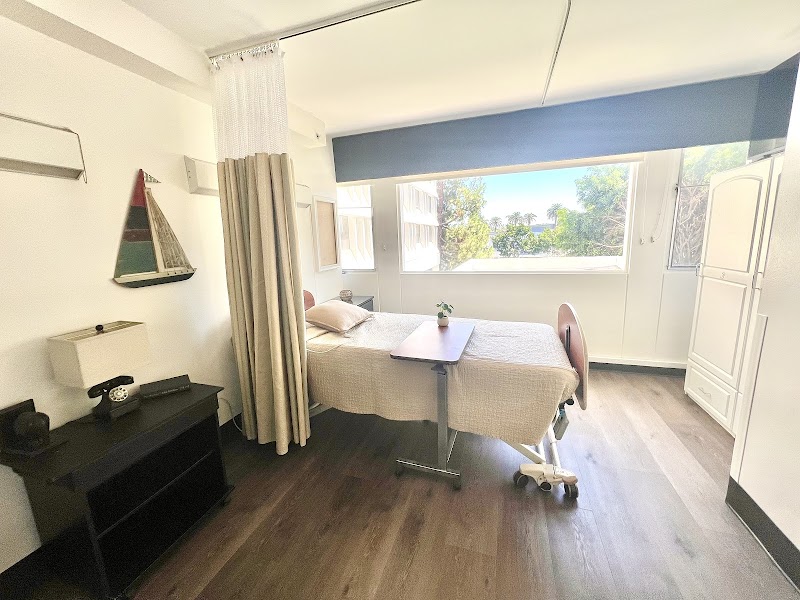
How is Bixby Towers Post-Acute Rehab Staffed?

CMS rates BIXBY TOWERS POST-ACUTE REHAB's staffing level at 3 out of 5 stars, which is average compared to other nursing homes. Staff turnover is 60%, which is 14 percentage points above the California average of 46%. High turnover can affect care consistency as new staff learn residents' individual needs. RN turnover specifically is 69%, which is notably high. RNs provide skilled clinical oversight, so turnover in this role can affect medical care quality.

What Have Inspectors Found at Bixby Towers Post-Acute Rehab?

State health inspectors documented 82 deficiencies at BIXBY TOWERS POST-ACUTE REHAB during 2021 to 2025. These included: 2 Immediate Jeopardy (the most serious level, indicating potential for serious harm or death), 3 that caused actual resident harm, and 77 with potential for harm. Immediate Jeopardy findings are rare and represent the most serious regulatory concerns. They require immediate corrective action.
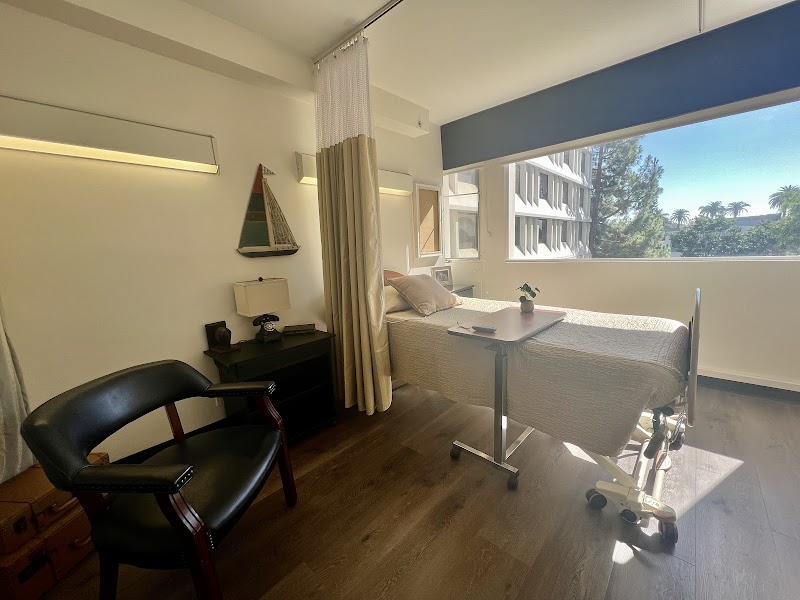
Who Owns and Operates Bixby Towers Post-Acute Rehab?

BIXBY TOWERS POST-ACUTE REHAB is owned by a for-profit company. For-profit facilities operate as businesses with obligations to shareholders or private owners. The facility operates independently rather than as part of a larger chain. With 99 certified beds and approximately 82 residents (about 83% occupancy), it is a smaller facility located in LONG BEACH, California.
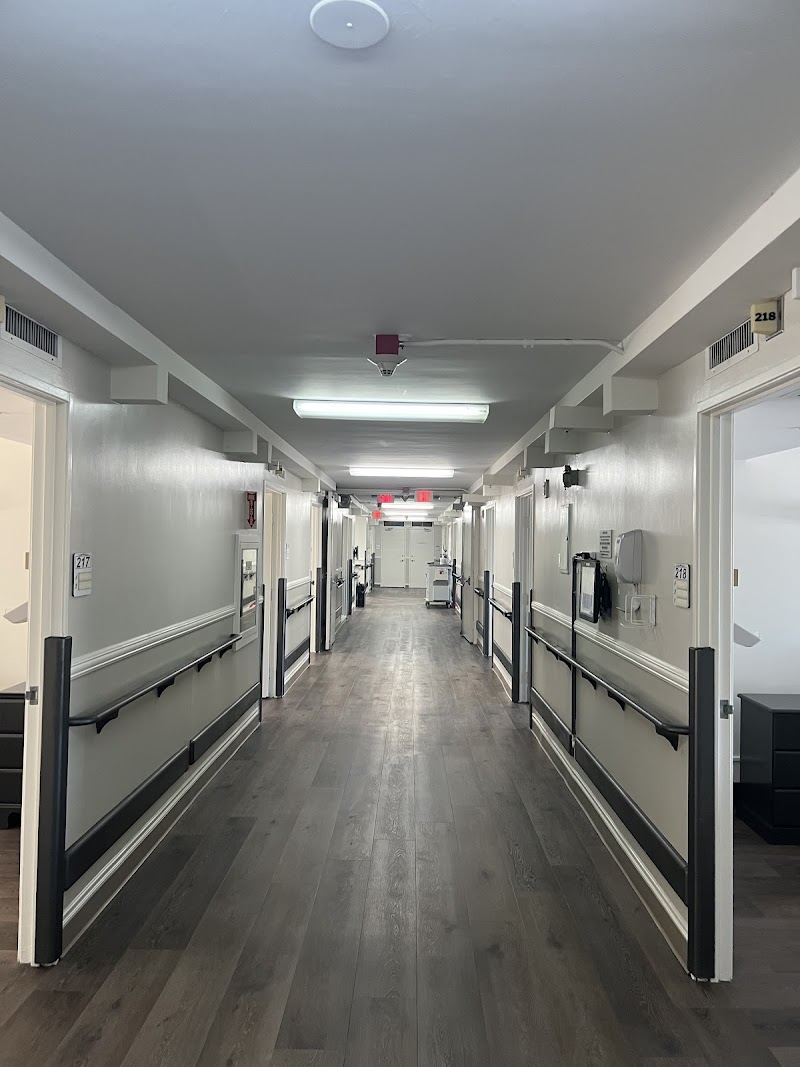
How Does Bixby Towers Post-Acute Rehab Compare to Other California Nursing Homes?

Compared to the 100 nursing homes in California, BIXBY TOWERS POST-ACUTE REHAB's overall rating (1 stars) is below the state average of 3.1, staff turnover (60%) is significantly higher than the state average of 46%, and health inspection rating (1 stars) is much below the national benchmark.

What Should Families Ask When Visiting Bixby Towers Post-Acute Rehab?

Based on this facility's data, families visiting should ask: "What changes have been made since the serious inspection findings, and how are you preventing similar issues?" "How do you ensure continuity of care given staff turnover, and what is your staff retention strategy?" "Can I visit during a mealtime to observe dining assistance and food quality?" "How do you handle medical emergencies, and what is your hospital transfer rate?" These questions are particularly relevant given the facility's Immediate Jeopardy citations and the facility's high staff turnover rate.

Is Bixby Towers Post-Acute Rehab Safe?

Based on CMS inspection data, BIXBY TOWERS POST-ACUTE REHAB has documented safety concerns. Inspectors have issued 2 Immediate Jeopardy citations (the most serious violation level indicating risk of serious injury or death). The facility has a 1-star overall rating and ranks #100 of 100 nursing homes in California. Families considering this facility should ask detailed questions about what corrective actions have been taken since these incidents.

Do Nurses at Bixby Towers Post-Acute Rehab Stick Around?

Staff turnover at BIXBY TOWERS POST-ACUTE REHAB is high. At 60%, the facility is 14 percentage points above the California average of 46%. Registered Nurse turnover is particularly concerning at 69%. RNs handle complex medical decisions and coordinate care — frequent RN changes can directly impact care quality. High turnover means new staff may not know residents' individual needs, medications, or preferences. It can also be disorienting for residents, especially those with dementia who rely on familiar faces. Families should ask: What is causing the turnover? What retention programs are in place? How do you ensure care continuity during staff transitions?

Was Bixby Towers Post-Acute Rehab Ever Fined?

BIXBY TOWERS POST-ACUTE REHAB has been fined $108,578 across 3 penalty actions. This is 3.2x the California average of $34,165. Fines at this level are uncommon and typically indicate a pattern of serious deficiencies, repeated violations, or failure to correct problems promptly. CMS reserves penalties of this magnitude for facilities that pose significant, documented risk to resident health or safety. Families should request specific documentation of what issues led to these fines and what systemic changes have been implemented.

Is Bixby Towers Post-Acute Rehab on Any Federal Watch List?

BIXBY TOWERS POST-ACUTE REHAB is not on any federal watch list. The most significant is the Special Focus Facility (SFF) program, which identifies the bottom 1% of nursing homes nationally based on persistent, serious quality problems. Not being on this list means the facility has avoided the pattern of deficiencies that triggers enhanced federal oversight. This is a positive indicator, though families should still review the facility's inspection history directly.