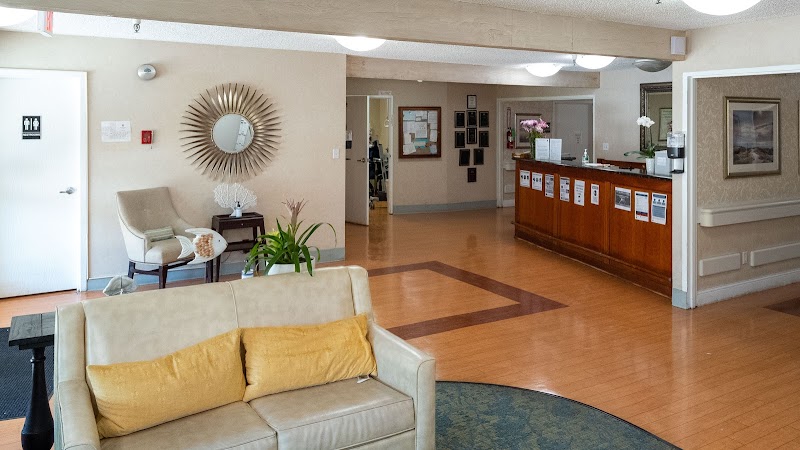

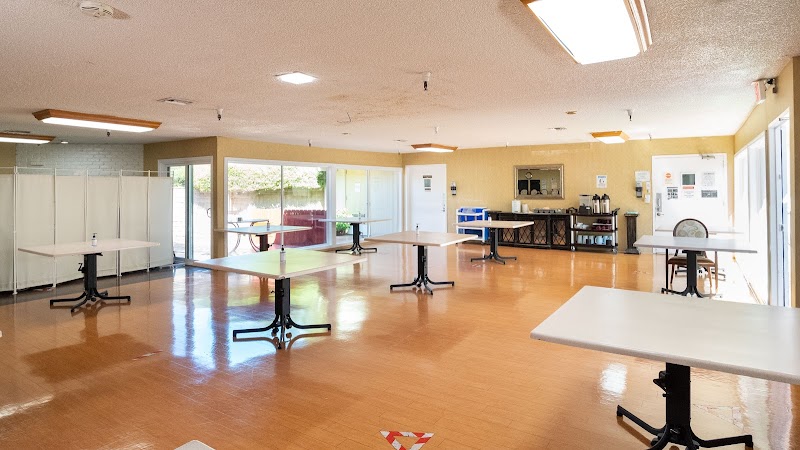
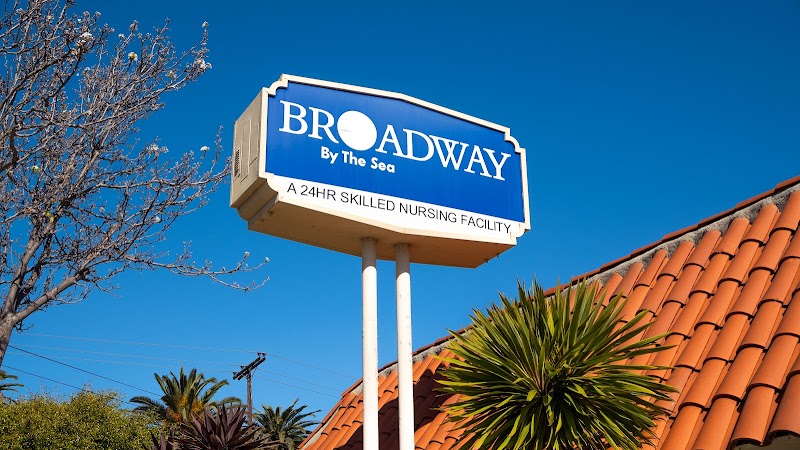
BROADWAY BY THE SEA

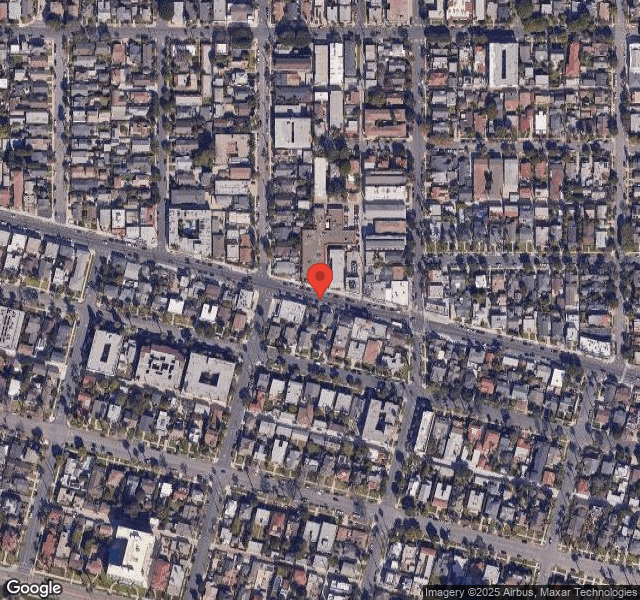
2725 E. BROADWAY, LONG BEACH, CA 90803 (562) 434-4494
For profit - Limited Liability company 98 Beds THE ENSIGN GROUP Data: November 2025 2 Immediate Jeopardy citations
Trust Grade
0/100
#990 of 1155 in CA
Last Inspection: November 2024

Within standard 12-15 month inspection cycle. Federal law requires annual inspections.

Overview

Broadway by the Sea has received a Trust Grade of F, indicating significant concerns about the facility's quality and care. Ranking #990 out of 1155 in California places it in the bottom half of nursing homes in the state and #281 of 369 in Los Angeles County, suggesting limited local options for better care. Although the trend shows improvement from 32 issues in 2024 to 11 in 2025, the facility still faces serious challenges, including a concerning 69% staff turnover rate, which is well above the California average. Specific incidents raised by inspectors include improper administration of psychotropic medications, leading to over-sedation for one resident, and a failure to implement fall prevention measures for multiple residents, resulting in injuries. Despite these weaknesses, the facility scored 4 out of 5 in quality measures, indicating some strengths in care quality, but the high fines of $205,642 and below-average RN coverage further highlight the need for caution.

Trust Score
F
0/100
In California
#990/1155
Bottom 15%
Safety Record
High Risk
Review needed
Inspections
Getting Better
32 → 11 violations
Staff Stability
⚠ Watch
69% turnover. Above average. Higher turnover means staff may not know residents' routines.
Penalties
✓ Good
$205,642 in fines. Lower than most California facilities. Relatively clean record.
Skilled Nurses
⚠ Watch
Each resident gets only 20 minutes of Registered Nurse (RN) attention daily — below average for California. Fewer RN minutes means fewer trained eyes watching for problems.
Violations
⚠ Watch
70 deficiencies on record. Higher than average. Multiple issues found across inspections.
★☆☆☆☆
1.0
Overall Rating
★★☆☆☆
2.0
Staff Levels
★★★★☆
4.0
Care Quality
★☆☆☆☆
1.0
Inspection Score
Stable
2024: 32 issues
2025: 11 issues

The Good

  • 4-Star Quality Measures · Strong clinical quality outcomes
  • Full Sprinkler Coverage · Fire safety systems throughout facility
  • No fines on record

Facility shows strength in quality measures, fire safety.

The Bad

1-Star Overall Rating

Below California average (3.1)

Significant quality concerns identified by CMS

Staff Turnover: 69%

23pts above California avg (46%)

Frequent staff changes - ask about care continuity

Federal Fines: $205,642

Well above median ($33,413)

Significant penalties indicating serious issues

Chain: THE ENSIGN GROUP

Part of a multi-facility chain

Ask about local staffing decisions and management

Staff turnover is elevated (69%)

21 points above California average of 48%

The Ugly 70 deficiencies on record

2 life-threatening 3 actual harm
Sept 2025 2 deficiencies
CONCERN (D) 📢 Someone Reported This

A family member, employee, or ombudsman was alarmed enough to file a formal complaint

Potential for Harm - no one hurt, but risky conditions existed

Quality of Care (Tag F0684)

Could have caused harm · This affected 1 resident

Based on observation, interview, and record review the facility failed to obtain Office Visit Summaries from the outpatient physician visits on 7/1/2025 and 9/3/2025 to follow physician treatment reco...

Read full inspector narrative →
Based on observation, interview, and record review the facility failed to obtain Office Visit Summaries from the outpatient physician visits on 7/1/2025 and 9/3/2025 to follow physician treatment recommendations for one of one sampled resident (Resident 1).This deficient practice resulted in Resident 1 not receiving treatment for Onychomycosis (toenail fungus) of the right and left great (big) toes for two months (7/14/2025 to 9/16/2025). Findings: During an observation on 9/15/2025 at 2:55 p.m., Resident 1's right and left great toes appeared thick and discolored (yellowish/ grey color). During a review of Resident 1's admission Record, The admission Record indicated Resident 1 was admitted to the facility 7/30/2021 with diagnoses of type 2 diabetes (the body does not regulate blood sugar levels) and a history of falling. During a review of Resident 1's Minimum Data Set (MDS], a resident assessment tool) dated 8/7/2025, the MDS indicated Resident 1 had moderate cognitive impairment (a decline in one or more cognitive abilities, such as memory, attention, reasoning, language, and problem-solving). During a review of Resident 1's Progress Note dated 4/16/2025, the Progress Note indicated family member (FM)1 had care concerns related to Resident 1's toenails. The Progress Note indicated Resident 1 was to receive authorization to be seen by an outside podiatrist and the in-house wound care specialist would further assess the condition of the toenails. During a review of Resident 1's Nursing Progress Note dated 4/17/2025, the Nursing Progress Note indicated the wound care specialist (WDS) 1 evaluated Resident 1's right and left great toenails and diagnosed her with onychomycosis. During a review of Resident 1's Office Visit Note dated 4/29/2025, Resident 1 was seen by the outpatient podiatrist (PD) 1. The Office Visit Note indicated Resident 1 was seen for a diabetic foot checkup and nail fungus. The Office Visit Note indicated Resident 1's toenails had been causing her pain, and she was receiving treatment for the fungal infection on her toenails which involved a clear, medicated nail polish Ciclopirox 8% (medication used to treat fungus) External Solution). PD 1 ordered to continue the Ciclopirox 8% External Solution twice daily and follow up in two months to reassess nail condition and treatment progress. During a review of Resident 1's Office Visit Note dated 7/1/2025, Resident 1 was seen for a follow up by PD1. The Office Visit Note indicated Resident 1's primary concern was the appearance and condition of her toenails, which has been causing emotional distress (beyond normal sadness: Emotional distress involves a more intense level of suffering than everyday negative feelings) and depression. The Office Visit Note indicated there had been some improvement in the toenails, but they still appeared problematic. The Office Visit Note indicated that the plan for the Onychomycosis of the toenails was to continue the daily application of the Ciclopirox 8% External Solution for six months to one year and it was discussed with Resident 1 the need for continued management for continued improvement. During a review of Resident 1's Nursing Progress Note dated 7/10/2205, the Nursing Progress Note indicated FM 1 informed staff (unknown), PD1 had prescribed a new medication for the fungus (new medication for tinea pedis (athletes' foot) to the bottom of both feet) at Resident 1's last outpatient podiatrist visit was on 7/1/2025. During a review of Resident 1's Nursing Progress Note dated 7/12/2025 (11 days after podiatrist office visit), facility staff (unknown) spoke to PD1's office staff (unknown) and requested the Office Visit Notes from 7/1/2025 and a copy of the new prescription via fax. During a review of Resident 1's Physician Order placed 7/12/2025 (11 days after podiatrist office visit), a new order was placed for Ciclopirox Olamine External Cream 0.77% apply to plantar (bottom) of both feet topically one time a day for tinea pedis. During a review of Resident 1's Office Visit Summary dated 9/3/2025, Resident 1 was seen for a follow up by PD1. Per the Office Visit Summary, Resident 1 reported the condition of her feet was the same with no improvement. PD1 noted Resident 1's toenails continued to show fungal infection. The Office Visit Note indicated Resident 1 was to continue daily application of Ciclopirox 8% Solution for 6 months to one year on the toenails. During a review of Resident 1's Physician and Telephone Orders dated 9/3/2025, PD 1 ordered Resident 1 to continue with Ciclopirox 8% nail lacquer on toenails. During an interview on 9/16/2025 at 11:33 a.m., treatment nurse (TX)1 stated Resident 1 was no longer receiving treatment Ciclopirox 8% to the toenails was unsure why. TX 1stated, Resident 1 did not have an order to apply the treatment. During an interview and concurrent record review on 9/16/2025 at 12 p.m., with the Assistant Director of Nursing (ADON), the ADON reviewed Resident 1's Resident 1's Office Visit Summaries with PD1 dated 7/1/2025 and 9/3/2025. The ADON stated there was no current order for Ciclopirox 8% nail lacquer for Resident 1 toenails and Resident 1 had not received the treatment for her toenails since 7/14/2025. The ADON stated the facility's Social Services Director (SSD) had to call and request the outpatient Office Visit Notes from the podiatrist (4/29/2025 and 9/3/2025) because they were not in Resident 1's chart prior to today (9/16/2025). The ADON stated she was unaware of the process for following up on Office Visit Notes. The ADON stated it was important to have the Office Visit Notes available right aware for continuity of care. The ADON stated the Office Visit Notes were obtained late for the 7/1/2025 podiatrist visit, and the orders should have been placed the same day or next day and not 11 days later. The ADON stated that according to the orders of PD1, Resident 1 should still be receiving treatment for her toenails and was unsure why the orders were not carried out. The ADON stated the physicians order for Ciclopirox 8% to the left and right great toes from July to September 2025 was missed and not implemented. The ADON stated this error caused potential for a delay in healing for Resident 1's left and right great toenail fungus. During an interview on 9/16/2025 at 12:58 p.m., with the Director of Nursing (DON) the DON stated it was important to follow and carry out physician's orders because it was part of the care of the residents to promote healing. The DON stated there was a possibility of causing a delay of care or slowing the progression of healing for missing an order for medication. The DON stated it was important to obtain a copy of the Office Visit Notes within 72 hours to ensure all recommendations and orders were followed through and carried out. During a review of the facility's Registered Nurse Job Description dated 12/17/2021, the job description indicated the Registered nurse was responsible for initiating requests for consultations and referrals and responding to requests from the resident, physician, or nursing staff. Registered Nurses job responsibilities included consulting with the physicians regarding resident evaluation and planning and developing the nursing services to be performed for the resident.
CONCERN (E) 📢 Someone Reported This

A family member, employee, or ombudsman was alarmed enough to file a formal complaint

Potential for Harm - no one hurt, but risky conditions existed

Pharmacy Services (Tag F0755)

Could have caused harm · This affected multiple residents

Based on observation, interview, and record review the facility failed to follow physician's orders for one out of three sampled residents (Resident 1) who was receiving care from a podiatrist (foot d...

Read full inspector narrative →
Based on observation, interview, and record review the facility failed to follow physician's orders for one out of three sampled residents (Resident 1) who was receiving care from a podiatrist (foot doctor).This deficient practice resulted in Resident 1 not receiving Ciclopirox n 8% (medication to treat nail fungus) for two months (7/14/2025 to 9/16/2025) and had the potential to delay healing of the left and right great toes. Findings: During an observation on 9/15/2025 at 2:55 p.m., Resident 1's right and left great toes appeared thick and discolored (yellowish/ grey color). During a review of Resident 1's admission Record (face sheet), The admission Record indicated Resident 1 was admitted to the facility 7/30/2021 with diagnoses of type 2 diabetes (the body does not regulate blood sugar levels) and history of falling. During a review of Resident 1's Minimum Data Set (MDS, a resident assessment tool) dated 8/7/2025, the MDS indicated Resident 1 had moderate cognitive impairment (a decline in one or more cognitive abilities, such as memory, attention, reasoning, language, and problem-solving). During a review of Resident 1's Progress Note type: IDT dated 4/16/2025, the Progress Note indicated family member (FM)1 had care concerns related to Resident 1's toenails. Per the Progress Note Resident 1 was to receive authorization to be seen by an outside podiatrist and the in-house wound care specialist would further assess the condition of the toenails. During a review of Resident 1's Nursing Progress Note dated 4/17/2025, the Nursing Progress Note indicated the wound care specialist (WDS) 1 evaluated Resident 1's right and left great toenails and diagnosed her with onychomycosis. During a review of Resident 1's Office Visit Notes dated 4/29/2025, Resident 1 was seen by the outpatient podiatrist (PD) 1. The Office Visit Notes indicated Resident 1 was seen for nail fungus. The Office Visit Notes indicated Resident 1's toenails had been causing her pain, and she was receiving treatment for the fungal infection on her toenails Ciclopirox 8% (antifungal medication). PD 1 ordered to continue the Ciclopirox 8% twice daily and follow up in two months to reassess nail condition and treatment progress. During a review of Resident 1's Office Visit Notes dated 7/1/2025, Resident 1 was seen for a follow up by PD1. The Office Visit Note indicated Resident 1's primary concern was the appearance and condition of her toenails, which has been causing emotional distress (intense level of suffering than everyday negative feelings) and depression. The Office Visit Note indicated there had been some improvement in the toenails, but they still appeared problematic. The Office Visit Note indicated that the plan for the Onychomycosis (fungal infection) of the toenails was to continue the daily application of the Ciclopirox 8% for six months to one year and it was discussed with Resident 1 the need for continued management for continued improvement. During a review of Resident 1's Physician and Telephone Orders dated 7/1/2025, PD 1 ordered Resident 1 to continue with Ciclopirox 8% on the toenails. During a review of Resident 1's Office Visit Summary dated 9/3/2025, Resident 1 was seen for a follow up by PD1. The Office Visit Summary, Resident 1 reported the condition of her feet was the same with no improvement. PD1 noted Resident 1's toenails continued to show fungal infection. The Office Visit Note indicated Resident 1 was to continue daily application of Ciclopirox 8% for 6 months to one year on the toenails. During a review of Resident 1's Physician and Telephone Orders dated 9/3/2025, PD 1 ordered Resident 1 to continue with Ciclopirox 8% on the toenails. During an interview on 9/16/2025 at 11:33 a.m., with treatment nurse (TX)1, TX 1 stated Resident 1 was no longer receiving treatment Ciclopirox 8% to the toenails and has not received it for some time now. TX1 stated she was unsure why Resident 1 was not receiving the treatment on the toenails. During an interview and concurrent record review on 9/16/2025 at 12 p.m., with the Assistant Director of Nursing (ADON), the ADON reviewed Resident 1's Resident 1's Office Visit Summaries with PD1 dated 7/1/2025 and 9/3/2025. The ADON stated there was no current order for Ciclopirox 8% nail lacquer for Resident 1 toenails and Resident 1 had not received the treatment for her toenails since 7/14/2025. The ADON stated the facility's Social Services Director (SSD) had to call and request the outpatient Office Visit Notes from the podiatrist (4/29/2025 and 9/3/2025) because they were not in Resident 1's chart prior to today (9/16/2025). The ADON stated she was unaware of the process for following up on Office Visit Notes. The ADON stated it was important to have the Office Visit Notes available right aware for continuity of care. The ADON stated the Office Visit Notes were obtained late for the 7/1/2025 podiatrist visit, and the orders should have been placed the same day or next day and not 11 days later. The ADON stated that according to the orders of PD1, Resident 1 should still be receiving treatment for her toenails and was unsure why the orders were not carried out. The ADON stated the physicians order for Ciclopirox 8% to the left and right great toes from July to September 2025 was missed and not implemented. The ADON stated this error caused potential for a delay in healing for Resident 1's left and right great toenail fungus. During an interview on 9/16/2025 at 12:58 p.m., with the Director of Nursing (DON) the DON stated it was important to follow and carry out physician's orders because it was part of the care of the residents to promote healing. The DON stated there was a possibility of causing a delay of care or slowing the progression of healing for missing an order for medication. The DON stated it was important to obtain a copy of the Office Visit Notes within 72 hours to ensure all recommendations and orders were followed through and carried out. During a review of the facility's Registered Nurse Job Description dated 12/17/2021, the job description indicated the Registered nurse was responsible for initiating requests for consultations and referrals and responding to requests from the resident, physician, or nursing staff. Registered Nurses job responsibilities included consulting with the physicians regarding resident evaluation and planning and developing the nursing services to be performed for the resident. The Registered Nurse job responsibilities included reviewing medication orders for completeness of information and accuracy in the transcription of the physician's order.
Jun 2025 1 deficiency
CONCERN (E) 📢 Someone Reported This

A family member, employee, or ombudsman was alarmed enough to file a formal complaint

Potential for Harm - no one hurt, but risky conditions existed

Deficiency F0740 (Tag F0740)

Could have caused harm · This affected multiple residents

**NOTE- TERMS IN BRACKETS HAVE BEEN EDITED TO PROTECT CONFIDENTIALITY** Based on interview and record review, the facility failed to ensure one of three sampled residents (Resident 1), who was exhibit...

Read full inspector narrative →
**NOTE- TERMS IN BRACKETS HAVE BEEN EDITED TO PROTECT CONFIDENTIALITY** Based on interview and record review, the facility failed to ensure one of three sampled residents (Resident 1), who was exhibiting signs and symptoms of depression (serious mental condition that negatively affects how one feels, thinks, and acts), and had an order for psychiatric evaluation (medical doctor specializing in the diagnosis, treatment, and prevention of mental, emotional, and behavioral disorders) on 2/27/2025, 3/11/2025, and 6/3/2025, was seen by the psychiatrist as ordered and signs and symptoms of depression were monitored as indicated in Resident 1's Care Plan. These failures resulted in Resident 1 experiencing worsening symptoms of depression which included loss of interest in activities and excessive sleepiness. These failures had the potential for Resident 1 to have intense feelings of sadness, hopelessness which could lead to suicidal thoughts, attempts, and even death. Findings: During a review of Resident 1's admission Record (Face Sheet), the Face Sheet indicated Resident 1 was admitted to the facility on [DATE] with diagnoses including history of mental and behavioral disorders (disorders affects how one acts, thinks, and feels), history of physical injury and trauma, and colostomy (colostomy (a surgical procedure that brings one end of the large intestine out through the abdominal wall to allow waste to leave the body). During a review of Resident 1's History and Physical (H&P) dated 7/22/2024, the H&P indicated Resident 1 had the capacity to understand and make medical decisions. During a review of Resident 1's Minimum Data Set ([MDS] a resident assessment tool), dated 7/14/2024, the MDS indicated Resident 1's cognition (ability to register and recall information) was intact and had the ability to understand and be understood by others. The MDS indicated Resident 1 was feeling down, depressed, or hopeless never or one day during the assessment period. The MDS indicated Resident 1 had little interest or pleasure in doing things two to six days (several days) during the assessment period. During a review of Resident 1's Care Plan, revised 7/11/2024, the Care Plan indicated Resident 1 had a potential for psychosocial well-being problem related to pain. The Care Plan goals indicated Resident 1 will have no indications of psychosocial well-being problems, will verbalize feelings related to emotional state, and will demonstrate adjustment to nursing home placement. The Care Plan interventions included psychiatric consultation. During a review of Resident 1's MDS dated [DATE], the MDS indicated Resident 1 felt down, depressed, or hopeless for two to six days (several days) during the assessment period and had little interest or pleasure in doing things seven to 11 days (half or more of the days) during the assessment period. During a review of Resident 1's Change of Condition (COC) Note, dated 2/27/2025, the COC indicated Resident 1 verbalized to Licensed Vocational Nurse (LVN 1) he was feeling depressed due to all the things he has been through and things he has done in his life, which are now catching up to him. The COC indicated Resident 1's physician was notified, and an order was received for Resident 1 to have a psychiatric consult/evaluation. During a review of Resident 1's Order Summary Report (Physician's Orders), dated 2/27/2025, indicated an order was received for Resident 1 to have a psychiatric consult/evaluation for symptoms of depression, ordered on 2/27/2025. During a review of Resident 1's Care Plan, revised 2/28/2025, the Care Plan indicated Resident 1 was at risk for depression related to expressing feelings of sadness. The Care Plan goals indicated Resident 1 will exhibit indicators of depression, anxiety (common emotion characterized by feelings of worry, unease, and fear) or sad mood less than daily. The Care Plan interventions included arranging for psychiatric consult and follow up as indicated. During a review of Resident 1's Order Summary Report, dated 3/11/2025, indicated an order was received for Resident 1 to have a psychiatric consult for depression, ordered on 3/11/2025. During a review of Resident 1's Care Plan, revised on 3/11/2025, the Care Plan indicated Resident 1 is at risk for depression. Under this Care Plan the goals indicated Resident 1 will exhibit indicators of depression, anxiety or sad mood less than daily, and will remain free of signs and symptoms of distress, symptoms, of depression, anxiety or sad mood. The Care Plan's interventions included staff are to monitor, document, and report to the nurse or medical doctor signs and symptoms of depression including hopelessness, anxiety, sadness, insomnia (sleep disorder characterized by difficulty falling asleep, staying asleep, or waking up too early, despite having adequate opportunity to sleep), verbalizing negative statements, repetitive anxious or health-related complaints, and tearfulness. The Care Plan's interventions included arranging for psychiatric consult and follow up as indicated. During a review of Resident 1's Minimum Data Set ([MDS] a resident assessment tool) dated 4/9/2025, the MDS indicated Resident 1's cognition was intact and had the ability to understand and be understood by others. The MDS indicated during the assessment period Resident 1: 1. Had poor appetite or was overeating two to six days (several days). 2. Had little interest or pleasure in doing things, felt tired or having little energy seven to 11 days (half or more of the days). 3. Felt down, depressed, or hopeless, and had trouble falling or staying asleep or slept too much 12 to 14 days (nearly every day). During a review of the Resident 1's Order Summary Report dated 6/3/2025, indicated an order was placed for Resident 1 to have psychiatric consult, ordered on 6/3/2025. During an interview on 6/17/2025 at 3 p.m., with Resident 1, Resident 1 stated he had been feeling depressed for several months. Resident 1 stated he felt depressed because he there were several days when he felt like sleeping all day and did not want to get up to do anything. Resident 1 stated he looked forward to the nighttime so he could go back to sleep. Resident 1 stated he has told the social worker and everyone he talked to. Resident 1 stated he has requested a psychiatric consult but has not been seen by anyone. Resident 1 stated, he felt frustrated and tired, and stated I do not like feeling like this, I don't feel myself, I'm usually a positive and happy guy. Resident 1 started to cry during the interview. During an interview on 6/17/2025, at 3:49 p.m. the Social Services Director (SSD) stated she was aware that Resident 1 was depressed and thought Resident 1 was already seen by a psychiatrist this past week. The SSD stated she could not locate any notes from the psychiatrist verifying whether Resident 1 was seen. The SSD stated she did not know Resident 1 had outstanding psychiatric consultation orders dated 2/27/2025 and 3/11/2025 that were not done and was only aware of the consult ordered on 6/3/2025. During a concurrent interview and record review on 6/18/2025 at 11:30 a.m. with the Assistant Director of Nursing (ADON), Resident 1's clinical record dated 2/2025 to 6/2025 was reviewed. The clinical record indicated a psychiatric consult was ordered on 2/27/2025, 3/11/2025, and 6/3/2025, however there was no documentation indicating Resident 1 was seen by the psychiatrist until 6/17/2025 nor documentation indicating Resident 1 was on behavior monitoring. The ADON stated Resident 1 had a COC on 2/27/2025 due to feeling depressed, LVN 1 notified Resident 1's physician and received an order on 2/27/2025 for Resident 1 to have a psychiatric consult but was never seen by the psychiatrist. The ADON stated Resident 1 had a second psychiatric consult ordered on 3/11/2025 and then a third psychiatric consult ordered on 6/3/2025 but was not seen by the psychiatrist until 6/17/2025. The ADON stated she was not aware of the orders placed on 2/27/2025, 3/11/2025, and on 6/3/2025 nor knew why the orders weren't carried out. The ADON stated after Resident 1 had increased feelings of depression, he should have had behavior monitoring such as sleepiness, sadness, change in appetite, or interruptions in sleep patterns as indicated in the Care Plan. During a follow up interview on 6/18/2025 at 2:30 p.m. with the SSD, the SSD stated she began working at the facility in 3/2025 and was not made aware of Resident 1's outstanding psychiatric consultation needs upon hire. The SSD stated the psychiatric consult should have been facilitated by the pervious SSD to ensure Resident 1 was seen as soon as possible and should have updated the Interdisciplinary Team ([IDT] group of professionals from different fields who work together to achieve resident goals) to ensure all team members were aware of Resident 1's plan of care. The SSD stated she was made aware of Resident 1's needs to see a psychiatrist sometime last week, but she did not document in Resident 1 was pending a psychiatric visit. During an interview on 6/18/2025, at 3 p.m., with the Director of Nursing (DON), the DON confirmed she could not find any progress notes or summaries indicating Resident 1 was seen by a psychiatrist until 6/18/2025 or that Resident 1's depression was monitored. The DON stated the licensed nurses are responsible for ensuring all orders are carried out and should have followed up with the SSD to ensure Resident 1 was seen by the psychiatrist in a timely manner. The DON stated the facility overlooked Resident 1's psychiatric consult orders and should have followed up to ensure Resident 1's behavioral needs and well-being were being met, which included monitoring Resident 1's behaviors. The DON stated there was a lack of communication amongst the IDT which led to Resident 1 psychiatric consults being missed. The DON stated by failing to facilitate Resident 1 in receiving a psychiatric consult, the facility placed Resident 1 at risk to suffer a decline in mental health and a decreased quality of life. During a review of the facility's policies and Procedures (P&P), titled Behavioral Health Services, revised 4/2025, the P&P indicated it is the policy of the facility to provide residents with necessary behavioral health care services to attain or maintain the highest practicable physical, mental, and psychosocial well-being in accordance with the comprehensive assessment and plan of care. The P&P further indicated, the physician, in collaboration with the IDT team will determine the appropriate psychiatric or psychological treatment or rehabilitation services needed. Treatment will be provided as ordered by the physician, the social services will make the appropriate professional services referral, if needed, following agreement from the resident and or resident representative.
May 2025 1 deficiency
CONCERN (D) 📢 Someone Reported This

A family member, employee, or ombudsman was alarmed enough to file a formal complaint

Potential for Harm - no one hurt, but risky conditions existed

Resident Rights (Tag F0550)

Could have caused harm · This affected 1 resident

**NOTE- TERMS IN BRACKETS HAVE BEEN EDITED TO PROTECT CONFIDENTIALITY** Based on observation, interview and record review the facility failed to ensure one of three sampled resident's (Resident 1) cal...

Read full inspector narrative →
**NOTE- TERMS IN BRACKETS HAVE BEEN EDITED TO PROTECT CONFIDENTIALITY** Based on observation, interview and record review the facility failed to ensure one of three sampled resident's (Resident 1) call light (a device used by residents to call for assistance from facility staff) was within reach. This deficient practice resulted in Resident 1 looking for but not being able to locate find her call light. This deficient practice had the potential for Resident 1 to get out of bed without assistance causing a fall and injury. Findings: During a review of Resident 1's admission Record (Face Sheet), the Face Sheet indicated Resident 1 was admitted to the facility on [DATE] with diagnoses including neurocognitive disorder with Lewy bodies (progressive brain disease that causes a decline in thinking abilities), adult failure to thrive (decline in their overall health and well-being) and a history of falls. During a review of Resident 1's History and Physical (H&P), dated 2/11/2024, the H&P indicated, Resident 1 did not have the capacity to understand and make decisions. During a review of Resident 1's Minimum Data Set ([MDS] a resident assessment tool) dated 2/7/2025, the MDS indicated Resident 1 was usually able to understand and be understood by others. The MDS indicated Resident 1's cognition (ability to register and recall information) was severely impaired. During a review of the Resident 1's Care Plan, revised on 5/10/2025, the Care Plan indicated Resident 1 was at risk for falls related to abnormalities in gait (how a person walks) and balance, a history of falls, dementia (a progressive state of decline in mental abilities), shortness of breath (SOB), a seizure disorder, a history of dizziness, psychotherapeutic medication (medication that affects how one thinks and feels), a need for assistance with activities of daily living ([ADLs] activities such as bathing, dressing and toileting a person performs daily) adult failure to thrive and anxiety disorder (a mental health condition characterized by excessive and persistent worry, fear, and nervousness that interferes with daily life). The Care Plan's goals indicated Resident 1 would minimize her risk of falls/injuries through the next review date of 8/7/2025. The Care Plan's interventions included placing Resident 1's call light within reach and encouraging Resident 1 to use it to call for assistance as needed. During an observation accompanied by the Assistant Director of Nursing (ADON) and concurrent interview on 5/27/2025, at 8:27 a.m., Resident 1 was observed lying in bed looking around for something. Resident 1 stated she was looking for her call light but could not find it. Resident 1's call light was observed between Resident 1's mattress and the fitted sheet toward the top of the bed. The ADON stated, there was no way Resident 1 could reach the call light to ask for assistance and it (the call light) should be accessible to the resident for safety reasons. The ADON stated Resident 1 was at high risk for falls and without the call light, she was unable to call for assistance which increased her risk of falling and injuries. During an interview on 5/9/2024 at 3:30 p.m., the DON stated call lights should be accessible to residents so they could receive care in a timely manner. The DON stated Resident 1's risk for falls and injuries was increased when she does not have a means to ask for assistance, which could result in her trying to get out of bed without assistance and falling. During a review of the facility's undated Policy and Procedure (P/P), titled, Call Light/Bell the P/P indicated it is the policy of the facility to provide the resident a means of communicating with nursing staff. The P/P indicated the staff should place the call device within the resident's reach before leaving the room.
May 2025 1 deficiency
CONCERN (E) 📢 Someone Reported This

A family member, employee, or ombudsman was alarmed enough to file a formal complaint

Potential for Harm - no one hurt, but risky conditions existed

Deficiency F0839 (Tag F0839)

Could have caused harm · This affected multiple residents

Based on interview and record review, the facility failed to ensure one of three Licensed Vocational Nurses (LVN 2) license was active. This deficient practice resulted in LVN 2 working 61 shifts wit...

Read full inspector narrative →
Based on interview and record review, the facility failed to ensure one of three Licensed Vocational Nurses (LVN 2) license was active. This deficient practice resulted in LVN 2 working 61 shifts with an inactive license. Findings: During a review of a letter from the California Department of Consumer Affairs Board of Vocational Nursing and Psychiatric Technicians (BVNPT) dated 5/6/2025, the letter indicated as of 2/1/2025 LVN 2's license was inactive due to failure to renew, and as of 5/6/2025, LVN 2's license was currently inactive. During a review of LVN 2's Employee Time Details (Timecard) dated 2/2025, the Timecard indicated LVN 2 worked a total of 18 shifts from 2/1/2025 to 2/28/2025. During a review of LVN 2's Timecard dated 3/2025, the Timecard indicated LVN 2 worked a total of 20 shifts from 3/1/2025 to 3/31/2025. During a review of LVN 2's Timecard dated 4/2025, the Timesheet indicated LVN 2 worked a total of 20 shifts from 4/1/2025 to 4/30/2025. During a review of LVN 2's Timecard dated 5/2025, the Timecard indicated LVN 2 worked a total of three shifts from 5/1/2025 to 5/31/2025. LVN 2 worked a total of 61 shifts with an inactive license from 2/1/2025 to 5/3/2025. During a review of the facility's License Nursing Staff Schedule dated 5/2025, LVN 2 was take off the schedule on 5/6/2025. During an interview on 5/21/2025 at 12:47 p.m. with the DON, the DON stated that she received a phone call by the Enforcement Analyst (EA) at the BVNPT on 5/6/2025, notifying her that LVN 2's license was inactive. The DON stated that the facility's Human Resources (HR) department is to verify employee licenses upon hiring and monthly. HR is supposed to notify the facility of when a license is nearing the expiration date or if an employee has an inactive license. The DON stated she not to be aware of what happened with the untimely verification of LVN 2's license. The DON stated LVN 2 was taken off the schedule on 5/6/2025 after being notified by the EA that LVN 2 was working with an inactive license. The DON stated that when she spoke to LVN 2, LVN 2 stated she accidentally clicked on the inactive button instead of clicking on the renewal button. The DON stated that LVN 2 should not have worked in the facility with an inactive license. During an interview on 5/21/2025 at 1:21 p.m. with LVN 2, LVN 2 stated she was unaware of her license being inactive and was notified of by the facility's DON on 5/6/2025. LVN 2 stated when she renewed her license in 1/2025, she accidentally clicked on the inactive button instead of clicking on the renewal button. LVN 2 stated she did not bother to follow up to make sure her license was renewed or active was because her payment went through. LVN 2 confirmed that she worked as an LVN from 2/1/2025 to 5/3/2025. LVN 2 stated she was immediately taken off the schedule on 5/6/2025 and was not able to return to work until her license was active. During a review of the facility's policy and procedure (P&P) titled, Verification of Licenses, revised 4/2004. The P&P indicated that it is the policy of the company to verify that all employees in positions which require licensure of certification have a current license or the authorization to practice in the state(s) in which they work. The purpose of this policy is to ensure that the company is in compliance with all licensing and certification requirements. The scope of this policy applies to all company employees in licensed and certified positions. The department manger or designee should monitor expiration dates of all licenses and credentials and notify employees in advance of such dates. The department of manager or designee should contact the appropriate agency to verify the license or certification. When renewed, the copy of the valid license/certification and/or a verification form will be added to the personnel filed by the department manager or a designee. During a review of the facility's LVN Job Description, dated 12/17/2021, the Job Description indicated the LVN must possess an active license to practice as an LVN or a Licensed Practical Nurse valid in this state.
May 2025 1 deficiency
CONCERN (E) 📢 Someone Reported This

A family member, employee, or ombudsman was alarmed enough to file a formal complaint

Potential for Harm - no one hurt, but risky conditions existed

Pressure Ulcer Prevention (Tag F0686)

Could have caused harm · This affected multiple residents

**NOTE- TERMS IN BRACKETS HAVE BEEN EDITED TO PROTECT CONFIDENTIALITY** Based on observation, interview and record review, the facility failed to intervene and document wound care prevention and manag...

Read full inspector narrative →
**NOTE- TERMS IN BRACKETS HAVE BEEN EDITED TO PROTECT CONFIDENTIALITY** Based on observation, interview and record review, the facility failed to intervene and document wound care prevention and management according to professional standards of practice and per the facility ' s policy and procedure titled, Skin and Wound Monitoring and Management, for 2 of 3 sampled residents (Residents 1 and 2) by failing to: 1. Document wound care treatments ordered by the physician in the treatment record for Resident 1. 2. Document Resident 2 ' s wound measurements upon admission. 3. Order and treat Resident 2 ' s moisture associated skin damage (MASD – skin damage caused from prolonged exposure to moisture) upon admission. These deficient practices had the potential to cause harm to Resident 1 and Resident 2 by worsening their wounds/skin conditions, due to lack of accountability, not ascertaining a baseline to monitor worsening of a wound, and the possibility of not providing treatments as ordered which could cause wounds to worsen. These deficient practices also had the potential to cause skin breakdown by not providing preventative treatment typical to the standard of care. Findings: a. During a review of Resident 1 ' s admission Record (Face Sheet), the Face Sheet indicated Resident 1 was admitted to the facility on [DATE] with diagnoses including pressure ulcer/injury stage 4 (Full-thickness skin and tissue loss with exposed muscle, tendon, ligament, cartilage, or bone) of the sacral region (lower back), cognitive communication deficit (communication difficulties arising from problems with cognitive processes like attention, memory, and problem-solving rather than speech or language issues), and dementia (a progressive state of decline in mental abilities). During a review of Resident 1 ' s Minimum Data Set (MDS – a resident assessment tool) dated 12/3/2024, the MDS indicated Resident 1 had severe cognitive (ability to think and reason) impairment and was dependent on staff for toileting hygiene and personal hygiene. During a review of Resident 1 ' s Skin Evaluation Note, dated 9/24/2025, the Skin Evaluation Note indicated Resident 1 was admitted to the facility with a pressure ulcer/injury stage 4 of the sacral coccyx (lower back). During a review of Resident 1 ' s Physician ' s Order, dated 11/8/2025, the Physician ' s Order indicated to cleanse the sacral coccyx pressure ulcer/injury stage 4 with normal saline (a saltwater solution), pat dry, apply medical-grade honey (treatment used to debride [a medical procedure that involves removing dead, infected, or damaged tissue from a wound or surgical site] bad tissue from wounds) to the wound bed (the base or open area of a wound), and cover with foam (designed to manage an ideal wound environment for healing) dressing daily, ordered on 11/8/2025. During a review of Resident 1 ' s Treatment Administration Record (TAR), dated 11/2024, the TAR indicated there was no documentation indicating treatments were provided to Resident 1 ' s sacral coccyx on 11/8/2024 and 11/24/2024 as ordered. b. During a review of Resident 2 ' s Face Sheet, the Face Sheet indicated Resident 2 was originally admitted to the facility on [DATE] and readmitted on [DATE] with diagnoses including need for assistance with personal care, muscle weakness, cognitive communication deficit, and dementia. During a review of Resident 2 ' s MDS, dated [DATE], the MDS indicated Resident 2 had severe cognitive impairment and was dependent on staff for toileting hygiene, showering/bathing, and dressing. The MDS further indicated Resident 2 was at risk for developing pressure ulcers (localized damage to the skin and/or underlying tissue usually over a bony prominence) during the assessment period. During a review of Resident 2 ' s LN Initial admission Record, dated 11/16/2024, the LN Initial admission Record indicated Resident 1 had MASD of sacral region left and right buttocks. During a review of Resident 2 ' s Physician ' s Orders, dated 11/19/2024, the Physician ' s Orders indicated to apply zinc oxide barrier cream (a protective barrier that helps prevent moisture loss from the skin and enhances the healing process of wounds) daily to bilateral (both sides) buttocks for MASD ordered on 11/19/2024. During a review of Resident 2 ' s Licensed Nursing (LN) Initial admission Record (Nursing Assessment), dated 4/29/2025 and timed at 4 p.m., the LN admission Record indicated Resident 2 was admitted with a sacral wound. The LN Initial admission Record did not indicate the size or wound type. During an observation on 4/30/2025 at 10:02 a.m., with Licensed Vocational Nurse (LVN) 1, in Resident 2 ' s room, Resident 2 had redness with excoriations (raw, irritated skin) on her bilateral buttocks. LVN 1 stated Resident 2 was readmitted yesterday, and she had not yet evaluated her skin and therefore did not know if the excoriations were new or not. During an interview on 4/30/2025 at 12:15 p.m., with LVN 1, LVN 1 stated MASD occurs when a resident has been sitting in their urine and/or feces for a long period which eventually leads to irritation and skin breakdown. LVN 1 stated Resident 2 had MASD upon her original admission on [DATE] which has been ongoing, and a skin barrier should have been applied right away to prevent more irritation but was not ordered until 11/19/2024. During an interview on 4/30/2025 at 2:58 p.m., with the Director of Nursing (DON), the DON stated if a resident has MASD she would expect a barrier cream to be ordered to protect the skin. The DON stated Resident 2 received an order for a barrier cream on 11/19/2024, three days after the MASD was identified upon admission on [DATE]. The DON stated it should not have been ordered three days later. During a follow-up interview on 5/1/2025 at 11:10 a.m., with the DON, the DON stated Resident 2 was admitted on [DATE] but measurements for the wound on her sacral region were not done. The DON stated the admitting nurse should document the measurement of wounds upon admission so the team could have a baseline to see if the wound got worse or not and then make a short-term care plan until they come up with a care long term plan. The DON stated Resident 1 ' s physician orders for his wounds were ordered daily and should be documented. The DON stated if it was not documented they cannot be sure if it was done or not and could cause a wound to get worse. During an interview on 5/1/2025 at 1:49 p.m., with Physician Assistant (PA) 1, PA 1 stated if a resident had MASD the typical treatment would be to apply barrier cream the same day, and it should not take three days to intervene with this type of treatment unless there was a good medical reason. During an interview on 5/1/2025 at 2:20 p.m. with LVN 1, LVN 1 stated although she worked at the facility prior to 11/2024, she changed roles from a charge nurse to a treatment nurse on 11/7/2024. LVN 1 stated during that time in 11/2024 she was being trained as a treatment nurse. LVN 1 stated she never missed providing wound care treatment for any of her residents and is not sure why Resident 1 ' s sacral wound care for 11/8/2024 and 11/24/2024 was not documented in the TAR. During a review of the facility ' s policy and procedure (P&P) titled Skin and Wound Monitoring and Management, dated 3/2015, the P&P indicated the purpose of the policy was to promote interventions that prevent pressure ulcers, promote healing of pressure ulcers that are present, and provide care and services to prevent the development of additional, avoidable pressure injuries. The P&P further indicated the nurse responsible for assessing and evaluating the resident ' s condition on admission and readmission is expected to take the following actions: a. Assess and evaluate the resident ' s condition and is expected to identify factors related to the possibility of skin breakdown or the development of pressure ulcers which include exposure of skin to urinary or fecal incontinence and co-morbid conditions. b. Risk factors identified should be documented in the clinical record and be addressed through the care plan. c. A licensed nurse will document the measuring of the skin injury and staging of the skin when necessary. d. Treatments per physician order should be documented in the resident ' s clinical record at the time they are administered. e. Any changes in the condition of the resident ' s skin as identified daily, weekly, monthly, or otherwise must be communicated to the resident/responsible party, the resident ' s physician, and others as necessary to facilitate healing. f. Once an area of alteration in skin integrity has been identified, assessed, and documented, nursing shall administer treatment to each affected area per the Physician ' s Order.
Feb 2025 2 deficiencies 1 Harm
SERIOUS (G) 📢 Someone Reported This

A family member, employee, or ombudsman was alarmed enough to file a formal complaint

Actual Harm - a resident was hurt due to facility failures

Comprehensive Care Plan (Tag F0656)

A resident was harmed · This affected 1 resident

**NOTE- TERMS IN BRACKETS HAVE BEEN EDITED TO PROTECT CONFIDENTIALITY** Based on interview and record review, the facility failed to ensure the resident, who was assessed at risk for falls with poor s...

Read full inspector narrative →
**NOTE- TERMS IN BRACKETS HAVE BEEN EDITED TO PROTECT CONFIDENTIALITY** Based on interview and record review, the facility failed to ensure the resident, who was assessed at risk for falls with poor safety awareness, did not fall and sustained injury for one of three sampled residents (Resident 1). The facility failed to: 1. Ensure Resident 1's untitled care plan, dated 7/5/2024, identifying the resident as fall risk, had specific interventions used and carried out to prevent the resident from falls and injuries. 2. Ensure untitled care plan, dated 7/5/2024, identifying Resident 1 as fall risk, was reviewed and revised after the resident's fall on 8/20/2024, to have specific interventions to safeguard the residents from future falls and injuries. 3. Ensure staff has taken precautions (unspecified) to prevent Resident 1 falls as indicated in untitled care plan dated 7/8/2024, for the anticoagulant (blood thinner) therapy. 4. Ensure staff followed the facility's policy and procedure (P/P) titled Fall Management System dated 12/2023, which indicated residents with high risk factors identified on the fall risk evaluation will have an individualized care plan developed that includes measurable objectives and timeframes. These deficient practices resulted in Resident 1's unwitnessed fall on 10/24/2024 and sustaining injuries leading to resident's transfer to the General Acute Care Hospital (GACH) d admission to the Intensive Care Unit ([ICU] critical care unit in the hospital that takes care of patients who are critically ill) where Resident 1 was diagnosed with an 8.0 millimeters ([mm] a unit of measure of length) subdural (one of the tissue layers of the brain) hematoma (a collection of blood after a head injury) and an acute hyperextension (forceful extension of a joint beyond its normal limits) fracture [a break] in the spine that involves a triangular fragment of bone) of the C6 (bone located at the base of the neck) vertebral body (bone in the neck). While at the GACH Resident 1 was intubated (a tube inserted into a person's mouth or nose, then into their windpipe to help deliver oxygen to the body) following with tracheostomy (a surgical opening through the neck into the windpipe to allow air to fill the lungs), and on 11/12/2024 had a [NAME] (a small, rotating cutting tool used by surgeons and dentists to remove or reshape bone) hole evacuation (a surgical procedure that involves drilling small holes in the skull to drain blood or excess fluid) for the treatment of the subdural hematoma. On 12/9/2024 Resident 1 undergone cervical (the neck) bone to thoracic (chest) bone fusion (the process of combining two or more things into one) and decompression (to release pressure) . surgery. Findings: During a review of Resident 1's admission Record, the admission Record indicated Resident 1 was admitted to the facility on [DATE] with diagnoses including atrial fibrillation ([A-Fib], irregular heartbeat), repeated falls, dementia (a progressive state of decline in mental abilities), and traumatic subdural hemorrhage (secondary to a fall pre-admission). During a review of Resident 1's Minimum Data Set ([MDS] - a resident assessment tool) dated 10/25/2024, the MDS indicated Resident 1 was moderately independent (some difficulty in new situations) in daily decision making and required partial/moderate assistance (helper does less than half the effort) in completing activities of daily living (ADLs- activities such as bathing, dressing and toileting a person performs daily). During a review of Resident 1's Physician Order dated 7/5/2024, the Physician Order indicated to administer Apixaban (medication to thin the blood and prevent clots) 5.0 milligrams ([mg] a unit of measurement of mass) one tablet by mouth two times a day for A-Fib. During a review of Resident 1's Fall Risk Evaluation dated 7/5/2024, the Fall Risk Evaluation indicated Resident 1 scored a ten indicating Resident 1 was a medium risk for falls. During a review of Resident 1's untitled care plan dated 7/5/2024, the care plan indicated Resident 1 was a high risk for falls related to recurrent falls and getting up unassisted despite encouragement not to do so. The care plan indicated the interventions included reviewing information on past falls, determining causes of the falls, and removing any potential causes if possible. During a review of Resident 1's untitled care plan dated 7/8/2024, the care plan indicated Resident 1 was on anticoagulant therapy related to A-Fib and was at risk for bruising (skin discoloration from damaged, leaking blood vessels underneath the skin), bleeding, and related complications. The care plan's interventions included resident/family/caregiver teaching to include avoiding activities that could result in injury and to take precautions to avoid falls. During a review of Resident 1's Change in Condition (COC) dated 8/20/2024 and timed at 10:17 a.m., the COC indicated Resident 1 had fallen out of his wheelchair when he was trying to get to his bed, the resident stood up and slid from the wheelchair. During a review of Resident 1's Fall Risk evaluation dated 8/20/2024, the Fall Risk Evaluation indicated Resident 1 was a high risk for falls. During a review of Resident 1's Fall Committee Interdisciplinary Team ([IDT] a group of health care professionals from different disciplines who work together to provide care) note dated 8/21/2024, the Fall Committee IDT note indicated the root cause of Resident 1's fall on 8/20/2024 was due to Resident 1was initiating self-transfer and not asking for assistance. During a review of Resident 1's Physical Therapy ([PT] treatment to improve how the body performs physical movements) Discharge summary dated [DATE], the PT Discharge Summary indicated Resident 1 required supervision or touching assistance (helper makes light contact to guide or stabilize the person) during transfers and ambulation (walking). The PT Discharge Summary indicated Resident 1 required ongoing cueing (to give instructions) due to poor safety awareness. During a review of Resident 1's Fall Committee IDT note dated 9/18/2024 (28 days from the fall on 8/20/2024), the Fall Committee IDT note indicated a recommendation to remove Resident 1 from the Fall Committee on this date (9/18/2024). The note indicated there were no incidence of Resident 1's fall or injury, and interventions (unspecified) were effective at this time. During a review of Resident 1's COC dated 10/24/2024 and timed at 11:30 p.m., the COC indicated Resident 1 had experienced a fall which resulted in swelling on the left side of his forehead and upper left eyelid. During a review of Resident 1's Physician Order dated 10/24/2024, the Physician Order indicated to transfer Resident 1 to the GACH for further evaluation and treatment. During a review of the Paramedic (emergency medical response team) Report Sheet dated 10/24/2024, the Paramedic Report Sheet indicated Resident 1 sustained an unwitnessed ground level fall (a fall that happens when someone is standing, and their feet touch the ground before they fall) and Resident 1 had a one inch laceration (a wound that is produced by the tearing of soft body tissue) to the left side of his forehead. During a review of Resident 1's Fall Committee IDT note dated 10/25/2024 and timed at 9:34 a.m., the Fall Committee IDT noted indicated after hearing an unfamiliar sound coming from Resident 1's room, Resident 1 was found by the Licensed Vocational Nurse 2 (LVN 2) lying on the floor by the bedside table near the bed. The Fall Committee IDT note indicated Resident 1 reported to LVN 2 that he heard his daughter calling him and he was going to meet her when he stood up from the bed. The Fall Committee IDT note indicated on 10/24/2024 Resident 1 was transferred to the GACH for further evaluation due to Resident 1 being on anticoagulant medication. The Fall Committee IDT note indicated the IDT team concluded Resident 1 tried to get out of bed unassisted, lost his balance and fell on the floor. During a review of Resident 1's Emergency Department (ED) Physician Notes dated 10/25/2024 and timed at 10:25 a.m., the ED Physician Note indicated Resident 1 was found to have an acute (sudden onset) subdural hematoma, and was admitted to ICU, where he was administered Kcentra medication (reverses the effects of a blood thinning medication in adult with acute major bleeding) for urgent reverse of Apixaban effect. During a review of Resident 1's Computerized Tomography Scan ([CT]- a type of imaging that uses radiography (a procedure that uses beams of light to create an image of a body part) techniques to created detailed images of the body) of the Spine (bones and other tissues that reach from the base of the skull to the tailbone) dated 10/25/2024, the CT Scan of the Spine indicated Resident 1 had acute hyperextension fracture of the C6 vertebral body. During a review of Resident 1's CT scan of the head dated 10/25/2024, the CT scan of the head indicated an 8.0 mm acute subdural hematoma. During a review of Resident 1's Operative Report dated 12/9/2024, the Operative Report indicated Resident 1 had Cervical bone to Thoracic bone fusion and decompression During a review of Resident 1's GACH's Discharge summary dated [DATE], the Discharge Summary indicated Resident 1 had a [NAME] hole evacuation on 11/12/2024 for treatment of the subdural hematoma. During an interview on 2/11/2025 at 2:00 a.m., with Certified Nursing Assistant (CNA) 1, the CNA 1 stated for residents who were high risk for falls and were attempting to get out of bed unassisted, she would check on them every two hours, sit close to their room, and keep an eye on them. During an interview on 2/11/2025 at 2:03 a.m., with LVN 1, the LVN 1 stated a resident ( in general), who were high risk for falls, required frequent monitoring every two hours. LVN 1 stated for residents, who were getting out of bed unassisted, she would assign a 1:1 sitter (a person provides constant supervision) because the resident needs constant redirection and monitoring. During an interview on 2/11/2025 at 12:52 p.m., with the Physical Therapist (PT 1), the PT 1 stated Resident 1 required contact guard (lightly touching the resident to help with balance or stability) during ambulation due to Resident 1's poor safety awareness. During an interview on 2/11/2025 at 1:42 p.m., with Registered Nurse 1 (RN 1), the RN 1 stated Resident 1 was a high risk for falls. RN 1 stated residents, who had dementia and were high fall risk, required reminders to use the call light (to call for assistance), rounding (checking on the resident) and monitoring at least every two hours to ensure their safe. During an interview on 2/11/2025 at 2:07 p.m., with the Director of Nursing (DON), the DON stated when a resident (in general) is admitted to the facility, upon admission a fall risk assessment is completed and if needed, a care plan related to falls is created. The DON stated when a resident (general) sustains a fall, a rehabilitation screen is completed, the root cause of the fall is investigated and discussed with the IDT team, and the resident's care plan will be updated. The DON stated for Resident 1, frequent monitoring and visual checks every two hours should have been added to the care plan and implemented. The DON stated that if Resident 1 was frequently monitored, it could have decreased his chances of falling. The DON stated Resident 1 would have benefited from having a 1:1 sitter assigned to him. According to the National Institute of Health's ([NIH] the primary agency of the United States government responsible for conducting and supporting medical research) article titled Anticoagulant use in older persons at risk for falls: therapeutic dilemmas, dated 7/1/2023 the article indicated anticoagulants may increase the risk of intracranial hemorrhage, internal bleeding, prolonged bleeding due to falls. The article indicated assessing and modifying risk factors for falls and bleeding can make anticoagulant therapy safer. https://pmc.ncbi.nlm.nih.gov During a review of the facility's policy and procedure (P/P) titled Fall Management System dated 12/2023, the P/P indicated residents with risk factors identified on the fall risk evaluation will have an individualized care plan developed that includes measurable objectives and timeframes. The P/P indicated the care plan interventions will be developed to prevent falls by addressing risk factors and will consider the particular elements of the evaluation that put the resident at risk. The P/P indicated after a resident sustains a fall, the resident's care plan will be updated.
CONCERN (E) 📢 Someone Reported This

A family member, employee, or ombudsman was alarmed enough to file a formal complaint

Potential for Harm - no one hurt, but risky conditions existed

Accident Prevention (Tag F0689)

Could have caused harm · This affected multiple residents

**NOTE- TERMS IN BRACKETS HAVE BEEN EDITED TO PROTECT CONFIDENTIALITY** Based on interview and record review, the facility failed to ensure two of three sampled residents (Resident 2) who was a high r...

Read full inspector narrative →
**NOTE- TERMS IN BRACKETS HAVE BEEN EDITED TO PROTECT CONFIDENTIALITY** Based on interview and record review, the facility failed to ensure two of three sampled residents (Resident 2) who was a high risk for falls was supervised and assisted. The facility failed to ensure the 1:1 sitter (a health care professional who provides constant care and supervision for a patient) assigned to Resident 2 was frequently monitoring and providing visual checks while Resident 2 was in the restroom. This deficient practice resulted in Resident 2 sustaining three unwitnessed falls in the month of 1/2025. Findings: During a review of Resident 2 ' s Face Sheet, the Face Sheet indicated Resident 2 was admitted on [DATE] with diagnoses of cerebral infarction (when the blood flow to the brain is disrupted due to issues with the arteries that supply it), dementia (dementia (a progressive state of decline in mental abilities) and atrial fibrillation (A. Fib, an irregular heartbeat). During a review of Resident 2 ' s MDS dated [DATE], the MDS indicated Resident 2 ' s cognition was moderately impaired and Resident 2 required supervision or touching assistance (helper provides verbal cues and/or touching/ steadying and/or contact guard assistance as resident completes the activity) to complete Activities of Daily Living (ADLs- activities such as bathing, dressing and toileting a person performs daily. During a review of Resident 2 ' s Fall Risk Evaluation dated 11/23/2024, the Fall Risk Evaluation indicated Resident 2 was a high risk for falls. During a review of Resident 2 ' s physician order dated 11/23/2024, the physician order indicated to give Resident 2 Apixaban 5 milligrams (mg, unit of measurement) one tablet by mouth two times a day for A. Fib. During a review of Resident 2 ' s untitled care plan revised on 12/11/2024 related to Resident 2 ' s risk for bruising, bleeding, and other related complications due to Resident 2 ' s use of anticoagulant, the care plan indicated interventions including resident/family/caregiver teaching to include avoiding activities that could result in injury and to take precautions to avoid falls. During a review of Resident 2 ' s untitled care plan revised on 12/23/2024 related to Resident 2 ' s high risk for falls related to getting out of bed unassisted, requiring assistance for ADLs, and non-compliance with waiting for assistance, the care plan indicated providing frequent visual checks and transferring resident with one to two staff assistance. During a review of Resident 2 ' s Change of Condition (COC) note dated 1/7/2025, the COC indicated Resident 2 attempted to go to the bathroom without assistance, Resident 2 lost his balance which resulted in an unwitnessed fall. During a review of Resident 2 ' s COC note dated 1/8/2025, the COC note indicated Resident 2 was on monitoring due to an unwitnessed fall and had a 1:1 sitter at bedside. During a review of Resident 2 ' s COC note dated 1/12/2025, the COC note indicated Resident 2 experienced a fall. During a review of Resident 2 ' s Fall Committee Interdisciplinary Team (IDT- A group of health care professionals from different disciplines who work together to provide care) dated 1/16/2025, the Fall Committee IDT note indicated on 1/12/2025, Resident 2 was heard screaming, facility staff went to Resident 2 ' s room immediately and found Resident 2 on the bathroom floor next to the toilet. The Fall Committee IDT note indicated Resident 2 has poor safety awareness, did not call for assistance, lost his balance and fell on the floor. The Fall Committee IDT note indicated the Certified Nursing Assistant (CNA 1) assigned to the resident provided Resident 2 with privacy while using the bathroom. During a review of Resident 2 ' s COC dated 1/25/2025, the COC note indicated Resident 2 got up unassisted and walked to the restroom and the Certified Nursing Assistant 2 (CNA 2) rushed to Resident 2 as he slid to the floor. During a review of Resident 2 ' s Fall Committee IDT note dated 1/31/2025, the Fall Committee IDT note indicated on 1/25/2025, Resident 2 ' s bathroom call light was on, and the charge nurse found Resident 2 sitting on the bathroom floor in front of the sink and his walker. The Fall Committee IDT noted indicated the assigned CNA 2, was waiting outside of the bathroom door, she heard Resident 2 calling for help, CNA 2 opened the door and found Resident 2 sitting on the floor. The Fall Committee IDT note indicated Resident 2 lost his balance due to an unsteady gait and Resident 2 has poor safety awareness. During an interview on 2/10/2025 at 1:52 p.m., with CNA 3, CNA 3 stated Resident 2 requires 1:1 supervision because Resident 2 is a fall risk, and he will try to get up out of bed on his own. CNA 3 stated Resident 2 has fallen twice in one week this month on the night shift. CNA 3 stated when she assists Resident 2 to the bathroom, she will stay in the bathroom with him to help him stand up and ensure he does not fall. During an interview on 2/10/2025 at 2:24 p.m. with Registered Nurse 1 (RN 1), RN 1 stated Resident 2 requires 1:1 supervision because he has fallen and tries to get up without assistance. RN 1 stated Resident 2 has had 1: 1 supervision for at least the last three months. During an interview on 2/11/2025 at 12:04 p.m., with CNA 2, CNA 2 stated Resident 2 required supervision when he is walking, he could go to the bathroom on his own, and he was independent. CNA 2 stated Resident 2 would request for privacy while using the bathroom. CNA 2 stated she was unsure why Resident 2 required 1:1 supervision. CNA 2 stated on 1/25/2025, she helped Resident 2 to the restroom, she waited by the door, which was slightly opened, then she heard Resident 2 yelling, and she found him sitting on the floor of the bathroom. CNA 2 stated the fall could have been prevented if she was doing frequent visual checks on Resident 2 while he was using the restroom. CNA 2 stated Resident 2 does require one person assistance for transfers on/off the toilet. During an interview on 2/11/2025 at 12:52 p.m. with Physical Therapist (PT 1), PT 1 stated Resident 2 has poor exercise tolerance, and some days Resident 2 will complain his legs or knees are hurting and might need a break and sit down. PT 1 stated Resident 2 requires stand by assist (close enough to touch if needed) with ambulation and transfers and he will provide Resident 2 privacy when he is uses the bathroom, but PT 1 is outside the door and always has Resident 2 in his line of sight just in case Resident 2 attempts to stand up without assistance. During an interview on 2/11/2025 at 2:07 p.m. with the Director of Nursing (DON), the DON stated when a resident is admitted to the facility, upon admission a fall risk assessment is completed and if needed, a care plan related to falls is created. The DON stated when a resident sustains a fall, a rehabilitation screen is completed, the root cause of the fall is investigated and discussed with the IDT team, and the resident ' s care plan will be updated. The DON stated for Resident 1, frequent monitoring and visual checks done by facility staff. The DON stated that if Resident 1 was frequently monitored, it could have decreased his chances of him falling. The DON stated Resident 1 would have benefited from having a 1:1 sitter assigned to him. The DON stated Resident 2 should have been closely monitored to ensure safety and decrease the chances of him falling. The DON stated the facility staff who were assigned as a 1:1 sitter should have been closely monitoring him with frequent visual checks while Resident 2 is in the bathroom. During a review of the facility ' s policy and procedure (P/P) titled Fall Management System dated 12/2023, the P/P indicated it is the policy of the facility to provide an environment that remains free of accidents hazards as possible. The P/P indicated it is the policy of the facility to provide each resident with an appropriate assessment and interventions to prevent falls and to minimize complications if a fall occurs.
Jan 2025 3 deficiencies
CONCERN (D) 📢 Someone Reported This

A family member, employee, or ombudsman was alarmed enough to file a formal complaint

Potential for Harm - no one hurt, but risky conditions existed

Grievances (Tag F0585)

Could have caused harm · This affected 1 resident

**NOTE- TERMS IN BRACKETS HAVE BEEN EDITED TO PROTECT CONFIDENTIALITY** Based on interview and record review, the facility failed to ensure one of three sampled residents (Resident 3) grievances relat...

Read full inspector narrative →
**NOTE- TERMS IN BRACKETS HAVE BEEN EDITED TO PROTECT CONFIDENTIALITY** Based on interview and record review, the facility failed to ensure one of three sampled residents (Resident 3) grievances related to call lights were resolved to prevent recurrence. This deficient practice resulted in Resident 3 filling similar grievances on 12/2024 and 1/2025. Findings: During a review of Resident 3 ' s admission Record (Face Sheet), the Face Sheet indicated Resident 3 was admitted to the facility on [DATE] with diagnoses including removal of right ankle internal fixation (the use of mental implants to realign and stabilize broken bones). During a review of Resident 3 ' s Minimum Data Set (MDS - a federally mandated resident assessment tool) dated 11/2024, the MDS indicated Resident 3 ' s cognition was intact and required partial/moderate assistance from facility staff with Activities of Daily Living (ADLs - routine tasks/activities such as bathing, dressing and toileting a person performs daily to care for themselves). During a review of Resident 3 ' s Grievance Resolution Form dated 12/6/2024 and 1/8/2025, the grievance resolution form indicated Resident 3 complained of the lengthy response time for the call light and the Director of Staff Development (DSD) provided an in-service to staff regarding the importance of answering the call light. During an interview on 1/22/2025 at 8:10 a.m. with Resident 3, Resident 3 stated the call lights take time to be answered especially during the night shift. Resident 3 stated he reported the issues to the Social Services Director (SSD) and the issue has not been resolved. During an interview on 1/22/2025 at 9:30 a.m. with the SSD, the SSD stated in-services were provided in December and January to the facility staff regarding answering the call lights timely. The SSD stated the issue with call light response was related to the Certified Nursing Assistants (CNAs) and there are shifts where all the CNAs were from registry. The SSD stated it makes it difficult to ensure call lights are answered promptly when the CNAs are not regular staff. During an interview on 1/22/2025 at 2:20 p.m. with the Administrator (ADM), the ADM stated the issue with the call lights response should have been included in Quality Assurance and Performance Improvement (QAPI, Quality Assurance/Quality Assurance and Performance Improvement-a data driven proactive approach to improvement used to ensure services are meeting quality standards) plan because the grievance had reoccurred. The ADM stated call light response time should have been monitored and provided other interventions to prevent it from reoccurring. During a review of the facility ' s policy and procedure (P&P) titled Grievances, dated 12/2023, the P&P indicated the Grievance Official evaluates and investigates the concern and takes immediate action to resolve the concern and prevent further potential violations of any resident ' s right while the alleged violation is being investigated. Based on interview and record review, the facility failed to ensure one of three sampled residents (Resident 3) grievances related to call lights were resolved to prevent recurrence.
CONCERN (D) 📢 Someone Reported This

A family member, employee, or ombudsman was alarmed enough to file a formal complaint

Potential for Harm - no one hurt, but risky conditions existed

Quality of Care (Tag F0684)

Could have caused harm · This affected 1 resident

**NOTE- TERMS IN BRACKETS HAVE BEEN EDITED TO PROTECT CONFIDENTIALITY** Based on interview and record review, the facility failed to ensure one of three sampled residents (Resident 1), nephrostomy tub...

Read full inspector narrative →
**NOTE- TERMS IN BRACKETS HAVE BEEN EDITED TO PROTECT CONFIDENTIALITY** Based on interview and record review, the facility failed to ensure one of three sampled residents (Resident 1), nephrostomy tube (a thin, flexible tube that drains urine from the kidney into a bag outside the body) and suprapubic catheter (a flexible tube that drains urine from the bladder through a small incision in the lower abdomen) was monitored and treated. These deficient practices had the potential to result in infection, dislodgement (the action of something moving or being removed from a fixed position), an/or other complications related to Resident 1 ' s nephrostomy tube and suprapubic catheter. Findings: During a review of Resident 1 ' s admission Record (Face Sheet), the Face Sheet indicated Resident 1 was admitted to the facility on [DATE] and readmitted on [DATE] with the diagnoses including hydronephrosis (a condition where one or both kidneys become stretched and swollen as the result of a build-up of urine inside them) and obstructive uropathy (urine cannot drain through the urinary tract). During a review of Resident 1 ' s Minimum Data Set (MDS - a federally mandated resident assessment tool) dated 7/23/2024, the MDS indicated Resident 1 ' s cognition was severely impaired was dependent (helper does all the effort) on facility staff to complete Activities of Daily Living (ADLs - routine tasks/activities such as bathing, dressing and toileting a person performs daily to care for themselves). During a review of Resident 1 ' s Physician Orders dated 12/10/2024 and discontinued on 1/7/2025, the physician order indicated Resident 1 ' s suprapubic catheter was to be cleansed with normal saline (mixture of salt and water solution), rinse and dry every shift and as needed. The physician order indicated to monitor for signs and symptoms (s/s) of infection and notify physician if s/s of infection were present. During a continued review of Resident 1 ' s Physician Orders dated 7/20/2024 and discontinued on 1/7/2025, the physician order indicated Resident 1 ' s left flank (the side of the body between the rib cage and hip bone) nephrostomy tube was to be cleansed with normal saline, pat dry, and secured with a dry dressing every day. During a review of Resident 1 ' s Treatment Administration Record (TAR - a daily documentation record used by licensed nurse to document treatments given to a resident) dated 1/2025, the TAR indicated x on Resident 1 ' s order for left flank nephrostomy tube was to be cleansed with normal saline, patted dry, and secured with dry dressing every day from 1/8/2025 to 1/10/2025 and an x on Resident 1 ' s order for Resident 1 ' s suprapubic catheter to be cleansed with normal saline, rinse and dry every shift and as needed from 1/8/2025 to 1/10/2025. During an interview on 1/22/2025 at 11:11 a.m. and subsequent interview at 1:20 p.m., with Licensed Vocational Nurse 1 (LVN 1), LVN 1 stated LVN 1 stated there should have been an order for monitoring and treatment of Resident 1 ' s nephrostomy tube and suprapubic catheter. LVN 1 stated the TAR reflects the monitor and treatments were not completed from 1/8/2025 through 1/10/2025. LVN 1 stated the nephrostomy tube and suprapubic catheter should be monitored for any redness, s/s of infection, bleeding and/or dislodgement. During an interview on 1/22/2025 at 1:49 p.m. with the Director of Nursing (DON), the DON stated there should have been an order for monitoring and treatment for Resident 1 ' s nephrostomy tube and suprapubic catheter. The DON stated the licensed nurses should have been monitoring for s/s of infection, dislodgement, and the sites should have been cleaned and dressed daily as ordered. During a review of the facility ' s policy and procedure (P&P) titled Physician Orders, dated 5/2023, the P&P indicated the charge nurse, or the director of nursing services shall place the order for all prescribed medications or treatments. Based on interview and record review, the facility failed to ensure one of three sampled residents (Resident 1), nephrostomy tube (a thin, flexible tube that drains urine from the kidney into a bag outside the body) and suprapubic catheter (a flexible tube that drains urine from the bladder through a small incision in the lower abdomen) was monitored and treated.
CONCERN (F) 📢 Someone Reported This

A family member, employee, or ombudsman was alarmed enough to file a formal complaint

Potential for Harm - no one hurt, but risky conditions existed

Infection Control (Tag F0880)

Could have caused harm · This affected most or all residents

Based on interview and record review, the facility failed to implement its Infection Prevention and Control Program by failing to: 1. Ensure all facility staff including registry staff (personnel prov...

Read full inspector narrative →
Based on interview and record review, the facility failed to implement its Infection Prevention and Control Program by failing to: 1. Ensure all facility staff including registry staff (personnel provided by a placement service on a temporary or on a day-to-day basis) were tested according to local health department guidance. 2. Ensure all facility staff were provided in-services (a type of training that takes place in a nursing workplace to update nurses on the latest information and skills, which can improve patient care) regarding COVID-19 (a potentially severe respiratory illness caused by coronavirus and characterized by fever, coughing, and shortness of breath) protocols. These failures placed residents, staff, and the community at higher risk for cross contamination, and increased spread of COVID-19 infection in the facility and the community. Findings: During an interview on 1/21/2025 at 1:10 p.m. with Certified Nurse Assistant 1 (CNA 1), CNA 1 stated he was from a staffing registry, and he did not perform a COVID-19 test prior to the start of his shift. During an interview on 1/21/2025 at 1:13 p.m. with CNA 2, CNA 2 stated she was from a staffing registry, and he did not perform a COVID-19 test prior to the start of her shift. During a review of the local health department ' s guidance dated 1/15/2025, the local health department ' s guidance indicated to conduct two rounds of facility wide all staff and resident response testing. The local health department guidance indicated staff and residents should be educated on the risks of becoming infected if they choose to decline wearing a well-fitting mask. The local health department guidance indicated to implement current recommendations including donning and doffing personal protective equipment (PPE - clothing and equipment that is worn or used to provide protection against hazardous substances and/or environments) with care and being diligent with handwashing. During an interview on 1/22/2025 at 12:16 p.m. with the Infection Prevention Nurse (IP), the IP stated all staff, including registry, will test on Mondays and Fridays, and if they work any other day, the staff will test prior to the start of their shift with a licensed nurse witnessing the test. The IP stated she was not aware if the registry staff performed COVID-19 tests prior to the start of their shift. The IP stated Infection Control in-services have been provided to only day shift staff and has not provided Infection Control in-services to the evening or night shift. During an interview on 1/22/2025 at 1:49 p.m. with the Director of Nursing (DON), the DON stated all staff should be provided infection control practice in-services to ensure all staff are updated with current information and their questions, if they have any, can be answered immediately. The DON stated all staff including registry should be tested for COVID-19 prior to the start of their shift especially due to the COVID-19 outbreak that is occurring at the facility. During a review of the facility ' s policy and procedure (P&P) titled Infection Prevention and Control Plan, dated 5/2023, the P&P indicated the facility ' s Infection Prevention and Control Program (IPCP) is based upon information from the Facility Assessment and follows national standards and guidelines to prevent, recognize and control the onset and spread of infection whenever possible. Based on interview and record review, the facility failed to implement its Infection Prevention and Control Program by failing to: 1. Ensure all facility staff including registry staff (personnel provided by a placement service on a temporary or on a day-to-day basis) were tested according to local health department guidance. 2. Ensure all facility staff were provided in-services (a type of training that takes place in a nursing workplace to update nurses on the latest information and skills, which can improve patient care) regarding COVID-19 (a potentially severe respiratory illness caused by coronavirus and characterized by fever, coughing, and shortness of breath) protocols.
Nov 2024 22 deficiencies 1 Harm
SERIOUS (G)

Actual Harm - a resident was hurt due to facility failures

Pressure Ulcer Prevention (Tag F0686)

A resident was harmed · This affected 1 resident

**NOTE- TERMS IN BRACKETS HAVE BEEN EDITED TO PROTECT CONFIDENTIALITY** Based on interview and record review, the facility failed to ensure a resident, who was assessed at a moderate risk for developi...

Read full inspector narrative →
**NOTE- TERMS IN BRACKETS HAVE BEEN EDITED TO PROTECT CONFIDENTIALITY** Based on interview and record review, the facility failed to ensure a resident, who was assessed at a moderate risk for developing a skin injury and had intact skin upon admission, did not develop a Stage III (full thickness tissue loss - underlying fat tissue may be visible, but bone, tendon, or muscle is not exposed) pressure injury (localized, pressure-related damage to the skin and/or underlying tissue usually over a bony prominence) on the sacro-coccyx area (tailbone) measuring nine centimeters [(cm) unit of measurement] in length, nine cm in width and 0.1 cm in depth for one of two sampled residents (Resident 40). The facility failed to: 1. Implement Resident 40's (untitled) care plan intervention to turn and reposition the resident every two hours, to prevent the resident from developing a pressure injury by relieving the pressure from the sacro-coccyx area. 2. Implement the facility's policy and procedure (P&P) titled, Skin and Wound Monitoring and Management revised 12/2023, that indicated in order to prevent the development of skin breakdown/pressure injuries to reposition the resident. These deficient practices resulted in Resident 40 developing a facility-acquired, preventable, Stage III pressure injury on the sacro-coccyx area measuring nine cm in length, nine cm in width and 0.1 cm in depth. The wound had scant serosanguinous (contains or relates to both blood and the liquid part of blood - serum) exudate (fluid that leaks out of blood vessels into nearby tissues) with 20 percent (%) slough (dead tissue that is usually yellow, tan, gray, or green in color, usually moist and stringy in texture, that may be found in wounds) and 80 % epithelial (appears pink or pearly white, and wrinkles when touched, occurs in the final stage of healing) tissue. Findings: During a review of Resident 40's admission Record, the admission Record indicated Resident 40 was admitted to the facility on [DATE] with diagnoses including fracture (broken bone) of greater trochanter of right femur (hard area on the outside of the hip), age related osteoporosis (a disease that causes bones to become weak and more likely to break) with pathological (caused by disease) fracture, type 2 diabetes mellitus ([DM]-a disorder characterized by difficulty in blood sugar control and poor wound healing), abnormal posture, need for assistance of personal care, difficulty of walking, and lack of coordination. During a review of Resident 40's Minimum Data Set ([MDS], a resident assessment tool), dated 7/12/2024, the MDS indicated Resident 40's cognitive skills (ability to think and reason) for daily decision-making were moderately impaired. The MDS indicated Resident 40 required partial assistance (helper does less than half the effort helper lifts support or holds trunk or limbs but provides less than half the effort) with toileting hygiene and rolling left and right (ability to roll from lying on back to left and right side and return to lying on back on the bed). The MDS indicated Resident 40 was at risk for developing pressure injuries. The MDS indicated Resident 40 did not have pressure ulcers or any unhealed pressure injuries. The MDS indicated Resident 40's skin was intact and did not have any ulcers, wounds, and skin problems. During a review of Resident 40's Braden Scale (a scoring tool used to predict residents' risk of developing a pressure injury, total scores range from 6 - 23. A lower score indicating a higher risk of developing a pressure injury) assessment, dated 7/11/2024, the Braden Scale assessment indicated Resident 40's score was 14 indicating Resident 40 was at moderate risk for developing a pressure injury. The Braden Scale indicated Resident 40's skin was often moist, the resident was chairfast (capable of maintaining a sitting position but lacking the capacity of bearing own weight), had very limited mobility, was unable to make frequent or significant positional changes independently and required moderate to maximum assistance when moving. During an interview on 11/5/2024 at 10:16 a.m., with Resident 40, Resident 40 stated he had a wound on his buttocks area because the facility staff left him sleeping on one side for too long. Resident 40 stated that facility staff did not reposition him to take the pressure off his buttocks area. During an interview and record review on 11/6/2024 at 3:13 p.m., with Registered Nurse (RN 1), Resident 40's Licensed Nurses Skin Evaluation - PRN (as needed)/weekly, dated 9/29/2024 was reviewed the Licensed Nurses Skin Evaluation indicated Resident 40's skin had no redness, bleeding, or open skin areas noted upon assessment. RN 1 confirmed Resident 40's skin was intact on 9/29/2024. During an interview and record review on 11/6/2024 at 3:18 p.m., with RN 1, of Resident 40's Licensed Nurses Skin Pressure Ulcer Weekly documentation, dated 10/8/2024, the Licensed Nurse Skin Pressure Ulcer Weekly documentation indicated Resident 40 had a suspected deep tissue injury ([SDTI ]- Non blanching [skin that doesn't fade when pressure is applied to it indicating bleeding under the skin] purple or maroon skin discoloration) pressure injury in the sacro-coccyx area which was not present on admission [DATE]), on the MDS dated [DATE], and on the Licensed Nurses Skin Evaluation date 9/29/2024. During an interview and record review on 11/6/2024 at 3:25 p.m., with RN 1, of Resident 40's Licensed Nurse Skin Pressure Ulcer Weekly documentation dated 10/8/2024, the Licensed Nurse Skin Pressure Ulcer Weekly documentation indicated the STDI measured 9.5 cm by 9.5 cm with no depth, no exudate, and with attached wound edges. RN 1 stated Resident 40 had an STDI on 10/8/2024, nine days after Resident 40's skin was assessed and was intact. During an interview and record review on 11/6/2024 at 3:28 p.m., with RN 1, Resident 40's Order Summary report as of 11/7/2024, was reviewed and the summary report indicated the following: a. A physician's order dated10/14/2024, for a nutritional supplement (Nutrition powder to promote wound healing) one time a day for supplement (wound healing) for 30 days one packet with six ounces of fluids. b. A physician's order dated 10/9/2024, for a low air loss mattress (mattress designed to prevent and treat pressure wounds) c. A physician's order dated 10/8/2024, Wound consult until wound resolves. d. A physician's order dated 10/8/2024, for Ascorbic acid (Vitamin C supplement) 500 milligrams by mouth one time a day. e. A physician's order dated 10/12/2024, for Medi honey wound/burn dressing external gel (wound dressing to promote healing) apply to Sacro-coccyx topically as needed for stage III pressure injury. Clean with Normal saline (salt and water solution), pat dry, apply Medi honey, apply skin prep to peri wound then cover with dry dressing. f. A physician's order dated 10/8/2024, Pro-Stat Oral liquid (supplement liquid protein for wound healing) give 30 milliliters in the evening. During a continued interview and record review on 11/6/2024 at 3:28 p.m., with RN 1, Resident 40's Order Summary report as of 11/7/20241 RN 1 stated the orders indicated were interventions initiated because of Resident 40's newly developed and identified pressure ulcer. During an interview and record review on 11/6/2024 at 3:40 p.m., with RN 1, Resident 40's untitled care plan initiated on 4/26/2023, and revised on 7/2/2024, was reviewed. This care plan indicated Resident 40 was at risk for impaired skin integrity. The care plan goal indicated Resident 40 would have intact skin, free of redness, blisters (a fluid-filled sac in the outer layer of skin that may be caused by rubbing, or pressure), or discoloration through review, dated on 10/8/2024. During an interview and record review on 11/6/2024 at 3:43 p.m., with RN 1, Resident 40's untitled care plan initiated on 4/26/2023, and revised on 7/2/2024, was reviewed, the care plan interventions included Resident 40 would be encouraged to turn and reposition with assistance as necessary. RN 1 stated the care plan was not updated with new interventions on 10/8/2024 when Resident 40's STDI was identified. RN 1 stated the care plan intervention did not indicate turning and repositioning routinely every 2 hours. RN 1 stated the care plan should be updated and implemented to prevent further pressure injury development. During an interview on 11/7/2024 at 12:14 p.m., with Licensed Vocational Nurse (LVN 1), LVN 1 stated Resident 40 developed a preventable, facility acquired pressure ulcer because Resident 40 had impaired mobility and was probably not repositioned every two hours. During an interview and record review on 11/7/2024 at 1:47 p.m., with LVN 1 Resident 40's Documentation Survey Report for September and October 2024, the Turned and Repositioned Task documentation was reviewed. The Turned and Repositioned Task documentation indicated Resident 40 was not turned and repositioned on each shift. LVN 1 stated there was no documented evidence Resident 40 was turned and repositioned every two hours on every shift for the month of September and October. During an interview and record review on 11/8/2024 at 12:30 p.m., with the Director of Nursing (DON), Resident 40's Surgical Consult Note, dated 10/10/2024, was reviewed. The Surgical Consult Note indicated Resident 40 had a wound located in the sacro-coccyx area measuring 9.0 cm in length and 9.0 cm in width and 0.1 cm in depth. The wound had scant serosanguinous exudate with 20 %slough and 80 % epithelial tissue and the wound edge was macerated (skin looks soggy there may be a white ring around the wound that are too moist or have exposure to too much drainage). During an interview and record review on 11/8/2024 at 12:36 p.m., with the DON, Resident 40's Surgical Consult Note, dated 10/10/2024, was reviewed. The DON stated repositioning the resident was important to prevent pressure injuries on residents' (in general) skin. The DON stated a resident should not develop a Stage III pressure ulcer while in the facility, but it also depends on the resident's comorbidities (medical diagnoses). The DON stated if the turning and repositioning every two hours was not documented then it was not done. The DON stated care plans should be updated. During a review of Pressure Injury Prevention Points Portable Document Format (PDF) published by the National Pressure Injury Prevention Advisory Panel, copyright 2020, the PDF indicated the following pressure injury prevention points: 1. Consider bedfast and chairfast individuals to be at risk for development of pressure injury. 2. Develop a plan of care based on the areas of risk, rather than on the total risk assessment score. For example, if the risk stems from immobility, address turning, repositioning, and the support surface. 3. Turn and reposition all individuals at risk for pressure injury, unless contraindicated due to medical condition or medical treatments. 4. Continue to reposition an individual when placed on any support surface. 5. Reposition weak or immobile individuals in chairs hourly (www.npiap.com) During a review of the facility's P&P titled, Skin and Wound Monitoring and Management revised 12/2023, the P&P indicated: 1. A resident having pressure injury received necessary treatment and services to promote healing, prevent infection, and prevent new avoidable pressure injuries from developing. 2. ln order to prevent the development of skin breakdown or prevent existing pressure injuries from worsening, nursing staff shall implement the following approaches as appropriate and consistent with the resident's care plan: a. Stabilize, reduce, or remove any existing any underlying risks. b. Monitor impact of interventions and modify interventions as appropriate based on any identified changes in condition. c. Reposition the resident.
CONCERN (D)

Potential for Harm - no one hurt, but risky conditions existed

Deficiency F0553 (Tag F0553)

Could have caused harm · This affected 1 resident

**NOTE- TERMS IN BRACKETS HAVE BEEN EDITED TO PROTECT CONFIDENTIALITY** Based on interview and record review, the facility failed to conduct the quarterly Interdisciplinary Team (IDT-team of health ca...

Read full inspector narrative →
**NOTE- TERMS IN BRACKETS HAVE BEEN EDITED TO PROTECT CONFIDENTIALITY** Based on interview and record review, the facility failed to conduct the quarterly Interdisciplinary Team (IDT-team of health care professionals that work together toward and prioritize the resident 's needs) care conference involving one of three sampled resident's (Resident 25) Family Member 1 (FM 1). This deficient practice violated Resident 25 and FM 1's rights to be informed and the right to participate in resident's plan of care. Findings: During a review of Resident 25's admission Record, the admission Record indicated Resident 25 was originally admitted to the facility on [DATE] with diagnoses including type 2 diabetes (disorder characterized by difficulty in blood sugar control and poor wound healing), dementia (a progressive state of decline in mental abilities), and Alzheimer's disease (a disease characterized by a progressive decline in mental abilities). During a review of Resident 25's Minimum Data Set (MDS), a standardized assessment and care screening tool, dated 10/16/2024, the MDS indicated Resident 25's cognition was severely impaired. The MDS indicated Resident 25 was dependent on staff for all activities of daily living (ADLs- routine tasks/activities such as bathing, dressing and toileting a person performs daily to care for themselves). During a phone interview on 11/6/2024 at 9:41 a.m., with FM 1, FM 1 stated the facility staff used to tell the family everything about the resident and residents care and had IDT team meetings every three months and then it stopped. FM 1 stated she does not remember when the last IDT meeting was. During an interview and record review on 11/6/2024 at 2:57 p.m. with Registered Nurse (RN)1 Resident 25's IDT Care Conferences were reviewed, and the last IDT Care Conference documented was on 11/14/2023. RN 1 confirmed and stated Resident 25's IDT care conference was overdue. RN 1 stated IDT meetings were important so the family will be updated on treatments and care plans and so the family can help develop goals. During an interview on 11/8/2024 at 12:30 p.m. with the Director of Nursing (DON), the DON stated IDT care conferences were completed on admission and quarterly, so family was aware and involved in the residents' plan of care. During a review of the facility's policy and procedure (P&P) titled, Comprehensive resident centered Care Plan, revised 2/2023, the P&P indicated to the extent possible the resident, resident's family and/or responsible party should participate in the development of the care plan. The P&P indicated every effort will be made to schedule care plan meetings to accommodate the availability of the resident and family or responsible party. A summary of the IDT Care Plan review shall be documented in the IDT Care Plan review.
CONCERN (D)

Potential for Harm - no one hurt, but risky conditions existed

Deficiency F0554 (Tag F0554)

Could have caused harm · This affected 1 resident

**NOTE- TERMS IN BRACKETS HAVE BEEN EDITED TO PROTECT CONFIDENTIALITY** Based on observation, interview and record review, the facility's interdisciplinary team (IDT-a coordinated group of experts fro...

Read full inspector narrative →
**NOTE- TERMS IN BRACKETS HAVE BEEN EDITED TO PROTECT CONFIDENTIALITY** Based on observation, interview and record review, the facility's interdisciplinary team (IDT-a coordinated group of experts from several different fields who work together) failed to ensure that a resident was assessed to determine if the resident is capable to self-administer medications for one of one sampled resident (Resident 69). This deficient practice had a potential for resident to self-administer respiratory medications incorrectly resulting in subtherapeutic (below the level necessary to treat effectively) medication effects which can lead to unresolved wheezing (caused by narrowing or blacked airways in the lungs) or difficulty breathing. Findings: During a review of Resident 69's admission Record, the record indicated Resident 69 was originally admitted to the facility on [DATE] and readmitted on [DATE] with diagnoses of asthma (a chronic lung disease that causes the airways to narrow and swell, making it difficult to breathe) and allergic rhinitis (condition that causes sneezing, congestion, and sore throat), During a review of Resident 69's History and Physical (H&P), dated 4/25/2024, the H&P indicated resident had the capacity to understand and make decisions. During a review of Resident 69's Minimum Data Set (MDS - a resident assessment tool) dated 8/22/2024, the MDS indicated Resident 69 was independent for eating and oral hygiene, required setup or assistance for personal hygiene, and required partial/moderate assistance (helper does less than half the effort) for showering and lower body dressing. During a review Resident 69's Order Summary Report, dated 11/7/2024, the document indicated, orders for: a. Azelastine HCl Nasal Solution 137 mcg/spray (azelastine HCl) 2 spray in each nostril two times a day for Rhinitis allergy. Order date 4/22/2024. b. Spiriva Respimat Inhalation Aerosol Solution 2.5 mcg/act (Triotropium Bromide Monohydrate) 2 puff inhale orally one time a day related to unspecified asthma. Order date 4/22/2024. c. Symbicort Inhalation Aerosol 160-4.5 MCG/ACT (Budesonide-Formoterol Fumarate Dihydrate) 2 puff inhale orally two times a day related to unspecified asthma. Order date 4/22/2024. During an observation on 11/6/2024 at 9:10 a.m. at Resident 69's room, Licensed Vocational Nurse (LVN) 2 handed Resident 69 the Azelastin nasal spray, the Spiriva inhalation solution, and the Symbicort inhalation aerosol. Resident 69 was observed self-administering all 3 medications. During an interview with the medical records director (MRD) on 11/7/2024 at 10:00 a.m., the MRD stated there was no documentation to indicate Resident 69 was assessed to determine if the resident is a candidate to self-administer medication. During an interview with the Director of Nursing (DON) interim on 11/8/2024 at 12:45 p.m., the DON interim stated nasal sprays and inhaled medications should be administered by the nurse to ensure the resident receives the correct dose. The DON interim stated if a resident who has not been assessed to self-administer medications, administers their own medication, the medication may be given incorrectly and will not be effective. During a review of the facility's policy and procedure (P&P) titled, Preparation and General Guidelines - Self-Administration of Medications, revised 1/2017, the P&P indicated, Residents who desire to self-administer medications are permitted to do so if the facility's interdisciplinary team has determined that the practice would be safe for the resident and the result of the assessment are recorded in the resident's medical record. The P&P indicated for each medication authorized for self-administration, the label contains a notation that it may be self-administered.
CONCERN (D)

Potential for Harm - no one hurt, but risky conditions existed

Deficiency F0604 (Tag F0604)

Could have caused harm · This affected 1 resident

**NOTE- TERMS IN BRACKETS HAVE BEEN EDITED TO PROTECT CONFIDENTIALITY** Based on observation, interview, and record review the facility failed to ensure one of one sampled resident (Resident 25) was a...

Read full inspector narrative →
**NOTE- TERMS IN BRACKETS HAVE BEEN EDITED TO PROTECT CONFIDENTIALITY** Based on observation, interview, and record review the facility failed to ensure one of one sampled resident (Resident 25) was assessed for use and received informed consent (voluntary agreement to accept treatment and/or procedures after receiving education regarding the risks, benefits, and alternatives offered), and physician order for Resident 25's bolster (long pillows at the foot of the bed). The deficient practice resulted in a violation of resident rights to be free from restraints (any manual method, physical or mechanical device, equipment, or material that is adjacent to the resident's body, cannot be removed easily by the resident, and restricts the resident's freedom of movement). Findings: During a review of Resident 25's admission Record, the admission Record indicated Resident 25 was originally admitted to the facility on [DATE] with diagnoses including type 2 diabetes (disorder characterized by difficulty in blood sugar control and poor wound healing), dementia (a progressive state of decline in mental abilities), and Alzheimer's disease (a disease characterized by a progressive decline in mental abilities). During a review of Resident 25's Minimum Data Set (MDS), a standardized assessment and care screening tool, dated 10/16/2024, the MDS indicated Resident 25's cognition was severely impaired. The MDS indicated Resident 25 was dependent on staff for all activities of daily living (ADLs- routine tasks/activities such as bathing, dressing and toileting a person performs daily to care for themselves). During an observation and interview on 11/6/2024 at 3:00 p.m. at Resident 25's bedside with Registered Nurse (RN)1, Resident 25 was observed to have bolsters at the foot of the bed and side rails (barriers attached to the side of a bed) at the top of the bed. RN 1 stated the siderails and the bolsters restrict residents' free movement to get out of the bed and can be considered a restraint. RN 1 stated restraints need a quarterly assessment and informed consent. During an observation and interview and record review on 11/6/2024 at 3:00 p.m. with RN1 Resident 25's medical records were reviewed, and the records indicated the siderails had orders, an assessment, and informed consent but the bolsters on the bottom part of the bed did not have a physician order, quarterly assessment, and informed consent. During an interview on 11/8/2024 at 12:30 p.m. with the Director of Nursing (DON), the DON stated if a resident had a restraint, a device preventing freedom to be able to move or get out easily the restraining device need a consent, assessment, and a physician order. During a review of the facility's policy and procedure (P&P) titled, Care and Treatment: Physical Restraints revised 2/2023, the P&P indicated Physical Restraints were defined as any manual method or physical or mechanical device, material or equipment attached or adjacent to the resident's body that the individual cannot remove easily, which restricts freedom of movement or restricts normal access to one's body. Physical restraints may include siderails or any device that keep a resident from voluntarily getting out of bed. The P&P indicated residents and/or surrogate/sponsor shall be informed about the potential risks and benefits of all options under consideration, including the use of restraints, not using restraints, and the alternatives to restraint use. The P&P indicated restraints shall only be used upon the written order of a physician and after obtaining consent from the resident and/or representative (sponsor).
CONCERN (D)

Potential for Harm - no one hurt, but risky conditions existed

Report Alleged Abuse (Tag F0609)

Could have caused harm · This affected 1 resident

**NOTE- TERMS IN BRACKETS HAVE BEEN EDITED TO PROTECT CONFIDENTIALITY** Based on interview and record review, the facility failed to report one of one resident's (Resident 25) unknown injury to the Ca...

Read full inspector narrative →
**NOTE- TERMS IN BRACKETS HAVE BEEN EDITED TO PROTECT CONFIDENTIALITY** Based on interview and record review, the facility failed to report one of one resident's (Resident 25) unknown injury to the California Department of Public Health (CDPH), when Resident 25 was observed with left lower leg bent inward towards the resident possibly indicating fracture (broken bone) on 2/9/2023. This deficient practice resulted in CDPH's inability to investigate the report of unknown injury timely and had the potential for other cases of unknown injuries to go unreported. Findings: During a review of Resident 25's admission Record, the admission Record indicated Resident 25 was originally admitted to the facility on [DATE] with diagnoses including type 2 diabetes (disorder characterized by difficulty in blood sugar control and poor wound healing), Dementia (a progressive state of decline in mental abilities), Alzheimer's disease (a disease characterized by a progressive decline in mental abilities), and contractures (a stiffening/shortening at any joint, that reduces the joint's range of motion) of right and left ankles and knees. During a review of Resident 25's Minimum Data Set (MDS), a standardized assessment and care screening tool, dated 10/16/2024, the MDS indicated Resident 25's cognition was severely impaired. The MDS indicated Resident 25 was dependent on staff for all activities of daily living (ADLs- routine tasks/activities such as bathing, dressing and toileting a person performs daily to care for themselves). During a review of Resident 25's Change in Condition evaluation, dated 2/9/2023 at 8:30 p.m., the form indicated at approximately 8:30 p.m. the certified nurse assistant (CNA) reported to the supervisor the Resident 25's left lower leg appeared abnormally bent, supervisor confirmed left lower leg bent inward towards the resident possibly indicating fracture. During a review of Resident 25's General acute care hospital (GACH) Emergency Department (ED) Notes, dated 2/8/2023 at 9:56 p.m., the notes indicated Resident 25 was nonverbal with advanced dementia, at the GACH ED for obvious deformity of left lower extremity discovered by staff and no history of trauma. ED note indicated social work consult done due to unexplained injury at nursing home. During an interview on 11/7/2024 at 12:05 p.m., the ADMIN stated he did not report the incident because he did not think it was reportable. During an interview on 11/8/2024 at 12:30 p.m. the current interim Director of Nursing (DON), the DON stated unknown injuries need to be reported within time frame required by law. During a review of the facility's policy and procedure (P&P) titled, Abuse Prevention of and Prohibition Against, revised 12/2023, the P&P indicated injuries of unknown source is used to classify an injury when all the following criteria are met: a. the source of the injury was not observed by any person; and b. the source of injury could not be explained by the resident; and c. the injuries suspicious because of the extent the injury or the location of the injury or the number of injuries observed at one point in time or the incidence of injuries over time. Because some cases of abuse are not directly observed understanding resident outcomes of abuse can assist in identifying whether abuse is occurring or has occurred. Possible indicators of abuse include but are not limited to injuries of unknown source, extensive injuries, and injuries in an unusual location. All reports of resident abuse (including injuries of unknown origin) are reported to local, state, and federal agencies (as required by current regulations).
CONCERN (D)

Potential for Harm - no one hurt, but risky conditions existed

Investigate Abuse (Tag F0610)

Could have caused harm · This affected 1 resident

**NOTE- TERMS IN BRACKETS HAVE BEEN EDITED TO PROTECT CONFIDENTIALITY** Based on interview and record review, the facility failed to investigate one of one resident's (Resident 25) unknown injury afte...

Read full inspector narrative →
**NOTE- TERMS IN BRACKETS HAVE BEEN EDITED TO PROTECT CONFIDENTIALITY** Based on interview and record review, the facility failed to investigate one of one resident's (Resident 25) unknown injury after Resident 25 was observed with the left lower leg bent inward towards the resident possibly indicating a fracture (broken bone) on 2/9/2023 and report the results of the investigation to the California Department of Public Health (CDPH) within five working days of the incident. This deficient practice resulted in CDPH's inability to investigate the report of unknown injury timely and had the potential for other cases of unknown injuries to go unreported. Findings: During a review of Resident 25's admission Record, the admission Record indicated Resident 25 was originally admitted to the facility on [DATE] with diagnoses including type 2 diabetes (disorder characterized by difficulty in blood sugar control and poor wound healing), Dementia (a progressive state of decline in mental abilities), Alzheimer's disease (a disease characterized by a progressive decline in mental abilities), and contractures (a stiffening/shortening at any joint, that reduces the joint's range of motion) of right and left ankles and knees. During a review of Resident 25's Minimum Data Set (MDS), a standardized assessment and care screening tool, dated 10/16/2024, the MDS indicated Resident 25's cognition was severely impaired. The MDS indicated Resident 25 was dependent on staff for all activities of daily living (ADLs- routine tasks/activities such as bathing, dressing and toileting a person performs daily to care for themselves). During a review of Resident 25's Change in Condition evaluation, dated 2/9/2023 at 8:30 p.m., the form indicated at approximately 8:30 p.m. the certified nurse assistant (CNA) reported to the supervisor the Resident 25's left lower leg appeared abnormally bent, supervisor confirmed left lower leg bent inward towards the resident possibly indicating fracture. During a review of Resident 25's General acute care hospital (GACH) Emergency Department (ED) Notes, dated 2/8/2023 at 9:56 p.m., the notes indicated Resident 25 was nonverbal with advanced dementia, at the GACH ED for obvious deformity of left lower extremity discovered by staff and no history of trauma. The ED note indicated social work consult done due to unexplained injury at nursing home. During an interview on 11/7/2024 at 12:05 p.m., the ADMIN stated he did not report the incident because he did not think it was reportable and the ADMIN stated there was no documented evidence of the investigation completed by the previous Director of Nursing. During an interview on 11/8/2024 at 12:30 p.m. the current interim Director of Nursing (DON), the DON stated unknown injuries need to be reported within time frame required by law. During a review of the facility's policy and procedure (P&P) titled, Abuse Prevention of and Prohibition Against, revised 12/2023, the P&P indicated injuries of unknown source is used to classify an injury when all the following criteria are met: a. the source of the injury was not observed by any person; and b. the source of injury could not be explained by the resident; and c. the injuries suspicious because of the extent the injury or the location of the injury or the number of injuries observed at one point in time or the incidence of injuries over time. Because some cases of abuse are not directly observed understanding resident outcomes of abuse can assist in identifying whether abuse is occurring or has occurred. Possible indicators of abuse include but are not limited to injuries of unknown source, extensive injuries, and injuries in an unusual location. 1. All reports of resident abuse (including injuries of unknown origin) are reported to local, state, and federal agencies (as required by current regulations). 2. All allegations of abuse, neglect, misappropriation of resident property, and exploitation will be promptly and thoroughly investigated by the Administrator or his/her designee. 3. The investigation will include the following: a. An interview with the person(s) reporting the incident; b. An interview with the resident(s); c. lnterviews with any witnesses to the incident, including the alleged perpetrator, as appropriate; d. A review of the resident's medical record; e. An interview with staff members (on all shifts) who may have information regarding the alleged incident; f. lnterviews with other residents to whom the accused employee provides care or services or who may have information regarding the alleged incident; g. An interview with staff members (on all shifts) having contact with the accused employee; and h. A review of all circumstances surrounding the incident. 4. At the conclusion of the investigation, the Facility will attempt to determine if abuse, neglect, misappropriation of resident property, or exploitation has occurred. 5. The investigation, and the results of the investigation, will be documented. 6. All phases of the investigation will be kept confidential in accordance with the Facility's policies governing the confidentiality of medical records and privilege of quality assurance/ quality improvement programs.
CONCERN (D)

Potential for Harm - no one hurt, but risky conditions existed

Deficiency F0645 (Tag F0645)

Could have caused harm · This affected 1 resident

**NOTE- TERMS IN BRACKETS HAVE BEEN EDITED TO PROTECT CONFIDENTIALITY** Based on interview and record review the facility failed to ensure one of three sampled resident's (Resident 55) Preadmission Sc...

Read full inspector narrative →
**NOTE- TERMS IN BRACKETS HAVE BEEN EDITED TO PROTECT CONFIDENTIALITY** Based on interview and record review the facility failed to ensure one of three sampled resident's (Resident 55) Preadmission Screening and Resident Review (PASARR - a federal assessment requirement to help ensure that individuals who have a mental disorder -MD- are placed in facilities that can provide the appropriate care) screening was completed upon readmission on [DATE]. This deficient practice had the potential to result in inappropriate placement and unidentified specialized services for Resident 55. Findings: During a review of Resident 55's admission Record, the admission Record indicated Resident 55 was admitted to the facility on [DATE] with diagnoses including schizoaffective disorder (a mental illness that can affect thoughts, mood, and behavior), and bipolar disorder (sometimes called manic-depressive disorder; mood swings that range from the lows of depression to elevated periods of emotional highs). During a review of Resident 55's Minimum Data Set (MDS - a resident assessment tool), dated 9/20/2024, the MDS indicated Resident 55s cognition was moderately impaired. During an interview and record review on 11/7/2024 at 8:56 a.m. with Assistant Director of Nursing (ADON) Resident 55's admission record was reviewed and the ADON confirmed Resident 55 had mental illness diagnosis of schizoaffective disorder and bipolar disorder. The ADON stated based on Resident 55's diagnoses it indicated Resident 55 needed a Level II PASARR. The ADON stated Resident 55 was readmitted from the hospital on 7/1/2023 and an updated PASSAR level 1 should have been completed. During an interview on 11/8/2024 at 12:30 p.m. with the Director of Nursing (DON), the DON stated PASARR should be accurate and completed as required by law. During a record review of the facility's policy and procedure (P&P) titled, Preadmission Screening & Resident Review (PASRR) Policy, revised 2/2023, the P&P indicated it was the policy of this facility to ensure that each resident was properly screened using the PASRR specified by the State. PASRR shall be completed in every resident upon admission. Based upon the assessment, the facility will ensure proper referral to appropriate state agencies for the provision of specialized services to residents with Intellectual disability or related condition or serious mental illness.
CONCERN (D)

Potential for Harm - no one hurt, but risky conditions existed

Comprehensive Care Plan (Tag F0656)

Could have caused harm · This affected 1 resident

**NOTE- TERMS IN BRACKETS HAVE BEEN EDITED TO PROTECT CONFIDENTIALITY** Based on observation, interviews and record review, the facility failed to initiate a care plan for the Restorative Nursing Assi...

Read full inspector narrative →
**NOTE- TERMS IN BRACKETS HAVE BEEN EDITED TO PROTECT CONFIDENTIALITY** Based on observation, interviews and record review, the facility failed to initiate a care plan for the Restorative Nursing Assistant ([RNA] assist the patient in performing tasks that restore or maintain physical function as directed by the established care plan) for splinting (a technique that uses a device to immobilize (prevent movement) a joint or limb to help with pain control, injury stabilization, and/or tissue healing) for one out of two residents (Resident 31). This deficient practice had the potential to negatively affect the delivery of necessary care and services including skin breakdown, pain, or harm to the resident. Findings: During a review of Resident 31's admission record, the admission record indicated Resident 31 was admitted to the facility on [DATE], with diagnoses that included hemiplegia (total paralysis of the arm, leg, and trunk on the same side of the body) and hemiparesis (a condition that causes weakness or an inability to move on one side of the body) following cerebral infarction (loss of blood flow to a part of the brain) and contracture (a stiffening/shortening at any joint, that reduces the joint's range of motion) of right hand. During a review of Resident 31's Minimum Data Set (MDS - a resident assessment tool) dated 7/29/2024, the MDS indicated Resident 31 had moderately intact cognition (the mental action or process of acquiring knowledge and understanding through thought, experience, and the senses) and had an impairment on one side of his upper extremities (involving arms or hands). During a record review of Resident 31's history and physical (H&P) dated 8/6/2024, the H&P indicated Resident 31 had the capacity to understand and make decisions. During a record review of Resident 31's physician orders dated 10/8/2024, the physician orders indicated Resident 31 had orders for RNA Program: Sit to stand with grab bar (a safety device that provides support and stability to help maintain balance) as tolerated three times a week every day shift ordered on 10/1/2024. During concurrent observation and interview in on 11/5/2024 at 11:51 a.m., in Resident 31's room, Resident 31 was wearing a splint on right hand. Resident 31 stated the RNA helps him put on the splint. During an observation on 11/6/2024 at 10:00 a.m. in Resident 31's room, Resident 31 was wearing a splint on right hand. During an observation on 11/7/2024 at 1:10 p.m. in the smoking patio, Resident 31 was wearing a splint on right hand. During an observation on 11/8/2024 at 12:19 p.m. in Resident 31's room, Resident 31 was wearing a splint on right hand. During a concurrent interview and record review on 11/8/2024 at 1:34 p.m., Resident 31's RNA's flowsheets were reviewed with Restorative Nurse Assistant (RNA) 3. RNA 3 stated they performed sit-to-stand exercises as ordered and applied Resident 31's splint every day. RNA 3 stated there is no order for the splint at this time. RNA 3 stated there should be an order to apply the splint before any RNA applies a splint to a resident. During a concurrent interview and record review on 11/8/2024 at 2:00 p.m. with Occupational Therapist (OT) 1, Resident 31's orders were reviewed. OT 1 stated there is no order or care plan for an RNA to apply a splint to Resident 31. OT 1 stated RNA's cannot apply a splint without an order. OT 1 stated it is important to have an order and care plan to apply a splint because it includes details such as the frequency and length of time the splint should be applied to a resident. OT 1 stated if there is no order or care plan for a splint and it is being applied to a resident, there is a risk for incorrect application placing the resident at risk for skin breakdown. During an interview on 11/8/2024 at 11:50 p.m., with the interim (temporary) Director of Nursing (DON), the interim DON stated that care plans and orders are required for an intervention such as applying splints to a resident. The interim DON stated the risk of not initiating a care plan could result in not knowing whether the resident's condition is improving or declining. During a review of facility's policy and procedures (P&P) dated November 2016 and revised in December 2023, titled Comprehensive Person-Centered Care Planning, the P&P indicated a comprehensive person-centered care plan shall be developed for each resident that includes measurable objectives and timeframes to meet a resident's medical, nursing, mental and psychosocial needs that are identified in the comprehensive assessment.
CONCERN (D)

Potential for Harm - no one hurt, but risky conditions existed

Quality of Care (Tag F0684)

Could have caused harm · This affected 1 resident

Based on observation, interview, and record review, the facility failed to monitor and monitor and document the condition of a suprapubic (a urinary catheter that is inserted into the bladder [a hollo...

Read full inspector narrative →
Based on observation, interview, and record review, the facility failed to monitor and monitor and document the condition of a suprapubic (a urinary catheter that is inserted into the bladder [a hollow organ that stores urine] from a small cut in the lower area of the stomach) catheter (a flexible tube inserted into an opening in the body) stoma (a surgical hole) site for signs and symptoms of infection, skin breakdown, unusual odor, and secretions. as ordered by the physician for one of two residents (Resident 61). This deficient practice has the potential to delay the detection of early signs or symptoms of infection. Findings: During a review of Resident 61's admission Record, the admission Record indicated the facility admitted Resident 61 on 5/9/2024 and readmitted him on 7/19/2024 with diagnoses including urinary tract infection (an infection in any part of the urinary system), and obstructive reflux uropathy (UTI-condition that affect the urinary tract and can cause urine to flow abnormally). During a review of Resident 61's Minimum Data Set (MDS-a resident assessment tool), dated 8/12/2024, the MDS indicated Resident 61's cognitive (the ability to think and process information) skills for daily decision making were severely impaired. During a review of Resident 61's History and Physical (H&P), dated 7/24/2024, the H&P indicated, Resident 61's assessment was 1. Sepsis (a serious condition in which the body responds improperly to an infection) & UTI, operation: Suprapubic catheter. During a review of Resident 61's Order Summary Report, active orders as of 11/8/2024, the Order Summary Report indicated an order on 8/7/2024 to monitor the suprapubic catheter stoma site for signs and symptoms (S/S) of infection, skin breakdown, pain, discomfort, unusual odor, urine characteristics, secretions, catheter pulling causing tension, to notify the primary physician if S/S exist. During a review of Resident 61's untitled care plan for status post (after a certain event) suprapubic catheter replacement/change, initiated on 8/27/2024, the care plan indicated, a goal for Resident 61 to show no signs or symptoms of urinary infection. The target date for the care plan was by 11/11/2024. During a concurrent observation of wound dressing change and interview on 11/7/2024 at 9:10 a.m., with Licensed Vocational Nurse (LVN) 1, in Resident 61's room, LVN 1 was changing the dressing on Resident 61's suprapubic catheter site. LVN 1 stated, the suprapubic catheter site had a bit of redness, discharge, and blood clots (gel-like clumps of blood) around the suprapubic catheter site. LVN 1 stated, she was not sure if her observations of the suprapubic catheter site were healthy or not. LVN 1 stated she would report the findings to the physician and document them. During a concurrent interview and record review on 11/7/2024 at 10:07 a.m. with Resisted Nurse (RN) 1, Resident 61's neurology note was reviewed. RN 1 stated, Resident 61 was initially admitted with a foley catheter (a thin, flexible tube that's inserted into the bladder to drain urine when someone can't urinate on their own) on 5/9/2024 then changed to a suprapubic catheter on 7/31/2024 at a General Acute Care Hospital (GACH). LVN 1, stated that staff are expected to update skin assessment notes weekly based on when they change dressings on the suprapubic sites. During an interview on 11/7/2024 at 3:31 p.m., with RN 1, RN 1 stated that checking the suprapubic catheter insertion site and assessing for s/s of infection on Resident 1's suprapubic catheter is important, if it is a possible infection or injury is not identified early, it could cause lead to trauma, injury, infections, and skin injury. During a concurrent interview and record review on 11/8/2024 at 12:40 p.m. with the DON, Resident 61's Treatment Administration Record (TAR) for the month of November was reviewed. The DON stated, it's important to monitor insertion sites after a surgical procedure for signs or symptoms of infection or changes. The DON stated that Resident 61's TAR did not indicate staff were monitoring the insertion sites for s/s of infection or injury.
CONCERN (D)

Potential for Harm - no one hurt, but risky conditions existed

Deficiency F0688 (Tag F0688)

Could have caused harm · This affected 1 resident

CROSSREFERENCE TO F842 Based on observation, interview, and record review, the facility failed to provide treatment and services to one of eight sampled residents (Residents 27) to prevent and/or limi...

Read full inspector narrative →
CROSSREFERENCE TO F842 Based on observation, interview, and record review, the facility failed to provide treatment and services to one of eight sampled residents (Residents 27) to prevent and/or limit a decline in joint (where two bones meet) range of motion (ROM, full movement potential of a joint) by failing to provide Resident 27 with Restorative Nursing Aide (RNA, nursing aide program that helps residents maintain their function and mobility) passive ROM (PROM, movement at a given joint with full assistance from another person) exercises, three times a week as ordered. This deficient practice had the potential to cause Resident 1 to have a decline in ROM of both arms, contracture (loss of motion of a joint) development, and a decline in physical functioning such as the ability to eat, dress, and bathe. Findings: a. During a review of Resident 27's admission Record, the admission Record indicated the facility admitted Resident 27 on 12/4/2017 with diagnoses including rheumatoid arthritis (chronic autoimmune inflammatory disease that affects the joints) of both hands and osteoarthritis (loss of protective cartilage that cushions the ends of bones). During a review of Resident 27's Order Summary Report, the Order Summary Report indicated a physician's order, dated 9/30/2024, for RNA to perform PROM exercises to Resident 27's both arms and apply splints (rigid material or apparatus used to support and immobilize a broken bone or impaired joint) to Resident 27's both hands, fingers, and wrists for two to four hours, three times a week. During a review of Resident 27's Minimum Data Set (MDS, a resident assessment tool), dated 8/30/2024, the MDS indicated Resident 27 had moderate cognitive (ability to think, understand, learn, and remember) impairment. The MDS indicated Resident 27 required partial/moderate assistance for upper body dressing, lower body dressing, personal hygiene, and toilet transfers, and set up/clean up assistance for eating, oral hygiene, toileting hygiene, rolling to both sides, and bed to chair transfers. The MDS indicated Resident 27 had functional ROM limitations (limited ability to move a joint that interferes with daily functioning, including activities of daily living, or places the resident at risk of injury) in both arms (shoulder, elbow, wrist, hand). During an observation and interview on 11/6/2024 at 9:15 a.m., in Resident 27's room, Resident 27 was lying in bed. All the fingers of Resident 27's right hand were fully bent at the knuckles with the middle joints and tips of the fingers fully straight. All the fingers of Resident 27's left hand were fully bent at the knuckles with the middle joint of all fingers in a hyperextended (the extension of a body part beyond it's normal limits) position. Resident 27 stated staff assisted with putting splints on both of his hands and did not assist with arm ROM exercises. During an observation of an RNA session on 11/7/2024 at 9:48 am, in Resident 27's room, Restorative Nursing Aide 1 (RNA 1) and Restorative Nursing Aide 2 (RNA 2) were standing next to Resident 27 who was seated in a wheelchair next to the bed. RNA 1 applied lotion to Resident 27's both arms, massaged both of Resident 27's hands, and applied splints to Resident 27's both hands. RNA 2 did not provide PROM exercises to Resident 27's both arms. RNA 2 told Resident 27 she would return in four hours to remove both hand splints. RNA 1 and RNA 2 stated the RNA session was complete and only applied splints to Resident 27's both hands because there was no RNA order for ROM exercises for Resident 27's arms. During a concurrent interview and record review on 11/7/2024 at 9:57 a.m., RNA 1 and RNA 2 stated they applied splints to Resident 27's both hands only and did not assist Resident 27 with ROM exercises to both arms because there was no RNA order for ROM exercises. RNA 1 and RNA 2 reviewed Resident 27's RNA orders, dated 9/30/2024, and confirmed Resident 27 had an order for PROM to both arms, three times a week. RNA 1 and RNA 2 stated they did not know Resident 27 had an RNA order for PROM exercises of both arms and thought the RNA order was only for application of both hand splints. RNA 2 stated she should have assisted with PROM to Resident 27's both arms before application of both hand splints but did not. RNA 1 and RNA 2 stated they should have been assisting with PROM to Resident 27's both arms because there was an order but did not because they did not know there was an order. During an interview on 11/7/2024 at 2:34 p.m., the Director of Staff Development (DSD) stated she supervised the RNAs. The DSD stated the Physical Therapists (PT, licensed professional aimed in the restoration, maintenance, and promotion of optimal physical function) and Occupational Therapists (OT, licensed professional that provides services to increase and/or maintain a person's capability to participate in everyday life activities) evaluated the resident's abilities and created an RNA program for the RNAs to carry out. The DSD stated the PTs and OTs created the RNA treatment program and wrote the treatment program in the RNA order for the RNAs to carry out. The DSD stated the RNAs were supposed to implement exactly what the RNA order indicated. The DSD stated if the RNAs did not carry out the RNA treatment program as ordered, it could negatively impact the resident's function, mobility, and ROM. During an interview on 11/8/2024 at 11:50 a.m., the Director of Nursing (DON) stated the purpose of the RNA program was to ensure the residents in the facility were receiving services to maintain their functional abilities, improve mobility, and prevent contractures. The DON stated RNA program activities included assisting residents with ROM exercises, mobility, and feeding. The DON stated the RNA treatment plan was determined by a licensed therapist and implemented by the RNAs. The DON stated the RNAs were supposed to follow exactly what the RNA order indicated. The DON stated if RNAs did not carry out the RNA program such as ROM exercises as ordered, it could potentially negatively impact the residents and lead to contracture development, muscle weakness, and muscle atrophy (decrease in size or wasting away of a body part of tissue). During a review of the facility's Job Description, titled Restorative Nursing Assistant, dated 12/17/2021, the RNA Job Description indicated one of the essential duties and responsibilities of the RNA was to perform restorative and rehabilitative procedures as instructed. During a review of the facility's Policy and Procedure (P/P), titled ROM and Contracture Prevention, dated 2/2023, the P/P indicated it was the facility's policy to ensure residents received services, care, and equipment to assure that every resident maintained and/or improved to his/her highest level of ROM and mobility unless reduction was clinically unavoidable. The P/P indicated the implementation of the program was carried out by the appropriate personnel in skilled rehab, routine therapy, restorative nursing or Certified Nursing Assistant staff. During a review of the facility's P/P, titled Restorative Care, dated 2/2023, the P/P indicated the residents would receive services to attain and maintain the highest possible mental/physical functional status and psychological well-being defined by the comprehensive assessment and plan of care.
CONCERN (D)

Potential for Harm - no one hurt, but risky conditions existed

Deficiency F0692 (Tag F0692)

Could have caused harm · This affected 1 resident

**NOTE- TERMS IN BRACKETS HAVE BEEN EDITED TO PROTECT CONFIDENTIALITY** Based on observation, interview, and record review the facility failed to ensure the Registered Dieticians recommendations to in...

Read full inspector narrative →
**NOTE- TERMS IN BRACKETS HAVE BEEN EDITED TO PROTECT CONFIDENTIALITY** Based on observation, interview, and record review the facility failed to ensure the Registered Dieticians recommendations to increase the tube feeding (medical procedure that provides nutrition, fluids, to people who are unable to eat or drink safely by mouth) was carried out in a timely manner. This deficient practice had the potential to result in the resident's weight loss which can result in negative health outcomes. Findings: During a review of Resident 25's admission Record, the admission Record indicated Resident 25 was originally admitted to the facility on [DATE] with diagnoses including type 2 diabetes (disorder characterized by difficulty in blood sugar control and poor wound healing), dementia (a progressive state of decline in mental abilities), and gastrostomy (a surgical opening fitted with a device to allow feedings to be administered directly to the stomach common for people with swallowing problems) status. During a review of Resident 25's Minimum Data Set (MDS), a standardized assessment and care screening tool, dated 10/16/2024, the MDS indicated Resident 25's cognition was severely impaired. The MDS indicated Resident 25 was dependent on staff for all activities of daily living (ADLs- routine tasks/activities such as bathing, dressing and toileting a person performs daily to care for themselves). During a review of Resident 25's Order Summary as of 11/7/2024, the summary indicated starting 10/23/2024 enteral feed (tube feeding) order two times a day Glucerna 1.5 (type of tube feeding formula) at 50 cubic centimeter (cc) per hour (hr) for 20 hours via enteral pump to provide 1000 milliliters/ 1500 kilocalories (kcal) or until dose limit is met (on at 2 p.m. and off at 10 a.m.). During an observation and interview on 11/5/2024 at 9:54 a.m., at Resident 25's bedside, with Licensed Vocational Nurse 3 (LVN 3), Resident 25's tube feeding was observed to be running at 50 cc/ hr. During an interview and record review on 11/7/2024 at 10:21 a.m. with the Dietary Supervisor (DS) Resident 25's Progress Notes dated 10/24/2024 at 10:15 a.m. was reviewed and the note indicated the Registered Dietician (RD) recommended to increase the tube feeding rate to 60 cc per hr times 20 hours to provide 1200 cc/ 1800 kcal. The DS stated the RD recommendations should be followed and order should be at 60 cc/hr. The DS stated we need to follow the recommendations so the resident will not have any weight loss and so nutritional needs will be met. During an interview on 11/8/2024 at 12:30 p.m. with the Director of Nursing (DON), the DON stated the dietician's recommendations should be followed if the physician agrees to the recommendations. During a review of the facility's policy and procedure (P&P) titled, Nutrition Status management revised 12/2023, the P&P indicated it was the policy of the facility to assess each resident's nutritional status and needs and to ensure all residents maintain acceptable parameters of nutritional status such as body weight. Dietary will monitor the resident's response to the interventions and revise the approaches justifying the interventions.
CONCERN (D)

Potential for Harm - no one hurt, but risky conditions existed

Deficiency F0699 (Tag F0699)

Could have caused harm · This affected 1 resident

**NOTE- TERMS IN BRACKETS HAVE BEEN EDITED TO PROTECT CONFIDENTIALITY** Based on interview and record review, the facility failed to ensure one of one resident (Resident 34), who was diagnosed with po...

Read full inspector narrative →
**NOTE- TERMS IN BRACKETS HAVE BEEN EDITED TO PROTECT CONFIDENTIALITY** Based on interview and record review, the facility failed to ensure one of one resident (Resident 34), who was diagnosed with post-traumatic stress disorder (PTSD - mental health condition that can develop after someone experiences or witnesses a traumatic even), received trauma informed care (a model that aims to provide effective mental health services by considering a person's past experiences with trauma). This deficient practice had the potential to result in resident re-traumatization and can be detrimental for the resident's psychosocial status. Findings: During a review of Resident 34's admission Record, the record indicated Resident 34 was admitted to the facility on [DATE] with a diagnosis including depression (mental health condition characterized by persistent sadness or loss of interest in activities), and PTSD. During a review of Resident 34's Minimum data Set (MDS), federally mandated assessment tool, dated 10/16/2024, the MDS indicated Resident 34's cognition was moderately impaired, and Resident 34 needed moderate assistance (helper does less than half the effort) with eating and personal hygiene, maximal assistance (helper does more than half the effort) with oral hygiene, and was totally dependent on staff with toileting, showering, and dressing. During an interview and record review on 11/7/2024 at 3:17 p.m. with the Assistant Director of Nursing (ADON), Resident 34's medical records, assessments, care plans were reviewed and there were no trauma informed care plans, no trauma assessment for Resident 34. The ADON perused Resident 34's medical records and there was no documented evidence of the assessment of trauma, identification of triggers that can cause traumatization, and there were no personalized trigger specific interventions addressing Resident 34's PTSD. The ADON stated moving forward they will develop and implement a care plan for Resident 34. During an interview with the Director of Nursing (DON) on 11/8/2024 at 12:30 p.m., the DON stated the nurses need to develop individualized trauma informed care for residents who suffered PTSD, so the nurses know exactly how to take care of the resident. The DON stated PTSD residents should receive trauma informed care and get assessed correctly, so they don't get retraumatized with triggers. During a review of the facility's policy and procedure (P&P) titled, Behavioral Health Services, revised 12/2023, the P&P indicated it was the policy of this facility to provide residents with necessary behavioral health care services to attain or maintain the highest practicable physical, mental, and psychosocial well-being in accordance with the comprehensive assessment and plan of care. Behavioral health encompasses a resident's whole, emotional and mental well-being, which includes the prevention and treatment of mental and substance use disorders, as well as those with history of trauma and/or PTSD. Trauma survivors will receive culturally competent trauma informed care in accordance with professional standards of practice and accounting for residents' experiences and preferences to eliminate or mitigate triggers that may cause re-traumatization of the resident. Trauma informed care is a program or system that is trauma informed, realizes the widespread impact of trauma, and understands potential paths for recovery recognizes the signs and symptoms of trauma in clients and responds by fully integrating knowledge about trauma into policies and procedures and practices. And seeks to actively resist re-traumatization. On admission, the nursing staff will review the resident's history of PTSD. Staff will observe resident for any behavior problems. The social service designee will also meet the resident to attempt to identify possible historical events, psychosocial issues. The IDT will ensure that residents with a diagnosis of PTSD receives the appropriate treatment and services. In cases where triggers of a past traumatic event have been identified or disclosed, the care plan will identify triggers, specific interventions to avoid, minimize or decrease the effects and impact of the trigger and the resident.
CONCERN (E)

Potential for Harm - no one hurt, but risky conditions existed

Deficiency F0726 (Tag F0726)

Could have caused harm · This affected multiple residents

**NOTE- TERMS IN BRACKETS HAVE BEEN EDITED TO PROTECT CONFIDENTIALITY** Based on observation, interview, and record review, the facility failed to ensure Restorative Nursing Aide (RNA, nursing aide pr...

Read full inspector narrative →
**NOTE- TERMS IN BRACKETS HAVE BEEN EDITED TO PROTECT CONFIDENTIALITY** Based on observation, interview, and record review, the facility failed to ensure Restorative Nursing Aide (RNA, nursing aide program that help residents maintain any progress made after therapy intervention to maintain their function) programs for two of 9 sampled residents (Resident 27 and 31) were modified by qualified and competent staff. 1. For Resident 27, Restorative Nursing Assistant 1 (RNA 1) and Restorative Nursing Assistant 2 (RNA 2) modified Resident 27's RNA program. 2. For Resident 31, RNA 3 modified Resident 31's RNA program independently. This deficient practice placed the residents in the facility at risk for harm and injury and had the potential to result in inaccurate and inappropriate provision of necessary care and services, inaccurate assessments and interventions, and compromised skin integrity resulting in skin breakdown (tissue damage caused by friction, shear, moisture, or pressure). Findings: 1. During a review of Resident 27's admission Record, the admission Record indicated the facility admitted Resident 27 on 12/4/2017 with diagnoses including rheumatoid arthritis (chronic autoimmune inflammatory disease that affects the joints) of both hands and osteoarthritis (loss of protective tissue that cushions the ends of bones). During a review of Resident 27's Order Summary Report, the Order Summary Report indicated a physician's order, dated 9/30/2024, for RNA to perform passive range of motion (PROM, movement at a given joint with full assistance from another person) exercises to Resident 27's both arms and apply splints (rigid material or apparatus used to support and immobilize a broken bone or impaired joint) to Resident 27's both hands, fingers, and wrists for two to four hours, three times a week. During a review of Resident 27's Minimum Data Set (MDS, a resident assessment tool), dated 8/30/2024, the MDS indicated Resident 27 had moderate cognitive (ability to think, understand, learn, and remember) impairment. The MDS indicated Resident 27 required partial/moderate assistance for upper body dressing, lower body dressing, personal hygiene, and toilet transfers, and set up/clean up assistance for eating, oral hygiene, toileting hygiene, rolling to both sides, and bed to chair transfers. The MDS indicated Resident 27 had functional range of motion (ROM, full movement potential of a joint) limitations (limited ability to move a joint that interferes with daily functioning, including activities of daily living, or places the resident at risk of injury) in both arms (shoulder, elbow, wrist, hand). During an observation and interview on 11/6/2024 at 9:15 a.m., in Resident 27's room, Resident 27 was lying in bed. All the fingers of Resident 27's right hand were fully bent at the knuckles with the middle joints and tips of the fingers fully straight. All the fingers of Resident 27's left hand were fully bent at the knuckles with the middle joint of all fingers in a hyperextended position (the extension of a body part beyond it's normal limits). Resident 27 stated staff assisted with putting splints on both of his hands and did not assist with arm ROM exercises. Resident 27 stated staff assisted with bicycle exercises for his arms and legs about two to three times a week. During an observation of an RNA session on 11/7/2024 at 9:48 a.m., in Resident 27's room, Restorative Nursing Aide 1 (RNA 1) and Restorative Nursing Aide 2 (RNA 2) were standing next to Resident 27 who was seated in a wheelchair next to the bed. RNA 1 applied lotion to Resident 27's both arms, massaged both of Resident 27's hands, and applied splints to Resident 27's both hands. RNA 2 did not provide PROM exercises to Resident 27's both arms. RNA 2 told Resident 27 she would return in four hours to remove both hand splints. RNA 1 and RNA 2 stated the RNA session was complete and only applied splints to Resident 27's both hands because there was no RNA order for ROM exercises for Resident 27's arms. During a concurrent interview and record review on 11/7/2024 at 9:57 a.m., RNA 1 and RNA 2 stated they applied splints to Resident 27's both hands only and did not assist Resident 27 with PROM exercises to both arms because there was no RNA order for ROM exercises. RNA 1 and RNA 2 stated they did not assist Resident 27 with PROM exercises, but assisted Resident 27 with the motorized exercise device (for the arms and/or legs to help patients strengthen muscles, improve ROM, and increase endurance) exercises in the afternoon for Resident 27's arms and legs a few times a week per Resident 27's request. RNA 1 and RNA 2 stated the Physical Therapy (PT, licensed professional aimed in the restoration, maintenance, and promotion of optimal physical function) and/or Occupational Therapist (OT, profession that provides services to increase and/or maintain a person's capability to participate in everyday life activities) specifically wrote for the motorized exercise device, exercises in the RNA order if it was a part of the RNA program and safe for the resident to do. RNA 1 and RNA 2 reviewed Resident 27's RNA orders and confirmed Resident 27 did not have an RNA order for arm and leg exercises on the motorized exercise device. RNA 1 and RNA 2 stated they assisted Resident 27 with the motorized exercise device, exercises a few times a week because they did not want to deny Resident 27's request. RNA 1 and RNA 2 stated they modified the RNA program independently and did not notify a licensed nurse and/or the Rehabilitation (Rehab) Department but should have. RNA 1 and RNA 2 stated the Rehab Department established the RNA treatment program and modified the program as needed. RNA 1 and RNA 2 stated they were supposed to follow exactly what the RNA order indicated and were not allowed to modify the RNA program because they were not qualified to do so. RNA 1 and RNA 2 stated they should have notified the licensed nurse, Director of Staff Development, and the Rehab director that Resident 27 requested the motorized exercise device exercises and waited for the therapists to re-assess Resident 27 and modify the program as needed but did not. RNA 1 and RNA 2 stated the PT and OT were the only staff qualified to modify the RNA program because they had the training and qualifications to do so. RNA 1 and RNA 2 stated if they did not follow RNA orders and modified the RNA program without the proper qualifications, it could potentially cause harm and/or pain to the residents. 2. During a review of Resident 31's admission record, the admission record indicated Resident 31 was admitted to the facility on [DATE], with diagnoses that included hemiplegia (total paralysis of the arm, leg, and trunk on the same side of the body) and hemiparesis (a condition that causes weakness or an inability to move on one side of the body) following cerebral infarction (loss of blood flow to a part of the brain) and contracture (a stiffening/shortening at any joint, that reduces the joint's range of motion) of right hand. During a review of Resident 31's MDS dated [DATE], the MDS indicated Resident 31 had moderately intact cognition and had an impairment on one side of his upper extremities (involving arms or hands). During a record review of Resident 31's history and physical (H&P) form dated 8/6/2024, the H&P indicated Resident 31 had the capacity to understand and make decisions. During a record review of Resident 31's physician orders dated 10/8/2024, the physician orders indicated Resident 31 had orders for RNA Program: Sit to stand with grab bar as tolerated three times a week every day shift ordered on 10/1/2024. During concurrent observation and interview in on 11/5/2024 at 11:51 a.m., in Resident 31's room, Resident 31 was wearing a splint on the right hand. Resident 31 stated the RNA helps him put on the splint. Resident 31 was observed wearing a splint on the right hand on 11/6/2024 at 10:00 a.m., 11/7/2024 at 1:20 p.m., and 11/8/2024 at 12:19 p.m. During a concurrent interview and record review on 11/8/2024 at 1:34 p.m., Resident 31's RNA's flowsheets were reviewed with RNA 3. RNA 3 stated they performed sit-to-stand exercises as ordered and applied Resident 31's splint every day. RNA 3 stated there is no order for the splint at this time. RNA 3 stated there should be an order to apply the splint before any RNA applies a splint to a resident. During an interview on 11/7/2024 at 2:34 p.m., the Director of Staff Development (DSD) stated she supervised the RNAs. The DSD stated the PT and/or OT established the RNA program, wrote the RNA order, and the RNAs implemented the RNA treatment program as ordered. The DSD stated if an RNA program required modification, the RNA must notify the Director of Rehabilitation (DOR) who in turn would have an OT and/or PT re-assess the resident, modify the RNA program, update the RNA order, and train and discuss any changes in the RNA treatment plan with the RNAs. The DSD stated PT and/or OT were the only staff qualified to modify the RNA program because they had the expertise, training, and qualifications to do so. The DSD stated if RNAs modified the RNA program independently, it could jeopardize the safety of the residents in the facility because they were not licensed and did not have the training and qualification to modify an RNA program. During an interview on 11/8/2024 at 9:53 am, Occupational Therapist 1 (OT) stated PT and/or OT established and modified the RNA program as needed. OT 1 stated specific RNA exercises and equipment were recommended for each resident for a reason based on the therapist's assessment and the resident's functional abilities. OT 1 stated RNAs were supposed to carry out the RNA program as ordered and could not modify the RNA program because they were not qualified to do so. OT 1 stated if an RNA modified the RNA program independently, it could potentially cause harm and injury to the residents in the facility. During an interview on 11/8/2024 at 11:50 am, the Director of Nursing (DON) stated the RNA treatment plan was determined by a licensed therapist and implemented by the RNAs as ordered. The DON stated the RNAs were supposed to follow exactly what the RNA order indicated. The DON stated if an RNA program required modification, the RNA must notify a licensed nurse, PT, and/or OT who in turn would re-assess the resident and modify the RNA program if appropriate based on the resident's needs. The DON stated RNAs were not qualified and competent to modify an RNA program because they did not have the proper training and expertise. The DON stated if RNAs modified the RNA program independently, it could negatively impact the safety of the residents and staff in the facility. During a review of the facility's Job Description, titled Restorative Nursing Assistant, dated 12/17/2021, the RNA Job Description indicated one of the essential duties and responsibilities of the RNA was to perform restorative and rehabilitative procedures as instructed. During a review of the facility's Policy and Procedure (P/P), titled Nursing Staff Competency, dated 2/2023, the P/P indicated it was the policy of the facility to have sufficient nursing staff with the appropriate competencies and skill sets to provide nursing and related services to assure resident safety and attain or maintain the highest practicable physical, mental, and psychosocial well-being of each resident, as determined by resident assessments and individual plans of care. The P/P indicated the competency in skills and techniques necessary to care for residents included basic restorative services. During a review of the facility's P/P, titled ROM and Contracture Prevention, dated 2/2023, the P/P indicated the implementation of the program was carried out by the appropriate personnel in skilled rehab, routine therapy, restorative nursing or Certified Nursing Assistant staff. During a review of the facility's P/P, titled Restorative Care, dated 2/2023, the P/P indicated a resident's restorative care required close intervention and follow-through by physical, occupational, and speech therapists and the nursing department. The P/P indicated all employees would be informed and trained regarding their responsibility and role in resident restorative care. The P/P indicated each resident must be assessed to determine if they can reach a higher level, must be maintained at a current level, or must cope with a declining situation. The P/P indicated following assessment, all information must be integrated with that of other departments at the resident's care planning conference prior to developing or updating the restorative nursing plan.
CONCERN (E)

Potential for Harm - no one hurt, but risky conditions existed

Medication Errors (Tag F0758)

Could have caused harm · This affected multiple residents

**NOTE- TERMS IN BRACKETS HAVE BEEN EDITED TO PROTECT CONFIDENTIALITY** Based on interview and record review the facility failed to ensure: a) a) One of two sampled resident (Resident 60)'s informed c...

Read full inspector narrative →
**NOTE- TERMS IN BRACKETS HAVE BEEN EDITED TO PROTECT CONFIDENTIALITY** Based on interview and record review the facility failed to ensure: a) a) One of two sampled resident (Resident 60)'s informed consent (voluntary agreement to accept treatment and/or procedures after receiving education regarding the risks, benefits, and alternatives offered) for a Seroquel (a psychotropic drug or other substance that affects how the brain works and causes changes in mood, awareness, thoughts, feelings, or behavior) to treat mental illness was updated. b) One of two sampled resident's (Resident 23) had a medical diagnosis indicated for use of haloperidol (psychotropic). This failure had the potential to for residents to receive unnecessary psychotropic medications which can lead to a risk of increased falls, confusion, or death. Findings: a) During a review of Resident 60's admission Record, the admission Record indicated Resident 60 was originally admitted to the facility on [DATE] with diagnoses including bipolar disorder (sometimes called manic-depressive disorder; mood swings that range from the lows of depression to elevated periods of emotional highs) and anxiety disorder (mental health disorder characterized by feelings of worry, anxiety, or fear that are strong enough to interfere with one's daily activities). During a review of Resident 60's History and Physical (H&P), dated 1/20/2024, the H&P indicated Resident 60 did not have the capacity to understand and make decisions. During a review of Resident 60's order summary report as of 11/8/2024, the report indicated, starting on 9/10/2024, Seroquel oral tablet, 25 milligrams (MG), give 0.5 tablet by mouth at bedtime for agitation manifested by (m/b) angry outbursts. During a review of Resident 60's order summary report as of 11/8/2024, the report indicated, Seroquel 0.5 tablet of 25 MG was administered every night from 10/1/2024 to 10/31/2024. During a concurrent record review and interview with Licensed Vocational Nurse (LVN) 3, Resident 60's Informed Consent signed on 2/20/2024 was reviewed. LVN 3 stated the Informed Consent dated 2/20/2024 is the most recent updated Informed Consent for Seroquel for Resident 60. LVN 3 stated the Informed Consent is for Seroquel 25 mg give 0.5 tab PO (by mouth) every 12 hours for bipolar disorder manifested by restlessness and agitation. LVN 3 stated Resident 60's monitored behaviors do not match the order that was written on 9/10/2024. LVN 3 stated if the informed consent does not reflect the current orders, the resident can get medications for the wrong reasons and possibly violate the resident's right to refuse the medication. During a concurrent record review and interview with the interim (temporary) Director of Nursing (DON) on 11/8/2024 at 12:45 p.m., Resident 60's Informed Consent signed on 2/20/2024 was reviewed. The interim DON stated the Informed Consent for psychotropic medications are valid for 6 months and should be updated if the order changes. During a review of the All Facilities Letter (AFL - guidance from the California Department of Public Health (CDPH) Center for Health Care Quality (CHCQ) Licensing and Certification (L&C) - A program for health facilities that may include changes in healthcare, enforcement, scope of practice, or general information that affects the health facility) 24-07, dated 2/28/2024, the AFL indicated Facilities must obtain a resident's written informed consent for treatment using psychotherapeutic drugs, and consent renewal every six months. b) During a review of Resident 23's admission Record, the admission Record indicated Resident 23 was originally admitted to the facility on [DATE] with diagnoses including anxiety disorder (mental health disorder characterized by feelings of worry, anxiety, or fear that are strong enough to interfere with one's daily activities). During a review of Resident 23's MDS, dated [DATE], the MDS indicated Resident 23's cognition was severely impaired. The MDS indicated Resident 23 needed set up assistance when eating, supervision with oral hygiene, partial assistance (helper does less than half the effort) with personal hygiene and was totally dependent on staff with showering and toileting hygiene. During a review of Resident 23's Order summary report as of 11/7/2024, the report indicated, starting on 2/11/2024, Haloperidol oral tablet, 1 milligram give one tablet by mouth two times a day for schizophrenia (mental health illness a serious mental health condition that affects how people think, feel and behave) manifested by paranoia (unrealistic distrust of others) and delusion (belief or altered reality that is persistently held despite evidence or agreement to the contrary) and stating she has fear others are out to get her. During an interview and record review on 11/7/2024 at 1:58 p.m., with Registered Nurse Supervisor (RN) 1, Resident 23's medical records were reviewed, and RN 1 confirmed and stated Resident 23 did not have a medical diagnosis for taking the Haloperidol ordered. RN 1 stated none of the physician notes indicated a diagnosis of schizophrenia and it was possibly an unnecessary medication that Resident 23 received. During an interview on 11/7/2024 at 12:30 p.m., with the Director of Nursing (DON), the DON stated it was important to order psychotropic such as Haloperidol if a resident has a medical diagnosis that the Haloperidol is to treat to ensure it was not an unnecessary medication. During a review of the facility's policy and procedure (P&P) titled, Psychotherapeutic Medications, revised/reviewed 12/2023, the P&P indicated it was the policy of this facility to ensure that residents who have not used psychotropic drugs are not given these drugs unless the medication was necessary to treat a specific condition as diagnosed and documented in the clinical record. Psychotropic medications shall not be administered for the purpose of discipline or convenience.
CONCERN (E)

Potential for Harm - no one hurt, but risky conditions existed

Unnecessary Medications (Tag F0759)

Could have caused harm · This affected multiple residents

**NOTE- TERMS IN BRACKETS HAVE BEEN EDITED TO PROTECT CONFIDENTIALITY** Based on observation, interview and record review, the facility failed to administer medications appropriately for three (Reside...

Read full inspector narrative →
**NOTE- TERMS IN BRACKETS HAVE BEEN EDITED TO PROTECT CONFIDENTIALITY** Based on observation, interview and record review, the facility failed to administer medications appropriately for three (Residents 24, 69, and 140) of five residents observed during the medication pass. During medication pass, there was one medication error for Resident 24, one medication error for Resident 69, and five medication errors for Resident 140 for a total of 7 medication errors out of 31 opportunities. These medication administration errors resulted to a medication error rate of 22.58%. Findings: a. During a review of Resident 24's admission Record, the record indicated Resident 140 was originally admitted to the facility on [DATE] and readmitted on [DATE] with diagnoses of atherosclerotic heart disease (condition where plaque builds up in the arteries of the heart) and myocardial infarction (MI- heart attack). During a review of Resident 24's History and Physical (H&P), dated 10/25/2024, the H&P indicated resident had the capacity to understand and make decisions. During a review Resident 24's Order Summary Report, dated 11/7/2024, the document indicated, Aspirin Tablet Chewable 81 MG (Milligram - a unit of measurement) Give 1 tablet by mouth one time a day for deep vein thrombosis (DVT - blood clot that forms in a deep vein in the body, usually in the lower leg or thigh) prophylaxis (PPX-prevention). Order date 10/18/2024. During an observation on 11/6/2024 at 8:55 a.m. at Resident 24's bedside, Licensed Vocational Nurse (LVN) 2 prepared and administered Resident 24's medications that included one tablet of aspirin 81 mg. Resident 24 was observed swallowing all medications including the Aspirin 81 mg tablet. During a review of Resident 69's admission Record, the record indicated Resident 69 was originally admitted to the facility on [DATE] and readmitted on [DATE] with a diagnosis of atherosclerosis of aorta (condition where plaque builds up in the arteries of the heart). During a review of Resident 69's History and Physical (H&P), dated 4/25/2024, the H&P indicated resident had the capacity to understand and make decisions. During a review Resident 69's Order Summary Report, dated 11/7/2024, the document indicated, Aspirin Tablet Chewable 81 MG Give 1 tablet by mouth one time a day for cerebrovascular accident (CVA-stroke, loss of blood flow to a part of the brain) prophylaxis (PPX-prevention). Order date 4/22/2024. During an observation on 11/6/2024 at 9:10 a.m. at Resident 69's room, Licensed Vocational Nurse (LVN) 2 prepared and administered Resident 69's medications that included one tablet of aspirin 81 mg. Resident 69 was observed swallowing all medications including the Aspirin 81 mg tablet. During an interview on 11/6/2024 at 9:35 a.m. with LVN 2, LVN 2 stated both Resident 24 and Resident 69 had orders for chewable aspirin, but both Resident 24 and Resident 69 swallowed the aspirin. LVN 2 stated that swallowing the aspirin that should be chewed will affect the where and when the aspirin is absorbed and may not have the intended effect. During an interview with the Director of Nursing (DON) interim on 11/8/2024 at 12:45 p.m., the DON interim stated medications should be administered as ordered. The DON interim stated if resident swallows the chewable aspirin tablet, the aspirin will not be effective as a blood thinner. During a review of the facility's P&P titled, Specific Medication Administration Procedures, revised 1/2017, the P&P indicated, to check the medication administration record (MAR) for order and administer medications in a safe and effective manner. b. During a review of Resident 140's admission Record, the record indicated Resident 140 was admitted to the facility on [DATE]. During a review of Resident 140's Initial admission record dated 11/5/2024 and timed at 9:40 p.m., the record indicated Resident 140 was alert and oriented to time, place, person, and situation. During an interview on 11/6/2024 at 8:02 a.m., with Resident 140, Resident 140 stated he was in the General Acute Care Hospital (GACH) for two months because he had a stroke (loss of blood flow to a part of the brain) and had a gastrostomy (G-tube - a surgical opening fitted with a device to allow feedings to be administered directly to the stomach common for people with swallowing problems) tube. During a review of Resident 140's Order Summary as of 11/7/2024, the summary indicated, starting 11/5/2024: 1. Losartan 100 milligrams (mg) give one tablet via g-tube one time a day for hypertension (HTN-high blood pressure). 2. Olanzapine oral tablet 10 mg, give one tablet via G-tube every 12 hours for psychotic feature (symptoms of psychosis, a condition where someone loses touch with reality) manifested by striking out. 3. Paroxetine oral tablet 20 mg, give one tablet via G-tube once a day for depression (serious mental health condition characterized by a low mood or loss of interest in activities that lasts for a long time and interferes with daily life) manifested by verbalization of feeling depressed. 4. Quetiapine oral tablet 50 mg, give one tablet via G-tube three times a day for mood disorder (any of a group of conditions of mental and behavioral disorder where the main underlying characteristic is a disturbance in the person's mood) manifested by angry outbursts. 5. Carvedilol oral tablet 3.125 mg via G-tube twice a day for HTN. During an observation and interview on 11/6/2024 at 8:02 a.m., at Resident 140's bedside, with Licensed Vocational Nurse (LVN) 2, LVN 2 was observed crushing five medications (Losartan, Olanzapine, Paroxetine Quetiapine, and carvedilol) together, dissolving the medications in water, and administering the medications at the same time to Resident 140 via G-tube. During a follow up interview on 11/6/2024 at 10:30 a.m., with LVN 2, LVN 2 stated she should have administered each medication separately to be able to ascertain which medication causes a reaction if any occur. During an interview on 11/8/2024 at 12:30 p.m., with the Director of Nursing (DON) the DON stated medications should be administered via g-tube one at time, so we know what meds are administered. During a review of the facility's P&P titled, Medication Administration via Feeding tube, revised 1/2022, the P&P indicated, different medications should not be mixed for administration.
CONCERN (E)

Potential for Harm - no one hurt, but risky conditions existed

Deficiency F0760 (Tag F0760)

Could have caused harm · This affected multiple residents

**NOTE- TERMS IN BRACKETS HAVE BEEN EDITED TO PROTECT CONFIDENTIALITY** Based on observation, interview and record review, the facility failed to ensure one of three sampled residents (Resident 140) ...

Read full inspector narrative →
**NOTE- TERMS IN BRACKETS HAVE BEEN EDITED TO PROTECT CONFIDENTIALITY** Based on observation, interview and record review, the facility failed to ensure one of three sampled residents (Resident 140) was free from significant medication error by failing to ensure Licensed Vocational Nurse (LVN)2 administered five medications individually and not crushed together. This deficient practice potentially resulted in unsafe combinations of medications and had the potential of altering the composition of medications rendering it less effective. Findings: During a review of Resident 140's admission Record, the record indicated Resident 140 was admitted to the facility on [DATE]. During a review of Resident 140's Initial admission record dated 11/5/2024 9:40 p.m., the record indicated Resident 140 was alert and oriented to time, place, person, and situation. During an interview on 11/6/2024 at 8:02 a.m., with Resident 140, Resident 140 stated he was in the hospital for two months because he had a stroke (loss of blood flow to a part of the brain) and had a gastrostomy (G-tube - a surgical opening fitted with a device to allow feedings to be administered directly to the stomach common for people with swallowing problems) tube. During a review of Resident 140's Order Summary as of 11/7/2024, the summary indicated, starting 11/5/2024: 1. Losartan 100 milligrams (mg) give one tablet via g-tube one time a day for hypertension (HTN-high blood pressure). 2. Olanzapine oral tablet 10 mg, give one tablet via G-tube every 12 hours for psychotic feature (symptoms of psychosis, a condition where someone loses touch with reality) manifested by striking out. 3. Paroxetine oral tablet 20 mg, give one tablet via G-tube once a day depression (serious mental health condition characterized by a low mood or loss of interest in activities that lasts for a long time and interferes with daily life) manifested by verbalization of feeling depressed. 4. Quetiapine oral tablet 50 mg, give one tablet via G-tube three times a day for mood disorder (any of a group of conditions of mental and behavioral disorder where the main underlying characteristic is a disturbance in the person's mood) manifested by angry outburst. 5. Carvedilol oral tablet 3.125 mg via G-tube twice a day for hypertension. During an observation and interview on 11/6/2024 at 8:02 a.m. at Resident 140's bedside, with LVN 2, LVN 2 was observed crushing five medications (Losartan, Olanzapine, Paroxetine Quetiapine, and carvedilol) together, dissolving the medications in water, and administering the medications at the same time to Resident 140 via G-tube. During a follow up interview on 11/6/2024 at 10:30 a.m. with LVN 2, LVN 2 stated she should have administered each medication separately to be able to ascertain which medication causes a reaction if any occur. During an interview on 11/8/2024 at 12:30 p.m., with the Director of Nursing (DON) the DON stated medications should be administered via g-tube one at time, so we know what meds are administered and for resident safety. During a review of the facility's P&P titled, Medication Administration via Feeding tube, revised 1/2022, the P&P indicated, different medications should not be mixed for administration. If administering several medications, administer each one separately. The tube should be flushed with at least 5 milliliters of water between each medication.
CONCERN (E)

Potential for Harm - no one hurt, but risky conditions existed

Deficiency F0761 (Tag F0761)

Could have caused harm · This affected multiple residents

**NOTE- TERMS IN BRACKETS HAVE BEEN EDITED TO PROTECT CONFIDENTIALITY** Based on observation, interview and record review, the facility: a. Failed to ensure facility staff 1did not leave medication on...

Read full inspector narrative →
**NOTE- TERMS IN BRACKETS HAVE BEEN EDITED TO PROTECT CONFIDENTIALITY** Based on observation, interview and record review, the facility: a. Failed to ensure facility staff 1did not leave medication on one of three residents (Resident 8)'s bedside table. b. Failed to ensure Resident 12's budesonide (class of medication used to treat inflammation - swelling) had an open date. Findings: a. During a review of Resident 8's admission Record, the admission Record indicated Resident 8 was admitted to the facility on [DATE] with diagnoses including dementia (a progressive state of decline in mental abilities), obesity (disorder that involves having too much body fat), unspecified joint contracture (a limitation in the passive range of motion of a joint) and need for assistance with personal care. During a review of Resident 8's Minimum Data Set ([MDS]), a resident assessment tool), dated 10/17/2024, the MDS indicated Resident 8's cognitive skills (ability to think and reason) for daily decision-making were severely impaired. The MDS indicated Resident 8 required supervision with eating and oral hygiene, maximal assistance with (helper does more than half the effort) with showering and personal hygiene and was totally dependent (staff does all the effort) on staff with toileting hygiene. During an observation and interview on 11/4/2024 at 10:15 a.m., at Resident 8's bedside, with Registered Nurse (RN) 1, there was a medicine cup with a white pasty substance with a tongue depressor (a flat smooth wooden stick with rounded edges) stuck in the paste on Resident 8's bedside table. RN 1 stated that the paste looked like medication. RN 1 stated there was no way to identify what medication was in the cup. RN 1 stated the cup with the white paste should not be there because it was not safe. During an interview on 11/8/2024 at 12:30 p.m., with the Director of Nursing (DON), the DON stated leaving medications at residents' bedside was not safe for residents. During a review of the facility's policy and procedure (P&P) titled, Storage of Medications, updated 1/2017, the P&P indicated Medications and biologicals are stored safely, securely, and properly following manufacturers recommendations or those of the supplier. The medication supply is accessible only to licensed nursing personnel, pharmacy personnel, or staff members lawfully authorized to administer medications. b. During a review of Resident 12's admission Record, the admission Record indicated Resident 8 was originally admitted to the facility on [DATE] and readmitted on [DATE] with diagnoses including chronic obstructive pulmonary disease (COPD-a chronic lung disease causing difficulty in breathing) and chronic heart failure (a heart disorder which causes the heart to not pump the blood efficiently, sometimes resulting in leg swelling). During a review of Resident 12's History and Physical (H&P) dated 10/30/2024, the H&P indicated resident had the capacity to understand and make decisions. During a review of Resident 12's MDS, dated [DATE], the MDS indicated Resident 12's required supervision with eating, personal hygiene, and oral hygiene, and partial assistance with (helper does less than half the effort) with showering and toileting. During a review of Resident 12's Order Summary Report dated 11/8/2024, the Order Summary Report indicated, Budesonide Inhalation Suspension (a mixture of substances designed to be inhaled) 0.5milligrams (mg)/2 milliliters (ml) (Budesonide (Inhalation)) 1 ml inhale orally via nebulizer (a small machine that turns liquid medicine into a mist that can be easily inhaled) two times a day for COPD, Administer x 15 minutes. During a concurrent observation, interview, and record review on 11/8/2024 at 11:48 a.m., at the Station 2 AM Cart, with Licensed Vocational Nurse (LVN) 4, there was an opened Budesonide Inhalation foil envelope in a box that had no open date. LVN 4 stated budesonide is good for 14 days after the foil is opened and should be labeled with the open date. The Budesonide Inhalation box instructions indicated that once the foil envelope is opened, use the medication within 2 weeks. LVN 4 stated the open date is important to indicate when the medication is no longer effective. During an interview with the interim (temporary) Director of Nursing (DON) on 11/8/2024 at 12:45 p.m., the interim DON stated that if a medication such as budesonide is given past the manufacture instructions to use within 2 weeks after opened, there is a possibility the resident will not receive an effective dose and symptoms would not be treated . During a review of the facility's P&P titled, Storage of Medications, updated 1/2017, the P&P indicated Medications and biologicals are stored safely, securely, and properly following manufacturers recommendations or those of the supplier.
CONCERN (E)

Potential for Harm - no one hurt, but risky conditions existed

Food Safety (Tag F0812)

Could have caused harm · This affected multiple residents

Based on observation, interview, and record review, the facility failed to: 1.Ensure proper labeling of open dates for seven seasoning containers. 2.Ensure staff wore a hair net properly while handlin...

Read full inspector narrative →
Based on observation, interview, and record review, the facility failed to: 1.Ensure proper labeling of open dates for seven seasoning containers. 2.Ensure staff wore a hair net properly while handling dishes in the dishwashing area. These deficient practices had the potential to cause food-borne illnesses. Findings: a.During a concurrent observation and interview on 11/5/2024 at 8:55 a.m. with [NAME] 1, in the Kitchen, observed, there were seven seasoning items without open dates on the 1st shelf above the food preparation equipment area. [NAME] 1 stated that the seven seasoning containers did not have the open dates. [NAME] 1 stated that staff need an in-service regarding open dates, and that the items should be marked with the open dates to ensure every food item is used before the expiration dates. b.During a concurrent observation and interview on 11/5/2024 at 8:55 a.m. with [NAME] 1, in the Kitchen, the right side of Dietary Aid (DA) 1' hair was exposed around the right ear. DA1's hair reached DA 1's right shoulder and the left side of DA1's hair exposed was exposed as well. Cook1 stated, that DA 1 needed an in-service for proper use of the hair net. [NAME] 1 stated that hair could fall into tray of food at any time if the hair is not fully covered by a hairnet. During interview on 11/8/2024 at 8:22 a.m., with the Dietary Supervisor (DS), the DS stated, the opened food items should have open dates marked on the container to ensure they are used before their expiration dates. The DS stated, DA 1 should cover her hair, the hair can come out and potentially get into the food. During a review of the facility's Policy and procedure (P&P) titled, Labeling and Dating of Foods, dated 2023, the P&P indicated, that newly opened food items will need to be closed and labeled with an open date and used by the dated. During a review of the facility's P&P titled, Dress Code, dated 2023, the P&P indicated that proper Dress includes a hair net for hair, if hair is long (over the ears or longer).
CONCERN (E)

Potential for Harm - no one hurt, but risky conditions existed

Deficiency F0826 (Tag F0826)

Could have caused harm · This affected multiple residents

**NOTE- TERMS IN BRACKETS HAVE BEEN EDITED TO PROTECT CONFIDENTIALITY** Based on interview and record review, the facility failed to ensure Joint Mobility Assessments (JMA, a brief assessment of a res...

Read full inspector narrative →
**NOTE- TERMS IN BRACKETS HAVE BEEN EDITED TO PROTECT CONFIDENTIALITY** Based on interview and record review, the facility failed to ensure Joint Mobility Assessments (JMA, a brief assessment of a resident's ROM in both arms and both legs) for three of eight sampled residents (Residents 15, 29, and 34) were completed by a Physical Therapist (PT, licensed professional aimed in the restoration, maintenance, and promotion of optimal physical function) and/or Occupational Therapist (OT, profession that provides services to increase and/or maintain a person's capability to participate in everyday life activities). 1. For Resident 15, Occupational Therapy Assistant 1 (OTA 1) performed Resident 15's Quarterly JMA on 7/15/2024. 2. For Resident 29, OTA 1 performed Resident 29's Quarterly JMA on 8/8/2024. 3. For Resident 34, OTA 1 performed Resident 29's Quarterly JMA on 8/30/2024. This deficient practice had the potential to result in inaccurate assessments, inappropriate recommendations for care, harm, and inaccurate provision of care and services. Findings: 1. During a review of Resident 15's admission Record, the admission Record indicated the facility initially admitted Resident 15 on 1/13/2024 and re-admitted the resident on 10/5/2024 with diagnoses including quadriplegia (weakness or paralysis of all four extremities), muscle weakness, and muscle spasms (involuntary contractions of the muscles). During a review of Resident 15's JMA, dated 7/15/2024, signed by OTA 1, the JMA indicated OTA 1 evaluated Resident 15's ROM of both hips, knees, ankles, shoulders, elbows, wrists, and fingers. The JMA indicated Resident 15's ROM declined since the last assessment in both knees and both ankles. The JMA indicated the interventions to address change in ROM was for RNA to focus on ROM of both legs. The JMA indicated for Resident 15 to continue RNA program to optimize ROM and strength required for resident to participate in daily activities of choice. During a review of Resident 15's Minimum Data Set (MDS, a resident assessment tool), dated 10/9/2024, the MDS indicated Resident 15 was cognitively (ability to think, understand, learn, and remember) intact. The MDS indicated Resident 15 required partial/moderate assistance for eating, oral hygiene, and personal hygiene, substantial/maximal assistance for upper body dressing and rolling to both sides, and was dependent for bathing, lower body dressing, and transfers. The MDS indicated Resident 15 had functional ROM limitations (limited ability to move a joint that interferes with daily functioning, including activities of daily living, or places the resident at risk of injury) in both arms (shoulder, elbow, wrist, hand) and both legs (hip, knee, ankle, foot). During an interview on 11/6/2024 at 4:05 p.m., OTA 1 who was also the Director of Rehabilitation (DOR) stated the facility monitored for changes in the residents ROM by JMAs completed upon admission, quarterly, upon a change of condition, and annually. COTA 1 stated the PT, OT, and OTA 1 completed the JMAs in the facility. During a follow up interview and record review on 11/7/2024 at 3:17 p.m., OTA 1 stated she provided therapy to the residents in the facility as an OTA in addition to her role as a DOR. OTA 1 stated the role of an OTA was to implement the treatment plans established by a supervising OT. OTA 1 stated OTAs were not allowed to perform evaluations, interpret findings, and make recommendations of care independently. OTA 1 stated an OTA was able to contribute to an evaluation, contribute to recommendations of care, and carry out treatment plans established by a supervising OT but cannot perform these tasks independently. OTA 1 stated she performed JMAs for residents in the facility. OTA 1 stated JMAs consisted of an evaluation of a resident's ROM of both arms and both legs, interpretation of the findings, and recommendations of further care based on the results. OTA 1 reviewed Resident 15's Quarterly JMA, dated 7/15/2024, and confirmed she performed the JMA independently. OTA 1 stated she might have collaborated with an OT since Resident 15 had a decline in function in both knees and both ankles but was unsure and did not have documented evidence to indicate a supervising OT was involved in the assessment and recommendation process. OTA 1 reviewed the Occupational Therapy Practice Act (state specific law that outlines the practice of OT within the state) and California Code of Regulations (federal regulations that affects how OT is practiced in various contexts, particularly in relation to federal funding and services) in relation to treatments performed by OTAs and supervision of OTAs and confirmed she was not qualified to perform JMAs independently. During an interview on 11/8/2024 at 9:53 a.m., Occupational Therapist 1 (OT 1) stated the facility monitored for changes in a resident's ROM by JMAs completed upon admission, quarterly, annually, and upon a change of condition. OT 1 stated an OT, PT and/or the DOR who was also an OTA performed the JMAs. OT 1 stated he did not provide supervision to COTA 1 for JMAs performed. OT 1 stated the role of the OTA was to carry out the interventions established by the supervising OT. OT 1 stated it was not within an OTA's scope of practice (set of activities a person licensed to practice as a health professional is permitted to perform) to perform JMAs independently since it involved assessment of a resident's ROM, interpretation of the findings, and recommendations based on the results of the evaluation. OT 1 stated if unqualified staff provided services that were not within their scope of practice, it could lead to potential injury, inaccurate assessments, and inaccurate services provided. During an interview on 11/8/2024 at 11:50 a.m., the Director of Nursing (DON) stated the Rehabilitation (Rehab) Department completed JMAs for all residents upon admission, quarterly, annually, and upon a change of condition to assess for changes in ROM. The DOR stated the purpose of the JMAs was to ensure a resident's ROM was being maintained, to identify any improvements or declines, and to ensure the interventions provided were effective. The DON stated the licensed PTs and OTs performed the JMAs per facility policy. The DON stated an OTA could not perform JMAs because they did not have the training and qualifications to perform assessments and make recommendations independently. The DON stated it was important all staff were qualified and providing care within their scope of practice to ensure accuracy of assessments, appropriate interventions were being provided, resident safety, and maintenance of his/her license. 2. During a review of Resident 29's admission Record, the admission Record indicated the facility initially admitted Resident 29 on 2/14/2024 and re-admitted the resident on 8/21/2024 with diagnoses including a left-hand contracture (loss of motion of a joint associated with stiffness and joint deformity) and muscle weakness. During a review of Resident 29's Quarterly JMA, dated 8/8/2024, signed by OTA 1, the JMA indicated COTA 1 evaluated Resident 29's ROM of both hips, knees, ankles, shoulders, elbows, wrists, and fingers. The JMA indicated there were no changes in Resident 19's ROM since the last assessment. The JMA indicated for Resident 29 to continue RNA program to optimize ROM for Activities of Daily Living (ADL, basic activities such as eating, bathing, and dressing). During a review of Resident 29's MDS, dated [DATE], the MDS indicated Resident 29 was severely cognitively impaired. The MDS indicated Resident 29 required partial/moderate assistance for eating and oral hygiene, substantial/maximal assistance for bathing, and rolling to both sides, and was dependent for toileting hygiene, dressing, and transfers. The MDS indicated Resident 29 had functional ROM limitations in one arm (shoulder, elbow, wrist, hand). During an interview on 11/6/2024 at 4:05 p.m., OTA 1 who was also the DOR stated the facility monitored for changes in the residents ROM by JMAs completed upon admission, quarterly, upon a change of condition, and annually. OTA 1 stated the PT, OT, and OTA 1 completed the JMAs in the facility. During a follow up interview and record review on 11/7/2024 at 3:17 p.m., OTA 1 stated she provided therapy to the residents in the facility as an OTA in addition to her role as a DOR. OTA 1 stated the role of an OTA was to implement the treatment plans established by a supervising OT. OTA 1 stated OTAs were not allowed to perform evaluations, interpret findings, make recommendations of care independently. OTA 1 stated an OTA was able to contribute to an evaluation, contribute to recommendations of care, and carry out treatment plans established by a supervising OT but cannot perform these tasks independently. OTA 1 stated she performed JMAs for residents in the facility. OTA 1 stated JMAs consisted of an evaluation of a resident's ROM of both arms and both legs, interpretation of the findings, and recommendations of further care based on the results. OTA 1 reviewed Resident 29's Quarterly JMA, dated 7/15/2024, and confirmed she performed the JMA independently. OTA 1 reviewed the Occupational Therapy Practice Act and California Code of Regulations in relation to treatments performed by OTAs and supervision of OTAs and confirmed she was not qualified to perform JMAs independently. During an interview on 11/8/2024 at 9:53 a.m., OT 1 stated the facility monitored for changes in a resident's ROM by JMAs completed upon admission, quarterly, annually, and upon a change of condition. OT 1 stated an OT, PT and/or the DOR who was also an OTA performed the JMAs. OT 1 stated he did not provide supervision to OTA 1 for JMAs performed. OT 1 stated the role of the OTA was to carry out the interventions established by the supervising OT. OT 1 stated it was not within an OTA's scope of practice to perform JMAs independently since it involved assessment of a resident's ROM, interpretation of the findings, and recommendations based on the results of the evaluation. OT 1 stated if unqualified staff provided services that were not within their scope of practice, it could lead to potential injury, inaccurate assessments, and inaccurate services provided. During an interview on 11/8/2024 at 11:50 a.m., the DON stated the Rehab Department completed JMAs for all residents upon admission, quarterly, annually, and upon a change of condition to assess for changes in ROM. The DOR stated the purpose of the JMAs was to ensure a resident's ROM was being maintained, to identify any improvements or declines, and to ensure the interventions provided were effective. The DON stated the licensed PTs and OTs performed the JMAs per facility policy. The DON stated an OTA could not perform JMAs because they did not have the training and qualifications to perform assessments and make recommendations independently. The DON stated it was important all staff were qualified and providing care within their scope of practice to ensure accuracy of assessments, appropriate interventions were being provided, resident safety, and maintenance of his/her license. 3. During a review of Resident 34's admission Record, the admission Record indicated the facility initially admitted Resident 34 on 3/17/2022 and re-admitted the resident on 11/29/2023 with diagnoses including left-sided hemiplegia (weakness to one side of the body) and hemiparesis (inability to move one side of the body) following a cerebral infarction (blockage of the flow of blood brain, causing or resulting in brain tissue death) and polyneuropathy (damage of the nerves that can cause weakness, numbness, and burning pain). During a review of Resident 34's Quarterly JMA, dated 8/30/2024, signed by OTA 1, the JMA indicated OTA 1 evaluated Resident 34's ROM of both hips, knees, ankles, shoulders, elbows, wrists, and fingers. The JMA indicated Resident 34's ROM of the left ankle declined from minimum (75% to 100% of range intact) to moderate (50% to 75% of range intact) and the ROM of the left elbow improved from severe (0% to 25% of range intact) to maximum (25% to 50% of range intact). The JMA indicated the interventions to address the changes in ROM were to focus on passive ROM (PROM, movement at a given joint with full assistance from another person) exercises to Resident 34's left leg. The JMA indicated for Resident 34 to continue RNA program to promote ROM needed for participation in daily activities. During a review of Resident 34's MDS, dated [DATE], the MDS indicated Resident 34 was moderately cognitively impaired. The MDS indicated Resident 34 required partial/moderate assistance for eating and personal hygiene and was dependent for toileting hygiene, rolling to both sides, and transfers. During an interview on 11/6/2024 at 4:05 pm, OTA 1 who was also the DOR stated the facility monitored for changes in the residents ROM by JMAs completed upon admission, quarterly, upon a change of condition, and annually. OTA 1 stated the PT, OT, and OTA 1 completed the JMAs in the facility. During a follow up interview and record review on 11/7/2024 at 3:17 pm, OTA 1 stated she provided therapy to the residents in the facility as an OTA in addition to her role as a DOR. OTA 1 stated the role of an OTA was to implement the treatment plans established by a supervising OT. OTA 1 stated OTAs were not allowed to perform evaluations, interpret findings, and make recommendations of care independently. OTA 1 stated an OTA was able to contribute to an evaluation, contribute to recommendations of care, and carry out treatment plans established by a supervising OT but cannot perform these tasks independently. OTA 1 stated she performed JMAs for residents in the facility. OTA 1 stated JMAs consisted of an evaluation of a resident's ROM of both arms and both legs, interpretation of the findings, and recommendations of further care based on the results. OTA 1 reviewed Resident 34's Quarterly JMA, dated 8/30/2024, and confirmed she performed the JMA independently. OTA 1 stated she might have collaborated with an OT since Resident 34 had a decline in function in the left ankle but was unsure and did not have documented evidence to indicate a supervising OT was involved in the assessment and recommendation process. OTA 1 reviewed the Occupational Therapy Practice Act and California Code of Regulations in relation to treatments performed by OTAs and supervision of OTAs and confirmed she was not qualified to perform JMAs independently. During an interview on 11/8/2024 at 9:53 am, OT 1 stated the facility monitored for changes in a resident's ROM by JMAs completed upon admission, quarterly, annually, and upon a change of condition. OT 1 stated an OT, PT and/or the DOR who was also an OTA performed the JMAs. OT 1 stated he did not provide supervision to OTA 1 for JMAs performed. OT 1 stated the role of the OTA was to carry out the interventions established by the supervising OT. OT 1 stated it was not within an OTA's scope of practice to perform JMAs independently since it involved assessment of a resident's ROM, interpretation of the findings, and recommendations based on the results of the evaluation. OT 1 stated if unqualified staff provided services that were not within their scope of practice, it could lead to potential injury, inaccurate assessments, and inaccurate services provided. During an interview on 11/8/2024 at 11:50 am, the DON stated the Rehab Department completed JMAs for all residents upon admission, quarterly, annually, and upon a change of condition to assess for changes in ROM. The DOR stated the purpose of the JMAs was to ensure a resident's ROM was being maintained, to identify any improvements or declines, and to ensure the interventions provided were effective. The DON stated the licensed PTs and OTs performed the JMAs per facility policy. The DON stated an OTA could not perform JMAs because they did not have the training and qualifications to perform assessments and make recommendations independently. The DON stated it was important all staff were qualified and providing care within their scope of practice to ensure accuracy of assessments, appropriate interventions were being provided, resident safety, and maintenance of his/her license. During a review of the facility's undated Job Description, titled Occupational Therapy Assistant, the OTA Job Description indicated the OTA assisted the OT by providing rehabilitative therapy upon completion of evaluation and plan of care following all regulatory and clinical practice requirements. The Job Description indicated the OTA reported to the DOR and was supervised by an OT. The Job Description stated one of the OTA's duties and job responsibilities were to adhere to and assure compliance with the Code of Conduct, facility policies and procedures, and all applicable rules, regulations and standards as promulgated by Federal, State, and accrediting agencies or regulating bodies. During a review of the facility's Policy and Procedure (P/P), titled ROM and Contracture Prevention, dated 2/2023, the P/P indicated the implementation of the program was carried out by the appropriate personnel in skilled rehab, routine therapy, restorative nursing or Certified Nursing Assistant staff. During a review of the facility's P/P, titled Joint Mobility Assessment, issued and revised on 2/2023, the P/P indicated it was the facility's policy to ensure all residents were assessed for joint mobility limitations upon admission and at a minimum of every three months thereafter. The P/P indicated the purpose of the JMA was to determine a resident's ROM for all major joints and to implement plans of care to increase, maintain, or prevent deterioration of joint mobility. The P/P indicated upon admission, each resident would be assessed for limitations in joint mobility by a licensed therapist, using a JMA form. The P/P indicated the therapist would assess each joint for ROM and document the findings on the JMA sheet, date, and update the reassessment and changes. The P/P indicated the information from the JMA would be used to assist in developing and modifying a plan of care, especially in the areas of physical functioning such as positioning, locomotion, and ADLs. During a review of the California Board of Occupational Therapy (2010), Occupational Therapy Practice Act, Business and Professions Code, Division 2, Chapter 5.6, Occupational Therapy, Section 2570.3 (j), the OT Practice Act indicated the Supervision of an occupational therapy assistant means that the responsible occupational therapist shall at all times be responsible for all occupational therapy services provided to the client. The occupational therapist who is responsible for appropriate supervision shall formulate and document in each client's record, with his or her signature, the goals and plan for that client, and shall make sure that the occupational therapy assistant assigned to that client functions under appropriate supervision. As part of the responsible occupational therapist's appropriate supervision, he or she shall conduct at least weekly review and inspection of all aspects of occupational therapy services by the occupational therapy assistant. (1) The supervising occupational therapist has the continuing responsibility to follow the progress of each patient, provide direct care to the patient, and to assure that the occupational therapy assistant does not function autonomously. During a review of the California Code of Federal Regulations (CCR), Division 39, Article 1, 16 CCR § 4182, the CCR indicated the following: (a) The supervising occupational therapist shall determine the occupational therapy treatments the occupational therapy assistant may perform (b) The supervising occupational therapist shall assume responsibility for the following activities regardless of the setting in which the services are provided: (1) Interpretation of referrals or prescriptions for occupational therapy services. (2) Interpretation and analysis for evaluation purposes.
CONCERN (E)

Potential for Harm - no one hurt, but risky conditions existed

Medical Records (Tag F0842)

Could have caused harm · This affected multiple residents

**NOTE- TERMS IN BRACKETS HAVE BEEN EDITED TO PROTECT CONFIDENTIALITY** CROSS REFERENCE TO F688 Based on observation, interview, and record review, the facility failed to ensure Restorative Nursing A...

Read full inspector narrative →
**NOTE- TERMS IN BRACKETS HAVE BEEN EDITED TO PROTECT CONFIDENTIALITY** CROSS REFERENCE TO F688 Based on observation, interview, and record review, the facility failed to ensure Restorative Nursing Aide (nursing aide program that help residents maintain any progress made after therapy intervention to maintain their function) services provided were accurately documented for two of nine sampled residents (Resident 27 and 31). a. For Resident 27, Restorative Nursing Assistant 1 (RNA 1) and Restorative Nursing Assistant 2 (RNA 2) failed to accurately document passive range of motion (PROM, movement at a given joint with full assistance from another person) exercises provided during RNA sessions in October 2024 and November 2024. b. For Resident 31, RNA 3 failed to accurately document right upper extremity splint application. This deficient practice had the potential to negatively impact the provision of necessary care and services due to the inaccurate reflection of services provided. Findings: During a review of Resident 27's admission Record, the admission Record indicated the facility admitted Resident 27 on 12/4/2017 with diagnoses including rheumatoid arthritis (chronic autoimmune inflammatory disease that affects the joints) of both hands and osteoarthritis (loss of protective tissue that cushions the ends of bones). During a review of Resident 27's Order Summary Report, the Order Summary Report indicated a physician's order, dated 9/30/2024, for RNA to perform passive range of motion (PROM, movement at a given joint with full assistance from another person) exercises to Resident 27's both arms and apply splints (rigid material or apparatus used to support and immobilize a broken bone or impaired joint) to Resident 27's both hands, fingers, and wrists for two to four hours, three times a week. During a review of Resident 27's October 2024 RNA flowsheet (daily record of RNA services provided for each month), the RNA flowsheet indicated an RNA order for RNA to perform PROM exercises to Resident 27's both arms and apply splints to Resident 27's both hands, fingers, and wrists for two to four hours, three times a week. RNA initials were documented on the following days: 10/3/2024, 10/5/2024, 10/8/2024, 10/10/2024, 10/12/2024, 10/15/2024, 10/17/2024, 10/19/2024, 10/22/2025, 10/24/2024, 10/26/2024, 10/29/2024, and 10/31/2024. During a review of Resident 27's November 2024 RNA flowsheet, the RNA flowsheet indicated an RNA order for RNA to perform PROM exercises to Resident 27's both arms and apply splints to Resident 27's both hands, fingers, and wrists for two to four hours, three times a week. RNA initials were documented on the following days: 11/2/2024, 11/5/2024, and 11/7/2024. During a review of Resident 27's Minimum Data Set (MDS, a resident assessment tool), dated 8/30/2024, the MDS indicated Resident 27 had moderate cognitive (ability to think, understand, learn, and remember) impairment. The MDS indicated Resident 27 required partial/moderate assistance for upper body dressing, lower body dressing, personal hygiene, and toilet transfers, and set up/clean up assistance for eating, oral hygiene, toileting hygiene, rolling to both sides, and bed to chair transfers. The MDS indicated Resident 27 had functional ROM limitations (limited ability to move a joint that interferes with daily functioning, including activities of daily living, or places the resident at risk of injury) in both arms (shoulder, elbow, wrist, hand). During an observation and interview on 11/6/2024 at 9:15 a.m., in Resident 27's room, Resident 27 was lying in bed. All the fingers of Resident 27's right hand were fully bent at the knuckles with the middle joints and tips of the fingers fully straight. All the fingers of Resident 27's left hand were fully bent at the knuckles with the middle joint of all fingers in a hyperextended position (the extension of a body part beyond it's normal limits). Resident 27 stated staff assisted with putting splints on both of his hands and did not assist with arm ROM exercises. During an observation of an RNA session on 11/7/2024 at 9:48 am, in Resident 27's room, RNA 1 and RNA 2 were standing next to Resident 27 who was seated in a wheelchair next to the bed. RNA 1 applied lotion to Resident 27's both arms, massaged both of Resident 27's hands, and applied splints to Resident 27's both hands. RNA 1 did not provide PROM exercises to Resident 27's both arms. RNA 1 told Resident 27 she would return in four hours to remove both hand splints. RNA 1 and RNA 2 stated the RNA session was complete and only applied splints to Resident 27's both hands because there was no RNA order for ROM exercises for Resident 27's arms. During a concurrent interview and record review on 11/7/2024 at 9:57 a.m., RNA 1 and RNA 2 stated they applied splints to Resident 27's both hands only and did not assist Resident 27 with ROM exercises to both arms because there was no RNA order for ROM exercises. RNA 1 and RNA 2 reviewed Resident 27's RNA orders, dated 9/30/2024, and confirmed Resident 27 had an order for PROM to both arms, three times a week. RNA 1 and RNA 2 stated they did not know Resident 27 had an RNA order for PROM exercises of both arms and thought the RNA order was only for application of both hand splints. RNA 2 stated she should have assisted with PROM to Resident 27's both arms before application of both hand splints but did not. RNA 1 and RNA 2 stated they should have been assisting with PROM to Resident 27's both arms because there was an order but did not because they did not know there was an order. RNA 2 reviewed Resident 27's October 2024 and November 2024 RNA flowsheets. RNA 2 stated an initial in the box indicated RNA treatment was provided that day. RNA 2 confirmed she initialed dates 10/3/2024, 10/8/2024, 10/24/2024, and 10/31/2024 but did not assist with PROM exercises. RNA 1 stated she initialed the boxes to indicate splinting was done and did not notice there was an order for PROM exercises grouped together in the same order. RNA 1 stated the RNA documentation was inaccurate since she did not assist Resident 27 with PROM exercises to both arms. During an interview and record review on 11/8/2024 at 11:40 am, RNA 1 stated she did not return to Resident 27's room later in the day on 11/7/2024 to assist with PROM exercises. RNA 1 reviewed Resident 27's November 2024 RNA flowsheet and confirmed she initialed the box dated 11/7/2024 indicating PROM exercises and application of splints to Resident 27's both arms, wrists, and hands were done that day. RNA 1 stated she initialed the box in reference to the splints being done, not PROM exercises. RNA 1 stated the only way to document that one task was done and not the other was for the RNA to write a note at the end of the week on the RNA weekly summary to indicate the specifics of what was provided and what was not provided since the RNA orders were grouped together. RNA 1 stated she planned to document that only splinting was done on 11/7/2024 at the end of the week since the weekly summary was not yet due, the RNA orders were not separated, and there was nowhere else on the flowsheet to document the details. RNA 1 stated the RNA documentation was inaccurate because the RNA flowsheets indicated PROM exercises were provided to Resident 27's both arms but were not. b. During a review of Resident 31's admission record, the admission record indicated Resident 31 was admitted to the facility on [DATE], with diagnoses that included hemiplegia (total paralysis of the arm, leg, and trunk on the same side of the body) and hemiparesis (a condition that causes weakness or an inability to move on one side of the body) following cerebral infarction (loss of blood flow to a part of the brain) and contracture (a stiffening/shortening at any joint, that reduces the joint's range of motion) of right hand. During a review of Resident 31's MDS dated [DATE], the MDS indicated Resident 31 had moderately intact cognition (the mental action or process of acquiring knowledge and understanding through thought, experience, and the senses) and had an impairment on one side of his upper extremities (involving arms or hands). During a record review of Resident 31's history and physical (H&P) form dated 8/6/2024, the H&P indicated Resident 31 had the capacity to understand and make decisions. During concurrent observation and interview in on 11/5/2024 at 11:51 a.m., in Resident 31's room, Resident 31 was wearing a splint on right hand. Resident 31 stated the RNA helps him put on the splint. Resident 31 was also observed wearing a splint on the right hand on 11/6/2024 at 10:00 a.m., 11/7/2024 at 1:20 p.m., and 11/8/2024 at 12:19 p.m. During a concurrent interview and record review on 11/8/2024 at 1:34 p.m., Resident 31's RNA flowsheets were reviewed with RNA 3. RNA 3 stated the RNA's applied Resident 31's splint to the right hand every day. RNA 3 stated there is no documentation to reflect that the RNA's have been applying the splint to Resident 31's hand. During a concurrent interview and record review on 11/8/2024 at 11:50 am, the Director of Nursing (DON) stated the purpose of the RNA program was to ensure the residents in the facility were receiving services to maintain their functional abilities, improve mobility, and prevent contractures. The DON reviewed Resident 27's October 2024 and November 2024 RNA flowsheets and stated an initial in the box indicated Resident 27 was seen for PROM exercises to both arms and application of splints to both hands, wrists, and fingers. The DON stated she did not know how the RNA would accurately document that one task was done and not the other because the RNA orders for PROM and splinting were grouped into one RNA order. The DON reviewed the RNA weekly summaries for October 2024 and November 2024 and stated there was no documentation indicating RNA did not provide PROM exercises to Resident 27's both arms. The DON stated if PROM exercises were not provided, the October 2024 and November 2024 RNA flowsheets were inaccurate since they indicated PROM exercises were provided during all initialed RNA services. The DON stated it was important documentation was accurate to reflect the services being provided, the services not being provided, and if the interventions the facility was providing were effective. During a review of the facility's Policy and Procedure (P/P), titled ROM and Contracture Prevention, dated 2/2023, the P/P indicated it was the facility's policy to ensure residents received services, care, and equipment to assure that every resident maintained and/or improved to his/her highest level of ROM and mobility unless reduction was clinically unavoidable. The P/P indicated appropriate documentation was completed to address goals of the program and resident tolerance to the program.
CONCERN (E)

Potential for Harm - no one hurt, but risky conditions existed

Infection Control (Tag F0880)

Could have caused harm · This affected multiple residents

**NOTE- TERMS IN BRACKETS HAVE BEEN EDITED TO PROTECT CONFIDENTIALITY** Based on observation, interview and record review, the facility failed to: a. Provide annual documentation verifying the review ...

Read full inspector narrative →
**NOTE- TERMS IN BRACKETS HAVE BEEN EDITED TO PROTECT CONFIDENTIALITY** Based on observation, interview and record review, the facility failed to: a. Provide annual documentation verifying the review of their Infection Prevention and Control Program (IPCP) policies and procedures. b. Ensure the Director of Staff Development who was also the interim (temporary) Infection Preventionist Nurse (DSD/IPN), Licensed Vocational Nurse (LVN)1 and Certified Nurse Assistant (CNA)1 wore an isolation gown (protective apparel used to protect the wearer from the transfer of microorganisms and body fluids) while providing direct contact care to two out of three residents (Resident 1 and 40) who were on Enhanced Barrier Precautions (EBP, infection control intervention using gown and gloves during high contact resident care activities designed to reduce the transmission of multi-drug resistant organisms). These deficient practices had the potential to result in the spread of infections in the facility and cause undue harm to the residents' health and well-being. Findings: During a concurrent interview and record review on 11/7/2024 at 1:42 p.m., with the Director of Staff Development (DSD), who was designated as the backup for the Infection Preventionist (IP), the The Policies and Procedures(P&P) Manual updated January 2024 sign-in sheet, undated, was reviewed. The DSD stated the sign-in sheet did not have a title to indicate which IPCP policies were being reviewed. During an interview on 11/7/2024 at 2:21p.m., with the Assistant Director of Nursing (ADON), the ADON stated that they were not able to provide the proof of IPCP review including title or subject. The ADON stated that the facility needed to update the P&P review sign-in sheet to indicate which P&P's were reviewed. During a concurrent interview and record review on 11/8/2024 at 1:03 p.m., with the Director of Nursing (DON), of the The Policies and Procedures Manual updated January 2024 sign-in sheet, undated, the DON acknowledged that the P&P review sign-in sheet, undated, did not have a title indicating which policies were reviewed. The DON stated, the facility needs to move forward to indicate which subjects or titles were reviewed. During a review of the facility's P&P titled, Infection Prevention and Control Program, revised 12/2023, the P&P indicated that the facility will conduct an annual review of the infection Prevention and Control Program and the program will be updated as necessary. b. During a review of Resident 1's admission Record, the admission Record indicated Resident 1 was initially admitted to the facility on [DATE] and readmitted to the facility on [DATE] with diagnoses including gastrointestinal hemorrhage (any type of bleeding that occurs in the digestive track) and dysphagia (difficulty swallowing). During a review of Resident 1's Order Summary Report, the Order Summary Report indicated a physician's order for Resident 1 to be placed on EBP due to the presence of an indwelling medical device/feeding tube (tube placed directly into the stomach for long-term feeding). During an observation on 11/06/2024 at 10:02 a.m., the DSD/IPN entered Resident 1's room, donned (put on) gloves, and walked over to Resident 1's bed. The IPN was not wearing an isolation gown. The IPN removed Resident 1's blankets, lifted Resident 1's left arm, replaced Resident 1's blanket, grabbed Resident 1's neck pillow from the bedside dresser, lifted Resident 1's head, placed the neck pillow around Resident 1's neck, and helped reposition Resident 1 for comfort. During a review of Resident 40's admission Record, the admission Record indicated Resident 40 was admitted to the facility on [DATE] with diagnoses including fracture (broken bone) of greater trochanter of right femur (hard area on the outside of the hip), subsequent encounter for closed fracture (bone breaks but the skin remains intact) with routine healing, age related osteoporosis (weak and brittle bones due to lack of calcium and Vitamin D) with pathological fracture (broken bone caused by disease), and type 2 diabetes mellitus (DM-a disorder characterized by difficulty in blood sugar control and poor wound healing). During a review of Resident 40's Minimum Data Set ([MDS]), a federally mandated screening tool), dated 7/12/2024, the MDS indicated Resident 40's cognitive skills (ability to think and reason) for daily decision-making were moderately impaired. During a review of Resident 40's Order Summary as of 11/7/2024, the summary indicated: a. Starting 10/9/2024, enhanced barrier precautions: personal protective equipment, (PPE - gear worn to protect wearer from hazards) required for high resident contact care activities. Indication alteration in skin integrity. b. Starting 10/12/2024, Medi honey Wound/burn dressing external gel (a medical-grade wound care product line that uses honey to treat wounds and burns) apply to sacro-coccyx (tail bone) topically as needed for stage 3 pressure injury (Full-thickness loss of skin, Dead and black tissue may be visible) may replace dressing if dislodges. c. Starting 11/6/2024, Medi honey Wound/burn dressing external gel to sacro-coccyx topically every dayshift for stage 3 pressure injury. Cleanse with normal saline (solution of water and salt), pat dry, apply Medi honey, apply skin prep to peri wound then cover with dry dressing. During an observation on 11/7/2024 at 1:26 p.m., in Resident 40's room, LVN 1 and was observed administering wound care treatment to Resident 40 without wearing an isolation gown. CNA 1 was assisting LVN 1 also without an isolation gown. During an interview on 11/6/2024 at 10:13 a.m., the DSD/IPN stated she did not wear an isolation gown while providing direct contact care to Resident 1 who was on EBP precautions. The IPN confirmed Resident 1 was on EBP precautions and stated she should have worn an isolation gown because she provided direct contact care which involved touching Resident 1's body. The IPN stated all staff providing direct patient care to residents on ESP precautions must wear the appropriate PPE which included an isolation gown and gloves to prevent the spread of infection. The IPN stated it was important to follow infection control protocols to protect the residents and staff from infection and cross contamination. During an interview on 11/7/2024 at 1:58 p.m., with LVN 1, LVN 1 stated she forgot to don an isolation gown and stated from now on she will wear an isolation gown. During an interview on 11/8/2024 at 11:50 a.m., with the Director of Nursing (DON), the DON stated it was important that staff followed the proper infection control protocols to prevent the spread of infection. During a review of the facility's P&P titled, Infection Prevention and Control Program Standard and Transmission based precautions, revised 3/2024, the P&P indicated, the use of isolation gown and gloves for high-contact activities is indicated for residents with wounds and or indwelling device.
MINOR (B)

Minor Issue - procedural, no safety impact

Deficiency F0912 (Tag F0912)

Minor procedural issue · This affected multiple residents

**NOTE- TERMS IN BRACKETS HAVE BEEN EDITED TO PROTECT CONFIDENTIALITY** Based on observation, interview, and record review, the facility failed ta ensure the resident's rooms had 80 square feet per re...

Read full inspector narrative →
**NOTE- TERMS IN BRACKETS HAVE BEEN EDITED TO PROTECT CONFIDENTIALITY** Based on observation, interview, and record review, the facility failed ta ensure the resident's rooms had 80 square feet per resident in multiple resident rooms. This deficient practice had a potential for affecting the residents' quality of life, safety, health, and provision of care. Findings: During record review of the facility's client accommodation analysis form the-following resident rooms measured as follows: room [ROOM NUMBER], 2, 3,4, 5, 6, 7, 8, 9, 10, 11, 12, 14, 15, 17, 19, 21, 24, 25, 27, 29, and 39 accommodated three residents per room and they measured 223 square feet. room [ROOM NUMBER], 18, 20, 22, 28, 30, 31, 32, 33, 34, 35, 36, and 37 accommodated two residents per room and they measured 144 square feet. During an interview with the Administrator (ADMIN) on 11/8/24 at 8:3o a.m., ADMIN stated, he requested for a room waiver for at least 80 square feel per resident for 36 rooms and it will not adversely affect the residents health or safety. During observation from 11/4/20234thru 11/8/2024 there were no issue observed with resident's needs, health, and safety were not affected by room size. The Department is recommending continuation with the room waiver.
Jul 2024 4 deficiencies 1 IJ (1 affecting multiple)
CRITICAL (K) 📢 Someone Reported This

A family member, employee, or ombudsman was alarmed enough to file a formal complaint

Immediate Jeopardy (IJ) - the most serious Medicare violation

Medication Errors (Tag F0758)

Someone could have died · This affected multiple residents

**NOTE- TERMS IN BRACKETS HAVE BEEN EDITED TO PROTECT CONFIDENTIALITY** Based on observation, interview and record review, the facility failed to ensure one of five sampled residents (Resident 8) did ...

Read full inspector narrative →
**NOTE- TERMS IN BRACKETS HAVE BEEN EDITED TO PROTECT CONFIDENTIALITY** Based on observation, interview and record review, the facility failed to ensure one of five sampled residents (Resident 8) did not receive unnecessary psychotropic medication (medications that affect the mind, emotions, and behavior and used to treat mental health disorders). The facility failed to: 1. Ensure Resident 8 w, not prescribed and administered Ativan (a prescription medicine often used to treat people living with anxiety [extreme worry]) 1 milligrams ([mg] a unit of weight measurement), every four hours as needed (PRN) for agitation (feelings of irritability, mental distress, or severe restlessness) and shortness of breath (SOB) for 14 day, without documented indication for use. 2. Ensure Resident 8 was not administered Ativan 1 mg every four hours for six days along with other psychotropic medications (Seroquel and Risperdal), causing Resident 8 to be over sedated. 3. Ensure Resident 8 was not prescribed and administered two antipsychotic (medication used to treat certain mental/mood disorders such as schizophrenia [a mental disorder characterized by abnormal thought processes and deregulated emotions], and bipolar disorder [a mental illness characterized by periods of elevated mood and periods of depression], medications simultaneously, Seroquel 50 mg for dementia (a progressive loss of memory) with psychotic (a person affected with psychosis [a severe mental disorder that causes a person to lose touch with reality and have disrupted thoughts and perceptions] features, manifested by visual hallucinations (false perceptions of things that seem real but are not) of seeing non-existent dead people, ordered on 6/14/2024 and Risperidone 1 mg for a mood disorder manifested by agitation, ordered on 6/20/2024. 4. Ensure Resident 8 was not prescribed antipsychotic medications Seroquel and Risperidone, that were not indicated for use for residents who displayed behaviors related to diagnoses of vascular dementia (a chronic condition that affects memory, thinking and behavior, caused by conditions that damage blood vessels and disrupts blood flow and oxygen supply to the brain) and Alzheimer's disease (a brain disorder that slowly destroys memory and thinking skills and eventually, the ability to carry out the simplest tasks). 5. Ensure Resident 8 was not prescribed Ativan 1 mg every four hours as needed for agitation, and Risperdal 1 mg two times daily for a mood disorder manifested by agitation as chemical restraints, as evidenced by interview that Resident 8 often tried to get out of bed unassisted, was at risk of falling and that was why she was given Ativan. 6. Ensure Resident 8 did not receive multiple psychotropic medications (Seroquel, Risperdal and Ativan) simultaneously causing the resident to fall four times from 6/15/2024 thru 7/13/2024. 7. Ensure the licensed nurses notified Resident 8's attending physician when Resident 8 had a change of condition (COC) and Risperdal was held due to drowsiness. 8. Ensure Resident 8's medication regimen, including monitoring and assessment of side effects/adverse reactions to psychotropic medications administered to Resident 8, was coordinated with the facility's nursing/medical staff and the Hospice team caring for Resident 8. 9. Ensure Resident 8's Responsible Party 1 (RP 1) was provided an informed consent by the Prescriber of Ativan, when Ativan was increased from 0.5 mg PRN for agitation, to 1 mg every four hours for agitation, and not by the Hospice case manager or the facility nurses. On 7/22/2024 at 6 p.m., an Immediate Jeopardy ([IJ] a situation in which the provider's noncompliance with one or more requirements of participation has caused, or is likely to cause, serious injury, harm, impairment, or death to a resident) was called in the presence of the facility's Administrator (ADM), Assistant Director of Nursing (ADON) and the Director of Staff Development (DSD) due to the facility administering unnecessary anti-psychotic medications to Resident 1, causing her to be over sedated. On 7/24/2024, the facility submitted an acceptable IJ Removal Plan ([IJRP] interventions to immediately correct the deficient practices). After onsite verification of the facility's IJRP's implementation through observation, interview, and record review, the IJ was removed on 7/24/2024 at 1:31 p.m., in the presence of the facility's ADM and DON. The facility's IJPR included the following immediate actions: 1. The Interdisciplinary ([IDT] a group of professionals from different disciplines who work together to achieve a common goal using their different perspectives and expertise) and the hospice agency reviewed Resident 8's medication regimen and care on 7/23/2024 at 10:00 a.m. 2. The DON and ADON in-serviced all licensed nursing staff on 7/22/2024 and 7/23/2024. Any licensed nursing staff currently on leave will receive an in-service prior to the start of their next shift. The in-services included the following: a. Recognition and documentation of Resident 8's COC. b. Implement interventions that call for non-pharmacological interventions versus the use of psychotropic medications that are not indicated for use with residents with dementia-related behaviors. c. Recognizing, monitoring, documenting, and reporting any COC's associated with adverse effects of medication administration. d. Recognizing when psychotropic medications are not indicated for use. e. Recognizing possible duplicate medication therapy and to follow up with nursing administration and/or the resident's physician for clarification. f. Who is responsible for the consent of psychotropic medications. Corrective Actions: 1. The IDT (consisting of the DON, Social Services Director (SSD), Director of Rehabilitation ([DOR] a person qualified to treat disease, injury, or deformity by physical methods such as massage, heat treatment, and exercise rather by drugs or surgery, who plans, administers, and directs operation of the rehabilitation programs), Dietary Supervisor, Hospice Medical Director, Hospice DON, and Resident 8's family member (FM 1), reviewed Resident 8's medication regimen and care on 7/23/2024 and the residents medications were adjusted. The Seroquel was discontinued on 7/19/2024. The Ativan was changed to 1 mg two times daily PRN. Resident 8 will be seen and evaluated by the psychiatrist (a medical practitioner specializing in the diagnosis and treatment of mental illness) on 7/24/2024. 2. The DON and ADM consulted with the Hospice physician on 7/23/2024 and 7/24/2024. Per the physician, in his clinical opinion (and as documented in his clinical note in the resident's chart), Risperdal is justified for the resident at the current dosage, and he has declined to discontinue or lower the dosage of Risperdal. Physician has documented his rationale in the resident's chart. Identification of other Residents: The DON, ADON, and RN Supervisor (RNS) reviewed residents with antipsychotic medications on 7/23/2024. Eleven additional residents with antipsychotic medications were reviewed and none of the residents were identified to have antipsychotic medications prescribed for Dementia or Alzheimer's Disease. Actions Taken to Prevent Reoccurrence: RN Clinical Resource in-serviced the DON and the ADM on 7/22/2024 regarding: a. Recognition and documentation of Resident 8's COC. b. Implement interventions that call for non-pharmacological interventions versus the use of psychotropic medications that are not indicated for use with residents with dementia-related behaviors. c. Recognizing, monitoring, documenting, and reporting any COC's associated with adverse effects of medication administration. d. Recognizing when psychotropic medications are not indicated for use. e. Recognizing possible duplicate medication therapy and to follow up with nursing administration and/or the resident's physician for clarification. f. Who is responsible for the consent of psychotropic medications. The DON and ADON conducted in-services with all licensed nursing staff on 7/22/2024 and 7/23/2024. Any licensed nursing staff currently on leave will receive an equivalent in-service prior to the start of their next shift. The in-services included the following: a. Recognition and documentation of Resident 8's COC. b. Implement interventions that call for non-pharmacological interventions versus the use of psychotropic medications that are not indicated for use with residents with dementia-related behaviors. c. Recognizing, monitoring, documenting, and reporting any COC's associated with adverse effects of medication administration. d. Recognizing when psychotropic medications are not indicated for use. e. Recognizing possible duplicate medication therapy and to follow up with nursing administration and/or the resident's physician for clarification. f. Who is responsible for the consent of psychotropic medications. The DON or designee will review residents with new orders for antipsychotic medications daily (Monday through Friday) to verify the orders are indicated for the residents' diagnoses and behaviors. Monitoring to Ensure Ongoing Compliance: a. The Medical Records Director (MRD) or designee will conduct a review of new orders daily (Monday through Friday) to ensure the informed consent has been obtained from a physician, orders are present for behavior monitoring, side effect monitoring, nonpharmacological interventions if appropriate, and the resident has a care plan in place. Any concerns will be relayed to the DON for follow up daily (Monday-Friday). The MRD was in serviced by the DON on 7/24/2024 regarding this process. b. The DON will report the progress of the monitoring to the Quality Assurance and Performance Improvement ([QAPI] a management approach whose goal is to create, implement, and maintain a program that focuses on systems of care, outcomes of care quality of life, and resident and staff satisfaction) Committee monthly for 6 months or until substantial compliance has been achieved. Completion Date: 7/24/2024 Findings: During a review of Resident 8's admission Record (Face sheet), the Face Sheet indicated Resident 8 was admitted to the facility on [DATE] with diagnoses including Alzheimer's disease, vascular dementia with severe agitation, palliative care (specialized medical care that focuses on providing relief from pain and other symptoms of a serious illness), anxiety, mood disorder, and a history of falls. During a review of Resident 8's Minimum Data Set ([MDS] a standardized assessment and care screening tool) dated 6/21/2024, the MDS indicated Resident 8's cognitive skills for daily decision making were severely impaired and Resident 8 required a one-person substantial/maximal physical assist to complete her activities of daily living ([ADL]) such as dressing, bathing, hygiene, toileting, bed mobility [turning and repositioning] and transferring from chair/bed to chair. During a review of Resident 8's Physician's Order Summary Report (the Physician's Order Summary Report indicated Resident 8 was prescribed the following medications: 1. On 6/14/2024 - Seroquel 50 mg at bedtime for dementia with psychotic features manifested by visual hallucinations of seeing nonexistent dead people. 2. On 6/20/2024 - Risperdal 1 mg twice a day for a mood disorder, manifested by agitation. 3. On 6/14/2024 - Ativan 0.5 mg every four hours as needed (PRN) for agitation and shortness of breath (SOB) for 14 days. 4. On 7/11/2024 - Ativan 1 mg every four hours for agitation and SOB for 14 days. During a review of Resident 8's untitled Care Plan, dated 6/18/2024, the Care Plan (CP) indicated Resident 8 was on an anti-anxiety medication (Ativan). The Care Plan's goals indicated Resident 8 would be free from adverse reactions related to anti-anxiety medications and would have decreased episodes of anxiety. The Care Plan's intervention indicated to administer the anti-anxiety medication, monitor Resident 8 for side effects including drowsiness, lack of energy, clumsiness, dizziness, confusion/disorientation, monitor and record occurrence of target behaviors of agitation and SOB every shift, and provide Resident 8 with non-pharmacological interventions such as redirection, repositioning, offer snacks, assess pain, provide back rubs, provide a quiet environment to express feelings. During a review of Resident 8's untitled Care Plans dated 6/18/2024, the Care Plans indicated Resident 8 was taking anti-psychotic medications ([Risperidone, Seroquel]. The Care Plan's goals indicated Resident 8 would not have any reactions related to the anti-psychotic medication. The Care Plan's interventions indicated to monitor and document Resident 8's episodes of behavior, identify and document Resident 8's adverse reactions/side effects to the anti-psychotic medications, including drowsiness and provide and document non-pharmacological interventions such as redirection, repositioning, offer snacks, assess pain, provide back rubs and a quiet environment. During a review of Resident 8's Medication Administration Record (MAR) dated 6/2024 and 7/2024, the MAR indicated the following: 1. From 6/14/2024 thru 6/30/2024, 7/1/2024 thru 7/11/2024 and 7/17/2024, Resident 8 was administered Seroquel 50 mg at 9 p.m. The MAR from 6/14/2024 thru 7/17/2024 indicated Resident 8's dementia related psychotic features manifested by hallucinations of seeing non-existent dead people, were documented as zero occurrences, and drowsiness and hypotension documented as N (none) on each shift. (7 a.m. to 3 p.m., 3 p.m. to 11 p.m. and 11 a.m. to 7 a.m. shifts). 2. From 6/21/2024 through 6/30/2024, and from 7/1/2024 through 7/17/2024, Resident 8 was administered Risperidone 1 mg twice a day. The MAR dated from 6/21/2024 through 7/17/2024 indicated Resident 8's agitation related to a mood disorder manifested by agitation was documented as zero episodes and side effects related to the anti-psychotic medication including drowsiness and hypotension were documented as N (none) on each shift. 3. On 6/17/2024 at 4:19 p.m., 6/18/2024 at 8:26 p.m., 6/23/2024 at 2:37 a.m., 6/23/2024 at 9:30 a.m., 7/10/2024 at 5:59 p.m., and 7/11/2024 at 4:06 p.m., Ativan 0.5 mg was administered to Resident 8 every four hours for anxiety manifested by agitation and SOB. The MAR dated from 6/17/2024 through 7/17/2024 indicated zero documented occurrences of Resident 8's episodes of anxiety manifested by agitation and SOB and the side effects related to the anti-anxiety medication, including sedation, drowsiness, ataxia (clumsy movements), dizziness, falls and hypotension were documented as N (none) on each shift. 4. The MAR indicated, per Resident 8's Physician's Order, Resident 8 received Ativan 1 mg every four hours as follows: a. On 7/12/2024 at 12 a.m., 4 a.m., 8 a.m., and 8 p.m. b. On 7/13/2024 at 12 a.m., 4 p.m., and 8 p.m. c. On 7/14/2024 at 12 a.m., 4 a.m., 8 a.m., 12 p.m., 4 p.m., and 8 p.m. d. On 7/15/2024 at 12 a.m., 4 a.m., 8 a.m., 12 p.m., 4 p.m., and 8 p.m. e. On 7/16/2024 at 12 a.m., j4 a.m., 8 a.m., 12 p.m., and 8 p.m. d. On 7/17/2024 at 12 a.m., 4 a.m., and 8 a.m. During a review of Resident 8's Clinical Record, the Clinical Record indicated Resident 8 had four fall incidents from 6/15/2024 through 7/13/2024 during the period that Resident 8 was administered Seroquel, Risperdal, and Ativan as follows: 1. During a review of Resident 8's COC form dated 6/15/2024 and timed at 7:20 a.m., the COC form indicated Resident 8 had an unwitnessed fall and was found on the floor inside her room, face down with her head facing the door. During a review of Resident 8's Nursing Home to Hospital Transfer form dated 6/15/2024 and timed at 7:53 a.m., the Nursing Home to Hospital Transfer form indicated Resident 8 was transferred to a General Acute Care Hospital (GACH) on 6/15/2024 at 7:20 a.m. During a review of Resident 8's COC form dated 6/15/2024 and timed at 3:39 p.m., the COC form indicated Resident 8 was readmitted to the facility with a diagnosis of adult concussion (a mild traumatic brain injury that affects the brain function caused by an impact to the head or body). 2. During a review of Resident 8's COC form dated 6/16/2024 and timed at 8:17 a.m., the COC form indicated Resident 8 had a witnessed fall incident where she lowered herself down on the floor by the doorway of her room, was confused, unable to understand instructions, and unable to walk unassisted. 3. During a review of Resident 8's COC form dated 6/20/2024 and timed at 12:33 a.m., the COC form indicated Resident 8 had an unwitnessed fall, where she was found sitting on a floor mat beside her bed. 4. During a review of Resident 8's COC form dated 7/13/2023 and timed at 1:20 a.m., the COC form indicated Resident 8 had an unwitnessed fall and was found lying on the floor between her and her roommate's bed. The COC form indicated Resident 8 sustained a lump on the right area of the back of her head, complained of pain rated 9 to10 (on an 11 eleven point scale where pain is rated from zero to 10; 0=no pain, 1-3=mild pain, 4-6=moderate pain, and 7-10=severe pain, and 10=worst imaginable pain) to the back of her head and her right and left iliac (upper portion of the hip), and was more confused and sleepier than usual. During a review of Resident 8's Nursing Home to Hospital Transfer Form dated 7/13/2024 at 3:53 a.m., the Nursing Home to Hospital Transfer Form indicated Resident 8 was transferred to a GACH for evaluation and treatment due to a hematoma (an area of blood that collects blood outside of the blood vessels often caused by an injury or trauma) on the right upper area of the back of her head. During a review of Resident 8's COC form dated 7/18/2024 and timed at 6 p.m., the COC form indicated Resident 8 was drowsy with a blood pressure of 80/50 millimeters of mercury ([mmHg] blood pressure unit of measurement. The reference range for adult blood pressure 120/80 mmHg]), a decreased level of consciousness ([LOC] a person's awareness and understanding of what is happening in their surroundings), was sleepy and lethargic (a state of fatigue and low energy). During a telephone interview on 7/18/2024 at 4:30 p.m., RP 1 stated the hospice nurse informed him of Resident 8's increased agitation during the previous week (date unknown) and (RP 1) gave his consent to increase Resident 8's Ativan to 1 mg every four hours PRN for agitation. RP 1 stated he visited Resident 8 on 7/17/2024 at 2 p.m., and Resident 8 would not wake up, was snoring and had bouts of congestion and coughing. RP 1 stated Resident 8 attempted to wake up and say something to him (RP 1), but immediately went back to sleep. RP 1 stated he asked LVN 1 if there had been any changes in Resident 8's condition or medication and LVN 1 told him there were no changes. RP 1 stated he was worried that Resident 8 was overmedicated. During an observation 7/18/2024 at 6:12 p.m., with Certified Nursing Assistant (CNA 5), Resident 8 was observed in bed asleep with her mouth wide open, snoring and breathing slow and deep. Resident 8 was did not respond to repeated verbal and tactile (touching) stimuli (anything that causes a reaction or response) when CNA 5 called her name, asked her to open her eyes held and squeezed both of Resident 8's hands. During an interview on 7/18/2024 at 6:16 p.m., CNA 5 stated Resident 8 had been tired and was sleeping a lot since last week (date unknown) and it was hard for Resident 8 to open her eyes and stay awake in order to eat and drink. CNA 5 stated Resident 8 had never been drowsy like this before and despite being forgetful and/agitated at times, Resident 8 had always been able to follow directions and attend activities. CNA 5 stated RP 1 visited Resident 8 on 7/17/2024 at approximately 2 p.m., and he (RP 1) was concerned about Resident 8's drowsiness. CNA 5 stated RP 1 spoke to the charge nurse (LVN 1) about his concerns. During an interview on 7/18/2024 at 6:02 p.m., LVN 4 stated earlier that day (7/18/2024) during her rounds she observed Resident 8 was lethargic and decided not to give the resident Risperidone because she (LVN 4) was concerned that Resident 8 would not be able to swallow the medicine properly. During an interview on 7/19/2024 at 8:30 am., LVN 1 stated he called the Hospice Nurse (HN 1) to verify Resident 8's consent and the order for Ativan 1 mg, however, he did not document it in Resident 8's chart. LVN 1 stated he did not call Resident 8's physician nor did he create a COC when Resident 8 was observed drowsy and lethargic on 7/17/2024 because he was waiting on the HN 1 to initiate a COC. During a telephone interview on 7/19/2024 at 12:01 p.m., HN 1 stated she visited Resident 8 on 7/17/2024 at 9:30 a.m. and observed that Resident 8 was drowsy and unable to wake up despite shaking her up. HN 1 stated she was not informed that Resident 8 had a COC. HN 1 stated she was the one who informed RP 1 that Resident 8's Ativan dosage and administration time was being changed, and she did not know who was responsible to inform RP 1 to obtain an informed consent for new and/or changes to the psychotropic medications. During an interview on 7/19/2024 at 1:36 p.m., RNS 2 stated the licensed nursing staff should monitor the behavior of Residents who take psychotropic medications and the side effects/adverse reactions related to those medications. RNS 2 stated the Hospice Physician should contact the residents and/or their RP to inform them when psychotropic medications were prescribed and/or there are changes to the prescription. During a telephone interview on 7/19/2024 at 4:56 p.m., Resident 8's Hospice Physician stated he prescribed Ativan 1 mg every four hours to Resident 8 because of increased agitation; however, the facility staff must be diligent and monitor Resident 8's response to the medication and call him for any untoward changes in Resident 8's condition. The Hospice Physician stated Resident 8's agitation should be relieved to make her comfortable but not to the point of lethargy. During a telephone interview on 7/22/2024 at 12:58 p.m., LVN 8 stated she gave Resident 8 Ativan 1 mg as ordered (dates unknown), and stated she (LVN 8) was not sure what to assess Resident 8 for prior to administering the Ativan. During a telephone interview on 7/22/2024 at 2:05 p.m., LVN 7 stated he gave Resident 8 Ativan 1 mg as ordered (dates unknown), and did not assess Resident 8 for any side effects or adverse reactions. LVN 7 stated Resident 8 often tried to get out of bed unassisted and was at risk of falling and that was why she was given Ativan. During a telephone interview on 7/22/2024 at 2:52 p.m., LVN 6 stated Resident 8 was on several psychotropic medications and the hospice nurse would usually obtain the consent for the medications from the resident and/or the RP. LVN 6 stated it was the duty of each licensed nurse to verify the order with the physician and to ensure the medication's dose and or/frequency was not over the limit to prevent complications. During an interview on 7/22/2024 at 3:16 p.m., the Assistant Director of Nursing (ADON) stated Resident 8's Hospice Physician should obtain the consents for psychotropic medication from the residents and/or their RP before prescribing the medication and the licensed nurses should verify the order with the physician to ensure the consent was obtained from the resident and/or their RP before psychotropic medication is administered. During an interview and record review on 7/22/2024 at 4:43 p.m., the DON stated the consent for a psychotropic medication should be obtained by the physician prior to administering the medication. The DON stated monitoring should be conducted and documented to ensure accurate information was collected to determine if a gradual dose reduction ([GDR] tapering of a dose to determine if symptoms, conditions, or risks can be managed by a lower dose or if the dose can be discontinued) of the Resident 8's psychotropic medications were appropriate and if Resident 8 had any side effects and/or adverse reactions associated with the medications. The DON stated the licensed nurses should inform the physician immediately if there is a COC so there is no delay in evaluation and treatment of the resident. The DON stated the care provided by the facility and the Hospice agency must be collaborative to ensure there is no delay in the delivery of care and services. During a review of the facility's Policy and Procedure (P/P) titled, Psychotropic Medications revised 12/2023, the P/P indicated it is the policy of the facility to: a. Ensure that residents are not given any psychotropic drugs unless the medication is necessary to treat a specific condition as diagnosed and documented in the clinical record. b. Ensure such medications should not be administered for the purpose of discipline or convenience and will be considered only after nonpharmacological interventions have been attempted and failed. c. Ensure efforts will be made by the licensed nurses to verify informed consents from the resident and their responsible party and must be documented in the resident's clinical record before carrying out the physician's orders. d. Ensure the licensed nurses shall review the classification of the drug, the appropriateness of the diagnosis and its indication, behavior monitored and related adverse side effects prior to verification of the admission and such behavior monitoring and/monitoring of adverse side effects shall be documented in the resident records/or physician orders. e. Ensure upon the change of condition or initiation of a new order for psychoactive medications, the facility will obtain consent prior to initiation of the new medication. During a review of the facility's (P/P) titled, Care and Treatment Psychotropic Drug Use revised 8/2017, the P/P indicated the psychotropic medication was prescribed to treat a specific diagnose condition, as documented in the chart: a. Should not be in excessive dose. b. Monitoring for adverse consequences and effectiveness of medications are in place and documented. c. Informed consent was obtained prior to medication use. During a review of the facility's P/P titled, Significant Change of Condition, Response revised 12/2023, the P/P indicated residents of the facility must receive quality of care and services to attain and maintain the highest practicable physical, mental, and psychosocial wellbeing including during a change of condition. The P/P indicated the licensed nurses must perform and document an assessment of the resident and identify the need for additional interventions, considering implementation of existing orders or nursing interventions or through the resident's provider using the SBAR (Situation Background Assessment Recommendation) to obtain new orders or interventions and the licensed nurse shall use his/her clinical judgement to contact the physician based on the urgency of the situation and the resident's representative will be notified on the change of condition and any changes in the resident's medical or nursing care.
CONCERN (D) 📢 Someone Reported This

A family member, employee, or ombudsman was alarmed enough to file a formal complaint

Potential for Harm - no one hurt, but risky conditions existed

Deficiency F0552 (Tag F0552)

Could have caused harm · This affected 1 resident

**NOTE- TERMS IN BRACKETS HAVE BEEN EDITED TO PROTECT CONFIDENTIALITY** Based on interview and record review, the facility failed to ensure the Responsible Party (RP 1) for one of five sampled residen...

Read full inspector narrative →
**NOTE- TERMS IN BRACKETS HAVE BEEN EDITED TO PROTECT CONFIDENTIALITY** Based on interview and record review, the facility failed to ensure the Responsible Party (RP 1) for one of five sampled residents (Resident 8) was informed when the dosage and frequency of Resident 8's medication ([Ativan] used to treat anxiety [extreme worry]) was changed. one of five sampled residents (Resident 8) Responsible Party (RP) was notified when Resident 8's medication dosage and frequency was changed. This deficient practice resulted in Resident 8's RP not being aware of or understanding the change in Resident 8's medication regimen and had the potential for unnecessary medication administration and side effects/adverse reactions to the unnecessary medication. Findings: During a review of Resident 8's admission Record (Face sheet), the Face Sheet indicated Resident 8 was admitted to the facility on [DATE] with diagnoses including Alzheimer's disease, vascular dementia with severe agitation, palliative care (specialized medical care that focuses on providing relief from pain and other symptoms of a serious illness), anxiety, mood disorder, and a history of falls. During a review of Resident 8's Minimum Data Set ([MDS] a standardized assessment and care screening tool) dated 6/21/2024, the MDS indicated Resident 8's cognitive skills for daily decision making were severely impaired and Resident 8 required a one-person substantial/maximal physical assist to complete her activities of daily living ([ADL]) such as dressing, bathing, hygiene, toileting, bed mobility [turning and repositioning] and transferring from chair/bed to chair. During a review of Resident 8's Physician's Order Summary Report (the Physician's Order Summary Report indicated Resident 8 was prescribed the following medications: 1. On 6/14/2024 - Ativan 0.5 mg every four hours as needed (PRN) for agitation and shortness of breath (SOB) for 14 days. 2. On 7/11/2024 - Ativan 1 mg every four hours for agitation and SOB for 14 days. During a telephone interview on 7/18/2024 at 4:30 p.m., RP 1 stated the hospice nurse informed him of Resident 8's increased agitation during the previous week (date unknown) and (RP 1) gave his consent to increase Resident 8's Ativan to 1 mg every four hours PRN for agitation. RP 1 stated he visited Resident 8 on 7/17/2024 at 2 p.m., and Resident 8 would not wake up, was snoring and had bouts of congestion and coughing. RP 1 stated Resident 8 attempted to wake up and say something to him (RP 1), but immediately went back to sleep. RP 1 stated he asked LVN 1 if there had been any changes in Resident 8's condition or medication and LVN 1 told him there were no changes. RP 1 stated he was worried that Resident 8 was overmedicated. During a telephone interview on 7/19/2024 at 12:01 p.m., HN 1 stated she was the one who informed RP 1 that Resident 8's Ativan dosage and administration time was being changed, and she did not know who was responsible to inform RP 1 to obtain an informed consent for new and/or changes to the psychotropic medications. During an interview on 7/22/2024 at 3:16 p.m., the Assistant Director of Nursing (ADON) stated Resident 8's Hospice Physician should obtain the consents for psychotropic medication from the residents and/or their RP before prescribing the medication and the licensed nurses should verify the order with the physician to ensure the consent was obtained from the resident and/or their RP before psychotropic medication is administered. During an interview and record review on 7/22/24 at 4:43 p.m., the Director of Nursing Services (DNS) stated administering a medication not consented by the resident and their responsible parties could affect the residents' health and well-being. During a review of the facility's Policy and Procedure (P/P) on Psychotropic Medications revised 12/2023, the P/P indicated it is the policy of the facility to ensure upon the change of condition or initiation of a new order for psychoactive medications, the facility will obtain consent prior to initiation of the new medication.
CONCERN (D) 📢 Someone Reported This

A family member, employee, or ombudsman was alarmed enough to file a formal complaint

Potential for Harm - no one hurt, but risky conditions existed

Report Alleged Abuse (Tag F0609)

Could have caused harm · This affected 1 resident

Based on interview and record, the facility failed to ensure an injury of unknown origin was reported to the California Department of Public Health (CDPH) for one of seven sampled residents (Resident ...

Read full inspector narrative →
Based on interview and record, the facility failed to ensure an injury of unknown origin was reported to the California Department of Public Health (CDPH) for one of seven sampled residents (Resident 1) when Resident 1 sustained a reddish-purple discoloration to the left arm and right rib flank. This deficient practice resulted in the inability of CDPH to investigate Resident 1's injury of unknown injury in a timely manner and had the potential for facts related to the injury to be forgotten by staff. Findings: During a review of Resident 1's admission Record (Face sheet), the Face sheet indicated Resident 1 was admitted to the facility with diagnosis including chronic obstructive pulmonary disease (a lung disease causing restricted airflow and breathing problems), chronic kidney disease (a ,long term condition where the kidneys do not work well as they should) and anemia (a condition that develops when the blood produces a lower than normal amount of healthy red blood cells). During a review of Resident 1's Minimum Data Set ([MDS] a standardized assessment and care screening tool) dated 6/12/2024, the MDS indicated Resident 1 was able to make independent decisions that were reasonable and consistent. During a review of Resident 1's Skin Evaluation dated 7/3/2024 at 2:11 p.m., the Skin Evaluation indicated Resident 1 had a 1.5 centimeter ([cm] a metric unit of measurement) to the left upper extremity (arm) and a 5.0 cm by 6.0 cm discoloration to the right ribcage flank of his body with a complaint of pain of 2 out of 10 (an 11 eleven point scale where pain in rated from zero to 10; 0=no pain, 1-3=mild pain, 4-6=moderate pain, and 7-10=severe pain, and 10=worst imaginable pain), to the right ribcage flank area on palpation. During a review of Resident 1's Nursing Progress Notes dated 7/3/2024 at 5:33 p.m., the Nursing Progress Notes indicated Resident 1 was unaware of how the new discoloration to his left arm and right ribcage area occurred. During a telephone interview on 7/16/2024 at 4:01 p.m., Certified Nursing Assistant 1 (CNA 1) stated on 6/30/2024 Resident 1 was observed to have a pair of scissors and was refusing to surrender them. CNA 1 stated Resident 1 allowed LVN 1 to search his pockets, however, after a few minutes, Resident 1 got mad and tried to push LVN 1 away causing Resident 1's wheelchair to almost lean over but LVN 1 was able to stop Resident 1's wheelchair from leaning over and LVN 1 repositioned Resident 1 in his wheelchair. During a telephone interview on 7/16/2024 at 5:10 p.m., LVN 1 stated on 6/30/2024 during the morning shift, he was called to Resident 1's room by the nursing staff because Resident 1 had scissors in his possession and was refusing to surrender them. LVN 1 stated he asked permission from Resident 1 if he could search his pockets while informing Resident 1 residents were not allowed to have scissors in their possession for safety concerns. LVN 1 stated Resident 1 allowed him to search his pockets but when he was patting Resident 1's right pocket, Resident 1 suddenly got mad and tried to push him away and his wheelchair almost leaned over. LVN 1 stated he was able to prevent Resident 1 from falling and repositioned him in his wheelchair. During a telephone interview on 7/16/2024 at 5:44 p.m., LVN 3 stated on 7/1/2024 during the morning shift, he performed a skin evaluation on Resident 1, who had made an allegation that he was attacked by a nursing staff on 6/30/2024. LVN 3 stated Resident 1 had discoloration on his right hand and right arm. LVN 3 stated on 7/3/2024 during the morning shift he was walking by Resident 1's room and saw Resident 1 had new reddish purplish discoloration on his left arm which prompted him to perform a skin evaluation. LVN 3 stated he observed a new reddish purplish discoloration on Resident 1's right ribcage flank area as well, which was painful to touch. LVN 3 stated Resident 1 told him it might be from the incident over the weekend (6/30/2024); however, Resident 1 was not certain about it. LVN3 stated he immediately reported this observation to the Director of Nursing Services. During an interview on 7/17/2024 at 2:10 p.m., the Director of Nursing Services (DNS) stated Resident 1's skin discoloration on his left arm and right ribcage area was new and Resident 1 did not know where this discoloration came from. The DON stated she did an investigation and found out Resident 1 was on a long term anticoagulant (a medication that prevents or treats blood clots, also called a blood thinner, placing persons at risk for bleeding and bruising) in the past and was on steroid therapy (medications used to reduce inflammation and ease swelling, pain, and stiffness) as well as other co-morbidities (two or more disease present at once) which could have caused Resident 1to bruise easily and that was why she did not report this to CDPH. During a review of the facility's undated Policy and Procedure (P/P) titled, Unusual Occurrence Reporting, the P/P indicated an unusual occurrence is any occurrence that constitute an interference with the facility operations that affect the welfare, safety or health of the residents, personnel and visitors and the facility shall report and provide an incident report to the local health officer or the Department of Health in a timely manner. During a review of the facility's P/P, titled, Reporting Alleged Violations of Abuse, Neglect, Exploitation or Mistreatment, revised 12/2023, the P/P indicated an alleged violation such as a situation including injuries of unknown source must be reported to the appropriate agencies as designated by State and Federal Laws.
CONCERN (D) 📢 Someone Reported This

A family member, employee, or ombudsman was alarmed enough to file a formal complaint

Potential for Harm - no one hurt, but risky conditions existed

Investigate Abuse (Tag F0610)

Could have caused harm · This affected 1 resident

Based on interview and record, the facility failed to conduct a investigation for one of five sampled residents (Resident 1) when Resident 1 reported he was attacked by nursing staff and when reddish-...

Read full inspector narrative →
Based on interview and record, the facility failed to conduct a investigation for one of five sampled residents (Resident 1) when Resident 1 reported he was attacked by nursing staff and when reddish-purple discoloration was found on Resident 1's the left arm and the right rib flank area. This deficient practice resulted in the inability of the facility to determine what might have been the cause of Resident 1's injury and had the potential to recur. Findings: During a review of Resident 1's admission Record (Face sheet), the Face sheet indicated Resident 1 was admitted to the facility with diagnosis including chronic obstructive pulmonary disease (a lung disease causing restricted airflow and breathing problems), chronic kidney disease (a ,long term condition where the kidneys do not work well as they should) and anemia (a condition that develops when the blood produces a lower than normal amount of healthy red blood cells). During a review of Resident 1's Minimum Data Set ([MDS] a standardized assessment and care screening tool) dated 6/12/2024, the MDS indicated Resident 1 was able to make independent decisions that were reasonable and consistent. During a review of Resident 1's Skin Evaluation dated 7/3/2024 at 2:11 p.m., the Skin Evaluation indicated Resident 1 had a 1.5 centimeter ([cm] a metric unit of measurement) to the left upper extremity (arm) and a 5.0 cm by 6.0 cm discoloration to the right ribcage flank of his body with a complaint of pain of 2 out of 10 (an 11 eleven point scale where pain in rated from zero to 10; 0=no pain, 1-3=mild pain, 4-6=moderate pain, and 7-10=severe pain, and 10=worst imaginable pain), to the right ribcage flank area on palpation. During a review of Resident 1's Nursing Progress Notes dated 7/3/2024 at 5:33 p.m., the Nursing Progress Notes indicated Resident 1 was unaware of how the new discoloration to his left arm and right ribcage area occurred. During a telephone interview on 7/16/2024 at 4:01 p.m., Certified Nursing Assistant 1 (CNA 1) stated on 6/30/2024 Resident 1 was observed to have a pair of scissors and was refusing to surrender them. CNA 1 stated Resident 1 allowed LVN 1 to search his pockets, however, after a few minutes, Resident 1 got mad and tried to push LVN 1 away causing Resident 1's wheelchair to almost lean over but LVN 1 was able to stop Resident 1's wheelchair from leaning over and LVN 1 repositioned Resident 1 in his wheelchair. During a telephone interview on 7/16/2024 at 5:10 p.m., LVN 1 stated on 6/30/2024 during the morning shift, he was called to Resident 1's room by the nursing staff because Resident 1 had scissors in his possession and was refusing to surrender them. LVN 1 stated he asked permission from Resident 1 if he could search his pockets while informing Resident 1 residents were not allowed to have scissors in their possession for safety concerns. LVN 1 stated Resident 1 allowed him to search his pockets but when he was patting Resident 1's right pocket, Resident 1 suddenly got mad and tried to push him away and his wheelchair almost leaned over. LVN 1 stated he was able to prevent Resident 1 from falling and repositioned him in his wheelchair. During a telephone interview on 7/16/2024 at 5:44 p.m., LVN 3 stated on 7/1/2024 during the morning shift, he performed a skin evaluation on Resident 1, who had made an allegation that he was attacked by a nursing staff on 6/30/2024. LVN 3 stated Resident 1 had discoloration on his right hand and right arm. LVN 3 stated on 7/3/2024 during the morning shift he was walking by Resident 1's room and saw Resident 1 had new reddish purplish discoloration on his left arm which prompted him to perform a skin evaluation. LVN 3 stated he observed a new reddish purplish discoloration on Resident 1's right ribcage flank area as well, which was painful to touch. LVN 3 stated Resident 1 told him it might be from the incident over the weekend (6/30/2024); however, Resident 1 was not certain about it. LVN 3 stated he immediately reported this observation to the Director of Nursing Services (DNS). During an interview on 7/17/2024 at 2:10 p.m., the DNS stated Resident 1's skin discoloration on his left arm and right ribcage area was new and Resident 1 did not know where this discoloration came from. The DNS stated she did an investigation and found out Resident 1 was on a long term anticoagulant (a medication that prevents or treats blood clots, also called a blood thinner, placing persons at risk for bleeding and bruising) in the past and was on steroid therapy (medications used to reduce inflammation and ease swelling, pain, and stiffness) as well as other co-morbidities (two or more disease present at once) which could have caused Resident 1 to bruise easily. A review of Resident 1's Clinical Record indicated there was no investigation of Resident 1's allegation of abuse or the bruising to Resident 1's left arm and right rib flank. During a review of the facility's Policy and Procedure (P/P), titled, Reporting Alleged Violations of Abuse, Neglect, Exploitation or Mistreatment, revised 12/2023, the P/P indicated an alleged violation such as a situation including injuries of unknown source must be reported to the appropriate agencies as designated by State and Federal Laws and the facility designated staff (management) must conduct a prompt, thorough and complete investigation.
Jun 2024 2 deficiencies
CONCERN (D) 📢 Someone Reported This

A family member, employee, or ombudsman was alarmed enough to file a formal complaint

Potential for Harm - no one hurt, but risky conditions existed

Safe Environment (Tag F0584)

Could have caused harm · This affected 1 resident

**NOTE- TERMS IN BRACKETS HAVE BEEN EDITED TO PROTECT CONFIDENTIALITY** Based on interview and record review, the facility failed to ensure all items on the inventory list for one of three sampled res...

Read full inspector narrative →
**NOTE- TERMS IN BRACKETS HAVE BEEN EDITED TO PROTECT CONFIDENTIALITY** Based on interview and record review, the facility failed to ensure all items on the inventory list for one of three sampled residents (Resident 1) was accounted for when the facility failed to review and sign Resident 1 ' s Inventory List with Resident 1 ' s Power of Attorney ([POA] legal authorization for a designated person to make decisions about another person ' s property, finances, or medical care), following Resident 1 ' s discharge from the facility on 3/12/2024. This deficient practice resulted in the inability of the facility to determine if Resident 1 ' s belongings were accounted for before giving them to Resident 1 ' s POA and the inability to look for any missing items. This deficient practice had the potential for other residents ' property to be unaccounted for. Findings: During a review of Resident 1 ' s admission Record (Face Sheet), the Face Sheet indicated Resident 1 was admitted to the facility on [DATE] with diagnosis including schizoaffective disorder (combination of two mental illnesses which include schizophrenia [a mental health condition which causes hallucinations (when a person hears, sees, smells, tastes or feels things which appear to be real but only exist in the mind)], delusions [a belief which is clearly false and which indicates an abnormality in the affected person ' s content of thought), a mood disorder, and depression (constant feeling of sadness and loss of interest which stops a person from doing their normal activities). During a review of Resident 1 ' s History and Physical (H&P) dated 1/4/2024, the H&P indicated Resident 1 had a fluctuating capacity to understand and make decisions. During a review of Resident 1 ' s Minimum Data Set ([MDS] a standardized assessment and care screening tool), dated 3/12/2024, the MDS indicated Resident 1 ' s cognitive (thinking process) skills for daily decision-making were modified (had some difficulty in new situations only). During a review of Resident 1 ' s Nursing Home to Hospital Transfer Form, dated 3/12/2024 and timed at 9:40 p.m., the Nursing Home to Hospital Transfer Form indicated Resident 1 was transferred to a GACH for behavioral issues (3/12/2024). During a review of Resident 1 ' s GACH Discharge Aftercare Plan, the GACH Discharge After care Plan indicated Resident 1 was discharged from the GACH and transferred to a different Skilled Nursing Facility (SNF) on 3/22/2024. During a review of Resident 1 ' s Inventory List, dated 1/3/2023, the Inventory List indicated one cell phone(1/3/2023). The discharge section of Resident 1 ' s Inventory List and the section that indicated I received on discharge in satisfactory condition the above articles, was left blank without the signature of facility representative and the POA. During a telephone interview on 6/14/2024 at 12:48 p.m., Resident 1 ' s POA, stated when she picked up Resident 1 ' s belongings (4/16/2024) the Social Service Director (SSD) did not review Resident 1 ' s inventory list with her (POA) to verify that all of Resident 1 ' s belongings were accounted for, and the belongings matched what was on the Inventory List. The POA stated upon returning home and going through Resident 1 ' s belongings, that were given to her by the SSD, she noticed Resident 1 ' s cell phone was missing. The POA stated she did not think of going through Resident 1 ' s belongings while she was at the facility because she was not aware of the facility ' s process. The POA stated on 5/28/2024 she informed the SSD that Resident 1 ' s cell phone was missing. A review of a text message dated 5/28/2024 and timed at 9:49 a.m., between the POA and the SSD indicated the following: POA: Who would you suggest I speak with about Resident 1 ' s missing cell phone (it was only 3-4 months old Samsung)? I really think it ' s important to make the Admin aware of this!! SSD: Oh wow I will let him know. Of course, I will look around. During an interview on 6/14/2024 at 2:12 p.m., the SSD stated on 5/28/2024 Resident 1 ' s POA reported that Resident 1 ' s cell phone was missing. The SSD stated she did not review Resident 1 ' s Inventory List and she did not confirm with Resident 1 ' s POA that all of Resident 1 ' s belongings were accounted for when Resident 1 ' s POA was given Resident 1 ' s belongings at the time Resident 1 ' s POA was present at the facility. The SSD stated she did not sign, nor did she have the POA sign Resident 1 ' s Inventory List before Resident 1 ' s POA took Resident 1 ' s belongings with her. A review of the facility ' s P&P titled, Theft & Loss, revised 4/2013, the P&P indicated the facility shall inventory and surrender resident personal effects and valuables upon discharge to the resident or authorized representative in exchange for a signed receipt.
CONCERN (D) 📢 Someone Reported This

A family member, employee, or ombudsman was alarmed enough to file a formal complaint

Potential for Harm - no one hurt, but risky conditions existed

Report Alleged Abuse (Tag F0609)

Could have caused harm · This affected 1 resident

**NOTE- TERMS IN BRACKETS HAVE BEEN EDITED TO PROTECT CONFIDENTIALITY** Based on interview and record review, the facility failed to report Resident 1 ' s debit card was missing to the California Depa...

Read full inspector narrative →
**NOTE- TERMS IN BRACKETS HAVE BEEN EDITED TO PROTECT CONFIDENTIALITY** Based on interview and record review, the facility failed to report Resident 1 ' s debit card was missing to the California Department of Health (CDPH), State Long Term Care Ombudsman (assist residents in long-term care facilities with issues related to day-to-day care, health, safety, and personal preferences) and the local police department (PD) within the regulated time frame of 24 hours for one of three sampled residents (Resident 1). This deficient practice resulted in the delayed investigation of Resident 1 ' s missing debit card, by CPDH, which resulted in 325 unauthorized debit card transactions totaling approximately $11,254.00 from 12/21/2023 through 5/23/2024. Findings: During a review of Resident 1 ' s admission Record (Face Sheet), the Face Sheet indicated Resident 1 was originally admitted to the facility on [DATE] and readmitted on [DATE] with diagnosis including schizoaffective disorder (combination of two mental illnesses which include schizophrenia [a mental health condition which causes hallucinations (when a person hears, sees, smells, tastes or feels things which appear to be real but only exist in the mind)], delusions [a belief which is clearly false and which indicates an abnormality in the affected person ' s content of thought), a mood disorder, and depression (constant feeling of sadness and loss of interest which stops a person from doing their normal activities). During a review of Resident 1 ' s History and Physical (H&P) dated 1/4/2024, the H&P indicated Resident 1 had a fluctuating capacity to understand and make decisions. During a review of Resident 1 ' s Minimum Data Set ([MDS] a standardized assessment and care screening tool), dated 3/12/2024, the MDS indicated Resident 1 ' s cognitive (thinking process) skills for daily decision-making were modified (had some difficulty in new situations only). During a review of Resident 1 ' s Nursing Home to Hospital Transfer Form dated 12/21/2023 and timed at 12:33 p.m., the Nursing Home to Hospital Transfer Form, indicated Resident 1 was transferred to a General Acute Care Hospital (GACH) for behavioral issues (12/21/2023). During a review of Resident 1 ' s Clinical Census Report, the Clinical Census Report indicated Resident 1 was readmitted to the facility on [DATE]. During a review of Resident 1 ' s Bank Statements dated 12/3/2023 to 1/3/2024, the Bank Statements indicated 59 debit transactions were made, totaling approximately $1,914.00, during Resident 1 ' s stay at the GACH from 12/21/2023 to 1/3/2024. During a review of Resident 1 ' s Nursing Home to Hospital Transfer Form, dated 3/12/2024 and timed at 9:40 p.m., the Nursing Home to Hospital Transfer Form indicated Resident 1 was transferred to a GACH for behavioral issues (3/12/2024). During a review of Resident 1 ' s GACH Discharge Aftercare Plan, the GACH Discharge After care Plan indicated Resident 1 was discharged from the GACH and transferred to a different Skilled Nursing Facility (SNF) on 3/22/2024. During a review of Resident 1 ' s Bank Statements dated 3/13/2024 to 5/23/2024, the Bank Statements indicated 266 debit transactions were made totaling approximately $9,340.00, during Resident 1 ' s stay at the GACH from 3/12/2024 to 3/22/2024. During a review of a text message dated 5/14/2024 and timed at 9:33 a.m., between the POA and the SSD, the text message indicated the following: POA: Resident 1 ' s debit card was missing for several months and there are several thousands of dollars in gas, food, etc. near the facility and the purchases are still occurring. SSD: O wow, I would immediately cancel the card and honestly I don ' t know who would have the card. During a review of a text message dated 5/28/2024 and timed at 9:49 a.m., (14 days after the POA initially reported the missing debit card to the SSD) between the POA and the SSD, the text message indicated the following: POA: Who would you suggest I speak with about Resident 1 ' s missing debit card? I really think it ' s important to make the Admin aware of this!! SSD: Oh wow I will let him know. Is the card still being used? Did you file a police report, I ' m sorry this is happening, but I have no idea who would have it. POA: As of last week, it is still being used all around the care center – and online orders for women ' s clothing and marijuana shops nearby .thousands and thousands of dollars. SSD: Wow I will report it. During a review of a text message dated 5/30/2024 and timed at 12:50 p.m., (16 days after the POA initially reported the missing debit card to the SSD) between the POA and the SSD, the text message indicated the following: POA: Good afternoon, can you share the response/info from the administration regarding what they said about the missing debit card please? SSD: Administration is off this week but when he comes back, I ' ll share it, I don ' t have anything right now. During a review of a text message dated 6/3/2024 and timed at 2:34 p.m., (20 days after the POA initially reported the missing debit card to the SSD) between the POA and the SSD, the text indicated the following: POA: I really think it ' s important that I speak with the director about Resident 1 ' s missing debit card. How do I reach the director please? During a review of a text message dated 6/3/2024 and timed at 4:42 p.m., between the SSD and the POA, the text message indicated the following: SSD: I understand let me reach out to him. During a review of a text message dated 6/5/2024 and timed at 1:07 p.m., (22 days after the POA initially reported the missing debit card to the SSD) between the POA and the SSD, the text message indicated the following: POA: I have all the bank statements showing all the fraud charges made to Resident 1 ' s account. I think the next step is to make an appointment with the director to discuss and show this information in person. During a review of a text message dated 6/7/2024 and timed at 11:17 a.m., (24 days after the POA initially reported the missing debit card to the SSD) between the POA and the SSD, the text message indicated the following: POA: When you can send a quick update, please. SSD: The admin will let me know when he ' s available. During a telephone interview on 6/14/2024 at 12:48 p.m., Resident 1 ' s Power of Attorney ([POA] legal authorization for a designated person to make decisions about another person ' s property, finances, or medical care) stated she informed the facility ' s Social Services Director (SSD) on 5/14/2024 that Resident 1 ' s debit card was lost and/or stolen for several months. The POA stated she informed the SSD that Resident 1 ' s bank statements reflected the debit card had been used several times at places that were in close proximity to the facility, and she (the POA) requested a meeting with administration but never heard back from them. The POA stated there was no way Resident 1 could have used his debit card because he currently resided at a SNF which was not located in the same city where the debit card had been used. During an interview on 6/14/2024 at 2:12 p.m., the SSD stated Resident 1 ' s POA made her aware that Resident 1 ' s debit card was missing on 5/14/2024. The SSD stated she did not report that Resident 1 ' s debit card was missing to CDPH, the Ombudsman, or the local PD because the Resident 1 was no longer at the facility at the time she was informed of the missing debit card, and she did not notify the Administrator (ADM) that Resident 1 ' s debit card was missing until 5/28/2024 (14 days after she was made aware by the POA that Resident 1 ' s debit card was missing). The SSD stated in hindsight, she should have reported the missing debit card to the local PD, CDPH and the Ombudsman so an investigation could be conducted because there was a potential for other residents in the facility to be affected if someone in the facility was taking Residents ' debit cards and using Resident ' s money without authorization. During an interview on 6/18/2024 at 4:33 p.m., the ADM stated he was not made aware of Resident 1 ' s missing debit card until 6/14/2024 (1 month after Resident 1 ' s POA reported to the SSD that Resident 1 ' s debit card was missing). The ADM stated he was not aware he needed to report Resident 1 ' s missing debit card to CDPH, the Ombudsman and the local PD because Resident 1 no longer resided at the facility. During a review of the facility ' s policy and procedure (P/P) titled, Reporting Alleged Violations of Abuse, Neglect, Exploitation or Mistreatment, revised 10/2022, indicated it is the policy of this Facility that each resident has the right to be free from abuse, neglect, misappropriation of resident property, exploitation, and mistreatment. The facility will ensure that all alleged violations involving abuse, neglect, exploitation, or mistreatment, including injuries of unknown source and misappropriation of resident property, are reported immediately but not later than 24 hours if the events that cause the allegation does not involve abuse and does not result in serious bodily injury.
Mar 2024 4 deficiencies 1 IJ
CRITICAL (J) 📢 Someone Reported This

A family member, employee, or ombudsman was alarmed enough to file a formal complaint

Immediate Jeopardy (IJ) - the most serious Medicare violation

Accident Prevention (Tag F0689)

Someone could have died · This affected 1 resident

**NOTE- TERMS IN BRACKETS HAVE BEEN EDITED TO PROTECT CONFIDENTIALITY** Based on observation, interview and record review, the facility failed to ensure the residents, who were assessed as a high risk...

Read full inspector narrative →
**NOTE- TERMS IN BRACKETS HAVE BEEN EDITED TO PROTECT CONFIDENTIALITY** Based on observation, interview and record review, the facility failed to ensure the residents, who were assessed as a high risk for falls, had preventative measures implemented to prevent them from falls and injuries for three out of eight sampled residents (Residents 1, 3, and 4). The facility failed to: 1. Implement interventions including landing mats and bed alarm for Resident 1 as care planned Resident 1 had a history of falls on 10/24/2023 and 11/20/2024 and was assessed as a high fall risk. 2. Ensure Licensed Vocational Nurse (LVN 1) had knowledge of Resident 1's high risk for fall, how to access Resident 1' Care Plans, to implement interventions to safeguard Resident 1 from falls and injuries, and knowledge of facility's protocol for falls. 3. Implement bed in the lowest position for Resident 3, who had a history of seizures (brief episodes of involuntary movement which may include a part of the body or the entire body) as care planned. Resident 3 was assessed as a high fall risk. 4. Implement Resident 4's bed in the lowest position. Resident 4 was assessed as a high fall risk. 5. Ensure the facility has a protocol in place for facility staff to identify high fall risk residents and implement resident specific fall prevention measures for the residents who are identified as a high fall risk. 6. Ensure the licensed nurses (LNs) followed the facility's policy and procedure (P&P) titled, Fall Management System, by implementing individualized care plan interventions for residents who were identified as a high fall risk. 7. Ensure the licensed nurses discussed the residents who were at risk for falls at the daily huddle meetings and upon shift report and were responsible for relaying the information to the care team. 8. Ensure the licensed nurses were implementing resident centered Care Plan with interventions based on the resident's fall risk assessment. These failures resulted in: A. Resident 1 falling from the bed to the floor on 3/4/2024, vomiting (an act of throwing up the contents of the stomach through the mouth) and having an altered level of consciousness (a change in a person's state of awareness [ability to relate to self and the environment] and arousal [alertness]) on 3/5/2024. Resident 1 was transferred to a general acute care hospital (GACH) on 3/5/2024 and subsequently admitted to the Intensive Care Unit ([ICU] an area in the hospital which handles severe, potentially life-threatening cases) with diagnoses including with head trauma (any injury to the scalp, skull, or brain caused by injury), abrasion (a superficial rub or wearing off of the skin) to the right forehead, intracranial (within the skull) hemorrhage (bleeding) with thick subdural hematoma ([SDH] a collection of blood between the covering of the brain and the surface of the brain which develops after an injury to the head) over the right cerebral hemisphere (the part of the brain that controls muscle functions and also controls speech, thought, emotions, reading, writing, and learning) secondary to fall. Resident 1 required immediate endotracheal ([ET] placed within the trachea [windpipe]) intubation (a medical procedure in which a tube is placed into the windpipe through the mouth or nose to assist breathing), emergent right temporal (area of the brain located behind the ears) parietal (area of the brain at the top rear of the head) craniotomy (a medical procedure in which a piece of bone from the skull is removed to access the brain for surgical repair) and subdural hematoma evacuation (a surgical procedure which is done to remove a pooling of blood in the brain) with subdural drainage placement due to a high probability of clinically significant, life-threatening deterioration. While in ICU Resident 1 later required a tracheostomy (a surgically created hole in the windpipe which provides an alternative airway for breathing) due to a total dependence on ventilator (a machine used to help a person breathe when they can no longer breathe on their own) for breathing and gastrostomy tube ([GT] a tube which is inserted through the wall of the abdomen directly into the stomach which is used to give medications, fluid, and liquid food to a patient) for nutrition and medication administration. B. Residents 3's and Resident 4's care plans for fall with interventions to prevent falls and injuries were not being resident-centered and not implemented thus placing these residents at risk for injury resulting from a fall. On 3/19/2024 at 2:13 p.m., an Immediate Jeopardy ([IJ] a situation in which the provider's non-compliance with one or more requirements of participation caused, or was likely to cause serious injury, harm, impairment, or death to a resident) related to the lack of a system in place to indicate what specific fall prevention measures nursing staff must utilize and implement for the residents who are identified as a high fall risk was called in the presence of the Administrator (ADM) and Assistant Director of Nursing (ADON). On 3/20/2024 at 3:53 p.m., the facility submitted an acceptable IJ removal plan ([IJRP] an intervention to immediately correct the deficient practices). After onsite verification of the IJRP implementation through observation, interview, and record review, the IJ was removed on 3/20/2024 at 4:25 p.m., in the presence of the ADM, ADON and Registered Nurse Clinical Resource (RNCR) 1. The IJRP included the following: 1. Resident 1 was transferred to the hospital on 3/12/2024 and has not returned to the facility. 2. Resident 3 was re-evaluated by a licensed nurse on 3/19/2024 and identified to be at high risk for falls. On 3/20/2024, the IDT started reviewing and updating the care plan interventions based on Resident 3's individual risk factors. 3. Resident 4 was re-evaluated by a licensed nurse on 3/19/2024 and identified to be at high risk for falls. On 3/20/2024, the IDT started reviewing and updating care plan interventions based on Resident 4's individual risk factors. 4. On 3/19/2024, the facility IDT implemented a Falling Star Program to communicate high fall risk residents to the facility staff. 5. The Director of Staff Development (DSD), ADON, and RNCR 1 initiated licensed nurses in-services (staff education sessions) regarding the evaluation of residents' fall risk upon admission, readmission, with every fall and as needed. 6. The DSD, ADON, and RNCR 1 initiated all Certified Nursing Assistants (CNAs) in-services regarding the Falling Star Program. 7. The DSD, ADON, and RNCR 1 initiated in-services with all facility staff regarding the updated Fall Management Policy, the Falling Star Program for high risk for fall residents, and the Special Needs List. 8. On 3/19/2024 and 3/20/2024, the ADON, the Minimum Data Set ([MDS] a standardized assessment and care planning tool) Nurse ([MDSN] long-term nurses specializing in assessing the needs of long-term care residents), the Unit Manager (UM), RNCR 1, and the Infection Prevention Nurse (IP) re-evaluated all residents (84 total) for their fall risk and documented this in the Licensed Nurse-Fall Risk Evaluation. These were reviewed by RNCR 1. 32 residents were identified to be at high risk for falls and were added to the Falling Star Program. Their fall risk interventions were added to the Special Needs List for staff reference and this list will be updated daily, Monday through Friday, by the DSD. The Special Needs List will include residents' individual fall interventions and will be available in the nursing stations for reference. 9. On 3/19/2024, the DSD, ADON, RNCR 1 and Therapy Program Manager reviewed and updated the Special Needs List to include all current residents, their fall risk, and fall interventions. This list will be updated daily Monday through Friday by the DSD. The Special Needs List will include residents' individual fall interventions and will be available in the nursing stations for reference. 10. Person centered CPs developed interventions were added to the CPs specific to resident's identified as high fall risk. 11. The Fall Committee (including ADON, Director of Rehabilitation [DOR], DSD, Maintenance Director, Social Services, Activities, and CNA Designee) will review all high-risk residents in the Falling Star Program weekly to ensure their interventions are resident-centered and appropriate. Findings: During a review of Resident 1's admission Record (Face Sheet), the Face Sheet indicated Resident 1 was originally admitted to the facility on [DATE] and readmitted to the facility on [DATE] with diagnoses including epilepsy (a disorder of the brain characterized by repeat seizures, lack of coordination (not able to move different parts of the body together with intention), need for assistance with personal care, unspecified dementia (the impaired ability to remember, think, or make decisions which interfere with doing everyday activities), and hemiplegia (total or partial loss of the ability to move one side of the body) affecting the left nondominant (part of the body which is not used as much) side. During a review of Resident 1's History and Physical (H&P), dated 1/16/2024, the H&P indicated Resident 1 did not have the capacity to understand and make decisions. During a review of Resident 1's MDS dated [DATE], the MDS indicated Resident 1's cognitive (a person's ability to think, learn, remember, use judgement, and make decisions skills for daily living) skills for daily decision making were severely impaired. The MDS indicated Resident 1 was totally dependent on staff for eating, personal hygiene, toileting, bathing, upper and lower body dressing and rolling left to right in bed. During a review of Resident 1's Fall Risk Evaluation, dated 6/17/2023, the Fall Risk Evaluation indicated Resident 1 was assessed as a high fall risk. During a review of Resident 1's untitled Care Plan, initiated on 6/17/2023, the Care Plan indicated Resident 1 was identified to be at risk for falls related to left sided weakness, unsteady gait (manner of walking) /balance, generalized muscle weakness, and hypertension (high blood pressure). The Care Plan goal indicated Resident 1 would be free of falls through review date of 3/8/2024. The Care Plan interventions for Resident 1 included to have landing mats (high-impact foam pads which are placed adjacent to the bed on the floor to help reduce the impact of falls and help prevent injury from potential falls) at bedside. During a review of Resident 1's Fall Risk Evaluation dated 10/24/2023 and timed at 9:52 p.m., the Fall Risk Evaluation indicated Resident 1 was assessed as a high fall risk after sustaining a fall from the bed to the floor on 10/24/2023. During a review of Resident 1's Fall Risk Evaluation dated 11/20/2023, the Fall Risk Evaluation indicated Resident 1 was assessed as a high fall risk after sustaining a second fall from the bed to the floor on 11/20/2023. During a review of Resident 1's untitled Care Plan dated 11/22/2023, the Care Plan indicated Resident 1 utilizes bed and wheelchair alarm to alert staff and resident when he gets up unassisted. The Care Plan goal indicated Resident 1 will remain free of complications related to alarm use through review date of 3/8/2024. The Care Plan interventions included to apply a sensor pad (a weight sensitive alarm device) as ordered. During a review of Resident 1's quarterly Fall Risk Evaluation dated 12/14/2023, the Fall Risk Evaluation indicated Resident 1 was assessed as a high fall risk. During a review of Resident 1's readmission Note dated 1/19/2024 and timed at 10:30 p.m., the readmission Note indicated Resident 1 was readmitted from a GACH where he had been transferred to on 1/17/2024 due to syncope (fainting or passing out) during hemodialysis (a mechanical procedure to remove waste products and excess fluid from the blood when the kidneys [a pair of organs which remove waste and extra water from the blood and keep chemicals balanced in the body] stop working). During a review of Resident 1's readmission Fall Risk Evaluation dated 1/13/2024, the Fall Risk Evaluation indicated Resident 1 was assessed as a high fall risk. During a review of Resident 1's Change of Condition ([COC] a document indicating a deterioration or improvement in a resident's physical or behavioral health which may require a modification in the resident's treatment) dated 3/4/2024 and timed at 8:09 p.m., the COC indicated Resident 1 had an unwitnessed fall from the bed to the floor. The COC indicated Resident 1 sustained redness to the right side of his forehead. The COC indicated to initiate neurological check (identifying and assessing the functions of the vital portions of the central nervous system [transmits signals between the brain and the rest of the body which controls the ability to move, breathe, think, and see] functioning) for 72 hours. During a review of Resident 1's COC dated 3/5/2024 and timed at 2:34 a.m., the COC indicated Resident 1 was vomiting and had ALOC. The COC indicated Resident 1 was awake and alert but unable to maintain eye contact or verbalize his needs. During a review of Resident 1's Incident Report (a documentation tool used by emergency medical responders ([EMRs] provide immediate lifesaving care to critical patients who are not in the hospital) to record patient data when arriving on the scene) dated 3/5/2024, the Incident Report indicated Emergency Medical Services ([EMS] a system which provides emergency medical care) were called to the SNF. The Incident Report indicated Resident 1's level of consciousness (being awake and aware of surroundings) was an 11 based on the Glasgow Coma Scale ([GCS] clinical scale used to objectively describe the extent of impaired consciousness in all types of acute medical and trauma patients which is scored between 3 and 15, with 3 being the worst and 15 the best). The Incident Report indicated Resident 1 was found with an abrasion to the right temple area. On 3/5/2024 Resident 1 was subsequently transported to a GACH due to ALOC and traumatic injury (physical injuries of sudden onset and severity which require immediate medical attention) During a review of Resident 1's GACH admission Record (Face Sheet), the Face Sheet indicated Resident 1 was admitted to the GACH on 3/5/2024 under trauma services (a hospital equipped and staffed to provide care for patients suffering from major traumatic injuries such as falls, motor vehicle collisions, or gunshot wounds). During a review of Resident 1's GACH Trauma/Resuscitation Flowsheet dated 3/5/2024 and timed at 3:31 a.m., the Trauma/Resuscitation Flowsheet indicated Resident 1 had an abrasion and a hematoma to the right forehead. During a review of Resident 1's Physician's Emergency Documentation dated 3/5/2024 and timed at 3:42 a.m., the Physician's Emergency Documentation indicated Resident 1 was brought in by EMS from SNF after an unwitnessed fall with evidence of head trauma and activated as a trauma alert. The Physician's Emergency Documentation indicated Resident 1 normally had a GCS of 13 and presented to the GACH with a GCS of 11. The Physician's Emergency Documentation indicated Resident 1 presented in critical condition, with concern for acute decompensation (failure of an organ) and possible cardiopulmonary arrest (sudden, unexpected loss of heart function, breathing and consciousness). During a review of Resident 1's Computed Tomography ([CT] a procedure which uses a computer linked to an x-ray an imaging study which takes pictures of bones and soft tissue] machine to make a series of detailed pictures of areas inside the body) scan dated 3/5/2024 and timed at 4:04 a.m., the CT scan indicated Resident 1 had a 1.7 centimeter ([cm] a measure unit of length) thick acute subdural hematoma over the right cerebral hemisphere and a 1.1 cm midline shift (when the natural centerline of the brain is pushed to the to the right or left following traumatic brain injury associated with a hematoma) from right to left. During a review of Resident 1's GACH Neurosurgery Operative and Procedural Report dated 3/5/2024 and timed at 8 a.m., the Neurosurgery Operative and Procedural Report indicated Resident 1 underwent a right sided frontotemporal (the areas behind the forehead and behind the ears) craniotomy for evacuation of acute subdural hematoma and resection (surgery to remove tissue or part or all of an organ) of membranes (layer which protect the brain), and externalized drain placement (tube which drains excess fluid or blood from the brain and stops the fluid building up). The Neurosurgery Operative and Procedural Report indicated Resident 1 was then transferred to the ICU post-operatively. During a review of Resident 1's GACH Operative and Procedure Report dated 3/13/2024 and timed at 1:16 p.m., the Operative and Procedure Report indicated Resident 1 underwent a GT insertion due to oropharyngeal (the middle part of the throat behind the mouth) dysphagia (difficulty swallowing) and tracheostomy due to acute respiratory failure (not enough oxygen in the body to sustain life) requiring long term mechanical ventilation. During an interview on 3/14/2024 at 4:37 p.m., Registered Nurse (RN 1) stated on 3/4/2024, the Licensed Vocational Nurse (LVN 1) informed her of Resident 1's fall from the bed to the floor. RN 1 stated when she went to assess Resident 1 after the fall, there were no landing mats noted on the floor. RN 1 stated because of Resident 1's high risk for fall and history of previous falls, there should have been landing mats on the floor. During an interview on 3/14/2024 at 5:34 p.m., LVN 1 stated she was assigned to Resident 1 on 3/4/2024. LVN 1 stated at around 8 p.m., she was informed by Certified Nurse Assistant (CNA) 1of Resident 1's fall from the bed to the floor. LVN 1 stated upon arrival to Resident 1's room, she found Resident 1 on the floor. LVN 1 stated Resident 1 was on the bare floor and there were no landing pads underneath him, nor were there any or bed alarm. LVN 1 stated she was not aware of Resident 1's Care Plan and interventions which included bed alarm, and landing mats. LVN 1 stated it was her second day working on the unit and was not aware on how to access residents' Care Plans. LVN 1 stated she was not aware that Resident 1 was a high risk for falls because the outgoing nurse did not report it to her during shift report, and it was not mentioned during the huddle at the beginning of the shift. LVN 1 stated she was not aware of what interventions should be implemented for residents who are a high fall risk. LVN 1 stated she should have looked at Resident 1's Care Plan prior to assuming care of Resident 1 since she was not familiar with the resident. LVN 1 stated the purpose of a Care Plan is to prevent accidents and incidents from occurring or reoccurring. LVN 1 stated she does not know what the facility's protocol for falls and fall prevention. During an interview on 3/14/2024 at 6:22 p.m., CNA 1 stated on 3/4/2024 at around 8 p.m., she was walking by Resident 1's room and saw Resident 1 laying on the bare floor. CNA 1 stated she did not see any landing mats underneath Resident 1, nor did she hear a bed alarm going off. During an interview on 3/15/2024 at 11:45 a.m., Resident 1's Responsible Party (RP 1) stated on 3/4/2024 at approximately 8:52 p.m., she received a call from the SNF indicating Resident 1 had an unwitnessed fall from the bed to the floor. RP 1 stated in the early morning of 3/5/2024 she received a second call from the SNF indicating Resident 1 vomited and had ALOC which required the resident's transfer to the GACH. RP 1 stated this was Resident 1's third fall since 10/2023. RP 1 stated after Resident 1's second fall in 11/2023 she requested a bed alarm, landing mats, two siderails up, and bed bolsters (air filled raised pads placed at the edge of the bed to prevent residents from rolling out of the bed) implemented in Resident 1's care. RP 1 stated in 2/2024, when (Family Member) FM 2 went to visit Resident 1 in the facility, he noticed there was no landing mats, no bed alarm, nor siderails. RP 1 stated she brought this to the facility's attention, but her requested interventions were never implemented. During an interview on 3/16/2024 at 3:16 p.m., CNA 2 stated on 3/4/2024 she was assigned to Resident 1 but did not witness the fall. CNA 2 stated she was not aware that Resident 1 was a high fall risk or what interventions to implement if a resident is a high fall risk. CNA 2 stated Resident 1 did not have landing mats or a bed alarm when she cared for him on 3/4/2024. During an interview on 3/13/2024 at 2:11 p.m., the ADON stated the facility does not currently have a program in place to prevent falls. The ADON stated the facility does not use special identifiers in the resident's room to identify those residents who are a high risk for falls. The ADON stated the facility has a Special Needs binder located at each nursing station which identifies the residents who are a high fall risk with interventions to prevent the residents from falls. The ADON stated the licensed nurses are responsible for knowing the resident's fall risk assessment and Care Plan interventions while caring for the resident. The ADON stated the licensed nurses should discuss the residents who are at risk for falls at the daily huddle meetings and upon shift report and are responsible for relaying the information to the care team. The ADON stated the licensed nurses are responsible for implementing resident's centered Care Plan with interventions based on the fall risk assessment. During an interview on 3/13/2024 at 3:36 p.m., CNA 4 stated she does not know how to identify residents who are assessed at high risk for falls other than asking the licensed nurses. CNA 4 stated residents who are a high fall risk are not mentioned during the huddle meetings. During an interview on 3/18/2024 at 3:38 p.m., LVN 2 stated the MDSN reviews and updates the care plans as needed. LVN 2 stated she can input information on the CPs if the resident has a change of condition but does not have time to review each resident's individual CP prior to caring for the resident because of all the other tasks she must complete throughout her shift. LVN 2 stated the purpose of a CP is to help the care team provide care for each resident individually and help prevent incidents and accidents from occurring and reoccurring. LVN 2 stated if we do not review the CPs then we (licensed nurses) do not know what interventions need to be implemented for each resident and communicated to the care team. LVN 2 stated she was not aware of the facility's fall protocol. B. During a review of Resident 3's Face Sheet, the Face Sheet indicated Resident 3 was originally admitted on [DATE] and readmitted on [DATE] with diagnoses including history of seizures, hemiplegia and hemiparesis affecting right dominant side, lack of coordination, and muscle weakness. During a review of Resident 3's H&P, dated 2/29/2024, the H&P indicated Resident 3 had the capacity to understand and make decisions. During a review of Resident 3's MDS, dated [DATE], the MDS indicated Resident 3 was sometimes understood and sometimes was able to understand others. The MDS indicated Resident 3 had severe impairment in cognitive skills for daily decision making. The MDS indicated Resident 3 was totally dependent on staff for toileting, showering, lower body dressing, sitting to lying, lying to sitting on the side of the bed, chair/bed to chair transfer, and toilet transfer. The MDS indicated Resident 3 required substantial/maximal assistance from staff for oral hygiene, upper body dressing, personal hygiene, and rolling left to right in bed. The MDS indicated Resident 3 had bilateral (both sides) upper body impairment and lower extremity impairment on one side. During a review of Resident 3's readmission Note dated 1/25/2024 and timed at 11:59 p.m., the readmission Note indicated Resident 3 was readmitted to the SNF from a GACH (where he had been transferred to on 1/20/2024 due to seizures.) During a review of Resident 3's readmission Fall Risk Evaluation, dated 1/25/2024, the Fall Risk Evaluation indicated Resident 3 was assessed as a high fall risk. During a review of Resident 3's untitled Care Plan, dated 3/1/2024, the Care Plan indicated Resident 3 had a risk for falls related to generalized muscle weakness, unsteady gait/balance, and seizure disorder. The Care Plan goal indicated Resident 3 would be free from falls through the target date of 4/25/2024. The Care Plan interventions included bed in lowest position. During a concurrent observation and interview on 3/18/2024 at 4:09 p.m., with CNA 5, in Resident 3's room, Resident 3 was observed lying in bed. CNA 5 stated the only way she identifies the residents at high fall risk if the residents' beds are low. CNA 5 stated Resident 3 was not a fall risk because the bed was not at the lowest position. During a review of Nursing Station 1's Special Needs Binder on 3/18/2024, Resident 3 was not found on the Special Needs List as a high risk for falls. C. During a review of Resident 4's Face Sheet, the Face Sheet indicated Resident 4 was admitted to the facility on [DATE] with diagnoses including hemiplegia and hemiparesis affecting right dominant side, aphasia (inability to communicate with others), functional quadriplegia (complete immobility due to severe physical disability or frailty), vascular (affecting blood vessels) dementia, muscle weakness, and abnormal posture. During a review of Resident 4's MDS dated [DATE], the MDS indicated Resident 4 was sometimes understood and was sometimes able to understand others. The MDS indicated Resident 4's cognitive skills for daily decision making were severely impaired. The MDS indicated Resident 4 had functional impairment in one upper extremity and had bilateral functional impairment in both lower extremities. The MDS indicated Resident 4 was totally dependent on staff for toileting, bathing, lower body dressing, sit to lying, sit to stand and chair/bed to chair transfers. The MDS indicated Resident 4 required substantial/maximum assistance from staff for rolling left to right in bed, upper body dressing, personal hygiene, and required supervision from staff for eating. The MDS indicated Resident 4 was incontinent of urine and stool. The MDS indicated Resident 4 used a wheelchair for mobility. During a review of Resident 4's untitled Care Plan dated 5/3/2023, the Care Plan indicated Resident 4 was at risk for falls related to functional quadriplegia, dementia, and incontinence. The Care Plan goal indicated Resident 4 would be free from falls though the review date of 3/7/2024. The CPs interventions included bed in lowest position and follow facility fall protocol (no specific person-centered fall interventions were documented on the Care Plan.) During a review of Resident 4's quarterly Fall Risk Evaluations dated 10/6/2023, and 1/18/2024 the Fall Risk Evaluations indicated Resident 4 was assessed as a high fall risk. During a concurrent observation and interview with CNA 5 on 3/18/2024 at 3:09 p.m., in Resident 4's room, Resident 4 was observed lying in bed watching TV. Resident 4's bed was observed to be not in lowest position. CNA 5 stated Resident 4's bed was not in the lowest position. CNA 5 stated Resident 4 did not require landing mats because she was not a high fall risk (CNA 5 was not aware Resident 4 was a high fall risk). During a review of Nursing Station 1's Special Needs List on 3/18/2024, the Special Needs List indicated Resident 4's special needs (fall precaution interventions) included bed at the lowest position for safety and bilateral landing pads on the side of the bed for safety while Resident 4 was in bed. During an interview on 3/19/2024 at 11:06 a.m., LVN 3 stated the only way she knows to check if a resident is a high fall risk is by checking the Special Needs Binder at each nursing station. LVN 3 stated if a resident is not listed on the Special Needs Binder, then they must not be a high risk for falls. LVN 3 stated she does not know what interventions are to be put in place for a resident based on the level of the fall risk (low, medium, high). LVN 3 stated she was not aware of the facility's fall protocol. During an interview on 3/19/2024 at 12:33 p.m., the DSD stated the licensed nurses should verbally communicate with each other about the residents who are a fall risk and what interventions should be implemented, during the change of shift and during the huddle. The DSD stated the licensed nurses can also refer to the Special Needs Binder at each nursing station to help them identify which level of fall risk each resident is and what interventions are required. The DSD stated the facility staff is responsible for updating the Special Needs Binder as needed. During an interview on 3/19/2024 at 1:36 p.m., the ADON stated there is a systemic problem regarding communication between the care team about the residents who are a high risk for falls, what Care Plan interventions are to be implemented based on their needs and implementing their Care Plan interventions for each resident. The ADON stated we educate the staff on how to identify those residents who are a high fall risk and what Care Plan interventions need to be implemented based on their needs, but it is up to the staff to follow through and apply the interventions to the residents. During a review of the facility's LVN Job Description dated 12/17/2021, the LVN Job Description indicated essential duties of the LVN include examining the resident and his/her records and charts, implementing, and maintaining established policies and procedures, and assist in the development of preliminary and comprehensive assessments of the nursing needs of each resident are performed in furtherance of the resident care planning policy. During a review of the facility's ADON Job Description dated 12/17/2021, the ADON Job Description indicated the essential duties of the ADON include assisting in the development of preliminary and comprehensive assessments of the nursing needs of each resident are performed in furtherance of the resident care planning policy. During a review of the facility's P&P titled, Fall Management System, revised 12/2023, the P&P indicated it is the policy of this facility to provide an environment that remains as free from accident hazards as possible. The P&P indicated it is the policy of this facility to provide each resident with appropriate assessment and interventions to prevent falls and to minimize complications if a fall occurs. The P&P indicated residents with high risk factors identified on the Fall Risk Evaluation will have an individualized Care Plan developed that includes measurable objectives and timeframes. The P&P indicated the Care Plan interventions will be developed to prevent falls by addressing the risk factors and will consider the particular elements of the evaluation that put the resident at risk. During a review of the facility's P&P titled, Comprehensive Person-Centered Care Planning, revised 12/2023, the P&P indicated it is the policy of this facility that the interdisciplinary team (IDT) shall develop a comprehensive person-centered (to focus on the resident as the focus of control and support the resident in making their own choices and having control over their daily lives) Care Plan for each resident that includes measurable objectives and timeframes to meet a resident's medical, nursing, mental and psychosocial needs that are identified in the comprehensive assessment.
CONCERN (D) 📢 Someone Reported This

A family member, employee, or ombudsman was alarmed enough to file a formal complaint

Potential for Harm - no one hurt, but risky conditions existed

Deficiency F0553 (Tag F0553)

Could have caused harm · This affected 1 resident

**NOTE- TERMS IN BRACKETS HAVE BEEN EDITED TO PROTECT CONFIDENTIALITY** Based on interview and record review, the facility failed to ensure a Interdisciplinary ([IDT] Resident ' s health care team mem...

Read full inspector narrative →
**NOTE- TERMS IN BRACKETS HAVE BEEN EDITED TO PROTECT CONFIDENTIALITY** Based on interview and record review, the facility failed to ensure a Interdisciplinary ([IDT] Resident ' s health care team members from different specialties working together, with a common purpose, to set goals, make decisions that ensure residents receive the best care) Care Conference meeting following a readmission from a General Acute Care Hospital (GACH), involving one of six sampled residents (Resident 1) and their responsible party (RP), was held. This deficient practice violated Resident 1 and RP 1 ' s right to be an active participant in Resident 1 ' s plan of care and services with the IDT and delayed the discussion of needed care and services. Findings: During a review of Resident 1 ' s admission Record (Face Sheet), the Face Sheet indicated Resident 1 was originally admitted to the facility on [DATE] and readmitted to the facility on [DATE] with diagnoses including epilepsy (a disorder of the brain characterized by repeat seizures [brief episodes of involuntary movement which may include a part of the body or the entire body]), lack of coordination (not able to move different parts of the body together well), need for assistance with personal care, unspecified dementia (the impaired ability to remember, think, or make decisions which interfere with doing everyday activities), and hemiplegia (total or partial paralysis [loss of the ability to move] of one side of the body) affecting the left nondominant (part of the body which is not used as much) side. During a review of Resident 1 ' s History and Physical (H&P), dated 1/16/2024, the H&P indicated Resident 1 did not have the capacity to understand and make decisions. During a review of Resident 1 ' s Minimum Data Set ([MDS]) a standardized assessment and care screening tool) dated 1/17/2024, the MDS indicated Resident 1 ' s cognitive skills for daily decision-making were severely impaired. The MDS indicated Resident 1 was totally dependent on staff for eating, personal hygiene, toileting, bathing, upper and lower body dressing and rolling left to right in bed. During a review of Resident 1 ' s Fall Risk Evaluation, dated 6/17/2023, the Fall Risk Evaluation indicated Resident 1 was assessed as a high fall risk. During a review of Resident 1 ' s untitled Care Plan, dated 6/17/2023, the Care Plan indicated Resident 1 had a risk for falls related to left sided weakness, unsteady gait/balance, generalized muscle weakness, and hypertension (high blood pressure). The Care Plan goal indicated Resident 1 would be free of falls through review date of 3/8/2024. The Care Plan interventions included for Resident 1 to have floor mats (high-impact foam pads which are placed adjacent to the bed on the floor to help reduce the impact of falls and help prevent injury from potential falls) at bedside. During a review of Resident 1 ' s Fall Risk Evaluation dated 10/24/2024 and timed at 9:52 p.m., the Fall Risk Evaluation indicated Resident 1 was assessed as a high fall risk after sustaining a fall from the bed to the floor on 10/24/2024. During a review of Resident 1 ' s Fall Risk Evaluation dated 11/20/2024, the Fall Risk Evaluation indicated Resident 1 was assessed as a high fall risk after sustaining a second fall from the bed to the floor on 11/20/2024. During a review of Resident 1 ' s quarterly Fall Risk Evaluation dated 12/14/2023, the Fall Risk Evaluation indicated Resident 1 was assessed as a high fall risk. During a review of Resident 1 ' s readmission Note dated 1/19/2024 and timed at 10:30 p.m., the readmission Note indicated Resident 1 was readmitted from a GACH due to syncope (fainting or passing out) during dialysis (a procedure to remove waste products and excess fluid from the blood when the organs which remove waste and extra water from the blood and keep chemicals balanced in the body stop working) on 1/17/2024. During a review of Resident 1 ' s readmission Fall Risk Evaluation dated 1/13/2024 the Fall Risk Evaluation indicated Resident 1 was assessed as a high fall risk. During an interview on 3/15/2024 at 11:45 a.m., with Resident 1 ' s Responsible Party (RP) 1, RP 1 stated after Resident 1 ' s second fall in 11/2023 she requested a bed alarm, fall mats, siderails, and bed bolsters (air filled raised pads placed at the edge of the bed to prevent residents from rolling out of the bed) implemented in Resident 1 ' s care. RP 1 stated in 2/2024, when Resident 1 ' s Family Member (FM) 2 went to visit Resident 1 in the facility, he noticed there was no fall mats, no bed alarm, nor siderails. RP 1 stated she brought this to the facility ' s attention and requested a care conference meeting to be held due to concerns regarding Resident 1 ' s care, but a meeting was never held nor were her requested interventions implemented. During a review of Resident 1 ' s medical records, the medical records indicated an IDT Care Conference Note, dated 12/26/2023, the IDT Care Conference Notes indicated there was an IDT Care Conference conducted for Resident 1. Resident 1 ' s medical records did not indicate any more IDT Care Conferences were conducted for Resident 1 since the one conducted on 12/26/2023. During a review of Resident 1 ' s Social Service Progress Notes, dated 1/19/2024 to 3/5/2024, the Social Service Progress Notes did not indicate Resident 1 ' s RP was contacted to schedule an IDT Care Conference Meeting. During an interview on 3/19/2024 at 11:38 a.m., with the Social Services Director (SSD), the SSD stated when a resident is readmitted from a GACH, an IDT Care Conference meeting should be done within seven days of admission or readmission. The SSD stated the purpose of the IDT Care Conference meeting is to address questions, concerns, and to go over the resident ' s care plan (CP) to ensure the CP was appropriate for that specific resident. The SSD stated prior to her coming to the facility, there were issues with missed IDT Care Conference meetings, but she is currently working on fixing the issues. The SSD stated Resident 1 should have had an IDT Care Conference meeting within the seven days of readmission to the facility. During a review of the facility ' s policy and procedure (P/P) titled, Comprehensive Person-Centered Care Planning, revised 12/2023, indicated it is the policy of this facility that the interdisciplinary team (IDT) shall develop a comprehensive person-centered (to focus on the resident as the focus of control and support the resident in making their own choices and having control over their daily lives) CP for each resident that includes measurable objectives and timeframes to meet a resident ' s medical, nursing, mental and psychosocial needs that are identified in the comprehensive assessment. The P/P indicated the facility team will provide a written summary of the baseline CP to the resident and their representative that includes the initial goals of the resident, a summary of medications and dietary instructions, and any services and treatments to be administered. The P/P indicated the summary will be in a language and conveyed in a matter the resident and/or their representative can understand, and the summary will be provided by the time of the completion of the comprehensive care plan.
CONCERN (D) 📢 Someone Reported This

A family member, employee, or ombudsman was alarmed enough to file a formal complaint

Potential for Harm - no one hurt, but risky conditions existed

Quality of Care (Tag F0684)

Could have caused harm · This affected 1 resident

**NOTE- TERMS IN BRACKETS HAVE BEEN EDITED TO PROTECT CONFIDENTIALITY** Based on interview and record review the facility failed to ensure a resident, who had physician ' s treatment orders for skin s...

Read full inspector narrative →
**NOTE- TERMS IN BRACKETS HAVE BEEN EDITED TO PROTECT CONFIDENTIALITY** Based on interview and record review the facility failed to ensure a resident, who had physician ' s treatment orders for skin scratches, received the treatment for the scratches, for one of eight sampled residents (Resident 5). This deficient practice resulted in Resident 5 not receiving the treatment as ordered and had a potential for Resident 1 to have further decline in skin integrity due to not receiving the ordered treatment. Findings: During a review of Resident 5 ' s admission Record (Face Sheet), the Face Sheet indicated Resident 5 was admitted to the facility on [DATE] with diagnoses including malignant neoplasm of ovary (a type of cancer [disease of the cells (provide structure for the body, take in nutrients from food, convert those nutrients into energy, and carry out specialized functions) in the body] which begins in the ovaries [one of a pair of female reproductive glands in which the eggs are formed]), weakness, and aphasia (inability to communicate with others) with Hospice (medical care that focuses on the Resident ' s quality of life as they near the end of life). During a review of Resident 5 ' s History and Physical (H&P) dated 1/20/2024, the H&P indicated Resident 5 did not have the capacity to understand and make decisions. During a review of Resident 5 ' s Minimum Data Set ([MDS] a standardized assessment and care planning tool) dated 1/26/2024, the MDS indicated Resident 5 was rarely understood and could rarely understand others. The MDS indicated Resident 5 ' s cognitive skills for daily decision making were severely impaired. The MDS indicated Resident 5 was totally dependent on staff for eating, oral hygiene, toileting, bathing, upper and lower body dressing, personal hygiene, and chair/bed to chair transfer. The MDS indicated Resident 5 required substantial/maximum assistance from staff for rolling left to right, sit to lying in bed, and lying to sitting on the side of the bed. The MDS indicated Resident 5 was incontinent (inability to control the excretion of urine or the contents of the bowels [stool]) of urine and stool. During a phone interview on 3/13/2024 at 11:38 a.m., with Resident 5 ' s Responsible Party (RP) 1, RP 1 stated on 2/27/2024 she noticed Resident 5 had scratches on her left buttocks and left abdomen which she had reported to the hospice Licensed Vocational Nurse (LVN 5) during her visit on 2/27/2024. During a review of Resident 5 ' s Plan of Care Summary (Hospice Orders), the Plan of Care Summary indicated the following: 1. On 2/27/2024, an order was placed to cleanse scattered scratches on Resident 5 ' s left buttocks with normal saline (cleansing solution), pat dry and apply triple antibiotic ointment (medication used to treat minor skin infections [the invasion and growth of germs in the body]). The Treatment Orders indicated to treat daily and/or as needed for soiling (when clothing or bed linens come into contact with urine or stool). The Treatment Orders indicated for the hospice nurse to provide care once a week and facility staff to provide the treatment at all other times. The Treatment Orders indicated to reassess Resident 5 ' s skin in 14 days. 2. On 2/27/2024, an order was placed to cleanse Resident 5 ' s left abdominal (belly) scratch with normal saline, pat dry, and apply triple antibiotic ointment. The Treatment Orders indicated to treat daily and/or as needed for soiling. Hospice nurse to provide care once a week and facility staff to provide treatment at all other times. Reassess Resident 5 ' s skin in 14 days. During a review of Resident 5 ' s Treatment Administration Records dated for the month of 2/2024 and the month of 3/2024, the Treatment Administration Records indicated there were no treatments provided to Resident 5 ' s skin scratches. During an interview on 3/13/2024 at 3:53 p.m., with the Treatment Nurse (TN) 1, TN 1 stated she was not aware of Resident 5 ' s new treatment orders. During an interview on 3/15/2024 at 4:02 p.m., with the hospice Registered Nurse (RN) 3, RN 3 indicated on 2/27/2024 LVN 5 notified her of the scratches found on Resident 5 ' s skin. RN 3 stated LVN 5 informed LVN 4 of the scratches noted on Resident 5 ' s skin and treatment orders would be sent to the facility. During an interview on 3/15/2024 at 4:35 p.m., LVN 4 stated the facility follows all orders received from the hospice physician. LVN 4 stated the hospice orders are usually faxed to the facility which is then reviewed by the licensed nurses or RN supervisor and transcribed in the resident ' s electronic health record. LVN 4 stated LVN 5 informed her of Resident 5 ' s scratches and that treatment orders would be sent to the facility. LVN 4 stated she did not assess Resident 5 ' s skin after speaking to LVN 5 nor did she follow-up to check to see if new orders were sent for Resident 5. During an interview on 3/16/2024 at 3:41 p.m., with TN 2, TN 2 stated she was not aware of Resident 5 ' s new treatment orders. During an interview on 3/18/2024 at 2:40 p.m., with the Assistant Director of Nursing (ADON), the ADON stated it is the responsibility of the licensed nurses to transcribe all physician ' s orders once they are received. The ADON stated it is the responsibility of the licensed nurses to ensure all orders are carried out. The ADON stated if the nurses don ' t transcribe the orders as they are received then residents don ' t receive the necessary care. During a review of the facility ' s LVN Job Description, dated 12/17/2021, indicated the essential duties and responsibilities and responsibilities of the LVN include preparing and administering medications as ordered by the physician. During a review of the facility ' s policy and procedure (P/P) titled, Physician Orders, revised 5/2007, indicated the charge nurse or the Director of Nursing (DON) shall place the order for all prescribed medications. During a review of the facility ' s P/P titled, Skin and Wound Monitoring and Management, revised 12/2023, indicated once an area of alteration in skin integrity has been identified .nursing shall administer treatment to each affected area as per the Physician ' s Order.
CONCERN (E) 📢 Someone Reported This

A family member, employee, or ombudsman was alarmed enough to file a formal complaint

Potential for Harm - no one hurt, but risky conditions existed

QAPI Program (Tag F0867)

Could have caused harm · This affected multiple residents

Based on observation, interview, and record review the facility's Quality Assessment and Assurance ([QAA] develop and implement appropriate plans of action to correct identified quality deficiencies) ...

Read full inspector narrative →
Based on observation, interview, and record review the facility's Quality Assessment and Assurance ([QAA] develop and implement appropriate plans of action to correct identified quality deficiencies) and Quality Assurance Performance Improvement ([QAPI] takes a systematic, interdisciplinary, comprehensive, and data-driven approach to maintaining and improving safety and quality in nursing homes while involving residents and families, and all nursing home caregivers in practical and creative problem solving) committee failed to identify facility and resident care issues, develop and implement appropriate plans of action to ensure the QAA/QAPI committee systematically implemented and evaluated measures to monitor, review, and analyze data for performance improvement facility issues such as implementing a fall prevention program, that facility staff are educated on, designed to prevent injury from falls, to help prevent the reoccurrence of falls and include person-centered interventions for residents who had a history of falls and/or are assessed as a high fall risk. This deficient practice had the potential to affect all 21 residents who were assessed as a high fall risk and had the potential not to systematically identify and implement fall risk precautions for each resident as needed. Findings: During a review of the facility ' s List of Fall Incidents, dated 1/1/2024 to 1/31/2024, the List of Fall Incidents indicated there were a total of four fall incidents within 30 days. During a review of the facility ' s List of Fall Incidents, dated 2/1/2024 to 2/29/2024, the List of Fall Incidents indicated there were a total of three fall incidents, with one resident falling twice during the month of 2/2024. During a review of the facility ' s List of Fall Incidents, dated 3/1/2024 to 3/14/2024, the List of Fall Incidents indicated there were a total of eight fall incidents, with two residents falling twice during the month of 3/2024. During a review of the facility ' s QAA/QAPI Meeting Minutes, dated 2/28/2024, the QAA/QAPI Meeting Minutes indicated falls were not identified and addressed as a current issue in the current QAPI. During an interview on 3/20/2024 at 1:15 p.m., with the Administrator, the Administrator stated the facility does address the facility ' s falls, however it is not a current issue that is addressed in the QAPI. The ADM stated the facility compares the number of fall incidents in the facility which is then compared to the surrounding facilities. The ADM stated based on the current facility number of falls and other facility ' s numbers of falls, our numbers were a lot lower than theirs, so we determined it was not a current issue that needed to be addressed in the QAPI. During a review of the facility ' s policy and procedure (P/P) titled, Quality Assurance and Performance Improvement, revised 1/2022, indicated the purpose of the QAPI Plan and process is to continually assess the facility ' s performance in all service areas, so that systems and processes achieve the delivery of person-centered care, and which maximizes the individual ' s highest practicable physical, mental, and social well-being.
Dec 2023 1 deficiency
CONCERN (D) 📢 Someone Reported This

A family member, employee, or ombudsman was alarmed enough to file a formal complaint

Potential for Harm - no one hurt, but risky conditions existed

Deficiency F0943 (Tag F0943)

Could have caused harm · This affected 1 resident

Based on interview and record review, the facility failed to ensure Certified Nursing Assistant (CNA) 1 who was contracted through a nurse Registry (an agency that provides qualified staffing) to work...

Read full inspector narrative →
Based on interview and record review, the facility failed to ensure Certified Nursing Assistant (CNA) 1 who was contracted through a nurse Registry (an agency that provides qualified staffing) to work at the facility, received abuse training and orientation (a one-of event that aims to welcome the employee, help them fit in quickly, and navigate their role and the company) before being assigned resident care. This failure had the potential to result in the inability of the facility to ensure that CNA 1 knew the abuse prevention regulations as mandated by the California Department of Public Health (CDPH) and per their facility ' s policy and procedure (P&P). This deficient practice had the potential to place residents at risk for abuse. Findings: During the review of the facility ' s Report of Suspected Dependent Adult/Elder abuse (SOC 341), dated 12/11/2023, the SOC 341 stated, alleged physical abuse happened on 12/10/2023 at 2:00 a.m. by CNA 1 to a resident. The SOC 341 indicated; the resident had discoloration on the chest on 12/11/2023 at 1:15 p.m. During an interview on 12/14/2023 at 9:58 a.m., with CNA 1 via phone, CNA 1 stated, the facility did not provide any training/orientation or ask anything about his trainings. CNA 1 stated, Registered Nurse Supervisor (RNS) provided the tour of the facility and the code for the door for his first day of work. During an interview on 12/14/2023, at 1:05 p.m., the Assistant Director of Staff Development (ADSD) stated, she believed CNAs employed through the Registry obtain their training from their Registry agency. The ADSD stated, when a CNA is contracted from the Registry to work at the facility, the CNAs are not provided training/orientation or any other educational information by the facility prior to assigning them resident care. The ADSD stated CNA 1 was not provided abuse training prior to starting his shifts. The ADSD stated CNA 1 ' s training was not verified before his shift started at the facility. During an interview on 12/14/2023 at 1:25 p.m., with Registry Company Manager (RCM) via phone, RCM stated, the facility had responsibilities to provide orientation and required in-services (staff education) to her staff because she would not know what trainings the facility required. RCM stated, she could not provide customized training for different facilities. RCM stated, she only provided CNA 1 one-page of responsibilities as a mandated reporter, ( legally required to report abuse) and had him sign on 8/10/2023 and 12/13/2023. During a concurrent interview and record review on 12/14/2023, at 2:00 p.m., with ADSD, CNA 1 ' s undated Employee File (a document or collection of documents that contain personal and employment-related information about an employee), was reviewed. The Employee File indicated, there was no evidence of orientation or in-service for abuse being given to CNA 1. ADSD stated, she should have provided orientation and in-service at the facility before CNA 1 started his work. During an interview on 12/14/2023, at 2:25 p.m., with Administrator (ADM), ADM stated, the facility relied on the Registry to provide abuse training to their nurses, and the facility does not provide abuse training to Registry CNAs. The ADM stated, they do not keep the Registry nurses abuse training records on file and the facility could not provide documented evidence that the Registry staff ' s training was verified prior to the start of the shift. The ADM stated it was important to make sure the Registry nurses had training per the facility ' s abuse protocol to ensure adequate resident care was provided. During a review of the facility's policy and procedure (P&P) titled, Reporting Alleged Violations of Abuse, Neglect, Exploitation or Mistreatment dated 10/2022, the P&P indicated, Residents must not be subjected to abuse by anyone, including, but not limited to, Facility staff, other residents, consultants or volunteers, staff of other agencies serving the resident, resident representatives, families, friends, or other individuals .Procedure .6. Guidelines for Facility Compliance: To comply with the Facility's obligations as set forth in 42 CFR 483.12, it will .b. Educate all staff on the definitions of abuse, neglect, mistreatment, exploitation, and misappropriation of resident property. c. Educate all staff on the types of conduct which might meet the definition of abuse, neglect, mistreatment, exploitation, or misappropriation of resident property.
Nov 2023 9 deficiencies
CONCERN (D)

Potential for Harm - no one hurt, but risky conditions existed

Accident Prevention (Tag F0689)

Could have caused harm · This affected 1 resident

**NOTE- TERMS IN BRACKETS HAVE BEEN EDITED TO PROTECT CONFIDENTIALITY** Based on observation, interview, and record review, the facility failed to implement fall prevention interventions for one of fi...

Read full inspector narrative →
**NOTE- TERMS IN BRACKETS HAVE BEEN EDITED TO PROTECT CONFIDENTIALITY** Based on observation, interview, and record review, the facility failed to implement fall prevention interventions for one of five sampled residents (Resident 386) who had high risk for falls. This deficient practice had potential to result in falls and serious injury related to fall for Resident 386. Findings: During a record review of Resident 386's admission Record, the admission record indicated Resident 386 was admitted to the facility on [DATE] and last readmitted on [DATE] with diagnoses including hemiplegia (extreme weakness of one side of the body) and hemiparesis (one-sided muscle weakness), seizures (abnormal electrical activity in the brain that happens quickly and may include uncontrollable movements of arms or legs, stiffening and loosening of muscles) and dysphagia (difficulty swallowing). During a record review of Resident 386's history and physical (H&P), the H&P indicated the resident had no capacity to understand and make decisions. During a record review of Resident 386's Minimum Data Set (MDS) a standardized assessment and care-screening tool, dated 11/07/2023, the MDS indicated Resident 386's cognitive skills for Daily Decision Making was severely impaired. The MDS indicated Resident 386 required assistance and was dependent with activities of daily living such as eating, toileting hygiene, shower/bathe self, upper body dressing, lower body dressing, and personal hygiene. During a record review of Resident 386's Fall Risk Evaluation dated 11/17/2023, the evaluation indicated Resident 386 was a high risk for falls. During a record review of Resident 386's care plan dated 11/18/2023, the care plan indicated Resident 386 was risk for falls related to generalized weakness. The goals of the care plan indicated Resident 386 will be free of falls through the review date (2/15/2024). The care plan interventions indicated to place bed in lowest position, have bilateral (both sides) floor mats, and a safe environment. During an interview with Certified Nurse Assistant 1 (CNA 1) on 11/29/2023 at 9:04 a.m., CNA 1 stated she was not aware that Resident 386 was a high risk for falls. CNA 1 stated, those residents at risk for falls should have their bed in lowest position, floor mats on the sides of the bed, and frequent monitoring by facility staff. During a concurrent observation and interview with Registered Nurse Supervisor 1 (RNS 1) on 11/29/2023 at 11:24 a.m., inside Resident 386's room, RNS 1 confirmed that there were no fall prevention measures that the facility provided for Resident 386 a high risk for falls. RNS 1 stated, Resident 386's bed is not in lowest position, and Resident 386 does not have any floor mats in place. During an interview with Director of Nursing (DON) on 11/30/2023 at 1:29 p.m., the DON stated Resident 386 has high risk for falls and fall prevention measures should be implemented such as placing the resident's bed in lowest position, floor mat, and frequent visual check by staff. The DON stated, these fall prevention interventions are significant because they will prevent the resident from fall and injury related to the fall. During a review of the facility's policy and procedure (P/P) titled, Fall Management System, revised 1/2022, the P/P indicated the facility provide an environment that remains as free of accident hazards as possible. The P/P indicated facility provides each resident with appropriate assessment and interventions to prevent falls and to minimize complications if a fall occurs. The P/P indicated residents with high risk factors identified on the Fall Risk Evaluation will have an individualized care plan developed that includes measurable objectives and timeframes.
CONCERN (D)

Potential for Harm - no one hurt, but risky conditions existed

Tube Feeding (Tag F0693)

Could have caused harm · This affected 1 resident

**NOTE- TERMS IN BRACKETS HAVE BEEN EDITED TO PROTECT CONFIDENTIALITY** Based on observation, interview, and record review, the facility failed to implement prevent aspiration (inhaling small particle...

Read full inspector narrative →
**NOTE- TERMS IN BRACKETS HAVE BEEN EDITED TO PROTECT CONFIDENTIALITY** Based on observation, interview, and record review, the facility failed to implement prevent aspiration (inhaling small particles of food or drops of liquid into the lungs) precautions for one of 15 sampled residents (Resident 12), who was receiving nutrition by gastrostomy tube (GT - a flexible tube surgically inserted through the abdomen into the stomach for feeding, fluid, and medication administration), by failing to ensure the resident's head of the bed was elevated during enteral (feeding through stomach) feeding. This failure placed Resident 42 at risk for aspiration that can lead to lung problems such as pneumonia (an infection of the lungs that can cause serious harm) and other complications. Findings: During a review of the admission record, the admission record indicated Resident 42 was initially admitted to the facility on [DATE] and readmitted on [DATE] with diagnoses that included, but not limited to Parkinsonism (progressive disorder that affects the nervous system and the parts of the body controlled by the nerves), pressure ulcer of the sacral region, stage 4 (full thickness tissue loss with exposed bone, tendon or muscle), and atrial fibrillation(abnormal heartbeat). During a review of the Minimum Data Set (MDS - a standardized assessment and care screening tool), dated 11/3/2023, indicated Resident 42's cognitive skills (related to thinking, reasoning, decision-making, and problem solving) were severely impaired. The MDS indicated the resident was fully dependent on staff for all activities of daily living. During a review of Resident 42's physician's order, dated 11/28/2023 12:36 p.m., the order indicated Isosource (nutritional formula for undernourished) 40 cubic centimeters (a unit of measure of volume) an hour for 20 hours. During a review of Resident 42's physician's order, dated 08/06/2023, the physician's order indicated to elevate the head of the bed greater than 30 degrees for and one hour after feeding. During a review of Resident 42's physican's order, dated 11/28/2023 12:36 p.m. indicated Isosource (nutrition formula for undernourished) 40 cubic centimeters (a unit of measure of volume) an hour for 20 hours. During a review of Resident 42's care plan for tube feeding, initiated on 2/21/2023, indicated to elevate the head of the bed 45 degrees during feeding and 30 mins after the tube feed. During an observation on 11/27/23 at 10:35 a.m., Resident 42 was receiving gastrostomy tube feeding and the head of the bed was only raised to about 20 degrees. During a concurrent observation and interview on 11/27/23 at 10:52 a.m. with licensed vocational nurse (LVN 3), LVN 3 stated the head of the bed is too low and should be raised to 45 degrees to prevent aspiration and breathing issues, and raised the HOB to 45 degrees. During an interview on 11/30/2023 at 01:25 p.m. with the director of staff development (DSD 2), DSD 2 stated when a resident is receiving tube feeding, the head of the bed should be raised to 45 degrees to prevent aspiration. During an interview on 11/30/2023 AT 2:31 p.m. with the director of nursing services (DON), the DON stated when the resident is receiving tube feeding the head of the bed should be elevated to 30-45 degrees to prevent aspiration and have difficulty in breathing. During the review of facility's policy titled, Enteral Feeding Administration revised 5/2023, the policy indicated to make sure HOB is elevated per MD order.
CONCERN (D)

Potential for Harm - no one hurt, but risky conditions existed

Menu Adequacy (Tag F0803)

Could have caused harm · This affected 1 resident

**NOTE- TERMS IN BRACKETS HAVE BEEN EDITED TO PROTECT CONFIDENTIALITY** Based on observation, interview, and record review, the facility failed to honor one of one sample resident (Resident 55)'s meal...

Read full inspector narrative →
**NOTE- TERMS IN BRACKETS HAVE BEEN EDITED TO PROTECT CONFIDENTIALITY** Based on observation, interview, and record review, the facility failed to honor one of one sample resident (Resident 55)'s meal preference, resulting in Resident 55 getting pancakes when the pancake is listed as one of their dislikes. This deficient practice had the potential to result in weight loss for residents who did not receive the correct food items of their preference. Findings: During a review of Resident 55's Face Sheet (admission record), the Face Sheet indicated Resident 55 was admitted to the facility on [DATE] with diagnosis including Type II Diabetes Mellitus (insufficient production of hormone that regulates blood sugar) without complications, hypertension (high blood pressure), , hypothyroidism (an insufficient production of thyroid hormone that helps regulate body weight, food intake), peripheral vascular disease (narrowing of the arteries that restrict blood supply to the leg muscles), and other disorders of kidney and ureter (muscular tube that carries urine from the kidneys to the bladder: any disease that can affect the kidneys). During a review of Resident 55's Minimum Data Set [(MDS) a standardized assessment and care screening tool], dated 11/10/2023, the MDS indicated Resident 55's cognitive skills (the mental action or process of acquiring knowledge and understanding through thought, experience, and the senses) were mildly impaired. The MDS indicated Resident 55 used a walker and wheelchair for mobility and have no impairments on both the upper and lower extremities (arms and legs). During a concurrent observation and interview on 11/28/2023 8:28a.m., Resident 55 was noted pancakes, two eggs, two milk cartons, and coffee. On Resident 55's meal tray, the ticket indicated Resident 55's dislikes which included pancakes, French toast, biscuit and gravy, and dessert. Resident 55 stated she does not like pancakes. During a concurrent interview and record review of November's menu, Resident 55's meal receipt, and a photo of Resident 55's breakfast tray on 11/30/2023 at 9:37a.m. with Dietary Supervisor (DS), DS stated upon admission DS visits the resident and indicate if the resident had allergies, likes, and dislikes. DS stated the menu changes every trimester. DS stated on 11/28/2023, the menu was pancakes, warm syrup, breakfast meat, hot oatmeal, and orange juice. DS stated the resident's dislikes are listed on the diet slips. DS stated the meal ticket on Resident 55 indicated no pancakes and noted that Resident 55's breakfast plate had pancakes. DS stated this indicated that the meal ticket was not read properly or missed and if the ticket said no pancakes, Resident 55 should not have gotten pancakes unless she asked for them. During a review of the facility's P&P titled, Resident Rights: Dignity and Respect dated on 10/14/2016, the P&P indicated residents' individual preferences regarding such things as menus, clothing .and entertainment are elicited and respected by the facility. During a review of the facility's P&P titled Food and Nutrition Service Menus revised on1/2022, the P&P indicated it is the policy of this facility to assure that menus are developed and prepared to meet the nutritional needs of the residents and resident choices. If any meal served varies from the planned menu, the change and the reason for the change are noted on the posted menu in the kitchen and/or in the record book used solely for recording such changes.
CONCERN (E)

Potential for Harm - no one hurt, but risky conditions existed

Resident Rights (Tag F0550)

Could have caused harm · This affected multiple residents

**NOTE- TERMS IN BRACKETS HAVE BEEN EDITED TO PROTECT CONFIDENTIALITY** Based on observation, interview and record review, facility failed to attend to Resident16's need during medication administrati...

Read full inspector narrative →
**NOTE- TERMS IN BRACKETS HAVE BEEN EDITED TO PROTECT CONFIDENTIALITY** Based on observation, interview and record review, facility failed to attend to Resident16's need during medication administration by Licensed Vocational Nurse. (LVN1). Resident 16 was provided with a very cold icy water in the morning during medication administration, resident 16 complained about water been very cold for her to take medication, LVN1 stated water is fresh from kitchen and did not address the resident's need and walked away from the room. This deficient practice resulted in Resident 1 shivering, not been able to consume water with medication as desired and freezing with cold. Findings: During a record review of Resident 16's admission Record (Face sheet), the admission record indicated Resident 16 was initially admitted to the facility on [DATE] with diagnosis including urinary tract infection (UTIinfection of the bladder), difficulty walking, major depressive disorder recurrent, (mood disorder that causes a persistent feeling of sadness and loss of interest). During a record review of Resident 16's Minimum Data Set (MDS), a standardized assessment and care screening tool, dated 10/20/23, the MDS indicated Resident 16 had cognitive (ability to make decisions, understand, learn) impairment, with daily decision making. The MDS assessment indicated the resident required extensive assistance for activities of daily living (ADLs) such as bed mobility, transfer, locomotion on unit and off unit, dressing, toilet, and personal hygiene. During a record review of Resident 16's Care Plan(CP) dated 10/11/23, the CP indicated Resident 16, required assistance with activities of daily living (ADL,) because of limitation in mobility and medical condition. Resident 16 had history of CVA with left sided weakness. CP goal and intervention indicated Resident 16 will be assisted with activities of daily living. During a record review of Resident 16's History and Physical dated 10/13/23, indicated Resident 16 do not have the capacity to understand and make decisions. During an observation on 11/27/23 09:37 at A.M. of medication administration with LVN 2, LVN 2 provided Resident 16 medication with very icy water,Resident 16 stated the the water being very cold, LVN 2 told Resident 16 that it's fresh waterResident 16 stated that she could not drink much of the water as she wanted. LVN 2, walked away; During an interview on 11/29/23 at 10:17 a.m with LVN 2, LVN2 stated The pitcher of water come fresh from the kitchen every morning and icy cold. LVN 2 stated that She heard that Resident 16 is complaining about the cold water but ignored the resident.LVN 2 stated that I should have listen and respected her request to have a room temperature water so Resident 16 could swallow the pill easily but LVN 2 stated that she has 32 other residents to take care of. During an interview on 11/29/2023 at 10 a.m. When the resident complained of the water been so cold, LVN 2 should respect the residents wish to have room temperature water, LVN2 should not ignore Resident 16's request so Resident 16can take their medication and we must address resident's need with positive attitude.
CONCERN (E)

Potential for Harm - no one hurt, but risky conditions existed

Deficiency F0578 (Tag F0578)

Could have caused harm · This affected multiple residents

**NOTE- TERMS IN BRACKETS HAVE BEEN EDITED TO PROTECT CONFIDENTIALITY** Based on interview and record review, facility failed to provide advance directive to Residents 16 . This deficient practices h...

Read full inspector narrative →
**NOTE- TERMS IN BRACKETS HAVE BEEN EDITED TO PROTECT CONFIDENTIALITY** Based on interview and record review, facility failed to provide advance directive to Residents 16 . This deficient practices had the potential for Resident 16's right to refuse or request medical treatment during medical emergencies where resident and family are not available/capable of making decisions. Findings: During a record review of Resident 16's admission Record (Face sheet) indicated the resident was initially admitted to the facility on [DATE] with diagnosis including urinary tract infection (UTI), (infection of the bladder), difficulty walking, major depressive disorder recurrent, (mood disorder that causes a persistent feeling of sadness and loss of interest). During a record review of Resident 16's Minimum Data Set (MDS), a standardized assessment and care screening tool, dated 10/20/23, indicated the resident had cognitive (ability to make decisions, understand, learn) impairment, with daily decision making. The MDS assessment indicated the resident required extensive assistance for activities of daily living (ADLs) such as bed mobility, transfer, locomotion on unit and off unit, dressing, toilet, and personal hygiene. During a record review of Resident 16's Care Plan(CP) dated 10/11/23 indicated Resident 16, required assistance with activities of daily living (ADL,) because of limitation in mobility and medical condition. Resident 16 had history of CVA with left sided weakness. CP goal and intervention indicated Resident 16 will be assisted with activities of daily living. During a record review of Resident 16's History and Physical dated 10/13/23, indicated Resident 16 do not have the capacity to understand and make decisions. During a record review on 11/29/23 at 09:28 a.m.with social service director (SSD 1) stated he is responsible to refer them to the ancillary. Residents come to me if that's not within my department I direct them and follow through with the outcome. SSD stated he ensure that residents have advance directive. SSD stated he starts the process of advance directive upon residents' admission. I check every three months. In my opinion residents need to have advance directives because in case of emergency situations staff knows what to do and resident can get their wishes done. SSD further stated that when resident get admitted and do not have the advance directives, we should start to prepare one immediately. SSD stated he spoke to the resident and family about the advance directive, and they stated they are not interested. SSD stated we do not have the form for advance directive. SSD said he can only document when SSD offers it. Staff stated that advance directive is supposed to be placed on chart and in the electronic documentation system. During a record review on 11/29/23 at 9:30 a.m.with SSD1, SSD1 stated there was no documentation in residents record to indicate SSD1 offered Resident's 16 and family about advance directive. SSD1 confirmed that family members of resident were not notified about advance directive, SSD stated that it was offered to to Resident 16 who did not have the capacity to make decision about advance directive and SSD1 did not make further effort to reach out to Resident 16's family and primary physician. During a record review of facility's policy and procedure(P&P) dated 1/2022, titled Advance Directives and Associated documentation'the P&P indicated if the resident is incapacitated at the time of admission and is unable to receive information or indicate whether he/she has executed an advance directive, the facility may give advance directive information to the resident's representatives in existing state law. If the resident is incapacitated and not capable of independent decision-making at the time of admission: a. Inform the surrogate decision maker to document his/her desire to initiate an advance directive and his/her knowledge that this decision is in the resident's best interest or is to comply with resident's known desires, when this need arises. b. If the surrogate decision-maker is a family member who is not the attorney-in-fact, conservator or guardian with health care decision power, all members of the immediate family with equal relationship to the resident will need to agree and sign the document.
CONCERN (E)

Potential for Harm - no one hurt, but risky conditions existed

Safe Environment (Tag F0584)

Could have caused harm · This affected multiple residents

**NOTE- TERMS IN BRACKETS HAVE BEEN EDITED TO PROTECT CONFIDENTIALITY** Based on observation, interviews and record review, facility failed to provide : a. a clean urinal with lid cover and toilet bo...

Read full inspector narrative →
**NOTE- TERMS IN BRACKETS HAVE BEEN EDITED TO PROTECT CONFIDENTIALITY** Based on observation, interviews and record review, facility failed to provide : a. a clean urinal with lid cover and toilet bowl with splashes of feces for one of one sampled resident. b. a comfortable temperature environment for resident's room for3 out of 10 sampled rooms had very low temperatures at 66-degree Fahrenheit, These deficient practices resulted in resident's rooms producing bad odors, freezing cold, and uncomfortable for residents staying in the room. Findings: During an initial tour on 11/27/23 at 9:35 a.m. at observed resident rooms with urinals containing urine placed on bed side tables open with no covers toilet bowls with commode, dirty splashes of old feces spread all over the resident's toilet bowl looking old for days not cleaned. During an interview on 11/27/2023 at 9:37 a.m. LVN 5 stated that it was dirty and that it was not right and could cause the room to be very stinky and cross infection for residents. LVN5 stated I will call housekeeping cleaning the rooms, I will empty the urinals and get ac over for the urinals, the urinals need to be covered and kept in a dignified manner. During concurrent observation on 11/27/2023 at 11:45 a.m. with the Maintenance Supervisor (MS 1) while in Resident 16's and Resident 18's room, observed Resident 18 was moaning and screaming I'm freezing, my hands and feet are too cold MS 1 came into the check and checked room temperature in room [ROOM NUMBER], MS stated it recorded 66-degree Fahrenheit stated normal room temperatures ranging from 72-74. MS1 stated that the room was very cold and uncomfortable for Resident 16 that she was screaming and moaning. MS stated he will regulate the temperature and check again. During an observation on 11/30/23 at 10:34 a.m. random residents' restroom was dirty, with stool splashes all over the toilet sit. During an interview on 11/30/23 at 10:45 a.m. with the Infection Preventionist Nurse(IPN), IPN stated the toilet seat very dirty with stool splashes. IPN stated she provided in-service to the house keepers and stated they have been signing the sheet when they clean the restroom IPN stated that if they signed the sheet it means it was done but we expect that the restroom should be clean. During an interview on 11/29/2023 at 8:33 a.m. with IPN, IPN stated that urine and feces are dirty and can contaminate if it is just open to air. IPN stated that she did not have in-service concerning urinal placement with the staff. IPN stated the urinals are supposed to be changed daily and replace with a new one. There was no lack of supply of the urinal lid covers and dignity hang in the facility, just that it was not implemented. During an interview on 11/29/2023 at 9:10 a.m. with the IPN, the IPN stated the restroom bowls are supposed to be cleaned daily, and as needed. The house keepers have their own house keeping log for cleaning resident rest rooms, and they hand it over to the house keeping manager. The toilet bowls are supposed to be cleaned up because when it's not cleaned and resident are sitting on it, the is very high risk of residents contacting infection like c-diff and many other kinds of infection. I have not provided any in-service regarding restroom and toilet bowl cleaning. I believe it's very important to provide in-service regarding cleaning of the restrooms because I must be more thorough with infection control. During a record review of the facility's policy and procedure (P&) titled Resident Rights dated 04/2016, the P&P indicated the facility will provide a safe, clean, comfortable and homelike environment, including but not limited to receiving treatment and supports for daily living safely.
CONCERN (F)

Potential for Harm - no one hurt, but risky conditions existed

Food Safety (Tag F0812)

Could have caused harm · This affected most or all residents

Based on observation, interview, and record review, the facility failed to ensure all food items stored in one of two kitchen refrigerators were labeled and dated, and the expired food was not stored ...

Read full inspector narrative →
Based on observation, interview, and record review, the facility failed to ensure all food items stored in one of two kitchen refrigerators were labeled and dated, and the expired food was not stored in the refrigerator. This deficient practice had the potential to result in the residents ingesting expired food and could place residents at risk for foodborne illness (an illness caused by food contaminated with bacteria, viruses, parasites, or toxins) and could lead to symptoms such as nausea, vomiting, stomach cramps and diarrhea. Findings: During the initial tour to the kitchen on 11/27/2023 at 8:31 a.m. Observed juices labeled lemonade in a large pitcher dated 11/15/23 to 11/18/23, Tea labeled 11/23/23, Unlabeled sandwiches in a tray in the refrigerator, Tomato sauce labeled 11/22/23 - 11/26/23. During a concurrent observation and interview on 11/27/2023 at 8:41 a.m. with the dietary aide (DA1) stated the juices are expired and the sandwiches were not labeled, DA1 stated Dietary aide (DA1) stated that she was unable to identify the dates of which the sandwiches were made or when their best by date. During a concurrent observation and interview on 11/27/2023 at 8:48 a.m. with the dietary assistant supervisor (DSA) stated it is not safe to consume expired food items and noted the dietary aide (DA1) discarding the juices and tomato sauce still in the shelf in the refrigerator. During an interview on 11/29/2023 at 4:21 pm with the dietary supervisor (DS). The DS stated checking the labelling of the beverages and the items in the refrigerator daily. DS stated consuming the juices that are expired in the refrigerator I think nothing would happen but if it is a week or so, I would be a bit concerned. During a record review of facility's Labeling and Dating of Foods policy, all food items in the refrigerator need to be labeled and dated based on food safety and product rotation.Some foodborne illnesses can even be life-threatening. Some people are more likely to develop foodborne illness: older adults and people with immune systems weakened from medical conditions, such as diabetes, liver disease, kidney disease, organ transplants, HIV/AIDS, or from receiving chemotherapy or radiation treatment. Foodborne Illnesses and Germs, Center for Disease Control and Prevention.
CONCERN (F)

Potential for Harm - no one hurt, but risky conditions existed

Infection Control (Tag F0880)

Could have caused harm · This affected most or all residents

**NOTE- TERMS IN BRACKETS HAVE BEEN EDITED TO PROTECT CONFIDENTIALITY** Based on observation, interview, and record review, the facility failed to implement infection control measures by ensuring staf...

Read full inspector narrative →
**NOTE- TERMS IN BRACKETS HAVE BEEN EDITED TO PROTECT CONFIDENTIALITY** Based on observation, interview, and record review, the facility failed to implement infection control measures by ensuring staff wore the appropriate personal protective equipment (PPE equipment worn to minimize exposure to infections and hazards) prior to entering a contact isolation (a type of infection control for resident's that have infections that are spread by contact) room for 1 of 2 residents (Resident 185). This deficient practice had the potential to spread diseases and infection to other residents, and staff. Findings: During a review of the admission record of Resident 185, the admission record indicated Resident 185 was admitted to the facility on [DATE]. Resident 185's diagnoses included but was not limited to pneumonia (an infection of the lungs), urinary tract (pathway in the human body that makes and removes urine from the body) infection , and Morbid obesity. During a review of the physician order summary dated 11/26/2023, the summary indicated contact isolation due to positive Clostridioides difficile (C-DIFF a highly contagious infectious organism that causes watery diarrhea and an inflammation of the colon). During a review of the care plan initiated on 11/26/2023 for abnormal lab results of C-Diff indicted interventions including to place resident in a private room with contact isolation precautions and educate resident/ family / staff regarding preventive measures to contain the infection. During an observation on 11/27/23 11:01 a.m., observed contact isolation sign, placement of isolation cart in front of the room with signage to wear personal protective equipment on the wall above the isolation cart indicating all who enter the contact isolation room should wear PPE (gown, mask and gloves), and wash hands with soap and water due to a highly infectious disease contained in the room. During concurrent observation and interview on 11/27/2023 at 10:44 a.m., the environmental/ maintenance supervisor (MS) walked into the room without any PPE to check the room temperature. The MS stated he failed to see the isolation sign and entered the room. The MS stated he should have worn the PPE prior to entering the room and failure to wear appropriate PPE could cause contamination and infection control issue. The MS stated it was important to note the isolation room and follow proper infection control practices to prevent infection. During an interview on 11/30/23 2:25 P.M. with the director of nursing (DON), the DON stated for residents with C-DIFF they require contact isolation, and PPE. The DON stated everyone who enters the room should wear proper PPE because there is a potential to touch something in the room and have the potential to contaminate themselves and spread the infection. During a review of the facility's undated policy (P&P) titled Infection Control and Prevention program, the P&P indicated the infection prevention and control program is a facility-wide effort involving all disciplines and individuals and is an integral part of the quality assurance and performance improvement program. The elements of the infection prevention and control program consist of coordination/oversight, surveillance, data analysis, antibiotic stewardship, outbreak management, prevention of infection, and employee health and safety. Contact precautions - refer to measures that are intended to prevent transmission of infectious agents which are spread by direct or indirect contact with resident or resident's environment.
MINOR (B)

Minor Issue - procedural, no safety impact

Deficiency F0912 (Tag F0912)

Minor procedural issue · This affected multiple residents

**NOTE- TERMS IN BRACKETS HAVE BEEN EDITED TO PROTECT CONFIDENTIALITY** Based on observation, interview, and record review, the facility failed to ensure the resident's rooms had 80 square feet per re...

Read full inspector narrative →
**NOTE- TERMS IN BRACKETS HAVE BEEN EDITED TO PROTECT CONFIDENTIALITY** Based on observation, interview, and record review, the facility failed to ensure the resident's rooms had 80 square feet per resident in multiple resident rooms. This deficient practice had a potential for affecting the residents' quality of life, safety, health, and provision of care. Findings: During record review of a client accommodation analysis form completed by the Maintenance Supervisor (MS) indicated the following resident rooms measured as followings: room [ROOM NUMBER], 2, 3,4, 5, 6, 7, 8, 9, 10, 11, 12, 14, 15, 17, 19, 21, 24, 25, 26, 27, 29, and 39 accommodated three residents per room and they measured 223 square feet. room [ROOM NUMBER], 18, 20, 22, 28, 30, 31, 32, 33, 34, 35, 36, and 37 accommodated two residents per room and they measured 144 square feet. During an interview with the Administrator (ADMIN) on 11/29/2023 at 8:34 a.m., ADMIN stated, he requested for a room waiver for at least 80 square feet per resident for 36 rooms and it will not adversely affect the residents' health or safety. During observation from 11/27/2023 thru 11/30/2023 there were no issue observed with resident's needs, health, and safety were not affected by room size. The Department is recommending continuation with the room waiver.
Sept 2023 2 deficiencies
CONCERN (E) 📢 Someone Reported This

A family member, employee, or ombudsman was alarmed enough to file a formal complaint

Potential for Harm - no one hurt, but risky conditions existed

Infection Control (Tag F0880)

Could have caused harm · This affected multiple residents

**NOTE- TERMS IN BRACKETS HAVE BEEN EDITED TO PROTECT CONFIDENTIALITY** Based on observation, interview, and record review the facility failed to immediately implement outbreak response measures (acts...

Read full inspector narrative →
**NOTE- TERMS IN BRACKETS HAVE BEEN EDITED TO PROTECT CONFIDENTIALITY** Based on observation, interview, and record review the facility failed to immediately implement outbreak response measures (acts and procedures to minimize the spread of a disease) when a Coronavirus disease ([COVID-19] a potentially severe respiratory illness caused by a corona virus and characterized by fever, coughing, and shortness of breath) outbreak (when one or more residents who have resided in a skilled nursing facility [SNF] for seven days or more test positive for Covid-19) occurred at the facility on 9/18/2023 for 57of 84 sampled residents. The facility failed to: 1. Ensure a certified nursing assistant (CNA 2) wore a disposable isolation gown and gloves when she was within two feet distance from a COVID-19 positive Resident 1. 2. Ensure CNA 1 doffed (took off) a used N95 Respirator (a respiratory protective device designed to achieve a very close facial fit for effective filtration of airborne particles) after exposure to a COVID-19 positive Resident (Resident 2) and donned (put on) a clean N95 mask after exiting Resident 2's isolation (rooms designated to keep residents, who have certain medical conditions, such as infections, separate from other people while they receive medical care) room. 3. Conduct COVID-19 response testing of 144 out of 155 staff from 9/18/2023 to 9/22/2023 following a COVID-19 outbreak at the facility on 9/18/2023. 4. Conduct Covid-19 response testing of 57 out of 84 residents following a COVID-19 outbreak at the facility on 9/18/2023, to evaluate the extent of the affected residents and to ensure no other residents were infected with Covid-19. 5. Ensure all staff wore a well fitted mask such as an N95 respirator throughout the facility following the occurrence of a COVID-19 outbreak on 9/18/2023. 6. Implement a surveillance system (a system where the facility identifies and monitors adherence to recommended infection prevention practices) of the symptomatic COVID-19 positive direct care staff, including six CNAs, two licensed vocational nurses (LVNs), two restorative nurse assistants ([RNAs] provides rehabilitative care to individuals recovering from illnesses or injuries), and a physical therapist ([PT] a person qualified to treat disease, injury or deformity by physical methods such as massage, heat treatment and exercise rather than by drugs or surgery), by not identifying the location where staff worked, or the last day staff worked. 7. Implement a surveillance system for COVID-19 positive residents by failing to identify symptomatic residents, symptoms manifested, and eligibility to receive anti-viral (a substance that fights against viruses and inhibits their growth) COVID-19 treatment. 8. Ensure the facility's Infection Prevention Control Policy Surveillance log (a log indicating residents with infections, the type of infection, treatment ordered, and the source of infection) was implemented from 4/2023 to 9/2023. These failures placed 57 residents and 144 staff, who were not tested for COVID-19, at risk for contracting the COVID-19 virus. These failures had the potential to result in residents, staff, and visitors having acute (quick/immediate) respiratory failure (a condition in which the blood does not have enough oxygen or has too much carbon dioxide [a colorless, odorless gas]), pneumonia (an infection that inflames the air sacs in one or both lungs making it difficult to breath), acute liver injury, a secondary infection (an infection that occurs during or after treatment for another infection), and septic shock (a condition sometimes occurring in severe sepsis [an extreme reaction to an infection], in which the blood pressure falls and the organs of the body fail to receive sufficient oxygen) leading to hospitalization, intubation (insertion of a tube into a patient's body to assist with breathing), and possible death. Findings: 1. During a review of the Resident 1's admission Record (Face Sheet), the Face Sheet indicated Resident 1 was admitted to the facility on [DATE] with a diagnosis including acute respiratory failure and pneumonia. During a review of Resident 1's Minimum Data Set ([MDS] a standardized assessment and care screening tool), dated 9/12/2023, the MDS indicated Resident 1 made independent decisions that were reasonable and consistent. The MDS indicated Resident 1 required supervision when eating and one-person physical assist with bed mobility, transfers, dressing, toilet use, and personal hygiene. During a review of Resident 1's Order Summary Report (physician's orders), dated 9/19/2023, the physician's order indicated to place Resident 1 on transmission-based precautions (infection-control precautions for residents who may be infected with certain infectious agents) to include respiratory isolation (or airborne precautions, used for diseases spread by small particles in the air), droplet isolation (used for diseases spread by large particles in the air), and contact isolation (used for diseases spread by direct or indirect contract) due to Resident 1's positive COVID-19 status. During an observation on 9/23/2023 at 11:59 a.m., CNA 2 was observed in Resident 1's room (an isolation room). CNA 2 was observed standing within two feet from Resident 1 while having a conversation with him, without wearing an isolation gown or gloves. During an interview on 9/23/2023 at 12:04 p.m., CNA 2 stated she forgot to wear an isolation gown and gloves when she was talking with Resident 1 in the isolation room. CNA 2 stated she should have worn full PPE which included an N95, eye protection (goggles/face shield), an isolation gown, and gloves while in an isolation room and taking care of a Covid-19 resident. During an interview on 9/24/2023 at 9:56 a.m., the IPN stated a CNA who is near a resident, who has tested positive for COVID-19, should wear a full PPEs, which include a N95 mask, a face shield, an isolation gown, and gloves. The IPN stated staff need to protect themselves and others to prevent the spread of COVID-19. During an observation on 9/26/2023 at 12:32 p.m., of the door to Resident 1's room, a posted sign was observed with a warning of Transmission Based Precautions that indicated everyone must wear a gown and gloves upon room entry. 2. During a review of the Resident 2's admission Record (Face Sheet), the Face Sheet indicated Resident 2 was admitted to the facility on [DATE] with a diagnosis of chronic obstructive pulmonary disease ([COPD] a common lung disease causing restricted airflow and breathing problems). During a review of Resident 2's MDS dated [DATE], the MDS indicated Resident 2 was able to make independent decisions that were reasonable and consistent. During a review of Resident 2's Order Summary Report (Physician's Order) dated 9/21/2023 the Physician's Order indicated to place Resident 2 on transmission-based precautions for 10 days, due to Resident 2's positive status for COVID-19. During an observation on 9/23/2023 at 10:48 a.m., CNA 1 was observed exiting Resident 2's room (an isolation room) wearing a N95 mask during exposure to Resident 2, who was positive for COVID-19. CNA 1 was observed not replacing the used N95 mask with a clean N95 mask after exiting Resident 2's room and preceded to walk down the hallway while still wearing the used N95 mask. During an interview on 9/24/2023 at 10:05 a.m., the IPN stated staff should not reuse N95 masks when they are in COVID-19 isolation rooms and should remove the N95 mask when they exit the room and donned a clean N95 mask. During an observation on 9/26/20233 at 12:32 p.m., of the entrance door to Resident 2's room, there was observed a posted sign warning of Transmission Based Precautions indicating to anyone to change N95 mask to a clean N95 when exiting the room. During a review of the facility's Policy and Procedure (P&P) titled, Infection Prevention-Control of Transmission of Infection, revised 5/2023, the P&P indicated the type of PPE and precautions used depends on the potential for exposure, route of transmission, and infectious organism (germs). For contact precautions staff can use gloves and isolation gown to prevent contamination. A review of Centers for Disease Control and Prevention (CDC) Interim Infection Prevention and Control Recommendations for healthcare Personnel During the COVID-19 Pandemic (updated 5/8/2023), CDC's guidance is to continue to apply PPE based on the potential exposure after the expiration of the federal COVID-19 Public Health Emergency. The article indicated if the N95 was used during the care of a patient with COVID-19 infection, the mask should be removed and discarded after the patient care encounter and a new one should be donned. During a review of the facility's undated Mitigation Plan for COVID-19, the Mitigation Plan indicated staff who enter an isolation room with Covid-19 positive residents must adhere to the transmission-based precautions. 3. During a review of the facility's undated Employee Roster, the Employee Roster indicated 155 employees worked for the facility. During a review of an undated facility map of resident rooms, titled Contact Tracing, (a process of identifying people exposed to infection) the facility's map indicated COVID-19 positive residents were on Nursing Stations 1 and 2 (Rooms 11, 14, 16, 19, 22, 24, 26, 28, 30, 31, 37 and 39). The map indicated there was no documented evidence that contact tracing was done to identify staff who cared for residents tested positive for COVID-19. During a review of the facility's Line List of COVID-19 positive employees, dated 9/22/2023, the Line List indicated 11 direct care staff were tested for COVID-19 from 9/18/2023 to 9/22/2023. The Line List indicated there was no documentation indicating the remaining 144 employees were tested for COVID-19. During an interview on 9/23/2023 at 10:24 a.m., LVN 2 stated she had not been tested for COVID-19 during the current COVID-19 outbreak. LVN 2 stated the facility did not offer to test her or other staff for COVID-19. During an interview on 9/23/2023 at 10:45 a.m., RN 1 stated she worked at the facility part time and had not been tested for COVID-19 during the facility's COVID-19 outbreak on 9/18/2023. During an interview on 9/23/2023 at 11:47 a.m., Housekeeping 1 (HK 1) stated she was not tested for COVID-19 during the facility's Covid-19 outbreak on 9/18/2023. During an interview on 9/23/2023 at 2:05 p.m., CNA 3 stated ever since she began working at the facility, she had never been tested for Covid-19. During an interview on 9/23/2023 at 2:45 p.m., the IPN stated there was no Line List of staff who were in close contact and exposed to COVID-19 positive residents. During an interview on 9/23/2023 at 3:25 p.m., the ADMIN stated he misread the Los Angeles County Department of Public Health (LACDPH) guidelines. The ADM stated all staff should have been tested to determine if anyone else was positive for COVID-19. During an interview on 9/23/2023 at 3:45 p.m., the IPN stated the facility will test staff today to identify who else may be positive for COVID-19. During an interview on 9/24/2023 at 12:45 p.m., the ADM in the presence of the IPN and the DON, stated he instructed the IPN to stop testing all staff for COVID-19. The ADM stated the facility will follow the local (based on the facility location) public health guidelines, which indicated all staff and residents do not need to be tested for COVID-19. The ADM stated they also follow the practice of their sister facilities which do not conduct facility wide testing for COVID-19. The ADM provided printed guidelines from the local public health agency but was unable demonstrate where in the guidelines the local public health agency indicated testing of staff and residents should not be conducted. During an interview on 9/24/2023 at 1:15 p.m., the DON and IPN stated they should have tested everyone. The DON stated since they cannot ascertain the source of the Covid-19 infection and the staff worked in both nursing stations facility-wide testing should have been implemented. 4. During a review of the facility Census (counts all residents that are admitted into a facility by midnight on a weekly basis), dated 9/22/2023, the Census indicated there were a total of 84 in-house residents. During a review of the facility's Line List titled, Residents Tested Positive of Covid, revised 9/21/2023, the Line List indicated 20 residents were tested for COVID-19 and 57 residents were not tested for COVID-19. During an interview on 9/23/203 at 11:48 a.m., the IPN stated not all the residents in the facility were tested for COVID-19. The IPN stated he did not test the other 57 residents in the facility because he did not think they were exposed to the COVID-19 positive residents. During an interview on 9/23/2023 at 3:25 p.m., the ADM stated he misread the guidelines and interpreted it to say he could do group level testing (involving residents and staff exposed who were in the same general area). The ADM stated he should have tested all residents to see who else may have tested positive for COVID-19. During an interview with the IPN on 9/23/2023 at 3:45 p.m., the IPN stated he will test the remainder of the 57 residents in the facility to identify who else may be positive for COVID-19. During an interview on 9/24/2023 at 12:45 p.m., the ADM in the presence of the IPN and DON stated he instructed the IPN to stop testing all residents. The ADM stated the facility will follow the local public health agency guidelines and the practice of their sister facilities, which is not to conduct facility wide testing for COVID-19, and not the CDC guidelines. During a review of the facility's P&P, titled, Infection Prevention and Control Program (IPCP), revised 10/2022, the P&P indicated the P&P was not in line with CDC guidelines on response testing during COVID-19 outbreaks. During a review of the facility's undated Covid-19 Testing Plan, the Testing Plan indicated Covid-19 testing for both residents and staff will be conducted in accordance with California Department of Public Health (CDPH) guidance and not in accordance CDC guidelines. During a review of Centers for Medicare & Medicaid Services (CMS) Quality, Safety and Oversight (QSO) directives 20-38-NH (nursing homes), revised 9/23/2022, the CMS QSO indicated with newly identified Covid-19 positive staff or residents in a facility that is unable to identify close contacts, test all staff and residents, regardless of vaccination status, facility wide or at a group level if staff are assigned to a specific location where the new case occurred. If a facility does not have the expertise, resources, or ability to identify all close contacts, they should instead investigate the outbreak at a facility-wide or group-level (e.g., unit, floor, or other specific area(s) of the facility). Broader approaches might also be required if the facility is directed to do so by the jurisdiction's public health authority, or in situations where all potential contacts are unable to be identified, are too numerous to manage, or when contact tracing fails to halt transmission. 5. During an observation on 9/23/2023 at 10:05 a.m., in facility's hallway, LVN 2 was observed passing medication with a surgical face mask that covered her mouth but not her nose, while going in and out of the residents' rooms located on not-isolated area. During an interview on 9/23/2023 at 10:24 a.m., LVN 2 stated she should have worn the mask properly by covering her nose and mouth because not wearing the mask properly increased her risk of contracting COVID-19 and spreading the infection throughout the facility. During an observation and concurrent interview with Activity Staff 1(AS 1) on 9/23/2023 at 10:42 a.m., AS 1 was observed wearing a surgical mask (a loose-fitting disposable mask covering the mouth and nose) instead of N95 while in the lobby where the residents were present. AS 1 confirmed she wears the surgical mask in the facility. During an observation on 9/23/2023 at 11 a.m., three unidentified licensed nurses were observed sitting and charting at the Nursing Station 2 which was located near an isolation area (area designated for residents with an active infection). All three were wearing a surgical mask instead N95 mask. During an interview on 9/23/2023 at 11:30 a.m., the IPN stated facility wide masking had been implemented and staff, visitors, and residents were expected to wear a surgical mask while in the facility during an outbreak. During a review of the facility's undated mitigation plan, the plan indicated the facility staff will be wearing recommended personal protective equipment ([PPE] equipment worn to minimize exposure to a variety of hazards). The mitigation plan did not contain information what specific type of PPE staff was expected to wear during an outbreak. 6. During an interview on 9/23/2023 at 11:45 a.m., with the IPN and concurrent review of the facility's Line Listing titled, Covid Positive Employees, dated 9/23/2023 and timed at 2:17 p.m., indicated no documentation if staff were symptomatic, the symptoms that the staff manifested, the areas where the staff worked, or the last day the staff worked in the facility. The IPN stated the Line List was incomplete. During an interview with the DON on 9/24/2023 at 10:31 a.m., a concurrent review of the facility's Line List titled Residents Tested positive of Covid was conducted. The Line List indicated the residents' names, date of birth , gender, medical insurance, onset date (did not indicate onset of what), end of isolation date, type of testing done, case category (if confirmed), and vaccination status. The DON stated she was unaware the signs and symptoms of the Covid-19 positive residents were not documented on the facility's Line List. The DON stated it was important to trace where the infection started since the facility was unable to ascertain the origin of the Covid-19 outbreak. During a review of the facility's P&P, titled, Infection Prevention and Control Program (IPCP), revised 10/2022, the P&P indicated the elements of the IPCP consist of surveillance, outbreak management, and employee health and safety. The program will be carried out by the facility IPN. The Surveillance tools are used to recognize the occurrence of infections, record their number and frequency, detect outbreaks, monitor personnel infections. 7. During an interview with the IPN on 9/23/2023 at 11:55 a.m., a concurrent review of the facility's Line List of residents who tested positive for Covid-19, revised 9/21/2023, was conducted. The line listing did not indicate if the residents were symptomatic and the symptoms they manifested. It also did not indicate if the residents were screened for eligibility for anti-viral treatment. The IPN stated the Line Listing just confirmed which residents were positive for COVID-19 but did not include residents who were exposed to COVID-19 positive residents and did not include if residents were assessed for eligibility to receive the anti-viral treatment. During an interview on 9/23/2023 at 12:35 p.m., and a subsequent interview on 9/24/2023 at 9:20 a.m., the IPN stated he did not have a list of residents who were offered or who took the anti-viral medication. The IPN stated he was not aware which COVID-19 positive residents were symptomatic or not and he did not assess the COVID-19 positive residents to validate their eligibility for the anti-viral treatment. The IPN stated antiviral treatment was not offered to any COVID-19 positive residents, it was administered only if the resident's physician ordered it and it was up to each physician to prescribe the antiviral COVID-19 treatment to their residents. The IPN stated the facility was not responsible for informing the physicians if antiviral treatment was needed or not. During a review of the Facility's Assessment Tool (an assessment used by skilled nursing facilities to document key information about residents they serve including care plans and outcomes), dated 4/12/2023, the Facility Assessment Tool indicated the facility will describe how to evaluate if the IPCP includes effective systems for preventing, identifying, reporting, investigating, and controlling infections and communicable diseases for all residents, staff, volunteers, visitors, and other individuals providing services under a contractual arrangement, that follow accepted national standards. IPCP is monitored and evaluated by the IPN. The DON and IPN review the 24-hour report daily to identify any issues regarding infection control. During a record review of the facility's P&P, titled, Infection Prevention and Control Program (IPCP), revised 10/2022, the P&P indicated the elements of the IPCP consist of surveillance, data analysis, outbreak management, and prevention of infection. The program will be carried out by the facility's IPN. The IPCP is comprehensive in that it addresses detection, prevention, and control of infections among residents and personnel. There is an on-going monitoring for infection among residents and personnel and subsequent documentation of infections that occur. Surveillance tools are used to recognize the occurrence of infections, record their number and frequency, detect outbreaks, monitor personnel infections. 8. During a review of the facility's Infection Surveillance log, the Infection Surveillance log indicated there was no Infection surveillance log of infections noted since 4/2023. During an interview on 9/23/2023 at 12:55 p.m., the IPN stated infections in the facility had not been monitored or tracked, and he had not documented in the Infection Surveillance log, since 4/2023. The IPN stated he was unaware of how many residents were diagnosed with any type of infection in the facility. During an interview on 9/23/2023 at 1:10 p.m., and a subsequent interview on the same day at 1:25 p.m., the DON stated the facility was supposed to have an Infection Surveillance log to indicate if an infection was acquired from the facility or from the community. The DON stated the log was supposed to display a graph for the Quality Assurance Committee to see and understand what kind of infection was going around the facility. The DON stated she was unaware there was no documentation in the Infection Surveillance log since 4/2023. During a review of the facility's P&P, titled Infection Surveillance (Outcome) and Reporting, revised 10/2022, the P&P indicated the facility will maintain an ongoing system of surveillance designed to identify possible communicable disease or infections to ensure measures are taken to prevent any potential outbreak. An infection surveillance log is maintained by the IPN. The IPN/DON/or designee will review the log during the morning routine to ensure all potential/actual infections/outbreaks are being identified. The Infection Control Committee will monitor these findings and report to the Quality Assessment and Assurance Committee at least quarterly. During a review of the undated Infection Preventionist Job Description, the Job Description indicated the DON assists with the IPCP and the IPN has oversight for the entire IPCP per the facility's P&P, monitors (tracks) and documents infections report and surveillance data to inform prevention activities.
CONCERN (E) 📢 Someone Reported This

A family member, employee, or ombudsman was alarmed enough to file a formal complaint

Potential for Harm - no one hurt, but risky conditions existed

Deficiency F0883 (Tag F0883)

Could have caused harm · This affected multiple residents

**NOTE- TERMS IN BRACKETS HAVE BEEN EDITED TO PROTECT CONFIDENTIALITY** Based on interview and record review, the facility failed to assess the need for and offer the pneumococcal vaccine (a vaccine u...

Read full inspector narrative →
**NOTE- TERMS IN BRACKETS HAVE BEEN EDITED TO PROTECT CONFIDENTIALITY** Based on interview and record review, the facility failed to assess the need for and offer the pneumococcal vaccine (a vaccine used to prevent pneumonia [inflammation of the lungs], meningitis [inflammation of the brain] and sepsis [occurs when chemical released in the bloodstream to fight n infection trigger inflammation throughout the body]) for 2 of 5 sampled residents (Residents 2 and 3). This deficient practice resulted in Residents 2 and 3 not being protected against pneumonia and placed them at risk for acquiring pneumonia and transmitting it to other vulnerable residents at the facility. Findings: During a review of Resident 2's admission Record (Face Sheet) the Face Sheet indicated Resident 2 was admitted to the facility on [DATE] with diagnoses including chronic obstructive pulmonary disease with acute exacerbation ([COPD] a group of diseases that cause airflow blockage and breathing-related problems), multiple sclerosis (potentially disabling disease of the brain and spinal cord ) cardiomegaly (enlargement of the heart). During a review of Resident 2's Minimum Data Set ([MDS] a standardized assessment and care planning tool,) dated 7/5/2023, the MDS indicated Resident 2 makes independent decisions that were reasonable and consistent and was able to make himself understood and was understood by others. During a review of the Resident 2's Immunization Record, the Immunization Record indicated Resident 2's was last administered the Pneumococcal vaccine pneumonia (PNA) vaccine on 7/23/2017. During a review of the Resident 3's admission Record (Face Sheet), the Face Sheet, indicated Resident 3 was admitted to the facility on [DATE] with a diagnosis including Parkinson's disease (progressive disorder that affects the nervous system and the parts of the body controlled by the nerve), Human Immunodeficiency Virus ([HIV] a virus that attacks the immune cells that fight infections and diseases, making people more vulnerable to opportunistic infections and cancers) and, COPD. During a review of Resident 3's MDS dated [DATE], the MDS indicated Resident 3 makes independent decisions that were reasonable and consistent and was able to make himself understood and was understood by others. During a review of Resident 3's Immunization Record, the Immunization Record indicated Resident 3 was last administered the Pneumococcal vaccine in 2015. During an interview on 9/23/2023 at 2:04 p.m., the Infection Preventionist Nurse (IPN) stated the Pneumococcal vaccine should be offered to elderly to protect them from getting pneumonia, flu or even COVID-19 (a potentially severe respiratory illness caused by a corona virus and characterized by fever, coughing, and shortness of breath). The IPN stated Resident 2 declined to receive a Pneumococcal vaccine in 2019 and he could not find any records to indicate the vaccine had been offered or administered to Resident 2 after 2019. The IPN stated he could find no records to indicate that Resident 3 had been offered or had received the Pneumococcal vaccine since 2020, when he was eligible to receive it again. IPN stated the Pneumococcal vaccine is very important especially for elderly because they can acquire diseases easily that can lead to hospitalization even death. During a review of the facility's Policy and Procedure (P&P), titled, Immunizations- Influenza and Pneumococcal, dated 10/2022, the P&P indicated it is the policy of this facility to offer and administer Influenza and Pneumococcal immunization to eligible resident's after providing education on the risks and potential side effects of the vaccine and obtaining consent. Each resident is offered a Pneumococcal immunization, unless the immunization is medically contraindicated, or the resident has already been immunized.
Sept 2023 2 deficiencies
CONCERN (D) 📢 Someone Reported This

A family member, employee, or ombudsman was alarmed enough to file a formal complaint

Potential for Harm - no one hurt, but risky conditions existed

Resident Rights (Tag F0550)

Could have caused harm · This affected 1 resident

**NOTE- TERMS IN BRACKETS HAVE BEEN EDITED TO PROTECT CONFIDENTIALITY** Based on interview and record review, the facility failed to ensure one out of three sampled resident's, (Resident 1) adult disp...

Read full inspector narrative →
**NOTE- TERMS IN BRACKETS HAVE BEEN EDITED TO PROTECT CONFIDENTIALITY** Based on interview and record review, the facility failed to ensure one out of three sampled resident's, (Resident 1) adult disposable brief was checked against her will. This deficient practice resulted in Resident 1 feeling violated, humiliated and unsafe. Findings: During a review Resident 1's admission record, dated 9/26/2023, the admission record indicated, Resident 1 was admitted on [DATE] with a diagnosis including hemiplegia (one sided muscle paralysis or weakness) and hemiparesis (inability to move on one side of the body) following cerebral infarction (disrupted blood flow to the brain), dependence on renal dialysis (treatment for the kidneys to remove waste products and excess fluid from the blood), and muscle weakness. During a review of Resident 1's Minimum Data Set (MDS- a standardized assessment and care screening tool), dated 9/1/2023, the MDS indicated, Resident 1's cognition was intact, and the resident had the ability to be understood by others and understand others. During an interview on 9/26/2023, at 10:11 a.m., with Resident 1, Resident 1 stated, certified nurse assistant 1 (CNA 1) attacked her by grabbing her adult disposable briefs hard and started ripping the briefs apart to see if the briefs were wet. Resident 1 stated licensed vocational nurse 1 (LVN 1) distracted Resident 1 while CNA 1 pulled on the resident's briefs. Resident 1 stated she (Resident 1) refused to be checked but CNA 1 proceeded to check Resident 1's briefs. Resident 1 stated, Resident 1 felt violated, humiliated and unsafe as long as LVN 1 and CNA 1 were near her. During an interview on 9/26/2023, at 1:16 p.m., with LVN 1, LVN 1 stated Resident 1 stated she wanted to be changed and then Resident 1 changed her mind and did not want to be changed. LVN 1 stated CNA 1 came to check Resident 1 to ensure the resident was clean and dry and then exited the room. LVN 1 stated Resident 1 had the right to refuse and we should have respected her rights. LVN 1 stated CNA 1 should not have continued to check Resident 1 against her will. During a record review of the facility's Facility Assessment Tool, updated 3/2023, the tool indicated the staff will build relationships with the resident to find out the resident's preferences, what makes a good day for the resident , and what upsets the resident. The tool indicated the staff will incorporate the informatioin into the resident's care. The facility will support the resident's emotional and mental well-being. The tool indicated the staff will stay open and support the resident's requests and preferences. During a review of the facility document titled, Resident Rights, 10/4/2016, the document indicated the resident will have the right to a dignified existence and self- determination. The document indicated the resident had the right to exercise their rights without interference and coercion from the facility as a resident of the facility and as a resident of the United States. The resident has the right to refuse tretment.
CONCERN (D) 📢 Someone Reported This

A family member, employee, or ombudsman was alarmed enough to file a formal complaint

Potential for Harm - no one hurt, but risky conditions existed

Report Alleged Abuse (Tag F0609)

Could have caused harm · This affected 1 resident

**NOTE- TERMS IN BRACKETS HAVE BEEN EDITED TO PROTECT CONFIDENTIALITY** Based on interview and record review, the facility failed to implement their abuse reporting policy by not reporting allegations...

Read full inspector narrative →
**NOTE- TERMS IN BRACKETS HAVE BEEN EDITED TO PROTECT CONFIDENTIALITY** Based on interview and record review, the facility failed to implement their abuse reporting policy by not reporting allegations of physical abuse to the California Department of Public Health (CDPH) in a timely manner for one out of three sampled residents, Resident 1. This deficient practice had the potential for the underreporting of abuse incidents and a delay in investigation of abuse allegations, placing Resident 1 at risk for further abuse. Findings: During a review Resident 1's admission record, dated 9/26/2023, the admission record indicated Resident 1 was admitted on [DATE] with a diagnosis including hemiplegia (one sided muscle paralysis or weakness) and hemiparesis (inability to move on one side of the body) following cerebral infarction (disrupted blood flow to the brain), dependence on renal dialysis (treatment for the kidneys to remove waste products and excess fluid from the blood), and muscle weakness. During a review of Resident 1's Minimum Data Set (MDS- a standardized assessment and care screening tool), dated 9/1/2023, the MDS indicated Resident 1's cognition was intact, and the resident had the ability to be understood by others and understand others. During an interview on 9/26/2023, at 10:11 a.m., with Resident 1, Resident 1 stated CNA 1 attacked her by grabbing her adult disposable briefs hard and checking the briefs against Resident 1's will while a licensed vocational nurse (LVN) watched. Resident 1 stated she reported the incident to the director of nursing (DON) who told Resident 1 to also report the incident to Registered Nurse Supervisor (RNS) 1. Resident 1 stated that she (Resident 1) reported the incident to RNS 1 but was unable to continue the story because the resident had to leave for her dialysis. During an interview on 9/26/2023, at 11:11 a.m., with the RNS 1, RNS 1 stated, that last week Resident 1 reported between 12 p.m. and 1 p.m. that Resident 1 was changed against her will. RNS 1 stated RNS 1 informed Resident 1 to also inform the charge nurse or the RNS when she returned from dialysis. RNS 1 stated If Resident 1 did not want to be changed, it was Resident 1's resident right and personal choice not to be changed. RNS 1 stated the incident should have been reported to the DON and the administrator (ADM) the same day to make sure the resident was safe and an investigation was completed. RNS 1 stated when something was done against someone's will, it was called abuse. RNS 1 stated everyone was a mandated reporter. During an interview on 9/26/2023, at 3:16 p.m., with RNS 2, RNS 2 stated the abuse allegation was not reported. RNS 2 stated if someone was being changed against their will it was an alleged abuse. RNS 2 stated staff were all mandated reporters and abuse should be reported right away to protect residents from further abuse. During a review of the facility policy and procedure (P&P), titled Reporting Alleged Violations of Abuse, Neglect, Exploitation, or Mistreatment, dated 10/2022, the P&P indicated the facility will: a. ensure all alleged violations of abuse, neglect, or mistreatment are reported immediately not later than two hours after the allegation is made if the events that cause the allegation involves abuse or results in serious bodily injury and not later than twenty-four (24) hours if the events that cause the allegation does not involve abuse and does not result in serious bodily injury. b. Ensure that all alleged violations involving abuse, neglect, exploitation, or mistreatment, including injuries of unknown source and misappropriation of resident property, are reported to the administrator of the facility, the state agency, and Adult Protective Services.
Jul 2023 1 deficiency
CONCERN (D) 📢 Someone Reported This

A family member, employee, or ombudsman was alarmed enough to file a formal complaint

Potential for Harm - no one hurt, but risky conditions existed

Safe Transfer (Tag F0626)

Could have caused harm · This affected 1 resident

**NOTE- TERMS IN BRACKETS HAVE BEEN EDITED TO PROTECT CONFIDENTIALITY** Based on interview and record review, the facility failed to allow one of two sampled residents (Resident 1) to return to the fa...

Read full inspector narrative →
**NOTE- TERMS IN BRACKETS HAVE BEEN EDITED TO PROTECT CONFIDENTIALITY** Based on interview and record review, the facility failed to allow one of two sampled residents (Resident 1) to return to the facility where Resident 1 had lived for several months. Resident 1 was not provided a bed when the first bed was available and after Resident 1 was stable to return to the facility following his stay at a General Acute Care Hospital (GACH). This deficient practice delayed Resident 1 ' s return to his home (the facility) and had the potential to result in more than minimal psychosocial harm to Resident 1. Findings: During a review of Resident 1 ' s admission Record (face sheet), the face sheet indicated Resident 1 was admitted to the facility on [DATE] and was readmitted [DATE] with diagnoses that included muscle weakness and urinary tract infection (UTI, infection of the urinary tract). During a review of Resident 1 ' s Minimum Data Set ([MDS] a standardized assessment and care screening tool) dated 5/9/2023, The MDS indicated Resident 1 was able to be understood and was able to understand others. The MDS indicated Resident 1 was totally dependent on staff for toilet use and needed extensive assistance for personal hygiene and dressing. During a review of Resident 1 ' s Change of Condition (COC) note dated 6/14/2023 at 10:34 PM, the COC indicated Resident 1 was found to have a low oxygen saturation of 81% on 3 liters per minute (LPM, unit of measurement) of oxygen via nasal canula (oxygen delivery device that utilizes the nostrils). The COC indicated paramedics were called and arrived at the bedside within minutes and was taken to GACH1 at approximately 9:30 PM (6/14/2023). The COC indicated Resident 1 ' s physician (MD2) and his family member (FM1) was made aware of the transfer, and both were agreeable with a bed hold (hold the resident ' s bed for 7 days). During a review of Resident 1 ' s Order Summary Report (OSR), the OSR indicated an order was placed on 6/15/2023 stating Resident 1 may be transferred to GACH 1 emergency room (ER) due to altered mental status (AMS, change from mental baseline) and for a bed hold for 7 days. During a review of Resident 1 ' s transitional planning progress notes (TPPN) from GACH 1, the TPPN dated 6/20/2023 (6 days after transfer to GACH1) at 12:55 PM indicated, a call was placed to admission Coordinator(AC)1 regarding Resident 1 ' s return to the facility. The TPPN dated 6/20/2023 at 1:08 PM indicated, AC1 informed GACH1, patient has no more Medicare days and no skilled nursing facility (SNF) benefits from Veterans Affairs (VA) and AC1 was going to check with FM1 regarding finances. The TPPN on 6/20/2023 at 1:08 PM indicated, AC1 informed GACH1, an additional payor source was needed for Resident 1 because FM1 was only willing to pay $1500 to $1600 a month. The TPPN dated 6/23/2023 at 4:07 PM indicated, GACH1 reached out to FM1 and FM1 requested he would like Resident 1 to go back to the facility if possible and FM1 requested help to apply for Med-Cal. The TPPN dated 6/30/2023 at 2:21 PM indicated, GACH1 reached out to AC1, and she informed GACH1 she would speak to her team about Resident 1 coming back as Medi-Cal was now pending. The TPPN dated 6/30/2023 at 2:32 PM indicated, AC1 denied Resident 1 ' s readmission to the facility because Medi-Cal was still pending. The TPPN dated 7/14/2023 and timed 10:19 AM, indicated a clinical update was sent to the facility. The TPPN dated 7/20/2023 at 8:11 AM indicated, GACH1 reached out to inform him that Medi-Cal was accepted, and Resident 1 would have a share of cost (amount not covered by Medi-Cal and owed by Resident to the facility), FM1 stated the share of cost would not be a problem and wanted GACH1 to reach out to the facility to take Resident 1 back. The TPPN dated 7/20/2023 at 4:47 PM indicated, AC1 was not accepting Resident 1 back to the facility because the facility was at capacity of long-term care patients. The TPPN dated 7/21/2023 at 9:37 AM indicated, referrals were sent out to other SNF ' s in the area but FM1 wanted GACH1 to follow-up with the facility to ensure they could not take Resident 1 back. The TPPN dated 7/25/2023 at 12:11 PM indicated, FM1 was very upset that the facility was not accepting Resident 1 back but FM1 agreed to expand the search of SNFs to a bigger area. The TPPN dated 7/27/2023 at 11:29 AM indicated, the administrator (ADM) from the facility was considering taking Resident 1 back. The TPPN dated 7/27/2023 at 2:11 PM indicated, AC1 informed GACH, Resident 1 was accepted back to the facility. The TPPN dated 7/27/2023 at 2:45 PM indicated, FM1 was updated regarding Resident 1 being readmitted to the facility and FM1 was so grateful. During an interview on 7/28/2023 at 11:58 AM, the AC1 stated Resident 1 ran out of Medicare (federal health insurance) days on 6/7/2023 and was transitioned to private pay (resident pays out of pocket). AC1 stated at the same time on 6/7/2023 Resident 1 was transitioned from a short-term (only at the facility a short period of time) resident to a long-term (resident will be at facility a long period of time) resident. AC1 stated Resident 1 was sent to GACH1 on 6/14/2023 and when it was time for him to come back to the facility, he was not accepted because of his Medi-Cal (federal insurance for low income) was denied and the facility did not have any long-term beds available. AC1 stated the facility had a capacity of 35 long-term beds and they were currently at 54 long-term beds and the facility would not be able to make enough money to function and keep going if they only had long-term beds taken. AC1 stated the facility had a capacity of how many residents could take up long-term beds and Resident 1 was not able to pay for his room, so he was denied readmission. AC1 stated Resident 1 had a $6,000 balance but she was unsure if the business office (handles financials for the facility) had reached out to FM1 to discuss a payment plan or other options prior to denying Resident 1 ' s return to the facility. AC1 stated when she received the inquiry from GACH1, (AC1 stated 7/14/2023 but notes from GACH1 was dated 6/20/2023) the facility was not his home. AC1 stated that Resident 1 was allowed back to the facility on 7/27/2023 because the son was able to get Medi-Cal approved during Resident 1 ' s hospital stay, and they would be able to back pay the facility for some of the money owed. AC1 stated that FM1 had an agreement with the business office as well and was coming Tuesday of the next week (8/2/2023) to discuss a payment plan for the amount owed. During an interview on 7/28/2023 at 12:41 PM, the social services director (SSD) stated if a resident was sent to the hospital and requested a bed hold, the bed needed to be held for 7 days and they would be welcomed back. The SSD stated if a resident was already residing in the facility and their Medi-Cal got denied he would just notify the business office and try again. The SSD stated we obviously can ' t kick them out just based on a denied Medi-Cal application. During an interview on 7/28/2023 at 12:54 PM, the business manager (BM1) stated the facility still accepts patients back if they are private pay and work out all the financials within 1 to 2 days from readmission. BM1 stated if a resident was having trouble paying their cost, they would investigate all options and if they are still unable, the facility would send out a 30-day notice that the resident would have to find another suitable place to live. BM1 stated the facility would never deny someone coming back to the facility based on financials and they would work out a payment plan because, the facility is their home. During an interview on 7/28/2023 at 1:35 PM, the ADM stated bed holds are honored for 7 days once a resident is transferred to the hospital and after the 7 days the resident is still their resident if it has not been more than 30 days. The ADM stated residents are permitted to come back to their same bed if it is within 7 days and if it was within 30 days, they will take the resident back to the first room available. The ADM stated after 30 days, the resident is no longer considered a patient here. During an interview on 7/28/2023 at 3:12 PM, AC1 stated she could not recall speaking to GACH1 prior to 7/14/2023 and at that time Resident 1 still did not have Medi-Cal. AC1 stated if a resident had a Medi-Cal application pending they could not deny the resident, but they could deny the resident due to financial reasons and Resident 1 owed $6,000. AC1 stated the facility was not sure if Resident 1 ' s family was going to pay at that time and FM1 was not contacted for a payment plan because Resident 1 was not accepted. AC1 stated on 7/14/2023 she had a conversation with GACH1 regarding the Medi-Cal, but she did not pass the clinicals over to the nursing side for review because he still did not have Medi-Cal. AC1 stated on 7/14/2023, it had already been 30 days since the Resident was transferred. During an interview on 7/28/2023 at 3:38 p.m. and concurrent record review of Resident 1 ' s Bed-Hold Notification dated 6/14/2023,with the ADM , the Admin stated a bed hold was requested by Resident 1 and FM1 on 6/14/2023. The ADM stated he became aware of the inquiry for Resident 1 to come back to the facility on 7/14/2023 but it was already 30 days from transfer at that time, so the resident did not need to be accepted back. The ADM stated there was beds available in the facility daily as Resident 1 was gone (11 open beds on 7/28/2023) and stated there was very few SNFs that are ever at full capacity. The ADM stated when Resident 1 was transferred they expected him to return at first but then he was gone longer than 30 days. The ADM stated it was important to readmit the resident as soon as possible, because the facility was their home. The ADM stated the facility did have a goal for the number of long-term beds they have but they are not technically different from short-term beds and if it was a new admission, they would take it into consideration if they were going to accept a long-term resident but if a resident was already theirs and needed to be readmitted they would be accepted back if it was within 30 days. The ADM stated they were under the impression Resident 1 was going to a facility in the nearby area but when he was not accepted and GACH1 was still having trouble with placement they decided to take Resident 1 back. The ADM stated if the first inquiry came in on 6/20/2023 (6 days after transfer to GACH1) then Resident 1 was still in his 7-day bed hold period and that should have been honored. The ADM stated if the resident was on a bed hold, he would not have been able to be denied due to financial reasons. The ADM stated admissions did not have the authority to deny requests for a resident to return and the inquiry should have been escalated for review. During a review of the facility ' s policy and procedure (P/P) titled Bed Hold and dated 2/2023, the P/P indicated the duration of the state bed-hold policy (if any) and/ or the facility policy that the resident ' s bed will be held for the duration of 7 days, during which the resident is permitted to return and resume residence in the facility.
May 2023 1 deficiency
CONCERN (D) 📢 Someone Reported This

A family member, employee, or ombudsman was alarmed enough to file a formal complaint

Potential for Harm - no one hurt, but risky conditions existed

Grievances (Tag F0585)

Could have caused harm · This affected 1 resident

**NOTE- TERMS IN BRACKETS HAVE BEEN EDITED TO PROTECT CONFIDENTIALITY** Based on observation, interview, and record review the facility failed to implement their policy to address and resolve grievanc...

Read full inspector narrative →
**NOTE- TERMS IN BRACKETS HAVE BEEN EDITED TO PROTECT CONFIDENTIALITY** Based on observation, interview, and record review the facility failed to implement their policy to address and resolve grievances for two of two sampled residents (Resident 1 and Resident 3) when the facility failed to initiate Grievance Resolution forms and failed to ensure Resident 1 and Resident 3's responsible party ( RP) ' s right to file grievances orally or in writing and obtain a written decision regarding his or her grievance as requested. This deficient practice violated Resident 1's and Resident 3's rights to have their grievances addressed and resolved. Findings: During a review of Resident 1's the admission Record (face sheet-FS), the FS indicated Resident 1 was admitted to the facility on [DATE] with diagnoses including spinal stenosis (space inside the backbone narrows), difficulty walking and polyneuropathy (nerves are damaged). During a review of Resident 1's History and Physical (H/P), dated 8/12/2022, the H/P indicated that Resident 1 has the ability to understand and make decisions. During a review of Resident 1's Minimum Data Set (MDS), a standardized assessment and care-screening tool, dated 2/19/2023, the MDS indicated Resident 1 could always understand and be understood by others. According to the MDS, Resident 1 required limited assistance (resident highly involved in activity, staff provide non- weight-bearing [body weight] support) and one person to assist him in transferring (how resident moves between surfaces such as bed, chair, wheelchair, standing position). During an interview on 5/18/2023, at 10:15 a.m., with Resident 1, Resident 1 stated he has been a long time resident at the facility and has made complaints since February 2023 to the Social Services Director (SSD) regarding flies entering the building. Resident 1 stated outside the facility's front doors is a grassy area where people walk their dogs. Resident 1 stated as a result of people not cleaning up after their dogs' mess, we get a lot of flies in the area which then enter the facility through the front doors. Resident 1 stated, I told the SSD about this issue in February and I am frustrated because it has not been resolved yet.I think they forgot about it. I never received anything in writing about my complaint being addressed. I would like a copy to see what the facility is going to do about because it will really be a problem when it gets hot. This is our home, where we live. We don't want dog poop outside and flies inside. During a review of Resident 3's the admission Record (face sheet-FS), the FS indicated Resident 3 was admitted to the facility on [DATE] with diagnoses including spinal stenosis, polyneuropathy and major depressive disorder (mood disorder that causes a persistent feeling of sadness and loss of interest) During a review of Resident 3's History and Physical (H/P), dated 3/9/2023, the H/P indicated that Resident 3 does not always have the ability to understand and make decisions. During a review of Resident 3's Minimum Data Set (MDS), a standardized assessment and care-screening tool, dated 3/16/2023, the MDS indicated Resident 3 could not always understand and be understood by others. According to the MDS, Resident 3 required total dependence (full staff performance every time) and at least two person to assist him in transferring (how resident moves between surfaces such as bed, chair, wheelchair, standing position). The MDS indicated Resident 3 required extensive assistance ( resident highly involved in activity, staff provide non- weight-bearing [body weight] support) and at least one person to assist him during personal hygiene. During an interview on 5/18/2023, at 12:09 a.m., with Resident 3's responsible party (RP), the RP stated she had made a complaint with the SSD on 3/31/2023 regarding Resident 3's dentures which went missing at the facility. RP stated the SSD would follow up with her regarding missing dentures and said we will get something made for him. RP stated Resident 3 has been discharged home and she never received an update in writing or verbally regarding the missing dentures. RP stated she is very frustrated at the lack of follow through. During an interview on 5/18/2023, at 1:08 p.m., with the Social Services Director (SSD) the SSD stated he is the grievance official for the facility and it is his responsibility to initiate Grievance resolution forms ( GRF- form that describes the complaint, how it is being resolved and involved people) , enter the grievance in the facility's grievance log and follow up on grievances. The SSD stated when he is notified of a grievance, he initiates an entry in the grievance log in order to track and investigate the issue. The SSD stated he will direct the concern to the appropriate department but will still follow up with the resident. The SSD stated he was made aware of the complaints from Resident 1 and Resident 3 but failed to initiate a GRF as per facility policy. The SSD stated this resulted in Resident 1 and Resident 3's RP were not receiving a copy of their GRF which is part of their resident's rights. The SSD further stated he failed to follow up with Resident 1 and Resident 3's RP's grievances. During an interview on 5/18/2023, at 4:00 p.m., with the Director of Nursing (DON), the DON stated when a complaint is brought to the attention of the staff it must be handled per facility policy. The DON stated Resident 1 and Resident 3's RP concerns should have been documented in the grievance log and followed up by the grievance official who is the SSD. The DON stated by failing to follow the policy on handling grievances, residents are at risk for not having their grievances thoroughly addressed. During a review of the facility's policy, and procedure (P/P) titled, Grievances revised January 2022 , the P/P indicated the following: The facility's grievance official is responsible for overseeing the grievance process for receiving and tracking grievances; leading any necessary investigations by the facility; maintaining the confidentiality of all information associated with grievances; issuing written grievances decisions to the resident, if requested and coordinating with the state and federal agencies if necessary. The P/P further indicated the resident has the right to file grievances orally or in writing, the right to file grievances anonymously and obtain a written decision regarding his or her grievance as requested. Copies of the Grievance Resolution Forms are available from Social Services Designee or Grievance official at the designated locations throughout the facility. These forms are to be initiated when grievances are reported. The Grievance official/designee responds to the individual expressing concerns the concern within three working days of the initial concern to acknowledge receipt and describe steps taken toward resolution.
Feb 2023 1 deficiency 1 Harm
SERIOUS (G) 📢 Someone Reported This

A family member, employee, or ombudsman was alarmed enough to file a formal complaint

Actual Harm - a resident was hurt due to facility failures

Incontinence Care (Tag F0690)

A resident was harmed · This affected 1 resident

**NOTE- TERMS IN BRACKETS HAVE BEEN EDITED TO PROTECT CONFIDENTIALITY** Based on interview and record review, the facility failed to ensure a resident who had a history of severe urinary tract infecti...

Read full inspector narrative →
**NOTE- TERMS IN BRACKETS HAVE BEEN EDITED TO PROTECT CONFIDENTIALITY** Based on interview and record review, the facility failed to ensure a resident who had a history of severe urinary tract infection ([UTI] an infection [bacteria] involving any part of the urinary system, including the urethra, bladder, ureters, and kidney) with kidney injury and a high risk for reoccurrence of UTI with an indwelling urinary catheter (a flexible tube used to empty the bladder and collect urine in a drainage bag) received care in accordance with the resident ' s plan of care and the physician's orders for one of two sampled residents (Resident 1). The facility failed to: 1. Ensure Resident 1's urinary catheter was removed after two weeks of admission and bladder retraining started as per the discharge instructions from the general acute care hospital (GACH 1). 2. Ensure Resident 1 received consistent care of cleaning indwelling urinary catheter with soap and water every shift per the physician's order and the plan of care titled, Indwelling Urinary Catheter, to prevent UTI, intervention includes foley catheter care every shift. These deficient practices resulted in Resident 1 experiencing an altered mental status ([AMS] a change in mental function), requiring a transfer to GACH 2 and was diagnosed with sepsis (the body's overwhelming and life-threatening response to infection that can lead to tissue damage, organ failure, and death) secondary to UTI. Findings: During a review of Resident 1 GACH 1 ' s discharge instructions dated 1/27/2023, the discharge instructions indicated Resident 1 would continue receiving Tamsulosin (a drug used to treat urinary problems caused by an enlarged prostate (gland in the male reproductive system) for two weeks (on 2/10/2023) with the removal of the urinary catheter and voiding trial (to see if the resident can urinate freely) at the skilled nursing facility (SNF). During a review of Resident 1 SNF ' s Nurses Progress Note (NPN) dated 1/27/2023, the NPN indicated the attending physician was notified of Resident 1 ' s admission to the facility, medication orders were confirmed, and admitting orders were carried out. During a review of Resident 1 ' s admission Record (AR), the AR indicated the resident was admitted to the facility on [DATE] with the diagnosis including obstructive, reflux uropathy (inability of urine to flow through the bladder) and with an indwelling urinary catheter in place. During a review of Resident 1 ' s Minimum Data Set (MDS), a standardized assessment and care screening tool, dated 2/3/2023, the MDS indicated Resident 1 had an intact cognition (thought process) skill for daily decision-making. According to the MDS, Resident 1 required extensive assistance with activities of daily living (ADLs). MDS indicated Resident 1 had an indwelling urinary catheter. During a review of Resident 1 ' s physician ' s orders dated 1/27/2023 and 1/30/2023, the orders indicated to clean the indwelling urinary catheter with soap and water every shift. During a review of Resident 1 ' s care plan (CP) titled, Indwelling Urinary Catheter dated 1/30/2023, the CP indicated one of the staff ' s interventions included to provide indwelling catheter care every shift (three times a day). During a review of Resident 1 ' s Treatment Administration Record (TAR) for 1/2023, the TAR indicated Resident 1 received urinary catheter care from 1/30/2023-1/31/2023, and documented as follows: 1. On 1/31/2023, Resident 1 received urinary catheter care on the day and evening shift, night shift was blank. During a review of Resident 1 ' s TAR for 2/2023, the TAR indicated Resident 1 received urinary catheter care from 2/1/2023-2/17/2023, and documented as follows: 1. On 2/1/2023, Resident 1 received urinary catheter care on the day and night shift, the evening shift was blank. 2. On 2/2/2023, Resident 1 received urinary catheter care on the day and night shift, the evening shift was blank. 3. On 2/4/2023, Resident 1 received urinary catheter care on the day and night shift, the evening shift was blank. 4. On 2/7/2023, Resident 1 received urinary catheter care on day and evening shift, night shift was blank. 5. On 2/10/2023, Resident 1 received urinary catheter care on day and evening shift, night shift was blank. 6. On 2/11/2023, Resident 1 received urinary catheter care on day shift, evening and night shift was blank. 7. On 2/12/2023, Resident 1 received urinary catheter care day and night shift, evening shift was blank. 8. On 2/13/2023, Resident 1 received urinary catheter care on day and night shift, evening shift was blank. 9. On 2/17/2023, Resident 1 received urinary catheter care on the day shift only. During a review of Resident 1 ' s NPNs and TARs for 1/2023 through 2/2023 there were no documentation the staff were assessing Resident 1 ' s urine characteristics, which included color, consistency, smell, and if sediment (when crystals, bacteria, or blood exit through the urine; hematuria [blood in the urine] a common cause of sediment in the urine) was present which is often indicative of UTI. During a review of Resident 1 ' s NPN dated 2/17/2023, the NPN indicated the GACH 1 ' s registered nurse case manager (RNCM) GACH 1 ' s RNCM) faxed an order on 2/17/2023 to the SNF for the removal of Resident 1 ' s indwelling urinary catheter. During a review of Resident 1 ' s physician ' s orders dated 2/17/2023, the orders indicated to discontinue (to remove) the indwelling urinary catheter today (2/17/2023) and start bladder retraining for 14 days related to status post ([S/P] afterwards) urinary catheter removal which was seven days after GACH 1 had order for the catheter to be removed and bladder training started. During a review of Resident 1 ' s NPN dated 2/18/2023, the NPN indicated paramedics were called to transport Resident 1 to GACH 2 due to Resident 1 ' s change in mental status. During a review of Resident 1 ' s physician order dated 2/18/2023, the order indicated to transfer Resident 1 to GACH 2 for further evaluation and treatment related to altered mental status. During a review of Resident 1 ' s GACH 2 ' s history and physical (H/P) dated 2/18/2023, the H/P indicated Resident 1 ' s chief reason for visit was AMS. According to the H/P, Resident 1 was recently hospitalized at another GACH 3 in 1/2023 for enterococcus (bacteria that live in the intestinal tracts of warm-blooded animals, including humans) UTI and was treated with Levaquin (an antibiotic) as well as having an acute kidney injury ([AKI] a sudden episode of kidney failure or kidney damage that happens within a few hours or a few days). The SNF did not remove the catheter until yesterday (2/27/2023) and the family member (FM 2) visited the Resident 1 and found him confused and slow to respond (AMS) and the paramedics were called and transferred the resident to the hospital. In GACH 2 ' s emergency room (ER), the resident ' s laboratory (lab) tests results were abnormal and urinalysis ([UA] test of the urine checking on appearance, concentration, and contents of the urine) was consistent with UTI. Resident 1 ' s laboratory results dated [DATE] were as follow: a. Complete blood cell count ([CBC] a blood test that measures many different parts and features of the blood, including red blood cells [RBCs], which carry oxygen from the lungs to the rest of the body. [NAME] blood cells [WBCs], which fight infections and other diseases) lab report indicated a white blood cell (WBC) value of 17.51 K/ul (unit of measurement, thousands per cubic milliliter) indicating a high value. The normal reference range (NRR) for WBCs was 4.8-10.8 K/ul. b. The UA indicated the urine was cloudy with a large amount of blood and bacteria in the urine. The NRR for a UA, the urine should be clear, negative for blood and many bacteria in the urine. Leukocyte Esterase, urine (a screening test used to detect a substance that suggests there are white blood cells in the urine; may mean you have a urinary tract infection) was positive and blood in the urine was positive and the NRR should be negative. A review of GACH 2 ' s H/P, under the Assessment and Plan, the H/P indicated Resident 1 transferred from the SNF with AMS which met sepsis criteria based on the elevated leukocytosis and lactate with a diagnosis of sepsis secondary to UTI. Resident 1 was admitted to GACH 2 and treated with an intravenous (into the vein) antibiotic (ceftriaxone) to treat the urosepsis. During a telephone interview with Resident 1 ' s family member (FM 1) on 2/23/2023 at 11:54 a.m., FM 1 stated they were informed by GACH 1 that Resident 1 ' s urinary catheter would be removed within 2 weeks of admission at the SNF and the SNF did not follow the orders and Resident 1 became altered and had to be transfer to the hospital (GACH 2) and was diagnosed with severe UTI. During an interview on 2/24/2023 at 12:17 p.m. with the Registered Nurse Supervisor (RNS), the RNS confirmed Resident 1 ' s discharge instructions regarding the urinary catheter was not ordered upon admission to the facility (1/27/2023). The RNS stated the urinary catheter should have been removed on 2/10/2023 but was left in place seven days longer than it should have been thus placing the resident at risk for infection. The RNS confirmed there was missing documentation on Resident 1 ' s TAR specific to urinary catheter care for the months of 1/2023 and 2/2023. The RNS stated due to the missing documentation, the urinary catheter care was not done as it should have been, thus placing the resident at risk for infection. During a telephone interview on 3/1/2023 at 9:20 a.m. with the RNCM from GACH 1, the RNCM stated Resident 1 ' s indwelling urinary catheter was supposed to have been removed within two weeks of admission to the SNF (on 2/10/2023) as a discharge order from GACH 1. The RNCM stated he had to inquire to the facility to find out what happened and why Resident 1 ' s catheter was still in place. The RNCM stated he informed the facility ' s staff the discharge instructions from GACH 1 indicated for the catheter to have been removed. The RNCM sent a faxed order to the facility on 2/17/2023 to remove the catheter that day. During a telephone interview on 3/13/2023 at 10:30 a.m. with the Director of Nursing (DON), the DON stated when the facility receives GACH ' s discharge instructions, the admitting nurse reconciliates (verifies) the instructions with the SNF admitting physician. The DON stated if there was missing documentation on the treatment administration record (TAR) regarding urinary catheter care, the care was not completed. The DON stated if the urinary catheter was not removed and the urinary catheter care was not implemented as ordered, Resident 1 was at risk for urinary tract infection and possible sepsis. The DON stated Resident 1 had an altered mental status associated with having an UTI infection and required a transfer to the GACH. During a review of the facility ' s policy and procedure (P/P) with a revised date of 10/2010 and titled, Urinary Catheter Care, the P/P indicated the date and time the catheter care was given should be recorded in the resident ' s medical record. During a review of the facility ' s P/P with a revised date of 9/2012 and titled, admission Notes, the P/P indicated the admitting nurse must document the time the physician ' s orders were received and verified.
Jan 2023 2 deficiencies
CONCERN (D) 📢 Someone Reported This

A family member, employee, or ombudsman was alarmed enough to file a formal complaint

Potential for Harm - no one hurt, but risky conditions existed

Deficiency F0576 (Tag F0576)

Could have caused harm · This affected 1 resident

**NOTE- TERMS IN BRACKETS HAVE BEEN EDITED TO PROTECT CONFIDENTIALITY** Based on interview and record review, the facility failed to ensure one of three sampled residents (Resident 1), received a flow...

Read full inspector narrative →
**NOTE- TERMS IN BRACKETS HAVE BEEN EDITED TO PROTECT CONFIDENTIALITY** Based on interview and record review, the facility failed to ensure one of three sampled residents (Resident 1), received a flower delivery in a timely manner. This deficient practice resulted in Resident 1's flowers being left at the front desk for an unknown period time and causing worry and concern for Resident 1 as to where the flowers where and the resident not receiving the flowers the following day after delivery. Findings: During a review of Resident 1's admission Record (AR), dated 1/17/2023, the AR indicated Resident 1 was admitted to the facility on [DATE] with diagnosis including spinal stenosis (spaces in the spine narrow and create pressure on the spinal cord and nerve roots), malignant neoplasm of endometrium (uterine cancer), difficulty walking, and anxiety (feeling of worry, nervousness, or unease). During a review of Resident 1's Minimum Data Set (MDS), an assessment and care-screening tool, dated, 11/16/2022, the MDS indicated Resident 1 had the ability to understand and to be understood by others. During a review of Resident 1's history and physical (H/P), dated 11/18/2022, the H/P indicated Resident 1 had the capacity to understand and make decisions. During an interview on 1/17/2023 at 1:58 p.m. with Resident 1's family member (FM 1), FM 1 stated he ordered Resident 1 flowers on 12/13/2022 to be delivered to the resident that same day. FM 1 stated he received a delivery confirmation from the company the flowers were delivered to the facility that same day. FM 1 stated he confirmed with Resident 1 that she did not receive any flower delivery on 12/13/2022. FM 1 stated he was made aware by the Social Service Designee (SSD) on the following day, 12/14/2022, Resident 1's flowers were at the front desk and will be given to the resident. During an interview on 1/17/2023 at 4:04 p.m. with the SSD, the SSD stated he was made aware by FM 1 on 12/14/2022 of a flower delivery sent to Resident 1 on 12/13/20022. The SSD stated he was not aware of a delivery for Resident 1 until speaking to FM 1. The SSD stated he went to the front desk and found Resident 1's flowers in a box. The SSD stated the box must have gotten confused with a delivery for the facility, which was why it was not delivered to Resident 1. The SSD confirmed there was a delay in delivering Resident 1's flowers and stated the flowers should have been given to the resident on 12/13/2022, the day they were delivered. During an interview on 1/17/2023 at 4:47 p.m. with the Director of Nursing (DON), the DON stated all resident deliveries should be delivered to the residents immediately upon receipt. During an interview on 1/17/2022 at 5:20 p.m. with Resident 1, Resident 1 stated on 12/13/2022 she spoke to her family member (FM 1) via telephone and FM 1 told her he had sent her flowers and was supposed to receive the flowers on 12/13/2022. Resident 1 stated she was worried and concerned about the location of the flowers since FM 1 had told her delivery confirmation from the flower company indicated the flowers were delivered to the facility on [DATE]. Resident 1 stated she did not receive her flowers until the next day on 12/14/2022. During a review of the facility's policy and procedure (P/P), revised 12/2016 and titled, Resident Rights, the P/P indicated residents have the right to have access to mail.
CONCERN (E) 📢 Someone Reported This

A family member, employee, or ombudsman was alarmed enough to file a formal complaint

Potential for Harm - no one hurt, but risky conditions existed

Resident Rights (Tag F0550)

Could have caused harm · This affected multiple residents

**NOTE- TERMS IN BRACKETS HAVE BEEN EDITED TO PROTECT CONFIDENTIALITY** Based on observation, interview and record review, the facility failed to ensure four of 15 direct care staff (Registered Nurse ...

Read full inspector narrative →
**NOTE- TERMS IN BRACKETS HAVE BEEN EDITED TO PROTECT CONFIDENTIALITY** Based on observation, interview and record review, the facility failed to ensure four of 15 direct care staff (Registered Nurse (RN 1), Certified Nursing Assistant (CNA) 1, CNA 2, and CNA 3) and one of four therapy staff (Occupational Therapist (OT 1) wore their name badges ([ID], badge that serves to identify the person always wearing it) per the facility's policy. This deficient practice violated the residents' rights, Resident 1 not being able to identify the staff caring for her and had the potential to affect the residents' safety and well-being due to possible failure to differentiate between employees from non-employees and lack of staff accountability. Findings: During a review of Resident 1's admission Record (AR), dated 1/17/2023, the AR indicated Resident 1 was admitted to the facility on [DATE] with diagnosis including spinal stenosis (spaces in the spine narrow and create pressure on the spinal cord and nerve roots), malignant neoplasm of endometrium (uterine cancer), difficulty walking, and anxiety (feeling of worry, nervousness, or unease). During a review of Resident 1's Minimum Data Set (MDS), an assessment and care-screening tool, dated, 11/16/2022, the MDS indicated Resident 1 had the ability to understand and to be understood by others. During a review of Resident 1's history and physical (H/P), dated 11/18/2022, the H/P indicated Resident 1 had the capacity to understand and make decisions. During a concurrent observation and interview on 1/17/2023 at 1:26 p.m., OT 1 was walking in the rehabilitation room not wearing an ID badge. OT 1 stated she did not have her ID badge on her. During a concurrent observation and interview on 1/17/2023 at 1:31 p.m., CNA 1 was walking in the hallway by nursing station one not wearing an ID badge. CNA 1 stated she had it in her pocket and forgot to put it on, so it is visible to others. During a concurrent observation and interview on 1/17/2023 at 1:47 p.m., CNA 2 was walking in the hallway by Nursing Station 2 not wearing an ID badge. CNA 2 stated she noticed at the start of her shift she had lost her ID badge but forgot to get a replacement. CNA 2 confirmed she had worked all morning without wearing an ID badge. CNA 2 stated, It was important to wear an ID badge, so residents would know who I am. CNA 2 stated my ID badge was part of my uniform and should always be worn. During a concurrent observation and interview on 1/17/2023, at 2:55 p.m., observed RN 1 walking in the hallway by nursing station two not wearing an ID badge. RN 1 confirmed she was not wearing her ID badge and forgot it was in her pocket. RN 1 stated she knows she is supposed to always wear her ID badge but forgot to put the ID badge back on. During a concurrent observation and interview on 1/17/2023 at 3:05 p.m., CNA 3 was walking in the hallway by Nursing Station 1 not wearing an ID badge. CNA 3 stated she worked from a registry and the facility was currently making her an ID badge. CNA 3 stated she should have waited to start her shift until she had her ID badge in hand. During an interview on 1/17/2023, at 5:20 p.m. with Resident 1, Resident 1 stated she has seen direct care staff not wearing their ID badge while caring for her. Resident 1 stated she usually has to ask the staff members their names. Resident 1 stated it gets confusing because she does not know who everyone is, especially if they don't wear an ID badge. During a concurrent interview and record review on 1/17/2023, at 6:20 p.m., with Director of Nursing (DON), the Employee Handbook, dated 6/2021 was reviewed. The Employee Handbook indicated name tags are required and must always be worn while working. The DON stated all staff must always wear their name badge/ID badge and make sure it was visible to ensure staff and residents are aware who the person is.
Nov 2022 8 deficiencies
CONCERN (D)

Potential for Harm - no one hurt, but risky conditions existed

Deficiency F0582 (Tag F0582)

Could have caused harm · This affected 1 resident

**NOTE- TERMS IN BRACKETS HAVE BEEN EDITED TO PROTECT CONFIDENTIALITY** Based on interview and record review, the facility failed to ensure three of three residents (Residents 44,128 and 129) were inf...

Read full inspector narrative →
**NOTE- TERMS IN BRACKETS HAVE BEEN EDITED TO PROTECT CONFIDENTIALITY** Based on interview and record review, the facility failed to ensure three of three residents (Residents 44,128 and 129) were informed when there is a change in Medicare coverage related to skilled nursing needs. This deficient practice had the potential for resident's to be unaware of their financial responsibilities for the services received at the facility, and for related standard claim appeal rights. Findings: a.A review of the admission record indicated Resident 44 was admitted to the facility on [DATE] with diagnoses that included, but not limited to osteoarthritis of bilateral knees (painful condition that can affect joints). Muscle weakness, unsteady on feet, severe obesity. A review of Resident 44's SNF Beneficiary Protection Notification Review form (Medicare beneficiaries have specific rights and protections related to financial liability and the right to appeal a denial of Medicare services under the Fee for Service (Original) Medicare Program) indicated the resident's last covered day for Medicare Part A Skilled Services was September 16, 2022. b.A review of the admission record indicated Resident 128 was admitted to the facility on [DATE] with diagnoses that included, but not limited to spinal stenosis (compression of the spinal cord causing pain, weakness or cramping), obesity, abnormal gait and mobility. A review of Resident 128's SNF Beneficiary Protection Notification Review form indicated the resident last covered day for Medicare Part A Skilled Services was May 31, 2022. c.A review of the admission record indicated Resident 129 was admitted to the facility on [DATE] with diagnoses that included, but not limited to rhabdomyolysis (muscle injury where the muscles break down and the fiber gets released into blood) contact with COVID infection. A review of Resident 129's SNF Beneficiary Protection Notification Review form indicated the resident last covered day for Medicare Part A Skilled Services was June 16, 2022 A review of Resident 129's physician's order, indicated start date for physical therapy, occupational therapy, and speech therapy as July 27, 2022. Further review of SNF Beneficiary Protection Notification Review Skilled Nursing Facility Advance Beneficiary Notice of Non-coverage (SNFABN), the options sections for Resident 44. Resident 128 and Resident 129's financial liability was not completed. During a concurrent interview and record review with Registered Nurse A minimum data set (MDS) coordinator (RNS) on 11/10/22 at 11:40 a.m. RNS stated she will issue the notice of noncoverage within 48 to 72 hours and talk to the resident or resident representatives about the services covered and if the service are not explained, the resident will be unaware of the cost or services they would be liable for the services received. During an interview with the administrator (ADM) on 11/10/22 at 12:03 p.m. ADM stated Notice of Medicare Non-Coverage and Advance Beneficiary Notice of Non-Coverage should be explained to residents and they should be informed of the financial liability for the services provided.
CONCERN (D)

Potential for Harm - no one hurt, but risky conditions existed

Pharmacy Services (Tag F0755)

Could have caused harm · This affected 1 resident

**NOTE- TERMS IN BRACKETS HAVE BEEN EDITED TO PROTECT CONFIDENTIALITY** Based on observation, interview, and record review, the facility failed to ensure medications were not left on the bedside table...

Read full inspector narrative →
**NOTE- TERMS IN BRACKETS HAVE BEEN EDITED TO PROTECT CONFIDENTIALITY** Based on observation, interview, and record review, the facility failed to ensure medications were not left on the bedside table for one of XX sampled residents (39). This deficient practice resulted in Resident 39 not being monitored during his medication administration, the inability for nursing staff to ensure Resident 39 took his medication and had the potential for Resident 39 not to receive his medication as prescribed by his physician. Findings: During a review of Resident 39's admission Record (face sheet), the face sheet indicated Resident 39 was admitted to the facility on [DATE] with diagnoses including hypertensive heart disease ([HTN] heart problems that occur because of high blood pressure that is present over a long period of time), transient ischemic attack (occurs when blood flow to a part of the brain stops for a brief time), cerebral infarction (a stroke) and post-traumatic stress disorder ([PTSD] a mental health disorder that some people develop after they experience or see a traumatic event). During a review of Resident 39's History and Physical (H&P), dated 10/27/2022, the H&P indicated Resident 39 had the capacity to understand and make decisions. During a review of Resident 39's Minimum Data Set ([MDS], a standardized assessment and care screening tool), dated 10/29/2022, the MDS indicated Resident 39 was understood and could be understood by others. The MDS indicated to the Resident 39 required limited assistance from staff for activities of daily living ([ADLs] task such as bathing, dressing, grooming and toileting). During a review of Resident 39's Medication Administration Summary (MAR) dated 11/2022, the MAR indicated the following medications were administered by Licensed Vocational Nurse 2 (LVN) 2. 1. 11/7/2022 (9 a.m.) - Aspirin delayed release 81 milligrams ([mg] a unit of measurement) tablet 2. 11/7/2022 (9 a.m.) - Fish oil (dietary supplement) capsule 1000 mg 3. 11/7/2022 (7 a.m.) - Multivitamin with minerals tablet 4. 11/27/2022 (9 a.m.) - Vitamin D3 with minerals tablet 25 micrograms ([mcg] a unit of measurement) During an observation on 11/7/2022, at 10:52 a.m., and subsequent interview with Resident 39 at 10:55 a.m., four pills were observed in a medicine cup on Resident 39's bedside table. Resident 39 stated he does not know what medications were in medicine cup and they were left there by a nurse. During an observation and concurrent interview on 11/7/2022, at 11 a.m., with LVN 2, 4 pills were observed in a medicine cup on Resident 39's bedside table. LVN 2 stated she left the pills; multivitamins, fish oil and Aspirin with Resident 39 so he could take them. LVN 2 stated she should have watched Resident 39 take the medication, but stated she got distracted when I was called to help another resident. LVN 2 stated she charted she gave the medication to Resident 39 even though she did not confirm that Resident 39 had taken the medication. LVN 2 stated she put Resident 39 at risk for blood clots by failing to ensure he took his Aspirin. LVN 2 stated Resident 39 was at risk for not receiving his medication when she left it at his bedside and did not watch him take it. During an interview on 11/9/2022, at 2:33 p.m., with the Director of Nursing (DON), the DON stated the licensed nurse should watch residents take their medication before documenting they were given. The DON stated medications, especially Aspirin must be given as ordered to prevent blood clots. The DON stated failing to ensure a resident receives their medication puts the resident at risk for not receiving enough of their prescribed medication. During a review of the facility's policy and procedure, (P/P) titled, Administering Medications, dated 4/2019, the P/P indicated the individual administering the medication initials the resident's MAR on the appropriate line after giving each medication and before administering the next ones. The facility was unable to provide a policy on not leaving the medications at the resident's bedside
CONCERN (D)

Potential for Harm - no one hurt, but risky conditions existed

Deficiency F0757 (Tag F0757)

Could have caused harm · This affected 1 resident

**NOTE- TERMS IN BRACKETS HAVE BEEN EDITED TO PROTECT CONFIDENTIALITY** Based on observation, interview, and record review, the facility failed to ensure adequate monitoring of side effects for 3 of 5...

Read full inspector narrative →
**NOTE- TERMS IN BRACKETS HAVE BEEN EDITED TO PROTECT CONFIDENTIALITY** Based on observation, interview, and record review, the facility failed to ensure adequate monitoring of side effects for 3 of 5 residents (17,71 and 177) who are receiving anticoagulant (a drug used to prevent and treat blood clots [that can cause severe health issues] in blood vessels and the heart) medications and were at high risk for bleeding. These deficient practices had the potential to cause a delay in necessary care and services resulting in injury and death. Findings: A. During a review of Resident 17's admission Record (face sheet), the face sheet indicated Resident 17 was admitted to the facility on [DATE] and readmitted on [DATE] with diagnoses including atherosclerosis (sticky substance called plaque builds up inside the arteries causing blockage and heart disease), Parkinson's disease (a brain disorder that causes unintended or uncontrollable movements, such as shaking, stiffness, and difficulty with balance and coordination)and chronic obstructive pulmonary disease (diseases that cause airflow blockage and breathing-related problems). During a review of Resident 17's recent History and Physical (H&P), dated 5/3/2022, the H&P indicated Resident 17 does not have the capacity to understand and make decisions. During a review of Resident 17's Minimum Data Set (MDS), a standardized assessment and care screening tool, dated 8/17/2022, the MDS indicated Resident 17 had severe cognitive impairment (limitations in mental functioning and in skills such as communication, self-help, and social skills). According to the MDS, Resident 17 required assistance from staff for transfers, bed mobility and activities of daily living ([ADLs] tasks such as bathing, dressing, grooming and toileting). During a review of Resident 17's physician's order summary dated 11/10/2022, the summary indicated Aspirin (a drug that reduces pain, fever, inflammation, and blood clotting) tablet chewable 81 milligrams (mg- unit of measurement) give 1 tablet by mouth one time a day for CVA prophylaxis. The summary indicated the order start date was 4/12/2020. During a review of Resident 17's Medication Administration Record (MAR) dated 11/10/2022, the MAR indicated Aspirin tablet chewable 81 mg was administered during the following times 11/1/2022 at 07:15 a.m., 11/2/2022 at 07:15 a.m., 11/3/2022 at 07:15 a.m., 11/4/2022 at 07:15 a.m., 11/5/2022 at 07:15 a.m., 11/6/2022 at 07:15 a.m., 11/7/2022 at 07:15 a.m., 11/8/2022 at 07:15 a.m., 11/9/2022 at 07:15 a.m. and 11/10/2022 at 09:00 a.m During a review of Resident 17's Care plan, dated 04/16/2020, the Care Plan indicated a Black Box warning (required by the U.S. Food and Drug Administration for certain medications that carry serious safety risks) for Aspirin secondary to prophylaxis (prevention of disease). The care plan goals indicated side effects/adverse reactions will be minimized, recognized early, or prevented daily till next review. The interventions indicated to monitor closely for signs of bruising and bleeding of Gastrointestinal (GI) tract, urinary tract, skin including bruising, report signs of bleeding to Medical Doctor (MD) immediately. During a review of Resident 17's Care plan, dated 04/16/2022, the Care Plan indicated Resident 17 had potential for injury bleeding related to anticoagulant therapy to prevent thrombosis (clots in veins or arteries, can be life- threatening). The goals indicated resident will not show any signs and symptoms of generalized bleeding, bruising, petechiae (small red or purple spot caused by bleeding into the skin), will not demonstrate any signs and symptoms of abnormal bleeding daily and will not have signs and symptoms of clot or embolus (unattached mass that travels through the bloodstream and that can cause blockages) formation daily. The interventions indicated check skin during ADL care every shift, skin sweep weekly and notify MD any findings such as abnormal bleeding daily and signs and symptoms of generalized bleeding. During an interview on 11/10/2022, at 08:19 a.m., with the facility pharmacy consultant (PC), the PC stated that resident 17 is ordered to have Aspirin for prevention of stroke and must be monitored for the side effect that can cause serious harm such as bleeding. The PC stated that Aspirin has a black box warning which indicates that the medication has serious and potential life-threatening side effects. During an interview on 11/10/2022, at 08:31 a.m., with the Director of Nursing (DON), the DON stated that resident 17 is ordered to have Aspirin for prevention of a stroke and must be monitored for bleeding. The DON stated according to the MAR, Resident 17 had been receiving Aspirin as ordered by the physician. The DON stated that the MAR did not include an order to monitor the resident for signs and symptoms of bleeding. The DON stated that lack of documentation indicates that the resident was not being monitored. The DON stated that the resident is at risk for bleeding and without proper monitoring the resident would not be fully assessed which could cause delays in needed services such as lab work or transfer to the hospital if necessary. During a subsequent interview on 11/10/2022, at 08:35 a.m., with the DON, the DON stated that Resident 17 care plans indicate that Resident 17 should be monitored for bleeding. The DON stated that nursing should follow the care plan per policy and to prevent potential harm to the resident and to prevent any delay in care. The DON stated the MAR should have been updated to reflect the care plan interventions to ensure Resident 17 was properly and regularly assessed for bleeding and bruising. B.During a review of Resident 71's admission Record (face sheet), the face sheet indicated Resident 71 was admitted to the facility on [DATE] with diagnoses including diabetes mellitus (disease when the body cannot use glucose (a type of sugar) normally, atrial fibrillation irregular and often very rapid heart rhythm (arrhythmia) that can lead to blood clots in the heart and heart failure. During a review of Resident 71's MDS, dated [DATE], the MDS indicated Resident 71 could understand and be understood by others. According to the MDS, Resident 71 required limited assistance (staff providing guided maneuvering of limbs or other non-weight bearing assistance) for transfers, bed mobility and activities of daily living ([ADLs] task such as bathing, dressing, grooming and toileting). During a review of Resident 71's H&P, dated 10/16/2022, the H&P indicated Resident 71 has fluctuating capacity to make decisions. During a review of Resident 71's order summary dated 11/10/2022, the physician order summary indicated Apixaban/Eliquis (medication to treat or prevent deep venous thrombosis, a condition in which harmful blood clots form in the blood vessels of the legs) oral tablet 5 mg give 1 tablet by mouth two times a day for Deep Vein Thrombosis (DVT- occurs when a blood clot (thrombus) forms in one or more of the deep veins in the body, usually in the legs) prophylaxis. During a review of Resident 71's physician order summary dated 10/12/2022, the summary indicated monitor for signs and symptoms of bleeding/bruising (re: Apixaban) every shift. During a review of Resident 71's MAR dated 11/10/2022, the MAR indicated Apixaban oral tablet 5mg was given by mouth during the following times: 11/1/2022 at 09:00 a.m., and 5:00 p.m., 11/2/2022 at 09:00 a.m., and 5:00 p.m., 11/3/2022 at 09:00 a.m., and 5:00 p.m., 11/4/2022 at 09:00 a.m., and 5:00 p.m., 11/5/2022 at 09:00 a.m., and 5:00 p.m., 11/6/2022 at 09:00 a.m., and 5:00 p.m., 11/7/2022 at 09:00 a.m., and 5:00 p.m., 11/8/2022 at 09:00 a.m., and 5:00 p.m., 11/9/2022 at 09:00 a.m., and 5:00 p.m., and 11/10/2022 09:00 a.m During a review of Resident 71's MAR dated 11/10/2022, the MAR indicated the following order monitor for signs and symptoms of bleeding/bruising re/concerning: Apixaban every shift beginning 10/12/2022. The MAR further indicated no documentation on 11/1/2022, 11/2/2022, 11/3/2022, 11/4/2022, 11/5/2022, 11/6/2022, 11/7/2022, 11/8/2022, 11/9/2022 and 11/10/2022. During a review of Resident 71's care plan, dated 10/12/2022, the care plan indicated Resident 71 had potential for injury bleeding related to anticoagulant (a medication that help prevent blood clots) therapy to prevent thrombosis (when blood clots block veins or arteries). The goals indicated resident will not show any signs and symptoms of generalized bleeding, bruising, petechiae, will not demonstrate any signs and symptoms of abnormal bleeding daily and will not have signs and symptoms of emboli formation daily. The interventions indicated check skin during ADL care every shift, skin sweep weekly and notify MD any findings such as abnormal bleeding daily and signs and symptoms of generalized bleeding. During a review of Resident 71's Care plan, dated 10/12/2022, the Care Plan indicated a Black Box warning for Apixaban/Eliquis. The care plan goals indicated side effects/adverse reactions will be minimized, recognized early or prevented daily until next review. The interventions indicated administer medication as prescribed by doctor, instruct resident not to discontinue medication abruptly and without doctor's order, instruct resident to avoid activities in which trauma or bleeding can occur, monitor closely for signs of bruising or bleeding. During an interview on 11/10/2022, at 08:19 a.m., with the facility pharmacy consultant (PC), the PC stated that resident 71 is ordered to have Apixaban for prevention of DVT and must be monitored for the side effect that can cause bleeding in the resident causing serious harm. The PC stated that Apixaban has a black box warning which indicates that the medication has serious and potential life-threatening side effects. During an interview on 11/10/2022, at 08:31 a.m., with the DON, the DON stated that resident 71 is ordered to have Apixaban for prevention of DVT and must be monitored for bleeding. The DON stated according to the MAR, Resident 71 had been receiving Apixaban as ordered by the physician. The DON confirmed that there was no evidence that nursing was monitoring the resident for signs and symptoms of bleeding. The DON stated that the resident is at risk for bleeding and without proper monitoring the resident would not be fully assessed and could cause a delay in needed services such as lab work or transfer to the hospital if necessary. During a subsequent interview on 11/10/2022, at 08:35 a.m., with the DON, the DON stated that Resident 71 care plans indicate that resident 71 should be monitored for bleeding. The DON stated that nursing should follow the care plan per policy and to prevent potential harm to the resident and to prevent any delay in care. C. During a review of Resident 177's admission Record (face sheet), the face sheet indicated Resident 177 was admitted to the facility on [DATE] with diagnoses including atrial fibrillation, left hip osteoarthritis (occurs when inflammation and injury to a joint cause a breaking down of tissue, causing pain), aftercare following left joint replacement (surgery to replace a damaged joint with an artificial joint (made of metal, ceramic or plastic) and heart failure (occurs when the heart muscle doesn't pump blood as well as it should). During a review of Resident 177's H&P, dated 11/1/2022, the H&P indicated Resident 177 has the capacity to understand and make decisions. During a review of Resident 177's MDS, a standardized assessment and care screening tool, dated 11/8/2022, the MDS indicated Resident 177 could understand and be understood by others. According to the MDS, Resident 177 required assistance from staff for transfers, bed mobility and activities of daily living ([ADLs] task such as bathing, dressing, grooming and toileting). During a review of Resident 177's physician order summary dated 11/1/2022, the summary indicated the following to administer Rivaroxaban/ Xarelto (medication used to treat and prevent blood clots) oral tablet 20 mg, Give 1 tablet by mouth in the evening for DVT prophylaxis. During a review of Resident 177's physician order summary dated 11/10/2022, the summary indicated to monitor for signs and symptoms of bleeding and bruising every shift. During a review of Resident 177's MAR dated 11/10/2022, the MAR indicated Rivaroxaban oral tablet 20 mg was given by mouth in the evening during the following times: on 11/2/2022 at 5:00 p.m., 11/3/2022 at 5:00 p.m., 11/4/2022 at 5:00 p.m., 11/5/2022 at 5:00 p.m., 11/6/2022 at 07:15 p.m., 11/7/2022 at 5:00 p.m. 11/8/2022 at 5:00 p.m.,11/9/2022 at 5:00 p.m. and 11/10/2022 5:00 p.m During a review of Resident 177's MAR dated 11/10/2022, the MAR indicated the following order monitor for signs and symptoms of bleeding/bruising re/concerning: Rivaroxaban every shift beginning 11/10/2022. The MAR further indicated no documentation on 11/2/2022, 11/2/2022, 11/3/2022, 11/4/2022, 11/5/2022, 11/6/2022, 11/7/2022, 11/8/2022, 11/9/2022 and 11/10/2022. During a review of Resident 177's physician order summary dated 11/01/2022, the summary indicated the following administer Celebrex (medicine used to treat pain or inflammation, side effect is bleeding) capsule 200 mg, give 1 capsule by mouth one time a day related to osteoarthritis. During a review of Resident 177's MAR dated 11/10/2022, the MAR indicated Celebrex capsule 200 mg was given by mouth one time a day during the following times: on 11/2/2022 at 09:00 a.m., 11/3/2022 at 09:00 a.m., 11/4/2022 at 09:00 a.m., 11/5/2022 at 09:00 a.m., 11/6/2022 at 09:00 a.m., 11/7/2022 at 09:00 a.m., 11/8/2022 at 09:00 a.m., 11/9/2022 at 09:00 a.m., and 11/10/2022 09:00 a.m During a review of Resident 177's Care plan, dated 11/01/2022, the Care Plan indicated Resident 177 had potential for injury bleeding related to anticoagulant therapy to prevent thrombosis. The goals indicated resident will not show any signs and symptoms of generalized bleeding, bruising, petechiae, will not demonstrate any signs and symptoms of abnormal bleeding daily and will not have signs and symptoms of clot or embolus formation daily. The interventions indicated check skin during ADL care every shift, skin sweep weekly and notify MD any findings such as abnormal bleeding daily and signs and symptoms of generalized bleeding. During a review of Resident 177's Care plan, dated 11/01/2022, the Care Plan indicated Resident 177 was at Risk of black box medication Celebrex may increase risk of serious thrombolytic events, MI, stroke, which can be fatal. May increased risk of serious GI events, including GI bleeding, ulcers, perforations, risk increased with duration. The goals indicated risk for black box medication will be monitored and identified by licensed nurse and MD will be promptly notified. The interventions indicated monitor for potential risk/side effects and notify MD when identified, monitor for signs symptoms Gastrointestinal events (black, tarry stool, coffee ground emesis, decrease in hematocrit, hemoglobin level). During a review of Resident 177's Care plan, dated 11/01/2022, the Care Plan indicated a Black Box warning for Rivaroxaban/Xarelto. The care plan goals indicated side effects/adverse reactions will be minimized, recognized early, or prevented daily till next review. The interventions monitor closely for signs of bruising and bleeding of GI tract, urinary tract skin including bruising, report signs of bleeding to MD immediately, any signs of stroke, shortness of breath. During an interview on 11/10/2022, at 08:19 a.m., with the facility pharmacy consultant (PC), the PC stated that a black box warning indicates that a medication has serious and potential life-threatening side effects. During an interview on 11/10/2022, at 08:31 a.m., with the DON, the DON stated that Resident 177 had been receiving Rivaroxaban/Xarelto as ordered by the physician. The DON stated there was no physician's order to monitor the resident for signs and symptoms of bleeding. During a subsequent interview on 11/10/2022, at 08:35 a.m., with the DON, the DON stated that Resident 177 care plans indicate that resident 177 should be monitored for bleeding. The DON stated that nursing should follow the care plan per policy and to prevent potential harm to the resident and to prevent any delay in care. The DON stated the MAR should have been updated to reflect the care plan interventions to ensure Resident 177 was properly and regularly assessed for bleeding and bruising. The DON stated that interventions should have been added to the MAR as a physician's order. During a review of the facility's policy and procedure, (P/P) titled, Anticoagulation revised November 2018, the P/P indicated; A. Staff and physician will monitor for possible complications in individuals who are being anticoagulated and will manage related problems. B. If an individual on anticoagulant therapy shows signs of excessive bruising, hematuria (blood in urine), hemoptysis (coughing up blood) or other evidence of bleeding the nurse will discuss the situation with the physician before giving the next scheduled dose of anticoagulant.
CONCERN (D)

Potential for Harm - no one hurt, but risky conditions existed

Medical Records (Tag F0842)

Could have caused harm · This affected 1 resident

**NOTE- TERMS IN BRACKETS HAVE BEEN EDITED TO PROTECT CONFIDENTIALITY** Based on interview and record review, the facility failed to document the administration of a narcotic medication to one of one ...

Read full inspector narrative →
**NOTE- TERMS IN BRACKETS HAVE BEEN EDITED TO PROTECT CONFIDENTIALITY** Based on interview and record review, the facility failed to document the administration of a narcotic medication to one of one sampled resident (Resident 41) who received 0.25 milliliters ([mL] a unit of measurement) of morphine (a drug used to treat moderate to severe pain) prior to receiving a wound treatment. This deficient practice resulted in the unknown status of Resident 41's medication and placed Resident 41 at risk of receiving an additional dose of the narcotic medication possibly leading to respiratory depression. Findings: During a review of Resident 41's admission Record (face sheet), the face sheet indicated Resident 41 was initially admitted to the facility on [DATE] and was readmitted on [DATE] with the diagnosis of a stage 4 pressure ulcer (deep pressure injury reaching into muscle and bone and causing extensive damage caused by constant pressure on the area for a long time) of the sacral region (the bottom of the spine). A review of Resident 41's Minimum Data Set ([MDS] a standardized assessment and care screening tool) dated 8/13/2022, the MDS indicated Resident 41's cognitive (the process of acquiring knowledge and understanding through thought, experience, and the senses) skills for daily decision-making were severely impaired. The MDS indicated Resident 41 was totally dependent on staff assistance and required a one-person physical assist with her activities of daily living ([ADLs] task such as eating, bathing, dressing, grooming and toileting). During a review of Resident 41's Physician's Orders dated 8/07/2022, the Physician's Orders indicated Morphine Sulfate (concentrate) solution 20 milligrams ([mg] a unit of measurement)/milliliters ([mL] a unit of measurement), give 5 mg by mouth every 4 hours as needed for moderate to severe pain (pr 4-10), 5 mg= 0.25 ml. During an interview on 11/9/2022 at 8:17 a.m., a request was made with LVN 7 to see Resident 41's wound treatment and if Resident 41 had been given medication for pain, to which LVN 7 stated yes, Resident 41 had received pain medication. LVN 7 stated, after reviewing Resident 41's Electronic Medication Administration Record (eMAR) that the space on the eMAR dated 11/9/2022 was left blank, indicating either no pain medication had been given to Resident 41 or the administration of Resident 41's pain medication had not been documented. LVN 7 stated LVN 2 may have documented Resident 41's medication administration in their narcotic book. During a review of Resident 41's Controlled Liquid Drug Record (CLDR), the CLDR indicated documentation under 11/9/2022 was blank and there was no documentation indicating Resident 41's pain medication had been given. During an interview on 11/09/22 at 10:01 a.m., with LVN 2, LVN 2 stated she gave Resident 41 0.25 ml of the Morphine at 7:25 a.m., but she did not document giving it in the narcotic book. LVN 2 stated the documentation of medication should be completed immediately after administration of the medication to residents. LVN 2 stated if the medication is not documented immediately there could be a risk of administering additional doses to residents resulting in residents having trouble breathing or being overly drowsy. During an interview on 11/09/22 at 3:57 p.m., with the Director of Nursing (DON), the DON stated narcotics should be documented immediately after the administration to the resident, and the documentation should be in the eMAR and the controlled drug record. The DON stated the lack of documentation can lead to additional doses being administered to residents' resulting in a medication error. The DON stated this type of medication error could potentially lead to a resident's death. During a review of the facility's policy and procedure (P/P) titled Medication Administration revised 4/2019, the P/P indicated after a medication is administered, the licensed staff should put their initials on the medication administration record before proceeding to the next medication. During a review of the facility's P/P titled Charting and Documentation revised April 2017, the P/P indicated all services provided to the resident shall be documented in the resident's medical record.
CONCERN (E)

Potential for Harm - no one hurt, but risky conditions existed

Unnecessary Medications (Tag F0759)

Could have caused harm · This affected multiple residents

**NOTE- TERMS IN BRACKETS HAVE BEEN EDITED TO PROTECT CONFIDENTIALITY** Based on observation, interview and record review, the nursing staff failed to ensure it had a medication error rate of less tha...

Read full inspector narrative →
**NOTE- TERMS IN BRACKETS HAVE BEEN EDITED TO PROTECT CONFIDENTIALITY** Based on observation, interview and record review, the nursing staff failed to ensure it had a medication error rate of less than five percent as evidenced by the identification of two medication errors out of 32 opportunities for errors, to yield a facility medication error rate of 6.25% for one of three sampled residents (Resident 69). Resident 69 received two inhalation medications simultaneously by way of a nebulizer (a device for producing a fine spray of liquid, used for inhaling a medicinal drug), each resulting in a medication error. This deficient practice resulted in Resident 69 receiving two liquid medications mixed together which had the potential for drug interactions (a change in the way a drug acts in the body when taken with certain other drugs) and ineffective medication administration. Findings: During a review of Resident 69's admission record (face sheet), the face sheet indicated Resident 69 was admitted to the facility on [DATE] with a diagnosis of chronic obstructive pulmonary disease ([COPD] a chronic inflammatory lung disease that causes obstructed airflow from the lungs. Symptoms include breathing difficulty, cough, mucus production and wheezing). During a review of Resident 69's Minimum Data Set (MDS), a standardized assessment and care screening tool, dated 10/18/2022, the MDS indicated Resident 69's cognitive (the mental action or process of acquiring knowledge and understanding through thought, experience, and the senses) skills for daily decision-making were intact. The MDS indicated Resident 69 normally used a wheelchair and required limited assistance during bed mobility, dressing, toilet use, bathing, and personal hygiene. During a review of Resident 69's Physician Orders, the Physician's Orders indicated Resident 69 received the following medications beginning 10/13/2022: 1. Brovana Inhalation Nebulization Solution (a bronchodilator [used to open the bronchi) used to prevent bronchoconstriction [closing of the bronchi] in people with COPD) 15 ([mcg] a unit of measurement/2 milliliters ([mL] a unit of measurement) (Arformoterol Tartrate) 2 mL inhale via a nebulizer two times a day related to personal history of other diseases of the respiratory system. 2. Budesonide Inhalation Suspension 0.5 milligrams ([mg] a unit of measurement/2 mL 1 vial inhale two times a day for prophylaxis (prevention of) of shortness of breath (SOB)/wheezing, use nebulizer. During a review of Resident 69's care plan (C/P) dated on 10/14/2022, the C/P indicated Resident 69 was at risk for SOB, respiratory distress, sudden changes of condition due to COPD, COPD exacerbation (increase in severity), pleural effusion (an abnormal collection of fluid between the thin layers of tissue lining the lung and the wall of the chest cavity) and multiple lung nodules (a growth or lump). Goals set for Resident 69 indicated Resident 69 would have no episodes of SOB daily till next review. Interventions included administering Brovana and Budesonide as ordered. During an observation on 11/9/2022 at 8:19 a.m., Licensed Vocational Nurse 10 (LVN 10) opened both unit does of Brovana and Budesonide emptied the liquid contents into the nebulizer and administered the medications to Resident 69 at the same time. During an interview with LVN 10 on 11/9/2022 at 9:35 a.m., LVN 10 stated the two inhalation medications could be given at the same time. LVN 10 stated if the two medications were not compatible there would an order to give them at different times. During a telephone interview on 11/10/2022 at 7:58 a.m., with the facility's Pharmacist Consultant (PC), the PC stated inhalation medications should be given separately and in a specific order. The PC stated bronchodilators should be given first because they help open the airway so other medications can get into the airway. The PC stated anti-cholinergics should be given second and steroids should be given last. The PC stated when inhalations are given in that order residents receive the full effect of the medications. The PC stated inhalation medications should only be given together if there is an order by the physician. During an interview with the Director of Nursing (DON) on 11/10/2022 at 8:48 a.m., the DON stated a physician's order is needed to mix any medications together. The DON stated mixing medications together could result in drug interactions causing harm to the resident. According to https://www.pdr.net/drug-summary/Brovana-arformoterol-tartrate-552.908#12, Arformoterol should not be mixed with other solutions, the compatibility of arformoterol inhalation solution with other drugs administered by nebulization has not been established. During a review of the facility's policy and procedure (P/P) titled Administering Medication revised April 2019, the P/P indicated medication administration times are determined by resident need and benefit, not staff convenience. Factors that are considered include enhancing optimal therapeutic effects of the medication and preventing potential medication or food interactions.
CONCERN (E)

Potential for Harm - no one hurt, but risky conditions existed

Deficiency F0760 (Tag F0760)

Could have caused harm · This affected multiple residents

**NOTE- TERMS IN BRACKETS HAVE BEEN EDITED TO PROTECT CONFIDENTIALITY** Based on observation, interview and record review, the facility's nursing staff failed to ensure they had no significant medicat...

Read full inspector narrative →
**NOTE- TERMS IN BRACKETS HAVE BEEN EDITED TO PROTECT CONFIDENTIALITY** Based on observation, interview and record review, the facility's nursing staff failed to ensure they had no significant medication errors for one of three sampled residents (Resident 69). Resident 69 received two inhalation medications simultaneously (at the same time) by way of a nebulizer (a device for producing a fine spray of liquid, used for inhaling a medicinal drug). This deficient practice resulted in Resident 69 receiving two liquid medications mixed together which had the potential for drug interactions (a change in the way a drug acts in the body when taken with certain other drugs) and ineffective medication administration. Findings: During a review of Resident 69's admission record (face sheet), the face sheet indicated Resident 69 was admitted to the facility on [DATE] with a diagnosis of chronic obstructive pulmonary disease ([COPD] a chronic inflammatory lung disease that causes obstructed airflow from the lungs. Symptoms include breathing difficulty, cough, mucus production and wheezing). During a review of Resident 69's Minimum Data Set (MDS), a standardized assessment and care screening tool, dated 10/18/2022, the MDS indicated Resident 69's cognitive (the mental action or process of acquiring knowledge and understanding through thought, experience, and the senses) skills for daily decision-making were intact. The MDS indicated Resident 69 normally used a wheelchair and required limited assistance during bed mobility, dressing, toilet use, bathing, and personal hygiene. During a review of Resident 69's Physician Orders, the Physician's Orders indicated Resident 69 received the following medications beginning 10/13/2022: 1. Brovana Inhalation Nebulization Solution (a bronchodilator [used to open the bronchi) used to prevent bronchoconstriction [closing of the bronchi] in people with COPD) 15 ([mcg] a unit of measurement/2 milliliters ([mL] a unit of measurement) (Arformoterol Tartrate) 2 mL inhale via a nebulizer two times a day related to personal history of other diseases of the respiratory system. 2. Budesonide Inhalation Suspension 0.5 milligrams ([mg] a unit of measurement/2 mL 1 vial inhale two times a day for prophylaxis (prevention of) of shortness of breath (SOB)/wheezing, use nebulizer. During a review of Resident 69's care plan (C/P) dated on 10/14/2022, the C/P indicated Resident 69 was at risk for SOB, respiratory distress, sudden changes of condition due to COPD, COPD exacerbation (increase in severity), pleural effusion (an abnormal collection of fluid between the thin layers of tissue lining the lung and the wall of the chest cavity) and multiple lung nodules (a growth or lump). Goals set for Resident 69 indicated Resident 69 would have no episodes of SOB daily till next review. Interventions included administering Brovana and Budesonide as ordered. During an observation on 11/9/2022 at 8:19 a.m., Licensed Vocational Nurse 10 (LVN 10) opened both unit does of Brovana and Budesonide emptied the liquid contents into the nebulizer and administered the medications to Resident 69 at the same time. During an interview with LVN 10 on 11/9/2022 at 9:35 a.m., LVN 10 stated the two inhalation medications could be given at the same time. LVN 10 stated if the two medications were not compatible there would an order to give them at different times. During a telephone interview on 11/10/2022 at 7:58 a.m., with the facility's Pharmacist Consultant (PC), the PC stated inhalation medications should be given separately and in a specific order. The PC stated bronchodilators should be given first because they help open the airway so other medications can get into the airway. The PC stated anti-cholinergics should be given second and steroids should be given last. The PC stated when inhalations are given in that order residents receive the full effect of the medications. The PC stated inhalation medications should only be given together if there is an order by the physician. During an interview with the Director of Nursing (DON) on 11/10/2022 at 8:48 a.m., the DON stated a physician's order is needed to mix any medications together. The DON stated mixing medications together could result in drug interactions causing harm to the resident. According to https://www.pdr.net/drug-summary/Brovana-arformoterol-tartrate-552.908#12, Arformoterol should not be mixed with other solutions, the compatibility of arformoterol inhalation solution with other drugs administered by nebulization has not been established. During a review of the facility's policy and procedure (P/P) titled Administering Medication revised April 2019, the P/P indicated medication administration times are determined by resident need and benefit, not staff convenience. Factors that are considered include enhancing optimal therapeutic effects of the medication and preventing potential medication or food interactions
CONCERN (E)

Potential for Harm - no one hurt, but risky conditions existed

Deficiency F0813 (Tag F0813)

Could have caused harm · This affected multiple residents

Based on observation, interview and record review, the facility failed to properly label resident's personal food with their name and identify the refrigerator for resident's food only This deficient ...

Read full inspector narrative →
Based on observation, interview and record review, the facility failed to properly label resident's personal food with their name and identify the refrigerator for resident's food only This deficient practice has the potential for contamination of residents' food and possible loss of the food or allergic reaction due to improper labeling. Findings: During an observation on 11/10/2022 at 8:22 a.m., a brown colored refrigerator located in the medication room at Nursing Station 1 had a Food Temperature Log posted on refrigerator's door. There was no other signage observed on refrigerator to indicate what the refrigerator was used for. The refrigerator's door was opened and three bottles of Ensure (a nutritional supplement) and two cans of root beer had resident room numbers written on them. During an interview and concurrent observation on 11/10/2022 at 8:22 a.m., with Licensed Vocational Nurse 2 (LVN) 2, LVN 2 stated the brown refrigerator was for residents' food even though it was not labeled. LVN 2 stated the three bottles of Ensure and two cans of root beer should have had the resident's name and not just the room number written on them to ensure residents did not receive the wrong food if their room numbers changed. During an interview and concurrent observation on 11/10/2022 at 11:23 a.m., with the Director of Nursing (DON), the DON stated there should have been a label on the outside of the refrigerator indicating the refrigerator is for residents' food only and the three bottles of Ensure and two cans of root beer should have the resident's name and room number. During a review of the facility's policy and procedure (P/P) titled, Food for Residents from Outside Sources dated 2018, the P/P indicated food can be stored at the nurse's station with the resident's name and date of storage.
MINOR (B)

Minor Issue - procedural, no safety impact

Deficiency F0912 (Tag F0912)

Minor procedural issue · This affected multiple residents

**NOTE- TERMS IN BRACKETS HAVE BEEN EDITED TO PROTECT CONFIDENTIALITY** Based on observation, interview, and record review, the facility failed to ensure the resident's rooms had 80 square feet per re...

Read full inspector narrative →
**NOTE- TERMS IN BRACKETS HAVE BEEN EDITED TO PROTECT CONFIDENTIALITY** Based on observation, interview, and record review, the facility failed to ensure the resident's rooms had 80 square feet per resident in multiple resident rooms. The deficient practice had a potential for affecting the residents quality of life, safety, health and provision of care. Findings: During an interview with the Administrator on 11/10/2022 at 12:29 p.m., the Administrator stated he was requesting a continuation of room waiver for the resident rooms. A review of a client accommodation analysis form completed by the Maintenance Supervisor indicated the following: Rooms 1 thru 15, 17, 19, 21, 24, 25, 26, 27, 29, 37, and 39 accommodated three residents in a room and it measured 223 square feet. room [ROOM NUMBER], 18, 20, 22, 28, 30, 31, 32, 33, 34, 35, and 36 accommodated 2 residents in a room and it measured 144 square feet. During observations from 11/7/2022 thru 11/10/2022 the resident's care needs, safety and health were not affected by room size. The Department is recommending continuation with the room waiver.
Understanding Severity Codes (click to expand)
Life-Threatening (Immediate Jeopardy)
J - Isolated K - Pattern L - Widespread
Actual Harm
G - Isolated H - Pattern I - Widespread
Potential for Harm
D - Isolated E - Pattern F - Widespread
No Harm (Minor)
A - Isolated B - Pattern C - Widespread

Questions to Ask on Your Visit

  • "What changes have you made since the serious inspection findings?"
  • "Why is there high staff turnover? How do you retain staff?"
  • "Can I speak with families of current residents?"
  • "What's your RN coverage like on weekends and overnight?"

Our Honest Assessment

Strengths
  • • Licensed and certified facility. Meets minimum state requirements.
Concerns
  • • Multiple safety concerns identified: 2 life-threatening violation(s), 3 harm violation(s), $205,642 in fines. Review inspection reports carefully.
  • • 70 deficiencies on record, including 2 critical (life-threatening) violations. These warrant careful review before choosing this facility.
  • • $205,642 in fines. Extremely high, among the most fined facilities in California. Major compliance failures.
  • • Grade F (0/100). Below average facility with significant concerns.
Bottom line: Trust Score of 0/100 indicates significant concerns. Thoroughly evaluate alternatives.

About This Facility

What is Broadway By The Sea's CMS Rating?

CMS assigns BROADWAY BY THE SEA an overall rating of 1 out of 5 stars, which is considered much below average nationally. Within California, this rating places the facility higher than 0% of the state's 100 nursing homes. A rating at this level reflects concerns identified through health inspections, staffing assessments, or quality measures that families should carefully consider.

How is Broadway By The Sea Staffed?

CMS rates BROADWAY BY THE SEA's staffing level at 2 out of 5 stars, which is below average compared to other nursing homes. Staff turnover is 69%, which is 23 percentage points above the California average of 46%. High turnover can affect care consistency as new staff learn residents' individual needs. RN turnover specifically is 78%, which is notably high. RNs provide skilled clinical oversight, so turnover in this role can affect medical care quality.

What Have Inspectors Found at Broadway By The Sea?

State health inspectors documented 70 deficiencies at BROADWAY BY THE SEA during 2022 to 2025. These included: 2 Immediate Jeopardy (the most serious level, indicating potential for serious harm or death), 3 that caused actual resident harm, 62 with potential for harm, and 3 minor or isolated issues. Immediate Jeopardy findings are rare and represent the most serious regulatory concerns. They require immediate corrective action.

Who Owns and Operates Broadway By The Sea?

BROADWAY BY THE SEA is owned by a for-profit company. For-profit facilities operate as businesses with obligations to shareholders or private owners. The facility is operated by THE ENSIGN GROUP, a chain that manages multiple nursing homes. With 98 certified beds and approximately 85 residents (about 87% occupancy), it is a smaller facility located in LONG BEACH, California.

How Does Broadway By The Sea Compare to Other California Nursing Homes?

Compared to the 100 nursing homes in California, BROADWAY BY THE SEA's overall rating (1 stars) is below the state average of 3.1, staff turnover (69%) is significantly higher than the state average of 46%, and health inspection rating (1 stars) is much below the national benchmark.

What Should Families Ask When Visiting Broadway By The Sea?

Based on this facility's data, families visiting should ask: "What changes have been made since the serious inspection findings, and how are you preventing similar issues?" "How do you ensure continuity of care given staff turnover, and what is your staff retention strategy?" "Can you walk me through typical staffing levels on day, evening, and night shifts?" "Can I visit during a mealtime to observe dining assistance and food quality?" These questions are particularly relevant given the facility's Immediate Jeopardy citations, the facility's high staff turnover rate, and the below-average staffing rating.

Is Broadway By The Sea Safe?

Based on CMS inspection data, BROADWAY BY THE SEA has documented safety concerns. Inspectors have issued 2 Immediate Jeopardy citations (the most serious violation level indicating risk of serious injury or death). The facility has a 1-star overall rating and ranks #100 of 100 nursing homes in California. Families considering this facility should ask detailed questions about what corrective actions have been taken since these incidents.

Do Nurses at Broadway By The Sea Stick Around?

Staff turnover at BROADWAY BY THE SEA is high. At 69%, the facility is 23 percentage points above the California average of 46%. Registered Nurse turnover is particularly concerning at 78%. RNs handle complex medical decisions and coordinate care — frequent RN changes can directly impact care quality. High turnover means new staff may not know residents' individual needs, medications, or preferences. It can also be disorienting for residents, especially those with dementia who rely on familiar faces. Families should ask: What is causing the turnover? What retention programs are in place? How do you ensure care continuity during staff transitions?

Was Broadway By The Sea Ever Fined?

BROADWAY BY THE SEA has been fined $205,642 across 5 penalty actions. This is 5.9x the California average of $35,135. Fines at this level are uncommon and typically indicate a pattern of serious deficiencies, repeated violations, or failure to correct problems promptly. CMS reserves penalties of this magnitude for facilities that pose significant, documented risk to resident health or safety. Families should request specific documentation of what issues led to these fines and what systemic changes have been implemented.

Is Broadway By The Sea on Any Federal Watch List?

BROADWAY BY THE SEA is not on any federal watch list. The most significant is the Special Focus Facility (SFF) program, which identifies the bottom 1% of nursing homes nationally based on persistent, serious quality problems. Not being on this list means the facility has avoided the pattern of deficiencies that triggers enhanced federal oversight. This is a positive indicator, though families should still review the facility's inspection history directly.