CATERED MANOR NURSING CENTER
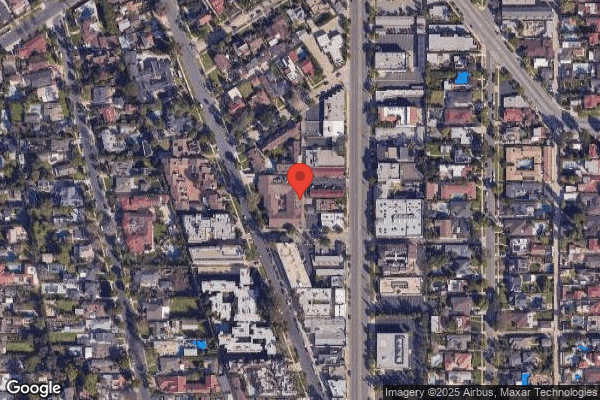

4010 N VIRGINIA RD., LONG BEACH, CA 90807 (562) 426-0394
For profit - Limited Liability company 83 Beds COVENANT CARE Data: November 2025 1 Immediate Jeopardy citation
Trust Grade
1/100
#997 of 1155 in CA
Last Inspection: April 2025

Within standard 12-15 month inspection cycle. Federal law requires annual inspections.

Overview

Catered Manor Nursing Center has received a Trust Grade of F, indicating significant concerns about the quality of care provided. It ranks #997 out of 1,155 nursing homes in California, placing it in the bottom half of facilities in the state, and #285 out of 369 in Los Angeles County, meaning only a few local options are worse. The facility's trend is worsening, with issues increasing from 20 in 2024 to 23 in 2025. Staffing is a relative strength with a turnover rate of 27%, which is better than the state average, but the overall staffing rating is only 2 out of 5 stars. However, there are concerning aspects, including $123,915 in fines, which is higher than 95% of California facilities, and less RN coverage than 90% of state facilities, which could affect the quality of care. Specific incidents include a failure to transport a resident for critical hemodialysis treatments as required, which could pose serious health risks. Another issue involved inadequate monitoring of a diabetic resident's blood sugar levels, leading to potential health complications. Additionally, a resident requiring assistance for toileting was not provided with the necessary help from two staff members, resulting in a dangerous fall. While there are some strengths in staffing stability, the facility has significant weaknesses that families should consider seriously.

Trust Score
F
1/100
In California
#997/1155
Bottom 14%
Safety Record
High Risk
Review needed
Inspections
Getting Worse
20 → 23 violations
Staff Stability
✓ Good
27% annual turnover. Excellent stability, 21 points below California's 48% average. Staff who stay learn residents' needs.
Penalties
✓ Good
$123,915 in fines. Lower than most California facilities. Relatively clean record.
Skilled Nurses
⚠ Watch
Each resident gets only 15 minutes of Registered Nurse (RN) attention daily — below average for California. Fewer RN minutes means fewer trained eyes watching for problems.
Violations
⚠ Watch
63 deficiencies on record. Higher than average. Multiple issues found across inspections.
★☆☆☆☆
1.0
Overall Rating
★★☆☆☆
2.0
Staff Levels
★★★★☆
4.0
Care Quality
★☆☆☆☆
1.0
Inspection Score
Stable
2024: 20 issues
2025: 23 issues

The Good

  • 4-Star Quality Measures · Strong clinical quality outcomes
  • Low Staff Turnover (27%) · Staff stability means consistent care
  • Full Sprinkler Coverage · Fire safety systems throughout facility
  • No fines on record
  • Staff turnover is low (27%)

    21 points below California average of 48%

Facility shows strength in quality measures, staff retention, fire safety.

The Bad

1-Star Overall Rating

Below California average (3.1)

Significant quality concerns identified by CMS

Federal Fines: $123,915

Well above median ($33,413)

Significant penalties indicating serious issues

Chain: COVENANT CARE

Part of a multi-facility chain

Ask about local staffing decisions and management

The Ugly 63 deficiencies on record

1 life-threatening 3 actual harm
Aug 2025 2 deficiencies
CONCERN (D) 📢 Someone Reported This

A family member, employee, or ombudsman was alarmed enough to file a formal complaint

Potential for Harm - no one hurt, but risky conditions existed

Comprehensive Care Plan (Tag F0656)

Could have caused harm · This affected 1 resident

**NOTE- TERMS IN BRACKETS HAVE BEEN EDITED TO PROTECT CONFIDENTIALITY** Based on interview, and record review, the facility failed to develop and implement comprehensive plan for one of one sample res...

Read full inspector narrative →
**NOTE- TERMS IN BRACKETS HAVE BEEN EDITED TO PROTECT CONFIDENTIALITY** Based on interview, and record review, the facility failed to develop and implement comprehensive plan for one of one sample residents (Residents 1) when Resident 1 fell on 7/3/2025 from the wheelchair. This deficient practice increased Resident 1's risk of further falls and injuries. Findings: During a review of Resident 1's admission Record, the admission Record indicated Resident 1 was originally admitted to the facility on [DATE], and readmitted on [DATE] with diagnoses including acute respiratory failure (when not enough oxygen passes from your lungs to your blood), muscle weakness (a reduced ability of muscle to generate force, often resulting in difficulty performing daily tasks or feeling fatigued ), type 2 diabetes (DM-a disorder characterized by difficulty in blood sugar control and poor wound healing), dependence on renal dialysis (a person's kidney no longer function adequately, and they rely on a dialysis. During a review of Resident 1's Minimum Data Set (MDS-resident assessment tool) dated 06/05/2025, the MDS indicated Resident 1 had intact cognitive (ability to think, understand, learn, and remember) function for daily decision-making. The MDS indicated Resident 1's required moderate assistance (helper does less than half the effort, helper lifts, holds, or supports trunk or limbs) from staff for activities of daily living (ADL- routine tasks/activities such as bathing, dressing and toileting) and with transfers between surfaces. The MDS indicated Residents 1 require supervision or touching assistance (helper provides verbal cues and/touching/steadying and/or contact guard assistance as resident completes activity) to transfer to chair/bed-to-chair transfer: the ability to transfer to and from a bed to a chair (or wheelchair). During an interview on 08/04/2025 09:36 a.m. with Resident 1 on Resident 1's room, Resident 1 stated on 07/03/2025 she called for help, but no one comes to assist her because facility staff were having barbeque-q at the patio. Resident 1 stated she was trying to put her prosthetic leg (an artificial limb that replaces a missing leg due to amputation [the surgical removal of a limb or part of a limb]) on, transferring from the bed to wheelchair but her wheelchair was not locked by the staff after returning from dialysis, so the wheelchair slides out and flips from under her bottom and she fell face down. Resident 1 stated there were no injuries at the time but the [NAME] of her right forehead was slightly swollen but had been resolved. During a concurrent interview and record review on 08/06/2025 at 12:15 p.m., with Licensed Vocational Nurse 1 (LVN 1), Resident 1's electronic health record was reviewed. LVN 1 stated there were no records and documentation noted in Resident 1's electronic health record that shows fall risk assessment was done and resident centered care plan for falls were initiated. Resident 1's care plan titled Resident 1 had a fall on 7/03/2025. Paramedics arrived and residents refused, claims she fine. The Care Plan interventions indicated to reassessed and reevaluate Resident 1 by Interdisciplinary team (IDT) , will continue with the IDT recommendation and intervention, re-educating Resident 1 with the use of call light when needing assistance. LVN 1 stated they have a new system where staff worked as a team and IDT to focus on the care plan and the fall assessment when the IDT team meets. During a concurrent interview and record review on 08/04/2025 at 1:06 p.m., with Registered Nurse (RN1), RN1 stated she cannot find any fall assessment that was done on Resident 1, and Resident 1's care plan was not on the actual fall assessment after the resident fall on 7/3/2025. RN 1 stated she was not part of the IDT team, and she would not know if it was done or not, because the IDT was supposed to do it. During an interview on 08/06/26 at 2:26 p.m., with the Director of Nursing (DON), the DON stated, it was important to document a resident change of condition and implement resident centered care plans, risk assessment to be able to evaluate if the residents was getting worse or stable. During a review of the facility's policies and procedures (P&P) titled Safety and Supervision of Residents dated 2021, the P&P indicated Individualized, resident centered approach to safety addresses safety and accident hazards for individual residents. The Interdisciplinary care team shall analyze information obtained from assessment and observations to identify any specific accident hazards or risks for individual residents. The care [lam shall target interventions to reduce individual risks related to hazards in the environment, including adequate supervision and assistive devices. Cross reference F689
CONCERN (D) 📢 Someone Reported This

A family member, employee, or ombudsman was alarmed enough to file a formal complaint

Potential for Harm - no one hurt, but risky conditions existed

Accident Prevention (Tag F0689)

Could have caused harm · This affected 1 resident

**NOTE- TERMS IN BRACKETS HAVE BEEN EDITED TO PROTECT CONFIDENTIALITY** Based on interview and record review, the facility failed to ensure the resident environment was free of potential hazard for on...

Read full inspector narrative →
**NOTE- TERMS IN BRACKETS HAVE BEEN EDITED TO PROTECT CONFIDENTIALITY** Based on interview and record review, the facility failed to ensure the resident environment was free of potential hazard for one of one sample residents (Resident 1). Resident 1 who had an unwitnessed fall from her wheelchair on 7/3/2025. The facility failed to: 1. Ensure Resident 1's wheelchair was locked upon Resident 1's return from dialysis (a treatment to cleanse the blood of wastes and extra fluids artificially through a machine when the kidney(s) have failed) machine to filter their blood ) treatment on 7/3/2025. This deficient practice resulted in Resident 1 falling from her wheelchair on 7/3/2025 with no injury and had the potential for increased risk for further falls and injury.Findings: During a review of Resident 1's admission Record, the admission Record indicated Resident 1 was originally admitted to the facility on [DATE], and readmitted on [DATE] with diagnoses including acute respiratory failure (when not enough oxygen passes from your lungs to your blood), muscle weakness (a reduced ability of muscle to generate force, often resulting in difficulty performing daily tasks or feeling fatigued ), type 2 diabetes (DM-a disorder characterized by difficulty in blood sugar control and poor wound healing), dependence on renal dialysis (a person's kidney no longer function adequately, and they rely on a dialysis. During a review of Resident 1's Minimum Data Set (MDS-resident assessment tool) dated 06/05/2025, the MDS indicated Resident 1 had intact cognitive (ability to think, understand, learn, and remember) function for daily decision-making. The MDS indicated Resident 1's required moderate assistance (helper does less than half the effort, helper lifts, holds, or supports trunk or limbs) from staff for activities of daily living (ADL- routine tasks/activities such as bathing, dressing and toileting) and with transfers between surfaces. The MDS indicated Residents 1 require supervision or touching assistance (helper provides verbal cues and/touching/steadying and/or contact guard assistance as resident completes activity) to transfer to chair/bed-to-chair transfer: the ability to transfer to and from a bed to a chair (or wheelchair). During an interview on 08/04/2025 09:36 a.m. with Resident 1 on Resident 1's room, Resident 1 stated on 07/03/2025 she called for help, but no one comes to assist her because facility staff were having barbeque-q at the patio. Resident 1 stated she was trying to put her prosthetic leg (an artificial limb that replaces a missing leg due to amputation [the surgical removal of a limb or part of a limb]) on, transferring from the bed to wheelchair but her wheelchair was not locked by the staff after returning from dialysis, so the wheelchair slides out and flips from under her bottom and she fell face down. Resident 1 stated there were no injuries at the time but the [NAME] of her right forehead was slightly swollen but had been resolved. During a phone interview on 08/04/25 at 1:31 p.m., with Licensed Vocational Nurse 1 (LVN 1), LVN 1 stated she (LVN 1) was the charge nurse on 7/3/2025 when Resident 1 fell. LVN 1 stated she was in the hallway when she heard Resident 1 scream from her room. LVN 1 stated she went in the room and found Resident 1 on side lying position and was agitated and threw her prosthetic leg by the bathroom door. LVN 1 stated Resident 1 informed her (LVN 1) that she (Resident 1) was trying to put on her prosthetic leg, while the wheelchair slides from her bottom and falls face down on the floor. LVN 1 stated Resident 1 had just come from dialysis around 1pm where she did a post dialysis assessment, but forgot to make sure Resident 1's wheelchair was locked after assisting residents to transfer to bed. LVN 1 stated this was a lesson learned, next time she will make sure Resident 1's surrounding was safe, wheelchair was locked, asked if Resident 1 needs anything else, and everything was within reach before LVN 1 exited the resident room. During an interview on 08/04/25 at 2:15 p.m., with Certified Nursing Assistant (CNA 1), CNA 1 stated she heard Resident 1 was calling for help. CNA 1 stated she ran into the resident room and found Resident 1 on the floor in a sitting position CNA 1 stated she called the charge nurse for assistance. The nurse in charge did an assessment and took Resident 1's vital signs. CNA 1 stated Resident 1informed her she was trying to put on her prosthetic leg. CNA 1 stated there was no injury noted at that time she found Resident 1 on the floor. CNA 1 stated Resident 1 was assisted back to the wheelchair and no swollen was observed on Resident 1's face. During an interview on 08/06/2025 at 2:26 p.m., with the Director of Nursing (DON), the DON stated, staff should be mindful of Resident 1's surroundings, avoid clutter that will cause falls, check and lock wheelchair for safety and always assess the needs of Resident 1. During a review of the facility's policies and procedures (P&P) titled Fall Risk Assessment, revised in 2018,the P&P indicated The nursing staff, in conjunction with the attending physician, consultant pharmacist, therapy staff, and others, will seek to identify and document resident risk factors for falls and establish a resident-centered falls prevention plan based on relevant assessment. 1. Staff will seek to identify environmental factors that may contribute to falling, such as lighting and room layout.2. The staff, with the support of the attending physician, will evaluate functional and psychological factors that may increase fall risk, including ambulation, mobility, gait, balance, excessive motor activity, activities of daily living (ADL) capabilities and activity tolerance.
Jul 2025 5 deficiencies 1 Harm
SERIOUS (G) 📢 Someone Reported This

A family member, employee, or ombudsman was alarmed enough to file a formal complaint

Actual Harm - a resident was hurt due to facility failures

Quality of Care (Tag F0684)

A resident was harmed · This affected 1 resident

**NOTE- TERMS IN BRACKETS HAVE BEEN EDITED TO PROTECT CONFIDENTIALITY** Based on interview and record review, the facility failed to ensure that licensed nurses monitored the blood sugar (b/s) levels ...

Read full inspector narrative →
**NOTE- TERMS IN BRACKETS HAVE BEEN EDITED TO PROTECT CONFIDENTIALITY** Based on interview and record review, the facility failed to ensure that licensed nurses monitored the blood sugar (b/s) levels for one of four sampled residents (Resident 1) who had diagnosis of diabetes mellitus ([DM] disease characterized by elevated levels of blood sugar) and was receiving Prednisone (medication used to treat a wide range of conditions that raises b/s levels and can induce hyperglycemia (a condition where there's too much sugar in the bloodstream). The facility failed to:1. Ensure licensed nurses clarified with Resident 1's physician, instructions from the admitting GACH to check Resident 1's b/s levels every day before meals and at bedtime and to take diabetic medication or insulin (a medication used to manage b/s levels in people with DM) as prescribed. 2. Ensure Resident 1's b/s levels were monitored due to diagnosis of DM and use of Prednisone, from 4/11/2025 through 5/16/2025. 3. Ensure Resident 1's physician provided instructions for care, interventions and/or treatment to manage Resident 1's abnormal (high) blood and urine glucose (sugar) levels when Resident 1's b/s level of 378 milligrams ([mg] metric unit of measurement, used for medication dosage and/or amount)/deciliter ([dl] a unit of measurement) (reference range of 85 mg/dl to 125 mg/dl) was obtained via a lab report on 5/16/2025, a glucose level of more than a 1,000 mg/dl, was obtained from a urinalysis ([UA] urine test [reference range is negative]) on 5/21/2025, and a b/s level of 362 mg/dl was obtained via a lab report on 5/22/2025. 4. Notify Resident 1's physician of the resident's high b/s level of 362 mg/dl based on blood lab test report dated 5/22/2025 to obtain instructions for care, interventions and/or treatment. 5. Follow Resident 1's untitled Care Plan for DM dated 5/10/2025, to monitor Resident 1 for signs and symptoms (s/s) of hyperglycemia (high b/s level above 180 mg/dL two hours after eating and fasting blood glucose levels above 125 mg/dL) and hypoglycemia (low b/s level below 70 mg/dl) by checking (via a Glucometer [a machine that measures the concentration of glucose or blood sugar in a small sample of blood) Resident 1's b/s levels and rechecking as needed. 6. Develop a Care Plan for the use of Prednisone with interventions to monitor Resident 1 for risk, side effects, adverse reactions related to the use of Prednisone. 7. Follow the facility's Policy and Procedure (P/P) titled, Processing Physician Orders that indicated to process the physician orders and to clarify these orders with the attending physician to verify and maintain the accuracy of the physician orders to provide appropriate care and services. 8. Follow the facility's P/P titled, Physician, Physician Assistant, Nurse Practitioner or Clinical Nurse Specialist Lab Notifications that indicated the facility shall promptly notify the physician, physician assistant, nurse practitioner or clinical nurse specialist of the residents' lab results that fall outside of the clinical reference ranges because delayed notification can contribute to delays in changing the course of treatment or care plan.9. Follow the facility's P/P titled, Diabetes Management Policy that indicated the facility shall maintain the highest level of function of the residents within the normal limitations of the disease. The primary care physician orders should address medication and laboratory tests. Every resident with the diagnosis of diabetes mellitus will be identified and their care provided based on their assessed problems. Every resident should be watched for signs and symptoms of hyperglycemia and hypoglycemia including but not limited to visual disturbances, loss of skin integrity, and dehydration and should be reported to the primary care physician.These deficient practices resulted in Resident 1's b/s level not being monitored from 4/11/2025 through 5/16/2025 to ensure it was within an acceptable range in order to provide care and treatment accordingly. On 6/22/2025 Resident 1 was transferred to a GACH due to an altered level of consciousness ([ALOC] a person's awareness of themselves and their surroundings is different from their normal state that can range from mild changes like drowsiness to severe changes like coma), hypotension (low blood pressure [BP]) a high heart rate (HR), and a b/s level that indicated high (when the b/s level is too high to register) on the facility's glucometer. At the GACH Resident 1's b/s level was 1060 mg/dl and the resident was diagnosed with diabetic ketoacidosis ([DKA] a life-threatening complication of DM where the body produces too many acidic chemicals called ketones) with coma (a deep state of unconsciousness where a person is unresponsive to external forces and cannot be awakened) associated with DM hyperosmolar hyperglycemic state ([HHS] a serious life threatening complication of DM characterized by extremely high b/s and severe dehydration), sepsis (a life threatening condition that occurs when the body's immune system overreacts to an infection) due to urinary tract infection ([UTI] an infection of the urinary system that includes kidneys, ureters, bladder and urethra), and candidiasis (a fungal infection caused by an overgrowth of yeast that can occur in various parts of the body including the mouth, vagina, skin and even inside the body) of the urogenital site (a region of the body that composes of the urinary system and the reproductive system). Resident 1 was admitted to the GACH's Intensive Care Unit ([ICU] a specialized unit in the hospital that provides specialized treatment and monitoring for critically ill patients) in critical condition.Findings:During a review of Resident 1's Preadmission Report from the GACH dated 4/11/2025 and timed at 4:51 p.m., the Preadmission Report indicated Resident 1's glucose levels were routinely checked with Lispro (a type of insulin, dosage not indicated) coverage. During a review of the GACH's Reconciled Home Medications and Discharge Instructions dated 4/11/2025 and timed 3:18 p.m., the Reconciled Home Medications and Discharge Instructions indicated Resident 1 was to begin taking Prednisone 20 mg two tablets (40 mg), two times a day, DM medication and/or insulin, to ensure management of her DM. The Reconciled Home Medications and Discharge Instructions indicated a recommendation for Resident 1 to follow up with her primary care physician for b/s checks before meals and at bedtime and to inform Resident 1's physician if she showed s/s of hyperglycemia and hypoglycemia that included b/s levels over 300 mg/dl or b/s levels of less than 70 mg/dl. During a review of Resident 1's Physician's Order Summary Report, the Physician's Order Summary Report indicated the following orders:1. On 4/11/2025 - Prednisone 20 mg two tablets, two times a day for COPD. 2. On 5/10/2025 - Monitor s/s of hypoglycemia and hyperglycemia every shift and check/recheck Resident 1's b/s as needed.During a review of Resident 1's Clinical Record, the Clinical Record indicated no evidence that DM medication or insulin was prescribed and/or administered to Resident 1 from her admission to the facility on 4/11/2025. During a review of Resident 1's Medication Administration Records ([MAR] a daily documentation record used by a licensed nurse to document medications and treatments given to a resident) dated 4/2025, 5/2025 and 6/2025, the MARs indicated the following:1. In April 2025 - Prednisone 20 mg, 2 tablets (40 mg) was administered twice a day for a total of 37 doses.2. In May 2025 - Prednisone 20 mg, 2 tablets (40 mg) was administered twice a day for a total of 59 doses.3. In June 2025 - Prednisone 20 mg, 2 tablets (40 mg) was administered twice a day for a total of 41 doses.During a review of Resident 1's MARs dated 4/2025, 5/2025 and 6/2025, the MARs indicated no documented evidence that Resident 1's b/s was checked.During a review of Resident 1's Care Plans in the resident's Clinical Record, the Clinical Record indicated there was no Care Plan created related to Resident 1's use of Prednisone or interventions to monitor Resident 1 for risk, side effects, or adverse reactions associated with the use of Prednisone due to this medication ability to increase blood sugar levels. According to the Nationally recognized Cleveland Clinic, Prednisone may increase blood sugar characterized by increased thirst or amount of urine, unusual weakness or fatigue, blurry vision.https://my.clevelandclinic.org/health/drugs/20469-prednisone-tabletsDuring a review of Resident 1's untitled Care Plan dated 5/10/2025, the Care Plan indicated Resident 1 had a diagnosis of DM. The Care Plan's goals indicated Resident 1 would be free from any s/s of hyperglycemia and hypoglycemia and would have no complications related to DM. The Care Plans interventions included monitoring Resident 1 for s/s of hyperglycemia and hypoglycemia by checking and rechecking Resident 1's b/s levels as needed, reporting to Resident 1's physician s/s of hyperglycemia including increased thirst/appetite, fatigue, and stupor (a condition of being extremely drowsy, almost unconscious like being in a deep sleep). During a review of Resident 1's Change of Condition (COC) form , dated 5/15/2025 and timed at 6:16 p.m., the COC indicated Resident 1 had increased confusion and was not eating well. The COC indicated Resident 1's physician ordered a complete blood count ([CBC] a blood test that analyzes the different types of cells in the blood), a basic metabolic panel ([BMP] a blood test that measures several substances in the blood to assess a person's overall health and organ function including b/s) and a UA with a culture and sensitivity ([C&S] a diagnostic lab procedure used to identify the type of bacteria and to determine which medication can successfully fight an infection). During a review of Resident 1's Physician's Order, dated 5/16/2025, the Physician's Order indicated to obtain a CBC, BMP and UA with a C&S due to Resident 1's increased confusion and poor food intake.During a review of Resident 1's Lab Result Report dated 5/16/2025, the Lab Result Report indicated Resident 1's b/s level was 378 mg/dl. During a review of Resident 1's UA with C&S dated 5/21/2025, the UA with C&S indicated a glucose level of more than 1,000 mg/dl in Resident 1's urine. During a review of Resident 1's Comprehensive Metabolic Panel [CMP] a group of blood tests that provides a broad overview of the body's chemical balance and metabolism including the kidney and liver function, blood sugar and electrolyte levels) test dated 5/22/2025, the CMP indicated Resident 1's b/s level was 362 mg/dl. During a review of Resident 1's SBAR ([situation, background, assessment, recommendation] a communication tool used by healthcare workers when there is a change of condition among the residents) COC 911 Transfer Form dated 6/22/2025 and timed at 10:14 a.m., the SBAR COC 911 Transfer Form indicated Resident 1 was transferred to a GACH because of hyperglycemia. The SBAR COC 911 Transfer Form indicated Resident 1 had decreased consciousness and only responded to tactile stimuli (direct physical contact to produce sensations of pain, pressure, vibration, temperature and pain), the resident's breathing was labored (a manner of using more effort and energy to breathe than is typical) and rapid (a breathing rate or manner that is faster than normal for a person's age and activity level), the resident was diaphoretic (excessive sweating) with s/s of thirst and fatigue. The SBAR COC 911 Transfer Form indicated Resident 1's heart rate [HR] reference range of 60 to 100 beats per minute [bpm]) was 115, respiratory rate [(RR] reference range of 12 to 20 breaths per minute) was 26, blood pressure ([BP] reference range 120/80 millimeters of mercury (mmhg) was 70/89 mmhg, and the oxygen saturation rate ([O2 sat] a measurement of how much oxygen the blood is carrying as a percentage, reference range of 95%-100%) was of 95% while receiving supplemental oxygen via a nasal cannula (a thin tube with two small prongs that fit into a patient's nostrils to deliver supplemental oxygen). Oxygen delivery flow was not indicated. The SBAR COC 911 Transfer Form indicated Resident 1's b/s level was High. During a review of the GACH's Emergency Provider Note (ED Note) dated 6/22/2025 and timed at 11:08 a.m., the ED Note indicated Resident 1 presented in the emergency room with an altered mental status ([AMS] any noticeable change in a person's level of awareness, cognition, or behavior) and low blood pressure. The ED Note indicated Resident 1 was nonverbal with a Glasgow coma score (a neurological (related to the nervous system [brain, spinal cord, and nerves]) assessment used to determine a person's level of consciousness which assesses the key areas such as eye opening, verbal response and motor response, ranging from zero to 15) of eight (indicating the patient is in a coma with limited or no response to external stimuli), HR of 133 bpm, and a RR of 35 breaths per minute. The ED Note indicated the following lab results: 1. Blood Ph (the measure of blood acidity) of 7.19 (normal range is 7.35 to 7.45. 7.19 is a significant indicator of DKA).2. [NAME] Blood Count ([WBC] a blood test that measures the number of white blood cells in blood, reference range of 4,500 k/uL to 11,000 k/uL) of 20.8 kilounits/liter (k/uL). An elevated WBC can signify various conditions, including DKA. 3. Glucose level of 1,060 mg/dl in urine.4. Bicarbonate level (a blood test that measure a form of natural waste) of 12 millimole ([mmol] a unit of measurement for the amount of a substance) (Reference range of 21 to 32 mmol per liter. A low bicarbonate level is a key indicator of DKA).5. Anion gap (a blood test used to indicate electrolyte [minerals that carry an electrical charge when dissolved in body] imbalances) of 30 milliequivalents/liter (mEq/L) (Reference range of 5 mEq/L to 14 mEq/L. A high anion gap with high b/s levels is often indicative of DKA) 6. Troponin (protein found in the heart muscle) level (a blood test used to indicated damage to the heart muscle) of 106 nanograms/liter (ng/L) (Reference range of 0 to 54 ng/L. High troponin levels indicate injury or damage to the heart muscle and can be elevated in conditions such as hyperglycemia) 7. Lactate level (a blood test used to indicate the if the body is producing enough O2 or if there is an underlying medical condition) of 4.4 mmol/L (Referfence range of 0.9 mmol/L to 1.7 mmol/L. Severe hyperglycemia can lead to increased lactate).During a review of the ED Note dated 6/22/2025, the ED Note indicated Resident 1 was given a bolus (a large single dose) of intravenous ([IV] in the vein) fluids, IV antibiotics (medication used to treat infections) and IV insulin. The ED Note indicated Resident 1 had DKA with coma associated with type two DM HHS, sepsis due to UTI, candidiasis of the urogenital site and was admitted to the ICU in serious and/or critical condition.During a telephone interview on 7/1/2025 at 4:44 p.m., Licensed Vocational Nurse (LVN) 3 stated Resident 1 was admitted to the facility on [DATE] from the GACH with a Preadmission Report, a Reconciled Home Medication form, and Discharge Instructions. During a subsequent interview with LVN 3 on 7/3/2025 at 3:44 p.m., LVN 3 stated he called Resident 1's physician on 4/11/2025 to get approval for the list of medications that accompanied Resident 1 on admission to the facility and Resident 1's physician instructed him to continue all previously administered medication from the GACH. LVN 3 stated he did not notify Resident 1's physician of the GACH's discharge instructions to check Resident 1's b/s and he did not ask Resident 1's physician if he wanted Resident 1 to take diabetic medication and/or insulin. During a telephone interview on 7/2/2025 at 11:35 a.m., Resident 1's Family Member (FM) stated he often visited Resident 1 at the facility when he got off work and Resident 1 was usually alert and interactive with him. The FM stated on 5/15/2025, he noticed Resident 1 was more confused and would drift off to sleep during a conversation. The FM stated he told the licensed nursing staff at the facility to call Resident 1's physician to obtain an order to check Resident 1's labs and urine and evaluate Resident 1's medications. The FM stated on 6/16/2025 during the morning (time unknown), he visited Resident 1, and she appeared to be weaker, she looked sedated (in a calm, almost dreamlike state, but still somewhat aware of the surroundings), she could barely open her eyes and her speech was slurred. The FM stated Resident 1 was not doing very well in the ICU at GACH and when she was transferred from the GACH to a different facility on6/26/2025 she remained non-verbal and never woke up when he visited her there. The FM stated he was concerned that Resident 1 would not make it (recover) because her (Resident 1) condition was not good. During an interview on 7/2/2025 at 2:02 p.m., Certified Nursing Assistant (CNA) 3 stated she usually took care of Resident 1 and Resident 1 was able to verbalize her needs and interact with staff and family from 4/2025 through the first week of 5/2025. CNA 3 stated in the middle of 5/2025, Resident 1 was always thirsty and asking for more ice and water. CNA 3 stated Resident 1 began to sleep more than usual and had to be woken up in order to complete her ADLs. CNA 3 stated on 6/22/2025 at 7:30 a.m., she tried to wake Resident 1 up so she could eat breakfast but Resident 1 was very sleepy and would attempt to open her eyes and moved her hands towards her (CNA 3) as if she wanted to do something or say something to her. CNA 3 stated she came back to check on Resident 1 at 8:10 a.m. and noticed Resident 1 had not eaten any of her food. CNA 3 stated Resident 1 tried to open her eyes and tell her something but was too weak and went back to sleep. CNA 3 stated at 9 a.m., she went to recheck Resident 1, and she (Resident 1) would not answer any questions. CNA 3 stated she called the charge nurse (LVN 6) and when LVN 6 checked Resident 1, she (CNA 3) heard LVN 6 saying Resident 1's b/s was high, and the paramedics had to be called.During a telephone interview on 7/2/2025 at 2:31 p.m., LVN 6 stated earlier during the 7 a.m. to 3 p.m. shift on 6/22/2025 she observed that Resident 1 was lethargic (lacking energy and enthusiasm, feeling sluggish, slow and sleepy) and would not open her eyes when asked. LVN 6 stated, she checked Resident 1's vital signs ([v/s] measurements of the body's basic functions) and found that Resident 1 had low blood pressure of 70/89 mmHg and the glucometer indicated Resident 1's b/s was Hi. LVN 6 stated the paramedics were called and Resident 1 was transferred to the GACH. During an interview on 7/3/2025 at 5:26 p.m., the Director of Nursing (DON) stated it was the responsibility of the licensed nurses and the physician to ensure all residents were provided care.During a telephone interview on 7/3/2025 at 7:45 p.m., Resident 1's physician stated he and his team were aware of Resident 1's lab results on 5/16/2025. Resident 1's physician stated he was not notified of Resident 1's lab result dated 5/22/2025 when the resident's b/s was over 300 mg/dl and stated had he been aware he could have ordered accu-checks (a brand of b/s monitoring systems used by people with DM to measure their b/s levels) to monitor Resident 1's b/s. Resident 1's physician stated managing Resident 1's DM and b/s levels was important to prevent complications of diabetic ketoacidosis or HHS which could cause Resident 1's debility (a general state of weakness or feebleness) and/or death.During a review of the facility's policy and procedure (P/P) titled, Processing Physician Orders dated 8/2027, the P/P indicated it is practice of the facility to process the physician orders and to clarify these orders with the attending physician including communication of any system identified such as residents' allergies, contraindications as well as summary of residents' medical diagnosis, to verify and maintain accuracy of the physician orders to provide appropriate care and services, reduce medication related risks and comply with drug regimen review regulatory requirements.During a review of the facility's P/P titled, Physician, Physician Assistant, Nurse Practitioner or Clinical Nurse Specialist Lab Notifications dated 12/17/2024, the P/P indicated the facility shall promptly notify the physician, physician assistant, nurse practitioner or clinical nurse specialist of the residents' lab results that fall outside of the clinical reference ranges because delayed notification can contribute to delays in changing the course of treatment or care plan.During a review of the facility's P/P titled, Diabetes Management Policy revised 2/5/2025, the P/P indicated the following:a. The facility shall maintain the highest level of function of the residents within the normal limitations of the diseaseb. The facility shall prevent the residents from any complications of the disease process and the primary care physician orders should address medication, diet, laboratory tests and special precautions if needed.c. Every resident with the diagnosis of diabetes mellitus will be identified and their care provided based on their assessed problems and areas to monitor shall be addressed in their care plan; andd. Every resident should be watched for signs and symptoms of hyperglycemia and hypoglycemia including but not limited to visual disturbances, loss of skin integrity, and dehydration and should be reported to the primary care physician.
CONCERN (D) 📢 Someone Reported This

A family member, employee, or ombudsman was alarmed enough to file a formal complaint

Potential for Harm - no one hurt, but risky conditions existed

Notification of Changes (Tag F0580)

Could have caused harm · This affected 1 resident

**NOTE- TERMS IN BRACKETS HAVE BEEN EDITED TO PROTECT CONFIDENTIALITY** Based on interview and record review, the facility failed to notify the physician when one of four sampled resident's (Resident ...

Read full inspector narrative →
**NOTE- TERMS IN BRACKETS HAVE BEEN EDITED TO PROTECT CONFIDENTIALITY** Based on interview and record review, the facility failed to notify the physician when one of four sampled resident's (Resident 1) laboratory (lab) result dated 5/22/2025 indicated a high blood glucose (sugar) level, a low sodium (the electrolyte in the body crucial for maintaining fluid balance, nerve and muscle function, and blood pressure) level, and a low chloride (an essential electrolyte that plays a crucial role in body fluids, including blood, sweat and urine) level. This deficient practice resulted in Resident 1's physician being unaware of Resident 1's abnormal lab results and a delay in care and treatment. Findings:During a review of Resident 1's admission Record (Face Sheet), the Face Sheet indicated Resident 1 was initially admitted to the facility on [DATE] and readmitted on [DATE] with diagnosis including Chronic Obstructive Pulmonary Disease ([COPD] a progressive lung disease characterized by persistent airflow limitation and breathing problems) and DM. During a review of Resident 1's Minimum Data Set ([MDS] a resident assessment tool) dated 4/15/2025, the MDS indicated Resident 1 was able to make decisions that were consistent and reasonable, required a one person assist to complete her activities of daily living ([ADLs] routine tasks/activities]) such as bathing, dressing, personal hygiene and toileting a person performs daily to care for themselves), and was incontinent (involuntary voiding of urine and stool) of bladder and bowel functions.During a review of Resident 1's Change of Condition (COC) form, dated 5/15/2025 and timed at 6:16 p.m., the COC indicated Resident 1 had increased confusion and was not eating well. The COC indicated Resident 1's physician ordered a complete blood count ([CBC] a blood test that analyzes the different types of cells in the blood), a basic metabolic panel ([BMP] a blood test that measures several substances in the blood to assess a person's overall health and organ function including b/s) and a UA with a culture and sensitivity ([C&S] a diagnostic lab procedure used to identify the type of bacteria and to determine which medication can successfully fight an infection). During a review of Resident 1's Physician's Order, dated 5/16/2025, the Physician's Order indicated to obtain a CBC, BMP and UA with a C&S due to Resident 1's increased confusion and poor food intake.During a review of Resident 1's Lab Results Report, the Lab Results Report indicated on 5/16/2025, a glucose level of 378 milligrams (mg)/deciliter (dl), with a normal range of 85 mg/dl to 125 mg/dl.During a review of Resident 1's Nursing Progress Note dated 5/19/2025 and timed at 4:25 p.m., the Nursing Progress Note indicated Resident 1's physician was made aware of Resident 1's lab results dated 5/16/2025 and a Comprehensive Metabolic Panel ([CMP] a group of blood tests that provides a broad overview of the body's chemical balance and metabolism including the kidney and liver function, blood sugar and electrolyte levels) was ordered on 5/22/2025.During a review of Resident 1's Lab Results Report dated 5/22/2025, the Lab Results Report indicated a glucose level of 362 mg/dl, a sodium level of 130 millimoles(mmol)/Liter(L) (with a normal range of 136 mmol/L to 145 mmol/L), and a chloride level of 93 mmol/L (with a normal range of 98 mmol/L to 107 mmol/L).During a review of Resident 1's Clinical Record in 5/2025, there was no documented evidence that Resident 1's lab results dated 5/22/2025 were reported to Resident 1's Physician. During an interview on 7/3/2025 at 5:26 p.m., the Director of Nursing (DON) stated Resident 1's physician should have been notified of Resident 1's abnormal labs. During a telephone interview on 7/3/2025 at 7:45 p.m., Resident 1's physician stated he was not notified of Resident 1's lab results dated 5/22/2025 and had he been aware he could have ordered accu-checks (a brand of b/s monitoring systems used by people with DM to measure their b/s levels) to monitor Resident 1's b/s. Resident 1's physician stated managing Resident 1's DM and b/s levels was important to prevent complications of DMDuring a review of the facility's P/P titled, Physician, Physician Assistant, Nurse Practitioner or Clinical Nurse Specialist Lab Notifications dated 12/17/2024, the P/P indicated the facility shall promptly notify the physician, physician assistant, nurse practitioner or clinical nurse specialist of the residents' lab results that fall outside of the clinical reference ranges because delayed notification can contribute to delays in changing the course of treatment or care plan.
CONCERN (D) 📢 Someone Reported This

A family member, employee, or ombudsman was alarmed enough to file a formal complaint

Potential for Harm - no one hurt, but risky conditions existed

Comprehensive Care Plan (Tag F0656)

Could have caused harm · This affected 1 resident

**NOTE- TERMS IN BRACKETS HAVE BEEN EDITED TO PROTECT CONFIDENTIALITY** Based on interview and record review, the facility failed to ensure a Care Plan was created one of four sampled residents (Resid...

Read full inspector narrative →
**NOTE- TERMS IN BRACKETS HAVE BEEN EDITED TO PROTECT CONFIDENTIALITY** Based on interview and record review, the facility failed to ensure a Care Plan was created one of four sampled residents (Resident 1) who was administered Prednisone (medication used to treat a wide range of conditions that raises b/s levels and can induce hyperglycemia [a condition where there's too much sugar in the bloodstream]) with intervention to monitor Resident 1 for risk, side effects, and adverse reactions related to the use of Prednisone due to this medications ability to increase blood sugar (b/s) levels. This deficient practice resulted in Resident 1's b/s level not being monitored from 4/11/2025 through 5/16/2025 to ensure it was within an acceptable range in order to provide care and treatment accordingly. On 6/22/2025 Resident 1 was transferred to a General Acute Care Hospital (GACH) due to an altered level of consciousness ([ALOC] a person's awareness of themselves and their surroundings is different from their normal state that can range from mild changes like drowsiness to severe changes like a coma [a deep state of unconsciousness where a person is unresponsive to external forces and cannot be awakened]), hypotension (low blood pressure [BP]), a high heart rate (HR), and a b/s level that indicated high (when the b/s level is too high to register) on the facility's glucometer (a machine that measures the concentration of glucose or blood sugar in a small sample of blood). At the GACH Resident 1's b/s level was 1060 milligrams([mg] metric unit of measurement, used for medication dosage and/or amount)/deciliter([dl] a unit of measurement) and she was diagnosed with diabetic ketoacidosis ([DKA] a life-threatening complication of DM where the body produces too many acidic chemicals called ketones [a byproduct of fat breakdown]) with coma associated with DM hyperosmolar hyperglycemic state ([HHS] a serious life threatening complication of DM characterized by extremely high b/s and severe dehydration). Resident 1 was admitted to the GACH's Intensive Care Unit ([ICU] a specialized unit in the hospital that provides specialized treatment and monitoring for critically ill patients) in critical condition.Findings:During a review of Resident 1's admission Record (Face Sheet), the Face Sheet indicated Resident 1 was initially admitted to the facility on [DATE] and readmitted on [DATE] with diagnosis including Chronic Obstructive Pulmonary Disease ([COPD] a progressive lung disease characterized by persistent airflow limitation and breathing problems) and DM. During a review of Resident 1's Minimum Data Set ([MDS] a resident assessment tool) dated 4/15/2025, the MDS indicated Resident 1 was able to make decisions that were consistent and reasonable, required a one person assist to complete her activities of daily living ([ADLs] routine tasks/activities]) such as bathing, dressing, personal hygiene and toileting a person performs daily to care for themselves), and was incontinent (involuntary voiding of urine and stool) of bladder and bowel functions.During a review of Resident 1's Clinical Record (Care Plan section), the Clinical Record indicated there was no Care Plan created related to Resident 1's use of Prednisone or interventions to monitor Resident 1 for risk, side effects, or adverse reactions associated with the use of Prednisone due to this medication ability to increase blood sugar levels. During an interview and record review on 7/3/2025 at 12:09 p.m., Registered Nurse Supervisor (RNS) 3 stated a Care Plan should have been created related to Resident 1's use of Prednisone with interventions ensuring Resident 1's b/s was managed. During a review of the facility's Policy and Procedures (P/P), titled, Comprehensive Care Plans revised 2/5/2025, the P/P indicated the facility shall develop and implement a comprehensive person centered care plan for each resident after a comprehensive assessment, that includes measurable objectives and timeframes to meet the residents' medical, nursing, mental and psychosocial needs.During a review of the facility's P/P, titled, Unnecessary Drugs revised 2/5/2025, the P/P indicated the information during the initial and ongoing evaluation of the residents will be incorporated into the residents' comprehensive care plan that reflects person-centered medication related goals and parameters for monitoring the resident's condition, including the likely medication effects and potential adverse consequences.
CONCERN (D) 📢 Someone Reported This

A family member, employee, or ombudsman was alarmed enough to file a formal complaint

Potential for Harm - no one hurt, but risky conditions existed

Drug Regimen Review (Tag F0756)

Could have caused harm · This affected 1 resident

**NOTE- TERMS IN BRACKETS HAVE BEEN EDITED TO PROTECT CONFIDENTIALITY** Based on interview and record review, the facility failed to ensure one of four sampled residents (Resident 1) who had an order ...

Read full inspector narrative →
**NOTE- TERMS IN BRACKETS HAVE BEEN EDITED TO PROTECT CONFIDENTIALITY** Based on interview and record review, the facility failed to ensure one of four sampled residents (Resident 1) who had an order for Prednisone (medication used to treat a wide range of conditions that raises b/s levels and can induce hyperglycemia (a condition where there's too much sugar in the bloodstream) 20 milligrams ([mg] a metric unit of measurement, used for medication dosage and/or amount) 2 tablets, twice a day (80 mg), had a stop date and/or duration of administration. This deficient practice resulted in Resident 1 taking Prednisone 20 mg., 2 tablets twice a day (for a total of 80 mg daily), from 4/12/2025 until 6/22/2025. Resident 1 had a change of condition (COC) and was transferred via 911 to a GACH on 6/22/2025, due to an altered level of consciousness (a person's awareness of themselves and their surroundings is different from their normal state that can range from mild changes like drowsiness to severe changes like coma), hypotension (low blood pressure where the normal range is less than 120 systolic [top number] and less than 80 [bottom number]), and a blood sugar (b/s) level of high (the b/s was too elevated to register, reference range of 70 mg/deciliter ([dl] a unit of volume) to 99 mg/dl, obtained from a glucometer (a machine that measures the concentration of glucose or blood sugar in a small sample of blood) Resident 1's b/s at the GACH was 1060 mg/dl and she was admitted to the GACH's Intensive Care Unit ([ICU] a specialized unit in the hospital that provides specialized treatment and monitoring for critically ill patients) comatose (a deep state of unconsciousness where a person is unresponsive to external forces and cannot be awakened) with Diabetic Ketoacidosis (a life-threatening complication of DM where the body produces too many acidic chemicals called ketones [a product of fat breakdown]) associated with type 2 DM hyperosmolar hyperglycemic [NAME] ([HsHS] a serious, life threatening complication of diabetes). Findings:During a review of Resident 1's admission Record (Face Sheet), the Face Sheet indicated Resident 1 was initially admitted to the facility on [DATE] and readmitted on [DATE] with diagnosis including Chronic Obstructive Pulmonary Disease ([COPD] a progressive lung disease characterized by persistent airflow limitation and breathing problems) and DM. During a review of Resident 1's Minimum Data Set ([MDS] a resident assessment tool) dated 4/15/2025, the MDS indicated Resident 1 was able to make decisions that were consistent and reasonable, required a one person assist to complete her activities of daily living ([ADLs] routine tasks/activities]) such as bathing, dressing, personal hygiene and toileting a person performs daily to care for themselves), and was incontinent (involuntary voiding of urine and stool) of bladder and bowel functions.During a review of Resident 1's Order Summary Report (Physician's Orders), the Physician's Order indicated on 4/11/2025, an order for Prednisone 20 mg two tablets two times a day, with no stop date or duration of treatment.During a review of Resident 1's Medication Administration Records ([MAR] a daily documentation record used by a licensed nurse to document medications and treatments given to a resident) dated 4/2025, 5/2025 and 6/2025, the MARs indicated the following:1. In April 2025 - Prednisone 20 mg, 2 tablets (40 mg) was administered twice a day for a total of 37 doses.2. In May 2025 - Prednisone 20 mg, 2 tablets (40 mg) was administered twice a day for a total of 59 doses.3. In June 2025 - Prednisone 20 mg, 2 tablets (40 mg) was administered twice a day for a total of 41 doses.During a telephone interview on 7/1/2025 at 4:44 p.m., Licensed Vocational Nurse (LVN) 3 stated Resident 1 was admitted to the facility on [DATE] from a GACH with a Preadmission Report, a Reconciled Home Medication form, and Discharge Instructions. During a subsequent interview with LVN 3 on 7/3/2025 at 3:44 p.m., LVN 3 stated he called Resident 1's physician on 4/11/2025 to get approval for the list of medications that accompanied Resident 1 on admission to the facility and Resident 1's physician instructed him to continue all previously administered medication from the GACH, which included the Prednisone. LVN 3 stated the Prednisone had no stop date and he should have clarified with Resident 1's physician about a stop date for the Prednisone. During a telephone interview on 7/2/2025 at 11:35 a.m., Resident 1's Family Member (FM) stated he often visited Resident 1 at the facility when he got off work and Resident 1 was usually alert and interactive with him. The FM stated on 5/15/2025, he noticed Resident 1 was more confused and would drift off to sleep during a conversation. The FM stated he told the licensed nursing staff at the facility to call Resident 1's physician to obtain an order to check Resident 1's labs and urine and evaluate Resident 1's medications. The FM stated on 6/16/2025 during the morning (time unknown), when he visited Resident 1, she appeared to be weaker, she looked sedated (in a calm, almost dreamlike state, but still somewhat aware of the surroundings), she could barely open her eyes, and her speech was slurred. The FM stated Resident 1 was not doing very well in the ICU at GACH and when she was transferred from the GACH to a different facility on 6/26/2025 she remained non-verbal and never woke up. During a telephone interview on 7/3/2025 at 3:23 p.m., the facility's Pharmacy Consultant (PC) stated Prednisone can be used long term, but the dose should be tapered (gradually reduced) down to 10 mg - 20 mg daily. The PC stated Resident 1's physician should have assessed Resident 1 regularly to determine if the dose of Prednisone Resident 1 was receiving was appropriate. During a telephone interview on 7/3/2025 at 7:45 p.m., Resident 1's Physician stated he was not aware that Resident 1's Prednisone had no stop date. Resident 1's Physician stated he could have tapered the dose Prednisone with a goal of discontinuing it because the dose Resident 1 was receiving was high and not necessary. During a review of the facility's Policy and Procedures (P/P), titled, Unnecessary Drugs revised 2/5/2025, the P/P indicated the facility shall ensure that the residents' entire drug/medication regimen is managed and monitored to promote or maintain the resident's highest practicable mental, physical and psychosocial well-being free from unnecessary drugs by:1. Initiating, maintaining, or discontinuing medication(s) by evaluating the resident's physical, behavioral, mental and psychological signs and symptoms in order to identify and rule out any underlying conditions, including the assessment of relative risks and benefits, and preferences and goals for treatment2. Identifying circumstances that warrant evaluation of the residents' underlying medical condition and medication(s) that include admission, readmission , a new or worsening change in condition/status3. Ensuring the attending physician of the residents assume leadership in medication management by developing, monitoring and modifying the medication regimen in collaboration with the residents and/or representatives, other professionals and the interdisciplinary team to take into consideration the dose, duration of use, indications and clinical need for medication and adequate monitoring for efficacy and adverse consequences, prevention, identifying and responding to adverse consequences.
CONCERN (D) 📢 Someone Reported This

A family member, employee, or ombudsman was alarmed enough to file a formal complaint

Potential for Harm - no one hurt, but risky conditions existed

Deficiency F0757 (Tag F0757)

Could have caused harm · This affected 1 resident

**NOTE- TERMS IN BRACKETS HAVE BEEN EDITED TO PROTECT CONFIDENTIALITY** Based on interview and record review, the facility failed to ensure a Medication Regimen Review (MRR) for one of four sampled re...

Read full inspector narrative →
**NOTE- TERMS IN BRACKETS HAVE BEEN EDITED TO PROTECT CONFIDENTIALITY** Based on interview and record review, the facility failed to ensure a Medication Regimen Review (MRR) for one of four sampled residents (Resident 1) was conducted in 6/2025. They failed to ensure a MRR conducted in 5/2025 with a recommendation by the facility's Pharmacist Consultant (PC) to add a duration of time for the use of Prednisone (medication used to treat a wide range of conditions[b/s] levels) was followed, by notifying Resident 1's physician of the PC's recommendation and ensuring Resident 1's physician responded.This deficient practice resulted in Resident 1's use and dosage of Prednisone not being evaluated per the PC's recommendation from 4/12/2025 until 6/22/2025. Resident 1 was transferred to a General Acute Care Hospital (GACH) on 6/22/2025 due to an altered level of consciousness ([ALOC] a person's awareness of themselves and their surroundings is different from their normal state that can range from mild changes like drowsiness to severe changes like coma [a deep state of unconsciousness where a person is unresponsive to external forces and cannot be awakened]), hypotension (low blood pressure [BP]), a high heart rate (HR), and a b/s level that indicated high (when the b/s level is too high to register) on the facility's glucometer (a machine that measures the concentration of glucose or blood sugar in a small sample of blood). At the GACH Resident 1's b/s level was 1060 milligrams([mg] metric unit of measurement, used for medication dosage and/or amount)/deciliter([dl] a unit of measurement) and she was diagnosed with diabetic ketoacidosis ([DKA] a life-threatening complication of DM where the body produces too many acidic chemicals called ketones [a byproduct of fat breakdown]) with coma associated with DM hyperosmolar hyperglycemic state ([HHS] a serious life threatening complication of DM characterized by extremely high b/s and severe dehydration). Resident 1 was admitted to the GACH's Intensive Care Unit ([ICU] a specialized unit in the hospital that provides specialized treatment and monitoring for critically ill patients) in critical condition.Findings:During a review of Resident 1's admission Record (Face Sheet), the Face Sheet indicated Resident 1 was initially admitted to the facility on [DATE] and readmitted on [DATE] with diagnosis including chronic obstructive pulmonary disease ([COPD] a progressive lung disease characterized by persistent airflow limitation and breathing problems) and DM. During a review of Resident 1's Minimum Data Set ([MDS] a resident assessment tool) dated 4/15/2025, the MDS indicated Resident 1 was able to make decisions that were consistent and reasonable, required a one person assist to complete her activities of daily living ([ADLs] routine tasks/activities]) such as bathing, dressing, personal hygiene and toileting a person performs daily to care for themselves), and was incontinent (involuntary voiding of urine and stool) of bladder and bowel functions.During a review of Resident 1's Order Summary Report (Physician's Order), dated 4/11/2025, the Physician's Order indicated Prednisone 20 mg, two tablets, two times a day, without a stop date or duration of administration. During a review of Resident 1's Medication Administration Records ([MAR] a daily documentation record used by a licensed nurse to document medications and treatments given to a resident) dated 4/2025, 5/2025 and 6/2025, the MARs indicated the following:1. In April 2025 - Prednisone 20 mg, 2 tablets (40 mg) was administered twice a day for a total of 37 doses.2. In May 2025 - Prednisone 20 mg, 2 tablets (40 mg) was administered twice a day for a total of 59 doses.3. In June 2025 - Prednisone 20 mg, 2 tablets (40 mg) was administered twice a day for a total of 41 doses.During a review of the facility's Consultant Pharmacist's Medication Regimen Review dated 5/1/2025 to 5/9/2025, the Consultant's Pharmacist's Medication Regimen Review indicated a recommendation for the facility to obtain a duration for the use of Prednisone.During a review of Resident 1's Clinical Record for 5/2025, the Clinical Record indicated there was no documented evidence that the PC's recommendation was followed. During a telephone interview on 7/3/2025 at 3:23 p.m., the PC stated the MRR is conducted monthly and is crucial in identifying residents' medication irregularities. The PC stated he was not the PC who conducted the MRR in 5/2025, but the PC's recommendation made in 5/2025 should have been conveyed to Resident 1's physician prevent unnecessary medication administration. During a telephone interview on 7/3/2025 at 7:45 p.m., Resident 1's Physician stated he was not aware that Resident 1's Prednisone had no stop date or duration for use, and he was not notified of the facility's PC's recommendation to add a duration for use. During an interview on 7/3//2025 at 5:26 p.m., the Director of Nursing (DON) stated she was not the DON at the time of the PC's recommendation, she was not aware of the recommendation or that it was completed. The DON stated, the DON at that time should have notified Resident 1's physician of the PC's recommendation so Resident 1's physician could have assessed Resident 1 and evaluated the use of the Prednisone based on the PC's recommendation. During a review of the facility's Policy and Procedure (P/P), titled, Medication Regimen Review revised 4/9/2025, the P/P indicated the facility shall ensure the drug regimen of each resident at the facility will be reviewed at least once a month for a thorough evaluation of the medication regimen of each resident, with the goal of promoting positive outcome and minimizing adverse consequences and potential risks associated with the medication. The P/P indicated the facility staff shall act upon all recommendations according to procedures for addressing the medication regimen review irregularities.
May 2025 2 deficiencies 1 Harm
SERIOUS (G) 📢 Someone Reported This

A family member, employee, or ombudsman was alarmed enough to file a formal complaint

Actual Harm - a resident was hurt due to facility failures

Accident Prevention (Tag F0689)

A resident was harmed · This affected 1 resident

**NOTE- TERMS IN BRACKETS HAVE BEEN EDITED TO PROTECT CONFIDENTIALITY** Based on interview and record review, the facility failed to ensure one of three sampled residents (Resident 1), who was depende...

Read full inspector narrative →
**NOTE- TERMS IN BRACKETS HAVE BEEN EDITED TO PROTECT CONFIDENTIALITY** Based on interview and record review, the facility failed to ensure one of three sampled residents (Resident 1), who was dependent (helper does all the effort, resident does none of the effort to complete the activity, or the assistance of two or more helpers is required for the resident to complete the activity) on nursing staff for toileting hygiene, and rolling to the left and right side while lying on his back in bed, was provided assistance by two people when receiving incontinent (loss of control of bowel and/or bladder) care. The facility failed to: 1. Ensure Certified Nursing Assistant (CNA) 1 did not turn and reposition Resident 1 during incontinent care without the assistance of an additional staff member, per the Minimum Data Set ([MDS] a resident assessment tool) assessment. This deficient practice resulted in Resident 1 rolling out of bed when CNA 1 turned the resident during incontinent care without the assistance of two people. Resident 1 was transferred to a General Acute Care Hospital (GACH) on [DATE] where he was diagnosed with multiple injuries to his neck and spine (see below), was intubated (a tube is inserted into a person's mouth/nose and down into their airway), and placed on a ventilator (a medical device that helps a person breath when they are unable to do so on their own). Resident 1 expired on [DATE] due sequelae (lasting health problems) of blunt traumatic injuries (getting hurt by something with a lot of force but without breaking the skin) from a ground level fall. Findings: During a review of Resident 1's admission Record (Face Sheet), the Face Sheet indicated Resident 1 was admitted to the facility on [DATE] with a diagnosis including a fracture (breaking of a bone) of the left humerus (the upper arm bone), congestive heart failure ([CHF] a heart disorder which causes the heart to not pump the blood efficiently), generalized muscle weakness, and myasthenia gravis (an autoimmune disorder that causes muscle weakness and fatigue due to a breakdown in communication between nerves and muscles). During a review of Resident 1's Minimum Data Set ([MDS] a resident assessment tool) dated [DATE], the MDS indicated Resident 1 had mild cognitive impairment (memory and thinking problems). The MDS indicated Resident 1 was dependent on nursing staff for toileting hygiene and rolling to the left and right side while lying on his back in bed. The MDS indicated Resident 1 was incontinent of both bowel and bladder function. During a review of Resident 1's SBAR ([situation, background, assessment, recommendation] a communication tool used by healthcare workers when there is a change of condition among the residents) Fall Report of Incident, dated [DATE] and timed at 7:25 a.m., the SBAR indicated on [DATE] at 6:35 a.m., Resident 1 was alert, oriented, and verbally responsive when Certified Nursing Assistant (CNA) 1 adjusted his bed to her waist level and repositioned Resident 1 to his right side. The SBAR indicated Resident 1 slid out of bed and landed on a floor mat (a cushioned floor pad designed to help prevent injury should a person fall) in a prone (lying face down) position. The SBAR indicated CNA 1 called for help and Licensed Vocational Nurse (LVN) 1 responded and found Resident 1 was awake and alert but unresponsive (unable to react to stimuli like touch, sound, or pain, essentially being unconscious or unaware of their surroundings). The SBAR indicated Resident 1 was placed back in bed while LVN 1 called 911. The SBAR indicated 911 transferred Resident 1 to a GACH. During a review of Resident 1's Emergency Medical Services ([EMS] a system that provides immediate medical care to individuals experiencing serious injuries, illnesses, or medical emergencies) form, dated [DATE], the EMS form indicated EMS was dispatched to the facility on [DATE] at 6:35 a.m., and arrived at the facility at 6:46 a.m. The EMS form indicated Resident 1 had a Glasgow Coma Score ([GCS] a method used to determine a patients conscious state ranging from 3-15, a score of 3-8=coma) of 4, on a Glasgow Coma Scale (a tool medical professional's use to objectively evaluate the degree to which a person is conscious or comatose. It operates on a scale of 3 to 15). The EMS form indicated, Resident 1 was lying in bed supine (on his back), was drowsy, but able to open his eyes and hit the occipital (the back region) area of his head. The EMS form indicated Resident 1 had left sided facial droop and a low oxygen saturation ([O2 sat] a measurement of how much oxygen is carried by the blood, normal range is 95% to 100%) level of 84% on room air (without the use of oxygen supplement). During a review of the GACH's admission Record, dated [DATE], the GACH's admission Record indicated Resident 1 arrived at the GACH at 7:03 a.m., with a primary diagnosis of respiratory insufficiency (a condition that cause problems with breathing, specifically at rest) and a hospital problem of lung failure ([respiratory failure] a serious condition making it difficult to breath on your own). During a review of the GACH's Emergency Department (ED) Notes, dated [DATE] and timed at 10:32 a.m., the ED Notes indicated Resident 1 was intubated and placed on a ventilator at 7:11 a.m. During a review of the ED Provider Note dated [DATE] and timed at 7:07 a.m., the ED Provider Note indicated Resident 1 presented to the ED with a GCS of 6 and had pinpoint pupils (pupils that are abnormally small, and an indication of a severe head injury) upon initial evaluation. During a review of the GACH's Imaging Note, dated [DATE], and timed at 4:25 p.m., the Imaging Note indicated an MRI ([Magnetic Resonance Imaging] a medical technique that uses strong magnetic field and radio waves to create detailed images of the body's internal structures) of Resident 1's brain indicated the following: 1. Acute traumatic (caused by trauma such as fall or accident) ligamentous (tough bands of tissue that connect bones and help stabilize the spine) injuries with slight anterior translation (movement or displacement of a body part forward from its normal position relative to another bone or joint) of the dens (a bony projection of the second neck bone that acts as a pivotal point enabling head rotation), and C1 vertebra (a ring shaped bone that begins at the base of the skull that holds the head upright 2. Superimposed hematoma (a collection of blood outside of the blood vessel occurring on top of an existing hematoma, either in the same area or in a different locations) vs an inflammatory mass (a clump of tissue that has become swollen or irritated) with secondary compression of the cervical cord (a condition where the spinal cord in the neck region is squeezed) During a review of the GACH's Imaging Note, dated [DATE], and timed at 4:52 p.m., the Imaging Note indicated an MRI of Resident 1's C-spine ([cervical spine] the upper portion of the spinal column located in the neck region) indicated the following: 1. Brain stem (the lowest part of the brain responsible for functions such as breathing) and cervical cord edema over seven centimeters ([cm] a unit of measurement) in length. 2. Cervical cord hemorrhage (bleeding) at C1. 3. Suspected ligamentous tears from the skull base (the bony floor of the skull that separates the brain from the upper neck) and C2 (second vertebra of your neck) region to the C6 through C7 (sixth and seventh vertebra of your neck) vertebra. 4. Likely disc (involves the cushion-like discs in the spine that allow movement, provide shock absorption, ad maintain spinal stability) injury at C3 through C7. 5. Indications of interspinous (located between spines, specifically between the bone projections of the adjacent vertebrae in the spine) ligamentous tears from C2 through C5. 6. Suspected acute fracture on C4 vertebral body (the main component of each vertebra in the spine, providing support and structure)/osteophyte ([bone spur] an abnormal bony projection that forms on the edges of the bones which can develop due to injury) and C3 vertebrae. 7. Multi-level cervical spinal stenosis (narrowing of the space within the neck bones where the spina cord and nerve roots run, causing compression of these delicate structures) C5 through C6 (mild), C5 through C5 (moderate). During a review of the GACH's Medicine Discharge summary, dated [DATE] the Medicine Discharge Summary indicated Resident 1 was still on a ventilator on [DATE] and neurosurgery (a medical specialty concerned with diagnosis and treatment of patients with injury of the brain, spine, spinal cord, and other nerve related body parts) consulted with Resident 1's family, and decided on comfort care (care that focuses on an end of life approach such as managing pain symptoms, and spiritual/emotional needs of both patient and family). The Medicine Discharge Summary indicated Resident 1's family was aware of Resident 1's poor prognosis (a low likelihood of recovery of improvement of a condition/disease) and was ready to withdrawal care (a discontinuation of life-prolonging treatments such as ventilators). Resident 1 was taken off the ventilator on [DATE]. The Medicine Discharge Summary indicated Resident 1 Resident 1 passed away on [DATE]. During a review of Resident 1's Certificate of Death, dated [DATE] and timed at 6:05 p.m., the Certificate of Death indicated Resident 1's immediate cause of death was sequelae (lasting health problems) of blunt traumatic injuries (getting hurt by something with a lot of force but without breaking the skin) from a ground level fall. During an interview on [DATE] at 2:47 p.m., Family Member (FM) 1 stated Resident 1 passed away on [DATE] at the GACH due to breaking his neck with a spinal cord injury from his fall on [DATE] at the facility. FM 1 stated she last talked to Resident 1 on [DATE] over the phone and he was alert, oriented, and able to speak to her normally. FM 1 stated she visited Resident 1 at the GACH from [DATE] through [DATE], and Resident 1 was not able to move, talk, or breath without the use of a ventilator. During an interview on [DATE] at 5:10 a.m., Licensed Vocational Nurse (LVN) 1 stated on [DATE] at 6:30 a.m., Certified Nursing Assistant (CNA) 1 called for help and he (LVN 1) rushed into Resident 1's room and observed Resident 1 lying on the floor face down on the right side of his bed on a floor mat. LVN 1 stated Resident 1's bed was without siderails and was approximately three feet high from the floor. LVN 1 stated when they (LVN 2 and CNA 2) turned Resident 1 over onto his back he had no visible injuries, his eyes were open, but he did not blink, and he was not able speak. LVN 1 stated when he asked CNA 1 what happened she informed him Resident 1 fell when she was changing him by herself. During an interview on [DATE] at 8:05 a.m., CNA 1 stated on [DATE], sometime in the early morning (exact time unknown) she went into Resident 1's room to provide care to him. CNA 1 stated she raised Resident 1's bed to the level of her waist (exact height unknown) and pulled Resident 1 to the left side of his bed using a draw sheet (a small bed sheet placed crosswise over the middle of the bottom sheet of a mattress to cover the area between the person's upper back and thighs, often used by medical professionals to move patients). CNA 1 stated Resident 1 was facing the window with his back to the front of her body and as she pulled him towards her he suddenly slipped out of the bed. CNA 1 stated she had worked with Resident 1 two to three times in the past and she was never informed that he required two-person assistance, and she did not think she needed help turning him because he was able to assist in turning himself. During an interview on [DATE] at 9:01 a.m., the Director of Staff Development (DSD) stated if Resident 1 was totally dependent for his care needs, for safety purposes and to prevent falls there should have been two people assisting during his care. The DSD stated he found out about Resident 1's fall on [DATE] at 8:15 a.m., during morning huddle (a meeting where nurses discuss resident updates). The DSD stated due to a suspected head/neck injury Resident 1 should have been left on the floor until the paramedics arrived to protect his head/neck from more damage. During an interview on [DATE] at 9:38 a.m., the MDS Nurse stated she completed the ADL section of the MDS and determined Resident 1 was dependent on staff when rolling from left to right, which meant he was not able to turn himself at all and required two-person assistance for turning and repositioning to prevent him from falling. During a review of the facility's P/P titled Turning and Repositioning dated [DATE], the P/P indicated the protocol for turning and repositioning included use of appropriate number of staff to perform tasks safely.
CONCERN (D) 📢 Someone Reported This

A family member, employee, or ombudsman was alarmed enough to file a formal complaint

Potential for Harm - no one hurt, but risky conditions existed

Comprehensive Care Plan (Tag F0656)

Could have caused harm · This affected 1 resident

**NOTE- TERMS IN BRACKETS HAVE BEEN EDITED TO PROTECT CONFIDENTIALITY** Based on interview and record review, the facility failed ensure they documented interventions needed to prevent falls and injur...

Read full inspector narrative →
**NOTE- TERMS IN BRACKETS HAVE BEEN EDITED TO PROTECT CONFIDENTIALITY** Based on interview and record review, the facility failed ensure they documented interventions needed to prevent falls and injuries for one of three sampled residents (Resident 1), per the Minimum Data Set ([MDS] a resident assessment tool) assessment. This deficient practice resulted in an incomplete care plan and staff not being aware that Resident 1 was dependent (helper does all the effort, resident does none of the effort to complete the activity, or the assistance of two or more helpers is required for the resident to complete the activity) on nursing staff for toileting hygiene and rolling to the left and right side while lying on his back in bed during care. Findings: During a review of Resident 1's admission Record (Face Sheet), the Face Sheet indicated Resident 1 was admitted to the facility on [DATE] with a diagnosis including a fracture (breaking of a bone) of the left humerus (the upper arm bone), congestive heart failure ([CHF] a heart disorder which causes the heart to not pump the blood efficiently), generalized muscle weakness, and myasthenia gravis (an autoimmune disorder that causes muscle weakness and fatigue due to a breakdown in communication between nerves and muscles). During a review of Resident 1's MDS dated [DATE], the MDS indicated Resident 1 had mild cognitive impairment (memory and thinking problems). The MDS indicated Resident 1 was dependent on nursing staff for toileting hygiene and rolling to the left and right side while lying on his back in bed. The MDS indicated Resident 1 was incontinent of both bowel and bladder function. During a review of Resident 1's untitled Care Plan, dated 9/12/2024, the Care Plan indicated Resident 1 had impaired physical mobility related to a fracture of the left humerus. The Care Plan's goal indicated Resident 1 would be able to perform activities within physical limitation and be free from complications of immobility. The Care Plan's interventions included allowing Resident 1 adequate time for responses and to determine the level of assistance needed based on activities of daily living ([ADLs] activities such as bathing, dressing and toileting a person performs daily) evaluation. Continued review of the Care Plan indicated no documentation that Resident 1 was dependent on staff and needed a two person assist for turning and repositioning. During a review of Resident 1's untitled Care Plan dated 8/4/2024, the Care Plan indicated Resident 1 was at risk for falls and Injuries related to Resident 1 use of cardiovascular (heart and blood vessel) and pain medications, a previous fracture, incontinence (loss of control of bowel and/or bladder), and other medical conditions. The Care Plan's goal indicated Resident 1 would exhibit safe practices, and interventions included assessing toileting needs, encouraging the use of the call light, evaluating the room for immediate safety needs, and keeping the call light within reach. Continued review of the Care Plan indicated no documentation that Resident 1 was dependent on staff and needed a two person assist for turning and repositioning During an interview on 5/23/2025 at 9:38 a.m., the MDS Nurse stated she completed the ADL section of Resident 1's MDS and determined Resident 1 was dependent on staff when rolling from left to right, which meant he was not able to turn himself at all and required two-person assistance for turning and repositioning to prevent him from falling. The MDS Nurse stated she created a care plan based on the MDS assessment but did not include in the care plan that Resident 1 required two people for assistance when turning and repositioning because she assumed the CNAs knew what dependent in turning meant. During a review of the facility's P/P Care Plan, Comprehensive, dated 12/2017, the P/P indicated care plans should include measurable, Resident specific goals and interventions.
May 2025 3 deficiencies
CONCERN (D) 📢 Someone Reported This

A family member, employee, or ombudsman was alarmed enough to file a formal complaint

Potential for Harm - no one hurt, but risky conditions existed

Deficiency F0553 (Tag F0553)

Could have caused harm · This affected 1 resident

**NOTE- TERMS IN BRACKETS HAVE BEEN EDITED TO PROTECT CONFIDENTIALITY** Based on interview and record review the facility failed to involve one of one resident (Resident 1) and/or responsible party in...

Read full inspector narrative →
**NOTE- TERMS IN BRACKETS HAVE BEEN EDITED TO PROTECT CONFIDENTIALITY** Based on interview and record review the facility failed to involve one of one resident (Resident 1) and/or responsible party in the Interdisciplinary team (IDT) conference after Resident 1 fell on 4/3/2025. This deficient practice had the potential to result in poor quality of care and a delay of care and services. Findings: During a review of Resident 1 ' s admission Record, the admission record indicated Resident 1 was originally admitted to the facility on [DATE] with diagnosis including hypoglycemia (low blood sugar) and type 2 diabetes mellitus (DM-a disorder characterized by difficulty in blood sugar control and poor wound healing). During a review of Resident 1 ' s Minimum Data Set ([MDS] a resident assessment tool) dated 4/1/2025, the MDS indicated Resident 1 ' s cognition (ability to think and reason) was intact. The MDS indicated Resident 1 needed set up assistance when eating and oral hygiene, maximal assistance (helper does more than half he effort) with toileting hygiene, and showering. During a concurrent phone interview and record review on 5/2/2025 at 11:42 a.m. with Registered Nurse (RN) 1, Resident 1 ' s SBAR (Situation background Assessment Request)- fall Report Incident, dated 4/3/2025 at 7:07 p.m. The report indicated on 4/3/2025 at 5:55 p.m. Resident 1 was found after a fall in front of the bathroom door. The IDT Notes indicated nursing, Rehabilitation team, Dietary and Activities were all part of the meeting. RN 1 stated the resident, or family was not involved in the IDT meeting, and they should have been involved. During a phone interview on 5/2/2025 at 10:40 a.m. with the Director of Nursing (DON), the DON stated the Resident, or family should be involved in IDT Care conferences. During a review of the facility ' s policy and procedure (P&P) titled, Care Plans, Comprehensive, revised 12/2017, the P&P indicated a comprehensive, person-centered care plan that includes measurable objectives and timetables to meet the resident's physical, psychosocial and functional needs is developed and implemented for each resident with the collaboration of the resident and IDT team to attain or maintain the resident's highest practicable physical, mental, and psychosocial well-being.
CONCERN (D) 📢 Someone Reported This

A family member, employee, or ombudsman was alarmed enough to file a formal complaint

Potential for Harm - no one hurt, but risky conditions existed

Deficiency F0573 (Tag F0573)

Could have caused harm · This affected 1 resident

**NOTE- TERMS IN BRACKETS HAVE BEEN EDITED TO PROTECT CONFIDENTIALITY** Based on interview and record review the facility failed to provide one of one family member (FM)1 medical records of Resident 1...

Read full inspector narrative →
**NOTE- TERMS IN BRACKETS HAVE BEEN EDITED TO PROTECT CONFIDENTIALITY** Based on interview and record review the facility failed to provide one of one family member (FM)1 medical records of Resident 1 within the required time frame. This deficient practice had the potential to result in poor quality of care and a delay of care and services. Findings: During a review of Resident 1 ' s admission Record, the admission record indicated Resident 1 was originally admitted to the facility on [DATE] with diagnosis including hypoglycemia (low blood sugar) and type 2 diabetes mellitus (DM-a disorder characterized by difficulty in blood sugar control and poor wound healing). During a review of Resident 1 ' s Minimum Data Set ([MDS] a resident assessment tool) dated 4/1/2025, the MDS indicated Resident 1 ' s cognition (ability to think and reason) was intact. The MDS indicated Resident 1 needed set up assistance when eating and oral hygiene, maximal assistance (helper does more than half he effort) with toileting hygiene, and showering. During a review of electronic mail (email) correspondence from FM 1 and the Director of Nursing (DON) the email indicated as follows: a) On 3/21/2025 at 8:36 p.m., FM 1 requested Resident 1 ' s medical records. b) On 3/28/2025 at 5:59 p.m., the DON indicated Resident 1 ' s medical records were available. During an interview on 5/1/2025 at 2:18 p.m. with the Director of Nursing (DON), the DON stated the Resident 1 ' s medical records was requested 3/21/2025 should have been made available sooner than 3/28/2025. During a review of the facility ' s policy and procedure (P&P) titled, Access to Protected Health Information (PHI) Policy, revised 3/21/2018, the P&P indicated request of the records within two calendar days of the receipt of the valid request.
CONCERN (D) 📢 Someone Reported This

A family member, employee, or ombudsman was alarmed enough to file a formal complaint

Potential for Harm - no one hurt, but risky conditions existed

Comprehensive Care Plan (Tag F0656)

Could have caused harm · This affected 1 resident

**NOTE- TERMS IN BRACKETS HAVE BEEN EDITED TO PROTECT CONFIDENTIALITY** Based on interview and record review the facility failed to recheck one of one ' s resident (Resident 1) blood glucose (sugar) l...

Read full inspector narrative →
**NOTE- TERMS IN BRACKETS HAVE BEEN EDITED TO PROTECT CONFIDENTIALITY** Based on interview and record review the facility failed to recheck one of one ' s resident (Resident 1) blood glucose (sugar) levels after insulin (a hormone that removes excess sugar from the blood can be produced by the body or given artificially via medication) was administered as indicated in Resident 1 ' s care plan. This deficient practice had the potential to result in poor quality of care and a delay of care and services. Findings: During a review of Resident 1 ' s admission Record, the admission record indicated Resident 1 was originally admitted to the facility on [DATE] with diagnosis including hypoglycemia (low blood sugar) and type 2 diabetes mellitus (DM-a disorder characterized by difficulty in blood sugar control and poor wound healing). During a review of Resident 1 ' s Minimum Data Set ([MDS] a resident assessment tool) dated 4/1/2025, the MDS indicated Resident 1 ' s cognition (ability to think and reason) was intact. The MDS indicated Resident 1 needed set up assistance when eating and oral hygiene, maximal assistance (helper does more than half he effort) with toileting hygiene, and showering. During a concurrent interview on 5/1/2025 at 11:42 a.m. with Registered Nurse (RN) 1 and record review of Resident 1 ' s care plans . The untitled care plan focus indicated Resident 1 had Diabetes Mellitus. The care plan goal, initiated 3/12/2025, indicated the resident will have no complications related to diabetes. One of the care plan interventions indicated to administer insulin as ordered and the licensed Nurse will continue to monitor resident for Hypo /Hyperglycemia (low and high blood sugar) and continue rechecking blood sugar 30 to 45 minutes after administering insulin. RN 1 stated Resident 1Resident 1 ' s blood sugar should have been checked after insulin was administered as indicated in the care plan. During an interview on 5/1/2025 at 11:42 a.m. with Registered Nurse (RN) 1 and record review of Resident 1 ' s Medication Administration Record (MAR) for 3/2025 . RN1 stated Insulin was administered at 11:30 a.m., as follows: a) 3/14/2025, 1 unit for blood sugar of 163 milligrams per deciliter (mg/dL) b) 3/15/2025, 4 units for blood sugar of 345 mg/dL c) 3/20/2025, 2 units for blood sugar of 226 mg/dL d) 3/21/2025, 5 units for blood sugar of 371 mg/dL RN 1 stated the blood sugars were not checked after the insulin was administered on the dates indicated. RN 1 stated blood sugar should have been checked as indicated in the care plan. During an interview on 5/1/2025 at 2:18 p.m. with the Director of Nursing (DON), the DON stated the resident care plans should be implemented as indicated. During a review of the facility ' s policy and procedure (P&P) titled, Care Plans, Comprehensive, revised 12/2017, the P&P indicated a comprehensive, person-centered care plan that includes measurable objectives and timetables to meet the resident's physical, psychosocial and functional needs is developed and implemented for each resident. The care plan describes the services that are to be furnished to attain or maintain the resident's highest practicable physical, mental, and psychosocial well-being.
Apr 2025 10 deficiencies
CONCERN (D)

Potential for Harm - no one hurt, but risky conditions existed

Assessment Accuracy (Tag F0641)

Could have caused harm · This affected 1 resident

**NOTE- TERMS IN BRACKETS HAVE BEEN EDITED TO PROTECT CONFIDENTIALITY** Based on interview, and record review, the facility failed to ensure the assessment entries on the Minimum Data Set (MDS- an ass...

Read full inspector narrative →
**NOTE- TERMS IN BRACKETS HAVE BEEN EDITED TO PROTECT CONFIDENTIALITY** Based on interview, and record review, the facility failed to ensure the assessment entries on the Minimum Data Set (MDS- an assessment and a care screening tool) related to the legal name of Resident 59 was accurately documented and not 120 days overdue. This failure had the potential to negatively affect Resident 59's plan of care and delivery of necessary care and services. Findings: During a review of Resident 59's admission Record, the admission Record indicated Resident 59 was admitted to the facility with diagnoses of but not limited to rheumatoid arthritis (a chronic progressive disease-causing inflammation in the joints and resulting in painful deformity and immobility), diabetes (DM-a disorder characterized by difficulty in blood sugar control and poor wound healing), and presence of a right artificial hip joint. During a review of Resident 21's Minimum Data Set (MDS - a resident assessment tool), dated 10/15/2024, the MDS indicated Resident 59 had the ability to express ideas and wants. The MDS indicated Resident 59 had the ability to understand other with clear comprehension. During a review of Resident 21's MDS, dated [DATE], the MDS indicated Resident 59 needed supervision or touching assistance with toileting, showering, lower body dressing and putting on and taking off shoes. During a concurrent interview and record review on 4/11/2025 at 10:00 AM with the Minimum Data Set Nurse (MDSN), Resident 59's MDS, dated [DATE]. The MDS indicated Resident 59's middle initial was coded on the section intended for the resident first name. The MDS indicated Resident 59's middle initial was not coded in the section intended for the middle initial. The MDSN stated she is responsible for providing an accurate assessment of the resident. The MDSN stated Resident 59's middle initial should not have been coded on the section for the resident's first name. The MDSN stated the MDS needs to be modified, corrected and transmitted to CMS right away and the 120 days overdue will be corrected. The MDSN stated she needs to make sure the names on the MDS are accurate so the resident can receive quality care and reimbursement to the facility. During a review of the facility's policy and procedure titled Charting and Documentation , date revised 7/2017, the P&P indicated, Documentation in the medical record will be objective (not opinionated or speculative), complete, and accurate. During a review of the facility's policy and procedure titled MDS Standard of Practice , dated 1/2024, the P&P indicated, It is the practice of this facility to conduct accurate coding and delivery of services provided to capture accurate assessment of each resident's functional capacity and health status as per CMS RAI MDS 3.0 Manual guidelines .
CONCERN (D)

Potential for Harm - no one hurt, but risky conditions existed

PASARR Coordination (Tag F0644)

Could have caused harm · This affected 1 resident

**NOTE- TERMS IN BRACKETS HAVE BEEN EDITED TO PROTECT CONFIDENTIALITY** Based on interview and record review the facility failed to ensure one of one sampled resident (Resident 21) level 1 Preadmissio...

Read full inspector narrative →
**NOTE- TERMS IN BRACKETS HAVE BEEN EDITED TO PROTECT CONFIDENTIALITY** Based on interview and record review the facility failed to ensure one of one sampled resident (Resident 21) level 1 Preadmission and Resident Review (PASRR- a federal regulation to prevent inappropriate placement of individuals with mental illness, intellectual disability, or developmental disabilities in Medicaid-certified nursing facilities) was documented correctly. This failure had the potential to result in Resident 21 not receiving the necessary care and services. Findings: During a review of Resident 21's admission Record, the admission Record indicated Resident 21 was admitted to the facility on [DATE] with diagnoses of but not limited to schizophrenia (a mental illness characterized by disturbances in thought) and dementia (a progressive state of decline in mental abilities). During a review of Resident 21's History and Physical (H&P), dated 1/31/2025, the H&P indicated Resident 21 is not able to make decisions at this time. During a review of Resident 21's Minimum data Set (MDS - a resident assessment tool), dated 2/21/2025, the MDS indicated Resident 21 had verbal behavioral symptoms directed towards others (e.g., threatening others, screaming at others, cursing at others). The MDS indicated resident 21 had other verbal behavioral symptoms directed towards others (e.g., physical symptoms such as hitting or scratching self, pacing, rummaging, public sexual acts, disrobing in public, throwing or smearing food or bodily wastes, or verbal/vocal symptoms like screaming, disruptive sounds). The MDS indicated these behaviors occurred for one to three days During review of Resident 21's Change in Condition Evaluation, dated 11/2/2024, the Change in Condition Evaluation indicated Resident 21 continues to use foul language and was removed away from other residents. The Change in Condition Evaluation indicated Resident 21 was in the dining room when she hit another resident in the back of the with an open palm that was sitting in front of her. The Change in Condition Evaluation indicated the incident was unprovoked, no prior altercation noted, and no words exchanged between the residents prior to the incident. The Change in Condition Evaluation indicated Resident 21 used foul language and could not recall why she hit he resident. During a concurrent interview and record review on 4/10/2025 at 1:08 PM with the Case Manger (CM), Resident 21's Preadmission and Resident Review, dated 1/18/2021. The PASRR indicated Resident 21's Level 1 PASRR was negative, cased closed, Level II PASRR not required due to no mental illness, intellectual disability, developmental disability, related conditions and dementia. The CM stated she is responsible for the residents PASRR. The CM stated Resident 21 had a diagnosis of schizophrenia. The CM agreed Resident 21's Level 1 PASRR screening was documented incorrectly. The CM stated if the PASRR 1 is coded incorrectly the resident will not receive resources for mental illness. During an interview on 4/11/2025 at 12:46 PM with the Director of Nursing (DON), the DON stated if Resident 21 is not properly and accurately screened for the Level 1 PASRR, Resident 21's plan of care will be incorrect. During a review of the facility's policy and procedure (P&P) titled Admission, Transfer, Discharge and Bed-holds, dated 12/2026, the P&P indicated, The facility, in compliance with the Omnibus Budget Reconciliation Act of 1987, requires individuals diagnosed with major mental illness, mental retardation, or developmental disabilities to be screened prior to admission and throughout stay in accordance with PASRR requirements.
CONCERN (D)

Potential for Harm - no one hurt, but risky conditions existed

Quality of Care (Tag F0684)

Could have caused harm · This affected 1 resident

**NOTE- TERMS IN BRACKETS HAVE BEEN EDITED TO PROTECT CONFIDENTIALITY** Based on interview and record review the facility failed to ensure a comprehensive care plan and a change of condition ([COC] a ...

Read full inspector narrative →
**NOTE- TERMS IN BRACKETS HAVE BEEN EDITED TO PROTECT CONFIDENTIALITY** Based on interview and record review the facility failed to ensure a comprehensive care plan and a change of condition ([COC] a sudden, clinically important deviation from a patient's baseline in physical, cognitive (ability to think, understand, learn, and remember) behavioral, or functional status which without immediate intervention, may result in complications or death)) was completed for two of 15 sampled residents ( Resident 49 and 22). The facility failed to: a. Ensure Resident 22 had a COC and plan of care when Resident 22 passed out with unknown cause and regain consciousness on 01/01/2025. b. Ensure Resident 49 had a COC and care plan in place for Resident 49's left big toe infection. These deficient practices had the potential to negatively affect the delivery of necessary care and services to Resident 22 and 49. Findings: a. a. During a review of Resident 22's admission Record, the admission Record indicated Resident 22 was admitted to the facility on [DATE] with diagnoses including acute respiratory failure (when not enough oxygen passes from your lungs to your blood), muscle weakness (a reduced ability of muscle to generate force, often resulting in difficulty performing daily tasks or feeling fatigued ), type 2 diabetes is (DM-a disorder characterized by difficulty in blood sugar control and poor wound healing). During a review of Resident 22's Minimum Data Set (MDS-resident assessment tool) dated 2/28/2025, the MDS indicated Resident 22 had intact cognitive skills (ability to think, understand, learn, and remember) for daily decision-making. The MDS indicated Resident 22's required moderate assistance (helper does less than half the effort, helper lifts, holds, or supports trunk or limbs) from staff for activities of daily living (ADL- routine tasks/activities such as bathing, dressing and toileting) and with transfers between surfaces. During concurrent observation and interview on 04/08/2025 at 10:39 a.m., with Resident 22, in Resident 22's room, observed Resident 22 sitting up in bed. Residents 22's stated she wants to be out of bed more, but she had a fall and needs more strength on her leg to be able to transfer from bed to a chair. Resident 22 stated she cannot recall the date of her fall. During concurrent interview and record review on 04/10/2025 at 2:15 pm with Licensed Vocational Nurse 2 (LVN 2), reviewed Resident 22 health record. LVN 2 stated she recalls that Resident 22 passed out and was assisted on the floor from the shower chair on 1/1/2025. LVN 2 stated that there was no care plan in Resident 22 health record regarding the incident when Resident 22 passing out and was assisted to the floor from the shower chair. During interview on 04/11/2025 at 11:49 a.m. with Licensed Vocational Nurse 2 (LVN 2), LVN 2 stated she was the charge nurse on 01/01/2025 when Resident 22 passed out while sitting on a shower chair and was assisted to the floor by CNA 2, treatment nurse and RNS. LVN 2 stated the Registered Nurse Supervisor (RNS) did the assessment and thought RNS called the doctor and complete necessary documentation. LVN 2 stated she failed to document the incident on 01/01/2025. LVN 2 stated when Resident 22 complained of leg pain on 01/06/2025 a x-ray was done of Resident 22's leg. LVN 2 stated she thought RNS will do the change of condition ([COC] a sudden, clinically important deviation from a patient's baseline in physical, cognitive (ability to think, understand, learn, and remember) behavioral, or functional status which without immediate intervention, may result in complications or death) documentation and initiate a care plan after the incident on 01/01/2025 but was not done by RNS. During a follow up interview on 4/11/25 at 1:03 pm. with the DON, the DON stated RNS should have assess Resident 22 on 01/01/2025 after the incident. The DON stated RNS should have documented a COC, regarding the incident that happened on 01/01/2025. The DON stated it was important to document a COC and implement the care plans to be able to evaluate if Resident 22 was getting worse or stable after the incident on 01/01/2025. b.During a review of Resident 49's admission Record dated 4/11/25 the admission record indicated Resident 49 was admitted to the facility on [DATE] with diagnoses including type 2 diabetes mellitus (DM-a disorder characterized by difficulty in blood sugar control and poor wound healing), dementia (a progressive state of decline in mental abilities) and depression (a mood disorder that affects how a person feels, thinks and behaves). During a review of Resident 49's Medical Doctor (MD) Note dated 12/15/24, the MD Note indicated Resident 49 was oriented to self, place and time. During a review of Resident 49's Minimum Data Set (MDS - a resident assessment tool) dated 2/17/2025, the MDS indicated Resident 49 had moderate cognitive impairment, the MDS also indicated Resident 49 needed substantial/maximal assistance with activities of daily living (ADLs- activities such as bathing, dressing and toileting a person performs daily). During a review of Resident 49's Progress Note dated 12/25/2024, the Progress Note indicated Resident 49 was seen by a in house physician assistant (PA a licensed healthcare professional who works in collaboration with physicians) and ordered bacitracin ointment 500 unit /gram (gm-unit of measurement) apply to left big toe topically two times a day for skin infection for seven days and a podiatry (a medical specialty focused on the care and treatment of the foot, ankle, and lower leg) consult for toenail care. During a review of Resident 49's Physician Order Summary Report dated 4/11/24, indicated Resident 49 had orders for bacitracin ointment 500 unit/gm apply to left big toe topically two times a day for skin infection for seven days. During a review of Resident 49's Treatment Administration Record (TAR) dated 12/31/24, the TAR indicated Resident 49 had received treatment on her left big toe. The TAR indicated to apply bacitracin ointment topically two times a day for skin infection for seven days. During an interview on 4/10/25 at 12:56 p.m. with the Infection Preventionist (IP), the IP stated that Resident 49 was started on bacitracin antibiotic (medication to treat infection) for left big toe infection. The IP stated there was no ([COC] a sudden, clinically important deviation from a patient's baseline in physical, cognitive (ability to think, understand, learn, and remember) behavioral, or functional status which without immediate intervention, may result in complications or death) and comprehensive care plan completed for Resident 49. The IP stated the importance of care plan as it serves as a guide for the nurses when providing care. The IP stated nurses would not be aware of the proper care required and that there could be a decline in Resident 49's condition. The IP stated that Resident 49 should have a COC completed so that the staff could have monitored Resident 49's left toe if it was getting worse or stable. During an interview on 4/11/25 at 10:34 a.m. with the Director of Nursing (DON), the DON stated she was aware that no care plan was initiated for Resident 49's left big toe infection and that there should have been one. The DON stated care plan serves as a guide for licensed staff for Resident 49's care. The DON stated without proper interventions in place there could be a negative outcome for the resident (in general). The DON stated that any time there was a clinical abnormality for Resident 49, a COC should have been done right away so that licensed nurses can start to monitor Resident 49's condition. The DON stated the staff needs to make sure the interventions put in place were effective. During a review of the facility's policies and procedures (P&P) titled Change of condition, revised in 2016, the P&P indicated: If the change in condition does not require an immediate 911 transfer the following steps may be followed: 1.Document assessment findings and communications as soon as practical 2.Notify physician and responsible party of assessment findings. 3.If unable to communicate with the Patient's attending/on-call physician, contact the facility Medical Director. Notify the Patient and/or responsible party of status and subsequent actions/orders. During a review of the facility's P&P titled Care Plan/Episodic dated 8/2014, the P&P indicated It is the policy of this facility to develop an episodic/short term care plan for acute temporary changes and/ or condition. The purpose is to communicate resident's specific problem and approaches to establish guidance to all disciplines on meeting the individual needs of the resident. During a review of the facility's policy and procedure (P&P) titled Charting and Documentation dated 7/2017, the P&P indicated all services provided to the resident, progress toward the care plan goals, or any change in the resident's medical, physical, functional or psychosocial condition, shall be documented in the resident's medical record. The medical record should facilitate communication between the interdisciplinary team regarding the resident's condition and response to care. The following information is to be documented in the resident medical record. A. Objective observations B. Medication administration C.Treatment or services preformed D.Changes in the resident's condition E. Events, incident or accidents involving the resident F. Progress toward or change in the care plan goals and objectives.
CONCERN (D)

Potential for Harm - no one hurt, but risky conditions existed

Deficiency F0685 (Tag F0685)

Could have caused harm · This affected 1 resident

**NOTE- TERMS IN BRACKETS HAVE BEEN EDITED TO PROTECT CONFIDENTIALITY** Based on observation, interview, and record review the facility failed to ensure one of one sampled resident (Resident 3) referr...

Read full inspector narrative →
**NOTE- TERMS IN BRACKETS HAVE BEEN EDITED TO PROTECT CONFIDENTIALITY** Based on observation, interview, and record review the facility failed to ensure one of one sampled resident (Resident 3) referral, appointment and recommendation for ophthalmology (medical specialty focusing on diagnosis and treatment of eye disorders) was arranged to maintain vision. This failure had the potential to result in worsening vision for Resident 3. Findings: During a review of Resident 3's admission Record, the admission Record indicated Resident 3 was originally admitted to the facility on [DATE] and readmitted on [DATE] with diagnoses of but not limited to diabetes (DM-a disorder characterized by difficulty in blood sugar control and poor wound healing), heart failure (a condition when the heart does not pump enough blood) and chronic kidney disease (the kidneys have been damaged and are not properly functioning for at least three months). During a review of Resident 3's History and Physical (H&P), dated 1/23/2025, the H&P indicated Resident 3 was oriented to name, place and time. During a review of Resident 3's Minimum Data Set (MDS - a resident assessment tool), dated 3/3/2025, the MDS indicated Resident 3 was able to express ideas and wants and was able to understand clear comprehension. The MDS indicated Resident 3 required substantial to maximal assistance with oral hygiene, toileting, showering, and dressing. The MDS indicated Resident 3 required substantial to maximal assistance with putting on and taking off footwear, personal hygiene, and rolling from left to right. The MDS indicated Resident 3 required substantial to maximal assistance with sitting, lying down, standing and transferring to a bed or chair. The MDS indicated Resident 3 did not attempt to walk due to medical condition or safety concerns. During a review of Resident 3's Physician Orders, dated 1/9/2024, the Physician orders indicated Resident 3 may be seen by the ophthalmologist (a medical doctor who specializes in the diagnosis and treatment of eye disease and conditions, including medical and surgical procedures). During a review of Resident 3's Care Plan, titled Patterns/Interest, dated 8/30/2024, the Care Plan indicated Resident 3's Activity Preference (considering skills and ability) individual or self-directed activities, watching TV reading her mail .and magazines. The Care Plan interventions indicated to provide any needed supplies and assistance for activities. During a review of Resident 3's Eye Doctor Consultation, dated 2/10/2025, the Eye Doctor Consultation indicated a follow up for cataracts (clouding of the normally clear lens of the eye). The Eye Doctor Consultation indicated Resident 3 had a diagnosis of but not limited to cataract, presbyopia (a common age-related condition that affects the eyes' ability to focus on near objects), and diabetes without retinopathy (any disease or damage to the retina, the light-sensitive tissue at the back of the eye). The Eye Doctor Consultation indicated a referral for occult macular dystrophy (OMD-a rare inherited retinal disease) and cataracts. During a review of Resident 3's Physician Orders, dated 3/31/2025 the Physician Orders indicated Resident 3 needed an ophthalmology consultation for diabetic eyes examination and cataract. During a concurrent observation and interview on 4/8/2025 at 9:57 AM with Resident 3, Resident 3 stated she had been waiting a year for new glasses. Resident 3 stated she has problems with seeing the television and seeing distance. Resident 3 stated she had been using 99 cent glasses to see, but they do not work very well. During an interview on 4/10/2025 at 12:34 PM with Licensed Vocational Nurse (LVN) 1, LVN 1 stated Resident 3 has cataracts. LVN 1 stated the licensed nurses are supposed to input the physician orders for the eye doctor in the resident's chart then notify the case managers and social worker to make an appointment and setup transportation LVN 1 stated if the case manager and social worker are not notified about the residents need for an appointment, referral or consultation the resident will not get the appointment, referral or consultation and the resident's vision will worsen. During a concurrent interview and record review on 4/10/2025 at 12:43 PM with Social Service Director (SSD), Resident 3's Eye Doctor Consultation, dated 2/10/2025. The Eye Doctor Consultation indicated a follow up for cataracts (clouding of the normally clear lens of the eye). The Eye Doctor Consultation indicated Resident 3 had a diagnosis of cataract, presbyopia (a common age-related condition that affects the eyes' ability to focus on near objects), and diabetes without retinopathy (any disease or damage to the retina, the light-sensitive tissue at the back of the eye). The Eye Doctor Consultation indicated a referral for occult macular dystrophy (OMD-a rare inherited retinal disease) and cataracts. SSD stated this was his first time seeing the document from the Eye Doctor Consultation. SSD stated he missed this Eye Doctor Consultation Resident 3's eyes could deteriorate or get worse if the resident's Eye Doctor Consultation referral and recommendations are not followed. During a review on 4/11/2025 at 12:50 PM with the Director of Nursing (DON), the DON stated licensed nurses, SSD and the case manager are responsible for referrals and recommendations. DON stated SSD and the case manager receives the consultations and arrange the appointments for the residents. DON stated this should not take more than a month and the Resident 3's vision can get worse. During a review of the facility's policy and procedure (P&P) titled Ancillary Services, date revised 2016, the P&P indicated Routine and emergency ancillary services such as dental, eye, podiatry, psychiatry, psychology, optometry, ophthalmology and other services are available to meet the resident's health needs in accordance with the resident's assessment and plan of care .Social services or designee will assist residents with appointments, referrals, transportation arrangements, and for reimbursement of services under the state plan, if eligible. Order/s for ancillary services will be relayed to the provider by social services or designee. The ancillary provider will schedule the visit within 1-3 weeks of referral unless the referral is an emergency. During a review of the facility's policy and procedure (P&P) titled Social Service Responsibilities, dated 11/2016, the P&P indicated Ancillary services: ensure the facility has contracts for dental, audiology, vision, podiatry, psychology, and psychiatry and make appropriate routine referrals.
CONCERN (D)

Potential for Harm - no one hurt, but risky conditions existed

Deficiency F0687 (Tag F0687)

Could have caused harm · This affected 1 resident

**NOTE- TERMS IN BRACKETS HAVE BEEN EDITED TO PROTECT CONFIDENTIALITY** Based on interview and record review the facility failed to ensure one of 15 sampled residents (Resident 49) was seen by a podia...

Read full inspector narrative →
**NOTE- TERMS IN BRACKETS HAVE BEEN EDITED TO PROTECT CONFIDENTIALITY** Based on interview and record review the facility failed to ensure one of 15 sampled residents (Resident 49) was seen by a podiatrist (a medical specialty focused on the care and treatment of the foot, ankle, and lower leg) for her left big toe infection. This failure placed Resident 49 at risk for complications related to her left big toe infection. Findings: During a review of Resident 49's admission Record dated 4/11/25 the admission record indicated Resident 49 was admitted to the facility on [DATE] with diagnoses including type 2 diabetes mellitus (DM-a disorder characterized by difficulty in blood sugar control and poor wound healing), dementia (a progressive state of decline in mental abilities) and depression (a mood disorder that affects how a person feels, thinks and behaves). During a review of Resident 49's Medical Doctor (MD) Note dated 12/15/24, the MD Note indicated Resident 49 was oriented to self, place and time. During a review of Resident 49's Minimum Data Set (MDS - a resident assessment tool) dated 2/17/2025, the MDS indicated Resident 49 had moderate cognitive (ability to think, understand, learn, and remember) impairment, the MDS also indicated Resident 49 needed substantial/maximal assistance with activities of daily living (ADLs- activities such as bathing, dressing and toileting a person performs daily). During a review of Resident 49's Progress Note dated 12/25/2024, the Progress Note indicated Resident 49 was seen by a in house physician assistant (PA a licensed healthcare professional who works in collaboration with physicians) and ordered bacitracin ointment 500 unit /gram (gm-unit of measurement) apply to left big toe topically two times a day for skin infection for seven days and a podiatry (a medical specialty focused on the care and treatment of the foot, ankle, and lower leg) consult for toenail care. During an interview on 4/11/25 at 1:29 p.m. with Social Services (SS), SS stated he was informed verbally that Resident 49 needed to see a podiatrist in 12/2024. SS stated Resident 49 was scheduled to be seen by the podiatrist back in January but Resident 49 had COVID 19 (respiratory infection). SS stated Resident 49's toe infection could have gotten worse which could lead to amputation (removal of a body part such as a finger, toe, hand, foot, arm or leg) of Resident 49's toe. During an interview on 4/11/2025 at 10:34 a.m. with the Director of Nursing (DON), the DON stated that Resident 49 should have been seen by podiatry as soon as possible when Resident 49's PA recommend a podiatry consult on 12/25/2024. The DON stated that Resident 49's podiatry appointment in January 2025 should have been rescheduled. The DON stated Resident 49's toe infection could have gotten worse and possible amputation of the toe. During a review of the facility's policy and procedure (P&P) titled Ancillary Services dated 12/2026, the P&P indicated Routine and emergency ancillary services such as dental, eye, podiatry, psychiatry, optometry, ophthalmology and other services are available to meet the resident's health needs in accordance with the resident's assessment and plan of care. Orders for ancillary services will be relayed to the provider by the social services or designee. The ancillary provider will schedule the visit within 1-3 weeks of referral unless the referral is an emergency.
CONCERN (D)

Potential for Harm - no one hurt, but risky conditions existed

Respiratory Care (Tag F0695)

Could have caused harm · This affected 1 resident

**NOTE- TERMS IN BRACKETS HAVE BEEN EDITED TO PROTECT CONFIDENTIALITY** Based on observation, interview and record review, the facility failed to ensure that a resident received continuous oxygen (a m...

Read full inspector narrative →
**NOTE- TERMS IN BRACKETS HAVE BEEN EDITED TO PROTECT CONFIDENTIALITY** Based on observation, interview and record review, the facility failed to ensure that a resident received continuous oxygen (a medical treatment to help resident breathe better) as ordered by the physician for one of twenty sampled residents (Resident 19) by: a. Failing to ensure Resident 19 received oxygen at eight liters per minute (lpm unit of measurement) via re-breathable mask (a medical oxygen delivery device where the patient inhales a mixture of oxygen and exhaled air, rather than pure oxygen) as ordered by the physician. This deficient practice had the potential to result in Resident 19 receiving inaccurate amount of oxygen and cause complications associated with oxygen therapy. Findings: During a review of Resident 19's admission Record, the admission Record indicated Resident 19 was admitted to the facility on [DATE], with diagnoses including chronic respiratory failure (a long-term condition where there is not enough oxygen in your body), and congestive heart failure (occurs when the heart cannot pump blood efficiently throughout the body). During a review of Resident 19's Minimum Data Set ([MDS], resident assessment tool), dated 3/28/25, the MDS indicated, Resident 19 was dependent (helper does all the effort. Resident does none of the effort to complete the activity) on staff for toileting hygiene, shower/bath self, and personal hygiene. The MDS indicated Resident 19 required oxygen therapy continuously. During an observation on 4/11/25 at 9:09 a.m. in Resident 19's room, Resident 19 was receiving there (3) liters (the volume of oxygen delivered to a patient, measured in liters per minute [LPM]) of oxygen via a nasal cannula (a small plastic tube, which fits into the person's nostrils for providing supplemental oxygen) . During a review of Resident 19's Physician Order Summary dated April 2025, the Physician Order Summary indicated and order to administer oxygen at eight (8) LPM via re-breathable mask to increase oxygen saturation (the percentage of red blood cells carrying oxygen in your blood) to 92 percent (%) and above. During a concurrent observation and interview on 4/11/25 at 9:30 a.m. with License Vocational Nurse (LVN 2), LVN 2 stated that she was responsible for administering oxygen to Resident 19. LVN 2 stated it was important that the residents receive the correct amount of oxygen as ordered. LVN 2 stated incorrect administration of oxygen had the potential for residents to have altered mental status (any deviation from a person's normal state of alertness, attention, and awareness), develop respiratory failure, become unconscious, and die. LVN 2 stated it was important to follow the physician orders to ensure that the residents were receiving the proper care and services. LVN 2 stated Resident 19 was receiving oxygen at 3 LPM via nasal cannula. LVN 2 stated she failed to check Resident 19's physician order. During a concurrent interview and record review on 4/11/25 at 12:25 p.m. with the Director of Nursing (DON), reviewed Resident 19's Physician Order Summary, dated April 2025. The DON stated all licensed staff were responsible for administering oxygen to the residents. The DON stated it was important to follow physician orders because it was the care and services that Resident 19 needs and require. The DON stated that residents could experience respiratory distress (any condition that makes breathing difficult), shortness of breath, and could lead to the resident stop breathing if correct oxygen therapy was not administered. During a review of the facility's policy and procedure (P&P) titled, Oxygen Administration, dated 2014, the P&P indicated, Check physician's order for liter flow and method of administration. During a review of the Job Description/Performance Evaluation .Job Title: LVN/LPN [undated], indicated, Properly prepares and administers medications and treatments.
CONCERN (D)

Potential for Harm - no one hurt, but risky conditions existed

Deficiency F0730 (Tag F0730)

Could have caused harm · This affected 1 resident

Based on interview and record review, the facility failed to ensure an annual performance evaluation (a measurable pattern of knowledge, skills, abilities, behaviors, and other characteristics in perf...

Read full inspector narrative →
Based on interview and record review, the facility failed to ensure an annual performance evaluation (a measurable pattern of knowledge, skills, abilities, behaviors, and other characteristics in performing that an individual need to perform work roles or occupational functions successfully) was performed every year for Certified Nursing Assistant (CNA 3). This deficient practice had the potential for the facility not be able to assess the skills necessary for CNA 3 to provide nursing services to assure resident safety and to attain or maintain the highest practicable physical, mental, and psychosocial well-being of each resident. Findings: During a interview and record review on 04/10/2025 at 12:06 pm with the Director of Staff Development (DSD), reviewed CNA 3 employee record. DSD stated there was no records of CNA 3 annual competency training for 2022, 2023 and 2024. DSD stated CNA 3 was hired in 2013 and working 11 p.m. to 7 a.m. shift. During a follow up interview on 04/11/25 at 09:45 am with DSD, the DSD stated it was important to do annual competency and skill evaluation to know if staff were competent to perform their duties to help and care for the residents. The DSD stated he missed CNA 3's annual competency training because CNA 3 works at night (11p.m. to 7 a.m. shift). During an interview on 4/11/25 at 10:44 am with CNA 3, CNA 3 stated he cannot recall when was the last time he did annual skill performance training with DSD. CNA 3 stated the importance of annual performance evaluation and competency was to assess your knowledge and skills. During an interview on 04/11/25 at 1:35 pm with the Director of Nursing (DON), the DON stated DSD should do the annual skills competency performance evaluation for CNAs and all required training as required. During a review of facility's policy and procedure (P&P), titled Employee Training and Competencies, revised 04/2010, the P&P indicated Departmental training and /or competence will be repeated annually and as needed. The Director of Staff Development (or designee) will maintain appropriate records of topics, content, and attendance at any training/competency sessions, as well as copies of any handouts, pre/post-tests, competency demonstration checklists, etc. and documents requirements.
CONCERN (D)

Potential for Harm - no one hurt, but risky conditions existed

Antibiotic Stewardship (Tag F0881)

Could have caused harm · This affected 1 resident

**NOTE- TERMS IN BRACKETS HAVE BEEN EDITED TO PROTECT CONFIDENTIALITY** Based on interview and record review the facility failed to ensure the McGeers criteria (a set of guidelines used to define and ...

Read full inspector narrative →
**NOTE- TERMS IN BRACKETS HAVE BEEN EDITED TO PROTECT CONFIDENTIALITY** Based on interview and record review the facility failed to ensure the McGeers criteria (a set of guidelines used to define and classify healthcare-associated infections (HAIs) in long-term care facilities) was used for one of 15 sampled residents, when (Resident 49) was prescribed bacitracin (topical antibiotic) ointment for a left big toe infection. This failure had the potential to result in Resident 49 developing antibiotic resistance (not effective to treat infection) from unnecessary or inappropriate antibiotic use. Findings: During a review of Resident 49's admission Record dated 4/11/25 the admission record indicated Resident 49 was admitted to the facility on [DATE] with diagnoses including type 2 diabetes mellitus (DM-a disorder characterized by difficulty in blood sugar control and poor wound healing), dementia (a progressive state of decline in mental abilities) and depression (a mood disorder that affects how a person feels, thinks and behaves). During a review of Resident 49's Medical Doctor (MD) Note dated 12/15/24, the MD Note indicated Resident 49 was oriented to self, place and time. During a review of Resident 49's Minimum Data Set (MDS - a resident assessment tool) dated 2/17/2025, the MDS indicated Resident 49 had moderate cognitive (ability to think, understand, learn, and remember) impairment, the MDS also indicated Resident 49 needed substantial/maximal assistance with activities of daily living (ADLs- activities such as bathing, dressing and toileting a person performs daily). During a review of Resident 49's Progress Note dated 12/25/2024, the Progress Note indicated Resident 49 was seen by a in house physician assistant (PA a licensed healthcare professional who works in collaboration with physicians) and ordered bacitracin ointment 500 unit /gram (gm-unit of measurement) apply to left big toe topically two times a day for skin infection for seven days and a podiatry (a medical specialty focused on the care and treatment of the foot, ankle, and lower leg) consult for toenail care. During a review of Resident 49's Physician Order Summary Report dated 4/11/24, indicated Resident 49 had orders for bacitracin ointment 500 unit/gm apply to left big toe topically two times a day for skin infection for seven days. During a review of Resident 49's Treatment Administration Record (TAR) dated 12/31/24, the TAR indicated Resident 49 had received treatment on her left big toe. The Tar indicated to apply bacitracin ointment topically two times a day for skin infection for seven days. During an interview on 4/10/25 at 12:56 p.m. with the Infection Preventionist (IP), the IP stated that Resident 49 was started on bacitracin topical antibiotic for Resident 49 left big toe infection. The IP McGeers criteria was not used prior to starting the topical antibiotic. The IP stated the McGeers criteria should have been used to ensure that Resident 49 had a true infection. The IP stated residents can develop antibiotic resistance. During an interview on 4/11/2025 at 10:34 a.m. with the Director of Nurses (DON), the DON stated she was aware Resident 49 was prescribed a topical antibiotic, and that the MC Geers criteria was not used. The DON stated that the MC Geers criteria is used to identify an infection and to ensure residents are not over prescribed with antibiotic . The DON stated there is a potential for residents to become resistant to antibiotic when over prescribed. During a review of the facility's policy and procedure (P&P) titled Antibiotic Stewardship Program dated 6/2023, the P&P indicated the program includes antibiotic use protocols and a system to monitor antibiotic use. a.Antibiotic use protocols, nursing staff shall assess residents who are suspected to have an infection prior to notifying the physician, laboratory testing shall be in accordance with current standards of practice. The facility uses the McGeers criteria to define infections. b.Monitoring antibiotic (ATB) use, antibiotic orders obtained from consulting, specialty, or emergency providers shall be reviewed for appropriateness. Random audits of antibiotic prescriptions shall be performed to verify completeness and appropriateness.
CONCERN (E)

Potential for Harm - no one hurt, but risky conditions existed

Deficiency F0802 (Tag F0802)

Could have caused harm · This affected multiple residents

Based on observations, interviews, and records review, the facility failed to ensure there were competent staff (Cook) was able to carry out position related duties when: 1. Cook prepared pumpkin pi...

Read full inspector narrative →
Based on observations, interviews, and records review, the facility failed to ensure there were competent staff (Cook) was able to carry out position related duties when: 1. Cook prepared pumpkin pie, without following the recipe. This deficient practice had the potential to result in decreased puree food quality and had the potential to result in wrong meal preparation. Findings: During a concurrent observation and interview on 4/10/25 at 12:05 p.m. with [NAME] 1, [NAME] 1 was observed pouring milk directly into the food processor and continued blending until the mixture was loose consistency. [NAME] 1 validated that she did not follow the recipe, and that milk should not had been added to the pumpkin pie. [NAME] 1 stated that it is important to follow the recipes for all the residents and especially for the residents that are on puree diets because the consistency could be too thin, and the residents could choke and die. During a concurrent observation and interview on 4/10/25 at 12:15 p.m. with Dietary Manager (DM), DM observed pouring loose mixture into the sink. DM validated the mixture was too loose. DM stated that the cooks are responsible for reading and following the recipes when preparing food, to ensure that the food is prepared correctly. DM stated puree diets need to have the correct consistency to ensure that the mixture is not too loose. DM stated residents that are on puree diets are at greater risk of choking and dying if the consistency of the food is too loose. DM validated that the recipe for the pumpkin pie did not require adding milk to it. During an interview on 4/11/25 12:40 p.m. with Director of Nursing (DON), DON stated that it is important for the cooks to follow the recipes because it affects the quality of the food and could compromise the resident's health if the food is not prepared properly. DON stated if a puree diet is prepared and the consistency is too loose the resident could choke and get aspiration pneumonia (a lung infection that occurs when foreign material, like food, liquid, or stomach contents, is inhaled into the lungs instead of being swallowed). During a review of the Job Description/Performance Evaluation .Job Title: [NAME] [undated], indicated, Prepare food in accordance with planned menus, diet plans, recipes, and portions. During a review of the facility's policy and procedure (P&P) titled, Food and Dining Services, dated 2009, the P&P indicated, The facility prepares and serves all special diets as planned.
CONCERN (E)

Potential for Harm - no one hurt, but risky conditions existed

Menu Adequacy (Tag F0803)

Could have caused harm · This affected multiple residents

Based on observation, interview and record review, the facility failed to ensure staff prepared puree diet (composed of food of a pasty consistency: smooth, with no lumps or pips) was prepared accordi...

Read full inspector narrative →
Based on observation, interview and record review, the facility failed to ensure staff prepared puree diet (composed of food of a pasty consistency: smooth, with no lumps or pips) was prepared according to the menus and standardized recipes when: 1.Cook added milk to pumpkin pie without following the recipe. This deficient practice had the potential to result in choking for Resident's that has swallowing problem. Findings: During a concurrent observation and interview on 4/10/25 at 12:05 p.m. with [NAME] 1, [NAME] 1 was observed pouring milk directly into the food processor and continued blending until the mixture was loose consistency. [NAME] 1 validated that she did not follow the recipe, and that milk should not had been added to the pumpkin pie. [NAME] 1 stated that it is important to follow the recipes for all the residents and especially for the residents that are on puree diets because the consistency could be too thin, and the residents could choke and die. During a concurrent observation and interview on 4/10/25 at 12:15 p.m. with Dietary Manager (DM), DM observed pouring loose mixture into the sink. DM stated the mixture was too loose. DM stated puree diets need to have the correct consistency to ensure that the mixture is not too loose. DM stated residents that are on puree diets are at greater risk of choking and dying if the consistency of the food is too loose. DM stated the pumpkin pie should have prepared in accordance with the national guidelines manual. During an interview on 4/11/25 12:40 p.m. with Director of Nursing (DON), DON stated that it is important for the cooks to follow the recipes because it affects the quality of the food and could compromise the resident's health if the food is not prepared properly. DON stated if a puree diet is prepared and the consistency is too loose the resident could choke and get aspiration pneumonia (a lung infection that occurs when foreign material, like food, liquid, or stomach contents, is inhaled into the lungs instead of being swallowed). During a review of the Job Description/Performance Evaluation .Job Title: [NAME] [undated], indicated, Prepare food in accordance with planned menus, diet plans, recipes, and portions. During a review of the facility's policy and procedure (P&P) titled, Food and Dining Services, dated 2009, the P&P indicated, The facility prepares and serves all special diets as planned. During a review of the facility's recipe titled, Production Recipe Pumpkin Pie 10 Cut, dated 2024, the Production Recipe indicated, Prepare according to regular recipe, place in food in processor, Process until smooth. Chill and hold at 41F or lower for service.
Jan 2025 1 deficiency
CONCERN (E) 📢 Someone Reported This

A family member, employee, or ombudsman was alarmed enough to file a formal complaint

Potential for Harm - no one hurt, but risky conditions existed

Deficiency F0882 (Tag F0882)

Could have caused harm · This affected multiple residents

Based on interview and record review, the facility failed to ensure the Infection Preventionist ([IP]) term used for the person(s) designated by the facility to be responsible for the infection preven...

Read full inspector narrative →
Based on interview and record review, the facility failed to ensure the Infection Preventionist ([IP]) term used for the person(s) designated by the facility to be responsible for the infection prevention and control program) had specialized training in infection prevention and control. This failure had the potential to lead to inadequate oversight and potential spread of infections within the facility due to poor infection control education training. Findings: During an interview on 1/24/2025 at 10:45 a.m. with Director of Staff Development (DSD), DSD stated that the IP should be fulltime and have an IP certificate to ensure adequate training. DSD stated IP needs to be trained to perform their job duties adequately and train the staff on how to prevent the spread of infections which could lead to the residents becoming sick. During a concurrent interview and record review on 1/24/2025 at 11:05 a.m. with Infection Preventionist (IP), IP stated that she works full time at the facility. IP stated that she is responsible for training and providing in-services for the staff about infection control practices (a set of policies and procedures implemented in medical settings to prevent the spread of infections among patients, healthcare workers, and visitors) and hand washing. IP stated that training is required to be the IP and validated that she was unable to provide her IP certificate. IP stated that it is important to have the proper training for the IP because it equips the staff with the knowledge and skills necessary to prevent the spread of infections within the facility. During an interview on 1/24/2025 at 11:40 a.m. with Registered Nurse Supervisor (RNS), RNS stated that the IP in the facility should have the required training in order to have the knowledge to teach the staff about infection control practices. RNS stated that without proper training it puts the staff and the residents at risk of getting or spreading infections. During an interview on 1/24/2025 at 12:35 p.m. with Administrator (Admin), Admin stated that he had not been employed at the facility for a long time. Admin stated that the IP nurse had only been in the position for two weeks and he did not know if she had her certification. Admin validated that the staff working in the position of IP should be certified because it is in the regulation. During a review of Job Description/Performance Evaluation Job Title: Infection Preventionist dated 1/6/2025, the Job Description/Performance Evaluation indicated, must have training in infection prevention and control in accordance with federal requirements.
Jul 2024 1 deficiency 1 Harm
SERIOUS (G) 📢 Someone Reported This

A family member, employee, or ombudsman was alarmed enough to file a formal complaint

Actual Harm - a resident was hurt due to facility failures

Quality of Care (Tag F0684)

A resident was harmed · This affected 1 resident

**NOTE- TERMS IN BRACKETS HAVE BEEN EDITED TO PROTECT CONFIDENTIALITY** Based on interview and record review, the facility failed to ensure the resident, who had a change in condition (COC a sudden, c...

Read full inspector narrative →
**NOTE- TERMS IN BRACKETS HAVE BEEN EDITED TO PROTECT CONFIDENTIALITY** Based on interview and record review, the facility failed to ensure the resident, who had a change in condition (COC a sudden, clinically important deviation from a patient's baseline in physical, cognitive (ability to think, understand, learn, and remember) behavioral, or functional status which without immediate intervention, may result in complications or death) manifested by oxygen (O2) saturation ( the amount of oxygen circulating in the blood) of 86 percent ([%] a reference range for O2 saturation is 95% to 100%) on room air on [DATE], was transferred to a general acute care hospital (GACH) without a delay for one of four sampled residents (Resident 1). Resident 1 was transferred to the GACH eight hours later from the onset (start) of chest pain, shortness of breath, fluctuating (change continually) blood pressure from low to high, and desaturation (the condition of a low blood oxygen concentration). The facility failed to: 1. Ensure the Licensed Vocational Nurse (LVN 2) monitored and assessed Resident 1's vital signs ([VS] a measurements of the body's most basic functions including temperature, pulse rate, respiration rate {rate of breathing} and blood pressure) including O2 saturation rate when there was a change in resident's condition and per Registered Nurse Supervisor (RNS 1) instruction. 2. Ensure the licensed nurses informed Resident 1's physician of Resident 1's continuous oxygen desaturation ranging between 86% to 87% despite continuously receiving O2, the residents complain of a chest and abdominal (stomach) pain and feeling weak on [DATE]. 3. Ensure LVN 1 and LVN 2 made Nurse Practitioner ([NP] a nurse who has advanced clinical education and training) aware about Resident 1 was having a chest pain, abdominal pain, and was short of breath. These failures resulted in eight hours delay transferring Resident 1 to the GACH from the onset of Resident 1's change in condition on [DATE]. Resident 1 had low O2 saturation of 86 % while receiving O2 continuously and complained of a chest and abdominal pain. Resident 1 was transferred to the GACH on [DATE] at 7 p.m., (eight hours after Resident 1 had the oxygen desaturation to 86 % , had shortness of breath, and complained of left chest pain and left abdominal pain rated eight out of 10 on a pain scale from zero to ten (a pain screening tool using numerical value to assess the level of pain ranging from 0 to 3-mild pain, from 4 to 6- moderate pain, and from 7 to 9-severe pain, and 10- the worse pain possible). At the GACH Resident 1 became acutely altered (sudden change) , stopped breathing and became bradycardic (a slow heart rate under 60 beats per minute) down to the 20's. Resident 1 was not spontaneously breathing and eventually had no cardiac (heart) activity. At the GACH Cardiopulmonary Resuscitation ([CPR]- emergency lifesaving procedure consisting of chest compressions combined with artificial ventilation, or mouth to mouth) was started and continued from 8:36 pm to 9:04 pm without success. Resident 1 passed away on [DATE] at 9:04 pm. Findings: During a review of Resident 1's admission Record, the admission Record indicated, Resident 1 was admitted to the facility on [DATE] with diagnoses including closed fracture (a broken bone that does not pierce the skin) of the right tibia (a large bone located in the lower front portion of the leg), chest pain, hyperlipidemia (abnormal high levels of fat in the blood), hypertensive urgency (a severe elevation in blood pressure), and anemia (a blood disorder in which the blood has a reduced ability to carry oxygen). During a review of Resident 1's Order Summary (physician's orders summary) dated [DATE], the Order Summary indicated the some of the following physician's orders for Resident 1: 1. Amlodipine Besylate (blood pressure medication) 2.5 milligram ([mg] a unit of weight measurement) one tablet two times a day for angina (chest pain). Hold for systolic blood pressure ([SBP] pressure exerted when the heart beats and blood is ejected into the arteries) less than 110. 2. Chlorthalidone Tablet (blood pressure medication) 25 mg one tablet one time a day for hypertension (high blood pressure). Hold for SBP less than 110 or heart rate (HR) less than 60 beats per minute. 3. Hydralazine Hydrochloride (HCl- blood pressure medication) 25 mg one tablet as needed four times a day for SBP greater than 180. 4. Irbesartan (blood pressure medication) 300 mg one tablet one time a day for hypertension. Hold for SBP less than110 or HR less than 60. 5. Labetalol HCl 200 mg one tablet two times a day for hypertension. Hold for SBP less than 110 or heart rate less than 60. 6. Full Cardiopulmonary Resuscitation (CPR). During a review of Resident 1's History and Physical (H&P), dated [DATE], the H&P indicated Resident 1 was alert and oriented to self, place, time and was able to make her own medical decisions. The H&P indicated staff, nursing, and family members/care giver to call 911 (emergency number for emergency services) or go to the nearest emergency room (ER) if Resident 1 will experience chest pain, shortness of breath, loss of consciousness, change in vision, severe headache, or other alarming symptoms. During a review of Resident 1's Minimum Data Set ([MDS] a standardized assessment and care screening tool), dated [DATE], the MDS indicated Resident 1 was dependent on nursing staff for changing positions from sitting to standing, and transferring from a bed to the chair. The MDS indicated Resident 1 needed maximal assistance with toileting, showering, lower body dressing and putting on and off footwear. The MDS indicated Resident 1 needed moderate assistance with personal hygiene, changing positions from sitting to lying down, and lying down to sitting position. During an interview on [DATE] at 10:45 a.m., a Certified Nursing Assistant (CNA 1) stated on [DATE] between 10 a.m. and 11 a.m., he responded to a call light from Resident 1's room. CNA 1 stated he went to check on Resident 1, and observed Resident 1 having a hard time breathing, complaining of shortness of breath, holding to her chest, and verbalizing she was not feeling well and needed help. CNA 1 stated he went to report Resident 1's condition to the Licensed Vocational Nurse (LVN 1) on [DATE] at 11:00 a.m. CNA 1 stated LVN 1 went to Resident 1's room to check Resident 1's vital signs. During a concurrent interview and record review on [DATE] at 11:05 a.m., with LVN 2, a text messages sent by LVN 1 and LVN 2 to the Nurse Practitioner ([NP] a nurse who has advanced clinical education and training), dated [DATE] at 3:12 pm, were reviewed. At 3:12 p.m. LVN 1 sent a text message to NP which indicated Resident 1's was complaining of a throat ache. The text message indicated Resident 1's O2 saturation rate was 86 % (normal oxygen saturation was 95 %-100%) on room air, body temperature was 99 degrees Fahrenheit ([°F] a unit of temperature measure), blood pressure was 113/56, respirations were 22, and the pulse rate was 86. The text message indicated Resident 1's oxygen saturation went up to 94 % after administration of three liters per minute (L/min) of oxygen via nasal cannula (a device that delivers oxygen through a tube and into the nose), administered by the Registered Nurse Supervisor (RNS 1). LVN 2 stated she sent another text message right after LVN 1 indicated Resident 1's oxygen saturation was 92% on 3.0 L/min of oxygen via nasal cannula. LVN 2 stated she also sent text to the NP (both LVN 1 and LVN 2's texts were on the same thread on [DATE] at 3:12 pm text) about Resident 1's blood pressure of 96/56, pulse rate 83 and the O2 saturation rate dropped to 87 % while receiving O2 at three liters per minute via nasal cannula. LVN 2 stated Resident 1 complained of pain in the right lower abdomen and shortness of breath on [DATE] at 3 p.m. LVN 2 stated she reported Resident 1's change of condition to RNS 1 at 3 pm. LVN 2 stated RNS 1 and LVN 1 told her to monitor Resident 1's condition and if the condition worsened to send Resident 1 to the GACH. LVN 2 stated on [DATE] at 4 pm she reported Resident 1's COC to LVN 3 from incoming shift for 3 pm to 11 pm shift. LVN 2 stated on [DATE] at 5:21 pm the NP responded back by text message which indicated an order for COVID-19 (Coronavirus disease -a contagious respiratory infectious illness) test and a chest x-ray ( imaging of the chest). LVN 2 stated Resident 1 was weak and desaturating. LVN 2 stated any resident with an O2 saturation below 90 % on room air with a complain of chest pain and shortness of breath should have been transferred to GACH for further evaluation and treatment. LVN 2 stated she does not know why Resident 1 was not sent to GACH when Resident 1 had a O2 saturation of 86 % on room air and 87 % on oxygen at 3.0 L /min via nasal cannula. LVN 2 stated NP was not made aware of Resident 1's complained of abdominal pain and shortness of breath. LVN 2 stated at 7 pm she spoke with LVN 3 because she noticed Resident 1's oxygen saturation was not rising above 90 percent on 5.0 L/min of oxygen via nasal cannula and the blood pressure was fluctuating . LVN 2 stated she called the Director of Nursing (DON) around 7 p.m. on [DATE] and was instructed by the DON to call 911 (emergency number) to transfer Resident 1 to the GACH. LVN 2 stated Resident 1 started to complain of chest pain during the time 911 was called. LVN 2 stated she should have call 911 immediately when Resident 1 O2 saturation was 87% while receiving oxygen at 3.0 L/min and complained of shortness of breath. A review of the text messages communication between LVN 1, LVN 2, and NP on [DATE], at 3:12 p.m., indicated the text sent to the NP indicated Resident 1 had BP of 96/56 and O2 saturation of 87%. There was no text notifying the NP of Resident 1 having a chest pain and shortness of breath. A review of Resident 1's medical record written account of resident health history) indicated the nursing staff did not document the time the resident's vital signs were taken on [DATE]. During a concurrent interview and record review on [DATE] at 12:17 p.m., with LVN 1, the LVN 1 stated on [DATE] between 11 a.m. and 12 p.m. Resident 1 complained of weakness. LVN 1 stated he did not have time to take Resident 1's VS because he had other residents to take care of. LVN 1 stated at 1:24 p.m., he gave Resident 1 Tylenol Extra Strength (pain medication) 500 milligrams ([mg] a unit of weight measurement) for generalized body pain. LVN 1 stated at 2:30 p.m., CNA 1 came to him again and told him Resident 1 was not feeling well. LVN 1 stated the Tylenol was not working and Resident 1 looked weaker. LVN 1 stated he notified (RNS) 1 of Resident 1's condition. LVN 1 stated at 2:40 p.m., Resident 1's vital signs were taken, and the resident's temperature was 99.5 F, blood pressure was 113/56, respirations were 22, and O2 saturation was 86 % on room air. LVN 1 stated Resident 1 was placed on oxygen at 3.0 L/min via nasal cannula and the head of the bed was elevated to facilitate a better breathing. LVN 1 stated on [DATE] at 3:12 p.m., a group text message (LVN 1 and LVN 2) was sent to the NP, but NP did not respond. LVN 1 stated when Resident 1 had O2 saturation of 86% the resident's physician should have been notified and if the physician would have not responded she should have called the medical director (physician who provides guidance and leadership). Reviewed Resident 1's H&P with LVN 1 indicated to call 911 when resident experiences chest pain, shortness of breath, loss of consciousness, change in vision, severe headache, or other alarming symptoms. LVN 1 stated Resident 1 should have been transferred to a higher level of care, the GACH, from the onset of Resident 1's complains of a chest pain and O2 saturation rate of 86 % as the facility was unable to provide care to the resident. During an interview on [DATE] at 3:24 p.m., LVN 3 stated LVN 1 informed her on [DATE] (time unknown) of Resident 1's O2 saturation of 86 % on room air. LVN 3 stated she did not administer Resident 1 blood pressure medication as the resident's BP was 103/57 at 5 p.m. LVN 3 stated LVN 2 reported to her Resident 1 had chest pain on [DATE] at 4 p.m. LVN 3 stated she told LVN 2 to call 911. LVN 3 stated she did not call 911 herself because she did not want to overstep the boundaries with LVN 2, who was a charge nurse that evening shift. LVN 3 stated she should have called 911 and transfer Resident 1 to GACH when Resident 1 had O2 saturation of 86 % with receiving O2 at 3 L/min via nasal cannula, complained of shortness of breath and chest pain. During an interview on [DATE] at 12:03 p.m., RNS 1 stated on [DATE] at 2:45 p.m., LVN 1 asked for assistance with Resident 1 because the resident's O2 saturation was 86 % on room air. RNS 1 stated she was not aware of Resident 1's low blood pressure of 96/56, and oxygen saturation of 87 % on oxygen 3.0 L/min via nasal cannula. RNS 1 stated she would have sent Resident 1 to the GACH if she had known the resident's blood pressure was low and the O2 saturation was below normal values. RNS 1 reviewed the physicians' orders and stated Resident 1 was transferred to the hospital for desaturation and chest pain on [DATE] (unspecified time). Resident 1 had a roommate Resident 2. During a review of Resident 2's admission Record, the admission Record indicated, Resident 2 was admitted to the facility on [DATE] with diagnoses including epilepsy (a brain condition that causes recurring seizures), pancytopenia (a significant reduction in the number of almost all blood cells), muscle weakness and colitis (swelling or inflammation of the large intestines). During a review of Resident 2's Minimum Data Set ([MDS] a standardized assessment and care screening tool), dated [DATE], the MDS indicated Resident 2 had the ability to make self-understood and the ability to express needs and wants. The MDS indicated Resident 2 had the ability to understand others and had clear comprehension (the ability to understand completely). The MDS indicated Resident 2 required substantial to maximal assistance from staff with toileting hygiene, showering, lower body dressing, and putting on and taking off footwear. During an interview on [DATE] at 11:20 a.m., with Resident 2 (Resident 1's roommate), Resident 2 stated Resident 1 was complaining of shortness of breath and unable to move her leg on [DATE] afternoon (cannot remember exact time). Resident 2 stated Resident 1 was having trouble breathing despite receiving oxygen. Resident 2 stated Resident 1 was having shortness of breath in the afternoon but was not transferred to a GACH until the evening of [DATE]. Resident 2 stated Resident 1 was also complaining of pain but does not know the exact location. During an interview on [DATE] at 12:03 p.m., with the DON, the DON stated she received a call from LVN 2 on [DATE] at 7 pm stating Resident 1 looked uncomfortable but was not in distress (emotional, social, spiritual, or physical pain or suffering). The DON stated she told LVN 2 to call 911 and transfer Resident 1 to GACH because Resident 1's vital signs were not at her baseline and did not consider Resident 1 to be in stable condition. The DON stated if a resident was complaining of shortness of breath, chest pain and desaturation of 86 % licensed staff should not delay the transfer of the resident to GACH. The DON stated the vital signs are monitored every shift and as needed and must be documented at the time the vital signs were taken. The facility did not provide a policy for monitoring vital sign when asked. During a review of Resident 1's Nurses Progress Notes, dated [DATE] and timed at 3:30 p.m., the Nurses Progress Notes indicated, the incoming shift (3 p.m. to 11 p.m.) was given report to continue monitoring Resident 1's O2 saturation and if the condition did not improve to send Resident 1 to GACH and inform the family. During a review of Resident 1's Nurses Progress Notes, dated [DATE] timed at 5:00 p.m., the Nurses Progress Notes indicated, Resident 1's blood pressure was fluctuating, and the O2 saturation ranged from 89 % to 91 % while receiving oxygen via nasal cannula. The Nurses Progress Note indicated Resident 1 had abdominal pain level rated five out of 10 and generalized weakness. The Nurses Progress Notes indicated Resident 1 was sent out to the hospital via 911 (time not indicated) due to desaturation and chest pain. During a review of Resident 1's Nurses Progress Note, Discharge summary, dated [DATE] timed at 8:02 pm, the Nurses Progress Note indicated, Resident 1's had a fever, shortness of breath, fluctuating blood pressure, left sided pain, and difficulty catching her breath. The Nurses Progress Note Discharge Summary indicated Resident 1 complained of chest pain and the blood pressure dropped to 96/56, pulse 83, O2 saturation of 87 %. The Nurses Progress Note, Discharge Summary indicated when Resident 1's vital signs were rechecked the oxygen and blood pressure continued to fluctuate (change continually). The O2 saturation ranged from 87 % to 90 % on oxygen at 3.0 L/min via nasal cannula. The Nurses Progress Note Discharge Summary indicated Resident 1's blood pressure rose to 169/102 and dropped to a blood pressure of 129/75 and pulse 96 in less than 10 minutes. The Nurses Progress Note, Discharge Summary indicated Resident 1 was administered oxygen at 5.0 L/min via nasal cannula, but the oxygen saturation did not rise above 90 %. The Nurses Progress Note, Discharge Summary indicated LVN 2 called the DON for guidance and the DON informed LVN 2 to call 911 and send Resident 1 to the GACH. The Nurses Progress Note, Discharge Summary indicated on [DATE] at 7:06 pm 911 was called and Resident 1's blood pressure reading was 158/60, pulse 98, temperature 98.4, and oxygen saturation 91 percent on oxygen 5.0 L/min. The Nurses Progress Note, Discharge Summary indicated the paramedics arrived at the facility at 7:15 pm, Resident 1 was assessed, and the resident's oxygen saturation was 87% on 5.0 L/min via nasal cannula. During a review of Resident 1's Emergency Department (ED) Physician's Notes, dated [DATE], the ED Physician's Notes indicated, Resident 1 was brought to the ED at 7:42 pm by ambulance. The ED Physician's Notes indicated, Resident 1 had left chest pain and left abdominal pain level rated eight out of 10 on a pain scale rating. The ED Physician's Notes indicated Resident 1 complained of shortness of breath and on [DATE] at 7:47 p.m., Resident 1's O2 saturation was 79% on room air, the heart rate was 102 beats per minute and Resident 1 was administered oxygen with a non-rebreather mask (a device used to deliver higher concentrations of oxygen). The Physician's Notes indicated, Resident 1 had shortness of breath and became acutely altered, the resident stopped breathing and became bradycardic down to the 20's. Resident 1 was not spontaneously breathing and eventually had no cardiac activity. The ED Physician's Notes indicated a chest compressions were immediately started, and Resident 1 was intubated (a medical procedure that involves inserting a flexible plastic tube down a person's throat to open the airway and give oxygen). The CPR was continued from 8:36 p.m. to 9:04 p.m. After multiple rounds of medication and progression from asystole (when the heart has no electricity or movement and no heartbeat) to ventricular fibrillation (an abnormal heart rhythm in which the ventricles of the heart quiver) and back to asystole, a decision was made to stop CPR. The time of Resident 1's death was declared at 9:04 pm. During a review of the facility's policy and procedure titled, Change of Condition, dated 2016, the P&P indicated, Call 911 if the initial assessment indicates such action is necessary and this intervention is in accordance with existing Advance Directives (provide instructions for medical care if resident cannot communicate own wishes) / Physician Orders for Life-Sustaining Treatment ([POLST] written medical order from a physician that helps patients get the medical treatments they want). During a review of the facility's Registered Nurse Job Description, revised on [DATE], the Registered Nurse Job Description indicated, The Registered Nurses to provide accurate assessment, over-sight, and monitoring of patients for quality medical management and early detection of change in condition. Utilizes professional standards in performing clinical assessment and monitoring in accordance with scope of licensure. Recognizes and appropriately responds to emergent and significant change in condition and completes documentation as required. Identifies and acts upon unsafe situations . During a review of the facility's Licensed Nurse Job Description, revised on [DATE], the Licensed Nurse Job Description indicated, The Licensed Nurse to provide accurate assessment, over-sight, and monitoring of patients for quality medical management and early detection of change in condition. Responds promptly to evaluate and remedy patient concerns and complaints and manages and documents accordingly. Utilizes professional standards in performing basic assessment and clinical monitoring in accordance with scope of licensure. Recognizes and appropriately responds to emergent and significant change in condition and completes documentation as required. Identifies and acts upon unsafe situations .
Apr 2024 13 deficiencies
CONCERN (D)

Potential for Harm - no one hurt, but risky conditions existed

Deficiency F0552 (Tag F0552)

Could have caused harm · This affected 1 resident

**NOTE- TERMS IN BRACKETS HAVE BEEN EDITED TO PROTECT CONFIDENTIALITY** Based on interview, and record review, the facility failed to ensure one of five sample residents (Resident 56) and/or responsib...

Read full inspector narrative →
**NOTE- TERMS IN BRACKETS HAVE BEEN EDITED TO PROTECT CONFIDENTIALITY** Based on interview, and record review, the facility failed to ensure one of five sample residents (Resident 56) and/or responsible party (RP) was informed in advance, of the risks and benefits of psychoactive medication (a drug that changes brain function and results in alterations in perception, mood, consciousness, or behavior). This failure resulted into violating the residents' right to make an informed decision regarding the use of psychoactive medications. Findings: During a record review of Resident 56's admission Record, the admission Record indicated Resident 56 was admitted to the facility on [DATE] with diagnoses including unspecified dementia( when symptoms and findings do not meet a the criteria for a specific dementia),depression (persistent feeling of sadness), diabetes (a condition in which the body fails to metabolize (process) glucose (sugar) correctly ), and anxiety disorder( mental health disorder characterized by feelings of worry, anxiety or fear that are strong enough to interfere with daily activities). During a record review of Resident 56's Minimum Data Set ([MS]- a standardized assessment and care screening tool ) dated 2/22/2024 , the MDs indicated Resident 56 had moderately impaired cognitive skills ( problems with person's ability to think, learn, remember, use judgement, and make decisions) and required partial or moderate assistance (helper does less than half the effort) with transfer from bed to chair, bathing, dressing, personal hygiene, and toileting. During a record review of Resident 56's History and Physical (H&P) dated 2/2/2024, the H&P indicated Resident 56 did not have the capacity to understand and make decisions. During a record review of Resident 56's Physician Order Summary Report dated 4/3/2024, the Physician Order Summary Report indicated a physician order of Ativan (medication used to treat anxiety) oral tablet 0.5 milligram (mg- unit of measurement) give one tablet by mouth every 12 hours for anxiety manifested by uncontrollable crying and yelling. During a record review of Resident 56's Physician Order Summary Report dated 3/29/2024, the Physician Order Summary Report indicated a physician order of ABHR ( compounded preparation containing Ativan (psychotropic medicine), diphenhydramine ( relieve symptoms of allergy but can cause sleepiness), haloperidol ( brain altering medicines which help reduce psychotic symptoms) and metoclopramide (medicine that relieves nausea) cream transdermal ( application of medication through the skin) every four hours as needed for agitation/restlessness one gram ( gm- unit of measurement) equals 4 clicks when patient refuses Ativan. During a concurrent interview and record review of Resident 56's medical records with Licensed Vocational Nurse (LVN 2), LVN 2 stated there was no informed consent obtained for the use of Ativan and ABHR cream. LVN 2 stated Ativan was a psychotropic medication, and the facility should obtain a consent before administering the medications because it can affect the mental state of Resident 56. LVN 2 stated ABHR cream contained controlled medicines (drug or chemical whose manufacturer, possession or use regulated by the government) like Ativan and Haldol which would need consent before using it on the resident. During a subsequent interview and record review on 4/12/2024, at 5:50 p.m. with the Director of Nursing (DON), reviewed Resident 56's Informed Consent for Ativan dated 4/11/294 timed at 1:23 p.m., the DON stated there was a discrepancy on the consent because it was signed by the licensed nurse and not the physician. The DON stated the consent was obtained on 4/11/2024 after Ativan was started on 4/3/2024 for Resident 56. The DON stated ABHR cream and Ativan are controlled medicines and required an informed consent even these medications were ordered by the hospice (care, comfort, and quality of life of a resident with a serious illness who is approaching the end of life) physician. The DON stated psychotropics medication can alter the brain and could produce side effects like confusion. During an interview on 4/15/2024, at 11:431 a.m. with Pharmacist Consultant (PC), PC stated ABHR cream and Ativan can affect resident's behavior and would need an informed consent. PC stated informed consent should be in place before administering these medications because without consent these medications could act as a chemical restraint (form of medical restraint in which a drug is used to restrict the freedom of movement of a resident for staff convenience or used as discipline). During a record review of facility's facility and procedure (P&P) titled 'Psychotropic Medication Management dated 2/2017, the P&P indicated informed consent for psychoactive medicines must be verified before use.
CONCERN (D)

Potential for Harm - no one hurt, but risky conditions existed

Deficiency F0558 (Tag F0558)

Could have caused harm · This affected 1 resident

**NOTE- TERMS IN BRACKETS HAVE BEEN EDITED TO PROTECT CONFIDENTIALITY** Based on observation, interview and record review, the facility failed to ensure call light was within reach for one of three sa...

Read full inspector narrative →
**NOTE- TERMS IN BRACKETS HAVE BEEN EDITED TO PROTECT CONFIDENTIALITY** Based on observation, interview and record review, the facility failed to ensure call light was within reach for one of three sampled residents (Resident 60). This failure resulted in Resident 60 feeling lack of self-determination to make decisions, loss of dignity, loss of self-esteem and had the potential to result in Resident 60 not being cable to call staff for help when needed and delay in necessary care and services. Findings: During a review of Resident 60's admission Record, the admission Record indicated Resident 60 was admitted to the facility on [DATE] with diagnosis including traumatic brain injury (a sudden, external, physical assault damages the brain), cerebral infarction (a loss of blood flow to part of the brain), muscle weakness, history of falling, and acute respiratory distress syndrome (a life-threatening lung injury that allows fluid to leak into the lungs). During a review of Resident 60's History and Physical (H&P), dated 3/22/2024, the H&P indicated, Resident 60 was unable to make his own medical decision. During a review of Resident 60's Minimum Data Set ([MDS]-a standardized assessment and care screening tool) dated 3/27/2024 the MDS indicated Resident 60 required maximal assistance (helper does more than half the effort) from one staff for transfer, shower, toilet hygiene, personal hygiene, dressing, bed mobility, and moderate assistance (helper does less than half the effort) from one staff for eating. During a review of Resident 60's Care Plan, titled At risk for falls and injuries and Resident 60 was found sitting on the floor on 3/25/2024 initiated on 3/29/2024, the care plan intervention indicated, to keep call light within reach. During an observation on 4/9/2024, at 9:32 a.m., in Resident 60's room, Resident 60 was in the bed with his eyes closed. Resident 60's call light on top of his left nightstand behind the radio near the wall. During an interview on 4/9/2024, at 10:06 a.m., with Certified Nurse Assistant (CNA) 1, in Resident 60's room, CNA 1 stated, Resident 60 could not reach the call light and it should be always within reach. CNA 1 stated, if the call light was not within reach, Resident 60 could not get help in a timely manner. CNA 1 stated, if the resident was dependent on staff for care and could not get help, it could lower Resident 60's self-esteem and self-worth. During an interview on 4/10/202, at 3:46 p.m., with Resident 60, in a hallway, Resident 60 stated, there were many times he could not find or reach his call light to call nurse. Resident 60 stated, he felt helpless and sad because he thought staff did not want him to call them because they were busy. Resident 60 stated, he had fall incidents because he could not find his call light to call staff. Resident 60 stated, he tried to get up by himself to go to the bathroom. During an interview on 4/12/2024, at 9:22 a.m., with Registered Nurse Supervisor (RNS) 1, RNS 1 stated call light should always place within reach of the resident to accommodate their needs and if there was an emergency. RNS 1 stated, no one wanted to sit on soiled linen or incontinence brief (diaper). RNS 1 stated this would be affecting resident's dignity negatively. During an interview on 4/12/2024, 4:03 p.m., with Director of Nursing (DON), DON stated, the residents' call light should always be within reach to accommodate resident 60's needs in timely manner and respect his dignity and self-worth, especially if the residents depended on their staff for care. During a review of the facility's policy and procedure (P&P) titled, Residents' Rights, revised 6/2015, the P&P indicated: The purpose of this policy is to establish, administer and enforce the rights of our residents . Each resident must be treated with respect . Employees are expected to always protect the rights of each resident .Every resident to be treated with consideration and full recognition of dignity and individuality, including privacy in treatment and care of personal needs. During a review of the facility's policy and procedure (P&P) titled, Dignity-Promoting/Maintaining Dignity, dated 10/2022, the P&P indicated, It is the practice of this facility to protect and promote resident rights and treat each resident with respect and dignity as well as care for each resident in a manner, and in an environment, that maintains or enhances resident's quality of life by recognizing each resident's individuality. Compliance Guidelines .Respond to requests for assistance in a timely and courteous manner. During a review of the facility's policy and procedure (P&P) titled, Call Lights: Accessibility and Timely Response, dated 10/2022, the P&P indicated, The purpose of this policy is to assure the facility is adequately equipped with a call light at each residents' bedside, toilet, and bathing facility to allow residents to call for assistance. Call lights will directly relay to a staff member or centralized location to ensure appropriate response. Staff will be educated on the proper use of the resident call system, including how the system works and ensuring resident access to the call light . Staff will ensure the call light is within reach of resident and secured, as needed. The call system will be accessible to residents while in their bed or other sleeping accommodations within the resident's room.
CONCERN (D)

Potential for Harm - no one hurt, but risky conditions existed

Assessment Accuracy (Tag F0641)

Could have caused harm · This affected 1 resident

**NOTE- TERMS IN BRACKETS HAVE BEEN EDITED TO PROTECT CONFIDENTIALITY** Based on interview, and record review, the facility failed to accurately assess and code the Minimum Data Set (MDS, a standardiz...

Read full inspector narrative →
**NOTE- TERMS IN BRACKETS HAVE BEEN EDITED TO PROTECT CONFIDENTIALITY** Based on interview, and record review, the facility failed to accurately assess and code the Minimum Data Set (MDS, a standardized assessment and care-screening tool) assessment for one of 14 sampled residents (Resident 24) by failing to ensure the MDS was coded correctly. This failure had the potential to result in delayed or missed identification of joint range of motion (ROM, full movement potential of a joint) changes, inaccurate care planning, and inadequate provision of services and treatments for Resident 24. Findings: During a review of Resident 24's admission Record, the admission Record, indicated Resident 24 was originally admitted to the facility on [DATE] and readmitted to facility on 3/1/2024 with diagnoses including chronic obstructive pulmonary disease ( [COPD] a chronic inflammatory lung disease that causes obstructed airflow from the lungs), abdominal aortic aneurysm ( an enlarged area in the lower part of the body's main artery), chronic inflammatory demyelinating polyneuritis ( an acquired autoimmune disease of the peripheral nervous system characterized by progressive weakness and impaired sensory function in the legs and arms), left and right ankle contractures ( a shortening of muscles, tendons, skin, and nearby soft tissue that causes the joints to shorten and become very stiff, preventing normal movement). During a review of Resident 24's MDS dated [DATE], the MDS indicated Resident 24 needed set up or clean-up assistance from staff for eating. MDS indicated Resident 24 needed supervision or touching assistance with oral hygiene. The MDS indicated Resident 24 was dependent on staff with toileting, showering, upper and lower body dressing, putting on and taking off footwear, personal hygiene, and rolling from left to right. MDS indicated transferring was not attempted due to medical condition and concerns. During a review of Resident 24's History and Physical (H&P) dated 2/13/2024, H&P indicated Resident 24 was an accurate historian and was able to make medical decisions. During a concurrent interview and record review on 4/11/2024 at 1:52 p.m. with the Minimum Data Set (MDS) nurse, Resident 24's MDS was reviewed. The MDS indicated on 8/22/2023, 11/22/2023 and 3/5/2024 Resident 24 had no impairment to the lower extremities. MDS nurse stated no impairment means the resident was able to do normal range of motion ([ROM] full movement potential of a joint). During an interview on 4/12/2024 at 10:49 a.m. with MDS nurse, the MDS nurse stated she reviewed the MDS documentation for 8/22/2023, 11/22/2023 and 3/5/2024 and updated the MDS on 4/11/2024 to reflect Resident 24 with a contracture and footdrop and modified the MDS to impairment to the lower extremities to reflect Resident 24's current condition. During a review of the facility's policy and procedure titled MDS Standard of Practice, dated 1/2024, the P&P indicated, It is the practice of this facility to conduct accurate coding and delivery of services provided to capture accurate assessment of each resident's functional capacity and health status as per CMS RAI MDS 3.0 Manual guidelines.
CONCERN (E)

Potential for Harm - no one hurt, but risky conditions existed

Deficiency F0578 (Tag F0578)

Could have caused harm · This affected multiple residents

**NOTE- TERMS IN BRACKETS HAVE BEEN EDITED TO PROTECT CONFIDENTIALITY** f. During a record review of Resident 3's admission Record, the admission Record indicated Resident 3 was admitted to the facili...

Read full inspector narrative →
**NOTE- TERMS IN BRACKETS HAVE BEEN EDITED TO PROTECT CONFIDENTIALITY** f. During a record review of Resident 3's admission Record, the admission Record indicated Resident 3 was admitted to the facility on [DATE] with diagnoses including hemiplegia and hemiparesis following cerebral infarction ((damage to the brain from interruption of its blood supply) affecting the right dominant side ( muscle weakness or partial paralysis on the right side of the body after a stroke), aphasia ( loss of ability to understand or express speech caused by brain damage),muscle weakness and diabetes(a chronic disease characterized by elevated levels of blood glucose [or blood sugar] in a bloodstream ) During a record review of Resident 3's MDS dated [DATE], the MDS indicated Resident 3 had severe impaired cognitive skills (person had trouble remembering, learning new things, or making decisions) and required substantial assistance (helper does more than [NAME] the effort) with bathing, lower body dressing, personal hygiene, toilet hygiene and bed mobility. The MDS indicated Resident 3 had impairment on one side of upper extremity (shoulder, elbow, wrist, and hand). During a concurrent interview and record review on 4/10/2024 at 3:15 p.m. with Social Service Director (SSD) 1, SSD1 stated Advance directive was not addressed and was not found on Resident 3's medical records. SSD 1 stated last Interdisciplinary Team (IDT- group of professional and direct care staff that have primary responsibility for the development of a plan for the care of a resident) meeting note dated 5/2/2023 and Social Service assessment dated [DATE], 9/1/2022, and 8/31/2022 did not address or offer information about advance directive to the resident or family representative. SSD stated advance directive was discussed to family or resident upon admission and was addressed during Social Service Assessment. SSD 1 stated advance directive was important to ensure resident's wishes was followed during end of life, so someone was in charge for health care decisions when a resident was unable to make decisions for themselves. During an interview on 4/12/2024, at 5:42 p.m. with the Director of Nursing (DON), the DON stated advance directive will help them determine on how to proceed with the care or fulfill the wish or preference the residents during end-of-life care (health care provided in the time leading up to a person's death). During a record review of facility's policy and procedure (P&P) titled Promoting the Right of Self-determination for Healthcare Decisions and Advance Healthcare Directives dated 11/2016, the P&P indicated Each resident and/ or legal healthcare decision maker will be provided a mechanism for reaching decisions concerning preferred care, including the right to forego or withdraw life sustaining treatment. The P&P indicated Residents will be informed upon admission, periodically of their rights concerning preferred intensity of care and the process for creating and implementing advance healthcare directives. During a review of the facility's policy and procedure (P&P) titled, Promoting the Right of Self-Determination for Healthcare Decisions and advance Directives, dated 11/2026, the P&P indicated, Residents will be informed upon admission and periodically, of their rights concerning self-determination of preferred intensity of care and the process for creating and implementing advanced healthcare directives. Based on interview and record review the facility failed to ensure five of 14 sampled residents (Resident 35, Resident 24, Resident 5, Resident 49, Resident 1 and Resident 3) were informed of the right to develop an advance directive (a legal document prepared by you that expresses what kind of medical care you want, or who was authorized to make decisions for you should you be unable to make or communicate your wishes). This failure resulted in Resident 35, Resident 24, Resident 5, Resident 49, Resident 1, and Resident 3's rights being violated to be fully informed of the option to formulate their advance directives. Findings: a. During a review of Resident 35's admission Record, the admission Record, indicated Resident 35 was admitted to the facility on [DATE] with diagnoses including skull fracture (broken bone), right arm fracture, rib fractures, and hypertension (high blood pressure). During a review of Resident 35's Minimum Data Set (MDS- a standardized assessment and care screening tool) dated 3/9/2024, the MDS indicated Resident 35 did not have the mental capacity to make decisions. MDS indicated Resident 35 required set up or clean up assistance from staff with eating, oral hygiene, upper body dressing, supervision from staff for walking, toileting, moderate assistance with showering, lower body dressing and putting on and taking off footwear. During a concurrent interview and record review on 4/9/2024 at 12:12 p.m., with the Social Services Director (SSD) 1 reviewed Resident 35's Social Service assessment dated [DATE]. The Social Services Assessment indicated on 3/17/2023 there was no documentation of Resident 35's responsible party was informed or given information regarding how to formulate or develop an advance directive. The SSD 1 stated did not discuss or offer Resident 35 any information on advance directives. b. During a review of Resident 24's admission Record, the admission Record, indicated Resident 24 was originally admitted to the facility on [DATE] and readmitted on [DATE] with diagnoses including chronic obstructive pulmonary disease ([ COPD] a chronic inflammatory lung disease that causes obstructed airflow from the lungs), and abdominal aortic aneurysm (an enlarged area in the lower part of the body's main artery). During a review of Resident 24's MDS dated [DATE], the MDS indicated Resident 1 needed set up or clean-up assistance from staff for eating. MDS indicated Resident 24 needed supervision or touching assistance with oral hygiene. The MDS indicated Resident 24 was dependent on staff with toileting, showering, upper and lower body dressing, putting on and taking off footwear, personal hygiene, and rolling from left to right. During a review of Resident 24's History and Physical (H&P), dated 2/13/2024 indicated Resident 24 was an accurate historian and can make medical decisions. During a concurrent interview and record review on 4/9/2024 at 3:50 pm, with the SSD 1, Resident 24's Social Service Assessment, dated 3/8/2023 was reviewed. The Social Services Assessment indicated on 3/8/2023 Resident 24 was not offered information on advance directive. SSD 1 stated it was part of the facility's policy to offer an advance directive. c. During a review of Resident 5's admission Record the admission Record indicated Resident 5 was admitted to the facility on [DATE] with diagnoses including rheumatoid arthritis (when the immune system attacks the healthy joint tissues), schizoaffective disorder (a mental disorder characterized by abnormal thought processes and an unstable mood), dementia (a general decline in cognitive abilities that impacts a person's ability to perform everyday activities), anxiety (intense excessive and persistent worry and fear about everyday situations), and depression (a persistent feeling of sadness and loss of interest). During a review of Resident 5's H&P, dated 3/18/2024 indicated, Resident 5 was alert and oriented to self, place, and time but unclear if Resident 5 was able to make medical decisions at this time. During a review of Resident 5's MDS. Dated 3/22/2024, the MDS indicated Resident 5 needed set up or clean-up assistance from staff for eating, oral hygiene. The MDS indicated Resident 5 needed substantial and maximal assistance from staff for toileting, showering, lower body dressing, putting on and taking off footwear, personal hygiene. The MDS indicated Resident 5 needed partial and moderate assistance with upper body dressing, rolling from left to right, sitting, lying, standing, and transferring. During a concurrent interview and record review on 4/10/2024 at 3:55 pm, with the SSD 1, Resident 5's Social Service assessment dated [DATE] was reviewed. The Social Services Assessment indicated on 3/18/2024 advance directive information was not offered to Resident 5 or Resident's 5 responsible arty. SSD 1 stated he offered a Durable Power of Attorney (DPOA- a document that establishes who oversaw a person's health or financial decisions) and thought the DPOA was the same as an advance directive. d. During a review of Resident 49's admission Record, the admission Record indicated Resident 49 was admitted to the facility on [DATE] with diagnoses including metabolic encephalopathy (a condition in which brain function was disturbed either temporarily or permanently due to different diseases or toxins in the body), end stage renal disease (the kidneys can no longer adequately filter waste products from the blood), respiratory failure (a serious condition that makes it difficult to breathe on your own), and heart failure (impairment in the heart's ability to fill with and pump blood). During a review of Resident 49's H&P, dated 1/25/2024 indicated, Resident 49 was alert and oriented to self only. During a review of Resident 49's MDS. Dated 1/26/2024, the MDS indicated Resident 49 needed substantial and maximal assistance from staff for oral hygiene, toileting, upper body dressing, rolling from left to right, lying, sitting, transferring from a chair. The MDS indicated Resident 49 was dependent on staff assistance for showering, lower body dressing putting on and taking off footwear, personal hygiene. The MDS indicated Resident 49 did not attempt to eat or walk due to medical condition and safety concerns. During a concurrent interview and record review on 4/10/2024 at 4:20 pm, with the SSD 1, Resident 49's Social Service Assessment, dated 8/10/2023 was reviewed. The Social Service Assessment indicated on 8/10/2023 Resident 49 or Resident 49's Responsible Party was given any information regarding advance directives. SSD 1 stated there was no documentation of an advance directive offered. SSD 1 stated he just asked if the resident has an advance directive or not and documents that the resident does not have an advance directive. e. During a review of Resident 1's admission Record, indicated Resident 1 was admitted to the facility on [DATE] with diagnoses including heart failure, diabetes (a condition in which the body fails to metabolize (process) glucose (sugar) correctly), COPD and chronic kidney disease (gradual loss of kidney function that occurs over a period of months to years). During a review of Resident 1's H&P dated 1/25/2024 indicated, Resident 1 had the capacity to understand and make medical decisions. During a review of Resident 1's MDS. Dated 3/1/2024, the MDS indicated Resident 1 needed staff supervision or touching assistance with eating. The MDS indicated Resident 1 needed substantial and maximal assistance with oral hygiene, toileting, showering, upper and lower body dressing, putting on and taking off footwear, personal hygiene, moving from left to right, sitting, lying, standing, transferring to chair. The MDS indicated Resident 1 did not attempt to walk due to medical condition or safety concerns. During a concurrent interview and record review on 4/11/2024 at 9:02 am, with the SSD 1, Resident 1's Social Service Assessment, dated 1/8/2021 was reviewed. The Social Services Assessment indicated on 1/8/2021 Resident 1 did not have an advance directive. SSD 1 stated he discussed Physician Orders for Life-sustaining Treatment ([POLST] a medical form that outlines the wishes of a person with a serious or chronic illness regarding life sustaining measures and end-of-life care) with Resident 1 but did not discuss or offer any information about advance directives.
CONCERN (E)

Potential for Harm - no one hurt, but risky conditions existed

Deficiency F0645 (Tag F0645)

Could have caused harm · This affected multiple residents

**NOTE- TERMS IN BRACKETS HAVE BEEN EDITED TO PROTECT CONFIDENTIALITY** Based on interview and record review, the facility failed to ensure two of 14 sampled residents (Resident 24 and Resident 5) had...

Read full inspector narrative →
**NOTE- TERMS IN BRACKETS HAVE BEEN EDITED TO PROTECT CONFIDENTIALITY** Based on interview and record review, the facility failed to ensure two of 14 sampled residents (Resident 24 and Resident 5) had a Preadmission Screening and Resident Review (PASARR-a federal requirement to help ensure that individuals are not inappropriately placed in nursing homes for long term care) assessment done when diagnosed with a mental illness prior to admission. This failure had the potential for Resident 24 and Resident 5 not receiving the necessary services and appropriate psychiatric level of treatment and evaluation in the facility. Findings: During a review of Resident 24's admission Record, the admission Record, indicated Resident 24 was originally admitted to the facility on [DATE] and readmitted to facility on 3/1/2024 with diagnoses including schizophrenia (a serious mental disorder in which people interpret reality abnormally) chronic obstructive pulmonary disease ( [COPD] a chronic inflammatory lung disease that causes obstructed airflow from the lungs), abdominal aortic aneurysm ( an enlarged area in the lower part of the body's main artery), chronic inflammatory demyelinating polyneuritis ( an acquired autoimmune disease of the peripheral nervous system characterized by progressive weakness and impaired sensory function in the legs and arms), left and right ankle contractures ( a shortening of muscles, tendons, skin, and nearby soft tissue that causes the joints to shorten and become very stiff, preventing normal movement). During a review of Resident 24's Minimum Data Set ([MDS] a comprehensive assessment and care screening tool) dated 1/26/2024, the MDS indicated Resident 24 needed set up or clean-up assistance from staff for eating. MDS indicated Resident 24 needed supervision or touching assistance with oral hygiene. The MDS indicated Resident 24 was dependent on staff with toileting, showering, upper and lower body dressing, putting on and taking off footwear, personal hygiene, and rolling from left to right. MDS indicated transferring was not attempted due to medical condition and concerns. During a review of Resident 24's History and Physical (H&P) dated 2/13/2024, H&P indicated Resident 24 was an accurate historian and was able to make medical decisions. During a concurrent interview and record review on 4/12/2024 at 1:20 p.m. with the Assistant Director of Nursing (ADON), Resident 24's PASARR Level 1 Screening (a preliminary assessment to determine whether an individual might have serious mental illness or intellectual disabilities) dated 2/8/2024 was reviewed. The PASARR indicated Resident 24 did not have a diagnosis of schizophrenia. The ADON stated Resident 24's PASARR was done in the hospital and needs to have a PASARR II because Resident 24 has a mental illness. The ADON stated Resident 24 needs PASARR II for any mental support and Resident 24 has schizophrenia. During a review of Resident 5's admission Record, the admission Record, indicated Resident 5 was admitted to the facility on [DATE] with diagnoses including rheumatoid arthritis ( when the immune system attacks the healthy joint tissues), schizoaffective disorder (a mental disorder characterized by abnormal thought processes and an unstable mood), dementia (a general decline in cognitive abilities that impacts a person's ability to perform everyday activities), anxiety (intense excessive and persistent worry and fear about everyday situations), and depression (a persistent feeling of sadness and loss of interest). During a review of Resident 5's MDS. Dated 3/22/2024, the MDS indicated Resident 5 needed set up or clean-up assistance from staff for eating, oral hygiene. The MDS indicated Resident 5 needed substantial and maximal assistance from staff for toileting, showering, lower body dressing, putting on and taking off footwear, personal hygiene. The MDS indicated Resident 5 needed partial and moderate assistance with upper body dressing, rolling from left to right, sitting, lying, standing, and transferring. During a review of Resident 5's History and Physical (H&P), dated 3/18/2024, the H&P indicated, Resident 5 was alert and oriented to self, place, and time but unclear if Resident 5 was able to make medical decisions at this time. During a concurrent interview and record review on 4/12/2024 at 1:33 p.m. with the ADON, Resident 5's PASARR Level 1 Screening, dated 3/15/2024 was reviewed. The PASARR I indicated Resident 5 did not have a diagnosis of schizophrenia. The ADON stated Resident 5 has a schizophrenia disorder and should have a screening for PASARR 2 with a diagnosis of schizophrenia. The ADON stated Resident 24 and Resident 5 both have a mental disorder of schizophrenia, and the diagnosis of schizophrenia was documented incorrectly on the PASARR screening from the hospital, and no one caught the mistake. During a review of the facility's policy and procedure (P&P) titled California Department of Health Care Services Preadmission Screening and Resident Review (PASARR) Level 1 Assessment Guide, dated 1/12/2023, the P&P indicated, The Level I Screening should always reflect the individual's current condition.
CONCERN (E)

Potential for Harm - no one hurt, but risky conditions existed

Deficiency F0676 (Tag F0676)

Could have caused harm · This affected multiple residents

**NOTE- TERMS IN BRACKETS HAVE BEEN EDITED TO PROTECT CONFIDENTIALITY** 2. During a record review of Resident 3's admission Record, the admission Record indicated Resident 3 was admitted to the facili...

Read full inspector narrative →
**NOTE- TERMS IN BRACKETS HAVE BEEN EDITED TO PROTECT CONFIDENTIALITY** 2. During a record review of Resident 3's admission Record, the admission Record indicated Resident 3 was admitted to the facility on [DATE] with diagnoses including hemiplegia and hemiparesis following cerebral infarction affecting the right dominant side ( muscle weakness or partial paralysis on the right side of the body after a stroke), aphasia, muscle weakness and diabetes (a condition in which the body fails to metabolize (process) glucose (sugar) correctly). During a record review of Resident 3's MDS dated [DATE], the MDS indicated Resident 3 was severely impaired cognitive skills (person had trouble remembering, learning new things, or making decisions) and required substantial assistance (helper does more than [NAME] the effort) with bathing, lower body dressing, personal hygiene, toileting hygiene and bed mobility. The MDS indicated the resident had an impairment on one side of upper extremity (shoulder, elbow, wrist, and hand). During an observation on 4/9/2024, at 12:59 p.m. in Resident 3's room, Resident 3 was unable to talk when asked with questions and started crying. There was no communication tool to use for Resident 3 to communicate needs to facility staff at the bedside. During an interview on 4/11/2024, at 3:00 p.m. with Certified Nursing Assistant (CNA 2), CNA 2 stated Resident 3 could only say no and thank you. CNA 2 stated there was no communication board (a board with images used by residents to be able to express needs and communicate with facility staff) used to communicate to Resident 3. CNA 2 stated she looked at resident's facial expression to determine what the resident was expressing to her. During an interview on 4/12/2024, at 12:01 p.m. with Registered Nurse Supervisor (RNS 3), RNS 3 stated the facility would not be able to meet resident's needs if the resident who had aphasia was unable to communicate properly to the staff. RNS 3 stated resident (in general) would be frustrated and upset if his or her needs were not provided in a timely manner. During an interview on 4/12/2024, at 5:46 p.m. with the Director of Nursing (DON), the DON stated the resident would not be able to get the care she needs, or the facility would not be able to meet her needs if the resident was unable to express or communicate to the staff. During a record review of facility's P&P titled Accommodation of Needs Positive Practice dated 11/20217, the P&P indicated The facility will honor the right of the resident to reside and receive services with reasonable accommodation of individual needs and preferences. The P&P indicated the facility's staff is instructed to meet resident's personal, mental, and physical needs which included socialization, home-like environment and maintaining independent functioning. Based on observation, interview, and record review the facility failed to ensure two of 14 sampled residents (Resident 24 and 3): 1.Received Restorative Nursing Aide (RNA- helps tide rehabilitative care for residents) services as recommended by the physical therapist (a healthcare professional who specializes in helping patients improve their physical function). This failure had the potential to result in Resident 24 developing contractures (shortening and hardening of muscles, tendons, or other tissue, often leading to deformity and rigidity of joints) and decreased mobility. 2. Provide a communication tools or system to Resident 3 who had aphasia (loss of ability to understand or express speech due by brain damage) to be able to communicate requests and needs. This failure had the potential for Resident 3 to feel isolated, afraid, and upset as she cannot communicate her needs to facility staff. Findings: During a review of Resident 24's admission Record, the admission Record indicated Resident 24 was originally admitted to the facility on [DATE] and readmitted on [DATE] with diagnoses including chronic obstructive pulmonary disease ([COPD] a chronic inflammatory lung disease that causes obstructed airflow from the lungs), abdominal aortic aneurysm ( an enlarged area in the lower part of the body's main artery), chronic inflammatory demyelinating polyneuritis ( an acquired autoimmune disease of the peripheral nervous system characterized by progressive weakness and impaired sensory function in the legs and arms), left and right ankle contractures. During a review of Resident 24's Minimum Data Set (MDS- a comprehensive assessment and a care screening tool) dated 1/26/2024 the MDS indicated Resident 24 needed set up or clean-up assistance from staff for eating. The MDS indicated Resident 24 needed supervision or touching assistance with oral hygiene. The MDS indicated Resident 24 was dependent on staff with toileting, showering, upper and lower body dressing, putting on and taking off footwear, personal hygiene, and rolling from left to right. During a review of Resident 24's History and Physical (H&P), dated 2/13/2024 indicated, Resident 24 was an accurate historian and can make medical decisions. During an interview on 4/9/2024 at 10:23 am with Resident 24, Resident 24 stated he could walk a few feet with two-person assistance a month ago. Resident 24 stated his foot just gets worse, stated he has been in and out the hospital but that has nothing to do with his feet. During a concurrent interview and record review on 4/12/24 at 11:00 a.m. with Restorative Nursing Aide (RNA 1), Resident 24's Documentation Survey Report, dated February 2022- December 2023 were reviewed. The Documentation Survey Report indicated on: 2/11/2022-2/13/2022 not applicable (NA) 2/14/2022 No documentation (blank) 2/15/2022 NA 2/17/2022 NA 2/19/2022-2/21/2022 NA 2/22/2022 No documentation 2/23/2022-2/24/2022 NA 2/27/2022 No documentation 3/1/2022-3/4/2022 NA 3/6/2022 No documentation 3/7/2022 NA 3/11/2022-3/13/2022 NA 3/15/2022 No documentation 3/17/2022 No documentation 3/31/2022 NA 4/1/2022-4/2/2022 NA 4/3/2022-4/4/2022 No documentation 4/5/2022-4/7/2022 NA 4/8/2022 No documentation 4/11/2022 No documentation 4/13/2022 NA 4/15/2022 NA 4/17/2022 No documentation 4/18/2022 NA 4/20/2022 NA 5/2/2022 NA 5/7/2022 blank 5/10/2022-5/11/2022 NA 5/16/2022 NA 5/17/2022-5/18/2022 No documentation 5/20/2022-5/21/2022 NA 5/22/2022-5/23/2022 No documentation 5/31/2022 6/1/2022-6/2/2022 NA 6/13/2022 NA 6/15/2022-6/20/2022 NA 6/22/2022-6/23/2022 NA 6/24/2022 No documentation 6/25/2022-6/27/2022 NA 6/30/2022 NA 7/1/2022-7/3/2022 NA 7/8/2022-7/10/2022 NA 7/17/2022-7/21/2022 NA 7/24/2022 NA 7/25/2022 No documentation 7/28/2022-7/29/2022 NA 7/30/2022-7/31/2022 No documentation 8/1/2022 NA 8/5/2022 NA 8/6/2022-8/8/2022 No documentation 8/9/2022 NA 8/13/2022-8/18/2022 No documentation 8/20/2022 No documentation 8/21/2022 NA 8/23/2022 NA 8/24/2022-8-30-2022 No documentation 8/31/2022 NA 9/1/2022 No documentation 9/3/2022 No documentation 9/6/2022-9/9/2022 No documentation 9/11/2022 No documentation 9/13/2022 NA 9/15/2022-9/16/2022 NA 9/17/2022 NA 9/18/2022 NA 9/20/2022-9/21/2022 No documentation 9/25/2022-9/26/2022 No documentation 9/29/2022 No documentation 10/7/2022 No documentation 10/11/2022-10/12/2022 No documentation 10/14/2022-10/16/2022 NA 10/19/2022 NA 10/21/2022 NA 10/24/2022 NA 10/31/2024 No documentation 12/1/2022-12-2/2022 NA 12/3/2022 blank 12/5/2022-12/10/2022 No documentation 12/12/2022 No documentation 12/13/2022 RR 12/14/2022 NA 12/15/2022 RR (Resident refused) 12/16/2022-12/17/2022 12/19/2022 NA 12/20/2022-12/21/2022 No documentation 12/22/2022 RR 12/23/2022-12/24/2022 No documentation 12/26/2022 NA 12/27/2022 RR 12/28/2022 No documentation 12/29/2022 RR 12/30/2022-12/31/2022 NA 1/3/2023-1/6/2023 RR 1/7/2023 1/9/2023-1/13/2023 RR 1/14/2023 NA 1/16/2023-1/20/2023 RR 1/23/2023-1/24/2023 RR 1/25/2023-1/27/2023 No documentation 1/30/2023 NA 1/31/2023 No documentation 2/1/2023-2/3/2023 No documentation 2/6/2023 No documentation 2/8/2023 -2/10/2023 No documentation 2/13/2023-2/24/2023 No documentation 2/15/2023 NA 2/16/2023-2/17/2023 No documentation 2/20/2023-2/22/2023 No documentation 2/23/2023 NA 2/24/2023 No documentation 2/28/2023 No documentation 3/1/2023-3/2/2023 RR 3/3/2023 No documentation 3/6/2023-3/7/2023 No documentation 3/9/2023-3/10/2023 3/14/2023 NA 3/15/2023-3/16/2023 3/17/2023 RR 3/20/2023 RR 3/21/2023-3/22/2023 No documentation 3/23/2023 RR 3/27/2023-3/29/2023 No documentation 3/30/2023 RR 3/31/2023 No documentation 5/1/2023-5/3/2023 No documentation 5/4/2023 NA 5/5/2023 No documentation 5/8/2023-5/17/2023 5/18/2023 RR 5/19/2023 No documentation 5/22/2023 RR 5/23/2023 No documentation 5/24/2023-5/25/2023 No documentation 5/26/2023 No documentation blank 5/29/2023 No documentation blank 5/31/2023 No documentation blank 6/1/2023-6/6/2023 No documentation 6/7/2023-6/8/2023 RR 6/9/2023 No documentation 8/13/2023-6/15/2023 RR 6/19/2023-6/20/2023 RR 6/21/2023 No documentation 6/22/2023 RR 6/23/2023 No documentation 6/26/2023 No documentation 6/27/2023-6/30/2023 RR 7/3/2023 No documentation 7/4/2023-7/5/2023 RR 7/6/2023 No documentation 7/7/2023 RR 7/10/2023 No documentation 7/11/2023-7/14/2023 RR 7/17/2023 RR 7/18/2023-7/19/2023 NA 7/20/2023-7/21/2023 RR 7/24/2023-7/26/2023 NA 7/27/2023-7/28/2023 RR 7/31/2023 NA 8/1/2023 NA 8/2/3023 RR 8/3/2023-8/4/2023 NA 8/7/2034-8/8/2023 NA 8/9/2023 RR 8/10/2023 NA 8/11/2023 RR 8/14/2023 RR 8/15/2023-8/21/2023 NA 8/22/2023 RR 8/23/2023 NA 8/24/2023-8/25/2023 RR 8/28/2023-8/29/2023 NA 8/30/2023 RR 8/31/2023 NA 9/1/2023 RR 9/4/2023-9/8/2023 NA 9/12/2023-9/24/2023 RR 9/28/2023-9/29/2023 NA The Documentation Survey Report indicated ambulation with forward wheel walker and bilateral ankle foot orthosis ([AFO] ankle brace used to provide support, align the ankle and foot) and second person to follow with a wheelchair up to five times a week as tolerated. The Documentation Survey Report indicated, on: 2/11/20222-2/15/2022 NA 2/17/2022 RR 2/19/2022-2/21/2022 NA 2/22/2022 No documentation 2/23/2022-2/25/2022 NA 2/27/22-/2-28/2022 3/1/2022-3/3/2022 NA 3/6/2022 RR 3/11/2022-3/13/2022 NA 3/15/2022 NA 3/17/2022 NA 3/18/2022 No documentation 3/20/2022 NA 3/23/2022 NA 3/27/2022 NA 3/29/2022-3/31/2022 NA 4/1/2022-4/7/2022 NA 4/10/2022-4/13/2022 NA 4/15/2022 NA 4/16/2022 RR 4/17/2022-4/18/2022 NA 4/20/2022 NA 4/23/2022 NA 4/25/2022-4/26/2022 NA 4/28/2022 RR 4/30/2022 NA 5/1/2022 RR 5/2/2022 NA 5/3/2022 RR 5/4/2022 NA 5/5/2022-5/6/2022 RR 5/7/2022 NA 5/9/2022-5/11/2022 NA 5/13/2022-5/14/2022 RR 5/15/2022-5/17/2022 5/19/2022 RR 5/20/2022-5/22/2022 NA 5/23/2022 No documentation 5/25/2022-5/28/2022 RR 5/29/2022-5/31/2022 NA 6/1/2022-6/3/2022 NA 6/4/2022 RR 6/5/2022-6/6/2022 NA 6/7/2022 RR 6/8/2022-6/9/2022 NA 6/11/2022 NA 6/12/2022 RR 6/14/2022 RR 6/15/2022-6/20/2022 6/22/20226/27/2022 NA 6/28/2022-6/29/2022 RR 6/30/2022 NA 7/1/2022-7/3/2022 NA 7/4/2022 RR 7/5/2022-7/15/2022 NA 7/16/2022 RR 7/18/2022-7/21/2022 NA 7/22/2022-7/23/2022 RR 7/24/2022-7/26/2022 NA 7/27/2022 RR 7/28/2022-7/31/2022 NA 8/1/2022-8/10/2022 NA 8/12/2022-8/13/2022 NA 8/14/2022-8/15/2022 No documentation 8/16/2022-8/17/2022 NA 8/19/2022 RR 8/20/2022-8/25/2022 NA 8/27/2022 NA 8/28/2022 No documentation 8/19/2022-8/31/2022 NA 9/1/2022-9/11/2022 NA 9/13/2022-9/15/2022 NA 9/17/2022-9/24/2022 NA 9/25/2022-9/26/2022 No documentation 9/27/2022-9/30/2022 NA 10/3/2022-10/4/2022 NA 10/6/2022-9/12/2022 NA 10/13/2022 RR 10/14/2022-10/31/2022 NA 12/1/2022-12/2/2022 NA 12/3/2022 No Documentation 12/5/2022-12/10/2022 NA 12/12/2022-12/17/2022 NA 12/19/2022 NA 12/20/2022 No documentation 12/21/2022 NA 12/22/2022 NA 12/23/2022 NA 12/24/2022 No documentation 12/26/202212/28/2022 NA 12/29/2022 RR 12/30/2022-12/31/2022 NA 1/2/2023 NA 1/3/2023 RR 1/4/2023-1/11/2023 NA 1/12/2023 RR 1/13/2023-1/31/2023 NA 2/1/2023-2/2/2023 NA 2/3/2023 No documentation 2/6/2023 NA 2/7/2023 RR 2/8/2023-2/10/2023 NA 2/13/2023 No documentation 2/14/2023-2/15/2023 NA 2/16/2023 No documentation 2/17/2023 NA 2/20/2023 NA 2/23/2023-2/27/2023 NA 2/28/2023 No documentation 3/1/2023-3/2/2023 RR 3/4/2023 NA 3/6/2023-3/7/2023 No documentation 3/8/2023 RR 3/9/2023-3/10/2023 NA 3/14/2023-3/17/2023 NA 3/20/2023 RR 3/21/2023 NA 3/22/2023 No documentation 3/23/2023 NA 3/27/2023-3/28/2023 No documentation 3/29/2023 NA 3/30/2023 RR 3/31/2023 No documentation 4/3/2023-4/4/2023 NA 4/5/2023 RR 4/7/2023 NA 4/10/2023 NA 4/12/2023-4/13/2023 RR 4/18/2023-4/21/2023 RR 4/24/2023-4/26/2023 No documentation 4/27/2023-4/28/2023 RR 5/1/2023 RR 5/2/2023-5/3/2023 5/4/2023 NA 5/5/2023 No Documentation 5/8/2023-5/12/2023 No documentation 5/15/2023-5/16/2023 RR 5/17/2023 No documentation 5/18/2023-5/22/2023 RR 5/22/2023 RR 5/23/2023 No documentation 5/24/2023-5/27/2024 RR 5/29/2023 No documentation 5/31/2023 RR 6/1/2023-6/2/2023 RR 6/5/2023-6/6/2023 No documentation 6/9/2023 NA 6/13/2023-6/14/2023 RR 6/15/2023 NA 6/16/2023 No documentation 6/19/2023-6/20/2023 RR 6/21/2023 NA 6/22/2023 RR 6/23/2023 No documentation 6/26/2023 NA 6/27/2023 RR 6/29/2023-6/30/2023 RR 7/3/2023 No documentation 7/4/2023-7/5/2023 RR 7/6/2023 No documentation 7/7/2023 RR 7/11/2023-7/17/2023 RR 7/18/2023-7/20/2023 NA 7/21/2023 RR 7/24/2023-7/26/2024 NA 7/27/2023-7/28/2023 RR 7/31/2023 NA 8/1/2023 NA 8/2/2023 RR 8/3/2023-8/8/2023 NA 8/9/2023 RR 8/10/2023 NA 8/14/2023 RR 8/15/2023-8/21/2023 NA 8/22/2023 RR 8/23/2023 NA 8/24/2023-8/25/2023 RR 8/28/2023-8/29/2023 NA 8/30/2023 RR 8/31/2023 NA 9/1/2023 RR 9/4/2023-9/8/2023 NA 9/12/2023-9/15/2023 RR 9/18/2023-9/21/2023 NA 9/22/2023 RR 9/25/2023 NA 10/2/2023-10/4/2023 NA 10/5/2023 RR 10/6/2023-10/10/2023 NA 10/11/2023-10/12/2023 RR 10/13/2023-10/20/2023 NA 10/23/2023 RR 10/24/2023-10/26/2023 NA 10/27/2023 RR 10/30/2023 NA 10/31/2023 No documentation 11/1/2023-11/8/2023 NA 11/9/2023-11/10/2023 RR 11/13/2023 NA 11/14/2023 No documentation 11/15/2023-11/20/2023 11/21/2023 No documentation 11/22/2023-11/24/2023 NA 11/28/2023 RR 11/29/2023-11/30/2023 NA 12/1/2023 NA 12/5/2023-12/6/2023 RR 12/8/2023-12/14/2023 NA 12/15/2023-12/18/2023 RR 12/19/2023 NA 12/20/2023 No documentation 12/21/2023 NA 12/25/2023-12/26/2023 NA 12/27/2023 No documentation 12/28/2023-12/29/2023 NA Ambulation with front wheel walker, bilateral AFO's and second person to follow with a wheelchair up to 5 times a week as tolerated was documented NA, no documentation or RR. RNA 1 stated NA, or no documentation means RNA services were not done for Resident 24. RNA 1 stated RR means the Resident 24 refused RNA services. RNA 1 stated if a resident was refusing or cannot tolerate RNA services RNA should inform the charge nurse. RNA 1 stated residents' that were not receiving RNA services could injure themselves, worsen their physical condition and have a decline in mobility or range of motion. RNA 1 stated the facility has no flagging in the system in place to notify licensed staff when residents refused RNA services or not done. RNA 1 stated the RNA should check the Documentation Survey Report documentation to make sure RNA services were done and report to licensed staff for missed, refusal and not done RNA services. RNA 1 stated CNAs were given the task to do RNA services when they not supposed to do it, and when CNAs document NA the RNA services could get missed. During an interview on 4/12/2024 at 11:52 a.m. with Certified Nurse Assistant (CNA 3) CNA 3 stated she was instructed on first month of this year never to document NA. CNA 3 stated there should be a reason why a task was not done and should be documented. CNA 3 stated if a task was documented NA, the CNA should communicate to the RNA about why the task was marked NA. During a concurrent interview and record review on 4/12/2024 at 2:49 p.m. with Registered Nurse Supervisor (RNS 4), Resident 24's Physical Therapy (PT) Discharge summary, dated [DATE] was reviewed. The Physical Therapy (PT) Discharge Summary indicated a recommendation for an ambulation with a forward wheel walker and bilateral AFO with a second person to standby with a wheelchair up to six times a week as tolerated. RNS 4 stated the recommendation does not match what was transcribed on the Documentation Survey Report. RNS 4 stated the recommendation was supposed to be six times a week and nursing staff did not follow the recommendation of the physical therapist. RNS 4 stated there was a communication breakdown with physical therapy and RNA. RNS 4 stated there was no documentation indicating Resident 24 physician was notified when Resident 24 refused RNA services and there was no documentation the physician recommended or prescribed interventions for Resident 24. RNS 4 stated Resident 24 could have a decline in function, a problem with mobility, and a ROM problem, when the recommendations were not followed for the RNA program. During a review of the facility's policy and procedure titled Restorative Nursing Program dated December/2021, the P&P indicated, It is the policy of this facility to provide maintenance and restorative services designed to maintain or improve a resident's abilities to the highest practicable level.
CONCERN (E)

Potential for Harm - no one hurt, but risky conditions existed

Drug Regimen Review (Tag F0756)

Could have caused harm · This affected multiple residents

**NOTE- TERMS IN BRACKETS HAVE BEEN EDITED TO PROTECT CONFIDENTIALITY** 3.During a review of Resident 24's admission Record indicated Resident 24 was originally admitted to the facility on [DATE] and ...

Read full inspector narrative →
**NOTE- TERMS IN BRACKETS HAVE BEEN EDITED TO PROTECT CONFIDENTIALITY** 3.During a review of Resident 24's admission Record indicated Resident 24 was originally admitted to the facility on [DATE] and readmitted to facility on 3/1/2024 with diagnoses including gastro-esophageal reflux disease (a condition in which stomach acid moves up into the esophagus causing heartburn), gastroenteritis (infectious diarrhea), and colitis (swelling or inflammation of the large intestine). During a review of Resident 24's MDS dated [DATE], the MDS indicated Resident 24 needed set up or clean-up assistance from staff for eating. MDS indicated Resident 24 needed supervision or touching assistance with oral hygiene. The MDS indicated Resident 24 was dependent on staff with toileting, showering, upper and lower body dressing, putting on and taking off footwear, personal hygiene, and rolling from left to right. During a review of Resident 24's Physician Order Summary Report, dated 2/8/2024 indicated, Resident 24 had an order for metoclopramide (medication for nausea and vomiting) five milligrams one tablet by mouth every six hours for antiemetic (prevent vomiting). During a review of Resident 24's H&P dated 2/13/2024, H&P indicated, Resident 24 was an accurate historian and was able to make medical. decisions. During a concurrent interview and record review on 4/12/2024 at 4:24 p.m., with the Director of Nursing (DON), Resident 24's Medication Regiment Review dated 2/24/2024 was reviewed. The MRR indicated, there was no documentation that the physician was informed of the pharmacist recommendations to assess the ongoing need for metoclopramide due to an increased risk of tardive dyskinesia (causes repetitive, involuntary movements, such as grimacing and eye blinking) with long term use. The DON stated a blank MRR form means the MRR was not communicated to the doctor. The DON stated there was no documentation that the physician was informed to follow up on the pharmacist recommendation for metoclopramide. 4. During a review of Resident 1's admission Record indicated Resident 1 was admitted to the facility on [DATE] with diagnoses including of but not limited to heart failure(impairment in the heart's ability to fill with and pump blood), diabetes (high blood sugar levels), chronic obstructive pulmonary disease( [COPD] a chronic inflammatory lung disease that causes obstructed airflow from the lungs), and chronic kidney disease( gradual loss of kidney function that occurs over a period of months to years). During a review of Resident 1's Physician Order Summary Report, dated 10/20/2024 indicated Resident 1 had an order for tamsulosin (medication that helps to relax the muscles in the bladder.) 0.4 mg one capsule by mouth in the morning for urinary retention. During a review of Resident 1's H&P dated 1/25/2024, H&P indicated, Resident 1 had the capacity to understand and make medical decisions. During a review of Resident 1's MDS dated [DATE], the MDS indicated Resident 1 needed staff supervision or touching assistance with eating. The MDS indicated Resident 1 needed substantial and maximal assistance with oral hygiene, toileting, showering, upper and lower body dressing, putting on and taking off footwear, personal hygiene, moving from left to right, sitting, lying, standing, transferring to chair. During a concurrent interview and record review on 4/12/2024 at 6:13 p.m. with the Director of Nursing (DON), Resident 1's MRR dated 1/25/2024 was reviewed. The MRR indicated, there was no documentation that the physician was informed of the pharmacist recommendations to clarify the indication of tamsulosin because tamsulosin is used for stone expulsion in females. During an interview on 4/12/2024 at 6:13 p.m. with the DON, the DON stated the physician has not been informed of the pharmacist recommendation for tamsulosin 0.4 mg. During a review of the facility's policy and procedure (P&P) titled, Pharmacy Services for Nursing Facilities, dated 8/2019, the P&P indicated, The consultant pharmacist will identify medications that may be considered unnecessary (An unnecessary drug is any drug used in excessive doses, including duplicate therapy; or for excessive duration; or without adequate monitoring; or without adequate indications for its use; or in the presence of adverse consequences which indicate the dose should be reduced or discontinued; or any combinations of the reasons above). as defined above or below. The attending physician will be notified for clarification or alteration of the medication order. Based on interview and record review the facility failed to ensure the consultant pharmacist's recommendation in the Medication Regime Review (MRR- a thorough evaluation of the medication regimen of a resident, with the goal of promoting positive outcomes and minimizing adverse consequences and potential risks associated with medication), were communicated to the physician for two of 14 sampled residents (Resident 2, 56, 24, and Resident 1) for unnecessary medications review. This failure resulted in Resident 2, 56, 24, and Resident 1 receiving an unnecessary medication that can lead to adverse side effects and the potential to result in harm. Findings: 1. During a review of Resident 2's admission Record, the admission Record indicated Resident 2 was admitted to the facility on [DATE] with diagnoses anxiety disorder (mental health disorder characterized by feelings of worry, anxiety or fear that are strong enough to interfere with daily activities), unspecified osteoarthritis (degenerative joint disease), and osteoporosis (condition in which bones become weak and brittle). During a review of Resident 2's Minimum Data Set([MDS] a standardized assessment and care screening tool) dated 3/22/2024, the MDS indicated Resident 2 had severely impaired cognitive skills (person had trouble remembering, learning new things, using judgement, and making decisions) and was dependent on staff with toileting hygiene, bathing, and personal hygiene. During a review of Resident 2's MRR indicated Resident 2 was currently on Ativan (drug that works in the brain to relieve symptoms of anxiety, trouble sleeping, severe agitation and seizure) two milligrams (mgs- unit of measurement) by mouth every 12 hours. The pharmacist recommended the current dose exceeded the daily dose threshold (minimum amount of dose required to produce a specific effect or response) for anxiolytics (medicine used to treat anxiety) and to change the dose of Ativan to 0.5 mg by mouth every 6 hours if it is clinically relevant (ability of therapy to improve the resident's condition). During a record review of Resident 2's Physician Order Summary dated 3/21/2024, the Order Summary indicated a physician order of Ativan oral tablet two mgs. give 1 tablet by mouth every 12 hours for anxiety disorder manifested by yelling for no reason. During a review of Resident 2's Physician Order Summary dated 3/21/2024 indicated a physician order to monitor behavior of anxiety manifested by yelling for no reason every shift. During a review of Resident 2's Medication Administration Record (MAR) for the month of April, the MAR indicated from April 1 to April 12, 2024, Resident 2 had only one episode of yelling for no reason on the evening shift (3:00 p.m. to 11:00 p.m.) of 4/6/2024. 2. During a review of Resident 56's admission Record, the admission Record indicated Resident 56 was admitted to the facility on [DATE] with diagnoses including unspecified dementia (impaired ability to remember, think, or make decisions), depression (persistent feeling of sadness), diabetes (a condition in which the body fails to metabolize (process) glucose (sugar) correctly), and anxiety disorder. During a review of Resident 56's MDS dated [DATE], the MDS indicated the Resident 56 had moderately impaired cognitive skills and required partial or moderate assistance (helper does less than half the effort) with transfer from bed to chair, bathing, dressing, personal hygiene, and toileting. During a record review of Resident 56's H&P dated 2/2/2024, indicated Resident 56 did not have the capacity to understand and make decisions. During a record review of Resident 56's Physician Order Summary Report dated 1/27/2024 indicated a physician order of Metformin (drug to treat high blood sugar) oral tablet 500 mgs. give one tablet by mouth two times a day for diabetes. During a record review of Resident 56's MRR, the MRR indicated the pharmacist recommended to take Metformin with food. During a subsequent interview on 4/12/2024, at 10:11 a.m. with the Director of Nursing (DON), DON stated she checked the facility's MRR. The DON stated pharmacist recommendations for February and March 2024 were not found. DON stated pharmacist had to send her the MRR for February and March 2024. DON stated she did not know if the MRR for the months of February and March 2024 were followed up because the forms were blank. During an interview on 4/12/2024, at 12:01 p.m. with Registered Nurse Supervisor (RNS 2), RNS 2 stated the facility would fax the MRR form to the physician's office, or the licensed nurse would call the physician about the pharmacist recommendations regarding residents' medications. RNS 2 stated they document on the nurse's progress notes after a follow up with the physician and fill up the MRR form that it was reviewed and followed up with the physician. RNS 2 stated possible side effects of medications could occur and affect residents' health if MRR recommendations were not addressed by the facility. During a concurrent interview and record review on 4/12/2024 at 4:21 p.m. with the DON, the DON stated pharmacist reviewed the medication regimens of residents but unsure if pharmacist recommendations were followed up by licensed nurses. DON stated thru record review of medical record of Resident 56 and Resident 2, indicated Resident 56's Metformin order was not followed up and Resident 2's recommendation for Ativan was not addressed. During a telephone interview on 4/15/2924, at 11:31 a.m. with Pharmacist Consultant (PC), PC stated he did not get feedback from the facility if the recommendations were followed up or completed. PC stated he talked to the DON and reviewed the residents' medical record again to verify if the recommendations were done. PC stated MRR ensure monitoring of resident's medication which could minimize harm by providing the optimal dose and preventing possible adverse effect. PC stated if MRR recommendations were not acted upon possible risk of adverse effect could happen to residents which can be preventable.
CONCERN (E)

Potential for Harm - no one hurt, but risky conditions existed

Deficiency F0761 (Tag F0761)

Could have caused harm · This affected multiple residents

**NOTE- TERMS IN BRACKETS HAVE BEEN EDITED TO PROTECT CONFIDENTIALITY** Based on observation, interview, and record review the facility failed to: 1.Ensure seven (7) over-the-counter medication were n...

Read full inspector narrative →
**NOTE- TERMS IN BRACKETS HAVE BEEN EDITED TO PROTECT CONFIDENTIALITY** Based on observation, interview, and record review the facility failed to: 1.Ensure seven (7) over-the-counter medication were not expired in (1) out of two (2) sampled medication storage rooms. This failure had the potential for harm to residents due to the potential loss of strength of the medications, and the potential for the residents to receive ineffective medication dosages. 2.One of five sample residents' (Resident 22) medicines were not left on the bedside table by a Licensed Vocational Nurse (LVN) 1. This deficient practice had the potential for delay or omission (patient did not receive the medicines that had been ordered) of Resident 22's medications affecting the health of the resident. Findings: 1.During a concurrent observation and interview on [DATE] at 8:51 a.m. with Registered Nurse (RNS 2) in Medication Storage Room, the following medications were stored in an open cabinet: a. Five bottles of multivitamin expired on 3/2024. b. One bottle of Vitamin B 12 expired on 3/2024. c. Six bottles of Vitamin B 12 expired [DATE]. d. Seven boxes of unopened nasal decongestant expired 3/2024. e. Eight bottles of Aspirin 81 milligrams (mgs- unit of measurement) expired 3/2024. f. One bottle of Vitamin D expired 2/2024. g. One bottle of multivitamin expired 3/2024. RNS 2 stated these medication bottles should be taken out from the medication room and should be discarded. RNS 2 stated these medicines should not be left in the cabinet uncovered because nurse could mistakenly use the expired medicines to administer to the residents. RNS 2 stated expired medicines had lost their efficacy and could affect residents' care if administered. During an interview on [DATE], at 9:47 a.m. with the interim Director of Nursing (DON), the DON stated expired medicines were not effective and potency were decreased which could affect residents' health. 2.During a record review of Resident 22's admission Record, the admission record indicated Resident 22 was admitted to the facility on [DATE] and was readmitted on [DATE] with diagnosis including paraplegia( inability to move the lower parts of the body voluntarily), dementia ( loss of cognitive functioning such as thinking, remembering and reasoning which can affect and interfere with daily life and activities), and heart failure( weakened heart condition that causes fluid buildup in the feet, arms, lungs and other organs due to the heart inability to pump blood as well as it should) During a record review of Resident 22's Minimum Data Set ([MDS] standardized assessment and care screening tool) dated [DATE], the MDS indicated Resident 22 had moderately impaired cognitive skills (person had trouble remembering, learning new things and make decisions) and required supervision or touching assistance with eating. The MDS indicated Resident 22 was dependent on staff with bathing, transferring from bed to chair, lower body dressing and showering. During an observation on [DATE], at 10:54 a.m. in Resident 22's room, observed a medicine cup filled with medications on top of Resident 22's bedside table. Resident 22 stated the medicine cup was her morning medications given by LVN 1. Resident 22 stated she was being changed and cleaned by the staff that was why she had to take the medicines at a later time. During an interview on [DATE] at 11:07 a.m. with LVN 1, LVN 1 stated she signed the medications as given or administered in Resident 22's Medication Administration Record (MAR- legal record of drugs administered to a resident where the licensed nurse signs off on the record at the time the medicine was administered) when she left the medicines in Resident 22's bedside table. LVN 1 stated she did not wait for Resident 22 to take her medicines and should have waited for Resident 22 to take all her medicines and then sign off on the MAR to ensure Resident 22 took all the medications given. LVN 1 stated Resident 22 might have forgotten to take her medicines and the policy of the facility was to ensure medicines were taken by the resident in the presence of a licensed nurse. During an interview on [DATE] at 4:19 p.m. with LVN 2, LVN 2 stated medicines should not be left at the bedside of a resident unattended. LVN 2 stated the licensed nurse should be present when the residents take their medicines to ensure the medicines were taken by the resident. LVN 2 stated leaving medicines at the bedside table unattended by licensed nurses could lead to possible omission of medicines which could impact their health. During an interview on [DATE], at 10:49 a.m. with the DON, the DON stated licensed nurse should ensure the medications were taken by the resident. the licensed nurses should not leave the medicines unattended The DON stated there was a possibility the resident might not take them on time or might not take it which could affect their health. During a record review of facility's policy and procedure (P&P) titled Medication Storage in The Facility dated 8/2019, the P&P indicated outdated, contaminated, or deteriorated medications and those in containers that are without secure closures are immediately removed from stock, disposed of according to procedures for medication, and reordered from pharmacy if a current order exists. During a record review of facility's P&P titled Medication Administration- General Guidelines updated 11/2021, the P&P indicated medications are administered at the time they are prepared and the person who prepares the dose for administration is the person who will administer the medicine. The P&P indicated the resident is always observed after administration to ensure the dose was completely ingested.
CONCERN (E)

Potential for Harm - no one hurt, but risky conditions existed

Food Safety (Tag F0812)

Could have caused harm · This affected multiple residents

Based on observation, interview and record review, the facility failed to ensure safe and sanitary food storage practices in the kitchen when: 1.Banana puree with a label of use by date of 3/16/2024,...

Read full inspector narrative →
Based on observation, interview and record review, the facility failed to ensure safe and sanitary food storage practices in the kitchen when: 1.Banana puree with a label of use by date of 3/16/2024, egg puree with a label of use by date of 4/01/2024, lettuce with a label of use by date of 4/7/2024, and eggs with a label of use by date of 4/7/2024 remains in the kitchen. This failure had the potential to result in harmful bacteria growth and cross contamination (transfer of harmful bacteria from one place to another) that could lead to foodborne illness (illness caused by food contaminated with bacteria, viruses, and parasites) in 55 out of 55 residents who received food from the facility. Findings: During an observation on 4/9/2024 at 8:24 am in the kitchen, there was banana puree with a use by date on 3/16/2024, egg puree with a use by date on 4/01/2024, lettuce with a use by date on 4/7/2024, and eggs with a use by date of 4/7/2024. During an interview on 4/09/2024 at 8:24 am with Dietary Aide (DA 1) DA1 stated the cooks were responsible for labeling and dating food and all kitchen staff was responsible for removing expired items from the kitchen freezer and refrigerator. DA 1 stated, if expired food was not removed and serve to residents, residents could get sick with foodborne illness. During a review of the facility's policy and procedure (P&P) titled, Food Safety in Receiving and Storage, dated 2/2009, the P&P indicated Food is received and stored by methods to minimize contamination and bacterial growth. Expiration dates and use by dates will be checked to assure dates are within acceptable parameters.
CONCERN (E)

Potential for Harm - no one hurt, but risky conditions existed

Deficiency F0847 (Tag F0847)

Could have caused harm · This affected multiple residents

**NOTE- TERMS IN BRACKETS HAVE BEEN EDITED TO PROTECT CONFIDENTIALITY** Based on interview and record review, the facility failed to assess mental capacity (ability to make decisions) and provide info...

Read full inspector narrative →
**NOTE- TERMS IN BRACKETS HAVE BEEN EDITED TO PROTECT CONFIDENTIALITY** Based on interview and record review, the facility failed to assess mental capacity (ability to make decisions) and provide information to two of three sampled residents (Resident 60 and Resident 45) and their responsible parties before signing arbitration agreement (a way of resolving a dispute without filing a lawsuit and going to court). This failure had the potential to result in Resident 60 and Resident 45 not fully understand their right to limit opportunity to initiate judicial proceedings that challenge unfavorable decisions. Findings: During a review of Resident 60's admission Record, the admission Record indicated, Resident 60 was admitted to the facility on [DATE] with diagnoses including traumatic brain injury (a sudden, external, physical assault damages the brain), cerebral infarction (a loss of blood flow to part of the brain), muscle weakness, history of falling, and acute respiratory distress syndrome (a life-threatening lung injury that allows fluid to leak into the lungs). During a review of Resident 60's History and Physical (H&P), dated 3/22/2024, indicated, Resident 60 was unable to make his own medical decision. During a review of Resident 60's Minimum Data Set ([MDS]-a standardized assessment and care screening tool), dated 3/27/2024, the MDS indicated Resident 60 required maximal assistance (helper does more than half the effort) from one staff for transfer, shower, toileting hygiene, personal hygiene, dressing, bed mobility, and moderate assistance (helper does less than half the effort) from one staff for eating. During a review of Resident 60's Arbitration Agreement, dated 3/27/2024, indicated, Resident 60 signed the arbitration agreement on 3/27/2024. The Arbitration Agreement indicated, no signature of Resident 60's authorized agent. The Arbitration Agreement indicated, no signature of witness. During a phone interview on 4/10/2024, 8:41 a.m., with Resident 60's Family Member (FM)1, FM 1 stated, she did not know about arbitration agreement that was signed by Resident 60. FM 1 stated, she believed Resident 60 could not understand the content of the arbitration agreement and should not have signed it. During a review of Resident 45's admission Record, indicated Resident 45 was admitted to the facility on [DATE] with diagnoses including Parkinson's disease (a brain disorder that causes unintended or uncontrollable movements), metabolic encephalopathy (brain dysfunctions due to problems with your metabolism, or your body's chemical processes that turn food into energy and filter out harmful toxins), and epilepsy (a sudden, uncontrolled burst of electrical activity in the brain). During a review of Resident 45's H&P, dated 1/18/2023, indicated, Resident 45 did not have mental capacity to make decision. During a review of Resident 45's MDS, dated [DATE], the MDS indicated Resident 45 required dependent assistance (helper does all the effort) from two or more staff for eating, shower, personal hygiene, dressing, toilet hygiene, bed mobility, and transfer. During a review of Resident 45's Arbitration Agreement dated 1/19/2023, indicated, Resident 45 signed the arbitration agreement on 1/19/2023. The Arbitration Agreement indicated no signature of Resident 45's authorized agent. The Arbitration Agreement indicated, there was no signature of witness. During an interview on 4/10/2024, at 9:07 a.m., with admission Coordinator (AC), AC stated, she believed the arbitration agreement was part of admission requirement, but she was not sure about that. AC stated she and her assistant were still in training. During an interview on 4/10/2024, at11:41 a.m., with admission Coordinator Assistant (ACC), ACC stated, residents' who did not have mental capacity to make decision should not have signed arbitration agreement. ACC stated, it should not be a part of admission requirement because it was optional. ACC stated, it was important to make sure that resident understood about arbitration agreement because this would limit resident's choice and it was resident's right to know what it was, and they could rescind within 30 days. During an interview on 4/12/2024, at 4:03 p.m., with the Director of Nursing (DON), the DON stated, the arbitration agreement could be beneficial to the facility and might limit the resident's right to pursue court proceeding to seek justice. The DON stated, AC should have made sure the residents have mental capacity (ability to make decision) to signed it, otherwise AC should have contacted the responsible party or authorized agent. During an interview on 4/12/2024, at 5:49 p.m., with Administrator (ADM), ADM stated, the facility should have determined the resident's mental capacity from resident H&P and made sure the resident or responsible party fully understood arbitration agreement. ADM stated full disclosure of arbitration agreement was important because this might limit the residents' opportunities to pursue legal process or action against the facility by signing the arbitration agreement. During a review of the facility's policy and procedure (P&P) titled, Binding Arbitration Agreements, dated 5/2023, the P&P indicated, This facility asks all residents to enter into an agreement for binding arbitration. We do not require binding arbitration as a condition of admission, or as a requirement to continue receiving care at facility . Policy Explanation and Compliance Guidelines: 1. When explaining the arbitration agreement, the facility shall: a. Explicitly inform resident or designated representative of his or her right not to sign the agreement as a condition of admission to, or as a requirement to continue receiving care. b. Explain to the resident or designated representative in a form and manner that he or she understands, including in a language the resident and his or her representative understands. c. Ensure resident or designated representative acknowledges that he/she understands agreement. d. Complete, sign, and retain (with agreement) a declaration of explanation in electronic health record. 2. The agreement must . c. Explicitly grant rights to rescind agreement within 30 calendar days of signing it. d. Explicitly state there is no requirement to sign an agreement for binding arbitration as a condition of admission to, or as a requirement to continue to receive care at, the facility.
CONCERN (E)

Potential for Harm - no one hurt, but risky conditions existed

Infection Control (Tag F0880)

Could have caused harm · This affected multiple residents

**NOTE- TERMS IN BRACKETS HAVE BEEN EDITED TO PROTECT CONFIDENTIALITY** 2. During a record review of Resident 215's admission Record, indicated Resident 215 was admitted to the facility on [DATE] with...

Read full inspector narrative →
**NOTE- TERMS IN BRACKETS HAVE BEEN EDITED TO PROTECT CONFIDENTIALITY** 2. During a record review of Resident 215's admission Record, indicated Resident 215 was admitted to the facility on [DATE] with diagnoses including end stage renal failure (kidneys stop functioning on a permanent basis), diabetes (a condition in which the body fails to metabolize (process) glucose (sugar) correctly), and dependence on renal dialysis (procedure used to remove waste products and excess fluids from the blood). During a record review of Resident 215's History and Physical (H&P) dated 4/11/2024, the H&P indicated Resident 215 was alert, oriented to time, place, and person (normal level of consciousness and had the capacity to make decisions regarding medical treatment). During an observation on 4/9/2024, at 11:00 a.m. observed Licensed Vocational Nurse (LVN 1) entered Resident 215's room don (put on) an isolation gown untied on the front and back that was covering only half of the body and touching the floor. LVN 1 performed a fingerstick (pricking a finger to collect blood) to check Resident 215's blood sugar. During an interview on 4/9/2023 at 11:07 a.m. with LVN 1, LVN 1 stated Resident 215 was on Enhanced Standard Precaution (an approach of targeted gown and glove use during high contact resident care activities to prevent transmission of multi drug resistant organism on high-risk residents) because of resident's dialysis access (where the dialysis machine will connect to the resident's bloodstream). During a record review of Resident 215' s Physician Order Summary Report indicated Resident 215 had a left upper arm arteriovenous fistula shunt (AV Shunt-connection that is made between artery and a vein for dialysis access done in operating room). During an interview on 4/12/2024, at 4:21 p.m. with the Director of Nursing (DON), the DON stated improper wearing of isolation gown had the potential for LVN 1 's uniform to get contaminated and spread the infection among residents and staff members. During an interview on 4/15/2024 at 8:54 a.m. with Infection Preventionist Nurse (IPN), IPN stated for residents on Enhanced Standard Precaution, the staff should wear gown and gloves. IPN stated LVN 1's gown should be tied at the back and front to completely cover the body. IPN stated not wearing the gown the correct way could increase the opportunity to spread infection. During a record review of facility's policy and procedure(P&P) titled Donning PPE dated 2012, the P&P indicated donning the gown should fully cover torso from neck to knees, arms to end of wrist and wrap around the back. Based on observation, interview, and record review the facility failed to observe infection control practices and procedures in the facility by failing to: 1. Ensure dietary staff did not store its personal food items in the kitchen refrigerator. This failure had the potential to result in cross contamination (transfer of harmful bacteria from one place to another) of the resident's food and to cause the spread of food borne illnesses (illness caused by food contaminated with bacteria, viruses, and parasites) to residents. 2.Wear personal protective equipment([PPE] specialized clothing or equipment worn by an employee for protection against infectious materials) properly when providing care for Resident 215. This failure had the potential to spread infection among residents, staff, and visitors. Findings: 1. During a concurrent observation and interview on 4/9/2024 at 8:24 a.m. with Dietary Aide (DA 1) in the kitchen, in the refrigerator there was a silver metal cup filled with a thick brown substance covered with plastic, undated and unlabeled. DA 1 stated that was her personal cup. DA 1 stated facility staff are should not keep personal food item in the refrigerator to reduce cross contamination of resident food. During an interview on 4/12/2024 at 3:25 pm with Registered Dietician (RD 1) stated she was told the DA 1 had her personal cup in the kitchen refrigerator. RD 1 stated staff were not supposed to keep their personal food items in the refrigerator due to infection control. During a review of the facility's policy and procedure (P&P) titled, Kitchen Sanitation and Cleaning Schedules, dated 2/2009, the P&P indicated to, Maintain a clean sanitary and safe kitchen.
CONCERN (F)

Potential for Harm - no one hurt, but risky conditions existed

Deficiency F0688 (Tag F0688)

Could have caused harm · This affected most or all residents

**NOTE- TERMS IN BRACKETS HAVE BEEN EDITED TO PROTECT CONFIDENTIALITY** Based on observation, interview, and record review, the facility failed to ensure three out of 38 sampled residents (Resident 16...

Read full inspector narrative →
**NOTE- TERMS IN BRACKETS HAVE BEEN EDITED TO PROTECT CONFIDENTIALITY** Based on observation, interview, and record review, the facility failed to ensure three out of 38 sampled residents (Resident 16, 34, and 3) with limited range of motion (ROM - the extent of movement of a joint) and/or limited mobility, received restorative nursing (a program available in nursing homes that helps residents maintain any progress they have made during therapy treatments, enabling them to function at a high capacity) care per Physical Therapist (PT-(a healthcare professional who specializes in helping patients improve their physical function) and Occupational Therapist (OT-a healthcare professional who specializes in helping patient improve ability to perform daily tasks) recommendation and follow through the progress of the residents who received restorative nursing care by : 1. Failing to apply left-hand splint (a rigid or flexible device that maintains in position a displaced or movable part) as recommended by therapist, to assess and evaluate the progress of Restorative Nursing Assistant (RNA) service for Resident 16. 2. Failing to assess and evaluate the progress of RNA services for Resident 34 and Resident 3 and provide RNA services as recommended by therapist. These failures had the potential to result in Resident 16,34, and 3 high risks for further ROM decline and contracture (a condition of shortening and hardening of muscles, tendons, or other tissue, often leading to deformity and rigidity of joints). Findings: 1. During a review of Resident 16's admission Record, the admission Record indicated, Resident 16 was initially admitted to the facility on [DATE] and readmitted on [DATE] with diagnosed including intervertebral disc stenosis of cervical region (one or more bony openings within the spine begin to narrow and reduce space for the nerves around neck area), spinal stenosis of lumbar region (one or more bony openings within the spine beginning to narrow and reduce space for the nerves around the back), radiculopathy of cervical region (a pinched nerve in the spine around your neck region), and functional quadriplegia (the lack of ability to use one's limbs or to ambulate due to extreme debility, not due to spinal cord injury). During a review of Resident 16's History and Physical (H&P), dated 2/16/2024, the H&P indicated Resident 16 was able to make his own medical decision. During a review of Resident 16's Minimum Data Set ([MDS]-a standardized assessment and care screening tool) dated 5/11/2021, the MDS indicated Resident 16 required maximal assistance (helper does more than half the effort) from one staff for transfer, dressing, moderate assistance (helper does less than half the effort) from one staff for shower, toilet hygiene, personal hygiene, bed mobility and supervision or touching assistance (helper provides verbal cues/touching/steadying/contact guard assistance) from one staff for eating. The MDS section GG (functional abilities and goals) indicated, Resident 16 had no impairment (an absence of or significant difference in a person's body structure or function or mental functioning) on upper extremity (shoulder, elbow, wrist, hand) and lower extremity (hip, knee, ankle, foot). During a review of Resident 16's MDS, dated [DATE], the MDS section G (functional status) indicated, Resident 16 had impairment on both upper extremity and no impairment on lower extremity. During a review of Resident 16's MDS, dated [DATE], the MDS G indicated, Resident 16 had impairment on both upper extremity and no impairment on lower extremity. During a review of Resident 16's MDS, dated [DATE], the MDS G indicated, Resident 16 had impairment on one side of upper extremity and impairment on one side of lower extremity. During a review of Resident 16's MDS, dated [DATE], the MDS indicated Resident 16 required maximal assistance (helper does more than half the effort) from one staff for transfer, moderate assistance (helper does less than half the effort) from one staff for shower, toilet hygiene, personal hygiene, dressing, bed mobility, and set up assistance (helper sets up) from one staff for eating. The MDS section GG indicated, Resident 16 had impairment on both upper extremity and no impairment on lower extremity. During a review of Resident 16's Care Plan titled Decline in ROM/strength to bilateral upper extremities, initiated on 5/27/2021 the care plan interventions indicated assistance with splint, passive range of motion (PROM- the residents does not perform any movement themselves instead, the therapist moves the limb or body part around the stiff joint, gently stretching muscles and reminding them how to move correctly) exercises to left hand daily, then apply left hand comfy splint for four to six hours daily as tolerated and report any decline to therapy and nursing. During a review of Resident 16's Care Plan (CP) titled Resident 16 chose to not use left splint and requested for handroll (used to prevent the fingers of the hand from being in a tight fist which could cause contracture) initiated on 4/10/2024, the care plan interventions indicated to accept resident's right to refuse and show respect for resident's decision. During a review of Resident 16's PT progress and Discharge Summary notes dated 5/26/2021, the PT progress and discharge summary notes indicated, Reason for discharge: restorative nursing care, discharge plan and instruction: remain in this facility under RNA program. During a review of Resident 16's OT therapist progress & Discharge Summary notes dated 5/26/2021, indicated, Reason for discharge: restorative nursing care, Discharge plan and instruction: RNA for bilateral upper and lower extremities active range of motion (AROM- The residents do most of the movement, but they get a little help to complete the movements correctly by therapist) exercise, donning of left hand comfy splint and sit to stand training using a front wheel walker. During a review of Resident 16's Order Summary Report, dated 4/12/2024, indicated no order for RNA service or left-hand comfy splint. During a concurrent observation and interview on 4/9/2024, at 10:33 a.m., with Resident 16 in Resident 16's room, Resident 16 was on sitting position in bed. Resident 16's left hand and fingers were stiff and rigid. Resident 16 was holding a handroll which was made of rolled small towel and fixed with rubber bands on his left hand. Resident 16 stated, he would like to receive more therapy for his left hand because he did not lose left hand function. Resident 16 stated, he was receiving RNA services but not daily. Resident 16 stated, he was receiving RNA services for two to three times a week and his left hand was getting worse. Resident 16 stated, there was no equipment or splint provided to him. There was no splint at Resident 16's bedside. During an interview on 4/11/2024, at 11:50 a.m., with RNA 3, RNA 3 stated, Resident 16 has been receiving RNA services up to five times a week. RNA 3 stated, she did not provide services when Resident 16 refused. RNA 3 stated, when Resident 16 was having a bad day and she respected his decision not to do exercises. RNA 3 stated, she did not document refusal, but she notified licensed nursing staff to document refusal. RNA 3 stated, Resident 16 refused to wear left hand splint and it should be in his drawer. RNA 3 stated, if RNA service was not provided properly as ordered or recommended, the resident's physical condition could decline further. During a concurrent observation and interview on 4/11/2024, at 11:53 a.m., with Resident 16 and RNA 3 at the patio, Resident 16 was sitting on a wheelchair holding the handroll on his left hand. RNA 3 asked Resident 16 about his refusal to wear splint on his left hand. Resident 16 stated, he had never received a left-hand splint and no reason to refuse it. RNA 3 checked all drawers, closet, and bedside table, but she could not find Resident 16's left hand splint. During a concurrent interview and record review on 4/11/2024, at 12:07 p.m., with RNA 1, Resident 16's Documentation Survey Report dated 3/1/2024 to 4/11/2024 was reviewed. The Documentation Survey Report indicated, there was no documentation for bilateral upper and lower AROM exercise and don (put on) of left-hand comfy splint. RNA 1 stated he did not know why RNA service task did not show in the report. RNA 1 stated he could not provide any evidence that the services was provided to Resident 16. During a concurrent interview and record review on 4/11/2024, at 2:40 p.m., with the Director of Rehabilitation (DOR), Resident 16's Restorative Therapy Referral dated 5/27/2021 was reviewed. The Restorative Therapy Referral indicated, Resident 16 was at risk for decline in bilateral upper and lower ROM and strength. The Restorative Therapy Referral indicated a goal to maintain and increase bilateral upper and lower ROM and strength, The Restorative Therapy Referral indicated, to provide RNA service seven times a week as tolerated with bilateral upper and lower AROM and don of left-hand comfy splint four to six hours with no sign and symptom of redness or marking, sit to stand training using a four wheeled walker. The DOR stated, this was her recommendation for Resident 16 and RNAs should have provided the services and documented. The DOR stated once the resident was discharged from the therapy it was the nursing responsibility to follow through the progress of residents RNA services. The DOR stated, she notified the recommendation to nursing staff and trained the RNA according to her recommendation. During a concurrent interview and record review on 4/12/2024, at 9:22 a.m., with Registered Nurse Supervisor (RNS) 1, Resident 16's Nurses Progress Notes dated from 3/1/2024 to 4/12/2024, were reviewed. The Nurses Progress Notes indicated, there was no documentation regarding Resident 16 refusing RNA services. RNS 1 stated, Resident 16 did not refuse the RNA services per record. RNS 1 stated, nursing staff did not do joint mobility assessment ([JMA] a brief assessment of a resident's ROM in both arms and both legs), and ROM assessment. RNS 1 stated, there should be a way to track the residents' progress and evaluate the outcome of RNA services for effectiveness. RNS 1 stated, if the resident refused RNA services, RNA should inform licensed staff. RNS 1 stated licensed staff should assess Resident 16 of the reason behind the refusal and tried to find the cause to accommodate the resident. 2.During a review of Resident 34's admission Record, the admission Record indicated, Resident 34 was admitted to the facility on [DATE] and re-admitted on [DATE] with diagnoses including cerebral infarction (a life-threatening condition that happens when part of your brain doesn't have enough blood flow) affecting right dominant side, dependence on renal dialysis (remove extra fluid and waste products from your blood when the kidneys are not able to), and generalized muscle weakness. During a review of Resident 34's History and Physical (H&P), dated 8/30/2023, the H&P indicated, Resident 34 was able to make his own medical decision. During a review of Resident 34's MDS, dated [DATE], the MDS indicated Resident 34 required dependent assistance (helper does all the effort) from two or [NAME] staff for shower, toilet hygiene, dressing, maximal assistance (helper does more than half the effort) from one staff for bed mobility, transfer, and set up assistance (helper sets up) for eating. The MDS indicated, Resident 34 had impairment on one side for upper and lower extremity. During a review of Resident 34's Care Plan titled Resident 34 required the use of an external device (right hand splint) initiated on 4/10/2024, with intervention including use device as prescribed by physician. During a review of Resident 34's Care Plan titled Resident 34 was at risk for decline in bilateral upper extremity ROM related to impaired mobility initiated on 3/6/2023, with interventions including don right-hand splint five times a week, two hours on and 2 hours off during day. During a review of Resident 34's PT therapist progress & Discharge Summary notes dated 9/13/2023, indicated, Reason for discharge: refer to restorative nursing care, Discharge plan and instruction: right lower PROM exercise and left lower Active Assisted Range of Motion (AAROM- the resident uses the muscles around a weak joint to complete stretching exercises with the help of a physical therapist or equipment) exercise five times a week as tolerated. During a review of Resident 34's OT therapist progress & Discharge Summary notes dated 9/14/2023, indicated, Reason for discharge: refer to restorative nursing care, Discharge plan and instruction: the resident discharged to RNA for splinting. During a review of Resident 34's Physician Order Summary Report dated 4/12/2024, indicated, there was no order for RNA service or right-hand splint. During a concurrent observation and interview on 4/9/2024, at 10:49 a.m., with Resident 34 in Resident 34's room, Resident 34 was in bed and right-hand splint was noted. Resident 34 stated, she had received two RNA service sessions in three weeks, and she would like to receive the RNA services more frequently. Resident 34 stated, RNA performed exercise for her right side only. During a concurrent interview and record review on 4/11/2024, at 12:18 p.m., with RNA 1, Resident 34's Documentation Survey Report dated from 3/1/2024 to 4/11/2024 was reviewed. The Documentation Survey Report indicated, there was no documentation for right lower PROM exercise and left lower Active Assisted Range of Motion exercise five times a week and right-hand splint. RNA 1 stated, he did not know why RNA services task did not show in the report. RNA 1 stated, he could not provide any evidence that the services was provided to Resident 34. During a concurrent interview and record review on 4/11/2024, at 2:50 p.m., with DOR, Resident 34's Restorative Therapy Referral, dated 3/3/2023 was reviewed. The Restorative Therapy Referral indicated, Resident 34 had hemiplegia (weakness or paralysis on one side of the body) following cerebral infarction affecting right dominant side. The Restorative Therapy Referral indicated, Goal: Maintain and increase bilateral upper and lower ROM and strength. The Restorative Therapy Referral indicated RNA service as tolerated. The Restorative Therapy Referral indicated, left upper and lower extremity AAROM and right upper and lower extremity PROM. The Restorative Therapy Referral indicated, don of right-hand splint two hours on and two hours off during day. The Restorative Therapy Referral indicated, prior to don right hand splint, perform ROM, assess skin for breakdown. The DOR stated this was her recommendation for Resident 34. During a concurrent interview and record review on 4/12/2024, at 10:53 a.m., with the Director of Staff Development (DSD), the facility's RNA Program Binder, dated from 1/2023 to 4/2024 was reviewed. The RNA Program Binder indicated, last completed meeting and minute was 11/29/2023. The RNA Program Binder indicated, there weas no documentation for January, March, and April of 2024. The RNA Program Binder indicated, there was partially completed meeting and minutes on 2/27/24, but Resident 16 and 34 were not on the list of the residents who received RNA services. DSD stated, the meeting was regularly done until November 2023, but the meeting was not done since 11/2023. DSD stated, there was RNA meeting on 2/2024, but not all residents were discussed. DSD stated, the facility did not have any way to track and assess the progress of the residents who receives RNA program. During an observation on 4/12/2024, at 10:53 a.m., in Resident 34's room, RNA 2 was at the Resident 34's bedside. RNA 2 was observed taking off Resident 34's right hand splint. RNA 2 lifted right Resident 34 arm up and down. RNA 2 moved right fingers and hand up, down, and side to side. RNA 2 did not perform any ROM on Resident 34's left upper extremity. During an interview on 4/12/2024, at 10:53 a.m., with the Director of Nursing (DON), the DON stated, RNA services should be provided as recommended by therapist. DON stated, the facility should have placed a system to track the progress and assess the residents for any improvement or decline. DON stated, if RNA services were not provided as recommended by PT and /or OT, resident might have a decline in mobility and would be at risk for contracture. DON stated, if the residents who received RNA services were not assessed and evaluated on their progress, they might not achieve their highest level of ROM and optimal physical functions. During a review of the facility's policy and procedure (P&P) titled, Restorative Nursing Programs, dated 12/2021, the P&P indicated, Provide maintenance and restorative services designed to maintain or improve a resident's abilities to the highest practicable level. Nursing personnel are trained on basic, or maintenance nursing care that does not require the use of a qualified therapist or licensed nurse oversight. This training may include but is not limited to . Encouraging residents to remain active and assisting with any exercises according to the plan of care. Promoting independence in ADLs. performing tasks for residents only as needed to ensure completion of tasks. Assisting residents in adjustment to their disabilities and use of any assistive devices. Assisting residents with range of motion exercises, performing passive range of motion for residents who lack active range of motion ability . Residents, as identified during the comprehensive assessment process, will receive services from restorative aides when they are assessed to have a need for restorative nursing services. These services may include Passive or active range of motion. Splint or brace assistance. Bed mobility training and skill practice. Training and skill practice in transfers or walking .The Restorative Nurse is responsible for maintaining a current list of residents who require restorative nursing services, and for ensuring that all elements of each resident's program are implemented. During a review of the facility's P&P titled, RNA Job Description, revised 11/13/2017, the P&P indicated, Key/Essential Duties: Administrative Functions: Plans. develops, organizes, implements. evaluates, and directs restorative care services. as well as its programs and activities, in accordance with current rules. regulations and guidelines that govern the long-term care facility . Assists in developing. implementing, and maintaining an ongoing quality assurance program for restorative care services. Maintains a current file of residents treated. Maintains treatment grids, care plans, and progress notes as required. 3. During a record review of Resident 3's admission Record, the admission Record indicated Resident 3 was admitted to the facility on [DATE] with diagnoses including hemiplegia and hemiparesis following cerebral infarction affecting the right dominant side ( muscle weakness or partial paralysis on the right side of the body after a stroke), aphasia, muscle weakness and diabetes (a condition in which the body fails to metabolize (process) glucose (sugar) correctly). During a record review of Resident 3's MDS dated [DATE], the MDS indicated Resident 3 was severely impaired cognitive skills (person had trouble remembering, learning new things, or making decisions) and required substantial assistance (helper does more than [NAME] the effort) with bathing, lower body dressing, personal hygiene, toileting hygiene and bed mobility. The MDS indicated the resident had an impairment on one side of upper extremity (shoulder, elbow, wrist, and hand). During a record review of Resident 3's OT Therapist Progress and Discharge summary dated [DATE] indicated OT was started on 8/31/2021 and the care ended 9/22/2021. The OT Therapist Progress and Discharge summary dated [DATE] indicated the resident was discharged to Long Term Care and Restorative Nursing Assistance for bilateral (both) upper extremities (arms, forearm, wrist, and hand AAROM and PROM of bilateral lower extremities (part of the body that includes hip, thigh, knee, leg, ankle, and foot). During an observation on 4/9/2024, 12:59 a.m. in Resident 3's room, Resident 3 was sitting in a wheelchair, unable to speak, right hand had a handroll and contracture. During a record review of Resident 3's medical health record indicated no documentation on Resident 3's progress or decline after being discharged from physical therapy or occupational therapy. No documentation of joint mobility assessment since admission and only two documents about RNA Services dated 9/23/2021 and 3/24/2024 were found. Resident 3's medical health record indicated RNA services were not addressed in the Interdisciplinary (IDT- group of professional and direct care staff that have primary responsibility for the development of a plan for the care of a resident) meeting. During a review of Resident 3's Restorative Therapy Referral dated 9/23/2021, the Restorative Therapy Referral indicated RNA up to six times a week as tolerated with bilateral upper extremities AAROM exercise and bilateral extremities PROM exercises. During a record review of Restorative Therapy referral dated 3/24/2024, the Restorative Therapy Referral indicated RNA Services five times a week as tolerated with bilateral/ lower extremity passive range of motion exercises and don of right-hand splint or handroll. During a concurrent interview and record review on 4/11/2024, at 11:44 a.m., with RNA 1 Resident 3's medical health records were reviewed. RNA 1 stated there was no RNA order for Resident 3 nor documentation of RNA services being provided to Resident 3. During a concurrent observation and interview on 4/15/2024, at 9:14 a.m. with RNA 3, RNA 3 was observed performing PROM exercises on the right upper extremity (right arm) of Resident 3, the resident was unable to extend the right arm. RNA 3 stated sometimes Resident 3 could not perform the exercises because of pain and stated resident had received something for pain before the exercises were performed. RNA 3 observed trying to apply the splint on the contracted right hand of resident but was unable. During a record review of Resident 3's Medication Administration Record (MAR) dated 4/15/2024, the MAR indicated no pain medication was administered and Resident 3 had no pain. During a review of Resident 3's Care Plan, the Care Plan indicated Resident 3 was requiring use of an external device / orthotic right-hand splint (device that supports, aligns, positions, immobilizes to correct a deformity and improve function) initiated 4/10/2024. The Care Plan's interventions included was to use the device as prescribed by the doctor and consult with therapy department as needed.
CONCERN (F)

Potential for Harm - no one hurt, but risky conditions existed

Pharmacy Services (Tag F0755)

Could have caused harm · This affected most or all residents

Based on observation, interview and record review, the facility failed to ensure two cartridges (container) of morphine (controlled medicine used to relieve pain) tablets were stored in the cubex mach...

Read full inspector narrative →
Based on observation, interview and record review, the facility failed to ensure two cartridges (container) of morphine (controlled medicine used to relieve pain) tablets were stored in the cubex machine (automated medication dispensing system) after delivery by pharmacy to the facility. This failure had a potential to result in the inability to identify drug diversion (illegal distribution or abuse of prescription drugs or their use for purposes not intended by the prescriber) and theft. Findings: During a Medication Storage room observation on 4/11/2024, at 9:00 a.m. with Registered Nurse Supervisor (RNS) 2, observed two red containers with plastic locks not labeled were inside the medication storage room. RNS 2 opened the two red containers, and each red container had a cartridge that contained four morphine extended release (ER- medicine was slowly release into the body over a period) 15 milligrams (mgs- unit of measurement) tablets. During an interview on 4/11/2024, at 9:10 a.m. with RNS 2, RNS 2 stated morphine tablets not properly stored could lead to drug diversion. RNS 2 stated it was the responsibility of the RN to ensure the morphine was stored in the cubex and confirmed that the red containers were not labeled with the name of medicine, and plastic locks could be easily removed. During a record review of facility's Delivery Reconciliation Form, the Delivery Reconciliation Form indicated on 1/7/2024 four tablets of morphine ER 15 mgs were received by the facility. During a record review of facility's Delivery Reconciliation Form, the Delivery Reconciliation Form indicated a fill date and time of 3/1/2024 at 10:46 a.m. four tablets of Morphine ER 15 mgs. was received. During an interview on 4/12/2024, at 12:01 p.m. with RNS 3, RNS 3 stated morphine should be stored in the cubex machine upon receiving from pharmacy and the licensed nurse should call the pharmacy that it was restocked in the cubex to prevent discrepancy. RNS 3 stated morphine should be stored securely to prevent theft and drug diversion. During an interview on 4/11/2024, at 9:47 a.m. with the Director of Nursing (DON), the DON stated licensed nurses should store morphine in the cubex machine upon receiving them for tracking and proper accountability. The DON stated morphine was a narcotic (drug that produces numbness, or sleepiness, often taken for pleasure or pain and could lead to addiction) drug and had to be accounted for to prevent drug diversion. During a record review of facility's policy and procedure(P&P) titled Medication Ordering and Receiving from Pharmacy dated 5/2022, the P&P indicated procedures for receiving controlled substances included: a.A nurse signs for the controlled medicines on the pharmacy delivery ticket and inspects the medications. b.A nurse reconciles controlled substance orders and refill request against what has been received from pharmacy. c.A nurse notifies if controlled substance orders or doses are missing or incorrect. d.The receiving nurse transfers medications and accompanying inventory sheets to an authorized nurse on the unit. e. Controlled substance inventory sheets are completed. During a record review of facility's P&P titled Controlled Substance Storage dated 5/2022, the P&P indicated controlled medications are subject to special handling, storage, disposal, and record keeping in the facility in accordance with federal, state, and other applicable laws. Controlled medicines are subject to abuse or drug diversion and are stored in a permanently affixed double lock compartment separate from all other medications.
Feb 2024 5 deficiencies
CONCERN (D) 📢 Someone Reported This

A family member, employee, or ombudsman was alarmed enough to file a formal complaint

Potential for Harm - no one hurt, but risky conditions existed

Notification of Changes (Tag F0580)

Could have caused harm · This affected 1 resident

**NOTE- TERMS IN BRACKETS HAVE BEEN EDITED TO PROTECT CONFIDENTIALITY** Based on interview and record review, the facility failed to notify the physician when one of three sampled residents (Resident ...

Read full inspector narrative →
**NOTE- TERMS IN BRACKETS HAVE BEEN EDITED TO PROTECT CONFIDENTIALITY** Based on interview and record review, the facility failed to notify the physician when one of three sampled residents (Resident 2) continued to refuse to have restorative nurse aide ([RNA] a nurse who provides rehabilitative care to individuals recovering from illnesses or injuries) therapy exercises provided to him because of pain to his left knee. This deficient practice resulted in and had the potential to cause a delay in Resident 2' s assessment and treatment which could lead to a decline in Resident 1's range of motion ([ROM]. Findings: During a review of Resident 2's admission Record (Face Sheet), the Face Sheet indicated Resident 2 was admitted to the facility on [DATE] with a diagnosis of osteoporosis (brittle bones) During a review of Resident 2's Minimum Data Set ([MDS], a standardized assessment and care-screening tool), dated 12/15/2023, the MDS indicated Resident 2 ' s cognitive skills for daily decision-making were moderately impaired. The MDS indicated, Resident 2 had a functional limitation in ROM to both his lower extremities (the part of the body that include the leg, ankle, and foot) and required partial/moderate assistance (helper lifts, or holds trunk, limbs but provides less than half the effort) when rolling right to left in the bed. During an interview on 1/31/2024, on 4:25 p.m., RNA 1 stated Resident 2 had been refusing therapy due to increased pain in his left knee. RNA 1 stated she had a team meeting with the Director of Staff Development (DSD) and the physical therapist on 1/29/2024 to discuss Resident 2's change of condition (COC). RNA 1 stated the DSD was made aware of Resident 2's refusal of therapy and pain but no new interventions were discussed during the meeting. During a review of Resident 2's Progress Notes, dated 1/2/2024 through 1/29/2024, there was no documentation that Resident 2 ' s physician was notified of Resident 2 ' s refusal of RNA therapy exercises due to pain in his left knee. During a concurrent interview and record review on 2/1/2024 at 3:30 p.m., with the DSD, Resident 2's RNA Intervention and Task report, dated 1/1/2024 through 1/31/2024 was reviewed. The RNA report indicated Resident 2 was to receive passive range of motion ([PROM] when a therapist or aide physically moves or stretches a person's residents ' joint) exercises to his bilateral lower extremities up to five times a week as tolerated. The RNA report indicated between 1/25/2024 and 1/31/2024, Resident 2 did not receive three therapy sessions. The DSD stated Resident 2 refused therapy during those sessions and the nursing staff should have assessed Resident 2 to determine the reason he refused RNA exercises and then notified Resident 2's physician. During an interview on 2/1/2024, at 4 p.m., the DSD stated during a team meeting RNA 1 reported that Resident 1 was experiencing knee pain and it was causing him to refuse RNA exercises. The DSD stated Resident 2's knee pain was being treated by medication and the nurses should have notified Resident 2's physician. The DSD stated the failure to notify the physician caused a delay in needed services or treatments. During an interview on 2/1/2024, at 4:20 p.m., the DON stated she was not aware that Resident 2 refused to participate in RNA exercises due to pain. The DON stated Resident 2's pain and refusal to participate in RNA exercises was considered a COC and the nursing staff failed to notify Resident 2's physician. The DON stated Resident 2 was at risk for not receiving necessary care. During a review of the facility's policy and procedure (P&P), titled, Change of Condition, dated 2016, the P&P indicated the licensed nurse will appropriately assess, document, and communicate changes of condition including diagnostic results to the primary care provider to provide treatment and services to address changes in accordance with the resident's needs and existing advanced directives. The P&P indicated if the change of condition does not require an immediate 911 transfer the following steps may be followed, document assessment findings and communications as soon as practical, notify physician and responsible party of assessment findings, notify patient and or responsible party of current status and subsequent actions/orders.
CONCERN (D) 📢 Someone Reported This

A family member, employee, or ombudsman was alarmed enough to file a formal complaint

Potential for Harm - no one hurt, but risky conditions existed

Quality of Care (Tag F0684)

Could have caused harm · This affected 1 resident

**NOTE- TERMS IN BRACKETS HAVE BEEN EDITED TO PROTECT CONFIDENTIALITY** Based on interview and record review, the facility failed to ensure a physician's order for Ivermectin (a drug used to treat par...

Read full inspector narrative →
**NOTE- TERMS IN BRACKETS HAVE BEEN EDITED TO PROTECT CONFIDENTIALITY** Based on interview and record review, the facility failed to ensure a physician's order for Ivermectin (a drug used to treat parasitic (an organism [an individual animal, plan, or single-celled life form] that lives on or in a host organism and gets its food from or at the expense of its host) infections such as scabies [a parasitic infestation caused by tiny mites that burrow into the skin and lay eggs, causing intense itching and a rash]) was transcribed and administered to one of three sampled residents (Resident 1). This deficient practice resulted in Resident 1 not receiving Ivermectin as ordered by the physician and had the potential for further itching and discomfort to occur. Findings: During a review of Resident 1's admission Record (Face Sheet), the Face Sheet indicated Resident 1 was admitted to the facility on [DATE] with diagnoses including hemiplegia (inability to move one side of body), hemiparesis (weakness on one side of body), and aphasia (loss of ability to understand or express speech, caused by brain damage). During a review of Resident 1's Minimum Data Set ([MDS] a standardized assessment and care-screening tool), dated 9/5/2021, the MDS indicated Resident 1's cognitive skills for daily decision-making were severely impaired. During a review of Resident 1's Physician's Order, dated 10/20/2023, the Physician's Order indicated Resident 1 was to receive Ivermectin 3.0 milligrams ([mg] a unit of measurement) tablet, take 12 mg (4 tablets) once weekly for four weeks. During a concurrent interview and record review on 1/31/2024 at 2:30 p.m., with the Director of Staff Development (DSD), Resident 1's Medication Administration Record (MAR) dated 10/1 2023 through 10/31/2023 was reviewed. The MAR indicated there was no documentation that Ivermectin was transcribed to the MAR. The DSD stated the Physician's Order for Ivermectin dated 10/20/2023 was not carried out. The DSD stated the nursing staff failed to input the Physician ' s Order for Ivermectin into the electronic health record system which resulted in Resident 1 not receiving Ivermectin, per the Physician's Order. The DSD stated the nursing staff put Resident 1 at risk for continued itching from scabies infestation. During an interview on 2/1/2024, at 1 p.m., the facility's Pharmacist Consultant (PharmD) stated Ivermectin is a drug that works to kill parasites and must be given per the physician's order. The PharmD stated failure to give Ivermectin as ordered by the physician put Resident 1 at risk for continued Scabies infestation and/or itching. During an interview on 2/1/2024, at 3:30 p.m., the Director of Nursing (DON) an order was received for Ivermectin from Resident 1's dermatologist (a medical practitioner specializing in the diagnosis and treatment of skin disorders) but the medication order for Ivermectin was not entered into the facility's computer system and the medication was not administered to Resident 1 as ordered by the dermatologist. The DON stated Resident 1 was placed at risk for decline in mental and physical health. During a review of the facility's policy and procedure (P&P) titled, Point ClickCare HER User Standards, dated 7/2020, the P&P indicated the purpose of the policy is to provide a method of writing orders, obtaining physician orders, and completing medications/treatment passes efficiently and accurately. The P&P indicated the procedural guidelines for physician orders: licensed nurses and therapists will obtain and complete new orders, new orders will be entered electronically, the DON or designee will review new orders for accuracy and completeness. The P&P indicated the licensed nurse will review the dashboard at a minimum of twice each shift for new orders.
CONCERN (D) 📢 Someone Reported This

A family member, employee, or ombudsman was alarmed enough to file a formal complaint

Potential for Harm - no one hurt, but risky conditions existed

Accident Prevention (Tag F0689)

Could have caused harm · This affected 1 resident

**NOTE- TERMS IN BRACKETS HAVE BEEN EDITED TO PROTECT CONFIDENTIALITY** Based on interview and record review, the facility's Interdisciplinary Team (IDT) failed to meet, following one of three sampled...

Read full inspector narrative →
**NOTE- TERMS IN BRACKETS HAVE BEEN EDITED TO PROTECT CONFIDENTIALITY** Based on interview and record review, the facility's Interdisciplinary Team (IDT) failed to meet, following one of three sampled residents (Resident 2) fall with injury on 1/13/2024 to determine the cause of Resident 2's fall and recommend interventions to put in place in order to prevent other falls and/or injuries from occurring. This deficient practice resulted in the facility not exploring the root cause of Resident 2 ' s fall and had the potential for other falls to occur. Findings: During a review of Resident 2's admission Record (Face Sheet), the Face Sheet indicated Resident 2 was admitted to the facility on [DATE] with a diagnosis of osteoporosis (brittle bones). During a review of Resident 2's Minimum Data Set ([MDS], a standardized assessment and care-screening tool), dated 12/15/2023, the MDS indicated Resident 2's cognitive skills for daily decision-making were moderately impaired. The MDS indicated, Resident 2 had a functional limitation in range of motion ([ROM] the direction a joint can move to its full potential) to both his lower extremities (the part of the body that include the leg, ankle, and foot) and required partial/moderate assistance (helper lifts, or holds trunk, limbs but provides less than half the effort) when rolling right to left in the bed. During a review of Resident 2's Progress Note, dated 1/13/2024, and timed at 4:15 p.m., the Progress Note indicated Certified Nurse Assistant 1 (CNA 1) was providing care to Resident 2, when Resident 2 slipped from a low air loss mattress ([LAL] a mattress designed to distribute a patient ' s body weight over a broad surface area and help prevent skin breakdown), fell to the floor and sustained an abrasion (scrape) to the left side of his forehead with slight bleeding and an abrasion on his right thumb. During a review of Resident 2's clinical record, the clinical record indicated there was no documented evidence that the Interdisciplinary Team (IDT) met to discuss Resident 2's fall with injury on 1/13/2024 to determine how the resident fell and recommend interventions to prevent other falls from occurring. During an interview on 2/1/2024 at 3:30 p.m., and a subsequent interview on the same day at 4:45 p.m., the Director of Nursing (DON) stated, after reviewing Resident 2 ' s care plan dated 9/23/2022, Resident 2 required two persons at the bedside when perineal care was provided, when Resident 2 ' s incontinent brief was changed and/or when Resident 2 was repositioned in bed. The DON stated, by failing to follow Resident 2 ' s the care plan, staff placed Resident 2 at risk for injuries or death. The DON stated the IDT did not meet nor did they investigate to determine the cause of Resident 2 ' s fall on 1/13/2024. The DON stated failure to investigate as per policy, to determine the root cause of Resident 2 ' s fall placed Resident 2 at risk for another fall. The DON stated the cause of Resident 2 ' s fall was failure to provide care to Resident 2 using two people, per Resident 2 ' s care plan, and this should have been addressed by the IDT to prevent future falls. During a review of the facility ' s policy and procedure (P&P), titled, Fall Prevention and Response, dated 8/2023, the P&P indicated each resident will be assessed for fall risk factors and will receive care and services in accordance with individualized level of risk to minimize likelihood of falls. The P&P indicated when any resident experiences a fall, the interdisciplinary team should review underlying circumstances and establish person-centered fall prevention interventions accordingly, these include, meet as soon as practically possible following the event, review fall circumstances and attempt to determine root-cause, customize interventions/approaches based on actual or suspected causal factors, and review and update the care plan/[NAME] as indicated.
CONCERN (D) 📢 Someone Reported This

A family member, employee, or ombudsman was alarmed enough to file a formal complaint

Potential for Harm - no one hurt, but risky conditions existed

Infection Control (Tag F0880)

Could have caused harm · This affected 1 resident

**NOTE- TERMS IN BRACKETS HAVE BEEN EDITED TO PROTECT CONFIDENTIALITY** Based on interview and record review, the facility failed to ensure the treatment of one sampled resident (Resident 1) with Perm...

Read full inspector narrative →
**NOTE- TERMS IN BRACKETS HAVE BEEN EDITED TO PROTECT CONFIDENTIALITY** Based on interview and record review, the facility failed to ensure the treatment of one sampled resident (Resident 1) with Permethrin (a medication used to kill scabies) was reported to the Infection Preventionist Nurse ([IPN] a person who is responsible for identifying, investigating, monitoring, and reporting healthcare associated infections) in order to ensure methods such as isolation, monitoring of rashes and proper cleaning and disinfection of linens and equipment used by Resident 1 was implemented. This deficient practice resulted in the IPN nurse being unaware of a possible scabies diagnosis, a delay in implementing infection control methods and had the potential for acquiring and spreading scabies throughout the facility and to the community. Findings: During a review of Resident 1's admission Record (Face Sheet), the Face Sheet indicated Resident 1 was admitted to the facility on [DATE] with diagnoses including hemiplegia (inability to move one side of body), hemiparesis (weakness on one side of body), and aphasia (loss of ability to understand or express speech, caused by brain damage). During a review of Resident 1's Minimum Data Set ([MDS] a standardized assessment and care-screening tool), dated 9/5/2021, the MDS indicated Resident 1's cognitive skills for daily decision-making were severely impaired. During a review of Resident 1's Progress Note dated 10/20/2023, the Progress Note indicated Resident 1's Family Member (FM) was concerned about a rash on Resident 1's left flank (the area on the sides and back of the abdomen, between the lower ribs and the hips). The Progress Note indicated Resident 1's FM requested that a dermatologist (a medical doctor that specializes in the diagnosis and treatment of skin disorders) to be contacted. During a review of Resident's Order Summary Report (Physician's Order), dated 10/20/2023 through 1/30/2024, the Physician ' s Order indicated to apply Permethrin external cream 5%, apply topically (on top of) Resident 1's general body one time a day every Thursday for dermatitis unspecified (skin condition in which skin becomes red, bumpy, itchy, and swollen) for four weeks. Apply one tube from the neck to the toes, leave it on for 12 hours and rinse, once a week for four weeks. During a concurrent interview and record review on 1/30/2024 at 3:30 p.m., with the Director of Nursing (DON), Resident 1's Physician's Orders dated 10/20/2023 through 1/30/2024 was reviewed. The Physician ' s Orders indicated to apply Permethrin external cream 5% to Resident 1's body from his neck to toes, leave on for 12 hours then rinse, once a week for 4 weeks. The DON stated Resident 1 was administered Permethrin, which is a drug used to treat scabies, by Licensed Vocational Nurse 1 (LVN 1) and LVN 1 should have informed the IPN when he received an order to treat Resident 1 with Permethrin, per their scabies policy, and so the IPN could investigate/assess Resident 1 to determine if scabies was present and implement infection control precautions. During a review of Resident 1's Treatment Administration Record (TAR) dated 10/1/2023 through 11/30/2023, the TAR indicated Resident 1 received Permethrin as ordered by the physician on 10/26/2023, 11/2/2023, 11/9/2023 and 11/16/2023. During an interview on 1/31/2024, at 4:30 p.m., the IPN stated she was not aware that Resident 1's dermatologist ordered Permethrin. The IPN stated, per the facility's policy, she should have been notified so proper infection protocols such as isolation, monitoring of rashes and proper cleaning and disinfection of linens and equipment used by Resident 1 could be implemented. The IPN stated the staff ' s failure to comply with their policy put Resident 1, other residents, and staff at risk for potential scabies infestation. During an interview on 2/1/2024, at 1 p.m., the facility's Pharmacist Consultant (PharmD) stated Permethrin is prescribed to kill parasites (an organism [an individual animal, plant or single celled life form] that lives on or in a host organism and gets its food from or at the expense of its host) The PharmD stated Permethrin acts on the nervous system of the parasite to cause death and it is not usually prescribed to residents unless a scabies infestation is suspected. During an interview on 2/1/2024, at 3:30 p.m., the DON stated nursing staff must notify the IPN when any rashes are assessed on residents' skin and/or if a resident is prescribed medications such as Permethrin, which is classified as a drug to treat scabies infestation. The DON stated the facility failed to implement their policy to inform the IPN of all suspected or diagnosed cases of scabies, and put residents, staff, and visitors at risk for scabies infestation. During a review of the facility's policy and procedure (P&P) titled, Scabies Care, dated 2012, the P&P indicated the purpose of the policy is to adequately treat cases of scabies and prevent transmission to others, all suspected or diagnosed cases should be reported to the infection preventionist. The P&P indicated before starting treatment, explain to the resident, family members, and health care workers what the problem is and how it is transmitted from person to person. educate the resident, family, and staff on the need for maintaining cleanliness of person, clothing, and bedding, advise all people who have had close contact with the resident to watch for signs of infestation and if necessary to see a physician for treatment.
CONCERN (E) 📢 Someone Reported This

A family member, employee, or ombudsman was alarmed enough to file a formal complaint

Potential for Harm - no one hurt, but risky conditions existed

Comprehensive Care Plan (Tag F0656)

Could have caused harm · This affected multiple residents

**NOTE- TERMS IN BRACKETS HAVE BEEN EDITED TO PROTECT CONFIDENTIALITY** Based on interview and record review, the facility failed to ensure care plan interventions for two of three sampled residents (...

Read full inspector narrative →
**NOTE- TERMS IN BRACKETS HAVE BEEN EDITED TO PROTECT CONFIDENTIALITY** Based on interview and record review, the facility failed to ensure care plan interventions for two of three sampled residents (Resident 1's fall on 3/15/2023 and the use of two people during perineal care (cleaning private areas of resident), and repositioning for Resident 2. These deficient Resident 1 and 2) were revised and/or implemented to include the use of floor mats and specifics for visual checks following practices resulted in recommended interventions and interventions that were already in place not being implemented and Resident 2 falling from a bed sustaining abrasions to his face and thumb and had the for additional falls and/or injuries to occur. Findings: a. During a review of Resident 1's admission Record (Face Sheet), the Face Sheet indicated Resident 1 was admitted to the facility on [DATE] with diagnoses including hemiplegia (inability to move one side of body), hemiparesis (weakness on one side of body), and aphasia (loss of ability to understand or express speech, caused by brain damage). During a review of Resident 1's Minimum Data Set ([MDS] a standardized assessment and care-screening tool), dated 9/5/2021, the MDS indicated Resident 1 ' s cognitive skills for daily decision-making were severely impaired. The MDS indicated Resident 1 required extensive assistance (resident involved in activity, staff providing weight-bearing support) with one to two persons during transfers, toilet use and completion of personal hygiene. During an observation on 1/30/2024, at 1:30 p.m., Resident 1 was observed in her room sitting in her wheelchair. A floor mat was observed on the floor on the right side of Resident 1's bed. There was no floor mat observed on the floor on the left side of Resident 1's bed. During a concurrent interview and record review on 1/30/2024 at 3:10 p.m., with Registered Nurse 1 (RN 1), Resident 1's Interdisciplinary Team ([IDT] a team of health care professionals that plan, coordinate, and deliver care to resident) Progress Notes dated 3/15/2023 was reviewed. The IDT Note indicated on 3/15/2023 at approximately 8:45 a.m., Resident 1 was observed lying on the floor on her back. The IDT Note indicated a recommendation for bilateral (on both sides) floor mats on the sides of Resident 1's bed. RN 1 stated, Resident 1's care plan should have included bilateral floor mats based on the IDT meeting held after Resident 1's fall (3/15/2023). RN 1 stated bilateral floor mats are placed on both sides of a resident's bed and are used to help prevent injury if a resident falls out of the bed. During a concurrent interview and record review on 1/31/2024 at 3:20 p.m., with RN 1, Resident 1's Care Plan revised on 8/7/2023 was reviewed. The Care Plan indicated Resident 1 was at risk for falls and injury, related to (r/t) adverse effect of medications, unsafe balance or gait, presence of acute (sudden) illness, bowel and/or bladder incontinence (unable to control the urge to urinate or have a bowel movement), impaired physical mobility, and fluctuating mental status. The Care Plan's goals indicated to minimize fall incidents and to have no injury from falls. The Care Plan interventions indicated there was no documentation for the use of bilateral floor mats. RN 1 stated Resident 1's Care Plan's interventions did not include the use of bilateral floor mats and the intervention for visual checks where unclear as to how often to check Resident 1. RN 1 stated failure to revise Resident 1's Care Plan placed Resident 1 at risk for further falls that could lead to injury or death. During an interview on 2/1/2024 at 3:30 p.m., the Director of Nursing (DON) stated Resident 1's care plan should have been revised after Resident 1 fell on 3/15/2023 to include the use of floor mats as discussed during the IDT meeting (3/15/2023). The DON stated Resident 1 s care plan should have specified how often Resident 1 should be checked to ensure Resident 1's safety. The DON stated failure to revise Resident 1's care plan could lead to another fall and injury. b. During a review of Resident 2's admission Record (Face Sheet), the Face Sheet indicated Resident 2 was admitted to the facility on [DATE] with a diagnosis of osteoporosis (brittle bones). During a review of Resident 2's Minimum Data Set ([MDS], a standardized assessment and care-screening tool), dated 12/15/2023, the MDS indicated Resident 2 ' s cognitive skills for daily decision-making were moderately impaired. The MDS indicated, Resident 2 had a functional limitation in range of motion ([ROM] the direction a joint can move to its full potential) to both his lower extremities (the part of the body that include the leg, ankle, and foot) and required partial/moderate assistance (helper lifts, or holds trunk, limbs but provides less than half the effort) when rolling right to left in the bed. During a review of Resident 2's Care Plan dated 9/23/2022, the Care Plan indicated Resident 2 had a self-care deficit as evidenced by the need for assistance with activities of daily living ([ADLs] task such as eating, bathing, dressing, grooming and toileting) related to (r/t) impaired mobility secondary to atrial fibrillation, seizure disorder (uncontrolled electrical activity in the brain, which may produce a physical convulsion, thought disturbances, or a combination of symptoms), obesity (overweight), heart failure (heart cannot pump enough blood to meet the body's needs), and osteoporosis. The Care Plan's goals indicated Resident 2 would be clean, dry, and well-groomed. The Care Plan ' s interventions indicated a two person physical assist was required for bed mobility, transfers and toilet use. During a review of Resident 2's Progress Note, dated 1/13/2024, and timed at 4:15 p.m., the Progress Note indicated Certified Nurse Assistant 1 (CNA 1) was providing care to Resident 2, when Resident 2 slipped from a low air loss mattress ([LAL] a mattress designed to distribute a patient ' s body weight over a broad surface area and help prevent skin breakdown), fell to the floor and sustained an abrasion (scrape) to the left side of his forehead with slight bleeding and an abrasion on his right thumb. During an interview on 2/1/2024, on 4:17 p.m., CNA 1 stated, she cleaned Resident 1 without assistance from another staff when he slid off the bed to the floor. CNA 1 stated she did not know Resident 2 required two people when providing care or for repositioning in bed and stated she did not know what a care plan was. During an interview 2/1/2024 at 3:30 p.m., the Director of Nursing (DON) after reviewing Resident 2's care plan dated 9/23/2022, stated, per Resident 2's Care Plan, Resident 2 required two persons at the bedside when perineal care was provided, when Resident 2's incontinent brief was changed and/or when Resident 2 was repositioned in bed. The DON stated, by failing to follow Resident 2's the care plan, staff placed Resident 2 at risk for injuries or death. During a review of the facility's policy and procedure (P&P), titled, Comprehensive Care Plan, dated 2008, the P&P indicated, it is the policy of this facility to develop, in conjunction with the resident/and or resident representative the comprehensive resident care plan. The care plan is directed toward achieving and maintaining optimal status of health, functional ability, and quality of life. It is reviewed and revised by the Interdisciplinary Team quarterly following assessment for significant change. The P&P indicated the individualized care plan is accessible to all care givers to assure resident specific care information is exchanged and the consistent delivery of care services and approaches.
Jan 2024 1 deficiency
CONCERN (D) 📢 Someone Reported This

A family member, employee, or ombudsman was alarmed enough to file a formal complaint

Potential for Harm - no one hurt, but risky conditions existed

Free from Abuse/Neglect (Tag F0600)

Could have caused harm · This affected 1 resident

**NOTE- TERMS IN BRACKETS HAVE BEEN EDITED TO PROTECT CONFIDENTIALITY** Based on interview, and record review, the facility failed to ensure one of three sampled residents, (Resident 1) remained free ...

Read full inspector narrative →
**NOTE- TERMS IN BRACKETS HAVE BEEN EDITED TO PROTECT CONFIDENTIALITY** Based on interview, and record review, the facility failed to ensure one of three sampled residents, (Resident 1) remained free from verbal abuse by Licensed Vocational Nurse (LVN) 3. This deficient practice had the potential for Resident 1 to experience a decline in psychosocial well-being and degraded self-esteem. Findings: During a review of Resident 1's admission Record, the admission Record indicated Resident 1 was admitted to the facility on [DATE] with diagnoses including osteomyelitis (an inflammation or swelling of bone tissue that is usually the result of an infection) of vertebrae (small bones forming backbone), multiple sclerosis (autoimmune disease in which brain and spinal cord are damaged), and hydronephrosis (upper urinary tract dilation where something keeps urine from flowing from the kidneys to the bladder). During a review of Resident 1's history and physical (H/P), the H/P indicated Resident 1 had the capacity to make medical decisions. During a review of Resident 1's Minimum Data Set ([MDS], a standardized assessment and care planning tool), dated 1/04/2024, MDS indicated Resident 1's cognitive skills (relating to the process of acquiring knowledge and understanding) for daily decision making were intact. During a review of Resident 1's Nurse Progress Note dated 1/04/2024, the Nurse Progress Note indicated, a staff member verbalized profane language to Resident 1. During an interview on 1/19/2024 at 9:40 a.m., with Resident 1, Resident 1 stated, he remembers the incident on 1/04/2024 with LVN 3 inside of his room. Resident 1 stated, LVN 3 said to him, Hey f*&%$r, why didn't you take your meds? Resident 1 stated, LVN 3 often jokes around with him in that way, and he feel safe in the facility. During a phone interview on 1/19/2024 at 11:15 a.m., with LVN 3, LVN 3 stated, someone reported me that Resident 1 did not take his medication and left the medication on his bedside table. LVN 3 stated, he went inside of Resident 1's room, and Resident 1 told him, hey ugly. LVN 3 stated, he replied to Resident 1, hey f*&%$r why did not take the pill. LVN 3 stated, because Resident 1 is my close friend, he did not think it would not be a big deal. LVN 3 stated, he should have not talked to Resident 1 in that way. LVN 3 stated, he needed to treat all residents with dignity and respect, and he did not make correct choice of using word to Resident 1. During an interview on 1/19/2024 at 9:10 a.m., with Director of Nursing Services (DON), the DON stated, staff or licensed nurses are not allowed to say the inappropriate words to residents regardless of their relationship with resident. The DON stated, LVN 3 admitted that he said a bad word to Resident 1. DON stated, LVN 3 told her that is how they (Resident 1 and LVN 3) normally talk to each other. DON stated, when LVN 3 did not speak respectfully to residents, it would potentially degrade residents' self-esteem, and the other residents might be treated in same way by other staff. During a review of facility's policy and procedure (P/P) titled, Dignity-Promoting/Maintaining Dignity, dated 10/2022, the P/P indicated staff members involved in providing care or interacting with residents must promote and maintain resident dignity and respect's Resident Rights. The P/P indicated speak respectfully to residents. During a review of facility's P/P titled, Alleged or Suspected Abuse and Crime Reporting, revised 10/22, the P/P indicated each resident has the right to be free from abuse, neglect, misappropriation of resident property, and exploitation. The P/P indicated verbal abuse is defined as the use of oral, written, or gestured language that willfully includes disparaging and derogatory terms to residents or their families, or within their hearing distance regardless of their age, ability to comprehend or disability.
Nov 2023 2 deficiencies
CONCERN (D) 📢 Someone Reported This

A family member, employee, or ombudsman was alarmed enough to file a formal complaint

Potential for Harm - no one hurt, but risky conditions existed

Comprehensive Care Plan (Tag F0656)

Could have caused harm · This affected 1 resident

**NOTE- TERMS IN BRACKETS HAVE BEEN EDITED TO PROTECT CONFIDENTIALITY** Based on interview and record review, the facility failed to create a care plan for skin integrity for one of three residents (R...

Read full inspector narrative →
**NOTE- TERMS IN BRACKETS HAVE BEEN EDITED TO PROTECT CONFIDENTIALITY** Based on interview and record review, the facility failed to create a care plan for skin integrity for one of three residents (Resident 1) who had a moisture-associated skin damage (MASD- inflammation of the skin) on the sacrum (tail bone). This deficient practice had the potential to place Resident 1 at risk for further skin breakdown. Findings During a review of Resident 1 ' s admission Record, the record indicated Resident 1 was admitted to the facility on [DATE] with the diagnosis including multiple sclerosis (a nervous system disease that affects the brain and spinal cord). During a review of Resident 1 ' s Minimum Data Set ([MDS]- a standardized assessment and care screening tool) dated 10/9/2023, the MDS indicated Resident 1 ' s cognition (thinking and reasoning) was intact, and Resident 1 is dependent on two staff members when repositioning. During a review of Resident 1 ' s skin/wound note dated 8/10/2023, the note indicated Resident 1 was assessed to have a MASD and new orders were received to treat the MASD. During a review of Resident 1 ' s care plans, the care plans indicated there was no documented evidence of a care plan for skin integrity. During an interview on 11/30/2023 at 11:59 a.m. with Licensed Vocational Nurse 1 (LVN 1), LVN 1 stated when the resident experiences a change of condition and new orders are received, a new care plan should be created for the change of condition. LVN 1 stated when the MASD was assessed in 8/2023, a new care plan should have been created to identify interventions to prevent further skin breakdown. LVN 1 stated he could not find any record of a care plan to address the MASD. During an interview on 11/30/2023 at 1:56 p.m. with the Director of Nursing (DON), the DON stated a care plan should be created when a new concern was identified for the resident. The DON stated the purpose of the care plan was to address the goal and interventions for the concern. The DON stated if there was no documentation of the care plan, there was no way to guarantee it was done. During a review of the facility ' s policy titled Care Plan, Episodic, dated 8/2014, the policy indicated it was the facility ' s policy to develop short term care plans for acute temporary changes and/or conditions.
CONCERN (D) 📢 Someone Reported This

A family member, employee, or ombudsman was alarmed enough to file a formal complaint

Potential for Harm - no one hurt, but risky conditions existed

Pharmacy Services (Tag F0755)

Could have caused harm · This affected 1 resident

**NOTE- TERMS IN BRACKETS HAVE BEEN EDITED TO PROTECT CONFIDENTIALITY** Based on observation, interview and record review, the facility failed to follow the facility ' s medication administration poli...

Read full inspector narrative →
**NOTE- TERMS IN BRACKETS HAVE BEEN EDITED TO PROTECT CONFIDENTIALITY** Based on observation, interview and record review, the facility failed to follow the facility ' s medication administration policy for one of one resident (Resident 2) when Licensed Vocational Nurse 2 (LVN 2) left three medication pills in a medicine cup on Resident 2 ' s bedside table unattended. This deficient practice had the potential for Resident 2 to have missed medication doses and had the potential to result in other residents getting access to Resident 2 ' s medication which can cause harm when inadvertently consumed. Findings: During a review of Resident 2 ' s admission Record, the record indicated Resident 2 was admitted to the facility on [DATE]. During a review of Resident 2 ' s History and Physical (H &P), dated 11/29/2023, the H & P indicated Resident 2 had the mental capacity for daily decision-making regarding tasks of daily living. The H &P indicated Resident 2 had a history of bipolar disorder (a serious mental illness that causes unusual shifts in mood, ranging from extreme mania or highs to lows or depression). During a review of Resident 2 ' s physician orders, the orders indicated the following: 1. Starting on 11/27/2023, Keppra (medication for seizures) tablet 500 milligrams (mg unit of measure) give one tablet by mouth two times a day for seizures (burst of uncontrolled electrical activity in the brain). 2. Starting on 11/29/2023, Zinc Sulfate Capsule (medication to aid in the growth and the development and health of body tissues) 220 mg give one capsule by mouth one time a day. 3. Multivital-M tablet (multiple vitamins- minerals- medication which contains a range of vitamins the body needs) give 1 tablet by mouth one time a day for skin integrity maintenance. During an observation in Resident 2 ' s room and interview with Resident 2 on 11/30/2023 at 11:27 a.m., three pills in a medicine cup were observed on Resident 2 ' s bedside table. Resident 2 stated that she was going to take the medication when she had food in her stomach. During an interview on 11/30/2023 at 11:40 a.m. with LVN 2, LVN 2 stated she had left the pills in the medicine cup on Resident 2 ' s bedside table because Resident 2 was taking them one by one. LVN 2 stated the pills that were left in the medication cup were, Keppra tablet, zinc sulfate capsule, and a multivitamin tablet. LVN 2 stated pills cannot be left unattended on the resident ' s bedside. LVN 2 stated leaving medications on the resident ' s bedside table could result in other residents having access to them and taking them and it does not ensure Resident 2 takes all the medication Resident 2 was supposed to take. During an interview on 11/30/2023 at 1:56 p.m. with the Director of Nursing (DON), the DON stated medications cannot be left at the bedside for residents to take on their own. The DON stated there was a process the needs to be done if a resident had the capacity to self-administer medication. The DON stated Resident 2 was not allowed to take medication on her own. The DON stated the licensed nurse should ensure all medication was taken by the resident. The DON stated medications should be secured to ensure other residents do not have access to the medication and possibly take the medication themselves. During a review of the facility ' s policy titled, General Dose Preparation and Medication Administration, revised 1/1/2013, the policy indicated: a. facility staff should comply with policy, applicable law and the State Operations Manual when administering medications. b. facility staff should not leave medications unattended. c. The staff should observe the residence consumption of the medications.
Aug 2023 1 deficiency
CONCERN (E) 📢 Someone Reported This

A family member, employee, or ombudsman was alarmed enough to file a formal complaint

Potential for Harm - no one hurt, but risky conditions existed

Deficiency F0678 (Tag F0678)

Could have caused harm · This affected multiple residents

**NOTE- TERMS IN BRACKETS HAVE BEEN EDITED TO PROTECT CONFIDENTIALITY** Amended:2-13-2025 Based on interview and record review, the facility failed to: 1. Ensure Certified Nursing Assistant (CNA 4) im...

Read full inspector narrative →
**NOTE- TERMS IN BRACKETS HAVE BEEN EDITED TO PROTECT CONFIDENTIALITY** Amended:2-13-2025 Based on interview and record review, the facility failed to: 1. Ensure Certified Nursing Assistant (CNA 4) immediately initiated Resident 1's cardiopulmonary resuscitation [(CPR) an emergency procedure that can help save a person's life if their breathing or heart stops] when Resident 1 was found unresponsive, with no pulse (no heartbeat), and not breathing on [DATE] at 7:50 a.m. Resident 1 was Covid-19 (a highly contagious infectious disease that can affect various systems of the body) positive and was on isolation (separation of an infected resident to prevent further infection transmission). 2. Ensure Registered Nurse (RN 1), the Director of Staff Development (DSD 1), Licensed Vocational Nurse (LVN 1), who were summoned by CNA 4 to Resident 1's room, did not delay initiation of Resident 1's CPR while the Director of Nursing (DON) had to verify/confirm Resident 1's code status (Resident's or resident's representative's wishes on the type of resuscitation procedures, if any, they would like the health care team to conduct if their heart stops beating or they stop breathing) in Resident 1's electronic medical record first. The DON did not determine Resident 1's code status until 8:11 a.m. (approximately 21 minutes after Resident 1 was found unresponsive). 3. Have a system in place to immediately identify residents' code status during an emergency that warrants initiation of CPR without loss of valuable time to implement life saving measures. These deficient practices resulted in delayed provision of emergency resuscitation for one of two sampled residents (Resident 1) and placed 51 current residents, who had CPR status, to receive life saving measures immediately without a loss of valuable time for being successfully revived. Findings: A review of Resident 1's admission Record (AR) indicated Resident 1 was admitted on [DATE] with diagnoses including hemiplegia (weakness of one side of the body), dementia (loss of memory, language, problem-solving and other thinking abilities that are severe enough to interfere with daily life) and diabetes mellitus (the body's inability to efficiently process sugar for energy). A review of Resident 1's Minimum Data Set ([MDS]- a standardized assessment and care planning tool) dated [DATE] indicated Resident 1 was severely cognitively (thinking and reasoning) impaired and required extensive assistance with activities of daily living (ADLs - eating, personal hygiene, getting dressed and toileting). A review of Resident 1's POLST dated [DATE], indicated if the resident had no pulse and was not breathing do not attempt to resuscitate. (DNR). During an interview on [DATE] at 11:41 a.m. with CNA 4, CNA 4 stated on [DATE] at around 7:50 a.m. when she brought Resident 1's breakfast tray, he did not respond to verbal stimuli, and CNA 4 called LVN 1 to evaluate Resident 1. CNA 4 stated LVN 4 and the DON came to the room. CNA 4 was not aware of Resident 1's code status at the time of the event. CNA 4 stated the code status is available in the EHR located at the nurses' station. During an interview on [DATE] at 1:01 p.m., with LVN 1, LVN 1 stated she was called by CNA 4 to Resident 1's room where LVN 1 found Resident 1 unresponsive and LVN 1 was unable to get any Resident 1's vital signs (measurements of the body's' basic functions breath, heart rate and temperature). LVN 1 stated the Resident 1's code status had to be verified prior to initiating CPR. LVN 1 stated she would need to go to the nursing station, log into the computer to find a resident code status documented on the POLST in EMR before knowing to initiate or not initiate CPR. Resident 1 had status of DNR and staff did not know Resident 1's code status until 21 minutes after the resident was found unresponsive. During an interview on [DATE] at 1:34 p.m., with Registered Nurse Supervisor (RNS) 1, RNS 1 stated she responded to the emergency call to Resident 1's room. RNS 1 stated Resident 1 was not responding (to anything that would evoke a reaction in a healthy person) and had no pulse. RNS 1 stated she would need to know a resident's code status prior to initiating CPR which can be found in a resident's EMR, therefore, she did not initiate Resident 1's CPR right when the resident was found unresponsive and pulseless. During an interview and concurrent record review of Residents 1 code status on [DATE] at 3:33 p.m., with CNA 5, CNA 5 stated a resident's code status can be found in a resident's Electronic health record (EHR) but unable to find it right now. CNA 5 was observed demonstrating how to find a resident's code status in EHR dashboard. CNA 5 had to look through a couple of residents' EHR's before she could find a random resident with their code status in the dashboard of the EHR. CNA 5 stated EHR dashboard did not indicated the code status for all residents especially Resident 1. During an interview on [DATE] at 3:40 p.m. with HIM, HIM stated a resident's code status entered on EHR dashboard when the licensed nurse enters the order for a resident's code status. HIM stated that if it was not entered by the licensed nurse code status will not be in the resident's record. During an interview on [DATE] at 4:14 p.m., with LVN 4, LVN 4 stated a resident's code status can be found in the EHR. Concurrently LVN 4 was observed demonstrating how to find the code status on EHR dashboard. During the demonstration Resident 1's code status was missing on EHR dashboard. LVN 4 was observed looking under the Documents Section of the EHR scrolling through numerous documents to find Resident 1's POLST. During an interview on [DATE] at 9:51 a.m., with DON, the DON stated during a code blue, one licensed nurse checks for the code status order in the EHR. The DON stated a resident's code status can be found on EHR dashboard or in the documents section on the POLST document. In a subsequent interview at 12:10 p.m., the DON demonstrated how to find the code status of Resident 1. During the demonstration, the DON could not find Resident 1's code status on HER dashboard and had to check for Resident 1's POLST under the Documents Section. The DON stated if there is no code status on the dashboard and there is no POLST under the Documents Section, then the resident is considered a full code (requiring CPR). During an interview on [DATE] at 9:03 a.m., with the DSD, the DSD stated when he responded to the emergency in Resident 1's room, the staff were unaware of the resident's code status and did not start CPR until Resident 1's code status was verified. The DSD stated the DON verified Resident 1's the code status in the EHR in the computer located at the nurse's station. The DSD stated the DON informed the responding staff Resident 1 was DNR resulting in no initiation of CPR. During an interview on [DATE] at 11:19 a.m., with the Medical Director (MD), the MD stated he is unsure if the facility has a way to immediately identify the code status of the residents. The MD acknowledged the facility should have a method to immediately identify the resident's code status. The MD confirmed CPR should be initiated immediately. During an observation on [DATE] at 12:25 p.m., outside of Resident 1's room, the distance between the nurses' station and Resident 1's room was measured and was approximately 16 feet away or one minute walk. A review of an online article titled, American Heart Association 2020 CPR and Emergency Cardiovascular Care Committee (ECC) Guidelines, the article indicated if there was no breathing, or only gasping, and pulse not felt, to immediately begin CPR and perform cycles of thirty chest compressions and two breaths. https://cpr.heart.org/en/resuscitation-science/cpr-and-ecc-guidelines A review of an online article titled, CPR success rate: how effective is CPR?, dated [DATE] indicated CPR ensures long-term survival when it is performed immediately and correctly. https://www.mycprcertificationonline.com/blog/cpr-success-rate A review of the facility's policy and procedure. titled Emergency Care, General Guidelines for dated 2006, indicated to initiate CPR unless resident's advance directive indicates refusal of CPR.
Aug 2023 1 deficiency
CONCERN (F) 📢 Someone Reported This

A family member, employee, or ombudsman was alarmed enough to file a formal complaint

Potential for Harm - no one hurt, but risky conditions existed

Infection Control (Tag F0880)

Could have caused harm · This affected most or all residents

Based on observation, interview and record review, the facility failed to implement infection prevention and control program measures by failing to: a. Ensure Receptionist (RT)1 sanitized the pen afte...

Read full inspector narrative →
Based on observation, interview and record review, the facility failed to implement infection prevention and control program measures by failing to: a. Ensure Receptionist (RT)1 sanitized the pen after each use and promote hand hygiene to visitors. b. Ensure Certified Nurse Assistant (CNA) 1 washed and /or sanitize (make clean and hygienic; disinfect) after disposal of soiled linens before repositioning a resident. c. Ensure Licensed Vocational Nurse (LVN) 6 washed and/or sanitize hands before and after entering the residents' room to provide care. d. Follow the facility's policy coronavirus disease ([COVID19-is a disease caused by virus called SARs-CoV-2}) mitigation plan when Licensed Vocational Nurse (LVN 1) did not change their N95 mask after leaving the isolation room and proceeded to sit with other facility staff at the nurses' station. e. Implement Long Beach Public Health COVID-19 guidelines for testing residents and staff on Day 1. f. Provide in-services regarding Infection Control after the facility had identified an outbreak of COVID-19 in the facility. This failure resulted in compromised infection control measures and spreading of Covid-19 (a contagious disease caused by the virus) among residents, staff, and visitors. Findings: a. During an observation on 7/31/2023, at 11:18 a.m., at reception area, RT 1 was asking visitor to sign in the visitor's log. The visitor used a pen which was placed on the top of the visitor log to sign in and left it on the top of the visitor log after using it. The visitor did not wash or sanitize hands and walked away from the reception area. RT 1 did not sanitize the pen and used the same pen to write something on a piece of paper and put it back to top of the visitor log without sanitizing it. During an interview on 7/31/2023, at 11:40 a.m., with RT 1, RT 1 stated, the pen should be cleaned and sanitized after each use, but she did not do it. RT 1 stated, sanitizing the pen was important to prevent spreading infectious disease, because the visitors could transmit it to residents by not washing hands after using un-sanitized pen. During an interview on 7/31/2023, at 3:06 p.m., with Infection preventionist (IP), IP stated, all items and equipment should be sanitized thoroughly after each use to prevent cross contamination. During a review of the facility's policy and procedure (P&P) titled, Cleaning, Disinfection and Sterilization, dated 2012, the P&P indicated, Policy: I. Cleaning: A. Supplies and equipment will be cleaned immediately after use. b. During an observation on 7/31/20223, at 11:56 a.m., in a hallway near Room (RM) A, CNA 1 came out from the RM A with soiled linens in plastic bags. CNA 1 discarded them in yellow bin and took off her gloves. CNA 1 grabbed the cover of the yellow bin and discarded her soiled gloves in yellow bin. CNA 1 did not wash and/or sanitize hands and walked up to the nursing station. CNA 1 asked for help to reposition the resident and went inside of the RM A without washing hands. CNA 1 came out of the RM A with additional soiled bags and discarded to yellow bin. CNA 1 took off her gloves and started to push yellow bin toward outside. CNA 1 did not wash her hands and touched the door to open it. During an interview on 7/31/2023, at 12:11 p.m., with CNA 1, CNA 1 stated, she should have washed her hands after she took off her gloves, re-entered the room, and came out of room after providing hygiene care to the resident. CNA 1 stated, it was important to performed hand hygiene to prevent infectious disease spreading out, because many residents were elderly and vulnerable. c. During a concurrent observation and interview on 7/31/2023, at 2:00 p.m., with LVN 6, in a hallway near RM B, LVN went into RM B without washing hands and came out of the room without washing hands or using hand sanitizer. LVN 6 stated, she had small pocket sanitizer in her scrub pockets and used it to clean her hands. Upon inspection, there was no pocket sanitizer in her pockets. LVN 6 stated, she admitted she did not wash hands and forgot to bring it. LVN 6 stated, she should have washed her hands to prevent spreading communicable disease (illnesses caused by viruses or bacteria that people spread to one another through contact with contaminated surfaces, bodily fluids, blood products, insect bites, or through the air). During an interview on 8/7/2023, at 9:40 a.m., with IP, IP stated, hand hygiene was important because it was the first line of defense against infectious disease. During a review of the facility's policy and procedure (P&P) titled, Hand Hygiene, revised 11/2017, the P&P indicated, Purpose: To decrease the risk of transmission of infection by appropriate hand hygiene. Policy: Handwashing/hand hygiene is generally considered the most important single procedure for preventing healthcare associated infections .III. Performing Hand Hygiene: Staff must perform hand hygiene (even if gloves are used) at minimum: Before and after contact with the resident.After contact with blood, body fluids, visibly contaminated surfaces or after contact with object in the resident's room; After removing personal protective equipment (e.g., gloves, gown, facemask). d. During an observation on 8/1/2023 at 2:47 p.m. at Station 2 (nursing station closest to COVID isolation area), observed three staff including LVN 1, sitting at station, all wearing N95 masks. During an interview on 8/1/2023 at 2:48 p.m. with LVN 1, LVN 1 stated when she leaves a COVID isolation room, she removes her googles/face shield, gown, and gloves. LVN 1 stated she did not change her mask after she left the COVID isolation room. During an interview on 8/1/2023 at 2:57 p.m. with the Infection Prevention Nurse (IP), the IP stated the N95 mask does not have to be changed unless its soiled or the staff member goes on a break. The IP stated the only personal protective equipment (PPE - equipment commonly referred to wear to minimize exposure to serious illnesses) that must be changed is the face shield, gown, and gloves. During an interview on 8/3/2023 at 9:51 p.m. with the Director of Nursing (DON), the DON stated the staff should change their gown, gloves, and their face shields when leaving a COVID isolation room. The DON stated the N95 mask should also be changed before leaving the room because the staff have been in contact with the resident. The DON stated the purpose of the PPE is to stop the spread of infection to other residents and staff members. The DON stated if PPE is not used appropriately the bacteria and viruses could cause an outbreak. A review of the facility's policy and procedure (P/P) titled COVID-19 Mitigation and Management Plan dated 2/8/2023, indicated when facility staff are wearing N95 mask during resident care, the mask should be removed/discarded after the resident encounter and a new one donned. e. A review of the facilities' line listing for COVID-19 response testing indicated testing of residents and staff occurred on 7/29/2023 (Day 0), 7/31/2023 (day 2), and 8/2/2023 (Day 4). A review of Long Beach Health Department COVID-19 Guidance email sent on 7/31/2023 to the facility indicated to continue response testing on day 1, 3, and 5. During an interview on 8/2/2023 at 11:24 a.m. with the IP, the IP stated she did not complete the response testing on Day 1 (7/30/2023) because she was not working that day and she decided to complete the response testing on Monday (7/31/2023) when she returned to work. During an interview on 8/4/2023 at 9:41 a.m. with the Long Beach Public Health Epidemiologist (LBPH), the LBPH confirmed Day 0 was 7/29/2023 and Day 1 was 7/30/2023, and response testing of staff and residents should have occurred on this day (7/30/2023) according to the Long Beach Public Health guidance. The LBPH confirmed response testing occurred on Day 2 (7/31/2023) of the outbreak. During an interview on 8/3/2023 at 9:51 p.m. with the Director of Nursing (DON), the DON confirmed Day 1 was on 7/30/2023 and response testing should have been on this day. The DON stated delaying the response testing resulted in delayed identification of other positive residents and staff members which had the potential for unknown COVID-19 exposure for those residents and staff. A review of the facility's policy and procedure (P/P) titled COVID-19 Mitigation and Management Plan dated 2/8/2023, indicated the facility should implement resident and staff response driven testing (outbreak) when directed by local and state authorities in accordance to Center for Disease Control and Prevention (CDC) and Centers for Medicare and Medicaid Services (CMS) guidelines. f. During an interview on 8/2/2023 at 10:07 a.m. with the IP, the IP stated she did not start any in-services after the identification of the COVID-19 outbreak on 7/29/2023. The IP stated the in-services will start today, Wednesday 8/2/2023. During an interview on 8/3/2023 at 9:51 p.m. with the Director of Nursing (DON), the DON stated in-services should have been provided immediately after the outbreak was identified. The lack of in-services placed the residents at risk for the spread of infection by poor hand hygiene and infection control practices. A review of the facilities in-service records indicated an in-service titled Hand Hygiene was provided on 7/28/2023. A review of the facility's policy and procedure (P/P) titled COVID-19 Mitigation and Management Plan dated 2/8/2023, indicated the facility should provide training and education related to COVID-19 including transmission-based precaution, infection control practice and use of PPE.
Feb 2023 1 deficiency
CONCERN (D) 📢 Someone Reported This

A family member, employee, or ombudsman was alarmed enough to file a formal complaint

Potential for Harm - no one hurt, but risky conditions existed

Abuse Prevention Policies (Tag F0607)

Could have caused harm · This affected 1 resident

**NOTE- TERMS IN BRACKETS HAVE BEEN EDITED TO PROTECT CONFIDENTIALITY** Based on interview and record review, the facility failed to implement their Abuse Prevention Policy for one of three residents ...

Read full inspector narrative →
**NOTE- TERMS IN BRACKETS HAVE BEEN EDITED TO PROTECT CONFIDENTIALITY** Based on interview and record review, the facility failed to implement their Abuse Prevention Policy for one of three residents (Resident 3) by failing to assess and monitor Resident 3' s behavior and condition after an alleged incident of abuse. This deficient practice had the potential to place Resident 3 and other residents at risk for further occurrences of abuse. Findings: During a record review of Resident 3's admission Record indicated resident was admitted on [DATE] with diagnoses that included angina pectoris (condition marked by severe pain in the chest), embolism and thrombosis of unspecified deep veins of right lower extremity ( blood clots forms in one or more of the deep veins in the right leg), diabetes( high blood sugar), hyperlipidemia ( high level of fat contents in the blood) and end stage renal disease( kidneys no longer work as they should to meet body's needs)). During a record review of Resident 3's Minimum Data Set (MDS- standardized screening tool) dated 12/22 indicated resident had an intact cognition(person is able to think, learn, remember, make decisions and use judgement) and required extensive assistance with bed mobility, dressing, toilet use, and personal hygiene. During an interview on 12/19/22, at 9:30 a.m. with Licensed Vocational Nurse 1 (LVN1), LVN1 stated Resident 3 was hit on the head by a pizza box by Resident 1. She stated Resident 1 was separated from Resident 2 and 3. During a record review of Resident 3's medical record indicated no assessment and monitoring of behavior or condition were conducted after the alleged incident of abuse. During an interview on 12/19/22, at 11:52 a.m. with Director of Nursing (DON), DON stated the facility would complete a SBAR or Change of Condition (a verbal or written communication tool that helps provide essential or concise information during crucial situations in a resident's care) and monitor the condition and behavior of involved residents after any allegation of abuse. During a concurrent interview and record review on 12/19/22, at 12:30 p.m. with DON, DON stated there was no SBAR and monitoring of behavior and condition found in Resident 3's medical record. She stated she was sorry that it was not done. DON stated the facility had to do a Change of Condition or SBAR and monitoring of residents involved in alleged incident of abuse to ensure psychosocial and medical needs are monitored and identified. She stated SBAR and COC is a communication tool among the staff members to make sure the resident is monitored for any psychosocial issue. During a phone interview on 2/2/23, at 3:35 p.m. with RN Supervisor 2(RN Sup 2), RN Sup 2 stated the fa.cility monitored and assessed residents' behavior and condition after an alleged incident of abuse to ensure changes in their condition is identified. She stated SBAR and monitoring of behavior was not done on Resident 3 because she was busy when the alleged incident of abuse happened. A record review of facility's policy and procedure (P/P) titled Abuse Prevention, Intervention, Investigation and Crime Reporting Policy revised 11/16, the P/P indicated the facility will monitor the adequacy of assessment, care planning and monitoring of residents with needs or behaviors that may likely to lead to conflict, altercation, abuse, neglect, exploitation and misappropriation and mistreatment. The P/P also indicated the facility shall identify, analyze, and assess situations to minimize likelihood of abuse, neglect, mistreatment, exploitation and misappropriation of resident property.
Jan 2023 2 deficiencies
CONCERN (D) 📢 Someone Reported This

A family member, employee, or ombudsman was alarmed enough to file a formal complaint

Potential for Harm - no one hurt, but risky conditions existed

Deficiency F0551 (Tag F0551)

Could have caused harm · This affected 1 resident

**NOTE- TERMS IN BRACKETS HAVE BEEN EDITED TO PROTECT CONFIDENTIALITY** Based on interview, and record review, the facility failed to obtain a consent for a psychotropic medication from the responsibl...

Read full inspector narrative →
**NOTE- TERMS IN BRACKETS HAVE BEEN EDITED TO PROTECT CONFIDENTIALITY** Based on interview, and record review, the facility failed to obtain a consent for a psychotropic medication from the responsible party (decision maker) for 1 of 3 sampled residents (1). This failure had the potential for residents to receive an unnecessary medication. Finding: During a review of Resident 1's Face Sheet (admission record) indicated Resident 1 was admitted to the facility on [DATE]. Resident 1's diagnoses include type 2 diabetes mellitus (high blood sugar), history of left below the knee amputation (BKA), chronic kidney disease (a condition in which the kidneys are damaged and cannot filter blood as well as they should), hypertensive hearts disease (refers to heart problems that occur because of high blood pressure that is present over a long time) and asthma (a condition in which your airways narrow and swell and may produce extra mucous). During a review of Resident 1's Minimum Data Set (MDS- a comprehensive assessment and care planning tool) dated 11/15/22 indicated Resident 1 had moderate cognitive impairment (ability to learn, understand, and make decisions) and extensive assistance on bed mobility, dressing and personal hygiene. During a review of Resident 1's Care Plan (CP) dated 12/14/22, indicated Resident 1 had behavioral problems manifested by agitation, screaming for no reason, yelling, combative, hitting nurses and resident requires to use firm kindness approach. During an interview on 12/23/22 at 11:54 a.m., the Infection Preventionist stated Resident 1 was sent out to general acute care hospital (GACH) due to combative behavior manifested by kicking, hitting and resident getting out of bed. During an interview on 12/23/22 at 12:02 p.m., the licensed vocational nurse 1 (LVN 1) stated when a resident will show behavioral problems, charge nurse (CN) must evaluate resident first and assess what triggered the behavioral change and report to the assigned doctor and if there is an order for psychotropic medication, inform consent must be obtain first and inform the patient or responsible party if applicable. During telephone interview on 1/5/23 at 2:30 p.m., the complainant stated the facility is aware that she is the responsible party and was not made aware of the medication Ativan (a medication to treat seizure disorders, such as epilepsy and to relieve anxiety) 2 mg (a unit of measurement) given intramuscularly (an injection method or administered by entering a muscle) to Resident 1. During telephone interview on 1/5/23 at 4:02 p.m., the Director of Nursing (DON) stated, Resident 1 documentation indicated; Ativan 2 mg was given intramuscularly and there was no documentation in the nursing progress notes that responsible party was inform regarding the Ativan medication. During telephone interview on 1/6/23 at 9:28 a.m., the complainant stated she was very sure that she was not aware because nobody from the facility staff informs her of the Ativan 2 mg given intramuscularly to Resident 1. During telephone interview on 1/6/23 at 10:23 a.m., the Registered Nurse 1 (RN 1) stated the facility process prior to administering parenteral medication and psychotropic medication, staff must obtain an inform consent and if the resident has a responsible party to make for his/her decision, they must be informed of the treatment the resident is getting. During telephone interview on 1/6/23 at 11:05 a.m., the DON stated there was no documentation in the nursing progress notes indicating the responsible party (RP) was inform that Ativan 2 mg was administered intramuscularly to Resident 1 on 12/14/22. There was no documentation indicating inform consent was obtain from Resident 1's RP. A review of Resident 1 ' s informed consent for psychotherapeutic drugs dated 12/14/22 indicated the RP was not aware and was not inform of the medication Ativan 2 mg given subcutaneously to Resident 1. During a review of the facility's policy and procedure (P/P) titled, Psychotropic Medication Management dated 12/2017, the P/P indicated Psychotropic Medications should only be used when necessary to minimize or eliminate medical symptoms and promote/maintain a Resident's highest practicable mental, physical, and psychosocial well-being. A psychoactive medication may be ordered on an emergency basis for up to 72 hours to assist with behaviors that place the resident or others at risk for injury, when efforts to alleviate symptoms with non-drug approaches have failed and are clearly documented. Informed Consent for psychoactive medications must be verified prior to use.
CONCERN (D) 📢 Someone Reported This

A family member, employee, or ombudsman was alarmed enough to file a formal complaint

Potential for Harm - no one hurt, but risky conditions existed

Deficiency F0745 (Tag F0745)

Could have caused harm · This affected 1 resident

**NOTE- TERMS IN BRACKETS HAVE BEEN EDITED TO PROTECT CONFIDENTIALITY** Based on observation, interview and record review, the facility failed to ensure facility staff followed-up with necessary medic...

Read full inspector narrative →
**NOTE- TERMS IN BRACKETS HAVE BEEN EDITED TO PROTECT CONFIDENTIALITY** Based on observation, interview and record review, the facility failed to ensure facility staff followed-up with necessary medically-related services due to the following: a. Failure to make transportation arrangements for missed orthopedic appointments for one of one sampled resident (Resident 1). This deficient practice had the potential to delay the necessary care needed by Resident 1. Findings: During a review of Resident 1's Face Sheet (admission record) indicated Resident 1 was admitted to the facility on [DATE]. Resident 1 ' s diagnoses include type 2 diabetes mellitus (high blood sugar), history of left below the knee amputation (BKA), chronic kidney disease (a condition in which the kidneys are damaged and cannot filter blood as well as they should), hypertensive hearts disease (refers to heart problems that occur because of high blood pressure that is present over a long time) and asthma (a condition in which your airways narrow and swell and may produce extra mucous). During a review of Resident 1 ' s Minimum Data Set (MDS- a comprehensive assessment and care planning tool) dated 11/15/22 indicated Resident 1 had moderate cognitive impairment (ability to learn, understand, and make decisions) and extensive assistance on bed mobility, dressing and personal hygiene. During a review of Resident 1 ' s Care Plan (CP) dated 11/11/22, indicated Resident 1 had Left BKA (below knee amputation) incision and resident requires to observe for any signs of infection such as redness, pain swelling and notify MD and Orthopedic follow-up. During a telephone interview with Resident 1 ' s responsible party (RP) stated Resident 1 missed two othopedic ppointments dated 11/22/22 and 11/29/22 due to transportation. During an interview on 12/23/22 at 12:10 p.m., the LVN 2 stated the facility is responsibe for all residents appointments if the appointment was kept, and Resident 1 made his orthopedic follow up on time as scheduled then probably resident amputation site and surrounding area will be cared accordingly. LVN 2 stated that in most cases non-pharmacological way of dealing with resident having behavioral issues must be utilize first before using medication not unless it is in an emergency to help stabilize the behavior of the resident. During a review of Resident 1 ' s nursing progress notes dated 11/29/22 indicated the appointment was cancelled and re-scheduled because Resident 1 requires wheelchair transportation set up. During a review of Resident 1 ' s case manager ' s notes for the follow up appointment on 12/6/22 indicated it was a late entry and as documented right after the telephone conversation between surveyor and case manager and was written in the system on 1/5/23 at 4:43 p.m. During review of Resident 1 ' s general acute care hospital records dated 12/14/22 indicated, Resident 1 left BKA staples/sutures never removed and appears clinically infected, Resident 1 had altered mental status and clinically consistent with encephalopathy (a disease in which the functioning of the brain is affected by some agent or condition [such as viral infection or toxins in the blood]) due to sepsis (life-threatening complication of an infection), uremia (a condition involving abnormally high levels of waste products in the blood), dehydration (a dangerous loss of body fluid caused by illness, sweating, or inadequate intake). Resident 1 left BKA had signs of ischemia (an inadequate blood supply to an organ or part of the body, especially the heart muscles) noted on the stump. Resident 1 had severe hypernatremia (high concentration of sodium in the blood) and hyperchloremia (increased chloride concentration in the blood) consistent with severe dehydration. During a review of the facility ' s policy and procedure (P/P) titled, Transportation dated 11/2017, the P/P indicated to provide resources for all residents who have the need for transportation to a location in the community. When a resident has an appointment in the community of a medical nature, the nurses will complete the Transportation Referral Form and place in the Transportation binder at the nurses' station. More and more medical offices require a family or other person responsible for the resident's healthcare decisions present at the time of the appointment. This information must be communicated to the responsible party early on during the admission. Often, family members may have the belief that once the resident is in the facility, the facility becomes responsible for everything related to the resident's care.
Dec 2022 1 deficiency 1 IJ
CRITICAL (J) 📢 Someone Reported This

A family member, employee, or ombudsman was alarmed enough to file a formal complaint

Immediate Jeopardy (IJ) - the most serious Medicare violation

Deficiency F0698 (Tag F0698)

Someone could have died · This affected 1 resident

**NOTE- TERMS IN BRACKETS HAVE BEEN EDITED TO PROTECT CONFIDENTIALITY** Based on interview and record review, the facility failed to ensure one of two sampled residents (Resident 1) receiving hemodial...

Read full inspector narrative →
**NOTE- TERMS IN BRACKETS HAVE BEEN EDITED TO PROTECT CONFIDENTIALITY** Based on interview and record review, the facility failed to ensure one of two sampled residents (Resident 1) receiving hemodialysis [(HD) a treatment to filter wastes and water from the blood], received dialysis care and services by failing to: 1. Ensure Resident 1 received hemodialysis care, treatment, and services three times a week (every Tuesday, Thursday, and Saturday) from an off-site HD center as ordered by the physician and in accordance with the Hemodialysis Care Plan initiated on 7/22/2022. 2. Notify Resident 1 ' s physician of missed HD treatment and services on 12/13/2022, 12/14/2022 and 12/15/2022. The resident ' s last HD treatment was on 12/10/2022. 3. Ensure Resident 1 was transported to and from an off-site HD center. 4. Designate a staff to coordinate dialysis treatment and services for Resident 1. The Social Services Director (SSD), Case Manager (CM), licensed vocational nurse (LVN 1) and Director of Nursing (DON) were unable to verbalize who should be the designated person to ensure Resident 1 received dialysis services in an off-site HD center as scheduled. 5. Contact and communicate with the COVID-19 (an infectious disease caused by a virus) HD center dialysis staff that Resident 1 could not go to the COVID-19 HD center for the re-scheduled dialysis treatment on 12/14/2022 at 6:30 p.m. due to problems in transportation. These deficient practices resulted in Resident 1 receiving a diagnosis of hyperkalemia (higher than normal level of potassium [maintains normal levels of fluid inside cells of the body] in the bloodstream that can lead to heart rate irregularities leading to cardiac arrest [heart stops] and death. Severe hyperkalemia is life threatening especially in patients with renal failure [when the kidneys lose the ability to remove waste and balance fluids]) with a value of 8.4 mmol/L (millimole per liter, a unit of measure. Normal range 3.5 - 5.1 mmol/L) and emergent HD on 12/16/2022 after being transferred to a general acute care hospital (GACH) on 12/16/2022. On 12/22/2022 at 6:30 p.m., the Department of Public Health (DPH) called an Immediate Jeopardy (IJ, a situation in which the facility's non-compliance with one or more requirements of participation has caused, or is likely to cause, serious injury, harm, impairment, or death of a resident) situation for the facility ' s failure to ensure Resident 1 received dialysis care and services, in the presence of the DON, Director of Staff Development (DSD), Social Service Director (SSD), Dietary Supervisor (DS) and Business Office Manager (BOM). On 12/23/2022 at 4:30 p.m., the Department of Public Health removed the IJ while onsite in the presence of the DON and Nurse Consultant after verifying and confirming the implementation the facility ' s IJ removal plan which included: 1. All dialysis residents (a total of 4) was reviewed by the Director of Nursing on 12/23/2022 to ensure current transportation arrangements are meeting dialysis needs in accordance with the physician ' s orders. 2. Each business day, the DON and Registered Nurse (RN) Supervisor will conduct a clinical management meeting and identify any dialysis transportation issues that potentially affect the care and services provided to dialysis patients. The Director of Nursing will be responsible for facilitating complete and timely physician, responsible party, and dialysis clinic notifications; and ensuring dialysis transportation contingencies are provided timely as indicated. 3. The facility reviewed their contract with the GACH to provide emergency or contingency hemodialysis treatments in the event hemodialysis clinics are unable to provide HD. 4. Facility will utilize Transportation Company 1 and Transportation Company 2 to provide emergency or contingency transportation in the event existing transportation arrangement is unable to provide services. 5. For COVID-19 positive residents, back-up dialysis centers, HD Center 1 and HD Center 2, were identified and will provide dialysis treatment. 6. Interdisciplinary Team (DON, Social Services Director, MDS [Minimum Data Set] Nurse, licensed staff, and the DSD was provided education with the Nurse Consultant on responsibilities in implementing a plan of care to meet Resident 1 ' s dialysis needs in accordance with physician orders, and on communicating HD and or transportation continency plans via individualized plans of care. 7. Utilization of daily compliance Quality Assurance (an on-going, both anticipatory and retrospective in its efforts to identify how the organization is performing, including where and why facility performance is at risk or has failed to meet standards) tool implemented on 12/23/2022. Findings: During a review Resident 1's admission Record (Face Sheet), the record indicated Resident 1 was admitted to the facility on [DATE] and re-admitted on [DATE] with diagnoses including end stage renal disease (ESRD, when kidneys are no longer able to function to meet the body ' s needs), hemiplegia (a condition caused by brain damage or spinal cord injury that leads to paralysis on one side of the body), cerebral infarction (damage to tissues in the brain due to a loss of oxygen to the area), diabetes mellitus (abnormal blood sugar), and gangrene (death of body tissue due to a lack of blood flow or a serious bacterial infection) of left first (1st) and second (2nd ) toes. During a review of Resident 1's Minimum Data Set (MDS), a standardized assessment and care-screening tool, dated 11/9/2022, the MDS indicated Resident 1's cognition (ability to think, understand and reason) was intact. The MDS indicated Resident 1 required extensive assistance (the resident was involved in activity; staff provide weight bearing support) from one staff with bed mobility, transfer, dressing, toilet use, and personal hygiene. During a review of Resident 1 ' s Hemodialysis Care Plan (CP), initiated on 7/22/2022, the CP indicated interventions including dialysis treatments three times a week (Tuesday, Thursday, Saturday) at 12:30 p.m. via arteriovenous shunt (AV Shunt- a U-shaped plastic tube inserted between an artery and a vein) with pick up time (at the facility for transportation to the off-site HD center) at 11 a.m. During a review of Resident 1 ' s physician ' s order dated 10/20/2022, the physician order indicated Resident 1 to receive dialysis treatment three times a week at 12 p.m. (every Tuesday, Thursday, and Saturday). During a review of Resident 1's SBAR (Situation-Background-Assessment-Recommendation, a tool for communication between members of the health care team about a resident's condition) Communication Form, dated 12/15/2022, at 3 p.m., the SBAR indicated, Resident 1 had abdominal pain of 7 out of 10 (a numeric pain scale with zero for no pain, 7 for severe pain, and 10 for worst imaginable pain), diarrhea (watery stool), and blood in stool. The SBAR, dated 12/16/2022, at 12 a.m., indicated Resident 1 complained of abdominal pain 10 out of 10, with dark stools four times in two hours. During a review of Resident 1 ' s ER (Emergency Room) physician ' s note from the GACH, dated on 12/16/2022, the ER physician ' s note indicated laboratory values from blood tests: potassium 8.4 mmol/L with hyperkalemia, Blood Urea Nitrogen (BUN, a test that measures the amount of urea nitrogen in the blood. Urea nitrogen is a waste product that the kidneys remove from the blood. High BUN level means the kidney are not working well) 250 mg/dL (milligrams per deciliter, a unit of measure. Normal range 7 - 18 mg/dL), creatinine (a waste product produced by muscles. Creatinine stays in the blood until the kidneys eliminate them) 16.96 mg/dL (normal range 0.70 - 1.30 mg/dL), and severe acute upper gastrointestinal bleed. During an interview on 12/21/2022, at 10:15 a.m., with Social Service Director (SSD), the SSD stated, each resident ' s insurance company arrange each resident ' s transportation. SSD stated, the insurance company needed to be notified to arrange transportation 48 hours to 72 hours in advance. SSD stated, the facility has contracts with two emergency transportation companies (Transportation Company 1 and Transportation Company 2), but these transportation companies could not guarantee to transport the resident. The SSD stated the facility only utilized these transportation companies (Transportation Company 1 and Transportation Company 2) for emergencies. During an interview on 12/21/2022, at 11:20 a.m., with Case Manager (CM), stated, Resident 1 missed HD appointment on 12/13/2022 (Tuesday) because the resident was tested positive for COVID-19 (a contagious disease caused by a virus) on 12/12/2022. The CM stated Resident ' s 1 ' s regular HD center referred Resident 1 to a COVID-19 HD center and an appointment was made for 12/14/2022 (Wednesday) at 6:30 p.m. The CM stated, the transportation company (TC) could not accommodate Resident 1 ' s transportation needs, resulting in Resident 1 missing the appointment on 12/14/2022. The CM stated there was no follow -up HD appointment made for 12/15/2022 (Thursday) because the follow up appointment was a nursing responsibility. The CM stated Resident 1 should have transferred to GACH on 12/14/2022 after the missed appointment for emergency HD (on 12/14/2022 at 6:30 p.m.). During a phone interview on 12/21/2022, at 2:50 p.m., with Licensed Vocational Nurse (LVN 1), LVN 1 stated Resident 1 ' s HD appointment with the COVID-19 HD center on 12/14/2022 was missed due to a transportation issue. LVN 1 stated she noticed Resident 1 had two dark and loose stools during the 3-11 shift (evening shift) on 12/15/2022. LVN 1 stated an SBAR report was not completed on 12/15/2022 and the physician was not notified regarding Resident 1 ' s missed HD appointments (on 12/13/2022, 12/14/2022, and 12/15/2022) or incident of having dark stools (on 12/15/2022). LVN 1 stated, the SSD oversees the HD appointment of residents receiving dialysis and follow up with transportation (to and from the HD center). LVN 1 stated, missing HD appointments could result in life threatening issues due to electrolyte imbalance (an elevated or reduced amount of certain salts and minerals in your body). During a phone interview on 12/21/2022, at 3:28 p.m., with HD Registered Nurse (RN 2) from the COVID-19 HD center, the HD RN 2 stated, Resident 1 was a no show for a scheduled appointment on 12/14/2022 (at 6:30 p.m.). The HD RN 2 stated, there was no documentation indicating LVN 1 called and notified the HD center that Resident 1 was unable to be transported to the COVID-19 HD center. The HD RN 2 stated the COVID-19 HD center was only open on Monday, Wednesday, and Friday from 6:30 p.m. to 8:00 p.m. During a telephone interview on 12/22/2022, at 12:03 p.m., with Licensed Vocational Nurse (LVN) 4, LVN 4 stated on 12/15/2022 during the night shift (11 pm to 7 am) shift change, LVN 4 received report from LVN 1 stating Resident 1 was having multiple dark stools and complaining of 10 out of 10 (10/10) abdominal pain. LVN 4 stated, an attempt was done to contact the primary physician (PD) (who is also the Medical Director), but LVN 4 did not receive a call back from PD on multiple attempts. LVN 4 stated, on 12/15/2022 at 11 p.m. Resident 1 was screaming from 10 out of 10 abdominal pain and was having multiple dark stools with some blood. LVN 4 stated Resident 1 was transferred to the GACH emergency room (ER) via 911 (a telephone number for emergency services) on 12/16/2022 at 2:05 a.m. per facility ' s protocol. LVN 4 stated, missing HD appointments was concerning because high potassium level could cause heart attack (a deadly medical emergency where there is blockage of blood flow to the heart muscle which can cause the heart to stop). During a concurrent interview and record review of the Emergency Preparedness Plan (EPP), dated 2022 with Director of Nursing (DON), on 12/22/2022 at 12:30 p.m., the DON stated, the facility did not have an EPP for COVID 19 positive residents with HD. The DON stated missing HD appointments could result in life threatening conditions like heart attack, kidney failure (a condition in which the kidneys stop working and are not able to remove waste and extra water from the blood or keep body chemicals in balance), death, because body could not get rid of toxins (poisonous substances) without HD. During a telephone interview on 12/22/2022, at 4:34 p.m., with the primary physician (PD), the PD stated, he did not get any notification from the facility regarding Resident 1 ' s missed HD treatment and services (on 12/13/2022, 12/14/2022, and 12/15/2022, and change of condition on 12/15/2022. The PD stated, he would have ordered the resident to be transferred to the emergency room (ER) to receive emergency HD if he (PD) was informed regarding missed HD from 12/13/22 to 12/15/22. PD stated it was critically important to received HD according to the order and the schedule. A review of the article titled Missing Dialysis Treatment is Dangerous For Your Health, undated, from National Kidney Foundation website, indicated Your kidneys are responsible for helping to control your blood pressure and for keeping a safe balance of key minerals, such as potassium and phosphorus, in your body. Missing dialysis treatments places you at risk for building up high levels of these 2 minerals: High potassium, which can lead to heart problems including arrhythmia (irregular heart rate), heart attack (heart stops), and death. High phosphorus, which can weaken your bones over time and increase your risk for heart disease. In addition, if you miss your dialysis treatment, you may feel the effects of fluid overload, which include shortness of breath due to fluid in your lungs. If this happens, you may need to go to your hospital ' s emergency department for dialysis. During a review of the facility 's policy and procedure (P&P) titled, 'Hemodialysis Care, dated 9/2007, the P&P indicated, Facility and Dialysis Center Communication Guidelines: The facility and the dialysis center will communicate by telephone or in writing: Matters of difficulty with transportation Licensed Nurse -Managing Dialysis related complications: GI disturbances (diarrhea)-monitor for symptoms of electrolyte imbalance/ neurological symptoms, notify MD & dialysis clinic of manifested symptoms.
Apr 2021 12 deficiencies
CONCERN (D)

Potential for Harm - no one hurt, but risky conditions existed

Resident Rights (Tag F0550)

Could have caused harm · This affected 1 resident

Based on observation, interview, and record review, the facility failed to provide dignity and respect for one of one sampled resident (Resident 33) when a Contractual Phlebotomist ([CP1] a person fro...

Read full inspector narrative →
Based on observation, interview, and record review, the facility failed to provide dignity and respect for one of one sampled resident (Resident 33) when a Contractual Phlebotomist ([CP1] a person from an outside company in charge of drawing residents' blood for tests) tried to collect a blood sample from the resident as ordered by the resident's physician, despite repeated refusal by Resident 33. This deficient practice had the potential to affect Resident 33's sense of self-worth and self-esteem. Findings: During an interview on 04/09/21 at 02:56 p.m., the Director of Nursing (DON) stated on 04/05/2021, CP1 was at the facility to collect blood sample from Resident 33 per his physician's orders. The DON stated Licensed Vocational Nurse (LVN4), assigned to Resident 33 informed the her CP1 grabbed the resident's right hand tightly but Resident 33 refused to let CP1 collect the blood sample because according to Resident 33, blood sample had already been collected a week ago. During an interview on 04/09/21 at 03:43 p.m., Resident 33's roommate (Resident 5) stated she heard Resident 33 refusing to have her blood draw. Resident 5 also stated she did not see what happen because the curtain was closed. According to Resident 5 CP1 continuously asked Resident 33 to have the blood drawn, but Resident 33 continued refusing. Resident 5 added that she (Resident 5) screamed for a nurse outside the room to report that CP1 was insisting to collect blood from Resident 33 against her wish. During an interview on 04/09/21 at 04:10 p.m., Resident 33 stated she did not want CP1 to collect any blood sample but CP1 kept insisting because the test was important. Resident 33 stated she just didn't want her blood collected but CP1 kept insisting, pulled her arm causing her pain. During a telephone interview on 04/09/21 at 04:29 p.m., LVN4 stated Resident 5, called a nurse for help. LVN 4 stated upon entering the room, Resident 5 pointed to Resident 33's bed. LVN 4 also stated she saw CP1 standing by Resident 33's bedside with curtains closed and covering Resident 33's visibility. According to LVN 4, Resident 33 stated she did not want to have her blood draw because she just had blood draw last week. LVN 4 also stated she informed CP1 not to perform the blood draw at that time. LVN 4 added that Resident 33 reported CP1 held her right arm tight to draw blood, and when the resident pulled away, she felt a little discomfort on her shoulder. A review of the facility's undated policy titled Resident Rights, indicated the facility's staff would protect and promote the rights of each resident. A review of the facility's undated policy titled Abuse Prevention, Intervention, Investigation and Crime Reporting indicated the facility made sure all residents were free from any form abuse including verbal, physical and emotional abuse. According to this policy, abuse was the willful infliction of injury, or intimidation with resulting physical harm or pain.
CONCERN (D)

Potential for Harm - no one hurt, but risky conditions existed

Safe Environment (Tag F0584)

Could have caused harm · This affected 1 resident

**NOTE- TERMS IN BRACKETS HAVE BEEN EDITED TO PROTECT CONFIDENTIALITY** Based on observation, interview, and record review, the facility failed to maintain a comfortable sound level for two (2) of 16 ...

Read full inspector narrative →
**NOTE- TERMS IN BRACKETS HAVE BEEN EDITED TO PROTECT CONFIDENTIALITY** Based on observation, interview, and record review, the facility failed to maintain a comfortable sound level for two (2) of 16 sampled residents (Residents 145 and 153). This deficient practice resulted in Resident 145 and 153 not being able to sleep throughout the night and had the potential to lead to elevated blood pressure, stress, and depression in the residents. Findings: During a concurrent observation and interview on 4/7/2021 at 9:28 a.m., Resident 146 was in bed screaming and moaning while her television was on. Resident 145 stated Resident 146 moaned, groaned, made weird noises, and kept his television on all day and night. Resident 145 also stated she (Resident 145) fearful of the noises made by Resident 146 in the middle of the night. According to Resident 145, it was difficulty sleeping in a noisy room. Resident 145 added that every day she woke up feeling unrested, stressed and with a headache. According to Resident 145, she told the staff many times, but nothing was done to let her sleep without the noise from Resident 146. A review of Resident 145's admission Face Sheet indicated Resident 145 was admitted to the facility on [DATE] with diagnoses including congestive heart failure (when the heart no longer pumps the way it normally does), hypertension (high blood pressure), diabetes (condition high blood sugar), and morbid obesity (excessive body fat). A review of Resident 145's Minimum Data Set ([MDS] a comprehensive assessment and care screening tool), dated 3/29/2021, indicated Resident 145 was able to understand and be understood by others. The MDS also indicated Resident 145 was feeling down, depressed, or hopeless and felling tired with little energy for several days. During a concurrent observation and interview on 4/12/2021 at 10:44 a.m., Resident 146 was in bed making high- pitched noises as staff cleaned and repositioned her. Resident 153 stated Resident 146 was always loud and caused Resident 153 to have a headache. Resident 153 stated Resident 146's noises prevented her (Resident 153) from sleeping and felt worse than how she was at home. A review of Resident 153's admission Face Sheet, indicated the resident was admitted to the facility on [DATE] with diagnoses including hypertension, and diabetes. A review of Resident 153's MDS dated [DATE] indicated Resident 153 was able to understand and be understood by others. During an interview on 4/12/2021 at 9:43 a.m., License Vocation Nurse (LVN 1) stated Resident 146 screamed and moaned at least every two (2) hours during care. LVN 1 also stated she was not aware of the roommates' complaints about the noises made by Resident 146. During an interview on 4/12/21 at 11:05 a.m., the Social Services Director (SSD) stated he was not aware of the residents' complaints and was not able to find any notes from the previous SSD regarding Resident 146's noise issue. SSD stated screaming and moaning were disruptive to residents. According to the SSD, the facility had to be vigilant and find solutions to ensure residents were free from unwanted noises while in the facility. A review of the facility's policy and procedures titled, Accommodation of Needs Positive Practice, dated 11/2016, indicated the facility would accommodate the needs of each resident except when the health and safety of the resident or others was endangered. The policy also indicate staff would meet residents' personal, mental, and physical needs such as providing residents with a home-like environment. The facility could not provide a policy and procedure regarding environmental noise.
CONCERN (D)

Potential for Harm - no one hurt, but risky conditions existed

Deficiency F0726 (Tag F0726)

Could have caused harm · This affected 1 resident

**NOTE- TERMS IN BRACKETS HAVE BEEN EDITED TO PROTECT CONFIDENTIALITY** Based on observation, interview, and record review, the facility to ensure a certified nurse assistant (CNA 2) had the appropria...

Read full inspector narrative →
**NOTE- TERMS IN BRACKETS HAVE BEEN EDITED TO PROTECT CONFIDENTIALITY** Based on observation, interview, and record review, the facility to ensure a certified nurse assistant (CNA 2) had the appropriate competencies and skills to provide resident care. CNA 2 failed to ensure appropriate infection control practices by failing to perform hand hygiene before and after providing two of two samples residents with perineal care (between the anus and genitals) (Resident 15 and 30). This deficient practice had the potential to cause resident harm when providing incontinence care and risk for the spread of infection. Findings: a. During an observation and concurrent interview and CNA 2, on 4/9/21 at 11:46 a.m., CNA 2 was observed providing incontinence care for Resident 15. CNA 2 was observed wearing two sets of gloves - blue pair under a white pair, a surgical mask, and a face shield (personal protective equipment for protection of the facial area and eyes, nose, mouth from splashes, sprays, and spatter of body fluids). CNA 2 stated she changes Resident 15 twice a shift, or when the resident calls her. 1. CNA 2 was observed applying cream to Resident 15's buttocks area, cleaning the perineal area with disposable wipes, turning the resident, and placing a clean incontinent pad and draw sheet under the resident. No hand-hygiene was observed. CNA 2 was observed changing the outer white gloves with a new pair of white gloves, took a clean towel to the restroom, and gave it to Resident 15 to clean her face. CNA 2 cleaned Resident 15's upper front body with a towel, went into Resident 3's closet, and took pink shirt and put on the resident. No hand-hygiene was observed. 2. CNA 2 was opening the room door with gloved hands and took used clothing and linens and placed in bins outside of room. The soiled diaper was disposed in trashcan outside of room. No hand-hygiene was observed. 3. CNA 2 was observed changing her white outer gloves, when one new white glove fell on the ground. CNA 2 picked up the fallen glove and placed it on her left hand. CNA 2 did not clean the table the table where used diaper, clothing, and linen were placed. 4. CNA 2 was observed removing the white outer gloves and disposed in trashcan outside of room. CNA 2 walked out of the room and applied new pair of white gloves. No hand-hygiene was observed. 5. CNA 2 was observed placing a remote next to Resident 3. CNA 2 was observed removing the white pair of gloves and discarded them in a trashcan. CNA 2 kept the blue pair of gloves on. No hand-hygiene observed. CNA 2 was observed grabbing new linen in linen closet outside of room with the blue pair of gloves. A review of Resident 15's undated admission record, indicated the facility admitted Resident 15 on 9/11/18 with diagnoses including type 2 diabetes mellitus (abnormal blood sugar), chronic kidney disease (longstanding disease of the kidneys leading to renal failure), unspecified osteoarthritis (a type of arthritis caused by inflammation, breakdown, and eventual loss of cartilage in the joints), and muscle weakness. A review of Resident 15's Minimum Data Set ([MDS] a standardized assessment and screening tool) dated 2/16/21, indicated the resident had no cognitive impairments and is always incontinent (lacking control) of urine and bowel. b. During an observation and concurrent interview with CNA 2, on 4/9/21, at 12:02 p.m., CNA 2 was observed preparing to provide incontinence care to Resident 30. 1. CNA 32 was observed taking a towel and applying new pair of white gloves. No hand-hygiene was observed. 2. CNA 2 was observed using a towel to wipe Resident 30's perineal area. CNA 2 was observed placing the used towel over the bedside table, wiped Resident 30's buttocks and anal area, placed the towel over the bedside table again, and used same white gloves. A clean incontinent pad was subsequently handled. No hand-hygiene was observed after providing Resident 30 with perineal care. 3. CNA 2 was observed placing the dirty linen on the bedside table, handled a clean gown and placed it on the resident. CNA 2 was observed touching the bed control and call light. No hand-hygiene was observed, no disinfecting of the bedside table was observed. A review of Resident 30's undated admission record indicated the facility admitted Resident 30 on 12/4/20 with diagnoses including chronic kidney disease, edema, osteoarthritis, and generalized muscle weakness. A review of Resident 3's MDS dated [DATE], indicated the resident had no cognitive impairments and is always continent of urine and bowel. During an interview with CNA 2, on 4/9/21, at 12:18 p.m., CNA 2 stated she received orientation from the Director of Staff Development (DSD) when she first applied to the facility. CNA 2 stated that she received skills update during the in-service about once a week or every other week by the DSD or charge nurse but cannot recall the last in-service for incontinence care. CNA 2 stated that the procedure for incontinence care was to prepare items needed, bring towels, gown for patient, bedsheet; wet wash cloth or towel or patient supplied wipes. CNA 2 stated if resident has a bowel movement, would first remove with diaper, wipes, wet towel, and then clean towel. CNA 2 stated it is important to hand wash before and after taking care of a patient and in between patient care to prevent infection. During an interview with Acting Infection Preventionist (AIP2), on 4/9/21, at 12:47 p.m., AIP2 stated incontinent care in-service training has a schedule based on California Department of Public Health (CDPH) requirement, at least once every quarter. AIP2 stated procedures that go over with staff include changing resident every two hours or as needed, emphasizing care for peri-area, preventing infection control, washing hands before, after, and during patient care if needed. AIP 2 stated proper hand washing is required before resident care, provide privacy, and if using gown, it's one gown per patient care. A review of the facility's Incontinence Care procedure, dated 2006, indicated the procedure for incontinence care 1. Lower head and food of bed. 2. Drape resident for privacy. 3. Place protective covering on bed. 4. Put on gloves. 5. Wash all soiled skin areas, washing from front to back, rinse and dry very well, especially between skin folds. 6. Apply cream or ointment if ordered. 7. Change linen as necessary. 8. Remove gloves. 9. Replace incontinence pad or apply disposable diaper as necessary. 10. Inspect skin and report all irritated areas to charge nurse. The charge nurse is to notify a physician when a pressure ulcer first occurs or when treatment is not effective. 11. Replace top linen and position resident comfortable with call light within reach.
CONCERN (D)

Potential for Harm - no one hurt, but risky conditions existed

Pharmacy Services (Tag F0755)

Could have caused harm · This affected 1 resident

Based on observation, interview, and record review, the facility failed to: a. Accurately account the date and time for the use of one controlled substance (medications with a high potential for abuse...

Read full inspector narrative →
Based on observation, interview, and record review, the facility failed to: a. Accurately account the date and time for the use of one controlled substance (medications with a high potential for abuse) on the Controlled Drug Record (a log signed by the nurse with the date and time each time a controlled substance is given to a resident) for one of two sampled residents (Resident 7). b. Ensure a home medication that was for self-administration was checked, stored, and ordered for one of two sampled residents (Resident 3). These deficient practices increased the facility's risk for the potential loss, diversion (transfer of a medication from a legal to an illegal use) or accidental exposure to controlled substances, and potential for harm to resident for self-administering non-physician prescribed medication. Findings: a. During an observation and concurrent interview with the DON, on 4/12/21, at 12:23 p.m., the DON was observed using keys to open two locks on the narcotic cabinet in the DON office. The DON stated she is the only one who has access to this cabinet. A record review of the March Medication Administration Record (MAR) for Resident 7 indicated that hydrocodone-acetaminophen 7.5-3.25 mg (a medication used to treat pain) was given daily. During an observation, on 4/12/21, at 12:32 p.m., there was a discrepancy between the medication card (a bubble pack from the dispensing pharmacy labeled with the resident's information that contains the individual doses of the medication) and the Controlled Drug Record. Resident 7's medication record for hydrocodone-acetaminophen 7.5-3.25 milligrams (mg - a unit of measure) indicated there was 1 dose left; however, the Controlled Drug Record indicated there were 8 doses (dose #23, #24, #25, #26, #28, #29, #30, #31) not accounted for by date and time. During an interview with the DON and concurrent record review, on 4/12/21, at 12:43 p.m., the DON stated every time a licensed nurse administers controlled medications, the date and time each dose was pulled, and nurse signature should be charted on the Controlled Drug Record. The DON stated the bubble pack access starts at the #31, or wherever is the last number of the bubble pack. The DON confirmed the documentation of sequencing of the date and time this medication was pulled was very off and there was failure to date and time for 8 days (dose #23, #24, #25, #26, #28, #29, #30, #31) for Resident 7's March MAR. The DON stated there is a problem because there is no documentation or accountability for the controlled medications if they were given on those days. A review of the facility's 6.0 General Dose Preparation and Medication Administration policy, dated 1/1/13, indicated After medication administration, Facility staff should take all measures required by Facility policy and Applicable Law, including, but not limited to the following: 6.1 Document necessary medication administration/treatment information (e.g., when medications are opened, when medications are given, injection site of a medication, if medications are refused, PRN medications, application sight) on appropriate forms. b. During an observation and concurrent interview with Resident 3, on 4/7/21, at 8:54 a.m., the resident was observed with a circular, red colored area, skin open with pink edges on the right arm above his elbow. Resident 3 stated this skin issue had been there for a long time and he had been applying medication to it, but it had not resolved. Resident 3 grabbed a brown bottle with the label Tincture Merthiolthate (a first aid antiseptic to help prevent infection in minor cuts, scrapes, and burns) from his bedside table. A review of Resident 3's undated admission record, indicated the facility admitted Resident 3 on 1/1/20 with diagnoses including acute and chronic heart failure (a condition in which the heart has trouble pumping blood thought the body), type 2 diabetes mellitus (abnormal blood sugar), end stage renal disease ([ESRD] the stage of renal impairment that appears irreversible and permanent, and requires a regular course of dialysis or kidney transplantation to maintain life) and edema. A review of the Minimum Data Set ([MDS] a standardized assessment and care screening tool), dated 1/12/21, indicated Resident 3 had no cognitive impairment. A review of the Resident's Clothing and Possession log dated 1/9/20 and Inventory Update logs dated 8/11/20 and 11/8/20, did not indicate the medicine, Tincture Merthiolthate as accounted for. During an observation and concurrent interview with a licensed vocational nurse (LVN 1), on 4/27/21 at 8:57 a.m., LVN 1 stated she did not know about the home medication and assumed his family must have brought it in. LVN 1 explained to resident she would take the bottle away and consult with the physician for what medication to be used for the arm. LVN 1 was observed taking the medication bottle and placing in the medication cart. During an interview with the Director of Nursing (DON), on 04/12/21 at 12:49 p.m., the DON stated that the process for residents to self-administer medications starts with a form and the interdisciplinary team ([IDT] a group of health care professionals from diverse fields who work in a coordinated fashion toward a common goal for the resident) will meet to determine if the resident is capable to administer the medication. The DON stated that if a resident had their own medication from home, it should be accounted for in the belongings list by the certified nurse assistant (CNA) or social services, but cannot be given without a physician's order, and would inform the family the medication will be kept in the medication cart. The DON confirmed this process was not followed for Resident 7's self-administration of Tincture Merthiolthate. A review of the facility's 5.3 Storage and Expiration Dating of Medications, Biologicals, Syringes and Needles policy, dated 10/28/19, indicated that Facility should not administer/provide bedside medications or biologicals without a Physician/Prescriber order and approval by the Interdisciplinary Care Team and Facility administration. A review of the facility's 4.1 Physician/Prescriber Authorization and Communication of Order to Pharmacy policy, dated 10/1/18, indicated Facility should not administer medications or biologicals except upon the order of a Physician/Prescriber lawfully authorized to prescribe for and treat human illnesses. A review of the facility's Self-Administration of Medication policy, dated 2008, indicated resident's physical and cognitive ability will be reviewed by the licensed nurse and the assessment by the DON/designee to review with the IDT for approval. The IDT will verify if the resident is able to self-administer medication quarterly by having the resident exhibit return demonstration. The physician will be contacted for approval and the medication will be stored in a safe area, either in a locked area in the room, or stored in med cart or med room. The medication will be documented on the medication administration record by the licensed nurse and monitored for supply, expiration, and refills if needed. Quarterly IDT will re-assess the resident.
CONCERN (D)

Potential for Harm - no one hurt, but risky conditions existed

Unnecessary Medications (Tag F0759)

Could have caused harm · This affected 1 resident

Based on observation, interview, and record review the facility failed to ensure it was free of medication error rate of five percent (5%) or greater, as evidenced by the identification of two medicat...

Read full inspector narrative →
Based on observation, interview, and record review the facility failed to ensure it was free of medication error rate of five percent (5%) or greater, as evidenced by the identification of two medication errors out of 28 opportunities (observations during medication administration) for error, to yield a cumulative error rate of 7.14% for two out of five residents observed during the medication administration facility task (Residents 15 and 27). a. RN 1 failed to ensure that Resident 15's Diclofenac (medication used to treat pain) was available for administration. b. RN 1 failed to administer Resident 27's omeprazole before breakfast as ordered. This deficient practice had the potential for pain for Resident 15 and the potential for decreased efficacy of omeprazole for Resident 27. Findings: a. During an observation and concurrent interview with the registered nurse (RN 1), on 4/7/21 at 9:56 a.m., RN 1 was observed preparing for a medication administration for Resident 15. RN 1 removed an empty tube of Diclofenac from the medication cart and stated the medication tube was empty. During an interview with Resident 15, on 4/8/21 at 10:32 a.m., she stated she does not remember if she received the Diclofenac (a non-steroidal anti-inflammatory drug) cream on 4/7/21. A review of Resident 15's undated admission record, indicated the facility admitted Resident 15 on 9/11/18 with diagnoses including type 2 diabetes mellitus (may result in abnormal blood sugar), chronic kidney disease (Longstanding disease of the kidneys leading to renal failure), unspecified osteoarthritis (inflammation, breakdown, and eventual loss of cartilage in the joints), and muscle weakness. During an observation with the Director of Nursing (DON) and concurrent interview with Resident 15, on 4/8/21 at 10:50 a.m., the Director of Nursing (DON) was observed interviewing Resident 15. Resident 15 stated she used the Diclofenac cream for pain on left hip as needed. During an interview with the DON on 4/8/21 at 11:16 a.m., the DON stated she would call Resident 15's physician to obtain another order. The DON admitted the Diclofenac would be administered late because it was not reordered. The DON stated the nursing staff should have re-ordered the medication when it ran out the previous day. During an interview with DON, on 4/21/21 at 12:53 p.m., stated medications can be given within an hour before or an hour after as prescribed by the physician order. A review of the facility's policy 4.1 Physician/Prescriber Authorization and Communication of Orders to Pharmacy policy, indicated, Facility's licensed nurses should contact the resident's Physician/Prescriber when there is a change in condition that may require a new medication or a renewal of an existing order. b. During an observation, on 4/8/21 at 11:00 a.m., RN 1 was observed preparing medication administration for Resident 27. RN 1 was observed preparing seven types of medications, including omeprazole (medication used to reduce stomach acid) 20 milligrams (mg, unit of measure) one tablet by mouth (PO). During an observation, on 4/9/21 at 11:09 a.m., RN 1 was observed to administer omeprazole to Resident 27. During an interview with RN 1 and concurrent record review of the Resident 27's April Medication Administration Record (MAR), on 4/9/21 at 11:42 a.m., RN 1 stated the order for omeprazole was to be given before breakfast but was given late on 4/8/21 because she was running behind medication schedule. RN 1 stated omeprazole coats the stomach for acid reflux and to protect it before eating. A record review of the physician orders for Resident 27 indicated, omeprazole was ordered to be administered before breakfast. A review of the facility's 6.0 General Dose Preparation and Medication Administration policy, dated 1/1/13, indicated, During medication administration, Facility staff should take all measure required by Facility policy and Applicable Law, including, but not limited to the following: Administer medications within timeframes specified by Facility policy.
CONCERN (D)

Potential for Harm - no one hurt, but risky conditions existed

Deficiency F0806 (Tag F0806)

Could have caused harm · This affected 1 resident

Based on observation, interview, and record review, the facility failed to provide meals that accommodated resident's food preferences by giving the resident fruit with whipped cream for one (1) of ei...

Read full inspector narrative →
Based on observation, interview, and record review, the facility failed to provide meals that accommodated resident's food preferences by giving the resident fruit with whipped cream for one (1) of eight (8) sampled residents (Resident 145) who is diabetic (condition which affects the way the body processes blood sugar). This deficient practice had the potential to result in decreased meal intake that can lead to weight loss, malnutrition, and increased blood sugar. Findings: During an observation and concurrent interview with Resident 145, on 4/7/2021 at 9:28 a.m., Resident 145 was observed with a bowl of fruit with whip cream at bedside. Resident 145 stated that she is diabetic, but the facility continues to give her cakes, pudding, and fruits with whip cream. Resident 145 stated that her average fasting blood sugar (amount of sugar in the blood after an overnight fast) at home is 120 milligrams per deciliter ([mg/dl] unit of measure that shows the concentration of a substance in a specific amount of fluid) and it is 200 mg/dl in the facility. She stated she has made staff aware that she wants fruits with no whipped cream and no more cakes or pudding, but she continues to be served these items. During an interview and concurrent record review, on 04/12/21 at 10:23 AM, the Director of Dietary Services (DOD) stated she met with Resident 145 sometime last week to discuss her preferences. The DOD stated she noted that Resident 145 did not want whipped cream on her fruit but was not able to produce these notes and stated she may have forgotten to make them. The DOD stated that she hand writes the residents preference on the meal card. Upon record review, the lunch meal card did not have information regarding Resident 145 preferences. The DOD stated kitchen staff is aware of the residents that do not get dessert but could not produce a list of these residents. The DOD stated she will update the system and the meal card regarding the Resident 145's preferences. A review of Resident 145's undated admission record indicated the facility admitted Resident 145 on 3/25/2021 with diagnoses including congestive heart failure (chronic condition that affects the pumping power of the heart muscle), hypertension (abnormally high blood pressure in the arteries), diabetes, and morbid obesity (excessive body fat that increases the risk of health problems). A review of Resident 145's Minimum Data Set ([MDS] a comprehensive assessment and care screening tool), dated 3/29/2021, indicated Resident 145 had intact cognitive (mental action or process of acquiring knowledge and understanding) skills for daily decision making. The MDS indicated Resident 145 was feeling down, depressed, or hopeless and felling tired with little energy for several days. A review of the facility's policy and procedures (P/P), titled, Food and Dining Services, dated 11/2016, indicated the purpose of the P/P is to satisfy resident's tastes and appetite by determining and providing their food preferences at meals. The P/P further indicated that all food and dining services staff will be made aware of all preferences and food allergies. The food and dining services staff will avoid serving products that contribute to food allergies and make every attempt to meet the resident's food preferences.
CONCERN (E)

Potential for Harm - no one hurt, but risky conditions existed

Deficiency F0578 (Tag F0578)

Could have caused harm · This affected multiple residents

**NOTE- TERMS IN BRACKETS HAVE BEEN EDITED TO PROTECT CONFIDENTIALITY** Based on interview and record review, the facility failed to ensure residents' medical records included a Physician Orders for L...

Read full inspector narrative →
**NOTE- TERMS IN BRACKETS HAVE BEEN EDITED TO PROTECT CONFIDENTIALITY** Based on interview and record review, the facility failed to ensure residents' medical records included a Physician Orders for Life-Sustaining Treatment ([POLST] form designed to improve patient care by creating a portable medical order for ressidents' treatment wishes so that emergency personnel know what treatments to provide each resident in the event of a medical emergency) for three (3) of sixteen (16) sampled residents (Resident 146, 149, and 150). This deficient practice had the potential to cause conflict with residents' wishes regarding their health care wishes. Findings: During a concurrent interview and record review of Resident 146's chart, on 4/8/2021 at 3:49 p.m., the Director of Nursing (DON) stated Resident 146 did not have a POLST in the chart. DON stated there was no excuse for not having a POLST in the resident's chart. According to the DON, the POLST might have been missed because on the day Resident 146 was admitted , the facility had five (5) new admissions. The DON, also stated the POLST should have been initiated within 24 hours of admission. A review of Resident 146's admission Face Sheet, indicated Resident 146 was admitted to the facility on [DATE], with diagnoses including cerebrovascular disease ( disease that affects the blood vessels and blood supply to the brain), chronic kidney disease (condition in which the kidneys cannot filter waste products), diabetes (high blood sugar) and quadriplegia (paralysis of both hands and arms). During a concurrent interview and record review of Resident 149's chart, on 4/8/2021 at 3:51 p.m.,the DON stated there was no POLST in Resident 149's chart. The DON also stated on the day Resident 149 was admiited to the facility, there were alot of admissions and the nurse must have forgotten to to ensure Resident 149 had a POLST in the chart. The DON also stated it was important for all residents to have a POLST in their charts because a POLST provides directions on the care each resient desires during an emergency. A review of Resident 149's admission Face Sheet indicated the resident was admitted to the facility on [DATE], with diagnoses including Corona Virus 19 ([COVID-19], a deadly respiratory illness caused by a virus and easily spreads from person to person), and cerebrovascular disease. During a concurrent interview and record review of Resident 150's chart, on 4/8/2021 at 3:53 p.m., the DON stated there was no POLST in Resident 150's chart. According to the DON, there was no excuse not having a POLST in the resident's chart. The DON stated not having a POLST in Resident 150's chart placed the resident at risk for improper care during an emergency. A review of Resident 150's face sheet indicated Resident 150 was admitted to the facility on [DATE] with diagnoses including encephalopathy (a disease that alters the way the brain works), right leg thrombosis (blood clot s in the right leg), acute embolism (obstruction of an artery by a blood clot or air bubble), and hypertension (high blood pressure). A review of the facility's policy and procedures titled, Promoting the Rights of Self-Determination for Healthcare Decisions and Advanced Healthcare Directives, dated 11/2016, indicated each resident and/or legal healthcare decision maker will be provided a mechanism for reaching decisions concerning preferred intensity of care, such as the right to forego or withdraw life sustaining treatment. The policy also indicated residents will be informed upon admission, and periodically, of their rights on the type of care they desired in case of an emergency. According to the policy staff would confirm with each resident and/or legal healthcare decision maker that all information was current, and document in each resident's medical chart.
CONCERN (E)

Potential for Harm - no one hurt, but risky conditions existed

Comprehensive Assessments (Tag F0636)

Could have caused harm · This affected multiple residents

**NOTE- TERMS IN BRACKETS HAVE BEEN EDITED TO PROTECT CONFIDENTIALITY** Based on observation, interview, and record review, the facility failed to assess a right arm skin tear for one of two sampled r...

Read full inspector narrative →
**NOTE- TERMS IN BRACKETS HAVE BEEN EDITED TO PROTECT CONFIDENTIALITY** Based on observation, interview, and record review, the facility failed to assess a right arm skin tear for one of two sampled residents (Resident 3). This deficient practice had the potential for delay of care and risk for infection for Resident 3. Findings: During a concurrent observation and interview with Resident 3, on 4/7/21, at 8:54 a.m., the resident was observed with a circular, red colored area, skin open with pink edges on the right arm above his elbow. The resident stated this skin issue had been there for a long time and he had been applying medication to it, but it had not resolved. Resident 3 grabbed a brown bottle with the label Tincture Merthiolthate (a first aid antiseptic to help prevent infection in minor cuts, scrapes, and burns) from his bedside table. A review of Resident 3's admission Record (Facesheet), indicated the resident was admitted to the facility on [DATE] with diagnoses including acute and chronic heart failure (a condition in which the heart has trouble pumping blood thought the body), type 2 diabetes mellitus (abnormal blood sugar), end stage renal disease ([ESRD] the stage of renal impairment that appears irreversible and permanent, and requires a regular course of dialysis or kidney transplantation to maintain life) and edema. A review of the Minimum Data Set ([MDS] a standardized assessment and care screening tool), dated 1/12/21, indicated Resident 3 had no cognitive impairment and required one-person assistance from staff with bathing. During an interview with Certified Nurse Assistant (CNA 4), on 4/7/21 at 9:26 a.m., CNA 4 stated that he assists Resident 3 with showers and had never seen the mark on the arm before. He stated that the mark looked like a skin tear and he would first report to the charge nurse, and if needed, to the Director of Nursing (DON), and Administrator. During a concurrent observation and interview with Licensed Vocational Nurse (LVN 1), on 4/27/21 at 8:57 a.m., LVN 1 stated she did not know about the home medication and assumed his family must have brought it in. LVN 1 stated she did not know about the skin tear, but that LVN 3, the treatment nurse, would know about it. A record review of the Treatment Administration Record with LVN 3, on 4/7/21 at 9:34 a.m., indicated no physician's order for right arm skin tear. During a concurrent observation and interview with LVN 3, on 4/7/21 at 9:53 a.m., LVN 3 stated Resident 3 was being seen by a wound doctor for a chronic abdominal drain. LVN 3 stated she does a head to toe skin assessment on admission and if resident is being seen by a wound doctor weekly. LVN 3 stated no one reported a skin tear on Resident 3's right arm. Observed LVN 3 looking at skin tear above right arm, donned gloves, cleansed skin with wound cleanser and covered it with dry gauze dressing. LVN 3 stated that the CNA should be the first to see. LVN 3 said she will call the doctor to notify of the skin tear. Based on observation, interview, and record review, the facility failed to assess and implement interventions for two of two residents (Resident 3 and 36): a. For Resident 36, the resident's capacity to make decisions, the appropriateness of continued hospice services and the need for physical therapy. b. For Resident 3, a right arm skin tear. These deficient practices had the potential for delay of care and risk for infection for Resident 3 and placed Resident 36 at risk for physical decline, progression of disease, and psychosocial harm. Findings: a. On 4/07/21 at 09:24 a.m. during a concurrent observation and interview with Resident 36, the resident appeared to be alert and orientated to person place time and situation. On 4/08/21 at 1:47 p.m. during a phone interview with Resident 36's responsible party (RP), she stated the resident has been stable for about six 6 months now. The RP stated she was upset that no one from the facility has called her about the resident's issues about being on hospice and that she lived out of state and had a difficult time talking with the resident over the phone because of her hearing difficulties. On 4/08/21 at 2:29 p.m., a review of Resident 36's Minimum Data Set (MDS, a standardized care and screening tool) dated 3/18/2021 indicated the resident had no cognitive impairment. On 4/08/21 at 3:36 p.m. during an interview with the Director of Nursing (DON), the DON stated a History and Physical (H&P) assessments were done on admission and annually. The DON stated she was familiar with Resident 36 and right now had the capacity to make her own decisions. The DON stated, She knows what she wants, with a high BIMS score (Brief Interview of Mental Status), we call the doctor to find out if she is capable of making her own decisions. They can do a neurological and/or a psychological evaluation. If a high BIMS score is noted on the MDS, a new H&P should be activated. A review of Resident 36's medical record indicated the most recent History and Physical was dated 9/10/2020. On 4/07/21 at 9:24 a.m. during a concurrent observation and interview with Resident 36, the resident stated that she does not agree with being on hospice care. The resident stated that she is not dying. On 4/08/21 at 3:25 p.m. during an interview with the Director of Social Services (DSS), he stated that he has only been in this position for two weeks but had been a Certified Nursing Assistant (CAN) in the facility for the past 5 years. The DSS stated that he did not know Resident 36 was on hospice care. On 4/08/21 at 3:36 p.m., during an interview the DON, the DON stated Resident 36 had been bleeding a couple of weeks after being admitted to the facility and that was why she was on hospice. The DON stated she thought hospice services were already discontinued. On 4/09/21 at 3:50 p.m., during an interview with MDS 2, he stated every six month a resident on hospice has to be recertified. The MDS 2 stated that if the staff at the facility questions whether a resident was still appropriate for hospice, that staff will discuss with the hospice physician and the family. When asked if anyone had initiated a conversation about Resident 36, he stated that he was not familiar with her case. On 4/09/21 at 4:03 p.m., a telephone interview with the hospice physician (HMD), he stated her terminal illness was end stage chronic obstructive pulmonary disease (COPD, a chronic inflammatory lung disease that causes obstructed airflow from the lungs) and that she depends on supplemental oxygen to survive. The HMD then stated that he has not been allowed to come into the facility due to Covid-19 (a contagious disease caused by severe acute respiratory syndrome) and that he relies on the facility to gather information regarding residents. He stated that from everything he could see, she was still appropriate for hospice when he signed her recertification on 2/25/2021. When asked if taking the patient off anticoagulants could be the HMD stated that the resident was on Coumadin (a type of blood thinner). A concurrent review of the resident's medical record with the HMD indicated the resident was not taking Coumadin. The HMD stated this put the resident in danger of forming a potentially life-threatening blood clot due to her history of blood clots and transient ischemic attack (TIA, a brief episode of neurological dysfunction caused by loss of blood flow). On 4/12/21 8:46 a.m., a review of Resident 36's vital signs records indicated that the resident has been on room air (no supplemental oxygen) since January of 2021. The last oxygen saturation on nasal canula was recorded on 1/2/2021 at 9:38 p.m. with an oxygen saturation of 97.0% (a reading of 95-100% is considered normal). On 4/12/21 at 9:10 a.m., during an interview, the DON stated that the hospice team was part of the care team. The DON stated they were never allowed to enter the building due to Covid-19, We were following our mitigation plan for Covid-19 and doing only telehealth calls. During a review the of most recent History and Physical (H&P) dated 9/10/2020 indicated on section I 1 document: Complicated social circumstances: . patient definitely does not want to be under hospice care at this time, and requests full code. On 4/07/21 at 9:24 a.m. during a concurrent observation and interview with Resident 36, the resident stated that she does not agree with being on hospice care and feels that it prevents her from receiving the proper therapy to recover from breaking her hip in August 2020. On 4/08/21 at 2:58 p.m. a record review of Social Services Assessment V3 dated 3/18/2021 at 6:35 p.m. indicated in section J question 2 documents SSD conducted assessment at bedside. Resident alert and oriented to place and time. Per most recent H&P resident has no capacity. Resident verbalized wanting therapy and D/C home to follow up with DPOA On 4/08/21 at 3:00 p.m. during a review of physician (MD) orders, there were no orders for physical therapy. On 4/09/21 4:03 p.m. during a telephone interview with Hospice MD (HMD), when asked if taking her off of physical therapy could be harmful for the patient after suffering a broken hip, the HMD stated yes, of course but that the hospice offers physical therapy and the nursing facility will not let them into the building due to Covid-19. During a review of the facility's policy and procedures (P/P), titled, Accommodation of Needs Positive Practice, dated 11/2016, the P/P indicated the purpose of the P/P is to honor the right of the resident to reside and receive services in the center with reasonable accommodation of individual needs and preferences, except when the health and safety of the individual or others would be endangered. The P/P also indicate that facility staff are encouraged to meet the psychosocial needs of residents, which includes request for care, opinions, decisions, and choices in everyday activity. It also further indicates that individual needs of the resident are identified in the assessment process. The resident and family are encouraged to take an active part in the interdisciplinary care conferences where decisions are made regarding their plan of care. The staff is taught to keep the resident informed and involved in the decision making process related to activities of daily living and medical are. During a review of the facility's policy and procedures (P/P), titled, Resident Rights, dated 11/2017, the P/P indicated the purpose of the P/P is for the facility staff to protect and promote the rights of each resident. It indicates that the Social Service Director and staff are responsible for providing education to each resident regarding individual rights following admission and on an ongoing basis.
CONCERN (E)

Potential for Harm - no one hurt, but risky conditions existed

Deficiency F0761 (Tag F0761)

Could have caused harm · This affected multiple residents

**NOTE- TERMS IN BRACKETS HAVE BEEN EDITED TO PROTECT CONFIDENTIALITY** Based on observation, interview and record review, the facility failed to: 1. Remove and discard Lorazepam (medication used to t...

Read full inspector narrative →
**NOTE- TERMS IN BRACKETS HAVE BEEN EDITED TO PROTECT CONFIDENTIALITY** Based on observation, interview and record review, the facility failed to: 1. Remove and discard Lorazepam (medication used to treat anxiety) and Morphine Sulfate (medications used to treat moderate to severe pain) from one of two medication storage (Medication Storage room [ROOM NUMBER]) for one of three samples residents who expired (Resident 95). 2. Label one bottle of ophthalmic medication (eye drops) for one of three sampled residents (Resident 96). 3. Store one unopened Insulin Aspart (a short-acting medication used to treat high blood sugar) in the refrigerator for one of three sampled residents (Resident 16). 4. Label four single-dose Lovenox (medication used to prevent blood clots) syringes with the resident's name. 5. Label opened multiple-dose vial for one Tuberculosis ([TB] a potentially serious infectious bacterial disease that mainly affects the lungs) vaccine with the date opened. These deficient practices increased the risk that Residents 16 and 96 could have received medication that had become ineffective or toxic due to improper storage or labeling possibly leading to health complications resulting in hospitalization or death; and increased the facility's risk for the potential loss, diversion (transfer of a medication from a legal to an illegal use) or accidental exposure to controlled substances. Findings: During an inspection of Medication Storage Stations 1 and 2 and concurrent interview with Registered Nurse (RN 2), on [DATE], at 4:39 p.m., the following was observed: 1. Lorazepam (medication used to treat anxiety) and morphine sulfate (medication used to treat pain) for Resident 95 was found in the cabinet. 2. Ophthalmic medication for Resident 96 was not dated after opening. 3. Four single-dose Lovenox was not labeled with resident's name. 4. Opened TB Vaccine multiple-dose vial was not labeled with an open date. During an inspection of Medication Cart Station 1B and concurrent interview with RN 1, on [DATE], at 11:14 a.m., one unopened vial of Insulin Aspart was observed on the Medication Cart Station 1B. RN 1 confirmed the Insulin Aspart was not stored in the refrigerator. According to the manufacturer's product labeling, unopened Iinsulin Aaspart should be stored in the refrigerator. During an interview with RN 1, on [DATE], at 11:30 a.m., RN 1 stated unopened insulin needed to be refrigerated at a specific temperature, otherwise the insulin deactivates. RN 1 stated she would discard the vial and reorder the medication. During an interview with Director of Nursing (DON), on [DATE], at 12:23 p.m., the DON stated she is the only staff who has access to the discontinued controlled drugs storage. Controlled drugs are destroyed every one to three months and was most recently destroyed last month. During an interview with the DON, on [DATE], at 3:15 p.m., the DON stated labeling of medications is important to identify the resident, strength and route of the medication. The DON stated when a multiple-dose medication is opened it is good for 28 days. DON stated if a medication is not labeled with date, potency of the medication is reduced, and has an expiration after certain days of opening. A review of Resident 95's undated admission record indicated the facility discharged Resident 95 on [DATE]. A review of the facility's 5.3 Storage and Expiration Dating of Medications, Biologicals, Syringes and Needles policy, dated [DATE], indicated: 1. The facility should destroy or return all discontinued, outdated/expired, or deteriorated medications or biologicals in accordance with Pharmacy return/destruction guidelines and other Applicable Law, and in accordance with Policy 8.2 (Disposal/Destruction of Expired or Discontinued Medication). 2. Once any medication or biological package is opened, Facility should follow manufacturer/supplier guidelines with respect to expiration dates for opened medications. Facility staff should record the date opened on the primary medication container (vial, bottle, inhaler) when the medication has a shortened expiration once opened or opened. 3. If a multiple-dose vial of an injectable medication has been opened or accessed (e.g., needle-punctured), the vial should be dated and discarded within 28 days unless the manufacturer specifies a different (shorter or longer) date for that opened vial. 4. Facility should ensure that medications and biologicals are stored at their appropriate temperatures according to the United States Pharmacopeia guidelines for temperature ranges.
CONCERN (E)

Potential for Harm - no one hurt, but risky conditions existed

Infection Control (Tag F0880)

Could have caused harm · This affected multiple residents

**NOTE- TERMS IN BRACKETS HAVE BEEN EDITED TO PROTECT CONFIDENTIALITY** Based on interview and record review, the facility failed to follow infection control practices to prevent the spread of Coronav...

Read full inspector narrative →
**NOTE- TERMS IN BRACKETS HAVE BEEN EDITED TO PROTECT CONFIDENTIALITY** Based on interview and record review, the facility failed to follow infection control practices to prevent the spread of Coronavirus Disease 2019 (COVID-19 - a respiratory illness caused by sever acute respiratory syndrome coronavirus 2) by failing to: a. monitor all staff for temperature two times per shift; b. sign-in and screen contracted vendors upon entrance in the facility that provided service to ten of ten sampled residents (Resident 19, 30, 96, 145, 147, 148, 152, 195, 395 and 396); c. fit test two of two sampled newly-hired licensed vocational nurses (LVN1 and LVN2) for N95 respirators (protective masks designed to achieve very efficient filtration of airborne particles) assigned to the red zone (area where COVID-19 positive residents are treated) with two COVID-19 positive residents (Resident 149 and 152); d. provide one of three sampled residents (Resident 3) with a new surgical mask (loose-fitting, disposable device that creates a physical barrier between the mouth and nose of the wearer and potential contaminants in the immediate environment) daily; and, e. ensure CNA 2 performed hand hygiene during and after incontinence care for two of two sampled residents (Resident 15 and Resident 30). These deficient practices had the potential to spread of COVID-19 among residents, staff, and visitors. Findings: a. During an interview with the Administrator (ADM) and concurrent record review of the Staff/Visitor Pre-Visit Screening Tools dated 4/4/2021 through 4/9/21, on 4/9/2021 at 2:55 p.m., the ADM confirmed that not all staff were documenting their end of shift temperatures. ADM stated that staff temperatures were supposed to be taken and documented at the beginning and end of each shift, as per the policy. b. During an interview with the ADM and concurrent record review of the Staff/Visitor Pre-Visit Screening Tool dated 4/5/2021, on 4/9/2021 at 2:55 p.m., the ADM confirmed a phlebotomist (Phleb1) entered the facility on 4/5/21. The ADM confirmed there is no documented evidence Phleb1 signed the visitor sign-in sheet and was screened but should have. During a concurrent interview with the ADM and concurrent record review of the overdue standing/future orders list dated 4/5/21, the ADM confirmed Phleb1 provided care to Residents 19, 30, 96, 145, 147, 148, 152, 195, 395 and 396. During an interview, on 4/12/2021 at 1:02 p.m., the Infection Prevention Nurse ([IPN], licensed nurse who helps prevent and identify the spread of infectious agents like bacteria and viruses in a healthcare environment) stated staff and everyone who enters the facility are to have their temperatures taken and documented upon entrance and exit. The IPN stated this process is the same for Phleb1, because of the potential risk of exposing the residents and staff to COVID-19. A review of the undated admission record indicated the facility admitted Resident 19 on 2/11/2021 with diagnoses including acute respiratory failure, diabetes (disease that could cause abnormal blood sugars, and pneumonia (lung infection). A review of the undated admission record indicated the facility admitted Resident 30 on 12/04/2020 with diagnoses including neutropenia (a low count of neutrophils which guard against infections), chronic kidney disease (CKD - loss of kidney function over time), and multiple myeloma (cancer of a type of white blood cell). A review of the undated admission record indicated the facility admitted Resident 96 on 3/23/2021 with diagnoses including diabetes, atrial fibrillation (irregular and often rapid heart rate that occurs in the upper chambers of the heart) and intracranial hemorrhage (brain bleed). A review of the undated admission record indicated the facility admitted Resident 145 on 3/25/2021 with diagnoses including congestive heart failure (condition that affects the pumping power of your heart muscle), diabetes, and morbid obesity (excessive body fat). A review of the undated admission record indicated the facility admitted Resident 147 on 3/27/2021 with diagnoses including heart failure, diabetes, and pneumonia with dependence on oxygen supplementation. A review of the undated admission record indicated the facility admitted Resident 148 on 3/28/2021 with diagnoses including congestive pneumonia, hypertension (high blood pressure) and acute kidney failure (kidneys suddenly become unable to filter waste products from your blood). A review of the undated admission record indicated the facility admitted Resident 152 on 4/04/2021 with diagnoses including congestive respiratory failure, pneumonia, and hypertension. A review of the undated admission record indicated the facility admitted Resident 195 on 1/31/2020 with diagnoses including chronic obstructive pulmonary disease (COPD - lung disease that causes obstructed airflow from the lungs), pneumonia, diabetes, and dependence on oxygen supplementation. A review of the undated admission record indicated the facility admitted Resident 395 on 4/02/2021 with diagnoses including atherosclerosis of aorta (fat and calcium buildup inside a large blood vessel), and CKD. A review of the undated admission record indicated the facility admitted Resident 396 on 3/31/2021 with diagnoses including COPD and CKD. c. During an observation on 4/7/2021 at 3:46 p.m., LVN2 who was assigned in the red zone was observed wearing a Honeywell DF300 N95 respirator. LVN2 stated she was wearing a N95 respirator. During an interview with the DON and concurrent record review of the N95 fit test log on 04/12/2021 05:42 p.m., the DON confirmed there is no documented evidence LVN2 (a new hire) was fit tested for a N95 respirator, including the Honeywell DF300. During an interview on 4/12/2021 at 6:03, LVN2 stated he was not fit tested in this facility and was not asked about getting fit tested upon hire. He stated he was is given an N95 mask upon entrance and assigned in the red zone. During an observation and concurrent record review of the N95 fit test log with the DON and LVN1 on 4/2/2021 at 5:50 p.m., the DON confirmed there was no documented evidence LVN1 was fit tested. LVN1 stated she was fit tested but was not provided the model and size of the N95 assigned to her. DON stated that she was fit tested, but staff should have been informed and documented of the N95 model and size. During interview on 4/12/2021 at 6:15 p.m., the IPN stated new hired staff should be N95 respirator fit tested upon hire especially if they are utilized in the red zone area. The IPN also stated that N95 fit test model and size should be documented and provided to staff for referral. A review of the facility's Covid-19 Mitigation Plan updated 9/16/2020, indicated facility conducts symptom and temperature screenings at the facility entrance for all persons which includes residents, staff, essential visitors, outside healthcare workers, etc. Screening includes temperature checks before entering facility .staff are checked for symptoms and fever twice daily, once upon coming to work and the second at the end of their shift. A review of facility's policy and procedure P/P titled Covid-19 Management Plan Policy, dated 3/2020, indicated facility is to implement routine screening, restrictions and monitoring of staff, visitors, and vendors for sign and symptoms and exposure risk of Covid-19 utilizing the most current and evolving guidance from CMS, CDC and local health authorities. A review of the City of Long Beach Guidelines for Preventing and Managing Covid-19 in Skilled Nursing Facilities dated 09/23/2020 indicated temperature checks and symptoms screens must be conducted at entry for all persons including residents, staff, visitors, outside healthcare workers, vendors, etc . All staff should be checked daily, once prior to coming to work and the second at the end of the shifts. It also indicated that records should be kept of these symptoms and temperature screens. A review of the City of Long Beach Guidelines for Preventing and Managing Covid-19 in Skilled Nursing Facilities dated 09/23/2020 indicated Transmission-based precautions: use full personal protective equipment (PPE), including gloves, gown, eye protection, and N95 respirator while caring for residents in the isolation and quarantine areas. A review of Cal/OSHA Interim Guidance on COVID-19 for Health Care Facilities: Severe Respirator Supply Shortages dated 8/2020 indicated employers must implement work practices to minimize the number of employees exposed to suspected and confirmed COVID-19 patients. The guidelines also indicated initial respirator fit testing was required before an employee used a respirator, or when an employee changed to a different model, make, or size of respirator. According to the guidelines, annual respirator fit testing was required by all facilities. d. During an observation and concurrent interview with Resident 3, on 4/7/21, at 9:20 a.m., Resident 3 was observed wearing a frayed surgical mask, ripped on the left side, with brown-colored stains on the inside of the mask. Resident 3 stated it has been about one week since he last got a new surgical mask and the facility has not offered him a new one. Resident 3 stated he does not get a new surgical mask unless he asks for one. During an observation and concurrent interview with a certified nurse assistant (CNA 4), on 4/7/21, at 9:26 a.m., CNA 4 looked at Resident 3's surgical mask and stated that the mask was old because the fabric is sticking out and not supposed to be like that. During an interview with the acting infection preventionist (AIP2), on 4/9/21, at 12:54 p.m., AIP2 stated the facility provides residents with surgical masks for use inside and outside of their rooms. AIP2 stated surgical mask will be with the resident the whole day or as needed. AIP2 stated that the CNAs or the licensed nurses change the surgical masks. AIP2 stated residents can use surgical masks for the whole day, would be removed at night, and provided with new one in the morning. AIP2 stated surgical masks are not appropriate to wear for more than 24 hours because they get dirty. e. During an observation, on 4/9/21 at 11:46 a.m., CNA 2 was observed providing incontinence care for Resident 15. CNA 2 was observed wearing two sets of gloves - blue pair under a white pair, a surgical mask, and a face shield (personal protective equipment for protection of the facial area and eyes, nose, mouth from splashes, sprays, and spatter of body fluids). 1. CNA 2 was observed applying cream to Resident 15's buttocks area, cleaning the perineal area with disposable wipes, turning the resident, and placing a clean incontinent pad and draw sheet under the resident. No hand-hygiene was observed. CNA 2 was observed changing the outer white gloves with a new pair of white gloves, took a clean towel to the restroom, and gave it to Resident 15 to clean her face. CNA 2 cleaned Resident 15's upper front body with a towel, went into Resident 3's closet, and took pink shirt and put on the resident. No hand-hygiene was observed. 2. CNA 2 was opening the room door with gloved hands and took used clothing and linens and placed in bins outside of room. The soiled diaper was disposed in trashcan outside of room. No hand-hygiene was observed. 3. CNA 2 was observed changing her white outer gloves, when one new white glove fell on the ground. CNA 2 picked up the fallen glove and placed it on her left hand. CNA 2 did not clean the table the table where used diaper, clothing, and linen were placed. 4. CNA 2 was observed removing the white outer gloves and disposed in trashcan outside of room. CNA 2 walked out of the room and applied new pair of white gloves. No hand-hygiene was observed. 5. CNA 2 was observed placing a remote next to Resident 3. CNA 2 was observed removing the white pair of gloves and discarded them in a trashcan. CNA 2 kept the blue pair of gloves on. No hand-hygiene observed. CNA 2 was observed grabbing new linen in linen closet outside of room with the blue pair of gloves. A review of Resident 15's undated admission record, indicated the facility admitted Resident 15 on 9/11/18 with diagnoses including type 2 diabetes mellitus (abnormal blood sugar), chronic kidney disease (longstanding disease of the kidneys leading to renal failure), unspecified osteoarthritis (a type of arthritis caused by inflammation, breakdown, and eventual loss of cartilage in the joints), and muscle weakness. A review of Resident 15's Minimum Data Set ([MDS] a standardized assessment and screening tool) dated 2/16/21, indicated the resident had no cognitive impairments and is always incontinent (lacking control) of urine and bowel. During an observation and concurrent interview with CNA 2, on 4/9/21, at 12:02 p.m., CNA 2 was observed preparing to provide incontinence care to Resident 30. 1. CNA 2 was observed taking a towel and applying new pair of white gloves. No hand-hygiene was observed. 2. CNA 2 was observed using a towel to wipe Resident 30's perineal area. CNA 2 was observed placing the used towel over the bedside table, wiped Resident 30's buttocks and anal area, placed the towel over the bedside table again, and used same white gloves. A clean incontinent pad was subsequently handled. No hand-hygiene was observed after providing Resident 30 with perineal care. 3. CNA 2 was observed placing the dirty linen on the bedside table, handled a clean gown and placed it on the resident. CNA 2 was observed touching the bed control and call light. No hand-hygiene was observed, no disinfecting of the bedside table was observed. A review of Resident 30's undated admission record indicated the facility admitted Resident 30 on 12/4/20 with diagnoses including chronic kidney disease, edema, osteoarthritis, and generalized muscle weakness. A review of Resident 3's MDS dated [DATE], indicated the resident had no cognitive impairments and is always continent of urine and bowel. During an interview with CNA 2, on 4/9/21 at 12:18 p.m., CNA 2 stated if resident has a bowel movement, would first remove with diaper, wipes, wet towel, and then clean towel. CNA 2 stated, in mean time, will put old sheets on the bedside table, then throw away at the door. CNA 2 stated she wears double gloves because she is allergic to the white pair of gloves, and the blue gloves are hypoallergenic. CNA 2 stated that she removes gloves when there is a bowel movement, when it gets dirty. CNA 2 stated it is important to hand wash before and after taking care of a patient and in between patient care to prevent infection. CNA 2 stated she did not remember if she washed her hands. CNA 2 also stated she did not clean the table when she left the room but stated it important to clean table to prevent infection control. During an interview with the AIP2, on 4/9/21, at 12:47 p.m., AIP2 stated hand washing is to be done before patient care, if it gets soiled, and after patient care. AIP2 stated when performing care between residents, it is required to do proper hand washing, provide privacy, and if needed to change gowns between residents. AIP2 stated that during incontinent care, if there are feces, to remove gloves, wash hands, and don (put on) new pair of gloves. AIP2 stated that used linen should not be placed on the floor or bedside table because it can contaminate resident belongings. AIP2 stated that soiled linen should be placed in a plastic bag or soiled linen basket. AIP2 stated when leaving the room, before going to the linen closet, it is also required to perform hand-hygiene. A review of the facility's Hand Washing policy, dated 2006, indicated that hand washing is to be done before and after resident contact and when soiled.
CONCERN (E)

Potential for Harm - no one hurt, but risky conditions existed

Room Equipment (Tag F0908)

Could have caused harm · This affected multiple residents

Based on observation, interview and record review, the facility failed to maintain the washing machine leak in the laundry room. This deficient practice is a fire hazard which can result in electrical...

Read full inspector narrative →
Based on observation, interview and record review, the facility failed to maintain the washing machine leak in the laundry room. This deficient practice is a fire hazard which can result in electrical fires and/or electrocution, a health hazard due to its potential to develop mold and mildew and has the potential for falls. Findings: During an observation of the laundry room and concurrent interview with the laundry aid (Laund1), on 04/08/2021 at 1:33 p.m., two (2) folded white and wet, blankets were observed pushed underneath the first washing machine. Laund1 stated that the first washing machine has been leaking for about three (3) weeks. Laund1 stated that Director of Maintenance (DOM) has been told and is aware. During an interview with the DOM, on 4/8/2021 at 1:40 p.m., the DOM stated, I don't know how long [the washing machine has been leaking], but long time. The DOM stated that he has not called anyone to try to fix the leak, but it's important to fix it because of potential accidents, like fall. During an interview with the DOM and concurrent record review of the quarterly maintenance log dated January through December, on 04/08/21 3:05 PM, the DOM. The DOM confirmed the first washing machine was last maintained in February. The washing machine was not leaking in February. The DON stated he has not had time to try to fix the problem, but if he is unable to fix the issue, he would call a maintenance company to fix it. The Occupational Safety and Health Administration regulation 1910.22(a)(2) indicates the floor of each workroom is maintained in a clean and, to the extent feasible, in a dry condition.
CONCERN (F)

Potential for Harm - no one hurt, but risky conditions existed

Staffing Information (Tag F0732)

Could have caused harm · This affected most or all residents

Based on observation, interview, and record review, the facility failed to ensu the total number of hours worked by registered nurses (RN), licensed vocational nurses (LVN), and certified nurse assist...

Read full inspector narrative →
Based on observation, interview, and record review, the facility failed to ensu the total number of hours worked by registered nurses (RN), licensed vocational nurses (LVN), and certified nurse assistants (CNA) were posted in a visible and prominent place daily. This deficient practice resulted in inaccessibility to staff, residents, and visitors for accurate daily number of clinical staff required to care for residents. Findings: During an observation and concurrent interview with the Administrator (ADM), on 4/9/21 at 11:01 a.m., the Projected Daily Nursing Hours dated 4/7/21 was observed posted at Nursing Station 1. The ADM stated the projected daily nursing hours was supposed to be posted every day by the Director of Staff Development (DSD) daily. During an interview with the Director of Nursing (DON), on 4/12/21 at 12:56 p.m., the DON stated the DSD was involved in staff postings. The DON confirmed the DSD did not post the Projected Daily Nursing Hours (RN, LVN, and CNA) for 4/9/21 on 4/9/21. A review of the facility's NHPPD Staffing Policies - California policy, dated 6/1/13, indicated A facility Charge Nurse, Nursing Supervisor, or staffing clerk may act as the Director of Nursing's designee in the development and distribution of nursing schedules, replacement of nursing staff, amendment or adjustment of schedules and assignments, distribution of staffing/census forms, posting staffing data, and amending staffing data as indicated.
Understanding Severity Codes (click to expand)
Life-Threatening (Immediate Jeopardy)
J - Isolated K - Pattern L - Widespread
Actual Harm
G - Isolated H - Pattern I - Widespread
Potential for Harm
D - Isolated E - Pattern F - Widespread
No Harm (Minor)
A - Isolated B - Pattern C - Widespread

Questions to Ask on Your Visit

  • "What changes have you made since the serious inspection findings?"
  • "Can I speak with families of current residents?"
  • "What's your RN coverage like on weekends and overnight?"

Our Honest Assessment

Strengths
  • • 27% annual turnover. Excellent stability, 21 points below California's 48% average. Staff who stay learn residents' needs.
Concerns
  • • Multiple safety concerns identified: 1 life-threatening violation(s), 3 harm violation(s), $123,915 in fines. Review inspection reports carefully.
  • • 63 deficiencies on record, including 1 critical (life-threatening) violation. These warrant careful review before choosing this facility.
  • • $123,915 in fines. Extremely high, among the most fined facilities in California. Major compliance failures.
  • • Grade F (1/100). Below average facility with significant concerns.
Bottom line: Trust Score of 1/100 indicates significant concerns. Thoroughly evaluate alternatives.

About This Facility

What is Catered Manor Nursing Center's CMS Rating?

CMS assigns CATERED MANOR NURSING CENTER an overall rating of 1 out of 5 stars, which is considered much below average nationally. Within California, this rating places the facility higher than 0% of the state's 100 nursing homes. A rating at this level reflects concerns identified through health inspections, staffing assessments, or quality measures that families should carefully consider.

How is Catered Manor Nursing Center Staffed?

CMS rates CATERED MANOR NURSING CENTER's staffing level at 2 out of 5 stars, which is below average compared to other nursing homes. Staff turnover is 27%, compared to the California average of 46%. This relatively stable workforce can support continuity of care. RN turnover specifically is 71%, which is notably high. RNs provide skilled clinical oversight, so turnover in this role can affect medical care quality.

What Have Inspectors Found at Catered Manor Nursing Center?

State health inspectors documented 63 deficiencies at CATERED MANOR NURSING CENTER during 2021 to 2025. These included: 1 Immediate Jeopardy (the most serious level, indicating potential for serious harm or death), 3 that caused actual resident harm, and 59 with potential for harm. Immediate Jeopardy findings are rare and represent the most serious regulatory concerns. They require immediate corrective action.

Who Owns and Operates Catered Manor Nursing Center?

CATERED MANOR NURSING CENTER is owned by a for-profit company. For-profit facilities operate as businesses with obligations to shareholders or private owners. The facility is operated by COVENANT CARE, a chain that manages multiple nursing homes. With 83 certified beds and approximately 74 residents (about 89% occupancy), it is a smaller facility located in LONG BEACH, California.

How Does Catered Manor Nursing Center Compare to Other California Nursing Homes?

Compared to the 100 nursing homes in California, CATERED MANOR NURSING CENTER's overall rating (1 stars) is below the state average of 3.1, staff turnover (27%) is significantly lower than the state average of 46%, and health inspection rating (1 stars) is much below the national benchmark.

What Should Families Ask When Visiting Catered Manor Nursing Center?

Based on this facility's data, families visiting should ask: "What changes have been made since the serious inspection findings, and how are you preventing similar issues?" "Can you walk me through typical staffing levels on day, evening, and night shifts?" "Can I visit during a mealtime to observe dining assistance and food quality?" "How do you handle medical emergencies, and what is your hospital transfer rate?" These questions are particularly relevant given the facility's Immediate Jeopardy citations and the below-average staffing rating.

Is Catered Manor Nursing Center Safe?

Based on CMS inspection data, CATERED MANOR NURSING CENTER has documented safety concerns. Inspectors have issued 1 Immediate Jeopardy citation (the most serious violation level indicating risk of serious injury or death). The facility has a 1-star overall rating and ranks #100 of 100 nursing homes in California. Families considering this facility should ask detailed questions about what corrective actions have been taken since these incidents.

Do Nurses at Catered Manor Nursing Center Stick Around?

Staff at CATERED MANOR NURSING CENTER tend to stick around. With a turnover rate of 27%, the facility is 19 percentage points below the California average of 46%. Low turnover is a positive sign. It means caregivers have time to learn each resident's needs, medications, and personal preferences. Consistent staff also notice subtle changes in a resident's condition more quickly.

Was Catered Manor Nursing Center Ever Fined?

CATERED MANOR NURSING CENTER has been fined $123,915 across 5 penalty actions. This is 3.6x the California average of $34,318. Fines at this level are uncommon and typically indicate a pattern of serious deficiencies, repeated violations, or failure to correct problems promptly. CMS reserves penalties of this magnitude for facilities that pose significant, documented risk to resident health or safety. Families should request specific documentation of what issues led to these fines and what systemic changes have been implemented.

Is Catered Manor Nursing Center on Any Federal Watch List?

CATERED MANOR NURSING CENTER is not on any federal watch list. The most significant is the Special Focus Facility (SFF) program, which identifies the bottom 1% of nursing homes nationally based on persistent, serious quality problems. Not being on this list means the facility has avoided the pattern of deficiencies that triggers enhanced federal oversight. This is a positive indicator, though families should still review the facility's inspection history directly.