INTERCOMMUNITY CARE CENTER
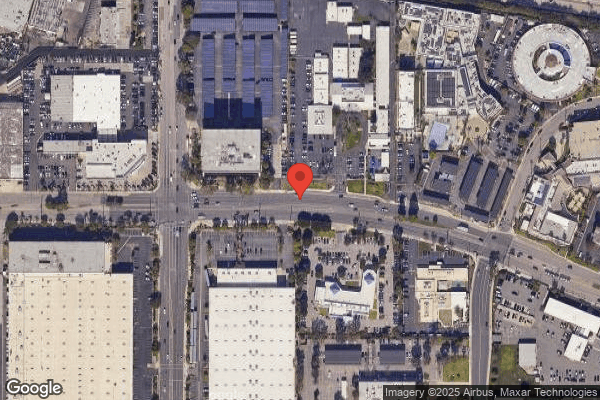
2626 GRAND AVENUE, LONG BEACH, CA 90815 (562) 427-8915
Non profit - Corporation 147 Beds Independent Data: November 2025 3 Immediate Jeopardy citations
Trust Grade
0/100
#826 of 1155 in CA
Last Inspection: May 2025

Inspected within the last 6 months. Data reflects current conditions.

Overview

Intercommunity Care Center in Long Beach, California has received a Trust Grade of F, indicating significant concerns about its operations and care quality. With a state rank of #826 out of 1155, this facility is in the bottom half of California nursing homes, and it ranks #195 out of 369 in Los Angeles County, suggesting that there are better local options available. The facility is, however, showing an improving trend, with reported issues decreasing from 28 in 2024 to 25 in 2025. Staffing is a mixed bag; while there's a low turnover rate of 0%, the facility has below-average RN coverage compared to 93% of California facilities, which could impact care quality. Concerningly, fines amounting to $145,677 are higher than 90% of facilities in California, reflecting repeated compliance issues. Specific incidents highlight serious deficiencies, including a resident with a high fall risk who sustained a hip fracture due to inadequate supervision, and another resident who was not given immediate CPR when unresponsive, indicating a failure to respond promptly in emergencies. Overall, while there are some positive aspects like low staff turnover, the facility has significant weaknesses that families should carefully consider.

Trust Score
F
0/100
In California
#826/1155
Bottom 29%
Safety Record
High Risk
Review needed
Inspections
Getting Better
28 → 25 violations
Staff Stability
○ Average
Turnover data not reported for this facility.
Penalties
⚠ Watch
$145,677 in fines. Higher than 92% of California facilities. Major compliance failures.
Skilled Nurses
⚠ Watch
Each resident gets only 12 minutes of Registered Nurse (RN) attention daily — below average for California. Fewer RN minutes means fewer trained eyes watching for problems.
Violations
⚠ Watch
80 deficiencies on record. Higher than average. Multiple issues found across inspections.
★★☆☆☆
2.0
Overall Rating
★★☆☆☆
2.0
Staff Levels
★★★★★
5.0
Care Quality
★☆☆☆☆
1.0
Inspection Score
Stable
2024: 28 issues
2025: 25 issues

The Good

  • 5-Star Quality Measures · Strong clinical quality outcomes
  • Full Sprinkler Coverage · Fire safety systems throughout facility
  • No fines on record

Facility shows strength in quality measures, fire safety.

The Bad

2-Star Overall Rating

Below California average (3.1)

Below average - review inspection findings carefully

Federal Fines: $145,677

Well above median ($33,413)

Significant penalties indicating serious issues

The Ugly 80 deficiencies on record

3 life-threatening 2 actual harm
Jun 2025 1 deficiency
CONCERN (D) 📢 Someone Reported This

A family member, employee, or ombudsman was alarmed enough to file a formal complaint

Potential for Harm - no one hurt, but risky conditions existed

Quality of Care (Tag F0684)

Could have caused harm · This affected 1 resident

**NOTE- TERMS IN BRACKETS HAVE BEEN EDITED TO PROTECT CONFIDENTIALITY** Based on observation, interview, and record review, the facility failed to ensure that the resident received treatment and care ...

Read full inspector narrative →
**NOTE- TERMS IN BRACKETS HAVE BEEN EDITED TO PROTECT CONFIDENTIALITY** Based on observation, interview, and record review, the facility failed to ensure that the resident received treatment and care in accordance with professional standards of practice for one of three sampled residents (Resident 1) by failing to ensure Certified Nurse Assistant (CNA)1 placed the foot pedals (also known as foot rests- designed to provide postural support and stability as well as distribute weight bearing during sitting or transporting) before transporting Resident 1 to the dining room for lunch via wheelchair.This failure resulted in Resident 1 wearing non-skid shocks (also known as non-slip or gripper socks, are socks with textured or rubberized soles designed to increase traction and prevent slipping on smooth surfaces) being thrust out from wheelchair due to friction (the resistance that one surface or object encounters when moving over another) while CNA 1 was pushing the wheelchair. Resident 1 sustained small cut on mid forehead and a superficial abrasion (a superficial wound caused by the scraping or rubbing away of the skin's outer layer) on the right knee.During a review of Resident 1's admission Record, the admission Record indicated, Resident 1 was initially admitted to the facility on [DATE] and last re-admission was on 7/16/2020 with diagnoses including Alzheimer's disease (a disease characterized by a progressive decline in mental abilities), dementia (a progressive state of decline in mental abilities), cerebrovascular disease (CVA-stroke, loss of blood flow to a part of the brain) and osteoarthritis (a progressive disorder of the joints, caused by a gradual loss of cartilage) of knees.During a review of Resident 1's Minimum Data Set ([MDS]-a resident assessment tool), dated 4/24/2025, the MDS indicated Resident 1 required dependent assistance (Helper does all of the effort) from two or more staff for transfer, hygiene, dressing, and maximal assistance (Helper does more than half the effort.) from one staff for bed mobility, eating. The MDS indicated, Resident 1's cognitive (the mental processes of knowing, learning, and understanding) skills for daily decision making were moderately impaired (poor decision making and required supervision).During a concurrent observation and interview on 6/30/2025, at 11:55 a.m., with CNA 2 in the dining room, Resident 1 was sitting on a high back wheelchair (a wheelchair that provide enhanced support, stability, and comfort, particularly for individuals with limited upper body strength or specific medical conditions) with foot pedals attached. Resident 1 was wearing yellow non-skid socks. Resident 1 had a small scar on mid forehead. Resident 1 had right hand contracture (a condition where the fingers become bent or flexed towards the palm, making it difficult to straighten them) and was unable to lift his feet. CNA 2 stated, the foot pedals should be used while transporting via wheelchair because Resident 1's feet would be dragged, especially with non-skid socks on.During a concurrent interview and record review on 6/30/2025, at 2:31 p.m., with Licensed Vocational Nurse Unit Manager (LVN UM)1, Resident 1's Fall Risk Assessment (FRA), dated 6/18/2025 was reviewed. The FRA indicated, Resident 1's FRA score was 9. LVN UM 1 stated, FRA score above 10 indicated a risk for potential fall and the score below indicated no fall risk. LVN UM 1 stated, Resident 1 was at low risk for fall due to limited mobility. LVN UM 1 stated, he believed that Resident 1 required foot pedals all time when Resident 1 was sitting on wheelchair and during the transportation for safety.During an interview on 6/30/2025, at 2:52 p.m., with CNA 1, CNA 1 stated, Resident 1 required foot pedals on while transported via wheelchair. CNA 1 stated, CNAs were not assigned to specific residents. CNA 1 stated, she was passing by the dining room and saw Resident 1 was brought in front of the dining room entrance in a wheelchair. CNA 1 stated, she pushed Resident 1's wheelchair to place him near the dining table and she felt the resistance. CNA 1 stated, Resident 1 was big and tall guy, so she pushed little harder to overcome the resistance. CNA 1 stated, she realized Resident 1 was leaning toward his right side and fell out of the wheelchair. CNA 1 stated, she tried to assist Resident 1 not to hit hard on the floor. CNA 1 stated, she noticed Resident 1's foot pedals were not on, and Resident 1 was wearing non-skid socks. CNA 1 stated, the friction between his feet with non-skid socks and the force from the pushing wheelchair probably caused the fall. CNA 1 stated, she was not the one who placed Resident 1 in wheelchair. CNA 1 stated, she should have checked the placement of foot pedal before transporting him to prevent the fall accident.During a phone interview on 6/30/2025, at 4:44 p.m., with Director of Rehabilitation (DOR), DOR stated, not all residents required foot pedals and footrest. DOR stated, if the resident had limited mobility and did not have good control over lower extremities, especially their feet, he recommended using foot pedals and footrest at all times to prevent accidents such as falls. DOR stated, Resident 1 had poor control of lower extremities, and foot pedals were required during the transporting via wheelchair for safety.During a concurrent interview and record review on 6/30/2025, at 5:05 p.m., with Administrator (ADM), Resident 1's Investigation for all incidents, dated 6/18/2025 was reviewed. The Investigation for all incidents indicated, Interdisciplinary Team (IDT-a group of healthcare professionals from different disciplines who collaborate to provide comprehensive care to residents) findings indicated staff was pushing Resident 1 in wheelchair without foot pedals and Resident 1 fell forward out of wheelchair. The Investigation for all incidents indicated, IDT recommended was always placing foot pedals on wheelchair. ADM stated, the staff should have ensured the placement of foot pedals even though they were not assigned to Resident 1 for safety to prevent falls or accidents. ADM stated, these falls caused injuries such as fracture led to pain and limited mobility. During a review of Resident 1's Care Plan (CP), dated 6/18/2025, the CP Concerns and Problems indicated, Resident 1 had a fall incident on 6/18/2025. The CP Resident Goals indicated, minimize potential fall within the next review period. The CP Approach Plan (interventions) indicated, place foot pedals when up in wheelchair and ensure the resident wears appropriate footwear.During a review of Resident 1's Physical Therapist Evaluation & Plan Treatment, dated 1/16/2025, the Physical Therapist Evaluation & Plan Treatment indicated, Resident 1 was at risk for fall. The Physical Therapist Evaluation & Plan Treatment indicated, Resident 1 had poor sitting balance and both lower extremities had impaired (weakened, diminished, damaged, or functioning poorly) range of motion (ROM -the extent of movement that a joint can perform.During a review of the facility Policy and Procedure (P&P) titled, Falls and Fall Risk, Managing, revised 12/2007, the P&P indicated, Policy Statement: Based on previous evaluations and current data, the staff will identify interventions related to the resident's specific risks and causes to try to prevent the resident from falling and to try to minimize complications from falling.During a review of the facility's Policy and Procedure (P&P) titled, Accidents and Incidents - Investigating and Reporting, revised 12/2007, the P&P indicated, Policy Interpretation and Implementation : 7. Incident/ Accident reports will be reviewed by the Safety Committee for trends related to accident or safety hazards in the facility and to analyze any individual resident vulnerabilities.
May 2025 21 deficiencies
CONCERN (D)

Potential for Harm - no one hurt, but risky conditions existed

Deficiency F0552 (Tag F0552)

Could have caused harm · This affected 1 resident

Based on interview and record review, the facility failed to obtain a completed psychotropic medication (drugs that are used to treat a variety of mental health conditions) consent (a document that le...

Read full inspector narrative →
Based on interview and record review, the facility failed to obtain a completed psychotropic medication (drugs that are used to treat a variety of mental health conditions) consent (a document that legally and ethically records an individual's agreement to participate in a specific treatment, ensuring they understand the potential risks and benefits involved) for one of six sampled residents (Resident 119). This failure had the potential for escalation of symptoms due to delay or failure initiating needed treatment due to lack of consent and can lead to worsening psychiatric (relating to mental illness) symptoms. Findings: During an interview on 5/5/25 at 12:38 p.m. with Licensed Vocational Nurse (LVN) 1, LVN 1 stated psychotropic medication consents need the name of the resident, medication, dosage, route and signed by the doctor. During an interview on 5/5/25 at 12:40 p.m. with LVN 2, LVN 2 stated psychotropic medication consents need to have the resident name, medication, dose, route, and frequency. During an interview on 5/8/25 at 11:03 a.m. with Registered Nurse (RN) 1, RN 1 stated the responsible party should be informed of the medication including the name, dose, and the frequency. During a review of Resident 119's record, titled Face Sheet (admission Record), the Face Sheet indicated the facility admitted Resident 119 on 11/22/2021 with a diagnoses of gastrostomy tube (g-tube - a surgically placed tube that provides direct access to the stomach for feeding, hydration, or medication administration, often used when someone has difficulty swallowing or cannot meet their nutritional needs orally), schizoaffective disorder (a mental illness that can affect thoughts, mood, and behavior), major depressive disorder (a mood disorder that causes a persistent feeling of sadness and loss of interest). During a review of Resident 119's record, titled Minimum Data set (MDS - a resident assessment tool), dated 3/31/2025, the MDS indicated the resident's cognition was severely impaired and was dependent on staff with all activities of daily living (ADLs- activities such as bathing, dressing and toileting a person performs daily). During a review of the Resident 119's record, titled Physician Order's, dated 4/29/25, the Physician Order's indicated, Zyprexa Zydis (medication used to treat mental health conditions) 5mg via gastric tube once a day and Zyprexa Zydis 15mg via g-tube once an evening. During a review of Resident 119's record, titled Medication Administration Record (MAR - document that tracks all medications administered to a patient), dated 5/1/25 thrpugh 5/31/25, the MAR indicated Zyprexa Zydis 5 milligrams (mg- unit of measure) via g-tube has been given daily in the morning and Zyprexa Zydis 15 mg via g-tube given daily in the evening. During a review of Resident 119's record, titled Facility Verification of Resident Informed Consent (document that indicates the health care provider educated a resident or responsible party about the risks, benefits, and alternatives of a medication that affect the mind or brain), dated 1/3/25, the consent indicated, Zyprexa Zydis to be given for schizoaffective disorder was missing the dosage and frequency. During a review of the facility's policy and procedure (P&P) titled, Informed Consent, undated, the P&P indicated, The following material information should be presented to the resident by the physician prior to obtaining an informed consent: B. The nature of the procedure to be used in the proposed treatment including their probable frequency and duration.
CONCERN (D)

Potential for Harm - no one hurt, but risky conditions existed

Deficiency F0558 (Tag F0558)

Could have caused harm · This affected 1 resident

**NOTE- TERMS IN BRACKETS HAVE BEEN EDITED TO PROTECT CONFIDENTIALITY** Based on observation, interviews, record review, the facility failed to ensure the call light was within reach for one of six sa...

Read full inspector narrative →
**NOTE- TERMS IN BRACKETS HAVE BEEN EDITED TO PROTECT CONFIDENTIALITY** Based on observation, interviews, record review, the facility failed to ensure the call light was within reach for one of six sampled residents (Resident 94). This failure had the potential for increased risk of falls, delayed response to emergencies, and unmet basic needs of Resident 94. Findings: During a concurrent observation and interview on 5/5/25 at 9:27 a.m. with Activities Aide (AA) 1, in Resident 94's room, Resident 94 was asleep in bed with the call light on the floor behind the dresser. AA 1 stated the call light was not within reach but should have been within reach. During an interview on 5/5/25 at 11:08 a.m. with Licensed Vocational Nurse (LVN) 1, LVN 1 stated the call light should be within reach. LVN 1 stated if call light is not within reach it can lead to falls. During an interview on 5/6/25 at 9:54 a.m. with Certified Nursing Assistant (CNA) 1, CNA 1 stated the call light should be in resident's reach. CNA 1 stated anything can happen like falls if needs are not met . During an interview on 5/8/25 at 1:35 p.m. with the Director of Nursing (DON), the DON stated the call light should be on the pillowcase within the resident's reach. The DON stated the residents can roll out of bed and fall if they cannot reach the call light. During a review of Resident 94's record, titled Face Sheet (admission record), dated 2/14/24, the Face Sheet indicated Resident 94 was admitted on [DATE] with diagnoses of dementia (a progressive state of decline in mental abilities), difficulty walking, osteoarthritis (a progressive disorder of the joints, caused by a gradual loss of cartilage), cerebral vascular accident (CVA - stroke, loss of blood flow to a part of the brain). During a review of Resident 94's record, titled Minimum Data Sheet (MDS - a resident assessment tool), dated 2/27/2025, the MDS indicated Resident 94's cognitive skills for daily decision making is severely impaired and requires partial or moderate assistance with personal hygiene. During a review of Resident 94's records, titled Care Plan (CP), dated 3/17/25, the CP indicated, Ensure call light is within easy reach. During a review of the facility's policy and procedure (P&P) titled, Call Lights, undated, the P&P indicated, Ensure that all residents (even those who are confused) have access to the call signal at all times and know how to use it.
CONCERN (D)

Potential for Harm - no one hurt, but risky conditions existed

Deficiency F0604 (Tag F0604)

Could have caused harm · This affected 1 resident

**NOTE- TERMS IN BRACKETS HAVE BEEN EDITED TO PROTECT CONFIDENTIALITY** Based on interview, and record review, the facility failed to implement less restrictive restraints (to limit, restrict, or keep...

Read full inspector narrative →
**NOTE- TERMS IN BRACKETS HAVE BEEN EDITED TO PROTECT CONFIDENTIALITY** Based on interview, and record review, the facility failed to implement less restrictive restraints (to limit, restrict, or keep under control) before the use of a Geri-chair (a specialized large, padded chair with wheeled base to enable transport, designed to recline and to assist residents with limited mobility) with a lap tray (a detachable tray that attaches to most chairs) and provide ongoing monitoring for the continued use of the restraint to keep one of two sampled residents from falling (Resident 134). This deficient practice had the potential to place Resident 134 at risk for decline in physical functioning, and potential for unwanted behaviors when there was no monitoring for continued use of the lap tray. Findings: During a review of Resident 134's admission Record, the admission Record indicated Resident 134 was originally admitted on [DATE] and readmitted on [DATE] with diagnoses including dementia (a progressive state of decline in mental abilities), anxiety (a feeling of fear, dread, and uneasiness), and convulsions (involuntary, violent shaking or twitching of the body, often accompanied by loss of consciousness). During a review of Resident 134's History and Physical (H/P), dated 6/8/2024, the H/P indicated the resident does not have the capacity to understand and make decisions. During a review of Resident 134's Minimum Data Set ([MDS], a resident assessment tool), dated 3/20/2025, the MDS indicated Resident 134 was severely impaired in cognitive (thinking process) skills for daily decision making and required maximal assistance (helper does more than half the effort) on self-care abilities with eating, required moderate assistance (helper does less than half the effort to complete the task) with upper body dressing, and was dependent (helper does all of the effort) with oral hygiene, personal hygiene, toileting hygiene, shower/bathe, lower body dressing, and putting on/taking off footwear. The MDS indicated Resident 134 required maximal assistance with mobility with rolling left and right, sitting to lying position, lying to sitting on side of bed, sitting to stand position, bed to chair transfers, and shower transfers. During a review of Resident 134's Physician Order Report, dated 5/1/2025 to 5/31/2025, the Physician Order Report indicated Geri-chair with lap tray that was ordered on 6/6/2024. During a review of Resident 134's Resident Care Plan, no date, the Resident Care Plan indicated Resident 134 required a Geri-chair with a lap tray with goals that Resident 134 would not develop any complications due to the use of Geri-chair with lap tray daily and the next three months with the plan to assess resident for the use of Geri-chair with lap tray, monitor and maintain vigilance while resident is up in Geri-chair with lap tray, assess for possible restraint use discontinuation. During a review of Resident 134's Physical Restraint Assessment for the Initial Restraint Order, dated 6/6/2024, the Physical Restraint Assessment indicated non-restrictive alternatives can be attempted at first and that the current interventions were effective. During an observation on 5/5/2025 at 11:53 a.m., with Resident 134 in the dining room, Resident 134 was sitting in a Geri-chair with a tray table on his lap. Resident 134 could not tell surveyor what the tray table was on his lap that was attached to the Geri-chair. The Certified Nursing Assistant (CNA) 10 (the action of a person feeding another person who cannot otherwise feed themselves) sitting near Resident 134 stated Resident 134 sits in a Geri-chair with a lap tray so he does not fall trying to get up. During a concurrent interview and record review on 5/7/2025 at 3:34 p.m., with Registered Nurse (RN) 1, Resident 134's physical restraint assessment dated [DATE] was reviewed. RN 1 stated a restraint was anything that may restrict movement such as side rails, lap tray, and non-self-release lap band. RN 1 stated the Geri-chair with lap tray was considered a restraint and that there were no interventions started that were less restrictive for Resident 134 before the Geri-chair with lap tray was implemented. RN 1 stated there was no monitoring done for Resident 134 with lap tray. RN 1 stated staff are monitoring residents on the non-self-release lap band (a safety device that secures a person in a chair to prevent falls or other accidents, but the person cannot easily release the belt themselves) restraints but not monitoring residents with lap trays. RN 1 stated there was no care plan developed of interventions for reducing or eventually discontinuing the use of the lap-tray restraint for Resident 134. RN 1 stated if staff are not monitoring the use of the lap tray, residents can get restless and can feel trapped when they can't move the restraint away. During an interview on 5/8/2025 at 2:17 p.m., with the Director of Nursing (DON), the DON stated a restraint was anything that prevents residents from getting up out of bed and/or removing any medical devices. The DON stated a physical restraint can be a lap tray, a non-self-release lap band, or mittens. The DON stated the lap tray was considered at the higher end of physical restraints because residents cannot remove the lap tray themselves. The DON stated that she was not aware of any less restrictive interventions done for Resident 134 before the lap tray was introduced. The DON stated restraints restrict resident's movement and should not be used unless there was a medical necessity and documentation for that necessity. During a review of the facility's policy and procedure (P/P) titled, Use of Restraints, revised April 2017, indicated, restraints shall only be used for the safety and well-being of the resident(s) and only after other alternatives have been tried unsuccessfully .restraints shall only be used to treat the resident's medical symptom(s) and never for discipline or staff convenience, or for the prevention of falls when the use of restraints is indicated, the least restrictive alternative will be used for the least amount of time necessary, and the ongoing re-evaluation for the need for restraints will be documented physical restraints are defined as any manual method or physical or mechanical device, material or equipment attached or adjacent to the resident's body that the individual cannot remove easily, which restricts freedom of movement or restricts normal access to one's body examples of devices that are/may be considered physical restraints include leg restraints, arm restraints, hand mitts, soft ties or vest, wheelchair safety bars, Geri-chairs, and lap cushions and trays that the resident cannot remove .prior to placing a resident in restraints, there shall be a pre-restraining assessment and review to determine the need for restraints. The assessment shall be used to determine possible underlying causes of the problematic medical symptom and to determine if there are less restrictive interventions (programs, devices, referrals, etc.) that may improve the symptoms.
CONCERN (D)

Potential for Harm - no one hurt, but risky conditions existed

Assessment Accuracy (Tag F0641)

Could have caused harm · This affected 1 resident

**NOTE- TERMS IN BRACKETS HAVE BEEN EDITED TO PROTECT CONFIDENTIALITY** Based on interview and record review, the facility failed to accurately complete the minimum data set (MDS - a resident assessme...

Read full inspector narrative →
**NOTE- TERMS IN BRACKETS HAVE BEEN EDITED TO PROTECT CONFIDENTIALITY** Based on interview and record review, the facility failed to accurately complete the minimum data set (MDS - a resident assessment tool) assessment Section I (active diagnoses), dated 3/10/25, by failing to include a diagnosis of schizophrenia (a mental illness characterized by hearing or seeing things that are not there) per information in the medical record for one of five residents sampled for unnecessary medications (Resident 92.) This deficient practice of failing to accurately assess active diagnoses and complete MDS Section I increased the risk that Resident 92 may not have received care planning and treatment according to his needs possibly leading to a decline in his overall health and well-being. Findings: During a review of Resident 92's admission Record (a record containing diagnostic and demographic resident information), dated 5/7/25, indicated he was admitted to the facility on [DATE] with diagnoses including schizophrenia. During a review of Resident 92's History and Physical (H&P - a record of a comprehensive physician's assessment) dated 3/8/25, indicated he had fluctuating capacity to understand and make decisions. During a review of Resident 92's psychiatric note (a medical progress assessment written by a psychiatric care provider) dated 12/20/24, indicated Resident 92's primary psychiatric diagnosis is schizophrenia with known behaviors confabulation - believing he is an Olympic athlete and multimillionaire when he is not and uncontrollable yelling at staff and peers. During a review of Resident 92's Order Summary Report (a summary of all current physician orders), for May 2025, indicated Resident 26's attending physician prescribed Zyprexa (a medication used to treat schizophrenia) 10 milligrams (mg - a unit of measure for mass) by mouth daily for schizophrenia on 8/11/23. During a review of Resident 92's MDS assessment Section I, dated 3/10/25, indicated he did not have an active diagnosis of schizophrenia. During an interview on 5/7/25 at 10:04 AM with the Director of Nursing (DON), the DON stated Resident 92's MDS assessment dated [DATE] Section I is inaccurate as it is missing the diagnosis of schizophrenia as it is reflected on the psychiatric progress note dated 12/20/24. The DON stated this was likely an oversight by the MDS coordinator who completed the assessment. The DON stated the MDS assessments are crucial to creating accurate care plans to address residents' individual needs. The DON stated Resident 92's inaccurate MDS assessment could have led to a care plan that did not address his specific diagnosis of schizophrenia or other related needs possibly resulting in a diminished quality of life. During a review of the facility's policy Resident Assessments, revised October 2023, indicated .Information in the MDS assessments will consistently reflect information in the progress notes, plans of care and resident observations/interviews . During a review of the facility's undated policy MDS - Accuracy Assessments, indicated The assessment must accurately reflect the resident's status . The MDS is a standardized assessment tool used to collect data about residents' health, functional capacity, and needs. F641 focuses on ensuring that this data is accurate and reflects the resident's current status.
CONCERN (D)

Potential for Harm - no one hurt, but risky conditions existed

Deficiency F0645 (Tag F0645)

Could have caused harm · This affected 1 resident

**NOTE- TERMS IN BRACKETS HAVE BEEN EDITED TO PROTECT CONFIDENTIALITY** Based on interview, and record review, the facility failed to complete the Preadmission Screening and Resident Review (PASARR - ...

Read full inspector narrative →
**NOTE- TERMS IN BRACKETS HAVE BEEN EDITED TO PROTECT CONFIDENTIALITY** Based on interview, and record review, the facility failed to complete the Preadmission Screening and Resident Review (PASARR - resident screening to ensure those with severe mental illness or intellectual disability are receiving services according to their needs) Level 1 for one of three sampled residents (Resident 40) pre admission or soon there after. This deficient practice had the potential to result in an inappropriate placement and delay of the residents' needed services. Findings: During a review of Resident 40's admission Record, the admission Record indicated Resident 40 was originally admitted to the facility on [DATE] and readmitted on [DATE] with diagnoses including schizophrenia (a mental illness that is characterized by disturbances in thought), chronic obstructive pulmonary disease ([COPD], a chronic lung disease causing difficulty in breathing), hypertension ([HTN], high blood pressure). During a review of Resident 40's History and Physical (H/P), dated 3/4/2025, the H/P indicated Resident 40 had confusion and could not make medical decisions. During a review of Resident 40's Minimum Data Set ([MDS], a resident assessment tool), dated 4/3/2025, the MDS indicated Resident 40 was rarely/never understood. Resident 40 required moderate assistance (helper does less than half the effort) on self-care abilities with eating, oral hygiene, and upper body dressing, was supervision assistance (helper provides verbal cues as resident completes the activity) with toileting hygiene, was maximal assistance (helper does more than half the effort) with shower/bathe self, lower body dressing, and putting on/taking off footwear, and was dependent (helper does all of the effort) with personal hygiene. The MDS also indicated Resident 40 required supervision assistance with rolling left and right and walking 10 feet ([ft], a unit of measurement), required moderate assistance with sit to lying position, lying to sitting on side of bed, sit to stand position, bed to chair transfers, and toilet transfers and was maximal assistance with shower transfers. The MDS also indicated Resident 40 had psychiatric diagnosis of schizophrenia and was taking an antipsychotic and antidepressant medication. During a review of Resident 40's Physician Order Report, dated 5/1/2025 to 5/31/2025, the physician order report indicated Clozaril (Clozapine, medication primarily used to treat schizophrenia in patients who haven't responded to other treatments) tablet (pill) 400 milligram ([mg], a unit of measurement) one tablet for schizophrenia manifested by auditory hallucination (experiencing sounds, voices, or noises that are not actually present) at bedtime at 9:00 p.m. ordered on 4/19/2025. During a review of Resident 40's Preadmission Screening and Resident Review (PASARR) Level 1 Screening, dated 5/8/2025 (completed on the same date of the record review), the PASARR Level 1 Screening indicated Resident 40 was positive for serious mental illness but negative for intellectual disability/developmental disability/related condition and Level 2 screening needed to be done. During a concurrent interview and record review on 5/8/2025 at 11:17 a.m., with the Social Service Director (SSD), Resident 40's medical record was reviewed. The SSD stated a PASARR Level 1 should have been completed when Resident 40 was admitted to the facility. During an interview on 5/8/2025 at 2:37 p.m. with Director of Nursing (DON), the DON stated PASARR Level 1 screening should be done before residents are admitted to the facility and will not admit residents who do not have PASARR Level 1 done. The DON stated the importance of PASARR Level 1 to be completed so the residents are being placed in the correct facility for the right level of care. The DON stated if PASARR Level 1 was not done or updated if there was a change in condition to the residents, the staff would not know how to care for the residents with a new mental illness diagnosis and the care plan would not reflect the residents. During a review of the facility's policy and procedure (P/P) titled, Preadmission Screening and Resident Review, dated July 1, 2023, indicated, preadmission screening and resident review (PASARR) is a federal requirement to help ensure that individuals are not inappropriately placed in nursing homes for long term care. PASARR requires that Medicaid-certified nursing facilities: 1. evaluate all applicants for serious mental illness (SMI) and/or intellectual disability (ID) . 2. offered all applicants the most appropriate setting for their needs (in the community, a nursing facility, or acute care settings).3. provide all applicants with the services they need in those settings.
CONCERN (D)

Potential for Harm - no one hurt, but risky conditions existed

Deficiency F0688 (Tag F0688)

Could have caused harm · This affected 1 resident

**NOTE- TERMS IN BRACKETS HAVE BEEN EDITED TO PROTECT CONFIDENTIALITY** Based on observation, interview, and record review, the facility failed to provide treatments and services to improve, prevent a...

Read full inspector narrative →
**NOTE- TERMS IN BRACKETS HAVE BEEN EDITED TO PROTECT CONFIDENTIALITY** Based on observation, interview, and record review, the facility failed to provide treatments and services to improve, prevent and/or limit a decline in joint (where two bones meet) range of motion (ROM, full movement potential of a joint) to one of eight sampled residents (Resident 109) who was identified as having ROM limitations in the right hand, right wrist, and left ankle. This deficient practice had the potential to cause Resident 109 to have a decline in ROM leading to contractures (loss of motion of a joint associated with stiffness and joint deformity) and have a decline in physical functioning such as the ability to eat, dress, and walk. Findings: During a review of Resident 109's admission Record, the admission Record indicated Resident 109 was admitted to the facility on [DATE] with diagnoses including muscle weakness, chronic fracture (broken bone) and osteomyelitis (bone infection) of the left tibia (one of the bones of the leg that connects the knee to the ankle joint) and left fibula (smaller of the two bones of the lower part of the leg between the knee and the ankle), and contracture of the right wrist. During a review of Resident 109's Minimum Data Set (MDS, - a resident assessment tool), dated 3/27/2025, the MDS indicated Resident 109 had moderate cognitive (ability to think, understand, learn, and remember) impairment. The MDS indicated Resident 109 required supervision or touching assistance for rolling to both sides and sit to stand transfers, partial/moderate assistance for eating, oral hygiene, toilet hygiene, dressing, and walking, and substantial/maximal assistance for bathing and personal hygiene. The MDS indicated Resident 109 had functional limitations in ROM (limited ability to move a joint that interferes with daily functioning, including activities of daily living, or places the resident at risk of injury) in one arm (shoulder, elbow, wrist, hand). During a review of Resident 109's Annual Joint Mobility Assessment (JMA, a brief assessment of a resident's ROM in both arms and both legs), dated 3/27/2025, the JMA indicated Resident 109 had severe (zero to 25 percent available ROM) ROM limitations in the right wrist and right hand/fingers, minimal (75 to 100 percent available ROM) ROM limitations in the left hip and left knee, and moderate/severe (25 to 50% available ROM) in the left ankle. The Problem Summary indicated no changes in ROM and indicated Resident 109 had right hand, fingers, and wrist contractures. During a review of Resident 109's Physician Order Report, the Physician's Order Report indicated a physician's order, dated 2/4/2025, for the Restorative Nursing Aide (RNA, nursing aide program that helps residents maintain their function and joint mobility) to apply a hand roll (rolled up towel) to Resident 109's right arm for up to five hours, seven times a week. During an observation on 5/5/2025 at 11:04 am, in Resident 109's room, Resident 109 was lying in bed. Resident 109's right arm was positioned with the elbow bent, the wrist bent full downwards, and the hand in a fist with a thin towel roll placed in the palm of Resident 109's hand. Resident 109 actively moved the right wrist upwards minimally and was unable to move the fingers. Resident 109 moved the left ankle upwards and downwards minimally and stated the left ankle felt sore and stiff. During a concurrent observation of an RNA session and interview on 5/7/2025 at 9:08 am, Resident 109 was lying in bed. Restorative Nursing Aide 1 (RNA 1) assisted Resident 109 into a sitting position, walked Resident 109 to the bathroom holding onto both of Resident 109's hands, opened Resident 109's hand and fingers, and cleaned Resident 109's right hand with soap and water. Resident 109's right wrist was fully bent downwards, the fingers were bent, and the thumb was resting against the pointer finger and hyperextended (the extension of a body part beyond its normal limits) at the middle joint. RNA 1 rolled up a small washcloth and placed it in Resident 109's hand. RNA 1 stated she only assisted with Resident 109's hand hygiene and application of a hand roll to keep the right hand open because there were no RNA orders for ROM of the arms and/or legs. RNA 1 stated Resident 109 would benefit from ROM exercises, particularly to the right arm because Resident 109 had contractures of the right wrist and right hand. RNA 1 stated she told the unit manager in the past that Resident 109 would benefit from ROM exercises to the right arm but was unsure what happened and why it was never ordered. During an interview on 5/7/2025 at 9:59 am, Licensed Vocational Nurse 4 (LVN 4) stated she was one of facility's unit managers. LVN 4 stated RNA must report any changes, refusals, and need for any modifications of the RNA program to one of the unit managers who in turn would notify the physician and consult therapy services who would reassess the resident and modify the RNA order as needed. LVN 4 stated Resident 109 had contractures of the right hand and right wrist. LVN 4 stated she was never informed by RNA that Resident 109 would have benefitted from ROM exercises. LVN 4 stated Resident 109 should be receiving services for ROM to prevent ROM decline since she had contractures and ROM limitations. During a concurrent interview and record review on 5/7/2025 at 2:47 pm, the Minimum Data Set Coordinator (MDSC) reviewed Resident 109's clinical record. The MDSC confirmed Resident 109 was identified as having ROM limitations of the right arm on the MDS, dated [DATE]. The MDSC confirmed Resident 109 was identified as having ROM limitations of the right wrist, right hand/fingers, and left leg on the JMA, dated 3/27/2025. The MDSC confirmed there were no interventions in place to improve and/or prevent a decline in ROM of Resident 109's right arm and left leg. The MDSC stated Resident 109 should have received skilled therapy services (services that require specialized training and experience of a licensed therapist or therapy assistant) or RNA to address Resident 109's limited ROM and contractures but did not. The MDSC stated if residents who had ROM limitations did not receive the appropriate services to improve or maintain ROM, it could lead to contracture development. During an interview on 5/8/2025 at 1:27 pm, the Director of Nursing (DON) stated residents who had ROM limitations and/or contractures should receive RNA and/or therapy services to improve or maintain ROM while in the facility. The DON stated if residents who required treatment and services to improve or maintain ROM did not receive them, it could result in contracture development and ROM decline. During a review of the facility's Policy and Procedure (P/P) titled, Resident Mobility and ROM, revised 7/2017, the P/P indicated residents would not experience an avoidable reduction in ROM and residents with limited ROM would receive the treatment and services to increase and/or prevent a further decrease in ROM. The P/P indicated the care plan would include specific interventions, exercises, and therapies to maintain, prevent avoidable decline in, and/or improve mobility and ROM.
CONCERN (D)

Potential for Harm - no one hurt, but risky conditions existed

Accident Prevention (Tag F0689)

Could have caused harm · This affected 1 resident

**NOTE- TERMS IN BRACKETS HAVE BEEN EDITED TO PROTECT CONFIDENTIALITY** Based on interview and record review, the facility failed to monitor and document hourly rounds to prevent elopement (an unautho...

Read full inspector narrative →
**NOTE- TERMS IN BRACKETS HAVE BEEN EDITED TO PROTECT CONFIDENTIALITY** Based on interview and record review, the facility failed to monitor and document hourly rounds to prevent elopement (an unauthorized departure of a patient from an around-the-clock care setting without the facility's knowledge and supervision) for one of three sampled residents (Resident 95) who was at risk for elopement. This failure had the potential to result in Resident 95 potentially eloping the facility and being put at risk for accidental injury or death. Findings: During a review of Resident 95's admission Record, the admission Record indicated, Resident 95 was admitted to the facility on [DATE] with diagnoses including dementia (loss of memory, language, problem-solving and other thinking abilities that are severe enough to interfere with daily life), alcohol dependence, and heart failure (a lifelong condition in which the heart muscle can't pump enough blood to meet the body's needs for blood and oxygen). During a review of Resident 95's History and Physical (H&P), dated 9/26/2024, the H&P indicated, Resident 95 did not have capacity (ability) to understand and make decisions. During a review of Resident 95's Minimum Data Set ([MDS]-a resident assessment tool), dated 3/27/2024, the MDS indicated Resident 95 required supervision or touching assistance (helper provides verbal cues and/or touching/steadying and /or contact guard assistances as resident completes activity) from one staff for eating, toileting hygiene, dressing, bed mobility, transfer, and walking. The MDS indicated, Resident 95 had hallucination (perceptual experiences in the absence of real external sensory stimuli and had wandering (to move around or go to different places usually without having a particular purpose or direction) behavior that occurred daily. During an interview on 5/5/2025, at 11:27 a.m., with Resident 95 in the activity room, Resident 95 stated he wanted to leave the facility, and he would escape the facility because he could walk without assistance and would have no problem leaving. During a concurrent interview and record review on 5/6/2025, at 2:24 p.m., with Licensed Vocational Nurse (LVN) 6, Resident 95's Elopement Risk Assessment (ERA), dated 9/11/2024 and 3/10/2025 were reviewed The ERA dated 9/11/2024 indicated, Resident verbally expressed the desire to leave the facility, had a history of wandering/eloping. The ERA dated 3/10/2025 indicated, Resident 95 was at risk for elopement and verbally expressed the desire to leave the facility. LVN 6 stated, Resident 95 should have been considered as a high risk for elopement per assessment and should have monitored frequently. During a concurrent interview and record review on 5/6/2025, at 2:30 p.m., with LVN 6, Resident 95's Untitled Resident Care Plan (RCP), revised 3/2025 was reviewed. The RCP concerns indicated, Resident 95 was at risk for elopement due to the history of wandering and verbalizing desire to leave the facility. The RCP Approach Plan (Interventions) indicated, provides constant monitoring of whereabouts. LVN 6 stated, Resident 95 was not on the list for hourly rounds, and she did not know the reason why. LVN 6 stated, Resident 95 should be on the list for hourly rounds to prevent actual elopement. LVN 6 stated, Resident 95 would be seriously injured if he eloped due to lack of monitoring. LVN 6 stated, the care plan should be implemented . During an interview on 5/8/2025, at 10:49 a.m., with Director of Staff Development (DSD), DSD stated, all care plan interventions should be followed and implemented as indicated. DSD stated, Resident 95's care plan indicated constant monitoring for safety. DSD stated, if Resident 95 was not monitored, he might be eloped and get injured. During an interview on 5/8/2025, at 2:16 p.m., with Director of Nursing (DON), DON stated, the care plan should be followed through and implement the interventions as indicated because interventions were formulated through Interdisciplinary Team (IDT- a group of healthcare professionals from complementary fields who work in tandem to treat a resident) and assessment. DON stated, resident who was at risk for elopement needed constant monitoring to prevent elopement. During a review of the facility's Hourly Rounds, dated from 4/2025 to 5/6/2025, the Hourly Rounds indicated, there was no monitoring documented for Resident 95. During a review of the facility's Policy and Procedure (P&P) titled, Wandering, Unsafe Resident, revised 8/2014, the P&P indicated, Policy Interpretation and Implementation: 1. The staff will identify residents who are at risk for harm because of unsafe wandering (including elopement). 2. The staff will assess at-risk individuals for potentially correctable risk factors related to unsafe wandering. 3. The resident's care plan will indicate the resident is at risk for elopement or other safety issues. Interventions to try to maintain safety, such as a detailed monitoring plan will be included.
CONCERN (D)

Potential for Harm - no one hurt, but risky conditions existed

Respiratory Care (Tag F0695)

Could have caused harm · This affected 1 resident

**NOTE- TERMS IN BRACKETS HAVE BEEN EDITED TO PROTECT CONFIDENTIALITY** Based on observation, interview, and record review, the facility failed to ensure one of one sampled resident (Resident 49)'s na...

Read full inspector narrative →
**NOTE- TERMS IN BRACKETS HAVE BEEN EDITED TO PROTECT CONFIDENTIALITY** Based on observation, interview, and record review, the facility failed to ensure one of one sampled resident (Resident 49)'s nasal cannula was labeled with a date to ensure it was changed timely. This failure had the potential to place Resident 49 at risk of infections and health complications due to use of the same nasal cannula for an unknown prolonged period of time Findings: During a review of Resident 31's admission Record, the admission Record indicated, the facility admitted Resident 31 on 2/18/2018 and readmitted on [DATE] with diagnoses including acute respiratory failure (your lungs are struggling to get enough oxygen into your blood or to remove enough carbon dioxide, leading to serious problems with your body's functions) and Chronic Obstructive Pulmonary Disease (COPD-a lung disease that makes it difficult to breath). During a review of Resident31's Minimum Date Set (MDS-a resident assessment tool), dated 3/31/2025, the MDS indicated Resident 31's cognitive skills for daily decision making were severely impaired. The MDS indicated Resident 31 was dependent (helper does all of the effort) with toileting hygiene, showering, required maximal assistance (helper does more than half the effort to complete task) with oral hygiene, upper body dressing, lower body dressing, putting on/ taking off footwear, personal hygiene and moderate (helper does less than half the effort to complete the task) assistance with eating. During a review of Resident 31's Physician Order Report, orders as of 5/5/2025, the Order Summary Report indicated there was an order on 3/26/2025 to place oxygen at 2-3liters per minute (LPM-a unit that expresses flow rate) via (through) nasal cannula (a simple, comfortable device used to deliver extra oxygen to people who need it) for shortness of breathing as needed. During an observation on 5/5/2025 at 10:56 a.m., in Resident 31's room, the resident was observed receiving oxygen 2LPM though a nasal cannula. There was no date (indicating when the nasal cannula was replaced) marked on the nasal cannula. During a concurrent observation and interview on 5/5/2025 at 12:47 p.m., with Licensed Vocational Nurse (LVN) 2, in Resident 31's room, LVN 2 assessed Resident 31's nasal cannula and stated that there was no date marked on it, and he could not tell when it was changed. LVN 2 stated that he did not assess Resident 31's oxygen care that morning due to lack of time. LVN 2 also stated that checking and dating nasal cannula is important to prevent the spread of infection. LVN 2 stated he was not sure how often the tubing should be changed. LVN 2 stated that overused nasal cannulas can allow bacteria to grow, increasing the risk of infection for Resident 31. During an interview on 5/8/2025 at 12:08 p.m. with the Director of Nursing (DON), the DON stated that dating on a nasal cannula while in use was important, staff should replace undated nasal cannular with a new one for the infection control, when not done properly and overusing nasal cannular without dating on it is a substandard of practice. During an interview on 5/8/2025 at 3:04 p.m. with the administrator, the administrator stated that the facility needed to develop a policy to give staff guidance about indicating the start of use date on nasal cannulas, and when the nasal cannula should be changed. During a review of the facility's policy and procedure (P&P) titled, Respiratory Care, on 5/8/2025 at 12:34 p.m., Medical Record stated that they do not have P&P regarding the dating on a nasal cannula.
CONCERN (D)

Potential for Harm - no one hurt, but risky conditions existed

Deficiency F0699 (Tag F0699)

Could have caused harm · This affected 1 resident

**NOTE- TERMS IN BRACKETS HAVE BEEN EDITED TO PROTECT CONFIDENTIALITY** Based on interview and record review, the facility failed to ensure one of three sampled residents (Resident 120), who was diagn...

Read full inspector narrative →
**NOTE- TERMS IN BRACKETS HAVE BEEN EDITED TO PROTECT CONFIDENTIALITY** Based on interview and record review, the facility failed to ensure one of three sampled residents (Resident 120), who was diagnosed with post-traumatic stress disorder ([PTSD], a mental health condition that can develop after someone experiences or witnesses a traumatic event), received trauma informed care (a model that aims to provide effective mental health services by taking into account a person's past experiences with trauma). This deficient practice had the potential to result in Resident 120's re-traumatization and can be detrimental for the resident's psychosocial well being. Findings: During a review of Resident 120's admission Record, the admission Record indicated Resident 120 was originally admitted on [DATE] with a re-admission date of 1/27/2025 with diagnoses including depressive disorder (a mood disorder that causes a persistent feeling of sadness and loss of interest), diabetes mellitus ([DM]-a disorder characterized by difficulty in blood sugar control and poor wound healing), dementia (a progressive state of decline in mental abilities), and PTSD. During a review of Resident 120's History and Physical (H/P), dated 9/14/2024, the H/P indicated the resident can make needs known but cannot make medical decisions. During a review of Resident 120's Minimum Data Set ([MDS], a resident assessment tool), dated 4/3/2025, the MDS indicated Resident 120 was moderately impaired in cognitive (thinking process) skills for daily decision making and required supervision assistance (helper provides verbal cues as resident completes activity) on self-care abilities with eating, toileting hygiene, required moderate assistance (helper does less than half the effort to complete the task) with oral hygiene, personal hygiene, shower/bathe, upper and lower body dressing, and required maximal assistance (helper does more than half the effort) with putting on/taking off footwear. The MDS also indicated Resident 120 required supervision assistance with mobility with rolling left and right, sitting to lying position, lying to sitting on side of bed, sit to stand position, bed to chair transfers, toilet transfers and walking 10 to 150 feet and required moderate assistance with shower transfers. The MDS also indicated Resident 120 had a mood disorder of depression and PTSD. During a concurrent interview with record review on 5/7/2025 at 3:52 p.m., with Registered Nurse (RN) 1, RN 1 stated she was not aware that Resident 120 had PTSD. RN 1 stated the facility did not provide any specific type of care or services for residents with PTSD. RN 1 stated if staff are not providing trauma informed care, it can affect the residents and make the residents fall deeper into their mood disorder. RN 1 stated it can cause more stress to the residents by not addressing the problems or issues the residents have. During an interview on 5/8/2025 at 2:26 p.m., with Director of Nursing (DON), the DON stated the importance of providing trauma informed care was to make sure the residents are being care for appropriately and the staff caring for them prevent the residents from going through more stress. DON stated if staff are not providing safe, trauma informed care, staff can re-trigger the resident's trauma which can cause more harm to the residents. During a review of the facility's policy and procedure (P/P) titled, Care of a Resident with PTSD, no date, indicated to ensure residents with Post-Traumatic Stress Disorder (PTSD) receive safe, person-centered care that reduces the risk of emotional distress and supports overall well-being upon admission and during quarterly reviews, residents will be assessed for behavioral health history, including PTSD .any known or suspected PTSD diagnoses will be documented in the medical record and care plan. During a review of the facility's P/P titled, Trauma-Informed Care Policy, no dated, indicated to ensure that all residents at this facility who are survivors of trauma receive trauma-informed, person-centered care that promotes dignity, safety, and emotional well-being .this facility will provide care that recognizes and responds to the effects of trauma. Residents who have experienced past trauma will receive services in a way that avoids re-traumatization and supports their emotional and psychological health staff will promote a care environment that is: safe and predictable, supportive of emotional needs, respectful of resident boundaries, preferences, and choices.
CONCERN (D) 📢 Someone Reported This

A family member, employee, or ombudsman was alarmed enough to file a formal complaint

Potential for Harm - no one hurt, but risky conditions existed

Deficiency F0742 (Tag F0742)

Could have caused harm · This affected 1 resident

**NOTE- TERMS IN BRACKETS HAVE BEEN EDITED TO PROTECT CONFIDENTIALITY** Based on interview and record review, the facility failed to ensure staff were in-serviced (educated) for post-traumatic stress ...

Read full inspector narrative →
**NOTE- TERMS IN BRACKETS HAVE BEEN EDITED TO PROTECT CONFIDENTIALITY** Based on interview and record review, the facility failed to ensure staff were in-serviced (educated) for post-traumatic stress disorder ([PTSD], a disorder in which a person has difficulty recovering after experiencing or witnessing a traumatic event) and trauma informed care for one of three sampled residents (Resident 120) who had a diagnosis of PTSD. This deficient practice had the potential to negatively affect all residents that reside in the facility with diagnosis of PTSD due to staff not being aware of and how to care for the residents with PTSD. Findings: During a review of Resident 120's admission Record, the admission Record indicated Resident 120 was originally admitted on [DATE] with a re-admission date of 1/27/2025 with diagnoses including depressive disorder (a mood disorder that causes a persistent feeling of sadness and loss of interest), diabetes mellitus ([DM]-a disorder characterized by difficulty in blood sugar control and poor wound healing), dementia (a progressive state of decline in mental abilities), and PTSD. During a review of Resident 120's History and Physical (H/P), dated 9/14/2024, the H/P indicated the resident could make needs known but could not make medical decisions. During a review of Resident 120's Minimum Data Set ([MDS], a resident assessment tool), dated 4/3/2025, the MDS indicated Resident 120 was moderately impaired in cognitive (thinking process) skills for daily decision making and required supervision assistance (helper provides verbal cues as resident completes activity) on self-care abilities with eating, toileting hygiene, required moderate assistance (helper does less than half the effort to complete the task) with oral hygiene, personal hygiene, shower/bathe, upper and lower body dressing, and required maximal assistance (helper does more than half the effort) with putting on/taking off footwear. The MDS also indicated Resident 120 required supervision assistance with mobility with rolling left and right, sitting to lying position, lying to sitting on side of bed, sit to stand position, bed to chair transfers, toilet transfers and walking 10 to 150 feet and required moderate assistance with shower transfers. The MDS also indicated Resident 120 had a mood disorder of depression and PTSD. During a review of the facility's In-Service Topics Binder for facility staff, dated 2024 and 2025, the In-Service Topics Binder indicated there was no in-service for PTSD or Trauma Informed Care for facility staff for the year 2024 and 2025. During a concurrent interview and record review on 5/7/2025 at 3:52 p.m., with Registered Nurse (RN) 1, the in-service topic binder for 2024 and 2025 was reviewed. RN 1 stated no in-service for PTSD and trauma informed care was done for staffing. RN 1 stated staff have not been provided with training on how to care for residents with PTSD, and/or trauma informed care. RN 1 stated if staff are not providing trauma informed care for residents, it can affect the residents and make the residents fall deeper into their mood disorder. RN 1 stated it can cause more stress to the residents by not addressing the problems or issues the residents have. During an interview on 5/8/2025 at 2:45 p.m. with the Director of Nursing (DON), the DON stated the facility did not provide in-service for staff for PTSD and/or trauma informed care. The DON stated the importance of staff being in-service for PTSD and trauma informed care was to help staff not trigger residents and cause the residents more stress. The DON stated residents may go through stress from the trauma that may be triggered because residents who have PTSD are more sensitive and need certain care and services. During a review of the facility's policy and procedure (P/P) titled, Competency of Nursing Staff, revised May 2019, indicated, all nursing staff must meet the specific competency requirements of their respective licensure and certification requirements defined by State law .In addition, licensed nurses and nursing assistants employed ( or contracted) by the facility will: participate in a facility-specific, competency-based staff development and training program; and demonstrate specific competencies and skill sets deemed necessary to care for the needs of residents, as identified through resident assessments and described in the plans of care . the following factors are considered in the creation of the competency-based staff development and training program: an evaluation of the current program to ensure basic nursing competencies; any gaps in education or training that may be contributing to poor outcomes; specialized skills or training needed based on the resident population; a method to track, assess, plan, implement and evaluate the effectiveness of training; and a method to evaluate critical thinking skills and management of care in complex environments with multiple interruptions. During a review of the facility's P/P titled Trauma Informed Care Policy, no date, indicated, staff will receive annual training on trauma-informed care, including: how trauma may affect behavior or communication, how to respond in a supportive and respectful way, how to identify and reduce possible triggers.
CONCERN (D)

Potential for Harm - no one hurt, but risky conditions existed

Unnecessary Medications (Tag F0759)

Could have caused harm · This affected 1 resident

**NOTE- TERMS IN BRACKETS HAVE BEEN EDITED TO PROTECT CONFIDENTIALITY** Based on observation, interview, and record review, the facility failed to ensure that its medication error rate was less than f...

Read full inspector narrative →
**NOTE- TERMS IN BRACKETS HAVE BEEN EDITED TO PROTECT CONFIDENTIALITY** Based on observation, interview, and record review, the facility failed to ensure that its medication error rate was less than five percent (%). Two medication errors out of 26 total opportunities contributed to an overall medication error rate of 7.69 % affecting one of four residents observed for medication administration (Resident 21.) The medication errors noted were as follows: 1. Attempted early administration of multivitamin (a vitamin supplement) 2. Attempted early administration of vitamin D (a vitamin supplement) These deficient practices of failing to administer medications in accordance with the physician's orders increased the risk that Resident 21 may have experienced medical complications possibly resulting in hospitalization. Findings: During a review of Resident 21's admission Record (a document containing diagnostic and demographic information), dated 5/7/25, indicated he was admitted to the facility on [DATE] with diagnoses including paranoid schizophrenia (a mental illness characterized by seeing or hearing things that are not there.) During a review of Resident 21's History and Physical (H&P - a record of a comprehensive physician's assessment), dated 5/1/24, indicated he had fluctuating capacity to understand and make decisions. During a review of Resident 21's Order Summary Report (a monthly summary report of all active physician orders), for May 2025, indicated Resident 21's attending physician prescribed the multivitamin and vitamin D 1000 IU to be given by mouth once daily at 12:00 PM. During an observation of medication administration on 5/6/25 at 8:27 AM with the Licensed Vocational Nurse (LVN 7), LVN 7 was observed preparing the following medications for Resident 25: 1. One multivitamin tablet 2. One tablet of vitamin D 1000 International Units (IU - a dosage unit for vitamins) During an observation on 5/6/25 AM at 8:31 AM, LVN 7 was observed offering the multivitamin and vitamin D tablets to Resident 21. Resident 21 was observed refusing the medications and stated he was not supposed to receive those until later. During an interview on 5/6/25 at 10:19 AM with LVN 7, LVN 7 stated the multi-vitamin and vitamin D for Resident 21 were scheduled to be given at 12:00 PM. LVN 7 stated she made a mistake by offering them to Resident 21 today at 8:30 AM. LVN 7 stated the earliest they could be offered would be 11 AM as it is one hour before the scheduled time in the physician's order. LVN 7 stated it is important to give medications at the time they are scheduled to ensure the residents do not experience any complications due to medications being dosed irregularly. LVN 7 stated that giving certain medications too closely together or too far apart could cause medical complications possibly leading to a decline in quality of life or hospitalization. During a review of the facility's undated policy Medication Administration, indicated Medication and treatments shall be administered only as prescribed . Doses shall be administered within one hour of the prescribed time unless otherwise indicated by the prescriber .
CONCERN (D)

Potential for Harm - no one hurt, but risky conditions existed

Deficiency F0761 (Tag F0761)

Could have caused harm · This affected 1 resident

**NOTE- TERMS IN BRACKETS HAVE BEEN EDITED TO PROTECT CONFIDENTIALITY** Based on observation, interview, and record review the facility failed to: 1. Label one opened vial of Humulin R (a type of ins...

Read full inspector narrative →
**NOTE- TERMS IN BRACKETS HAVE BEEN EDITED TO PROTECT CONFIDENTIALITY** Based on observation, interview, and record review the facility failed to: 1. Label one opened vial of Humulin R (a type of insulin used to control blood sugar) with an open date affecting Resident 6 in one of three inspected medication carts (Station A Medication Cart.) 2. Remove one expired vial of Humulin R opened on [DATE] from the medication cart affecting Resident 104 in one of three inspected medication carts (Station A Medication Cart.) These deficient practices of failing to store or label medications per the manufacturers' requirements increased the risk that Residents 6 and 104 could have received medication that had become ineffective or toxic due to improper storage possibly leading to health complications resulting in hospitalization or death. Findings: During a concurrent observation and interview on [DATE] at 11:45 AM of Station A Medication Cart with the Licensed Vocational Nurse (LVN 1), the following medications were found either expired, stored in a manner contrary to their respective manufacturer's requirements, or not labeled with an open date as required by their respective manufacturer's specifications: 1. One opened vial of Humulin R for Resident 6 was found without a labeled open date. According to the product labeling, Humulin R should be used or discarded within 31 days of opening or storage at room temperature. 2. One opened vial of Humulin R for Resident 104 was found labeled with an open date of [DATE]. According to the product labeling, Humulin R should be used or discarded within 31 days of opening or storage at room temperature. During a concurrent interview, LVN 1 stated the Humulin R for Resident 6 is open but not labeled with an open date. LVN 1 stated the Humulin R for Resident 4 is open and the open date reads [DATE]. LVN 1 stated Humulin R expires 31 days after opening it so labeling it with an open date once open is how staff will know when it expires. LVN 1 stated since Resident 6's Humulin R is not labeled with an open date; it is not clear when it expires and there is a risk it could be given to Resident 6 once it is expired. LVN 1 stated the Humulin R for Resident 104 has already expired and should have been removed from the cart. LVN 1 stated giving expired insulin to Residents 6 or 104 increased the risk they may experience medical complications from poor blood sugar control which could possibly lead to hospitalization. During a record review of the facility's policy Storage of Medications, revised [DATE], indicated The facility shall store all drugs and biologicals in a safe, secure, and orderly manner . the facility shall not use discontinued, outdated or deteriorated drugs or biologicals. All such drugs shall be returned to the dispensing pharmacy or destroyed .
CONCERN (D)

Potential for Harm - no one hurt, but risky conditions existed

Deficiency F0887 (Tag F0887)

Could have caused harm · This affected 1 resident

Based on interview and record review, the facility failed to provide documented evidence of all employees screening, education, offering, and current Corona virus disease, COVID-19 (contagious infecti...

Read full inspector narrative →
Based on interview and record review, the facility failed to provide documented evidence of all employees screening, education, offering, and current Corona virus disease, COVID-19 (contagious infectious disease), vaccination (medications used to prevent diseases usually given by injection or by mouth) status. This failure had the potential to place staff and residents at risk for serious outcomes such as being hospitalized due to COVID-19. Findings: During a concurrent interview on 5/7/2025 at 10:07 a.m. with the Infection Prevention Nurse (IPN), and record review of the facility's employee records of COVID-19 status 2024 to 2025 for physicians, consultants, and Rehabilitation Staffs' COVID-19 immunization status were unknown. There was no documented evidence that the physicians, consultants, and rehabilitation staff were screened, educated, and offered current Covid-19 vaccination. The IPN stated she did not get the physicians and consultants and Rehabilitation Staffs' Covid-19 immunization status. During a review of the facility's policy and procedure (P&P) titled, Covid-19 Vaccination Policy, created 7/2/2022, the P&P indicated the Covid Vaccination policy applies to all employees.
CONCERN (E)

Potential for Harm - no one hurt, but risky conditions existed

Resident Rights (Tag F0550)

Could have caused harm · This affected multiple residents

**NOTE- TERMS IN BRACKETS HAVE BEEN EDITED TO PROTECT CONFIDENTIALITY** Based on observation, interview, and record review, the facility failed to ensure the protection and promotion of resident right...

Read full inspector narrative →
**NOTE- TERMS IN BRACKETS HAVE BEEN EDITED TO PROTECT CONFIDENTIALITY** Based on observation, interview, and record review, the facility failed to ensure the protection and promotion of resident rights for two of two sampled residents (Resident 22 and Resident 89) by: a. Not providing eye level positioning while assisting Resident 89 with eating. b. Not ensuring privacy curtain was closed exposing Resident 22's left buttock . These deficient practices resulted in residents not being treated with dignity and respect, and not receiving care in a manner that promotes quality of life. Findings: a. During a review of Resident 89's admission Record, the admission Record indicated, the facility admitted Resident 89 on 7/22/2016 and readmitted on [DATE] with diagnoses including schizoaffective disorder (a mental health condition where a person experiences symptoms of both schizophrenia [a chronic mental illness that causes a break with reality] and a mood disorder) and iron deficiency anemia (a condition where the body does not have enough iron to produce healthy red blood cells). During a review of Resident 89's Minimum Data Set (MDS- a resident assessment tool), dated 3/20/2025, the MDS indicated, Resident 89's cognitive (to think, pay attention, process information, and remember things) skills for daily decision making were moderately impaired. The MDS indicated, Resident 89 required moderate assistance (helper does less than half the effort to complete the task) with eating. During a review of Resident 89's Order Summary Report, orders as of 5/6/2025, the Order Summary Report indicated a diet order dated 4/26/2024 of no added salt (NAS- avoid adding salt to food when cooking or while eating) for Resident 89. During a review of Resident 89's care plan for self-care deficit, revised on 7/24/2023, the care plan indicated that staff should assist with meals as needed. During a concurrent observation and interview on 5/6/2025 at 12:26 p.m., in the main dining room, Certified Nurse Assistant (CNA) 3 was assisting Resident 89 to eat lunch. CNA 3 was standing on the right side of Resident 89 who was seated. CNA 3's eye level remained higher than the resident's eye level. CNA 3 confirmed that he did not sit next to the resident while feeding the resident. During an interview on 5/8/2025 at 12:08 p.m., with the director of nursing (DON), the DON stated that providing eye level positioning is important while assisting them with eating for the resident's dignified experience. During a review of the facility's policy and procedure (P&P) titled, assistance with meals, revised 7/2017, the P&P indicated, residents who cannot feed themselves will be fed with attention to safety, comfort and dignity for example: not standing over residents while assisting them with meals. b. During a review of Resident 22's Face Sheet (admission record), the Face Sheet indicated the facility admitted Resident 22 on 5/13/1999 and readmitted on [DATE] with diagnoses including dementia (a progressive state of decline in mental abilities) and muscle weakness. During a review of Resident 22's MDS dated [DATE], the MDS indicated Resident 22 had severe cognitive impairment (never/rarely made decisions), had unclear speech, rarely/never makes herself understood and was dependent (helper does all the effort) on the staff for eating, oral hygiene, toileting hygiene, personal hygiene, shower/bathing, upper body dressing, lower body dressing, putting on/taking off footwear, rolling left and right, sit to lying, lying to sitting on side of bed, and chair/bed to chair transfer. During a concurrent observation and interview on 5/5/2025 at 2:22 p.m. in Resident 22's room, Resident 22 was awake lying partially on her back, on the right side of the bed. Resident 22 was unable to verbally answer questions or follow commands. Certified Nursing Assistant (CNA) 4 entered the room and uncovered Resident 22 without pulling privacy curtain closed and with the door wide open. Resident 22 had incontinent pad (adult diaper) partially pulled down with left buttock exposed. CNA 4 stated, I should have closed the privacy curtain for resident's dignity and privacy, I always do but did not this time and should have. During an interview on 5/8/2025 at 12:16 p.m. with Licensed Vocational Nurse (LVN) 3, LVN 3 stated, providing privacy was important while a resident's body was exposed to maintain dignity. During an interview on 5/8/2025 at 12:25p.m. with the Director of Nursing (DON), the DON stated, a resident's dignity would be compromised if privacy was not provided while a resident's body was exposed. During a review of the facility's policy and procedure(P&P) titled, Quality of Life-Dignity dated August 2009, the P&P indicated, Residents shall be treated with dignity and respect at all times. Treated with dignity means the resident will be assisted in maintaining and enhancing his or her self-worth. Demeaning practices and standards of care that compromise dignity are prohibited. Staff shall promote, maintain and protect resident privacy, including bodily privacy .
CONCERN (E)

Potential for Harm - no one hurt, but risky conditions existed

Comprehensive Care Plan (Tag F0656)

Could have caused harm · This affected multiple residents

**NOTE- TERMS IN BRACKETS HAVE BEEN EDITED TO PROTECT CONFIDENTIALITY** Based on observation, interview, and record review, the facility failed to develop and implement person centered care plans ( (a...

Read full inspector narrative →
**NOTE- TERMS IN BRACKETS HAVE BEEN EDITED TO PROTECT CONFIDENTIALITY** Based on observation, interview, and record review, the facility failed to develop and implement person centered care plans ( (a document that outlines a resident's care needs, diagnosis, and treatment goals) for five out of five sampled residents (Resident 95,120,396, 93 and 5), by failing to: A.Implement care plan interventions for elopement risk for Resident 95. B.Implement a comprehensive care plan for Resident 120 who had a diagnosis of post-traumatic stress disorder ([PTSD], a disorder in which a person has difficulty recovering after experiencing or witnessing a traumatic event). C. Develop a baseline smoking care plan for Resident 93, Resident 396, and Resident 5 who smoke. These deficient practices had the potential for the residents' care needs not to be addressed and the lack of ability to identify the residents' ongoing needs. Findings: During a review of Resident 95's admission Record, the admission Record indicated, Resident 95 was admitted to the facility on [DATE] with diagnoses including dementia (loss of memory, language, problem-solving and other thinking abilities that are severe enough to interfere with daily life), alcohol dependence, and heart failure (a lifelong condition in which the heart muscle can't pump enough blood to meet the body's needs for blood and oxygen). During a review of Resident 95's History and Physical (H&P), dated 9/26/2024, the H&P indicated, Resident 95 did not have capacity (ability) to understand and make decisions. During a review of Resident 95's Minimum Data Set ([MDS]-a resident assessment tool), dated 3/27/2024, the MDS indicated Resident 95 required supervision or touching assistance (Helper provides verbal cues and/or touching/steadying and /or contact guard assistances as resident completes activity) from one staff for eating, toileting hygiene, dressing, bed mobility, transfer, and walking. The MDS section E (Behavior) indicated, Resident 95 had hallucination (perceptual experiences in the absence of real external sensory stimuli). The MDS section E indicated, Resident 95 had wandering (to move around or go to different places usually without having a particular purpose or direction) behavior that occurred daily. During an interview on 5/5/2025, at 11:27 a.m., with Resident 95 in the activity room, Resident 95 stated, he wanted to leave the facility, and he would escape the facility if the staff did not let him leave. Resident 95 stated, he could walk without assistance and would have no problem leaving. During a concurrent interview and record review on 5/6/2025, at 2:24 p.m., with Licensed Vocational Nurse (LVN) 6, Resident 95's Elopement Risk Assessment (ERA), dated 9/11/2024 and 3/10/2025 were reviewed. The ERA dated 9/11/2024 indicated, Resident 95 was at risk for elopement. The ERA dated 9/11/2024 indicated, Resident verbally expressed the desire to leave the facility, had a history of wandering/eloping. The ERA dated 3/10/2025 indicated, Resident 95 was at risk for elopement and verbally expressed the desire to leave the facility. The ERA dated 3/10/2025 indicated, Resident 95 wandered without a sense of purpose. LVN 6 stated, Resident 95 should have been considered a high risk for elopement per the assessments and should have been monitored frequently. During a concurrent interview and record review on 5/6/2025, at 2:30 p.m., with LVN 6, Resident 95's untitled Resident Care Plan (RCP), revised 3/2025 was reviewed. The RCP concerns indicated, Resident 95 was at risk for elopement due to the history of wandering and verbalizing desire to leave the facility. The RCP Approach Plan (Interventions) indicated, provides constant monitoring of whereabouts. LVN 6 stated Resident 95 was not on the list for hourly rounds, and she did not know the reason why. LVN 6 stated, Resident 95 should be on the list for hourly monitoring rounds to prevent actual elopement as care plan indicated. LVN 6 stated, Resident 95 would be seriously injured if he eloped. LVN 6 stated, the care plan should be implemented as indicated, because it was the resident's plan of care. During a review of the facility's Hourly Rounds, dated from 4/2025 to 5/6/2025, the Hourly Rounds indicated, there was no monitoring documented for Resident 95. During an interview on 5/8/2025, at 2:16 p.m., with the Director of Nursing (DON), the DON stated, the care plan should be followed through and the interventions implemented as indicated because interventions were formulated through the Interdisciplinary Team (IDT- a group of healthcare professionals from complementary fields who work in tandem to treat a resident) meetings and assessments. The DON stated, Resident 95 was at risk for elopement and needed constant monitoring to prevent elopement as the care plan indicated. B. During a review of Resident 120's admission Record, the admission Record indicated Resident 120 was originally admitted on [DATE] with a re-admission date of 1/27/2025 with diagnoses including depressive disorder (a mood disorder that causes a persistent feeling of sadness and loss of interest), diabetes mellitus ([DM]-a disorder characterized by difficulty in blood sugar control and poor wound healing), vascular dementia (a progressive state of decline in mental abilities), and PTSD. During a review of Resident 120's History and Physical (H/P), dated 9/14/2024, the H/P indicated the resident can make needs known but cannot make medical decisions. During a review of Resident 120's MDS dated [DATE], the MDS indicated Resident 120 was moderately impaired in cognitive (thinking process) skills for daily decision making and required supervision assistance (helper provides verbal cues as resident completes activity) on self-care abilities with eating, toileting hygiene, required moderate assistance (helper does less than half the effort to complete the task) with oral hygiene, personal hygiene, shower/bathe, upper and lower body dressing, and required maximal assistance (helper does more than half the effort) with putting on/taking off footwear. The MDS also indicated Resident 120 required supervision assistance with mobility with rolling left and right, sitting to lying position, lying to sitting on side of bed, sit to stand position, bed to chair transfers, toilet transfers and walking 10 to 150 feet (a unit of measurement) and required moderate assistance with shower transfers. The MDS also indicated Resident 120 had a mood disorder of depression and PTSD. During a review of Resident 120's physician order report, dated 5/1/2025 to 5/31/2025, the physician order report indicated trazadone (a medication used in the management and treatment of major depressive disorder) tablet (pill) 50 milligram ([mg], a unit of measurement of mass) one tablet for insomnia manifested by inability to sleep at bedtime at 9:00 p.m. ordered on 9/29/2024. The physician order report also indicated escitalopram oxalate (a medication primarily used to treat depression and generalized anxiety disorder) tablet 10 mg half a tab for 5 mg for depression manifested by depressed mood once a day at 9:00 a.m. ordered on 9/25/2023. During a review of Resident 120's undated comprehensive care plan, the comprehensive care plan did not have PTSD as a concern or problem with no goals and interventions in place. During a concurrent interview and record review on 5/7/2025 at 3:52 p.m., with Registered Nurse (RN) 1, Resident 120's admission Record and comprehensive care plan were reviewed. RN 1 stated she was not aware that Resident 120 had PTSD and that there was no care plan for PTSD in his plan of care. RN 1 stated the importance of having a comprehensive care plan was that it was how staff would provide appropriate care for residents. RN 1 stated a care plan was a plan of care for residents and there should have been the care plan for Resident 120 's diagnosis of PTSD. RN 1 stated if there was no care plan for PTSD, the facility staff would not know how to care for the residents appropriately. During an interview on 5/8/2025 at 2:17 p.m. with the DON, the DON stated a care plan was a guideline on how to care for residents. The DON stated there was no care plan for PTSD but there should have been one for Resident 120. The DON stated the care plan should have been respectful to the residents and how to not re-trigger the residents that will cause more stress for the residents. The DON stated if there was no care plan in place for PTSD, the facility staff would not know how to care with residents with trauma and can re-trigger the trauma and cause more stress to the residents. During a review of the facility's policy and procedures (P/P) titled Care Plans, Comprehensive Person-Centered, revised December 2016, indicated a comprehensive, person-centered care plan that includes measurable objectives and timetables to meet the resident's physical, psychosocial and functional needs is developed and implemented for each resident The care planning process will: a. Facilitate resident and/or representative involvement; b. Include an assessment of the resident's strengths and needs; and c. Incorporate the residents' personal and cultural preferences in developing the goals of care. During a review of the facility's P/P titled, Care of a Resident with PTSD, no date, indicated The Interdisciplinary Team (IDT, a structured gathering of healthcare professionals from different disciplines to discuss a patient's care and treatment plan) will: identify known triggers or stressors ( e.g., loud noises, isolation, physical touch), develop specific interventions such as redirection, soft communication, and routine-building, coordinate with the resident, family, or legal representative to align with the resident's preferences. During a review of the facility's P/P titled Trauma-Informed Care Policy, no date, indicated during the admission process and care planning, staff will assess for any known history of trauma, if trauma is identified, it will be documented in the care plan with appropriate interventions . the interdisciplinary team will create a person-centered care plan that: reflects the resident's past experiences, avoids known emotional or environmental triggers, and includes supportive interventions to promote comfort and trust. C1. During a review of Resident 93's admission Record, the admission Record indicated the facility originally admitted Resident 93 on 1/24/2019 with diagnoses including schizophrenia, unspecified ( a disorder that affects a person's ability to think, feel, and behave ), chronic obstructive disease (an ongoing lung condition caused by damage to the lungs) , unspecified and bronchopneumonia (a lung infection, that affects the airways in the lung). During a review of Resident 93's MDS, dated [DATE], the MDS indicated the resident's cognition (ability to make decisions of daily living) was severely impaired. The MDS indicated Resident 93 required supervision or touching assistance (helper provides verbal cues and or touching/ steadying and or contact guard assistance as resident completes the activity) with Oral hygiene, toilet hygiene, upper and lower body dressing. During a review of Resident 93's Smoking Safety Evaluation (SSE), dated 4/24/2025, the SSE indicated Resident 93 continued to partake in supervised smoke breaks up to three times a day following safe smoking guidelines. C2. During a review of Resident 396's admission Record, the admission Record indicated the facility originally admitted Resident 396 on 11/14/2022 with diagnoses including psychotic disturbance ( a state when a person experience a break from reality characterized by having abnormal thoughts), hyperlipidemia ( increased fat in the blood), unspecified and acute kidney failure (when the kidneys suddenly cant filter waste from the blood). During a review of Resident 396's MDS, dated [DATE], the MDS indicated the resident's cognition was moderately impaired. The MDS indicated Resident 396 required supervision or touching assistance ( helper provides verbal cues and or touching/ steadying and or contact guard assistance as resident completes the activity) with eating, oral hygiene, toilet hygiene, and upper and lower body dressing. During a review of Resident 396's Smoking Safety Evaluation (SSE), dated 4/24/2025, the SSE indicated Resident 396 attends supervised smoke break up to three times daily following safe smoking guidelines. During an interview and record review on 5/8/2025 at 10:55 a.m., with the Minimum Data Set Coordinator (MDSC), the MDSC stated I do the care plans for the residents who smoke . The MDSC stated it is important to have a care plan because there are some residents who have impaired cognitive function and nursing staff need to have the interventions to follow to care for them. During an interview on 5/8/2025 at 11:00 a.m., with the DON , the DON stated every smoker should have a care plan so there would be a plan of action and staff will know the safety rules and policies for a safe smoker. C3.During a review of Resident 5's admission Record, the admission Record indicated the facility admitted Resident 5 initially on 3/26/2013 and re-admitted Resident 5 on 1/3/2025, with diagnoses including schizoaffective disorder (a mental illness that can affect thoughts, mood, and residents), bipolar disorder (mood swings that range from the lows of depression to elevated periods of emotional highs), tardive dyskinesia (a movement disorder characterized by involuntary, abnormal, and repetitive movements, often affecting the face, limbs, and other body parts) and pneumonitis (inflammation of the lungs). During a record review of Resident 5's H&P, dated 4/8/2025, the H&P indicated, Resident 5 did not have the capacity (ability) to understand and make decisions. During a record review of Residents 5's Minimum Data Set (MDS - a resident assessment tool), dated 3/10/25, the MDS indicated Resident 5's cognitive (ability to think, remember, and reason) skills for daily decision making were moderately impaired (poor decision making requiring cues and supervision). During a record review of the facility's Smokers List, Resident 5 was not identified as being a smoker. During an interview on 5/6/2025 at 12:55 p.m. with the Activities Director (AD), the AD stated every resident who smoked was required to have a care plane initiated and updated as needed. The AD stated every resident who smoked needed to be added to the smoking list after the care plan had been initiated. The AD stated having a smoking car was important to be able to know the residents' capabilities, limitations and needs while smoking. During an observation in the smoking patio on 5/6/2025 at 1:02 p.m., Resident 5 was observed sitting in a wheelchair smoking. During a concurrent interview and record review on 5/7/2025 at 10:29 a.m. with Licensed Vocational Nurse (LVN) 3, LVN 3 stated a care plan was very important because the care plans tells the staff how to take care of a resident. LVN 3 stated a smoking care plan could not be found in the Resident 5's medical record (chart). LVN 3 stated all care plans were located in residents' charts and no where else. During an interview on 5/8/2025 at 1:35 p.m. with the Director of Nursing (DON), the DON stated care plans were important because care plans give directions on how to care for a resident. The DON stated residents who smoked or want to start smoking should always have a care plan initiated and revised as needed. During a review of the facility's policy and procedure (P&P) titled, Care Plans, Comprehensive Person-Centered, dated 12/2016, the P&P indicated, A comprehensive, person-centered care plan that includes measurable objectives and timetables to meet the resident's physical, psychosocial and functional needs is developed and implemented for each resident. During a review of the facility's Policy and Procedure (P&P) titled, Care Plans, Comprehensive Person-Centered, revised 12/2016, the P&P indicated, Policy Statement: A comprehensive, person-centered care plan that includes measurable objectives and timetables to meet the resident's physical, psychosocial and functional needs is developed and implemented for each resident. Policy Interpretation and Implementation: The Interdisciplinary Team (IDT), in conjunction with the resident and his/her family or legal representative, develops and implements a comprehensive, person-centered care plan for each resident. 2. The care plan interventions are derived from a thorough analysis of the information gathered as part of the comprehensive assessment. During a review of the facility's Policy and Procedure (P&P) titled, Comprehensive Assessment and the Care Delivery Process, revised 12/2016, the P&P indicated, Policy Statement: Comprehensive assessments will be conducted to assist in developing person-centered care plans. Policy Interpretation and Implementation: 1. Comprehensive assessments, care planning and the care delivery process involve collecting and analyzing information, choosing and initiating interventions, and then monitoring results and adjusting interventions.
CONCERN (E)

Potential for Harm - no one hurt, but risky conditions existed

Food Safety (Tag F0812)

Could have caused harm · This affected multiple residents

**NOTE- TERMS IN BRACKETS HAVE BEEN EDITED TO PROTECT CONFIDENTIALITY** Based on observation, interview and record review, the facility failed to follow proper sanitation and food handling practices b...

Read full inspector narrative →
**NOTE- TERMS IN BRACKETS HAVE BEEN EDITED TO PROTECT CONFIDENTIALITY** Based on observation, interview and record review, the facility failed to follow proper sanitation and food handling practices by: 1.Failing to label open bag of pancake mix with an open date. 2.Failing to place a lid on an open container of breadcrumbs 3.Failing to close the lid on macaroni noodles and egg noodles 4.[NAME] to clean stationery can opener when it was found with a black tarry substance on it. These deficient practices had the potential to result in using pancake mix beyond its expiration date causing vulnerable residents to get sick. Pests, dust and other airborne particles that can contaminate the food items, and a potential for food contamination from the tarry substance on the can opener. During an initial observation of the kitchen on 5/5/2025 at 8:10 a.m., with the Dietary [NAME] (DC) 1 in the dry food area, on the shelf there was one bag of opened buttermilk pancake mix and no open date. On another shelf there was one large plastic container of breadcrumbs with no lid, one large container of macaroni noodles and one large container of egg noodles both with lids partially off. During an observation and interview on 5/5/2025 at 9:00 a.m., with DC 1, DC 1 stated she was in a hurry and forgot to close the macaroni and egg noodles. DC 1 stated it was important to keep lids on the dry food to prevent pests from getting in the containers and to prevent moisture . DC 1 stated she opened the buttermilk pancake mix on 5/4/2025 and should have dated it then. DC 1 stated the importance of labeling the pancake mix with an open date so other cooks can know when it was opened and when to throw out the pancake mix. During a revisit to the kitchen on 5/5/2025 at 11:30 a.m., with DC 1, DC 1 observed the stationary can opener with a black tarry substance and stated the can opener should be cleaned after use, she stated this is an infection control issue. During an interview on 5/6/2025 at 11:45 a.m., with the Dietary Supervisor (DS), the DS stated the lids are to stay closed on food items like macaroni noodles, egg noodles and breadcrumbs to prevent pests from crawling into the containers and cross contamination with open bins because residents who eat food from the kitchen could get sick. The DS stated when opening pancake mix the bag must be dated immediately so everyone will know when it was opened, she stated everything must be labeled and dated. The DS stated the Can opener must be cleaned daily for infection control . During a review of the facility's undated policy titled Labeling and Dating Food Policy , undated indicates all food items must be clearly dated with: Date of preparation or opening During a review of the facility's policy revised July 2014, titled Food Receiving and Storage indicates food services, or other designated staff, will maintain clean food storage areas at all times.
CONCERN (E)

Potential for Harm - no one hurt, but risky conditions existed

Medical Records (Tag F0842)

Could have caused harm · This affected multiple residents

**NOTE- TERMS IN BRACKETS HAVE BEEN EDITED TO PROTECT CONFIDENTIALITY** Based on interview and record review the facility failed to ensure two of five sampled residents' (Resident 91 and 96) pneumococ...

Read full inspector narrative →
**NOTE- TERMS IN BRACKETS HAVE BEEN EDITED TO PROTECT CONFIDENTIALITY** Based on interview and record review the facility failed to ensure two of five sampled residents' (Resident 91 and 96) pneumococcal vaccination (medication that helps protect against serious illnesses like pneumonia [lung infection]) status was documented in Resident 91 and 96's medical records. This deficient practice had the potential to result in inaccurate depiction of resident health status. Findings: During a review of Resident 91's face sheet (front page of the chart that contains a summary of basic information about the resident), the face sheet indicated Resident 91 was admitted to the facility on [DATE], with the diagnoses including dementia (a progressive state of decline in mental abilities) and diabetes (a disorder characterized by difficulty in blood sugar control and poor wound healing). During a review of Resident 91's Minimum Data Set (MDS), a resident assessment tool, dated 2/21/2025, the MDS indicated Resident 91's cognition was severely impaired and the MDS indicated Resident 91 needed substantial assistance (helper does more than half the effort to complete the task) when eating and was dependent (helper does all the effort) on staff with oral hygiene, toileting hygiene, showering, dressing, and personal hygiene. During a review of Resident 96's face sheet, the face sheet indicated Resident 96 was admitted to the facility on [DATE], with the diagnoses including dementia and hypertension (high blood pressure). During a review of Resident 96's MDS, dated [DATE], the MDS indicated Resident 96's cognition was severely impaired and the MDS indicated Resident 96 needed supervision (verbal cues) when eating, partial assistance (helper does less than half the effort) with oral hygiene, toileting hygiene, and substantial assistance with showering and personal hygiene. During a review of Resident 91 and 96's medical records, Resident 91 and 96's pneumococcal vaccination status was not in the medical records. During an interview with the Infection Prevention Nurse (IPN) on 5/07/2025 10:20 a.m., the IPN stated Resident 91 and 96's pneumococcal vaccination status was not documented in the medical records. During an interview with the Director of Nursing (DON) on 5/8/2025 at 2:17 p.m., the DON stated medical records need to be accurate and complete. During a record review of the facility's policy and procedure (P&P) titled, Charting and Documentation, revised 7/2017, the P&P indicated documentation in the medical record will be objective, complete, and accurate.
CONCERN (E)

Potential for Harm - no one hurt, but risky conditions existed

Deficiency F0945 (Tag F0945)

Could have caused harm · This affected multiple residents

Based on observation, interview and record review the facility failed to ensure 160 of 160 facility staff were educated on Enhanced barrier Precautions (EBP - involve gown and glove use during high-co...

Read full inspector narrative →
Based on observation, interview and record review the facility failed to ensure 160 of 160 facility staff were educated on Enhanced barrier Precautions (EBP - involve gown and glove use during high-contact resident care activities). This deficient practice had the potential to result in increased risk of cross contamination (the physical movement or transfer of harmful germs from one person, object or place to another). Findings: During a review of Resident 119's Face Sheet, the face sheet indicated the facility originally admitted Resident 119 on 11/22/2021 with a diagnosis including gastrostomy (G-Tube - a surgical opening fitted with a device to allow feedings to be administered directly to the stomach common for people with swallowing problems) status. During a review of Resident 119's Minimum Data set (MDS), a resident assessment tool, dated 3/31/2025, the MDS indicated the resident's cognition was severely impaired. The MDS indicated Resident 119 was dependent on staff with all activities of daily living (ADLs- activities such as bathing, dressing and toileting a person performs daily). During an observation on 5/5/2025 at 9:55 a.m., Resident 119 was observed with a G-tube and there was no isolation signs on resident 119's door entrance and there was no PPE cart. During an interview on 5/5/2025 at 3:14 p.m. with Licensed Vocational Nurse (LVN) 1, LVN 1 stated he was unaware of what EBP was and that the facility does not place residents on EBP. During an interview on 5/8/2025 at 11:30 a.m. with the Infection Prevention Nurse (IPN), the IPN stated 160 facility staff needs to be educated on EBP. During an interview with the Director of Nursing (DON) on 5/8/2025 at 2:17 p.m., the DON stated the facility needs to follow Centers for Disease Control guidance. During a review of the facility's policy and procedure (P&P) titled, Enhanced Barrier Precautions the P&P indicated all staff will be trained on when and how to use EBP, with annual refreshers and ongoing audits.
CONCERN (F)

Potential for Harm - no one hurt, but risky conditions existed

Infection Control (Tag F0880)

Could have caused harm · This affected most or all residents

**NOTE- TERMS IN BRACKETS HAVE BEEN EDITED TO PROTECT CONFIDENTIALITY** Based on observation. interview and record review, the facility failed to implement infection control measures by failing to: A....

Read full inspector narrative →
**NOTE- TERMS IN BRACKETS HAVE BEEN EDITED TO PROTECT CONFIDENTIALITY** Based on observation. interview and record review, the facility failed to implement infection control measures by failing to: A. Ensure implementing Enhanced Barrier Precaution (EBP- an infection control intervention designed to reduce transmission of resistant organisms that employs targeted gown and glove use during high contact resident care activities) for Resident 54 who had gastrostomy tube (G-tube-a surgical opening fitted with a device to allow feedings to be administered directly to the stomach common for people with swallowing problems) placed. B. Implement the water management plan (comprehensive plan aimed at preventing waterborne illnesses by controlling germs in the water). C. Implement EBP interventions when Licensed Vocational Nurse 1 (LVN) 1 provided direct care for Resident 119. D. Perform hand hygiene between Resident care for Resident 77, Resident 90 and Resident 137. E. Ensure Maintenance/ Laundry ML staff (ML) did not let clean sheets touching the floor while folding them. F. Ensure ML used PPE ( PPE- specialized clothing or gear worn to minimize exposure and prevent the spread of germs) when handling dirty linen. G. Ensure ML did not take off and place his personal hat on a shelf next to the clean linen H. Implement EBP for Resident 22 who had G-tube placed. I. Implement contact isolation precautions for Resident 31's entire room while the resident was being treated for scabetic rashes (skin rashes caused by tiny mites called scabies mites). These failures had the potential to result in compromised infection control measures to prevent the potential spread of infection among residents, staff, and visitors. Findings: A. During a review of Resident 54's admission Record, the admission Record indicated, Resident 54 was admitted to the facility on [DATE] with diagnoses including pneumonia (an infection/inflammation in the lungs), dysphagia (difficulty swallowing) with G-tube placement, sepsis (a life-threatening blood infection), and urinary tract infection (UTI- an infection in the bladder/urinary tract). During a review of Resident 54's History and Physical (H&P), dated 5/11/2024, the H&P indicated, Resident 54 did not have the capacity (ability) to understand and make decisions. During a review of Resident 54's Minimum Data Set (MDS - a resident assessment tool), dated 2/21/2025, the MDS indicated Resident 54 required maximal assistance (Helper does more than half the effort) from one staff for bed mobility, transfer, dependent assistance (Helper does all of the effort) from two or more staff for eating, hygiene, and dressing. During a concurrent observation and interview on 5/6/2025, at 3:14 p.m., with Licensed Vocational Nurse (LVN) 8 in Resident 54's room, there was no EBP signage placed and there was no isolation cart. LVN 8 stated, Resident 54 had G-tube, but she did not know what EBP was. LVN 8 stated, she had never received in-service for EBP. During an interview on 5/8/2025, at 10:29 a.m., with Infection Preventionist Nurse (IPN), IPN stated, she did not provide any in-service regarding EBP to nursing staff. IPN stated, she would start in-service and order the EBP signage as soon as possible. IPN stated, Resident 54 had G-tube that was an indwelling device (a device that is left inside the body) and was required to have EBP. IPN stated, implementing EBP was important to prevent spreading of infection and protect vulnerable residents. During a review of the facility's Policy and Procedures (P&P) titled, Infection Prevention: Enhanced Barrier Precautions (EBP) Policy Regulatory Reference, dated 2022, the P&P indicated, Purpose: To reduce the transmission of multidrug-resistant organisms (MDROs) at ICC by using Enhanced Barrier Precautions (EBP) for high-risk residents during specific care activities. Policy: ICC will implement Enhanced Barrier Precautions for residents who are either: o Colonized or infected with a MDRO ( e.g., MRSA, ESBL, CRE), OR o At high risk for MDRO colonization, including residents with wounds, indwelling devices ( e.g., catheters, feeding tubes), or those recently hospitalized . When EBP Is Required: EBP applies during high-contact care activities, such as: oWound care, o Device care (e.g., central line, urinary catheter), oShowering or bathing, oAssistance with toileting, Dressing changes, Transferring or repositioning the resident in bed. Precautions Used: During these activities, staff must wear: Gloves, Gown (disposable or reusable). Implementation Steps: 1.Resident list: The Infection Preventionist (IP) or DON will maintain an up-to-date list of residents requiring EBP. 2. Signage: Clear, respectful signage ( e.g., Enhanced Barrier Precautions in Place) will be posted inside the room or curtain area. 3. PPE Supplies: Gloves and gowns will be stocked and accessible outside each applicable resident room. 4. Staff Training: All staff will be trained on when and how to use EBP, with annual refreshers and ongoing audit B. During an interview on 5/7/2025 at 10:45 a.m. with the Maintenance Director (MD)1, MD 1 stated the facility did not have any logs indicating water management plan was implemented. MD 1 stated he only checked water for chlorine (chemical element). During an interview on 5/07/2025 at 2:30 p.m. with the administrator (admin), the admin stated the facility's water management program has not been implemented and there were no logs indicating water quality was checked weekly and that the plan was implemented. During a review of the facility's Water management Plan and Legionella Prevention Program, dated 4/11/2023, the plan indicated the facility would monitor water systems for Legionella bacteria through regular testing and keep detailed records of testing results and maintenance activities. C. During a review of Resident 119's admission Record, the admission Record indicated the facility admitted Resident 119 on 11/22/2021 with diagnoses of gastrostomy tube (g-tube - a surgically placed tube that provides direct access to the stomach for feeding, hydration, or medication administration, often used when someone has difficulty swallowing or cannot meet their nutritional needs orally), and dysphagia (difficulty swallowing). During an observation on 5/6/2025 at 10:54 a.m. in Resident 119's room, Licensed Vocational Nurse 1 (LVN 1) did not put on a gown while administering a g-tube feeding for Resident 119. During an interview on 5/6/2025 at 3:14 p.m., with LVN 1, LVN 1 stated, facility staff did not practice EBP at the facility. During an interview on 5/6/2025 at 3:52 p.m., with the Infection Preventionist (IPN - healthcare professional who works to prevent the spread of infections in the healthcare setting), the IPN stated that staff had not been educated yet on EBP but should be following EBP in the facility. D.During a review of Resident 77's admission Record, the admission Record indicated the facility originally admitted Resident 77 on 11/18/2013 with a diagnosis including essential (primary) hypertension (high blood Pressure), acute respiratory disease (when lung swelling causes fluid to build up in the lungs), and schizophrenia (a disorder that affects a persons ability to think, feel, and behave). During a review of Resident 77's MDS a resident assessment tool, dated 5/7/2025, the MDS indicated the resident's cognition was severely impaired. The MDS indicated Resident 77 required partial moderate assistance (helper lifts, hold, or supports trunk or limbs, but provides less than half the effort) in sit to stand and tub/ shower transfer. During a review of Resident 90's admission Record, the admission Record indicated the facility originally admitted Resident 90 on 7/29/2019 with a diagnosis including essential (primary) hypertension (high blood Pressure), hyperlipidemia, unspecified (elevate levels of fat in the blood without a specific underlying cause), and type 2 diabetes mellitus (elevated sugar in the blood ) without complications. During a review of Resident 90's MDS, dated [DATE], the MDS indicated the resident's cognition was moderately impaired. The MDS indicated Resident 90 requires supervision or touching assistance (helper provides verbal cues and or touching/ steadying and or contact guard assistance as resident completes the activity) with sit to stand, lying to sitting on the side of the bed and chair/bed-to-transfer. During a review of Resident 137's admission Record, the admission Record indicated the facility originally admitted Resident 137 on 2/21/2024 with a diagnosis including essential hypertension, siogren syndrome, unspecified (a condition where your eyes and mouth are dry), and seizures (a disruption of normal brain activity that cause changes in behavior, movements or feelings). During a review of Resident 137's MDS dated [DATE], the MDS indicated the resident's cognition was moderately impaired. The MDS indicated Resident 137 requires supervision or touching assistance (helper provides verbal cues and touching/ steadying and or contact guard assistance as resident completes the activity) with sit to stand, lying to sitting on the side of the bed and chair/bed-to-transfer. During an observation on 5/5/2025 at 10:48 a.m., Certified Nurse Assistant 2 (CNA 2), while wearing isolation gloves assisted Resident 90 with putting on her socks .CNA 2 took the isolation gloves off placed the two gloves in her right hand and proceeded to resident 137's wheelchair pushing the resident into the activity room. CNA 2 left the activity room holding the isolation gloves and proceeded to push resident 77 into the activity room . CNA 2 left the activity room and placed her gloves in the trash can of resident 90's room. During an observation on 5/5/2025 at 10:48 a.m., Certified Nurse Assistant 2 (CNA 2), while wearing isolation gloves assisted Resident 90 with putting on her socks. CNA 2 took the isolation gloves off placed the two gloves in her right hand and proceeded to resident 137's wheelchair pushing the resident into the activity room. CNA 2 left the activity room holding the isolation gloves and proceeded to push resident 77 into the activity room . CNA 2 left the activity room and placed her gloves in the trash can of resident 90's room. During an interview on 5/5/2025 at 11:00 a.m., CNA 2 stated I usually use hand sanitizer when going from one resident to another, CNA 2 stated she was in a hurry to take her break and forgot to wash her hands, she stated that is how you can spread infection. During an interview on 5/8/2025 at 8:00 a.m., with LVN 4, LVN 4 stated when working between residents you must take the isolation gloves off clean your hands with hand sanitizer, before, after and in between residents to keep from transferring bacteria between Residents. During an interview on 5/8/2025 at 12:30 p.m., with the IPN, the IPN stated when putting on socks for a resident you must wear gloves and when you are finished with a resident remove the gloves, wash your hands before helping another resident. The DSD stated gloves cannot protect you 100 % from infectious organisms so you need to wash your hands also. D.During an observation on 5/6/2025 at 9:50 a.m., ML was observed holding a clean flat sheet that was touching ML's clothes. ML was observed not wearing PPE while taking dirty laundry out of a plastic bag and placing it in the washing machine. ML took off his hat and placed it on the shelf next to the clean folded sheets. During an interview on 5/6/2025 at 10:00 a.m., with ML, ML stated he was never told that laundry should not touch the floor. ML stated he did not know what PPE was and no one ever told him to wear PPE when handling dirty clothes . ML stated he did ML stated he could spread infection by placing his hat next to the clean laundry. During an interview on 5/7/2025 at 08:48 a.m., with Facility Aide (FA), FA stated when folding clothing and sheets you should never let it touch the floor the laundry becomes dirty, and you can spread germs. During an interview on 5/8/2025 at 11:a.m with the Director of Nursing (DON), the DON stated when folding sheets, the sheets should never touch the floor when this happens, it becomes dirty and must be washed again. The DON stated the linen should be away from your clothing while folding you can spread germs. The DON stated personal belongings should not be kept or mised in with the clean linen this can contaminate clean laundry and when working with dirty laundry you start with clean to dirty and PPE must be worn to prevent the spread of germs. During a review of the facility's policy and procedure (P&P) titled, Handwashing/ Hand Hygiene dated August 2019 the P&P indicated all personal shall be trained and regularly in-serviced on the importance of hand- hygiene in preventing the transmission of healthcare- associated infection. Use an alcohol-based hand rub containing at least 62% alcohol; or alternatively , soap ( antimicrobial or non-antimicrobial ) and water for the following situations: Before and after direct contact with residents. During a review of the facility's policy and procedure (P&P) titled, How We Keep Our Residents Safe updated June 2024, the P&P indicated availability of hand hygiene and PPE supplies at points of care. H. During a review of Resident 22's admission Record, the admission Record indicated the facility re-admitted Resident 22 on 7/29/2024 with diagnoses including dysphagia (swallowing difficulties) and G-Tube status. During a review of Resident 22's History and Physical Examination (H&P), dated 2/8/2025, indicated, Resident 22 did not have the capacity to understand and make decisions. During a review of Resident 22's MDS, dated [DATE], indicated Resident 22's cognitiion was severely impaired. The MDS indicated Resident 22 was dependent (helper does all of the effort) with eating, oral hygiene, toileting hygiene, showering, upper body dressing, lower body dressing, putting on/taking off footwear and personal hygiene. During a review of Resident 22's care plan for risk for infection at G-tube site, dated 2/28/2025, the care plan goal indicated Resident 22 would have no infection at G-tube site. During a review of Resident 22's care plan for impaired skin integrity related to tube site, dated 2/28/2025, the approach plan indicated that staff would provide good infection control during treatment. During a concurrent observation and interview on 5/6/2025 at10:50 a.m., with CNA 5 and CNA 6 at the door of Resident 22's room, CNA 5 and CNA 6 were observed wearing masks while opening the curtains around Resident 22's bed, they did not wear any other PPE such as gowns and gloves. Both staff members stated that they did not wear PPE when repositioning the residents, because there was no signage indicating the need for precautions. They stated that had there been a posted sign indicating required any precaution, they would have worn full PPE before making contact with the residents in order to prevent the spread of infection. During an interview on 5/6/2025 at 3:02 p.m., with the IPN, the IPN stated that Resident 22 had a G-tube and required EBP due to a higher risk of bacterial exposure and infection. The IPN stated that an EBP sign should have been posted both on the resident's door and inside the room to alert staff and EBP supplies should have been readily available to ensure proper implementation of precautions. During an interview on 5/8/2025 at 12:08 p.m., with the DON, the DON stated that wearing proper PPE while providing care to a resident, who is EBP for G-tube is important to prevent infections to the resident and a sign should be posted to communicate among staff. During a review of the facility's policy and procedure P&P) titled, Enhanced Barrier Precautions (EBP) Policy Regulatory Reference: CDC guidance, dated 2022, indicated that EBP should be implemented for resident who are at high risk for MDRO colonization, including residents with wounds, indwelling devices, such as feeding tubes. The P&P also stated that EBP applies during high-contact care activities, such as repositioning the resident in bed and staff must wear gloves and gown. The P&P indicated that clear, respectful signage must be posted inside the room or curtain area. I.During a review of Resident 31's admission Record, the admission Record indicated, the facility admitted Resident 31 on 2/18/2018 and readmitted on [DATE] with diagnoses including acute respiratory failure (your lungs are struggling to get enough oxygen into your blood or to remove enough carbon dioxide, leading to serious problems with your body's functions) and atherosclerotic heart disease (thickening or hardening of the arteries caused by a buildup of plaque in the inner lining of an artery). During a review of Resident31's Minimum Date Set (MDS-a resident assessment tool), dated 3/31/2025, indicated Resident 31's cognitive skills for daily decision making was severely impaired. The MDS indicated Resident 31 was dependent (helper does all of the effort) with toileting hygiene, showering, required maximal assistance (helper does more than half the effort to complete task) with oral hygiene, upper body dressing, lower body dressing, putting on/ taking off footwear, personal hygiene and moderate (helper does less than half the effort to complete the task) assistance with eating. During the review Resident 31's telephone orders (TO), dated 4/21/2025, the TO indicated, an order to treat the resident with Elamite 5% (percent-out of 100) cream (a brand name for Permethrin cream, a medication used to treat scabies) neck down to toes at night, leave on for 12 hours then wash off in the morning and repeat same treatment in one week for prophylaxis. The TO also indicated to have the dermatology consult. During the review of Resident 31's progress notes-Dermatology, dated 5/2/2025, the progress notes indicated that Resident 31 has had rashes all over body for a few weeks and consistent with scabetic rash. During the review Resident 31's physicians' orders, dated 5/2/2025, indicated an order to treat the resident with Ivermectin (used to treat parasitic infections) 9 milligrams (mg-unit dose) orally once, repeat in one week, two does only, and contact precautions for one week. During a concurrent observation and interview on 5/6/2025 at 8:07 a.m. with LVN 5 at the door of Resident 31's room, Residents 31, 22, and 8 were observed lying in their beds in the same shared room. A contact precautions sign was posted at the door, indicating the precautions applied only to Resident 31 from 5/2/2025 to 5/9/2025. LVN 5 stated that Resident 8 typically eats meals in the dining room, including on the morning of the observation, despite sharing a room with Resident 31, who was under contact precautions. During a concurrent observation and interview on 5/6/2025 at 12:42 p.m. with Activity 2, at the door of Resident 31, 22 and 8's room, Activity 2 was observed not wearing a gown or gloves while inside the resident room and later exited the room holding a radio. Activity 2 stated that she had been sitting next to Resident 22's bed for a while as part of an activity. Activity 2 stated that there was no sign posted indicating that Resident 22 required any precautions, and that the only contact precautions sign present was for Resident 31. During an interview on 5/6/2025 at 3:02 p.m. with the IPN, the IPN stated that Eliminate is a typical medication used to treat scabies and there was an order of Eliminate treatment on 4/21/2025 for Resident 31. The IPN stated that the facility implemented contact isolation for Resident 31 on 5/2/2025, rather than placing entire room under isolation when the dermatologist ordered both contact isolation and Ivermectin for Resident 31. The IPN stated that she assumed each cubicle within the shared room was effectively separated. The IPN stated that she should have conducted a skin assessment for Resident 31's roommates first, followed by assessments for any residents and staff who had contact with Resident 31. An situation, background, assessment, and recommendation (SBAR-simple communication tool, often used in healthcare) should have been initiated, a care plan developed, and an Interdisciplinary team (IDT-a collaborative gathering where different healthcare professionals come together to discuss a patient's care plan and coordinate services) meeting held to address Resident 31's condition and prevent the spread of scabies, however, these steps were not taken, as a result, there is a potential risk of scabies spreading to others During an interview on /8/2025 at 12:08 p.m. with the DON, the DON stated that she was not familiar with scabies guidelines but referred to IPN. During a review of Los Angeles county guidelines, titled Scabies prevention and Control Guidelines for Healthcare Settings, revised July 2019, provided by IPN on 5/8/2025 at 3:50 p.m. as their referral, the guidelines indicated that a. Identify and prepare a line listing of all patients/residents who were contacts to a patient/resident with scabies or healthcare worker (HCW) with scabies during the exposure period (Appendix J). This includes patients/residents who resided on the same ward as an atypical scabies case during the exposure period, defined as six weeks prior to symptom onset, and those who were already discharged . b. Examine in-house patient/resident contacts to determine presence of signs and symptoms of scabies. c. Provide prophylactic scabicide along with written instructions for application (Appendix D), to all HCW with direct contact to a scabies case. HCW who refuse prophylactic treatment must be required to wear gowns and gloves for contact with patients/residents or fellow HCW for 6 weeks from the date of the last potential exposure (usually 6 weeks from implementation of control measures). The guidelines also indicated, If the patient/resident was housed on more than one unit before control measures were initiated, each unit must be considered affected. The guideline's appendix I, titled Contact precautions and environmental control for patients/residents with scabies' indicated that to place patients/residents with typical scabies on contact precautions during the treatment period; 24 hours after application of 5% permethrin cream or 24 hours after last application of scabicides requiring more than one application.
MINOR (B)

Minor Issue - procedural, no safety impact

Deficiency F0911 (Tag F0911)

Minor procedural issue · This affected multiple residents

**NOTE- TERMS IN BRACKETS HAVE BEEN EDITED TO PROTECT CONFIDENTIALITY** Based on observation, interview and record review, the facility failed to meet the requirement of no more than four residents pe...

Read full inspector narrative →
**NOTE- TERMS IN BRACKETS HAVE BEEN EDITED TO PROTECT CONFIDENTIALITY** Based on observation, interview and record review, the facility failed to meet the requirement of no more than four residents per room, when three of the 63 resident Rooms, which included room [ROOM NUMBER], 50, and 61, accommodated more than four residents. This failure had the potential to decrease the residents' privacy, quality of care, quality of life, and negatively affect the delivery of each of the residents' care needs and treatment. Findings: During observations of the facility from 5/5/25 through 5/8/25 there were five residents residing in room [ROOM NUMBER], six residents residing in room [ROOM NUMBER] and six residents residing in room [ROOM NUMBER]. During an interview on 5/7/2025 at 2:58 p.m. with the Administrator (ADM), the ADM stated there were no complaints from the staff or residents regarding the number of residents residing in rooms [ROOM NUMBER]. The facility will provide a waiver request.
MINOR (B)

Minor Issue - procedural, no safety impact

Deficiency F0912 (Tag F0912)

Minor procedural issue · This affected multiple residents

**NOTE- TERMS IN BRACKETS HAVE BEEN EDITED TO PROTECT CONFIDENTIALITY** Based on observation, interview and record review the facility failed to meet the requirement to provide 80 square feet (sq. ft-...

Read full inspector narrative →
**NOTE- TERMS IN BRACKETS HAVE BEEN EDITED TO PROTECT CONFIDENTIALITY** Based on observation, interview and record review the facility failed to meet the requirement to provide 80 square feet (sq. ft- a unit of area measurement) per resident bedrooms. This deficient practice had the potential to result in inadequate space to provide privacy, space during daily care and access during an emergency. Findings: During a review of the facility's Client Accommodation Analysis form dated 5/5/2025, the form indicated the following rooms did not meet the requirement of 80 sq. ft per resident. The residents' rooms were as follows: room [ROOM NUMBER] (3 beds) 210 sq. ft. room [ROOM NUMBER] (3 beds) 210 sq. ft. room [ROOM NUMBER] (3 beds) 210 sq. ft. room [ROOM NUMBER] (3 beds) 210 sq. ft. room [ROOM NUMBER] (3 beds) 210 sq. ft. room [ROOM NUMBER] (3 beds) 210 sq. ft. room [ROOM NUMBER] (3 beds) 210 sq. ft. room [ROOM NUMBER] (3 beds) 210 sq. ft. room [ROOM NUMBER] (3 beds) 210 sq. ft. room [ROOM NUMBER] (3 beds) 210 sq. ft. room [ROOM NUMBER] (3 beds) 210 sq. ft. room [ROOM NUMBER] (3 beds) 210 sq. ft. room [ROOM NUMBER] (3 beds) 210 sq. ft. room [ROOM NUMBER] (3 beds) 210 sq. ft. room [ROOM NUMBER] (3 beds) 210 sq. ft. room [ROOM NUMBER] (3 beds) 210 sq. ft. room [ROOM NUMBER] (3 beds) 210 sq. ft. room [ROOM NUMBER] (3 beds) 210 sq. ft. room [ROOM NUMBER] (3 beds) 210 sq. ft. room [ROOM NUMBER] (3 beds) 210 sq. ft. room [ROOM NUMBER] (3 beds) 210 sq. ft. room [ROOM NUMBER] (3 beds) 210 sq. ft. room [ROOM NUMBER] (3 beds) 210 sq. ft. room [ROOM NUMBER] (3 beds) 210 sq. ft. During an interview on 5/7/2025 at 2:58 p.m. with the ADM, the ADM requested for a continuance of the previously granted waiver/variance. The facility requested to continue the room waiver for 2025. During several room observations from 5/7/2025 through 5/8/202, there were no adverse effects noted to the residents' privacy, health and safety, which could have been compromised by the size of the rooms.
Feb 2025 2 deficiencies 1 IJ
CRITICAL (J) 📢 Someone Reported This

A family member, employee, or ombudsman was alarmed enough to file a formal complaint

Immediate Jeopardy (IJ) - the most serious Medicare violation

Accident Prevention (Tag F0689)

Someone could have died · This affected 1 resident

**NOTE- TERMS IN BRACKETS HAVE BEEN EDITED TO PROTECT CONFIDENTIALITY** Based on observation, interview and record review, the facility failed to ensure a resident who was a high fall risk, with sever...

Read full inspector narrative →
**NOTE- TERMS IN BRACKETS HAVE BEEN EDITED TO PROTECT CONFIDENTIALITY** Based on observation, interview and record review, the facility failed to ensure a resident who was a high fall risk, with severe cognitive (ability to think and reason) impairment, and dementia (a progressive state of decline in mental abilities) did not fall and sustain a right hip fracture (a break in the bone) on 1/23/2025 after a previous fall on 3/22/2024 in which he sustained a left hip fracture (10 months part) for one of three sampled residents (Resident 1). The facility failed to: 1. Monitor Resident 1, who was assessed as a high fall risk and who sustained a previous fall with injury (3/22/2024), to prevent further accidents. 2. Supervise Resident 1 while outside on the facility's patio to prevent the resident from falling. 3. Ensure there was continuous supervision on the facility's patio to monitor Resident 1 and other residents to prevent accidents. 4. Ensure staff responded to the sensor alarm leading to the facility's outside patio exit door on 1/23/2025, when Resident 1 opened the door and exited the building onto the outdoor patio unassisted and unbeknownst to facility staff. These deficient practices resulted in Resident 1 falling on 1/23/2025, sustaining a right hip fracture, which required evaluation and treatment at a General Acute Care Hospital. This deficient practice had the potential for other high fall risk residents to be unsupervised and sustain falls and injuries. On 2/21/2025 at 4:40 p.m., an Immediate Jeopardy ([IJ] a situation in which the facility's noncompliance with one or more requirements of participation caused, or was likely to cause, serious injury, harm, impairment, or death to a resident) was called in the presence of the facility's Administrator (ADM), Director of Nursing (DON), and Social Worker (SW) due to the facility's inability to monitor Resident 1's whereabouts and provide supervision to prevent him from falling and to immediately assist Resident 1 following his fall. On 2/23/2025, the facility submitted an acceptable IJ Removal Plan ([IJRP] interventions to immediately correct the deficient practices). After an onsite verification of the facility's IJRP's implementation through observation, interview, and record review, the IJ was removed on 2/25/2025 at 1:20 p.m., in the presence of the facility's DON, Social Services Director (SSD) and Nurse Consultant. The facility's IJRP included the following immediate actions: 1. The social services department completed an audit of Fall Risk Assessments for all residents to validate the total number of residents at high risk for falls on 2/22/2025 and determined it to be 53 out of 141 residents. 2. The ADM updated the facility's Zoning Map (a facility map showing all areas in the facility) and Monitoring Log (a log used by facility staff to document the whereabouts of residents who are monitored) to include all external walkways, patios, and interior hallways starting on 2/24/2025. 3. New job responsibilities/descriptions were created for staff assigned to zone monitoring which included 15-minute safety rounds. Staff assigned to monitoring will only be assigned to monitoring starting on 2/21/2025. 4. On 2/22/2025 the facility reviewed, and updated care plans for the 53 identified residents at risk for falls. The care plans were updated to include individualized fall prevention interventions and reassessed those residents who required mobility aids for compliance and proper support. 5. The Director of Staff Development (DSD) conducted an in-service training on the Fall/Accident Prevention Program for all nursing staff on 2/23/2025 and 2/24/2025. Topics included were Fall Prevention and Resident Supervision Policies, Timely Response to Alarms and Emergency Situations, Proper Use of Mobility Aids and Resident Transfers, and Accident Investigation and Documentation Procedures. 6. Beginning 2/24/2025 the DON/designee will collect and review Zone Monitoring Logs daily, and the DON and ADM will review trends in resident fall incidents, response times, and staff compliance. Findings: During a review of Resident 1's admission Record (Face Sheet), the Face Sheet indicated Resident 1 was originally admitted to the facility on [DATE] and readmitted on [DATE] with diagnoses including displaced intertrochanteric fracture of right femur (a break in the hip bone), displaced intertrochanteric fracture of the left femur, difficulty walking, and dementia During a review of Resident 1's Minimum Data Set ([MDS] a resident assessment tool) dated 1/10/2025, the MDS indicated Resident 1 was severely cognitively impaired and exhibited wandering behaviors. The MDS indicated Resident 1 used a walker and wheelchair. The MDS indicated Resident 1 required supervision/touching assistance with walking more than 10 feet. During a review of Resident 1's SBAR (]situation, background, assessment, recommendation] a communication tool used by healthcare workers when there is a change of condition among the residents), dated 3/22/2024, the SBAR indicated Resident 1 had an unwitnessed fall with complaints of left hip pain and slight swelling. During a review of Resident 1's Physician Order dated 3/22/2024, the Physician Order indicated a stat (immediate) Xray (a type of radiation that produces images inside the body to determine injuries) of both hips. During a review of Resident 1's Radiology Interpretation report dated 3/23/2024 and timed at 1:14 p.m., the Radiology Interpretation report indicated Resident 1 sustained a left hip intertrochanteric fracture with varus deformity (a condition where the distal [away from the center of the body or point of attachment] segment of a bone or joint angles inward [bow leg syndrome] consistent with an acute fracture (a sudden break in a bone caused by traumatic injury), and osteoporosis (weak and brittle bones). During a review of Resident 1's Fall Risk assessment dated [DATE], the Fall Risk Assessment indicated a score of 10 (a score of 10 or higher means there is a high risk for falls). During a review of Resident 1's Physician Order dated 3/28/2024, the Physician Order indicated Resident 1 was to use a front wheel walker ([FFW] (a walking aid with two front wheels and no rear wheels). During a review of Resident 1's at risk for falls Care Plan dated 4/6/2024, the Care Plan indicated its goal was to minimize Resident 1's fall episodes to decrease significant injuries. The Care Plan's interventions indicated staff will anticipate/intervene factors that caused prior falls such as mobility problems, and to use appropriate devices as ordered. During a review of Resident 1's self-care deficit care plan dated 7/12/2024, the Care Plan indicated Resident 1 needed supervision for walking in the room and the corridor, and staff were to assist Resident 1 to ambulate (walk) with his FWW. During a review of Resident 1's Resident Care Conference Note, dated 1/17/2025, the Resident Care Conference Note indicated Resident 1 needed frequent reminders to use his FWW During a review of Resident 1's Nursing Progress Note dated 1/23/2025 at 3:30 p.m., the Nursing Progress Note indicated Resident 1 was found outside on the patio, had an unwitnessed fall, and was unable to move. During a review of the facility's video surveillance footage dated 1/23/2025 and timed at 2:20 p.m., Resident 1 was observed walking on the facility's outdoor patio (known as the Bar B Que patio [a patio where meat is cooked on an outside grill]) unassisted without the use of his FWW as ordered. At 2:39 p.m., (19 minutes after Resident 1 entered the outside patio) Resident 1 attempted to sit down in a chair that was located on the patio but missed the chair and fell to the ground. At 3:23 p.m., (one hour and three minutes after Resident 1 arrived on the outside patio and 44 minutes after Resident 1 fell) staff were seen coming to assist Resident 1. During a review of Resident 1's Progress Note dated 1/23/2025, the Progress Note indicated Resident 1 was transferred to a GACH via 911 at 4 p.m. During a review of the GACH's admission Information (Face Sheet) dated 1/23/2025, the Face Sheet indicated Resident 1 arrived in the GACH's emergency room (ER) on 1/23/2025 at 4:21 p.m. During a review of the GACH's Xray report dated 1/23/2025, and timed at 5:10 p.m., the Xray report indicated Resident 1 sustained an acute fracture of the right hip. During a review of the GACH's Clinical Note dated 1/25/2025 the Clinical Note indicated Resident 1 had a right hip percutaneous reduction internal fixation with cephalomedullary nail (a surgery that restores length, alignment, and rotation of the femur). During a review of the GACH's Discharge summary dated [DATE], the Discharge Summary indicated Resident 1 had acute (something that begins suddenly and last for a short time) anemia (lack of blood) following a surgical procedure. The Discharge Summary indicated Resident 1's hemoglobin ([HGB] a protein containing iron that facilitates the transportation of oxygen in red blood cells) was 8.8 grams/deciliters ([g/dL] a unit of measurement) (normal range is 13.5 g/dL to 17.5 g/dL) and his hematocrit ([HCT] the volume percentage of red blood cells in the blood) was 26.4% (normal range is 41 to 51%). During an interview on 2/14/2025 at 1:25 p.m., Certified Nursing Assistant (CNA) 2 stated on 1/23/2025, during the 3 p.m. to 11 p.m. shift, she was making rounds when she found Resident 1 on the ground outside on the BBQ patio. CNA 2 stated there were no staff on the patio and Resident 1 did not have his FWW. CNA 2 stated, no one responded to the sensor alarm when Resident 1 exited to the patio, to prevent the resident from falling. During an interview on 2/14/2025 at 4:21 p.m., the DON stated during the facility's daily staff meetings, nursing staff discuss high fall risk residents and residents who require increased supervision. The DON stated she did not recall Resident 1 ever being discussed during those meetings. The DON stated Resident 1 was confused and cognitively impaired and he should have been monitored by nursing staff at least every 15 minutes. The DON stated the frequency of Resident 1's supervision was not documented in his clinical record, and it should have been because he was a high fall risk, had fallen previously (3/22/2024) with a fracture. The DON stated there should have been staff monitoring the BBQ patio exit to prevent high risk residents from falling and getting injured. The DON stated when Resident 1 fell on 1/23/2025, he was alone on the patio and staff did not respond to the exit door alarms to ensure Resident 1's safety. During an interview on 2/18/2025 at 11:19 p.m., Licensed Vocational Nurse (LVN) 2, stated she was assigned to Resident 1 from 7 a.m. to 3 p.m., the day of his fall (1/23/2025) but she was not aware of his fall until the next day (1/24/2025). LVN 2 stated staff was supposed to monitor Resident 1 every 30 minutes because he was confused and would forget to use his FWW, which he needed due to his unsteady and wobbly gait (the manner or pattern of walking). LVN 2 stated she discussed with staff Resident 1's constant need for reminders to use his FWW but nothing was done. LVN 2 stated she did not think about the fact that Resident 1 did not have the ability to learn how to use the FWW or understand the importance of using it. LVN 2 stated staff only monitors the BBQ patio consistently during smoking breaks and it was not safe for Resident 1 to be outside on the patio by himself. During an interview on 2/18/2025 at 2:50 p.m., the DON stated Resident 1 was confused and forgetful and should have been monitored every 15-30 minutes because he was a high fall risk and had previously fallen on 3/22/2024 breaking his left hip. During an interview on 2/19/2025 at 10:14 a.m., the Director of Staff Development (DSD) stated on 1/23/2025, CNA 7 and CNA 8 were assigned to monitor the hallways near the outside patio between 12 p.m. and 3 p.m., and they were also assigned to provide care to other residents. The DSD stated no one was given a dedicated monitoring assignment and everyone was responsible to monitor the residents in the hallway. The DSD stated Resident 1 had a history of not using his FWW and constantly needed redirection, but he was not able to retain information on how to use the FWW since the summer of 2024. The DSD stated it was inappropriate to continue teaching Resident 1 to use the FWW or expect him to use it when he had poor cognition and forgetfulness. The DSD stated staff could not watch Resident 1 all the time, even though he was prone to falls unless they assigned a one-to-one sitter (staff that are immediately at hand to help prevent a fall or redirect a resident from engaging in harmful acts). The DSD stated Resident 1 was not monitored appropriately and should have been, because of his unsteady gait, his previous fall on 3/22/2024 and his confusion/forgetfulness to prevent him from falling and sustaining a fracture on 1/23/2025. During a concurrent interview and record review on 2/20/2025 at 1:23 p.m., with the DON, the Resident Care Conference Note dated 1/17/2025 was reviewed. The Resident Care Conference Note indicated Resident 1 needed frequent reminders to use his FWW. The DON stated the Resident Care Conference Note indicated Resident 1's need for constant reminders to use his FWW was inappropriate because Resident 1 was not able to retain information or learn due to his severe impaired cognition. During an interview on 2/20/2025 at 4:20 p.m., the ADM stated in addition to staff who were assigned to monitor the hallway/exits and the BBQ patio, the facility also had an alarm sensor that sounded off when residents were near the exits, which triggered a camera at the nursing stations as a second line of defense to monitor residents. The ADM stated once the alarms triggered the nurses at the nursing stations and staff who were near the exit doors were supposed to assess the situation in person and via the cameras. The ADM stated on 1/23/2025, no one was monitoring the exits when Resident 1 exited the building onto the BBQ patio. The ADM stated if someone had been monitoring the hallway, patio and cameras, they would have noticed Resident 1 go outside and could have intervened before the resident fell and broke his hip. During a review of the facility's undated Policy and Procedure (P&P) titled Fall/Accident Prevention Program the P&P indicated the interdisciplinary team will determine patterns, situations, and behaviors associated with the fall incidence. The P&P indicated staff will be alerted to those residents at risk and trained in the care plan interventions designed to prevent or reduce repeat falls. The P&P indicated the facility will establish a common method of communication to remind staff to monitor residents to prevent falls on the change of shift report or assignment sheets, and staff will be trained on the care plan interventions designed to prevent or reduced repeated falls.
CONCERN (D) 📢 Someone Reported This

A family member, employee, or ombudsman was alarmed enough to file a formal complaint

Potential for Harm - no one hurt, but risky conditions existed

Report Alleged Abuse (Tag F0609)

Could have caused harm · This affected 1 resident

**NOTE- TERMS IN BRACKETS HAVE BEEN EDITED TO PROTECT CONFIDENTIALITY** Based on interview and record review the facility failed to report an injury of unknown origin for one of three sampled resident...

Read full inspector narrative →
**NOTE- TERMS IN BRACKETS HAVE BEEN EDITED TO PROTECT CONFIDENTIALITY** Based on interview and record review the facility failed to report an injury of unknown origin for one of three sampled residents (Resident 1), when Resident 1 had an unwitnessed fall and sustained a left hip fracture (a break in the bone). This deficient practice resulted in the inability of the California Department of Public Health (CDPH) to investigate Resident 1's injury in a timely manner and had the potential for information to be lost and/or forgotten. Findings: During a review of Resident 1's admission Record (Face Sheet), the Face Sheet indicated Resident 1 was originally admitted to the facility on [DATE] and readmitted on [DATE] with diagnoses including displaced intertrochanteric fracture of right femur (a break in the hip bone), displaced intertrochanteric fracture of the left femur, difficulty walking, and dementia During a review of Resident 1's Minimum Data Set ([MDS] a resident assessment tool) dated 1/10/2025, the MDS indicated Resident 1 was severely cognitively impaired and exhibited wandering behaviors. The MDS indicated Resident 1 used a walker and wheelchair. The MDS indicated Resident 1 required supervision/touching assistance with walking more than 10 feet. During a review of Resident 1's Nursing Progress Note dated 3/22/2025 and timed at 8:30 p.m., the Nursing Progress Note indicated Resident 1 was found on the floor lying on his back in his restroom and was not able to move from side to side or lift his leg. During a review of Resident 1's Physician's Order dated 3/22/2025, the Physician's Order indicated a stat (immediate) Xray (a procedure that produces images inside the body to determine injuries) of both hips. During a review of Resident 1's Radiology Interpretation report dated 3/23/2024 and timed at 1:14 p.m., the Radiology Interpretation report indicated Resident 1 sustained a left hip intertrochanteric fracture with varus deformity (a condition where the distal [away from the center of the body or point of attachment] segment of a bone or joint angles inward [bow leg syndrome] consistent with an acute fracture (a sudden break in a bone caused by traumatic injury), and osteoporosis (weak and brittle bones). During a review of Resident 1's Physician's Order dated 3/23/2025, the Physician's Order indicated to transfer Resident 1 to a General Acute Care Hospital (GACH) due to a left hip fracture and pain related to a fall. During a review of the GACH's admission Information (Face Sheet) the Face Sheet indicated Resident 1 arrived in the emergency room (ER) on 3/23/2025 at 3:01 p.m., for a left hip fracture from an unwitnessed fall. During a review of the GACH's Imaging Report dated 3/23/2024 and timed at 4:50 p.m., the Imaging Report indicated Resident 1 sustained a left comminuted intertrochanteric fracture (a severe hip fracture where the bone in the hip region is broken into multiple pieces, with fractured fragments displaced inwards, causing a deformity where ethe upper leg is angled inwards at the hip joint) with varus deformity (a condition where the distal [away from the center of the body or point of attachment] segment of a bone or joint angles inward [bow leg syndrome]. During a review of the GACH's Surgery Information Record dated 3/24/2025 and timed at 6:22 p.m., the Surgery Information Record indicated Resident 1 had a left hip fracture gamma nail insertion (a surgical procedure to stabilize severe femur fractures). During an interview on 2/18/2025 at 4:32 p.m., Registered Nurse (RN) 2, stated when Resident 1 fell on 3/22/2025 he reported the fracture to the Administrator (ADM) and Registered Nurse (RN) 1, who was the Director of Nursing (DON) at the time. During an interview on 2/19/2025 at 10:14 a.m., RN 1 stated she did not recall anyone reporting Resident 1's fracture to her on 3/22/2024 but stated Resident 1's fall and injury should have been reported to the state agency (CDPH). During an interview on 2/18/2025 at 3:20 p.m., the ADM stated he was not aware of Resident 1's fall and fracture that he sustained on 3/22/2024 and he did not know why Resident 1's his fall and injury had not been reported to him. The ADM stated Resident 1's unwitnessed fall and injury, should have been reported to him and the state agency (CDPH) within 24 hours of the Xray report. During a review of the facility's Policy and Procedure (P&P) titled Abuse - Reporting dated 8/1/2024, the P&P indicated the facility shall ensure that all alleged violations involving abuse, neglect, exploitation, or mistreatment, including injuries of unknown source and misappropriation of resident property, are reported immediately, but not later than two hours after an allegation is made, if the events that cause the allegation involve abuse or result in serious bodily injury, or not later than 24 hours if the events that cause the allegation do not involve abuse and do not result in serious bodily injury, to the administrator of the facility and the other officials (including to the State Survey Agency and adult protective services where State law provides or jurisdiction in long-term care facilities).
Jan 2025 1 deficiency
CONCERN (D) 📢 Someone Reported This

A family member, employee, or ombudsman was alarmed enough to file a formal complaint

Potential for Harm - no one hurt, but risky conditions existed

Free from Abuse/Neglect (Tag F0600)

Could have caused harm · This affected 1 resident

**NOTE- TERMS IN BRACKETS HAVE BEEN EDITED TO PROTECT CONFIDENTIALITY** Based on interview and record review, the facility failed to ensure the residents have the right to be free from abuse for one o...

Read full inspector narrative →
**NOTE- TERMS IN BRACKETS HAVE BEEN EDITED TO PROTECT CONFIDENTIALITY** Based on interview and record review, the facility failed to ensure the residents have the right to be free from abuse for one of two sampled residents (Resident 1). This deficient practice resulted in Resident 2 slapping Resident 1 on the left cheek, potential placing Resident 1 to feel unprotected and other residents at risk of further abuse. a. During a review of Resident 1 ' s admission record (Face Sheet), the Face Sheet indicated Resident 1 was admitted to the facility on [DATE] and with diagnoses including dementia (a progressive state of decline in mental abilities), psychosis (a severe mental condition in which thought, and emotions are so affected that contact is lost with reality), any anxiety disorder (uncontrollable worry and fear about everyday situations). During a review of Resident 1 ' s History and Physical (H&P) dated 1/11/2025, the H&P indicated Resident 1 does not have the capacity to understand and make decisions. During a review of Resident 1 ' s Minimum Data Set [(MDS) a standardized assessment and care screening tool], dated 11/1/2024, the MDS indicated Resident 1 ' s cognitive skills (the mental action or process of acquiring knowledge and understanding through thought, experience, and the senses) were severely impaired. The MDS indicated Resident 1 is dependent in eating, required maximal assistance (assists more than half the effort) bathing and personal hygiene, and required supervision for toilet/chair/bed-to-chair transfer, dressing upper (above waist) and lower (below waist) body, and performing oral and toileting hygiene. The MDS indicated Resident 1 did not have any impairments on both the upper (arms/shoulders) and lower (hip/legs) extremities. The MDS indicated Resident 1 had delusions (false beliefs not based on reality) and other behavioral symptoms not directed towards others (physical symptoms such as hitting or scratching self, pacing, verbal/vocal symptoms like screaming, disruptive sounds). During a review of Resident 1 ' s Licensed Personnel Weekly Progress Notes, the Licensed Personnel Weekly Progress Notes dated 1/23/2025 at 1:20p.m. indicated Resident 1 and Family Member 1 (FM 1) was sitting at a bench at Nursing Station B and Resident 2 suddenly slapped Resident 1 on the face. Resident 1 did not have any injury noted and Resident 1 was unable to verbalize what happened. The weekly progress note did not indicate whether the doctor was notified of this incident. The last weekly progress note was documented on 1/23/2025 during the 3:00p.m. to 11:00p.m. shift regarding the incident in which Resident 1 was slapped by Resident 2. During a review of a Daily Log dated 1/23/2025, the daily log indicated under the 72-hour incidental charting to monitor Resident 1 from 1/23/2025 to 1/26/2025 and to monitor Resident 2 for aggressive behavior. During an interview on 1/29/2025 at 2:17p.m. with FM 1, FM 1 stated there was a bench outside Resident 1 ' s room. FM 1 stated she believes Resident was sitting there, got up, walked away, FM 1 and Resident 1 sat down on the bench, Resident 2 came by, sat down, and slapped Resident 1 on the left side of his face (cheek). FM 1 stated there was no redness on Resident 1 but did request pain medication for him as he does verbalize if he is hurting. FM 1 stated Resident 2 was sitting on the bench until the staff escorted her back to her room while Resident 1 and FM 1 continued to sit on the bench. b. During a review of Resident 2 ' s Face Sheet, the Face Sheet indicated Resident 2 was admitted to the facility on [DATE] and with diagnoses including dementia with other behavioral disturbance (condition that cause a person to behave in a way that is dangerous to themselves or others), prediabetes (elevated blood sugar levels), and insomnia (difficulty falling or staying asleep). During a review of Resident 2 ' s MDS dated [DATE], the MDS indicated Resident 2 ' s cognitive skills (the mental action or process of acquiring knowledge and understanding through thought, experience, and the senses) were moderately impaired. The MDS indicated Resident 2 required moderate assistance in showering/bathing, required supervision for personal, oral, toileting hygiene, dressing the upper and lower body, and required setup for eating. The MDS indicated Resident 2 did not have any impairments on both the upper and lower extremities. The MDS indicated Resident 2 has physical behavioral symptoms (hitting, kicking) and verbal behavioral symptoms (threatening others, screaming at others) that occurred daily. During an interview on 1/29/2025 at 10:24a.m. with Licensed Vocational Nurse 2 (LVN 2), LVN 2 stated she was sitting at the Nursing Station B when she heard a slap, and when she went to see what occurred, FM 1 was sitting on the bench on the right side and Resident 1 was sitting on the left side. LVN 2 stated FM 1 informed Resident 2 slapped Resident 1. LVN 2 stated she did not hear any other noise or altercations occurring at that time. LVN 2 stated she does not recall if there was anyone else there and did not see what happened. LVN 2 stated there was no one else sitting at the bench aside from Resident 1 and FM 1. LVN 2 stated Resident 1 and Resident 2 were immediately separated, reported it to the Director of Nursing (DON), did an incident report, and assessed Resident 1 for any pain and checked his skin. LVN 2 stated Resident 1 was unable to verbalize what occurred and indicated this was the first incident between him and Resident 2. LVN 2 stated DON was the one that started the investigation, and it was reported as it was a resident-to-resident altercation and if no one reported it, Resident 2 could repeatedly do it again. During an interview on 1/29/2025 at 11:24a.m. with Licensed Vocational Nurse 1 (LVN 1), LVN 1 stated when there is a change of condition (COC), the doctor is notified, and both of the residents (Resident 1 and Resident 2) will be monitored for 72 hours. LVN 1 stated if the COC is behavior related, the psychologist will be notified and will assess both of the residents. LVN 1 stated care plans are updated on the date it occurred when there are any behavioral changes and will do a care plan for the resident that was hit as well. LVN 1 stated if there are no care plans due to the new incident, a care plan will be formulated. LVN 1 stated if the Registered Nurse Supervisor (RNS) does not initiate the care plan, as the unit manager she will initiate it, however the charge nurse (CN) is responsible to do the care plan. LVN 1 stated the COC/ Situation, Background, Assessment, Recommendation (SBAR: technique used to facilitate prompt and appropriate communication) will be initiated done whether the resident sustained an injury or not. LVN 1 stated the care plan is done to formulate interventions and goals to ensure this incident/behavior will not occur again. LVN 1 stated if there are no care plans, the behavior will continue and there will be no change. LVN 1 stated the aggressor is monitored for their behavior for 72 hours to ensure it does not happen again and to identify whether they will require an increase in their medication dose or additional medication. LVN 1 stated the victim will be monitored and observed for the effect of their injuries (if sustained any) of the aftereffect of getting without injury or monitor for signs of fear and behavioral changes. LVN 1 stated if no one monitored the resident, they would not know whether the resident was affected by the incident and possibly not be protected by the incident. During an interview on 1/29/2025 at 11:36a.m. with LVN 2, LVN 2 stated they do 72-hour monitoring to ensure the incident does not occur again. LVN 2 stated she created an SBAR for Resident 2 as she is the perpetrator and only has one for Resident 2. LVN 2 stated both Resident 1 and Resident 2 would be on 72-hour monitoring. LVN 2 stated the purpose of the 72-hour monitoring is to ensure this incident does not occur again and document it as it involves the residents safety. LVN 2 stated care plans are done when an incident occurs and is updated every three months. LVN 2 stated the purpose of a care plan is to have a goal and ensure the goals are being met. During a concurrent interview and record review of Resident 1 ' s progress notes dated 1/23/2025 on 1/29/2025 at 1:23p.m. with LVN 2, LVN 2 stated Resident 1 would not need a COC unless he sustained an injury or had attempted to hit another person. LVN 2 stated she assessed Resident 1 for any discomfort, redness, grimacing, and since he did not have any discoloration, she did not think she would have to do an SBAR for Resident 1. LVN 2 stated the 72-hour monitoring applied more for Resident 2 as Resident 1 is not aggressive, so she figured Resident 1 would not require to be monitored does not know who checks the psychosocial wellbeing of the residents. LVN 2 stated per progress notes, Resident 1 did not sustain any injury and there are no other others after 1/23/2025. LVN 2 stated if Resident 1 developed any redness, they would monitor for redness on a daily log, and if there were any new changes, they would write it on the progress notes. LVN 2 stated Resident 1 did not have any monitoring done for 72 hours, did not require an SBAR, and the doctor was not notified regarding this resident. LVN 2 stated interventions will be done for minor incidents, however if it were a major incident, they would call the doctor. LVN 2 stated they will call the doctor for any COC or anything major (decline, shortness of breath) to see if they could get any recommendations. LVN 2 stated Resident 1 did not need a care plan as he did not sustain a major injury. During an interview on 1/29/2025 at 2:48p.m. with DON, DON stated if there were a resident-to-resident altercation, they would do an incident report indicating resident got hit, chart on the perpetrators behavior, and review the chart to see if a similar incident had occurred before. DON stated an SBAR is created if the resident goes to the hospital and should chart for at least 24 hours. DON stated the SBAR is initiated when there is a change or if you are going to call the doctor to transfer the resident out. DON stated an example when a COC is done is if a resident has a fever, but in Resident 2 ' s case, it is a change in behavior. DON stated Resident 1 did not need an SBAR as the nurses should have called the doctor when Resident 1 got slapped. DON stated since Resident 1 and Resident 2 have the same primary physician, the notification that the doctor was notified would be on the incident report. During a concurrent interview and record review of the COC and progress notes for both Resident 1 and Resident 2 on 1/29/2025 at 2:53p.m. with DON, DON stated Resident 2 has a COC initiated on 1/23/2025 at 1:30p.m., but Resident 1 does not have one as he does not need one. DON stated upon review of Resident 1 ' s progress notes, the nurses should have continued to chart during the 11:00p.m. to 7:00a.m. shift. DON stated if the resident was injured, he would be monitored for 72 hours, and they should have continued to monitor him and should not have stopped monitoring him on 1/23/2025 (should have continued until 1/27/2025) and indicated she should have looked at it and it is her responsibility. DON stated the monitoring of the resident would be in the progress notes. DON stated he should have a care plan that indicates he was slapped on the face to indicate if there was any swelling or any changes and indicated he should have had a care plan, and he does not have one. During a concurrent interview and record review of Resident 2 ' s Medication Administration Record (MAR: document to track every dose the resident received) dated 1/1/2025 to 1/31/2025 and Resident 2 ' s care plan on 1/29/2025 at 3:01p.m. with DON, DON stated monitoring of the behavior is documented on the MAR every shift. DON stated on 1/23/2025, it indicated Resident 2 had an order to target behavior (threatening manifested by (m/b) attempting to hit peers). At the end of each shift mark frequency-how often behavior occurred &Intensity-hot resident responded to redirection. Intensity Code: 0=Did Not Occur; 1=Easily Altered; 2=Difficult to Redirect every shift. The MAR indicated Resident 2 was difficult to redirect during the day (7:00a.m. to 3:00p.m.) for both the frequency and intensity. DON stated on 1/24/2025, Resident 2 was difficult to redirect with a number two or three, but the behavior is not specific as to what occurred (do not know if she was pacing). DON stated Resident 2 had a care plan for being aggressive dated 3/20/2023 for verbal aggression wandering, refusing to wear socks, threatening manifested by attempting to hit peers and the care plan was updated on 1/23/2025 noted as striking out at peers, but the interventions were not updated. DON stated despite this new incident, the interventions would remain the same and would not know what other interventions would be implemented separately from what is already implemented (redirect the resident, talk to them, getting medications. DON stated they do not read the care plans and believes they are not necessary as the communication and interacting with peers is more important than a care plan, but without a care plan, they would not know whether the intervention is working or not. During a concurrent interview and record review of Resident 1 ' s progress record dated 1/23/2025 at 1:20p.m. on 1/30/2025 at 9:20a.m. with DON, the DON stated the incident report and progress report are two separate things and according to the progress notes, it looks as if the nurse did not contact the doctor regarding the incident and would not know whether the doctor was called if there was no incident report and indicated it would be best if the licensed nurses had documented they notified the doctor on the progress notes as part of the residents record. DON stated Resident 1 should have continued monitoring for 72 hours, care plans should have been updated and implemented for Resident 1. During a concurrent interview and record review of the policy Change in a Resident ' s Condition of Status dated May 2017 on 1/30/2025 at 9:23a.m. with DON, the DON stated the policy indicated to notify the physician or healthcare provider, the nurse will make detailed observations and gather relevant and pertinent information for the provider, including (for example) information prompted but the Interact SBAR Communication Form. DON stated based on the policy, they should do an SBAR and Resident 1 should have had an SBAR. DON stated the COC is done as it is what the policy states. During a review of the facility ' s P&P titled, Abuse Investigation and Reporting revised 7/2017, the P&P indicated the Administrator will ensure that any further potential abuse, neglect exploitation or mistreatment is prevented. The Administrator will inform the resident and his/her representative of the status of the investigation and measures taken to protect the safety and privacy of the resident. During a review of the facility ' s P&P titled, Change in a Resident ' s Condition or Status revised 5/2017, the P&P indicated a significant change of condition is a major decline or improvement in the resident ' s status that: will not normally resolve itself without intervention by staff or by implementing standard disease-related clinical interventions (is not self-limiting), impacts more than one area of the resident ' s health status; requires interdisciplinary review and/or revision to the care plan. Prior to notifying the Physician or healthcare provider, the nurse will make detailed observations and gather relevant and pertinent information for the provider, including (for example) information prompted by the Interact SBAR Communication Form. The nurse will record in the resident ' s medical record information relative to changes in the resident ' s [NAME]/mental condition or status. During a review of the facility ' s P&P titled, Resident Rights revised 12/2016, the P&P indicated Federal and state laws guarantee certain basic rights to all residents of this facility. these rights include the resident ' s rights to be free from abuse. During a review of the facility ' s P&P titled, Care plans, Comprehensive Person-Centered revised 12/2016, the P&P indicated a comprehensive, person-centered care plan that includes measurable objectives and timetables to meet the resident ' s physical and functional needs is developed and implemented for each resident. The comprehensive, person-centered care plan will: a. Include measurable objectives and timeframes b. Describe the services that are to be furnished to attain or maintain the resident ' s highest practicable physical, mental, and psychosocial wellbeing; g. Incorporate identified problem areas. Areas of concern that are identified during the resident assessment will be evaluated before interventions are added to the care plan. Identifying problem areas and their causes and developing interventions that are targeted and meaningful to the resident, are the endpoint of an interdisciplinary process. Care plan interventions are chosen only after careful data gathering, proper sequencing of events, careful consideration of the relationship between the resident ' s problem areas and their causes, and relevant clinical decision making. Assessments of residents are ongoing, and care plans are revised as information about the residents and the residents ' conditions change.
Dec 2024 2 deficiencies
CONCERN (D) 📢 Someone Reported This

A family member, employee, or ombudsman was alarmed enough to file a formal complaint

Potential for Harm - no one hurt, but risky conditions existed

Deficiency F0728 (Tag F0728)

Could have caused harm · This affected 1 resident

Based on interview and record review, the facility failed to ensure three out of 31 facility staff had an active Certified Nursing Assistant (CNA) certificate before providing direct resident care. Th...

Read full inspector narrative →
Based on interview and record review, the facility failed to ensure three out of 31 facility staff had an active Certified Nursing Assistant (CNA) certificate before providing direct resident care. This deficient practice had the potential to compromise residents safety as the uncertified staff may not be qualified to perform their duties. During a review of the December 2024 CNA monthly staff schedule, the monthly staff schedule indicated CNA 3 was scheduled to provide direct resident care. During a review of the Certificate Verification database (official site to verify certificate status for CNAs) for Certified Nursing Assistant 3 (CNA 3), the search page indicated there were no data found with CNA 3's certification status information. During a review of the December 2024 CNA monthly staff schedule, the CNA monthly staff schedule indicated CNA 4 was scheduled to provide direct resident care. During a review of the CNA Certificate Verification database for CNA 4, the search page indicated there were no data found with CNA 4's certification status. During a review of the December 2024 CNA monthly staff schedule, the monthly staff schedule indicated the Restorative Nursing Assistant (RNA 1) was scheduled to provide direct resident care, the search page indicated there were no data found with RNA 1's CNA certification status. During an interview on 12/23/2024 at 1:19p.m. RNA 1 stated to become an RNA, you must have a CNA certificate. During an interview on 12/23/2024 at 3:49 p.m. with the Director of Staff Development (DSD),the DSD stated she monitors and keeps track of the the CNAs' certificate and certifications. During a concurrent interview and record review on 12/23/2024 at 4:20 p.m. with the DSD, the employee file for CNA 3 was reviewed. The DSD stated CNA 3 was hired on 9/19/2024 with certificate expiration date of 11/7/2024 but CNA 3's certificate status is still not renewed on the database. During a concurrent interview and record review on 12/23/2024 at 4:24 p.m. with the DSD, CNA 4's employee file was reviewed. The DSD indicated CNA 4's certificate did not indicate that it was renewed on the certificate status website. During a concurrent interview and record review of employee file for RNA 1 on 12/23/2024 at 4:38p.m. with the DSD,the DSD stated as of 12/1/2024. The DSD stated RNA 1 ' s initial certificate expiration was 12/11/2023 but resubmitted his certificaterenewal form in July 2024 because the verification website did not indicate his certificate was renewed. DSD stated in general, a staff cannot work without having an active certificate as working without an active license me be a danger to others and the staff may not be qualified to perform the job. During an interview on 12/24/2024 at 4:27 p.m. with CNA 3, CNA 3 stated since his certificate was to expire on 11/7/2024, he submitted a license renewal form on 9/7/2024 and was not notified regarding his certificate until 12/23/2024 by the DSD. CNA 3 stated he never received anything in the mail and indicated there is a 30 day turn around, but it does not take long to renew his certificate and should have gotten a new expiration date by mid to late October. During an interview on 12/24/2024 7:51a.m. with RNA 1, RNA 1 stated from January 2024 to present, he has been working as he was informed previously that his certificate did not have any concerns until the DSD came and spoke to him yesterday 12/23/2024. RNA 1 stated from January, the previous Director of Nursing U (DSD U) informed him that there were no issues with his certificate and is cleared to work. RNA 1 stated he received a letter in July 2024 from the licensing board indicating he was short on Continuing Education Units (CEU: standard unit of measurement for non-credit continuing education to maintain certificate and certifications. RNA 1 stated the license renewal process does not take months and is usually received right away. RNA 1 stated there are no documentations to prove his certificate license is active. During a concurrent interview and record review of confirming the three staffs certificate status on 12/24/2024 at 9:13a.m. with DSD, DSD stated RNA 1 does not have a middle name and verified on the database RNA 1 had no data record matching his license number. DSD stated she is primarily responsible for keeping track of licensing for the staffs. DSD stated CNA 3 ' s license does not have a matching record found in the database. DSD stated CNA 4 ' s license does not have a matching record found in the database. The DSD stated the Administrator (ADM) indicated the staff is allowed to work as long as everything to renew the staff certificates was submitted. During a review of the facility's self-assessment (evaluation of the facility's residents and resources required to provide care), the facilityself- assessment indicated for the position of a CNA, the professional requirement is of the individual to be certified as a CNA. During an interview on 12/24/2024 at 2:09p.m. with Director of Nursing (DON), DON stated the DSD has to always kept track of certificates and licenses. The DON stated the facility will inform the staff in advance their license will expire and provide the necessary education.The DON stated the staff cannot work and provide direct patient care if they do not have an active certificate. The. DON stated the certificate should be printed out to ensure the staff have an active certificate if they want to provide care to the residents. During a review of the facility's policies and Procedures (P&P), titled Staff Developer, undated, the P&P indicated working under the direction of the Director of Nursing or RN designee, the LVN Staff Developer functions as a practitioner, consultant, educator and facilitator for all nursing staff focusing on the following areas: license and certificate tracking. During a review of the facility's policies and Procedures (P&P), titled Certified Nursing Assistant, undated, the P&P indicated he/she will function within the standards of practice as accorded by his/her certification.
CONCERN (D) 📢 Someone Reported This

A family member, employee, or ombudsman was alarmed enough to file a formal complaint

Potential for Harm - no one hurt, but risky conditions existed

Deficiency F0940 (Tag F0940)

Could have caused harm · This affected 1 resident

Based on interview and record review, the facility failed to ensure the night shift staffs were being in serviced (staff education) for the same subjects as the day and evening shifts. This failure ha...

Read full inspector narrative →
Based on interview and record review, the facility failed to ensure the night shift staffs were being in serviced (staff education) for the same subjects as the day and evening shifts. This failure had the potential to jeopardize the safety of residents when staff members are not adequately educated. During an interview on 12/23/2024 at 3:56p.m. with the Director of Staff Development (DSD), the DSD stated she does the in services and come at different times to cover all of the shifts. DSD stated in services are done monthly, when there is an incident, or as needed. DSD stated for showers, it is on their assignments and is a part of their daily task for 7:00a.m. to 3:00p.m. (day) shift and 3:00p.m. to 11:00p.m. (evening) shifts, so the 11:00p.m. to 7:00a.m. (night) shift does not have to have an in service for showers since they do not give showers at night. During a concurrent interview and record review of the in service on 12/23/2024 at 4:12p.m. with the DSD, the DSD stated the in service dated 10/2/2024: Cell phone policy was done as there was a complaint about the staff using their cell phone during the day shift. The DSD stated night shift was not given this in service as they have not received a complaint regarding night shift staff using their cell phone and all staff members do not have to be in serviced about everything. DSD stated anyone would benefit from having an in service. During a concurrent interview and record review of the in service on 12/23/2024 at 4:14p.m. with the DSD, the DSD stated night shift did not receive the in service dated 11/15/2024 fir Fall Prevention and should have had one for the fall prevention and cell phone policy. The DSD stated in services are done to ensure residents are safe and indicated any in service would help, as not receiving in services may compromise the quality of care the residents receive. During an interview on 12/24/2024 at 4:52a.m. with Licensed Vocational Nurse 5 (LVN 5), LVN 5 stated they have had some in services that were given by the Infection Preventionist Nurse (IPN), Registered Nurses (RN), and recently had an in-service regarding abuse and dementia by the Corporate Management Consultant but indicated she has only seen the DSD once or twice that gave the night shift in services. LVN 5 stated night shift does not do showers, but if the resident has an appointment at 8:00a.m. or 9:00a.m., they will shower the residents. LVN 5 stated they have not received any in services for showers and believes they should also have one as well since they do provide showers. During an interview on 12/24/2024 at 2:09p.m. the Director of Nursing (DON) stated 80 percent (%) of the time the DSD would do the in service. The DON stated all staffs have to be in serviced to identify where the service is lacking. The DON stated in services are important and require constant in services as the staffs need to be reminded (ex: use of gloves, washing hands, feeding, etc.) to provide quality care to the residents as it can compromise the residents safety. DON stated if an incident occurred on one shift, it should be done for all of the shifts. During a review of the facility's policies and Procedures (P&P), titled Staff Developer, undated, the P&P indicated working under the direction of the Director of Nursing or RN designee, the LVN Staff Developer functions as a practitioner, consultant, educator and facilitator for all nursing staff focusing on the following areas: nurse education and in-service training, competencies evaluation and maintenance with the exception or RNs. Key to this role is identification of staff leaning needs followed by implementation and evaluation of programs .maintains in-service records on all nursing employes.
Dec 2024 2 deficiencies 1 Harm
SERIOUS (G) 📢 Someone Reported This

A family member, employee, or ombudsman was alarmed enough to file a formal complaint

Actual Harm - a resident was hurt due to facility failures

Accident Prevention (Tag F0689)

A resident was harmed · This affected 1 resident

**NOTE- TERMS IN BRACKETS HAVE BEEN EDITED TO PROTECT CONFIDENTIALITY** Based on observation, interview and record review, the facility failed to ensure the resident, who was assessed as high risk for...

Read full inspector narrative →
**NOTE- TERMS IN BRACKETS HAVE BEEN EDITED TO PROTECT CONFIDENTIALITY** Based on observation, interview and record review, the facility failed to ensure the resident, who was assessed as high risk for falls and had a self-release belt (a device designed for residents needing a reminder to call for assistance before exiting a wheelchair, for limiting unassisted exit and unwanted movement) while in a wheelchair for safety, did not fall out of the wheelchair and sustained injury for one of three sampled residents (Resident 1). The facility failed to: 1. Ensure the Velcro (a type of material that consist of two pieces of cloth that stick together with a system of very small hooks used to fasten) used to secure Resident 1's self-release belt was not worn out and was in functional condition to keep the belt's ties securely fastened to prevent Resident 1 from falling out of the wheelchair when the resident leaned forward. 2. Develop a care plan for Resident 1's use of a self-release belt for the wheelchair with interventions to ensure the resident's safety and prevent falls and injuries. 3. Followed the facility's policy and procedure (P&P) titled, Falls and Fall Risk, Managing, revised 12/2007, which indicated, the staff will identify interventions related to the resident's specific risks and causes to prevent the resident from falling and to try to minimize complications from falling .If falling recurs despite initial interventions, staff will implement additional or different interventions, or indicate why the current approach remains relevant. These failures resulted in Resident 1 falling face forward from the wheelchair when Nursing Assistant (NA 1) was wheeling the resident to the dining room on 11/15/2024 and sustained a nose fracture (broken bone) and a head contusion (a bruise to the brain that causes bleeding and swelling in the brain tissue) requiring hospitalization from 11/15/2024 to 11/16/2024. Findings: During a review of Resident 1's admission Record, the admission Record indicated Resident 1 was originally admitted to the facility on [DATE] and re-admitted to the facility on [DATE] with diagnoses including fracture (broken bone) of the nose bones, history of falling, dementia (a progressive state of decline in mental abilities), and kyphosis (an abnormally curved spine). During a review of Resident 1's Physician's Order Summary, the Physician's Order Summary indicated a physician's order dated 4/8/2020, for a wheelchair with a self-release belt to prevent resident from getting up unassisted. During a review of Resident 1's History and Physical (H&P), dated 4/13/2024, the H&P indicated Resident 1 did not have the capacity to understand and make decision. During a review of Resident 1's Fall Risk assessment dated [DATE], the Fall Risk Assessment indicated the resident's score was 13 (total score above 10 represents high risk). During a review of Resident 1's Incident Report, dated 4/22/2024, the Incident Report indicated Resident 1 was found on the floor in a fetal position (curled up position) with her head positioned against the bedside table and the wheelchair next to her with the self-release belt wrapped around Resident 1's waist. The Incident Report indicated Resident 1 sustained redness on the right side of the face and a small bump on the forehead. The Incident Report indicated steps taken to prevent recurrence included close supervision. During a review of Resident 1's Care Plan titled, Status Post Fall dated 4/22/2024, the Care Plan goal for Resident 1 was to have no repeat fall or injury. The Care Plan interventions included to provide a safe environment, to ensure the self-release belt properly secured, safety monitoring for 72 hours, apply ice packs to affected area, and monitor vital signs for 72 hours. During a review of Resident 1's Post Fall assessment dated [DATE], the Post Fall Assessment indicated immediate action to prevent fall from recurring included close supervision, make sure self-release belt was properly applied, and other fall precautions followed (not specified). During a review of Resident 1's Fall Risk assessment dated [DATE], the Fall Risk Assessment indicated the resident's score was 13 (total score above 10 represents high risk). During a review of Resident 1's Fall Risk assessment dated [DATE], the Fall Risk Assessment indicated the resident's score was 14 (total score above 10 represents high risk). During a review of Resident 1's Incident Report, dated 6/20/2024, the Incident Report indicated, Resident 1 was seating in the wheelchair with a certified nursing assistant (unknown) standing behind Resident 1. The Incident Report indicated Resident 1 leaned forward with self-release belt on and fell to the floor face down. The Incident Report indicated Resident 1 sustained a golf size bump on the left forehead During a review of Resident 1's Incident Investigation for the incidents occurred on 4/22/2024 and 6/20/2024, the Incident Investigation indicated recommendations to do frequent checks. There was no information documented in the Incident Investigation that resident 1's self-released belt was examined for signed of being worn out. During a review of Resident 1's Fall Risk assessment dated [DATE], the Fall Risk Assessment indicated the resident's score was 16 (total score above 10 represents high risk). During a review of Resident 1's Minimum Data Set (MDS-a resident assessment tool), dated 11/22/2024, the MDS indicated Resident 1 was dependent (needed nursing staff to do all of the effort to complete) on staff with eating, oral hygiene, toileting, showering, dressing, and putting on and taking off footwear, and personal hygiene. The MDS indicated Resident 1 was dependent (needed nursing staff to do all of the effort to complete) on staff to roll from left to right, move from sitting to lying, move from lying to sitting, stand from sitting and transferring. The MDS indicated Resident 1 used a restraint (manual method or device that limits a person's ability to move or access their body) daily while in a chair or out of bed to prevent rising. During an observation on 11/27/2024 at 12:00 p.m., in the dining room, Resident 1 was observed in a wheelchair with a self-release belt around her waist. Resident 1 was unable to engage in an interview. During an interview on 12/2/24 at 6:57 a.m., Certified Nursing Assistant (CNA 1) stated Resident 1 used the self-release belt due to Resident 1 inability to sit upright in the wheelchair. CNA 1 stated on 11/15/2024 she witnessed NA 1 pushing Resident 1 in a wheelchair when Resident 1 threw herself out of the wheelchair. CNA 1 stated Resident 1 had the self-release belt on. CNA 1 stated Resident 1's head was bleeding. CNA 1 stated the ambulance was called to transport Resident 1 to the GACH. CNA 1 stated the Velcro on the self-release belt was worn out and did not stick to hold the belt straps (ties) together. CNA 1 stated after Resident 1 fell the facility ordered new self-release belts. During an interview on 12/2/2024 at 9:35 a.m., Restorative Nursing Assistant (RNA 1) stated the self-release belt usually applied around the resident's abdomen and around the wheelchair and secured in the back of the wheelchair with the Velcro straps. RNA 1 stated the resident had to be seated upright in the wheelchair and the resident's back should be positioned against the back of the wheelchair. RNA 1 stated Resident 1 could not stand up on her own. RNA 1 stated if the self-release belt was used a lot the Velcro would become worn out. RNA 1 stated CNA (in general) or charge nurse should notify RNAs if the belt needed to be replaced. RNA 1 stated he had seen some CNAs tie the restraint belt in a knot due to lack of grip from the Velcro. RNA 1 stated the last time (unknown time) the self-release belt was replaced because the Velcro straps were not sticking together because they were worn out. RNA 1 stated Resident 1's self-release belt was replaced after Resident 1 fell on [DATE] and returned to the facility after hospitalization. RNA 1 stated the fall could have been avoided if the resident was checked to ensure she was sitting up straight, not leaning forward, not slouching, and the self-release belt was properly secured with the Velcro. During an interview on 12/2/2024 at 10:29 a.m., Licensed Vocational Nurse (LVN 1) stated Resident 1 was a high risk for fall. LVN 1 stated Resident 1 was unable to follow instructions, was leaning forward while in the wheelchair and was unable to reposition without staff assistance. LVN 1 stated the reason why Resident 1 had the self-release belt was to ensure Resident 1's safety. LVN 1 stated Resident 1's fall could have been prevented if the self-release restraint belt was well secured with the Velcro. LVN 1 stated the Velcro should have been checked if it was securely fastened. During an interview on 12/2/2024 at 1:29 p.m., Registered Nurse Supervisor (RNS 2) stated Resident 1 needed assistance with transferring and was dependent on nursing staff for Activities of Daily Living (ADLs) and needed to be wheeled around. RNS 2 stated Resident 1 was unable to stand up or follow instructions. RNS 2 stated the self-release belt was used to protect the resident from falling while seated in the wheelchair. RNS 2 stated some residents were strong enough to lean forward in the wheelchair and fall if the self-release belt was not fasten/ secured properly. RNS 2 stated after Resident 1's fall on 11/15/2024 a new self-release belts were ordered that have a larger Velcro and were fasten better. RNS 2 stated the self-release belts previously used for Resident 1 had a thinner strip of Velcro. RNS 2 stated Resident 1 was a high risk for falls because Resident 1 was confused, did not know what was safe and tried to move unassisted. During an interview on 12/2/24 at 3:00 p.m., NA 1 stated that in the morning of 11/15/2024, prior to breakfast, NA 1 was instructed to assist Resident 1 to get to the dining room. NA 1 stated Resident 1 was seated in a wheelchair and had a self-release belt on. NA 1 stated while wheeling Resident 1 to the dining room, Resident 1 was sitting back in the wheelchair when she suddenly leaned forward. NA 1 stated that the self-release belt came off from the wheelchair and Resident 1 fell from the wheelchair landing face forward on the floor and was moaning. NA 1 stated she called for help and LVN 2 and RNS 1 came to her summon for help and applied towels and ice packs to Resident 1's face, nose, and head. NA 1 stated Resident 1 was transferred back to her bed after the fall. NA 1 stated Resident 1's fall was avoidable if the self-release belt was well secured/fastened and in working condition. NA 1 stated before wheeling Resident 1 to the dining room, she did not check if the Velcro was securely fastened before wheeling Resident 1 to the dining room. During an interview on 12/2/2024 at 3:47 p.m., Registered Nurse Supervisor (RNS 1) stated Resident 1 had a recent fall on 11/15/2024 before 7 a.m. RNS 1 stated Resident 1 had a wound on the bridge of the nose with minimal bleeding as a result of this fall. RNS 1 stated he was told Resident 1 leaned forward while in the wheelchair and fell forward. RNS 1 stated Resident 1 had the self-release belt on during the fall. RNS 1 stated the self-release belt was used to prevent falls and prevent the resident from getting up unassisted. RNS 1 stated when the resident has a self-release belt the resident should not fall out of the wheelchair when resident leans forward. RNS 1 stated the self-release belt should prevent the resident from falling. During an interview on 12/2/2024 at 4:06 p.m., the Director of Nursing (DON) stated on 11/15/2024 she saw Resident 1 on a gurney (used for transporting residents) transported to the GACH by an ambulance. The DON stated Resident 1 had an injury to her nose. The DON stated Resident's 1 fall could have been avoided if the self-release belt was in good condition without worn out Velcro. The DON stated a new self-release belts were ordered to replace old self-release belts. During a record review of Resident 1's GACH records, titled General Inpatient History and Physical, dated 11/16/2024, the General Inpatient History and Physical, indicated Resident 1 had a right frontal (front) scalp contusion (bruise) and bilateral (affecting two sides) nasal bone fractures. During a review of the facility's policy and procedure (P&P) titled, Falls and Fall Risk, Managing, revised 12/2007, the P&P indicated, Based on previous evaluations and current data, the staff will identify interventions related to the resident's specific risks and causes to try to prevent the resident from falling and to try to minimize complications from falling .If falling recurs despite initial interventions, staff will implement additional or different interventions, or indicate why the current approach remains relevant.
CONCERN (E) 📢 Someone Reported This

A family member, employee, or ombudsman was alarmed enough to file a formal complaint

Potential for Harm - no one hurt, but risky conditions existed

Deficiency F0604 (Tag F0604)

Could have caused harm · This affected multiple residents

**NOTE- TERMS IN BRACKETS HAVE BEEN EDITED TO PROTECT CONFIDENTIALITY** Based on observation, interview, and record review, the facility failed to assess, monitor, and document restraint monitoring fl...

Read full inspector narrative →
**NOTE- TERMS IN BRACKETS HAVE BEEN EDITED TO PROTECT CONFIDENTIALITY** Based on observation, interview, and record review, the facility failed to assess, monitor, and document restraint monitoring flow sheet for three of three sampled residents (Resident 1, 2 and 3). This failure had the potential to result in siderail entrapment (occurs when a resident is trapped between a bed rail and the mattress, or within the rail itself),skin injury, accident, and compromised circulation. Findings: During a review of Resident 1 ' s admission Record, the admission Record indicated, Resident 1 was initially admitted to the facility on [DATE] and readmitted on [DATE] with diagnoses including dementia (a progressive state of decline in mental abilities), Alzheimer ' s disease (a disease characterized by a progressive decline in mental abilities), and nose fracture (broken bone). During a review of Resident 1 ' s History and Physical (H&P), dated 4/13/2024, the H&P indicated, Resident 1 had no capacity (ability) to understand and make decision. During a review of Resident 1 ' s Minimum Data Set (MDS-resident assessment tool), dated 11/22/2024, the MDS indicated Resident 1 required dependent assistance (helper does all of the effort) from two or more staff for hygiene, transfer, maximal assistance (helper does more than half the effort) from one staff for chair/bed to chair transfer, toilet transfer, bed mobility, dressing, and lying to sitting on side of bed. During an observation on 1/6/2025 at 1:02 p.m., in Resident 1 ' s room, Resident 1 was sitting on a wheelchair with a lap belt (a positioning belt that designed to fit across the user ' s lap and buckle securely) on. During a concurrent interview and record review on 1/6/2025 at 1:16 p.m., with Licensed Vocational Nurse (LVN) 1, Resident 1 ' s Restraint Monitoring Flow Sheet, dated from 12/1/2024 to 1/6/2025 was reviewed. The Restraint Monitoring Flow Sheet indicated, 1. On 12/6/2024 and 12/7/2024, there was no documentation for releasing restraint (at least 20 minutes), restraint assessment, and skin integrity from 8:00 a.m. to 2:00 p.m. 2. On 12/16/2024 -12/20/24, there was no documentation for releasing restraint (at least 20 minutes), restraint assessment, and skin integrity from 8:00 a.m. to 10:00 p.m. 3. On 12/21/2024- 12/23/24 there was no documentation for releasing restraint (at least 20 minutes), restraint assessment, and skin integrity from 8:00 a.m. to 10:00 p.m. 4. On 12/28/2024, there was no documentation for releasing restraint (at least 20 minutes), restraint assessment, and skin integrity from 8:00 a.m. to 10:00 p.m. 5. On 12/29/2024, there was no documentation for releasing restraint (at least 20 minutes), restraint assessment, and skin integrity from 8:00 a.m. to 2:00 p.m. 6. On 1/2/2025, there was no documentation for releasing restraint (at least 20 minutes), restraint assessment, and skin integrity from 8:00 a.m. to 10:00 p.m. 7. On 1/2/2025, there was no documentation for releasing restraint (at least 20 minutes), restraint assessment, and skin integrity from 12:00 a.m. to 2:00 p.m. 8. On 1/4/2025 and 1/5/2024, there was no documentation for releasing restraint (at least 20 minutes), restraint assessment, and skin integrity from 8:00 a.m. to 2:00 p.m. LVN 1 stated, each station had Restraint Monitoring Flow Sheet binders. LVN 1 stated, licensed staff should have monitored, assessed, and documented the residents ' restraints every two hours to prevent injuries. LVN 1 stated, staff should have documented if they release the restraints at least 20 minutes every two hours. LVN 1 stated, there was no other place to document restraint assessment. During a review of Resident 1 ' s Physician Order Report, dated 12/2/2024, the Physician Order Report indicated, safety (lap) belt restraint (non-self-releasing) when up on wheelchair for safety. During a review of Resident 1 ' s Care Plan titled Resident 1 required to have non-self-release lap belt due to history of falling, dated 12/2/2024, the approach plan indicated, to assess Resident 1 for the use of non-self-release lap belt, monitor and maintain vigilance while resident is up in the wheelchair with seatbelt, and monitor skin for red areas. During a review of Resident 2 ' s admission Record, the admission Record indicated, Resident 2 was initially admitted to the facility on [DATE] and readmitted on [DATE] with diagnoses including dementia (a progressive state of decline in mental abilities), and right femur fracture (broken bone of right thigh). During a review of Resident 2 ' s History and Physical (H&P), dated 12/14/2024, the H&P indicated, Resident 2 had no capacity (ability) to understand and make decision. During a review of Resident 2 ' s MDS, dated [DATE], the MDS indicated Resident 2 required partial/moderate assistance (helper does less than half the effort) from one staff for chair/bed to chair transfer and sit to stand. During a concurrent interview and record review on 1/6/2025, at 1:25 p.m. with Licensed Vocational Nurse (LVN) 1, Resident 2 ' s Restraint Monitoring Flow Sheet, dated from 12/1/2024 to 1/6/2025 was reviewed. The Restraint Monitoring Flow Sheet indicated the following. 1. On 12/1/2024, 12/6/2024 and 12/7/2024, there was no documentation for releasing restraint (at least 20 minutes), restraint assessment, and skin integrity from 8:00 a.m. to 2:00 p.m. 2. On 12/16/2024 and 12/17/2024, there was no documentation for releasing restraint (at least 20 minutes), restraint assessment, and skin integrity from 4:00 p.m. to 10:00 p.m. 3. On 12/18/2024, there was no documentation for releasing restraint (at least 20 minutes), restraint assessment, and skin integrity from 10:00 a.m. to 2:00 p.m. 4. On 12/19/2024, there was no documentation for releasing restraint (at least 20 minutes), restraint assessment, and skin integrity from 8:00 a.m. to 2:00 p.m. 5. On 12/21/2024 to 12/24/2024, there was no documentation for releasing restraint (at least 20 minutes), restraint assessment, and skin integrity from 4:00 p.m. to 10:00 p.m. 6. On 12/28/2024, there was no documentation for releasing restraint (at least 20 minutes), restraint assessment, and skin integrity from 8:00 a.m. to 10:00 p.m. 7. On 12/29/2024, there was no documentation for releasing restraint (at least 20 minutes), restraint assessment, and skin integrity from 8:00 a.m. to 2:00 p.m. 8. On 1/2/2025,1/3/2025 ,1/4/2025 and 1/5/2025, there was no documentation for releasing restraint (at least 20 minutes), restraint assessment, and skin integrity from 8:00 a.m. to 2:00 p.m. During a review of Resident 3 ' s admission Record, the admission Record indicated, Resident 3 was initially admitted to the facility on [DATE] and readmitted on [DATE] with diagnoses including dementia, and right hip fracture (broken bone of right hip). During a review of Resident 3 ' s H&P), dated 9/19/2024, the H&P indicated, Resident 3 had no capacity (ability) to understand and make decision. During a review of Resident 3 ' s MDS, dated [DATE], the MDS indicated Resident 3 required partial/moderate assistance (helper does less than half the effort) from one staff for chair/bed to chair transfer and sit to stand. During a concurrent interview and record review on 1/6/2025, at 1:40 p.m. with LVN 1, Resident 3 ' s Restraint Monitoring Flow Sheet, dated from 12/1/2024 to 1/6/2025 was reviewed. The Restraint Monitoring Flow Sheet indicated the following. 1. On 12/2/2024, there was no documentation for releasing restraint (at least 20 minutes), restraint assessment, and skin integrity from 4:00 p.m. to 10:00 p.m. 2. On 12/3/2024, there was no documentation for releasing restraint (at least 20 minutes), restraint assessment, and skin integrity from 4:00 p.m. to 2:00 p.m. 3. On 12/6/2024, there was no documentation for releasing restraint (at least 20 minutes), restraint assessment, and skin integrity from 8:00 a.m. to 2:00 p.m. 4. On 12/7/2024, there was no documentation for releasing restraint (at least 20 minutes), restraint assessment, and skin integrity from 8:00 a.m. to 2:00 p.m. 5. On 12/16/2024 and 12/17/2024, there was no documentation for releasing restraint (at least 20 minutes), restraint assessment, and skin integrity from 4:00 p.m. to 10:00 p.m. 6. On 12/18/2024 and 12/20/2024, there was no documentation for releasing restraint (at least 20 minutes), restraint assessment, and skin integrity from 8:00 a.m. to 2:00 p.m. 7. On 12/21/2024, there was no documentation for releasing restraint (at least 20 minutes), restraint assessment, and skin integrity from 8:00 a.m. to 10:00 p.m. 8. On 12/22/2024 and 12/23/2024, there was no documentation for releasing restraint (at least 20 minutes), restraint assessment, and skin integrity from 4:00 p.m. to 10:00 p.m. 9. On 12/28/2024, there was no documentation for releasing restraint (at least 20 minutes), restraint assessment, and skin integrity from 8:00 a.m. to 10:00 p.m. 10. On 12/29/2024, there was no documentation for releasing restraint (at least 20 minutes), restraint assessment, and skin integrity from 8:00 a.m. to 2:00 p.m. 11. On 1/2/2025,1/3/2025,1/4/2024 and 1/5/2025, there was no documentation for releasing restraint (at least 20 minutes), restraint assessment, and skin integrity from 8:00 a.m. to 2:00 p.m. LVN 1 stated, monitoring restraints were important to protect residents from restraints related injuries and unnecessary entrapment. During a review of Resident 3 ' s Physician Order Report, dated 9/16/2024, indicated, safety (lap) belt restraint (non-self-releasing) when up on the wheelchair to prevent falling due to poor safety awareness. During a review of Resident 3 ' s Care Plan, titled Resident 3 required to have non-self-release lap belt due to history of falling dated 9/16/2024, the approach plan indicated, to assess Resident 3 for the use of non-self-release lap belt, monitor and maintain vigilance while resident is up in wheelchair with seatbelt, and monitor skin for red areas. During an interview on 1/6/2025, at 3:20 p.m., with Director of Staff Development (DSD), DSD stated, she provided in-service (education or training session for employees) for use of restraints which included assessment, monitoring, and documentation. DSD stated, she was not aware of Restraint Monitoring Flow Sheet. DSD stated, licensing staff should assess, monitor, and document the restraints every two hours to prevent restraints related injuries. During an interview on 1/6/2025, at 3:35 p.m., with the Director of Nursing (DON), the DON stated, if it was not documented, it was not done. The DON stated, any services or care provided to the residents should be documented thoroughly to get the credits. During a review of the facility ' s Policy and Procedure (P&P) titled, Use of Restraints, revised 4/2017, the P&P indicated, Policy Interpretation and Implementation .3. Examples of devices that are/maybe considered physical restraints include leg restraints, arm restraints, hand mitts, soft ties or vest, wheelchair safety bars, Geri-chairs and lap cushions and trays that the resident cannot remove . 12. The following safety guidelines shall be implemented and documented while a resident is in restraints .d. A resident placed in a restraint will be observed at least every 30 minutes by nursing personal and an account of the resident ' s condition shall be recorded in the resident ' s medical record. d. the opportunity for motion and exercise is provided for a period of not less than ten minutes during each two hours in which restraints are employed. e. Restrained residents must be reportioned at least every two hours on all shifts .19. Documentation regarding the use of restraints shall include .d. the type of the physical restraint used. e. the length of effectiveness of the restraint time. f. observation, range of motion and repositioning flow sheets.
Nov 2024 2 deficiencies
CONCERN (E) 📢 Someone Reported This

A family member, employee, or ombudsman was alarmed enough to file a formal complaint

Potential for Harm - no one hurt, but risky conditions existed

Deficiency F0728 (Tag F0728)

Could have caused harm · This affected multiple residents

Based on observation, interview and record review, the facility failed to ensure six out of six nurse aides successfully completed a nurse aide training and competency evaluation program. before allow...

Read full inspector narrative →
Based on observation, interview and record review, the facility failed to ensure six out of six nurse aides successfully completed a nurse aide training and competency evaluation program. before allowing the nursing aides to provide direct resident care without supervision. This deficient practice had a potential for residents not getting appropriate care due to lack of training. Findings. During a review of the 7 a.m. to 3 p.m., daily assignment sheet dated 11/20/2024 indicated that Nursing Assistant (NA) 1 assignment was for Rooms 9-11. During a review of the 7 a.m. to 3 p.m. daily assignment sheet dated 11/19/2024 indicated that NA 1 assignment was for Rooms 6-8. During a review of the 7 a.m. to 3 p.m. daily assignment sheet dated 11/12/2024 indicated that NA 1 assignment was for Rooms 30-34. During a review of the 3 p.m. to 11 p.m. daily assignment sheet dated 11/18/2024 indicated that NA 2 assignment was for Rooms 30-34. During a review of the 3 p.m. to 11 p.m. daily assignment sheet dated 11/16/2024 indicated that NA 2 assignment was for Rooms 11-17. During a review of the 3 p.m. to 11 p.m. daily assignment sheet dated 11/12/2024 indicated that NA 2 assignment was for Rooms 53-57. During a review of the 7 a.m. to 3 p.m., daily assignment sheet dated 11/15/2024 indicated that NA 3 assignment was for Rooms 39-44. During a review of the 7 a.m. to 3 p.m. daily assignment sheet dated 11/14/2024 indicated that NA 3 assignment was for Rooms 35-38. During a review of the 7 a.m. to 3 p.m. daily assignment sheet dated 11/13/2024 indicated that NA 3 assignment was for Rooms 22-27. During a review of the 11 p.m. to 7 a.m., daily assignment sheet dated 11/12/2024 indicated that NA 4 assignment was for Rooms 58-63. During a review of the 11 p.m. to 7 a.m., daily assignment sheet dated 11/11/2024 indicated that NA 4 assignment was for Rooms 22-27. During a review of the 11 p.m. to 7 a.m., daily assignment sheet dated 11/10/2024 indicated that NA 4 assignment was for Rooms 58-63. During a review of the 7 a.m. to 3 p.m. daily assignment sheet dated 11/17/2024 indicated that NA 5 assignment was for Rooms 12-17. During a review of the 7 a.m. to 3 p.m. daily assignment sheet dated 11/16/2024 indicated that NA 5 assignment was for Rooms 9-11. During a review of the 7 a.m. to 3 p.m. daily assignment sheet dated 11/15/2024 indicated that NA 5 assignment was for Rooms 58-63. During a review of the 7 a.m. to 3 p.m. daily assignment sheet dated 11/16/2024 indicated that NA 6 assignment was for Rooms 21-25. During a review of the 7 a.m. to 3 p.m. daily assignment sheet dated 11/09/2024 indicated that NA 6 assignment was for Rooms 9-11. During a review of the 7 a.m. to 3 p.m. daily assignment sheet dated 11/02/2024 indicated that NA 6 assignment was for Rooms 30-34. During a concurrent observation and interview on 11/20/202024 at 1:36 p.m., with NA 1, NA 1 stated that she was assigned to Rooms 9,10, and 11 on 11/20/202024 and responsible for providing all the care for these residents, and if she needs help, she will ask another CNA to help her. NA 1 stated she just graduated from school. NA 1 stated she has been working in the facility as a nurse aide with residents by herself for a while now. During an interview on 11/20/2024 at 3:30 p.m. with NA 2, NA 2 stated that she was going to school to be a Certified nursing assistant (CNA) and that she started working for the facility on July 1, 202024, and that in August she started taking care of resident by herself in the facility. NA 2 stated that the Administrator asked her to come and work for the facility when she was doing her clinical rotation at the facility. NA 2 stated that no one in the facility had done any skills competencies with her before she started taking care of residents by herself and that she had failed her perineal care (the practice of cleaning the genital and rectal areas to prevent infection, itching, burning, and odor) skills competency at her school. During an interview on 11/20/2024 at 3:15 p.m. with Licensed Vocational Nurse (LVN 1) unit manager, LVN 1 stated that NA 1 was taking care of residents in Rooms 9,10,11 11/20/2024 by herself. LVN 1 stated NA1 should have been paired with another CNA. LVN 1 stated that NA ' s needs to be certified nursing assistants to work by themselves. LVN 1 stated that the Director of Staff Development (DSD) makes the schedules for the NA ' s. LVN 1 stated when the NA ' s do not have all the knowledge and competency needed to perform resident care, the residents (in general) were at risk for injury. During an interview on 11/20/2024 at 10:08 a.m. with the DSD, DSD stated that the facility has six NA ' s that were employed at this facility and that she partners the NAs with experienced CNA ' s and that the NA ' s are not allowed to work on the floor by themselves without an experienced CNA. DSD stated once the NA ' s graduate and become CNA ' s that is when they are allowed to work by themselves. During an interview and record review on 11/20/2024 at 1:00 p.m. with the DSD the Facility Daily Assignment sheets dated from 10/20/2024 – 11/20/2024 for the NA ' s were reviewed. DSD stated she made a mistake on her last statement, NAs were taking care of residents by themselves with CNA supervision. DSD stated she was instructed by facility management to give the NAs their own assignment. DSD stated she was aware that NAs must be certified before they can give direct patient care without supervision from another CNA. DSD stated that she did not do any skills competencies with the six NAs before they were allowed to take care of the residents by themselves. DSD stated residents were at risk for injury, neglect, and abuse when the NAs were not trained properly. During an interview on 11/21/2024 at 2:00 p.m. with the Director of Nurses (DON), the DON stated that NAs must be paired with a CNA when providing care to the residents, until the NA becomes a Certified Nursing Assistant. The DON stated the NAs need to be trained on how to care for the residents and to know their roles in the facility. The residents were at risk for abuse and neglect if staff were not trained properly. During an interview on 11/21/2024 at 2:20 p.m. with the Administrator (ADM), ADM stated that the NAs should have been paired with a CNA until the Nas received their certification. The ADM stated there is a possibility for substandard care if staff are not trained properly. During a review of the facility ' s policy and procedure (P&P) titled Nurse Aide Qualification and Training Requirements dated 5/2019 indicated Nurse aids must undergo a state- approved training program. In keeping with the Omnibus Budget Reconciliation Act of 1987 (OBRA), our facility will only employ those nurse aides who meet the requirements set forth in the federal and state statutes concerning the staffing of long-term care facilities. Our facility will not employ any individual as a nurse aide for more than four (4) months full-time, temporary, per diem, or otherwise, unless: That individual is competent to provide designated nursing care and nursing related services; and That individual has completed a training program. and competency evaluation program., or a competency evaluation program. approved by the state; or That individual has been deemed competent as provided in §483.lS0(a) and (b) of the Requirements of Participation. Our facility will not use any individual as a nurse aide who has worked less than four (4) months unless the individual: Is a full-time employee and participating in a state-approved training and competency evaluation program.; or Has demonstrated competence through satisfactory participation in a state-approved nurse aide training and competency evaluation program.; or Has been determined competent as provided in §483.lS0(a) and (b) of the Requirements of Participation.
CONCERN (E) 📢 Someone Reported This

A family member, employee, or ombudsman was alarmed enough to file a formal complaint

Potential for Harm - no one hurt, but risky conditions existed

Deficiency F0947 (Tag F0947)

Could have caused harm · This affected multiple residents

Based on interview and record review the facility failed to ensure the required in service training will be conducted upon hire and annually per facility ' s Policy and Procedure (P&P) titled Competen...

Read full inspector narrative →
Based on interview and record review the facility failed to ensure the required in service training will be conducted upon hire and annually per facility ' s Policy and Procedure (P&P) titled Competency of Nursing Staff dated 5/2019. The facility failed to: a. Ensure sexual harassment or LGBQT (acronym for lesbian, gay, bisexual, transgender and queer) training was provided to Nurse aide (NA) b. Ensure required hours of dementia (progressive state of decline in mental abilities) training were provided upon hire and annually. c. Ensure abuse training was provided for NA1, NA3, NA6. d. Ensure Director of Staff Development have lesson plans (guide that outlines what staff will learn, how it will be taught, and how learning will be assessed) for abuse or infection control in-service training. Abuse mandated reporter in-service dated 5/3/2024 and 8/29/2024- no lesson plan. Abuse (Different Types) in-service dated, 5/3/24 – no lesson plan. Infection Control in-service dated 11/6/24 – no lesson plan. These failures had the potential to jeopardize the safety of residents when staff members were not adequately trained. Findings: During an interview and record review on 11/21/24 at 11:30 a.m. with the Director of Staff Developer (DSD), reviewed in services logbook for 2024. The DSD stated that the facility did not provide LBGQT training or sexual harassment training and only provided two hours of dementia training not the five hours that were required yearly. The DSD stated that she was aware of the training requirements but has not done the training. DSD stated all in-service training needs to have a lesson plan and that she did not do any lesson plans for the abuse or infection control in-services provided this year (2024). DSD stated lesson plans served as a guide and an outline of what was being taught to the staff. DSD stated that if the staff were not trained properly the residents (in general) were at risk of being injured. During a concurrent interview and record review on 11/21/24 at 11:48 a.m. with Human Resources (HR) reviewed NA1, NA2, NA3, NA4, NA5, NA6 employee files. HR stated that she was responsible for the new hire orientation and that they do not provide, sexual harassment or LBGQT training and only provides one hour of dementia training upon hire. HR stated that 3 out of the 6 employee files NA1, NA3 and NA6 does not have abuse training upon hire. HR stated she was aware of the training requirements and that she was in the process of finding an education platform online and has presented options to the administration and was waiting for the approval. During an interview on 11/21/24 at 2:00 p.m. with the Director of Nurses (DON) the DON stated that the DSD was responsible for the education in the facility. The DON stated that sexual harassment, LBGQT training and dementia training was part of orientation process and should be done annually. The DON stated that every in-service training must include a lesson plan. The DON stated, without one, staff members will miss important information. The DON stated lesson plans assist the DSD in addressing all key topics. The DON stated that residents faced the risk of receiving substandard care if facility staff did not receive adequate education. During an interview on 11/21/24 at 2:20 p.m. with the Administrator (ADM), the ADM stated that the DSD was responsible for the education in facility and the HR department does the new hire orientation. The ADM stated staff must be given abuse, sexual harassment, LBGQT and dementia training prior to giving care to the residents and then annually thereafter. The ADM stated that all in-service training needs to have a lesson plan, without a lesson plan staff will not be trained properly. The ADM stated that without the proper training the residents were at risk for neglect, and abuse. During a review of the facility ' s In-service Training Program for certified nurse assistants dated 7/23/24 indicated, that Seven and half (7.5) hours of dementia training, one hour of sexual harassment and 4 hours of abuse training would be provided yearly for the Certified Nursing Assistants and also indicated that lesson plans must include Course Objectives (Student performance standards). Course Content (Outline of the topics to be covered in the in-service). Teaching Method (lecture, skill demonstration, discussion, video). Evaluation Method (How the results of the training are evaluated: quiz, questions and discussion, skill return demonstration). During a review of the facility ' s Policy and Procedure (P&P) Competency of Nursing Staff dated 5/2019 indicated, Facility and resident-specific competency evaluations will be conducted upon hire, annually and as deemed necessary. Competency in skills and techniques necessary to care for residents' needs includes but is not limited to competencies in areas such as preventing abuse, neglect and exploitation of resident property, dementia management.
Aug 2024 3 deficiencies
CONCERN (D) 📢 Someone Reported This

A family member, employee, or ombudsman was alarmed enough to file a formal complaint

Potential for Harm - no one hurt, but risky conditions existed

Free from Abuse/Neglect (Tag F0600)

Could have caused harm · This affected 1 resident

**NOTE- TERMS IN BRACKETS HAVE BEEN EDITED TO PROTECT CONFIDENTIALITY** Based on interview and record review, the facility failed to ensure two of three sampled residents (Resident 1 2 and Resident) w...

Read full inspector narrative →
**NOTE- TERMS IN BRACKETS HAVE BEEN EDITED TO PROTECT CONFIDENTIALITY** Based on interview and record review, the facility failed to ensure two of three sampled residents (Resident 1 2 and Resident) were monitored during a smoking break while on the facility's patio by the appropriate number of staff in order to prevent a physical altercation between Resident 1 and Resident 2. This deficient practice resulted in a fracture to Resident 1's nose and Resident 1's transfer to a General Acute Care Hospital (GACH) where Resident 1 underwent a reduction (realignment of bones) of her nasal bones, and compression with rightward pressure to repair/straighten her nasal deviation. Findings: During a review of Resident 1's admission Record (Face Sheet), the Face Sheet indicated Resident 1 was initially admitted to the facility on [DATE] and readmitted on [DATE] with diagnosis including dementia (loss of thinking, remembering, reasoning), bipolar disorder (mental disorder that causes a shift in mood and behavior) and schizophrenia ( mental disorder that affects how someone thinks, feels, behaves). During a review of Resident 1's Minimum Data Set ([MDS] a standardized assessment and care screening tool) dated 7/26/2024, the MDS indicated Resident 1's cognition was severely impaired. The MDS indicated Resident 1 had the ability to understand and be understood by others. The MDS indicated Resident 1 had hallucinations (seeing and hearing things that are not there) and delusions (false belief). During a review of Resident 1's undated Situation Background Assessment Recommendation ([SBAR] a form of communication between members of a health care team), the SBAR indicated on 8/18/2024 at approximately 8 a.m., Resident 1 was involved in a resident to resident physical altercation with injury. The SBAR indicated Resident 1 was noted to have purple discoloration to the bridge of her nose, with epistaxis (nose bleed) and deviation (shifted to one side) with pain rated a 10 out of 10 (an 11 eleven point scale where pain in rated from zero to 10; 0=no pain, 1-3=mild pain, 4-6=moderate pain, and 7-10=severe pain, and 10=worst imaginable pain). During a review of Resident 1's Nurse Progress note, dated 8/18/2024 and timed at 8:45 a.m., the Nurse Progress note indicated at 8:05 a.m., on 8/18/2024, Resident 1 was observed sitting on a bench close to a Resident (Resident 2). The Nurse Progress note indicated Resident 1 told Resident 2 to stay away from her, don't move any closer and then elbowed Resident 2, Resident 2 then elbowed Resident 1 in her nose. During a review of Resident 1's Physician's Orders, dated 8/18/2024 and timed at 8:45 a.m., the Physician's Order indicated to transfer Resident 1 to GACH via ambulance for further evaluation related to Resident 1's nose injury. During a review of the GACH's Face Sheet, the Face Sheet indicated Resident 1 was admitted to the GACH on 8/18/2024. During a review of the GACH's Computerized Tomography ([CT] a medical procedure that uses a computer to create detailed pictures of the inside of the body) report, dated 8/18/2024, of Resident 1's head, the CT report indicated Resident 1 sustained a fracture (break) and deformities her bilateral (affecting both sides) nasal bones and the frontal process of the maxilla (bone in the upper jaw that forms roof of mouth, eye socks and nose) was noted with overlying soft tissue swelling. During a review of the GACH's Emergency Documentation notes, dated 8/18/2024, the Emergency Documentation notes indicated Resident 1 underwent a reduction (realignment of bones) of her nasal fracture, and compression with rightward pressure to repair/straighten the nasal deviation. During a concurrent observation and interview on 8/22/2024 at 8:30 a.m., Resident 1 was observed in her room with yellowish-bluish discoloration on the bridge of her nose, and on both of he checks extending under both of her eyes. Resident 1 stated she was punched in the face the other day (8/18/2024) by Resident 2. Resident 1 stated, Resident 2 broke her nose and she had to go to the hospital to have it fixed. Resident 1 stated she had pain in face and her nose. During an interview on 8/22/2024 at 1:47 p.m., Certified Nurse Assistant (CNA) 1, stated she was assigned to monitor the patio on 8/18/2024. CNA 1 stated the monitor sits at the exit at the top of the stairs looking down on the patio area. CNA 1 stated on 8/18/2024 at approximately 8 a.m., she observed Resident 1 and Resident 2 sitting on a bench less than an arms' length apart. CNA 1 stated there were usually two staff members assigned to monitor the patio because the patio was large area and there were areas that were hidden from view . CNA 1 stated she observed and heard Resident 1 tell Resident 2 to move away, when Resident 2 did not comply, Resident 1 elbowed Resident 2 who then reacted by elbowing Resident 1 in the nose. CNA 1 stated she was unable to stop the altercation due to her position on the patio. During an interview on 8/23/2024 at 9:43 a.m., Registered Nurse (RN) 1, stated he was the supervising nurse on 8/18/2024, and at approximately 8 a.m., CNA 1 called him to the patio to assess Resident 1. RN 1 stated he observed Resident 1 with blood running from her nose, a purple discoloration on the bridge of her nose and her nose appeared to be deviated toward one side of her face. During an interview on 8/23/2024 at 3:10 p.m., the Director of Nursing (DON) stated all residents have the right to be free from verbal abuse including threats, harassment, intimidation, and mental abuse. The DON stated Resident 1 and Resident 2's altercation could have been prevented if the residents were redirected to sit further apart. The DON stated one staff person was assigned to the patio during non-smoking hours and two staff persons should be assigned during smoking hours. The DON stated at the time of Resident 1 and Resident 2's altercation, residents were beginning to arrive for their scheduled smoking time and the second staff person had not arrived at the patio yet. During a review of the facility's undated policy and procedure (P/P), titled, Abuse Prevention and Investigation, the P/P indicated the facility will not condone resident abuse by anyone including staff members, other residents, consultants, volunteers, staff, or other agencies serving the residents, family members, legal guardians, sponsors, friends, or other individuals. The P/P indicated the facility will identify, correct and intervene in situations in which abuse, neglect, and or misappropriation of resident property is more likely to occur, this includes an analysis of features of the physical environment that may make abuse or neglect, more likely to occur, such as secluded areas of the facility (such as outside walkways), deployment of staff on each shift in sufficient numbers to meet the needs of the residents and assure that the staff assigned have knowledge of the individuals residents' care needs.
CONCERN (D) 📢 Someone Reported This

A family member, employee, or ombudsman was alarmed enough to file a formal complaint

Potential for Harm - no one hurt, but risky conditions existed

Report Alleged Abuse (Tag F0609)

Could have caused harm · This affected 1 resident

**NOTE- TERMS IN BRACKETS HAVE BEEN EDITED TO PROTECT CONFIDENTIALITY** Based on interview and record review, the facility failed to report a physical altercation between two of three sampled resident...

Read full inspector narrative →
**NOTE- TERMS IN BRACKETS HAVE BEEN EDITED TO PROTECT CONFIDENTIALITY** Based on interview and record review, the facility failed to report a physical altercation between two of three sampled residents (Resident 1 and Resident 2), to the California Department of Public Health (CDPH), within two hours of the incident. On 8/18/2024 at approximately 8 a.m., facility staff witnessed Resident 2 elbow Resident 1 in her nose, resulting in Resident 1 sustaining a bloody nose, ecchymosis (bruising) to her nose and a nasal deviation (shifted to one side). The facility reported the incident on 8/18/2024 at 11:55 p.m., (approximately 16 hours after the incident occurred). This deficient practice resulted in CDPH being unaware of the abuse incident and injury to Resident 1 and had the potential for a delay in CDPH's investigation and other abuse allegations to go unreported. Findings: During a review of Resident 1's admission Record (Face Sheet), the Face Sheet indicated Resident 1 was initially admitted to the facility on [DATE] and readmitted on [DATE] with diagnosis including dementia (loss of thinking, remembering, reasoning), bipolar disorder (mental disorder that causes a shift in mood and behavior) and schizophrenia ( mental disorder that affects how someone thinks, feels, behaves). During a review of Resident 1's Minimum Data Set ([MDS] a standardized assessment and care screening tool) dated 7/26/2024, the MDS indicated Resident 1's cognition was severely impaired. The MDS indicated Resident 1 had the ability to understand and be understood by others. The MDS indicated Resident 1 had hallucinations (seeing and hearing things that are not there) and delusions (false belief). During a review of Resident 1's undated Situation Background Assessment Recommendation ([SBAR] a form of communication between members of a health care team), the SBAR indicated on 8/18/2024 at approximately 8 a.m., Resident 1 was involved in a resident to resident physical altercation with injury. The SBAR indicated Resident 1 was noted to have purple discoloration to the bridge of her nose, with epistaxis (nose bleed) and deviation (shifted to one side) with pain rated a 10 out of 10 (an 11 eleven point scale where pain in rated from zero to 10; 0=no pain, 1-3=mild pain, 4-6=moderate pain, and 7-10=severe pain, and 10=worst imaginable pain). During a review of Resident 1's Nurse Progress note, dated 8/18/2024 and timed at 8:45 a.m., the Nurse Progress note indicated at 8:05 a.m., on 8/18/2024, Resident 1 was observed sitting on a bench close to a Resident (Resident 2). The Nurse Progress note indicated Resident 1 told Resident 2 to stay away from her, don't move any closer and then elbowed Resident 2, Resident 2 then elbowed Resident 1 in her nose. During a review of Resident 1's Physician's Orders, dated 8/18/2024 and timed at 8:45 a.m., the Physician's Order indicated to transfer Resident 1 to GACH via ambulance for further evaluation related to Resident 1's nose injury. During an interview on 8/22/2024 at 1:47 p.m., Certified Nurse Assistant (CNA) 1, stated she was assigned to monitor the patio on 8/18/2024. CNA 1 stated the monitor sits at the exit at the top of the stairs looking down on the patio area. CNA 1 stated on 8/18/2024 at approximately 8 a.m., she observed Resident 1 and Resident 2 sitting on a bench less than an arms' length apart. CNA 1 stated she observed and heard Resident 1 tell Resident 2 to move away, when Resident 2 did not comply, Resident 1 elbowed Resident 2 who then reacted by elbowing Resident 1 in the nose. During an interview on 8/23/2024 at 9:43 a.m., Registered Nurse (RN) 1, stated he was the supervising nurse on 8/18/2024, and at approximately 8 a.m., CNA 1 called him to the patio to assess Resident 1. RN 1 stated he observed Resident 1 with blood running from her nose, a purple discoloration on the bridge of her nose and her nose appeared to be deviated toward one side of her face. RN 1 stated he immediately notified the Director of Nursing (DON) and the Administrator of the incident via telephone. During an interview on 8/23/2024 at 3:10 p.m., the DON stated she did not report the incident of abuse immediately nor within 2 hours because she was busy attending to the needs of Resident 1 and Resident 2. The DON stated failure to report abuse can causes a delay in the investigation of the CDPH and is a violation of the federal regulations. During an interview on 8/23/2024 at 3:15 p.m., the Administrator stated he was not available to complete the reporting process on 8/18/2024 due to personal circumstances and he was not aware the incident of abuse was not reported to CDPH until 8/18/2024 at 11:55 p.m. The Administrator stated the facility was in violation of their policy and Federal regulations for not reporting the alleged incident of abuse between Resident 1 and Resident 2 within two hours. During a review of the facility's policy and procedure (P/P) titled, Abuse Reporting and Response, dated 8/1/2024, the P/P indicated it is the policy of the facility that abuse allegations (abuse, neglect, exploitation, or mistreatment, including injuries of unknown source and misappropriation of resident property) are reported per Federal and State Law. The facility will ensure that all alleged violations involving abuse, neglect, exploitation, or mistreatment, including injuries of unknown source and misappropriation of resident property, are reported immediately but not later than 2 hours after the allegation is made.
CONCERN (D) 📢 Someone Reported This

A family member, employee, or ombudsman was alarmed enough to file a formal complaint

Potential for Harm - no one hurt, but risky conditions existed

QAPI Program (Tag F0867)

Could have caused harm · This affected 1 resident

**NOTE- TERMS IN BRACKETS HAVE BEEN EDITED TO PROTECT CONFIDENTIALITY** Based on interview and record review, the facility's Quality Assessment and Assurance committee ([QAA] a group of facility staff...

Read full inspector narrative →
**NOTE- TERMS IN BRACKETS HAVE BEEN EDITED TO PROTECT CONFIDENTIALITY** Based on interview and record review, the facility's Quality Assessment and Assurance committee ([QAA] a group of facility staff who identifies, evaluates, and implements measures to improve the quality of care and life for the residents in the facility) and Quality Assurance Performance Improvement ([QAPI] a group who takes a systemic, interdisciplinary, comprehensive, and data driven approach to maintaining and improving safety and quality in nursing homes while involving residents and families, and all nursing home caregivers in practical and creative problem solving) committee failed to ensure continued oversight of the facility's plan of correction (POC) of the deficient practices identified during the previous abbreviated survey (5/28/2024) pertaining to abuse prevention and reporting. This deficient practice resulted in the facility having another occurrence of resident-to-resident altercation resulting in physical injury to Resident 1 and the facility's failure to report the incident to the Department of Public Health within 2 hours of the occurrence. Cross referenced to F609 and F600 Findings: During a review of Resident 1's admission Record (Face Sheet), the Face Sheet indicated Resident 1 was initially admitted to the facility on [DATE] and readmitted on [DATE] with diagnosis including dementia (loss of thinking, remembering, reasoning), bipolar disorder (mental disorder that causes a shift in mood and behavior) and schizophrenia ( mental disorder that affects how someone thinks, feels, behaves). During a review of Resident 1's Minimum Data Set ([MDS] a standardized assessment and care screening tool) dated 7/26/2024, the MDS indicated Resident 1's cognition was severely impaired. The MDS indicated Resident 1 had the ability to understand and be understood by others. The MDS indicated Resident 1 had hallucinations (seeing and hearing things that are not there) and delusions (false belief). During a review of Resident 1's undated Situation Background Assessment Recommendation ([SBAR] a form of communication between members of a health care team), the SBAR indicated on 8/18/2024 at approximately 8 a.m., Resident 1 was involved in a resident to resident physical altercation with injury. The SBAR indicated Resident 1 was noted to have purple discoloration to the bridge of her nose, with epistaxis (nose bleed) and deviation (shifted to one side) with pain rated a 10 out of 10 (an 11 eleven point scale where pain in rated from zero to 10; 0=no pain, 1-3=mild pain, 4-6=moderate pain, and 7-10=severe pain, and 10=worst imaginable pain). During a review of Resident 1's Nurse Progress note, dated 8/18/2024 and timed at 8:45 a.m., the Nurse Progress note indicated at 8:05 a.m., on 8/18/2024, Resident 1 was observed sitting on a bench close to a Resident (Resident 2). The Nurse Progress note indicated Resident 1 told Resident 2 to stay away from her, don't move any closer and then elbowed Resident 2, Resident 2 then elbowed Resident 1 in her nose. During a concurrent observation and interview on 8/22/2024 at 8:30 a.m., Resident 1 was observed in her room with yellowish-bluish discoloration on the bridge of her nose, and on both of he checks extending under both of her eyes. Resident 1 stated she was punched in the face the other day (8/18/2024) by Resident 2. During an interview on 8/22/2024 at 1:47 p.m., Certified Nurse Assistant (CNA) 1, stated she was assigned to monitor the patio on 8/18/2024. CNA 1 stated the monitor sits at the exit at the top of the stairs looking down on the patio area. CNA 1 stated on 8/18/2024 at approximately 8 a.m., she observed Resident 1 and Resident 2 sitting on a bench less than an arms' length apart. CNA 1 stated there were usually two staff members assigned to monitor the patio because the patio was large area and there were areas that were hidden from view . CNA 1 stated she observed and heard Resident 1 tell Resident 2 to move away, when Resident 2 did not comply, Resident 1 elbowed Resident 2 who then reacted by elbowing Resident 1 in the nose. CNA 1 stated she does not remember receiving an in-service or training within the last few months pertaining to abuse or abuse reporting. During an interview on 8/23/2024 at 9:43 a.m., Registered Nurse (RN) 1, stated he was the supervising nurse on 8/18/2024, and at approximately 8 a.m., CNA 1 called him to the patio to assess Resident 1. RN 1 stated he observed Resident 1 with blood running from her nose, a purple discoloration on the bridge of her nose and her nose appeared to be deviated toward one side of her face. RN 1 stated he was not familiar with how to fax or call the CDPH and he had not received an in-service or training on the facility's abuse reporting process. During a review of the facility's Plan of Correction (POC) for the abbreviated survey completed on 5/28/2024, the POC indicated the facility would randomly check with the Director of Staff Development (DSD) to ensure the lesson plan of Abuse Mandatory Reporting was scheduled for all staff, and any non-compliance with the Abuse Investigation and Reporting policy would be reported to their UR/CQI committee on a quarterly basis for recommendation and or correction. During an interview on 8/23/2024 at 3:10 p.m., the DON stated she did not report the incident of abuse immediately nor within 2 hours because she was busy attending to the needs of Resident 1 and Resident 2. The DON stated failure to report abuse can causes a delay in the investigation of the CDPH and is a violation of the federal regulations. The DON stated she was not aware of a POC or QAPI discussions related to abuse prevention or reporting and had just began working as the DON in the facility 7/2024. During an interview on 8/23/2024 at 3:15 p.m., the Administrator (ADM) stated he was not available to complete the reporting process on 8/18/2024 due to personal circumstances and he was not aware the incident of abuse was not reported to CDPH until 8/18/2024 at 11:55 p.m. The Administrator stated the facility was in violation of their policy and Federal regulations for not reporting the alleged incident of abuse between Resident 1 and Resident 2 within two hours. During a concurrent interview and record review on 8/23/2024 at 3:30 p.m., with the Administrator, the facility's QAPI meeting minutes dated 7/9/2024 was reviewed. The QAPI minutes agenda indicated the topic of abuse to be discussed, however, abuse was not discussed during the QAPI meeting. The ADM stated the QAPI meeting should have included a discussion pertaining to the facility's status in Abuse training, reporting and tracking but they did not have the time to fit it into the QAPI meeting. The Administrator stated he did not ensure continued oversight of the facility's POC of the deficient practices identified during the previous abbreviated survey (5/28/2024) which ensured staff was educated and in serviced on the facility reporting policy. The Administrator stated he failed to present the new facility abuse policy titled Abuse reporting and Response dated 8/1/2024 to the DON. The Administrator stated failure to discuss and collaborate with the QAPI team, issues pertaining to abuse put the residents at risk for further occurrences and did not provide for an effective QAPI committee. During a review of the facility's policy and procedure (P&P) titled, Quality Assurance and Performance (QAPI) Committee, revised 4/2014, the P/P indicated the facility shall establish and maintain a Quality Assurance and Performance Improvement (QAPI) Committee that oversees the implementation of the QAPI program. The P/P indicates the Administrator shall delegate the necessary authority of the QAPI committee to establish, maintain, and oversee the QAPI program. The P/P indicates the primary goals of the QAPI committee are to establish , maintain, oversee facility systems and processes to support the delivery of quality of care and services, promote the consistent use of facility systems and processes during the provision of care and services, help identify actual and potential negative outcomes relative to resident care and resolve them appropriately, support the root cause analysis to help identify where patterns of negative outcomes point to underlying systemic problems, help departments, consultant and ancillary services implement systems to correct potential and actual issues in quality of care, coordinate the development , implementation, monitoring an evaluation of performance improvement projects to achieve specific goals, coordinate and facility communication regarding the delivery of quality resident care within and among departments and services, between facility staff , residents and family members.
Aug 2024 2 deficiencies 1 Harm
SERIOUS (G) 📢 Someone Reported This

A family member, employee, or ombudsman was alarmed enough to file a formal complaint

Actual Harm - a resident was hurt due to facility failures

Accident Prevention (Tag F0689)

A resident was harmed · This affected 1 resident

**NOTE- TERMS IN BRACKETS HAVE BEEN EDITED TO PROTECT CONFIDENTIALITY** Based on interview and record review, the facility failed to ensure a resident, who was totally dependent on staff for care and ...

Read full inspector narrative →
**NOTE- TERMS IN BRACKETS HAVE BEEN EDITED TO PROTECT CONFIDENTIALITY** Based on interview and record review, the facility failed to ensure a resident, who was totally dependent on staff for care and required a two-person physical assist to complete her activities of daily living ([ADL] task such as bathing, showering, dressing, transferring between surfaces including in and out of bed or a chair, walking, using the toilet and eating) did not sustain an injury while being transferred from a Geri-chair (a large, padded chair that is designed to help seniors with limited mobility) to a bed for one of three sampled residents (Resident 1). The facility failed to: 1. Ensure a Certified Nurse Assistant (CNA 1) did not transfer Resident 1 from a Geri-chair to a bed by himself without assistance from another staff, per Resident 1's Minimum Data Set ([MDS] a standardized assessment and care screening tool) dated 6/7/2024 and Care Plan, titled, Self-Care Deficit dated 6/3/2023. 2. Ensure CNA 1 reported to a licensed nurse when he heard a popping sound while transferring Resident 1 from a Geri-chair to a bed by himself, without assistance from another staff. 3. Ensure staff followed the facility policy and procedure (P&P) titled, Certified Nursing Assistant (CNA), which indicated to report changes in a resident's condition to a charge nurse and/or supervisor. These deficient practices resulted in Resident 1 sustaining an acute comminuted displaced oblique fracture (the bone breaks into several pieces diagonally across the width of the bone) of the distal (the part of the body that is away from the center of the body than another part) right femoral (thigh bone) shaft (straight part of thigh bone), requiring Resident 1 to be transferred to a General Acute Care Hospital (GACH) on 8/13/2024. At the GACH Resident 1 underwent a retrograde intramedullary nailing (a metal rod is inserted into the center of the femur then fixed at both ends with screws) surgical procedure to the right femur to repair the fracture. Findings: During a review of Resident 1's admission Record (Face Sheet), the Face Sheet indicated Resident 1 was initially admitted to the facility on [DATE] and readmitted on [DATE] with diagnoses including dementia (loss of memory, language, problem-solving and other thinking abilities that are severe enough to interfere with daily life), Alzheimer's disease (a brain disorder that slowly destroys memory and thinking skills, and eventually, the ability to carry out the simple tasks) and anxiety (a feeling of fear, dread, and uneasiness). During a review of Resident 1's MDS, dated [DATE], the MDS indicated, Resident 1's cognitive skills for daily decision making were moderately impaired (decisions were poor, cues/supervision required). The MDS indicated Resident 1 required dependent assistance (helper does all of the effort) from two or more staff for chair to bed/bed to chair transfers, rolling from left to and right, toileting and personal hygiene. During a review of Resident 1's Care Plan, revised 6/3/2023, the Care Plan indicated Resident 1 had self-care deficits with bed mobility, transfers, personal hygiene, bathing, and dressing. The Care Plan's goal indicated, Resident 1's ADL needs would be met every shift. One of the Care Plan's interventions included to have a two-person assist for Resident 1's transfers and bed mobility. During a review of Resident 1's Situation Background Assessment, and Recommendation ([SBAR] a form of communication between members of a health care team) communication form, dated 8/13/2024, the SBAR indicated there was swelling above Resident 1's right knee and right posterior (back of ) thigh. The SBAR indicated Resident 1 had facial grimaces and moaning during repositioning. During a review of Resident 1's Physician's Order Report dated 8/13/2024 and timed at 2 p.m., the Physician's Order Report indicated an order to obtain a right hip and right knee X-ray (a medical procedure that creates pictures of the structures of the inside of the body) due to swelling and to rule out a fracture. During a review Resident 1's right hip X-ray Report, dated 8/13/2024, the X-ray Report indicated Resident 1 sustained a right hip intertrochanteric fracture (a broken hip) with varus deformity (a condition that causes an abnormal position of the knee joint and lower leg bone). Resident 1's right knee X-ray Report indicated a distal femoral oblique fracture (a break in the thigh bone, or femur, that occurs just above the knee joint and has an angled line across the shaft). During a review of Resident 1's Physician's Order Report dated, 8/13/2024 and timed at 10 p.m., the Physician's Order Report indicated to transfer Resident 1 to the GACH via paramedics. During a review of the GACH's Emergency Department (ED) Provider Note, dated 8/13/2024, the GACH's ED Provider Note indicated, Resident 1 was admitted to the GACH ED on 8/13/2024, at 10:40 p.m. During a review of the GACH's X-ray report, dated on 8/13/2024, the X-ray report indicated Resident 1 sustained an acute comminuted displaced oblique fracture of the distal right femoral shaft. During a review of the GACH's Surgical Case Report, dated 8/17/2024, the Surgical Case Report indicated, Resident 1 underwent a retrograde intramedullary nailing of the right femur on 8/17/2024. During a telephone interview on 8/15/2024, at 9:44 a.m., Resident 1's Family Member (FM 3) stated, she and FM 2 visited Resident 1 on 8/13/2024, around 11:20 a.m., and found Resident 1 grimacing in pain and noted her right thigh was really swollen. FM 3 stated, they asked staff to assess Resident 1. During a telephone interview on 8/15/2024, at 11:20 a.m., and a subsequent interview at 3:09 p.m., CNA 1 stated on 8/13/2024 at approximately10 a.m., Resident 1 was in her room sitting in a Geri-chair. CNA 1 stated Resident 1's diaper needed to be changed, so he pulled Resident 1 up from the Geri-chair to put her in bed so he could change her diaper. CNA 1 stated when he pulled Resident 1 up from the Geri-chair he heard a popping sound that sounded like something hitting plastic. CNA 1 stated he looked around to see if he could figure out where the popping sound came from, but he could not find anything. CNA 1 stated at the time he heard the popping sound; he noticed that Resident 1 became more agitated than usual, but he did not pay much attention to it because Resident 1 had a behavior of being agitated during care. CNA 1 stated he transferred Resident 1 from the Geri-chair to the bed by himself without assistance from other staff because Resident 1's family was coming to visit her, and he wanted her to be ready before they arrived. CNA 1 stated he knew Resident 1 needed a two-person assist with transfers, but he thought that was more for female CNAs, he was a guy, and it was not necessary for him to ask for help unless Resident 1 was combative or became irritable. CNA 1 stated it was probably better to have extra help when caring for Resident 1 and he should have asked someone to help him transfer the resident from the Geri-chair to the bed. CNA 1 stated, he was a little concerned about Resident 1 when he heard the strange popping sound, so he waited with her until she calmed down and then left Resident 1's room. CNA 1 stated he did not report to anyone when he heard the popping sound when he transferred Resident 1. CNA 1 stated, later he heard that Resident 1's hip was fractured, that was when he realized the popping sound he heard could have been when Resident 1's hip broke. CNA 1 stated he should have reported the popping sound he heard when he transferred Resident 1 from the Geri-chair to the bed. During an interview on 8/15/2024, at 11:55 a.m., the Unit Manager (UM 1), who was a Licensed Vocational Nurse (LVN), stated Resident 1 required a two-person assist for transfers because Resident 1 was bed bound and totally dependent on staff for care. During a telephone interview on 8/15/2024, at 1:51 p.m., LVN 1 stated Resident 1 required two people to assist during her care, repositioning, and transfers, because she had a tendency of grabbing and holding onto staff's arms. LVN 1 stated during the morning huddle (a short nursing staff stand-up meeting in which residents care needs are reviewed and discussed) on 8/13/2024 at 6:45 a.m., they were told Resident 1 needed a two-person assist. LVN 1 stated CNA 1 did not report to her that he heard a popping sound while transferring Resident 1 from the Geri-chair to the bed. During a telephone interview on 8/15/2024, at 4:22 p.m., the Physical Therapist ([PT] a health professional trained to evaluate and treat people who have conditions or injuries that limit their ability to move and do physical activities) stated, a two-person assist is required to prevent accidents and injuries during transfer and care. The PT stated Resident 1 required a two-person assist to complete most of her ADLs in order to be safe, especially during transfers from a chair to a bed. During an interview on 8/15/2024, at 4:34 p.m., the Director of Staff Development (DSD) stated, they (nursing staff) have shift huddles every morning at 6:45 a.m., where they discuss residents' safety during care. The DSD stated, she mentions during every huddle that most of the residents require two people to assist during care for their safety. The DSD stated, CNA 1 should have called for help from other staff when he provided care to Resident 1 to prevent any injury. The DSD stated CNA 1 should have reported to LVN 1 immediately after hearing a popping sound. During an interview on 8/15/2024, at 5 p.m., the Director of Nursing (DON) stated, Resident 1's incident could have been avoided if CNA 1 had requested assistance to transfer Resident 1. The DON sated CNA 1 should have reported to a licensed nurse immediately after hearing a popping sound so Resident 1 could have been immediately assessed and there was no delay in the resident's care. During a review of facility's Policy and Procedure (P&P) titled, Safety and Supervision of Residents, revised 7/2017, the P&P indicated to implement interventions to reduce accident risks and hazards. During a review of facility's undated P&P titled, Body Mechanics, the P&P indicated to ask another staff member if you are going to need assistance. During a review of the facility's undated P&P titled, Certified Nursing Assistant (CNA), the P&P indicated, to report changes in patient's condition to a charge nurse and/or supervisor.
CONCERN (D) 📢 Someone Reported This

A family member, employee, or ombudsman was alarmed enough to file a formal complaint

Potential for Harm - no one hurt, but risky conditions existed

Deficiency F0776 (Tag F0776)

Could have caused harm · This affected 1 resident

**NOTE- TERMS IN BRACKETS HAVE BEEN EDITED TO PROTECT CONFIDENTIALITY** Based on interview and record review, the facility failed to ensure a STAT (immediate or urgent) X-ray (a medical procedure that...

Read full inspector narrative →
**NOTE- TERMS IN BRACKETS HAVE BEEN EDITED TO PROTECT CONFIDENTIALITY** Based on interview and record review, the facility failed to ensure a STAT (immediate or urgent) X-ray (a medical procedure that creates pictures of the structures of the inside of the body) was ordered immediately for one of three sampled residents (Resident 1), when Resident 1 was assessed with swelling above her right knee and right posterior (back of) thigh, following a popping sound that was heard when Resident 1 was transferred from a Geri-chair (a large, padded chair that is designed to help seniors with limited mobility) to a bed. The facility failed to: Follow when STAT X-ray was ordered, and the physician did not return the call, when the STAT X-ray was eventually ordered, and the X-ray technician did not arrive to the facility in a timely manner, and when the STAT X-ray was taken and the results of the STAT X-ray was not received timely. This deficient practice resulted in a delay in evaluation and transfer of Resident 1 to the General Acute Care Hospital (GACH), when STAT X-ray results indicated Resident 1 sustained an acute comminuted displaced oblique fracture (the bone breaks into several pieces diagonally across the width of the bone) of her distal right femoral shaft (a break of the thigh bone between the hip and the knee) and her transfer to a General Acute Care Hospital (GACH) where she underwent a surgical procedure; a retrograde intramedullary nailing of her right femur (a metal rod is inserted into the center of the femur then fixed at both ends with screws). Findings: During a review of Resident 1's admission Record (Face Sheet), the Face Sheet indicated Resident 1 was initially admitted to the facility on [DATE] and readmitted on [DATE] with diagnoses including dementia (loss of memory, language, problem-solving and other thinking abilities that are severe enough to interfere with daily life), Alzheimer's disease (a brain disorder that slowly destroys memory and thinking skills, and eventually, the ability to carry out the simples tasks) and anxiety (extreme worry). The Face Sheet indicated Resident 1 was admitted to hospice care on 6/28/2024. During a review of Resident 1's Minimum Data Set ([MDS] a standardized assessment and care screening tool) dated 6/7/2024, the MDS indicated, Resident 1's cognitive skills for daily decision making were moderately impaired (decisions were poor, cues/supervision required). During a review of Resident 1's Situation Background Assessment, and Recommendation ([SBAR] a form of communication between members of a health care team) communication form, dated 8/13/2024, the SBAR indicated there was swelling above Resident 1's right knee and right posterior (back of ) thigh. The SBAR indicated Resident 1 had facial grimaces and moaning during repositioning. During a review of Resident 1's Physician's Order Report dated 8/13/2024 and timed at 2 p.m., the Physician's Order Report indicated to obtain a right hip and right knee X-ray due to swelling to rule out a fracture. During a review Resident 1's right hip X-ray Report, dated 8/13/2024, the X-ray Report indicated Resident 1 sustained a right hip intertrochanteric fracture (a broken hip) with varus deformity (a condition that causes an abnormal position of the knee joint and lower leg bone). Resident 1's right knee X-ray Report indicated a distal femoral oblique fracture (a break in the thigh bone, or femur, that occurs just above the knee joint and has an angled line across the shaft). During a review of Resident 1's Physician Order Report dated 8/13/2024 and timed at 10 p.m., the Physician Order Report indicated to transfer Resident 1 to the GACH via paramedics. During a telephone interview on 8/15/2024, at 9:44 a.m., Resident 1's Family Member (FM 3) stated, she and FM 2 visited Resident 1 on 8/13/2024, around 11:20 a.m., and found Resident 1 grimacing in pain and noted her right thigh was really swollen. FM 3 stated, they asked staff to assess Resident 1. During an interview on 8/15/2024, at 10 a.m., FM 4 stated, she asked multiple times about the results of Resident 1's X-ray that, per staff, was ordered around 2 p.m. (8/13/2024). FM 4 stated, staff did not provide the results to her until 9 p.m. (8/13/2024). FM 4 stated, she did not understand why it took so long to get the results of the X-ray, while Resident 1 was suffering in pain. During an interview on 8/15/2024, at 12:20 p.m., the Unit Manager 1 ([UM 1] a Licensed Vocational Nurse who oversees the daily duties of medical clerks, nursing aides, support staff, and licensed practical nurses) stated, Resident 1's Hospice nurse did not document the X-ray order as STAT, although she (UM 1) ordered a STAT X-ray due to Resident 1's pain and possible injury. The UM 1 stated, a STAT order should be carried out right away by the X-ray technician, but she was not sure how long the X-ray technician had to get to the facility. The UM 1 stated, she left the facility around 4 p.m., and the X-ray technician had not arrived yet and she did not know when the X-ray technician arrived at the facility because documentation of the X-ray technician's arrival by the 3 p.m., to 11 p.m., Licensed Vocational Nurse (LVN) 2 was illegible. During a telephone interview on 8/15/2024, at 1:51 p.m., LVN 1 stated, she called Resident 1's hospice agency on 8/13/2024 at 12 p.m. and requested via the hospice's telephone operator to speak with Resident 1's hospice physician, but she never heard from the hospice physician. LVN 1 stated she did not follow up with the hospice physician, but Resident 1's hospice nurse arrived at the facility around 2 p.m. and placed the order for an X-ray. LVN 1 stated, she saw that the Examination Request for an X-ray was marked STAT and stated, by the time she left the facility between 3:50 p.m. and 4 p.m. (8/13/2024) the X-ray technician had not arrived at the facility yet and she did not call the Radiology Department (a branch of medicine that uses imaging technology to diagnose and treat disease) to see what the delay was or when they were expected to arrive. During an interview on 8/15/2024, 4:34 p.m., the Director of Staff Development (DSD) stated, a STAT order should be carried out right away and followed up until it was completed. The DSD stated, staff should have endorsed the status of Resident 1's X-ray to next shift (3 p.m., to 11 p.m.) so they could follow up as well. During an interview on 8/15/2024, at 5 p.m., the Director of Nurses (DON) stated, the results of a STAT X-ray report should be received within four hours after the X-ray was taken. The DON stated, Resident 1's X-ray was ordered on 8/13/2024 at 2 p.m., and the results of the X-ray was signed by the Radiologist (a medical doctors that specialize in diagnosing and treating injuries and diseases using medical imaging (radiology) procedures such as X-rays) on 8/13/2024, at 8:27 p.m., (six hours and 27 minutes after the X-ray was ordered) but she could not find documentation when the facility staff received the X-ray results. During a review of the facility's Policy and Procedure (P&P) titled, Request for Diagnostic Services, revised 4/2007, the P&P indicated, orders for diagnostic services will be promptly carried out as instructed by the physician's order.
Jul 2024 1 deficiency 1 IJ
CRITICAL (J) 📢 Someone Reported This

A family member, employee, or ombudsman was alarmed enough to file a formal complaint

Immediate Jeopardy (IJ) - the most serious Medicare violation

Deficiency F0678 (Tag F0678)

Someone could have died · This affected 1 resident

**NOTE- TERMS IN BRACKETS HAVE BEEN EDITED TO PROTECT CONFIDENTIALITY** Based on observation, interview, and record review, the facility failed to ensure the nursing staff immediately initiate basic l...

Read full inspector narrative →
**NOTE- TERMS IN BRACKETS HAVE BEEN EDITED TO PROTECT CONFIDENTIALITY** Based on observation, interview, and record review, the facility failed to ensure the nursing staff immediately initiate basic life support ([BLS] care healthcare professionals provide to anyone who's heart stops beating suddenly) including ([CPR] an emergency procedure to restart a person's heart and breathing after one or both suddenly stop) to one of three sampled residents (Resident 1), who became unresponsive on 7/26/2024 while in the dining room. The facility failed: 1. Ensure the Licensed Vocational Nurse ( LVN 3) did not instruct Certified Nursing Assistant (CNA 5) to wheel Resident 1 out from the dining room back to Resident 1's room so that CPR could be provided in the resident's room. 2. Ensure LVN 3 and CNA 5, when they found Resident 1 unresponsive, did not waist critical time by placing Resident 1 on his wheelchair then wheeling the resident back to his room, and transferring the resident on his bed instead of immediately initiating CPR. 3. Ensure the nursing staff initiated lifesaving measures, including CPR, immediately when Resident 1 was found unresponsive and pulseless. 4. Ensure staff called 911 as soon as Resident 1 was found unresponsive. As a result, there was an eight-minutes delay in starting Resident 1's CPR. Resident 1 was pronounced dead on 7/6/2024, at 6:03 p.m. These deficient practices placed 58 residents, who had a Full Code (the type of emergent treatment a person would or would not receive if their heart or breathing were to stop) status at risk not to receive life saving measures timely, including CPR. On 7/12/2024 at 3:24 p.m., the Immediate Jeopardy ([IJ] a situation in which the facility's noncompliance with one or more requirements of participation has caused, or is likely to cause serious injury, harm, impairment, or death to a resident) was called in the presence of Administrator (ADM),the Director of Nursing (DON) due to the facility's failure to provide timely basic life support (BLS) to Resident 1, including immediate initiation of CPR. An IJ Removal Plan ([IJRP], an intervention to immediately correct the deficient practices) was requested. On 7/16/2024 at 4:25 p.m., the ADM submitted an acceptable IJRP. After onsite verification of IJRP implementation through observation, interview, and record reviews, the IJ was removed on 7/16/2024 at 5:45 p.m., in the presence of the ADM, the DON, and Director of Staff Development (DSD). The IJRP included the following: a. On 07/16/2024, CNA 5 and Licensed Vocational Nurse (LVN 3) were in-serviced and counseled by the DON regarding immediate emergency response to a resident who was choking or found unresponsive. For choking, staff must initiate the Heimlich maneuver. For the unresponsive resident, staff will call the resident's name to establish responsiveness; if there is no response, facility staff will assess for breathing and pulse. Cardiopulmonary resuscitation (CPR) will be initiated if a resident is found with no breathing or pulse. b. On 07/12/2024,7/13/2024 and 7/17/2024, the DON and DSD provided an in-service regarding the emergency management of a resident chocking and cardiopulmonary arrest. c. On 07/16/2024, the DON coordinated with American Heart Association Accredited Basic Life Support (BLS) Instructor, an outside provider, to provide an in-service, education, and conduct a competency assessment, to the nursing staff. d. On 07/18/2024, the American Heart Association Basic Life Support Instructor will provide re-certification training to the listed nursing staff: One (1) Registered Nurse (RN), one (1) LVN, and two (2) CNAs will be attending the training. e. On 07/15/2024, the DSD conducted an audit on RNs, LVNs, and CNAs for the current Basic Life Support Certification. Based on the record review, one RN, one LVN, and two CNAs must be re-certified. The 4-nursing staff with a lapsed CPR card were removed from the daily schedule until completion of the CPR recertification. f. The DON reviewed the 127 residents' health records, based on the data collected using the facility Matrix System, there are 112 residents that are Full codes, and 15 residents that a Do Not Resuscitate. ([DNR] a person has decided not to have CPR attempted on them if their heart or breathing stops) g. The ADM enrolled the DSD in the Red Cross Basic Life Support (BLS) Instructor's Course to ensure RNs, LVNs and CNAs will undergo direct training from an in-house certified Basic Life Support (BLS) instructor. The DSD will submit a report to the Director of Nursing (DON) of the list of nursing staff who completed the Cardiopulmonary Resuscitation (CPR) training weekly, including the new hire. The DSD will complete the course on 08/04/2024. h. The DSD or designee will conduct a monthly call for a Code Blue Mock Drill. The licensed nurses will continue to monitor the safety of the residents, supervise them during mealtime, and be available 24/7 to provide basic life support (BLS) in the event of a Code Blue emergency. Emergency responder must immediately assess the resident. In the event of chocking a Heimlich maneuver must be delivered. In an episode of cardiac arrest, the staff will immediately assess the resident, if no pulse or breathing noted, one staff must stay with the resident while another staff will verify the code status of the resident, once confirm that resident has a full code status, if the surrounding area is safe, a resident will not be transfer or remove from the location, immediately start the cardiopulmonary resuscitation (CPR). One staff must bring the emergency cart (E-cart)/supplies, one staff must call for 911, staff will continue to provide cardiopulmonary resuscitation until the Emergency Medical Services (EMS) arrived. The Director of Nursing (DON) will be immediately notified. Quality Assurance: The Director of Staff Development (DSD) will submit the Code Blue Mock Drill Report to the Director of Nursing (DON) monthly. The Director of Nursing (DON) will submit the report to the Quality Assurance and Utilization Management Committee quarterly during the Continuous Quality Improvement (CQI). Findings: During a review of Resident 1's admission Record, the admission Record indicated Resident 1 was initially admitted to the facility on [DATE] and re-admitted on [DATE], with diagnoses including blindness, essential hypertension (high blood pressure), seizure disorder ( a sudden, uncontrolled burst of electrical activity in the brain), and dementia (the loss of cognitive functioning -thinking, remembering, and reasoning ) with psychosis ( person is disconnected from reality). During a review of Resident 1's Minimum Data Sheet ([MDS]- a standardized assessment and care screening tool) dated 05/31/2024 indicated Resident 1 had severely impaired cognitive skills (ability to learn, understand, and make decisions) for daily decision making and required supervision or touching assistance for eating, upper body dressing, partial or moderate assistance for oral hygiene, toileting, putting on and taking off footwear, maximal assistance for shower and lower body dressing. Resident 1 has severely impaired vision. The MDS indicated Resident 1 did not have Physician's Order for Life Sustaining treatment ([POLST] a written medical order from a physician that specify the types of medical treatment resident want to receive during serious illness).During a review of Resident 1's Situation, Background, Assessment, Recommendation (SBAR) Communication Form dated 07/06/2024, SBAR indicated Resident 1 status was a Full Code. During a review of Resident 1's History and Physical (H&P), dated 9/09/2023, the H&P indicated Resident 1 did not have the capacity to understand and make decisions. During a concurrent interview and record review on 7/9/2024 at 3:37 p.m., with Registered Nurse (RN 2) Resident 1's Nursing Progress Notes dated 07/06/2024 were reviewed. The Nursing Progress Notes indicated Resident 1 died of cardiac arrest (heart stops beating suddenly) while he was having dinner in the dining room when suddenly became unresponsive, not breathing, and without pulse on 07/06/2024 at 5:27 p.m. RN 2 stated the Nursing Progress Notes indicated CPR was not initiated until Resident 1 was wheeled out from the dining room back f to Resident 1's room. During an interview on 07/10/2024 at 4:30 p.m., RN 2 stated he was not present in the dining room when Resident 1 became unresponsive , but staff informed him, and he came to the dining room to help. RN 2 stated if Resident 1 was a Full code the licensed nurses should have immediately start CPR as soon as Resident 1 become unresponsive and not breathing. RN 2 stated it was important to initiate CPR right away when Resident 1 became unresponsive, not breathing and without the pulse, because every second counts and time was a factor to save Resident 1's lives. During viewing on 7/10/2024, at 9:35 a.m., of the facility's recorded video footage for 7/6/2024, and concurrent interview with the ADM, the video recording indicated that on 7/6/2024 at 5 p.m., Resident 1 was sitting on a wheelchair in the dining room waiting for his dinner to be served. The recorded video demonstrated that at 5:27 p.m., while Resident 1 was having dinner, CNA 5 was running toward Resident 1's direction. The recorded video demonstrated Resident 1, while on the wheelchair, slumped forward and was not moving. The video demonstrated CNA 5 picked Resident 1 up and performed the Heimlich maneuver. Resident 1 was remaining unresponsive. CNA 5 placed the resident back on a wheelchair and wheeled Resident 1 out of the dining room back to his room. At 5:35 p.m., crash cart was brought in Resident 1's room and at 5:43 p.m., paramedics arrived. The video recording indicated there was an eight-minutes delay from the time Resident 1 slumped forward and became unresponsive until staff initiated Resident 1's CPR During an interview on 7/11/2024 at 9:07 a.m., CNA 5 stated he was responsible for taking care of Resident 1 while in the dining room on 7/6/2024. CNA 5 stated he thought Resident 1 was choking when Resident 1 became unresponsive during dinner. CNA 5 stated he performed a Heimlich maneuver but Resident 1 continue to be unresponsive. CNA 5 stated LVN 3 came and assessed Resident 1's airway. CNA 5 stated LVN 3 said she cannot see any food blockage in Resident 1's mouth. CNA 5 stated Resident 1 continued to be unresponsive. CNA 5 stated she asked LVN 3 to perform CPR but was told not yet. CNA 5 stated CPR was not provided to Resident 1 when Resident 1 remained unresponsive and LVN 3 confirmed the resident had no pulse. CNA 5 stated if Resident 1's CPR was started right away we could have saved his life. CNA 5 added that LVN 3 did not call 911 at the time when Resident 1 became unresponsive and not breathing. CNA 5 stated LVN 3 instructed him to wheel Resident 1 out from the dining room back to Resident 1's room so that CPR can be provided. CNA 5 stated LVN 3 was concern for Resident 1's privacy and not to make other residents in the dining room panic. During an interview on 7/11/2024 at 12:18 p.m. LVN 2 stated LVN 3 came and help when Resident 1 was observed unresponsive. LVN 2 stated Resident 1 was grabbing his chest and then became unresponsive, so staff thought Resident 1 was choking. LVN 2 stated CNA 5 provided Heimlich maneuver while LVN 3 assessed the airway. LVN 2 stated CPR was not started in the dining room right away when Resident 1 became unresponsive and had no signs of pulse. LVN 2 stated that there was a delay in initiating CPR, and no one called 911 for emergency services. LVN 2 stated CPR was initiated when Resident 1 was back in his room and transferred back to bed. LVN 2 stated that CPR was not done on the floor in the dining room out of concern for the resident's privacy and to prevent other residents in the dining room to panic. During an interview on 7/12/2024 at 11:50 a.m., LVN 2 stated on 7/6/2024 at approximately 5:27 p.m., Resident 1 was sitting on his wheelchair in the dining room. LVN 2 stated Resident 1 lost consciousness when CNA 5 was doing the Heimlich maneuver. LVN 2 stated CNA 5 sat Resident 1 on his wheelchair, wheeled Resident 1 back to his room and carried Resident 1 to his bed. LVN 2 stated CPR was not initiated right away on the scene (dining room). LVN 2 stated that every second mattered to save Resident 1's live. LVN 2 stated if CPR was started right away when Resident 1 became unresponsive there could be a chance of the resident survival. During an interview on 7/12/2024 at 12:05 p.m., the DON stated CPR should not be delayed, once resident became unresponsive, not breathing and no pulse, staff should respond quick in an emergency and initiate CPR. During an interview on 7/12/2024 at 12:10 p.m. CNA 5 stated LVN 5 and LVN 3, who responded when Resident 1 became unresponsive, did not initiate CPR right away and did not call 911. During an interview on 7/12/2024 at 3:40 p.m., RN 1 stated that CPR should have been initiated right away when staff identified Resident 1 was unresponsive and not breathing. RN 1 stated CNA 5 and LVN 3 should not have taken Resident 1 to his room and place Resident 1 on bed before starting CPR, because time was very critical and important. The DON stated CNA 5 and LVN 3 should have initiated CPR as soon as Resident 1 was found unresponsive and possibly could have saved Resident 1's life. During a review of an online article titled, American Heart Association 2020 CPR and Emergency Cardiovascular Care Committee Guidelines, the article indicated, the adult basic life support algorithm (a process or set rules to be followed) for healthcare providers indicated to verify for scene safety, check for responsiveness, shout for nearby help, look for no breathing or only gasping and check pulse simultaneously (at the same time). The guidelines further indicated if there was no breathing, or only gasping, with no pulse, to immediately begin CPR and perform cycles of thirty chest compressions (the act of applying pressure to someone's chest to help blood flow) and two breaths. https://cpr.heart.org/en/resuscitation-science/cpr-and-ecc-guidelines During a review of the facility's P&P titled Cardiopulmonary Resuscitation, (undated) the P&P indicated Establish the need for CPR, send another person to call for emergency services, remain with the resident and call for help by following your facility policy for calling a code or getting emergency assistance.
Jun 2024 1 deficiency 1 IJ
CRITICAL (J) 📢 Someone Reported This

A family member, employee, or ombudsman was alarmed enough to file a formal complaint

Immediate Jeopardy (IJ) - the most serious Medicare violation

Accident Prevention (Tag F0689)

Someone could have died · This affected 1 resident

**NOTE- TERMS IN BRACKETS HAVE BEEN EDITED TO PROTECT CONFIDENTIALITY** Based on observation, interview and record review, the facility failed to ensure a resident, who was under conservatorship (a le...

Read full inspector narrative →
**NOTE- TERMS IN BRACKETS HAVE BEEN EDITED TO PROTECT CONFIDENTIALITY** Based on observation, interview and record review, the facility failed to ensure a resident, who was under conservatorship (a legal status in which a judge appoints a person [conservator] to manage the financial and personal affairs of a minor or incapacitated person) with a history of attempted elopement (an unauthorized departure of a patient from an around-the-clock care setting without the facility's knowledge and supervision), and assessed as high risk for elopement, did not elope from the facility for one of eight sampled residents (Resident 1). The facility failed to: 1. Ensure Resident 1, who on 3/23/2024, had attempted to elope from the facility by climbing over the patio's fence, did not elope from the facility on 6/16/2024 by climbing over the patio's fence. 2. Accurately assess Resident 1 for wandering (walk around without any clear purpose or direction) and elopement risk to prevent the resident from leaving the facility unsupervised. Resident 1 attempted to climb over the facility's fence on 3/23/2024 and on 6/16/2024 (2 months and 3 weeks later), he successfully climbed over the patio's fence and has not been found as of 7/8/2024. 3. Ensure on 6/16/2024 at 8:49 p.m. Resident 1 was supervised while he was on Station A patio. 4. Ensure staff followed facility's policy and procedure (P&P) titled, Elopement Risk Assessment which indicated residents should be evaluated upon admission, quarterly, annually and with any significant change of condition. Resident 1's Elopement Risk Assessments dated 2/15/2024 and 6/3/2024, indicated Resident 1 was not assessed for the risk of elopement. 5. Ensure staff responded to the sound of an alarm when door, leading to Station A patio, was opened on 6/16/2024, at 8:49 p.m., and Resident 1 gained the opportunity to walk through the patio door, climb over the fence, and eloped from the facility. As a result of these deficient practices, Resident 1 eloped from the facility on 6/16/2024 at 8:51 p.m. and has not been found as of 7/8/2024. These deficient practices placed Resident 1 at risk for exposure to harsh environmental conditions (rain and/or cold), hypothermia (a dangerously low body temperature), injury from motor vehicle accidents, medical complications related to his diagnosis of schizoaffective disorder (a mental condition characterized by abnormal thought processes and unstable mood) without receiving prescribed medication including Valproic Acid (medication for schizoaffective disorder), Abilify (antipsychotic [treat mental disorder] medication ), and Lithium (medicine used to treat mental illnesses ), lack of food with the risk of malnutrition (health problems that may arise due to lack of nutrients), dehydration (abnormally low fluid levels in the body), and possible death. According to the weather forecast report for the area where the facility was located the air temperature on 6/16/2024 was in the mid 70's degrees Fahrenheit (F) during the day and in the low 60's degrees F at night. https://weather.com According to https://crimegrade.org/safest-places-in- overall crime grade for violent crimes for the area, where the facility was located, the crime grade was F (meaning a violent crime was much higher than the average United States city). On 6/21/2024 at 1:28 p.m., an Immediate Jeopardy ([IJ] a situation in which the provider's noncompliance with one or more requirements of participation has caused, or is likely to cause serious injury, harm, impairment, or death to a resident) was called in the presence of the facility's Director of Nursing (DON) due to the facility's failure to assess, monitor and supervise Resident 1 to prevent his elopement from the facility on 6/16/2024. On 6/24/2024 at 4:15 p.m., the facility submitted an acceptable IJ Removal Plan ([IJRP]) interventions to immediately correct the deficient practices). After onsite verification of the facility's IJRP's implementation through observation, interview, and record review, the IJ was removed on 6/24/2024 at 8 p.m., in the presence of the facility's Administrator (ADM), DON and Minimum Data Set Nurse (MDSRN). The IJPR included the following immediate actions: 1. The facility created zone mapping with areas of location: Station A by the time clock, exit to the barbeque patio between Stations A and B, and exit at Station B close to the side gate. Staff will be assigned to the designated areas for close monitoring and supervision of the residents. 2. A chair will be provided for an assigned staff (clinical or non-clinical staff) every shift. The purpose of the zone map for the staff was to do a visual check, ensure the resident's safety, and prevent residents from elopement. Responsibility of the assigned staff will redirect the resident to go back inside the facility, and if the resident declines, the staff will notify the nursing staff for further assistance. 3. Developed a Zoning Shift Log for the staff assigned to Station A and Station B to sign in every shift. 4. Created an hourly monitoring log for residents assessed as high risk for elopement. The licensed staff will document the hourly location of each resident. The Director of Staff Development (DSD) will assign staff for the zoning shift. The Hourly Monitoring Log will be part of the Certified Nurse Assistant (CNA) responsibility in each shift. 5. The unit managers will collect data daily. The unit managers will submit the reports collected daily to the Director of Nursing (DON). 6. Three (3) camera monitors were installed in each station (Station A, B and C). The three existing doors were installed with sound alarms. When the resident opens the door, an alarm triggers a sound to notify staff who can visually check the monitor. Staff (licensed and non- licensed) must proceed to the area (patio) to encourage the resident to go back inside the facility unless a zoning staff member assigned was present. 7. On 6/21/2024 facility installed a mesh surrounding the Station A patio to prevent residents from climbing the fence. 8. Facility requested a quote from a fence company to extend additional three foot angled in Station A patio fence. Findings: During a review of Resident 1's admission Record, the admission Record indicated, Resident 1 was admitted to the facility on [DATE] with diagnoses including schizoaffective disorder, insomnia (sleeplessness), and iron deficiency anemia (a condition in which the body does not have a sufficient amount of iron). During a review of Resident 1's History and Physical (H&P), dated 11/21/2023, the H&P indicated Resident 1 did not have the capacity to understand and make decisions. During a review of Resident 1's Minimum Data Set ([MDS] a standardized assessment and care screening tool) dated 5/30/2024, the MDS indicated Resident 1 had moderately impaired cognitive (ability to think, understand, learn, and remember) skills for daily decision making. The MDS indicated Resident 1 required supervision (oversight, encouragement, or cueing) with eating, oral hygiene, toileting hygiene, showering/ bathing, and upper and lower body dressing, and required partial to moderate assistance with personal hygiene. The MDS indicated Resident 1 required supervision with walking 10 feet, 50 feet with two (2) turns, and 150 feet. During a review of Resident 1's care plan titled, Resident 1 had attempted to elope by climbing over the fence, dated 3/23/2024. There were no interventions to prevent Resident 1's elopement. During a review of Resident 1's Elopement Risk assessment dated [DATE], 3/23/2024, and 6/3/2024 indicated the Elopement Risk assessment dated [DATE] and 6/3/2024, did not illustrate Resident 1 was assessed for the risk of elopement. However, Resident 1's Elopement Risk assessment dated [DATE], indicated Resident 1 was assessed as being at risk for elopement. During a review of Resident 1's 72-hour Monitoring Notes, dated 6/16/2024, and timed at 9:20 p.m., the 72-hour Monitoring Notes indicated Resident 1 was last seen by CNA (unidentified) at 8:40 p.m., inside his room. The 72-hour Monitoring Notes indicated that at 9:20 p.m., the facility staff were unable to locate Resident 1 in the facility. The 72-hour Monitoring Notes indicated facility staff was alerted to look for Resident 1 inside the facility and surrounding area outside the facility. At 10:45 p.m. facility staff called local general acute care hospital (GACH) for Resident 1's possible admission. At 10:50 p.m., Resident 1's physician was notified. During a concurrent interview, and record review on 6/18/2024, at 5:15 p.m., with the ADM, the facility's recorded video footage for 6/16/2024 was reviewed. The video footage revealed that on 6/16/2024 at 8:49 p.m., CNA 1 was sitting at the Nursing Station A, diagonally across from the Nursing Station A there was a door leading to the patio surrounded by the 'chicken wire' (chain link) fence about 10 feet and 5 inches high. At 8:49 p.m., Resident 1 was seen exiting Station A patio door, located approximately 10-15 feet from Nursing Station A. CNA 1 did not follow Resident 1 outside to the patio area. The recorded video footage illustrated that at 8:51 p.m., Resident 1 was seen climbing over the patio fence and left the facility. The ADM stated the facility was a secured facility (facility secured with locked doors to prevent residents from exiting the premises at will). The ADM stated staff had to check the residents, who were assessed as a high risk for elopement, whereabouts hourly. The ADM stated there were no staff assigned on Station A to monitor patio door as residents were free to walk around and sit in the patio. The ADM stated all residents were at risk of leaving the facility and had to be monitored hourly, to know their whereabouts. During an interview on 6/18/2024, at 6:20 p.m., Unit Manager (UM 1) stated on 6/16/2024 at 8:20 p.m., Resident 1 approached her on Station C and asked for a gauze dressing for his wound (unspecified location). UM 1 stated she told Resident 1 she would see him later when she finished with wound care for another resident. UM 1 stated at 9:20 p.m., she started to look for Resident 1 as the resident had not returned to Station C. UM 1 stated she checked Resident 1's room but he was nowhere to be found. UM 1 stated she directed Licensed Vocational Nurse (LVN 1) to look for Resident 1 in the facility. UM 1 stated UM 2 looked for Resident 1 and the Registered Nurse Supervisor (RNS) called the police. UM 1 stated there should have been staff assigned to Station A patio area when residents go out on the patio, especially at nighttime to ensure residents safety. During an interview on 6/18/2024, at 8:15 p.m., CNA 3 stated, she was the assigned to care for Resident 1. CNA 3 stated she was working on Station C and saw Resident 1 last time in his room at 8:40 p.m. on 6/16/2024. CNA 3 stated Resident 1 was wandering around the facility and was not staying in one place. CNA 3 stated Resident 1 should have been on 1:1 monitoring (staff provides one to one nursing or observation care to a resident for a period of time) so he would have been watched more closely. During an interview on 6/20/2024, at 10:41 a.m., LVN 1 stated, Resident 1 should have been on 1:1 monitoring because Resident 1 walked around the facility a lot and could elope easily. LVN 1 stated there should have been staff to watch the residents when residents were on the patio because the residents could fall or tried to elope like Resident 1. During a concurrent observation and interview on 6/20/2024 at 4:10 p.m., with the Maintenance Supervisor (MS), the MS opened the door leading to Station A's patio and a sound like a doorbell was heard. The MS stated the sound was to alert staff that a resident was exiting outside to the patio. At the time of observation there were no staff observed coming to the patio area to check if a resident was leaving Station A and was going to the patio area. During an interview on 6/20/2024 at 4:40 pm., CNA 1 stated, on 6/16/2024 at around 8 p.m., she was passing snacks and saw Resident 1 walking between Station A and Station B. CNA 1 stated the facility staff were aware Resident 1 was a high risk for elopement. CNA 1 stated Resident 1 should have been on 1: 1monitoring to closely watch him. CNA 1 stated Resident 1 always was on 1:1 monitoring, but on 6/16/2024 Resident 1 was not on 1:1 monitoring, and she does not know why. During an interview on 6/20/2024, at 4:52 p.m., CNA 2 stated on 3/23/2024, he witnessed Resident 1 tried to leave the facility by attempting to squeeze himself in between the metal pole, where the fence was attached, and the building wall, but could not fit. Resident 1 then started walking around on the patio and then suddenly, Resident 1 walked over to another side of the fence, stood there for a minute, and started to climb over the fence. CNA 2 stated he ran and started to climb the fence to stop Resident 1. CNA 2 stated he redirected Resident 1 back into the patio. CNA 2 stated after this incident on 3/23/2024, Resident 1 should have been supervised and monitored every time he goes to the patio as he was a high risk of elopement and would attempt to elope again. During an interview on 6/20/2024, at 5:17 p.m., RNS stated, Resident 1 was a wanderer (moving from place to place without a fixed plan) because he was constantly walking around the facility. The RNS stated residents with high risk for elopement should be supervised to know their whereabouts every hour. The RNS stated the residents (in general) assessed as high risk for elopement should be monitored and supervised hourly to know their whereabouts. The RNS stated a resident, who goes to the patio should be supervised to avoid any incident of elopement or fall. The RNS stated there should be staff present on the patio to watch and monitor the residents. The RNS stated a resident, who assessed as high risk for elopement, should have whereabouts checked every hour and that what staff do hourly. During a concurrent interview and record review on 6/20/2024, at 6:24 p.m., with UM 1, Resident 1's care plan titled, At risk for elopement related to medical condition, schizoaffective disorder, and an attempt to elope by climbing the fence on 3/23/2024, was reviewed. UM 1 stated Resident 1's care plan indicated there were no selected intervention from pre-determined interventions for Resident 1, who had a history of climbing over the fence. UM 1 stated the interventions such as supervise the resident closely (pay special and careful attention to the resident), conduct regular rounds (to do consistent rounds which was hourly), and place Resident 1 on 1:1 monitoring was not selected and not implemented to prevent Resident 1 from elopement. During a concurrent interview and record review on 6/21/2024, at 12 p.m., with the DON, the DON stated the residents who were a high risk for elopement should have been on 1:1 monitoring. Resident 1 should been on 1:1 monitoring as he had a history of elopement attempt on 3/23/2024. The DON stated she was not aware Resident 1 was not on 1:1 monitoring. The DON stated if Resident 1 would have been on 1:1 monitoring Resident 1 would not eloped. The DON stated the importance of Resident 1 to be on 1:1 monitoring was for his safety. After reviewing Resident 1's care plan and Interdisciplinary Team ([IDT] team members from different departments working together with a common purpose to set goals and make decisions that ensure residents receive the best care) notes, the DON stated there was no documentation indicating IDT meeting was held and an investigation, of Resident 1's elopement attempt on 3/23/2024 was done The DON stated the care plan interventions were not selected to indicate what interventions were in place to prevent Resident 1 from elopement. During a review of the facility's policy and procedure (P&P) titled, 'Elopement Prevention,' ([undated]), indicated, it was the facility's policy to identify residents at risk and intervene accordingly, and to establish a plan of care when the risk factors are present. If a resident is determined to be at risk, a care plan goal with approaches to ensure safety will be implemented as determined by the IDT.
May 2024 1 deficiency
CONCERN (D) 📢 Someone Reported This

A family member, employee, or ombudsman was alarmed enough to file a formal complaint

Potential for Harm - no one hurt, but risky conditions existed

Investigate Abuse (Tag F0610)

Could have caused harm · This affected 1 resident

**NOTE- TERMS IN BRACKETS HAVE BEEN EDITED TO PROTECT CONFIDENTIALITY** Based on record review and interview, the facility failed to provide evidence that a thorough investigation of a resident-to-res...

Read full inspector narrative →
**NOTE- TERMS IN BRACKETS HAVE BEEN EDITED TO PROTECT CONFIDENTIALITY** Based on record review and interview, the facility failed to provide evidence that a thorough investigation of a resident-to-resident altercation between two of two sampled residents (Resident 1 and 2) was conducted or that a five-day summary was sent to the California Department of Public Health (CDPH). This deficient practice resulted in the allegation of abuse by Resident 1 against Resident 2 not being thoroughly investigated and the conclusion of the facility's investigation not being known by CDPH. This deficient practice had the potential to result in unidentified abuse in the facility and failure to protect residents from abuse. Findings: During a review of Resident 1's admission Record (Face Sheet), the Face Sheet indicated Resident 1 was initially admitted to the facility on [DATE] and readmitted on [DATE] with diagnosis including unspecified dementia (impaired ability to remember, think, or make decisions). During a review of Resident 1's Minimum Data Set ([MDS] a standardized assessment and care screening tool), dated 4/26/2024, the MDS indicated Resident 1's cognitive (the mental action or process of acquiring knowledge and understanding through thought, experience, and the senses) skills were mildly impaired. The MDS indicated Resident 1 exhibited behaviors of hallucinations (an experience involving the apparent perception of something not present) and delusions (when a person cannot tell what is real from what is imagined). . During a review of the Situation, Background, Assessment, and Recommendation ([SBAR] a framework for communication between the healthcare professionals that documents the patient's condition in detail) dated 5/9/2024, the SBAR indicated Resident 1 had multiple superficial scratches on her face. During an interview on 5/28/2024 at 8:53 a.m., Resident 1 stated there was a man (Resident 2) going through her things and trying to take them. Resident 1 stated she asked Resident 2 to stop, and he started beating her face with his fist. Resident 1 stated she was able to get away from Resident 2, saw the Activities Assistant (AA) and asked him (AA) to get Resident 2 out of her bed. Resident 1 stated she had gashes on both sides of her face, a bruise on the left side of her face. Resident 1 stated she does not feel safe as long as Resident 2 was at the facility. During a review of Resident 2's admission Record (Face Sheet), the Face Sheet indicated Resident 2 was admitted to the facility on [DATE] with diagnosis including Alzheimer's disease (a gradual decline in memory, thinking, and behavior), dementia with behavioral disturbances (impaired ability to think with symptoms of depression, agitation), and insomnia (inability to sleep). During a review of Resident 2's MDS dated [DATE], the MDS indicated Resident 2's cognitive skills were mildly impaired. The MDS indicated Resident 2 exhibited behaviors of delusions with other behavioral symptoms not directed towards staff. The MDS indicated Resident 2 had no impairments to both of his upper and lower extremities. During an interview on 5/28/2024 at 9:50 a.m., Resident 2 stated he does not fight with anyone at the facility and does not recall talking to a woman or having interactions with a woman. Resident 2 stated he did not receive any injuries because he knows how to protect himself. Resident 2 was not able to provide any information about the incident. During an interview on 5/29/2024 at 8:55 a.m. and a subsequent interview at 1:38 p.m., the Administrator (ADM) stated an investigation was conducted on 5/1/2024 to determine if abuse occurred. The ADM stated his interviews from staff and residents who were present were all verbal and there was nothing written anywhere. The ADM stated the five day follow up report was completed on 5/11/2024 and was supposed to be sent to CDPH on 5/12/2024, but he was not able to provide evidence that the five-day summary report was submitted to CDPH. The ADMN stated if the five-day summary report was not submitted, the investigation would not be considered as completed. During a review of the facility's policy and procedure undated (P&P) titled, Abuse Investigation Procedure the P&P indicated all reports of resident abuse shall be promptly and thoroughly investigated. The representative's investigation may consist of an interview with the person(s) reporting the incident and interviews with any witnesses to the incident and an interview with staff members (on all shifts) having contact with the resident during the period of the alleged incident). An immediate investigation of the incident will begin with the aim of concluding the investigation within (5) five working days. A copy of the completed Resident Abuse Investigation Report Form will be provided to the administrator within five (5) working days of the reported incident.
May 2024 10 deficiencies
CONCERN (D)

Potential for Harm - no one hurt, but risky conditions existed

Deficiency F0552 (Tag F0552)

Could have caused harm · This affected 1 resident

**NOTE- TERMS IN BRACKETS HAVE BEEN EDITED TO PROTECT CONFIDENTIALITY** Based on interview, and record review the facility failed to ensure Resident 73's responsible party (RP) was informed in advance...

Read full inspector narrative →
**NOTE- TERMS IN BRACKETS HAVE BEEN EDITED TO PROTECT CONFIDENTIALITY** Based on interview, and record review the facility failed to ensure Resident 73's responsible party (RP) was informed in advance, of the risks and benefits of psychotropic medication (a drug that changes brain function and results in alterations in perception, mood, consciousness, or behavior) for one of five sample resident's. This failure resulted into violating the residents' right to make an informed decision regarding the use of psychotropic medications. Findings: During a record review of Resident 73's admission record (Face Sheet) , the Face Sheet indicated the resident was admitted on [DATE] to the facility with diagnoses that included anxiety, dementia(loss of cognitive functioning such as thinking, remembering, and reasoning which can affect and interfere with daily life and activities),psychotic and mood disturbance (refers to a collection of symptoms that affect the mind, where there has been some loss of contact with reality). During a record review of Resident 73's Minimum Data Set (MDS- standardized screening tool) dated 3/8/2024, the MDS indicated the resident had impaired cognitive skills ( person had trouble learning, remembering new things, understanding, and making decisions )and required substantial assistance ( helper does more than half the effort)with bathing, dressing, and personal hygiene. During a record review of Resident 73's Physician Order dated 5/3/2024, the physician order indicated an order of Seroquel (medicine used to treat certain mental and mood disorders)50 milligrams (mgs- unit of measurement) once a day at noon for agitation manifested by restlessness. The Physician Order dated 6/28/2023, indicated an active order of Seroquel 100 mgs. 1 tablet once on evening for dementia with psychotic behavior manifested by angry outbursts and hallucinations). During a record review of Resident 73' Facility Verification of Resident Informed Consent of Psychotherapeutic Drug, the facility verification of Resident Informed consent dated 5/3/2024 indicated an informed consent for Seroquel 50 mgs. once a day for restlessness was obtained from a resident representative (daughter) on 5/3/2024 , at 1:00 p.m. signed by a licensed vocational nurse. The Facility Verification of Resident Informed Consent indicated no signature of physician. During a record review of Resident 73's Medication Administration Record (MAR), the MAR indicated Seroquel was administered on 5/3/2024, 5/5/2024, 5/6/2024, and 5/7/2024. During a concurrent interview and record review of Resident 73's Informed Consent for Seroquel 50 mgs on 5/9/2024, at 3:57 p.m. with Director of Nursing(DON), DON confirmed the consent was not signed by the physician and Seroquel should be administered to the resident after informed consent is obtained. DON stated Informed Consent for psychotropic medication is important to ensure the responsible party or the resident is informed about the side effects of the medication. During an interview on 5/10/2024, at 10:56 a.m. with RN Supervisor(RNS 1), RNS 1 stated informed consent for psychotropic medication has to be signed and obtained by the physician because psychotropic medication had a lot of side effects like extrapyramidal symptoms(EPS- involuntary or uncontrollable movement or tremors caused by some psychotropic medications), palpitations(unpleasant sensations irregular or forceful beating the heart), and lethargy ( state of feeling drowsy, tired and sleepy) that could lead to fall. RNS 1 stated the resident could have the side effects or adverse reaction and facility could be liable to what could happen to the resident. During an interview on 5/10/2024, at 1:04 p.m. with Administrator(ADM) stated the prescribing physician should provide an informed consent to the resident or responsible party regarding the usage and side effects of the psychotropic medicine before administering the prescribed psychotropic medicine. During a record review of facility's policy and procedure(P/P) titled Informed Consent undated, the P/P indicated the purpose of informed consent is to ensure psychotropic medications is administered legally following a valid written or verbal/telephone consent, a court order or during emergency. The P/P indicated consent for administration of psychotropic medicine received over the phone is witnessed by a medical professional staff , signed, and completed by the psychiatrist. The P/P indicated for consent received in writing, the consent is completed and signed by the concerned party and the psychiatrist.
CONCERN (D)

Potential for Harm - no one hurt, but risky conditions existed

Quality of Care (Tag F0684)

Could have caused harm · This affected 1 resident

**NOTE- TERMS IN BRACKETS HAVE BEEN EDITED TO PROTECT CONFIDENTIALITY** Based on observation, interview, and record review, the facility failed to identify and assess one of five sampled residents (Re...

Read full inspector narrative →
**NOTE- TERMS IN BRACKETS HAVE BEEN EDITED TO PROTECT CONFIDENTIALITY** Based on observation, interview, and record review, the facility failed to identify and assess one of five sampled residents (Resident 17) who had black discoloration and pain on his second toe of the right foot. This failure had the potential to cause delay of treatment and care to Resident 17. Findings: During a record review of Resident 17's admission record (Face Sheet document containing a summary of a patient's personal and demographic information), the admission record indicated the resident was admitted on [DATE] to the facility with diagnoses that included mesothelioma(type of cancer that occurs in the thin layer of tissue that covers the majority the internal organs), idiopathic neuropathy(nerves located outside of the brain and spinal cord are damaged and the cause is unknown), and cirrhosis of the liver ( liver is scarred and permanently damaged). During a record review of Resident 17's Minimum Data Set ([MDS] standardized screening tool) dated 2/16/2024, the MDS indicated the resident had moderately impaired cognitive skills (person had trouble remembering, learning new things, concentrating, or making decision in everyday life) and required supervision/touching assistance with transfer to and from bed to a chair or wheelchair, eating, dressing. The MDS indicated the resident required partial/moderate(helper does less than half the effort) assistance with showering or bathing. During a record review of Resident 17's History and Physical (H and P) dated 8/5/2023, the H and P indicated the resident did not have the capacity to understand and make decisions. During a record review of Resident 17's Physician Order Report dated 8/3/2023, the Physician Order Report indicated to apply A and D ointment ( medication used as a moisturizer to treat or prevent dry, rough, itchy, and minor skin irritations) on right big toe callus for skin maintenance once a day. During a concurrent observation on 5/9/2024, at 11:30 a.m. Resident 17 was complaining of pain on her second toe of her right foot. Observed a black discoloration surrounding the nail bed of second toe. During a concurrent interview and record review of Resident 17's right foot picture on 5/9/2024, at 2:05 p.m. with Certified Nursing Assistant (CNA2), CNA 2 stated the resident received shower last Tuesday ( 5/7/2024). CNA 2 stated Resident 17 had long toenails and the blackish discoloration on resident's second toe on the right feet was already present and looked the same based on the picture taken today. CNA2 stated he did not notify the charge nurse about what he had observed during the shower because resident was not in pain. During an interview on 5/9/2024, at 11:40 a.m. with Licensed Vocational Nurse (LVN 3), LVN 3 stated he did not notice the second big toe of the right foot to have blackish discoloration when he applied A and D ointment on the great big toe of the right foot yesterday. LVN 3 stated if dark discoloration on the toes were present, he should notify the physician because the condition could get worse. During an interview and record review on 5/9/2024 at 3:57 p.m. of Resident 17's picture of right foot m. with Director of Nursing (DON), DON stated the entire nail of second toe is discolored, great big toenail was long, and the black discoloration around the second toe of the right foot could be a wound because the area of discoloration was raised. DON stated any skin abnormalities like redness, swelling, discoloration should be reported to the physician immediately to get the appropriate treatment and care. DON stated resident's ingrown toenails or nails that are too long should be reported by the CNA to the charge nurse who will refer it to the podiatrist (medical specialist who help with problems that affect your feet or lower legs). DON stated Resident 17 's second toe's discoloration was not identified and assessed, resident could lose her toe and be at risk for pain. During a record review of facility's policy and procedure (P/P) titled Quality of Care undated , the P/P indicated the facility is responsible in identifying and providing needed care and services that acknowledge resident's preferences and goals. The P/P indicated to provide care that would reduce wait and harmful delays for both those who receive care and those who give care.
CONCERN (D)

Potential for Harm - no one hurt, but risky conditions existed

Deficiency F0742 (Tag F0742)

Could have caused harm · This affected 1 resident

**NOTE- TERMS IN BRACKETS HAVE BEEN EDITED TO PROTECT CONFIDENTIALITY** Based on observation, interviews and record review, facility failed to provide psychiatric consult on Resident who is receiving ...

Read full inspector narrative →
**NOTE- TERMS IN BRACKETS HAVE BEEN EDITED TO PROTECT CONFIDENTIALITY** Based on observation, interviews and record review, facility failed to provide psychiatric consult on Resident who is receiving antipsychotic medications in the facility for one of 10 sampled Resident (Resident 108). This deficient practice has the potential for Resident 108 receiving continuous unnecessary medications without Psychiatric evaluation. Findings: During a record review of Resident 108's admission Record (Face sheet) indicated the resident was admitted to the facility on [DATE] with diagnosis including unspecified dementia (loss of memory, alcohol dependence(dependent on alcohol), bipolar disorder (mood swings). During a record review of Resident 108's Minimum Data Set {(MDS), a standardized assessment and care screening tool}, dated 3/4/24 indicated Resident 108 had severe cognitive (ability to make decisions, understand, learn) impairment, with daily decision making. The MDS assessment indicated the resident required supervision assistance or touching assistance for activities of daily living (ADLs) such as bed mobility, transfer, locomotion on unit and off unit, dressing, toilet, and personal hygiene, eating, upper body dressing, and lower body dressing. During a record review of Resident 108's Physician order dated 2/21/24, indicated olanzapine tablet 2.5mg tablet by mouth for bipolar episodes, Haldol 5mg p. o., trazodone 50mg tablet by mouth daily, Namenda 5mg oral tablet by mouth. During a record review of Resident 108's History and Physical dated 3/6/24, indicated Resident 108 do not have the capacity to understand and make decisions. During a telephone interview on 5/8/24 at 11:07 A.M with the Family Member(FM)1 , , FM 1stated Resident 108, need a psychiatric evaluation and had not received one since the past two months of admission in the facility. FM1, stated he made a call to the facility yesterday 5/7/24 and asked facility staff if resident have received or been seen by any psychiatric doctor but staff declined to answer. During a concurrent interview and record review of Residents 108 progress notes on 5/9/24 at 10:41 a.m. with Assistant Director of Nursing (ADON), ADON stated supervising and providing in-services for the LVNs. ADON stated the nurse gets the informed consent from the conservator and .ADON stated that when conservator comes in the facility they would sign the form Adon stated not sure how long it takes for the resident to receive a psychiatric consult if Resident has been on psychotropic meds. ADON stated it's important to have psychiatric consult on residents on anti- psychotropic medications to avoid adverse side effects of the medications. During an interview on 5/9/24 at 10:50 A.M., DON stated resident is supposed to have received a psychiatric consult while taking psychiatric medications, but resident had a change of primary doctor because of medical insurance. DON added the facility requested for the doctor to come out and see resident, while reviewing the documents with DON, there was no evidence of request made on behalf of resident to receive a psychiatric consult. DON stated it's important for resident receiving psychiatric medications to receive psychiatric evaluation to guide the nurses. During a record review of facility's undated Policy and Procedure titled Psychotropic Medication use indicated a psychotropic drug is any medication that affects brain activities associated with mental processes and behavior, which includes but is not limited to antipsychotics, anxiolytics, hypnosis, and antidepressants. Residents who exhibit new or worsening behavioral or psychological symptoms of dementia will be evaluated by a health care professional and the care team to identify contributing factors. Treatable medical conditioning, physical problems, emotional stressors, psychiatric or psychological factors, social issues, or environmental factor. When a physician/prescriber orders a psychotropic medication for a resident, facility must ensure that the physician/prescriber had conducted a comprehensive assessment of the resident and has documented in the clinical record that the psychopharmacologic medication is necessary.
CONCERN (D)

Potential for Harm - no one hurt, but risky conditions existed

Deficiency F0757 (Tag F0757)

Could have caused harm · This affected 1 resident

**NOTE- TERMS IN BRACKETS HAVE BEEN EDITED TO PROTECT CONFIDENTIALITY** Based on interview and record review, the facility failed to monitor side effects of Xarelto(medicine used to prevent blood clot...

Read full inspector narrative →
**NOTE- TERMS IN BRACKETS HAVE BEEN EDITED TO PROTECT CONFIDENTIALITY** Based on interview and record review, the facility failed to monitor side effects of Xarelto(medicine used to prevent blood clots and could cause increased risk of bleeding) on one of three residents (Resident 315). This failure had the potential to place Resident 315 at risk for undetected and potentially life-threatening side effects of Xarelto. Findings: During a record review of Resident 315's Face Sheet( document containing a summary of a patient's personal and demographic information), the face sheet indicated the resident was admitted on [DATE] to the facility with diagnoses that included atherosclerotic heart disease of native coronary artery( buildup of fats, cholesterol and other substances in the blood vessels that supply the heart), and lobar pneumonia ( serious infection of one or more sections of the lungs). During a record review of Resident 315's History and Physical (H and P) dated 1/3/2024, the H and P indicated the resident did not have the capacity to understand and make decisions. During a record review of Resident 315's Minimum Data Set([MDS] standardized screening tool) dated 2/2/2024, the MDS indicated the resident had impaired cognitive skills( person had trouble remembering, understanding, learning new things, and making decisions) and required partial or moderate assistance with transfer to and from a bed to chair, dressing, showering, toileting hygiene and personal hygiene. During a record review of Resident 315's Physician Order Report dated 7/16/2020, the Physician Order Report indicated an order of Xarelto 10 milligrams(mg- unit of measurement) 1 tablet once a morning for clot prophylaxis (prevention of formation of blood clots). During a record review of Resident 315's Care Plan dated 7/9/2021, the Care Plan indicated the resident had the potential for bleeding/ bruise, or skin trauma secondary to Xarelto and aspirin( blood thinning medicine). The Care Plans' goals included the resident would not have no bleeding episodes daily for three months. The Care Plan's interventions included to monitor for bleeding gums , bruises , nosebleeds, black, tarry stool, hematemesis ( vomiting of blood) hematuria (blood in the urine). During a concurrent interview and record review of Resident 315's Physician Order and Medication Administration Record (MAR) on 5/10/2024, at 9:48 a.m. with Licensed Vocational Nurse (LVN 2), LVN 2 confirmed there was no physician order to monitor the side effects of Xarelto and no monitoring of possible side effects in the MAR was found. LVN 2 stated serious side effects could occur from Xarelto such as bruising and black tarry stool( most often indicates bleeding in the stomach, and esophagus) . LVN 2 stated there was an increased risk of bleeding and death if a resident on a blood thinner was not monitored for side effects. During a concurrent interview and record review of Resident 315's Physician Order and MAR, on 5/10/2024, at 10:44 a.m. with RN Supervisor (RNS1), RNS 1 stated there was no physician order to monitor for the possible side effects and the MAR did not indicate monitoring for bleeding for the use of Xarelto was documented. RNS 1 stated Xarelto was a blood thinner that could cause internal bleeding and should be monitored for its side effects or adverse reactions. During an interview on 5/10/2024, at 12:32 p.m. with Director of Nursing (DON), DON stated the facility should add monitoring of side effects as one of their plans of care for the use of Xarelto on Resident 315 because of the possibility of bleeding. DON stated not monitoring for possible adverse reaction could place resident at risk for unidentified side effects. During a record review of facility's policy and procedure (P/P) titled Unnecessary Medications undated, the P/P indicated each resident's drug regimen must be free from unnecessary drugs in an excessive dose excessive duration or without adequate monitoring.
CONCERN (D)

Potential for Harm - no one hurt, but risky conditions existed

Infection Control (Tag F0880)

Could have caused harm · This affected 1 resident

Based on observation, interview and record review, the facility failed to observe infection control measures by not practicing hand hygiene in between task of medication preparation. This failure had ...

Read full inspector narrative →
Based on observation, interview and record review, the facility failed to observe infection control measures by not practicing hand hygiene in between task of medication preparation. This failure had the potential to contaminate medicines in the medication cart and cause spread of infection. Findings: During a medication pass observation on 5/9/2024 at 8:27 a.m. with Licensed Vocational Nurse (LVN 4), LVN 4 went into medication storage room and in the refrigerator of medication room and then proceeded to touch and move containers of medicines on the top shelf of the medication cart to look for acidophilus capsules ( medicine used to promote growth of good bacteria in the body) without practicing hand hygiene. During an interview on 5/9/2024, at 9:45 a.m. with LVN 4, LVN 4 confirmed she did not practice hand hygiene during medication pass and after coming from the medication storage room. LVN 4 stated she should have practiced hand washing to prevent spread of infection and possible contamination of other medicines on the cart. During an interview on 5/10/2024, at 8:45 a.m. with Infection Preventionist Nurse (IPN), IPN stated hand hygiene is necessary during and in between task during medication administration because the nurse could pick up germs anywhere and it could be transferred to the residents. During a record review of facility's policy and procedure (P/P) titled Handwashing and Use of Gloves undated, the P/P indicated hand washing is performed before and after resident care is rendered and after handling contaminated articles. During a record review of facility's P/P titled Medication Administration undated, the P/P indicated infection control is paramount while passing medications.
CONCERN (E)

Potential for Harm - no one hurt, but risky conditions existed

Deficiency F0604 (Tag F0604)

Could have caused harm · This affected multiple residents

**NOTE- TERMS IN BRACKETS HAVE BEEN EDITED TO PROTECT CONFIDENTIALITY** Based on observation, interview , and record review, the facility failed to ensure three of five sampled residents ( Resident 8,...

Read full inspector narrative →
**NOTE- TERMS IN BRACKETS HAVE BEEN EDITED TO PROTECT CONFIDENTIALITY** Based on observation, interview , and record review, the facility failed to ensure three of five sampled residents ( Resident 8, 58 and 69 ) were free of unnecessary physical restraints (any object or device that an individual cannot remove easily which restricts freedom of movement) by failing to: 1.Ensure on-going assessment and reevaluation of restraints' continuous use were conducted and documented. This failure had the potential to place Resident 8, 58 and 69 at risk for unnecessary prolonged use of restraints , impaired blood circulation, skin injuries and entrapment ( an event in which a patient is caught, trapped , or entangled). Findings: During a record review of Resident 8's Face Sheet (document containing a summary of a patient's personal and demographic information) , the Face Sheet indicated the resident was admitted on [DATE] to the facility with diagnoses that included paranoid schizophrenia (mental illness characterized by a pattern of behavior where a person feels distrustful and suspicious of other people and surroundings) , anemia (low blood count), osteoarthritis(protective cartilage on the ends of your bone breaks down, causing pain, swelling and problems moving the joint) and presence of right artificial hip joint. During a record review of Resident 8's History and Physical (H and P) dated 5/13/2024, the H and P indicated the resident did not have the capacity to understand and make decisions. During a record review of Resident 8's Minimum Data Set(MDS- standardized screening tool) dated 3/22/2024, the MDS indicated had severely impaired cognitive skills( problems with a person's ability to think, learn, remember, use judgement, and make decisions) for daily decision making and required supervision or touching assistance with bed mobility and transfer to and from a bed to chair or wheelchair. During a record review of Resident 8's Physician Order Report dated 7/20/2020, the Physician Order Report indicated Safety (Lap ) belt restraint(non-releasing ) when up in wheelchair to prevent falling due to poor safety awareness. During a record review of Resident 8's Care Plan for safety lap belt (non-self-releasing ) due to poor safety awareness and history of fall revised 3/24/2023. The Care Plan 's goals included reducing risk of injuries from the use of restraint. The Care Plan's Approach Plan indicated monitor effectiveness or need for continued use, visual checks for positioning and circulatory problems, remove restraints as ordered to check skin integrity and to monitor possible less restrictive measure. During an observation on 5/8/2024, at 9:09 a.m., Resident 8 was sitting on a wheelchair in the hallway near a Nursing Station with lap belt restraint wrapped around the resident's waist and tied behind the wheelchair. During an interview on 5/8/2024, at 9:15 a.m. with Licensed Vocational Nurse (LVN 3), LVN 3 stated 8's lap seatbelt was a form of restraint to prevent her from falling. During a record review of Resident 58's Face Sheet, the face Sheet indicated the resident was initially admitted on [DATE] and was readmitted on [DATE] to the facility with diagnosis that included dementia(loss of cognitive functioning such as thinking, remembering and reasoning which can affect and interfere with daily life and activities), recurrent depressive disorder(mental disorder that involves depressed mood or loss of pleasure or interest in activities for long periods of time), and schizophrenia(mental illness that affects how a person thinks, feels and behaves). During a record review of Resident 58's H and P dated 12/16/2023, the H and P indicated the resident did not have the capacity to understand and make decisions. During a record review of Resident 58's MDS dated [DATE], the MDS indicated the resident had severely impaired cognitive skills(problems with a person's ability to think, learn, remember use judgement, and make decisions) and required supervision / touching assistance with transferring to and from the bed to the chair or wheelchair. During a record review of Resident 58's Physician Order Report, the Physician Order Report dated 4/28/2021 lap Buddy( thick flat cushion that fits over a person's lap and under the armrests of a wheelchair and helps to keep the person properly positioned) when sitting in a wheelchair to prevent getting up unassisted. During a record review of Resident 58's Care Plan revised 11/10/2023, the Care Plan indicated the resident had a need for a lap buddy due to abnormalities of gait, mobility, and history of falls. The Care Plan's goals indicated to reduce the risks of injuries from the usage of restraints. The Care Plan's approach or plan included to monitor effectiveness or need of continue use, to perform visual check at least every 2 hours to prevent injury, circulatory ( system that moves blood through the body) problems, and to remove the restraints as ordered for checking skin integrity. During a concurrent observation and interview on 5/8/2024, at 8:30 a.m. in Resident 58's room with Certified Nursing Assistant (CNA 4), Resident 58 was quietly seated in a wheelchair with a lap buddy in place. CNA 4 stated the lap buddy was a restraint to prevent her from falling. During a concurrent interview and record review of Resident 8 and Resident 58's and Resident 8's Flowsheet for Resident restraint every 2 hours Check on 5/9/2024, at 11:42 a.m. with LVN 1, LVN 1 stated they performed every two hours assessment and visual checks on residents who had restraints. LVN 1 confirmed only 5/8/2024 and 5/9/2024 restraints' assessment was documented for Resident 8 and Resident 58.LVN 1 stated residents on restraints could have skin breakdown, impaired circulation or pain could happen if residents are not monitored and assessed. During an interview on 5/9/2024, at 2:44 p.m. with CNA 4, CNA 4 the document titled Flowsheet for Resident Restraint Every Two-hour Check was just started today and they did not document their monitoring or checking the placement of restraints anywhere in the resident's charts. During an interview on 05/9/2024, at 3:57 pm with Director of Nursing (DON),DON stated they are not documenting any assessment or monitoring about the usage of restraints on residents, and they just started doing the documentation of assessment of restraints today. DON stated residents who had restraints could have impaired circulation, skin breakdown. discomfort and possible injury such as falls if the residents are not being monitored and assessed. During a review of Resident 69's admission Record, indicated was admitted on [DATE] with dementia (the impaired ability to remember, think or make decisions that interferes with doing everyday activities). During a review of Resident 69's Minimum Data Set, dated [DATE], indicated Resident 69's cognitive skills (related to thinking, reasoning, decision-making, and problem solving) were moderately impaired. Resident 69 was assessed in needing moderate assistance with dressing, showering, toileting, oral hygiene, sitting, standing, and walking. During a review of Resident 69's physician orders dated 4/8/2024, indicated the resident may have lap belt while in a wheelchair to prevent Resident 69 from getting up unassisted. During a review of Resident 69's Facility Verification of Resident Informed Consent dated 2/10/2020, indicated the use of a lap buddy physical restraint while Resident 69 was up in a wheelchair to prevent Resident 69 from getting up unassisted. During an interview and record review on 5/9/2024 at 12:00 p.m., with the DON, of Resident 69's physical chart, the DON is unable to locate any documentation by the licensed nurses indicating monitoring, assessment, and release of the restraints every two hours for Resident 69. During a concurrent observation and interview on 5/9/2024 at 12:24 p.m., with the Activities Assistant (AA), in the dining room, Resident 69 was observed sitting in her wheelchair with a lap belt. AD stated Resident 69 has a lap belt and it is a restraint to prevent Resident 69 from getting up on her own and falling. During an interview on 5/9/2024 at 1:00 p.m., with LVN1, LVN 1 stated that Resident 69 does have a lap belt while she is in a wheelchair to prevent her from getting up unassisted and it is considered a restraint. LVN 1 states it is the responsibility of the Certified Nurse Assistants (CNA's) to document, release, and assess the restraints every two hours so there is no loss of circulation, loss of ROM, skin breakdown, or pain. During a concurrent interview and record review on 5/9/2024 at 1:23 p.m., with Certified Nursing Assistant (CNA) 1, stated Resident 69 has a lap belt and is considered a restraint. CNA 1 stated there is no area to document restraint assessments or monitoring. During a record review of facility's policy and procedure(P/P) titled Restraints (Chemical/ Physical) Policy and Procedures) undated, the P/P indicated patients have the right to the delivery of safe care and to be free from restraints. The P/P indicated to assess the physical needs of the patient that may causing behavior such as current medication management and psychological changes prior to restraint (Chemical/Physical) application and alternative interventions should be attempted and documented prior the use of restraint.
CONCERN (E)

Potential for Harm - no one hurt, but risky conditions existed

Employment Screening (Tag F0606)

Could have caused harm · This affected multiple residents

Based on interview and record review, the facility failed to protect the health, welfare, rights and safety of 123 out of 123 residents by failing to screen potential employees for abuse, neglect (the...

Read full inspector narrative →
Based on interview and record review, the facility failed to protect the health, welfare, rights and safety of 123 out of 123 residents by failing to screen potential employees for abuse, neglect (the failure to provide goods & services necessary to avoid physical harm, mental anguish, or mental illness), exploitation (the act of using someone or something unfairly for your own advantage), misappropriation of resident property (deliberate misplacement or wrongful, temporary, or permanent use of a resident's belongings or money without the resident's consent) or mistreatment. This deficient practice placed residents at risk for abuse and neglect. Findings During a record review of the employee roster 2024, the employee roster indicated that since the last recertification in 2021, 1,005 new employees have been hired in the facility. During a record review of five randomly selected staff personnel files, two certified nurse assistants, two licensed vocational nurses, and one director of nursing, it was noted that no documented evidence of background screening was completed. During an interview with human resources (HR) on 5/10/2024 at 11:44 a.m., HR stated the facility does not do background checks and only do reference checks. During an interview with the Director of Staff Development (DSD) on 5/10/2024, at 11:59 a.m., DSD confirmed that the facility did not run background checks on prospective employees. During an interview with the Director of Nursing (DON) on 5/10/2024 at 12:16 p.m., the DON confirmed that they do not do background checks and only do reference checks. The DON stated that they should do background checks to ensure that employees do not have a criminal background and to protect the residents and staff. During an interview with the Administrator (ADMIN) on 5/10/2024 at 12:53 p.m., ADMIN stated they do not do background checks but it should have been done for the safety of employee and residentsso they know who they are hiring and to maintain the safety of their residents and staff. During a review of the facility's policy and procedure (P&P) titled, Abuse Prevention Program, revised 12/2016, the P&P indicated, As part of the resident abuse prevention, the administration will conduct employee background checks and will not knowingly employ or otherwise engage any individual who has been found guilty of abuse, neglect, exploitation, misappropriation of property, or mistreatment by a court if law.
CONCERN (F)

Potential for Harm - no one hurt, but risky conditions existed

Food Safety (Tag F0812)

Could have caused harm · This affected most or all residents

Based on observation, interviews, and record review the facility failed to follow kitchen hygiene, handling, and storage of food products in the kitchen. a. By not dating an opened food items. b. Sto...

Read full inspector narrative →
Based on observation, interviews, and record review the facility failed to follow kitchen hygiene, handling, and storage of food products in the kitchen. a. By not dating an opened food items. b. Storing uncooked opened bag of raw fish on top of other raw meats in the refrigerator. These deficient practices had the potential to cause food borne diseases in the facility residents who depend on facility prepared food for daily feeding and contaminate other food stored in the refrigerator. Findings: During an initial kitchen observation on 05/07/24 at 10:35 a.m., open salmon fillet out of the box with no open date was placed on top of the pork box inside the refrigerator Dietary Supervisor stated it was opened and should not be placed at the refrigerator. During an interview on 05/09/24 at 09:34 A.M., with the Dietary supervisor (DS), DS stated I don't know how they got up there the opened salmon should be wrapped up and kept at the bottom of the refrigerator. DS stated when kitchen staff opens it they are supposed to put a date and wrap it up so everyone knows. It should be kept in the bottom in case it defrosts and dripped down to the bottom. It could cause contamination of other stored food and I would have to discard everything. During a concurrent observation and interview on 5/9/2024 at 10:20 a.m. the DS, the DS stated the cook are regularly provided with in-services on the correct way for storage and dating opened food items During an interview on 5/9/24 at 11;35a.m , with cook 1, cook 1 stated I put open date so that if I can't finish the item before opening another one. The opened fish should be on the bottom and the cooked food on the top and the raw fish should not be placed on the top. A review of Facility Policy titled Food receiving and storage indicated all foods store in the refrigerator or freezer must be covered labelled and dated. Uncooked and raw animal products and fish will be stored separately in drip- proof containers, and below fruits, vegetables, ready-to eat foods.
MINOR (B)

Minor Issue - procedural, no safety impact

Staffing Information (Tag F0732)

Minor procedural issue · This affected multiple residents

Based on observation, interview and record review, the facility failed to ensure staffing information was posted and placed in a visible and prominent place daily. This deficient practice resulted to ...

Read full inspector narrative →
Based on observation, interview and record review, the facility failed to ensure staffing information was posted and placed in a visible and prominent place daily. This deficient practice resulted to unavailable information for number of staff and actual hours worked daily that is visible for residents and visitors. Findings: During an observation on 5/7/2024 at 10:30 a.m., no visible staffing information was found on station A, station B, or station C nursing stations. During an observation on 5/10/2024 at 8:25 a.m., no visible staffing information was found in the lobby or upon entrance into the locked facility. During an interview on 5/10/2024 at 12:17 p.m. with the Assistant Director of Nursing (ADON), ADON stated the staffing information is only posted in one place and that is by the time clock. During an interview on 5/10/2024 at 12:32 p.m. with the Director of Nursing (DON), DON stated the only place staffing information is posted is across from the employee lounge by the time clock. DON stated the staffing information is posted so family and visitors are aware of the staffing, and it should be posted in other areas such as the nursing stations and the lobby so it can be visible.
MINOR (B)

Minor Issue - procedural, no safety impact

Deficiency F0912 (Tag F0912)

Minor procedural issue · This affected multiple residents

Based on observation, interview and record review the facility failed to meet the requirement to provide 80 square feet per resident in multiple resident bedrooms. This deficient practice had the pote...

Read full inspector narrative →
Based on observation, interview and record review the facility failed to meet the requirement to provide 80 square feet per resident in multiple resident bedrooms. This deficient practice had the potential to result in inadequate space to provide privacy, space during daily care and access during an emergency. Findings: During a review of the facility's Client Accommodation Analysis form provided by the Administrator (ADMIN) on 5/7/2024, the form indicated the following rooms did not meet the requirement of 80 square feet per resident. Resident room numbers 5, 6, 7, 8, 9, 10, 16, 17, 18, 19, 20, 36, 37, 38, 51, 52, 53, 54, 55, 56, 57, 58, 62, 63, 49, 40, and 61. During an interview on 5/7/2024 at 12:30 p.m. with the ADMIN, the ADMIN requested for the continuance of the previously granted waiver/variance. The facility requested to continue the room waiver for 2024. During several observations and interviews with the residents from 5/7/2024 through 5/10/2024, there were no adverse effects noted to the residents' privacy, health and safety, which could have been compromised by the size of the rooms. The facility requested to continue the room waiver for 2024.
Mar 2024 4 deficiencies
CONCERN (D) 📢 Someone Reported This

A family member, employee, or ombudsman was alarmed enough to file a formal complaint

Potential for Harm - no one hurt, but risky conditions existed

Free from Abuse/Neglect (Tag F0600)

Could have caused harm · This affected 1 resident

**NOTE- TERMS IN BRACKETS HAVE BEEN EDITED TO PROTECT CONFIDENTIALITY** Based on interview and record review, the facility failed to protect one of five sampled residents (Resident 1) right to be free...

Read full inspector narrative →
**NOTE- TERMS IN BRACKETS HAVE BEEN EDITED TO PROTECT CONFIDENTIALITY** Based on interview and record review, the facility failed to protect one of five sampled residents (Resident 1) right to be free from physical abuse by Certified Nursing Assistant (CNA) 3 when she slapped Resident 1 on the right side of the head and utter words in a threatening manner. This deficient practice resulted in Resident 1 was slapped by CNA 3 on the right side of the head and had the potential for Resident 1 to feel unsafe and unprotected. Findings: During a review of Resident 1 ' s Face Sheet, the Face Sheet indicated Resident 1 was admitted to the facility on [DATE] with diagnoses including Alzheimer ' s disease (a brain disorder that slowly destroys memory and thinking skills), dementia (brain disease causing memory problems), and hypertension (high blood pressure). During a review of Resident 1 ' s Minimum Data Set (MDS- comprehensive assessment and care screening tool) dated 1/26/2024, the MDS indicated Resident 1 had an impaired memory. During a phone interview on 3/28/2023 at 7:45 a.m. with Certified Nursing Assistant (CNA) 2, CNA 2 stated she saw CNA 3 slapped Resident 1 on the left side of her head while she was helping CNA 3 with personal care on 3/11/2024 around 5 a.m. CNA 2 stated CNA 3 also utter some words in a threatening manner toward Resident 1 but cannot remember the exact words. CNA 2 stated she did not report the incident until the next day to the Administrator. CNA 2 stated she should have reported the incident to the charge nurse, to prevent CNA 3 from continuing to abuse Resident 1 and other resident. During an interview on 3/28/2024 at 8 a.m., with Licensed Vocational Nurse (LVN) 3, LVN 3 stated she was not informed by CNA 2 regarding incident of CNA 3 slapping Resident 1 in the head. LVN 3 stated slapping a resident and talking to resident in a threatening manner were considered abuse. LVN 3 stated all facility staff was a mandated reporter and should have reported the incident. During an interview on 3/27/2024 at 12:45 p.m. with the Director of Nursing (DON), the DON stated she was told about Resident 1 was irritated and refusing care, CNA 3 slapped Resident 1 on the right side of the head. The DON stated after the investigation was completed CNA 3 was no longer employed by the facility. The DON stated slapping the resident was considered physical abuse. During a review of the facility ' s policy and procedure (P&P) titled Abuse Prevention and Investigation, (undated) indicated The facility will not condone resident abuse by anyone, including staff members, other residents, consultants, volunteers, staff, or other agencies serving the resident, family members, legal guardians, sponsors, friends, or other individuals. The facility is committed to ensure the residents of the facility were free from neglect, mental or physical abuse .
CONCERN (D) 📢 Someone Reported This

A family member, employee, or ombudsman was alarmed enough to file a formal complaint

Potential for Harm - no one hurt, but risky conditions existed

Abuse Prevention Policies (Tag F0607)

Could have caused harm · This affected 1 resident

**NOTE- TERMS IN BRACKETS HAVE BEEN EDITED TO PROTECT CONFIDENTIALITY** Based on interview and record review, the facility failed to implement its abuse policy and procedure by failing to: 1. Protect ...

Read full inspector narrative →
**NOTE- TERMS IN BRACKETS HAVE BEEN EDITED TO PROTECT CONFIDENTIALITY** Based on interview and record review, the facility failed to implement its abuse policy and procedure by failing to: 1. Protect one of five sampled residents (Resident 1) from physical abuse when Certified Nursing Assistant (CNA) 3 slapped Resident 1 on the left side of her head and utter words in a threatening manner. 2. Report to state agency (Department of Public Health) or the police department within two hours of the occurrence of incident and no later than 24 hours. These deficient practices resulted in CNA 3 slapped Resident 1 on the left side of her head and had the potential for Resident 1 to experience further abuse form CNA 3. Findings: During a review of Resident 1 ' s Face Sheet, the Face Sheet indicated Resident 1 was admitted to the facility on [DATE] with diagnoses including Alzheimer ' s disease (a brain disorder that slowly destroys memory and thinking skills), dementia (brain disease causing memory problems), and hypertension (high blood pressure). During a review of Resident 1 ' s Minimum Data Set (MDS- comprehensive assessment and care screening tool) dated 1/26/2024, the MDS indicated Resident 1 had an impaired memory. The MDS indicated Resident 1 had verbal behavior directed toward others such as threatening others, screaming at others , or cursing at others occurred one to three days. During a phone interview on 3/28/2023 at 7:45 a.m. with Certified Nursing Assistant (CNA) 2, CNA 2 stated she saw CNA 3 slapped Resident 1 on the left side of her head while she was helping CNA 3 with personal care on 3/11/2024 around 5 a.m. CNA 2 stated CNA 3 also utter some words in a threatening manner toward Resident 1 but cannot remember the exact words. CNA 2 stated she called the Administrator (ADMIN) on 3/11/2024 at 9 a.m., the ADMIN interviewed her on 3/12/2024 at 1:00 a.m. CNA 2 stated she did not tell the charge nurse when she witnessed CNA 3 slapped Resident 1 on the left side of the head. CNA 2 stated she should have reported the incident to the charge nurse, to prevent CNA 3 from continuing to abuse Resident 1 and other resident. During an interview on 3/27/2024 at 12:45 p.m. with the Director of Nursing (DON), the DON stated she was told about Resident 1 was irritated and refusing care, CNA 3 slapped Resident 1 on the right side of the head. The DON stated slapping Resident 1 on the head was considered abuse and should be reported. The DON stated after the investigation was completed CNA 3 was no longer employed by the facility. The DON stated slapping the resident was considered physical abuse. During a review of the facility ' s policy and procedure (P&P) , titled, Prevention of Abuse, Neglect, and Mistreatment, (undated) indicated In the event that an employee has been accused of abuse/neglect/mistreatment, the Administrator is to be informed immediately by the individual witnessing, reasonably suspecting and/or receiving the accusation. During a review of the facility ' s P&P titled, Abuse Investigation Procedure, (undated) indicated The facility will report alleged violations and substantiated incidents to the state agency and to all other agencies as required, and take all necessary corrective actions depending on the results of the investigation.
CONCERN (D) 📢 Someone Reported This

A family member, employee, or ombudsman was alarmed enough to file a formal complaint

Potential for Harm - no one hurt, but risky conditions existed

Report Alleged Abuse (Tag F0609)

Could have caused harm · This affected 1 resident

**NOTE- TERMS IN BRACKETS HAVE BEEN EDITED TO PROTECT CONFIDENTIALITY** Based on interview and record review, the facility failed to ensure witnessed physical abuse were reported to the state agency (...

Read full inspector narrative →
**NOTE- TERMS IN BRACKETS HAVE BEEN EDITED TO PROTECT CONFIDENTIALITY** Based on interview and record review, the facility failed to ensure witnessed physical abuse were reported to the state agency (Department of Public Health (DPH) or the police department within two hours of the occurrence of incident and no later than 24 hours for one of three sampled residents (Resident 1). This deficient practice had the potential to result in unidentified abuse in the facility and had the potential for Resident 1 to experience further abuse from Certified Nursing Assistant (CNA) 3 and protect other residents from abuse. Findings: During a review of Resident 1 ' s Face Sheet, the Face Sheet indicated Resident 1 was admitted to the facility on [DATE] with diagnoses including Alzheimer ' s disease (a brain disorder that slowly destroys memory and thinking skills), dementia (brain disease causing memory problems), and hypertension (high blood pressure). During a review of Resident 1 ' s Minimum Data Set (MDS- comprehensive assessment and care screening tool) dated 1/26/2024, the MDS indicated Resident 1 had an impaired memory. The MDS indicated Resident 1 had verbal behavior directed toward others such as threatening others, screaming at others , or cursing at others occurred one to three days. During a phone interview on 3/28/2023 at 7:45 a.m. with Certified Nursing Assistant (CNA) 2, CNA 2 stated she saw CNA 3 slapped Resident 1 on the left side of her head while she was helping CNA 3 with personal care on 3/11/2024 around 5 a.m. CNA 2 stated CNA 3 also utter some words in a threatening manner toward Resident 1 but cannot remember the exact words. CNA 2 stated she called the Administrator (ADMIN) on 3/11/2024 at 9 a.m., the ADMIN interviewed her on 3/12/2024 at 1:00 a.m. CNA 2 stated she did not tell the charge nurse when she witnessed CNA 3 slapped Resident 1 on the left side of the head. CNA 2 stated she should have reported the incident to the charge nurse, to prevent CNA 3 from continuing to abuse Resident 1 and other resident. During an interview on 3/28/2024 at 8 a.m., with Licensed Vocational Nurse (LVN) 3, LVN 3 stated she was not informed by CNA 2 regarding incident of CNA 3 slapping Resident 1 in the head. LVN 3 stated slapping a resident and talking to resident in a threatening manner were considered abuse. LVN 3 stated CNA 2 should have reported she witnessed abuse of CNA 3 to a Resident 1 to the Administrator as all facility staff was a mandated reporter. During an interview on 3/27/2024 at 10:45 a.m. with the Admin, the Admin stated he received a call from CNA 2 on 3/11/2024 at 5 a.m., regarding the alleged physical abuse of CNA 3 towards Resident 1. The Admin stated he interviewed CNA 2 on the following day 3/12/2024 at 1 a.m. regarding CNA 2 witnessed CNA 3 slapped Resident 1 on the left side of the head. The Admin stated he reported the alleged abuse to the police department on 3/12/2024, at 9:30 p.m. During a review of the Investigation and Conclusion Report indicated CNA 2 witnessed CNA 3 hit Resident 1 on the left side of her head on 3/11/2024 at 5 a.m. The report indicated on 3/12/2024 the Admin informed the police department. During a review of the SOC 341 ( form use to report suspected adult/elder abuse) indicated the incident was reported 3/12/2024 via facsimile transmission. During a review of facility ' s policy and procedure (P&P) titled Prevention of Abuse, Neglect, and mistreatment (undated), indicated The facility will report alleged violations and substantiated incidents to the state agency and to all other agencies as required, and take all necessary corrective actions depending on the results of the investigation. Cross reference to F600
CONCERN (D) 📢 Someone Reported This

A family member, employee, or ombudsman was alarmed enough to file a formal complaint

Potential for Harm - no one hurt, but risky conditions existed

Comprehensive Care Plan (Tag F0656)

Could have caused harm · This affected 1 resident

**NOTE- TERMS IN BRACKETS HAVE BEEN EDITED TO PROTECT CONFIDENTIALITY** Based on interview and record review, the facility failed to develop comprehensive care plan for one of five sampled residents (...

Read full inspector narrative →
**NOTE- TERMS IN BRACKETS HAVE BEEN EDITED TO PROTECT CONFIDENTIALITY** Based on interview and record review, the facility failed to develop comprehensive care plan for one of five sampled residents (Resident 1) for abuse prevention. This deficient practice had the potential to negatively affect Resident 1 emotional and psychological wellbeing and affect the delivery of necessary care and services for Resident 1. Findings: During a review of Resident 1 ' s Face Sheet, the Face Sheet indicated Resident 1 was admitted to the facility on [DATE] with diagnoses including Alzheimer ' s disease (a brain disorder that slowly destroys memory and thinking skills), dementia (brain disease causing memory problems), and hypertension (high blood pressure). During a review of Resident 1 ' s Minimum Data Set (MDS- comprehensive assessment and care screening tool) dated 1/26/2024, the MDS indicated Resident 1 had an impaired memory. The MDS indicated Resident 1 had verbal behavior directed toward others such as threatening others, screaming at others , or cursing at others occurred one to three days. During a phone interview on 3/28/2023 at 7:45 a.m. with Certified Nursing Assistant (CNA) 2, CNA 2 stated she saw CNA 3 slapped Resident 1 on the left side of her head while she was helping CNA 3 with personal care on 3/11/2024 around 5 a.m. CNA 2 stated CNA 3 also utter some words in a threatening manner toward Resident 1 but cannot remember the exact words. CNA 2 stated she did not report the incident until the next day to the Administrator. During a concurrent interview and record review on 3/27/2024 at 12:15 p.m. with Licensed Vocational Nurse (LVN) 1, reviewed Resident 1 ' s care plan. LVN 1 stated she was unable to find care plan for Resident 1 ' s physical abuse or any documentation in Resident 1 ' s medical record regarding the abuse incident happened on 3/11/2024 at 5 a.m. LVN 1 stated any type of abuse with a resident should be care plan to ensure necessary care will be provided and implemented to Resident 1. During a concurrent interview and record review on 3/27/2024 at 12:32 p.m. with the Registered Nurse (RN) 1 reviewed Resident 1 ' s care plan RN 1 stated there was no care plan or any documentation for the physical abuse incident with Resident 1. RN 1 stated it was important to develop a care plan and a nursing progress notes to document the incident and prevent the reoccurrence of abuse and necessary care and intervention will be implemented. During a review of the facility ' s policy and procedure (P&P) titled, Abuse Prevention and Investigation, (undated) indicated Identify, correct, and intervene in situations in which abuse, neglect and/or misappropriation of resident property is more likely to occur. This includes an analysis of: The assessment, care planning, and monitoring of residents with needs and behaviors which might lead to conflict or neglect, such as residents with a history of aggressive behaviors, residents who have behaviors such as entering other residents ' rooms, residents with self-injurious behaviors, residents with communication disorders, those that require heavy nursing care and/or are totally dependent on staff. Cross reference F600
Oct 2023 1 deficiency
CONCERN (D) 📢 Someone Reported This

A family member, employee, or ombudsman was alarmed enough to file a formal complaint

Potential for Harm - no one hurt, but risky conditions existed

Safe Environment (Tag F0584)

Could have caused harm · This affected 1 resident

Based on observation, interview, and record review, the facility failed to monitor the temperature of resident rooms as outlined in the facility's policy and maintain a written log of the temperatures...

Read full inspector narrative →
Based on observation, interview, and record review, the facility failed to monitor the temperature of resident rooms as outlined in the facility's policy and maintain a written log of the temperatures measured temperatures in the resident rooms. This deficient practice has the potential for all residents ' rooms to become too hot or too cold which could affect the safety and comfort of the residents at the facility. Findings: During a concurrent observation and interview on 10/12/2023, at 9:21 a.m., with the Director of Nursing (DON), in Station C of the facility, Station C including resident rooms and the adjacent hallways and nurse's station was observed to be on emergency power. It was observed that the facility did not have power to the heating, ventilation, and air conditioning (HVAC) system in Station C. The DON stated that Station C was on emergency power because the facility was working on updating an electrical panel and the facility was in the middle of the project. The DON stated that the project had been going for two weeks and that Section C had been without power (other than the emergency power) during that time. During an interview on 10/12/2023, at 10:14 a.m., with the Corporate Consultant (CC), the CC stated that the facility maintenance staff had stopped checking the room temperatures of the residents ' rooms in 2022 and there was no available log for the temperatures in the residents ' rooms from the last two weeks when the HVAC system in Section C was not operational. During an interview on 10/12/2023, at 11:09 a.m., the CC stated that he was aware that the residents at the facility might not be capable of communicating if their room is too hot or too cold and that the facility was relying on staff to report if a room is too hot or too cold. During a concurrent interview and record review on 10/12/2023, at 10:49 a.m., review of the record titled Room Temperature Log provided by the CC on 10/12/2023, the log indicated that the last complete record was recorded on Wednesday 8/24/2022 at 10:17 a.m. The log indicated, Room temperatures should be between 71 and 81 degrees F. The CC stated that the provided logs were the only available documents for the resident room temperatures. During a review of the record titled Resident Room Temperature - Policy Number: ICC-ELP-002 last review on 9/25/2022, the policy indicated Room temperatures will be monitored at least twice daily and documented. and If the temperature is outside the 71 °F to 81 °F range, adjust the heating or cooling system accordingly. Document any adjustments made.
May 2023 2 deficiencies
CONCERN (D) 📢 Someone Reported This

A family member, employee, or ombudsman was alarmed enough to file a formal complaint

Potential for Harm - no one hurt, but risky conditions existed

Deficiency F0557 (Tag F0557)

Could have caused harm · This affected 1 resident

Based on observation, interview and record review, the facility failed to ensure one of five sampled residents (Resident 1) missing personal belongings were verified and investigated in a timely manne...

Read full inspector narrative →
Based on observation, interview and record review, the facility failed to ensure one of five sampled residents (Resident 1) missing personal belongings were verified and investigated in a timely manner. This failure has resulted to Resident 1 felt disrespected of the facility's lack of communication and follow up about her missing belongings. Findings: During a review of Resident1's admission Record (face sheet), the face sheet indicated Resident 1 was admitted at the facility on 11/1/2022 with a diagnosis that included neurocognitive disorder or dementia (decreased mental function and loss of ability to do daily tasks) and metabolic encephalopathy (cause by chemical imbalance in the blood causing problem to the brain). During a review of Resident 1's Medical Record (history and physical- H & P), the H & P indicated Resident 1 does not have the capacity to understand and make decisions. During a review of Resident 1's Minimum Data Set (MDS), a standardized assessment and care screening tool, dated 2/10/2023, the MDS indicated Resident 1 was vigilant, able to make her needs known but with periods of inattention and disorganized thinking and requires supervision with one person assist to complete her activities of daily living (ADLS) task such as eating, dressing and personal hygiene. During a review of Resident 1's Medical Record (Inventory of Personal Possessions), the inventory of personal possessions indicated Resident 1 has 4 pairs of pants, 5 blouses, 2 sweaters, 1 pair of black shoes, 1 purple blanket, 1 neck pillow, 1 small justice blanket, 1 clear tote bag, a black baby doll and a sleeping mask. During a review of Resident 1's Medical Record (Licensed Personnel Progress Notes), dated 5/14/2023 at 10:55 p.m., the nursing progress notes indicated Resident 1 came back from out on pass with her family and when she came to her room, Resident 1 was missing her pillow, shoes and jacket and Resident 1 wanted to talk to the Social Services Director (SSD) about moving to another room. During a review of the facility's document (Daily Log) dated 5/14/23 at 3 p.m. to 11 p.m. shifts, the daily log indicated Resident 1, together with her family have concerns of Resident 1 missing a pillow, blanket, shoes and purple jacket, the family wants to talk to the SSD about the missing items and want to move Resident 1 to a different room. During a review of the facility's document (Grievance and Complaint Form) for the month of 5/2023, the only grievance and complaint documented for Resident 1 was on 5/3/2023 which indicated a concern on discharge planning. During a concurrent observation and interview on 5/15/2023 at 9:40 a.m., with Resident 1, in Resident 1's room, Resident 1 was observed with purple blanket on top of her bed with no pillow and she is wearing a pair of nonskid socks while sitting on her bed. Resident 1 stated with teary eyed, I am missing a pillow, shoes and something else. Resident 1 stated she informed the nurses about it, and someone was supposed to talk to her about her belongings, but no one came to her to follow up. Resident 1 further stated she has been waiting, unhappy and felt disrespected because those are her personal stuff and those belongs to her. During an interview on 5/15/2023 at 10:23 a.m., with Certified Nursing Assistant 1, CNA 1 stated Resident 1 was alert with variable disorientation at times, but she can make her needs known and mean what she says. CNA 1 stated it was the residents' right to have their belongings safe with them. CNA 1 stated when resident reports missing items, facility staff informs the licensed nurses right away. Facility staff will try to locate the missing items, and the licensed nurses will document in the residents' medical record and in the communication, book located at the nurse's station. During an interview on 5/15/2023 at 11:07 a.m., with Licensed Vocational Nurse (LVN) 1, LVN 1 stated when resident reports a missing item, facility staff will search the residents' room and compare the missing items against the inventory list. Staff will update the communication log to ensure department heads were informed. LVN 1 also stated that it was the Social Service Director (SSD) who follow through with an investigation of the missing items and make sure the resident and their family were aware of the ongoing process and the facility's disposition of the unfound missing items. LVN 1 further stated the residents' belongings are important to them and if the SSD and nursing staff do not follow up on it timely, the residents will feel disrespected. During an interview on 5/15/2023 at 11:18 a.m., with the Registered Nurse Supervisor 1 (RNS 1), the RNS 1 stated she saw the report about Resident 1's missing items in the communication log and all department heads of the facility must read the communication book. RNS 1 further stated the SSD investigates the residents' missing items and continues the search with the help of the staff. During an interview on 5/15/2023 at 11:31 a.m., with the SSD, the SSD stated she was not aware of the any missing items from Resident 1. SSD stated licensed staff will communicate with her if there was a concern regarding residents' missing belongings During a concurrent interview and record review on 5/15/2023 at 12:39 p.m., with the Director of Nursing Services (DON), the DON stated all department heads must read the communication book for all concerns and should follow through with their respective roles in making sure the resident concerns were resolved. During a concurrent interview and record review on 5/16/2023 at 1:38 p.m., with the Administrator (ADM), the ADM stated the SSD keeps track of the residents' missing items using the facility's grievance and complaint form, follows up with the residents and family members, and documents the result of the investigation. The ADM stated the facility discusses the missing items and arrangement of reimbursements during the Quality Assurance and Performance Improvement ( [QAOI] process used to ensure services are meeting quality standards) meeting. During a review of the facility's Policies and Procedure (P/P), titled Intercommunity Care Center Theft and Loss Control Program undated, the P/P indicated The intent of the facility was to protect and safeguard the belongings of the residents. During a review of the facility's Policies and Procedure (P/P), titled Resident Rights , undated, the P/P indicated The facility must treat each resident with respect, the facility will enable the resident to retain his or her personal possessions where space and safety permits and the facility to respond to the resident's grievances.
CONCERN (D) 📢 Someone Reported This

A family member, employee, or ombudsman was alarmed enough to file a formal complaint

Potential for Harm - no one hurt, but risky conditions existed

Deficiency F0624 (Tag F0624)

Could have caused harm · This affected 1 resident

Based on observation, interview and record review, the facility failed to ensure discharge planning updates were communicated by the facility's designee to one of five sampled residents (Resident 1) a...

Read full inspector narrative →
Based on observation, interview and record review, the facility failed to ensure discharge planning updates were communicated by the facility's designee to one of five sampled residents (Resident 1) and Resident 1's responsible party (RP 1). This failure has resulted in Resident 1 and Resident 1's responsible party (RP 1) to feel unhappy about the lack of communication and had cause psychological stress to Resident 1 and Resident 1's responsible party (RP 1). Findings: During a review of Resident1's admission Record (face sheet), the face sheet indicated Resident 1 was admitted at the facility on 11/1/2022 with a diagnosis that included neurocognitive disorder or dementia (decreased mental function and loss of ability to do daily tasks) and metabolic encephalopathy (cause by chemical imbalance in the blood causing problem to the brain). During a review of Resident 1's Medical Record (history and physical- H & P), the H & P indicated Resident 1 does not have the capacity to understand and make decisions. During a review of Resident 1's Minimum Data Set (MDS), a standardized assessment and care screening tool, dated 2/10/2023, the MDS indicated Resident 1 was vigilant, able to make her needs known but with periods of inattention and disorganized thinking and requires supervision with one person assist to complete her activities of daily living (ADLS) task such as eating, dressing and personal hygiene. During a review of Resident 1's Medical Record (discharge planning assessment) dated 11/7/2022, the discharge planning assessment indicated Resident 1's stay at the facility was indefinite due to current medical status. Resident 1's discharge plan was to go to a lower level of care (assisted living) under the Assisted Living Waiver Program ([ALWP] serves seniors who need long term care assistance with personal care and household tasks). A re-evaluation of Resident 1's discharge plan on 2/1/2023 indicated awaiting placement through the ALWP. During a review of Resident 1's Medical Record (social service progress notes) dated 11/7/2022, the social service progress notes indicated Resident 1 will go to an assisted living facility under the ALWP and the Social Services Director (SSD) will assist with the discharge process as needed. During a review of Resident 1's Medical Record (social service progress notes) dated 5/1/2023, the social service progress notes indicated Resident 1 has been evaluated several times for placement under the ALWP but has not been accepted due to dementia related diagnosis and behavior. The social service progress notes did not indicate communication of the SSD with Resident 1 and responsible party (RP 1) regarding updates of the discharge planning progress. During a review of Resident 1's Medical Record (Resident Care Conference Note) dated 2/17/2023, the resident care conference note indicated Resident 1 and Resident 1's responsible party (RP 1) did not attend the meeting and although the facility staff attendees discussed Resident 1's care concerns and discharge plans, the resident care conference note did not indicate Resident 1 and Resident 1's responsible party (RP 1) was informed of the results of the care conference. During a review of the facility's record Grievance and Complaint Form, dated 5/3/2023, the grievance and complaint form was completed by the SSD, indicated Resident 1's responsible party (RP 1) wants Resident 1 to be moved out of the facility and transferred to a lower level of care. The grievance and complaint form documented by the SSD indicated, several facilities have evaluated Resident 1 at the facility but have not accepted Resident 1 for placement. During a concurrent observation and interview on 5/15/2023 at 9:40 a.m., with Resident 1, Resident 1 engaged in the interview with calmness and alertness, and stated she was supposed to leave the facility soon because she was told by her daughter, she was only in the facility short termed. Resident 1 stated she was not happy about lack of communication between her, and the facility. Observed Resident 1 sad look on her face. During an interview on 5/15/2023 at 10:23 a.m., with Certified Nursing Assistant 1, CNA 1 stated Resident 1 was alert with variable disorientation at times, but she can make her needs known and mean what she says. CNA 1 stated she heard Resident 1 mentioned about leaving the facility especially when her daughter comes to visit. During a concurrent interview and record review on 5/25/2023 at 11:31 a.m., with the Social Service Director (SSD), the SSD stated Resident 1's responsible party (RP 1) was very involved in the care for Resident 1. The SSD also stated the ALWP was already initiated prior to Resident 1's admission to the facility so she did not document in Resident 1's medical record to indicate which facilities have evaluated Resident 1 for placement to a lower level of care. The SSD further stated she has not heard from any of the evaluators who came to the facility therefore she did not inform Resident 1 nor the Resident 1's responsible party (RP1) on the development of the evaluation because it was challenging to transfer a resident from a locked unit (ward, wing or room which is designated as a protective environment and secured in a manner that prevents a resident from leaving) to a lower level of care. Confirmed with the SSD there were no resident care notes in Resident 1's medical record that identify the facilities who evaluated Resident 1 for placement to a lower level of care such as the assisted living. During a concurrent interview and record review on 5/15/2023 at 12:07 p.m., with the Administrator (ADM), the ADM stated the SSD documented Resident 1's admission and stay at the facility was temporary and Resident 1's responsible party's (RP 1) intentions was to transfer Resident 1 to a lower level of care. Confirmed with the ADM there were no notes in Resident 1's medical record indicating there was a communication between the SSD, Resident 1, and Resident 1's responsible party (RP1) regarding updates of the ongoing evaluation and discharge planning of Resident 1 to a lower level of care. The ADM further stated it was the responsibility of the SSD to communicate with Resident 1 and Resident 1's responsible party (RP 1) regarding the ongoing evaluation of other facilities. ADM stated it was the right of Resident 1 and her responsible party (RP 1) to be included and informed with the plan of care as well as the progress of discharge planning and or/ transition to lower level of care. During a record review of the facility's Policy and Procedure (P/P), undated, titled Discharge- Anticipated , the P/P indicated The facility's designee must assure there is continuity of care when a resident has an anticipated discharge and to ensure the impending discharge process such referrals must be communicated with the residents and their family. During a review of the facility's Policy (P/P) and job description of Social Service Director, updated 1/1/2020, the P/P indicated The Social Service Director is an advocate who promotes and protect resident rights and psychological wellbeing of all the residents. The P/P also indicated the Social Service Director works with the residents, families, and significant others to provide support and information in taking a proactive role in self advocacy to improve the quality of life and care of the residents. The P/P further indicated the SSD support the identification of the residents' discharge goals at admission, documents as warranted and facilitates residents' transfer to ensure seamless transition and resident adjustment.
May 2023 1 deficiency
CONCERN (D) 📢 Someone Reported This

A family member, employee, or ombudsman was alarmed enough to file a formal complaint

Potential for Harm - no one hurt, but risky conditions existed

Quality of Care (Tag F0684)

Could have caused harm · This affected 1 resident

Based on observation, interview and record review, the facility failed to ensure one of 4 sampled residents (Resident 1), who have a diagnosis of vascular dementia (a condition caused by decreased blo...

Read full inspector narrative →
Based on observation, interview and record review, the facility failed to ensure one of 4 sampled residents (Resident 1), who have a diagnosis of vascular dementia (a condition caused by decreased blood flow to the brain and damage the brain tissue) was evaluated for worsening of symptoms and care concerns was not collaborated by the interdisciplinary team(IDT- group of people discussing care) with the primary physician, when Resident 1 had persistently been non-compliant with insulin medication (medication used to treat high blood glucose) and blood sugar tests. This failure has resulted to Resident 1 ' s multiple admissions to the hospital due to hyperglycemia (blood sugar levels above 600) subjecting Resident 1 to a serious complication of diabetic ketoacidosis (condition occurs when there is not enough insulin in the body). Findings: During a review of Resident 1 ' s admission Record (face sheet), the face sheet indicated Resident 1 was admitted at the facility on 5/2/2013 with a diagnosis that included vascular dementia (decreased blood flow damaged the brain tissue) and type 1 diabetes mellitus (chronic condition of the body where little or no insulin is produced) with a history of diabetic ketoacidosis (condition occurs when there is not enough insulin in the body) without coma (prolonged unconsciousness). During a review of Resident 1 ' s Minimum Data Set (MDS), a standardized assessment and care screening tool, dated 2/3/2023, the MDS indicated Resident 1 was able to make independent decisions and verbalize her needs, requires supervision to limited assistance with one person assist to complete her activities of daily living (ADLS) task such as hygiene, dressing, bed mobility, toilet use and locomotion in and out of the unit. During a review of Resident 1 ' s History and Physical (H &P), dated 5/14/2022, the H&P indicated Resident 1 can make her needs known but cannot make medical decisions. During a review of Resident 1 ' s Annual Psychiatric Assessments dated 12/31/2022 and 12/17/2021, the mental status examination indicated Resident 1 had fair insight and judgement for the year 2021 and 2022. During a review of Resident 1 ' s care plan on chronic altered thought processes related to vascular dementia, revised 5/2023, the care plan indicated a goal for Resident 1 to maintain current level of cognition and further deterioration will be minimized daily, with an intervention plan for staff to observe Resident 1 for changes in mental status and/ or cognitive (conscious intellectual activity such as thinking, reasoning, or remembering) skills. During a review of Resident 1 ' s care plan on diabetic management, revised 5/2023, the care plan indicated goals for Resident 1 ' s blood sugar levels to be within acceptable range to prevent complications and Resident 1 to be free from signs and symptoms of hyperglycemia (high blood sugar level) and hypoglycemia (low blood sugar level) for 3 months, with the intervention plan to administer medication as ordered and perform blood sugar monitoring tests. During a review of Resident 1 ' s Medical Record (Nursing Progress Notes) dated 2/26/23, at 9:00pm, the nursing progress note indicated Resident 1 refused the insulin (helps blood sugar enter the body's cells so it can be used for energy). During a review of Resident 1 ' s Medical Record (SBAR Communication Form), dated 3/3/23 at 1:30 p.m., the SBAR indicated Resident 1 was transferred to the hospital because of blood sugar level 589 (hyperglycemia {high blood sugar level}). During a review of Resident 1 ' s Medical Record (Nursing Progress Notes) dated 3/16/2023 at 12:18 p.m., the nursing progress note indicated Resident 1 had vomited twice with a blood sugar level of HI and Resident 1 refused insulin medication at lunch despite the blood sugar level of 334. During a review of Resident 1 ' s SBAR Communication Form on 3/16/2023, the SBAR indicated Resident 1 was transferred to the hospital because of increased pulse rate, nausea, vomiting and hyperglycemia (high blood sugar level). During a review of Resident 1 ' s Medical Record (Nursing Progress Notes) dated 4/16/2023 at 12:30 p.m., the nursing progress note indicated Resident 1 was transferred to the hospital via 911 because of vomiting, slow mentation, and a blood sugar level of HI. During a review of Resident 1 ' s hospital records (EDN-Emergency Department Notes), dated 4/16/2023, the EDN indicated Resident 1 was seen at the emergency room with sudden onset of altered mental status, persistent vomiting, and a blood sugar level of 629, a heart rate of 124 beats per minute and was given an intravenous insulin medication (medication administered into a vein). The EDN indicated Resident 1 ' s blood gas result was acidic ( having the properties of an acid) with a ph ( measure of how acidic/basic water is ) of 7.29 and bicarbonate level of 7. The EDN indicated the emergency room doctor ' s impression was chronic illness with severe exacerbation diabetic ketoacidosis due to history of diabetes mellitus with a disposition to admit to Intensive Care Unit, in critical condition. During a review of Resident 1 ' s Medical Record (Nursing Progress Notes) dated 4/30/23 at 3 to 11 shift, the nursing progress note indicated Resident 1 refused insulin medication for blood sugar level of 164. During a review of Resident 1 ' s Medical Record (SBAR {Situation Background Assessment Recommendation} Communication Form-internal record) dated 5/1/2023 at 5:15 p.m., the SBAR indicated Resident 1 was transferred to the acute hospital via 911 because of increased blood sugar level, tachypnea (abnormally rapid breathing), weakness, nausea, and vomiting. During a review of Resident 1 ' s hospital records (Emergency Department Notes), dated 5/1/2023, the EDN indicated Resident 1 was seen at the emergency room conscious and alert despite a blood sugar level of 658, heart rate of 132 beats per minute and was given an intravenous insulin medication. The EDN indicated Resident 1 ' s blood gas result was acidic with a ph (acidity) of 7.23 and bicarbonate level of 9. The EDN indicated the emergency room doctor ' s impression was acute diabetic ketoacidosis with a disposition to admit to Intensive Care Unit in critical condition and mental health as the social determinant to current condition. During a review of Resident ' s 1 hospital records (Psychiatry Consultation Notes), dated 5/3/2023, the consultation notes indicated Resident 1 has no insight into her medical condition, no understanding with the consequences of her behavior and has no capacity to make treatment decisions. The consultation notes included the result of Resident 1 ' s Mental Status Examination that indicated Resident 1 was alert and oriented to self and location, thought process was logical, coherent, and impoverished, no looseness of associations, no flight of ideas, mood pretty good with blunt affect, but insight as well as judgement was poor. During an observation and interview with Resident 1 at the acute hospital on 5/5/2023 at 9:30 a.m., Resident 1 stated her name but unable to determine the date and time, however, stated she is in the hospital because she is endangered. When asked to expand on the statement of being endangered, Resident 1 remained silent and has a questioning look on her face. When asked about her blood sugar level today, and if she had her insulin medication, Resident 1 stated she do not have Diabetes and do not need blood sugar checks nor any insulin medication for that matter. When asked if a doctor or nurse explained to her about the status of her condition and the risks of not complying with medications and refusing blood sugar tests, Resident 1 stated, What are you talking about? I said I don ' t have Diabetes! During an interview and current record review on 5/4/2023 at 10:45 a.m., with Licensed Vocational Nurse 1 (LVN 1), LVN 1 stated Resident 1 was now more non- compliant with medications, care, and fingerstick blood sugar tests than last year. LVN 1 stated Resident 1 has dementia that could possibly have worsened over the years that could affect the delivery of her care if Resident 1 ' s insight and judgement is imbalanced. LVN 1 stated Resident 1 have varied insulin medications, which were adjusted and based on an insulin sliding scale by the doctor, to control Resident 1 ' s blood sugar levels, but has no medication to address dementia. LVN1 stated the facility has been doing a care plan meeting to discuss Resident 1 ' s health concerns to find solution and/ or options to meet the care and needs of the resident based on Resident 1 ' s plan of care. During a telephone interview on 5/4/2023 at 11:16 a.m., with Registered Nurse Supervisor 1 (RNS 1), RNS 1 stated Resident 1 ' s blood sugar levels are uncontrolled because of Resident 1 ' s refusal to insulin medications and blood sugar tests. RNS 1 stated the nurses are providing Resident 1 with health education on diabetes and explanation of risks of non- compliance to care and procedures but Resident 1 might not fully understand given the diagnosis of dementia, and non- compliance is due to probable worsening of her condition, thus refusals and resistance to care. RNS 1 stated Resident 1 verbalized to her at different times she is tired of the nurses trying to convince her to take her insulin medications and allow blood sugar tests and stated she does not have diabetes. RNS 1 stated the IDT (Interdisciplinary Team) of the facility has been meeting up to discuss recommendations and supposedly collaborate the care and health concerns of Resident 1 with the physician. During a concurrent interview and record review on 5/4/23 at 11:50 a.m., with the Director of nurses (DON), the DON stated Resident 1 has dementia, do not understand her condition and refuses medications and blood sugar checks despite education and explanation of risks of non- compliance. The DON stated the IDT (Interdisciplinary Team) had discussed Resident 1 ' s refusal and non-compliance to care and treatment and acknowledged that there was no recommendation documented by the team for Resident 1 to undergo a current cognition and/or mental examination with the facility ' s psychiatrist, to determine the progression of dementia and was not recently evaluated by the primary physician for cognition- enhancing agents that may support and treat dementia. The DON stated it is important to collaborate the residents ' care, concerns, needs and change of condition amongst the healthcare team of the facility to prevent delay in the delivery of care and the residents ' needs will be provided timely. During a concurrent interview and record review on 5/4/2023 at 12:39 p.m., with the Administrator (ADM), the ADM confirmed Resident 1 has been admitted at the hospital four times since March 2023, with a diagnosis of diabetic ketoacidosis. The ADM stated there are no documentation of recommendation by the IDT indicating collaboration with Resident 1 ' s primary doctor in March 2023 and April 2023 IDT Notes. The ADM stated the facility IDT meets monthly to discuss Resident 1 ' s care concerns and recommendations to the healthcare team because the main concern of the facility is quality and timely delivery of care to all the residents. During a review of the facility ' s Policy and Procedure (P/P), titled, Dementia Protocols undated, the P/P indicated the staff and physician will evaluate individuals with new or worsening cognitive impairment and behavior and will review the current physical, functional, and psychological status of individuals with dementia, and will summarize the individual condition, related complications and functional abilities and impairments. The P/P also indicated the IDT will identify and document the resident ' s condition and level of support needed during care planning and review changing needs as they arise, and the physician will help define potential benefits and risks of medical interventions (including cholinesterase inhibitors and other medications used to enhance or stabilize cognition) based on individual risk factors, current conditions, history, and details of current symptoms.
Jun 2021 23 deficiencies
CONCERN (D)

Potential for Harm - no one hurt, but risky conditions existed

Resident Rights (Tag F0550)

Could have caused harm · This affected 1 resident

**NOTE- TERMS IN BRACKETS HAVE BEEN EDITED TO PROTECT CONFIDENTIALITY** Based on observation, interview, and record review, the facility failed to provide a dignified dining experience to two resident...

Read full inspector narrative →
**NOTE- TERMS IN BRACKETS HAVE BEEN EDITED TO PROTECT CONFIDENTIALITY** Based on observation, interview, and record review, the facility failed to provide a dignified dining experience to two residents (Residents 77 and 87). Certified Nursing Assistant 7 (CNA 7) was observed standing while feeding the residents. This deficient practice had the potential to cause Residents 77 and 87 to experience shame due to a loss of dignity. Findings: During a review of Resident 77's admission Record, the admission Record indicated Resident 77 was initially admitted to the facility on [DATE], and last readmitted on [DATE]. Resident 77's diagnoses included dementia (progressive memory loss) with behavioral disturbance. During a review of Resident 77's Minimum Data Set (MDS), standardized assessment and care-screening tool, dated 4/30/21, the MDS indicated Resident 77 had severe cognitive (thought process) impairment, and required a one-person physical assist with eating. During an observation of the lunch meal for Resident 77, on 6/10/21, at 12:28 p.m., Resident 77 was being fed while sitting in bed by Certified Nursing Assistant 7 (CNA 7). CNA 7 was observed standing beside Resident 77 while assisting the resident with his meal. There was no chair observed in the room during this time. During a review of Resident 87's admission Record, the admission Record indicated Resident 87 was initially admitted to the facility on [DATE], and last readmitted on [DATE]. Resident 87's diagnoses included vascular dementia with behavioral disturbances and dysphagia (difficulty swallowing). During a review of Resident 87's MDS, dated [DATE], the MDS indicated Resident 87 had severe cognitive impairment, and was totally dependent on staff for eating. During an observation of the lunch meal for Resident 87, on 6/10/21, at 12:04 p.m., Resident 87 was being assisted with eating while sitting in bed by CNA 7. CNA 7 was observed standing beside Resident 40 while assisting him to eat. There was no chair observed in the room during this time. During an interview on 6/15/21 at 11:50 a.m. with CNA 9, CNA 9 stated that staff should sit down when feeding residents so that they don't feel embarrassed. During an interview on 6/15/21 at 3:07 p.m., with the Director of Nursing (DON), the DON stated staff should be sitting next to the resident when feeding the resident. The DON stated it was best to be seated next to the residents during feeding in order to prevent residents from feeling overpowered by staff and that it is also a way to show respect. During a review of the facility's undated policy and procedure (P/P) titled, Resident Rights, the P/P indicated the resident has the right to a dignified existence and to be treated with respect, kindness and dignity.
CONCERN (D)

Potential for Harm - no one hurt, but risky conditions existed

MDS Data Transmission (Tag F0640)

Could have caused harm · This affected 1 resident

**NOTE- TERMS IN BRACKETS HAVE BEEN EDITED TO PROTECT CONFIDENTIALITY** Based on interview and record review, the facility failed to submit and electronically transmit Resident 1's Minimum Data Set ([...

Read full inspector narrative →
**NOTE- TERMS IN BRACKETS HAVE BEEN EDITED TO PROTECT CONFIDENTIALITY** Based on interview and record review, the facility failed to submit and electronically transmit Resident 1's Minimum Data Set ([MDS] resident assessment and care-screening tool) to the Centers for Medicare and Medicaid Services (CMS) system within seven days after its completion. This deficient practice resulted in an inaccuracy in Resident 1's assessment acuity level, including diagnoses, treatments, and an evaluation of the resident's functional status. Findings: During a review of Resident 1's admission Record, the admission Record indicated Resident 1 was admitted to the facility 6/19/19. Resident 1's diagnoses included hypertension (high blood pressure), hyperlipidemia (elevated lipid [fats] level), osteoporosis (bone disease that occurs when the body loses too much bone), and anxiety (mental health disorder characterized by feelings of worry, anxiety, or fear). During a concurrent interview and record review on 6/14/21 at 1:53 p.m. with MDS 1, MDS 1 stated and verified Resident 1's MDS dated [DATE] was not closed, submitted nor electronically transmitted, and did not know why. MDS 1 was asked who signed and verified the accuracy of the assessment. MDS 1 stated the Director of Nursing (DON). During a review of CMS' Resident Assessment Instrument (RAI) Version 3.0 Manual Chapter 5: Submission and Correction of the MDS Assessment, the RAI indicated under Assessment Transmission: Comprehensive assessments must be transmitted electronically within 14 days of the Care Plan Completion Date (V0200C2 section of MDS plus 14 days). All other MDS assessments must be submitted within 14 days of the MDS completion date (Z0500B section of MDS plus 14 days). During a review of the facility's policy and procedure (P/P) titled, MDS Assessment, the P/P indicated the facility must assess a resident using the quarterly review instrument specified by stated and approved by CMS, at least once every 3 months or within 92 days as shown on the most recent clinical assessment.
CONCERN (D)

Potential for Harm - no one hurt, but risky conditions existed

Deficiency F0658 (Tag F0658)

Could have caused harm · This affected 1 resident

**NOTE- TERMS IN BRACKETS HAVE BEEN EDITED TO PROTECT CONFIDENTIALITY** Based on observation, interview, and record review, the facility failed to follow a physician's order to administer metformin (m...

Read full inspector narrative →
**NOTE- TERMS IN BRACKETS HAVE BEEN EDITED TO PROTECT CONFIDENTIALITY** Based on observation, interview, and record review, the facility failed to follow a physician's order to administer metformin (medication used to lower blood sugar) with meals for Resident 43. The facility also failed to execute and grant Resident 91's family members (FM 1) request for Resident 91 to receive the COVID-19 (a highly contagious respiratory disease) vaccine. These deficient practices had the potential for Resident 43 to experience hypoglycemia (abnormally low blood sugar that can lead to falls and injury) and other complications, and had the potential for Resident 91 to have a delay in treatment/ interventions, complications, leading up to death. Findings: a. During a review of Resident 43's Face Sheet (admission record), the admission record indicated Resident 43 was initially admitted to the facility on [DATE], and re-admitted on [DATE]. Resident 43's diagnoses included type 2 diabetes mellitus ([DM] high blood sugar), essential hypertension (high blood pressure), paranoid schizophrenia (a disorder that affects a person's ability to think, feel, and behave clearly), chronic obstructive pulmonary disease ([COPD] a chronic inflammatory lung disease that causes obstructed airflow from the lungs), and hyperlipidemia (an abnormally high concentration of fats or lipids in the blood). During a review of Resident 43's Minimum Data Set (MDS), an assessment and care-screening tool, dated 4/1/2021, the MDS indicated Resident 43 had impaired cognitive function (the mental action or process of acquiring knowledge and understanding through thought, experience, and the senses). During a review of Resident 43's Medication Administration Record (MAR) for the month of June 2021, the MAR indicated to administer metformin (medication for DM) tablet 850 milligrams ([mg] unit for measurement) two times daily with meals. During a medication administration observation on 6/11/2021 at 3:59 p.m., Licensed Vocational Nurse 9 (LVN 9) administered Resident 43 metformin 850 mg an hour before dinner was to be served. During an interview on 6/11/2021 at 4:05 p.m. LVN 9, LVN 9 stated metformin 850 mg must be given with meals. LVN 9 stated when metformin was administered without meals it could make Resident 43's blood sugar low, which could lead to dizziness (a term used to describe a range of sensations, such as feeling faint, woozy, weak or unsteady) and lead to falls and injury. During an interview on 6/14/2021 at 12:45 p.m. with the Assistant Director of Nursing (ADON), the ADON stated if a hypoglycemic (to lower blood sugar) agent (metformin 850 mg) was given an hour before the meals were served, it could lead to hypoglycemic episodes. The ADON stated medication must be given according to the order. During a review of the facility's undated policy and procedure (P/P) titled, Medication Administration, the P/P indicated to assure that residents receive ordered medication in a timely manner. The P/P indicated no medication or treatment shall be administered except on the order of a person lawfully authorized to give such order. Medications and treatments shall be administered only as prescribed. b. During a review of Resident 91's Face Sheet (admission record), the admission record indicated Resident 91 was initially admitted to the facility on [DATE], and re-admitted on [DATE]. Resident 91 diagnoses included COPD, paranoid schizophrenia (a disorder that affects a person's ability to think, feel, and behave clearly), major depressive disorder (a mental disorder characterized by a persistently depressed mood and long-term loss of pleasure or interest in life, often with other symptoms such as disturbed sleep, feelings of guilt or inadequacy, and suicidal thoughts), anemia (lack of red blood cells or of hemoglobin in the blood, resulting in pallor and weariness) and hypothyroidism (abnormally low activity of the thyroid gland, resulting in retardation of growth and mental development in children and adults). During a review of Resident 91's MDS dated [DATE], the MDS indicated Resident 91 had intact cognitive function (the mental action or process of acquiring knowledge and understanding through thought, experience, and the senses). During an interview on 6/11/2021 at 1:19 p.m. with Resident 91, Resident 91 stated the Social Services Director (SSD) made Resident 91 sign a COVID-19 vaccination declination letter that day. During a concurrent interview and record review on 6/11/2021 at 1:24 p.m. with LVN 1, LVN 1 stated there was no documentation for Resident 91 declining the COVID-19 vaccination. LVN 1 stated if they did not have the documentation for declining the COVID-19 vaccination, then we did not do it. During a record review of Resident 91's medical records on 6/15/2021 at 10:18 p.m., the medical records indicated Resident 91's family member (FM 1) gave consent for Resident 91 to receive the COVID-19 vaccination. The medical records did not indicate that Resident 91 refused the COVID-19 vaccination, During a concurrent interview and record review on 6/15/2021 at 10:27 p.m. with the Infection Preventionist (IP), the IP stated she cannot find documentation that Resident 91 refused the COVID-19 vaccination. The IP stated Resident 91 had the capacity to make decisions. The IP verified there was no documentation from the SSD on 2/9/2021 that Resident 91 refused the COVID-19 vaccination, and there was no documentation of a declination letter that Resident 91 signed on 2/9/2021. During a review of the facility's undated P/P titled, COVID-19 Vaccinations, the P/P indicated all residents and employees who have no medical contraindications to the COVID-19 vaccine will be offered the vaccine as often as recommended by the CDC/ health department to encourage and promote the benefits associated with vaccinations against COVID-19. The P/P indicated the facility shall provide pertinent information about the significant risks and benefits of the COVID-19 vaccine to staff and residents (or residents' legal representatives). When available and when recommended, the COVID-19 vaccine shall be offered to residents and employees, unless the vaccine is medically contraindicated, or the resident or employee has already been immunized. A resident's refusal of the vaccine shall be documented on the Informed Consent for COVID-19 Vaccine.
CONCERN (D)

Potential for Harm - no one hurt, but risky conditions existed

ADL Care (Tag F0677)

Could have caused harm · This affected 1 resident

**NOTE- TERMS IN BRACKETS HAVE BEEN EDITED TO PROTECT CONFIDENTIALITY** Based on observation, interview, and record review, the facility failed to carry out assistance with activities of daily living ...

Read full inspector narrative →
**NOTE- TERMS IN BRACKETS HAVE BEEN EDITED TO PROTECT CONFIDENTIALITY** Based on observation, interview, and record review, the facility failed to carry out assistance with activities of daily living ([ADL] self-care activities performed daily such as eating, dressing, toileting, and personal hygiene) to maintain appropriate grooming, and personal hygiene for one of six sampled residents (Resident 25). This deficient practice had the potential to negatively impact Resident 25's quality of life and self-esteem. Findings: During a review of Resident 25's admission Record, the admission Record indicated the resident was admitted to the facility on [DATE]. Resident 25's diagnoses included dementia (impaired ability to remember, think, or make decisions that interferes with doing everyday activities), atherosclerotic heart disease (a condition which affects the arteries that supply the heart with blood), non-rheumatic mitral valve stenosis-calcified aortic stenosis (the aortic valve doesn't open fully, which reduces or blocks blood flow from your heart into the main artery to your body), osteoarthritis (occurs when the protective cartilage that cushions the ends of the bones wears down over time), difficulty of walking, and extremely hard of hearing. During a review of Resident 25's Quarterly Minimum Data Set (MDS), a standardized assessment and screening tool, dated 3/3/21, the MDS indicated the resident was usually understood and usually understands others. The MDS indicated Resident 25 was dependent on staff with transfer, dressing, eating, toilet use, grooming, personal hygiene, and bathing. The MDS indicated Resident 25 was not able to walk and needed extensive assistance. During the initial tour of the facility and concurrent interview with Certified Nursing Assistants 1 and 3 (CNAs 1 and 3) on 6/11/21 at 10:05 a.m., Resident 25 was observed lying in bed asleep. Resident 25 smelled of a urine odor, and the resident's clothes were dirty with flakes of food on the shirt and pants. Resident 1 was observed lying in bed with shoes on. CNA 1 stated Resident 25 had a hearing problem and agreed the resident smelled of urine. CNA 1 stated she showered Resident 25 early in the morning. CNA 3 stated Resident 25 was able to go to the bathroom and agreed the resident smelled of urine. During an interview and concurrent record review of the CNA monitoring logbook on 6/11/21 at 10:46 a.m. with CNA 2, CNA 2 stated he had not showered Resident 25 that day. CNA 2 stated showers were scheduled every two days for all residents. The CNA monitoring logbook for Resident 25 was not signed. During an observation and concurrent interview on 6/11/21 at 3:26 p.m. with Licensed Vocational Nurse 7 (LVN 7), Resident 25 was observed lying in bed. Resident 25's clothes were changed. Resident 25, when asked if she had shower stated, No. LVN 7 stated the shower schedules were posted at the Nursing station and was every two days. LVN 7 verified Resident 25 did not shower that day based on the CNA monitoring logbook. During a review of the facility's policy and procedure (P/P) titled, Resident Grooming and Personal Hygiene, the P/P indicated residents who are unable to carry out activities of daily living independently will receive the services necessary to maintain good nutrition, grooming and personal and oral hygiene. The P/P indicated documentation should be recorded in the resident's medical record and if resident refuse should notify the supervisor.
CONCERN (D)

Potential for Harm - no one hurt, but risky conditions existed

Quality of Care (Tag F0684)

Could have caused harm · This affected 1 resident

**NOTE- TERMS IN BRACKETS HAVE BEEN EDITED TO PROTECT CONFIDENTIALITY** Based on observation, interview, and record review, the facility failed to provide needed care for Resident 51 to prevent contra...

Read full inspector narrative →
**NOTE- TERMS IN BRACKETS HAVE BEEN EDITED TO PROTECT CONFIDENTIALITY** Based on observation, interview, and record review, the facility failed to provide needed care for Resident 51 to prevent contractures (shortening and hardening of muscles, tendons, or other tissue, often leading to deformity and rigidity of joints). This deficient practice had the potential to affect the quality of care which may affect the Resident's 51 health conditions. Findings: During a review of Resident 51's admission Record, the admission Record indicated Resident 51 was readmitted to the facility on [DATE]. Resident's 51's diagnoses included Alzheimer's disease (progressive disease that destroys memory and other important mental functions), chronic obstructive pulmonary disease ([COPD] chronic inflammatory lung disease that causes obstructed airflow from the lungs), anemia (lack of enough healthy red blood cells to carry adequate oxygen to your body's tissues), gastrostomy status (a tube inserted through the belly that brings nutrition, hydration, and medication directly to the stomach). During a review of Resident 51's Minimum Data Set (MDS), an assessment and care-screening tool, the MDS indicated there was no comprehensive assessment done to reflect if Resident 51 had improved or worsened in functional status. During a review of Resident's 51 physician's order dated 4/14/2021, the physician's order indicated for a Physical Therapist (PT) evaluation for a change of condition as documented on 4/14/2021. During a review of Resident 51's physician's order dated 4/20/2021 at 9:15 a.m., the physician's order indicated for Resident 51 to be seen and evaluated by PT six days after the change of condition. During an interview on 6/14/2021 at 3:05 p.m. with Restorative Nursing Aid 1 ([RNA 1] a job requires using special knowledge and skills to perform rehabilitative and therapeutic techniques ordered and supervised by licensed medical staff), RNA 1 stated she verbally reported to the charge nurse if a resident had stiffness. During a concurrent interview and record review on 6/14/2021 at 12:45 p.m. with the MDS Coordinator (MDS 1), MDS 1 stated Resident 51 developed a contracture in the facility. MDS 1 was asked when did the significant change of status need to be evaluated based on the Resident Assessment Instrument (RAI) manual. MDS 1 read aloud A significant change is a major decline or improvement in a resident's status that will not normally resolve itself without intervention by staff or by implementing standard disease-related clinical interventions, the decline is not considered self-limiting. Impacts more than one area of the resident's health status; and requires interdisciplinary review and/or revision of the care plan. When MDS 1 was asked if the decline with Resident 51's status was considered significant, MDS 1 stated there was significant decline in the residents status and the Interdisciplinary Team ([IDT] group of different disciplines working together towards a common goal for a resident) met and discussed it. MDS 1 could not provide any documented evidence an IDT meeting was held. MDS 1 stated Resident 51's contracture to the left hand cannot be reversed. MDS 1 stated Resident 51's Occupational Therapy Services started on 6/2/2021 and the IDT did not meet to discuss the significant change of status with the resident's current plan of care. During a concurrent observation and interview on 6/14/21 at 10:10 a.m. with Licensed Vocational Nurse 1 (LVN 1) and RNA 1, Resident 51 was observed without a right hinged knee orthosis, and a left-hand contracture was observed. When asked RNA 1 who applied the orthotic device, RNA 1 stated the PT. RNA 1 stated Resident 51 had a problem with his left hand too. During an interview on 6/14/2021 at 11:10 a.m. with RNA 1, RNA 1 was asked why Resident 51's RNA exercises to all extremities was discontinued, RNA 1 stated because of the rehabilitation services order. During a review of Resident 51's Restorative flowsheet, the Restorative flowsheet indicated to provide Passive Range of Motion Exercises to all four extremities (upper and lower) daily five days a week with a discontinue date of 5/3/2021. During a review of Resident 51's Nursing Note dated 5/28/21, the Nursing Note indicated there was resistance noted on both of Resident 51's hands on 5/28/2021 and an occupational evaluation ordered by the resident's physician. During an interview on 6/14/2021 at 11:14 a.m. with LVN 5, LVN 5 was asked how did the charge nurses know if PT or OT services were performed for the day, LVN 5 stated the nurses checked the resident's chart. LVN 5 stated the rehab department faxed orders for verbally told the nurses if there were any changes in condition with their residents. When asked if they follow up any inquiry given to rehabilitation services, LVN 5 stated that they never follow up with anything except with whatever was in the chart. During a review of Resident 51's Physician's order dated 5/20/2021, the physician's order indicated to continue the skilled PT treatment plan order daily three times a week for four weeks as of 5/18/2021, for the resident's diagnoses of right knee contracture. During an interview and record review on 6/14/2021 at 2:21 p.m. with Physical Therapist Aid (PTA), PTA stated he saw Resident 51 that day in the resident's room. PTA verified Resident 51's physician's order was three times per week. PTA verified for the week of 6/7/2021 to 6/11/2021, Resident 51 was seen on 6/7/2021 and 6/9/2021 for a total of two times in that week. PTA was asked how many minutes or hours the orthotic device needed to be applied to Resident 51's knee, PTA stated it varied from 30-45 minutes, and would at times ask the nurses to remove the orthotic device. PTA verified there was no documentation indicating the removal of the orthotic device. PTA stated there was no logs nor documentation in the facility that rehab services were provided for that day. PTA stated they just documented in the resident's chart the services provided for the resident assigned to be seen. During a review of the facility's policy and procedure (P/P) titled, Rehabilitative Services, the P/P indicated therapeutic services are provided only upon the written order of the resident's attending physician.
CONCERN (D)

Potential for Harm - no one hurt, but risky conditions existed

Deficiency F0688 (Tag F0688)

Could have caused harm · This affected 1 resident

**NOTE- TERMS IN BRACKETS HAVE BEEN EDITED TO PROTECT CONFIDENTIALITY** Based on observation, interview and record review, the facility failed to provide needed care for Residents 51 and 70, by not en...

Read full inspector narrative →
**NOTE- TERMS IN BRACKETS HAVE BEEN EDITED TO PROTECT CONFIDENTIALITY** Based on observation, interview and record review, the facility failed to provide needed care for Residents 51 and 70, by not ensuring knee orthotic devices and braces (support that one wears to prevent or improve knee mobility) were applied as recommended and ordered to prevent contracture (shortening and hardening of muscles, tendons, or other tissue, often leading to deformity and rigidity of joints) and joint stiffness. Cross referenced F825. This deficient practice resulted in Resident 51 developing a contracture to the left hand, and had the potential for worsening contractures and joint mobility for Residents 51 and 70. Findings: a. During a review of Resident 51's admission Record, the admission Record indicated Resident 51 was readmitted to the facility on [DATE]. Resident's 51's diagnoses included Alzheimer's disease (progressive disease that destroys memory and other important mental functions), chronic obstructive pulmonary disease ([COPD] a chronic inflammatory lung disease that causes obstructed airflow from the lungs), anemia (lack of enough healthy red blood cells to carry adequate oxygen to your body's tissues), gastrostomy status (a tube inserted through the belly that brings nutrition, hydration, and medication directly to the stomach). During a review of Resident 51's Minimum Data Set (MDS), an assessment and care-screening tool, the MDS indicated there was no comprehensive assessment done to reflect if Resident 51 had improved or worsened in functional status. During a review of Resident 51's physician's order dated 4/14/2021, the physician's order indicated a Physical Therapist (PT) evaluation for a change in condition on 4/14/2021. During a review of Resident 51's physician's order dated 4/20/2021 at 9:15 a.m., the physician's order indicated for Resident 51 to be seen and evaluated by PT six days after the resident's change of condition. During an interview on 6/14/2021 at 3:05 p.m. with Restorative Nursing Aid 1 ([RNA 1] a job requires using special knowledge and skills to perform rehabilitative and therapeutic techniques ordered and supervised by licensed medical staff), RNA 1 stated she verbally reported changes to the charge nurses when a resident experienced stiffness of a joint. During a concurrent interview and record review on 6/14/2021 at 12:45 p.m. with MDS Coordinator (MDS 1), MDS 1 stated Resident 51 developed a contracture in the facility. MDS 1 was asked when does the significant change of status need to be evaluated based on the Resident Assessment Instrument (RAI) manual. MDS 1 read aloud from the RAI manual A significant change is a major decline or improvement in a resident's status that will not normally resolve itself without intervention by staff or by implementing standard disease-related clinical interventions, the decline is not considered self-limiting. Impacts more than one area of the resident's health status; and requires interdisciplinary review and/or revision of the care plan. When MDS 1 was asked if the decline in Resident 51's status was considered significant, MDS 1 stated there was significant decline in the residents status and the Interdisciplinary Team ([IDT] group of different discipline working together towards a common goal for a resident) met and discussed it. MDS 1 verified there was no documented evidence the IDT meeting occurred. MDS 1 stated Resident 51's contracture could not be reversed. MDS 1 stated Resident 51 now has a contracture on the left hand and was receiving Occupational Therapy Services which started on 6/2/2021. MDS 1 stated there was no IDT meeting to discuss Resident 51's significant change of status with the resident's current plan of care. During an observation and concurrent interview on 6/14/21 at 10:10 a.m. with Licensed Vocational Nurse 1 (LVN 1) and RNA 1, Resident 51 observed without a right hinged knee orthosis, and a left-hand contracture was observed. RNA 1 stated PT was responsible for applied Resident 51's orthotic device. During an interview on 6/14/2021 at 11:10 a.m. with RNA 1, RNA asked why Resident's 51 RNA exercises to all extremities was discontinued, RNA 1 stated because of the rehabilitation services order. During a review of Resident 51's Restorative flowsheet, the Restorative flowsheet indicated to perform Passive Range of Motion Exercises to all four extremities (upper and lower) daily for five days a week with a discontinue date of 5/3/2021. During a review of Resident 51's Nursing Note dated 5/28/2021, the Nursing Note indicated there was resistance to Resident 51's hands noted on 5/28/2021 and an occupational evaluation was ordered by the resident's physician. During an interview on 6/14/2021 at 11:14 a.m. with LVN 5, LVN 5 stated the licensed nurses checked the resident's charts to verify if the resident was seen by the rehab department for the day. LVN 5 stated the licensed nurses never follow up with anything except with whatever was in the chart. During a review of Resident 51's physician's order dated 5/20/2021, the physician's order indicated to continue skilled PT treatment plan order daily three times a week for four weeks as of 5/18/2021 for a diagnoses of right knee contracture. During an interview and concurrent record review of Resident 51's PT notes on 6/14/2021 at 2:21 p.m. with Physical Therapist Aid (PTA), PTA stated he saw Resident 51 in the resident's room, and verified the physician's order indicated to provide services three times per week. PTA verified Resident 1 received rehab services on 6/7/2021 and 6/9/2021 for the week of 6/7/2021 to 6/11/2021. PTA stated Resident 51's orthotic device was to be applied between 30 to 45 minutes. PTA stated that he could not find any documentation the orthotic device was applied. PTA stated there was no logs nor documentation in the facility that the rehab department came and provided the orthotic device for that day. PTA stated they just documented in the chart for the services provided for the resident assigned to be seen. During a review of the facility's policy and procedure (P/P) titled, Rehabilitative Services, the P/P indicated therapeutic services are provided only upon the written order of the resident's attending physician. b. During a review of Resident 70's admission Record, the admission Record indicated Resident 70 was admitted to the facility on [DATE]. Resident 70's diagnosis included Alzheimer's disease (brain disorder), unspecified osteoarthritis (painful swollen joints), convulsions possible seizure disorder (involuntary irregular movement of a limb or of the body), and presence of other orthopedic joint implants (medical device to replace a missing joint). During a record review of Resident 70's MDS dated [DATE], the MDS indicated Resident 70 had an impairment on the upper extremity on one side and impairment on both lower extremities. During a record review of Resident 70's joint mobility assessment dated [DATE], the joint mobility assessment indicated Resident 70 was in the RNA program for active assist of range of motion (described as a joint receiving partial assistance from an outside force) exercises to all extremities as tolerated. During a record review of Resident 70's progress note dated 4/30/2021 at 3:30 p.m., the progress note indicated the RNA reported Resident 70 had been noted with resistance and discomfort to both lower extremities during range of motion (ROM) exercises. The note indicated Resident 70's physician and family was notified of the change of condition. The note indicated Resident 70's physician subsequently ordered a PT assessment. During a record review Resident 70's joint mobility assessment dated [DATE], the joint mobility screening indicated there was a change of condition ([COC] sudden clinically important alteration from a resident's baseline in physical, cognitive, behavioral, or functional domain) assessment and there was minimal to severe loss of the resident's lower extremities during passive range of motion ([PROM] space in which part of your body can move when someone is creating movement). The joint mobility assessment indicated Resident 70's bilateral lower extremities were noted with increased tightness to PROM exercises but after prolonged stretching achieved full ROM particularly on both knees. The assessment indicated that bilateral knee braces were recommended to be applied and training with RNAs and actual orders to apply braces will be made when braces become available. During a record review of Resident 70's physician's order report dated 6/1/2021 to 6/30/2021, the order report indicated on 5/20/2021, Resident 70 was to receive additional therapy from the RNA program, with splinting of both knees every day five times a week for four hours as tolerated with special instructions to check skin integrity for a diagnosis of contracture. During a record review of Resident 70's RNA program referral/care plan dated 5/20/2021, the referral/care plan indicated PT initiated a care plan for the splinting on both knees every day five times a week for four hours or as tolerated. During an interview and concurrent record review on 6/15/2021 at 7:20 a.m. with RNA 1 stated she initiated Resident 70's order for splinting on both knees every day five times a week on 5/21/2021 and was carried out as ordered until 6/15/2021. During a review of the facility's undated P/P titled, Joint Mobility Assessments and Treatments, the P/P indicated joint mobility assessments and treatments was to assure that residents who have limited joint mobility or the potential for limitations in joint mobility receive care to prevent restricted mobility and prevent further decrease in movement.
CONCERN (D)

Potential for Harm - no one hurt, but risky conditions existed

Deficiency F0726 (Tag F0726)

Could have caused harm · This affected 1 resident

Based on observation, interview, and record review, the facility failed to ensure the treatment nurse was competent with the appropriate skills to provide assessments and care to Resident 87 who had a...

Read full inspector narrative →
Based on observation, interview, and record review, the facility failed to ensure the treatment nurse was competent with the appropriate skills to provide assessments and care to Resident 87 who had a pressure ulcer (injury to the skin and underlying tissue due to prolonged pressure to the area). This deficient practice resulted in Resident 87 wounds being misclassified, and had the potential to result in Resident 87 not receiving the appropriate wound treatment. Findings: During a review of Resident 87's admission Record, the admission Record indicated Resident 87 was readmitted to facility on 2/3/2020. During a review of Resident 87's Minimum Data Set (MDS), a resident assessment and care-screening tool, dated 5/10/2021, the MDS indicated Resident 87's cognition (thought process) was severely impaired and resident was unable to make decisions regarding tasks of daily life. The MDS indicated Resident 87 was at risk for developing a pressure ulcer due to a scar to a bony area of the body. The MDS indicated Resident 87 did not have a pressure ulcer at the time of the MDS assessment. During an observation on 6/10/21 at 10:31 a.m., Resident 87 was observed with an unstageable pressure ulcer to the right inner heel, and a Stage II pressure ulcer to the right malleolus (a bony area on the inner and outer part of the ankle that resembles an hammer head). During an interview on 6/10/2021 at 10:46 a.m. with Licensed Vocational Nurse 3 (LVN 3), LVN 3 stated Resident 87 had an right outer ankle abrasion that he first discovered on 6/10/2021 and a right inner heel scab. LVN 2 was unable to explain when asked the phases of wound healing or the difference between a scab and the eschar tissue that develops during an unstageable pressure ulcer.
CONCERN (D)

Potential for Harm - no one hurt, but risky conditions existed

Pharmacy Services (Tag F0755)

Could have caused harm · This affected 1 resident

Based on interview and record review, the facility failed to establish a system of a record of receipt and disposition of all controlled drugs (medications that can cause physical and mental dependenc...

Read full inspector narrative →
Based on interview and record review, the facility failed to establish a system of a record of receipt and disposition of all controlled drugs (medications that can cause physical and mental dependence, and the manufacturing, possession and use of these medications is regulated by law) in sufficient detail to enable an accurate reconciliation (process of identifying the most accurate list of all medications that the patient is taking, including name, dosage, frequency, and route, by comparing the medical record to an external list of medications obtained from a patient, hospital, or other provider). This deficient practice had the potential for the facility to not be able to accurately reconcile the receipt and disposition of all controlled drugs. Findings: During an interview on 6/14/21 at 4:10 p.m. with the Director of Nursing (DON), the DON stated destruction of controlled substance was done in her office once a month with the pharmacist. The DON stated the licensed staff brought the discontinued controlled substance to her office with the controlled substance form and locked it in her office drawer. The DON stated the facility did not have a log that lists all the controlled substances destroyed. The DON stated the controlled substance sheet was put in the resident's chart after the medications were reconciled with the pharmacist. During an interview on 6/14/21 at 4:20 p.m. with Licensed Vocational Nurse/Medical Records (MR 1), MR 1 stated the controlled substance record sheet was placed in the residents' charts. MR 1 stated she did not know the lists of residents that had controlled substances destroyed. MR 1 stated the names of the residents should be provided to her for her to pull the records and check accurate reconciliation of the controlled substance. During a review of the facility's undated policy and procedure titled, Medication Destruction, the P/P indicated controlled medication is given to the DON for medication destruction at the scheduled controlled medication destruction time.
CONCERN (D)

Potential for Harm - no one hurt, but risky conditions existed

Deficiency F0761 (Tag F0761)

Could have caused harm · This affected 1 resident

Based on observation, interview, and record review, the facility failed to: a. Ensure one of three multi-dose vials of insulin (a hormone substitute used to treat irregular blood sugar levels) were la...

Read full inspector narrative →
Based on observation, interview, and record review, the facility failed to: a. Ensure one of three multi-dose vials of insulin (a hormone substitute used to treat irregular blood sugar levels) were labeled and properly disposed. b. Ensure food items were not stored inside a medication refrigerator. These deficient practices had the potential for a resident to not receive their therapeutic insulin dose and receive expired insulin, and had the potential to result in harmful bacteria growth and cross contamination (transfer of harmful bacteria from one place to another) that could lead to illnesses. Findings: a. During an observation of Station A's medication room and concurrent interview on 6/10/21 at 3:15 p.m. with Registered Nurse Supervisor (RNS) and Licensed Vocational Nurse 7 (LVN 7), RNS acknowledged a vial of Lantus (a type of insulin) with an open date on 5/8/2021 should have been discarded after 28 days. LVN 7 stated administering medication after the expiration date had the potential to be ineffective in treating high blood sugar levels and could lead to severe complications. During an interview on 6/14/21 at 3:30 p.m. with LVN 5, LVN 5 stated that multi dose medication should be dated on the day it was opened. LVN 5 stated she was not sure when the Lantus should be discarded. During an interview on 6/14/21 at 3:35 p.m. with LVN 2, LVN 2 stated it was not good to administer insulin passed the recommended discard date. During a review of a document titled, Insulin Expiration Days, dated April 2018, the document indicated Lantus expired after 28 days, and opened insulin vials and insulin pens may be stored in the refrigerator for 28 days. During an interview on 6/15/21 at 2:45 p.m. with the Director of Nursing (DON), the DON stated insulin should have been discarded after 28 days. The DON stated medication administered after the expiration date had the potential to be ineffective. b. During an observation of Station C's medication room and concurrent interview on 6/10/21 at 3: 25 p.m. with RNS, RNS acknowledged feeding formula, tropical fruit punch, orange juice and yogurt were observed inside the medication refrigerator. RNS stated that no food should be stored inside the medication refrigerator. During an interview on 6/15/21 at 2:45 p.m. with the DON, the DON stated food should not be stored inside the medication refrigerator. During a review of facility's Refrigerator Temperature Log, the Refrigerator Temperature Log indicated, Do not keep food in refrigerator. During a review of the facility's undated policy and procedure (P/P) titled, Storage of Medications, indicated medications are stored separately from food and are labeled accordingly.
CONCERN (D)

Potential for Harm - no one hurt, but risky conditions existed

Deficiency F0806 (Tag F0806)

Could have caused harm · This affected 1 resident

**NOTE- TERMS IN BRACKETS HAVE BEEN EDITED TO PROTECT CONFIDENTIALITY** Based on observation, interview, and record review, the facility failed to provide food that accommodated the residents' food pr...

Read full inspector narrative →
**NOTE- TERMS IN BRACKETS HAVE BEEN EDITED TO PROTECT CONFIDENTIALITY** Based on observation, interview, and record review, the facility failed to provide food that accommodated the residents' food preferences and offer meal substitutes of the same nutritive values for four of 12 sampled residents (Residents 23, 41, 42, and 49). These deficient practices had the potential to negatively impact Residents 23, 41, 42, and 49's quality of life and to alter the residents' nutritional status. Findings: a. During a review of Resident 49's admission Record, the admission Record indicated Resident 49 was admitted to the facility on [DATE]. Resident 49's diagnoses included hypertension (high blood pressure), diabetes mellitus (high blood sugar), hyperlipidemia (abnormally high concentration of fats or lipids in the blood), osteoarthritis (occurs when the protective cartilage that cushions the ends of the bones wears down over time), anemia (lack of enough healthy red blood cells to carry adequate oxygen to your body's tissues), and low back pain. During a review of Resident 49's Quarterly Minimum Data Set (MDS), a standardized assessment and screening tool, dated 4/8/21, the MDS indicated the resident was cognitively (thought process) intact, able to make self-understood, and able to understand others. The MDS indicated Resident 49 was totally independent on staff with transfer, dressing, eating, toilet use, grooming, personal hygiene, and bathing. The MDS weekly summary report on nutritional status indicated Resident 49's diet was no added salt and may have bacon. During the initial tour of the facility on 6/11/21 at 4:21 p.m., Resident 49 was observed lying on the bed, awake, alert and oriented. During a subsequent interview, Resident 49 stated she was not able to choose the food she preferred for lunch. Resident 49 stated she had been telling the nurses that she liked fish, however the nurses would just say no. Resident 49 stated the dietary personnel never asked for her food likes and preference. During an interview on 6/14/21 at 9:31 a.m. with Resident 49, Resident 49 stated breakfast was okay. Resident 49 stated she told the nurse (on 6/13/21) she would like fish for lunch, but she was given turkey. Resident 49 stated the nurse stated there was no fish. During an interview on 6/14/21 at 9:36 a.m. with Certified Nursing Assistant 5 (CNA 5), CNA 5 stated Resident 49 was quiet and calm, and did not complain or ask for anything. CNA 5 stated Resident 49 did not complaint about food and did not request special food. During an interview on 6/14/21 at 9:42 a.m. with the Dietary Services Supervisor (DSS), the DSS stated whenever a resident had food preferences, the nurses would report to her. The DSS stated the kitchen cooked fish daily. The DSS stated she was not aware Resident 49 wanted fish on her menu. During an interview on 6/14/21 at 9:55 a.m. with the Director of Nursing (DON), the DON stated her expectations in the facility was for the staff to offer to residents an alternate menu with the same nutritional values. The DON stated she was not aware Resident 49 wanted fish during lunch. The DON stated Resident 49 should tell the nurses or the dietary personnel her food preferences. b. During a review of Resident 41's admission Record (face sheet), the admission Record indicated Resident 41 was admitted to the facility on [DATE]. Resident 41's diagnoses included schizophrenia (mental disorder in which people interpret reality abnormally), vitamin D deficiency (lack of vitamin D in the body), osteoarthritis (occurs when the protective cartilage that cushions the ends of the bones wears down over time), and anemia (lack of enough healthy red blood cells). During a review of Resident 41's Annual MDS, dated [DATE], the MDS indicated the resident was able to make herself understood and able to understand others. The MDS indicated Resident 41 was independent with transfer, walking, eating, and toilet use; and required limited assistance with dressing and personal hygiene. During the resident council meeting on 6/11/21 at 10:11 a.m., Resident 41 along with two other residents stated food preferences were not respected and considered in their meal service and no alternatives meals were offered whenever refused. During an interview on 6/14/21 at 9:40 a.m. with Resident 41, Resident 41 stated she disliked the taste of the food and informed the registered dietician (RD) about her food preferences. During an interview on 6/14/21 at 10:10 a.m. with Certified Nursing Assistants 4 and 5 (CNAs 4 and 5), CNAs 4 and 5 stated when residents refused meals, they encourage them to eat more; and if they further refused then CNAs 4 and 5 collected the resident's food trays and documented the resident's refusal. CNAs 4 and 5 stated they did not ask the residents' if they preferred an alternate meal. During a concurrent interview and record review on 6/14/21 at 1:30 p.m. with Licensed Vocational Nurse 2 (LVN 2), LVN 2 stated Resident 41 did not like the consistency of the food so the diet order was changed as recommended by the speech therapist. LVN 2 verified Resident 41's physician's order dated 5/13/21 indicated a diet order of finely chopped. LVN 2 stated she was not aware Resident 41 did not like the taste of the food being served. During an interview on 6/15/21 at 8:15 a.m. with Resident 41, Resident 41 verbalized her dislike for the food being served and stated she liked liver, chili beans, and tuna fish sandwiches. During an interview on 6/15/21 at 9:45 a.m. with the RD, the RD stated she was unaware Resident 41 did not like her food and that she preferred liver, chili beans, and tuna fish sandwiches. c. During the resident council meeting on 6/11/21 at 10:11 a.m., Resident 23 stated food preferences were not respected and considered in their meal service and no alternatives meals were offered whenever they refused. During a review of Resident 23's admission Record, the admission Record indicated the resident was initially admitted to the facility on [DATE]. Resident 23's diagnoses included unspecified dementia (loss of cognitive functioning-thinking, remembering, and reasoning) with behavioral disturbance, hypertension (high blood pressure), goiter (swelling of the neck resulting from enlargement of the thyroid gland ), iron deficiency anemia (occurs from lack of enough iron in your body). During a review of Resident 23's Quarterly MDS, dated [DATE], the MDS indicated the resident had moderate cognitive (ability to learn, remember, understand, and make decision) impairment. The MDS indicated Resident 23 was independent with transfer, eating, toilet use, and required limited assistance in grooming, personal hygiene, and bathing. During a review of Resident 23's dietary flowsheet, the dietary flowsheet indicated Resident 23 was receiving a controlled carbohydrate (CCHO), no added salt (NAS) diet, fortified milk with lunch and dinner, diet ice cream with lunch and dinner and glucerna one can daily. During a review of Resident 23's care plan dated 3/10/2020, the care plan indicated concerns on nutritional status, potential for significant weight change secondary to chooses to refuse breakfast, therapeutic diet, and low albumin. The staff's interventions included to encourage Resident 23 to eat over 75 percent (%) of the diet, offer alternative food choices for food items refused or left untouched, obtain food preferences from resident or family, and adhere to food preferences as able. During an interview on 6/14/21 at 9 a.m. with Resident 23, Resident 23 stated she did not get her food preferences and was not offered any substitutes. Resident 23 stated she did not know that she was able to get a food substitute food if she did not want her food. d. During the resident council meeting on 6/11/21 at 10:11 a.m., Resident 42 stated food preferences were not respected and considered in their meal service and no alternatives meals were offered whenever they refused. During a review of Resident 42's admission Record, the admission Record indicated the resident was admitted to the facility on [DATE]. Resident 42's diagnoses included unspecified dementia, schizophrenia, hypertension, and vitamin B12 deficiency anemia. During a review of Resident 42's Quarterly MDS dated [DATE], the MDS indicated the resident had severe cognitive impairment. The MDS indicated Resident 42 required supervision with transfers, eating, toilet use, and an extensive assistance with grooming, personal hygiene, and bathing. During a review of Resident 42's dietary flowsheet, the dietary flowsheet indicated Resident 42 was receiving a regular diet, with snacks in between meals for supplement. During an interview on 6/14/21 at 9 a.m. with Resident 42, Resident 42 stated the facility did not ask her what her food preferences were and was not offered any substitutes if she disliked her food. Resident 42 stated she would not eat if she did not get what she wanted, which happened at least once a week. During an interview on 6/14/21 at 3 p.m. with CNA 4, CNA 4 stated the resident's diet order was found on the side of the tray cart but did not know where to locate the resident's food preferences. During an interview on 6/14/21 at 3:10 p.m. with LVN 5, LVN 5 stated she did not know where to find the resident's food preferences. LVN 5 stated the resident's get upset if they do not get the food they want. During an interview on 6/15/21 at 10:30 a.m., the RD stated that food preferences were found on the side of the tray cart. The RD stated she gave the lists of resident's food preferences to the Dietary Services Director (DSS) and updated the information on the tray cart. The RD stated if residents did not get their food preferences, residents would not be satisfied with their meals and had a potential to lose weight. During a review of the facility's policy and procedure (P/P) titled, Food preferences, the P/P indicated individual food preferences will be assessed upon admission and communicated to the interdisciplinary team. The P/P indicated modifications to the diet will only be ordered with the resident's or representative's consent. If the resident refuses or is unhappy with his or her diet, the staff will create a care plan that the resident is satisfied with. The food services department will offer a variety of foods at each scheduled meal as well as access to nourishing snacks throughout the day and night. The P/P indicated the facility's Quality Assessment and Performance Improvement (QAPI) committee will periodically review issues related to food preferences and meals to try to identify more widespread concerns about meal offerings, food preparation, etc.
CONCERN (D)

Potential for Harm - no one hurt, but risky conditions existed

Deficiency F0825 (Tag F0825)

Could have caused harm · This affected 1 resident

**NOTE- TERMS IN BRACKETS HAVE BEEN EDITED TO PROTECT CONFIDENTIALITY** Based on observation, interview, and record review, the facility failed to provide specialized rehabilitation services as per th...

Read full inspector narrative →
**NOTE- TERMS IN BRACKETS HAVE BEEN EDITED TO PROTECT CONFIDENTIALITY** Based on observation, interview, and record review, the facility failed to provide specialized rehabilitation services as per the physician's order for Resident 51. This deficient practice placed Resident 51 at risk to develop further contractures (shortening and hardening of muscles, tendons, or other tissue, often leading to deformity and rigidity of joints.). Findings: During a review of Resident 51's admission Record, the admission Record indicated Resident 51 was readmitted to the facility on [DATE]. Resident's 51's diagnoses included Alzheimer's disease (progressive disease that destroys memory and other important mental functions), chronic obstructive pulmonary disease ([COPD] a chronic inflammatory lung disease that causes obstructed airflow from the lungs), anemia (lack of enough healthy red blood cells to carry adequate oxygen to your body's tissues), gastrostomy status (tube inserted through the belly that brings nutrition, hydration, and medications directly to the stomach). During a review of Resident 51's Minimum Data Set (MDS), a standardized assessment and care screening tool, dated 4/7/21, MDS indicated Resident 51 had unclear speech, sometimes had the ability to understand and be understood. The MDS indicated Resident 51 required total assistance with activities of daily living ([ADLs] self-care activities performed daily such as grooming, toileting, and eating). During a review of Resident's 51 physician's order dated 4/14/21, the physician's order indicated for a Physical Therapist (PT) evaluation for a change of condition documented on 4/14/21. During a review of Resident 51's care plan dated 4/14/21, the care plan indicated for decreased ROM to bilateral (both) hands and left lower extremities intervention indicated by the PT evaluation. During a review of Resident's 51 physician's order 4/20/21 at 9:15 a.m., the physician's order indicated Resident 51 to be seen and evaluated by PT six days after the change of condition. During a review of Resident 51's physical therapy evaluation dated 4/20/21, the evaluation indicated to perform range of motion ([ROM] measurement of movement around a specific joint or body part) to all four extremities within functional limit except for right knee extension. The evaluation indicated Resident 51's right knee was flexed at a 90-degree position. During a review of Resident 51's Restorative Nurse Flowsheet, the flowsheet indicated to perform passive range of motion ([PROM] movement applied to a joint solely by another person or persons or a passive motion machine) exercises to the resident's four extremities (upper and lower) daily for 5 days a week with a discontinue date 5/3/21. During a review of Resident 51's physician's order dated 5/20/21 indicated, the physician's order indicated to continue skilled PT treatment plan order daily three (3) times per week for four (4) weeks as of 5/18/21 for a diagnoses of right knee contracture. During a review of Resident 51's Nursing Note dated 5/28/21, the note indicated there was resistance on the resident's hands noted on 5/28/21 and an occupational evaluation was ordered by Resident 51's Physician. During a review of Resident 1's occupational therapy evaluation note dated 6/2/21, the note indicated Resident 1's left hand had limited ROM. During a concurrent observation and interview on 6/14/21 at 10:10 a.m. with Licensed Vocational Nurse 1 (LVN 1) and Restorative Nurse Aide 1 ([RNA 1] a job that requires using special knowledge and skills to perform rehabilitative and therapeutic techniques ordered and supervised by licensed medical staff), Resident 51 was observed in bed with a left-hand contracture and without a right hinged knee orthotic applied. RNA 1 stated the PT applied the resident's knee brace and splints., RNA 1 was asked why Resident's 51 RNA exercises to all extremities was discontinued, RNA 1 stated because of the rehabilitation services order. During an interview on 6/14/2021 at 11:14 am with LVN 5, LVN 5 stated the licensed nurses checked the resident's chart to see if the Rehab department visited the resident for the day and communicated with the staff for any change in the resident's condition. LVN 5 stated the Rehab department faxed or verbally told the licensed staff of any new orders. LVN 5 stated they never follow up with the Rehab department for anything except whatever was in the chart. During a concurrent interview and record review on 6/14/21 at 12:45 p.m. with MDS Nurse 1 (MDS 1), MDS 1 stated Resident 51 developed a contracture to the left hand while in the facility and was receiving occupational therapy services which started on 6/2/21. During a concurrent interview and record review of Resident 51's PT notes on 6/14/21 at 2:21 p.m. with Physical Therapist Aid (PTA), PTA stated Resident 51's physician ordered therapy three times per week. PTA stated Resident 51 received treatment twice during the week of 6/7/21 through 6/11/21, on 6/7/21 and 6/9/21. PTA stated Resident 51's orthotic device was applied between 30 to 45 minutes, and at times PTA would ask the nurses to remove the orthotic device after. PTA stated he could not find any documentation or a log that Resident 51's orthotic device was applied or that the resident received services for the day. PTA stated they document in the resident's chart for the services provided for the resident assigned to be seen. During an interview on 6/14/21 at 3:05 p.m. with RNA 1, RNA 1 stated she noticed stiffness with Resident 51's left hand and stated she verbally reported it to the charge nurse. During a review of the facility's policy and procedure (P/P) titled, Rehabilitative Services, the P/P indicated therapeutic services are provided only upon the written order of the resident's attending physician.
CONCERN (D)

Potential for Harm - no one hurt, but risky conditions existed

Deficiency F0883 (Tag F0883)

Could have caused harm · This affected 1 resident

**NOTE- TERMS IN BRACKETS HAVE BEEN EDITED TO PROTECT CONFIDENTIALITY** Based on interview and record review, the facility failed to assess Resident 32 for eligibility and ensure residents were offere...

Read full inspector narrative →
**NOTE- TERMS IN BRACKETS HAVE BEEN EDITED TO PROTECT CONFIDENTIALITY** Based on interview and record review, the facility failed to assess Resident 32 for eligibility and ensure residents were offered the pneumococcal (contagious bacterial infection that affects the lungs as a result of pnuemonia) and influenza ([flu] infectious viral infection that effects the lungs that is easily spread from person to person) vaccine. This deficient practice had the potential to spread pneumonia (an infection disease that is spread by respiratory droplets) and influenza to other residents, staff or the community. Findings: During a review of Resident 32's admission Record, the admission Record indicated Resident 32 was admitted to the facility on [DATE]. Resident 32's diagnoses included difficulty walking, Alzheimer's disease (progressive memory loss), and acute respiratory disease. During a review of Resident 32's Minimum Data Set (MDS), dated [DATE], the MDS indicated Resident 32's cognition (thought process) was moderately impaired. The MDS indicated Resident 32 was offered the Pneumococcal vaccine but declined the vaccine. During a concurrent interview and record review on 6/14/2021 at 9:38 a.m. with Licensed Vocational Nurse 2 (LVN 2), LVN 2 stated that there should always be a Pneumococcal declination form or documentation of administration in the residents medical record. LVN 2 stated Resident 32's medical record did not have any documentation to confirm the resident received the pneumococcal vaccine. During a concurrent interview and record review on 6/15/21 at 3:27 p.m. with the Infection Preventionist (IP) Nurse, the IP Nurse stated she confirmed the pneumonia vaccine had not been administered or documented on her line list (list of residents that is maintained outside of the residents medical record) for Resident 32 . The IP Nurse stated the facility did not have a system in place to monitor the pneumonia vaccine or prevalence of pneumonia within the facility. The IP Nurse stated if the resident developed respiratory symptoms such as a cough, fever, or flu symptoms they would call the doctor, and monitor for 72 hours. The IP Nurse stated she was not sure of the qualifications that residents must meet to receive the pneumoccocal vaccine. During a review of the facility's policy and procedure titled, Pneumococcal Vaccine (PNA), dated December 2017, the P/P indicated if a resident refuses vaccine, appropriate entries will be documented in each resident's medical record indicating the date of the refusal of the pneumococcal vaccine, for residents who receive the vaccine, the date of vaccination, lot number, expiration date person administering, and the site of vaccination will be documented in the resident's medical record. The P/P indicated upon admission, residents will be assessed for eligibility to receive pneumococcal vaccine.
CONCERN (D)

Potential for Harm - no one hurt, but risky conditions existed

Deficiency F0925 (Tag F0925)

Could have caused harm · This affected 1 resident

**NOTE- TERMS IN BRACKETS HAVE BEEN EDITED TO PROTECT CONFIDENTIALITY** Based on observation and interview, the facility failed to maintain a clean, sanitary, and pest free environment for Resident 91...

Read full inspector narrative →
**NOTE- TERMS IN BRACKETS HAVE BEEN EDITED TO PROTECT CONFIDENTIALITY** Based on observation and interview, the facility failed to maintain a clean, sanitary, and pest free environment for Resident 91. This deficient practice had the potential for Resident 91 to be exposed to pests. Findings: During an observation on 6/10/2021 at 11:35 a.m., there were ants observed in room [ROOM NUMBER] near Bed B's floor. Trash was observed scattered on the floor near Resident 91's bed. During a concurrent observation and interview on 6/10/2021 at 12:46 p.m., Resident 91 stated and confirmed that there was a lot of ants on the floor. Resident 91 stated, It might bite me when I'm sleeping and I have to watch my steps when walking in my room. During a concurrent interview and record review of the pest control service reports on 6/15/2021 at 11:02 a.m. with the Maintenance Director (MD), the MD stated the exterminator came to the facility in April 2021. The MD verified the pest control company performed services in March and April 2021, but verified there was no record for May 2021. During an interview on 6/15/2021 at 11:14 a.m. with the MD, the MD stated the facility did not have a logbook for the pest control visits. The MD stated when pests were found in the facility, the staff must tell the MD or the charge nurse so that we can fix the issues right away. During a review of the facility's undated policy and procedure (P/P) titled, Pest Control, the P/P indicated unwanted pests will be managed by all persons utilizing Integrated Pest Management (IPM) procedures. The P/P indicated IPM is an effective and environmentally sensitive approach to pest management that relies on a combination of commonsense practices and available pest control methods to manage pest damage by the most economical means, and with the least possible hazard to people, property, and the environment. The P/P indicated Janitorial and Housekeeping Services are responsible for the daily inspection, prevention, and application of Integrated Pest Management procedures. The Infection Control Officer and/or designee will also participate, collaborate, and coordinate with Building/Maintenance Supervisor and Janitorial and Housekeeping Services. The P/P indicated all employees are to immediately report to the Building/Maintenance Supervisor and/or designee for any presence of pests in the facility (internal and external) for immediate response, action and treatment as indicated. Strategies for managing pest populations will be influenced by the pest species and whether that species poses a threat to people, property, or the environment.
CONCERN (E)

Potential for Harm - no one hurt, but risky conditions existed

Deficiency F0565 (Tag F0565)

Could have caused harm · This affected multiple residents

**NOTE- TERMS IN BRACKETS HAVE BEEN EDITED TO PROTECT CONFIDENTIALITY** Based on interview and record review, the facility failed to act promptly to two of seven sampled residents' (Residents 42 and 5...

Read full inspector narrative →
**NOTE- TERMS IN BRACKETS HAVE BEEN EDITED TO PROTECT CONFIDENTIALITY** Based on interview and record review, the facility failed to act promptly to two of seven sampled residents' (Residents 42 and 50) grievances and recommendations. This deficient practice had the potential to result in the impedance of the resident's right to voice concerns and have those concerns investigated or addressed properly. Findings: a. During a review of Resident 50's admission Record, the admission Record indicated Resident 50 was admitted to the facility on [DATE]. Resident 50's diagnoses included coronary artery disease (narrowing or blockage of the coronary arteries [blood vessels that carry blood and oxygen to the heart]), hypertension (high blood pressure), diabetes mellitus (high blood sugar), depression (feeling of sadness and or loss of interest in activities you once enjoyed), and schizophrenia (mental disorder in which people interpret reality abnormally). During a review of Resident 50's Quarterly Minimum Data Set (MDS), resident assessment and care-screening tool, dated 4/6/21, the MDS indicated Resident 50 was able to make herself understood, expressed ideas and wants verbally and non-verbally and able to understand others and had a clear comprehension. The MDS indicated Resident 50 was independent in bed mobility, transfer, and ambulation. b. During a review of Resident 42's admission Record, the admission Record indicated Resident 42's diagnoses included hypertension (high blood pressure), arthritis (swelling of the joints), dementia (a general term for loss of memory, language, problem-solving and other thinking abilities that are severe enough to interfere with daily life) ,anxiety disorder (condition characterized by an excessive and persistent sense of apprehension, with physical symptoms such as sweating and palpitations), and depression. During the resident council meeting on 6/11/21 at 10:11 a.m., Residents 42 and 50 stated grievances reported to the facility were not addressed and acted upon by the facility. Residents 42 and 50 could not recall and give specific details on who, when and what it was about. During an interview on 6/11/21 at 8:40 a.m. with the Social Services Designee (SSD), the SSD stated a grievance log existed but there were no grievances submitted or documented. During an interview on 6/15/21 at 10:30 a.m. with the SSD, the SSD stated for the prior 25 years, there were no grievances filed or documented. The SSD stated there was a process and policy for grievances and would remind residents about the process in the resident council meetings. The SSD stated informing the residents regarding grievances was not part of the admission process. During an interview on 6/15/21 at 12:44 p.m. with Resident 50, Resident 50 stated she filed a grievance prior but could not recall specifics on who, when and what it was about. During an interview on 6/15/21 at 12:00 p.m. with the Administrator (ADMIN), the ADMIN stated he was unsure if the grievance process was explained to the residents or their responsible party during admission. The ADMIN stated he had been with the facility for the prior two years and there had been no grievances filed. The ADMIN stated the SSD oversaw the grievance process. During a review of the facility's undated policy and procedure (P/P) titled, Grievances/Complaints, the P/P indicated all grievances and complaints filed with the facility will be investigated and corrective actions will be taken to resolve the grievance(s).
CONCERN (E)

Potential for Harm - no one hurt, but risky conditions existed

Deficiency F0578 (Tag F0578)

Could have caused harm · This affected multiple residents

**NOTE- TERMS IN BRACKETS HAVE BEEN EDITED TO PROTECT CONFIDENTIALITY** Based on interview and record review, the facility failed to provide five of five residents (Residents 25, 58, 61, 83, and 92), ...

Read full inspector narrative →
**NOTE- TERMS IN BRACKETS HAVE BEEN EDITED TO PROTECT CONFIDENTIALITY** Based on interview and record review, the facility failed to provide five of five residents (Residents 25, 58, 61, 83, and 92), and or their responsible parties, with written information on how to formulate an Advanced Directive (a written statement of a person's wishes regarding medical treatment, often including a living will, made to ensure those wishes are carried out should the person be unable to communicate them to a doctor). This deficient practice had the potential to violate Residents 25, 58, 61, 83 and 92 choices about their medical care. Findings: During a review of Resident 58's medical records, the medical records indicated following the resident was admitted to the facility on [DATE], and last readmitted on [DATE]. The medical records indicated there was no advanced directive or a signature declining information on how to obtain an advanced directive. During a review of Resident 83's medical records, the medical records indicated the resident was admitted to the facility on [DATE], and last readmitted on [DATE]. The medical records indicated there was no advanced directive or a signature declining information on how to obtain an advanced directive. During a review of Resident 92's medical records, the medical records indicated the resident was admitted to the facility on [DATE], and last readmitted on [DATE]. The medical records indicated there was no advanced directive or a signature declining information on how to obtain an advanced directive. During a review of Resident 61's medical records, the medical records indicated the resident was admitted to the facility on [DATE]. The medical records indicated there was no advanced directive or a signature declining information on how to obtain an advanced directive. During a review of Resident 25's medical records, the medical records indicated the resident was admitted to the facility on [DATE]. The medical records indicated there was no advanced directive or a signature declining information on how to obtain an advanced directive. During a concurrent interview and record review on 6/14/2021 at 10:08 a.m. with the Social Services Director (SSD), the SSD stated that securing the advance directive form was her primary responsibility and it must be in the resident's chart upon admission. During a review of the facility's undated policy and procedure (P/P) titled, Advance Directives, the P/P indicated the staff of the facility want all residents to understand their rights to make medical treatment decisions. The P/P indicated the facility complies with California laws and court decisions on advance directives. The P/P indicated the facility does not condition the provision of care or otherwise discriminate against anyone based on whether or not you have executed an advance directive. The P/P indicated the facility has formal policies to ensure that your wishes about treatment will be followed to the best of our ability.
CONCERN (E)

Potential for Harm - no one hurt, but risky conditions existed

Deficiency F0582 (Tag F0582)

Could have caused harm · This affected multiple residents

Based on interview and record review, the facility failed to provide a notice CMS-10055 (Centers for Medicare and Medicaid Services) Skilled Nursing Facility Advanced Beneficiary Notice (SNF-ABN) prio...

Read full inspector narrative →
Based on interview and record review, the facility failed to provide a notice CMS-10055 (Centers for Medicare and Medicaid Services) Skilled Nursing Facility Advanced Beneficiary Notice (SNF-ABN) prior to discharge from Medicare part A skilled services to two residents (Residents 31 and 25). This deficient practice had the potential to cause resident representatives to miss the opportunity for an expedited appeal for services to be covered by Medicare/Medicaid. Findings: During an interview on 6/14/21 at 8:49 a.m. with Business Office Manager (BO 1), BO 1 stated the facility was required to provide the CMS 10055 (Advance beneficiary notice [ABN]) and CMS 10123 (Notice of Medicare Non-Coverage [NOMNC]) to residents or resident representatives prior to Medicare/ Medicaid benefits exhaustion or when a treatment was coming to an end. BO 1 stated the notice must be signed by the resident or resident representative and returned to the facility to confirm receipt of the notice. BO 1 stated she was aware that the CMS 10055 and CMS 10123 were mandatory, and must be sent out. BO 1 stated, Services were ending for both residents because their condition had reached a plateau (despite receiving services no improvements in residents' condition were expected). I did not know when I mailed out the notices to the resident representatives. BO 1 stated she did not have any documentation to provide to the Department as evidence of following up with resident representatives to confirm receipt of the notices. BO 1 stated, It is hard to reach the Probate guardians. During an interview on 6/14/21 at 8:57 a.m. with the Administrator (ADMIN), the ADMIN stated the facility must inform the resident or resident representative that the Medicare/Medicaid benefits are close to exhaustion 20 days before termination of services. The ADMIN stated if the resident representative received the notices they must sign and return the notice back to the facility as proof that they received the notices. The ADMIN stated he was aware that the forms are mandatory to be sent to the residents or resident representatives and they must send the notices before services are stopped. During a review of Resident 31's CMS 10055 ABN and CMS 10123 NOMNC, dated 6/14/21, the ABN and NOMNC indicated services would end on 1/12/2021. During a review of Resident 25's 10055 and CMS 10123, the 10055 and CAM 10123 indicated services would end on 1/12/2021 and the notices provided to the Department were not signed or dated by the resident representative for confirmation of receipt No other documentation was provided prior to the exit conference.
CONCERN (E)

Potential for Harm - no one hurt, but risky conditions existed

Safe Environment (Tag F0584)

Could have caused harm · This affected multiple residents

**NOTE- TERMS IN BRACKETS HAVE BEEN EDITED TO PROTECT CONFIDENTIALITY** Based on observation and interview the facility failed to maintain a clean, sanitary, and pest free environment for Resident 91,...

Read full inspector narrative →
**NOTE- TERMS IN BRACKETS HAVE BEEN EDITED TO PROTECT CONFIDENTIALITY** Based on observation and interview the facility failed to maintain a clean, sanitary, and pest free environment for Resident 91, and also failed to ensure Resident 49's belongings were protected from loss or theft. These deficient practices had the potential for Resident 91 to be exposed to insect bites, and for Resident 49's belongings to be missing. Findings: a. During an observation on 06/10/2021 at 11:35 a.m., observed a lot of ants in room [ROOM NUMBER] bed B floor and trash scattered on the floor near Resident 91's bed. During an observation on 6/10/2021 at 12:36 p.m., there ants observed n room [ROOM NUMBER] Bed B's floor. There was also trash scattered on the floor near Resident 91 bed. During a concurrent observation and interview on 6/10/2021 at 12:46 p.m., Resident 91 stated and confirmed that there was a lot of ants on the floor. Resident 91 stated, It might bite me when I'm sleeping and I have to watch my steps when walking in my room. During a concurrent interview and record review of the facility's exterminator services sheets on 6/15/2021 at 11:02 a.m. with the Maintenance Director (MD), the MD stated that the exterminator just came to the facility recently. The exterminator services sheets indicated there were services provided in March and April of 2021, but there was no record of an exterminator visit in May of 2021. During an interview on 6/15/2021 at 11:14 a.m., the MD stated that the facility did not have a logbook for the exterminator visits. The MD stated when pests are found in the facility, the staff must tell the MD or the charge nurse so that we can fix the issues right away. During a review of the facility's undated policy and procedure (P/P) titled, Pest Control, the P/P indicated unwanted pests will be managed by all persons utilizing Integrated Pest Management (IPM) procedures. The P/P indicated the IPM is an effective and environmentally sensitive approach to pest management that relies on a combination of commonsense practices and available pest control methods to manage pest damage by the most economical means, and with the least possible hazard to people, property, and the environment. The P/P indicated Janitorial and Housekeeping Services are responsible for the daily inspection, prevention, and application of Integrated Pest Management procedures. The Infection Control Officer and/or designee will also participate, collaborate, and coordinate with Building/Maintenance Supervisor and Janitorial and Housekeeping Services. All employees are to immediately report to Building/Maintenance Supervisor and/or designee for any presence of pests* in the facility (internal and external) for immediate response, action and treatment as indicated. Strategies for managing pest populations will be influenced by the pest species and whether that species poses a threat to people, property, or the environment. b. During a review of Resident 49's admission Record, the admission Record indicated Resident 49 was admitted to the facility on [DATE]. Resident 49's diagnoses included hypertension (high blood pressure), diabetes mellitus (high blood sugar), hyperlipidemia (an abnormally high concentration of fats or lipids in the blood), osteoarthritis (occurs when the protective cartilage that cushions the ends of the bones wears down over time), anemia (lack of enough healthy red blood cells to carry adequate oxygen to your body's tissues), and low back pain. During a review of Resident 49's Quarterly Minimum Data Set (MDS), standardized assessment and screening tool, dated 4/8/21, the MDS indicated the resident was cognitively (thought process) intact, able to make self-understood, and able to understand others. The MDS indicated Resident 49 was totally independent on staff with transfer, dressing, eating, toilet use, grooming, personal hygiene, and bathing. The MDS indicated it was very important for Resident 49 to take care of her personal belongings or things and have a place to lock her personal belongings or things to keep them safe. During the initial tour of the facility and concurrent interview with Resident 49 and Licensed Vocational Nurse 4 (LVN 4) on 6/11/21 at 4:21 p.m., Resident 49 was lying in bed, awake, alert, and oriented. Resident 49 stated she received many items and belonging from her friends since she began her stay at the facility, and never recalled anyone checking her belongings and completing an inventory list. Resident 49 stated a pair of shoes given to the resident by her friend had been missing for two months. Resident 49 stated the shoes were replaced; however, the size was incorrect, and the shoes did not fit. LVN 4 stated she was aware Resident 49 had reported her pair of shoes missing and stated the shoes were replaced. During an interview on 6/14/21 at 9:55 a.m. with Certified Nursing Assistant 5 (CNA 5), CNA 5 stated she did not know Resident 49's shoes were missing. CNA 5 stated she immediately reported to the charge nurse, supervisor or the social services designee if a resident reported to CNA 5 missing items. During an interview on 6/14/21 at 10:15 a.m. with the SSD, the SSD stated when a resident reported lost items, it would be placed in the logbook. The SSD stated there was no record of lost or missing personal belongings reported for Resident 49. The SDD stated she had a logbook for lost items; however, the logbook was blank because no one reported any missing items to her. The SSD stated usually residents and the resident's families were commonly reporting lost items to her and very seldom the nurses. During an interview on 6/14/21 at 10:25 a.m. with LVN 5, LVN 5 stated she never received a report of any missing items or belongings for Resident 49. During an interview on 6/14/21 at 10:38 a.m. with the Director of Nursing (DON), the DON stated she was not aware Resident 49 reported that her belongings were missing. The DON stated all missing items were reported and placed in the SSD's logbook. The DON stated if a resident reported missing items and they were not documented in the logbook, that either the missing items were already found, or they were already replaced. The DON agreed that whether the missing items were found or replaced, it should be accounted in the logbook for proper handling and inventory purposes. During a review of Resident 49's resident personal property inventory dated April 10, 2014 indicated that no personal belongings was recorded. There was no record of a yearly personal property inventory list in Resident 49's medical chart since the resident's admission to the facility. During a review of the facility's undated policy and procedure (P/P) titled, Personal property, the P/P indicated residents are permitted to retain and use personal possessions and appropriate clothing as space permits. The P/P indicated resident's personal belongings shall be inventoried and documented upon admission and yearly. The P/P indicated the facility will promptly investigate any complaints or misappropriation or mistreatment of resident property.
CONCERN (E)

Potential for Harm - no one hurt, but risky conditions existed

Comprehensive Assessments (Tag F0636)

Could have caused harm · This affected multiple residents

**NOTE- TERMS IN BRACKETS HAVE BEEN EDITED TO PROTECT CONFIDENTIALITY** Based on interview and record review, the facility failed to accurately assess Residents 51 and 98's functional capacity. This ...

Read full inspector narrative →
**NOTE- TERMS IN BRACKETS HAVE BEEN EDITED TO PROTECT CONFIDENTIALITY** Based on interview and record review, the facility failed to accurately assess Residents 51 and 98's functional capacity. This deficient practice placed Residents 51 and 98 at risk to develop further decline in functional mobility. Findings: a. During a review of Resident 51's admission Record, the admission Record indicated Resident 51 was readmitted to the facility on [DATE]. Resident's 51's diagnoses included Alzheimer's disease (progressive disease that destroys memory and other important mental functions), chronic obstructive pulmonary disease ([COPD] chronic inflammatory lung disease that causes obstructed airflow from the lungs), anemia (lack of enough healthy red blood cells to carry adequate oxygen to your body's tissues), gastrostomy status (tube inserted through the belly that brings nutrition, hydration, and medication directly to the stomach). During a review of Resident 51's Quarterly Minimum Data Set (MDS), resident assessment and care-screening tool, dated 4/7/2021, the MDS indicated Resident 51 had unclear speech, sometimes had the ability to understand and be understood. The MDS indicated Resident 51 required total assistance with activities of daily living ([ADLs] self-care activities performed daily such as grooming, toileting, and eating). Under section M/ Skin conditions, the MDS indicated open lesion(s) other than ulcers, rashes, cuts (e.g. cancer lesion), turning and reposition program, nutrition or hydration intervention to manage skin problems, surgical wound, application of nonsurgical dressing (with or without topical medications) other than to feet, were not coded or without a x in the box that would indicate accurate assessment for Resident 51. During a review of Resident 51's Treatment Administration Record (TAR) for the months of March and April 2021, on 6/14/2021 at 1:00 p.m., the TAR indicated Resident 51 received treatment to multiple blisters to the right thigh. The TAR indicated to cleanse once daily then apply bacitracin (ointment used to help prevent minor skin injuries such as cuts, scrapes, and burns from becoming infected) ointment and cover with a dry dressing. During a review of Resident 51's care plan dated 10/22/2019, the care plan indicated to reposition Resident 51 every two hours, encourage hydration and nutrition. During an interview on 6/14/2021 at 3:05 p.m. with Restorative Nursing Aid 1 ([RNA 1] job that requires using special knowledge and skills to perform rehabilitative and therapeutic techniques ordered and supervised by licensed medical staff), RNA 1 stated when she noticed a resident had stiffness to a joint, RNA 1 verbally reported it to the charge nurses. b. During a review of Resident 98's admission Record, the admission Record indicated Resident 98 was admitted to the facility on [DATE]. Resident 98's diagnoses included unspecified dementia (condition for loss of memory, language, problem-solving and other thinking abilities that are severe enough to interfere with daily life). During a review of Resident 98's admission nurses' note, dated 2/6/2020 at 12:15 p.m., the admission nurses' note indicated Resident 98 had a right wrist deformity. During a review of Resident 98's Joint Mobility Assessment (JMA), the JMA indicated Resident 98's right hand and fingers had severe movement limitation and minimal mobility limitation on both the right and left shoulder. During a review of Resident 98's MDS, dated [DATE], the MDS indicated section G0400 functional limitation in range of motion upper extremity (shoulder, elbow, wrist, hand) was not coded or no number 1 next to the said limitation. During a concurrent interview and record review on 6/14/2021 at 12:45 p.m. with Minimum Data Set (MDS) Coordinator (MDS 1), MDS 1 stated Resident 98 developed contracture (shortening and hardening of muscles, tendons, or other tissue, often leading to deformity and rigidity of joints) in the facility. During an interview and concurrent record review with MDS 1 on 6/14/2021 at 1:15 p.m., MDS 1 stated that she did not code Resident 98's MDS correctly. During an interview with the Director of Nursing (DON) on 6/15/2021 at 3:05 p.m., the DON confirmed that she signed the MDS at the completion of the MDS but did not verify its accuracy. During a review of the facility's undated Policy and Procedure (P/P) titled, MDS Assessment, the P/P indicated the Resident Assessment Instrument (RAI) is used at the facility to provide the caregiving staff with ongoing assessment information necessary to develop a resident care plan, to provide the appropriate care and services for each resident, and to modify the care plan and care/ services based on the resident's status. During a review of RAI manual Chapter 1 Resident Assessment Instrument dated October 2019, the RAI indicated the assessment accurately reflects the resident's status.
CONCERN (E)

Potential for Harm - no one hurt, but risky conditions existed

Deficiency F0637 (Tag F0637)

Could have caused harm · This affected multiple residents

**NOTE- TERMS IN BRACKETS HAVE BEEN EDITED TO PROTECT CONFIDENTIALITY** Based on observation, interview, and record review, the facility failed to complete a significant change in status assessment fo...

Read full inspector narrative →
**NOTE- TERMS IN BRACKETS HAVE BEEN EDITED TO PROTECT CONFIDENTIALITY** Based on observation, interview, and record review, the facility failed to complete a significant change in status assessment for the minimum data set ([MDS] a standardized assessment and care-screening tool) for Residents 51 and 70. This deficient practice had the potential to result in creating an inaccurate description of Residents 51 and 70's health status. Findings a. During a review of Resident 70's admission Record (face sheet), the admission Record indicated Resident 70 was admitted to the facility on [DATE]. Resident 70's diagnosis included Alzheimer's disease (brain disorder causing progressive memory loss), unspecified osteoarthritis (painful swollen joints), convulsions with possible seizure disorder (involuntary irregular movement of a limb or of the body), and presence of other orthopedic joint implants (medical device to replace a missing joint). During review of Resident 70's Minimum Data Set (MDS), a resident assessment and care-screening planning tool, dated 4/23/21, the MDS indicated Resident 70 had an impairment on the upper extremity (arm) on one side and impairment on both lower extremities (legs). During a review of Resident 70's joint mobility assessment dated [DATE], the joint mobility assessment indicated Resident 70 was in the restorative nursing assistance (RNA) program (care rendered to maintain or improve functional ability) for active assist with range of motion ([ROM] when joint receives partial assistance from an outside force) exercises to all extremities as tolerated. During a review of Resident 70's progress note dated 4/30/21 at 3:30 p.m., the progress note indicated the RNA reported Resident 70 had been noted with resistance and discomfort to both lower extremities during ROM exercises. The note indicated Resident 70's physician and family were notified of the change of condition. The progress note indicated Resident 1's physician's subsequently ordered a physical therapy ([PT] branch of rehabilitative health that provides treatment for the preservation or restoration of movement and physical function impaired by a disease using therapeutic exercises, assistive devices, and patient education and training) assessment. During a review of Resident 70's joint mobility screening, dated 5/4/21, the joint mobility screening indicated the physical therapist (PT 1) indicated there was a change of condition ([COC] sudden clinically important alteration from a resident's baseline in physical, cognitive, behavioral, or functional domain) assessment and there was minimal to severe loss of lower extremities during passive range of motion ([PROM] space in which part of your body can move when someone is creating movement). The joint mobility screening indicated Resident 70's bilateral (both) lower extremities were noted with increased tightness to PROM exercises but after prolonged stretching achieved full ROM particularly on both knees. The PT indicated that bilateral knee braces were recommended to be applied and training with RNAs and actual orders to apply braces would be made when braces become available. During an interview and concurrent record review on 6/15/21 at 7:15 a.m. with the MDS coordinator (MDS 1), MDS 1 stated Resident 70 did not have an MDS significant change assessment for the change of condition on 4/30/21. There was no MDS for Resident 70's significant change of condition on 4/30/2021. b. During a review of Resident 51's admission Record, the admission Record indicated Resident 51 was readmitted to the facility on [DATE]. Resident's 51's diagnoses included Alzheimer's disease, chronic obstructive pulmonary disease ([COPD] a chronic inflammatory lung disease that causes obstructed airflow from the lungs), anemia (lack of enough healthy red blood cells to carry adequate oxygen to your body's tissues), gastrostomy status (a tube inserted through the belly that brings nutrition, hydration, and medications directly to the stomach). During a review of Resident 51's Quarterly MDS, dated [DATE], the MDS indicated Resident 51 had unclear speech, and sometimes had the ability to understand and be understood. The MDS indicated Resident 51 required total assistance with activities of daily living ([ADLs] daily self-care activities such as grooming, toileting, eating). During a review of Resident 51's Comprehensive MDS (includes both the completion of the MDS, Care Area Assessment process and care planning Comprehensive MDS's including Admission, Annual, Significant Change in Status Assessment [SCSA], and Significant Correction Prior Comprehensive Assessment [SCPA]) indicated there was no comprehensive assessment done to reflect if Resident 51's condition had improved or worsened in functional status. During a review of Resident 51's physician's order dated 4/14/21, the physician's order indicated for a Physical Therapist (PT) evaluation. During an interview on 6/14/21 at 3:05 p.m. with RNA 1, RNA 1 stated when he noticed stiffness with the resident's joints, RNA 1 verbally reported the change to the charge nurses. During a concurrent interview and record review of Resident 51's Nursing Notes on 6/14/21 at 12:45 p.m. with MDS 1, MDS 1 stated Resident 51 developed contracture (a condition of shortening and hardening of muscles, tendons, or other tissue, often leading to deformity and rigidity of joints) in the facility. MDS 1 stated there was a change of condition documented on 4/14/21. MDS 1 was asked when does the significant change of status need to be evaluated based on the Resident Assessment Instrument (RAI) manual. MDS 1 read aloud a significant change was a major decline or improvement in a resident's status that: will not normally resolve itself without intervention by staff or by implementing standard disease-related clinical interventions, the decline was not considered self-limiting; Impacts more than one area of the resident's health status; and requires interdisciplinary review and/or revision of the care plan. When MDS 1 was asked if the decline with Resident 51's status was considered significant, MDS 1 stated there was a significant decline in Resident 51's status and the Interdisciplinary Team ([IDT] group of different disciplines working together towards a common goal for a resident) met and discussed the change. MDS 1 could not provide any documentation an IDT was held for Resident 51's COC. MDS 1 stated Resident 51's contracture to the left hand could not be reversed and the resident was receiving Occupational Therapy (OT) services which started on 6/2/21. MDS 1 stated the facility did not set up another meeting after the quarterly meeting was done on 4/7/21. During an observation and concurrent interview on 6/14/21 at 10:10 a.m. with Licensed Vocational Nurse 1 (LVN 1) and RNA 1, RNA 1 was observed providing treatment to Resident 51's right hip. Resident 51 was observed without a right hinged knee orthosis applied, and the resident had a left-hand contracture. RNA 1 stated the orthotic device was applied to the resident by the PT. RNA 1 stated Resident 51 now had problems with the left hand. During an interview on 6/14/21 at 11:10 a.m. with RNA 1, RNA 1 stated the order for exercises to Resident 51's extremities was discontinued. During a review of Resident 51's Restorative flowsheet, the flowsheet indicated to provide PROM exercises to all four extremities (upper and lower) daily for 5 days a week with a discontinue date of 5/3/21. During a review of Resident 51's nursing note dated 5/28/21, the nursing note indicated there was resistance to Resident 51's hands noted on 5/28/21. The nursing note indicated an occupational evaluation was ordered by the resident's physician. During an interview on 6/14/21 at 11:14 a.m. with LVN 5, LVN 5 stated they checked the resident's chart to verify the PT and OT evaluations were performed and communicated with the Rehabilitation department for any COC or any new orders. When asked if they follow up any inquiry given to rehabilitation services, she stated that they never follow up anything except they check whatever is in the chart. During a review of the facility's undated policy and procedure (P/P) titled, Change of Condition, the P/P indicated if a significant change in the resident's physical or mental condition occurs, a comprehensive assessment of the resident's condition will be conducted as required by current Omnibus Budget Reconciliation Act (OBRA) regulations governing resident assessment and as outlines in the MDS RAI Instruction Manual. During a review of the facility's RAI Manual dated, 10/19, the RAI Manual indicated Chapter 2: Assessment for the RAI When a resident's status changes and it is not clear whether the resident meets the Significant Change of Status Assessment guidelines, the nursing home may take up to 14 days to determine whether the criteria are met. A significant change is a major decline or improvement in a resident's status that: 1. Will not normally resolve itself without intervention by staff or by implementing standard disease-related clinical interventions, the decline is not considered self-limiting; 2. Impacts more than one area of the resident's health status; and 3. Requires interdisciplinary review and/or revision of the care plan. After the IDT has determined that a resident meets the significant change guidelines, the nursing home should document the initial identification of a significant change in the resident's status in the clinical record.
CONCERN (E)

Potential for Harm - no one hurt, but risky conditions existed

Assessment Accuracy (Tag F0641)

Could have caused harm · This affected multiple residents

**NOTE- TERMS IN BRACKETS HAVE BEEN EDITED TO PROTECT CONFIDENTIALITY** Based on observation, interview, and record review, the facility failed to code the Minimum Data Set ([MDS] resident assessment ...

Read full inspector narrative →
**NOTE- TERMS IN BRACKETS HAVE BEEN EDITED TO PROTECT CONFIDENTIALITY** Based on observation, interview, and record review, the facility failed to code the Minimum Data Set ([MDS] resident assessment and care planning tool) accurately for three sampled residents (Residents 51, 77 and 98). This deficient practice of not assessing and accurately documenting findings resulted in: 1. Resident 51 developing contractures (shortening and hardening of muscles, tendons, or other tissue, often leading to deformity and rigidity of joints) to the right upper and right lower extremity. 2. Resident 77 being at risk of not receiving restorative care services ([RNA] care to restore strength to certain areas of the body) for bilateral (left and right) arm weakness. 3. Resident 98 not receiving RNA services and durable medical equipment for a left hand deficit. Findings: a. During a review of Resident 77's admission Record, the admission Record indicated Resident 77 was admitted to facility on 7/17/2020. Resident 77's diagnoses included difficulty walking. During a review of Resident 77's Minimum Data Set (MDS), assessment and care-screening tool, dated 4/30/2021, the MDS indicated Resident 77 required a two-person physical assistance for bed mobility, required a one-person physical assistance with eating, toilet use and personal hygiene, and required total physical dependence on staff when bathing. The MDS indicated Resident 77 had functional limitations in range of motion (movement potential of a muscles or joint) to both legs and no impairment to both arms. During an observation on 6/10/21 at 9:53 a.m., Resident 77 was observed lying in bed. Resident 77 had a partial hand contracture that limited his ability to open his hand completely. During an interview on 6/10/21 at 9:55 a.m. with Resident 77, Resident 77 stated he could not feed himself or bath himself and that he needed the assistance of staff. During an interview on 6/15/21 at 11:41 a.m. with Restorative Nursing Assistant 1 (RNA 1), RNA 1 stated Resident 77 required passive range of motion exercises (exercises that uses full movement potential of a muscles or joint) because the resident had weakness to both arms and legs. RNA 1 stated Resident 77 must be fed by staff as a result of the weakness to his hands. During an interview on 6/14/21 at 2:42 p.m. with the MDS Nurse (MDS 1), MDS 1 stated she received data for Section G of the MDS from previous documentation of the RNA's, certified nursing assistants (CNA's) and licensed nursing assessment. MDS 1 stated she also used the CNA'S activities of daily living (ADL) log and weekly RNA log, as a source of information for the MDS. MDS 1 acknowledged when the weekly RNA log indicated the resident was required to be fed, the information should be coded on the MDS that a resident received passive ROM exercises. MDS 1 stated that information indicated Resident 77 would need assistance with ROM exercises. MDS 1 acknowledged that she signs the MDS and that the Director of Nursing (DON) signed behind her before it was submitted. During a concurrent interview and record review on 6/14/2021 at 1:45 p.m. with the MDS 1, MDS 1 acknowledged Resident 77's weekly RNA assessment dated [DATE] indicated the resident needed moderate staff assistance with feeding due to bilateral arm weakness. During a concurrent interview and record review on 6/15/2021 at 2:45 p.m., with MDS 1, Resident 77's MDS dated [DATE] was reviewed, MDS 1 stated on 4/30/2021 Resident 77 did not have any impairment to the upper extremity. MDS 1 stated, I should have documented that the resident was impaired on both sides. During an interview on 6/15/21 at 3:02 p.m. with the DON, the DON stated it was the responsibility of MDS 1 to complete the quarterly MDS assessments. The DON stated she was responsible acknowledging that the MDS was accurate and complete. The DON stated she sometimes signed the MDS without verifying it for accuracy and completeness. b. During a review of Resident 51's admission Record, the admission Record indicated Resident 51 was readmitted to the facility on [DATE]. Resident's 51's diagnoses included Alzheimer's disease (progressive disease that destroys memory and other important mental functions), chronic obstructive pulmonary disease ([COPD] chronic inflammatory lung disease that causes obstructed airflow from the lungs), anemia (lack of enough healthy red blood cells to carry adequate oxygen to your body's tissues), gastrostomy status (a tube inserted through the belly that brings nutrition, hydration, and medication directly to the stomach). During a review of the Resident 51's Quarterly MDS, dated [DATE], the MDS indicated Resident 51 had unclear speech, sometimes had the ability to understand and be understood. The MDS indicated Resident 51 required total assistance with activities of daily living ([ADLs]self-care activities performed daily such as grooming, toileting, eating). During a record review of Resident 51's Treatment Administration Record (TAR) for the months of March and April 2021 with MDS 1 on 6/14/2021 at 1:00 p.m. the TAR indicated Resident 51 received treatment to multiple blisters to the right thigh. During a review of Residents 51's MDS dated [DATE], under Section M: Skin conditions: open lesion(s) other than ulcers, rashes, cuts (e.g. cancer lesion), turning and reposition program, nutrition or hydration intervention to manage skin problems, surgical wound, application of nonsurgical dressing (with or without topical medications) other than to feet. The MDS was not coded or had no x in the box indicating Resident 51 had no skin conditions. c. During a review of Resident 98's admission Record, the admission Record indicated Resident's 98 was admitted to the facility on [DATE]. Resident 98 diagnoses included unspecified dementia (condition for loss of memory, language, problem-solving and other thinking abilities that are severe enough to interfere with daily life). During a record review of Resident 98's admission Nurses' Note dated 2/6/2020 at 12:15 p.m., the admission Nurses' Note indicated Resident 98 had a right wrist deformity. During a record review of Resident 98's joint mobility assessment (JMA), the JMA indicated Resident 98 had severe movement limitation of the right hand and fingers and minimal mobility limitation on the right and left shoulder. During a review of Resident 98's MDS dated [DATE], under Section G0400, the MDS indicated Resident 98's functional limitation in range of motion of the upper extremity (shoulder, elbow, wrist, hand) not coded or had no number 1 next to the said limitation. During an interview and concurrent record review with MDS 1 on 6/14/2021 at 1:15 p.m., MDS 1 stated she did not code Resident 98's MDS correctly. During an interview on 6/15/2021 at 7:39 a.m. with MDS 1, MDS 1 was asked if she has a Resident Assessment Instrument (RAI) certification, MDS 1 stated she did not have any certifications. During an interview with the DON on 6/15/2021 at 3:05 p.m., the DON confirmed she signed after the completion of the MDS but did not verify its accuracy. During a review of the facility's policy and procedure (P/P) titled, MDS Assessment, the P/P indicated the Resident Assessment Instrument (RAI) is used to provide the caregiving staff with ongoing assessment information necessary to develop a resident care plan, to provide the appropriate care and services for each resident, and to modify the care plan and care/ services based on the resident's status. During a review of the facility's P/P titled, Resident Assessment Instrument (RAI), the P/P indicated the signature attests to the accuracy of the resident assessment information for the resident and that the information was collected on the date specified. Signings and attestation to completion should not occur until all other individual team members have finished their portion(s) of the MDS. During a review of RAI manual Chapter 1 Resident Assessment Instrument dated October 2019, the RAI manual indicated the assessment accurately reflects the resident's status, the assessment process includes direct observations, as well as communication with the resident and direct care staff on all shifts.
CONCERN (F)

Potential for Harm - no one hurt, but risky conditions existed

Staffing Information (Tag F0732)

Could have caused harm · This affected most or all residents

Based on observation, interview, and record review, the facility failed to ensure staffing information was complete, posted and readily accessible to residents and visitors at any given time. This de...

Read full inspector narrative →
Based on observation, interview, and record review, the facility failed to ensure staffing information was complete, posted and readily accessible to residents and visitors at any given time. This deficient practice resulted in the inability of residents and visitors to access the facility's staffing information to ensure safe staffing ratios are implemented. Findings: During an observation and concurrent record review on 6/10/21 at 11:30 a.m., a staffing information form was observed posted north of Station A with an assignment sheet covering the form. The staffing form indicated the following staffing for 12 midnight (MN) to 7 AM: One Registered Nurse (RN) 1 for (x) 7 hours worked Three Licensed Vocational Nurses (LVN's) x 7 hours worked 9 Certified Nurse Assistants (CNA ) x 6.5 hours worked; The staffing form indicated the following staffing for 7 AM to 3 PM: One RN 1 x 8 hours worked Five LVN's X 8 hours worked 17 CNAs x 7.5 hours worked. There was no information for 3 PM to 11 PM shift. During an observation on 6/11/21 at 1 p.m., an undated staffing information form was observed posted north of Station A with an assignment sheet covering the staffing form. The staffing form indicated the following staffing for 12 MN to 7 AM: One RN x 7 hours worked 3 LVN's x 7 hours worked 9 CNAs 9 x 6.5 hours worked; The staffing form indicated the following staffing for 7 AM to 3 PM: One RN x 8 hours worked Five LVN's x 8 hours worked 17 CNAs x 7.5 hours worked. There was no information for 3 PM to 11 PM shift. During an observation on 6/14/21 at 10:10 a.m., a staffing information for was observed posted north of Station A. The staffing form indicated the following staffing for 12 MN to 7 AM: On RN x 7 hours worked Three LVN's x 7 hours worked 9 CNAs x 6.5 hours worked The staffing form indicated the following staffing for 7 AM to 3 PM One RN x 8 hours worked Five LVN's x 8 hours worked 17 CNAs x 7.5 hours worked; There was no information for 3 PM to 11 PM shift. During an interview on 6/16/21 at 3 p.m. with the Director of Nursing (DON), the DON stated nursing supervisors were responsible for completing the nurse staffing sheet. The DON stated the form was posted near Station A. The DON stated 12 MN to 7 AM, RN 1 x 7 equaled (=) 7 hours worked; LVN's 3 x 7 hours = 21 total hours worked; CNA 9 x 6.5 hours = 58.5 total hours worked; 7-3 RN 1 x 8 hours = 8 total hours worked; LVN 5 x 8 hours = 40 total hours worked; CNA 17 x 7.5 = 127.5 total hours worked. The DON stated the facility did not project staffing for the next shift until the shift started. During a review of Title 22 72329.1(i), 72329.1(i) indicated The facility shall post the patient census and staffing information daily. The posting shall include the actual number of licensed and certified nursing staff directly responsible for the care of patients for that particular day on each shift. This posting shall be publicly displayed in a clearly visible place.
CONCERN (F)

Potential for Harm - no one hurt, but risky conditions existed

Food Safety (Tag F0812)

Could have caused harm · This affected most or all residents

Based on observation, interview, and record review, the facility failed to store, prepare, and distribute and serve food in accordance with professional standards for food service safety when: a. But...

Read full inspector narrative →
Based on observation, interview, and record review, the facility failed to store, prepare, and distribute and serve food in accordance with professional standards for food service safety when: a. Butter and ground beef was stored inside the reach-in refrigerator that was not labeled and there was no use by date. b. Personal food items and raw meat in a clear bag was stored in the reach-in refrigerator with no date and label to identify the contents in the bag. These failures had the potential to result in food borne illnesses in a medically vulnerable population of 101 residents who consumed the food at the facility. Findings: During a concurrent observation and interview with the Dietary Services Supervisor (DSS) in the kitchen on 6/10/21 at 8:44 a.m., there was an opened package of butter observed inside the reach-in refrigerator without a label indicating when it was opened. The DSS stated that the butter belonged to her. The DSS stated all foods should be labeled and dated. During a concurrent observation and interview with the Dietary Service Supervisor (DSS), in the kitchen on 6/15/21 at 9 a.m., there was one tray of ground beef observed in the reach-in refrigerator. The trays of ground beef were not dated with the use by date. The DSS stated frozen meat was pulled three days ahead for thawing. The DSS stated frozen food items were defrosted in the refrigerator based on the menu that will be serve ahead. DSS showed the menu where the ground meat will be use, indicated lasagna on Sunday 6/20/2021 and sloppy joe's on Monday 6/21/2021. During a concurrent observation and interview with the DSS in the kitchen on 6/15/21 at 9:05 a.m., there was raw meat in a clear bag stored in the reach-in refrigerator with no label to identify the contents in the bag. The DSS stated the frozen meat was from a staff, and the DSS stated it should not be stored in the resident refrigerator. During an interview with the Registered Dietician (RD) on 6/15/21 at 10:15 a.m., the RD stated she thought it was appropriate for frozen meat to be thawed in the refrigerator for seven days. The RD stated the food needed to be labeled to know when the frozen meat was taken out from the freezer. The RD stated the staff should not be storing their personal food in the facility's refrigerator and should be discarded. During a review of the facility's undated policy and procedure (P/P) titled, Food Production and Storage Policy No. 9.2, the P/P indicated frozen food will be thawed in the refrigerator, not at room temperature. A handwritten note on the side of the P/P indicated, Frozen meats are pulled three days ahead for thawing. During a review of the facility's P/P titled, Food Storage Policy No. 16 Frozen Foods, dated 2008, the P/P indicated frozen meat, poultry, and fish should be defrosted in a refrigerator for 24 to 48 hours, and should be used immediately after thawing. The P/P indicated there was a handwritten note indicating changes to 72 hours on the top of the 24 to 48 hours. The P/P indicated foods should be covered, labeled and dated.
MINOR (B)

Minor Issue - procedural, no safety impact

Deficiency F0912 (Tag F0912)

Minor procedural issue · This affected multiple residents

Based on observation, interview, and record review, the facility failed to ensure the resident rooms measured at least 80 square feet per resident in multiple resident bedrooms, and at least 100 squar...

Read full inspector narrative →
Based on observation, interview, and record review, the facility failed to ensure the resident rooms measured at least 80 square feet per resident in multiple resident bedrooms, and at least 100 square feet in single resident rooms. This deficient practice had the potential to result in inadequate space when providing safe care and privacy to the residents housed in Rooms 5, 6, 7, 8, 9, 10, 11, 12, 16, 17, 18, 19, 20, 35, 36, 37, 38, 50, 52, 53, 54, 55, 56, 57, 58, 61, 62, and 63. Findings: During a review of the facility's Client Accommodation Analysis form provided by the Administrator (ADMIN) on 6/10/21, the form indicated the following square footage per room: Room Size Residents Square (sq.) Foot (ft.) 5 219 sq. ft. 3 73 6 219 sq. ft. 3 73 7 219 sq. ft. 3 73 8 219 sq. ft. 3 73 9 219 sq. ft. 3 73 10 219 sq. ft. 3 73 11 146 sq. ft. 2 73 12 146 sq. ft. 2 73 16 146 sq. ft. 2 73 17 216 sq. ft. 3 72 18 216 sq. ft. 3 72 19 216 sq. ft. 3 72 20 216 sq. ft. 3 72 35 216 sq. ft. 3 72 36 216 sq. ft. 3 72 37 216 sq. ft. 3 72 38 216 sq. ft. 3 72 50 438 sq. ft. 6 73 52 216 sq. ft. 3 72 53 216 sq. ft. 3 72 54 216 sq. ft. 3 72 55 216 sq. ft. 3 72 56 216 sq. ft. 3 72 57 216 sq. ft. 3 72 58 216 sq. ft. 3 72 61 438 sq. ft. 6 73 62 216 sq. ft. 3 72 63 216 sq. ft. 3 72 During an interview on 6/11/21 at 12:30 p.m. with the ADMIN, the ADMIN requested for the continuance of the previously granted waiver/variance. The facility requested to continue the room waiver for 2021. During several observations and interviews with the residents from 6/10/21 through 6/15/21, there were no adverse effects noted to the residents' privacy, health and safety, which could have been compromised by the size of the rooms. The facility requested to continue the room waiver for 2021.
Understanding Severity Codes (click to expand)
Life-Threatening (Immediate Jeopardy)
J - Isolated K - Pattern L - Widespread
Actual Harm
G - Isolated H - Pattern I - Widespread
Potential for Harm
D - Isolated E - Pattern F - Widespread
No Harm (Minor)
A - Isolated B - Pattern C - Widespread

Questions to Ask on Your Visit

  • "What changes have you made since the serious inspection findings?"
  • "What safeguards are in place to prevent abuse and neglect?"
  • "Can I speak with families of current residents?"
  • "What's your RN coverage like on weekends and overnight?"

Our Honest Assessment

Strengths
  • • Licensed and certified facility. Meets minimum state requirements.
Concerns
  • • Multiple safety concerns identified: Federal abuse finding, 3 life-threatening violation(s), 2 harm violation(s), $145,677 in fines, Payment denial on record. Review inspection reports carefully.
  • • 80 deficiencies on record, including 3 critical (life-threatening) violations. These warrant careful review before choosing this facility.
  • • $145,677 in fines. Extremely high, among the most fined facilities in California. Major compliance failures.
  • • Grade F (0/100). Below average facility with significant concerns.
Bottom line: This facility has a substantiated abuse finding. Extreme caution advised. Explore alternatives.

About This Facility

What is Intercommunity's CMS Rating?

CMS assigns INTERCOMMUNITY CARE CENTER an overall rating of 2 out of 5 stars, which is considered below average nationally. Within California, this rating places the facility higher than 0% of the state's 100 nursing homes. A rating at this level reflects concerns identified through health inspections, staffing assessments, or quality measures that families should carefully consider.

How is Intercommunity Staffed?

CMS rates INTERCOMMUNITY CARE CENTER's staffing level at 2 out of 5 stars, which is below average compared to other nursing homes.

What Have Inspectors Found at Intercommunity?

State health inspectors documented 80 deficiencies at INTERCOMMUNITY CARE CENTER during 2021 to 2025. These included: 3 Immediate Jeopardy (the most serious level, indicating potential for serious harm or death), 2 that caused actual resident harm, 70 with potential for harm, and 5 minor or isolated issues. Immediate Jeopardy findings are rare and represent the most serious regulatory concerns. They require immediate corrective action.

Who Owns and Operates Intercommunity?

INTERCOMMUNITY CARE CENTER is owned by a non-profit organization. Non-profit facilities reinvest revenue into operations rather than distributing to shareholders. The facility operates independently rather than as part of a larger chain. With 147 certified beds and approximately 142 residents (about 97% occupancy), it is a mid-sized facility located in LONG BEACH, California.

How Does Intercommunity Compare to Other California Nursing Homes?

Compared to the 100 nursing homes in California, INTERCOMMUNITY CARE CENTER's overall rating (2 stars) is below the state average of 3.1 and health inspection rating (1 stars) is much below the national benchmark.

What Should Families Ask When Visiting Intercommunity?

Based on this facility's data, families visiting should ask: "What changes have been made since the serious inspection findings, and how are you preventing similar issues?" "What safeguards and monitoring systems are in place to protect residents from abuse or neglect?" "Can you walk me through typical staffing levels on day, evening, and night shifts?" "Can I visit during a mealtime to observe dining assistance and food quality?" These questions are particularly relevant given the facility's Immediate Jeopardy citations, the substantiated abuse finding on record, and the below-average staffing rating.

Is Intercommunity Safe?

Based on CMS inspection data, INTERCOMMUNITY CARE CENTER has documented safety concerns. The facility has 1 substantiated abuse finding (meaning confirmed case of resident harm by staff or other residents). Inspectors have issued 3 Immediate Jeopardy citations (the most serious violation level indicating risk of serious injury or death). The facility has a 2-star overall rating and ranks #100 of 100 nursing homes in California. Families considering this facility should ask detailed questions about what corrective actions have been taken since these incidents.

Do Nurses at Intercommunity Stick Around?

INTERCOMMUNITY CARE CENTER has not reported staff turnover data to CMS. Staff turnover matters because consistent caregivers learn residents' individual needs, medications, and preferences. When staff frequently change, this institutional knowledge is lost. Families should ask the facility directly about their staff retention rates and average employee tenure.

Was Intercommunity Ever Fined?

INTERCOMMUNITY CARE CENTER has been fined $145,677 across 3 penalty actions. This is 4.2x the California average of $34,536. Fines at this level are uncommon and typically indicate a pattern of serious deficiencies, repeated violations, or failure to correct problems promptly. CMS reserves penalties of this magnitude for facilities that pose significant, documented risk to resident health or safety. Families should request specific documentation of what issues led to these fines and what systemic changes have been implemented.

Is Intercommunity on Any Federal Watch List?

INTERCOMMUNITY CARE CENTER is not on any federal watch list. The most significant is the Special Focus Facility (SFF) program, which identifies the bottom 1% of nursing homes nationally based on persistent, serious quality problems. Not being on this list means the facility has avoided the pattern of deficiencies that triggers enhanced federal oversight. This is a positive indicator, though families should still review the facility's inspection history directly.