LONG BEACH CARE CENTER, INC
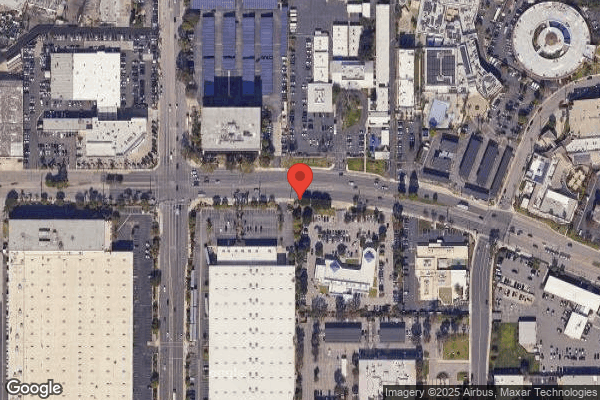
2615 GRAND AVENUE, LONG BEACH, CA 90815 (562) 426-6141
For profit - Corporation 163 Beds ROLLINS-NELSON HEALTHCARE MANAGEMENT Data: November 2025 1 Immediate Jeopardy citation
Trust Grade
3/100
#837 of 1155 in CA
Last Inspection: September 2025

Inspected within the last 6 months. Data reflects current conditions.

Overview

Long Beach Care Center, Inc has received a Trust Grade of F, indicating poor performance with significant concerns about resident care. Ranked #837 out of 1155 nursing homes in California, this facility is in the bottom half of state options, and #200 out of 369 in Los Angeles County, meaning there are better local alternatives. Unfortunately, the facility is worsening, with issues increasing from 20 in 2024 to 30 in 2025. Staffing is a mixed bag; while there is a low turnover rate of 0%, indicating staff stability, the facility has concerning RN coverage that is less than 89% of California facilities, which may impact quality of care. The facility has incurred $54,834 in fines, which is higher than 75% of similar facilities, pointing to ongoing compliance issues. Specific incidents of concern include a resident who wandered away unnoticed due to a lack of supervision, which could have led to dangerous situations. Additionally, one resident was assaulted by another due to inadequate monitoring and intervention, resulting in serious injuries that required hospitalization. There was also a failure to provide proper assistance during transfers, causing an injury to a resident who required help from multiple staff members, as outlined in their care plan. While the facility has strengths in staff retention, the combination of safety incidents and regulatory fines raises serious questions for families considering Long Beach Care Center for their loved ones.

Trust Score
F
3/100
In California
#837/1155
Bottom 28%
Safety Record
High Risk
Review needed
Inspections
Getting Worse
20 → 30 violations
Staff Stability
○ Average
Turnover data not reported for this facility.
Penalties
✓ Good
$54,834 in fines. Lower than most California facilities. Relatively clean record.
Skilled Nurses
⚠ Watch
Each resident gets only 17 minutes of Registered Nurse (RN) attention daily — below average for California. Fewer RN minutes means fewer trained eyes watching for problems.
Violations
⚠ Watch
66 deficiencies on record. Higher than average. Multiple issues found across inspections.
★★☆☆☆
2.0
Overall Rating
★★☆☆☆
2.0
Staff Levels
★★★★★
5.0
Care Quality
★☆☆☆☆
1.0
Inspection Score
Stable
2024: 20 issues
2025: 30 issues

The Good

  • 5-Star Quality Measures · Strong clinical quality outcomes
  • Full Sprinkler Coverage · Fire safety systems throughout facility
  • No fines on record

Facility shows strength in quality measures, fire safety.

The Bad

2-Star Overall Rating

Below California average (3.1)

Below average - review inspection findings carefully

Federal Fines: $54,834

Above median ($33,413)

Moderate penalties - review what triggered them

Chain: ROLLINS-NELSON HEALTHCARE MANAGEMEN

Part of a multi-facility chain

Ask about local staffing decisions and management

The Ugly 66 deficiencies on record

1 life-threatening 2 actual harm
Sept 2025 24 deficiencies
CONCERN (D)

Potential for Harm - no one hurt, but risky conditions existed

Deficiency F0552 (Tag F0552)

Could have caused harm · This affected 1 resident

**NOTE- TERMS IN BRACKETS HAVE BEEN EDITED TO PROTECT CONFIDENTIALITY** Based on interview and record review the facility failed to ensure one of three sampled resident's (Resident 7) informed consent...

Read full inspector narrative →
**NOTE- TERMS IN BRACKETS HAVE BEEN EDITED TO PROTECT CONFIDENTIALITY** Based on interview and record review the facility failed to ensure one of three sampled resident's (Resident 7) informed consent (voluntary agreement to accept treatment and/or procedures after receiving education regarding the risks, benefits, and alternatives offered) for psychotropics (drug or other substance that affects how the brain works and causes changes in mood, awareness, thoughts, feelings, or behavior) was obtained prior to administration of medications. This deficient practice violated Resident 7 and the responsible party's rights to receive all information, in advance, of risks and benefits of proposed care, treatment, treatment alterative, and choose the alterative of choice which includes information for administration of psychotropic drugs.Findings: During a review of Resident 7's admission Record, the admission Record indicated Resident 7 was readmitted to the facility on [DATE] with diagnoses including dementia (a progressive state of decline in mental abilities) with psychotic disturbance (a mental health condition characterized by a loss of contact with reality), major depressive disorder (a mood disorder that causes a persistent feeling of sadness and loss of interest) and generalized anxiety disorder (mental health condition characterized by excessive fear and worry).During a review of Resident 7's Minimum Data set ([MDS] a resident assessment tool), dated 7/28/2025, the MDS indicated Resident 7's cognitive skills (functions your brain uses to think, pay attention, process information, and remember things) for daily decision-making was severely impaired. The MDS indicated Resident 7 needed moderate assistance (helper does less than half the effort) with eating, oral hygiene, maximal assistance (helper does more than half the effort) with personal hygiene, and dependent (helper does all the effort) on staff with toileting hygiene and showering. During a review of Resident 7's Order Summary Report, dated 9/3/2025, the report indicated the following:1. Starting on 8/8/2025, Risperidone (medication for dementia with psychotic disturbance) 1 mg by mouth, one time a day.2. Starting on 8/24/2025, Ativan (medication for anxiety) one milligram (mg - metric unit of measurement, used for medication dosage and/or amount), by mouth, every 6 hours as needed for inability to relax for 14 days. During a concurrent interview and record review on 9/3/2025 at 12:55 p.m., with Registered Nurse Supervisor (RNS)1 and 2, Resident 7's medical records were reviewed. RNS 1 and 2 confirmed Resident 7 did not have consent for the following psychotropics: 1. Risperidone 1 mg one time a day, ordered 8/8/2025.2. Ativan 1 mg every 6 hours as needed for anxiety, order renewed 8/24/2025.During an interview on 9/3/2025 at 1:05 p.m. with Licensed Vocational Nurse (LVN) 1, LVN 1 stated that an informed consent was important, so the resident or family knows about treatment options the resident was receiving.During an interview on 9/5/2025 at 3:15 p.m., with the Director of Nursing (DON) the DON stated that informed consent should be obtained prior to the administration of psychotropic medications.During a review of the facility's policy and procedure (P&P) titled, Psychotropic Medication Management Policy, undated, the P&P indicated the residents written informed consent for treatment will be obtained before initiating psychotropic medications.
CONCERN (D)

Potential for Harm - no one hurt, but risky conditions existed

Deficiency F0558 (Tag F0558)

Could have caused harm · This affected 1 resident

Based on observation, interview, and record review, the facility failed to ensure the call light was within reach for one of eight sampled residents (Resident 124).This deficient practice had the pote...

Read full inspector narrative →
Based on observation, interview, and record review, the facility failed to ensure the call light was within reach for one of eight sampled residents (Resident 124).This deficient practice had the potential for Resident 124's needs not being met.Findings:During an observation on 9/2/2025 at 2:50 p.m., Resident 124 was lying in his bed, and his call light was on the floor to the left side of his bed. Resident 124 had a gold star (indicating high-fall-risk) next to his name plaque at the entry of his door.During a review of Resident 124's admission record, the admission record indicated Resident 124 was admitted to the facility 5/1/2025 with diagnoses including dementia (a group of conditions that cause a decline in cognitive abilities, such as memory, language, attention, and problem-solving, severe enough to interfere with daily life), history of falling, and age-related osteoporosis (a condition that weakens bones, making them more prone to fractures [broken bones]).During a review of Resident 124's Minimum Data Set (MDS, a resident assessment tool) dated 8/8/2025, the MDS indicated Resident 124 had severe cognitive impairment (difficulties with mental functions like thinking, learning, remembering, and decision-making, affecting skills such as communication and self-help). The MDS indicated Resident 124 required partial/ moderate assistance (helper does less than half the effort) for personal hygiene (combing hair, shaving, and washing/ drying face and hands. The MDS indicated Resident 124 required supervision or touching assistance (helper provides verbal cues and/ or touching/ steadying as the resident completes and activity) for bathing and showering.During an observation on 9/2/2025 at 2:53 p.m. , licensed vocational nurse (LVN) 3, entered Resident 124's room after being alerted Resident 124 appeared to need assistance. LVN 3 entered the room, picked the call light up off the floor and placed it within reach of Resident 124. LVN 3 verbalized Resident 124 needed to be repositioned and changed. During an interview on 9/2/2025 at 3:05 p.m., with LVN 3, LVN 3 stated the gold star next to Resident 124's name meant he was a high fall risk. LVN 3 stated the call light was found on the floor when she entered Resident 124's room. LVN 3 stated Resident 124 could utilize the call light when it was placed within reach and Resident 124 appeared calmer after they changed and repositioned him.During an interview on 9/5/2025 at 2:24 p.m., with the Director of Nurses (DON), the DON stated the call light being found on the floor meant it was not within reach for Resident 124. The DON stated it was important the call light was always within reach to ensure residents had access to the call light when they needed help and the nurses could immediately assist residents when they needed help.During a review of the facility's policy and procedure (P&P) titled Call Lights: Accessibility and Timely Response dated 2021, indicated staff were to ensure residents had access to the call light.
CONCERN (D)

Potential for Harm - no one hurt, but risky conditions existed

Deficiency F0561 (Tag F0561)

Could have caused harm · This affected 1 resident

Based on interview and record review the facility failed to honor the choices of one of eight sampled residents (Resident 160) regarding care and cleaning of his wheelchair.This deficient practice res...

Read full inspector narrative →
Based on interview and record review the facility failed to honor the choices of one of eight sampled residents (Resident 160) regarding care and cleaning of his wheelchair.This deficient practice resulted in Resident 160's wheelchair being removed from his room against his wishes, was not readily available when he wanted to use it and did not honor his resident's rights.Findings:During a review of Resident 160's admission Record (face sheet), the admission Record indicated Resident 160 was admitted to the facility 7/24/2018 with diagnoses of peripheral vascular disease (a condition in which narrowed blood vessels reduce blood flow to the limbs) and cellulitis (a common bacterial infection of the skin and underlying tissues) of left toe.During a review of Resident 160's Minimum Data Set ([MDS], a resident assessment tool) dated 7/17/2025, the MDS indicated Resident 160 was cognitively intact (describes a person whose brain functions are normal and unimpaired, enabling them to think, learn, remember, solve problems, and make decisions effectively).During a concurrent observation and interview on 9/2/2025 at 10:59 a.m., Resident 160 was observed walking in the hallway back to his room with his bilateral legs wrapped in ace bandages (helps to reduce pain and swelling). Resident 160 stated his legs were wrapped due to issues due to skin issues related to peripheral vascular disease. Resident 160 stated he was upset he could not find his wheelchair because someone took it out of his room for cleaning against his wishes.During an interview on 9/4/2025 at 2:05 p.m., with the Director of Social Services (DSS), the DSS stated Resident 160 had informed her two days (on 9/2/2025) earlier that his wheelchair was missing and he was very upset. The DSS stated there was an issue in the past when Resident 160 reported staff taking his wheelchair out of his room for cleaning when he did not want it taken from his room. The DSS stated she did not file a formal grievance (a real or imagined wrong or other cause for complaint or protest, especially unfair treatment) for Resident 160's complaint regarding his wheelchair because the issue was resolved right away and his wheelchair was returned to him as soon as she learned about it. The DSS stated it was Resident 160's right to request no one removed the wheelchair from his room and he could clean the wheelchair himself if those were his wishes.During an interview on 9/5/2025 at 11:26 a.m., with Registered Nurse (RN) 1, RN 1 stated nursing staff was not made aware that Resident 160 did not want his wheelchair removed from his room and that is why his wheelchair was removed from his room for cleaning. RN 1 stated if they had been aware of Resident 160's wishes his wheelchair would have remained in his room.During an interview on 9/5/2025 at 2:24 p.m., with the Director of Nursing (DON), the DON stated it was important the different departments of the facility communicated residents' wishes with each other because it pertained to the residents' wishes, care, and needs. The DON stated it was important to honor residents' wishes because that is the residents' right and if he did not want his wheelchair removed from his room, it should not have been removed.During a review of the facility's policy and procedure (P&P) titled Resident Rights dated 2017, the P&P indicated the facility was to ensure all staff members were educated on the rights of residents and the responsibility of the facility to properly care for its residents.
CONCERN (D)

Potential for Harm - no one hurt, but risky conditions existed

Deficiency F0578 (Tag F0578)

Could have caused harm · This affected 1 resident

**NOTE- TERMS IN BRACKETS HAVE BEEN EDITED TO PROTECT CONFIDENTIALITY** Based on interview and record review, the facility failed to ensure an Advance Directive ([AD], a legal document that outlines a...

Read full inspector narrative →
**NOTE- TERMS IN BRACKETS HAVE BEEN EDITED TO PROTECT CONFIDENTIALITY** Based on interview and record review, the facility failed to ensure an Advance Directive ([AD], a legal document that outlines a person's healthcare preferences and appoints a healthcare agent to make medical decisions on their behalf if they become unable to do so) was accurate and completed as per the facility's policy and procedure (P/P) for one of two sampled residents (Residents 156).This deficient practice violated the resident's rights to be fully informed of the option to formulate an AD and had the potential to cause conflict with the residents' wishes regarding health care in the event resident became incapacitated (unable to participate in a meaningful way in medical decisions) or unable to make medical decisions that would not be identified and/or carried out by the facility staff.Findings:During a record review of Resident 156's admission Record, the admission Record indicated Resident 156 was admitted to the facility on [DATE] with diagnoses including bipolar disorder (sometimes called manic-depressive disorder; mood swings that range from the lows of depression to elevated periods of emotional highs), major depressive disorder (a mood disorder that causes a persistent feeling of sadness and loss of interest, fear, dread and other symptoms that are out of proportion to the situation), and post-traumatic stress disorder ([PTSD], a mental health condition that's caused by an extremely stressful or terrifying event, either being part of it or witnessing it). During a record review of Resident 156's Minimum Data Set ([MDS], a resident assessment tool) dated 8/6/2025, the MDS indicated Resident 156 had intact cognitive (thought process) skills for daily decision-making and needed assistance (helper sets up while resident completes the activities) with self-care abilities and mobility such as eating, oral hygiene, dressing, and transfers. During a record review of Resident 156's history and physical (H&P) dated 1/30/2025, the H&P indicated Resident 156 had the capacity to understand and make decisions.During a record review of Resident 156's AD Acknowledgment form dated 11/3/2022, the AD Acknowledgement form did not indicate if Resident 156 chose to formulate an AD or chose not to formulate an AD. The AD Acknowledgment form was signed and witnessed by facility staff.During a concurrent interview and record review on 9/4/2025 at 1:35 p.m., with the Director of Social Services (DSS), Resident 156's AD Acknowledgement form dated 11/3/2022 was reviewed. The DSS stated, the top portion the AD Acknowledgement form indicated residents' specific directives. The DSS stated the residents indicate if they want to donate their organs, whether the resident wants to be resuscitated or not. The DSS stated the AD Acknowledgement form should have been completed to indicate the residents' wishes. The DSS stated the AD Acknowledgement form was incomplete and the facility staff that gave the form to the resident should have made sure the AD Acknowledgement form was filled out and answered completely.During an interview on 9/5/2025 at 2:54 p.m., with the Director of Nursing (DON), the DON stated an AD was a document indicating the residents wishes for life saving measures if the resident becomes incapable of making those decisions. The DON stated the AD is completed when the resident is admitted . done during the admission process to the facility. The DON stated the AD Acknowledgment form was a document indicating whether residents had an AD, wanted to formulate an AD or not. The DON stated all documents should be clear, concise and complete. The DON stated staff should be making sure the AD was filled out completely. During a review of the facility's policy and procedures (P&P) titled Advance Directive Policy, dated January 2025, indicated, the purpose was to ensure that residents are informed of their rights regarding advance directives and that the facility respects, documents, and follows resident choices about medical treatment and end-of­-life care.residents have the right to make decisions about their medical care, including the right to formulate advance directives such as living wills, durable powers of attorney for health care, or Physician Orders for Life-Sustaining Treatment ([POLST], a medical order for seriously ill patients that specifies their end-of-life care wishes). upon admission, residents and/or their representatives will be provided written information about their right to make advance directives under applicable state and federal law, staff will be available to answer questions and provide education or referral resources as needed. the Admissions/Intake Staff shall provide information on advance directives during the admission process.the nursing Staff shall ensure documentation is current, accessible, and followed in the plan of care.
CONCERN (D)

Potential for Harm - no one hurt, but risky conditions existed

Deficiency F0628 (Tag F0628)

Could have caused harm · This affected 1 resident

**NOTE- TERMS IN BRACKETS HAVE BEEN EDITED TO PROTECT CONFIDENTIALITY** Based on interview and record review, the facility failed to ensure one of four residents (Resident 13) written notice of transf...

Read full inspector narrative →
**NOTE- TERMS IN BRACKETS HAVE BEEN EDITED TO PROTECT CONFIDENTIALITY** Based on interview and record review, the facility failed to ensure one of four residents (Resident 13) written notice of transfer was provided to the State Long-term Care Ombudsman (an advocate for residents of nursing homes, board and care centers, and assisted living facilities). This deficient practice resulted in violation of resident rights because the ombudsman could not advocate for the residents and investigate potential violations. Findings:During a review of Resident 13's admission Record, the admission Record indicated Resident 13 was originally admitted to the facility on [DATE] with diagnoses including post-traumatic stress disorder (PTSD - a disorder in which a person has difficulty recovering after experiencing or witnessing a traumatic event), homicidal (thought pattern characterized by the desire to kill another person or persons) and suicidal ideations (thinking about or planning to kill ones' self), and paranoid schizophrenia (a mental illness that is characterized by disturbances in thought).During a review of Resident 13's Minimum Data Set ([MDS] a resident assessment tool), dated 8/11/2025, the MDS indicated Resident 13's cognition (ability to think and reason) was intact. During a review of Resident 13's Progress Notes, dated 8/29/2025 at 8:59 a.m., the note indicated Resident 13 was noncompliant with medications and treatments and continued to have episodes of responding to internal stimuli and the physician was notified and ordered to transfer the resident to the general acute care hospital (GACH) for further evaluation. During a review of Resident 13's Progress Notes, dated 8/29/2025 at 1:12 p.m., the notes indicated Resident 13 was transferred to the GACH.During a concurrent interview and record review on 9/4/2025 at 10:30 a.m., with Registered Nurse Supervisor (RNS) 2, Resident 13's clinical records were reviewed. RNS 2 stated the facility did not notify the ombudsman of Resident 13's transfer on 8/29/2025. RNS 2 stated the notice was important, so ombudsman knows about Resident 13's transfer. During an interview with the Medical Records Director (MRD) on 9/4/2025 at 2:31 p.m., the MRD stated there was no documented evidence that fax was sent informing the Ombudsman of Resident 13's transfer to the GACH.During an interview on 9/5/2025 at 3:15 p.m. with the Director of Nursing (DON), the DON stated the written Notice of Proposed Transfer and Discharge Form needed to be faxed to the ombudsman to inform them of the transfer.During a review the facility's policies and procedure (P&P) titled, Transfer and Discharge (including AMA), the P&P indicated a copy of the Notice of Proposed Transfer and Discharge will be sent to the ombudsman.
CONCERN (D)

Potential for Harm - no one hurt, but risky conditions existed

Deficiency F0657 (Tag F0657)

Could have caused harm · This affected 1 resident

**NOTE- TERMS IN BRACKETS HAVE BEEN EDITED TO PROTECT CONFIDENTIALITY** Based on interview and record reviews, the facility failed to update one of the two sampled residents' (Resident 9) care plans.T...

Read full inspector narrative →
**NOTE- TERMS IN BRACKETS HAVE BEEN EDITED TO PROTECT CONFIDENTIALITY** Based on interview and record reviews, the facility failed to update one of the two sampled residents' (Resident 9) care plans.This deficient practice had the potential to result in delays of care and services. Findings: During a review of Resident 9's admission Record, the admission Record indicated Resident 9 was readmitted to the facility on [DATE] with diagnosis including major depressive disorder (a mood disorder that causes a persistent feeling of sadness and loss of interest), metabolic encephalopathy (change in how your brain works due to an underlying condition), type 2 diabetes a disorder characterized by difficulty in blood sugar control), Alzheimer's disease(a disease characterized by a progressive decline in mental abilities), chronic kidney disease (condition where the kidneys gradually lose their ability to filter waste products from the blood) and hypertension (high blood pressure).During a review of Resident 9's Minimum Data set ([MDS] a resident assessment tool), dated 8/23/2025, the MDS indicated Resident 9's cognitive skills (functions your brain uses to think, pay attention, process information, and remember things) for daily decision-making were severely impaired. The MDS indicated Resident 9 needed moderate assistance (helper does less than half the effort) with oral hygiene, maximal assistance (helper does more than half the effort) with toileting hygiene, showering, personal hygiene, and dependent (helper does all the effort) on staff with eating. During a concurrent interview and record review on 9/4/2025 at 11:05 a.m., Licensed Vocational Nurse (LVN) 1, Resident 9's care plans were reviewed and Resident 9's care plans indicated care plans should have been updated or reviewed on 8/21/2025. LVN 1 stated the MDS nurse should have updated all the care plans to ensure if interventions should have been revised or continued. During an interview on 9/5/2025 at 3:15 p.m., with the Director of Nursing (DON) the DON stated that care plans need to be updated and reviewed to evaluate the effectiveness of the interventions for the residents. During a review of the facility's policy and procedure (P&P) titled, Comprehensive Care Plans, revised 1/2025, the P&P indicated that the comprehensive care plan will be reviewed and revised by the interdisciplinary team after each comprehensive and quarterly MDS assessment.
CONCERN (D)

Potential for Harm - no one hurt, but risky conditions existed

Quality of Care (Tag F0684)

Could have caused harm · This affected 1 resident

Based on observation, interview, and record review, the facility failed to provide treatment and care in accordance with professional standards of practice for the assessment and application of splint...

Read full inspector narrative →
Based on observation, interview, and record review, the facility failed to provide treatment and care in accordance with professional standards of practice for the assessment and application of splints (rigid material or apparatus used to support and immobilize a broken bone or impaired joint) for one of seven sampled residents (Resident 4) by failing to:Ensure the Director of Rehab (DOR) who was a Physical Therapist (PT, profession aimed in the restoration, maintenance, and promotion of optimal physical function) performed an assessment to determine the appropriateness and fit of Resident 4's right wrist/hand splint and right elbow splint.Ensure the DOR monitored and established Resident 4's right wrist/hand and right elbow splint wear time tolerance (length of time and frequency a person can tolerate wearing the splint for safety, comfort, and maximal benefits).These deficient practices had the potential to cause Resident 4 to have skin break down (tissue damage caused by friction, shear, moisture, or pressure), pain, discomfort, joint (where two bones meet) dislocation (an injury where the joint is forced out of the normal position), deformity (malformation), and/or bone fractures (a crack or break in the bone). Findings: During an observation on 9/2/2025 at 3:04 pm, in Resident 4's room, Resident 4 was sleeping in bed and wearing a splint on the left elbowDuring a review of Resident 4's admission Record, the admission Record indicated the facility initially admitted Resident 4 on 1/14/2018 and re-admitted Resident 4 on 1/30/2025 with diagnoses including quadriplegia (weakness or paralysis to all four extremities) and end stage renal disease (ESRD, chronic kidney disease that causes gradual loss of kidney function).During a review of Resident 4's Minimum Data Set (MDS, a resident assessment tool) dated 7/15/2025, the MDS indicated Resident 4 was cognitively (mental action or process of acquiring knowledge and understanding) intact. The MDS indicated Resident 4 was dependent (helper does all the effort) in eating, hygiene, bathing, dressing, and mobility (ability to move). The MDS indicated Resident 4 had functional limitations in ROM (limited ability to move a joint that interferes with daily functioning, including activities of daily living, or places the resident at risk of injury) on one arm (shoulder, elbow, wrist, hand) and both legs (hip, knee, ankle, foot).During a review of Resident 4's Order Summary Report, the Order Summary Report indicated a physician's order, dated 7/22/2025, for Restorative Nursing Aide (RNA, nursing aide program that help residents maintain any progress made after therapy intervention to maintain their function) to apply a right wrist/hand splint for four (4) to six (6) hours, every day, 6 times a week.During a review of Resident 4's Order Summary Report, the Order Summary Report indicated a physician's order, dated 7/22/2025, for RNA to apply a right elbow splint for four 4 to 6 hours, every day, 6 times a week. During a review of Resident 4's re-admission Rehabilitation Screening (Rehab Screen, brief assessment of a resident's level of function and recommendations for skilled therapy services [services that require specialized training and experience of a licensed therapist or therapy assistant] or RNA), signed by the DOR and dated 7/23/2025, the Rehab Screen indicated Resident 4 would benefit from a right elbow and right-hand splint. The Rehab Screen indicated skilled therapy services were not warranted. During an interview on 9/4/2025 at 4:00 pm, the Medical Records Director (MRD) stated there were no PT and/or Occupational Therapy (OT, profession that provides services to increase and/or maintain a person's capability to participate in everyday life activities) notes for Resident 4 in the electronic medical records. During a concurrent observation and interview on 9/5/2025 at 9:43 am, in Resident 4's room, Resident 4 was laying in bed with the right arm bent at the elbow and fingers curled inward toward the palm. Resident 4 stated he was paralyzed from the neck down, was unable to actively move both arms and both legs and could not feel anything below the upper chest. Resident 4 stated he wore a right elbow and right wrist/hand splint almost every day. Resident 4 stated he was unable to feel the splints on his right arm because his arms felt asleep and required staff to ensure the splints fit correctly and were not pressing on his skin.During a concurrent interview on 9/5/2025 at 12:25 pm, the DOR stated the purpose of splints was to improve or maintain a resident's range of motion (ROM, full movement potential of a joint) to prevent contractures. The DOR stated a licensed PT or OT must assess a resident's need for splints if indicated. The DOR stated the licensed therapist must determine the wear tolerance and splint wear schedule by periodically assessing the splint for safety, comfort or need for modification. The DOR stated that once the therapist assessed a resident for the correct type of splint to be issued, wear tolerance was established, and the resident was able to tolerate the splint, the resident's splinting plan of care was transitioned to the RNA program. The DOR reviewed Resident 4's clinical record and confirmed Resident 4 was never formally evaluated by PT and/or OT during his entire stay at the facility. The DOR reviewed Resident 4's Rehab Screen, dated 7/23/2025, and confirmed that the DOR recommended and issued a right hand/wrist splint and a right elbow splint. The DOR confirmed there was no documented evidence to indicate splint assessments for Resident 4's right hand/wrist and right elbow were completed and determination of the splint wear time for both splints were evaluated by a therapist. The DOR stated the standard of practice in therapy for a patient requiring a new splint included: an initial evaluation of the patient's ROM, assessment for the type of splint to issue, application of the splint, periodic splint checks to determine the splint wear schedule, tolerance, and if modification was required, training the patient and/or caregiver, RNA, and nursing on the use of splint and any precautions and documentation of all findings in the clinical record. The DOR stated the splint assessment and wear time tolerance should have been documented in the medical record but were not. The DOR stated if a resident was not properly assessed for the correct splints and wear time tolerance, the resident could potentially have skin breakdown, pain, and discomfort.During an interview on 9/5/2025 at 3:33 pm, the Director of Nursing (DOR) stated Rehab was responsible for assessing the types of splints and determining the splint wear time for all residents in the facility. The DON stated residents could potentially experience a functional decline, pain, discomfort, and skin concerns if they were not properly assessed for the correct splint and a wear time schedule was not established. During a review of a textbook, titled The Guide to Physical Therapist Practice, second edition, pages 76 and 77, revised 2003 by the American Therapy Association, indicated a physical therapist used tests and measures to assess the need for orthotic devices in patients and evaluated the appropriateness and fit of the device. The Guide to Physical Therapy Practice indicated physical therapists performed assessments to determine a patient's alignment and fit of the orthotic device, components of orthotic device, level of safety with device, and functional benefit of the device.During a review of the facility's undated Policy and Procedure (P/P) titled Splinting Policy, the P/P indicated splints were applied, maintained, and monitored safely for residents who required them, while protecting skin integrity, mobility, and overall comfort. The P/P indicated staff would ensure the proper fit and alignment, skin circulation would be assessed before and after application, and at intervals consistent with facility standards, and residents would be monitored for signs of discomfort, impaired circulation, or skin breakdown. The P/P indicated ongoing monitoring, assessments, and any issues or concerns would be recorded in the resident's medical record.
CONCERN (D)

Potential for Harm - no one hurt, but risky conditions existed

Accident Prevention (Tag F0689)

Could have caused harm · This affected 1 resident

**NOTE- TERMS IN BRACKETS HAVE BEEN EDITED TO PROTECT CONFIDENTIALITY** Based on observation, interview, and record review, the facility failed to ensure one of seven sampled residents (Resident 45) w...

Read full inspector narrative →
**NOTE- TERMS IN BRACKETS HAVE BEEN EDITED TO PROTECT CONFIDENTIALITY** Based on observation, interview, and record review, the facility failed to ensure one of seven sampled residents (Resident 45) was sitting upright when eating lunch.This deficient practice placed Resident 45 at risk for choking and aspiration (inhaling small particles of food or drops of liquid into the lungs). Findings: During a review of Resident 45's admission Record, the admission Record indicated the facility initially admitted Resident 45 on 8/25/2023 and re-admitted Resident 45 on 11/7/2024 with diagnoses including asthma (condition in which your airways narrow and swell making breathing difficult) and chronic obstructive pulmonary disease (lung disease that causes obstruction of airflow and can limit normal breathing).During a review of Resident 45's Minimum Data Set (MDS, a resident assessment tool), dated 6/2/2025, the MDS indicated Resident 45 had severely impaired cognition (mental action or process of acquiring knowledge and understanding). The MDS indicated Resident 45 required supervision or touching assistance (helper provides verbal cues and/or touching/steadying and/or contact guard assistance as resident completes activity) for eating and upper body dressing, partial/moderate assistance (helper does less than half the effort) for oral hygiene, lower body dressing, and personal hygiene, and substantial/maximal assistance (helper does all the effort) for toileting hygiene and bathing. During a review of Resident 45's Speech Therapy (ST, profession aimed in the prevention, assessment, and treatment of speech, language, communicative, and swallowing disorders) Discharge summary, dated [DATE], the ST Discharge Summary indicated Resident 45 had a diagnosis of dysphagia (difficulty swallowing). The ST Discharge Summary indicated the ST recommended a pureed diet (texture modified diet that involves eating soft foods that can be swallowed and digested without chewing) with aspiration precautions (measures taken to prevent the accidental inhalation of food, liquid, or other foreign objects into the lungs). During a review of Resident 45's care plan, the care plan indicated Resident 45 was on a puree diet and had the potential for choking. The care plan interventions to address the goal of minimizing Resident 45's risk of choking episodes was to maintain aspiration precautions which included assisting Resident 45 during meals as needed and sitting Resident 45 upright while eating. During a concurrent observation and interview on 9/3/2025 at 12:38 pm, in the resident's room, Resident 45 was lying in bed with the head of the bed elevated to less than 30 degrees with his eyes closed and both knees bent toward the chest. Certified Nursing Assistant 2 (CNA 2) was seated in a chair next to Resident 45's bed, feeding Resident 45 pureed food and sips of juice. CNA 2 stated he was feeding Resident 45 lunch while Resident 45 was laying down with the head of bed slightly elevated. CNA 2 stated he was not feeding Resident 45 in a safe position because Resident 45 was not in an upright position. CNA 2 stated Resident 45 should be seated in an upright position and should not be laying down with the head of bed slightly elevated while eating because he could choke. During a concurrent interview and record review on 9/4/2025 at 1:44 pm, Speech Therapist 1 (ST 1) reviewed Resident 45's ST Discharge summary, dated [DATE], and confirmed Resident 45 had dysphagia. ST 1 stated residents should always be seated upright while eating. ST 1 stated the ideal and recommended body position for eating was the upper body fully upright with the head of bed at an 80-to-90-degree angle and no slouching to minimize the risk of aspiration and choking. ST 1 stated eating while laying down with the head of bed slightly elevated could potentially cause choking and aspiration, particularly with residents who had dysphagia (difficulty swallowing). During an interview on 9/5/2025 at 3:33 pm, the Director of Nursing (DON) stated all residents should be seated upright while eating to prevent choking and aspiration. During a review of the facility's undated Policy and Procedure (P/P) titled Meal Supervision and Assistance, the P/P indicated residents would be prepared for a well-balanced meal in a calm environment, location of his/her preferences and with adequate supervision and assistance to prevent accidents, provide nutrition, and assure an enjoyable event by implementing interventions to reduce hazards and risks. The P/P indicated the resident should be positioned so his or her head and upper body were as upright as possible and with the head tipped slightly forward. The P/P indicated to use wedges and pillows to achieve a nearly upright position if a resident was served his or her mail in bed.
CONCERN (D)

Potential for Harm - no one hurt, but risky conditions existed

Pharmacy Services (Tag F0755)

Could have caused harm · This affected 1 resident

**NOTE- TERMS IN BRACKETS HAVE BEEN EDITED TO PROTECT CONFIDENTIALITY** Based on observation, interview, and record review, the facility failed to ensure for two of two residents (Resident 114 and Res...

Read full inspector narrative →
**NOTE- TERMS IN BRACKETS HAVE BEEN EDITED TO PROTECT CONFIDENTIALITY** Based on observation, interview, and record review, the facility failed to ensure for two of two residents (Resident 114 and Resident 7):1. Ensure Resident 114's buspirone (a medication used to treat anxiety [a medical condition described by feeling of fear or uneasiness]) was available in stock to be administered within 60 minutes of scheduled time of administration in accordance with physician orders and as per facility's policy and procedure (P&P) titled, Medication Administration, undated, affecting one of six sampled residents during medication administration. 2. Ensure facility's licensed nurse signed the controlled drug record (CDR- a log signed by the nurse with the date and time each time a controlled medication [medications that the use and possession of are controlled by the federal government] is received from the pharmacy or given to a resident) to indicate Resident 7's morphine sulfate concentrate (a controlled medication used to manage severe pain) was received from pharmacy, as per the facility's P&P titled, Controlled Substances, undated, affecting one of three inspected medication carts (Station B Medication Cart 3). These deficient practices failed to provide buspirone on time in accordance with physician orders, had the potential to result in anxiety and mental disturbances for Resident 114, and facility licensed nurse failed to sign on the controlled drug record to indicate accountability and receipt of Resident 7's morphine sulfate concentrate (a controlled medication) from the pharmacy, which had the potential to result in inaccurate quantity, unintended use and/or loss of a controlled medication.Findings:During a review of Resident 114's admission Record , dated 9/3/2025, the admission Record indicated, Resident 114 was admitted to the facility on [DATE] with diagnoses including but not limited to, anxiety disorder, dementia [a progressive state of decline in mental abilities] in other diseases classified elsewhere, unspecified severity, with other behavioral disturbance and post-traumatic stress disorder.During a review of Resident 114's History and Physical (H&P), dated 6/12/2025, the H&P indicated, Resident 114 had fluctuating capacity to understand and make decisions.During a review of Resident 114's Minimum Data Set ([MDS], a resident assessment tool) dated 7/1/2025, the MDS indicated Resident 114's cognition (mental action or process of acquiring knowledge and understanding through thought and senses) was severely impaired. The MDS indicated, Resident 114 needed setup or clean-up assistance from the facility staff for performing activities of daily living (ADLs - routine tasks/activities such as bathing, dressing and toileting a person performs daily to care for themselves) such as eating, and needed supervision level assistance for oral hygiene, toileting hygiene, showering, upper and lower body dressing and putting on or taking off footwear. During a concurrent observation, interview and record review on 9/3/2025 at 12:31 p.m. with Licensed Vocational Nurse (LVN) 5 outside of Resident 114's room, LVN 5 stated she would prepare medications to administer to Resident 114. LVN 5 then stepped away for something and returned around 12:36 p.m. LVN 5 stated she went to look for Resident 114's buspirone 10 milligrams ([mg] unit of measurement for mass) medication pack, because she ran out of the medication in medication cart. LVN 5 showed the pharmacy's medication card or bubble pack for Resident 114's buspirone 10 mg that was empty. LVN 5 stated the facility did not have Resident 114's buspirone 10 mg in stock to administer at that time and would request pharmacy to send the medication to the facility as soon as possible. During a review of Resident 114's Order Summary Report (a document containing a summary of all active physician orders), dated 9/3/2025, the order summary report indicated, but not limited to the following physician order: Buspirone hydrochloride (HCl) oral tablet 10 mg, give 1 tablet by mouth three times a day for anxiety d/o verbalization of feeling anxious, order date 6/9/2025, start date 6/9/2025.During a concurrent interview and record review on 9/3/2025 at 4:47 p.m. with LVN 5, the pharmacy delivery receipt for Resident 114's buspirone 10 mg was reviewed. LVN 5 informed the surveyor that she received Resident 114's buspirone 10 mg from the pharmacy on 9/3/2025 at 2:11 p.m. and she was able to administer the medication. During a review of Resident 114's medication administration audit report (a document containing the exact dates and times when the medications were scheduled, administered and documented as administered), dated 9/4/2025, the document indicated, buspirone 10 mg for Resident 114 was administered on 9/3/2025 at 2:32 p.m. instead of its scheduled administration at 1:00 p.m. During an interview on 9/4/2025 at 1:30 p.m. with the Director of Nursing (DON), the DON stated the licensed nurse staff should order medications at least five to seven days in advance before running out of stock. The DON stated that not having Resident 114's buspirone in stock delayed its administration and management of resident's anxiety which could cause the resident to continue to feel anxious. During an interview on 9/5/2025 at 2:47 p.m. with the DON, the DON stated the facility policy required licensed nursing staff to administer medications within 60 minutes before or after the scheduled time of medication administration. The DON stated Resident 114's buspirone was scheduled to be administered on 9/3/2025 at 1:00 p.m. and if it was administered on 9/3/2025 at 2:32 pm because it was not in stock, it would be considered as a late administration. 2. During a review of Resident 7's admission Record, dated 9/4/2025, the admission Record indicated Resident 7 was originally admitted to the facility on [DATE], and readmitted on [DATE] with diagnoses including but not limited to, Alzheimer's Disease (a progressive neurodegenerative disorder that primarily affects memory, cognition, and behavior), unspecified dementia, unspecified severity with psychotic disturbance.During a review of Resident 7's hospice visit note, dated 10/16/2024, the document indicated Resident 7's condition continued to deteriorate, was ambulatory, but needed redirection constantly and would benefit from hospice services.During a review of Resident 7's MDS, dated [DATE], the MDS indicated Resident 7 needed moderate assistance from the facility staff for eating, oral hygiene, upper body dressing, maximal assistance for lower body dressing, putting on or taking off footwear, personal hygiene, and dependent on facility staff for toileting hygiene and showering.During a concurrent inspection, interview and record review on 9/4/2025 at 12:18 p.m. with LVN 2 of Station B Medication Cart 3, Resident 7's medication container and facility's-controlled drug record or narcotic count sheet (CDR) for morphine sulfate oral concentrate solution 100 mg/5 milliliters ([mL] a unit of measurement for volume) were reviewed. Resident 7's morphine sulfate oral concentrate container was sealed with a quantity of 15 mL. The facility's CDR indicated a quantity of 15 mL without a documented signature from licensed nursing staff and the date received from the pharmacy. LVN 2 stated for controlled medications he would write in the narcotic binder, document in the electronic medication administration record (eMAR) when the medication was administered to the resident. LVN 2 stated the narcotic sheet for Resident 7's morphine sulfate oral concentrate solution did not have a signature or initials of the licensed nurse who received the medication but there was a quantity of 15 mL documented. LVN 2 stated he would need to find out about the process for documentation upon receipt of medication from the pharmacy. During a review of pharmacy delivery receipt for Resident 7's morphine sulfate oral concentrate, dated 6/27/2025, the document indicated morphine sulfate oral solution was delivered to the facility on 6/27/2025. During a review of Resident 7's order summary report, dated 9/5/2025, the order summary report indicated but not limited to the following physician orders: Morphine sulfate (concentrate) solution 20 mg/mL, give 0.25 mL by mouth every 2 hours as needed for severe pain/breathlessness 0.25 mg = 5 mg, order date 10/16/2024, start date 10/16/2024. Morphine sulfate (concentrate) solution 20 mg/mL, give 0.25 mL by mouth every 4 hours as needed for moderate pain/breathlessness 0.25 = 5 mg, order date 10/16/2024, start date 10/16/2024.During a review of Resident 7's Medication Administration Record (MAR - a daily documentation record used by a licensed nurse to document medications and treatments given to a resident) for the months of June 2025, July 2025, August 2025 and September 2025, there was no documented administration of morphine sulfate oral concentrate.During a review of Resident 7's MAR, dated 5/1/2025 to 5/31/2025, morphine sulfate oral concentrate was administered to Resident 7 on 5/27/2025 for a pain level of 6 (a pain level of 6 is considered moderate pain). During an interview on 9/4/2025 at 1:30 p.m. with the DON, the DON stated it was important for licensed nursing staff to document the quantity and sign on Resident 7's morphine sulfate oral concentrate narcotic sheet when it was received from the pharmacy to aid in proper tracking of medications and to prevent diversion.During a review of the facility's P&P titled, Medication Administration, undated, the P&P indicated, Medications are administered by licensed nurses, or other staff who are legally authorized to do so in this state, as ordered by the physician and in accordance with professional standards of practice.infection. The P&P indicated, Compare medication source (bubble pack, vial, etc.) with MAR to verify resident name,.form, dose route, and time. b. Administer within 60 minutes prior to or after scheduled time unless otherwise ordered by physician. During a review of the facility's P&P titled, Controlled Substances, undated, the P&P indicated, Controlled substances must be counted upon delivery. The nurse receiving the medication, along with the person delivering the medication, must count the controlled substances together. Both individuals must sign the designated controlled substance record.
CONCERN (D)

Potential for Harm - no one hurt, but risky conditions existed

Deficiency F0761 (Tag F0761)

Could have caused harm · This affected 1 resident

**NOTE- TERMS IN BRACKETS HAVE BEEN EDITED TO PROTECT CONFIDENTIALITY** Based on observation, interview, and record review, the facility failed to ensure medications requiring refrigeration were store...

Read full inspector narrative →
**NOTE- TERMS IN BRACKETS HAVE BEEN EDITED TO PROTECT CONFIDENTIALITY** Based on observation, interview, and record review, the facility failed to ensure medications requiring refrigeration were stored in accordance with manufacturer specifications and per facility's policy and procedure (P&P) titled, Medications Storage, undated, at a temperature range of 36 Fahrenheit [( F) is a unit of temperature] to 46 F or 2 Celsius [( C) is a unit of temperature] to 8 C, affecting one of two facility's medication room refrigerators (Station B Medication Room Refrigerator).This deficient practice had the potential to result in facility residents receiving medications that had become expired, ineffective, or toxic due to improper storage and labeling possibly leading to adverse health consequences such as hyperglycemia (high blood glucose), neuropathy (disease or dysfunction of one or more nerves, typically causing numbness or weakness in the hands and feet), inadequate comfort care and hospitalization.Findings:During a concurrent inspection and interview on [DATE] at 1:39 p.m. with Licensed Vocational Nurse (LVN) 1 of the medication refrigerator in Station B Medication Room, the following medications were found stored at temperature of 50 F, indicated by the thermometer in the refrigerator, which were in a manner contrary to its manufacturer's requirements:1. One bottle of gabapentin (a medication used to treat neuropathy) 250 milligrams ([mg] a unit of measurement for mass) / 5 milliliters ([mL] a unit of measurement for volume), almost full bottle in a quantity of 473 mL2. One opened vial of tuberculin (a solution to test for infection) 5 tuberculin units (TU)/0.1 mL3. One sealed vial of tuberculin 5 TU/0.1 mL4. One sealed vial of Lantus (a type of insulin [a hormone that removes excess sugar from the blood, can be produced by the body or given artificially via medication]) 100 units/mL5. One open Lantus Solostar Pen 100 units/mL6. One sealed Comfort Kit containing the following:a. 15 mL of Morphine sulfate (a controlled medication [medications that the use and possession of are controlled by the federal government] used to manage severe pain) 20 mg/mLb. 30 mL of Lorazepam (a medication used to treat anxiety) 2 mg/mLc. Two suppositories of Bisacodyl (a medication used to relieve constipation) 10 mgd. Four suppositories of acetaminophen (a medication used to treat pain and fever) 650 mg e. Five tablets of Zofran (generic name - ondansetron [a medication used to treat nausea and vomiting] orally disintegrating tablet [ODT - a formulation of table that dissolves on tongue]) 8 mgf. Two mL of Atropine (an emergency medication used for heart complications) 1 percent ([%] a unit of measure) 7. One sealed Comfort Kit containing the following: a. One bottle of hyoscyamine (a medication used for a wide range of indications including heart complications) tablet (strength not provided by facility)b. One bottle of senna (a medication used to relieve constipation) (strength not provided by facility)c. Bisacodyl (a medication used to relieve constipation) suppository (quantity not listed by facility)d. One bottle of morphine sulfate (a medication used to treat severe pain) 100 mg/5 mL (quantity not provided by facility)e. Four suppositories of acetaminophen 120 mg (facility provided strength as 10 mg, incorrect)f. Four vials of Duoneb (generic name - ipratropium and albuterol [a combination of two medications used to treat breathing difficulties)According to the manufacturer's product labeling, medications requiring refrigeration should be stored in refrigerator between 36 F and 46 F.LVN 1 stated the temperature in medication refrigerator was off and they were adjusting the refrigerator to ensure it had corrected range. LVN 1 stated earlier the temperature was at 32 F and now it's at 50 F.During an interview on [DATE] at 1:30 p.m. with the Director of Nursing (DON), the DON stated the temperatures should have been checked during each shift for Station B Medication Refrigerator. The DON stated if the temperature was not in the required range, the facility would move the refrigerated medications to a working refrigerator. The DON stated the refrigerated medications should have been stored at reference range of 36-to-46 F. The DON stated if the medication refrigerator temperature was out of range, there would be a risk that medications might not continue to be safe or effective to be administered to residents.During a review of the facility's P&P titled Medication Storage, undated, the P&P indicated, It is the policy of this facility to ensure all medications housed on our premises will be stored in the pharmacy and/or medication rooms according to the manufacturer's recommendations and sufficient to ensure proper sanitation, temperature, light, ventilation, moisture control, segregation, and security. The P&P indicated, 6. Refrigerated Products: a. All medications requiring refrigeration are stored in refrigerators located in the pharmacy and at each medication room. b. Temperatures are maintained within 36-46 degrees F. Charts are kept on each refrigerator and temperature levels are recorded daily by the charge nurse or other designee. c. In the event that a refrigerator is malfunctioning, the person discovering the malfunction must promptly report such finding to Maintenance Department for emergency repair.
CONCERN (D)

Potential for Harm - no one hurt, but risky conditions existed

Deficiency F0790 (Tag F0790)

Could have caused harm · This affected 1 resident

**NOTE- TERMS IN BRACKETS HAVE BEEN EDITED TO PROTECT CONFIDENTIALITY** Based on observation, interview, and record review, the facility failed to follow up with status of unfitting dentures (a remova...

Read full inspector narrative →
**NOTE- TERMS IN BRACKETS HAVE BEEN EDITED TO PROTECT CONFIDENTIALITY** Based on observation, interview, and record review, the facility failed to follow up with status of unfitting dentures (a removable plate or frame holding one or more artificial teeth) for one of three sampled residents (Resident 63).This Failure had the potential to result in Resident 63 having discomfort while eating or chewing foods that could lead to unintended weight loss and low self-esteem.Findings:During a review of Resident 63's admission Record, the admission Record indicated, Resident 63 was initially admitted to the facility on [DATE] and last re-admission was on 9/24/2022 with diagnoses including moderate protein-calorie malnutrition (an imbalance between the nutrients your body needs to function and the nutrients it gets) and dementia (a progressive state of decline in mental abilities). During a review of Resident 63's History and Physical (H&P), dated 8/13/2025, the H&P indicated, Resident 63 was oriented to person, place, and time.During a review of Resident 63's Minimum Data Set (MDS - a resident assessment tool), dated 8/28/2025, the MDS indicated Resident 63 required dependent assistant (Helper does all of the effort) from two or more staff for toileting hygiene, bed to chair transfer, and maximal assistance (Helper does more than half the effort) from one staff for bathing, dressing, bed mobility, eating. During a review of Resident 63's Order Summary Report (OSR), dated 9/4/2025, the OSR indicated, provide dental consult with treatment as needed and as indicated was ordered on 9/24/2022.During a review of Resident 63's Care Plan (CP), revised 8/29/2025, the CP Focus indicated, Resident 63 was at risk for decreased food intake related to mission teeth. The CP Goal indicated, Resident 63's potential for decreased food intake will be minimized daily through the next review. The CP Interventions indicated, check dental condition and refer for dental evaluation.During a concurrent observation and interview on 9/2/2025, at 11:33 a.m., with Resident 63 in his room, Resident 63 did not have natural teeth. There was no dentures observed at the bedside. Resident 63 stated, he was having issue with unfitting denture since the beginning of 2025. Resident 63 stated, unfitting denture caused him pain while he was eating or chewing. Resident 63 stated, he was supposed to get a new one or adjusted one, but he has not heard anything since June or July. Resident 63 stated, he felt embarrassed to talk to people and having a hard time eating food without his denture.During a concurrent interview and record review on 9/4/2025, at 1:22 p.m., with the Director of Social Services (DSS), Resident 63's Onsite Mobile Dental Note, dated 7/28/2025 was reviewed. The Onsite Mobile Dental Note indicated, Resident 63 was edentulous (a medical term for having no natural teeth). The Onsite Mobile Dental Note indicated, full upper and lower dentures adjusted. The DSS stated, she did not know the status of Resident 63's denture. The DSS stated, she should have followed up with dental office to see if it was delivered to Resident 63. The DSS stated, she should have followed up with Resident 63 regarding his adjusted denture. The DSS stated, poor fitting denture could cause dental pain and unintended weight loss.During a concurrent interview and record review on 9/4/2025, at 1:30 p.m., with the DSS, Resident 63's Social Service Progress Notes, dated from 7/28/2025 to 9/4/2025 were reviewed. The Social Service Progress Notes indicated, there was no note documented regarding Resident 63's denture. The DSS stated, she did not follow up and document regarding the denture.During an interview on 9/5/2025, at 2:24 p.m., with the Director of Nursing (DON), the DON stated, providing well-fitting denture in a timely manner was important because it could affect the ability to eat, and it could lead to social isolation. The DON stated, the DSS should have followed up with Resident 63 after dental visit of 7/28/2025 to find out if the resident received his denture and it was fitting well. The DON stated, poor fitting denture could lead to weight loss due to pain.During a review of the facility's Policy and Procedure (P&P) titled, Dental services, revised 11/2017, the P&P indicated, Policy Explanation and Compliance Guidelines:9. All actions and information regarding dental services, including any delays related to obtaining dental services, will be documented in the resident's medical record.During a review of the facility's Policy and Procedure (P&P) titled, Job Description: Social Services Director, undated, the P&P indicated, Major Duties and Responsibilities: The Social Services Director is responsible for overseeing the development, implementation, supervision and ongoing evaluation of the Social Services Department designed to meet and assist residents in attaining or maintaining their highest practicable well-being. This includes identifying the need for medically related social services and ensuring that these services are provided in accordance with State and Federal regulations.
CONCERN (D)

Potential for Harm - no one hurt, but risky conditions existed

Menu Adequacy (Tag F0803)

Could have caused harm · This affected 1 resident

Based on observation, interview and record review, the facility failed to ensure the lunch menu and spreadsheet (food portions and serving guide) was followed on 9/2/2025 for one of one residents (Res...

Read full inspector narrative →
Based on observation, interview and record review, the facility failed to ensure the lunch menu and spreadsheet (food portions and serving guide) was followed on 9/2/2025 for one of one residents (Resident 30) on a renal diet (a diet intended for residents with decreased kidney function. This diet regulates the dietary intake of sodium, potassium and protein to lighten the work of the diseased kidney) received the baked sweet potato instead of the mashed potato and received brown gravy instead of no gravy per the menu and renal diet guidelines.This deficient practice had the potential to result in meal dissatisfaction, and inadequate nutritional status when the menu is not followed to reflect the needs of the residents.During a review of Resident 30's physician diet order, dated 5/22/2025, Resident 30's physician diet order indicated Resident 30 diet was Renal CCHO small portions diet (a diet aimed to reduce the amount of sodium, potassium and carbohydrates in the food for people who have kidney disease and high blood sugar levels). (CCHO-Controlled Carbohydrate Diet-diet for blood sugar control for residents with diabetes)During a review of the facility's lunch menu for CCHO Renal diet on 9/2/2025, the lunch menu indicated the following items would be served: Glazed Baked pork chop, No [NAME] Gravy; [NAME] Peas; Mashed Potatoes, Dinner roll and sliced pears.During an observation of the tray line service for lunch (tray line-a system of food preparation, in which trays move along an assembly line) on 9/2/2025 at 12:00PM, Resident 30 who was on CCHO Renal diet the cook (cook1) served chopped beef patty with [NAME] Gravy and baked sweet potatoes instead of mashed potatoes.During a concurrent observation and interview with the Dietary Supervisor (DS) and Cook1 on 9/2/2025 at 12:45PM, the DS stated resident 30 is on CCHO renal diet and received beef patty with brown gravy when the menu indicated glazed pork chop and no gravy and received sweet potato instead of mashed potatoes. The DS stated resident 30 did not receive lunch according to the menu and renal diet guidelines. The DS stated residents on renal diet should avoid salty food and foods high in potassium (an electrolyte that needs to be limited in the renal diet). The DS stated brown gravy is salty and sweet potatoes are high in potassium and can make residents sick. The DS stated cooks should follow the menu.During the same interview cook1 stated cook1 made a mistake and did not follow the menu, and they should have served mashed potatoes and no gravy. [NAME] 1 stated they served beef patty because they did not prepare glazed baked pork chop.During a review of facility's Diet and Nutrition Care Manual titled Renal Diet (dated 2021), the manual indicated, Individuals placed on this diet are often limited in the amount of sodium, fluid, potassium.they consume.they should avoid high sodium foods.avoid high potassium foods.During a review of facility's policy and procedures (P&P) titled Menus (Revised 10/2022) the P&P indicated, Menus will be planned in advance to meet the nutritional needs of the residents/patients.Menu cycles will include standardized recipes.Menus will be served as written, unless a substitution is provided in response to preference, unavailability of an item, or a special meal.
CONCERN (D)

Potential for Harm - no one hurt, but risky conditions existed

Deficiency F0836 (Tag F0836)

Could have caused harm · This affected 1 resident

**NOTE- TERMS IN BRACKETS HAVE BEEN EDITED TO PROTECT CONFIDENTIALITY** Based on interview and record review the facility failed to ensure one of three sampled resident's (Resident 7) informed consent...

Read full inspector narrative →
**NOTE- TERMS IN BRACKETS HAVE BEEN EDITED TO PROTECT CONFIDENTIALITY** Based on interview and record review the facility failed to ensure one of three sampled resident's (Resident 7) informed consent (voluntary agreement to accept treatment and/or procedures after receiving education regarding the risks, benefits, and alternatives offered) for Valproic Acid ([psychotropics]drug that affects how the brain works and causes changes in mood, awareness, thoughts, feelings, or behavior) was renewed after 6 months. This deficient practice violated Resident 7 and the responsible party's rights to receive all information, in advance, of risks and benefits of proposed care, treatment, treatment alterative, and choose the alterative of choice which includes information for administration of psychotropic drugs.Findings: During a review of Resident 7's admission Record, the admission Record indicated Resident 7 was readmitted to the facility on [DATE] with diagnoses including dementia (a progressive state of decline in mental abilities) with psychotic disturbance (a mental health condition characterized by a loss of contact with reality), major depressive disorder (a mood disorder that causes a persistent feeling of sadness and loss of interest) and generalized anxiety disorder (mental health condition characterized by excessive fear and worry).During a review of Resident 7's Minimum Data set ([MDS] a resident assessment tool), dated 7/28/2025, the MDS indicated Resident 7's cognitive skills (functions your brain uses to think, pay attention, process information, and remember things) for daily decision-making was severely impaired. The MDS indicated Resident 7 needed moderate assistance (helper does less than half the effort) with eating, oral hygiene, maximal assistance (helper does more than half the effort) with personal hygiene, and dependent (helper does all the effort) on staff with toileting hygiene and showering. During a review of Resident 7's Order Summary Report, as of 9/3/2025, the report indicated, starting on 10/17/2024, Valproic Acid (medication for labile mood) 250 mg/5 milliliters by mouth two times a day.During a concurrent interview and record review on 9/3/2025 at 1:05 p.m. with Licensed Vocational Nurse (LVN) 1, Resident 7's Valproic acid consent was reviewed, and the consent was dated 9/5/2024. LVN 1 confirmed the facility does not renew the consents every 6 months as required by State law. LVN 1 stated that informed consent was important, so the resident or family knows about treatment options the resident was receiving.During an interview on 9/5/2025 at 3:15 p.m., with the Director of Nursing (DON) the DON stated that informed consent should be obtained prior to the administration of psychotropic medications.During a review of the facility's policy and procedure (P&P) titled, Psychotropic Medication Management Policy, undated, The P&P indicated the policy will be revised as needed to remain in compliance with federal and state regulations. The P&P did not indicate consents need to be renewed every 6 months.During a review of the All Facilities Letter ([AFL] from the state that may include changes in requirements in healthcare, enforcement, new technologies, scope of practice, or general information that affects the health facility) 24-07, the AFL indicated facilities must renew the written informed consent every six months. At that time, the facility must provide the residents with any recommended dosage adjustments and the option of revoking consent. Facilities must review and revise their P&Ps to ensure compliance with the new law. The P&Ps must specifically consider and plan for how the facility will verify that the resident provided informed consent or refused treatment or a procedure pertaining to the administration of psychotherapeutic drugs.
CONCERN (D)

Potential for Harm - no one hurt, but risky conditions existed

Infection Control (Tag F0880)

Could have caused harm · This affected 1 resident

Based on observation, interview, and record review, the facility failed to ensure Restorative Nursing Aide 1 (RNA 1) wore an isolation gown (protective apparel used to protect the wearer from the tran...

Read full inspector narrative →
Based on observation, interview, and record review, the facility failed to ensure Restorative Nursing Aide 1 (RNA 1) wore an isolation gown (protective apparel used to protect the wearer from the transfer of microorganisms and body fluids) while providing Restorative Nursing Aide (RNA, nursing aide program that helps residents maintain any progress made after therapy intervention to maintain their function) exercises to one of seven sampled residents (Resident 5) who was on Enhanced Barrier Precautions (EBP, infection control intervention using gown and gloves during high contact resident care activities designed to reduce the transmission of multi-drug resistant organisms). This deficient practice had the potential to transmit infectious microorganisms and increase the risk of infection among the residents and staff members.Findings:During a review of Resident 5's admission Record, the admission Record indicated the facility initially admitted Resident 5 on 8/31/2018 and re-admitted Resident 5 on 6/26/2025 with diagnoses including chronic obstructive pulmonary disease (lung disease that causes obstruction of airflow and can limit normal breathing), cerebral palsy (a group of disorders that affect a person's ability to move and maintain balance and posture), and Parkinson's disease (progressive disease of the nervous system marked by tremor, muscular rigidity, and slow, imprecise movement).During a review of Resident 5's Order Summary Report, the Order Summary Report indicated a physician's order, dated 7/8/2025, for Resident 5 to be on EBP due to the presence of a gastrostomy tube (G-tube - a tube placed directly into the stomach for long-term feeding) and Multi-Drug Resistant Organisms (MRDO, bacteria resistant to many antibiotics) in the nares (nostrils or nasal cavity).During an observation of Resident 5's RNA session on 9/4/2025 at 10:29 am, in Resident 5's room, Resident 5 was sitting in a wheelchair. RNA 1 entered Resident 5's room, put on gloves and did not put on an isolation gown. RNA 1 assisted Resident 5 with passive range of motion (PROM, movement at a given joint with full assistance from another person) exercises to Resident 5's both arms and right leg and applied a splint (rigid material or apparatus used to support and immobilize a broken bone or impaired joint) to Resident 5's right hand and right knee. RNA 1 completed exercises and applied Resident 5's splints, RNA 1 removed both gloves, performed hand hygiene, and exited the room. During an interview on 9/4/2025 at 11:01 am with RNA 1, RNA 1 confirmed she did not wear an isolation gown while providing RNA services for Resident 5 was on EBP. RNA 1 stated she should have worn an isolation gown while assisting Resident 5 with exercises and applying splints because she had direct contact with Resident 5 who was on EBP. RNA 1 stated it was important to follow infection control protocols to prevent the spread of infection.During an interview on 9/4/2025 at 2:12 pm, with the Infection Preventionist Nurse (IPN), the IPN stated the purpose of EBP precautions was to reduce the transmission of infection for residents with non-healing wounds (injury to the body that typically involves a laceration or breaking of a membrane) and indwelling devices (medical devices inside the body) such as g-tubes and foley catheters (thin, flexible rube inserted into the bladder to drain urine). The IPN stated all staff providing direct patient care which included RNA exercises to residents on EBP must wear the appropriate personal protective equipment (PPE, equipment worn to minimize exposure to hazards that can cause serious injuries and illnesses) which included an isolation gown and gloves to prevent the spread of infection.During an interview on 9/5/2025 at 3:33 pm, with the Director of Nursing (DON), the DON stated it was important for staff to follow the proper infection control protocols to prevent the spread of infection. During a review of the facility's Policy and Procedure (P/P) titled, Enhanced Barrier Precautions, revised 1/2025, the P/P indicated it was the policy of the facility to implement EBP for the prevention of transmission of MRDO. The P/P indicated EBP referred to the use of gown and gloves during high-contact resident care activities for residents known to be infected with MDSO as well as those at risk of MDRO acquisition.
CONCERN (E)

Potential for Harm - no one hurt, but risky conditions existed

Deficiency F0605 (Tag F0605)

Could have caused harm · This affected multiple residents

**NOTE- TERMS IN BRACKETS HAVE BEEN EDITED TO PROTECT CONFIDENTIALITY** Based on interview and record reviews, the facility failed to ensure three of six sampled residents' (Resident 7, 9 and 114) wer...

Read full inspector narrative →
**NOTE- TERMS IN BRACKETS HAVE BEEN EDITED TO PROTECT CONFIDENTIALITY** Based on interview and record reviews, the facility failed to ensure three of six sampled residents' (Resident 7, 9 and 114) were free from unnecessary psychotropic medications (drug or other substance that affects how the brain works and causes changes in mood, awareness, thoughts, or feelings, or behavior) by:a. Failing to ensure nonpharmacological interventions (therapies and measures that do not involve taking medication like distraction, music therapy, and activities) were attempted prior to administering Ativan (medication for anxiety [mental health condition characterized by excessive fear and worry]) as needed for inability to relax for Resident 7.b. Failing to ensure Resident 9 was monitored for adverse effects for Mirtazapine (medication for depression [a mood disorder that causes a persistent feeling of sadness and loss of interest]) use.c. Failing to indicate resident specific behaviors for Risperidone (medication used to treat various mental health conditions) use for Resident 114. These deficient practices had the potential to result in the violation of residents' right to be free from chemical restraints (refers to any drug used for discipline or that makes it more convenient for staff to care for a resident and not required to treat medical symptoms) and the potential for unwanted adverse side effects.Findings: a. During a review of Resident 7's admission Record, the admission Record indicated Resident 7 was readmitted to the facility on [DATE] with diagnoses including dementia (a progressive state of decline in mental abilities) with psychotic disturbance (a mental health condition characterized by a loss of contact with reality), major depressive disorder (a mood disorder that causes a persistent feeling of sadness and loss of interest) and generalized anxiety disorder (mental health condition characterized by excessive fear and worry). During a review of Resident 7's Minimum Data set ([MDS] a resident assessment tool), dated 7/28/2025, the MDS indicated Resident 7's cognitive skills (functions your brain uses to think, pay attention, process information, and remember things) for daily decision-making was severely impaired. The MDS indicated Resident 7 needed moderate assistance (helper does less than half the effort) with eating, oral hygiene, maximal assistance (helper does more than half the effort) with personal hygiene, and dependent (helper does all the effort) on staff with toileting hygiene and showering. During a review of Resident 7's Order Summary Report, as of 9/3/2025, the report indicated, starting on 8/24/2025, Ativan one milligram (mg - metric unit of measurement, used for medication dosage and/or amount), by mouth, every 6 hours as needed for inability to relax for 14 days. During a concurrent interview and record review on 9/3/2025 at 1:05 p.m. with Licensed Vocational Nurse (LVN) 1, Resident 7's Medication Administration records for 9/2025 and Order summary were reviewed. LVN 1 confirmed and stated there was no documented evidence of nonpharmacological measures attempted prior to the use of Ativan for anxiety. During an interview on 9/5/2025 at 3:15 p.m., with the Director of Nursing (DON) the DON stated that nonpharmacological measures need to be attempted prior to administration of psychotropic medications. During a review of the facility's policy and procedure (P&P) titled, “Psychotropic Medication Management Policy”, undated, the P&P indicated that the interdisciplinary team would evaluate non-pharmacological interventions before or alongside medication use. b. During a review of Resident 9's admission Record, the admission Record indicated Resident 9 was readmitted to the facility on [DATE] with diagnosis including major depressive disorder. During a review of Resident 9's MDS, dated [DATE], the MDS indicated Resident 9's cognitive skills for daily decision-making were severely impaired. The MDS indicated Resident 9 needed moderate assistance with oral hygiene, maximal assistance with toileting hygiene, showering, personal hygiene, and dependent (helper does all the effort) on staff with eating. During a review of Resident 9's Order Report, 7/20/2025, the order indicated, starting on 8/24/2025, Mirtazapine 15 mg, by mouth, at bedtime manifested by poor meal intake. During a concurrent interview and record review on 9/4/2025 at 10:30 a.m. with LVN 2, Resident 9's medical records were reviewed. LVN 2 confirmed Resident 9 was not monitored for adverse side effects associated with Mirtazapine use. LVN 2 stated monitoring for side effects was important to ensure the dose was appropriate. During an interview on 9/5/2025 at 3:15 p.m., with the DON, the DON stated that residents need to be monitored for adverse effects of medication use to make sure there were no complications. During a review of the facility's policy and procedure (P&P) titled, “Psychotropic Medication Management Policy”, undated, the P&P indicated that the staff would monitor residents for potential adverse effects. c. During a review of Resident 114's admission record, the admission record indicated Resident 114 was admitted to the facility on [DATE] with diagnoses post-traumatic stress disorder (PTSD - a disorder in which a person has difficulty recovering after experiencing or witnessing a traumatic event), anxiety disorder (a mental health condition characterized by excessive and persistent worry, fear, and nervousness that can interfere with daily life), and dementia (a progressive state of decline in mental abilities). During a review of Resident 114's “History and Physical (H&P)”, dated 6/12/2025, the “H&P” indicated, Resident 114 has the fluctuating capacity to understand and make decisions. During a review of Resident 114's MDS, dated [DATE], the MDS indicated Resident 114 required supervision or touching assistance (Helper provides verbal cues and/or touching/steadying and/or contact guard assistance as resident completes activity) from one staff for hygiene, bed mobility, transfer, dressing, bathing, and setup or clean-up assistance (Helper sets pup or cleans up) from one staff for eating. The MDS section E (Behavior) indicated, Resident 114 did not have hallucination (an experience involving the apparent perception of something not present) or delusions (having false or unrealistic beliefs). The MDS indicated, Resident 114 did not have physical and verbal behavioral symptoms directed toward others. During a review of Resident 114's “Order Summary Report (OSR)”, dated 9/4/2025, the OSR indicated togive one tablet Risperidone 0.5 milligram (mg) by mouth two times a day for behavioral disorder associated with dementia manifested by aggressive behavior was ordered 6/23/2025. The OSR indicated to monitor behavior disorder associated with dementia manifested by aggressive behavior and tally by episode every shift was ordered on 6/9/2025. During a review of Resident 114's “Care Plan (CP)”, revised on 6/23/2025, the CP Focus indicated, Resident 114 uses antipsychotic medication Risperidone for behavioral disorder associated with dementia manifested by aggressive behavior. The CP Goal indicated, Resident 114 will receive the lowest possible dosage of the prescribed psychotropic drug to ensure maximum functional ability. The CP Interventions indicated, to administer medication as prescribed and observe effectiveness of medication by monitoring targeted behaviors. During a concurrent interview and record review on 9/4/2025, at 3:08 p.m., with Registered Nurse (RN) 1, Resident 114's “Medication Administration Record (MAR)”, dated from 6/2025 to 9/4/2025 was reviewed. The MAR indicated to monitor behavior disorder associated with dementia manifested by aggressive behavior and tally by episode every shift for Risperidone use. The MAR indicated, there was no behavioral episodes and documented “0” episode of aggressive behavior. RN 1 stated, aggressive behaviors were not specific target behavior because it was too general, and it could be anything such as yelling, striking, and non-verbal. RN 1 stated, target behavior should be specific and measurable, so psychiatrist ( a medical practitioner specializing in the diagnosis and treatment of mental illness) could refer to and consider Gradual Dose Reduction (GDR- a systematic approach to stepwise tapering of medication dosage to assess if a lower dose can effectively manage symptoms, conditions, or risks, or if the medication can be discontinued entirely). RN 1 stated, the staff should monitor specific target behaviors, not general behavior. RN 1 stated, the facility should use less restrictive measures, if possible, to prevent resident suffering from adverse reaction due to unnecessary medication. During a telephone interview on 9/5/2025, 11:08 a.m., with the Psychiatric Nurse Practitioner (PNP) 1, the PNP 1 stated, Resident 114 was on Risperidone prior to admission from the General Acute Care Hospital (GACH). The PNP 1 stated, she did not discontinue the medication abruptly, and the nursing staff reported to her that Resident 114 was trying to strike the staff. The PNP 1 stated, aggressive behaviors are not specific and measurable target behavior. The PNP 1 stated, incorrect data of target behavior could affect the resident's care and treatment. The PNP 1 stated, she was not aware of staff documented no behavior and MDS assessment regarding no behavior. The PNP 1stated, Risperidone could be unnecessary medication, and it should be tapered down as soon as possible to avoid adverse reaction (an undesired or harmful effect of a drug) and chemical restraint (the use of medications to restrict a person's movement or freedom of action, or to control behavior, when the medication is not part of a standard treatment for their condition). During an interview on 9/5/2025, at 2:24 p.m., with the Director of Nursing (DON), the DON stated, target behavior should be specific and measurable to the resident's diagnoses. The DON stated, aggressive behaviors could be many things, and this should be clarified with PNP 1. The DON stated, monitoring specific target behavior was important, because GDR would be performed based on these data. The DON stated, inaccurate data would lead to delays on treatment, and the residents continuing to receive unnecessary medication. The DON stated, the resident might suffer from unnecessary side effects/adverse reactions. The DON stated, unnecessary medication could be used as chemical restraint as well. During a review of the facility's Policy and Procedure(P&P) titled, “Behavior Management Plan”, revised 2025, the P&P indicated, “Policy: Resident who exhibit behavioral concerns may require a behavior management plan to ensure they are receiving g appropriate services and interventions to meet their needs…Policy Explanation and Compliance Guidelines: 4. Behaviors should be documented clearly and concisely by facility staff. Documentation should include specific behaviors, time and frequency of behaviors, observation of what may be triggering behaviors, what interventions were utilized, and the outcomes of the interventions.” During a review of the facility's Policy and Procedure(P&P) titled, “Psychotropic Medication Management Policy”, undated, the P&P indicated, “Policy: 2. Orders and Indications…Psychotropic medications will only be prescribed with a documented clinical indication. Orders must be specific, time-limited, and include target symptoms… 4. Monitoring and Review : Staff will monitor residents for effectiveness and potential adverse effects.”
CONCERN (E)

Potential for Harm - no one hurt, but risky conditions existed

Comprehensive Care Plan (Tag F0656)

Could have caused harm · This affected multiple residents

**NOTE- TERMS IN BRACKETS HAVE BEEN EDITED TO PROTECT CONFIDENTIALITY** Based on observation, interview, and record review, the facility failed to develop and implement an individualized care plan wit...

Read full inspector narrative →
**NOTE- TERMS IN BRACKETS HAVE BEEN EDITED TO PROTECT CONFIDENTIALITY** Based on observation, interview, and record review, the facility failed to develop and implement an individualized care plan with measurable objectives, timeframes, and interventions for 3 of 3 residents (Residents 16, 156, and 124) by failing to: Develop and implement a care plan to improve, maintain, or prevent a decline in range of motion (ROM, full movement potential of a joint) for Resident 16 who was identified as having ROM limitations in both arms and both legs.Develop and implement a comprehensive person-centered care plan for Resident 124's use of Lorazepam (Ativan, medication used to treat anxiety [a common mental health condition characterized by excessive worry, fear, and nervousness]).Develop and implement a comprehensive person centered care plan for Resident 156's diagnosis of post traumatic stress disorder ([PTSD], a mental health condition that's caused by an extremely stressful or terrifying event, either being part of it or witnessing it) with specific triggers, goals, and interventions. These deficient practices had the potential to negatively affect the delivery of necessary care and services. Findings: 1.During a review of Resident 16's admission Record, the admission Record indicated the facility initially admitted Resident 16 on 7/12/2022 and re-admitted Resident 16 on 9/24/2024 with diagnoses including Alzheimer's disease (a type of disease that affects memory, thinking, and behavior), chronic kidney disease (gradual loss of kidney function), and polyneuropathy (damage of the nerves that can cause weakness, numbness, and burning pain). During a review of Resident 16's Minimum Data Set (MDS, a resident assessment tool), dated 7/3/2025, the MDS indicated Resident 16 had severe cognitive (mental action or process of acquiring knowledge and understanding) impairment. The MDS indicated Resident 16 was dependent (helper does all the effort) in eating, hygiene, bathing, dressing, and mobility (ability to move). The MDS indicated Resident 16 had functional limitations in ROM (limited ability to move a joint that interferes with daily functioning, including activities of daily living, or places the resident at risk of injury) in both arms and both legs. During a review of Resident 16's Quarterly Joint Mobility Assessment (JMA, a brief assessment of a resident's ROM in both arms and both legs), dated 7/3/2025, the JMA indicated Resident 16 had minimal ROM limitations (75 to 100% available ROM) in the left shoulder, both wrists, and both hands, moderate/severe ROM limitations (25 to 50% available ROM) in the right shoulder and both ankles, and severe ROM limitations (0 to 25% available ROM) in both hips and both knees. During an observation and interview on 9/3/2025 at 9:35 am, Resident 16 was lying in bed with his body hunched over to the left side of the bed and blankets covering his left arm and both legs. Resident 16 moved his right shoulder and elbow slightly when trying to move the blankets. Licensed Vocational Nurse 2 (LVN 2) entered the room and assisted Resident 16 with removing the blankets. Resident 16's both legs were rotated to the left side of the body with both hips and both knees bent and both toes pointing downwards. LVN 2 stated Resident 16 had limited ROM in both arms and both legs and needed assistance with ROM. LVN 2 stated Resident 16 moved both arms every now and then but rarely moved both legs on his own. During an interview and record review on 9/5/2025 at 2:00 pm, the Minimum Data Set Coordinator 1 (MDSC 1) and Minimum Data Set Nurse (MDSN) stated an individualized care plan was developed for every resident and used as a guideline to ensure proper care was provided for each resident. MDSC 1 and MDSN reviewed Resident 16's MDS, dated [DATE], and confirmed Resident 16 was identified as having functional ROM limitations in both arms and both legs. MDSC 1 and MDSN reviewed Resident 16's JMA, dated 7/3/2025, and confirmed Resident 16 had ROM limitations in both arms and both legs. MDSC 1 and MDSN reviewed Resident 16's care plan and confirmed there was no care plan and interventions in place to maintain or prevent a decline in ROM of Resident 16's both arms and both legs despite ROM limitations being identified on the MDS and JMA. MDSC 1 and MDSN stated the care plan should have included goals and interventions to maintain and prevent a decline in Resident 16's both arms and both legs but did not. MDSC 1 and MDSN stated it was important Resident 16's limited ROM was care planned because Resident 16 had limited ROM in both arms and both legs, required total care, had limited mobility, and was at high risk for contracture (a stiffening/shortening at any joint, that reduces the joint's range of motion) development. MDSC 1 and MDSN stated it was important for care plans to be developed, implemented, and accurate to ensure the appropriate care was provided to each individual resident. During an interview on 9/5/2025 at 3:33 pm, the Director of Nursing (DON) stated individualized, person-centered care plans were developed for every resident and were used as a guide for staff to identify the type of care to provide the residents in the facility. The DON stated a care plan with goals and interventions should be developed for all residents who were identified as having ROM limitations upon assessment, screens, and/or by report from the resident or staff. The DON stated it was important for care plans to be developed, implemented, and accurate to ensure the appropriate care was provided to each individual resident. The DON stated lack of care planning could negatively impact the provision of care and services. During a review of the facility's policy and procedure (P/P) titled, “Comprehensive Care plans” revised 1/2025, the P/P indicated the facility would develop and implement a comprehensive, person-centered care plan for each resident, consistent with residents rights, that included measurable objectives and timeframes to meet a resident's medical, nursing, and mental and psychological needs that were identified in the resident's comprehensive assessment. 2. During a review of Resident 124's admission Record, the admission Record indicated Resident 124 was admitted to the facility 5/1/2025 with diagnoses of dementia (a group of conditions that cause a decline in cognitive abilities, such as memory, language, attention, and problem-solving, severe enough to interfere with daily life), history of falling, and anxiety. During a review of Resident 124's MDS dated [DATE], indicated Resident 124 had severe cognitive impairment (difficulties with mental functions like thinking, learning, remembering, and decision-making, affecting skills such as communication and self-help). During a review of Resident 124's Order Summary Report, indicated an order was placed 8/29/2025 for Lorazepam Tablet 0.5 milligrams (mg, a unit of measurement), Give 1 tablet by mouth every 12 hours as needed for Anxiety manifested by (M/B) irritability (a state of feeling annoyed and easily angered) for 14 Days. During a review of Resident 124's care plans, Resident 124's care plans did not address the use of Ativan until 9/5/2025 when the issue was brought to the facility's attention. During an interview on 9/5/2025 at 2:34 p.m., the Director of Nursing (DON), the DON reviewed Resident 124's active physicians orders and stated Ativan was ordered for Resident 124 on 8/29/2025. The DON reviewed Resident 124's care plans and stated the care plan with a focus on Resident 124 had an episode of anxiety m/b irritability did not include interventions for Ativan until it was initiated on 9/5/2025. The DON stated the Ativan interventions should have been initiated when Resident 124 first received the order for Ativan on 8/29/2025. The DON stated a care plan specific to Ativan was important because it addressed and provided proper interventions for the residents and it was to include behaviors and monitoring. During a review of the facility's policy and procedure (P&P) titled “Comprehensive Care Plans) dated 1/2025, the P&P indicated the comprehensive care plan will describe, at a minimum, the following services that are to be furnished to attain or maintain the resident's highest practicable physical, mental, and psychosocial well-being. 3. During a record review of Resident 156's admission Record, the admission Record indicated Resident 156 was originally admitted to the facility on [DATE] and readmitted on [DATE] with diagnoses of bipolar disorder (sometimes called manic-depressive disorder; mood swings that range from the lows of depression to elevated periods of emotional highs), major depressive disorder (a mood disorder that causes a persistent feeling of sadness and loss of interest, and anxiety) and PTSD. During a record review of Resident 156's MDS dated [DATE], the MDS indicated Resident 156 had intact cognitive (thought process) skills for daily decision-making and needed assistance (helper sets up while resident completes the activities) with self-care abilities and mobility such eating, oral hygiene, dressing, and transfers. During a record review of Resident 156's History and Physical (H&P) dated 1/30/2025, the H&P indicated Resident 156 had the capacity to understand and make decisions. During a record review of Resident 156's social service assessment dated [DATE], the social service assessment did not address Resident 156's diagnosis of PTSD, what the triggers are and how the facility can help the Resident 156 receives appropriate care to address and manage trauma related needs. There was no other assessment done after this initial assessment. During a record review of Resident 156's untitled care plan, the untitled care plan indicated PTSD as a diagnosis but the goals and interventions were vague and did not address Resident 156's specific triggers or provide guidance for facility staff on how to avoid retriggering or manage symptoms and behaviors if the trauma is triggered. During an interview on 9/5/2025 at 10:35 a.m. with the Director of Staff Development (DSD), the DSD stated residents with history of trauma or diagnosis of PTSD, should have a person-centered care plan tailored to the residents specific needs . The DSD stated residents should feel safe and at home. The care plan should have interventions to avoid their triggers (a sound, smell, place or memory that suddenly reminds someone of a scary or upsetting experience from the past and make them feel afraid, sad or upset). During a concurrent interview and record review on 8/8/2025 at 10:52 a.m., with the Director of Social Services (DSS), the untitled, undated care plan for Resident 156 was reviewed. The DSS stated there should have been a person-centered care plan for Resident 156's PTSD diagnosis. The DSS stated Resident 156's care plan did not specify what the PTSD triggers are and how to avoid retriggering the trauma. The DSS stated having a person-centered care plan would be helpful for facility staff to avoid retriggering the trauma and their manifestation. During an interview on 8/8/2025 at 2:58 p.m., with the Director of Nursing (DON), the DON stated the importance of having a person-centered care plan was to address the residents' needs, and to provide personalized care for each resident. The DON stated residents should have a personalized care plan because each resident was different with different problems, and different issues. The DON stated the care plan should be person centered to address specific needs the residents may have. During a review of the facility's policy and procedures (P&P) titled Comprehensive Care Plans revised 1/2025, indicated, it is the policy of this facility to develop and implement a comprehensive person-centered care plan for each resident, consistent with resident rights, that includes measurable objectives and timeframes to meet a resident's medical, nursing, and mental and psychosocial needs that are identified in the resident's comprehensive assessment….person-centered care means to focus on the resident as the locus of control and support the resident in making their own choices and having control over their daily lives… the care planning process will include an assessment of the resident's strengths and needs, and will incorporate the resident's personal and cultural preferences in developing goals of care. During a review of the facility's P&P titled Trauma Informed Care revised 1/2025, indicated, it is the policy of this facility to ensure residents who are trauma survivors receive culturally competent, trauma-info1med care in accordance with professional standards of practice… trauma-informed care is defined as an organizational structure and treatment framework that involves understanding, recognizing, and responding to the effects of all types of trauma.
CONCERN (E)

Potential for Harm - no one hurt, but risky conditions existed

Deficiency F0688 (Tag F0688)

Could have caused harm · This affected multiple residents

**NOTE- TERMS IN BRACKETS HAVE BEEN EDITED TO PROTECT CONFIDENTIALITY** Based on observation, interview, and record review, the facility failed to provide services to improve or maintain range of moti...

Read full inspector narrative →
**NOTE- TERMS IN BRACKETS HAVE BEEN EDITED TO PROTECT CONFIDENTIALITY** Based on observation, interview, and record review, the facility failed to provide services to improve or maintain range of motion (ROM, full movement potential of a joint) for two of seven sampled residents (Residents 5 and 16) with ROM concerns by failing to: Objectively measure Resident 5's ROM in both hands during the Occupational Therapy (OT, profession that provides services to increase and/or maintain a person's capability to participate in everyday life activities) Evaluation, dated 6/27/2025.Provide ROM services to Resident 16 who was identified as having ROM limitations in both arms and both legs.These deficient practices had the potential for Residents 5 and 16 to experience a further decline in ROM resulting in contracture (loss of motion of a joint associated with stiffness and joint deformity) development and have a decline in physical functioning, mobility (ability to move), and activities of daily living (ADL, basic activities such as eating, dressing, toileting).Findings:1. During a review of Resident 5's admission Record, the admission Record indicated the facility initially admitted Resident 5 on 8/31/2018 and re-admitted Resident 5 on 6/26/2025 with diagnoses including chronic obstructive pulmonary disease (lung disease that causes obstruction of airflow and can limit normal breathing), cerebral palsy (a group of disorders that affect a person's ability to move and maintain balance and posture), and Parkinson's disease (progressive disease of the nervous system marked by tremor, muscular rigidity, and slow, imprecise movement).During a review of Resident 5's Minimum Data Set (MDS, a resident assessment tool), dated 8/1/2025, the MDS indicated Resident 5 had severely impaired cognition (mental action or process of acquiring knowledge and understanding). The MDS indicated Resident 5 required substantial/maximal assistance (helper does all the effort) for oral hygiene, bathing, dressing, personal hygiene, and rolling to both sides and was dependent (helper does all the effort) for transfers and toileting hygiene. The MDS indicated Resident 5 had functional limitations in range of motion (limited ability to move a joint that interferes with daily functioning, including activities of daily living, or places the resident at risk of injury) in both arms and both legs. During a review of Resident 5's OT Evaluation, dated 6/27/2025, the OT Evaluation indicated Resident 5's ROM of the right hand, right thumb, right index finger, right middle finger, right ring finger, and right little finger were impaired. The OT evaluation indicated Resident 5's ROM of the left hand, left thumb, left index finger, left middle finger, left ring finger, and left little finger were impaired. During an observation of Resident 5's Restorative Nursing Aide program (RNA, nursing aide program that helps residents maintain their function and joint mobility) session on 9/4/2025 at 10:29 am, in Resident 5's room, Resident 5 was sitting in a wheelchair. Restorative Nursing Aide 1 (RNA 1) assisted Resident 5 with passive range of motion (PROM, movement at a given joint with full assistance from another person) exercises to Resident 5's both arms and right leg and applied splints to Resident 5's right hand and right knee. Resident 5 moved both shoulders to less than shoulder height, could not fully extend both elbows, and had both hands closed in fists. RNA 1 stated Resident 5 was unable to straighten the fingers of both hands. Resident 5 grimaced when RNA 1 tried to straighten Resident 5's fingers to place a carrot splint (a device that opens the hand and positions the fingers away from the palm to protect the skin from moisture, pressure, and nail puncture) in Resident 5's hand.During a concurrent interview and record review on 9/4/2025 at 3:37 pm, Occupational Therapist 1 (OT 1) stated OTs used goniometers (instrument used for the precise measurement of angles) to measure joint mobility to objectively (unbiased, based on facts) determine a resident's baseline ROM and detect changes in joint ROM. OT 1 reviewed Resident 5's OT Evaluation, 6/27/2025, and confirmed Resident 5's ROM of both hands were limited. OT 1 confirmed he did not use a goniometer to measure the joints of both hands but should have because Resident 5 had ROM limitations. OT 1 stated Resident 5's baseline ROM of both hands was not determined because the ROM limitations were not measured with a goniometer. OT 1 stated lack of objective ROM measurements had the potential to negatively impact the staff's ability to detect changes such as improvements or declines in Resident 5's ROM. OT 1 stated it was important to provide objective measurements of a limited joint in the OT evaluation to ensure subtle changes of ROM could be detected which would in turn guided the treatments and services provided. During a concurrent interview and record review on 9/5/2025 at 12:25 pm, the Director of Rehabilitation (DOR) stated OT and Physical Therapists (PT, profession aimed in the restoration, maintenance, and promotion of optimal physical function) used goniometers to objectively measure ROM. The DOR stated any limitations in joint ROM observed in an OT or PT evaluation should be measured with a goniometer and documented in the evaluation because it was an objective way of establishing a resident's ROM baseline and monitoring for changes in ROM. The DOR reviewed Resident 5's OT Evaluation, dated 6/27/2025, and stated Resident 5's ROM of both hands should have been measured with a goniometer since they were impaired but was not. The DOR stated Resident 5's baseline ROM of both hands was not determined due to lack of objective measurements in the OT evaluation which in turn affected staff's ability to monitor and detect any changes in ROM. 2. During a review of Resident 16's admission Record, the admission Record indicated the facility initially admitted Resident 16 on 7/12/2022 and re-admitted Resident 16 on 9/24/2024 with diagnoses including Alzheimer's disease (a type of disease that affects memory, thinking, and behavior), chronic kidney disease (gradual loss of kidney function), and polyneuropathy (damage of the nerves that can cause weakness, numbness, and burning pain).During a review of Resident 16's Order Summary Report, the Order Summary Report indicated a physician's order, dated 9/25/2024, indicating Resident 16 was placed on Hospice Services (care focused on comfort and quality of life of a person with a serious illness who is approaching the end of life).During a review of Resident 16's MDS, dated [DATE], the MDS indicated Resident 16 had severe cognitive impairment. The MDS indicated Resident 16 was dependent with eating, hygiene, bathing, dressing, and mobility (ability to move). The MDS indicated Resident 16 had functional limitations in ROM in both arms and both legs.During a review of Resident 16's Quarterly Joint Mobility Assessment (JMA, a brief assessment of a resident's ROM in both arms and both legs), dated 7/3/2025, the JMA indicated Resident 16 had minimal ROM limitations (75 to 100% available ROM) in the left shoulder, both wrists, and both hands, moderate/severe ROM limitations (25 to 50% available ROM) in the right shoulder and both ankles, and severe ROM limitations (0 to 25% available ROM) in both hips and both knees. The JMA comments indicated Resident 16 was on hospice care and nursing was to integrate ROM exercises during care. During an observation and interview on 9/3/2025 at 9:35 am, in Resident 16's room, Resident 16 was lying in bed with his body hunched over to the left side of the bed and blankets covering his left arm and both legs. Resident 16 moved his right shoulder and elbow slightly when trying to move the blankets. Licensed Vocational Nurse 2 (LVN 2) entered the room and assisted Resident 16 with removing the blankets. Resident 16's both legs were rotated to the left side of the body with both hips and both knees bent and both toes pointing downwards. LVN 2 stated Resident 16 had limited ROM in both arms and both legs and needed assistance with ROM. LVN 2 stated Resident 16 moved both arms every now and then but rarely moved both legs on his own. LVN 2 tried but was unable to fully straighten Resident 16's both hips and knees. LVN 2 assisted Resident 16 to move both arms up to shoulder level and slowly straightened Resident 16's both elbows. LVN 2 stated Resident 16 benefitted from ROM exercises to both arms and both legs because Resident 16 did not appear to have any pain with stretches and needed it to prevent further stiffness. LVN 2 stated he thought Resident 16 received RNA services for ROM exercises of both arms and both legs. During an interview on 9/3/2025 at 9:49 am, Certified Nursing Assistant 5 (CNA 5) stated he frequently assisted with Resident 16's daily care. CNA 5 stated Resident 16 required total assistance in daily care and had ROM limitations in both arms and both legs. CNA 5 stated Resident 16 actively moved both arms more than both legs and needed assisted with ROM. CNA 5 stated he assisted with ROM sometimes during daily care but mostly relied on RNA to assist with ROM exercises. CNA 5 stated he was unsure if other CNAs provided Resident 16 with daily ROM exercises because the CNAs were not required to document whether they provided ROM exercises during daily care. During an interview and record review on 9/5/2025 at 11:00 am, the Minimum Data Set Coordinator 1 (MDSC 1) and Minimum Data Set Nurse (MDSN) stated the facility provided RNA and skilled therapy services (services that require specialized training and experience of a licensed therapist or therapy assistant) to maintain, improve, and prevent declines in ROM for the residents in the facility. MDSC 1 and MDSN stated the facility monitored for changes in ROM by staff report, RNA meetings, and JMAs done annually by the Rehabilitation Department (Rehab) and quarterly by the MDS nurses. MDSC 1 and MDSN reviewed Resident 16's MDS, dated [DATE], and confirmed Resident 16 was identified as having functional ROM limitations in both arms and both legs. MDSC 1 and MDSN reviewed Resident 16's JMA, dated 7/3/2025, and confirmed Resident 16 had ROM limitations in both arms and both legs. MDSC 1 and MDSN confirmed the JMA indicated Resident 16 was on hospice care services and ROM was to be provided during daily nursing care. MDSC 1 and MDSN reviewed Resident 16's clinical record and confirmed Resident 16 was not receiving RNA services. MDSC 1 and MDSN stated Resident 16 was at high risk for contracture development because he had ROM limitations in both arms and both legs, required total care, and had limited mobility. MDSC 1 and MDSN stated Resident 16 was a good candidate for RNA services and was unsure why RNA services were never considered. MDSC 1 and MDSN stated they did not follow up with the hospice care nurse to recommend or discuss RNA services but should have to ensure Resident 16 received the appropriate care and services to maintain and prevent a decline in ROM. MDSC 1 and MDSN stated they were unsure if CNAs provided daily ROM exercises since the CNAs did not document if ROM was provided during daily care. MDSC 1 and MDSN stated if a resident who was identified as having ROM limitations did not receive ROM services, it could potentially lead to a functional decline and contracture development. During an interview on 9/5/2025 at 3:33 pm, the Director of Nursing (DON) stated the facility provided RNA and Rehab services to maintain, improve, and prevent declines in ROM for the residents in the facility. The DON stated the facility monitored changes in ROM by staff report, observations during daily care, and JMAs done quarterly and annually. The DON stated it was important staff objectively measured ROM during ROM evaluations to ensure the facility had an accurate assessment of a resident's joints since it affected their ability to effectively monitor for changes and provide the appropriate services to address any declines. The DON stated if residents who had ROM limitations did not receive the treatment and services to maintain their ROM, it could result in a functional decline. During a review of the facility's undated Policy and Procedure (P/P) titled, Prevention of Decline in ROM, the P/P indicated residents who entered the facility without limited ROM would not experience a reduction in ROM unless unavoidable. The P/P indicated the facility in collaboration with the medical director, DON, and as appropriate physical/occupational consultant established and utilized a systemic approach for prevention of a decline in ROM, including the assessment, appropriate care planning, and preventative care. The P/P indicated the facility would provide interventions, exercises, and/or therapy to maintain or improve ROM. During a review of the facility's undated P/P titled, Joint Mobility Assessment Policy, the P/P indicated the purpose of the JMA was to establish guidelines for the evaluation and monitoring of residents' joint mobility to maintain function, prevent decline, and promote independence and quality of life. The P/P indicated all residents would have their joint mobility assessed at admission, routinely thereafter, and as clinically indicated. The P/P indicated the assessments would be used to develop individualized care plans, guide therapeutic interventions, and monitor changes over time. The P/P indicated nursing staff would document observations related to mobility during routine care and therapy staff would provide details ROM and functional assessments as appropriate.
CONCERN (E)

Potential for Harm - no one hurt, but risky conditions existed

Deficiency F0699 (Tag F0699)

Could have caused harm · This affected multiple residents

**NOTE- TERMS IN BRACKETS HAVE BEEN EDITED TO PROTECT CONFIDENTIALITY** Based on interview, and record review, the facility failed to Identify and to intervene in two of three sampled residents (Resid...

Read full inspector narrative →
**NOTE- TERMS IN BRACKETS HAVE BEEN EDITED TO PROTECT CONFIDENTIALITY** Based on interview, and record review, the facility failed to Identify and to intervene in two of three sampled residents (Resident 114 and Resident 156)'s history of trauma (a strong emotional reaction to something upsetting or harmful that happened). and triggers (a sound, smell, place, or even a memory-that suddenly reminds someone of a scary or upsetting experience from the past. It can make them feel afraid, sad, or upset, even if they are safe now) which may cause re-traumatization as evidenced by:A. Failing to assess and identify the triggers of Resident 114's trauma related to a war he was in. B. Failed to do an assessment and identify the triggers of Resident 156's trauma related to family health status. This failure had the potential to result in Resident 114 and Resident 156 experience re-traumatization (a person encounters a new event or stimulus that triggers them to re-experience the intense stress, emotional distress, and even flashbacks of a previous traumatic event as if it were happening again).Findings: A. During a review of Resident 114's admission record, the admission record indicated Resident 114 was admitted to the facility on [DATE] with diagnoses including post-traumatic stress disorder (PTSD - a disorder in which a person has difficulty recovering after experiencing or witnessing a traumatic event), anxiety disorder (a mental health condition characterized by excessive and persistent worry, fear, and nervousness that can interfere with daily life), and dementia (a progressive state of decline in mental abilities). During a review of Resident 114's History and Physical (H&P), dated 6/12/2025, the H&P indicated, Resident 114 had fluctuating capacity to understand and make decisions. During a review of Resident 114's Minimum Data Set (MDS-a resident assessment tool), dated 6/19/2025, the MDS indicated Resident 114 required supervision or touching assistance (Helper provides verbal cues and/or touching/steadying and/or contact guard assistance as resident completes activity) from one staff for hygiene, bed mobility, transfer, dressing, bathing, and setup or clean-up assistance (Helper sets pup or cleans up) from one staff for eating. During a concurrent interview and record review on 9/5/2025, at 12:11 p.m., with the Director of Social Services (DSS), Resident 114's “Social Service History and Initial Assessment”, dated 6/9/2025 was reviewed. The Social Service History and Initial Assessment indicated, Resident 114 stated he had trauma from the Vietnam War. The Social Service History and Initial Assessment indicated, there was no documentation regarding the triggers of trauma and how they affected Resident 114. The DSS stated, she could not get much information regarding trauma and its triggers from Resident 114 and his wife. The DSS stated, she should have contacted Resident 114's psychiatrist (a medical practitioner specializing in the diagnosis and treatment of mental illness) and social service workers from the veterans' hospital to obtain information regarding his PTSD. The DSS stated, completing the trauma assessment was important, because the resident's care would be different according to the needs from the assessment. The DSS stated, she would refer the resident to proper services according to the trauma assessment to prevent re-traumatization. The DSS stated, Resident 114's care plan was not person centered because there was no proper assessment done for the trauma. During an interview on 9/5/2025, at 2:24 p.m., with the Director of Nursing (DON), the DON stated, when the resident who has PTSD as a part of diagnosis admitted to the facility, the DSS should assessed for its triggers, and past history to prevent re-traumatization. The DON stated, the care plan could not be resident centered, and resident focused if the trauma assessment was not done correctly. The DON stated, the facility has many residents who were veterans. The DON stated, staff should have assessed the residents' PTSD and made the plan of care according to the findings. The DON stated re-traumatization would harm Residents' psychosocial well-being. During a review of Resident 114's “Care Plan (CP)”, revised on 6/23/2025, the CP Focus indicated, Resident 114 had episodes of flashbacks/nightmares from PTSD. The CP goal indicated, Resident 114's episode of flashbacks/nightmares from Vietnam war will be minimized daily through next review date (9/10/2025). The CP Interventions indicated, staff should approach resident calmly, be aware of resident's whereabouts, and observe behavior. During a review of the facility's Policy and Procedure (P&P) titled, “Trauma Informed Care”, revised on 1/2025, the P&P indicated, “Policy: It is the policy of this facility to ensure residents who are trauma survivors receive culturally competent, trauma-informed care in accordance with professional standards of practice… Policy Explanation and Compliance Guidelines: 1. Each resident will be screened for a history of trauma upon admission…5. The facility will account for residents' experiences, preferences, and cultural differences in order to eliminate or mitigate triggers that may cause re-traumatization of the resident.” B. During a review of Resident 156's admission Record, the admission Record indicated Resident 156 was originally admitted to the facility on [DATE] and readmitted on [DATE] with diagnoses of bipolar disorder (sometimes called manic-depressive disorder; mood swings that range from the lows of depression to elevated periods of emotional highs), major depressive disorder (a mood disorder that causes a persistent feeling of sadness and loss of interest, and anxiety (a mental health condition that cause fear, dread and other symptoms that are out of proportion to the situation). During a record review of Resident 156's MDS, dated [DATE], the MDS indicated Resident 156 had intact cognitive skills (thought process) for daily decision-making and needed assistance (helper sets up while resident completes the activities) with self-care abilities and mobility such eating, oral hygiene, dressing, and transfers. During a record review of Resident 156's H&P dated 1/30/2025, the H&P indicated Resident 156 had the capacity to understand and make decisions. During a record review of Resident 156's social service assessment dated [DATE], the social service assessment did not address Resident 156's diagnosis of PTSD, the triggers, and how the facility can help the resident with past traumas. There was no other assessment done after this initial assessment. During a concurrent interview and record review on 9/5/2025 at 12:03 p.m., with the Director of Social Services (DSS), the social service assessment dated [DATE] was reviewed. The DSS stated she does not see the question asked about any history of trauma nor if there were any triggers on the assessment that was done in 2022 when Resident 156 was first admitted to the facility. The DSS stated the importance of asking these questions during the admission process was for the overall psychosocial (relationship of social factors and individual thought and behavior) wellbeing of the residents and how the residents are doing emotionally and mentally. The DSS stated if the assessment (regarding PTSD and triggers) was done during the admission process, the staff would know and would plan Resident 156's care to avoid his triggers. During an interview on 9/5/2025 at 3:04 p.m., with the Director of Nursing (DON), the DON stated residents should be properly assessed for any trauma, so the facility staff are aware of what the triggers are. The DON stated the assessment should be done upon admission to the facility and when the facility staff are aware of what the triggers are, trauma informed care would be tailored to the resident from the assessment done. The DON stated if assessment was not done, facility staff would not know what the triggers are and could retrigger the trauma for the residents. During a review of the facility's policy and procedure (P&P) titled, “Trauma Informed Care”, revised 1/2025, the P&P indicated it is the policy of this facility to ensure residents who are trauma survivors receive culturally competent, trauma-informed care in accordance with professional standards of practice…. trauma is defined as an event, a series of events, or set of circumstances experienced by an individual as physically or emotionally harmful or life-threatening, that has lasting adverse effects on the individual's functioning and mental, physical, social, emotional or spiritual well-being…. 1. Each resident will be screened for a history of trauma upon admission. 2. The facility social worker or designee will conduct the screening in a private setting. 3. If the screening indicates that the resident has a history of trauma and/or trauma-related symptoms, a physician's order will be obtained for the resident to be evaluated by a mental health professional who is experienced in working with those exposed to trauma. The mental health professional should be licensed to assess, diagnose, and treat the resident accordingly… . 5. The facility will account for residents' experiences, preferences, and cultural differences in eliminating or mitigate triggers that may cause re-traumatization of the resident. Potential causes of re-traumatization by staff may include, but are not limited to a. Being unaware of the resident's traumatic history, b. Failing to screen resident for trauma history prior to treatment planning, c. Challenging or discounting reports of traumatic events.
CONCERN (E)

Potential for Harm - no one hurt, but risky conditions existed

Deficiency F0730 (Tag F0730)

Could have caused harm · This affected multiple residents

Based on interview and record review, the facility failed to ensure employee files were maintained and kept up to date when performance evaluations (a process used by organizations to assess how well ...

Read full inspector narrative →
Based on interview and record review, the facility failed to ensure employee files were maintained and kept up to date when performance evaluations (a process used by organizations to assess how well employees are performing in their roles) were not completed for three out of six sampled employees.This failure had the potential to adversely impact the quality of care of residents when staff performance is not current.Findings:During a concurrent interview and record review on 9/5/2025 at 10:54 a.m. with the Director of Staff Development (DSD), the employee files for the Director of Nursing (DON), Registered Nurse Supervisor (RNS)1, Licensed Vocational Nurse (LVN) 2, Certified Nurse Assistant (CNA) 4, CNA 5, and the DSD were reviewed. There were no annual performance evaluations for RNS 1, LVN 2, and CNA 4. The DSD stated the importance of doing performance evaluation yearly was to ensure staff are meeting the standard of care to perform the duties as licensed staff in the facility. The DSD stated performance evaluation should be done on a yearly basis. The DSD stated if the performance evaluation was not done, the licensed staff may not be up to date with the standard of practice.During an interview on 9/5/2025 at 2:50 p.m., with the Director of Nursing (DON), the DON stated performance evaluations should be done yearly. The DON stated a performance evaluation was how the facility staff perform throughout the year in their duties, their attendance, their work ethics, and if they were a team player. The DON stated if the performance evaluation was not done, it would affect the staff by not making them aware of what they need to improve on, or what they need to work on in their position.During a review of the facility's policy and procedure (P&P) titled, Performance Evaluations, revised January 2025, indicated, the job performance of each employee shall be reviewed and evaluated at least annually. a performance evaluation will be completed on each employee at the conclusion of his/her 90-day probationary period, and at least annually thereafter. The performance evaluation meeting will occur at the same time as the employee's compensation review. performance evaluations may be used in determining employee promotions, shift/position transfers, demotions, terminations, wage increases, etc., and to improve the quality of the employee's work performance. performance evaluations will be completed by the employees' department directors and supervisors and reviewed by the Human Resource Director (is responsible for planning, directing and coordinating human resources activities, policies and programs for a company) and Administrator. Each employee will be given the opportunity to review his/her evaluation with his/her department director and the Human Resource Director.
CONCERN (E)

Potential for Harm - no one hurt, but risky conditions existed

Deficiency F0805 (Tag F0805)

Could have caused harm · This affected multiple residents

Based on observations, interviews and record review, the facility failed to ensure:1.18 residents on pureed diet (foods that do not require chewing and are easily swallowed. All food should be smooth ...

Read full inspector narrative →
Based on observations, interviews and record review, the facility failed to ensure:1.18 residents on pureed diet (foods that do not require chewing and are easily swallowed. All food should be smooth and pureed to the consistency of pudding) received pureed sweet potato texture in form that meet their needs and in accordance with the international Dysphagia Diet Initiative-level 4 (IDDSI-a framework made up of levels and describes food textures and drink thickness) level Four (pureed foods and extremely thick drinks) when the texture of the pureed sweet potatoes was lumpy, not smooth and had large pieces of potato present requiring chewing before swallowing. This failure had the potential to result in meal dissatisfaction and increased choking risk for residents on pureed diet.During an observation of the tray line (tray line-a system of food preparation, in which trays move along an assembly line) service for lunch on 9/2/2025 at 11:56AM, it was observed that the pureed sweet potatoes looked lumpy and not smooth. It was observed during the serving of the pureed sweet potatoes that there were chucks of potato on the plate. During a concurrent observation and interview on 9/2/2025 at 12:40pm, a taste test of the pureed sweet potato with the Dietary Supervisor (DS), [NAME] AM (Cook1) and the District Manager (DM), the pureed sweet potatoes appeared lumpy.During the same interview and taste test of the pureed sweet potato with DS and Cook1 on 9/2/2025 at 12:45PM, the pureed sweet potato had a lumpy texture. There were some chunky pieces of potato that required chewing and moving around in the mouth before swallowing. The DS stated the consistency of the pureed sweet potato is not smooth and there are some lumpy pieces of potato requiring chewing before swallowing. The DS stated residents on pureed diet can have difficulty swallowing. Cook1 stated the pureed sweet potato should have been blended longer for smooth texture. During a review of the facility recipe titled Corporate Recipe-Starch-Potatoes-Sweet Potatoes, baked (can) (Not dated) the recipe indicated, Pureed-Level 4: measure desired number of servings into a food processor. Blend until smooth.Final product should have no lumps, may not be sticky, and liquids should not separate from solids. Follow applicable IDDSI testing methods to ensure appropriate texture.During a review of the IDDSI guideline website titled IDDSI, dated 7/2019, the IDSSI guideline indicated that Level 4 Pureed is usually eaten with spoon, falls off spoon in a single spoonful when tilted and continues to hold shape on the plate, no lumps, not sticky, and liquid must not separate from solid. Food testing method: Spoon tilt test and Fork drip test.
CONCERN (E)

Potential for Harm - no one hurt, but risky conditions existed

Food Safety (Tag F0812)

Could have caused harm · This affected multiple residents

Based on observation, interview and record review, the facility failed to ensure safe and sanitary food storage and food preparation practices in the kitchen when:1.Three boxes of juice were in use an...

Read full inspector narrative →
Based on observation, interview and record review, the facility failed to ensure safe and sanitary food storage and food preparation practices in the kitchen when:1.Three boxes of juice were in use and connected to a juice dispensing machine with no date and label; one box with 24 ice cream cups stored in the reach in freezer (a vertical storage unit commonly found in commercial kitchens) with date 2/2025 expired; raw shelled eggs and raw liquid eggs stored on same shelf and next to milk and a box of raw bacon stored next to a medium container of cooked macaroni.2. One cart stored next to the food preparation area was dirty, stained with sticky residue, covered with crumbs and food particles, the coffee machine glass gauge pipe was stained with dark brown color residue and in the dry storage area there were cans of grape jelly that was covered with clear wet droplets and was sticky to touch.These deficiencies had the potential to result in harmful bacteria growth and cross contamination (transfer of harmful bacteria from one place to another) that could lead to foodborne illness in 138 out of 139 residents who received food from the facility.1.During an observation in the kitchen on 9/2/2025 at 9:00AM, three boxes of juice (one orange flavor, one cranberry and one apple flavor) were open and connected to the juice dispenser with no date.During a concurrent observation with the Dietary Supervisor (DS) on 9/2/2025 at 9:00AM, the DS does not know when the juices were opened and connected to the juice dispenser. The DS stated there should be an open date on the juices to know when to discard. The DS stated if a juice stays longer than use by date it will go bad.During an observation in the kitchen on 9/2/2025 at 9:30AM, there was a box with 24 ice cream cups stored in the reach in freezer with a date of 2/2025 expired. During a concurrent observation and interview with the DS on 9/2/2025 at 9:30AM, the DS discarded the ice cream cups and stated the ice cream was delivered this week and we should inspect the dates carefully. During a concurrent observation and interview with the DS on 9/2/2025 at 9:45AM, raw eggs and raw liquid eggs in a box were stored on the top shelf of the refrigerator next to the milk. In the same refrigerator there was a box of raw bacon stored next to a container of cooked macaroni. The DS stated the staff made a mistake and stored them incorrectly after breakfast service. The DS stated the raw eggs, and bacon should be stored separately from ready to eat food to prevent cross contamination. The DS stated residents can get sick from cross contamination of food.During a review of facility's policy and procedure (P&P) titled Food Storage: Cold Foods (Revised 2/2023) the P&P indicated, All foods will be stored wrapped or in covered containers, labeled and dated, and arranged in a manner to prevent cross contamination.During a review of facility's policy and procedures (P&P) titled Receiving (Revised 2/2023) the P&P indicated, All food items will be appropriately labeled and dated either through manufacturer packaging or staff notation.During a review of the 2022 U.S. Food and Drug Administration Food Code 3-301.11 titled Packaged and unpackaged Food-Separation, segregation indicated, (A)Food shall be protected from cross contamination by: (1) Separating raw animal foods during storage, preparation, holding and display: (b) Cooked Ready-To-Eat Food.A review of the 2022 U.S. Food and Drug Administration Food Code titled Ready to Eat, Time/Temperature control for safety food, Date Marking Code#3-501.17, indicated, Ready to eat, time temperature control for safety food prepared and packaged by food processing plant shall be clearly marked, at the time the original container is opened in a food establishment and if the food is held for more than 24 hours, to indicate the date or day by which the food shall be consumed, sold, or discarded.2. During an observation in the dry storage area on 9/2/2025 at 10:00AM, there were 11 cans of grape jelly, 5 cans had no label, 2 of the cans had droplets of clear residue that was sticky to touch. During a concurrent observation and interview with the DS on 9/2/2025 at 10:05AM, the DS stated the labels on the cans were damaged and removed. The DS stated the sticky residue should be cleaned because it can attract flies and pests to the food storage area.During an observation in the kitchen on 9/2/2025 at 10:15 AM, observed the coffee maker machine had glass gauge pipe in front of the machine. The pipes were half filled with coffee and there were dark brown stains inside the pipe. During a concurrent interview with the DS on 9/2/2025 at 10:15AM, the DS stated the coffee machine is cleaned by staff every day but not the glass gauge/pipe. The DS stated they do not have the special tool to clean the glass gauge/pipe. DS acknowledged that the glass pipe is dirty and stated will inform the coffee supplier to provide the tool to clean the coffee machine properly. The DS stated that the stained and dirty coffee maker can contaminate the coffee and change the quality of the coffee.During an observation in the food preparation on 9/2/2025 at 10:30AM, there was a cart stored next to the food preparation counter. The wheels on the cart were dusty, the cart was stained with sticky residue. There were crumbs and dried food particles on the cart and behind the cart on the floor.During a concurrent observation and interview with cook (cook1) on 9/2/2025 at 10:30AM, Cook1 stated the cart is used as a storage surface. Cook1 stated the cart needs to be cleaned. During an interview with the DS and the District manager (DM) on 9/2/2025 at 10:35AM, the DM stated the cart should not be in the food preparation area. The DS stated the cart is used to move equipment and it should be stored out of the way. The DS stated the cart is dirty and should be cleaned. The DS stated dirty work areas can attract pests and cause cross contamination of food. The DM asked to move the cart and clean the floor behind the cart.During a review of the facility's policy and procedures (P&P) titled Receiving (revised 2/2023), the policy indicated, All canned goods will be appropriately inspected for dents, rust or bulges. Damaged cans will be segregated and clearly identified for return to vendor or disposal, as appropriate.During a review of facility's policy and procedures (P&P) titled Food Storage: Dry Goods (Revised 2/2023) the P&P indicated, All packaged and canned food items will be kept clean, dry, and properly sealed.During a review of facility's policy and procedures (P&P) titled Environment (Revised 9/2017) the P&P indicated, All food preparation areas, food service areas, and dining areas will be maintained in a clean and sanitary condition; All food contact surfaces will be cleaned and sanitized after each use.During a review of facility's daily cleaning schedule log, the schedule indicated to clean and sanitize the coffee machine and did not indicate cleaning the gauge and pipe.During a review of the 2002 U.S. Food and Drug Administration Food Code, code 3-304.11 titled Food Contact with Equipment and Utensils code indicated, Food shall only contact surfaces of: (A) Equipment and utensils that are cleaned and sanitized.Pathogens can be transferred to food from utensils that have been stored on surfaces which have not been cleaned and sanitized.
CONCERN (E)

Potential for Harm - no one hurt, but risky conditions existed

Medical Records (Tag F0842)

Could have caused harm · This affected multiple residents

**NOTE- TERMS IN BRACKETS HAVE BEEN EDITED TO PROTECT CONFIDENTIALITY** Based on observation, interview, and record review, the facility failed to ensure three of four sampled residents (Residents 5, ...

Read full inspector narrative →
**NOTE- TERMS IN BRACKETS HAVE BEEN EDITED TO PROTECT CONFIDENTIALITY** Based on observation, interview, and record review, the facility failed to ensure three of four sampled residents (Residents 5, 66, and 124) had complete and accurate medical records by failing to:Ensure Resident 5's Restorative Nursing Aide (RNA, nursing aide program that help residents maintain any progress made after therapy intervention to maintain their function) splinting (rigid material or apparatus used to support and immobilize a broken bone or impaired joint) orders for both hands and both knees were accurately written to indicate the recommended splint wear time and schedule (length of time and frequency a person can tolerate wearing the splint for safety, comfort, and maximal benefits).Ensure documented evidence of a conservatorship (court-ordered arrangement where a judge appoints someone [a conservator] to make decisions for an adult who can't manage their own financial or personal affairs, often due to mental or physical incapacitation) was included in the medical records for one of two residents (Resident 66).Accurately document and capture a right forearm deformity for Resident 124. These deficient practices had the potential to delay and negatively impact the delivery of necessary care and services for Resident 5, 66, and 124.Findings: 1.During a review of Resident 5's admission Record, the admission Record indicated the facility initially admitted Resident 5 on 8/31/2018 and re-admitted Resident 5 on 6/26/2025 with diagnoses including chronic obstructive pulmonary disease (lung disease that causes obstruction of airflow and can limit normal breathing), cerebral palsy (a group of disorders that affect a person's ability to move and maintain balance and posture), and Parkinson's disease (progressive disease of the nervous system marked by tremor, muscular rigidity, and slow, imprecise movement). During a review of Resident 5's Minimum Data Set (MDS, a resident assessment tool), dated 8/1/2025, the MDS indicated Resident 5 had severely impaired cognition (mental action or process of acquiring knowledge and understanding). The MDS indicated Resident 5 required substantial/maximal assistance (helper does all the effort) for oral hygiene, bathing, dressing, personal hygiene, and rolling to both sides and was dependent (helper does all the effort) for transfers and toileting hygiene. The MDS indicated Resident 5 had functional limitations in range of motion (limited ability to move a joint that interferes with daily functioning, including activities of daily living, or places the resident at risk of injury) in both arms and both legs. During a review of Resident 5's Order Summary Report, the Order Summary Report indicated a physician's order, dated 7/10/2025, for RNA to apply a hand carrot splint (a device that opens the hand and positions the fingers away from the palm to protect the skin from moisture, pressure, and nail puncture) to Resident 5's both hands, alternately, five (5) times a week for four (4) to six (6) hours. During a review of Resident 5's Order Summary Report, the Order Summary Report indicated a physician's order, dated 7/10/2025, for RNA to apply knee splints to Resident 5's both knees, alternately, 5 times a week for 4 to 6 hours. During a concurrent observation of Resident 5's RNA session and interview on 9/4/2025 at 10:29 am, in Resident 5's room, Resident 5 was sitting in a wheelchair. Restorative Nursing Aide 1 (RNA 1) assisted Resident 5 with passive range of motion (PROM, movement at a given joint with full assistance from another person) exercises to Resident 5's both arms and right leg and applied splints to Resident 5's right hand and right knee. RNA 1 stated she will return in three (3) hours to alternate Resident 5's splints by removing the hand and knee splints on the right side of Resident 5's body and applying the hand and knee splints to the left side of Resident 5's body for 3 hours. RNA 1 stated she was initially unsure how long to leave Resident 5's hand and knee splints on and when to alternate the splints because the RNA orders were unclear and confusing. RNA 1 stated she was unsure if Resident 5's splint orders for a 4-to-6-hour wear time meant 4 to 6 hours for each splint on each side of the body or 4 to 6 hours total for both splints on both sides of the body for the day. RNA 1 stated she was unsure if she was supposed to alternate the splint placement on the same day or every other day. RNA 1 stated the Director of Rehabilitation (DOR) clarified the splint wear times for both splints were for a total of 4 to 6 hours on both sides of the body and to alternate the splints in the same day. RNA 1 stated the RNA orders were never changed to indicate the splint wear time clarifications and could potentially cause staff confusion and incorrect application of splint wear times since the RNA orders were unclear. During a concurrent interview and record review on 9/4/2025 at 4:11 pm, the DOR stated the Rehabilitation Department (Rehab) determined the splint wear time and schedule for all residents on the RNA program. The DOR reviewed Resident 5's RNA splint orders, dated 7/10/2025, and stated the RNA orders were unclear and inaccurately written. The DOR stated the RNA orders were confusing because they did not specify how long to leave each splint on each hand and each knee and did not indicate when to alternate the splints. The DOR stated unclear and inaccurate orders could potentially cause confusion among staff and incorrect application of splint wear times which could result in the residents experiencing pain, discomfort, and skin breakdown (tissue damage caused by friction, shear, moisture, or pressure). During an interview on 9/5/2025 at 3:33 pm, the Director of Nursing (DON) stated Rehab was responsible for assessing the types of splints and determining the splint wear time for all residents in the facility. The DON reviewed Resident 5's RNA splinting orders, dated 7/10/2025, and stated the splinting orders were unclear because they did not specify how long to leave each splint on each hand and each knee and did not indicate when to alternate the splints. The DON stated the RNA splinting orders as written were confusing and could potentially lead to the residents experiencing pain, skin breakdown if the splints were applied longer than the recommended amount of time, and staff confusion. During a review of the facility's P/P titled “Accuracy of Documentation,” the P/P indicated all documentation in the resident records were accurate, timely, complete, and consistent with professional standards, supporting quality of care, resident safety, and regulatory compliance. The P/P indicated all entries must be factual, objective, and reflect the care provided. 2. During a review of Resident 66's admission Record, the admission Record indicated Resident 66 was initially admitted to the facility on [DATE] with diagnoses including dementia (a progressive state of decline in mental abilities) with behavioral disturbance, schizoaffective disorder (a mental illness that can affect thoughts, mood, and behavior), bipolar type (sometimes called manic-depressive disorder; mood swings that range from the lows of depression to elevated periods of emotional highs), anxiety disorder (mental health condition characterized by excessive worry, fear, and nervousness), depression (a mood disorder that causes a persistent feeling of sadness and loss of interest), and psychosis (a severe mental condition in which thought, and emotions are so affected that contact is lost with reality) not due to a substance or known physiological condition. During a review of Resident 66's MDS, dated [DATE], the MDS indicated Resident 66's cognitive skills (functions your brain uses to think, pay attention, process information, and remember things) for daily decision-making were moderately impaired. During a review of Resident 66's Social Service History and Initial Assessment, dated 7/23/2025, the Assessment indicated Resident 66 had a public guardian. During a concurrent interview and record review on 9/4/2025 at 1:45 p.m., with the Director of Social Services (DSS), Resident 66's medical records were reviewed and Residents 66's conservatorship documents were not included in the medical records. The DSS stated conservatorship papers should have been in the chart, so nurses know who to get consent from and to protect residents' rights. During an interview on 9/5/2025 at 3:15 p.m., with the Director of Nursing (DON) the DON stated that conservatorship papers need to be in the chart to indicate to staff who the responsible party was. During a review of the facility's policy and procedure (P&P) titled, “Accuracy of Medical Records Policy”, revised 1/2025, the P&P indicated that all medical records are accurate, complete, timely, and maintained in compliance with regulatory requirements and professional standards, thereby supporting quality care, resident safety, and legal integrity. 3. During a review of Resident 124's admission Record, the admission Record indicated Resident 124 was admitted to the facility 5/1/2025 with diagnoses of dementia (a group of conditions that cause a decline in cognitive abilities, such as memory, language, attention, and problem-solving, severe enough to interfere with daily life), history of falling, and age-related osteoporosis (a condition that weakens bones, making them more prone to fractures [broken bones]). During a review of Resident 124's MDS, dated [DATE], indicated Resident 124 had severe cognitive impairment (difficulties with mental functions like thinking, learning, remembering, and decision-making, affecting skills such as communication and self-help). The MDS indicated Resident 124 required partial/ moderate assistance (helper does less than half the effort) for personal hygiene (combing hair, shaving, and washing/ drying face and hands. The MDS indicated Resident 124 required supervision or touching assistance (helper provides verbal cues and/ or touching/ steadying as the resident completes and activity) for bathing and showering. During a review of Resident 124's Skin Note dated 5/1/2025, the Skin Note did not mention and deformity to Resident 124's right forearm. During a review of Resident 124's Nursing Note dated 5/1/2025 regarding admission, the Nursing Note did not mention Resident 124's right forearm deformity. During a review of Resident 124's Change of Condition (COC) Evaluation dated 8/3/2025, the COC indicated a deformity was noted to the right forearm. The COC indicated Family Member (FM) 1 was called and she informed the facility the right forearm deformity was already there and not new. During an observation on 9/3/2025 at 3:59 p.m., Resident 124 was lying in bed, Resident 124 denied any pain, but his right forearm was observed to be deformed with the two bones in his forearm appearing to be criss-crossed in an unnatural position and not aligning with the bones of his hand. Resident 124 was able to open and close his hand and no swelling or bruising was noted. During an interview on 9/4/2025 at 9:05 a.m., FM 1 stated Resident 124 had an accident (fracture and cut arm) while he was working as a carpenter many years ago and never received proper treatment causing his right forearm deformity. FM 1 stated Resident 124 was admitted to the facility with the right forearm deformity. During an interview on 9/5/2025, restorative nursing assistant (RNA) 2 stated Resident 124 was part of her assigned resident she provided care to. RNA 2 stated there were no new issues with Resident 124's right forearm and she has known resident 124 to have the right forearm deformity since admission. During an interview and concurrent record review on 9/5/2025 at 11:16 a.m., registered nurse (RN) 1 stated Resident 124 was admitted to the facility with the right forearm deformity. RN 1 stated after reviewing Resident 124's progress notes and skin checks since admission, the nursing staff failed to capture the right forearm deformity until 8/3/2025 when the COC was done regarding the right forearm deformity. RN 1 stated any abnormalities to a resident's body should be captured in the resident's documentation, so staff had a baseline to compare any changes too. RN 1 stated it would have been an important assessment to capture the right forearm deformity to ensure the resident was provided with the correct care and handled gently. RN 1 stated it was also important to capture baseline abnormalities, so unnecessary care was not rendered for old injuries. During a review of the facility's policy and procedure (P&P) titled “Accuracy of Assessment Policy” undated, indicated the facility was to ensure all resident assessments were accurate, complete, and reflective of each resident's status.
CONCERN (E)

Potential for Harm - no one hurt, but risky conditions existed

Deficiency F0848 (Tag F0848)

Could have caused harm · This affected multiple residents

**NOTE- TERMS IN BRACKETS HAVE BEEN EDITED TO PROTECT CONFIDENTIALITY** Based on interview and record review the facility failed to ensure the Binding Arbitration agreements (a binding agreement by th...

Read full inspector narrative →
**NOTE- TERMS IN BRACKETS HAVE BEEN EDITED TO PROTECT CONFIDENTIALITY** Based on interview and record review the facility failed to ensure the Binding Arbitration agreements (a binding agreement by the parties to submit to a private process where disputing parties agree that one or several other individuals can decide about the dispute after receiving evidence and hearing arguments) provided a selection of a venue that is convenient to both parties for three of three sampled residents (Resident 29, 104, and 156).This deficient practice violated the rights of Resident 29, Resident 104 and Resident 156.Findings:During a review of Resident 29's admission Record, the admission Record indicated Resident 29 was originally admitted to the facility on [DATE] with diagnoses including dementia (a progressive state of decline in mental abilities).During a review of Resident 29's Minimum Data set (MDS), A resident assessment tool, 6/28/2025, the MDS indicated Resident 29's cognitive skills (functions your brain uses to think, pay attention, process information, and remember things) for daily decision-making were intact. During a review of Resident 29's Resident - Facility Arbitration Agreement, the agreement was signed on 3/18/2022.During a review of Resident 104's admission Record, the admission Record indicated Resident 104 was originally admitted to the facility on [DATE] with diagnoses including metabolic encephalopathy (condition where the brain's metabolism is disrupted, leading to altered brain function). During a review of Resident 104's MDS, 6/10/2025, the MDS indicated Resident 104's cognitive skills for daily decision-making were intact. During a review of Resident 104's Resident - Facility Arbitration Agreement, the agreement was signed on 9/19/2022.During a review of Resident 156's admission Record, the admission Record indicated Resident 156 was originally admitted to the facility on [DATE] with diagnoses including anxiety disorder (mental health condition characterized by excessive and persistent worry, fear, and nervousness that can interfere with daily life). During a review of Resident 156's MDS, 6/10/2025, the MDS indicated Resident 156's cognitive skills for daily decision-making was intact. During a review of Resident 156's Resident - Facility Arbitration Agreement, the agreement was signed on 11/14/2022.During a concurrent interview and record review on 9/3/2025 at 10:15 a.m. with the Business Office Manager (BOM), a facility blank Resident- Facility Arbitration Agreement was reviewed. The BOM confirmed the Agreement does not provide for the selection of a venue that is convenient to both parties. During a review of the facility's policy and procedure titled, Binding Arbitration Agreements, undated, the policy indicated the agreement must provide for selection of a venue convenient to both parties.
CONCERN (F)

Potential for Harm - no one hurt, but risky conditions existed

Deficiency F0838 (Tag F0838)

Could have caused harm · This affected most or all residents

Based on interview and record review, the facility failed to update the facility assessment tool for 137 out of 137 residents when:1. The facility failed to include the Infection Prevention Nurse (IPN...

Read full inspector narrative →
Based on interview and record review, the facility failed to update the facility assessment tool for 137 out of 137 residents when:1. The facility failed to include the Infection Prevention Nurse (IPN) as part of the required staff for daily facility operations; and2. The facility failed to assess the cultural and ethnic makeup of the facility's resident population.These deficient practices had the potential to result in delays of care and services and deter the facility to offer more culturally competent resident-centered care. Findings: During a concurrent interview and record review on 9/04/2025 at 8:43 a.m. with the Administrator, the Facility Assessment Tool, 7/10/2025, was reviewed. The Administrator confirmed missing that the Facility assessment Tool did not indicate that the IPN was part of the staff needed to function for the resident population every day and during emergencies. The Administrator stated the IPN needed to be included in the Facility Assessment Tool. The Administrator stated the tool was missing specific assessment on the different culture and ethnic backgrounds of the facility residents. The Administrator stated that it was important to assess the cultural backgrounds of the population to better cater to their needs. During a review of the facility's policy and procedure (P&P) titled, Facility Assessment Policy, undated, the P&P indicated that the facility conducts a comprehensive assessment that evaluates its resident population and resources. This assessment supports safe and effective care guides and staffing decisions and ensures compliance with applicable regulations.
Aug 2025 3 deficiencies
CONCERN (D) 📢 Someone Reported This

A family member, employee, or ombudsman was alarmed enough to file a formal complaint

Potential for Harm - no one hurt, but risky conditions existed

Free from Abuse/Neglect (Tag F0600)

Could have caused harm · This affected 1 resident

**NOTE- TERMS IN BRACKETS HAVE BEEN EDITED TO PROTECT CONFIDENTIALITY** Based on observation, interview and record review the facility failed to protect one of three sampled residents' (Resident 1) ri...

Read full inspector narrative →
**NOTE- TERMS IN BRACKETS HAVE BEEN EDITED TO PROTECT CONFIDENTIALITY** Based on observation, interview and record review the facility failed to protect one of three sampled residents' (Resident 1) right to be free from physical abuse. This failure resulted in Resident 2 punching Resident 1 on the left side of Resident 1's eye on 8/10/2025. Resident 1 had swelling on the left side of his forehead near the left eye.Findings:During a review of Resident 1's admission Record, the admission Record indicated Resident 1 was initially admitted to the facility on [DATE] and readmitted on [DATE] with diagnoses including schizophrenia (a mental illness that is characterized by disturbances in thought) and anxiety disorder (a mental health condition characterized by excessive and persistent worry, fear, and nervousness that can significantly interfere with daily life).During a review of Resident 1's Minimum Data Set ([MDS] - a resident assessment tool), dated 05/22/2025, the MDS assessment indicated Resident 1's cognitive (ability to think, understand, learn, and remember) skills for daily decision making was severely impaired. The MDS indicated Resident 1 needs set up or clean up assistance (helper set up or cleans up; resident completes activity. Helper assists only prior to or following the activity) with eating and supervision with oral hygiene, toileting, showering and dressing.During a review of Resident 2's admission Record, the admission Record indicated Resident 2 was initially admitted to the facility on [DATE] with diagnoses including schizoaffective disorder ( a mental illness that can affect thoughts, mood, and behavior) and unspecified psychosis ( a severe mental condition in which thought, and emotions are so affected that contact is lost with reality).During a review of Resident 2's MDS, dated [DATE], the MDS indicated Resident 1's cognitive skills for daily decision making was intact. The MDS indicated Resident 2 was supervision or touching assistance with oral hygiene, toileting and dressing. The MDS indicated Resident 2 needs supervision or touching assistance with transfer and ambulation. During a concurrent observation and interview on 08/20/2025 at 10:36 a.m. with Resident 1, Resident 1 was observed with left eye discoloration, confused and cannot recall what happen to his left eye. Resident 1 stated there was nothing wrong with his left eye and refused to answer questions. During a telephone interview on 08/20/2025 at 11:59 a.m., with Resident 2's family members (FM1). FM 1 stated Resident 2 currently on a different facility. FM 1 stated the reason why Resident 2 was in the facility was because of his behavioral problems. FM1stated, Resident 2 informed FM 1 that Resident 1 was wearing Resident 2's shoes and he asked Resident 1 to remove them. FM 1 stated Resident 2 got upset and punched Resident 1 because he refused to remove Resident 2's shoes FM1 stated staff did not intervene when Resident 2 was asking for his shoes from Resident 1. During a telephone interview on 08/21/2025 at 08:37 a.m., with Certified Nurse Assistant (CNA) 1, CNA 1 stated Resident 1 was assigned to her on 8/10/2025. CNA 1 stated she made her rounds during the night, but Resident 1 was asleep with his head covered up with a blanket. CNA 1 stated she did not like to bother residents at night when they sleep so she does not wake them up and look at their faces. CNA 1 stated she should have ensure to take a closer look at the residents when she makes rounds, especially at night. CNA 1 stated moving forward she would make sure she assessed residents when she makes her rounds to ensure they were okay. CNA 1 stated for safety she should not go through the shift without seeing the residents' face, because all staff are supposed to protect and keep residents safe. During a phone interview on 08/21/2025 at 10:10 a.m., with Licensed Vocational Nurse 1 (LVN 1), she was not aware Resident 1 was punched by Resident 2 in the face as no one reported it to her during her shift. LVN 1 stated she cannot recall seeing Resident 1 face during change of shift reports. LVN 1 stated she makes rounds every hour but did not see any incident that happened on 8/10/2025. LVN 1 stated she should have seen all residents faces when she makes rounds to assess residents as it is part of resident assessment regardless of whether it was the night shift or not. LVN 1 stated she should look at residents' faces to see if any abnormality can be addressed in a timely manner. During an interview on 08/21/2025 at 12:31 p.m., with the Director of Nursing (DON), the DON stated, all staff were supposed to check on all residents to make sure they were safe. The DON stated staff should see each resident face to face when they do the rounding. The DON stated regardless of any situation, all residents have the right to be free from any type of abuse.During a review of the facility's P&P titled, Abuse, Neglect, and Exploitation, undated, indicated Each resident has the right to be free from abuse, neglect, misappropriation of resident property and exploitation. The P&P indicated Resident must not be subject to abuse by anyone, including, but not limited to other residents.
CONCERN (D) 📢 Someone Reported This

A family member, employee, or ombudsman was alarmed enough to file a formal complaint

Potential for Harm - no one hurt, but risky conditions existed

Deficiency F0627 (Tag F0627)

Could have caused harm · This affected 1 resident

**NOTE- TERMS IN BRACKETS HAVE BEEN EDITED TO PROTECT CONFIDENTIALITY** Based on interview and record review, the facility failed to ensure one of six sampled resident (Resident 2) who resided at the ...

Read full inspector narrative →
**NOTE- TERMS IN BRACKETS HAVE BEEN EDITED TO PROTECT CONFIDENTIALITY** Based on interview and record review, the facility failed to ensure one of six sampled resident (Resident 2) who resided at the facility and was transferred to General Acute care hospital (GACH) on 8/10/2025 was readmitted to the facility.This deficient practice resulted in Resident 2 being denied readmission by the facility. Resident 1 did not return to the facility.Findings:During a review of Resident 2's admission Record, the admission Record indicated Resident 2 was initially admitted to the facility on [DATE] with diagnoses including schizoaffective disorder ( a mental illness that can affect thoughts, mood, and behavior) and unspecified psychosis ( a severe mental condition in which thought, and emotions are so affected that contact is lost with reality).During a review of Resident 2's MDS, dated [DATE], the MDS indicated Resident 1's cognitive skills for daily decision making was intact. The MDS indicated Resident 2 was supervision or touching assistance with oral hygiene, toileting and dressing. The MDS indicated Resident 2 needs supervision or touching assistance with transfer and ambulation.During a record review of Progress Notes dated 08/10/25 signed by Registered Nurse (RN 2) timed at 13:54 p.m., the Progress Note indicated Resident 2 was transferred to GACH on 08/10/2025 for further evaluation after hitting Resident 2' s roommate (Resident 1) in the head using his fist.During an interview on 08/20/2025 at 11:59 a.m., with Resident 2's Family member (FM1), FM1 stated he felt bad that Residents 2 was not able to return to the facility because FM 1 lives closer to the facility and it was convenient for Resident 2 family to visit the resident. FM 1 stated he was surprised when he received a phone call from the facility about Resident 2's new facility after Resident 2's hospitalization. FM 1 stated that as much as the facility was close to FM 1 residence, he will let Resident 2 stay where he was right now and not return to the previous facility because he does not want Resident 2 to be treated wrongly. FM 1 stated Resident 2 does not hit someone unprovoked. FM 1 stated it happens because Resident 1 does not want to return Resident 2's shoes.During an interview on 08/21/2025 at 12:31 p.m., with the Director of Nursing (DON), the DON stated, informed GACH case workers to find another facility for Resident 2 and not to return to the facility because Resident 2 was a danger to others. The DON stated this was the first-time Residents 2 hit another resident, and he has not done it before. The DON stated there was no documentation in Resident 2's medical record to show evidence that the facility made efforts to determine if Resident 2 needs cannot be met in the facility and he was a danger to other residents. The DON stated he did not request any documents from GACH to assess resident's needs. The DON stated facility Interdisciplinary team ([IDT] team members from different departments working together with a common purpose to set goals and make decisions that ensure residents receive the best care) made the decision for Resident 2 to transfer to another facility because the DON felt Resident 2 was a danger to others. The DON stated that he should have requested GACH reports and treatments plan, contact Resident 2's physician before making the decision for Resident 2 not to return to the facility as this was the first-time Resident 2 had a behavior of hitting another resident. The DON stated the facility should evaluate all plans of care, treatment, medications, and services needed of Resident 2 before making a decision not to have Resident 2 back to the facility.During a review of the facility's policy and procedure (P&P) titled, Return to Facility Policy (undated) the P&P indicated To establish clear guidelines for determining when a resident is clinically appropriate and safe to return to the facility after hospitalization. The P&P indicated the Administrator, and the DON will review the discharge plan, current conditions care needs, the review include diagnosis and treatment plan and medication changes, behavioral or psychosocial support needs.
CONCERN (D) 📢 Someone Reported This

A family member, employee, or ombudsman was alarmed enough to file a formal complaint

Potential for Harm - no one hurt, but risky conditions existed

Comprehensive Care Plan (Tag F0656)

Could have caused harm · This affected 1 resident

**NOTE- TERMS IN BRACKETS HAVE BEEN EDITED TO PROTECT CONFIDENTIALITY** Based on observation, interview, and record review, the facility failed to develop and implement a comprehensive care plan with ...

Read full inspector narrative →
**NOTE- TERMS IN BRACKETS HAVE BEEN EDITED TO PROTECT CONFIDENTIALITY** Based on observation, interview, and record review, the facility failed to develop and implement a comprehensive care plan with goals and interventions for one of six sampled residents (Resident 1) when Resident 1 was punched by Resident 2 on the left side of Resident 1's left eye on 8/10/2025.This deficient practice placed Resident 1 at risk for insufficient provision of care and services and had the potential for continued abuse.Findings:During a review of Resident 1's admission Record, the admission Record indicated Resident 1 was initially admitted to the facility on [DATE] and readmitted on [DATE] with diagnoses including schizophrenia (a mental illness that is characterized by disturbances in thought) and anxiety disorder (a mental health condition characterized by excessive and persistent worry, fear, and nervousness that can significantly interfere with daily life).During a review of Resident 1's Minimum Data Set ([MDS] - a resident assessment tool), dated 05/22/2025, the MDS assessment indicated Resident 1's cognitive (ability to think, understand, learn, and remember) skills for daily decision making was severely impaired. The MDS indicated Resident 1 needs set up or clean up assistance (helper set up or cleans up; resident completes activity. Helper assists only prior to or following the activity) with eating and supervision with oral hygiene, toileting, showering and dressing.During the concurrent interview and record review on 08/21/2025 at 2:50 p.m., with the Director of Nursing (DON), Resident 1 care plan was reviewed. The DON stated, upon review of Resident 1's care plan Resident 1 had no updated care plan on physical abuse, that shows resident to resident altercation noted on Resident 1's electronic health record. The DON stated there was a care plan for Resident 1's hematoma and redness on his left eye but no care plan for physical abuse. The DON stated there should be a care plan develop with goals and interventions for Resident 1's physical abuse but was not done. During a review of the facility's P&P titled, Care Planning-Interdisciplinary Team undated, indicated Our facility's Care Planning/Interdisciplinary Team is responsible for the development of an individualized comprehensive care plan for each resident. The Interdisciplinary Team may review and make recommendations for the safety of a resident.
Aug 2025 1 deficiency
MINOR (C) 📢 Someone Reported This

A family member, employee, or ombudsman was alarmed enough to file a formal complaint

Minor Issue - procedural, no safety impact

MDS Data Transmission (Tag F0640)

Minor procedural issue · This affected most or all residents

Intake#2582955Based on interviews and record review, the facility failed to ensure the required Minimum Data Set (MDS-a resident assessment tool) data including resident assessments, was electronicall...

Read full inspector narrative →
Intake#2582955Based on interviews and record review, the facility failed to ensure the required Minimum Data Set (MDS-a resident assessment tool) data including resident assessments, was electronically transmitted to the Centers for Medicare and Medicaid Services (CMS- a federal and state program that provides and administers health insurance for those that qualify) System for all residing residents since August 2024. This failure resulted in the absence of federally mandated resident assessment data, which is essential for care planning, quality measure reporting, and reimbursement accuracy. The lack of submission affected all residents in Medicare/Medicaid-certified beds during this period, placing them at risk for inadequate care planning and inaccurate quality tracking.Findings:During a review of the facility's MDS 3.0 NH Final Validation Report (this report checks if the data submitted to CMS is accurate, complete, and follows the correct format, usually generated within 24 hours after submission) dated 7/31/2024, the MDS 3.0 NH Final Validation Report indicated this was the last verified transmitted report to date (8/11/2025). During an interview on 8/11/2025 at 10:20 a.m., with the MDS coordinator (a professional who manages the MDS process and transmittal), the MDS coordinator stated that she just found out three weeks ago from the California Department of Public Health) CDPH that CMS was not receiving any MDS data. The MDS coordinator stated currently the facility's Information Technology (IT) staff (individuals responsible for managing and maintaining the computer systems, networks, software, and other technology that the organization uses) are working on transmitting the MDS data from 8/2024 until 8/11/2025 to CMS. During an interview on 8/11/2025 at 10:54 a.m., with the MDS coordinator, the MDS coordinator stated some of her job functions, included being responsible for reviewing, revising, and ensuring the MDS nursing assessment, evaluation of the residents health needs and their functional capabilities match the MDS data being transmitted to CMS. The MDS coordinator stated the last time the facility transmitted the MDS 3.0 NH and received Final Validation report confirmation was on 7/31/2024. The MDS coordinator stated the outcome of not submitting/transmitting the MDS assessments data in a timely manner is having outdated MDS assessments and care plans for the Residents which affects the accuracy of meeting residents' needs. During an interview on 8/11/2025 at 11:28 a.m., with the Director of Nursing (DON), the DON stated that some of his job functions include involvement in the process of hiring licensed nurses and oversee nursing operations while working with different departments regarding residents' care. The DON stated last time the facility submitted MDS 3.0 NH Final Validation Report to CMS was in 7/2024. The DON stated that the negative outcome of not submitting/transmitting MDS assessments in a timely manner would result in having outdated care plans for the residents. The DON stated that it is important to have updated care plans because the care plans reflect the current and proper care the facility is providing for the Residents. The DON stated that it is the facility staff's responsibility to ensure that the MDS is transmitted and confirmation of a successful submission of the MDS 3.0 NH Final Validation Report is received.During a review of the facility's Policy and Procedure (P/P) titled, Minimum Data Set 3.0 Assessment Completion, Transmission and Validation undated, the P/P indicated the purpose is to establish that the facility uses an interdisciplinary approach to conduct and complete a comprehensive standardized assessment of each resident's functional capacity and status, transmit and validate them as required. The MDS coordinator will transmit the file and print the initial and final validation report. The MDS Coordinator will facilitate the correction of any fatal errors immediately and retransmit the assessment until an accepter validation report tis received. To facilitate receiving Validation reports timely, the MDS coordinator will transmit as frequently as necessary to obtain timely validation of MDS acceptance into the data base.
May 2025 1 deficiency
CONCERN (D) 📢 Someone Reported This

A family member, employee, or ombudsman was alarmed enough to file a formal complaint

Potential for Harm - no one hurt, but risky conditions existed

Deficiency F0745 (Tag F0745)

Could have caused harm · This affected 1 resident

**NOTE- TERMS IN BRACKETS HAVE BEEN EDITED TO PROTECT CONFIDENTIALITY** Based on interview and record review, the facility failed to schedule and follow up on the ordered neurology (specialty care rel...

Read full inspector narrative →
**NOTE- TERMS IN BRACKETS HAVE BEEN EDITED TO PROTECT CONFIDENTIALITY** Based on interview and record review, the facility failed to schedule and follow up on the ordered neurology (specialty care related to the diagnosis and treatment of the nervous system) consultation for one of three sampled residents (Resident 1). This failure resulted in a delay for the delivery of care and services for Resident 1. Findings: During a review of Resident 1's admission record, the admission record indicated Resident 1 was initially admitted to the facility on [DATE] and readmitted on [DATE] with diagnoses including polyneuropathy (condition where nerves are damaged causing numbness, tingling, pain, or weakness) and anxiety disorder (excessive worry that interferes with daily activities). During a review of Resident 1 ' s Minimum Data Set (MDS – a resident assessment tool), dated 3/20/2025, the MDS indicated Resident 1 had moderate cognitive (ability to learn, reason, remember, understand, and make decisions) impairment, required set-up assistance with eating, and required maximal assistance with toileting hygiene, bathing, and dressing. During a review of Resident 1 ' s Physician Order Summary, the Order Summary indicated Resident 1 had an order for a Neurology consult dated 4/23/2025. During a concurrent observation and interview on 5/8/2025 at 11:11 a.m., Resident 1 was observed swaying backwards and forwards while sitting in bed. Resident 1 stated he requested to be seen by a neurologist for the swaying and restlessness. Resident 1 stated he spoke to the staff on 5/6/2025 who told him the appointment was delyaed due to his insurance. During a concurrent interview and record review on 5/8/2025 at 1:55 p.m. with Licensed Vocational Nurse (LVN) 1, Resident 1 ' s chart was reviewed. LVN 1 stated the facility has a Social Services staff (SS-LVN) assigned to coordinates appointments for residents like Resident 1 with Medi-Cal (California ' s federal program that provides free or low-cost health insurance). LVN 1 stated there was no progress note or documentation from the SS-LVN indicating the neurology appointment had been confirmed or initiated. During an interview on 5/8/2025 at 2:18 p.m. with the SS-LVN, the SS-LVN stated she learned about the neurology consultation from Resident 1 on 5/6/2025 and had not initiated coordinating with the insurance or following up on the appointment. The SS-LVN stated she did not know about the appointment until Resident 1 told her about the neurology consultation on 5/6/2025. During an interview on 5/8/2025 at 3:56 p.m., with the Director of Nursing (DON), the DON stated when there is an ordered consultation, the nursing staff should initiate coordination of the appointment by informing the SS-LVN as soon as possible or no later than the next day. The DON stated, it was important that the facility follows up and schedules consultation appointments for the residents to prevent delay in care or services. During a review of the facility ' s policy and procedure (P&P), titled Scheduling of Ancillary Services (undated), the P&P indicated ancillary services shall be scheduled in a timely and efficient manner to support treatment plans of residents. Servicies are initiated based on a physician ' s order or care plan recommendation. Nursing staff will notify the appropriate ancillary department promptly.
Mar 2025 1 deficiency 1 Harm
SERIOUS (G) 📢 Someone Reported This

A family member, employee, or ombudsman was alarmed enough to file a formal complaint

Actual Harm - a resident was hurt due to facility failures

Free from Abuse/Neglect (Tag F0600)

A resident was harmed · This affected 1 resident

**NOTE- TERMS IN BRACKETS HAVE BEEN EDITED TO PROTECT CONFIDENTIALITY** Based on observation interview and record review the facility failed to protect the resident right to be free from physical abus...

Read full inspector narrative →
**NOTE- TERMS IN BRACKETS HAVE BEEN EDITED TO PROTECT CONFIDENTIALITY** Based on observation interview and record review the facility failed to protect the resident right to be free from physical abuse for one of three sampled residents (Resident 1) when Resident 2 punched Resident 1 on the left upper cheek. The facility failed to: 1. Intervene when Certified Nursing Assistant (CNA 1) and Licensed Vocational Nurse (LVN) 1 witnessed and heard Resident 1 and Resident 2 having an argument in a loud voice on 2/25/2025, at 6am. 2. Supervise Resident 1 and Resident 2 who were in the patio on 2/25/25. 3. Follow Resident 1's Care Plan titled Resident 1 has episode of aggressive behavior, believes someone is going to hurt him dated 12/29/24, with interventions to remove any resident in the immediate area if Resident 1 became aggressive. These failures resulted in Resident 1 being assaulted (punched) by Resident 2, and Resident 1 sustained a black eye discoloration, upper left cheek laceration (deep cut or tear in skin), fracture (broken bone) of the nasal (nose) bones and fracture of the medial (towards the middle) wall of the left orbit (bones that surround the eye socket) and left maxillary (upper jawbone on the left side of the face), which required evaluation and treatment at a General Acute Care Hospital (GACH) Findings: During a review of Resident 1's admission Record, the admission record indicated Resident 1 was initially admitted to the facility on [DATE] and readmitted on [DATE] with diagnoses including unspecified dementia, (a progressive state of decline in mental abilities), schizophrenia ( a mental illness that is characterized by disturbances in thought) anxiety disorder (emotion characterized by feelings of tension, worried thoughts ) and suicidal ideation ( thoughts, or fantasies about ending one's life) During review of Resident 1's Minimum Data Set (MDS a resident's assessment tool) dated 12/4/24, the MDS indicated, Resident 1 had impaired cognitive (ability to think, understand, learn, and remember) ability. The MDS indicated Resident 1 required moderate assistance (helper does less than half the effort) with toileting hygiene, shower, and personal hygiene. The MDS indicated Resident 1 required moderate assistance with walking 10 feet and had not attempted to walk 50 feet due to medical condition or safety concerns. During a review of Resident 1's History and Physical (H&P), dated 12/29/24, the H&P indicated, Resident 1 had fluctuating capacity to understand and make decisions. During a review of Resident 1's Care Plan titled Resident 1 has episode of aggressive behavior, believes someone is going to hurt him dated 12/29/24, the Care Plan indicated interventions including staff will decrease stimulation around Resident 1 by providing a calm environment, if the resident became aggressive, remove any resident in the immediate area that may be in danger, provide and encourage appropriate activities for Resident 1 to release some energy. During a review of Resident 2's admission Record, the admission Record indicated Resident 2 was initially admitted to the facility on [DATE] and readmitted [DATE] with diagnoses including essential hypertension ( type of high blood pressure where the cause is unknown and develops gradually), blindness on one eye (lack of vision in one eye), paranoid schizophrenia ( a chronic mental illness characterized by persistent delusions [ fixed false beliefs that are not based on reality] and hallucinations { sensory experiences that are not real}) mood affective disorder (mental health disorder that affects a person's emotional state leading to long hours of extreme sadness), schizoaffective disorder ( a mental disorder that is characterized by disturbances in thoughts) and suicidal ideation. During a review of Resident 2's MDS dated [DATE], the MDS indicated Resident 2 had moderate cognitive impairment. The MDS indicated Resident 2 had delusions. The MDS indicated Resident 2 required moderate assistance with toileting hygiene, shower, upper and lower body dressing, and personal hygiene. Resident 2 required moderate assistance with bed mobility, bed to chair transfer and walking 50 feet with two turns. During a review of Resident 2's Care Plan titled Resident 2 has potential for injury to others related to suicidal ideation dated 9/16/24, the Care Plan indicated interventions including to allow Resident 2 express his feelings, refocus his attention to something positive when the resident was depressed, check the environment for potential hazards, and attempt behavioral intervention if Resident 2 was manifesting behaviors. During a review of Resident 2' s Care Plan titled Resident 2 has epidotes of delusions that is attempting to strike out at staff because Resident 2 believe people are against him dated 9/16/2024, the Care plan indicated interventions including alter resident's environment, provide activities or take resident for a walk if the resident was upset, approach Resident 2 calmly unhurriedly, and attempt to refocus Resident 2 to something positive when the resident is exhibiting behaviors. During a review of Resident 1's Nursing Progress Notes dated 2/25/25 timed at 6:32 a.m., the Nursing Progress Notes indicated Resident 1 notified licensed staff that he had a bloody nose. The Nursing Progress Notes indicated Resident 1 stated that he was hit because he would not give up his cigarettes. During a review of Resident 1's Nursing Progress Notes dated 2/25/25 timed at 7 a.m., the Nursing Progress Notes indicated Resident 1 had swelling on the left lateral upper nose bridge measuring 0.1 centimeters (cm- unit of measurement) by 0.2 cm, left forehead swelling measuring 4.0 cm by 3.0 cm and a left eye black discoloration with swelling measuring 5.0 cm by 2.0 cm. During a review of Resident 1's Nursing Progress Notes dated 2/25/2025 timed at 7:28 a.m., the Nursing Progress Notes indicated Resident 1 had a cut on his nose and a bump on his forehead. The Nursing Progress Notes indicated Resident 1 stated a big black guy hit him after Resident 2 took Resident 1's cigarette. The Nursing Progress Notes indicated Resident 2 stated Resident 1 had kicked him in the past, so he hit Resident 1. During a review of Resident 1's Emergency Department (ED) Report dated 2/25/25 timed at 9:39 a.m., the ED report indicated Resident 1, arrived at the ED with a swollen left eye and complained of pain after being assaulted by another resident. During a review of Resident 1's Computed Tomography (CT -diagnostic imaging procedure) report dated 2/25/25 timed at 2:35 p.m., the CT report indicated Resident 1 had a fracture of the nasal bones and fracture of the medial wall of the left orbit and left maxillary. During a concurrent observation and interview on 3/5/25 at 10:55 a.m., with Resident 1 in the activity room, Resident 1 had a laceration on the left upper cheek close to the nose and left eye with sutures (a stitch or row of stitches holding together the edges of a wound or surgical incision). Resident 1 stated he did not know how he sustained his injury. During an interview on 3/5/25 at 2:15 p.m., with CNA 1, CNA 1 stated on 2/25/25 she witnessed the incident (argument) between Resident 1 and Resident 2 in the smoking patio, while CNA 1 was giving Licensed Vocational Nurse LVN 1 report on the list of resident's risk for elopement (leaving a supervised area without permission or awareness). CNA 1 stated she observed Resident 1 and Resident 2 argue but she (CNA 1) did not intervene because she did not know the argument would escalate (become more intense or serious) as it happened very fast, and Resident 2 punched Resident 1 in the face. CNA 1 stated Resident 1 liked to stay at a particular place in the patio and when another resident was at that place, Resident 1 would scream because he preferred to be the first one at that place. CNA 1 stated Resident 2 was a quiet and not aggressive. During an interview on 3/5/25 at 2:30 p.m., with LVN 1, LVN 1 on 2/25/25 while making rounds with CNA 1, LVN 1 observed Resident 1 and Resident 2 arguing in the patio area. LVN 1 stated he did not know what they were arguing about. LVN 1 stated before he could separate them, Resident 2 punched Resident 1 on his left upper cheek bone, with his fist. LVN 1 stated Resident 1 was very upset and wanted to retaliate (make an attack or assault in return for a similar attack) at Resident 2 when LVN 1 was separating the two residents. LVN 1 stated residents should be separated immediately at the onset of argument and when they start to be aggressive. LVN 1 stated the incident should have been avoided if staff separated both residents as soon as the residents started arguing. LVN 1 stated Resident 1 had behavioral problems, a history of angry outburst, and talked to himself. LVN 1 stated Resident 2 had a diagnosis of schizophrenia and talked to himself. LVN 1 stated both residents should not be left unsupervised. During an interview on 3/5/25 at 3 p.m., with the Director of Staff Development (DSD), the DSD stated when residents were having angry outbursts, the staff nearby or anyone should intervene immediately by separating the residents. The DSD stated there should be staff assigned in the patio to supervise residents because residents are always out in the patio. The DSD stated it was unusual behavior for Resident 2 to punch another resident as he was always quiet. The DSD stated when the staff hear loud and angry exchange or verbal outburst between residents, staff should intervene and deescalate (reduce the intensity of a conflict or potentially violent situation) immediately. During a review of the facility's policy and procedure (P&P) titled, Abuse, Neglect and Exploitation (undated), the P&P indicated Each resident has the right to be free from abuse, misappropriation of resident property, and exploitation. The P&P, indicated the facility must: a.Train staff in appropriate interventions to deal with aggressive and catastrophic reactions by residents. b.Observe resident behavior and their reactions to other residents, roommates, tablemates. Place residents in accommodations and environments that keep them calm. c.Provide instruction to staff on care needs of residents. d.Assess monitor and develop appropriate plans of care for residents with needs and behaviors which might lead to conflict or neglect, such as residents with history of aggressive behaviors.
Dec 2024 1 deficiency
CONCERN (D) 📢 Someone Reported This

A family member, employee, or ombudsman was alarmed enough to file a formal complaint

Potential for Harm - no one hurt, but risky conditions existed

Resident Rights (Tag F0550)

Could have caused harm · This affected 1 resident

**NOTE- TERMS IN BRACKETS HAVE BEEN EDITED TO PROTECT CONFIDENTIALITY** Based on interview and record review the facility failed to ensure one of four sampled residents (Resident 1) was treated with r...

Read full inspector narrative →
**NOTE- TERMS IN BRACKETS HAVE BEEN EDITED TO PROTECT CONFIDENTIALITY** Based on interview and record review the facility failed to ensure one of four sampled residents (Resident 1) was treated with respect and dignity by failing to honor resident ' s refusal to come back to bed for provision of personal care. This failure had the potential to violate resident ' s rights and led to Resident 1 having increased agitation and restlessness. Findings: During a review of Resident 1 ' s admission Record, the admission Record indicated Resident 1 was admitted to the facility on [DATE] with diagnoses including Alzheimer ' s disease (a disease characterized by a progressive decline in mental abilities), dementia (a progressive state of decline in mental abilities), depression (a constant feeling of sadness and loss of interest which stops a person doing normal activities), and unspecified psychosis (a severe mental condition in which thought, and emotions are so affected that contact is lost with reality). During a review of Resident 1 ' s History and Physical (H&P) dated 12/1/2024, the H&P indicated the Resident 1 had fluctuating capacity to understand and make decisions. During a review of Resident 1 ' s Minimum Data Set (MDS- a federally mandated resident assessment tool) dated 12/9/2024, the MDS indicated the resident required substantial or maximal assistance (helper does more than half the effort) with toileting hygiene, bathing, dressing, personal hygiene, transfer to and from a bed to chair, and bed mobility. During a telephone interview on 12/19/2024 at 10:54 a.m., and subsequent telephone interview on 12/19/2024 at 3:39 p.m., with Certified Nurse Assistant (CNA 1), CNA 1 stated the resident kicked her in the abdomen three times when she was applying the adult brief (disposable undergarments designed for people with urinary or bowel incontinence) on Resident 1. CNA 1 stated Resident 1 started kicking when she was told her adult brief would be changed. CNA 1 stated she should have stopped providing personal care when Resident 1 was agitated and physically aggressive to prevent violence and injury on the staff or resident. CNA1 stated she should have pulled away, came back, offered the care again in a later time to Resident 1 because it could violate the rights of the resident and had caused the resident to get more agitated and physically aggressive. During an interview on 12/19/2024 at 11:51 a.m., with CNA 4, CNA 4 stated Resident 1 would get physically aggressive like scratching, hitting, punching, or kicking the staff when it is time to provide personal care by changing her adult brief. CNA 4 stated she would step back, give her a chance to relax and calm down, explain, and make resident understand to ensure resident will not get more agitated. During an interview on 12/19/2024 at 1:16 p.m., and subsequent interview on 12/19/2024 at 3:53 p.m., with CNA 2, CNA 2 stated Resident 1 was already agitated when the resident was directed to go to her room. CNA 2 stated Resident 1 stated Why am I coming in here? and refused to get back to bed. CNA 2 stated as they sat Resident 1 on the edge of the bed, Resident 1 mumbled I don ' t want to be here. CNA 2 stated Resident 1 tried to get out of bed, kicked CNA 1 in the stomach three times and continued to be physically aggressive while they (CNA 1 and 2) were putting the adult brief on Resident 1. CNA 2 stated she did not honor resident ' s wish about not to go back to bed and refusal to get her adult brief changed. CNA 2 stated she should have waited for Resident 1 to calm down, offer the care again twice and notify the charge nurse if the resident was still refusing to be changed. During an interview on 12/20/2024 at 9:53 a.m., with Licensed Vocational Nurse (LVN 6), LVN 6 stated Resident 1 had dementia and the staff should have given her space and ensure safety when she was kicking and being physically aggressive during care because Resident 1 would not be able to understand and could make the situation worse if the staff continued to provide personal care. During an interview on 12/20/2024 at 12:16 p.m. with the Director of Nursing (DON), the DON stated when Resident 1 was physically aggressive and agitated during provision of care, CNAs 1 and 2 should have stopped and came back later to finish care and to prevent injury or a violation of resident ' s rights. The DON stated this could violate Resident 1 ' s rights if the staff continued to perform the care when Resident 1 was refusing to get her adult brief changed. During a review of the facility ' s undated policy and procedure (P&P) titled, Resident Rights and Quality of Life, the P&P indicated the facility will ensure that all staff members are educated on the rights of residents and the responsibility of the facility to properly care for its residents. The P&P indicated the resident has a right to be treated with respect and dignity.
Dec 2024 2 deficiencies 1 Harm
SERIOUS (G) 📢 Someone Reported This

A family member, employee, or ombudsman was alarmed enough to file a formal complaint

Actual Harm - a resident was hurt due to facility failures

Accident Prevention (Tag F0689)

A resident was harmed · This affected 1 resident

**NOTE- TERMS IN BRACKETS HAVE BEEN EDITED TO PROTECT CONFIDENTIALITY** Based on, interview and record review, the facility failed to ensure the resident, who had impairment (loss of function or abili...

Read full inspector narrative →
**NOTE- TERMS IN BRACKETS HAVE BEEN EDITED TO PROTECT CONFIDENTIALITY** Based on, interview and record review, the facility failed to ensure the resident, who had impairment (loss of function or ability) on both sides of upper extremity (shoulder, elbow, wrist, and hand) and lower extremity (hip, knee, ankle, and foot), did not sustained injury to left leg during transfer from a wheelchair to a bed for one of three sampled residents (Resident 1). The facility failed to: 1. Ensure Certified Nursing Assistant (CNA) 4 asked another staff member to assist her with transferring Resident 1 from a wheelchair to bed per care plan titled, Needs Assistance with Activities of Daily Living (ADL-basic tasks that residents need to do to care for themselves such as eating, dressing and toileting ) dated 1/26/2024 and revised on10/14/2024, which indicated Resident 1 required a total assistance of two to three persons for transfers. 2. Ensure staff followed facility ' s policy and procedure (P&P) titled, Safe Resident Handling/ Transfers undated which indicated the residents should be handled and transferred safely to prevent or minimize risks for injury and to provide and promote a safe, secure, and comfortable experience for the resident. These failures resulted in Resident 1 ' s left leg caught on the wheelchair wheels and sustaining a laceration (a deep cut or tear in the skin) to the left posterior (back) lower leg requiring ten sutures (a stitch or row of stitches holding together the edges of a wound). On 11/22/2024 Resident 1 was transferred to a General Acute Care Hospital (GACH) for evaluation and treatment of his left leg laceration. Findings: During a review of Resident 1 ' s admission Record, the admission Record indicated Resident 1 was admitted to the facility on [DATE] with diagnoses including hemiplegia (total paralysis of the arm, leg, and trunk on the same side of the body), hemiparesis (weakness on one side of the body) following cerebral infarction( stroke -a medical condition that occurs when blood flow to the brain is disrupted) affecting left dominant (preferred) side. During a review of Resident 1 ' s Physical Therapist ' s ([PT]- licensed professional aimed in the restoration, maintenance, and promotion of optimal physical function) Discharge summary dated [DATE], the PT Discharge Summary indicated Resident 1 required partial/moderate assistance (helper does less than half the effort) with transfers from wheelchair to bed. During a review of Resident 1 ' s Minimum Data Set ([MDS] resident assessment tool), dated 10/14/2024, the MDS indicated Resident 1 had intact cognitive (ability to think, understand, learn, and remember) skills for daily decision-making. The MDS indicated Resident 1 was able to understand others and was understood by others. The MDS indicated Resident 1 had impairment on both sides of upper extremity (shoulder, elbow, wrist, and hand) and lower extremity (hip, knee, ankle, and foot). The MDS indicated Resident 1 used a wheelchair for mobility and needed partial/moderate assistance with toileting hygiene, shower, and upper body dressing. The MDS indicated Resident 1needed partial/moderate assistance (helper does less than half the effort, helper lifts, holds, or supports trunk or limbs) with chair/bed to chair transfer (the ability to transfer to and from a bed to a chair (or wheelchair). During a review of Resident 1 ' s Transfer Form dated 11/22/2024 timed at 11:30 p.m., the Transfer Form indicated Resident 1 was transferred to GACH due to skin wound (unspecified location) on 11/22/2024 at 10:20 p.m. During a record review of Resident 1 ' s GACH ' s Emergency Department (ED) documentation dated 11/22/2024, the ED documentation indicated Resident 1 was brought to the emergency room (ER) due to laceration to left lower leg. The ED Documentation indicated Resident 1 had laceration repair with ten sutures. During an interview on 12/4/2024 at 10:30 a.m., Resident 1 stated Certified Nursing Assistant (CNA 4) assisted him in transferring from wheelchair to the bed when his left leg got caught in the wheelchair. Residents 1 stated CNA 4 lifted him by placing one arm under his armpit and with another arm holding his pants. Resident 1 stated when CNA 4 turned him towards the bed, his left leg was caught in the wheelchair ' s wheel. Resident 1 stated CNA 4 called the charge nurse (Registered Nurse 1 [RN 1]) who assessed his left leg as it was bleeding profusely (great extent). Resident 1 stated he was transferred to GACH where he received sutures to his left leg. Resident 1 stated that he required a two-person assistance with transfers because he had paralysis in his left leg and was unable to fully support his body when moving from the wheelchair to the bed. During an interview on 12/4/2024 at 11:20 a.m., CNA 5 stated a resident (in general) who had a stroke (cerebral infarction) with one-sided weakness or paralysis should always be transferred with two-person assistance for safety. CNA 5 stated Resident 1 should have been transferred with two-person assistance to prevent any injury. During an interview on 12/05/24 at 09:25 a.m., CNA 4 stated that on 11/22/2024 around 10 p.m. she transferred Resident 1 from the wheelchair to the bed. CNA 4 stated she held Resident 1 under his armpit with one hand and with another held the resident ' s pants. CNA 4 stated when she transferred Resident 1 in bed the resident ' s left leg got caught on the wheelchair ' s wheels. CNA 4 stated she was not aware Resident 1 had a wound until she removed his pants and saw the resident left leg was bleeding. CNA 4 stated Resident 1 should have been transferred with two-person assistance for safety as he had left sided paralysis. During a concurrent interview and record review on 12/5/2024 at 10:02 a.m., with Licensed Vocational Nurse (LVN 2) Resident 1 Care Plan Needs Assistance with ADL- dated 1/26/2024 and revised on10/14/2024 was reviewed. LVN1 confirmed the care plan indicated Resident 1 required a total assistance with transfer and should be transferred with two to three (2-3) staff assistance. LVN 1 stated Resident 1 had left sided hemiplegia and a stroke (cerebral infarction) and therefore should be transferred with two-person assistance for safety. During a concurrent interview and record review on 12/5/2024 at 10:46 a.m., with MDS Coordinator (MDSC) Resident 1 ' s MDS dated [DATE] was reviewed. The MDS indicated Resident 1 had impairment on both sides of upper extremity and lower extremity.MDSC stated it was not safe to transfer Resident 1 with assistance of one person because the resident had the impairment in both upper and lower extremities. During a review of the facility ' s P&P tiled, Safe Resident Handling/ Transfers undated, the P&P indicated it was the policy of the facility to ensure that resident was handled and transferred safely to prevent or minimize risks for injury and provided and promote a safe, secure, and comfortable experience for the resident. During a review of the facility ' s P&P titled, Safety and Supervision of Residents undated, the P&P indicated Our facility strives to make the environment as free from accident hazards as possible. Resident safety and supervision and assistance to prevent accidents are facility-wide priorities.
CONCERN (E) 📢 Someone Reported This

A family member, employee, or ombudsman was alarmed enough to file a formal complaint

Potential for Harm - no one hurt, but risky conditions existed

Deficiency F0557 (Tag F0557)

Could have caused harm · This affected multiple residents

**NOTE- TERMS IN BRACKETS HAVE BEEN EDITED TO PROTECT CONFIDENTIALITY** Based on observation, interview and record review, the facility failed to ensure the Certified Nursing Assistance (CNA)1 closed ...

Read full inspector narrative →
**NOTE- TERMS IN BRACKETS HAVE BEEN EDITED TO PROTECT CONFIDENTIALITY** Based on observation, interview and record review, the facility failed to ensure the Certified Nursing Assistance (CNA)1 closed the privacy curtain while performing Activities of Daily Living(ADL ' s – daily task in life) for 2 out of 3 sample Residents (Resident 4) and (Resident 5). This deficient practice placed Resident 4 and Resident 5 visually exposed to other staff and residents . Findings: During a record review of Resident 4 ' s admission Records ), the admission record indicated Resident 4 was admitted to the facility on [DATE] with diagnoses anxiety (conditions that cause excessive and persistent feelings of fear or worry that can interfere with daily life), major depressive disorder (a mood disorder that causes a persistent feeling of sadness and loss of interest.Spondylolysis (is a stress fracture in the pars interarticularis, a thin bone that connects two vertebrae in the spine). During a record review of Resident 4 ' s Minimum Data Set (MDS a resident assessment tool), dated 10/01/2024, the MDS indicated Resident 4 ' s cognitive (the ability to think and process information) skills for daily decisions making was severely impaired. The MDS indicated Resident 4 ' srequired dependent (helper does more than half the efforts, helper lifts or hold trunk or limbs and provides more than half the effort.) During a record review of Resident 5 ' s admission Records was admitted to the facility on [DATE] with diagnoses anxiety (conditions that cause excessive and persistent feelings of fear or worry that can interfere with daily life), muscle weakness (loss of muscle strength). major depressive disorder (a mood disorder that causes a persistent feeling of sadness and loss of interest, schizoaffective disorder (a mental illness that can affect thoughts, mood, and behavior. During a record review of Resident 5 ' s MDS, dated [DATE], the MDS indicated Resident 5 ' s cognitive (the ability to think and process information) skills for daily decisions making was severely impaired. The MDS indicated Resident 5 ' s required dependent. During an interview on 12/4/2024 at 9:04 a.m. with CNA 1, CNA1 stated that privacy curtain should have closed all the way while doing ADLs on Resident 4. Resident 4 will feel embarrassed since she is expose to others while during ADLs. During an interview on 12/4/2024 at 10:17 a.m. with CNA 2, CNA 2 stated privacy curtain should be close all the way, even if the Resident refuses to have the privacy curtain closed all the way because she is paranoid. During an interview with CNA 3, on 12/04/2024 at 10:19 a.m. CNA 3 stated privacy curtain needs to close for resident privacy and dignity. CNA 3 stated, this would cause resident to feel embarrassed when expose to others. During an interview on12/5/2024 at 10:02 a.m. with License Vocational nurse 2, (LVN 2) , LVN 2 stated that CNA should provide privacy for all residents, privacy curtain should be closed all the way During a record review of the facility's undated policies and procedures titled Privacy and confidentiality, indicated resident has a right to personal privacy and confidentiality of his or her personal care.
Nov 2024 1 deficiency 1 IJ
CRITICAL (J) 📢 Someone Reported This

A family member, employee, or ombudsman was alarmed enough to file a formal complaint

Immediate Jeopardy (IJ) - the most serious Medicare violation

Accident Prevention (Tag F0689)

Someone could have died · This affected 1 resident

**NOTE- TERMS IN BRACKETS HAVE BEEN EDITED TO PROTECT CONFIDENTIALITY** Based on observation, interview, and record review, the facility failed to ensure the resident, who was assessed as a high-risk ...

Read full inspector narrative →
**NOTE- TERMS IN BRACKETS HAVE BEEN EDITED TO PROTECT CONFIDENTIALITY** Based on observation, interview, and record review, the facility failed to ensure the resident, who was assessed as a high-risk for wandering, did not elope (when a resident leaves a facility without supervision nor authorization) from the facility for one of three sampled residents (Resident 1). The facility failed to: 1. Supervise Resident 1 by conducting observations of Resident 1's whereabouts and monitor the resident every shift for episodes of wandering or attempting to elope from the facility as indicted in the resident's untitled Care Plan dated 8/20/2024. 2. Ensure staff responded to the entrance/exit door alarm as Resident 1 was leaving the facility through. 3. Ensure staff followed the facility Procedure and Policy (P&P) titled Wandering Unsafe Resident and have a detailed monitoring plan in place to always know the whereabouts of Resident 1. These deficient practices resulted in Resident 1 leaving the facility unnoticed and placed the resident at risk for unsafe environmental conditions, including extreme heat and/or cold, possible motor vehicle accident, and medical complications such as stroke (a medical emergency a bleeding in the brain due to uncontrolled high blood pressure [force of blood pushing against the walls of blood vessels]) due to missing her high blood pressure medications from 11/4/2024. Resident 1 was found on 11/15/2024 in the neighborhood where her family lives. Resident 1 refused to come back to the facility and refused to be assessed by the Emergency Medical Transport (EMT). On 11/8/2024 at 11:06 a.m., an Immediate Jeopardy ([IJ] a situation in which the facility's noncompliance with one or more requirements of participation has caused, or is likely to cause serious injury, harm, impairment, or death to a resident) was called in the presence of the Administrator (ADM) and the Director of Nursing (DON) due to the facility's failure to have a system in place to monitor Resident 1's whereabouts and prevent Resident 1's elopement from the facility. On 11/9/2024 the facility submitted an acceptable IJ removal plan (IJRP). After onsite verification of the IJRP implementation through observation, interviews, and record review, the IJ was removed on 11/9/2024 at 11:06 a.m., in the presence of the ADMIN and the DON. The IJPR included the following immediate actions: 1. As of 11/9/2024, Resident 1 has not returned to the facility. The facility has implemented the following measures to locate the resident: a. Local Police Department was notified. A description of Resident 1 was provided, and a missing person's report was filed on11/5/2024. b. Local hospitals in surrounding areas have been called and facility staff will continue to call in search of the resident. c. Resident 1's responsible party (RP) was notified on 11/5/2024. The RP stated that she does not expect a call from Resident 1, as Resident 1 usually waits a few days before she contacts family. The DON will call RP daily for updates. d. Staff will continue to search for resident in the vicinity of the facility, as well as in areas that the responsible party has mentioned Resident 1 frequents. 2. Assigned a Certified Nurse Assistant (CNA) as a Rounder to document at least every hour to identify the whereabouts of the residents who are assessed as a risk for wandering and elopement. The CNA Rounder will document at least hourly on the Resident Location Tracking log to indicate the location of the residents who are assessed as a risk for wandering and elopement. Started on 11/9/2024. 3. Each facility exit door is equipped with a security camera on the outside for monitoring for the safety and wellbeing of the residents. The Administrator, the DON, and/or Registered Nurse (RN) Supervisor will be responsible for monitoring video footage. The RN Supervisor is scheduled 24 hours a day, every day of the week. Started 11/8/2024. 4. The front entrance/exit door had an alarm that was not clearly audible due to a second set of glass doors that lead into the building, which muffled the sound of the alarm on the entrance/exit door. After identifying the root cause of the failure (of Resident 1's successful elopement), the glass doors were outfitted with an audible door alarm that will set off a piercing horn sound when a door is opened after the alarm has been activated. When the activated alarm sounds, all staff in the immediate area will attend to it. Started on11/6/2024. 5. A facility staff (Door Monitor) was assigned to provide continuous 24-hour supervision of the exit door located between stations B and C, where staff enter/ exit the facility. Started on 11/8/2024. 6. The RN Supervisor will be responsible for activating/ deactivating door alarms. The RN Supervisor is scheduled, every day of the week 24 hours a day starting 11/8/2024. The RN Supervisor will conduct rounds at least every two hours to ensure exit doors are properly secured and alarmed. They will document their findings on the Door Alarm Log. 7. The DON initiated in-services to licensed nurses, CNAs, and registry staff regarding the facility's systems on resident supervision and elopement prevention for the wander guard (a wearable device that triggers alarms if close by an exit) system, exit door alarms, security cameras, and Resident Location Tracking log) starting on 11/8/2024. The DON initiated in-services with non-nursing staff, which includes dietary, housekeeping, activities, and administrative staff, on the facility's systems on resident supervision and elopement prevention. The DON initiated in-services to RN Supervisor regarding conducting rounds at least every two hours to ensure exit doors are properly secured and alarmed and proper use of the Door Alarm Log. 8. Staff in-serviced on the need to follow up, develop and implement a care plan for residents who were assessed as a risk for wandering. 9. A Resident Location Tracking log was implemented to document the visual checks at least hourly of each resident who is at risk for wandering and elopement. The log indicates the location of the resident during the hourly rounds. A CNA assigned as a Rounder will document at least every hour on the Resident Location Tracking log to identify the whereabouts of the residents who are assigned as a risk for wandering and elopement starting 11/9/2024. 10. Each exit door is outfitted with an audible door alarm that will set off a piercing horn sound when a door is opened after the alarm has been activated. The RN Supervisor who is scheduled 24 hours a day will be responsible for activating/ deactivating door alarms. When the activated alarm sounds, all staff in the immediate area will respond to it starting 11/8/2024. 11. The DON initiated reassessment of 147 residents in the facility and identified those who are at high risk for wandering and elopement. a. Care plan revisions were done for all 33 residents who were identified as high risk for wandering and elopement on 11/9/2024. b. Developed a list of residents who are at high risk for wandering and elopement. The list is now made available at each station for all incoming staff. At the beginning of each shift, all staff will attend a huddle (a quick meeting to share important information), where the licensed nurse will inform staff of the location of the list. The Director of Staff Development (DSD) and/or designee will inform all registry staff prior to the start of their shift of the location of the list. Started on 11/8/2024. c. At the beginning of each shift, a huddle will be conducted by the licensed nurse to communicate with all incoming staff which residents are at risk for wandering and elopement. Started on 11/8/2024. d. On 11/8/2024, the DON initiated in-services to licensed staff regarding the list of residents who are at risk for wandering and elopement. Findings: During a review of Resident 1's Progress Notes dated 11/5/2024, the Progress Notes indicated on 11/4/2024 between 9:30 p.m. and 10:30 p.m., Certified Nursing Assistant (CNA 2) was unable to locate Resident 1 within the facility. On 11/4/2024 at 11:20 p.m., CNA 2 reported that Resident 1 was missing to Licensed Vocational Nurse (LVN 2). CNA 2 and LVN 2 did not find Resident 1 but found Resident 1's wander guard with the strap broken on her bed side table. The facility staff searched for Resident 1 inside the facility and the surrounding areas outside to locate Resident 1 did not find the resident. During a review of Resident 1's admission Record, the admission Record indicated the facility initially admitted Resident 1 to the facility on 5/22/2024 and re-admitted on [DATE] with diagnoses including schizophrenia (a chronic and severe mental disorder that affects how the person thinks, feels, and behaves) unspecified, psychosis (a condition that affects the way your brain processes information), paraplegia (the inability to voluntary move the lower parts of the body) and hypertension (high blood pressure). During a review of Resident 1's history and physical (H&P), dated 8/21/2024, the H&P indicated Resident 1 had fluctuating capacity to understand and make decisions. During a review of Resident 1's Minimum Data Set ([MDS] resident assessment tool), dated 8/30/2024, the MDS indicated Resident 1 required substantial/maximal assistance (helper lifts or hold trunk of limbs and provides more than half the effort) with putting on and taking off footwear and personal hygiene. The MDS indicated Resident 1 used a wheelchair for mobility. During a review of Resident 1's Initial Wandering assessment dated [DATE], the Initial Wandering Assessment indicated the resident had a history of wandering and required frequent monitoring. During a review of Resident 1's Psychiatric (involving mental illness or its treatment) Follow Up Note dated 10/24/2024, the Psychiatric Follow Up Note indicated Resident 1 had episodes of auditory hallucinations (hearing sounds that are not based in reality). During a review of Resident 1's Physician's Order dated 11/1/2024, the Physician's Order indicated for Resident 1 to receive Amlodipine Besylate Oral tablet 5 milligrams ([mg] a unit of measurement of mass) one time daily for hypertension (high blood pressure). During an interview and record review on 11/7/2024 at 10:39 a.m., with LVN 3 and the Director of Nursing (DON) a, Resident 1's Initial Wandering assessment dated [DATE] was reviewed. The assessment indicated Resident 1 had a score of three which indicated Resident 1 had a history of wandering and required frequent monitoring. LVN 3 stated he did not know what severity a score of three meant. The DON stated that any score above a one indicated a risk for elopement. The DON stated a score of three meant the resident was at high risk for wandering and elopement. During a review of Resident 1's untitled Care Plan dated 8/20/2024, the Care Plan indicated Resident 1 had a potential for injury and or accidents related to wandering or attempting to leave the facility unassisted. The goals set for Resident 1 included the resident's potential for injury and or accidents related to wandering or attempting to leave the facility would be minimized daily, with a target date of 11/30/2024. The Care Plan interventions included constant observations of Resident 1's whereabouts, monitor for episodes of wandering or attempting elopement every shift (tally by episodes), redirection, cueing as appropriate and apply Wander Guard alarm (system to alarm staff of a potential elopement when resident attempts to get out of the facility) device and monitor Wander Guard device every shift for placement. During a tour of the facility on 11/6/2024 at 11:00 a.m., a total of six exit doors were observed. During an observation on 11/6/2024 at 11:05 a.m. of Door 1, was a front visitor entrance, Door 1 was equipped with a wander guard monitor sensor and a code padlock (needs a pass code to open the doors). During an observation on 11/6/2024 at 11:07 a.m., Door 2 East, Door 2 was equipped with a wander guard monitor sensor and a code padlock. During an observation on 11/06/2024 at 11:10 a.m., of Door 3, Door 3 was equipped with a wander guard monitor sensor and a code padlock. During an observation on 11/06/2024 at 11:12 a.m., of Door 4, Door 4 was equipped with a wander guard monitor sensor and a code padlock. During an observation on 11/06/2024 at 11:15 a.m. of Door 5, Door 5 was located by Resident 1's room and led to the parking lot. The facility staff use Door 5 to enter and leave the building. Door 5 did not need a pass code to be open and to leave through the door one must press the push bar on the door for 15 seconds to unlock the door, and the alarm will sound for 15 seconds then shuts off. On 11/6/2024 at 12:41 p.m., during an interview with CNA 2, CNA 2 stated that staff are supposed to do a head count of the residents every two hours. CNA 2 stated that Resident 1 liked to use her wheelchair to wheel herself in the middle and around the building. CNA 2 stated that staff check the exits for wandering residents when they hear the alarms but there are alarms going off all the time in the facility, she was not sure if someone responded when Resident 1 left. On 11/6/2024 at 1:00 p.m., during an interview with LVN 2, LVN 2 stated that the Wander Guards are used for residents that attempt to elope. LVN 2 stated that the 3:00p.m. - 11:00 p.m. shift had checked the Wander Guards for function on 11/4/2024, and they were functional. During a telephone interview on 11/6/2024 at 1:40 p.m., CNA 1 stated she was Resident 1's nurse on 11/4/2024 from 3:00 p.m. to 10:30 p.m. CNA 1 stated she asked Resident 1 at 9:00 p.m., if she was ready for bed and Resident one refused. CNA 1 stated Resident 1 wanted to stay in her wheelchair which was very unusual. CNA 1 stated the last time she saw Resident 1 when she was sitting at the nursing station which is close to the employee entrance /exit. During an interview on 11/7/2024 at 4:58 p.m., the DON stated that the facility relied to much on the Wander Guard system to keep residents from eloping. The DON stated the facility should have also implemented additional interventions such as hourly monitoring of resident's whereabouts, designate staff to monitor the entrance and exits, and designated staff to monitor the hallways. The DON stated there was no documentation to indicate Facility staff were monitoring Resident 1, frequently. During a review of the facility's policy and procedure (P/P) titled Wandering Unsafe Resident undated, the P/P indicated the facility will identify residents at risk for harm because of unsafe wandering (including elopement) and staff will include a detailed monitoring plan, as indicated for residents who are assessed to have a high risk for elopement.
Jul 2024 14 deficiencies
CONCERN (D)

Potential for Harm - no one hurt, but risky conditions existed

Assessment Accuracy (Tag F0641)

Could have caused harm · This affected 1 resident

**NOTE- TERMS IN BRACKETS HAVE BEEN EDITED TO PROTECT CONFIDENTIALITY** Based on interview and record review, the facility failed to appropriately assess one of one sampled resident (Resident 152) who...

Read full inspector narrative →
**NOTE- TERMS IN BRACKETS HAVE BEEN EDITED TO PROTECT CONFIDENTIALITY** Based on interview and record review, the facility failed to appropriately assess one of one sampled resident (Resident 152) who was visually impaired. This deficient practice resulted to inaccurate assessment of Resident 152's vision leading to a potential delay in care and needed vision services. Findings: During a review of Resident 152's admission Record (Face Sheet) the Face Sheet indicated Resident 152 was admitted to the facility on [DATE] with diagnoses including vision loss, schizoaffective disorder ( condition where person will experience delusions and hallucinations), and muscle weakness. During a review of Resident 152's Resident admission assessment document, dated 7/1/2024, the assessment indicated Resident 152 is legally blind. During a review of Resident 152's care plan, dated 7/3/2024, the care plan indicated the following concerns Resident 152 is at risk for injury related to unspecified vision loss. The care plan indicated the following goals, resident is at risk for injury related to unspecified vision loss will be minimized daily for three month, by October 2024. During a review of Resident 152's MDS, dated [DATE], the MDS indicated Resident 152 had the ability to think, learn, remember, use judgement, and make decisions and could understand and be understood by others. The MDs indicated Resident 152 had adequate ( sees fine detail, such as regular print in newspapers and books) ability to see in adequate light. During a concurrent interview and record review on 7/19/2024, at 5 p.m., with Minimum Data Set Nurse ( MDSN) 2, Resident 152's MDS assessment dated [DATE] was reviewed. The MDS assessment indicated Resident 152 had adequate ability to see in adequate light. MDSN 2 stated when I asked Resident 152 if she could see, Resident 152 stated she could see me. MDSN 2 stated Resident 152 appeared to make eye contact but I did not assess properly or ask Resident 152 if she had any difficulty reading books or paperwork or seeing objects. MDSN 2 stated she should have reviewed Resident 152 's Resident admission Assessment dated 7/1/2024 and care plan dated 7/3/2024. MDSN 2 stated failure to conduct an appropriate assessment resulted in the inaccurate determination of resident's vision and could result in a delay of care and services. During an interview on 7/19/2024, at 5:30 p.m., the Director of Nursing (DON) stated it was important for the MDSN 2 to complete a proper assessment in order to ensure Resident 152 received the proper care and services needed to address her visual impairment. The DON stated MDSN 2 should have thoroughly assessed Resident 152's ability to see, reviewed Resident 152's documents and interviewed staff caring for Resident 152 to verify any visual limitations. The DON stated the inaccurate MDS assessment resulted in an inaccurate visual assessment which could lead to ineffective care planning and delay in care and services for Resident 152. During a record review of the Resident Assessment Instrument (RAI) require that (1) the assessment accurately reflects the resident's status.
CONCERN (D)

Potential for Harm - no one hurt, but risky conditions existed

Deficiency F0657 (Tag F0657)

Could have caused harm · This affected 1 resident

**NOTE- TERMS IN BRACKETS HAVE BEEN EDITED TO PROTECT CONFIDENTIALITY** Based on observation, interview and record review, the facility failed to revise the comprehensive resident centered care plan f...

Read full inspector narrative →
**NOTE- TERMS IN BRACKETS HAVE BEEN EDITED TO PROTECT CONFIDENTIALITY** Based on observation, interview and record review, the facility failed to revise the comprehensive resident centered care plan for one of three sampled residents (Resident 88). The facility failed to ensure Resident 88's care plan interventions were specific to include the need for direct line of sight (unobstructive view) monitoring for Resident 88. This deficient practice placed Resident 88 at high risk for harm due to falls or accidents. Findings: During a review of Resident 88's admission Record, the admission Record indicated Resident 88 was originally admitted to the facility on [DATE] and readmitted on [DATE] with diagnoses including schizophrenia (mental disorder affecting the ability to think, reason, make decisions), muscle weakness and polyarthritis (pain and swelling in joints). During a review of Resident 88's Minimum Data Set (MDS), a standardized assessment and care-screening tool, dated 4/9/2024, the MDS indicated Resident 88 had severe cognitive impairment (ability to think, learn, remember, use judgement, and make decisions). The MDS indicated Resident 88 used a wheelchair and was dependent (helper does all the effort, resident does none of the effort) on staff for transferring from bed to chair, moving from sitting to lying down and for all Activities of Daily living (ADLs-grooming, bathing, toileting, eating, dressing). During a review of Resident 88's Fall Risk Assessment, an assessment to predict resident's risk of falls, dated 7/9/2024, the assessment indicated Resident 88 was always disoriented, chair bound, had poor vision and unable to stand. The assessment indicated Resident 88 scored 13. The assessment indicated a total score of 10 or more represents high risk for falls. During an observation on 7/18/2024, at 8:30 a.m., Resident 88 was observed to be sitting in a wheelchair unsupervised in her room. Resident 88 was observed to be moving her legs up and down while sitting in the wheelchair. Resident 88 was unable to answer questions. During an interview on 7/18/2024, at 8:40 a.m., Registered Nurse (RN) 1 stated, Resident 88 was in a wheelchair in her room unattended. RN 1 stated Resident 88 needs to be supervised by staff and cannot be left alone in her room when in a wheelchair. RN 1 stated Resident 88 has poor safety awareness (unable make safe decisions to prevent one from falling or being injured) and was at high risk for falling out of her chair. Resident 88 requires line of sight supervision from staff and must be placed at the nursing station or in the dining room when she was sitting in a wheelchair. During an interview on 7/18/2024, at 11:20 a.m., Certified Nurse Assistant (CNA) 7 stated she left Resident 88 in the room unattended in a wheelchair because she needed to assist another resident. CNA 7 stated all residents in the facility were fall risk but Resident 88 does not listen to instructions and constantly moves her legs in the wheelchair. CNA 7 stated she should have asked another staff member to move Resident 88 next to the nurses' station into the dining room where other staff can see her. During a concurrent interview and record review on 7/18/2024 at 4:30 p.m., with the RN 1, Resident 88's care plan, initiated 6/17/2024 was reviewed. The care plan indicated Resident 88 was at risk for falls/ injuries related to Alzheimer's disease (disorder that destroys memory and thinking skills) and osteoarthritis (swelling and pain in joints), resident has a fall risk assessment score of 13. The care plan goal indicated the following: minimize the risk for falls and decrease significant injury as a result from fall. The care plan indicated the following interventions update fall assessment, assess resident for propensity for falls, evaluate current fall prevention interventions, assess/anticipate/ intervene for factors causing prior falls, encourage resident to attend and participate in activities, provide resident with a safe and clutter free environment, assist resident with transfers with 2+ staff and mechanical lift as needed .RN 1 stated the care plan does not include specific interventions addressing the need for Resident 88 line of sight supervision. RN 1 stated failure to revise the care plan to include the specific intervention placed Resident 88 at risk for further falls. During an interview on 7/19/2024, at 5:30 p.m., the Director of Nursing (DON) stated the nursing staff must use residents' care plans to guide their care every shift. The DON stated, nursing staff must use review and revise resident care plans to reflect their resident specific needs. The DON stated failing to revise Resident 88's care plans to reflect the specific needs of the Residents 88 can lead to a delay in needed care and services and the risk for falls. The DON stated the Interdisciplinary team ([IDT] team of healthcare working together from different specialties) should have revised Resident 88's care plan to include the intervention direct line of sight ensuring Resident 88 is never left attended in her room while in a wheelchair and instead should be placed near the nurses' station or in the dining room. During a review of the facility's policy and procedure, (P/P) titled, Comprehensive Resident Centered Plan of Care revised November 2018, the P/P indicated it was the policy of the facility to provide person-centered, comprehensive, and interdisciplinary care that reflects best practice standards for meeting health, safety, psychosocial, behavioral, and environmental needs of residents in order to obtain maintain the highest physical, mental, and psychosocial well-being. The P/P indicate qualified staff responsible for carrying out interventions specified in the care plan will be notified of their roles and responsibilities for carrying out the intervention, initially and when changes are made.
CONCERN (D)

Potential for Harm - no one hurt, but risky conditions existed

Tube Feeding (Tag F0693)

Could have caused harm · This affected 1 resident

**NOTE- TERMS IN BRACKETS HAVE BEEN EDITED TO PROTECT CONFIDENTIALITY** Based on observation, interview and record review, the facility failed to ensure one of three sample residents (Resident 129) wh...

Read full inspector narrative →
**NOTE- TERMS IN BRACKETS HAVE BEEN EDITED TO PROTECT CONFIDENTIALITY** Based on observation, interview and record review, the facility failed to ensure one of three sample residents (Resident 129) who was receiving enteral (nutrition delivering into the body with the aid of a feeding tube) feedings received appropriate care and services to prevent complications of enteral feedings. The facility failed to ensure the licensed nursing staff appropriately assessed Resident 129 to be positioned with the head of bed (HOB- head of resident's bed elevated) at 35-45 degrees. This deficient practice resulted in potential harm resulting from aspiration (when fluid accidentally enters windpipe into the lungs) for Resident 129. Findings: During a review of Resident 129's admission Record (Face Sheet) the Face Sheet indicated Resident 129 was originally admitted to the facility on [DATE] and readmitted on [DATE] with diagnoses including dementia (loss of the ability to think, remember and reason), dysphagia (difficulty swallowing) and encephalopathy (damage or disease affecting brain). During a review of Resident 129's Minimum Data Set ([MDS]) a standardized assessment and care-screening tool, dated 7/11/2024, the MDS indicated Resident 129 had severe cognitive impairment affecting his ability to think, learn, remember, use judgement, and make decisions. The MDS indicated Resident 129 was dependent on staff for hygiene, toileting, showering/bathing, dressing, and turning and repositing. The MDS indicated Resident 129 had a feeding tube. During a review of Resident 129's physician's orders, dated 6/6/2024, the physician orders indicated elevate Resident 129's HOB between 35-45 degrees during feeding times. During a review of Resident 129's care plan, dated 6/10/2024, the care plan indicated the following concerns Resident 129 has potential for alteration in comfort related to Gastroesophageal reflux disease (GERD-condition in which the stomach contents move into esophagus [food pipe]) without esophagitis (inflammation of esophagus). The care plan indicated the following goal, resident's potential for alteration in comfort related to GERD will minimize daily for three HOB between 35-45 degrees during feeding time. During a concurrent observation and interview on 7/18/2024 at 1:07 p.m., with Certified Nurse Assistant (CNA) 5 in Resident 129's room, Resident 129 was observed lying in bed with his head tilted and angled downward toward the left side of the bed. Resident 129's head of bed was lower 35 degrees. Resident 129's feeding pump was observed to be infusing enteral feedings. CNA 5 stated Resident 129 was not positioned safely in bed and needed to be repositioned in order to elevate the HOB. LVN 4 was observed to enter Resident 129's room and leave without speaking to CNA 5 or assisting Resident 129. CNA 5 stated she required the assistance of an LVN to turn off Resident 129's enteral feeding pump. CNA 5 stated she was not sure why LVN 4 left the room without turning off Resident 129's due to his unsafe position. During a concurrent observation and interview on 7/18/2024 at 1:10 p.m., with CNA 5 in Resident 129's room, CNA 5 was observed to use the call light to ask for assistance. LVN 4 was observed to walk into Resident 129's bedside and ask CNA 5 if she needed anything. CNA 5 asked LVN 4 to turn off Resident 129's enteral feeding pump in order to reposition Resident 129. LVN 4 was observed to turn off the enteral feeding pump and leave the bedside and Resident 129's room. LVN 4 did not assess nor provide assistance to Resident 129. During an interview on 7/18/2024, at 1:12 p.m., LVN 4 stated she walked into Resident 129's room twice while CNA 5 was in the room but did not assess or pay attention to Resident 129's HOB position. LVN 4 stated, I saw CNA 5 in the room and I didn't stay because CNA 5 looked like she was ready to assist Resident 129. LVN 4 stated Resident 129 had a gastrostomy ( surgically placed tube inserted into the stomach to deliver nutrition and medication) tube and was receiving enteral feedings. LVN 4 stated she should have assessed Resident 129 to ensure he was positioned properly when she walked into the room. LVN 4 stated a resident with a Gtube must be reassessed frequently at least every two hours or less while enteral feeds are infusing to ensure the resident is tolerating the feedings and properly positioned with the HOB at 35- 45 degrees. LVN 4 stated she last checked Resident 129's position earlier in the morning. LVN 4 stated failing to reassess Resident 129 regularly while enteral feedings are infusing places Resident 129 at risk for aspiration. During an interview on 7/19/2024, at 5:25 p.m., the Director of Nursing (DON) stated the nursing staff must assess residents receiving enteral feedings frequently, at least every two hours to ensure the resident is tolerating the enteral feedings and positioned properly. The DON stated failure to ensure proper positioning places a resident receiving enteral feedings at risk for aspiration. During a review of the facility's policy and procedure, (P/P) titled, Enteral Nutrition revised 2023, the P/P indicated adequate nutritional support through enteral feedings will be provided to the resident as ordered. The P/P indicated the risk of aspiration will be assessed by the nurse and physician and addressed in the individual care plan, risk of aspiration may be affected by diminished level of consciousness, moderate to severe swallowing difficulties, improper positioning for the resident during feedings, and failure to confirm placement of the feeding tube prior to initiating the feeding.
CONCERN (D)

Potential for Harm - no one hurt, but risky conditions existed

Medication Errors (Tag F0758)

Could have caused harm · This affected 1 resident

**NOTE- TERMS IN BRACKETS HAVE BEEN EDITED TO PROTECT CONFIDENTIALITY** Based on interview and record review, the facility failed to ensure: a. physician gave informed consent (the process in which a ...

Read full inspector narrative →
**NOTE- TERMS IN BRACKETS HAVE BEEN EDITED TO PROTECT CONFIDENTIALITY** Based on interview and record review, the facility failed to ensure: a. physician gave informed consent (the process in which a health care provider educated a patient about the risks, benefits, and alternatives of a given procedure or intervention) before the administration of any psychotropic (capable of affecting the mind, emotions, and behavior) medication for one of eight sampled residents (Resident 14). b. Resident 4's Responsible Party (RP)and the Licensed Nurse who received the medication order and verified that medical doctor obtained informed consent (decision made freely by the resident or RP, after he/she had knowledge and understanding of the risks and benefits, available options about the various treatment alternatives) for the administration of Lorazepam (psychotherapeutic drug). c. informed consent was signed and dated for Resident 152 's administration of Invega Sustenna (psychotherapeutic drug) and Ativan (psychotherapeutic drug). These failures resulted in violation of resident's rights and had the potential for inappropriate use of psychotropic medications or unnecessary medications. Findings: During a review of Resident 14's admission Record , the admission Record indicated Resident 14 was admitted to the facility on [DATE] with diagnosis including major depressive disorder (a mood disorder which causes a persistent feeling of sadness and loss of interest), schizophrenia (a mental disorder characterized by disruptions in thought processes, perceptions, emotional responsiveness, and social interactions) and suicidal ideations (thoughts of killing oneself). During a review of Resident 14's Minimum Data Set ([MDS] a standardized assessment and care screening tool) dated 5/16/2024, the MDS indicated Resident 14 had severe cognitive impairment and sometimes had the ability to understand and be understood by others. The MDS indicated Resident 14 received antipsychotic (medication used to treat hallucinations [sights, sounds, smells, tastes, or touches which a person believes to be real but are not], delusions [false beliefs] and dementia) and antidepressant (medication used to treat depression) medications during the assessment period. During a review of Resident 14's Physician's Orders, dated 7/9/2024, indicated Resident 14 was prescribed the following medications: 1. Ativan (used to treat anxiety) 1 milligram ([mg] unit of measurement) every six hours for 14 days as needed for anxiety as manifested by irritability (a quick excitability to annoyance, impatience, or anger). 2. Lexapro (used to treat certain mental/mood disorders) 20 mg daily for depression (constant feeling of sadness and loss of interest, which stops a person from doing their normal activities) and withdrawal. 3. Risperdal (used to treat schizophrenia) 1 mg twice a day as manifested by paranoia (a mental disorder in which a person has an extreme fear and distrust of others). 4. Valproic Acid (use to treat epileptic seizures (a sudden alteration of behavior due to a temporary change in the electrical functioning of the brain), bipolar disorder (a serious mental illness which causes unusual shifts in mood ranging from extreme highs to lows), and to prevent migraine headaches (a headache which can cause severe throbbing pain or a pulsing sensations, usually on one side of the head) 100 mg every night and 750 mg daily in the morning as manifested by labile mood (emotional instability characterized by rapid and dramatic mood swings). During a review of Resident 14's Facility Verification of Resident Informed Consent for Psychotherapeutic Drugs for Ativan, Lexapro, Risperdal and Valproic Acid dated 7/9/2024, indicated the informed consent was obtained on 7/9/2024 at 2 p.m., however there was no signature from Resident 14's physician nor Resident 14's Conservator (a court-appointed person who is responsible for managing the financial and personal affairs of a person who is incapacitated [one's physical or mental inability to manage one's own affairs]) indicating informed consent was obtained by the physician. During an interview on 7/18/2024 at 4:10 p.m. with Registered Nurse Supervisor (RNS) 1, RNS 1 stated after reviewing Resident 14's informed consents for Ativan, Lexapro, Risperdal, and Valproic Acid, the consents were not signed and dated by the physician nor the Conservator. RNS 1 stated the physician must obtain informed consent and sign that the consent was obtained for all residents who are prescribed psychoactive medications prior to the medications being administered to the residents. RNS 1 stated if proper informed consent is not obtained, then the psychoactive medication should not be administered to the resident. b. During a review of Resident 4's admission Record the admission record indicated Resident 4 was admitted to the facility on [DATE] and readmitted on [DATE] with diagnoses including basal cell carcinoma (cancer- body's cells grow uncontrollably and spread to other parts of the body) of the skin of the nose, malignant neoplasm (abnormal growth of tissue or cells) of right lacrimal (tear duct) gland and major depressive episode (condition causes severe sadness interfering with daily life). During a review of Resident 4's MDS, dated [DATE], the MDS indicated Resident 4 had severe cognitive impairment affecting Resident 4's the ability to think, learn, remember, use judgement, and make decisions. The MDS indicated Resident 4 could usually understand and be understood by others. The MDS indicated Resident 4 was dependent (helper does all of the effort) or required substantial/maximal assistance ( helper does more than half the effort) with eating, oral hygiene, toileting hygiene, showering, dressing and bathing. During a concurrent interview and record review on 7/19/2024, at 6 p.m., with Director of Nursing (DON), Resident 4's form titled Facility Verification of Resident informed Consent for Psychotherapeutic Drugs or Prolonged Use of a Device (consent form) for the psychotherapeutic medication Lorazepam 2milligrams (mg- unit of measurement)/ milliliter (ml-unit of measurement) undated was reviewed. The DON stated the purpose of the form is to ensure the resident or RP were informed of the reason for the medication/treatment, the risks and benefits of the treatment, the duration of the treatment and the resident's rights while receiving the treatment. The DON stated the medical doctor provides the information and obtains informed consent after which the licensed nurse verifies the informed consent was obtained by the physician by speaking with the resident or RP. The consent form indicated the following, the signature line and date for Resident 4's RP was blank, the area indicating the nurse verifying the medical doctor obtained from Resident 4's RP was blank. The DON stated Resident 4's consent form was not completed accurately. The DON stated the consent form should have included Resident 4's RP signature, date and the nurse verifying Resident 4's RP provided their informed consent. c. During a review of Resident 152's admission Record (Face Sheet) the Face Sheet indicated Resident 152 was admitted to the facility on [DATE] with diagnoses including vision loss, schizoaffective disorder (condition where person will experience delusions and hallucinations), and muscle weakness. During a review of Resident 152's MDS, dated [DATE], the MDS indicated Resident 152 had the ability to think, learn, remember, use judgement, and make decisions and could understand and be understood by others. During a concurrent interview and record review on 7/19/2024, at 6 p.m., with Director of Nursing (DON), Resident 152's forms titled Facility Verification of Resident informed Consent for Psychotherapeutic Drugs or Prolonged Use of a Device (consent form) for the psychotherapeutic medication Ativan 0.5 mg and Invega Sustenna undated was reviewed. The consent form where the signature line and date for Resident 152 was blank. The DON stated signature indicates Resident 152 had given her consent to receive the medication. The DON stated failure to complete the consent form was a violation of resident rights. During a review of the facility's policy and procedure, (P/P) titled, Consent-informed undated, the P/P indicated the nurse will witness the informed consent (decision made freely by the resident or RP, after he/she had knowledge and understanding of the risks and benefits, available options about the various treatment alternatives) has been obtained by the physician from the resident or legal guardian for treatments, procedures and psychotropics with significant risk. The P/P indicated nurses are responsible for confirming documentation of informed consent on the medical record, the physician/RP signs and dates prior to treatment/procedure being performed, the completed consent form is placed in the resident's medical record. During a review if the facility's undated policy and procedure (P/P) titled, Use of Psychotropic Medications, the P/P indicated residents and/or representatives shall be educated on the risks and benefits of psychotropic drug use, as well as alternative treatments/non-pharmacological interventions. During a review of the facility's undated P/P titled, Consent-Informed, the P/P indicated informed consent is a decision made freely by the patient/resident or a legally authorized representative after he/she has full knowledge and understanding of the risks, benefits, and available options about the various treatment alternatives. The practice guidelines include: the physician signs and dates prior to treatment/procedure being performed and the patient/resident or legal guardian signs and dates prior to the treatment/procedure being performed.
CONCERN (D)

Potential for Harm - no one hurt, but risky conditions existed

Antibiotic Stewardship (Tag F0881)

Could have caused harm · This affected 1 resident

**NOTE- TERMS IN BRACKETS HAVE BEEN EDITED TO PROTECT CONFIDENTIALITY** Based on interview and record review, the facility failed to implement the antibiotic stewardship program policy for one of one ...

Read full inspector narrative →
**NOTE- TERMS IN BRACKETS HAVE BEEN EDITED TO PROTECT CONFIDENTIALITY** Based on interview and record review, the facility failed to implement the antibiotic stewardship program policy for one of one sampled resident (Resident 129) when an antibiotic (a substance used to kill bacteria and to treat infections) did not meet McGreer Criteria (criteria used to determine appropriate use of antibiotics). This deficient practice had the potential to increase antibiotic resistance and the resident to be provided antibiotics without justification. Findings: During a review of Resident 129's admission Record, the admission Record indicated Resident 129 was initially admitted to the facility on [DATE] and readmitted on [DATE] with the diagnoses including urinary tract infection (bacterial infection of the bladder). During a review of Resident 27's Minimum Data Set (MDS), standardized resident assessment and care screening tool dated 10/1/2023 indicated Resident 129's cognition (the ability to think and make decisions) was severely impaired. Resident 129 was not oriented to date or time and was unable recall recent events. During a review of Resident 129's physician order dated 6/6/2024, the physician order indicated Bactrim (Sulfamethoxazole and trimethoprim), DS (double strength) 500-160 milligram (mg) tab BID (twice a day) until 6/12/24 for UTI ([urinary tract infection], an infection in any part of the urinary system). During a review of Resident 129's Nursing Home Antimicrobial Stewardship Guide- Antibiotic Use Tracking Sheet dated June 2024, under the column indicating whether McGeer criteria were met, the tracking sheet indicated NOT MET. During an interview and concurrent record review of on 7/19/2024 at 1:13 p.m. with the Infection Prevention Nurse (IP), the IP stated Resident 129 was a readmission to the facility, and had antibiotics ordered, but did not meet McGeer criteria. The IP stated some residents come from the hospital with antibiotics, but the hospitals do not provide the criteria. The IP stated the physician was not called when Resident 129's antibiotic did not meet Mcgeer criteria for use. During an interview on 7/19/2024 at 5:25 p.m. with the Director of Nursing (DON), the DON stated the purpose of the antibiotic stewardship program was to ensure antibiotics were used appropriately by ensuring the antibiotics meet criteria. The DON stated the IP was responsible for following up when an antibiotic does not meet criteria. During a review of the facility's policy titled Antibiotic Stewardship Program (undated), the policy indicated, The McGeer criteria are used to determine whether or not to teat an infection with antibiotics, and Antibiotic orders obtained upon admission, whether new admission or readmission, to the facility shall be reviewed for appropriateness. The policy indicated the Infection Preventionist coordinates all antibiotic stewardship activities.
CONCERN (E)

Potential for Harm - no one hurt, but risky conditions existed

Resident Rights (Tag F0550)

Could have caused harm · This affected multiple residents

**NOTE- TERMS IN BRACKETS HAVE BEEN EDITED TO PROTECT CONFIDENTIALITY** Based on observation, interview, and record review the facility failed to ensure three out of 16 sampled residents (Resident 10,...

Read full inspector narrative →
**NOTE- TERMS IN BRACKETS HAVE BEEN EDITED TO PROTECT CONFIDENTIALITY** Based on observation, interview, and record review the facility failed to ensure three out of 16 sampled residents (Resident 10, Resident 33, and Resident 61) were treated with dignity and respect by failing to: 1.Acknowledge the call lights for Resident 10 and Resident 33 when they needed assistance. This deficient practice had the potential to cause a safety risk of residents getting out of bed and falling due to their call lights not being answered and had a potential of not meeting the needs of Resident 10 and Resident 33 resulting in feelings of not being important and low self-esteem. 2. Ensure Certified Nurse Assistant (CNA) 3 fed Resident 61 lunch while sitting at eye level. This deficient practice had the potential for Resident 61 to feel as though they were not treated with dignity and respect. Findings: During a review of Resident 10's admission Record, the admission Record indicated Resident 10 was admitted to the facility on [DATE] with diagnoses of major depressive disorder (a mental health condition that causes a persistently low mood and a loss of interest in activities that once brought joy), anxiety disorder (persistent and excessive worry that interferes with daily activities), and suicidal ideations (thoughts of killing oneself). During a review of Resident 10's Minimum Data Set ([MDS] a standardized assessment and screening tool) dated 5/10/2024, the MDS indicated Resident 10 was cognitively (relating to, being, or involving conscious intellectual activity (such as thinking, reasoning, or remembering) intact. The MDS indicated Resident 10 was substantial/ maximum assist (the staff does more than half of the effort) for toileting, showers, and personal hygiene. During a review of Resident 33's admission Record, the admission Record indicated Resident 33 was admitted to the facility on [DATE] with diagnoses of major depressive disorder and schizophrenia (a disorder that affects a person's ability to think, feel, and behave clearly). The MDS indicated Resident 33 needed set up or clean-up assistance (resident completes activity, staff just helps) with all activities of daily living (ADLs, are those skills required to manage one's basic physical needs, including personal hygiene or grooming, dressing, toileting, transferring or ambulating, and eating). During a review of Resident 33's MDS dated [DATE], the MDS indicated Resident 33 was cognitively intact. During an observation and concurrent interview on 7/16/2024 at 9:40 a.m., Resident 10's call light was on above her room and a beeping sound could be heard in the hallway, Resident 10 stated she pressed her call light because she wanted the remote control for her bed. Resident 10 stated she had been screaming like a mad woman because no one had come to answer her call light. Resident 10 stated it was a common occurrence that staff would not answer her call light in a timely manner. During an observation on 7/16/2024 at 9:42 a.m., licensed vocational nurse (LVN1) was observed standing in the doorway next to Resident 10's room while the call light was on and beeping. LVN1 continued standing by her medication cart and did not respond to the call light for Resident 10. During an observation on 7/16/2024 at 9:48 a.m., certified nursing assistant (CNA1) answered the call light for Resident 10. During an interview on 7/16/2024 at 9:54 a.m., CNA 1 stated it was the obligation of all staff in the facility to respond to call lights if they were activated by a resident. CNA 1 stated facility staff should not be waiting for CNAs to answer the call lights. CNA 1 stated that anyone could have answered the call light for Resident 10 because she only wanted her bed remote control. CNA 1 stated she felt bad that Resident 10's call light was not answered right away. During an observation on 7/16/2024 at 9:59 a.m., Resident 33's call light turned on and could be heard beeping in the hallway. LVN 1 walked past the room with the call light beeping and walked back to her medication cart down the hall without responding to the call light. During an observation on 7/16/2024 at 10:03 a.m., LVN1 sat down at the nurse's station directly in front of Resident 33's room with the call light still lit and an audible beeping could be heard. During an observation on 7/16/2024 at 10:08 a.m., CNA 1 responded to the call light for Resident 33 while LVN 1 was still sitting at the nurse's station directly across from Resident 33's room. During an interview on 7/16/2024 at 10:12 a.m., LVN1 stated she had just finished her morning medication administration and was finishing her documentation. LVN 1 stated it was all staff's responsibility to answer call lights including LVN's. LVN 1 stated staff know a call light was activated by the beeping sound and at the light that goes on above the door and on the call light panel directly across the nurse's station. LVN 1 stated she did not realize Resident 10 and Resident 33 had been calling for help. LVN 1 confirmed the call light system was working. During an interview on 7/19/2024 at 12:49 p.m., the Director of Staff Development (DSD) stated anyone who has a badge who works here can answer the call lights and it was not only the responsibility of the CNAs to answer call lights. The DSD stated, there was a possibility to delay the needs of the residents if call lights were not answered in a timely manner. During an interview on 7/19/2024 at 4:35 p.m., Registered nurse (RN 1) stated the potential outcome of not answering the call lights right away was residents' safety may be affected and the residents' needs may not be met in a timely manner. RN1 stated the call lights needed to be answered right away and by any employee that saw the call light turned on. During a review of the facility's policy and procedure (P/P) titled Call lights: Accessibility and Timely Response dated 11/2017, the P/P indicated all staff members who see or hear an activated call light were responsible for responding. The P/P indicated staff was to listen to the resident's request and respond accordingly and staff was to inform the resident if they were unable to meet the need and assure him/her that the staff would notify the appropriate personnel. b. During a review of Resident 61's admission Record, the admission Record indicated Resident 61 was admitted to the facility on [DATE] with diagnoses including gastro-esophageal reflux disease ([GERD] stomach acid repeatedly flows back up into the tube connecting the mouth and stomach), hypertension (high blood pressure), and bipolar disorder (a serious mental illness which causes unusual shifts in mood, ranging from extreme highs to lows). During a review of Resident 61's History and Physical (H&P) dated 11/4/2023, the H&P indicated Resident 61 had fluctuating capacity to understand and make medical decisions. During a review of Resident 61's MDS dated [DATE], the MDS indicated Resident 61's cognition was moderately impaired and had the ability to understand and be understood by others. The MDS indicated Resident 61 had functional impairment on one upper extremity and required setup or clean-up assistance from staff for eating. During an observation on 7/16/2024 at 12:31 p.m., in Resident 61's room, CNA 3 was observed feeding Resident 61 lunch. CNA 3 was observed standing to the right of Resident 61 while he was seated in his wheelchair. CNA 3 was not feeding Resident 61 at eye level. During a concurrent observation and interview on 7/16/2024 at 12:34 p.m. with CNA 4 in Resident 61's doorway, CNA 3 was observed standing over Resident 61 and feeding him lunch. CNA 4 stated CNA 3 should be at eye level while feeding a resident their meal. CNA 4 stated it is important for staff to feed a resident at eye level because we are supposed to treat every resident with respect and dignity. During an interview on 7/16/2024 at 1:18 p.m., with CNA 3, CNA 3 stated that she was not at eye level with Resident 61 when she was feeding him lunch. CNA 3 stated she should have been sitting at eye level with Resident 61. During an interview on 7/19/2024 at 12:49 p.m., the DSD, when staff are feeding a resident, they must be at eye level to promote dignity, show respect to the resident, and so eye contact can be made without excessive twisting or turning from the resident which can make the resident uncomfortable. During a review of the facility's undated policy and procedure P/P titled, Promoting/Maintaining Resident Dignity, the P/P indicated it is the practice of this facility to protect and promote resident rights and treat each resident with respect and dignity as well as care for each resident in a manner and in an environment, that maintains or enhances resident's quality of life by recognizing each resident's individuality. During a review of the facility's undated P/P titled, Resident Rights, the P/P indicated the facility will inform the resident both orally and in writing, in a language that the resident understands, of his or her rights and all rules and regulations governing resident conduct and responsibilities during the stay in the facility. During a review of the facility's P/P titled Call lights: Accessibility and Timely Response dated 11/2017, the P/P indicated all staff members who see or hear an activated call light were responsible for responding. The P/P indicated staff was to listen to the resident's request and respond accordingly and staff was to inform the resident if they were unable to meet the need and assure him/her that the staff would notify the appropriate personnel.
CONCERN (E) 📢 Someone Reported This

A family member, employee, or ombudsman was alarmed enough to file a formal complaint

Potential for Harm - no one hurt, but risky conditions existed

Investigate Abuse (Tag F0610)

Could have caused harm · This affected multiple residents

**NOTE- TERMS IN BRACKETS HAVE BEEN EDITED TO PROTECT CONFIDENTIALITY** Based on interview and record review, the facility failed to ensure an investigation was conducted following a resident-to-resid...

Read full inspector narrative →
**NOTE- TERMS IN BRACKETS HAVE BEEN EDITED TO PROTECT CONFIDENTIALITY** Based on interview and record review, the facility failed to ensure an investigation was conducted following a resident-to-resident altercation between Residents 18 and 61. This deficient practice resulted in the facility not identifying other potential residents who may have had resident-to-resident altercations not being identified and had a potential for further resident-to-resident altercations to occur between Resident 18 and 61. Findings: a. During a review of Resident 18's admission Record, the admission Record indicated Resident 18 was admitted to the facility on [DATE]with diagnoses including osteoarthritis (when the cartilage that cushions the ends of bones in the joints gradually deteriorates), acute kidney failure (the rapid loss of the kidney's ability to remove waste and help balance fluids in the body), and gastro-esophageal reflux disease ([GERD] stomach acid repeatedly flows back up into the tube connecting the mouth and stomach). During a review of Resident 18's History and Physical (H&P) dated 2/10/2024, the H&P indicated Resident 18 can make needs known but cannot make medical decisions. During a review of Resident 18's Minimum Data Set ([MDS] a standardized assessment and care screening tool) dated 7/15/2024, the MDS indicated Resident 18 had severe cognitive (ability to make decisions of daily living) impairment and was sometimes understood and was able to sometimes understand others. The MDS indicated Resident 18 had no functional limitations in movement. b. During a review of Resident 61's admission Record, the admission Record indicated Resident 61 was admitted to the facility on [DATE] with diagnoses including gastro-esophageal reflux disease, hypertension (high blood pressure), and bipolar disorder (a serious mental illness which causes unusual shifts in mood, ranging from extreme highs to lows). During a review of Resident 61's History and Physical (H&P) dated 11/4/2023, the H&P indicated Resident 61 had fluctuating capacity to understand and make medical decisions. During a review of Resident 61's MDS dated [DATE], the MDS indicated Resident 61's cognition was moderately impaired and had the ability to understand and be understood by others. The MDS indicated Resident 61 had functional impairment on one upper extremity and required setup or clean-up assistance from staff for eating. During an observation on 7/16/2024 at 10:18 a.m., in Resident 18 and 61's room, Resident 61 was observed crawling on the floor towards Resident 18's bed. Resident 18 was observed sitting on his bed with his back towards Resident 61. During an observation on 7/16/2024 at 10:22 a.m., in Resident 18 and 61's room, Resident 61 was observed grabbing the footrests of a wheelchair that was to the left of Resident 18's bed. Resident 18 was observed getting out of bed, walking over to Resident 61, grabbing the handles of the wheelchair, then shaking the wheelchair and yelling at Resident 61 stating Get out of here, get your hands off the wheelchair, what are you doing! Resident 18 was observed attempting to hit Resident 61 with the wheelchair. During a continued observation on 7/16/2024 at 10:23 a.m., in Resident 18 and 61's room, Certified Nurse Assistant (CNA) 3 was observed walking into Resident 18 and 61's room and stopping the altercation between Resident 18 and 61. During an interview on 7/16/2024 at 1:18 p.m., with CNA 3, CNA 3 stated she notified Licensed Vocational Nurse (LVN) 3 of the resident-to-resident altercation between Resident 18 and 61. During an interview on 7/17/2024 at 9:47 a.m., with the Administrator (ADM), the ADM stated he was not notified of the resident-to-resident altercation between Resident 18 and 61 that occurred on 7/16/2024. During a follow-up interview on 7/19/2024 at 5:04 p.m., with the ADM, the ADM stated the Licensed Vocational Nurse (LVN) 1 stated she didn't consider what occurred between Resident 18 and 61 on 7/16/2024 as an altercation because Resident 18's method of communication is yelling. The ADM stated LVN 1 should have immediately reported what occurred between Resident 18 and Resident 61 to him so he could have started an immediate investigation. During a review of the facility's undated policy and procedure (P&P) titled, Abuse, Neglect and Exploitation, the P&P indicated when suspicion of abuse, neglect or exploitation, or reports of abuse, neglect or exploitation occur, an investigation is immediately warranted. Once the resident is cared for and initial reporting has occurred, an investigation should be conducted.
CONCERN (E)

Potential for Harm - no one hurt, but risky conditions existed

PASARR Coordination (Tag F0644)

Could have caused harm · This affected multiple residents

**NOTE- TERMS IN BRACKETS HAVE BEEN EDITED TO PROTECT CONFIDENTIALITY** Based on interview and record review, the facility failed to follow through with the Preadmission Screening and Resident Review ...

Read full inspector narrative →
**NOTE- TERMS IN BRACKETS HAVE BEEN EDITED TO PROTECT CONFIDENTIALITY** Based on interview and record review, the facility failed to follow through with the Preadmission Screening and Resident Review ([PASRR] a tool to ensure possible individuals with mental illnesses or intellectual disabilities are appropriately placed in nursing homes for long term care) recommendation to obtain a PASRR Level II (helps determine placement and specialized services) evaluation for three of three sampled residents (Resident 4, 60 and 61). This failure had the potential to result in inappropriate placement and unidentified specialized services for Resident 4, 60 and 61. Findings: a. During a review of Resident 4's Face Sheet, the Face Sheet indicated Resident 4 was admitted to the facility on [DATE] and readmitted on [DATE] with diagnoses including basal cell carcinoma (cancer- body's cells grow uncontrollably and spread to other parts of the body) of the skin of the nose, malignant neoplasm (abnormal growth of tissue or cells) of right lacrimal (tear duct) gland and major depressive episode (condition causes severe sadness interfering with daily life). During a review of Resident 4's Minimum Data Set ([MDS] a standardized assessment and care screening tool), dated 6/24/2024, the MDS indicated Resident 4 had severe cognitive impairment affecting Resident 4's the ability to think, learn, remember, use judgement, and make decisions. The MDS indicated Resident 4 could usually understand and be understood by others. The MDS indicated Resident 4 was dependent (helper does all the effort) or required substantial/maximal assistance (helper does more than half the effort) with eating, oral hygiene, toileting hygiene, showering, dressing, and bathing. During a review of Resident 4's PASARR Level I completed on 2/21/2024, the PASARR Level I indicated the need for a PASAAR Level II evaluation. During a review of Resident 4's medical records, the medical records indicated there was no PASARR Level II completed. b. During a review of Resident 60's Face Sheet, the Face Sheet indicated Resident 60 was admitted to the facility on [DATE] with diagnosis including chronic kidney (one of a pair of organs in the abdomen which remove waste and extra water from the blood) disease (when the kidneys can't filter blood the way they should), hypertensive heart disease (heart problems which occur because of high blood pressure which is present over a long time) and depression (a constant feeling of sadness and loss of interest, which stops a person from doing their normal activities). During a review of Resident 60's History and Physical (H&P) dated 12/7/2023, the H&P indicated Resident 60 had fluctuating capacity to understand and make decisions. During a review of Resident 60's MDS dated [DATE], the MDS indicated Resident 60's cognition was moderately impaired and had the ability to understand and be understood by others. During a review of Resident 60's PASARR Level I completed on 4/12/2024, the PASARR Level I indicated the need for a PASARR Level II evaluation. During a review of Resident 60's medical records, the medical records indicated there was no PASARR Level II completed. c. During a review of Resident 61's Face Sheet, the Face Sheet indicated Resident 61 was admitted to the facility on [DATE] with diagnosis including gastro-esophageal reflux disease, hypertension (high blood pressure), and bipolar disorder (a serious mental illness which causes unusual shifts in mood, ranging from extreme highs to lows). During a review of Resident 61's History and Physical (H&P) dated 11/4/2023, the H&P indicated Resident 61 had fluctuating capacity to understand and make medical decisions. During a review of Resident 61's MDS dated [DATE], the MDS indicated Resident 61's cognition was moderately impaired and had the ability to understand and be understood by others. During a review of Resident 61's PASARR Level I completed on 3/28/2024, the PASARR Level I indicated the need for a PASARR Level II evaluation. During a review of Resident 61's medical records, the medical records indicated there was no PASARR Level II completed. During a concurrent interview and record review on 7/18/2024 at 4:18 p.m., with Minimum Data Set Nurses (MDSN) 1 and 2, Resident 4's, 60's and 61's PASARR Level I's were reviewed. Resident 4, 60 and Resident 61's PASARR Level I's indicated PASARR Level II evaluation was required. The MDSN 1 and 2 confirmed that there was no documented evidence indicating PASARR Level II was completed for Resident 4, 60 and Resident 61. The MDSN 1 and 2 stated a PASARR Level II is important because it provides the special recommendations, and it lets the facility know if the resident requires specialized services. The MDSN 1 and 2 stated if the PASARR Level II is not completed, and the resident requires specialized services, there is a potential for a delay in specialized services for the resident. During a review of the facility's undated policy and procedure (P/P) titled, Resident Assessment - Coordination with PASARR Program, the P/P indicated all individuals with a mental disorder or intellectual disability who apply for admission to this facility will be screened in accordance with the State's Medicaid rules for screening. Recommendations, such as any specialized services, from a PASARR level II determination and/or PASARR evaluation report will be incorporated into the resident's assessment, care planning, and transitions of care. Any resident who exhibits a newly evident or possible serious mental disorder, intellectual disability, or a related condition will be referred promptly to the state mental health or intellectual disability authority for a level II resident review.
CONCERN (E)

Potential for Harm - no one hurt, but risky conditions existed

Comprehensive Care Plan (Tag F0656)

Could have caused harm · This affected multiple residents

**NOTE- TERMS IN BRACKETS HAVE BEEN EDITED TO PROTECT CONFIDENTIALITY** Based on observation, interview, and record review, the facility failed to develop and implement an individualized person-center...

Read full inspector narrative →
**NOTE- TERMS IN BRACKETS HAVE BEEN EDITED TO PROTECT CONFIDENTIALITY** Based on observation, interview, and record review, the facility failed to develop and implement an individualized person-centered plan of care with interventions to meet the residents' needs for one of two sampled residents (Resident 152). The facility failed to: Ensure Resident 152's, care plan interventions to include call light within reach and implemented by CNA 5 prior to leaving the residents' room. CNA 5 was not aware Resident 159 was visually impaired. This deficient practice had the potential to put Resident 152 at risk for injury, delays the provision of care and is a violation of residents' rights. Findings: During a review of Resident 152's admission Record (Face Sheet) the Face Sheet indicated Resident 152 was admitted to the facility on [DATE] with diagnoses including vision loss, schizoaffective disorder (condition where person will experience delusions and hallucinations), and muscle weakness. During a review of Resident 152's MDS, dated [DATE], the MDS indicated Resident 152 had the ability to think, learn, remember, use judgement, and make decisions and could understand and be understood by others. During a review of Resident 152's care plan, dated 7/3/2024, the care plan indicated Resident 152 at risk for injury related to unspecified vision loss. The care plan indicated a goal to minimized risk for injury, related to unspecified vision loss. The care plan interventions indicated the following maintain hazard and safe environment, announce self when getting near the resident, explain procedures and talk to resident while giving care, assess for eye pain/problem and report to medical doctor, provide adequate light for activities of daily living. During a concurrent observation and interview on 7/17/2024 at 8:16 a.m., with Resident 152 in Resident 152's room, Resident 152 was observed sitting in a wheelchair at the foot of the bed. Resident 152's call light observed to be on bed out of reach for resident. Resident 152 stated she likes to have the call light on the handrail of her wheelchair where she can reach it. Resident 152 stated she does not know where her call light and will yell to call for assistance. Resident 152 was observed to yell for the nurse. During an observation on 7/17/2024 at 8:18 a.m., in Resident 152's room, CNA 6 was observed to enter Resident 152's room. CNA 6 provided Resident 152 with assistance and left the room, Resident 152's call light was observed laying on the bed not within reach. During an interview on 7/17/2024 at 8:20 a.m., with CNA 6, CNA 6 stated she was Resident 152's assigned CNA for the day shift (7am- 330pm). CNA 6 stated she was aware Resident 152's call light was on the bed while Resident 152 was sitting in the wheelchair at the foot of the bed. CNA 6 stated she did not notify Resident 152 the location of the call light before leaving the room because she thought Resident 152 could see the call light on the bed. CNA 6 stated she did not know Resident 152 could not see the call light. CNA 6 stated failure to ensure Resident 152 could see the call light put Resident 152 at risk for injury and delay in receiving needed assistance. During an interview on 7/19/2024, at 5:25 p.m., the Director of Nursing (DON) stated it was important for the nursing staff to implement resident's care plans to ensure residents received timely and appropriate care. The DON stated the nursing staff must ensure residents with visual impairments have their call lights in reach prior to leaving the residents' room. The DON stated failure to ensure a visually impaired resident has their call light in reach puts the resident at risk for injury, delays the provision of care and is a violation of residents' rights. The DON stated interventions to ensure resident's call light is in reach should be included in a resident's care plan. During a review of the facility's policy and procedure, (P/P) titled, Comprehensive Person-Centered undated, the P/P indicated it is the policy of the facility to develop and implement a comprehensive person-centered care plan for each resident, consistent with residents' rights, that includes measurable objectives and times frames to meet a resident's medical, nursing, and mental and psychosocial needs that are identified in the resident's comprehensive assessment.
CONCERN (E)

Potential for Harm - no one hurt, but risky conditions existed

Staffing Information (Tag F0732)

Could have caused harm · This affected multiple residents

Based on observation, interview, and record review, the facility failed to ensure staffing information was posted and readily available to residents and visitors. This deficient practice resulted in ...

Read full inspector narrative →
Based on observation, interview, and record review, the facility failed to ensure staffing information was posted and readily available to residents and visitors. This deficient practice resulted in residents and visitors not being able to access accurate daily numbers of clinical staff taking care of residents. Findings: During an observation on 7/16/2024 at 10:57 a.m., at the facility entrance, there was no daily staffing information posted. During a concurrent observation and interview on 7/16/2024 at 11:02 a.m., with Registered Nurse (RNS) 1, at the nurse's station and front entry doors, there was no daily staffing information posted. RNS 1 stated there was no daily staffing information posted at the nurse's station nor the front entry. RNS 1 stated the daily staffing information should be posted at the front entry way double doors. During a concurrent observation and interview on 7/16/2024 at 11:13 a.m., with the Director of Staff Development (DSD), the DSD stated she is responsible for posting the daily staffing information at the facility's entryway but did not post the daily staffing information for the day. The DSD stated the daily staffing information should be posted at the beginning of the shift to let visitors and residents know the staffing information for the day. During a review of the facility's Policy and Procedure (P/P) titled, Nurse Staffing Posting Information, revised 11/2017, the P/P indicated the facility will post the Daily Staffing Sheet at the beginning of each shift.
CONCERN (E)

Potential for Harm - no one hurt, but risky conditions existed

Pharmacy Services (Tag F0755)

Could have caused harm · This affected multiple residents

**NOTE- TERMS IN BRACKETS HAVE BEEN EDITED TO PROTECT CONFIDENTIALITY** Based on observation, interview, and record review the facility failed to track and record the administration of controlled subs...

Read full inspector narrative →
**NOTE- TERMS IN BRACKETS HAVE BEEN EDITED TO PROTECT CONFIDENTIALITY** Based on observation, interview, and record review the facility failed to track and record the administration of controlled substances (a medication/ drug or other substance that is tightly controlled by the government because it may be abused or cause addiction) in real time for four out of 54 (Resident 34, Resident 82, Resident 115, and Resident 149) sampled Residents. This deficient practice had the potential to cause medication errors (any preventable event that may cause or lead to inappropriate medication use or patient harm) and the potential for drug diversion (illegal distribution or abuse of prescription drugs or their use for purposes not intended by the prescriber). Findings: During a review of Resident 34's admission Record, the admission Record indicated Resident 34 was admitted to the facility on [DATE] with diagnoses of anxiety disorder (persistent and excessive worry that interferes with daily activities) and schizophrenia (a disorder that affects a person's ability to think, feel, and behave clearly). During a review of Resident 34's MDS dated [DATE], the MDS indicated Resident 34 was severely cognitively impaired. The MDS indicated Resident 34 was receiving medication for anxiety. During a review of Resident 115's admission Record, the admission Record indicated Resident 115 was admitted to the facility on [DATE] with diagnoses of anxiety disorder, schizophrenia, and major depressive disorder (a mental health condition that causes a persistently low mood and a loss of interest in activities that once brought joy). During a review of Resident 115's Minimum Data Set (MDS, a standardized assessment and screening tool) dated 4/22/2024, the MDS indicated Resident 115's cognition (the mental process of acquiring knowledge and understanding through thought, experience, and the senses) was severely impaired. The MDS indicated Resident 115 was receiving medication for anxiety. During a review of Resident 149's admission Record, the admission Record indicated Resident 149 was admitted to the facility on [DATE] with diagnoses of schizophrenia and major depressive disorder. During a review of Resident 149's MDS dated [DATE], the MDS indicated Resident 149 was cognitively intact. During a review of Resident 82's admission Record, the admission Record indicated Resident 82 was admitted to the facility on [DATE] with a diagnosis of suicidal ideations (thoughts of killing oneself). During a review of Resident 82's MDS dated [DATE], the MDS indicated Resident 82 was cognitively intact. During a review of Resident 115's physician orders for the month of 7/2024, an order was placed on 7/8/2024 for Lorazepam (Ativan, an anxiety medication) 1 milligram (mg, a unit of measurement of weight) tablet every 6 hours as needed (PRN) for anxiety manifested by (m/b) irritability. During a review of Resident 34's physician's orders for the month of 7/2024, an order was placed on 7/9/2024 for Lorazepam 1 mg tablet every 6 hours PRN for anxiety m/b inability to relax. During a review of Resident 149's physician orders for the month of 7/2024, an order was placed on 7/12/2024 for Alprazolam (Xanax, an anxiety medication) 1 mg tablet twice daily (every 12 hours) for anxiety m/b verbalization of feeling anxious. During a review of Resident 82's physician orders for the month of 7/2024, an order was placed on 7/16/2024 for Lorazepam 1mg tablet every 6 hours PRN for anxiety m/b pacing in hallways. During an observation, record review, and concurrent interview on 7/18/2024 at 8:53 a.m., with licensed vocational nurse (LVN 2) a medication storage check was done on Station B medication cart number 3. A narcotic count was performed, and these were the findings: a. For Resident 34, the bubble pack (a form of tamper-evident packaging) for Lorazepam 1 mg tablets contained 15 tablets. The Controlled Drug Record log for Resident 34's Lorazepam 1 mg tablet indicated the bubble pack should have contained 16 tablets, LVN 2 stated he had given Resident 34 her Lorazepam 1 mg tablet that morning because she was feeling anxious, but he had not yet documented the medication administration on the Controlled Drug Record log. b. For Resident 82, the bubble pack for Lorazepam 1 mg tablets contained four tablets. The Controlled Drug Record log for Resident 82's Lorazepam 1 mg tablet indicated the bubble pack should have contained five tablets, LVN 2 stated he had given Resident 82 his Lorazepam 1 mg tablet that morning because he was feeling anxious, but he had not yet documented the medication administration on the Controlled Drug Record log or the medication administration record (MAR). c. For Resident 115, the bubble pack for Lorazepam 1 mg tablet contained 17 tablets. The Controlled Drug Record log for Resident 115's Lorazepam 1 mg tablets indicated the bubble pack should have contained 18 tablets, LVN 2 stated he gave Resident 115 his Lorazepam that morning because he was yelling and pacing in the hallway, but he had not yet documented the administration in the Controlled Drug Record log. d. for Resident 149, the bubble pack for Alprazolam 1 mg tablet contained 24 tablets. The Controlled Drug Record log for Resident 149's Alprazolam 1 mg tablets indicated the bubble pack should have contained 25 tablets, LVN 2 stated he gave Resident 149 her Alprazolam that morning because she was feeling anxious, but he had not yet documented the administration on the Controlled Drug Record log. LVN 2 stated it was the facility's policy to document the administration of controlled substances right away (as soon as was popped out of the bubble pack and given,) in the MAR as well as the Controlled Drug Record. LVN 2 stated the Controlled Drug Record was important to account for the correct number of controlled substances on hand at any given time. LVN2 stated he was writing the times the controlled substances were given on his vital signs sheet (a piece of paper with handwritten vital signs for each of his residents) and was going to go back later and record the medication administration in the residents' records. LVN2 stated he should not have been charting that way and the medication administration should have been done in real time and not back dated (timed in the past). LVN2 stated he could have misplaced the vitals sign sheet and would not have been able to remember the times the medications were given. During an interview on 7/18/2024 at 10:16 a.m., registered nurse (RN 1) stated all controlled substances needed to be reconciled (system of recordkeeping that ensures an accurate inventory of medications by accounting for controlled substances that have been received, dispensed, AND administered) and documented as given in the MAR and Controlled Drug Record log as soon as the medication was administered. RN 1 stated it was important to document the medication administration right away because there was a potential that the licensed nurse would not go back and complete the administration documentation causing misinformation and the medication could be given by the next nurse too early, causing a medication reaction or possible overdose (excessive or dangerous dose of a drug). RN 1 stated it was important to have an accurate count of all controlled substances to ensure they are being given appropriately. During a review of the facility's policy and procedure (P/P) titled Medication Administration and dated 11/2017, the P/P indicated the nurse was to sign the MAR after administered and if the medication was a controlled substance, the nurse was to sign the narcotic book. During a review of the facility's P/P titled Charting and Documentation, undated, the P/P indicated all medications administered must be timely documented in the resident's chart.
CONCERN (E)

Potential for Harm - no one hurt, but risky conditions existed

Deficiency F0802 (Tag F0802)

Could have caused harm · This affected multiple residents

Based on observation, interview and record review, the facility failed to ensure the dietary staff (Cook 1 and [NAME] 2) were competent in safe and effective food preparation. This deficient practice...

Read full inspector narrative →
Based on observation, interview and record review, the facility failed to ensure the dietary staff (Cook 1 and [NAME] 2) were competent in safe and effective food preparation. This deficient practice resulted in [NAME] 1 and 2 not having the knowledge and competency to prepare a fortified meal (add vitamins and minerals that are not naturally present in food). Findings During an observation on 7/17/2024 at 11:39 a.m. with [NAME] 2 during tray line (meal preparation when trays are moved along an assembly line), [NAME] 2 was observed adding extra tomato sauce for a fortified meal. During an interview on 7/17/2024 at 11:40 a.m. and a subsequent interview at 3:24 p.m. with [NAME] 2, [NAME] 2 stated when a meal needs to be fortified, extra sauce or gravy was added. [NAME] 2 stated the purpose of fortified meal was to make the food easier to swallow for the residents. During an interview on 7/17/2024 at 11:42 a.m. with [NAME] 1, [NAME] 1 stated when a meal needs to be fortified, she would sprinkle cheese on top of it. During a review of a sign posted in the kitchen titled Fortified Diet, the sign indicated for lunch margarine 1 ounce or gravy 1 ounce should be added to the meal. During an interview on 7/19/2024 at 3:18 p.m. and a subsequent interview at 3:44 p.m. with the Dietary Regional Manager (RDM), the RDM stated the purpose of a fortified meal was to help the resident gain weight or maintain their weight. The RDM stated there was no record of [NAME] 1 and [NAME] 2 receiving education regarding how to prepare a fortified meal. During a review of the facility's job description titled Cook, undated, the job description indicated one of the job functions of the [NAME] is to ensure foods are in the proper form to meet the individualized needs of the residents. The job description indicated the [NAME] should maintain knowledge of current nutritional practice regarding therapeutic diets.
CONCERN (F)

Potential for Harm - no one hurt, but risky conditions existed

Food Safety (Tag F0812)

Could have caused harm · This affected most or all residents

Based on observation, interview and record review, the facility failed to: 1.Label and date food stored and thawing in the refrigerator and freezer according to facility policy. This deficient practic...

Read full inspector narrative →
Based on observation, interview and record review, the facility failed to: 1.Label and date food stored and thawing in the refrigerator and freezer according to facility policy. This deficient practice placed the facility residents at risk for foodborne illness. 2.Ensure the chemical in the dishwasher used for sanitizing, was at the proper level of 50 ppm (parts per million). When the kitchen staff tested the sanitizer in the dishwasher, the test strip indicated the chemical level was 0 ppm. This deficient practice of insufficient chemical sanitizer in the dishwasher had the potential to lead to use of contaminated dishes and utensils for 140 of 142 residents in the facility residents and can cause foodborne illness -an infection or irritation of the gastrointestinal (GI) tract caused by food or beverages that contain harmful bacteria, parasites, viruses, or chemicals). Findings 1. During an observation on 7/16/2024 at 8:56 a.m. the following was observed: In Freezer #3, three oven roasted turkey breast were not labeled with date received and expiration date. In Freezer #2, two bags of broccoli and one box of cookie dough were not labeled with date received and expiration date. In Refrigerator #1, ham, roasted slice bacon, and chicken thawing were missing date of when placed in refrigerator. In Refrigerator #5, five blue bowls were missing date and label of contents, a brown paper bag was missing date and label of contents, and a coffee creamer bottle missing date opened and expiration date. In Freezer #6, 4 boxes (containing 48 cups per box) of ice cream were missing date received and expiration date. During an interview on 7/16/2024 at 8:56 a.m., with Dietary Aide (DA1), the DA 1 stated items should be labeled with date received and date when the food expires. DA 1 stated the purpose of labeling the food items is to ensure the food is thrown out when the food is expired. DA 1 stated if there is no date on the food items, there would be no way to know when to throw it out and it could lead to food poisoning and illness. During an interview on 7/16/2024 at 8:58 a.m., with the Cook, the [NAME] stated food placed in the refrigerator for thawing should have been labeled with the date of when it was placed in refrigerator. The [NAME] stated if there is no date placed on the food items, it can lead to residents getting sick from potentially spoiled food. During an interview on 7/16/2024 at 9:00 a.m., with Dietary Aide (DA 2), DA 2 stated items should be labeled with the date when it was placed in the freezer and when the item expires. 2. During an observation on 7/16/2024 at 9:24 a.m., of DA 3 testing the chlorine levels of the dishwasher machine, the test strip did not change color to indicate chlorine levels in the sanitizing solution, the strip remained white indicating there was none. During an interview on 7/16/2024 at 9:30 a.m., with DA 4 and DA 3, DA 4 stated the test strip should change colors when exposed to the fluid in the dishwasher indicating there was no chlorine in the sanitizing fluid. DA 4 stated the purpose of the dishwasher chemicals was to kill the germs on the dishes. During an interview on 7/17/2024 at 3:29 p.m. with the Regional Dietary Manager (RDM), the RDM stated items placed in the refrigerators and freezers should be labeled with the date received to keep track of expiration dates. The RDM stated the facility does not want to feed the residents with food that was expired because it could negatively affect their health of the vulnerable residents. The RDM stated the chemicals in the dishwasher should be at certain level to sanitize the dishes and protect the resident from contaminated dishware and to serve food in a sanitary manner. During a review of the facility's policy titled Food storage: Cold Foods dated 2/2023, the policy indicated all food will be labeled and dated. During a review of the facility's policy titled Warewashing dated 2/2023, the policy indicated all dishware, serviceware, and utensils will be cleaned and sanitized after each use.
CONCERN (F)

Potential for Harm - no one hurt, but risky conditions existed

Room Equipment (Tag F0908)

Could have caused harm · This affected most or all residents

Based on observation and interview, the facility failed to keep Refrigerator #1 in working condition when Refrigerator #1 was observed to have a pool of water sitting at the bottom of the refrigerator...

Read full inspector narrative →
Based on observation and interview, the facility failed to keep Refrigerator #1 in working condition when Refrigerator #1 was observed to have a pool of water sitting at the bottom of the refrigerator. This deficient practice had the potential to result in rapid growth of bacteria that can cause foodborne illness (food poisoning). Findings During an observation on 7/16/2024 at 8:58 a.m. of Refrigerator #1, it was observed that ham, chicken, and bacon were being defrosted. Observed a standing water at the bottom under the container of defrosting chicken. During an interview on 7/16/2024 at 8:58 a.m. with [NAME] 1, [NAME] 1 stated water will drip from the top of the refrigerator and collect at the bottom of the refrigerator. [NAME] 1 stated that it has been going on for the last two weeks. [NAME] 1 stated that maintenance was notified and checked Refrigerator #1. [NAME] 1 stated it was not normal for the refrigerator to operate in that way and it could grow germs or bacteria. During an interview on 7/17/2024 at 3:29 p.m. with the Regional Dietary Manager (RDM), the RDM stated she sent a weekly report to the Administrator (ADM), who would follow up with maintenance regarding Refrigerator #1. The RDM stated Refrigerator #1 was not in ideal working condition because the water could contaminate the food stored in the refrigerator. During a review of a weekly report from the RDM dated 7/11/2024, the report indicated the refrigerator by the condiment station (Refrigerator #1) had a significant amount of water condensation ( water which collects as droplets on a cold surface). During an interview on 7/17/2024 at 4:01 p.m. with the ADM, the ADM stated that he received a weekly report from the kitchen staff and was responsible for any items that need follow up. The ADM stated the weekly report was sent out on 7/11/2024 and he believes the maintenance department assessed Refrigerator #1 on 7/17/2024 and if needed would have a technician come to make any repairs. During an interview on 7/17/2024 at 4:45 p.m. with the Maintenance Supervisor (MS), the MS stated he was notified regarding Refrigerator #1 on either 7/11/2024 or 7/12/2024. The MS stated on 7/11/2024, he assessed Refrigerator #1 and cleaned the coils at the top of the refrigerator and the bottom of the refrigerator was dry. The MS stated the technician was supposed to come on 7/12/2024 but unable and would be at the facility on 7/18/2024.
Mar 2024 1 deficiency
CONCERN (E) 📢 Someone Reported This

A family member, employee, or ombudsman was alarmed enough to file a formal complaint

Potential for Harm - no one hurt, but risky conditions existed

Infection Control (Tag F0880)

Could have caused harm · This affected multiple residents

**NOTE- TERMS IN BRACKETS HAVE BEEN EDITED TO PROTECT CONFIDENTIALITY** Based on observation, interview and record review, the facility failed to mitigate the spread of legionella bacteria (a bacteria...

Read full inspector narrative →
**NOTE- TERMS IN BRACKETS HAVE BEEN EDITED TO PROTECT CONFIDENTIALITY** Based on observation, interview and record review, the facility failed to mitigate the spread of legionella bacteria (a bacteria found in aquatic environment that can spread in droplets small enough for people to breathe in that cause lung infection with symptoms that include cough, shortness of breath, fever, muscle aches, headaches, diarrhea, nausea and confusion)in the facility when one of eight sampled residents was transferred to a General Acute Care Hospital (GACH) and tested positive for legionella bacteria on approximately 3/5/2024. a. the facility failed to ensure the facility's water supply used for drinking water, ice making (ice cubes), beverages and hygienic purposes (resident showers and personal hygiene) have been tested for the presence of legionella bacteria. b. the facility failed to ensure residents were not consuming the untested water for drinking and ice cubes. These deficient practices had the potential to result in the spread of legionella bacteria in the facility affecting the residents, staff, and the community's physical well-being. Findings: During an interview on 3/7/2024 at 3:43 p.m., with the Dietary Assistant Manager (DAM), the DAM stated it was necessary for the water source of the facility to be clean and free from germs because it was dangerous for the residents. The DAM confirmed there were three residents in the dining room drinking water. During an observation on 3/7/2024 at 3:49 p.m., in the dining room, there were three residents (unidentified) who were drinking ice water. During an interview on 3/7/2024 at 4:13 p.m., with the Director of Staff Development (DSD), the DSD stated the residents were provided drinking water from the facility's water supply during the outbreak. During an interview on 3/8/2024 at 1:15 p.m., with the Infection Preventionist Nurse (IPN), the IPN stated Resident 1 was transferred to GACH due to low oxygen saturation and the Public Health Office informed the facility on 3/5/2024 Resident 1 was positive for Legionella. The IPN stated the facility's water system has not been tested yet and will be tested on [DATE]. During an interview on 3/8/2024 at 1:39 p.m., with the Director of Nursing Services (DON), the DON stated the facility must exercise source control to mitigate the facility's situation with legionella. During an interview and record review on 3/8/2024 at 1:58 p.m., with the Administrator (ADM), the facility's Certificate of Analysis (a report of the facility water testing completed by a third-party vendor), reported to the facility on 7/21/2023, was reviewed. The Certificate of Analysis indicated the facility's water supply was tested on [DATE]. The ADM confirmed and stated the facility's testing of the water was done July 2023 and there was no other current plan but to follow the guidance of the Public Health Nurse. During a telephone interview on 3/8/2024 at 4:30 p.m., with the Director of Nursing Services (DON), the DON stated the outbreak of legionella was identified on 3/5/2024. The DON stated the facility has not tested the water supply of the facility and the residents were provided drinking water and/or beverages and ice from the facility's water source while there was an ongoing outbreak of legionella in the facility. The DON stated moving forward the facility will supply bottled water for the residents and refrain from using the ice machine until the entire water supply will be tested. During a review of the facility's Policy and Procedure (P/P) titled, Water Management Program revised 4/2023, the P/P indicated the facility must establish water management plans for reducing the risk of legionella in the facility's water systems. The P/P indicated a risk assessment will be conducted at least annually by the water management team to identify where Legionella could grow and spread in the facility's water system. The P/P indicated the risk assessment will include the use of environmental culture results and testing protocols were as needed. During a review of the facility's Policy and Procedure (P/P) titled Infection Prevention and Control Program, undated, the P/P indicated the facility must establish and maintain an infection prevention and control program designed to provide a safe, sanitary, and comfortable environment.
Feb 2024 1 deficiency
CONCERN (D) 📢 Someone Reported This

A family member, employee, or ombudsman was alarmed enough to file a formal complaint

Potential for Harm - no one hurt, but risky conditions existed

Accident Prevention (Tag F0689)

Could have caused harm · This affected 1 resident

**NOTE- TERMS IN BRACKETS HAVE BEEN EDITED TO PROTECT CONFIDENTIALITY** Based on interview and record review, the facility failed to ensure one of four sampled residents (Resident 1) was safely assist...

Read full inspector narrative →
**NOTE- TERMS IN BRACKETS HAVE BEEN EDITED TO PROTECT CONFIDENTIALITY** Based on interview and record review, the facility failed to ensure one of four sampled residents (Resident 1) was safely assisted by a Certified Nursing Assistant (CNA 2) when Resident 1 was turned and repositioned during incontinence care (cleaning the skin with mild soapy water, rinsing well, and patting the skin dry after an episode of uncontrolled urine and bowel movement). This deficient practice resulted in Resident 1 falling from her bed, hitting her head and knee on the floor and had the potential for Resident 1 to sustain injuries. Findings: During a review of Resident 1's admission Record (Face Sheet), the Face Sheet indicated Resident 1 was admitted to the facility on [DATE] with diagnoses of diabetes mellitus ([DM] a serious condition where the blood glucose [sugar] is too high) and atrial fibrillation (an irregular, often rapid heart rate) During a review of Resident 1's Minimum Data Set ([MDS] a standardized assessment and care screening tool) dated 1/15/2024, the MDS indicated Resident 1 was able to make independent decisions that were reasonable and consistent, was able to understand and be understood by others, and had no difficulty with hearing. The MDS indicated Resident 1 was dependent on staff for toileting hygiene and required substantial/maximal (helper does more than half the effort. Helper lifts or holds the trunk or limbs and provides more than half of the effort) assistance rolling left to right was incontinent (involuntary voiding of urine and stool) in both bladder and bowel functions. During a review of Resident 1's Fall Risk assessment dated [DATE], the Fall Risk Assessment indicated a score of 13 (total score of 10 or above represents high risk). During a review of Resident 1's Care Plan dated 1/15/2024, the Care Plan indicated Resident 1 required assistance with ADLs. The Care Plan's goal indicated Resident 1 would maintain her current level of ADL participation with interventions that included encouraging her participation by providing cues and an explanation of tasks prior to performing them and assisting her with transfers by requesting extra help as needed. During a review of Resident 1's Physician's Order dated 10/14/2023, the Physician's Order indicated Resident 1 receives Apixaban ([Eliquis] an anticoagulant medication used to treat and prevent blood clots with a side effect of bleeding) 5 milligrams ([mg] a unit of measurement) two times daily for atrial fibrillation. During a review of Resident 1's Situation Background Assessment Recommendation ([SBAR] a form of communication between members of a health care team) Communication Form dated 2/7/2024 and timed at 10 a.m., the SBAR indicated Resident 1 had a fall episode when she rolled over and fell from her bed. During an interview on 2/22/2024 at 12:15 p.m., Resident 1 stated she was assisted by CNA 2 during perineal care (cleaning of the private area) when without warning and/or giving her instructions, CNA 2 suddenly snatched and pulled the draw sheet (a small bed sheet placed crosswise over the middle of the bottom sheet of a mattress, often used by medical professional to move patients) and rolled her towards the right side of the bed. Resident 1 stated she landed on the floor facing up and hit her head and left knee on the floor. Resident 1 stated CNA 2 should have warned her when she was about to turn her, so she could have held onto the side of the bed or the headboard to stabilize herself. Resident 1 stated she was shocked and scared for her life. During a telephone interview on 2/22/2024 at 2 p.m., CNA 2 stated she was providing perineal care to Resident 1 and when she (CNA 2) turned Resident 1 to her right side, Resident 1 tumbled off the bed. During an interview on 2/22/2024 at 2:48 p.m., CNA 3 stated Resident 1 understands and follows cues and directions, but it was difficult for Resident 1 to turn or reposition in bed without assistance. During an interview on 2/22/2024 at 3:12 p.m., Licensed Vocational Nurse 1 (LVN 1) stated During an interview on 2/22/2024 at 4:10 p.m., the Director of Nursing (DON) stated it was the nursing staff responsibility to make sure residents were safe when providing care. The DON stated Resident 1 was at risk for bleeding and bruising due to the blood thinner that she was taking. During a review of the facility's undated Policy and Procedure (P/P) titled, Repositioning the P/P indicated the facility nursing staff should encourage the residents to participate in turning and/or repositioning to a comfortable position. During a review of the facility's undated P/P titled, Safety and Supervision of Residents, the P/P indicated the facility ensures supervision and assistance are provided to the residents to prevent accidents.
Dec 2023 1 deficiency
CONCERN (D) 📢 Someone Reported This

A family member, employee, or ombudsman was alarmed enough to file a formal complaint

Potential for Harm - no one hurt, but risky conditions existed

Infection Control (Tag F0880)

Could have caused harm · This affected 1 resident

**NOTE- TERMS IN BRACKETS HAVE BEEN EDITED TO PROTECT CONFIDENTIALITY** Based on observation, interview, and record review, the facility failed to observe infection control measures by: 1. Failing to ...

Read full inspector narrative →
**NOTE- TERMS IN BRACKETS HAVE BEEN EDITED TO PROTECT CONFIDENTIALITY** Based on observation, interview, and record review, the facility failed to observe infection control measures by: 1. Failing to handle and dispose trash bags in an appropriate receptacle by leaving them on the floor of Resident 1 ' s room. 2. Failing to ensure an unvaccinated employee ' s N95 mask ( high filtering face piece respirator that protects the wearer from inhaling airborne particles) fit test was up to date during a Covid-19( contagious and infectious respiratory disease) outbreak This failure had the potential to result in spread of infection and risk of cross contamination( physical movement or transfer of harmful bacteria from one person, object or place to another). Findings: 1.During a review of Resident 1 ' s Face Sheet, the Face Sheet indicated the resident was initially admitted on [DATE] and was readmitted on [DATE] with diagnoses that included Parkinsonism( occurs when nerve cells of the brain don ' t make enough of a body chemical which can affect your mood and movement), osteoarthritis(degenerative joint disease in which the tissues in the joint break over time),dysphagia( difficulty of swallowing), and muscle weakness. During a review of Resident 1 ' s Minimum Data Set ([MDS] standardized screening tool) dated [DATE], the MDS indicated the resident had severely impaired cognition(when a person had trouble remembering, learning new things, concentrating, or making decisions that affect everyday life) and was dependent on staff with bed mobility, bathing and toileting hygiene. During a review of Resident 1 ' s History and Physical (H and P) dated [DATE], the H and P indicated the resident does not have the capacity to understand and make decisions. During an observation on [DATE], at 8:58 a.m. in Resident1 ' s room, two plastic bags with one bag containing a soiled diaper were laying on the floor. During a subsequent observation and interview on [DATE], at 9:00 a.m. with Certified Nursing Assistant (CNA2), CNA 2 picked up the two plastic bags o that were laying on the floor of Resident 1 ' s room and placed the bags in a receptacle outside Resident 1 ' s room. CNA2 stated the two plastic bags should not be placed in the floor and should be placed in trash receptacle because it can spread infection. CNA2 stated CNA1 must have left the trash bags that were used after changing and cleaning Resident 1. During an interview on [DATE], at 10:19 a.m. with CNA1, CNA 1 stated she forgot to dispose the two trash bags left on Resident 1 ' s room. She stated the trash bags from Resident 1 ' s care can cause spread of infection among residents if left laying on the floor and possible risk of cross contamination can occur. During an interview on [DATE], at 9:40 a.m. with Infection Preventionist Nurse (IPN), IPN stated it was not a good practice to leave trash bag with soiled diaper on the floor because the plastic bag could bust and risk of spreading infection could happen. During a review of facility ' s policy and procedure (P/P) titled Infection Prevention and Control Program undated, the P/P indicated the facility will establish and maintain an infection control program designed to provide a safe, sanitary and comfortable environment that will prevent transmission of communicable diseases and infections. 2.During an interview and record review of LVN 2 ' s Respirator Fit Test Certificate (N95 Fit Testing, method of finding the respirator that fits the face and provides a tight seal for protection)with Licensed Vocational Nurse (LVN2) on [DATE], at 11:23 a.m., the Respirator Fit Certificate indicated it had expired last [DATE]. LVN 2 stated she was unvaccinated due to religious reason and confirmed it was expired. LVN 2 stated the N95 mask should be fitting your face by covering the mouth and nose to ensure protection from Covid 19 disease. During an interview on [DATE], at 12:30 p.m. with IPN, IPN stated N95 Fit Testing was performed annually and upon hire. IPN stated LVN 2 was unvaccinated and N95 Fit Testing should be conducted to prevent spread of infection among staff and residents. During a review of facility ' s P/P titled Personal Protective Equipment undated, the P/P indicated to wear a NIOSH- approved N95 or higher-level respirator to prevent inhalation of pathogens( microorganisms causing diseases) transmitted by airborne route. The P/P indicated to select the size of respirator according to fit testing and staff will receive fit testing for N95 masks upon hire and annually by a licensed nurse. Based on observation, interview, and record review, the facility failed to observe infection control measures by: 1. Failing to handle and dispose trash bags in an appropriate receptacle by leaving them on the floor of Resident 1's room. 2. Failing to ensure an unvaccinated employee ' s N95 mask ( high filtering face piece respirator that protects the wearer from inhaling airborne particles) fit test was up to date during a Covid-19( contagious and infectious respiratory disease) outbreak This failure had the potential to result in spread of infection and risk of cross contamination( physical movement or transfer of harmful bacteria from one person, object or place to another). Findings: 1.During a review of Resident 1's Face Sheet, the Face Sheet indicated the resident was initially admitted on [DATE] and was readmitted on [DATE] with diagnoses that included Parkinsonism( occurs when nerve cells of the brain don't make enough of a body chemical which can affect your mood and movement), osteoarthritis(degenerative joint disease in which the tissues in the joint break over time),dysphagia( difficulty of swallowing), and muscle weakness. During a review of Resident 1's Minimum Data Set ([MDS] standardized screening tool) dated [DATE], the MDS indicated the resident had severely impaired cognition(when a person had trouble remembering, learning new things, concentrating, or making decisions that affect everyday life) and was dependent on staff with bed mobility, bathing and toileting hygiene. During a review of Resident 1's History and Physical (H and P) dated [DATE], the H and P indicated the resident does not have the capacity to understand and make decisions. During an observation on [DATE], at 8:58 a.m. in Resident1's room, two plastic bags with one bag containing a soiled diaper were laying on the floor. During a subsequent observation and interview on [DATE], at 9:00 a.m. with Certified Nursing Assistant (CNA2), CNA 2 picked up the two plastic bags o that were laying on the floor of Resident 1's room and placed the bags in a receptacle outside Resident 1's room. CNA2 stated the two plastic bags should not be placed in the floor and should be placed in trash receptacle because it can spread infection. CNA2 stated CNA1 must have left the trash bags that were used after changing and cleaning Resident 1. During an interview on [DATE], at 10:19 a.m. with CNA1, CNA 1 stated she forgot to dispose the two trash bags left on Resident 1's room. She stated the trash bags from Resident 1's care can cause spread of infection among residents if left laying on the floor and possible risk of cross contamination can occur. During an interview on [DATE], at 9:40 a.m. with Infection Preventionist Nurse (IPN), IPN stated it was not a good practice to leave trash bag with soiled diaper on the floor because the plastic bag could bust and risk of spreading infection could happen. During a review of facility's policy and procedure (P/P) titled Infection Prevention and Control Program undated, the P/P indicated the facility will establish and maintain an infection control program designed to provide a safe, sanitary and comfortable environment that will prevent transmission of communicable diseases and infections. 2.During an interview and record review of LVN 2's Respirator Fit Test Certificate (N95 Fit Testing, method of finding the respirator that fits the face and provides a tight seal for protection)with Licensed Vocational Nurse (LVN2) on [DATE], at 11:23 a.m., the Respirator Fit Certificate indicated it had expired last [DATE]. LVN 2 stated she was unvaccinated due to religious reason and confirmed it was expired. LVN 2 stated the N95 mask should be fitting your face by covering the mouth and nose to ensure protection from Covid 19 disease. During an interview on [DATE], at 12:30 p.m. with IPN, IPN stated N95 Fit Testing was performed annually and upon hire. IPN stated LVN 2 was unvaccinated and N95 Fit Testing should be conducted to prevent spread of infection among staff and residents. During a review of facility's P/P titled Personal Protective Equipment undated, the P/P indicated to wear a NIOSH- approved N95 or higher-level respirator to prevent inhalation of pathogens( microorganisms causing diseases) transmitted by airborne route. The P/P indicated to select the size of respirator according to fit testing and staff will receive fit testing for N95 masks upon hire and annually by a licensed nurse.
Jan 2023 1 deficiency
CONCERN (D) 📢 Someone Reported This

A family member, employee, or ombudsman was alarmed enough to file a formal complaint

Potential for Harm - no one hurt, but risky conditions existed

Comprehensive Care Plan (Tag F0656)

Could have caused harm · This affected 1 resident

**NOTE- TERMS IN BRACKETS HAVE BEEN EDITED TO PROTECT CONFIDENTIALITY** Based on observation, interview, and record review, the facility failed to supervise two out of three residents (Resident 1, and...

Read full inspector narrative →
**NOTE- TERMS IN BRACKETS HAVE BEEN EDITED TO PROTECT CONFIDENTIALITY** Based on observation, interview, and record review, the facility failed to supervise two out of three residents (Resident 1, and Resident 2), by 1. Failing to implement the comprehensive care plan interventions: Monitoring aggressive behaviors for both Resident 1 and Resident 2. 2. Failing to implement the comprehensive care plan to supervise both Resident 1 and Resident 2 in the designated smoking patio, and per policy. 3. Failure to update the care plan to prevent reoccurrence of resident-to-resident abuse when Resident 2 hit Resident 1. This failure resulted in the potential for physical and psychosocial harm to Resident 1 and Resident 2. Findings: During a review of Resident 1's admission record titled Facesheet , dated 1/23/21, indicated that Resident 1 is a 75-white female, was admitted to the facility on [DATE] with a history of schizophrenia (a mental disorder characterized by disruptions in thought processes, perceptions, emotional responsiveness, and social interactions), bipolar disorder (a mental illness that causes unusual shifts in a person's mood, energy, activity levels, and concentration), and major depressive disorder (a mood disorder that causes a persistent feeling of sadness and loss of interest). During a review of Resident 2's admission record titled Facesheet dated 12/29/23, indicated that Resident 2 is a [AGE] year old Hispanic-male and was admitted on [DATE], with a history of homicidal ideations (thoughts about considering, or planning a the killing of a human being), paranoid schizophrenia (a mental disorder characterized by disruptions in thought processes, perceptions, emotional responsiveness, and social interactions, but with an emphasis on false beliefs and paranoia), schizoaffective disorder (a mental health disorder that is marked by a combination of schizophrenia symptoms, such as hallucinations or delusions, and mood disorder symptoms, such as depression or mania), and anxiety disorder (a mental health disorder characterized by feelings of worry, anxiety, or fear that are strong enough to interfere with one's daily activities. During an interview with Resident,1 on 1/30/23, at 12:58 p.m., Resident 1 stated that on (1/19/23) Resident 2 had asked her for a cigarette during their smoke break, and she said no, then Resident 2 hit her. Resident 1 further states that she can smoke whenever she wants. During an interview with Resident 2, on 1/30/23, at 1:25 p.m., Resident 2 stated that he hates Resident 1 and got arrested, when asking what happened between them on 1/19/23. He frowned, refused to share anymore details, and walked out of the room. During an interview on 1/30/23, at 1:19 p.m., with Director of Activities (DOA), she stated that on the day of the incident (1/19/23), she heard arguing as she walked out of her office (which is right next to the smoking patio), so she went to assess what was going on. She was informed by Resident 1 that Resident 2 had kicked her in the arm. There was no staff who witnessed the incident. DOA further stated that some of the residents keep their own cigarettes and lighters, which they get from their families. During an interview with the Director of Nursing (DON), on 1/30/23, at 2:46 p.m., she stated that Resident 2 was placed on 1:1 monitoring until he was transferred to the hospital. DON further states that both Resident 1 and Resident 2 need to be supervised during smoking, and within line of sight of supervisors, who should always keep an eye on them. DON further states that there are blind spots in the patio. During an interview with Administrator (Admin), on 1/30/23, at 3:00 p.m., he stated that both Resident 1 and Resident 2 were placed on 1:1 monitoring, and that they were both sent to the hospital for psychiatric evaluation. During an interview with Resident 3, on 1/30/23, at 1:05 p.m., Resident 3 (resident council president), stated that sometimes residents sneak out and smoke unsupervised. During an observation on 1/30/23, at 1:14 p.m., noted that the smoking patio is large enough to where not everyone is within line of site of entrance. During an interview with Activities Assistant 1 (A1), on 1/30/23, at 1:16 p.m., she states that residents smoking schedule are 8:30 a.m., 10:30 a.m., 1:30 p.m., 3:30 p.m., 6:30 p.m., and 8:30 p.m., for 15 minutes per break, and they are never come out to smoke alone. During an interview with Director of Staff Development (DSD), on 1/30/23, at 2:18 p.m., she stated that residents are allowed to smoke, but not on their own. During a review of Resident 2's Care Plan , dated 12/29/22, indicated that Resident 2 needs supervision when smoking for the potential for injury. It further indicates that Resident 2 has episodes of irritability related to his anxiety disorder, and that their plan is to observe resident's location as often as possible. Resident 2's care plan further indicates that resident has the potential to injure self, and to monitor resident's whereabouts. No updated interventions, plans, or evaluations of behavior monitoring noted in care plan regarding Resident 2 attacking Resident 1. During a review of Resident 2's Psychotherapy Progress Note dated 12/2/22, indicated that Resident 2 has a history of homicidal ideation. During a review of Resident 2's IDT Meeting/Care Conference dated 12/30/22, indicated that Resident 2 was hospitalized [DATE] for aggression and agitation, being placed on a 5150 hold for danger to others (involuntary psychiatric placement at a locked facility due to the severity of signs and symptoms). During a review of Resident 2's Nursing Notes dated 1/19/23, at 4:45 p.m., indicated that Resident 2 stated that Resident 1 was using profanity towards him in the smoking patio, and that he lost his cool, kicking Resident 1 on her arm and then kicking her wheelchair. During a review of Resident 2's Physician Orders dated 12/28/22, indicated to monitor Resident 2 for anxiety manifested by irritability. During a review of Resident 2's Medication Administration Record , dated 1/19/23, indicated that under monitoring by tally hashmark for irritability was not marked for 1/19/23 that whole 24 hours, indicating no episodes of irritability, despite incident of Resident 2 attacking Resident 1. During a review of Resident 1's Care Plan, dated 11/28/23, indicated that Resident 1 needs supervision when smoking for potential injury. It further indicates that Resident is a high risk for violence directed towards others and is verbally abusive. It further indicates that Resident 1 has angry outbursts. No updated interventions, plans, or evaluations of behavior monitoring noted in care plan regarding Resident 2 attacking Resident 1. During a review of Resident 1's Medication Administration Record dated January 2023, indicated Resident had 29 tallied outbursts documented, up until 1/19/23, the day of the incident Resident 2 hit Resident 1. During a review of Resident 1's Resident Smoking Assessment Form , dated 11/25/22, indicated that Resident 1 may smoke, but supervised. During a review of facility Policy and Procedure for Abuse, Neglect, and Exploitation , indicates that the facility will assess, monitor, and develop appropriate care plan or residents with needs and behaviors which might lead to conflict .such as residents with a history of aggressive behavior. During a review of facility Policy and Procedure for Resident Smoking Policy , indicates that safety measures to designate for smoking areas include monitoring, and direct supervision of a staff member at all times while smoking in the smoking area. During a review of facility Policy and Procedure for Care Plans - Comprehensive , dated 2019, indicates that each resident's comprehensive care plan is designed to incorporate risk factors associated with identified problems.
May 2021 14 deficiencies
CONCERN (D)

Potential for Harm - no one hurt, but risky conditions existed

Deficiency F0558 (Tag F0558)

Could have caused harm · This affected 1 resident

**NOTE- TERMS IN BRACKETS HAVE BEEN EDITED TO PROTECT CONFIDENTIALITY** Based on observation, interview and record review, the facility failed to provide complete personal privacy for one of 3 residen...

Read full inspector narrative →
**NOTE- TERMS IN BRACKETS HAVE BEEN EDITED TO PROTECT CONFIDENTIALITY** Based on observation, interview and record review, the facility failed to provide complete personal privacy for one of 3 residents (102) who had a behavior of undressing self. Resident 102, who needed assistance with activities of daily living ([ADL] a term used to collectively describe fundamental skills that are required to independently care for oneself), needed incontinent briefs (diaper) due to incontinence (no control) of bowel and bladder functions, and who had a behavior of undressing self was exposed to the general population walking in the hallway. This deficient practice resulted in the violation of Resident 102's personal privacy. Findings: A review of the admission Records indicated Resident 102 was re-admitted to the facility on [DATE] with diagnoses that included chronic diastolic heart failure (when your heart is not able to relax fast enough), type 2 diabetes mellitus (abnormal blood blood sugar), unspecified atrial fibrillation (a quivering or irregular heartbeat that can lead to blood clots, stroke, heart failure and other heart-related complications), and schizophrenia (a long-term mental disorder of a type involving a breakdown in the relation between thought, emotion, and behavior, leading to faulty perception, inappropriate actions and feelings, withdrawal from reality and personal relationships into fantasy and delusion, and a sense of mental fragmentation). A review of the Minimum Data Set (MDS), a standardized assessment and care-screening tool dated 04/12/2021, indicated Resident 102 had severe cognitive (ability to learn, remember, understand, and make decisions) skills for daily decision making, needed assistance with ADLs such as dressing, bathing, toileting, and was incontinent of bowel and bladder functions. During an observation on 05/11/2021 at 10:45 a.m., Resident 102 was wearing a diaper. The resident was exposed below the waist. During observation Resident 102's privacy curtain was not drawn leaving the resident exposed to anyone walking in the hallway. During an interview on 05/11/2021 at 10:50 a.m., Registered Nurse (RN 1) acknowledged it was inappropriate to expose Resident 102's naked body to others. RN 1 stated not providing personal privacy for Resident 102 was considered a dignity issue and the staff assigned to the resident should have made sure that at least the privacy curtain was pulled all the way. During an observation on 05/11/2021 at 12:40 p.m., Resident 102 was wearing a diaper. Resident 102's lower body was not covered and the privacy curtain was not drawn all the way exposing the resident to anyone walking in the hallway. During an interview on 05/11/2021 at 12:52 p.m., RN 1 stated If I was the family member of Resident 102 knowing that her body were exposed this way, I will be very upset and unhappy and will ask the staff to explain to me why this is happening because this is really a dignity issue. During an observation on 05/11/2021 at 04:50 p.m., Resident 102 was wearing a diaper. The upper naked body was exposed, there was no covering and the privacy curtain was not drawn exposing the resident to anyone walking in the hallway. During an observation on 05/13/2021 at 09:45 a.m., Resident 102 was not dressed and was only wearing a diaper, the privacy curtain was not drawn all the way exposing the resident anyone walking in the hallway. During an interview on 05/14/2021 at 11:02 a.m., Certified Nursing Assistant (CNA 4) stated to provide complete privacy the staff had to close the privacy curtains all the way and ensure the resident was fully dressed. CNA 4 stated if the resident had a behavior of exposing self the charge nurse had to be notified in order to address the specific behavioral issues. CNA 4 stated the communication between the staff and the charge nurse could ensure the proper handling and re-assessing of the resident's behavior on the plan of care. During an interview on 05/14/2021 at 11:14 a.m., CNA 7 stated the exposure of Resident 102's naked body to the general population was very upsetting and degrading. CNA 7 stated by not pulling the privacy curtains anybody could see the resident when walking in the hallway and that was not providing a dignified, homelike environment. CNA 7 stated If I was assign to this resident, I would make sure that the curtain was closed before I will leave the resident to attend the needs of another resident especially if the resident has the tendency to undress and expose herself. During the review of facility's policy and procedure (P/P) titled Promoting/Maintaining Resident Dignity revised on 2021, indicated it is the practice of this facility to protect and promote resident rights and treat each resident with respect and dignity as well as care for each resident in a manner and in an environment, that maintains or enhances resident's quality of life by recognizing each resident's individuality. 1. All staff members are involved in providing care to residents to promote and maintain resident dignity and respect resident rights. 2. Maintain resident privacy.
CONCERN (D)

Potential for Harm - no one hurt, but risky conditions existed

Deficiency F0625 (Tag F0625)

Could have caused harm · This affected 1 resident

**NOTE- TERMS IN BRACKETS HAVE BEEN EDITED TO PROTECT CONFIDENTIALITY** Based on interview and record review the facility failed to ensure one of 5 residents (66) was made aware of a facility's bed-ho...

Read full inspector narrative →
**NOTE- TERMS IN BRACKETS HAVE BEEN EDITED TO PROTECT CONFIDENTIALITY** Based on interview and record review the facility failed to ensure one of 5 residents (66) was made aware of a facility's bed-hold policy by documenting the acknowledgment of the rights before and upon transfer to a hospital or when taking a therapeutic leave of absence from the facility. This deficient practice had the potential for Resident 66 to be at risk for not understanding their rights for bed hold policy during all transfers. Findings: A review of Resident's 66 admission Face sheet dated 12/23/19 indicated the resident was readmitted [DATE] with diagnoses including metabolic encephalopathy (a problem in the brain caused by a chemical imbalance in the blood), hypothyroidism (underactive thyroid), and schizoaffective (a mental health disorder that is marked by a combination of schizophrenia symptoms, such as hallucinations or delusions, and mood disorder symptoms, such as depression or mania). A review of Resident's 66 Minimum Data Set (MDS), a standardized assessment and care screening tool dated 12/21/20 indicated the resident made self-understood and usually understood and usually understands others. The form indicated the resident had a responsible party that had a power of attorney. A review of Resident 66's bed hold notification form indicated it was started on admission. However, the form was incomplete because the form was not dated and was not signed by the responsible party. During an interview on 5/14/21 at 8:49 a.m. with Licensed Vocational Nurse (LVN 6) acknowledged Resident 66's bed hold notification form should had been completely filled out before discharge when the resident was able to sign for herself. When ask who was responsible for the process and informed the family member or the resident about their rights about the bed-hold policy, LVN 6 stated it was the admitting nurse's responsibility either the LVN or the Registered Nurse. During a concurrent interview on 5/14/21 at 08:53 a.m. Medical Record (MR 2) stated the bed hold form should be completed by the admitting nurse, the RN or LVN. MR 2 stated the facility's process for bed hold notification should be done upon admission and audited by medical records to identify if the process was not completed. During an interview on 5/14/21 at 10:03 a.m. the Director of Nursing (DON) verified by reviewing the bed hold notification form and stated it should have been completed by the admitting nurse upon admission. The DON acknowledged there was a problem with the admission bed hold form. A review of the facility's policy titled Holding Bed Space indicated the facility shall inform resident's upon admission and prior to a transfer for hospitalization or therapeutic leave of our bed-hold policy. The policy indicated informing residents of bed hold policy upon admission and when a resident is transferred for hospitalizations or for therapeutic leave, a representative of business office will provide information concerning our bed-hold policy. A review of the Resident's [NAME] of Rights from the admission packet, California Code of Regulations Title 22 Section 72527, Skilled Nursing facilities indicated the patients shall have the right: to be fully informed, as evidenced by the patient's written acknowledgement prior to or at the time of admission and during stay, of these rights and of all rules and regulations governing patient conduct.
CONCERN (D)

Potential for Harm - no one hurt, but risky conditions existed

Deficiency F0685 (Tag F0685)

Could have caused harm · This affected 1 resident

**NOTE- TERMS IN BRACKETS HAVE BEEN EDITED TO PROTECT CONFIDENTIALITY** Based on observation, interview, and record review, the facility failed to ensure one of 3 residents (53) received assessment an...

Read full inspector narrative →
**NOTE- TERMS IN BRACKETS HAVE BEEN EDITED TO PROTECT CONFIDENTIALITY** Based on observation, interview, and record review, the facility failed to ensure one of 3 residents (53) received assessment and assistive devices if needed, to improve hearing. Resident 53, who was assessed as having minimal difficulties with hearing, and cerumen ( (ear wax) but the physician orders/treatment for a follow-up with for re-evaluation of the hearing abilities was not followed up. This deficient practice prevented Resident 53 from gaining access to an appointments and possible treatment to be reassessed for hearing and to be fitted with hearing aids if needed. Findings: A review of Resident 53's admission Face Sheet indicated the resident was admitted to the facility on [DATE]. The Face sheet indicated Resident 53's admitting diagnosis was epilepsy (a neurological disorder marked by sudden recurrent episodes of sensory disturbance, loss of consciousness, or convulsions, associated with abnormal electric activity in the brain). A review of Resident 53's Minimum Data Set (MDS), a resident assessment and care screening tool, dated 02/17/2021, indicated the resident was assessed as having minimal difficulty (difficulty in some environments, when a person speaks softly or the setting is noisy) with hearing. A review of Resident 53's care plan initiated 3/12/2021, identified the resident as having a hearing problem. The approach plan was to provide hearing evaluation as needed, observe for any significant changes in the ability to communicate and/or general condition, notify medical doctor, staff to speak directly facing the resident when conversing with him, and to decrease background noise. A review of Resident 53's consultation dated 3/25/2021, indicated there was an order for Ear Nose and Throat (ENT) consult. The referring diagnosis was because of the impacted cerumen (ear wax) and to treat if blocked. On 05/14/2021 at 09:57 a.m., during an interview with Certified Nursing Assistant (CNA 12) confirmed Resident 53 was hard of hearing. CNA12 stated the staff had to stand very close and speaks slow. CNA 12 states Resident 53's hearing had been this way for over one year. CNA 12 stated Resident 53 did not use hearing aids but was able to could speak and make his needs known. On 5/14/2021 at 10 a.m., during an interview with concurrent record review with Licensed Vocational Nurse (LVN 6) stated Resident 53 had difficulty hearing. LVN 6 stated Resident 53 could hear better back in May of 2020. LVN 6 stated she was unaware if Resident 53 had been evaluated by ENT physician. LVN 6 stated when there was an order written for physician consultation, the social services department (SSD) reviewed the orders and notified the nursing department. On 5/14/2021 at 10:06 a.m. during an interview and concurrent record review with SS 2 stated it was the responsibility of the social services department to refer the residents for consultation appointments. SS 2 stated that once the physician consultation orders were written, the social services would be notify by the nursing department. SS 2 stated the communication between the nursing and SSD happened verbally it was not documented in the social services notes. SS 2 stated when there was an impacted cerumen the treatment could be performed by any licensed nurse. On 5/14/2021 at 10:26 a.m. during an interview and concurrent record review with a Registered Nurse (RN 1) stated it was the responsibility of the nursing department to review the resident's chart 24 four hours after the physician consultation and notify the treatment nurse (a nurse that performs treatments on the residents) of a new order written. RN 1 stated the process was to flag (making the physician order stand out from the rest of the papers within the chart) the order which was the system used to notify nursing department of a new order written; RN 1 stated if the nursing department failed to identify the flag the the order would likely be missed. RN 1 stated when nursing identified an order they documented it in the nursing notes. RN 1 reviewed Resident 63's clinical records and stated there was no documentation in the nursing notes indicating the physician order was received. RN 1 stated the care plan should be updated once the order was identified. RN 1 acknowledged the care plan was not updated. RN 1 stated when an order was received that reflected a treatment order, it should be added onto the treatment record (a record that documents the resident's treatment). RN 1 stated the physician order was not on Resident 53's treatment record. On 5/14/2021 at 10:52 a.m., during an interview and concurrent record review with RN 3 stated when a physician wrote a consultation order, the order was carried out immediately. RN 3 stated it was the responsibility of the nursing department to make appointments for a consultation. RN 3 states there was only an indication for Resident 53 to see a urologist (a urine specialist). A review of the facility's policy revised 2021 titled, Hearing and Vision Services indicated that it is the responsibility of the facility to ensure that residents have access to and receive proper treatment and assistive devices to maintain vision and hearing abilities.
CONCERN (D)

Potential for Harm - no one hurt, but risky conditions existed

Deficiency F0688 (Tag F0688)

Could have caused harm · This affected 1 resident

Based on observation, interview, and record review the facility failed to ensure one of 27 residents (109) received the services for range of motion ([ROM] the full movement potential of a joint) and ...

Read full inspector narrative →
Based on observation, interview, and record review the facility failed to ensure one of 27 residents (109) received the services for range of motion ([ROM] the full movement potential of a joint) and when refused the physician and responsible party were both notified. Resident 109, who refused rehabilitation department to assess the mobility status when there was no weight bearing (NWB) of the left lower extremity, the risks were identified and the physician and responsible party were both notified. The deficient practice could potentially cause the ROM to decline further leading to increased pain for Resident 109. Findings: On 5/11/21 at 11:50 a.m., Resident 109 who was identified as having limited ROM was observed sitting in a wheelchair. The resident was able to use the upper and lower extremities to move around the facility by using the left extremities to crossover the right extremities. A review of Resident 109's admission record indicated the resident's diagnoses included schizophrenia (a serious mental illness that affects how a person thinks, feels, and behaves) and fractured (broken bone) of left femur (upper of thighbone). A review of the Minimum Data Set (MDS), a standardized assessment and care screening tool dated 7/20/20 indicated Resident 109's cognition was intact with daily decision making. The MDS assessment indicated Resident 109 needed limited to extensive assistance from staff members for activity of daily living (ADLs) such as activities needing weight-bearing support. The care area assessment was triggered for ADLs indicating the resident could improve function/rehabilitation potential requiring one staff member to physically assists the resident. A review of the physician orders dated 1/2/21 indicated the following: 1. NWB left femoral fracture for three months 2. Orthopedics (the branch of surgery concerned with conditions involving the musculoskeletal system) follow up within 4 - 6 weeks On 1/6/21 a care plan was developed indicating a concern and problems with Resident 109's NWB on left lower extremity (LLE) 3x a months for physical therapy ([PT] prevent long term pain through exercise treatment to gain full range of mobility from damage area with ability to perform every day activities) recommending for assisted ambulation (walk). However, Resident 109 refused care and rehabilitation services. The goals were to minimize compromising the health condition, the resident understanding the risks of refusing restorative nursing assistant (RNA), and benefits of receiving RNA services. The interventions included to approach the resident calmly and unhurriedly, explain the importance and consequences of his choice, respect resident choice, and encourage NWB on LLE. A review of the physician rehabilitation screening referral on admission 1/2/21 indicated Resident 109 was referred to the PT and occupational therapy ([OT] to improve motor skills to perform everyday function to regain a sense of independence and confidence) department. A review of the care plan dated 1/6/21 revealed Resident 109 had refused the rehabilitation services to assess the LLE NWB due to a femoral fracture. On 5/13/21 at 9:30 a.m., during interview when asked why the resident refused the PT and OT exercises to the LLE, and if there was pain when standing up, Resident 109 stated he did not want rehabilitation department to do anything on his LLE. The resident stated there was no pain when standing up from the wheelchair. On 5/13/21 at 11:00 a.m., during an interview when asked if Resident 109 received any ROM or PT on LLE for NWB, Restorative Nurse Assistant 1 stated the resident refused the treatments. On 5/14/21 at 9:20 a.m., during an interview when asked if Resident 109 received any PT treatment or ROM for his LLE NWB due to femoral fracture, PT 1 stated the resident refused all treatments. When asked if Rehabilitation department notified the physician about Resident 109 refusing all treatments, PT 1 stated the Rehabilitation department informed the charge nurse about the refusal and the nursing department were supposed to inform the physician. On 5/14/21 at 9:30 a.m., during an interview when asked if the nurses notified the physician of Resident 109's refusal of all PT services Licensed Vocational Nurse 2 acknowledged the lack of follow up and stated the nurses who did the care plan for Resident 109's behavior of refusals should have notified the physician, and the responsible party. According to the facility's policy titled Change in a Resident's Condition or Status dated 4/2019 indicated the facility shall promptly notify the resident his or her Attending Physician and RP of changes in the resident's medical/mental condition.
CONCERN (D)

Potential for Harm - no one hurt, but risky conditions existed

Accident Prevention (Tag F0689)

Could have caused harm · This affected 1 resident

**NOTE- TERMS IN BRACKETS HAVE BEEN EDITED TO PROTECT CONFIDENTIALITY** Based on observation, interview, and record review, the facility failed to ensure one of 1 resident (19) was provided with a saf...

Read full inspector narrative →
**NOTE- TERMS IN BRACKETS HAVE BEEN EDITED TO PROTECT CONFIDENTIALITY** Based on observation, interview, and record review, the facility failed to ensure one of 1 resident (19) was provided with a safe and secure bed that was equipped with functioning wheel locks to avoid accidents when leaning or standing along the bedside. This deficient practice had the potential for the bed to move and cause Resident 19 to stumble and fall resulting in bodily harm or injury. Findings: A review of admission Records indicated Resident 19 was originally admitted to the facility on [DATE] and readmitted on [DATE], with diagnoses that included stroke (occurs if the flow of oxygen-rich blood to a portion of the brain is blocked and without oxygen, brain cells start to die after a few minutes), hemiplegia (total or partial paralysis of one side of the body), type 2 diabetes mellitus ([DM] abnormal blood sugar levels), cataracts (a medical condition in which the lens of the eye becomes progressively opaque, resulting in blurred vision), anxiety (apprehension, tension, or uneasiness that stems from the anticipation of danger), and major depression (a psychiatric disorder that affects mood, behavior, and overall health). A review of the Minimum Data Set (MDS), a standardized assessment and screening tool) dated 2/26/21, indicated Resident 19 had moderate impairment with daily decision making. The MDS assessment also indicated the resident needed limited assistance with bed mobility, transfer, walking in corridor, locomotion, dressing, toilet use and personal hygiene. The MDS assessment indicated Resident 19 used a walker for ambulation. A review of fall risk assessment dated [DATE], indicated Resident 19 had a total score of 11. According to the assessment tool the residents with a score greater than 10 should be considered at high risk for potential for falls. The fall risk assessment indicated a prevention protocol should be immediately initiated. A review of the care plan dated 2/18/21, indicated Resident 19 was at risk for falls/injuries related to DM, left sided weakness, peripheral neuropathy (result of damage to the nerves outside of the brain and spinal cord, often causes weakness, numbness and pain, usually in your hands and feet), depression, and medications. The care plan interventions indicated to provide the resident with safe and clutter free environment, assist with the transfers with two plus staff and mechanical lift as needed. A review of care plan dated 2/19/21, indicated Resident 19 needed assistance with toileting due to poor balance when standing, walking, transferring, use of psychotropic medications (any drug that affects brain activities associated with mental processes and behavior), diagnosis of depression, DM, and hemiplegia following a stroke affecting his left side/non dominate side. The care plan approach indicated to maintain a safe and hazard free environment and remind the resident to ask for assistance during transfers. During a concurrent observation and interview on 5/11/21 at 10:27 a.m., Resident 19 was standing next to his bed and leaned against the bed for support. However, the bed moved approximately half a foot causing Resident 19 to almost fall down. Resident 19 stumbled and caught his balance. During a concurrent observation and interview on 5/11/21 at 10:44 a.m., Certified Nursing Assistant (CNA 10) was making Resident 19's bed. CNA 10 was asked to physically move Resident 19's bed. CNA 10 pushed the bed without difficulty without unlocking the wheel brakes. CNA 10 looked at the wheel brakes and stated the bed appeared to be in a locked position. CNA 10 pressed down on the foot brakes and stated the bed was not locked because the brake was not in its lowest locked position. CNA 10 pushed the bed again, bed continued to move. CNA 10 indicated sometimes beds are broken. CNA 10 stated if the resident's bed was broken the process was to call the maintenance director (MS) to replace or fix the beds. During a concurrent observation and interview on 5/13/21 at 2:34 p.m., CNA 9 was asked to move Resident 19's bed. CNA 9 moved the bed without unlocking the wheel brakes. CNA 9 stated brakes on the resident's bed were not good. CNA 9 stated brakes were all in the lowest position, but bed continued to move. CNA 9 stated the resident's beds always needed to be locked. CNA 9 stated if the resident was trying to get in and out of the bed he could fall, especially if the bed had no functioning wheel brakes. CNA 9 stated the broken bed was not acceptable. CNA 9 stated MS should check and fix the bed. CNA 9 stated the broken bed should be reported and logged in the logbook. CNA 9 stated maintenance staff checked the logbook daily or MS was verbally notified. During a concurrent observation and interview on 5/13/21 at 2:39 p.m., Licensed Vocational Nurse (LVN 2) was able to move Resident 19's bed while in the locked position. LVN 2 stated the resident could fall. LVN 2 stated Resident 19 was at high fall risk. LVN 2 stated she will notify MS. During a concurrent interview and record review on 5/13/21 at 4:51 p.m., MS stated he was verbally notified today about the broken bed for Resident 19. MS stated staff either verbalize or wrote in the maintenance logbook for a request to fix a broken equipment. A review of an undated facility's policy titled Falls- Clinical Protocol, indicated as part of the initial assessment, the physician will help identify individuals with a history of falls and risk factors for subsequent falling. The staff and physician will identify pertinent interventions to try to prevent subsequent falls and to address risks of serious consequences of falling. The staff and physician will monitor and document the individual's response to interventions intended to reduce falling or the consequences of falling. A review of the facility's policy, Fall Prevention Program, dated 2020, each resident will be assessed for fall risk and will receive care and services in accordance with their individualized level of risk to minimize the likelihood of falls. Upon admission, the nurse will complete a fall risk assessment along with the admission assessment to determine the resident's level of fall risk. Low/Moderate Risk Protocols implement universal environmental interventions that decrease the risk of resident falling, including, but not limited to bed is locked and lowered to a level that allows the resident's feet to be flat on the floor when the resident is sitting on the edge of the bed. Each resident's risk factors, and environmental hazards will be evaluated when developing the resident's comprehensive plan of care. Interventions will be monitored for effectiveness. The plan of care will be revised as needed.
CONCERN (D)

Potential for Harm - no one hurt, but risky conditions existed

Incontinence Care (Tag F0690)

Could have caused harm · This affected 1 resident

**NOTE- TERMS IN BRACKETS HAVE BEEN EDITED TO PROTECT CONFIDENTIALITY** Based on interview and record review, the facility failed to implement and reevaluate the plan of care that was ordered by the p...

Read full inspector narrative →
**NOTE- TERMS IN BRACKETS HAVE BEEN EDITED TO PROTECT CONFIDENTIALITY** Based on interview and record review, the facility failed to implement and reevaluate the plan of care that was ordered by the physician for one of three sampled residents (Resident 22). Resident 22, who preferred to self-catheterize by using an in and out catheter method; Resident 22 not provided with services and treatments to prevent urinary tract infections and to restore incontinence to the extent possible. This deficient practice of delaying treatment from an Infectious Disease consult [ID](A physician that specialized in infections) prevent the reevaluation of recurring urinary tract infections. Resident 22 has had multiple recurrent Urinary Tract Infections (An infection in any part of the urinary system [kidney, bladder or urethra) and an E. Coli infection (A type bacteria that lives in the intestines) was identified on 5/3/2021, 4/03/2021 and 2/2/2021. An ID consult was ordered on 4/29/2021. The facility failed to assess and document the techniques for catheter care and reevaluate with treatment services ordered by the physician. Findings: A review of Resident 22's admission Face Sheet indicated that the resident was admitted to the facility on [DATE]. Resident 22's diagnoses included Neuromuscular Dysfunction of Bladder, Unspecified (A condition that can cause urinary retention[A condition where all of the urine may not be emptied from the bladder], incontinence [the loss of bladder control] and the urgency and risk of recurrent infections). A review of Resident 22's annual Minimum Data Set (MDS), a resident assessment and care screening tool, dated 02/24/2021, indicated that appliances were used for intermittent catheterization (the insertion and removal of a catheter several times per day to empty urine in bladder. MDS indicated that Resident 22 was occasionally incontinent (One episode of bowel incontinence) A review of Resident 22's Physician order dated 4/29/2021 indicated for Resident 22 to have a specialized ID consult. A review of Resident 22's care plan dated 11/26/20 indicated Resident 22 is incontinent with bowel functions. A review of Resident 22's care plan dated 2/9/2021, indicated that Resident 22 had potential for complications related to catheter self-care. On 05/13/2021 at 10:23 a.m., during an interview with concurrent record review with Resident 22; It was stated that the in and out self-catheterization was ordered by the physician to prevent infections. Resident 22 stated that self-catherization's are not documented. Resident 22 stated staff does not monitor frequency of self-catherization's. Resident 22 stated that staff did not provide education on self-catheterization. On 5/13/2021 at 10:43 a.m., during an interview with Certified Nurse Assistant (CNA 11), stated that in the two years of employment there has not been training or competencies on catheters. CNA 11 states that if there are any changes in Resident 22's condition, the changes will be reported to the charge nurse on duty. On 5/13/2021 at 3:25 p.m., during an interview and concurrent record review with CNA 8, post observation of urinal emptying, CNA 8 states that the amount of urine emptied from the urinal will not be documented because the urinal was filled prior to CNA 8 start of shift. CNA 8 states that she will only document the output of the contents in the urinal at the end of the shift. CNA 8 did not document the output, color or the consistency of the urine. On 5/13/2021 at 10:47 a.m., during an interview and concurrent record review with Licensed Vocational Nurse (LVN 6), it was stated that there no log or daily assessment for UTI. LVN 6 stated that the assessment of Resident 22's urine is not documented. LVN 6 states the Resident 22 uses a towel to clean, sanitizer and or soap is not provided to Resident 22 and there is not a sink provided to wash hands prior to self-catheterization. LVN 6 stated that monitoring of Resident 22self catheterization does not happen daily. LVN 6 stated there was not Inservice provided on self-catherization since Resident 22 entered the facility. On 5/14/2021 at 10:52 a.m., During an interview and concurrent record review with Registered Nurse (RN 3), it was stated that when a physician writes a consultation order, the order is carried out immediately. RN 3 states that it is the responsibility of nursing to make appointments for consultations. RN 3 states that there is only an indication for Resident 22 to see a urologist (a urine specialist). RN3 was unaware of the ID consultation and states that the ID consultation had not been processed and an appointment for this service had not been scheduled. On 5/14/2021 11:04 a.m., during an interview and concurrent record review with the Director of Staff Development (DSD); DSD is unsure of how Resident 22's competency to perform self-catheterization was validated. DSD states there is no system in place at the facility to validate or document the assessment of a resident's competency to perform a self-task. A review of the facility's policy revised in 2019 and titled Care Plans-Comprehensive indicated a comprehensive care plan that includes measurable objectives and timetables to meet the resident's medical, nursing, mental and psychological needs shall be developed for each resident. The policy also indicated a comprehensive care plan will be designed to incorporate identified problem areas, and incorporate risk factors associated with identified problems.
CONCERN (E)

Potential for Harm - no one hurt, but risky conditions existed

Deficiency F0578 (Tag F0578)

Could have caused harm · This affected multiple residents

**NOTE- TERMS IN BRACKETS HAVE BEEN EDITED TO PROTECT CONFIDENTIALITY** b. A review of the admission Records indicated Resident 19 was originally admitted to the facility on [DATE] and readmitted on [...

Read full inspector narrative →
**NOTE- TERMS IN BRACKETS HAVE BEEN EDITED TO PROTECT CONFIDENTIALITY** b. A review of the admission Records indicated Resident 19 was originally admitted to the facility on [DATE] and readmitted on [DATE], with diagnoses that included stroke (occurs if the flow of oxygen-rich blood to a portion of the brain is blocked and without oxygen brain cells start to die after a few minutes), hemiplegia (total or partial paralysis of one side of the body), type 2 diabetes mellitus (abnormal blood sugar, levels), cataracts (a medical condition in which the lens of the eye becomes progressively opaque, resulting in blurred vision), anxiety (apprehension, tension, or uneasiness that stems from the anticipation of danger), and major depression (disorder that affects mood, behavior, and overall health). A review of quarterly Scheduled Minimum Data Set (MDS), a standardized assessment and care screening tool, dated 2/26/21, indicated Resident 19 had moderate impairment with daily decision making. The MDS assessment also indicated Resident 19 needed limited assistance with bed mobility, transfer, walking in corridor, locomotion, dressing, toilet use and personal hygiene. A review of the Facesheet (a one-page summary of important information about a resident) dated 5/12/21 at 5:55 p.m., indicated Resident 19's family member was designated as the responsible party. A review of Resident 19's clinical records did not have an advanced directive or a signature declining information on how to obtain an advanced directive. A review of a document titled, CPMD, dated 3/9/21 at 1:47 p.m., Resident 19's personal physician indicated, Based on my assessment of this patient's mental status . can make needs known but can not make medical decisions. A review of Resident 19's Physician Orders for Life-Sustaining Treatment ([POLST] a written medical order from a physician, nurse practitioner or physician assistant that helps give people with serious illnesses more control over their own care by specifying the types of medical treatment they want to receive during serious illness) prepared on 9/11/20, was missing a signature from the responsible party to make the POLST valid. During an interview on 5/11/21 at 10:27 a.m., Resident 19 indicated the designated family member was the decision maker for medical needs because he was forgetful, and his memory was not so good anymore. During an interview on 5/13/21 at 12:10 p.m., Resident 19 indicated he did not sign any consents, the family member was the responsible party because he could not see the paper well enough. During interview an attempt was made to interview Resident 19's responsible party on 5/14/21 at 12:21 p.m., but there was no answer. During a concurrent interview and record review on 5/13/21 at 3:37 p.m., Licensed Vocational Nurse (LVN 2) acknowledged facesheet, dated 5/12/21, and identified family member as Resident 19's responsible party. LVN 2 acknowledged the POLST form for Resident 19 was not signed by the responsible party. LVN 2 indicated the form was not valid without the responsible party's signature. LVN 2 indicated the POLST form was supposed to be filled out accurately and completely. LVN 2 indicated nursing staff, interdisciplinary team ([IDT] a group of health care professionals from diverse fields who work in a coordinated fashion toward a common goal for the resident), and social services were responsible for reviewing the POLST for accuracy and completion. LVN 2 indicated the signature was missing but nursing staff, social services, and the IDT failed to identify the error. LVN 2 indicated it was important for the form to be signed to ensure completeness before carrying out the resident's wishes. During a concurrent interview and record review on 5/13/21 at 4:29 p.m., Director of Nursing (DON), identified the POLST form as a document to carry out the resident's wishes. The DON indicated current POLST form for Resident 19 was missing the signature of the responsible party. The DON acknowledged the form was not valid without a signature. The DON indicated a teleconference or faxing the document was a way of completing it when responsible party was not available to come to the facility. The DON stated Social Services department was responsible for contacting the physician and the responsible party to complete the POLST form. A review of the facility's policies and procedures titled, Advanced Directives, revised 2019, indicated that prior to or upon admission of a resident to the facility, the Social Services Director or designee will provide written information to the resident concerning his/her right to make decisions concerning medical care, including the right to accept or refuse medical or surgical treatment, and the right to formulate an advance directive. The policy indicated the Interdisciplinary Team will review annually with the resident his or her advance directive to ensure that such directives are still the wishes of the resident. Such reviews will be made during the annual assessment process and recorded on the resident assessment instrument (MDS). A review of the undated facility's policy titled, Nursing Standards of Practice: Subject Consent -Informed, indicated the nurse will witness that the informed consent has been obtained by the physician from the patient/resident of legal guardian for treatments with significant risk. The policy indicated document definition indicated informed consent is a decision made freely by the patient/resident or a legally authorized representative after he/ she has full knowledge and understanding of the risks, benefits, and available options about the various treatment alternatives. Based on interview, and record review, the facility failed to provide two of 12 residents (19, 100), and or their responsible parties with written information on how to formulate an Advanced Directive (a written statement of a person's wishes regarding medical treatment, often including a living will, made to ensure those wishes are carried out should the person be unable to communicate them to a doctor). This deficient practice had the potential for violating Resident 19 and 100 choices about their medical care. Findings: a. During a review of Resident 100's medical records the following information was missing: Resident 100 (admitted on [DATE], readmitted on [DATE]) did not have an advanced directive or a signature declining information on how to obtain an advanced directive that was accessible in the current clinical records. During an interview and concurrent record review on 5/12/2021 at 11:17 a.m., the Licensed Vocational Nurse (LVN 1) stated once the resident was admitted to the facility the Advance Directive form should be in the chart at least within the 24 hours or sooner. LVN 1 stated she did not have any answers for not seeing the Advance Directive form in the chart of Resident 100. During an interview and record review on 5/12/2021 at 11:25 a.m., Registered Nurse (RN 1) stated whoever was conducting the admission assessment had to ensure the Advance Directive form was in the chart as soon as possible, which was the responsibility of the Social Services Director (SSD). During an interview and record review on 5/12/2021 at 11:37 a.m., SSD stated it was overlooked and the practice of the facility was for the Advance Directive form was completed and in Resident 100's chart at least within 72 hours upon admission, which was updated with every re-admission. During the review of facility's policy and procedure titled Advance Directives revised on 2019, indicated Advance Directives will be respected in accordance with state law and facility policy. 1. Prior to or upon admission of a resident to our facility, the Social Services Director or designee will provide written information to the resident concerning his/her right to make decisions concerning medical care, including the right to accept or refuse medical or surgical treatment, and the right to formulate advance directives. 2. Each resident will also be informed that our facility's policies do not condition the provision of care or discriminate against an individual based on whether or not the individual has executed an advance directive. 3. Prior to or upon admission of a resident, the Social Services Director or designee will inquire of the resident, and/or his/her family members, about the existence of any written advance directives. 4. Information about whether or not the resident has executed an advance directive shall be displayed prominently in the medical record.
CONCERN (E)

Potential for Harm - no one hurt, but risky conditions existed

Comprehensive Care Plan (Tag F0656)

Could have caused harm · This affected multiple residents

**NOTE- TERMS IN BRACKETS HAVE BEEN EDITED TO PROTECT CONFIDENTIALITY** Based on observation, interview, and record review, the facility failed to develop and implement comprehensive care plans that i...

Read full inspector narrative →
**NOTE- TERMS IN BRACKETS HAVE BEEN EDITED TO PROTECT CONFIDENTIALITY** Based on observation, interview, and record review, the facility failed to develop and implement comprehensive care plans that included measurable objectives and timeframe to meet four of 27 resident (22, 25, 80, 209) medical, nursing, and mental, and psychosocial needs as identified in the comprehensive assessment by: Resident 22, who was performing self cauterization (the insertion and removal of a catheter several times per day to empty urine in bladder) did not have a plan of care to reduce the risks for infections. Resident 25, was assessed for an inflatable carrot orthosis (a carrot shaped orthotic device to reduce the risks for contractures) due to contracture (a condition of shortening and hardening of muscles, tendons, or other tissue, often leading to deformity and rigidity of joints) to the right hand but there was no plan of care formulated that addressed the use of the orthosis. Resident 80, did not have a plan of care that addressed aspiration (inhalation of oropharyngeal or gastric contents into the larynx and lower respiratory tract) precautions (are practices that help prevent foods or fluids to get into the airway) due to difficulty swallowing. Resident 109, who was administered oxygen therapy did not have a plan of care that specified when to change the nasal cannula ([NC] a tube inserted in one nose used to deliver supplemental oxygen, or increased airflow to a patient, or person in need of respiratory help) and the humidifier (release mist preventing one's, throat, and nose from getting dry who is receiving oxygen) to reduce the risks for infections. This deficient practice had the potential to negatively affect the resident's physical comfort and psychosocial well-being, placed Resident 80 at risk for further aspiration, decrease loss of function for Resident 25, and increased the risks of developing infections for Resident 22, and Resident 109. Findings: a. A review of the admission records indicated Resident 80 was admitted to the facility on [DATE] and readmitted on [DATE], with diagnoses that included chronic obstructive pulmonary disease (a long term lung disease that makes it hard to breath), metabolic encephalopathy (an alteration of brain function or consciousness due to failure of other internal organs), Parkinson's disease (a progressive disease of the central nervous system, associated with the destruction of brain cells that produce dopamine and characterized by muscle tremors, muscle rigidity or stiffness, abnormally slow movement, and impaired balance and coordination), schizophrenia (a chronic and severe mental disorder that affects how the person thinks, feels, and behaves), gastro-esophageal reflux disease (reflux of the stomach contents into the esophagus, principal characteristics are heartburn and regurgitation), and dysphagia (difficulty swallowing). A review of the Minimum Data Set (MDS), a standardized assessment and care screening tool, dated 4/2/21, indicated Resident 80 was severely cognitively impaired with daily decision making. The MDS assessment indicated Resident 80 required supervision (oversight, encouragement, or cueing) while eating. A review of the physician orders dated 2/2/21, indicated Resident 80 was on a mechanical soft (cohesive, moist, semisolid foods, requiring some chewing) controlled carbohydrate, with one-ounce extra protein diet. The physician order dated 2/4/21 indicated the staff needed to observe aspiration precautions while the resident was eating. A review of the aspiration care plan, dated 2/3/21, indicated Resident 80 was at risk for aspiration and needed 1:1 (one resident to one staff while providing nursing care to an individual patient for a period of time) supervision while eating. The aspiration care plan indicated precautions included the resident had to be seated upright 75-90 degrees for all by mouth intakes and had to remain upright for 30- 45 degree after completion of every meal. During an observation on 5/11/21 at 12:26 p.m., Resident 80 was in the bedroom but there were no staff supervising and assisting the resident with the meal. During observation Resident 80's head of bed was flat at zero degrees angle. Resident 80 was in a supine (lying on the back or having the face upward) position as she was attempting to bring the food to her mouth. Resident 80's over bed table was elevated higher than the head of the resident and away from her face. During an observation and interview on 5/12/21 at 11:41 a.m., Resident 80 was sitting in a wheelchair awake, alert, and responding to interviews. Resident 80 stated she was normally in a wheelchair most days. Resident 80 stated she fed herself. Resident 80 stated staff did not assist with the meals. During an observation on 5/13/21 at 12:14 p.m., Resident 80 was sitting in a wheelchair, eating a mechanical soft diet. Resident 80 was eating without any staff present in the room to supervise during the meal. During an interview on 5/13/21 at 2:25 p.m., Certified Nursing Assistant (CNA 9) stated Resident 80 liked to lay flat in the bed while eating. CNA 9 stated it was not a good idea to eat lying flat as the resident could choke. CNA 9 stated no staff member told her Resident 80 was on aspiration precautions. During an interview on 5/14/21 at 11:01 a.m., CNA 10 stated 1:1 supervision during meals meant one resident to one staff member to supervise the resident while eating. CNA 10 stated Resident 80 did not need 1:1 staff's supervision while eating. CNA 10 stated she had never been updated on Resident 80's care plan. CNA 10 stated the charge nurse would update staff on any interventions that concerned the resident. CNA 10 stated she was not told Resident 80 was on 1:1 supervision while eating. During a concurrent interview and record review on 5/13/21 at 3:43 p.m., Licensed Vocational Nurse (LVN 2) stated Resident 80 was on a mechanical soft diet. LVN 2 stated Resident 80 needed a soft diet for ease of chewing and because of the missing teeth. LVN 2 stated physician order for aspiration precautions was ordered on 2/4/21 for Resident 80. LNV 2 stated aspiration precautions meant having the head of bed elevated in an upright position and staff to monitor the resident while eating. LVN 2 stated the importance of following the care plan for Resident 80 in order to reduce the risks for choking while eating. LVN 2 acknowledged the necessity to communicate with incoming staff about aspiration precautions. LVN 2 indicated the importance of telling CNA's and new staff to watch Resident 80 while eating. LVN 2 stated communication with staff about Resident 80's safety needs to ensure head of bed was elevated to 75-90 degrees, or sitting upright for all oral (by mouth) intakes, and to remain upright for 30-45 degrees after completion of every meal was very important in reducing the risks of choking. During a concurrent interview and record review on 5/13/21 on 4:20 p.m., Director of Nursing (DON) confirmed Resident 80's mechanical soft diet order. The DON confirmed Resident 80's aspiration precautions order. The DON stated Resident 80 had to be observed for signs and symptoms of choking while eating. The DON knowledge the staff used was poor judgment when Resident 80's head of bed was left in a flat position while the resident was attempting to eat. The DON stated the staff did not communicate the care plan interventions to each other. The DON indicated it was important to communicate the care plans so interventions would not be overlooked. The DON read Resident 80's care plan as 75-90 degree for all by mouth intakes, remain upright 30 -45 degrees after completion of meal, and to provide 1:1 supervision. A review of the facility's policy titled, Care Plans- Comprehensive, revised 2019, indicated each resident's comprehensive care plan is designed to incorporate identified problem areas; incorporate risk factors associated with identified problems; and reflect currently recognized standards of practice for problem areas and conditions. Care plan interventions are designed after careful consideration of the relationship between the resident's problem areas and their causes. Assessments of residents are ongoing and care plans are revised as information about the resident and the resident's condition change. b 1. A review of Resident's 25 admission face sheet indicated the resident was admitted on [DATE] and readmitted on [DATE] with diagnoses including peripheral vascular disease, unspecified (peripheral vascular disease (a blood circulation disorder that causes the blood vessels outside of your heart and brain to narrow, block, or spasm), hemiplegia following cerebral infarct affecting right dominant side (paralysis of one side of the body), and diabetes mellitus (abnormal blood sugar values) with diabetic neuropathy (possible painful nerve damage). A review of Resident's 25 Interdisciplinary Team ([IDT] a group of health care workers who are members of different disciplines) meeting/Care conference form dated 2/10/21 indicated the resident was alert and oriented to name, place, and time. A review of Resident's 25's Minimum Data Set (MDS), a comprehensive assessment and care screening tool dated 02/25/21 indicated the resident was alert and able to make his own decision. A review of the physician order for the month of May 2021 with order start date of 3/9/2021 indicated the Restorative Nursing Assistant (RNA) to apply inflatable carrot orthosis (a carrot shaped orthotic device to reduce the risks for contractures) to the right hand of Resident 25 for up to 6 hours as tolerated daily, 6 times per week. On 5/13/21 at 02:51 p.m. during concurrent interview and record review with the Minimum Data Set (MDS) Nurse 2 acknowledged Resident 25 had an order for RNAs to apply inflatable carrot orthosis to the right hand up to 6 hours as tolerated daily, 6 times per week (patient/nursing staff may apply carrot orthosis on the right hand at night as tolerated). The MDS Nurse 2 stated the rehabilitation department was the one responsible with updating the care plan or changing with regards to their discipline and should initiate the plan within 48-72 hours after the orders. The MDS Nurse 2 stated the plan of care should be developed and all of the intervention implemented. The MDS Nurse 2 stated there was no plan of care initiated after the physician ordered the RNA exercises. b 2. A review of Resident 44's admission face sheet dated 2/25/21 indicated the resident was readmitted on [DATE] with a diagnoses including chronic obstructive pulmonary disease (a chronic inflammatory lung disease that causes obstructed airflow from the lungs), and diabetes mellitus (abnormal blood sugar levels) without complications. A review of Resident 44's MDS assessment dated [DATE] indicated the resident was able to make self-understood and able to understand others with clear comprehension, A review of Resident 44's Interdisciplinary team (a group of health care workers who are members of different disciplines) indicated the resident's cognitive status was assessed as alert, oriented to a certain extent, with forgetfulness/confusion. During observation and interview on 5/11/21 at 10:20 a.m. Resident 44 was sitting in a wheelchair but was not wearing controlled action motion ([cam] an adjustable device that limits ankle and foot movement) boot. Resident 44 stated knew she needed to wear the cam boot every time she walked. Resident 44 stated Certified nursing assistants help put on the cam boot but sometimes she takes it off when feeling uncomfortable. During interview on 5/14/21 at 11 a.m. Licensed Vocational Nurse (LVN 6) stated Resident 44 usually puts the cam boots on and removed it whenever wanting to remove it. LVN 6 stated sometimes the resident was non-compliant with wearing the cam boot and would walk around the room to the bathroom without it. When asked if there was any care plan to address Resident 44's non-compliance with the cam boot, by not wearing it around the room or when going to the bathroom LVN 6 stated there was no care plans to address the non-compliance. A review of facility's policy and procedure revised 2019 titled, Care Plans- Comprehensive The resident's comprehensive care plan is developed within seven days of the completion of the resident's comprehensive assessment (MDS). Assessment of residents are ongoing and care plans are revised as information about the resident and the resident's condition change. c. A review of Resident 22's admission Face sheet indicated the resident was admitted to the facility on [DATE]. The admission Face sheet indicated Resident 22's diagnoses included neuromuscular dysfunction of bladder (a condition that can cause all of the urine not be emptied from the bladder), incontinence (loss of bladder control), and the urgency and risk of recurrent infections. A review of Resident 22's Minimum Data Set (MDS), a resident assessment and care screening tool, dated 02/24/2021, indicated appliances were used for intermittent (occurring at times) cauterization (the insertion and removal of a catheter several times per day to empty urine in bladder). A review of Resident 22's care plan initiated 2/09/2021, identified self-categorization as being a problem that could pose more risk for recurrent urinary tract infections. The goals indicated Resident 22's potential for recurrent UTI's be minimized daily for three months. The approach plans included staff to educate resident on self-catherization, staff will provide self-catherization supplies as needed, and staff to monitor and document self-catherization as needed. On 05/13/2021 at 10:23 a.m., during an interview with concurrent record review with Resident 22 stated in and out self-catheterization was ordered by the physician to prevent infections. Resident 22 stated self-catherization were not documented. Resident 22 stated staff did not monitor frequency of self-catherizations. Resident 22 stated staff did not provide education to the resident on self-catheterization. On 5/13/2021 at 10:43 a.m., during an interview with Certified Nurse Assistant (CNA 11) stated in the two years of employment there had not been training or competencies on the resident use of catheters. CNA 11 states if there were any changes in Resident 22's condition, the changes were to be reported to the charge nurse on duty. On 5/13/2021 at 3:25 p.m., during an interview and concurrent record review post observation of urinal (plastic container) emptying, CNA 8 states the amount of urine emptied from the urinal will not be documented because the urinal was filled prior to CNA 8 start of shift. CNA 8 states was to document the output of the contents in the urinal at the end of the shift. CNA 8 did not document the urine output. On 5/13/2021 at 10:47 a.m., during an interview and concurrent record review with Licensed Vocational Nurse (LVN 6) stated there were no logs or daily assessment for signs and symptoms of UTIs. LVN 6 stated the assessment of Resident 22's urine was not documented. LVN 6 stated Resident 22 used a towel to clean, sanitizer and or soap was not provided to Resident 22 and there was not a sink provided to wash hands prior to self-catheterization. LVN 6 stated monitoring of Resident 22's self catheterization did not happen daily. LVN 6 stated there was no inservices/training provided on self-catherization since Resident 22 entered the facility. On 5/14/2021 11:04 a.m., during an interview and concurrent record review with the Director of Staff Development (DSD) stated she was unsure of how Resident 22's competency to perform self-catheterization was validated. DSD stated there was no system in place at the facility to validate or document the assessment of a resident's competency to perform certain self-tasks. A review of the facility's policy revised in 2019 and titled Care Plans-Comprehensive indicated a comprehensive care plan includes measurable objectives and timetables to meet the resident's medical, nursing, mental and psychological needs shall be developed for each resident. The policy also indicated a comprehensive care plan will be designed to incorporate identified problem areas, and incorporate risk factors associated with identified problems. Care plan interventions are designed to address the underlying sources of the problem area rather only addressing symptoms and triggers. d. On 5/10/ 21 at 10:48 a.m. during the initial tour Resident 109's NC and humidifier was observed stored inside a plastic bag that was dated and labeled with the resident's room number. However, there was no indication when the NC and humidifier was last changed. A review of Resident 109's admission record indicated the resident was admitted with diagnoses that included schizophrenia (a serious mental illness that affects how a person thinks, feels, and behaves) and fracture (broken bone) of left femur (upper of thighbone) and anemia (low blood oxygen levels when oxygen delivery can decrease). A review of the Minimum Data Set (MDS), a standardized assessment and care screening tool dated 7/20/20 indicated Resident 109's cognition for daily decision making was intact but require limited to extensive assistance from staff with activity of daily livings (ADLs) involve in activity needing weight-bearing support. The care area assessment was trigger for ADLs function/rehabilitation potential requiring one staff member to physically assists the resident. A review of the physician orders dated 1/2/21 indicated for administering oxygen: 1. Oxygen at 2 liters (L) per minute via NC as necessary (prn) to maintain oxygen saturation ([SAT] measures the percentage of oxygen in the bloodstream) greater then 92 percent, and 2. Monitor oxygen SAT every shift. A review of Resident 109's clinical record revealed the care plan was not comprehensive and lacked the interventions on how to keep the respiratory equipment free from infections. A review of the Resident 109's care plan dated 1/2/21 indicated a concern for oxygen therapy with the goal for to have optimal breathing pattern daily, and keep free from drying the mucus membranes. However, the facility did not included in the intervention section of the care plan a specific date when the respiratory equipment was changed to prevent infections. The care plan did not ensure all the staff had knowledge of when the respiratory equipments should be changed. On 5/11/21 at 1:00 p.m., during interview while Resident 109's was receiving oxygen via NC. During interview the resident was asked if he used the oxygen and the resident confirmed the use of the oxygen therapy on regular basis. On 5/14/21 at 10 a.m. during an interview when asked who was responsible for changing the NC tube and humidifier for Resident 109. RN 1 stated the night shift was responsible. When asked what date Resident 109's respiratory equipment had to be change to reduce the risks for infection, RN 1 stated she thought every five to six days but could not specify the exact date. According to the facility's revised policy titled Oxygen Administration,dated 2019 the policy did not address when the respiratory equipment were to be change to reduce the risks for infections.
CONCERN (E)

Potential for Harm - no one hurt, but risky conditions existed

Deficiency F0657 (Tag F0657)

Could have caused harm · This affected multiple residents

**NOTE- TERMS IN BRACKETS HAVE BEEN EDITED TO PROTECT CONFIDENTIALITY** Based on interview, and record review the facility failed to inform four of 4 residents (9, 53, 95, 100) by notifying and inviti...

Read full inspector narrative →
**NOTE- TERMS IN BRACKETS HAVE BEEN EDITED TO PROTECT CONFIDENTIALITY** Based on interview, and record review the facility failed to inform four of 4 residents (9, 53, 95, 100) by notifying and inviting the residents, their family members or responsible parties to an Interdisciplinary Team ([IDT] a team of healthcare professionals from different professional disciplines who work together to manage the physical, psychological and spiritual needs of the patient, whenever possible the patient and the patient's family should be part of the team) meetings to participate in the development, review or revisions of the plan of care. This failure had the potential to cause inappropriate care and services by not receiving any pertinent or necessary information from Resident 9, 53, 95, and 100, their responsible parties and/or family members to assist with developing and revising comprehensive person centered plan of care. Findings: a. During a review of Resident 9's admission Face sheet indicated the resident was admitted to the facility on [DATE]. The admission Face sheet indicated Resident 9's admitting diagnosis included chronic obstructive pulmonary disease (a chronic obstructive lung condition that can cause obstructed airflow from the lungs). During a review of Resident 9's Minimum Data Set (MDS), a resident assessment and care screening tool, dated 02/03/2021, indicated the resident's cognition (thought process) was intact for daily decision making. During a review of Resident 9's clinical records indicated an IDT was held on 05/03/2021. The IDT Meeting/Care Conference sheet indicated the resident/responsible agent participation was left blank and did not include the signatures of Resident 9 or the responsible party or agent. On 5/14/21 at 9:15 a.m., during an interview with Resident 9 stated the resident did not receive an invite or participated in the IDT meeting. On 5/14/2021 at 9:27 a.m., during a phone interview with Resident 9's family member stated there had not been any IDT meeting invitations received in 2020 or 2021. Resident 9's family member stated the last invitation extended for an IDT meeting was in 2019. On 5/14/2021 at 12:51 p.m., during an interview and concurrent record review with Social Service receptionist (SSR) stated mailing invitation letters to the resident's responsible parties was included in the job responsibilities. The SSR stated there were no copies kept in the social services tab of the chart to show letters were sent to the responsible parties. The SSR stated the system used to track the letters in quarterly and annual basis. However, SSR stated there was no documentation within the chart to show invitation letters were sent. On 5/14/2021 at 12:59 p.m., during an interview and concurrent record review with Minimum Data Set Nurse (MDS 2) stated the IDT meeting form was completed before the meeting took place. On 5/14/2021 at 1:03 p.m., during an interview and concurrent record review with MDS 4 stated when the resident or responsible parties participated in the IDT meeting, the participation section should indicate the names and signatures of the participants. MDS 4 stated the purpose of the IDT meeting was to include and inform the residents' and or their responsible parties of the plan of care for the resident. MDS 4 explained when the resident or the responsible parties were not involved in the meeting the resident and or responsible parties could not know the plan of care for the resident. MDS 4 states the purpose of documentation of the notification of the IDT invitation letter as it relates to nursing was if it was not documented it was not completed. A review of the facility's policy revised in 2019 and titled Care Plans-Comprehensive indicated developing a comprehensive care plan and interdisciplinary team in coordination with the resident, his or her family or representative (sponsor), develops and maintains a comprehensive care plan for each resident that identifies the highest level of functioning the resident may be expected to attain. b. During a review of Resident 53's admission Face sheet indicated the resident was admitted to the facility on [DATE]. The admission face sheet indicated Resident 53's admitting diagnosis included epilepsy (a neurological disorder marked by sudden recurrent episodes of sensory disturbance, loss of consciousness, or convulsions, associated with abnormal electric activity in the brain). During a review of Resident 53's Minimum Data Set (MDS), a resident assessment and care screening tool, dated 02/17/2021, indicated ability to hear was assessed as minimal difficulty (difficulty in some environments, when a person speaks softly or the setting is noisy). During a review of Resident 53's record indicated an IDT meeting was held on 3/15/2021. The IDT Meeting/Care Conference sheet indicated the resident/responsible agent participation was blank and did not include names or signatures of the resident or the responsible party or agent. On 05/14/2021 at 09:57 a.m., during an interview with Certified Nursing Assistant (CNA 12) stated Resident 53 was hard of hearing and CNA 12 had to stand close and speak slowly for the resident to hear what was said. CNA 12 stated Resident 53's hearing had been the same condition for over one year. CNA 12 stated Resident 53 was not equipped with hearing aids but the resident was able to speak and make his needs known. On 5/14/2021 at 10:00 a.m., during an interview with concurrent record review with Licensed Vocational Nurse (LVN 6) stated Resident 53 had difficulty hearing. LVN 6 states Resident 53 was able to hear better in May of 2020. On 5/14/2021 at 12:51 p.m., during an interview and concurrent record review with Social Service receptionist (SSR) stated mailing invitation letters to the resident's responsible parties was included in the job responsibilities. The SSR stated there were no copies kept in the social services tab of the chart to show letters were sent to the responsible parties. The SSR stated the system used to track the letters in quarterly and annual basis. However, SSR stated there was no documentation within the chart to show invitation letters were sent. On 5/14/2021 at 12:59 p.m., during an interview and concurrent record review with MDS 2 stated the IDT meeting form was completed before the meeting took place. On 5/14/2021 at 1:03 p.m., during an interview and concurrent record review with MDS 4 stated when the resident or responsible parties participated in the IDT meeting, the participation section should indicate the names and signatures of the participants. MDS 4 stated the purpose of the IDT meeting was to include and inform the residents' and or their responsible parties of the plan of care for the resident. MDS 4 explained when the resident or the responsible parties were not involved in the meeting the resident and or responsible parties could not know the plan of care for the resident. MDS 4 states the purpose of documentation of the notification of the IDT invitation letter as it relates to nursing was if it was not documented it was not completed. During a review of the facility's policy revised in 2019 titled Care Plans-Comprehensive indicated developing a comprehensive care plan and interdisciplinary team in coordination with the resident, his or her family or representative (sponsor), develops and maintains a comprehensive care plan for each resident that identifies the highest level of functioning the resident may be expected to attain. c. During an interview on 05/14/2021 at 12:24 p.m., Resident 95 stated she did not remember being informed or involved in an IDT meeting about her overall care. During an interview and concurrent RR on 05/14/2021 at 12:40 p.m., the Social Services Director (SSD) stated the facility used an invitation form for IDT meetings but could not provide any proof of documentation it was sent out and did not have any answers why the residents or their responsible party was not informed of the IDT meetings. During an interview and concurrent record review on 05/14/2021 at 12:43 p.m., the Registered Nurse Supervisor (RN 1) stated she did not have any answers or explanations as to why there was no documentation in the IDT meeting about the residents or their responsible parties not being informed of their overall care. During an interview and concurrent record review on 05/14/2021 at 12:56 p.m., the Minimum Data Set (MDS) Coordinator stated she did not have any answers as to why it was not documented in the IDT meeting notes about the residents or their responsible parties not informed of their overall care. MDS Coordinator stated If it was not documented then the residents are not aware of what's going on about their care. d. During an interview and concurrent record review on 05/14/2021 at 11:55 a.m., Licensed Vocational Nurse (LVN 4) stated there was no documentation for the reasons why Resident 100 or the responsible party was not informed and why they did not attend the IDT meetings. During an interview on 05/14/2021 at 12:15 p.m., Resident 100 stated she did not remember being informed or involved in an IDT meeting about her overall care. During the review of facility's policy and procedure titled Care Planning-Interdisciplinary Team dated 2021, indicated our facility's Care Planning/Interdisciplinary Team is responsible for the development of an individualized comprehensive care plan for each resident. - The resident, the resident's family and/or the resident's legal representative/guardian or surrogate are encouraged to participate in the development of and revisions to the resident's care plan. - Every effort will be made to schedule care plan meetings at the best time of the day for the resident and family.
CONCERN (E)

Potential for Harm - no one hurt, but risky conditions existed

Quality of Care (Tag F0684)

Could have caused harm · This affected multiple residents

**NOTE- TERMS IN BRACKETS HAVE BEEN EDITED TO PROTECT CONFIDENTIALITY** d. A review of the admission records indicated Resident 80 was admitted to the facility on [DATE] and readmitted on [DATE], with...

Read full inspector narrative →
**NOTE- TERMS IN BRACKETS HAVE BEEN EDITED TO PROTECT CONFIDENTIALITY** d. A review of the admission records indicated Resident 80 was admitted to the facility on [DATE] and readmitted on [DATE], with diagnoses that included chronic obstructive pulmonary disease (a long term lung disease that makes it hard to breath), metabolic encephalopathy (an alteration of brain function or consciousness due to failure of other internal organs), Parkinson's disease (a progressive disease of the central nervous system, associated with the destruction of brain cells that produce dopamine and characterized by muscle tremors, muscle rigidity or stiffness, abnormally slow movement, and impaired balance and coordination), schizophrenia (a chronic and severe mental disorder that affects how the person thinks, feels, and behaves), gastro-esophageal reflux disease (reflux of the stomach contents into the esophagus, principal characteristics are heartburn and regurgitation), and dysphagia (difficulty swallowing). A review of the Minimum Data Set (MDS), a standardized assessment and care screening tool, dated 4/2/21, indicated Resident 80 was severely cognitively impaired with daily decision making. The MDS assessment indicated Resident 80 required supervision (oversight, encouragement, or cueing) while eating. A review of the physician orders dated 2/2/21, indicated Resident 80 was on a mechanical soft (cohesive, moist, semisolid foods, requiring some chewing) controlled carbohydrate with one-ounce of extra protein diet. The order dated 2/4/21 indicated to ensure the resident was on aspiration precautions (are practices that help prevent foods or fluids get into the airway causing infections). A review of physician orders, dated 2/3/21, at 1:30 p.m., indicated speech therapy was consulted to provide therapy every day for the next four weeks. The physician order indicated a need to improve bolus manipulation skills (exercises are used to strengthen the muscles of the tongue and mouth and to enhance coordination) to ensure safe swallowing stasis (a period or state of inactivity or equilibrium). A review of the care plan, dated 2/3/21, indicated Resident 80 was at risk for aspiration (choking) and needed 1:1 (one resident to one staff while providing nursing care to an individual patient for a period of time) supervision while eating. The aspiration care plan indicated precautions included the resident to be seated upright 75-90 degrees for all by mouth (PO) intakes and remain upright at 30- 45 degree angle after completion of the meals. A review of Speech Therapy, Speech Language Pathology discharge summary notes, dated 2/23/21 at 10:12 a.m., indicated Resident 80 required extra time, cues, and liquid to wash to improve from oral statis. The notes indicated Resident 80 needed mild cues to ensure safe swallowing strategies during meals. The notes indicated the resident was noted with 1-2 second delay in swallow on solids with infrequent post swallow coughing. The therapist recommended to continue mechanical soft diet due to aspiration precautions. During an observation on 5/11/21, at 12:26 p.m., Resident 80 was in her room without any staff present. Resident 80 was was attempting to eat without the staff assisting the resident. Resident 80's head of bed was flat at zero degrees angle. Resident 80 was in a supine (lying on the back or having the face upward) position and was attempting to bring the food to her mouth. Resident 80's over bed table was elevated high, and away from the resident's head. During an interview on 5/12/21 at 11:41 a.m., Resident 80 was in her wheelchair awake, alert, and responding to interviews. Resident 80 stated she was normally in a wheelchair most days. Resident 80 stated she attempted to feed herself. Resident 80 stated staff did not help her eat. During an observation on 5/13/21 at 12:14 p.m., Resident 80 was in her wheelchair, attempting to eat a mechanical soft diet. Resident 80 was without any staff members monitoring her while she attempted to eat the meal. During an interview on 5/13/21 at 2:25 p.m., Certified Nursing Assistant (CNA 9) stated Resident 80 liked to lay flat in the bed while eating. CNA 9 stated it was not a good idea to eat lying flat in bed. CNA 9 stated Resident 80 could choke on her food. CNA 9 stated Resident 80 should eat sitting upright. CNA 9 stated no staff member told her Resident 80 was on aspiration precautions. During an interview on 5/14/21 at 11:01 a.m., CNA 10 stated when monitoring a resident who was on a 1:1 supervision meant one resident to one staff member to supervise while eating. CNA 10 stated Resident 80 did not need 1:1 or supervision while eating. CNA 10 stated she had never been updated on Resident 80's care plan. CNA 10 stated the charge nurse would update the staff on any interventions for the resident. CNA 10 stated she was not told Resident 80 needed 1:1 supervision while eating. During a concurrent interview and record review on 5/13/21, at 3:43 p.m., Licensed Vocational Nurse (LVN 2) indicated Resident 80 was on a mechanical soft diet. LVN 2 indicated Resident 80 needs a soft diet for ease of chewing due to the missing teeth. LVN 2 indicated a physician order for aspiration precautions was ordered on 2/4/21 for the resident. LNV 2 indicated aspiration precautions meant having the head of bed elevated in an upright position and monitor the resident while eating. LVN 2 indicated the importance of following the care plan for Resident 80 to reduce the risks of choking while eating. LVN 2 indicated the necessity to communicate with incoming staff about aspiration precautions. LVN 2 indicated the importance of telling CNA's and new staff to watch Resident 80 when eating. LVN 2 indicated communication about Resident 80 with staff to ensure head of bed was elevated to a 75-90 degrees or sitting upright for all intake and left upright for 30-45 degrees after completion of the meals. During a concurrent interview and record review on 5/13/21 at 4:20 p.m., Director of Nursing (DON) confirmed Resident 80's mechanical soft diet order. DON confirmed Resident 80's aspiration precautions order. DON indicated Resident 80 must be observed for choking while eating. DON indicated the acknowledgment of staff was poor if Resident 80's head of bed was flat while eating. DON indicated staff did not communicate with each other the required supervision when eating for Resident 80. DON indicated it was important to communicate the resident centered interventions so it would not be overlooked. DON indicated a stand up (informal meeting among staff) needed to occur to communicate the needs of Resident 80. DON indicated Resident 80's care plan read to provide 1:1 supervision, raise the head of the bed to 75-90 degree angle for all by mouth intakes and to keep the resident upright for 30 -45 degrees after completion of meals. A review of the of the facility's policy titled Provision of Quality Care, revised 2021, indicated based on comprehensive assessments, the facility will ensure that residents receive treatment and care by qualified persons in accordance with professional standards of practice, the comprehensive person centered care plans, and the residents' choices. The policy indicated each resident will be provided care and services to attain or maintain his/her highest practicable physical, mental, and psychosocial well-being. The policy indicated responsibility for interventions on the care plan will be clearly identified. The policy indicated qualified persons will provide the care and treatment in accordance with professional standards of practice, the resident's care plan, and the resident's choices. Based on observation, interview, and record review the facility failed to provide quality of care and treatments based on the comprehensive assessment and plan of care for four of 5 residents (14, 44, 80, 90), which put them at risk for further decline by: Resident 14, complained of itchiness and rash (temporary outbreak of red, bumpy, scaly, or itchy patches of skin, possibly with blisters or welts) to the staff but the change of condition was not reported to the charge nurse. Resident 44, who had a fracture (broken bone), pain during ambulation (walking), and used a controlled ankle motion (cam) boot was not rescheduled for a cancelled orthopedic (the branch of medicine that deals with the musculoskeletal system) appointment. Resident 80, who had swallowing problems was not provided with 1:1 supervision, and aspiration precaution (are practices that help prevent foods or fluids get into the airway causing infections) by lying flat in bed while attempting to eat. Resident 90, who needed oxygen therapy but the oxygen was not administered. These deficient practices had the potential for Resident 14, 44, 80, and 90 not to receive adequate treatment and or services by qualified persons. Findings: a. A review of Resident's 44's admission face sheet dated 2/25/21 readmitted on [DATE] with diagnoses including chronic obstructive pulmonary disease (a chronic inflammatory lung disease that causes obstructed airflow from the lungs), and diabetes mellitus without complications (abnormal blood sugar levels). A review of the Minimum Data Set (MDS), a standardized assessment and care screening tool dated 3/10/21 indicated Resident 44 was able to make self-understood and able to understand others with clear comprehension, activity of daily living (a term used to collectively describe fundamental skills that are required to independently care for oneself such as eating, bathing, and mobility) functional level was from extensive to limited assistance with balance problem when ambulating or standing. A review of Resident 44's Interdisciplinary Team (group of health care workers who are members of different disciplines) indicated the resident's cognitive level was assessed as alert, oriented to a certain extent with forgetfulness/confusions. A review of Resident 44's physician order dated 5/3/21 indicated follow up with the orthopedic (the branch of medicine that deals with the musculoskeletal system) appointment on 5/7/21 at 10 a.m. A review of Resident 44's laboratory x-ray dated 5/3/2021 indicated there was a persistent nondisplaced (the bone is broken but has not shifted or moved out of position) oblique (slanting) fracture (brake in the bone) involving the distal (end) diametaphysis of the fibula (calf bone). During interview and record review on 5/14/21 at 8:25 a.m. with MDS 2 nurse stated Resident 44 had an order for a follow up appointment but the appointment was canceled due to insurance purposes. When asked who usually arranged for the appointments MDS 2 stated it was part of the Registered Nurse (RN) supervisors responsibilities. A review of the nursing notes dated 5/6/21 at 1 p.m. indicated the orthopedic clinic called to cancel the appointment because the clinic did not accept Resident 44's insurance. During interview with RN 1 stated she did not make another follow up appointment after it was canceled but another appointment will be made for Resident 44. RN 1 stated it will be done right now. During observation and interview with Resident 44 on 5/14/21 at 11:55 a.m. the resident was not wearing the controlled ankle motion (cam) boot (an adjustable device that limits ankle and foot movement and permits the user to continue walking whilst minimizing the stress through the foot). During interview Resident 44 stated the facility did not inform her of any follow up appointments needed with the orthopedics. Resident 44 stated she was in pain during ambulation specially when using the cam boot. A review of facility's policy and procedure revised 2019 titled, Provision of Quality Care indicated each resident will be provided care and services to attain or maintain his/her highest practicable physical, mental, and psychosocial well-being. The facility will follow relevant procedures to ensure professional staff are licensed, certified or registered in accordance with applicable state laws. b. A review of Resident 14's Face sheet (admission record) indicated the resident was admitted to the facility on [DATE] and re-admitted on [DATE]. The Face sheet indicated Resident 14's diagnoses included chronic obstructive pulmonary disease (a chronic inflammatory lung disease that causes obstructed airflow from the lungs), hypertensive heart disease (refers to heart problems that occur because of high blood pressure that is present over a long time), osteoarthritis (degeneration of joint cartilage and the underlying bone, most common from middle age onward that can causes pain and stiffness, especially in the hip, knee, and thumb joints), and peripheral vascular disease (a slow and progressive circulation disorder narrowing, blockage, or spasms in a blood vessel). A review of Resident 14's Minimum Data Set (MDS), a standardized assessment and care planning tool dated 02/15/2021 indicated the resident had intact cognitive function (the mental action or process of acquiring knowledge and understanding through thought, experience, and the senses) for daily decision making. During an interview on 05/11/2021 at 10:02 a.m., Resident 14 complained of itchiness on his back and stated it was reported to the staff but the problem was ignored. Resident 14 stated there was no treatment provided to him. During an interview on 05/11/2021 at 10:07 a.m., Resident 14 stated he felt less of a person for being ignored and not given treatment to take care of the rashes. During an interview on 05/12/2021 at 08:37 a.m., Resident 14 complained of itchiness on his back and stated it was reported to the staff but it was ignored again. Resident 14 stated there was no treatment provided to him. During an interview on 05/13/2021 at 08:38 a.m., Resident 14 stated he felt less of a person for being ignored again and not given treatment to take care of the rashes. During a concurrent interview and observation on 05/13/2021 at 11:01 a.m., the Licensed Vocational Nurse (LVN 8) stated she was not aware of Resident 14's complaint. LVN 8 stated she would not be able to know unless the assigned staff reports the problem as a change of condition. LVN 8 provided assessment to Resident 14's back and confirmed there was rashes and stated no change of condition was generated at this time because she was not aware of the complaint. During an interview on 05/13/2021 at 11:03 a.m., Resident 14 stated he felt neglected because the staff did not do anything for the rashes which really bothered him. c. A review of Resident 90's Face sheet (admission record) indicated Resident 90 was admitted to the facility on [DATE] and re-admitted on [DATE]. The Face sheet indicated Resident 90's diagnoses included encephalopathy (a disease in which the functioning of the brain is affected by some agent or condition [such as viral infection or toxins in the blood]), epilepsy (a neurological disorder marked by sudden recurrent episodes of sensory disturbance, loss of consciousness, or convulsions, associated with abnormal electrical activity in the brain), type 2 diabetes mellitus (abnormal blood sugar levels), and heart failure (a chronic, progressive condition in which the heart muscle is unable to pump enough blood to meet the body's needs for blood and oxygen). A review of Resident 90's Minimum Data Set (MDS), a standardized assessment and care planning tool dated 05/12/2021 indicated Resident 90 required extensive assistance for all activities of daily living. A review of Resident 90's Care Plan for shortness of breath related to heart failure, dated 04/08/2021 indicated to administer oxygen via nasal cannula (apparatus for delivery of oxygen to the nostrils) at two liters per minute for oxygen saturation (amount of oxygen in the blood) that was less than 92 percent. During an observation on 05/12/2021 at 04:50 p.m., Resident 90's oxygen concentrator was on but the nasal cannula was not delivering the oxygen to the resident. The nasal cannula was inside of the plastic bag attached to the oxygen machine. During an interview on 05/12/2021 at 04:52 p.m., LVN 9 was informed of Resident 90's oxygen concentrator which was on but not administering oxygen to the resident. During interview LVN 9 stated she really did not know what happened and did not have any explanations of the incident. LVN 9 stated it was not a good practice because to deliver the oxygen the nasal cannula should be placed in the resident's nostrils (nose). During an interview on 05/13/2021 at 10:14 a.m., Certified Nursing Attendant (CNA 4) stated when she provided care to a resident who was using oxygen therapy it was her responsibility to inform the charge nurse if the oxygen tubing was out. CNA 4 stated once she finished giving care to the resident she would inform the charge nurse again to put the oxygen tubing back in the resident nostrils. During an interview on 05/13/2021 at 10:27 a.m., CNA 7 stated placing the oxygen tubing in or out of the resident's nostrils were the licensed nurse's responsibilities, who were allowed to administer the oxygen therapy. During the review of facility's policy and procedure titled Promoting/Maintaining Resident Dignity revised on 2021, indicated it is the practice of this facility to protect and promote resident rights and treat each resident with respect and dignity as well as care for each resident in a manner and in an environment, that maintains or enhances resident's quality of life by recognizing each resident's individuality. 1. All staff members are involved in providing care to residents to promote and maintain resident dignity and respect resident rights. 2. During interactions with residents, staff must report, document and act upon information regarding resident preferences.
CONCERN (E)

Potential for Harm - no one hurt, but risky conditions existed

Menu Adequacy (Tag F0803)

Could have caused harm · This affected multiple residents

Based on observation, interview, and record review, the facility failed to ensure staff followed food production recipes and the fortified diet (diet enhanced to increase caloric intake) spreadsheet w...

Read full inspector narrative →
Based on observation, interview, and record review, the facility failed to ensure staff followed food production recipes and the fortified diet (diet enhanced to increase caloric intake) spreadsheet when preparing lunch using pre-made frozen meatballs. The facility failed to serve fortified diets for the first three meal carts during the 5/11/21 lunch service as ordered. This deficient practice of not following recipes during food production had the potential to affect overall nutrient intakes for residents who consumed pre-made meatballs and not providing fortified diets as instructed had the potential to result in undesirable weight loss for residents who required a fortified diet. Findings: During a meal trayline observation on 5/11/21 at 12:03 p.m., [NAME] 3 was observed serving six meatballs with gravy during plating. The Diet Aide (DA) was observed from 12:03 p.m. to 12:15 p.m. calling out the resident's diet orders while the cooks plated each dish. The DA did not call out the fortified diets although the residents had fortified diets written on the tray card for the first three carts. Cooks 1 and 3 did not serve additional fortification items since fortified diets were not called out by the DA during the trayline observation. During a review of the facility's lunch spreadsheet dated 5/11/21, the spreadsheet indicated for regular and large portion diets serving size would be two meatballs with 1-2 ounces (oz) of gravy. During an interview with the Dietary Service Supervisor (DSS) on 5/11/21 at 12:15 p.m., the DSS stated the cooks used frozen meatballs and did not make the meatballs from scratch. The DSS stated the portion size was different from the spreadsheet, however there was no other instructions on the lunch spreadsheet indicating how many meatballs would be required per serving if using frozen meatballs. During an interview with the DSS on 5/11/21 at 12:17 p.m., stated fortified diets should receive extra gravy on the meatballs, however, Cooks 1 and 3 did not provide extra gravy due to fortified diets not called out by the DA during the trayline. During a review of the facility's fortified diet spreadsheet titled, Fortified Lunch Week 2 Spring 2021 with the DSS, the spreadsheet indicated fortification should be an extra ½ oz melted margarine on penne pasta and ½ oz melted margarine on the spinach. During an interview with the Director of Nursing on 5/12/21 at 2:40 p.m., stated there would be a potential for the residents to lose weight if fortified diets were not served as ordered. During a review of a recipe titled, Meatballs and Gravy, Week 2 Tuesday, the recipe indicated portion size would be two meatballs which was equivalent to three oz of protein. The recipe provided the direction to shape ground turkey mixture into meatballs using #16 scoop for the specified serving size yield. During a review of the facility's undated policy titled, Standardized Menus, the policy indicated the facility shall provide .to meet the nutritional needs of the residents based on the Recommended Daily Allowances (RDA) of the Food and Nutrition Board of the Nutritional Research Council . The policy indicated under the compliance guideline section that menus should have portions stated in ounces, and/or measurements. During a review of the facility's policy titled, Fortification of Food, dated year 2018, the policy indicated calories and/or protein will be added to selected foods. The policy indicated the Dietitian or FNS (Food and nutrition services) Director will select the fortification method from the list provided for foods commonly or agreed upon to be consumed, or the Registered Dietitians for Healthcare fortified guide will be used.
CONCERN (E)

Potential for Harm - no one hurt, but risky conditions existed

Room Equipment (Tag F0908)

Could have caused harm · This affected multiple residents

Based on observation, interview, and record review, the staff failed to have a systematic timeline and documenting the inspection for checking the laundry room dryer lint screens in for increased buil...

Read full inspector narrative →
Based on observation, interview, and record review, the staff failed to have a systematic timeline and documenting the inspection for checking the laundry room dryer lint screens in for increased buildup of lint in order to reduce the risks of fire hazard. This deficient practice had the potential of exposing all the residents, staff, and visitors to an unsafe and hazardous environment. Findings: On 5/13/21 at 10:30 a.m., during a general observation in the presence of Laundry Room Supervisor (LRS) he was not able to provide evidence, such as a log to show the dryers had been systematically checked for buildup of lint to prevent a fire hazard. During observation both of the dryer lint screens had increased buildup of lint and both dryers were in process of drying the resident's linens. A review of a log record on 5/13/21 at 10:35 a.m. titled Covid-19 Cleaning and Disinfection Log of high Touch Surfaces, that was kept in the laundry room, provided by LRS did not indicate the dryer lint screens were checked systematically for increased build of lint. On 5/13/21 at 10:45 a.m. during an interview when asked how often the dyers should be checked LRS stated the dryers should be check ever two hours for lint buildup. When asked to provide the facility's log records LRS stated he did not check the dryer lint screens for lint every two hours but had a log for the Covid-19 Cleaning and Disinfection Log of High Touch Surfaces. The LRS agreed there should be a specific systematic way and documenting checking for lint buildup in the dryers.
CONCERN (E)

Potential for Harm - no one hurt, but risky conditions existed

Deficiency F0919 (Tag F0919)

Could have caused harm · This affected multiple residents

**NOTE- TERMS IN BRACKETS HAVE BEEN EDITED TO PROTECT CONFIDENTIALITY** Based on observation, interview, and record review, the facility failed to provide a functioning call light (a communication sys...

Read full inspector narrative →
**NOTE- TERMS IN BRACKETS HAVE BEEN EDITED TO PROTECT CONFIDENTIALITY** Based on observation, interview, and record review, the facility failed to provide a functioning call light (a communication system that calls directly to a staff member or to a centralized location where staff are working, such as a nurses' station) for two of 2 resident (52, 104). Resident 52, who needed the assistance of staff for activities of daily living ([ADLs] self-care activities performed daily such as bathing, eating, and getting in and out of a bed or chair) had was not equipped with a call light. Resident 104, who needed the assistance of staff for ADLs was not equipped with a functioning call light. Resident 104's call cord was broken. This deficient practice had the potential to result in a delay in meeting Residents 52, and 104's during emergencies, and when needing assistance with ADLs. Findings: a. During a review of Resident 52's admission Record indicated the resident was admitted to the facility on [DATE], and last readmitted on [DATE]. The admission Record indicated Resident 52's diagnoses included hyperlipemia (a condition that causes the levels of certain bad fats, or lipids, to be too high in the blood), diabetes mellitus with diabetic neuropathy (abnormal blood sugar levels that can damage nerves, that leads to numbness in the fingers, hands, toes and feet or tingling, burning or shooting pains that usually begins at the fingers or toes and spread upwards), hypertensive heart disease without heart failure (caused by high blood pressure), anxiety (apprehension, tension, or uneasiness that stems from the anticipation of danger), and major depression (is a psychiatric disorder that affects mood, behavior, and overall health), and cellulitis (a common bacterial skin infection that causes redness, swelling, and pain in the infected area of the skin) of the right and left lower limb (the leg or arm). During a review of Resident 52's Minimum Data Set (MDS), a standardized assessment and screening tool, dated [DATE], indicated the resident was cognitively (thought process) intact with daily decision making. The MDS assessment indicated Resident 52 needed extensive assistance with transfer, walking in the room, walking in the corridor, and with toilet use. The MDS indicated Resident 52 used a walker and wheelchair for mobility, and was not steady and only able to stabilize with staff assistance. During a review of Resident 52's care plan for ADLs, dated [DATE], indicated Resident 52's call light would be within reach and staff were to answer the call light promptly. During a review of Resident 52's Interdisciplinary team ([IDT] a group of health care professionals from diverse fields who work in a coordinated fashion toward a common goal for the resident) meeting/ care conference record, dated [DATE] indicated Resident 52 was a fall risk and had a history of falling. The IDT record indicated fall precautions would continue to be implemented. During an observation on [DATE] at 10:33 a.m., Resident 52 was observed lying in bed sleeping in his room. Resident 52 was without a call light. During a concurrent observation and interview on [DATE] at 8:31 a.m., Resident 52 was sitting a wheelchair, awake, alert, and able to respond to the interview. When asked Resident 52 stated he used the call light for help, however was unable to locate the call light. Resident 52 did not know how long the call light was missing and could not remember the last time he used the call light. During a concurrent observation and interview on [DATE] at 2:25 p.m., Certified Nursing Assistant (CNA 9) indicated she was very familiar with Resident 52 and stated the resident needed assistance with walking because he was not steady on his feet. CNA 9 stated Resident 52 comes to the doorway of his room to ask for assistance. During interview CNA 9 could not find the resident's call light and acknowledged there was no call light present. CNA 9 stated Resident 52 needed a call light to ask for assistance with ADLs and in case of an emergency situation. CNA 9 stated she would notify the charge nurse and maintenance supervisor (MS) when there was no call light. During a concurrent observation and interview on [DATE] at 2:36 p.m., Licensed Vocational Nurse (LVN 2) was requested to identify call light for Resident 52. LVN 2 indicated there was no call light present for the resident to use. LVN 2 stated there was no reason Resident 52 should be without a call light. LVN 2 stated she did not know how long Resident 52 had been without a call light. LVN 2 stated Resident 52 needed a call light to ask for assistance and emergencies. LVN 2 stated Resident 52 needed supervision and assistance with walking and transfers. LVN 2 stated she would request for Resident 52's call light to be replaced. During a concurrent interview and record review on [DATE] at 4:45 p.m. with the MS stated he was responsible for checking the residents call lights. The MS stated call lights were checked once a week on Fridays. The MS stated he stopped documenting weekly checks last year. A review of the Call Light and Maintenance Checklist indicated the last entry was dated [DATE]. During an interview on [DATE] at 4:35 p.m., the Director of Nursing (DON) stated all residents should have a call light. The DON stated call lights should be checked by staff on a daily basis. The DON stated if a resident was not equipped with a functioning call light that increased the safety risks. The DON stated for the resident to not have a call light it increased the risks for falls and during any emergency situations. The DON indicated Resident 52 would not be able to call for help without a call light. The DON indicated the MS had been notified of the missing call light for Resident 52. b. During an observation on [DATE] at 8 a.m., Resident 104 was observed lying in bed with eyes closed. Resident 104's call light was defective and not working. The call light connector extension cord was broken. During an interview on [DATE] 9:01 a.m. the MD confirmed Resident 104's call light cord was broken and stated he was the one checking the call lights on a weekly basis to ensure they were functioning. The MD stated the night stand was pushed against the call light cord causing it to break. However, no one informed him of Resident 104's broken call light. The MD stated every morning he checks the maintenance book and fix anything that needed to be fixed. During an interview on [DATE] at 12:02 p.m. the DON stated it was important to have a functioning call light so the residents could make their needs known and have the staff take care of those needs. The DON stated it was important to have a working call light even if the resident was non verbal and unable to use the call light. During a review of the facility's policy titled, Call Lights: Accessibility and Timely Response, revised 2020, the policy indicated the facility is adequately equipped with a call light at each residents' bedside, toilet, and bathing facility to allow residents to call for assistance. The policy indicated call lights will directly relay to a staff member or centralized location to ensure appropriate response. The policy indicated all staff will be educated on the proper use of the resident call system, including how the system works and ensuring resident access to the call light. With each interaction in the resident's room or bathroom, staff will ensure the call light is within reach of resident and secured, as needed. Staff will report problems with a call light or the call system immediately to the supervisor and/or maintenance director and will provide immediate or alternative solutions until the problem can be remedied.
CONCERN (F)

Potential for Harm - no one hurt, but risky conditions existed

Food Safety (Tag F0812)

Could have caused harm · This affected most or all residents

**NOTE- TERMS IN BRACKETS HAVE BEEN EDITED TO PROTECT CONFIDENTIALITY** Based on observation, interview, and record review, the facility failed to ensure safe and sanitary food preparation and storage...

Read full inspector narrative →
**NOTE- TERMS IN BRACKETS HAVE BEEN EDITED TO PROTECT CONFIDENTIALITY** Based on observation, interview, and record review, the facility failed to ensure safe and sanitary food preparation and storage practices were followed in the kitchen when: The foods were not identified, not labeled with opened dates, there was no received dates, foods were stored for use past its printed best by dates, the shelves and floors of the refrigerator and dry storage areas contained food debris and dust, and the chemicals were kept next to foods. The residents' personal refrigerators (4, 9, 89, 100) contained foods that were expired, not labeled and dated, the residents who refused to discard the foods when expired were not educated on the risks of foodborne illness (illness caused by food contaminated with bacteria, viruses, parasites, or toxins and food poisoning symptoms may include cramping, nausea, vomiting, or diarrhea), the personal refrigerator temperatures were not consistently documented. These failures to ensure the resident's personal refrigerators were maintained in a clean manner without unlabeled, undated, unexpired foods, and not educating the residents against the risks of food poisoning had the potential to result in foodborne illness for Resident 4, 9, 89, and 100 who consumed foods from their personal refrigerators. The kitchen staff failed to thoroughly rinse the surfaces prior to applying the sanitizing spray after preparing the resident's salad and fruit bowls. The ice machine was not maintained in a clean and sanitary condition to ensure the ice was safe to consume. These failures had the potential to result in harmful bacteria growth and cross contamination that could lead to foodborne illness (illness caused by food contaminated with bacteria, viruses, parasites, or toxins) for 127 of 131 medically compromised residents who received food and ice from the kitchen. Findings: a 1. During a concurrent kitchen observation and interview with the Dietary Service Supervisor (DSS) on 5/11/21 at 7:56 a.m., there were one box of apple juice concentrate and one box of kiwi strawberry juice concentrate with received dates. However, the boxes of juices did not have opened dates. The DSS stated both juice concentrates should be dated again when they were opened. a 2. During observation on 5/11/21 at 8:02 a.m., a box of frozen enchilada in the reach-in freezer was observed without a received date or a used by date. The DSS stated it should have been labeled with the received date. a 3. During a concurrent observation and interview with the DSS on 5/11/21 at 8:08 a.m., there was one bottle of WD-40 (lubricant, degreaser, and rust remover product) stored on the cart next to a tray of cooking oil, chicken bases and spices. The DSS stated chemicals should be stored in the chemical closet and not next to the foods. a 4. During a concurrent observation and interview with the DSS on 5/11/21 at 8:29 a.m., there were two bags of lunch meat in the walk-in refrigerator that was out of its original box, not labeled to indicate the name of the products. There was a container of jelly next to the lunch meats without a label indicating the content. The DSS stated the lunch meats were ham and turkey and they should have names on the containers. a 5. During an observation and concurrent interview with the DSS on 5/11/21 at 8:31 a.m., there were food debris, dusts, fruit scraps, and bell peppers pieces under the shelf located in the walk-in refrigerator. The DSS stated staff should also sweep under the shelf during the daily sweeping. a 6. During observation on 5/11/21 at 8:32 a.m., there were food debris, crumbs, and grease build up under the shelf located in the dry food storage area. The DSS stated staff should also clean then sweep under the shelf during the daily sweeping. a 7. During a concurrent observation on 5/11/21 at 8:34 a.m., there were four bags of hamburger buns with written received dates of 5/4/21 and written used by dates of 5/15/21. However, all four bags have printed best by date of 5/10/21 on the bags. The DSS stated they should follow the printed best by dates. During a review of the facility's undated policy titled, General receiving of delivery of food and supplies, indicated to label all items with the delivery date or a used by date. During a review of the facility's policy dated 2018 titled, Storage of Food and Supplies, indicated food storage areas should be used only for food. The policy indicated items such as bleach, soap, and other cleaning supplies should be stored in entirely separate and specific areas. The policy indicated no food will be kept longer than the expiration date on the product. b. During a concurrent observation of Resident 4, 9, 89, 100's personal refrigerator accompanied by the DSS the following was observed: b 1. During and interview with Resident 4 on 5/11/21 at 8:46 a.m., there was juice stains on the shelf and there were four plates of cut avocado slices dated 5/3/21, 5/6/21, 5/7/21 and 5/9/21. All four avocados were dark in color. During interview Resident 4 stated it would be fine to discard them. There was one container of coleslaw with a packed date on 5/7/21 and sell by date of 5/10/21. There was one container of fried chicken without a label or a date. Resident 4 stated the fried chicken was not hers and she did not know why it was there. b 2. During a concurrent observation of a personal refrigerator in resident room [ROOM NUMBER]A and interview with the DSS on 5/11/21 at 8:49 a.m., there were two Styrofoam boxes of food without a date. There was one glass of milk and one glass of juice not labeled or dated. There were four plastic containers and one bag of food with unknown items inside, which was not labeled and was not dated. During an interview the DSS stated the certified nursing assistants (CNAs) should have labeled and dated everything in the residents refrigerators. b 3. During a concurrent observation of a personal refrigerator in room [ROOM NUMBER]C with the DSS and interview with Resident 89 on 5/11/21 at 8:55 a.m., there were two cups of beverage and one bag of lemons that was not dated. During interview while the DSS assisted with the translation Resident 98 stated the cups were her juices and lemons were from the kitchen that were sent to her that same day. b 4. During a concurrent observation of a personal refrigerator in room [ROOM NUMBER]A and interview with the DSS on 5/12/21 at 8:48 a.m., there was one turkey lunch meat with a printed used by date of 5/5/21, and two boxes of yogurt drink with used by date of 5/10/21. There was one food box with an unknown content that was not labeled and not date. During interview the DSS stated sometimes the residents did not want foods to be discarded such as Residents 4 and 100. The DSS stated she documented it in the medical chart however, during a review of Residents 4 and 100's clinical chart and care plans there were no documentation showing both of the residents refused to discard the expired foods. The records did not indicate how Resident 4 and 100 were education about food safety when they refused their foods to be discarded past used by dates. b 5. During a review of the facility's personal refrigerator temperature logs for Residents 4, 9, 89, and 100, dated May 2021, indicated there were no temperatures recorded on 5/1/21, 5/2/21, 5/8/21, and 5/9/21. During an interview on 5/12/21 at 8:47 a.m., the DSS stated temperature logs for monitoring the resident's personal refrigerator temperatures just started in May 2021. The DSS stated she just took over the responsibility of checking and documenting temperatures on the weekdays. The DSS stated nurses would check the personal refrigerators during the weekend but she did not have a chance to ask the nurses why weekend temperatures were not documented. During an interview with the Director of Nursing (DON) on 5/12/21 at 8:58 a.m., stated it would be the Registered Nurse (RN) supervisor's responsibility to check and record the resident's personal refrigerator temperatures on the weekends. The DON stated DSS should have endorsed the temperature log to the RN supervisor for documentation. The DON also stated it would be whoever that checked and recorded temperatures to also check for cleanliness, dating and labeling of foods and to discard expired foods. During a review of the facility's updated policy titled, Use and Storage of Food Brought in by Family or Visitors, indicated all food items must be labeled with content and dated. The policy indicated prepared food must be consumed by the resident within 3 days, and if not consumed within 3 days, food will be thrown away by facility staff. c. During a concurrent observation and interview on 5/11/21 at 11:30 a.m., [NAME] 2 prepared salads and fruits on the food preparation counter. After the foods were prepared [NAME] 2 used a sprayer to spray the counter before wiping the counter down. During interview [NAME] 2 stated she sprayed a sanitizer on the counter because they should sanitize the counter every 2 hours. COOK 2 stated she only used sanitizer and nothing else. During an interview with the DSS on 5/11/21 at 11:35 a.m., stated they should clean the counter first with soapy water before spraying it with a sanitizer. During a review of the facility's policy titled, Equipment and Supplies, dated 2018, indicated it was important to thoroughly rinse the utensils or surface prior to applying the sanitizing agent as sanitizer will be ineffective in the presence of some determents and food particles. d. During an interview with the DSS and maintenance supervisor (MS) on 5/11/21 at 9:20 a.m., the DSS stated kitchen staff cleaned the ice machine holding ice bin on a monthly basis using only a sanitizer. The DSS stated they did not have manufacture's guideline and they did not open the upper compartment to clean the inner components. The MS stated he cleaned the ice machine every 6 months and the last cleaning was done in December 2020. However, the MS did not have documentation to show when if the cleaning of ice machine was done in December 2020. The MS stated he did not have the ice machine's manufacture's instructions and would need to look it up. The MS stated kitchen staff should also clean the inner components monthly as he did the deep cleaning every 6 months. During an observation on 5/11/21 at 9:25 a.m., after the MS opened the upper compartment of the ice machine and removed the stainless-steel cover, the inner plastic cover there was a heavy build up of black, brown and reddish mildew like substances. After the inner cover was removed, the backside of the cover also had black and reddish residue build up and the plastic tube, corners of the plastic where the water ran had black, brown mildew like residue along with pink slime build up in the corners. During concurrent interviews with the DSS and the MS on 5/11/21 at 9:27 a.m., the MS stated the residue were likely mildews, and the cleanings of the ice machine every six months was not enough to keep the compartments clean. The MS stated they did not contract with an outside agency or technician to do the deep cleaning of the ice machine. During interview DSS stated since kitchen staff could not open the upper compartment of the ice machine, they did not check the internal cleanliness during the monthly cleaning. The DSS stated the monthly cleaning was only for the lower ice bin. During review of the Registered Dietitian (RD 1) monthly kitchen sanitation overview reports dated 12/10/20, 1/6/21, 2/16/21, 3/14/21, and 4/3/21, indicated the ice machine was reported as being clean. However, the reports did not specify whether RD 1 inspected the ice machine's internal components. During a review of the facility's policy titled, Ice Machine Cleaning Procedures, dated 2018, indicated the ice machine (bin and internal components) needs to be cleaned monthly and the date recorded when cleaned. The policy indicated to clean the inside of the ice machine with a sanitizing agent per the manufacturer's instructions to clean and sanitize the machine.
Understanding Severity Codes (click to expand)
Life-Threatening (Immediate Jeopardy)
J - Isolated K - Pattern L - Widespread
Actual Harm
G - Isolated H - Pattern I - Widespread
Potential for Harm
D - Isolated E - Pattern F - Widespread
No Harm (Minor)
A - Isolated B - Pattern C - Widespread

Questions to Ask on Your Visit

  • "What changes have you made since the serious inspection findings?"
  • "What safeguards are in place to prevent abuse and neglect?"
  • "Can I speak with families of current residents?"
  • "What's your RN coverage like on weekends and overnight?"

Our Honest Assessment

Strengths
  • • Licensed and certified facility. Meets minimum state requirements.
Concerns
  • • Multiple safety concerns identified: Federal abuse finding, 1 life-threatening violation(s), 2 harm violation(s), $54,834 in fines, Payment denial on record. Review inspection reports carefully.
  • • 66 deficiencies on record, including 1 critical (life-threatening) violation. These warrant careful review before choosing this facility.
  • • $54,834 in fines. Extremely high, among the most fined facilities in California. Major compliance failures.
  • • Grade F (3/100). Below average facility with significant concerns.
Bottom line: This facility has a substantiated abuse finding. Extreme caution advised. Explore alternatives.

About This Facility

What is Long Beach, Inc's CMS Rating?

CMS assigns LONG BEACH CARE CENTER, INC an overall rating of 2 out of 5 stars, which is considered below average nationally. Within California, this rating places the facility higher than 0% of the state's 100 nursing homes. A rating at this level reflects concerns identified through health inspections, staffing assessments, or quality measures that families should carefully consider.

How is Long Beach, Inc Staffed?

CMS rates LONG BEACH CARE CENTER, INC's staffing level at 2 out of 5 stars, which is below average compared to other nursing homes.

What Have Inspectors Found at Long Beach, Inc?

State health inspectors documented 66 deficiencies at LONG BEACH CARE CENTER, INC during 2021 to 2025. These included: 1 Immediate Jeopardy (the most serious level, indicating potential for serious harm or death), 2 that caused actual resident harm, 62 with potential for harm, and 1 minor or isolated issues. Immediate Jeopardy findings are rare and represent the most serious regulatory concerns. They require immediate corrective action.

Who Owns and Operates Long Beach, Inc?

LONG BEACH CARE CENTER, INC is owned by a for-profit company. For-profit facilities operate as businesses with obligations to shareholders or private owners. The facility is operated by ROLLINS-NELSON HEALTHCARE MANAGEMENT, a chain that manages multiple nursing homes. With 163 certified beds and approximately 147 residents (about 90% occupancy), it is a mid-sized facility located in LONG BEACH, California.

How Does Long Beach, Inc Compare to Other California Nursing Homes?

Compared to the 100 nursing homes in California, LONG BEACH CARE CENTER, INC's overall rating (2 stars) is below the state average of 3.1 and health inspection rating (1 stars) is much below the national benchmark.

What Should Families Ask When Visiting Long Beach, Inc?

Based on this facility's data, families visiting should ask: "What changes have been made since the serious inspection findings, and how are you preventing similar issues?" "What safeguards and monitoring systems are in place to protect residents from abuse or neglect?" "Can you walk me through typical staffing levels on day, evening, and night shifts?" "Can I visit during a mealtime to observe dining assistance and food quality?" These questions are particularly relevant given the facility's Immediate Jeopardy citations, the substantiated abuse finding on record, and the below-average staffing rating.

Is Long Beach, Inc Safe?

Based on CMS inspection data, LONG BEACH CARE CENTER, INC has documented safety concerns. The facility has 1 substantiated abuse finding (meaning confirmed case of resident harm by staff or other residents). Inspectors have issued 1 Immediate Jeopardy citation (the most serious violation level indicating risk of serious injury or death). The facility has a 2-star overall rating and ranks #100 of 100 nursing homes in California. Families considering this facility should ask detailed questions about what corrective actions have been taken since these incidents.

Do Nurses at Long Beach, Inc Stick Around?

LONG BEACH CARE CENTER, INC has not reported staff turnover data to CMS. Staff turnover matters because consistent caregivers learn residents' individual needs, medications, and preferences. When staff frequently change, this institutional knowledge is lost. Families should ask the facility directly about their staff retention rates and average employee tenure.

Was Long Beach, Inc Ever Fined?

LONG BEACH CARE CENTER, INC has been fined $54,834 across 2 penalty actions. This is above the California average of $33,627. Fines in this range indicate compliance issues significant enough for CMS to impose meaningful financial consequences. Common causes include delayed correction of deficiencies, repeat violations, or care failures affecting resident safety. Families should ask facility leadership what changes have been made since these penalties.

Is Long Beach, Inc on Any Federal Watch List?

LONG BEACH CARE CENTER, INC is not on any federal watch list. The most significant is the Special Focus Facility (SFF) program, which identifies the bottom 1% of nursing homes nationally based on persistent, serious quality problems. Not being on this list means the facility has avoided the pattern of deficiencies that triggers enhanced federal oversight. This is a positive indicator, though families should still review the facility's inspection history directly.