LONG BEACH HEALTHCARE CENTER
3401 CEDAR AVENUE, LONG BEACH, CA 90807 (562) 426-4461
For profit - Limited Liability company 154 Beds SERRANO GROUP Data: November 2025
Trust Grade
5/100
#838 of 1155 in CA
Last Inspection: May 2025

Inspected within the last 6 months. Data reflects current conditions.

Overview

Long Beach Healthcare Center has received a Trust Grade of F, indicating significant concerns about its operations and care quality. It ranks #838 out of 1155 nursing facilities in California, placing it in the bottom half, and #201 out of 369 in Los Angeles County, meaning there are better options available nearby. The facility's situation is worsening, with reported issues increasing from 37 in 2024 to 38 in 2025. Staffing is rated at 3 out of 5 stars, which is average, with a turnover rate of 37%, slightly lower than the state average, suggesting some staff stability. However, the facility has faced $62,403 in fines, indicating compliance issues that are more significant than those experienced by 78% of California facilities. The nursing home has serious concerns, with incidents such as a resident experiencing significant weight loss due to a failure to follow dietary recommendations and another resident not having their physician notified after sustaining a head injury while on blood thinners. Additionally, there was an incident of physical abuse between residents that was not properly managed, raising serious questions about resident safety and care oversight. While there are some strengths, such as good staffing turnover, the overall picture suggests families should approach this facility with caution.

Trust Score
F
5/100
In California
#838/1155
Bottom 28%
Safety Record
High Risk
Review needed
Inspections
Getting Worse
37 → 38 violations
Staff Stability
○ Average
37% turnover. Near California's 48% average. Typical for the industry.
Penalties
✓ Good
$62,403 in fines. Lower than most California facilities. Relatively clean record.
Skilled Nurses
⚠ Watch
Each resident gets only 18 minutes of Registered Nurse (RN) attention daily — below average for California. Fewer RN minutes means fewer trained eyes watching for problems.
Violations
⚠ Watch
102 deficiencies on record. Higher than average. Multiple issues found across inspections.
★★☆☆☆
2.0
Overall Rating
★★★☆☆
3.0
Staff Levels
★★★★★
5.0
Care Quality
★☆☆☆☆
1.0
Inspection Score
Stable
2024: 37 issues
2025: 38 issues

The Good

  • 5-Star Quality Measures · Strong clinical quality outcomes
  • Full Sprinkler Coverage · Fire safety systems throughout facility
  • No fines on record
  • Staff turnover below average (37%)

    11 points below California average of 48%

Facility shows strength in quality measures, fire safety.

The Bad

2-Star Overall Rating

Below California average (3.1)

Below average - review inspection findings carefully

Staff Turnover: 37%

Near California avg (46%)

Typical for the industry

Federal Fines: $62,403

Above median ($33,413)

Moderate penalties - review what triggered them

Chain: SERRANO GROUP

Part of a multi-facility chain

Ask about local staffing decisions and management

The Ugly 102 deficiencies on record

4 actual harm
Sept 2025 1 deficiency
CONCERN (D) 📢 Someone Reported This

A family member, employee, or ombudsman was alarmed enough to file a formal complaint

Potential for Harm - no one hurt, but risky conditions existed

Report Alleged Abuse (Tag F0609)

Could have caused harm · This affected 1 resident

**NOTE- TERMS IN BRACKETS HAVE BEEN EDITED TO PROTECT CONFIDENTIALITY** Based on interview and record review, the facility failed to ensure an allegation of abuse was reported for one of three sampled...

Read full inspector narrative →
**NOTE- TERMS IN BRACKETS HAVE BEEN EDITED TO PROTECT CONFIDENTIALITY** Based on interview and record review, the facility failed to ensure an allegation of abuse was reported for one of three sampled residents (Resident 1), when Resident 1 reported that a resident (Resident 2) pulled his right arm and touched his right leg multiple times. This deficient practice resulted in the inability of the California Department of Public Health (CDPH) to investigate the allegation of abuse in a timely manner and had the potential for information and recollection of the event(s) to be possibly lost. Findings: During a review of Resident 2's admission Record (Face Sheet) Face Sheet indicated Resident 2 was initially admitted to the facility on [DATE] and readmitted on [DATE] with diagnoses including picks disease (a gradual deterioration of nerve cells leading to changes in behavior and social appropriateness), and schizophrenia (a mental illness that is characterized by disturbances in thought). During a review of Resident 2's Minimum Data Set ([MDS] a resident assessment tool) dated 6/30/2025, the MDS indicated Resident 2's cognition was moderately impaired. During a review of Resident 2's Nursing Progress Notes dated 9/1/2025 and timed at 10:22 a.m., the Nursing Progress Notes indicated Resident 2 unintentionally touched his roommate's (Resident 1) legs and arms. During an interview on 9/3/2024 at 9:13 a.m., Resident 1 stated Resident 2 was his roommate and on 9/1/2025 Resident 2 walked to his bedside, pulled his right arm, and touched his right leg multiple times. Resident 1 stated he did not like Resident 2 touching him and he was afraid when it happened. Resident 1 stated he yelled for help, but no one came. Resident 2 stated he reported the incident to his assigned Certified Nurse Assistant (CNA) 2 during the 7 a.m. to 3 p.m. shift (9/1/2025). During a telephone interview on 9/3/2025 at 10:45 a.m., CNA 2 stated on 9/1/2025 when he started his shift (7 a.m. to 3 p.m. exact time unknown) Resident 1 reported to him that Resident 2 touched his right arm and right leg many times. CNA 2 stated he reported Resident 1's complaint to Registered Nurse (RN) 1 because it was his duty to report something like this because it could be abuse. During an interview on 9/4/2025 at 7:30 a.m., RN 1 stated Resident 2 reported to her that he did not want Resident 2 wandering around because he was afraid his arm would be pulled again. RN 1 stated she reported the incident to her abuse coordinator and there was a meeting, and a grievance was filed. During an interview on 9/4/2025 at 9:04 a.m., the Administrator (ADM), stated there was a meeting held with staff to discuss Resident 1's complaint and it was determined it was not an allegation of abuse, so he treated it as a grievance. The ADM stated he did not investigate Resident 1's complaint for possible abuse and did not report it to CDPH because he did not believe it was an allegation of abuse. During an interview on 9/4/2025 at 10:57 a.m., the Director of Nursing (DON) stated if a resident continuously touched a resident, we should report the suspected abuse to CDPH. During a review of the facility's Policy and Procedure (P&P), titled, Abuse and Neglect - Clinical Protocol revised 3/2018, the P&P indicated management and staff, with physician support, will address situations of suspected or identified abuse and report them in a timely manner to appropriate agencies, consistent with applicable laws and regulations.
Aug 2025 3 deficiencies
CONCERN (D) 📢 Someone Reported This

A family member, employee, or ombudsman was alarmed enough to file a formal complaint

Potential for Harm - no one hurt, but risky conditions existed

Free from Abuse/Neglect (Tag F0600)

Could have caused harm · This affected 1 resident

**NOTE- TERMS IN BRACKETS HAVE BEEN EDITED TO PROTECT CONFIDENTIALITY** Based on interview and record review, the facility failed to ensure one of three sampled residents (Resident 5) was not verbally...

Read full inspector narrative →
**NOTE- TERMS IN BRACKETS HAVE BEEN EDITED TO PROTECT CONFIDENTIALITY** Based on interview and record review, the facility failed to ensure one of three sampled residents (Resident 5) was not verbally abused by Certified Nursing Assistant (CNA) 1, when CNA 1 and Resident 5 got into an argument and CNA 1 used profanity. This deficient practice resulted in Resident 5 being frustrated and upset when during an argument between him and CNA 1, CNA 1 said fuck you.During a review of Resident 5's admission Record (Face Sheet), the Face Sheet indicated Resident 5 was admitted to the facility on [DATE] with diagnoses including post laminectomy syndrome (a condition where persistent or recurrent pain develops after a laminectomy or other spinal surgery) and depression (a common mental health condition characterized by persistent feelings of sadness, hopelessness, and loss of interest in previously enjoyable activities). During a review of Resident 5's Minimum Data Set ([MDS] a resident assessment tool) dated 7/17/2025, the MDS indicated Resident 5's cognition (the mental action or process of acquiring knowledge and understanding through thought, experience, and the senses) was intact, and he required substantial/maximal assistance (helper does more than half the effort) to complete his activities of daily living ([ADLS] activities such as bathing, dressing and toileting a person performs daily). During a review of Resident 5's Change of Condition (COC) Evaluation note dated 7/28/2025, the COC note indicated Resident 5 was agitated, did not want the CNAs to touch items on his bedside table, and was shouting and cursing at the CNAs. During a review of Resident 5's Interdisciplinary Team ([IDT] a group of professionals from different fields who work together to achieve a common goal) note dated 7/29/2025, the IDT note indicated Resident 5 had a verbal altercation with CNA 1 resulting in Resident 5 raising his voice and CNA 1 responding in a loud manner. The IDT note indicated Resident 5 had poor impulse control which led to Resident 5's verbal outburst towards staff. During an interview on 7/30/2025 at 9:43 a.m., Resident 5 stated on 7/28/2025 he put on his call light and CNA 3 came to his room to tell him that CNA 1 would come to assist him when he (CNA 1) was available and that upset him (Resident 5). Resident 5 stated, when CNA 1 finally came to his room, they got into an argument, CNA 1 was upset, walked out of the room and said, fuck you. Resident 5 stated the experience of CNA 1 saying fuck you to him (Resident 5) was frustrating and upsetting because he usually got along with CNA 1 and he believed CNA 1 was a good worker until this happened. During a telephone interview on 7/30/2025 at 12:52 p.m., Licensed Vocational Nurse (LVN) 4 stated on 7/28/2025 she was at the middle nursing station (down the hall from Resident 5's room) and heard Resident 5 and CNA 1 yelling at each other using profanity and she heard LVN 5 tell CNA 1 that he should not speak to Resident 5 that way. LVN 4 stated after the argument, CNA 1 was very angry and walked toward the front of the building, he was pacing, and he might have kicked the door before he left the building. During a telephone interview on 7/30/2025 at 1:07 p.m., CNA 2 stated she spoke to CNA 1 after the incident and CNA 1 was upset and said Resident 5 was ungrateful and took advantage of his kindness and he (CNA 1) was feeling abused and angry. During a telephone interview on 7/30/2025 at 1:14 p.m., CNA 1 stated when he went to Resident 5's room on 7/28/2025, Resident 5 was upset and was cursing at him about not coming to his room himself and sending CNA 3 instead. CNA 1 stated that he told Resident 5 to calm down, but he (Resident 5) would not calm down. CNA 1 stated he walked out of Resident 5's room and said, fuck this CNA 1 stated Resident 5 heard him curse and responded, fuck you too. CNA 1 stated he did not react appropriately to Resident 5, he should have walked away. CNA 1 stated the way he responded to Resident 5 was considered a form of verbal abuse. During an interview on 8/1/2025 at 2:04 p.m., the Director of Staff Development (DSD) stated as part of the employee's orientation, they are trained how to act professionally and treat the residents with respect and dignity. The DSD stated CNA 1 should have walked away when Resident 5 began yelling at him and politely told him (Resident 5) that he (CNA 1) would come back. During an interview on 8/1/2025 at 2:40 p.m., the Administrator (ADM) stated RN 2 reported to him that Resident 5 and CNA 1 were cursing at each other. The ADM stated CNA 1 should have remembered while he was at work to be professional when interacting with residents. During a review of the facility's Job Description for Certified Nursing Assistants (CNA) dated 9/2020, the Job Description indicated CNAs should ensure all residents are treated fairly, with kindness, dignity, and respect, and their rights are protected at all times. The Job Description indicated skills and abilities a CNA should have include the ability to interact tactfully, effectively, and professionally with other employees, residents, family members, and visitors. During a review of the facility's Policy and Procedure (P/P) titled Abuse, Neglect, Exploitation and Misappropriation Prevention dated 4/2021, the P/P indicated the residents have the right to be free from abuse, neglect, misappropriation of resident property and exploitation.
CONCERN (D) 📢 Someone Reported This

A family member, employee, or ombudsman was alarmed enough to file a formal complaint

Potential for Harm - no one hurt, but risky conditions existed

Quality of Care (Tag F0684)

Could have caused harm · This affected 1 resident

**NOTE- TERMS IN BRACKETS HAVE BEEN EDITED TO PROTECT CONFIDENTIALITY** Based on interview and record review, the facility failed to assess one of four sampled residents (Resident 1) after Resident 1 ...

Read full inspector narrative →
**NOTE- TERMS IN BRACKETS HAVE BEEN EDITED TO PROTECT CONFIDENTIALITY** Based on interview and record review, the facility failed to assess one of four sampled residents (Resident 1) after Resident 1 complained of chest pain and a electrocardiogram ([EKG/ECG] a test that measures the electrical activity of the heart) was ordered due to chest discomfort. This deficient practice resulted no documentation or knowledge of Resident 1's medical stats and had the potential for a delay in care and treatment.During a review of Resident 1's admission Record (Face Sheet), the Face Sheet indicated Resident 1 was admitted to the facility on [DATE] with the diagnoses including CKD and DM. During a review of Resident 1's MDS dated [DATE], the MDS indicated Resident 1's cognition was intact. During a review of Resident 1's Physician Progress Note dated 6/10/2025, the Physician Progress Note indicated Resident 1 reported that she was experiencing chest pain on her left side which started a few weeks prior, but she could not remember the exact date that it began. The Physician Progress Note indicated a 12-lead EKG (a non-invasive test that measures the heart's electrical activity using 10 electrodes placed on the body) would be conducted due t Resident 1's chest discomfort. During a review of Resident 1's Physician's Order dated 6/10/2025, the Physician's Order indicated to conduct a 12-lead EKG for Resident 1 due to intermittent chest discomfort. During an interview on 7/30/2025 at 3:34 p.m., Registered Nurse (RN) 1 stated she received and carried out the order from Resident 1's physician for the 12-lead EKG but stated she did assess Resident 1 for chest pain/discomfort, and she should have assessed her because the indication for ordering the EKG was chest discomfort. RN 1 stated chest pain/discomfort could have been related to conditions including a heart attack. During an interview on 7/31/2025 at 2:35 p.m., the Clinical Mentor (CM) stated after a change of condition (COC) is reported, residents' should be assessed and a care plan created to have a treatment plan for the residents'. During a phone interview on 8/8/2025 at 12:39 p.m., Resident 1's physician stated Resident 1 complained of chest discomfort and as a result of her complaint he ordered that a EKG be conducted. Resident 1's physician stated nursing should follow the protocol when a resident experiences a COC if that includes monitoring and assessment. During a review of the facility's Job Description titled Registered Nurse (RN) Supervisor dated 9/2020, the Job Description indicated the duties and responsibilities of the RN supervisor included performing assessment functions including identification of changes in resident's physical or psychological condition. During a review of the facility's Policy and Procedure (P/P), titled Change in a Resident's Condition or Status dated 2/2021, the P/P indicated prior to notifying the physician or healthcare provider, the nurse will make detailed observations and gather relevant and pertinent information for the provider. The P/P indicated the nurse will record in the resident's medical record relative to the changes in the resident's medical/mental conditions or status.
CONCERN (E) 📢 Someone Reported This

A family member, employee, or ombudsman was alarmed enough to file a formal complaint

Potential for Harm - no one hurt, but risky conditions existed

Notification of Changes (Tag F0580)

Could have caused harm · This affected multiple residents

**NOTE- TERMS IN BRACKETS HAVE BEEN EDITED TO PROTECT CONFIDENTIALITY** Based on interview and record review, the facility failed to ensure for four of four sampled residents, who had orders for an el...

Read full inspector narrative →
**NOTE- TERMS IN BRACKETS HAVE BEEN EDITED TO PROTECT CONFIDENTIALITY** Based on interview and record review, the facility failed to ensure for four of four sampled residents, who had orders for an electrocardiogram ([EKG/ ECG] a test that measures the electrical activity of the heart), and/or who had a change of condition (COC), that the EKG results and the COC were reported to the physician(s) in a timely manner. The facility failed to: 1. Notify the physician when Resident 2 reported lightheadedness, weakness and feeling dizzy when ambulating to the bathroom on 6/20/2025. 2. Notify the physician(s) of the results of EKGs conducted for Resident 1, Resident 3 and Resident 4. These deficient practices resulted in: 1. Resident 2 being assessed with an altered level of consciousness ([ALOC] a change in a person's awareness and responsiveness to their environment, compared to their normal state), bradycardia (a slow HR , reference range 60-100 bpm), hypotension (low blood pressure, below 90/60 mmHg), bradypnea (slow breathing, below 12 breaths per minute) and a critically high Potassium (a metallic element that is important in body functions such as regulation of blood pressure [B/P] and of water content in the cells, transmission of nerve impulses, digestion, muscle contraction, and heartbeat) level of 7.3 milliequivalents ([mEq] a unit of measurement)/per liter ([L] a unit of measurement) (reference range 3.5 to 5.2 mEq/L) on 6/22/2025. Resident 2 was transferred to a General Acute Care Hospital (GACH) on 6/22/2025 where he was admitted to the Intensive Care Unit ([ICU] a specialized section of a hospital that provides critical care to patients with life-threatening illnesses or injuries) and STAT (immediately or without delay) dialysis (a treatment to cleanse the blood of wastes and extra fluids artificially through a machine when the kidney(s) have failed) was conducted. 2. Resident 1's physician was not aware of Resident 1's EKG results for two days after the EKG was conducted and Resident 3 and Resident 4's physician were not aware of Resident 3 and Resident 4's EKG results for over two months after their EKGs were conducted. Cardiology consultations for follow up related to Resident 3 and Resident 4's EKG results were ordered on 7/13/2025. These deficient practices had the potential for Resident 1, 2, 3 and 4 to suffer detrimental consequences related to their heart including death. 1. During a review of Resident 2's admission Record (Face Sheet), the Face Sheet indicated Resident 2 was admitted to the facility on [DATE] with diagnoses including type 2 diabetes mellitus ([DM] a disorder characterized by difficulty in blood sugar control and poor wound healing) and diabetic chronic kidney disease ([CKD] a serious complication of diabetes that occurs when high blood sugar (b/s) levels damage the kidneys' filtering system). During a review of Resident 2's Minimum Date Set ([MDS] a resident assessment tool) dated 7/15/2025, the MDS indicated Resident 2's cognition (the mental processes involved in acquiring knowledge and understanding) was intact. During a review of Resident 2's untitled Care Plan dated 5/26/2025, the Care Plan indicated Resident 2 had anemia (a condition where the body does not have enough healthy red blood cells) and was at risk for weakness, fatigue (a feeling of tiredness, exhaustion, or lack of energy that can make it difficult to perform daily activities) and dizziness. The goal of this care plan was to minimize the signs and symptoms (s/s) of complications related to anemia. The Care Plan's interventions included monitoring Resident 2 for s/s of anemia including dizziness, syncope (a temporary loss of consciousness and muscle control, commonly known as fainting), and weakness, and to report to the physician as needed. During a review of Resident 2's untitled Care Plan dated 5/26/2025, the Care Plan indicated Resident 2 was on diuretic therapy (a treatment that helps the body eliminate excess fluid through the urine often involving water pills) related to hypertension ([HTN] high blood pressure). The goal of this Care Plan was for Resident 2 to be free from discomfort or adverse reactions related to diuretic use for three months. The Care Plan's interventions included monitoring Resident 2 and observing for possible side effects such as dizziness, fatigue, and an increased risk for falls, and reporting to physician. During a review of Resident 2's Untitled Care Plan dated 2/11/2025, the Care Plan indicated Resident 2 had DM. The goal of the Care Plan was to minimize Resident 2's risk for complications related to DM. The Care Plan's interventions included monitoring/documenting/reporting as needed s/s of hyperglycemia (increased b/s) including increase in thirst, headaches, trouble concentrating, blurred vision, frequent urination, fatigue, and weight loss and s/s of hypoglycemia (low b/s) including sweating, tremors (shaking), increased heart rate (HR), pallor (pale skin), nervousness, confusion, slurred speech, lack of coordination, and a staggering gait During a review of Resident 2's Nursing Progress Note dated 6/20/2025 and timed at 3:49 p.m., the Nursing Progress Note indicated Resident 2 experienced an episode of lightheadedness and weakness while using the restroom, verbalizing, I feel dizzy and weak while refusing prescribed medication offered to him because he was concerned the medication might worsen his symptoms. Continued review of Resident's Nursing Progress Note indicated Resident 2's report of lightheadedness, dizziness and weakness were not reported to Resident 2's physician. During a review of Resident 2's Change of Condition (COC) form dated 6/22/2025 and timed at 1:40 p.m., the COC form indicated Resident 2 had three episodes of loose stool, felt weak and requested to have labs (laboratory tests) drawn. The COC form indicated Resident 2's physician ordered a complete blood count ([CBC] a blood test that measures parts of the blood), a comprehensive metabolic panel ([CMP] a blood test that measures a variety of substances in the blood), and a urinalysis ([UA] test that analyzes the urine's chemical contents and the types and amounts of cells it contains) During a review of Resident 2's Physician's Order dated 6/22/2025, the Physician's Order indicated obtaining a CBC, CMP, and UA for Resident 2. During a review of Resident 2's Nursing Progress Note dated 6/22/2025 and timed at 3:46 p.m., the Nursing Progress Note indicated Resident 2 was withdrawn (socially detached and unresponsive) and reported he felt weak. During a review of Resident 2's Nursing Progress Note dated 6/22/2025 and timed at 11:20 p.m., the Nursing Progress Note indicated Resident 2 appeared to be sleepy and reported he felt weak. During a review of Resident 2's Lab Results Report dated 6/23/2025, the lab results indicated the following: Blood Urea Nitrogen ([BUN] is a waste product that forms in the liver when the body breaks down protein) - 132 milligrams ([mg]- metric unit of measurement, used for medication dosage and/or amount)/per deciliter ([dl] a unit of measurement) (reference range 6-20 mg/dl) indicating a critical result. A high BUN level suggests issues with kidney function, dehydration or possible heart attack Potassium 7.3 mEq/ L High potassium levels may cause life-threatening cardiac arrhythmias, muscle weakness, or paralysis. Carbon Dioxide (a waste product of metabolism (the chemical reactions in the body's cells that change food into energy), produced when your body breaks down food for energy) - 6 mEq/L (reference range 23-29 mEq/L) indicating a critical result. Continued review of Resident 2's Lab results indicated the laboratory called the facility and relayed the critical lab to Licensed Vocational Nurse (LVN) 2 on 6/23/2025 at 11:22 p.m. During a review of Resident 2's Nursing Progress Note dated 6/24/2025 and timed at 4:45 a.m., the Nursing Progress Noted indicated at 12:02 a.m., Resident 2 was assessed with an ALOC, bradycardia, hypotension, bradypnea, and a critically high potassium level at 7.2 mEq/L. The Nursing Progress Note indicated emergency services were called and Resident 2 was transferred to the GACH. During a review of the Ambulance Record dated 6/23/2025, the Ambulance Record indicated emergency services were called because staff at the facility were unable to wake Resident 2 and Resident 2 was hypotensive and bradycardic. The Ambulance Record indicated Resident 2 was lethargic (lack of energy) with generalized weakness and was slow in answering questions. The Ambulance Record indicated Resident 2's blood pressure (BP) was 82/40 (normal BP 120/80) and his HR was 49 beats per minute (bpm) (reference range 60-100 bpm). During a review of the GACH's Face Sheet, the Face Sheet indicated Resident 2 was admitted to the GACH on 6/24/2025 at 12:24 a.m. During a review of the GACH's History and Physical (H&P) dated 6/24/2025, the H&P indicated Resident 2 was lethargic with a HR of 47 bpm and a BP of 92/41. The H&P indicated Resident 2 had severe hyperkalemia (high potassium), metabolic acidosis (the buildup of acid in the body due to kidney disease or kidney failure) and acute renal failure (a sudden and rapid loss of the kidneys' ability to filter waste and maintain proper fluid and electrolyte balance in the body). The H&P indicated Resident 2 was admitted to the ICU and STAT dialysis was conducted. During an interview on 7/31/2025 at 2:35 p.m., the Clinical Mentor (CM) stated if a resident experiences a change from their usual state, the COC should be reported to the physician. The CM stated when a COC is reported to the physician, the facility staff should document the physician's response/instructions in the resident's medical record. The CM stated failure to report a resident's COC could result in a delay of care and treatment. During an interview on 7/29/2025 at 2:34 p.m., Resident 2 stated ten days before he was transferred to the GACH, he was feeling tired and was not eating well but he thought it was normal because of his diabetes. Resident 2 stated he was told by facility staff to wait for the physician to come and see him, but the physician did not come. During an interview on 7/31/2025 at 3:39 p.m., LVN 1 stated on 6/20/2025 Resident 2 reported he felt weak and was dizzy when he walked to the restroom. LVN 1 stated his report of being weak and dizzy was not normal for Resident 2, so she assessed his vital signs ([v/s] measurements of the basic functions of the body including body temperature, blood pressure, pulse , and breathing rate), which were stable, so she did not notify Resident 2's physician that he (Resident 2) was complaining of feeling weak and dizzy. LVN 1 stated Registered Nurse (RN) 2 also assessed Resident 2 and advised her (LVN 1) to monitor Resident 2 throughout the shift. LVN 1 stated RN 2 did not instruct her to notify Resident 2's physician. During an interview on 7/31/2025 at 4:33p.m., Resident 2's Physician stated lab tests were ordered on 6/22/2025 due to the facility staff reporting Resident 2' s COC of feeling weak. Resident 2's Physician stated he was not aware of Resident 2's COC on 6/20/2022. During a review of the facility's Job Description, titled Charge Nurse the Job Description indicated one of the duties and responsibilities of the charge nurse included coordinating with the resident's physician in the care of the resident including notification upon change of condition. During a review of the facility's Policy and Procedure (P/P) titled Change in a Resident's Condition or Status dated 2/2021, the P/P indicated the nurse will notify the resident's attending physician on call when there has been a significant change in the resident's physical/emotional/mental condition. A significant change of condition is a major decline or improvement in the resident's status that will not normally resolve itself without intervention by staff or by implementing standard disease related clinical interventions. 2. During a review of Resident 1's admission Record (Face Sheet), the Face Sheet indicated Resident 1 was admitted to the facility on [DATE] with the diagnoses including CKD and DM. During a review of Resident 1's MDS dated [DATE], the MDS indicated Resident 1's cognition was intact. During a review of Resident 1's untitled Care Plan dated 4/15/2023 the Care Plan indicated Resident 1 had gastroesophageal reflux disease ([GERD], a condition where stomach contents flow back into the esophagus, causing irritation and discomfort). The goal of the Care Plan was to minimize the complications related to GERD as manifested by nausea and vomiting, stomach pain, vomiting blood, and tarry stools (black, sticky, and foul smelling bowel movements). The Care Plan's intervention included obtaining and monitoring laboratory/diagnostic work as ordered, report results of the labs/diagnostic work to the physician and follow up as indicated. During a review of Resident 1's Physician's Order dated 6/10/2025, the Physician's Order indicated to conduct a 12 lead EKG (a comprehensive view of the heart's electrical activity from twelve different angles, ensuring a detailed and accurate assessment of cardiac function) due to Resident 1's intermittent chest discomfort. During a review of Resident 1's EKG results dated 6/11/2025 and timed at 7:30 a.m., the EKG indicated a diagnosis of abnormal sinus (an abnormal heart rhythm), low voltage QRS (the electrical signals generated by the heart are weaker than what is typically considered normal), consider pulmonary (lung) disease, possibly anterior myocardial infarction ([MI] heart attack, damage to the front wall of the heart caused by a lack of blood flow) age undetermined, anteroseptal (damage to the front left and right ventricles [regions of the heart muscle]). During an interview on 7/30/2025 at 3:34 p.m., Registered Nurse (RN 1) stated EKG results were usually sent to the physician via text message. RN 1 checked the facility's mobile phone's message history and could not find any message sent to Resident 1's physician regarding Resident 1's EKG results on 6/11/2025, nor could she find documentation in Resident 1's clinical record to indicate Resident 1's physician was notified of Resident 1's EKG results During an interview on 8/8/2025 at 12:39 p.m., Resident 1's Physician stated he reviewed Resident 1's EKG results one to two days after the EKG was conducted and he did not remember how he received the EKG results. 3. During a review of Resident 3's admission Record (Face Sheet), the (Face Sheet), indicated Resident 3 was admitted to the facility on [DATE] with diagnoses including atherosclerotic heart disease (buildup of fats, cholesterol and other substances in and on the artery walls) and the presence of a cardiac pacemaker (an artificial device for stimulating the heart muscle and regulating its contractions). During a review of Resident 3's MDS dated [DATE], the MDS indicated Resident 3's cognition was moderately intact. During a review of Resident 3's untitled Care Plan dated 5/8/2025, the Care Plan indicated Resident 3 had a low battery in his pacemaker. The Care Plan's goals indicated that Resident 3 would have a normal BP, a normal HR and heart rhythm. The Care Plan's interventions included assessing Resident 3's cardiac function and for Resident 3's HR to be above 60 bpm. During a review of Resident 3's Physician's Order dated 5/8/2025, the Physician's Order indicated to conduct an EKG on Resident 3 related to Resident 3's pacemaker. During a review of Resident 3's Nursing Progress Note dated 7/31/2025 and timed at 12:54 p.m. (two months, three weeks and two days after the order for an EKG was placed), the Nursing Progress Note indicated Resident 3's EKG results which were completed in 5/2025 were relayed to Resident 3's physician. During a review of Resident 3's Nursing Progress Note dated 7/31/2025 and timed at 1:15 p.m., the Nursing Progress Note indicated Resident 3's physician ordered a cardiology consultation for follow up with Resident 3's pacemaker. During a review of Resident 3's Physician's Order dated 7/31/2025, the Physician's Order indicated a cardiology consultation for Resident 3 for his pacemaker follow up. During an interview on 7/31/2025 at 1:31 p.m., LVN 3 stated after reviewing Resident 3's clinical record that there was no documentation to indicate the results of Resident 3's EKG was relayed to Resident ‘s physician after it was completed in 5/2025. LVN 3 stated she contacted Resident 3's physician today (7/31/2025) to notify him of Resident 3's EKG results from 5/2025. 4. During a review of Resident 4's admission Record (Face Sheet), the (Face Sheet) indicated Resident 4 was admitted to the facility on [DATE] with diagnoses including of atrial fibrillation ([a fib] a common heart rhythm disorder where the upper chambers of the heart beat irregularly and rapidly), and presence of a cardiac pacemaker. During a review of Resident 4's MDS dated [DATE], the MDS indicated Resident 4's cognition was severely impaired (a significant decline in cognitive abilities, including memory, language, judgment, and executive function, to the point where an individual's daily life is severely impacted and they require substantial assistance). During a review of Resident 4's untitled Care Plan dated 7/8/2018, the Care Plan indicated Resident 4 was at risk for an abnormal HR due to the resident's pacemaker. The goals of the Care Plan included minimizing complications related to the pacemaker and for Resident 4 to remain free from s/s of pacemaker malfunction or failure. The Care Plan's interventions indicated checking Resident 4's pacemaker (heart rate, rhythm, battery check) as indicated by Resident 4's physician. During a review of Resident 4's Physician's Order dated 5/8/2025, the Physician's Order indicated to conduct an EKG for Resident 4 due to his pacemaker. During a review of Resident 4's EKG results dated 5/9/2025 and timed at 8:48 a.m., the EKG indicated abnormal sinus, left axis deviation (the heart's electrical activity is abnormally shifted towards the left side of the chest), low voltage QRS limb (EKG leads), probable 1st degree block (irregular or abnormal HR due to a delay in the electrical signals passing through the chambers of the heart), abnormal QRS-T angle (misalignment between the electrical signals through the chambers of the heart), consider primary T wave abnormality (abnormal conduction of electrical signals in the heart). During a review of Resident 4's Nursing Progress Note dated 7/31/2025 and timed at 12:50 p.m., (two months, three weeks and two days after the order for an EKG was placed), the Nursing Progress Note indicated LVN 3 relayed the EKG results which were conducted in 5/2025 to Resident 4's physician. During a review of Resident 4's Nursing Progress Note dated 7/31/2025 and timed at 1:17 p.m., the Nursing Progress Note indicated Resident 4's physician ordered a cardiology consultation for follow up of Resident 4's pacemaker. During a review of Resident 4's Physician's Order dated 7/31/2025, the Physician's Order indicated a cardiology consultation for Resident 4's pacemaker. During an interview on 7/31/2025 at 1:31 p.m., LVN 3 stated after reviewing Resident 4's clinical record that there was no document to indicate the results of Resident 3's EKG was relayed to Resident 4's physician after the EKG was completed in 5/2025. LVN 3 stated she contacted Resident 4's physician today (7/31/2025) to notify him of Resident 4's EKG results from 5/2025. During an interview on 7/31/2025 at 2:35 p.m., the CM stated all EKG results should be reported to residents' physicians no matter what the results were so the physician can give instructions for care/services without any delays. During a review of the facility's P/P titled Lab and Diagnostic Test Results- Clinical dated 11/2018, the P/P indicated a physician can be notified by phone, fax, voicemail, e-mail, mail, pager, or a telephone message to another person acting as the physician's agent. The P/P indicated facility staff should document information about when, how, and to whom the information was provided and the response. The P/P indicated the documentation should be done in the progress notes section of the medical record and not on the lab results report, because the test results should be correlated with other relevant information such as the individual's overall situation, current symptoms, advance directives, and prognosis.
Jul 2025 1 deficiency
CONCERN (D) 📢 Someone Reported This

A family member, employee, or ombudsman was alarmed enough to file a formal complaint

Potential for Harm - no one hurt, but risky conditions existed

Report Alleged Abuse (Tag F0609)

Could have caused harm · This affected 1 resident

**NOTE- TERMS IN BRACKETS HAVE BEEN EDITED TO PROTECT CONFIDENTIALITY** Based on interview and record review, the facility failed to implement its abuse prevention policy by failing to report the alle...

Read full inspector narrative →
**NOTE- TERMS IN BRACKETS HAVE BEEN EDITED TO PROTECT CONFIDENTIALITY** Based on interview and record review, the facility failed to implement its abuse prevention policy by failing to report the alleged physical abuse between Resident 1 and Resident 2 to the State Survey Agency (California Department of Public Health-CDPH) within two hours of the occurrence for two of three sample residents (Resident 1 and Resident 2).This failure had potential to result in a delay of an onsite inspection by the CDPH to ensure alleged physical abuse was investigated and lead to a delay in prevention of potential ongoing physical abuse.Findings:A. During a review of Resident 1's admission Record, the admission Record indicated, Resident 1 was initially admitted to the facility on [DATE] and last readmission was on 6/14/2025 with diagnoses including anxiety disorder (a group of mental health conditions characterized by excessive, persistent, and unrealistic worry and fear about everyday situations), depression (a mood disorder that causes a persistent feeling of sadness and loss of interest) and osteoarthritis (a progressive disorder of the joints, caused by a gradual loss of cartilage).During a review of Resident 1's History and Physical (H&P), dated 6/16/2024, the H&P indicated, Resident 1 had the capacity (ability) to understand and make decision.During a review of Resident 1's Minimum Data Set (MDS - a resident assessment tool), dated 6/21/2025, the MDS indicated Resident 1 required moderate assistance (Helper does less than half the effort) from one staff for bed mobility and transfer.B. During a review of Resident 2's admission Record, the admission Record indicated, Resident 1 was initially admitted to the facility on [DATE] and last readmission was on 2/10/2025 with diagnoses including dementia (a progressive state of decline in mental abilities), and malignant neoplasm of cecum (cancerous tumor development in the cecum, which is the beginning of the large intestine[colon]).During a review of Resident 2's H&P, dated 4/7/2025, the H&P indicated, Resident 1 had the fluctuating capacity to understand and make decision.During a review of Resident 2's MDS, dated [DATE], the MDS indicated Resident 2 required moderate assistance from one staff for bed mobility and maximal assistance (Helper does more than half the effort) from one staff for transfer.During an interview on 7/28/2025, at 10:55 a.m., with Resident 1 in the activity room, Resident 1 stated, she was talking with another resident in a hallway near the smoking area and dining room regarding her upcoming wedding on 7/12/2025 around dinner time, and Resident 2 bumped into her wheelchair. Resident 1 stated, Resident 2 did not apologize, and they ended up having a big argument and Resident 2 slapped her left side of face. Resident 1 stated, she reported to the nurse who came to separate them regarding the incident because she did not want Resident 2 to hit her again.During an interview on 7/28/2025, at 11:20 a.m., with Resident 2 in her room, Resident 2 stated, she did not recall the incident. Resident 2 stated, she did not do anything.During an interview on 7/28/2025, at 12:35 p.m., with Certified Nurse Assistant (CNA) 1, CNA 1 stated, she heard about the incident on 7/12/2025 between Resident 1 and Resident 2. CNA 1 stated, Licensed Vocation Nurse (LVN) 1 and Registered Nurse Supervisor (RNS)1 did not report the incident in a timely manner, and they got suspended. CNA 1 stated, alleged abuse should be reported right away because all healthcare workers are mandatory reporters for abuse.During a concurrent interview and record review on 7/28/2025, at 12:55 p.m., with RNS 2, Resident 1's Change in Condition Evaluation, dated 7/12/2025 was reviewed. The Change in Condition Evaluation indicated, Resident 1 stated, another resident came by and hit on the left side of the head, and the primary physician was notified. RNS 2 stated, she recalled that LVN 1 told her that RNS 1 was fully aware of the situation and told her there was nothing else to do further. RNS 2 stated, LVN 1 told her that she should have reported to the Administrator herself. RNS 2 stated, RNS 1 told her that he did not think it was serious since Resident 1 did not have visible injuries. RNS 2 stated, LVN 1 and RNS 1 should have reported alleged physical abuse within two hours of occurrence to Abuse Coordinator (Administrator), State Agency, Ombudsman, and local police per abuse policy.During a telephone interview on 7/28/2025, at 3:10 p.m., with CNA 2, CNA 2 stated, he was at the dining room at the time of incident, and he heard someone yelling for help. CNA 2 stated, he went to hallway and witnessed Resident 1, and Resident 2 were yelling at each other and another resident was holding Resident 1. CNA 2 stated, RNS 1 came a few minutes later, and he reported to RNS 1 what he witnessed. CNA 2 stated, he reported the incident to LVN 1 as well. CNA 2 stated, he thought they would report to proper authorities because he was assisting residents in the dining room, but he found out that they did not report. CNA 2 stated, staff are mandatory reporters, and this incident should have been reported within two hours of occurrence.During an interview on 7/28/2025, at 3:45 p.m., with Administrator (ADM), ADM stated, RNS 1 and LVN 1 admitted that they should have reported alleged abuse within two hours of occurrence, but they did not. The ADM stated, the facility has taken this incident very seriously and had made a decision to terminate both employees. The ADM stated, there was a witness for this altercation and Resident 1 reported it to the staff. The ADM stated, unfortunately LVN 1 and RNS 1 did not do their due diligence. The ADM stated, this incident was noted during the daily change in condition evaluation audit by other staff the next day on 7/13/2025. The ADM stated, he filed the report to all authorities as soon as he found out, but it was already late. The ADM stated, all abuse allegations should be reported to proper authorities within two hours per policy. The ADM stated, delays in reporting and investigations could lead to continuation of abuse situations and inability to protect the residents from repeated abuse situations.During a review of the RNS 1's Interview Statement, dated 7/13/2025, the Interview Statement indicated, RNS 1 expressed doubt that Resident 2 was capable of inflicting harm, but he acknowledged that he should have reported the incident immediately.During a review of the LVN 1's Interview Statement, dated 7/13/2025, the Interview Statement indicated, LVN 1 stated she thought RNS 1 was responsible for reporting it.During a review of the facility's Policy and Procedure(P&P)titled, Abuse, Neglect, Exploitation or Misappropriation-Reporting and Investigating, dated 2021, the P&P indicated, Policy Statement: All reports of resident abuse (including injuries of unknown origin), neglect, exploitation, or the theft/misappropriation of resident property are reported to local, state and federal agencies (as required by current regulations) and thoroughly investigated by facility management. Findings of all investigations are documented and reported. Policy Interpretation and Implementation: 1. If resident abuse, neglect, exploitation, misappropriation of resident property or injury of unknown source is suspected, the suspicion must be reported immediately to the administrator and to other officials according to state law. 2. The administrator or the individual making the allegation immediately reports his or her suspicion to the following persons or agencies: The state licensing/certification agency responsible for surveying/licensing the facility; The local/state ombudsman; The resident's representative; Adult protective services (where state law provides jurisdiction in long-term care); Law enforcement officials; The resident's attending physician; and the facility medical director. 3. Immediately is defined as Within two hours of an allegation involving abuse or result in serious bodily injury; or Within 24 hours of an allegation that does not involve abuse or result in serious bodily injury.
May 2025 27 deficiencies 1 Harm
SERIOUS (G)

Actual Harm - a resident was hurt due to facility failures

Deficiency F0692 (Tag F0692)

A resident was harmed · This affected 1 resident

**NOTE- TERMS IN BRACKETS HAVE BEEN EDITED TO PROTECT CONFIDENTIALITY** Based on interview, and record review, the facility failed to prevent unplanned weight loss (a weight loss greater than 5 % in o...

Read full inspector narrative →
**NOTE- TERMS IN BRACKETS HAVE BEEN EDITED TO PROTECT CONFIDENTIALITY** Based on interview, and record review, the facility failed to prevent unplanned weight loss (a weight loss greater than 5 % in one month) of 29 pounds ([lbs.] 18.59 % percent [%] in 6 months) from 1/2025 to 5/25 for one of three sampled residents (Resident 116). The facility failed to: 1. Ensure Registered Dietician's (RD- expert on diet and nutrition) recommendations for Resident 116's weekly weights, protein supplement ( boost protein [ nutrients body needed] intake ), double portions for breakfast, appetite stimulant (medication that stimulates appetite) and to have a blood test done for a complete metabolic panel (CMP- blood test that measures 14 different substances in the blood) and a prealbumin (blood test used to indicate nutritional deficiencies) were carried out. 2. Ensure a Change of Condition ([COC] a sudden, clinically important deviation from a patient's baseline in physical, cognitive (ability to think, understand, learn, and remember) behavioral, or functional status which without immediate intervention, may result in complications or death) for severe weight loss was completed on 1/2025 when Resident 116 had a weight loss of 10 lbs. (6.4 % loss), on 2/2025 when Resident 116 had a weight loss of 8 lbs. (11.5% loss), 4/2025 when Resident 116 had a weight loss of 9 lbs. (17.3% loss) and on 5/2025 when Resident 116 had a weight loss of 2 lbs. (18.59% loss), total of 29 lbs. in 6 months. 3. Ensure facility's staff followed Resident 116's care plan titled, Altered in Nutrition dated 3/14/2025 to monitor and report Resident 116's weight loss and poor oral intake to the physician. 4. Ensure there were weekly interdisciplinary team (IDT- a group of professionals from different disciplines who work together to achieve a common goal) weight variance meetings from 1/2025 through 5/2025 to address Resident 116 weight loss. 5. Develop a comprehensive care plan with interventions to prevent Resident 116's weight loss. These failures resulted in Resident 116's severe weight loss of 29 lbs. (18.59 % of body weight) in 6 months. Findings: During a review of Resident 116's admission Record, the admission Record indicated Resident 116 was admitted to the facility on [DATE] and readmitted on [DATE] with the diagnosis including diabetes mellitus (DM-a disorder characterized by difficulty in blood sugar control and poor wound healing), kidney transplant (replaces a failing kidney with a healthy one from a living or deceased [dead] donor) legally blind (vision loss), gastro-esophageal reflux (GERD- burning sensation in chest, heartburn). Resident 116 was discharge from the facility on 2/5/2025 to the general acute care hospital (GACH) due to altered mental status (a change in a person's mental function or level of consciousness, encompassing a range of symptoms from mild confusion to coma [a deep state of unconsciousness, where a person is alive but unable to respond to their environment ]) and readmitted back on 2/10/2025. During a review of Resident 116's Registered Dietician (RD) Food and Nutrition Assessment initiated on 12/10/2024 and completed on 12/30/2024, the Food and Nutrition assessment indicated Resident 116's weight was 156 lbs. on 12/7/2024 and the resident was consuming 76% to 100% of her breakfast, lunch and dinner. Resident 116's re-admission weight on 2/10/2025 was 140 lbs. The RD's Food and Nutrition assessment also indicated Resident 116 should have been consuming 1775 to 2125 calories (a unit of energy used to measure the energy content of food) per day to maintain her admission weight. The RD's Food and Nutrition assessment also indicated that Resident 116 had a low pre albumin level and RD's recommendation was to start 30 milligrams (mg - unit of measurement) of sugar free protein supplement two times a day (BID). During a review of Resident 116's Order Summary Report dated 2/10/2025, the Order Summary Report indicated an order for Fortified (a diet in which certain essential nutrients have been added to foods to improve their nutritional value) Consistent Carbohydrate Diet (CCHO- diet f or resident with diabetes). During a review of Resident 116's History and Physical (H&P) dated 2/11/2025, the H&P indicated Resident 116 had the capacity to understand and make decisions. During a review of Resident 116's Minimum Data Set (MDS - a resident assessment tool) dated 4/13/2025, the MDS indicated Resident 116 had moderate cognitive (ability to think, understand, learn, and remember) impairment. The MDS indicated Resident 116 needed partial to moderate assistance (helper does half the work) with activities of daily living (ADLs- activities such as bathing, and dressing a person performs). The MDS indicated Resident 116 height was 62 inches (unit of measurement) and weighed 138 lbs. The MDS indicated Resident 116 was on a therapeutic diet (specialized meal plans designed to treat or manage specific medical conditions by controlling nutrient intake) and the resident had no weight loss of 5% in the last month or loss of 10 % or more in the last six months. During a review of Resident 116's Weights and Vitals Summary from 12/2024 through 5/2025, the Weights and Vitals Summary indicated Resident 116's weight was as follows: 1.On 12/7/2024 Resident 116 weight was 156 lbs. 2.On 12/16/24 Resident 116 weight was 150 lbs. (3.85 % weight loss). 3.On 1/1/2025 Resident 116 weight was 146 lbs. (6 .4 % weight loss). 4.On 2/4/2025 Resident 116 weight was 138 lbs. (11.5 % weight loss). 5. On 2/10/2025 (readmission weight) Resident 116 weight was 140 lbs. (9.7 % weight loss). 6. On 4/3/2025 Resident 116 weight was 129 lbs. (17.31 % weight loss). 7. On 5/22/2025 Resident 116 weight was 127 lbs. (18.59 % weight loss). During a review of Resident 116's RD's recommendations dated 3/6/2025, the RD recommendation indicated to have the resident's weekly weights for two weeks. During a review of Resident 116's RD's recommendations dated 3/10/2025, the RD recommended was to discontinue Health Shakes (beverage, intended to be a healthy addition to a diet) and, provide snack three times a-day (TID) and to give 30 milliliters (ml-unit of measurement) of liquid protein (essential nutrient for the structure, function, and regulation of the body's tissues and organs) daily. During a review of Resident 116's RD's Weight Change Note dated 3/10/2025 the RD's Weight Change Note indicated Resident 116 weight was stable at 138 lbs. and it was discussed in IDT meeting. RD's recommendation indicated to have the resident's weekly weights for two weeks. During a review of Resident 116's RD's recommendations dated 3/11/2025, the RD's recommendation indicated to check CMP and prealbumin, weekly weights for two weeks and double portions at breakfast. During a review of Resident 116's Multidisciplinary Quarterly Care Conference dated 3/12/2025, the Multidisciplinary Quarterly Care Conference indicated Resident 116 was consuming between 26% to 50% of her breakfast, lunch and dinner. Resident 116's weight goal was 150 lbs., and she weighed 138 lbs., and that the family had requested for the resident to have a snack three times a day. During a review of Resident 116's care plan titled Alteration in Nutrition dated 3/14/2025 and revised on 5/22/2025 the care plan focus indicated that Resident 116 had lost 9.0 lbs. between 3/2025 through 4/2025. The care plan goal indicated for Resident 116 to consume 75% of her meals. The care plan interventions indicated to notify Resident 116's doctor and family of weight gain or loss of 5% or 5 lbs. in one month. On 5/19/2025 Resident 116 was started on Glucerna (nutritional shake ) one time a day, ordered on 5/18/2025. During a review of Resident 116's Situation, Background, Assessment, and Recommendations ([SBAR] a technique which is used to facilitate prompt and appropriate communication within the care team) communication form dated 3/31/25, the SBAR indicated Resident 116 had no appetite and had lost nine lbs. in two month (2/4/2025- 4/3/2025). The SBAR indicated to have recommendation from Resident 116's primary doctor and RD consult. During a review of Resident 116's RD's recommendations dated 4/7/2025, the RD's recommendation was to do weekly weights for four weeks, check CMP, prealbumin and to call the medical doctor ( MD) for an appetite stimulant. During a review of Resident 116's RD's Weight Change Note dated 4/07/2025 the RD's Weight Change Note indicated Resident 116's weight was 129 lbs. and that she was refusing meals and had a significant weight loss for in one month and three months. The RD's Weight Change Note indicated Resident 116 was at risk for further weight loss due to her refusal of meals and poor food intake. The RD's Weight Change Note indicated the RD attempted to discuss appetite and meal refusal and weight loss with Resident 116 on 4/7/2025, but she was asleep, and Resident 116's response was I know speak English. The RD informed Resident 116 she would have a Spanish speaking staff follow up with her. The RD's Weight Change Note also indicated that further weight loss would be undesirable. The RD recommendations were to do weekly weights for four weeks, check CMP, prealbumin and to call the medical doctor (MD) to request an appetite stimulant. During a review of Resident 116's Order Summary Report (summary of active, completed, discontinued, on hold or struck out physician orders) from 12/01/2024 through 5/31/2025, the Order Summary Report indicated Resident 116 was started on a protein supplement on 1/30/2025 which was discontinued on 2/10/2025. The Order Summary Report indicated Resident 116 was started on Glucerna on 5/19/2025. During a review of Resident 116's Medication Administration Record (MAR) dated 2/31/2025, the MAR indicated that Resident 116 had an order dated for a protein supplement 30 ml two times a day to start on 1/30/25 and was discontinued on 2/10/2025. During a review of Resident 116's, CMP results report dated 4/7/2025, the CMP results report indicated Resident 116's albumin was 3.0 grams per deciliter (g/dL-reference range is 3.5 to 5.7 g/dL). During an interview on 5/20/2025 at 11:28 a.m., with Resident 116's Family Member 1 (FM1), FM1 stated Resident 116 had lost a lot of weight since her admission to the facility on [DATE]. FM 1 stated they had been bringing Resident 116 lunch and dinner every day because she does not like the food at the facility as it was too sweet and she has DM. FM 1 stated the facility has not told them how much weight Resident 116 had lost but FM 1 knows it was a lot because last month (April) her eyes were sunken in prior to Resident 116's doctor discontinued a medication (unknown). FM 1 stated he had informed someone in the facility (unknown) that Resident 116 wanting a protein shake in the morning because she refuses to take her medication without food. FM 1 stated they live very far from the facility and cannot bring her breakfast that was the reason they requested a protein shake because Resident 116 will not take her medications until FM 1 bring her food. During a concurrent interview and record review on 5/22/2025 at 7:47 a.m., with the Assistant Director of Nurses (ADON) Resident 116's clinical record (Weights and Vitals Summary, COC documentation and IDT meeting notes) were reviewed, from 12/2024 through 5/2025. The ADON stated that in December Resident 116's admission weight was 156 lbs. and that in April the resident's weight was 129 lbs. The ADON stated the only documentation she could find was a COC that was done on 3/31/2025 for a 9.0 lb. weight loss. The ADON stated there should have been a COC done in 1/2025, 2/2025, and 4/2025 when Resident 116 continued to have a weight loss. The ADON stated Resident 116 should have had IDT meetings for weight loss and a comprehensive care plan should have been developed when Resident 116 started losing weight in 1/2025. The ADON stated the RD should have brought this resident's weight loss to IDT weight variance meetings in 1/2025 when Resident 116 had a 10 lbs. weight to discuss interventions to prevent the resident's future weight loss and to keep a better track of the resident's condition. During a concurrent interview and record review on 5/22/2025 at 9:15 am with the RD, Resident 116's weights and RD's recommendations from 12/2024 through 5/2025 were reviewed. The RD stated that Resident 116 did have a weight loss of 10 lbs. in 1/2025 and had lost 6.4% of her body weight with no RD recommendations. The RD stated that in 2/2025, Resident 116 had lost another 9.0 lbs. and lost 11.5% of her body weight with no RD recommendations. The RD stated she did not know about the resident's weight loss until 3/2025 when Resident 116 weighed 138 lbs. and that was the reason why nothing was done for Resident 116's weight loss in 1/2025 and 2/2025. On 3/6/2025 RD's recommendation for weekly weights for two weeks was not done. On 3/10/2025 RD's recommendation to give 30 ml of a protein supplement TID was not done. On 3/11/2025 RD recommendation for weekly weights for two weeks, double portions for breakfast and a blood work for CMP and pre albumin, were not done. RD stated that in 4/2025 Resident 116 had lost another 9.0 lbs. and had lost 17.3% of her body weight. RD stated she had recommended on 4/7/2025 to do weekly weights for four weeks, give an appetite stimulant and to do a pre-albumin level and those intervention were not done. The RD stated a weight loss of 5 % in one month 7.5 % in three months and 10% in 6 months constitute a significant weight loss, and a weight loss greater than 7.5% in 3 months and greater than 10% was a severe weight loss. The RD stated Resident 116 was receiving 300 calories a day less than estimated needs in 1/2025, 160 calories a day less in 2/2025 and 70 calories a day less in 4/2025. The RD stated she did not talk to Resident 116 or FM 1 regarding her weight loss because Resident 116 could not speak English. RD stated there were no IDT meetings done for Resident 116's weight loss and that there should have been IDT meetings starting 1/2025 when the weight loss was first identified to prevent further weight loss. The RD stated there was no comprehensive care plan for Resident 116's weight loss and that there should have been one. The RD stated Resident 116's weight loss was preventable, sadly the facility dropped the ball with Resident 116's care. During an interview on 5/23/25 at 11:50 a.m., with the Director of Nurses (DON), the DON stated she was informed of Resident 116's weight loss on 3/31/2025, and she had been trying to find any documentation regarding Resident 116 weight loss. The DON stated that Resident 116 had significant weight loss from 12/2024 through 4/2025. The DON stated that there should have been a COC done for Resident 116's weight loss to inform Resident 116 doctor and the family member. The DON stated that Resident 116 should have had a comprehensive care plan put in place in 1/2025 when Resident 116 lost 10 lbs. The DON stated that RD was responsible for addressing Resident 116's weigh loss during weekly IDT weight variance meetings and her failure to do so resulted in Resident 116's weight loss going unnoticed. The DON also stated that Resident 116 weight loss could have been prevented if appropriate interventions had been implemented. During a review of the facilities Policy and Procedure (P&P) titled, Weight Assessment and Intervention dated 3/2022, the P&P indicated residents are weighed upon admission and at intervals established by the interdisciplinary team .Any weight change of 5% or more since the last weight assessment is retaken the next day for confirmation. If the weight is verified, nursing will immediately notify the dietitian in writing. Unless notified of significant weight change, the dietitian will review the unit weight record monthly to follow individual weight trends over time .Undesirable weight change is evaluated by the treatment team whether or not the criteria for significant weight change has been met .The physician and the multidisciplinary team identify conditions and medications that may be causing anorexia (loss of appetite) , weight loss or increasing the risk of weight loss .Care planning for weight loss or impaired nutrition is a multidisciplinary effort and includes the physician, nursing staff, the dietitian, the consultant pharmacist, and the resident or resident's legal surrogate. During a review of the facilities P&P titled, Care Plans Comprehensive Person Centered dated 3/2022, the P&P indicated, a comprehensive, person-centered care plan that includes measurable objectives and timetables to meet the resident's physical, psychosocial and functional needs is developed and implemented for each resident .The comprehensive, person-centered care plan, includes measurable objectives and timeframes .When possible, interventions address the underlying source(s) of the problem area(s), not just symptoms or triggers. During a review of the facilities P&P titled, Change in a Resident's Condition or Status dated 7/2017, the P&P indicated, the facility promptly notifies the resident, his or her attending physician, and the resident representative of changes in the resident's medical/mental condition and/or status (e.g., changes in level of care, billing/payments, resident rights, etc. 1. The nurse will notify the resident's attending physician or physician on call when there has been a(an), significant change in the resident's physical/emotional/mental condition; a need to alter the resident's treatment significantly. During a review of the facilities P&P titled ,Resident Food Preferences dated 2/2021, the P&P indicated, individual food preferences will be assessed upon admission and communicated to the interdisciplinary team. Modifications to diet will only be ordered with the resident's or representative's consent. When possible, staff will interview the resident directly to determine current food preferences based on history and life patterns related to food and mealtimes .The Dietitian and nursing staff, assisted by the Physician, will identify any nutritional issues and dietary recommendations that might be in conflict with the resident's food preferences. The Dietitian will discuss with the resident or representative the rationale of any prescribed therapeutic diet. During a review of the facilities P&P titled, Nutritional Assessment dated 10/2017, the P&P indicated, as part of the comprehensive assessment, a nutritional assessment, including current nutritional status and risk factors for impaired nutrition, shall be conducted for each resident. The nutritional assessment will be conducted by the multidisciplinary team.
CONCERN (D)

Potential for Harm - no one hurt, but risky conditions existed

Resident Rights (Tag F0550)

Could have caused harm · This affected 1 resident

**NOTE- TERMS IN BRACKETS HAVE BEEN EDITED TO PROTECT CONFIDENTIALITY** Based on observations, interviews, and record reviews, the facility did not ensure that staff assisted residents at eye level du...

Read full inspector narrative →
**NOTE- TERMS IN BRACKETS HAVE BEEN EDITED TO PROTECT CONFIDENTIALITY** Based on observations, interviews, and record reviews, the facility did not ensure that staff assisted residents at eye level during feeding for two of the four sample residents (Resident 38 and Resident 40). These deficiencies had the potential to impact the residents' rights, particularly regarding dignity and respect, which could lead to feelings of inadequacy among the residents. Findings: a.During a review of Resident 38's admission Record, the admission Record indicated Resident 38 was originally admitted to the facility on [DATE] and readmitted on [DATE] with diagnosis including dementia (a progressive state of decline in mental abilities), anxiety (a feeling of fear, dread, and uneasiness), cirrhosis of liver (a type of liver damage where healthy cells are replaced by scar tissue), and anemia (a condition where the body does not have enough healthy red blood cells). During a review of Resident 38's History and Physical (H/P), dated 9/24/2024, the H/P indicated Resident 38 can make needs known but cannot make medical decisions. During a review of Resident 38's Minimum Data Set (MDS a resident assessment tool), dated 2/27/2025, the MDS indicated Resident 38 was moderately impaired in cognitive (thinking process) skills. Resident 38 required set up assistance (helper sets up or cleans up while resident completes the activities) on self-care abilities with eating, required moderate assistance (helper does less than half the effort) with oral hygiene, personal hygiene, toileting hygiene, shower/bathe, and upper body dressing, was maximal assistance (helper does more than half the effort) with lower body dressing, and putting on/taking off footwear. The MDS also indicated Resident 38 required supervision assistance (helper provides verbal cues as resident completes activities) with rolling left and right, sitting to lying position, and lying to sitting on side of bed, required moderate assistance with sit to stand position, bed to chair transfers, and shower transfers. During an observation on 5/20/2025 at 12:59 p.m. in Resident 38's room, Resident 38 was being assisted up in bed by staff. After being assisted in a sitting up position, Resident 38 was ready to eat lunch. A staff member was standing in front of Resident 38 while feeding Resident 38. b.During a review of Resident 40's admission Record, the admission Record indicated Resident 40 was originally admitted to the facility on [DATE] and readmitted on [DATE] with diagnosis including metabolic encephalopathy (a problem in the brain caused by a chemical imbalance in the blood), anemia (a condition where the body does not have enough healthy red blood cells), acute respiratory failure (lungs are unable to deliver enough oxygen to the blood, leading to low oxygen levels in the body), and benign prostatic hyperplasia with lower urinary tract symptoms (the non-cancerous enlargement of the prostate gland). During a review of Resident 40's H/P, dated 10/27/2024, the H/P indicated Resident 40 has the capacity to understand and make decisions. During a review of Resident 40's MDS dated [DATE], the MDS indicated Resident 40 was severely impaired in cognitive skills and required set up assistance on self-care abilities with eating, required maximal assistance (helper does more than half the effort) with oral hygiene, was dependent (helper does all of the effort) with personal hygiene, toileting hygiene, shower/bathe, upper and lower body dressing, and putting on/taking off footwear. The MDS also indicated Resident 40 required maximal assistance with mobility ability such as rolling left and right, was dependent with sitting to lying position, lying to sitting on side of bed, bed to chair transfers, and shower transfers. During an observation on 5/20/2025 at 12:57 p.m. in Resident 40's room, Resident 40 was being assisted with his meal tray. After receiving assistance with his meal tray, Resident 40 was ready to eat lunch. Resident 40 attempted to feed himself, but due to hand tremors, the food fell off the utensil. A staff member entered the room to assist with feeding and stood in front of Resident 40 while providing assistance. During an interview on 5/20/2025 at 2:40 p.m., CNA 8 explained that staff should be seated at eye level when feeding residents. This position helps residents feel comfortable and ensures they chew their food correctly. If staff stand over residents while feeding them, it can make residents feel babied. During an interview on 5/23/2025 at 10:15 a.m. with the Director of Nursing (DON), the DON explained that feeding residents at eye level is important for maintaining their dignity. The DON noted that standing over residents while feeding them can make them feel inferior and may not provide the proper respect to the residents. During a review of the facility's policy and procedure (P/P) titled Quality of Life-Dignity, revised February 2020, indicated, each resident shall be cared for in a manner that promotes and enhances his or her sense of well-being, level of satisfaction with life, feeling of self-worth and self-esteem . residents are treated with dignity and respect at all times. During a review of the facility's P/P titled Assistance with Meals, revised March 2022, indicated, residents shall receive assistance with meals in a manner that meets the individual needs of each resident facility staff will serve resident trays and will help residents who require assistance with eating. residents who cannot feed themselves will be fed with attention to safety, comfort and dignity, for example: not standing over residents while assisting them with meals.
CONCERN (D)

Potential for Harm - no one hurt, but risky conditions existed

Deficiency F0552 (Tag F0552)

Could have caused harm · This affected 1 resident

**NOTE- TERMS IN BRACKETS HAVE BEEN EDITED TO PROTECT CONFIDENTIALITY** Based on interview and record review, the licensed nursing staff failed to ensure the resident and/or responsible party (RP) wer...

Read full inspector narrative →
**NOTE- TERMS IN BRACKETS HAVE BEEN EDITED TO PROTECT CONFIDENTIALITY** Based on interview and record review, the licensed nursing staff failed to ensure the resident and/or responsible party (RP) were informed in advance of the risks and benefits of psychoactive medications (a drug that changes brain function and results in alterations, mood, consciousness, or behavior) for one of four sampled residents (Resident 38). This failure violated the residents' right to make an informed decision regarding the use of psychoactive medications. Findings: During a review of Resident 38's admission Record, the admission Record indicated Resident 38 was admitted to the facility on [DATE] with diagnoses including dementia (a progressive state of decline in mental abilities), mood disorder (a mental health condition that primarily affects your emotional state), and anxiety (a common emotion characterized by feelings of worry, fear, and unease). During a review of Resident 38's Minimum Data Set (MDS- a resident assessment tool) dated 11/29/2024, the MDS indicated Resident 38's cognition (ability to think, understand, learn, and remember) was severely impaired and required moderate assistance (helper does less than half the work) with personal hygiene, bathing, and dressing. During a review of Resident 38's Order Summary Report, the Order Summary report indicated an order was placed on 9/23/2024 for Ativan (medicine used to treat anxiety) 0.5 milligrams (mg- unit of measurement) three times a day for anxiety manifested by continuous yelling and screaming. The Order Summary Report indicated an order was placed on 8/30/2024 for Buspirone (medicine for anxiety) 10 mg once a day for anxiety manifested by continuous yelling. The Order Summary Report indicated an order was placed on 2/18/2025 for Lamictal (medicine to stabilize moods) 25 mg for mood disorder manifested by mood swings from calm to angry. During a review of Resident 38's History and Physical (H&P) dated 9/24/2024, the H&P indicated Resident 38 can make needs knows but cannot make medical decisions. During an interview on 5/22/2025 at 9:44 a.m., with Licensed Vocational Nurse (LVN) 2, LVN 2 stated Resident 38 was confused, unable to make medical decisions, and should not be signing consents. LVN 2 stated it was important for the resident to understand what they were signing for accuracy and the residents safety. During a concurrent interview and record review on 5/22/2025 at 11:31 a.m., with Registered Nurse Supervisor (RNS) 1, RNS 1 stated Resident 38 was confused and should not be signing consents because he was not aware of what he was signing. RNS 1 validated Resident 38 signed the psychoactive medication consents but because of his confusion, the signature was not valid and could potentially cause harm to Resident 38. During an interview on 5/23/2025 at 1:17 p.m., with the Director of Nursing (DON), the DON stated Resident 38 was unable to make medical decisions and should not be signing consents. The DON stated Resident 38 should not have been asked to sign consents for psychoactive medications because he does not understand the risks and benefits and should have a conservatorship (when a judge appoints another person to act or make decisions for the person who needs help) to sign the consents. During a review of the facility's policy and procedure (P&P) titled, Psychotropic Medication Use, undated, the P&P indicated, Prior to initiating the use of psychotropic medications, the staff and physician will review the following with the resident/representative prior to obtaining documented consent: the potential risks and benefits and the resident's right to accept or decline the treatment.
CONCERN (D)

Potential for Harm - no one hurt, but risky conditions existed

Deficiency F0558 (Tag F0558)

Could have caused harm · This affected 1 resident

**NOTE- TERMS IN BRACKETS HAVE BEEN EDITED TO PROTECT CONFIDENTIALITY** Based on observation, interview, and record review, the facility failed to ensure one of three sampled resident (Resident 23) ne...

Read full inspector narrative →
**NOTE- TERMS IN BRACKETS HAVE BEEN EDITED TO PROTECT CONFIDENTIALITY** Based on observation, interview, and record review, the facility failed to ensure one of three sampled resident (Resident 23) needs were accommodated when Resident 23's mattress was too small for Resident 23's bedframe. This failure resulted in Resident 23 needs not provided to make it a comfortable and homelike environment. Findings: During a review of Resident 23's admission Record, the admission Record indicated Resident 23 was admitted to the facility on [DATE] with diagnoses including paraplegia (loss of movement and/or sensation, to some degree, of the legs), obesity (having too much body fat), and depression (a persistent state of sadness or lack of interest in things that you used to enjoy). During a review of Resident 23's Minimum Data Set (MDS- a resident assessment tool) dated 3/26/2025, the MDS indicated Resident 23's cognition (ability to think, understand, learn, and remember) was intact and was dependent (helper does all the effort) with toileting, bathing, and dressing. During a concurrent observation and interview on 5/20/2025 at 11:06 a.m., with Resident 23, Resident 23 stated he would prefer a larger mattress and had spoken with the social worker about getting one. Observed Resident 23 had a large bed frame with a small mattress. Resident 23 stated having a larger mattress would be more comfortable for him because he had a larger mattress at one point, but they removed it. During an interview on 5/21/2025 at 11:52 a.m., with Licensed Vocational Nurse (LVN) 2, LVN 2 validated Resident 23's mattress was too small for the large bed frame he had in place, and he should in fact have a larger mattress for his safety and comfort. LVN 2 stated having a small mattress could cause Resident 23 to feel unsafe and uncomfortable. During an interview on 5/21/2025 at 12:03 p.m., with the Social Services Director (SSD), the SSD stated she was aware of Resident 23's mattress being too small for him but did not document this conversation. The SSD stated she spoke with the maintenance department about getting Resident 23 a larger mattress but did not follow up with them. The SSD stated Resident 23 should have a larger mattress because he has a large bed frame and having a small mattress could make him feel uncomfortable and possibly unsafe. During an interview on 5/23/2025 at 1:17 p.m., with the Director of Nursing (DON), the DON stated Resident 23 should have the correct size mattress because it was his right. The DON stated the resident has the right to feel comfortable and it was the facility's responsibility to ensure resident's feel their room was their own home. During a review of the facility's policy and procedure (P&P) titled, Homelike Environment, dated 2/2021, the P&P indicated, Residents are provided with a safe, clean, and comfortable and homelike environment. Staff provides person-centered care that emphasizes the residents' comfort, independence, and personal needs and preferences. During a review of the facility's P&P titled, Quality of Life- Accommodation of Needs, dated 9/2009, the P&P indicated, The resident's individual needs and preferences, including the need for adaptive devices and modifications to the physical environment, shall be evaluated upon admission and reviewed on an ongoing basis. During a review of the facility's P&P titled, Resident Rights, dated 12/2021, the P&P indicated, Federal and state laws guarantee certain basic right to all residents of this facility. These rights include the resident's right to: a dignified existence.
CONCERN (D) 📢 Someone Reported This

A family member, employee, or ombudsman was alarmed enough to file a formal complaint

Potential for Harm - no one hurt, but risky conditions existed

Deficiency F0561 (Tag F0561)

Could have caused harm · This affected 1 resident

**NOTE- TERMS IN BRACKETS HAVE BEEN EDITED TO PROTECT CONFIDENTIALITY** Based on the interview and record review, the facility did not honor the choice and preferences of one of six sampled residents ...

Read full inspector narrative →
**NOTE- TERMS IN BRACKETS HAVE BEEN EDITED TO PROTECT CONFIDENTIALITY** Based on the interview and record review, the facility did not honor the choice and preferences of one of six sampled residents (Resident 90) to have a shower before a medical appointment. This failure had the potential to violate Resident 90's right to have a personal choice which could lead to frustration and anger. Findings: During a review of Resident 90's admission Record, the admission Record indicated the resident was originally admitted on [DATE] and was readmitted on [DATE] to the facility with diagnoses that included diabetes mellitus (DM-a disorder characterized by difficulty in blood sugar control and poor wound healing), hemiplegia and hemiparesis (total paralysis of the arm, leg, and trunk on the same side of the body) following cerebral infarction (stroke)affecting left side and anxiety disorder( intense , excessive, and persistent worry and fear about everyday situations). During a review of Resident 90's Minimum Data Set (MDS-resident assessment tool) dated 4/3/2025, the MDS indicated Resident 90 had an intact cognition (ability to learn, remember, understand, and make decisions) and required partial/moderate assistance(helper does less than half the effort) with bathing, bed mobility, and transfer to and from a bed to chair. During interviews on 5/20/2025, at 2:49 p.m., and 5/22/2025, at 11:21 a.m., Resident 90 stated that CNA5 was preparing him for a medical appointment on 5/20/2025, at 5:20 a.m. Resident 90 told CNA 5 that CNA 7 would arrive early for a shower and informed RN 3 of his decision not to dress for the medical appointment. He expressed that this issue could have been avoided if staff had listened to him, and remarked that CNA 5 was in a hurry and did not heed his concern. During a telephone interview on 5/21/2025, at 4:24 p.m. with CNA 5, CNA 5 indicated that Resident 90 expressed a desire to take a shower prior to dressing for his medical appointment. CNA 5 stated the resident was getting mad at her because Resident 90 said no to changing his diaper and getting dressed up for his appointment in the morning. CNA 5 reported that Resident 90 expressed dissatisfaction because they felt it was too early to change their clothes. The resident preferred to shower before changing clothes in preparation for their morning medical appointment. During an interview on 5/22/2025, at 7:0& a.m. Licensed Vocational Nurse (LVN 7) reported that Resident 90 expressed a desire to have a shower before getting dressed for the medical appointment, and that CNA 7 would arrive early to assist with the shower. LVN 7 stated CNA 5 told her Resident 90 was refusing to get dressed because wanted to have a shower. LVN 7 stated it was important for a resident to have a choice because it's their rights and the resident would get upset if not provided a choice. During an interview on 5/22/2025, at 11:39 a.m. with CNA 7, CNA 7 stated on 5/19/2025 , Resident 90 was worried because he would like to take a shower before going to his medical appointment on 5/20/2025. CNA 7 stated she promised Resident 90 she would come early on Tuesday (5/20/2025) and would be the first resident to have a shower because of his early appointment. CNA 7 stated she gave the Resident 90 a shower at around 7:00 a.m. on Tuesday and was ready at the nursing station at 7:30 a.m. to be picked up for his appointment. During an interview on 5/22/2025, at 7:43 a.m. with Registered Nurse (RN3), RN3 stated she helped CNA 5 in dressing up Resident 90 because the resident was refusing to change his clothes at around 5:45 a.m. on 5/20/2025. RN 3 stated Resident 90 told her that he wanted a shower, and it was his shower day. RN 3 stated she told CNA 5 to give Resident 90 a shower but was told by CNA 5 that she has 4 more residents to change diapers. RN 3 stated Resident 90 should have been provided a shower when he requested to have one because it is a resident right to have a choice. During an interview on 5/22/2025, at 8:37 a.m. with Director of Staff Development (DSD), DSD stated it was important for the residents to have a choice so they will not feel unattended and upset. DSD stated it was important to listen and address resident's concern and the staff should have prioritized what need to be done on the Resident 90's care. During an interview on 5/22/2025, at 9:24 a.m. with the Administrator (ADM), ADM stated CNA 5 should have prioritized her workload and should have helped Resident 90 who was requesting for a shower. ADM stated resident should have a choice because it is their right and not being having a choice could make the resident upset and angry. During a review of facility's policy and procedure (P&P) titled, Resident Rights, revised 2020, the P&P indicated the resident should have the right to be supported by the facility in exercising his rights and right for self-determination( ability of an individual to make their own choices and control their lives).
CONCERN (D)

Potential for Harm - no one hurt, but risky conditions existed

Notification of Changes (Tag F0580)

Could have caused harm · This affected 1 resident

**NOTE- TERMS IN BRACKETS HAVE BEEN EDITED TO PROTECT CONFIDENTIALITY** Based on interview and record review, the facility failed to inform the physician when one of three sampled residents (Resident ...

Read full inspector narrative →
**NOTE- TERMS IN BRACKETS HAVE BEEN EDITED TO PROTECT CONFIDENTIALITY** Based on interview and record review, the facility failed to inform the physician when one of three sampled residents (Resident 22) laboratory (lab) tests were not successfully drawn by the laboratory for three days. This failure resulted in a delay in care and treatment for Resident 22. This failure resulted in Resident 22 to feel frustrated. Findings: During a review of Resident 22's admission Record, the admission Record indicated Resident 22 was admitted to the facility on [DATE] with diagnoses including diabetes mellitus (DM- a disorder characterized by difficulty in blood sugar control and poor wound healing) and hypertension (HTN- high blood pressure). During a review of Resident 22's Minimum Data Set (MDS- a resident assessment tool) dated 5/6/2025, the MDS indicated Resident 22's cognition (ability to think, understand, learn and remember) was intact and was dependent (helper does all the effort) with toileting, showering, and dressing. During a review of Resident 22's Order Summary Report, the Order Summary Report indicated an order was placed on 5/16/2025 for laboratory tests to be drawn every three months. During an interview on 5/20/2025 at 9:43 a.m., with Resident 22, Resident 22 indicated she felt frustrated because they have not been able to draw her blood the last two mornings. During a continued interview on 5/21/2025 at 8:35 a.m., with Resident 22, Resident 22 stated they were unable to draw her blood for the third time. During a concurrent interview and record review on 5/22/2025 at 1:42 p.m., with Licensed Vocational Nurse (LVN) 1, LVN 1 stated licensed should have inform Resident 22's physician when Resident 22's blood draw was unsuccessful for the past three attempts (5/17/2025-5/19/2025) by the laboratory. LVN 1 stated the physician should be notified because the physician may be waiting on a specific lab result. During an interview on 5/23/2025 at 1:17 p.m., with the Director of Nursing (DON), the DON stated Resident 22's physician should have been notified that the lab was unsuccessful obtaining labs with three attempts from the laboratory. The DON stated it was important to communicate with the physician so it could be addressed, and the orders be carried out. During a review of the facility's policy and procedure (P&P) titled, Change in a Resident's Condition or Status, dated 2/2021, the P&P indicated, Our facility promptly notifies the resident, his or her attending physician, and the resident representative of changes in the resident's medical/mental condition and/or status.
CONCERN (D)

Potential for Harm - no one hurt, but risky conditions existed

Deficiency F0583 (Tag F0583)

Could have caused harm · This affected 1 resident

**NOTE- TERMS IN BRACKETS HAVE BEEN EDITED TO PROTECT CONFIDENTIALITY** Based on observation, interview and record review the facility failed to ensure privacy curtains were provided for one of one sa...

Read full inspector narrative →
**NOTE- TERMS IN BRACKETS HAVE BEEN EDITED TO PROTECT CONFIDENTIALITY** Based on observation, interview and record review the facility failed to ensure privacy curtains were provided for one of one sampled resident (Resident 135). This failure had the potential to result in Resident 135 feeling embarrass and loss of dignity. Findings: During a review of Resident 135's admission Record, the admission Record indicated Resident 135 was admitted to the facility on [DATE] with diagnoses including broken right leg, broken hip, and encephalopathy (damage or disease that affects the brain). During a review of Resident 135's History and Physical (H&P), dated 4/21/2025, the H&P indicated Resident 135 had fluctuating capacity to understand and make decisions. During a review of Resident 135's Minimum Data Sheet (MDS - a resident assessment tool), dated 4/25/2025, the MDS indicated Resident 135 needed partial to moderate assistance from nursing staff with toileting, showering, dressing and putting on and taking off footwear. The MDS indicated Resident 135 needed partial to moderate assistance from nursing staff with personal hygiene, rolling from left to right and sitting. The MDS indicated Resident 135 needed partial to moderate assistance from nursing staff with lying down and standing up, walking and transferring to a chair. During an observation on 5/20/2025 at 12:17 p.m., in Resident 135's room, Resident 135 was sitting up in bed. Resident 135 did not have any curtains, around his bed for privacy. During an interview on 5/22/2025 at 8:38 a.m., with Certified Nursing Assistant (CNA) 2, CNA 2 stated he assist Resident 135 with showering. CNA 2 stated he helps Resident 135 with rubbing lotion on his body. CNA 2 stated after he showers the residents, he brings them back to the bedside and closes the curtains to make sure the resident has privacy. CNA 2 stated Resident 135 does not have curtains. CNA 2 stated Resident 135 told him about the curtains last week. CNA 2 stated he did not document Resident 135 needed curtains in the Maintenance Log book. CNA 2 stated it was very important for the residents to have privacy curtains so the resident will not be exposed. During an interview on 5/22/2025 at 9:13 a.m., with Licensed Vocational Nurse (LVN) 5, LVN 5 stated today she noticed Resident 135 did not have privacy curtains. LVN 5 stated she documented in the Maintenance Log book today. LVN 5 stated Resident 135 needs curtains for privacy during activities of daily living and for dignity. During an interview on 5/22/2025 at 10:51 a.m., with Registered Nurse (RN) 1, RN 1 stated she did not realized Resident 135 did not have privacy curtains. RN 1 stated without privacy curtains Resident 135 might not feel secure and his privacy will not be protected during activities of daily living and linen changes. During an interview on 5/23/2025 at 8:44 a.m., with Maintenance Director (MTD), MTD stated he was responsible for repairs in the facility like making sure the beds work, tables, televisions, and call lights. MTD stated he makes repairs to anything in the facility that needs to be done. MTD stated he was also responsible for making sure the privacy curtains work properly. During an interview on 5/23/2025 at 12:06 p.m., with the Administrator (ADMIN), the ADMIN stated he was responsible for assigning the nurses to check the residents and the residents' rooms every morning during rounds for abnormalities and things that need to be repaired. ADMIN stated he had not heard anything about the Resident 135's bed needing privacy curtains. The ADMIN stated resident need privacy curtains to prevent exposure with changing dressing, and grooming. During a review of the facility's policy and procedure (P&P), titled Quality of Life - Dignity, dated 2/2020, the P&P indicated, .Staff promote, maintain and protect resident privacy, including bodily privacy during assistance with personal care and during treatment procedures.
CONCERN (D)

Potential for Harm - no one hurt, but risky conditions existed

Deficiency F0605 (Tag F0605)

Could have caused harm · This affected 1 resident

**NOTE- TERMS IN BRACKETS HAVE BEEN EDITED TO PROTECT CONFIDENTIALITY** Based on interview and record review, the facility failed to ensure one of three sampled residents (Resident 96) was free of che...

Read full inspector narrative →
**NOTE- TERMS IN BRACKETS HAVE BEEN EDITED TO PROTECT CONFIDENTIALITY** Based on interview and record review, the facility failed to ensure one of three sampled residents (Resident 96) was free of chemical restraints ( use of medication to control a patient's behavior or restrict the patient's movement and not required to treat the medical symptom) by failing to: 1. Ensure Resident 96 was provided with non-pharmacological interventions( intervention that does not primarily use medicine) before administering a prn (as needed) psychotropic medication. 2.Ensure prn (as needed) psychotropic medication ( any drugs that affects the brain activities associated with mental processes and behavior) use for Resident 96 did not exceed 14 days. These failures placed Resident 96 at risk for adverse consequences ( unintended , harmful events attributed to the use of medication ) due to unnecessary prolonged use of psychotropic medication. Findings: 1.During a review of Resident 96's admission Record, the admission Record indicated Resident 96 was originally admitted to the facility on [DATE] and was readmitted on [DATE] with diagnoses including vascular dementia (decline in thinking skills caused by conditions that block or reduce blood flow to various areas of the brain )without behavioral disturbances, anxiety disorder( mental health conditions characterized by excessive and persistent worry, fear, and nervousness that interfere with daily life) and depression (emotional state that is marked by feelings of low self-worth and a reduced ability to enjoy life). During a review of Resident 96's Minimum Data Set (MDS- a resident assessment tool) dated 3/25/2025, the MDS indicated the resident had severely impaired cognitive skills (significant decline in thinking, remembering, and decision-making abilities impacting daily life), and was dependent on staff with bathing, toileting hygiene , lower dressing ( ability to dress and undress below the waist), and chair/bed -to -chair transfer ( transfer to and from a bed to a chair). During a review of Resident 96's Care Plan titled Behavior of restlessness as evidence by inability to sit still when up in a Geri-chair (padded chair that is designed to help seniors with limited mobility) related to the use of Ativan (medication used to treat anxiety and can induce sedation [state of calmness and sleepiness ]) initiated 8/24/2024. The Care Plan goals indicated behaviors would be manageable for ninety days. The Care Plan's interventions include providing non-pharmacological interventions before administering Ativan. 2.During a review of Resident 96's Order Summary Report dated 4/15/2025 , the Order Summary Report indicated an active order of Ativan 1 milligram (mg.- unit of measurement) give one tablet by mouth every six hours as needed for restlessness. During a concurrent interview and record review on 5/22/2025, at 4:32 p.m. with Licensed Vocational Nurse (LVN 6), Resident 96's electronic health record (EHR-electronic version of a patient's medical history and include clinical data relevant to that person's care under a particular provider) were reviewed. LVN 6 confirmed the order of Ativan 1 mg. every 6 hours prn (as needed) for restlessness was ordered on 4/15/2025 and non- pharmacological interventions were not documented by licensed nurses before administering Ativan 1 mg. LVN 6 stated the licensed nurses should have called the physician to reevaluate resident's behavior and obtain a new order of Ativan. LVN 6 stated physician order of Ativan used on a prn basis was only good for 14 days. LVN 6 stated administering Ativan without implementing first the non-pharmacological interventions could sedate ( calm down and make sleepy) the resident unnecessarily and make the resident sleep too much which could affect his activities of daily living (ADL- activities such as bathing, dressing and toileting a person performs daily). LVN 6 stated Ativan could act as a chemical restraint that could affect his quality of life. During a concurrent interview and record review on 5/23/2025, at 8:59 a.m. with LVN 7, Resident 96's Medication Administration Record dated 5/2025 (MAR - a daily documentation record used by a licensed nurse to document medications and treatments given to a resident) and Order Summary Report ( shows breakdown of all orders placed within specified time period) were reviewed. LVN 7 verified Ativan Order was indefinite and non- pharmacological interventions were not provided before administering Ativan. LVN 7 stated Ativan was ordered as a prn ( as needed) and was a psychotropic medicine that should be given only for 14 days. LVN 6 stated renewal of Ativan order should be performed by a physician after resident's behavior was reevaluated. LVN 7 stated Ativan could make the resident sleepy and could cause side effects(unwanted and undesirable effects ) that could affect resident's quality of life. During a concurrent interview and record review on 5/23/2025, at 11:30 a.m. with the Director of Nursing (DON), Resident 96's Order Summary Report was reviewed. The DON verified Resident 96's physician order of Ativan was more than 14 days. The DON agreed the licensed nurses should use non-pharmacological interventions first before administering Ativan because it was the least restrictive measure before utilizing chemical restraint. The DON stated Ativan could cause side effects like drowsiness , sleepiness which could affect their daily life. During a review of facility's policy and procedure (P&P) titled Psychotropic Medication Use, dated 2001, the P&P indicated prn orders for psychotropic medications are limited to 14 days. The P&P indicated residents do not receive psychotropic medications that are not clinically indicated and necessary to treat a specific condition documented in the medical record. The P&P indicated behavioral and other non-pharmacological approaches are used to minimize or eradicate the need for medications and permit the lowest possible dose if indicated.
CONCERN (D) 📢 Someone Reported This

A family member, employee, or ombudsman was alarmed enough to file a formal complaint

Potential for Harm - no one hurt, but risky conditions existed

Comprehensive Care Plan (Tag F0656)

Could have caused harm · This affected 1 resident

**NOTE- TERMS IN BRACKETS HAVE BEEN EDITED TO PROTECT CONFIDENTIALITY** Based on interview and record review, the facility failed to implement an individualized care plan for two of four sampled resid...

Read full inspector narrative →
**NOTE- TERMS IN BRACKETS HAVE BEEN EDITED TO PROTECT CONFIDENTIALITY** Based on interview and record review, the facility failed to implement an individualized care plan for two of four sampled residents (Resident 22 and Resident 90). This failure had the potential to result in a delay of the delivery of care and services. Findings: During a review of Resident 22's admission Record, the admission Record indicated Resident 22 was admitted to the facility on [DATE] with diagnoses including Diabetes Mellitus (DM- a disorder characterized by difficulty in blood sugar control and poor wound healing) and hypertension (HTN- high blood pressure). During a review of Resident 22's Minimum Data Set (MDS- a resident assessment tool) dated 5/6/2025, the MDS indicated Resident 22's cognition (ability to think, understand, learn and remember) was intact and was dependent (helper does all the effort) with toileting, showering, and dressing. During a review of Resident 22's Order Summary Report, the Order Summary Report indicated an order was placed 5/16/2025 for labs to be drawn every three months. During an interview on 5/20/2025 at 9:43 a.m., with Resident 22, Resident 22 indicated she felt frustrated because they have not been able to draw her blood the last two mornings. During a continued interview on 5/21/2025 at 8:35 a.m., with Resident 22, Resident 22 stated they were unable to draw her blood for the third time. During a concurrent interview and record review on 5/21/2025 at 2:39 p.m., with Licensed Vocational Nurse (LVN) 1, LVN 1 validated a care plan was not implemented for Resident 22's unsuccessful lab draws, and a care plan should be done because it's a guideline to follow that is specific to each resident. LVN 1 stated a care plan for monitoring infection for the several unsuccessful lab draw attempts should have been implemented. During an interview on 5/23/2025 at 1:17 p.m., with the Director of Nursing (DON), the DON stated a care plan for Resident 22 should have been implemented because she is a hard stick. The DON stated a care plan is a guide for the nursing staff to identify resident problems that include interventions and the expected goals specific to that resident so the staff can better attend to their needs and care. During a review of Resident 90's admission Record, the admission Record indicated the resident was originally admitted on [DATE] and was readmitted on [DATE] to the facility with diagnoses that included diabetes mellitus(DM-a disorder characterized by difficulty in blood sugar control and poor wound healing), hemiplegia and hemiparesis (total paralysis of the arm, leg, and trunk on the same side of the body) following cerebral infarction (stroke)affecting left side, anxiety disorder( intense , excessive, and persistent worry and fear about everyday situations) and hyperlipidemia( elevated level of fats in the blood). During a review of Resident 90's MDS dated [DATE], the MDS indicated the resident had an intact cognition (ability to learn, remember, understand, and make decisions) and required partial/moderate assistance(helper does less than half the effort) with bathing, bed mobility, and transfer to and from a bed to chair. During a review of Resident 90's Change in Condition (COC-a sudden clinically important deviation from a patient's baseline in physical, cognitive, behavioral or functional condition) Evaluation dated 5/20/2025 and timed at 4:04 p.m., the COC Evaluation indicated Resident 90 had a concern regarding how a certified nursing assistant (CNA) turned and repositioned him last night. During an interview on 5/20/2024, at 2:49 p.m. with Resident 90, Resident 90 stated Certified Nursing Assistant (CAN 5)rolled him like a ragdoll while changing his diaper and put her finger into his butthole to ensure he would be compliant into what CNA5 was telling him to do. Resident 90 stated the incident happened around 5:20 a.m. on 5/20/2025 and CNA 5 wanted her to get ready early for his medical appointment. During a concurrent interview and record review of Resident 90's COC and Care Plan on 5/22/2025, at 7:07 a.m. with Licensed Vocational Nurse (LVN 7), LVN 7 confirmed the Care Plan did not address the alleged physical and sexual abuse and stated verbalization of Resident 90's concern being turned and repositioned. LVN7 stated Care plan addressing the alleged physical and sexual abuse is important so the resident can be monitored. During a concurrent interview and record review of Resident 90's Care Plan on 5/22/2025, at 7:43 a.m. with Registered Nurse (RN3), RN3 verified there was no care plan addressing Resident 90's alleged physical and sexual abuse. RN 3 stated Resident 90's care plan should address resident's alleged physical and sexual abuse to the resident was receiving the necessary care and treatment when the resident had a change in condition. During a concurrent interview and record review of Resident 90's Care Plan on 5/22/2025, at 9:24 a.m. and subsequent interview on 5/23/2025, at 10:36 a.m. with DON, DON agreed Resident 90's care plan was not specific and did not address the allegations of abuse. DON stated care plan is a guide in identifying the resident's problems with goals and interventions on how to care for the resident. DON stated Resident 90's care plan should be individualized to the resident's need. During a review of the facility's policy and procedure (P&P) titled, Care Plans, Comprehensive Person-Centered, dated 3/2022, the P&P indicated, The comprehensive, person-centered care plan describes the services that are to be furnished to attain or maintain the resident's highest practicable physical, mental, and psychosocial well-being, including: reflects currently recognized standards of practice for problem areas and conditions. Assessments of residents are ongoing, and care plans are revised as information about the residents and the residents' condition changes.
CONCERN (D)

Potential for Harm - no one hurt, but risky conditions existed

Deficiency F0676 (Tag F0676)

Could have caused harm · This affected 1 resident

**NOTE- TERMS IN BRACKETS HAVE BEEN EDITED TO PROTECT CONFIDENTIALITY** Based on observation, interview, and record review, the facility did not provide one of three sampled residents (Resident 96) wi...

Read full inspector narrative →
**NOTE- TERMS IN BRACKETS HAVE BEEN EDITED TO PROTECT CONFIDENTIALITY** Based on observation, interview, and record review, the facility did not provide one of three sampled residents (Resident 96) with an alternative communication method in a language that the resident could understand. This failure had the potential to place Resident 96 at risk of experiencing frustration, isolation, and inability to communicate their needs to the staff, which could lead to a delay in receiving appropriate care and services. Findings: During a review of Resident 96's admission Record, the admission Record indicated the resident was originally admitted on [DATE] and was readmitted on [DATE] to the facility with diagnoses that included vascular dementia (decline in thinking skills caused by conditions that block or reduce blood flow to various areas of the brain )without behavioral disturbances, anxiety disorder( mental health conditions characterized by excessive and persistent worry, fear, and nervousness that interfere with daily life) and depression (emotional state that is marked by feelings of low self-worth and a reduced ability to enjoy life). During a review of Resident 96's History and Physical (H&P), dated 12/13/2024, the H&P indicated the resident could make needs known but was unable to make medical decisions. During a review of Resident 96's Minimum Data Set (MDS- a resident assessment tool) dated 3/25/2025, the MDS indicated the resident had severely impaired cognitive skills (significant decline in thinking, remembering, and decision-making abilities impacting daily life), and was dependent on staff with bathing, toileting hygiene , lower dressing ( ability to dress and undress below the waist), and chair/bed -to -chair transfer ( transfer to and from a bed to a chair). During a review of Resident 96's Care Plan titled Resident Has Impaired Communication related to language barrier- Chinese Speaking Only, initiated 5/20/2025. The Care Plans goal indicated the resident will be able to communicate needs daily for three months. The Care Plans interventions included using alternative communication tools as needed such as communication board( a device that displays photos, symbols, or illustrations to help people with limited language skills express themselves ), writing pad, signs and pictures. During an observation on 5/20/2025, at 4:07 p.m. in Resident 96's room, it was noted that Resident 96 was awake and conversing in a different language. No communication board or signage was observed to facilitate communication with the resident. During a concurrent observation and interview on 5/20/2025 at 4:16 p.m. in Resident 96's room, Registered Nurse (RN2) confirmed the presence of a communication board at the bedside, stating that it could help the resident express herself. RN 2 mentioned that the communication board should be at the resident's bedside. RN 2 indicated that they routinely contact a family member to translate for the resident. RN 2 noted that the resident's inability to express her needs due to a language barrier could impact the care and requirements of the resident. During an interview on 5/22/2025, at 12:49 p.m. with Certified Nursing Assistant (CNA 1), CNA 1 stated she thinks Resident 96 speaks Chinese and she communicated with her the best she could by using hand gestures or movement. CNA1 stated Resident 96 had no picture or signage board for communication in her room. CNA 1 stated using hand gestures is not a reliable way to communicate to resident who cannot speak English. CNA 1 stated Resident 96 could get aggravated or frustrated if she cannot communicate what she needs. CNA1 stated communication is vital in Resident 96's care and treatment. During an interview on 5/22/2025, at 12:07 p.m. with Treatment Nurse (TN1), TN 1 stated doing hand gestures is not the correct way to communicate to a resident who does not speak English. TN 1 stated sometimes Resident 96 refused her treatment and became combative, and the facility would contact the FM to interpret because no one in the facility could speak Chinese. TN 1 stated Resident 96 inability to make her needs known to staff due to language barrier could affect her quality of life. During an interview on 5/23/2025, at 11:17 a.m. with Director of Nursing (DON), DON stated the facility was thinking of transferring the resident in a Chinese speaking facility. DON stated Resident 96's needs specific to her care will not be addressed and met because of the language barrier. During a review of facility's policy and procedure (P&P) titled, Quality of Life- Accommodation of Needs, dated 8/2009, the P&P indicated the staff will interact with the residents in a way to accommodate physical and sensory limitations of the resident , promotes communication and maintains dignity.
CONCERN (D)

Potential for Harm - no one hurt, but risky conditions existed

ADL Care (Tag F0677)

Could have caused harm · This affected 1 resident

**NOTE- TERMS IN BRACKETS HAVE BEEN EDITED TO PROTECT CONFIDENTIALITY** Based on observation, interview, and record review, the facility failed to ensure two of four sampled residents (Resident 22 and...

Read full inspector narrative →
**NOTE- TERMS IN BRACKETS HAVE BEEN EDITED TO PROTECT CONFIDENTIALITY** Based on observation, interview, and record review, the facility failed to ensure two of four sampled residents (Resident 22 and Resident 78) fingernails were trimmed and free from accumulation of unknown substances underneath their fingernails. This failure had resulted in Resident 22 and 78 fingernails to be long with an accumulation of unknown substances underneath the fingernails. This failure had the potential to cause infection and impaired skin integrity. Findings: During a review of Resident 22's admission Record, the admission Record indicated Resident 22 was admitted to the facility on [DATE] with diagnoses including diabetes mellitus (DM- a disorder characterized by difficulty in blood sugar control and poor wound healing) and hypertension (HTN- high blood pressure). During a review of Resident 22's Minimum Data Set (MDS- a resident assessment tool) dated 5/6/2025, the MDS indicated Resident 22's cognition (ability to think, understand, learn and remember) was intact and was dependent (helper does all the effort) with toileting, showering, and dressing. During a review of Resident 78's admission Record, the admission Record indicated Resident 78 was admitted to the facility 4/17/2024 with diagnoses including legal blindness (medical and legal definition that refers to a severe visual impairment) and intracerebral hemorrhage (a type of stroke that causes bleeding in your head). During a review of Resident 78's MDS dated [DATE], the MDS indicated Resident 78's cognition was intact and was dependent activities of daily living (ADLs- activities such as bathing, dressing, and toileting a person performs daily). During a concurrent observation and interview on 5/20/2025 at 12:09 p.m., with Resident 78, Resident 78 was observed to have long fingernails. Resident 78 stated he would like them to be shorter. During a concurrent observation and interview on 5/20/2025 at 12:18 p.m., with Certified Nurse Assistant (CNA) 3, CNA 3 validated Resident 78's nails were long and required trimming. CNA 3 stated keeping resident nails clean and trimmed was important for infection control and prevent resident from scratching themselves, possibly breaking skin. During a concurrent observation and interview on 5/22/2025 at 8:412 a.m., in Resident 22's room, Resident 22 was feeding herself with her hands and her nails were observed to be long and unclean. Resident 22 stated she would like them to be cut but did not know they could do it for her. Resident 22 stated she was concerned she may scratch her scalp and break skin because her nails were long. During an interview 5/22/2025 at 8:26 a.m., with CNA 1, CNA 1 stated she does not always have time to clean and trim resident nails. CNA 1 stated she should make time to clean and trim resident nails for infection prevention and to prevent the resident from scratching themselves. CNA 1 stated she will make sure to clean and trim Resident 22's nails. During an interview on 5/23/2025 at 9:18 a.m., with the Infection Prevention Nurse (IPN), the IPN stated it was important to keep resident nails trimmed and clean because they use their hands to eat and if they were not clean, bacteria can accumulate under their nails, causing the resident to get sick and putting their health at risk. The IP stated not keeping resident nails clean and trimmed can result in the resident feeling embarrassed and ashamed. During an interview on 5/23/2025 at 1:17 p.m., with the Director of Nursing (DON), the DON stated it was important to keep resident nails clean and trimmed because if not it can cause skin issues if they scratch themselves or an infection if they eat with their hands. The DON stated a resident could feel uncomfortable and not care for if their personal hygiene needs were not being met. During a review of the facility's policy and procedure (P&P), titled Fingernails/Toenails, Care of, dated 2/2018, the P&P indicated, The purpose of this procedure are to clean the nail bed, to keep nails trimmed, and to prevent infections. Nail care includes daily cleaning and regular trimming. Proper nails care can aid in the prevention of skin problems around the nail bed. Trimmed and smooth nails prevent the resident from accidentally scratching and injuring his or her skin.
CONCERN (D)

Potential for Harm - no one hurt, but risky conditions existed

Deficiency F0685 (Tag F0685)

Could have caused harm · This affected 1 resident

**NOTE- TERMS IN BRACKETS HAVE BEEN EDITED TO PROTECT CONFIDENTIALITY** Based on observation, interview and record review the facility failed to ensure one of 2 sampled residents (Resident 53) ophthal...

Read full inspector narrative →
**NOTE- TERMS IN BRACKETS HAVE BEEN EDITED TO PROTECT CONFIDENTIALITY** Based on observation, interview and record review the facility failed to ensure one of 2 sampled residents (Resident 53) ophthalmology (focused on the diagnosis, treatment, and surgery of eye diseases and disorders) referral was followed up. This failure had the potential to negatively affect Resident 53's quality of life. Findings: During a review of Resident 53's admission Record the admission Record indicated Resident 53 was admitted to the facility on [DATE] with diagnosis including glaucoma (a group of eye conditions that damage the optic nerve which connects the eye to the brain), muscle weakness, and anxiety (intense, excessive, and persistent worry and fear about everyday situations. During a review of Resident 53's History and Physical (H&P) dated 12/31/24, the H&P indicated Resident 53 had the capacity to understand and make decisions. During a review of Resident 53's Minimum Data Set (MDS - a resident assessment tool) dated 3/11/2025, the MDS indicated Resident 53 had severely impaired cognition (ability to think, understand, learn, and remember). The MDS also indicated Resident 53 needed partial to moderate assistance (helper does half the work) with activities of daily living (ADLs- activities such as bathing, and dressing and toileting a person performs). The MDS also indicated Resident 53 vision was impaired (sees large print, but not regular print in newspaper/books and does not wear corrective lenses. During a review of Resident 53's Order Summary Report dated 5/22/25 the Order Summary Report indicated Resident 53 was prescribed latanoprost ophthalmic emulsion (medication used to reduce elevated eye pressure) 0.005% instill one drop in both eyes in the evening for glaucoma and timolol maleate gel (used to lower pressure inside the eye ) forming solution 0.5% instill one drop in both eyes two times a day for glaucoma. During a review of Resident 53's Care Plan titled Impaired Visual Function dated 6/20/2022, the Care Plan indicated to ensure vision aids are available to support resident's participation in activities, store eyeglasses in a safe place where they can be reached if necessary. During a concurrent observation and interview on 5/20/2025 at 3:36 p.m., with Resident 53 in his room. Resident 53 was sitting on his bed with no eyeglasses. Resident 53 stated he was blind in his left eye, and he needed glasses for his right eye. Resident 53 stated he could still see a little out on Resident 53's right eye and would really like to read. Resident 53 asked the surveyor if she could you help. During a concurrent interview and record review on 5/23/2025 at 9:05 a.m., with Social Services (SS) 1 reviewed Resident 53's Ophthalmology Consultation dated 3/6/2023. The SS1 stated Resident 53 was referred to an eye specialist for his glaucoma and for cataract ( a clouding of the lens inside the eye, causing blurry, hazy, or faded vision) removal surgery. SS1 stated she was not working at the facility on 3/6/2025 at the time of the referral. SS1 stated that it was the role the SS to follow up on this type of referral and that Resident 53 should have been seen by the specialist and he was not. SS 1 stated Resident 53 could feel isolated and depressed and should have seen eye specialist. During an interview on 5/23/25 at 12:10 p.m., with the Director of Nursing (DON). The DON stated Resident 53 should have been sent to the eye specialist when the referral was made back min 3/6/25. The DON stated it was Resident 53's right to see the eye specialist and the facility should have accommodated the resident's needs. During a review of the facility's Policy & Procedure (P&P) titled Referrals, Social Services dated 12/2008, the P&P indicated Social services personnel shall coordinate most resident referrals with outside agencies. Social services will collaborate with the nursing staff or other pertinent disciplines to arrange for services that have been ordered by the physicians. Social services will help arrange transportation to outside agencies, clinic appointments, etc., as appropriate.
CONCERN (D)

Potential for Harm - no one hurt, but risky conditions existed

Deficiency F0688 (Tag F0688)

Could have caused harm · This affected 1 resident

**NOTE- TERMS IN BRACKETS HAVE BEEN EDITED TO PROTECT CONFIDENTIALITY** Based on observation, interview, and record review, the facility failed to improve and/or prevent a decline in range of motion (...

Read full inspector narrative →
**NOTE- TERMS IN BRACKETS HAVE BEEN EDITED TO PROTECT CONFIDENTIALITY** Based on observation, interview, and record review, the facility failed to improve and/or prevent a decline in range of motion (ROM, full movement potential of a joint) for one of nine sample residents (Resident 112) by failing to provide Resident 112 with passive range of motion (PROM, movement at a given joint with full assistance from another person) exercises to the left leg in accordance with Physical Therapy (PT, profession aimed in the restoration, maintenance, and promotion of optimal physical function) recommendations on 2/7/2025. This deficient practice had the potential to cause Resident 112 to have a decline in ROM leading to contracture (loss of motion of a joint) development and have a decline in physical functioning and mobility (ability to move). Findings: During a review of Resident 112's admission Record, the admission Record indicated Resident 112 was admitted to the facility on [DATE] with diagnoses including left-sided hemiplegia (weakness to one side of the body) and hemiparesis (inability to move one side of the body) following an intracerebral hemorrhage (bleeding in the brain), abnormal posture, and muscle weakness. During a review of Resident 112's PT Evaluation and Plan of Treatment (PT Eval), dated 11/5/2024, the PT Eval indicated Resident 112 had no strength in the left hip, knee, and ankle. During a review of Resident 112's Physical Therapy Discharge summary, dated [DATE], the PT Discharge Summary indicated discharge recommendations for a Restorative Nursing Aide (nursing aide program that help residents maintain any progress made after therapy intervention to maintain their function) program for PROM exercises to Resident 112's left leg and active assistive range of motion (AAROM, use of muscles surrounding the joint to perform the exercise but required some help from a person or equipment) exercises to Resident 112's right leg. During a review of Resident 112's Minimum Data Set (MDS, a resident assessment tool), dated 4/27/2025, the MDS indicated Resident 112 was cognitively (ability to think, understand, learn, and remember) intact. The MDS indicated Resident 112 required set-up or clean up assistance for eating, partial/moderate assistance for oral and personal hygiene, substantial/maximal assistance for upper body dressing, and total assistance for toileting hygiene, bathing, and bed to chair transfers. The MDS indicated Resident 112's sit-to-stand transfers were not attempted. The MDS indicated Resident 112 had functional ROM limitations (limited ability to move a joint that interferes with daily functioning, including activities of daily living, or places the resident at risk of injury) in one arm (shoulder, elbow, wrist, hand) and one leg (hip, ankle, knee, foot). During a review of Resident 112's May 2025 RNA Documentation Survey Report (RNA flowsheet, daily record of RNA services provided for each month), the RNA flowsheet did not have an RNA task for PROM exercises to Resident 112's left leg. During an observation and interview on 5/20/2025 at 9:42 am, in Resident 112's room, Resident 112 was lying in bed. Resident 112's left elbow and left wrist were bent, and the fingers of the left hand were in a fist. Resident 112's left leg was rotated outwards with the knee bent and the toes pointing downwards. Resident 112 stated he was unable to move his left arm and left leg on his own. During a concurrent interview and record review on 5/21/2025 at 2:20 p.m., RNA 1 reviewed Resident 112's May 2025 RNA tasks and confirmed Resident 112 did not have an RNA task for left leg PROM exercises. RNA 1 stated she was aware Resident 112 did not have left leg PROM exercises included in the RNA program but put Resident 112 on the motorized exercise bicycle anyway to get Resident 112's left leg moving since he was unable to move the leg on his own. During a concurrent interview and record review on 5/22/2025 at 1:21 pm, Physical Therapist 1 (PT 1) reviewed Resident 112's PT Discharge summary, dated [DATE], and confirmed the PT recommendations for the RNA program were for AAROM of Resident 112's right leg and PROM of Resident 112's left leg. PT 1 reviewed Resident 112's May 2025 RNA tasks and confirmed the RNA task for left leg PROM was not implemented as recommended. PT 1 stated she forgot to input the RNA task for PROM exercises to Resident 112's leg. PT 1 stated it was important Resident 112 received left leg PROM exercises with RNA because he was paralyzed on the left side of the body, could not move his left leg on his own, and could potentially develop contractures and a functional decline if he did not receive ROM exercises. During an interview on 5/23/2025 at 3:00 p.m., the Director of Nursing (DON) stated it was important residents who were identified as having ROM limitations and/or were at risk for contracture development received treatment and services to maintain their function to prevent contractures and functional declines. During a review of the facility's Policy and Procedure (P&P), titled Resident Mobility and ROM, revised 7/2017, the P&P indicated residents would not experience an avoidable reduction in ROM and residents with limited ROM would receive treatment and services to increase and/or prevent a further decrease in ROM.
CONCERN (D)

Potential for Harm - no one hurt, but risky conditions existed

Respiratory Care (Tag F0695)

Could have caused harm · This affected 1 resident

**NOTE- TERMS IN BRACKETS HAVE BEEN EDITED TO PROTECT CONFIDENTIALITY** Based on observation, interview, and record review, the facility failed to ensure two of two sampled residents (Resident 15 and ...

Read full inspector narrative →
**NOTE- TERMS IN BRACKETS HAVE BEEN EDITED TO PROTECT CONFIDENTIALITY** Based on observation, interview, and record review, the facility failed to ensure two of two sampled residents (Resident 15 and 2) oxygen nasal cannula (a small plastic tube, which fits into the person's nostril for providing supplemental oxygen) tubing with the date and change every seven (7) days, or as needed while receiving oxygen therapy and oxygen humidifier (medical device used to humidify supplemental oxygen) were labeled and dated for Resident 2. This failure had the potential for resident harm, as the possibly over-extended use of unchanged nasal cannulas placed Resident 15 at high risk of developing a respiratory infection. Findings: 1.During a review of Resident 15's admission Record dated 5/22/2025, the admission Record indicated, the facility initially admitted Resident 15 on 9/3/2021, then readmitted on [DATE], with admitting diagnoses that included chronic obstructive pulmonary disease (COPD - a chronic lung disease causing difficulty in breathing). During a review of Resident 15's Minimum Data Set (MDS - a resident assessment tool), dated 4/19/2025, the MDS indicated, Resident 15 did not have cognitive impairments (a decline in mental abilities like memory, language, problem-solving, and attention). The MDS indicated, Resident 15 also required substantial/maximal assistance from staff for dressing himself and personal hygiene. The MDS indicated, Resident 15 also required set up or clean-up assistance performing activities of oral hygiene, eating, and he required dependent assistance with shower/bathe, and movement while in and out of bed. During on observation on 5/20/2025 at 9:01 a.m. at Resident 15's bedside, there was a blank, undated label on Resident 15's nasal cannula oxygen tubing. Resident 15 was observed to be receiving oxygen therapy at three liters (3L - a unit of measurement) per minute (amount of oxygen delivered within a minute) through the unlabeled nasal cannula. During a concurrent observation and interview on 5/20/2025 at 9:10 a.m. with Licensed Vocational Nurse 4 (LVN 4), LVN 4 observed Resident 15 receiving oxygen therapy via nasal cannula tubing that was not labeled with a date. LVN 4 stated, she did not see any date labeled on the oxygen tubing and stated it should have been labeled with a date, to prevent the spread of infection. During an interview on 5/22/2025 at 9:12 a.m. with the Infection Prevention Nurse (IPN), the IPN stated the oxygen tubing should be changed weekly, and the oxygen tubing needed to be dated. LVN 4 and Respiratory Therapist (RT) needed to follow policy and procedure to prevent infection, contamination, and acquired respiratory infection. During a concurrent observation and interview on 5/22/2025 at 9:37 a.m. with RT at Resident 15's bedside , there was no dated labeling on Resident 15's oxygen tubing. RT stated, oxygen tubing should be labeled. RT stated, the nurses probably forgot to do this and should have been done every week. RT stated, changing and dating the oxygen tubing was part of their responsibilities. RT stated, there was a risk of contamination and infection if the date was not applied to the oxygen tubing. During an interview on 5/22/2025at 12:40 p.m. with the Director of Nursing (DON), the DON stated, the staff needs to label the oxygen tubing with a date every week to prevent contamination and spread of respiratory infection. During a review of Resident 15's Order Summary Report dated 4/25/2025 indicated, Oxygen at 2-3 L/minute through nasal cannula, every night shift, every Sunday. Change oxygen tubing every week, date tubing During a review of Resident 15's Care Plan Report initiated on 5/16/2025 for Resident 15's oxygen therapy indicated, shortness of breath was to be managed by giving oxygen, and the interventions included to change oxygen tubing weekly, or as needed. 2. During a review of Resident 2's admission Record, the admission record indicated the resident was originally admitted on [DATE] and was readmitted on [DATE] to the facility with diagnoses that included pleural effusion (buildup of fluid between the tissues that line the lungs and chest), disorders of lung and history of Covid 19 (active Covid 19 illness[highly contagious respiratory disease]). During a review of Resident 2's MDS dated [DATE],the MDS indicated Resident 2 had severely impaired cognitive skills ( significant decline in thinking, remembering, and decision-making abilities impacting daily life) and was dependent on staff with oral hygiene, toileting hygiene, bathing, dressing,1 personal hygiene and bed mobility. During a review of Resident 2's Order Summary Report, the Order Summary Report indicated an order for oxygen at two liters per minute (L/min.- unit of measurement that expresses flowrate) via nasal cannula to keep oxygen saturation level (O2 sat- a measurement of how much oxygen the blood is carrying as a percentage). During an observation on 5/20/2025, at 4:27 p.m. in Resident 2's room with Registered Nurse (RN 2), RN 2 confirmed Resident 2's nasal cannula and oxygen humidifier were not labeled and dated. RN 2 stated the facility changed the oxygen humidifier and nasal cannula every week to prevent respiratory infection. During an interview on 5/22/2025, at 12:59 p.m. with Respiratory Therapist (RT), RT stated they labeled and dated nasal cannula and oxygen humidifier every Wednesday and as needed to prevent infection. RT stated it was a shared responsibility with licensed nurses and does not need a physician order to change the oxygen humidifier and nasal cannula because it was the standard of practice and care. During an interview on 5/23/2025, at 10:27 a.m. with the DON, the DON stated nasal cannula and oxygen humidifier are changed by RT and licensed vocational nurses every Wednesday or weekly. The DON stated not labeling and dating nasal cannula and oxygen humidifier could spread infection among residents and staff because no one would know when to change them. During a review of facility's P&P titled, Departmental (Respiratory Therapy) Prevention of Infection, revised 11/2011, the P&P indicated Change the oxygen cannula and tubing every seven days or as needed. The P&P indicated to use distilled water for humidification and mark the bottle with date and initials upon opening and discard after 24 hours.
CONCERN (D)

Potential for Harm - no one hurt, but risky conditions existed

Deficiency F0697 (Tag F0697)

Could have caused harm · This affected 1 resident

**NOTE- TERMS IN BRACKETS HAVE BEEN EDITED TO PROTECT CONFIDENTIALITY** Based on interview and record review the facility failed to ensure pain medication was reordered to pharmacy in a timely manner ...

Read full inspector narrative →
**NOTE- TERMS IN BRACKETS HAVE BEEN EDITED TO PROTECT CONFIDENTIALITY** Based on interview and record review the facility failed to ensure pain medication was reordered to pharmacy in a timely manner for one of one sampled resident (Resident 77). This failure had the potential for Resident 77 to experience pain and delay in treatment. Findings: During a review of Resident 77's admission Record, the admission Record indicated, Resident 77 was originally admitted to the facility on [DATE] and re-admitted on [DATE] with diagnoses including bilateral breast cancer (a disease where abnormal cells in the breast grow uncontrollably, forming tumors), bilateral leg neuropathy (disease or dysfunction of one or more nerves, typically causing numbness or weakness in the hands and feet) and hypertension (HTN-high blood pressure). During a review of Resident 77's Minimum Data Set (MDS - a resident assessment tool), dated 3/15/2025, the MDS indicated Resident 77 had the ability to express ideas and wants. The MDS indicated Resident 77 had the ability to understand others. The MDS indicated Resident 77 was dependent on the nursing staff for toileting, showering, sitting, and lying down. The MDS indicated Resident 77 was dependent on the nursing staff for transferring, lower body dressing, putting on and taking off footwear. The MDS indicated Resident 77 needed substantial to maximal assistance from nursing staff with upper body dressing, personal hygiene, and rolling from left to right. The MDS indicated Resident 77 needed substantial to maximal assistance from nursing staff with standing and walking. During an interview on 5/20/2025 at 12:03 p.m., with Resident 77, Resident 77 stated she received Norco for pain due to breast cancer. Resident 77 stated she had to wait for Norco (medication used to manage moderate to moderately severe pain) when she complained of pain to her bilateral (both) breast, with a pain level of eight over 10 (0 out of 10 a numeric pain scale with zero meaning no pain and 10 meaning the worst pain imaginable) . Resident 77 stated she waited two days (unknown dates) for pain medication. Resident 77 stated she was told by the licensed nurses she had to wait for the doctor's approval before receiving pain medication. Resident 77 stated she had to call her power of attorney (the authority to act for another person in specified or all legal or financial matters) to get the facility to give her pain medication from the emergency kit (a kit designed to help nursing facilities provide medication to their residents during emergency situations). During an interview on 5/22/2025 at 9:43 a.m., with Licensed Vocational Nurse (LVN) 5, LVN 5 stated Resident 77 takes Norco 10 milligram (mg- unit of measurement) every six hours as needed for severe pain related to Resident 77 breast cancer. LVN 5 stated when the Norco has a three-day supply left, the licensed nurse will call for an authorization from the doctor. LVN 5 stated the doctor's authorization usually takes an hour. LVN 5 stated when pain medication was administered from the emergency medication kit, it means the medication has run out. LVN 5 stated the licensed nurses will call the pharmacy to get a code to open the emergency medication kit and administer pain medication as ordered from the emergency medication kit. During a concurrent interview and record review on 5/23/2025 at 2:02 p.m., with the Director of Nursing (DON), reviewed Resident 77's Nursing Progress Notes, dated 3/8/2025 and 3/13/2024. The Nursing Progress Notes indicated on 3/8/2025 at 6:37 p.m., a Licensed Vocational Nurse (LVN 8) documented a call was made to the pharmacy regarding Resident 77's Norco 10 mg and a code was given to the licensed vocational nurse on 3/8/2025 at 2:17 p.m., to get Norco from the emergency medication kit. The Nursing Progress Notes indicated Resident 77 was given Norco 10 mg for complained of severe pain on 3/8/2025 at 6:36 p.m. The DON stated when the medication was down to a three-day supply, the medication nurse will call the pharmacy then wait for the delivery of the medication. The DON stated the prescribing doctor needs to sign for authorization of the medication. The DON stated authorization could take up to 24 hours. The Nursing Progress Notes indicated on 3/13/2025 at 3:01 p.m., Resident 77 was concerned about her pain medication not being filled on 3/8/2025. The Nursing Progress Notes indicated the doctor did not receive the request for Norco authorization faxed to Resident 77's doctor. The Nursing Progress Notes indicated a new request for Norco authorization refaxed on 3/13/2025 at 3:01 p.m. The DON stated on 3/8/2025 Resident 77's Norco 10 mg ran out and the licensed nurses did not re-order when Resident 77's Norco 10 mg was down to a three-day supply. The DON stated the medication was not filled on 3/8/2025 and the doctor did not receive a fax. The DON stated when the residents were not medicated for pain in a timely manner the comfort of the resident will be altered, and the resident will have no relief of pain. During a review of Resident 77's Order Summary, dated 1/7/2025, the order Summary indicated, Resident 77 had an order for Norco 10-325 mg by mouth every six hours as needed for severe pain. During a review of the facility's Controlled Drug Record, the Controlled Drug Record indicated on 3/7/ 2025 there was one tablet of Norco remaining and administered at 4:03 p.m. During a review of the facility's Controlled Drug Record, the Controlled Drug Record indicated on 3/8/ 2025, there was no documentation for Norco 10 mg. During a review of Resident 77's MAR dated March 2025, the MAR indicated Resident 77 did not received any pain medication after 3/13/2025 at 9:50 p.m., to 3/15/2025 at 12:15 a.m. During a review of Resident 77's pain assessment, Resident 77 had no pain level assessment after 3/13/2025 at 9:50 p.m., to 3/15/2025 at 12:15 a.m. During a review of the facility's Controlled Drug Record, the Controlled Drug Record indicated on 3/14/ 2025, there was no documentation of Norco 10 mg. During a review of the facility's Order Audit Report, the Order Audit Report indicated the facility reordered Norco 10 mg on 3/14/2025. During a review of the facility's policy and procedure (P&P) titled, Emergency Medications, dated 4/2021, the P&P indicated, The facility shall maintain a supply of medications typically used in emergencies. The emergency medication kit will include medications and biologicals that are essential in providing emergency treatment. During a review of the facility's policy and procedure (P&P) titled, Pain Assessment and Management, undated, the P&P indicated, The medication regimen is implemented as ordered. Results of the interventions are documented and communicated directly to the provider when appropriate. Ongoing communication between the prescriber and the staff is necessary for the optimal and judicious use of pain medications.
CONCERN (D)

Potential for Harm - no one hurt, but risky conditions existed

Deficiency F0726 (Tag F0726)

Could have caused harm · This affected 1 resident

**NOTE- TERMS IN BRACKETS HAVE BEEN EDITED TO PROTECT CONFIDENTIALITY** Based on observation, interview, and record review, the facility failed to ensure the Restorative Nursing Aide program (RNA, nur...

Read full inspector narrative →
**NOTE- TERMS IN BRACKETS HAVE BEEN EDITED TO PROTECT CONFIDENTIALITY** Based on observation, interview, and record review, the facility failed to ensure the Restorative Nursing Aide program (RNA, nursing aide program that helps residents maintain any progress after therapy intervention to maintain their function) was modified by qualified and competent staff when Restorative Nursing Assistant 1 (RNA 1) modified Resident 112's RNA program independently. This deficient practice placed the residents in the facility at risk for harm and injury and had the potential to result in inaccurate and inappropriate provision of necessary care and services, assessments, and interventions. Findings: During a review of Resident 112's admission Record, the admission Record indicated Resident 112 was admitted to the facility on [DATE] with diagnoses including left-sided hemiplegia (weakness to one side of the body) and hemiparesis (inability to move one side of the body) following an intracerebral hemorrhage (bleeding in the brain), abnormal posture, and muscle weakness. During a review of Resident 112's Physical Therapy (PT, profession aimed in the restoration, maintenance, and promotion of optimal physical function) Discharge summary, dated [DATE], the PT Discharge Summary indicated discharge recommendations for an RNA program for passive range of motion (PROM, movement at a given joint with full assistance from another person) exercises for Resident 112's left leg and active assistive range of motion (AAROM, use of muscles surrounding the joint to perform the exercise but required some help from a person or equipment) exercises to Resident 112's right leg. During a review of Resident 112's Occupational Therapy (OT, profession that provides services to increase and/or maintain a person's capability to participate in everyday life activities) Discharge summary, dated [DATE], the OT Discharge Summary indicated discharge recommendations for an RNA program for PROM exercises to Resident 112's left arm, three (3) times a week as tolerated. During a review of Resident 112's Minimum Data Set (MDS, a resident assessment tool), dated 4/27/2025, the MDS indicated Resident 112 was cognitively (ability to think, understand, learn, and remember) intact. The MDS indicated Resident 112 required set-up or clean up assistance for eating, partial/moderate assistance for oral and personal hygiene, substantial/maximal assistance for upper body dressing, and total assistance for toileting hygiene, bathing, and bed to chair transfers. The MDS indicated Resident 112's sit-to-stand transfers were not attempted. The MDS indicated Resident 112 had functional ROM limitations (limited ability to move a joint that interferes with daily functioning, including activities of daily living, or places the resident at risk of injury) in one arm (shoulder, elbow, wrist, hand) and one leg (hip, ankle, knee, foot). During a review of Resident 112's RNA Documentation Survey Report (RNA flowsheet, daily record of RNA services provided for each month), dated 5/2025, the RNA flowsheet indicated RNA Tasks for RNA to: 1) provide AAROM exercises to Resident 112's right leg and right arm, 3 times a week, and 2) provide PROM exercises to Resident 112's left arm, 3 times a week. During an observation and interview on 5/20/2025 at 9:42 a.m., in Resident 112's room, Resident 112 was lying in bed. Resident 112's left elbow and left wrist were bent, and the fingers of the left hand were in a fist. Resident 112's left leg was rotated outwards with the knee bent and the toes pointing downwards. Resident 112 stated staff assisted with bicycle exercises for both of his arms and legs and practiced sit-to-stand exercises, 3 times a week, for many months. During an observation of an RNA session on 5/21/2025 at 1:42 p.m., in Resident 112's room, Resident 112 was lying in bed. RNA 1 positioned a wheelchair next to Resident 112's bed. RNA 1 removed Resident 112's blankets and put shoes on Resident 112's both feet. RNA assisted Resident 112 into a sitting position by moving Resident 112's both legs off the bed, hugging the upper body, and lifting Resident 112's upper body into an upright position. RNA 1 placed a gait belt (safety device worn around the waist that can be used to help safely transfer a person from one surface to another or while walking) on Resident 112's waist. Resident 112 tried to stand with RNA 1 assistance but could not. RNA 1 grabbed Resident 112's gait belt and assisted Resident 112 to stand a second time and helped pivot Resident 112 into the wheelchair next to the bed. While seated in the wheelchair, RNA 1 assisted Resident 112 into a standing position two times while holding onto the gait belt where Resident 112 stood momentarily and assisted Resident 112 back down into sitting. RNA 1 transported Resident 112 into the Therapy gym, placed Resident 112's wheelchair in front of a motorized exercise bicycle (motorized exercise device for the arms and/or legs to help patients strengthen muscles, improve ROM, and increase endurance), placed Resident 112's both feet on the foot pedals, and placed Resident 112's right hand on the handlebar of the exercise bicycle. Resident 112's left elbow was fully bent with the hand in a fist and was not placed on the handlebar of the bicycle. RNA 1 set the timer on the exercise bicycle for 15 minutes and told Resident 112 to inform her when the timer was complete. After five minutes, Resident 112 stated he felt nauseous and wanted to return to bed. RNA 1 removed Resident 112's feet from the pedals and the right arm from the handlebar and transported Resident 112 back to his room. Once back in Resident 112's room, RNA 1 fully assisted Resident 112 into standing by grabbing Resident 112's upper body and the gait belt and pivoted Resident 112 back into sitting on the edge of the bed. RNA 1 fully assisted Resident 112 back into the bed to lay on his back and provided PROM to Resident 112's left arm. During a concurrent interview and record review on 5/21/2025 at 2:20 p.m., RNA 1 stated the therapy department created and modified the RNA program as needed. RNA 1 stated the specific types of exercises RNAs were supposed to carry out with the residents were written on the RNA task. RNA 1 stated Resident 112 required a lot of physical assistance for all RNA activities. RNA 1 reviewed Resident 112's May 2025 RNA tasks and confirmed Resident 112 had RNA tasks for AAROM exercises to Resident 112's right arm and right leg and PROM to Resident 112's left arm. RNA 1 confirmed Resident 112 did not have RNA tasks for left leg ROM exercises, sit-to-stand transfers, and the motorized exercise bicycle. RNA 1 stated she was aware Resident 112 did not have RNA tasks for left leg ROM, sit-to-stand transfers, and the motorized exercise bike but implemented the activities anyway. RNA 1 stated the RNAs were supposed to follow exactly what the RNA tasks indicated and were not allowed to modify the RNA program because RNAs were not qualified to do so. RNA 1 stated the PT and OT were the only staff qualified to modify the RNA program because they had the training and qualifications to do so. RNA 1 stated she should have notified the Therapy Department and/or licensed nurse and waited for therapy to re-assess Resident 112 and modify the RNA program and RNA tasks as appropriate if she wanted to modify the RNA program but did not. RNA 1 stated if RNAs did not follow the RNA program and tasks as indicated and modified the RNA program without the proper qualifications, it could potentially cause harm to the residents. During an interview on 5/22/2024 at 1:02 p.m., Occupational Therapist 1 (OT) stated PT and/or OT established and modified the RNA program as needed. OT 1 stated specific RNA exercises and equipment were recommended for each resident for a reason based on the therapist's assessment and the resident's functional abilities. OT 1 stated RNAs were supposed to carry out the RNA program as ordered and could not modify the RNA program because they were not qualified to do so. OT 1 stated if an RNA modified the RNA program independently, it could potentially cause harm and injury to the residents in the facility. During a concurrent interview and record review on 5/22/2025 at 1:21 p.m., Physical Therapist 1 (PT 1) stated PT and/or OT created and modified the RNA programs as needed. PT 1 stated specific RNA exercises and equipment were recommended for each resident for a reason based on the therapist's assessment and the resident's functional abilities. PT 1 stated RNAs were supposed to carry out the RNA program as listed on the RNA tasks and could not modify the RNA program because they were not qualified to do so. PT 1 reviewed Resident 112's PT Discharge summary, dated [DATE], and confirmed the PT recommendations for the RNA program were for AAROM of Resident 112's right arm and right leg and PROM of Resident 112's left leg. PT 1 stated she did not recommend sit-to-stand exercises and/or the motorized exercise bicycle because Resident 112 was not appropriate for those specific exercises for RNA at the time of discharge from PT because he had impulsive behavior and required maximal assistance (required 51-75% physical assistance to perform tasks) to stand. PT 1 stated if RNAs modified the RNA program independently, it could jeopardize the safety of the residents in the facility and could lead to accidents and/or harm. During an interview on 5/23/2025 at 3:00 p.m., the Director of Nursing (DON) stated the RNA treatment plan was determined by the licensed therapists and implemented by the RNAs as ordered on the RNA tasks. The DON stated the RNAs were supposed to follow exactly what the RNA order indicated. The DON stated if an RNA program required modification, the RNA must notify a licensed nurse, PT, and/or OT who in turn would re-assess the resident and modify the RNA program if appropriate based on the resident's needs. The DON stated RNAs were not qualified and competent to modify an RNA program because they did not have the proper training and expertise. The DON stated if RNAs modified the RNA program independently, it could negatively impact the safety of the residents and staff in the facility. During a review of the facility's Policy and Procedure (P&P), titled Specialized Rehabilitative Services, revised 12/2009, the P&P indicated once a resident met his or her care plan goals, a licensed professional can either discontinue treatment or initiate a maintenance program which either Nursing or RNA would implement to assure the resident maintained his/her functional and physical status. During a review of the facility's P&P, titled Staffing, revised 10/2017, the P&P indicated the facility provided sufficient numbers of staff with the skills and competency necessary to provide care and services for all residents in accordance with resident care plans and the facility assessment. During a review of the facility's Job Description, titled Restorative Nursing Assistant, revised 9/2020, the RNA Job Description indicated RNA would assist the resident to restore, improve, or maintain bodily functions to the highest degree practicable in accordance with the resident's assessment, care plan, and as directed by supervisors.
CONCERN (D)

Potential for Harm - no one hurt, but risky conditions existed

Deficiency F0745 (Tag F0745)

Could have caused harm · This affected 1 resident

**NOTE- TERMS IN BRACKETS HAVE BEEN EDITED TO PROTECT CONFIDENTIALITY** Based on interview and record review, the facility failed to provide social services for two of six sampled residents by failing...

Read full inspector narrative →
**NOTE- TERMS IN BRACKETS HAVE BEEN EDITED TO PROTECT CONFIDENTIALITY** Based on interview and record review, the facility failed to provide social services for two of six sampled residents by failing to: 1.Follow up with Resident 23's request for a larger mattress. 2.Request conservatorship (when a judge appoints another person to act or make decisions for the person who needs help) for Resident 38 who was unable to make medical decisions on his own. This failure resulted in a delay in necessary care and services for Resident's 23, and 38. Findings: During a review of Resident 23's admission Record, the admission Record indicated Resident 23 was admitted to the facility on [DATE] with diagnoses including paraplegia (loss of movement and/or sensation, to some degree, of the legs), obesity (having too much body fat), and depression (a persistent state of sadness or lack of interest in things that you used to enjoy). During a review of Resident 23's Minimum Data Set (MDS- a resident assessment tool) dated 3/26/2025, the MDS indicated Resident 23's cognition (ability to think, understand, learn, and remember) was intact and was dependent (helper does all the effort) with toileting, bathing, and dressing. During a concurrent observation and interview on 5/20/2025 at 11:06 a.m., with Resident 23, Resident 23 stated he would prefer a larger mattress and had spoken with the social worker about getting one. Observed Resident 23 had a large bed frame with a small mattress. Resident 23 stated having a larger mattress would be more comfortable for him because he had a larger mattress at one point, but they removed it. During an interview on 5/21/2025 at 11:52 a.m., with Licensed Vocational Nurse (LVN) 2, LVN 2 validated Resident 23's mattress was too small for the large bed frame he had in place, and he should in fact have a larger mattress for his safety and comfort. LVN 2 stated having a small mattress could cause Resident 23 to feel unsafe and uncomfortable. During an interview on 5/21/2025 at 12:03 p.m., with the Social Services Director (SSD), the SSD stated she was aware of Resident 23's mattress being too small for him but did not document this conversation. The SSD stated she spoke with the maintenance department about getting Resident 23 a larger mattress but did not follow up with them. The SSD stated Resident 23 should have a larger mattress because he has a large bed frame and having a small mattress could make him feel uncomfortable and possibly unsafe. During an interview on 5/23/2025 at 1:17 p.m., with the Director of Nursing (DON), the DON stated Resident 23 should have the correct size mattress because it's his right. The DON stated the resident has the right to feel comfortable and it's the facility's responsibility to ensure resident's feel their room is their own. During a review of the facility's policy and procedure (P&P) titled, Homelike Environment, dated 2/2021, the P&P indicated, Residents are provided with a safe, clean, and comfortable and homelike environment. Staff provides person-centered care that emphasizes the residents' comfort, independence, and personal needs and preferences. During a review of the Director of Social Services Job Description dated 9/2020, the Director of Social Services Job Description indicated the Director of Social Services duties and responsibilities included, Ensures that all residents are treated fairly, with kindness, dignity, and respect, and their rights are protected at all times. Ensures ongoing evaluations for dental, vision, and mental health exams and follow up. Directs and coordinates resident's appointments including transportation. During a review of Resident 38's admission Record, the admission Record indicated Resident 38 was admitted to the facility on [DATE] with diagnoses including dementia (a progressive state of decline in mental abilities), mood disorder (a mental health condition that primarily affects your emotional state), and anxiety (a common emotion characterized by feelings of worry, fear, and unease). During a review of Resident 38's (MDS dated [DATE], the MDS indicated Resident 38's cognition (ability to think, understand, learn, and remember) was severely impaired and required moderate assistance (helper does less than half the work) with personal hygiene, bathing, and dressing. During a review of Resident 38's Order Summary Report, the Order Summary report indicated an order was placed 9/23/2024 for Ativan (medicine used to treat anxiety) 0.5 milligrams (mg- unit of measurement) three times a day for anxiety manifested by continuous yelling and screaming. The Order Summary Report indicated an order was placed on 8/30/2024 for Buspirone (medicine for anxiety) 10mg once a day for anxiety manifested by continuous yelling. The Order Summary Report indicated an order was placed 2/18/2025 for Lamictal (medicine to stabilize moods) 25mg for mood disorder manifested by mood swings from calm to angry. During a review of Resident 38's History and Physical (H&P) dated 9/24/2024, the H&P indicated Resident 38 can make needs knows but cannot make medical decisions. During an interview on 5/22/2025 at 9:44 a.m., with Licensed Vocational Nurse (LVN) 2, LVN 2 stated Resident 38 was confused, unable to make medical decisions, and should not be signing consents. LVN 2 stated its important for the resident to understand what they are signing for accuracy and resident's safety. During a concurrent interview and record review on 5/22/2025 at 11:31 a.m., with Registered Nurse Supervisor (RNS) 1, RNS 1 stated Resident 38 was confused and should not be signing consents because he was not aware of what he was signing. RNS 1 validated Resident 38 signed the psychoactive medication consents but because of his confusion, the signature was not valid and could potentially cause harm to Resident 38. During an interview on 5/22/2025 at 12:07 p.m., with the SSD, the SSD stated Resident was unable to make medical decisions and should have a conservatorship. The SSD stated she was not sure as why she has not looked into obtaining a conservatorship for Resident 38. During an interview on 5/23/2025 at 1:17 p.m., with the Director of Nursing (DON), the DON stated Resident 38 was unable to make medical decisions and should not be signing consents. The DON stated Resident 38 should not have been asked to sign consents for psychoactive medications because he does not understand the risks and benefits and should have a conservatorship to sign the consents. During a review of the facility's policy and procedure (P&P) titled, Psychotropic Medication Use, undated, the P&P indicated, Prior to initiating the use of psychotropic medications, the staff and physician will review the following with the resident/representative prior to obtaining documented consent: the potential risks and benefits and the resident's right to accept or decline the treatment. Cross reference F552 and F558
CONCERN (D)

Potential for Harm - no one hurt, but risky conditions existed

Pharmacy Services (Tag F0755)

Could have caused harm · This affected 1 resident

**NOTE- TERMS IN BRACKETS HAVE BEEN EDITED TO PROTECT CONFIDENTIALITY** Based on observation, interview, and record review, the facility failed to ensure blood pressure parameters for blood pressure m...

Read full inspector narrative →
**NOTE- TERMS IN BRACKETS HAVE BEEN EDITED TO PROTECT CONFIDENTIALITY** Based on observation, interview, and record review, the facility failed to ensure blood pressure parameters for blood pressure medications prior to administration for one out of four sampled residents (Resident 342). This deficient practice has the potential to result in low blood pressure which can cause light-headedness, dizziness, and fatigue for Resident 342. Findings: During a review of Resident 342's admission Record, the admission Record indicated Resident 342 was originally admitted to the facility on [DATE] and readmitted on [DATE] with diagnoses including ([DM]-a disorder characterized by difficulty in blood sugar control and poor wound healing), heart failure (a heart disorder which causes the heart to not pump the blood efficiently, sometimes resulting in leg swelling), hypertension ([HTN], high blood pressure), and bipolar disorder (sometimes called manic-depressive disorder; mood swings that range from the lows of depression to elevated periods of emotional highs). During a review of Resident 342's History and Physical (H/P) dated 4/25/2025, the H/P indicated has the capacity to understand and make decisions. During a review of Resident 342's Minimum Data Set ([MDS], a resident assessment tool), dated 5/11/2025, the MDS indicated Resident 342 had intact cognitive (thinking process) skills, and required set up assistance (helper sets up as resident completes the activity) with self-care abilities with eating, and oral hygiene, was supervision assistance (helper provides verbal cues as resident completes activity) with upper body dressing and personal hygiene, required moderate assistance (helper does less than half the effort) with toileting hygiene, shower/bathe, lower body dressing, and putting on/taking off footwear. The MDS also indicated Resident 342 required moderate assistance with mobility with rolling left and right, sitting to lying position, lying to sitting on side of bed, sit to stand position, bed to chair transfers, toilet transfers, and was dependent (helper does all of the effort) with shower transfers. During a review of Resident 342's Order Summary Report, the Order Summary Report indicated amlodipine besylate oral tablet (pill) 10 milligram ([mg], a unit of measurement), give one tablet by mouth one time a day for hypertension, furosemide oral tablet 20 mg give one tablet by mouth one time a day for extra body fluid, and lisinopril oral tablet 40 mg give one tablet by mouth one time a day for hypertension. During a review of Resident 342's Medication Administration Record ([MAR], to document medications taken by each individual) for May 2025, the MAR indicated amlodipine besylate oral tablet 10 mg give one tablet by mouth one time a day for hypertension was administered for the month, furosemide oral tablet 20 mg give one tablet by mouth one time a day for extra body fluid was administered for the month, and lisinopril oral tablet 40 mg give one tablet by mouth one time a day for hypertension was administered for the month to Resident 342. During a concurrent observation and interview on 5/21/2025 at 9:34 a.m. The Licensed Vocational Nurse (LVN) was at Resident 342's doorway while preparing medication for the resident. The Licensed Vocational Nurse (LVN) indicated that there were no established parameters for the administration of blood pressure medications. However, she noted that she would withhold the medication if the patient's blood pressure fell below a certain threshold. The LVN mentioned that she needed to call the medical doctor to confirm whether she could administer the blood pressure medication, which would delay the medication administration process. She noted that there should have been parameters in place to hold the blood pressure medication if the blood pressure falls below a certain threshold. Without such parameters, she would have to administer the medication as ordered, even if the blood pressure was below that threshold. During an interview on 5/23/2025 at 10:15 a.m. The Director of Nursing stated that staff should take residents' blood pressure before administering medication to ensure safety and adherence to hold parameters. The DON stated it was important to have parameters for blood pressure medication so staff can identify the need for the medication administration that was ordered by the medical doctor. DON stated if a staff gave a blood pressure medication to a resident whose blood pressure was already low, the resident could become hypotensive (low blood pressure) that could lead to a change in condition and possible hospital transfer. During a review of the facility's policy and procedure (P/P) titled, Administering Medications, revised April 2019, indicated, medications are administered in accordance with prescriber orders, including any required time frame the following information is checked/verified for each resident prior to administering medications: allergies to medications; and vital signs, if necessary. During a review of the facility's P/P titled Medication Utilization and Prescribing - Clinical Protocol, no dated, indicated, the staff and physician will periodically re-evaluate the conditions and symptoms for which each resident is receiving medications to determine if the medication and doses are still relevant and are not causing undesired complications .the staff and physician will monitor the progress of anyone with a probable adverse drug reaction and anyone for whom medications have been adjusted because of the possibility of an adverse drug reaction .if the physician has stopped, tapered, or changed an existing medication, the staff will monitor for, document, and report any return of symptoms. During a review of the facility's P/P titled Medication and Treatment Orders, revised July 2016, indicated, orders for medications must include: a. Name and strength of the drug; . b. Number of doses, start and stop date, and/or specific duration of therapy; c. Dosage and frequency of administration; d. Route of administration; e. Clinical condition or symptoms for which the medication is prescribed; and f. Any interim follow-up requirements (pending culture and sensitivity reports, repeat labs, therapeutic medication monitoring, etc.).
CONCERN (D)

Potential for Harm - no one hurt, but risky conditions existed

Drug Regimen Review (Tag F0756)

Could have caused harm · This affected 1 resident

**NOTE- TERMS IN BRACKETS HAVE BEEN EDITED TO PROTECT CONFIDENTIALITY** Based on interview and record review, the facility failed to inform the physician of consultant pharmacist's (a professional res...

Read full inspector narrative →
**NOTE- TERMS IN BRACKETS HAVE BEEN EDITED TO PROTECT CONFIDENTIALITY** Based on interview and record review, the facility failed to inform the physician of consultant pharmacist's (a professional responsible for reviewing each resident's medication profile monthly to identify and report changes) recommendation for one of one sampled residents ( Resident 69) related to administration of sertraline ( medication used to treat depression [a serious mental disorder characterized by persistent sadness, loss of interest, and changes in thinking, sleeping, eating, and acting]). This deficient practice possibly resulting in medication side effects (a secondary, typically undesirable effect of a drug or medical treatment) and leading to a decrease in resident's physical, mental, or psychosocial well-being. Findings: During a review of Resident 69's admission Record, the admission Record indicated Resident 69 was admitted to the facility on [DATE], with diagnoses including diabetes mellitus (DM-a disorder characterized by difficulty in blood sugar control and poor wound healing), schizophrenia(a mental illness that is characterized by disturbances in thought), and chronic kidney disease (kidneys that are damaged and not working properly to filter blood). During a review of Resident 69's History and Physical (H&P), dated 2/7/2024, the H&P indicated Resident 69 had the capacity to understand and make decisions. During a review of Resident 69's Order Summary, dated 4/24/2025, the Order Summary indicated, sertraline 50 ( medication used to treat depression [a serious mental disorder characterized by persistent sadness, loss of interest, and changes in thinking, sleeping, eating, and acting]) milligram ( mg-unit of measurement) by mouth one time a day for depression manifested by feeling depressed. During a concurrent interview and record review at 5/23/2025 at 11:02 a.m., with Assistant Director of Nursing (ADON), the pharmacist's Note to Attending Physician/Prescriber, dated 4/30/2025 was reviewed. The Note to Attending Physician/Prescriber indicated, Resident 69 had been receiving sertraline 50 mg once a day for depression since 4/10/2024. The Note to Attending Physician/Prescriber indicated to please evaluate for discontinuation or gradual dose reduction per federal nursing facility regulations. The ADON stated Resident 69 was receiving sertraline 50 mg by mouth one time a day for depression manifested by feeling depressed. The ADON stated The Note to Attending Physician/Prescribe, dated 4/30/2025, with recommendations for sertraline were not given to the doctor and not reviewed by the doctor for Resident 69. The ADON stated a gradual dose reduction was done to slowly wean the resident off psychotropic medications, so the resident will not stay on the psychotropic medication for too long. ADON stated she could not find any documentation of Resident 77 receiving a gradual dose reduction. During an interview on 5/23/2025 at 3:05 PM with the Director of Nursing (DON), the DON stated Resident 69 could have a change in mental status, behavior and a potential risk for receiving unnecessary medication if the doctor does not receive the Note to Attending Physician/Prescriber with pharmacist medication recommendations. During a review of the facility's policy and procedure (P&P), titled, Psychotropic Medication Use, dated 2001, Residents on psychotropic medication receive gradual dose reductions (coupled with non-pharmacological interventions), unless clinically contraindicated, to determine whether the continued use of the medication is benefitting the resident, to find an optimal dose, or in an effort to discontinue the medication.
CONCERN (D)

Potential for Harm - no one hurt, but risky conditions existed

Dental Services (Tag F0791)

Could have caused harm · This affected 1 resident

**NOTE- TERMS IN BRACKETS HAVE BEEN EDITED TO PROTECT CONFIDENTIALITY** Based on interview and record review the facility failed to ensure two of two sampled residents (Resident 69 and Resident 129) h...

Read full inspector narrative →
**NOTE- TERMS IN BRACKETS HAVE BEEN EDITED TO PROTECT CONFIDENTIALITY** Based on interview and record review the facility failed to ensure two of two sampled residents (Resident 69 and Resident 129) had dental services. This failure had the potential to lead to weight loss for Resident 69 and Resident 129. Findings: During a review of Resident 69's admission Record, the admission Record indicated Resident 69 was re-admitted to facility on 2/6/2024, with diagnoses including severe protein- calorie malnutrition (a state of inadequate intake of both protein and calories), diabetes mellitus (DM-a disorder characterized by difficulty in blood sugar control and poor wound healing), schizophrenia(a mental illness that is characterized by disturbances in thought), and chronic kidney disease (kidneys that are damaged and not working properly to filter blood). During a review of resident 69's Order Summary, dated 2/6/2024, the Order Summary indicated, Resident 69 may have a dental consult and treatment as indicated. During a review of Resident 69's History and Physical (H&P), dated 2/7/2024, the H&P indicated Resident 69 had the capacity to understand and make decisions. During a review of Resident 69's Minimum Data Set (MDS - a resident assessment tool), dated 5/16/2025, the MDS indicated Resident 69 needed supervision or touching assistance from nursing staff with oral hygiene, eating, and personal hygiene. During a review of Resident 129's admission Record, the admission Record indicated, Resident 129 was admitted to the facility with diagnoses including diabetes mellitus, and seizures (temporary disruption of the brain's normal electrical activity). During a review of Resident 129's History and Physical (H&P), dated 3/12/2025, the H&P indicated Resident 69 had the capacity to understand and make decisions. During a review of Resident 129's MDS dated [DATE], the MDS indicated Resident 129 needed supervision or touching assistance from nursing staff with oral hygiene, eating, and personal hygiene. During an interview an interview on 5/20/25 at 1:21 p.m., with Resident 69, Resident 69 stated she had all her teeth removed and has not received dentures in six weeks. During a record review of Resident 69's Onsite Mobile Dental report, dated 12/18/2024, the Onsite Mobile Dental report indicated, Resident 69 had 20 teeth extractions. The Onsite Mobile Dental report indicated, Resident 69 was receiving treatment for front upper dentures and partial lower dentures. During a review of Resident 69's Onsite Mobile Dental report, dated 1/7/2025, the Onsite Mobile Dental report indicated, Resident 69 needed dental x-rays before taking impressions for dentures. During a review of Resident 69's Onsite Mobile Dental report, dated 1/16/2025, the Onsite Mobile Dental report indicated, Resident 69 had full mouth dental x-rays done. During an interview on 5/21/2025 at 9:04 a.m., with Resident 129, Resident 129 stated her dentures were not fitting right. Resident 129 stated she had problems with chewing food. Resident 129 stated she had not seen a dentist in three weeks. During a review of Resident 129's Onsite Mobile Dental report, dated 4/15/2025, Resident 129 had a recommendation for new dentures. The Onsite Mobile Dental report indicated, Resident 129 needed a full mouth dental x-ray. During an interview on 5/21/2025 at 12:31 p.m., with the Social Services Director (SSD), SSD stated it was her responsibility to document on the MDS if the resident has missing teeth. SSD stated she did not pay attention to Resident 69's and Resident 129's teeth when she initially spoke to them. SSD stated she does not know how to read the dental recommendations and did not follow up on the doctor's recommendations for Resident 69 and Resident 129. During an interview on 5/22/2025 at 10:15 a.m., with Registered Nurse (RN) 1, RN 1 stated there was no follow up on the dental recommendations for Resident 69 and Resident 129. RN 1 stated Resident 69 and Resident 129 can have a negative effect on the residents' nutrition, and they cannot chew their food well. The RN 1 stated it was important to follow up on dental recommendations so the residents' dental condition can improve. During an interview on 5/23/2025 at 3:04 p.m., with the Director of Nursing, The DON stated dental recommendations need to be followed because it could lead to issues with chewing, nutrition and a potential for weight loss. During a review of the facility's policy and procedure (P&P), titled Dental Examination/ Assessment, dated 12/2013, the P&P indicated .Upon conducting a dental examination, a resident needing dental services will be promptly referred to a dentist.
CONCERN (D)

Potential for Harm - no one hurt, but risky conditions existed

Deficiency F0865 (Tag F0865)

Could have caused harm · This affected 1 resident

Based on interview and record review the facility failed to effectively use its Quality Assessment and Performance Improvement (QAPI) program to identify and address resident care concerns, such as we...

Read full inspector narrative →
Based on interview and record review the facility failed to effectively use its Quality Assessment and Performance Improvement (QAPI) program to identify and address resident care concerns, such as weight loss. a. The facility did not monitor or identify the resident's weight loss. b. The facility did not follow the Restorative Nursing Assistant Program exercises as recommended by Physical Therapy. c. The facility did not ensure accurate documentation by Restorative Nursing Assistant Services. d. The facility did not observe infection control practices. e. The facility failed to ensure staff is not standing over while feeding a resident. f. The facility did not follow up on a missed outpatient appointment. These failures had the potential to negatively impact residents ' care and could lead to a delay of care and treatment to the residents. Findings: During an interview on 5/23/2025, at 2:47 p.m. with Assistant Director of Nursing (ADON), ADON stated she did not know what the specific deficient practices from last standard health survey. ADON stated they did not identify any weight loss on Resident 116 or any weight loss on other residents as a problem. ADON stated the facility did not look at the actual comprehensive care plan of the affected resident and did not address the problem. ADON stated the facility should have conducted an interdisciplinary team( IDT- team of healthcare professionals who discuss and manage resident's care)meeting addressing the progressive weight loss of Resident 116. ADON stated last April 2025, the facility was working on falls and skin and wound management. ADON stated it is important to have an effective QAPI Plan to ensure repeated deficiencies will resolve or will not reoccur and to ensure residents' safety and quality of care. During a review of the facility's policy and procedure titled Quality Assurance and Performance Improvement (QAPI) Program, revised February 2020, it was indicated that the facility shall develop, implement, and maintain an ongoing, facility-wide, data-driven QAPI program focused on the indicators of care and quality of life for the residents.
CONCERN (D)

Potential for Harm - no one hurt, but risky conditions existed

Safe Environment (Tag F0921)

Could have caused harm · This affected 1 resident

**NOTE- TERMS IN BRACKETS HAVE BEEN EDITED TO PROTECT CONFIDENTIALITY** Based on observation interview and record review the facility failed to ensure one of one sampled resident (Resident 1's) room r...

Read full inspector narrative →
**NOTE- TERMS IN BRACKETS HAVE BEEN EDITED TO PROTECT CONFIDENTIALITY** Based on observation interview and record review the facility failed to ensure one of one sampled resident (Resident 1's) room remained safe from fire hazards. This failure had the potential to result in significant harm during a facility fire. Findings: During a review of Resident 1's admission Record (Face Sheet), the Face Sheet indicated, Resident 1 was originally admitted to the facility on [DATE] and re-admitted to the facility on [DATE] with diagnoses of but not limited to multiple sclerosis (MS- a chronic, progressive disease involving damage to the nerve cells in the brain and spinal cord), diabetes mellitus (DM-a disorder characterized by difficulty in blood sugar control and poor wound healing), and hypertension (HTN-high blood pressure). During a record review of Resident 1's History and Physical, dated 8/14/2024, indicated that Resident 1 had the capacity to understand and make decisions. During a review of Resident 1's Minimum Data Set (MDS- resident assessment tool), the MDS indicated, Resident 1 was dependent on nursing staff for showering, toileting, transferring, and putting on and taking off footwear. The MDS indicated Resident 1 needed substantial to maximal assistance from nursing staff with dressing, rolling from left to right, sitting, and lying down. The MDS indicated Resident 1 used a wheelchair. During a concurrent observation and interview with Resident 1 on 5/20/2025 at 12:11 pm, it was noted that Resident 1's bed obstructed the entrance to their room. Resident 1 expressed concerns that in the event of a fire, the bed would impede access and prevent the door from closing properly. During an interview on 5/22/2025 at 11:28 AM, RN 1 explained that placing a bed in front of the door creates a fire hazard. The door must be able to close, and the entrance to the residents' room cannot be obstructed. During an interview on 5/23/2025 at 8:44 AM with the Maintenance Director (MTD), the MTD stated awareness of Resident 1's bed blocking the door. The MTD explained that Resident 1 moves his bed to fit on the other side. The MTD mentioned speaking to the Administrator (ADM), who assured him it would be addressed. The MTD added that in case of emergencies like a fire, it is necessary to shut the door to isolate the fire. During an interview on 5/23/2025 at 12:13 PM, the Administrator (ADMIN) stated that they move beds to accommodate residents' belongings. Resident 1 refused to move his items, stating the room was too small for another bed. The ADMIN mentioned that Resident 1's bed blocks the door, creating a potential hazard and hindering staff access. The ADMIN prefers to keep doors clear to ensure prompt entry and exit at all times, not just during emergencies. During a review of the facility's policy and procedure (P&P), titled, Maintenance Service, undated, the P&P indicated .Functions of maintenance personnel include, but are not limited to: .Maintaining the building in good repair and free from hazards.
CONCERN (E) 📢 Someone Reported This

A family member, employee, or ombudsman was alarmed enough to file a formal complaint

Potential for Harm - no one hurt, but risky conditions existed

Quality of Care (Tag F0684)

Could have caused harm · This affected multiple residents

**NOTE- TERMS IN BRACKETS HAVE BEEN EDITED TO PROTECT CONFIDENTIALITY** 2. During a review of Resident 90's admission Record, the admission Record indicated Resident 90 the was originally admitted to ...

Read full inspector narrative →
**NOTE- TERMS IN BRACKETS HAVE BEEN EDITED TO PROTECT CONFIDENTIALITY** 2. During a review of Resident 90's admission Record, the admission Record indicated Resident 90 the was originally admitted to the facility on [DATE] and was readmitted on [DATE] with diagnoses that included diabetes mellitus (DM-a disorder characterized by difficulty in blood sugar control and poor wound healing), hemiplegia and hemiparesis (total paralysis of the arm, leg, and trunk on the same side of the body) following cerebral infarction (damage to the brain from interruption of its blood supply) affecting left side, anxiety disorder( intense , excessive, and persistent worry and fear about everyday situations) and hyperlipidemia( elevated level of fats in the blood). During a review of Resident 90's MDS dated [DATE], the MDS indicated Resident 90 had an intact cognition (ability to learn, remember, understand, and make decisions) and required partial/moderate assistance(helper does less than half the effort) with bathing, bed mobility, and transfer to and from a bed to chair. During a review of Resident 90's Change in Condition ( COC-a sudden clinically important deviation from a patient's baseline in physical, cognitive, behavioral or functional condition) Evaluation dated 5/20/2025 and timed at 4:04 p.m., the COC Evaluation indicated Resident 90 had a concern regarding how a certified nursing assistant (CNA) turned and repositioned him. During a review of Resident 90's COC Evaluation dated 5/22/2025 timed at 10:09 a.m., the COC indicated Resident 90 had open area or fissure (linear cut) measuring 0.2 centimeter (cm.- unit of measurement) by 1.1 cm. in the sacro coccyx area ( bottom of the spine). During an interview on 5/20/2024, at 2:49 p.m. with Resident 90, Resident 90 stated Certified Nursing Assistant (CNA 5) rolled him like a ragdoll while changing his diaper and put her finger into his butthole to ensure he would be compliant into what CNA 5 was telling Resident 90. Resident 90 stated the incident happened around 5:20 a.m. on 5/20/2025 and CNA 5 wanted her to get ready early for his medical appointment. During a concurrent interview and record review of Resident 90's electronic health record (EHR-digital version of a patient's medical chart) on 5/22/2025, at 8:37 a.m., with Director of Staff Development (DSD), DSD stated skin assessment was not performed after the allegations of physical and sexual abuse that happened on 5/20/2025. DSD stated Resident 90's COC Evaluation dated 5/20/2025 indicated skin assessment was not applicable and was not documented. During an interview on 5/22/2025, at 11:54 a.m. with Treatment Nurse (TN 1), TN 1 stated she was asked by LVN 5 to come and do skin check on Resident 90 on 5/22/2025 at around 10:00 a.m. with LVN 5. TN 1 stated there was a fissure (linear cut ) in the coccyx (tailbone) area measuring 0.2 centimeter (cm.-unit of measurement) by 0.1 cm. TN 1 stated a head-to-toe skin assessment should have been done after an allegation of physical and sexual abuse to prevent delay of care and treatment. TN 1 stated the facility will not know the cause of any skin breakdown and necessary treatment will not be initiated if head to toe skin assessment was not performed in a timely manner. During an interview on 5/22/2025, at 9:14 a.m. and subsequent interview on 5/22/2025, at 9:24 a.m. with the DON, the DON stated they did not perform a body check and skin assessment after the resident complained about an allegation of physical and sexual abuse against staff member, because she was focused on the emotional state of Resident 90. The DON stated not doing a body check and skin assessment will cause a delay in treatment and care. The DON stated it was important to perform body check and skin assessment to identify any injury or any change in condition after an alleged abuse so they can initiate treatment in a timely manner. 3.During a review of Resident 96's admission Record, the admission Record indicated Resident 96 was originally admitted on [DATE] and was readmitted on [DATE] to the facility with diagnoses that included vascular dementia (decline in thinking skills caused by conditions that block or reduce blood flow to various areas of the brain ) without behavioral disturbances, anxiety disorder( mental health conditions characterized by excessive and persistent worry, fear, and nervousness that interfere with daily life), depression (emotional state that is marked by feelings of low self-worth and a reduced ability to enjoy life) and diabetes mellitus (DM-a disorder characterized by difficulty in blood sugar control and poor wound healing). During a review of Resident 96's History and Physical (H&P) dated 12/13/2024, the H&P indicated Resident 96 could make needs known but was unable to make medical decisions. During a review of Resident 96's MDS dated [DATE], the MDS indicated the resident had severely impaired cognitive skills, and was dependent on staff with bathing, toileting hygiene , lower dressing ( ability to dress and undress below the waist), and chair/bed -to -chair transfer ( transfer to and from a bed to a chair). During a review of Resident 96's Order Summary Report, the Order Summary Report dated 12/11/2024, indicated a physician order of Insulin Lispro ( rapid acting medication used to manage blood sugar with diabetes and is administered subcutaneously[SC- under the skin]) inject as per sliding scale (amount of insulin to be administered changes or slides up and down based on the resident's blood sugar) SC four times a day for DM ac meals( before meals) and at HS (bedtime): if blood sugar is 151- 200 give 2 units ( amount of insulin); bs 201- 250- give 4 units , bs 251-300 give 6 units; bs 301-350 give 8 units; 351-400 give 10 units; greater than 400 give 12 units and call the physician. During a review of Resident 96's Progress Notes dated 5/6/2025, the Progress Notes indicated Resident 96's blood sugar was ranging from high 300 to 400. The Progress Notes indicated the physician was notified on 5/6/2025 and Lantus (long-acting insulin used to control high blood sugar)10 units at bedtime was started. During a review of Resident 96's Medication Administration Report (MAR) dated 5/5/2025, the MAR indicated Lantus 10 units SC at bedtime at bedtime for DM and was ordered on 5/5/2025. During a review of Resident 96' MAR dated 5/18/2025 to 5/22/2025, the MAR indicated the following blood sugar readings before meals with sliding scale of Lispro insulin: On 5/18/2025 at 1:00 p.m. bs was 308 milligrams/deciliter (mg./dl- unit of measurement used to express the concentration of sugar in the blood), and at 5:00 p.m. 396 mg/dl. On 5/19/2025 at 9:00 a.m. bs was 286 mg/dl, at 1:00 p.m. 347 mgs/dl, and at 5:00 p.m. 373 mg/dl. On 5/20/2025 at 9:00 a.m. bs was 400 mg/dl, at 1:00 p.m. 270 mg/dl, and at 5:00 p.m,282 mg/dl. On 5/21/2025 at 9:00 a.m. bs was 400 mg/dl, at 1:00 p.m.400 mg/dl, and at 5:00 p.m. 376 mg/dl. On 5/22/2025 at 9:00 a.m. bs was 400 mg/dl, at 1:00 p.m. 400mg/dl and at 5:00 p.m. 3:57 mg/dl. During a concurrent interview and record review on 5/22/2025, at 4:32 p.m. with Licensed Vocational Nurse (LVN 6), Resident 96's EHR were reviewed. LVN 6 agreed Resident 96's bs had been high ranging over 300 to 400 mg/dl since 5/19/2025 to 5/22/2025 and blood sugar was not stable and controlled. LVN 6 stated the licensed nurses should have called the physician to obtain new orders to manage the elevated blood sugar of Resident 96 or readjust the doses of insulin. LVN 6 stated Resident 96's treatment for high blood sugar was not effective and needed to be reevaluated by the physician. During a concurrent interview and record review on 5/23/2025, at 11:30 a.m. with LVN 7, Resident 96's EHR were reviewed. LVN 7 confirmed resident's blood sugar readings had been elevated and abnormal for the past three days. LVN 7 stated there was a change in condition (COC- a sudden clinically important deviation from a patient's baseline in physical, cognitive, behavioral or functional condition) documented on 5/5/2025 for high bs and Lantus 10 units SC was started on Resident 96 for blood sugar control. LVN 7 stated the licensed nurses should have notified the physician because Resident 96's blood sugar was still uncontrolled and high. LVN 7 stated Resident 96 could be at risk of getting hospitalized and diabetic coma( serious, and potentially life -threatening condition where someone becomes unconscious due to blood sugar being dangerously high or low requiring emergency medical treatment) if blood sugar is not controlled and managed. During an interview on 5/22/2025, at 9:14 a.m. and subsequent interview on 5/22/2025, at 9:24 a.m. with the DON, the DON stated the physician only comes once a month and the licensed nurses should have notified the physician about the high blood sugar despite the addition of Lantus in her treatment. The DON stated Resident 96 could have hyperglycemic episodes ( the body has too much glucose in the bloodstream) and if left untreated could increase her risk of hospitalization. During a review of facility's policy and procedure (P&P) titled Change in Condition or Status, revised 2/2021, the P&P indicated The facility will promptly notify the resident, his or her attending physician, and the resident representative of changes in medical/ mental condition. The P&P indicated the nurse will notify the resident's attending physician or physician on call when there is a need to alter the resident's medical treatment significantly and a significant change in resident's physical, emotional and mental conditions. Based on observation, interview and record review, the facility failed to ensure three of 12 sampled residents( Resident 22, Resident 90 and Resident 96) received necessary care and services by failing to: 1. Document a change in condition ( COC a sudden clinically important deviation from a patient's baseline in physical, cognitive, behavioral or functional condition ) for Resident 22's missed laboratory blood draw. 2. Assess and perform full body skin assessment when Resident 90 verbalized allegation of physical and sexual abuse against a certified nursing assistant. 3. Identify Resident 96's episodes of hyperglycemia ( high blood sugar) and notify the physician when Resident 96's blood sugar readings was persistently abnormal and elevated from 5/19/2025 to 5/22/2025. These failures had the potential to place Resident 22, Resident 90 and Resident 96 at risk for delay of care and treatment. Findings: 1.During a review of Resident 22's admission Record, the admission Record indicated Resident 22 was admitted to the facility on [DATE] with diagnoses including diabetes mellitus (DM- a disorder characterized by difficulty in blood sugar control and poor wound healing) and hypertension (HTN- high blood pressure). During a review of Resident 22's Minimum Data Set (MDS- a resident assessment tool) dated 5/6/2025, the MDS indicated Resident 22's cognition (ability to think, understand, learn and remember) was intact and was dependent (helper does all the effort) with toileting, showering, and dressing. During a review of Resident 22's Order Summary Report, the Order Summary Report indicated an order was placed on 5/16/2025 for laboratory tests to be drawn every three months. During an interview on 5/20/2025 at 9:43 a.m., with Resident 22, Resident 22 indicated she felt frustrated because they have not been able to draw her blood the last two days (5/19/2025 to 5/20/2025). During a continued interview on 5/21/2025 at 8:35 a.m., with Resident 22, Resident 22 stated they were unable to draw her blood for the third time. During a concurrent interview and record review on 5/21/2025 at 2:39 p.m., with Licensed Vocational Nurse (LVN) 1, LVN 1 stated Resident 22's physician was not notified that her blood draw was unsuccessful the last three days nor was a COC documented but should have been done. LVN 1 stated a COC was done so the nursing staff were aware of changes with the residents and how and what to monitor for. During an interview on 5/23/2025 at 1:17 p.m., with the Director of Nursing (DON), the DON stated COC's should have been done and documented when Resident 22's ordered laboratory tests were not done due to unsuccessful blood draws for three days. The DON stated the COC was documented for monitoring purposes when something changes with the resident.
CONCERN (E)

Potential for Harm - no one hurt, but risky conditions existed

Medical Records (Tag F0842)

Could have caused harm · This affected multiple residents

**NOTE- TERMS IN BRACKETS HAVE BEEN EDITED TO PROTECT CONFIDENTIALITY** Based on observation, interview, and record review, the facility failed to ensure Restorative Nursing Aide (nursing aide program...

Read full inspector narrative →
**NOTE- TERMS IN BRACKETS HAVE BEEN EDITED TO PROTECT CONFIDENTIALITY** Based on observation, interview, and record review, the facility failed to ensure Restorative Nursing Aide (nursing aide program that help residents maintain any progress made after therapy intervention to maintain their function) services provided were accurately documented for three of nine sampled residents (Residents 3, 116, and 121). 1.For Residents 3, the facility failed to ensure RNA daily documentation accurately reflected RNA services provided. 2.For Resident 116, the facility failed to ensure RNA daily documentation accurately reflected RNA services provided. 3.For Resident 121, the facility failed to ensure the RNA daily documentation prompts (questions or cues used to direct the write on the specific focus or task) pertained to the RNA task of services provided. These deficient practices had the potential to negatively impact the provision of necessary care and services due to the inaccurate reflection of services provided. Findings: 1. During a review of Resident 3's admission Record, the admission Record indicated Resident 3 was admitted to the facility on [DATE] with diagnoses including a left femur (thigh bone) fracture (broken bone) and gout (form of arthritis that occurs when uric acid builds up in the blood and causes joint inflammation). During a review of Resident 3's January 2025 RNA Documentation Survey Report (RNA flowsheet, daily record of RNA services provided for each month), the RNA flowsheet indicated RNA tasks for RNA to assist Resident 3 with walking exercises using a front wheeled walker (FWW, mobility device with two wheels in the front used for support when standing or walking), three times a week, and for RNA to provide active assistive range of motion (AAROM, movement at a given joint with a person's own effort and assistance from an external force or another person) exercises to Resident 3's both arms, three times a week. The RNA flowsheet indicated the following prompts under the RNA task for walking exercises: 1) Amount of minutes spent training and skill practice in walking, 2) Distance walked (in feet), 3) Did the resident complain of or show signs of pain of discomfort? The RNA flowsheet indicated the letters n, n, n on the following dates for the RNA task of ambulation: 1/21/2025, 1/23/2025, 1/28/2025, and 1/30/2025. The RNA flowsheet indicated the following prompts under the RNA task for AAROM exercises to both arms: 1) Amount of minutes spent providing ROM and 2) Did the resident complaint of or show signs of pain or discomfort? The RNA flowsheet indicated the letters n, n on the following dates for the RNA tasks of AAROM to both arms: 1/22/2025, 1/24/2025, and 1/29/2025. During a review of Resident 3's Minimum Data Set (MDS, resident assessment tool), dated 5/13/2025, the MDS indicated Resident 3 had severely impaired cognitive (ability to think, understand, learn, and remember) skills for daily decision making. The MDS indicated Resident 3 required substantial/maximal assistance for eating, oral hygiene, and upper body dressing and was dependent for toileting hygiene, bathing, lower body dressing, personal hygiene, rolling to both sides, and transfers. The MDS indicated Resident 3 had functional range of motion (ROM) limitations (limited ability to move a joint that interferes with daily functioning, including activities of daily living, or places the resident at risk of injury) in both legs. During an observation on 5/22/2025 at 9:00 am, in Resident 3's room, Resident 3 was lying in bed. Resident 3's both legs were rotated to the right side of the body. Resident 3's left hip and left knee were fully bent and resting on the chest. Resident 3's right leg was straight with a slight bend in the knee. During a concurrent interview and record review on 5/23/2025 at 9:38 a.m., Restorative Nursing Aide 2 (RNA 2) stated the RNAs documented on the electronic medical record by answering a series of prompts related to the RNA task. RNA 2 reviewed Resident 3's RNA flowsheets and stated the letter n meant not applicable. RNA 2 stated she documented n, n, n or n, n when the prompts asked did not pertain to the RNA task or if the resident was not seen for RNA treatment that day. During a concurrent interview and record review on 5/23/2025 at 12:22 p.m., the Assistant Director of Nursing (ADON) stated she assisted with RNA supervision and support, particularly with RNA documentation. The ADON reviewed Resident 3's January 2025 RNA flowsheet and stated she did not know what n, n, n and n, n represented on the RNA flowsheet. The ADON stated the letters on the RNA flowsheet were confusing and it was unclear if RNA services were provided or missed. The ADON stated it was important that documentation was clear and accurate to avoid confusion and to ensure the residents were receiving the appropriate services. During a concurrent interview and record review on 5/23/2025 at 1:25 pm, Restorative Nursing Assistant 1 (RNA 1) and Restorative Nursing Assistant 3 (RNA 3) stated the RNA documentation process was confusing. RNA 1 and RNA 3 reviewed Resident 3's January 2025 RNA flowsheet and stated the letter n meant not applicable. RNA 1 and RNA 3 stated they documented n, n, n or n, n when the prompts did not pertain to the RNA task or if the RNAs were verbally told to discontinue RNA services, but the RNA task was never discontinued in the electronic system and was still active. RNA 1 and RNA 3 stated Resident 3's January 2025 RNA flowsheets were confusing because it was unclear if Resident 3 received or missed RNA sessions on 1/21/2025 to 1/24/2025 and 1/28/2025 to 1/30/2025. During a concurrent interview and record review on 5/23/2025 at 3:00 p.m., the Medical Records Director (MRD) stated she audited the RNA flowsheets to ensure RNA documentation was accurate and RNA services were provided as indicated. The MRD reviewed Resident 3's January 2025 RNA flowsheet and stated she did not know what the letters n, n, n and n, n meant and did not know if RNA services were provided or missed on 1/21/2025 to 1/24/2025 and 1/28/2025 to 1/30/2025. The MRD stated she did not pay attention to the letters and assumed RNA services were provided since the box was not blank. The MRD stated it was important that documentation was accurate to ensure the facility had the correct assessment of the resident and to ensure all necessary services were being provided. During a concurrent interview and record review on 5/23/2025 at 3:18 p.m., the Director of Nursing (DON) reviewed Resident 3's January 2025 RNA flowsheets and stated the documentation was unclear and inaccurate. The DON stated she did not know what n, n, n or n, n meant and did not know if RNA services were provided or missed on 1/21/2025 to 1/24/2025 and 1/28/2025 to 1/30/2025. The DON stated it was important all RNAs documented consistently, and RNA documentation guidelines were clear to avoid confusion. The DON stated if documentation was unclear and inaccurate, it could result in confusion, missed services, and an inaccurate reflection of services provided. 2. During a review of Resident 116's admission Record, the admission Record indicated Resident 116 was admitted to the facility on [DATE] with diagnoses including right-sided hemiplegia (weakness to one side of the body) and hemiparesis (inability to move one side of the body) following an intracerebral hemorrhage (bleeding in the brain), legal blindness, and sepsis (illness caused by the body's response to an infection). During a review of Resident 116's MDS, dated [DATE], the MDS indicated Resident 116 had moderately impaired cognition. The MDS indicated Resident 116 required supervision or touching assistance for eating, partial/moderate assistance for upper body dressing and personal hygiene, substantial/maximal assistance for bathing, lower body dressing, rolling to both sides, and sit to stand transfers, and was dependent for toileting hygiene and transfers. The MDS indicated Resident 116 had functional ROM limitations in both arms and both legs. During a review of Resident 116's February 2025 RNA flowsheet, the RNA flowsheet indicated an RNA task for RNA to assist Resident 116 with walking exercises using a FWW, three times a week. The RNA flowsheet indicated the following prompts under the RNA task for walking exercises: 1) Amount of minutes spent training and skill practice in walking, 2) Distance walked (in feet), 3) Did the resident complain of or show signs of pain of discomfort? The RNA flowsheet indicated the letters n, n, n on the following dates for the RNA task of ambulation: 2/3/2025, 2/17/2025, 2/19/2025, 2/21/2025, and 2/26/2025. During a concurrent observation and interview on 5/20/2025 at 3:53 pm, in Resident 116's room, Resident 116 was lying in bed. Resident 116 had difficulty bending the right knee and stated the right side of the body was weaker than the left side of the body. Resident 116 stated staff inconsistently assisted with exercises to both arms and both legs. Resident 116 stated staff assisted with exercises about three times a week but sometimes did not show up for an entire week. During a concurrent interview and record review on 5/23/2025 at 9:38 a.m., RNA 2 stated the RNAs documented on the electronic medical record by answering a series of prompts related to the RNA task. RNA 2 reviewed Resident 116's February 2025 RNA flowsheets and stated the letter n meant not applicable. RNA 2 stated she documented n, n, n or n, n when the prompts asked did not pertain to the RNA task or if the resident was not seen for RNA treatment that day. During a concurrent interview and record review on 5/23/2025 at 12:22 p.m., the ADON stated she assisted with RNA supervision and support, particularly with RNA documentation. The ADON reviewed Resident 116's February 2025 RNA flowsheets and stated she did not know what n, n, n and n, n represented on the RNA flowsheet. The ADON stated the letters on the RNA flowsheet were confusing and it was unclear if RNA services were provided or missed. The ADON stated it was important documentation was clear and accurate to avoid confusion and to ensure the residents were receiving the appropriate services. During a concurrent interview and record review on 5/23/2025 at 1:25 p.m., RNA 1 and RNA 3 stated the RNA documentation process was confusing. RNA 1 and RNA 3 reviewed Resident 116's February 2025 RNA flowsheets and stated the letter n meant not applicable. RNA 1 and RNA 3 stated they documented n, n, n or n, n when the prompts did not pertain to the RNA task or if the RNAs were verbally told to discontinue RNA services, but the RNA task was never discontinued in the electronic system and was still active. RNA 1 and RNA 3 stated Resident 116's February RNA flowsheets were confusing because it was unclear if Resident 116 received or missed RNA sessions on 2/3/2025, 2/17/2025, 2/19/2025, 2/21/2025, and 2/26/2025. During a concurrent interview and record review on 5/23/2025 at 3:00 p.m., the MRD stated she audited the RNA flowsheets to ensure RNA documentation was accurate and RNA services were provided as indicated. The MRD reviewed Resident 116's February 2025 RNA flowsheets and stated she did not know what the letters n, n, n and n, n meant and did not know if RNA services were provided or missed on 2/3/2025, 2/17/2025, 2/19/2025, 2/21/2025, and 2/26/2025. The MRD stated she did not pay attention to the letters and assumed RNA services were provided since the box was not blank. The MRD stated it was important documentation was accurate to ensure the facility had the correct assessment of the resident and to ensure all necessary services were being provided. During a concurrent interview and record review on 5/23/2025 at 3:18 p.m., the DON reviewed Resident 116's February 2025 RNA flowsheets and stated the documentation was unclear and inaccurate. The DON stated she did not know what n, n, n or n, n meant and did not know if RNA services were provided or missed on 2/3/2025, 2/17/2025, 2/19/2025, 2/21/2025, and 2/26/2025. The DON stated it was important all RNAs documented consistently, and RNA documentation guidelines were clear to avoid confusion. The DON stated if documentation was unclear and inaccurate, it could result in confusion, missed services, and an inaccurate reflection of services provided. 3. During a review of Resident 121's admission Record, the admission Record indicated Resident 112 was admitted to the facility on [DATE] and re-admitted on [DATE] with diagnoses including liver cirrhosis (condition in which the liver is scarred and permanently damaged) and cervical (region of the neck) and spinal stenosis (condition that occurs when the spaces in the spine narrow and put pressure on the spinal cord and nerve roots). During a review of Resident 121's MDS, dated [DATE], the MDS indicated Resident 121 was cognitively intact. The MDS indicated Resident 121 required substantial/maximal assistance for eating and was dependent for hygiene, bathing, dressing, and rolling to both sides. The MDS indicated Resident 121 had functional ROM limitations in both arms and one leg. During a review of Resident 121's March 2025 RNA flowsheet, the RNA flowsheet indicated an RNA task for RNA to apply a splint (rigid material or apparatus used to support and immobilize a broken bone or impaired joint) to Resident 121's right elbow, for up to two hours, as tolerated. The RNA flowsheet indicated the following prompts under the RNA task: 1) Amount of minutes spent training and skill practice in walking, 2) Distance walked (in feet), 3) Did the resident complain of or show signs of pain of discomfort? The RNA flowsheet indicated the letters n, n, n on the following dates: 3/13/2025, 3/18/2025, 3/20/2025, and 3/22/2025. During a concurrent observation and interview on 5/20/2025 at 10:09 a.m., in Resident 121's room, Resident 121 was lying in bed with both elbows bent, both writs bent, and both hands open. Resident 121 stated he was unable to move both shoulders, could minimally bend and straighten both elbows, and was unable to move both wrists and both hands on his own. Resident 121 stated he used to get exercises to both arms and both legs but did not anymore. During a concurrent interview and record review on 5/23/2025 at 9:38 am, RNA 2 stated the RNAs documented on the electronic medical record by answering a series of prompts related to the RNA task. RNA 2 reviewed Resident 121's March 2025 RNA flowsheets and stated the letter n meant not applicable. RNA 2 stated she documented n, n, n or n, n when the prompts asked did not pertain to the RNA task or if the resident was not seen for RNA treatment that day. RNA 2 stated n, n, n was likely documented because the prompts about walking distance and time spent walking did not apply to Resident 121's RNA task for application of the elbow splint. During a concurrent interview and record review on 5/23/2025 at 1:25 p.m., RNA 1 and RNA 3 stated the RNA documentation process was confusing. RNA 1 and RNA 3 reviewed Resident 121's March 2025 RNA flowsheets and stated the letter n meant not applicable. RNA 1 and RNA 3 stated they documented n, n, n or n, n when the prompts did not pertain to the RNA task or if the RNAs were verbally told to discontinue RNA services, but the RNA task was never discontinued in the electronic system and was still active. RNA 1 and RNA 3 stated Resident 121's March RNA flowsheets were confusing because it was unclear if Resident 121 was seen for treatments or missed treatments since n, n, n was likely documented since the prompts about walking distance and time spent walking were not applicable to the RNA task for splinting. During a concurrent interview and record review on 5/23/2025 at 3:00 p.m., the MRD stated she audited the RNA flowsheets to ensure RNA documentation was accurate and RNA services were provided as indicated. The MRD reviewed Resident 121's March 2025 RNA flowsheets and stated she did not know what the letters n, n, n and n, n meant and did not know if RNA services were provided or missed on 3/13/2025, 3/18/2025, 3/20/2025, and 3/22/2025. The MRD confirmed the prompts on the RNA documentation related to walking did not match the RNA task for splinting. The MRD stated she did not pay attention to the letters, tasks, or prompts and assumed RNA services were provided since the box was not blank. The MRD stated it was important documentation was accurate to ensure the facility had the correct assessment of the resident and to ensure all necessary services were being provided. During a concurrent interview and record review on 5/23/2025 at 3:18 p.m., the DON reviewed Resident 121's March 2025 RNA flowsheets and stated the documentation was unclear and inaccurate. The DON confirmed the prompts on the RNA documentation related to walking did not match the RNA task for splinting. The DON stated mismatched RNA tasks and prompts could result in confusion and inaccurate documentation. The DON stated she did not know what n, n, n or n, n meant and did not know if RNA services were provided or missed on 3/13/2025, 3/18/2025, 3/20/2025, and 3/22/2025. The DON stated if documentation was unclear and inaccurate, it could result in confusion, missed services, and an inaccurate reflection of services provided. During a review of the facility's policy and procedure (P&P), titled Charting and Documentation, revised 7/2017, the P&P indicated all services provided to the resident, progress toward the care plan goals, or any changes in the resident's medical, physical, functional, or psychosocial condition, shall be documented in the resident's medical record. The P&P indicated documentation in the medical record would be objective, complete, and accurate.
CONCERN (E)

Potential for Harm - no one hurt, but risky conditions existed

Infection Control (Tag F0880)

Could have caused harm · This affected multiple residents

**NOTE- TERMS IN BRACKETS HAVE BEEN EDITED TO PROTECT CONFIDENTIALITY** 3. During a review of Resident 24's admission Record, the admission Record indicated Resident 24 was admitted to the facility on...

Read full inspector narrative →
**NOTE- TERMS IN BRACKETS HAVE BEEN EDITED TO PROTECT CONFIDENTIALITY** 3. During a review of Resident 24's admission Record, the admission Record indicated Resident 24 was admitted to the facility on [DATE] with diagnoses including left-sided hemiplegia (weakness to one side of the body) and hemiparesis (inability to move one side of the body) following a cerebral infarction (stroke, blockage of the flow of blood brain, causing or resulting in brain tissue death) and epilepsy (disorder that causes episodes of seizures or altered consciousness). During an observation on 5/22/2025 at 2:30 p.m., in the hallway in front of the Therapy gym, Resident 24 was sitting in a wheelchair facing the wall with a cloth gait belt around the waist. OT 1 assisted Resident 24 with sit to stand exercises using the handrail on the wall. Once the therapy session was complete, OT 1 removed Resident 24's cloth gait belt, wiped down the cloth gait belt with a disinfectant wipe, and placed the cloth gait belt on a rack in the back of the Therapy gym. During an interview on 5/22/2025 at 2:57 p.m., OT 1 stated she cleaned and disinfected the cloth gait belt with Super Sani-Cloth disinfectant wipes (disposable wipes used to disinfect surfaces) after working with Resident 24. OT 1 stated cloth gait belts were made of fabric, a porous (having small spaces or holes through which liquid or air may pass) material. OT 1 stated it was important shared equipment was disinfected properly to prevent the spread of infection. During an interview and record review on 5/23/2025 at 1:06 p.m., the Infection Preventionist Nurse (IPN) stated cloth gait belts were cleaned and disinfected using Super Sani-Cloth disinfectant wipes before and after resident use. The IPN stated cloth gait belts were made of porous material. The IPN reviewed the Super Sani-Cloth manufacturer instructions and confirmed the instructions indicated the disinfectant wipes were to be used on non-porous, hard surfaces only. The stated Super Sani-Cloth disinfectant wipes were ineffective because cloth gait belts were made of porous materials. The IPN stated the only way to properly clean and disinfect cloth gait belts was to launder them after each resident use. The IP stated it was important to clean and disinfect shared equipment properly to prevent the spread of infection and avoid cross contamination. (the transfer of bacteria, viruses, microorganisms, or other harmful substances from one surface to another through improper or unsanitary equipment, procedures, or products). During an interview on 5/23/2025 at 3:18 p.m., the DON stated it was important shared equipment was disinfected properly and according to manufacturer guidelines before and after resident use to prevent the spread of infection. During a review of the facility's P&P titled, Cleaning and Disinfection of Resident-Care Items and Equipment, revised 9/2022, the P&P indicated Resident care equipment, including reusable items and durable medical equipment would be cleaned and disinfected according to current Center for Disease Control and Prevention (CDC- organization that protects the public's health ) recommendations for disinfection and the Occupational Safety and Health Administration (OSHA-a U.S. government agency that sets and enforces workplace safety and health standards) Bloodborne Pathogens Standard. The P&P indicated reusable resident care equipment will be decontaminated and/or sterilized between residents according to manufacturer's instructions. During a review of the Super Sani-Cloth Germicidal Wipes Safety Data Sheet, revised 9/7/2023, the Safety Data Sheet indicated the wipes were to be used as a disinfectant on hard, non-porous surfaces and must only be used according to label instructions. 4. During a review of Resident 82's admission Record, the admission Record indicated Resident 82 was admitted to the facility on [DATE] with diagnoses including congestive heart failure (weakness of the heart that leads to buildup of fluid in the lungs and other parts of the body) and Parkinson's Disease (progressive disease of the nervous system marked by tremor, muscular rigidity, and slow, imprecise movement). During a review of Resident 82's Order Summary Report, the Order Summary Report indicated a physician's order for Enhanced Barrier Precautions (EBP, an approach of targeted gown and glove use during high contact care activities to reduce transmission of infections) to prevent MDRO (MRDO, bacteria resistant to many antibiotics) infection due to the presence of a gastronomy tube (G-tube, a tube placed directly into the stomach for long-term feeding), indwelling catheter (thin, flexible tube inserted into the bladder through the urethra to drain urine), and pressure injury (injuries to the skin and underlying tissue resulting from prolonged pressure on the skin). During an observation on 5/20/2025 at 10:40 a.m., a sign was posted outside of Resident 82's room which indicated Resident 82 was on EBP precautions. The sign indicated every person must clean his/her hands, including before entering and when leaving the room. An additional sign was posted in the hallway outside of Resident 82's room which indicated staff must practice hand hygiene before and after contact with high touch surfaces. In Resident 82's room, Resident 82 was lying in bed. CNA 9 entered Resident 82's room, put on gloves, removed Resident 82's blankets, adjusted the position of Resident 82's bed, moved Resident 82's tray and bedside table in front of the resident's body, placed Resident 82's call light within reach, placed blankets onto Resident 82's body, removed both gloves, exited Resident 82's room, walked down the hall, sat down on a stool, and documented on the touchscreen device hanging on the wall using her hands. CNA 9 did not perform hand hygiene after exiting Resident 82's room. During an interview on 5/20/2025 at 10:56 a.m., CNA 9 confirmed she touched high contact surfaces areas such as the bed, blankets, call light, and bedside table in Resident 82's room. CNA 9 stated staff must perform hand hygiene before entering a resident's room, after touching the resident and/or items in the resident's room and upon exiting a resident's room to prevent the spread of infection. During an interview on 5/23/2025 at 1:06 p.m., the IPN stated all staff must perform hand hygiene before entering a resident's room, before and after providing care to a resident, after touching high touch surfaces in a resident's room, and upon exiting a resident's room. The IPN stated it was important staff performed hang hygiene as indicated to prevent the spread of infection and cross contamination. During an interview on 5/23/2025 at 3:18 p.m., the DON stated all staff must perform hand hygiene upon exiting a resident's room and when touching high contact surface areas in a resident's room to prevent the spread of infection. During a review of the facility's P&P titled, Handwashing/Hand Hygiene, revised 10/2023, the P&P indicated hand hygiene was considered the primary means to prevent the spread of infection and healthcare-associated infection. The P&P indicated hand hygiene was indicated after touching the resident's environment. Based on observation, interview, and record review, the facility failed to maintain and observe infection control practices by: 1.Failing to ensure Resident 91's curtains were clean and free of stains. 2.Staff failed to perform hand hygiene when entering and exiting resident's room (Resident 38 and 40) when done with providing care. 3.Failing to ensure Occupational Therapist 1 (OT 1) used the appropriate cleaning agent to effectively clean and disinfect a cloth gait belt after providing occupational therapy (OT, profession that provides services to increase and/or maintain a person's capability to participate in everyday life activities) services to Resident 24. 4. Failing to ensure Certified Nursing Assistant 9 (CNA 9) performed hand hygiene after touching high contact surfaces in Resident 82's room. These failures had the potential to result in cross contamination (physical, movement or transfer of harmful bacteria from one person, object, or place to another) and place residents at risk for spread of infection. Findings: 1.During a review of Resident 91's admission Record, the admission Record indicated Resident 91 was admitted to the facility on [DATE] with diagnoses including depression (a persistent states of sadness or lack of interest in things that you used to enjoy) and hypertension (HTN- elevated blood pressure). During a review of Resident 91's Minimum Data Set (MDS- a resident assessment tool) dated 4/28/205, the MDS indicated Resident 91's cognition (ability to think, understand, learn, and remember) was moderately impaired and was dependent (helper does all the effort) with activities of daily living (ADLS- activities such as bathing, dressing, and toileting a person performs daily). During a concurrent observation and interview on 5/20/2025 at 11:14 a.m., in Resident 91's room, multiple unknown brownish colored stains were observed on the curtains and Resident 91 stated the stains on the curtains made her feel dirty and she would prefer they were clean. During a concurrent observation and interview on 5/20/2025 at 11:42 a.m., with Licensed Vocational Nurse (LVN) 3, in Resident 91's room, LVN 3 validated Resident 91's curtains were stained with multiple unknown brownish colored stains. LVN 3 stated curtains should be changed when visibly soiled as it can make the resident feel filthy and vulnerable. During an interview on 5/23/2025 at 8:47 a.m., with the Housekeeping Supervisor (HKS), the HKS stated resident curtains should be clean, free of stains and tears, and changed if they are not presentable. HKS stated keeping the resident curtains clean was for the residents dignity as this was their home. During an interview on 5/23/2025 at 9:18 a.m., with the Infection Prevention Nurse (IPN), the IPN stated the resident curtains should remain clean and without stains for infection control purposes because the curtains accumulate bacteria. IPN stated this facility was the residents home and when the curtains were dirty, it may cause the resident to feel uncomfortable. During an interview on 5/23/2025 at 1:17 p.m., with the Director of Nursing (DON), the DON stated resident curtains should be kept clean and without stains because facility was their home and if they were not clean, it can potentially affect their dignity and make them feel uneasy. During a review of the facility's policy and procedure (P&P) titled, Homelike Environment, dated 2/2021, the P&P indicated, Residents are provided with a safe, clean, comfortable, and homelike environment; The facility staff and management maximizes, to the extent possible, the characteristics of the facility that reflect a personalized, homelike setting, including a clean, sanitary, and orderly environment. 2a. During a review of Resident 38's admission Record, the admission Record indicated Resident 38 was originally admitted to the facility on [DATE] and readmitted on [DATE] with diagnosis including dementia (a progressive state of decline in mental abilities), anxiety (a feeling of fear, dread, and uneasiness), cirrhosis of liver (a type of liver damage where healthy cells are replaced by scar tissue), and anemia (a condition where the body does not have enough healthy red blood cells). During a review of Resident 38's History and Physical (H&P), dated 9/24/2024, the H&P indicated Resident 38 can make needs known but cannot make medical decisions. During a review of Resident 38's MDS, dated [DATE], the MDS indicated Resident 38 was moderately impaired in cognitive skills. Resident 38 required set up assistance (helper sets up or cleans up while resident completes the activities) on self-care abilities with eating, required moderate assistance (helper does less than half the effort) with oral hygiene, personal hygiene, toileting hygiene, shower/bathe, and upper body dressing, was maximal assistance (helper does more than half the effort) with lower body dressing, and putting on/taking off footwear. During an observation on 5/20/2025 at 12:55 p.m. near Resident 38's room, Certified Nursing Assistant (CNA) 4 went into Resident 38's room, and did not perform hand hygiene before assisting Resident 38 up in bed for lunch. After being assisted in a sitting up position, Resident 38 was ready to eat lunch. CNA 4 did not perform hand hygiene before preparing the meal tray for Resident 38 and proceeded to feed Resident 38. 2b. During a review of Resident 40's admission Record, the admission Record indicated Resident 40 was originally admitted to the facility on [DATE] and readmitted on [DATE] with diagnosis including metabolic encephalopathy (a problem in the brain caused by a chemical imbalance in the blood), anemia (a condition where the body does not have enough healthy red blood cells), and acute respiratory failure (lungs are unable to deliver enough oxygen to the blood, leading to low oxygen levels in the body). During a review of Resident 40's H&P, dated 10/27/2024, the H&P indicated Resident 40 has the capacity to understand and make decisions. During a review of Resident 40's MDS dated [DATE], the MDS indicated Resident 40 was severely impaired in cognitive skills and required set up assistance on self-care abilities with eating, required maximal assistance (helper does more than half the effort) with oral hygiene, was dependent (helper does all of the effort) with personal hygiene, toileting hygiene, shower/bathe, upper and lower body dressing, and putting on/taking off footwear. During an observation on 5/20/2025 at 12:58 p.m. near Resident 40's room, CNA 8 walked into Resident 40's room to assist Resident 40 with his meal tray. CNA 8 did not perform hand hygiene before assisting Resident 40 with meal tray, preparing the utensils and removing the covers off the plates and bowls. After being assisted with his meal tray, Resident 40 was ready to eat lunch. CNA 8 walked out of Resident 40's room but did not perform hand hygiene. Resident 40 was trying to feed himself, but his hand was shaking too much, the food ended up falling off the utensil onto his chest. CNA 8 came back after a minute, did not perform hand hygiene before helping feed Resident 40 with his lunch. During an interview on 5/20/2025 at 2:50 p.m., with CNA 8, CNA 8 stated staff were supposed to perform hand hygiene before going into a resident's room and after coming out of a resident's room. CNA 8 stated the importance of performing hand hygiene was to prevent the spread of infection. CNA 8 stated if staff were not performing hand hygiene, staff can spread the infection to others and everyone would get sick. During an interview on 5/21/2025 at 4:01 p.m., with the Director of Staff Development (DSD), the DSD stated staff should be performing hand hygiene by using the hand sanitizer before entering and exiting the resident's room. The DSD stated hand washing was recommended to prevent infection, but if not able to hand wash, hand sanitizing the hands to prevent the spread of infection works. The DSD stated if staff do not perform hand hygiene, staff can spread the infection to other residents, the visitors and their family members. During an interview on 5/22/2025 at 3:04 p.m. with the Infection Prevention Nurse (IPN), the IPN stated staff are to use hand sanitizer before entering a resident's room and before exiting a resident's room. IPN stated staff are supposed to perform hand hygiene before they go into a resident's room and when they come out of a resident's room, they are supposed to perform hand hygiene again. IPN stated if staff were not performing hand hygiene, there was a risk of spreading the infection to others. During an interview on 5/23/2025 at 10:15 a.m., with the Director of Nursing (DON), the DON stated the importance of performing hand hygiene as it was the standard precaution to prevent the spread of infection. The DON stated if staff was not performing hand hygiene, staff can spread the infection to other residents and the safety of the residents are at risk.
CONCERN (E)

Potential for Harm - no one hurt, but risky conditions existed

Room Equipment (Tag F0908)

Could have caused harm · This affected multiple residents

Based on observation, interview, and record review, the facility failed to maintain electrical therapy (services given to restore an individual back to their highest possible level of physical, mental...

Read full inspector narrative →
Based on observation, interview, and record review, the facility failed to maintain electrical therapy (services given to restore an individual back to their highest possible level of physical, mental, and psychosocial well-being) equipment for three (3) of 3 devices for resident use during therapy treatment in the therapy gym. These failures jeopardized resident and staff safety and had the potential to cause harm and injury to residents using the therapy equipment during electrical therapy treatment. Findings: During a concurrent observation and interview on 5/20/2025 at 1:45 p.m., in the therapy gym, the Director of Rehabilitation (DOR) stated the rehabilitation department (Rehab) had three types of electric equipment for resident use during therapy treatment: a motorized electrical bicycle for the arms and legs (TE1), a recumbent cross trainer (TE2, exercise machine used in a sitting position with foot pedals and handlebars), and recumbent stepper (TE3, exercise machine used in a sitting position with foot pedals). TE 1, TE 2, and TE 3 were observed in the back of the therapy gym. The DOR stated Rehab did not inspect and/or perform any maintenance or preventative maintenance on any of the three types of therapy equipment. During a concurrent interview and record review on 5/22/2025 at 1:21 p.m., the DOR reviewed the User Manuals (UM) for TE1, TE2, and TE3. The DOR confirmed Rehab did not inspect and perform any maintenance as instructed in all 3 UMs. During an interview on 5/22/2025 at 3:28 pm, the Maintenance Director (MTD) stated the Maintenance Department did not perform any routine inspections, maintenance, or preventative maintenance on any of the equipment in the therapy gym. The MTD stated it was important the facility performed routine inspections of equipment and preventative maintenance of all equipment to ensure the equipment was working properly to prevent any injuries to the residents and/or staff and to avoid costly, preventable repairs. During an interview on 5/23/2025 at 3:18 pm, the Director of Nursing (DON) stated it was important to maintain the rehabilitation equipment because the residents used the equipment to regain strength and mobility. The DON stated rehab equipment needed to be maintained and safe for resident use. During a review of TE 1's UM, dated 10/2007, the UM indicated under Safety Precautions that users must ensure the following: .the screw knob fixing supporting the module of the handlebar or arm/upper body trainer is tightened and the legs and arms are secured properly, the screws of all adjustable parts of the device were tightened and intact before every training session, suitable clothing must always be worn, and security related controls according to the medicine product operator regulation (Medical Devices Act) must be carried out at least every second year. During a review of the facility's Policy and Procedure (P&P) titled, Maintenance Service, revised 12/2009, the P&P indicated maintenance services shall be provided to all areas of the building, grounds, and equipment. The P&P indicated the Maintenance Director was responsible for developing and maintaining a schedule of maintenance services to assure the buildings, grounds, and equipment were maintained in a safe and operable manner. The P&P indicated maintenance personnel shall follow manufacturer's recommended maintenance schedule. During a review of TE 2's UM, dated 10/2010, the UM indicated under Safety Instructions that the device must be examined regularly. The UM indicated under Break-In Period and Preventative Maintenance Intervals that users were recommended to follow preventative maintenance intervals according to the amount of usage the device receives. The UM indicated to clean the covers of the arms, seat, and display and wipe off perspiration, dirt, and dust monthly (if used less than 10 hours per week), weekly (if used 10 to 40 hours per week), and daily (if used more than 40 hours per week). The UM indicated to replace the batteries of the device every 12 months (if used less than 10 hours per week), every 3 months (if used 10 to 40 hours per week), and every one month (if used more than 40 hours per week). The UM indicated to check drive belts for signs of wear every 12 to 24 months (if used less than 10 hours per week), every six to twelve months (if used 10 to 40 hours per week), and every 3 to six months (if used more than 40 hours per week). During a review of TE 3's undated UM, the UM indicated any mechanical or electrical work conducted within the main body must be recalibrated. The UM indicated the generic maintenance schedule should be applied to both medical and non-medical products: covers, seat, handlebars and consoles should be cleaned with a damp cloth daily, the screen should be cleaned with a damp cloth weekly, the battery should be checked with a voltmeter (device used to measure voltage) every six months, the seat, base frame roller guide and adjustment pan should be cleaned with a damp cloth every two weeks, the connections should be checked bimonthly (for high use) and every six months (for low use), and the inner handlebars should be cleaned with a silicone spray as needed.
MINOR (B)

Minor Issue - procedural, no safety impact

Deficiency F0912 (Tag F0912)

Minor procedural issue · This affected multiple residents

**NOTE- TERMS IN BRACKETS HAVE BEEN EDITED TO PROTECT CONFIDENTIALITY** Based on observation and record review , the facility failed to meet the required room size measurement of 80 square feet per re...

Read full inspector narrative →
**NOTE- TERMS IN BRACKETS HAVE BEEN EDITED TO PROTECT CONFIDENTIALITY** Based on observation and record review , the facility failed to meet the required room size measurement of 80 square feet per resident in rooms with multiple residents. This deficient practice had the potential for inadequate space for each resident's privacy and safe nursing care. Findings: During a review of the facility room waiver request letter dated 5/23/2025, indicated the following rooms did not meet the 80 square (sq. ft.) per resident requirement in multiple bedrooms: 1.room [ROOM NUMBER] had 3 beds which measured 215.5 square feet (sq. ft.- unit of measurement). 2.room [ROOM NUMBER] had 3 beds which measured 215.5 square feet. 3.room [ROOM NUMBER] had 4 beds which measured 292.2 square feet. 4.room [ROOM NUMBER] had 4 beds which measured 296.3 square feet. 5.room [ROOM NUMBER] had 4 beds which measured 292.2 square feet. 6.room [ROOM NUMBER] had 4 beds which measured 292.2 square feet. 7.room [ROOM NUMBER] had 4 beds which measured 296.3 square feet . 8.room [ROOM NUMBER] had 4 beds which measured 297.7 square feet. 9.room [ROOM NUMBER] had 4 beds which measured 297.7 square feet. 10.room [ROOM NUMBER] had 3 beds which measured 262.6 square feet. 11.room [ROOM NUMBER] had 3 beds which measured 262.6 square feet. 12.room [ROOM NUMBER] had 2 beds which measured 186.96 square feet. 13.room [ROOM NUMBER] had 2 beds which measured 192.5 square feet. 14.room [ROOM NUMBER] had 2 beds which measured 157.9 square feet. 15.room [ROOM NUMBER] had 2 beds which measured 157.9 square feet. 16.room [ROOM NUMBER] had 2 beds which measured 160.1 square feet. 17.room [ROOM NUMBER] had 2 beds which measured 157.1 square feet. 18.room [ROOM NUMBER] had 2 beds which measured 157.1 square feet. 19.room [ROOM NUMBER] had 2 beds which measured 157.8 square feet. 20.room [ROOM NUMBER] had 3 beds which measured 266 square feet. 21. room [ROOM NUMBER] had 2 beds which measured 153.4 square feet. 22. room [ROOM NUMBER] had 3 beds which measured 220.7 square feet. 23. room [ROOM NUMBER] had 3 beds which measured 220.7 square feet. 24. room [ROOM NUMBER] had 3 beds which measured 220.7 square feet. 25. room [ROOM NUMBER] had 3 beds which measured 220.7 square feet. 26. room [ROOM NUMBER] had 3 beds which measured 220.7 square feet. 27. room [ROOM NUMBER] had 3 beds which measured 220.7 square feet. 28. room [ROOM NUMBER] had 3 beds which measured 220.7 square feet. 29. room [ROOM NUMBER] had 3 beds which measured 220.7 square feet. 30. room [ROOM NUMBER] had 3 beds which measured 220.7 square feet. 31. room [ROOM NUMBER] had 3 beds which measured 220.7 square feet. 32. room [ROOM NUMBER] had 3 beds which measured 220.7 square feet. 33. room [ROOM NUMBER] had 3 beds which measured 220.7 square feet. 34. room [ROOM NUMBER] had 3 beds which measured 220.7 square feet. 35. room [ROOM NUMBER] had 3 beds which measured 220.7 square feet. 36. room [ROOM NUMBER] had 4 beds which measured 234.7 square feet. 37. room [ROOM NUMBER] had 3 beds which measured 220.7 square feet. 38. room [ROOM NUMBER] had 3 beds which measured 220.7 square feet. 39. room [ROOM NUMBER] had 4 beds which measured 386.7 square feet. 40.room [ROOM NUMBER] had 3 beds which measured 222.6 square feet. 41. room [ROOM NUMBER] had 3 beds which measured 222.6 square feet. 42. room [ROOM NUMBER] had 3 beds which measured 222.6 square feet. 43. room [ROOM NUMBER] had 3 beds which measured 222.6 square feet. 44. room [ROOM NUMBER] had 3 beds which measured 224.6 sq. ft. 45. room [ROOM NUMBER] had 3 beds which measured 346. 8 sq.ft. 46. room [ROOM NUMBER] had 3 beds which measured 222.6 sq.ft. 47. room [ROOM NUMBER] had 3 beds which measured 222.6 sq.ft 48. room [ROOM NUMBER] had 3 beds which measured 224.6 sq. ft. 49. room [ROOM NUMBER] had 3 beds which measured 224.6 sq. ft. 50. room [ROOM NUMBER] had 3 beds which measured 224.6 sq. ft. 51.room [ROOM NUMBER] had 3 beds which measured 224.6 sq.ft. During an interview on 5/20/2025, at 12:11 p.m. in room [ROOM NUMBER] D with Resident 1, Resident 1 stated if there is a fire in the facility his bed would be in the way and the door would not be able to close. During an interview on 5/23/2025, at 12:13 p.m. with Administrator (ADM), ADM stated Resident 1's bed blocking the door could cause a hazard and he would prefer to not have anything blocking the door or any doors to ensure prompt entry and exit at anytime and not only during an emergency. During a review of facility's policy and procedure (P&P) titled, Homelike Environment, revised 2/2021, the P&P indicated the residents are provided with a safe, clean, comfortable and homelike environment.
May 2025 1 deficiency 1 Harm
SERIOUS (G) 📢 Someone Reported This

A family member, employee, or ombudsman was alarmed enough to file a formal complaint

Actual Harm - a resident was hurt due to facility failures

Notification of Changes (Tag F0580)

A resident was harmed · This affected 1 resident

**NOTE- TERMS IN BRACKETS HAVE BEEN EDITED TO PROTECT CONFIDENTIALITY** Based on observation, interview, and record review, the facility failed to notify the physician of a change of condition (COC) f...

Read full inspector narrative →
**NOTE- TERMS IN BRACKETS HAVE BEEN EDITED TO PROTECT CONFIDENTIALITY** Based on observation, interview, and record review, the facility failed to notify the physician of a change of condition (COC) for one of three sampled residents (Resident 2). The facility failed to: 1. Notify Resident 2's physician when Resident 2, who was receiving Aspirin [ASA] used as a blood thinner to prevent a stroke) and Clopidogrel Bisulfate ([Plavix] a medication used to prevent blood clots [blood cells that clump together and could obstruct the flow of blood]), sustained a head injury on 5/4/2025, that resulted in an abrasion, (a scrape of the top layer of the skin), a laceration (a cut with a jagged or torn wound that is caused by a sharp object), a small bump with substantial (large in size, number, or amount) bleeding to his head. 2. Notify Resident 2's physician, following Resident 2's head injury, to obtain an order for the discontinuance of Aspirin and Clopidogrel Bisulfate to prevent bleeding in the resident's brain. Resident 2 continued to receive blood thinners from 5/4/2024 through 5/9/2025 daily. 3. Notify Resident 2's physician following Resident 2's head injury (5/4/2025), when Resident 2 exhibited noticeable changes in behavior that included decrease in appetite, drowsiness, and being less talkative that were not his typical behaviors. 4. Follow Resident 2's untitled Care Plan dated 4/25/2025, that indicated to monitor, document and report adverse reactions of anticoagulant therapy to include lethargy, loss of appetite, and sudden changes in mental status. These deficient practices resulted in a delay in evaluation and treatment for Resident 2 following an injury and bleeding to his head on 5/4/2025. Resident 2 was transferred to a General Acute Care Hospital (GACH) on 5/9/2025 (four days after the injury to his head) via 911 when he was found lethargic and unarousable by Resident 2's Family Member (FM) 1. Resident 2 was diagnosed with a subarachnoid hemorrhage (a life threatening condition where bleeding occurs in the space between the brain and the tissue covering the brain) and was transfused (a procedure where blood or blood components are administered through an intravenous line ([IV] a flexible plastic tube inserted into the vein to administer medications, blood products and fluids) with one unit (refers to a single bag of blood) of platelets (small, colorless, cell fragments found in the blood that play a crucial role in blood clotting). Findings: During a review of Resident 2's admission Record (Face Sheet), the Face Sheet indicated Resident 2 was admitted to the facility on [DATE] with a diagnosis including Alzheimer's disease (a progressive disorder that affects memory, thinking, and behavior), and a history of falling. During a review of Resident 2's Minimum Data Set ([MDS] a resident assessment tool) dated 5/2/2025, the MDS indicated Resident 2 had moderate cognitive impairment (noticeable but mild memory and thinking problems). The MDS indicated Resident 2 required maximum assistance (helper does more than half the effort) with toileting hygiene, and substantial assistance (helper does more than half the effort) with dressing, and personal hygiene. During a review of Resident 2's Physician's Order, dated 4/25/2025, the Physician's Orders indicated to administer the following medications and to monitor for signs and symptoms (s/s) of bleeding such as hematoma (a collection of blood outside of a blood vessel caused by a broken blood vessel) every shift, and notify the physician if s/s occur: 1. Aspirin 81 milligrams ([mg] a metric unit of measurement, used for medication dosage and/or amount) once a day to prevent a cerebral vascular accident ([CVA - stroke] loss of blood flow to a part of the brain) 2. Clopidogrel Bisulfate 75 mg once a day for CVA prevention. During a review of Resident 2's Medication Administration Record ([MAR] a daily documentation record used by a licensed nurse to document medications and treatments given to a resident), dated 4/2025 and 5/2025, the MAR indicated Resident 2 received Aspirin 81 mg and Clopidogrel 75 mg once a day from 4/26/2025 through 5/9/2025. During a review of Resident 2's untitled Care plan, dated 4/25/2025, the Care Plan indicated Resident 2 was on antiplatelets ([Aspirin and Clopidogrel] medications that prevent blood form sticking together). The Care Plan's goal indicated Resident 2's risk for adverse reactions (an unintended and harmful effect that occurs as a result of taking a medication) related to the medications use would be minimized. The Care Plan's interventions indicated to monitor, document and report adverse reactions of anticoagulant therapy to include lethargy, loss of appetite, and sudden changes in mental status. During a review of Resident 2's SBAR ([situation, background, assessment, recommendation] a communication tool used by healthcare workers when there is a change of condition among the residents), dated 5/4/2025 and timed at 7 p.m., the SBAR indicated Resident 2 hit his head on a shelf. The SBAR indicated Resident 2 was sitting at the edge of the bed, something hit him, but he (Resident 2) did not remember what it was. The SBAR indicated Resident 2 sustained a small cut and a small bump on the front of his head. During a review of Resident 2's Nursing Progress Note, dated 5/9/2025 and timed at 1:50 p.m., the Nursing Progress Note indicated Resident 2's Family Member (FM) 1 was observed in Resident 2's room at 12:55 p.m., screaming and trying to wake up Resident 2. The Nursing Progress Note indicated Resident 2 was lethargic. During a review of Resident 2's SBAR, dated 5/9/2025, the SBAR indicated Resident 2 was lethargic and unarousable at 12:55 p.m., and was transferred to the GACH via 911. During a review of Resident 2's Emergency Medical Services (EMS) form, dated 5/9/2025, the EMS form indicated Resident 2's blood pressure (BP) upon arrival was 86/42 millimeters of mercury ([mmHg] a unit of pressure commonly used to measure BP, normal BP is typically between 90/60 mmHG and 120/80 mmHG) During a review of the GACH's admission record, dated 5/9/2025, the GACH's admission record indicated Resident 2 arrived at the GACH at 2:38 p.m., due to bleeding in the brain, altered mental status, low BP, and monitoring for long-term blood thinner use. During a review of the GACH's Emergency Department's (ED) Provider Notes, dated 5/9/2025 and timed at 7:10 p.m., the ED Provider Notes indicated Resident 2 had an abrasion to the front scalp (the skin covering the head, excluding the face) with strips of surgical tape and a band aid in place. During a review of the GACH's Assessment/Plan Note dated 5/9/2025, the Assessment/Plan Note indicated Resident 2 received one unit of platelets for transfusion in the ED. During a review of the GACH's Imaging Note, dated 5/10/2025 and timed at 5:26 a.m., the GACH's Imaging Note indicated Resident 2 had a possible subarachnoid hemorrhage. During a review of the GACH's Consult note, dated 5/10/2025 and timed at 7:47 a.m., the GACH's Consult note indicated Resident 2 had a left parietal (on top of the head) traumatic subarachnoid hemorrhage. During an interview on 5/14/2025 at 9:27 a.m., and a subsequent interview at 9:40 a.m., FM 1 stated on 5/4/2025 (time unknown), she received a call from Registered Nurse (RN) 1 saying that Resident 2 scraped his head when bending over looking pictures, there was some bleeding, but he did not have to go to the GACH. FM 1 stated on 5/9/2025 around 1 p.m., she came to pick up Resident 2, he was sitting on his walker in the hallway and was having difficulty speaking. FM 1 stated Resident 2 pointed to his groin, letting her know he need to go to the bathroom, she took him to the bathroom and while walking he became very unstable, he began to slump over, and she had to brace him using her knee to prevent him from falling. FM 1 stated, Resident 2's eyes rolled back, and he stopped breathing, so she called for help and asked RN 1 to call 911. During an observation on 5/14/2025 at 12:48 p.m., in Resident 2's room, Resident 3's (Resident 2's Roommate) shelf was observed on the floor at the foot of Resident 3's bed. The shelf was made of a flimsy (light and easily moved/not stable) plastic material and was approximately three feet high with four individual shelves. The edges of the shelf was ridged (marked or formed with narrow raised bands) and corroded (metals or other material slowly destroyed or weakened by chemical action). During an interview on 5/14/2025 at 10:29 p.m., RN 1 stated on 5/4/2025 after dinner, he was informed by a staff member (unknown who this was) that Resident 2 had an accident. RN 1 stated he went to Resident 2's room and saw blood on the floor and observed Resident 2 sitting on his bed bleeding from his forehead. RN 1 stated Resident 2 told him something hit his face, but he (Resident 2) was not able to fully explain what it was. RN 1 stated he spoke to Resident 3, who witnessed some of the incident. RN 1 stated Resident 3 told him that Resident 2 bent down to look at pictures that were on his (Resident 3's) shelf when he (Resident 2) stood up he was bleeding. RN 1 stated he called Resident 2's physician on 5/4/2025 (time unknown), left a voicemail and sent the physician a text message but he (RN 1) received no response from the physician. RN 1 stated he did not work the next day and was unsure if anyone followed up with Resident 2's physician. RN 1 stated he should have followed up with the physician or medical director when he received no response from Resident 2's physician. During an interview on 5/14/2025 at 12:13 p.m., Certified Nursing Assistant (CNA) 5 stated on 5/8/2025 she noticed Resident 2 was acting differently from the previous day (5/7/2025), he was sleepy all day, less talkative, only got up to eat meals then wanted to go back to bed. CNA 5 stated on 5/9/2025 Resident 2 did not want to eat breakfast or lunch, he was arousable but sleepy, he yelled and wanted to hit her when she tried to assist him back to bed. CNA 5 stated she notified licensed Vocational Nurse (LVN) 5 of Resident 2's sleepiness on 5/8/2025 and she notified RN 1 that Resident 2 did not want to eat on 5/9/2025 in the morning after breakfast. During an interview on 5/14/2025 at 12:31 p.m., LVN 4 stated on 5/4/2025 at approximately 7 p.m., she heard Resident 2 yelling for help, when she went to his room she observed him bleeding from his scalp. LVN 4 stated Resident 2 had an abrasion, a laceration and a small bump on his scalp. LVN 4 stated she did not call Resident 2's physician because RN 1 told her he would call the physician. LVN 4 stated she remembered receiving a report that Resident 2 had a fall on 5/4/2025. LVN 4 stated she was not told to withhold Resident 2's Aspirin and Clopidogrel so she continued to administer both medications to Resident 2, as ordered, until 5/9/2025 when he was transferred to the GACH. LVN 5 stated, typically when a resident falls, has a suspected head injury and was receiving blood thinners, an order for labs (a medical procedure where a sample of blood, urine, or other fluids or tissues are analyzed to help diagnose or monitor a health condition) and/or imaging diagnostics (use of various technologies to create visual pictures inside the body to help diagnose, treat, or monitor a health condition) is obtained to rule out possible bleeding to the brain. During an interview on 5/14/2025 at 2:34 p.m., the Director of Nursing (DON) stated the licensed nurses continued to administer blood thinners, Aspirin and Clopidogrel, to Resident 2 after the injury to his head on 5/4/2025. The DON stated the licensed nurses should have called Resident 2's physician to notify him of Resident 2's head injury and to obtain an order to hold the Aspirin and Clopidogrel. The DON stated blood thinners could cause excessive bleeding and a possible brain bleed. During an interview on 5/14/2025 at 4:44 p.m., LVN 3 stated on 5/4/2025 she worked 11p.m. to 7a.m., and was informed about Resident 2's accident by RN 1 and LVN 4. LVN 3 stated she did not call Resident 2's physician because she was told RN 1 already called him. During an interview on 5/14/2025 at 4:45 p.m., Nurse Practitioner (NP) 1 stated he did not remember any report about Resident 2. NP 1 stated if a Resident was on blood thinners, had an accident/head injury, he would have recommended sending Resident 2 out to the GACH for a CT scan (computed tomography, a diagnostic imaging procedure that uses a combination of x-rays to produce images inside of the body) to make sure there is no intracranial (inside the skull) bleeding. During an interview on 5/15/2025 at 9:32 a.m., the Physician Assistant (PA) 1 stated on 5/4/2025 he was on call covering for Resident 2's physician but did not receive any calls about Resident 2. PA 1 stated Resident 2 was receiving blood thinners and was 90% more likely to sustain a brain bleed than those who were not receiving blood thinners following a head injury. PA 1 stated had he been informed that Resident 2 had a head injury he (Resident 2) would have been sent him to the hospital right away to get a CT scan to make sure he did not have a brain bleed. During an interview on 5/15/2025 at 2:50 p.m., Housekeeping (HK) 1 stated on 5/4/2025 he was asked by Certified Nursing Assistant (CNA) 6 to clean Resident 2's room. HK 1 stated he went to Resident 2's room and observed a shelf (at the foot of Resident 3/s bed), and approximately six inches in front of the shelf was a puddle of blood with a towel placed over it. HK 1 stated the blood on the floor was approximately the size of a baseball with little drops of blood scattered around the it. HK 1 stated he did not see blood on the shelf but stated he was not sure if anyone had already cleaned it from the shelf. During a review of the facility's undated Policy and Procedure (P/P), titled Change in Resident's Condition of Status the P/P indicated the nurse will notify the attending physician or physician on call within 24 hours (except in medical emergencies) when there has been an accident, a significant change in the resident's physical/emotional/mental condition, and the need to transfer to the hospital. The P/P indicated prior to notifying the physician the nurse will make detailed observations and gather pertinent relevant information. During a review of the facility's P/P titled Accidents and Incidents-Investigating and Reporting dated 3/2018, the P/P indicated the nurse supervisor, charge nurse, or department director shall document the time of the injured person's attending physician being notified, as well as the time the physician responded and his or her instructions.
Feb 2025 3 deficiencies
CONCERN (D) 📢 Someone Reported This

A family member, employee, or ombudsman was alarmed enough to file a formal complaint

Potential for Harm - no one hurt, but risky conditions existed

Quality of Care (Tag F0684)

Could have caused harm · This affected 1 resident

**NOTE- TERMS IN BRACKETS HAVE BEEN EDITED TO PROTECT CONFIDENTIALITY** Based on observation, interview, and record review the facility failed to ensure a resident (Resident 1) who had an open cast (a...

Read full inspector narrative →
**NOTE- TERMS IN BRACKETS HAVE BEEN EDITED TO PROTECT CONFIDENTIALITY** Based on observation, interview, and record review the facility failed to ensure a resident (Resident 1) who had an open cast (also referred to as a half cast, a medical device used to immobilize an injured area while allowing room for swelling) and had a physician ' s order to see a surgeon, authorization was obtained promptly for one of four sampled residents (Resident 1). This deficient practice resulted in a delay in Resident 1 being seen by the surgeon and had the potential for Resident 1 to have muscle atrophy (muscle wasting), joint stiffness, decreased range of motion (the direction a joint can move to its full potential), skin irritation, and delayed healing. Findings: During a review of Resident 1 ' s admission Record (Face Sheet), the Face Sheet indicated Resident 1 was admitted to the facility on [DATE] with the diagnoses including fracture (broken bone) of the right radius (wrist). During a review of Resident 1 ' s Minimum Data Set (MDS – a resident assessment tool) dated 2/19/2025, the MDS indicated Resident 1 was moderately independent in making decisions regarding tasks of daily life and required substantial/maximal assistance from staff to complete activities of daily living (ADLs - activities such as bathing, dressing and toileting a person performs daily). During a review of Resident 1 ' s Physician Order dated 2/5/2025, the Physician Order indicated an order was written on 2/5/2025 for Resident 1 to be seen by a surgeon to have her right arm open cast evaluated. During a concurrent observation and interview on 2/25/2025 at 9:32 a.m., in Resident 1 ' s room, Resident 1 was observed with an open cast on her right arm. Resident 1 stated she has had the open cast on her right arm for about four to five weeks and has not had a follow-up appointment to be seen by a physician regarding the cast. Resident 1 stated she wondered how much longer she would need to wear the cast because she thought it was well past the time a cast should be worn. During an interview on 2/25/2025 at 12:50 p.m., Licensed Vocational Nurse 1 (LVN 1) stated the physician order for Resident 1 was received on 2/5/2025 but did not fax the authorization request until 2/21/2025. LVN 1 stated on 2/21/2025, she received a request to resubmit the authorization request. LVN 1 stated that Resident 1 still has not been approved to see any surgeon regarding her right arm. LVN 1 stated authorizations usually take 48 to 72 hours to process, and the authorization should have been requested earlier. LVN 1 stated with a delay in requesting authorization, Resident 1 is at risk for skin breakdown and potential delay in receiving any necessary treatment and/or recommendations provided by the surgeon. During an interview on 2/26/2025 at 2:29 p.m., the Social Services Director (SSD) stated authorizations should be completed within 24 hours of receiving the physician order. The SSD stated authorization requests should be received within three to five business days after the authorization was requested. During a review of the facility ' s policy and procedure (P&P) titled Referrals, Social Services dated 12/2008, the P&P indicated social services shall coordinate most resident referrals with outside agencies. The P&P indicated referrals for medical services must be based on physician evaluation of resident need and a related physician order.
CONCERN (D) 📢 Someone Reported This

A family member, employee, or ombudsman was alarmed enough to file a formal complaint

Potential for Harm - no one hurt, but risky conditions existed

Deficiency F0688 (Tag F0688)

Could have caused harm · This affected 1 resident

**NOTE- TERMS IN BRACKETS HAVE BEEN EDITED TO PROTECT CONFIDENTIALITY** Based on interview and record review, the facility failed to provide treatment and services to maintain or prevent further decre...

Read full inspector narrative →
**NOTE- TERMS IN BRACKETS HAVE BEEN EDITED TO PROTECT CONFIDENTIALITY** Based on interview and record review, the facility failed to provide treatment and services to maintain or prevent further decrease in joint range of motion ([ROM]full movement potential of a joint) and/or mobility for one of four sampled residents (Resident 1) by failing to: 1. Provided services to maintain and prevent a decline in range of motion for Resident 1 ' s bilateral upper extremities. 2. Provide services to maintain and prevent a decline in Resident 1 ' s mobility. 3. Ensure Rehabilitation (therapy given to restore an individual back to their highest possible level of physical, mental, and psychosocial well-being) Screenings were performed upon Resident 1 ' s readmission from a General Acute Care Hospital (GACH). These deficient practices placed Resident 1 at risk for decline in ROM, mobility, physical functioning, and contractures (loss of motion of a joint). Findings: During a review of Resident 1 ' s admission Record (Face Sheet), the Face Sheet indicated Resident 1 was admitted to the facility on [DATE] with the diagnoses including fracture (broken bone) of the right radius (wrist). During a review of Resident 1 ' s Minimum Data Set (MDS – a resident assessment tool) dated 2/19/2025, the MDS indicated Resident 1 moderately independent in making decisions regarding tasks of daily life and required substantial/maximal assistance from staff to complete activities of daily living (ADLs - activities such as bathing, dressing and toileting a person performs daily). During a review of Resident 1 ' s Restorative Nurse Assistant (RNA - nursing aide program that helps residents maintain their function and joint mobility) orders dated 5/24/2024, the RNA orders indicated Resident 1 was to receive active assistive range of motion (AAROM -use of muscles surrounding the joint to perform the exercise but requires some help from the therapist or equipment) exercises to the left lower extremities one time a day three times a week on Monday, Wednesday, and Friday. During a review of Resident 1 ' s Functional Range of Motion (ROM) and Voluntary Movement Note dated 10/19/2024, indicated Resident 1 would benefit from physical therapy to improve functional mobility and Resident 1 verbalized that she would like perform transfers and gait. The Functional Range of Motion (ROM) and Voluntary Movement Note indicated Resident 1 was currently receiving Restorative Nurse Assistant (RNA) services for AAROM exercises only. During an interview on 2/25/2025 at 9:48 a.m., Certified Nursing Assistant (CNA 1) stated she had not transferred Resident 1 out of bed and was not sure if Resident 1 could stand. CNA 1 stated she has seen other CNAs use a mechanical lift (a device that helps people move and transfer who need more support than caregivers can provide) to transfer Resident 1 into a wheelchair. During an interview on 2/25/2025 at 10:16 a.m., CNA 2 stated she had not seen Resident 1 out of bed and that Resident 1 could not walk. During an interview on 2/26/2025 at 10:41 a.m., RNAs 1 and 2 stated Resident 1 was receiving RNA services for AAROM exercises to the lower extremities only. During an interview on 2/26/2025 at 10:45 a.m., Resident 1 stated she would like to practice walking. During an interview on 2/26/2025 at 11:03 a.m., the Occupational Therapist (OT 1) stated Resident 1 would have benefitted from an RNA program involving her upper extremities. OT 1 stated Resident 1 spends a lot of time in her bed placing her at risk for potential decline in her ROM. During an interview on 2/26/2025 at 11:05 am, the Director of Rehabilitation (DOR) stated after the Rehabilitation Screen was completed on 10/19/2024, Resident 1 did not receive any rehabilitation services which would maintain or prevent a decline in Resident 1 ' s mobility. The DOR stated rehabilitation screens should be completed when a resident is readmitted from the hospital. The DOR stated Resident 1 should have had a rehabilitation screen when she returned from the hospital on 1/26/2025. During an interview on 2/26/2025 at 4:11 p.m., the Director of Nursing (DON) stated rehabilitation services should be provided to any resident who requires them. The DON stated if rehabilitation services are not provided, residents are at risk for a decline in their functional mobility and their ROM. The DON stated rehabilitation screens should be completed upon readmission from the hospital because the resident could experience a change of condition while in the hospital. During a review of the facility ' s policy and procedure (P&P) titled Restorative Nursing Services, dated 7/2017, the P&P indicated residents will receive restorative nursing care as needed to help promote optimal safety and independence. During a review of the facility ' s P&P titled Resident Mobility and Range of Motion, dated 7/2017, the P&P indicated residents with limited range of motion will receive treatment and services to increase and/or prevent further decrease in range of motion.
CONCERN (D) 📢 Someone Reported This

A family member, employee, or ombudsman was alarmed enough to file a formal complaint

Potential for Harm - no one hurt, but risky conditions existed

Deficiency F0825 (Tag F0825)

Could have caused harm · This affected 1 resident

**NOTE- TERMS IN BRACKETS HAVE BEEN EDITED TO PROTECT CONFIDENTIALITY** Based on interview and record review, the facility failed to provide rehabilitation (therapy given to restore an individual back...

Read full inspector narrative →
**NOTE- TERMS IN BRACKETS HAVE BEEN EDITED TO PROTECT CONFIDENTIALITY** Based on interview and record review, the facility failed to provide rehabilitation (therapy given to restore an individual back to their highest possible level of physical, mental, and psychosocial well-being) services for one of four residents (Resident 1) services when Resident 1 had a physician order dated 10/11/2024 for a physical therapy evaluation. This deficient practice resulted in a delay of providing rehabilitation services to Resident 1 and placed Resident 1 at risk for a decline in range of motion ([ROM] full movement potential of a joint), mobility, physical functioning and contractures (loss of motion of a joint). Findings: During a review of Resident 1 ' s admission Record (Face Sheet), the Face Sheet indicated Resident 1 was originally admitted to the facility on [DATE] and readmitted on [DATE] with diagnoses including fracture (broken bone) of right radius (wrist). During a review of Resident 1 ' s Minimum Data Set (MDS – a resident assessment tool) dated 2/19/2025, the MDS indicated Resident 1 was moderately independent in making decisions regarding tasks of daily life and required substantial/maximal assistance from staff to complete activities of daily living (ADLs - activities such as bathing, dressing and toileting a person performs daily). During a review of Resident 1 ' s Physician Order dated 10/11/2024, the Physician Order indicated an order was placed on 10/11/2024 for Resident 1 to have a physical therapy (PT - treatment used to restore functional movements, such as standing, walking, and moving different body parts) and occupational therapy (OT - treatment used to improve a person ' s ability to perform activities of daily living) evaluation. During a review of Resident 1 ' s Functional Range of Motion (ROM) and Voluntary Movement Note dated 10/19/2024, the Functional Range of Motion (ROM) and Voluntary Movement Note indicated Resident 1 would benefit from physical therapy to improve functional mobility and Resident 1 verbalized that she would like perform transfers and gait. The Functional Range of Motion (ROM) and Voluntary Movement Note indicated Resident 1 is currently on Restorative Nurse Assistant (RNA) program for active assist range of motion (AAROM – use of muscles surrounding the joint to perform the exercise but requires some help from the therapist or equipment) exercises only. During an interview on 2/26/2025 at 10:41 a.m., Resident 1 stated she would like to walk again. During an interview on 2/26/2025 at 11:03 a.m., the Director of Rehabilitation (DOR) stated after the rehabilitation screen is completed, if needed, she (the DOR) would put an order for the resident to receive rehabilitation services. The DOR stated the rehabilitation screen that was done on 10/19/2024 indicated Resident 1 would benefit from physical therapy. The DOR stated for Resident 1, there was no PT therapy evaluation completed when it was ordered on 10/11/2024. The DOR stated Resident 1 was at risk for decline in ambulation. During an interview on 2/26/2025 at 4:11 p.m., the Director of Nursing (DON) stated rehabilitation services should be provided to any resident who requires them. The DON stated if rehabilitation services are not provided, residents are at risk for a decline in their functional mobility. During a review of the facility ' s policy and procedure (P&P) titled Specialized Rehabilitative Services, dated 12/2009, the P&P indicated therapeutic services are provided only upon the written order of the resident ' s attending physician.
Jan 2025 2 deficiencies 1 Harm
SERIOUS (G) 📢 Someone Reported This

A family member, employee, or ombudsman was alarmed enough to file a formal complaint

Actual Harm - a resident was hurt due to facility failures

Free from Abuse/Neglect (Tag F0600)

A resident was harmed · This affected 1 resident

**NOTE- TERMS IN BRACKETS HAVE BEEN EDITED TO PROTECT CONFIDENTIALITY** Based on interview, and record review the facility failed to protect the residents right to be free from physical abuse for one ...

Read full inspector narrative →
**NOTE- TERMS IN BRACKETS HAVE BEEN EDITED TO PROTECT CONFIDENTIALITY** Based on interview, and record review the facility failed to protect the residents right to be free from physical abuse for one of two sampled residents (Resident 1). The facility failed to: 1. Ensure Certified Nursing Assistant (CNA) 1 did not leave the room when on [DATE] Resident 1 and Resident 2 had verbal argument to prevent physical altercation (punched Resident 1 in the head 10 times) between both residents. 2. Ensure facility investigated CNA 2's grievance dated [DATE] about witnessing Resident 1 being upset towards Resident 2 and had an argument. The facility to develop preventative measure to safeguard both residents from possible physical altercation. 3. Develop a comprehensive care plan for Resident 1's aggressive behavior and Resident 2's room dominating behavior (wants the room to himself and tries to impose his own rules) with intervention to prevent physical altercation between the residents. 4. Ensure Social Service staff and/or Social Service Director (SSD) conducted three-day follow up visits after Resident 2 was cohorted with Resident 1 in one room on [DATE] to evaluate their compatibility as roommates. These failures resulted in Resident 1 being assaulted by Resident 2 on [DATE]. Resident 2 punched Resident 1 in the head 10 times with his fists. As a result, Resident 1 sustained 4.0 centimeter ([cm] unit of measurement) by 2.0 cm elevated blue and green discoloration to the left side of the forehead. On [DATE] Resident 1 was transferred to a General Acute Care Hospital (GACH) for evaluation of seizure (a sudden, uncontrolled electrical disturbance in the brain which can cause uncontrolled jerking, blank stares, and loss of consciousness) like activity where the resident was diagnosed to have a subdural hematoma (brain bleed), and herniation of the brain (medical emergency where part of the brain tissue moves or protrudes through a rigid structure in the skull) and Resident 1 expired on [DATE] at 08:06 a.m. Findings: During a review of Resident 1 ' s admission Record, the admission Record indicated Resident 1 was admitted to the facility on [DATE] and readmitted [DATE] with diagnoses including seizures, presence of a ventriculoperitoneal (connection between the brain's ventricles and the peritoneal [space in the abdomen] cavity [space]) shunt ([VP]) a device that allows drainage of excess cerebrospinal fluid ([CSF](relating to the brain and spine), history of other mental and behavioral disorders, peripheral neuropathy (disease causing numbness or weakness in the hands and feet) and essential hypertension (high blood pressure). During a review of Resident 1's History and Physical (H&P), dated [DATE], the H&P indicated Resident 1 did have the capacity to understand and make decisions. During a review of Resident 1 ' s Minimum Data Set ([MDS]- resident assessment tool) dated [DATE], the MDS indicated Resident 1 was cognitively (ability to think, understand, learn, and remember) intact and needed substantial assistance (helper does more than half the work) with activities of daily living ([ADL's] - activities such as bathing, dressing, and toileting a person performs daily). The MDS also indicated Resident 1 was not able to walk. During a review of Resident 1's Change of Condition (COC), dated [DATE], and timed at 6:53 p.m., the COC form indicated Resident 1 was involved in a resident-to-resident altercation. The COC indicated Resident 1 reported being struck by Resident 2. The COC indicated Resident 1 was observed with a bump (an elevated area on the skin) measured 4.0 cm by 2.0 cm with blue and green discoloration to the left side of Resident 1's forehead. During a review of Resident 1's Psychosocial/Social Services Note dated [DATE] and timed at 11:48 a.m., the Psychosocial/Social Services Note indicated that Resident 1 stated that Resident 1 and Resident 2 did not like each other. The Psychosocial/Social Services Note indicated Resident 1 could not remember the reason for Resident 1 and Resident 2's argument, and by the time Resident 1 realized there was Resident 2 in front of him, Resident 2 started hitting Resident 1 in the face 10 times. The Psychosocial/Social Services Note indicated Resident 1 used his hand to protect his face. During a review of Resident 1's Psychosocial/Social Service Note dated [DATE] and timed at 12:19 p.m., the Psychosocial/Social Service Note indicated Resident 1 complained of a headache. During a review of Resident 1's Nurses Progress Notes dated [DATE] and timed at 7:57 p.m., the Nurses Progress Notes indicated Resident 1 left side forehead had a purplish skin discoloration measured 3.0 cm by 2.0 cm with slight swelling. On [DATE] Resident 1 was transferred to a General Acute Care Hospital (GACH) for evaluation of seizure like activity where the resident was diagnosed to have a subdural hematoma, and herniation of the brain. During a review of GACH's Computed Tomography Scan (CT scan- imaging test used to detect internal injuries) dated [DATE], indicated Resident 1 had a large right hemispheric (half of the brain) hyperacute (unusually severe) /acute (sudden) subdural hematoma with brain herniation. During a review of GACH's admission Record dated [DATE] the GACH's admission Record indicated Resident 1 expired on [DATE] at 08:06 a.m. During a review of Resident 2 ' s admission Record, the admission Record indicated Resident 2 was admitted to the facility on [DATE] and readmitted on [DATE] with diagnoses including chronic obstructive pulmonary disease ([COPD]-a chronic lung disease causing difficulty in breathing), type 2 diabetes mellitus ([DM]-a disorder characterized by difficulty in blood sugar control and poor wound healing), and heart failure (heart muscle is unable to pump enough blood to meet the body's needs for blood and oxygen). During a review of Resident 2's H&P, dated [DATE], the H&P indicated, Resident 2 had the capacity to understand and make decisions. During a review of Resident 2's Psychosocial/Social Services Note dated [DATE], the Psychosocial/Social Services Note indicated that Resident 2 room was changed due to roommate (Resident 4) incompatibility. During a review of Resident 2's MDS dated [DATE], the MDS indicated Resident 2 had moderate cognitive impairment. The MDS also indicated, Resident 2 needed set up or clean up assistance (helper sets up and cleans up) with ADL's. During a review of Resident 2's COC form, dated [DATE] and timed at 7:07 p.m., the COC indicated Resident 2 was involved in a resident-to-resident altercation resulting in Resident 1 being struck by Resident 2. The COC indicated Resident 2's physician was informed with recommendations including to monitor Resident 2 for aggressive behavior, emotional distress and psychiatric (mental and behavior) evaluation. During a review of CNA 1's Statement dated [DATE], The CNA 1's Statement indicated CNA 1 was present in the room during the incident (verbal altercation) involving Resident 1 and Resident 2. The CNA 1's Statement indicated Resident 2 verbalized I am done Mamas. Resident 1 began saying inappropriate words (unknown). CNA 1 left Resident 1 and Resident 2's room. During a review of Resident 2's Psychosocial/Social Services Note dated [DATE], the Psychosocial/Social Services Note indicated that Resident 2 stated that Resident 1 was talking bad about him and laughing. The Psychosocial/Social Services Note indicated Resident 2 did not remember what was said, he just felt like he needed to do something to Resident 1, so he went to his bed side and thinks he hit Resident 1 on his face three times. The Psychosocial/Social Services Note indicated Resident 2 stated he does not get along with Resident 1. During an interview with Resident 1 on [DATE] at 4:00 p.m., Resident 1 stated that he and Resident 2 have not been getting along well, and the staff was aware of the situation. Resident 1 stated that Resident 2 insists he turns off his television and lights by 8 p.m. Resident 1 stated Resident 2 wants the room to himself and tries to impose his own rules. Resident 1 stated, he refrained from speaking up his concerns (Resident 2's behavior towards Resident 1) to facility staff because he felt this was his room and space and does not want to move to another room. Resident 1 stated that he did not remember what triggered the argument between Resident 1 and Resident 2 on [DATE]. Resident 1 stated he remembered was when Resident 2 approached the side of his bed and began hitting him on the head and face with his fist. During an interview on [DATE] at 12:20 p.m., with Resident 3 (roommate of Resident's 1 and Resident 2), Resident 3 stated he witnessed the altercation between Resident 1 and Resident 2. Resident 3 stated Resident 2 called CNA 1 mama, mama, mama then Resident 1 said she was not your mama. Resident 3 stated, when CNA 1 left the room, Resident 2 got out of bed went over to Resident 1's bed and started hitting him on the head multiple times. Resident 3 stated, Resident 1 does not like when Resident 2 calls the CNA's mama. During an interview on [DATE] at 12:49 p.m. with CNA 2, CNA 2 stated that she had taken care of Resident 1 and Resident 2 multiple times. CNA 2 stated Residents 1 and 2 argued a lot. CNA 2 stated Resident 1 was the aggressor as he gets upset and jealous if CNA 2 spend more time with Resident 2. CNA 2 stated last month (December) Resident 1 got into an argument with Resident 2 when CNA 2 gave Resident 2 two cups of coffee. CNA 2 stated Resident 1 does not like when Resident 2 calls CNA 1 mama. Resident 1 thinks it was unprofessional for Resident 2 to call the CNA's mama. CNA 2 stated she told the Registered Nurse Supervisor (RNS) about the argument on [DATE] and was advised to do a grievance report and give it to Social Services Director ([SSD]- promotes the welfare of others). CNA 2 stated she filled out the grievance and gave it to the Registered Nurse Supervisor (RNS) but could not remember exactly what she wrote on the grievance report. CNA 2 stated she had not heard anything from SSD regarding her grievance report. During an interview on [DATE] at 3:42 p.m. with CNA 1, CNA 1 stated that she had taken care of Resident 1 and 2 multiple times. CNA 1 stated on [DATE] she went to Residents 1 and 2 room to see if the residents were done with dinner. CNA 1 stated Resident 2 said yes mama, Resident 1 responded stop calling her mama. CNA 1 stated she took Resident 2 dinner tray out of Resident 2's room, when I heard a noise coming from Resident 1 and 2's room. CNA 1 stated when she got back to the room Resident 2 was standing over Resident 1's bed. CNA 1 stated she immediately separated the residents and called the Assistant Director of Nurses (ADON) to come to the room. CNA 1 stated she should have reported to the charge nurse about Resident 1 telling Resident 2 to stop calling her mama, she just did not get a chance as it happened so fast. CNA 1 stated staff should inform licensed staff right way when a resident has an issue with another resident because the residents could end up having a physical altercation. During a concurrent interview and record review on [DATE] at 1:59 p.m., Grievance Record dated [DATE], was reviewed with RNS. RNS stated, CNA 2 told him about the verbal argument regarding coffee between Resident 1 and 2. RNS stated he directed CNA 2 to write it down on a grievance form and that he would turn it to SSD. RNS stated he talked to Resident 1 and 2 about the verbal argument and neither resident was mad. RNS confirmed there was no documentation in Resident 1 and 2's clinical record regarding the incident on [DATE]. During a phone interview on [DATE] at 10:40 a.m. with Resident 1's Family Member (FM) 1, FM 1 stated that Resident 1 had an issue with Resident 2 wanting Resident 1 to turn the television and lights off early (8 p.m.) and Resident 1 would not do it. FM 1 stated she was looking for another facility for Resident 1. During a phone interview on [DATE] at 11:05 a.m. with Resident 2's FM 2, FM 2 stated Resident 2 would complain that Resident 1 would talk too loud to Resident 2. FM 2 stated Resident 2 was hardheaded and have a lot of health concern. During a concurrent interview and record review on [DATE] at 8:30 a.m. with SSD Resident 2's Psychosocial/Social Services Note dated [DATE] was reviewed. The Psychosocial/Social Services Note dated [DATE], indicated Resident 2 was moved to a new room because of roommate incompatibility. The SSD stated Resident 2's room change was due to previous roommate said that Resident 2 was too loud and made too much noise and wanted him to be moved. SSD stated that was the reason why Resident 2's room was changed and cohorted with Resident 1. SSD stated that there was no documentation of SSD's conversation with Resident 2 and did not follow up with Resident 2 regarding his behavior (too loud and made too much noise). SSD stated there was no care plan initiated to address Resident 2's behavior. During a concurrent interview and record review on [DATE] at 8:37 a.m. with SSD, the Grievance Record dated [DATE] was reviewed. The Grievance Record was completed by CNA 2 and indicated that Resident 2 was upset with Resident 1 because Resident 1 told Resident 2 Why did you get two coffees. The Grievance Record indicated Resident 2 responded You need to mind your own business. The grievance report investigation indicated the SSD spoke with both residents but did not discuss the concern and both residents stated everything was okay. The recommendation/resolution was to make sure if in the future any concerns presented, to address it with the residents (Resident 1 and Resident 2). The SSD stated that she went to Resident 1 and Resident 2's room and neither resident had concerns regarding coffee and that there were no issues between them. The SSD stated she did not talk to CNA 2 about the grievance she wrote and further investigate. The SSD stated she never documented in Resident 1 and Resident 2's records about CNA 2's grievance because it was staff member who file the grievance and not a resident. The SSD stated she used the grievance record documentation as her clinical documentation and keeps the grievance records in her office. The SSD stated she never discussed the grievance with the Director of Nurses (DON) because there were no concerns between the residents. During a concurrent interview and record review on [DATE] at 10:05 a.m. with the Assistant Director of Nursing (ADON), reviewed CNA 2's Grievance Record dated [DATE]. The ADON stated that she had not seen the grievance record until today [DATE]. The ADON stated she was not aware that Resident 1 and Resident 2 had an argument on [DATE]. The ADON stated that all grievances need to be discussed with the nursing staff. The ADON stated Resident 1 and Resident 2 should have COC, care plans for behavior monitoring and a three-day room visit by social service staff. The ADON stated SSD should have done 3-days of follow up room visits with both Residents 1 and Resident 2 to ensure both residents were safe. During a concurrent interview and record review on [DATE] at 10:05 a.m. with the ADON, the SSD Progress Note dated [DATE] for Resident 2 was reviewed. The SSD Progress Note indicated Resident 2 had a room change on [DATE] due to roommate (previous roommate before Resident 1) incompatibility. There was no other documentation found in the clinical record. The ADON stated SSD should have done room visits after the room change to ensure that Resident 2 was compatible with his new roommate (Resident 1). During a concurrent interview and record review on [DATE] at 11:01 a.m. with the Director of Nursing (DON), the SSD Progress Note dated [DATE] for Resident 2 was reviewed. The SSD Progress Note indicated Resident 2 had a room change on [DATE] due to previous roommate (Resident 4) incompatibility. The DON stated the behaviors between Resident 2 and the previous roommate (Resident 4) should have been care planned. The DON stated the SSD should have done a three-day room visits to make sure Resident 2 liked his new roommate (Resident 1) and to ensure their cohorting compatibility. During a concurrent interview and record review on [DATE] at 11:01 a.m. with the DON, the CNA 2 Grievance Record dated [DATE] was reviewed. The DON stated she had not been made aware of this grievance record until [DATE] and was not aware that Resident 1 and Resident 2 had any previous grievances. The DON stated the grievance should have been brought to her attention so she could have discussed it and come up with a resolution for Resident 1 and Resident 2. The DON stated this grievance should have been documented in the clinical record by the RNS and the SSD. The DON stated a COC should have been done and SSD should have a three-day follow up room visits with both residents and a care planned. The DON stated Resident 1 and Resident 2 behaviors should have been monitored. The DON stated any incident of altercation between residents should be addressed right away and manage the situations before it could be escalated, and an altercation occurs. During a review of the facility's policy and procedure (P&P) titled Abuse Prevention Program revised 12/2016, the P&P indicated Protect our residents from abuse by anyone including but not necessarily limited to: facility staff, other residents, consultants, volunteers, staff from other agencies, family members, legal representatives, friends, visitors, or any other individual. Identify and assess all possible incidents of abuse. During a review of the facility's P&P titled Residents Rights dated 12/2021 indicated Federal and State laws guarantee certain basic rights of this facility. These rights include the residents right to be free from abuse, neglect, misappropriation of property and exploitation. During a review of the SSD's job description dated 9/2020 indicated the SSD reports the following in accordance with established facility procedures and regulatory standards, accidents and incidents, resident grievances, complaints, allegations of resident abuse and or misappropriation of resident property.
CONCERN (D) 📢 Someone Reported This

A family member, employee, or ombudsman was alarmed enough to file a formal complaint

Potential for Harm - no one hurt, but risky conditions existed

Deficiency F0760 (Tag F0760)

Could have caused harm · This affected 1 resident

**NOTE- TERMS IN BRACKETS HAVE BEEN EDITED TO PROTECT CONFIDENTIALITY** Based on interview and record review the facility failed to ensure that one out of two sampled residents (Resident 2) were free ...

Read full inspector narrative →
**NOTE- TERMS IN BRACKETS HAVE BEEN EDITED TO PROTECT CONFIDENTIALITY** Based on interview and record review the facility failed to ensure that one out of two sampled residents (Resident 2) were free from a significant medication error when Resident 2 ' s escitalopram (depression medication) was not started on 5/1/2024 as ordered by Resident 1 ' s physician. This failure had the potential for Resident 2 ' s clinical depression to worsen. Findings: During a review of Resident 2 ' s admission Record, the admission Record indicated Resident 2 was admitted to the facility on [DATE] and readmitted on [DATE] with diagnoses including chronic obstructive pulmonary disease (COPD-a chronic lung disease causing difficulty in breathing), type 2 diabetes mellitus ( DM-a disorder characterized by difficulty in blood sugar control and poor wound healing), and heart failure (heart muscle is unable to pump enough blood to meet the body ' s needs for blood and oxygen). During a review of Resident 2 ' s History & Physical (H&P), dated 5/2/24, the H&P indicated, Resident 2 had the capacity to understand and make decisions. During a review of Resident 2 ' s Minimum Data Set (MDS – a resident assessment tool) dated 12/14/2024, the MDS indicated Resident 2 had moderate cognitive (ability to think, understand, learn, and remember) impairment. The MDS also indicated, Resident 2 needs set up or clean up assistance (helper sets up and cleans up) with Activities of Daily Living (ADL ' s). During a review of Resident 2 ' s Physician ' s Order dated 6/6/2023, indicated Resident 2 started taking escitalopram 20 milligram (mg-unit of measurement) once a day for depression manifested by verbalization of sadness. During a review of Resident 2 ' s Psychiatric Progress Note dated 3/26/2024, indicated Resident 2 has major depressive disorder (mental health disorder characterized by persistently depressed mood or loss of interest in activities, causing significant impairment in daily life) and is taking escitalopram 20 mg once a day for depression manifested by verbalization of sadness. During a review of Resident 2 ' s Informed Consent dated 4/0620/24, indicated Resident 2 signed his informed consent for escitalopram 20 mg once a day for depression manifested by verbalization of sadness. During a review of Resident 2 ' s Physician ' s Order dated 5/1/2024, indicated Resident 2 had an order for escitalopram 20 mg once a day for depression manifested by verbalization of sadness. Medication on hold for signature of informed consent. During a review of Resident 2 ' s general acute care hospital (GACH) inquiry dated 5/7/2024, the GACH inquiry indicated Resident 2 has a diagnosis of depression and is taking escitalopram 20 mg orally once a day. During a review of Resident 2 ' s Care Profile dated 1/22/2025, indicated Resident 2 was transferred to GACH on 4/16/2024 and readmitted back to the facility on 5/1/2024 and then transferred back to GACH on 5/5/2024 and readmitted back to facility on 5/8/2024. During a concurrent interview and record review on 1/23/2025 at 3:12 p.m. with the Assistant Director of Nurses (ADON) Resident 2 ' s GACH inquiry dated 5/7/ 2024 was reviewed. The ADON stated the GACH inquiry indicated Resident 2 should have been started on escitalopram 20 mg once a day for depression manifested by verbalization of sadness. ADON stated Resident 2 should not be taken off his depression medications cold turkey (abrupt withdrawal). The ADON stated a gradual dose reduction needs to be done first. ADON also stated that clinical worsening and emergence of behaviors could occur. During a concurrent interview and record review on 1/23/2025 at 3:12 p.m. with the Director of Nurses (DON), Resident 2 ' s Physician Order dated 5/1/2024, was reviewed, the Physicians Order indicated that Resident 2 had order for escitalopram 20 mg once a day for depression manifested by verbalization of sadness. Medication on hold for signature of informed consent. The DON stated that Resident 2 does have the capacity to understand and make decisions for himself and that Resident 2 should have been started on escitalopram on 5/1/2024, and that there was a possibility for relapse and that Resident 2 could have mood changes. During a review of the facility ' s policy and procedure (P&P) titled Reconciliation of Medications on admission dated 2017, the P&P indicated, the purpose of this procedure is to ensure medications safety by accurately accounting for the resident's medications, routes and dosages upon admission or readmission to the facility. 1. Medication reconciliation is the process of comparing pre-discharge medications to post-discharge medications by creating an accurate list of both prescription and over the counter medications that includes the drug name. dosage, frequency, route, and indication for use for the purpose of preventing unintended changes or omissions at transition points in care. 2. Medication reconciliation reduces medication errors and enhances resident safety by ensuring that the medications the resident needs and has been taking continue to be administered without interruption, in the correct dosages and routes, during the admission/transfer process.
Dec 2024 3 deficiencies
CONCERN (D) 📢 Someone Reported This

A family member, employee, or ombudsman was alarmed enough to file a formal complaint

Potential for Harm - no one hurt, but risky conditions existed

Resident Rights (Tag F0550)

Could have caused harm · This affected 1 resident

**NOTE- TERMS IN BRACKETS HAVE BEEN EDITED TO PROTECT CONFIDENTIALITY** Based on interview and record review the facility failed to ensure one of three sampled residents (Resident 1's) was treated wit...

Read full inspector narrative →
**NOTE- TERMS IN BRACKETS HAVE BEEN EDITED TO PROTECT CONFIDENTIALITY** Based on interview and record review the facility failed to ensure one of three sampled residents (Resident 1's) was treated with respect and in a dignified manner, when the Social Services Director (SSD) tugged at and eventually took Resident 1's sweater and a bottle of medication ([Norco] medication used to treat moderate to severe pain) from her without her permission and after Resident 1 refused to give the SSD the bottle of medication. This deficient practice resulted in Resident 1's complaint of pain to her left and right shoulders, Resident 1 being afraid of the SSD and not wanting to interact with her anymore. This deficient practice had the potential for long term injury and pain and for care and services to be unprovided to Resident 1 due to fear of interacting with the SSD. Findings: During a review of Resident 1's admission Record (Face Sheet), the Face Sheet indicated Resident 1 was admitted to the facility on [DATE] with diagnoses including bipolar disorder (a serious mental illness that affects how a person thinks, feels, and behaves), atrioventricular block ([AV block] a heart rhythm disorder that causes the heart to beat slower than it should) and type 2 diabetes ([DM] a disease that occurs when blood glucose, also called blood sugar [b/s], is too high). During a review of Resident 1's History and Physical (H/P), dated 10/18/2024, the H/P indicated, Resident 1 had the capacity to understand and make decisions. During a review of Resident 1's Minimum Data Set [(MDS), a resident assessment tool) dated 10/24/2024, the MDS indicated Resident 1 was able to understand and be understood by others. The MDS indicated Resident 1 ' s cognition (ability to register and recall information) was intact. During a review of Resident 1's Situation, Background, Assessment and Recommendation ([SBAR] a form of communication between members of a health care team, dated 10/18/2024 the SBAR indicated Resident 1 was hiding narcotics (strong medication used to treat pain) in her sweater, the narcotics were taken away by the SSD. During a review of Resident 1's Nurse Progress Notes dated 10/18/2024 and timed at 2:08 p.m., the Nurse Progress Notes indicated Resident 1 retrieved a bottle out of her sweater and self-administered one pill from the bottle and returned the bottle to the pocket of her sweater. The Nurse Progress Notes indicated Resident 1 refused to give the medication bottle to the Licensed Vocational Nurse (LVN) 1, LVN 1 called the Social Services Director (SSD) for assistance and the SSD took the medication bottle away from Resident 1. During a review of Resident 1's Nurse Progress Note dated 10/25/2024 and timed at 6:35 p.m., the Nurse Progress Notes indicated the Interdisciplinary Team ([IDT] a group of medical professionals from different disciplines who work together to help a resident achieve their goals) met at Resident 1's bedside to address the resident's concern regarding her right and left shoulder pain, which she reported occurred following an incident on Friday (10/18/2024) when her jacket was tugged by another staff member (SSD). During a telephone interview on 12/16/2024 at 11:10 a.m., Resident 1's Responsible Party (RP) 1 stated Resident 1 informed her that on 10/18/2024, she (Resident 1) was holding onto her (Resident 1's) sweater when the SSD pulled the sweater away from her (Resident 1's) grasp with the intent to take Resident 1's Norco medication bottle from her (Resident 1). RP 1 stated Resident 1 did give permission for the SSD to take her sweater or medication and trying to take the medication by tugging on Resident 1's sweater caused Resident 1 pain in both of her shoulders. RP 1 stated she reported the incident to the Director of Nurses (DON) on approximately 10/21/2024 but stated she did not receive a follow up to her report. RP 1 stated Resident 1 did not feel safe with the SSD and did not want to interact with her anymore. During an interview on 12/16/2024 at 12:18 p.m., LVN 1 stated on 10/18/2024 she saw Resident 1 take a bottle labeled Norco from her sweater pocket, take a pill and put it back in her sweater pocket. LVN 1 stated she asked Resident 1 to give her the medication bottle but Resident 1 refused to give it to her. LVN 1 stated she asked the SSD for assistance, and we (LVN 1 and the SSD) informed Resident 1 that she could not self- administer the Norco. LVN 1 stated Resident 1 was holding onto her sweater and refused to relinquish the bottle of medication, that was when the SSD took the sweater from Resident 1. LVN 1 stated she did not report the incident because she did not think it was abuse but stated taking Resident 1's sweater from her without her permission was a violation of Resident 1's rights. During an interview on 12/16/2024 at 1:15 p.m., the SSD stated she was called into Resident 1's room on 10/18/2024 by LVN 1 because LVN 1 found Resident 1 had medication (Norco) in a medication bottle in her (Resident 1's) sweater pocket. The SSD stated she asked Resident 1 to give her the medication bottle, but she (Resident 1) refused. The SSD stated we (the SSD and LVN 1) educated Resident 1 on the risks of self-administrating Norco and informed Resident 1 it was against the facility's policy to keep narcotics on her person, but Resident 1 still refused to give them the medication so she took the sweater from Resident 1 in order to get the medication bottle from inside Resident 1's sweater pocket. During an interview on 12/16/2024 at 3 p.m., the DON stated she was notified of the incident that occurred between the SSD and Resident 1 on approximately 10/25/2024. The DON stated the facility did not report the incident because neither she nor the Administrator (ADM) thought the incident was abuse. The DON stated the facility should have reported the incident because Resident 1 complained of shoulder pain following the incident and because Resident 1 did not feel safe around the SSD. During a review of the facility's Policy and Procedure (P/P), titled, Self-Administration of Medications revised 12/2016, the P/P indicated residents have the right to self-administer medications if the IDT team has determined that it is clinically appropriate and safe for the resident to do so. As part of their overall evaluation, the staff and practitioner will assess each residents' mental and physical abilities to determine whether self-administering medications is clinically appropriate for the resident. During a review of the facility's P&P titled Resident Rights, dated 12/2021, the P&P indicated the facility employees will treat all residents with kindness, respect, and dignity.
CONCERN (D) 📢 Someone Reported This

A family member, employee, or ombudsman was alarmed enough to file a formal complaint

Potential for Harm - no one hurt, but risky conditions existed

Report Alleged Abuse (Tag F0609)

Could have caused harm · This affected 1 resident

**NOTE- TERMS IN BRACKETS HAVE BEEN EDITED TO PROTECT CONFIDENTIALITY** Based on interview and record review, the facility failed to report an alleged physical altercation between the Social Services ...

Read full inspector narrative →
**NOTE- TERMS IN BRACKETS HAVE BEEN EDITED TO PROTECT CONFIDENTIALITY** Based on interview and record review, the facility failed to report an alleged physical altercation between the Social Services Director (SSD) and one of three sampled residents (Resident 1) to the California Department of Public Health (CDPH) within two hours of them being made aware of the allegation. On 10/18/2024 at approximately 8:30 a.m., Licensed Vocational Nurse (LVN) 1 witnessed the SSD tug Resident 1's sweater, eventually taking it from her (Resident 1) without Resident 1's permission. On 10/18/2024 Resident 1's Responsible Party (RP) 1, reported that LVN 1 had taken Resident 1's sweater from her by tugging on it, causing Resident 1 pain to both of her shoulders and Resident 1 being afraid of the SSD. On 10/25/2024, Resident 1 complained of left and right shoulder on alleging the pain resulted from the SSD pulling/tugging and taking the sweater from her (Resident 1). This deficient practice resulted in the CDPH being unaware of the allegation of abuse and potential injury to Resident 1, causing a delay in the CDPH's investigation. This deficient practice had the potential for other abuse allegations to go unreported. Findings: During a review of Resident 1's admission Record (Face Sheet), the Face Sheet indicated Resident 1 was admitted to the facility on [DATE] with diagnoses including bipolar disorder (a serious mental illness that affects how a person thinks, feels, and behaves), Atrioventricular Block ([AV block] a heart rhythm disorder that causes the heart to beat slower than it should) and diabetes type 2 ([DM] a disease that occurs when blood glucose, also called blood sugar [b/s], is too high). During a review of Resident 1's History and Physical (H/P), dated 10/18/2024, the H/P indicated, Resident 1 had the capacity to understand and make decisions. During a review of Resident 1's Minimum Data Set [(MDS), a resident assessment tool, dated 10/24/2024, the MDS indicated Resident 1 was able to understand and be understood by others. The MDS indicated Resident 1's cognition (ability to register and recall information) was intact. The MDS indicated Resident 1 had functional limitations in range of motion ([ROM] the direction a joint can move to its full potential on one side of her lower extremities ([LE] legs). During a review of Resident 1's Situation, Background, Assessment and Recommendation ([SBAR] a form of communication between members of a health care team) dated 10/18/2024 the SBAR indicated Resident 1 was hiding narcotics (strong medication used to treat pain) in her sweater, the narcotics were taken away from Resident 1 by the SSD. During a review of Resident 1's Nurse Progress Notes dated 10/18/2024 and timed at 2:08 p.m., the Nurse Progress Notes indicated Resident 1 retrieved a bottle out of her sweater and self-administered one pill from the bottle then returned the bottle to the pocket of her sweater. The Nurse Progress Notes indicated Resident 1 refused to give the medication bottle to the Licensed Vocational Nurse (LVN) 1, LVN 1 called the Social Services Director (SSD) for assistance and the SSD took the medication bottle away from Resident 1. During a review of Resident 1's Nurse Progress Note dated 10/25/2024 and timed at 6:35 p.m., the Nurse Progress Notes indicated the Interdisciplinary Team ([IDT] a group of medical professionals from different disciplines who work together to help a resident achieve their goals) met at Resident 1's bedside to address the resident's concern regarding her right and left shoulder pain, which she (Resident 1) reported occurred following an incident on Friday (10/18/2024) when her jacket was tugged by another staff member (SSD). During a telephone interview on 12/16/2024 at 11:10 a.m., Resident 1's Responsible Party (RP) 1 stated Resident 1 informed her that on 10/18/2024, she (Resident 1) was holding onto her sweater when the SSD pulled the sweater away from her (Resident 1's) with the intent to take Resident 1's Norco medication bottle from her (Resident 1). RP 1 stated Resident 1 did not give permission for the SSD to take away her medication and trying to take the medication by tugging on Resident 1's sweater caused Resident 1 pain in both of her shoulders. RP 1 stated she reported the incident to the Director of Nurses (DON) on approximately 10/21/2024 but stated she did not receive a follow up to her report. RP 1 stated Resident 1 does feel safe with the SSD and does not want to interact with her anymore. During an interview on 12/16/2024 at 12:18 p.m., LVN 1 stated on 10/18/2024 she saw Resident 1 take a bottle labeled Norco from her sweater pocket, take a pill and put it back in her sweater pocket. LVN 1 stated she asked Resident 1 to give her the medication bottle but Resident 1 refused to give it to her. LVN 1 stated she asked the SSD for assistance, and we (LVN 1 and the SSD) informed Resident 1 that she could not self- administer the Norco. LVN 1 stated Resident 1 was holding onto her sweater and refused to relinquish the bottle of medication, that was when the SSD took the sweater from Resident 1. LVN 1 stated she did not report the incident because she did not think it was abuse but stated taking Resident 1's sweater from her without her permission was a violation of Resident 1's rights. During an interview on 12/16/2024 at 1:15 p.m., the SSD stated she was called into Resident 1's room on 10/18/2024 by LVN 1 because LVN 1 found Resident 1 had medication (Norco) in a medication bottle in her (Resident 1's) sweater pocket. The SSD stated she asked Resident 1 to give her the medication bottle, but Resident 1 refused. The SSD stated we (the SSD and LVN 1) educated Resident 1 on the risks of self-administrating Norco and informed Resident 1 it was against the facility's policy to keep narcotics on her person, but Resident 1 still refused to give them the medication so she (SSD) took the sweater from Resident 1 in order to get the medication bottle from inside her sweater pocket. During an interview on 12/16/2024 at 3 p.m., the DON stated she was notified of the incident that occurred between the SSD and Resident 1 on approximately 10/25/2024. The DON stated the facility did not report the incident because neither she nor the Administrator (ADM) thought the incident was abuse. The DON stated the facility should have reported the incident because Resident 1 complained of shoulder pain following the incident and because Resident 1 did not feel safe around the SSD. During a review of the facility's Job Description titled, Director of Nursing dated 9/2020 , the Job Description indicated the DON reports the following in accordance with established facility procedures and regulatory standards, accidents and incidents, resident grievances, complaints, and allegations of resident abuse or misappropriation of resident property. During a review of the facility's policy and procedure (P/P), titled, Abuse, Neglect, Exploitation and Misappropriation Prevention dated 12/2007, the P/P indicated the facility will implement measures to address factors that may lead to abusive situations such as investigate and report any allegations within timeframes required by federal requirements.
CONCERN (D) 📢 Someone Reported This

A family member, employee, or ombudsman was alarmed enough to file a formal complaint

Potential for Harm - no one hurt, but risky conditions existed

Investigate Abuse (Tag F0610)

Could have caused harm · This affected 1 resident

**NOTE- TERMS IN BRACKETS HAVE BEEN EDITED TO PROTECT CONFIDENTIALITY** Based on interview and record review, the facility failed to conduct a timely and thorough investigation for one of three sample...

Read full inspector narrative →
**NOTE- TERMS IN BRACKETS HAVE BEEN EDITED TO PROTECT CONFIDENTIALITY** Based on interview and record review, the facility failed to conduct a timely and thorough investigation for one of three sampled residents ( Resident 1) when the Social Services Director (SSD) removed Resident 1's sweater from Resident 1's grasp against Resident 1's consent on 10/18/2024. Resident 1 complained of left and right shoulder on 10/25/2024 alleging the pain resulted from the SSD removing the sweater from her grasp. This deficient practice had the potential to result in unidentified abuse affecting Resident 1. Findings: During a review of Resident 1's admission Record (Face Sheet), the Face Sheet indicated Resident 1 was admitted to the facility on [DATE] with diagnoses including bipolar disorder (a serious mental illness that affects how a person thinks, feels, and behaves), Atrioventricular Block ([AV block] a heart rhythm disorder that causes the heart to beat slower than it should) and diabetes type 2 ([DM] a disease that occurs when blood glucose, also called blood sugar [b/s], is too high). During a review of Resident 1's History and Physical (H/P), dated 10/18/2024, the H/P indicated, Resident had the capacity to understand and make decisions. During a review of Resident 1's Minimum Data Set [(MDS), a resident assessment tool) dated 10/24/2024, the MDS indicated Resident 1 was able to understand and be understood by others. The MDS indicated Resident 1's cognition (ability to register and recall information) was intact. During a review of Resident 1's Situation, Background, Assessment and Recommendation ([SBAR] a form of communication between members of a health care team dated 10/18/2024 the SBAR indicated Resident 1 was hiding narcotics (strong medication used to treat pain) in her sweater, the narcotics were taken away by the SSD. During a review of Resident 1's Nurse Progress Notes dated 10/18/2024 and timed at 2:08 p.m., the Nurse Progress Notes indicated Resident 1 retrieved a bottle out of her sweater pocket and self-administered one pill from the bottle and returned the bottle to the pocket of her sweater. The Nurse Progress Notes indicated Resident 1 refused to give the medication bottle to the Licensed Vocational Nurse (LVN) 1, LVN 1 called the SSD for assistance and the SSD took the medication bottle away from Resident 1. During a review of Resident 1's Nurse Progress Notes dated 10/25/2024 and timed at 6:35 p.m., the Nurse Progress Notes indicated the Interdisciplinary Team ([IDT] a group of medical professionals from different disciplines who work together to help a resident achieve their goals) met at Resident 1's bedside to address Resident 1's concern regarding her right and left shoulder pain, which she (Resident 1) reported occurred following an incident on Friday (10/18/2024) when her (Resident 1's) jacket was tugged by another staff member (SSD). During a telephone interview on 12/16/2024 at 11:10 a.m., Resident 1's Responsible Party (RP) 1 stated Resident 1 informed her that on 10/18/2024, she (Resident 1) was holding onto her (Resident 1's) sweater when the SSD pulled the sweater away from her (Resident 1's) grasp with the intent to take Resident 1's medication bottle which contained Norco from her (Resident 1). RP 1 stated Resident 1 did give permission for the SSD to take away her medication and when trying to take the medication from Resident 1 by tugging on her sweater caused Resident 1 pain in both of her shoulders. RP 1 stated she reported the incident to the Director of Nurses (DON) on approximately 10/21/2024 but stated she did not receive a follow up to her report. RP 1 stated she reported that Resident 1 did not feel safe with the SSD and does not want to interact with her anymore. During an interview on 12/16/2024 at 12:18 p.m., LVN 1 stated on 10/18/2024 she saw Resident 1 take a bottle labeled Norco from her sweater pocket, take a pill, and put it back in her sweater pocket. LVN 1 stated she asked Resident 1 to give her the medication bottle but Resident 1 refused to give it to her. LVN 1 stated she asked the SSD for assistance, and we (LVN 1 and the SSD) informed Resident 1 that she could not self- administer the Norco. LVN 1 stated Resident 1 was holding onto her sweater and refused to relinquish the bottle of medication, that was when the SSD took the sweater from Resident 1. LVN 1 stated she did not report the incident because she did not think it was abuse but stated taking Resident 1's sweater from her without her permission was a violation of Resident 1's rights. During an interview on 12/16/2024 at 1:15 p.m., the SSD stated she was called into Resident 1's room on 10/18/2024 by LVN 1 because LVN 1 found Resident 1 had medication (Norco) in a medication bottle that she (Resident1) kept in a pocket in her sweater. The SSD stated she asked Resident 1 to give her the medication bottle, but Resident 1 refused. The SSD stated we (the SSD and LVN 1) educated Resident 1 on the risks of self-administrating Norco and informed Resident 1 it was against the facility's policy to keep narcotics on her person, but Resident 1 still to refused to give them the medication, so she took the sweater from Resident 1 in order to get the medication bottle from inside Resident 1's sweater pocket. During an interview on 12/16/2024 at 3 p.m., the DON stated she was notified of the incident that occurred between the SSD and Resident 1 on approximately 10/25/2024. The DON stated the facility did not report the incident because neither she nor the Administrator (ADM) thought the incident was abuse. The DON stated the facility should have reported the incident because Resident 1 complained of shoulder pain following the altercation and because Resident 1 did not feel safe around the SSD. During a review of the facility's policy and procedure (P/P) titled, Abuse, Neglect, Exploitation and Misappropriation Prevention dated 12/2007 , the P/P indicated the facility will implement measures to address factors that may lead to abusive situations such as investigate and report any allegations within timeframes required by federal requirements.
Nov 2024 1 deficiency
CONCERN (D) 📢 Someone Reported This

A family member, employee, or ombudsman was alarmed enough to file a formal complaint

Potential for Harm - no one hurt, but risky conditions existed

Deficiency F0740 (Tag F0740)

Could have caused harm · This affected 1 resident

**NOTE- TERMS IN BRACKETS HAVE BEEN EDITED TO PROTECT CONFIDENTIALITY** Based on interview and record review, the facility failed to ensure one of three sampled residents (Resident 1), was seen by the...

Read full inspector narrative →
**NOTE- TERMS IN BRACKETS HAVE BEEN EDITED TO PROTECT CONFIDENTIALITY** Based on interview and record review, the facility failed to ensure one of three sampled residents (Resident 1), was seen by the psychiatrist after she continued to express feelings of sadness on 8/12/2024, 8/22/2024, and on 9/23/2024. This failure resulted in Resident 1 not being seen by the psychiatrist after referrals were made on 8/12/2024 and 9/23/2024, and had the potential to place Resident 1 at risk to suffer further mental anguish and decreased quality of life. Findings: During a review of Resident 1's admission Record (Face Sheet), the Face Sheet indicated Resident 1 was admitted to 7/17/2024 and readmitted [DATE] with diagnoses including anemia (not having enough healthy red blood cells), dementia (a progressive state of decline in mental abilities), and polyneuropathy (condition which causes many nerves in the body to malfunction at the same time). During a review of Resident 1 ' s History and Physical (H&P) dated 8/9/2024, the H&P indicated Resident 1 had fluctuating capacity to understand and make decisions. During a review of Resident 1's Minimum Data Set (MDS - a federally mandated resident assessment tool), dated 10/10/2024, the MDS indicated Resident 1 ' s cognition was intact and was usually able to understand and was usually understood by others. The MDS indicated Resident 1 felt little interest or pleasure in doing things seven to eleven (half of more of the days) during the assessment period and felt down, depressed (sadness, loss of interest and change in a person ' s daily functioning), and hopeless two to six days (several days) during the assessment period. During a review of Resident 1 ' s Clinical Record (Care Plan section), initiated on 7/18/2024, the Care Plan indicated Resident 1 had a psychosocial well-being problem (actual or potential) related to a decline in health. The Care Plan goal indicated Resident 1 will effectively cope with her feelings of worry related to her decline in health by a target date of 1/13/2025. The Care Plan interventions included to consult with psychiatric services. During a review of Resident 1 ' s Psychiatric Progress Notes, dated 7/22/2024, the Psychiatric Progress Notes indicated Resident 1 was seen by the psychiatrist on 7/222/2024 and verbalized feelings of sadness during the psychiatric visit. The Psychiatric Progress Notes indicated Resident 1 was to receive continued monitoring and follow-up. During a review of Resident 1's Social Services Evaluation, dated 8/12/2024, the Social Services Evaluation indicated Resident 1 verbalized having poor appetite and felt sad because of her condition. The Social Services Evaluation indicated a referral to psychiatry was made. During a review of Resident 1's Care Plan Conference Summary (a team of healthcare professionals with the addition of the residents which discuss and plan resident ' s treatment goals) dated 8/22/2024, the Care Plan Conference Summary indicated Resident 1 had little interest in group activities and refused to get out of bed to participate in activities. The Care Plan Conference Summary indicated social services to continue to provide psychosocial support as needed/requested. During a review of Resident 1's Social Services Evaluation, dated 9/23/2024, the Social Services Evaluation indicated Resident 1 verbalized having poor appetite and felt sad because of her condition. The Social Services Evaluation indicated a referral to psychiatry was made. During an interview on 11/6/2024 at 12 p.m., the Social Services Director (SSD) stated she oversees coordinating the resident ' s psychiatry and psychology appointments. The SSD stated her records do not indicate Resident 1 was seen by psychiatrist or psychologist since her psychiatry visit on 7/22/2024. The SSD stated when Resident 1 expressed sadness on 8/12/2024 and 8/22/2024, she scheduled a referral with the psychiatrist, however, did not follow-up to see if the psychiatrist saw Resident 1. The SSD stated she should have followed-up to see if the psychiatrist saw Resident 1 and provided necessary support and screening for her sadness. The SSD stated the facility failed to ensure Resident 1 ' s behavioral and psychosocial needs were met. During an interview on 11/6/2024 at 3:06 p.m., the Quality Assurance (QA) nurse stated based on her review of Resident 1 ' s Clinical Chart, the facility did not met Resident 1 ' s behavioral needs by ensuring Resident 1 was seen by the psychiatrist when she continued to express feelings of sadness. The QA nurse stated the facility should have continued to monitor Resident 1 ' s sadness and ensure there were consistent visits from the psychiatrist and/or psychologist. During an interview on 11/6/2024, at 3:50 p.m., the DON stated the facility should have followed up to ensure Resident 1 ' s behavioral needs and well-being were being monitored and met. The DON stated during the Care Plan Conference they should have addressed Resident 1 ' s continued verbalization of sadness and ensured Resident 1 was seen by the psychiatrist and/or psychologist. The DON stated by failing to monitor and address Resident 1 ' s sadness, the facility placed Resident 1 at risk to suffer further mental anguish and a decreased quality of life. During a review of the facility's policies and Procedures (P&P), titled Behavioral Assessment, Intervention and Monitoring, revised 3/2019, the P&P indicated the facility will provide and residents will receive behavioral health services as needed to attain or maintain the highest practicable physical, mental, and psychosocial well-being in accordance with the comprehensive assessment and plan of care. The P&P indicated the nursing staff with identify, document, and inform the physician about specific details regarding changes in an individual ' s mental status, behavior and cognition including onset, duration, intensity and frequency of behavioral symptoms, any recent precipitating or relevant factor or environmental triggers, appearance, and alertness of resident and related observations.
Oct 2024 1 deficiency
CONCERN (D) 📢 Someone Reported This

A family member, employee, or ombudsman was alarmed enough to file a formal complaint

Potential for Harm - no one hurt, but risky conditions existed

Comprehensive Care Plan (Tag F0656)

Could have caused harm · This affected 1 resident

**NOTE- TERMS IN BRACKETS HAVE BEEN EDITED TO PROTECT CONFIDENTIALITY** Based on observation, interview and record review, the facility failed to develop and implement a care plan addressing specific ...

Read full inspector narrative →
**NOTE- TERMS IN BRACKETS HAVE BEEN EDITED TO PROTECT CONFIDENTIALITY** Based on observation, interview and record review, the facility failed to develop and implement a care plan addressing specific interventions for one of three sampled residents (Resident 3) who frequently removes her nasal cannula (small plastic tube, which fits into the person ' s nostrils for providing supplemental oxygen). These deficient practices resulted in Resident 3 not receiving oxygen as ordered and staff not being aware of specific interventions to provide to Resident 3. Findings: During a review of Resident 3's admission Record (Face Sheet) the Face Sheet indicated Resident 2 was originally admitted to the facility on [DATE] and readmitted on [DATE] with diagnoses including sepsis (a life-threatening blood infection), heart failure (serious condition that occurs when the heart can't pump enough blood to meet the body's needs) and dementia (a progressive state of decline in mental abilities). During a review of Resident 3's Minimum Data Set (MDS – a federally mandated resident assessment tool) dated 7/9/2024, the MDS indicated Resident 3 did not have the ability to think, learn, remember, use judgement, and make decisions. During a review of Resident 3's Order Summary Report (physician ' s orders), dated 7/1/2024, the physician orders indicated administer continuous oxygen at two liters per minute via nasal cannula to keep oxygen saturations (O2 sat- a measurement of how much oxygen the blood is carrying as a percentage) above 93%. During a review of Resident 3's Clinical Record (Care Plan section), initiated 6/3/2024, the Care Plan indicated Resident 3 required oxygen therapy related to desaturation (low oxygen level in the blood). The Care Plan goal indicated Resident 3 will have no signs and symptoms of poor oxygen absorption for three months with a target date of 10/1/2024. The Care Plan interventions included: monitor Resident 3 for signs and symptoms of respiratory distress and report the following to the medical doctor as needed: respirations (breathing), pulse oximetry (measurement of oxygen in blood), increased heart rate, restlessness, diaphoresis, headaches, lethargy , confusion, atelectasis (collapse of lung), hemoptysis (blood in mucus) , cough, pleuritic (pain when breathing) pain, increased work of breathing , and skin color. During a concurrent observation and interview on 10/4/2024 at 10:57 a.m., with Certified Nurse Assistant 1 (CNA 1) in Resident 3 ' s room, Resident 3 was observed lying in bed with the nasal cannula laying on top the blanket and not in Resident 3 ' s nares. The nasal cannula was observed connected to the oxygen machine which was delivering 2 liters of oxygen through the nasal cannula. CNA 1 stated Resident 3 must have removed her oxygen tube from her nose because it was observed laying on her stomach and not in her nose where it should be. CNA 1 was observed placing the nasal cannula in Resident 3 ' s nostrils, Resident 3 was observed pulling off the nasal cannula from out of her nostrils. CNA 1 stated, Resident 3 always pulls of her cannula. I can tell the Licensed Vocational Nurse (LVN)1 but she already knows, this always happens. During an interview on 10/4/2024, at 11:10 a.m., LVN 1 stated Resident 3 consistently removes her nasal cannula from her nose. LVN 1 stated Resident 3 should have a care plan to address interventions staff should take ensure Resident 3 is monitored and unlicensed staff know what to do when they find Resident 3 without her nasal cannula. LVN 1 stated CNA 1 should not have placed the nasal cannula in Resident 3 ' s nares but instead should have alerted a licensed nurse for Resident 3 to be properly assessed for a decreased oxygen level. During an interview on 10/4/2024, at 3:30 p.m., the Director of Nursing (DON) stated Resident 3 did not have a care plan addressing her frequent behavior of removing her nasal cannula. The DON stated a care plan would direct staff to know what roles and interventions they can provide to the resident when it happens. The DON stated, CNA 1 should have immediately notified a licensed nurse that Resident 3 removed her nasal cannula. The DON stated a CNA must notified a licensed nurse once Resident 3 was found without a nasal cannula so a nurse could assess the resident and ensure no other interventions were needed. The DON stated, a care plan addressing Resident 3 ' s behavior would ensure Resident 3 received the appropriate care and services. The DON stated failure to develop a specific and comprehensive resident centered care plan placed Resident 3 at risk for desaturation and delay in services. During a review of the facility ' s policy and procedure, (P&P) titled, Care Plans, Comprehensive Person-Centered revised 3/2022, the P&P indicated a comprehensive person-centered care plan that includes measurable objectives and timetables to meet the resident ' s physical, psychosocial and functional needs is developed and implemented for each resident. The P&P indicated a comprehensive, person-centered care plan describes the services that are to be furnished to attain or maintain the resident ' s highest practicable physical, mental, and psychosocial wellbeing including which professional services are responsible for each element of care. The P&P indicated, when possible, interventions address the underlying source of the problem areas not just symptoms or triggers are addressed, and assessments of residents are ongoing and care plans are revised as information about the residents and residents ' condition change.
Sept 2024 1 deficiency
CONCERN (D) 📢 Someone Reported This

A family member, employee, or ombudsman was alarmed enough to file a formal complaint

Potential for Harm - no one hurt, but risky conditions existed

ADL Care (Tag F0677)

Could have caused harm · This affected 1 resident

**NOTE- TERMS IN BRACKETS HAVE BEEN EDITED TO PROTECT CONFIDENTIALITY** Based on observation, interview, and record review the facility failed to ensure incontinence care was provided for one out of t...

Read full inspector narrative →
**NOTE- TERMS IN BRACKETS HAVE BEEN EDITED TO PROTECT CONFIDENTIALITY** Based on observation, interview, and record review the facility failed to ensure incontinence care was provided for one out of three sampled residents (Resident 2). This deficient practice had the potential to result in Resident 2 having complications from skin break down. Findings: During a review of Resident 2 ' s admission Record (Face Sheet), the Face Sheet indicated Resident 2 was originally admitted to the facility on [DATE] and readmitted to the facility on [DATE] with diagnoses including diabetes mellitus (DM) type 2 [a chronic disease characterized by elevated levels of blood glucose (or blood sugar) in a bloodstream], and a stage 4 (a depth to the muscle, bone, tendon, or joint) pressure ulcer (a skin injury caused by sustained pressure on an area of the body) of the sacral region (lower back) and right buttock. During a review of Resident 2 ' s Minimum Data Set ([MDS] a standardized assessment and care screening tool) dated 8/10/2024, the MDS indicated Resident 2 was moderately cognitively impaired (ability to think and reason). The MDS indicated Resident 2 required total assistance (helper does all the effort) with toileting hygiene, showering/bathing, dressing, and personal hygiene. During a review of Resident 2 ' s untitled Care Plan, dated 2/9/2024, the Care Plan indicated Resident 2 had a potential for skin breakdown. The Care Plan interventions indicated staff are to provide good peri care after each bladder and or bowel incontinence episode to minimize skin impairment. During an interview on 9/4/202 at 10:05 a.m., Resident 2 stated he had been waiting for his soiled brief to be changed for 3 hours. During a review of Resident 2 ' s Change in Condition Evaluation dated 9/4/2024 and timed at 1:21 p.m., the Change in Condition Evaluation indicated Resident 2 had a new onset of moisture-associated skin damage ([MASD], inflammation or skin erosion caused by prolonged exposure to a source of moisture such as urine, stool, sweat, or wound drainage) from not turning and repositioning, not having his diaper changed. During an observation on 9/4/2024 at 10:13 a.m., in Resident 2 ' s room, Certified Nursing Assistant (CNA) 1 and CNA 2 were observed changing Resident 2 ' s soiled brief. Resident 2 ' s brief was noted with a small amount of feces and a moderate amount of urine. Resident 2 ' s skin was observed having redness around the perianal (around the anus) area with two small areas of approximately 0.5x1 centimeters ([cm] a unit of measurement) partial thickness loss (skin loss involving the top layers of the skin known as the epidermis and dermis). During an interview on 9/4/2024 at 10:20 a.m., CNA 1 stated she did not change Resident 2 during her shift starting from 7 a.m. because Resident 2 was in pain and refused to be changed. During an interview on 9/4/2024 at 10:26 a.m., Licensed Vocational Nurse (LVN) 1 stated Resident 2 was able to verbalize his needs, and when she gave Resident 2 ' s his medications he was not in pain. LVN 1 stated she had not been informed by any of the other nurses that Resident 2 was in pain or of his refusal of incontinence care. LVN 1 stated if a Resident 2 or any resident refused incontinence care the CNA should report it to her or another licensed nurse so they could intervene to prevent skin breakdown. During an interview on 9/4/2024 at 11:53 a.m., LVN 2 stated on 9/3/2024, she observed Resident 2 ' s skin and at that time he did not have MASD. LVN 2 stated MASD occurs from not being changed enough. LVN 2 stated if a resident stays in their own urine or feces the skin could break down in 1 hour. LVN 2 stated the redness and partial thickness loss around his perianal is a new onset of MASD. During an interview on 9/5/2024 at 1:47 p.m., the Assistant Director of Nursing (ADON) stated if Resident 2 refused care the CNA should have educated and encouraged him to be changed, and if Resident 2 still refused the CNA should have informed a licensed nurse to maintain the integrity of Resident 2 ' s skin. During a review of facility Policy and Procedure, (P&P), titled Diarrhea and Fecal Incontinence, dated 9/2010, the P&P indicated the purpose of the policy is to provide guidelines that will aid in preventing the resident ' s exposure to feces, and if a resident refuses the supervisor must be notified.
Aug 2024 2 deficiencies
CONCERN (D) 📢 Someone Reported This

A family member, employee, or ombudsman was alarmed enough to file a formal complaint

Potential for Harm - no one hurt, but risky conditions existed

Comprehensive Care Plan (Tag F0656)

Could have caused harm · This affected 1 resident

**NOTE- TERMS IN BRACKETS HAVE BEEN EDITED TO PROTECT CONFIDENTIALITY** Based on interview, and record review, the facility failed to create a care plan for one of three sampled residents (Resident 1)...

Read full inspector narrative →
**NOTE- TERMS IN BRACKETS HAVE BEEN EDITED TO PROTECT CONFIDENTIALITY** Based on interview, and record review, the facility failed to create a care plan for one of three sampled residents (Resident 1) when Resident 1 refused care and treatment to his left buttock stage 2 (outer layer of skin (epidermis) or the deeper layer of skin (dermis) is damaged) pressure injury (injury to the skin and soft tissue that occur when an area of skin is under prolonged pressure), right hip stage 2 pressure injury and bilateral foot diabetic ulcers (open wound caused by poor circulation, nerve damage or infection). This deficient practice had the potential for Resident 1's left buttock stage 2 pressure injury, right hip stage 2 pressure injury and bilateral foot diabetic ulcers to increase in size and delay healing. Findings: During a review of Resident 1's admission Record (Face Sheet), the Face Sheet indicated Resident 1 was admitted to the facility on [DATE] with type two diabetes ([DM] high blood sugar) with skin ulcers (open wound) and unstageable pressure ulcers of the sacral region (portion of the spine between your lower back and tailbone), right hip, and left buttock. During a review of Resident 1's Minimum Data Set ([MDS] a standardized assessment and care screening tool) dated 7/17/2024, the MDS indicated Resident 1's cognition (the mental action or process of acquiring knowledge and understanding through thought, experience, and the senses) was moderately impaired. During a review of Resident 1's Physician's Order dated 8/2/2024, the Physician's Orders indicated the following: 1. Cleanse Resident 1's left buttock stage 2 pressure injury with normal saline ([n/s] a mixture of sodium chloride [salt] and water, often used to clean wounds) pat dry, apply barrier cream and cover with waterproof adhesive foam dressing every three days or as needed. 2. Cleanse Resident 1's left foot multiple areas of diabetic ulcers with n/s, pat dry, apply gauze soaked with betadine (solution used to prevent skin infections) and cover with bordered gauze and change daily. 3. Cleanse Resident 1's left heel diabetic ulcer with n/s, pat dry, apply gauze soaked with betadine and cover with bordered gauze and change daily. 4. Cleanse Resident 1's right foot diabetic ulcers with n/s, pat dry, apply gauze soaked with betadine and cover with bordered gauze and change daily. 5. Cleanse Resident 1's right hip stage 2 pressure injury with n/s, pat dry, apply barrier cream and cover with waterproof adhesive foam dressing every three days or as needed. During a review of Resident 1's Weekly Wound Note dated 7/16/2024, the Wound Note indicated Resident 1 had a behavior of refusing wound treatments despite explanation of risk and benefits. During an interview on 8/13/2024 at 12:07 p.m., and a subsequent interview at 3:32 p.m., Licensed Vocational Nurse 1 (LVN 1) stated Resident 1 was non-complaint with his wound treatments. LVN 1 stated she could not find a care plan that addressed Resident 1's non-compliance with his wound treatments and a care should have been created with interventions that might encourage Resident 1 to allow staff to treat his left buttock stage 2 pressure injury and left foot diabetic ulcers. During an interview on 8/13/2024 at 3:41 p.m., the Director of Nursing (DON) stated when a resident refuses care, a care plan should be created, and the physician should be notified. The DON stated the care plan provides communication to the rest of the interdisciplinary ([IDT] a group of dedicated healthcare professionals who work together to provide care) team so they can devise interventions that address residents' care needs. During a review of the facility's policy and procedure (P/P), titled, Care Plans, Comprehensive Person Centered dated 3/2022, the P/P indicated the IDT should review and update the care plan when there has been a significant change in the resident's condition.
CONCERN (E) 📢 Someone Reported This

A family member, employee, or ombudsman was alarmed enough to file a formal complaint

Potential for Harm - no one hurt, but risky conditions existed

Quality of Care (Tag F0684)

Could have caused harm · This affected multiple residents

**NOTE- TERMS IN BRACKETS HAVE BEEN EDITED TO PROTECT CONFIDENTIALITY** Based on observation, interview, and record review, the facility failed to ensure one of two sampled residents (Resident 2) phys...

Read full inspector narrative →
**NOTE- TERMS IN BRACKETS HAVE BEEN EDITED TO PROTECT CONFIDENTIALITY** Based on observation, interview, and record review, the facility failed to ensure one of two sampled residents (Resident 2) physician's orders to change Resident 2's nasal cannula and to clean Resident 2's right ischium (lower and back region of the hip bone) pressure injury (an area of skin is under pressure for a long time, causing the skin and underlying tissue to break down) and Stage IV (deep wound that may impact muscle, tendons, ligaments, and bone) sacral coccyx (tail bone) pressure injury with normal saline ([n/s] a mixture of sodium chloride [salt] and water, often used to clean wounds) was followed. These deficient practices resulted in the physician's orders to change Resident 2's nasal cannula and Resident 2's wound treatment not being followed, placing Resident 2 at risk of acquiring an infection from exposure to bacteria and germs, and delay healing for Resident 2's right ischium and sacral coccyx wounds. Findings: During a review of Resident 2's admission Record (Face Sheet), the Face Sheet indicated Resident 2 was admitted to the facility on [DATE]. Resident 2 had diagnoses including a right ischium pressure injury, and a Stage IV sacral coccyx pressure injury. During a review of Resident 2's Minimum Data Set ([MDS] a standardized assessment and screening tool) dated 7/23/2024, the MDS indicated Resident 2's cognition (the mental action or process of acquiring knowledge and understanding through thought, experience, and the senses) was severely impaired. a. During a review of Resident 2's Physician's Order dated 8/9/2024, the Physician's Order indicated to change Resident 2's oxygen tubing on Sunday during the night shift every week and as needed. During an observation on 8/13/2024 at 12:17 p.m. in Resident 2's room, Resident 2's nasal cannula was observed without a date. During an interview on 8/13/2024 at 12:17 p.m., Licensed Vocational Nurse 1 (LVN 1) stated Resident 2's nasal cannula tubing should have a date when it was last changed and if there was no date, there was no way to know when the nasal cannula was last changed. LVN 1 stated Resident 2 could be exposed to bacteria growth in the cannula if it was not changed. During a review of the facility's policy and procedure (P/P) titled Oxygen dated 2/29/2024, the (P/P) indicated oxygen tubing and mask/cannula should be changed weekly. b. During a review of Resident 2's Physician's Order dated 8/10/2024, the Physician's Order indicated to: 1. Clean Resident 2's right ischium pressure injury with n/s solution during the day shift, daily. 2. Clean Resident 2's Stage IV sacral coccyx pressure injury with n/s solution during the day shift, daily. During an observation of Resident 2's wound treatment on 8/13/2024 at 12:17 p.m., with LVN 1, LVN 1 used wound cleanser spray (a rinsing solution used to remove foreign materials on a wound surface and its surrounding skin) to cleanse Resident 2's right ischium and sacral coccyx pressure injuries. During an interview on 8/13/2024 at 12:17 p.m., LVN 1 stated the physician's orders indicated to cleanse Resident 2's wounds with n/s but n/s solution was not available, and the wound cleanser spray was be used instead. During an interview on 8/13/2024 at 1:49 p.m., the Director of Nursing (DON stated n/s should be used if ordered by the physician because it could affect the wound due to the components of the wound cleanser. The DON stated the nasal cannula should be dated when a new cannula is opened and if the nasal cannula was not changed as ordered, residents could be at risk of inhaling germs which could travel to their respiratory system. During a review of the facility's P/P titled Wound Care dated 10/2010, the P/P indicated the physician's order should be verified as part of the preparation set in wound care. During an observation of Resident 2's wound treatment on 8/13/2024 at 12:17 p.m., with LVN 1, LVN 1 used wound cleanser spray (a rinsing solution used to remove foreign materials on a wound surface and its surrounding skin) to cleanse Resident 2's right ischium and sacral coccyx pressure injuries. During an interview on 8/13/2024 at 12:17 p.m., LVN 1 stated the physician's orders indicated to cleanse Resident 2's wounds with n/s but n/s solution was not available, and the wound cleanser spray was be used instead. During an interview on 8/13/2024 at 1:49 p.m., the Director of Nursing (DON stated n/s should be used if ordered by the physician because it could affect the wound due to the components of the wound cleanser. The DON stated the nasal cannula should be dated when a new cannula is opened and if the nasal cannula was not changed as ordered, residents could be at risk of inhaling germs which could travel to their respiratory system. During a review of the facility's P/P titled Wound Care dated 10/2010, the P/P indicated the physician's order should be verified as part of the preparation set in wound care.
Aug 2024 2 deficiencies
CONCERN (D) 📢 Someone Reported This

A family member, employee, or ombudsman was alarmed enough to file a formal complaint

Potential for Harm - no one hurt, but risky conditions existed

Safe Transfer (Tag F0626)

Could have caused harm · This affected 1 resident

**NOTE- TERMS IN BRACKETS HAVE BEEN EDITED TO PROTECT CONFIDENTIALITY** Based on interview and record review, the facility failed to re-admit one of two sampled residents (Resident 1) when Resident 1 ...

Read full inspector narrative →
**NOTE- TERMS IN BRACKETS HAVE BEEN EDITED TO PROTECT CONFIDENTIALITY** Based on interview and record review, the facility failed to re-admit one of two sampled residents (Resident 1) when Resident 1 was transferred to a General Acute Care Hospital (GACH) for evaluation of uncontrolled behaviors and was placed on a 5150 hold (an involuntary 72-hour detainment of a person who experiences a mental health crisis and is evaluated to be a danger to others, to himself/herself, or is gravely disabled). When the GACH cleared Resident 1 to return to the facility on 7/31/2024, the facility refused to readmit Resident 1. This deficient practice resulted in Resident 1 not being provided with a bed hold notice when she was transferred from the facility on 7/28/2024, being discharged from the GACH on 7/31/2024 to the care of a family member (FM) and denied readmittance to a facility where she had resided for over eight months. Findings: During a review of Resident 1's admission Record (Face Sheet), the Face Sheet indicated Resident 1 was admitted to the facility on [DATE] with a diagnosis of anxiety disorder (a condition in which a person has excessive worry and feelings of fear, dread, and uneasiness). During a review of Resident 1's Minimum Data Set ([MDS] a standardized assessment and care screening tool) dated 5/16/2024, the MDS indicated Resident 1 ' s cognition (the mental action or process of acquiring knowledge and understanding through thought, experience, and the senses) was intact. During a review of Resident 1's the Progress Notes, dated 7/28/2024, and timed at 11:01 p.m. the Progress Note Resident 1 assessed by a behavior evaluation team and was transferred via paramedics to a General Acute Care Hospital (GACH). The Progress Notes gave no clear indication why Resident 1's behavior was such that Resident 1 needed to be transferred to a GACH. During a review of Resident 1's admission Agreement dated and signed by Resident 1 on 11/21/2023, the admission Agreement indicated under the section titled Bed Hold and Readmission, if Resident 1 required transfer to a GACH for seven days or less, the facility would notify Resident 1 that the facility would hold Resident 1's bed. During a review of Resident 1's Clinical Record, the Clinical Record indicated there was no bed-hold notice dated 7/28/2024, when Resident 1 was transferred from the facility to the GACH or a Notice of Transfer/Discharge notifying Resident 1 why she was being discharged from the facility. During a review of the facility's Census dated 7/31/2024, the Census indicated on 7/31/2024, there were three female beds available. During a review of the GACH's admission Record (Face Sheet), the Face Sheet indicated Resident 1 was admitted to the GACH on 7/28/2024 with a chief complaint of psychosis (a severe mental disorder that causes a person to lose touch with reality and have difficulty distinguishing between what is real and what is not). During an interview on 8/1/2024 at 8:19 a.m., the GACH's Social Worker (SW) stated on 7/31/2024, Resident 1 no longer met the criteria to be at the GACH and was ready to be discharged back to the facility. The SW stated, the facility's Director of Nursing (DON) told her there was no bed hold for Resident 1 and Resident 1 would not be returning to the facility because of her behavior. During a review of the GACH's Case Management Progress Note dated 8/1/2024, the Case Management Progress Note indicated Resident 1 was discharged home with a family member (FM). The Case Management Progress Note indicated the facility that Resident 1 was transferred from did not provide Resident 1 with a bed hold notice and refused to accept Resident 1 back to the facility. During an interview on 8/1/2024 at 12:19 p.m., with the DON and the Administrator (ADM), the ADM stated the GACH called on 7/31/2024 and informed him that Resident 1 was ready for readmission to the facility. The ADM stated a bed hold notice was not provided to Resident 1 when she was transferred to the GACH on 7/28/2024 because of her behaviors. The DON stated she had a lengthy conversation with the GACHs Case Manager (CM), the CM knew of Resident 1's behavior and that was why they would not readmit Resident 1 to the facility. During a review of the facility's policy and procedure (P/P), titled Bed-Hold and Returns, revised 10/2022, the P/P indicated residents should be permitted to return to the facility following hospitalization or therapeutic leave which applies to all residents regardless of payer source. The P/P indicated residents who seek to return to the facility within the bed hold period are allowed to return to their previous room, if available. During a review of the facility's P/P, titled Transfer or Discharge Documentation, revised 12/2016, the P/P indicated when a resident is transferred or discharged from the facility, appropriate notice should be provided to the resident and/or legal representative and documented in the medical record.
CONCERN (E) 📢 Someone Reported This

A family member, employee, or ombudsman was alarmed enough to file a formal complaint

Potential for Harm - no one hurt, but risky conditions existed

Quality of Care (Tag F0684)

Could have caused harm · This affected multiple residents

**NOTE- TERMS IN BRACKETS HAVE BEEN EDITED TO PROTECT CONFIDENTIALITY** Based on interview and record review, the facility failed to ensure six of six sampled residents (Residents 3, 4, 5, 6, 7 and 10...

Read full inspector narrative →
**NOTE- TERMS IN BRACKETS HAVE BEEN EDITED TO PROTECT CONFIDENTIALITY** Based on interview and record review, the facility failed to ensure six of six sampled residents (Residents 3, 4, 5, 6, 7 and 10) who were kept awake during the night and/or who were yelled at, called names, and verbally attacked by a resident (Resident 1) who was known by the facility staff to have disruptive behaviors, were provided a safe, peaceful, homelike environment. This deficient practice resulted in Resident 1's known disruptive behavior causing a toxic living environment for Residents 3, 4, 5, 6, 7 and 10 which resulted in residents' tiredness from not sleeping and the inability of the residents to enjoy the place where they resided. These deficient practices had the potential for Residents 3, 4, 5, 6, 7, and 10 to experience emotional and mental anguish due to the facility's lack of attention to Resident 1's know behaviors. Findings: During a review of Resident 1's admission Record (Face Sheet), the Face Sheet, indicated Resident 1 was admitted to the facility on [DATE] with a diagnosis of anxiety disorder (a condition in which a person has excessive worry and feelings of fear, dread, and uneasiness). During a review of Resident 1's Minimum Data Set ([MDS] a standardized assessment and care screening tool) dated 5/16/2024, the MDS indicated Resident 1's cognition (the mental action or process of acquiring knowledge and understanding through thought, experience, and the senses) was intact. During a review of Resident 1's care plan dated 1/11/2024 the Care Plan indicated Resident 1 had a behavior problem related to being verbally aggressive towards staff, yelling and making degrading remarks and following staff while they were taking care of other residents. Under this care plan, the goal for Resident 1's behavior to be at a manageable level daily for the next three months. The care plan's interventions included monitoring and documenting observed behavior attempted interventions as documented in Resident's clinical record. During an interview on 8/9/2024 at 12:13 p.m., the ADM and DON stated Resident 1 would interfere with other residents' care and yell in the hallways at night. The ADM stated when Resident 1 returned from being out on pass ([OOP] leaving the facility), she would spend the evening speaking loudly on the phone to Resident 9, would go to Resident 9's room to speak to him and sometimes their conversation would be loud . The ADM stated licensed staff were afraid to be reported by Resident 1 to the State Agency. The DON stated some staff had quit due to Resident 1's aggressive and demanding behavior. a. During a review of Resident 2's admission Record (Face Sheet), the Face Sheet indicated Resident 2 was admitted to the facility on [DATE] with a diagnosis of myocardial infarction (heart attack). During a review of Resident 2's MDS dated [DATE], the MDS indicated Resident 2's cognition was intact. During a review of Resident 2's Grievance Record dated 5/2/2024, the Grievance Record indicated Resident 2 filed a grievance indicating Resident 1 slammed the door to his room when she would fight with Resident 9, who was Resident 2's roommate. The Grievance Record indicated Resident 2 would ask for sleep medication so he (Resident 2) would be asleep before Resident 1 would barge into his room and bang into furniture when she was angry with Resident 9. The Grievance Record indicated Resident 1 was still allowed to visit Resident 9 in his room, but she was asked to be respectful when she visited Resident 9. The Grievance Record indicated the facility would monitor Resident 2's sleepless nights. During a review of Resident 2's Progress Note dated 5/4/2024, the Progress Note indicated Resident 2 complained that his roommate (Resident 9) and Resident 9's friend (Resident 1) were loud when Resident 1 visited Resident 9. During an interview on 8/1/2024 at 4 p.m., Resident 2 stated Resident 1 came to his room several times and banged stuff around to make Resident 9 upset. Resident 2 stated he (Resident 2) would pull his privacy curtains around his bed, put earphones on, and cover himself with the blanket when Resident 1 came to the room to visit Resident 9. Resident 2 stated he could not rest or relax, felt stressed and he wanted to take more sleep medication so he would sleep when Resident 1 came to his room. Resident 2 stated facility staff did not do anything to help the situation get better or improve his sleep. During an interview on 8/1/2024 at 4:47 p.m., Registered Nurse Supervisor 1 (RNS 1) stated she was informed by LVN 2 that Resident 2 was upset because Resident 1 was too loud. RNS 1 stated she told Resident 2 that staff would monitor Resident 1's behavior but admitted she never checked on Resident 2 when Resident 1 went to Resident 2's room and was loud and yelling. RNS 1 stated it was important to check on Resident 2 because he might be feeling anxious due to Resident 1's yelling while she was in his room. b. During a review of Resident 3's admission Record (Face Sheet), the Face Sheet indicated Resident 3 was admitted to the facility on [DATE] with a diagnosis of multiple sclerosis (a chronic disease of the central nervous system). During a review of Resident 3's MDS dated [DATE], the MDS indicated Resident 3's cognition was intact. During a review of Resident 3's Grievance statement dated 7/29/2024, the Grievance statement indicated Resident 1 was screaming in the hallways at night and Resident 3 could hear Resident 1 through his headphones. The Grievance statement indicated Resident 3 felt Resident 1 should not return to the facility for everyone's well-being. c. During a review of Resident 4's admission Record (Face Sheet), the Face Sheet indicated Resident 4 was admitted to the facility on [DATE] with diagnoses including hemiplegia (loss of strength one side of the body) and hemiparesis (weakness to one side of the body) on the left side of Resident 4's body. During a review of Resident 4's MDS dated [DATE], the MDS indicated Resident 4's cognition was intact. During a review of Resident 4's Grievance Statement dated 7/29/2024, the Grievance Statement indicated Resident 4 believed that Resident 1 was angry all the time and she screamed in the hallway while on the phone early in the morning. The Grievance Statement indicated Resident 4 felt Resident 1 disturbed the peace and quiet for everyone and made the facility a toxic place to live. d. During a review of Resident 5's admission Record (Face Sheet), the Face Sheet indicated Resident 5 was admitted to the facility on [DATE] with a diagnosis of multiple sclerosis (a disease in which the immune system eats away at the protective covering of the nerves). During a review of Resident 5's MDS dated [DATE], the MDS indicated Resident 5's cognition was intact. During a review of Resident 5's Grievance Statement dated 7/29/2024, the Grievance Statement indicated Resident 5 felt threatened and verbally abused by Resident 1, who called Resident 5 a whore and screamed for two hours about Resident 5. The Grievance Statement indicated Resident 5 could not sleep, was waking up with migraines and was tired all day. e. During a review of Resident 6's admission Record (Face Sheet), the Face Sheet indicated Resident 6 was admitted to the facility on [DATE] with a diagnosis of Sjogren syndrome (a disorder of the immune system with symptoms of dry eyes and mouth). During a review of Resident 6's MDS dated [DATE], the MDS indicated Resident 6's cognition was intact. During a review of Resident 6's Grievance Statement dated 7/29/2024, the Grievance Statement indicated Resident 6 felt Resident 1 treated the residents poorly and verbally abused them. The Grievance Statement indicated Resident 6 felt the staff were avoiding Resident 1 because of how Resident 1 mistreated them. f. During a review of Resident 7's admission Record (Face Sheet), the Face Sheet indicated Resident 7 was admitted to the facility on [DATE] with a diagnosis of type 2 diabetes ([DM] high levels of sugar in the blood). During a review of Resident 7's MDS dated [DATE], the MDS indicated Resident 7's cognition was intact. During a review of Resident 7's Grievance Statement dated 7/29/2024, the Grievance Statement indicated Resident 7 was not getting rest at night due to Resident 1's yelling and screaming. The Grievance Statement indicated Resident 7 was mad and tired due to the lack of sleep. g. During a review of Resident 10's admission Record (Face Sheet), the Face Sheet indicated Resident 10 was admitted to the facility on [DATE] with diagnoses including chronic obstructive pulmonary disease ([COPD] a lung disease that causes restricted airflow and breathing problems). During a review of Resident 10's MDS dated [DATE], the MDS indicated Resident 10's cognition was moderately impaired. During a group interview on 8/1/2024 at 1 p.m., with Residents 3, 4, 5, 6, 7 and 10 present, Resident 3 stated Resident 1 was very aggressive and would yell at him. Resident 3 stated many residents brought their concerns regarding Resident 1 to the facility's Administrator's (ADM) attention and during the resident council meetings because the residents feared for their safety. Resident 3 stated the facility staff did not do anything to protect Resident 9's roommate (Resident 2) or other residents in the facility. Resident 3 stated the facility staff were afraid of Resident 1 because she would throw things and make allegations against them. Resident 4 stated, Resident 1 would yell for no reason, and stated the facility would be toxic if Resident 1 came back. Resident 5 stated Resident 1 was very mean to her and to other residents especially Resident 9, Resident 1 called her names, and was very disrespectful to facility staff. Resident 6 stated Resident 1 was evil and stressed out all the staff and residents, and the facility staff could not control Resident 1. Resident 10 stated Resident 1 always yelled and threw things. Resident 10 stated facility staff were not able to help them, staff were afraid of Resident 1, and staff didn't know what to do when Resident 1 screamed and exhibited aggressive behavior. Resident 10 stated the facility's atmosphere was bad but now, since Resident 1 was gone, it's better. During the interview Residents 3, 4, 5, 6, 7 and 10 stated when Resident 1 was at the facility, the residents were stressed, there was tension in the air, and the residents couldn't sleep. During an interview on 8/1/2024 at 2:40 p.m., Licensed Vocational Nurse 1 (LVN 1) stated the licensed nurses feared Resident 1 because Resident 1 would threaten to make the licensed nurses lose their jobs by reporting them to the State Agency or to their Licensing Board. LVN 1 stated the nursing staff tried to redirect Resident 1 and/or appease (to bring a state of peace, quiet, ease, calm or contentment) her so she would not be upset. LVN 1 stated the facility management should have set boundaries for Resident 1 because Resident 1's actions were hurting other residents and affecting their sleep. During an interview on 8/1/2024 at 3:25 p.m., LVN 2 stated Resident 1 hated her and her (LVN 2) presence seemed to anger Resident 1, so she (LVN 2) kept her distance from Resident 1. LVN 2 stated Resident 1 became more agitated when staff tried to calm her down. LVN 2 stated she informed the ADM and the Director of Nursing (DON) regarding Resident 2's concerns about Resident 1 and they only told her to monitor Resident 1's behavior. During an interview on 8/1/2024 at 2:15 p.m., and a subsequent interview, on the same day, at 5:09 p.m., the ADM and DON stated they were not aware of the concerns from the residents about Resident 1 until after Resident 1 was transferred out of the facility. The DON stated staff were instructed to monitor Resident 1's aggressive behavior to staff, when she yelled at night, and when she visited Resident 9 in his room. The DON stated a room change was offered for Resident 2 due to his grievance concerning Resident 1's coming to his room and yelling at his roommate (Resident 9) but he did not want to change rooms. The ADM and DON stated the needs of all residents should have been addressed because the facility was responsible for providing care to them. During a review of the facility's P/P titled Quality of Life- Homelike Environment, revised 2/2021, the P/P indicated the facility staff and management maximizes the characteristics of the facility that reflect a personalized homelike setting which include comfortable sound levels. The policy indicated the staff should provide person-centered care that emphasizes the residents' comfort, independence, and personal needs and preferences. During a review of the facility's P/P titled Grievances/Complaints, Filing, revised 4/2017, the P/P indicated the ADM, the Grievance officer, and the staff will take immediate action to prevent further potential violations of resident rights while the alleged violation is being investigated.
Jul 2024 2 deficiencies
CONCERN (E) 📢 Someone Reported This

A family member, employee, or ombudsman was alarmed enough to file a formal complaint

Potential for Harm - no one hurt, but risky conditions existed

Accident Prevention (Tag F0689)

Could have caused harm · This affected multiple residents

Based on observation, interview, and record review, the facility failed to monitor one of three sampled residents (Resident 1), who eloped (left the facility undetected by staff without their knowledg...

Read full inspector narrative →
Based on observation, interview, and record review, the facility failed to monitor one of three sampled residents (Resident 1), who eloped (left the facility undetected by staff without their knowledge or approval) from the facility on 7/17/2024 at 9:07 p.m., and who earlier that same day at approximately 9:45 a.m., was brought back to the facility, after being found approximately half a mile away at the Los Angeles river and refused to come back to the facility. A Care Plan developed after Resident 1 left the facility indicated to monitor Resident 1's location every hour, however, documentation from multiple facility staff indicated Resident 1 was in the facility after 9 p.m., when facility video surveillance indicated Resident 1 eloped from facility at 9:07 p.m., and staff did not recognize Resident 1 was missing from the facility until 2:16 a.m., more than three hours after the start of the 11 p.m., to 7 a.m., shift. This deficient practice resulted in Resident 1 missing from the facility for two days, from 7/19/2024 at 9:07 p.m., thru 7/19/2024 at 6 p.m., when Registered Nurse Supervisor 1 (RNS 1) found Resident 1 at a local area gas station when she was on her way home from work and brought him back to the facility. Resident 1 was found dirty, disheveled (untidy hair, clothes, and appearance) and hungry. This deficient practice had the potential for Resident 1 and other residents assessed at risk for wandering/elopement behaviors to elope from the facility, remain missing, sustain injuries and/or death, related to exposure to harsh environmental conditions motor vehicle accidents, medical complications related to his diagnoses of hemiplegia (paralysis on one side of body) and hemiparesis (muscle weakness on one side of the body) following a cerebral infarction ([a stroke] damage to brain tissue due to loss of oxygen) affecting Resident 1's right dominant side, aphasia (inability to understand or express words), anxiety disorder (a group of mental health conditions that cause fear, dread and other symptoms that are out of proportion to the situation), and placement on hospice (near end of life care). Findings: During a review of Resident 1's admission Record (Face Sheet), the Face Sheet indicated Resident 1 was admitted to facility on 2/1/2024, with diagnoses of hemiplegia, hemiparesis following a cerebral infarction affecting Resident 1's right dominant side, aphasia, anxiety disorder, and placement on hospice (near end of life care). During a review of Resident 1's Minimum Data Set ([MDS] a standardized assessment and care screening tool), dated 5/14/2024, the MDS indicated Resident 1 was moderately impaired in cognitive skills (thought process) for daily decision-making and required moderate to maximal assistance with mobility and self-care abilities such as eating, toileting, and personal hygiene. During a review of Resident 1's History and Physical (H&P) dated 2/29/2024, the H&P indicated Resident 1 did not have the capacity to understand and make decisions and Resident 1's surrogate decisionmaker was Resident 1's responsible party (RP). During a review of Resident 1's Nurse Progress Notes dated 7/17/2024 and timed at 11:31 a.m., the Nurse Progress Notes indicated at 9:45 a.m., Resident 1 rushed outside of the facility in his wheelchair. The Nurse Progress Notes indicated facility staff searched for Resident 1 and found him near the Los Angeles river near the freeway which was approximately half a mile away from the facility. The Nurse Progress Notes indicated Resident 1 was brought back to the facility but stated he did not want to come back. During a review of Resident 1's Elopement Risk Evaluation dated 7/17/2024, the Elopement Risk Evaluation indicated Resident 1 scored nine and was at risk for elopement and wandering, although a score of 10 or higher was considered at risk for elopement. During a review of Resident 1's Care Plan dated 7/17/2024, the Care Plan indicated Resident 1 left the facility (7/17/2024) without anyone accompanying him. The goal of the Care Plan was for Resident 1 to remain in the facility for 90 day. The Care Plan's interventions included monitoring the whereabouts of Resident 1 every hour and as needed. During a review of Resident 1's Nurse Progress Notes, dated 7/18/2024 and timed at 4:41 a.m., the Nurse Progress Notes indicated at 2:16 a.m., facility staff noticed Resident 1 was not in his room, the bathroom, or any common areas in the facility. The Nurse Progress Notes indicated facility staff looked for Resident 1 but were not able to find him. During a review of Resident 1's Medication Administration Record (MAR) dated 7/17/2024, the MAR indicated Resident 1 was in his room at 9 p.m., 10 p.m., and 11 p.m. During a review of the facility's investigation of Resident 1's elopement from the facility, dated 7/18/2024 the investigation indicated the following: 1. On 7/18/2024 CNA 1's written statement indicated at 10:45 p.m., during her last rounds she saw Resident 1 sleeping soundly in his room. 2. On 7/18/2024 CNA 2's written statement indicated while answering call lights during her last round she saw Resident 1 at 9:50 p.m. 3. Licensed Vocational Nurse 2 (LVN 2) indicated on an undated written statement that she saw Resident 1 sleeping in his bed between 9:50 p.m., and 10 p.m. 4. The facility's investigation indicated LVN 2 reported she saw Resident 1 in his room between 9:30 p.m., and 10 p.m., when she made her rounds. During a telephone interview on 7/19/2024 at 10:14 a.m., Certified Home Health Aide (CHHA) from the Hospice agency stated, she arrived at the facility on 7/17/2024 at 9 a.m., and saw Resident 1 who was in a wheelchair, wheel himself outside of the facility, then stand up and walk towards the main street which was approximately 100 feet from the facility's front entrance. The CHHA stated she reported this to a male nurse (RNS 2) and RNS 2 brought Resident 1 back into the facility. The CHHA stated she went to see Resident 1 in his room and found him crying, he told her he did not want to be at the facility anymore. The CHHA stated she took Resident 1 outside the facility by the front entrance, at approximately 9:45 a.m., because he wanted to sit outside and because RNS 2 told her Resident 1 had an Out on Pass (OOP) order, and it was ok or him to be there. The CHHA stated she went to check on her other residents and when she returned to check on Resident 1, she did not see him, so she got in her car to look for him and found him in his wheelchair, wheeling himself towards the metro station (approximately ¼ of a mile away from the facility. The CHHA stated she asked Resident 1 to come back with her to the facility, but he would not listen. The CHHA stated she called the facility to report where Resident 1 was, the facility staff went to get him and brought him back to the facility. During an observation and concurrent interview on 7/19/2024 at 12:51 p.m., with the ADM, the facility's video surveillance, dated 7/17/2024 and time stamped at 8:07 p.m., was reviewed. The video surveillance showed footage of the outside of Resident 1's room where there was a sliding glass door that led to an outside patio area and Resident 1, who had a bag with him, was seen squeezing through the sliding glass door. Resident 1 was then observed exiting through an exit door that was not locked that led to an area behind the facility. The ADM stated the time stamp on the video was one hour behind because it had not been changed when day light savings time began, and instead of 8:07 p.m., the time stamp should have indicated 9:07 p.m. The Admin stated Resident 1 left the faciity on Wednesday 7/17/2024 at 9:07 p.m. During an interview on 7/19/2024 at 3:37 p.m., CNA 1 stated she worked during the 3-11 shift on 7/17/2024 and no one reported to her that Resident 1 was an elopement risk or that he had left the facility earlier that day. The CNA 1 stated she saw Resident 1 lying in bed with his head covered around 10:30 p.m. that evening before she went home. During an interview on 7/19/2024 at 3:48 p.m., LVN 2 stated she worked during the 3-11 shift on 7/17/2024 and received a report that Resident 1 was found by the CHHA by the riverbed and facility staff brought him back to the facility. LVN 2 stated she last physically saw Resident 1 between 9:50 p.m., and 10:00 p.m., but never physically saw Resident 1 at 11 p.m., which is what her documentation indicated. During a review of the facility's policy and procedure (P&P), titled Wandering and Elopements, revised 3/2019, the P&P indicated the facility will identify residents who are at risk of unsafe wandering and strive to prevent harm while maintaining the least restrictive environment for residents .if identified as at risk for wandering, elopement or other safety issues, the resident's care plan will include strategies and interventions to maintain resident's safety
CONCERN (E) 📢 Someone Reported This

A family member, employee, or ombudsman was alarmed enough to file a formal complaint

Potential for Harm - no one hurt, but risky conditions existed

Medical Records (Tag F0842)

Could have caused harm · This affected multiple residents

Based on observation, interview, and record review, the facility failed to accurately document the whereabouts for one of three sampled resident (Resident 1), who eloped (left the facility undetected ...

Read full inspector narrative →
Based on observation, interview, and record review, the facility failed to accurately document the whereabouts for one of three sampled resident (Resident 1), who eloped (left the facility undetected by staff without their knowledge or approval) from the facility on 7/17/2024 at 9:07 p.m., but multiple facility staff documented they saw Resident 1 in the facility after his elopement at 9:07 p.m This deficient practice resulted in the whereabouts of Resident 1 not being monitored, per Resident 1's Care Plan, from (9:30 p.m., on 7/17/2024 thru 2 a.m., on 7/18/2024 when Resident 1 was discovered missing from the facility). This deficient practice had the potential for other residents who were assessed with wandering/elopement behaviors to go missing due to staff not monitoring residents' and their inaccurate and false documentation of residents' whereabouts. Findings: During a review of Resident 1's admission Record (Face Sheet), the Face Sheet indicated Resident 1 was admitted to facility on 2/1/2024, with diagnoses of hemiplegia, hemiparesis following a cerebral infarction affecting Resident 1's right dominant side, aphasia, anxiety disorder, and placement on hospice (near end of life care). During a review of Resident 1's Minimum Data Set ([MDS] a standardized assessment and care screening tool), dated 5/14/2024, the MDS indicated Resident 1 was moderately impaired in cognitive skills (thought process) for daily decision-making and required moderate to maximal assistance with mobility and self-care abilities such as eating, toileting, and personal hygiene. During a review of Resident 1's History and Physical (H&P) dated 2/29/2024, the H&P indicated Resident 1 did not have the capacity to understand and make decisions and Resident 1's surrogate decisionmaker was Resident 1's responsible party (RP). During a review of Resident 1's Nurse Progress Notes, dated 7/18/2024 and timed at 4:41 a.m., the Nurse Progress Notes indicated at 2:16 a.m., facility staff noticed Resident 1 was not in his room, the bathroom, or any common areas in the facility. The Nurse Progress Notes indicated facility staff looked for Resident 1 but were not able to find him. During a review of Resident 1's Medication Administration Record (MAR) dated 7/17/2024, the MAR indicated Resident 1 was in his room at 9 p.m., 10 p.m., and 11 p.m. During a review of Resident 1's Task Checklist for Certified Nursing Assistants (CNA) dated 7/17/2024, the Task Checklist for Certified Nursing Assistants indicated Certified Nursing Assistant 1 (CNA 1) documented Resident 1 was turned and repositioned at 9:09 p.m., and 10:11 p.m. During a review of the facility's investigation of Resident 1's elopement from the facility, dated 7/18/2024 the investigation indicated the following: 1. On 7/18/2024 CNA 1's written statement indicated at 10:45 p.m., during her last rounds she saw Resident 1 sleeping soundly in his room. 2. On 7/18/2024 CNA 2's written statement indicated while answering call lights during her last round she saw Resident 1 at 9:50 p.m. 3. Licensed Vocational Nurse 2 (LVN 2) indicated on an undated written statement that she saw Resident 1 sleeping in his bed between 9:50 p.m., and 10 p.m. 4. The facility's investigation indicated LVN 2 reported she saw Resident 1 in his room between 9:30 p.m., and 10 p.m., when she made her rounds. During an observation and concurrent interview on 7/19/2024 at 12:51 p.m., with the ADM, the facility's video surveillance, dated 7/17/2024 and time stamped at 8:07 p.m., was reviewed. The video surveillance showed footage of the outside of Resident 1's room where there was a sliding glass door that led to an outside patio area and Resident 1, who had a bag with him, was seen squeezing through the sliding glass door. Resident 1 was then observed exiting through an exit door that was not locked that led to an area behind the facility. The ADM stated the time stamp on the video was one hour behind because it had not been changed when day light savings time began, and instead of 8:07 p.m., the time stamp should have indicated 9:07 p.m. The Admin stated Resident 1 left the faciity on Wednesday 7/17/2024 at 9:07 p.m. During a review of the facility's job description, titled Charge Nurse, dated 9/2020, the P&P indicated the charge nurse completes routine rounds during shift to observe residents, completes accurate, thorough, and timely routine resident observations in accordance with facility policies and procedures.
Jun 2024 1 deficiency
CONCERN (D) 📢 Someone Reported This

A family member, employee, or ombudsman was alarmed enough to file a formal complaint

Potential for Harm - no one hurt, but risky conditions existed

Notification of Changes (Tag F0580)

Could have caused harm · This affected 1 resident

**NOTE- TERMS IN BRACKETS HAVE BEEN EDITED TO PROTECT CONFIDENTIALITY** Based on interview and record review, the facility failed to ensure one of one resident ' s (Resident 1) Emergency Contact/Famil...

Read full inspector narrative →
**NOTE- TERMS IN BRACKETS HAVE BEEN EDITED TO PROTECT CONFIDENTIALITY** Based on interview and record review, the facility failed to ensure one of one resident ' s (Resident 1) Emergency Contact/Family Member (FM) 1, was informed immediately after receiving a physician ' s order to transfer to a General Acute Care Hospital (GACH) and upon transferring Resident 1 to the GACH. This deficient practice resulted in the FM 1 being unaware of Resident 1 ' s whereabouts and concern regarding the health status of Resident 1. This deficient practice had to the potential to affect other residents who were transferred to a GACH. Findings: During a review of Resident 1 ' s admission Record (Face Sheet), the Face Sheet indicated Resident 1 was originally admitted to the facility on [DATE] and re-admitted on [DATE] with diagnosis including pneumonia (an infection which affects one or both lungs), lack of coordination (not able to move different parts of the body together well), and type 2 diabetes mellitus (a chronic disease characterized by elevated levels of blood glucose or blood sugar in the bloodstream). During a review of Resident 1 ' s Minimum Data Set ([MDS], a standardized assessment and care screening tool), dated 5/14/2024 indicated Resident 1 had difficulty making decisions regarding tasks of daily life. The MDS indicated Resident 1 required partial/moderate assistance from staff for oral hygiene and personal hygiene and was totally dependent on staff requiring two or more staff assistance for showering and toileting hygiene. During a review of Resident 1 ' s Situation, Background, Assessment, and Recommendation ([SBAR] a communication framework between members of the health care team about a patient ' s condition), dated 6/4/2024 and timed at 8:23 p.m., the SBAR indicated Resident 1 had abnormal lab results and Resident 1 ' s physician ordered for Resident 1 to be transferred to a GACH. The SBAR indicated no documented evidence Resident 1 ' s FM 1 was notified of Resident 1 ' s abnormal lab results nor of the physician ' s orders to transfer Resident 1 to the GACH. During a review of Resident 1 ' s Transfer Form dated 6/5/2024 and timed at 3:03 a.m., the Transfer Form indicated Resident 1 was transferred to a GACH. The Transfer Form indicated no documented evidence Resident 1 ' s FM 1 was notified of Resident 1 ' s transfer to the GACH. During an interview on 6/6/2024 at 12:44 p.m., with FM 1, FM 1 stated on 6/5/2024, she was never notified of Resident 1 ' s change of condition or transfer to the GACH. FM 1 stated the facility calls me for everything else that happens to Resident 1, but never called me when Resident 1 was transferred to the GACH. FM 1 stated had I known Resident 1 was being transferred to the GACH, I would have met Resident 1 at the GACH. During an interview on 6/7/2024 at 3:50 p.m., with the Director of Nursing (DON), the DON stated the responsible party must be notified if a resident was transferred to a GACH if the resident did not have full capacity to understand and make medical decisions. During a review of the facility ' s policy and procedure (P&P) titled, Change in a Resident ' s Condition or Status, revised 5/2017, the P&P indicated unless otherwise instructed by the resident, a nurse will notify the resident ' s representative when it is necessary to transfer the resident to a hospital/treatment center.
May 2024 19 deficiencies
CONCERN (D)

Potential for Harm - no one hurt, but risky conditions existed

Resident Rights (Tag F0550)

Could have caused harm · This affected 1 resident

**NOTE- TERMS IN BRACKETS HAVE BEEN EDITED TO PROTECT CONFIDENTIALITY** Based on observation, interview, and record review the facility failed to ensure one of two sampled residents (Resident 1) was t...

Read full inspector narrative →
**NOTE- TERMS IN BRACKETS HAVE BEEN EDITED TO PROTECT CONFIDENTIALITY** Based on observation, interview, and record review the facility failed to ensure one of two sampled residents (Resident 1) was treated with respect and dignity by failing to Ensure Resident 1's indwelling urinary catheter (medical device that helps drain urine from your bladder) drainage bag (holds the urine) had a dignity bag (a bag used to the cover, drainage bag so it was not visible). This deficient practice had the potential to cause Resident 1 to feel embarrassed and have low self-esteem (when someone lacks confidence about who they are and what they can do). Findings: During a review of Resident 1's admission Record, the admission Record indicated Resident 1 was admitted to the facility on [DATE], with diagnoses including type 2 diabetes mellitus (chronic condition that affects how the body processes sugar), and hypertension (high blood pressure). During a review of Resident 1's History & Physical ([H&P] the most formal and complete assessment of the patient and the problem), dated 2024, the H&P indicated, Resident 1 had the mental capacity to make medical decisions. During an observation on 5/22/2024 at 1:15 pm, in Resident 1's room, Resident 1 was lying in bed and the urinary catheter and drainage bag were sitting on the foot of the bed and the drainage bag did not have a dignity bag. During a concurrent observation and interview on 5/22/2024 at 1:17 pm with Certified Nurse Assistant (CNA 1), CNA 1 stated it is all of the nurses responsibility for maintaining the indwelling urinary catheter. CNA 1 stated the indwelling urinary catheter should be below the resident attached to the bedframe and covered with a dignity bag. CNA 1 stated when the indwelling urinary catheter is exposed it could make the residents (in general) feel embarrassed and ashamed. CNA 1 stated the residents (in general) dignity is affected when the indwelling urinary catheter does not have a dignity bag. During a concurrent observation and interview on 5/22/2024 at 1:30 pm, with Certified Nurse Assistant (CNA 2), CNA 2 stated the indwelling urinary catheter drainage bag should be kept attached to the bedframe because the urine could flow back into Resident 1's bladder (stores the urine) and cause an infection. CNA 2 stated Resident 1 should have a dignity bag to cover her drainage bag in order to provide privacy for her. CNA 2 stated Resident 1's drainage bag being exposed could make her feel embarrassed and shame. During an interview on 5/22/2024 at 1:52 pm with Registered Nurse Supervisor (RNS 1), RNS 1 stated all nursing staff are responsible for maintaining residents (in general) indwelling urinary catheter. RNS stated the indwelling urinary catheter should be kept below the bladder. RNS stated all residents (in general) need a dignity bag to protect their privacy because it could be embarrassing for the residents (in general) when it is exposed and it is the residents (in general) right to have a dignity bag. During a review of the facility's policy and procedure (P&P) titled, Resident Rights, dated 2021, the P&P indicated, Federal and state laws guarantee certain basic rights to all residents of this facility. These rights include the resident's right to be treated with respect, kindness, and dignity. During a review of the facility's policy and procedure (P&P) titled, Quality of Life-Dignity, dated 2020, the P&P indicated, Demeaning practices and standards of care that compromise dignity are prohibited. Staff are expected to promote dignity and assist residents. For example: Helping the resident to keep urinary catheter bags covered.
CONCERN (D)

Potential for Harm - no one hurt, but risky conditions existed

Investigate Abuse (Tag F0610)

Could have caused harm · This affected 1 resident

**NOTE- TERMS IN BRACKETS HAVE BEEN EDITED TO PROTECT CONFIDENTIALITY** Based on record review and interview, the facility failed to implement its abuse policy and procedure by failing to investigate ...

Read full inspector narrative →
**NOTE- TERMS IN BRACKETS HAVE BEEN EDITED TO PROTECT CONFIDENTIALITY** Based on record review and interview, the facility failed to implement its abuse policy and procedure by failing to investigate a resident-to-resident altercation between two of four sampled residents (Resident 1 and Resident 109). This deficient practice had the potential to result in unidentified abuse in the facility and failure to protect residents from abuse. Findings: During a review of Resident 1's admission record, the admission Record indicated Resident 1 was readmitted to the facility on [DATE] with diagnoses including multiple sclerosis (MS: autoimmune disease (immune system accidentally attacking your body) that causes the covers of the nerve cells in the brain and spinal cord are damaged), abnormal posture, lack of coordination, osteoarthritis (degenerative joint disease that causes the tissues in the joint to break down), on the left shoulder, low back pain, chronic obstructive pulmonary disease (COPD: a chronic inflammatory lung disease that obstructs the airflow from the lungs.), type II diabetes (high blood sugar) with diabetic polyneuropathy (a type of nerve damage that occurs caused by diabetes), and hypertension (high blood pressure). During a review of Resident 1's Minimum Data Set [(MDS) a standardized assessment and care screening tool], dated 3/28/2024, the MDS indicated Resident 1's cognitive (the mental action or process of acquiring knowledge and understanding through thought, experience, and the senses) skills were intact. The MDS indicated Resident 1 was dependent on chair-to-chair transfer, required maximal assistance for rolling, dressing, personal hygiene, and toileting. The MDS indicated Resident 1 used a wheelchair and had impairments on both sides of the lower extremities (legs and hip). During an interview on 5/21/2024 at 2:16p.m. with Resident 1, Resident 1 stated he had a girlfriend/fiancé and was thinking about getting married but does not know if he wants to go through with it. Resident 1 stated since he was born in a foreign country, when Resident 109 called him a son of a b**** (sob), he took it to heart in the beginning and was sad and broke his heart but does not hold any anger. Resident 1 stated the Administrator (ADM) found out that Resident 109 called Resident 1 an sob, he informed the ADM the word sob has many meanings and that the word was meaningless since he and Resident 109 made up. Resident 1 stated his fiancé speaks in a loud voice, so everyone can hear. Resident 1 stated a few days later, the ADM presented Resident 109 with documents to transfer her out. Resident 1 stated the ADM and Resident 109 are not on good terms, to the ADM is trying to get rid of Resident 109. Resident 1 stated he feels safe, and the staffs have never tried to hit or yell at him. A review of Resident 109's Face Sheet (admission record), the Face Sheet indicated Resident 94 was admitted to the facility on [DATE] with diagnosis including a fracture (break in bone) of the left fibula (long bone in the leg), anxiety disorder, opioid (a strong pain relieving medication that can cause addiction) dependence, osteoporosis (bone disease that can lead to a decrease in bone strength that can increase the risk of fractures (broken bones)), and hypertension (high blood pressure). A review of Resident 109's Minimum Data Set [(MDS) a standardized assessment and care screening tool], dated 5/16/2024, the MDS indicated Resident 109's cognitive (the mental action or process of acquiring knowledge and understanding through thought, experience, and the senses) skills were intact. The MDS indicated Resident 109 had exhibited verbal behavioral symptoms towards others and disrupting the care of other residents. Resident 109 can independently perform all aspects of activities of daily living (ADL: bathing, toileting, eating, transferring). The MDS indicated Resident 109 used a wheelchair and cane with no impairments on both the upper and lower extremities (arms and shoulder/legs and hip). During an interview on 5/21/2024 at 11:40a.m. with Resident 109, Resident 109 stated she spoke to Resident 1 on 5/13/2024 during the night on the phone. Resident 109 stated this was their very first fight and she got jealous of a female friend that had brought ice cream to Resident 1 and did not also introduce her to his friend. Resident 109 stated she called Resident 1 a sob and for the next few days on 5/14/2024 and 5/15/2024, nothing happened and as soon as they made up on the morning of 5/16/2024, the Social Service Director 1 (SSD 1) asked Resident 1 if he wanted to press charges against Resident 109 for yelling at her. Resident 109 stated when she spoke to Resident 1, he thought she said something about his dead mother and said the argument was due to a language barrier. Resident 109 stated the ADM's plan was to first have Resident 1 press charges against her and/or to discharge her immediately. During an interview on 5/24/2024 at 12:25p.m. with Certified Nursing Assistant 1 (CNA 1), CNA 1 stated she has heard Resident 1 and Resident 109 fighting over the phone, insulting him back and forth, and informed Licensed Vocational Nurse 11 (LVN 11). CNA 1 stated Resident 109 gets mad and upset about Resident 1 and this incident is the first time she has heard it. CNA 1 stated Resident 1 and Resident 109 are on and off (getting back together and splitting apart). CNA 1 stated this was reported since Resident 109 was yelling, other residents can hear, and could be considered as abuse. CNA 1 stated without reporting, the abuse could have continued. During an interview on 5/24/2024 at 12:31p.m. with LVN 11, LVN 11 stated she does not recall whether this incident occurred on 5/13/2024 or 5/14/2024, but Resident 109 and Resident 1 were arguing over the phone, yelling at him and saying bad words. LVN 11 stated she informed the Registered Nurse Supervisor (RNS) since it would be considered verbal abuse. LVN 11 stated they have arguments, but it has never gotten to this extent. LVN 11 stated this could be considered as an abuse since she is using insulting and using profanity. LVN 11 stated when there is an allegation, the residents will be separated, assess the situation, identify what triggered the escalation, speak to each resident, speak to staff that were at the scene or surrounding area, inform the Registered Nurse Supervisor 3 (RNS 3), the Director of Nursing (DON), ADM, the respective authority (police), and appropriately document the incident. LVN 11 stated this should be reported right away as this would be considered verbal abuse and never reporting would make the issue bigger, it can continue to happen, and there would be no resolve to the issue. During an interview on 5/24/2024 at 1:01p.m. with RNS 3, RNS 3 stated on 5/13/2024, a CNA came to inform her Resident 109 is yelling on the phone. RNS 3 stated she does not know who Resident 109 was talking to nor the content but told her to be quiet and to lower her voice around sometime after 10:00p.m. During an interview on 5/21/2024 at 4:48p.m. with the Administrator (ADM), the ADM stated if an abuse is reported, the alleged abuser and victim are immediately separated, then he would send a report to the department of public health, the ombudsman (advocates for residents of nursing homes to help solve identified concerns), police, inform the family, doctor, do physical assessments, and do psychosocial evaluations. The ADM stated residents need to feel safe as they work with the most vulnerable and all of the staff are mandated reporters. The ADM stated it would be difficult to ensure the residents are safe if the person that is harming them is still around and may feel intimidated. The ADM stated if alleged abuse is not reported, the perpetrator will mistreat others for the sake of mistreating. The ADM stated during an investigation, he interviews the staff, roommates, reviews the employee file to ensure they participated in the abuse training, overall residents MDS and cognition, and will report within two hours if there are any allegations of abuse. The ADM stated Resident 1 felt the alleged abuse was between him and Resident 109. ADM stated other residents within the facility are offended and have interfered with their life with the yelling and screaming heard every night. An interview on 5/24/2024 at 9:49a.m. with the ADM, ADM stated both Resident 1 and Resident 109 refuse to separate and Resident 109 stated she is using profanity as lovers do. ADM stated he would interview the staff if they have witnessed or overheard any incidents such as speaking in a hostile language, and aside from interview, he would look at the interaction with the resident and staff. A review of the facility's P&P titled, Abuse, Neglect, Exploitation or Misappropriation-Reporting and Investigating revised September 2022, the P&P indicated all investigations are thoroughly investigated. The individual conducting the investigation as a minimum: interviews staff members (on all shifts) who have had contact with the resident during the period of the alleged incident. Witness statements are obtained in writing, signed and dated. The witness may write his/her statement, or the investigator may obtain a statement.
CONCERN (D)

Potential for Harm - no one hurt, but risky conditions existed

Comprehensive Care Plan (Tag F0656)

Could have caused harm · This affected 1 resident

**NOTE- TERMS IN BRACKETS HAVE BEEN EDITED TO PROTECT CONFIDENTIALITY** Based on interview and record review, the facility failed to initiate and implement an individualized person-centered plan of ca...

Read full inspector narrative →
**NOTE- TERMS IN BRACKETS HAVE BEEN EDITED TO PROTECT CONFIDENTIALITY** Based on interview and record review, the facility failed to initiate and implement an individualized person-centered plan of care with measurable objectives, timeframe, and interventions to meet the residents' needs for one of three sampled residents (Resident 75) who had a urinary tract infection (UTI- infection involving any part of the urinary system, including urethra, bladders, ureters, and kidney). This deficient practice had the potential to negatively affect the delivery of necessary care and services for Resident 75. Findings: During a review of Resident 75's admission record, the admission record indicated Resident 75 was admitted to the facility on [DATE] with diagnoses that included neuromuscular dysfunction of bladder (lacks bladder control due to brain, spinal cord, or nerve problems). During a review of the Minimum Date Set (MDS- a comprehensive assessment and care screening tool) dated May 6, 2024, the MDS indicated Resident 75 had impairment of both upper and lower extremities and requires maximal assistance with personal hygiene. During a review of the history and physical (H&P), dated August 2, 2023, the H&P indicated Resident 75 had a diagnosis of urinary retention (unable to empty all the urine from your bladder) and therefore had a foley catheter inserted. During a review of the Change in Condition Evaluation (COC), dated 5/16/2024, the COC indicated Resident 75 complained of a burning sensation when voiding. During a review of Resident 75's nursing progress note, dated 5/20/24, the nursing progress note indicated Resident 75 was started on Macrobid 100 milligrams (mg- a unit of measure of weight) for a UTI. During a concurrent interview and record review on May 23, 2024, at 2:48 p.m., with Licensed Vocation Nurse (LVN) 2, LVN 2 stated, Resident 75 had a UTI and was on antibiotics. LVN 1 also stated a care plan for UTI should have been initiated but LVN 2 was unable to locate one in Resident 75's chart. During a concurrent interview and record review on May 23, 2024, at 2:58 p.m., with Registered Nurse Supervisor (RNS) 2, RNS 2 stated, Resident 75 should have a care plan implemented for UTI because it's a guideline on how to care for the resident. RNS 2 unable to locate a care plan for UTI. During a review of the facility's RN Supervisor Job Description, updated 9/2020, under duties and responsibilities indicated the RN supervisor, may perform duties of Charge Nurse and/or RN but not limited to interventions and treatments; ordering and administering medication; making arrangements for diagnostic and therapeutic services; formulating and reviewing care plans per schedule and PRN; initiation emergency support measures; coordinating resident admission, transfer and discharge. During a review of the facility's Charge Nurse Job Description, updated 9/2020, under duties and responsibilities indicated the charge nurse, oversees implementation of resident care plan and evaluates resident response. During a review of the policy and procedure (P&P), titled Care Plans, Comprehensive Person-Centered, revised March 2022, the P&P indicated, Assessments of residents are ongoing and care plans are revised as information about the residents and residents' conditions change.
CONCERN (D) 📢 Someone Reported This

A family member, employee, or ombudsman was alarmed enough to file a formal complaint

Potential for Harm - no one hurt, but risky conditions existed

Quality of Care (Tag F0684)

Could have caused harm · This affected 1 resident

**NOTE- TERMS IN BRACKETS HAVE BEEN EDITED TO PROTECT CONFIDENTIALITY** Based on interview and record review, the facility failed to ensure that residents received treatment and care in accordance wit...

Read full inspector narrative →
**NOTE- TERMS IN BRACKETS HAVE BEEN EDITED TO PROTECT CONFIDENTIALITY** Based on interview and record review, the facility failed to ensure that residents received treatment and care in accordance with professional standards of practice by failing to: 1. Ensure Resident 37 made it to a scheduled Cardiology (a branch of medicine that specializes in diagnosing and treating diseases of the heart, blood vessels, and circulatory system) follow-up appointment. 2. Ensure Resident 3 who allegedly went out to receive chemotherapy (a drug treatment that uses powerful chemicals to kill fast-growing cancer cells in the body) on 5/20/2024 and did not follow up with transportation company and chemotherapy clinic when Resident 3 did not return back to the facility on 5/20/2024. These deficient practices had the potential to result in delays to receive life sustaining treatment (any treatment that serves to prolong life without reversing the underlying medical condition) for Resident 37 and Resident 3. Findings: 1. During a review of Resident 37's admission Record, the admission Record indicated Resident 37 was re-admitted on [DATE] with diagnoses that included heart failure (when the heart muscle doesn't pump blood as well as it should) and hypertension (high blood pressure). During a review of Resident 37's history and physical (H&P), the H&P indicated Resident 37 was recently hospitalized at a general acute care hospital (GACH) due to severe mitral valve regurgitation (blood flow controller on the left side of the heart does not close properly) and had an elective MitralClip procedure (small, implanted clip attached to your mitral valve to help close it completely). During a review of Resident 37's physician orders, Resident 37 had follow-up appointments scheduled on 5/21/2024 at 10:00 a.m., for an Echocardiogram (ECHO- a scan used to look at the heart and nearby blood vessels) and 11:40 a.m., to see the cardiologist (a physician who's an expert in the care of your heart and blood vessels). During a review of Resident 37's physician order's, dated 5/16/2024, the order indicated Resident 37 to receive Isosorbide Dinitrate three times a day for mitral valve regurgitation. During an interview on 5/21/2024 at 2:13 p.m., Resident 37 stated he missed his cardiology appointment that morning. During an interview on 5/22/2024 at 12:00 p.m., with Licensed Vocational Nurse (LVN) 2, LVN 2 stated she was unaware that Resident 37 had an appointment that morning. During an interview on 5/22/2024 at 12:30 p.m., with Registered Nurse Supervisor (RNS) 1, RNS 1 stated she was getting Resident 37 ready for his appointment and his ride-share driver left. RNS 1 stated its important that he made it to his follow-up cardiology appointment because he had a heart procedure, and it could cause Resident 37 to go into heart failure or tachycardia (an abnormally fast heartbeat). During a record review on 5/22/2024 at 1:00 p.m., Resident 37 had no documentation indicating that he had missed his appointment or that it had been rescheduled. 2. During a review of Resident 3's admission Record, the admission Record indicated, Resident 3 was initially admitted to the facility on [DATE] and last re-admitted on [DATE] with diagnoses including emphysema (the gradual damage of lung tissue, specifically the destruction of the tiny air sacs), cerebral infarction (a loss of blood flow to part of the brain), acquired absence of both cervix (the lower, narrow end of the uterus (womb) that connects the uterus to the vagina (birth canal) and uterus (womb) due to cancer, depression (serious mood disorder) and diabetes mellitus (high sugar level in the blood). During a review of Resident 3's H&P , dated 1/24/2024, the H&P indicated, Resident 3 had the capacity to understand and make decisions. During a review of Resident 3's MDS, dated [DATE], the MDS indicated Resident 3 required dependent assistance (Helper does all of the effort) from two or more staff for tub/shower transfer, maximal assistance (Helper does more than half the effort) from one staff for lower body dressing, putting on/taking off footwear, moderated assistance (Helper does less than half the effort) from one staff for toileting hygiene, upper body dressing, sit to lying, lying to sitting on side of bed, sit to stand, chair/bed to chair transfer, toilet transfer, and set up assistance (Helper sets up or cleans up) from one staff for eating, oral hygiene. During a review of Resident 3's Order Summary Report, dated 5/23/2024, the Order Summary Report, indicated, there was an order for a chemotherapy appointment on 4/15/2024, 4/22/2024, and 4/29/2024 at 10:00 a.m. The Order Summary Report, indicated, there was no order for chemotherapy placed for 5/2024. During a review of Resident 3's Care Plan (CP) dated from 12/14/2021 to 1/22/2024, there was no documentation regarding chemotherapy and appointments. During a review of Resident 3's Nursing Progress Notes, dated 5/20/2024 and entered at 9:00 a.m., the Nursing Progress Notes indicated, that received, resident went out to appointment in stable condition, vitals within normal limits. Resident took all her medications, no complains of pain or discomfort. During a review of Resident 3's Nursing Progress Notes (dated 5/20/2024 and entered at 3:00 p.m., the Nursing Progress Notes indicated, Received endorsement from 7a.m. to 3:00 p.m. shift nurse stating that resident was at doctor's appointment. Left in stable condition. During a review of Resident 3's Nursing Progress Notes dated 5/20/2024 and entered at 5:00 p.m., the Nursing Progress Notes indicated, called resident's daughter to ask if resident was on her way back or if she was still at the clinic. No answer and unable to leave voicemail. Attempted calling daughter again three to four times, still no answer. During a review of Resident 3's Nursing Progress Notes dated 5/20/2024 and entered at 9:48p.m., the Nursing Progress Notes indicated, at 9:48 p.m., attempted to call resident's daughter again, daughter picked up and stated that she would attempt to call Resident 3's personal cell phone, since she was not with her. At 10:00 p.m., the resident's daughter called back stating that the resident was at GACH emergency room (ER), that the resident was found by the security guard of the GACH outside of ER and took her inside. During an interview on 5/22/2024, at 10:29 a.m., with Certified Nurse Assistant (CNA) 8, CNA 8 stated, Licensed Vocational Nurse (LVN) 1 asked her to get Resident 3 ready for her chemotherapy appointment by 9:00 a.m. on 5/20/2024. CNA 8 stated, she wheeled Resident 3 near the reception desk and did not stay with Resident 3 to confirm Resident 3 pickup from the transportation service. During an interview on 5/22/2024, at 10:42 a.m., with LVN 1, LVN 1 stated, she asked CNA 8 to prepare Resident 3 to go to chemotherapy appointment on 5/20/2024 by 9 a.m. LVN 1 stated, she did not hand over any packet because this was routine treatment appointment and did not see the driver from transportation company pickup Resident 3. LVN 1 stated, she did not follow up with chemotherapy clinic and transportation service company when Resident 3 did not come back during her shift because she was busy. During an interview on 5/22/2024, at 11:09 a.m., with the Assistant Director of Nursing (ADON) who worked as Registered Nurse Supervisor (RNS) on 5/20/2024, the ADON stated, she asked LVN 1 if Resident 3 was picked up by the driver from transportation service and LVN 1 told her she believed Resident 3 was picked up by the driver. The ADON stated, she was very busy on 5/20/2024, and she endorsed to next shift RNS to follow up. The ADON stated, she found out Resident 3 was found at the GACH parking lot. During an interview on 5/23/2024, at 8:31 a.m., with the GACH's Social Service Worker (SSW) via phone, the GACH SSW stated, Resident 3 was found at the GACH parking lot by a security guard and admitted to the GACH because of a fall injury. During an interview on 5/23/2024, at 10:42 a.m., with Receptionist (RCT) 2, RCT 2 stated, she worked in the morning of 5/20/2024 as a receptionist. RCT 2 stated, Resident 3 went outside between 8:20 a.m. and 8:30 a.m. on 5/20/2024 to smoke and came back in. RCT 2 stated, she did not see her get picked up by the driver. During a review of Resident 3's GACH emergency room (ER) note, dated 5/21/2024, at 12:05 a.m., the GACH ER note indicated, Resident was found in a GACH ER wheelchair with ants all over her. Resident 3 told the ER nurse that she fell and hit her head. Resident 3 stated, she did not know how she got to the ER. During an interview on 5/24/2024, at 10:12 a.m., with Director of Staff Development (DSD), the DSD stated, nursing staff should have followed up and documented when Resident 3 left for her appointment and did not come back from the appointment. DSD stated, unfortunately, staff did not follow up and document when Resident 3 did not return from her appointment. The DSD stated, staff should have documented the time of departure, the person's name who picked up the resident, and the condition of the residents at the time of departure. During a concurrent interview and record review on 5/24/2024, at 11:13 a.m., with the Director of Nursing (DON), Resident 3's Video surveillance (the use of security cameras to monitor and record activity in a specific area or location for security, safety or monitoring purposes) screenshots, dated 5/20/2024 were reviewed. On those screen shots Resident 3 was outside of the facility and wheeled herself down the street on 5/20/2024 at 9:04 a.m. A by-stander was wheeling Resident 3 to the Metro station (a train station for a rapid transit system) located near the facility on 5/20/2024, at 9:20 a.m. The DON stated, Resident 3 was not picked up by the driver and she left the facility by herself. The DON stated, no staff noticed when Resident 3 left and failed to follow up with transportation company and chemotherapy clinic when she did not return at her pickup time. DON stated, Resident 3 missed chemotherapy session which was very important to sustain her life due to cancer. During a review of the facility's policy and procedure (P&P) titled, Job Description-RN Supervisor, updated 09/2020, the P&P indicated, Duties and Responsibilities .7. Using discretion and independent judgment, monitors quality of nursing care to all residents, ensuring nursing personnel are performing work assignments in accordance with acceptable nursing standards, facility policies and procedures, and governmental regulations. During a review of the facility's policy and procedure (P&P) titled, Job Description-Charge Nurse, updated 09/2020, the P&P indicated, DUTIES [NAME] RESPONSIBILITIES . 11. Completes requisitions and arranges for diagnostic and therapeutic services, as ordered by physician, and in accordance with facility's established procedures. Schedules tests and completes preps as indicated . 16. Performs documentation responsibilities in accordance with company requirements. Completes accurate, thorough and timely admission records, routine resident observations/transfer notes (i.e., interventions, medications), death/discharge summaries and changes in resident's physical/psychological condition. During a review of the facility's policy and procedure (P&P) titled, Signing Resident Out, undated, the P&P indicated, Policy Statement: All residents leaving the premises must be signed out. Policy Interpretation and Implementation: Each resident leaving the premises (excluding transfers/discharges) must be signed out. 2. A sign-out register is located at each nurses' station. Registers must indicate the resident's expected time of return . 7. Staff observing a resident leaving the premises and having doubts about the resident being properly signed out, should notify their supervisor at once. During a review of the facility's policy and procedure (P&P) titled, Charting and Documentation, revised 7/2017, the P&P indicated, Policy Interpretation and Implementation .2. The following information is to be documented in the resident medical record .d. changes in the resident's condition. E. events, incidents or accidents involving he resident .3. Documentation in the medical record will be objective, complete, and accurate.
CONCERN (D)

Potential for Harm - no one hurt, but risky conditions existed

Deficiency F0688 (Tag F0688)

Could have caused harm · This affected 1 resident

**NOTE- TERMS IN BRACKETS HAVE BEEN EDITED TO PROTECT CONFIDENTIALITY** Based on observation, interview, and record review, the facility failed to ensure four of four sampled residents (Resident 71, 1...

Read full inspector narrative →
**NOTE- TERMS IN BRACKETS HAVE BEEN EDITED TO PROTECT CONFIDENTIALITY** Based on observation, interview, and record review, the facility failed to ensure four of four sampled residents (Resident 71, 114, 110 and 116) with limited range of motion (ROM - the extent of movement of a joint) and/or limited mobility, received restorative nursing (a program available in nursing homes that helps residents maintain any progress they've made during therapy treatments, enabling them to function at a high capacity) care as ordered by physician and follow through the progress of the residents who received restorative nursing care by: a. Failing to assess, evaluate, and document the progress of Restorative Nursing Assistant (RNA) service and to document frequency and reasons of refusal for Resident 71 before discontinuing the service. b. Failing to assess and evaluate the progress of RNA service for Resident 114 and provide RNA service as ordered due to short staffing. c. Failing to consistently document the dates and time of RNA service and the reasons for refusal of service for Resident 110 and 116. This failure had the potential for the residents to being at risk for further ROM decline and contracture (a condition of shortening and hardening of muscles, tendons, or other tissue, often leading to deformity and rigidity of joints). Findings: a. During a review of Resident 71's admission Record, the admission Record indicated, Resident 71 was admitted to the facility on [DATE] with diagnoses including hemiplegia (weakness or paralysis on one side of the body), cerebral infarction (a loss of blood flow to part of the brain), epilepsy (a brain disorder that causes recurring, unprovoked sudden, temporary, bursts of electrical activity in the brain that change or disrupt the way messages are sent between brain cells), and anarthria (a complete loss of speech). During a review of Resident 71's History and Physical, dated 4/29/2024, the H&P indicated, Resident 71 had fluctuating capacity to understand and make decisions. The H&P indicated, Resident 71 was alert and oriented to person only. During a review of Resident 71's Minimum Data Set ([MDS], a standardized assessment and care screening tool), dated 3/5/2024, the MDS indicated Resident 71 required dependent assistance (Helper does all of the effort) from two or more staff for tub/shower transfer, chair/bed to chair transfer, personal hygiene, putting on/taking off footwear, lower body dressing, toileting hygiene, oral hygiene, and maximal assistance (Helper does more than half the effort) from one staff for eating, upper body dressing, roll left and right. The MDS section GG (functional abilities and goals) indicated, Resident 71 had impairment (The physical capacity to move, coordinate actions, or perform physical activities is significantly limited) on one side of upper extremity (shoulder, elbow, wrist, hand) and on both sides of lower extremity (hip, knee, ankle, foot). During a review of Resident 71's Order Summary Report, dated 5/24/2024, the Order Summary Report, indicated, RNA for Bilateral upper extremities for 30 minutes Passive ROM ([PROM]- joint movement caused by another person or a specialized device) exercise as tolerated every Monday, Wednesday, and Friday for mobility, ordered on 5/19/2023 and discontinued on 5/24/2023. During a review of Resident 71's Order Summary Report, dated 5/24/2024, the Order Summary Report, indicated, RNA program for Right upper extremity PROM for every Monday, Wednesday, and Friday, ordered on 5/23/2024. During a review of Resident 71's Care Plan, initiated 3/16/2023 and resolved 5/25/2024, the CP Focus indicated, At risk for decline in ROM of Upper and lower Extremities-RNA PROM as tolerated five times a week. The CP Intervention indicated, Monitor for any changes (decline/improvements) and notify charge nurse and rehab of any changes in condition. During a concurrent interview and record review on 5/24/2024, at 8:27 a.m., with RNA 2, Resident 71's RNA Weekly Summary dated from 4/11/2023 to 5/29/2024 was reviewed. The RNA Weekly Summary indicated, there was no documentation on progress, number of refusals per week, and reason of refusal. RNA 2 stated, Resident 71's last RNA service was 5/29/2023 because of three consecutive refusals and it was re-ordered on 5/23/2024. RNA 2 stated, RNA should have documented the number of refusals and reasons, but it was not documented, and Resident 71's service was discontinued due to refusal. RNA 2 stated, Resident 71 needed to receive RNA service to prevent further decline since his right hand was stiff. During a concurrent interview and record review on 5/24/2024, at 8:30 a.m., with RNA 2, of Resident 71's RNA schedule for 5/2024 (as known as RNA flowsheet), dated 5/2024, the RNA flow sheet indicated there was the initials of an RNA who performed the service on 5/23/2024, but there was no duration of service indicated. RNA 2 stated, the RNA should have documented the duration of service, his/her name, initial, and signature. RNA 2 stated, she could not find the RNA flowsheet for 5/2023. RNA 2 stated, she noticed that there was inconsistencies in how RNAs documented, and they would benefit if there was in-service (education and training) for documentation. b. During a review of Resident 114's admission Record, the admission Record indicated, Resident 114 was admitted to the facility on [DATE] with diagnoses including nontraumatic intracerebral hemorrhage (bleeding in brain without any trauma), obesity (a condition of excessive fat deposits), dysphagia (difficulty swallowing), and difficulty in walking. During a review of Resident 114's H&P, dated 12/28/2023, the H&P indicated, Resident 114 had the capacity to understand and make decisions. During a review of Resident 114's MDS, dated [DATE], the MDS indicated Resident 114 required dependent assistance (Helper does all of the effort) from two or more staff for personal hygiene, toileting hygiene, upper body dressing, lower body dressing, roll left and right, sit to lying, lying to sitting on side of bed, and maximal assistance (Helper does more than half the effort) from one staff for putting on/taking off footwear, personal hygiene. The MDS section GG (functional abilities and goals) indicated, Resident 14 had no impairment (an absence of or significant difference in a person's body structure or function or mental functioning) on upper extremity and lower extremity. During a review of Resident 114's Order Summary Report , dated 5/23/2024, the Order Summary Report , indicated, RNA to provide Active Assisted Range of Motion ([AAROM]- the resident uses the muscles around a weak joint to complete stretching exercises with the help of a therapist or equipment) exercises to right lower extremities every Monday, Wednesday, and Friday was ordered on 4/12/2024. During a review of Resident 114's Order Summary Report, dated 5/24/2024, the Order Summary Report , indicated, RNA program for right upper extremities PROM every Monday, Wednesday, and Friday was ordered on 5/16/2024. During a review of Resident 114's Care Plan (CP), initiated 2/26/2024, the CP Focus indicated, Resident 114 is receiving restorative care: AAROM to Bilateral lower extremities The CP Intervention indicated, RNA to provide AAROM exercises to bilateral lower extremities three times a week as tolerated. During a review of Resident 114's Care Plan (CP), initiated 3/16/2024, the CP Focus indicated, Resident 114 is declining in bilateral lower extremities strength. The CP Interventions indicated, to establish and record the resident's prior level of activity involvement and interests by talking with the resident, caregivers, and family on admission as necessary. During a concurrent observation and interview on 5/21/2024, at 12:37 p.m., with Resident 114 in Resident 114's room, Resident 114 was in the bed and was watching television. Resident 114 stated, he was receiving physical therapy before, but the facility stopped providing the therapy anymore. Resident 114 stated, he got some exercises for 10 to 15 minutes every other day. Resident 114 stated, he did not receive the exercise when the nurse got busy and had to do different tasks. During a concurrent interview and record review on 5/24/2024, at 8:35 a.m., with RNA 2, Resident 114's RNA Weekly Summary dated from 4/2/2024 to 5/20/2024 was reviewed. The RNA Weekly Summary indicated, there was no documentation on progress, number of refusals per week, and reason of refusal. RNA 2 stated, she would not know how effective the RNA exercise is if the progress was not documented. RNA 2 stated, the resident's progress should be documented to evaluate for effectiveness and the service should be adjusted according to the evaluation. During a concurrent interview and record review on 5/24/2024, at 8:40 a.m., with RNA 2, Resident 114's RNA schedule for 5/2024 (as known as RNA flowsheet), dated 5/2024 was reviewed. There was documentation of N/S on 5/6/2024. RNA 2 stated, N/S indicated no staff and RNA service was not provided due to short staffing. RNA2 stated, there were two RNAs assigned today for 41 residents. RNA 2 stated, she got pulled to the floor to work as Certified Nurse Assistant (CNA) if they were short. RNA 2 stated, I might get into trouble by saying this, but I am barely able to provide exercise for 10 to 15 minutes per resident because I was assigned to over 20 residents. RNA 2 stated, she could not provide RNA services as physician ordered due to time constriction and short staffing. RNA 2 stated, it was important to provide RNA service as ordered to maintain and improve resident's functions. During a concurrent interview and record review on 5/24/2024, at 8:47 a.m., with Physical Therapist (PT) 1, Resident 114's Physical Therapy Discharge Summary (PTDS), dated 2/26/2024 was reviewed. The PTDS indicated, Discharge reason: discharged per Physician or Case manager. Discharge Recommendation: Restorative Nursing Program-Sit to Stand activity. PT 1 stated, Resident 114 received Physical Therapy and discharged to RNA program because of improvement. During an interview on 5/24/2024, at 10:12 a.m., with Director of Staff Development (DSD), the DSD stated, the resident's progress and refusal had to be documented in RNA weekly summary. The DSD stated, Staff shortage should not affect residents' care including RNA service to promote residents' well-being. The DSD stated, he should have provided in-service for RNA documentation. During an interview on 5/24/2024, at 11:13 a.m., with the Director of Nursing (DON), the DON stated, N/S was not acceptable documentation, and the RNA should have notified her if there was no staff to prevent further decline and to improve residents' condition. The DON stated, the resident's progress and refusal should be documented. The DON stated, it was important to provide RNA service as ordered to prevent further decline and improve the function. c. During a record review of Resident 116's admission Record, the admission Record indicated Resident 116 was admitted to the facility on [DATE] with a diagnoses including type 2 diabetes mellitus (abnormal blood sugar), dementia (a decline in thinking skills), depression (mood disorder), hypertension (high blood pressure), difficulty in walking, and abnormal posture (rigid body movement). During a review of Resident 116's Minimum Data Set (MDS), a standardized screening and care assessment tool, dated 4/21/2024, the MDS indicated Resident 116 was severely impaired in cognitive skills (thought process) for daily decision-making and needed maximal assistance with mobility (ability to move freely and easily) and self-care abilities such as eating, toileting, and personal hygiene. The MDS indicated Resident 116 had limitation in ROM of the bilateral (both sides) upper extremities. During a review of Resident 116's physician telephone orders dated 3/26/2024, the telephone orders indicated for Resident 116 to receive Restorative Nursing Assistant (RNA) services for passive range of motion ([PROM] the movement of a joint through the range of motion with no effort from the patient) to the upper and lower extremities, three times a week as tolerated every day shift on Tuesday, Thursday, Saturday. During a review of the RNA log for Resident 116 for the month of May 2024, Resident 116 was receiving RNA services on Thursday, Saturday, and Tuesday. The log indicated a combination of signatures and numbers (inconsistently) on the boxes below the dates. During an observation on 5/21/2024 at 9:17 a.m. in Resident 110's room, Resident 110's left hand was contracted (stiffness in the connective tissues). d. During a review of Resident 110's admission Record, the admission Record indicated Resident 110 was admitted to the facility on [DATE] with diagnoses including hypertension (high blood pressure), contracture of the left elbow, asthma (inflammation and narrowing of the small airways in the lungs), obesity (too much body fat), muscle weakness, hyperlipidemia (high levels of fat particles in the blood), and abnormal posture (rigid body movement). During a review of Resident 110's Minimum Data Set (MDS), a standardized screening and care assessment tool, dated 2/24/2024, the MDS indicated Resident 110 was moderately impaired in cognitive skills (thought process) for daily decision-making and needed maximal assistance to dependent assistance with mobility (ability to move freely and easily) and self-care abilities such as eating, toileting, and personal hygiene. The MDS indicated Resident 110 had limitation in ROM of the bilateral (both sides) upper and lower extremities. During a review of Resident 110's physician telephone orders dated 3/29/2024, the telephone orders indicated for Resident 110 to receive RNA services for PROM to the left upper extremity (LUE) three times a week as tolerated every day shift on Monday, Wednesday, Friday. During a review of Resident 110's physician telephone orders dated 3/27/2024, the telephone orders indicted for Resident 110 to receive RNA services for PROM to the left lower extremity (LLE) as tolerated three times a week one time a day every Tuesday, Thursday, Saturday, and RNA services for right lower extremity (RLE) as tolerated three times a week every day shift every Tuesday Thursday, Saturday. During a review of the RNA log for Resident 110 for the month of May 2024, Resident 110 was receiving RNA services on Monday, Wednesday, and Friday. The log indicated a combination of signatures and numbers (inconsistently) on the boxes below the dates. The log indicated R (refusal) on 5/1, 5/2, 5/15, 5/17, 5/20, and 5/22 however on the back of the log, the reason for refusal was only documented for 5/2 and 5/16 (showed 5 on the log). During an interview with concurrent record review on 5/24/2024 at 4:11 p.m. with Licensed Vocational Nurse (LVN) 8, LVN 8 stated on the date RNA services was to be provided if resident refuses, there should be a date and time and the reason the resident refused the services. During an interview with concurrent record review on 5/24/2024 at 4:15 p.m. with the Director of Staff Development (DSD), the DSD stated the facility does not do in-services on how to chart on the RNA logs. During an interview with concurrent record review on 5/24/2024 at 4:23P p.m. with the Quality Assurance Registered Nurse (QARN), the QARN stated she does not train RNAs how to document on the RNA logs. During a telephone interview on 5/24/2024 at 4:24 p.m. with Restorative Nurse Assistant (RNA) 1, RNA 1 stated that another RNA trained her on how to document on the RNA logs. The RNAs document the minutes that were provided in the boxes most of the time but sometimes RNAs put the initials of who provided the services to the resident. RNA 1 stated if a resident refused services, R is written in the box on the log and then document the reason for the resident's refusal on the back of the log. During an interview with concurrent record review on 5/24/2024 at 4:44 p.m. with the Director of Nursing, the DON stated initials of the RNA providing services and the minutes that was provided should be documented in the boxes. DON stated R means resident refused RNA services and RNA should document that the resident refused and the reason of refusal. During record review of the facility's P&P titled, Restorative Nursing Assistant (RNA) Job Description, updated on 09/2020, the P&P indicated duties and responsibilities of RNA include documenting objective information and care provided to the resident per facility charting guidelines, to include daily charting of services performed and weekly summary of resident progress with restorative services, documenting and reporting observations and other pertinent information regarding changes in resident functioning, behavior, mood, physical condition or refusal of services to Supervisor. During a review of the facility's policy and procedure (P&P) titled, Resident Mobility and Range of Motion, revised 7/2017, the P&P indicated, Policy Statement: 1.Residents will not experience an avoidable reduction in range of motion (ROM). 2.Residents with limited range of motion will receive treatment and services to increase and/or prevent a further decrease in ROM. 3. Residents with limited mobility will receive appropriate services, equipment, and assistance to maintain or improve mobility unless reduction in mobility is unavoidable .Policy Interpretation and Implementation: 1. As part of the resident's comprehensive assessment, the nurse will identify the resident's: a. Current range of motion of his or her joints; b. Current mobility status (per current MDS assessment tool), including his or her ability .8. Documentation of the resident's progress toward the goals and objectives will include attempts to address any changes or decline in the resident's condition or needs. During a review of the facility's policy and procedure (P&P) titled, Restorative Nursing Services, revised 7/2017, the P&P indicated, Policy Statement: Residents will receive restorative nursing care as needed to help promote optimal safety and independence. Policy Interpretation and Implementation: 2. Residents may be started on a restorative nursing program upon admission, during the course of stay or when discharged from rehabilitative care. 3.Restorative goals and objectives are individualized and resident-centered and are outlined in the resident's plan of care . 5. Restorative goals may include, but are not limited to supporting and assisting the resident in: a. Adjusting or adapting to changing abilities; b. Developing, maintaining or strengthening his/her physiological and psychological resources; c. Maintaining his/her dignity, independence and self-esteem; and d. Participating in the development and implementation of his/her plan of care. During a review of the facility's policy and procedure (P&P) titled, Job Description-Restorative Nursing Assistant (RNA), updated 9/2020, the P&P indicated, POSITION SUMMARY: To provide restorative nursing services that will assist the resident to restore, improve or maintain bodily functions to the highest degree practicable in accordance with the resident's assessment, care plan and as directed by supervisors. DUTIES AND RESPONSIBILITIES . 6. Performs responsibilities with all identified residents including: passive/active range of motion, splint/ brace assistance, bed mobility, transfer, ambulation, dressing/grooming, eating/swallowing/dining, amputation/prosthesis care, communication, positioning, bowel and bladder continence, hygiene tasks, use of adaptive equipment (i.e., walkers, canes, slide boards, communication boards, adaptive eating utensils, use of trapeze. reachers, lift equipment, etc.). 7. Documents objective information and care provided to the resident per facility charting guidelines, to include daily charting of services performed and weekly summary of resident progress with restorative services. 8. Documents and reports observations and other pertinent information regarding changes in resident functioning, behavior, mood, physical condition or refusal of services to Supervisor.
CONCERN (D)

Potential for Harm - no one hurt, but risky conditions existed

Deficiency F0726 (Tag F0726)

Could have caused harm · This affected 1 resident

**NOTE- TERMS IN BRACKETS HAVE BEEN EDITED TO PROTECT CONFIDENTIALITY** (Cross-Referenced with F761) Based on observation, interview, and record review, the facility failed to ensure Licensed Vocation...

Read full inspector narrative →
**NOTE- TERMS IN BRACKETS HAVE BEEN EDITED TO PROTECT CONFIDENTIALITY** (Cross-Referenced with F761) Based on observation, interview, and record review, the facility failed to ensure Licensed Vocational Nurse (LVN) 7, was trained and had knowledge on how to store and label refrigerated medications with an opened date and/or expiration date after removal from the refrigerator and ensure removal of expired medications from medication cart in one of four inspected medication carts (Middle Medication Cart). This deficient practice of failing to store medications per the manufacturer's requirements increased the risk that residents could have received medications that had become ineffective or toxic due to improper storage or labeling possibly leading to health complications or hospitalization. Findings: During a concurrent observation and inspection on 5/22/2024 at 1:18 p.m. of the Middle Medication Cart with LVN 7, the following medications were found either expired, stored in a manner contrary to their respective manufacturer's requirements, or not labeled with an open date as required by their respective manufacturer's specifications: a. Lantus [Generic Name: Insulin Glargine] insulin vial for Resident 98 found with a yellow label indicating a hand-written date of 5/4/26 as date opened, and date expired. According to the manufacturer's product labeling, unopened / not in-use vial if stored at room temperature (a below 86°F [30°C]) and opened / in-use vial must be used within 28 days. b. Advair Diskus inhalation device for Resident 98 with an opened date of 3/28. According to the manufacturer's product labeling, medication should be discarded one month after removal from the moisture-protective foil overwrap pouch or after all blisters have been used (when the dose indicator reads 0), whichever comes first. Resident 98's Advair Diskus inhalation device expired on 4/27/2024. During a review of Resident 98's admission Record (a document containing demographic and diagnostic information), dated 5/22/2024, the admission record indicated that the resident was admitted on [DATE], initially admitted on [DATE] and originally admitted on [DATE], with diagnosis including chronic obstructive pulmonary disease ([COPD] a common lung disease causing restricted airflow and breathing problems). During a review of Resident 98's History and Physical, the document indicated that the resident does not have the capacity to understand and make decisions. During a review of Resident 98's Order Summary Report, dated 5/22/2024, the report indicated: Fluticasone-Salmeterol Inhalation Aerosol Powder 500-50 microgram ([mcg] - a unit of measurement) / actuation (puff) 1 puff inhale orally two times a day for COPD, order date 4/29/2024. During a review of Resident 98's Medication Administration Record (MAR - log of all medications given to resident), dated 4/28/2024 to 5/22/2024, the MAR indicated a total of 45 doses administered of Fluticasone-Salmeterol by 12 licensed nurses. c. Two bottles of Calcitonin nasal sprays for Resident 7, one of which was opened with no opened date, and another bottle which was sealed with opened date of 5/22. According to the manufacturer's product labeling, medication bottle should be stored, if unopened in refrigerator between 2°C-8°C (36°F-46°F) and opened / in-use bottle at room temperature between 15°C-30°C (59°F-86°F) in an upright position, for up to 35 days and bottle should be discarded after 30 doses. During a concurrent interview with LVN 7, LVN 7 stated she was confused about the expiration dates and finding difficulty in determining the expiration date for insulins in the cart labeled with unclear opened and/or expiration dates. LVN 7 stated she thought the insulin expiration date was the manufacturer expiration date and pharmacy label expiration date even after removing insulin from the refrigerator. LVN 7 stated insulin was used to treat high blood sugar and if it was expired or improperly stored, it would not be effective in controlling resident's high blood sugar and cause more health complications. LVN 7 stated she did not know that the Advair Diskus inhalation device expired one month after opening until she read on the packaging. LVN 7 stated that this inhaler had expired and will not be effective for resident getting treated for breathing problems, which could cause hospitalization or even death. During an interview on 5/23/2024 at 1:17 p.m. with the Director of Nursing Services (DON), the DON stated skills check is conducted once a year for licensed nurses and if there was a deficiency, there would be an in-service and licensed nurse would be followed for skills check. The DON stated facility has monthly staff meetings where facility findings, education and updates are shared with everyone. The DON stated the in-services and education were conducted by Director of Staff Development (DSD), the DON and/or a pharmacist. The DON stated the potency of insulin could be adversely affected when not stored properly and could harm the resident by not treating high blood sugar, increasing the risk for hospitalization. The DON stated calcitonin spray needed to be refrigerated until opened. The DON stated the potency of medication was compromised and would not continue to treat resident's osteoporosis and increased risk for bone fragility and fractures. The DON stated an expired Advair Diskus inhaler increased the resident's risk for troubled breathing, respiratory dysfunction, and hospitalization. During a review of Record of Inservice for All Staff, dated 2/2/2024, 2/23/2024, 3/28/2024 and 3/29/2024, the documents did not indicate staff education regarding medication storage and/or medication labeling. During a review of Skills checklist - Licensed Nurse Medication Administration for LVN 7, the document indicated skills check for medication administration only. The document did not have any skills or knowledge check to indicate understanding of storage, labeling and expiration of medications such as eye drops, inhalers for breathing support, nasal sprays, insulin, and other medications requiring refrigeration. During a review of the facility's policy and procedure (P&P) titled, Storage of Medications, undated, the P&P indicated, The facility stores all drugs and biologicals in a safe, secure, and orderly manner Drugs and biologicals used in the facility are stored in locked compartments under proper temperature, light and humidity controls Medications requiring refrigeration are stored in a refrigerator located in the drug room at the nurses' station or other secured location.
CONCERN (D)

Potential for Harm - no one hurt, but risky conditions existed

Deficiency F0745 (Tag F0745)

Could have caused harm · This affected 1 resident

**NOTE- TERMS IN BRACKETS HAVE BEEN EDITED TO PROTECT CONFIDENTIALITY** Based on interview and record review, the facility failed to follow up on three of 131 sampled residents by: A.Failing to follo...

Read full inspector narrative →
**NOTE- TERMS IN BRACKETS HAVE BEEN EDITED TO PROTECT CONFIDENTIALITY** Based on interview and record review, the facility failed to follow up on three of 131 sampled residents by: A.Failing to follow up with a missed outpatient appointment for Resident 73. B. The facility failed to initiate the process to obtain a public guardian (provides a vital service to persons unable to properly care for themselves or who are unable to manage their finances)/conservatorship (a judge appoints another person to act or make decisions for the person who needs help) to protect Resident 71 who had fluctuated mental capacity. These deficient practices had the potential to postpone the delivery of care and services provided to the residents. A During a review of Resident 73's Face Sheet, the Face Sheet indicated Resident 73 was admitted to the facility on [DATE] with diagnoses including type II diabetes mellitus (uncontrolled blood sugar), ileostomy (surgical opening created in the abdominal wall where digested food passes) status, absence of other parts of the digestive tract, and volvulus (loop of intestine twists around itself that can cause bowel obstruction). During a review of Resident 73's Minimum Data Set [(MDS) a standardized assessment and care screening tool], dated 5/16/2024, the MDS indicated Resident 73's cognitive (the mental action or process of acquiring knowledge and understanding through thought, experience, and the senses) skills were intact. The MDS indicated Resident 73 required moderate assistance from transferring in the shower, bathing, personal hygiene, dressing, and required supervision and set up for other aspects of activities of daily living (ADL: bathing, toileting, eating). The MDS indicated Resident 73 used a wheelchair and walker with no impairments on both the upper and lower extremities (arms and shoulder/legs and hip). During a review of the Order Summary Report (Physician Order), the Order Summary Report indicated Resident 73 had an order dated 3/26/2024 for an outpatient consult with the colo-rectal surgeon. Resident 73 had an appointment on 4/11/2024 at 1:00p.m. for the consultation. During a review of the progress notes (notes that monitor resident's day to day progress) on 4/11/2024 at 2:48p.m., Licensed Vocational Nurse 10 (LVN 10) documented Resident went to the appointment around 12:00p.m. and left in stable condition. The following note on 4/11/2024 was at 11:06 p.m. documented by LVN 11 and did not indicate when Resident 73 came back to the facility or regarding her appointment. During an observation and interview on 5/21/2024 at 10:22a.m. with Resident 73, Resident 73 stated she had an appointment last month but was not able to see the doctor because she was late for the appointment. Resident 73 stated the facility makes these appointments and her last appointment was on 4/11/2024. Resident 73 stated she informed the charge nurse when she returned to the facility about what happened and the charge nurse was supposedly going to make another appointment for her, but she never went. Resident 73 stated she has seen the Social Service Director 1 (SSD 1) but has not spoken to her about this. Resident 73 was visibly upset with tears in her eyes. During an interview on 5/23/2024 at 12:24p.m. with SSD 1, SSD 1 stated if the resident does not have their consultation, their quality of care would not be good. SSD 1 stated when a resident goes out for an appointment, facility staff have a place where they are able to see if there are any appointments and check the appointment book daily. SSD 1 stated on 4/11/2024, Resident 73 went to an appointment regarding a consultation with a surgeon but is not sure if there were any recommendations made. SSD 1 stated Resident 73 was seen by the surgeon at the general acute care hospital (GACH). SSD 1 stated if there are any consultation recommendations, she would be the one to put the request in. SSD 1 stated there were no other appointments schedule for Resident 73. During an interview on 5/23/2024 at 3:15p.m., with SSD 1, SSD 1 stated when Resident 73 came back from the appointment, the GACH should have sent a note and rescheduled for a follow up appointment. SSD 1 stated another appointment was scheduled for Resident 73 on 5/30/2024 around 2:00p.m., but Resident 73 should have been followed up after the missed appointment on 4/11/2024. SSD 1 stated this has happened before in the last two appointments when the resident arrives late to their appointment and was not seen. During an interview on 5/24/2024 at 8:46a.m., with LVN 10, LVN 10 stated when a resident has an appointment, they will check the appointment, see if medications are needed to be held, check the transportation with the Social Service (SS), and prepare the resident and their documents for the appointment. LVN 10 stated when the resident leaves, they document when the resident left, and when the resident comes back, they assess the resident, see if there are any new orders, changes, document, and notify the resident. LVN 10 stated they document when the resident leaves, and if there are no documentations when she came back, he would endorse it to the oncoming nurse. LVN 10 stated it is important to know where the resident is to ensure they are safe and in the facility. LVN 10 stated if the resident was not able to be seen during an appointment, it would be documented, doctor would be informed, and the SS would need to follow up and arrange the transportation for the appointment. LVN 10 stated Resident 73 is alert and will notify the nurses if she missed her appointment. During a concurrent interview and record review on 5/24/2024 at 10:12a.m., with SSD 1, SSD 1 stated the GACH did not send any documents when Resident 73 came back to the facility since she was late to her appointment. SSD 1 stated the GACH attempted to contact Resident 73 twice, but since they were unable to reach her, it was documented on the Final Report (internal document from GACH) from the GACH Resident 73 was a no-show. It was documented on the Final Report on 4/11/2024 at 4:43p.m. GACH mailed a no-show letter. SSD 1 stated there were no follow-ups done on the facilities side and despite the attempts to follow up made from GACH, there were no further follow ups done. During an interview on 5/24/2024 at 10:57a.m. with Licensed Vocational Nurse 11 (LVN 11), LVN 11 stated on the date of the appointment Resident 73 was already in the room when she came on to her 3:00p.m. to 11:00p.m. shift and does not remember receiving any information from the outgoing nurse about a missed appointment. Additionally Resident 73 did not mention anything regarding the appointment. LVN 11 stated consultation appointments are important since the resident will be assessed to see how their condition is doing, see if the resident requires additional treatments, and if the resident was never followed up, the resident would feel bad. A review of the facility's P&P titled, Referrals, Social Services revised December 2008, the P&P indicated social services personnel shall coordinate most resident referrals with outside agencies. Social services will collaborate with the nursing staff or other pertinent disciplines to arrange for services that have been ordered by the physician. A review of the facility's P&P titled, Director of Social Services-Job Description undated the P&P indicated ensures ongoing evaluations for dental, vision, and mental health exams, and follow up. Directs and coordinates resident's appointments including transportation. A review of the facility's P&P titled, Quality of Life-Dignity revised February 2020, the P&P indicated procedures are explained before they are performed and residents will be told in advance if they are going to be taken out of their usual or familiar surroundings. B. During a review of Resident 71's admission Record, the admission Record indicated, Resident 71 was admitted to the facility on [DATE] with diagnoses including hemiplegia (weakness or paralysis on one side of the body), cerebral infarction (a loss of blood flow to part of the brain), epilepsy (a brain disorder that causes recurring, unprovoked sudden, temporary, bursts of electrical activity in the brain that change or disrupt the way messages are sent between brain cells), and anarthria (a complete loss of speech). The admission Record indicated, Resident 71 was self-responsible (a person takes full accountability for own actions, decisions and thoughts). During a review of Resident 71's History and Physical (H&P) dated 4/29/2024, the H&P indicated, Resident 71 had fluctuating capacity to understand and make decisions. The H&P indicated, Resident 71 was alert and oriented to person only. During a review of Resident 71's MDS dated [DATE], the MDS indicated Resident 71 required dependent assistance (Helper does all of the effort) from two or more staff for tub/shower transfer, chair/bed to chair transfer, personal hygiene, putting on/taking off footwear, lower body dressing, toileting hygiene, oral hygiene, and maximal assistance (Helper does more than half the effort) from one staff for eating, upper body dressing, roll left and right. The MDS indicated, Resident 71's Brief Interview for Mental Status ([BIMS]- assessment uses a points system that ranges from 0 to 15 points: 0 to 7 points suggests severe cognitive impairment. 8 to 12 points suggests moderate cognitive impairment. 13 to 15 points suggests that cognition is intact) score was zero which indicated severe cognitive impairment (a person has trouble remembering, learning new things, concentrating, or making decisions that affect their everyday life). During a review of Resident 71's Order Summary Report , dated 5/24/2024, the Order Summary Report indicated, Resident 71 was discharged from hospice (a program that gives special care to people who are near the end of life and have stopped treatment to cure or control their disease) on 4/3/2024. During a review of Resident 71's Care Plan (CP), initiated on 9/6/2022, the CP Focus indicated, Resident 73 had impaired cognitive function and impaired thought processes. The CP Intervention indicated, monitor, document, and report to physician any changes in cognitive function: decision making ability, memory, difficulty expressing self, difficulty understanding others, mental status. During an observation on 5/21/2024, at 11:53 a.m., in Resident 71's room, Resident 71 was grimacing and pointed his finger to his upper stomach area. Resident 73 was unable to speak and started getting upset. Resident 71 started tapping his bedside table and pulled his gown up. There was a small soft bump on the upper stomach. Resident 71 nodded his head when asked if he wanted to be seen by physician. During a review of Resident 71's Order Summary Report, dated 5/24/2024, the Order Summary Report indicated, there was no order placed for monitoring the soft bump on epigastric (upper middle area of the abdomen (belly)) area. During a review of Resident 71's Change in Condition Evaluation, dated 5/12/2024, the Change in Condition Evaluation indicated that Resident 71 was yelling and pulling up the gown to show the charge nurse a bump on the epigastric region. The MD was notified. The recommendation was to monitor. The Change in Condition Evaluation indicated the responsible party was notified, which is Resident 71 (self-responsible). During an interview on 5/22/2024, at 11:12 a.m., with Assistant Director of Nursing (ADON), the ADON stated, she did not believe Resident 71 had capacity to make decision for himself and did not know why he was self-responsible. The ADON stated, the resident was on hospice and had recently been discharged from the hospice. The ADON stated, the Social Service Director (SSD) was in charge of arranging public guardian/conservatorship. The ADON stated, she agreed that Resident 73 would benefit from a public guardian or conservatorship to protect Resident 71's best interest. During a concurrent interview and record review on 5/23/2024, at 12:49 p.m., with the SSD, Resident 71's Progress Note- Interdisciplinary Team ([IDT]- a group of health care professionals with various areas of expertise who work together toward the goals of the resident), dated 4/3/2024 was reviewed. The Progress Note (IDT) indicated, Resident 71 was discharged from hospice to facility's custodial care effective 4/4/2024. The SSD stated, IDT did not discuss public guardian/conservatorship on 4/3/2024. The SSD stated, they should have discussed and followed up for Resident 71. The SSD stated, Resident 71's care decision was done through the bioethics committee (a group of physicians, nurses, social workers, chaplains, other staff members and members of the community who are available to help patients, families, doctors and other health care provides when they face difficult ethical decision) when Resident 71 was in hospice care. The SSD stated, she should have applied for public guardian/conservatorship for Resident 71 to accommodate his needs. The SSD stated, she did not know about his bump on epigastric area because no one told her including Resident 71. During an interview on 5/24/2024, at 11:13 a.m., with the Director of Nursing (DON), the DON stated, it was SSD's responsibility to apply for public guardian/conservatorship for residents who could not make their own decisions for care. The DON stated, the SSD should have acted on Resident 71's fluctuating mental capacity by applying public guardian/conservatorship after the resident was discharged from hospice to accommodate his needs. The DON stated, Resident 71 could not request the specialist consult for his soft bump by himself and a conservator might help him with his request if there was anyone appointed on his behalf. During a review of facility's policy and procedure (P&P) titled, Social Service, revised 10/2010, the P&P indicated, Policy Statement: Our facility provides medically related social services to assure that each resident can attain or maintain his/her highest physical, mental, or psychosocial well-being. Policy Interpretation and Implementation:1. The Director of Social Services is a qualified social worker and is responsible for .b. Consultation to allied professional health personnel regarding provision for the social and emotional needs of the resident and family .2. Medically related social service is provided to maintain or improve each resident's ability to control everyday physical needs, mental, and psychosocial needs. During a review of facility's policy and procedure (P&P) titled, Referrals, Social Services, revised 12/2008, the P&P indicated, Policy Interpretation and Implementation: 1. Social services shall coordinate most resident referrals . Social services will collaborate with the nursing staff or other pertinent disciplines to arrange for services. During a review of facility's policy and procedure (P&P) titled, Job Description: Director of Social Services, updated 9/2020, the P&P indicated, Directs the overall operation of the Social Services Department in accordance with current federal, state, and local standards, guidelines and regulations and Company policies and procedures to assist each resident and family adjust to placement, illness, and plan of care so as to attain the highest practicable level of functioning. DUTIES AND RESPONSIBILITIES . 3. Ensures that all residents are treated fairly, with kindness, dignity, and respect, and their rights are protected at all times . 6. Assesses residents upon admission, quarterly and upon change of condition for social service needs. Assures that a thorough and timely psychosocial history and assessment are completed for each resident to identify problems, issues, or needs that are addressed through Interdisciplinary Team and Care Plan process.\
CONCERN (D)

Potential for Harm - no one hurt, but risky conditions existed

Pharmacy Services (Tag F0755)

Could have caused harm · This affected 1 resident

**NOTE- TERMS IN BRACKETS HAVE BEEN EDITED TO PROTECT CONFIDENTIALITY** (Cross-referenced with F759) Based on observation, interview, and record review, the facility failed to: 1. Ensure medications w...

Read full inspector narrative →
**NOTE- TERMS IN BRACKETS HAVE BEEN EDITED TO PROTECT CONFIDENTIALITY** (Cross-referenced with F759) Based on observation, interview, and record review, the facility failed to: 1. Ensure medications were administered and/or available in stock according to physician orders and/or manufacturer formulation guidelines for three of four sampled residents (Residents 66, 68 and 61). 2. Maintain emergency kit ([e-kit] a small quantity of medications that can be dispensed when pharmacy services are not available) usage and accountability documentation. These deficient practices failed to provide pharmacy services, accountability, and oversight of e-kits, and had the potential to result in misuse, drug loss and/or diversion of controlled and non-controlled prescription drugs. Findings: 1a. During a review of Resident 66's admission Record, (a document containing demographics and diagnostic information), dated 5/21/2024, the admission record indicated that the resident was admitted on [DATE] with diagnoses including coronary artery disease (damage to major blood vessels in heart) and atherosclerotic heart disease of native coronary artery without angina pectoris (a heart disease with blood flow problems due to plaque buildup in arteries without symptom of chest pain). During a review of Resident 66's History and Physical (H&P), dated 5/7/2024, the H&P indicated resident has fluctuating capacity to understand and make decisions. During a review of Resident 66's Minimum Data Set ([MDS], a standardized assessment and care screening tool) dated 4/15/2024, the MDS indicated Resident 66 had severe cognitive (mental action or process of acquiring knowledge and understanding through thought and the senses) impairment and required minimum to no assistance from facility staff for activities of daily living (tasks of everyday life that include eating, dressing, getting in and out of bed or chair, bathing and toileting). During a review of Resident 66's Order Summary Report (a document containing a summary of all active physician orders), dated 5/21/2024, the order summary report indicated, Aspirin 81 Oral Tablet Chewable Give 1 tablet by mouth one time a day for CVA (cerebrovascular accident or stroke) prophylaxis (prevention), Order date 3/12/2024. During a medication pass observation on 5/21/2024 from 9:58 a.m. to 10:09 a.m., with Licensed Vocational Nurse (LVN) 3, LVN 3 prepared and administered Resident 66's medications that included one tablet of aspirin 81 mg (milligram [a unit of measurement]) chewable. Resident 66 was observed swallowing all medications including aspirin 81 mg chewable tablet. During a subsequent interview on 5/21/2024 at 10:09 a.m. with LVN 3, LVN 3 stated she did not realize that Resident 66's aspirin was chewable formulation which was supposed to be chewed before swallowing instead of swallowing as a whole tablet. LVN 3 stated by not chewing the chewable aspirin, medication's dispersion and absorption would be delayed and would not provide the intended benefit for the resident. LVN 3 stated Resident 66 was taking aspirin to improve blood circulation to prevent heart attack and/or stroke and by not taking medication per formulation guidelines, it would increase the risk for heart complications. During an interview on 5/23/2024 at 1:17 p.m. with the Director of Nursing Services (DON), DON stated chewable aspirin for Resident 66 should be administered as chewable so that the medication would absorb better, improve blood flow, and prevent stroke and/or heart attack. DON stated LVN must provide appropriate cueing and instruct resident to take medications correctly. 1b. During a review of Resident 68's admission record, dated 5/21/2024, the document indicated, resident was admitted on [DATE] with diagnosis including arthritis, unspecified site. During a review of Resident 68's H&P, dated 3/6/2024, the document indicated, resident had the capacity to understand and make decisions. During a review of Resident 68's MDS dated [DATE], the document indicated, resident 68 had severe cognitive impairment, and required moderate to maximal assistance from facility staff for activities of daily living (tasks of everyday life that include eating, dressing, getting in and out of bed or chair, bathing, and toileting). During a review of Resident 68's Order Summary Report, dated 5/21/2024, the document indicated, Diclofenac Sodium External Gel 1% Apply to neck topically two times a day for pain. Order Date 8/18/2023. During a medication pass observation on 5/21/2024 at 10:53 a.m., with LVN 3, LVN 3 prepared and administered Resident 68's medications that included diclofenac gel. LVN 3 was observed measuring the gel on the dose card marked for upper body dose and applying to Resident 68 to both of her hands. During a medication reconciliation review on 5/22/2024 at 1:30 p.m., Resident 68's current physician orders dated 5/21/2024, the document indicated diclofenac gel to be applied to neck topically. However, LVN 3 as observed applying diclofenac to Resident 68's both hands on 5/21/2024. During a review of Resident 68's Medication Administration Record (MAR - log of all medications given to resident), dated 5/1/2024 to 5/31/2024, the MAR indicated a total of 16 times when LVN 3 administered diclofenac gel to Resident 68. During an interview on 5/23/2024 at 10:41 a.m. with Resident 68 near the resident's room, Resident 68 stated the doctor prescribed medication for pain and the nurse applied medication only to her hands and not on other areas of the body. During a phone interview on 5/23/2024 at 4:41 p.m. with LVN 3, LVN 3 stated she remembered applying diclofenac gel for Resident 68 on hands. LVN 3 stated physician order indicated to be applied to neck, but she applied to resident's hands because resident complained about pain in hands and shoulder. LVN 3 stated she felt that resident pushes her wheelchair with hands which was why her hands hurt. LVN 3 stated resident was prescribed gabapentin (a medication used to treat nerve pain) after which she stopped complaining about shoulder pain. LVN 3 stated she should have called the physician to clarify the order before changing the instructions based on resident's complaint about painful areas. LVN 3 stated she has not studied side effects of the medication if applied to areas other than prescribed by physician but could cause skin irritation. During an interview on 5/23/2024 at 1:17 p.m., with the Director of Nursing (DON ), the DON stated if diclofenac was applied to hands instead of the neck, that would be considered a wrong site. The DON stated physician must be notified and asked if it was okay for diclofenac to be applied to resident's hands. The DON stated by not applying the medication to the prescribed areas, Resident 68's pain would not be relieved. 1c. During a review of Resident 61's admission record, dated 5/22/2024, the admission record indicated, resident was admitted on [DATE] with diagnoses including other disorder of bone density and structure in multiple sites, history of falling and generalized muscle weakness. During a review of Resident 61's H&P, dated 4/28/2023, the H&P indicated, resident had the capacity to understand and make decisions. During a review of Resident 61's MDS, dated [DATE], the MDS indicated, resident had intact cognition and required moderate to maximal assistance from facility staff for certain activities of daily living such as showering, personal hygiene and dressing. During a review of Resident 61's order summary report, dated 5/22/2024, the order summary report indicated the following list of medications: Multivitamin Tablet, Give 1 tablet by mouth in the morning for supplement, Order date: 2/14/2022. Vitamin D3 Tablet 50MCG (microgram - a unit of measurement) (2000 UT) (Cholecalciferol) Give 1 tablet by mouth one time a day for supplement, Order date: 2/14/2022. During a medication pass observation on 5/22/2024 at 8:31 a.m. with LVN 7, LVN 7 prepared and administered Resident 61's medications that included one tablet of multivitamin with minerals. During a concurrent observation and interview on 5/22/2024 at 8:42 a.m. with LVN 7, LVN 7 was observed looking for something in medication cart. LVN 7 stated, vitamin D3 was not available in stock to be administered to Resident 61. LVN 7 stated she thought vitamin D3 was used for bones and stuff, more for elderly people. During a medication reconciliation review on 5/22/2024 at 12:15 p.m., the physician orders indicated an order of plain multivitamin without minerals to be administered in the morning for supplement. However, LVN 7 administered one tablet of multivitamin with minerals to Resident 61 on 5/22/2024. During a subsequent interview on 5/22/2024 at 12:59 p.m. with LVN 7, LVN 7 stated she got nervous because she was being watched during medication pass. LVN 7 stated she found the vitamin D3 for Resident 61, administered medication to resident at 9:36 a.m., and documented a progress note stating medication was administered and physician was informed. LVN 7 stated it would have been a serious issue if a medication for high blood pressure or high blood sugar was unavailable. LVN 7 stated multivitamin would help resident to stay healthy, energetic and promote wound healing. LVN 7 stated it is important to verify physician orders to prevent medication errors and to ensure correct medications are always administered to residents. During a review of the facility's policy and procedure (P&P) titled, Administering Medications, dated 04/2019, the P&P indicated, Medications are administered in accordance with prescriber orders, including any required time frame. As required or indicated for a medication, the individual administering the medication records in the resident's medical record the route of administration. 2. During a concurrent observation and interview on 5/22/2024 at 9:38 a.m. with Assistant Director of Nurses (ADON), in the North Station Medication Room, the e-kit labeled as #723 in refrigerator contained an expired Insulin Lispro (a medication used to treat high blood sugar) vial with an expiration date of 03/2024. ADON stated, she could see that the insulin in the e-kit was expired, but e-kit logs are checked during shift changes and the expired insulin in the e-kit was missed. The ADON stated she did not have an e-kit log to show except what's inside this e-kit box. During a review of the e-kit box found in the refrigerator with a paper inside of the box, on 5/22/2024 at 9:46 a.m., the box contained and indicated the following medications in the order of drug name, quantity, and expiration dates: a. Insulin Lispro, 1, 3/2024 b. Insulin Aspart, 1, 10/2025 c. Humulin N (a medication used to treat high blood sugar), 1, 4/2025 d. Novolin R (a medication used to treat high blood sugar), 1, 7/2025 e. Insulin Glargine (a medication used to treat high blood sugar), 1, 6/2025 f. Lorazepam 4 mg/mL ([milligrams - a unit of measurement] / [milliliters - a unit of measurement] a medication used to treat procedure related anxiety and seizures [a medical condition with sudden, uncontrolled electrical brain activity]), 3, 4/2025 During an interview on 5/23/2024 at 1:17 p.m. with the DON, the DON stated there were no e-kit logs available at the facility or at the pharmacy except the blank new e-kit logs created. The DON stated the e-kits should be audited for expired drugs and could have been easily accessed without documentation and accountability by breaking the zip tie which increased the risk for diversion of prescription drugs. During an interview on 5/23/2024 at 1:06 p.m. with Registered Pharmacist (RPH) 1, RPH 1 stated his responsibilities included conducting monthly medication regimen reviews, random auditing of medication carts and coordinating procurement of specialty drugs for the facility. RPH 1 stated he did not keep a log or audit e-kits for the facility as they are being replaced by the pharmacy. During a review of Record of Inservice for All Staff, dated 2/2/2024, 2/23/2024, 3/28/2024 and 3/29/2024, the documents did not indicate staff education regarding medication storage and/or e-kits.
CONCERN (D)

Potential for Harm - no one hurt, but risky conditions existed

Medication Errors (Tag F0758)

Could have caused harm · This affected 1 resident

**NOTE- TERMS IN BRACKETS HAVE BEEN EDITED TO PROTECT CONFIDENTIALITY** Based on observation, interview and record review, the facility failed to define clinical behaviors related to the use of antide...

Read full inspector narrative →
**NOTE- TERMS IN BRACKETS HAVE BEEN EDITED TO PROTECT CONFIDENTIALITY** Based on observation, interview and record review, the facility failed to define clinical behaviors related to the use of antidepressant medication and attempt a gradual dose reduction (GDR -tapering of a dose to determine if symptoms, conditions, or risks can be managed by a lower dose or if the medication can be discontinued altogether) for one of one resident (Resident 27) who was on bupropion (medication used to treat depression). This deficient practice had the potential for Resident 27 to experience adverse (unwanted or dangerous medication side effects) effects of Bupropion and continue receiving medication which was not targeting clinical behaviors. Findings: During an observation on 5/21/2024 at 9:17 a.m. in Resident 27's room, the resident was lying on bed with eyes closed. During a record review of Resident 27's admission Record (face sheet), the admission Record indicated Resident 27 was admitted to the facility on [DATE] and was re-admitted on [DATE] with diagnoses including type 2 diabetes mellitus (abnormal blood sugar), dementia (a decline in thinking skills), depression (mood disorder), hypertension (high blood pressure), chronic obstructive pulmonary disease (inflammation of the lungs restricting airflow), chronic kidney disease (damage to kidneys that filter waste and fluids), atrial fibrillation (irregular heartbeat), anemia (low red blood cells to carry oxygen to other body tissues), and had a cardiac pacemaker (a small, battery-powered device that prevents the heart from beating too slowly). During a record review of Resident 27's physician orders dated 3/19/2024, the orders indicated bupropion oral tablet extended release (medication delivered slowly over a time period) 24-hour 150 milligram (mg, unit of measure) give one tablet by mouth one time a day for depression manifested by sad facial expression. The order also indicated to monitor behavior of depression manifested by sad facial expression and record number of episodes on the electronic medication administration records (MAR) every shift. During a record review of Resident 27's comprehensive care plan, dated 3/19/2024 indicated Resident 27 will be free from discomfort or adverse reactions related to the psychotropic medication (medications affecting the mind, emotions and behaviors) use for three months, will show a decrease episodes of signs and symptoms of depression for three months, and to encourage resident to attend activities daily and monitor, record and report to the doctor as needed for side effects and adverse reactions of anti-depressant such as sedation, drowsiness, dry mouth, blurred vision, fast heartbeat, tremors, headaches, weight gain, and skin rash. During a telephone interview on 5/24/2024 at 10:32 a.m. with the Registered Pharmacist (RPH) 1, RPH 1 stated the medication regimen review (MRR) was done once a month for all residents taking any type of medications. GDR was done three to six months after a dose of psychotropic medication was started. RPH 1 stated he would send a note to the attending doctor/prescribing doctor for a GDR within three to six months of a resident taking certain psychotropic medications. During a record review of Resident 27's MRR to the attending physician, dated 2/28/2024, the RPH 1 provided a written note indicating that Resident 27 has been receiving bupropion 150 mg once a day for depression since 1/17/2024 and that nursing facility regulations requires that GDR be attempted in two separate quarters within the first year in which an individual was admitted on a psychopharmacologic (medications used to treat mental or behavior disorder) medication. The attending physician's signature indicated disagreeing with the GDR and was contraindicated. During a telephone interview on 5/24/2024 at 11:20 a.m. with Psychiatric Nurse Practitioner (PNP), the PNP stated sad facial expression was subjective and that indications for depression would include manifestations such as crying, prolonged poor appetite, lack of interest in activities, flat affect, no energy, and residents verbally stating they were sad. PNP stated he would be consulted for a GDR and would talk to the social worker and licensed nurses to confirm sadness from the resident. There would be an interdisciplinary team (IDT) meeting set up to discuss the GDR of residents on psychotropic medications such as antidepressants. During an interview on 5/24/2024 at 11:30 a.m. with Licensed Vocational Nurse (LVN) 9, LVN 9 stated residents that are on psychotropic medications needs behaviors to be documented depending on the medication and specific behaviors such as screaming, crying, resident verbalizing feeling depressed, or extreme measure like suicidal thoughts. LVN 9 stated Resident 27's facial expression was not showing being upset and she does not think Resident 27 had a sad facial expression. During an interview on 5/24/2024 at 11:36 a.m. with Registered Nurse Supervisor (RNS) 1, RNS 1 stated Resident 27 was alert and oriented to name and that Resident 27 was mostly confused. RNS 1 stated she cannot describe if resident was depressed because resident was not crying nor tearful. RNS 1 stated when walking round the facility to check on residents, Resident 27 does not appear angry nor sad. During a concurrent interview with record review of Resident 27's with the Director of Nursing (DON), the MARs dated from November 2023 to May 2024 indicated to monitor behaviors of depression manifested by sad facial expression and record the number of episodes on the MAR every shift. The DON stated Resident 27's the MAR for November 2023 indicated nine episodes, December 2023 indicated three episodes, January 2024 had zero episodes, February 2024 had zero episodes, March 2024 had five episodes, April 2024 had zero episodes, and May 2024 had zero episodes for manifestation of sad facial expression. The DON stated sad facial expression meant the resident was not happy or not smiling. The DON stated sad facial expression was subjective but could be objective if the residents verbalize sad feelings stating they were sad. The DON stated the resident would be candidate for GDR for medication review and IDT meeting to reduce the dosage of medication. There was no IDT meeting or GDR attempts at that time. The DON stated was making sure facility was medicating the resident correctly for psychotropic medications. During a record review of the facility's policy and procedure (P&P), titled Psychotic Medication Use, revised July 2022, indicated consideration of the use of any psychotropic medication is based on comprehensive review of the resident including evaluation of the resident's signs and symptoms to identify underlying causes .residents on psychotropic medications receive gradual dose reeducations (coupled with non-pharmacological interventions), unless contraindicated to discontinue these medications. A review of the facility's P&P, titled Behavior Assessment, Intervention and Monitoring, revised March 2019, indicated as part of the comprehensive assessment, staff will evaluate, based on input from the resident, family, and caregivers, review medical record and general observation such as the resident's usual patterns of cognition, mood and behavior. The nursing staff will identify, document, and inform the physician about specific details regarding changes in an individual's mental status, behavior, and cognition including onset, duration, intensity and frequency of behavioral symptoms . if antipsychotic medications are used to treat behavioral symptoms, the IDT will monitor indication and implement a GDR.
CONCERN (E)

Potential for Harm - no one hurt, but risky conditions existed

Unnecessary Medications (Tag F0759)

Could have caused harm · This affected multiple residents

**NOTE- TERMS IN BRACKETS HAVE BEEN EDITED TO PROTECT CONFIDENTIALITY** (Cross-referenced with F755) Based on observation, interview, and record review, the facility failed to maintain a medication er...

Read full inspector narrative →
**NOTE- TERMS IN BRACKETS HAVE BEEN EDITED TO PROTECT CONFIDENTIALITY** (Cross-referenced with F755) Based on observation, interview, and record review, the facility failed to maintain a medication error rate of less than 5 % (percent) during medication pass for three of four sampled residents (Residents 61, 66, and 68), observed during medication administration by failing to: 1. Ensure Resident 66's physician order for Aspirin (a medication used to prevent heart attack [flow of blood and oxygen is blocked] and stroke [blood supply to brain blocked]) was administered as a chewable according to manufacturer formulation specifications instead of being swallowed, on [DATE]. 2. Ensure Resident 68's physician order for Diclofenac Gel (a medication in form of gel used to treat pain and arthritis, a condition with inflammation of joints) was applied to the neck area as prescribed instead of applying to hands, on [DATE]. 3a. Ensure Resident 61 was administered the physician order of Multivitamin (an external source of supplement to treat or prevent deficiency of vitamins) only instead of a multivitamin with minerals, on [DATE]. 3b. Ensure Resident 61's physician order for Vitamin D3 (a supplement to treat or prevent deficiency of vitamin D) was available to be administered to resident during medication pass, on [DATE]. These deficient practices of medication administration error rate of 12.5% exceeded the five (5) % threshold. Findings: 1. During a review of Resident 66's admission Record, (a document containing demographics and diagnostic information), dated [DATE], the admission record indicated that the resident was admitted on [DATE] with diagnoses including coronary artery disease (damage to major blood vessels in heart) and atherosclerotic heart disease of native coronary artery without angina pectoris (a heart disease with blood flow problems due to plaque buildup in arteries without symptom of chest pain). During a review of Resident 66's History and Physical (H&P), dated [DATE], the document indicated the resident has fluctuating capacity to understand and make decisions. During a review of Resident 66's Minimum Data Set ([MDS], a standardized assessment and care screening tool) dated [DATE], the MDS indicated Resident 66 had severe cognitive (mental action or process of acquiring knowledge and understanding through thought and the senses) impairment and required minimum to no assistance from facility staff for activities of daily living (tasks of everyday life that include eating, dressing, getting in and out of bed or chair, bathing and toileting). During a review of Resident 66's Order Summary Report (a document containing a summary of all active physician orders), dated [DATE], the order summary report indicated, a physician's order dated [DATE] for Aspirin 81 milligrams ([mg] a unit of measurement of weight) Oral Tablet Chewable Give 1 tablet by mouth one time a day for CVA (cerebrovascular accident or stroke) prophylaxis. During a medication pass observation on [DATE] from 9:58 a.m. to 10:09 a.m., with Licensed Vocational Nurse (LVN) 3, LVN 3 prepared and administered Resident 66's medications that included one tablet of aspirin 81 mg chewable. Resident 66 was observed swallowing all medications including the Aspirin 81 mg chewable tablet. During a subsequent interview on [DATE] at 10:09 a.m., with LVN 3, LVN 3 stated she did not realize that Resident 66's aspirin was chewable formulation which was supposed to be chewed before swallowing instead of swallowing as a whole tablet. LVN 3 stated by not chewing the chewable aspirin, medication's dispersion and absorption would be delayed and would not provide the intended benefit for the resident. LVN 3 stated Resident 66 was taking aspirin to improve blood circulation to prevent a heart attack and/or stroke and by not taking medication per formulation guidelines, it would increase the risk for heart complications. During an interview on [DATE] at 1:17 p.m., with the Director of Nursing Services (DON), the DON stated chewable aspirin for Resident 66 should be administered as ordered so that the medication would absorb better, improve blood flow, and prevent stroke and/or heart attack. The DON stated LVN must provide appropriate cueing and instruct resident to take medications correctly. 2. During a review of Resident 68's admission record, dated [DATE], the admission record indicated, Resident 68 was admitted on [DATE] with diagnoses including arthritis, unspecified site. During a review of Resident 68's H&P, dated [DATE], the document indicated, resident had the capacity to understand and make decisions. During a review of Resident 68's MDS dated [DATE], the MDS indicated, resident 68 had severe cognitive impairment, and required moderate to maximal assistance from facility staff for activities of daily living (tasks of everyday life that include eating, dressing, getting in and out of bed or chair, bathing, and toileting). During a review of Resident 68's Order Summary Report, dated [DATE], the Order Summary Report indicated a physician's order dated [DATE] for Diclofenac Sodium External Gel 1% Apply to neck topically two times a day for pain. During a medication pass observation on [DATE] at 10:53 a.m., with LVN 3, LVN 3 prepared and administered Resident 68's medications that included Diclofenac gel. The dose card for the Diclofenac gel indicated for upper body dose. LVN applied the gel to Resident 68's right and left hand. During a medication reconciliation review on [DATE] at 1:30 p.m., Resident 68's current physician orders dated [DATE], indicated diclofenac gel to be applied to the neck topically (applied to the skin). During a review of Resident 68's Medication Administration Record (MAR - log of all medications given to resident), dated [DATE] to [DATE], the MAR indicated a total of 16 times when LVN 3 administered the Diclofenac gel to Resident 68. During an interview on [DATE] at 10:41 a.m., with Resident 68 near the resident's room, Resident 68 stated the doctor prescribed medication for pain and the nurse applied medication only to her hands and not on other areas of the body. During a phone interview on [DATE] at 4:41 p.m., with LVN 3, LVN 3 stated she remembered applying the Diclofenac gel for on Resident 68's hands. LVN 3 stated the physician's order indicated to be applied on the neck, but she applied it on Resident 68's hands because Resident 68 complained about pain in hands and shoulder LVN 3 stated she should have called the physician to clarify the order before changing the instructions based on resident's complaint about painful areas. LVN 3 stated she has not studied side effects of the medication if applied to areas other than prescribed by physician but could cause skin irritation. During an interview on [DATE] at 1:17 p.m., the DON stated if Diclofenac was applied to hands instead of the neck, that would be considered as administering a medication to the wrong site. The DON stated the physician must be notified and asked if it was okay for diclofenac to be applied to the resident's hands. The DON stated by not applying to prescribed areas, resident's pain would not be relieved. 3a. During a review of Resident 61's admission record, dated [DATE], the admission record indicated, Resident 61 was admitted on [DATE] with diagnoses including, other disorder of bone density and structure in multiple sites, history of falling and generalized muscle weakness. During a review of Resident 61's H&P, dated [DATE], the H&P indicated, Resident 61 had the capacity to understand and make decisions. During a review of Resident 61's MDS, dated [DATE], the MDS indicated, Resident 61nhad intact cognition and required moderate to maximal assistance from facility staff for certain activities of daily living such as showering, personal hygiene and dressing. During a review of Resident 61's order summary report, dated [DATE], the order summary report indicated the following list of medications: Multivitamin Tablet, Give 1 tablet by mouth in the morning for supplement, Order date: [DATE]. Vitamin D3 Tablet 50MCG (microgram - a unit of measurement of weight) (2000 UT) (Cholecalciferol) Give one tablet by mouth one time a day for supplement, Order date: [DATE]. During a medication pass observation on [DATE] at 8:31 a.m., with LVN 7, LVN 7 prepared and administered Resident 61's medications that included one tablet of multivitamin with minerals. During a medication reconciliation review the physician orders indicated an order of plain multivitamin without minerals to be administered in the morning for supplement. During a concurrent observation and interview on [DATE] at 8:42 a.m., LVN 7 stated, the vitamin D3 was not available in stock to be administered to Resident 61. LVN 7 stated she thought vitamin D3 was used for bones for elderly people. During a subsequent interview on [DATE] at 12:59 p.m. with LVN 7, LVN 7 stated she found the vitamin D3 for Resident 61, administered it to Resident 61 at 9:36 a.m., and documented a progress note stating the medication was administered and the physician was informed. LVN 7 stated it would have been a serious issue if a medication for high blood pressure or high blood sugar was unavailable. LVN 7 stated multivitamin would help resident to stay healthy, energetic and promote wound healing. LVN 7 stated it is important to verify physician orders to prevent medication errors and to ensure correct medications are always administered to residents. During a review of the facility's policy and procedure (P&P) titled, Administering Medications, dated 04/2019, the P&P indicated, Medications are administered in accordance with prescriber orders, including any required time frame. As required or indicated for a medication, the individual administering the medication records in the resident's medical record the route of administration.
CONCERN (E)

Potential for Harm - no one hurt, but risky conditions existed

Deficiency F0761 (Tag F0761)

Could have caused harm · This affected multiple residents

**NOTE- TERMS IN BRACKETS HAVE BEEN EDITED TO PROTECT CONFIDENTIALITY** Based on observation, interview, and record review, the facility failed to ensure storage and/or removal of undated and/or expir...

Read full inspector narrative →
**NOTE- TERMS IN BRACKETS HAVE BEEN EDITED TO PROTECT CONFIDENTIALITY** Based on observation, interview, and record review, the facility failed to ensure storage and/or removal of undated and/or expired insulin (a medication used to treat high blood sugar), Latanoprost ophthalmic solution (a medication in form of eye drops used to treat high pressure in the eyes), Advair Diskus inhalation device ([Generic Name: Fluticasone-Salmeterol] a medication delivered in the form of inhalation powder through a device used to treat breathing problems), Calcitonin nasal spray (a medication administered into the nostrils to treat osteoporosis [a bone disease with low bone mineral density]), and Aranesp injection vial (a medication used to treat anemia [a condition with low red blood cells or hemoglobin]), per manufacturer's requirements affecting four residents (Residents 7, 24, 56, 98) in three of four inspected medication carts (South Medication Cart, Middle Medication Cart, North Medication Cart), and in one of three inspected medication rooms (North Station Medication Room). This deficient practice of failing to store medications per the manufacturer's requirements increased the risk that residents including, but not limited to, Residents 7, 24, 56 and 98 could have received medications that had become ineffective or toxic due to improper storage or labeling potentially leading to health complications or hospitalization. Findings: 1. During an observation and inspection on [DATE] at 4:17 p.m. of the South Medication Cart with Licensed Vocational Nurse (LVN) 3, Latanoprost ophthalmic solution for Resident 24 was found stored in the medication cart with no opened date and/or no expiration date, which was not in accordance with manufacturer's requirements. According to the manufacturer's product labeling, unopened bottle(s) should be stored under refrigeration at 2°-to-8 degree Celsius [(°C) is a unit of temperature] (36°-to-46-degree Fahrenheit [(°F) is a unit of temperature] and open or in-use bottle may be stored at room temperature up to 25°C (77°F) for six weeks. During a subsequent interview with LVN 3, LVN 3 stated the latanoprost eye drops should be placed in a refrigerator if unopened and should have an open date once removed from the refrigerator and placed in the medication cart to ensure that they were removed when they reached expiration date. LVN 3 stated the latanoprost eye drops would lose its effect and not treat resident's eye condition appropriately because they were not consistent with storage requirements. 2.During a concurrent observation and interview on [DATE] at 9:38 a.m. with Assistant Director of Nurses (ADON), in the North Station Medication Room, the emergency kit (e-kit) labeled as #723 in the refrigerator contained a vial of expired Insulin Lispro with an expiration date of 03/2024. The ADON stated, that the insulin was expired. 3.During a concurrent observation and inspection on [DATE] at 1:18 p.m. of the Middle Medication Cart with LVN 7, the following medications were found either expired, stored in a manner contrary to their respective manufacturer's requirements, or not labeled with an open date as required by their respective manufacturer's specifications: 3a. Lantus [Generic Name: Insulin Glargine] insulin vial for Resident 98 had a yellow label indicating a hand-written date of [DATE] as date opened, and date expired. According to the manufacturer's product labeling, unopened / not in-use vial if stored at room temperature (a below 86°F [30°C]) and opened / in-use vial must be used within 28 days. 3b. Advair Diskus inhalation device for Resident 98 with an opened date of 3/28. According to the manufacturer's product labeling, medication should be discarded one month after removal from the moisture-protective foil overwrap pouch or after all blisters have been used (when the dose indicator reads 0), whichever comes first. Resident 98's Advair Diskus inhalation device expired on [DATE]. During a review of Resident 98's admission Record (a document containing demographic and diagnostic information), dated [DATE], the admission record indicated that the resident was initially admitted on [DATE] and readmitted [DATE], with diagnoses including chronic obstructive pulmonary disease ([COPD] a common lung disease causing restricted airflow and breathing problems). During a review of Resident 98's History and Physical, the document indicated that the resident does not have the capacity to understand and make decisions. During a review of Resident 98's Order Summary Report, dated [DATE], the report indicated a physican's order dated [DATE] for Fluticasone-Salmeterol Inhalation Aerosol Powder 500-50 microgram ([mcg] - a unit of measurement)of weight / actuation (puff) 1 puff inhale orally two times a day for COPD. During a review of Resident 98's Medication Administration Record (MAR - log of all medications given to resident), dated [DATE] to [DATE], the MAR indicated a total of 45 doses administered of Fluticasone-Salmeterol by 12 licensed nurses. 3c. Two bottles of Calcitonin nasal spray for Resident 7, one of which was opened with no opened date, and another bottle which was sealed with an opened date of 5/22. According to the manufacturer's product labeling, the medication bottle should be stored, if unopened in a refrigerator between 2°C-8°C (36°F-46°F) and opened / in-use bottle at room temperature between 15°C-30°C (59°F-86°F) in an upright position, for up to 35 days and bottle should be discarded after 30 doses. During a subsequent interview with LVN 7, LVN 7 stated she was confused about the expiration dates and finding difficulty in determining the expiration date for insulins in the cart labeled with unclear opened and/or expiration dates. LVN 7 stated she thought the insulin expiration date was the manufacturer expiration date and pharmacy label expiration date even after removing insulin from the refrigerator. LVN 7 stated insulin was used to treat high blood sugar and if it was expired or improperly stored, it would not be effective in controlling resident's high blood sugar and cause more health complications. LVN 7 stated she did not know that the Advair Diskus inhalation device expired one month after opening until she read it on the packaging. LVN 7 stated that this inhaler had expired and would not be effective for the resident getting treated for breathing problems, which could cause hospitalization or even death. During an interview with LVN 5, LVN 5 stated she thought calcitonin nasal spray was used to treat allergies. LVN 5 stated this medication label was not clearly indicating the opened date or expiration dates, which was why it was no longer safe to administer medication from those packages. LVN 5 stated the medication was potentially ineffective and unsafe for the resident or to treat resident's condition. 4.During a concurrent observation and inspection on [DATE] at 12:33 p.m. of the North Medication Cart with LVN 6, two unopened vials of Aranesp injection for Resident 56 were found in the medication cart with no open date and/or expiration date, which was not in accordance with manufacturer's requirements. According to the manufacturer's product labeling, Aranesp should be stored in the carton and at 36°F to 46°F (2°C to 8°C) until use. During a subsequent interview with LVN 6, LVN 6 stated she would mark medications with an opened date after removing from the refrigerator. LVN 6 stated this medication was not properly labeled with an opened date after being removed from the refrigerator and so the medication expiration date could not be determined. LVN 6 stated since medication was not properly stored according to requirements, it would not be effective and could potentially cause more health complications for the resident if administered. During an interview on [DATE] at 1:06 p.m. with Registered Pharmacist (RPH) 1, RPH 1 stated his responsibilities included conducting monthly medication regimen reviews, random auditing of medication carts and coordinating procurement of specialty drugs for the facility. During an interview on [DATE] at 1:17 p.m. with the Director of Nursing Services (DON), the DON stated the potency of insulin could be adversely affected if not stored properly and could harm the resident by not treating high blood sugars, increasing the risk for hospitalization. The DON stated calcitonin spray needed to be refrigerated until opened. DON stated the potency of medication was compromised and would not continue to treat resident's osteoporosis but increased risk for bone fragility and fractures. The DON stated an expired Advair Diskus inhaler increased the resident's risk for troubled breathing, respiratory dysfunction, and hospitalization. DON stated the Aranesp would be ineffective for the resident if not stored in accordance with manufacturer's specifications and could cause low hemoglobin, dizziness, and fatigue. During a review of a document titled Record of Inservice Staff (Staff education) for All Staff, dated [DATE], [DATE], [DATE] and [DATE], the documents did not indicate staff education regarding medication storage and/or medication labeling. During a review of the facility's policy and procedure (P&P) titled, Storage of Medications, undated, the P&P indicated, The facility stores all drugs and biologicals in a safe, secure, and orderly manner Drugs and biologicals used in the facility are stored in locked compartments under proper temperature, light and humidity controls Medications requiring refrigeration are stored in a refrigerator located in the drug room at the nurses' station or other secured location.
CONCERN (E) 📢 Someone Reported This

A family member, employee, or ombudsman was alarmed enough to file a formal complaint

Potential for Harm - no one hurt, but risky conditions existed

Medical Records (Tag F0842)

Could have caused harm · This affected multiple residents

**NOTE- TERMS IN BRACKETS HAVE BEEN EDITED TO PROTECT CONFIDENTIALITY** Based on interview and record review, the facility failed to document: a. Resident 94's Informed Consent for the Pneumococcal Va...

Read full inspector narrative →
**NOTE- TERMS IN BRACKETS HAVE BEEN EDITED TO PROTECT CONFIDENTIALITY** Based on interview and record review, the facility failed to document: a. Resident 94's Informed Consent for the Pneumococcal Vaccine (a shot that helps protect from infections like pneumonia (a lung infection that makes it hard to breathe) accurately and completely. b. Resident 110 had complete advanced directive acknowledgement form. c. Resident 116 had a complete advanced directive acknowledgement form documented. These deficient practices had the potential to result in inaccurate care and services rendered to residents that may have an advanced directive in place to accept or refuse certain medical treatments for two of five sampled Residents (Resident 110 and 116). The failure for incomplete pneumococcal vaccine consent had the potential to result in confusion in administering the Pneumococcal vaccine to Resident 94 placing the resident at risk of not receiving appropriate care due to inaccurate and incomplete resident medical care information for one of 5 sampled Residents( Resident 94). Findings: During a review of Resident 94's admission Record, the admission Record indicated Resident 94 was admitted on [DATE] with pressure injuries (wounds or sores that happen when lying in one position for too long) to the sacral region (lower part of the back above the tailbone) and buttocks, osteomyelitis (bone infection), and surgical amputation (medical procedure performed by a doctor where a part of the body is removed due to injury or illness) of both legs. During a review of Resident 94's Minimum Data Set (MDS, a comprehensive assessment and screening tool), dated 5/10/2024, the MDS indicated Resident 94's cognitive (the ability to understand or to be understood by others) skills for daily decision making was intact. The MDS indicated the Pneumococcal vaccine was offered by the facility and declined by the resident. During an interview on 5/24/24 at 9:03 AM with Resident 94's Family Member (FM) 4, FM 4 stated, the facility educated the Resident 94 and FM 4 about the Pneumococcal Vaccination and declined administration of the vaccine. During a concurrent interview and record review on 5/24/24 at 10:26 AM with the Infection Preventionist Nurse (IPN), the Informed Consent for Pneumococcal Vaccine, dated 3/4/2024 was reviewed. The Informed Consent for Pneumococcal Vaccine initial appropriate response did not indicate the decision to permit or decline the pneumococcal vaccine administration. IPN stated the Informed Consent for Pneumococcal Vaccine is not properly filled out, and there should be a check mark next to the selection made by resident or resident representative. IPN stated the incomplete consent could place the resident at increased risk of developing pneumonia. During a concurrent interview and record review on 5/24/24 at 11:52 AM with the Director of Nursing Services (DON), the Informed Consent for Pneumococcal Vaccine, dated 3/4/2024 was reviewed. The DON stated there's no check on the informed consent, but the signature line stated that verbal consent was received. The DON stated that the current incomplete informed consent can be interpreted as verbal consent to administer the vaccine or verbal consent to decline the vaccine. The DON stated the incomplete consent could lead to the facility administering the medication to the resident when they refused it leading to a violation of resident's rights. b. During a record review of Resident 110's face sheet (admission Record), the face sheet indicated Resident 110 was admitted to the facility on [DATE] with a diagnosis including anxiety (mood disorder), hypertension (high blood pressure), chronic pancreatitis (inflammation of the pancreas), contracture of the left elbow, asthma (inflammation and narrowing of the small airways in the lungs), obesity (too much body fat). During a record review of Resident 110's Minimum Data Set (MDS), a standardized screening and care assessment tool, dated 2/24/2024, the MDS indicated Resident 110 was moderately impaired in cognitive skills (thought process) for daily decision-making and needed maximal assistance to dependent assistance with mobility (ability to move freely and easily) and self-care abilities such as eating, toileting, and personal hygiene. The MDS indicated Resident 110 had limitation in ROM of the bilateral (both sides) upper and lower extremities. During a record review of Resident 116's face sheet (admission Record), the face sheet indicated Resident 116 was admitted to the facility on [DATE] with a diagnosis including type two diabetes mellitus (abnormal blood sugar), dementia (a decline in thinking skills), depression (mood disorder), hypertension (high blood pressure), difficulty in walking, and abnormal posture (rigid body movement). During a record review of Resident 116's Minimum Data Set (MDS), a standardized screening and care assessment tool, dated 4/21/2024, the MDS indicated Resident 116 was severely impaired in cognitive skills (thought process) for daily decision-making and needed maximal assistance with mobility (ability to move freely and easily) and self-care abilities such as eating, toileting, and personal hygiene. The MDS indicated Resident 116 had limitation in ROM of the bilateral (both sides) upper extremities. During a concurrent interview and record review on 5/24/24 at 9:00AM with Registered Nurse Supervisor (RNS) 1, RNS 1 stated the facility have two licensed staff obtain verbal consent over the phone and two licensed staff sign, date and initial verbal consents obtained over the phone. RNS 1 stated if POLST or advanced directives are not filled out correctly, the resident's wishes would not be followed. If a resident wishes to be do not resuscitate (DNR), the resident could possibly be intubated and that is not what the resident wanted. RNS 1 confirmed that Resident 4, and Resident 110 did not have a complete advanced directive acknowledgement form and Resident 116 did not have an advanced directive acknowledgement form documented. During an interview and record review on 5/24/2024 at 2:20PM with Director of Nursing (DON), DON stated Resident 110 did not have a complete advanced directive acknowledgement form and Resident 116 did not have an advanced directive acknowledgement form documented. During a review of the facility's policy and procedure titled, Charting and Documentation, dated July 2017, indicated, Documentation in the medical record will be objective (not opinionated or speculative, complete, and accurate. During a review of the facility's policy and procedure titled, Pneumococcal Vaccine, undated, indicated, Residents/representatives have the right to refuse vaccination. If refused, appropriate information is documented in the resident's medical record indicating the date of the refusal of the pneumococcal vaccination.
CONCERN (E)

Potential for Harm - no one hurt, but risky conditions existed

Infection Control (Tag F0880)

Could have caused harm · This affected multiple residents

**NOTE- TERMS IN BRACKETS HAVE BEEN EDITED TO PROTECT CONFIDENTIALITY** Based on observation, interview, and record review, the facility failed to observe infection control measures for three out of 1...

Read full inspector narrative →
**NOTE- TERMS IN BRACKETS HAVE BEEN EDITED TO PROTECT CONFIDENTIALITY** Based on observation, interview, and record review, the facility failed to observe infection control measures for three out of 137 sample residents (Residents 23, 86 and125) by failing to: 1.Ensure Resident 23's indwelling catheter (or known as Foley catheter a tube that allows urine to drain from the bladder into a bag that is usually attached to the thigh) drainage bag is not touching the floor and the urinal ( a bottle for urination while still in bed) was not placed on the floor. 2.Ensure facility staff cleaned the utility room door after touching it with soiled gloves . 3. Ensure facility staff did not enter other rooms with a soiled linen bag and place it in the room . These deficient practices had the potential to transmit infectious microorganisms and increase the risk of infection for the residents in the facility. Findings : During a record review of the admission record, the admission record indicated Resident 125 was initially admitted to the facility on [DATE] with diagnoses including but not limited to, obstructive and reflux uropathy, unspecified ( a condition that occurs when urine is unable to drain through the urinary tract and flows backward into the kidneys, benign prostatic hyperplasia with lower urinary tract symptoms ( is when the prostate ( a gland below your bladder ) and surrounding tissue expands ), and urinary tract infection (infection in the bladder). During a record review of Resident 125's Minimum Data Set (MDS), a standardized assessment and care screening tool dated 4/22/2024, the MDS indicated Resident 2 was cognitively (mental action or process of acquiring knowledge and understanding ability) intact and required partial/moderate assistance (helper does less than half the effort, helper lifts, holds or supports trunk or limbs, but provides less than half the effort) with sit to lying , sit to stand, and chair to bed transfer. During a review of the Order Summary Report (Physicians' Orders), the Order Summary Report indicated Resident 125 was on enhanced standard precautions ( an infection control intervention designed to reduce transmission of infection ) to prevent a multi drug resistant organism- ([MDRO] an infectious organism that is resistant to one or more antibiotics) related to presence of an indwelling urinary catheter. 1.During an observation and interview on 5/22/2024 at 11:01 a.m., Certified Nursing Assistant CNA 4 walked into Resident 125's room and verified the resident's urinal was sitting on the floor and the urinary catheter tubing was touching the floor . CNA 4 stated she was not aware the catheter was on the floor and thought it was ok to put the urinal on the floor under the resident's bed. CNA 4 stated the tubing should not be on the floor and this can spread infection to the patient. During an interview on 5/23/2024 at 08:30 a.m., with the Licensed Vocational Nurse (LVN), the LVN stated resident 125's urinal and foley catheter tubing should not be touch the floor, for infection control reasons and places a resident at risk for acquiring an infection. During an interview on 5/24/2024 at 09:30 a.m., with the Director of Nursing ( DON) , the DON stated the resident's urinal must hang on the resident's bedside, not the floor and the foley catheter tubing must not touch the floor . The DON stated this is an infection control issue and we want to prevent infections. 2.During an observation and interview on 5/22/2024 at 11:10 a.m., CNA 4 was observed wearing gloves and emptying urine from Resident 125's foley catheter into the urinal . CNA 4 took the urinal and walked in the hallway to a room called the utility closet, opened the door with her gloves on, emptied the urine closed the door with the soiled gloves on and proceeded to resident 125's room. During an interview on 5/22/2024 at 11:10 a.m., with CNA 4 , CNA 4 stated I know that touching a door handle with soiled gloves is breaking infection control . CNA 4 stated I should have taken the gloves off then washed my hands. During an interview on 5/22/2024 at 2:21 p.m., with CNA 5, CNA 5 stated the process for emptying a urinal in the utility closet is after you empty the urine you must clean the doorknob because there are bacteria on the urinal and you are spreading germs to the doorknob causing spread of infection. 3. During a record review of the admission record, the admission record indicated Resident 23 was initially admitted to the facility on [DATE], and readmitted on [DATE] with diagnoses including but not limited to, cognitive communication deficit ( problems understanding or expressing thoughts and feelings or with receiving , sending processing or comprehending messages ), contracture of (a fixed tightening of the muscle and joints ) right ankle, right elbow, right hand, right hip, left hip, right knee, left knee, and left ankle. During a record review of Resident 23's MDS dated [DATE], the MDS indicated Resident 23 had severe cognitive impairment and required substantial/maximal assistance (helper does more than half the effort. Helper lifts, holds, or supports trunk or limbs, but provides more than half the effort) with eating, upper and lower body dressing and sit to stand. During a record review of the admission record, the admission record indicated Resident 86 was initially admitted to the facility on [DATE] and readmitted [DATE] with a diagnoses including but not limited to, methicillin resistant staphylococcus aureus infection ( is a bacteria that does not get better with the type of antibiotics that usually cure other infections ), obstructive and reflux uropathy, unspecified ( the back up of urine into the kidneys ), and muscle weakness. During a review of Resident 86 history and physical (H&P) , the H&P indicated Resident 86 has the capacity to understand and ,make decisions. During a record review of Resident 86's Order Summary Report, the Order Summary Report indicated resident had a suprapubic catheter (a medical device that helps drain urine from your bladder ) for obstructive uropathy started 6/12/2023. During an observation and interview on 5/22/2024 at 10:30 a.m., CNA 6 exited Resident 86's room with a large plastic bag of soiled linen, walked into Resident 23's room with the plastic bag, placed the bag on the trash can and proceeded to assist Resident 23 by answering his call light . CNA 6 stated inside the plastic bag was dirty linen he took out of Resident 86's room and stated he realized that was the wrong thing to do by entering the room with the dirty linen. CNA 6 stated this is a break in infection control and I can spread germs this way. During an interview on 5/24/2024 at 09:30 a.m., with the DON , the DON stated no staff are to carry soiled linen down the hallway and place it in another resident's room. She stated this is why we have dirty linen hampers, so the dirty linen is placed there. The DON stated when you are going into different room with the dirty linen bag this is cross contamination you are spreading infection. A review of the facility's policy and procedure, titled Policies and Practices-Infection Control, undated, indicated the facility's infection control policies and practices are intended to facilitate maintaining a safe a sanitary and comfortable environment and to help prevent manage transmission of diseases and infection. 1.This facility's infection control policies and practices apply equally to all personal, consultants, contractors, residents ,visitors, volunteer workers and the public alike, regardless of race, color, creed, national origin, religion, age , sex, handicap, marital, or veteran status or payor source. A review of the facility's policy and procedure, titled Catheter Care ,Urinary revised September 2014 indicates, to be sure catheter tubing and drainage bag are kept off the floor.
CONCERN (F)

Potential for Harm - no one hurt, but risky conditions existed

Deficiency F0802 (Tag F0802)

Could have caused harm · This affected most or all residents

Based on observations, interviews, and record review the facility failed to ensure kitchen staff were routinely trained and evaluated for competency skills as followed: a. Staff failed to verbalize a...

Read full inspector narrative →
Based on observations, interviews, and record review the facility failed to ensure kitchen staff were routinely trained and evaluated for competency skills as followed: a. Staff failed to verbalize and demonstrate how to check dishwasher temperatures. This failure had a potential to result in cross-contamination (a transfer of bacteria from one object to another), due to un-sanitized dishware, and result in bacterial growth that could lead to food borne illness (an illness caused by contaminated food and beverages) in 122 of 131 medically compromised residents of the facility who received food and ice from the kitchen. Findings: a.During an interview with the Food Service Director (FSD) on 5/21/2024 at 9:04 AM, the FSD stated they used a low temperature dishwasher and chlorine to wash and sanitize the dishes. During concurrent observation of the dishwashing on 5/21/2024 at 3:57 PM and interview with Dietary Aide 1 (DA 1), DA 1 stated they used a high temperature dishwasher, checked one water temperature and the chemical concentration. DA 1 stated the chemical concentration must be 50-100 parts per million ([ppm] a measure of concentration). DA 1 ran the dishwasher and checked the the temperature at the first cycle. DA 1 stated he checked the thermostat, and it was at 120 degrees Fahrenheit ([°F] a scale of temperature). DA 1 stated this was the only temperature that he checked when he first operated the dishwasher in the afternoon shift. DA 1 stated he did not know what the purpose of chlorine and soap was. A review of the facility's job description titled Dietary Aide not dated, indicated duties and responsibilities included dishwashing. A review of the facility's competency titled Verification of Job Competency Demonstration-Diet Aides dated and signed by DA 1 and the FSD on 2/15/2024, indicated DA 1 was competent in checking water temperature range for facility dishwasher. A review of the facility's log titled Dishmachine Temperature and Sanitation Agent Log dated May 2024 indicated, Directions: Dietary personnel will check sanitizing solution agent, recording results along with washing and rinse temperatures after the first complete wash and rinse cycle after every meal. Low temperature dishmachine, wash: 120-140°F, rinse: no less than 120°F. A review of the facility's policy and procedure (P&P) titled Dishwashing undated, indicated Low-temperature machine: If you do not have the manufacturer's recommendations, use the machine at a range of 120°F to 140°F. A review of Food Code 2017 indicated 4-501.114 Manual and Mechanical Warewashing Equipment, Chemical Sanitation- Temperature, pH, Concentration, and Hardness. Verifying the adequacy of chlorine-based solutions can be accomplished on an on-going basis by confirming that the concentration, temperature, and pH of the sanitizing solutions comply with paragraphs 4-501.114 (A) using acceptable test methods and equipment. The manufacturer should provide methods (e.g. test strips, kits, etc.) to verify that the equipment consistently generates solution on-site at the necessary concentration to achieve sanitation.
CONCERN (F)

Potential for Harm - no one hurt, but risky conditions existed

Menu Adequacy (Tag F0803)

Could have caused harm · This affected most or all residents

Based on observation, interview, and record review the facility failed to follow the portion sizes and did not meet nutritional needs of 2 of 2 residents who requested zucchini without carrots on thei...

Read full inspector narrative →
Based on observation, interview, and record review the facility failed to follow the portion sizes and did not meet nutritional needs of 2 of 2 residents who requested zucchini without carrots on their tray and 1 of 1 resident on a soft mechanical diet (diet consisted of foods that were soft and chopped for residents who had difficulty chewing and swallowing) small portion. This deficient practice had the potential to cause a decreased food intake resulting in unintended weight loss or increased food intake resulting in unintended weight gain. Findings: a. A review of the facilities' daily spreadsheet titled Spring Cycle Menus, dated, week four (4), Wednesday 5/22/2024, indicated residents would receive the following: 2 ounces ([oz] a unit of measurement of weight) oven barbecue beef roast for regular diet (diet with no food restriction) for small portions. 3 oz of meat for regular portions for regular diet 4 oz for large portions for regular diet ½ cup ([c] a household measurement) of fresh zucchini and carrots. During an observation of the lunch tray-line (an area where resident's food plates were assembled) on 5/22/2024 at 12:07 PM, [NAME] 2 was picking up pieces of zucchini one by one from the pan of zucchini and carrots. [NAME] 2 did not measure the zucchini using a scoop. During an interview with [NAME] 1 on 5/22/2024 at 12:15 PM, [NAME] 1 stated he did not prepare a separate pan of zucchini without carrots for residents who did not like carrots. [NAME] 1 stated the residents who did not like carrots should be receiving green beans. [NAME] 1 stated there were two (2) residents who requested not to have carrots in their meals, and they gave them zucchini instead. [NAME] 1 stated they picked the zucchini from the zucchini and carrots pan. During an observation of [NAME] 1 on 5/22/2024 at 12:30 PM, [NAME] 1 scooped approximately half a portion of oven BBQ beef roast using a number ten (#10) scoop for small portion soft mechanical diet. During an interview with the Food Service Director (FSD) on 5/22/2024 at 12:31 PM, the FSD stated the proper way to use a scoop was for it to be full and leveled. The FSD stated it was important to follow proper scoop sizes to ensure resident's diets were accurate and they followed recipe so it would yield proper food portions on how much staff needed to prepare. The FSD stated if the scoop was not full and leveled, it would be possible that residents were getting too little or too much of the food items. The FSD stated the zucchini might not be half a cup. The FSD stated the potential outcome of not utilizing the scoop accurately would be unintentional weight loss or weight gain. The FSD stated staff were using #10 scoop which was 3.2 oz of meat, and they were supposed to use #16 scoop to serve 2 oz of meat. FSD stated the portion size for meat and zucchini were not correct. A review of facilities' recipes titled Oven BBQ Beef Roast dated 2024, indicated portion size 3 oz. A review of facilities' Policies and Procedures (P&P) titled, Healthcare Menus Direct, LLC. Menu System Guide, undated indicated (c) Reading the menu spreadsheet: (i). Each menu item is listed, then read straight across for each portion sizes (1). There are small, medium, and large portion sizes. (iii) Scoop sizes will often be typed in to help you serve. A review of facilities' P&P titled, Portion Control dated 2023, indicated Policy: To provide specific portion control information. Procedure: To be sure portion served equal portion sizes listed on the menu, portion control equipment must be used. A variety of portion control equipment should be available and utilized by employees portioning food. A review of the facilities' P&P title, Portion Sizes dated 2023, indicated Policy: Various portion sizes of the food served will be available to better meet the needs of the residents. Procedure: The small and large portion servings will be served as printed on the cook's spreadsheets for every meal. Half (1/2) portions are to be given to those residents who request smaller portions than the small portion diet provides.
CONCERN (F)

Potential for Harm - no one hurt, but risky conditions existed

Deficiency F0804 (Tag F0804)

Could have caused harm · This affected most or all residents

Based on observation, interview, and record review, the facility failed to prepare food that was palatable when the oven roast barbecue (BBQ) beef roast that was served was chewy. This deficient pract...

Read full inspector narrative →
Based on observation, interview, and record review, the facility failed to prepare food that was palatable when the oven roast barbecue (BBQ) beef roast that was served was chewy. This deficient practice had a potential to cause unplanned weight loss, a consequence of poor food intake to 71 of 131 facility residents on regular diet texture (a diet texture with no restriction) getting food from the kitchen. Findings: a. During a test tray (process of taste testing food) of regular diet with the Food Service Director (FSD) on 5/22/2024 at 12:40 PM, the FSD stated the oven BBQ beef roast's texture was a bit tough and chewy after tasting it. The FSD questioned [NAME] 1 why the beef was chewy today as it was always soft in texture every time, they served it in the past. The FSD stated residents might not eat if food was chewy and potential outcome would be weight loss. A review of the facility's policies and procedures (P&P) titled Menu Planning dated 2023, indicated (4) The menus are planned to meet nutritional needs of the residents in accordance with established national guidelines, physician's orders and, to the extent medically possible, in accordance with the most recent recommended dietary allowances of the Food and Nutrition Board of the National of the National Research Council National Academy of Sciences. (8) Menus are planned to consider: (F) Texture and color of all foods in meals.
CONCERN (F)

Potential for Harm - no one hurt, but risky conditions existed

Food Safety (Tag F0812)

Could have caused harm · This affected most or all residents

Cross Reference F802 Based on observation, interview, and record review, the facility failed to ensure safe and sanitary food storage and food preparation practices in the kitchen when: 1. Equipment,...

Read full inspector narrative →
Cross Reference F802 Based on observation, interview, and record review, the facility failed to ensure safe and sanitary food storage and food preparation practices in the kitchen when: 1. Equipment, utensils, and kitchen cleanliness a. Low temperature dishmachine was not dispensing chlorine. b. [NAME] refrigerator bottom shelves had dirt and a torn gasket. c. Reach-in freezer five (5) had dried up sticky residue. d. Reach-in-refrigerator vent had dust buildup. e. Two wall fans by the clean dishwashing area had dust buildup. f. Mixer had white food residue.g. Juice dispensing area had sticky dried up buildup. h. Washed trays had tape residue and debris. i. Trays was stacked wet and not air dried. j. Dish machine temperature log for lunch time on 5/21/2024 was blank. k. Seven of 72 resident's tray were chipped and cracked. l. Ice machine had hard water buildup. 2. Proper food handling and storage a. Staff did not monitor time and temperature when thawing ground turkey. 3. Hygiene a. Staff were wearing jewelry during food handling and preparation. 4. Temperature log for dry storage was not monitored and documented from 5/15/2024 to 5/21/2024. 5. Dry Storage -a. opened dry pasta was not sealed and there was no label for Receiving date, Open Date and Used by date. -b. Opened white cake mix with no label of Receiving date and used by date. 6. Scoopers in dry storage for dry milk, oatmeal, sugar, rice, and flour had crumbs and residue on them. 7. Walk in refrigerator -a. Opened bottle of milk with no label of receiving date, open date, and used by date. -b. sliced ham in a plastic container was expired on 5/17/2024. 8. Walk in freezer -a. frozen beef patties in the box were not sealed and open to air. 9. Ice build up on the side of the freezer door. 10. Dietary Aid (DA 4) did not perform hand hygiene after bringing the trash bin from the outside inside and before touching the dishes. These failures had the potential to result in harmful bacteria growth and cross contamination (a transfer of harmful bacteria from one place to another or one object to another) that could lead to foodborne illness ([food poisoning] illness caused by food contaminated with bacteria, viruses, and other toxins) with symptoms including upset stomach, stomach cramps, nausea, vomiting, diarrhea, and fever potentially leading to other serious medical complications and hospitalization for 122 of 131 medically compromised residents who received food and ice from the kitchen. Findings: 1.a. During an interview on 5/21/2024 at 9:04 AM with the Food Service Director (FSD), the FSD stated there was no sanitizer dispensing from the dispenser to the dishwashing machine. The FSD stated the facility used a low temperature dishmachine and chlorine to clean and sanitize the dishes. The FSD stated chlorine is used to sanitize the dishes, and if it was not dispensing to the dishmachine, it would not sanitize the dishes and it could contaminate the dishes. A review of facility's Policies and Procedures (P&P) titled Dishwashing undated, indicated Low temperature machine: The chlorine should read 50-100ppm on dish surface in final rinse. The proper chlorine level is crucial in sanitizing dishes. b. During an observation of the white refrigerator on 5/21/2024 at 9:10 AM, the bottom shelves had dirt and the gasket was torn. During an interview with the FSD on 5/21/2024 at 9:27 AM, the FSD stated the white refrigerator gasket was broken but he did not notice that it was broken when he checked it on 5/14/2024. The FSD stated it was important the refrigerator gasket was maintained in good condition to maintain the residents' food at the required temperature. c. During a concurrent observation of the reach-in freezer 5 on 5/21/2024 at 9:17 AM, and interview with the FSD, there was a sticky and dried up dirt residue in the freezer. The FSD stated staff cleaned the refrigerator and freezer on 5/14/2024 and it was important to maintain its cleanliness to prevent cross-contamination. During an interview with the FSD on 5/21/2024 at 9:27 AM, the FSD stated the red sticky residue in the freezer were splashes of juice and it would be cleaned today to prevent cross-contamination. d. During a concurrent observation of the reach-in refrigerator on 5/21/2024 at 9:27 AM, and interview with the FSD, the vent had dust build up and dried up food residue I the bottom of the refrigerator shelves. FSD stated the vent dust build up was not acceptable and he had not noticed it. The FSD stated he would include the vent in their cleaning schedule and clean the reach-in refrigerator to prevent cross-contamination. A review of the facility's P&P titled Hoods, Filters, and Vents dated 2023 indicated Vents must be free of dust and dirt. A review of the facility's P&P titled Refrigerator and Freezer dated 2023, indicated Maintaining a clean refrigerator and freezer can improve the safety and quality of your foods. For the best cleaning results, always refer to your owner's manual. (1) Refrigerator should be clean on a weekly cleaning schedule. (2) Wipe up spills immediately. e. During an observation of clean dishwashing area on 5/21/2024 at 9:51 AM, two (2) fans had dust buildup. During an interview with Diet Aide 2 (DA 2) on 5/21/2024 at 4:19 PM, DA 2 stated the area where the fans were located was a clean area. DA 2 stated, the electric fans needed to be washed as the dust could go to the clean area and clean utensils would get dirty. DA 2 stated the potential outcome of dirty utensils and dish wares would be residents would get mad if they used the utensils and residents could have diarrhea. A review of the facility's P&P titled Kitchen Sanitation: Definition of Terms dated 2023, indicated Cleaning: Removal of soil, particles, debris and microorganism's adherent to the surface. f. During an observation of the mixer on 5/21/2024 at 10:08 AM and interview with the FSD, the mixer had white food residue. The FSD stated the staff last used the mixer for the whipped cream the day before and it was also cleaned after use. The FSD stated the staff was supposed to clean the mixer after use to prevent cross-contamination. The FSD stated the potential outcome of cross-contamination was diarrhea and outbreak resulting to residents getting sick. During an interview with the FSD on 5/21/2024 at 10:14 AM, the FSD stated the dried white residue in the mixer was a splatter of whipped cream and it was not good and needed to be cleaned. A review of the facility's P&P titled Electrical Food Machines dated 2023, indicated Keep and maintain all food machines in good operating, sanitary condition. This includes mixers, grinders, slicers, and toasters. Mixing machines (3) Clean the beater shaft and body of the machine with warm water and detergent following manufacturer's instructions. g. During a concurrent observation of the juice area on 5/21/2024 at 10:15 AM and interview with the FSD, the juice area had sticky residue. The FSD stated the sticky residue was from the juices and it needed to be cleaned to prevent cross-contamination. A review of the facility's P&P titled Sanitation dated 2023, indicated (16) The kitchen staff is responsible for all the cleaning with the exception if ceiling vents, light fixtures, and the hood over stove, which will be cleaned by the maintenance staff. h. During a concurrent observation of the washed and clean trays on 5/21/2024 at 4:26 PM, and interview with DA 2, DA 2 stated the trays that they washed had tape residue and it was sticky. DA 2 stated they should not use the trays because it had bacteria from the residue and residents could get sick. During an interview with the FSD on 5/22/2024 at 11:00 AM, the FSD stated the carts and trays had tape residue that was a food safety concern due to cross-contamination. A review of the facility's P&P titled Dishwashing undated, indicated Procedure: (1) Gross food particles will be removed by careful scraping and pre-rinsing in running water. A review of the facility's P&P titled Kitchen Sanitation: Definition of Terms dated 2023, indicated Unsanitary Dishware: examples: improperly cleaned and sanitized tableware, utensils and cutting equipment, failure to protect sanitized ware from contamination. i. During an observation of the dishwashing area on 5/21/2024 at 4:32 PM, and interview with Diet Aide 2, trays were stacked wet. DA 2 stated it was important the trays were dry for tray presentation and so it would not harbor bacteria. During an interview with the FSD on 5/21/2024 at 4:35 PM, the FSD stated their part of their process of dishwashing included air drying. The FSD stated, after washing the dishes they needed to air dry it without wiping it and not using the electric fan to air dry. The FSD stated it was important to air dry dishes to prevent cross-contamination. A review of facility's P&P titled Dishwashing undated, indicated (2) Dishes are to be racked loosely without overlapping. (5) Dishes are to be air dried in racks before stacking or storing. A review of Food Code 2017 indicated 4-901.11 Equipment and Utensils, air-drying required. After cleaning and sanitizing equipment and utensils: (A) Shall be air-dried or used after adequate draining. (B) May not be cloth dried. j. During a concurrent review of the dishwashing log on 5/21/2024 at 4:35 PM, and interview with the FSD, the dishwashing log for lunch on 5/21/2024 was blank. The FSD stated the staff did not record the temperature in the log and it was important to log the temperatures because it was their policy. The FSD stated he was not sure why staff did not log the temperature, but he thought they forgot. A review of the facility's P&P titled Dishwashing undated, indicated (8) A temperature log (and chlorine log for low-temperature machines) will be kept and maintained by the dishwashers to assure that the dish machine is working correctly. The log will be completed each meal prior to any dishwashing. k. During an observation of the resident's tray -line (assembly line of residents' food plates) for lunch service on 5/21/2024 at 10:58 AM, 7 of 72 trays were chipped and cracked. During an interview with the FSD on 5/21/2024 at 11:00 AM, the FSD stated cracked and chipped trays were unacceptable because it could cause cross-contamination as it could have bacteria. A review of the facility's P&P titled Sanitation dated 2023, indicated (11) All utensils, counters, shelves, and equipment shall be kept clean, maintained in good repair and shall be free from breaks, corrosions, open seams, cracks, and chipped areas. (12) Plastic ware, china, and glassware that becomes unsightly, unsanitary, or hazardous because of chips, cracks, or loss of glaze shall be discarded. l. During a concurrent observation of the ice machine located in a closed room in the nursing unit on 5/22/2024 at 3:08 PM, and interview with the FSD, the ice machine internal parts had hard mineral water build up. The FSD stated the water mineral build up did not come off when wiped with a paper towel, however, the ice machine should be spotless. The FSD stated the ice machine needed to be clean to prevent cross-contamination. A review of the facility's P&P titled Sanitation dated 2023, indicated (14) Ice which is used in connection with food or drink shall be from a sanitary source and shall be handled and dispensed in a sanitary manner. A review of the facility's P&P titled Ice Machine Cleaning Procedures dated 2023, indicated POLICY: The ice machines needs to be cleaned and sanitized monthly. A review of Food Code 2017 indicated 4-202.11 Food-Contact Surfaces. (A) Multiuse Food-contact surfaces shall be (1) Smooth (2) Free of breaks, open seams, cracks, chips, inclusions, pits, and similar imperfections. A review of Food Code 2017 indicated 4-602.13 Nonfood-contact surfaces of equipment shall be cleaned at a frequency necessary to preclude accumulation of soil residues. A review of Food Code 2017 indicated 4-601.11 (A) Equipment Food Contact Surfaces and utensils shall be clean to sight and touch. (B) NonFood-Contact surfaces of equipment shall be kept free of an accumulation of dust, dirt, food residue and other debris. A review of Food Code 2017 indicated 3-307.11 Miscellaneous Sources of Contamination. Food shall be protected from contamination that may result from a factor or source not specified under Subparts 3-301-3-306. 2.During an observation of the preparation sink on 5/21/2024 at 9:56 AM, a deep pan with bag of frozen ground turkey was thawing in running water. During an interview with [NAME] 1 on 5/21/2024 at 9:59 AM, [NAME] 1 stated he thawed the ground turkey in the running water for 30 minutes. During an interview with [NAME] 1 and the FSD on 5/22/2024 at 11:00 AM, [NAME] 1 stated he thawed the ground turkey with cold water and left it in the sink as it still had ice. The FSD stated they thaw the turkey at 70°F and it was not four (4) hours. The FSD stated they did not check if the ground turkey temperature was at 70°F and they did not have a thawing log. The FSD stated he did not know why they need to monitor time and temperature during thawing procedures. A review of facility's P&P titled Thawing of Meats dated 2023, indicated (3) Submerge under running, potable water at a temperature of 70°F or lower, with a pressure sufficient to flush away loose particles. (a) The food product cannot remain in the temperature danger zone (41°F to 140°F) for more than four hours, which includes time the food is thawed. Use immediately. A review of the Food Code 2017 indicated 3-501.13 Thawing. Except as specified (D) of this section, Time/Temperature control for safety food shall be thawed: (B) Completely submerged under running water: (1) At a water temperature of 21°C (70°F) or below. (2) With sufficient water velocity to agitate and float off loose particles in an overflow; and (3) For a period of time that does not allow thawed portions of ready-to-eat food to rise above 5°C (41°F) or (4) For a period of time that does not allow thawed portion of raw animal food requiring cooking as specified under 3-401.11 (A) or (B) to above 5°C (41), for more than 4 hours including: (a) the time the food is exposed to the running water and the time needed for preparation and cooking or (b) The time it takes under refrigeration to lower the food temperature to 5°C (41°F).` 3.During an observation of food preparation by [NAME] 1 on 5/22/2024 at 11:17 AM, [NAME] 1 was wearing a wristwatch. During an observation of lunch trayline on 5/22/2024 at 11:57 AM, [NAME] 1 and Prep [NAME] 1 (PC 1) were wearing watches while dishing food. During an observation of dishing-food-out on 5/22/2024 at 12:12 PM, [NAME] 2 was wearing a gold necklace. During an interview with the FSD on 5/22/2024 at 12:50 PM, the FSD stated staff should not wear watches and jewelries while preparing and serving food as it could contaminate the food. A review of facility's P&P titled Dress Code dated 2023, indicated (9) No excessive jewelry, just wedding rings on hand, non-dangling earrings on ears and wristwatch. Wristwatch and wedding rings need to be covered with gloves when handling food. A review of Food Code 2017 indicated 2-303.11 Prohibition. Except for a plain ring such as wedding band, while preparing food, food employees may not wear jewelry including medical information jewelry on their arms and hands. 4. During a concurrent interview and record review on 5/21/2024, at 8:16 a.m., during initial kitchen tour with Assistant Dietary Supervisor (ADS), the temperature log in the dry goods storage, dated 5/2024 was reviewed. The temperature log indicated, there was no documentation of the dry goods storage temperature and staff initials from 5/15/2024 to 5/21/2024. The temperature log indicated, dry goods storage temperature needs to be within 50-70-degree Fahrenheit (F - a unit of measure of temperature) and notify management if the temperature was out of range. The ADS stated, all cooks were supposed to monitor and document the temperature daily, but the last time it was done was on 5/14/2024. The ADS stated, today (5/21/2024)'s temperature was 74 degrees F and the management should have been informed because it was out of range. The ADS stated, it was important to monitor and maintain the temperature of storages to keep food items from spoilage. 5. During a concurrent observation and interview on 5/21/2024, at 8:20 a.m., with the ADS in the dry goods storage room, there were opened containers of dry pasta without sealing and labeling of Received Date (RD), Open Date (OD), and Used by Date (UBD) and opened white cake mix power with OD of 5/17/2024 without RD and UBD. The ADS stated all food items should be properly sealed and dated to prevent contamination, attracting pests, and ingesting expired food. During a review of the facility's Policy and Procedure (P&P) titled, Labeling and Dating of Foods, dated 2023, the P&P indicated Policy: All food items in the storeroom, refrigerator, and freezer need to be labeled and dated. Procedure: Food delivered to facility needs to be marked with a received date .Newly opened food items will need to be closed and labeled with an open date and used by the date. During a review of the facility's Policy and Procedure (P&P) titled, Storage of Food and Supplies, dated 2023, the P&P indicated, Policy: Food and supplies will be stored properly and in a safe manner. Procedures for Dry Storage .9. Dry food items which have been opened will be tightly closed, labeled, and dated. These items are to be used per times specified in the Dry Food Storage Guidelines. During a review of the facility's Policy and Procedure (P&P) titled, Dry Goods Storage Guidelines, dated 2018, the P&P indicated, opened cake mix's shelf life was six months from the date of opening and opened dry pasta's shelf life was one year from the date of opening. 6. During a concurrent observation and interview on 5/21/2024, at 8:24 a.m., with the ADS in the dry goods storage room, there were scoopers for dry milk, oatmeal, sugar, rice, and flour on the wall near the door and they all had crumbs and residue on them. The ADS stated, the scoopers should be cleaned after each use to prevent contamination. During a review of the facility's Policy and Procedure (P&P) titled, Storage of Food and Supplies, dated 2023, the P&P indicated, Procedure for Dry Storage .5. Routine cleaning and pest control procedures should be developed and followed. 7. During a concurrent observation and interview on 5/21/2024, at 8:26 a.m., with the ADS in the walk-in refrigerator, there was an opened bottle of milk without labeling of RD, OD, and UBD and sliced ham in a plastic container with no labeling of RD, OD of 5/10/2024 and UBD of 5/17/2024. The ADS stated, the bottle of milk was used this morning, but he forgot to label it. The ADS stated the sliced ham was expired and should have been discarded on 5/17/2024 to prevent accidental ingestion of spoiled food items. During a review of the facility's Policy and Procedure (P&P) titled, Procedure for Refrigerated Storage, dated 2023, the P&P indicated, 9. All refrigerated foods are to be kept the amount of time per the Refrigerated Storage Guidelines .10. Leftovers will be covered, labeled, and dated. During a review of the facility's Policy and Procedure (P&P) titled, Refrigerator and Freezer, dated 2023, the P&P indicated, 3. Check all foods at least weekly, being mindful of expiration and use by dates. During a review of the facility's Policy and Procedure (P&P) titled, Refrigerated storage guide, dated 2023, the P&P indicated, Dairy products-milk's maximum refrigeration time was according to manufacturer's expiration date. Luncheon meats-ham's maximum refrigeration time was five days after meat was thawed. 8. During a concurrent observation and interview on 5/21/2024, at 8:41 a.m., with Food Service Director (FSD), in the walk-in freezer, there were unsealed frozen beef patties in an opened box with no labeling of RD, OD of 5/9/2024 and UBD of 5/20/2024. The FSD stated, he believed the UBD was incorrectly labelled but there was no RD to confirm. The FSD stated, he would discard the beef patties to ensure food safety. During a review of the facility's Policy and Procedure (P&P) titled, Food Receiving and Storage, dated 11/2022, the P&P indicated, Refrigerated/Frozen Storage:1. All foods stored in the refrigerator or freezer are covered, labeled, and dated . 8. Frozen foods are maintained at a temperature to keep the food frozen solid. Wrappers of frozen foods must stay intact until thawing. 9. During a concurrent observation and interview on 5/21/2024, at 8:43 a.m., with the FSD in the walk-in freezer, there was ice buildup on the left side of the freezer door. The FSD stated, the freezer should be free of ice-build up which indicated possible leak because of improper sealing. The FSD stated, this should be addressed to prevent food spoilage due to improper temperature to keep food safe for consuming. During a review of the facility's Policy and Procedure (P&P) titled, Procedure for Refrigerated Storage, dated 2023, the P&P indicated, 3. Refrigeration equipment should be routinely cleaned. 4. Refrigerator doors are to close tightly and should be opened as little as possible to prevent storage temperature fluctuations. During a review of the facility's Policy and Procedure (P&P) titled, Refrigerator and Freezer, dated 2023, the P&P indicated, Maintaining a clean refrigerator and freezer can improve the safety and quality of your foods .How to keep your refrigerator and freezer working efficiently .3. Clean the evaporator and condensing coils at least twice a year .5. Make sure to maintain clear and adequate airflow on outside condensing units. 20. During a concurrent observation and interview on 5/21/2024, at 9:00 a.m., with Dietary Aid (DA) 4 in the dish washing area near the exit door, DA 4 was wearing disposable gloves and brought the trash bin from outside to inside, next to the dish washing area. DA 4 did not take off the gloves and took a clean pair of gloves from the box and wore them on the top of her dirty gloves. DA 4 started grabbing dishes from the sink. DA 4 stated, she should have taken off her gloves when she placed the trash bin inside and washed her hands at the hand washing station. DA 4 stated, she should have worn clean gloves after she washed her hand instead of placing clean gloves on the top of her dirty gloves, to prevent contamination of microorganisms that could cause illness. During a review of the facility's Policy and Procedure (P&P) titled, Hand Washing Procedure, dated 2023, the P&P indicated, Hand washing is important to prevent the spread of infection .When Hands Need to be Washed: 1. Before starting work in kitchen .8. Touching trash can or lid. During a review of the facility's Policy and Procedure (P&P) titled, Glove Use Policy, dated 2023, the P&P indicated, Policy: The appropriate use of gloves is essential in preventing food borne illness .Gloved hands are considered a food contact surface that can he contaminated or soiled. Disposable gloves are a single use item and should be discarded after each use .Procedure .3. Wash hands when changing to a fresh pair. Gloves must never be used in place of hand washing .When gloves need to be changed .2. Before beginning a different task .5. As soon as they become soiled such as when doing housekeeping duties including mopping, removing garbage, using the phone, cleaning.
CONCERN (F)

Potential for Harm - no one hurt, but risky conditions existed

Garbage Disposal (Tag F0814)

Could have caused harm · This affected most or all residents

Based on observation, interview, and record review, the facility failed to dispose garbage and refuse properly by not completely covering two (2) of 2 gray dumpsters (a large trash container designed ...

Read full inspector narrative →
Based on observation, interview, and record review, the facility failed to dispose garbage and refuse properly by not completely covering two (2) of 2 gray dumpsters (a large trash container designed to be emptied into a truck) for an unknown amount of time. This deficient practice had a potential to attract flies, insects, cats, and other animals to the dumpster area placing 122 of 131 facility residents getting food from the kitchen at risk for cross-contamination (a transfer of harmful bacteria from one place to another). Findings: During a concurrent observation of the garbage area located outside the facility near the kitchen and interview with Food Service Director (FSD) at 5/21/2024 10:25 PM, 2 of 2 gray trash bin were not completely closed and covered. There were two soiled and used gloves on the floor near the trash area. The FSD stated the trash bin lids were not completely closed and it could contaminate the air, attract flies and other animals. During an interview with the Maintenance Supervisor (MS) on 5/22/2024 at 3:50 PM, the MS stated he noticed the trash was not emptied this morning and it was important for the trash bins not to overflow, surroundings were free from dirt to keep flies and other rodents from spreading out for infection prevention. A record review of the facility's Policy and Procedure (P&P) titled Miscellaneous Areas, dated 2023, indicated, Trash Procedure: (2) Garbage and trashcans must be inspected daily that no debris is on the ground or surrounding area, and that the lids are closed. TRASH COLLECTION AREA. The trash collection area is a potential is a potential feeding ground for vermin and rodents and must be kept clean. (1) The area must be swept and washed down by maintenance with a detergent on a regular basis. If a commercial rubbish service is used, arrangements must be made for periodic exchange of trash bins. A review of Food Code 2017, indicated, 5-501.113 Covering Receptacles and waste handling units for refuse, recyclables, and returnable shall be kept covered: (A) Inside food establishment if the receptacles and units: (1) Contain food residue and are not in continuous use; or (2) After they are filled; and 174 (B) With tight-fitting lids or doors if kept outside the food establishment.
MINOR (B)

Minor Issue - procedural, no safety impact

Deficiency F0912 (Tag F0912)

Minor procedural issue · This affected multiple residents

Based on observation and record review , the facility failed to meet the required room size measurement of 80 square feet per resident in rooms with multiple residents. This deficient practice had the...

Read full inspector narrative →
Based on observation and record review , the facility failed to meet the required room size measurement of 80 square feet per resident in rooms with multiple residents. This deficient practice had the potential for inadequate space for each resident's privacy and safe nursing care. Findings : A review of the facility room waiver request letter dated , indicated the following rooms did not meet the 80 square (sq. ft.) per resident requirement in multiple bedrooms. Room Bed Sq.Ft. Sq. FT./ Residents 3 4 215.6 73.05 6 4 292.2 73.05 9 4 287.7 74.43 16 & 17 4 157.9 78.95 18, 19,and 20 2 157 78.5 21 to 31 2 144.3 71 33 and 34 3 220 68.38 36, 38, and 39 3 22.79 68 & 38 41, 42, 44 and 45 3 222.6 74.2 43 3 220.7 68.38 47 and 48 3 224.6 74.86 During observation from 5/21/2024 to 5/24/2024 , of resident care provided by facility staff there were no adverse effects to the resident's privacy, health and safety related to residing in a space less than 80 sq.ft. per resident.
May 2024 1 deficiency
CONCERN (F) 📢 Someone Reported This

A family member, employee, or ombudsman was alarmed enough to file a formal complaint

Potential for Harm - no one hurt, but risky conditions existed

Social Worker (Tag F0850)

Could have caused harm · This affected most or all residents

Based on observation, interview and record review, the facility failed to employ a qualified social worker (health professional that helps individuals, groups, and families cope with problems in every...

Read full inspector narrative →
Based on observation, interview and record review, the facility failed to employ a qualified social worker (health professional that helps individuals, groups, and families cope with problems in everyday lives) on a full-time basis that met the qualifications specified in the regulation. This failure had the potential to result in 130 out of 130 residents not being assisted and receiving medically related necessary care to attain highest practicable well-being. Findings: During a concurrent observation and interview on 5/17/2024 at 9:37 a.m. with Social Service Director (SSD), SSD was noted with a badge indicating SSD. SSD stated, she has been working as SSD for approximately two years, and she did not have a bachelor's degree. SSD stated, she had an associate degree for family counselling. SSD stated, she was the only social service person in charge of all the residents in the facility. SSD pointed out her badge and stated she was the SSD as her badge indicated. During an interview on 5/17/2024 at 10:45 a.m., with SSD, SSD stated, she could not provide a copy of her associate degree. SSD stated, she took over SSD position two years ago. SSD stated, she did not sign any document regarding a change of job position and responsibilities. During a concurrent interview and record review on 5/17/2024 at 12:40 p.m. with Director of Staff Development (DSD), SSD's employee file, undated was reviewed. The SSD's employee file indicated, there was no documents that proved that SSD met the qualification for SSD position. The SSD's employee file indicated, there was no copy of degrees or credentials. DSD stated, all documents related to SSD should be in the employee file, but unfortunately, there were missing documents. SSD stated, an employee should sign acceptance letter when there was a change of job position, but he did not see SSD's acceptance letter in the employee file. DSD stated, he believed SSD position required bachelor's degree and he did not know if SSD had it or not. DSD stated, it was important to verify credentials of all job positions. DSD stated, if the SSD was not qualified for her job, the residents might not get proper ancillary services and medically related social services. During an interview on 5/17/2024 at 1:20 p.m. with Director of Nursing (DON), DON stated, she did not know if SSD had bachelor's degree or not, but she assumed SSD had one. DON stated, she could not find the credentials for SSD in her employee file. DON stated, she could not find the employee file for previous SSD and could not prove if previous SSD met the qualification. DON stated, SSD should be qualified for her position to understand and to assist residents' needs, otherwise residents might not get the services and support they needed. During an interview on 5/17/2024 at 2:00 p.m. with Administrator (ADM), ADM stated, he did not realized SSD did not have a bachelor's degree. ADM stated, he was aware of regulation requirement of SSD position. ADM stated, even though there was Licensed Social Worker Consultant (LSWC) from the corporate office, but she was not on-site full time for them. ADM stated, he understood that unqualified SSD could compromise residents' care, and he would try to hire qualified person as soon as possible. During a review of the facility's policy and procedure (P&P) titled, Director of Social Services, revised 10/2020, the P&P indicated, Education: must possess, as a minimum, a minimum of a bachelor's degree in social work or a human service filed including sociology (study of social life) , gerontology (study of process and problems of aging), special education (practice of educating students in a way that accommodated individual differences, disabilities, and special needs), rehabilitation counseling (professionals who help people with physical, mental, developmental or emotional disabilities live independently), psychology (study of mind and behavior), and so on. Master of Social Work (MSW) or related filed preferred. During a review of the facility's policy and procedure (P&P) titled, Social Services, Revised 10/2010, the P&P indicated the facility provides medically related social services to assure that each resident can attain or maintain his/her highest practicable physical mental, or psychosocial well-being. Policy Interpretation and Implementation indicated the Director of Social Services was a qualified social worker.
Apr 2024 1 deficiency
CONCERN (E) 📢 Someone Reported This

A family member, employee, or ombudsman was alarmed enough to file a formal complaint

Potential for Harm - no one hurt, but risky conditions existed

Deficiency F0558 (Tag F0558)

Could have caused harm · This affected multiple residents

**NOTE- TERMS IN BRACKETS HAVE BEEN EDITED TO PROTECT CONFIDENTIALITY** Based on observation, interview, and record review the facility failed to ensure two of three sampled residents (Residents 2 and...

Read full inspector narrative →
**NOTE- TERMS IN BRACKETS HAVE BEEN EDITED TO PROTECT CONFIDENTIALITY** Based on observation, interview, and record review the facility failed to ensure two of three sampled residents (Residents 2 and 3) call light devices were within reach. This deficient practice resulted in Resident 2 and 3 being unable to call for assistance and resulted in a delay of care and services. Findings: During a review of Resident 2's the admission Record, the admission Record indicated Resident 2 was admitted to the facility on [DATE] with diagnoses including cirrhosis (scarring and damage) of the liver (organ cleans blood and aids in digestion), encephalopathy (group of condition that cause brain dysfunction) and glaucoma (diseases that can cause vision loss). During a review of Resident 2's Minimum Data Set (MDS), a standardized assessment and care-screening tool, dated 2/10/2024, the MDS indicated Resident 2 had highly impaired vision. The MDS indicated Resident 2 could understand express ideas and wants and can understand others. The MDS indicated, Resident 2 required partial /moderate assistance (helper does less than half the effort) from staff for oral hygiene, toilet hygiene, showering/bathing, and dressing. During a review of Resident 2's care plan, initiated on 8/19/2019, the care plan indicated Resident 2 has activities of daily living (ADLs-bathing, grooming, toileting) deficit related alcohol induced dementia (inability to think, reason, make decisions), blind in left eye. The care plan indicated the following goals, Resident 2's ADLS will be met, Resident 2 will be clean, odor free, dressed appropriately groomed daily until the target date on 8/30/2024. The care plan indicated the following interventions call light within reach and staff to answer promptly. During a review of Resident 3's the admission Record, the admission Record indicated Resident 3 was admitted to the facility on [DATE] with diagnoses including cellulitis (serious skin infection causing redness, swelling, and pain) of left lower limb and cognitive communication deficit (difficulty with thinking and how someone uses language). During a review of Resident 3's MDS, dated [DATE], the MDS indicated Resident 3 always can express ideas and wants and always can understand others. According to the MDS, Resident 3 was dependent (helper does all the effort) on staff for eating, oral hygiene, toilet hygiene, showering/bathing, and dressing. During a review of Resident 3's care plan, initiated on 8/17/2023, the care plan indicated Resident 3 was at risk for falls related to total dependence with self-care and mobility. The care plan indicated the goal for Resident 3 to be reduce the risk of falls for 90 days, the target date on 8/8/2024. The care plan interventions included anticipate resident needs prior to leaving room, call light pad for assistance, call light within reach and answered promptly. During an observation on 4/26/2024, at 2:30 p.m., in Resident 2's room, Resident 2 was observed to be lying in bed, yelling for water. No call light was observed to be within Resident 2's reach. During a concurrent observation and interview on 4/26/2024, at 2:35 p.m., with Licensed Vocational Nurse (LVN 1) and Certified Nurse Assistant (CNA) 2, in Resident 2's room, Resident 2 was observed to be awake and lying in bed. No call light button was observed to be in Resident 2's reach. LVN 1 and CNA 2 were observed to look around, behind and under Resident 2's bed. CNA 2 was observed to locate the call light touch pad behind Resident 2's bed frame. LVN 1 stated, the call light needs to be in Resident 2's reach and Resident 2 needed to be informed where the device was because he was blind. LVN 1 stated during room rounds and before leaving, the nursing staff must ensure the call light device was with the residents' reach to call for help. During a concurrent observation and interview on 4/25/2024, at 3:35 p.m., with CNA 1, in Resident 3's room, a call light button was observed to be located above Resident 3's head. Resident 3 stated she could not reach the call light button. CNA 1 stated the call light was too far from Resident 3's reach. CNA 1 was observed to place the call light in Resident 3's right hand. Resident 3 stated sometimes the nursing staff forgets to put the call light button within her reach and she must yell or ask a neighboring resident to call for assistance on her behalf. CNA 1 stated the call light device must be within Resident 3's reach before the nursing staff leaves the resident's room. During a concurrent observation and interview on 4/26/2024, at 2:40 p.m., with LVN 1, in Resident 3's room, a call light button was observed above Resident 3's head. Resident 3's stated she could not reach the call light button. LVN 1 stated the call light was too far from Resident 3's reach. LVN 1 stated the nursing staff must ensure that the call light is within the residents' reach prior to leaving the resident's bedside. LVN 1 stated failure to do so puts the resident at risk for injury and for not having their needs met. During an interview on 4/26/2024 at 4 p.m., the Director of Nursing (DON), the DON stated the call lights must be within residents' reach. The DON stated nursing staff must ensure the call light devices were working and within reach of residents prior to leaving the residents' room. The DON stated the nursing staff should be performing rounds on their residents every one to two hours to ensure their needs were met especially for residents that cannot speak or were blind. The DON stated failing to ensure the call light devices were within reach were a violation of residents' rights that leads to a delay in care and services. During a review of the facility's policy, and procedure (P/P) titled, Answer the Call Light revised September 2022, the P/P indicated the purpose of this procedure was to ensure timely responses to the resident's requests and needs. The P/P indicated ensure the call light was assessable to the resident when in bed, from the toilet, from the shower or bathing facility and from the floor.
Apr 2024 1 deficiency
CONCERN (E) 📢 Someone Reported This

A family member, employee, or ombudsman was alarmed enough to file a formal complaint

Potential for Harm - no one hurt, but risky conditions existed

Free from Abuse/Neglect (Tag F0600)

Could have caused harm · This affected multiple residents

**NOTE- TERMS IN BRACKETS HAVE BEEN EDITED TO PROTECT CONFIDENTIALITY** Based on interview and record review, the facility failed to ensure three of 11 sampled residents (Residents 2, 8, and 9) were t...

Read full inspector narrative →
**NOTE- TERMS IN BRACKETS HAVE BEEN EDITED TO PROTECT CONFIDENTIALITY** Based on interview and record review, the facility failed to ensure three of 11 sampled residents (Residents 2, 8, and 9) were treated in a dignified and respectful manner by Certified Nursing Assistant 7 (CNA 7). This deficient practice resulted in Residents 2, 8 and 9 feeling intimidated, fearful of and hesitant to ask for assistance from CNA 7 and had the potential to negatively affect the residents care and future interaction with the facility staff. a. During a review of Resident 2's admission Records (Face sheet), the Face Sheet indicated Resident 2 was admitted to the facility on [DATE] with a diagnosis of anxiety disorder (a disorder that involves persistent and excessive worry that interferes with daily activities). During a review of Resident 2's Minimum Data Set ([MDS]) a standardized assessment and care screening tool), dated 2/24/2024, the MDS indicated Resident 2 was able to make independent decisions that were reasonable and consistent. During a review of facility's Grievance Record dated 12/14/2023, the Grievance Record indicated Resident 2 reported CNA 7 refused to assist putting items away in her drawer. The Grievance Record indicated Resident 2 reported that CNA 7 lied when she (CNA 7) told a licensed staff in front of her (Resident 2) that she (Resident 2) did not want her (CNA 7) to assist with putting her items away in her drawer because she (Resident 2) did not trust CNA 7. The Grievance Record indicated Resident 2 did not want CNA 7 to be her nurse again because CNA 7 told a lie about her. During a review of facility's Grievance Record dated 2/5/2024, the Grievance Record indicated Resident 2 reported on 2/5/2024, that she commented on how bad the hallway outside her room smelled, and CNA 7 yelled at her, she (CNA 7) was changing diapers and she was using the dirty linen barrel. The Grievance Record indicated Resident 2 reported CNA 7 was extremely loud every morning and she (Resident 2) thought that was disrespectful of her (CNA 7) and she (Resident 2) was fearful and felt unsafe that CNA 7 might snap when she yelled at her. During an interview on 4/1/2023 at 9 p.m., Resident 2 stated CNA 7 was taunting (to provoke someone to react angrily) her during the 7 a.m. to 3 p.m. shift, on and off, during the month of 2/2024 (dates unknown) by standing outside her door, talking loudly, while pretending to call 911, saying she (Resident 2) was having an emergency. Resident 2 stated there were times (dates unknown) when she (Resident 2) would pass the nursing station, and CNA 7 would start talking in a loud voice saying if she (Resident 2) had any problems with her (CNA 7) make sure she (Resident 2) told the Social Worker that it was her (CNA 7). Resident 2 stated CNA 7's behavior was intimidating and caused her to feel anxious. During an interview on 4/2/2024 at 12:19 p.m., CNA 5 stated the care of Resident 2 had been taken away from CNA 7 and reassigned to her (CNA 5) since 12/2023. CNA 5 stated in 2/2024 (dates unknown) she observed CNA 7 with ear pods in her ears, standing outside of Resident 2's door and she overheard CNA 7 talking in a loud voice pretending to call 911. CNA 5 stated there was a time (dates unknown) in early 2024 when she found Resident 2 crying and Resident 2 told her she felt intimidated by CNA 7 because CNA 7 was rude to her and she was glad CNA 7 no longer took care of her. During an interview on 4/3/2024 at 11:51 a.m., Treatment Nurse 1 (TN 1) stated she observed CNA 7 outside Resident 2's door, with ear pods in her ear, during the 7 a.m., to 3 p.m., shift (date unknown), and heard CNA 7 talking about Resident 2 was having an emergency. TN 1 stated CNA 7 did not mention Resident 2 by name, but she did mention the room number and room location that Resident 2 was in. b. During a review of resident 8's admission Records (Face sheet), the Face Sheet indicated Resident 8 was admitted to the facility on [DATE] with a diagnoses of intracerebral hemorrhage (bleeding in the brain) and morbid obesity (a high proportion on body fat). During a review of Resident 8's MDS dated [DATE], the MDS indicated Resident 8 was able to make independent decisions that were reasonable and consistent, and required a two person physical assist to complete his activities of daily living ([ADLs] task such as bathing/showering, dressing and mobility). During an interview on 4/2/2024 at 2 p.m., Resident 8 stated there were days when CNA 7 was impatient with him when he asked for little things like water or to be repositioned in be so he avoided asking her for assistance to prevent her from being rude and disrespectful to him. Resident 8 stated he heard CNA 7 say shit!! when she had to change him, and her behavior had been a problem for a while (exact dates were unknown) but he did not report CNA 7 because he did not want any problems. Resident 8 asked asked why is CNA 7 working as a nurse if she cannot be patient and kind to the residents? c. During a review of Resident 9's admission Records (Face sheet), the Face Sheet indicated Resident 9 was admitted to the facility on [DATE]. with a diagnosis that included subdural hemorrhage (a serious condition in which blood collects between the skull and the surface of the brain) and a fall injury after a motor vehicular accident. During a review of Resident 9's MDS dated [DATE], the MDS indicated Resident 9 was able to make independent decisions that were reasonable and consistent. During an interview on 4/2/2024 at 2:13 p.m., Resident 9 stated CNA 7 had been rude to him on and off (exact dates were unknown) since he was admitted to the facility (1/5/2024). Resident 9 stated CNA 7 was rude and had no patience with them, she talks loud and treats them like they mean nothing to her. Resident 9 stated CNA 7's behavior did not usually bother him until yesterday, 4/1/2024 at 12 p.m., when he asked for help for his roommate (Resident 8) and CNA 7 told him in a loud and angry voice, that's not your business!! Resident 9 stated CNA 7's behavior and attitude were getting worse towards him and his roommate (Resident 8). During a telephone interview on 4/2/2024 at 2:51 p.m., CNA 7 stated she was counselled by the Social Services Director (SSD) on 12/2023 about her loud voice while in the facility and stated she was not allowed to care for Resident 2 since then. CNA 7 stated Resident 2 was upset when she refused to assist her to put away her things and reported her. CNA 7 stated she was counselled by the Director of Staff Development (DSD) on 2/2024 not to engage in any verbal argument with Resident 2 to prevent escalation (worsening) of the situation. CNA 7 stated she was not wearing ear pods while in the facility, she never stood outside of Resident 2's room taunting her by pretending to call 911 on her and she did not speak loudly at Resident 2 when Resident 2 passed her at the nursing station so that Resident 2 could hear that she was talking about her. CNA 7 stated she was not impatient or rude to Resident's 8 and 9 and stated she believed she had a good relationship with both of them. During an interview on 4/2/2024 at 3:34 p.m., the Assistant Director of Nursing (ADON) stated CNA 7 could be loud while at the nursing station and staff should be considerate of the resident's comfort. The ADON stated residents should not feel mistreated or disrespected by the words, tone of voice, facial expression, or body language of staff in the facility. The ADON stated the residents deserve respect and kindness while in the facility which is considered their home. The ADON stated staff should not retaliate against a resident verbally or physically, that would be mistreatment of the resident and is not allowed or acceptable. During an interview on 4/2/2024 at 4:31 p.m., the SSD stated CNA 7 had been removed from the care of Resident 2 since 12/2023 because Resident 2 thought CNA 7 told a lie about her during an investigation of a grievance she (Resident 2) filed against CNA 7. The SSD stated CNA 7 was reminded to minimize and correct the volume and tone of her voice in the facility to promote peace and calmness amongst the residents, especially with Resident 2. During an interview on 4/3/2024 at 4:57 p.m., the DSD stated CNA 7 was reminded and counselled on 2/2024 to never engage in a verbal argument or talk back to a resident because it could worsen their emotional state. The DSD stated the residents' environment must be free from hostility and they should be able to express themselves and/or ask for assistance at any time. During an interview on 4/3/2024 at 4:13 p.m., the DON stated staff must interact with the residents in a professional manner to establish trust with them. The DON stated verbal mistreatment was not allowed in the facility and the residents must be free from feelings of intimidation and fear which could affect their interaction with staff and care provided to them. During an interview on 4/3/2024 at 4:45 p.m., the Administrator (ADM) stated verbal mistreatment and/or intimidation of the residents, at any time, is unacceptable and would not be condoned (allowed). During a review of CNA 7's Employee File, the Employee file indicated a Counseling/Disciplinary Notice that indicated CNA7 is alleged to have taunted a resident and was terminated for disrespectful behavior that could be misconstrued as abuse, discharge (Last Day Worked) 4/1/2024. Continued review of the Employee File indicated a Notice to Employee as to Change in Relationship, that indicated CNA 7 discharge from the facility was effective 4/4/2024. During a review of the facility's Policy and Procedure (P/P), titled, Abuse Prevention Program, revised 12/2016, the P/P indicated the residents of the facility have the right to be free from verbal abuse. The P/P indicated the facility must protect the residents from abuse by anyone including staff of the facility. During a review of the facility's P/P titled, Resident Rights, dated 12/2021, the P/P indicated employees shall treat all residents with kindness, respect, and dignity.
Mar 2024 1 deficiency
CONCERN (E) 📢 Someone Reported This

A family member, employee, or ombudsman was alarmed enough to file a formal complaint

Potential for Harm - no one hurt, but risky conditions existed

Pharmacy Services (Tag F0755)

Could have caused harm · This affected multiple residents

**NOTE- TERMS IN BRACKETS HAVE BEEN EDITED TO PROTECT CONFIDENTIALITY** Based on interview and record review, the facility failed to administer three medications: Doptelet (used to prevent excessive b...

Read full inspector narrative →
**NOTE- TERMS IN BRACKETS HAVE BEEN EDITED TO PROTECT CONFIDENTIALITY** Based on interview and record review, the facility failed to administer three medications: Doptelet (used to prevent excessive bleeding in adults with low platelets [small cell fragments whose function is to prevent and stop bleeding]) oral tablet twenty (20) milligrams (mg- unit of measurement), Opsumit (medication used to treat high blood pressure [force of blood] in the lungs) oral tablet 10 mg, and Rifaximin (use to treat liver encephalopathy [a brain disorder that develops in some individuals as a result of severe liver disease) oral tablet 550 mg to one out of three sampled residents, Resident 1 from 3/18/2024 to 3/21/2024. As a result, Resident 1 did not receive necessary medications which could have resulted in complications like in severe high blood pressure and possible bleeding. Findings: During a review of Resident 1's admission Record (Face Sheet), dated 3/28/2024, the FS indicated, Resident 1 was admitted on [DATE] with a diagnosis including thrombocytopenia (low platelets), primary pulmonary hypertension (high blood pressure in the lungs), and hepatic (liver) encephalopathy. During a review of Resident 1's Minimum Data Set ([MDS]- a standardized assessment and care planning tool), dated 3/21/2024, the MDS indicated, Resident 1 was independent in making decisions regarding tasks for everyday life. During a review of Resident 1's Order Summary Report (physician orders), dated 3/18/2024, the physician orders indicated to continue all admission and current orders for 45 days unless otherwise specified. The order summary indicated starting on 3/19/2024, administer the following medications: a. Doptelet Oral Tablet 20 mg, Give one tablet by mouth one time a day for thrombocytopenia (low platelets) for 30 days, b. Opsumit Oral tablet 10mg, Give one tablet by mouth one time a day for hypertension (high blood pressure), and c. Rifaximin Oral Tablet 550 mg, Give one tablet by mouth two times a day for hepatic encephalopathy. During a review of Resident 1's Medication Administration Record (MAR), dated 3/18/2024 through 3/21/2024, the MAR indicated Resident 1 did not receive Rifaximin, Doptelet, and Opsumit for a total of four (4) days until Resident 1 left the facility Against Medical Advice (AMA) on 3/21/2024. During a review of Resident 1's Medication Reorders form, dated 3/20/2024, the Medication Reorders Form indicated the medications Doptelet, Opsumit, and Rifaximin was faxed to the pharmacy on 3/20/2024 at 3:18 p.m., 48 hours after admission to the facility. During a concurrent interview and record review on 3/27/2024, at 3:15 p.m., with Licensed Vocational Nurse (LVN 1), the facility document titled Medication Re-Orders for refills were reviewed. The Medication Re- Order sheet indicated the order for Resident 1 was faxed on 3/20/2024 at 3:18 p.m. LVN 1 stated, she was busy on 3/19/2024, forgot about the missing medications and missed it. During morning medication pass on 3/20/2024, LVN 1 stated she realized that the three (3) medications were missing. LVN 1 stated she faxed over the order to the pharmacy for three medications Doptelet, Opsumit, and Rifaximin in the afternoon after her other tasks. LVN 1 stated she couldn't explain why the medications were not ordered. LVN 1 stated if Resident 1 not receiving the medications placed her at high risk for high blood pressure, a heart attack, and bleeding. During an interview on 3/27/2024, at 6:30 p.m., with the Director of Nursing (DON), the DON stated, Resident 1's medications should have verified faxed on the day of admission 3/18/2024 and It was the nurse's responsibility to follow up on medication orders that have been faxed. The DON stated the importance of having medications like blood pressure medications available to the resident was so that the blood pressure doesn't go too high or low and cause cardiovascular (heart) problems like a heart attack or cardiac arrest (when the heart stops beating). If the resident has low platelets, the resident could possibly start bleeding if the resident would happen to bump or him themselves on something hard like a bed or chair. During a review of the Licensed Practical (Vocational) Nurse (LPN)/(LVN) Job description, dated 5/2022, the job description indicated, LVNs will perform administrative duties by completing medical forms, reports, evaluations, studies, charting, etcetera, and administer medications within the scope of practice and according to practitioner orders and report adverse consequences, side effects, or any medication errors. During a review of the Registered Nurse (RN) Job description, dated 5/2022, the job description indicated, The RN would provide nursing services to residents in accordance with scopes of practice, facility policies, and professional standards of care, assist in the admission process, ensure that newly admitted residents have physician orders for immediate care, and administer medications according to practitioner orders and report adverse consequences, side effects, or any medication errors. During a review of the facility's policy and procedure titled, Administering Medications, dated 4/2019, the policy indicated medications were administered in a safe and timely manner and as prescribed and medications were administered in accordance with prescriber orders, including any required time frame.
Mar 2024 1 deficiency
CONCERN (D) 📢 Someone Reported This

A family member, employee, or ombudsman was alarmed enough to file a formal complaint

Potential for Harm - no one hurt, but risky conditions existed

Free from Abuse/Neglect (Tag F0600)

Could have caused harm · This affected 1 resident

**NOTE- TERMS IN BRACKETS HAVE BEEN EDITED TO PROTECT CONFIDENTIALITY** Based on observation, interview and record review, the facility failed to ensure one of nine sampled residents (Resident 3) was ...

Read full inspector narrative →
**NOTE- TERMS IN BRACKETS HAVE BEEN EDITED TO PROTECT CONFIDENTIALITY** Based on observation, interview and record review, the facility failed to ensure one of nine sampled residents (Resident 3) was not humiliated and embarrassed by a Certified Nursing Assistant (CNA 2), when CNA 2 in front of other staff and visitors spoke to Resident 3 using a curse word in a loud, angry, and aggressive tone. This deficient practice resulted in Resident 3 with tears in his eyes and a lowered head, expressing how he felt humiliated by CNA 2 and had the potential to affect his care needs and how he interacted with staff in the future. Findings: During a review of Resident 3 ' s admission Record (Face Sheet), the Face Sheet indicated Resident 3 was admitted to the facility on [DATE] with a diagnosis of depression (a consistent feeling of sadness and loss of interest, which stops the person form doing normal life activities). During a review of Resident 3 ' s Minimum Data Set ([MDS] a standardized assessment and care screening tool), dated 12/6/2023, the MDS indicated Resident 3 was able to make independent decisions that were reasonable and consistent. During an observation on 3/14/2024 at 11:35 a.m., Resident 3 was in the hallway near his room, sitting in his wheelchair, talking to CNA 5. CNA 2 walked by Resident 3 and Resident 3 asked CNA 2 if he (Resident 3) was going to have a shower today (3/14/2024). CNA 2 stopped walking, she looked angry and in a loud aggressive voice responded to Resident 3 stating, WE TALKED ABOUT IT THIS MORNING, DAMN!! Resident 3, was observed with a reddened face, looking down and stated to CNA 5 I was just asking her (CNA 2) about my shower. During an observation and interview on 3/14/2024 at 11:40 a.m., Resident 3 had tears in his eyes, put his head down and spoke with a saddened tone, when he stated, he was only asking CNA 2 if she would assist him with his shower because she did not assist him the day before (3/13/2024) to shower, and that was his regular shower day. Resident 3 stated CNA 2 treated him like a child, and he was humiliated in front of everyone, and he had been going through this type of behavior with CNA 2 off and on for a while (Resident 3 did not want to give specific dates or examples of other incidents with CNA 2). During an interview on 3/14/2024, at 11:49 a.m., Resident 1 stated CNA 2 had her day, there are times when she was nice and there were days, when she was rude to them both (him and Resident 3). Resident 1 stated it usually did not bother him and he chooses not to say anything to keep the peace but why does she have to talk and act like that? During an interview on 3/14/2024 at 11:55 a.m., CNA 2 stated she did know why Resident 3 asked her that question the way he did, maybe because he knew a Surveyor was in the facility. CNA 2 stated she was not aggressive and denied using the word damn when she responded to Resident 3. CNA 2 stated just because she was loud was that disrespectful? During an interview on 3/14/2024 at 12 p.m., CNA 5 stated she witnessed CNA 2 speaking to Resident 3 earlier (3/14/2024) in a loud, aggressive tone and stated CNA 2 should not have reprimanded Resident 3 that way because he asked her the same question. During an interview on 3/14/2024 at 12:14 p.m., the Director of Staff Development (DSD) stated an inappropriate tone and aggressive verbal response to the residents was disrespectful. The DSD stated all residents have the right to be free from any form of mistreatment and/or abusive behavior. During an interview on 3/14/2024 at 12:22 p.m., the Director of Nursing (DON) stated verbal mistreatment of residents is a form of abuse and mistreatment/abuse by staff to residents is not tolerated. The DON stated residents are here at the facility to recuperate and heal and how they are treated or if they are mistreated could affect them psychologically and physically and was not a good environment for healing. During an interview on 3/14/2024 at 1:24 p.m., the Administrator (ADM) stated any kind of mistreatment towards residents would not be condoned (accepted or allowed to continue) by the facility. During a review of the facility ' s Policy and Procedure (P/P), titled, Abuse Prevention Program, revised 12/2016, the P/P indicated the residents of the facility have the right to be free from verbal abuse. The facility must protect the residents from abuse by anyone including facility staff. During a review of the facility ' s titled, Resident Rights, dated 12/2021, the P/P indicated employees shall treat all residents with kindness, respect, and dignity.
Dec 2023 3 deficiencies
CONCERN (D) 📢 Someone Reported This

A family member, employee, or ombudsman was alarmed enough to file a formal complaint

Potential for Harm - no one hurt, but risky conditions existed

Resident Rights (Tag F0550)

Could have caused harm · This affected 1 resident

**NOTE- TERMS IN BRACKETS HAVE BEEN EDITED TO PROTECT CONFIDENTIALITY** Based on observation, interview and record review the facility failed to ensure one of three sampled residents (Resident 1)'s ca...

Read full inspector narrative →
**NOTE- TERMS IN BRACKETS HAVE BEEN EDITED TO PROTECT CONFIDENTIALITY** Based on observation, interview and record review the facility failed to ensure one of three sampled residents (Resident 1)'s call light was answered timely when Certified Nurse Aide (CNA) 2 stated he ignored the call light because he was busy. This deficient practice violated resulted in Resident 1's anger, humiliation, and distrust to the facility staff. Findings: During a review of Resident 1's the admission Record, the admission Record indicated Resident 1 was admitted to the facility on [DATE] and readmitted on [DATE] with diagnoses including multiple sclerosis (disease affecting the brain and spinal cord), contracture (tightening or stiffing, prevention normal movement) of right hand and neuromuscular dysfunction of bladder (bladder does not fill or empty correctly). During a review of Resident 1's Minimum Data Set (MDS), a standardized assessment and care-screening tool, dated 10/20/2023, the MDS indicated Resident 1 always can express ideas and wants and always can understand others. According to the MDS, Resident 1 was dependent (helper does all the effort) on staff for toileting, bathing, and dressing. The MDS indicated Resident 1 required substantial/maximum assistance (helper does more than half the effort) for personal hygiene needs. During an observation on 12/5/2023, at 5:40 a.m., outside Resident 1's room, Resident 1's call light was observed to be lit above the door. During a concurrent observation and interview on 12/5/2023, at 5:45 a.m., with Resident 1, inside Resident 1's room, CNA 2 was observed to walk by Resident 1's room. Resident 1 stated, CNA 2 just walked by my room, he just ignored me. During a concurrent observation and interview on 12/5/2023, at 5:55 a.m., with Resident 1, inside Resident 1's room, CNA 2 was observed to walk by Resident 1's room a second time. Resident 1 stated, CNA 2 walked by my room again, Resident 1 stated he felt angry and humiliated at being ignored. During a concurrent observation and interview on 12/5/2023, at 5:57 a.m., with CNA 2, outside Resident 1's room, Resident 1's call light was observed to be lit above the door. CNA 2 stated he did see Resident 1's call light was on as he walked by the room twice. CNA 2 stated he was not assigned to Resident 1, and he was too busy to attend to Resident 1. CNA 2 stated he did not tell any other staff members Resident 1 needed assistance. During an interview on 12/6/2023, at 4:00 p.m., with the Director of Nursing (DON), the DON stated residents had the right to be treated with dignity and respect. The DON stated staff must respond to a resident's call lights as soon as staff sees the light, the staff should not walk by a room without checking on a resident if a call light was on. The DON stated when staff walks by a room with a call light and does not address the residents' need, the staff puts the resident at risk for harm such as pressure sores if they are soiled. The DON stated failure to address a call light does not ensure residents' right to dignity. During a review of the facility's policy, and procedure (P/P) titled, Answering the Call Light revised September 2022, the P/P indicated the purpose of this procedure was to ensure timely responses to the resident's requests and needs. The P/P indicated the steps in the procedure included: a. Answer the resident call system immediately, b. Indicate the approximate time it will take for you to respond, c. If the resident's request required another staff member, notify the individual, d. if you are uncertain to whether a request can be fulfilled, or if you cannot fulfill the resident's request, ask the nursing supervisor for assistance. During a review of the facility's policy, and procedure (P/P) titled, Resident's Rights revised December 2016, the P/P indicated the employees shall treat all residents with kindness, respect, and dignity.
CONCERN (D) 📢 Someone Reported This

A family member, employee, or ombudsman was alarmed enough to file a formal complaint

Potential for Harm - no one hurt, but risky conditions existed

Deficiency F0558 (Tag F0558)

Could have caused harm · This affected 1 resident

**NOTE- TERMS IN BRACKETS HAVE BEEN EDITED TO PROTECT CONFIDENTIALITY** Based on observation, interview and record review the facility failed to ensure one of three sampled residents (Resident 1) were...

Read full inspector narrative →
**NOTE- TERMS IN BRACKETS HAVE BEEN EDITED TO PROTECT CONFIDENTIALITY** Based on observation, interview and record review the facility failed to ensure one of three sampled residents (Resident 1) were provided with reasonable accommodations. The facility failed to provide Resident 1, whom has a history of muscular weakness due to spinal bifida, with a touch pad call switch (a device that allows people with limited mobility to summon help) instead of a regular call light. This deficient practice resulted in Resident 1 being unable to call for assistance and resulted in a delay of care and services. Findings: During a review of Resident 1's the admission Record, the admission Record indicated Resident 1 was admitted to the facility on [DATE] and readmitted on [DATE] with diagnoses including multiple sclerosis (disease affecting the brain and spinal cord), contracture (tightening or stiffing, prevention normal movement) of right hand and neuromuscular dysfunction of bladder (bladder does not fill or empty correctly). During a review of Resident 1's Minimum Data Set (MDS), a standardized assessment and care-screening tool, dated 10/20/2023, the MDS indicated Resident 1 always can express ideas and wants and always can understand others. According to the MDS, Resident 1 was dependent (helper does all the effort) on staff for toileting, bathing, and dressing. The MDS indicated Resident 1 required substantial/maximum assistance (helper does more than half the effort) for personal hygiene needs. During a concurrent observation and interview on 12/5/2023, at 5:45 a.m., with Resident 1, inside Resident 1's room, a call light button was observed to be in Resident 1's bed near Resident 1's right hand. Resident 1 stated, he cannot use the call light because he cannot push the button and he requested for a push pad call system. Resident 1 stated it was very frustrating not to have a call light. During a concurrent observation and interview on 12/5/2023, at 6:00 a.m., with the Director of Nursing (DON), at Resident 1's bedside, Resident 1 was observed to have a call light placed near his right hand that Resident 1 could not use. Resident 1 stated, he has been asking for one that he can use. The DON stated Resident 1's needed a push pad call button system to better fit the needs of Resident 1. The DON stated the facility must accommodate Resident 1's needs. During a review of the facility's policy, and procedure (P/P) titled, Accommodation of Needs revised January 2020, the P/P indicated the resident's individual needs and preferences, including the need for adaptive devices and modifications to the physical environment shall be evaluated upon admission and reviewed on an ongoing basis.
CONCERN (E) 📢 Someone Reported This

A family member, employee, or ombudsman was alarmed enough to file a formal complaint

Potential for Harm - no one hurt, but risky conditions existed

Accident Prevention (Tag F0689)

Could have caused harm · This affected multiple residents

**NOTE- TERMS IN BRACKETS HAVE BEEN EDITED TO PROTECT CONFIDENTIALITY** Based on observation, interview and record review the facility failed to implement their policy preventing accidents and ensurin...

Read full inspector narrative →
**NOTE- TERMS IN BRACKETS HAVE BEEN EDITED TO PROTECT CONFIDENTIALITY** Based on observation, interview and record review the facility failed to implement their policy preventing accidents and ensuring safety when the facility failed to A. Ensure one of one front door entrance of the facility was left unmonitored, unlocked, and accessible to the public at 3:00 a.m. on 12/5/2023. B. Implement their policy to identify the possible causes of a fall for two of three sampled residents (Resident 3 and 4) after Resident 3 and 4 suffered unwitnessed falls. These deficient practices placed the residents at risk for harm from possible trespassers entering the facility and placed Resident 3 and Resident 4 at increased risk for sustaining another fall leading to injury. Findings: A. During an observation on 12/5/2023, at 3:00 a.m., at the front entrance of the facility, the front door was observed to be ajar. During an observation on 12/5/2023, at 3:10 a.m., at the front entrance of the facility, the front desk was facing the front door was observed to be unattended while the front door remained ajar. During a subsequent observation on 12/5/2023, at 3:10 a.m., when the front door was pulled fully open to allow for entrance into the facility, an audible alarm was triggered and sounded off for about 2 seconds. During an observation on 12/5/2023, at 3:15 a.m., no staff were observed to respond to the alarm, the front entrance and front desk remained unattended by staff. During a concurrent observation and interview on 12/5/2023, at 3:20 a.m., with Registered Nurse (RN)1, at the front desk, RN 1 stated the front desk should be staffed by a Certified Nurse Aide (CNA) to monitor the front door entrance. RN 1 stated, the front door entrance must remain locked from the outside after 8:00 p.m., when the receptionist leaves for the night. RN 1 stated leaving the front door unlocked and the front desk unattended puts the residents in the facility at risk for intruders. During a concurrent observation and interview on 12/5/2023, at 4:30 a.m., with Director of Nursing (DON), at the front desk, the DON stated the front desk should be staffed by a CNA to monitor the front door entrance. The DON stated, the front door entrance is locked from the outside after 8:00 p.m., when the receptionist leaves for the night. The DON stated leaving the front door unlocked from the outside and the front desk unattended puts the residents in the facility at risk for the public to walk in unannounced. The DON stated by failing to secure that the door was locked from the outside, the facility did not implement their policy to ensure their residents' safety. During a review of the facility's policy, and procedure (P/P) titled, Safety and Supervision of Residents revised July 2017, the P/P indicated our facility strives to make the environment as free from accident hazards as possible. Resident safety and supervision and assistance to prevent accidents are facility -wide priorities. B. During a review of Resident 3 's the admission Record, the admission Record indicated Resident 3 was admitted to the facility on [DATE] and readmitted on [DATE] with diagnoses including type 2 diabetes (condition that affects how body uses blood sugar), hemiplegia and hemiparesis (unable to move one side of body), and history of cerebral infarction (lack of blood flow to the brain). During a review of Resident 3's Minimum Data Set (MDS), a standardized assessment and care-screening tool, dated 9/25/2023, the MDS indicated Resident 3 is usually understood when expressing ideas and wants and usually can understand others. According to the MDS, Resident 3 required limited assistance (resident highly involved in activity, staff providing guided maneuvering of limbs) with at least one person assisting with dressing, toilet use and personal hygiene. During a concurrent interview and record review on 12/6/2023 at 11:00 a.m., with Minimum Data Set (MDS) nurse, Resident 3's Progress Notes, dated 10/30/2023 was reviewed. The Progress Notes indicated, on 10/29/2023, Resident 3 was found at the foot of his bed. The MDS nurse stated there was no investigation to determine the cause of Resident 3's unwitnessed fall. The MDS nurse stated failure to investigate the cause of Resident 3's fall puts Resident 3 at risk for repeated falls. During a review of Resident 4 's the admission Record, the admission Record indicated Resident 3 was admitted to the facility on [DATE] and readmitted on [DATE] with diagnoses including type 2 diabetes, hemiplegia and hemiparesis and history of cerebral infarction. During a review of Resident 4's MDS, dated [DATE], the MDS indicated Resident 4 could sometimes be understood by others and could usually understand others. According to the MDS, Resident 4 required total dependence (full staff performance) with one person assisting in dressing, eating, toilet use and personal hygiene. During a concurrent interview and record review on 12/6/2023 at 11:30 a.m., with the MDS nurse, Resident 4's Progress Notes, dated 11/15/2023, 11/14/2023 and 10/29/2023 were reviewed. The Progress Notes indicated, on 10/29/23, 11/13/23 and 11/15/23 Resident 4 sustained unwitnessed falls where he was found in his room on the floor next to his bed. The MDS nurse stated there was no investigation to determine the causes of Resident 4's unwitnessed falls that occurred on 10/29/2023, 11/13/2023 and 11/15/2023. The MDS nurse stated failure to investigate the cause of Resident 4's falls puts Resident 4 at risk for repeated falls which puts Resident 4 at risk for injury. During a concurrent interview and record review, on 12/6/23, at 4:40 p.m., with the Director of Nursing (DON), the facility's Policy and Procedure (P/P) titled Falls-Clinical Protocol, revised March 2018 was reviewed. The P/P indicated for an individual who has fallen, the staff and practitioner will try to identify possible issues and causes within 24 hours of the fall, if the cause of the fall was unclear, or if the individual continues to fall despite attempted interventions. The P/P indicated a physician will review the situation and help further identify causes and contributing factors and the staff and the physician will continue to collect and evaluate information until either the cause of the fall was identified, or it was determined that the cause cannot be found or was not correctable. The DON stated, for Resident 3 and 4, the facility failed to investigate the possible causes of the falls as indicated in the facility's policy. The DON stated these failures put Resident 3 and Resident 4 at risk for future falls causing potential injury.
Nov 2023 7 deficiencies
CONCERN (D) 📢 Someone Reported This

A family member, employee, or ombudsman was alarmed enough to file a formal complaint

Potential for Harm - no one hurt, but risky conditions existed

Medical Records (Tag F0842)

Could have caused harm · This affected 1 resident

Based on interview and record review the facility failed to ensure the Coronavirus disease (Covid-19 a very contagious infectious disease) tests details indicating the type of test, who completed the ...

Read full inspector narrative →
Based on interview and record review the facility failed to ensure the Coronavirus disease (Covid-19 a very contagious infectious disease) tests details indicating the type of test, who completed the test, test results, and the date and time the test was completed were documented for 126 out of 140 residents. These deficient practices had the potential to result in an inaccurate depiction of care rendered and received by the residents. Findings: During a review of the facility's Covid-19 list of residents, submitted on 11/24/2023, the list did not indicate the residents whose test results were negative. During an interview with the Infection Preventionist (IP) on 11/24/2023 at 12:00 p.m., the IP stated he only documented the Covid test results of the residents who were positive for Covid-19. The IP stated he did not document any of the tests that resulted negative in the medical records. The IP stated he tested 126 residents that resulted negative. The IP stated the facility did not have a way to document rapid tests (an over-the-counter covid test that produces results in 15-20 minutes) performed on each resident. The IP stated he should have a form indicating the residents name, date of birth , room number, Covid-19 test type, the date of the test, the results, and who performed the test. The IP stated each test performed needed to be documented in the residents' chart to ensure accurate depiction of care rendered. During an interview with the Medical Records Director (MRD) on 11/24/2023 at 3:39 p.m., the MRD stated the physical chart and electronic chart of the residents needs to reflect all the care rendered to residents. The MRD stated the Covid-19 test information should be in the residents' charts immediately. The MRD stated any clinician should be able to look at the residents' records and see a complete picture of each resident. During a review of the facility's undated Policy and Procedure (P&P) titled Infection Prevention and Control Program, the P&P indicated as part of outbreak management the facility will document information regarding the outbreak. During a review of the facilities P&P on 11/24/2023, there was no facility policy addressing the residents' medical records need to be complete, accurately documented, readily accessible, and systematically organized.
CONCERN (E) 📢 Someone Reported This

A family member, employee, or ombudsman was alarmed enough to file a formal complaint

Potential for Harm - no one hurt, but risky conditions existed

Comprehensive Care Plan (Tag F0656)

Could have caused harm · This affected multiple residents

**NOTE- TERMS IN BRACKETS HAVE BEEN EDITED TO PROTECT CONFIDENTIALITY** Based on interview and review the facility failed to develop resident centered care plans for three of three residents (Resident...

Read full inspector narrative →
**NOTE- TERMS IN BRACKETS HAVE BEEN EDITED TO PROTECT CONFIDENTIALITY** Based on interview and review the facility failed to develop resident centered care plans for three of three residents (Resident 1,6, and 8) positive for coronavirus disease (COVID-19 a potentially severe, highly contagious illness caused by a corona virus and characterized by fever, coughing, and shortness of breath). This deficient practice had the potential to result in inadequate care and services for Resident 1, Resident 6, and Resident 8. Findings: During a review of Resident 1's admission Record, the admission record indicated Resident 2 was originally admitted to the facility on [DATE] with diagnoses that included anemia (a condition in which the blood doesn't have enough healthy red blood cells) hypertension (a condition in which the force of the blood against the artery walls is too high), schizophrenia (a serious mental condition of a type involving a breakdown in the relation between thought, emotion, and behavior and reality). During a review of the Resident 1's minimum data set (MDS a standardized assessment and care planning tool), dated 11/9/23, MDS indicated Resident 1 was able to understand and was understood by others. The MDS indicated Resident 1 needed substantial/maximal assistance (helper does more than half the effort) on rolling left and right, sit to lying, sit to stand, chair/bed to chair transfer, toilet transfer and tub/shower transfer. During a review of Resident 1's Change of Condition evaluation (COC documentation of key information when a resident experiences a change from normal state of being) dated 11/20/2023, the COC indicated on 11/20/2022 Resident 1 had symptoms of nonproductive (does not produce sputum) cough and was on isolation (being kept separate from non-infected persons to prevent the spread of infection356) and monitoring because he tested positive for Covid -19. During a review of Resident 8's admission record, the admission record indicated Resident 8 was originally admitted to the facility on [DATE] and re-admitted on [DATE] with diagnoses including Parkinson's disease (a progressive disorder that affects the nervous system and the parts of the body controlled by the nervous system) cardiomegaly (an abnormal enlargement of the heart), anemia. During a review of Resident 8's MDS dated [DATE], the MDS indicated Resident 8 sometimes makes self-understood and is sometimes able to understand others, required partial/moderate assistance (helper does less than half the effort) with eating, substantial/maximal assistance (helper does more than half the effort) with oral hygiene, upper body dressing and personal hygiene. The MDS indicated Resident 8 was dependent (helper does all the effort) with toileting hygiene, shower/bathe self, lower body dressing and putting on/off footwear. During a review of Resident 8's COC dated 11/20/2023, the COC indicated on 11/20/2022 Resident 8 had symptoms of low fever and coughing with congestion, was put on isolation, and monitoring because he tested positive for Covid 19 this afternoon. During a review of Resident 6 's admission record, the admission record indicated Resident 6 was originally admitted to the facility on [DATE] with diagnoses including sepsis (blood infection), abnormalities of gait and mobility, and chronic obstructive pulmonary disease (COPD group of diseases that cause airflow blockage and breathing related problems). During a review of Resident 6's MDS dated [DATE], the MDS indicated Resident 6 was rarely / never understood. During a review of Resident 6's COC dated 11/20/2023 at 5:55 p.m., the COC indicated the resident tested positive for Covid-19. During a record review of the plan of care for Covid 19 and interview with the Infection Preventionist Nurse (IPN) on 11/24/2023 at 12:36 p.m. for Residents 1, 8 and 6 dated 11/20/2023, the care plans did not specify the type of isolation and the vital signs (measure of the body's basic functions) monitoring of each resident that the Medical Doctor (MD) had ordered. The IPN stated that the plan or care should be specific and reflect what kind of intervention is provided for each resident since they all have different symptoms. The IPN stated that Residents with covid can have many different symptoms that should be monitored. The IPN stated that the MD orders should also be reflected in the plan of care. During a concurrent interview on 11/24/2023 at 1:45 p.m., with the Director of Nursing (DON) and record review of the plan of care of Residents 1,8 and 6, the DON stated that charge nurses are responsible for doing the COC and plan of care. The DON stated that the monitoring and the type of isolation required for each resident was not in the care plan and that the care plan is so general and not resident specific. During a review of the facility's undated Policy and Procedure (P&P) titled Care Plans, Comprehensive Person-Centered, revised 3/2022, the P&P indicated a comprehensive person-centered care plan that includes measurable objectives and timetables to meet the resident's physical, psychosocial, and functional needs was developed and implemented for each resident. The P&P indicated the care plan includes resident stated goals and desired outcomes, PNP indicated. The care plans build on the resident's strengths.
CONCERN (E) 📢 Someone Reported This

A family member, employee, or ombudsman was alarmed enough to file a formal complaint

Potential for Harm - no one hurt, but risky conditions existed

Deficiency F0658 (Tag F0658)

Could have caused harm · This affected multiple residents

**NOTE- TERMS IN BRACKETS HAVE BEEN EDITED TO PROTECT CONFIDENTIALITY** Based on interview and record review the facility failed to ensure the isolation (used to reduce transmission of infection) orde...

Read full inspector narrative →
**NOTE- TERMS IN BRACKETS HAVE BEEN EDITED TO PROTECT CONFIDENTIALITY** Based on interview and record review the facility failed to ensure the isolation (used to reduce transmission of infection) orders for three of three Coronavirus disease (Covid-19 a very contagious infectious disease) positive residents (Resident 4, 5, and 6) were for specifically for Covid-19 transmission-based precautions (preventive measures based on the way the infection is transmitted). These deficient practices had the potential for the continued spread of Covid-19 to other residents and staff in the facility. Findings: During a review of Resident 6 's admission record, the admission record indicated Resident 6 was originally admitted to the facility on [DATE] with diagnoses including sepsis (blood infection), abnormalities of gait and mobility, and chronic obstructive pulmonary disease (COPD group of diseases that cause airflow blockage and breathing related problems). During a review of Resident 6's MDS dated [DATE], the MDS indicated Resident 6 was rarely / never understood. During a review of Resident 6's Change of Condition (COC documentation of key information when a resident experiences a change from normal state of being) evaluation, dated 11/20/2023 at 5:55 p.m., the evaluation indicated the resident tested positive for Covid-19. During a review of Resident 5 's admission Record, the admission record indicated Resident 5 was admitted to the facility on [DATE] with diagnoses including malignant neoplasm (cancer abnormal cells divide uncontrollably and destroy body tissue) of the colon, lack of coordination, and atrial fibrillation (irregular heartbeat). During a review of Resident 5's MDS, dated [DATE], the MDS indicated Resident 5's cognitive (ability to make decisions of daily living) status was intact. The MDS indicated Resident 5 needed set up assistance with eating, partial assistance (helper does less than half of the effort) from staff with personal hygiene and was dependent (helper does all the effort) on staff for toileting and showering needs. During a review of Resident 5's COC evaluation, dated 11/20/2023 at 6:05 p.m., the evaluation indicated the resident tested positive for Covid-19. During a review of Resident 4 's admission Record, the admission record indicated Resident 4 was originally admitted to the facility on [DATE] with diagnoses including sepsis and urinary tract (body's drainage system for removing urine waste and extra fluid) infection. During a review of Resident 4's MDS, dated [DATE], the MDS indicated Resident 4's cognitive status was intact. The MDS indicated the resident needed set up assistance with eating, substantial assistance (helper does more than half of the effort) from staff with personal hygiene and was dependent on staff for toileting and showering needs. During a review of Resident 4's COC evaluation, dated 11/23/2023 at 8:46 p.m., the evaluation indicated the resident tested positive for Covid-19. During a review of Resident 5 and 6's Order Summary report as of 11/24/2023, the report indicated starting on 11/20/2023 Resident 5 and 6 were to be placed on contact precautions (measures followed when an infection is transmitted by direct or indirect contact) and droplet precautions (measures followed when infection is transmitted through air droplets by coughing, sneezing, or talking) related to positive Covid-19 test results. During a review of Resident 4's Order Summary report as of 11/24/2023, the report indicated starting on 11/23/2023 Resident 4 was to be placed on contact and droplet precautions related to positive Covid-19 test result. During an observation in the isolation area (area designated for residents with Covid-19) and record review of Resident 4, 5, and 6's room signage on 11/24/2023 at 9:00 a.m. signage was observed posted Infront of Resident 4, 5, and 6's rooms. The signage indicated Transmission Based Precautions. During an interview with the Director of Staff Development (DSD) and record review of the isolation orders and the signage posted in front of the rooms of Resident 4, 5, and 6, on 11/24/2023 at 12:00 p.m., the signage was reviewed, and the signage indicated residents were on transmission-based precautions. The orders were reviewed, and the orders indicated for contact precautions and for droplet precautions. The DSD stated the orders should have been accurately inputted and it should not have indicated only for contact precautions and droplet precautions. The DSD stated the orders should have been for transmission-based precautions or it should have also included airborne (droplet) precautions (measures followed if infection spread by airborne particles via fine mist, dusts aerosols, or liquids). During a review of the facility's Covid-19 Mitigation Plan (facility's strategy to reduce or minimize harmful effects of Covid-19) Manual, updated 11/22/2023, the manual indicated the healthcare provider should follow transmission-based precautions for residents in isolation. During a review of the facility's undated Policy and Procedure (P&P) titled Infection Prevention and Control Program, the P&P indicated as part of outbreak management the facility will document information regarding the outbreak. During a review of the Centers for Disease Control and Prevention, Interim Infection Prevention and Control Recommendations For Healthcare Personnel During the Coronavirus Disease 2019 Pandemic, updated 5/8/2023, the recommendations indicated for staff to follow standard precautions (basic practices to protect spread of germs) and transmission-based precautions for patients with documented Covid-19 infection.
CONCERN (E) 📢 Someone Reported This

A family member, employee, or ombudsman was alarmed enough to file a formal complaint

Potential for Harm - no one hurt, but risky conditions existed

Deficiency F0838 (Tag F0838)

Could have caused harm · This affected multiple residents

Based on interview and record review, the facility failed to include the Infection Prevention and Control Program ([IPC]practical, evidence-based approach preventing residents and health workers from ...

Read full inspector narrative →
Based on interview and record review, the facility failed to include the Infection Prevention and Control Program ([IPC]practical, evidence-based approach preventing residents and health workers from being harmed by avoidable infections) in the Facility Assessment for 140 of 140 residents. These deficient practices had a potential to result in the provision of inadequate care and services to the facility ' s resident population. Findings: During a review of the facility ' s Facility Assessment 2023, updated 12/22/2022, the assessment did not include the role of the IPC program. During an interview on 11/24/2023 at 1:40 p.m. with the Administrator (ADMIN), the ADMIN stated the Facility Assessment did not indicate the role and function of the IPC Program. Admin stated facility assessment is to assess the type of resident being taken care in the facility. Facility assessment is to make sure that the facility is ready for any outbreak or diseases that the resident might have iin the facility. Admin stated that Covid-19 has been part of the outbreaks since 2019 so the facility should assess it who will be the responsible. During a review of the facility ' s Policy and Procedure (P&P) titled Facility Assessment, revised 10/2018, the P&P indicated a facility assessment was conducted annually and as needed to determine and update the capacity to meet the needs of and competently care for the residents during day-to-day operations. The P&P indicated the facility ' s ability to address the needs of residents during the emergence of infectious disease events or outbreaks was a component of the facility assessment. The P&P indicated the facility assessment included a detailed review of the resources available and services provided for the residents.
CONCERN (E) 📢 Someone Reported This

A family member, employee, or ombudsman was alarmed enough to file a formal complaint

Potential for Harm - no one hurt, but risky conditions existed

Deficiency F0883 (Tag F0883)

Could have caused harm · This affected multiple residents

**NOTE- TERMS IN BRACKETS HAVE BEEN EDITED TO PROTECT CONFIDENTIALITY** Based on interview and record review, the facility failed to assess residents for eligibility for the pneumonia (an infection of...

Read full inspector narrative →
**NOTE- TERMS IN BRACKETS HAVE BEEN EDITED TO PROTECT CONFIDENTIALITY** Based on interview and record review, the facility failed to assess residents for eligibility for the pneumonia (an infection of the lungs) vaccination (medication to prevent a particular disease) and offer the vaccination based on eligibility to one of one sampled residents (Resident 8). This deficient practice placed Resident 8 at a higher risk of acquiring and transmitting pneumonia to other vulnerable and immunocompromised residents in the facility. Findings: During a review of Resident 8's admission record, the admission record indicated Resident 8 was originally admitted to the facility on [DATE] and re-admitted on [DATE] with diagnoses including Parkinson's disease (a progressive disorder that affects the nervous system and the parts of the body controlled by the nervous system) cardiomegaly (an abnormal enlargement of the heart), anemia. During a review of Resident 8's MDS dated [DATE], the MDS indicated Resident 8 sometimes makes self-understood and is sometimes able to understand others, required partial/moderate assistance (helper does less than half the effort) with eating, substantial/maximal assistance (helper does more than half the effort) with oral hygiene, upper body dressing and personal hygiene. The MDS indicated Resident 8 was dependent (helper does all the effort) with toileting hygiene, shower/bathe self, lower body dressing and putting on/off footwear. The MDS did not indicate Resident 8 was current on the pneumonia vaccination. During a record review of Resident's 8's undated Immunization Record, the record indicated the pneumonia (PNA) vaccine was last given to Resident 8 on 10/3/2017. During a concurrent interview and record review on 11/24/2023 at 2:04 p.m. with the Infection Preventionist Nurse (IPN), the IPN stated the pneumonia vaccine should be offered to the elderly residents of the facility, to protect them from getting pneumonia, flu or even covid. The IPN further added the pneumonia vaccine should be administered to Resident 8. The IPN stated that since Resident 8 got the vaccine in 2017 it should have been offered in 2022. The IPN stated it was not offered. During a record review of the facility's Policy and Procedure(P&P) titled Pneumococcal dated 08/2016, the P &P indicated it is the policy of this facility to offer pneumococcal vaccines to aid in preventing pneumonia/pneumococcal infections. Pneumococcal vaccines will be administered to residents per facility's physician- approved pneumococcal vaccination protocol.
CONCERN (E) 📢 Someone Reported This

A family member, employee, or ombudsman was alarmed enough to file a formal complaint

Potential for Harm - no one hurt, but risky conditions existed

Deficiency F0887 (Tag F0887)

Could have caused harm · This affected multiple residents

**NOTE- TERMS IN BRACKETS HAVE BEEN EDITED TO PROTECT CONFIDENTIALITY** Based on interview and record review the facility failed to offer the coronavirus disease (Covid-19 a potentially severe respira...

Read full inspector narrative →
**NOTE- TERMS IN BRACKETS HAVE BEEN EDITED TO PROTECT CONFIDENTIALITY** Based on interview and record review the facility failed to offer the coronavirus disease (Covid-19 a potentially severe respiratory illness caused by a corona virus and characterized by fever, coughing, and shortness of breath) vaccine for two of two sampled residents (Resident 1 and 5). This deficient practice placed Resident 1 and Resident 5 at higher risk for acquiring Covid-19. Findings: a.During a review of Resident 1's admission Record, the admission record indicated Resident 1 was originally admitted to the facility on [DATE] with diagnoses that included anemia (a condition in which the blood doesn't have enough healthy red blood cells) hypertension (a condition in which the force of the blood against the artery walls is too high), schizophrenia (a serious mental condition of a type involving a breakdown in the relation between thought, emotion, and behavior and reality). During a review of the Resident 1's minimum data set (MDS a standardized assessment and care planning tool), dated 11/9/23, MDS indicated Resident 1 was able to understand and was understood by others. The MDS indicated Resident 1 needed substantial/maximal assistance (helper does more than half the effort) on rolling left and right, sit to lying, sit to stand, chair/bed to chair transfer, toilet transfer and tub/shower transfer. During a record review of Resident 1's immunization records , there record was no record that the Covid vaccination was offered or administered for Resident 1. During a review of Resident 1's Change of Condition evaluation (COC-documentation of key information when a resident experiences a change from normal state of being) dated 11/20/2023, the COC indicated on 11/20/2022 Resident 1 had symptoms of nonproductive (does not produce sputum) cough and was on isolation (being kept separate from non-infected persons to prevent the spread of infection356) and monitoring because he tested positive for Covid -19. During a concurrent interview and record review on 11/25/2023 at 11:40 a.m. with the Infection Prevention Nurse (IPN), the IPN stated that the booster for covid is mandatory for all skilled nursing residents to protect vulnerable residents in nursing homes. The IPN stated that if Resident 1 refused the vaccination there would have been an informed consent and a care plan that the vaccine was offered and was refused by the resident so staff will have the proof that it was offered. b.During a review of Resident 5 's admission Record, the admission record indicated Resident 5 was admitted to the facility on [DATE] with diagnoses including malignant neoplasm (cancer abnormal cells divide uncontrollably and destroy body tissue) of the colon, lack of coordination, and atrial fibrillation (irregular heartbeat). During a review of Resident 5's MDS, dated [DATE], the MDS indicated Resident 5's cognitive (ability to make decisions of daily living) status was intact. The MDS indicated Resident 5 needed set up assistance with eating, partial assistance (helper does less than half of the effort) from staff with personal hygiene and was dependent (helper does all the effort) on staff for toileting and showering needs. During a review of Resident 5's COC evaluation, dated 11/20/2023 at 6:05 p.m., the evaluation indicated the resident tested positive for Covid-19. During a review of Resident 5's Immunization Report, dated 1/1/2018 to 11/30/2023, there was no indication on the report that the Covid-19 vaccine was offered or administered to Resident 5 During a review of the medical records of Resident 5, the records indicated there were no documented evidence of Covid-19 vaccine being offered to Resident 5. There was no documented evidence Resident 5 was educated on the risks and benefits of the Covid-19 vaccine. During an interview with the Director of Staff Development (DSD) on 11/24/2023 at 12:00 p.m., the DSD stated the there was no documented evidence Resident 5 was offered the covid-19 vaccine. The DSD stated there was no documented evidence Resident 5 was educated on the risk and benefits of the Covid-19 vaccination. During a record review of the undated facility's policy and procedure(P&P) titled Coronavirus disease (COVID-19)- Vaccination Residents (3/1/2022), the P&P indicated each resident is offered the Covid-19 vaccine unless the immunization is medically contraindicated, or the resident has already been immunized.
CONCERN (F) 📢 Someone Reported This

A family member, employee, or ombudsman was alarmed enough to file a formal complaint

Potential for Harm - no one hurt, but risky conditions existed

Infection Control (Tag F0880)

Could have caused harm · This affected most or all residents

**NOTE- TERMS IN BRACKETS HAVE BEEN EDITED TO PROTECT CONFIDENTIALITY** Based on observation, interview, and record review the facility failed to implement Coronavirus disease (COVID-19 a potentially ...

Read full inspector narrative →
**NOTE- TERMS IN BRACKETS HAVE BEEN EDITED TO PROTECT CONFIDENTIALITY** Based on observation, interview, and record review the facility failed to implement Coronavirus disease (COVID-19 a potentially severe respiratory illness caused by a corona virus and characterized by fever, coughing, and shortness of breath) outbreak response measures (acts and procedures to minimize the spread of a disease) as evidenced by the facility's failure to: a. Ensure housekeeper (HS 1) and Certified Nursing Assistant 1 (CNA1)) doffed (took off) their personal protective equipment (PPE- equipment worn to minimize exposure to hazards that cause serious workplace injuries and illnesses), N95 mask (a respiratory protective device designed to achieve a very close facial fit for effective filtration of airborne particles), isolation gown, gloves, and eye protection, they wore inside the isolation (rooms in a designated area, to keep residents, who have infections, separate from other people while they receive treatment for the infections) rooms of Covid-19 positive residents (Resident 9) prior to exiting the resident's room and donned (put on) the new PPE prior to entering Resident 5 and 6 isolation room. b. Provide documented evidence of Covid-19 testing performed on 182 of 182 staff. c. Screen one of one symptomatic Covid-19 positive resident (Resident 4) for eligibility to receive an anti-viral (a medication inhibits the growth of infections causing virus) Covid-19 treatment. d.Provide in-services (training) to staff (Licensed Nurses and Certified Nursing Assistants) regarding Covid-19 guideline updates and how many residents tested positive for Covid-19 in the facility. e.Report the facility Covid-19 outbreak with twelve (12) Covid-19 positive residents (Resident 1, 2, 5, 6, 7, 8, 9, 10, 11, 12, 13, 14) and six (6) healthcare workers (Certified Nurse Assistant [CNA] 2, 3, 4 and Licensed Vocational Nurse [LVN] 5, 6, 7) to the respective district office (DO) of CDPH within 24 hours of the outbreak. These failures had the potential to result in the continued spread of Covid-19 in the facility, that can cause respiratory failure (a serious condition that makes it difficult to breath), pneumonia (an infection that inflames the air sacs in one or both lungs making it difficult to breath), acute liver injury, a secondary infection (an infection that occurs during or after treatment for another infection), and septic shock (the body's reaction to severe infection that can cause multiple organ failure) leading to hospitalization, intubation (insertion of a tube into a patient's body to assist with breathing), and possible death. Findings: a. During a review of Resident 6 's admission record, the admission record indicated Resident 6 was originally admitted to the facility on [DATE] with diagnoses including sepsis (blood infection that can lead to multiple organ failure), abnormalities of gait and mobility, and chronic obstructive pulmonary disease (COPD group of diseases that cause airflow blockage and breathing related problems). During a review of Resident 6's Minimum Data Set (MDS a standardized assessment and care planning tool) dated 9/7/2023, the MDS indicated Resident 6 was rarely / never understood. During a review of Resident 6's Change of Condition (COC documentation of key information when a resident experiences a change from their normal state of being) evaluation, dated 11/20/2023 at 5:55 p.m., the COC indicated the resident tested positive for Covid-19. During a review of Resident 5 's admission Record, the admission record indicated Resident 5 was admitted to the facility on [DATE] with diagnoses including malignant neoplasm (cancer - abnormal cells divide uncontrollably and destroy body tissue) of the colon, lack of coordination, and atrial fibrillation (irregular heartbeat). During a review of Resident 5's MDS, dated [DATE], the MDS indicated Resident 5's cognitive (ability to make decisions of daily living) status was intact. The MDS indicated the resident needed supervision with eating, partial assistance from staff with personal hygiene, and was dependent on staff for toileting and showering needs. During a review of Resident 5's COC, dated 11/20/2023 at 6:05 p.m., the evaluation indicated the resident tested positive for Covid-19. During a review of Resident 4 's admission Record, the admission record indicated Resident 4 was originally admitted to the facility on [DATE] with diagnoses including sepsis and urinary tract (body's drainage system for removing urine waste and extra fluid) infection. During a review of Resident 4's MDS, dated [DATE], the MDS indicated Resident 4's cognitive status was intact. The MDS indicated the resident needed set up assistance with eating, substantial assistance (helper does more than half of the effort) from staff with personal hygiene and was dependent on staff for toileting and showering needs. During a review of Resident 4's COC evaluation, dated 11/23/2023 at 8:46 p.m., the evaluation indicated the resident tested positive for Covid-19. During an observation on 11/24/2023 at 8:45 a.m., HS1 was collecting dirty linen from the Covid-Unit (Rooms 45-49) rooms, wearing full PPE, at the hallway. HS1 went inside the rooms and pulled the dirty linen bucket containing soiled linen, emptied the bucket and put a new liner in the bucket. HS1 without changing PPE collected all the dirty linen from room to room in the covid-unit, then continued towards the laundry room. During an observation on 11/24/2023 at 8:48 a.m. in the covid unit hallway, the call light in room [ROOM NUMBER] was turned on, CNA 1 came out of room [ROOM NUMBER] wearing an N95 mask, gown, gloves, and face shield. CNA 1 did not doff the contaminated PPE from room [ROOM NUMBER]. CNA 1 then entered room [ROOM NUMBER] to answer the call light with the same PPE she was wearing from room [ROOM NUMBER]. During a concurrent observation and interview on 11/24/2023 at 8:50 a.m. with the Infection Prevention Nurse (IPN) at the hallway close to the covid unit room, the IPN stated HS1 didn't change any PPE when he went in and out of the rooms in the Covid-19 unit to empty the dirty linen buckets. The IPN added HS1 should change PPE in between rooms to prevent the spread of infection. The IPN stated he teaches staff to change PPE in between rooms because PPE protects staff and residents from the illness causing viruses. During an interview on 11/24/2023 at 1:35 p.m. with the Director of Nursing (DON), the DON stated that infection control practices should start with staff. The DON stated that staff should not cross over and contaminate from dirty to clean. The DON stated when HS1 touched the dirty linen bucket from one Covid isolation room and moved to the next room HS1 should have doffed the contaminated PPE. During a record review of the facility's mitigation (facility's strategy to reduce or minimize harmful effects of Covid-19) plan dated 11/21/23, the mitigation plan indicated the staff would continue to don and doff PPE and properly discard soiled PPE following facility infection control processes and direction. b. During a concurrent interview and record review of the undated line listing (clinical data collection that contains key information about each case in an outbreak) on 11/24/2023 at 9:45 a.m. with the IPN, the IPN stated that he didn't document the information of everyone he tested but he had a list of the staff that tested positive. The IPN stated that the line listing is to track the staff that are infected and not infected with the virus. The IPN further added that the line listing should be accurate and include information about the last day the staff worked, and where they were assigned. The IPN stated that the line list he had did not have this information documented. The IPN stated that he doesn't have any proof that he tested 182 employees. The IPN stated that they (the facility) test all staff and residents every Monday and Friday. During an interview on 11/24/2023 at 1:26 p.m. with the Director of Nursing (DON). The [NAME] stated that staff testing should have been tracked with a line listing so they would know who was tested on day 0, day 3, and day 5. The DON stated that it was important to document on the line listing so they would know who was infected and who was not. The DON added that they needed to keep track of the test results of all staff until the outbreak was resolved. During a record review of the facility's P&P revised 10/2018 titled Infection Prevention and control Program (IPCP), the P&P indicated an IPCP is established and maintained to provide a safe, sanitary and comfortable environment and to help prevent the development and transmission of communicable diseases and infections. Outbreak management is a process that consists of determining the presence of an outbreak, managing the affected residents, preventing the spread to other residents, documenting information about the outbreak, educating the staff and the public, recommending new or revised policies to handle similar events in the future. During a record review of the facility's mitigation plan dated 11/21/23, the mitigation plan indicated exposed staff with no symptoms must antigen test on day 1,3 and 5. No sooner than 24 hours of exposure. c.During a review of Resident 4's Change of Condition COC evaluation, dated 11/23/2023 at 8:46 p.m., the COC indicated the resident tested positive for Covid-19 with symptoms of sore throat, cough, and body aches. During a concurrent interview and record review of Resident 4's nurse progress notes and COC evaluation dated 11/23/2023 and timed at 8:46 p.m. with the Minimum Data Set Nurse (MDSN) on 11/24/2023 at 9:49 a.m., the COC evaluation and the progress notes were reviewed. The COC evaluation and progress notes indicated the resident was symptomatic and there was no documented evidence the resident was screened for eligibility for anti-viral Covid-19 treatment. The MDSN confirmed the resident was not screened for antiviral Covid-19 treatment. During an interview with the IPN on 11/24/2023 at 12:00 p.m., the IPN stated none of the symptomatic residents were screened for eligibility for antiviral Covid-19 treatment. During a review of the facility's undated P&P titled Infection Prevention and Control Program, the P&P indicated as part of outbreak management the facility will manage affected residents. The P&P indicated the facility will follow established general and disease specific guidelines. During a review of the All Facilities Letter (AFL) 23-29, titled Coronavirus Disease 2019 (COVID-19) Treatment Resources for Skilled Nursing Facilities (SNFs), the AFL indicated all SNF residents with mild-to-moderate symptoms COVID-19 should be considered eligible to receive treatment and should be evaluated by a prescribing healthcare provider for consideration of COVID-19 therapeutics (medications). These medications are not in short supply and should be prescribed when clinically appropriate. The oral antivirals must be administered within 5-7 days of symptom onset, depending on the specific product. To facilitate therapeutic decisions, SNFs should evaluate all residents for oral COVID-19 therapeutics. d.During an observation and interview on 11/24/2022 at 9:15 a.m. with the treatment nurse (TN), the TN stated she works part time in the facility and that she has not attended in-services during this outbreak, TN stated she is the one assigned to do treatment at the covid unit, TN further added she wears the same N95 mask while she is preforming wound care from resident room to resident room. The TN stated that the only time she changes it is when it gets soiled. The TN stated that clean N95 masks are available at the nursing station. During a concurrent interview and record review of the in-services dated 11/20/2023 with the IPN, the IPN stated that he was responsible for providing in-services, but he did not remember if the TN was present at any of the in-services. The IPN stated he tried to in-service everyone that was on the schedule, but he has not in-services all the staff yet. The IPN stated that it was important to educate and inform staff of the updated covid infection prevention guidelines. The IPN said that keeping the staff informed during an outbreak makes staff comfortable and safer working in the covid-19 isolation rooms. e.During a review of the facility's Covid-19 Positive Residents' list and the Covid-19 Positive Staff list, submitted 11/24/2023, the lists indicated: 1.On 11/20/2023 there were 12 residents (Resident 1, 2, 5, 6, 7, 8, 9, 10, 11, 12, 13, 14) and six staff positive (CNA 2, 3, 4 and LVN 5, 6, 7) for Covid-19. 2.On of 11/24/2023, there was a cumulative (the total amount of something when it's all added together) total of 14 positive resident and 16 positive staff members positive for Covid-19. During an interview with the IPN on 11/24/2023 at 12:30 p.m., the IPN stated the first Covid-19 positive case was on 11/20/2023. The IP stated he did not report the outbreak to the district office. During an interview on 11/24/2023 at 3:10 p.m., with the Director of Nursing (DON), the DON stated she was unaware that the COVID outbreak needed to be reported to the district office (DO). During a review of the facility's undated Policy and Procedure (P&P) titled Infection Prevention and Control Program, the P&P indicated as part of outbreak management the facility will report any information regarding the outbreak to appropriate public health authorities.
Sept 2023 2 deficiencies
CONCERN (D) 📢 Someone Reported This

A family member, employee, or ombudsman was alarmed enough to file a formal complaint

Potential for Harm - no one hurt, but risky conditions existed

Free from Abuse/Neglect (Tag F0600)

Could have caused harm · This affected 1 resident

**NOTE- TERMS IN BRACKETS HAVE BEEN EDITED TO PROTECT CONFIDENTIALITY** Based on interview and record review, the facility failed to protect one of three sampled residents (Resident 1) from Resident 2...

Read full inspector narrative →
**NOTE- TERMS IN BRACKETS HAVE BEEN EDITED TO PROTECT CONFIDENTIALITY** Based on interview and record review, the facility failed to protect one of three sampled residents (Resident 1) from Resident 2 by not assessing and treating Resident 2 when Resident 2 was already very agitated and yelling at another resident and staff earlier that day (9/1/2023). This deficient practice resulted in the Resident 2 slapping Resident 1 on the left side of his face and left Resident 1 feeling disturbed. Findings: During a review of Resident 1's admission Record (Face sheet), the face sheet indicated Resident 1 was admitted at the facility on 12/23/2021 with a diagnosis that included cellulitis of the left lower limb (superficial infection of the skin of the left leg), peripheral venous insufficiency (a disease that occurs when the veins in the legs are damaged making it difficult for blood to return to the heart) and obesity (a disorder involving excessive body fat that increases the risk of health problems). During a review of Resident 1's Minimum Data Set (MDS), a standardized assessment and care screening tool, dated 6/10/2023, the MDS indicated Resident 1 was able to make independent decisions that were consistent and reasonable. During a review of Resident 1's History and Physical Examination (HPE), dated 12/14/2022, the HPE indicated Resident 1 had the capacity to understand and make decisions. During a review of Resident 2's face sheet, the face sheet indicated Resident 2 was admitted at the facility on 5/24/2023 with a diagnosis that included Alzheimer's Disease (a progressive disease that destroys memory and other important mental functions), schizophrenia (a serious mental illness that affects how a person thinks, feels and behaves) and anxiety disorder (a mental health disorder characterized by feelings of worry or fear that are strong enough to interfere with one's daily activities). During a review of Resident 2's MDS, dated [DATE], the MDS indicated Resident 2's thought process was severely impaired. The MDS indicated Resident 2 had been threatening, screaming, and cursing at others daily. During a review of Resident 2's Order Summary Report (OSR), the OSR indicated Resident 2 had the following orders that started on 8/31/2023: a. Lorazepam (medication for anxiety) 2 milligram per milliliter ([mg/ml] unit of measure) 0.25 ml by mouth every 2 hours as needed for mild to moderate anxiety/ and or agitation. b. Lorazepam 2 mg/ml 0.5 ml by mouth every 2 hours as needed for severe anxiety/ and or agitation. During a review of Resident 2's Progress Notes (PN) dated 9/1/2023 at 4:06 p.m., the PN indicated, at 1:00 p.m., Resident 2 tried to close her bedroom door, her roommate and nurses asked Resident 2 to leave it open for safety concerns, Resident 2 got very agitated and was yelling at her roommate and the nurses. A room change was provided for the roommate. No evidence of nonpharmacological (any type of health interventions like exercise, distraction, not based on medication) interventions was noted for Resident 1's agitation. During a review of Resident 2's Medication Administration Record (MAR) dated 9/1/2023, the MAR did not indicate Resident 2 was given an anti- anxiety medication (Lorazepam). During a review of Resident 2's Progress Notes (PN) dated 9/1/2023 at 4:06 p.m., the PN indicated at 2:30 p.m., by the hallway, Resident 2 hit a resident (Resident 1) on the face, and was yelling. During an interview on 9/6/2023 at 11:00 a.m., with Resident 1, Resident 1 stated he was wheeling himself by the hallway after lunch that day (cannot recall the specific date and time), when Resident 2, who was at the opposite side of the hallway, guided by a nursing staff, suddenly stood up from her wheelchair, slapped him (Resident 1) on the left face, cursed and shouted at him to leave, for no apparent reason. Resident 1 stated he felt perturbed (anxious) about it, and he told the social worker after it happened, that he would not feel safe if Resident 2 would do that to him again. During an interview on 9/6/2023 at 12:37 p.m., with Certified Nursing Assistant 3 (CNA 3), CNA 3 stated at around 1:45 p.m. on 9/1/2023, Resident 2 was by the nursing station irritated and pushing the nursing station door and the Licensed Vocational Nurse 1 (LVN 1) and the Registered Nurse Supervisor 1 (RNS 1) was aware of Resident 2's behavior. CNA 3 stated, at around 2:00 p.m., she led Resident 2 to her room and while in the hallway, Resident 2, unprovoked, stood up and quickly slapped Resident 1 on his left face, was cursing and screaming at Resident 1 to leave. During an interview on 9/6/2023 at 1:03 p.m., with LVN 1, LVN 1 stated she was at the nursing station on 9/1/2023 at around 1:30 p.m. and Resident 2 was agitated at the nursing station trying to kick the station door. LVN 1 stated at 2:30 p.m., she heard a commotion (a state of confused and noisy disturbance) at the hallway, and she saw Resident 2 cursing and shouting at Resident 1 to leave. Resident 2 was too aggressive and uncontrollable that the facility decided to the paramedics. During a concurrent interview and record review of Resident 2's 9/1/2023 MAR on 9/6/2023 at 2:05 p.m., with LVN 2, the MAR was reviewed, and the MAR did not indicate Resident 2 was given Lorazepam on 9/1/2023. LVN 2 stated he was the licensed charge nurse for Resident 2 on 9/1/2023 and LVN 2 stated no interventions were done for Resident 2 who had episodes of agitation earlier that day. LVN 2 stated it was his responsibility to ensure Resident 2 was relieved of agitation and prevent complications of verbal and physical aggression that could lead to abuse. LVN 2 stated he could have administered the Lorazepam as needed. During an interview on 9/7/2023 at 11:06 a.m., with RNS 1, RNS 1 stated Resident 2 had episodes of verbal aggression and agitation on 9/1/2023 at 1:22 pm and 1:30 p.m. RNS1 stated there was no documented evidence of staff performing assessments, monitoring, and intervention to address Resident 2's anxiety and agitation. During an interview on 9/7/2023 at 1:16 p.m., with the Assistant Director of Nursing (ADON), the ADON stated that it is the responsibility of the facility and its staff to promote respect and prevent abuse to all the residents. During a review of facility's policy and procedure (P/P) titled Behavioral Assessment, Intervention, and Monitoring, (revised 3/2019), the P/P indicated the interdisciplinary team (IDT) will evaluate behavioral symptoms in residents to determine the degree of severity, distress, and potential safety risk to the resident, and develop a plan of care accordingly. Safety strategies will be implemented immediately if necessary to protect the resident and others from harm. During a record review of the facility's Policy and Procedure (P/P) titled, Abuse Prevention Program, revised 11/2010, the P/P indicated the residents have the right to be free from abuse. The P/P indicated the facility is committed to protecting the residents from abuse.
CONCERN (D) 📢 Someone Reported This

A family member, employee, or ombudsman was alarmed enough to file a formal complaint

Potential for Harm - no one hurt, but risky conditions existed

Deficiency F0740 (Tag F0740)

Could have caused harm · This affected 1 resident

**NOTE- TERMS IN BRACKETS HAVE BEEN EDITED TO PROTECT CONFIDENTIALITY** Based on interview and record review, the facility failed to ensure one of three sampled residents (Resident 2) was assessed and...

Read full inspector narrative →
**NOTE- TERMS IN BRACKETS HAVE BEEN EDITED TO PROTECT CONFIDENTIALITY** Based on interview and record review, the facility failed to ensure one of three sampled residents (Resident 2) was assessed and treated with nonpharmacological (any type of health interventions like exercise, distraction, not based on medication) approaches and/or Lorazepam (medication to treat anxiety [mental health disorder characterized by feelings of worry or fear strong enough to interfere with one's daily activities]) after Resident 2 was very agitated and yelling at another resident and staff on 9/1/2023 at 1:00 p.m. This deficient practice resulted in the escalation of Resident 2's agitation and on 9/1/2023 at 2:30 p.m. Resident 2 slapped Resident 1 on his face, unprovoked and has caused Resident 1 to feel perturbed (disturbed). Findings: During a review of Resident 1's admission Record (Face sheet), the face sheet indicated Resident 1 was admitted at the facility on 12/23/2021 with a diagnosis that included cellulitis of the left lower limb (superficial infection of the skin of the left leg), peripheral venous insufficiency (a disease that occurs when the veins in the legs are damaged making it difficult for blood to return to the heart) and obesity (a disorder involving excessive body fat that increases the risk of health problems). During a review of Resident 1's Minimum Data Set (MDS), a standardized assessment and care screening tool, dated 6/10/2023, the MDS indicated Resident 1 was able to make independent decisions that were consistent and reasonable. During a review of Resident 2's face sheet, the face sheet indicated Resident 2 was admitted at the facility on 5/24/2023 with a diagnosis that included Alzheimer's Disease (a progressive disease that destroys memory and other important mental functions), schizophrenia (a serious mental illness that affects how a person thinks, feels and behaves) and anxiety disorder (a mental health disorder characterized by feelings of worry or fear that are strong enough to interfere with one's daily activities). During a review of Resident 2's MDS, dated [DATE], the MDS indicated Resident 2's thought process was severely impaired. The MDS indicated Resident 2 had been threatening, screaming, and cursing at others daily. During a review of Resident 2's Order Summary Report (OSR), the OSR indicated Resident 2 had the following orders: a. On 5/23/2023, behavior monitoring, for anxiety for the use of Lorazepam (anti- anxiety medication) manifested by irritable and impulsive behavior and to tally by hashmarks every shift. b. On 8/31/2023, Lorazepam 2 milligram per milliliter ([mg/ml] unit of measure) 0.25 ml by mouth every 2 hours as needed for mild to moderate anxiety/ and or agitation. c. On8/31/2023, Lorazepam 2 mg/ml 0.5 ml by mouth every 2 hours as needed for severe anxiety/ and or agitation. During a review of Resident 2's Progress Notes (PN) dated 9/1/2023 at 4:06 p.m., the PN indicated, at 1:00 p.m., Resident 2 tried to close her bedroom door, her roommate and nurses asked Resident 2 to leave it open for safety concerns, Resident 2 got very agitated and was yelling at her roommate and the nurses. A room change was provided for the roommate. No evidence of nonpharmacological interventions was noted for Resident 1's agitation. During a review of Resident 2's Medication Administration Record (MAR) dated 9/1/2023, the MAR did not indicate Resident 2 was given Lorazepam. The MAR did not indicate any nonpharmacological interventions to address the resident's agitation. During a review of Resident 1's eInteract Change in Condition Evaluation, (ICC), dated 9/1/2023, the ICC indicated Resident 1 received physical aggression from a resident (Resident 2) who slapped him on the left side of his face. During an interview on 9/6/2023 at 11:00 a.m., with Resident 1 stated he was wheeling himself by the hallway after lunch that day (cannot recall the specific date and time), when Resident 2, who was at the opposite side of the hallway, guided by a nursing staff, suddenly stood up from her wheelchair, slapped him on the left face, cursed and shouted at him to leave, for no apparent reason. Resident 1 stated he felt perturbed about it, and he told the social worker after it happened, that he would not feel safe if Resident 2 would do that to him again. During an interview on 9/6/2023 at 12:37 p.m., with Certified Nursing Assistant 3 (CNA 3), CNA 3 stated at around 1:45 p.m. on 9/1/2023, Resident 2 was by the nursing station irritated and pushing the nursing station door and the Licensed Vocational Nurse 1 (LVN 1) and the Registered Nurse Supervisor 1 (RNS 1) was aware of Resident 2's behavior. CNA 3 stated, at around 2:00 p.m., she led Resident 2 to her room and while in the hallway, Resident 2, unprovoked, stood up and quickly slapped Resident 1 on his left face, was cursing and screaming at Resident 1 to leave. During an interview on 9/6/2023 at 1:03 p.m., with LVN 1, LVN 1 stated she was at the nursing station on 9/1/2023 at around 1:30 p.m. and Resident 2 was agitated at the nursing station trying to kick the station door. LVN 1 stated at 2:30 p.m., she heard a commotion (a state of confused and noisy disturbance) at the hallway, and she saw Resident 2 cursing and shouting at Resident 1. Resident 2 was too aggressive and uncontrollable that the facility decided to call the paramedics. During a concurrent interview and record review of Resident 2's 9/1/2023 MAR on 9/6/2023 at 2:05 p.m., with LVN 2, the MAR was reviewed, and the MAR did not indicate Resident 2 was given Lorazepam on 9/1/2023. LVN 2 stated he was the licensed charge nurse for Resident 2 on 9/1/2023 and LVN 2 stated no interventions were done for Resident 2 who had episodes of agitation earlier that day. LVN 2 stated it was his responsibility to ensure Resident 2 was relieved of agitation and prevent complications of verbal and physical aggression that could lead to abuse. LVN 2 stated he could have administered the Lorazepam as needed. During an interview on 9/7/2023 at 11:06 a.m., with RNS 1, RNS 1 stated Resident 2 had episodes of verbal aggression and agitation on 9/1/2023 at 1:22 pm and 1:30 p.m. RNS1 stated there was no documented evidence of staff performing assessments, monitoring, and intervention to address Resident 2's anxiety and agitation. During an interview on 9/7/2023 at 1:16 p.m., with the Assistant Director of Nursing (ADON), the ADON stated the charge nurses are supposed to know the availability of all the resident's medications, assess, and provide care and treatment to the residents, as indicated. During a review of facility's policy and procedure (P/P) titled Behavioral Assessment, Intervention, and Monitoring, (revised 3/2019), the P/P indicated: 1.The facility will provide, and resident will receive behavioral health services as need to attain or maintain the highest practicable physical, mental, and psychosocial well-being. 2.The nursing staff will identify and document about specific details regarding changes in an individual's mental status, behavior, and cognition, including: a. Onset, duration, intensity, and frequency of behavioral symptoms; b. Any recent precipitating or relevant factors or environmental triggers; and c. Appearance and alertness of the resident and related observations. 3. The interdisciplinary team (IDT) will evaluate behavioral symptoms in residents to determine the degree of severity, distress, and potential safety risk to the resident, and develop a plan of care accordingly. Safety strategies will be implemented immediately if necessary to protect the resident and others from harm. 4. Interventions will be individualized and part of an overall care environment that supports physical, functional, and psychosocial needs, and strives to understand, prevent, or relieve the resident' s distress or loss of abilities. 5. Interventions and approaches will be based on a detailed assessment of physical, psychological, and behavioral symptoms and their underlying causes, as well as the potential situational and environmental reasons for the behavior. 6. Non-pharmacological approaches will be utilized to the extent possible to avoid or reduce the use of antipsychotic (type of meds used to treat certain types of mental health problems) medications to manage behavioral symptoms.
Jul 2023 1 deficiency
CONCERN (D) 📢 Someone Reported This

A family member, employee, or ombudsman was alarmed enough to file a formal complaint

Potential for Harm - no one hurt, but risky conditions existed

Report Alleged Abuse (Tag F0609)

Could have caused harm · This affected 1 resident

**NOTE- TERMS IN BRACKETS HAVE BEEN EDITED TO PROTECT CONFIDENTIALITY** Based on interview and record review, the facility failed to report an allegation of sexual abuse to California Department of He...

Read full inspector narrative →
**NOTE- TERMS IN BRACKETS HAVE BEEN EDITED TO PROTECT CONFIDENTIALITY** Based on interview and record review, the facility failed to report an allegation of sexual abuse to California Department of Health (CDPH) Licensing and Certification Program (L&C) and the State Long Term Care Ombudsman ([LTC] public advocate) within the regulated time frame of two hours for one of five sampled residents (Resident 1). This deficient practice resulted in a delay in the CDPH's ability to investigate the allegation of abuse in a timely manner and a regulatory violation by not reporting to the LTC Ombudsman. This deficient practice had the potential for pertinent data to be lost and/or forgotten. Findings: A review of Resident 1's admission Record (Face Sheet), indicated Resident 1 was admitted to the facility on [DATE] with diagnosis including Type 2 diabetes ([DM] a chronic condition which affects the way the body processes blood sugar), chronic obstructive pulmonary disease ([COPD] a group of diseases which cause airflow blockage and breathing-related problems), and left eye retinal hemorrhage (bleeding from the blood vessels in the retina [layer at the back of the eye]). A review of Resident 1's History and Physical (H&P) dated 7/17/2023, indicated Resident 1 demonstrated appropriate insight and judgement to clinical condition. During an interview and concurrent record review on 7/20/2023 at 12:45 p.m., with the Administrator (ADM), an undated Report of Suspected Dependent Adult/Elder Abuse (SOC 341) was reviewed. The SOC 341 indicated Resident 1 informed the nurse on 7/19/2023 at 11:15 p.m., that he Resident 1) was sexually abused and raped. The SOC 341 indicated the name of the suspected abuser was unknown. The ADM stated, the SOC 341 was completed on 7/19/2023 by the Registered Nurse Supervisor (RN 1) but was not faxed to CDPH and the LTC Ombudsman until 7/20/2023. The ADM stated the SOC 341 should have been faxed to CDPH and the LTC Ombudsman within two hours of the allegation of abuse. During an interview on 7/20/2023 at 3:51 p.m., RN 1 stated she thought the SOC 341 needed to be faxed to CDPH and the LTC Ombudsman within 24 hours of the abuse allegation. During a review of the facility's Policy and Procedure (P/P) revised 7/2017 and titled, Abuse Investigation and Reporting, the P/P indicated an alleged violation of abuse will be reported the State Licensing and Certification agency responsible for surveying/licensing the facility and the local/State Ombudsman immediately, but no later than two hours if the alleged violation involves abuse.
Mar 2023 1 deficiency
CONCERN (D) 📢 Someone Reported This

A family member, employee, or ombudsman was alarmed enough to file a formal complaint

Potential for Harm - no one hurt, but risky conditions existed

Incontinence Care (Tag F0690)

Could have caused harm · This affected 1 resident

**NOTE- TERMS IN BRACKETS HAVE BEEN EDITED TO PROTECT CONFIDENTIALITY** Based on interview and record review, the facility failed to provide necessary care and services on one of five residents (Resid...

Read full inspector narrative →
**NOTE- TERMS IN BRACKETS HAVE BEEN EDITED TO PROTECT CONFIDENTIALITY** Based on interview and record review, the facility failed to provide necessary care and services on one of five residents (Resident 1) by failing to monitor Resident 1's suprapubic catheter (tube that was placed directly into the bladder through the abdomen for drainage of urine) for signs and symptoms of urinary tract infection ([UTI] an infection in the kidneys, bladder, or urethra) and provide catheter care as ordered by the physician. This deficient practice placed Resident 1 at risk for delayed identification of urinary tract infection and provision of treatment. Findings: During a record review of Resident 1's admission Record (face sheet) indicated Resident 1 was admitted to the facility on [DATE] with diagnoses that included obstructive and reflux uropathy (urine cannot flow either partially or completely through the ureter ( duct by which urine passes from the kidney to the bladder), bladder ( urine is collected) , or urethra ( duct by which urine is conveyed out of the body from the bladder) due to some types of obstruction), and difficulty in walking. During a record review of Resident 1's Minimum Data Set (MDS- standardized screening tool) dated 12/7/22, the MDS indicated Resident 1 had impaired cognition (ability to think, remember, learn new things, and make decisions that affect everyday life), required extensive assistance with bed mobility, dressing, eating, toilet use and personal hygiene and a presence of a suprapubic catheter. During a record review of Resident 1's Treatment Administration Record (TAR), indicated on 1/7/23, 1/9/23, 1/14/23, 1/29/23, 2/1/23, for 3:00 p.m. to 11:00 p.m. shift monitoring suprapubic catheter for sign and symptoms of urinary tract infection were not documented. During record review of Resident 1's TAR, indicated on 1/9/23,1/12/23 and 1/23/23, monitoring of suprapubic catheter for signs and symptoms of UTI were not documented. During a record review of Resident 1's TAR indicated on 1/7/23 ,1/9/23, 1/14/23, 1/29/23, 2/1/23 catheter care was not done by 3-11 pm shift. TAR also indicated on 1/9/23, 1/12/23, 1/23/23 shift staff member did not document catheter care. During a record review of Resident 1's Care Plan titled Resident has suprapubic catheter: At risk for UTI .dated 11/30/2022, interventions include monitor for signs and symptoms of UTI .notify medical doctor if signs and symptoms were present. During a record review of Resident 1's Change of Condition (COC- communication tool for staff used to document significant changes on a resident's condition), indicated resident had an abdominal pain, nausea, low blood pressure, tachycardia (abnormal heart rate) and desaturation (low blood oxygen level). The COC indicated the resident was transferred to the hospital. During a record review of Resident 1's Progress Notes dated 2/3/23 at 12:06 p.m., the Progress Notes indicated Resident 1 complained of nausea and vomiting, catheter site pain upon flushing suprapubic catheter, was weak and urine output was scanty for the last 10 hours. The Progress Notes also indicated Resident 1's blood pressure (BP) was 73/41, heart rate (HR) 115, oxygen saturation (measures the percentage of oxyhemoglobin (oxygen-bound hemoglobin) in the blood) 73 percent (%) and 911 (an emergency number for any police, fire or medical) was called. During an interview on 2/13/23, at 3:45 p.m. with RN Supervisor 1(RN Sup 1), RN Sup1 stated she was notified by an unnamed certified nursing assistant about Resident 1's being slow to respond. RN Sup 1 stated 911 was called because Resident 1 was hypotensive (low blood pressure) and had low oxygen saturation (low oxygen level in the blood). During a concurrent interview and record review of Resident 1's TAR on 2/13/23, at 4:00 p.m. with RN Sup 1, RN Sup 1 stated unsigned dates for monitoring of signs and symptoms of UTI and catheter care meant they were not performed and documented. During a concurrent interview and record review of Resident 1's TAR on 2/13/23, at 3:50 pm with Director of Nursing, DON stated that empty slots for catheter care and monitoring of signs and symptoms of UTI meant they were not signed and documented but he was sure that they were done. During a record review of Resident 1's Physician Order dated 12/11/22, indicated an order to monitor suprapubic catheter for signs and symptoms of UTI such as color of urine, foul urine odor, poor urine output, and presence of sediments (the matter that settles at the bottom of the liquid) every shift. During a record review of Resident 1's Physician Order dated 11/29/22 indicated an order to provide catheter care every shift. During a record review of Resident 1's General Acute Hospital (GACH) records titled emergency department (ED) provider note, indicated Resident 1 was admitted to GACH on 2/23/23 for UTI and septic shock (widespread infection causing organ failure, dangerously low blood pressure). GACH Records indicated Resident 1 was admitted to Intensive Care Unit ([ICU] a department of a hospital in which patients who are dangerously ill are kept under constant observation) for monitoring and received intravenous antibiotics, intravenous fluids, and vasopressor (intravenous medicine to help manage low blood pressure). During a record review of Resident 1's GACH Record titled ED provider note dated 2/3/23 indicated resident had an elevated white blood count (blood cells that fight infection and will become high when an inflammation or infection is present) and urine culture obtained 2/3/23 was positive for presence of Escherichia Coli and pseudomonas aeruginosa (bacteria indicating infection in the bladder). During a telephone interview on 3/3/23, at 3:42 p.m. with Licensed Vocational Nurse 3 (LVN 3), LVN 3 stated licensed nurses monitor signs and symptoms of UTI on residents with suprapubic catheter and perform catheter care every shift and these are documented in TAR. LVN3 stated it was important to do catheter care and to monitor suprapubic catheter for signs and symptoms of UTI to prevent occurrence of infection. During a telephone interview on 3/6/23, at 2:45 p.m. with RN Sup 1, RN Sup 1 stated all licensed nurses performed catheter care by checking the insertion site of suprapubic catheter for redness or swelling, monitoring for color of urine, patency of catheter and cleaning the insertion site of the catheter. RN Sup 1 stated suprapubic catheter is a foreign object in a resident's body and had the potential to cause an infection. She stated monitoring for signs and symptoms of UTI and performing catheter care can prevent complications associated with suprapubic catheter. During a record review of facility's policy and procedure (P/P) titled Catheter Care, Urinary revised 9/17, the P/P indicated The purpose of urinary catheter care is to prevent catheter-associated urinary tract infection. The P/P indicated to observe increase or decrease in urine output, signs and symptoms of UTI or urinary retention and report findings to physician and supervisor immediately. The P/P also indicated to document the date, time catheter care was given, all assessment data obtained when giving catheter care and complications associated with urinary catheters.
Feb 2023 1 deficiency
CONCERN (E) 📢 Someone Reported This

A family member, employee, or ombudsman was alarmed enough to file a formal complaint

Potential for Harm - no one hurt, but risky conditions existed

Medical Records (Tag F0842)

Could have caused harm · This affected multiple residents

**NOTE- TERMS IN BRACKETS HAVE BEEN EDITED TO PROTECT CONFIDENTIALITY** Based on interview and record review, the facility failed to provide and maintain medical records for four residents (Residents ...

Read full inspector narrative →
**NOTE- TERMS IN BRACKETS HAVE BEEN EDITED TO PROTECT CONFIDENTIALITY** Based on interview and record review, the facility failed to provide and maintain medical records for four residents (Residents 1, 2, 3, and 4). This failure resulted in the inability to fully investigate allegations against the facility. Findings: 1. During a review of the clinical record of Resident 1, the record indicated Resident 1 was admitted to the facility on [DATE] with diagnoses including depression (a mood disorder that causes a persistent feeling of sadness and loss of interest) and aphasia (a language disorder that affects a person's ability to communicate). On 10/11/22, at 4 PM, a request was made for Resident 1's activities of daily living records (ADL, activities related to personal care such as bathing or showering, dressing, walking, eating, and using the toilet) from 10/4/15 to 11/4/15. During an interview on 11/1/22, at 10:15 AM, with the Director of Health Information (DHI), the DHI stated that in 2015, the ADL were documented on paper. The 10/4/15 - 11/4/15 ADL records were not on Resident 1's clinical record. DHI stated that the ADL records might have been filed separately and kept with the director of staff development at that time. The DHI requested more time to search for Resident 1's 10/4/15 - 11/4/15 ADL records. During an interview on 11/15/22, at 9:10 AM, with DHI, DHI stated that the facility was unable to find Resident 1's ADL records for 10/4/15 - 11/4/15. DHI stated that in 2015, the ADL records should have been kept with Resident 1's clinical record. The facility's policy and procedure titled, Retention of Medical Records with a revised date of December 2016, indicated, 1. Medical records of discharged residents will be retained for a period of 10 years. 2. During a review of the clinical record of Resident 2, the record indicated Resident 2 was admitted to the facility on [DATE] with diagnoses including schizoaffective disorder (a mental health condition characterized by hallucinations or delusions and mania or depression) and dementia (a general term for loss of memory, language, problem-solving and other thinking abilities). During a review of Resident 2's Care Plan Conference Summary dated 3/22/16, section IV. E. Activities, was blank. During a review of Resident 2's ADL Self-Care Deficit Care Plan with an initiation date of 12/17/15, the care plan indicated, Invite, encourage, remind and escort to activity programs consistent with resident's interest. On 10/11/22, at 4 PM, a request was made for Resident 2's activity records for May 2016. During an interview on 11/1/22, at 10:51 AM, with the Director of Health Information (DHI), the DHI stated that in 2016, the resident's activities were documented on paper. The May 2016 activity records were not on Resident 2's clinical record. DHI stated that the activity records might have been filed separately and kept with the activity department. DHI requested more time to search for Resident 2's May 2016 activity records. During an interview on 11/15/22, at 9:10 AM, with DHI, DHI stated that the facility was unable to find the May 2016 activity records for Resident 2. DHI stated the activity records were part of Resident 2's clinical record. The facility's policy and procedure titled, Retention of Medical Records with a revised date of December 2016, indicated, 1. Medical records of discharged residents will be retained for a period of 10 years. 3. During a review of Resident 3's .Admission/readmission Data Collection . (AD), dated 5/19/16, the AD indicated Resident 3 was admitted to the facility with multiple pressure injuries (the breakdown of skin integrity due to pressure). Resident 3 had wounds to the Sacral (a large, triangular bone at the base of the spine that forms by the fusing of the sacral), right knee, lumbar (lower part of the spine, between the ribs and the pelvis), left knee, left ankle, right and left heel, upper buttocks, and left arm. On 9/15/22 at 9:33 AM, a request was made to the Clinical Mentor/Register Nurse for Resident 3's record showing the Resident 3's body position was changed every two hours. During a review of Resident 3's . Weekly Pressure Ulcer Record (UR), dated 6/7/16, the UR indicated Resident 3 was to be turned every two hours. During an interview on 11/17/22, at 2:47 PM with Director of Health Information (DHI), the DHI confirmed the facility was not able to find the document showing the Resident 3 was turned every two hours. 4. During a review of Resident 4's .Admission/readmission Data Collection . (AD 1), dated 1/20/16, the AD 1 indicated Resident 4 was admitted to the facility with multiple pressure injuries (the breakdown of skin integrity due to pressure). Resident 4 had wounds to the hip, right heal, sacrum, and right shoulder. The AD 1, also indicated Resident 4 was diagnosed with Dementia (impairment of brain functions, such as memory loss and judgment). On 9/15/22 at 10:04 AM, a request was made to the Clinical Mentor/Register Nurse for Patient 4's, record showing the patient 4's body position was changed every two hours. During a review of Resident 4's . Weekly Pressure Ulcer Record (UR 1), dated 2/2/16, the UR 1 indicated Resident 4 was to be turned every two hours. During an interview on 11/17/22, at 2:47 PM with Director of Health Information (DHI), the DHI confirmed the facility was not able to find the document showing the Resident was turned every two hours. During an interview on 10/13/22, at 12:39 PM, with Wound/Treatment Register Nurse (WN), the WN stated, patients with pressure injuries should be turned every two hours or more often as needed to prevent skin breakdown. During an interview on 11/15/22 at 12:14 AM, with the Director of Nursing (DON), the DON indicated that resident position changes should be documented. During a review of the facility's policy and procedure titled (P&P) titled, Retention of Medical Records with a revised date of December 2016, indicated, 1. Medical records of discharged residents will be retained for a period of 10 years.
Feb 2023 2 deficiencies
CONCERN (D) 📢 Someone Reported This

A family member, employee, or ombudsman was alarmed enough to file a formal complaint

Potential for Harm - no one hurt, but risky conditions existed

Safe Environment (Tag F0584)

Could have caused harm · This affected 1 resident

**NOTE- TERMS IN BRACKETS HAVE BEEN EDITED TO PROTECT CONFIDENTIALITY** Based on observation, interview, and record review, the facility failed to maintain a clean, sanitary, and hazard-free environme...

Read full inspector narrative →
**NOTE- TERMS IN BRACKETS HAVE BEEN EDITED TO PROTECT CONFIDENTIALITY** Based on observation, interview, and record review, the facility failed to maintain a clean, sanitary, and hazard-free environment in two of five shower rooms. This deficient practice had the potential for residents to be exposed to dirt, spread of disease-causing organisms, and accidents. Findings: a. During an unannounced visit and tour of the facility on 1/10/2023 at 11:41 a.m. with the Maintenance Supervisor (MS) and Housekeeper (HS 1), observed Shower room [ROOM NUMBER], next to the oxygen room, with trash, black markings all around the floor, chipped tiles, and a storage for soiled linen and a shower chair. During an interview on 1/10/2023 at 12:45 with HS 1, HS 1 stated the certified nursing assistants (CNA's) use Shower room [ROOM NUMBER] as storage. HS 1 stated there should be no soiled linen carts or shower chairs in the hallway. HS 1 stated she cleaned the shower room every day, and stated the black markings were always there. HS 1 stated it was hard to remove the black markings and that the wall was dirty. HS 1 stated residents used the shower room even though the tiles were chipped and the black markings were present. b. During a tour to the facility on 1/10/2023 at 11:45 a.m. with the MS and HS 1, observed Shower room [ROOM NUMBER], near resident's rooms, with trash, black markings all around the floor and chipped tiles near the water drain. Shower room [ROOM NUMBER] was observed full of soiled linen containers and a shower chair. During an interview on 1/10/2023 at 12:55 p.m. with MS and HS 1, HS 1 stated shower rooms were cleaned and disinfected by housekeeping staff once in the morning after all the resident's showers were done. HS 1 stated deep cleaning was done every month which included scrubbing of the shower tiles and floors. The MS stated the shower rooms should not have the black and brown substance after a deep cleaning. The MS stated the facility was in the process of fixing and changing the tiles in the shower rooms. HS 1 stated shower rooms should be thoroughly cleaned and disinfected to prevent mold, spread of germs, and prevent infection. During a record review of the facility's Shower Room Cleaning Log, for Shower rooms [ROOM NUMBERS], for the month of January 2023, the cleaning log indicated the shower room was cleaned from 1/1/2023 to 1/8/2023, but was not cleaned on 1/9/2023. During an interview on 1/10/2023 at 2:43 p.m. with the MS, the MS stated HS 1 forgot to sign the cleaning log on the prior day (1/9/2023). MS 1 stated the black substance and the chipped floorings in all the shower rooms hasdbeen there. MS stated the facility asked for a contractor to come and reconstruct the shower rooms. The MS stated the black substance observed could be moisture or mold that was not supposed to be there. During a record review of the facility's policy and procedure (P&P) titled, Cleaning and Disinfection of Environmental Surfaces, dated 8/2019, the P&P indicated environmental surfaces will be cleaned and disinfected according to current Center for Disease Control and Prevention (CDC) recommendations for disinfection of healthcare facilities and the occupational safety and health administration (OSHA) bloodborne pathogens standard. The P&P indicated housekeeping surfaces will be cleaned on a regular basis, when spills occur and when these surfaces are visibly soiled. Environmental surfaces will be disinfected (or cleaned) on a regular basis (example daily, three times per week) when surfaces are visibly soiled.
CONCERN (D) 📢 Someone Reported This

A family member, employee, or ombudsman was alarmed enough to file a formal complaint

Potential for Harm - no one hurt, but risky conditions existed

Room Equipment (Tag F0908)

Could have caused harm · This affected 1 resident

**NOTE- TERMS IN BRACKETS HAVE BEEN EDITED TO PROTECT CONFIDENTIALITY** Based on observation, interview, and record review, the facility failed to ensure one of one sample resident ' s (Resident 123) ...

Read full inspector narrative →
**NOTE- TERMS IN BRACKETS HAVE BEEN EDITED TO PROTECT CONFIDENTIALITY** Based on observation, interview, and record review, the facility failed to ensure one of one sample resident ' s (Resident 123) left ankle was adequately assessed, monitored, evaluated, and provided with the necessary care and services after the resident had continued complaints of pain, swelling, and tenderness. This deficient practice resulted in Resident 123 suffering from pain to the left ankle and being unable to move her left lower extremity (leg) without help from staff. Resident 123 had trouble sleeping without the use of pain medicine and unable to get up in her wheelchair for 4 days. Findings: During a record review of Resident 123 ' s admission Record dated 1/10/2023, the admission Record indicated Resident 123 was admitted to the facility on [DATE]. Resident 123 ' s diagnoses included hypertension (high blood pressure), type 2 diabetes mellitus (high blood sugar) without complications, and pain in the left shoulder, left knee and right arm. During a review of Resident 123 ' s MDS (MDS, a standardized assessment and care-screening tool), dated 12/20/2022, the MDS indicated Resident 123 was able to be understood by others and was able to understand others. The MDS indicated Resident 123 required limited assistance of one staff with bed mobility, transfer, walking in the room and in the corridor, personal hygiene, and toilet use, extensive assistance with dressing and bathing, and supervision with locomotion off and on the unit and eating. A review of Resident 123 ' s care plan titled, For the acute/chronic pain related to right ankle sprain, history of fall, and osteoarthritis (OA, the cartilage within a joint begins to break down and the underlying bone begins to change) of the left knee, left shoulder, and left knee pain, initiated 12/14/2021, the care plan indicated to monitor and/or document for probable cause of pain episodes, and remove/ limit causes where possible. During a record review of Resident 123 ' s Narcotic Sheets for the months of December 2022 and January 2023 for Hydrocodone- Acetaminophen (Norco, medication used to treat moderate to severe pain) 5-325 milligrams (mg, unit of measurement), the narcotic sheets indicated Resident 123 received Norco a total of 19 times from 12/25/2022 to 1/10/2023. During a record review of Resident 123 ' s Physician ' s Visit Progress Note dated 12/28/2022 at 11:29 p.m., the note indicated Resident 123 complained of pain and a small lesion to the left lateral (pertaining to the side) ankle. The progress note indicated Resident 123 stated the pain and lesion was caused by the front wheel of the wheelchair that repeatedly hit against her ankle. The progress note indicated the area was tender to touch. During a record review of Resident 123 ' s documented care plan ' s, there were no care plans initiated for the resident ' s left ankle pain and lesion identified on 12/28/2022. During a record review of Resident 123 ' s Nursing Progress Note dated 1/6/2023 at 11:05 a.m., the note indicated Resident 123 was complaining of pain to her left ankle, which was tender to touch and hurt upon flexing. The note indicated Resident 123 had an old scar with a scab on her ankle. The note indicated Resident 123 stated she hit her ankle on the front wheel of her wheelchair. Resident 123 stated the front wheel of the wheelchair continued to hit her ankle in the same place. The note indicated Resident 123 was noted in bed for four days, physician notified, and the registered nurse (RN) supervisor was made aware. During a record review of Resident 123 ' s Progress Notes Skin/ Wound note dated 1/7/2023 at 5:01 p.m., the note indicated Resident 123 approached the treatment nurse (TX) to assess her left ankle due to the resident ' s complaints of tenderness and sensitivity when touched. The note indicated during the skin assessment, Resident 123 ' s skin was intact, skin color normal to skin tone, no swelling, and able to move the left ankle without difficulty. The note indicated Resident 123 was requesting to cover the left ankle. The note indicated Resident 123 ' s physician was informed regarding the president ' s request to cover the ankle. The note indicated the order was noted and carried out. During a record review of Resident 123 ' s Physician ' s Order dated 1/7/2023, the order indicated to cleanse the resident ' s left ankle with normal saline solution (NSS, medical solution used to cleanse wounds), pat dry, cover with foam dressing, secure with bordered gauze, change every 3 days, and as needed per Resident 123 ' s request every (day) shift. During a record review of Resident 123 ' s Physical Therapy (PT) Evaluation and Plan of treatment dated 1/9/2023, the PT evaluation and plan of treatment indicated Resident 123 complained of pain to the left ankle particularly around the left lateral malleolus (knob on the outside of the ankle). The PT evaluation and plan of treatment indicated Resident 123 had difficulty in range of motion (ROM- activity aimed at improving movement of a specific joint) of the left ankle due to pain but was able to bear weight without increased pain. During an interview on 1/10/2023 at 2:25 p.m. with Licensed Vocational Nurse (LVN) 1, LVN 1 stated the charge nurse was responsible for assessing and checking the resident for any change of condition including pain, discoloration or anything that was not normal for the resident. LVN 1 stated Resident 123 ' s injury was avoidable. LVN 1 stated pain was one of the vital signs that needed to be monitored and attended to right away. During an observation and concurrent interview on 1/10/2023 at 2:45 p.m. with Resident 123, Resident 123 was observed with a swollen left ankle. Resident 123 stated she had been suffering from pain and was unable to ambulate (walk) lately because of her swollen ankle. Resident 123 stated she approached the treatment nurse (TX) and asked her for treatment and help with her swollen ankle. Resident 123 stated her ankle should be covered and the dressing should be changed every 3 days. Resident 123 stated she had been complaining to the nurses and been asking for pain medication just to transfer from the bed to the wheelchair. Resident 123 stated because of the severe pain she did not sleep well at night and stated she informed whichever nurse was assigned to her. Resident 123 stated I feel neglected, so I just requested it to be covered so it would not hit the side of the footrest on the wheelchair. During an observation and concurrent interview on 1/10/2023 at 2:50 p.m. with Resident 123 ' s responsible party (RP), the RP lifted Resident 123 ' s left leg. Resident 123 ' s ankle was observed to be swollen and was observed touching the footrest of the wheelchair. The RP stated she reported the injury to the staff and the Director of Nursing (DON). The RP stated Resident 123 never had an x-ray or ultrasound of the ankle. The RP stated Resident 123 ' s wheelchair was too small for the resident ' s body size. The RP stated she had been requesting for Resident 123 to have a wheelchair that fits the resident. During an interview on 1/10/2023 at 3:02 p.m. with the TX Nurse (TX) 1, TX 1 stated when there were changes with the residents that were of unknown cause, an incident report would be initiated, and a situation background assessment and recommendation (SBAR, internal communication tool used when a resident had a change in condition) form should be completed by the charge nurse. TX 1 stated a care plan should be initiated to know what kind of interventions to implement and the goal. TX 1 stated she went and assessed Resident 123. TX 1 stated the resident requested to have her ankle covered. TX 1 stated she called the physician and covered Resident 123 ' s swollen ankle. TX 1 stated she did not complete an incident report but documented in Resident 123 ' s progress notes. During an interview and concurrent record review on 1/10/2023 at 4:05 p.m. with the Assistant Director of Nursing (ADON), Resident 123 ' s Nursing Progress Notes, Care Plans, and SBARs were reviewed. The ADON stated he expected the licensed nurses to initiate a change of condition (COC), along with the initiation of a care plan and incident report for any fall incidents, unknown causes of injury, abuse, and/or neglect. The ADON stated the department heads would then schedule an interdisciplinary team meeting (IDT, group of different disciplines working together towards a common goal of a resident) if staff identified any changes. The ADON stated there was a COC that was done on the day Resident 123 complained of pain but there was no monitoring thereafter. The ADON stated he verified there was no care plan initiated. The ADON stated a care plan was important so the staff could implement interventions and have a goal of to achieve. The ADON stated an IDT meeting was not done and stated the staff could have been better at charting and with documentation so staff could easily help Resident 123 with her pain and suffering. The ADON stated upon reviewing Resident 123 ' s medical chart, the intervention to cover the swollen and painful ankle was not appropriate. During an interview and concurrent record review on 1/10/2023 at 4:35 p.m. with the Director of Nursing (DON), Resident 123 ' s medical chart was reviewed. The DON stated since 12/25/2022, there were 19 times Resident 123 asked for pain medication. The DON stated he expected the licensed nurses to reassess residents that had complaints of pain. The DON stated staff were to address and intervene and find out the main cause of the resident ' s pain. The DON stated there was no incident report, reassessment of Resident 123 ' s pain, and no diagnostic test to rule out a fracture (a partial or complete break in the bone). The DON stated Resident 123 was alert and oriented and was able to tell her how and where the resident hurt. The DON stated he was not aware of Resident 123 ' s swollen ankle. The DON stated there was no x-ray or other interventions that were implemented in Resident 123 ' s medical chart except to cover the resident ' s ankle with a foam dressing and secure with bordered gauze. The DON stated the nurse should have assessed and intervened. During an interview on 1/10/2023 at 5 p.m. with the ADON and DON, the ADON and DON stated nurses should be more attentive on attending to the resident ' s needs especially with care and anything that could affect the resident ' s activities of daily living (ADLs, self-care activities performed daily). The DON stated neglect could be avoidable by providing care and services the resident ' s requested to be done. During an interview on 1/26/2023 at 10:25 a.m. with Resident 123 in the presence of Certified Nursing Assistant (CNA) 1, CNA 1 verified Resident 1 ' s wheelchair. Resident 123 stated it was the same wheelchair she had always used and that it was too small for her. Resident 1 stated the wheelchair was not comfortable because it was rubbing against her ankle causing pain. During an interview on 1/26/2023 at 12:29 p.m. with the Director of Rehabilitation (DOR), the DOR stated Resident 123 complained of pain to the left ankle. The DOR stated the facility did not have a system in place on how to determine an appropriately sized wheelchair for each resident. The DOR stated ideally the wheelchair should not be tight and the legs should be a little raised so the foot was not dragging on the floor. The DOR stated Resident 123 ' s wheelchair was too small and should have at least 2 inches allowance at both sides. During an interview and concurrent record review on 1/26/2023 at 1:10 p.m. with the DON, Resident 123 ' s IDT progress notes were reviewed. The DON stated the last IDT meeting with Resident 123 was on 7/21/2022 addressing the resident ' s fall incident in the bathroom. The DON stated that whenever there was a concern with the care or services or any changes in a resident ' s care, the IDT would meet to update the plan of care. The DON stated there were no further IDT meeting notes after 7/21/2022. During a record review of the facility ' s P&P titled, Change in a Resident ' s condition or Status, dated 5/2017, the P&P indicated the nurse would notify the resident ' s Attending Physician or Physician on call when there has been an accident or incident involving the resident and discovery of injuries of an unknown source. The P&P indicated a significant change of condition is a major decline or improvement in the resident ' s status that will not normally resolve itself without intervention by staff or by implementing standard disease- related clinical intervention; Impacts more than one area of the resident ' s health status. During a record review of the facility ' s P&P titled, Pain assessment and management, dated 3/2020, the P&P indicated the pain management program is based on a facility- wide commitment to appropriate assessment and treatment of pain, based on professional standards of practice, the comprehensive care plan and the resident ' s choices related to pain management. The P&P indicated pain management is defined as the process of alleviating the resident ' s pain based on his or her clinical condition and established treatment goals. For stable chronic pain the resident ' s pain and consequences of pain are assessed at least weekly. Pain management is a multidisciplinary care process that includes the following: assessing the potential for pain; recognizing the presence of pain; identifying the characteristics of pain; addressing the underlying cause of the pain; developing and implementing approaches to pain management; Identifying and using specific strategies for different levels and sources of pain; monitoring for the effectiveness of interventions; and modifying approaches as necessary.
Jan 2023 1 deficiency
CONCERN (D) 📢 Someone Reported This

A family member, employee, or ombudsman was alarmed enough to file a formal complaint

Potential for Harm - no one hurt, but risky conditions existed

Deficiency F0760 (Tag F0760)

Could have caused harm · This affected 1 resident

**NOTE- TERMS IN BRACKETS HAVE BEEN EDITED TO PROTECT CONFIDENTIALITY** ased on observation, interview and record review, the facility failed to ensure a resident was free from significant medication ...

Read full inspector narrative →
**NOTE- TERMS IN BRACKETS HAVE BEEN EDITED TO PROTECT CONFIDENTIALITY** ased on observation, interview and record review, the facility failed to ensure a resident was free from significant medication error by failing to administer a medication to a resident who had a physician ' s order for Keppra (medication used to control seizures) was administered for one of 3 residents (Resident 1). This deficient practice had the potential to place the resident at risk for seizures (sudden, uncontrolled body movements that occur because of abnormal electrical activity in the brain) which prolonged seizures and lead to complications of obstructed airway, loss of consciousness and abnormal heart rhythms. Findings: During an observation on 12/22/22 at 2:45 p.m. of Resident 1 medication pack of Keppra from Star Pharmacy, it was observed that only seven of 28 tablets had been administered since 12/18/22. The medication is ordered by the physician to be administered twice a day. A total of 11 tablets should have been administered to Resident 1. During a record review of the admission record for Resident 1 dated 12/16/22, the admission record indicated Resident 1 was admitted to the facility on [DATE] for brain cancer, lung cancer and seizures. Resident 1 was also admitted for hospice care (program that gives special care to people who are near the end of life and have stopped treatment to control their disease). During a record review of Resident 1 physician order dated 12/17/22, it indicated Resident 1 had orders for Keppra 500mg twice a day to prevent seizures. During a record review of Resident 1 care plan dated 12/18/22, the care plan indicated that Resident 1 had the potential for seizure activity due to a brain tumor and the goal was to prevent seizure activity. It further indicated that the interventions included to give seizure medication as ordered. During a record review of Resident 1 Minimum Data Set (MDS, a standardized comprehensive assessment tool, and care-screening tool) dated 12/23/22, the MDS indicated Resident 1 was cognitively moderately impaired but able to make most decisions regarding her care. During an interview on 12/22/22 at 12:45 p.m. with Resident 1, Resident stated, she didn ' t get her seizure medicine right away when she got here for two days and she needs her seizure medicines. During an interview and record review on 12/22/22 at 2:30 p.m. with Licensed Vocational Nurse (LVN 1), LVN stated on the 17that 1400 it is documented that Resident 1 refused her Keppra at 10:00 a.m. that morning. LVN 1 also stated, when a resident refuse a medication, the nurse should explain risk and benefits three times and then chart that the resident refused on the progress notes. She also confirmed there is no documentation of the resident refusal on the 17th. LVN 1 stated the Keppra medication was not given on the 18th for the 10:00 a.m. and 2:00 p.m. and she doesn ' t know why there isn ' t any documentation in the nursing notes. LVN 1lastly stated, the medications were not available or in the facility as of the 18th and she called the pharmacy and she spoke with the resident daughter to let her know. During an interview on 12/22/22 at 2:52 p.m. with the Director of Nurses (DON), the DON stated, if the medication is not available in the facility, the staff will follow up with pharmacy and have them deliver it as soon as possible or check to see if it is in the emergency medication kit (e-kit). The DON stated that the nurse should document that the medication is not available in the nursing notes, if it is not available or the resident refused. The DON confirmed resident 1 did not get her Keppra for 2 days. During a record review of the Medication Administration Record (MAR) dated December 2022, it was confirmed that 2 doses of Keppra was not administered on: 12/17/22 12/18/22 During a record review of the Pharmacy packing slip from Star Pharmacy dated 12/17/22, the packing slip indicated that Keppra 500mg was delivered to the facility on [DATE]. During a record review of the facility Policy and Procedure (P&P) Administering Medications dated revised April 2019, the P&P indicated that: 1. Medications are administered in accordance with prescriber orders, including any required time frame. 2. Medications are administered within one hour of their prescribed time, unless otherwise specified. 3. Medications are administered in a safe and timely manner and as prescribed.
Apr 2021 9 deficiencies 1 Harm
SERIOUS (G)

Actual Harm - a resident was hurt due to facility failures

Deficiency F0692 (Tag F0692)

A resident was harmed · This affected 1 resident

**NOTE- TERMS IN BRACKETS HAVE BEEN EDITED TO PROTECT CONFIDENTIALITY** Based on observation, interview, and record review, the facility failed to ensure nutrition interventions were evaluated to prev...

Read full inspector narrative →
**NOTE- TERMS IN BRACKETS HAVE BEEN EDITED TO PROTECT CONFIDENTIALITY** Based on observation, interview, and record review, the facility failed to ensure nutrition interventions were evaluated to prevent unplanned weight loss and meeting resident's desirable body weight for three of three sampled residents (Resident 69, Resident 75 and Resident 95) when: 1. Resident 69's nutrition status was not assessed since April 2020 and nutrition interventions were not re-evaluated for its effectiveness. 2. Resident 75's nutrition interventions were not reassessed and the Registered Dietitian (RD) consult order that was telephone ordered by the physician was not communicated to the RD. 3. Resident 95's nutrition interventions were not evaluated to reflect resident's desired weight goal to promote weight gain. These deficient practice resulted in Resident 69 to experience a significant unplanned weight loss of 7 lbs. (6.4%) in April 2021; Resident 75 had an unplanned severe weight loss of 35 lbs., 21% weight loss in 6 months from August 2020 to February 2021 and severe weight loss of 16 lbs. (11%) in 6 months from September 2020 to March 2021, and continued to experience an unplanned weight loss of 4 lbs. (3%) from March to April 2021. This deficient practice also had the potential to increase risk for undesirable weight loss in Resident 95. Findings: 1. During a review of Resident 69's admission Record, the admission Record indicated Resident 69 was admitted to the facility on [DATE] and readmitted on [DATE] with diagnosis of hemiplegia (paralysis [inability to move] one side of the body) and diverticulosis (a condition in which small, bulging pouches develop in the digestive tract). A review of Resident 69's Minimum Data Set (MDS, an assessment and care-screening tool), dated March 4, 2021, indicated Resident 69 was able to eat with limited assist. During a review of Resident 69's Order Summary Report, the report indicated resident was on a regular diet with mechanical soft texture (foods are finely chopped to appropriate bite sizes) and to add fortified (ways to increase protein and calorie) cereal at breakfast and fortified soup at lunch and dinner. During a meal observation on April 7, 2021, at 8:15 AM, observed Resident 69's breakfast tray was left on the cart outside of the resident's room and it contained chopped pancakes, ground meats and a bowl of cereal. An interview with Resident 69 on April 7, 2021, at 8:16AM regarding why foods were still on the breakfast tray outside and if she ate breakfast, Resident 69 stated she ate the banana and yogurt that was on the tray. During a meal observation on April 8, 2021, at 8:10 AM, observed Resident 69 eating banana and yogurt and she did not eat scrambled eggs, toast and cereal that were on the tray. During an interview with Certified Nurse Assistant 3 (CNA 3) on April 8, 2021, at 8:20 AM, CNA 3 stated it was difficult to assist Resident 69 as the resident still could feed herself, she would only assist if the resident allowed her. CNA 3 stated Resident 69 never ate hot cereals at breakfast and that might not be her preferences. CNA 3 stated Resident 69 liked sweet foods like dessert or shakes and did not eat soup at lunch. CNA 3 stated she never mentioned Resident 69's intake or food preferences to the Director of dietary services (DDS) or RD. During a review of Resident 69's Weights and Vitals Summary reports, the report indicated the following weights: 116 lbs. on 4/16/2020 116 lbs. on 5/14/2020 116 lbs. on 6/8/2020 113.2 lbs. on 7/8/2020 116 lbs. on 8/7/2020 113.6 lbs. on 9/7/2020 117 lbs. on 10/5/2020 113 lbs. on 11/11/2020 112 lbs. on 12/7/2020 111 lbs. on 1/6/2021 111 lbs. on 2/4/2021 110 lbs. on 3/8/2021 103 lbs. on 4/5/2021 Based on the weight history, Resident 69 had a severe weight loss of 7lbs (6.4%) from March to April 2021 and a gradual weight loss of 13 lbs. (11.2%) over a year period from April 2020 to April 2021. A review of Resident 69's Nutrition and Dietary Services Progress Notes and Nutrition Assessment, the assessment indicated the last entry of the Registered Dietician's (RD) assessment of Resident 69's nutrition status was April 30, 2020. There were no other assessments or progress notes from the RD or Interdisciplinary Team ([IDT] group of different disciplines working together towards a common goal for a resident) regarding Resident 69's weight or nutrition status since the annual assessment on April 30, 2020, before the resident experienced significant weight loss on April 5, 2021. The assessment indicated resident had an 11 lbs. (8%) insidious weight loss, but there was not a weight goal range for the resident indicated. During a concurrent record review and interview with the RD on April 7, 2021 at 2:10 PM, the RD confirmed she did not assess resident since last year April and stated her last assessment for Resident 69 was April 30, 2020. She stated she would inform the IDT which residents should be reviewed during the weight variance meeting and the criteria was 5 lbs., or 5% weight change in a month, 7.5% in 3 month and 10% in 6 months. She also stated she reviewed weight trends over the 6-month timeframe to determine residents with gradual weight changes. The RD stated she reviewed Resident 69's gradual weight loss a year ago but did not review Resident 69's nutrition status again as there was not a big change in weight trends in the last 6 months. The RD stated that she agreed if she would have reviewed Resident 69's weights in a 12-month time span instead of 6 months, she would see there was a gradual weight loss trend and intervened sooner. She further stated there would be a potential that April 2021's significant weight loss might be avoided if the facility had intervened sooner. During an interview with Registered Nurse 7 (RN 7) on April 7, 2021 at 2:51 PM, RN 7 stated she knew Resident 69 triggered for significant weight loss in April 2021, but the IDT had not met to review Resident 69's significant weight loss as of yet. RN 7 stated she did not know Resident 69 experienced gradual weight loss prior to this significant weight change as she relied on the RD to provide her a list of residents to be reviewed by the weight variance IDT. During an interview with Licensed Vocational Nurse 4 (LVN 4) on April 7, 2021 at 2:56 PM, LVN 4 stated Resident 69 did not eat fortified soup at lunch. RN 7 stated she agreed if the fortified cereal and fortified soup were not eaten, it would not be effective and nutrition interventions should have been re-evaluated. RN 7 also stated if the IDT had intervened earlier and reviewed the gradual weight loss sooner, they might be able to prevent Resident 69's significant weight loss to occur on April 2021. During an interview with the RD on April 8, 2021 at 8:47 AM, the RD stated she would have re-evaluated the interventions if nurses told her about Resident 69 not eating the fortified cereal or fortified soup during meals. 2. During a review of Resident 75's admission Record, the admission Record indicated Resident 75 was admitted to the facility on [DATE], and last readmitted on [DATE]. Resident 75's diagnoses included Parkinson's disease (brain disorder that leads to shaking, stiffness, and difficulty with walking, balance, and coordination), gastrostomy (a tube placed in the stomach for nutritional support), unspecified dementia (loss of memory, language, problem-solving and thinking abilities that are severe enough to interfere with daily life) with behavioral disturbance, major depressive disorder (a mental health disorder with persistently depressed mood or loss of interest in activities, causing significant impairment in daily life). During a review of Resident 75's order summary report, the report indicated Resident 75 was on a regular diet with mechanical soft texture. The report indicated Resident 75 also had an enteral tube feeding (a medical device used to provide nutrition to people who cannot obtain nutrition by mouth) order of Fibersource HN 1.2 (tube feeding formula brand), 250 milliliter ([ml] volume measurement) three times a day to provide 750 ml and 900 kilocalories ([kcal] calorie measurement) starting on October 8, 2020. During a review of Resident 75's Weights and Vitals Summary Report, the report indicated the following weights: 164 lbs. on 8/7/2020 146 lbs. on 9/11/2020 136 lbs. on 10/5/2020 135 lbs. on 11/11/2020 135 lbs. on 12/7/2020 131 lbs. on 1/6/2021 129 lbs. on 2/4/2021 130 lbs. on 3/8/2021 126 lbs. on 4/5/2021 Based on the weight history, Resident 75 had a severe weight loss of 35 lbs., 21.3% weight loss in 6 months from August 2020 to February 2021, and a severe weight loss of 16 lbs., 11.0% in 6 months from September 2020 to March 2021. During a review of Resident 75's Nutrition and Dietary Services Progress Notes and Nutrition Assessment, the last assessment entry from the RD of Resident 75's nutrition status was January 28, 2021. There were no other assessments from the RD for February or March 2021 to address Resident 75's severe weight loss. During a concurrent record review and interview with the RD on April 8, 2021 at 8:18 AM, RD stated she did not assess Resident 75 after January 28, 2021. She stated Resident 75 was on her list that triggered for significant weight loss for 6 months in March 2021, but she missed the assessment. The RD also stated residents who were on tube feedings should have been assessed on a monthly basis and stated that she missed both February and March tube feeding assessments for Resident 75 due to time constraints. The RD stated Resident 75's usual body weight was between 145-160 lbs. according to the comprehensive nutrition assessment on September 10, 2020. During a review of Resident 75's Weight Variance Meeting records with RN 7 and the DDS on April 8, 2021, at 10:11AM, the records indicated the IDT, which was comprised of the social services director, director of dining services (DDS), registered nurse, and activity's director, reviewed Resident 75's significant weight change on February 11, 2021. The review indicated Resident 75 had a total of a 35 lbs. (21%) weight loss from August 2020 (164 lbs.) to February 2021 (129 lbs). Interventions included regular mechanical soft diet with bolus feeding of Fibersource HN 1.2 250 ml to provide 750 ml and 900 kcal. On March 8, 2021, the IDT reviewed Resident 75's significant weight loss 16 lbs. (11.0%) from September 2020 (146 lbs.) to March 2021 (130 lbs.) and interventions remained the same, Fibersource HN 1.2 250 ml to provide 750 ml and 900 kcal. During concurrent interviews with RN 7 and the DDS on April 8, 2021, at 10:13 AM regarding Resident 75's nutrition intervention remained the same despite resident had a significant 11% weight loss in 6 months, RN 7 stated they did not make changes to the current interventions as the resident was already started on bolus feeding to supplement her diet and the RD did not have any recommendations for Resident 75's significant weight change. Both RN 7 and the DDS confirmed they did not know the RD had not assessed Resident 75 since January 28, 2021. RN 7 and the DDS stated they thought Resident 75's significant weight change was assessed by the RD and there were no recommendations to change the interventions. Both RN 7 and the DDS stated they agreed that if they had known the RD did not assess this significant weight loss, they would have requested a RD consult to re-evaluate the resident's nutrition interventions. During a concurrent record review of the facility's situation/ background/assessment/recommendation (SBAR) and change of condition ([COC] tool to inform the doctor of resident's change of condition) dated February 9, 2021 and concurrent interview with RN 7 on April 8, 2021 at 10:20 AM, RN 7 verified Resident 75's primary doctor and responsible party were notified of resident's significant weight change. RN 7 stated the note indicated the MD was notified with an order of RD consult, the order was carried out, we will continue to monitor closely. RN 5 verified the telephone order status on the electronic charting system and stated she did not see the RD consult ordered on or after February 9, 2020 even though it was written on the SBAR note. RN 7 stated the consult notification to the RD might have been verbal instead of a written notification. During a telephone interview with the RD on April 8, 2021, at 11:22 AM regarding whether she received the consult ordered for Resident 75 that was written on SBAR on February 9, 2021, the RD stated that she did not receive the RD consult order for Resident 75 and she was not informed verbally about the consult. c. During a review of Resident 95's admission Record, the admission Record indicated Resident 95 was admitted to the facility on [DATE], and last readmitted on [DATE] with diagnoses that included urinary tract infection (an infection that affects urinary system), multiple sclerosis (a disease in which the immune system eats away at the protective covering of nerves), type 2 diabetes mellitus (a chronic condition that affects the way the body processes blood sugar) with diabetic chronic kidney disease, oral phase dysphagia (problems with using the mouth, lips and tongue to control food or liquid), Stage III pressure ulcer (injury to skin and underlying tissue resulting from prolonged pressure on the skin) of the sacral region (at the bottom of the spine). A review of Resident 95's MDS, dated [DATE], indicated Resident 95 had no cognitive impairment. A review of Resident 95's History and Physical (H/P) examination dated February 30, 2020, the H/P indicated Resident 95 had the capacity to understand and make decisions. During a review of Resident 95's Order Summary report, the report indicated Resident 95 was on a consistent carbohydrate diet ([CCHO] diet with consistent amount of carbohydrate each meal to help with blood sugar control) and an order of high protein nourishment two times a day on December 31, 2020 for wound healing support and significant weight loss. During a review of Resident 95's Weights and Vitals Summary Report, the report indicated the following weights: 104.2 lbs. on 9/7/2020 104 lbs. on 10/5/2020 104 lbs. on 11/11/2020 104 lbs. on 12/7/2020 96 lbs. on 12/30/2020 96 lbs. on 1/6/2021 96 lbs. on 2/4/2021 97 lbs. on 3/8/2021 96 lbs. on 4/5/2021 Based on the weight history, Resident 95 had a severe weight loss of 8 lbs., 7.7 % in 3 months from November 2020 to February 2021. During an interview with Resident 95 on April 8, 2021 at 8:14 AM, Resident 95 stated she was not aware she had lost weight. Resident 95 stated she would like her weight goal to be at least 100 lbs., but she had not discussed this with the RD or nurses before. During a review of Resident 95's Nutrition and Dietary Services Progress Notes and Nutrition assessment with the facility RD on April 8, 2021, at 9:10AM, the assessment records indicated there were no assessments from the RD in February 2021 to address Resident 95's severe weight loss in 3 months. The last entry from the RD in the computer system was dated January 11, 2021. An interview with the RD on April 8, 2021, at 9:11 AM, she stated she missed Resident 95's 3-month severe weight loss assessment that was triggered from November 2020 to February 2021. The RD stated the IDT weight variance committee reviewed Resident 95's weight change as the resident was on the list that she provided to the IDT for a weight variance meeting. During a review of Resident 95's weight variance assessment meeting report dated February 11, 2021 with RN 7 and DDS on April 8, 2921 at 10:19 AM, the report indicated Resident 95 had lost 8 lbs. (8%) in 3 months. There were no target weight range or desirable weight goal reviewed in the weight variance meeting and there were no changes to the nutrition intervention. During concurrent interviews with RN 7 and the DDS on April 8, 2021 at 10:20AM, both RN 7 and the DDS stated they did not review Resident 95's desired weight goal and the nutrition interventions was not changed as the resident remained stable at 96 to 97 lbs. The DDS stated they would review the weight goal for residents who wished to be on a planned weight loss goal, but they did not obtain weight goal ranges for those who were on a weight gain plan. RN 7 stated she agreed that if they had discussed with Resident 95 her desired goal weight, they could have changed the nutrition interventions to promote weight gain. During a review of the facility's policy and procedure (P/P) titled, Weight Assessment and Intervention, revised September 2008, the policy and procedure indicated assessment information shall be analyzed by the multidisciplinary team and conclusions shall be made regarding the resident's target weight range. The P/P also indicated individualized care plan shall address, to the extent possible, goals and benchmarks for improvement and time frames and parameters for monitoring and reassessment.
CONCERN (D)

Potential for Harm - no one hurt, but risky conditions existed

Deficiency F0688 (Tag F0688)

Could have caused harm · This affected 1 resident

**NOTE- TERMS IN BRACKETS HAVE BEEN EDITED TO PROTECT CONFIDENTIALITY** Based on observation, interview, and record review, the facility failed to ensure one of 18 sampled residents (Residents 57) rec...

Read full inspector narrative →
**NOTE- TERMS IN BRACKETS HAVE BEEN EDITED TO PROTECT CONFIDENTIALITY** Based on observation, interview, and record review, the facility failed to ensure one of 18 sampled residents (Residents 57) received restorative nursing aide (RNA) services and adaptive equipment to maintain mobility and range of motion ([ROM] full movement potential of a joint). This deficient practice resulted in Resident 57, who was admitted with contractures (permanent tightening of the muscles, tendons, skin, and nearby tissues that causes the joints to shorten and become very stiff), not being evaluated for eight (8) months or receiving RNA services. Findings: During a review of Resident 57's Face sheet (admission Record), the face sheet indicated Resident 57 was admitted to the facility on [DATE]. Resident 57's diagnoses included cerebral palsy (congenital disorder of movement, muscle tone, or posture) and asthma (respiratory condition marked by spasms in the lungs that causes difficulty breathing). During a review of Resident 57's History and Physical (H/P) dated May 23, 2019, the H/P indicated Resident 57 had contractures on all extremities (arms/legs). During a review of Resident 57's Minimum Data Set (MDS), a standardized care screening and assessment tool, dated May 30, 2019, the MDS indicated Resident 57 rarely or never understood or was understood. The MDS indicated Resident 57 was severely impaired in cognitive skills (thought process) for daily decision-making and was totally dependent on a one-person physical assist for bed mobility, transfer, eating, and personal hygiene. The MDS indicated Resident 57 had limitation in range of motion (ROM) of the bilateral (both sides) upper and lower extremities and had not received RNA services in the last 14 days. During a review of Resident 57's document titled, Functional ROM and Voluntary Movement report, dated February 26, 2020 and timed at 1:43 PM, the report indicated Resident 57 was screened by the rehabilitation department and was found to have bilateral hands in the flexed position. The report indicated Resident 57 would benefit from hand rolls to maintain skin integrity and joint mobility. During a review of Resident 57's physician telephone orders dated May 19, 2020 and timed at 11:40 AM, the telephone orders indicated for Resident 57 to receive RNA services for passive range of motion ([PROM] the movement of a joint through the range of motion with no effort from the patient) to the upper and lower extremities everyday, three times a week as tolerated. During a review of Resident 57's medical records, the records indicated there were no care plans initiated regarding Resident 57's contractures and/or for RNA services. During a review of Resident 57's Care Plan Conference Summary dated March 9, 2021 and timed at 11 AM, the summary indicated Resident 57 was receiving RNA services for PROM to the upper and lower extremities every day, three times weekly as tolerated. During a concurrent interview and review of Resident 57's physician's orders, on April 8, 2021 at 9:44 AM, the Rehabilitation Director ([RHD] professional in charge of directing programs such as physical therapy, occupational therapy, speech therapy, staff of the rehabilitation services department and implements guidelines for rehabilitation programs) stated Resident 57 was readmitted to the facility on [DATE] and the resident's contractures were not assessed by Physical Therapy ([PT] the treatment of disease, injury, or deformity by physical methods such as massage, heat treatment, and exercise rather than by drugs or surgery). The RHD stated Resident 57 had a visual exam for ROM on February 26, 2020 with recommendations given to nursing department for maintenance RNA services to prevent contractures from worsening. During an interview and review of Resident 57's medical chart, on April 8, 2021 at 11:24 AM, the Assistant Director of Nursing (ADON) stated the orders for PT and Occupational Therapy ([OT] assessment and intervention to develop, recover, or maintain the meaningful activities, or occupations, of individuals, groups, or communities) evaluations were not able to be found since the resident's admission on [DATE]. The ADON stated all residents were assessed upon admission by the rehab department for a baseline and for the type of care the resident would need. The ADON stated there were no care plans for ROM, contractures and RNA services created or found in Resident 57's chart. During an observation of Resident 57 and concurrent interview on April 8, 2021 at 12:05 PM with the Director of Nursing (DON), the DON stated she was not aware why Resident 57 did not have a PT/OT evaluation assessment. The DON stated all residents were assessed upon admission to ensure care was provided depending on the services needed and the resident's status. During a telephone interview on April 8, 2021 at 1:01 PM with Resident 57's Responsible Party (RP 1), RP 1 stated Resident 57 was admitted to the facility with minimal problems with ROM to the arms and legs. The RP stated she asked the staff to provide Resident 57 with PT and ensure the resident was up from the bed to prevent him from worsening. The RP stated she was not informed Resident 57 was becoming contracted. During an interview on April 8, 2021 at 4:10 PM with RP 1, RP 1 stated Resident 57's hands were not contracted. During an interview on April 8, 2021 at 1:30 PM with RNA 1, RNA 1 stated RNA services were stopped during the COVID-19 pandemic (a highly contagious virus that causes severe respiratory illness that affects the lungs and airways) from 4/2020 to present. RNA 1 stated they were instructed to stop all RNA services to prevent the spread of COVID-19. During an interview on April 8, 2021 at 2 PM with the DON, the DON stated ROM exercises were placed on hold during the pandemic and recently resumed this year. During an interview on April 9, 2021 at 12:59 PM with the Medical Director (Physician 1), Physician 1 stated he gave verbal orders to the DON to stop all RNA services on 4/2020 because he was concerned the facility's staff would become infected with COVID-19. Physician 1 stated he did not consult with the other resident's physicians or the family members regarding suspending RNA services. Physician 1 stated RNA services would be resumed by the end on 4/2021 and would have the facility RHD assess the resident's status. During a review of the facility's policy and procedures (P/P) titled, Resident Mobility and Range of Motion, revised on July 2017, the P/P indicated the residents would not experience an avoidable reduction in ROM. The P/P indicated the nurse would identify resident's current ROM status limitations, previous treatments through a comprehensive assessment and develop a care plan that include interventions, exercises, therapy to maintain, prevent avoidable decline in, and/or improve mobility and range of motion.
CONCERN (D)

Potential for Harm - no one hurt, but risky conditions existed

Deficiency F0726 (Tag F0726)

Could have caused harm · This affected 1 resident

**NOTE- TERMS IN BRACKETS HAVE BEEN EDITED TO PROTECT CONFIDENTIALITY** Based on interview and record review, the facility failed to ensure Licensed Vocational Nurse 1 (LVN 1) was competent and did no...

Read full inspector narrative →
**NOTE- TERMS IN BRACKETS HAVE BEEN EDITED TO PROTECT CONFIDENTIALITY** Based on interview and record review, the facility failed to ensure Licensed Vocational Nurse 1 (LVN 1) was competent and did not practice outside of her scope by administering zinc oxide (insoluble [incapable of being dissolved] white solid used as a pigment and in medicinal ointments) without a physician's order and leaving the zinc oxide at the bedside for one of three sampled residents (Resident 88). These deficient practices resulted in LVN 1 applying a wound treatment to Resident 88 without physician orders and multiple unidentified certified nurse assistants (CNA) applying the zinc oxide during care. Findings: During a review of Resident 88's Face Sheet (admission Record), the Face sheet indicated Resident 88 was admitted to the facility on [DATE] and last readmitted on [DATE]. Resident 88's diagnoses included spastic quadriplegic cerebral palsy (loss of use of the whole body), muscle weakness, contractures (permanent tightening of the muscles, tendons, skin, and nearby tissues that causes the joints to shorten and become very stiff) and non-pressure ulcers (damage to the skin caused by venous, arterial insufficiency or excessive moisture) of other sites of body. During a review of Resident 88's Minimum Data Set (MDS), a resident assessment and care screening planning tool, dated March 20, 2021, the MDS indicated Resident 88 had no memory problems or problems with decision-making, and was able to make needs known and understand others. The MDS indicated Resident 88 was totally dependent on staff (full staff performance every time) of a one-person physical assist in personal hygiene. During a review of Resident 88's Treatment and Interdisciplinary [(IDT] group of different disciplines working together towards a common goal of a resident) Progress Note, dated March 30, 2021 and timed at 2:33 PM, the IDT note indicated Resident 88 was seen by a wound consultant who ordered to continue collagen (wound cream that encourages new tissue growth) treatment. During an observation and concurrent interview on April 6, 2021 at 9:40 AM, a zinc oxide container was observed at Resident 88's nightstand for two days. Resident 88 stated the cream had been at his bedside for a few weeks and was left by the treatment nurse and had been applied by the CNAs while changing his adult diaper. During an observation and concurrent interview on April 7, 2021 at 12:53 PM, in the presence of the Assistant Director of Nursing (ADON), Resident 88 stated the zinc oxide cream was on his nightstand for the CNAs to apply it to the wound to his groin every time they changed him. The ADON stated she was not aware why the cream was left at Resident 88's bedside if no orders were given or found for zinc oxide. The ADON stated orders should be obtained prior to the use or administration of medications. During an observation and concurrent interview on April 7, 2021 at 1:05 PM, LVN 1 stated she was not aware Resident 88 did not have an order for zinc oxide. LVN 1 stated she was aware zinc oxide should not be applied without an order and not be left at the bedside. LVN 1 stated she had been applying the zinc oxide to Resident 88 for maintenance for a few weeks, but she had no physician's order for the cream. During a review of the facility's undated document titled, Treatment Nurse job description, the job description indicated the primary purpose of the treatment nurse was to provide primary skin care to residents under the medical direction and supervision of the residents' attending physician and the DON in accordance with established medical practices and the requirements of the policies and goals of the facility.
CONCERN (E)

Potential for Harm - no one hurt, but risky conditions existed

Resident Rights (Tag F0550)

Could have caused harm · This affected multiple residents

**NOTE- TERMS IN BRACKETS HAVE BEEN EDITED TO PROTECT CONFIDENTIALITY** Based on observation, interview, and record review, the facility failed to ensure two of 21 sampled residents (Residents 62 and ...

Read full inspector narrative →
**NOTE- TERMS IN BRACKETS HAVE BEEN EDITED TO PROTECT CONFIDENTIALITY** Based on observation, interview, and record review, the facility failed to ensure two of 21 sampled residents (Residents 62 and 86) privacy rights were not violated, and were treated with respect and dignity by: 1. Staff taking pictures of Resident 62's pressure ulcers (injuries to skin and underlying tissue resulting from prolonged pressure on the skin over bony prominences [PU]) with a personal cell phone and without authorization from the resident's representative. 2. Failing to provide podiatry services for Resident 86, whose toenails were long and dark yellowish in color and were hurting every time the staff would put socks and shoes on. These deficient practices resulted in Residents 62 and 86 privacy being violated and had the potential to cause psychosocial harm. a. During a review of Resident 62's admission Record, the admission Record indicated Resident 62 was last readmitted to the facility on [DATE]. Resident 62's diagnoses included diabetes mellitus (the body's inability to process and use glucose resulting in high glucose levels for prolonged periods of time), generalized muscle weakness, and left-sided hemiplegia (severe or complete loss of strength on one side of the body). During a review of Resident 62's Minimum Data Set (MDS), a standardized assessment and care planning tool, dated December 28, 2020, the MDS indicated Resident 62 was severely cognitively (ability to make decisions of daily living) impaired and required extensive physical assistance with activities of daily living such as getting dressed, toileting and personal hygiene. During a review of Resident 62's physician's order dated February 25, 2021, the physician's order indicated to admit Resident 62 to Hospice Care (health care that focuses on pain management and comfort care for the terminally ill). During a review of Resident 62's physician's note dated February 25, 2021, the physician's note indicated Resident 62 had Stage II pressure ulcers (a PU with breakdown of the top skin layer) at the coccyx (tailbone), and two on the left lower leg. During an interview on April 8, 2021 at 10:59 AM with Registered Nurse 5 (RN 5), RN 5 stated that she monitored Resident 62's wounds by looking at cell phone pictures taken during dressing changes by Licensed Vocational Nurse 1 (LVN 1). During an interview on April 8, 2021 at 2:14 PM with LVN 1, LVN 1 stated she used her personal cell phone to take pictures of Resident 62's wounds. LVN 1 stated she RN 5 was not present at the time of the dressing changes to visually assess Resident 62's wounds, so LVN 1 took pictures. LVN 1 stated she did not obtain consent from Resident 62 or the resident's representative to take the pictures. During a concurrent interview on April 8 2021 at 2:14 PM with RN 2, RN 2 stated taking pictures of the residents without their consent and taking pictures of the residents with a personal device was a violation of the resident's rights to privacy. During a review of the facility's undated document titled, Job description of a treatment nurse (treatment and therapy of skin disorders under the supervision of the physician), the job description indicated the nurse shall maintain the confidentiality of all resident care information, and monitor all care and activities of residents to ensure that residents are treated fairly, with kindness, dignity and respect. During a review of an undated facility policy titled, Videotaping, photographing, and other imaging of Residents, the policy indicated that staff may not take or release images or recordings of any resident without explicit written consent. Written consent must be obtained from the resident or representative prior to obtaining images of recordings of the resident for any purposes other than investigation of abuse, neglect or emergencies, and photography obtained for personal/family use at the verbal request of the resident or family. b. During a review of Resident 86's Face Sheet (admission Record), the Face sheet indicated Resident 8 was admitted to the facility on [DATE]. Resident 86's diagnoses included abnormal posture and lack of coordination. During a review of Resident 86's MDS, dated [DATE], the MDS indicated Resident 86 had no memory problems or decision-making, and was able to make needs known and understand others. The MDS indicated Resident 86 required extensive assist of a one-person physical assist for personal hygiene and had limitations in Range of Motion (ROM) of bilateral (both) upper and lower extremities. During a review of Resident 86's care plan titled, Resident has Activity of Daily Living (ADLs) self-care Deficit, dated March 15, 2021, the care plan indicated the resident would not develop any complications related to decrease in self-performance of ADLs and would be free of odors and appropriately groomed daily. The staffs' interventions indicated to check for resident's body during care every shift and report any findings to the Licensed Nurse and to physician, assist resident with shower, dressing, grooming and personal hygiene. During a concurrent observation and interview on April 6, 2021 at 9:38 AM, Resident 86's toenails were observed long, dark brown with yellowish color and flaky skin peeling off. Resident 86 stated he would like to have someone cut his toenails because it bothered him. During a concurrent observation and interview on April 7, 2021 at 7:45 AM, in the presence of the Director of Nurses (DON), Resident 86 stated he wanted his toenails to be cut because it bothered him and caused him pain every time the staff would put his socks and shoes on. During a review of the facility's undated policy titled, Your Rights as a Resident, the policy indicated patients shall have the right to be treated with consideration, respect and full recognition of dignity and individuality, including privacy in treatment and in care of personal needs.
CONCERN (E)

Potential for Harm - no one hurt, but risky conditions existed

Menu Adequacy (Tag F0803)

Could have caused harm · This affected multiple residents

Based on observation, interview, and record review, facility failed to ensure recipes and portion sizes were followed when: 1. The lasagna serving size was not followed during lunch service on April ...

Read full inspector narrative →
Based on observation, interview, and record review, facility failed to ensure recipes and portion sizes were followed when: 1. The lasagna serving size was not followed during lunch service on April 6, 2021. The lasagna recipe and spreadsheet (meal serving size guide) indicated serving should be 8 ounce ([oz] unit of measurement), but the served portion was 7oz when weighed. 2. Diet aide 1 (DA 1) did not follow fortified milk instruction when preparing fortified milk. The instruction required 2 cups of nonfat dry milk powder per 1 gallon of milk, but only 1 cup of nonfat dried milk powder was used. These failures had the potential to result in lower protein and calorie content of the meals provided and may contribute to decline in nutritional status and undesirable weight loss for medically compromised residents who received lasagna and fortified milk from the kitchen. Findings: a. During a trayline observation on April 6, 2021 at 11:48 AM, there was one pan of lasagna observed on the steam table cut into 9 x 6 servings. When the Director of Dietary Services (DDS) weighed one portion of lasagna, it was 7oz in weight. During a subsequent interview with the DDS at 11:49 AM, the DDS stated they did not use an 8 oz scoop to serve lasagna as it would not look appetizing. The DDS stated they did not cut lasagna according to recipe instruction due to difference in pan size. The DDS stated they used a larger pan and that was why the lasagna was cut into 9 x 6 servings. During a review of the facility's lunch spreadsheet dated April 6, 2021, the spreadsheet indicated the lasagna serving size should be 8 oz and one serving equals (=) 3 x 3 1/3 size for both regular and large portion diet. A subsequent review of the facility's recipe titled, Zesty Lasagna serving instruction indicated to use 12 x 20 x 2 pan to cut 4 x 6 servings per pan to yield 3 x 3 ½ square. During a review of the facility's policy titled, Menu Planning, dated 2018, the policy indicated standardized recipes adjusted to appropriate yield shall be maintained and used in food preparation. b. During an interview with DA 1 on April 7, 2021 at 9:25 AM, DA 1 confirmed she made fortified milk in the morning and she remembered how to make it even though the instructions was not available for staff access in the kitchen. DA 1 stated she used 1 cup of nonfat dry milk to every gallon of milk she prepared. During an interview with the DDS at 9:26 AM, the DDS stated he removed the fortified milk instructions that were posted on the wall during wall cleaning and forgot to post it back. During a review of the facility's policy titled, Adding protein/ calories, dated 2018, the policy indicated . can make in bulk using 2 cups NFDM (nonfat dry milk ) to 1 gallon of milk, which would add 5.5 grams (gms) protein per 8 oz milk or 13.5 gms protein per 8 oz enriched milk. During an interview with the DDS on April 7, 2021 at 9:50 AM, the DSS stated not following fortify milk instruction could affect resident's nutrition status.
CONCERN (E)

Potential for Harm - no one hurt, but risky conditions existed

Deficiency F0804 (Tag F0804)

Could have caused harm · This affected multiple residents

Based on observation, interview, and record review, the facility failed to ensure foods served from the kitchen was within safe and appetizing temperature when: 1. Two cartons of milk from the traylin...

Read full inspector narrative →
Based on observation, interview, and record review, the facility failed to ensure foods served from the kitchen was within safe and appetizing temperature when: 1. Two cartons of milk from the trayline were 43-degree Fahrenheit (F) on April 6, 2021 during temperature check during lunch service. Resident 15 complained that the milk tasted warm during lunch on April 6, 2021 and on another occurrence about 3 weeks prior. On April 7, 2021, one carton of milk was 42.8 degrees Fahrenheit (F) on the test tray prior to leaving the kitchen during lunch service. When the test tray was received at 12:08 PM, the milk temperature was 51.6 degrees F. 2. One bowl of fortified soup was 120 degrees F during a trayline temperature check on April 6, 2021. This failure had the potential to lead to foodborne illness for medically compromised residents who received milk and fortified soups from the kitchen. Findings: a. During a trayline observation on April 6, 2021 at 11:45 AM, the Director of Dietary Services (DDS) checked the temperature on one carton of milk, which was 43 degrees F. The DDS re-checked the temperature again with another carton of milk, it was also 43 degrees F. During a subsequent interview with the DDS at 11:46 AM, the DDS stated cold foods should be below 40 degrees F. During an interview with Resident 51 on April 7, 2021 at 10:52 AM with translation assistance from Certified Nurse Assistant 5 (CNA 5), Resident 51 stated the milk tasted warm on April 6, 2021 during lunch time and on another occurrence about 3 weeks prior. Resident 51 confirmed he drank the milk right after he ate his meals and did not leave the milk at the bedside for too long. During a test tray observation on April 7, 2021 at 11:55 AM, a carton of milk on the test tray was 42.8 degrees F prior to leaving the kitchen. When test tray was received at 12:08 PM, the milk temperature was 51.6 degrees F. During a review of the facility's policy titled, Meal Service, dated year 2018, the policy indicated cold food items will be placed on the trays as close to serving time as possible to assure the temperature is below 41 degree F. The policy indicated the recommended temperature at delivery to the resident such as milk/ cold beverage should be at or below 45 degrees F. b. During a trayline observation on April 6, 2021 at 11:50 AM, the DDS checked the temperature of a bowl of fortified soup placed on the kitchen counter. The soup was 120 degrees F upon temperature check. During an interview with the DDS on April 6, 2021 at 11:51 AM, the DDS stated the soup was prepared before the trayline started and kept on the counter. The DDS stated staff should have kept the fortified soup on the stove and served as needed.
CONCERN (E)

Potential for Harm - no one hurt, but risky conditions existed

Infection Control (Tag F0880)

Could have caused harm · This affected multiple residents

**NOTE- TERMS IN BRACKETS HAVE BEEN EDITED TO PROTECT CONFIDENTIALITY** Based on observation and interview, the facility failed to maintain an infection prevention and control program designed to prov...

Read full inspector narrative →
**NOTE- TERMS IN BRACKETS HAVE BEEN EDITED TO PROTECT CONFIDENTIALITY** Based on observation and interview, the facility failed to maintain an infection prevention and control program designed to provide a safe, sanitary and comfortable environment and to help prevent the development and transmission of communicable diseases and infections by preventing and managing the potential spread of COVID-19 (a highly contagious respiratory infection caused by a virus that can easily spread from person to person) by: a. The facility failed to screen seven of the 27 incoming morning shift staff (7:00 AM - 3:30 PM) before the start of their shift, and did not have a process in place to ensure all staff were fully screened for any risks related to COVID-19 infection that included fever, cough, difficulty breathing, chills, fatigue, body aches, headache, new loss of taste or smell, sore throat, congestion, or runny nose, nausea or vomiting, diarrhea, or any contact with a person under investigation for COVID-19 or confirmed positive with COVID-19 within the last 14 days per the facility's mitigation plan (a plan to reduce the spread of COVID-19), per the guidance from the local public health department. b. Failing to inform the laundry staff that there was a COVID-19 positive resident in the building. c. Failing to implement infection control by placing a breakfast tray a resident had eaten from onto a clean cart holding lunch trays yet to be served to residents. These deficient practices had the potential to further expose the residents, staff, visitors, and the community to a COVID-19 or any other infections. a. During an observation on April 7, 2021 from 7:02 AM to 7:11 AM seven of 27 staff members entered the facility, bypassed the COVID-19 screening area, and went inside the building without getting screened. During an interview on April 7, 2021 at 7:42 AM with Registered Nurse 4 (RN 4), RN 4 stated that she was responsible for screening everyone that came into the building at the beginning of the morning shift (7:00 AM). RN 4 stated that staff walk right past her, not even acknowledging her presence and do not get screened. RN 4 stated sometimes staff say they want to clock in first and come back to get screened, but they never come back. RN 4 stated staff starting their shifts without getting screened first puts the residents and the staff at risk for contracting COVID-19. During a review of the facility's policy titled, Facility Protocol and Guidance COVID-19: Mandatory Entry Screening, dated March 21, 2021, the policy indicated the facility would screen all persons (staff, essential visitors, and non-essential visitors). The policy indicated anyone with a fever or symptoms will not be allowed entry, any staff member with a temperature reading of 38.0 degree Celsius ([C] a unit of temperature measurement) or 100.0-degree Fahrenheit ([F] a unit of temperature measurement). b. During an observation and concurrent interview in the laundry room on April 7, 2021 at 8:21 a.m., Laundry Staff 1 (LS 1) and LS 2 both stated they were not aware the facility had a COVID-19 positive resident (Resident 103). LS 1 and LS 2 stated it was important for them to know there was a COVID-19 positive resident because they would handle the soiled laundry from that room with additional personal protective equipment ([PPE] protective gear worn to prevent or slow down the spread of infections) as well as, sanitizing the washing machine before and after use to protect themselves, their families and other residents. During a review of Resident 103's admission Record, the admission Record indicated Resident 103 was admitted to the facility on [DATE]. Resident 103's diagnoses included cardiomyopathy (weakness of the heart muscle), unsteadiness on feet, and Diabetes Mellitus (high blood sugar levels). During a review of Resident 103's medical record, the medical record indicated the resident had a positive COVID-19 test result on March 25, 2021 at 9:43 AM. During a review of Resident 103's care plan dated March 25, 2021, the care plan indicated Resident 103 was placed on contact/droplet isolation (protective measures that prevent the spread of infection through the air, or by touching infected surfaces) for COVID-19 for 14 days, per the Centers for Disease Control and Prevention ([CDC] a United States authority who's goal is to protect public health and safety through the control and prevention of disease, disability etc.), and local public health guidance. During an interview on April 8, 2021 at 1:22 PM with the Infection Preventionist (IP), the IP stated all staff should have been informed that there was a COVID-19 positive resident in the facility. The IP stated the facility usually had an all-staff meeting to inform staff, and was not sure how the laundry staff were excluded from the meeting. During an interview on April 8, 2021 at 2:00 PM with the Maintenance Director (MD), the MD stated it was important all staff were informed if there was COVID-19 in the facility, so they could handle the soiled linen according to recommended guidelines and prevent further spread of infections. c. During an observation and concurrent interview on April 7, 2021 at 12:07 PM, CNA 4 was observed pushing a lunch meal cart for meal tray delivery to the residents. There was a tray observed at the bottom of the cart with opened lids and empty bowls. CNA 4 stated that tray was from breakfast that was removed from the resident's room during tray pass. During an observation and concurrent interview with the Director of Dietary Services (DDS) on April 7, 2021 at 12:08 PM, the DDS immediately removed the tray from the cart and stated the empty tray should not be in the clean cart with clean trays that are not passed out yet. The DSS also stated it would be an infection control concern. A subsequent interview with the IP at 12:12 PM, the IP confirmed the eaten tray was not supposed to be stored on the cart with unpassed clean trays. The IP stated certified nursing assistants (CNA) was supposed to pass all food trays first, then they can store eaten trays on the empty cart. The IP further stated clean trays and dirty trays should be separated. During a review of the facility's COVID-19 Mitigation Plan (a plan to reduce the spread of COVID-19), updated January 28, 2021, the mitigation plan indicated communication to residents and families and staff will include the prevalence of cases in staff and residents in the facility at least once weekly or by 5 PM the next calendar day following the subsequent occurrence or either; each time a confirmed infection of COVID-19 is identified.
CONCERN (F)

Potential for Harm - no one hurt, but risky conditions existed

Food Safety (Tag F0812)

Could have caused harm · This affected most or all residents

**NOTE- TERMS IN BRACKETS HAVE BEEN EDITED TO PROTECT CONFIDENTIALITY** Based on observation, interview, and record review, the facility failed to ensure safe and sanitary food preparation and storage...

Read full inspector narrative →
**NOTE- TERMS IN BRACKETS HAVE BEEN EDITED TO PROTECT CONFIDENTIALITY** Based on observation, interview, and record review, the facility failed to ensure safe and sanitary food preparation and storage practices in the kitchen when: 1. Three gnats (small flying insect) were observed on the wall next to the handwashing sink in the dishwashing area. One gnat was observed flying near the bread rack by the walk-in refrigerator. 2. Shelves inside the reach-in freezer, reach-in refrigerator and walk-in refrigerator were dirty. Juice machine spouts were dirty with juice concentrate residue build up around the dispenser. The floor was dirty in the dry storeroom and walk- in refrigerator under the shelf. The fan cover on the walk-in refrigerator condenser was dusty. The wall under the dishwashing sink was dirty. The fan cover on the fan inside the dishwashing area was dusty. 3. Three bins of dry cereals out of their original containers were not labeled to indicate its content. One tray of Jell-O and pudding prepared for lunch service did not have a label to identify the food content. One bag of opened hamburger bun, one bag of opened English muffin, one bag of opened spaghetti and one bag of opened white cake mix did not have a date indicating when it was opened. One bag of tortillas was past the use by date indicated on the storage guideline. 4. Scoops and serving utensils were not air dried. Observed [NAME] 2 drying them with a towel prior to storing in the scoop drawer. 5. The three-compartment sink that was used for pot and pan ware washing was also used as a food preparation sink. Observed [NAME] 1 pouring cooked green beans into a colander inside the wash sink to drain the excess liquid. These failures had the potential to result in harmful bacteria growth and cross contamination that could lead to foodborne illness for 94 out of 104 medically compromised residents who received food from the kitchen. Findings: a. During an observation on April 6, 2021 at 8:15 AM, three gnats were on the wall by the handwashing sink that was located inside the dishwashing area. During an observation on April 6, 2021 at 8: 52 AM, one gnat was observed flying around the bread rack next to the walk-in refrigerator. During an interview with the Dishwasher (DW 1) on April 6, 2021 at 8:16 AM, DW 1 stated she never saw gnats in the dishwashing area prior. DW 1 stated the door was kept open as they pushed carts back into the kitchen and the back door leading to the trash area was also opened. DW 1 stated those doors should have been closed to prevent pest entry. During an interview with the Assistant Dietary Service Supervisor (ADS) on April 6, 2021 at 8:20 AM, the ADS stated he did not see gnats in the past in the dishwashing or bread rack area. The ADS stated the facility has weekly pest control visits that routinely treat and prevent pest activities. b. During an observation and concurrent interview on April 6, 2021 at 8:22 AM, there were some red colored stains observed at the bottom shelf inside the reach- in freezer. The ADS stated the red stains were likely sherbet drippings. During an observation and concurrent interview on April 6, 2021 at 8:32 AM, the shelf inside the reach-in refrigerator had a lot of juice drippings build up on the bottom of the shelving. The ADS stated the shelf in the reach-in refrigerator should not have juice drippings build up and kitchen staff might have missed the bottom of the shelf during cleaning. During an observation on April 6, 2021 at 8:33 AM, the juice machines on the counter had juice concentrate residue build up on the dispenser spouts. During an interview with the Director of Dietary Services (DDS) at 8:42 AM, The DDS agreed the juice machine spouts had residue build up and stated it should be wiped down after use and it was routinely cleaned by the technician every 3 months. During an observation and concurrent interview on April 6, 2021 at 8:45 AM, there were dust and food particles observed on the floor area under the shelving inside the dry storage. The DDS agreed he saw the dust and food debris and stated the floor, including under the shelf area, should be swept daily. During an observation and concurrent interview with the DDS on April 6, 2021 at 8:55 AM, in the walk-in refrigerator, there was visible dust accumulation observed on the fan cover of the refrigerator condenser. The DDS stated the fan cover was wiped down by the kitchen staff, but he would have the maintenance supervisor remove the fan cover for a thorough cleaning. There were visible dusts and debris build up observed on the shelf racks that were used to store food in the refrigerator, and on the floor around the corner of the wall under the shelf. The DDS agreed there was build up on the shelf and on the floor. The DDS stated currently they perform monthly cleaning, but he would change it to weekly cleaning to maintain cleanliness. During a review of the facility's policy, dated year 2018 and titled, Procedure for Refrigerated Storage, the policy indicated refrigeration equipment should be routinely cleaned. During an observation and concurrent interview with the DDS on April 6, 2021 at 9:05 am in the dishwashing area, there were [NAME] and gunk building up on the wall under the dishwashing machine. The fan cover on the fan inside the dishwashing area had heavy dust build up. The DDS stated he would add those areas to routine cleaning. c. During an observation and concurrent interview with the DDS on April 6, 2021 at 8:49 AM in the dry storage room, there were three bins of dry cereals observed on the shelf that did not have a label indicating what type of cereals they were. The DDS stated they should have labels on each bin with names of the cereal written. During an observation and concurrent interview on April 6, 2021 at 8:50 AM, there was one bag of opened spaghetti and one bag of opened white cake mix observed on the shelf without dates indicating when the foods were opened. The DDS stated all opened items should have an open date. During a separate observation and interview on April 6, 2021 at 8:52 AM, there was one opened bag of hamburger buns and one opened bag of English muffins on the bread rack by the walk-in fridge. Both bags did not have an open or a received date. There was one bag of tortillas with a date labeled March 4, 2021 observed, the DDS stated March 4, 2021 was the delivery date and confirmed the tortillas was past storage date. During a review of the facility's policy titled, Dry Food Storage Guideline, dated year 2018, the policy indicated tortillas have a one-week shelf life when its opened on the shelf. During a review of the facility's policy titled, General Receiving of Delivery of Food and Supplies, dated year 2018, the policy indicated to label all items with the delivery date or a use-by date. During an observation and concurrent interview on April 6, 2021 at 8:52 AM in the walk-in refrigerator, there was a tray on the top shelf with cups filled with a yellow colored, creamy textured food and several cups with orange colored gelatin. The cups on the tray did not have a label indicating what food items they were. The DDS stated the tray contained pudding and Jell-O that would be used for lunch service. The DDS confirmed both should have labels indicating what foods were on the tray. d. During an observation on April 6, 2021 at 11:22 AM, observed [NAME] 2 using a towel to dry scoops and serving utensils before storing them in the drawer. During a subsequent interview with the DDS at 11:23 AM, the DDS stated scoops and utensils should have been air dried and staff should not use a towel to dry them as a towel could re-contaminate the scoops and utensils. e. During an observation and concurrent interview on April 6, 2021 at 11:39 AM, observed [NAME] 1 pour cooked green beans into a colander inside the wash sink of the three-compartment sink to drain excess liquid. [NAME] 1 stated they did not have another food preparation sink as the only one food preparation sink was in use, so he would sometimes use the three-compartment sink for food preparation. During a subsequent interview with the DDS at 11:40 AM, the DDS stated they should use the food preparation sink when preparing food, and the three-compartment sink was used for manual ware washing.
MINOR (B)

Minor Issue - procedural, no safety impact

Deficiency F0912 (Tag F0912)

Minor procedural issue · This affected multiple residents

Based on observation and record review, the facility failed to meet the required room size measurement of 80 square feet per resident in rooms with multiple residents. This deficient practice had the ...

Read full inspector narrative →
Based on observation and record review, the facility failed to meet the required room size measurement of 80 square feet per resident in rooms with multiple residents. This deficient practice had the potential for inadequate space for each resident's privacy and safe nursing care. Findings: A review of a facility room waiver request letter dated February 19, 2020, indicated the following rooms did not meet the 80 square feet (sq. ft.) per resident requirement in multiple bedrooms: Room Beds Sq. ft. Sq. ft. / resident 3 4 215.6 73.05 6 4 292.2 73.05 9 4 297.7 74.43 16 & 17 4 157.9 78.95 18, 19 & 20 2 157 78.5 22 to 31 2 144.3 71 33 & 34 3 220 68.38 36, 38 & 39 3 220.79 68.38 41, 42, 44 & 45 3 222.6 74.2 43 3 220.7 68.38 47 & 48 3 224.6 74.86 During observations from April 6, 2021 to April 9, 2021 of resident care provided by facility staff there were no adverse effects to the resident's privacy, health and safety related to residing in a space of less than 80 sq. ft per resident. .
Understanding Severity Codes (click to expand)
Life-Threatening (Immediate Jeopardy)
J - Isolated K - Pattern L - Widespread
Actual Harm
G - Isolated H - Pattern I - Widespread
Potential for Harm
D - Isolated E - Pattern F - Widespread
No Harm (Minor)
A - Isolated B - Pattern C - Widespread

Questions to Ask on Your Visit

  • "What safeguards are in place to prevent abuse and neglect?"
  • "Can I speak with families of current residents?"
  • "What's your RN coverage like on weekends and overnight?"

Our Honest Assessment

Strengths
  • • 37% turnover. Below California's 48% average. Good staff retention means consistent care.
Concerns
  • • Multiple safety concerns identified: Federal abuse finding, 4 harm violation(s), $62,403 in fines, Payment denial on record. Review inspection reports carefully.
  • • 102 deficiencies on record, including 4 serious (caused harm) violations. Ask about corrective actions taken.
  • • $62,403 in fines. Extremely high, among the most fined facilities in California. Major compliance failures.
  • • Grade F (5/100). Below average facility with significant concerns.
Bottom line: This facility has a substantiated abuse finding. Extreme caution advised. Explore alternatives.

About This Facility

What is Long Beach Healthcare Center's CMS Rating?

CMS assigns LONG BEACH HEALTHCARE CENTER an overall rating of 2 out of 5 stars, which is considered below average nationally. Within California, this rating places the facility higher than 0% of the state's 100 nursing homes. A rating at this level reflects concerns identified through health inspections, staffing assessments, or quality measures that families should carefully consider.
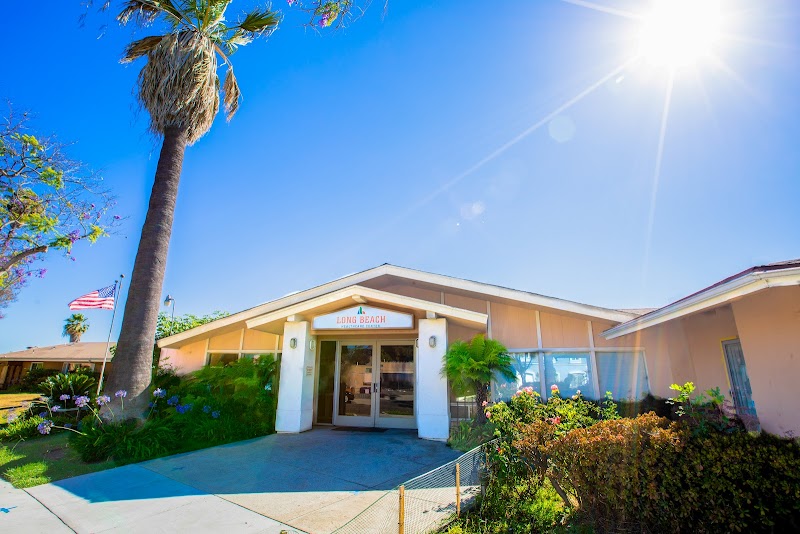
How is Long Beach Healthcare Center Staffed?

CMS rates LONG BEACH HEALTHCARE CENTER's staffing level at 3 out of 5 stars, which is average compared to other nursing homes. Staff turnover is 37%, compared to the California average of 46%. This relatively stable workforce can support continuity of care.

What Have Inspectors Found at Long Beach Healthcare Center?

State health inspectors documented 102 deficiencies at LONG BEACH HEALTHCARE CENTER during 2021 to 2025. These included: 4 that caused actual resident harm, 95 with potential for harm, and 3 minor or isolated issues. Deficiencies causing actual harm indicate documented cases where residents experienced negative health consequences.
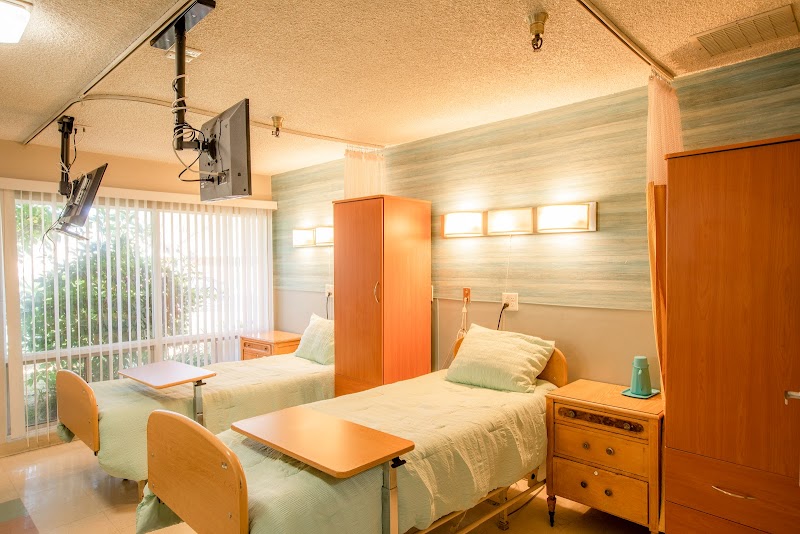
Who Owns and Operates Long Beach Healthcare Center?

LONG BEACH HEALTHCARE CENTER is owned by a for-profit company. For-profit facilities operate as businesses with obligations to shareholders or private owners. The facility is operated by SERRANO GROUP, a chain that manages multiple nursing homes. With 154 certified beds and approximately 139 residents (about 90% occupancy), it is a mid-sized facility located in LONG BEACH, California.
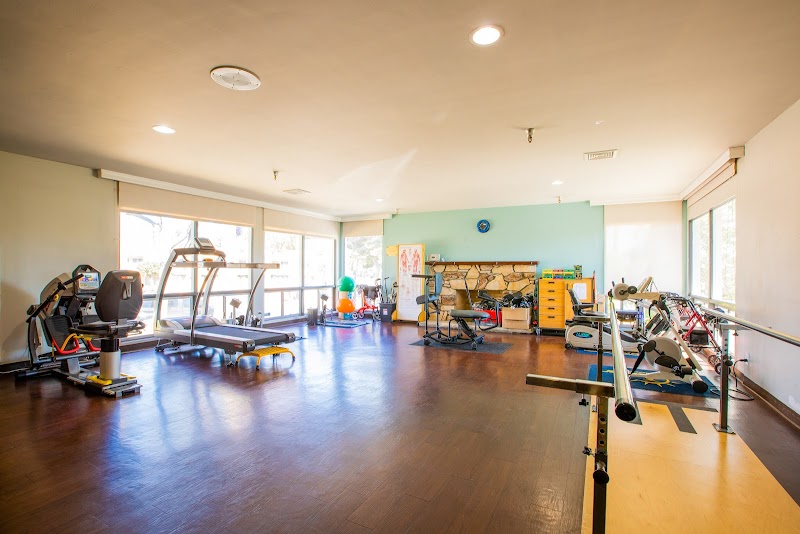
How Does Long Beach Healthcare Center Compare to Other California Nursing Homes?

Compared to the 100 nursing homes in California, LONG BEACH HEALTHCARE CENTER's overall rating (2 stars) is below the state average of 3.1, staff turnover (37%) is near the state average of 46%, and health inspection rating (1 stars) is much below the national benchmark.

What Should Families Ask When Visiting Long Beach Healthcare Center?

Based on this facility's data, families visiting should ask: "What safeguards and monitoring systems are in place to protect residents from abuse or neglect?" "Can I visit during a mealtime to observe dining assistance and food quality?" "How do you handle medical emergencies, and what is your hospital transfer rate?" "Can I speak with family members of current residents about their experience?" These questions are particularly relevant given the substantiated abuse finding on record.

Is Long Beach Healthcare Center Safe?

Based on CMS inspection data, LONG BEACH HEALTHCARE CENTER has documented safety concerns. The facility has 1 substantiated abuse finding (meaning confirmed case of resident harm by staff or other residents). The facility has a 2-star overall rating and ranks #100 of 100 nursing homes in California. Families considering this facility should ask detailed questions about what corrective actions have been taken since these incidents.

Do Nurses at Long Beach Healthcare Center Stick Around?

LONG BEACH HEALTHCARE CENTER has a staff turnover rate of 37%, which is about average for California nursing homes (state average: 46%). Moderate turnover is common in nursing homes, but families should still ask about staff tenure and how the facility maintains care continuity when employees leave.

Was Long Beach Healthcare Center Ever Fined?

LONG BEACH HEALTHCARE CENTER has been fined $62,403 across 2 penalty actions. This is above the California average of $33,703. Fines in this range indicate compliance issues significant enough for CMS to impose meaningful financial consequences. Common causes include delayed correction of deficiencies, repeat violations, or care failures affecting resident safety. Families should ask facility leadership what changes have been made since these penalties.

Is Long Beach Healthcare Center on Any Federal Watch List?

LONG BEACH HEALTHCARE CENTER is not on any federal watch list. The most significant is the Special Focus Facility (SFF) program, which identifies the bottom 1% of nursing homes nationally based on persistent, serious quality problems. Not being on this list means the facility has avoided the pattern of deficiencies that triggers enhanced federal oversight. This is a positive indicator, though families should still review the facility's inspection history directly.