MARLORA POST ACUTE REHAB HOSP
3801 E ANAHEIM ST, LONG BEACH, CA 90804 (562) 494-3311
For profit - Limited Liability company 99 Beds ABRAHAM BAK & MENACHEM GASTWIRTH Data: November 2025 1 Immediate Jeopardy citation
Trust Grade
23/100
#1064 of 1155 in CA
Last Inspection: December 2024

Within standard 12-15 month inspection cycle. Federal law requires annual inspections.

Overview

Marlora Post Acute Rehab Hospital has received a Trust Grade of F, indicating significant concerns about its overall quality of care. With a state ranking of #1064 out of 1155 and a county ranking of #319 out of 369 in Los Angeles County, this facility is in the bottom half for nursing homes in California. However, it is worth noting that the facility is improving, having reduced its issues from 26 in 2024 to 4 in 2025. Staffing is a relative strength with a rating of 4 out of 5 stars, but the turnover rate is concerning at 51%, which is above the state average. Despite good staffing ratings, the facility has faced serious issues, including a critical finding where a resident did not receive required medication checks, putting their health at risk. Additionally, the facility failed to ensure effective communication training for staff, which could negatively impact resident care. While there are strengths in staffing levels, the overall poor trust grade and serious compliance issues suggest families should proceed with caution.

Trust Score
F
23/100
In California
#1064/1155
Bottom 8%
Safety Record
High Risk
Review needed
Inspections
Getting Better
26 → 4 violations
Staff Stability
⚠ Watch
51% turnover. Above average. Higher turnover means staff may not know residents' routines.
Penalties
✓ Good
$37,595 in fines. Lower than most California facilities. Relatively clean record.
Skilled Nurses
○ Average
Each resident gets 34 minutes of Registered Nurse (RN) attention daily — about average for California. RNs are the most trained staff who monitor for health changes.
Violations
⚠ Watch
57 deficiencies on record. Higher than average. Multiple issues found across inspections.
★☆☆☆☆
1.0
Overall Rating
★★★★☆
4.0
Staff Levels
★★★★☆
4.0
Care Quality
★☆☆☆☆
1.0
Inspection Score
Stable
2024: 26 issues
2025: 4 issues

The Good

  • 4-Star Staffing Rating · Above-average nurse staffing levels
  • 4-Star Quality Measures · Strong clinical quality outcomes
  • Full Sprinkler Coverage · Fire safety systems throughout facility
  • No fines on record

Facility shows strength in staffing levels, quality measures, fire safety.

The Bad

1-Star Overall Rating

Below California average (3.1)

Significant quality concerns identified by CMS

Staff Turnover: 51%

Near California avg (46%)

Higher turnover may affect care consistency

Federal Fines: $37,595

Above median ($33,413)

Moderate penalties - review what triggered them

Chain: ABRAHAM BAK & MENACHEM GASTWIRTH

Part of a multi-facility chain

Ask about local staffing decisions and management

The Ugly 57 deficiencies on record

1 life-threatening
Aug 2025 2 deficiencies
CONCERN (D) 📢 Someone Reported This

A family member, employee, or ombudsman was alarmed enough to file a formal complaint

Potential for Harm - no one hurt, but risky conditions existed

Comprehensive Care Plan (Tag F0656)

Could have caused harm · This affected 1 resident

**NOTE- TERMS IN BRACKETS HAVE BEEN EDITED TO PROTECT CONFIDENTIALITY** Based on interview and record review, the facility failed to create a care plan for two of four sample residents (Resident 30 an...

Read full inspector narrative →
**NOTE- TERMS IN BRACKETS HAVE BEEN EDITED TO PROTECT CONFIDENTIALITY** Based on interview and record review, the facility failed to create a care plan for two of four sample residents (Resident 30 and 40) related to Resident 30 and 40 being smokers.This deficient practice places Resident 30 and 40 at risk for injuries or accidents related to smoking.Findings:a. During a review of Resident 30's admission Record (Face Sheet), the Face Sheet indicated Resident 30 was admitted to the facility on [DATE] with diagnoses including sepsis (a life-threatening blood infection). During a review of Resident 30's Minimum Data Set ([MDS] a resident assessment tool) dated 8/17/2025, the MDS indicated Resident 30's cognition was intact and required substantial/maximal assistance (helper does less than half the effort) from staff to complete his activities of daily living ([ADLs] activities such as bathing, dressing and toileting a person performs daily). During a review of Resident 30's Smoking assessment dated [DATE], the Smoking Assessment indicated Resident 30 required smoking measures such as a smoking apron (a fireproof covering worn over the chest and lap to protect a person and their clothing from burn holes caused by dropped cigarettes, cigars, or ashes) and cigarette extension (a slender tube that holds a cigarette while it is being smoked which is used to prevent hot ash from falling and burning a person's clothing) while smoking. b. During a review of Resident 40's admission Record (Face Sheet), the Face Sheet indicated Resident 40 was admitted to the facility on [DATE] with the diagnoses including hemiplegia (total paralysis of the arm, leg, and trunk on the same side of the body) and hemiparesis (weakness on one side of the body, affecting the arm, leg, and sometimes the face, caused by a brain or spinal cord injury) following cerebral infarction (a condition where blood flow to the brain is interrupted, leading to tissue damage). During a review of Resident 40's MDS dated [DATE], the MDS indicated Resident 40's cognition was intact and required substantial/maximal assistance from staff to complete his ADLs. During a review of Resident 40's Smoking assessment dated [DATE], the Smoking Assessment indicated Resident 40 required the use of a smoking apron while smoking. During an observation on 8/21/2025 at 1:20 p.m., on the smoking patio, Resident's 30 and 40 were observed smoking a cigarette. Residents 30 and 40 were observed not wearing smoking aprons while smoking, and Resident 30 did not have a cigarette extension on his cigarette. During a concurrent interview and record review on 8/21/2025 at 3:01 p.m., with Registered Nurse (RN 1), Resident 30's and 40's untitled Care Plans were reviewed. RN 1 stated there were no Care Plans created for Resident 30 and 40 related to their smoking. RN 1 stated resident's Care Plans act as a guide for the nurses, a plan of care, and interventions to keep the residents safe when smoking. During an interview on 8/21/2025 at 3:31 p.m., with the Director of Nursing (DON), the DON stated the purpose of a resident Care Plans is to provide a plan of care for the nursing staff to follow so they aware of the risk and goals for the residents when they are smoking. The DON stated the Care Plan provides a layout on how to keep the residents safe. During a review of the facility's policy and procedure (P&P) titled Care Plans, Comprehensive Person-Centered, dated 3/2022, the P&P indicated a comprehensive, person-centered care plan that includes measurable objectives and timetables to meet the resident's physical, psychosocial and functional needs is developed and implemented for each resident. The P&P indicated the Care Plan interventions are derived from a thorough analysis of the information gathered as part of the comprehensive assessment.
CONCERN (E) 📢 Someone Reported This

A family member, employee, or ombudsman was alarmed enough to file a formal complaint

Potential for Harm - no one hurt, but risky conditions existed

Accident Prevention (Tag F0689)

Could have caused harm · This affected multiple residents

**NOTE- TERMS IN BRACKETS HAVE BEEN EDITED TO PROTECT CONFIDENTIALITY** Based on observation, interview and record review, the facility failed to ensure three of four sampled residents (Residents 10, ...

Read full inspector narrative →
**NOTE- TERMS IN BRACKETS HAVE BEEN EDITED TO PROTECT CONFIDENTIALITY** Based on observation, interview and record review, the facility failed to ensure three of four sampled residents (Residents 10, 30, and 40), who smoked cigarettes, and required safety precautions when smoking which included wearing smoking aprons (a fireproof covering worn over the chest and lap to protect a person and their clothing from burn holes caused by dropped cigarettes, cigars, or ashes), wore the smoking aprons while smoking. This deficient practice has the potential to place Residents 10, 20, 30, and 40 at risk for burns and/or injuries related to smoking.Findings:a. During a review of Resident 10's admission Record (Face Sheet), the Face Sheet indicated Resident 10 was admitted to the facility on [DATE] with diagnoses including chronic obstructive pulmonary disease ([COPD] a chronic lung disease causing difficulty in breathing). During a review of Resident 10's Minimum Data Set ([MDS] a resident assessment tool) dated 7/14/2025, the MDS indicated Resident 10's cognition (the mental action or process of acquiring knowledge and understanding through thought, experience, and the senses) was moderately impaired and required setup or clean up assistance from staff to complete his activities of daily living ([ADLs] activities such as bathing, dressing and toileting a person performs daily). During a review of Resident 10's untiled Care Plan dated 8/8/2022, the Care Plan indicated Resident 10 had a potential for self in jury/burn related to impaired cognitive skills for decision making. The Care Plan goal indicated Resident 10 will remain safe while smoking in accordance with facility policy through a review date of 10/30/2025. The Care Plan interventions included monitoring by staff to ensure compliance with safety rules. During a review of Resident 10's Smoking assessment dated [DATE], the Smoking Assessment indicated Resident 10 required smoking measures such as wearing a smoking apron and using a cigarette extension (a slender tube that holds a cigarette while it is being smoked which is used to prevent hot ash from falling and burning a person's clothing) while smoking. During an interview on 8/21/2025 at 1:20 p.m., with Resident 10, Resident 10 stated he does not need to wear a smoking apron when he smokes. b. During a review of Resident 30's admission Record (Face Sheet), the Face Sheet indicated Resident 30 was admitted to the facility on [DATE] with diagnoses including sepsis (a life-threatening blood infection). During a review of Resident 30's MDS dated [DATE], the MDS indicated Resident 30's cognition was intact and required substantial/maximal assistance (helper does less than half the effort) from staff to complete his ADLs. During a review of Resident 30's Smoking assessment dated [DATE], the Smoking Assessment indicated Resident 30 required smoking measures which included wearing a smoking apron and using a cigarette extension while smoking. During an interview on 8/21/2025 at 1:20 p.m., Resident 30 stated he doesn't wear a smoking apron when he smokes. c. During a review of Resident 40's admission Record (Face Sheet), the Face Sheet indicated Resident 40 was admitted to the facility on [DATE] with diagnoses including hemiplegia (total paralysis of the arm, leg, and trunk on the same side of the body) and hemiparesis (weakness on one side of the body, affecting the arm, leg, and sometimes the face, caused by a brain or spinal cord injury) following cerebral infarction (death of brain cells due to prolonged lack of blood supply). During a review of Resident 40's MDS dated [DATE], the MDS indicated Resident 40's cognition was intact and required substantial/maximal assistance from staff to complete his ADLs. During a review of Resident 40's Smoking assessment dated [DATE], the Smoking Assessment indicated Resident 40 required smoking measures which included wearing a smoking apron while smoking. During an interview on 8/21/2025 at 1:20 p.m., with Resident 40, Resident 40 stated he did not like wearing a smoking apron when he smoked. During an observation on 8/21/2025 at 1:20 p.m., on the smoking patio, there were several smoking aprons noted hanging on the wall. Residents 10, 30, and 40 were observed smoking cigarettes but were not wearing smoking aprons. During an interview on 8/21/2025 at 1:20 p.m., with the Activities Assistant (AA), the AA stated she offered the use of the smoking aprons to Residents 10, 30, and 40, but the residents stated they'd rather not wear them. The AA stated smoking aprons are available if they wanted to wear them. During an interview on 8/21/2025 at 2:39 p.m., with the Activities Director (AD), the AD stated upon residents' admission and during daily huddles (a daily meeting held to keep staff informed of pertinent resident information) information is discussed related to safety measures residents require during smoke breaks. The AD stated she then relays the information obtained during the daily huddles to her activity staff. During a concurrent interview and record review on 8/21/2025 at 3:01 p.m., with Registered Nurse (RN 1), Residents 10, 30, and 40's Smoking Assessments were reviewed. RN 1 stated all residents who smoke are required to have supervision when smoking. RN 1 stated for residents who have a disability, for example sitting in a wheelchair, those residents require the use of a smoking apron. RN 1 stated Residents 10, 30, and 40, are required to wear smoking aprons when smoking. RN 1 stated if a resident refuses to wear the smoking apron, the facility's policy and risks should be explained and documented in the resident's medical record. RN 1 stated there was no documentation in Residents 10, 30, and 40's medical records indicated their refusal to wear the smoking aprons. During an interview on 8/21/2025 at 3:31 p.m., with the Director of Nursing (DON), the DON stated if the residents who smoke are assessed as requiring the use of smoking aprons during smoking, then they should be wearing the smoking aprons. The DON stated if the resident refuses to wear the smoking apron, it should be documented, and a Care Plan should be created. The DON stated if the residents do not wear the smoking apron, there is a potential for them to burn themselves. During a review of the facility's policy and procedure (P&P) titled, Safety and Supervision of Residents, dated 7/2017, the P&P indicated implementing interventions to reduce accident risks and hazards shall include the following: assigning responsibility for carrying out interventions and ensuring that interventions are implemented. During a review of the facility's P&P titled Smoking Policy-Residents, dated 8/2022, the P&P indicated any smoking related privileges, restrictions, and concerns (for example, need for close monitoring) are noted on the Care Plan, and all personnel caring for the resident shall be alerted to these issues.
May 2025 2 deficiencies
CONCERN (D) 📢 Someone Reported This

A family member, employee, or ombudsman was alarmed enough to file a formal complaint

Potential for Harm - no one hurt, but risky conditions existed

Comprehensive Care Plan (Tag F0656)

Could have caused harm · This affected 1 resident

**NOTE- TERMS IN BRACKETS HAVE BEEN EDITED TO PROTECT CONFIDENTIALITY** Based on interview and record review, the facility did not implement and develop a resident-centered fall care plan for one of t...

Read full inspector narrative →
**NOTE- TERMS IN BRACKETS HAVE BEEN EDITED TO PROTECT CONFIDENTIALITY** Based on interview and record review, the facility did not implement and develop a resident-centered fall care plan for one of the five sampled residents (Resident 3). This deficient practice could adversely impact the resident's physical wellbeing and increase the risk of further falls and injuries. Findings: During a review of Resident 3's admission record (Face Sheet), the Face Sheet indicated Resident 3 was admitted to the facility on [DATE] with diagnoses including encephalopathy (any damage or disease that affects the brain), sciatica (type of pain compressed nerve), and dementia (group of thinking and social symptoms that interferes with daily functioning). During a review of Resident 3's History and Physical (H&P), dated 4/20/2025, the H&P indicated Resident 3 has the capacity to understand and make decisions. During a review of Resident 3's Minimum Data Set ([MDS] a resident assessment tool), dated 4/18/2025, the MDS indicated Resident 3's cognitive skills (the mental action or process of acquiring knowledge and understanding through thought, experience, and the senses) were mildly impaired. The MDS indicated Resident 3 required moderate assistance (provide less than half the effort) for sit to stand, toilet transfer, chair/bed-to-chair transfer, toileting hygiene, bathing, dressing, eating, and required supervision for oral and personal hygiene. The MDS indicated Resident 3 utilized a wheelchair and walker with no impairments on both the upper and lower extremities. During a record review of Resident 3's Care Plan (CP) untitled, the CP indicated the resident is at risk for falls and injuries related to (r/t) balance problems, seizure, alcohol abuse, and history of multiple falls dated 4/23/2025 revised 4/25/2025. The CP intervention indicated continue room near nursing station for better visibility initiated 4/25/2025. During a review of Resident 3's Change of Condition (COC) dated 4/25/2025 at 3:50 a.m., it was noted that Resident 3 experienced an unwitnessed fall as a result of not using the call light to request assistance with a restroom transfer. During an interview on 5/27/2025 at 1:07 p.m. with Resident 3, it indicated that Resident 3 has not experienced any falls at the facility and utilizes both a walker and wheelchair. Resident 3 reported not feeling dizzy or lightheaded upon standing and does not require assistance when getting up. Additionally, Resident 3 stated that they can walk and go to the bathroom independently. During an interview on 5/27/2025 at 1:28 p.m. with Certified Nursing Assistant 1 (CNA 1), CNA 1 stated Resident 3 is a one-person assist and sometimes forgets to use the call light before going to the restroom independently. CNA 1 mentioned that Resident 3 asks for assistance when he needs clothes from his closet and tries to be as independent as possible. CNA 1 added that Resident 3 does not use the call light for bathroom visits but uses it when he requires pain medication. During an interview on 5/ 27/ 25, at 1:38 p.m., Licensed Vocational Nurse 1 (LVN 1) stated that Resident 3 is able to walk independently, use the bathroom without assistance, and perform most of his activities of daily living (ADLs), such as bathing, transferring, eating, and personal hygiene, by himself. LVN 1 stated when a resident has a history (hx) for falls, they do more frequent checked, encourage the residents to use the call light,. LVN 1 stated that they inform the Registered Nurse Supervisor (RNS) when a resident has experienced a fall, as it is important for the RNS to be aware of the situation. Not reporting the fall could result in further decline, excessive pain, and potential injury complications for the resident. LVN 1 mentioned that care plans are developed by all staff members, and they would create the care plan if they initiated the Change of Condition (COC). According to LVN 1, a care plan includes specific goals and interventions designed to address the COC and outline how these goals will be achieved. LVN 1 stated all of the interventions listed on the care plans have to be implemented as they will help lead them to help fix the issues presented. During an interview and record review on 5/27/2025 at 2:03 p.m., the Minimum Data Set Coordinator (MDSC) stated Resident 3 fell on 4/25/2025 and has a history of multiple falls. Knowing the resident's history of falls, alcohol abuse, and balance issues, MDSC confirmed he is automatically considered a fall risk. MDSC stated that based on the assessment and hospital records, they can determine if a resident is at risk for falls and implement necessary interventions like placing them near the nursing station or using floor mats. They will not use side rails for Resident 3, as he is continent and uses a walker. Although Resident 3 has poor balance, his sense of independence leads him to walk on his own without waiting for a CNA. Therefore, a nurse should always be on standby. MDSC stated Resident 3 requires supervision due to a history of falls. If he does not use the call light, they continue to reeducate him on its importance. MDSC reported that Resident 3 experiences forgetfulness, has an unsteady gait, shows confusion, and is non-compliant. Resident 3 sometimes the resident walks to the bathroom on their own when they require supervision. MDSC suggested that Resident 3 should have a care plan for non-compliance related to the use of call lights. MDSC stated Resident 3's fall could have been prevented knowing he has a hx for fall and is weak and indicated residents who have a hx of falls should automatically be placed in the falling star program (facility implemented program to prevent further falls from occurring). During a concurrent interview and record review on 5/28/2025 at 12:38p.m. with Director of Rehab (DOR), DOR stated when Resident 3 was admitted to the facility, he required moderate assistance for bed to wheelchair, wheelchair to toilet transfer and required maximum assistance with the use of the front wheel walker (FWW) on 4/14/2025. DOR stated Resident 3 cannot get up on his own to use the restroom and advised him to use the call light to get assistance as he is unsteady. DOR stated if Resident 3 continued to go to the bathroom without assistance, he could have another fall. During an interview on 5/28/2025 at 2:07p.m. with the Director of Nursing (DON) stated that if a resident expresses a desire to be independent and declines assistance, insisting they can go to the bathroom on their own without assistance or using the call light, this would be included in their care plan.The Director of Nursing (DON) stated that if a resident expresses a desire to be independent and declines assistance, insisting they can go to the bathroom on their own without assistance or using the call light, this would be included in their care plan. DON stated the care plan would show that interventions were placed and provided for resident's noncompliance for the use of call lights. DON stated it is important to have a care plan as it is the blue print and shows what types of interventions were done and whether it was effective, so a care plan has to be followed. During a subsequent interview and record review on 5/28/2025 at 2:39p.m. with DON, DON stated on the facility map, Resident 3's current room is close to the nursing station, but the staff would have to get up and walk to see the resident. DON stated Resident 3 is not particularly visible from the nursing station to his current room location and indicated the resident is located close enough to the nursing station where the staff can respond to him quicker if he does not want to use his call light. During a review of the facility's policies and Procedures (P&P), titled Care Planning -Interdisciplinary Team, revised date July 2024, the P&P indicated comprehensive, person-centered care plans are based on resident assessments and developed by an interdisciplinary team (IDT). During a review of the facility's P&P, titled Care Plans, Comprehensive Person-Centered, revised date March 2022, the P&P indicated the care plan interventions are derived from a thorough analysis of the information gathered as part of the comprehensive assessment. Care plan interventions are chosen only after data gathering, proper sequencing or events, careful consideration of the relationship between the resident's problem areas and their causes, and relevant clinical decision making. Assessments of residents are ongoing, and care plans are revised as information about the residents and the residents' conditions change.
CONCERN (E) 📢 Someone Reported This

A family member, employee, or ombudsman was alarmed enough to file a formal complaint

Potential for Harm - no one hurt, but risky conditions existed

Pharmacy Services (Tag F0755)

Could have caused harm · This affected multiple residents

**NOTE- TERMS IN BRACKETS HAVE BEEN EDITED TO PROTECT CONFIDENTIALITY** Based on interviews and record reviews, the facility did not ensure that a resident received medication as prescribed by the phy...

Read full inspector narrative →
**NOTE- TERMS IN BRACKETS HAVE BEEN EDITED TO PROTECT CONFIDENTIALITY** Based on interviews and record reviews, the facility did not ensure that a resident received medication as prescribed by the physician for two out of four sampled residents (Residents 1 and 3). This deficient practice had the potential to place Resident 1 and 3 at risk of receiving unnecessary medication. Findings: a. During a review of Resident 1's admission record (Face Sheet), the Face Sheet indicated Resident 1 was admitted to the facility on [DATE] with diagnoses including metabolic encephalopathy (brain disorder that disrupts the body's process of converting food into energy), unspecified mood [affective] disorder (mental health condition characterized as persistent changed in mood and behaviors, and abnormal posture. During a review of Resident 1's Minimum Data Set [MDS] a resident assessment tool), dated 3/14/2025, the MDS indicated Resident 1's cognitive skills (the mental action or process of acquiring knowledge and understanding through thought, experience, and the senses) were mildly impaired. The MDS indicated Resident 1 required supervision for toileting hygiene, required set up for eating, oral hygiene, bathing, personal hygiene, and was independent in toilet transfer and chair/bed-to chair transfer. The MDS indicated Resident 1 utilized a walker and did not have any impairments on both sides of the upper (arms/shoulders) and lower (hips/legs) extremities. During a review of Resident 1's Order Summary Report (physician orders) dated 5/22/2025, the order summary indicated Oxycodone-Acetaminophen (combination medication used to relieve moderate to severe pain) tablet 7.5-325 milligram (mg: unit of mass): give one (1) tablet by mouth every four (4) hours (hrs) as needed for breakthrough pain (PR 4-10/10). During a review of the Medication Administration Record (MAR) dated 5/1/ 2025 - 5/ 31/2025, it was noted that Oxycodone-Acetaminophen tablets (7.5-325 mg) were administered to Resident 1 according to the following directive: administer 1 tablet orally every 4 hours as needed for breakthrough pain with a pain rating of 4-10 on a scale of 10. · 5/17/2025 with a pain level of zero (0) at 8:50a.m. · 5/16/2025 with a pain level of 0 at 6:22p.m. · 5/5/2025 with a pain level of three (3) at 8:40a.m. · 5/5/2025 with a pain level of 3 at 2:22p.m. During a concurrent interview and record review on 5/27/2025 at 1:52p.m. with Licensed Vocational Nurse 1 (LVN 1), LVN 1 stated on the MAR dated 5/1/2025 - 5/31/2025, the check marks indicate that the medication was given. LVN 1 stated Resident 1's pain level on 5/17/2025 was 0 and indicated the order does not indicate to give the medication if the pain level was a 0. LVN 1 stated the order indicated to give medication at a pain level of 4-10, and the pain level of 3 dated 5/5/2025 on the MAR does not meet the criteria to administer the medication. During a concurrent interview and record review on 5/27/2025 at 2:33p.m. with Minimum Data Set Coordinator (MDSC), MDSC stated on the MAR dated 5/1/2025 - 5/31/2025, the pain level documented as 0 is a typo for 5/17/2025 and indicated it should be a number and not zero. The MDS indicated that pain medication was administered when the pain level was 3. The MDSD clarified that if the order specifies administering pain medication for levels between 4 and 10, it is acceptable to administer it at a pain level of 4. However, administering the medication at a pain level of 3 is incorrect. MDSC stated narcotics (a substance used to treat moderate and severe pain) for a pain level of 3 is not needed and giving more medications than the resident need may damage their liver. b. During a review of Resident 3's Face Sheet, the Face Sheet indicated Resident 3 was admitted to the facility on [DATE] with diagnoses including encephalopathy (any damage or disease that affects the brain), sciatica (type of pain compressed nerve), and dementia (group of thinking and social symptoms that interferes with daily functioning). During a review of Resident 3's H&P, dated 4/20/2025, the H&P indicated Resident 3 has the capacity to understand and make decisions. During a review of Resident 3's MDS, dated [DATE], the MDS indicated Resident 3's cognitive skills were mildly impaired. The MDS indicated Resident 3 required moderate assistance (provide less than half the effort) for sit to stand, toilet transfer, chair/bed-to-chair transfer, toileting hygiene, bathing, dressing, eating, and required supervision for oral and personal hygiene. The MDS indicated Resident 3 utilized a wheelchair and walker with no impairments on both the upper and lower extremities. During a review of Resident 3's Order Summary Report dated 5/27/2025, the order summary indicated Hydrocodone-Acetaminophen (combination medication used to relieve moderate to severe pain) tablet 5-325mg: give 1 tablet by mouth every 4 hours as needed for moderate to severe pain (4-6 to 7-10). During a review of the Medication Administration Record (MAR: detailed record of medication administered to residents) dated 5/1/2025 - 5/31/2025, the MAR indicated Oxycodone-Acetaminophen tablet 7.5-325 mg: give 1 tablet by mouth every 4 hrs as needed for breakthrough pain (PR 4-10/10) was administered to Resident 1 as follows: · 5/22/2025 with a pain level of 0 at 9:29a.m. · 5/25/2025 with a pain level of 0 at 8:13p.m. During a concurrent interview and record review on 5/27/2025 at 2:47p.m. with MDS, MDS indicated the MAR dated 5/1/2025 - 5/31/2025 indicated Resident 3's pain level was 0 on 5/22/2025 and 5/25/2025. MDS stated the MAR should not have been documented as 0 and the medication should have not been given and indicated accuracy is important. During a review of the facility's policies and Procedures (P&P), titled Administering Medications, revised date April 2019, the P&P indicated medications are administered in a safe and timely manner, and as prescribed. Medications are administered in accordance with prescriber orders, including any required time frame.
Dec 2024 19 deficiencies 1 IJ (1 affecting multiple)
CRITICAL (K)

Immediate Jeopardy (IJ) - the most serious Medicare violation

Deficiency F0760 (Tag F0760)

Someone could have died · This affected multiple residents

**NOTE- TERMS IN BRACKETS HAVE BEEN EDITED TO PROTECT CONFIDENTIALITY** Based on interview and record review the facility failed to ensure four out of eight sampled residents (Resident 6, Resident 26,...

Read full inspector narrative →
**NOTE- TERMS IN BRACKETS HAVE BEEN EDITED TO PROTECT CONFIDENTIALITY** Based on interview and record review the facility failed to ensure four out of eight sampled residents (Resident 6, Resident 26, Resident 29, and Resident 30) were free of a significant medication error. The facility failed to: 1. Ensure the licensed nurses checked Resident 6's heart rate prior to administering Amiodarone on as ordered 13 times from 10/1/2024 to 10/31/2024, and 13 times from 11/1/2024-11/20/2024. 2. Ensure Resident 26's Mexiletine (medication for the treatment of life-threatening heart disease including ventricular arrhythmias [an irregular heartbeat], such as sustained ventricular tachycardia [a rapid, irregular heartbeat], a life-threatening arrhythmia [an irregular heartbeat) 150 milligrams ([mg] a unit of weight measurement) was administered every eight hours as prescribed by the cardiologist (heart doctor [MD 2]). 3. Ensure Resident 26's medication Mexiletine 150 mg, was available for administration on 10/20/2024 to receive at 4 pm as ordered and scheduled. 4. Ensure the Quality Assurance Performance Improvement ([QAPI] a group who takes a systemic, interdisciplinary, comprehensive, and data driven approach to maintaining and improving safety and quality in nursing homes while involving residents and families, and all nursing home caregivers in practical and creative problem solving) identified and acted to correct the error in Mexiletine administration Resident 26 per facility's policy and procedure titled Adverse Consequences and Medication Errors dated 2/2023. 5. Ensure Resident 26 received Mexiletine on 10/20/2024 at 4 p.m. and on 11/8/2024, 11/26/2024 and 12/2/2024 at 8:00 a.m., 4 p.m. and 12:00 a.m. as ordered and not in less than eight hours between doses as ordered. 6. Ensure licensed vocational nurse (LVN 2) communicated Resident 26's late administration of Mexiletine to LVN 5 from oncoming shift, who would be administering the next dose to Resident 26 to prevent Mexiletine administration in less than eight hours. 7. Ensure licensed nurses monitored Resident 26 for Mexiletine adverse effects, including cardiac arrhythmias, when LVN 1 missed administering dose of Mexiletine on 10/20/2024 at 4 p.m. as ordered and scheduled. 8. Ensure the licensed nurses did not administer Midodrine to Resident 29 when the resident's systolic blood pressure ([SBP] the pressure of blood against the blood vessel walls when the heart contracts and pumps blood. It's the top number in a blood pressure reading) was greater than 130 as ordered by the physician and indicated in Resident 29's untitled Care Plan initiated on 10/6/2023. 9. Ensure the licensed nurses check Resident 30's blood pressure and pulse rate before administering Amiodarone as ordered. 10. Ensure the licensed nurses followed the facility's policy and procedure titled, Administering Medications to act upon the physician's orders to administer medication as ordered to minimize the risk of adverse consequences (an undesired effect of a drug) including chest pain and palpitations [a skipped, irregular, or extra heartbeat]) to Resident 6, 26, 29 and 30. These deficient practices resulted in: 1. Resident 26 missing one dose of Mexiletine on 10/20/2024 which can cause worsening cardiac arrhythmia. Resident 26 complained of feeling severe palpitations and feeling scared when he did not receive the ordered/scheduled dose. 2. Resident 26 was placed at high risk for liver toxicity (a condition that occurs when the liver is damaged by a harmful substance, such as a chemical, medication, supplement, or alcohol) and fatal (deadly) arrhythmias due to receiving Mexiletine in less than eight hours between doses. 3. Residents 6, 11, 20, 26, 30, 43, 51, and 70 who were receiving antiarrhythmic (used to treat irregular heart rhythm) medications were placed at risk to not receive medication as ordered resulting in potential worsening of cardiac arrhythmia. 4. Residents 6, 29, and 30 were placed at risk for low heart rate and low blood pressure (the pressure of blood on the walls of the arteries as the heart pumps blood around your body) when a physician's parameters (specific instructions that you can measure before medication administration) for administration of Amiodarone, Midodrine (used to treat low blood pressure) and Amlodipine Besylate (blood pressure medication) were not followed. On 12/6/2024 at 9:17 a.m., an Immediate Jeopardy ([IJ] a situation in which the provider's noncompliance with one or more requirements of participation has caused, or is likely to cause serious injury, harm, impairment, or death to a resident) was called in the presence of the facility's Director of Nursing (DON) and the facility's Administrator (ADMIN) due to the facility's failure to prevent significant medication errors. On 12/7/2024 at 8:05 a.m., the facility submitted an acceptable IJ Removal Plan ([IJRP] interventions to immediately correct the deficient practices). After onsite verification of the facility's IJRP's implementation through observation, interview, and record review, the IJ was removed on 12/7/2024 at 12:50 p.m., in the presence of the DON and ADMIN. The IJRP included the following immediate actions: a. Resident 26 was seen by MD 2 on 12/6/2024. The DON spoke to MD 2 and informed him Resident 26 missed a dose of Mexiletine on 10/20/2024 and was given a late dose on 11/8/2024, 11/26/2024 and 12/2/2024. b. On 12/6/2024, the DON provided one on one (1:1) training to the Licensed Vocational Nurses (LVNs) who documented Mexiletine's late and missed administration The DON discussed the importance of making sure medications are available, the process of when to reorder medications, and process if dose was late or missed, physician notification, monitoring of residents for adverse effect for missing medications and development of change of condition Situation, Background, Assessment, Recommendation ([SBAR] a significant change in a resident's health that requires attention) and care plan. c. On 12/6/2024, the DON provided one on one counseling and in-service (staff training and education) with LVN 2 in failing to administer the Mexiletine dose as scheduled and as ordered by the physician on 11/8/2024, the possible adverse effects of late administration (beyond 1-hour-before and 1-hour-after the scheduled time) and notification to the physician and monitoring of resident and/or responsible party if the schedule of the medication dose needs to be altered or changed, such as d. On 12/4/2024, the DON provided a phone 1:1 counseling and in-service with involved LVN 3 in failing to administer the Mexiletine dose on 11/26/24 and on 12/2/24 as scheduled and as ordered by the physician, and about the adverse effects of late administration including the process if the medication dose schedule needs to be altered or change such as notification to the physician. The DON will provide in-person counseling and in-service upon return to work of LVN 3 who failed to administer Mexiletine dose on 11/26/2024 and 12/2/2024. e. The facility's contracted Pharmacy Consultant initiated an in-service with thirteen LVNs on 12/6/2024 regarding administration of medications, the adverse effects of missing the dose and/or late medication administration. In-services will continue until all twenty-five LVNs have participated (remaining 12 LVNs) by 12/16/2024. f. The facility contracted Pharmacy Consultant is scheduled to do a Medication Regimen Review (MRR, a process that evaluates a patient's medications to identify and address issues that could be clinically significant) for Residents receiving antiarrhythmic medications including Residents 6, 11, 20, 26, 30, 43, 51 and 70 on 12/6/2024. g. The facility's Medical Director will initiate an in-service training with the seven LVNs on 12/06/2024 on the importance of administering antiarrhythmic medications as ordered and at the specified time; the adverse effects of not administering medications or late administration, and adverse effects of overdosing on medications when administered medication too close between doses . The Medical Director will continue to conduct the in-service until the remaining eighteen LVNs have participated by 12/16/2024. (Cross reference: F580, F726) Findings: 1. During a review of Resident 6's admission Record, the admission Record indicated Resident 6 was admitted to the facility on [DATE] and readmitted [DATE] with diagnoses including type 2 diabetes (a condition that occurs when the body doesn't use insulin properly, leading to high blood sugar levels), supraventricular tachycardia (SVT, an abnormally rapid heart rate and occurs when electrical impulses in the heart are out of sync [not happened at the same time], causing the heart to beat at least 100 beats per minute [bpm] and sometimes as high as 300 bpm), and heart failure. During a review of Resident 6's Minimum Data Set ([MDS] a resident assessment tool) dated 9/25/2024, the MDS indicated Resident 6 had severe impairment of cognitive (a condition that makes it difficult for a person to remember things, learn, concentrate, make decisions, or understand the meaning of things) skills for daily decision making. During a review of Resident 6's untitled Care Plan initiated on 5/2/2019 and revised on 11/15/2022, the Care Plan indicated Resident 6 had heart disease and was at risk of SVT with a goal for Resident 6 not to have any chest pain. The Care Plan interventions included for Resident 6 receiving her Amiodarone (a medication that prevents and treats arrhythmia) medication as ordered. During a review of Resident 6's Physician's Order Listing Report, the Physician's Order Listing Report indicated an order was placed on 10/5/2022 for Amiodarone tablet 200 mg, one tablet by mouth once daily, hold if pulse (heart rate) is less than 60. During a review of Resident 6's Medication Administration Record (MAR), the MAR indicated Not Applicable (NA) was documented 14 times from 10/1/2024 to10/31/2024 and 13 times from 11/1/2024-11/30/2024 instead of Resident 6's pulse reading which should have been checked and documented before the administration of Amiodarone The MAR indicated Amiodarone was marked as given. 2. During a review of Resident 26's admission Record, the admission Record indicated Resident 26 was originally admitted to the facility on [DATE] and readmitted on [DATE] with diagnoses of ventricular tachycardia ([VT] is a type of irregular heartbeat that occurs when the heart's lower chambers beat too fast. VT is defined as a heart rate of more than 100 beats per minute with at least three irregular heartbeats in a row) and with a cardiac pacemaker (a small, battery-powered device surgically placed under the skin of the chest that signals the heart to beat when the heartbeat is too slow or irregular). During a review of Resident 26's MDS dated [DATE], the MDS indicated Resident 1 had moderate cognitive impairment and had no behaviors of rejecting care such as medications. During a review of Resident 26's History and Physical (H&P) report dated 9/26/2024, the H&P indicated Resident 26 had the capacity to understand and make decisions. During a review of Resident 26's H&P/ admission Notes from a General Acute Care Hospital (GACH) dated 2/15/2024, Resident 26 was transferred to the GACH for an automatic implantable cardioverter defibrillator ([AICD] is a small device that's surgically implanted in the chest to monitor and correct an irregular heartbeat, or arrhythmia) interrogation (assessment of AICD because it engaged four times due to Resident 26's high heart rate). The GACH's record indicated Resident 26's electrocardiogram ([ECG] non-invasive test that measures the electrical activity of the heart) in the Emergency Department dated 2/15/2024, indicated the resident had SVT. During a review of Resident 26's GACH's MAR dated 2/15/2024- 2/24/2024 Resident 26 was started on Mexiletine 150 mg every eight hours on 2/22/2024 due to Resident 26's heart rate remaining elevated even after treatment with only Amiodarone 200 mg three times a day. During a review of Resident 26's Physician's Order Summary Report (from the facility), the Physician's Order Summary Report indicated the following orders dated 9/20/2024: a. Amiodarone Tablet 200 mg, one tablet twice a day for arrhythmia, hold for heart rate less than 60. b. Mexiletine oral capsule 150 mg, one capsule every eight hours for arrhythmia (administer at midnight, 8 a.m., and 4 p.m.). During a review of Resident 26's untitled Care Plan initiated on 9/21/2024, the care plan indicated there was a Black Box Warning (the most serious warning that the U.S. Food and Drug Administration [FDA-a US federal agency that protects public health by regulating the safety of many products] can issue for a prescription drug) for the use of Mexiletine with a goal for Resident 26 to not experience side effects with the use of Mexiletine. The care plan indicated there was a Black Box Warning that indicated there was a risk of acute (severe and sudden) liver injury with the use of Mexiletine. Resident 26's care plan initiated 9/22/2024 indicated Resident 26 had altered cardiovascular (the heart [cardio] and the blood vessels ([vascular]) status related to arrhythmia with a goal for Resident 26 to be free from complications of cardiac problems. The Care Plan interventions included monitoring Resident 26's vital signs (measurements of the body's essential functions) and notifying the physician of any significant abnormalities. During a review of Resident 26's MAR, the MAR indicated the following: a. From10/1/2024 to 10/31/2024 Resident 26 did not receive his scheduled 4 p.m. dose of Mexiletine 150 mg on 10/20/2024. The MAR indicated to see progress notes for the reason Resident 26's 4 p.m. dose of Mexiletine was not administered. A review of the Medication Administration Progress Notes for 10/20/2024 at 3:34 p.m., indicated awaiting medication delivery. b. The MAR indicated NA was documented instead of a pulse reading six times in the month of October 2024 and NA was documented 13 times instead of Resident 26's pulse reading for November 2024 before the administration of Amiodarone 200 mg Resident 26's pulse was not checked before administration of Amiodarone 200 mg as ordered. During a review of Resident 26's Medication Administration Audit Report for 11/1/2024 to 12/4/2024, the Medication Administration Audit Report indicated the resident's midnight dose for 11/8/2024 was given at 5:12 a.m., on 11/8/2024, which was five hours and 12 minutes later than scheduled and dose of Mexiletine ordered for 8:00 a.m. was given at 7:45 a.m. on 11/8/2024, which was two hours and 33 minutes after the last dose was given at 5:12 a.m. During a review of Resident 26's Medication Administration Audit Report for 11/1/2024 to -12/4/2024, the Medication Administration Audit Report indicated the resident's midnight dose on 11/26/2024 was given at 3:02 a.m., which was three hours and two minutes later and nine hours 38 minutes after the last dose given on 11/25/2024 at 5:24 p.m. The Medication Administration Audit Report indicated the resident's Mexiletine dose scheduled at 8:00 a.m. was given at 7:46 a.m., which was four hours and 44 minutes after the dose given at 3:02 a.m. During a review of Resident 26's Medication Administration Audit Report for 11/1/2024 to -12/4/2024, the Medication Administration Audit Report indicated the resident's midnight dose on 12/2/2024 was given at 2:42 a.m., which was two hours and 42 minutes later than scheduled and ordered and the 8:00 am. dose was given at 7:51 a.m., which was five hours and 9 minutes apart from the dose given at 2:42 a.m. instead of the ordered eight hours between doses. During a review of Resident 26's SBAR Communication Form dated 12/4/2024, the SBAR indicated Resident 26 informed LVN 10 he received a late dose of Mexiletine on 12/2/2024. Resident 26's primary care physician (MD 3) was informed two days later, on 12/4/2024 at 6:39 p.m., regarding the late dose administration on 12/2/2024. During a review of Resident 26's medical record and SBAR form from 10/2024 through 12/2024, the medical record and SBAR form did not indicate MD 3 was notified of Resident 26's missed dose of Mexiletine on 10/20/2024 or receiving the late doses on 11/8/2024 and 11/26/2024. During a review of the Manufacturers Insert for Mexiletine, revised on 1/2023, the Manufacturers Insert indicated Mexiletine was indicated for the treatment of documented ventricular arrhythmias, such as sustained ventricular tachycardia, that in the judgement of the physician were life-threatening. The peak (when the level of the drug in the patient's body is the highest) blood levels of Mexiletine were reached in two to three hours after intake. In most patients, the time it takes for Mexiletine's action in the body to reduce by half is approximately 10 to 12 hours. During an interview on 12/3/2024 at 10 a.m., Resident 26 stated he had a pacemaker placed in January 2024 and he was not receiving his heart medicine (Mexiletine) on time. Resident 26 stated he was supposed to get a midnight dose of Mexiletine and sometimes it would be after 2 a.m. without receiving the medication so he had to go hunt down the nurses to get his medications. During an interview on 12/4/2024 at 4 p.m., Resident 26 stated he missed a dose of Mexiletine in October 2024 (10/20/2024) because the facility did not order it in time from the pharmacy and his heart was beating out of control and he felt scared. Resident 26 stated he was very sensitive to how his heartbeat felt and when his medications were given late, he felt his heart beating differently and just did not feel good. Resident 26 stated there was an instance on 11/8/2024 where his midnight dose of medication was given at around 5 a.m., and then the 8 a.m. dose was given around 7 a.m. Resident 26 stated it was very scary for him because the doses were very close to each other. Resident 26 stated he did not like to complain so he just took the medication like the nurse said but deep down inside he was nervous because MD 2 told him, he could die if he did not take Mexiletine as prescribed. During an interview on 12/4/2024 at 4:15 p.m., LVN 5 stated Resident 26 was taking antiarrhythmic medications (Mexiletine and Amiodarone) for his history of VT, arrhythmia, and having a pacemaker. LVN 5 stated the nurses had to monitor Resident 26's heartrate and ensure it was not below 60 bpm when administering these medications. LVN 5 stated the Black Box warning for Mexiletine indicated Mexiletine can cause acute liver injury and Mexiletine should be reserved for residents with life threatening ventricular arrhythmias. LVN 5 stated it was very important to abide by the administration scheduled/ordered times for Resident 26's Mexiletine (8 a.m., 4 p.m., and midnight) and nurses were allowed only one hour before or after a scheduled administration time to give medication. LVN 5 stated if you gave Mexiletine too close to the next dose it could suddenly drop the blood pressure or heart rate too low. During an interview on 12/4/2024 at 4:20 p.m., MD 3 stated it was important to administer antiarrhythmics such as Mexiletine as ordered (every eight hours) for effectiveness. During an interview on 12/4/2024 at 4:24 p.m., the facility's Pharmacy Consultant (PC) stated antiarrhythmic medications were high risk medications and were managed closely by cardiologists. The PC stated it was important to give Mexiletine every eight hours as ordered because of the pharmacokinetics (the movement of drug into, through, and out of the body) of the medication to maintain therapeutic effects (the response(s) after a treatment of any kind, the results of which are judged to be useful or favorable). The PC stated it was important not to miss any doses of Mexiletine because it could cause worsening of arrhythmias. The PC stated if a dose was given within four hours of the next dose it would be considered a double dose and there was a risk for toxicity (the degree to which a substance can harm an organ). The PC stated that too much of the medication given could cause liver toxicity, a different cardiac arrhythmia and a too close or missed dose could worsen a cardiac arrythmia and was potentially life threatening. The PC stated the facility nurses should notify the physician of a late or missed dose right away. During an interview on 12/4/2024 at 4:51 p.m., the facility's Quality Assurance Consultant (QAC) stated the time documented on the Medication Administration Audit Report as administered was the time the nurse gave the medication. During an interview on 12/5/2024 at 8:05 a.m., Resident 26 stated he felt stressed in the facility because MD 2 made it clear to him that the Mexiletine needed to be taken every eight hours to be effective and that was why he would have to get out of bed, get dressed, and go look for the nurse when his midnight dose was late. Resident 26 stated he was fearful he would suffer from a massive heart attack or some other issue if he didn't get his medication as ordered ad scheduled. During an interview on 12/5/2024 at 8:20 a.m., the Director of Nursing (DON) stated the facility policy was to remove the pill out of the bubble pack (how the medication is dispensed from the pharmacy), give the medication to the resident, and then immediately document the medication administration and time in the resident's MAR. During an interview on 12/5/2024 at 10:29 a.m., MD 2 stated a missed dose or late dose of Mexiletine had the potential to cause a worsening of cardiac arrhythmia. During an interview on 12/5/2024 at 3:04 p.m., LVN 5 stated the computer system the licensed staff used to document medication administration did not have an alert that would inform her that the nurse from the shift prior gave the medication to the resident late. LVN 5 stated the only way to know the nurse from the prior shift did not give the medication or if it was administered late was if the nurse informed her (LVN 5). LVN 5 stated LVN 2 did not report to her that Mexiletine was administered late (12 a.m. dose given at 5:12 a.m.) on 11/8/2024 and that was why she gave the scheduled dose at 7:45 a.m. LVN 5 stated a late dose or a missed dose of medication was considered a medication administration error and the nursing staff should notify the physician of the missed or late dose, and the resident needed to be monitored and assessed for any changes in condition due to the late or missed dose. LVN 5 stated a check mark on the MAR meant the medication was given and it was important to follow the physician's orders for parameters because the vital signs could go below the normal range (BP reference range is less than 120 systolic and less than 80 diastolic [bottom number]) and heart rate normal range between 60 and 100 BPM) and that would not be good for the resident. LVN 5 stated there was an option to choose on the MAR that indicated NA but that should never be used and the actual vital sign should have been documented. During an interview on 12/5/2024 at 3:22 p.m., the DON stated the importance of following physician's orders for Mexiletine was the resident could develop problems or irregularities in heart rate if the physician's orders were not followed. The DON stated the doses given on 11/8/2024 for Resident 26's Mexiletine at 5:12 a.m. and 7:45 a.m. were considered a double dose and Resident 26 should have been monitored for adverse reactions. The DON stated the physician should have been notified of the late and missed doses of Mexiletine and Resident 26 should have been monitored for adverse reactions for three days. During a concurrent interview and record review on 12/5/2024 at 3:30 p.m., with the DON, the Administration Progress Note for Resident 26 dated 10/20/2024 was reviewed. The DON stated Resident 26's Mexiletine was not given because the facility was awaiting delivery of the Mexiletine from the pharmacy. The DON stated it was facility's process to order medications 3 to 5 days prior to running out so there would not be any missed doses, but it does not appear the Mexiletine was ordered in time. The DON stated arrhythmias were a life-threatening condition and the facility should always have the necessary antiarrhythmic medications available in the facility. The DON stated it was important to follow physician's orders for parameters relating to the BP and pulse because it was important for the nurses to know if they must hold (not administer) the medication, so the blood pressure or pulse did not drop causing weakness, dizziness, or the potential for the loss of consciousness. The DON stated nurses should never document NA instead of measuring and documenting the actual vital sign. 3. During a review of Resident 29's admission Record, the admission Record indicated Resident 29 was admitted to the facility 9/27/2023 with diagnoses of hypotension (low blood pressure) and atrial fibrillation ([AFib], a rapid irregular heartbeat). During a review of Resident 29's MDS dated [DATE], the MDS indicated Resident 29 had moderate cognitive impairment. During a review of Resident 29's Physician's Order Summary Report, the Physician's Order Summary Report indicated Resident 29 had an order dated 9/27/2023 for Midodrine 2.5 mg three times a day for hypotension, hold if SBP is greater than 130. During a review of Resident 29's untitled Care Plan initiated on 10/6/2023, the Care Plan indicated Resident 29 had hypotension related to heart disease with a goal to maintain Resident 29's blood pressure within an acceptable range as determined by the physician with interventions that included giving Midodrine as ordered. During a review of Resident 29's MAR, the MAR indicated NA was documented 14 times from 10/1/2024 to 10/31/2024 and 13 times from 11/1/2024 to 11/30/2024 instead of the pulse reading before the administration of Midodrine 2.5 mg tablet. The MAR indicated Midodrine 2.5 mg tablet was administered without Resident 29's pulse being checked first. The MAR indicated that Midodrine 2.5 mg tablet was given to Resident 29 on the following dates when Resident 29's SBP was above130: a. On 10/3/2024 6 a.m. for BP 133/63. b. On 10/4/2024 6 a.m. for BP 138/67. c. On 11/7/2024 10 p.m. for BP 149/54. d. On 11/17/2024 6 a.m. for BP 147/63. e. On 11/28/2024 6 a.m. for BP 131/69. During an interview on 12/6/2024 at 1:10 p.m., the Director of Staff Development (DSD) stated she was unsure why nurses were documenting NA on the MAR instead of the actual pulse rate and/or blood pressure reading because that was not the facility's policy. The DSD stated if the pulse rate and/or blood pressure reading was not documented, it was not measured, it was not done. The Director of Staff Development (DSD) stated if Resident 29's Midodrine was given when Resident 29's SBP was greater than 130, there was a risk for an increase in blood pressure which could place the resident at the risk of stroke [blood vessel bursting, causing bleeding and brain tissue damage]), heart attack, and chest pain. 4. During a review of Resident 30's admission Record, the admission Record indicated Resident 30 was admitted to the facility on [DATE] and readmitted [DATE] with diagnoses of AFib and congestive heart failure ([CHF] a chronic condition that occurs when the heart can't pump enough blood to meet the body's needs). During a review of Resident 30's Physician's Order Summary Report, the Physician's Order Summary Report indicated an order dated 9/22/2024 for Amiodarone 200 mg, one tablet twice a day for CHF, hold if heart rate is less than 60 and the order dated 9/23/2024 for Amlodipine Besylate (blood pressure medication) 10 mg tablet daily for hypertension ([HTN] high blood pressure), hold if SBP is less than 110 bpm. The order for Amlodipine administration parameter was updated on 10/25/2024 indicating to hold the medication if the resident's pulse rate was less than 60 bpm. During a review of Resident 30's untitled Care Plan initiated on 9/23/2024, the Care Plan indicated Resident 30 was at risk for cardiac distress (a group of heart-related symptoms that can quickly become life-threatening, including shortness of breath, chest pain, and feeling of a pounding heartbeat) related to heart failure with a goal for Resident 30 to be free from cardiac distress. The Care Plan interventions included monitoring the pulse rate and blood pressure, and administering medications as ordered. During a review of Resident 30's MDS dated [DATE], the MDS indicated Resident 30 was moderately cognitively impaired. During a review of Resident 30's MAR, for the administration of Amlodipine Besylate 10 mg tablet, the MAR indicate the following: a. There was NA documented seven times between 10/1/2024 to 10/31/2024 instead of the having Resident 30's documented blood pressure reading. b. There was NA documented three times between 10/1/2024 to 10/31/2024 instead of Resident 30's documented pulse rate. c. There was NA documented 16 times between 11/1/2024 to11/30/2024 instead of Resident 30's documented blood pressure and pulse rate readings. d. There was NA documented seven times between 11/1/2024 to 11/30/2024 instead of the resident's pulse rate. During an interview on 12/6/2024 at 2:29 p.m., the director of nursing (DON) stated medication administration errors were not part of their current QAPI program and issues were not identified by the QAPI team prior to learning about the deficiencies related to missed doses of medication, late administration of medication, and not following physician's orders during medication administration. The DON stated if they had been aware of the medication errors, they would have been added to the QAPI program to prevent the errors from occurring again. During a review of the facility's policy and procedure (P/P) titled Administering Medications undated, the P/P indicated medications were to be administered in accordance with prescriber orders, including any required time frame. Medication administration times were determined based on the resident need and benefit and not staff convenience. Factors that were considered for medication administration time included enhancing optimal therapeutic effect of the medication. Medications were to be administered within one hour of their prescribed time. Vital signs were to be checked if necessary for each resident prior to administering medications. The individual administering the medication was to document the date and time the medication was administered in the resident's medical record. The P/P indicated medication errors were to be documented, reported, and reviewed by the QAPI committee to inform process changes and or the need for additional staff training. During a review of the facility's P/P titled Documentation of Medication Administration dated 11/2022, the P/P indicated administration of medication was to be documented immediately after the medication was given. During a review of the facility's P/P titled Adverse Consequences of Medication Errors dated 2/2023, the P/P indicated a medication error was defined as the preparation or administration of drugs which is not in accordance with physician's orders, manufacturer specifications, or accepted professional standards. Examples of medication errors included the medication being given at the wrong time or a drug is ordered but not administered. A significant medication error is determined as one that is life threatening. The physician was to be promptly notified of any significant error. The resident was to be monitored for 24 to 72 hours after a significant medication error. The significant medication error was to be communicated to the oncoming shift as needed to alert staff of the need for continued monitoring.
CONCERN (D)

Potential for Harm - no one hurt, but risky conditions existed

Deficiency F0553 (Tag F0553)

Could have caused harm · This affected 1 resident

**NOTE- TERMS IN BRACKETS HAVE BEEN EDITED TO PROTECT CONFIDENTIALITY** Based on observation, interview and record review, the facility failed to ensure an Interdisciplinary Team ([IDT] team members f...

Read full inspector narrative →
**NOTE- TERMS IN BRACKETS HAVE BEEN EDITED TO PROTECT CONFIDENTIALITY** Based on observation, interview and record review, the facility failed to ensure an Interdisciplinary Team ([IDT] team members from different departments working together, to set goals, make decisions that ensure residents receive the best care) Care Conference meeting, involving one of three sampled residents (Resident 86) was initiated after Resident 86 had been to multiple eye doctor appointments and neither staff nor resident were aware of the outcome from the appointments. This deficient practice violated Resident 86's right to be an active participant in the IDT meeting to discuss his plan of care and services with the IDT members and possible delayed discussion of needed care and services. Findings: During a record review of Resident 86's admission Record, the admission Record indicated Resident 86 was admitted to the facility on [DATE] with diagnoses of end stage renal disease ([ESRD], also known as kidney failure, an illness that occurs when the kidneys can no longer function properly), diabetes type 2 ([DM]-a disorder characterized by difficulty in blood sugar control and poor wound healing), anemia (a condition where the body does not have enough healthy red blood cells), and hypertension ([HTN]-high blood pressure). During a record review of Resident 86's Minimum Data Set ([MDS], a resident assessment tool), dated 10/2/2024, the MDS indicated Resident 86 had intact cognitive (ability to think, understand, learn, and remember) status. The MDS indicated Resident 86 required setup or clean up assistance (helper sets up or cleans up but resident can complete the activity, helper assists only prior to or following the activity) for self-care abilities such as eating, oral hygiene and required supervision or touching assistance (helper provides verbal cues and/or touch assistance as resident completes activity) for toileting hygiene, shower/bathe, dressing and personal hygiene. The MDS also indicated Resident 86 required supervision for functional abilities such as rolling left and right, sit to lying position, lying to sitting at edge of bed and sit to stand position. During a record review of Resident 86's history and physical dated 7/28/24, Resident 86 had the capacity to understand and make decisions about his care. During a record review of Resident 86's IDT Care Conference Meeting Notes dated 6/27/2024, there was no mention of poor/decline in vision. There was no IDT Care Conference meeting after 6/27/2024. During a concurrent observation and interview on 12/3/2024 at 11:27 a.m., with Resident 86 in his room, Resident 86 was resting in bed with his eyes closed. Resident 86 opened his eyes when surveyor greeted resident. Resident 86 stated he saw the eye doctor two months ago and the eye doctor stated he was going to get surgery but Resident 86 did not know when or where. Resident 86 stated no one has told him anything about arrangements for surgery and his vision was getting worse. During a concurrent interview and record review on 12/6/2024 at 11:16 a.m., with Licensed Vocational Nurse (LVN) 4, the IDT Care Conference Meeting Notes dated 6/27/24 were reviewed. There was no mention of poor/decline in vision. LVN 4 stated the decline in vision did not happen until September 2024. LVN 4 stated there was no IDT meeting in September when Resident 86 verbalized a decline in vision in his eyes. LVN 4 stated she made an appointment for Resident 86 to be seen by a specialist ophthalmologist (a physician that specializes in diagnosing and treating eye disease) because during his recent eye exam last month with the in house eye doctor (contracted eye office conduct vision screenings, eye exams, mobile eye tests, and fit eyewear in the facility), the in house eye doctor stated Resident 86 needed another appointment to be seen by the specialist for diabetic retinopathy (a condition that damages the retina's blood vessels due to diabetes, leading to vision loss and potentially blindness). LVN 4 stated Resident 86 have been going to an outside eye doctor with his children when Resident 86 goes out on pass (someone is temporarily allowed to leave for a specific period, usually with the expectation of returning later) but the facility staff had not received any updates on what happened during those appointments. LVN 4 stated there should have been an IDT meeting in September to discuss Resident 86's blurry vision and what type of interventions Resident 86 may need. During a concurrent interview and record review on 12/6/2024 at 11:57 a.m., with the Social Service Director (SSD), the IDT Care Conference Meeting Notes dated 6/27/2024 were reviewed. There was no mention of poor/decline in vision during that meeting. The SSD stated the IDT team consisted of the physical therapist (a healthcare provider who helps you improve how your body performs physical movements) or occupational therapist (a healthcare provider who helps people improve their ability to do daily tasks such as dressing, cooking, eating), Nursing Team such as Registered Nurse, and Certified Nursing Assistant, Dietary Supervisor (manage and support the preparation and service of regular meals and therapeutic diets, order food and supplies), Activity Director (organization, conduct, and evaluation of planned activities such as arts and crafts, dancing, and music), and the SSD. The SSD stated the importance of the IDT meeting was to update the care plan and to discuss the plan on what else the facility can do for the residents in terms of their care. The SSD stated the last IDT meeting for Resident 86 was on 6/27/2024, and another IDT meeting should have been held in September. The SSD stated she does not remember if the facility had an IDT meeting in September for Resident 86 but stated there should been one. The SSD stated she was not aware of Resident 86's vision getting worse and was not aware of the multiple eye doctor appointments that Resident 86 went to. The SSD stated she did not know what was done during the eye appointments that Resident 86 was going to for his vision as the facility did not have any paperwork after the visits. During a concurrent interview and record review on 12/6/2024 at 3:39 p.m., with the Assistant Director of Nursing (ADON), the IDT Care Conference Meeting Notes dated 6/27/2024 was reviewed. There was no other IDT Care Conference Meeting Notes after 6/27/24. The ADON stated the importance of having an IDT meeting was to see if the interventions in the care plan are working for the residents. The ADON stated if the interventions do not work, the doctor would be notified to figure out what other care can be provided to the residents. The ADON stated the IDT team members consist of the Director of Nursing, Quality Assurance ([QA], evaluates nursing practices within a department to help maximize efficiency and optimize patient care) nurse, MDS Nurse, PT/OT, Dietary Supervisor, SSD and Activity Director. During an interview on 12/7/2024 at 11:51 a.m., with the MDS Nurse, MDS Nurse stated IDT meetings are held for any significant changes in the resident, every quarterly, annual and when residents get discharged from the facility. MDS Nurse stated the last IDT meeting was on 6/27/2024 for Resident 86. MDS nurse stated there was no IDT meeting in September for significant changes when Resident 86 verbalized changes in his vision and was seen by an eye doctor. MDS Nurse stated there should have been an IDT meeting in September because of the significant changes in the resident and the quarterly IDT meeting was due as well since the last IDT meeting was on 6/27/2024. The MDS Nurse stated the IDT meeting was missed for Resident 86. During a review of the facility's policy and procedure (P/P) titled, Care Plans, Comprehensive Person-Centered, revised December 2016, indicated, the IDT members includes the Attending Physician, a registered nurse who has responsibility for the resident, a nurse aide who has responsibility for the resident, a member of the food and nutrition services staff, the resident and the resident's legal representative; and, other appropriate staff or professionals as determined by the resident's needs or as requested by the resident . the resident will be informed of his or her right to participate in his or her treatment assessments of residents are ongoing and care plans are revised as information about the residents and the residents' conditions change .the Interdisciplinary Team must review when there has been a significant change in the resident's condition, when the desired outcome is not met, when the resident has been readmitted to the facility from a hospital stay; and at least quarterly, in conjunction with the required quarterly MDS assessment. During a review of the facility's P/P titled, Care Planning - Interdisciplinary Team, revised September 2013, indicated, interdisciplinary team includes the resident's attending physician, the registered nurse, the dietary manager/dietitian, the social services worker, the activity director/coordinator, therapists, director of nursing, charge nurse, nursing assistants, and others to meet the needs of the resident the resident, the resident's family and/or the resident's legal representative/guardian or surrogate are encouraged to participate in the development of and revisions to the resident's care plan .every effort will be made to schedule care plan meetings at the best time of the day for the resident and family .the mechanics of how the interdisciplinary team meets its responsibilities in the development of the interdisciplinary care plan (e.g., face-to-face, teleconference, written communication, etc.) is at the discretion of the care planning committee.
CONCERN (D)

Potential for Harm - no one hurt, but risky conditions existed

Comprehensive Care Plan (Tag F0656)

Could have caused harm · This affected 1 resident

**NOTE- TERMS IN BRACKETS HAVE BEEN EDITED TO PROTECT CONFIDENTIALITY** Based on observation, interview and record review, the facility failed to implement a care plan for poor/decline in vision for o...

Read full inspector narrative →
**NOTE- TERMS IN BRACKETS HAVE BEEN EDITED TO PROTECT CONFIDENTIALITY** Based on observation, interview and record review, the facility failed to implement a care plan for poor/decline in vision for one of three sampled residents (Resident 86). This deficient practice had the potential to negatively affect the quality of life and wellbeing for Resident 86 and to prevent him from achieving his highest practicable well-being. Findings: During a review of Resident 86's admission Record, the admission Record indicated Resident 86 was admitted to the facility on [DATE] with diagnoses of end stage renal disease ([ESRD], also known as kidney failure, is a terminal illness that occurs when the kidneys can no longer function properly), diabetes type 2 ([DM]-a disorder characterized by difficulty in blood sugar control and poor wound healing), anemia (a condition where the body does not have enough healthy red blood cells), and hypertension ([HTN]-high blood pressure). During a review of Resident 86's Minimum Data Set ([MDS], a resident assessment tool), dated 10/2/2024, the MDS indicated Resident 86 had intact cognitive (ability to think, understand, learn, and remember) status. The MDS indicated Resident 86 required setup or clean up assistance (helper sets up or cleans up but resident can complete the activity, helper assists only prior to or following the activity) for self-care abilities such as eating, oral hygiene and required supervision or touching assistance (helper provides verbal cues and/or touch assistance as resident completes activity) for toileting hygiene, shower/bathe, dressing and personal hygiene. The MDS also indicated Resident 86 required supervision for functional abilities such as rolling left and right, sit to lying position, lying to sitting at edge of bed and sit to stand position. During a review of Resident 86's history and physical dated 7/28/2024, Resident 86 had the capacity to understand and make decisions about his care. During a review of Resident 86's comprehensive care plans, the comprehensive care plans did not indicate a care plan addressing Resident 86's poor/decline in vision for his eyes. During a concurrent observation and interview on 12/3/2024 at 11:27 a.m., with Resident 86 in his room, Resident 86 was resting in bed with his eyes closed. Resident 86 opened his eyes when surveyor greeted resident. Resident 86 stated he was supposed to have surgery for his eyes but there were no updates on when and where it would be. Resident 86 stated it was surgery because his vision was getting worse. During a concurrent interview with record review on 12/6/2024 at 11:16 a.m., with Licensed Vocational Nurse (LVN) 4, the comprehensive care plan was reviewed. There was no comprehensive care plan for poor/decline in vision for Resident 86. LVN 4 stated for a decrease in vision, the facility should have implemented a care plan for poor/decline in vision. LVN 4 stated Resident 86 had issues with his vision just recently in September, his vision was blurry, and he couldn't see well. LVN 4 stated Resident 86 had been going to see the eye doctor during his out on pass (someone is temporarily allowed to leave for a specific period, usually with the expectation of returning later) with his son and daughter to his eye appointment at an outside facility. LVN 4 stated there should have been a care plan for Resident 86's poor vision so that everyone in the healthcare team was aware and to make sure the interventions being done was working and if it was not, the interventions needed to be reassessed and revised. During a concurrent interview with record review on 12/6/2024 at 4:20 p.m., with the MDS Nurse, Resident 86's comprehensive care plans were reviewed. The MDS Nurse stated Resident 86 did not have a comprehensive care plan for poor/decline in vision. The MDS Nurse stated Resident 86 should have had a care plan for decline in vision when Resident 86 first verbalized his concerns about his vision back in September. The MDS Nurse stated Resident 86 had been seeing an eye doctor since September and there was no comprehensive care plan implemented for Resident 86 to monitor and update the interventions. During a concurrent interview with record review on 12/7/2024 at 12:18 p.m. with the Director of Nursing (DON), the comprehensive care plan was reviewed. The comprehensive care plan did not address poor/decline in vision. The DON stated the importance of a comprehensive care plan was to make staff aware of what to do in terms of care to the residents with the interventions. The DON stated there needs to be a comprehensive care plan to make sure the interventions are working and if the interventions were not working, the facility can revise the care plan as needed. The DON stated the comprehensive care plan should be person-centered and tailored to the resident to make sure the care was provided to the residents correctly. During a review of the facility's policy and procedure titled, Care Plans, Comprehensive Person-Centered, revised December 2016, indicated, a comprehensive, person-centered care plan that includes measurable objectives and timetables to meet the resident's physical, psychosocial and functional needs is developed and implemented for each resident the comprehensive, person-centered care plan will include measurable objectives and timeframes; and describe the services that are to be furnished to attain or maintain the resident's highest practicable physical, mental, and psychosocial well-being .aid in preventing or reducing decline in the resident's functional status and/or functional levels .areas of concern that are identified during the resident assessment will be evaluated before interventions are added to the care plan .the comprehensive, person-centered care plan is developed within seven (7) days of the completion of the required comprehensive assessment (MDS) and assessments of residents are ongoing and care plans are revised as information about the residents and the residents' conditions change. During a review of the facility' policy and procedure titled, Care Planning-Interdisciplinary Team, revised September 2013, indicated, the facility's care planning/interdisciplinary team is responsible for the development of an individualized comprehensive care plan for each resident the care plan is based on the resident's comprehensive assessment and is developed by a care planning/interdisciplinary team.
CONCERN (D)

Potential for Harm - no one hurt, but risky conditions existed

Deficiency F0658 (Tag F0658)

Could have caused harm · This affected 1 resident

**NOTE- TERMS IN BRACKETS HAVE BEEN EDITED TO PROTECT CONFIDENTIALITY** Based on interview and record review the facility failed to ensure one of one resident's (Resident 70) diclofenac sodium externa...

Read full inspector narrative →
**NOTE- TERMS IN BRACKETS HAVE BEEN EDITED TO PROTECT CONFIDENTIALITY** Based on interview and record review the facility failed to ensure one of one resident's (Resident 70) diclofenac sodium external gel (medication for pain) order indicated the dose. This deficient practice resulted to Resident 70's diclofenac was administered from 11/17/2024 to 12/3/2024 without a documented dose which had the potential for overdosing or underdosing. Findings: During a review of Resident 70's admission Record, the admission Record indicated Resident 70 was readmitted to the facility on [DATE] with diagnoses including ventricular fibrillation (life threatening irregular heart beat), paroxysmal atrial fibrillation (type of irregular heart beat that usually end on their own within a week), and hypertensive heart disease (group of heart conditions caused by long-term high blood pressure - force of the blood pushing against the artery walls is consistently too high)with heart failure (serious condition that occurs when the heart is unable to pump enough blood and oxygen to the body's organs). During a review of Resident 70's Minimum Data set (MDS), A resident assessment tool, dated 11/23/2024, the MDS indicated Resident 70's cognitive skills (functions your brain uses to think, pay attention, process information, and remember things) for daily decision-making was severely impaired. During a review of Resident70's Order, 11/17/2024 the order indicated Diclofenac sodium external gel (medicine to treat pain) 1 percent apply to left shoulder topically two times a day for pain. During a review of Resident 70's Medication Administration record (MAR) for11/2024 and 12/2024, Resident 70 received Diclofenac sodium external gel 1 percent applied to the left shoulder without a specified dose from 11/17/2024 to 12/3/1024 During an interview and record review on 12/4/2024 at 9:28 a.m. with Licensed Vocational Nurse (LVN) 7 the MAR for 12/2024 was reviewed and the MAR indicated the Diclofenac gel did not specify a dose but it had been administered and ordered since 11/17/2024. LVN 7 stated the staff need to clarify the order to indicate how much topical gel we need to apply to Resident 70's shoulders. During an interview on 12/7/2024 at 12:30 p.m., with the Director of Nursing (DON) the DON stated medications orders need to indicate the dose to be able to administer the medication correctly. During a review of the facility's policy and procedure (P&P) titled, Administering Medication, undated, the P&P indicated medications were administered in a safe manner as prescribed. The P&P indicated the individual administering the medication checks the label three times to verify the right resident, right medication, right dosage, right time, and right method of administration before giving the medication.
CONCERN (D)

Potential for Harm - no one hurt, but risky conditions existed

Incontinence Care (Tag F0690)

Could have caused harm · This affected 1 resident

**NOTE- TERMS IN BRACKETS HAVE BEEN EDITED TO PROTECT CONFIDENTIALITY** Based on observation, interview and record review, the facility failed to ensure a resident was provided a foley catheter (a thi...

Read full inspector narrative →
**NOTE- TERMS IN BRACKETS HAVE BEEN EDITED TO PROTECT CONFIDENTIALITY** Based on observation, interview and record review, the facility failed to ensure a resident was provided a foley catheter (a thin, flexible tube that drains urine from the bladder into a bag outside the body, also called urinary catheter or indwelling urethral catheter) care to prevent recurrent urinary tract infections ([UTI], a bacterial infection that affects the urinary tract, which includes the bladder, ureters, and kidneys) for one of two sampled resident (Resident 25). This deficient practice had the potential to result in Resident 25 acquiring recurrent UTIs when foley catheter care was not provided according to the doctor's order. Findings: During a record review of Resident 25's admission Records, the admission Records indicated Resident 25 was admitted to the facility on [DATE] with a readmission date on 5/120/24 with diagnoses of obstructive and reflux uropathy (a blockage in the urinary tract that prevents urine from draining which can cause urine to build up in the kidneys, which can lead to kidney damage), hypertension ([HTN, high blood pressure), benign prostatic hyperplasia ([BPH], prostate enlargement, a noncancerous condition that occurs when the prostate gland in the male reproductive system grows larger than normal) with lower urinary tract symptoms, and mechanical complication of indwelling urethral catheter (a thin, hollow tube that is inserted into the bladder through the urethra to collect and drain urine). During a record review of Resident 25's Minimum Data Set ([MDS], a resident assessment tool) dated 9/17/2024, the MDS indicated Resident 25 had intact cognitive (ability to think, understand, learn, and remember) status. The MDS indicated Resident 25 required setup or clean up assistance (helper sets up or cleans up but resident can complete the activity, helper assists only prior to or following the activity) for self-care abilities such as eating, and oral hygiene and required maximal assistance (helper does more than half of the effort, Helper lifts or holds trunk or limbs and provides more than half the effort) for toileting hygiene, shower/bathe, dressing and personal hygiene. The MDS also indicated Resident 86 required moderate to maximal assistance for functional abilities such as rolling left and right, sit to lying position, lying to sitting at edge of bed and sit to stand position. During a record review of Resident 25's history and physical dated 5/2/2024, Resident 25 had the capacity to understand and make decisions about his care. During a record review of Resident 25's Order Summary Report, the Order Summary Report indicated a suprapubic catheter (a tube that drains urine from the bladder by creating a surgical connection between the bladder and the skin in the lower abdomen) orders: foley catheter care every shift three times a day ordered on 5/2/24, suprapubic catheter orders: monitor for foul odor in urine every shift. (+) if yes, (-) if no. notify doctor if present three times a day ordered on 5/2/2024, suprapubic catheter orders: monitor for hematuria (blood in the urine) every shift. (+) if yes, (-) if no. notify doctor if present three times a day, suprapubic catheter orders: monitor for sediments in urine every shift. (+) if yes, (-) if no. notify doctor if present three times a day ordered on 5/2/2024. During a record review of Resident 25's Treatment Administration Record (TAR) for November 2024, the TAR indicated suprapubic catheter orders: foley catheter care every shift three times a day for Day, Evening and Night. There was missing documentation on Day for 11/2/2024, Night on 11/4/2024, Evening on 11/12/2024, Evening on 11/15/2024, Night on 11/19/2024, 11/20/2024, 11/25/2024, and 11/26/2024. The TAR indicated suprapubic catheter orders: monitor for foul odor in urine every shift. (+) if yes, (-) if no. notify doctor if present three times a day for Day, Evening and Night. There was missing documentation on Day for 11/2/2024, Night on 11/4/2024, Evening on 11/12/2024, Evening on 11/15/2024, Night on 11/19/2024, 11/20/2024, 11/25/2024, and 11/26/2024. The TAR indicated suprapubic catheter orders: monitor for hematuria every shift. (+) if yes, (-) if no. notify doctor if present three times a day. There was missing documentation on Day for 11/2/2024, Night on 11/4/2024, Evening on 11/12/2024, Evening on 11/15/2024, Night on 11/19/2024, 11/20/2024, 11/25/2024, and 11/26/2024. The TAR indicated suprapubic catheter orders: monitor for sediments in urine every shift. (+) if yes, (-) if no. notify doctor if present three times a day. There was missing documentation on Day for 11/2/2024, Night on 11/4/2024, Evening on 11/12/2024, Evening on 11/15/2024, Night on 11/19/2024, 11/20/2024, 11/25/2024, and 11/26/2024. During a concurrent observation and interview on 12/3/2024 at 2:03 p.m., with Resident 25 in his room, Resident 25 was in bed watching television. Resident 25 had foley catheter bag with a privacy cover hanging on the bed off of the floor. Resident 25 stated he has had the foley catheter in for a while now. Resident 25 stated he got UTIs a lot but currently does not have one now. During a concurrent interview with record review on 12/6/2024 at 10:40 a.m., with LVN 8, the TAR for November 2024 was reviewed. LVN 8 stated when providing foley catheter care, she would cleanse the area with normal saline, pat dry and cover site with a dressing and tape using clean technique. LVN 8 stated during foley catheter care, staff should check to see if the foley catheter was draining properly and if it was not, staff should flush the foley catheter as needed. LVN 8 stated the signs and symptoms (s/s) of UTI was confusion, sedimentation in urine, fever, urgency, burning, and frequency of urination. LVN 8 stated foley catheter care should be provided daily for Resident 25 and if it was not documented in the TAR, then the care was not provided. During an interview on 12/7/2024 at 12:25 p.m., with the Director of Nursing (DON), the DON stated if there was no documentation that foley catheter care was provided in the TAR, the care was not provided. The DON stated staff should make sure care was provided to the residents and they are documenting that the care was provided. The DON stated there should be no gap in foley catheter care because residents can get recurrent UTIs. The DON stated the importance of foley catheter care and monitoring was so if staff see sediments, or hematuria in the urine, the staff should let the doctor know of the change in condition. The DON stated if foley catheter care was not provided to the residents as ordered, the residents can get UTIs. The s/s of UTIs are foul odor, fever, and suprapubic pain. During a review of the facility's policy and procedure (P/P), titled Catheter Care, Urinary, revised September 2014, indicated purpose of this procedure is to prevent catheter-associated urinary tract infections maintain clean technique when handling or manipulating the catheter, tubing, or drainage bag, routine hygiene (e.g., cleansing of the meatal surface during daily bathing or showering) is appropriate, be sure the catheter tubing and drainage bag are kept off the floor, empty the drainage bag regularly using a separate, clean collection container for each resident, avoid splashing, empty the collection bag at least every eight (8) hours .observe the resident for complications associated with urinary catheters, if the resident indicates that his or her bladder is full or that he or she needs to void (urinate), notify the physician or supervisor, check the urine for unusual appearance (i.e., color, blood, etc.), notify the physician or supervisor in the event of bleeding, or if the catheter is accidently removed, report any complaints the resident may have of burning, tenderness, or pain in the urethral area, observe for other signs and symptoms of urinary tract infection or urinary retention, report findings to the physician or supervisor immediately .the following information should be recorded in the resident's medical record, the date and time that catheter care was given, the name and title of the individual(s) giving the catheter care, all assessment data obtained when giving catheter care, character of urine such as color (straw-colored, dark, or red), clarity (cloudy, solid particles, or blood), and odor, any problems noted at the catheter-urethral junction during perineal care such as drainage, redness, bleeding, irritation, crusting, or pain.
CONCERN (D)

Potential for Harm - no one hurt, but risky conditions existed

Respiratory Care (Tag F0695)

Could have caused harm · This affected 1 resident

**NOTE- TERMS IN BRACKETS HAVE BEEN EDITED TO PROTECT CONFIDENTIALITY** Based on observation, interview, and record review the facility failed to ensure one of one resident (Resident 45) was receiving...

Read full inspector narrative →
**NOTE- TERMS IN BRACKETS HAVE BEEN EDITED TO PROTECT CONFIDENTIALITY** Based on observation, interview, and record review the facility failed to ensure one of one resident (Resident 45) was receiving the correct concentration of oxygen. This failure has the potential to result in too much oxygen which can cause serious health problems. Findings: During a review of Resident 45's admission Record, the admission Record indicated Resident 45 was readmitted to the facility on [DATE] with diagnoses including interstitial pulmonary disease (chronic condition that refers to a group of disorders that cause scarring in the lungs), pulmonary fibrosis (chronic lung disease that causes scarring and thickening of the lung tissue, making it difficult to breathe), acute respiratory failure (life-threatening condition that occurs when the lungs and blood are unable to exchange gases properly), and dependence on supplemental oxygen. During a review of Resident 45's Minimum Data set (MDS), A resident assessment tool, dated 11/22/2024, the MDS indicated Resident 45's cognitive skills (functions your brain uses to think, pay attention, process information, and remember things) for daily decision-making was intact. The MDS indicated Resident 45 required set up assistance with eating, partial assistance (helper does less than half the effort) with oral hygiene, and resident was dependent on staff with toileting hygiene, showering, and personal hygiene. During a review of Resident45's Order Summary Report as of 12/5/2024, the report indicated oxygen 2 liters per minute as needed to maintain oxygen saturation (a measurement of how much oxygen the blood is carrying as a percentage) above 92 percent every 24 hours as needed. During an observation and interview on 12/3/2024 at 9:13 a.m., in Resident 45's room, Resident 45's oxygen was observed, and the Assistant Director of Nursing (ADON) confirmed the oxygen at 2.5 liters per minute. During an interview on 12/6/2024 at 7:46 a.m. the ADON stated Resident 45's oxygen was ordered at 2 liters per minute and not 2.5 liters per minute. The ADON stated it was important to make sure the oxygen was at the prescribed order to maintain air in the lungs. During an interview on 12/7/2024 at 12:30 p.m., with the Director of Nursing (DON) the DON stated the staff need to follow physician orders and administer the correct oxygen as prescribed for the resident's safety. During a review of the facility's policy and procedure (P&P) titled, Oxygen Administration, revised 10/2010, the P&P indicated to review and verify the physician's order for this procedure for safe oxygen administration.
CONCERN (D)

Potential for Harm - no one hurt, but risky conditions existed

Medication Errors (Tag F0758)

Could have caused harm · This affected 1 resident

**NOTE- TERMS IN BRACKETS HAVE BEEN EDITED TO PROTECT CONFIDENTIALITY** Based on interview and record review the facility failed to monitor one of two resident's (Resident 146) behaviors while prescri...

Read full inspector narrative →
**NOTE- TERMS IN BRACKETS HAVE BEEN EDITED TO PROTECT CONFIDENTIALITY** Based on interview and record review the facility failed to monitor one of two resident's (Resident 146) behaviors while prescribed psychotropic medications (medications can alter brain chemistry, impact body functions, and modify a person's thoughts, moods, feelings, awareness, and perceptions). This failure had the potential to result in unnecessary medications. Findings: During a review of Resident 146's admission Record, the admission Record indicated Resident 146 was admitted to the facility on [DATE] with diagnoses including dementia (a progressive state of decline in mental abilities), major depressive disorder (a mood disorder that causes a persistent feeling of sadness and loss of interest), PTSD, and acquired absence of left foot, and acquired absence of right leg below the knee. During a review of Resident 146's MDS, dated [DATE], the MDS indicated Resident 146's cognitive skills for daily decision-making was moderately impaired. The MDS indicated Resident 146 required set up assistance when with eating, partial assistance (helper does less than half the effort) with oral hygiene, substantial assistance (helper does more than half the effort) with showering and dressing, and resident was dependent on staff with toileting hygiene. During a review of Resident146's Order Summary Report, 8/2/2024 to 8/15/2024, the report indicated: a) Escitalopram Oxalate (medication treats depression) 5 milligrams (mg) one tablet by mouth for depression manifested by feeling of hopelessness causing anxiety (excessive worry). b) Mirtazapine (Medication to treat depression) 15 mg one tablet by mouth at bedtime for depressive disorder for inability to sleep. During an interview and record review on 12/6/2024 10:34 a.m. with the Director of Staff Development (DSD), Resident 146's Medication Administration record (MAR) for 8/2024, was reviewed. The DSD stated, after reviewing the MAR, Resident 146 was receiving Escitalopram for depression manifested by feelings of hopelessness and anxiety. The DSD also stated Resident 146 was taking Mirtazapine for inability to sleep. The DSD stated there was no documented evidence Resident 146 was monitored hopelessness, anxiety, and for hours of sleep. The DSD stated he should have been monitored to ascertain the adequacy of medications he was taking. During an interview on 12/7/2024 at 12:30 p.m., with the Director of Nursing (DON) the DON stated when residents were on psychotropic medications the facility was supposed to monitor for behaviors manifesting so we know if the behaviors were a continuing issue or if the behaviors have subsided. During a review of the facility's policy and procedure (P&P) titled, Behavioral Assessment, Intervention, and Monitoring, revised 2001, the P&P indicated ; 1. lf the resident was being treated for altered behavior or mood, the Interdisciplinary team (IDT) will seek and document any improvements or worsening in the individual's behavior, mood, and function. 2.The IDT will monitor the progress of individuals with impaired cognition and behavior until stable. New or emergent symptoms will be documented and reported.
CONCERN (D)

Potential for Harm - no one hurt, but risky conditions existed

Deficiency F0761 (Tag F0761)

Could have caused harm · This affected 1 resident

**NOTE- TERMS IN BRACKETS HAVE BEEN EDITED TO PROTECT CONFIDENTIALITY** Based on observation, interview, and record review the facility failed to ensure one of three resident's (Resident 70) medicatio...

Read full inspector narrative →
**NOTE- TERMS IN BRACKETS HAVE BEEN EDITED TO PROTECT CONFIDENTIALITY** Based on observation, interview, and record review the facility failed to ensure one of three resident's (Resident 70) medication was not left on top of the medication cart unattended. This failure had the potential to result in visitors, residents, and staff unauthorized access to Resident 70's medication. Findings: During a review of Resident 70's admission Record, the admission Record indicated Resident 70 was readmitted to the facility on [DATE] with diagnoses including ventricular fibrillation (life threatening irregular heart beat), paroxysmal atrial fibrillation (type of irregular heart beat that usually end on their own within a week), and hypertensive heart disease (group of heart conditions caused by long-term high blood pressure - force of the blood pushing against the artery walls is consistently too high)with heart failure (serious condition that occurs when the heart is unable to pump enough blood and oxygen to the body's organs). During a review of Resident 70's Minimum Data set (MDS), A resident assessment tool, dated 11/23/2024, the MDS indicated Resident 70's cognitive skills (functions your brain uses to think, pay attention, process information, and remember things) for daily decision-making was severely impaired. During a review of Resident70's Order Summary Report as of 12/5/2024, the report indicated amiodarone 200 milligrams, give one tablet by feeding tube one time a day for ventricular fibrillation. During an observation during medication pass on 12/4/2024 at 9:30 a.m., Licensed Vocational Nurse (LVN) 7 was observed placing Resident 70's Amiodarone on the medication cart and then leaving the medication cart unattended. During an observation and interview on 12/4/2024 at 9:50 a.m. with the Director of Staff Development (DSD), the DSD observed the unattended medication on the medication cart and the DSD stated medications should not be left on top of the medication cart unattended because other residents can grab it. During an interview on 12/7/2024 at 12:30 p.m., with the Director of Nursing (DON) the DON stated medications cannot be left unattended for resident safety because anyone can take it. During a review of the facility's policy and procedure (P&P) titled, Medication Storage in the Facility, undated, the P&P indicated medication supply is only accessible to licensed nursing personnel, pharmacy personnel, or staff members lawfully authorized to administer medications.
CONCERN (D)

Potential for Harm - no one hurt, but risky conditions existed

Infection Control (Tag F0880)

Could have caused harm · This affected 1 resident

**NOTE- TERMS IN BRACKETS HAVE BEEN EDITED TO PROTECT CONFIDENTIALITY** Based on observation, interview, and record review, the facility failed to observe infection control measures for 2 of 3 sampled...

Read full inspector narrative →
**NOTE- TERMS IN BRACKETS HAVE BEEN EDITED TO PROTECT CONFIDENTIALITY** Based on observation, interview, and record review, the facility failed to observe infection control measures for 2 of 3 sampled residents (Residents 14 and 69) by failing to: Sanitize the Mechanical lift between caring for Resident 14 and Resident 69 This deficient practice had the potential to spread infections to other residents in the facility. Findings: During a review of Resident 69's admission Record, the admission Record indicated the facility initially admitted Resident 69 to the facility on 1/16/2023 and re-admitted on [DATE] with diagnoses including end stage renal disease (kidney failure-a condition in which the kidney's loose ability to remove waste and balance fluids in the body), generalized muscle weakness, and hypertension (high blood pressure). During a review of Resident 69's history and physical (H&P), dated 3/20/2024, the H&P indicated Resident 1 did not have the capacity to understand and make decisions. During a review of Resident 69's Minimum Data Set ([MDS] a resident assessment tool), dated 8/30/2024, the MDS indicated Resident 69 required substantial/maximal assistance (helper lifts or hold trunk of limbs and provides more than half the effort) with shower and bathing, changing positions from lying to sitting on side of bed, and sit to lying. Resident 69 was dependent (resident does none of the effort to complete the activity. Or the assistance of two or more helpers is required for the resident to complete the activity). During a review of Resident 14's admission Record, the admission Record indicated the facility initially admitted Resident 14 to the facility on [DATE] and re-admitted on [DATE] with diagnoses of chronic kidney disease , unspecified ( a disease means your kidneys slowly get damaged and can't do important jobs like removing waste and keeping blood pressure normal), anxiety disorder ( a feeling of fear dread and uneasiness ) and unspecified glaucoma (damage to the part of the eye affecting vision). During a review of Resident 14's H&P, dated 10/20/2024, the H&P indicated Resident 14 does not have the capacity to understand and make decisions. During a review of Resident 14's MDS, dated [DATE], the MDS indicated Resident 14 is dependent in eating, upper and lower body dressing, and personal hygiene. During an observation on 12/4/2024 at 1:25 p.m., Certified Nursing Assistant (CNA 1) and CNA 2 placed Resident 69 in a Mechanical lift and transferred him to his wheelchair. CNA 1 then pushed the Mechanical lift out of Resident 69's room and placed it in the hallway. When CNA 1 was finished securing Resident 69 in his wheelchair, CNA 1 washed her hands and proceeded to enter resident 14 room, provided care to Resident14. CNA 1 left Resident 14's room took the Mechanical lift that was in the hallway into the room and CNA 1 and CNA 2 placed Resident 14 into the Geri chair (a comfortable, padded, and reclining chair with wheels that's designed to help people with limited mobility). During an interview on 12/4/2024 at 1:41 p.m., with CNA 1, CNA 1 stated after finishing with Resident 69 and placing the Mechanical lift outside of Resident 69's room she did not remember to clean it before taking the Mechanical lift to Resident 14's room. CNA 1 stated it was important to clean the Mechanical lift before and after caring for a resident to prevent spreading infections. During an interview on 12/4/2024 at 2:00 p.m., with the Director of Staff Development (DSD) stated when equipment like a Mechanical lift is used for the residents it must be cleaned before and after use to prevent the spread of infection from resident to resident. During a review of the facility's policy and procedure (P&P) titled, Infection Prevention Quality and Control Program dated October 10, 2018 the P&P indicated, an infection prevention and control program is established and maintained to provide a safe sanitary and comfortable environment to help prevent the development and transmission of communicable diseases and infections.
CONCERN (E)

Potential for Harm - no one hurt, but risky conditions existed

Deficiency F0578 (Tag F0578)

Could have caused harm · This affected multiple residents

**NOTE- TERMS IN BRACKETS HAVE BEEN EDITED TO PROTECT CONFIDENTIALITY** Based on observation, interview and record review, the facility failed to ensure residents medical records were up to date as pe...

Read full inspector narrative →
**NOTE- TERMS IN BRACKETS HAVE BEEN EDITED TO PROTECT CONFIDENTIALITY** Based on observation, interview and record review, the facility failed to ensure residents medical records were up to date as per the facility's policy and procedure (P/P) titled, Advance Directives ([AD], a legal document of a resident's wishes regarding medical treatment) for two of six sampled residents (Residents 38 and Resident 86). This deficient practice violated the residents' rights to be fully informed of the option to formulate an AD and had the potential to cause conflict with the residents' wishes regarding health care in the event residents became incapacitated (unable to participate in a meaningful way in medical decisions) or unable to make medical decisions that would not be identified and/or carried out by the facility staff. a.During a review of Resident 38's admission Record, the admission Record indicated Resident 38 was admitted to the facility on [DATE] with diagnoses of bipolar disorder (sometimes called manic-depressive disorder; mood swings that range from the lows of depression to elevated periods of emotional highs), depression (sad mood disorder), schizoaffective disorder (a mental illness that can affect thoughts, mood, and behavior), and hypertension ([HTN], high blood pressure). During a review of Resident 38's Minimum Data Set ([MDS], a resident assessment tool) dated 4/23/2024, the MDS indicated Resident 38 was moderately impaired in cognitive skills (thought process) for daily decision-making and needed minimal assistance (helper provides verbal cues and/or touching) with eating, oral hygiene and upper body dressing and was dependent (helper does all of the effort and resident does none of the effort to complete the activity) on toileting hygiene, shower/bathe, lower body dressing. During a review of Resident 38's history and physical (H/P) dated 11/11/2024, the H/P indicated Resident 38 was alert and oriented to self (a person knows who they are but may not be fully oriented to other aspects like where they are or the current time and date) and unable to make his or her own medical decisions at this time. During a review of Resident 38's AD Acknowledgment form, the AD Acknowledgement form indicated Resident 38 had not executed an Advance Healthcare Directive (AHCD) but would like to receive more information about AHCD. The AD Acknowledgement form indicated Resident 38 signed and dated the form on 12/5/2024. During a concurrent observation and interview on 12/5/2024 at 3:20 p.m., with Resident 38 in his room, Resident 38 was resting in bed with eyes closed. Resident 38 opened his eyes when surveyor greeted resident. Resident 38 stated he does not remember if advance directive was discussed with him when he was first admitted to the facility, but the facility staff did have him sign something today. During a concurrent interview with record review on 12/620/24 at 3:57 p.m., with the Social Service Director (SSD), AD Acknowledgement form dated 12/5/24 along with H/P dated 11/11/24 was reviewed. The SSD stated Resident 38 was not alert when he was first admitted to the facility, so the AD Acknowledgement form was not discussed with the resident during his admission process. The SSD stated the AD Acknowledgement form should have been done when he was first admitted on [DATE] or 72 hours after admission during care conference meeting (also called Interdisciplinary Team meeting, a gathering where healthcare professionals, a patient, and their family members come together to discuss the patient's current care plan, address any concerns, and collaboratively make decisions regarding their treatment and overall well-being). The SSD stated the AD Acknowledgment form was not valid since the H/P dated 11/11/2024 indicated Resident 38 was not able to make his or her own medical decisions at this time. The SSD stated another AD Acknowledgement form should be discussed with the resident since Resident 38 was more alert now after the doctor reassessed the resident for mental and functional ability. During a concurrent interview and record review on 12/7/2024 at 12:11 p.m., with the Director of Nursing (DON), the AD Acknowledgement form dated 12/5/24 along with H/P dated 11/11/24 was reviewed. The DON stated the importance of having an AD was so the facility would know what to do if something were to happen to the resident when the resident goes to the hospital. The DON stated the Registered Nurse Supervisor (RNS) does the AD Acknowledgment form with the residents during the admission process but if the residents were not alert, the SSD does it during the care conference meeting within 72 hours of admission. The AD Acknowledgment form was not valid since Resident 38 did not have the capacity to make medical decisions and another one should be discussed with Resident 38 after Resident 38 has been reassessed by the doctor for mental and functional ability. b.During a review of Resident 86's admission Record, the admission Record indicated Resident 86 was admitted on [DATE] with diagnoses of atrial fibrillation (abnormal heartbeat), hypertension, insomnia (difficulty falling asleep), and anxiety disorder (a group of mental health conditions that cause fear, dread and other symptoms that are out of proportion to the situation). During a review of Resident 86's MDS dated [DATE], the MDS indicated Resident 86's cognitive skills for daily decision making were moderately impaired and needed supervision to minimal assistance with self-care needs such as eating, oral hygiene, toileting, shower, and dressing and mobility abilities such as rolling left and right, sitting to lying position and lying to sitting on the side of the bed. During a record review of Resident 86's AD Acknowledgement form, the AD Acknowledgement form indicated Resident 86 had an AHCD, understood that the terms of any AD that had been executed would be followed by the health care facility and caregivers to the extent permitted by law. The AD Acknowledgement form indicated Resident 86 had executed an AHCD and a copy was requested by the facility. The AHCD indicated Resident 86 had signed and dated the form on 12/5/2024. During a concurrent observation and interview on 12/5/2024 at 3:03 p.m., with Resident 86, Resident 86 was sitting in bed watching TV. Resident 86 stated she does not remember if the AD Acknowledgement form was discussed with her. Resident 86 stated she had a discussion with the doctor, stated she talked to her doctor about what she wanted when she goes to the hospital. During a concurrent interview and record review on 12/6/2024 at 11:46 a.m., with the SSD, the AD Acknowledgement form dated 12/5/24 was reviewed. The SSD stated the facility does not have a copy of Resident 86's AD. The SSD stated if the facility doesn't have a copy of the AD documents, the facility does not know what the resident wishes are. During a concurrent interview and record review on 12/7/2024 at 12:11 p.m., with the DON, the AD Acknowledgement form dated 12/5/2024 was reviewed. The DON stated the AD Acknowledgement form should have been done when Resident 86 was admitted to the facility. The DON stated if the AD Acknowledgement form was done during the admission process, the facility would have a copy of the AD by now. The DON stated if the facility does not have a copy of the AD, the facility would not know what the resident's wishes were and not respecting the resident's wishes when it comes to their care. During a review of the facility's policy and procedure (P/P) titled, Advance Directive, revised December 2016, indicated, upon admission, the resident will be provided with written information concerning the right to formulate an advance directive if he or she chooses to do so if the resident is incapacitated and unable to receive information about his or her right to formulate an AD, the information may be provided to the resident's legal representative if the resident became able to receive and understand this information later, he or she will be provided with the same written material as described above, even if his or her legal representative has already been given the information prior to or upon admission of a resident, the Social Service Director or designee will inquire of the resident, his/her family members and/or legal representative, about the existence of any written advance directives .information about whether or not the resident has executed an advance directives shall be displayed prominently in the medical record.
CONCERN (E)

Potential for Harm - no one hurt, but risky conditions existed

Notification of Changes (Tag F0580)

Could have caused harm · This affected multiple residents

**NOTE- TERMS IN BRACKETS HAVE BEEN EDITED TO PROTECT CONFIDENTIALITY** Based on interview and record review the facility failed to notify two of eight sampled resident's (Residents 6 and 26) primary ...

Read full inspector narrative →
**NOTE- TERMS IN BRACKETS HAVE BEEN EDITED TO PROTECT CONFIDENTIALITY** Based on interview and record review the facility failed to notify two of eight sampled resident's (Residents 6 and 26) primary care physician immediately when: a. Resident 6, who had a diagnosis of Diabetes Mellitus (DM- a disorder characterized by difficulty in blood sugar control and poor wound healing) and received insulin (a hormone which lowers the level of glucose [a type of sugar in the blood] had a blood sugar reading of 508 milligrams (mg - metric unit of measurement, used for medication dosage and/or amount)/deciliter (dL- a metric unit of capacity) on 11/17/2024. This deficient practice resulted in Resident 6's physician being unaware of Resident 6's elevated blood sugar (BS) level and had the potential for a delay in treatment interventions to decrease Resident 6's BS level. This deficient practice had the potential for Resident 6 to have diabetic ketoacidosis (DKA- a serious and potentially life-threatening complication of diabetes that occurs when the body doesn't have enough insulin to use blood sugar for energy), hospitalization, coma, and/or death. b. Resident 26's, who received mexiletine (medication for the treatment of life-threatening heart disease including ventricular arrhythmias [an irregular heartbeat], such as sustained ventricular tachycardia [SVT- a rapid, irregular heartbeat], a life-threatening arrhythmia [an irregular heartbeat or irregular heart rhythm]) 150 milligrams (mg) every eight hours, dose was missed on 10/20/2024 and when the dose was administered late on 11/8/2024, 11/26/2024, and on 12/12/2024. These deficient practices resulted in a delay of treatment and a potential for Resident 26 to experience worsening cardiac arrythmia and need for hospitalization. (Cross Reference to F760) Findings: a. During a review of Resident 6's admission Record, the admission Record indicated Resident 6 was admitted to the facility 6/23/2011 and readmitted [DATE] with diagnoses including DM, supraventricular tachycardia (SVT- a rapid heart rate), and heart failure (a heard disorder which causes the heart to not pump the blood efficiently, sometimes resulting in leg swelling). During a review of Resident 6's Minimum Data Set (MDS- a federally mandated resident assessment tool) dated 9/25/2024, the MDS indicated Resident 6 had severe cognitive impairment (a condition that makes it difficult for a person to remember things, learn, concentrate, make decisions, or understand the meaning of things). During a review of Resident 6's Order Summary Report (Physician's Orders), the report indicated Resident 6 was to receive insulin Lantus 10 units subcutaneously (SQ-under the skin) at bedtime for diabetes and hold if BS is less than 100 mg/dL. The report indicated to check Resident 6's BS prior to administering Lantus. During a review of Resident 6's Medication Administration Record (MAR) dated 11/2024, the MAR indicated Resident 6 had a BS level of 508 mg/dL on 11/17/2024 at 9 p.m. The MAR indicated there was no documentation in Resident 6's medical record that the physician was notified of Resident 6's elevated BS. During an interview on 12/6/2024 at 12:49 p.m., Licensed Vocational Nurse (LVN 11) stated it was facility's policy to call the physician if blood sugars were below 70 mg/dL or above 400 mg/dL. LVN 11 stated it was important to call the physician when Resident 6's BS was 508 mg/dL to see if any new orders needed to be placed and/or additional interventions were needed. During a concurrent interview and record review on 12/6/2024 at 1:09 p.m., Resident 6's clinical record was reviewed. There was no documentation indicating Resident 6's physician was notified of Resident 6's BS level of 508 mg/dL. The DSD stated she reviewed Resident 6's clinical record and could not find any documentation indicating Resident 6's physician was notified of the BS level of 508 mg/dL on 11/17/2024. The DSD stated a BS of 508 mg/dL was abnormally high and was considered a change of condition, which required notification to the physician. The DSD stated elevated BS levels can lead to diabetic ketoacidosis and coma (a medical emergency that involves a prolonged state of unconsciousness where a person cannot be awakened and does not respond to external stimuli). b. During a review of Resident 26's admission Record, the admission Record indicated Resident 26 was originally admitted to the facility 1/31/2024 and readmitted on [DATE] with diagnoses including ventricular tachycardia (VT- a rapid, irregular heartbeat), cardiac arrythmia (an irregular heart beat or heart rhythm), and presence of a cardiac pacemaker (a small, battery-powered device that regulates the heart's rhythm by sending electrical pulses to the heart's chambers). During a review of Resident 1's MDS dated [DATE], the MDS indicated Resident 26 had moderate cognitive impairment. During a review of Resident 26's Order Summary Report (Physician's Orders), the report indicated Resident 26 was to receive mexiletine HCl 150 mg every eight hours scheduled at 12 a.m., 8 a.m., and at 4 p.m., ordered on 9/20/2024. During a review of Resident 26's MAR, dated 10/2024 and 11/2024, the MAR indicated between 10/1/2024 to 10/31/2024, Resident 26 did not receive the 4 p.m. dose of mexiletine HCl 150 mg on 10/20/2024 and the MAR indicated to see progress notes for reason. During a review of Resident 26's MAR Administration Note (Progress Notes) for 10/20/2024 at 3:34 p.m. mexiletine HCl 150 mg, read awaiting delivery. During a review of Resident 26's Medication Admin Audit Report (MAAR- a document indicating the exact time medications were documented as administered dated 11/1/2024 to 12/4/2024, the MAAR indicated mexiletine HCl was administered to Resident 26 as follows: 1. On 11/8/2024 - mexiletine HCl was scheduled to be administered at 12 a.m., however, according to the MAAR, mexiletine HCL was administered to Resident 26 at 5:12 a.m. (5 hours and 12 minutes after the scheduled administration time). 2. On 11/8/2024 - mexiletine HCl was scheduled to be administered at 8 a.m., however, according to the MAAR, mexiletine HCL was administered at 7:45 a.m. (less than 2 hours and 33 minutes between doses that the physician prescribed). 3. On 11/26/2024 - mexiletine HCl the 12 a.m. dose was given at 3:02 a.m., (3 hours and 2 minutes late and 9 hours 38 minutes after the last dose on 11/25/2024 that was given at 5:24 p.m.) and the 8:00 a.m. dose was given at 7:46 a.m. (4 hours and 44 minutes since the last dose). 4. On 12/2/2024 - mexiletine HCl 12 a.m. dose was given at 2:42 a.m., (2 hours and 42 minutes late) and the 8:00 a.m. dose was given at 7:51 a.m. (5 hours and 9 minutes apart). During a review of Resident 26's SBAR (Situation, Background, Assessment, Recommendation) Communication Form dated 12/4/2024, the SBAR indicated Resident 26 informed the facility he received a late dose of mexiletine on 12/2/2024. The SBAR indicated Resident 26's primary care physician (MD 3) was informed on 12/4/2024 at 6:39 p.m. regarding the late dose from 12/2/2024 (2 days later). During a review of Resident 26's clinical record, there was no documentation indicating MD 3 was notified of the missed mexiletine dose on 10/20/2024, nor was informed of the late administration on 11/8/2024, 11/26/2024, and on 12/2/2024. During an interview on 12/5/2024 at 3:04 p.m., Licensed Vocational Nurse (LVN 5) stated a late dose or missed dose of medication was a medication error and needed to be relayed to the resident's physician to see if any new orders need to be placed or if any additional monitoring needed to be done. During an interview on 12/5/2024 at 3:22 p.m., the Director of Nursing (DON) stated missed doses and late doses of medication are considered medication errors. The DON stated the licensed nurses should have done a change of condition and notified Resident 26's physician. The DON stated Resident 26 was supposed to be monitored for three days after each medication error. The DON stated a missed dose or late dose of mexiletine could cause a worsening cardiac arrhythmia. During a review of the facility's policy and procedure (P&P) titled Diabetes-Clinical Protocol, dated 2001, the P&P indicated the physician was to follow up on any acute (sudden) episodes associated with a significant change in blood sugars. During a review of the P&P titled Change in a Resident's Condition or Status, dated 2021, the P&P indicated the facility was to promptly notify the resident's attending physician for any changes in the resident's medical condition. The P&P indicated the nurse was to record in the resident's medical record any information relative to changes in the resident's medical condition. During a review of the facility's P&P titled Adverse Consequences of Medication Errors, dated 2/2023, the P&P indicated a medication error was defined as the preparation or administration of drugs which is not in accordance with physician's orders, manufacturer specifications, or accepted professional standards. Examples of medication errors included the medication being given at the wrong time or a drug is ordered but not administered. A significant medication error is determined as one that is life threatening. The physician was to be promptly notified of any significant error and the resident was to be monitored for 24 to 72 hours after a significant medication error. The P&P further indicated the significant medication error was to be communicated to the oncoming shift as needed to alert staff of the need for continued monitoring.
CONCERN (E)

Potential for Harm - no one hurt, but risky conditions existed

Free from Abuse/Neglect (Tag F0600)

Could have caused harm · This affected multiple residents

**NOTE- TERMS IN BRACKETS HAVE BEEN EDITED TO PROTECT CONFIDENTIALITY** AMENDED 1/2/2025 Based on interview and record review the facility did not protect three of three sampled resident (Resident's 6...

Read full inspector narrative →
**NOTE- TERMS IN BRACKETS HAVE BEEN EDITED TO PROTECT CONFIDENTIALITY** AMENDED 1/2/2025 Based on interview and record review the facility did not protect three of three sampled resident (Resident's 62 and 69) from abuse and neglect: The facility failed to: 1a.Report alleged abuse of Resident 69 by Resident 1 b.Ensure Resident 69 was safe from Resident 1 after alleged abuse. c.Monitor Resident 1 and 69 for alleged abuse. 2a. Ensure Resident 146, who was aggressive and combative toward staff on 8/15/2024 was sent out to a general acute care hospital (GACH) on a 5150 (temporary, involuntary psychiatric commitment of residents who present a danger to themselves or others due to signs of mental illness) hold, was not placed in the in front of the nursing station around other residents. b. Ensure Resident 62 was not subjected to Resident 146's aggressive outburst when suddenly Resident 146 grabbed Resident 62's quad cane (adjustable walking cane with 4-pronged base for extra stability) and hit Resident 62. As a result, Resident 146 punched Resident 62 in the chest and arms subjecting Resident 652 to physical abuse. These deficient practices placed Resident 69 and Resident 62 at risk for further abuse and had the potential to cause feelings of intimidation, neglect and not feeling safe in the facility. Findings: 1.During a review of Resident 69's admission Record, the admission Record indicated the facility initially admitted Resident 69 on 1/16/2023 and re-admitted on [DATE] with diagnoses of end stage renal disease (kidney failure- a condition in which the kidney's lose ability to remove waste and balance fluids in the body), generalized muscle weakness, and hypertension (high blood pressure). During a review of Resident 69's history and physical (H&P), dated 3/20/2024, the H&P indicated Resident 69 did not have the capacity to understand and make decisions. During a review of Resident 69's Minimum Data Set ([MDS] resident assessment tool), dated 8/30/2024, the MDS indicated Resident 69 required substantial/maximal assistance (helper lifts or hold trunk of limbs and provides more than half the effort) with shower and bathing self, lying to sitting on side of bed, and sit to lying. Resident 69 is dependent (resident does none of the effort to complete the activity or the assistance of two or more helpers is required for the resident to complete the activity). During a review of Resident 69's census (room locations within the facility) the census indicated Resident 69's room was next to Resident 1's room with a shared bathroom from 1/16/2023 until 3/26/2024 when Resident 1 was moved to another room. During a phone interview on 12/26/2024 at 8:44 a.m., with Resident 69's family member (FM1), FM1 stated Resident 69 was sexually assaulted by Resident 1 in the middle of the night in March 2023. FM1 stated he spotted Resident 1 next door to Resident 69's room in July 2024 and wondered why someone would place Resident 1 next to Resident 69 again. FM1 stated Social Service Director (SSD) was notified of Resident 1 being placed back in the room next to Resident 69. FM1 stated the SSD said she does not know who placed Resident 1 next to Resident 69. FM1 stated Resident 69 said he sometimes sees a shadow of someone going to the restroom and thinks it is Resident 1. During an interview on 11/27/2024 at 2:33 p.m., with Resident 69, Resident 69 became agitated when asked about the incident. Resident 69 stated sometime last year in 2023, he could not recall the exact date he was sexually assaulted by Resident 1. Resident 69 stated he was taking a nap in his bed and Resident 1 came into his room and got on top of him, groped his private area, kissed him, and put his hand over his mouth. Resident 69 stated he tried to scream but no one could hear him. Resident 69 stated his roommate finally heard him say call the police. Resident 69 stated that same day he told the charge nurse (unknown), and they did nothing. Resident 69 stated he had to fill out a complaint and was halfway through it, and he was told he was done. Resident 69 stated the next day the Social Service Director (SSD) told him the facility could not address everything on the report and this made him feel terrible. Resident 69 stated after that the SSD never came back to check on him. During a review of Resident 1's admission Record , the admission Record indicated Resident 1 was admitted to facility on 12/12/2022 and readmitted on [DATE] with diagnoses of schizophrenia, unspecified ( a mental health condition that affects everything from how you feel and behave), unspecified dementia (a group of symptoms that impact memory, thinking, and social abilities), psychotic disturbance (a severe mental disorder that causes a person to lose touch with reality and have abnormal thoughts , perceptions and behaviors, Mood disturbance (a mental health condition that primarily affects your emotional state), and anxiety (an intense, excessive and persistent worry and fear about everyday situations). During a record review of Resident 1's H&P dated 7/27/2024, the H&P indicated Resident 1 has the capacity to understand and make decisions. During a review of Resident 1's MDS, dated [DATE], the MDS indicated Resident 1 requires supervision or touching assistance (helper provides verbal cues and/ or touching/ steadying and/or contact guard assistance as resident completes activity) in shower bathing self, putting on and taking off footwear, Independent in sit to stand, and sit to lying and wheels 50 feet with two turns. During record review of the Situation Background Assessment Recommendation Communication Form (SBAR- a structured communication framework used to convey critical information), dated 3/26/2023 at 3:57 p.m., the SBAR indicated CNA 5 reported the alleged incident around 3:15 p.m., that Resident 1 attempted to kiss Resident 69 in Resident 69's room Resident 69 stated that he woke up and Resident 1 was hovering in front of his face and no one saw what happened. The SBAR indicated Resident 69 also reported it to his roommate. The SBAR indicated Charge nurse (unidentified) and Registered Nurse (unidentified) assessed both parties and Resident 1 denied doing anything. The SBAR indicated Resident 1 was transferred to another room immediately. The SBAR indicated Resident 69 stated that he felt uncomfortable. The SBAR indicated the Charge nurse (unidentified) also saw Resident 1 pacing back and forth towards the bathroom like he did not know where to go, this is unusual behavior for Resident 1. During an interview on 11/27/2024 at 11:25 a.m., the SSD stated that she was aware of the alleged incident in 2023 between Resident 1 and Resident 69. The SSD stated she checked on Resident 69 once to see if he was ok. The SSD stated when there is an alleged incident of abuse the two residents need to be separated. The SSD verified on 11/27/2024 Resident 1 was placed 10 rooms from Resident 69. The SSD stated she had no documentation of the alleged incident. The SSD stated it was important to monitor the victim of the alleged abuse for 72 hours to make sure the resident feels safe, and the perpetrator is not a continuous threat to the resident. The SSD stated if the 72-hour monitoring was not documented it wasn't done. During an interview on 11/27/2024 at 1:52 p.m., with Registered Nurse (RN 1), RN 1 stated when there is a suspected resident to resident abuse the two residents are separated the abuse is reported to the abuse coordinator who is the Administrator (ADM). RN 1 stated if there was an allegation of physical abuse, facility staff call the police, the primary doctor, ombudsman (resident advocate) and the family. RN 1 stated the two residents are monitored for 72 hours. RN 1 stated when separating the two residents it was not wise to put Resident 1 down the hallway from Resident 69 because Resident 1 is independently ambulatory and can easily walk to Resident 69's room. During an interview on 12/4/2024 at 10:10 a.m., the Facility Nursing Consultant stated he was the DON at the time the incident occurred in 2023. The Facility Nursing Consultant stated when there is an alleged resident to resident altercation the victim and the aggressor need to be separated immediately to ensure the safety of both residents. The Facility Nursing Consultant stated the victim must be monitored for emotional distress and behavioral support may need to recommend by the SSD. The Facility Nursing Consultant stated the SSD also monitors and documents on both residents. The Facility Nursing Consultant stated there needs to be room a room change to separate the residents because if they are in the same vicinity the victim can be triggered of the incident again. The Facility Nursing Consultant stated the room placement of Resident 1 and Resident 69 was close (the same Hallway). The Facility Nursing Consultant stated if there are no other rooms available to maintain their separation Resident 1 should have been sent out to another facility. During an interview on 12/6/2024 at 10:11 a.m. with the Administrator (ADM), the ADM stated when there is an allegation of abuse the staff must report to myself, the police, the ombudsman, the California department of public health (CDPH), and call the family. The ADM stated it was important that everything is done according to policy and procedure so that the facility does not have another incident like this one. 2. During a review of Resident 62s admission Record, the admission Record indicated Resident 62 was admitted to the facility on [DATE] with diagnoses including major depressive disorder (a mood disorder that causes a persistent feeling of sadness and loss of interest), Post-Traumatic Stress Disorder (PTSD - a disorder in which a person has difficulty recovering after experiencing or witnessing a traumatic event), difficulty of walking, and abnormalities of gait and mobility. During a review of Resident 62's Minimum Data Set (MDS), a resident assessment tool, dated 10/24/2024, the MDS indicated Resident 62's cognitive skills (ability to think and reason) for daily decision-making was intact. The MDS indicated Resident 62 required set up assistance when with eating, oral hygiene, dressing, and personal hygiene, and supervision with showering. During a review of Resident 146's admission Record, the admission Record indicated Resident 146 was admitted to the facility on [DATE] with diagnoses including dementia (a progressive state of decline in mental abilities), major depressive disorder, PTSD, and acquired absence of left foot, and acquired absence of right leg below the knee. During a review of Resident 146's MDS, dated [DATE], the MDS indicated Resident 146's cognitive skills for daily decision-making was moderately impaired. The MDS indicated Resident 146 required set up assistance when with eating, partial assistance (helper does less than half the effort) with oral hygiene, substantial assistance (helper does more than half the effort) with showering and dressing, and resident was dependent on staff with toileting hygiene. During a record review of Resident 146's Interdisciplinary Team (IDT) Progress Note, 8/16/2024 12:52 p.m., the note indicated on 8/15/2024 the following events transpired: a. At 3:20 p.m. Resident 146 made sexual advances to an unnamed Certified nurse assistant (CNA) while he was being changed in his room. The Charge nurse assessed the resident and Resident 146 started to get confused, agitated, cursing, trying to get out of bed. Resident 146 was transferred to his wheelchair. b. At 4:30 p.m. the physician was notified. c. At 4:40 p.m., Resident 146 started to get more confused, agitated, and cursing people around him, yelling This is my house, get out of my house! I do not want no one in my house!. d. At 5 p.m., a CNA (unidentified) tried to encouraged resident to eat but Resident 146 refused, grabbed the food tray the CNA was trying to serve, and the food fell on the floor and things that Resident 146 can reach were thrown away. e. At 5:10 p.m., Resident 146 was placed in front of the nursing station for close supervision. Resident 146 refused afternoon medication and the physician ordered to send Resident 146 out to the general acute care hospital (GACH). f. At 5:30 p.m., No one could go near him as Resident 146 was starting to be combative. g. At 7:08 p.m. Resident 62 was walking towards the front of nursing station from the lobby when suddenly Resident 146 grabbed. Resident 62's quad cane and eventually hitting Resident 62 in the chest and arms. h. At 7:15 p.m., the police and fire department were notified of the incident. i. At 7:33 p.m., Resident 146 was transferred out to GACH for further evaluation and treatment. During an interview on 12/6/2024 at 3:05 p.m., CNA 1 stated she was changing Resident 146 and as she reached over to turn Resident 146, Resident 146 stated Let me fuck you. CNA 1 stated she stopped and told the charge nurse. CNA1 stated CNA 2 took over care of Resident 146 after the incident and when CNA 2 preceded to offer to render care to Resident 146, Resident 146 became more agitated, instructed CNA 2 to get out and refused CNA 2's assistance. CNA 1 stated all shift Resident 146 was agitated. CNA 1 stated Resident 146 was cussing and was transferred to the wheelchair to try to calm Resident 146 and Resident 146 was placed in the front of the nursing station. During an interview and record review on 12/6/2024 at 3:17 p.m., with the Director of Staff Development (DSD), Resident 146's IDT progress notes, dated 8/16/2024, were reviewed. The DSD stated after reviewing the notes, Resident 146 was placed in the wheelchair in front of the nursing station, agitated. The DSD stated the agitated and combative resident should have been kept away from other residents. The DSD stated because Resident 146 was not separated from other residents, Resident 146 had a physical altercation with Resident 62, thus rendering the event preventable. The DSD stated it was abuse and should have also been reported to the California Department of Public Health (CDPH). During an interview on 12/7/2024 at 12:30 p.m., with the Director of Nursing (DON), the DON stated residents have the right to be free from abuse and neglect. During a review of the facility's Director of Social Worker Job Description, dated 7/1/2024 indicated, The director of Social Services reports to the Administrator. 1.Makes and enforces policies and procedures, ensuring that an ongoing program of assessments of interests and the physical, mental, physical, mental psychosocial wellbeing of each resident, with the advice and consent of the Administrator. 2. Monitor for non-compliant trends and make recommendations. 3. Educates residents, families, and staff on resident's rights in accordance with all Title 22 and federal regulations. 4. Ensure that progress notes updates and care plan are completed in a timely manner. 5. Work with relevant staff to implement resident's care plan. 6. Attend all required in-service training annually. 7. Coordinate room changes, manage bed assignments and provide appropriate contact with the resident, roommates, and responsible party. During a review of the facility's policy and procedure (P&P) titled, Resident Rights, revised 2/2016, the P&P indicated Federal and state laws guarantee certain basic rights to all the residents of the facility and that include the resident's right to be free of abuse and neglect. During a review of the facility's P&P titled, Abuse, Neglect, and Exploitation or Misappropriation- Prevention Program, revised 4/2021, the P&P indicated residents have the right to be free from abuse and neglect. This includes but is not limited to freedom from mental, sexual, or physical abuse. The facility will protect residents from abuse and neglect and develop policies to prevent abuse. The facility will implement measures that may lead to abusive situations and protect residents from any further harm during investigations.
CONCERN (E)

Potential for Harm - no one hurt, but risky conditions existed

Report Alleged Abuse (Tag F0609)

Could have caused harm · This affected multiple residents

**NOTE- TERMS IN BRACKETS HAVE BEEN EDITED TO PROTECT CONFIDENTIALITY** Based on interview and record review, the facility failed to report allegations of physical abuse involving two of four sampled ...

Read full inspector narrative →
**NOTE- TERMS IN BRACKETS HAVE BEEN EDITED TO PROTECT CONFIDENTIALITY** Based on interview and record review, the facility failed to report allegations of physical abuse involving two of four sampled residents (Resident 146 and 62), to the California Department of Public Health (CDPH) within the regulated time frame of two hours. This deficient practice resulted in CDPH's inability to investigate the allegation of abuse timely and had the potential for other allegations of abuse to go unreported. Findings: During a review of Resident 62s admission Record, the admission Record indicated Resident 40 was admitted to the facility on [DATE] with diagnoses including major depressive disorder (a mood disorder that causes a persistent feeling of sadness and loss of interest), Post-Traumatic Stress Disorder (PTSD - a disorder in which a person has difficulty recovering after experiencing or witnessing a traumatic event), difficulty of walking, and abnormalities of gait and mobility. During a review of Resident 62's Minimum Data Set (MDS), a resident assessment tool, dated 10/24/2024, the MDS indicated Resident 62's cognitive skills (ability to think and reason) for daily decision-making was intact. The MDS indicated Resident 62 required set up assistance when with eating, oral hygiene, dressing, and personal hygiene, and supervision with showering. During a review of Resident 146's admission Record, the admission Record indicated Resident 146 was admitted to the facility on [DATE] with diagnoses including dementia (a progressive state of decline in mental abilities), major depressive disorder, PTSD, and acquired absence of left foot, and acquired absence of right leg below the knee. During a review of Resident 146's MDS, dated [DATE], the MDS indicated Resident 146's cognitive skills for daily decision-making was moderately impaired. The MDS indicated Resident 164 required set up assistance when with eating, partial assistance (helper does less than half the effort) with oral hygiene, substantial assistance (helper does more than half the effort) with showering and dressing, and resident was dependent on staff with toileting hygiene. During a record review of Resident 146's Interdisciplinary Team (IDT) Progress Note, 8/16/2024 12:52 p.m., the note indicated on 8/15/2024 at 7:08 p.m.- Resident 62 was walking towards the front of nursing station from the lobby when suddenly Resident 146 grabbed Resident 62's quad cane and eventually hitting Resident 62 in the chest and arms. During an interview and record review on 12/6/2024 at 3:17 p.m. with the Director of Staff Development (DSD), Resident 146's IDT progress notes, dated 8/16/2024, were reviewed. The DSD stated Resident 146 had a physical altercation with Resident 62. The DSD stated it was physical abuse and should have also been reported to California Department of Public Health (CDPH). During an interview on 12/7/2024 at 12:30 p.m., with the Director of Nursing (DON), the DON stated the altercation that occurred between Resident 146 and Resident 62 was reported to the local police department and to the ombudsman but not to CDPH. During a review of the facility's P&P titled, Abuse Investigation and Reporting revised 4/2017, the P&P indicated: 1) All reports of resident abuse and neglect shall be promptly reported to local, state, and federal agencies (as defined by current regulations) and thoroughly investigated by facility management. Findings of abuse investigations will also be reported. 2) An alleged violation of abuse, neglect, will be reported immediately, but not later than: a. Two (2) hours if the alleged violation involves abuse OR has resulted in serious bodily injury; or b. Twenty-four (24) hours if the alleged violation does not involve abuse AND has not resulted in serious bodily injury.
CONCERN (E)

Potential for Harm - no one hurt, but risky conditions existed

Investigate Abuse (Tag F0610)

Could have caused harm · This affected multiple residents

**NOTE- TERMS IN BRACKETS HAVE BEEN EDITED TO PROTECT CONFIDENTIALITY** Based on interview and record review, the facility failed to report allegations of physical abuse and submit the investigation r...

Read full inspector narrative →
**NOTE- TERMS IN BRACKETS HAVE BEEN EDITED TO PROTECT CONFIDENTIALITY** Based on interview and record review, the facility failed to report allegations of physical abuse and submit the investigation report involving two of four sampled residents (Resident 146 and 62), to the California Department of Public Health (CDPH), within 5 days of the incident. This deficient practice resulted in CDPH's inability to investigate the allegation of abuse timely and had the potential for other allegations of abuse to go unreported. Findings: During a review of Resident 62s admission Record, the admission Record indicated Resident 40 was admitted to the facility on [DATE] with diagnoses including major depressive disorder (a mood disorder that causes a persistent feeling of sadness and loss of interest), Post-Traumatic Stress Disorder (PTSD - a disorder in which a person has difficulty recovering after experiencing or witnessing a traumatic event), difficulty of walking, and abnormalities of gait and mobility. During a review of Resident 62's Minimum Data Set (MDS), a resident assessment tool, dated 10/24/2024, the MDS indicated Resident 62's cognitive skills (ability to think and reason) for daily decision-making was intact. The MDS indicated Resident 62 required set up assistance when with eating, oral hygiene, dressing, and personal hygiene, and supervision with showering. During a review of Resident 146's admission Record, the admission Record indicated Resident 146 was admitted to the facility on [DATE] with diagnoses including dementia (a progressive state of decline in mental abilities), major depressive disorder, PTSD, and acquired absence of left foot, and acquired absence of right leg below the knee. During a review of Resident 146's MDS, dated [DATE], the MDS indicated Resident 146's cognitive skills for daily decision-making was moderately impaired. The MDS indicated Resident 164 required set up assistance when with eating, partial assistance (helper does less than half the effort) with oral hygiene, substantial assistance (helper does more than half the effort) with showering and dressing, and resident was dependent on staff with toileting hygiene. During a record review of Resident 146's Interdisciplinary Team (IDT) Progress Note, 8/16/2024 12:52 p.m., the note indicated on 8/15/2024 at 7:08 p.m.- Resident 62 was walking towards the front of nursing station from the lobby when suddenly Resident 146 grabbed Resident 62's quad cane and eventually hitting Resident 62 in the chest and arms. During an interview on 12/7/2024 at 12:30 p.m., with the Director of Nursing (DON), the DON stated the altercation that occurred between Resident 146 and Resident 62 was reported to the local police department and to the ombudsman but not to CDPH and no investigative report was sent to CDPH. During a review of the facility's P&P titled, Abuse Investigation and Reporting revised 4/2017, the P&P indicated the Administrator, or designee, will provide the appropriate agencies or individuals listed above with a written report of the findings of the investigation within five (5) working days of the occurrence of the incident.
CONCERN (E)

Potential for Harm - no one hurt, but risky conditions existed

Deficiency F0699 (Tag F0699)

Could have caused harm · This affected multiple residents

**NOTE- TERMS IN BRACKETS HAVE BEEN EDITED TO PROTECT CONFIDENTIALITY** Based on interview and record review, the facility failed to ensure two of two residents (Resident 62 and 146), who was diagnose...

Read full inspector narrative →
**NOTE- TERMS IN BRACKETS HAVE BEEN EDITED TO PROTECT CONFIDENTIALITY** Based on interview and record review, the facility failed to ensure two of two residents (Resident 62 and 146), who was diagnosed with post-traumatic stress disorder (PTSD - mental health condition that can develop after someone experiences or witnesses a traumatic even), received trauma informed care (a model that aims to provide effective mental health services by considering a person's past experiences with trauma). This deficient practice had the potential to result in resident re-traumatization and can be detrimental for the resident's psychosocial status. Findings: During a review of Resident 62s admission Record, the admission Record indicated Resident 40 was admitted to the facility on [DATE] with diagnoses including major depressive disorder (a mood disorder that causes a persistent feeling of sadness and loss of interest) and PTSD. During a review of Resident 62's Minimum Data Set (MDS), a resident assessment tool, dated 10/24/2024, the MDS indicated Resident 62's cognitive skills (ability to think and reason) for daily decision-making was intact. The MDS indicated Resident 62 required set up assistance when with eating, oral hygiene, dressing, and personal hygiene, and supervision with showering. During a review of Resident 62's Brief Trauma Questionnaire, dated 1/18/2024, the questionnaire indicated Resident 62 has experienced the following trauma in the past: a. The resident served in a war or non-combat job that exposed the resident to war related casualties. b. The resident experienced a natural disaster, tornado, fire earthquake, hurricane, or chemical spill. c. The resident has been in other situations in which the resident was injured or situation in which you feared you might be seriously injured or killed. d. The resident has witnessed a situation in which someone was seriously injured or killed. During a review of Resident 146's admission Record, the admission Record indicated Resident 146 was admitted to the facility on [DATE] with diagnoses including dementia (a progressive state of decline in mental abilities), major depressive disorder and PTSD. During a review of Resident 146's MDS, dated [DATE], the MDS indicated Resident 146's cognitive skills for daily decision-making was moderately impaired. The MDS indicated Resident 164 required set up assistance when with eating, partial assistance (helper does less than half the effort) with oral hygiene, substantial assistance (helper does more than half the effort) with showering and dressing, and resident was dependent on staff with toileting hygiene. During a review of Resident 146's Brief Trauma Questionnaire, dated 8/6/2024, the questionnaire indicated Resident 146 has experienced the following trauma in the past: a. The resident served in a war or non-combat job that exposed the resident to war related casualties. b. The resident experienced a natural disaster, tornado, fire earthquake, hurricane, or chemical spill. c. The resident has had a life-threatening illness, cancer, or heart attack. d. The resident has been in other situations in which the resident was injured or situation in which you feared you might be seriously injured or killed. e. The resident has witnessed a situation in which someone was seriously injured or killed. During an interview and record review on 12/6/2024 at 10:34 a.m. with the Director of Staff Development (DSD), The DSD stated both residents had PTSD. The DSD stated Resident 62 and 146's triggers (a stimulus that causes a reaction, often an intense or unexpected emotional response to trauma) were not assessed and a trauma informed cared plan was not developed and implemented addressing the residents' triggers to prevent re-traumatization. During an interview with the Director of Nursing (DON) on 12/7/2024 at 12:30 p.m., the DON stated the nurses need to develop individualized trauma informed person-center care plans for residents who suffered PTSD, address the triggers and to prevent re-traumatization. During a review of the facility's policy and procedure (P&P) titled, Trauma Informed Care and Culturally Competent Care, revised 8/2022 the P&P indicated staff will be providing trauma-informed care in accordance with professional standards. The facility will address the needs of trauma survivors by minimizing triggers and/or re-traumatization. The P&P indicated for trauma survivors, the transition to living in an institutional setting (and the associated loss of independence) can trigger profound re-traumatization. The P&P indicated triggers were highly individualized and need to be addressed.
CONCERN (E)

Potential for Harm - no one hurt, but risky conditions existed

Deficiency F0726 (Tag F0726)

Could have caused harm · This affected multiple residents

**NOTE- TERMS IN BRACKETS HAVE BEEN EDITED TO PROTECT CONFIDENTIALITY** Based on interview and record review, the facility failed to ensure the licensed nurses were competent during medication adminis...

Read full inspector narrative →
**NOTE- TERMS IN BRACKETS HAVE BEEN EDITED TO PROTECT CONFIDENTIALITY** Based on interview and record review, the facility failed to ensure the licensed nurses were competent during medication administration for four out of eight sampled residents (Resident 6, 26, 29, and Resident 30). These deficient practices resulted in Resident 6, 26, 29, and Resident 30 having significant medication errors and had the potential for all residents in the facility to experience medication errors. (Cross Reference to F760 and F865) Findings: a. During a review of Resident 6's admission Record, the admission Record indicated Resident 6 was admitted to the facility 6/23/2011 and readmitted on [DATE] with diagnoses including type 2 Diabetes Mellitus (DM- a disorder characterized by difficulty in blood sugar control and poor wound healing), supraventricular tachycardia (SVT- a rapid heart rate), and heart failure (a heart disorder which causes the heart to not pump the blood efficiently, sometimes resulting in leg swelling). During a review of Resident 6's Minimum Data Set (MDS- a federally mandated resident assessment tool) dated 9/25/2024, the MDS indicated Resident 6 had severe cognitive impairment (a condition that makes it difficult for a person to remember things, learn, concentrate, make decisions, or understand the meaning of things). During a review of Resident 6's untitled Care Plan, initiated 5/2/2019 and revised 11/15/2022, the Care Plan indicated Resident 6 had heart disease and was at risk of SVT. The Care Plan goal indicated for Resident 6 to not have any chest pain. Under this Care Plan, the interventions included Resident 6 to receive amiodarone hydrochloride (HCl- medication used to treat irregular heart rate) tablet as ordered. During a review of Resident 6's Order Listing Report (Physician's Orders), the report indicated Resident 6 was to receive amiodarone HCl 200 milligrams (mg- metric unit of measurement, used for medication dosage and/or amount) one tablet by mouth once a day and hold if pulse is less than 60 beats per minute (BPM), ordered on 10/5/2022. During a review of Resident 6's Medication Administration Record (MAR), dated 10/2024 and 11/2024 was reviewed. The MAR indicated for amiodarone HCl, NA (not applicable) was documented on the [DATE] times from 10/1/2024 to 10/31/2024 and 13 times on the MAR from 11/1/2024 to 11/30/2024 in place of the pulse reading for the administration of amiodarone HCl tablet, one tablet by mouth once daily, hold if pulse is less than 60 BPM and the medication was marked as given. b. During a review of Resident 26's admission Record, the admission Record indicated Resident 26 was originally admitted to the facility on [DATE] and readmitted on [DATE], with diagnoses including ventricular tachycardia (VT- a rapid, irregular heartbeat), cardiac arrythmia (an irregular heart beat or heart rhythm), and presence of a cardiac pacemaker (a small, battery-powered device that regulates the heart's rhythm by sending electrical pulses to the heart's chambers). During a review of Resident 1's MDS dated [DATE], the MDS indicated Resident 1 had moderate cognitive impairment. During a review of Resident 26's Order Summary Report (Physician's Orders), the report indicated Resident 26 was to receive the following medications: 1. Amiodarone 200 mg, one tablet by mouth twice a day for arrhythmia, hold for heart rate less than 60 BPM, ordered on 9/20/2024. 2. Mexiletine HCl Oral Capsule 150 mg, one capsule by mouth every eight hours to be administered at 12 a.m., 8 a.m., and at 4 p.m., for arrhythmia, ordered on 9/20/2024. During a review of Resident 26's untitled Care Plan initiated 9/21/2024, the Care Plan indicated there was a Black Box Warning (the most serious warning that the U.S. Food and Drug Administration (FDA) for a drug, indicating that it has the potential for serious adverse reactions that could result in death, hospitalization, or permanent damage) for the use of mexiletine. The Care Plan goal indicated Resident 26 will not experience side effects or interactions with the use of mexiletine. The Care Plan indicated there was a Black Box Warning that indicated there was a risk of acute liver injury with the use of mexiletine. During a review of Resident 26's untitled Care Plan initiated 9/22/2024, the Care Plan indicated Resident 26 had altered cardiovascular status related to arrhythmia. The Care Plan goal indicated Resident 26 will be free from complications of cardiac problems. Under this Care Plan, the interventions included monitoring Resident 26's vital signs (measurements of the body's basic functions, such as temperature, breathing rate, blood pressure, and pulse rate) and notifying the physician of any significant abnormalities. During a review of Resident 26's MAR dated 10/2024 and 11/2024, the MAR indicated Resident 26 did not receive his 4 p.m. dose of mexiletine HCl 150 mg on 10/20/2024 and indicated to see progress notes. The MAR further indicated NA (not applicable) was documented in place of a pulse reading six times in 10/2024 and NA was documented 13 times instead of a pulse reading for 11/2024 for the amiodarone HCl Tablet 200 mg, give one tablet by mouth twice daily for arrhythmia, hold for heart rate less than 60 BPM. During a review of Resident 26's Administration Note (Progress Notes) dated 10/20/2024 and timed at 3:34 p.m., the note indicated awaiting delivery. The MAR further indicated NA (not applicable) was documented in place of a pulse reading six times in the month of 10/2024 and NA was documented 13 times instead of a pulse reading for 11/2024 for amiodarone HCl Tablet 200 mg, one tablet by mouth twice daily for arrhythmia, hold for heart rate less than 60 BPM. During a review of Resident 26's Medication Admin Audit Report (MAAR- a document indicating the exact time medications were documented as administered dated 11/1/2024 to 12/4/2024, the MAAR indicated mexiletine HCl was administered to Resident 26 as follows: 1. On 11/8/2024 - mexiletine HCl was scheduled to be administered at 12 a.m., however, according to the MAAR, mexiletine HCL was administered to Resident 26 at 5:12 a.m. (5 hours and 12 minutes after the scheduled administration time). 2. On 11/8/2024 - mexiletine HCl was scheduled to be administered at 8 a.m., however, according to the MAAR, mexiletine HCL was administered at 7:45 a.m. (less than 2 hours and 33 minutes between doses that the physician prescribed). 3. On 11/26/2024 - mexiletine HCl the 12 a.m. dose was given at 3:02 a.m., (3 hours and 2 minutes late and 9 hours 38 minutes after the last dose on 11/25/2024 that was given at 5:24 p.m.) and the 8:00 a.m. dose was given at 7:46 a.m. (4 hours and 44 minutes since the last dose). 4. On 12/2/2024 - mexiletine HCl 12 a.m. dose was given at 2:42 a.m., (2 hours and 42 minutes late) and the 8:00 a.m. dose was given at 7:51 a.m. (5 hours and 9 minutes apart). c. During a review of Resident 29's admission Record, the admission Record indicated Resident 29 was admitted to the facility 9/27/2023 with diagnoses of hypotension (low blood pressure) and atrial fibrillation (AFib- an irregular and often rapid heartbeat). During a review of Resident 29's MDS dated [DATE], the MDS indicated Resident 29 had moderate cognitive (relating to the mental process involved in knowing, learning, and understanding things) impairment. During a review of Resident 29's Order Summary Report (Physician's Orders), the report indicated Resident 29 was to receive midodrine (used to treat low blood pressure) HCl 2.5 mg one tablet by mouth three times a day for hypotension and hold if systolic blood pressure (SBP- the force produced by the heart when it pumps blood out to the body) is greater than 130 BPM, ordered on 9/27/2023. During a review of Resident 29's untitled Care Plan initiated 10/6/2023, the Care Plan indicated Resident 29 had hypotension related to heart disease. The Care Plan goal indicated for Resident 29 to maintain blood (BP- the force of your blood pushing against the walls of your arteries [a blood vessel that carries blood from the heart to tissues and organs in the body]) pressure within an acceptable range as determined by the physician. Under this Care Plan, the interventions included Resident 6 to receive midodrine as ordered. During a review of Resident 29's MAR, dated 10/2024 and 11/2024 was reviewed. The MAR indicated for midodrine HCl 2.5 mg, NA was documented 14 times from 10/1/2024 to 10/31/2024 and 13 times from 11/1/2024 to 11/30/2024 in place of the pulse reading and was marked as given. The MAR further indicated midodrine HCl tablet 2.5 mg was given above the parameter of SBP 130 on the following dates: 1. On 10/3/2024, the 6 a.m. dose was given to Resident 29, when Resident 29 had a BP of 133/63. 2. On 10/4/2024, the 6 a.m. dose was given to Resident 29, when Resident 29 had a BP of 138/67. 3. On 11/7/2024, the 10 p.m. dose was given to Resident 29, when Resident 29 had a BP of 149/54. 4. On 11/17/2024 the 6 a.m. dose was given to Resident 29, when Resident 29 had a BP of 147/63. 5. On 11/28/2024 the 6 a.m. dose was given to Resident 29, when Resident 29 had a BP of 131/69. d. During a review of Resident 30's admission Record, the admission Record indicated Resident 30 was admitted to the facility on [DATE] and readmitted [DATE] with diagnoses including of AFib and congestive heart failure (CHF- a heart disorder which causes the heart to not pump the blood efficiently, sometimes resulting in leg swelling). During a review of Resident 30's MDS dated [DATE], the MDS indicated Resident 30 had moderate cognitive impairment. During a review of Resident 30's Order Summary Report (Physician's Orders), the report indicated Resident 30 was to receive the following medications: 1. Amiodarone HCl 200 mg, one tablet by mouth twice a day for CHF, and hold if heart rate is less than 60 BPM, ordered on 9/22/2024. 2. Amlodipine besylate (medication used to treat high blood pressure [HTN- hypertension] and chest pain) 10 mg, one tablet by mouth once a day for HTN and hold if SBP is less than 110 BPM, ordered on 9/23/2024 and updated on 10/25/2024, which indicated the parameter was changed to hold the medication if the pulse rate was less than 60 BPM. During a review of Resident 30's untitled Care Plan initiated 9/23/2024, the Care Plan indicated Resident 30 was at risk for cardiac distress related to heart failure. The Care Plan goal indicated Resident 30 will be free from cardiac distress. Under this Care Plan, the interventions included monitoring Resident 30's pulse rate, blood pressure, and administering medications as ordered. During a review of Resident 30's MAR dated 10/2024 and 11/2024, the MAR indicated for the administration of amlodipine besylate oral tablet 10mg, NA was documented seven times between 10/1/2024 to 10/31/2024 instead of the blood pressure and NA was documented three times between 10/1/2024 to 10/31/2024 instead of the pulse rate. For the administration of amlodipine besylate oral tablet 10mg, NA was documented 16 times between 11/1/2024 to 11/30/2024 instead of the blood pressure and pulse rate. For the administration of Amiodarone HCl oral tablet 200mg, NA was documented one time between 10/1/2024 to 10/31/2024 and seven times between 11/1/2024 to11/30/2024 instead of the pulse rate. During an interview on 12/5/2024 at 3:58 p.m., the Director of Nursing (DON) stated based on the identified deficiencies during the survey process regarding medication administration and identified medication errors, the facility identified LVN 1, 2, 3, 6, and LVN 8 were not competent regarding medication administration (giving late doses, missed doses, and not following physician's orders by documenting necessary vital signs). During an interview on 12/6/2024 at 1:10 p.m., the Director of Staff development (DSD) stated they do not teach their nurses to document NA under vital signs, and the licensed nurses were not competent regarding the facility policy. The DSD stated the potential outcome of nurses not being competent for medication administration included: administering late medications can cause double dosing, missed medications which can put the resident's safety at risk, and not checking vital signs prior to giving heart or blood pressure medications can cause serious issues for the resident like decreased heart rate and blood pressure. The DSD stated nurses not being competent for medication administration had the potential to result in medication errors. During an interview on 12/6/2024 at 2:29 p.m., the DON stated medication administration errors were not part of their Quality Assurance Performance Improvement ([QAPI] a group who takes a systemic, interdisciplinary, comprehensive, and data driven approach to maintaining and improving safety and quality in nursing homes while involving residents and families, and all nursing home caregivers in practical and creative problem solving) program and issues were not identified prior to learning about the deficiencies related to missed doses of medication, late administration of medication, and not following physician's orders during medication administration. The DON stated if they had been aware of the medication errors, they would have been added to the QAPI program to prevent the errors from occurring again. During a review of the facility's undated policy and procedure (P&P), titled Administering Medications, the P&P indicated medication errors were to be documented, reported, and reviewed by the QAPI committee to inform process changes and or the need for additional staff training. The P&P indicated medications were to be administered in accordance with prescriber orders, including any required time frame. The P&P further indicated the following: medication administration times were determined based on the resident need and benefit and not staff convenience, factors that were considered for medication administration time included enhancing optimal therapeutic effect of the medication, medications were to be administered within one hour of their prescribed time, vital signs were to be checked if necessary for each resident prior to administering medications, and the individual administering the medication was to document the date and time the medication was administered in the resident's medical record. During a review of the facility's P&P titled Competency of Nursing Staff, dated 5/2019, the P&P indicated competency in skills and techniques necessary to care for residents' needs included medication management. During a review of the facility's P&P titled Documentation of Medication Administration, dated 11/2022, the P&P indicated administration of medication was to be documented immediately after the medication was given. During a review of the facility's P&P titled Adverse Consequences of Medication Errors, dated 2/2023, the P&P indicated a medication error was defined as the preparation or administration of drugs which is not in accordance with physician's orders, manufacturer specifications, or accepted professional standards. The P&P indicated examples of medication errors included the medication being given at the wrong time or a drug is ordered but not administered. A significant medication error is determined as one that is life threatening. The P&P indicated the physician was to be promptly notified of any significant error, the resident was to be monitored for 24 to 72 hours after a significant medication error, and the significant medication error was to be communicated to the oncoming shift as needed to alert staff of the need for continued monitoring.
CONCERN (F)

Potential for Harm - no one hurt, but risky conditions existed

Deficiency F0865 (Tag F0865)

Could have caused harm · This affected most or all residents

Based on interview and record review, the facility's Quality Assessment and Assurance committee ([QAA] a group of facility staff who identifies, evaluates, and implements measures to improve the quali...

Read full inspector narrative →
Based on interview and record review, the facility's Quality Assessment and Assurance committee ([QAA] a group of facility staff who identifies, evaluates, and implements measures to improve the quality care and life for the residents in the facility) and Quality Assurance Performance Improvement ([QAPI] a group who takes a systemic, interdisciplinary, comprehensive, and data driven approach to maintaining and improving safety and quality in nursing homes while involving residents and families, and all nursing home caregivers in practical and creative problem solving) committee failed to identify concerns related to significant medication errors (a preventable event that jeopardizes a patient's health and safety) in the facility. This deficient practice had the potential for continued significant medication errors, (a failure in drug therapy that may result in harmful effects to patents) and placed all residents residing in the facility at risk for adverse effects (unwanted undesirable effects) because of the medication errors and mismanagement of their medication regimen. (Cross reference to F726 and 760) Findings: During an interview on 12/6/2024 at 2:29 p.m., the director of nursing (DON) stated the current QAPI plan was focusing on falls and leaving against medical advice (AMA) discharges. The DON stated medication administration errors were not part of their QAPI program and issues were not identified prior to learning about the deficiencies related to missed doses of medication, late administration of medication, and not following physician's orders during medication administration. The DON stated if they had been aware of the medication errors, they would have been added to the QAPI program to prevent the errors from occurring again. During a review of the facility's undated P&P, titled Administering Medications, the P/P indicated medication errors were to be documented, reported, and reviewed by the QAPI committee to inform process changes and or the need for additional staff training. During a review of the facility's policy and procedure (P&P), titled Quality Assurance and Performance (QAPI) Program, revised 2/2020, the P&P indicated the facility implements and maintains an ongoing, facility-wide Quality Assurance and Performance Improvement (QAPI) Program focused on the indicators of the outcomes of care and quality of life for our residents. The P&P indicated the objective of the QAPI program was to provide a means to measure current and potential indicators for outcomes of care and quality of life and establish a system through which to monitor and evaluate corrective actions.
CONCERN (F)

Potential for Harm - no one hurt, but risky conditions existed

Deficiency F0941 (Tag F0941)

Could have caused harm · This affected most or all residents

Based on interview and record review the facility failed to ensure two out of two sampled staff, Licensed Vocational Nurse (LVN) 2 and 3, received mandatory training of effective communications upon h...

Read full inspector narrative →
Based on interview and record review the facility failed to ensure two out of two sampled staff, Licensed Vocational Nurse (LVN) 2 and 3, received mandatory training of effective communications upon hire. This failure had the potential to result in staff with poor communication skills and may negatively affect the residents' quality of care. Findings: During an interview and record review on 12/6/2024 at 11:50 a.m. with the Director of Staff Development (DSD), LVN 2 and 3's personnel records were reviewed, and the orientation training indicated no documented evidence effective communication was taught to LVN 2 and 3. The DSD stated effective communication was not part of the orientation in services upon hire of staff. During an interview on 12/7/2024 at 12:30 p.m., with the Director of Nursing (DON) the DON stated mandatory training need to be implemented in the facility. During a review of the facility's policy and procedure (P&P) titled, Competency of Nursing Staff, 5/2019, the P&P indicated all nursing staff must meet the specific competency requirements of their respective licensure and certification requirements defined by state law. Competency skills and techniques necessary to care for residents needs includes but is not limited to competencies in areas such as communication.
CONCERN (F)

Potential for Harm - no one hurt, but risky conditions existed

Deficiency F0944 (Tag F0944)

Could have caused harm · This affected most or all residents

Based on interview and record review the facility failed to ensure two out of two sampled staff, Licensed Vocational Nurse (LVN) 2 and 3, received mandatory training of Quality Assurance and Performan...

Read full inspector narrative →
Based on interview and record review the facility failed to ensure two out of two sampled staff, Licensed Vocational Nurse (LVN) 2 and 3, received mandatory training of Quality Assurance and Performance Improvement (QAPI- systematic and interdisciplinary approach to maintaining and improving safety and quality in nursing homes while involving residents and families in practical problem solving) upon hire. This failure had the potential to negatively affect the residents' quality of care. Findings: During an interview and record review on 12/6/2024 at 11:50 a.m. with the Director of Staff Development (DSD), LVN 2 and 3's personnel records were reviewed, and the orientation training indicated no documented evidence QAPI training was taught to LVN 2 and 3. The DSD stated QAPI training was not part of the orientation in services upon hire of staff. During an interview on 12/7/2024 at 12:30 p.m., with the Director of Nursing (DON) the DON stated mandatory training need to be implemented in the facility. During a review of the facility's policy and procedure (P&P) titled, Competency of Nursing Staff, 5/2019, the P&P indicated all nursing staff must meet the specific competency requirements of their respective licensure and certification requirements defined by state law.
Dec 2024 1 deficiency
CONCERN (D) 📢 Someone Reported This

A family member, employee, or ombudsman was alarmed enough to file a formal complaint

Potential for Harm - no one hurt, but risky conditions existed

Accident Prevention (Tag F0689)

Could have caused harm · This affected 1 resident

**NOTE- TERMS IN BRACKETS HAVE BEEN EDITED TO PROTECT CONFIDENTIALITY** Based on observation, interview and record review, the facility failed to provide care and services to prevent a fall for one of...

Read full inspector narrative →
**NOTE- TERMS IN BRACKETS HAVE BEEN EDITED TO PROTECT CONFIDENTIALITY** Based on observation, interview and record review, the facility failed to provide care and services to prevent a fall for one of three sampled residents (Resident 1) by failing to ensure: 1.Certified Nursing Assistant (CNA) 1 provided a two-person physical assist (help from two persons) when using a Mechanical Lift (a device used to transfer residents from a bed to a chair or other similar places) to transfer Resident 1 from the wheelchair to the bed. 2. Implement the facility policy titled Mechanical Lift indicated a Mechanical Lift is used appropriately to facilitate transfers of residents. At least two people are present while the resident is being transferred with the Mechanical Lift. As a result of this failure Resident 1 fell on the floor from the Mechanical Lift and sustained a right shoulder nondisplaced fracture (a broken bone where the pieces of the bone remained aligned and don't move far enough to be out of place. This fracture is usually treated with a cast, brace, or splint to immobilize the bone, reduce pain and swelling and promote healing). Findings: During a review of Resident 1's admission Record, the admission Record indicated the facility initially admitted Resident 1 on 1/16/2023 and re-admitted on [DATE] with diagnoses including end stage renal disease (kidney failure-a condition in which the kidney's loose ability to remove waste and balance fluids in the body), generalized muscle weakness, and hypertension (high blood pressure). During a review of Resident 1's history and physical (H&P), dated 3/20/2024, the H&P indicated Resident 1 did not have the capacity to understand and make decisions. During a record review of Resident 1's Occupational Therapy Evaluation and Plan of Treatment Notes dated 3/20/2024 to 4/16/2024, the Occupational Therapy Notes indicated Resident 1's range of motion (ROM- a distance and direction that a joint or body part can move around a fixed point) to the right arm was within functional limits (WFL). Resident 1's Right upper extremity (RUE - right arm) moves through full range of motion against gravity. The Occupational Therapy Evaluation indicated Resident 1 did not have pain on his right arm when being evaluated. During a review of Resident 1's Admission/ readmission Initial Risk Assessment for falls dated 4/1/2024, the Admission/ readmission Initial Assessment indicated Resident 1's score was 10 indicating a high risk for falls. During a review of Resident 1's Minimum Data Set ([MDS] a resident assessment tool), dated 8/30/2024, the MDS indicated Resident 1 required substantial/maximal assistance (helper lifts or hold trunk of limbs and provides more than half the effort) with shower and bathing self, changing positions of lying to sitting on side of bed, and sit to lying. Resident 1 was dependent (resident does none of the effort to complete the activity, or the assistance of two or more helpers is required for the resident to complete the activity), on staff for transfers from one surface to another. During a review of Resident 1's Situation, Background, Assessment, Recommendation (SBAR - a communication tool used to share essential medial information) dated 8/20/2024 and timed at 7:10 p.m., the SBAR indicated at 6:00 p.m., Resident 1 came back from dialysis (a mechanical procedure to remove waste products and excess fluid from the blood when kidneys stop working properly) in stable condition. The SBAR indicated CNA 1 was transferring Resident 1 from his wheelchair to his bed when the resident fell. The SBAR indicated Resident 1 was found lying on his back and initially complained of left shoulder pain 7/10 on the pain scale (0 no pain, 10 worst possible pain). Resident was assisted back to bed with 4 staff members by a Mechanical Lift. During a review of the Radiology Notes dated 9/3/2024, the Radiology Notes indicated Resident 's Physician gave orders for a magnetic resonance imaging (MRI a noninvasive imaging technology that produces three dimensional images of the body) appointment scheduled at 1:00 p.m. MRI to the right shoulder to rule out rotator cuff tear (a tear in the tissues connecting muscle to bone around the shoulder joint. The Radiology Note indicated the appointment and transportation was schedule for 9/6/2024. During a review of Resident 1's Imaging Exam Report dated 9/6/2024 at 1:14 p.m., the MRI indicated a right shoulder nondisplaced fracture of the of the coracoid process (a hook- shaped bone on the shoulder blade that plays a key role in shoulder movement) and the distal clavicle (the end of the collar bone next to the shoulder) with swelling. During a record review of Resident 1's Occupational Therapy Evaluation and Plan of Treatment dated 9/11/2024 to 10/8/2024, the Occupational Therapy Evaluation notes indicated Resident 1's ROM to the right arm was Impaired (minimum Active Range of Motion (AROM, movement at a given joint when the person moves voluntarily)- assisted with someone's help due to fracture. Resident 1' s right upper extremity strength was 3/5 (the muscle is able to move against gravity and withstand a minimal amount of resistance). The Occupational Therapy Evaluation notes indicated Resident 1 was feeling a sharp pain even when not moving and increasing in intensity 5/10 with movement. During an interview on 12/2/2024 at 10:51 a.m., in Resident 1's room, Resident 1 stated on 8/20/ 2024 he arrived at the facility from dialysis. Resident 1 stated he told CNA 1 he needed help because he wanted to go to bed. Resident 1 stated CNA 1 placed him into the Mechanical Lift raised him high and he fell out on to the floor hitting his head. Resident 1 stated CNA 1 ran out of the room and LVN 1 came to help. Resident 1 stated 4 CNAs assisted in picking him up with the Mechanical Lift and placed him in bed. Resident 1 stated his right shoulder hurt so bad he did not want to be touched to be picked up. During an interview on 12/2/2024 at 11:27 a.m., Licensed Vocational Nurse 1 (LVN 1) stated she heard about Resident 1's fall and is familiar with the resident's care. LVN 1 stated when transferring Resident 1 in a Mechanical Lift two people need to assist, to have a safe environment for the resident during transfers. During an interview on 12/2/2024 at 11:30 a.m., the Director of Staff Development (DSD) stated when using a Mechanical Lift there need to be two nurses present. The DSD stated the second person can guide the resident in the Mechanical Lift to prevent a fall. The DSD stated the nurses are not to lift a resident (general) in the Mechanical Lift without a second staff member being present to help. The DSD stated operating the Mechanical Lift alone to transfer a resident (general) can be dangerous for everyone. During an interview on 12/2/2024 at 10:17 a.m., the Director of Nursing (DON), stated Resident 1 is a two person assist and there should have been two nurses assisting Resident 1 in the Mechanical Lift. The outcome can be injury because a Mechanical Lift cannot be controlled with just one person. During an interview on 12/2/2024 at 10:58 a.m., with the OT, the OT stated when she evaluated resident 1 on 9/11/2024 Resident 1 had right arm and shoulder limitation in ROM the resident could not raise his arm on his own or against gravity. The OT stated Resident 1 requires OT services to address his ability to use his right arm, after the fracture he sustained from the Mechanical Lift fall. The OT stated Resident 1 needs OT to return to his previous level of functioning and avoid declines in the use of his right arm. During a record review of the facility's policy and procedure (P/P), titled Mechanical Lift, revised October 2019, indicated a Mechanical Lift is used appropriately to facilitate transfers of residents. At least two people are present while the resident is being transferred with the Mechanical Lift. Mechanical Lifts are devices used to assist with transfers and movement of individuals who require support for mobility beyond the manual support provided by nursing staff alone .nursing staff will receive training on how to use the Mechanical Lift .at least two people are present while resident is being transferred with the Mechanical Lift.
Sept 2024 3 deficiencies
CONCERN (D) 📢 Someone Reported This

A family member, employee, or ombudsman was alarmed enough to file a formal complaint

Potential for Harm - no one hurt, but risky conditions existed

Quality of Care (Tag F0684)

Could have caused harm · This affected 1 resident

**NOTE- TERMS IN BRACKETS HAVE BEEN EDITED TO PROTECT CONFIDENTIALITY** Based on observation, interview, and record review, the facility failed to ensure facility staff called 911 immediately to activ...

Read full inspector narrative →
**NOTE- TERMS IN BRACKETS HAVE BEEN EDITED TO PROTECT CONFIDENTIALITY** Based on observation, interview, and record review, the facility failed to ensure facility staff called 911 immediately to activate Emergency Medical Services ([EMS] a system that responds to emergencies in need of highly skilled pre-hospital clinicians), delegate staff to retrieve the facility's crash cart (a mobile cabinet that contains equipment and medications used to treat patients in a medical emergency) and obtain a non-rebreather mask (a device that delivers a large amount of O2, between 10 to 15 liters per minute [LPM]) to deliver an effective amount of oxygen (O2), when one of three sample residents (Resident 1), was observed choking while eating and required emergency assistance. As a result of this deficient practice, there was a 14 minute delay in calling 911 after Resident 1 was found choking, when RN 1 and LVN 1 went to check Resident 1's code status (the type of emergent treatment a person would or would not receive if their heart or breathing were to stop) while at the same time calling the Director of Staff Development (DSD) to inquire if they should call 911. This deficient practice resulted in Resident 1, whose oxygen saturation ([O2sat] the percentage of oxygen [O2] in person's blood: normal level is 95% to 100% without the use of supplemental [extra] oxygen]) rate, during his choking episode, fluctuated between 52% and 82% was administered O2 at five liters per minute (LPM) via a nasal cannula ([NC] a medical device that delivers low amounts of O2, usually between one to six LPM), instead of a higher rate of O2 via a non-rebreather mask (a medical device that delivers high higher amounts of O2, usually between 10 and 15 LPM) to more effectively ventilate (air exchange in and out of the lungs) Resident 1 until EMS could arrive. This deficient practice had the potential to result in Resident 1's death. Findings: During a review of Resident 1's admission Record (Face Sheet), the Face Sheet indicated Resident 1 was admitted to the facility on [DATE] with diagnoses including dysphagia (difficulty swallowing), and encephalopathy (a disease affecting brain and its function). During a review of Resident 1's History and Physical (H&P), dated 3/22/2024, the H&P indicated Resident 1 did not have the capacity to understand and make decisions. During a review of Resident 1's Minimum Data Sheet ([MDS] a standardized assessment and care screening tool) dated 6/18/2024, the MDS indicated Resident 1 had severely impaired cognitive skills (ability to learn, understand, and make decisions) for daily decision making and was dependent on staff for eating. The MDS indicated Resident 1 had difficulty or pain with swallowing and was prescribed a mechanically altered diet. During a review of Resident 1's Situation Background Assessment Recommendation ([SBAR] a form of communication between members of a health care team) dated 9/8/2024 and timed at 5:55 p.m., the SBAR indicated Resident 1 had decreased consciousness (state of being aware and responsive to one's surroundings, shortness of breath (SOB) and a low O2sat while eating. The SBAR indicated LVN 1 notified Registered Nurse 1 (RN 1), who after assessing Resident 1, called 911. The SBAR indicated Resident 1 was transferred to a General Acute Care Hospital (GACH) for further evaluation and treatment. During a review of Resident 1's Nursing Progress Note dated 9/8/2024 and timed at 5:56 p.m., the Nursing Progress Note indicated at 5:15 p.m., Resident 1 was slumped over in bed choking, RN 2 performed a mouth sweep (when a finger is placed in a person's mouth to remove any objects) and noticed Resident 1's lips were blue (a life threatening sign indicating a lack of oxygen in body ). The Nursing Progress Note indicated RN 1 administered two LPM of O2 to Resident 1 via a NC. The Nursing Progress Note indicated Resident 1's O2sat was 82%. The Nursing Progress Note indicated RN 1 increased the administration of O2 to Resident 1 to 5 LPM and requested a non-rebreather mask. The Nursing Progress Note indicated Resident 1's lips were no longer blue but Resident 1 was observed with agonal breathing (irregular or gasping breaths, a sign of a severe medical emergency that occurs when the brain is not getting enough O2, and a person is near death). The Nursing Progress Note indicated the Director of Staff Development (DSD) and 911 were called, and when the paramedics arrived, Resident 1's O2sat was 52% while on O2 at five LPM via a NC. On 9/13/2024, at 1:30 p.m., the facility's video surveillance was viewed with the DSD present. The video surveillance reflected the following events were observed to occur on 9/8/2024: 5:28 p.m. - LVN 1 entered Resident 1's room. 5:30 p.m. - RN 1 entered Resident 1's room. 5:33 p.m. - RN 2 entered Resident 1's room. 5:35 p.m. - RN 1 and LVN 1 exited Resident 1's room, walked to the nurse's station, that was located near Resident 1's room, sat in front of a computer and engaged in a discussion about what was viewed on the computer.(RN 1 and LVN 1 were observed pointing at the computer screen). 5:38 p.m. - RN 1, who was still at the nursing station, picked up a telephone and made a call. 5:41 p.m. - CNA 1 took an O2 tank into Resident 1's room, then she was observed exiting Resident 1's room. 5:42 p.m. - CNA 1 took a physiological monitor (a device that measures and displays a person's vital signs [v/s]) into Resident 1's room. At the same time RN 1 was observed making a telephone call. 5:48 p.m. - Paramedics arrived at Resident's 1 room. 5:55 p.m. - Resident 1 was transferred from his room on a gurney while being ventilated by a paramedic using a bag-valve mask ([BVM] a handheld device used to provide O2 and ventilation to people who are in respiratory distress or not breathing adequately). During a review of Resident 1's Rescue and Emergency Medical Service Incident report dated 9/8/2024, the Rescue and Emergency Medical Service Incident report indicated EMS was dispatched to the facility on 9/8/2024 at 5:42 p.m., and arrived at the facility at 5:47 p.m. The Rescue and Emergency Medical Service Incident report indicated Resident 1 was found seated in bed, his Glasgow Coma Scale ([GCS] a tool medical professional's use to objectively evaluate the degree to which a person is conscious or comatose. It operates on a scale of 3 to 15. A score of 15 means you are fully awake, responsive and have no problems with thinking ability or memory. A score of eight or fewer generally means you are in a coma. The lower the score the deeper the coma) was six. The Rescue and Emergency Medical Service Incident report indicated Resident 1 had an altered level of consciousness ([ALOC] a change in a person's state of awareness and alertness) that occurred after eating. The Rescue and Emergency Medical Service Incident report indicated Resident 1 presented with diminished lung sounds, labored breathing, pale skin, and was immediately transported to the GACH for an uncontrolled airway. The Rescue and Emergency Medical Service Incident report indicated Resident 1 was ventilated via a BVM and small portions of a foreign body were removed from Resident 1's throat using [NAME] forceps (a medical instrument used for procedures in the throat and mouth such as foreign object removal) while enroute to the GACH. During a review of the GACH's Face Sheet, the Face Sheet indicated Resident 1 was admitted to GACH on 9/8/2024. During a review of the GACH's emergency room (ER) Consultation report dated 9/10/2024, the ED Consultation report indicated Resident 1 was admitted to the GACH after choking on spaghetti noodles requiring intubation (a medical procedure where a tube is inserted into a person's airway to help with breathing through a machine) on arrival to the GACH. The ER Consultation report indicated during intubation, the ER physician noted large amounts of spaghetti present before and after Resident 1's vocal cords. During a review of the GACH's Operative and Procedure report, dated 9/8/2024, the Operative and Procedure report indicated Resident 1 underwent a bronchoscopy (a procedure that examines the inside of the lungs and airways using a thin, flexible tube called a bronchoscope) to remove food material that was consistent with spaghetti. During an interview on 9/10/2024 at 1:40 p.m., CNA 1 stated on 9/8/2024 she was feeding Resident 1 dinner which consisted of noodles when she observed Resident 1 coughing nonstop. CNA 1 stated she stayed with Resident 1 while CNA 2 went to get help. CNA 1 stated LVN 1 and RN 1 came to Resident 1's room and LVN 1 performed the Heimlich Maneuver (first aid technique to help someone who is choking), that's when she left Resident 1's to attend to her other assigned residents. CNA 1 stated she was not instructed by LVN 1 or RN 1 to call 911 or to get the crash cart. During an interview on 9/10/2024 at 3:30 p.m., CNA 2 stated she was passing out dinner trays in the hallway when she heard CNA 1 call for help, she (CNA 2) went to Resident 1's room and observed Resident 1 sitting up in bed, making gurgling noises and having a hard time breathing. CNA 2 stated, CNA 1 asked her to get assistance and she (CNA 2) called LVN 1 to the room. CNA 2 stated she was not instructed by licensed nurses to call 911 or to get the crash cart. During an interview on 9/10/2024 at 3:45 p.m., LVN 1 stated CNA 2 called him to go to Resident 1's room, and when he arrived in Resident 1's room, CNA 1 told him that Resident 1 began to choke while she was feeding him spaghetti noodles for dinner. LVN 1 stated he observed Resident 1 drooling and he (Resident 1) appeared to be choking. LVN 1 stated he performed the Heimlich maneuver on Resident 1 and saw food particles expel from Resident 1's mouth. LVN 1 stated when RN 1 and RN 2 entered Resident 1's room, he left the room to validate Resident 1's code status to determine if 911 should be called. LVN 1 stated he did not inform RN 1 that he had performed the Heimlich maneuver on Resident 1, and he did not remember giving a report to the RNs before he left Resident 1's room. LVN 1 stated he did not return to the room, and he did not call 911 right away because he was looking for Resident 1's code status. During an interview on 9/10/2024 at 4:20 p.m., RN 2 stated a CNA (CNA 2) called her to Resident 1's room, and when she arrived, she observed Resident 1 with what appeared to be noodles in his mouth. RN 2 stated she was able to sweep the food from Resident 1's mouth but his lips were blue. RN 2 stated she asked staff members for a suction device, oxygen and a nonrebreather mask, and CNA 1 brought her an O2 tank and a NC. RN 2 stated she applied the NC and administered O2 to the Resident 1 before asking staff to bring her a v/s machine. RN 2 stated Resident 1's O2sat was 82% on 5 LPM of O2 via a NC. RN 2 stated she then asked staff for a non-rebreather mask, but no one brought her the supplies she asked for. RN 2 stated staff should have brought the crash cart to Resident 1's room once the emergency was identified and 911 should have been called immediately to ensure Resident 1 did not have a delay in care. During an interview on 9/11/2024 at 12:25 p.m., RN 1 stated CNA 2 called her to Resident 1's room, and when she arrived, she observed CNA 1, CNA 2 and LVN 1 at Resident 1's bedside, LVN 1 was performing the Heimlich maneuver on Resident 1 which resulted in some food particles (noodles) being expelled from Resident 1's mouth. RN 1 stated Resident 1's mouth was blue, and RN 2 gave Resident 1 O2 via a NC, checked Resident 1's O2sat, which was 82%. RN 1 stated she left the room to assist LVN 1 to look for Resident 1's code status to determine if 911 needed to be called. RN 1 stated she called the DSD who instructed her to call 911 immediately. RN 1 stated she should have called or instructed staff to call 911 immediately instead of searching the chart for Resident 1's code status. RN 1 stated the delay in calling 911 put Resident 1 at risk of further injury and death. During an interview on 9/12/2024 at 1:20 p.m., the DSD stated on 9/8/2024 at approximately 5:30 p.m., RN 1 called her at home. The DSD stated RN 1 informed her that Resident 1 choked while he was eating and asked her about calling 911 and locating Resident 1's code status. The DSD instructed RN 1 to call 911 right away and to retrieve Resident 1's code status after calling 911. The DSD stated the facility staff should have called 911 once the Resident 1 was observed choking because time was critical. The DSD stated the facility delayed care to Resident 1 by not calling 911 immediately and stated the licensed nurses should have remained with Resident 1 and instructed the non-licensed staff to call 911 and retrieve the crash cart and any other needed supplies. During an interview on 9/12/2024 at 4:30 p.m., the DON stated 911 must be initiated once an emergency such as choking has been identified. The DON stated, while the licensed nurses provided care to Resident 1, other staff should have been instructed to call 911 and bring the crash cart to Resident 1's room. The DON stated Resident 1 experienced a delay in care that could have led to serious injury and death. During an interview on 9/13/2024, at 1:30 p.m., after viewing the facility's video surveillance, the DSD stated it appeared as if RN 1 made a call to her at 5:38 p.m., (10 minutes after LVN 1 was observed entering resident 1's room) and called 911 at 5:42 p.m., (14 minutes after LVN 1 was observed entering Resident 1's room). The DSD stated there was a delay in Resident 1's care when 911 was not called immediately after Resident 1 was identified as choking and by not bringing the emergency cart to Resident 1's room. During a review of the facility's policies and Procedures (P&P), titled Crash Cart Policy, revised 1/20/2024, the P&P indicated the emergency crash cart is to be used for residents' requiring immediate interventions such as CPR, suctioning, oxygen, etc. During a review of the facility's P&P, titled Emergency Procedure Choking, revised 8/2018, the P&P indicated trained staff will assist a resident who is choking by attempting to expel foreign body from the airway, if unable to clear the foreign body from obstructing the airway, arrange emergency transport of the resident to the nearest GACH. During a review of an online article titled, Adult Basic Life Support, the article indicated, the actions taken during the first few minutes of an emergency are critical to the victim's survival. Basic Life Support ([BLS] set of life saving procedures performed in the early stages of an emergency) includes recognition of foreign body airway obstruction ([FBAO] a medical emergency that occurs when a foreign object such as food blocks the airway and prevents breathing). Early access requires prompt recognition of emergencies that require time critical BLS interventions, such as heart attack, stroke, FBAO, respiratory and cardiac arrest. Early access of the EMS system quickly alerts EMS providers who can respond with a defibrillator. Foreign bodies may cause either partial or complete airway obstruction, with partial airway obstruction the victim may be capable of either good air exchange or poor air exchange. If partial airway obstruction persists, activate EMS system. Signs of poor air exchange include weak ineffective cough, high pitched noise while inhaling, respiratory difficulty, and possible cyanosis. https://www.ahajournals.org/doi/10.1161/circ.102.suppl_1.I-22
CONCERN (D) 📢 Someone Reported This

A family member, employee, or ombudsman was alarmed enough to file a formal complaint

Potential for Harm - no one hurt, but risky conditions existed

Medical Records (Tag F0842)

Could have caused harm · This affected 1 resident

**NOTE- TERMS IN BRACKETS HAVE BEEN EDITED TO PROTECT CONFIDENTIALITY** Based on interview and record review, the facility failed to document the care provided to one of three sampled residents (Resid...

Read full inspector narrative →
**NOTE- TERMS IN BRACKETS HAVE BEEN EDITED TO PROTECT CONFIDENTIALITY** Based on interview and record review, the facility failed to document the care provided to one of three sampled residents (Resident 1), who was observed choking while being fed at dinner time, and who required a licensed nurse (LVN 1) to perform the Heimlich maneuver (a first aid and lifesaving technique used to help someone who is choking) on him. This deficient practice resulted in Resident 1's medical record having no documentation to show Resident 1's condition following a choking episode and the care provided to him. This deficient practice had the potential for non-continuity of care to Resident 1. Findings: During a review of Resident 1's admission Record (Face Sheet), the Face Sheet indicated Resident 1 was admitted to the facility on [DATE] with diagnoses including dysphagia (difficulty swallowing), and encephalopathy (a disease affecting brain and its function). During a review of Resident 1's History and Physical (H&P), dated 3/22/2024, the H&P indicated Resident 1 did not have the capacity to understand and make decisions. During a review of Resident 1's Minimum Data Sheet ([MDS] a standardized assessment and care screening tool) dated 6/18/2024, the MDS indicated Resident 1 had severely impaired cognitive skills (ability to learn, understand, and make decisions) for daily decision making and was dependent on staff for eating. The MDS indicated Resident 1 had difficulty or pain with swallowing and was prescribed a mechanically altered diet. During a review of Resident 1's Situation Background Assessment Recommendation ([SBAR] a form of communication between members of a health care team) dated 9/8/2024 and timed at 5:55 p.m., the SBAR indicated Resident 1 had decreased consciousness (state of being aware and responsive to one's surroundings, shortness of breath (SOB) and a low O2sat while eating. The SBAR indicated LVN 1 notified Registered Nurse 1 (RN 1), who after assessing Resident 1, called 911. The SBAR indicated Resident 1 was transferred to a General Acute Care Hospital (GACH) for further evaluation and treatment. During an interview on 9/10/2024 at 1:40 p.m., CNA 1 stated on 9/8/2024 she was feeding Resident 1 dinner which consisted of noodles when she observed Resident 1 coughing nonstop. CNA 1 stated she stayed with Resident 1 while CNA 2 went to get help. CNA 1 stated LVN 1 and RN 1 came to Resident 1's room and LVN 1 performed the Heimlich Maneuver (first aid technique to help someone who is choking). During an interview on 9/10/2024 at 3:45 p.m., LVN 1 stated CNA 2 called him to go to Resident 1's room, and when he arrived in Resident 1's room, CNA 1 told him that Resident 1 began to choke while she was feeding him spaghetti noodles for dinner. LVN 1 stated he observed Resident 1 drooling and he (Resident 1) appeared to be choking. LVN 1 stated he performed the Heimlich maneuver on Resident 1 and saw food particles expel from Resident 1's mouth. LVN 1 stated he did not document in Resident 1's clinical record, Resident 1's condition after he found him (Resident 1) choking or that he (LVN 1) performed the Heimlich maneuver on Resident 1 because he got busy and failed to document. LVN 1 stated not documenting Resident 1's condition and the care Resident 1 received after he was found choking resulted in an inaccurate reflection of what lead to Resident 1's transfer to the GACH. During an interview on 9/12/2024 at 1:20 p.m., the Director of Staff Development ([DSD] licensed nurse who plans, directs, and coordinates training) stated it was important for licensed nurses to accurately document the care provided to residents in order to ensure quality of care and proper communication between health care providers. The DSD stated LVN 1 should have created a progress note, even as a late entry written at the end of his shift, to document Resident 1's condition and the care that was provided to him. During an interview on 9/12/2024 at 4:10 p.m., the Director of Nursing (DON) stated licensed nurses should documentation the care provided to the residents and LVN 1's failure to document the details of Resident 1's choking episode and the care provided to him prevented accurate communication between other health care professionals. The DON stated accurate documentation provides important information that the facility can use to monitor how the facility delivers care to residents. The DON stated the facility was unable to review and thoroughly investigate the nature of Resident 1's choking incident due to missing documentation. During a review of the facility's policy and procedure (P/P), titled Emergency Procedure Choking, revised 8/2018, the P&P indicated trained staff will assist a resident who is choking by attempting to expel foreign body from the airway. The person performing this procedure should record the following information in the resident's medical record: the date and time the procedure was performed, the name and title of the individual who performed the procedure, the exact time the choking began, all assessment data obtained during procedure, the time the procedure was started and stopped, the resident's response to the procedure, the signature and title of the person recording the data. During a review of the facility's P/P, titled Charting and Documentation, revised 4/2022, the P&P indicated all services provided to the resident, or any changes in the resident's medical record or mental condition shall be documented in the resident's medical record.
CONCERN (E) 📢 Someone Reported This

A family member, employee, or ombudsman was alarmed enough to file a formal complaint

Potential for Harm - no one hurt, but risky conditions existed

Resident Rights (Tag F0550)

Could have caused harm · This affected multiple residents

**NOTE- TERMS IN BRACKETS HAVE BEEN EDITED TO PROTECT CONFIDENTIALITY** Based on interview and record review the facility failed to ensure two of three sampled residents (Resident 2 and Resident 3) re...

Read full inspector narrative →
**NOTE- TERMS IN BRACKETS HAVE BEEN EDITED TO PROTECT CONFIDENTIALITY** Based on interview and record review the facility failed to ensure two of three sampled residents (Resident 2 and Resident 3) resident rights were upheld and protected when the Administrator (ADM) failed to speak to Resident 2 and Resident 3 in a respectful manner that maintained the resident's dignity, privacy, and individuality. This deficient practice resulted in Resident 2 and Resident 3 feeling anxious, powerless, frustrated, humiliated, angry and distrustful toward the facility. Findings: a. During a review of Resident 2's admission Record (Face Sheet), the Face Sheet indicated Resident 2 was initially admitted to the facility on [DATE] and readmitted on [DATE] with diagnoses including generalized anxiety disorder (excessive and persistent feelings of fear, worry and dread), major depressive disorder ([MDD] a serious condition that affects how a person feels, thinks, acts), and hemiplegia (a slight paralysis or weakness on one side of the body) and hemiparesis (paralysis of the arm, leg, and trunk on the same side of the body) affecting the right side of Resident 2's body. During a review of Resident 2's History and Physical (H&P , dated 5/24/2024, the H&P indicated Resident 2 had the capacity to understand and make decisions. During a review of Resident 2's Minimum Data Set ([MDS] a standardized assessment and care screening tool) dated 8/24/2024, the MDS indicated Resident 2 could always express ideas and wants and could always understand others. During a review of Resident 2's Social Services Progress note , dated 9/9/2024, the Social Services Progress note indicated Resident 2 expressed being very upset following a visit from the Administrator (ADM) and the Business Office Manager (BOM), and the way they requested his past due payment. During an interview on 9/11/2024, at 8:30 a.m., Resident 2 stated he had an outstanding balance that he owed the facility, but because he had a delay in the receipt of his bank card, he had been unable to make a payment. Resident 2 stated on 9/6/2024 the ADM and BOM came to his room without permission and demanded he (Resident2) pay his share of cost (SOC). Resident 2 stated the ADM stood over him and spoke to him in a tone that was insulting and demeaning, asking him how he was able to buy items from Walmart but could not pay what he owed to the facility, and it made him feel increasingly anxious during their interaction. Resident 2 stated, the ADM violated his privacy by being in his room, invaded his personal space, and made him feel disrespected. Resident 2 stated he felt intimidated by the ADM and still felt anxious thinking about having future interactions with her. During an interview on 9/11/2024, at 8:45 a.m., Resident 2's roommate (Resident 4) stated on 9/6/2024, he was in his room behind the privacy curtain when he heard someone talking to Resident 2. Resident 4 stated he could not see who it was but heard the conversation. Resident 4 stated a woman asked Resident 2 to pay his bill and asked how he could buy items from Walmart but not pay the facility. Resident 4 stated I could hear their conversation because it was not kept private, and the tone of the person's voice was very disrespectful and insulting to Resident 2. Resident 4 stated no one should talk to a person in the way that woman spoke to Resident 2 especially because it was in Resident 2's room where he lives. During an interview on 9/11/2024, at 9:37 a.m., the BOM stated a few days ago (9/6/2024), she entered Resident 2's room with the ADM to discuss Resident 2's outstanding SOC. The BOM stated she did not know if Resident 2 had given permission for them to discuss his financial affairs in his room and she did not know if other residents were present in the room when they spoke to Resident 2. The BOM stated the ADM asked Resident 2 why he could not pay the facility but could purchase personal items from Walmart. The BOM stated residents have the right to privacy when speaking about their personal and financial matters and residents have the right to be spoken to in a dignified way. The BOM stated Resident 2 was not respected when the ADM asked him how he spends his money. During an interview on 9/12/2024, at 12:38 p.m., the Social Services Director (SSD) stated on 9/9/2024, Resident 2 asked that she come to his room and reported to her that he was very upset at the way the ADM discussed his outstanding balance. The SSD stated Resident 2 had a diagnosis of anxiety and depression and Resident 2's interaction with the ADM had the potential to cause Resident 2 to anxious which could affect his overall health and wellness. During an interview on 9/13/2023, at 10 a.m., the ADM stated Resident 2 had an outstanding balance that was owed to the facility and she and the BOM entered Resident 2's room to discuss his debt to the facility. The ADM stated she asked Resident 2 how he was able to pay for his personal items and not pay the facility. The ADM stated she did not have permission from Resident 2 to discuss his financial business in his room and admitted during the meeting, she left the door to Resident 2's room open and stood at the foot of Resident 2's bed during their discussion. The ADM stated during the meeting Resident 2 did appear to be upset. b. During a review of Resident 3's the admission Record (Face Sheet), the Face Sheet indicated Resident 3 was admitted to the facility on [DATE] with diagnoses including anxiety disorder, MDD, and schizophrenia (a serious mental illness that affects a person's thoughts, feelings, behaviors). During a review of Resident 3's H&P, dated 8/30/2024, the H&P indicated Resident 3 had the capacity to understand and make decisions. During a review of Resident 3's MDS dated [DATE], the MDS indicated Resident 3 could express ideas and wants and could always understand others. During a review of Resident 3's Notification of Room Change, dated 8/28/2024, the Notice of Room Change indicated Resident 3 would be moved on 8/31/2024 to another room. The Notice of Room Change indicated Resident 3 did not agree to the room change. During a review of Resident 3's Grievance/Concern form, dated 8/28/2024, the Grievance/Concern form indicated Resident 3 was not agreeable to a room change due to the location of the room. During an interview on 9/11/2023, at 2 p.m., Resident 3 stated at the end of 8/2024, she was moved into her current room against her wishes. Resident 3 stated the ADM informed her she would be moved to another room, despite her disagreement with the room change. Resident 3 stated she did not want to move to another room because moving and the room change would cause her anxiety because she did not like moving. Resident 3 stated she called the Ombudsman (an advocate and representative that assist residents understand their rights) because she felt the ADM violated her rights, and disrespected her wishes, which was demeaning and humiliating. Resident 3 stated she did not feel like she had any rights because the ADM moved her against her will despite her opposition to the move. During an interview on 9/11/2023, at 3:23 p.m., the Ombudsman stated Resident 3 called her on 8/28/2024 to report that she (Resident 3) was required to move to another room. The OMB stated when she called the ADM, the ADM stated she would move Resident 3 regardless of Resident 3's wishes to remain in her room. The OMB stated, I reminded the ADM of the resident's rights and the ADM stated, I am aware of residents rights but Resident 3 will be moved anyway. During an interview on 9/12/2023, at 12:38 p.m., the SSD stated prior to moving a resident to another room, the resident will be given notice of the proposed room change, which they can refuse. The SSD stated she met with Resident 3 who refused to be moved to another room but was moved to another room against her wishes. The SSD stated the ADM wanted to move Resident 3 to another room so newly admitted residents could be close to the nurse's station. The SSD stated she filed a grievance concern form on Resident 3's behalf, per Resident 3's request. During an interview on 9/13/2023, at 10:10 a.m., the ADM stated she spoke with the OMB regarding Resident 3's refusal to move to another room but decided to move Resident 3 to another room because Resident 3 did not like who was then her current roommate and she (ADM) wanted Resident 3's room open to place newly admitted residents near the nurse's station. The ADM stated Resident 3 was moved to another room despite Resident 3's refusal and she (ADM) did not feel like Resident 3's rights were violated. During a review of the facility's policy, and procedure (P/P) titled, Room Change/ Roommate Assignment, revised 3/2021, the P/P indicated changes in room or roommate assignments are made when the facility deems it necessary or when a resident requests a room change. The P&P indicated resident preferences are taken into account when such changes are considered, residents have the right to refuse to move to another room in the facility if the purpose of the move is to relocate the resident from a skilled facility unit within the facility to one that is not a skilled nursing unit, to relocate the resident from a nursing unit within a facility to one that is a skilled nursing unit or solely for the convenience of the staff. During a review of the facility's P/P titled, Resident Rights, revised 12/2020, the P/P indicated employees shall treat all residents with kindness and respect and dignity. During a review of the facility's P/P titled, Quality of Life, revised 8/2009, the P/P indicated each resident shall be cared for in a manner that promotes and enhances quality of life, dignity, respect, and individuality. Residents will be treated with dignity and respect at all times, treated with dignity means the resident will be assisted in maintaining and enhancing his or her self-esteem and self-worth, residents' private space and property shall be respected at all times, staff will knock and request permission before entering residents' rooms, staff shall speak respectfully to all residents at all times, staff shall promote, maintain and protect resident privacy, demeaning practices and standards of care that compromise dignity are prohibited, staff shall promote dignity and assist residents as needed.
Aug 2024 1 deficiency
CONCERN (D) 📢 Someone Reported This

A family member, employee, or ombudsman was alarmed enough to file a formal complaint

Potential for Harm - no one hurt, but risky conditions existed

Grievances (Tag F0585)

Could have caused harm · This affected 1 resident

**NOTE- TERMS IN BRACKETS HAVE BEEN EDITED TO PROTECT CONFIDENTIALITY** Based on interview and record review the facility failed to ensure one of three sampled resident ' s (Resident 1) grievance (com...

Read full inspector narrative →
**NOTE- TERMS IN BRACKETS HAVE BEEN EDITED TO PROTECT CONFIDENTIALITY** Based on interview and record review the facility failed to ensure one of three sampled resident ' s (Resident 1) grievance (complaints regarding treatment, care, management of funds, lost clothing, or violation of rights) regarding Resident 1 ' s missing cellphone was resolved to the satisfaction of the resident and representative. This deficient practice violated the resident ' s right to have his grievance resolved promptly with Resident ' s 1 satisfaction. Findings: During a review of Resident 1 ' s admission Record, the admission Record indicated Resident 1 was admitted to the facility on [DATE] with the diagnoses including sepsis (infection affecting entire body), depression (persistent sadness and a lack of interest or pleasure in previously rewarding or enjoyable activities), and hemiparesis (condition causing partial weakness or paralysis [loss of the ability to move] on one side of the body). During a review of Resident 1 ' s Minimum Data Set ([MDS] a standardized assessment and care-screening tool) dated 02/22/2024, the MDS indicated Resident 1 ' s cognition (thinking) was intact, and Resident 1 required supervision from one facility staff member to complete activities of daily living (ADLs, activities relating to personal care) such as toileting and shower hygiene and was able to eat independently. During a record review of the inventory list titled Resident ' s Clothes and Possessions, dated 2/17/2024, the list indicated 1 black cellphone was inventoried. The list did not indicate a social security card or checkbook. During a record review of the Grievance Resolution Response, form dated 03/03/2023, the form indicated Resident 1 reported missing a phone, and a backpack which included a checkbook. During a record review of the facility ' s Nurses Notes, dated 04/05/2024 at 10:10, the note indicated on discharge, Resident 1 was missing 1 black cellphone, 1 gray backpack, check book, and social security card. During a telephone interview on 8/23/2024 at 10:23 a.m., Resident 1 ' s Responsible Party (RP) 1 stated Resident 1 was not satisfied with the resolution. RP1 stated they did not understand why belongings were not replaced or reimbursed and did not receive a reply when they attempted to contact the facility for a rationale. During a concurrent interview and record review on 8/26/2024 at 2:15 p.m., with the Social Services Director (SSD), the facility ' s Grievance Resolution Response form dated 03/03/2024 was reviewed. The form indicated Resident 1 had expressed concern regarding missing back pack, bag, checkbook, and cell phone. The Resident ' s Clothes and Possessions form attached to the Grievance Resolution Response form indicated 1 Black Cellphone was inventoried, and went missing. The grievance form indicated in the resolution that the backpack was not inventoried but did not address the cellphone. The SSD stated Resident 1 ' s cellphone should have been replaced or reimbursed because it was inventoried on the Resident ' s Clothes and Possessions form. During an interview on 8/26/2024 at 3:29 PM with the Administrator (ADM), the ADM stated, she could not take responsibility for his missing belongings because resident had the ability to safeguard his own belongings and was going in and out of the building on pass (leaving the facility with approval) and went out for appointments. The ADM stated she knew Resident 1 was not satisfied with the resolution. During a review of the facility ' s policy and procedure (P&P) titled Grievance/Complaints, filing dated 4/2017, the P&P indicated when the administrator and staff will make prompt efforts to resolve grievances to the satisfaction of the resident and/or representative. The P&P indicated all grievances, complaints or recommendations stemming from resident or family groups concerning issues of resident care in the facility will be considered. Actions on such issues will be responded to in writing, including a rationale for the response.
Jul 2024 1 deficiency
CONCERN (D) 📢 Someone Reported This

A family member, employee, or ombudsman was alarmed enough to file a formal complaint

Potential for Harm - no one hurt, but risky conditions existed

Deficiency F0552 (Tag F0552)

Could have caused harm · This affected 1 resident

**NOTE- TERMS IN BRACKETS HAVE BEEN EDITED TO PROTECT CONFIDENTIALITY** Based on interview and record review, the facility failed to notify a family member on a timely manner when there was a change o...

Read full inspector narrative →
**NOTE- TERMS IN BRACKETS HAVE BEEN EDITED TO PROTECT CONFIDENTIALITY** Based on interview and record review, the facility failed to notify a family member on a timely manner when there was a change of condition (COC) for one of one sampled resident (Resident 3). This deficient practice had the potential to affect the resident's care being provided when there is a change of condition. Findings: During a review of Resident 3's admission record, the admission record indicated Resident 89 was admitted to the facility on [DATE] with diagnoses including congestive heart failure, obstructive (the inability for urine to pass through due to a blockage) and reflux (abnormal flow of the urine that flows back up to the kidneys) uropathy, and unspecified dementia (a group of symptoms that affects memory and thinking) without behavioral disturbance (aggression, anxiety). During a review of Resident 3's Minimum Data Set [(MDS) a standardized assessment and care screening tool], dated 7/9/2024, the MDS indicated Resident 3's cognitive skills (the mental action or process of acquiring knowledge and understanding through thought, experience, and the senses) were mildly impaired. The MDS indicated Resident 3 required moderate assistance for toileting, chair/bed to chair transfer, bathing, and required supervision on all other activities of daily living (ADL: eating, oral hygiene, and personal hygiene). During a review of the Change of Condition Evaluation (COC: form initiated when a resident has a change in condition), Resident 3 had pulled out his foley catheter out and moderate blood were noted at the penile tip. Resident 3 had no other changes, and the physician was notified on 7/11/2024 at 3:22a.m. and the family member was notified on 7/11/2024 at 8:00a.m. During an interview with Resident 3's family on 7/11/2024 at 9:48a.m., the family stated there was a voice mail from Licensed Vocational Nurse 4 (LVN 4) indicating Resident 3 had been refusing to be changed. The family stated when she called back, she spoke to Assistant Director of Nursing (ADON) that Resident 3 was refusing to be changed. Resident 3's roommate stated to the family that Resident 3 removed his foley catheter around 3:00a.m. The family stated Resident 3 is in the hospital and was upset with the fact that the facility did not send Resident 3 out to the hospital when he removed his foley catheter at 3:00a.m. and was not inform that Resident 3 removed the foley at that time it occurred. During a concurrent interview and record review on 7/18/2024 at 3:21p.m. with ADON, ADON stated on 7/11/2024, the LVN 4 informed her that Resident 3 pulled out his foley catheter, and when she checked, there were scant blood on the sheets and on the floor. ADON stated she spoke to LVN 4 and followed up with the family regarding the removal of the foley. ADON stated Resident 3 ADON stated a change of condition (COC) are any changes that occurs such as the removal of the foley catheter or blood in the urine. ADON stated ff there was a COC right now, they will have to notify the family right there and explain the reason for the call. ADON stated reviewing the COC for 7/11/2024 at 3:23a.m., she indicated the family was notified at 8:00a.m. ADON stated if there was an urgent matter, the physician will be notified first and follow/carry out the physician's orders, then notify the family. ADON stated it would depend on the situation and urgency of how soon the family will be notified of any changes. ADON stated it is not acceptable to have a five (5) hour time gap of when the incident occurred to when the family was notified, but at least the facility tried to notify the family. ADON stated they could have called the family sooner, however, as long as the family is aware of the situation since the resident's needs will be prioritized first. ADON stated she understands that there is a gap in time from when the incident occurred to when the family was notified. ADON stated the family would be notified as it is protocol to give an update regarding the resident's condition so when the family arrives it will not be a surprise and for the family to be able to trust and rely on the facility. ADON stated if the family was not notified of any changes, the family would be upset and will not trust the care the resident is receiving at the facility. During a review of the facility's P&P titled, Change in a Resident's Condition or Status, revised December 2016, the P&P indicated the facility shall promptly notify the resident, his or her attending physician, and representative (sponsor) of changes in the resident's medical/mental condition and/or status) e.g., changes in level of care, billing/payments, resident rights, etc.). During a review of the facility's P&P titled, Resident Rights, revised February 2021, the P&P indicated federal and state laws guarantee certain basic rights to all residents of this facility. These rights include the resident's right to be notified of his or her medical condition and of any changes in his or her condition.
Jan 2024 1 deficiency
CONCERN (D) 📢 Someone Reported This

A family member, employee, or ombudsman was alarmed enough to file a formal complaint

Potential for Harm - no one hurt, but risky conditions existed

Quality of Care (Tag F0684)

Could have caused harm · This affected 1 resident

**NOTE- TERMS IN BRACKETS HAVE BEEN EDITED TO PROTECT CONFIDENTIALITY** Based on observation, interview, and record review, the facility failed to evaluate the resident for possible injuries obtain an...

Read full inspector narrative →
**NOTE- TERMS IN BRACKETS HAVE BEEN EDITED TO PROTECT CONFIDENTIALITY** Based on observation, interview, and record review, the facility failed to evaluate the resident for possible injuries obtain and record assessment and notify physician when resident was found on the floor the morning of 1/14/2024 for one of three sample residents (Resident 1) This failure had the potential to result in delayed provision of necessary care and services for Resident 1. Findings: During a review of Resident 1 ' s admission Record, (Face Sheet) the Face Sheet indicated Resident 1 was admitted to the facility on [DATE] with diagnoses including unspecified glaucoma (group of eye diseases that can cause vision loss and blindness), chronic obstructive pulmonary disease (COPD- group of lung disease that block the airflow which can cause difficulty of breathing) and chronic kidney disease (gradual loss of kidney function). During a review of Resident 1 ' s Minimum Data Set (MDS, standardized assessment and care screening tool) dated 1/10/2024, the MDS indicated Resident 1 had severely impaired cognition (ability to learn, remember, understand, and make decision) and required set-up or clean -up assistance with eating, toileting, walking and bed mobility. During a review of Resident 1 ' s Fall Risk Assessment (an assessment used to check how likely a resident will fall) dated 10/31/2023, the Fall Risk Assessment indicated a score of 13 (a score of 10 and above represents high risk for fall). During a review of Resident 1 ' s Situation, Background, Assessment and Recommendation ([SBAR] written communication tool that helps provide essential, concise information during a crucial condition) communication form dated 1/14/2024 timed at 11:27 a.m., the SBAR indicated Resident 1 was noted with nonverbal pain, facial grimacing (facial expression of disgust or pain) and was in fetal position (lying on your side and bringing knees up to the chest). The SBAR indicated the physician was notified on 1/14/2024 at 11:11 a.m. but did not indicate about resident being found on the floor. During a review of Resident 1 ' s SBAR dated 1/15/2024 timed at 12:00 a.m., the SBAR indicated resident had pain and an abnormal hip x-ray (test used to generate images of tissues, bones, or structures inside the body) result which started on 1/14/2024. The SBAR indicated abnormal x-ray result was reported to the on-call physician on 1/15/2024 at 2:00 a.m. and the physician ordered to transfer the resident to general acute hospital (GACH) for further evaluation and treatment. During a review of Resident 1 ' s Radiology Results Report of right femur (thigh bone), and right hip x-ray dated 1/14/2024, at 11:00 a.m., the result indicated the bones are osteopenic (loss of bone density which weakens the bones) and there was an acute displaced femoral neck fracture (hip fracture of the thigh bone which often causes groin pain and worsens when weight is put on the injured leg). During an interview on 1/29/2024, at 1:00 p.m. with Certified Nursing Assistant (CNA) 4, CNA 4 stated Resident 1 was up and walking on 1/13/2024 but on Sunday (1/14/2024) Resident 1 did not get up and just stayed on bed all day. CNA 4 stated Resident 1 denied any pain or having a fall. During a telephone interview on 1/29/2024, at 3:28 p.m. with Licensed Vocational Nurse (LVN) 1, LVN 1 stated Resident 1 was not considered a high risk for fall. LVN 1 stated Resident 1 was able to walk on his own but needed redirections because he was a wanderer and very confused. LVN 1 stated Resident 1 was found on the floor wrapped with his blankets and a pillow on his head on early morning of 1/14/2024. LVN 1 stated Resident 1 was assisted back to bed with the help of a CNA. LVN 1 stated Resident 1 denied any pain and discomfort when assisted back to bed on 1/14/2024. LVN 1 stated COC was not documented, and the physician was not notified because it was not an unusual situation to find Resident 1 on the floor with blankets wrapped around him with a pillow on his head. During a telephone interview on 1/29/2024, at 1:30 p.m. with LVN 2, LVN 2 stated Resident 1 was not feeling well and looking uncomfortable on the day of 1/14/2024. LVN 2 stated she did receive a report on 1/14/2024 from outgoing shift that Resident 1 had pulled out his indwelling catheter (catheter that drains urine from the bladder into a bag outside the body) but no report of Resident 1 ' s found on the floor the morning on 1/14/2024. During a concurrent interview and record review on 1/29/2024, at 2:35 p.m. and 1/29/2024, at 4:04 p.m. with Registered Nurse Supervisor (RNS) 1, RNS 1 stated Resident 1 was not a high risk for fall because he could walk and could get out of bed by himself. RNS 1 stated Resident 1 had a score of 13 based on a Fall Risk assessment dated 10/2023 and the score was considered a risk for fall. RNS 1 stated LVN 1 should have assessed Resident 1 for pain and a head-to-toe body assessment, document incident at SBAR, and call Resident 1 ' s physician and informed of the incident because there was a possibility Resident 1 had fallen because he was found on the floor and a potential harm could occur. RNS 1 stated Resident 1 ' s condition would deteriorate and decline if change of condition was not addressed immediately, and documenting SBAR was important because as it served as a tool to reevaluate and document resident ' s change of condition. During a concurrent interview and record review of Resident 1 ' s electronic health record (EHR- an electronic version of a residents medical history, that is maintained by the facility) on 1/29/2024, at 2:57 p.m. and on 1/29/2024 , at 4:19 p.m. with Director of Nursing (DON), the DON stated the fall happened during 11:00 p.m. to 7:00 a.m. shift on 1/14/2024 and stated there was no documentation about Resident 1 ' s found on the floor, COC and notification of physician when Resident 1 was found on the floor during the early morning of 1/14/2024. DON stated it was important to notify the doctor when there was a change of condition and to document SBAR. DON stated SBAR was an important communication tool so other staff members would know what happened to Resident 1 including follow up monitoring and assessment. DON stated the physician needed to be notified so the facility could anticipate or obtain any medical treatment and interventions Resident 1 would need in his care. During a review of facility ' s policy and procedure (P&P) titled Assessing Falls and Their Causes revised March 2018, the P&P indicated to evaluate the resident for possible injuries to the head, neck, spine and extremities if a resident has just fallen, or is found on the floor without a witness to the event, obtain and record vital signs, document relevant details and notify the doctor and family. The P&P indicated when a fall results in a significant injury or condition change the facility would notify the practitioner immediately by phone. During a review of facility ' s P&P titled Change in a Resident ' s Condition or Status revised February 2021, the P&P indicated The facility would promptly notify the resident, resident ' s attending physician, resident representative of changes in the resident ' s medical condition and status. The P&P indicated the nurse would notify the physician accident or incident involving the resident and any significant change in the resident ' s physical, mental or emotional condition. The P&P indicated the nurse would record in the resident ' s medical record information changes in the resident ' s medical status.
Dec 2023 6 deficiencies
CONCERN (D)

Potential for Harm - no one hurt, but risky conditions existed

PASARR Coordination (Tag F0644)

Could have caused harm · This affected 1 resident

**NOTE- TERMS IN BRACKETS HAVE BEEN EDITED TO PROTECT CONFIDENTIALITY** Based on interview and record review, the facility failed to ensure one of two sampled residents (Resident 2) Preadmission Scree...

Read full inspector narrative →
**NOTE- TERMS IN BRACKETS HAVE BEEN EDITED TO PROTECT CONFIDENTIALITY** Based on interview and record review, the facility failed to ensure one of two sampled residents (Resident 2) Preadmission Screening and Resident Review (PASRR: a tool that is used to identify evidence of serious mental illness) Level I assessment screening was accurately documented. This deficient practice placed the resident at risk of not receiving the appropriate care and services needed. Findings: During a review of Resident 2's Face Sheet (admission record), the Face Sheet indicated Resident 2 was initially admitted to the facility on [DATE] and was readmitted on [DATE] with diagnosis including atherosclerotic heart disease without angina pectoris (early stage of a heart disease that causes plaque to build up in the arteries), palliative care (care provided to improve the quality of life for residents who have a serious or life-threatening disease), Type II Diabetes Mellitus (DM II: a condition that affects how a hormone helps control blood sugar levels), paranoid schizophrenia (a type of mental disorder that causes to see things that are not there or disorganized thinking). During a review of Resident 2's Minimum Data Set [(MDS) a standardized assessment and care screening tool], dated 10/31/2023, the MDS indicated Resident 2's cognitive skills (the mental action or process of acquiring knowledge and understanding through thought, experience, and the senses) were moderately impaired. The MDS indicated Resident 2 required supervision while eating and is dependent for dressing, toilet use, and personal hygiene. The MDS indicated Resident 2 has an active diagnosis of schizophrenia and is receiving antipsychotic (medications used to manage hallucinations and disordered thoughts) medications. During a record review of Physician's Order Summary Report on 12/8/2023, the Physician Order Summary Report indicated Resident 2 has an active order to administer Latuda (medication used to treat schizophrenia) 20 milligram (mg) one tablet by mouth at bedtime for schizophrenia manifested by suspicion of food and medication being poisoned on 4/15/2023. During a record review of Resident 2's PASRR Level 1 screening on 12/7/2023, the PASRR Level 1 screening documented on 11/9/2023 indicated Resident 2 did not have a serious mental illness on the Section III: Serious Mental Illness question number 10: Does the Individual have a serious diagnosed mental disorder such as Depressive Disorder (mental state of low mood and thoughts), Anxiety (natural response to stress that can become a disorder if it affects your life) Disorder, Panic (sudden episode of intense fear) Disorder, and Schizophrenia disorder. This resulted in Resident 2 not requiring a Level II (in-depth evaluation of an individual who have mental illnesses) as it indicated Resident 2 did not have a mental illness. During a concurrent interview and record review on 12/7/2023 at 8:19a.m. with Director of Nursing (DON), the DON stated the PASRR is done upon admission from the General Acute Care Hospital (GACH). DON stated the PASRR is initiated when there is a significant change in the resident's condition or if there is a discrepancy with the GACH's PASRR document. DON stated the if the resident does not have an PASRR from the GACH, the admission nurse will create a PASRR at the facility. DON stated the Nurse Supervisor (RNS) and the Minimum Data Set Coordinator (MDSC) have access to the PASRR as well and will create it at the facility. DON stated Resident 2 has a diagnosis of hospice, paranoid schizophrenia, and type II DM. DON stated the PASRR was created on 11/9/2023 and stated question number 10 on the PASRR Level 1 screening document indicated Resident 2 did not have a serious mental illness. DON stated that the answer should be a yes and there is an error on the PASARR. DON stated the resident will not have an appropriate Level screening to review as it will not be trigger a Level II screening since it was incorrectly filled out and the resident will not be seen appropriately. During a review of the facility's P&P titled, Behavioral Assessment, Interventions and Monitoring revised on March 2019, the P&P indicated as a part of the initial assessment, the nursing staff and attending physician will identify individuals with a history of impaired cognition, altered behavior, substance use disorder, or mental disorder. If the level 1 screen indicates that the individual may meet the criteria for a mental disorder, intellectual disability or related condition he or she will be referred to the state PASRR representative for the Level II (evaluation and determination) screening process.
CONCERN (D)

Potential for Harm - no one hurt, but risky conditions existed

Respiratory Care (Tag F0695)

Could have caused harm · This affected 1 resident

**NOTE- TERMS IN BRACKETS HAVE BEEN EDITED TO PROTECT CONFIDENTIALITY** Based on interview and record review, the facility failed to ensure one of one sampled residents (Resident 188) received Oxygen ...

Read full inspector narrative →
**NOTE- TERMS IN BRACKETS HAVE BEEN EDITED TO PROTECT CONFIDENTIALITY** Based on interview and record review, the facility failed to ensure one of one sampled residents (Resident 188) received Oxygen at 4Liters (L - unit of measurement of volume)/minute (min) via Nasal Canula (a device used to deliver supplemental oxygen or increased airflow to a patient or person in need of respiratory help) continuously as ordered by the physician for a diagnosis of shortness of breath (SOB). This deficient practice had the potential for Resident 188 to experience complications due to lack of oxygen and shortness of breath. Findings: During a review of the admission record, the record indicated Resident 188 was admitted to the facility on [DATE]. Resident 188 diagnoses included chronic congestive heart failure (a condition in which the heart does not pump enough blood to meet the body's needs) , muscle weakness, dysphagia (difficulty swallowing), respiratory failure ([RF] impairment in the process of gas exchange between the lungs and the blood over a period of time), Chronic Obstructive pulmonary disease (COPD - a lung disease that causes airflow obstruction and breathing-related problems), asthma (a condition in which a person's airways become inflamed, narrow and swell, and produce extra mucus, which makes it difficult to breathe) and dependence on supplemental Oxygen. During a review of Resident 188's physician's order, dated 11/28/2023, the order indicated, administer Oxygen at 4L/min via Nasal Canula continuously for diagnosis of SOB. During a concurrent observation and interview with Resident 188 on 12/5/2023 at 9:36 am, Resident 188 was not in the room. Resident 188's oxygen cylinder connected to the nasal cannula was on the bed. During a concurrent observation and interview with Resident 188 on 12/5/2023 at 11:20 a.m. Resident 188 was not using the oxygen nasal cannula at this time. Resident 188 looked tired and pale (symptoms of shortness of breath). During a concurrent observation and interview with Resident 188 on 12/07/23 at 8:30 a.m., Resident 188 was in the room, and using the oxygen nasal cannula. During an interview with Registered Nurse (RN1) on 12/08/2023, at 4:43 p.m., The RN stated physician's order is given by the physician to meet the needs of the resident, if the order is not followed, we did not meet the resident's needs. When there is an order for continuous oxygen, it means the resident should be on it continuous. During a review of facility's policy and procedure titled Oxygen Administration, revised October 2010, indicated, the purpose of this procedure is to provide guidelines for safe oxygen administration, verify that there is a physician's order for this procedure. Review the physician's orders or facility protocol for oxygen administration .
CONCERN (D)

Potential for Harm - no one hurt, but risky conditions existed

Dental Services (Tag F0791)

Could have caused harm · This affected 1 resident

**NOTE- TERMS IN BRACKETS HAVE BEEN EDITED TO PROTECT CONFIDENTIALITY** Based on observation, interview and record review the facility failed to ensure one of 20 sampled residents (Resident 15) had an...

Read full inspector narrative →
**NOTE- TERMS IN BRACKETS HAVE BEEN EDITED TO PROTECT CONFIDENTIALITY** Based on observation, interview and record review the facility failed to ensure one of 20 sampled residents (Resident 15) had an appointment and transportation for a dental recommendation intended for new dentures was arranged since 7/13/2023. This failure resulted in Resident 15 not being able to chew food adequately and had the potential to result in weight loss and low self-esteem. Findings: During a record review of Resident 15's admission Record Face Sheet, the Face Sheet indicates Resident 15 was admitted to the facility on [DATE], with diagnoses of but not limited to aphasia (a brain disorder that results from damage to portions of the brain that are responsible for language), hemiplegia (brain damage or spinal cord injury that leads to paralysis on one side of the body, hemiparesis (weakness of one entire side of the body) affecting the right dominant side, diabetes, and cerebrovascular disease (a variety of medical conditions that affect the blood vessels of the brain and the cerebral circulation). During a record review of Resident 15's Minimum Data Set (MDS - a standardized assessment and care screening tool), dated 10/6/2023, the MDS indicated Resident 15 had difficulty communicating some words or finishing thoughts but is able if prompted or given time and comprehends most conversations. The MDS indicated Resident 15 required setup or clean up assistance with eating, oral hygiene, and personal hygiene. The MDS indicated Resident 15 required maximal assistance with showering, upper and lower body dressing, putting on and taking off footwear toileting, walking and transferring to the shower. During a record review of Resident 15's Order Summary Report dated 9/30/2009, the Order Summary Report indicated, a dental consult with a follow up as needed. During a record review of Resident 15's Care Plan, dated 4/25/2019, the Care Plan indicated, Resident 15 had a full set of dentures both lower and upper. The Care Plan indicated, to assist the resident with placement of the dentures. The Care Plan indicated a dental consult as ordered and as needed. The Care Plan indicated to encourage the resident to wear dentures. During a concurrent observation in Resident's 15 room and interview on 12/05/2023 at 10:37 am ,Resident 15 had multiple teeth missing. Resident 15 stated she had dentures, but someone took them in August. During a concurrent interview on 12/7/2023 at 10:58 am with the Assistant Director of Social Services (ADSS) and record review of the Dental Progress Notes, dated 7/13/2023. The Dental Progress Notes indicated, Resident 15 did not have dentures and wanted to be seen by an outside dentist for new dentures. The ADSS stated she received the dental recommendation in July 2023, and it is the responsibility of social services to make sure residents are seen by the dentist and transportation is provided. The ADSS stated Resident 15 had not been seen by the dentist since July 2023. During an interview on 12/7/2023 at 12:39 pm with Director of Social Services (DSS), DSS stated since July 2023, Resident 15 had not been seen by a dentist. DSS stated the ADSS received the dental recommendation and did not give it to her to follow up and just filed it in Resident 15's medical records. DSS stated if she had been aware of Resident 15's dental recommendations she would have followed up on the dental recommendations and made provisions for Resident 15 to see the dentist. During an interview on 12/8/2023 at 10:26 am with, Registered Nurse Supervisor (RNS 1), the RNS 1 stated that all departments in the facility from nursing staff to the dentist and social services are all responsible to ensure residents have their dentures. The RNS 1 stated if a resident did not have dentures since July 2023, it could negatively affect the resident and place the resident at risk for problems with food intake, chewing and weight loss. During a record review of the facility's policy and procedure (P&P) titled, Dental Services revised 12/2016, the P&P indicated, Social services representatives will assist residents with appointments, transportation arrangements, and for reimbursement of dental services under the state plan, if eligible.
CONCERN (E)

Potential for Harm - no one hurt, but risky conditions existed

Deficiency F0697 (Tag F0697)

Could have caused harm · This affected multiple residents

**NOTE- TERMS IN BRACKETS HAVE BEEN EDITED TO PROTECT CONFIDENTIALITY** Based on interview and record review the facility failed to ensure two of 20 sampled residents (Resident 7 and Resident 33) was ...

Read full inspector narrative →
**NOTE- TERMS IN BRACKETS HAVE BEEN EDITED TO PROTECT CONFIDENTIALITY** Based on interview and record review the facility failed to ensure two of 20 sampled residents (Resident 7 and Resident 33) was properly and adequately assessed for pain and provided with pain medication timely. This failure resulted in Resident 7 and Resident 33 experiencing unnecessary pain. Findings: a. During a review of Resident 7's admission record(Face Sheet), the Face Sheet indicated Resident 7 was admitted to the facility originally on 2/12/2023 with the diagnoses of but not limited to fistula (an abnormal connection between two parts of the body, such as the intestine and skin) of the intestine (the tubular part of the digestive tract from the stomach to the anus), gastrostomy (an opening into the stomach from the abdominal wall, made surgically for the introduction of food), peripheral vascular disease ( a systemic ( something relating to or affecting the whole of a system or organization) disorder that causes pain, discomfort and limb ischemia (inadequate blood supply to a limb that may cause tissue death, resulting in the need for amputation) in the legs and feet During a review of Resident 7's History and Physical (H&P), dated 2/12/2023, the H&P indicated, Resident 7 did not have the capacity to understand and make decisions. During a review of Resident 7's Order Summary Report, dated 2/12/2023, the Order Summary Report indicated to monitor Resident 7's pain level every shift. During a review of Resident 7's Order Summary Report, dated 2/27/2023, the Order Summary Report indicated, acetaminophen (pain reliever and fever reducer) one to two tablets 325 milligrams for mild (1-3), moderate (4-6), pain. During a review of Resident 7's Minimum Data Set (MDS - a standardized assessment and care screening tool), dated 11/7/2023, the MDS indicated, Resident 7 had difficulty communicating some words or finishing thoughts but was able if prompted or given time. The MDS indicated Resident 7 was dependent on staff for toileting, showering, putting on and taking off shoes and personal hygiene. The MDS indicated, Resident 7 required maximal assistance with dressing, and oral hygiene. During an interview on 12/5/2023 at 11:06 am with Resident 7, Resident 7 stated he had pain in the abdomen and did not receive pain medication. During an interview on 12/7/2023 at 2:50 pm with Resident 7, Resident 7 stated he had back pain, with a pain level of 10 out of 10 and no one had asked if he needed anything for pain. During a concurrent interview and record review on 12/7/2023 at 3:01 pm with Director of Staff Development (DSD), Resident 7's Medication Administration Record (MAR), dated December 2023 was reviewed. The DSD stated, on 12/7/2023 at 9:00 am she administered Resident 7's routine medications. DSD stated she did not speak to Resident 7 again until around 2:45 pm in the hallway with a Certified Nurse Assistant and did not ask him if he had pain. The DSD stated she asked the Certified Nurse Assistant if Resident 7 had pain., the DSD stated, to assess a resident for pain you ask the resident if experiencing any pain and the pain level. During an interview on 12/7/2023 at 4:07 pm with the Director of Nursing (DON), DON stated he went back to assess Resident 7 for pain. DON stated Resident 7 had pain to the abdomen and back and was given medication for pain. During an interview on 12/8/2023 at 9:52 am with Registered Nurse (RN 1), RN 1 stated if the resident is alert and oriented to name or place only and could not effectively communicate needs RN 1 stated she would look at the resident's physical demeanor, to see if the resident is crying or guarding, and use simple words to ask the resident if they have pain. RN 1 stated she would ask the resident where the pain is and medicate the resident based on the physician's order and reassess the resident's pain again. RN 1 stated if a resident's pain is not assessed it could lead to a decline in the resident's physical well-being if the resident has pain is not addressed. RN 1 stated pain should be assessed when the nurse is interacting with the resident and checking vital signs but can be assessed at any time of the day. B. During the review of Resident 33's admission Record indicated the resident was admitted on [DATE] and readmitted on [DATE] with diagnoses that including repeated falls, dysphagia (difficulty in swallowing), nontraumatic intracranial hemorrhage, polyneuropathy, low back pain, hemiplegia and hemiparesis (paralysis or weakness on one side of the body) and functional quadriplegia (complete immobility due to severe disability or frailty from another medical condition without injury to the brain or spinal cord). During a review of the History and Physical (H&P) report completed on 05/17/2023, indicated Resident 33 does not have the capacity to understand and make decision. During a review of Resident 33's Minimum Data Set MDS dated [DATE], indicated Resident 33 was usually able to understand and make self-understood. MDS indicated Resident 33 had severely impaired cognitive skills for daily decision making. MDS indicated Resident 33 had been on pain medication. During a review of Resident 33's physician order summary for September 2023, October 2023, November 2023, and December 2023 indicated monitor level of pain every shift. Medications for pain per order summary are as follows: Acetaminophen 1 tablet 325 mg for pain every 4 hours as needed for mild pain. Tramadol HCL tablet 50 mg, 1 tablet for moderate to severe pain. During the review of Resident 33's medication administration record (MAR) for the months of September 2023, October 2023, November 2023, and December 2023 Resident 33 received pain medication (tramadol 50 mg, 1 tablet) once on November 24th at 9pm. The MAR for last 3 months indicated the resident pain assessment was zero for all the days except on 11/ 24/ 2023. During the review of the care plan titled Resident has potential for pain and discomfort related to osteoporosis, back pain, alcoholic polyneuropathy, and history of vertebral compression fracture. The care plan goal indicated pain and discomfort will be gradually relieved one hour after nursing intervention. The staff intervention included monitor assess for nonverbal residents for signs and symptoms of pain such as moaning, facial grimacing, Monitor / document for probable cause of each pain episode. Acknowledge presence of pain and discomfort, listen to resident's concerns. During a concurrent observation and interview with Resident 33 on 12/5/2023 at 10:10 a.m., Resident 33 was in the gurney bed in the hallway near the patio door, Resident 33 stated she is in pain at neck pain and all over. During a concurrent observation and interview with activity director (AD) on 12/7/2023 at 9:12 a.m., Observed AD talking to Resident 33 in the dining area and asking if she is in any pain, Resident 33 answered yes and pointed to her left side towards the shoulder and pointing other legs. The AD stated taking Resident 33 back to room to check with the nurse to get medication for pain. During a concurrent record review and interview with Licensed Vocational Nurse (LVN 3) ON 12/7/2023 at 3:23 pm, LVN 3 stated I look at Resident 33's body and if tensed will assess for pain, and there are times she will let us know if she is in pain. LVN 3 stated today she confirmed that she is in pain. Resident 33 had medication for pain management. LVN 3 stated resident had following pain medication prescribed: Acetaminophen 1 tablet 325 mg for pain every 4 hours as needed for mild pain and Tramadol HCL tablet 50 mg, 1 tablet for moderate to severe pain. During a concurrent interview and record review with Registered Nurse (RN 1) on 12/8/2023 at 4:43 p.m., RN1 stated assess the resident for pain, it is one of the vital signs, check for nonverbal cues, pain medication is given to meet the needs such as to reduce pain and it is their right to be pain free. During the review of facility's policy and procedure titled Pain - clinical protocol, revised March 2018, indicated the physician and staff will identify individuals who have pain or who are at risk for having pain. a. This includes reviewing known diagnoses and conditions that commonly cause pain, for example, degenerative joint disease, rheumatoid arthritis, osteoporosis (with or without vertebral compression fractures), diabetic neuropathy, oral or dental pathology, and post-stroke syndromes. During the review of facility's policy and procedure titled Pain assessment and management, revised March 2020, indicated to observe the resident (during rest and movement) for physiologic and behavioral (non-verbal) signs of pain. Ask the resident if he/she is experiencing pain. Be aware that the resident may avoid the term ··pam and use other descriptors such as throbbing, aching, hurting, cramping, numbness or tingling. During a review of the facility's policy and procedure (P&P) titled, Pain Assessment and Management revised March 2020, the P&P indicated, The pain management program is based on a facility-wide commitment to appropriate assessment and treatment of pain, based on professional standards of practice, the comprehensive care plan, and the resident's choices related to pain management. Pain management is defined as the process of alleviating the resident's pain based on his or her clinical condition and established treatment goals. Ask the resident if he or she is experiencing pain. Be aware that the resident may avoid the term pain and use other descriptors such as throbbing, aching, hurting, cramping, numbness or tingling. Review the medication administration record to determine how often the individual requests and receives PRN pain medication, and to what extent the administered medications relieve the resident's pain.
CONCERN (E)

Potential for Harm - no one hurt, but risky conditions existed

Unnecessary Medications (Tag F0759)

Could have caused harm · This affected multiple residents

**NOTE- TERMS IN BRACKETS HAVE BEEN EDITED TO PROTECT CONFIDENTIALITY** Based on observation, interview, and record review, the facility failed to ensure that its medication error rate was less than f...

Read full inspector narrative →
**NOTE- TERMS IN BRACKETS HAVE BEEN EDITED TO PROTECT CONFIDENTIALITY** Based on observation, interview, and record review, the facility failed to ensure that its medication error rate was less than five percent (% per hundred). Three medication errors out of 25 total opportunities contributed to an overall medication error rate of 12 % affecting one of three residents observed for medication administration (Resident 7) The deficient practice of failing to administer medications correctly increases the risk for residents to have additional health complications and could have negatively impacted their health and well-being. During a review of Resident 7's admission record, the admission recorded indicated Resident 7 was initially admitted to the facility on [DATE] and was readmitted on [DATE] with diagnoses including chronic obstructive pulmonary disease (COPD: long term progressive lung disease that causes breathlessness and cough), fistula of intestine (abnormal opening in the digestive tract), gastrostomy (G-Tube: tube that is inserted into the stomach through the abdomen to supply nutrition), atrial fibrillation (irregular heart rhythm), hypertension (high blood pressure), dysphagia (difficulty swallowing). During a review of Resident 7's Minimum Data Set [(MDS) a standardized assessment and care screening tool], dated 11/7/2023, the MDS indicated Resident 7's cognitive skills (the mental action or process of acquiring knowledge and understanding through thought, experience, and the senses) were moderately impaired. The MDS indicated Resident 7 is dependent on most activities of daily living (ADLs). During a record review of a Physician's Order Summary Report dated 2/12/2023, the Physician Order Summary Report indicated the staff may give 30 milliliters (mL) of fluid via g-tube pre (before) and post (after) medication administration. During an observation on 12/6/2023 at 9:29 a.m. with the Infection Preventionist Nurse (IPN), the IPN was observed performing the following during medication administration into the g-tube: 1. The IPN poured 10mL of water in the syringe, placed the crushed multivitamin tablet into the tube and started swirling the syringe while it is attached to Resident 7's g-tube to dissolve the medication. Another 10mL of water was poured and the medication was administered. There was no flush (to empty or clean with liquid) after the multivitamin was administered. 2. 10mL of Docusate Sodium (medication to treat constipation) was poured into the syringe and was administered. There was no flush post administration of docusate sodium. 3. 30mL of LiquiCel (liquid protein) for supplement was poured into the syringe with additional 20mL of water to dilute the medication. There was no flush post administration of LiquiCel. During an interview on 12/6/2023 at 9:54a.m. with the IPN, the IPN stated she usually adds water into the medication cup prior to administering the medication due to the residue that can get left behind. IPN stated she was swirling the medication that was in the syringe that was attached to the resident, around to dilute the medication. IPN stated that is not the appropriate practice and should not be practiced as it can dislodge the g-tube. The IPN stated if the g-tube got dislodged, it can cause trauma to the stoma (a surgically made opening), and if it was a source of feeding, the resident would not be given the proper feeding and medications during the duration of the dislodgment. The IPN stated she should have mixed the water and medication in the cup prior to administrating through the g-tube. During an interview on 12/8/2023 at 9:30a.m. with Registered Nurse 1 (RN 1), RN 1 stated to administer a medication through a g-tube, you would need to check how many mL of water should be given before and after each medication, check how many mL is needed to reconstitute (process of adding liquid to a dry ingredient to make it liquid) the medication, crush the medication, place the crushed medication in a cup, and mix the medication with the water. RN 1 stated if the order indicated to put 30mL of water prior to administering the medication in the syringe, 30mL of water is poured, administer the medication, and flush with clear water with the amount specified if there is an order. RN 1 stated the standard of practice is to prepare the medication prior to putting it in the syringe and should be flushing the medication based on the order. RN 1 stated adding water into the syringe, putting the crushed medication without reconstituting, and swirling the syringe while it is attached to the g-tube to mix the medication would not be considered the standard of practice as the medication can clog the g-tube. RN 1 stated the medication should be administered properly to ensure the residents get the whole dose, prevent g-tube dislodgement, and g-tube clogging, prevent aspiration (occurs when food, medication, liquid enters the airway), and potential drug interaction that may occur. During an interview on 12/8/2023 at 3:17p.m. with Licensed Vocational Nurse 1(LVN 1), LVN 1 stated if there is an order to crush a medication, it is placed in the medication cup and is mixed with water. LVN 1 stated the medication would be mixed with water first as it is more effective and is the right way to administer the medication through the g-tube as improperly administering the medication because it can irritate the g-tube, clog it (if it is not dissolved), and possibly dislodge it. LVN 1 stated adding water to the medication that is already in the syringe would not be considered a flush because a flush is supposed to be with water. During a review of the facility's P&P titled, Administering Medications through an Enteral Tube revised on November 2018, the P&P indicated dilute crushed (powdered) medication with at least 30mL purified water (or prescribed amount). If administering more than one medication, flush with 15mL warm purified water (or prescribed amount) between medications.
CONCERN (E)

Potential for Harm - no one hurt, but risky conditions existed

Infection Control (Tag F0880)

Could have caused harm · This affected multiple residents

**NOTE- TERMS IN BRACKETS HAVE BEEN EDITED TO PROTECT CONFIDENTIALITY** Based on observation, interview, and record review, the facility failed to ensure proper Infection control practices were follow...

Read full inspector narrative →
**NOTE- TERMS IN BRACKETS HAVE BEEN EDITED TO PROTECT CONFIDENTIALITY** Based on observation, interview, and record review, the facility failed to ensure proper Infection control practices were followed by: a. wearing appropriate personal protective equipment (PPE) prior to entering contact isolation room of 1 of 3 residents (Resident 190). b. perform hand hygiene while administering medication to Resident 51. c. Resident 81's indwelling catheter (or known as Foley catheter, a tube that allows urine to drain from the bladder into a bag that is usually attached to the thigh) drainage bag is not touching the floor. These deficient practices had the potential to spread diseases and infection to other residents. This deficient practice resulted in contamination of the resident's care equipment and placed the residents at risk for infection. Findings: A. During a record review of the admission record of Resident 190 was admitted to the facility on [DATE]. Resident 190's diagnoses included but was not limited to encounter for surgical aftercare following surgery of skin and subcutaneous tissue., cellulitis (common bacterial skin infection that causes redness, swelling, and pain in the infected area of the skin) of right lower leg, sepsis, unknown organism, Methicillin Resistant Staphylococcus Auris (MRSA-bacteria) infection, pressure ulcer of left heel. During a record review of Resident 190's physician order summary (POS) dated 12/26/2023 indicated contact isolation for MRSA of wound. During a record review of Resident 190's infection SBAR- skin (SSYI) - cellulitis, soft tissue or wound, dated 12/4/2023, indicated pus present at a wound, skin, or soft tissue site, swelling at the affected site, tenderness, or pain at the affected type. suspected diagnosis included sepsis wound of the right foot, with enhanced contact precaution. During a record review of Resident 190's Skin Supplemental Assessment, indicated left lateral lower leg fluid filled blister 2.5 x2.5 cm dry skin both lower legs, right foot wound 15x19x 0.3 cm right medial ankle wound, 3x 2.5 x0.2 cm skin graft healed to right leg, right leg right 1st toe cracked open wound to 2nd toe cracked open wound. During a review of Resident 190's Skin Ulcer Report - Initial dated 12/2/2023 indicated heel pressure ulcer with drainage. During a record review of the care plan initiated on 12/03/2023 for requires isolation precaution MRSA wound of right foot, with a goal to resolve infection, prevent cross contamination. The care plan interventions included to observe contact isolation as ordered and educate resident, family, visitor, and staff of the reason for isolation, observe universal precaution -emphasize on hand washing techniques before and after handling the resident. During an observation on 12/05/23 10:10 a.m., observed contact isolation sign, placement of isolation cart in front of the room with a signage to wear personal protective equipment on the wall above the isolation care indicating all who enter the contact isolation room should wear Personal Protective Equipment (PPE), (gown, mask, and gloves), and wash hands with soap and water. During a concurrent observation and interview with the Treatment Nurse on 12/07/2023 at 10:25 a.m., observed Treatment Nurse provided wound care to both the feet. Treatment Nurse stated that Resident 190 is ambulatory and was not wearing socks or shoe covers and has an infected draining wound on feet Can infect other resident and staff if not practicing proper infection control and without protective gear. During an interview with the facility administrator on 12/7/2023 at 12:30 p.m., ADM stated discussing with public health and they will send a signage that shoe covers required for this type of infection due to the location of wound and placed shoe covers in the isolation cart. During a concurrent observation and interview on 12/07/2023 at 04:43 p.m. with registered nurse (RN1), The RN 1 stated if the source of infection is from a wound on the feet, and if the resident is not willing to wear socks or shoes and is ambulatory, whoever is entering the room should wear proper shoe covers prior to entering the room and remove and discard it prior to exiting the room to protect the staff and residents from getting the germs on their shoes and spreading it to others. During a record review of the facility's policy dated revised August 2019, titled Isolation - notices of transmission-based precautions, indicated when transmission-based precautions are implemented, the infection preventionist (or designee) determines the appropriate notification to be placed on the room entrance door and on the front of the resident's chart so that personnel and visitors are aware of the need for and type of precautions. During a record review of the facility's policy dated revised August 2019, titled MRSA- Management of Recurrent skin and soft tissue infection, indicated When the infection preventionist or infection prevention and control committee (based on national or local regulations) deems MRSA to be of special clinical and/or epidemiologic significance to a resident or the facility, contact precautions will be initiated. The components of contact precautions may be adapted for use, especially if the resident has draining wounds or difficulty controlling body fluids. B. During a record review of Resident 51's admission record, the admission record indicated Resident 51 was admitted to the facility on [DATE] with diagnoses including atherosclerotic heart disease of native coronary artery (condition where the arteries become narrowed due to a buildup of fats), hemiplegia (total or near complete paralysis on one side of the body) and hemiparesis (partial weakness on one side of the body) following cerebral infarction (brain lesion which causes a part of the brain cells to die) affecting the right dominant side, major depressive disorder (depression), chronic kidney disease stage III (CKD stage III: mild to moderate loss of kidney function), hyperlipidemia (elevated levels of cholesterol build up in the arteries), and paroxysmal atrial fibrillation (irregular heart rhythm that causes symptoms like fatigue and lightheadedness). During a record review of Resident 51's Minimum Data Set (MDS a standardized assessment and care screening tool), dated 10/20/2023, the MDS indicated Resident 51's cognitive (the mental action or process of acquiring knowledge and understanding through thought, experience, and the senses) skills were intact. During a medication pass observation on 12/6/2023 at 8:33a.m. for Resident 51, the Infection Preventionist Nurse/Licensed Vocational Nurse (IPN/LVN) entered Resident 51's room without performing hand hygiene. IPN/LVN proceeded to administer nine morning medications one by one with apple sauce to Resident 51 and performed hand hygiene after leaving Resident 51's room. During an interview on 12/6/2023 at 8:41a.m. with IPN/LVN, IPN/LVN stated prior to entering the resident's room, you would sanitize your hands and introduce yourself to the resident. IPN/LVN stated she had performed hand hygiene prior to handling Resident 5's medication, but stated she did not do hand hygiene prior to going into the room. IPN/LVN stated hand hygiene is performed prior to entering a resident's room, during medication preparations, and when you are leaving the residents room as not performing hand hygiene is an infection control issue. During a record review of the facility's P&P titled Handwashing/Hand Hygiene revised on August 2019, the P&P indicated the facility considers hand hygiene the primary means to prevent the spread of infections. All personnel shall follow the handwashing/hand hygiene procedures to help prevent the spread of infections to other personnel, residents, and visitors. Use an alcohol-based hand rub containing at least 62% alcohol; or, alternatively, soap) antimicrobial or non-antimicrobial) and water for the following situations: before and after direct contact with residents. c. During a review of Resident 81's admission record (face sheet), the admission Record indicated Resident 81 was admitted to the facility on [DATE] with diagnosis of benign prostatic hyperplasia with lower urinary tract symptoms (enlarged prostate causing problems with urination), malignant neoplasm of the prostate (a disease which cancer cells form in the tissue of the prostate), and hyperlipidemia (elevated levels of cholesterols in your blood). During a review of the MDS dated [DATE], indicated Resident 81 was cognitively intact (process of acquiring knowledge and understanding through thought, experience, and the senses) in daily decision making and needed extensive assistance with transfer, dressing, and toilet use. During a review of Resident 81's Care Plan for foley catheter, initiated 12/5/2023, indicated an intervention is to place all tubing suspended without touching the floor. During an observation on 12/5/2023 at 7:13 a.m., Resident 81 was sitting in his wheelchair. Upon inspection of the resident`s environment, it was observed that the foley catheter drainage bag was anchored to the lower side of Resident 81's wheelchair and was touching the floor. During an interview on 12/5/2023 at 08:00 a.m., with LVN 1, LVN 1 verified the foley catheter drainage bag was sitting on the floor and stated it should not be touching the floor for infection control reasons and places a resident at risk for acquiring an infection. LVN 1 stated urine collection bags should be placed in a basin. During an interview on 12/7/2023 at 10:00 a.m. with LVN 2, LVN 2 stated it is the nurse's responsibility to monitor the position of the foley catheter drainage bag. She stated it should not touch the floor because this can cause spread of infection to other residents, or the resident can get an infection. During an interview on 12/7/2023 at 10:35 a.m., with RN1(registered nurse 1), Registered Nurse 1 stated the foley catheter drainage bag should have been off the floor resident can get an infection or spread infection with the bag touching the floor. During a review of the facility's policy and procedures titled Catheter Care, Urinary revised 8/2022, indicates for infection control to be sure catheter tubing and drainage bag are kept off the floor.
Nov 2023 1 deficiency
CONCERN (D) 📢 Someone Reported This

A family member, employee, or ombudsman was alarmed enough to file a formal complaint

Potential for Harm - no one hurt, but risky conditions existed

Grievances (Tag F0585)

Could have caused harm · This affected 1 resident

Based on interview and record review, the facility failed to implement the grievance (complaint) policy for one of one resident (Resident 1) when Resident 1 filed a grievance on 9/6/2023 regarding wai...

Read full inspector narrative →
Based on interview and record review, the facility failed to implement the grievance (complaint) policy for one of one resident (Resident 1) when Resident 1 filed a grievance on 9/6/2023 regarding waiting 2 hours for his call light to be answered and there was no investigation or resolution done. This deficient practice violated the residents' right to have his grievance addressed. Findings During a review of Resident 1's admission Record, the record indicated an admission date of 11/22/2022 with the diagnoses including depression (persistent sadness and a lack of interest or pleasure in previously rewarding or enjoyable activities) and end stage renal disease (last stage of long-term [chronic] kidney disease, when the kidneys [organ that filters waste from the body] can no longer support the body's needs). During a review of Resident 1's Minimum Data Set ([MDS- a standardized assessment and care-screening tool) dated 8/25/2023, the MDS indicated Resident 4's cognition (thinking) was intact, and Resident 4 required extensive assistance from one facility staff member to complete activities of daily living (ADLs, activities relating to personal care). During a record review of the facility's grievance form dated 9/6/2023, the form indicated Resident 1 had expressed concern regarding waiting for two hours with the call light on before any staff member responded to the call light. The grievance form indicated no documentation of an investigation or resolution for Resident 1's concern regarding waiting for the call light for 2 hours. During an interview on 11/14/2023 at 11:49 a.m. with Resident 1, Resident 1 stated in the past he has had his call light on for two hours and no one acknowledged the call light. Resident 1 stated he feels frustrated when his call light has been on for two hours and staff walk by his room and do not answer it. During an interview on 11/14/2023 at 1:43 p.m. with Social Services Director (SSD), the SSD stated during the grievance process, she conducts some investigation regarding the grievance then she passes the information to the responsible department head. The SSD stated the grievance filed for Resident 1 dated 9/6/2023 was passed to the Director of Nursing (DON) or the Director of Staff Development (DSD). The SSD stated the DON or DSD should have further investigated and provided a resolution for the grievance. During an interview on 11/04/2023 at 1:55 p.m. with the DSD, the DSD stated she could not provide any documentation of an investigation completed or of the in-services provided to resolve Resident 1's grievance. The DSD stated if grievances were not addressed, residents will not be happy or satisfied, and the residents' needs will not be met. During an interview on 11/14/2023 at 3:31 p.m. with the Administrator (ADMIN), the ADMIN stated there was no documentation Resident 1's grievance was investigated or resolved. The ADMIN stated when a grievance is filed, there should be a detailed investigation to determine the root cause of the concern and then monitoring to evaluate if the grievance has been resolved. During a review of the facility's policy titled Grievance/ Complaint Procedure dated 7/2008, the policy indicated when the department manager receives a grievance, the department manager will investigate the allegations and submit a written report of such findings to the administrator. The policy indicated the administrator will review the findings with the person investigating the complaint to determine if corrective actions need to be taken.
Oct 2023 3 deficiencies
CONCERN (D) 📢 Someone Reported This

A family member, employee, or ombudsman was alarmed enough to file a formal complaint

Potential for Harm - no one hurt, but risky conditions existed

ADL Care (Tag F0677)

Could have caused harm · This affected 1 resident

**NOTE- TERMS IN BRACKETS HAVE BEEN EDITED TO PROTECT CONFIDENTIALITY** Based on observation, interview and record review, the facility failed to ensure Licensed Vocational Nurse 1 (LVN 1) provided to...

Read full inspector narrative →
**NOTE- TERMS IN BRACKETS HAVE BEEN EDITED TO PROTECT CONFIDENTIALITY** Based on observation, interview and record review, the facility failed to ensure Licensed Vocational Nurse 1 (LVN 1) provided toileting assistance and change the incontinence brief of one of one resident (Resident 3) after the resident had diarrhea (liquid stool). This deficient practice resulted in Resident 3 waiting for 45 minutes with diarrhea in their incontinence brief and delayed Resident 3 from leaving to go to the resident's dialysis (a procedure to remove waste products and excess fluid from the blood when the kidneys stop working properly) appointment. Findings During a review of Resident 3's admission Record, the admission record indicated Resident 3 was admitted to the facility on [DATE] with the diagnoses including end stage renal disease (when the kidneys [organ that filter waste from the body] can no longer support the body's needs). During a review of Resident 3's Minimum Data Set ([MDS]- a standardized assessment and care screening tool) dated 9/12/2023, the MDS indicated Resident 3's cognition (thinking) was intact, and Resident 3 required limited assistance with one facility staff member to complete activities of daily living (ADLs) such as cleansing after elimination. During a review of Resident 3's care plan focused on ADLs, specifically personal hygiene, the care plan indicated a goal of minimizing Resident 3's risk for skin breakdown. The care plan indicated an intervention of frequently checking for soiling and wetness. During an interview on 10/19/2023 at 1:07 p.m. with Resident 3, Resident 3 stated he had diarrhea and his incontinence briefs needed to be changed before he goes to dialysis appointment. Resident 3 stated he spoke to three staff members since 12:30 p.m. and no staff member has changed his incontinence brief. During an observation, in Resident 3's room, on 10/19/2023 at 1:10 p.m., LVN 1 entered Resident 3's room. LVN 1 was observed informing the dialysis transporter Resident 3 was ready to leave. During an observation on 10/19/2023 at 1:15 p.m., in Resident 3's room, the dialysis transporter informed LVN 1 Resident 3 needed to be changed before Resident 3 left for dialysis. During an observation on 10/19/2023 at 1:21 p.m., in Resident 3's room, Certified Nursing Assistant 2 (CNA 2) and another staff member changed Resident 3's incontinence briefs. Resident 3 had a medium amount of loose brown stool in his incontinence briefs. During an interview on 10/19/2023 at 2:52 p.m. with LVN 1, LVN 1 stated Resident 3 informed her that he (Resident 3) needed to be changed when she assessed Resident 3's vital signs at 1:10 p.m. LVN 1 stated she did not think about changing his incontinence briefs. LVN 1 stated it was part of the CNA's job duties to change the resident's incontinence briefs, so she looked for the assigned CNA to assist Resident 3. LVN 1 stated the CNA assigned was not available, so she looked for another CNA to assist Resident 3. LVN 1 stated residents should be changed frequently to maintain skin hygiene, to prevent skin impairment and breakdown. During an interview on 10/19/2023 at 3:35 p.m. with the DSD, the DSD stated LVNs' duties included providing personal hygiene if the resident requires it and the LVN was aware of the need. The DSD stated residents should not have to wait for the CNA to be cleaned. During an interview on 10/19/2023 at 3:41 p.m. with the Registered Nurse Supervisor (RNS), the RNS stated residents should not have to wait to have their incontinence briefs changed especially if they had diarrhea. The RNS stated residents could develop skin issues, be uncomfortable and experience an unpleasant sensation if they wait to have their incontinence briefs changed. During a review of the facility's policy and procedure (P/P) titled Activities of Daily Living (ADLs) , revised 3/2018, the P/P indicated appropriate care and services will be provided for residents who were unable to carry out ADLs independently including appropriate support and assistance with hygiene. During a review of the facility's job description for Charge Nurse/ Nurse Supervisor, dated 10/2020, the job description indicated LVNs should provide direct nursing care to the residents that was consistent with the written plans of care.
CONCERN (D) 📢 Someone Reported This

A family member, employee, or ombudsman was alarmed enough to file a formal complaint

Potential for Harm - no one hurt, but risky conditions existed

Deficiency F0744 (Tag F0744)

Could have caused harm · This affected 1 resident

**NOTE- TERMS IN BRACKETS HAVE BEEN EDITED TO PROTECT CONFIDENTIALITY** Based on interview and record review, the facility failed to monitor the aggressive behavior of one of two residents (Resident 1...

Read full inspector narrative →
**NOTE- TERMS IN BRACKETS HAVE BEEN EDITED TO PROTECT CONFIDENTIALITY** Based on interview and record review, the facility failed to monitor the aggressive behavior of one of two residents (Resident 1) after Resident 1 was found grabbing Resident 2's hands. This deficient practice had the potential to negatively affect the resident's psychological wellbeing and placed other residents at risk for abuse from Resident 1. Findings During a review of Resident 1's admission record, the admission record indicated Resident 1 was admitted to the facility on [DATE] with the diagnoses of dementia (impaired ability to remember, think, or make decisions that interferes with doing everyday activities). During a review of Resident 1's Minimum Data Set ([MDS]- a standardized assessment and care screening tool), dated 8/11/2023, the MDS indicated Resident 1's cognition(thinking) was severely impaired, and Resident 1 required limited assistance from one facility staff member to complete activities of daily living ([ADLs] activities related to personal care). During a review of Resident 2's admission record, the admission record indicated Resident 2 was admitted to the facility on [DATE] with the diagnoses of pelvic (middle part of the body) fracture (broken bone), difficulty walking, abnormal posture, and dementia. During a review of Resident 2's MDS, dated [DATE], the MDS indicated Resident 2's cognition was severely impaired and Resident 2 required supervision to limited assistance from one facility staff member to complete activities of daily living ([ADLs] activities related to personal care). During a review of Resident 1's Interdisciplinary (IDT) progress note, dated 10/9/2023, the IDT note indicated on 10/9/2023 at 11:45 a.m., staff heard a voice asking for help coming from Resident 1's room. The IDT note indicated Resident 1 was observed holding the hands of Resident 2. During a review of Resident 1's care plan focused on Resident 1's behavior problem related to an episode of physical altercation with another resident when Resident 1 was found grabbing roommate's hands, the care plan indicated an intervention of monitoring Resident 1's behavior episodes and attempt to determine underlying causes. During a concurrent record review and interview of Resident 1's Medication Administration Record (MAR), 10/2023, with Registered Nurse Supervisor (RNS) on 10/19/2023 at 11:11 a.m., the MAR was reviewed. The MAR indicated no documented evidence of behavior monitoring related to the incident which occurred on 10/9/2023. The RNS stated Resident 1's behavior should be monitored to prevent it from occurring again and to keep other residents safe. During a review of the facility's policy and procedure (P/P) titled Comprehensive person-centered care plans revised 12/2016, the P/P indicated the facility will identify problem areas and their causes, and developing interventions that were meaningful to the resident.
CONCERN (D) 📢 Someone Reported This

A family member, employee, or ombudsman was alarmed enough to file a formal complaint

Potential for Harm - no one hurt, but risky conditions existed

Deficiency F0806 (Tag F0806)

Could have caused harm · This affected 1 resident

Based on observation, interview and record review, the facility failed to follow Resident 4's food preferences when Resident 4 received a pulled pork sandwich and baked beans, when Resident 4's diet c...

Read full inspector narrative →
Based on observation, interview and record review, the facility failed to follow Resident 4's food preferences when Resident 4 received a pulled pork sandwich and baked beans, when Resident 4's diet card stated Resident 4 preferred two peanut butter and jelly sandwiches for lunch. This deficient practice had the potential to result in decreased meal intake by Resident 4 and can lead to weight loss and malnutrition (not enough nutrients). Findings During a review of Resident 4's admission Record, the record indicated an admission date of 11/22/2022 with the diagnoses including depression (persistent sadness and a lack of interest or pleasure in previously rewarding or enjoyable activities) and end stage renal disease (last stage of long-term (chronic) kidney disease, when the kidneys [organ that filters waste from the body] can no longer support the body's needs). During a review of Resident 4's Minimum Data Set ([MDS- a standardized assessment and care-screening tool) dated 8/25/2023, the MDS indicated Resident 4's cognition (thinking) was intact, and Resident 4 required extensive assistance from one facility staff member to complete activities of daily living (ADLs, activities relating to personal care). During a review of Resident 4's Order summary report, the report indicated a diet order for Renal diet (diet that helps promote kidney health), regular texture that started on 9/29/2023. During a review of Resident 4's diet card, the diet card indicated Resident 4 had a preference of two peanut butter sandwiches for lunch. During a concurrent observation of Resident 4's lunch tray in Resident 4's room, and interview on 10/19/2023 at 12:41 p.m. with Certified Nursing Assistant 1 (CNA 1), a meal tray was observed with a pulled pork sandwich and a diet card that indicated peanut butter and jelly under resident's request. CNA 1 stated Resident 4's lunch tray which included a pulled pork sandwich was untouched and not eaten. CNA 1 stated Resident 4's diet card indicated Resident 4 wanted two peanut butter sandwiches for lunch. During an interview on 10/19/2023 at 2:30 p.m. with Resident 4, Resident 4 stated he would rather eat peanut butter sandwiches than the food that was on the menu. Resident 4 stated he had informed the dietary staff of his preference for the peanut butter sandwiches for lunch. Resident 4 stated he was not interested in the food that was served for lunch. During an interview on 10/19/2023 at 3:04 p.m. with the Dietary Aide (DA), the DA stated diet cards were printed daily and indicate resident preferences for food. The DA stated Resident 4's diet card indicated Resident 4 prefers to have two peanut butter sandwiches for lunch. The DA stated if resident food preferences are not followed, residents will be upset, and their food intake may decrease. During an interview on 10/19/2023 at 3:41 p.m. with the Registered Nurse Supervisor (RNS), the RNS stated food preferences were assessed so the facility can meet the resident's nutritional needs. The RNS stated food preferences should be followed because it could affect the resident's meal intake. During a review of the facility's policy and procedure (P/P) titled Resident Food Preferences dated 7/2017, the P/P indicated individual resident food preferences will be communicated to the interdisciplinary team. The P/P indicated modifications to resident's diet will only be ordered with resident's consent.
Sept 2023 1 deficiency
CONCERN (D) 📢 Someone Reported This

A family member, employee, or ombudsman was alarmed enough to file a formal complaint

Potential for Harm - no one hurt, but risky conditions existed

Comprehensive Care Plan (Tag F0656)

Could have caused harm · This affected 1 resident

**NOTE- TERMS IN BRACKETS HAVE BEEN EDITED TO PROTECT CONFIDENTIALITY** Based on observation, interview, and record review, the facility staff failed to implement care plan interventions for one of tw...

Read full inspector narrative →
**NOTE- TERMS IN BRACKETS HAVE BEEN EDITED TO PROTECT CONFIDENTIALITY** Based on observation, interview, and record review, the facility staff failed to implement care plan interventions for one of two sampled residents (Residents 1 ) who were at risk for falls. This deficient practice had the potential to result in injury. Findings: A review of the admission record indicated Resident 1 was originally admitted to the facility on [DATE] and re-admitted on 9/12/ 2023, with diagnosis that included a history of muscle weakness generalized ( decrease in muscle strength), Unspecified dementia ( an impaired ability to remember, think, or make decisions that interferes with doing everyday activities ) and personal history of healed traumatic fracture ( occurs when significant or extreme force is applied to a bone). A review of the Resident 1 ' s Minimum Data Set (MDS- a comprehensive assessment tool) dated August 4,2023, indicated Resident 1 indicates cognitive intactness skills for daily decision making. Resident 1 required limited assistance ( staff provide guided maneuvering ) with transfer, supervision locomotion on and off unit (how resident moves) on/off unit. A review of the physician progress notes dated 9/13, 2023 indicated Resident 1 was getting into a wheelchair by herself and forgot to lock the wheels and fell to the floor. Resident 1 was diagnosed with right intertrochanteric fracture (break of the hip) and proximal shaft . A review of Residents1 ' s Quarterly Risk assessment dated [DATE], indicated Resident 1 requires use of assistive devices. During an interview on 9/22/2023 at 10:00 a.m. with Certified Nursing Assistant (CNA)3, CNA 3 stated Resident 1 is standby assist which means a staff will be by Resident 1 ' side to assist her. CNA stated the wheelchair is always next to Resident 1 ' s bed so she can get into the bed anytime she wants to. During an interview on 9/22/2023 at 11:07 a.m. with Licensed Vocational Nurse (LVN) 1, stated Resident 1 is alert and determine she does things on her own . LVN stated I spoke to Resident 1 ' s daughter and was aware of the fall before coming to the facility . LVN stated I know we need to check the Resident often she could have a fall in our facility. During an interview on 9/22/2023 at 12:20 p.m. with Physical Therapy (PT), PT stated Resident 1 is on Restorative Nursing Assistant Program (RNA) ( provides rehabilitative care to individuals recovering from illnesses or injuries ). PT stated it is not safe to let Resident 1 ambulate on her own, she needs 1 person assist. During an interview on 9/22/2023 at 1:30 p.m. with Director of Nursing (DON), DON stated I know Resident 1 wants to function independently and the staff needs to assist her which means to stay with the Resident. DON stated we want to preserve Resident 1 ' independence at the same time we must keep them safe. During an interview on 9/26/23 at 3:00 p.m. with CNA1, CNA 1 stated Resident 1 is independent Resident 1 goes to her wheelchair and the bathroom by herself . CNA1 stated I know I need to assist Resident 1 to her wheelchair on 9/8/2023 I did not have time to assist her I had to go huddle. I know if I did not assist Resident 1, she could have a fall. During a review of the facility ' s policies and procedure (P&P) titled, Goals and Objectives Care Plan, revised 2009, the P&P, indicated, when goals and objectives are not achieved, the resident's clinical record will be documented as to why the results were not achieved and what new goals and objectives have been established. Care plans will be modified accordingly. Care plan goals and objectives are derived from information contained in the resident ·s comprehensive: assessment and : a. Are resident oriented. b. Are behaviorally stated. c. Are measurable and d Contain timetables to meet the resident's needs in accordance with the comprehensive assessment.
Jan 2023 1 deficiency
CONCERN (D) 📢 Someone Reported This

A family member, employee, or ombudsman was alarmed enough to file a formal complaint

Potential for Harm - no one hurt, but risky conditions existed

Comprehensive Care Plan (Tag F0656)

Could have caused harm · This affected 1 resident

**NOTE- TERMS IN BRACKETS HAVE BEEN EDITED TO PROTECT CONFIDENTIALITY** Based on interview and record review, the facility failed to ensure CNA 1 followed the care plan to use two persons to assist wh...

Read full inspector narrative →
**NOTE- TERMS IN BRACKETS HAVE BEEN EDITED TO PROTECT CONFIDENTIALITY** Based on interview and record review, the facility failed to ensure CNA 1 followed the care plan to use two persons to assist while transferring one of four sample residents (Resident 1). As a result of this deficient practice Resident 1 fell and sustained blunt head injury and pain in the left and right leg. Consequently, Resident 1 was transferred to the GACH for monitoring and returned to the facility the same day. Findings: A review of the admission record indicated Resident 1 was admitted to the facility on [DATE], with diagnoses that included hemiplegia ((paralysis of one side of the body), hemiparesis (weakness of one side of the body), diabetes (the body has a high level of sugar in the blood), and hypertension (abnormal high blood pressure) and morbid obesity (abnormal very high body weight). A review of Resident 1 ' s History and Physical dated 3/9/2022, indicated Resident 1 can make needs known but cannot make medical decisions due to memory loss. A review of Resident 1's Minimum Data Set (MDS, a standardized assessment and care screening tool), dated September 15, 2022, indicated Resident 1 had severe cognitive impairment, unclear speech, limited ability to express ideas and wants and usually understands verbal content, requires two persons assist with transfers, does not walk, and requires extensive assistance in dressing, eating, toilet use and personal hygiene. A review of the fall care plan dated September 15, 2022, indicated Resident 1 required assistance with activities of daily living with two persons assist for bed mobility and transfer, with a goal to minimize falls and injuries. The listed interventions included to use adequate assistance during care. According to the Interdisciplinary Notes dated 11/3/2022 at 10:45 a.m. CNA1 was inside the room and providing direct care to Resident 1 and during transfer Resident 1 slid from the bed and CNA 1 assisted Resident 1 onto the ground. Per CNA1, she couldn ' t hold the resident upright and she safely brought the resident to the ground and to a sitting position. CNA1 asked for help and three rehab staff attended to the resident immediately and saw that CNA1 was holding the resident. The nurse assessed the resident and there was no apparent injury from the incident. Family Member 1 was in the facility and requested to transfer Resident 1 to the hospital. During an interview with Family Member 1, on 11/28/22 at 11:05 a.m., she stated when she walked in her mother ' s room, she saw the social worker and the CNA in the room and her mom was on the floor. She asked CNA1 what happened, and CNA1 said, Resident 1 asked her to take her to the restroom. Family Member 1 stated her mom wears diapers, and she would not ask anyone to take her to the restroom. She further stated the facility staff are familiar with the care. But registry nurses are not. Her mother had a stroke, has left side weakness, wears diapers, and she told the charge nurse to not assign a CNA from agency because she was not familiar with the care. The IDT recommended to transfer Resident 1 to the acute hospital for closer monitoring. A review of the GACH (General Acute Care Hospital) notes, dated November 3, 2022, indicated Resident 1 was transferred to the GACH and diagnosed with sustained blunt head injury status post mechanical fall, and was returned to the facility the same day. During an interview with Physical Therapist (PT) on December 21. 2022 at 1:35 p.m. PT stated Resident 1 was assessed and assisted to bed status post fall with no external injury. PT stated Patient 1 needed two persons assist while providing care such as repositioning and transferring. During an interview with social services personnel (SS) on December 21. 2022 at 2:07 p.m. SS stated she did not witness the fall, but the assigned CNA was in the hallway calling for help. SS entered the room and found Resident 1 on the floor, no other staff in the room, the assigned staff staying with the resident until additional help arrived. During an interview with Director of nursing (DON) on December 21, 2022, at 2:35 p. m, DON stated Resident 1 was not a fall risk, Prior to the incident Resident 1 told the staff (CNA 1) she (Resident 1) can assist with transfer, Certified nursing assistant (CNA1) failed to call another staff for assistance during transfer and attempted to transfer alone and which lead to Resident 1 ' s landing on the floor. An attempt to interview CNA1 on 12/23/2022 at 10:02 a.m. was unsuccessful. A review of the facility's policy and procedure, Activities of daily living (ADLs) revised March 2018, indicated that appropriate care and services will be provided for residents who are unable to carry out their ADL ' s independently . including appropriate support and assistance with mobility (transfer and ambulation, including walking).
Dec 2022 13 deficiencies
CONCERN (D)

Potential for Harm - no one hurt, but risky conditions existed

Deficiency F0558 (Tag F0558)

Could have caused harm · This affected 1 resident

**NOTE- TERMS IN BRACKETS HAVE BEEN EDITED TO PROTECT CONFIDENTIALITY** The facility failed to ensure one of 18 sampled residents call light was acknowledged and answered in a timely manner (Resident ...

Read full inspector narrative →
**NOTE- TERMS IN BRACKETS HAVE BEEN EDITED TO PROTECT CONFIDENTIALITY** The facility failed to ensure one of 18 sampled residents call light was acknowledged and answered in a timely manner (Resident 20). Resident 20, who had a plan of care to ensure the resident had adequate hydration, was requesting for a water pitcher refill and there was a hour delay. This deficient practice has caused Resident 20 unnecessary frustration and delay in water refill essential for the resident's hydration plan of care Findings: During a review of Resident 20's Face Sheet (admission Record), the Face Sheet indicated Resident 20 was admitted to the facility on [DATE] with a diagnosis that included chronic kidney disease ([CKD] a condition involving gradual loss of kidney function in which kidneys are damaged and cannot filter blood the way they should) and a history of falls. During a review of Resident 20's Minimum Data Set (MDS), dated [DATE], the MDS indicated Resident 20 can make independent and reasonable decisions and requires limited assistance with one-person physical assist with ADLs (activities of daily living) which included bed mobility and transfer. During a review of Resident 20's care plan for CKD with expected elevated Blood Urea Nitrogen ([BUN] waste product that kidneys removed from the blood) and creatinine (waste product in the urine), revised 12/8/2022, the care plan indicated the goal for Resident 20's diagnosis to progress slowly with staff interventions that included encouraging adequate intake of fluids. During an observation on 12/7/2022 at 5:50 a.m., while at Nursing Station 1, the call light panel indicated rooms [ROOM NUMBER] call lights were activated on, and the call bell was audible at the nursing station as well as all throughout the facility. Licensed Vocational Nurse 1 (LVN 1) was observed talking to a pharmacy delivery personnel and looked up at the call light panel but did not acknowledge and/or respond to the calls. During an observation on 12/7/2022 at 5:56 a.m., while in the hallway in Station 1, the call light indicators outside Rooms 15, 17 and 21 were still activated on and the call bell was adequately heard. Certified Nursing Assistant 1 (CNA 1) was observed walking past by these rooms and looked up to see the call light indicator illuminating, but did not acknowledge the calls, and went in another resident's room. CNA 2 was observed entering room [ROOM NUMBER] in full PPE personal protective equipment ([PPEs] protected gear for infection prevention) and answered the resident's call. During an observation on 12/7/2022 at 5:57 a.m., the call light in room [ROOM NUMBER] was still on. During an observation on 12/7/2022 at 5:58 a.m., the call light in room [ROOM NUMBER] was still on and there was no staff present in the room to answer the call. During an observation on 12/7/22 at 5:59 a.m., the call light in room [ROOM NUMBER] was still on and there was no staff present in the room to answer the call. During an observation on 12/7/2022 at 6 a.m., the call light in room [ROOM NUMBER] was still on and there was no staff present in the room to answer the call. During an observation on 12/7/2022 at 6:01 a.m., the call light in room [ROOM NUMBER] was still on and there was no staff present in the room to answer the call. During an observation on 12/7/2022 at 6:03 a.m., CNA 1 left room [ROOM NUMBER], looked up at room [ROOM NUMBER]'s lighted call indicator but did not acknowledge the call. A housekeeper (Housekeeper 1 [HK 1) was observed sweeping the hallway by room [ROOM NUMBER] and she looked up at the call light indicator in room [ROOM NUMBER] but did not acknowledge the call. During a concurrent observation and interview on 12/7/2022 at 6:04 a.m. with LVN 1, LVN 1 answered the call light in room [ROOM NUMBER]. LVN 1 stated the resident needed her water pitcher to be filled. LVN 1 stated the call light panel in Station 1 was highly visible to all the staff at the nursing station and the sound of the call light was audible all throughout the facility. During an interview on 12/7/2022 at 6:10 a.m. with CNA 1, CNA 1 stated she saw the call light in Rooms 15, 17 and 21 on earlier but did not acknowledge the call lights. CNA 1 stated all call lights must be answered right away because the residents have needs and they need help to prevent accidents and falls. During an interview on 12/7/2022 at 6:14 a.m. with HK 1, HK 1 stated she normally would answer the call lights, but today she did not answer the call light in room [ROOM NUMBER] because she saw CNA 1 by room [ROOM NUMBER]. HK 1 stated the residents' call lights must be answered as soon as possible because the residents might need help right away. During an interview on 12/7/2022 at 6:24 a.m. with LVN 1, LVN 1 stated the call light in room [ROOM NUMBER] was not answered timely because she was busy receiving the medications from the pharmacy delivery personnel. LVN 1 was silent when asked about her responsibility to delegate to other staff members about timely response to residents' calls. After a short moment of silence, LVN 1 stated all staff are responsible in answering the residents' call lights because the residents could have a change of condition and/or emergency that could be missed or the resident needs care after an incontinence (inability to control bowel or bladder). LVN 1 stated residents should never be left wet and soiled for an extended period time nor should wait for assistance for any matter to prevent accidents and near misses. During an interview on 12/7/2022 at 6:44 a.m. with Resident 20, Resident 20 stated she put her call light on at least an hour prior to ask for refill of her water pitcher. Resident 20 stated she was frustrated that the staff takes a long time to assist her with simple requests. During an interview on 12/7/2022 at 6:56 a.m., with Registered Nurse Supervisor 1, (RNS 1), RNS 1 stated residents' call lights not acknowledged and not answered in a timely manner means the residents' care and needs are not provided and is poor care. During an interview on 12/7/2022 at 6:57 a.m. with the Director of Nursing (DON), the DON stated there was no excuse for any staff to not acknowledge and answer the call lights in a timely manner as the residents are every staff's responsibility. During a review of the facility's policy and procedure (P/P) titled, Answering the Call Light, revised 10/2010, the P/P indicated the purpose of the P/P was to respond to the resident's requests and needs and staff to answer the residents' call as soon as possible.
CONCERN (D)

Potential for Harm - no one hurt, but risky conditions existed

Assessment Accuracy (Tag F0641)

Could have caused harm · This affected 1 resident

**NOTE- TERMS IN BRACKETS HAVE BEEN EDITED TO PROTECT CONFIDENTIALITY** Based on interview and record review, the facility failed to ensure the assessment entry on the Minimum Data Set ([MDS] a standa...

Read full inspector narrative →
**NOTE- TERMS IN BRACKETS HAVE BEEN EDITED TO PROTECT CONFIDENTIALITY** Based on interview and record review, the facility failed to ensure the assessment entry on the Minimum Data Set ([MDS] a standardized assessment and care-screening tool) related to a resident's smoking status was accurately documented for one (1) of six sampled residents (Resident 36). This deficient practice delayed the creation of Resident 36's plan of care and delivery related to Resident 36 smoking. Findings: During a review of Resident 36's Face Sheet (admission record), the Face Sheet indicated Resident 36 was admitted to the facility on [DATE] with diagnoses that included -cerebral infarction-unspecified ([stroke] a blockage of blood flow in the brain), Type two (2) diabetes mellitus (a chronic condition affecting the way the body processes blood sugar), and Alzheimer's disease (a progressive disease that destroys memory and other important mental functions). During a review of Resident 36's Minimum Data Set (MDS), dated [DATE], the MDS indicated Resident 36 had severe cognitive (ability to think, understand and make daily decisions) impairment. During a review of Resident 36's Admission/readmission Assessment, dated 11/13/2022, the Assessment indicated Resident 36 was a smoker and supervision was needed during smoking. During a review of Resident 36's care plans revealed a smoking care plan was initiated on 12/8/2022 with goals that included the resident will remain free from injury due to smoking and the resident will safely smoke in accordance with the facility's policy. During a review of Resident 36's physician orders, an order dated 12/9/2022 indicated Resident 36 may smoke with supervision. During an interview on 12/7/2022 at 9:42 a.m., with Resident 36, the resident stated he was a smoker but did not know there was a smoking schedule. During an interview on 12/8/2022 at 9:06 a.m. with the facility's the activities assistant (AA1), AA1 stated Resident 36 was a smoker but did come out to smoke sometimes. During an interview and concurrent record review on 12/8/2022 at 12:38 p.m. of Resident 36's MDS assessment, dated 10/30/2022, with the MDS nurse (MDS 1), MDS1 stated under Section J1300 it indicated current tobacco use was marked no for Resident 36. MDS 1 stated she was unsure why she marked no for tobacco use because she knows Resident 36 was a smoker. MDS 1 stated accurately completing the MDS assessment was important to ensure the resident's care plan was done correctly to meet the needs of the resident. MDS 1 stated she nneds to change the MDS to reflect Resident 36 was a smoker. During an interview on 12/9/2022 at 11:14 a.m., the director of nursing (DON) stated if the MDS assessment was not completed accurately it affects the resident's plan of care because it does not reflect the proper assessment. During a review of the facility's undated policy and procedure (P/P) titled, Resident Assessments, the P/P indicated all persons who have completed any portion of the MDS resident assessment form must sign the document attesting to the accuracy of such information. The P/P indicated the results of the assessments are used to develop, review, and revise the resident's comprehensive care plan. During a review of the facility's P/P, dated 7/2017 and titled, Smoking Policy- Residents, 7/2017, the P/P indicated residents are to be evaluated upon admission to determine if the resident was a smoker or non-smoker. The P/P indicated the evaluation was to include the smoking status and the resident's ability to smoke safely with or without supervision.
CONCERN (D)

Potential for Harm - no one hurt, but risky conditions existed

Comprehensive Care Plan (Tag F0656)

Could have caused harm · This affected 1 resident

**NOTE- TERMS IN BRACKETS HAVE BEEN EDITED TO PROTECT CONFIDENTIALITY** Based on observation, interview, and record review, the facility failed to ensure comprehensive care plans were developed and im...

Read full inspector narrative →
**NOTE- TERMS IN BRACKETS HAVE BEEN EDITED TO PROTECT CONFIDENTIALITY** Based on observation, interview, and record review, the facility failed to ensure comprehensive care plans were developed and implement to address the following for three sampled residents (Residents 43, 44, and 65) as following: 1. To develop a comprehensive and resident-centered plan of care for the use of urinary catheters (a tube placed in the body to drain and collect urine from the bladder) for Residents 44 and 65. 2. Implement Resident 43's Activities of Daily living interventions per the plan of care. These deficient practices had the potential to place Residents 44 and 65 at risk for inappropriate care of the indwelling urinary catheters and possible lead to urinary infections. Resident 43's plan of care not being implemented resulted in her feeling uncomfortable both physically and mentally. Findings: a. During a concurrent interview and record review on 12/8/2022 at 11:50 a.m. with Registered Nurse 1 (RN 1), RN 1 stated Residents 44 and 65 both had urinary catheters in place. RN 1 stated after reviewing Residents 44 and 65's clinical records there was no care plan to address the care of the indwelling urinary catheters. RN 1 stated, If we do not develop a person-centered care plan, we do not know how to provide proper care to residents with a foley catheter. RN 1 stated if there was no guidelines, it will impact resident care. During a review of Resident 44's Face Sheet, the Face Sheet indicated Resident 44 was admitted to the facility on [DATE] with diagnoses of cerebral infarction (disrupted blood flow to the brain due to problems with the blood vessels that supply it), benign neoplasm of bladder (abnormal masses that grow on the bladder), and hemiplegia and hemiparesis (paralysis that affects only one side of your body; weakness or the inability to move on one side of the body, making it hard to perform everyday activities like eating or dressing). A review of Resident 44's Minimum Data Set (MDS), a comprehensive standardized assessment and care-screening tool, dated 9/2/2022, the MDS indicated Resident 44 had an indwelling urinary catheter. During a review of Resident 44's Order Summary Report, dated 10/27/2022, the Report indicated the indwelling catheter orders: Cath Fr. 16/10cc to drainage bag for non-patency/dislodgement PRN for diagnosis of obstructive uropathy (occurs when urine cannot drain through the urinary tract). A review of Resident 44's care plans, there was no written documentation that a care plan for the care of Resident 44's urinary catheter was developed. b. During a review of Resident 65's Face Sheet, the Face Sheet indicated Resident 65 was admitted to the facility on [DATE] with diagnoses of cerebral infarction (disrupted blood flow to the brain due to problems with the blood vessels that supply it), nontraumatic chronic subdural hemorrhage (caused by various etiologies such as cortical artery bleeding, vascular lesions, coagulopathy, neoplasms, spontaneous intracranial hypotension, cocaine, and arachnoid cyst. etc), obstructive and reflux uropathy (urine cannot drain through the urinary tract), and benign prostatic hyperplasia ([BPH] an enlarged prostate gland can cause uncomfortable urinary symptoms, such as blocking the flow of urine out of the bladder) with lower urinary tract symptoms. A review of Resident 65's Minimum Data Set (MDS), a comprehensive standardized assessment and care-screening tool, dated 11/5/2022, the MDS indicated Resident 65 has an indwelling catheter. A review of Resident 65's Order Summary Report, dated 10/27/2022, the Report indicated the urianry catheter orders: Cath Fr. 16/10cc to drainage bag for non-patency/dislodgement PRN for diagnosis of Obstructive Uropathy. A review of Resident 65's CPs, there was no written documentation that a care plan was create for care of Resident 65's urinary catheter. During a review of the facility's undated policy and procedure (P/P) titled, Care Plans, Comprehensive Person-Centered, the P/P indicated the care plan interventions are derived from a thorough analysis of the information gathered as part of the comprehensive assessment. The comprehensive, person-centered care plan is developed within seven (7) days of the completion of the required comprehensive assessment (MDS). c. During an interview on 12/7/2022 at 8:21 a.m. with Resident 43, Resident 43 stated her scheduled days to receive a bed bath were Wednesdays and Sundays. Resident 43 stated that she did not receive a bed bath on the past Sunday (12/4/2022). According to Resident 43, Certified Nurse Assistant 8 (CNA 8) had informed her that she was going to receive a bed bath but failed to provide one during her shift. Resident 43 stated due to her medical diagnosis, she sweats a lot and requires a bed bath on those scheduled days. Resident 43 stated if she does not get a bed bath on those specified days, she feels very uncomfortable, both physically and mentally. During an observation on 12/7/2022 at 8:21 a.m. while in Resident 43's room, a sign above Resident 43's bed indicated bed baths on Wednesdays and Sundays. During a review of Resident 43's Face Sheet (admission Record), the Face Sheet indicated Resident 43 was admitted to the facility on [DATE] and last re-admitted on [DATE] with the diagnoses including diabetes mellitus with diabetic chronic kidney disease (disease in which the body does not make enough insulin or cannot use normal amounts of insulin properly; failure of the kidneys to work properly) and generalized muscle weakness. During a review of Resident 43's Minimum Data Set (MDS), a standardized assessment and care-screening tool, dated 11/8/2022, the MDS indicated Resident 43 was cognition (the process of acquiring knowledge and understanding through thought, experience, and the senses) was intact. The MDS indicated Resident 43 was totally dependent for bathing needs and required a one-person assistance during baths. During a review of Resident 43's care plan (document that describes the medical, nursing, psychosocial and other needs of the resident and how those needs shall be met) focused on Activities of Daily Living (ADLs), the care plan indicated a staff's intervention of providing the resident a shower on shower days and as needed. During an interview on 12/9/22 at 8:51 a.m. with CNA 8, CNA 8 stated Resident 43 has bed baths scheduled on Wednesdays and Sundays. CNA 8 stated on Sunday morning, she was busy getting other residents out of bed and stated that the bed baths and showers should be done before she goes on her lunch break. CNA 8 stated she asked Resident 43 about the bed bath after 11 a.m. and Resident 43 was upset that the bed bath was not provided earlier. CNA 8 confirmed she was not able to provide a bed bath on Sunday to Resident 43 because she was busy with other residents. CNA 8 stated if residents do not get their bed baths or showers, they might not feel good and or uncomfortable. During an interview on 12/9/2022 at 11:48 a.m. with the Director of Nursing (DON), the DON stated residents should be provided showers and bed baths on the scheduled day because residents may develop a foul smell, feel uncomfortable and unhappy. During a review of facility's policy and procedure (P/P) titled, Care Plans, Comprehensive Person centered, the P/P indicated the care plan describes services that are to be furnished to attain or maintain the resident's highest practicable physical, mental, and psychosocial well-being.
CONCERN (D)

Potential for Harm - no one hurt, but risky conditions existed

Deficiency F0676 (Tag F0676)

Could have caused harm · This affected 1 resident

**NOTE- TERMS IN BRACKETS HAVE BEEN EDITED TO PROTECT CONFIDENTIALITY** Based on observation, interview, and record review, the facility failed to ensure one of one sampled resident (Resident 91) was ...

Read full inspector narrative →
**NOTE- TERMS IN BRACKETS HAVE BEEN EDITED TO PROTECT CONFIDENTIALITY** Based on observation, interview, and record review, the facility failed to ensure one of one sampled resident (Resident 91) was provided with a communication device with language the resident was able to understand. This deficient practice prevented Resident 91 from communicating effectively with staff and had the potential in delay in care and services being rendered for Resident 91. Findings: During a concurrent observation and interview on 12/6/2022 at 9:45 a.m., Resident 91 was lying in a bed in her room and was speaking a nondominant language to a facility's staff. Resident 91's family member (FM 1) was sitting at the bedside and stated he could not understand or speak English. Resident 91 stated she was annoyed because sometimes she waited a long time for someone who can understand her needs when FM 1 was not there. On 12/6/2022, there was no communication board written in the resident's language observed in Resident 91's room. During an interview on 12/6/2022 at 10:39 a.m., with Licensed Vocational Nurse 7 (LVN 7), LVN 7 stated the facility does not have a communication boards or other types of communication devices to communicate with Resident 91. LVN 7 stated Resident 91 communicates her needs using her hand gestures. During an interview on 12/8/2022 at 1:03 p.m. with the Director of Nurses (DON), the DON stated there was no communication devices in the facility to translate to their residents who have a language barrier. The DON stated if they do not communicate well with residents who have a language barrier, the residents may not receive the appropriate care and it may affect the quality of care to the residents. During a review of Resident 91's Face Sheet, the Face sheet indicated Resident 91 was admitted to the facility on [DATE], with diagnoses that included nontraumatic subarachnoid hemorrhage (bleeding in the space below one of the thin layers that cover and protect your brain) and hemiplegia (paralysis of one side of the body) and hemiparesis (weakness on one side of the body) following nontraumatic intracerebral hemorrhage affecting right dominant side. During a review of Resident 91's Minimum Data Set (MDS), a comprehensive standardized assessment and care-screening tool, dated 9/27/2022, the MDS indicated Resident 91 needed an interpreter to communicate with a doctor or health care staff and required limited to extensive assistance from the staff for all activities of daily living. A review of the facility's policy and procedure (P/P) titled, Language/Communication revised in 4/2011, the P/P indicated staff will provide adaptive devices as needed to enable the resident to communicate as effectively as possible.
CONCERN (D)

Potential for Harm - no one hurt, but risky conditions existed

Accident Prevention (Tag F0689)

Could have caused harm · This affected 1 resident

Based on observation, interview, and record review, the facility failed to ensure the bed alarm was on for one of one sampled resident (Resident 39). Resident 39, who had a high risk for falls with a ...

Read full inspector narrative →
Based on observation, interview, and record review, the facility failed to ensure the bed alarm was on for one of one sampled resident (Resident 39). Resident 39, who had a high risk for falls with a history of falls, had an order to have a bed alarm to alert the staff when the resident was up unsupervised. Resident 39 was observed out of bed and ambulating in the bathroom and hallway unsupervised for eleven minutes without the bed alarm activating and the staff responding. This deficient practice had the potential to result in Resident 39 falling and sustaining injuries. Findings: During an observation on 12/7/2022 at 9:04 a.m., while in Resident 39's room, Resident 39 stood up from the bed and the bed alarm did not sound off and Resident 39 then ambulated to the restroom independently unsupervised. Resident 39 returned to her bed independently and put her pants on. Resident 39 then stood up from the bed again and ambulated around the room and went into the hallway while holding the side rails on the wall. During an observation on 12/7/2022 at 9:15 a.m., the Restorative Nurse Assistant 3 ([RNA 3] responsible for providing restorative and rehabilitation care for residents to maintain or regain physical, mental, and emotional well-being) assist Resident 39 back to her room. When RNA 3 brought Resident 39 back to her bed, there was no audible alarm coming from Resident 39's bed alarm to indicate the resident was up out of the bed. During a review of Resident 39's Face Sheet (admission Record), the Face Sheet indicated Resident 39's original admission date was 8/28/2022 with a recent re-admission date of 11/11/2022. According to the Face Sheet, Resident 39's diagnoses included anxiety disorder, an abnormal gait (manner of walking), and mobility. During a review of Resident 39's Minimum Data Set (MDS), a standardized assessment and care-screening tool, dated 11/17/2022, the MDS indicated Resident 39's cognition (the process of acquiring knowledge and understanding through thought, experience, and the senses) was severely impaired. The MDS indicated Resident 39 was not steady in mobility and required a one-person assistance with transferring and ambulating. During a review of Resident 39's physician order, dated 11/11/2022, the physician order indicated May have a pad alarm in bed to alert staff when resident getting up unassisted and monitor placement every shift. During a review of Resident 39's care plan with the focus on risk for falls and injury, the care plan indicated the staff's interventions included to have a pad alarm in bed for Resident 39 to alert staff when the resident was up unassisted. During an interview on 12/7/2022 at 9:15 a.m. with RNA 3, RNA 3 stated she did not hear the bed alarm when Resident 39 was ambulating in the hallway. RNA 3 confirmed the bed alarm was not activated when she returned the resident to the bed. RNA 3 tested the bed alarm after the resident returned to the bed to ensure it was working correctly, but it was not turned on. RNA 3 stated if the bed alarm was off when the resident got up out of the bed, the resident could fall, and the staff would not be aware. During an interview on 12/9/2022 at 11:48 a.m., with the Director of Nursing (DON), the DON stated the staff should check the bed alarms to see if they are in place and on when the resident returns to bed. The DON stated if the bed alarm was off for a resident with an unsteady gait, the staff would not be alerted the resident was out of bed and the resident could fall resulting in injuries. During a review of the facility's policy and procedure (P/P) titled, Fall Prevention, Fall Risk, Managing, revised 10/2020, the P/P indicated staff will identified appropriate interventions to reduce the risk for falls. In addition, another P/P titled, Resident Safety/Use of Alarms, the P/P indicated when using devices for any reason, the staff shall take measures to reduce related risks.
CONCERN (D)

Potential for Harm - no one hurt, but risky conditions existed

Tube Feeding (Tag F0693)

Could have caused harm · This affected 1 resident

**NOTE- TERMS IN BRACKETS HAVE BEEN EDITED TO PROTECT CONFIDENTIALITY** Based on observation, interview, and record review, the facility failed to ensure two (2) of 2 sampled residents (Residents 51 a...

Read full inspector narrative →
**NOTE- TERMS IN BRACKETS HAVE BEEN EDITED TO PROTECT CONFIDENTIALITY** Based on observation, interview, and record review, the facility failed to ensure two (2) of 2 sampled residents (Residents 51 and 72) who had a gastrostomy tube ([GT] a surgical opening into the stomach for food, water and medication administration) received appropriate treatment and services by not changing the 60 cubic centimeter ([cc] unit of measurement) flat top piston syringe (an irrigation syringe used to inject fluids and administer medications through the GT) every 24 hours as indicated on the manufacture's packaging. This deficient practice resulted in the residents not receiving the necessary care and services to prevent infection for residents with GT tubes by the potential for introduction of microorganisms growing in the irrigation syringe and entering into Resident 51 and Resident 72's body through the GT. Findings: a. During a review of Resident 51's Face Sheet (admission record), the Face Sheet indicated Resident 51 was admitted to the facility on [DATE] with diagnoses that included dysphagia (difficulty in swallowing) following a cerebral infarction ([stroke] damage to brain from decreased blood supply) and gastrostomy status (having a GT). During a review of Resident 51's Minimum Data Set (MDS), a standardized assessment and care-screening tool, dated 9/27/2022, the MDS indicated Resident 51 had severe cognitive (ability to think, understand and make daily decisions) impairment and was receiving nutrition by a feeding tube. During an observation on 12/6/2022 at 1:01 p.m., while at Resident 51's bedside, a clear manufacture bag containing a GT irrigation syringe belonging to Resident 51 was hanging on intravenous ([IV] into the vein) pole. The clear bag containing the irrigation syringe was dated 12/2/2022 and timed at 6 a.m. (4 days after it was opened [over 103 hours]). The bag had Resident 51's name and room number written on it. While in Resident 51's room there were no other irrigation syringes that belonged to Resident 51. The instructions on the manufacture's packaging (clear bag) indicated to place syringe in bag and reseal flap for later use, but must be changed every 24 hours. b. A review of Resident 72's Face Sheet (admission record), the Face Sheet indicated Resident 72 was admitted to the facility on [DATE] and last readmitted on [DATE]. According to the Face Sheet Resident 72's diagnoses included dysphagia following cerebral infarction and gastrostomy status. During a review of Resident 72's Minimum Data Set (MDS), a standardized assessment and care-screening tool, dated 10/5/2022, the MDS indicated Resident 72 had severe cognitive (ability to think, understand and make daily decisions) impairment for daily decision-making and was receiving nutrition by a feeding tube. During an observation on 12/6/2022 at 1:10 p.m., while at Resident 72's bedside, a clear manufacture bag containing the GT irrigation syringe belonging to Resident 72 was hanging on the intravenous (IV) pole. The clear bag containing the irrigation syringe was dated 12/2/2022 and timed at 6 a.m. (4 days after it was opened [over 103 hours]) the bag had Resident 72's name and room number written on it. Further observation of Resident 72's room did not reveal any other irrigation syringe that belonged to Resident 72. The instructions observed on the manufacture packaging (clear bag) indicated to place syringe in bag and reseal flap for later use, must be changed every 24 hours. During an interview on 12/8/2022 at 8:33 a.m. with Licensed Vocational Nurse 5 (LVN 5) stated the GT medication (irrigation) syringes are good for 24 hours and then they need to be changed. LVN 5 stated the night shift nurses are the ones who usually change the syringes. When LVN 5 was asked if 4 days was too long for an irrigation syringe to be used, LVN 5 stated, It was too long, and it should have been changed out. LVN 5 stated it must have fell through the cracks that the irrigation syringe was not changed because his usual practice was to check the dates on residents feeding and tubing to ensure they were still good prior to leaving the residents' room. LVN 5 stated it can be hard when a resident was in isolation (special rooms to keep patients separated from others due to medical conditions) because you must cluster the care together and bring all required items with you to decrease exposure to the infection (Residents 51 and 72 were in the same isolation room for Candida Auris [fungal infection that is resistant to treatment]). During an interview on 12/9/2022 at 11:14 a.m., the director of nursing (DON) stated GT irrigation syringes are to be changed out daily. The DON stated the potential outcome for not changing out the GT irrigation syringes as required, can cause an infection control issue related to the syringes harboring organisms. During a review of the manufacture's instruction for the Generica Medical 60 cc Piston Irrigation Syringe with ENfit used by the facility indicated to write the patient's name, date, and time of service on the pole bag (clear bag), hang the bag on the I.V. pole, place the syringe in the bag and reseal the flap for later use, and the syringe must be changed every 24 hours. A review of the facility's undated policy and procedure (P/P) titled, Enteral Nutrition, the P/P indicated it was the facility's P/P to change syringes for flushing of tubing every 24 hours.
CONCERN (D)

Potential for Harm - no one hurt, but risky conditions existed

Respiratory Care (Tag F0695)

Could have caused harm · This affected 1 resident

**NOTE- TERMS IN BRACKETS HAVE BEEN EDITED TO PROTECT CONFIDENTIALITY** Based on observation, interview, and record review, the facility failed to ensure one of six sampled residents (Resident 51) rec...

Read full inspector narrative →
**NOTE- TERMS IN BRACKETS HAVE BEEN EDITED TO PROTECT CONFIDENTIALITY** Based on observation, interview, and record review, the facility failed to ensure one of six sampled residents (Resident 51) received the volume of oxygen as prescribed (ordered) by the physician. This deficient practice resulted in Resident 51 receiving more oxygen than ordered by the physician and had the potential to result in adverse consequences. Findings: During a review of Resident 51's Face Sheet (admission record), the Face Sheet indicated Resident 51 was admitted to the facility on [DATE] with diagnoses that included acute respiratory failure with hypoxia (breathing problem with low oxygen levels) and sepsis (a serious condition resulting from an infection in the blood stream). During a review of Resident 51's Minimum Data Set (MDS), a standardized assessment and care- screening tool, dated 9/27/2022, the MDS indicated Resident 51 had severe cognitive (ability to think, understand and make daily decisions) impairment and was receiving oxygen therapy. During a review of Resident 51's Order Summary Report for the month of 12/2022, the report indicated a physician's order dated 9/22/2022 to monitor the resident's oxygen saturation (level of oxygen in the blood) every shift for use of continuous oxygen of two (2) liter per minute (LPM). During a review of Resident 51's care plan, initiated on 9/27/2022, the care plan indicated Resident 51 had altered respiratory status related to acute hypoxic respiratory failure. The staff's interventions included continuous oxygen 2 LPM via nasal cannula (oxygen delivery device through the nostril), monitor/document changes for air hunger, oxygen saturation as ordered, and monitor and report to the registered nurse any signs and symptoms of decreased oxygen saturation level. During observations on 12/6/2022 at 1:01 p.m. and 12/8/2022 at 7:40 a.m., while in Resident 51's room, the oxygen concentrator (a medical device used to administered oxygen) was set at four (4) LPM and not the prescribed 2 LPM. During an observation and concurrent interview on 12/9/2022 at 9:22 a.m. with Licensed Vocational Nurse (LVN 5) while in Resident 51's room, LVN 5 checked Resident 51's oxygen concentrator settings and stated the oxygen concentrator was set to 3.5 LPM. LVN 5 checked Resident 51's physician orders for oxygen and stated the order was for Resident 51 to receive 2 LPM of oxygen by nasal cannula. LVN 5 stated to titrate (adjust) the resident's oxygen, a physician's order was required. LVN 5 reviewed Resident 51's documented vital signs and stated the nurses were documenting Resident 51 was receiving 2 LPM of oxygen and there was no documentation the oxygen was increased or that the physician was made aware the oxygen was increased. During an interview on 12/9/2022 at 11:14 a.m., the director of nursing (DON) stated if oxygen was increased a physician's order was required and there must be an order to titrate oxygen. The DON stated the outcome for not following physician's orders for oxygen was the resident received more oxygen than prescribed and/or required. During a review of the facility's undated policy and procedure (P/P) titled, Oxygen Administration, the P/P indicated to staff must verify there is a physician's order for oxygen administration and to review the physician's orders and/or facility's protocol for oxygen administration.
CONCERN (D)

Potential for Harm - no one hurt, but risky conditions existed

Drug Regimen Review (Tag F0756)

Could have caused harm · This affected 1 resident

**NOTE- TERMS IN BRACKETS HAVE BEEN EDITED TO PROTECT CONFIDENTIALITY** Based on interview and record review, the facility failed to communicate the consultant pharmacist's (CP) recommendation in the ...

Read full inspector narrative →
**NOTE- TERMS IN BRACKETS HAVE BEEN EDITED TO PROTECT CONFIDENTIALITY** Based on interview and record review, the facility failed to communicate the consultant pharmacist's (CP) recommendation in the Medication Regimen Review (MRR), a gradual dose reduction (GDR) must be attempted for psychoactive medications for Seroquel, Celexa, and Mirtazapine unless clinically contraindicated to the physician for one of one sampled resident (Resident 66). This deficient practice resulted in the recommended GDR not being implemented for Resident 66 and had a potential for adverse drug reaction for the resident. Findings: During a concurrent interview and record review on 12/8/2022, at 1:03 p.m. with the Director of Nursing (DON), the DON confirmed there was no documentation found to indicate the physician reviewed the Resident 66's 9/2022 MRR. The DON stated the licensed nurses should have communicated the consultant pharmacist's recommendation to the physician to attempt GDR. During a review of Resident 66's Face Sheet (admission record), the Face Sheet indicated the resident was admitted to the facility on [DATE] with diagnoses that included dementia (general term for the impaired ability to remember, think, or make decisions that interfere with doing everyday activities) with psychotic (conditions that affect the mind, where there has been some loss of contact with reality) disturbance, unspecified psychosis, paranoid schizophrenia (a mental illness characterized by delusions and hallucination), anxiety disorder, and major depressive disorder. A review of Resident 66's Minimum Data Set (MDS), a comprehensive standardized assessment and care-screening tool) dated 11/10/2022, the MDS indicated antipsychotics regularly received 5/7 days in 7 days look back period, GDR not clinically contraindicated, the last attempt was 6/9/2022 A review of Resident 66's physician orders, dated 12/6/2022, the physician orders included the following: Mirtazapine 22.5mg HS (hour of sleep/bedtime) for depression manifested by (M/B) poor by mouth (PO) intake, dated 11/6/2022. Seroquel 25mg BID for psychosis M/B recurrent outburst toward staff dated 10/18/2022 Celexa everyday (QD) for depression M/B verbalization of sadness. A review of Resident 66's Medication Administration Record (MAR), dated 9/1/2022 to 9/30/2022, the MAR indicated the resident had been receiving Seroquel, Celexa, and Mirtazapine from 9/1/2022 to 9/30/2022. During a review of the CP's MRR for Resident 66, dated 9/11/2022, the MRR indicated federal nursing facility regulations require that GDR be attempted in two separate quarters (with at least one month between attempts) within the first year in which an individual is admitted on a psychopharmacologic medication, or after the facility has initiated such medication, a then annually unless clinically contraindicated. During a review of the facility's policy and procedure (P/P) titled, Medication Regimen Reviews, dated 5/2019, the P/P indicated that copies of medication regimen review reports, including physician responses, are maintained as part of the permanent medical record. If the physician does not provide a timely or adequate response, or the consultant pharmacist identifies that no action has been taken, he/she contacts the medical director or (if the medical director is the physician of record) the administrator. During a review of another facility's P/P titled, Tapering Medications and Gradual Drug Dose Reduction, dated 4/2020, the P/P indicated residents who use antipsychotic drugs shall receive gradual dose reductions, unless clinically contraindicated, to discontinue the use of such drugs.
CONCERN (E)

Potential for Harm - no one hurt, but risky conditions existed

ADL Care (Tag F0677)

Could have caused harm · This affected multiple residents

**NOTE- TERMS IN BRACKETS HAVE BEEN EDITED TO PROTECT CONFIDENTIALITY** Based on observation, interview, and record review, the facility failed to ensure residents who were unable to carry out activit...

Read full inspector narrative →
**NOTE- TERMS IN BRACKETS HAVE BEEN EDITED TO PROTECT CONFIDENTIALITY** Based on observation, interview, and record review, the facility failed to ensure residents who were unable to carry out activities of daily living ([ADLs] everyday activities, such as grooming, washing face, and oral care etc.) needs were met for three of 18 sampled residents (Residents 68, 56, and 43). Residents 68 and 56 fingernails were not clean and trimmed and Resident 43 was not receiving a bed bath on her designated day. These deficient practices resulted in Resident 68 and 56's fingernails not trimmed and being dirty with brown color substance under the nails and had the potential to cause infection and impaired skin integrity. Resident 43 feeling physically and mentally uncomfortable. Findings: a. During a review of Resident 68's Face Sheet (admission Record), the Face Sheet indicated Resident 68 was admitted at the facility on 4/4/2022 with diagnoses that included Parkinson's Disease (a disorder that affects movement; including tremors) and being quadriplegia (paralysis from the neck down, including the trunk, legs, and arms). During a review of Resident 68's Minimum Data Set (MDS), a standardized assessment and care-screening tool, dated 10/13/2022, the MDS indicated Resident 68 was not able to make independent decisions that were reasonable and consistent, required extensive assistance with a one-person physical assist to complete his activities of daily living (ADLs) task such as dressing and personal hygiene. During a review of Resident 68's comprehensive care plan, the comprehensive care plan did not indicate Resident 68 was non-compliance and/or refused care and treatment. During a review of Resident 68's care plan on ADLs, dated 4/20/2022 and last revised on 7/27/2022, the care plan indicated the goals for Resident 68 was to maintain current level of ADLs, as well as dignity and self-esteem. The staff's interventions included providing assistance with ADLs as needed, performing shower on shower days and as needed and with bedbaths in between, to promote dignity and provide adequate assistance during care. During a concurrent observation and interview on 12/6/2022 at 10:48 a.m., with Resident 68, Resident 68 had brown color substance underneath his untrimmed nails. Resident 68 stated it bothers him that his nails were untrimmed and unclean. During a susbsequent observation and interview on 12/7/2022 at 10:21 a.m., with Resident 68, Resident 68's fingernails remained unclean and untrimmed. Resident 68 had a worried expression on his face but did not answer when asked if he had a shower or bed bath the day before (12/6/2022) and when asked about his feelings regarding his nails. During a concurrent observation and interview on 12/7/2022 at 10:21 a.m., with CNA 3 (Certified Nursing Assistant 3), CNA 3 confirmed Resident 68's nails were unclean and untrimmed. CNA 3 stated the residents' fingernails must be cleaned during the shower or bed bath by the CNAs. CNA 3 stated Resident 68's last shower day was Monday (12/5/2022). CNA 3 stated Resident 68 refused for his nails to be cleaned and she had informed the licensed nurses about it. During an interview on 12/7/2022 at 8:35 a.m., with LVN 2 (Licensed Vocational Nurse 2), LVN 2 stated she had not been informed by the CNAs of Resident 68's refusal for nail cleaning and trimming. LVN 2 stated the CNAs should continue to encourage Resident 68 later for compliance with personal hygiene. LVN 2 stated Resident 68 was dependent on staff for all his personal hygiene and the CNAs should have perform nail trimming and cleaning as part of Resident 68's ADLs. b. During a review of Resident 56's Face Sheet (admission Record), the Face Sheet indicated Resident 56 was admitted at the facility on 8/31/2022 with a diagnoses that included dementia (persistent loss of intellectual functioning, memory loss and personality change) and osteoarthritis (wearing down of the protective tissues at the end of the bones causing pain and stiffness). During a review of Resident 56's Minimum Data Set (MDS), a standardized assessment and care-screening tool, dated 9/29/2022, the MDS indicated Resident 56 was not able to make independent decisions and required extensive assist with a one-person physical assist to complete her activities of daily living (ADLs) task such as dressing and personal hygiene. During a review of Resident 68's comprehensive care plan, the comprehensive care plan did not indicate Resident 56 has non-compliance and/or refused care and treatment. During a review of Resident 56's care plan on for ADLs, dated 11/14/2022, the care plan indicated the goal for Resident 56 was to improve the current level of functioning in ADLs. The staff's interventions included for a staff to assist Resident 56 with showering/ bathing and personal hygiene. During a concurrent observation and interview on 12/26/2022 at 9:14 a.m., with Resident 56, Resident 56 had brownish sustance under her untrimmed fingernails. Resident 56 did not answer when asked about her fingernails and then finally Resident 56 looked at her nails with a questioning facial expression and stated, No, go away! During an interview on 12/6/2022 at 9:14 a.m., with CNA 4, CNA 4 stated Resident 56 nails are unkempt and should have been cleaned and trimmed by the CNAs during showers/bath and/or daily as needed. During a subsequent interview and observation on 12/7/2022 at 9:50 a.m. with CNA 4, CNA 4 stated Resident 56's fingernails were still unclean and untrimmed. CNA 4 stated it can be a challenge sometimes because Resident 56 might sometimes refuse care. CNA 4 stated unclean and untrimmed fingernails can cause infection to the resident and can also cause skin concerns when the residents accidentally scratch their skin. During an interview on 12/8/2022 at 9:06 a.m. with Licensed Vocational Nurse 5 (LVN 5), LVN 5 stated he was not informed by the CNAs regarding Resident 56's resistance to cleaning and trimming of her fingernails. LVN 5 stated the CNAs should make sure the residents are assisted during their shower/bathing and personal hygiene because this was a part of their ADLs. LVN 5 stated Resident 56 has no identified concerns with regards to non-compliance in her plan of care. During an interview on 12/8/2022 at 8:33 a.m. with Registered Nurse Supervisor 1 (RNS 1), RNS 1 stated when the CNAs were providing care during ADLs they should include assisting the residents with their personal hygiene such as cleaning and trimming their fingernails to prevent infection and/or unnecessary skin concerns such as abrasion and skin tears. During an interview on 12/8/2022 at 8:51 a.m. with the Director of Nursing (DON), the DON stated the CNAs have no excuse not to perform and assist the residents with the ADLs such as personal hygiene which included fingernail cleaning/ trimming on shower days, bedbath and daily as needed. During a review of the facility's P/P titled, Personal Hygiene, revised 5/2019, the P/P indicated the residents would be assisted with personal hygiene in manner that was appropriate to their preferences and needs that included keeping fingernails clean and trimmed. c. During an interview on 12/7/2022 at 8:21 a.m. with Resident 43, Resident 43 stated her scheduled days to receive a bed bath are Wednesdays and Sundays. Resident 43 stated she did not receive a bed bath on the past Sunday (12/4/2022). According to Resident 43, CNA 8 had informed her she was going to receive a bed bath but failed to come and give her a bed bath on her shift. Resident 43 stated due to her medical diagnosis, she sweats a lot and requires a bed bath on those scheduled days and if she does not have a bed bath on those specified days, she feels very uncomfortable, both physically and mentally. During an observation on 12/7/2022 at 8:21 a.m., while in Resident 43's room, a sign posted above Resident 43's bed indicated bed baths were on Wednesdays and Sundays. During a review of Resident 43's Face Sheet (admission Record), the Face Sheet indicated Resident 43 was admitted to the facility on [DATE] and last re-admitted on [DATE] with the diagnoses including diabetes mellitus with diabetic chronic kidney disease (disease in which the body does not make enough insulin or cannot use normal amounts of insulin properly; with failure of the kidneys to work properly) and generalized muscle weakness. During a review of Resident 43's Minimum Data Set (MDS), a standardized assessment and care-screening tool, dated 11/8/2022, the MDS indicated Resident 43's cognition (the process of acquiring knowledge and understanding through thought, experience, and the senses) was intact. The MDS indicated Resident 43 was totally dependent on staff for bathing needs of a one-person assist. During an interview on 12/9/2022 at 8:51 a.m. with CNA 8, CNA 8 stated Resident 43 bed baths scheduled were on Wednesdays and Sundays. CNA 8 stated on Sunday morning she was busy getting other residents out of bed. CNA 8 stated residents' bed baths and showers should be done before she goes on her lunch break. CNA 8 stated she asked Resident 43 about the bed bath after 11 a.m. and Resident 43 was upset that it was not provided earlier. CNA 8 stated she was not able to provide a bed bath to Resident 43 on Sunday (12/4/2022) because she was busy with other residents. CNA 8 stated if residents do not get their bed baths or showers, they may not feel good and would feel uncomfortable. During an interview on 12/9/2022 at 11:48 a.m. with the Director of Nursing (DON), the DON stated residents should be provided showers and bed baths on the scheduled day because residents may develop a foul smell, feel uncomfortable, and be unhappy. During a review of the facility's policy and procedure (P/P) titled, Activities of Daily Living (ADLs), revised on March 2018, the P/P indicated appropriate care and services would be provided to residents who are unable to carry out ADLs independently. The P/P further indicated residents would receive services necessary to maintain grooming and personal hygiene.
CONCERN (E)

Potential for Harm - no one hurt, but risky conditions existed

Quality of Care (Tag F0684)

Could have caused harm · This affected multiple residents

**NOTE- TERMS IN BRACKETS HAVE BEEN EDITED TO PROTECT CONFIDENTIALITY** The facility failed to acknowledge and answer Resident 20's call light in a timely manner. The facility failed to follow up for...

Read full inspector narrative →
**NOTE- TERMS IN BRACKETS HAVE BEEN EDITED TO PROTECT CONFIDENTIALITY** The facility failed to acknowledge and answer Resident 20's call light in a timely manner. The facility failed to follow up for an ortho consult after resident 63 suffered a humorous fracture. Resident #20 FTag Initiation 12/7/22 550am= call light panel lighted in station 1; call bell audible; RMS 15,17 and 21 lights are on, visible thru the hallway and in station 1 LVN with pharmacy; looked up the call panel but did not acknowledge the call light nor asked a staff to check the lights. 556am= call lights in RMS 15, 17 and 21 still on, CNA1 walking by the hallway with gloves on, looked up at the call lights on the three rooms, did not acknowledge the lights and she went inside room [ROOM NUMBER] CNA2 outside room [ROOM NUMBER], used ABHR and used PPE; she answered the call light. 557am=CNA1 stepped out of room [ROOM NUMBER] with gloves on, she had to go back in to remove her gloves, then she used the ABHR; CNA1 went inside room [ROOM NUMBER] and answered the light. 558am= RM [ROOM NUMBER] call light still on 559am= RM [ROOM NUMBER] call light still on 6am=call light still on in RM [ROOM NUMBER] 6:01am= room [ROOM NUMBER] call light still on CNA2 in room [ROOM NUMBER]; provided privacy curtain for the resident; did not hear any disrespect from the CNA; spoke gently to Resident 15A and explained to 15A what is she doing. 6:03am= CNA1 came out of room [ROOM NUMBER]; used ABHR, looked at RM [ROOM NUMBER] lighted call light and did not acknowledge it; turned to walk away HK1 was sweeping the hallway outside room [ROOM NUMBER], call light was on, looked up and did not acknowledge the call light in room [ROOM NUMBER] 6:04am= LVN1 came to room [ROOM NUMBER], answered the call light; heard by the door 17A she only wants her pitcher refilled. 6:06am= LVN1 came to STATION 1 after she took care of 17A's needs Confirmed with her that the call light panel in Station 1 is highly visible to all staff at the nursing station and by the hallway and that the call bell is highly audible throughout the facility. 6:10am= CNA1 [NAME], work here since July 2022; NO ID and stated the fac did not give her one Asked CNA1 abt call lights, she looked at them but did not acknowledge the lights; she stated call lights must be acknowledged and answered right away [NAME] the residents have needs and they need help to prevent accidents and falls Asked CNA1 about having gloves while walking by the hallway, she declined it at first and reminded her that she had gloves on and went to room [ROOM NUMBER] with gloves on, was about to come out from room [ROOM NUMBER] with gloves on, then came back in to remove her gloves and used ABHR after stepping out of RM [ROOM NUMBER] CNA1 remained silent and then she stated, well, we have to wash hands and use the sanitizer before we enter the res room and then put on gloves because it to control infection CNA1 asked if she did the right thing? CNA1 did not answer. CNA1 asked if the gets inserviced with infection control procedures? CNA1 remained silent 6:14am [NAME], HK1= worked here 7 years Confirmed with HK1 that call light bell and panel can be seen at the hallway and that the lights above the door of each room is highly seen; stated that all staff need to answer call lights; in her case she can go in and ask the residents for their requests and let the nurses know Asked her about observation earlier by the hallway, HK1 stated she normally would answer the call lights and today, she did not for some reason even though she saw the lights in room [ROOM NUMBER], maybe she was busy and she saw CNA1 around the area as well. HK1 stated call lights have to be answered as soon as possible [NAME] maybe the residents not feeling good and need help right away. 6:24am= LVN1 [NAME] stated she acknowledged that the call lights were not answered timely earlier but she was busy with pharmacy Asked LVN1, what is her due diligence for timely call lights answering, she was silent and she smiled. LVN1 then stated that call lights are every staff's responsibility, anyone can answer to identify the resident's needs and must be answered right away; the residents could have a COC, emergency, accidents and should be assessed right away; res might need incontinence care and if the are wet and soiled for a long time, they could get concerns with incontinence related skin problems. LVN1 stated we were staffed last night with 3 LVNs on the floor, 4 CNAs. Usually there is 5 but depends on the census; this is teamwork so call light not answered is not an excuse; in case of shortage, the DSD calls the registry CNAs or ask previous shift CNAs to help out by working double shift or the next shift CNAs to come in early. LVN1 asked about process on infection control regarding resident's care; staff protocol in using gloves LVN1 stated gloves should be worn only after HW and ABHR use, in the resident rooms and never in the hallway [NAME] this is breaking infection control procedures. 6:31am= Resident 15A (RES 35) alert and smiling; happy abt her care and her CNA last night; CNA2 answered her call light on time and was respectful; CNA2 explained what she is about to do and is gentle; water was warm last night no issues so far. 6:39am= CNA2 [NAME], work here for 3 months; stated call lights need to be answered promptly res might need help due to not feeling well, incontinence care or prevent injury such as a fall/ accidents All residents are everyone's residents. No gloves in the hallway, that is not an excuse; all staff knows better; cannot be entering a room and provide care with gloves on coming form the hallway or from another room; who knows if the person's hands are clean or what that person been doing with gloves on; can cause spread of infection and the residents can be affected. The IP and the DSD in services us on infection control Last night there was 4 CNAs, should be 5 but there is a redzone; we had 3 LVNs last night so we are covered; this is teamwork and so we have to make it happen for the residents. 6:44am= 17A [NAME], [NAME] (RES 20)= alert and awake; stated that she put her light on earlier for at least an hour, took a while for the nurse to come in and help her with her request for water refill; frustrated because it is a simple request to be hydrated Suppose, a resident needs help to the bathroom? I am unsteady and I need assistance to use my bedside commode and I do not like to have an accident (pee on myself), so yes, it is concerning for safety reasons as well. 6:50am= LVN4 [NAME], work here for 7 months Any staff can answer call lights, important to provide care and needs of the res to prevent falls and provide assistance during change in condition and prevent resident further decline. All are not allowed to have gloves by the hallway; this is a break infection control; staff must this; in serviced by the IP and DSD. 6:56am= [NAME], RNS1, work here for 30years Call lights is a respon by all staff; need to be answered timely; staff should not ignore; reasons of COC/emergency/res might fall, res need assistance to the BR, incontinence care, water and other reasons; all staff are supposed to know this, we have been in serviced about this. Staff unable to or untimely answering of call lights= residents care and needs are not provided; poor quality of care. 6:57am= [NAME], DON, work here for a month or two Usually there is 5 to 6 CNAs at night but that depends on the census; lst night there were 3 LVNS and 4 CNAs and that should be substantial to care for residents No excuse for staff not to acknowledge and answer the call lights, residents are every staff's respon. Infection control concern= break of the infection prevention, poss spread of infection if staff have gloves in the hallway and then proceeding to the resident's room without changing it; staff has use to HW and use ABHR, don gloves. Based on observation, interview, and record review, the facility failed to ensure one of six sampled residents (Resident 63) received the care and treatment in accordance with professional standards of practice by failing to follow-up with an orthopedic (specialty area in medicine referring to the management of the muscles, bones, and their connective structures) consultation after Resident 63 sustained a right humerus (upper arm bone) fracture (broken bone) from a fall that occurred in the facility 13 days prior. This deficient practice resulted in a delay of care and services and had the potential for worsening of Resident 63's fracture, delayed healing, and a decline in Resident 63's mobility, range of motion ([ROM], full movement potential of a joint), physical comfort, and psychosocial well-being. Findings: During a concurrent observation and interview on 12/6/2022 at 11:16 a.m., while in Resident 63's room, Resident 63 was sitting in a wheelchair watching television with a sling (flexible strap used to support and immobilize an injured part of the body) on the right arm. Resident 63 stated she fell on Thanksgiving day while trying to transfer herself from the bed into the wheelchair that was about two steps away. Resident 63 stated no one saw her fall and staff assisted her immediately and put her in the wheelchair and transferred her to the hospital. Resident 63 stated she was told her right arm was broken and needed an orthopedic follow-up but did not know if she needed surgery or when she would receive a follow-up orthopedic appointment. Resident 65 stated she was right-handed and was able to move her right arm normally before the fall. During a review of Resident 63's Face Sheet (admission Record), the Face Sheet indicated Resident 63 was initially admitted to the facility on [DATE] and last re-admitted on [DATE] with diagnoses including cardiomyopathy (disease which causes weakening of the heart muscle), congestive heart failure ([CHF] weakness of the heart that leads to buildup of fluid in the lungs and other parts of the body), and aphasia (loss of the ability to understand or express speech, caused by brain damage). A review of Resident 63's Minimum Data Set (MDS), an assessment and care-screening tool, dated 10/12/2022, the MDS indicated Resident 63 had moderately impaired cognitive skills (ability to think, understand, learn, and remember). The MDS indicated Resident 63 required extensive assistance (resident involved in activity, staff provide weight-bearing support) from staff for bed mobility, transfers, dressing, toileting, and personal hygiene and required a total assistance (full staff assistance) for bathing. According to the MDS, Resident 63 required limited assistance (resident is highly involved in the activity, staff provides guidance) for walking. A review of Resident 63's Nursing Progress Note (NPN), dated 11/24/2022, the NPN indicated Resident 63 fell and was complaining of right shoulder pain. During a review of Resident 63's Order Summary Report (dated from 10/5/2022 to 12/31/2022), the Report indicated a physician's order, dated 11/24/2022 for a STAT (immediate) x-ray of Resident 63's right shoulder and right elbow. During a review of Resident 63's NPN, dated 11/25/2022 and timed at 1:40 a.m., the NPN indicated Resident 63 sustained a right shoulder fracture and was transferred to a general acute care hospital (GACH) for further evaluation. Another NPN, dated 11/25/2022 and timed at 5:35 a.m., the NPN indicated Resident 63 returned to the facility that morning. A review of Resident 63's Order Summary Report, dated 10/5/2022 through 12/31/2022, the Report indicated a physician's order, dated 11/25/2022, for Resident 63 to be non-weight bearing ([NWB], putting no weight) on the right arm until further evaluation. A review of Resident 63's Order Summary Report, dated 10/5/2022 through 12/31/2022, the Report indicated the physician's order, dated 11/25/2022, to apply a sling to Resident 63's right arm every shift for the right humerus fracture. A review of Resident 63's IDT Progress Notes (IDTPN), dated 11/28/2022, the IDTPN indicated a Restorative Nursing Aide ([RNA], a nursing aide program that helps residents maintain their function and joint mobility) order was changed from ambulation with a front wheeled walker ([FWW], walking aid with a wide base of support and four wheels) to a quad cane (walking aid;broad based cane) or hand held assistance due to the new NWB status of Resident 63's right arm from the fracture. During an interview on 12/7/2022 at 11:02 a.m. with the Director of Rehabilitation (DOR), the DOR stated Resident 63's RNA program had to be modified from ambulation with a FWW to a quad cane or handheld assistance due to the right arm fracture and NWB precautions. The DOR stated the rehabilitation department was waiting for Resident 63 to obtain an orthopedic consultation before providing any intervention to the right arm. During an interview and record review of Resident 63's Physician's Orders on 12/7/2022 at 3:35 p.m., the Registered Nurse Supervisor 1 (RNS 1) stated an orthopedic follow-up consultation was never ordered for Resident 63. RNS 1 confirmed there was no physician's order for an orthopedic consultation in the electronic documentation system. RNS 1 stated the nurse could not arrange or schedule the orthopedic follow-up appointment without a physician's order. During an interview on 12/8/2022 at 11:02 a.m. with the Nurse Practitioner ([NP] a nurse with a graduate degree in advanced practice nursing; can perform physical exams, order lab tests, diagnose ailments and prescribe medication etc), the NP stated Resident 63 left the facility against medical advice after the fall and admitted herself to the GACH on 11/24/2022. The NP stated Resident 63 came back to the facility hours later and was re-admitted . The NP stated she asked the family for the ED discharge paperwork, but the family never brought the records to the facility. The NP stated she received a call from nursing on 12/7/2022 asking if an orthopedic follow-up consultation was ever ordered. The NP stated an orthopedic follow up consultation was not ordered because she never received the resident's discharge paperwork from the GACH as she requested until 12/8/2022. The NP stated the ED discharge records indicated Resident 63 should have had a follow-up with orthopedics in three to five days from discharge from the ED on 11/25/2022. During a concurrent interview and record review on 12/8/2022 at 11:24 a.m. with the Director of Nursing (DON), the DON stated RNS 1 spoke to the NP the day after Resident 63 fell and the NP recommended an orthopedic follow-up appointment. The DON stated the NP said the orthopedic follow-up appointment was not urgent, but it was never ordered. The DON stated the ED discharge paperwork from the GACH was not received until 12/8/2022. The DON stated Resident 63 should have had a follow-up with the orthopedic surgeon in three to five days from the date of discharge from the hospital on [DATE]. The DON stated an orthopedic follow-up appointment was never scheduled because the physician never placed an order. The DON stated the lack of an orthopedic follow-up caused a delay in service for Resident 63 and the delay in services could potentially negatively affect the resident physically and emotionally well-being. The DON stated it could also impact the resident's plan of care if interventions were required and not delivered in a timely manner. During a review of the facility's policy and procedure (P/P) titled, Quality of Care, revised 8/ 2009, the P/P indicated quality health care services must be timely (reducing waiting times and harmful delays), integrated (providing care from a full range of health services), and efficient (maximizing the benefit of available resources).
CONCERN (E)

Potential for Harm - no one hurt, but risky conditions existed

Deficiency F0688 (Tag F0688)

Could have caused harm · This affected multiple residents

**NOTE- TERMS IN BRACKETS HAVE BEEN EDITED TO PROTECT CONFIDENTIALITY** Based on observation, interview, and record review, the facility failed to ensure three of six sampled residents (Residents 89, ...

Read full inspector narrative →
**NOTE- TERMS IN BRACKETS HAVE BEEN EDITED TO PROTECT CONFIDENTIALITY** Based on observation, interview, and record review, the facility failed to ensure three of six sampled residents (Residents 89, 63, and 65) received treatment and services to prevent a decline in range of motion ([ROM] full movement potential of a joint) and mobility by failing to ensure the following physician's orders were implemented: 1. Resident 89's Restorative Nurse Assistant ([RNA] a nursing aide program that help residents to maintain their function and joint mobility) order, dated 11/24/2022 for ambulation (walking ability) included the distance to walk. 2. Resident 63's RNA order dated 11/28/2022 for ambulation included the distance to walk. 3. Resident 65 received RNA treatment exercises for both arms and both legs five times a week as ordered. These deficient practices had the potential to result in Residents 89 and 63 to have further declines in their mobility and Resident 65 to have further decline in joint ROM and a worsening of contractures (loss of motion of a joint associated with stiffness and joint deformity). Findings: a. During a review of Resident 89's Face Sheet (admission Record), the Face Sheet indicated Resident 89 was initially admitted to the facility on [DATE] and last re-admitted on [DATE]. The Face Sheet indicated Resudent 89's diagnoses included polyarthritis (painful swelling and stiffness of five of more joints in the body at the same time), muscle weakness, and dysphagia (difficulty swallowing). During a review of Resident 89's Minimum Data Set (MDS), an assessment and care-screening tool, dated 10/17/2022, the MDS indicated Resident 89 had impaired cognitive skills (ability to think, understand, learn, and remember) for daily decision making. The MDS indicated Resident 89 required extensive assistance (resident involved in activity, staff provide weight-bearing support) from staff for bed mobility (moving in bed to and from different positions such as side to side), transfers (moving from one surface to another such as a bed or chair), dressing, eating, toileting, and personal hygiene and required a total assistance (full staff assistance) from staff for bathing. During a review of Resident 89's Order Summary Report dated 10/10/2022 through 12/31/2022, the Report indicated the resident had an order dated 11/24/2022 for the RNA to ambulate with Resident 89 with a front wheeled walker ([FWW] a type of mobility aid with a wide base of support) two times a week or as tolerated and as needed one time a day, every Wednesday and Friday. The RNA order did not indicate the distance Resident 89 should ambulate as tolerated, two times a week. During an interview with RNA 1 and RNA 2 on 12/6/2022 at 11:58 a.m., they both stated they provided treatment according to the physician's order. RNAs 1 and 2 stated they did not include how far a resident walked during their treatment sessions in their documentation because it was not required. RNAs 1 and 2 stated the Director of Rehabilitation (DOR) gave them a verbal report of how far a resident could walk when the resident was discharged from therapy and transitioned to an RNA program, they stated they had to rely on memory because the distance was not documented in the order and/or in the electronic record. During a concurrent interview and record review on 12/7/2022 at 9:32 a.m. with the DOR, who was a Physical Therapist (PT) stated Resident 89 had an order dated 11/24/2022 for RNA to ambulate with the resident with a FWW two times a week or as tolerated and as needed one time a day, every Wednesday and Friday. The DOR confirmed the RNA order did not include how far to walk the resident during the RNA treatment. The DOR stated it was the role of the PT to prescribe the distance the RNA should walk the resident during treatment rather than have the RNA determine the distance since they did not have the training or expertise to change a prescribed RNA order. The DOR stated there was no objective, documented way for staff to evaluate if the RNA order for ambulation was carried out correctly and/or if the resident's walking ability was being maintained or declined. The DOR stated there was a potential for decline in a resident's mobility and activities of daily living ([ADLs], basic activities such as eating, dressing, and toileting) if mobility was not being monitored. During a concurrent interview and record review on 12/8/2022 at 11:24 a.m. with the Director of Nursing (DON), the DON confirmed Resident 89's RNA order dated 11/24/2022, did not include how far to walk the resident during RNA treatment. The DON stated RNAs were not required to document the distance in the treatment record when ambulating residents. The DON stated there was no objective or measurable information in the RNA order or RNA documentation to show if a resident's mobility was being maintained or declined. The DON stated staff would be unable to identify a possible decline in a resident's mobility if there was no objective documentation to monitor mobility. b. During a review of Resident 63's Face Sheet (admission Record), the Face Sheet indicated Resident 63 was initially admitted to the facility on [DATE] and last re-admitted on [DATE] with diagnoses including cardiomyopathy (disease which causes weakening of the heart muscle), congestive heart failure ([CHF] weakness of the heart that leads to buildup of fluid in the lungs and other parts of the body), and aphasia (loss of the ability to understand or express speech, caused by brain damage). A review of Resident 63's Minimum Data Set (MDS), an assessment and care-screening tool, dated 10/12/2022, the MDS indicated Resident 63 had moderately impaired cognitive skills (thought process). The MDS indicated Resident 63 required extensive assistance from staff for bed mobility, transfers, dressing, toileting, and personal hygiene and required a total assistance from staff for bathing. Resident 63 required limited assistance (resident is highly involved in the activity, staff provides guidance) for walking. During a review of Resident 63's Order Summary Report dated 10/5/2022 through 12/31/2022, the Report indicated the resident had an order dated 11/28/2022 for RNA to ambulate with Resident 63 with a quad cane (walking device used with one hand to assist with balance) or holding the resident's hand three times a week or as tolerated and as needed one time a day, every Tuesday, Thursday, and Saturday. The order indicated Resident 63 was to put no weight through the right arm due to a fracture (broken bone). The RNA order did not indicate the distance Resident 63 should ambulate as tolerated, three times a week. During an interview on 12/6/2022 at 11:58 a.m. with RNAs 1 and 2, they stated they provided treatment according to the physician's order. RNA 1 and RNA 2 stated they did not include how far a resident walked during their treatment sessions in their documentation because it was not required. RNA 1 and RNA 2 stated the DOR gave them a verbal report of how far a resident could walk when the resident was discharged from therapy and transitioned to an RNA program, but stated they had to rely on memory because the distance was not documented in the order and/or in the electronic record. During a concurrent interview and record review on 12/7/2022 at 9:32 a.m. with the DOR, who was a Physical Therapist (PT), the DOR stated Resident 63 had an order dated 11/28/2022 for RNA to ambulate with the resident with a quad cane or holding the resident's hand three times a week or as tolerated and as needed one time a day, every Tuesday, Thursday, and Saturday. The DOR confirmed the RNA order did not include how far to walk the resident during RNA treatment. The DOR stated it was the role of the PT to prescribe the distance the RNA should walk the resident during treatment rather than have the RNA determine the distance since they did not have the training or expertise to change a prescribed RNA order. The DOR stated there was no objective, documented way for staff to evaluate if the RNA order for ambulation was carried out correctly and/or if the resident's walking ability was being maintained or declined. The DOR stated there was a potential for decline in a resident's mobility and activities of daily living ([ADLs] basic activities such as eating, dressing, and toileting) if mobility was not being monitored. During an interview and record review on 12/8/2022 at 11:24 a.m. with the DON, the DON confirmed Resident 63's RNA order, dated 11/28/2022, did not include how far to walk the resident during RNA treatment. The DON stated RNAs were not required to document the distance in the treatment record when ambulating residents. The DON stated there was no objective or measurable information in the RNA order or RNA documentation to show if a resident's mobility was being maintained or declined. The DON stated staff would be unable to identify a possible decline in a resident's mobility if there was no objective documentation to monitor mobility. c. During a review of Resident 65's Face Sheet (admission Record), the Face Sheet indicated Resident 65 was initially admitted to the facility on [DATE] and last re-admitted on [DATE] with diagnoses including muscle weakness, Type 2 diabetes mellitus (a disease that affects how the body processes sugar) with diabetic neuropathy (nerve damage due to diabetes), and chronic obstructive pulmonary disease (lung disease that causes blocking of airflow and can limit normal breathing). A review of Resident 65's Minimum Data Set (MDS), an assessment and care-screening tool, dated 11/5/2022, the MDS indicated Resident 65 had moderately impaired cognitive skills. The MDS indicated Resident 65 required extensive assistance from staff for bed mobility, dressing, eating, toileting, and personal hygiene and required a total assistance from staff for bathing. A review of Resident 65's RNA Order Listing Report for December 2022 , the Report indicated the following two RNA orders for Resident 65: 1. Order dated 6/14/2022, for RNA to provide passive range of motion ([PROM], movement at a joint with full assistance from another person) to both legs one time a day every Monday, Tuesday, Wednesday, Thursday, and Friday. 2. Order dated 11/11/2022, for RNA to provide PROM exercises to both arms five times a week or as tolerated and as needed one time a day, every Tuesday, Thursday, and Saturday. During a review of Resident 65's RNA flowsheets for 11/2022, the flowsheets indicated for the RNA to provide PROM to both legs one time a day every Monday, Tuesday, Wednesday, Thursday, and Friday with start date on 6/15/2022. The RNA flowsheet indicated Resident 65 did not receive RNA services from 11/1/2022 to 11/17/2022 (0 of 13 possible times). The flowsheet indicated Resident 65 refused RNA services on 11/3/2022, 11/8/2022, and 11/16/2022. During a review of Resident 65's RNA flowsheets for 11/2022, the flowsheets indicated for the RNA to provide PROM to both arms five times a week every Tuesday, Thursday, and Saturday with start date on 11/12/2022. The RNA flowsheet indicated Resident 65 did not receive RNA services on the following dates and were coded as follows: X: 11/13/22, 11/14/22, 11/16/22, 11/18/22, 11/20/22, 11/21/22, 11/23/22, 11/25/22, 11/27/22, 11/28/22, and 11/30/22 Blank: 11/17/22 Drug refused: 11/12/22 During a concurrent observation and interview on 12/6/2022 at 3:12 p.m., while in Resident 65's room, Resident 65 was awake and lying in bed on his right-side watching television with both hips and knees bent toward his chest. Resident 65 raised both arms slightly above shoulder level, was unable to fully straighten the fingers on the left hand and was unable to fully straighten and bend the fingers on the right hand. Resident 65 moved both ankles easily but was unable to straighten both hips and both knees. Resident 65 stated he consistently refused to participate in RNA because he felt like it was useless since they only came to assist with exercises one to two times a week. Resident 65 stated he agreed to participate in exercises again when the facility staff agreed to discontinue the splints (rigid material or apparatus used to support and immobilize a broken bone or impaired joint) to both legs and come more frequently. During an observation and interview on 12/7/2022 at 10:27 a.m. with RNA 3, while in Resident 65's room, RNA 3 provided PROM exercises to both of Resident 65's arms and legs. Resident 65 was cooperative with all the exercises. RNA 3 stated Resident 65 refused to participate in exercises in the past but was more cooperative with exercises since the staff agreed to discontinue the splints to both legs. During an interview and record review of Resident 65's physician's orders and RNA flowsheets for 10/2022 through 12/2022, on 12/9/2022 at 9:39 a.m. with the DON, the DON confirmed Resident 65 should have been seen for RNA treatment five times a week for exercises to both arms and both legs based on the RNA orders. The DON stated the X on the flowsheet meant RNA treatment was not scheduled and a blank space on the flowsheet indicated RNA treatment was not done that day. The DON confirmed Resident 65 should have but was not seen five times a week as ordered for exercises to both arms and both legs in the month of November. The DON confirmed 10 days of RNA treatment were missed in 11/2022 for PROM to both legs. The DON confirmed all opportunities for RNA treatment on Mondays, Wednesdays, Fridays, and Sundays were missed in 11/2022 and 12/2022 for PROM to both arms. The DON confirmed Resident 65's RNA order for PROM to both arms was written incorrectly because the prescribed frequency of five times a week did not match the prescribed days of the week (Tues, Thursday, and Saturday). The DON stated RNAs were only allowed three opportunities to provide PROM to both arms instead of the prescribed five days a week because the electronic documentation system automatically put an X in the box of the days not listed on the RNA order. The DON stated the RNA order for PROM exercises to both arms was written incorrectly which negatively affected care and the RNA treatment plan. The DON stated if RNA services were not being provided as ordered, residents could potentially be less motivated to participate in exercises due to the inconsistency which could lead to a decline in range of motion and mobility. During an interview and record review of Resident 65's RNA orders and the RNA flowsheets on 12/9/2022 at 2:16 p.m., with RNA 1 and RNA 3, they both confirmed Resident 65 should have been seen by RNA for PROM to both arms and both legs five times a week based on the physician's order but was not. RNA 3 stated Resident 65 received PROM to both arms three times a week instead of five times a week because the order was written incorrectly. During a review of the facility's undated policy and procedure (P/P) titled, Resident Mobility and Range of Motion, the P/P indicated residents would not experience an avoidable reduction in ROM. Residents with limited range of motion will receive treatment and services to increase and/or prevent a further decrease in ROM. Residents with limited mobility will receive appropriate services, equipment, and assistance to maintain or improve mobility unless reduction in mobility is unavoidable.
CONCERN (E)

Potential for Harm - no one hurt, but risky conditions existed

Food Safety (Tag F0812)

Could have caused harm · This affected multiple residents

Based on observation, interview and record review, the facility failed to: 1. Properly date nutritional shakes (specially formulated beverages that provide vitamins, minerals, fatty acids, and other v...

Read full inspector narrative →
Based on observation, interview and record review, the facility failed to: 1. Properly date nutritional shakes (specially formulated beverages that provide vitamins, minerals, fatty acids, and other vital nutrients) placed in the refrigerator for thawing according to package instructions. 2. Ensure raw bacon was stored on a separate shelf than cooked turkey breast. These deficient practices placed the facility's residents at risk for foodborne illness. Findings: a. During an observation of the facility's walk-in refrigerator on 12/6/2022 at 8:47 a.m., there were three boxes of nutritional shakes dated with received dates of 11/17/2022 and 11/21/2022. There was no thaw date on the boxes. During an interview on 12/6/2022 at 8:47 a.m. with the dietary supervisor (DS), the DS stated when they receive a delivery of the nutritional shakes, they are first placed in the freezer then subsequently placed in the walk-in refrigerator for thawing. The DS stated she was unsure of the date when the shakes were placed in the walk-in refrigerator for thawing because the boxes were only labeled with a received date. The DS stated the thawing date for the nutritional shakes was questionable. During a review of the nutritional shakes package instructions, the instructions indicated once the shake is thawed, the shake has a refrigerated shelf life of 14 days. During a review of the facility's policy and procedure (P/P) titled, Refrigerators and Freezers, the P/P indicated supervisors will ensure food stored in refrigerators are not expired or past perish dates. According to the P/P, use by dates should be indicated once food was opened. b. During an observation of the walk-in refrigerator on 12/6/2022 at 8:47 a.m., raw bacon was stored next to a cooked turkey breast on the same shelf. During an interview on 12/6/2022 at 8:47 a.m. with the DS, the DS stated raw bacon and cooked turkey breast should not be stored on the same shelf next to each other. The DS further stated storing the raw bacon and the cooked turkey breast on the same shelf puts the residents at risk for getting sick from possible cross contamination. During a review of the facility's P/P titled, Food Preparation and Service, the P/P indicated appropriate measures are used to prevent cross contamination which includes storing raw meat in a manner that prevents cross contamination from other food in the refrigerator.
CONCERN (E) 📢 Someone Reported This

A family member, employee, or ombudsman was alarmed enough to file a formal complaint

Potential for Harm - no one hurt, but risky conditions existed

Infection Control (Tag F0880)

Could have caused harm · This affected multiple residents

**NOTE- TERMS IN BRACKETS HAVE BEEN EDITED TO PROTECT CONFIDENTIALITY** e. During a concurrent observation and interview on 12/6/2022 at 12:45 p.m. with LVN 6, while in the Red Zone, the entry screeni...

Read full inspector narrative →
**NOTE- TERMS IN BRACKETS HAVE BEEN EDITED TO PROTECT CONFIDENTIALITY** e. During a concurrent observation and interview on 12/6/2022 at 12:45 p.m. with LVN 6, while in the Red Zone, the entry screening log for the Red Zone's designated staff was not visible anywhere. LVN 6 stated, I am a registry nurse, and this is my third shift working in the facility. I have not been screened or provided any documentation regarding my temperature and/or possible symptoms of COVID-19 prior to entering the Red Zone at the beginning of my shift. During an interview on 12/07/2022, at 8:20 a.m., with the Infection Preventionist (ICP), the ICP stated that I do not see an entry screening log made for Red Zone designated staff on 12/6/22 before the shift started. The IP further stated that if it was not documented, it was not done. If we do not properly screen our staff, they can expose any possible infection to residents, and it highly impacts resident care. A review of the facility's policy and procedure (P/P) titled, COVID-19, Prevention and Control, with a revised date of 12/5/2022, the P/P indicated HCP (including contract staff) passive/self-screening for COVID-19 symptoms before shift starting or as per public health recommendations. Based on observation, interview, and record review, the facility failed to ensure its infection control program was implemented for prevention of infection and cross contamination for several sampled residents (Residents 96, 51, 86, and 26) by failing to: 1. Place Resident 96 in the yellow zone (under investigation for Coronavirus-19 ([COVID-19] a highly contagious infection, caused by a virus that can easily spread from person to person) after the resident exhibited respiratory symptoms (cough) for several days. 2. Ensure staff wore proper PPE (personal protective equipment [garments worn for protection of infection) ) while providing care for two residents (Residents 51 and 86) who were on isolation precautions for Candida Auris ([C. Auris]- fungal infection that is resistant to treatment). 3. Ensure staff wore PPE (gloves) at proper times and removed after providing care to a resident and perform hand hygiene prior to entering another resident's room (Resident 26). 4. Screen and document for COVID-19 questionnaire and temperature check for staff working in the Red Zone before each shift. These deficient practices had the potential to spread infections such as COVID-19 and Candida Auris to other residents, staff, and within the community. Findings: a. During a review of Resident 96's Face Sheet (admission record), the Face Sheet indicated Resident 96 was admitted to the facility 10/12/2022 with diagnoses including morbid obesity (weight more than 80 to 100 pounds above their ideal body weight) and a cardiac pacemaker (an electronic device that helps the heartbeat normally). During a review of Resident 96's Minimum Data Set (MDS), a standardized assessment and care-screening tool, dated 10/19/2022, the MDS indicated Resident 96 was cognitively (ability to think, understand and make daily decisions) independent. During a review of Resident 96's Nurse Progress Note (NPN), dated 12/1/2022, the NPN indicated Resident 96 was requesting Mucinex (helps loosen congestion in your chest and throat, making it easier to cough out through your mouth) to help with coughing. The NPN indicated the nurse practitioner ([NP] nurse with a graduate degree in advanced practice nursing; qualified to treat certain medical conditions without the direct supervision of a doctor) was aware and new orders were noted and carried out. During a review of Resident 96's change of condition ([COC] follow up note), dated 12/3/2022, the COC note indicated Resident 96 was being monitored for productive cough (helps clear mucus (sputum) and foreign material from the airways) with blood-tinged sputum (respiratory secretion) and a chest X-ray was ordered. During a concurrent observation and interview on 12/6/2022 at 10:33 a.m., Resident 96 was in the green zone room (no precautions, no PPE required) with a roommate (Resident 63). Resident 96 was observed to be coughing. Resident 96 stated she had the cough for some time now and received a chest X-ray but was waiting for results. During a review of Resident 96's NPN, dated 12/8/2022, the NPN indicated Resident 96 tested positive for COVID-19 with symptoms of a productive cough, headache, runny nose, and back aches. The NPN indicated Resident 96 was aware of the COVID-19 test and verbalized relief after receiving a confirmed test result. The NPN indicated Resident 96 was informed and agreed to moving to a room in the red zone (quarantine isolation for positive COVID-19). During a review of Resident 96's Order Summary Report, the Report indicated a physician order, dated 12/8/2022, for contact and droplet isolation (requires separation from other residents and requires the use of personal protective equipment [garments worn for protection of infection] for COVID-19 virus for 10 days. During an interview on 12/9/2022 at 10:49 a.m., the infection preventionist nurse ([IPN] helps prevent and identify the spread of infectious agents like bacteria and viruses in a healthcare environment) stated Resident 96 was moved right away to the red zone when the resident tested positive for COVID-19 and prior to that they had been testing the resident twice a week because she had a cough. The IPN stated the physician was aware of the resident's cough. During a concurrent observation and interview on 12/9/2022 at 11 a.m., Resident 63 was left alone in the green zone room where Resident 96 was previously in. Resident 63 stated she was aware Resident tested positive for COVID-19 and was moved to another room. During an interview on 12/12/2022 at 11:31 a.m., the IPN stated the quarantine guidance the facility used was the same guidance as Los Angeles County at this time. The IPN stated Resident 96 was never in the yellow zone while she was symptomatic and went from the green zone to the red zone. The IPN stated, Honestly, now that I am thinking about it, the resident (Resident 96) should have been in the yellow zone even though she had negative results due to the continued cough. The IPN stated the yellow zone was important to prevent outbreaks of infection from spreading to staff and other residents. During a review of the Los Angeles County Public Health Coronavirus Disease 2019: Guidelines for preventing & Managing COVID-19 in Skilled Nursing Facilities guidance, last updated 12/9/2022, the guidelines indicated symptomatic residents should be in the yellow zone, regardless of vaccination status. The guidelines indicated symptomatic residents should be in the yellow zone for at least 10 days, at least 24 hours without a fever and improvement in symptoms. http://publichealth.lacounty.gov/acd/ncorona2019/healthfacilities/snf/prevention/#updates b. During a review of Resident 51's Face Sheet (admission record), the Face Sheet indicated Resident 51 was admitted to the facility on [DATE] with diagnoses including acute respiratory failure with hypoxia (problem with breathing and low oxygen levels), sepsis (a serious condition resulting from an infection that entered the blood stream), and candidiasis, unspecified (fungal infection). During a review of Resident 51's Minimum Data Set (MDS), a standardized assessment and care-screening tool, dated 9/27/2022, the MDS indicated Resident 51 had severe cognitive (ability to think, understand and make daily decisions) impairment and required extensive assistance with activities of daily living ([ADL] everyday activities related to personal care). During a review of Resident 51's Order Summary Report, the Report indicated a physician's order was placed on 9/22/2022 for: Enhanced Precautions (an infection control intervention designed to reduce transmission of multidrug-resistant organisms (MDROs) in nursing homes) secondary to the resident's history of C. Auris. During a review of Resident 51's care plan, initiated on 10/19/2022, the care plan indicated Resident 51 required isolation precautions (enhanced standard precautions) related to C. Auris. The staff's interventions included to observe enhanced standard precautions as ordered and to educate staff on the reason for isolation. During an observation on 12/7/2022 at 9:53 a.m., a sign on Resident 51's wall next to his door indicated STOP- enhanced standard precaution; Gown and gloves required for the following High-Contact resident care activities: bathing, changing linens, providing hygiene, and device care or use (feeding tube). Certified Nursing Assistant 7 (CNA 7) was observed providing care to Resident 51 without an isolation gown on and was observed moving around Resident 51's bed to the while the privacy curtain. During an interview on 12/7/2022 at 9:56 a.m., CNA 7 stated Resident 51 was on isolation for a fungi and stated she should have been wearing an isolation gown but was not. CNA 7 stated she was in Resident 51's room elevating Resident 51's legs and putting a towel under his gastrostomy tube ([GT] a tube placed through the stomach to provide nutrition) because she had forgot to do it when she provided morning care. c. During a review of Resident 86's Face Sheet (admission record), the Face Sheet indicated Resident 86 was admitted to the facility on [DATE] and last readmitted on [DATE] with diagnoses including severe sepsis (a serious condition resulting from an infection that entered the blood stream) and muscle weakness, generalized. During a review of Resident 86's history and physical (H/P) report dated 11/26/2022, the H/P indicated Resident 86 had the capacity to understand and make decisions. During a review of Resident 86's MDS, dated [DATE], the MDS indicated Resident 86 required limited assistance with toilet use and more physical help with bathing activities. During a review of Resident 86's physician orders, the orders indicated a physician's order, dated 12/9/2022 for enhanced precautions secondary to history of C. Auris. During a review of Resident 86's care plan initiated 12/9/2022, the care plan indicated Resident 86 required enhanced standard precautions related to C. Auris. The staff's interventions included handling and transporting linen and waste in a manner that avoids transfer of microorganisms to residents, staff, and the environment. During an observation on 12/7/2022 at 10:02 a.m., CNA 7 was observed entering Resident 86's (roommate of Resident 51) without wearing a gown, while in the room for nine (9) minutes without wearing a gown while providing care to Resident 51. CNA 7 was observed touching Resident 86's bedding, removing the bedding, and throwing the bedding into the soiled laundry bin. CNA7 proceeded to make Resident 86's bed, touching resident 86's bed remote to lower the bed so the resident could get back into the bed from the wheelchair. CNA7 was observed taking Resident 86's urinal filled with yellow urine from his bedside table and then flushing the urine down the toilet and placing the urinal at the bedside. CNA 7 left Resident 86's room and continued her care with other residents. During an interview on 12/7/2022 at 10:09 a.m., CNA 7 stated she was not wearing an isolation gown again while helping Resident 86. CNA 7 stated she was a registry staff (contracted agency) and was confused when she needed to wear the isolation gown. CNA 7 stated the charge nurse did make her aware Resident 86 was on isolation during the morning huddle (meeting). CNA 7 stated the use of personal protective equipment because it provides protection for herself and the other residents. During a concurrent observation and interview on 12/7/2022 at 10:14 a.m., while in Residents 51 and 86's room, a housekeeping assistant (HA1) was wearing gloves, face shield, mask, and an isolation gown while cleaning inside the room. HA1 stated the room was an isolation room and that was why she was wearing the PPE. HA1 stated for the isolation rooms there are signs posted outside of the rooms on the wall with guidance of what PPEs should be worn. HA1 stated all isolation rooms have carts outside the doors with the supplies of required PPE for easy access prior to entry. During an interview on 12/9/2022 at 11:14 a.m. with the director of nursing (DON), the DON stated gowns and gloves are required for enhanced standard precaution. The DON stated PPE are required for enhanced isolation residents when staff were touching the resident or their belongings. The DON stated the potential outcome for not wearing proper PPE while providing care to residents on isolation was cross contamination of infection and exposing the staff and other residents to the infection. During a review of the facility's policy and procedure (P/P) titled, Infection Prevention Quality Control Plan, dated 10/21/2021, the P/P indicated transmission-based precautions will be used whenever measures more stringent than standard precautions are needed to prevent the spread of infection. During a review of the Center of Disease Control's (CDC) website, the website indicated Enhanced Barrier Precautions were an infection control intervention designed to reduce transmission of multidrug-resistant organisms (MDROs) in nursing homes. Enhanced Barrier Precautions involve gown and glove use during high-contact resident care activities for residents known to be colonized or infected with a MDRO. https://www.cdc.gov/hai/containment/faqs.html d. During a review of Resident 26's Face Sheet (admission Record), the Face Sheet indicated Resident 26 was admitted to the facility on [DATE] with a diagnosis that included sepsis (a serious condition resulting from the presence of harmful microorganisms in the blood or other tissues) and pneumonia (lung inflammation caused by a bacteria or viral infection). During an observation on 12/7/2022 at 5:56 a.m. while in the facility's Station 1 hallway, CNA 1 was walking down the hallway wearing gloves and entered the care area of Resident 26, without doffing (removing) the gloves, using hand sanitizer and/ or handwashing in attempt to provide care to Resident 26. During an interview on 12/7/2022 at 6:10 a.m. with Certified Nursing Assistant 1 (CNA 1), CNA 1 stated all staff must wash their hands and/or use the hand sanitizer before donning gloves and before entering a residents' care area because of infection control procedures. CNA 1 declined to answer when asked if she did the correct infection control procedure as previously observed. During an interview on 12/7/2022 at 6:39 a.m. with CNA 2, CNA 2 stated all the staff should know better to not enter a resident care area wearing gloves previous worn while caring for another resident. CNA2 stated there was no excuse because such practice can cause spread of infection and the residents can get sick. During an interview on 12/7/2022 at 6:50 a.m., with Licensed Vocational Nurse 4 (LVN 4), LVN 4 stated staff are supposed to put clean gloves before entering the residents' care areas and use hand sanitizer and/ or performing handwashing. During an interview on 12/7/2022 at 6:57 a.m. with the Director of Nursing (DON), the DON stated all staff must adhere to proper infection control procedures because a break of the infection control procedures can cause spread of infection amongst the residents of the facility. During a review of the facility's P/P titled, Hand Hygiene, revised 10/2022, the P/P indicated the facility considers hand hygiene the primary means to prevent spread of infection and all personnel shall follow the handwashing/ hand hygiene procedures to help prevent the spread of infections to other personnel, residents, and visitors.
Dec 2022 1 deficiency
CONCERN (D) 📢 Someone Reported This

A family member, employee, or ombudsman was alarmed enough to file a formal complaint

Potential for Harm - no one hurt, but risky conditions existed

Deficiency F0692 (Tag F0692)

Could have caused harm · This affected 1 resident

**NOTE- TERMS IN BRACKETS HAVE BEEN EDITED TO PROTECT CONFIDENTIALITY** Based on interview and record review, the facility failed to ensure the licensed nurses monitored intake and output [(I/O) the m...

Read full inspector narrative →
**NOTE- TERMS IN BRACKETS HAVE BEEN EDITED TO PROTECT CONFIDENTIALITY** Based on interview and record review, the facility failed to ensure the licensed nurses monitored intake and output [(I/O) the measurement of the fluids that enter the body (intake) and the fluids that leave the body (output)] to provide adequate hydration (process of making the body absorb water or other liquid) for the resident, who had an indwelling urinary catheter (a tube placed into the bladder to drain and collect urine) and was receiving intravenous fluids [(IVF) a specially formulated liquids that infused into a vein to provide hydration) for one of three sampled residents (Resident 1). There was no documented evidence the facility was monitoring Resident 1's I/O. This failure placed Resident 1 at risk for fluid and electrolyte (minerals in the blood/body fluids that carry an electric charge) imbalance and dehydration (a harmful reduction in the amount of water in the body). Findings: During a review of Resident 1's admission Record (AR), the AR indicated Resident 1 was admitted to the facility on [DATE] with diagnoses including acute kidney failure ([AKF] occurs when the kidneys suddenly become unable to filter waste products from the blood), atrial fibrillation ([AF] an irregular and often very rapid heart rhythm [arrhythmia] that can lead to blood clots in the heart), and viral encephalitis (a virus or other agent directly infecting the brain). During a review of Resident 1's Minimum Data Set (MDS), a standardized assessment and care-screening tool, dated 2/12/2019, the MDS indicated Resident 1 had unclear speech, limited ability to express ideas and wants, however, sometimes was able to understand. The MDS indicated Resident 1 was totally dependent on staff for transfer (how resident moves between surfaces including to and from bed, chair, or wheelchair), toilet use, and personal hygiene. The MDS indicated Resident 1 had an indwelling urinary catheter due to urinary retention (a condition in which the bladder cannot empty all the urine). During a review of Resident 1's physician orders, dated 2/5/2019, the physician's order indicated to administer Acyclovir sodium ([antibiotics]used to treat virus infections of the genitals, skin, brain, and mucous membranes) 740 milligrams ([mg] unit of measurements/14.8 ml in 100 milliliter ([ml] unit of measurement) bag of normal saline ([NS] solution contained 0.9 % sodium chloride (salt) mixture) fluid every 8 hours for 21 days, starting on 2/7/2019 of IVF of Normal Saline infused at 60 cubic centimeters ([cc] unit of measurement) an hour. During a record review of Resident 1's laboratory results, dated 2/5/2019, the laboratory results indicated a comprehensive metabolic panel ([CMP] a blood test that provides information about the body's fluid balance, levels of sodium and potassium, and how well the kidneys and liver are working) indicated Resident 1 had a high sodium level of 148 milliequivalents per liter (mEq/L[unit of measurement) (normal reference range [NRR] of sodium is 136-145 mEq/L). On 2/7/2019, Resident 1's sodium level remained high at 151 and on 2/11/2019, the sodium level result was still above normal at 149 mEq/L (which could be indicative of dehydration). During a review of Resident 1's care plan, dated 2/5/2019, the care plan indicated Resident 1 required the use of a urinary catheter due to urinary retention. The care plan goal indicated Resident 1 would be at minimized risk for recurrent urinary tract infection ([UTI] an infection in any part of the urinary system) until next review in three months. One of the nursing interventions was to offer and encourage liquids to the resident. During a review of Resident 1's care plan, dated 2/5/2019, the care plan indicated Resident 1 was at risk for dehydration related to need of assistance in drinking, due to cognitive impairment and presence of infection. The care plan goal indicated Resident 1 would be adequately hydrated as evidenced by moist oral mucosa (the mucous membrane lining or skin inside of the mouth, including cheeks and lips), normal vital signs and regular bowel movements. The care plan nursing interventions included to monitor food intake, provide resident fluid at designated times throughout the day and assist on drinking and eating as ordered. During a telephone interview on 12/2/2022 at 11:25 a.m., with the Director of Nursing (DON) and the Administrator (ADM), the ADM stated they searched the clinical record and point click care ([PCC] a computer-based cloud system of documenting nursing care) system in search of Resident 1's input and output record and were unable to locate the documentation. The DON stated the standard of nursing practice for residents receiving IVF included documenting I/O of fluids and assessing laboratory results to ensure adequate hydration. The DON stated failure to monitor input and output of fluids may lead to dehydration, fluid imbalance, and urinary tract infection. During a review of the facility's undated policy and procedure (P/P) titled, Catheter-Care of, the P/P indicated each resident would receive daily catheter care which included emptying the collection bag each shift or more often as indicated and record urinary output.
Nov 2022 1 deficiency
CONCERN (D) 📢 Someone Reported This

A family member, employee, or ombudsman was alarmed enough to file a formal complaint

Potential for Harm - no one hurt, but risky conditions existed

Free from Abuse/Neglect (Tag F0600)

Could have caused harm · This affected 1 resident

**NOTE- TERMS IN BRACKETS HAVE BEEN EDITED TO PROTECT CONFIDENTIALITY** Based on interview and record review, the facility failed to follow their abuse policy to protect one sampled resident (Resident...

Read full inspector narrative →
**NOTE- TERMS IN BRACKETS HAVE BEEN EDITED TO PROTECT CONFIDENTIALITY** Based on interview and record review, the facility failed to follow their abuse policy to protect one sampled resident (Resident 1) from physical abuse by constant observer (sitter) 1. Findings: During a review of Resident 1's admission record, the record indicated Resident 1 was admitted on [DATE] with diagnoses that included unspecified psychosis (a disorder in which thoughts and emotions are disconnected from reality). Dementia with behavioral disturbances (a group of symptoms that affects memory, thinking and interferes with daily life) and Alzheimer's (a gradually progressive brain disorder that causes problems with memory, thinking and behavior). During a review of Resident 1's minimum data set (MDS- a standardized assessment and care planning tool) dated 10/5/2021, the MDS indicated Resident 1's cognitive (ability to think, and reason, make decisions of daily living) were severely impaired. MDS indicated Resident 1 required one person assistance for bed mobility, getting dressed, eating, and toilet use. During a review of Resident 1's History and Physical (H&P), dated 9/27/2021, the H&P indicated Resident 1 did not have the capacity to understand and make decisions. During a review of Resident 1's Physician Orders dated 10/1 - 10/15/2021, the physician's order indicated to monitor Resident 1 for behaviors of unprovoked and inconsolable episodes of hitting the staff while providing care every shift. On October 15, 2021, the physician extended the sitter for 72 hours. During a review of Resident 1's Progress notes dated 10/14/2021, at 7:02 p.m., the progress notes indicated the Social Services assistant, the abuse coordinator had initiated an investigation secondary to an allegation of physical abuse that was reported by Licensed Vocational Nurse ( LVN 1), involving Resident 1's 1: 1 sitter. During a review of the untimed Situation, Background, Assessment, Recommendation (SBAR- a standardized nursing tool used to facilitate prompt and appropriate communication regarding resident's health status or changes) form dated 10/14/2021, the SBAR indicated Resident 1's 1: 1 sitter allegedly smacked Resident A on the arm. A review of the psychiatric progress record dated 10/15/2021, indicated staff reported that Resident A was paranoid, accusatory, confused, and highly agitated and could be heard down the hallway yelling and screaming at staff. The record further indicated the psychiatrist also assessed Resident 1 as having an acute psychotic disorder and agreed to transfer Resident A to a psychiatric facility. During an interview on 11/1/2021 at 11 :45 a.m., with Licensed Vocational Nurse 1 (LVN), LVN 1 stated on 10/14/2021 at 1:40 p.m. she was outside of Resident 1's room when she overheard Resident 1 yelling and Sitter 1 yelling back at Resident 1. LVN I looked into Resident A's room and saw Sitter I smack Resident A on the arm and heard a smack on Resident A's forearm. LVN 1 then escorted Sitter 1 out of Resident 1's room to the lobby. Two attempts to interview Sitter 1 were unsuccessful. Sitter 1 worked for the facility as a registry staff and had an orientation on 10/14/2021. A review of the facility's policy and procedure titled, Abuse Prevention and Prohibition Program dated 1/1/2017, indicated each resident has the right to be free from abuse.
Understanding Severity Codes (click to expand)
Life-Threatening (Immediate Jeopardy)
J - Isolated K - Pattern L - Widespread
Actual Harm
G - Isolated H - Pattern I - Widespread
Potential for Harm
D - Isolated E - Pattern F - Widespread
No Harm (Minor)
A - Isolated B - Pattern C - Widespread

Questions to Ask on Your Visit

  • "What changes have you made since the serious inspection findings?"
  • "Can I speak with families of current residents?"
  • "What's your RN coverage like on weekends and overnight?"

Our Honest Assessment

Strengths
  • • Licensed and certified facility. Meets minimum state requirements.
Concerns
  • • Multiple safety concerns identified: 1 life-threatening violation(s), $37,595 in fines, Payment denial on record. Review inspection reports carefully.
  • • 57 deficiencies on record, including 1 critical (life-threatening) violation. These warrant careful review before choosing this facility.
  • • $37,595 in fines. Higher than 94% of California facilities, suggesting repeated compliance issues.
  • • Grade F (23/100). Below average facility with significant concerns.
Bottom line: Trust Score of 23/100 indicates significant concerns. Thoroughly evaluate alternatives.

About This Facility

What is Marlora Post Acute Rehab Hosp's CMS Rating?

CMS assigns MARLORA POST ACUTE REHAB HOSP an overall rating of 1 out of 5 stars, which is considered much below average nationally. Within California, this rating places the facility higher than 0% of the state's 100 nursing homes. A rating at this level reflects concerns identified through health inspections, staffing assessments, or quality measures that families should carefully consider.
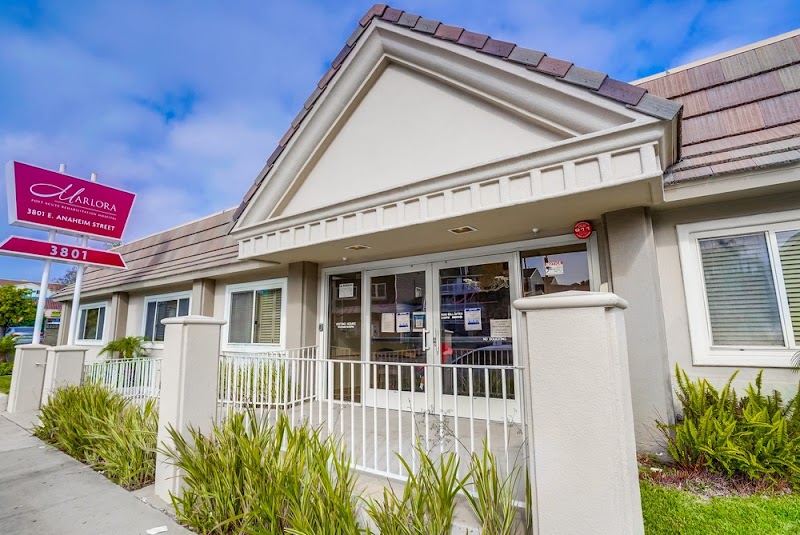
How is Marlora Post Acute Rehab Hosp Staffed?

CMS rates MARLORA POST ACUTE REHAB HOSP's staffing level at 4 out of 5 stars, which is above average compared to other nursing homes. Staff turnover is 51%, compared to the California average of 46%.

What Have Inspectors Found at Marlora Post Acute Rehab Hosp?

State health inspectors documented 57 deficiencies at MARLORA POST ACUTE REHAB HOSP during 2022 to 2025. These included: 1 Immediate Jeopardy (the most serious level, indicating potential for serious harm or death) and 56 with potential for harm. Immediate Jeopardy findings are rare and represent the most serious regulatory concerns. They require immediate corrective action.

Who Owns and Operates Marlora Post Acute Rehab Hosp?

MARLORA POST ACUTE REHAB HOSP is owned by a for-profit company. For-profit facilities operate as businesses with obligations to shareholders or private owners. The facility is operated by ABRAHAM BAK & MENACHEM GASTWIRTH, a chain that manages multiple nursing homes. With 99 certified beds and approximately 90 residents (about 91% occupancy), it is a smaller facility located in LONG BEACH, California.
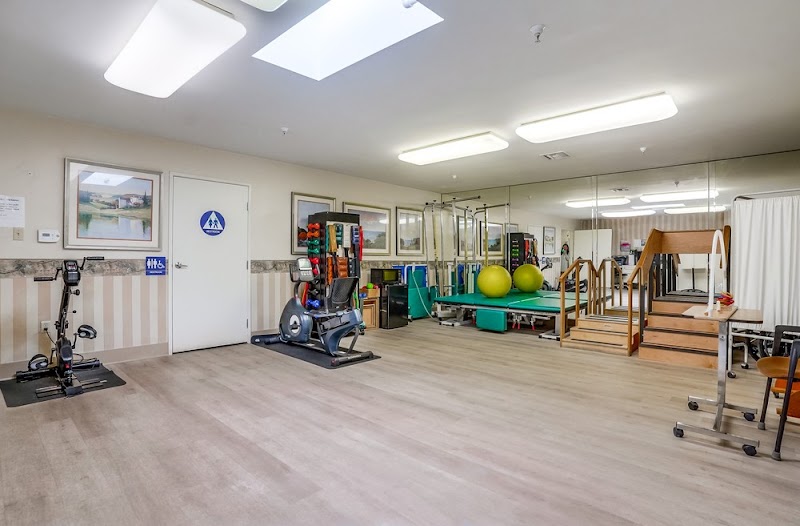
How Does Marlora Post Acute Rehab Hosp Compare to Other California Nursing Homes?

Compared to the 100 nursing homes in California, MARLORA POST ACUTE REHAB HOSP's overall rating (1 stars) is below the state average of 3.1, staff turnover (51%) is near the state average of 46%, and health inspection rating (1 stars) is much below the national benchmark.

What Should Families Ask When Visiting Marlora Post Acute Rehab Hosp?

Based on this facility's data, families visiting should ask: "What changes have been made since the serious inspection findings, and how are you preventing similar issues?" "Can I visit during a mealtime to observe dining assistance and food quality?" "How do you handle medical emergencies, and what is your hospital transfer rate?" "Can I speak with family members of current residents about their experience?" These questions are particularly relevant given the facility's Immediate Jeopardy citations.

Is Marlora Post Acute Rehab Hosp Safe?

Based on CMS inspection data, MARLORA POST ACUTE REHAB HOSP has documented safety concerns. Inspectors have issued 1 Immediate Jeopardy citation (the most serious violation level indicating risk of serious injury or death). The facility has a 1-star overall rating and ranks #100 of 100 nursing homes in California. Families considering this facility should ask detailed questions about what corrective actions have been taken since these incidents.

Do Nurses at Marlora Post Acute Rehab Hosp Stick Around?

MARLORA POST ACUTE REHAB HOSP has a staff turnover rate of 51%, which is 5 percentage points above the California average of 46%. Moderate turnover is common in nursing homes, but families should still ask about staff tenure and how the facility maintains care continuity when employees leave.

Was Marlora Post Acute Rehab Hosp Ever Fined?

MARLORA POST ACUTE REHAB HOSP has been fined $37,595 across 1 penalty action. The California average is $33,455. While any fine indicates a compliance issue, fines under $50,000 are relatively common and typically reflect isolated problems that were subsequently corrected. Families should ask what specific issues led to these fines and confirm they've been resolved.

Is Marlora Post Acute Rehab Hosp on Any Federal Watch List?

MARLORA POST ACUTE REHAB HOSP is not on any federal watch list. The most significant is the Special Focus Facility (SFF) program, which identifies the bottom 1% of nursing homes nationally based on persistent, serious quality problems. Not being on this list means the facility has avoided the pattern of deficiencies that triggers enhanced federal oversight. This is a positive indicator, though families should still review the facility's inspection history directly.