North Long Beach Post Acute
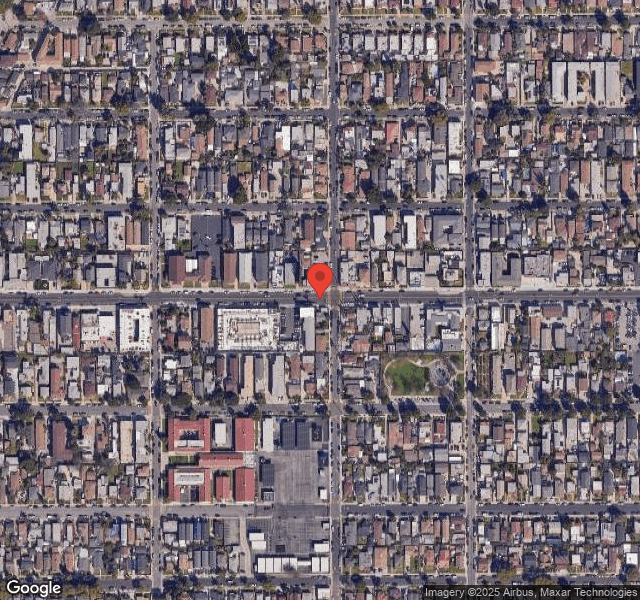
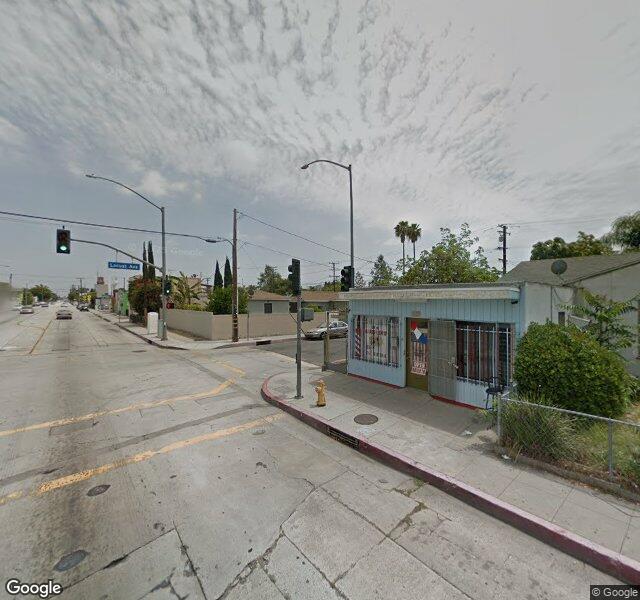
260 E MARKET ST, LONG BEACH, CA 90805 (562) 428-4681
For profit - Limited Liability company 120 Beds WINDSOR Data: November 2025
Trust Grade
0/100
#865 of 1155 in CA
Last Inspection: June 2025

Inspected within the last 6 months. Data reflects current conditions.

Overview

North Long Beach Post Acute has received a Trust Grade of F, indicating poor performance with significant concerns. Ranking #865 out of 1155 facilities in California places it in the bottom half, and #217 out of 369 in Los Angeles County means only a few local options are worse. The facility's trend is worsening, with issues increasing from 32 in 2024 to 33 in 2025. Staffing is somewhat stable with a rating of 3 out of 5 stars and a turnover rate of 37%, which is below the state average but indicates room for improvement. However, the facility has concerning fines totaling $98,935, higher than 88% of California facilities, suggesting ongoing compliance problems. Specific incidents from inspections raise serious alarms. For example, a resident suffered a fractured foot after a housekeeper ran over it with an overloaded laundry cart. Additionally, there were failures to monitor and provide necessary mobility support for residents, leading to a lack of proper care. Another concerning incident involved a resident at risk for falls being left unattended, resulting in a fall, which could have been prevented with proper supervision. While there are some strengths, such as average staffing levels, these serious issues highlight significant weaknesses that families should consider.

Trust Score
F
0/100
In California
#865/1155
Bottom 26%
Safety Record
High Risk
Review needed
Inspections
Getting Worse
32 → 33 violations
Staff Stability
○ Average
37% turnover. Near California's 48% average. Typical for the industry.
Penalties
✓ Good
$98,935 in fines. Lower than most California facilities. Relatively clean record.
Skilled Nurses
⚠ Watch
Each resident gets only 22 minutes of Registered Nurse (RN) attention daily — below average for California. Fewer RN minutes means fewer trained eyes watching for problems.
Violations
⚠ Watch
88 deficiencies on record. Higher than average. Multiple issues found across inspections.
★★☆☆☆
2.0
Overall Rating
★★★☆☆
3.0
Staff Levels
★★★★★
5.0
Care Quality
★☆☆☆☆
1.0
Inspection Score
Stable
2024: 32 issues
2025: 33 issues

The Good

  • 5-Star Quality Measures · Strong clinical quality outcomes
  • Full Sprinkler Coverage · Fire safety systems throughout facility
  • No fines on record
  • Staff turnover below average (37%)

    11 points below California average of 48%

Facility shows strength in quality measures, fire safety.

The Bad

2-Star Overall Rating

Below California average (3.1)

Below average - review inspection findings carefully

Staff Turnover: 37%

Near California avg (46%)

Typical for the industry

Federal Fines: $98,935

Well above median ($33,413)

Moderate penalties - review what triggered them

Chain: WINDSOR

Part of a multi-facility chain

Ask about local staffing decisions and management

The Ugly 88 deficiencies on record

5 actual harm
Sept 2025 2 deficiencies
CONCERN (D) 📢 Someone Reported This

A family member, employee, or ombudsman was alarmed enough to file a formal complaint

Potential for Harm - no one hurt, but risky conditions existed

Deficiency F0552 (Tag F0552)

Could have caused harm · This affected 1 resident

**NOTE- TERMS IN BRACKETS HAVE BEEN EDITED TO PROTECT CONFIDENTIALITY** Based on interview and record review, the facility failed to ensure Resident 1's responsible party's (RP) request was honored wh...

Read full inspector narrative →
**NOTE- TERMS IN BRACKETS HAVE BEEN EDITED TO PROTECT CONFIDENTIALITY** Based on interview and record review, the facility failed to ensure Resident 1's responsible party's (RP) request was honored when he requested Resident 1 to be removed from the podiatrist patient list.This deficient practice resulted in Resident 1 being seen by the podiatrist on 5/6/2025.Findings:During a review of Resident 1's admission Record (Face Sheet), the Face Sheet indicated Resident 1 was admitted to the facility on [DATE] with diagnoses including dementia (a progressive state of decline in mental abilities).During a review of Resident 1's Minimum Data Set ([MDS] a resident assessment tool) dated 8/26/2025, the MDS indicated Resident 1's cognition (the mental action or process of acquiring knowledge and understanding through thought, experience, and the senses) was severely impaired and was dependent on facility staff to complete her activities of daily living ([ADLs] activities such as bathing, dressing and toileting a person performs daily).During a review of Resident 1's Social Services Progress Note dated 1/2/2025, the Social Services Progress note indicated Resident 1's RP requested that Resident 1 be removed from the facility's podiatry list and would arrange for any necessary podiatry services. During an interview on 9/10/2025 at 11:49 a.m., with Resident 1's RP, Resident 1's RP stated he had discussed during an Interdisciplinary Team meeting ([IDT] a group of professionals from different fields who work together to achieve a common goal), he did not want the assigned podiatrist to see Resident 1. The RP stated a few weeks ago, he came to see Resident 1 and he found the podiatrist removing her socks and he immediately told him (the podiatrist) that he would prefer Resident 1 not be seen. The RP stated he informed the Social Services Director (SSD) and the Director of Nursing (DON) to have Resident 1 removed from the list and the SSD stated she would. During an interview on 9/10/2025 at 1:37 p.m., with the SSD, the SSD stated last month (8/2025), Resident 1's RP informed her that he did not want the podiatrist to see Resident 1. The SSD stated she was not aware of any previous requests from Resident 1's RP to remove Resident 1 from the podiatrist list.During an interview on 9/10/2025 at 2:10 p.m., with the DON, the DON stated the social services department should be coordinating with the podiatrist office regarding which residents are to be seen. The DON stated that the request made by Resident 1's RP to remove the resident from the podiatry list was overlooked. The DON stated that this coordination should have occurred when the RP initially made the request in 1/2025.During a review of the facility's policy and procedure (P/P) titled Resident Rights, dated 12/2021, the P/P indicated federal and state laws guarantee certain basic rights to all residents of the facility, these rights include the resident's right to be informed of and participate in, his or her care planning and treatment.
CONCERN (D) 📢 Someone Reported This

A family member, employee, or ombudsman was alarmed enough to file a formal complaint

Potential for Harm - no one hurt, but risky conditions existed

Notification of Changes (Tag F0580)

Could have caused harm · This affected 1 resident

**NOTE- TERMS IN BRACKETS HAVE BEEN EDITED TO PROTECT CONFIDENTIALITY** Based on interview and record review, the facility failed to notify Resident 1's Responsible Party (RP) of a significant change ...

Read full inspector narrative →
**NOTE- TERMS IN BRACKETS HAVE BEEN EDITED TO PROTECT CONFIDENTIALITY** Based on interview and record review, the facility failed to notify Resident 1's Responsible Party (RP) of a significant change in condition, when Resident 1 had a fall that occurred on 8/29/2025 at 4:39 a.m. Resident 1's RP not notified until 7 a.m. This deficient practice had the potential to delay the RP's involvement in care decisions and compromised the residents' right to informed participation in their care. This deficient practice resulted in an approximately two-and-a-half-hour delay in notifying Resident 1's RP. Findings:During a review of Resident 1's admission Record (Face Sheet), the admission Record indicated Resident 1 was admitted to the facility on [DATE] with diagnoses including dementia (a progressive state of decline in mental abilities).During a review of Resident 1's Minimum Data Set ([MDS] a resident assessment tool) dated 8/26/2025, the MDS indicated Resident 1's cognition (the mental action or process of acquiring knowledge and understanding through thought, experience, and the senses) was severely impaired was dependent on facility staff to complete her activities of daily living ([ADLs] activities such as bathing, dressing and toileting a person performs daily).During a review of Resident 1's Change of Condition (COC) Note dated 8/29/2025 and timed at 4:39 a.m., the COC note indicated Resident 1was found by a Certified Nurse Assistant (CAN unknown) sitting on the floor to the right side of the bed facing the wall. The COC Note indicated Resident 1's RP was notified at 7 a.m.During an interview on 9/10/2025 at 11:49 a.m., Resident 1's RP stated that he received a phone call from the facility staff regarding Resident 1's fall at 7:08 am. During an interview on 9/10/2025 at 2:10 p.m., the Director of Nursing (DON) stated she received a phone call from Licensed Vocational Nurse (LVN) 1 after Resident 1 was found on the floor. The DON stated LVN 1 was scared to report Resident 1's fall to the RP. The DON stated she had to guide LVN 1 to ensure everything was completed for Resident 1 post fall. The DON stated Resident 1's RP should have been notified at the time of the incident.During a review of the facility's policy and procedure (P/P) titled Change in Condition: Notification of, dated 8/25/2021, the P/P indicated the facility must inform the resident representative as soon as possible where there is an accident involving the resident.
Jul 2025 3 deficiencies
CONCERN (D) 📢 Someone Reported This

A family member, employee, or ombudsman was alarmed enough to file a formal complaint

Potential for Harm - no one hurt, but risky conditions existed

Deficiency F0692 (Tag F0692)

Could have caused harm · This affected 1 resident

**NOTE- TERMS IN BRACKETS HAVE BEEN EDITED TO PROTECT CONFIDENTIALITY** Based on interview and record review the facility failed to monitor the fluid intake (the amount of liquids consumed by an indiv...

Read full inspector narrative →
**NOTE- TERMS IN BRACKETS HAVE BEEN EDITED TO PROTECT CONFIDENTIALITY** Based on interview and record review the facility failed to monitor the fluid intake (the amount of liquids consumed by an individual) for one out of two sampled residents (Resident 6), who was at risk of dehydration (a dangerous loss of body fluid caused by illness, sweating, or inadequate intake).As a result of this deficient practice Resident 6 was placed at risk for developing dehydration. Resident 6 was readmitted to a general acute care hospital (GACH) with a diagnosis of severe dehydration on 6/29/2025.During a review of Resident 6's admission Record, the admission Record indicated Resident 6 was originally admitted to the facility on [DATE] and was readmitted on [DATE] with diagnoses of hypernatremia (high concentration of sodium [salt] in blood which most often occurs from not drinking enough fluids), acute kidney failure (AKI, when the kidneys suddenly can't filter waste products from the blood), and Alzheimer's disease (a progressive disease that destroys memory and other important mental functions).During a review of Resident 6's minimum data set (MDS, a resident assessment tool) dated 6/9/2025, the MDS indicated Resident 6 had severe cognitive (relating to or involving the processes of thinking and reasoning) impairment and required partial/ moderate assistance (helper does less than half the effort). During a review of Resident 6's untitled Care Plan dated 6/23/2025, the focus of the care plan was, Resident 6 was at risk for dehydration as evidenced by AKI, recent hospitalization (5/26/2025), and hypernatremia. The care plan goal was Resident 6 would not exhibit signs or symptoms of dehydration. The Care Plan interventions included monitoring for signs and symptoms (S/S) of dehydration (S/S not specified) and offering/ encouraging/ assisting Resident 6 with fluid intake.During a review of Resident 6's Documentation Survey Report- Tasks for the months of 6/2025 and 7/2025, Resident 6 did not have any entries for Fluid Intake every shift.The Documentation Survey Report indicated facility staff were not monitoring and documenting Resident 6's fluid intake during the months of 6/2025 and 7/2025.During a review of Resident 6's GACH record titled History and Physical (H&P) dated 6/29/2025, the H&P indicated Resident 6 was readmitted to the GACH on 6/29/2025. The H&P indicated Resident 6 appeared very dehydrated and had severe hypernatremia likely due to dehydration.During a concurrent interview and record review on 7/10/2025 at 2:26 p.m., with certified nursing assistant (CNA) 3, Resident 6's Task documentation was reviewed. CNA 3 stated Resident 6 was not able to eat and drink on his own, he was a total feeder (staff must feed him and provide fluids). CNA 3 stated staff always offer Resident 6 water with his meals, but he always pushes it away. CNA 3 stated the CNAs chart how much a resident drinks each shift under Tasks- Fluid Intake. CNA 3 reviewed Resident 6's Task and stated Resident 6 did not have a Task to monitor Fluid Intake. CNA 3 stated there was nowhere else the CNAs would chart how much a resident was drinking each shift.During a concurrent interview and concurrent interview on 7/11/2025 at 10:53 a.m., with the director of nursing (DON), Resident 6's Task- Fluid Intake were reviewed. The DON stated Resident 6 was elderly and had advanced Alzheimer's disease placing him at risk of dehydration. The DON stated it was important to track Residents' (general) fluid intake for residents at risk of dehydration. The DON stated the facility tracked residents' fluid intake by inputting the information under Tasks-Fluid Intake. The DON stated she reviewed Resident 6's Tasks- Fluid Intake but there was no active task, and she did not know why because Resident 6 was at risk for dehydration. The DON stated it was important to monitor fluid intake because they want to maintain hydration and nutrition.During a review of the facility's policy and procedure (P/P) titled Resident Hydration and Prevention of Dehydration dated 3/4/2025, the P/P indicated if a resident had potential inadequate intake or signs and symptoms of dehydration, intake and output monitoring was to be initiated and incorporated into the plan of care.
CONCERN (E) 📢 Someone Reported This

A family member, employee, or ombudsman was alarmed enough to file a formal complaint

Potential for Harm - no one hurt, but risky conditions existed

Deficiency F0558 (Tag F0558)

Could have caused harm · This affected multiple residents

**NOTE- TERMS IN BRACKETS HAVE BEEN EDITED TO PROTECT CONFIDENTIALITY** Based on observation, interview, and record review the facility failed to ensure the call light (alerts care givers that the res...

Read full inspector narrative →
**NOTE- TERMS IN BRACKETS HAVE BEEN EDITED TO PROTECT CONFIDENTIALITY** Based on observation, interview, and record review the facility failed to ensure the call light (alerts care givers that the resident required assistance) were within reach for two out of four sampled residents (Resident 4 and Resident 5).As a result of this deficient practice Resident 4 and Resident 5 were at risk of not having their needs met in a timely manner Findings:During a review of Resident 4's admission Record, the admission Record indicated Resident 4 was admitted to the facility on [DATE] with diagnoses including hemiplegia (unable to move one side of the body) affecting the left side, muscle weakness, and contractures (shortening of muscles, tendons, skin, and nearby soft tissues that causes the joints to shorten and become very stiff, preventing normal movement) of the left hand and left ankle.During a review of Resident 4's minimum data set (MDS, a resident assessment tool) dated 4/1/2025, the MDS indicated Resident 4 had moderate cognitive impairment (a slight decline in thinking and memory). The MDS indicated Resident 4 was dependent (helper does all the effort) on staff for toileting, bathing, dressing, and personal hygiene.During a review of Resident 5's admission Record, the admission Record indicated Resident 5 was admitted to the facility on [DATE] with diagnoses including Alzheimer's disease (a progressive disease that destroys memory and other important mental functions), muscle weakness, and contractures.During a review of Resident 5's MDS dated [DATE], the MDS indicated Resident 5 was severely cognitively impaired. The MDS indicated Resident 5 was dependent on staff for toileting, bathing, dressing, and personal hygiene.During an observation and concurrent interview on 7/10/2025 at 3:49 p.m., Resident 4 was lying in bed in his room calling out for help into the hallway. Upon entering Resident 4's room, Resident 4's call light along with his roommate (Resident 5)'s call light were on the floor next to the residents' beds, out of reach. Resident 4 stated he needed help and needed his call light off the floor.During an observation and concurrent interview on 7/10/2025 at 3:51 p.m., the Director of Nursing (DON) entered the room of Resident 4 and Resident 5's room, picked the call lights off the floor and put them within reach for both residents. Resident 4 informed the DON he wanted his laptop out of the social services director's (SSD) office. The DON stated when she entered Resident 4 and Resident 5's room the call light was not in reach for either resident and there was a potential the residents' needs would not be met.During a review of the facility's policy and procedure (P/P) titled Answering the Call Light dated 10/24/2025, the P/P indicated facility staff were to ensure the call light was accessible to the resident when in bed.
CONCERN (E) 📢 Someone Reported This

A family member, employee, or ombudsman was alarmed enough to file a formal complaint

Potential for Harm - no one hurt, but risky conditions existed

Free from Abuse/Neglect (Tag F0600)

Could have caused harm · This affected multiple residents

**NOTE- TERMS IN BRACKETS HAVE BEEN EDITED TO PROTECT CONFIDENTIALITY** Based on interview and record review, the facility failed to protect two out of four sampled residents (Resident 1 and Resident ...

Read full inspector narrative →
**NOTE- TERMS IN BRACKETS HAVE BEEN EDITED TO PROTECT CONFIDENTIALITY** Based on interview and record review, the facility failed to protect two out of four sampled residents (Resident 1 and Resident 2) from verbal abuse (mental abuse that involves the use of oral or written language directed to a victim. Verbal abuse can include the act of harassing [unwanted offensive or humiliating comments or behavior], insulting [a rude expression intended to offend or hurt), scolding (point out and criticize some fault or error, often angrily], criticize sharply, or excessive yelling towards an individual) and neglect (in the context of caregiving, neglect is a form of abuse where the perpetrator, who is responsible for caring for someone who is unable to care for themselves, fails to do so) by certified nursing assistant (CNA) 1.As a result of this deficient practice Resident 1 felt upset and Resident 2 felt bad, like a burden, and upset. Both Resident 1 and Resident 2 requested that CNA 1 was not assigned (designated) as their CNA anymore. 1.During a review of Resident 1's admission Record (face sheet), the admission Record indicated Resident 1 was admitted to the facility on [DATE] with diagnoses including hemiplegia (unable to move one side of the body) affecting the left side, contractures (a shortening of muscles, tendons, skin, and nearby soft tissues that causes the joints to shorten and become very stiff, preventing normal movement) of multiple sites, and major depressive disorder (persistent feelings of sadness and loss of interest).During a review of Resident 1's Minimum Data Set (MDS, a resident assessment tool) dated 6/18/2025, the MDS indicated Resident 1 was cognitively (the processes of thinking and reasoning) intact. The MDS indicated Resident 1 was dependent (helper does all the effort) on staff for toileting, dressing, showering, rolling left to right, and personal hygiene.2. During a review of Resident 3's admission Record, the admission Record indicated Resident 3 was admitted to the facility on [DATE] with diagnoses including dysarthria (weakness in the muscles used for speech, which often causes slowed or slurred speech), encephalopathy (damage or disease that affects the brain), and lack of coordination.During a review of Resident 3's MDS dated [DATE], the MDS indicated Resident 3 had moderate cognitive impairment.3. During a review of Resident 2's admission Record, the admission Record indicated Resident 2 was admitted to the facility on [DATE] with diagnoses including cervical spine (uppermost segment of the spine that's located in the neck) injury, lack of coordination, and neuromuscular dysfunction of bladder (refers to what happens when an injury or disease interrupts the electrical signals between your nervous system and bladder function).During a review of Resident 2's MDS dated [DATE], the MDS indicated Resident 2 was cognitively intact. The MDS indicated Resident 2 used a wheelchair for mobility. The MDS indicated Resident 2 was dependent on staff for showering and lower body dressing. The MDS indicated Resident 2 required substantial/ maximum assistance (helper does more than half the effort) for toileting, oral hygiene, upper body dressing, and to move from lying to sitting. The MDS indicated Resident 2 required partial/ moderate assistance (helper does less than half the effort) to transfer from the bed to the chair.During a review of CNA 1's Employee Corrective Action notice dated 6/5/2025, the Employee Corrective Action Notice indicated CNA 1 performed unsatisfactory customer service and failed to follow instructions, by CNA 1 being observed standing right across two resident rooms (unknown) that had call lights on, and CNA 1 failed to answer the call buttons for either room. The Employee Corrective Action note indicated CNA 1 refused to sign the corrective action.During a review of the facility's Nursing Assignment 7 a.m.- 3 p.m., Shift dated 7/3/2025, CNA 1 was assigned to Resident 2.During a review of the facility's Nursing Assignment 7 a.m.- 3 p.m., shift dated 7/8/2025, CNA 1 was assigned to Resident 1.During a review of Resident 1's Complaint/ Grievance Report filed on 7/8/2025, the Complaint/ Grievance Report indicated Resident 1 complained CNA 1 had poor customer service and he did not want CNA 1 assigned to him anymore.During a review of Resident 2's Complaint/ Grievance Report filed 7/8/2025, the Complaint/ Grievance Report indicated Resident 2 complained CNA 1 had poor customer service and Resident 2 stated he had to wait awhile to get changed.During an interview on 7/10/2025 at 2:01 p.m., CNA 2 stated she felt as though CNA 1 was just coming to work to collect a paycheck and it did not seem as though she wanted to be at work. CNA 2 stated a few days prior (7/8/2025), Resident 1 complained about CNA 1's attitude.During an interview on 7/10/2025 at 3:23 p.m., Resident 1 stated CNA 1 was mean, always seemed angry, and made it seem as though she did not want to be at work. Resident 1 stated he reported CNA 1 to the Director of Staff Development (DSD) because on 7/8/2025 he needed help getting changed because his adult incontinence briefs (disposable garments designed for individuals experiencing lack of voluntary control of urinary or bowel) were wet and CNA 1 did not respond when he pressed his call button (alerts care givers that the resident required assistance). Resident 1 stated he called the nurses station with his cell phone because CNA 1 was not answering his call light, and the staff at the nurses station paged CNA 1 to go to his room. Resident 1 stated CNA 1 then came into his room and in a loud voice told him he was rude for calling the nurses station asking for her and then CNA 1 stated in a loud voice, why did you press the call button, what do you want. Resident 1 stated the interaction with CNA 1 made him upset because he needed help from CNA 1, she was angry he pressed the call button. Resident 1 stated he felt CNA 1 did not want to do her job and performed the care quickly. Resident 1 stated every time CNA 1 responded to the call button for himself or his roommate (Resident 3), CNA 1 was loud, and Resident 1 did not like how CNA 1 spoke to himself or Resident 3. Resident 1 stated his roommate had trouble communicating and every time CNA 1 answered Resident 3's call light she seemed angry towards Resident 3 so that was the last straw for him, so he reported CNA 1 to the DSD.During an interview on 7/10/2025 at 4:45 p.m., CNA 2 stated on 7/8/2025 Resident 1 complained about CNA 1's bad attitude. CNA 2 stated on 7/3/2025, Resident 2 complained about CNA 1. CNA 2 stated, Resident 2 complained he was in soiled adult briefs and CNA 1 made him wait to be changed for an extended amount of time. CNA 1 stated Resident 2 complained, he pressed the call button on 7/3/2025, CNA 1 answered the call button, turned it off and said, she was busy and would be back but did not come back for an extended amount of time.During an interview on 7/11/2025 at 9:35 a.m., Resident 2 stated on 7/3/2025, CNA 1 was assigned to him. Resident 2 stated his daily routine was to get changed and up in his wheelchair at 9 a.m. so he could participate in physical therapy (the treatment of disease, or injury, by physical methods such as massage, heat treatment, and exercise rather than by drugs or surgery) Resident 2 stated on 7/3/2025 he pressed the call button at 9 a.m., because he was wet and wanted to be changed to get up in the wheelchair. Resident 2 stated CNA 1 came into his room, turned off the call button and stated she was busy and would be back. Resident 2 stated CNA 1 did not come back until 11 a.m. to change him (two hours later) and when she came back CNA 1 looked angry and performed the care quickly. Resident 2 stated he was upset because the last time he was changed that morning was at 6 a.m., he was wet when he pressed the call button at 9 a.m. and he was not changed until 11 a.m. Resident 2 stated having to wait for CNA 1 for two hours in wet briefs, and missing physical therapy made him feel bad, and he did not press the call button again after 9 a.m. Resident 2 stated he felt like a burden that he was not able to perform the care himself and had to depend on other people to take care of his needs. Resident 2 stated that incident with CNA 1 threw off his whole day. Resident 2 stated he asked the facility not to assign CNA 1 to him anymore because she seems angry, upset about something, and does not want to be at work.During an interview on 7/11/2025 at 9:51 a.m., CNA 3 stated she works the 7 a.m. to 3 p.m. shift with CNA 1 and sometimes they buddy up to perform care. CNA 3 stated she felt as though CNA 1's tone (how the character of your business comes through in your words) was off when speaking to residents and CNA 1 was very direct. CNA 3 stated, on 7/3/2025 around 2 p.m., Resident 2 pressed the call button and asked CNA 3 to inform CNA 1 he (Resident 2) needed to be changed. CNA 3 stated she witnessed CNA 1 respond to Resident 1 and said, I will be right there! CNA 3 stated the tone of CNA 2's tone of voice towards Resident 2, made her (CNA 3) feel bad. CNA 3 stated when CNA 1 was ready to change Resident 2, CNA 1 told Resident 2, okay I am ready to change you now! but Resident 2 had shut down and refused CNA 1's care. CNA 3 stated Resident 1 even started faking like he was sleeping so he did not have to talk to CNA 1 anymore and she felt bad for Resident 2 because this was out of character for him. CNA 3 stated she waited in the room with Resident 2 after CNA 1 left and asked him if he was okay and he responded he was upset and did not want to be changed anymore.During an interview on 7/11/2025 at 10:32 a.m., the Social Services Director (SSD) stated the facility received two grievances about CNA 1 (from Resident 1 and Resident 2) on 7/8/2025 and then they received a separate complaint from their compliance hotline on 7/9/2025 from an anonymous caller that identified CNA 1 as mistreating their family member. (CNA 1 was suspended on 7/9/2025 pending investigation).During an interview on 7/11/2025 at 10:53 a.m., the Director of Nursing (DON) stated; insulting or mocking a resident could be considered verbal abuse, and not addressing the resident's needs would be considered neglect. The DON stated that any Resident having to wait for two hours with wet/soiled incontinence briefs was too long and CNA 1 should have asked for help with her workload if she needed it so Resident 2 did not have to wait so long. The DON stated the potential outcome of a resident waiting for two hours for care included a urinary tract infections (UTI an infection of the system and organs that produce and excrete urine), skin issues such as maceration (skin becomes soft and fragile due to prolonged soaking), the risk of falls (due to resident try to get up unassisted to get out of wet/soiled briefs), and psychosocial harm because residents could feel unimportant. The DON stated the facility was the resident's home and they should be treated with dignity and respect. The DON stated talking to residents in a loud manner had the potential to affect residents' dignity negatively and they should not be talked to in that way. The DON stated the residents in the facility were dependent on staff care, so she felt bad if residents were being treated this way (left for extended periods and talked to in a loud and direct manner). The DON stated they did not tolerate abuse or neglect by facility employees and had they been aware, it was not just a bad customer service issue they would have reported the grievances right away to the state department, ombudsman (official resident advocate), and local law enforcement agency as required by regulations.During an interview on 7/11/2025 at 12:19 p.m., the DSD denied knowing the extent of the allegations from Resident 1 and Resident 2 and stated she was only aware of a bad customer service issue, CNA 1 not being friendly, and Resident 1 claiming CNA 1 was rude. The DSD stated there was no reason staff should talk to patients out of line and staff needed to ensure they were providing all necessary care for the residents. The DSD stated she expected her staff to be professional and treat their residents with dignity and respect. The DSD stated there was potential for residents to feel discouraged by staff if they were not talked to appropriately.During a review of the facility's policy and procedure (P/P) titled Abuse Prohibition Policy and Procedure dated 2/23/2021, the P/P indicated the facility prohibited abuse, mistreatment, and neglect. Instances of abuse of all patients, irrespective of any mental or physical condition, cause harm, pain, or mental anguish and included verbal abuse. Neglect was defined as the failure of the facility and its employees to provide goods and services to a patent that are necessary to avoid physical harm, pain, mental anguish or emotional distress. The P/P indicated the facility was to identify, correct, and intervene in situations in which abuse or neglect was more likely to occur.During a review of the facility's P/P titled Answering the Call Light dated 10/24/2025, the P/P indicated facility staff were to answer the call system request for assistance, identify themselves, and politely respond to the resident. The P/P indicated facility staff were to inform the residents how long it would take staff to respond to the request and if the staff was unable to fulfill the request, ask the nurse supervisor for assistance.
Jun 2025 22 deficiencies
CONCERN (D)

Potential for Harm - no one hurt, but risky conditions existed

Deficiency F0552 (Tag F0552)

Could have caused harm · This affected 1 resident

**NOTE- TERMS IN BRACKETS HAVE BEEN EDITED TO PROTECT CONFIDENTIALITY** Based on interview and record review, the facility failed to obtain an informed consent from a resident's responsible party for ...

Read full inspector narrative →
**NOTE- TERMS IN BRACKETS HAVE BEEN EDITED TO PROTECT CONFIDENTIALITY** Based on interview and record review, the facility failed to obtain an informed consent from a resident's responsible party for one of five sampled residents (Resident 79). This failure had the potential to result in violating the resident's right to be informed and refuse treatment. Findings: During a review of Resident 79's admission record, the admission record indicated Resident 79 was initially admitted to the facility on [DATE] and readmitted on [DATE] with diagnoses including metabolic encephalopathy (damage or disease that affects brain function) and dementia (a progressive state of decline in mental abilities). During a review of Resident 79's History and Physical (H&P), dated 1/20/2025, the H&P indicated Resident 79 did not have the capacity to understand and make own medical decisions. During a review of Resident 79's Minimum Data Set (MDS - a resident assessment tool), dated 5/7/2025, the MDS indicated had severe cognitive (ability to learn, reason, remember, understand, and make decisions) impairment, required supervision assistance when eating, required moderate assistance (helper does less than half the effort) when bathing and dressing, and was dependent (helper does all the effort) when toileting. During a concurrent interview and record review on 6/25/2025 at 9:17 a.m. with the Infection Prevention Nurse (IPN), Resident 79's Vaccine Consent form dated 1/30/2025, and admission Interdisciplinary Team (IDT - a group of medical professionals from different disciplines who work together to help a resident achieve their goals) Meeting documents were reviewed. The IPN stated Resident 79 was admitted on [DATE] and the Vaccine Consent form indicated the IDT gave consent for the pneumococcal (bacteria causing pneumonia and other respiratory infections) vaccine and Respiratory Syncytial Virus (RSV- a common respiratory virus) vaccine on 1/30/2025. The admission IDT Meeting dated 1/31/2025 indicated Resident 79's responsible party was involved in the meeting. The IPN stated when the consent was obtained on 1/29/2025, the facility did not know Resident 79 had a responsible party. During a concurrent interview and record review on 6/26/2025 at 12:10 p.m. with Social Services (SS), Resident 79's medical record was reviewed. SS stated Resident 79's hospital referral packet (documentation received from the hospital prior to admission to the facility) indicated the name and contact information for Resident 79's responsible party listed under patient information. SS stated the facility only uses an IDT Consent if a resident does not have capacity and there is no responsible party or conservator for the resident. SS stated the responsible party should have given the consent for Resident 79's vaccine consent. During an interview on 6/26/2025 at 4:25 p.m. with the Director of Nursing (DON), the DON stated IDT consents are when the IDT team is temporarily assigned to a resident who does not have the capacity make decisions until a designated person can act on their behalf. The DON stated that if there is a responsible party, the responsible party should give the consent for care. The DON stated it is the resident and their responsible party's right to be informed and make decisions about the resident's care. During a review of the facility's policy and procedure (P&P), titled Health, Medical Condition and Treatment Options, Informing Residents of, dated February 2021, the P&P indicated Each resident is informed of his/her total health status and medical condition, including diagnosis, treatment recommendations and prognosis, in advance of treatment and on an on-going basis. If a resident has an appointed representative, the representative is also informed. The Resident's attending physician, the facility's medical director, or the director of nursing services is responsible for informing the resident of his or her medical condition. Such information includes providing the resident/representative with information about the residents: i. type of care or treatment recommended, k. risk and benefits of proposed care or treatment, l. treatment alternatives or options, n. right to discontinue or refuse care of treatment.
CONCERN (D)

Potential for Harm - no one hurt, but risky conditions existed

Deficiency F0558 (Tag F0558)

Could have caused harm · This affected 1 resident

Based on observation, interview, and record review, the facility failed to ensure that the call light device was within reach for one of six sampled residents (Resident 41). This deficient practice ha...

Read full inspector narrative →
Based on observation, interview, and record review, the facility failed to ensure that the call light device was within reach for one of six sampled residents (Resident 41). This deficient practice had the potential to prevent Resident 41 from receiving necessary care and services. Findings: During a review of Resident 41's admission Record, the admission Record indicated the facility admitted Resident 41 on 5/10/2025 with diagnoses including Parkinson's disease (progressive disease of the nervous system marked by tremor, muscular rigidity, and slow, imprecise movement), diaphragmatic hernia (birth defect where there is an abnormal opening in the diaphragm [muscle separating the chest and abdomen]), and lack of coordination (ability to use different parts of the body together smoothly and efficiently). During a review of Resident 41's Minimum Data Set (MDS, a resident assessment tool), dated 5/16/2025, the MDS indicated Resident 41 had moderately impaired cognition (ability to think, understand, learn, and remember). The MDS indicated Resident 41 required supervision or touching assistance for eating, substantial/maximal assistance for oral hygiene, personal hygiene, and rolling to both sides and was dependent for bathing, dressing, and toilet hygiene. The MDS indicated Resident 41 had functional limitations in ROM (limited ability to move a joint that interferes with daily functioning, including activities of daily living, or places the resident at risk of injury) in both arms (shoulder, elbow, wrist, hand). During an observation and interview on 6/24/2025 at 12:40 pm, in the resident's room, Resident 41 was lying in bed eating from a plate placed on the bedside table to the right of Resident 41's bed. Resident 41 spilled food onto the right side of her upper gown while trying to eat. Resident 41 stated she needed help cleaning the food off the gown and changing clothing since her gown was dirty. Resident 41 looked around the bed and was unable to find the call light to ask for assistance. Resident 41's call light cord and device were laying on the oxygen concentrator machine (machine that supplies oxygen) on the right side of Resident 41's bed which was located over one foot away from Resident 41's bed. Resident 41 stated she could not reach the call light and did not know how to call staff for assistance. During an observation and interview on 6/24/2025 at 12:48 pm, in the resident's room, Certified Nursing Assistant 6 (CNA 6) confirmed Resident 41's call light was out of reach and Resident 41 would be unable to call for nursing assistance if needed. CNA 6 stated she placed Resident 41's call light on the oxygen concentrator machine in the morning while providing nursing care and forgot to place it within Resident 41's reach when she finished. CNA 6 stated Resident 41's call light should have been clipped to the bed and resting over Resident 41's right shoulder to ensure the call light was accessible. CNA 6 stated it was important call lights were always within a resident's reach to ensure the resident would be able to call for assistance if needed. During an interview on 6/26/2025 at 4:14 pm, the Director of Nursing (DON) stated call lights should always be accessible and within the resident's reach. The DON stated that if the call light was not within the resident's reach, the resident would be unable to call for assistance to get his or her needs met. During a review of the facility's Policy and Procedure (P/P) titled, Answering the Call Light, revised 10/24/2024, the P/P indicated the call light was to be accessible to the resident when in bed to ensure timely responses to the resident's requests and needs.
CONCERN (D)

Potential for Harm - no one hurt, but risky conditions existed

Notification of Changes (Tag F0580)

Could have caused harm · This affected 1 resident

**NOTE- TERMS IN BRACKETS HAVE BEEN EDITED TO PROTECT CONFIDENTIALITY** Based on interview, and record review, the facility failed to ensure the medical doctor (MD) was notified when one out of two re...

Read full inspector narrative →
**NOTE- TERMS IN BRACKETS HAVE BEEN EDITED TO PROTECT CONFIDENTIALITY** Based on interview, and record review, the facility failed to ensure the medical doctor (MD) was notified when one out of two residents (Resident 71) had multiple blood sugar levels that were over 400 milligram ([mg]unit of measure weight])/deciLiter (dl unit of measure of volume) (reference range 70 and 100 mg/dL). This deficient practice had the potential to cause a delay in treating the elevated blood sugar levels for Resident 7, and risk transfer to the general acute care hospital (GACH) for treatment of high blood sugar. Findings: During a review of Resident 71's admission Record, the admission Record indicated Resident 71 was admitted to the facility on [DATE] with diagnoses including chronic kidney disease (a condition where the kidneys are damaged and cannot filter blood effectively, leading to a buildup of waste and excess fluid in the body), diabetes mellitus (DM-a disorder characterized by difficulty in blood sugar control and poor wound healing), depression (mental illness that causes persistent feelings of sadness and loss of interest), and dementia (a progressive state of decline in mental abilities). During a review of Resident 71's Minimum Data Set ([MDS], a resident assessment tool) dated 4/4/2025, the MDS indicated Resident 71 was moderately impaired in cognitive (thinking process) skills and required set up assistance (helper sets up while resident completes the activity) with self-care skills like eating, required moderate assistance (helper does less than half the effort) with oral hygiene, and upper body dressing, required maximal assistance (helper does more than half the effort) with shower/bathe self, lower body dressing, putting on/taking off footwear and personal hygiene, was dependent (helper does all of the effort) with toileting hygiene. The MDS also indicated Resident 71 required maximal assistance with mobility like rolling left and right, sitting to lying position, lying to sitting on side of bed, sitting to stand position, bed to chair transfer, and was dependent on shower transfers. During a review of Resident 71's Order Summary Report, the Order Summary Report indicated Humalog solution 100 units/milliliter (medication used to treat elevated blood sugars) inject as per sliding scale (physcian set criterea of how much insulin to administer) : if blood sugar level is 0-150= administer 0 units of Humalog call MD if blood glucose is less than 70; if blood sugar level is 151-200= administer 2 units; if blood sugar level is 201-250= administer 4 units; if blood sugar level is 251-300= administer 6 units; if blood sugar level is 301-350=administer 8 units; if blood sugar level is 351and above = administer 10 units. The Order Summary Report indicated to call MD immediately for further instruction Resident 71's blood sugar level is greater than 400, administer subcutaneously (right below first layer of skin tissue), adminster before meals and at bedtime for sliding scale insulin coverage for diabetes. must take finger stick (test administered to check blood sugar levels) blood glucose prior to administration, ordered on 7/28/2024. During a review of Resident 71's comprehensive care plan, initiated on 1/27/2025, the comprehensive care plan indicated a focus that Resident 71 has a high risk for hypo/hyperglycemia (low or high blood sugar) related to diagnosis of type 2 DM with a goal that Resident 71 would be free of all signs and symptoms of hypo-hyperglycemia such as sweating, trembling, thirst, fatigue, weakness, blurred vision through next review date with interventions to monitor for signs and symptoms of hyper/hypoglycemia and report abnormal findings to physician. During a review of Resident 71's Medication Administration Record (MAR) for April 2025, the MAR indicated Resident 71 had high blood sugar levels of 422 mg/dl on April 4th at 9 p.m., 451mg/dl on April 16th at 11:30 p.m., 401mg/dl on April 21st at 11:30 p.m., and 437 mg/dl on April 28th at 4:30 p.m During a review of Resident 71's Nurse Progress Notes for April 2025, the Nurse Progress Notes did not indicated that MD was notified of any high blood sugar levels for April 2025. During a review of Resident 71's medical records for change of condition assessments, Resident 71's medical records did not indicate there was any change of condition documentation and that the MD was notified of the high blood sugar levels for April 2025. During a concurrent interview and record review on 6/26/2025 at 10:35 a.m., with the MDS Coordinator (MDSC), the MAR for April 2025, the nurse progress notes and change of condition assessment were reviewed. The MDSC stated if a resident had a high blood sugar level, staff should check the physician's orders, and give insulin as needed. The MDSC stated staff should be checking vital signs (medical tests to assess basic body functions) to make sure residents were okay, call the MD, and do the change of condition assessment. The MDSC stated the staff did not notify the MD of Resident 71's high blood sugar levels and there was no change of condition documented for the high blood sugar levels even though there was an order to notify the MD immediately. The MDSC stated Resident 71 would have signs and symptoms of high blood sugar (such as unquenchable thirst, fatigue, etc) and the diabetes would be uncontrolled if not treated properly. During an interview on 6/26/2025 at 3:24 p.m., with the Director of Nursing (DON), the DON stated staff should be checking blood sugar levels to make sure blood sugars are within normal range and that the MD should be notified if two consecutive blood sugars were above 250. The DON stated staff should notify the MD of a change of condition, so the staff knows what to do and how to treat the residents based on what the MD orders are. The DON stated if the MD was not aware of the high blood sugar levels, the blood sugars would continue to be high, and the resident may have to be transferred out to the hospital to get treated for high blood sugar. During a review of the facility's policy and procedures (P/P) titled, Change in Condition: Notification of, dated 8/25/2021, indicated the purpose was to ensure residents, family, legal representatives, and physicians are informed of changes in the resident's condition a facility must immediately inform the resident, consult with the Resident's physician and/or NP, and notify, consistent with his/her authority, Resident Representative where there is: 1. A significant change in the Resident's physical, mental, or psychosocial status (that is, a deterioration in health, mental or psychosocial status in either life-threatening conditions or clinical complications). 2. A need to alter treatment significantly (that is, a need to discontinue or change an existing form of treatment due to adverse consequences, or to commence a new form of treatment).
CONCERN (D)

Potential for Harm - no one hurt, but risky conditions existed

Deficiency F0628 (Tag F0628)

Could have caused harm · This affected 1 resident

**NOTE- TERMS IN BRACKETS HAVE BEEN EDITED TO PROTECT CONFIDENTIALITY** Based on interview and record review, the facility failed to provide a written 7-day bed hold notice for one of two sampled resi...

Read full inspector narrative →
**NOTE- TERMS IN BRACKETS HAVE BEEN EDITED TO PROTECT CONFIDENTIALITY** Based on interview and record review, the facility failed to provide a written 7-day bed hold notice for one of two sampled residents (Resident 87). This failure had the potential to result in violating Resident 87's right to be informed upon transfer of the bed-hold period permitting the resident to return to the facility. Findings: During a review of Resident 87's admission record, the admission record indicated Resident 87 was initially admitted to the facility on [DATE] and readmitted on [DATE] with a diagnosis including end stage renal disease (ESRD-irreversible kidney failure) with dependence on renal dialysis (a treatment to cleanse the blood of wastes and extra fluids artificially through a machine when the kidney(s) have failed). During a review of Resident 87's History and Physical (H&P), dated 5/20/2024, the H&P indicated Resident 87 had the capacity to understand and make decisions. During a review of Resident 87's Minimum Data Set (MDS - a resident assessment tool), dated 5/27/2025, the MDS indicated Resident 87 was cognitively intact and required supervision when eating and toileting and required moderate assistance (helper does less than half the effort) for showering and dressing. During a review of Resident 87's census, the census indicated Resident 87 was transferred to the General Acute Care Hospital (GACH) on 6/13/2025. During an interview on 6/24/2025 at 3:01 p.m. with the Health Information Manager (HIM), the HIM stated there is no confirmation of transfer and bed hold provision (notification of bed hold) for the transfer of Resident 87 on 6/13/2025. During a concurrent interview and record review on 6/26/2025 at 12:47 p.m. with Registered Nurse (RN) 4, Resident 87's medical record was reviewed. RN 4 stated Resident 87 was transferred to the GACH on 6/13/2025. RN 4 stated there is no documentation indicating Resident 87 received a bed hold notice for 6/13/2025. RN 4 stated when a resident transfers to the GACH, a written bed hold notice is provided to the resident or responsible party, because it is the resident's right. During an interview on 6/26/2025 at 4:34 p.m. with the Director of Nursing (DON), the DON stated it is the residents' right to be informed in writing their bed in the facility will be held for 7 days. During a review of the facility's policy and procedure (P&P), titled Bed-Hold and Returns, dated October 2022, the P&P indicated All residents/representatives are provided written information regarding the facility and state bed-hold policies, which address holding or reserving a resident's bed during periods of absence (hospitalization or therapeutic leave). Residents, regardless of payer source, are provided with written notice about these policies at least twice: a. notice 1: well in advance of any transfer (e.g. in the admission packet); and b. notice 2: at the time of transfer (or, if the transfer awas an emergency, within 24 hours).
CONCERN (D)

Potential for Harm - no one hurt, but risky conditions existed

Deficiency F0658 (Tag F0658)

Could have caused harm · This affected 1 resident

**NOTE- TERMS IN BRACKETS HAVE BEEN EDITED TO PROTECT CONFIDENTIALITY** Based on observation, interview, and record review, the facility failed to ensure that Licensed Vocational Nurse (LVN) 1 did not...

Read full inspector narrative →
**NOTE- TERMS IN BRACKETS HAVE BEEN EDITED TO PROTECT CONFIDENTIALITY** Based on observation, interview, and record review, the facility failed to ensure that Licensed Vocational Nurse (LVN) 1 did not crush delayed release ([DR] medication released over an extended time) divalproex (a medication used to treat seizure [a sudden, uncontrolled electrical disturbance in the brain which can cause uncontrolled jerking, blank stares, and loss of consciousness]) and did not administer crushed divalproex delayed release and crushed lorazepam (a controlled medication [medications that the use and possession of are controlled by the federal government] used to treat anxiety [a medical condition described by feeling of fear or uneasiness]) together for one of three sampled residents (Resident 2) during medication administration observation. This deficient practice had the potential to place Resident 2 at risk for drug interactions (occur when two or more drugs taken simultaneously affect each other's actions in the body) or intolerability to one or more medications without possibly knowing which medication caused intolerability. Findings: During a review of Resident 2's admission Record dated 6/24/2025, the admission Record indicated Resident 2 was admitted to the facility on [DATE] with diagnoses including, but not limited to, dysphagia (difficulty swallowing) oral phase. During a review of Resident 2's History and Physical, dated 6/19/2025, the document indicated Resident 2 was unable to make medical decisions for herself but could make needs known. During a review of Resident 2's Minimum Data Set ([MDS], a resident assessment tool) dated 3/24/2025, the MDS indicated Resident 2 was dependent on the facility staff for performing activities of daily living (ADLs - routine tasks/activities such as bathing, dressing and toileting a person performs daily to care for themselves) such as eating, oral hygiene, toileting hygiene, showering, upper and lower body dressing, putting on or taking off footwear and personal hygiene. During a concurrent observation and interview on 6/24/2025 at 8:38 a.m. with Licensed Vocational Nurse (LVN) 1, LVN 1 prepared the following two medications for Resident 2. 1. One tablet of lorazepam 0.5 milligrams ([mg] a unit of measurement for mass) 2. One tablet of divalproex sodium DR 125 mg LVN 1 stated she would need to crush both medications for the resident. LVN 1 was observed crushing divalproex DR and lorazepam separately using a crushing device. LVN 1 then mixed the powders of divalproex DR and lorazepam together in one cup and administered with applesauce to Resident 2. During a medication reconciliation review on 6/24/2025 at 10:58 a.m., Resident 2's Order Summary Report (a document containing a summary of all active physician orders), dated 6/24/2025, the order summary report indicated, but not limited to the following physician orders: Depakote (generic name - divalproex) oral tablet delayed release 125 mg, give 1 tablet by mouth two times a day for manifested by (m/b) rapid mood cycling related to schizophrenia (a mental illness that is characterized by disturbances in thought), unspecified as evidenced by (AEB) rapid shifts in mood from pleasant to extreme anger AEB yelling/screaming, order date 4/29/2025, start date 4/29/2025. Ativan (generic name - lorazepam) oral tablet 0.5 mg, give 1 tablet by mouth every 6 hours as needed for anxiety until 7/8/2025 23:59 for behavior manifestation by yelling and screaming, order date 6/23/2025, start date 6/23/2025, end date 7/8/2025. During a review of Resident 2's Speech Therapy Treatment Encounter Note(s), dated 5/14/2025, the document indicated, Precautions: soft bite size textures; aspiration/penetration risk. Patient has met baseline function given tolerance of soft bite size diet across consecutive sessions and will not be discharged from ST services. Current Diet = Mechanical Soft textures, Current Liquids = Thin liquids. During an interview on 6/24/2025 at 2:41 p.m., with LVN 1, LVN 1 stated she realized right after she was questioned about the crushing that it was not supposed to be crushed. LVN 1 stated the medications should have been given separately to be able to differentiate medications if Resident 2 did not tolerate one of the medications. LVN 1 stated divalproex was a delayed release tablet and should not have been crushed. LVN 1 stated the medication would not be as effective for the resident's condition and had the possibility to cause throat irritation. During an interview on 6/25/2025 at 3:14 p.m., with the Director of Nursing (DON), DON stated Resident 2 should have received divalproex delayed release and lorazepam tablets as whole tablets. DON stated it was not safe to crush delayed release divalproex and Resident 2 should have been able to swallow this medication because she was sitting upright. DON stated the two different crushed medications should not have been given together because of possible drug interactions. DON stated if the resident did not tolerate one of the medications, and they were given together, facility would not have known which medication was not tolerated by the resident. During a review of the facility's policy and procedure (P&P) titled Appendix 5: Medication Crushing Guidelines, undated, the P&P indicated, Timed Release Tablets are designed to release medication over a sustained period, usually 8 to 24 hours. These formulations are utilized to reduce stomach irritation in some cases and to achieve prolonged medication action in other cases. In either case these tablets should not be crushed. During a review of the facility's P&P titled, Administering Medications, undated, the P&P indicated, Medications are administered in a safe and timely manner, and as prescribed. The P&P indicated, If a dosage is believed to be inappropriate or excessive for a resident, or a medication has been identified the person preparing or administering the medication will contact the prescriber discuss the concerns. The individual administering the medication checks the label three (3) times to verify the right resident, right medication, right dosage, right time before giving the medication.
CONCERN (D)

Potential for Harm - no one hurt, but risky conditions existed

Accident Prevention (Tag F0689)

Could have caused harm · This affected 1 resident

**NOTE- TERMS IN BRACKETS HAVE BEEN EDITED TO PROTECT CONFIDENTIALITY** Based on observation, interview, and record review, the facility failed to ensure: A. One of six sampled residents (Resident 41...

Read full inspector narrative →
**NOTE- TERMS IN BRACKETS HAVE BEEN EDITED TO PROTECT CONFIDENTIALITY** Based on observation, interview, and record review, the facility failed to ensure: A. One of six sampled residents (Resident 41) was sitting upright when eating lunch. This deficient practice placed Resident 41 at risk for aspiration (inhaling small particles of food or drops of liquid into the lungs) and choking. B. Two of three residents (Resident 45) were transferred by two persons in a mechanical lift ( a mechanical device used to safely transfer individuals who have limited mobility from one place to another ). This deficient practice had the potential to result in Resident 45 falling from the mechanical lift and causing injury. Findings: A. During a review of Resident 41's admission Record, the admission Record indicated the facility admitted Resident 41 on 5/10/2025 with diagnoses including Parkinson's disease (progressive disease of the nervous system marked by tremor, muscular rigidity, and slow, imprecise movement), diaphragmatic hernia (birth defect where there is an abnormal opening in the diaphragm [muscle separating the chest and abdomen]), and lack of coordination (ability to use different parts of the body together smoothly and efficiently). During a review of Resident 41's Minimum Data Set (MDS, a resident assessment tool), dated 5/16/2025, the MDS indicated Resident 41 had moderately impaired cognition (ability to think, understand, learn, and remember). The MDS indicated Resident 41 required supervision or touching assistance for eating, substantial/maximal assistance for oral hygiene, personal hygiene, and rolling to both sides and was dependent for bathing, dressing, and toilet hygiene. The MDS indicated Resident 41 had functional limitations in ROM (limited ability to move a joint that interferes with daily functioning, including activities of daily living, or places the resident at risk of injury) in both arms (shoulder, elbow, wrist, hand). During a concurrent observation and interview on 6/25/2025 at 12:29 pm, in the resident's room, Resident 41 was lying in bed. Certified Nursing Assistant 6 (CNA 6) walked into Resident 41's room, placed a lunch tray on Resident 41's bedside table, angled the table toward Resident 41's bed, asked Resident 41 if she could reach the food, and left the room. Resident 41's body was positioned low in the bed with the upper body slouched forward. The head of Resident 41's bed was slightly elevated to less than 30 degrees. While lying in bed, Resident 41 drank water and ate a hashbrown from the plate and coughed. Resident 41 stated she was uncomfortable and tried to elevate the head of bed using the bed control but was unable since Resident 41's body was positioned very low in the bed. During a concurrent observation and interview on 6/25/2025 at 12:35 pm, CNA 6 confirmed Resident 41 was eating lunch laying down with the head of bed slightly elevated. CNA 6 confirmed she saw Resident 41 laying down before dropping off the lunch tray and did not ask Resident 41 if she wanted to be repositioned into an upright position. CNA 6 stated Resident 41 should be seated in an upright position and should not be laying down with the head of bed slightly elevated while eating because she could choke. During a telephone interview on 6/25/2025 at 2:54 pm, the Speech Therapist 1 (ST 1) stated residents should always be seated upright while eating. ST 1 stated the ideal and recommended body position for eating was the upper body fully upright with the head of bed at a 90-degree angle and no slouching to minimize the risk of aspiration and choking. ST 1 stated eating while laying down could potentially cause choking and aspiration. During an interview on 6/26/2025 at 4:14 pm, the Director of Nursing (DON) stated all residents should be seated upright while eating to prevent choking and aspiration. During a review of the facility's Policy and Procedure (P/P) titled Preparing and Positioning a Resident for a Meal, revised 9/2010, the P/P indicated residents whose meals were served in bed should be properly positioned by using wedges and pillows to achieve an upright position. B.During a review of Resident 45's admission Record, the admission Record indicated Resident 45 was admitted to the facility on [DATE] with diagnoses including unspecified atrial fibrillation (an irregular heartbeat present but the type is not specified ), contracture of muscle, multiple sites ( several of the muscles became permanently tight and shortened restricting movements of joints), and abnormal posture. During a review of Resident 45's MDS dated [DATE], the MDS indicated Resident 45's cognitive (the mental action or process of acquiring knowledge and understanding through thought, experience, and the senses) skills were severely impaired. The MDS indicated Resident 45 was dependent on eating, chair/bed to chair transfer, lying to sitting on side of bed, sitting to lying, upper and lower body dressing and oral hygiene. During review of Resident 45's care plan (CP) initiated on 4/18/2024, the CP indicated Resident 45 has functional limitation in range of motion (a reduced ability to move a joint through its normal range) Bilateral (both) Upper Extremities (BUE both arms , shoulders, elbows and hands) impaired and Bilateral Lower Eextremities ( both legs from the hips down to the feet ) impaired with interventions for chair / bed to chair transfer- dependent assist using mechanical lift transfer with 2 person assist. During an observation on 6/23/2025 at 2:06 p.m., Certified Nursing Assistant (CNA 4) lift Resident 45 from her bed with the mechanical lift transferred her to the wheelchair then Resident 45 was placed in the activity room . During an interview on 6/23/2025 at 2:18 p.m., with CNA 4, CNA 4 stated she thought I could handle transferring Resident 45 as I have done before when nurses are busy. CNA 4 stated the reason we are to transfer a resident using two people, is because the resident can fall from the mechanical lift and have a seizure. CNA stated there was an incident before where a resident fell from a mechanical lift. During an interview on 6/23/2025 at 2:30 p.m., with CNA 5 , CNA 5 stated when using a mechanical lift, every time there needs to be two people transferring the resident to prevent accidents. During an interview on 6/25/2025 at 2:45 p.m., with the Department Staff Development (DSD), the DSD stated a mechanical lift is used to transfer residents from bed to wheelchair or bed to shower chair. DSD stated there should always need to be two people assisting in the transfer for the resident's safety. If not, the resident can be at risk of a fall and sustain an injury. During an interview on 6/26/2025 at 1:30 p.m., with the Director of Nursing (DON), DON stated our process when working with the mechanical lift is there must be two persons when transferring a resident. DON stated one person assisting the resident and the other person operating the machine. DON stated if not done the outcome can be injury to the patient or the staff. During a review of the facility's P&P titled Lifting Machine, Using a Mechanical undated, the P&P indicated : At least two (2) nursing assistance are needed to safely move a resident with a mechanical lift.
CONCERN (D)

Potential for Harm - no one hurt, but risky conditions existed

Deficiency F0699 (Tag F0699)

Could have caused harm · This affected 1 resident

Based on interview and record review, the facility failed to perform a trauma informed care assessment for one of two sampled residents (Resident 64) who was diagnosed with post-traumatic stress disor...

Read full inspector narrative →
Based on interview and record review, the facility failed to perform a trauma informed care assessment for one of two sampled residents (Resident 64) who was diagnosed with post-traumatic stress disorder (PTSD, a disorder in which a person has difficulty recovering after experiencing or witnessing a terrifying event). This deficient practice had the potential for Resident 64 to experience triggers (memories tied to the traumatic event) in the facility and had the potential for re-traumatization (the experience where past traumatic memories are triggered, leading to further physical and psychological harm, often due to inadequate care or inappropriate situations). Findings: During a review of Resident 64's admission Record (face sheet), the admission Record indicated Resident 64 was admitted to the facility 12/6/2023 with diagnosis including PTSD and dementia (a condition characterized by progressive or persistent loss of intellectual functioning). During a review of Resident 64's Minimum Data Set (MDS, a minimum data set) dated 5/22/2025, the MDS indicated Resident 64 had severe cognitive impairment (have problems remembering things, concentrating, making decisions and solving problems) and was diagnosed with PTSD. During an interview and concurrent record review of Resident 64's Trauma Assessment on 6/26/2025 at 12:59 p.m. with the Social Services Director (SSD), the SSD stated the trauma assessment was usually done upon admission to assess the residents for any trauma with a diagnosis of PTSD. The SSD stated she reviewed the Trauma assessment dated 12/2023 and it was not done due to Resident 64 declining to answer. The SSD stated if Resident 64 declined the assessment, they should retry the assessment later. The SSD stated she reviewed Resident 64's chart and there was no reassessment done. The SSD stated the Trauma Assessment was not completed for Resident 64, so the facility does not know Resident 64's triggers for his PTSD. The SSD stated the Trauma Assessment was important because it identified the residents' triggers if they have PTSD and to help the residents feel safe and keep them from known triggers. During a review of the facility's policy and procedure (P/P) titled Trauma Informed Care dated 8/20/2023, the P/P indicated it was the policy of the facility to provide care and services which, in addition to meeting professional standards, are delivered using approaches which are culturally competent, and trauma informed, taking into account experiences and Resident preferences. The P/P indicated the facility would address the needs of trauma survivors by eliminating and/or minimizing triggers that might result in re-traumatization. The facility will identify triggers which may re-traumatize residents with a history of trauma. Trigger-specific interventions will identify ways to decrease the resident's exposure to triggers which re-traumatize the resident, as well as identify ways to mitigate or decrease the effect of the trigger on the resident and will be added to the resident's care plan.
CONCERN (D)

Potential for Harm - no one hurt, but risky conditions existed

Drug Regimen Review (Tag F0756)

Could have caused harm · This affected 1 resident

**NOTE- TERMS IN BRACKETS HAVE BEEN EDITED TO PROTECT CONFIDENTIALITY** Based on interview and record review, the facility and consultant pharmacist (a professional responsible for reviewing each resi...

Read full inspector narrative →
**NOTE- TERMS IN BRACKETS HAVE BEEN EDITED TO PROTECT CONFIDENTIALITY** Based on interview and record review, the facility and consultant pharmacist (a professional responsible for reviewing each resident's medication profile monthly to identify and report changes) failed to identify that Resident 69's clonazepam (a controlled medication [medications that the use and possession of are controlled by the federal government] used to treat anxiety [a medical condition described by feeling of fear or uneasiness]) did not indicate a specific duration of treatment and did not indicate a stop date, affecting one of four sampled residents for unnecessary medications (Resident 69). The deficient practice of failing to identify and report irregularities resulted in Resident 69 receiving clonazepam unnecessarily without a specific duration of treatment possibly resulting in medication side effects (a secondary, typically undesirable effect of a drug or medical treatment) and leading to a decrease in resident's physical, mental, or psychosocial well-being. Findings: During a review of Resident 69's admission Record (a document containing demographic and diagnostic information), dated 6/26/2025, the admission record indicated, Resident 69 was originally admitted to the facility 5/30/2024 and then readmitted on [DATE] with diagnoses including but not limited to unspecified dementia (progressive state of decline in mental abilities) - unspecified severity without behavioral disturbance, psychotic disturbance or mood disturbance and anxiety, anxiety disorder and depression. During a review of Resident 69's History and Physical, dated 5/27/2025, the document indicated Resident 69 was not capable of making medical decisions. During a review of Resident 69's Minimum Data Set (MDS - a federally mandated resident assessment tool), dated 5/20/2025, the MDS indicated Resident 69 needed supervision level assistance from facility staff for Activities of Daily Living (ADLs) such as eating, maximal assistance for oral hygiene and dependent for toileting hygiene, showering, upper and lower body dressing, putting on or taking off footwear and personal hygiene. During a review of Resident 69's Order Summary Report (a document containing a summary of all active physician orders), dated 6/26/2025, the order summary report indicated but not limited to the following physician orders: Clonazepam oral tablet 0.5 milligrams ([mg] a unit of measurement for mass), give 0.5 mg by mouth every 8 hours as needed for manifested by (m/b) striking out at staff unprovoked for no apparent reason related to anxiety disorder, order date 5/1/2025, start date 5/1/2025. During a concurrent interview and record review on 6/26/2025 11:53 a.m. with Licensed Vocational Nurse (LVN) 1, the order details, dated 5/1/2025 for Resident 69's clonazepam 0.5 mg were reviewed. The order details for clonazepam 0.5 mg indicated, indefinite for end date and did not indicate any specific duration of treatment. LVN 1 stated there should have been a discontinuation date or a duration of 14 days for clonazepam 0.5 mg PRN and for any PRN orders. LVN 1 stated the prescriber should explain the reason if they needed to continue the PRN psychotropic medication beyond 14 days duration. During an interview on 6/26/2025 at 1:46 p.m. with the facility's Consultant Pharmacist (RPH 1), RPH 1 stated Resident 69's clonazepam 0.5 mg did not have a stop date which was started on 5/1/2025. RPH 1 stated there should have been a stop date after the facility decided to restart the medication as a new order after March 2025. RPH 1 stated she had informed the facility on previous order in March 2025 to indicate a stop date. RPH 1 stated the order for PRN clonazepam or an anxiolytic (a medication used to treat anxiety) must have a duration of 60 or up to 90 days per regulations and facility might have their own policy regarding 60 or 90 days. RPH 1 stated, There was no risk at the time for Resident 69, especially because facility still had 60 to 90 days. RPH 1 stated, if nobody caught the issue in 90 days, then there was a potential risk. At this time, in my opinion, there is no risk for the resident, because the resident is receiving the medication as needed and this resident has other psych issues. During an interview on 6/26/2025 at 4:07 p.m. with the Director of Nursing (DON), DON stated there should have been a stop date for PRN medication orders because the resident should be reevaluated and the physician must write the reason for continuation. DON stated Resident 69 would be at risk for adverse effects from the medication such as drowsiness and sedation, would not be able to attend activities or benefit from the programs offered at the facility. DON stated if the consultant pharmacist failed to identify this issue during the monthly medication regimen review, it was the facility's responsibility to identify that Resident 69's clonazepam failed to have a specific duration or discontinuation date beyond 14-day treatment. During a review of the facility's policy and procedure (P&P), titled Medication Regimen Review (Monthly Report), dated 6/2021, the P&P indicated, The consultant pharmacist performs a comprehensive medication regimen review (MRR) at least monthly. The MRR includes evaluating the resident's response to medication therapy to determine that the resident maintains the highest practicable level of functioning and prevents or minimizes adverse consequences related to medication therapy. The P&P indicated, Resident specific irregularities and/or clinically significant risks resulting from and associated with medications are documented and reported to the Director of Nursing and/or prescriber as appropriate.
CONCERN (D)

Potential for Harm - no one hurt, but risky conditions existed

Deficiency F0757 (Tag F0757)

Could have caused harm · This affected 1 resident

**NOTE- TERMS IN BRACKETS HAVE BEEN EDITED TO PROTECT CONFIDENTIALITY** Based on observation, interview, and record review, the facility failed to ensure medication administration and adequate monitor...

Read full inspector narrative →
**NOTE- TERMS IN BRACKETS HAVE BEEN EDITED TO PROTECT CONFIDENTIALITY** Based on observation, interview, and record review, the facility failed to ensure medication administration and adequate monitoring of side effects for one of two sample residents (Resident 53) who was receiving an anticoagulant (a medication used to prevent and treat blood clots that can cause severe health issues in the blood vessels and the heart) medication and were at high risk for bleeding. This deficient practice had the potential to cause a delay in necessary care and services resulting in injury or death. Findings: During a review of Resident 53's admission Record, the admission Record indicated Resident 53 was admitted to the facility on [DATE] with diagnoses including atrial fibrillation ([a-fib], a type of heartbeat where the heart beats fast and irregularly), diabetes mellitus ([DM]-a disorder characterized by difficulty in blood sugar control and poor wound healing), major depressive disorder (a mood disorder that causes a persistent feeling of sadness and loss of interest), and anemia (a condition where the body does not have enough healthy red blood cells). During a review of Resident 53's Minimum Data Set ([MDS], a resident assessment tool) dated 4/15/25, the MDS indicated Resident 53 had intact cognitive skills and required supervision assistance (helper provides verbal cues as resident completes activity) for self-care abilities like eating, required moderate assistance (helper does less than half the effort while) with oral hygiene, and upper body dressing, was maximal assistance (helper does more than half of the effort) with toileting and personal hygiene, shower/bathe self , lower body dressing, and putting on and taking off footwear. The MDS also indicated Resident 53 required moderate assistance with mobility like rolling left and right, sitting to lying position, lying to sitting on side of the bed, sitting to stand position, walking 10 to 50 feet, and was maximal assistance with bed to chair transfers, toileting transfers, and shower transfers. During a review of Resident 53's Order Summary Report, the Order Summary Report indicated Eliquis: monitor for discolored urine, black tarry stools, sudden severe headache, nausea and vomiting, diarrhea, muscle joint pain, lethargy, bruising, sudden changes in mental status and or vital signs, shortness of breath, nose bleeds-document N if monitored and one of the above was observed. Y if monitored and observed notify medical doctor every shift for the use of Eliquis notify medical doctor if any signs or symptoms is present ordered on 8/21/2024. During a review of Resident 53's Order Summary Report, the Order Summary Report indicated Eliquis oral tablet (pill) 5 milligrams ([mg], a unit of measurement) (apixaban) give one tablet by mouth two times day for a-fib hold for signs of bleeding ordered on 5/19/2023. During a review of Resident 53's comprehensive care plan dated 5/19/23, the comprehensive care plan indicated Resident 53 had arrhythmia a-fib on Eliquis with goals to remain in normal sinus rhythm with interventions to monitor for discolored urine, black tarry stools, sudden severe headache, nausea and vomiting, diarrhea, muscle joint pain, lethargy, bruising, sudden changes in mental status and or vital signs, shortness of breath, nose bleeds-document N if monitored and one of the above was observed. Y if monitored and observed notify medical doctor. The comprehensive care plan also indicated administer medications as ordered and monitor for side effects. During a review of Resident 53's electronic medication administration records ([MAR], a legal document that provides a comprehensive account of all medications administered to a patient) for May 2025, the MAR indicated Eliquis oral tablet five milligrams (apixaban) give one tablet by mouth two times day for a-fib hold for signs of bleeding start date 5/19/2023. The medication was given twice a day at 9:00 a.m. and 5:00 p.m. from 5/1/2025 to 5/31/25 but there was no documentation on 5/22/2025 that it was given. The MAR also indicated Eliquis: monitor for discolored urine, black tarry stools, sudden severe headache, nausea and vomiting, diarrhea, muscle joint pain, lethargy, bruising, sudden changes in mental status and or vital signs, shortness of breath, nose bleeds-document N if monitored and one of the above was observed. Y if monitored and observed notify medical doctor every shift for the use of Eliquis notify medical doctor if any signs or symptoms is present started on 8/21/2024. The monitoring was done three times a day for day, evening and night shift but there was no documentation on 5/22/2025 for day shift that resident was monitored. During an interview on 6/26/2025 at 1:02 p.m., with Registered Nurse (RN) 4, RN 4 stated it was important to monitor residents who are on blood thinners to make sure residents do not have bleeding or bruising issues (as a side effect of the Elequis). The RN 4 stated staff should be following the medical doctor's orders when the orders ask to administer the medication and monitor signs or symptoms of bleeding. RN 4 stated staff should be receiving the medication daily as ordered and monitored daily as ordered. RN 4 stated if the documentation was left blank, then the medication was not given, and monitoring was not done. RN 4 stated residents can bleed out when given blood thinners so they should be monitored daily every shift. During an interview on 6/26/2025 at 3: 30 p.m. with Director of Nursing (DON), the DON stated the importance of staff following the medical doctor's orders and administering medication as ordered was that it was a part of the medication regimen to stabilize the residents while in the facility and residents should be getting their medication daily as ordered. The DON stated the importance of administering blood thinners and monitoring the residents on blood thinners was because the residents are high risk for bleeding, and monitoring should be done daily every shift. DON stated if residents are not monitored daily every shift, it can affect their health and residents can bleed out. During a review of the facility's policy and procedure titled, Physician Orders, dated 3/22/2022, indicated, whenever possible, the Licensed Nurse receiving the order will be responsible for documenting and implementing the order. Medication/treatment orders will be transcribed onto the appropriate resident administration record .supplies/medications required to carry out the physician order will be ordered documentation pertaining to physician orders will be maintained in the resident's medical record.
CONCERN (D)

Potential for Harm - no one hurt, but risky conditions existed

Unnecessary Medications (Tag F0759)

Could have caused harm · This affected 1 resident

**NOTE- TERMS IN BRACKETS HAVE BEEN EDITED TO PROTECT CONFIDENTIALITY** Based on observation, interview, and record review, the facility failed to maintain a medication error rate of less than 5% (per...

Read full inspector narrative →
**NOTE- TERMS IN BRACKETS HAVE BEEN EDITED TO PROTECT CONFIDENTIALITY** Based on observation, interview, and record review, the facility failed to maintain a medication error rate of less than 5% (percent) during medication pass for two of three sampled residents (Residents 2 and 12) by failing to: 1. Ensure Resident 2's divalproex (a medication used to treat seizure [a sudden, uncontrolled electrical disturbance in the brain which can cause uncontrolled jerking, blank stares, and loss of consciousness]) delayed release ([DR] medication released over an extended time) was not crushed. 2. Ensure Resident 2's crushed divalproex delayed release tablet and crushed lorazepam (a controlled medication [medications that the use and possession of are controlled by the federal government] used to treat anxiety [a medical condition described by feeling of fear or uneasiness]) tablet were administered separately. 3. Ensure Resident 12's hydrocodone-acetaminophen (a controlled medication [medications that the use and possession of are controlled by the federal government] in combination with acetaminophen [a medication used to relieve pain] used to relieve pain) was administered to Resident 12 only for the prescribed severe pain level and as per physician orders. These deficient practices of medication administration error rate of 11.11% exceeded the five (5) percent threshold. Findings: 1 and 2. During a review of Resident 2's admission Record (a document containing demographic and diagnostic information), dated 6/24/2025, Resident 2 was admitted to the facility on [DATE] with diagnosis including, but not limited to, dysphagia (difficulty swallowing) oral phase. During a review of Resident 2's History and Physical, dated 6/19/2025, the document indicated Resident 2 was unable to make medical decisions for herself but could make needs known. During a review of Resident 2's Minimum Data Set ([MDS], a resident assessment tool) dated 3/24/2025, the MDS indicated Resident 2 was dependent on the facility staff for performing activities of daily living (ADLs - routine tasks/activities such as bathing, dressing and toileting a person performs daily to care for themselves) such as eating, oral hygiene, toileting hygiene, showering, upper and lower body dressing, putting on or taking off footwear and personal hygiene. During a concurrent observation and interview on 6/24/2025 at 8:38 a.m. with Licensed Vocational Nurse (LVN) 1, LVN 1 prepared the following two medications for Resident 2. 1. One tablet of lorazepam 0.5 milligrams ([mg] a unit of measurement for mass) 2. One tablet of divalproex sodium DR 125 mg LVN 1 stated she would need to crush both medications for the resident. LVN 1 was observed crushing divalproex DR and lorazepam separately using a crushing device. LVN 1 then mixed the crushed divalproex DR and lorazepam together in a cup and administered the mixture with applesauce to Resident 2. During a medication reconciliation review on 6/24/2025 at 10:58 a.m., Resident 2's Order Summary Report (a document containing a summary of all active physician orders), dated 6/24/2025, the order summary report indicated, but not limited to the following physician orders: Depakote (generic name - divalproex) oral tablet delayed release 125 mg, give 1 tablet by mouth two times a day for manifested by (m/b) rapid mood cycling related to schizophrenia (a mental illness that is characterized by disturbances in thought), unspecified as evidenced by (AEB) rapid shifts in mood from pleasant to extreme anger AEB yelling/screaming, order date 4/29/2025, start date 4/29/2025. Ativan (generic name - lorazepam) oral tablet 0.5 mg, give 1 tablet by mouth every 6 hours as needed for anxiety until 7/8/2025 23:59 for behavior manifestation by yelling and screaming, order date 6/23/2025, start date 6/23/2025, end date 7/8/2025. May crush crushable meds, order date 3/18/2025. During an interview on 6/24/2025 at 2:41 p.m. with LVN 1, LVN 1 stated she realized right after she was questioned about the crushing that it was not supposed to be crushed. LVN 1 stated the medications should have been given separately to be able to differentiate medications if Resident 2 did not tolerate one of the medications. LVN 1 stated divalproex was a delayed release tablet and should not have been crushed. LVN 1 stated the medication would not be as effective for the resident's condition and had the possibility to cause throat irritation. During an interview on 6/25/2025 at 3:14 p.m. with the Director of Nursing (DON), DON stated Resident 2 should have received divalproex delayed release and lorazepam tablets as whole tablets. DON stated it was not safe to crush delayed release divalproex and Resident 2 should have been able to swallow this medication because she was sitting upright. DON stated the two different crushed medications should not have been given together because of possible drug interactions. DON stated if the resident did not tolerate one of the medications, and they were given together, facility would not have known which medication was not tolerated by the resident. 3. During a review of Resident 12's admission record, dated 6/24/2025, the admission record indicated, Resident 12 was admitted to facility on 12/17/2018 with diagnoses including but not limited to, primary generalized arthritis (a chronic disease causing inflammation in the joints resulting in pain), low back pain, migraine (a neurological condition that can cause severe, throbbing headaches), not intractable, without status migrainosus (a term used for severe and prolonged migraine attack that lasts for more than 72 hours) and chronic pain syndrome. During a review of Resident 12's MDS, dated [DATE], the MDS indicated Resident 12's cognition (mental action or process of acquiring knowledge and understanding through thought and senses) was intact. The MDS indicated Resident 12 needed setup or clean-up assistance from the facility staff for performing ADLs such as eating, and was dependent on facility staff for oral hygiene, toileting hygiene, showering, upper and lower body dressing, putting on or taking off footwear and personal hygiene. During an observation on 6/24/2025 at 8:57 a.m., LVN 1 prepared and administered the following 13 medications to Resident 12. 1. One puff of Advair (a medication used to treat breathing difficulty) 250 micrograms ([mcg] a unit of measurement for mass)/50 mcg 2. One tablet of hydrocodone-acetaminophen 5-325 mg 3. One tablet of meclizine (a medication used to treat dizziness) 12.5 mg 4. One tablet of baclofen (a medication used to treat muscle spasms) 10 mg 5. One tablet of famotidine (a medication used to treat acid-reflux) 20 mg 6. One capsule of gabapentin (a medication used to treat neuropathy [a condition resulting from nerve damage])100 mg 7. One tablet of topiramate (a medication used to treat migraine) 100 mg 8. One tablet of chewable aspirin (a medication used to prevent blood clot) 81 mg 9. One tablet of vitamin C (a vitamin used to treat low level of vitamin C) 500 mg 10. Two tablets of vitamin D3 (a vitamin used to treat low level of vitamin D) 2000 international units ([IU] a unit of measurement for mass) 11. One tablet of Rybelsus ([generic name - semaglutide] a medication used to treat Type 2 Diabetes Mellitus [a disorder characterized by difficulty in blood sugar control and poor wound healing]) 14 mg 12. One tablet of magnesium oxide (a supplement used to treat low level of magnesium) 400 mg 13. A pea-size amount of lidocaine 3% cream applied to left shoulder During a concurrent interview and record review on 6/24/2025 at 8:57 a.m. with LVN 1, Resident 12's medication card/bubble pack for hydrocodone with acetaminophen, dated 5/1/2025 was reviewed. The medication card indicated, hydrocodone/acetaminophen 5/325 mg, give 1 tablet by mouth every 12 hours as needed for severe pain (8-10) not to exceed (NTE) 3-gram ([g] a unit of measurement for mass) acetaminophen per 24 hours. LVN 1 stated Resident 12 stated her pain level was at 6. LVN 1 stated she would administer Resident 12's hydrocodone-acetaminophen because the resident was supposed to receive therapy. During a medication reconciliation review on 6/24/2025 at 2:17 p.m., Resident 12's order summary report, dated 6/24/2025, the order summary report indicated, but not limited to the following physician orders: Norco (generic name - hydrocodone with acetaminophen [APAP]) 5-325 mg, give 1 tablet by mouth every 12 hours as needed for severe pain (8-10) NTE 3 g/24 hours of APAP sources, order date 5/29/2024, start date 5/29/2024. Acetaminophen oral tablet 325 mg, give 2 tablets by mouth every 6 hours as needed for mild pain (1-4) NTE 3 gm of any acetaminophen (APAP) sources in 24 hours (2 tabs = 650 mg), order date 3/1/2024, start date 3/1/2024. Fioricet ([generic name - butalbital-APAP-caffeine] a medication used to treat headache) capsule 50-300-40 mg, give 1 capsule by mouth every 12 hours as needed for 7 moderate pain (5-7) NTE (3 gm/6 tabs) in 24 hours from all APAP sources, order date 6/18/2025, start date 6/18/2025. During a concurrent interview and record review on 6/24/2025 at 2:45 p.m. with LVN 1, Resident 12's Medication Administration Record (MAR - a daily documentation record used by a licensed nurse to document medications and treatments given to a resident) for June 2025 was reviewed. The June 2025 MAR indicated there were five times when resident was given hydrocodone-acetaminophen outside of pain parameters for severe pain level. LVN 1 stated Norco (generic name: hydrocodone-acetaminophen) was supposed to be for severe pain as needed, pain level of 8-10 and the resident's pain level was at 6, and 6 was considered to be moderate pain. LVN 1 stated it was important to follow physician orders as per pain level and she should have clarified with physician if they needed to change orders due to resident's complaint of severe pain after therapy. LVN 1 stated Resident 12 would be at an increased risk for dependency, nausea, vomiting, dizziness, sedation, breathing difficulty due to not following physician orders. During a review of Resident 12's MAR dated 6/1/2025 to 6/30/2025, 5/1/2025 to 5/31/2025 and 4/1/2025 to 4/30/2025, the MAR indicated there were 15 times when hydrocodone-acetaminophen was administered to Resident 12 outside of the prescribed pain parameters. The MAR indicated: a. One tablet of hydrocodone-acetaminophen 5-325 mg was administered on 6/1/2025 for pain level of 7. b. One tablet of hydrocodone-acetaminophen 5-325 mg was administered on 6/9/2025 for pain level of 7. c. One tablet of hydrocodone-acetaminophen 5-325 mg was administered on 6/11/2025 for pain level of 4. d. One tablet of hydrocodone-acetaminophen 5-325 mg was administered on 6/17/2025 for pain level of 4. e. One tablet of hydrocodone-acetaminophen 5-325 mg was administered on 6/24/2025 for pain level of 6. f. One tablet of hydrocodone-acetaminophen 5-325 mg was administered on 5/15/2025 for pain level of 7. g. One tablet of hydrocodone-acetaminophen 5-325 mg was administered on 5/20/2025 for pain level of 5. h. One tablet of hydrocodone-acetaminophen 5-325 mg was administered on 5/21/2025 for pain level of 7. i. One tablet of hydrocodone-acetaminophen 5-325 mg was administered on 5/23/2025 for pain level of 6. j. One tablet of hydrocodone-acetaminophen 5-325 mg was administered on 5/27/2025 for pain level of 7. k. One tablet of hydrocodone-acetaminophen 5-325 mg was administered on 4/4/2025 for pain level of 7. l. One tablet of hydrocodone-acetaminophen 5-325 mg was administered on 4/6/2025 for pain level of 5. m. One tablet of hydrocodone-acetaminophen 5-325 mg was administered on 4/18/2025 for pain level of 6. n. One tablet of hydrocodone-acetaminophen 5-325 mg was administered on 4/23/2025 for pain level of 6. o. One tablet of hydrocodone-acetaminophen 5-325 mg was administered on 4/29/2025 for pain level of 6. During an interview on 6/25/2025 at 3:14 p.m. with the DON, DON stated Resident 12 should not have received the hydrocodone-acetaminophen for pain level of 6 because it was prescribed for severe pain. DON stated that nurses should look at the physician orders to determine which pain medication should be given for the pain level that resident was experiencing. DON stated the resident was at increased risk for side effects of constipation, dependency, drowsiness, and receiving unnecessary medication. During a review of the facility's policy and procedure (P&P) titled, Administering Medications, undated, the P&P indicated, Medications are administered in a safe and timely manner, and as prescribed. The P&P indicated, If a dosage is believed to be inappropriate or excessive for a resident, or a medication has been identified the person preparing or administering the medication will contact the prescriber discuss the concerns. The individual administering the medication checks the label three (3) times to verify the right resident, right medication, right dosage, right time before giving the medication. During a review of the facility's P&P, titled Appendix 5: Medication Crushing Guidelines, undated, the P&P indicated, Timed Release Tablets are designed to release medication over a sustained period, usually 8 to 24 hours. These formulations are utilized to reduce stomach irritation in some cases and to achieve prolonged medication action in other cases. In either case these tablets should not be crushed.
CONCERN (D)

Potential for Harm - no one hurt, but risky conditions existed

Deficiency F0760 (Tag F0760)

Could have caused harm · This affected 1 resident

Based on observation, interview, and record review, the facility failed to ensure one of three sampled residents (Resident 12) was free from significant medication error during medication administrati...

Read full inspector narrative →
Based on observation, interview, and record review, the facility failed to ensure one of three sampled residents (Resident 12) was free from significant medication error during medication administration, by failing to ensure hydrocodone-acetaminophen (a controlled medication [medications that the use and possession of are controlled by the federal government] in combination with acetaminophen [a medication used to treat pain] used to relieve pain) was administered to Resident 12 only for the prescribed severe pain, on the pain level scale (a tool used to measure the intensity of pain 1-4 mild pain, 5-7 moderate pain, 6-10 severe pain) and as per physician orders. This deficient practice failed to provide hydrocodone-acetaminophen in accordance with physician orders or professional standards of practice and had the potential to result in drug overdose, drug misuse and hospitalization. Findings: During a review of Resident 12's admission Record (a document containing demographic and diagnostic information), dated 6/24/2025, the admission record indicated, Resident 12 was admitted to facility on 12/17/2018 with diagnoses including but not limited to, primary generalized arthritis (a chronic disease causing inflammation in the joints resulting in pain), low back pain, migraine (a neurological condition that can cause severe, throbbing headaches), not intractable, without status migrainosus (a term used for severe and prolonged migraine attack that lasts for more than 72 hours) and chronic pain syndrome. During a review of Resident 12's Minimum Data Set ([MDS], a resident assessment tool) dated 3/19/2025, the MDS indicated, Resident 12's cognition (mental action or process of acquiring knowledge and understanding through thought and senses) was intact. The MDS indicated Resident 12 needed setup or clean-up assistance from the facility staff for performing activities of daily living (ADLs - routine tasks/activities such as bathing, dressing and toileting a person performs daily to care for themselves) such as eating, and was dependent on facility staff for oral hygiene, toileting hygiene, showering, upper and lower body dressing, putting on/taking off footwear and personal hygiene. During an observation on 6/24/2025 at 8:57 a.m. with Licensed Vocational Nurse (LVN) 1, LVN 1 prepared and administered the following 13 medications to Resident 12. 1. One puff of Advair (a medication used to treat breathing difficulty) 250 micrograms ([mcg] a unit of measurement for mass)/50 mcg 2. One tablet of hydrocodone-acetaminophen 5-325 mg 3. One tablet of meclizine (a medication used to treat dizziness) 12.5 mg 4. One tablet of baclofen (a medication used to treat muscle spasms) 10 mg 5. One tablet of famotidine (a medication used to treat acid-reflux) 20 mg 6. One capsule of gabapentin (a medication used to treat neuropathy [a condition resulting from nerve damage])100 mg 7. One tablet of topiramate (a medication used to treat migraine) 100 mg 8. One tablet of chewable aspirin (a medication used to prevent blood clot) 81 mg 9. One tablet of vitamin C (a vitamin used to treat low level of vitamin C) 500 mg 10. Two tablets of vitamin D3 (a vitamin used to treat low level of vitamin D) 2000 international units ([IU] a unit of measurement for mass) 11. One tablet of Rybelsus ([generic name - semaglutide] a medication used to treat Type 2 Diabetes Mellitus [a disorder characterized by difficulty in blood sugar control and poor wound healing]) 14 mg 12. One tablet of magnesium oxide (a supplement used to treat low level of magnesium) 400 mg 13. A small amount of lidocaine 3% cream applied to left shoulder During a concurrent interview and record review on 6/24/2025 at 8:57 a.m. with LVN 1, Resident 12's medication card/bubble pack for hydrocodone with acetaminophen, dated 5/1/2025 was reviewed. The medication card indicated, hydrocodone/acetaminophen 5/325 milligrams ([mg] a unit of measurement for mass), give 1 tablet by mouth every 12 hours as needed for severe pain (8-10) not to exceed (NTE) 3-gram ([g] a unit of measurement for mass) acetaminophen per 24 hours. LVN 1 stated Resident 12 stated her pain level was at 6. LVN 1 stated she would administer Resident 12's hydrocodone-acetaminophen because the resident was supposed to receive therapy. During a medication reconciliation review on 6/24/2025 at 2:17 p.m., Resident 12's Order Summary Report (a document containing a summary of all active physician orders), dated 6/24/2025, the order summary report indicated, but not limited to the following physician orders: Norco (generic name - hydrocodone with acetaminophen [APAP]) 5-325 mg, give 1 tablet by mouth every 12 hours as needed for severe pain (8-10) NTE 3 g/24 hours of APAP sources, order date 5/29/2024, start date 5/29/2024. Acetaminophen oral tablet 325 mg, give 2 tablets by mouth every 6 hours as needed for mild pain (1-4) NTE 3 gm of any acetaminophen (APAP) sources in 24 hours (2 tabs = 650 mg), order date 3/1/2024, start date 3/1/2024. Fioricet ([generic name - butalbital-APAP-caffeine] a medication used to treat headache) capsule 50-300-40 mg, give 1 capsule by mouth every 12 hours as needed for 7 moderate pain (5-7) NTE (3 gm/6 tabs) in 24 hours from all APAP sources, order date 6/18/2025, start date 6/18/2025. During a concurrent interview and record review on 6/24/2025 at 2:45 p.m., with LVN 1, Resident 12's Medication Administration Record (MAR - a daily documentation record used by a licensed nurse to document medications and treatments given to a resident) for June 2025 was reviewed. The June 2025 MAR indicated there were five times when resident was given hydrocodone-acetaminophen outside of pain parameters for severe pain level. LVN 1 stated Norco (generic name: hydrocodone-acetaminophen) was supposed to be for severe pain as needed, pain level of 8-10 and the resident's pain level was at 6, and 6 was considered to be moderate pain. LVN 1 stated it was important to follow physician orders as per pain level and she should have clarified with physician if they needed to change orders due to resident's complaint of severe pain after therapy. LVN 1 stated Resident 12 would be at an increased risk for dependency, nausea, vomiting, dizziness, sedation, breathing difficulty due to not following physician orders. During a review of Resident 12's MAR dated 6/1/2025 to 6/30/2025, 5/1/2025 to 5/31/2025 and 4/1/2025 to 4/30/2025, the MAR indicated there were 15 times when hydrocodone-acetaminophen was administered to Resident 12 outside of the prescribed pain parameters. The MAR indicated: a. One tablet of hydrocodone-acetaminophen 5-325 mg was administered on 6/1/2025 for pain level of 7. b. One tablet of hydrocodone-acetaminophen 5-325 mg was administered on 6/9/2025 for pain level of 7. c. One tablet of hydrocodone-acetaminophen 5-325 mg was administered on 6/11/2025 for pain level of 4. d. One tablet of hydrocodone-acetaminophen 5-325 mg was administered on 6/17/2025 for pain level of 4. e. One tablet of hydrocodone-acetaminophen 5-325 mg was administered on 6/24/2025 for pain level of 6. f. One tablet of hydrocodone-acetaminophen 5-325 mg was administered on 5/15/2025 for pain level of 7. g. One tablet of hydrocodone-acetaminophen 5-325 mg was administered on 5/20/2025 for pain level of 5. h. One tablet of hydrocodone-acetaminophen 5-325 mg was administered on 5/21/2025 for pain level of 7. i. One tablet of hydrocodone-acetaminophen 5-325 mg was administered on 5/23/2025 for pain level of 6. j. One tablet of hydrocodone-acetaminophen 5-325 mg was administered on 5/27/2025 for pain level of 7. k. One tablet of hydrocodone-acetaminophen 5-325 mg was administered on 4/4/2025 for pain level of 7. l. One tablet of hydrocodone-acetaminophen 5-325 mg was administered on 4/6/2025 for pain level of 5. m. One tablet of hydrocodone-acetaminophen 5-325 mg was administered on 4/18/2025 for pain level of 6. n. One tablet of hydrocodone-acetaminophen 5-325 mg was administered on 4/23/2025 for pain level of 6. o. One tablet of hydrocodone-acetaminophen 5-325 mg was administered on 4/29/2025 for pain level of 6. During an interview on 6/25/2025 at 3:14 p.m., with the Director of Nursing (DON), the DON stated Resident 12 should not have received the 5-325 mg hydrocodone-acetaminophen for pain level of 6 because the 5-325 mg hydrocodone-acetaminophen was prescribed for severe pain.The DON stated that nurses should look at the physician orders to determine which pain medication should be given for the pain level that resident was experiencing. DON stated the resident was at increased risk for side effects of constipation, dependency, drowsiness, and receiving unnecessary medication. During a review of the facility's policy and procedure (P&P) titled, Administering Medications, undated, the P&P indicated, Medications are administered in a safe and timely manner, and as prescribed. The P&P indicated, If a dosage is believed to be inappropriate or excessive for a resident, or a medication has been identified the person preparing or administering the medication will contact the prescriber discuss the concerns. The individual administering the medication checks the label three (3) times to verify the right resident, right medication, right dosage, right time before giving the medication.
CONCERN (D)

Potential for Harm - no one hurt, but risky conditions existed

Deficiency F0761 (Tag F0761)

Could have caused harm · This affected 1 resident

**NOTE- TERMS IN BRACKETS HAVE BEEN EDITED TO PROTECT CONFIDENTIALITY** Based on observation, interview, and record review, the facility failed to: 1. Ensure discontinued lorazepam (a controlled subst...

Read full inspector narrative →
**NOTE- TERMS IN BRACKETS HAVE BEEN EDITED TO PROTECT CONFIDENTIALITY** Based on observation, interview, and record review, the facility failed to: 1. Ensure discontinued lorazepam (a controlled substance [a medication with a high potential for abuse] used to treat anxiety [a medical condition described by feeling of fear or uneasiness]) 2 milligrams (mg - a unit of measurement for mass) per milliliters (mL - a unit of measurement for volume) oral solutions for Residents 44 and 63 were removed from Station 1 Medication Room Refrigerator and disposed of in accordance with the facility's policy and procedures (P&P) titled, Disposal of Medications and Medication-Related Supplies - Controlled Medication Disposal, dated 1/2025, Medication Destruction, dated 1/2025 and Discontinued Medications, dated 1/2025, affecting one of one inspected medication room (Station 1 Medication Room). 2. Ensure Resident 44's ondansetron (a medication used to treat nausea and vomiting) orally disintegrating tablets ([ODT] fast dissolving in mouth), hyoscyamine (a medication used to provide symptomatic relief of spasms), acetaminophen suppositories (suppository form of the medication used to treat fever and pain), ipratropium with albuterol inhalation solution (a medication used to treat breathing difficulty) and bisacodyl suppositories (suppository form of medication used to relieve constipation) were stored in accordance with manufacturer's specifications, affecting one of one inspected medication room (Station 1 Medication Room). 3. Maintain a clean and safe environment for medication storage in two out of three inspected medication carts, by failing to remove and dispose discarded medications in unsealed red biohazard containers (Medication Cart 1B and Station 3 Medication Cart). These deficient practices resulted in an unclean and unsecure environment for medication storage in medication carts, had the potential to result in medication errors, and Residents 44 and 63 receiving medications that were discontinued, expired, ineffective, or toxic due to improper storage and labeling possibly leading to adverse health consequences such as breathing problems, nausea, vomiting and fever. Findings: 1 and 2. During a concurrent observation and interview on [DATE] at 3:27 p.m. with Licensed Vocational Nurse (LVN) 5 and Registered Nurse Supervisor (RNS) 1, in Station 1 Medication Room, the medication refrigerator contained discontinued medications and/or medications not stored according to manufacturer's specifications as follows: a. Approximately 10 mL of lorazepam oral solution 2 mg/mL for Resident 63 b. Approximately 12 mL of lorazepam oral solution 2 mg/mL for Resident 44 According to the manufacturer's product labeling, lorazepam oral solution 2 mg/mL should be stored in refrigerator at 2-to-8 degrees Celsius ([°C] is a unit of temperature [36-to-46 degrees Fahrenheit ([°F] is a unit of temperature) and an opened bottle should be discarded after 90 days. c. Four tablets of hyoscyamine sublingual ([SL] under the tongue) 0.125 mg for Resident 44 According to the manufacturer's product labeling, hyoscyamine SL 0.125 mg should be stored at controlled room temperature 15-to-30°C (59-to-86°F). d. Two suppositories of bisacodyl 10 mg for Resident 44 According to the manufacturer's labeling, bisacodyl 10 mg suppository should be stored at temperatures below 77 °F (25°C) and excessive humidity should be avoided. e. Two suppositories of acetaminophen 650 mg for Resident 44 According to the manufacturer's labeling, acetaminophen 650 mg suppositories should be stored between 8 and 25°C (46 and 77°F). f. Five vials of ipratropium and albuterol inhalation solution 0.5 mg - 3 mg per 3 mL for Resident 44 According to the manufacturer's labeling, ipratropium with albuterol should be stored at controlled room temperature, between 20 and 25°C (68 and 77°F), with excursions permitted between 15 and 30°C (59 and 86°F). LVN 5 needed to leave for something so RNS 1 stayed to show Station 1 Medication Room. During a concurrent interview and record review on [DATE] at 4:30 p.m. with RNS 1, the current and discontinued lorazepam physician orders for Residents 44 and 63 were reviewed. The documents indicated Resident 63's lorazepam oral concentrate/solution order ended on [DATE] and Resident 44's lorazepam solution order ended on [DATE]. RNS 1 stated Resident 63's lorazepam oral solution was discontinued on [DATE] and Resident 44's lorazepam oral solution was discontinued on [DATE]. RNS 1 stated there was a risk for lorazepam to be accidentally administered and residents to experience unwanted side effects such as sedation, drowsiness, dependency, drug misuse and diversion. RNS 1 stated the discontinued controlled medications should have been removed from the stock and given to the Director of Nursing (DON) for disposal. RNS 1 stated hyoscyamine SL tablets, bisacodyl suppositories, acetaminophen suppositories and ipratropium with albuterol inhalation solution vials were not supposed to be stored in the refrigerator per manufacturer requirements and would not be safe or effective to administer to residents. 3a. During a concurrent observation and interview on [DATE] at 1:40 p.m. with LVN 1, of Medication Cart 1B, the medication cart contained one red container filled with several tablets and capsules with an open lid in the bottom drawer such that medications could be retrievable. LVN 1 stated the container was in the cart before she started her shift. LVN 1 stated she did not know why the previous nurse would leave the medications in the container like that. LVN 1 stated the medications in the red container should have been removed or discarded otherwise there was a risk of accidental exposure and/or misuse. 3b. During a concurrent observation and interview on [DATE] at 2:22 p.m. with LVN 5, of Station 3 Medication Cart, the medication cart contained one red container filled with several tablets and capsules with an open lid. LVN 5 stated they were not supposed to have that in the cart because of the risk of contamination. LVN 5 stated the red bin was open and accessible to anyone if the medication cart was not locked, which posed a risk for misuse or accidental exposure. During an interview on [DATE] at 2:54 p.m. with the DON, DON stated the red bins filled with tablets and capsules in the medication cart should have been emptied out in the incineration bin. DON stated if the bins with medications were accessible, there was a risk for drug misuse and accidental exposure. DON stated the comfort pack medications for Resident 44 that included lorazepam liquid, were overlooked because lorazepam was automatically discontinued, and resident was enrolled in hospice. DON stated that the discontinued lorazepam oral solution for Residents 63 and 44 should have been documented in the controlled substance disposition book and discarded with the DON and consultant pharmacist. DON stated the facility staff should check the refrigerator for discontinued orders. DON stated the discontinued controlled medication should have been brought to the DON and the discontinued non-controlled medication should have been discarded with a witness. DON stated there was a risk for drug misuse. During a review of the facility's P&P, titled Controlled Medication Disposal, dated 1/2025, the P&P indicated, Schedule II-V controlled substances remaining in the facility after a resident has been discharged , or the order discontinued, are disposed of in the facility by the director of nursing or designated facility registered nurse in conjunction with the pharmacist. The P&P indicated, The director of nursing and the consultant pharmacist are responsible for the facility's compliance with the federal and state laws and regulations in the handling of controlled medications. During a review of the facility's P&P titled, Discontinued Medications, dated 1/2025, the P&P indicated, If a medication expires, or a prescriber discontinues a medication, the discontinued drug container shall be marked or otherwise identified as shall be stored in a separate location designated solely for this purpose. The date the medication was discontinued shall be indicated on the medication container. During a review of the facility's P&P titled, Medication Destruction, dated 1/2025, the P&P indicated, Medication is destroyed within 90 days from the date the medication was discontinued. Discontinued medications and medications left in the facility after a resident's discharge, which do not qualify for return to the pharmacy for credit, are destroyed. During a review of the facility's P&P titled, Storage of Medications, dated 1/2025, the P&P indicated, Outdated, contaminated, or deteriorated medications and those in containers . are immediately removed from stock, disposed of according to procedures for medication disposal exists. Medication storage areas are kept clean, well-lit, and free of clutter and extreme temperatures.
CONCERN (D)

Potential for Harm - no one hurt, but risky conditions existed

Deficiency F0825 (Tag F0825)

Could have caused harm · This affected 1 resident

**NOTE- TERMS IN BRACKETS HAVE BEEN EDITED TO PROTECT CONFIDENTIALITY** Based on observation, interview, and record review, the facility failed to provide specialized rehabilitative (rehab) services (...

Read full inspector narrative →
**NOTE- TERMS IN BRACKETS HAVE BEEN EDITED TO PROTECT CONFIDENTIALITY** Based on observation, interview, and record review, the facility failed to provide specialized rehabilitative (rehab) services (services that require specialized training and experience of a licensed therapist or therapy assistant) to two of six sampled residents (Residents 16 and 41) by failing to: 1.Ensure Physical Therapy (PT, profession aimed in the restoration, maintenance, and promotion of optimal physical function), Occupational Therapy (OT, profession that provides services to increase and/or maintain a person's capability to participate in everyday life activities), and Speech Therapy (ST, profession aimed in the prevention, assessment, and treatment of speech, language, communicative, and swallowing disorders) evaluations were provided in accordance with physician's orders for Resident 16. 2.Ensure a ST evaluation was provided in accordance with physician's orders for Resident 41. These deficient practices prevented Residents 16 and 41 from receiving skilled rehab services to potentially maintain or achieve their highest practicable level of function. Findings: 1. During a review of Resident 16's admission Record, the admission Record indicated the facility initially admitted Resident 16 on 4/25/2024 and re-admitted Resident 16 on 1/24/2025 with diagnoses including aphasia (loss of ability to understand or express speech, caused by brain damage), cerebral infarction (blockage of the flow of blood brain, causing or resulting in brain tissue death), dysphagia (difficulty swallowing), and contractures (loss of motion of a joint associated with stiffness and joint deformity) of multiple sites. During a review of Resident 16's Order Summary Report, the Order Summary Report indicated a physician's order, dated 3/31/2025, for PT to evaluate Resident 16 as recommended. During a review of Resident 16's Order Summary Report, the Order Summary Report indicated a physician's order, dated 3/31/2025, for OT to evaluate Resident 16 as recommended. During a review of Resident 16's Order Summary Report, the Order Summary Report indicated a physician's order, dated 3/31/2025, for ST to evaluate Resident 16 as recommended. During a review of Resident 16's Minimum Data Set (MDS, a resident assessment tool), dated 4/25/2025, the MDS indicated Resident 16 had moderately impaired cognition (ability to think, understand, learn, and remember). The MDS indicated Resident 16 required partial/moderate assistance for eating and was dependent for hygiene, bathing, dressing, and rolling to both sides. The MDS indicated Resident 16 had functional limitations in ROM (limited ability to move a joint that interferes with daily functioning, including activities of daily living, or places the resident at risk of injury) in both legs. During an observation on 6/24/2025 at 10:15 a.m., in Resident 16's room, Resident 16 was lying in bed. Resident 16 stated she was unsure how long she had been at the facility. Both of Resident 16's legs were straight with both feet pointing downwards. Resident 16 slightly bent both knees and both hips and could not move both ankles. During a concurrent interview and record review on 6/26/2025 at 11:36 am, the Director of Rehabilitation (DOR) stated the facility provided skilled PT, OT, and ST services to the residents in the facility per physician's orders. The DOR reviewed Resident 16's medical record and confirmed Resident 16 had physician's orders for Resident 16 to be evaluated by PT, OT, and ST on 3/31/2025. The DOR reviewed Resident 16's clinical record and confirmed PT, OT, and ST evaluations were not conducted as ordered by the physician. The DOR stated PT, OT, and ST evaluations should have been completed since they were ordered by the physician but were not for unknown reasons. The DOR stated it was important physician's orders were followed and the residents received rehab evaluations as ordered to ensure the residents received a comprehensive (complete, including all or nearly all elements or aspects of something) assessment to determine the appropriate type of care and services needed to reach their highest functional level and return home safely with caregivers and family. b. During a review of Resident 41's admission Record, the admission Record indicated the facility admitted Resident 41 on 5/10/2025 with diagnoses including Parkinson's disease (progressive disease of the nervous system marked by tremor, muscular rigidity, and slow, imprecise movement), diaphragmatic hernia (birth defect where there is an abnormal opening in the diaphragm [muscle separating the chest and abdomen]), and lack of coordination (ability to use different parts of the body together smoothly and efficiently). During a review of Resident 41's Order Summary Report, the Order Summary Report indicated a physician's order, dated 5/10/2025, for ST to evaluate Resident 41 as recommended. During a review of Resident 41's Rehab Screen, dated 5/12/2025, the Rehab Screen, completed by Speech Therapist 1 (ST 1), indicated a ST evaluation was not needed. During a review of Resident 41's MDS, dated [DATE], the MDS indicated Resident 41 had moderately impaired cognition. The MDS indicated Resident 41 required supervision or touching assistance for eating, substantial/maximal assistance for oral hygiene, personal hygiene, and rolling to both sides and was dependent for bathing, dressing, and toilet hygiene. The MDS indicated Resident 41 had functional limitations in ROM in both arms. During a concurrent observation and interview on 6/24/2025 at 10:27 p.m., in Resident 41's room, Resident 41 was lying in bed wearing a nasal canula (plastic tube inserted into the nostrils of the nose to deliver supplemental oxygen). Resident 41's right hand was positioned in a fist and the left hand was positioned with all fingers bent at the knuckle joints. Resident 41's both legs were straight. Resident 41 bent both legs at the hip joint with effort and bent the right knee to about 60 degrees but stopped due to pain. Resident 41 stated she was able to feed herself, but it was very messy and recently felt generally weaker due to a recent illness. During a concurrent observation on 6/25/2025 at 12:29 p.m., in Resident 41's room, Resident 41 was lying in bed. Resident 41's body was positioned low in the bed with the upper body slouched forward. The head of Resident 41's bed was slightly elevated to less than 30 degrees. While lying in bed, Resident 41 drank water and ate a hashbrown from the plate and coughed. During a phone interview on 6/25/2025 at 2:54 p.m., Speech Therapist 1 (ST 1) stated ST services evaluated and treated residents per physician's orders with swallowing, communication, and cognitive disorders. ST 1 stated ST did not always provide ST evaluations when ordered by the physician. ST 1 stated it was the practice of the Rehab department to initially complete a Rehab Screen, which was a limited, hands off (therapist does not physically touch or formally assess a resident) screen that consisted primarily of a comprehensive review of the resident's clinical records and interviews with the resident and staff to determine if a formal, skilled rehab evaluation was warranted. ST 1 stated ST only completed a ST evaluation if the findings from the Rehab Screen indicated a need for a formal evaluation despite physician's orders for a formal ST evaluation. ST 1 stated the ST evaluation was a comprehensive assessment of the resident's ST needs which included a physical, hands-on assessment of eating and trialing different food textures with the goal of advancing the resident to the safest and most appropriate diet. ST 1 stated a Rehab Screen, and an ST evaluation were different. During a concurrent interview and record review on 6/26/2025 at 11:36 a.m., with the Director of Rehabilitation (DOR), Resident 41's clinical records were reviewed. The DOR stated ST services were provided per physician's orders. The DOR stated the Rehab department did not always complete rehab evaluations when ordered by the physician. The DOR stated the licensed therapist initially performed a Rehab Screen, which was generally a brief, hands-off screen that involved a review of the resident's medical records and history, observation of the resident, and interviews to determine if a formal rehab evaluation was warranted. The DOR stated a skilled rehab evaluation was a comprehensive, physical assessment of the resident which varied in content depending on the discipline (PT, OT, or ST). The DOR stated a Rehab Screen and a skilled rehab evaluation were different. The DOR reviewed Resident 41's clinical record and confirmed Resident 41 had a physician's order for an ST evaluation on 5/10/2025. The DOR confirmed ST conducted a Rehab Screen for Resident 41 on 5/12/2025 and did not complete an ST evaluation as ordered by the physician. The DOR stated if an ST evaluation was ordered by the physician, an ST evaluation should have been done but was not. The DOR stated it was important physician's orders were followed and the residents received rehab evaluations as ordered to ensure the residents received a comprehensive assessment to determine the appropriate type of care and services needed to reach their highest functional level and return home safely with caregivers and family. During an interview on 6/26/2025 at 4:14 p.m., with the Director of Nursing (DON), the DON stated the facility provided rehab services which included PT, OT, and ST per physician's orders. The DON stated it was important residents receive skilled rehab evaluations as ordered by the physician to ensure the residents received the appropriate care and services they needed while in the facility. During a review of the facility's Policy and Procedure (P/P) titled, Specialized Rehabilitative Services, revised 12/2009, the P/P indicated the facility provided specialized rehabilitative services, which included PT, ST, and OT. The P/P indicated therapy services were provided upon the written order of the resident's attending physician. During a review of the facility's Job Description titled, Physical Therapist, dated 5/19/2023, the job description indicated the PT responsibilities and duties included to evaluate patients promptly, and per policies and expectations, upon receiving a physician's referral for treatment. During a review of the facility's Job Description titled, Occupational Therapist, dated 5/23/2023, the job description indicated the OT responsibilities and duties included to evaluate patients promptly, and per policies and expectations, upon receiving a physician's referral for treatment. During a review of the facility's Job Description titled, Speech-Language Pathologist, dated 5/23/2021, the P/P indicated the ST responsibilities and duties included to evaluate patients promptly, and per policies and expectations, upon receiving a physician's referral for treatment.
CONCERN (D)

Potential for Harm - no one hurt, but risky conditions existed

Medical Records (Tag F0842)

Could have caused harm · This affected 1 resident

**NOTE- TERMS IN BRACKETS HAVE BEEN EDITED TO PROTECT CONFIDENTIALITY** Based on observation, interview, and record review, the facility failed to ensure; a. The medical record for one of six sampled ...

Read full inspector narrative →
**NOTE- TERMS IN BRACKETS HAVE BEEN EDITED TO PROTECT CONFIDENTIALITY** Based on observation, interview, and record review, the facility failed to ensure; a. The medical record for one of six sampled residents (Resident 71) was accurate by failing to ensure the physician's orders for Resident 71's right leg weight bearing restrictions were accurately documented. This deficient practice had the potential to negatively impact the provision of necessary care and services, cause miscommunication among staff, and cause a decline in range of motion (ROM, full movement potential of a joint), mobility, and overall function. b. Restorative Nursing Aide ([RNA], nursing aide program that help residents maintain any progress made after therapy intervention to maintain their function) services provided were accurately documented for one of three sampled residents (Resident 48). These deficient practices had the potential to negatively impact the provision of necessary care and services and portray an inaccurate reflection of services provided. Findings: a.During a review of Resident 71's admission Record, the admission Record indicated the facility admitted Resident 71 on 12/21/2022 with diagnoses including a displaced fracture (break in the bone where the bone fragments are no longer aligned and have moved out of their normal position) of the right femur (thigh bone), unspecified right hip injury, and abnormal gait (manner of walking). During a review of Resident 71's Order Summary Report, the Order Summary Report indicated a physician's order, dated 12/27/2024, for Resident 71's right leg to be weightbearing as tolerated (WBAT, a person is medically cleared to place as much weight through the affected arm or leg to the point of comfort or tolerance). During a review of Resident 71's Order Summary Report, the Order Summary Report indicated a physician's order, dated 2/13/2025, for Resident 71's right leg to be non-weight bearing (NWB, restriction in which a person is not allowed to put any weight through the operated body part). During a review of Resident 71's Minimum Data Set (MDS, a resident assessment tool), dated 3/28/2025, the MDS indicated Resident 115 had moderately impaired cognition (ability to think, understand, learn, and remember). The MDS indicated Resident 71 required set-up or clean up assistance for eating, partial/moderate assistance for oral hygiene and upper body dressing, substantial/maximal assistance for bathing, lower body dressing, personal hygiene, rolling to both sides, and transfers and was dependent in tub/shower transfers and toileting hygiene. During a concurrent observation and interview on 6/25/2025 at 1:51 p.m., in Resident 71's room, Resident 71 was lying in bed with both legs straight and a heel protector (boot-like device used to relieve pressure on the heel and prevent pressure ulcers in persons who have limited mobility) on the right foot. Resident 71 moved both ankles up and down minimally and stated he was instructed to put weight through both legs when walking. During a concurrent interview and record review on 6/25/2025 at 1:27 p.m., with Registered Nurse 4 (RN 4), Resident 17's physician's orders dated 12/27/2024 and 2/13/2025 were reviewed. RN 4 stated he was unsure what Resident 71's right leg weightbearing precautions were since the medical record indicated two active, conflicting physician's orders related to the weightbearing status of Resident 71's right leg. RN 4 stated it was important the outdated physician's order was discontinued to avoid confusion and inappropriate provision of care. During a concurrent interview and record review on 6/25/2025 at 2:28 p.m., with the Director of Rehabilitation (DOR), Resident 17's medical record was reviewed. The DOR stated Resident 71's medical record was inaccurate and confusing because Resident 71 had two, conflicting physician's orders related to the weightbearing status of Resident 71's right leg. The DOR confirmed Resident 71 was initially WBAT on the right leg but was later changed to NWB on the right leg due to a wound on the right heel of Resident 71's foot. The DOR stated the physician's order, dated 12/27/2024, which indicated Resident 71 was WBAT on the right leg should have been discontinued when the weightbearing status changed but was not. The DOR stated it was important documentation in the medical record was accurate to avoid staff confusion and to ensure staff provided the appropriate precautions when providing care to the residents. During an interview on 6/26/2025 at 4:14 pm, the Director of Nursing (DON) stated it was important documentation in the medical record was accurate to ensure staff knew how to appropriately address the resident's needs based on his or her current condition. The DON stated inaccurate documentation could lead to staff confusion and inappropriate provision of care and services to the residents. b. During a review of Resident 48's admission Record, the admission Record indicated Resident 48 was admitted to the facility on [DATE] and readmitted on [DATE] with diagnoses including congestive heart failure ([CHF]-a heart disorder which causes the heart to not pump the blood efficiently, sometimes resulting in leg swelling), major depressive disorder (a mood disorder that causes a persistent feeling of sadness and loss of interest), dementia (a progressive state of decline in mental abilities), and post-traumatic stress disorder ([PTSD], a disorder in which a person has difficulty recovering after experiencing or witnessing a traumatic event). During a review of Resident 48's Minimum Data Set (MDS, dated [DATE], the MDS indicated Resident 48 had severely impaired cognitition and required supervision (helper provides verbal cues and/or touching/steadying and/or contact guard assistance as resident completes the activity) with self-care abilities like eating, was dependent (helper does all of the effort to complete the task) with oral hygiene toileting and personal hygiene, shower/bathe self, upper and lower body dressing, and putting on/taking off footwear. The MDS indicated Resident 48 required moderate assistance (helper does more than half the effort to complete the task) with mobility like rolling left and right, sitting to lying position, lying to sitting on side of bed, and was dependent with sit to stand position, chair/bed to chair transfer, and shower transfers. During a review of Resident 48's Order Summary Report, the Order Summary Report indicated Restorative Nursing Aide (RNA) program for passive range of motion ([PROM], a type of range of motion exercises that involves a helper moving a person's joint through its range of motion) to left upper extremity ([LUE], left arm) five times a week as tolerated every day-shift Tolerance: G=Good, F=Fair, P=Poor ordered on 1/11/2025, RNA for sit to stand with hallway railing or parallel bars five times a week as tolerated every day shift ordered on 12/16/2024, RNA to apply wrist hand finger orthosis ([WHFO], ideal support, protection, and positioning of the wrist, hand and fingers) to left hand five times a week for four to six hours as tolerated with skin check every day shift ordered on 1/11/2025. During a review of Resident 48's comprehensive care plan, dated 11/14/2018, the comprehensive care plan indicated Resident 48 was at risk of decline in ADLs due to contractures with goals that resident will remain free of complications related to immobility including contractures, skin break down and fall related injuries with interventions to provide gentle range of motion as tolerated with daily care, RNA for application for left resting hand splint up to four hours every day, five times a week as tolerated with skin check daily. During a review of Resident 48's Restorative Nursing Weekly/Monthly Progress Report for February 2025, the document indicated for the end of the week of 2/6/2025, Resident 48 was receiving RNA services of PROM to LUE five times a week but no repetition was indicated, no resistance to movement was indicated, and no average time spent per day for the PROM was indicated, Resident 48 was receiving mobility services sit to stand five times a week using the hallway rails but no indication for balance nor speed was documented and the average time spent per day providing services was not documented, Resident 48 was receiving splint services five times a week on the left hand for about four to six hours per day with skin check every two hours but no average time spent per day for this program was documented. For the end of the week 2/27/2025, Resident 48 was receiving RNA services of PROM to LUE five times a week but no repetition was indicated, no resistance to movement was indicated, and no average time spent per day for the PROM was indicated in the documentation, Resident 48 was receiving mobility services sit to stand five times a week using hallway rails but no speed was indicated and no average time spent per day providing the services was documented, Resident 48 was receiving splint services five times a week on the left hand for about four to six hours per day with skin check every two hours but no average time spent per day for this program was documented. During a review of Resident 48's Restorative Nursing Weekly/Monthly Progress Report for March 2025, the document indicated for the end of the week 3/6/2025, Resident 48 was receiving RNA services of PROM but there was no indication of how many times per week for the LUE was provided, no repetition was indicated, no resistance to movement was indicated, and no average time spent per day for the PROM was indicated, Resident 48 was receiving mobility services sit to stand five times a week using the hallway rails but no indication for speed was documented and the average time spent per day providing services was not documented, Resident 48 was receiving splint services five times a week on the left hand for about four to six hours per day with skin check every two hours but no average time spent per day for this program was documented. For the end of week 3/13/2025, Resident 48 was receiving RNA services of PROM to the LUE five times a week, but no repetition was indicated, no resistance to movement was indicated, and no average time spent per day for the PROM was indicated, Resident 48 was receiving mobility services sit to stand five times a week using the hallway rails but the average time spent per day providing services was not documented, Resident 48 was receiving splint services on the left hand but no indication of how many days per week were documented for about four to six hours per day with skin check every two hours but no average time spent per day for this program was documented. For the end of the week 3/20/2025, Resident 48 was receiving RNA services of PROM to LUE five times a week was provided, but no repetition was indicated, no resistance to movement was indicated, and no average time spent per day for the PROM was indicated, Resident 48 was receiving mobility services sit to stand five times a week using the hallway rails but the average time spent per day providing services was not documented, Resident 48 was not receiving splint services five times a week on the left hand for about four to six hours per day with skin check every two hours with average time spent per day for this program. For the end of the week 3/27/2025, Resident 48 did not receive splint services five times per week on the left hand for about four to six hours per day with skin check every two hours with average time spent per day for this program. During an interview and record review on 6/25/2025 at 3:30 p.m., with RNA 2, the Restorative Nursing Weekly/Monthly Progress Report for February 2025 and March 2025 was reviewed. RNA 2 stated Resident 48 was getting the services as ordered because on another form, the RNA Flowsheet attached to this document showed the staff are initiating that the services were provided but stated there should have been clear documentation of services provided to Resident 48 on the Weekly/Monthly Progress Report. RNA 2 stated if not clearly documented, it was not done and if services were not provided, resident can have a decline in mobility, ROM, sit to stand, and splinting. RNA 2 stated if the services were not documented correctly, the next person who views the document won't see that the services were being provided. RNA 2 stated documentation of services should be clear and accurate. During an interview and record review on 6/25/2025 at 3:39 p.m. with the MDS Coordinator (MDSC), the Restorative Nursing Weekly/Monthly Progress Report for February and March 2025 was reviewed. the MDSC stated the RNA staff should be documenting that Resident 48 was receiving services as ordered on the Restorative Nursing Weekly/Monthly Progress Report. MDSC stated documentation of a service should be clear and accurate and if it was not documented, the services were not done. MDSC stated if services were not provided, there could be a decline in the residents' mobility and functioning. During an interview on 6/26/2025 at 3:38 p.m., with the Director of Nursing (DON), the DON stated the importance of clear and accurate documentation was that documents are a reference that resident was receiving the services as ordered. DON stated staff should be making sure all services provided to residents are documented accurately and receive credit for the services provided. DON stated if documents are not accurate, it can lead to other documentation being inaccurate. During a review of the facility's policy and procedure (P/P) titled, Charting and Documentation, revised July 2017, indicated that all services provided to the resident, progress toward the care plan goals, or any changes in the resident's medical, physical, functional or psychosocial condition, shall be documented in the resident's medical record. The medical record should facilitate communication between the interdisciplinary team regarding the resident's condition and response to care documentation in the medical record may be electronic, manual or a combination .the following information is to be documented in the resident medical record: a. Objective observations; b. Medications administered; c. Treatments or services performed; d. Changes in the resident's condition; e. Events, incidents or accidents involving the resident; and f. Progress toward or changes in the care plan goals and objectives documentation in the medical record will be objective (not opinionated or speculative), complete, and accurate. During a review of the facility's Policy and Procedure (P/P) titled Charting and Documentation, revised 7/2017, the P/P indicated all services provided to the resident, progress toward the care plan goals, or any changes in the resident's medical, physical, functional, or psychological condition shall be documented in the resident's medical record. The P/P indicated documentation in the medical record would be objective (not opinionated or speculative), complete, and accurate.
CONCERN (D)

Potential for Harm - no one hurt, but risky conditions existed

QAPI Program (Tag F0867)

Could have caused harm · This affected 1 resident

Based on interview and record review, the facility's Quality Assessment and Assurance (QAA) Committee failed to identify and implement corrective action on repeated systemic problems that were identif...

Read full inspector narrative →
Based on interview and record review, the facility's Quality Assessment and Assurance (QAA) Committee failed to identify and implement corrective action on repeated systemic problems that were identified from the last survey process, affecting 102 of 102 residents: a. Ensure staff were notifying the medical doctor of any change in condition in residents. b. Ensure the accuracy of Minimum Data Set (MDS, a resident assessment tool) for residents. The deficient practices placed the residents at risk of not receiving the quality treatment necessary to adequately meet their highest practicable well-being. Findings: During an interview on 6/26/2025 at 4:20 p.m., with the Administrator (ADM), the ADM stated the following systemic issues identified were not identified by the QAA committee during this survey process: a. Ensure staff were notifying the medical doctor of any change in conditions in residents. b. Ensure the accuracy of Minimum Data Set (MDS, a resident assessment tool) for residents. During a record review of the facility's policy and procedure (P/P) titled, Quality Assurance and Performance Improvement (QAPI) Program, revised 2/2020, the QAPI Program indicated the facility shall develop, implement, and maintain ongoing, facility wide, data driven QAPI Program that is focused on indicators of the outcomes of care and quality of life for our residents .the objectives of the QAPI Program are to provide a means to measure current and potential indicators of outcomes of care and quality of life, provide a means to establish and implement performance improvement projects to correct identified negative or problematic indicators, reinforce and build upon effective systems and processes related to the delivery of quality of care and services, establish systems through which to monitor and evaluate corrective actions .the committee meets monthly to review reports, evaluate data, and monitor QAPI-related activities and make adjustments to the plan. Cross Reference F580, F641
CONCERN (D)

Potential for Harm - no one hurt, but risky conditions existed

Deficiency F0887 (Tag F0887)

Could have caused harm · This affected 1 resident

Based on interview and record review, the facility failed to offer and educate coronavirus ([Covid-19] n infectious disease caused by the SARS-CoV-2 virus) vaccinations to staff per facility's policy ...

Read full inspector narrative →
Based on interview and record review, the facility failed to offer and educate coronavirus ([Covid-19] n infectious disease caused by the SARS-CoV-2 virus) vaccinations to staff per facility's policy for six of seven sampled employees. This failure had the potential to place all residents at risk for infection of Covid-19. Findings: During a concurrent interview and record review on 6/25/2025 at 9:49 a.m. with the Infection Preventionist Nurse (IPN), the Employee Vaccine Tracker Log was reviewed. The IPN stated Covid-19 vaccine booster and vaccines are encouraged to all employees. The IPN stated the facility accepts verbal declinations for vaccinations. The IPN stated the facility does not use vaccine declination forms and does not have documentation indicating staff were offered and educated about the Covid-19 vaccination for the 2024-2025 season. During an interview on 6/26/2025 at 4:34 p.m. with the Director of Nursing (DON), the DON stated it is important to educate and document staff coronavirus vaccinations to protect residents and staff from a Covid-19 outbreak. The DON stated there should be an employee acknowledgement form indicating the employee was educated about the risks and benefits, as well as the refusal of the vaccination. During a review of the facility's policy and procedure (P&P), titled Coronavirus Disease (Covid-19) Policy, undated, the P&P indicated all staff are required to be fully vaccinated for COVID-19.
CONCERN (E)

Potential for Harm - no one hurt, but risky conditions existed

Deficiency F0605 (Tag F0605)

Could have caused harm · This affected multiple residents

**NOTE- TERMS IN BRACKETS HAVE BEEN EDITED TO PROTECT CONFIDENTIALITY** A. Based on interview and record review, the facility failed to ensure one out of five sampled residents (Resident 38) had the m...

Read full inspector narrative →
**NOTE- TERMS IN BRACKETS HAVE BEEN EDITED TO PROTECT CONFIDENTIALITY** A. Based on interview and record review, the facility failed to ensure one out of five sampled residents (Resident 38) had the mental capacity (the ability to make an informed decision based on understanding a situation, the options available, and the consequences of the decision) to sign an informed consent (permission granted in the knowledge of the possible consequences, typically that which is given by a patient to a doctor for treatment with full knowledge of the possible risks and benefits) for his psychotropic (a drug or other substance that affects how the brain works and causes changes in mood, awareness, thoughts, feelings, or behavior) medications. This deficient practice had the potential for Resident 38 to sign consent for a psychotropic medication without being aware of the risks and benefits. B. Based on interview and record review, the facility failed to ensure Resident 69's clonazepam (a controlled medication [medications that the use and possession of are controlled by the federal government] used to treat anxiety [a medical condition described by feeling of fear or uneasiness]) order indicated a clinical reason for extending it beyond 14 days, and indicated a specific duration of treatment and/or stop date for an as needed (PRN) order, affecting one of four residents reviewed for unnecessary medications. This deficient practice had the potential to place Resident 69 at risk for significant adverse consequences (unwanted, uncomfortable, or dangerous effects that a drug may have) from the use of unnecessary psychotropic drug for an extended period, which could result in impairment or decline in the resident's mental, physical condition, functional, and psychosocial status. Findings: A.During a review of Resident 38's admission Record (face sheet), the admission Record indicated Resident 38 was admitted to the facility 12/17/2024 with diagnoses including schizophrenia (a disorder that affects a person's ability to think, feel, and behave clearly) unspecified intellectual disabilities (limitations on intelligence, learning and everyday abilities necessary to live independently), and cognitive communication deficit (trouble participating in conversations). During a review of Resident 38's History and Physical (H&P) dated 12/17/2024, the H&P indicated Resident 38 was incapable of making medical decisions. During a review of Resident 38's minimum data set (MDS, a minimum data set) dated 3/21/2025, the MDS indicated Resident 38 had severe cognitive impairment (have problems remembering things, concentrating, making decisions and solving problems) and was taking antipsychotic and antidepressant medications. During a review of Resident 38's Psychotropic Medication Administration Disclosure (Anti-psychotic (used to treat psychosis [lose some contact with reality ]) dated 3/18/2025, the Psychotropic Medication Administration Disclosure indicated Resident 38 signed his own consent for Uzedy (medication used to treat schizophrenia) subcutaneous (just under the skin) injection 250 milligrams (mg, a unit of measurement)/ 0.7 milliliters (ml, a unit of measurement) every 60 days for schizophrenia. During a review of Resident 38's Psychotropic Medication Administration Disclosure (Anti-Depressant (helps treat depression [persistent feelings of sadness and loss of interest])) dated 6/1/2025, the Psychotropic Medication Administration Disclosure indicated Resident 38 signed his own consent for Mirtazapine (antidepressant medication) Oral Tablet 15 mg every night at bedtime (QHS) for depression. During an interview on 6/26/2025 at 4:06 p.m., with the Director of Nurses (DON), the DON stated Resident 38 signed his psychotropic informed consents, but he did not have capacity to do so according to Resident 38's H&P. The DON stated informed consents were important to understand because it explained the risks and benefits of the medication. The DON stated if residents do not have capacity and no family members to help with decisions, the interdisciplinary team (IDT, a group of healthcare providers from different fields who work together to provide the best care or best outcome for a patient) should be signing the consents. The DON stated the potential outcome of a resident signing an informed consent without capacity made the consent invalid. B. During a review of Resident 69's admission Record (a document containing demographic and diagnostic information), dated 6/26/2025, the admission record indicated, Resident 69 was originally admitted to the facility 5/30/2024 and then readmitted on [DATE] with diagnoses including but not limited to unspecified dementia (progressive state of decline in mental abilities) - unspecified severity without behavioral disturbance, psychotic disturbance or mood disturbance and anxiety, anxiety disorder and depression. During a review of Resident 69's History and Physical, dated 5/27/2025, the document indicated Resident 69 was not capable of making medical decisions. During a review of Resident 69's Minimum Data Set (MDS - a federally mandated resident assessment tool), dated 5/20/2025, the MDS indicated Resident 69 needed supervision level assistance from facility staff for Activities of Daily Living (ADLs) such as eating, maximal assistance for oral hygiene and dependent for toileting hygiene, showering, upper and lower body dressing, putting on or taking off footwear and personal hygiene. During a review of Resident 69's Order Summary Report (a document containing a summary of all active physician orders), dated 6/26/2025, the order summary report indicated but not limited to the following physician orders: Clonazepam oral tablet 0.5 milligrams ([mg] a unit of measurement for mass), give 0.5 mg by mouth every 8 hours as needed for manifested by (m/b) striking out at staff unprovoked for no apparent reason related to anxiety disorder, order date 5/1/2025, start date 5/1/2025. During a concurrent interview and record review on 6/26/2025 11:53 a.m. with Licensed Vocational Nurse (LVN) 1, the order details, dated 5/1/2025 for Resident 69's clonazepam 0.5 mg were reviewed. The order details for clonazepam 0.5 mg indicated, indefinite for end date and did not indicate any specific duration of treatment. LVN 1 stated there should have been a discontinuation date or a duration of 14 days for clonazepam 0.5 mg PRN and for any PRN orders. LVN 1 stated the prescriber should explain the reason if they needed to continue the PRN psychotropic medication beyond 14 days duration. During an interview on 6/26/2025 at 1:46 p.m. with the facility's Consultant Pharmacist (RPH 1), RPH 1 stated Resident 69's clonazepam 0.5 mg did not have a stop date which was started on 5/1/2025. RPH 1 stated there should have been a stop date after the facility decided to restart the medication as a new order after March 2025. RPH 1 stated she had informed the facility on previous order in March 2025 to indicate a stop date. RPH 1 stated the order for PRN clonazepam or an anxiolytic (a medication used to treat anxiety) must have a duration of 60 or up to 90 days per regulations and facility might have their own policy regarding 60 or 90 days. RPH 1 stated, There was no risk at the time for Resident 69, especially because facility still had 60 to 90 days. RPH 1 stated, if nobody caught the issue in 90 days, then there was a potential risk. At this time, in my opinion, there is no risk for the resident, because the resident is receiving the medication as needed and this resident has other psych issues. During an interview on 6/26/2025 at 4:07 p.m. with the Director of Nursing (DON), DON stated there should have been a stop date for PRN medication orders because the resident should be reevaluated and the physician must write the reason for continuation. DON stated Resident 69 would be at risk for adverse effects from the medication such as drowsiness and sedation, would not be able to attend activities or benefit from the programs offered at the facility. DON stated if the consultant pharmacist failed to identify this issue during the monthly medication regimen review, it was the facility's responsibility to identify that Resident 69's clonazepam failed to have a specific duration or discontinuation date beyond 14-day treatment. During a review of the facility's policy and procedure (P&P), titled Psychotropic Medication Use, dated 6/2021, the P&P indicated, PRN orders for psychotropic drugs are limited to 14 days. a. For psychotropic prn medications, excluding antipsychotics, if the attending physician or prescribing practitioner believes it is appropriate for the PRN order to be extended beyond 14 days, he or she should document their rationale in the resident's medical record and indicate the duration of the PRN order. The P/P indicated the facility was to verify informed consent prior to the administration of psychotropic medications.
CONCERN (E)

Potential for Harm - no one hurt, but risky conditions existed

Assessment Accuracy (Tag F0641)

Could have caused harm · This affected multiple residents

**NOTE- TERMS IN BRACKETS HAVE BEEN EDITED TO PROTECT CONFIDENTIALITY** Based on interview and record review, the facility failed to accurately document the Minimum Data Set (MDS - a resident assessme...

Read full inspector narrative →
**NOTE- TERMS IN BRACKETS HAVE BEEN EDITED TO PROTECT CONFIDENTIALITY** Based on interview and record review, the facility failed to accurately document the Minimum Data Set (MDS - a resident assessment tool) for three of 12 sampled residents by failing to: a. Ensure Resident 87's hemodialysis status was reflected on the MDS. b. Ensure Resident 111's accurate discharge destination was documented. c. Ensure the accuracy of information in the MDS assessment for one of three sampled residents (Resident 32) who was on oxygen therapy. This failure had the potential to negatively affect resident's plan of care and delivery of necessary care and services. Findings: During a review of Resident 87's admission record , the admission record indicated Resident 87 was initially admitted to the facility on [DATE] and readmitted on [DATE] with a diagnosis including end stage renal disease (ESRD-irreversible kidney failure) with dependence on renal dialysis (a treatment to cleanse the blood of wastes and extra fluids artificially through a machine when the kidney(s) have failed). During a review of Resident 87's History and Physical (H&P), dated 5/20/2024, the H&P indicated Resident 87 had the capacity to understand and make decisions. During a review of Resident 87's MDS, dated [DATE], the MDS indicated Resident 87 required supervision when eating and toileting and required moderate assistance (helper does less than half the effort) for showering and dressing. During a review of Resident 87's Physician Order Summary, the Order Summary indicated Resident 87 received hemodialysis outside of the facility every Monday, Wednesday, and Friday. During a concurrent interview and record review on 6/25/2025 at 3:46 p.m. with the Minimum Data Set Coordinator (MDSC), Resident 87's medical record was reviewed. The MDSC stated the MDS dated [DATE] did not indicate that Resident 87 was receiving dialysis. The MDSC stated Resident 87 receives hemodialysis and the MDS should have reflected it. The MDSC stated it was a miscoding on our part. The MDS stated it is important that the MDS reflects the resident's status at the time to ensure proper care planning for the resident. b. During a review of Resident 111's admission record , the admission record indicated Resident 111 was admitted to the facility on [DATE] with diagnoses including aortic dissection (a tear in the inner layer of the aorta [larges vessel that delivers blood form the heart to the rest of the body]) and nontraumatic subarachnoid hemorrhage (bleeding in space around the brain that is not caused by an injury). During a review of Resident 111's Minimum Data Set (MDS - a resident assessment tool), dated 4/12/2025, the MDS indicated was able to understand and be understood by others, required supervision when toileting, bathing, and dressing, and required setup assistance when eating. During a concurrent interview and record review on 6/25/2025 at 3:37 p.m. with the MDSC, Resident 111's medical record was reviewed. The MDSC stated the Discharge Plan Documentation indicated Resident 111 was discharged to the community (examples include home, apartment, board and care, assisted living, group home, or transitional living) on 4/12/2025. The MDSC stated the MDS dated [DATE] indicated that Resident 111 was discharged to an Acute Hospital. The MDSC stated the MDS should have reflected Resident 111 was discharged to home/community and it was a miscoding on our part. The MDS stated it is important that the MDS reflects the resident's status at the time to ensure proper care planning for the resident. c. During a review of Resident 32's admission Record, the admission Record indicated Resident 32 was originally admitted on [DATE] with a re-admission date of 12/13/2019 with diagnoses including Alzheimer's disease (a disease characterized by a progressive decline in mental abilities), major depressive disorder (a mood disorder that causes a persistent feeling of sadness and loss of interest), hypertension (HTN-high blood pressure), and psychosis (a severe mental condition in which thought, and emotions are so affected that contact is lost with reality. During a review of Resident 32's MDS dated [DATE], the MDS indicated Resident 32 was rarely or never understood so the brief interview for mental status could not be conducted and was dependent (helper does all of the effort to complete the task) on self-care abilities like eating, oral hygiene, toileting and personal hygiene, shower/bathe self, upper and lower body dressing, and putting on/taking off footwear. The MDS also indicated Resident 32 was dependent on mobility functions like rolling left and right, bed to chair transfers, and shower transfers. The MDS also indicated Resident 32 did not require oxygen therapy and did not need suctioning. During a review of Resident 23's Order Summary Report, the Order Summary Report indicated oxygen: oxygen at 1-5 liters/minutes ([L/min], unit of measurement) via nasal cannula (a medical device used to deliver oxygen through the nose) as needed for shortness of breath or wheezing (breathing with a whistling or rattling sound in the chest) every shift ordered on 1/17/2025. The Order Summary Report also indicated suction, oral as needed, secretions with tonsillar/yankauer (a medical device designed to suction fluids, blood, saliva, and debris from the oral cavity and airway) suction no deep suction ordered on 1/17/2025. During an observation on 6/23/2025 at 11:01 a.m. in Resident 32's room, Resident 32 was resting in bed with eyes closed. Resident 32 did not open their eyes when surveyor greeted the resident. Resident 32 was on 3.5 L of oxygen with breathing treatments and suctioning equipment at the bedside for use in which it was being utilized. During an interview and record review on 6/25/2025 at 3:17 p.m., with the MDS Coordinator (MDSC), the MDS dated [DATE] and Order Summary Report were reviewed. The MDSC stated that Resident 32 was on oxygen therapy according to the Order Summary Report. MDSC stated the MDS assessment for Resident 32 should have been coded yes for oxygen therapy use and suctioning use. MDSC stated if the MDS assessment was not coded correctly, the MDS assessment does not represent the care provided for the residents here at the facility. During an interview on 6/26/2025 at 3:24 p.m., with the Director of Nursing (DON), the DON stated the importance of coding MDS assessment correctly for residents was the MDS was a representation of the care the resident's required and recieved at the facility and the type of care they need. DON stated if the MDS assessment was not coded accurately, it does not reflect the type of care needed for the residents and Center for Medicare Services ([CMS], a federal agency within the U.S. Department of Health and Human Services responsible for administering the Medicare and Medicaid programs) would not be receiving accurate information on the residents. During an interview on 6/26/2025 at 4:34 p.m. with the Director of Nursing (DON), the DON stated the MDS should be an accurate representation of the resident's health status and the care we provide. The DON stated if the MDS is not accurate, the care may be affected. During a review of the facility's policy and procedure titled, Resident Assessments, revised 10/2023, indicated, the resident assessment coordinator is responsible for ensuring that the interdisciplinary team conducts timely and appropriate resident assessments .all members of the care team, including licensed and unlicensed staff members, are asked to participate in the resident assessment process .assessments are completed by staff members who have the skills and qualifications to assess relevant care areas and who are knowledgeable about the resident's strengths and areas of decline .all persons who have completed any portion of the MDS resident assessment form must sign the document attesting to the accuracy of such information .information in the MDS assessments will consistently reflect information in the progress notes, plans of care and resident observations/interviews.
CONCERN (E)

Potential for Harm - no one hurt, but risky conditions existed

Comprehensive Care Plan (Tag F0656)

Could have caused harm · This affected multiple residents

**NOTE- TERMS IN BRACKETS HAVE BEEN EDITED TO PROTECT CONFIDENTIALITY** Based on interview and record review, the facility failed to develop and implement care plans for two of six sampled residents (...

Read full inspector narrative →
**NOTE- TERMS IN BRACKETS HAVE BEEN EDITED TO PROTECT CONFIDENTIALITY** Based on interview and record review, the facility failed to develop and implement care plans for two of six sampled residents (Resident 60, Resident 67) when: a. The facility failed to ensure a care plan for Divalproex (medication to treat outbursts of aggression related to dementia and other behavioral disturbances) was developed and implemented for one of four sampled residents (Resident 60). This deficient practice placed Resident 60 at risk for physical harm and injury and had the potential to delay necessary monitoring and safety interventions. b. Resident 67 did not have a care plan in place for his use of Quetiapine Fumarate (Seroquel, medication used to treat psychosis [a mental state characterized by a loss of contact with reality]). These deficient practices had the potential for Resident 60, Resident 67 to not receive personalized care. Findings: a.During a review of Resident 60's admission Record, the admission Record indicated the facility admitted Resident 60 on 12/27/2022 and was re-admitted on [DATE], with a diagnoses including dementia (progressive state of decline of mental abilities), depression (a mental health condition characterized by persistent sadness and a loss of interest or pleasure in activities) and anxiety disorder (characterized by feelings of worry, nervousness, or unease, typically about an event or something with an uncertain outcome). During a review of Resident 60's Minimum Data Set (MDS - a resident assessment tool), dated 4/4/2025, the MDS indicated Resident 60's cognition (ability to think, remember, and reason) was moderately impaired. The MDS indicated Resident 60 required minimal (helper sets up or cleans up; resident completes activity) assistance from staff for Activities of Daily Living (ADLs- activities such as bathing, dressing and toileting a person performs daily). During a review of Resident 60's History and Physical (H&P), dated 6/11/2025, the H&P indicated Resident 60 was unable make own decisions but can make needs known. During a review of Resident 60's physician order dated 10/23/2025, the physician order indicated an order for Divalproex oral tablet 250 milligrams ([mg]- metric unit of measurement, used for medication dosage and/or amount) by mouth three times a day for sudden angry outburst related to unspecified dementia with other behavior disturbances. During a concurrent interview and record review on 6/25/2025 at 3:09 p.m. with Licensed Vocational Nurse (LVN) 4, Resident 60's care plans were reviewed. LVN 4 stated each resident needed to have care plans in place to be able to properly care and assess each resident. LVN 4 was uncare plan for Divalproex within Resident 60's chart. LVN 4 stated having a care plan for Divalproex was important to monitor parameters, potential side effects and have the appropriate interventions in place. During a concurrent interview and record review on 6/26/2025 at 12:26 p.m. with the Director of Nursing (DON), the DON stated care plans are required for the entire care of the residents while at the facility. The DON care plans are required for every diagnosis a resident might have, and medications are incorporated into the care plans. The DON stated a care plan was needed for Divalproex to be able to appropriately monitor Resident 60 for any side effects or behavior changes while on Divalproex. DON stated without a care plan for Divalproex, Resident 60 cannot be monitored for potential side effects properly. During a review of the facility's policy and procedure (P&P) titled Care Planning- Interdisciplinary Team, dated 8/25/2021, the P&P indicated Our facility's Interdisciplinary Team is responsible for the development of an individualized comprehensive care plan for each resident .2. The care plan is based on the resident's comprehensive assessment and is developed by an Interdisciplinary Team which includes but is not necessarily limited to the following personnel .b. A Registered nurse with responsibility for the resident .h. The Charge Nurse responsible for the resident. b. During a review of Resident 67's admission Record, the admission record indicated Resident 67 was admitted to the facility 5/18/2025 with diagnoses of bipolar disorder (a mental illness that causes dramatic shifts in a person's mood, energy, and ability to think clearly) and restlessness and agitation. During a review of Resident 67's minimum data set (MDS, a minimum data set) dated 5/24/2025, the MDS indicated Resident 67 had severe cognitive impairment (have problems remembering things, concentrating, making decisions and solving problems) and was taking antipsychotic medications. During a review of Resident 67's Order Summary Report, the Order Summary Report indicated an order was placed 6/14/2025 for Quetiapine Fumarate Oral Tablet 25 milligrams (mg, a unit of measurement), give one tablet two times a day for bipolar disorder manifested by (m/b) disorganized thought process. During a concurrent interview and record review of Resident 67's care plans on 6/26/2025 at 2:26 p.m., with the Director of Nursing (DON), the DON stated Resident 67 did not have a care plan for the use of Seroquel but should have one because he was taking the medication. The DON stated care plans for antipsychotic medication were important so the facility could monitor side effects of the medication and to check if interventions were effective. During a review of the facility's policy and procedure (P/P) titled Care Plan Comprehensive dated 8/25/2021, the P/P indicated each resident's comprehensive care plan was designed to incorporate identified problem areas, and reflect treatment goals, timetables, and objectives in measurable outcomes.
CONCERN (E)

Potential for Harm - no one hurt, but risky conditions existed

Pharmacy Services (Tag F0755)

Could have caused harm · This affected multiple residents

**NOTE- TERMS IN BRACKETS HAVE BEEN EDITED TO PROTECT CONFIDENTIALITY** Based on observation, interview, and record review, the facility failed to: 1. Ensure hydrocodone-acetaminophen (a controlled me...

Read full inspector narrative →
**NOTE- TERMS IN BRACKETS HAVE BEEN EDITED TO PROTECT CONFIDENTIALITY** Based on observation, interview, and record review, the facility failed to: 1. Ensure hydrocodone-acetaminophen (a controlled medication [medications that the use and possession of are controlled by the federal government] in combination with acetaminophen [a medication used to treat pain] used to relieve pain) was administered to Resident 12 only for the prescribed severe pain level and as per physician orders, affecting one of three sampled residents during medication administration (Resident 12). 2. Maintain accurate documentation of lorazepam (a controlled medication used to treat anxiety [a medical condition described by feeling of fear or uneasiness]) oral solution on accountability record or controlled medication count sheet/controlled drug record ([CDR] - a document indicating perpetual inventory and administration of controlled substances, as per facility's policy and procedure (P&P) titled, Controlled Medications, dated 4/2008, affecting one resident (Resident 32) in one of three inspected medication carts (Medication Cart 1B). 3. Ensure disposal of discarded medications in an irretrievable, safe and secure manner, as per P&P titled, Medication Destruction, dated 1/2025 and Discontinued Medications, dated 1/2025, affecting two of three inspected medication carts (Medication Cart 1B and Station 3 Medication Cart). These deficient practices failed to provide medications in accordance with the physician orders or professional standards of practice, maintain accurate documentation of controlled medications, and had the potential risk for drug overdose, drug misuse, accidental exposure, hospitalization, and/or potential diversion of prescription medications. Findings: 1. During a review of Resident 12's admission Record (a document containing demographic and diagnostic information), dated 6/24/2025, the admission record indicated, Resident 12 was admitted to facility on 12/17/2018 with diagnoses including but not limited to, primary generalized arthritis (a chronic disease causing inflammation in the joints resulting in pain), low back pain, migraine (a neurological condition that can cause severe, throbbing headaches), not intractable, without status migrainosus (a term used for severe and prolonged migraine attack that lasts for more than 72 hours) and chronic pain syndrome. During a review of Resident 12's Minimum Data Set ([MDS], a resident assessment tool) dated 3/19/2025, the MDS indicated, Resident 12's cognition (mental action or process of acquiring knowledge and understanding through thought and senses) was intact. The MDS indicated Resident 12 needed setup or clean-up assistance from the facility staff for performing activities of daily living (ADLs - routine tasks/activities such as bathing, dressing and toileting a person performs daily to care for themselves) such as eating, and was dependent on facility staff for oral hygiene, toileting hygiene, showering, upper and lower body dressing, putting on/taking off footwear and personal hygiene. During an observation on 6/24/2025 at 8:57 a.m. with Licensed Vocational Nurse (LVN) 1, LVN 1 prepared and administered 13 medications to Resident 12 including hydrocodone-acetaminophen. During a concurrent interview and record review on 6/24/2025 at 8:57 a.m. with LVN 1, Resident 12's medication card/bubble pack for hydrocodone with acetaminophen, dated 5/1/2025 was reviewed. The medication card indicated, hydrocodone/acetaminophen 5/325 milligrams ([mg] a unit of measurement for mass), give 1 tablet by mouth every 12 hours as needed for severe pain (8-10) not to exceed (NTE) 3-gram ([g] a unit of measurement for mass) acetaminophen per 24 hours. LVN 1 stated Resident 12 stated her pain level was at 6. LVN 1 stated she would administer Resident 12's hydrocodone-acetaminophen because resident was supposed to receive therapy. During a medication reconciliation review on 6/24/2025 at 2:17 p.m., Resident 12's Order Summary Report (a document containing a summary of all active physician orders), dated 6/24/2025, the order summary report indicated, but not limited to the following physician orders: Norco (generic name - hydrocodone with acetaminophen) 5-325 mg, give 1 tablet by mouth every 12 hours as needed for severe pain (8-10) NTE 3 g/24 hours of APAP sources, order date 5/29/2024, start date 5/29/2024. Acetaminophen oral tablet 325 mg, give 2 tablets by mouth every 6 hours as needed for mild pain (1-4) NTE 3 gm of any acetaminophen (APAP) sources in 24 hours (2 tabs = 650 mg), order date 3/1/2024, start date 3/1/2024. Fioricet ([generic name - butalbital-APAP-caffeine] a medication used to treat headache) capsule 50-300-40 mg, give 1 capsule by mouth every 12 hours as needed for 7 moderate pain (5-7) NTE (3 gm/6 tabs) in 24 hours from all APAP sources, order date 6/18/2025, start date 6/18/2025. During a review of Resident 12's Medication Administration Record (MAR - a daily documentation record used by a licensed nurse to document medications and treatments given to a resident), dated 6/1/2025 to 6/30/2025, 5/1/2025 to 5/31/2025 and 4/1/2025 to 4/30/2025, the MAR indicated there were 15 times when the facility administered hydrocodone-acetaminophen to Resident 12 outside of the prescribed pain parameters. During a concurrent interview and record review on 6/24/2025 at 2:45 p.m. with LVN 1, the Resident 12's MAR for June 2025 was reviewed. The June 2025 MAR indicated there were five times when resident was given hydrocodone-acetaminophen outside of pain parameters for severe pain level. LVN 1 stated Norco (generic name: hydrocodone-acetaminophen) was supposed to be for severe pain as needed, pain level of 8-10 and the resident's pain level was at 6, and 6 was considered to be moderate pain. LVN 1 stated it was important to follow physician orders as per pain level and she should have clarified with physician if they needed to change orders due to resident's complaint of severe pain after therapy. LVN 1 stated Resident 12 would be at increased risk for dependency, nausea, vomiting, dizziness, sedation, breathing difficulty due to not following physician orders. During an interview on 6/25/2025 at 3:14 p.m. with the Director of Nursing (DON), the DON stated Resident 12 should not have received the hydrocodone-acetaminophen for pain level of 6 because it was prescribed for severe pain. DON stated that nurses should look at the physician orders to determine which pain medication should be given for the pain level that resident was experiencing. DON stated the resident was at increased risk for side effects of constipation, dependency, drowsiness, and receiving unnecessary medication. 2. During a review of Resident 32's admission record, dated 6/26/2025, the admission record indicated Resident 32 was originally admitted to facility on 11/30/2017 with diagnoses including but not limited to, encounter for palliative care and anxiety disorder. During a review of Resident 32's History and Physical, dated 9/4/2024, the document indicated Resident 32 did not have the capacity to understand and make decisions. During a review of Resident 32's MDS, dated [DATE], the MDS indicated Resident 32 was dependent on the facility staff for ADLs such as eating, oral hygiene, toileting hygiene, showering, upper and lower body dressing, putting on/taking off footwear and personal hygiene. During a review of Resident 32's order summary report, dated 6/26/2025, the document indicated but not limited to the following physician order: Lorazepam oral concentrate 2 mg/milliliters ([mL] a unit of measurement for volume), give 0.25 mL by mouth every 12 hours for manifested by (m/b) anxiety/agitation, tremors related to anxiety disorder, unspecified (0.25 mL = 0.5 mg), order date 5/27/2025, start date 5/27/2025. During a concurrent inspection, interview and record review on 6/25/2025 at 2:00 p.m., with LVN 1 of Medication Cart 1B, Resident 32's medication container, the facility's controlled medication count sheet (CDR) and the medication administration details in electronic medical record (eMAR) for lorazepam oral concentrate 2 mg/mL were reviewed. Resident 32's lorazepam oral concentrate container had approximately 4.5 mL. The facility's CDR indicated a quantity of 4.75 mL remaining with the last dose administered on 6/24/2025 at 9:00 p.m. The administration details in eMAR indicated the last dose of 0.25 mL was documented as administered on 6/25/2025 at 9:06 a.m. LVN 1 stated she administered lorazepam oral concentrate to Resident 32 on 6/25/2025 but she forgot to document in CDR. LVN 1 stated it should have been documented right away after medication was administered to prevent medication errors. During an interview on 6/25/2025 at 2:54 p.m. with the DON, the DON stated a controlled medication should have been documented after it was administered to account for the medication. The DON stated it was important to document to prevent confusion about medication administration and to prevent medication errors. 3a. During a concurrent observation and interview on 6/25/2025 at 1:40 p.m., with LVN 1, of Medication Cart 1B, the medication cart contained one red container filled with several tablets and capsules with an open lid in the bottom drawer such that the medications were retrievable. LVN 1 stated the container was in the cart before she started her shift. LVN 1 stated she did not know why the previous nurse would leave the medications in the container like that. LVN 1 stated the medications in the red container should have been removed or discarded otherwise there was a risk of accidental exposure and/or drug misuse. 3b. During a concurrent observation and interview on 6/25/2025 at 2:22 p.m., with LVN 5, of Station 3 Medication Cart, the medication cart contained one red container filled with several tablets and capsules with an open lid. LVN 5 stated they were not supposed to have that in the cart because of the risk of contamination. LVN 5 stated the red bin was open and accessible to anyone if the medication cart was not locked, which posed a risk for misuse or accidental exposure. During an interview on 6/25/2025 at 2:54 p.m. with the DON, the DON stated the red bins filled with tablets and capsules in the medication cart should have been emptied out in the incineration bin. DON stated if the bins with medications were accessible, there was a risk for drug misuse and accidental exposure. During a review of the facility's P&P titled, Administering Medications, undated, the P&P indicated, Medications are administered in a safe and timely manner, and as prescribed. The P&P indicated, If a dosage is believed to be inappropriate or excessive for a resident, or a medication has been identified the person preparing or administering the medication will contact the prescriber discuss the concerns. The individual administering the medication checks the label three (3) times to verify the right resident, right medication, right dosage, right time before giving the medication. During a review of the facility's P&P titled, Storage of Medications, dated 1/2025, the P&P indicated, Outdated, contaminated, or deteriorated medications and those in containers . are immediately removed from stock, disposed of according to procedures for medication disposal exists. Medication storage areas are kept clean, well-lit, and free of clutter and extreme temperatures. During a review of the facility's P&P titled, Controlled Medications, dated 4/2008, the P&P indicated, When a controlled medication is administered, the licensed nurse administering the medication immediately enters the following information on the accountability record and the medication administration record (MAR): 1) Date and time of administration, 2) Amount administered 3) Signature .supply, 4) Initials of the nurse .administered. During a review of the facility's P&P titled, Medication Destruction, dated 1/2025, the P&P indicated, All medications are placed in the proper waste container per facility policy Date of first use to be recorded on the waste container.
CONCERN (F)

Potential for Harm - no one hurt, but risky conditions existed

Food Safety (Tag F0812)

Could have caused harm · This affected most or all residents

Based on observation, interview, and record review, the facility failed to ensure to store food in a sanitary manner to prevent growth of microorganisms that could cause food borne illness (food poiso...

Read full inspector narrative →
Based on observation, interview, and record review, the facility failed to ensure to store food in a sanitary manner to prevent growth of microorganisms that could cause food borne illness (food poisoning: any illness resulting from the food spoilage of contaminated food, pathogenic bacteria, viruses, or parasites that contaminate food, as well as toxins for residents who eat food from the kitchen by not: 1.Checking the chemical sanitation of the dish washer and documenting the results. 2.Ensuring to store food with label and open date. 3.Ensure facility staff was not wearing jewelry while preparing pudding. These deficient practices had the potential for facility residents' exposure to pathogens (germ) and placed residents at risk for developing foodborne illness (food poisoning) with symptoms including upset stomach, stomach cramps, nausea, vomiting, diarrhea and fever and can lead to other serious medical complications and hospitalization. Findings : During an initial tour observation interview and record review of the kitchen on 6/23/2025 at 08:20 a.m., with the Dietary [NAME] (DC) , in the refrigerator next to the back door there was one 46 fluid ounce (Fl oz- unit of measurement ) of Sysco Imperial thickened apple juice from concentrate with on open date , one cup of prepared applesauce with no date, and five small prepared containers of cottage cheese with no date. During a tour of the dry food area on 6/23/2025 at 08:30 a.m., with the DC there was one large plastic container of white beans without a date. During an interview on 6/23/2025 at 08:30 a.m., with the DC, DC agreed that the containers of apple sauce, carton of apple juice, and cottage cheese should have been dated when it was prepared . DC stated the large container of beans should have a date when opened. DC stated the importance of dating opened and prepared foods is so we can know when to throw it out. During an observation, interview DW stated the sanitation of the dishwasher is checked before washing the breakfast dishes , before lunch time and before dinner. During a record review of the Dishwasher Temperature/ Sanitizer Record log with the DW and DC the last entry was on 6/23/2025 . The DW stated she forgot to check and record the sanitation of the dishwasher and record the sanitation fluid. The DW stated it is important to check the sanitation of dishwasher to make sure the dishes are properly disinfected to prevent residents from getting sick. During an interview on 6/24/2025 at 08:40 a.m., with the DS, the DS stated the container of apple juice , cup of apple sauce should have an open date. The DS stated the five cups of cottage cheese should have a prepared date and a use by date to keep track of it, he stated because it is a dairy product when it is open the quality of the cottage cheese is susceptible to spoilage. The DS stated the white dried beans have a shelf life of 1 year and needs a date and use by date. During an interview on 6/24/2026 at 08:46 a.m., with the DS, DS stated it is important to check the sanitation of the dishwasher because we are using high chlorine and want to make sure no feed born illness can live while washing. If the sanitation is not effective the residents can get sick. During an observation and interview of the tray line on 6/24/2025 at 12:40 p.m. with the DS, Tray Person (TP), was observed mixing white pudding placing them in separate cups for the residents TP was wearing gloves and hanging out of the gloves there was a total of three yellow-colored bracelets hanging over the pudding, she was preparing. TP stated I know I should not wear jewelry while preparing food, she stated I was in a hurry and forgot to take it off. TP stated it is important to keep jewelry off because something can fall off and a resident could eat the pudding and choke. During an interview with the DS, DS stated it is important to not wear jewelry while in the kitchen like that bracelet is it a physical contaminate the resident can get bacteria from this, and if swallowed someone can choke. During a review of the facility's P&P titled Sanitizing undated, the P&P indicates: The food service area is maintained in a clean and sanitary manner. 1.The chemical solution is maintained at the correct concentration, based on periodic testing, at least once per shift, and for the effective contact time according to manufactures guidelines. 2.Dry foods are labeled, dated and monitored so they are used by their use- by date date or discarded. Such foods are rotated using a first in -first out system. 3.All foods stored in the refrigerator or freezer are covered, labeled and dated ( use by date). During a review of the facility's undated policy and procedures (P&P) titled Dress Code, the P&P indicated: All employees dress and groom in a manner that is appropriate to their working conditions. 1.Jewlrey should be limited to watches and wedding rings.
CONCERN (F)

Potential for Harm - no one hurt, but risky conditions existed

Infection Control (Tag F0880)

Could have caused harm · This affected most or all residents

**NOTE- TERMS IN BRACKETS HAVE BEEN EDITED TO PROTECT CONFIDENTIALITY** Based on observation, interview, and record review, the facility failed to maintain and observe infection control measures by fa...

Read full inspector narrative →
**NOTE- TERMS IN BRACKETS HAVE BEEN EDITED TO PROTECT CONFIDENTIALITY** Based on observation, interview, and record review, the facility failed to maintain and observe infection control measures by failing to: a.Ensure Restorative Nursing Aide 1 changed isolation gowns (protective apparel used to protect the wearer from the transfer of microorganisms and body fluids) in between provision of direct, high contact care for Resident 13 and Resident 30 who were both on Enhanced Barrier Precautions (EBP, infection control intervention using gown and gloves during high contact resident care activities designed to reduce the transmission of multi-drug-resistant organisms). b.Sanitize (to reduce or eliminate bacteria on the surfaces of something) the mechanical lift (a mechanical device used to safely transfer individuals who have limited mobility from one place to another) between using it for 2 of 3 sample residents (Residents 1 and 45) Resident 1 and Resident 45. These failures had the potential to transmit infectious microorganisms and increase the risk of infection among the residents and staff members. Findings: a. During a review of Resident 13's admission Record, the admission Record indicated the facility initially admitted Resident 13 on 5/9/2019 and re-admitted Resident 13 on 7/18/2024 with diagnoses including malnutrition (condition that occurs when the body does not receive or use enough nutrients to maintain health), dysphagia (difficulty swallowing), and Type 2 Diabetes Mellitus (condition in which the body does not metabolize blood sugar correctly). During a review of Resident 13's Order Summary Report, the Order Summary Report indicated a physician's order, dated 4/22/2025, for Resident 13 to be placed on Ehnhanced Barrior Precaution (EBP an infection control strategy that aims to reduce the spread of multidrug-resistant organisms). During a review of Resident 30's admission Record, the admission Record indicated the facility initially admitted Resident 30 on 3/10/2025 and re-admitted Resident 30 on 2/7/2024 with diagnoses including malnutrition, dysphagia, and heart failure (condition in which the heart has difficulty pumping enough blood to keep up with demands of body). During a review of Resident 30's Order Summary Report, the Order Summary Report indicated a physician's order, dated 4/22/2025, for Resident 30 to be placed on EBP precautions. During an observation on 6/25/2025 at 9:26 a.m., Restorative Nursing Aide 1 (RNA 1) entered Resident 13's room and put on gloves and an isolation gown. RNA 1 assisted Resident 13 with range of motion (ROM, full movement potential of a joint) exercises to both arms and applied splints (rigid material or apparatus used to support and immobilize a broken bone or impaired joint) to both elbows. After the RNA session was complete, RNA 1 walked to the door and saw Resident 30 laying sideways in bed. RNA 1 removed gloves, performed hand hygiene, put on new gloves, and did not change his isolation gown. RNA 1 walked to Resident 30's bed, put his left arm under Resident 30's neck and his right arm under Resident 30's knees, and repositioned Resident 30 in bed. During an interview on 6/25/2025 at 9:47 a.m., RNA 1 stated he did not change his isolation gown after providing RNA exercises to Resident 13 and before repositioning Resident 30. RNA 1 stated he should have changed his isolation gown in between providing care to Resident 13 and Resident 30 because they were on EBP precautions. RNA 1 stated it was important to follow infection control protocols to prevent the spread of infection. During an interview on 6/26/2025 at 3:05 pm, the Infection Preventionist Nurse (IPN) stated the purpose of EBP was to minimize the risk of infection for residents with invasive devices (medical tools that enter the body either through a break in the skin or an opening in the body) such as foley catheters (thin, flexible rube inserted into the bladder to drain urine), gastronomy tubes (a tube placed directly into the stomach for long-term feeding), wounds, and surgical sites. The IPN stated all staff providing direct patient care which included RNA exercises and repositioning of residents on EBP precautions must wear the appropriate personal protective equipment (PPE, equipment worn to minimize exposure to hazards that can cause serious injuries and illnesses) which included an isolation gown and gloves to prevent the spread of infection. The IPN stated staff must change his or her isolation gown and gloves in between the provision of direct, high contact care of multiple residents to prevent the spread of infection and prevent cross contamination. During an interview on 6/26/2025 at 4:14 p.m., the Director of Nursing (DON) stated all staff must change PPE which included an isolation and gloves for residents on EBP precautions in between provision of direct care of multiple residents. The DON stated it was important all staff followed the proper infection control protocols to prevent the spread of infection. During a review of the facility's Policy and Procedure (P/P) titled, Infection Prevention and Control Program, dated 9/18/2023, the P/P indicated an infection control program was established and maintained to provide a safe, sanitary and comfortable environment and to help prevent the development and transmission of communicable diseases and infections. The P/P indicated the program was based on accepted national infection prevention and control standards. During a review of the facility's P/P titled, Enhanced Standard/Barrier Precautions, revised 2/21/2025, the P/P indicated the purpose of EBP was for the prevention of transmission of Multi-Drug-Resistant Organisms (MRDO, bacteria resistant to many antibiotics). The P/P indicated EBP was an infection control intervention designed to reduce the transmission of MDRO that employed targeted gown and glove use during high contact resident care activities. During a review of the California Department of Public Health (CDPH) Enhanced Standard Precautions for Skilled Nursing Facilities (ESP for SNF), dated 2019, the ESP for SNF indicated the purpose of the document was to update and clarify recommendations to prevent the spread of MDRO in skilled nursing facilities. The ESP for SNF indicated .in multi-bed rooms, consider each bed space as a separate room and change gowns and gloves and perform hand hygiene when moving from contact with one resident to contact with another resident. b. During a review of Resident 45's admission Record, the admission Record indicated Resident 45 was admitted to the facility on [DATE] with diagnoses including unspecified atrial fibrillation (an irregular heartbeat present but the type is not specified ), contracture of muscle (several of the muscles became permanently tight and shortened restricting movements of joints) multiple sites, and abnormal posture. During a review of Resident 45's MDS (MDS- a resident assessment tool) dated 4/21/2025, the MDS indicated Resident 45's cognitive (the mental action or process of acquiring knowledge and understanding through thought, experience, and the senses) skills were severely impaired. The MDS indicated Resident 45 was dependent on staff for eating, chair/bed to chair transfer, lying to sitting on side of bed, sitting to lying, upper and lower body dressing and oral hygiene. During review of Resident 45's untitled care plan (CP) initiated on 4/18/2024, the CP indicated Resident 45 had functional limitation in range of motion ( a reduced ability to move a joint through its normal range) bilateral (both) upper extremities ( both arms, shoulders, elbows and hands) impaired and bilateral lower extrem ( both legs from the hips down to the feet ) impaired with interventions for chair / bed to chair transfer- dependent assist using mechanical lift transfer with 2 person assist. b1. During a review of Resident 1's admission Record, the admission Record indicated Resident 1 was admitted to the facility on [DATE] with diagnoses including history of falling, Charcot's joint (nerve damage where absence of pain allows injuries to progress unnoticed and caused joint destruction and joint deformity), and contracture (changes in the body's soft tissues that cause them to stiffen and shorten), unspecified joint . During a review of Resident 1's MDS dated [DATE], the MDS indicated Resident 1's cognitive skills (the mental action or process of acquiring knowledge and understanding through thought, experience, and senses) were severely impaired. The MDS indicated Resident 1 was dependent on staff for eating, chair/bed to chair transfer, lying to sitting on side of bed, sitting to lying, upper and lower body dressing and oral hygiene. During review of Resident 1's untitled care plan (CP) initiated on 3/29/2018, the CP indicated Resident 1 had functional limitation in ranges of motion (a reduced ability to move a joint through its normal range) BUE impaired BLE with interventions to transfer. The resident requires dependent assist up to total assist with 2 staff participation with transfers may use mechanical lift . During an observation on 6/23/2025 at 2:06 p.m., Certified Nursing Assistant (CNA 4) placed Resident 45 in the mechanical lift transferred her to the wheelchair and placed Resident 45 in the activity room. CNA 4 and CNA 5 arrived at Resident 1's bedside with the mechanical lift both proceeded to place the harness under Resident 1, lift Resident 1 and place her on the wheelchair. During an interview on 6/23/2025 at 2:18 p.m. with CNA 4, CNA 4 stated she did not clean the mechanical lift after she finished working with Resident 45. CNA 4 stated the mechanical lift was cleaned earlier in the day. CNA 4 stated the mechanical lift should have been cleaned after she worked with Resident 45 to decrease the risk of contamination. During an interview on 6/23/2025 at 2:21 p.m., with Licensed Vocational Nurse 1 (LVN 1), LVN 1 stated mechanical lift needs to be cleaned like all equipment before and after use to prevent possible cross contamination. During an interview on 6/23/2025 at 2:30 p.m., with CNA 5 , CNA 5 stated when using a mechanical lift, we clean before using it, in-between residents and going from room to room to prevent the spread of germs. During an interview on 6/23/2025 at 3:04 p.m., the director of staff development (DSD) stated the mechanical lift is used to transfer from bed to wheelchair or bed to shower-chair, therefore you must disinfect the mechanical lift for infection precautions to prevent passing germs. During an interview on 6/26 2025 at 1:30 p.m., with the Director of Nursing (DON), the DON stated the process when using a mechanical lift for one resident after another (general), staff using the mechanical lift must disinfect the equipment after each resident's use. The DON stated this is how you can prevent cross contamination from one resident to another. During a review of the facility's P&P titled Cleaning and Disinfection of Residents Care- Items and Equipment, revised September 2022, the P&P indicated , Residents- care equipment, including reusable items and durable medical equipment will be cleaned and disinfected according to the current CDC recommendations for disinfection and the OSHA Blood Born Pathogen Standard.
Jun 2025 4 deficiencies
CONCERN (D) 📢 Someone Reported This

A family member, employee, or ombudsman was alarmed enough to file a formal complaint

Potential for Harm - no one hurt, but risky conditions existed

Notification of Changes (Tag F0580)

Could have caused harm · This affected 1 resident

**NOTE- TERMS IN BRACKETS HAVE BEEN EDITED TO PROTECT CONFIDENTIALITY** Based on interview and record review, the facility failed to notify the physician for two of three sampled residents on: a) 5/22...

Read full inspector narrative →
**NOTE- TERMS IN BRACKETS HAVE BEEN EDITED TO PROTECT CONFIDENTIALITY** Based on interview and record review, the facility failed to notify the physician for two of three sampled residents on: a) 5/22/2025 when Resident 3 was transferred to a general acute care hospital (GACH) for difficulty breathing, b) 5/23/2025 when Resident 4 had a new skin redness to the nose area, and c) 5/26/2025 when Resident 4 was refusing care, had agitation, and increased confusion. This failure had the potential to result in a delay of care for Resident 3 and Resident 4. Findings: During a review of Resident 3's admission Record, the admission Record indicated Resident 3 was initially admitted to the facility on [DATE] and readmitted on [DATE] with diagnoses including chronic obstructive pulmonary disease (COPD - -a chronic lung disease causing difficulty in breathing) and anxiety disorder (persistent and excessive worry that interferes with daily activities). During a review of Resident 3 ' s Minimum Data Set (MDS – a resident assessment tool), dated 5/21/2025, the MDS indicated Resident 3 had severe cognitive (ability to learn, reason, remember, understand, and make decisions) impairment and required setup assistance for eating, and moderate assistance (helper does less than half the effort) for toileting, bathing, and dressing. During a concurrent interview and record review on 6/5/2025 at 10:16 a.m. with licensed vocational nurse (LVN) 1, Resident 3 ' s medical record was reviewed. LVN 1 stated on 5/22/2025 at 3:40 p.m., Resident 1 called 911 himself due to difficulty breathing and was transported to the GACH by ambulance. LVN 1 stated the physician was not notified of the change of condition or of Resident 3 ' s transfer to the GACH. LVN 1 stated the physician should have been notified of Resident 3 ' s transfer to the GACH. During a review of Resident 4's admission Record , the admission Record indicated Resident 4 was admitted to the facility on [DATE] with diagnoses including epilepsy (a sudden, uncontrolled electrical disturbance in the brain which can cause uncontrolled jerking, blank stares, and loss of consciousness), schizophrenia (a mental illness that is characterized by disturbances in thought), and bipolar disorder (sometimes called manic-depressive disorder; mood swings that range from the lows of depression to elevated periods of emotional highs). During a review of Resident 4 ' s MDS dated [DATE], the MDS indicated Resident 4 had severe cognitive impairment, required supervision for eating, required maximal assistance (Helper does more than half the effort) for toileting and dressing, and was dependent (helper does all the effort) for bathing. During a concurrent interview and record review on 6/5/2025 at 10:16 a.m., with LVN 1, Resident 4 ' s medical record was reviewed. LVN 1 stated the Situation-Background-Assessment-Recommendation (SBAR) Communication Form dated 5/23/2025 indicated Resident 4 had a change in skin condition, new redness to the nose. The SBAR form indicated the facility was awaiting a call back (from the physician) for recommendations of the physician. LVN 1 stated the documentation was not clear if the physician was informed. LVN 1 stated there was no follow up with physician or escalation to the medical director on 5/22/2025. LVN 1 reviewed the SBAR Communication form dated 5/26/2025 which indicated Resident 4 had episodes of undressing, refusal of care, and increased confusion. The SBAR form indicated the facility was pending MD (medical doctor/physician) reply for recommendations of the physician. LVN 1 stated there was not a follow up with the physician or medical director on 5/26/2025. LVN 1 stated the physician should be notified for any change of condition, and if unable to reach the physician, the nurse should call again or call the facility ' s medical director. The LVN stated any notification or follow up with the physician is documented in the resident ' s medical record. During an interview on 6/5/2024 at 3:04 p.m., with the Director of Nursing (DON), the DON stated if a resident experiences a change of condition or is transferred to a GACH, the physician should be notified. The DON stated, if the nurse is unable to speak to the physician with four hours, the nurse should contact the facility ' s medical director. The DON stated if the physician is not notified of a change of condition of the resident, there is a potential for delay of care. During a review of the facility ' s policy and procedure (P&P), titled Change in Condition, Notification of, dated 8/25/2021, the P&P indicated the facility must immediately inform the resident, consult with eh resident ' s physician and/or NP, and notify, consistent with his/her authority, Representative where there is: · An accident involving the Resident. · A significant change in the Resident ' s physical, mental, or psychosocial status (that is, a deterioration in health, mental or psychosocial status in either life-threatening conditions or clinical complications). · A need to alter treatment significantly (that is, a need to discontinue ro change an existing form of treatment due to adverse consequences, or to commence a new form of treatment); or · A decision to transfer or discharge the Resident from the Center.
CONCERN (D) 📢 Someone Reported This

A family member, employee, or ombudsman was alarmed enough to file a formal complaint

Potential for Harm - no one hurt, but risky conditions existed

Deficiency F0604 (Tag F0604)

Could have caused harm · This affected 1 resident

Based on interview and record review the facility failed to ensure one of three sampled residents (Resident 1) was free from physical restraints (any manual method or physical or mechanical device, ma...

Read full inspector narrative →
Based on interview and record review the facility failed to ensure one of three sampled residents (Resident 1) was free from physical restraints (any manual method or physical or mechanical device, material or equipment attached or adjacent to the resident's body that the individual cannot remove easily, which restricts freedom of movement or restricts normal access to one's body) by failing to: 1.Assess Resident 1 for possible causes of behaviors and implement interventions before the application of physical restraints. 2.Notify the physician of Resident 1 ' s continued agitation and obtain a Physician Order for the use of Physical restraints before applying the restraints. 3.Develop a care plan to address the need for the implementation of physical restraints. 4.Attempt to use less restrictive interventions before application of physical restraints on Resident 1. 5. Ensure Registered Nurses (RN), Certified Nurse Assistants (CNA), and staff were competent in using physical restraints and managing fall risks and challenging behaviors. These deficient practices resulted in violation of Resident 1 ' s right to be free from restraints. On 5/30/2025 approximately 2:30 a.m., RN 1 and CNA 1 restrained Resident 1 (using a bed sheet wrapped and tied around Resident 1 ' s legs to restrict his movements) due to a risk of recurrent falls and combative behavior. This practice placed Resident 1 at risks of skin breakdown, injury from attempts to free himself, feelings of helplessness, fear, and humiliation leading to physical, long term emotional, mental decline, and reduced self-worth. Findings: During a review of Resident 1 ' s admission Record, the admission Record indicated the facility admitted Resident 1 on 5/18/2025, with diagnoses including, cognitive communication deficit (difficulty carrying a conversation), abnormal posture, bipolar disorder (sometimes called manic-depressive disorder; mood swings that range from the lows of depression to elevated periods of emotional highs), and chronic pain syndrome (persistent pain that lasts weeks to years). During a review of Resident 1 ' s Minimum Data Set (MDS), a resident assessment tool, dated 5/24/2025, the MDS indicated Resident 1 ' s cognition (ability to make decisions of daily living) was severely impaired. Resident 1needed substantial assistance (helper does more than half the effort to complete the task) with dressing, personal hygiene, oral hygiene, and Resident 1 was dependent (helper does all the effort to complete task) on staff with toileting hygiene, and showering. During a review of Resident 1 ' s Order Summary as of 5/30/2025, the Order Summary indicated starting 5/18/2025, Lorazepam Oral Tablet 0.5 MG (medication to treat anxiety), give one tablet by mouth every six hours as needed for anxiety for 14 Days manifested by inability to stay still. During a review of Resident 1 ' s Medication Administration record (MAR), 5/2025, the MAR indicated Lorazepam 0.5 milligrams orally were administered on 5/30/2025 at 2:30 a.m. and it was effective. During a record review of the facility ' s Interview record of CNA 1 at 5/30/2025 at 8:57 a.m., the record indicated CNA 1 stated on 5/30/2025, Resident 1 was very agitated, was kicking during care, and was not redirectable. During a phone interview on 5/30/2025 at 4:45 p.m., with the Certified Nurse Assistant (CNA) 1, CNA 1 stated Registered Nurse (RN)1 tied Resident 1 on the calf and leg area to the bed frame to prevent Resident 1 from falling. CNA 1 stated RN 1 and CNA 1 forgot to remove the restraints. During a record review of the facility ' s Interview record of RN 1 at 5/30/2025 at 5:10 p.m., the record indicated RN 1 stated he (RN 1) made a clinical judgement to secure Resident 1 to the bed to prevent him from harming himself as well as the staff. RN1 stated Resident 1 was agitated kicking staff unable to control and manage his behavior so RN 1 and CNA 1 secured his legs wo prevent further harm and for resident safety. During a phone interview on 5/30/2025 at 5:30 p.m., with Registered Nurse (RN) 1, RN 1 stated he applied sheets around Resident 1 ' s legs to prevent him from getting out of bed, to prevent him from hitting and kicking staff. RN 1 stated Ativan (medication used to induce calmness and sedation) was administered and was ineffective. The physician was not notified nor Resident 1 ' s responsible party. RN 1 stated there were no orders for the restraints and he forgot to remove the restraints. RN 1 stated it was poor judgement on his part. During a review of Resident 1 ' s Change in Condition Evaluation, 5/30/2025 at 11:05 a.m., the evaluation indicated at approximately 10 a.m., Resident 1 was noted lying in bed with wrapped bed sheet around ankles. During an interview on 5/30/20025 at 3:55 p.m., with Certified Nurse Assistant (CNA) 2, CNA 2 stated she and the Certified Occupational therapist assistant (COTA) found sheets wrapped around Resident 1 ' s calf and leg area, and she immediately called Licensed Vocational Nurse (LVN) 2 and removed the sheets around extremities. During the continued interview on 5/30/2025 at 4 p.m., CNA 2 stated she reported it because the facility does not allow restraints, and we do not tie residents to prevent them from falling. During an interview on 6/4/205 at 2:38 p.m., with LVN 2, LVN 2 stated later in the day after morning medication pass, CNA 2 alerted LVN 2 that Resident 1 was restrained. LVN 2 stated sheets were wrapped around Resident ' s legs around the calf area like a roll. The legs were closed together. During an interview and record review with the Administrator (ADMIN) on 6/6/2025 at 2:54 p.m., the ADMIN stated RN 1 stated he (RN 1) made a clinical judgement to secure Resident 1 to the bed to prevent him from harming himself as well as the staff. The ADMIN stated RN1 reported Resident 1 was agitated, kicking staff unable to control and manage his behavior so RN 1 and CNA 1 secured his legs to prevent further harm and for resident safety. During a concurrent interview and record review on 6/6/2025 at 3:10 p.m., with the DON, Resident 1 ' s medical record was reviewed. The DON stated the bedsheet wrapped around Resident ' s legs may be a restraint because it limits the resident ' s movement. The DON stated Resident 1 was not assessed for possible causes of behaviors prior to the application of restraints. The DON stated the physician did not order and was not aware of the restraint. The DON stated there is no care plan for restraint application for this resident. The DON stated less restrictive interventions that could have been used instead of restraint application include activities, redirection, increase monitoring, or 1:1 supervision. During a review of facility policies and procedure (P&P), titled, Resident Rights, revised 12/2021, the P&P indicated federal and state laws guarantee certain basic rights to all residents of the facility including the right to be free from physical or chemical restraints not required to treat the residents ' symptom. During a review of the facility ' s P&P titled, Use of Restraints, revised 4/2017, the P&P indicated: 1) Restraints shall only be used for the safety and well-being of the resident(s) and only after other alternatives have been tried unsuccessfully. 2) Restraints shall only be used to treat the resident's medical symptom(s) and never for staff convenience or for the prevention of falls. 3) When the use of restraints is indicated, the least restrictive alternative will be used for the least amount of time necessary, and the ongoing re-evaluation for the need for restraints will be documented. 4) Physical Restraints are defined as any manual method or physical or mechanical device, material or equipment attached or adjacent to the resident's body that the individual cannot remove easily, which restricts freedom of movement or restricts normal access to one's body. 5) The definition of a restraint is based on the functional status of the resident and not the device. lf the resident cannot remove a device in the same way the staff applied it given that resident's physical condition, and this restricts his/her typical ability to change position or place, that device is considered a restraint. 6) Practices that inappropriately utilize equipment to prevent resident mobility are considered restraints and are not permitted, including Tucking sheets so tightly that a bed-bound resident cannot move; 7) Prior to placing a resident in restraints, there shall be a pre-restraining assessment and review to detem1ine the need for restraints. The assessment shall be used to determine possible underlying causes of the problematic medical symptom and to determine if there are less restrictive interventions (programs, devices, referrals, etc.) that may improve the symptoms
CONCERN (D) 📢 Someone Reported This

A family member, employee, or ombudsman was alarmed enough to file a formal complaint

Potential for Harm - no one hurt, but risky conditions existed

Deficiency F0605 (Tag F0605)

Could have caused harm · This affected 1 resident

**NOTE- TERMS IN BRACKETS HAVE BEEN EDITED TO PROTECT CONFIDENTIALITY** Based on interview and record review, the facility failed to: a. Obtain informed consent for Ativan for one of three sampled res...

Read full inspector narrative →
**NOTE- TERMS IN BRACKETS HAVE BEEN EDITED TO PROTECT CONFIDENTIALITY** Based on interview and record review, the facility failed to: a. Obtain informed consent for Ativan for one of three sampled residents (Resident 3) prior to administration b. Monitor and document manifested behaviors for the administration of Ativan and Seroquel for one of three sampled residents (Resident 1). These deficiencies have the potential to result in the use of unnecessary medication, or non-therapeutic use of psychotropic medication. Findings: During a review of Resident 3's admission Record, the admission Record indicated Resident 3 was initially admitted to the facility on [DATE] and readmitted on [DATE] with diagnoses including chronic obstructive pulmonary disease (COPD - -a chronic lung disease causing difficulty in breathing) and anxiety disorder (persistent and excessive worry that interferes with aily activities). During a review of Resident 3 ' s Minimum Data Set (MDS – a resident assessment tool), dated 5/21/2025, the MDS indicated had severe cognitive (ability to learn, reason, remember, understand, and make decisions) impairment, and required setup assistance for eating, and required moderate assistance (helper does less than half the effort) for toileting, bathing, and dressing. During a review of Resident 3 ' s Physician Order Summary, the Order Summary indicated an order for Ativan 0.5 milligrams (MG- a unit of measurement) give one tablet by mouth every six hours as needed for Anxiety manifested by restlessness for 14 days starting 5/20/2025. During a review of Resident 3 ' s May 2025 medication administration record (MAR), the MAR indicated Resident 3 received Ativan 0.5 MG on 5/21/2025 at 2:40 a.m. During a concurrent interview and record review on 6/6/2025 at 3:10 p.m., with the Director of Nursing (DON), Resident 3 ' s Psychotropic Medication Administration Disclosure (Anti-anxiety) Informed Consent for Ativan 0.5 MG every 6 hours as needed (PRN) for anxiety manifested by (m/b) restlessness, dated 5/22/2025, was reviewed. The DON stated there is no signature from the Resident or Resident Representative indicating that the risk, benefits, and indication for medication was explained to the resident or resident representative. The DON stated an informed consent [NAME] be obtained before giving any psychotropic medication such as Ativan. The DON stated it is the resident ' s right to be informed of which psychotropic medications they are prescribed, and their right to agree or refuse the medication. During a review of Resident 1 ' s admission Record, the admission record indicated the facility admitted Resident 1 on 5/18/2025, with diagnoses including, cognitive communication deficit, abnormal posture, bipolar disorder, and chronic pain syndrome. During a review of Resident 1 ' s MDS, dated [DATE], the MDS indicated Resident 1 ' s cognition was severely impaired. Resident 1 needed substantial assistance (helper does more than half the effort to complete the task) with dressing, personal hygiene, oral hygiene, and Resident 1 was dependent (helper does all the effort to complete task) on staff with toileting hygiene, and showering. During a concurrent interview and record review on 6/6/2025 at 2:11 p.m., with Licensed Vocational Nurse (LVN) 1, Resident 1 ' s May 2025 Medication Administration record (MAR) was reviewed. The MAR indicated: a.Ativan 0.5 milligrams orally were administered on 5/30/2025 at 2:30 a.m. and it was effective. b.Quetiapine Fumarate Oral Tablet 50 MG (Quetiapine Fumarate) Give 1 tablet via G-Tube three times a day for bipolar disorder m/b increase agitation, kicking staff, thrashing, getting out of bed unsupervised. Medication was administered 5/18/2025 and discontinued 5/20/2025. c.Monitoring for behaviors was not tallied with hashmark as ordered. d.Start Date 05/18/2025, Monitor episodes of inability to stay still. tally hashmark every shift for use of Ativan for 14 Days. e.Start Date 5/18/2025, Monitor episodes of increased agitation, kicking staff, thrashing, getting out of bed unsupervised. Tally hashmark every shift for use of Seroquel LVN 1 stated the MAR should have indicated the number of episodes of the manifested behavior, not a check mark. LVN 1 stated it is important that the manifested behaviors are documented and counted so that the physician can review if the medication is appropriate. During a concurrent interview and record review on 6/6/2025 at 3:10 p.m., with the DON, Resident 1 ' s medical record was reviewed. The DON stated it is important to document and tally manifested behaviors to prevent unnecessary medications to residents. The DON stated if behaviors are not being tracked or tallied, there is an increased risk of adverse medication affects and possible over and under dosing which can lead to falls or injuries. During a review of the facility ' s policy and procedure (P&P) titled, Psychotropic Medication Use, effective 6/2021, the P&P indicated: 1) Psychotropic medications may be used to address behaviors only if non-drug approaches and interventions were attempted prior to use. 2) All medications used to treat behaviors must be monitored for efficacy, risks, benefits, harm and adverse consequences. ' s behavior 3) Facility staff should monitor resident using a behavioral monitoring chart or behavioral assessment record for residents receiving psychotropic medications. Facility staff should monitor triggers, episodes, and symptoms, and the resident ' s response to staff interventions. 4) It is the responsibility of the attending health care practitioner to inform the resident and/or resident representative of the initiation, reason for use, and the risks associated with the use of psychotropic medications, per facility policy or applicable state regulation. The informed consent will be obtained by the Prescriber prior to initiation of the psychotropic medication. 5) The facility shall verify informed consent prior to the administration of a psychotropic medication for a resident.
CONCERN (D) 📢 Someone Reported This

A family member, employee, or ombudsman was alarmed enough to file a formal complaint

Potential for Harm - no one hurt, but risky conditions existed

Comprehensive Care Plan (Tag F0656)

Could have caused harm · This affected 1 resident

**NOTE- TERMS IN BRACKETS HAVE BEEN EDITED TO PROTECT CONFIDENTIALITY** Based on interview and record review, the facility failed to initiate a fall risk care plan for one of two sampled residents (Re...

Read full inspector narrative →
**NOTE- TERMS IN BRACKETS HAVE BEEN EDITED TO PROTECT CONFIDENTIALITY** Based on interview and record review, the facility failed to initiate a fall risk care plan for one of two sampled residents (Resident 1) when Resident 1 was identified as a fall risk. This failure resulted in Resident 1 experiencing a fall on 5/23/2025 and sustaining a skin tear to the right elbow. Findings: During a review of Resident 1's admission Record, the admission Record indicated Resident 1 was admitted to the facility on [DATE] with diagnoses including hyponatremia [low levels of sodium (salt) in the blood that cause headache, confusion, or seizures] and nontraumatic intracerebral hemorrhage (bleeding in the brain not caused by an injury During a review of Resident 1's History and Physical (H&P), dated 5/27/2025, the H&P indicated Resident 1 did not have the capacity to understand and make decisions. During a review of Resident 1's Minimum Data Set (MDS - a resident assessment tool), dated 5/24/2025, the MDS indicated Resident 1 had severe cognitive (ability to learn, reason, remember, understand, and make decisions) impairment and required maximal assistance (helper does more than half the effort) for oral hygiene and dressing, and was dependent (helper does all the effort) for toileting and bathing. During a concurrent interview and record review on 6/5/2025 at 2:10 p.m. with Minimum Data Set Coordinator (MDSC), Resident 1's medical record was reviewed. The MDSC stated the Nursing Documentation Evaluation conducted by a registered nurse, dated 5/18/2025, indicated Resident 1 had fall risks factors identified which included disorientation/confusion, poor safety judgment, unsteady gait (walking), and received psychotropic (affecting how the brain works and causes changes in mood, awareness, thoughts, feelings, or behavior) medication. The MDSC stated Resident 1 fell on 5/23/2025. The MDSC stated there were no fall interventions ordered, or Risk for Falls care plan initiated prior to Resident 1's fall on 5/23/2025. The MDSC stated Resident 1's Risk for Falls care plan was initiated on 5/24/2025. During an interview on 6/6/2025 on 3:10 p.m., with the Director or Nursing (DON), the DON stated baseline care plans should be initiated within 48 hours of admission to the facility. The DON stated Resident 1 should have had a care plan to address the risk for falls. If care plans do not address a resident's risk for falls, the resident can experience an injury from a fall. During a review of the facility's policy and procedure (P&P), titled Care Plan - Baseline, dated 8/25/2021, the P&P indicated the baseline care plan is developed within 48 hours of a resident's admission. During a review of the facility's policy and procedure (P&P), titled Fall Management, dated 5/26/2021, the P&P indicated patients will be assessed for falls risk, those determined to be at risk will receive appropriate interventions to reduce risk an minimize injury. The facility will develop an individualized plan of care.
Mar 2025 1 deficiency
CONCERN (D) 📢 Someone Reported This

A family member, employee, or ombudsman was alarmed enough to file a formal complaint

Potential for Harm - no one hurt, but risky conditions existed

Safe Transfer (Tag F0626)

Could have caused harm · This affected 1 resident

**NOTE- TERMS IN BRACKETS HAVE BEEN EDITED TO PROTECT CONFIDENTIALITY** Based on interview and record review, the facility failed to ensure one of three sampled residents (Resident 1), who was transfe...

Read full inspector narrative →
**NOTE- TERMS IN BRACKETS HAVE BEEN EDITED TO PROTECT CONFIDENTIALITY** Based on interview and record review, the facility failed to ensure one of three sampled residents (Resident 1), who was transferred to a General Acute Care Hospital (GACH) due to blood in her urine, was readmitted to the facility, when it was determined by the GACH that Resident 1 was appropriate for transfer back to the facility (2/24/2025). This deficient practice resulted in Resident 1 remaining in the GACH for 20 days after attempts to transfer her back to the facility were made by the GACH. This deficient practice had the potential to cause Resident 1 anxiety and non-continuity of care. Findings: During a review of Resident 1's admission Record (Face Sheet), the Face Sheet indicated Resident 1 was admitted to the facility on [DATE] with diagnoses including alcohol cirrhosis (a severe and irreversible liver disease caused by long-term excessive alcohol consumption) of the liver with ascites (a condition where excessive fluid accumulates in the abdomen) and portal hypertension (a condition in which there is increased blood pressure in the portal vein which is the large vein that carries blood from the digestive organs to the liver). During a review of Resident 1's Minimum Data Set ([MDS] a resident assessment tool) dated 12/20/2024, the MDS indicated Resident 1's cognition (ability to think and reason) was intact. During a review of Resident 1's Physician's Order dated 2/20/2025, the Physician's Order indicated to transfer Resident 1 to a GACH due to blood in her urine. During a review of Resident 1's SBAR note ([situation, background, assessment, recommendation] a communication tool used by healthcare workers when there is a change of condition among the residents) dated 2/20/2025 and timed at 8:42 p.m., the SBAR note indicated Resident 1 was discharged via ambulance to the GACH. During a review of Resident 1's Bed Hold Notice dated 6/18/2025, the Bed Hold Notice indicated Resident 1 had the option of requesting within 24 hours a seven (7) day bed hold to keep a bed vacant and available for return to the facility. During a review of the Facility Census dated 2/24/2025, the Facility Census indicated Resident 1's room was available. During a review of Resident 1's GACH Emergency Department (ED) record dated 2/21/2025, the ED record indicated Resident 1 arrived at the ED on 2/21/2025 at 12:04 a.m. During a review of a Fax from the GACH, dated 3/7/2025, the Fax indicated Resident 1 was no longer on C. diff isolation. During an interview on 3/13/2025 at 12:31 p.m., the Director of Nursing (DON) stated on 2/24/2025 the GACH contacted them to readmit Resident 1 to the facility. The DON stated she was informed by the Admissions Director (AD) that Resident 1 had an active clostridium difficile ([C. diff] a highly contagious bacteria that causes severe diarrhea) infection. The DON stated she did not readmit Resident 1 to the facility because she needed to be placed on contact isolation precautions (a set of practices to prevent the spread of infection such as wearing a gown when providing care for a person who with a contagious disease transmitted via contact). in a private room. The DON stated active C. diff meant Resident 1 was still experiencing diarrhea and needed to be isolated. The DON stated she was not sure if Resident 1 actually had symptoms of diarrhea on 2/24/2025 when the GACH attempted to coordinate with the AD the readmit Resident 1 to the facility. During an interview on 3/13/2025 at 1:53 p.m., the AD stated on 2/24/2025 she spoke to the GACH's Case Manager (CM) who informed her Resident 1 was ready to be readmitted to the facility but informed her that Resident 1 was currently on contact isolation for C. diff. The AD stated she never discussed with the CM if Resident 1 had symptoms of diarrhea because she was not aware that she should do so. During an interview on 3/13/2025 at 2:02 p.m. the Administrator (ADM) stated Resident 1 was not readmitted to the facility on [DATE] because she needed to be placed on contact isolation because she had a C. Diff infection, and they did not have a single or cohort room (a shared room for residents infected or colonized with the same pathogen) at the time. The ADM stated she was not aware that after 48 hours without C. Diff symptoms (diarrhea) Resident 1 could be taken off isolation and share a room with another resident. During a review of facility's policy and procedure (P&P) titled Bed-Holds and Returns dated 10/2022, the P&P indicated following hospitalization, residents whom staff are concerned about permitting to return due to their clinical condition at the time of transfer are evaluated based on their current condition, not their condition when originally transferred. During a review of facility's P&P titled Clostridium Difficile dated 9/18/2023, the P&P indicated residents asymptomatic for 48 hours can be removed from precautions (diarrhea free).
Jan 2025 1 deficiency
CONCERN (D) 📢 Someone Reported This

A family member, employee, or ombudsman was alarmed enough to file a formal complaint

Potential for Harm - no one hurt, but risky conditions existed

Free from Abuse/Neglect (Tag F0600)

Could have caused harm · This affected 1 resident

**NOTE- TERMS IN BRACKETS HAVE BEEN EDITED TO PROTECT CONFIDENTIALITY** Based on interview and record review, the facility failed to ensure one of five sampled residents (Resident 4) was not hit by Re...

Read full inspector narrative →
**NOTE- TERMS IN BRACKETS HAVE BEEN EDITED TO PROTECT CONFIDENTIALITY** Based on interview and record review, the facility failed to ensure one of five sampled residents (Resident 4) was not hit by Resident 5. This deficient practice resulted in Resident 4 being punched in the stomach by Resident 5 and had the potential for Resident 4 to suffer physical or psychosocial harm as a result. This deficient practice had the potential for other residents in the facility to be subjected to suffer physical abuse. Findings: 1. During a review of Resident 4 ' s admission Record (Face Sheet), the Face Sheet indicated Resident 4 was admitted to the facility on [DATE] with diagnoses including diabetes mellitus (DM - a disorder characterized by difficulty in blood sugar control and poor wound healing), dementia (a progressive state of decline in mental abilities), bipolar disorder (sometimes called manic-depressive disorder; mood swings that range from the lows of depression to elevated periods of emotional highs), and schizophrenia (a mental illness that is characterized by disturbances in thought). During a review of Resident 4 ' s Minimum Data Set (MDS - a federally mandated resident assessment tool) dated 12/10/2024, the MDS indicated Resident 4 ' s cognition (ability to think and reason) was severely impaired. The MDS indicated Resident 4 did not exhibit any behavioral issues and required supervision or touching assistance (helper provides verbal cues and/or touching assistance) for all activities of daily living (ADLs – routine tasks/activities such as bathing, dressing and toileting a person performs daily to care for themselves) during the assessment period. During an interview on 1/16/2025 at 11:22 a.m. with Resident 4, Resident 4 stated Resident 5 had punched in him the stomach on 1/16/2025 when he was asleep. Resident 4 stated he was scared by being woken up in his sleep and was unsure why he was attacked. 2. During a review of Resident 5 ' s Face Sheet, the Face Sheet indicated Resident 5 was admitted to the facility on [DATE] with diagnoses including encephalopathy (a broad term for any brain disease that alters brain function or structure), schizophrenia, altered mental status, depression (a mental health condition that involves prolonged low mood and loss of interest in activities), and cognitive communication deficit (difficulty in communicating that stems from an impairment in cognitive functions). During a review of Resident 5 ' s MDS, dated [DATE], the MDS indicated Resident 5 ' s cognition was severely impaired. The MDS indicated Resident 5 was dependent (staff does all the effort) for all ADLs. During a review of Resident 5 ' s untitled Care Plan dated 12/20/2024, the Care Plan indicated Resident 5 had a behavior problem related to schizophrenia manifested by agitation and restlessness. Under this Care Plan, the goal included Resident 5 will have no evidence of behavior problems. During a review of Resident 5 ' s Initial Psychiatric Evaluation dated 12/27/2024, the evaluation indicated Resident 5 had a history of schizophrenia manifested by paranoia and agitation towards others, with poor impulse control, judgement, and insight. During an interview on 1/16/2025 at 11:46 p.m. with Licensed Vocational Nurse (LVN) 1, LVN 1 stated on 1/16/2025 at approximately 8:30 a.m., she heard a loud commotion and yelling in Resident 4 ' s room. LVN 1 stated upon assessing the situation Resident 4 had told him Resident 5 hit him. LVN 1 stated Resident 5 stated yes when asking if he attacked Resident 4 but did not answer why he attacked Resident 4. During an interview on 1/16/2024 at 3:58 p.m., with the Director of Nursing (DON), the DON stated residents should be free from abuse and the facility should do as much as they can to prevent it from happening. The DON stated Resident 5 ' s behavior could have been more thoroughly analyzed, but she was surprised Resident 5 attacked Resident 4 since her and her staff have not observed him with any aggressive behaviors, and if anything, he was very depressed. During a review of facility ' s policy and procedure (P&P) titled Abuse – Prevention, Screening, & Training Program, revised 7/2018, the P&P indicated the facility does not condone any form of resident abuse with screening and preventions to promote an environment free from abuse. The P&P indicated the facility conducts resident pre-admission screening, admission, and ongoing assessments and care planning for appropriate interventions and monitoring of residents with needs and behaviors which might lead to conflict or neglect.
Dec 2024 2 deficiencies
CONCERN (D) 📢 Someone Reported This

A family member, employee, or ombudsman was alarmed enough to file a formal complaint

Potential for Harm - no one hurt, but risky conditions existed

Deficiency F0557 (Tag F0557)

Could have caused harm · This affected 1 resident

Based on interview, and record review, the facility failed to treat resident with dignity, when Certified Nurse Assistant (CNA) 1 spoke disrespectfully to one of three residents (Resident 2). This def...

Read full inspector narrative →
Based on interview, and record review, the facility failed to treat resident with dignity, when Certified Nurse Assistant (CNA) 1 spoke disrespectfully to one of three residents (Resident 2). This deficient practice had the potential to compromise the resident ' s emotional well-being and violate their right to respectful and dignified care. Findings: During a review of Resident 2 ' s admission Record, the admission Record indicated the facility admitted Resident 2 on 5/16/2024, with diagnoses including bipolar disorder (a mental illness that causes extreme mood swings), major depressive disorder (a common mental health condition that involves a persistent low mood or loss of interest in activities), generalized anxiety disorder (a mental health condition that causes excessive and persistent feelings of fear, dread, and uneasiness that can interfere with daily life), and mental and behavioral disorders (conditions that affect your thinking, feeling, mood, and behavior). During a review of Resident 2 ' s Minimum Data Set (MDS-a resident assessment tool), dated 9/20/2024, the MDS indicated Resident 2 was cognitively (the ability to think and process information) intact. During a review of Resident 2 ' s History and physical (H&P), dated 10/31/2024, the H&P indicated Resident 2 had history of bipolar disorder. During a review of Resident 2 ' s untitled Care Plan for mood alteration behavior with increase in verbal aggression, yelling profanities and name calling toward staff members, revised 2/1/2023, the Care Plan indicated the resident explained that he was short tempered, without patience and had a fowl mouth. The care plan intervention included to provide outlet as needed and allow him to soundboard his statements and open-up about his concerns and redirect for positive outlooks when allowed and able to promote dialogue and pleasant experience/interaction. During a review of Resident 2 ' s untitled Care Plan for potential changes for mood and behavior, initiated 10/12/2023, the Care Plan indicated the resident had potential changes for mood and behavior related to history of anxiety and schizophrenia. The Care Plan interventions included to -approach resident calmly and unhurriedly, attempt to redirect behavior to something positive, notify MD for any significant change in behavior, and staff would encourage resident to verbalize his feelings and provide reassurance as needed. During a review of Resident 2 ' s Nurses Progress Note, dated 12/22/2024 at 7:20 pm, the Progress Note indicated the resident had a verbal altercation incident with a staff member. During an interview on 12/24/2024 at 10:14 a.m., the Administrator (ADM) stated that a verbal altercation occurred in Resident 2 ' s room between CNA 1 and Resident 2 on 12/22/2024 around 7 p.m. The ADM stated that Resident 2 initiated the interaction by using derogatory phrases toward CNA 1. CNA 1 walked out of Resident 2 ' s room but, upon returning to the room to pick up the resident ' s tray, Resident 2 continued speaking negatively to CNA 1. The ADM stated that it was CNA 1 ' s breaking point, and her voice was escalated as she began speaking very loudly. The ADM stated that other staff members overheard CNA 1 being upset. During an interview on 12/24/2024 at 11:31 a.m., with Resident 2, the resident refused to participate in an interview regarding the altercation. During an interview on 12/24/2024 at 11: 44 a.m., CNA 2 stated that on 12/24/2024, Resident 2 repeatedly called CNA 1 n-word and made inappropriate sexual comments. CNA 2 stated that there was a verbal exchange between Resident 2 and CNA 1. CNA 2 acknowledged that CNA 1 should have walked away and reported the incident to her supervisor to prevent further escalation. During an interview on 12/24/2024 at 12:36 p.m. Licensed Vocational Nurse (LVN) 2 stated that she arrived at the scene after hearing commotion down the hall and witnessed an altercation between Resident 2 and CNA 1. LVN 2 observed that Resident 2 and CNA 1 were yelling back and forth, with both becoming louder. LVN 2 stated that Resident 2 is known for such behaviors and staff should address his concerns and frustration to de-escalate the situations while maintaining professionalism. LVN 2 sated, that the situation could have been resolved differently without staff yelling back at the resident. During an interview on 12/24/2024 at 1:35 p.m. the Director of Nursing (DON), stated that CNA 1 ' s response to Resident 2 was not appropriate, CNA 1 could have responded calmly by expressing that the resident ' s tone was not acceptable and indicating that she would return later if the resident still required assistant. Alternatively, the CNA 1 could have requested the charge nurse to reassign another CNA to take care of the resident, which could have helped de-escalate situations. During an interview on 12/24/2024 at 1:54 p.m. with the ADM, the ADM acknowledged that the CNA did not maintain professionalism when responding to the resident ' s behavior, which was already documented in the resident ' s care plan. The ADM acknowledged that the interaction could have potentially caused distress to Resident 2. During a review of the facility ' s policy and procedure (P&P) titled, Dignity, revised February 2021, indicated that 1. Resident are treated with dignity and respect at all times, 8. Staff speak respectfully to residents at all times. 12. Demeaning practices and standards of care that compromise dignity are prohibited.
CONCERN (D) 📢 Someone Reported This

A family member, employee, or ombudsman was alarmed enough to file a formal complaint

Potential for Harm - no one hurt, but risky conditions existed

Medical Records (Tag F0842)

Could have caused harm · This affected 1 resident

Based on interview and record review, the facility failed to document a resident had refused a physician ' s visit for one of three residents (Resident 1) when Resident 1 refused psychiatric care and ...

Read full inspector narrative →
Based on interview and record review, the facility failed to document a resident had refused a physician ' s visit for one of three residents (Resident 1) when Resident 1 refused psychiatric care and treatment. This failure has the potential to result in Resident 1 ' wishes and rights not being respected or miscommunicated among staff. Findings: During a review of Resident 1 ' s admission Record, the admission Record indicated the facility admitted Resident 1 on 4/26/2024, readmitted him on 10/17/2024 with diagnoses including depression (a mental health condition that involves persistent feelings of sadness, loss of interest, and difficulty functioning in daily life), and anxiety disorder (a condition that causes excessive and persistent feelings of fear, dread, and uneasiness that can interfere with daily life.) During a review of Resident 1 ' s physician ' s Subjective, Objective, Assessment, and Plan-(SOAP - a standardized method of documentation sed by healthcare providers to record patient care) note, dated 12/22/2024, the Physician ' s SOAP indicated, Resident 1 had the mental capacity to make medical decisions. During a review of Resident 1 ' s Minimum Data Set (MDS- a resident assessment tool), dated 10/29/2024, the MDS indicated that Resident 1 was cognitively (the ability to think and process information) intact and the resident did not have signs or symptoms of delirium (a sudden and sever change in brain function that causes confusion, disorientation and difficulty thinking clearly). During a review of Resident 1 ' s Nurses Progress Notes, dated 12/6/2024, the Nurses Progress Notes indicated Resident 1 declined Psychiatric Nurse Practitioner (NP) ' s visit on 11/19/2024 and the NP would attempt to see him again. During a concurrent interview and record review on 12/23/2024 at 1:58 p.m. with Licensed Vocational Nurse (LVN) 1, Resident 1 ' s Progress Note, dated 12/15/2024-12/22/2024 were reviewed. LVN 1 stated that there was no documentation regarding a physician visit or any indication of the resident refusing the visit or care on 12/16/2024. During an interview on 12/23/2024, at 2:50 p.m., Resident 1 stated that he had a Nurse Practitioner (NP) visit on 12/16/2024 and could not recall the exact name of the NP. He believed that the NP was a psychiatric NP and noted that he had previously refused psychiatric treatment and psychiatrist as his legal choice and his right to have his decision respected. During an interview on 12/24/2024, at 8:43 a.m., the Social Service Director (SSD) sated that she was aware of the NP ' s visit and had been informed by the Director of Nursing (DON) about Resident ' s refusal of being seen by the NP. The SSD stated a few days later, DON informed the SSD about a phone call from a detective regarding a complaint about a NP ' s visit, which the SSD assumed was related to Resident 1. The SSD acknowledged that she had not documented the NP visit in the resident ' s chart that week and sated that she should have done so as soon as possible. The SSD stated the importance of documenting physician or NP visits to ensure continuity of care, encourage patient engagement, and accurately track the care offered. The SSD also stated that proper documentation is essential for appropriate interventions while respecting the resident ' s right and decisions. During an interview on 12/24/2024 on 9 a.m., the DON acknowledged that Resident 1 ' s Progress Note did not reflect Psych NP ' s visit on 12/16/2024, nor did they document the Resident ' s wishes regarding refusal of psychiatric care or consultation. The DON sated that either Nursing or SSD should have documented the visit to facilitate communication among staff, address resident ' s needs, follow up on recommendations, and ensure concerns are properly addressed. The DON sated that documentation should be completed promptly, no later than 72hrs. During a review of the facility ' s policy and procedure (P&P) titled, Nursing Documentation, dated 6/27/2022, indicated timely entry of documentation must occur as soon as possible after the provision of care and in conformance with time frames for completion. During a review of the facility ' s P&P titled, Guidelines for Charting and Documentation, revised April 2012, indicated general rules for charting and documentation – chart as often as necessary and as the need arises. 12. Documentation should also include: each time a physician visits the resident.
Dec 2024 2 deficiencies
CONCERN (D) 📢 Someone Reported This

A family member, employee, or ombudsman was alarmed enough to file a formal complaint

Potential for Harm - no one hurt, but risky conditions existed

Deficiency F0553 (Tag F0553)

Could have caused harm · This affected 1 resident

**NOTE- TERMS IN BRACKETS HAVE BEEN EDITED TO PROTECT CONFIDENTIALITY** Based on interview and record review, the facility failed to ensure one of three sampled resident ' s (Resident 4), who did not ...

Read full inspector narrative →
**NOTE- TERMS IN BRACKETS HAVE BEEN EDITED TO PROTECT CONFIDENTIALITY** Based on interview and record review, the facility failed to ensure one of three sampled resident ' s (Resident 4), who did not have capacity to understand and make decisions, Responsible Parties (RPs 1 and 2), were invited and attended an Interdisciplinary Team (IDT- the resident and or RP along with various healthcare professionals who meet to coordinate the resident's care plan) care conference on /11/22/2024. This deficient practice violated Resident 1 and RPs 1 and 2 right to be informed and active participants to discuss Resident 1 ' s plan of care and services with the IDT and had the potential for a delayed discussion of needed care and services. Findings: During a review of Resident 4's admission Record (Face Sheet), the Face Sheet indicated Resident 4 was admitted to the facility on [DATE] with diagnoses including dementia (a progressive state of decline in mental abilities), type 2 diabetes mellitus (DM- a disorder characterized by difficulty in blood sugar control and poor wound healing), chronic obstructive pulmonary disease (COPD- a chronic lung disease causing difficulty in breathing). The Face Sheet indicated RP 1 and RP 2 were listed as contacts. During a review of Resident 4 ' s History and Physical (H&P) dated 11/4/2024, the H&P indicated Resident 4 did not have the capacity to understand and make decisions. During a review of Resident 4's Minimum Data Set (MDS- a federally mandated resident assessment tool) dated 11/18/2024, the MDS indicated Resident 4 had moderate cognitive (ability to think and understand) impairment. During a review of Resident 4's Social Services Assessment and Documentation, dated 11/15/2024, the assessment indicated RPs 1 and 2 were involved in Resident 4 ' s care. During a review of Resident 4's Change of Condition (COC) Note, dated 11/22/2024 and timed at 12:30 a.m., the COC indicated Resident 4 was found lying on the floor to the right of his bed. The COC indicated per Resident 4; he was trying to reach for his water pitcher, slid out of bed, and hit the back of his head on the floor. During a review of Resident 4's IDT Care Conference Note, dated 11/22/2024 and timed at 9:24 a.m., the note indicated an IDT care conference was held to discuss Resident 4 ' s fall which occurred at on 11/22/2024 at 12:30 a.m. The IDT Note indicated the Minimum Data Set Nurse (MDSN), Medical Records Director (MRD), Director of Rehabilitation (DOR), Social Services Director (SSD), Case Manager (CM), and Administrator (ADM) were in attendance. There was no documentation on the notes indicating Resident 4 ' s RPs 1 and 2 were present nor involved in what was discussed at the meeting. During a telephone interview on 12/2/2024 at 3:10 p.m., with RP 2, RP2 stated she was not notified by the facility nor given the opportunity to attend an IDT meeting to discuss Resident 4 ' s condition or plan of care after his fall on 11/22/2024. RP 2 stated she was very angry and frustrated with the facility for not giving her the opportunity to participate in the IDT meeting and Resident 4 ' s care. RP 2 stated she had questions regarding Resident 4 ' s fall, what the facility was doing to prevent future falls, and how the facility was monitoring him after the fall which could have been addressed at the IDT meeting. During an interview on 12/10/2024 at 10:45 p.m., with the SSD, the SSD stated the facility did not involve RP 2 in Resident 4 ' s IDT meeting that was conducted on 11/22/2024. The SSD stated RPs 1 and 2 were indicated as an emergency contact for Resident 4 and had the right to participate in resident ' s care planning which included IDT meetings. The SSD stated by failing to contact RPs 1 and 2 to attend the IDT meeting, the facility did not uphold Resident 4 ' s rights to ensure his family (RPs 1 and 2) were involved in his care. During an interview on 12/10/2024 at 12:24 p.m., with the DON, the DON confirmed the facility held an IDT meeting on 11/22/2024 to discuss Resident 4 ' s fall and revise his plan of care. The DON stated the facility should have ensured Resident 4 ' s RPs were included in the IDT meeting and failing to do so caused confusion and RP 2 to feel distrustful of the facility. The DON stated it was a violation of RP 4 ' s rights by not including his RPs in the IDT meeting. The DON stated the RPs should have been given the right to be involved in Resident 4 ' s plan of care. During a review of the facility ' s policy and procedure (P&P) titled, Health, Medical Condition and Treatment Options, Informing Residents of, revised 2/2021, the P&P indicated the information about the resident ' s health is presented at times that are convenient and useful for the resident/representative such as when he/she is asking questions, raising concerns or when a change of treatment is proposed. During a review of the facility ' s policy & procedure (P&P) titled, Resident Representative, revised 2/2021, the P&P indicated the term resident representative is defined as an individual chosen by the resident to act on behalf of the resident to support the resident in decision-making, access medical, social, or personal information of the resident, manage financial matters or receive information. During a review of the facility ' s P&P titled, The Care Plan Comprehensive, dated 8/25/2021, the P&P indicated the facility ' s interdisciplinary team, in coordination with the resident and or the his family or representative must develop and implement a comprehensive person-centered care plan for each resident that includes measurable objectives and times frames to meet a resident ' s medical, physical, and mental, and psychosocial needs that are identified in the comprehensive assessment. The comprehensive care plan includes the services that are to be furnished to attain or maintain the resident ' s highest practicable physical, mental, and psychosocial well-being. The IDT team is responsible to evaluation and updating of care plans when there has been a significant change in the resident ' s condition.
CONCERN (D) 📢 Someone Reported This

A family member, employee, or ombudsman was alarmed enough to file a formal complaint

Potential for Harm - no one hurt, but risky conditions existed

Notification of Changes (Tag F0580)

Could have caused harm · This affected 1 resident

**NOTE- TERMS IN BRACKETS HAVE BEEN EDITED TO PROTECT CONFIDENTIALITY** Based on interview and record review, the facility failed to notify one of three sampled resident ' s (Resident 4) primary care ...

Read full inspector narrative →
**NOTE- TERMS IN BRACKETS HAVE BEEN EDITED TO PROTECT CONFIDENTIALITY** Based on interview and record review, the facility failed to notify one of three sampled resident ' s (Resident 4) primary care doctor (MD 1) and Responsible Parties (RPs 1 and 2) when Resident 4 ' s coronavirus disease 2019 (COVID-19 an infectious disease caused by the SARS-CoV-2 virus which affects the respiratory [breathing] system) test was not completed as ordered. This failure resulted in Resident 4 ' s COVID-19 status being unknown and could have resulted in Resident 4 being positive for COVID-19. This deficient practice had the potential to cause a delay in treatment to Resident 4, and result in the spread of COVID-19 to all staff, residents, and visitors in the facility. Findings: During a review of Resident 4's admission Record (Face Sheet), the Face Sheet indicated Resident 4 was admitted to the facility on [DATE] with diagnoses including dementia (a progressive state of decline in mental abilities), type 2 diabetes mellitus (DM- a disorder characterized by difficulty in blood sugar control and poor wound healing), chronic obstructive pulmonary disease (COPD- a chronic lung disease causing difficulty in breathing). The Face Sheet indicated RP 1 and RP 2 were listed as contacts. During a review of Resident 4 ' s History and Physical (H&P) dated 11/4/2024, the H&P indicated Resident 4 did not have the capacity to understand and make decisions. During a review of Resident 4's Minimum Data Set (MDS- a federally mandated resident assessment tool) dated 11/18/2024, the MDS indicated Resident 4 had moderate cognitive (ability to think and understand) impairment. During a review of Resident 4's Social Services Assessment and Documentation, dated 11/15/2024, the assessment indicated RPs 1 and 2 were involved in Resident 4 ' s care. During a review of Resident 4's Physician Order Recap Report (Physician ' s Orders), dated 11/21/2024, the report indicated Resident 4 was to be tested for COVID-19 via nasal swab (soft tip on a long, flexible stick that goes into the nose to collect a specimen [body fluid sent to lab for testing]) one time only for screening for day one, ordered on 11/21/2024. During a review of Resident 4's Medication Administration Record (MAR), dated 11/2024, the MAR indicated under the COVID-19 test section dated 11/24/2024 and timed at 11:53 a.m., the licensed nurse documented Resident 4 was Away from Center. During an interview on 12/2/2024 at 2:57 p.m., with Resident 4 ' s RP 2, RP 2 stated she was informed by the nursing staff that Resident 4 's MD 1 ordered a COVID-19 test. RP 2 stated Resident 4 informed her he was not tested for COVID-19. RP 2 stated she was not notified by the nursing staff that Resident 4 was not tested for COVID-19 prior to his discharge from the facility on 11/24/2024. During a review of Resident 4 ' s Clinical Record, the Clinical Record indicated there was no documentation indicating Resident 4 ' s MD 1, nor RPs 1 and 2 were notified when Resident 4 was not tested for COVID-19 as ordered, on 11/21/2024. During an interview on 12/10/2024 at 12:24 p.m., with the Director of Nursing (DON), the DON stated upon her review of Resident 4 ' s physician orders, the orders indicated a COVID-19 test was to be completed on 11/21/2024. The DON stated she confirmed with the nursing staff that Resident 4 was not tested for COVID-19 as ordered. The DON stated the facility failed to complete Resident 4 ' s physician orders as directed, and the failed to inform Resident 4 ' s MD 1, and RPs 1 and 2 when the COVID-19 was not done. The DON stated this was a violation of residents ' rights and an alteration in Resident 4 ' s plan of care which resulted in a lack of ordered services. During a review of the facility ' s policy and procedure (P&P) titled, Resident Representative, revised 2/2021, the P&P indicated the term resident representative is defined as an individual chosen by the resident to act on behalf of the resident to support the resident in decision-making, access medical, social, or personal information of the resident, manage financial matters or receive information. During a review of the facility ' s P&P titled, Notification: Change in Condition, revised 8/25/2021, the P&P indicated the facility will ensure residents, legal representatives and physicians are informed of resident ' s condition. The facility must immediately inform the resident, consult with the resident physician, and notify consistent with his authority, resident representative when there is a need to alter treatment significantly (need to discontinue or change an existing form of treatment). During a review of the facility ' s P&P titled, Physician Orders, revised 3/22/2022, the P&P indicated the purpose of the policy is ensure that all physician orders are complete and accurate. The P&P indicated whenever possible the licensed nurse receiving the order will be responsible for documenting and implementing the order. During a review of the facility ' s Job description, titled, Registered Nurse (RN), revised 5/2022, the job description indicated the primary purpose of this position is to provide skilled nursing care to residents under the medical direction of the resident ' s attending physician and within the scope of nursing practice for the state. The description indicated the RN will collect and submit specimens for laboratory analysis as ordered.
Aug 2024 2 deficiencies
CONCERN (D) 📢 Someone Reported This

A family member, employee, or ombudsman was alarmed enough to file a formal complaint

Potential for Harm - no one hurt, but risky conditions existed

Safe Environment (Tag F0584)

Could have caused harm · This affected 1 resident

**NOTE- TERMS IN BRACKETS HAVE BEEN EDITED TO PROTECT CONFIDENTIALITY** Based on observation, interview, and record review the facility failed to ensure one of four sampled residents (Resident 1) pers...

Read full inspector narrative →
**NOTE- TERMS IN BRACKETS HAVE BEEN EDITED TO PROTECT CONFIDENTIALITY** Based on observation, interview, and record review the facility failed to ensure one of four sampled residents (Resident 1) personal belonging list (inventory list) was updated when Resident 1 received and kept a debit card in his possession and assist Resident 1 in safeguarding the key to Resident 1 ' s bedside drawer. These failures had the potential for Resident 1 ' s belongings to be unaccounted for and his personal items to be unsafe. Findings: During a review of Resident 1 ' s admission Record, the admission Record indicated Resident 1 was admitted to the facility on [DATE] with a diagnoses including cerebral infarction (damage to the brain from interruption of its blood supply) with left side hemiplegia (paralysis to the left side of the body), hypertension (high blood pressure) with heart failure (a condition that occurs when the heart cannot pump enough blood for the body ' s needs) and depression (a constant feeling of sadness and loss of interest). During a review of Resident 1 ' s Minimum Data Set ([MDS] a standardized assessment and care screening tool), dated 10/13/2023, the MDS indicated Resident 1 was able to make decisions that were reasonable and consistent, had functional limitation to one side of his body and was totally dependent to two or more person assist to complete his activities of daily living (ADLs) such as showering, bed mobility and chair/bed to chair transfer. During a review of Resident 1 ' s Social Services Progress Notes dated 6/19/2024 timed at 3:34 p.m., the Social Services Progress Notes indicated Resident 1 received a new replacement debit card (payment card) in the mail and Resident 1 decided to keep the debit card in his wallet, despite being offered safekeeping of his debit card in the facility. During a review of Resident 1 ' s Inventory of Personal Effects dated 3/21/2019, the Inventory of Resident 1 ' s Personal Effects was unsigned by Resident 1 and was signed by a Certified Nursing Assistant and a Registered Nurse. The Inventory of Personal Effects indicated the following: a. clothes- 2 pairs of jeans (color unspecified), 2 pairs of short pants (color unspecified), 2 long sleeve shirts (color/description unspecified), 4 polo shirts (color/description unspecified), 1 sweater (color/description unspecified), 5 T shirts (color/description unspecified), 2 pairs of brown and yellow pants, b. 1 backpack (color unspecified), c. 1 blue bag d. 1 pair of black sunglasses e. 1 calculator-black f. 1 pair of scissors g. 4 lighters h. 1 knife i. 1 ruler j. 1 cellular phone-black, LG Brand k. 1 HP Laptop computer l. 1 HP laptop charger m. 1 wheelchair n. 2 wallets (color unspecified) = 1 $20 bill inside of a wallet o. 4 Identification cards= 2 Veteran ' s Association Membership Cards, 1 College Service Card, and 1 California ID Card During an observation and interview on 8/6/2024 at 11:45 a.m., Resident 1 was in his bed watching a television program. Resident 1 bedside drawer was open, exposing some documents, receipts, and a black wallet on top of his bedside table. Resident 1 stated he was comfortable with where his belongings were temporarily placed. Resident 1 stated he informed facility staff on several occasions (dates not specified) that he was unable to find the key to his lockable bedside drawer, leading to worries about the security of his personal items. During an interview on 8/6/2023 at 1:20 p.m., Certified Nursing Assistant 1 (CNA 1) stated Resident 1 liked to keep his items out in the open; however, the nursing staff must offer and/ or assist Resident with keeping his personal items safe and secure. During an interview on 8/6/2024 at 1:33 p.m., CNA 2 stated Resident 1 always needed assistance in organizing his personal items and he had a key to his lockable drawer, which was given to him about seven months ago. During an interview on 8/6/2024 at 1:42 p.m., Licensed Vocational Nurse 3 (LVN 3) stated Resident 1 has the right to keep his personal items by his bedside; however, all his belongings must be kept safe in his drawer when not in use and the licensed nursing staff must monitor the key to his bedside drawer. During a concurrent interview and record review on 8/6/2024 at 1:52 p.m., reviewed Resident 1 ' s Inventory of Personal Effects dated 3/21/2019. LVN 1 stated there was no accounting of the debit card on the list. LVN 1 stated all staff were responsible in ensuring the residents ' personal items were tracked and kept safe. During an interview on 8/6/2024 at 2:23 p.m., Registered Nurse Supervisor 1 stated the facility should have an oversight over Resident 1 ' s belongings by ensuring his personal belongings were organized and/or locked away in his bedside drawer when not in use and the designated key should always be at hand and/or kept by the designated staff to ensure his belongings were safe. RNs 1 stated the nursing department, and the social services department must work hand in hand in making sure the residents personal effects inventory lists are consistently updated to ensure accuracy and accountability. During an interview on 8/6/2024 at 2:51 p.m., the Social Service Assistant (SSA) stated Resident 1 ' s missing key should have been identified by facility staff. SSA stated it was the responsibility of the social service department and the nursing department to ensure all the residents ' personal effects were logged timely in the personal effects inventory list to have a baseline for confirmation and identification of a missing item. During an interview on 8/6/2024 at 4:30 p.m., the Director of Nursing Services (DON) stated the facility was the residents ' home and they should feel secure not only physically but also mentally/ psychosocially and all their personal items should be properly accounted for. During a review of the facility ' s Policy and Procedure (P&P) titled, Resident ' s Personal Property dated 8/25/2021, the P&P indicated all of the residents ' property will be listed on the Inventory of Personal Effects Form and any additional items must be added to the list. During a review of the facility ' s P&P titled, Homelike Environment revised 2/2021, the P&P indicated the facility shall provide all the residents with a safe, comfortable, and homelike environment.
CONCERN (D) 📢 Someone Reported This

A family member, employee, or ombudsman was alarmed enough to file a formal complaint

Potential for Harm - no one hurt, but risky conditions existed

Comprehensive Care Plan (Tag F0656)

Could have caused harm · This affected 1 resident

**NOTE- TERMS IN BRACKETS HAVE BEEN EDITED TO PROTECT CONFIDENTIALITY** Based on observation, interview and record review, the facility failed to implement comprehensive plan of care for the use of Pl...

Read full inspector narrative →
**NOTE- TERMS IN BRACKETS HAVE BEEN EDITED TO PROTECT CONFIDENTIALITY** Based on observation, interview and record review, the facility failed to implement comprehensive plan of care for the use of Plavix (blood thinner medication) on one of four sampled residents (Resident 1). This failure had the potential to result in inadequate monitoring and assessment of Resident 1 ' s bruises on both arms after an allegation of abuse. Findings: During a review of Resident 1 ' s admission Record, the admission Record indicated Resident 1 was admitted to the facility on [DATE] to the facility with diagnoses that included atherosclerotic heart disease of native coronary artery( buildup of fats, cholesterol and other substances on the blood vessels supplying the heart) , hypertensive heart disease( group of heart problems that develop over many years due to chronic high blood pressure) and hyperlipidemia (condition where there are high levels of fats in the blood). During a review of Resident 1 ' s Minimum Data Set ([MDS] standardized screening tool) dated 6/28/2024, the MDS indicated the resident had an intact cognition (ability to learn, remember, understand, and make decisions), and was dependent on the staff with toileting hygiene, bathing, and bed mobility. During a review of Resident 1 ' s History and Physical (H &P) dated 4/21/2023, the H&P indicated Resident 1 had the capacity to make medical decisions. During a review of Resident 1 ' s Change of Condition Evaluation (COC, communication tool for staff used to document significant changes on a resident ' s condition) dated 7/26/2024, the COC indicated Resident 1 reported to the licensed nurse a Certified Nursing Assistant (CNA) grabbed his arm too hard and left bruises on his left arm. The COC indicated Resident 1 ' s left forearm had multiple scattered ecchymoses(bruising) on left forearm and back of the hand and right arm had discoloration on about 4 centimeters (cm, unit of measurement) in length. During a review of Resident 1 ' s Weekly Summary Documentation dated 7/23/2024, the Weekly Summary Documentation indicated had wound on the sacral coccyx (tailbone) extending to bilateral buttock and no documentation about bruises on both arms were present. During a review of Resident 1 ' s Medication Administration Record (MAR) for July and August 2024, the MAR indicated the resident was receiving Plavix 75 milligrams (mgs, unit of measurement), one tablet one time a day with a start date of 4/5/2023. During a review of Resident 1 ' s MAR for August 2024, the MAR indicated Resident 1 monitored for signs of unusual bleeding every shift for the use of Plavix. During a review of Resident 1 ' s Care plan, the care plan indicated the resident had a high risk of bleeding, bruising, and or skin discoloration related to anticoagulant therapy (treatment that uses drug like Plavix to prevent formation of clots) for coronary artery disease (CAD, occurs when the blood vessels supplying blood and oxygen to the heart became narrow and blocked) initiated on 4/21/2023. The Care Plan ' s interventions included to administer Plavix and observe, report to the physician as needed for abnormal or unexplained bruising, petechiae (pinpoint, unraised round spots under the skin caused by bleeding), internal bleeding or other abnormal bleeding. During a concurrent observation and interview on 8/6/2024, at 11:45 a.m. with Resident 1, Resident 1 had diffused areas of dark purplish to maroon colored skin discoloration on left arm and hand. Observed Resident 1 ' s right forearm had scattered areas of ecchymosis. Resident 1 stated CNA1 grabbed his left arm three times. During a telephone interview on 8/6/2024, at 4:43 p.m. with Licensed Vocational Nurse (LVN 2), LVN 2 stated resident on anticoagulant like Plavix should be assessed and monitored for bruising and bleeding. LVN 2 stated her responsibility to observe and monitor for presence of bruises because she administered the medicine. LVN 2 stated if a resident was on Plavix, the resident should be monitored for bruising and bleeding because it was a side effect of the medication, the physician should be notified, and a COC should be done. During a concurrent interview and record review on 8/7/2024, at 8:29 a.m. with Treatment Nurse (TN 1), Resident 1 ' s electronic chart was reviewed. TN 1 confirmed there was no documentation in the medical records of any bruising or skin discoloration prior to the alleged altercation of Resident 1 and CNA 1. TN 1 stated Resident 1 was taking Plavix, and it was common for the resident to have bruises or skin discoloration, but the facility still had to monitor and document presence of bruises. During a concurrent interview and record review on 8/7/2024, 2:45 p.m. with LVN 1, reviewed Resident 1 ' s Weekly Summary dated 7/23/2024 and care Plan, LVN 1 confirmed there was no documentation indicating the resident had bruises on both arms before the alleged incident between Resident 1 and CNA 1. LVN 1 stated Resident 1 ' s bruises or skin purplish discoloration had to be documented because it was a change of condition and required assessment and investigation. LVN 1 confirmed the facility was not following or implementing the Care Plan for the use of Plavix to monitor for presence of bleeding like bruises. LVN 1 stated Care Plan was important so the staff would know the plan of care for Resident 1 who was on Plavix and be aware of the possible side effects of anticoagulant like bruising, bleeding, and low blood count. During a concurrent interview and record review on 8/8, at 4:03 p.m. with Director of Nursing (DON) reviewed Resident 1 ' s Care plan and Weekly Summary, the DON confirmed there was no prior documentation of the presence of bruises on both arms. The DON stated it was overlooked and missed and it was every licensed nurses ' responsibility to assess the skin of all residents. The DON stated Resident 1 could get very aggressive and might have hit an object or rail which could cause the bruising on both arms. The DON confirmed the nurses were not following the Care Plan for the use of anticoagulant. The DON stated Care Plan was important so they would have a guide on how to approach Resident 1 ' s care and treatment. During a review of facility ' s policy and procedure (P&P) titled ' Care Plan Comprehensive dated 8/25/2021, the P&P indicated The facility ' s Interdisciplinary Team, in coordination with the resident and family or representative must develop and implement a comprehensive person-centered care plan for each resident that includes measurable objectives and time frames to meet a resident ' s medical, physical, mental, and psychosocial needs that are identified. The P&P indicated assessments of residents are ongoing, care plans are reviewed and revised.
Aug 2024 1 deficiency 1 Harm
SERIOUS (G) 📢 Someone Reported This

A family member, employee, or ombudsman was alarmed enough to file a formal complaint

Actual Harm - a resident was hurt due to facility failures

Accident Prevention (Tag F0689)

A resident was harmed · This affected 1 resident

**NOTE- TERMS IN BRACKETS HAVE BEEN EDITED TO PROTECT CONFIDENTIALITY** Based on observation, interview and record review, the facility failed to ensure the Housekeeper (HK 1) did not run over the res...

Read full inspector narrative →
**NOTE- TERMS IN BRACKETS HAVE BEEN EDITED TO PROTECT CONFIDENTIALITY** Based on observation, interview and record review, the facility failed to ensure the Housekeeper (HK 1) did not run over the resident ' s foot with the laundry cart (a large, blue, storage device with wheels used to deliver residents ' clothing and clean linens in bulk) for one of two sampled residents (Resident 1). Resident 1 sustained left foot fracture. The facility failed to: 1. Ensure Housekeeper (HK 1) did not overfill a laundry cart (a large, blue, storage device with wheels used to deliver residents ' clothing and clean linens in bulk) with clean linen and clothing preventing HK1 to have a clear view when transporting the laundry cart around the facility. On 7/20/2024 HK 1 run over Resident 1 left foot with a laundry cart while transporting it to Station 2. 2. Ensure HK 1 followed the facility policy and procedure titled, Laundry Initiative Module 2: the Six-Step Laundry Process which indicated when delivering clean linen, the clean linen must not be stacked higher than the rim or top shelf of the linen cart and nothing shall be stacked on top of the cart or covering. As a result of this deficient practices Resident 1 sustained a fracture (broken bone) of the left medial (middle) cuneiform (bone in the mid foot) on 7/20/2024 at 7:00 a.m. Resident 1 was sent to a general acute care hospital (GACH) for an evaluation of the left foot fracture. Resident 1 once independent in ambulation (walking) became a wheelchair dependent for mobility after sustaining a left foot injury. Findings: During a review of Resident 1 ' s admission Record, the admission Record indicated Resident 1 was admitted to the facility on [DATE] with diagnoses including type 2 diabetes (a problem in the way the body regulates and uses sugar as a fuel), unspecified nondisplaced (the bone typically stays aligned in an acceptable position for healing) fracture of neck of right humerus (upper arm bone), major depressive disorder (a mood disorder that causes a persistent feeling of sadness and loss of interest and can interfere with your daily life), and generalized anxiety disorder (extremely worried or nervous—even when there is little or no reason to worry about them). During a review of Resident 1 ' s Minimum Data Set ([MDS] a standardized assessment and care-screening tool) dated 6/12/2024, the MDS indicated Resident 1 ' s cognitive (the mental action or process of acquiring knowledge and understanding through thought, experience, and the senses) skills for daily decision making were intact (not affected). The MDS indicated Resident 1 did not use any assistive devices for ambulation. The MDS indicated Resident 1 was able to walk 150 feet ([ft] a unit of measurement of length) with supervision or touching assistance (staff provides verbal cues and/or touching/steadying but the resident completes the activity). During a review of Resident 1 ' s Health Status Note dated 7/20/2024, the Health Status Note indicated the activity staff informed Licensed Vocational Nurse (LVN 1) Resident 1 was complaining of the left foot pain. The Registered Nurse (RN 1) and LVN 1 then assessed Resident 1 and noted Resident 1 had swelling on the left foot and she was not able to bear any weight on the left foot. Resident 1 informed nursing staff she was hit from behind by the big blue linen bucket by HK 1, while ambulating (walking) towards the double doors near the activities room. Resident 1 informed RN 1 and LVN 1 she did not tell anyone about the incident, because HK1 apologized and believed it was an accident. A STAT (immediate) x-ray (picture of the inside structures of the body), ice pack for left foot, and Motrin (medication for pain) was ordered on 7/20/2024 by Resident 1 ' s physician (MD 1). During a review of Resident 1 ' s Change of Condition ([COC] – documentation of a resident ' s sudden change from regular state of being) evaluation dated 7/20/2024, the COC evaluation indicated MD 1 was notified of Resident 1 ' s accident on 7/20/2024 at 12:45 p.m. During a review of Resident 1 ' s care plan initiated on 7/20/2024, focusing on Resident has left foot pain with swelling due to Resident 1 stating, she was bumped into from behind by the big blue laundry bucket, the care plan indicted the goal for Resident 1 was to have pain improving. The car plan interventions included for Resident 1 to wear a controlled ankle movement ([CAM] foot brace that limits ankle and foot movement) boot on the left foot at all times, except when sitting or lying, non-weight bearing (cannot put any weight on that part of the body) on the left foot and remind Resident 1 not to have weight bearing on the left foot. During a review of Resident 1 ' s Radiology (x-ray) Results Report, the Radiology Results Report indicated an x-ray of Resident 1 ' s left foot was done on 7/20/2024 at 2:24 p.m., and the results were reported to the facility on 7/21/2024 at 1:05 p.m. The x-ray report result was as follows: no definite fracture identified; radiologist suggested to obtain additional x-ray views of the foot for further evaluation. During a review of Resident 1 ' s Health Status Note on 7/21/2024, the Health Status Note indicated MD 1 was informed of Resident 1 ' s left foot x-ray results and ordered for Resident 1 to be transferred to the GACH for evaluation of left foot fracture. During a review of Resident 1 ' s GACH emergency room (ER) After Visit Summary, dated 7/21/2024, the ER ' s After-Visit Summary indicated Resident 1 was seen in the ER for foot pain and was diagnosed with a fracture of the left cuneiform bone and was to follow up with an orthopedic (bone doctor) physician in 3 days. Resident 1 was discharged back to the facility on the same day she was seen in the ER, 7/21/2024. The ER ' s After Visit Summary indicated cuneiform fractures could be caused by dropping a heavy object on the foot and could be treated by wearing a boot or brace for several weeks. During a review of Resident 1 ' s care plan initiated on 7/21/2024, focusing on Resident has actual pain and discomfort related to incident on 7/20/2024, facility staff accidently ran over her foot with a laundry cart, the care plan indicated the goals for Resident 1 included achieving an acceptable level of pain control. The care plan interventions included obtaining a STAT x-ray, assisting Resident 1 to a position of comfort, utilizing pillows for positioning, and medicating Resident 1 as ordered for pain. During a review of Resident 1 ' s After Visit Summary 1, from her orthopedic physician visit dated 7/29/2024, the After Visit Summary 1 indicated Resident 1 was to always wear the CAM boot except when sitting or lying, needed to be non-weight bearing (on the left foot) for four to six weeks, and would need to go back to the orthopedic physician in six weeks for a repeat x-ray. During a review of Resident 1 ' s Physician ' s Orders Summary Report, the Physician ' s Orders Summary Report indicated an order dated 7/29/2024 for no weight bearing on the left foot. During an observation on 8/5/2024 at 12:35 p.m., a blue laundry cart was parked in the hallway in front of the laundry room. The laundry cart was piled high with clean linens in plastic bags and covered with a white blanket. The approximate height of the laundry cart, including the clean linens was over 5 ft tall. When standing behind it, the laundry cart obstructs the view of the hallway ahead. During an observation and concurrent interview on 8/5/2024 at 12:40 p.m., Resident 1 was sitting at the bedside eating lunch with her foot in a black orthopedic boot. Resident 1 stated that on the day she got injured she was walking toward the double doors on her unit when HK 1 came walking down the hall with the large blue laundry cart piled high with clothing and hit her from behind and ran over her left foot with the laundry cart. Resident 1 stated after HK 1 ran over her foot with the laundry cart, Resident 1 walked to her room to lay down in bed because the pain was excruciating, and she wanted to forget about it. Resident 1 stated she went back to her room, so she did not cry in front of everyone because of the pain and did not tell anyone about it because it was an accident, Resident 1 stated that a little while later HK 1 came to her room and apologized for running over her foot. Resident 1 stated she was able to walk before the accident but now she needed to use a wheelchair to move around in the facility. During an interview on 8/5/2024 at 1:04 p.m., LVN 1 stated Resident 1 was able to walk with a steady gait prior to getting her foot ran over by the laundry cart but now they had to provide her with a wheelchair because she had orders not to bear any weight on the left foot. During an interview on 8/5/2024 at 1:08 p.m., Activities Staff (ACT 1) stated Resident 1 attended activities on 7/20/2024 for a coffee social and around 11 a.m., Resident 1 asked for help back to her room which was unusual for her. ACT 1 asked Resident 1 why she needed help back to her room because she is usually ambulatory without assistance. ACT 1 stated Resident 1 informed her she could not walk because she had a bump on her left foot. ACT 1 stated she called LVN 1 over for help and LVN 1 assessed Resident 1 ' s foot with RN 1 and placed Resident 1 in a wheelchair and took her to her room. During an interview on 8/5/2024 at 2:47 p.m., LVN 1 stated that before lunch time (between 11 a.m. and 12 p.m.) on 7/20/2024, ACT 1 informed her that something was wrong with Resident 1 ' s left foot. LVN 1 stated she removed Resident 1 ' s shoes and noted the resident ' s left foot was visibly swollen on the dorsal (top) part. LVN 1 stated Resident 1 stated that her left foot was ran over by a laundry cart that had stacks of clothes in it. LVN 1 stated Resident 1 ' s MD 1 was informed of what had happened to Resident 1 and that her left foot was swollen and tender to the touch. LVN 1 stated Resident 1 verbalized her left foot hurt a lot. During an interview on 8/5/2024 at 3:36 p.m., HK1 did not speak a commonly used language (English) and a housekeeping supervisor (HKS) was translating the interview with HK1. The HK1 stated she was pushing the blue laundry cart into Station 2 from through the double doors and she did not see Resident 1 but heard ouch! HK1 stated she stopped the cart, walked around the cart, and saw Resident 1 there. HK 1 stated Resident 1 told her she (HK1) hit her with the laundry cart. HK1 stated she asked Resident 1 if she was okay and she said yes, she was okay. HK 1 stated she did not see Resident 1 walking in the hallway because the laundry cart was full of clean clothing, and it blocked her view. HK 1 stated the incident occurred around 7 a.m. on 7/20/2024. During an observation and concurrent interview on 8/6/2024 at 8:14 a.m., the blue laundry cart was parked in the hallway by the laundry room, the laundry cart was piled high with residents clothing in plastic bags on hangers and the plastic bags of clothes were covered by a white blanket. HK 1 was standing next to the blue laundry cart and the laundry cart and HK 1 was approximately the same height (HK 1 stated she was 5 ft tall). HK 1 with the scheduler (SCH) as a translator stated the blue laundry cart was the same laundry cart that she was pushing when she hit Resident 1. HK 1 stated the day of the accident, the laundry cart was piled high with clothing as it was during the observation. HK 1 acknowledged the laundry cart was piled too high and was blocking her visual field. During an interview on 8/6/2024 at 11:15 a.m., the Director of Rehabilitation ([DOR] – specializes in techniques to restore muscle function and movement) reviewed Resident 1 ' s Rehabilitation Evaluations from Physical Therapy (PT) and stated Resident 1 was previously discharged from PT Rehabilitation in February 2024 and was not using any assistive devices during that time and was able to walk 150 ft with hardly any assistance. The DOR stated Resident 1 had a high level of function at the time of discharge (2/2024) from Rehabilitation (rehab). The DOR stated Resident 1 was reevaluated for rehab services again on 7/23/2024 by PT and Occupational Therapy (OT) after her accident and now required a wheelchair and non-weight bearing on the left foot due to her injury. The DOR stated Resident 1 had a functional (ability to move and use a joint to perform activities of daily living) decline due to the left foot injury. During an interview on 8/6/2024 at 11:40 a.m., Resident 1 stated she was 5 ft 2 inches tall. Resident 1 stated she was feeling antsy from being stuck in her wheelchair because she likes to walk around. Resident 1 stated she was having a hard time propelling the wheelchair with her arms because she had an old right shoulder injury. Resident 1 stated she was stuck in her room since the accident unless staff pushed her around in the wheelchair. During an interview on 8/6/2024 at 12:06 p.m., the Director of Staff Development (DSD) stated to ensure resident safety, staff are to look around the carts when they are pushing them and not have the carts stacked too high, blocking their visual field. The DSD stated if the laundry cart was piled too high there was not a clear view, and someone could get hit with the cart. The DSD stated the accident between HK 1 and Resident 1 could have been prevented if HK 1 had a clear view and was able to see Resident 1. During an interview on 8/6/2024 at 12:37 p.m., the HKS stated HK 1 should have informed the charge nurse on duty or any nursing staff immediately about the accident, even if she thought Resident 1 was okay. The HKS stated the laundry carts should not be filled above the top of the cart. During an interview on 8/6/2024 at 2:15 p.m., the Director of Nursing (DON) stated Resident 1 was ambulatory prior to this incident and was now wearing a CAM boot and would be non-weight bearing for 4-6 weeks. During a review of the facility ' s P/P titled Laundry Initiative Module 2: the Six-Step Laundry Process revised 8/2024, the P/P indicated, when delivering clean linen, the clean linen must not be stacked higher than the rim or top shelf of the linen cart and nothing shall be stacked on top of the cart or covering.
Jun 2024 22 deficiencies 1 Harm
SERIOUS (G)

Actual Harm - a resident was hurt due to facility failures

Deficiency F0688 (Tag F0688)

A resident was harmed · This affected 1 resident

**NOTE- TERMS IN BRACKETS HAVE BEEN EDITED TO PROTECT CONFIDENTIALITY** Based on observation, interview, and record review, the facility failed to provide services to maintain mobility (ability to mov...

Read full inspector narrative →
**NOTE- TERMS IN BRACKETS HAVE BEEN EDITED TO PROTECT CONFIDENTIALITY** Based on observation, interview, and record review, the facility failed to provide services to maintain mobility (ability to move) for two of eight sampled residents (Resident 61 and Resident 102) with limited range of motion ([ROM] full movement potential of a joint {where two bones meet}) and mobility by failing to: 1. Monitor and assess Resident 61's ROM in each joint of both arms and legs during the quarterly Rehab Screening (brief assessment of a resident's abilities) from 11/5/2021 to 6/12/2022 in accordance with the facility's policy titled, Resident Mobility and Range of Motion, which indicated the facility will identify the resident's ROM of the joints as part of the resident's comprehensive assessment. 2. Provide Resident 61 with passive range of motion ([PROM] a movement of joint through the ROM with no effort from the person) to the left arm from 2/2/2022 to 6/11/2022, as ordered by Resident 61's physician on 3/26/2019, and in accordance with the Resident 61's request documented in Resident 61's Rehab Screening, dated 2/2/2022. 3. Monitor and assess Resident 61's ROM in each joint of both arms and legs quarterly from 9/2/2022 to 4/2/2024 in accordance with the facility policy titled, Resident Mobility and Range of Motion after Resident 61's discharge from Occupational Therapy ([OT] profession that provides services to increase and/or maintain a person's capability to participate in everyday life activities) on 9/2/2022. 4. Perform PROM exercises on 6/25/2024 to Resident 61 left elbow, wrist, hand, and ankle and the right leg in accordance with the physician's orders, dated 1/23/2024, to provide PROM to the left arm and both legs as tolerated. 5. Monitor and assess Resident 102's ROM in each joint of both arms and legs during Resident 102's quarterly Rehab Screening, dated 4/5/2024. These failures resulted in Resident 61 developing ROM limitations in the left elbow, forearm, and wrist on 6/12/2022, causing Resident 61 to develop contractures (condition of shortening and hardening of muscles, tendons, or other tissue, often leading to joint stiffness) in the left elbow, forearm, and wrist, experience pain with movement of the left arm, and prevented Resident 61 from participating in activities of daily living ([ADL], tasks related to personal care including bathing, dressing, hygiene, eating, and mobility), including dressing in normal clothes and getting out of bed. These failure also had the potential for Resident 61 to develop ROM limitations in both legs and Resident 102 to experience a decline in ROM in both arms and both legs without detection and intervention. Findings: a. During a review of Resident 61's admission Record, the admission Record indicated the resident was admitted to the facility on [DATE] with diagnoses including cerebral infarction (brain damage due to a loss of oxygen to the area) due to embolism (blood vessel blockage) of the right middle cerebral artery (largest of the major blood vessels in the brain), hemiplegia (paralysis of one side of the body) and hemiparesis (weakness of one side of the body), hypertensive (abnormally high blood pressure) heart disease, type 2 diabetes mellitus (high blood sugar), and major depressive disorder (depression, a mood disorder that causes a persistent feeling of sadness and loss of interest and can interfere with daily functioning). During a review of Resident 61's OT Evaluation and Plan of Treatment, dated 3/22/2019, the OT Evaluation indicated Resident 61's ROM in the right arm was within functional limits ([WFL] sufficient movement without significant limitation) and the left arm was impaired. The OT Evaluation indicated Resident 61's left arm ROM impairments included left shoulder flexion (lifting the arm upward) 30 to 90 degrees (30-90 degrees, normal 0-180 degrees), left elbow flexion (bending the elbow) 40-140 degrees (normal 0-150 degrees), left wrist (unspecified ROM), and left-hand ring finger and small finger had flexion (bending) contractures. The OT Evaluation indicated Resident 61 had limited strength in both arms with weakness in the left arm. Resident 61's OT Plan of Treatment indicated an OT Evaluation only (no OT intervention) with recommendations for Resident 61 to receive a Restorative Nursing Aide ([RNA] a certified nursing aide program that helps residents to maintain their function and joint mobility) program to provide PROM to the left shoulder, elbow, and hand, five times per week. During a review of Resident 61's Physical Therapy ([PT] profession aimed in the restoration, maintenance, and promotion of optimal physical function) Evaluation and Plan of Treatment, dated 3/22/2019, the PT Evaluation indicated Resident 61's both legs were WFL except for left ankle stiffness. Resident 61's PT Plan of Treatment indicated a PT evaluation only. During a review of Resident 61's Physician's Orders, dated 3/26/2019, the Physician's Orders indicated for the RNA to provide PROM to the resident's left arm in all available planes (movement side-to-side, front, and back, or rotational), five times per week as tolerated. Another physician's order, dated 3/26/2019, indicated for the RNA to provide Resident 61 with active assistive range of motion ([AAROM] use of muscles surrounding the joint to perform the exercise but required some help from a person or equipment) exercises to both legs and sit to stand transfers with one siderail use, five times per week as tolerated. During a review of Resident 61's physician's orders, dated 10/29/2021, the physician orders indicated for the RNA to provide PROM to the resident's left leg, five times per week as tolerated. During a review of Resident 61's Rehab Screening, dated 11/5/2021, the Rehab Screening indicated Resident 61's ROM in the right arm and right leg were WFL. The Rehab Screening indicated Resident 61's ROM in the left arm and left leg were impaired (unspecified). During a review of Resident 61's Minimum Data Set ([MDS] a standardized assessment and care screening tool), dated 11/9/2021, the MDS indicated Resident 61 had intact cognitive (ability to think, understand, learn, and remember) skills for daily decision making. The MDS indicated Resident 61 had ROM limitations in one arm and one leg. During a review of Resident 61's Rehab Screening, dated 2/2/2022, and 5/2/2022 the Rehab Screening indicated Resident 61's ROM in the right arm and right leg were WFL. The Rehab Screening indicated Resident 61's ROM in the left arm and left leg were impaired (unspecified). The Rehab Screening indicated Resident 61 had left-sided hemiplegia with noted hypertonicity (increased tightness in the muscles). The Rehab Screening indicated Resident 61 verbalized a wish to continue with the RNA program for PROM to both arms and both legs. The Rehab Screening indicated Resident 61 was receiving RNA for PROM to the left arm and left leg, five times per week as tolerated. During a review of Resident 61's Documentation Survey Report (record of nursing assistant tasks) for RNA, dated for the month of 2/2022, 3/2022, and 4/2022, the Documentation Survey Report indicated Resident 61 received RNA for PROM to the left leg, five times per week as tolerated. The Documentation Survey Report did not include documentation from 2/2022 thru 4/2022 RNA for PROM to the left arm as ordered by Resident 61's physician (3/26/2019) and as indicated in the Rehab Screening, dated 2/2/2022. During a review of Resident 61's Documentation Survey Report (record of nursing assistant tasks) for RNA, dated for the months 5/2022 and 6/2022, the Documentation Survey Report indicated Resident 61 received RNA for PROM to the left leg, five times per week as tolerated. The Documentation Survey Report did not include documentation from 5/2022 thru 6/2022 RNA for PROM to the left arm as ordered by Resident 61's physician (3/26/2019) and indicated in the Rehab Screenings, dated 2/2/2022 and 5/2/2022. During a review of Resident 61's Rehab Screening, dated 6/12/2022, the Rehab Screening indicated Resident 61 required an OT Evaluation. During a review of Resident 61's OT Evaluation and Plan of Treatment, dated 6/12/2022, the OT Evaluation indicated Resident 61's ROM in the right arm was WFL but Resident 61's left arm ROM was impaired. The OT Evaluation indicated Resident 61's left arm ROM impairments included shoulder flexion 0-80 degrees, shoulder abduction (lifting the arm up and away from the body) 0-45 degrees (normal 0-180 degrees), elbow positioned in extension (straightened elbow) with 10 degrees of motion, wrist positioned in flexion (bent downward) to 90 degrees, wrist extension (bending the wrist upward) to neutral (wrist straightens but unable to bend further upward), the forearm positioned in increased pronation (rotation of the forearm that results in the palm facing downward), and the left-hand middle, ring, and small fingers were positioned in flexion. The OT Plan of Treatment included to provide therapeutic exercises (movement prescribed to correct impairments and restore muscle function), neuromuscular reeducation (technique used to restore movement patterns through repetitive motion to retrain the brain), therapeutic activities (tasks that improve the ability to perform ADLs), self-care management training, and orthotic (also known as a splint, material used to restrict, protect, or immobilize a part of the body to support function, assist and/or increase range of motion) management and training, five times per week for 30 days. During a review on Resident 61's PT Evaluation and Plan of Treatment, dated 6/11/2022, the PT Evaluation indicated Resident 61's ROM in the right leg, left hip, and left knee were WFL. The PT Evaluation indicated Resident 61's left ankle dorsiflexion (bending the ankle toward the body, normal 0-20 degrees) was impaired and positioned in 10 degrees of plantarflexion (ankle bent away from the body). The PT Plan of Treatment included therapeutic exercise, neuromuscular reeducation, and therapeutic activities five times per week. During a review of Resident 61's OT Discharge summary, dated [DATE], the OT Discharge Summary indicated Resident 61 tolerated wearing the left-hand wrist, hand, finger orthosis ([WHFO], material secured with straps that extends from the fingers to the forearm to properly position the fingers and wrist and prevent contractures) for five hours daily and the RNA (unknown) demonstrated 100 percent (%) good return demonstration of the left arm PROM exercises with prolonged stretch to maintain joint mobility, good hygiene, and prevent contractures. The OT Discharge Summary indicated recommendations for the RNA to provide Resident 61 with AAROM to the right arm, PROM to the left arm, and application of the left-hand WHFO for four to six hours, seven days a week as tolerated. During a review of Resident 61's PT Discharge summary, dated [DATE], the PT Discharge Summary indicated Resident 61 tolerated wearing pressure relief ankle-foot orthosis ([PRAFO] a device worn on the calf and foot to suspend the heel and hold the ankle in neutral [90 degree] position) to the left ankle for two hours five times per week. The PT Discharge Summary indicated recommendations for the RNA to provide Resident 61 with PROM of both legs and to apply the left ankle PRAFO as tolerated with skin checks, five times per week as tolerated. During a review of Resident 61's Physician's Orders, dated 7/29/2022, the physician's orders indicated the order for the RNA to perform AAROM to Resident 61's right arm, PROM to Resident 61's left arm, and to apply the left-hand WFHO for four to six hours as tolerated, seven days per week. Another physician's orders, dated 7/29/2022, indicated the order for the RNA to perform PROM to both of Resident 61's legs and to apply the left ankle PRAFO, five times per week as tolerated. During a review of Resident 61's PT Evaluation and Plan of Treatment, dated 8/19/2022, the PT Evaluation indicated Resident 61's ROM in the right leg was WFL but impaired on the left hip, knee, and ankle. The PT Evaluation indicated the ROM in Resident 61's left leg included left hip flexion 0-60 (bending the leg at the hip joint toward the body, normal 0-120), left knee fixed (immovable) into extension (straightening out the knee, normal 0-135 degrees), and the left ankle was positioned in 10 degrees of plantarflexion. During a review of Resident 61's OT Evaluation and Plan of Treatment, dated 8/20/2022, the OT Evaluation indicated Resident 61's ROM in the right arm was WFL but Resident 61's ROM in the left arm was impaired. The OT Evaluation and Plan of Treatment indicated Resident 61's left arm ROM impairments included shoulder flexion 0-70 degrees, shoulder abduction 0-45 degrees, elbow positioned in extension with 10 degrees of motion, wrist positioned in flexion to 90 degrees, wrist extension to neutral, the forearm positioned in increased pronation, and left-hand middle, ring, and small fingers were positioned in flexion. The OT Plan of Treatment included to provide therapeutic exercises, neuromuscular reeducation, therapeutic activities, and orthotic management and training, four times per week for two weeks. During a review of Resident 61's PT Discharge summary, dated [DATE], the PT Discharge Summary indicated Resident 61 tolerated wearing the left ankle PRAFO for two hours five times a week. The PT Discharge Summary indicated recommendations for the RNA to provide Resident 61 with PROM of both legs and to apply the left ankle PRAFO as tolerated with skin checks, five times per week as tolerated. During a review of Resident 61's Physician's Orders, dated 8/25/2022, the physician's orders indicated the order for the RNA to provide Resident 61 with PROM to both legs and to apply the left ankle PRAFO for two hours with skin checks, five times per week. During a review of Resident 61's OT Discharge summary, dated [DATE], the OT Discharge Summary indicated Resident 61 tolerated wearing the left-hand WHFO for four-and-a half hours (4.5 hours) and the RNA (unknown) demonstrated 100% good return demonstration of applying and removing Resident 61's left-hand WHFO. The OT Discharge recommendations included for the RNA to perform PROM to Resident 61's left arm and apply the left-hand WHFO for four to six hours, seven times per week. During a review of Resident 61's Physician Orders, dated 9/15/2022, the physician orders indicated for the RNA to provide PROM to Resident 61's left arm and to apply the left-hand WHFO for four to six hours, seven times per week as tolerated. During a review of Resident 61's Rehab Screening, dated 10/24/2022, 1/18/2023, 4/18/2023, 7/13/2023, and 10/12/2023, the Rehab Screen indicated Resident 61's ROM in the right arm and right leg were WFL and Resident 61's ROM in the left arm and left leg were impaired (unspecified). The Rehab Screenings indicated for Resident 61 to continue with the RNA program for the left arm and left leg exercises and application of the left-hand WHFO and left ankle PRAFO. During a review of Resident 61's Progress Note for Rehab Screening, dated 1/10/2024, the Progress Note for Rehab Screening indicated Resident 61's ROM in the right arm and right leg were WFL and Resident 61's ROM in the left arm and left leg were impaired (unspecified). The Progress Note indicated to continue with the established RNA program of left arm and left leg PROM exercises and application of the left hand WHFO and left ankle PRAFO. During a review of Resident 61's Physician's Order, dated 1/23/2024, the Physician's Order indicated there was an order for the RNA to perform PROM to both legs and apply the left ankle PRAFO for two hours, five times per week as tolerated. The physician's order, dated 1/23/2024, also indicated for the RNA to provide Resident 61 with PROM to the left arm and apply the left hand WHFO for four to six hours, seven days per week as tolerated. During a review of Resident 61's Progress Note for Rehab Screening, dated 4/2/2024, the Progress Note for Rehab Screening indicated Resident 61's ROM in the right arm and right leg were WFL and Resident 61's ROM in the left arm and left leg were impaired (unspecified). The Progress Note for Rehab Screening indicated Resident 61 did not have any significant decline with mobility, ADLs, and ROM (from the last Rehab Screening on 1/10/2024) and to continue with RNA. During a review of Resident 61's MDS, dated [DATE], the MDS indicated Resident 61 had clear speech, expressed ideas, and wants, understood verbal content, and had intact cognition. The MDS indicated Resident 61 had ROM limitations in one arm and one leg and was dependent on staff for showering/bathing, upper body dressing, lower body dressing, rolling to either side in bed, and tub/shower transfers. The MDS indicated chair/bed-to-chair transfers were not attempted with Resident 61 due to medical condition or safety concerns. During a review of Resident 61's Restorative Administration Record (record of RNA tasks) for 6/2024, the Restorative Administration Record indicated the RNA provided Resident 61 with PROM to both legs and applied the left ankle PRAFO, five times per week for two hours. The Restorative Administration Record also indicated the RNA provided PROM to the left arm and applied the left-hand WHFO for four to six hours, seven times per week. During an interview on 6/24/2024 at 9:14 a.m. with the Director of Rehabilitation (DOR), the DOR stated the Rehab Screening (in general) were completed on admission, quarterly, after a fall, after a change in the resident's condition, and from RNA referrals. The DOR stated the Rehab Screening monitored whether a resident had any declines in ROM, development of contractures, and decline in levels of assistance. The DOR stated the Rehab Screening indicated whether the extremity (arm and leg) was impaired. The DOR stated the Rehab Screening did not include a measurement of the resident's ROM at each joint. During a concurrent observation and interview on 6/24/2024 at 11:14 a.m. with Resident 61 in the room, Resident 61 was observed in bed and had active movement in the right arm. Resident 61 stated being unable to move the left side of the body and felt pain when Resident 61 tried to move the left side. Resident 61 stated the staff did not provide any ROM exercises (unknown length of time). During a concurrent observation and interview on 6/24/2024 at 1:34 p.m. in Resident 61's room, the resident was observed being awake in bed and wearing a hospital gown. Resident 61 stated he was unable to move the left arm and left leg since admission to the facility and did not receive exercises to arm and leg every day (unknown length of time). During a concurrent observation and interview on 6/25/2024 at 8:57 a.m. with Restorative Nursing Aide (RNA 1) in Resident 61's room, the resident was observed in bed awake and requested to receive pain medication prior to RNA exercises. Resident 61 stated he was having the left arm and the left leg pain level 10 out of 10 on a pain scale rating from zero to ten (a pain screening tool using numerical value to assess the level of pain ranging from 0 to 3-mild pain, from 4 to 6- moderate pain, and from 7 to 9-severe pain, and 10- the worse pain possible). During an observation on 6/25/2024 at 11:06 a.m. with RNA 1 in Resident 61's room, the resident was observed in bed, awake in a hospital gown with the left arm positioned directly on the left side of Resident 61's body. Resident 61's left shoulder was rotated toward the body, the left elbow was in an extended position, the forearm was excessively rotated inward in a position that made the left-hand palm face away from Resident 61's body, the wrist was bent downward in a 90-degree position, and the left-hand middle, ring, and small fingers had a claw-like appearance. RNA 1 was observed standing on the left side of Resident 61's bed and performing ROM exercises to the left arm, including shoulder flexion and shoulder abduction (lifting the arm up and away from the body). RNA 1 was observed not performing any ROM exercises to Resident 61's left elbow, forearm, wrist, and hand. Resident 61's left leg was observed straight on the bed and the left ankle was bent away from the body. RNA 1 was observed performing ROM exercises to Resident 61's left leg, including ROM into hip flexion with the knee extended and hip abduction (moving the leg away from the body) with the knee extended. RNA 1 was observed attempting to bend Resident 61's left knee but Resident 61 immediately complained of pain. Resident 61 agreed to allow RNA 1 to continue with ROM exercises to the left knee despite the pain. RNA 1 was observed not performing any ROM exercises to Resident 61's left ankle. Resident 61 declined to wear the left-hand WHFO and left ankle PRAFO splints (material used to restrict, protect, or immobilize a part of the body to support function, assist and/or increase range of motion). RNA 1 stated the last time Resident 61 wore both splints was on 6/21/2024. During an interview on 6/25/2024 at 11:14 a.m. RNA 1 stated he provided Resident 61 with PROM exercises to the left shoulder. RNA 1 stated PROM was not provided to Resident 61's left elbow, wrist, and hand because Resident 61 cannot bend at those joints. RNA 1 stated he forgot to perform PROM to the left ankle. During an interview on 6/25/2024 at 1:17 p.m., RNA 1 stated he usually provided Resident 61 with PROM exercises to the left shoulder, hip, knee, and ankle but forgot to perform PROM of the left ankle on 6/25/2024. RNA 1 stated Resident 61 refused the application of the left-hand WHFO and left ankle PRAFO splints on 6/25/2024. During a concurrent interview and record review on 6/25/2024 at 1:39 p.m. with RNA 1, Resident 61's Restorative Administration Record for the month of 6/2024 was reviewed. The Restorative Administration Record for Resident 61 indicated for the RNA to provide PROM to both legs. RNA 1 stated he did not provide PROM to Resident 61's right leg today (6/25/2024) because he (RNA 1) felt nervous. During an observation on 6/26/2024 at 8:35 a.m. in Resident 61's room, the resident was observed in bed, awake in a hospital gown, and asked to be turned to the left side. The Director of Nursing (DON) and Central Supply (CS) came to Resident 61's bedside to assist Resident 61 with turning toward the left. Resident 61 asked the DON and CS to be careful with the left arm due to pain. During an interview on 6/26/2024 at 9:37 a.m. a CS stated she was also a CNA. CS stated Resident 61 was repositioned to turn toward the left side and had pain in the left arm because of the left arm contracture. During a concurrent interview and record review on 6/26/2024 at 10:00 a.m. with the DOR, Resident 61's OT Evaluation, dated 3/22/2019, was reviewed. The DOR stated Resident 61 was admitted to the facility on [DATE] and received an OT Evaluation on 3/22/2019. The DOR reviewed Resident 61's OT Evaluation and stated Resident 61's ROM in the right arm was WFL which meant Resident 61 could use right arm functionally without limitations. The DOR stated Resident 61's ROM in the left shoulder was 30-90 degrees which meant Resident 61's left arm could be lifted to shoulder height. The DOR stated Resident 61's left elbow ROM was 40-140 degrees which meant Resident 61's left elbow could not completely straighten but could bend completely. The DOR stated Resident 61's left-hand ring finger and small finger were contracted into flexion. The DOR stated Resident 61 could partially move the left arm. The DOR stated Resident 61 did not receive OT therapy and was referred to the RNA program for PROM exercises to the left shoulder, elbow, and hand, five times per week. During a concurrent interview and record review on 6/26/2024 at 10:55 a.m. with the DOR, Resident 61's OT Evaluation, dated 6/12/2022, was reviewed. The DOR reviewed Resident 61's OT Evaluation, dated 6/12/2022, and stated Resident 61 was found to have a decline in ROM. The DOR stated Resident 61's right arm ROM was WFL but had impaired ROM in the left arm. The DOR stated Resident 61's left shoulder ROM included shoulder flexion 0-80 degrees and shoulder abduction 0-45 degrees. The DOR stated Resident 61's left elbow was positioned in complete extension, could bend 10 degrees, but could not completely bend. The DOR stated Resident 61's left forearm was positioned in increased pronation but stated Resident 61's OT Evaluation did not include ROM measurements of the left forearm. The DOR stated Resident 61's left wrist was positioned in 90 degrees of flexion but could extend the wrist to neutral. The DOR stated Resident 61's ROM in the left thumb and index finger were WFL but stated Resident 61's middle, ring, and small fingers were in bent positions. During a concurrent interview and record review on 6/26/2024 at 11:16 a.m. with the DOR, Resident 61's OT Discharge summary, dated [DATE], was reviewed. The DOR stated the OT Discharge Summary indicated Resident 61 wore a left-hand WHFO for five hours and the RNA (unknown) demonstrated 100 % competence in performing Resident 61's left arm ROM exercises. The OT Discharge recommendations included RNA for PROM of the left arm and application of the left-hand WHFO splint for four to six hours. The DOR stated the PROM exercises the RNA should be performing with Resident 61 included shoulder flexion and extension (returning the arm downward), shoulder abduction and adduction (returning the arm downward to the side of the body), elbow flexion and extension, wrist flexion and extension (bending the wrist upward), forearm supination (rotating the forearm that results in the palm facing upward), and finger flexion and extension. During a concurrent interview and record review on 6/26/2024 at 12:23 p.m. with the DOR, Resident 61's OT Evaluation, dated 8/20/2022, and OT Discharge summary, dated [DATE], was reviewed. The DOR stated Resident 61's left arm ROM on 8/20/2022 did not change from the OT Evaluation, dated 6/12/2022. The DOR stated Resident 61's OT Discharge summary, dated [DATE], indicated Resident 61 wore the left-hand WHFO for 4.5 hours and the RNA (unknown) demonstrated 100% competence in applying the left-hand WHFO. The DOR stated Resident 61's OT Discharge recommendations included for RNA to provide PROM to the left arm and the application of the left hand WHFO for four to six hours, seven times per week. During a concurrent interview and record review on 6/26/2024 at 12:48 p.m. with the DOR, Resident 61's physician's orders, dated 1/23/2024, for RNA were reviewed. The DOR stated Resident 61's physician's orders indicated the order for the RNA to provide PROM to both legs, PROM to the left arm, and application of the left-arm WHFO and left ankle PRAFO. During a concurrent interview and record review on 6/26/2024 at 1:20 p.m. with the DOR, Resident 61's quarterly Rehab Screening, dated 11/5/2021, 2/2/2022, 5/2/2022, 6/12/2022, 8/1/2022, 10/24/2022, 1/18/2023, 4/18/2023, 5/31/2023, 7/13/2023, 10/12/2023, 1/10/2024, and 4/2/2024, were reviewed. The DOR stated Resident 61's Rehab Screening did not include ROM measurements because measuring a resident's ROM was an assessment and not a part of the screening. The DOR stated the RNAs provided ROM exercises to the residents (in general) and will verbally inform the DOR during weekly meetings whether the resident had a change in ROM and whether the resident did not tolerate wearing the splints. The DOR stated the quarterly Rehab Screening (in general) indicated whether a resident had an impairment in the arms and legs but did not indicate which joint was impaired and the severity of the impairment. During a concurrent observation and interview on 6/26/2024 at 1:37 p.m. with the DOR, in Resident 61's room, the resident was in bed wearing a hospital gown with the left arm positioned on the side of the body. Resident 61's left shoulder was rotated toward the body, the left elbow was in an extended position, the forearm was excessively rotated inward in a position that made the left-hand palm face away from Resident 61's body, the wrist was bent downward in a 90-degree position, and the left-hand middle, ring, and small fingers had a claw-like appearance. Resident 61 stated feeling pain throughout the left arm. Resident 61 allowed the DOR to move the left arm. The DOR stated Resident 61's ROM for left shoulder flexion was 0-70 degrees, left shoulder abduction was 0-45 degrees, left elbow ROM was 170-180 degrees, the left wrist moved from a flexed position to neutral, and the left thumb and index fingers were WFL. The DOR attempted to rotate Resident 61's left forearm into supination but Resident 61 immediately screamed in pain. The DOR stated Resident 61's left forearm ROM had a decline in ROM since the DOR could usually move the left forearm to neutral (rotating the forearm that results in the palm facing the body). The DOR stated the RNAs should be performing PROM to Resident 61's left shoulder, elbow, forearm, wrist, and hand prior to applying the left-hand WHFO. During an interview on 6/26/2024 at 1:45 p.m. the DOR stated the purpose of performing PROM to Resident 61's left arm was to maintain ROM, joint mobility, and prevent contractures. The DOR stated Resident 61's complaint of pain in the left arm and screaming in pain during forearm supination indicated Resident 61's left arm has not been moved (exercised). The DOR stated Resident 61's left arm experienced a ROM decline and increased pain. During a concurrent observation and interview on 6/27/2024 at 1:20 p.m. with Resident 61 in the bedroom, Resident 61 was in bed, awake in a hospital gown with the left arm positioned directly to the side of Resident 61's body. Resident 61 stated the left arm had some pain at rest that sharply increased when someone touched or moved the left arm for exercises. Resident 61 stated he wanted and encouraged the facility staff to perform left arm exercises (in general) but did not remember anyone performing any exercises to the left arm. Resident 61 stated he did not remember when or how long the left arm had a twisted appearance but stated it did not happen overnight. During an interview on 6/27/2024 at 1:42 p.m. a Certified Nursing Assistant (CNA 5) in Resident 61's room, CNA 5 stated Resident 61 was dressed in a hospital gown because Resident 61 had pain in the left arm, preventing Resident 61 from putting on a shirt. CNA 5 stated Resident 61 did not like to get out of bed because Resident 61 felt pain throughout the body. Resident 61 stated the left arm pain prevented Resident 61 from getting dressed and getting out of bed. During a concurrent interview and record review on 6/27/2024 at 5:16 p.m. with the DON and DOR, Resident 61's Census List, OT Evaluation, dated 3/22/2019, Rehab Screening, dated 2/2/2022 and 5/2/2022, Documentation Survey Report for RNA for 2/2022, 3/2022, 4/2022, 5/2022, and 6/2022, and OT Evaluation, dated 6/12/2022, were reviewed. The DON and DOR reviewed Resident 61's Census List and stated Resident 61 never left the facility after admission on [DATE]. The DON and DOR reviewed Resident 61's OT Evaluation, dated 3/22/2019, which indicated Resident 61's ROM in the right arm was WFL but had impaired ROM in Resident 61's left shoulder, left elbow into extension but could bend completely, and left ring finger and small finger. The DON and DOR reviewed Resident 61's Rehab Screening, dated 2/2/2022. The DON stated the Rehab Screening, dated 2/2/2022, indicated the ROM in Resident 61's left arm and left leg were impaired but did not indicate which joints were impaired and the severity of the impairments. The DON stated Resident 61's Rehab Screening, dated 2/2/2022, indicated Resident 61 wanted an RNA program for ROM to both arms and both legs. The DON and DOR reviewed Resident 61's Documentation Survey Report for RNA from 2/2022 to 5/2022. The DOR stated Resident 61 did not receive PROM to the left arm from 2/2022 to 5/2022. The DOR and DON reviewed Resident 61's Rehab Screen, dated 5/2/2022. The DON stated the Rehab Screening, dated 5/2/2022, indicated the ROM in Resident 61's left arm and left leg were impaired but did not indicate which joints were impaired and the severity of the impairmen[TRUNCATED]
CONCERN (D)

Potential for Harm - no one hurt, but risky conditions existed

Resident Rights (Tag F0550)

Could have caused harm · This affected 1 resident

**NOTE- TERMS IN BRACKETS HAVE BEEN EDITED TO PROTECT CONFIDENTIALITY** Based on observation, interview and record review, the facility failed to: 1.Eensure one of three sampled residents (Resident 3)...

Read full inspector narrative →
**NOTE- TERMS IN BRACKETS HAVE BEEN EDITED TO PROTECT CONFIDENTIALITY** Based on observation, interview and record review, the facility failed to: 1.Eensure one of three sampled residents (Resident 3) provided privacy while sitting on a wheelchair wearing an incontinent brief (diaper). This deficient practice had the potential to affect Resident 3's self-worth and dignity. 2.Ensure one of eight sampled residents (Resident 61) who had limited range of motion [(ROM) full movement potential of a joint (where two bones meet)] and mobility (ability to move) was dressed in their own clothes and not in a hospital- type gowns. This failure had the potential to negatively impact Resident 61's psychosocial (social conditions related to mental health) well-being and prevented Resident 61 from receiving movement to the left arm during activities of daily living (ADLs, tasks related to personal care including bathing, dressing, hygiene, eating, and mobility). Findings: 1.During a review of Resident 3's admission Order, the admission Record indicated Resident 3 was admitted to the facility on [DATE] and re-admitted on [DATE], with diagnoses including type 2 diabetes mellitus (a condition in which the body fails to metabolize (process) glucose (sugar) correctly ), hemiplegia (paralysis of one side of the body) and hemiparesis (weakness of one side of the body) following cerebral infarction (lack of adequate blood supply to the brain ), and dysphagia (difficulty of swallowing). During a review of Resident 3's Minimum Data Sheet (MDS- a standardized assessment and care screening tool) dated 04/01/2024 indicated Resident 3 had moderate cognitive impairment (ability to learn, understand, and make decisions) and requires maximal assistance for oral hygiene, toileting hygiene, shower/bathe self, upper body dressing, putting on/taking off footwear and personal hygiene. During an observation on 06/25/2024 at 8:41 a.m., 10:07 a.m. and 11:04: a.m. observed Resident 3 sitting in a wheelchair wearing incontinence pad (diaper) and hospital; gown. Observed Resident 3's body exposed and can be seen from the hallway. Resident 3's privacy curtain was not drawn. During an interview on 06/26/2024 at 2:11 p.m., the Certified Nursing Assistant (CNA 6) stated if the resident body was exposed and can be seen by passerby, that was a dignity issue and very demeaning to Resident 3. During an interview on 06/26/2024 at 2:18 p.m., the Director of Staff Development (DSD) stated it was important to always cover the resident's body and should not be expose to the public because it was a dignity issue and will affect resident psychosocial wellbeing. During an interview on 06/26/2024 at 3:08 p.m., CNA 7 stated that no resident's body should be exposed to the public because it affects the resident psychosocial being, self-worth and that was a dignity issue that can lead to depression (feeling of sadness) and social isolation. During the review of facility's policy and procedure (P&P) titled Dignity revised on 02/2021, indicated Each resident shall be cared for in a manner that promotes and enhances his or her sense of well-being, level of satisfaction with life, and feelings of self-worth and self-esteem. Staff promote, maintain, and protect resident privacy, including bodily privacy during assistance with personal care and during treatment procedures. 2.During a review of Resident 61's admission Record, Resident 61 was admitted to the facility on [DATE] with diagnoses including cerebral infarction (brain damage due to a loss of oxygen to the area) due to embolism (blood vessel blockage) of the right middle cerebral artery (largest of the major blood vessels in the brain), hemiplegia (paralysis of one side of the body) and hemiparesis (weakness of one side of the body), hypertensive (abnormally high blood pressure) heart disease, type 2 diabetes mellitus (high blood sugar), and major depressive disorder (depression, a mood disorder that causes a persistent feeling of sadness and loss of interest and can interfere with daily functioning). During a review of Resident 61's care plan titled Episodes of refusing care, initiated on 4/16/2021, the care plan interventions including to encourage Resident 61 to make decisions concerning timing of care, clothes to wear, and what activities to attend. During a review of Resident 61's physician orders, dated 1/23/2024, the physician orders indicated for the Restorative Nursing Aide (RNA, certified nursing aide program that helps residents to maintain their function and joint mobility) to perform passive range of motion (PROM, movement of joint through the ROM with no effort from the person) to both legs, five times per week as tolerated. The physician orders, dated 1/23/2024, also indicated for the RNA to provide Resident 61 with PROM to the left arm, seven times per week as tolerated. During a review of Resident 61's Minimum Data Set (MDS, a comprehensive assessment and care screening tool), dated 4/8/2024, the MDS indicated Resident 61 had clear speech, expressed ideas and wants, understood verbal content, and had intact cognition (ability to think, understand, learn, and remember). The MDS indicated Resident 61 had ROM limitations in one arm and one leg and was dependent for showering/bathing, upper body dressing, lower body dressing, rolling to either side in bed, and tub/shower transfers. The MDS indicated chair/bed-to-chair transfers were not attempted with Resident 61 due to medical condition or safety concerns. During a concurrent observation and interview on 6/24/2024 at 1:34 p.m. in Resident 61's bedroom, Resident 61 was lying awake in bed wearing a hospital gown with conversational speech. Resident 61 stated he was unable to move the left arm and left leg since admission to the facility and did not receive exercises every day. During a concurrent observation and interview on 6/25/2024 at 8:57 a.m. with Restorative Nursing Aide 1 (RNA 1) in Resident 61's bedroom, Resident 61 was lying awake in bed wearing a hospital type gown and requested to receive pain medication prior to the exercises. Resident 61 stated having 10 out of 10 pain (pain scale, 0 meaning no pain and 10 meaning the worst pain possible) deep inside the left arm and the left leg. During an observation on 6/25/2024 at 11:06 a.m. with RNA 1 in Resident 61's bedroom, Resident 61 was lying awake in bed wearing a hospital gown with the left arm positioned directly on the left side of Resident 61's body. Resident 61's left shoulder was rotated toward the body, the left elbow was in an extended position, the forearm was excessively rotated inward in a position that made the left-hand palm face away from Resident 61's body, the wrist was bent downward in a 90-degree position, and the left-hand middle, ring, and small fingers had a claw-like appearance. During an observation on 6/26/2024 at 8:35 a.m. in Resident 61's bedroom, Resident 61 was lying awake in bed wearing a hospital type gown and asked to be turned to the left side. The Director of Nursing (DON) and Central Supply (CS) came to Resident 61's bedside to assist Resident 61 with turning toward the left. Resident 61 asked the DON and CS to be careful with the left arm due to pain. During an interview on 6/26/2024 at 9:37 a.m. with CS, CS stated she was also a Certified Nursing Assistant (CNA). CS stated Resident 61 was repositioned to turn toward the left side. CS stated Resident 61 had pain in the left arm because of the left arm contracture (condition of shortening and hardening of muscles, tendons, or other tissue, often leading to joint stiffness), which CS stated was positioned abnormally. During an observation on 6/26/2024 at 1:37 p.m. with the Director of Rehabilitation (DOR) in Resident 61's room, Resident 61 was lying in bed wearing a hospital type gown with the left arm positioned on the side of the body. During a concurrent observation and interview on 6/27/2024 at 1:20 p.m. with Resident 61 in Resident 651's room, Resident 61 was lying awake in bed wearing a hospital type gown with the left arm positioned directly to the side of Resident 61's body. Resident 61 stated the left arm had some pain at rest that sharply increased when someone touched or moved the left arm for exercises. Resident 61 stated he would like to wear my own clothes, like sweatshirts and sweatpants, not hospital type clothes. Resident 61 provided permission to look in the closet directly across from Resident 61's bed. Resident 61's closet was full of clothes, including but not limited to 27 shirts, two pairs of pants, and one pair of shorts. During an interview on 6/27/2024 at 1:42 p.m. with Certified Nursing Assistant 5 (CNA 5) and Resident 61 in Resident 61's room, CNA 5 stated Resident 61 was dressed in a hospital type gown because Resident 61 had pain in the left arm, preventing Resident 61 from putting on a shirt. CNA 5 stated Resident 61 did not like to get out of bed because Resident 61 felt pain throughout the body. Resident 61 stated the left arm pain prevented Resident 61 from getting dressed and getting out of bed. During an interview on 6/28/2024 at 11:56 a.m. with the DON, the DON stated the facility was the resident's home and residents were dressed in regular clothes to promote dignity (state of being worthy of honor or respect). During a review of the facility's policy and procedure (P&P) titled, Dignity, the P&P indicated each resident Shall be cared for in a manner that promotes and enhances his or her sense of well-being, level of satisfaction with life, and feelings of self-worth. The P&P indicated the Residents were treated with dignity and respect at all times, including encouraging residents to dress in clothing that they prefer. Cross Reference F688
CONCERN (D)

Potential for Harm - no one hurt, but risky conditions existed

Grievances (Tag F0585)

Could have caused harm · This affected 1 resident

**NOTE- TERMS IN BRACKETS HAVE BEEN EDITED TO PROTECT CONFIDENTIALITY** Based on interview and record review, the facility failed to ensure one of ten residents (Resident 105) during Resident Council ...

Read full inspector narrative →
**NOTE- TERMS IN BRACKETS HAVE BEEN EDITED TO PROTECT CONFIDENTIALITY** Based on interview and record review, the facility failed to ensure one of ten residents (Resident 105) during Resident Council Meeting (organized group of residents who meet regularly to discuss and address concerns about their rights, quality of care and life) know how to file a grievance. This deficient practice had the potential to violate resident's rights to have his grievance heard and addressed. Findings: During a review of Resident 105's admission Record, the admission Record indicated Resident 105 was admitted to the facility on [DATE] with diagnoses including acute pyelonephritis (a bacterial infection causing inflammation of kidneys), benign prostatic hyperplasia (non-cancerous enlargement of prostate gland), and hemiplegia (paralysis of one side of the body) following cerebral infarction (damage to the brain from interruption of its blood supply) During a review of Resident 105's Minimum Data Set ([MDS] standardized assessment and care screening tool) dated 5/28/2024, the MDS indicated Resident 105 had an intact cognition (ability to think, understand, learn, and remember) and required partial assistance with transfer to and from bed to chair, toilet transfer, toileting hygiene and dressing. During a Resident Council Meeting on 6/25/2024, at 11:15 a.m., Resident 105 stated he did not know how to file a grievance or who was the person to approach if he needed assistance or help to file a grievance or address a concern. During an interview on 5/27/2024, at 5:31 p.m. with the Social Service Director (SSD), SSD stated the resident filled up a form if they had grievance about their care or missing personal items, refer them to the appropriate department and present their findings to the residents once they had reached a conclusion and resolution. SSD stated it was important for residents to know how to file grievance so the facility can address their needs and concerns. During an interview on 6/28/2024, at 6:22 p.m., with the Director of Nursing (DON), the DON stated residents should know how to file a grievance so the facility can meet their needs and prevent frustration among residents who required assistance in filing a grievance. During a review of facility's policy and procedure (P&P) titled Grievance/ Concern dated 8/25/2021, the P&P indicated Information about grievance will be provided upon admission or upon request, the resident or resident representative are provided with the Grievance Policy which informs of their right to voice grievances or concerns and the process for doing so.
CONCERN (D)

Potential for Harm - no one hurt, but risky conditions existed

Deficiency F0604 (Tag F0604)

Could have caused harm · This affected 1 resident

**NOTE- TERMS IN BRACKETS HAVE BEEN EDITED TO PROTECT CONFIDENTIALITY** Based on observation, interview, and record review, the facility failed to ensure two of two sampled residents (Resident 16 and ...

Read full inspector narrative →
**NOTE- TERMS IN BRACKETS HAVE BEEN EDITED TO PROTECT CONFIDENTIALITY** Based on observation, interview, and record review, the facility failed to ensure two of two sampled residents (Resident 16 and 56) were free from unnecessary restraint (any manual method or physical or mechanical device, material or equipment attached or adjacent to the resident's body that the individual cannot remove easily which restricts freedom of movement or normal access to one's body) as evidenced by: 1. Resident 16 having a bolster mattress (mattress has a defined perimeter that helps to create a secure and stable edge around the bed) with no order, no assessment, and no consent (permission for something to happen). 2. Identify, and appropriately monitor the use of built-in bolster pads in Resident 56's bed. These deficient practices had the potential to place Resident 16 and Resident 56 at risk for unnecessary prolonged use of restraints, restricting movement and impaired circulation. Findings: 1. During a review of Resident 16's Face Sheet (admission record), the Face Sheet indicated Resident 16 was originally admitted to the facility on [DATE] and was readmitted on [DATE] with diagnosis including chronic diastolic (congestive) heart failure (heart's main pumping chamber on the left becomes stiff and is unable to fill the heart with blood properly), gastrostomy (surgical opening into the stomach for nutritional support), unspecified dementia (loss of memory, language, problem-solving and other thinking abilities that are severe enough to interfere with daily life), aphasia (difficulty speaking), abnormal posture, cardiomegaly (enlarged heart), and psychosis (condition of the mind that results in difficulty determining what is real and what is not). During a review of Resident 16's Minimum Data Set [(MDS) a standardized assessment and care screening tool], dated 6/7/2024, the MDS indicated Resident 16's cognitive skills (the mental action or process of acquiring knowledge and understanding through thought, experience, and the senses) were moderately impaired. The MDS indicated Resident 16 is dependent on all aspects of actives of daily living (ADL: bathing, personal hygiene, transferring). The MDS indicated Resident 16 has impairment on both upper (arms/shoulders) extremities and utilizes a wheelchair. During a review of Resident 16's Order Summary Report (Physician Order), the order summary report indicated: a. On 6/20/2022, Resident 16 may have a mattress with built in bilateral upper and lower bolster while in bed to promote proper body alignment. b. On 7/18/2023, to discontinue the order for Resident 16 to have a mattress with built in bilateral upper and lower bolster while in bed to promote proper body alignment. During a review of Resident 16's consent forms, there was no consent for bolster mattress. During a concurrent observation and interview on 6/25/2024 at 8:30 a.m. with the Assistant Minimum Data Set Coordinator (AMDSC), AMDSC stated the bed Resident 16 is not on a low air mattress (designed to prevent and treat pressure wounds) and is not sure if the matter is called a bolster mattress. AMDSC stated this is not a restraint if the resident is able out move and can get out of bed. AMDSC stated she is not sure how often restraints are checked, but prior to restraining a resident, the resident must be assessed, receive a consent for the use of restraints, and notify the family if they accept the use of restraints. AMDSC stated you cannot restraint anyone without a consent and assess if the resident really needs the restraints or not. During a concurrent observation and interview on 6/25/2024 at 8:59 a.m. with Registered Nurse Supervisor 1 (RNS 1), RNS 1 stated the mattress looks like a special mattress as it has a zipper and is thicker than a regular mattress. During a concurrent observation and interview on 6/25/2024 at 3:26 p.m., with Licensed Vocational Nurse 2 (LVN 2), LVN 2 stated Resident 16 has the bolster mattress due to being a fall risk, so the resident won't be able to get out of bed and fall. LVN 2 stated an order is required to place the bolster mattress. During a concurrent interview and record review of Resident 16's order on 6/25/2024 at 3:28p.m. with LVN 2, LVN 2 stated she does not see an order or consent for the bolster mattress and does not know why the resident has that bed. During an interview on 6/25/2024 at 4:10p.m. with Certified Nursing Assistant 4 (CNA 4), CNA 4 stated the bolster mattress is to protect the resident from falling and the wedge is in the bed and the resident cannot remove it. CNA 4 stated the bed keep the resident in the center. CNA 4 stated it restricts the resident's movements and is not comfortable for the resident. During a concurrent interview and record review of Resident 16's order on 6/26/2024 at 3:25p.m. with RNS 1, RNS 1 stated the order indicated the built in bilateral bolster mattress was to promote body alignment and agreed that the mattress did look as if it had wedges that were built in. RNS 1 stated the order was started on 6/20/2022 and ended on 7/18/2023. RNS 1 stated if the order was discontinued, the bed should have been removed. RNS 1 stated she is not sure if you need a consent, but if it were a special bed, you would most likely need a consent from the responsible party and require a doctor's order. RNS 1 stated if the bolster mattress was continued, they would need a new order or try and remove the mattress. RNS 1 stated Resident 16 would be monitored to see if he is trying to get out of bed, whether it is impeding him in any way, or whether it was helping his body alignment to determine if Resident 16 really needs this bolster mattress. During an interview on 6/28/2024 at 7:17p.m. with Assistant Director of Nursing (ADON), ADON stated ADON stated they do not use side rails (a barrier attached to the side of a bed) and had a discussion of whether these beds with bolsters qualify as a possible form of restraint. ADON stated a restraint prevents a resident from getting out of bed to prevent them from falling. ADON stated the low air mattress with bolster mattress are for residents who have already had a fall being on a low air mattress and would require an order for the bolster. ADON stated upon admission, there is a generalized form that indicates a consent for devices, and since a resident's condition can change anytime, the consent for devices should be signed so that in case something did happen in a case where a device is needed, it can already be placed. ADON stated the residents on the bolster mattress should be monitored and assessed frequently since they have a higher risk for falls. ADON stated if a resident is on restraints, they require monitoring to prevent complications such as skin breakdown, fractures, pain, and trauma. During an interview on 6/28/2024 at 9:11p.m. with DON, Director of Nursing (DON), DON stated a restraint is a device that limits the movement of resident. DON stated the bolster mattress beds were already utilized at the facility when she was hired in December 2023, and no one had questioned the bed. DON stated Resident 16 is not a regular bed and using a least restrictive device as they do not have a lot of bed rails or grab bars. DON stated independent residents can go in and out of the bed freely, however the residents in bed have very limited mobility, are dependent, and cannot move in and out of bed with the bolster mattress. DON stated residents using a bolster mattress require an order and should have a consent as well because it is a device, and all device utilization requires a consent. DON stated during the clinical meeting, it would be discussed whether the device is needed based on the residents' condition (if they are improving or declining) to ensure the changing condition of the resident's needs are met. DON stated the purpose for the bolster mattress is to reposition the resident and bed bound residents meet the requirements, but not all the residents require the bolster mattress. DON stated if a resident is having a behavioral episode, or is restless, or is trying to climb out and dangle their fee, they would get the bolster mattress to prevent them from getting out of bed. During a concurrent observation of Resident 16's bed and interview on 6/28/2024 at 9:29p.m. with DON, DON stated she has not seen Resident 16 move his lower extremities (legs and hips) but can move his upper (arms and shoulders) extremities and the bolster mattress is positioned lower at the head of the bed compared to the foot of the bed. DON stated Resident 16 cannot move in and out of bed on his own. DON reiterated any device utilized need a consent and residents who use the device needs to be assessed as needed and quarterly to see if they still need it or not. DON stated if the resident is not being monitored while using a device indicates they are a not attending to the resident's needs. 2.During a review of Resident 56's admission Record, the admission Record indicated Resident 56 was admitted to the facility on [DATE] and was readmitted to the facility on [DATE] with diagnoses including sepsis( life threatening emergency that happens when your body's response to an infection), Parkinson's disease without dyskinesia( progressive disorder that affects the nervous system without involuntary movements ), unspecified dementia with other behavioral disturbance (loss of cognitive functioning such as thinking, remembering and reasoning which can affect and interfere with daily life and activities), and anxiety disorder. During a review of Minimum Data Set ([MDS] standardized assessment and care screening tool) dated 5/10/2024, the MDS indicated the Resident 56 had severely impaired cognitive skills and was dependent on staff with bed mobility, oral hygiene, dressing, bathing, bathing, and toileting hygiene. During a review of Resident 56's Physician Order Summary Report, dated 4/25/2024 indicated a telephone order of built in bilateral upper and lower bolster while in bed to promote body alignment. During a review of Resident 56's Medication Administration Record (MAR) dated 6/6/2024, the MAR indicated from 6/6/2024 to 6/16/2024, the resident had a mattress with built in bilateral upper and lower while in bed to promote proper body alignment every shift for poor safety awareness and was discontinued on 6/17/2024. During a subsequent observation on 6/24/2024, at 9:20 a.m., and on 6/25/2024, at 3:56 p.m., in Resident 56's room, Resident 56's low air loss mattress (mattress designed to distribute the residents' body weight by using alternating pressure therapy) had upper and lower bolster pads under the sheets bilaterally. Resident 56 was lethargic (condition marked by drowsiness and unusual lack of energy and mental alertness) and unable to communicate. During an interview on 6/25/2024, at 4:14 p.m., with Certified Nursing Assistant (CNA 4), CNA 4 stated Resident 56's upper and lower wedges were to keep him in the center of bed because resident used to wiggle his arms and legs but not actively climbing out of bed. During a concurrent observation and interview on 6/25/2024, at 3:56 p.m., with Director of Staff Development (DSD), DSD entered the room and demonstrated the wedges were called bolters pads which were inside and built in the mattress lining and were not removed easily by the resident. DSD stated these bolster pads keep the resident from falling off the bed. During an interview and record review on 6/26/2024, at 1:49 p.m., with Assistant Minimum Data Set Coordinator (AMDSC), AMDSC stated the bolster pads were not a form of restraints but agreed the bolster pads could not be removed by the resident easily and both upper and lower pads were adjacent to the body. AMDSC stated the bolster pads restricted the resident's movement. Reviewed Resident 56's Physician Order Summary Report and the order indicated bolster pads were discontinued since 6/17/2024. AMDSC stated the bolster pads should have been discontinued and removed from resident's bed when it was ordered by the physician on 6/17/2024. AMDSC stated bolster pads restricted the resident's movements and could lead to isolation or depression. AMDSC stated the bolster pads was ordered due to resident's poor safety awareness and prevention of fall. During an interview on 6/26/2024, at 3:56 p.m. with Registered Nurse Supervisor (RNS 1), RNS 1 stated the resident had declined medically and hospice care was offered to the family. RNS 1 stated the bolster pads were used for body alignment and prevention of fall. RNS 1 stated the physician's order to discontinue was missed and the licensed nurses should have removed them and reassessed the use of the bolster pads. During an observation and interview on 6/26/2024, at 3:42 p.m., with Licensed Vocational Nurse (LVN 3) in Resident 56's room, LVN 3 stated Resident 56 used to roll over out of bed that's why they placed the bolster pads. Observed Resident 56 had no upper and lower bolster pads bilaterally on the bed. LVN 3 stated the facility used bolster pads on all residents who are in low air loss mattress to help them in their position and to prevent them from sliding off the bed. LVN 3 stated Resident 56 was weak and unable to remove the bolster pads. During an interview on 6/28/2024, at 9:31 p.m. with Director of Nursing (DON), the DON stated the bolster pads were not a restraint but were considered restrictive measures to prevent them from falling. DON stated residents who had behavioral problems or restless would need bolster pads. During a review of the facility's policy and procedure (P&P) titled, Use of Restraints, revised April 2017, the P&P indicated physical restraints are defined as any manual method or physical or mechanical device, material or equipment attached or adjacent to the resident's body that the individual cannot remove easily, which restricts freedom of movement or restricts normal access to one's body .if the resident cannot remove a device in the same manner in which the staff applied it given that resident's physical condition (i.e., side rails are put back down, rather than climbed over), and this restricts his/her typical ability to change position or place is considered a restraint. Restraints shall only be used upon the written order of a physician and after obtaining consent from the resident and/or representative (sponsor). The order shall include the following: the specific reason for the restraint (as it relates to the resident's medical symptom), how the restraint will be used to benefit the resident's medical symptoms, and the type of restraints, and period for the use of the restraint. Reorders are issued only after a review of the resident's condition by his or her physician. Restrained individuals shall be reviewed regularly (at least quarterly) to determine whether they are candidates for restraint reduction, less restrictive methods of restraints, or total restraint elimination. Documentation regarding the use of restraints shall include full documentation of the episode leading to the use of the physical restraints. How the restraint use benefits the resident by addressing the medical symptoms, length of effectiveness of the restraint time, and observation, range of motion and repositioning flow sheets.
CONCERN (D)

Potential for Harm - no one hurt, but risky conditions existed

Quality of Care (Tag F0684)

Could have caused harm · This affected 1 resident

**NOTE- TERMS IN BRACKETS HAVE BEEN EDITED TO PROTECT CONFIDENTIALITY** Based on observation, interview, and record review, the facility failed to obtain an orthopedic (branch of medicine dealing with...

Read full inspector narrative →
**NOTE- TERMS IN BRACKETS HAVE BEEN EDITED TO PROTECT CONFIDENTIALITY** Based on observation, interview, and record review, the facility failed to obtain an orthopedic (branch of medicine dealing with the correction or prevention of deformities, disorders, or injuries of the bones and associated soft tissue) specialist appointment for one of eight residents (Resident 102) with limited range of motion [(ROM) full movement potential of a joint (where two bones meet)] and mobility (ability to move) in accordance with the physician's order, dated 6/25/2024. This deficient practice had the potential to prevent Resident 102 from receiving an assessment and possible intervention for Resident 102's left knee contracture (condition of shortening and hardening of muscles, tendons, or other tissue, often leading to joint stiffness), which caused Resident 102 pain, limited mobility, and affected Resident 102's quality of life and psychological (related to the mental and emotion state of a person) wellbeing. Findings: During a review of Resident 102's admission Record, indicated the facility admitted Resident 102 on 1/9/2024 with diagnoses including pain in the right elbow, psychosis (severe mental disorder in which thought, and emotions are so impaired that contact is lost with external reality), and depression. During a review of Resident 102's Physical Therapy (PT, profession aimed in the restoration, maintenance, and promotion of optimal physical function) Evaluation and Plan of Treatment, dated 1/10/2024, the PT Evaluation indicated Resident 102's left hip was fixed (immovable) into 90-degrees of hip flexion (bending the leg at the hip joint toward the body, normal 0-120 degrees) and 140 degrees of knee flexion (bending the knee, normal 0-135 degrees). During a review of Resident 102's Physical Medicine and Rehabilitation Evaluation, dated 1/11/2024, indicated Resident 102 had a history of a washout surgery (procedure that involves washing or cleaning out the contents inside a joint space) for the left septic knee (inflammation of a joint caused by an infection) and a left leg contracture. During a review of Resident 102's Minimum Data Set (MDS, a standardized assessment and care screening tool), dated 1/15/2024, the MDS indicated Resident 102 had clear speech, expressed ideas and wants, clearly understood verbal content, and had intact cognition (ability to think, understand, learn, and remember). The MDS indicated Resident 102 had ROM limitations in both arms and one leg. The MDS indicated Resident 102 required partial/moderate assistance (helper does less than half the effort) for eating, oral hygiene, substantial/maximal assistance (helper does more than half the effort) for upper body dressing, and dependent (helper does all of the effort or the assistance of two or more helpers is required for the resident to complete the activity) for lower body dressing, rolling to both sides in bed, and moving from lying to sitting on the side of the bed. During a review of Resident 102's Physical Medicine and Rehabilitation Evaluation, dated 2/19/2024, indicated Resident 102 complained of constant left knee pain level 7 out of 10 on a pain scale rating from zero to ten (pain screening tool using numerical value to assess the level of pain ranging from 0 to 3-mild pain, from 4 to 6- moderate pain, and from 7 to 9-severe pain, and 10- the worse pain possible). During a review of Resident 102's Physical Medicine and Rehabilitation Evaluation, dated 2/23/2024, indicated Resident 102 complained of dull and aching left knee pain with an intensity of 8 out of 10. During a review of Resident 102's PT Discharge summary, dated [DATE], the PT Discharge Summary indicated Resident 102 tolerated wearing the left knee extension (straightening out the knee) splint (material used to restrict, protect, or immobilize a part of the body to support function, assist and/or increase range of motion) for four hours. The PT Discharge Summary also indicated the Restorative Nursing Aide (RNA, certified nursing aide that helps residents to maintain their function and joint mobility) provided a 100 percent (%) return demonstration for exercises to both legs, including right leg active range of motion (AROM, performance of ROM of a joint without any assistance or effort of another person) exercises and left leg passive range of motion (PROM, movement of joint through the ROM with no effort from the person) exercises with left knee splint application. The PT Discharge Summary recommendations indicated for the RNA to provide right leg AROM, left leg PROM, and application of the left knee extension splint for four hours as tolerated. During a review of Resident 102's Physical Medicine and Rehabilitation Evaluation, dated 3/28/2024, indicated Resident 102's chief complaint included chronic (long-term) pain and had much left knee pain. During a review of Resident 102's MDS, dated [DATE], the MDS indicated Resident 102 had clear speech, expressed ideas and wants, clearly understood verbal content, and had intact cognition. The MDS indicated Resident 102 had ROM limitations in both arms and one leg. The MDS indicated Resident 102 required substantial/maximal assistance for oral hygiene and upper body dressing and dependent for lower body dressing, rolling to both sides in bed, and moving from lying to sitting on the side of the bed. During an interview on 6/24/2024 at 10:21 a.m. in Resident 102's room, Resident 102 stated feeling frustrated with the care at the facility and started to cry. Resident 102 stated he requested to speak to Resident 102's physician multiple times about the left knee but has not spoken to the physician. During a concurrent observation and interview on 6/24/2024 at 2:28 p.m. in Resident 102's bedroom, Resident 102 was lying awake in bed with conversational speech. Resident 102 had a knee extension splint applied to the left knee. Resident 102's left hip was positioned into flexion and the left knee remained bent while wearing the splint. Resident 102 stated he walked prior to 7/2023 when Resident 102 underwent surgery for the left knee, he did not receive adequate therapy, and did not attend any follow-up appointments after surgery. Resident 102 stated he wanted to speak to a physician to break the bones and muscles to straighten out the left leg. Resident 102 stated he laid in bed every day because the facility staff cannot put Resident 102 in a wheelchair. Resident 102 became tearful, stating he cannot return home since Resident 102 cannot walk and did not have anyone to care for Resident 102. During a review of Resident 102's physician orders, dated 6/25/2024, the physician orders included an orthopedic specialist consultation for pain after left knee surgery one year ago. During an observation on 6/25/2024 at 8:19 a.m. with Restorative Nursing Aide 2 (RNA 2) in Resident 102's bedroom, Resident 102 was lying awake in bed with the left hip and left knee bent. RNA 2 attempted to extend Resident 102's left knee but Resident 102 complained of left knee pain. RNA 2 stated Licensed Vocation Nurse 3 (LVN 3) already administered pain medication this morning. Resident 102 stated the left knee has not improved even with exercises and wanted to speak to the physician to perform surgery in the left knee. During an observation on 6/25/2024 at 3:08 p.m. with RNA 2 in Resident 102's bedroom, Resident 102 was lying in bed and agreeable to the left leg exercises. Resident 102 did not want RNA 2 to apply the left knee splint due to left knee pain. Resident 102 stated he told the facility staff, including the social worker, that he wanted to see a specialist for the left knee but did not receive any response from the facility. During an interview on 6/25/2024 at 4:22 p.m. with Certified Nursing Assistant 1 (CNA 1), CNA 1 stated Resident 102 sometimes cries due to the left knee pain. During an interview and record review on 6/27/2024 at 9:48 a.m. with Registered Nurse Supervisor 1 (RNS 1), Resident 102's physician order, dated 6/25/2024, for the Orthopedic consultation was reviewed. RNS 1 stated she assessed Resident 102, including the left knee contracture, on 6/25/2024. RNS 1 stated Resident 102 started to cry while thanking RNS 1 for calling the physician for the orthopedic specialist consultation because Resident 102 felt frustrated about the left knee. RNS 1 stated Resident 102's physician provided orders for an orthopedic consultation and a physiatrist (medical doctor who specializes in physical medicine and rehabilitation) consultation on 6/25/2024. During an interview on 6/27/2024 at 11:48 a.m. with the Physiatrist (MD 1), MD 1 stated Resident 102 wanted to walk again and made a recommendation for a referral to an orthopedic surgeon for the left knee. MD 1 stated he had previously recommended a referral to an orthopedic surgeon and informed social work of the recommendation. During an interview on 6/27/2024 at 4:08 p.m. with the Social Service Assistant (SSA), SSA stated nursing was supposed to schedule the orthopedic specialist appointment and then the social services department will arrange transportation for the appointment. During an interview on 6/27/2024 at 5:09 p.m. with the Director of Social Services (DSS) and the Director of Nursing (DON), the DSS was not aware of Resident 102's physician order for an Orthopedic specialist appointment. DSS stated the nurse receiving the physician's order for the Orthopedic specialist was supposed to make the appointment. DSS stated social services will then arrange transportation for the appointment. During an interview on 6/27/2024 at 5:10 p.m. with the DON, the DON stated Resident 102's biggest concern was the left knee and RNS 1 should have made the orthopedic specialist appointment. During an interview on 6/28/2024 at 8:43 a.m. with RNS 1, RNS 1 stated Resident 102's physician orders for the Orthopedic consultation should have been printed out and provided to social services for additional guidance. RNS 1 stated she will contact three Orthopedic specialist offices on 6/27/2024 to make an appointment for Resident 102. During a review of the facility's policy and procedure (P&P) titled, Physician Orders, effective on 3/22/2022, the P&P indicated the Licensed Nurse receiving the order will be responsible for documenting and implementing the order. During a review of the facility's P&P titled, Referrals, Social Services, revised 12/2008, the P&P indicated social services will collaborate with nursing staff or other pertinent disciplines to arrange for services that have been ordered by the physician. Cross reference F697.
CONCERN (D)

Potential for Harm - no one hurt, but risky conditions existed

Deficiency F0697 (Tag F0697)

Could have caused harm · This affected 1 resident

**NOTE- TERMS IN BRACKETS HAVE BEEN EDITED TO PROTECT CONFIDENTIALITY** Based on observation, interview, and record review, the facility failed to perform a quarterly pain evaluation for one of eight ...

Read full inspector narrative →
**NOTE- TERMS IN BRACKETS HAVE BEEN EDITED TO PROTECT CONFIDENTIALITY** Based on observation, interview, and record review, the facility failed to perform a quarterly pain evaluation for one of eight sampled residents (Resident 102) with limited range of motion [ROM, full movement potential of a joint (where two bones meet)] and mobility (ability to move). This deficient practice had the potential to prevent Resident 102 from receiving adequate pain management and additional intervention for Resident 102's left knee contracture (condition of shortening and hardening of muscles, tendons, or other tissue, often leading to joint stiffness). Findings: During a review of Resident 102's admission Record, indicated the facility admitted Resident 102 on 1/9/2024 with diagnoses including pain in the right elbow, psychosis (severe mental disorder in which thought, and emotions are so impaired that contact is lost with external reality), and depression. During a review of Resident 102's Physical Therapy (PT, profession aimed in the restoration, maintenance, and promotion of optimal physical function) Evaluation and Plan of Treatment, dated 1/10/2024, the PT Evaluation indicated Resident 102's left hip was fixed (immovable) into 90-degrees of hip flexion (bending the leg at the hip joint toward the body, normal 0-120 degrees) and 140 degrees of knee flexion (bending the knee, normal 0-135 degrees). During a review of Resident 102's Physical Medicine and Rehabilitation Evaluation, dated 1/11/2024, indicated Resident 102 had a history of a washout surgery (procedure that involves washing or cleaning out the contents inside a joint space) for the left septic knee (inflammation of a joint caused by an infection) and a left leg contracture. During a review of Resident 102's Minimum Data Set (MDS, a standardized assessment and care screening tool), dated 1/15/2024, the MDS indicated Resident 102 had clear speech, expressed ideas and wants, clearly understood verbal content, and had intact cognition (ability to think, understand, learn, and remember). The MDS indicated Resident 102 had ROM limitations in both arms and one leg. The MDS indicated Resident 102 required partial/moderate assistance (helper does less than half the effort) for eating, oral hygiene, substantial/maximal assistance (helper does more than half the effort) for upper body dressing, and dependent (helper does all of the effort or the assistance of two or more helpers is required for the resident to complete the activity) for lower body dressing, rolling to both sides in bed, and moving from lying to sitting on the side of the bed. During a review of Resident 102's Physical Medicine and Rehabilitation Evaluation, dated 2/19/2024, indicated Resident 102 complained of constant left knee pain level 7 out of 10 on a pain scale rating from zero to ten (pain screening tool using numerical value to assess the level of pain ranging from 0 to 3-mild pain, from 4 to 6- moderate pain, and from 7 to 9-severe pain, and 10- the worse pain possible). During a review of Resident 102's Physical Medicine and Rehabilitation Evaluation, dated 2/23/2024, indicated Resident 102 complained of dull and aching left knee pain with an intensity of 8 out of 10. During a review of Resident 102's PT Discharge summary, dated [DATE], the PT Discharge Summary indicated Resident 102 tolerated wearing the left knee extension (straightening out the knee) splint (material used to restrict, protect, or immobilize a part of the body to support function, assist and/or increase range of motion) for four hours. The PT Discharge Summary also indicated the Restorative Nursing Aide (RNA, certified nursing aide that helps residents to maintain their function and joint mobility) provided a 100 percent (%) return demonstration for exercises to both legs, including right leg active range of motion (AROM, performance of ROM of a joint without any assistance or effort of another person) exercises and left leg passive range of motion (PROM, movement of joint through the ROM with no effort from the person) exercises with left knee splint application. The PT Discharge Summary recommendations indicated for the RNA to provide right leg AROM, left leg PROM, and application of the left knee extension splint for four hours as tolerated. During a review of Resident 102's Physical Medicine and Rehabilitation Evaluation, dated 3/28/2024, indicated Resident 102's chief complaint included chronic (long-term) pain and had much left knee pain. During a review of Resident 102's MDS, dated [DATE], the MDS indicated Resident 102 had clear speech, expressed ideas and wants, clearly understood verbal content, and had intact cognition. The MDS indicated Resident 102 had ROM limitations in both arms and one leg. The MDS indicated Resident 102 required substantial/maximal assistance for oral hygiene and upper body dressing and dependent for lower body dressing, rolling to both sides in bed, and moving from lying to sitting on the side of the bed. During an observation on 6/25/2024 at 8:19 a.m., with Restorative Nursing Aide 2 (RNA 2) in Resident 102's bedroom, Resident 102 was lying awake in bed with the left hip and left knee bent. RNA 2 attempted to extend Resident 102's left knee but Resident 102 complained of left knee pain. RNA 2 stated Licensed Vocation Nurse 3 (LVN 3) already administered pain medication this morning. Resident 102 stated the left knee has not improved even with exercises. During an observation on 6/25/2024 at 3:08 p.m., with RNA 2 in Resident 102's bedroom, Resident 102 was lying in bed and agreeable to the left leg exercises. Resident 102 did not want RNA 2 to apply the left knee extension splint due to left knee pain. During an interview on 6/25/2024 at 4:22 p.m. with Certified Nursing Assistant 1 (CNA 1), CNA 1 stated Resident 102 sometimes cried due to the left knee pain. During an interview on 6/26/2024 at 12:34 p.m. with the Director of Rehabilitation (DOR), the DOR stated contractures, including Resident 102's left knee contracture, caused pain because the muscles and soft tissue placed the bones at a different position. During an interview on 6/27/2024 at 9:48 a.m. with the Registered Nurse Supervisor 1 (RNS 1), RNS 1 stated the facility was supposed to assess a resident's pain (in general) during admission and quarterly. During an interview and record review on 6/27/2024 at 11:03 a.m. with the Director of Nursing (DON), Resident 102's pain assessments were reviewed. The DON stated Resident 102's pain assessment was completed upon admission on [DATE]. The DON reviewed Resident 102's assessments and stated the facility did not complete a quarterly pain assessment in accordance with the facility's policy. During an interview on 6/27/2024 at 12:26 p.m. with the DON, the DON stated pain assessments were completed (in general) to ensure the facility was addressing the resident's needs. During a review of the facility's policy and procedure (P&P) titled, Pain Management, effective date 8/25/2021, the P&P indicated the facility maintained the highest possible level of comfort for residents By providing a system to identify, assess, treat, and evaluate pain. The P&P also indicated residents will be evaluated for the presence of pain upon admission, re-admission, quarterly, and with change in condition or change in pain status. Cross reference F684 and F755.
CONCERN (D)

Potential for Harm - no one hurt, but risky conditions existed

Medication Errors (Tag F0758)

Could have caused harm · This affected 1 resident

**NOTE- TERMS IN BRACKETS HAVE BEEN EDITED TO PROTECT CONFIDENTIALITY** Based on interview and record review, the facility failed to ensure one of five sampled residents (Resident 74) did not receive ...

Read full inspector narrative →
**NOTE- TERMS IN BRACKETS HAVE BEEN EDITED TO PROTECT CONFIDENTIALITY** Based on interview and record review, the facility failed to ensure one of five sampled residents (Resident 74) did not receive unnecessary psychotropic medications (medications which affect perception, mood, consciousness, and behavior). This deficient practice had the potential to place Resident 74 at risk for adverse consequences due to unnecessary prolonged use of psychotropic medication. Findings: During a review of Resident 74's admission Record , the admission Record indicated Resident 74 was admitted to the facility on [DATE] with diagnoses including Alzheimer's disease (a brain disorder that slowly destroys memory and thinking skills and eventually the ability to carry out the simplest tasks), unspecified dementia (loss of cognitive functioning such as thinking, remembering and reasoning) , history of falling, and depression( mood disorder that causes a persistent feeling of sadness). During a review of Resident 74's Minimum Data Set([MDS] a standardized assessment and care screening tool) dated 4/5/20204, the MDS indicated Resident 74 had impaired cognitive skills (ability to think, understand, learn, and remember) and was dependent on staff with bathing, oral hygiene, toileting hygiene and dressing. During a review of Resident 74's Physician Order Summary Report, indicated a physician order of Ativan (Lorazepam, medicine used to treat anxiety and insomnia [difficulty sleeping]) oral tablet 1 milligram ([mg.] unit of measurement) give one mg. by mouth every 6 hours as needed for constant chanting related to anxiety for 30 days. The Physician Order Summary Report indicated the start date of the order was 6/16/2024 and the end date was 7/16/2024. During a review of Resident 74's IDT Psychotropic ([IDT] group of professional and direct care staff that have primary responsibility for the development of a plan for the care and treatment of a resident) dated 4/23/2024, the IDT Psychotropic indicated the psychiatrist nurse practitioner (health professional specialize in mental disorder) recommended to add a stop date of 14 days to Lorazepam (Ativan). During a concurrent interview and record review on 6/27/2024, at 4:07 p.m. with Assistant Director of Nursing (ADON), Resident 74's Physician Order and facility's policy and procedure for psychotropic medication use were reviewed. The ADON confirmed Ativan one mg. every 6 hours as needed manifested by constant chanting was ordered for 30 days. The ADON stated Resident 74 was under hospice care that is why it was ordered for 30 days. The ADON confirmed through record review of facility's P&P on psychotropic medication use prn (as needed) psychotropic medications should be ordered for no more than 14 days. The ADON stated the facility was not following its own P&P. The ADON stated there was no documentation from the physician what was the reason it was ordered for 30 days and agreed psychotropic medication like Ativan required reassessment and reevaluation of its use because of the adverse drug reactions (unintended, harmful effects attributed to the use of medication). During an interview on 6/28/2024, at 6:14 p.m., with the Director of Nursing (DON), the DON stated facility's P&P was 14 days for prn psychotropic medication because Ativan could act as a chemical restraint (a form of medical restraint in which a drug is used to restrict the freedom or movement of a resident). The DON stated there should be a documentation from the physician of the use of Ativan if it will be used for 30 days. During a review of facility's policy and procedure (P&P) untitled and undated, indicated the Policy sets forth procedures relating to psychotropic medication use. For prn psychotropic medications should be ordered for no more than 14 days and each resident who was taking a prn psychotropic drug will have his or her prescription reviewed by the physician or prescribing practitioner every 14 days.
CONCERN (D)

Potential for Harm - no one hurt, but risky conditions existed

Unnecessary Medications (Tag F0759)

Could have caused harm · This affected 1 resident

**NOTE- TERMS IN BRACKETS HAVE BEEN EDITED TO PROTECT CONFIDENTIALITY** Based on observation, interview, and record review, the facility failed to maintain a medication error rate of less than less th...

Read full inspector narrative →
**NOTE- TERMS IN BRACKETS HAVE BEEN EDITED TO PROTECT CONFIDENTIALITY** Based on observation, interview, and record review, the facility failed to maintain a medication error rate of less than less than five percent (%) affecting three of three residents observed for medication administration (Residents 60, 80 and 106) by failing to: a. Ensure availability and administration of Restasis ([Generic name - cyclosporine] a medication used to treat dry eye disease) for Resident 60 in accordance with physician orders. b. Ensure proper administration of Advair Diskus ([Generic name - fluticasone-salmeterol] a combination medication delivered through a device in the form of inhalation powder to treat breathing problems) for Resident 80 by ensuring rinsing of mouth after use per prescriber instructions. c. Hold amlodipine (a medication used to treat high blood pressure) dose administration for Resident 106 per prescribed blood pressure parameters. These deficient practice resulted in an overall medication error rate of 11.59 % exceeding 5% threshold and placed Residents 60, 80 and 106 at risk to experience significant medical complications including, dry eyes, oral thrush (a medical term used to describe fungal infection in mouth region) and low blood pressure. Findings: a. During a review of Resident 60's admission Record, dated 6/25/2024, indicated, Resident 60 was admitted to the facility on [DATE] with diagnosis including dry eye syndrome of bilateral (a term used to describe two sides) lacrimal glands (a term used for tear glands that supplies tear fluid in the eyes). During a review of Resident 60's History and Physical (H&P), dated 6/3/2024, indicated patient could not make decisions but could make needs known. During a review of Resident 60's Minimum Data Set ([MDS], a standardized assessment and care screening tool) dated 5/22/2024, the MDS indicated Resident 60 had intact cognition (ability to think, understand, learn, and remember) and required moderate to complete assistance from facility staff for activities of daily living (tasks of everyday life that include personal hygiene, dressing, getting in and out of bed or chair, bathing, and toileting). During a review of Resident 60's Physician Order Summary Report, dated 6/25/2024, the order summary report indicated the following medication: Restasis Ophthalmic (a term used for eyes) emulsion (a mixture of two or more liquids that do not form uniform composition) 0.05 percent (% - a term used to indicate concentration) (Cyclosporine) instill one drop to both eyes two times a day for dry eye syndrome order date: 9/18/2023, start date: 9/19/2023. During a concurrent observation and interview during medication administration on 6/25/2024 at 8:13 a.m., with the Licensed Vocational Nurse (LVN) 2, LVN 2 prepared medications to administer to Resident 60. LVN 2 stated Resident 60 was supposed to receive Restasis ophthalmic emulsion, but the facility did not have medication in stock. During a review of Resident 60's Medication Administration Record (MAR, for June 2024, the MAR indicated LVN 2 marked ZZ for 6/25/2024 9:00 a.m. administration with progress note that stated to follow up with pharmacy. During an interview on 6/25/2024 at 1:26 p.m. with LVN 2, LVN 2 stated medication should have been ordered from pharmacy three to five days before running out of the medication. LVN 2 stated Resident 60 would suffer from discomfort and dryness in the eyes because of not receiving Restasis per physician order. During an interview on 6/26/2024 at 2:06 p.m. with the Director of Nurses (DON), the DON stated best practice was to order medication seven days before running out. DON stated Restasis was used to treat Resident 60's dry eyes and resident would have pain and discomfort in his eyes from not receiving medication as ordered. DON stated Resident 60's physician should be notified, and resident should be monitored for adverse effects. b. During a review of Resident 80's admission Record, dated 6/25/2024, the admission record indicated Resident 80 was admitted to the facility on [DATE] with diagnoses including unspecified asthma (a medical condition with symptoms of breathing problems) and chronic obstructive pulmonary disease (COPD - a common lung disease causing restricted airflow and breathing problems). During a review of Resident 80's H&P, dated 6/4/2024, indicated Resident 80 was capable of making medical decisions. During a review of Resident 80's MDS dated [DATE], the MDS indicated Resident 80 had intact cognition and required maximal to full assistance from facility staff for activities of daily living (tasks of everyday life that include personal hygiene, dressing, getting in and out of bed or chair, bathing, and toileting). During a review of Resident 80's Physician Order Summary Report, dated 6/25/2024, the order summary report indicated the following medication: Advair Diskus Aerosol Powder Breath Activated 100-50 microgram (mcg - a unit of measurement) (fluticasone-salmeterol) one inhalation inhale orally two times a day for COPD rinse mouth after use; order date: 4/28/2024, start date: 4/29/2024. During an observation on 6/25/2024 at 9:00 a.m. in Resident 80's room during medication administration, LVN 2 administered 12 medications including Advair Diskus inhalation. LVN 2 did not instruct Resident 80 to rinse mouth after use of Advair Diskus. During an interview on 6/25/2024 at 2:02 p.m., with LVN 2, LVN 2 stated resident did not rinse his mouth after using the Advair. LVN 2 stated, Resident 80 will curse you out and gets mad if he was instructed to do something and he thinks he does not need to do it. LVN 2 stated not rinsing his mouth would affect Resident 80's teeth and mouth. LVN 2 stated Resident 80 would be at risk for oral thrush and mouth infection. LVN 2 stated Resident 80 was set in his own ways and did not understand the risk of side effects and infection if medication administration instructions were not followed as prescribed. During an interview on 6/26/2024 at 2:06 p.m., with the DON, the DON stated Advair was an inhaled corticosteroid and Resident 80 should rinse mouth after use to prevent mucosal (mouth) infection such as oral thrush (infection in the mouth) or a fungal infection. The DON stated nurses should read the pharmacy label before administering medications to ensure all instructions about the medication were followed. The DON stated if the resident refused to follow instructions, it would be important to educate the patient about the risk and benefit of not following the instructions, risk of mouth infection that could require additional treatment and/or hospitalization. c. During a review of Resident 106's admission Record, dated 6/25/2024, indicated Resident 106 was originally admitted to the facility on [DATE] and re-admitted on [DATE] with diagnoses including unspecified hypotension (a medical term to describe low blood pressure), hypertensive heart disease with heart failure (a medical condition with high blood pressure along with failure of heart to circulate blood throughout the body) and chronic diastolic (congestive) heart failure (a medical condition where heart cannot pump blood well enough to give normal supply throughout body). During a review of Resident 106's MDS, dated [DATE], the MDS indicated Resident 106 had intact cognition and required moderate assistance from facility staff for activities of daily living. During a review of Resident 106's Physician Order Summary Report, dated 6/25/2024, the order summary report indicated the following medication: amlodipine oral tablet 2.5 milligrams (mg - a unit of measurement) give 1 tablet by mouth one time a day for hypertension hold for systolic blood pressure (SBP - the pressure caused by heart while contracting) less than 100 millimeters of mercury ([mmHg] - a unit measurement of pressure or diastolic blood pressure ([DBP] a pressure in the arteries when the heart rests between beats) less than 70 mmHg; order date: 4/18/2024, start date: 4/19/2024. During a concurrent observation and interview on 6/25/2024 at 9:40 a.m., with LVN 3, LVN 3 prepared and administered six medications including amlodipine for Resident 106 during medication administration. LVN 3 stated Resident 106's blood pressure was recorded to be 122/64 on 6/25/2024 at 8:45 a.m. During an interview on 6/25/2024 at 2:06 p.m. with LVN 3, LVN 3 stated Resident 106's blood pressure reading was 122/64. LVN 3 stated Resident 106's amlodipine parameters were to hold amlodipine 2.5 mg if SBP was less than 100 or DBP was less than 70. LVN 3 stated she did not realize but she was supposed to hold the medication and should have told the resident that amlodipine would need to be held. LVN 3 stated she checked on the resident, and he looked relaxed and alert with no signs of respiratory distress. LVN 3 stated giving amlodipine outside of prescribed parameters, would cause blood pressure to drop. LVN 3 stated if blood pressure went extremely low, Resident 106 would get sluggish and dizzy, and placed at risk for respiratory distress and hospitalization. During an interview on 6/26/2024 at 2:06 p.m. with the DON, the DON stated amlodipine was used to treat hypertension. The DON stated there were prescriber parameters which need to be used to monitor blood pressure. The DON stated Resident 106 would get hypotensive (a condition with low blood pressure) and dizzy. The DON stated low blood pressure would increase the risk for falls, bradycardia (a condition with slow heart rate) and hospitalization. During a review of the facility's policy and procedure (P&P) titled, Medication Administration- General Guidelines, dated 10/2017, the P&P indicated, Medications are administered without unnecessary interruptions. Unless otherwise specified by the prescriber, routine medications are administered according to the established medication administration schedule for the facility. Prior to administration, the medication and dosage schedule on the resident's medication administration record (MAR) is compared with the medication label. Medications are administered in accordance with written orders of the attending physician. During a review of the facility's P&P titled, Medication Orders, dated 4/2008, the P&P indicated, the prescriber is contacted for direction when the medication will not be available. Cross Reference F755
CONCERN (D)

Potential for Harm - no one hurt, but risky conditions existed

Deficiency F0761 (Tag F0761)

Could have caused harm · This affected 1 resident

Based on observation, interview, and record review, the facility failed to: 1. Ensure removal of expired calcium plus vitamin D3 ([D3 - cholecalciferol a form of vitamin D] a dietary supplement to tre...

Read full inspector narrative →
Based on observation, interview, and record review, the facility failed to: 1. Ensure removal of expired calcium plus vitamin D3 ([D3 - cholecalciferol a form of vitamin D] a dietary supplement to treat calcium and vitamin D deficiency, and promote bone health), bisacodyl (a medication used to treat constipation and bowel irregularity), vitamin B12 (a vitamin used to treat anemia and prevent vitamin B12 deficiency), simethicone (a medication used to relieve bloating and discomfort of gastrointestinal [the organs through which food passes after swallowing and digestion] gas) and cranberry (a dietary supplement used to prevent urinary tract [a medical term used to describe drainage system for removing urine] infection) tablets, per manufacturer requirements, from one of one inspected medication room (Medication Room Station 1). 2. Ensure latanoprost (a medication in form of eye drops used to treat high pressure in the eyes) eye drops, Humulin R insulin (a medication used to treat high blood sugar) and gabapentin (a medication used to treat seizures [a medical term used to describe sudden, uncontrolled burst of electrical activity in the brain] and nerve pain) were stored and labeled according to manufacturer's requirements affecting four residents (Residents 22, 46, 104 and 107) in two of three inspected medication carts (Medication Cart 1A and Medication Cart 1B). These failures increased the risk that: Residents 22, 46, 104, 107, and other facility residents could have received medications that had become ineffective or toxic due to improper storage or labeling possibly leading to health complications resulting in vitamin deficiency, hospitalization, or death. Findings: 1. During a concurrent observation and interview on 6/25/2024 at 4:04 p.m. with Assistant Director of Nursing (ADON) in the Medication Room Station 1, the following medications and/or dietary supplements were found to be expired: 1a. Four unopened bottles of cranberry 450 milligrams (mg - a unit of measurement) tablets; expiration date: 05/2024 1b. One unopened bottle of simethicone 80 mg chewable tablets; expiration date: 03/2024 1c. Four unopened bottles of calcium 600 mg plus vitamin D 5 micrograms (mcg - a unit of measurement) or 200 international units (IU - a unit of measurement) tablets; expiration date: 04/2024 1d. Two unopened bottles of vitamin B12 500 mcg tablets; expiration date: 03/2024 1e. One unopened bottle of vitamin B12 1000 mcg tablets; expiration date: 02/2024 1f. One unopened bottle of bisacodyl 5 mg tablets, expiration date: 04/2024 1g. One unopened bottle of bisacodyl 5 mg tablets, expiration date: 03/2024 The ADON stated, the facility missed to remove expired bottles of medications and dietary supplements. TheADON stated it was important to remove outdated and/or expired medications and dietary supplements from the stock to prevent medication errors and health complications from administering these expired medications to facility residents. The ADON stated residents could suffer from a variety of health complications depending on the expired medication or dietary supplement that was administered. During an interview on 6/26/2024 at 1:38 p.m., with the Director of Nurses (DON), the DON stated she reviewed medication room twice a month to ensure proper storage and removal of expired medications. DON stated it would not be safe to administer expired medications to facility residents and there would be a risk of that if expired medications are not removed from medication room. DON stated residents could suffer from multiple side effects leading to health complications from receiving expired medications that are unsafe and ineffective. 2a. During an observation and inspection on 6/26/2024 at 12:21 p.m. of Medication Cart 1A with Licensed Vocational Nurse (LVN) 3, an unopened bottle of latanoprost eyes drops for Resident 46 was found in the medication cart with no opened date and/or no expiration date, which was not in accordance with manufacturer's requirements. According to the manufacturer's product labeling, unopened bottle(s) should be stored under refrigeration at 2-to-8 degree Celsius [(°C) a unit of temperature] (36-to-46-degree Fahrenheit [(°F) is a unit of temperature] and open or in-use bottle may be stored at room temperature up to 25°C (77°F) for six weeks. During a subsequent interview on 6/26/2024 at 12:21 p.m. with LVN 3, LVN 3 stated she was not sure why the medication was in the medication cart. LVN 3 stated medications requiring refrigeration should be labeled with opened date when removed from the refrigerator. LVN 3 stated latanoprost eye drops were not safe to be administered because it was not known when it was removed from the refrigerator. LVN 3 stated Resident 46 could suffer from blurred vision, irritation, redness in the eyes and other eye complications if she received improperly stored eye drops. During an interview on 6/26/2024 at 2:06 p.m. with the DON, the DON stated she thought latanoprost was supposed to be stored at room temperature. After checking package insert, the DON stated latanoprost should be refrigerated and if removed from the refrigerator or opened, it should have an open date to ensure that the med is removed from stock six weeks after opening or removing from refrigerator. The DON stated administering eye drops that were not stored per manufacturer requirements could cause eye irritation and other complications for Resident 46. 2b. During an observation and inspection on 6/26/2024 at 3:16 p.m. of Medication Cart 1B with LVN 4, the following medications were stored in a manner contrary to their respective manufacturer's requirements, or not labeled with an open date as required by their respective manufacturer's specifications. 1) Humulin R 100 units (a unit of measurement for insulin) / milliliters (mL - a unit of measurement) for Resident 107 unsealed and with no open date. Per the manufacturer's product labeling, in-use (opened) vial must be used within 31 days. 2) Gabapentin 250 mg/5 mL solution stored in medication cart for Resident 22 with an opened date of 5/27/2024 3) Gabapentin 250 mg/5 mL solution stored in medication cart for Resident 104 with an opened date of 6/22/2024 Per the manufacturer's product labeling, solution should be stored in refrigerator at 2°-8°C (36°-46°F) During an interview on 6/26/2024 at 3:16 p.m. with LVN 4 stated Humulin R for Resident 107 should have an open date to determine expiration date after being removed from the refrigerator. LVN 4 stated the vial was almost full and he did not use much insulin from that vial. During a concurrent interview on 6/26/2024 at 3:35 p.m. with LVN 4 and LVN 5, LVN 5 stated gabapentin should be stored in refrigerator according to manufacturer and pharmacy label on the bottle but did not know what to do after removing from refrigerator. During an interview on 6/26/2024 at 4:43 p.m. with LVN 4, LVN 4 stated gabapentin was placed in medication cart by the nighttime nurse. LVN 4 stated gabapentin should be stored in the refrigerator otherwise the medication may lose its effectiveness and safety. LVN 4 stated Resident 22 would be at increased risk for seizures, injury, and hospitalization if medication was not effective for the resident. LVN 4 stated Resident 104 was prescribed gabapentin for seizures ( sudden, uncontrolled burst of electrical activity in the brain ) and pain. LVN 4 stated due to improper storage of gabapentin, there was a risk that Resident 104 would get agitated if not adequately treated for pain and would also be at risk for seizures and hospitalization. LVN 4 stated Humulin R for Resident 107 should have an opened date after removing from the refrigerator. LVN 4 stated Humulin R would not be safe or effective to treat high blood sugar, which would increase the risk for hospitalization or even death for Resident 107 due to the insulin not being stored according to manufacturer's requirements. During an interview on 6/27/2024 at 9:34 a.m. with the registered pharmacist (RPH) 1 at pharmacy (PH), RPH 1 stated the pharmacy provided gabapentin solution to the facility for Resident 22 and Resident 104. RPH 1 stated both gabapentin solutions were supplied in manufacturer bottle, not an extemporaneous preparation. RPH 1 stated gabapentin solution bottles for Residents 22 and 104 were required to be stored in refrigerator at 2°C-8°C (36°F to 46°F). RPH 1 stated gabapentin solution for Resident 22 was filled on 6/15/2024, and gabapentin solution for Resident 104 was filled on 6/24/2024 or 6/25/2024. During an interview on 6/27/2024 3:05 p.m. with the DON, the DON stated gabapentin should be stored in refrigerator to maintain safety and effectiveness. DON stated Resident 22 and Resident 104 would be at high risk for seizures and hospitalization if the condition was not well controlled with gabapentin that was inappropriately stored. DON stated Humulin R insulin should be stored in refrigerator and labeled with an open date once removed from the refrigerator. DON stated Resident 107's blood sugar would not be well controlled, and resident would be at risk for hospitalization if the insulin was not effective due to inappropriate storage conditions. During a review of the facility's policy and procedure (P&P) titled, Storage of Medications, dated 04/2008, the P&P indicated, Medications and biologicals are stored safely, securely, and properly, following manufacturer's recommendations or those of the supplier. Medications requiring refrigeration or temperatures between 2°C (36°F) and 8°C (46°F) are kept in a refrigerator with a thermometer to allow temperature monitoring. Outdated, contaminated, or deteriorated medications are immediately removed from stock, disposed of according to procedures for medication disposal.
CONCERN (D)

Potential for Harm - no one hurt, but risky conditions existed

QAPI Program (Tag F0867)

Could have caused harm · This affected 1 resident

Based on interview and record review, the facility's Quality Assessment and Assurance Committee (QAA) failed to provide documented evidence of the implementation of their Quality Assurance and Perfor...

Read full inspector narrative →
Based on interview and record review, the facility's Quality Assessment and Assurance Committee (QAA) failed to provide documented evidence of the implementation of their Quality Assurance and Performance Improvement (QAPI-data driven approach to quality improvement) plan in reference to facility falls, weight management and wound management issues identified. This deficient practice had the potential to have reoccurring deficient practices that can impact the quality of care for the residents. Findings: During a review of the QAPI plan received, the active QAPI plan included falls, wounds, and weights. During a concurrent interview and record review of the QAPI plan on 6/28/2024 at 6:50 p.m., with the Assistant Director of Nursing (ADON), the ADON stated the QAPI plan for weight variance and wound management was initiated. The ADON stated cannot provide documented evidence QAPI plan was being implemented. The ADON also indicated they wish they had a map they can use to compare the different months for the weight variance. During a concurrent interview and record review of QAPI plan on 6/28/2024 at 8:54p.m. with the DON, the DON stated the facility had initiated a QAPI plan for weight variance in May 2024. The DON stated the plan was to look at the interventions in place if the intervention was not working for the first month, they will change the plan and have more huddles. The DON stated the facility cannot provide documented evidence they implemented this plan. The DON stated they have a process in place but does not have a list of how many residents had weight variance. The DON could not provide documented evidence of the implementation or evaluation of QAPI plan for weight variance, falls or wound management. During a review of the facility's policy and procedure (P&P) titled, Quality Assurance and Performance Improvement (QAPI) Program-Governance and Leadership, revised March 2020, the P&P indicated the responsibilities of the QAPI Committee were to collect and analyze performance indicator data and other information, identify, evaluate, monitor, and improve facility systems and processes that support the delivery of care and services. The P&P indicated the facility has the full authority to oversee the implementation of the QAPI Program, including appropriately interpreting data within the context of standards of care, benchmarks, targets and the strengths and challenges of the facility.
CONCERN (D)

Potential for Harm - no one hurt, but risky conditions existed

Deficiency F0883 (Tag F0883)

Could have caused harm · This affected 1 resident

**NOTE- TERMS IN BRACKETS HAVE BEEN EDITED TO PROTECT CONFIDENTIALITY** Based on interview and record review, the facility failed to offer pneumococcal (Pneumococcal vaccines are vaccines against the ...

Read full inspector narrative →
**NOTE- TERMS IN BRACKETS HAVE BEEN EDITED TO PROTECT CONFIDENTIALITY** Based on interview and record review, the facility failed to offer pneumococcal (Pneumococcal vaccines are vaccines against the bacterium Streptococcus pneumoniae) vaccines on one of five sampled resident ( Resident 112). This deficient practice placed Resident 112 at a higher risk of acquiring and transmitting pneumonia to other residents of the facility. Findings: During a review of Resident 112's admission Record, the admission Record indicated the resident was admitted on [DATE] to the facility with diagnoses that included respiratory failure with hypoxia ( condition where the body does not have enough oxygen in the tissues due to tissue damage, fluid buildup or muscular spasms),personal history of nicotine dependence( addiction to tobacco products caused by drug nicotine) and chronic obstructive pulmonary disease([COPD] group of lung diseases causing restricted airflow and breathing problems). During a review of Resident 112's Minimum Data Set ([MDS] standardized screening tool) dated 6/6/2024, the MDS indicated the resident had severely impaired cognitive skills ( person had trouble remembering, learning new things, making decisions )and required maximal assistance with bed mobility, oral hygiene, and toileting hygiene. The MDS indicated the resident did not receive the pneumococcal vaccine because it was not offered. During a review of Resident 112s Care Plan initiated 6/19/2024, the Cre Plan indicated the resident is at risk for respiratory complications related to COPD, respiratory failure, and recent pneumonia. The Care Plan's interventions included observing resident's respiratory status and assess for changes, signs, and symptoms of dyspnea (difficulty of breathing) and report to physician. During a concurrent interview and record review of Resident 112's Immunization Records with Infection Preventionist Nurse (IPN) on 6/26/2024, at 4:41 p.m. IPN stated could not find any consents or documentation that the resident had declined pneumococcal vaccine or informed consent( the process in which a healthcare provider educates a patient about the risks and benefits of the treatment or drug) was provided. IPN stated her role with immunizations was to verify consent but was not done due to miscommunication with admitting licensed nurses. IPN stated the admitting licensed nurse are supposed to compare and check the California Immunization Registry([CAIR] secure , confidential, statewide, and computerized immunization information system for California residents) to ensure the residents had received the appropriate vaccines. IPN stated the nurses did not communicate with her and it was her responsibility to track and check if the residents had received their immunizations. IPN stated Resident 112 would be at risk from getting sick from pneumonia and this can cause spread of infection among residents. During an interview on 6/28/2024, at 6:22 p.m., DON stated residents should be offered immunizations for flu, covid and pneumococcal to prevent residents from getting sick and this will help prevent spread of infection among the staff and residents. During a review of facility's policy and procedure (P/P) titled Pneumococcal Vaccine undated, the P/P indicated all residents will be offered pneumococcal vaccines prior to or upon admissions to aid in preventing pneumonia ( infections in the lungs) and pneumococcal infections. The P/ P indicated assessments of pneumococcal vaccination status are conducted within five days of the resident's admission if not conducted prior to admission.
CONCERN (D)

Potential for Harm - no one hurt, but risky conditions existed

Room Equipment (Tag F0908)

Could have caused harm · This affected 1 resident

Based on observation, interview, and record review, the facility failed to ensure one of one adjustable height therapy mats located in the therapy gym had a flat surface instead of a slanted position....

Read full inspector narrative →
Based on observation, interview, and record review, the facility failed to ensure one of one adjustable height therapy mats located in the therapy gym had a flat surface instead of a slanted position. This deficient practice had the potential to cause a safety and fall hazard for resident requiring the mat for therapy intervention. Findings: During a concurrent observation and interview on 6/24/2024 at 9:00 a.m. with Occupational Therapist 1 (OT 1 profession that provides services to increase and/or maintain a person's capability to participate in everyday life activities) in the therapy gym, a grey-colored adjustable height therapy mat was located against the wall next to the door. The therapy mat appeared slanted with one side of the mat, closet to the door, lower than the opposite site of the mat. OT 1 raised the height of the mat using a remote and stated the therapy mat continued to have a slanted position. OT 1 stated residents used the therapy mat at the lowest position. During a concurrent observation and interview on 6/25/2024 at 1:50 p.m. with the Director of Rehabilitation (DOR) in the therapy gym, the DOR stated the adjustable height therapy mat was replaced with another therapy mat today. The DOR stated an outside company inspected the equipment on 11/2023 and did not know the reason the adjustable height therapy mat was not replaced at that time. During an interview on 6/26/2024 at 10:00 a.m. with the DOR, the DOR stated the adjustable height therapy mat was replaced because the surface was uneven, which could potentially cause injury or falls to the residents. During an interview on 6/28/2024 at 10:58 a.m. with the Maintenance Supervisor (MS), the MS stated an outside company inspected the therapy gym and equipment but did not routinely check the therapy mat and equipment. During a review of the facility's policy and procedure (P&P) titled, Maintenance Service, revised 12/2009, the P&P indicated the Maintenance Department was responsible for maintain the building, grounds, and equipment in a safe and operable manner at all times. The P&P also indicated the maintenance staff provided routine maintenance service to all areas.
CONCERN (E)

Potential for Harm - no one hurt, but risky conditions existed

Deficiency F0558 (Tag F0558)

Could have caused harm · This affected multiple residents

**NOTE- TERMS IN BRACKETS HAVE BEEN EDITED TO PROTECT CONFIDENTIALITY** Based on observation, interview, and record review the facility failed to ensure call light was within reach for two of seven sa...

Read full inspector narrative →
**NOTE- TERMS IN BRACKETS HAVE BEEN EDITED TO PROTECT CONFIDENTIALITY** Based on observation, interview, and record review the facility failed to ensure call light was within reach for two of seven sampled residents (Resident 20 and 57). This deficient practice had the potential for Resident 20 and 57 not able to find the call light to call for assistance when needed, and experienced loss of self-esteem. Findings: During a review of Resident 20's admission Order, the admission Record indicated Resident 20 was admitted to the facility on [DATE], with diagnoses including acute respiratory failure (a serious condition that makes it difficult to breathe on your own), vascular dementia (changes to memory, thinking, and behavior resulting from conditions that affect the blood vessels in the brain), dysphagia (difficulty of swallowing). During a review of Resident 20's Minimum Data Sheet (MDS- a standardized assessment and care screening tool) dated 04/02/2024 indicated Resident 20 had no cognitive impairment (ability to learn, understand, and make decisions) and requires assistance for all activities of daily living. During a review of Resident 20's care plan titled High risk for decreased ability to perform activities of daily living such as bathing, grooming, personal hygiene, dressing, eating, bed mobility, transfer, locomotion, and toileting (undated), interventions including to place the call light within reach. During a concurrent observation and interview on 06/24/2024 at 10:13 with Resident 20, observed Resident 20's call light hanging at the side of the bed and Resident 20 cannot reach it. Resident 20 stated sometimes it takes longer for the staff to answer the call light. Resident 20 stated it was hard to ask for help if you cannot reach the call light. During an observation on 06/24/2024 at 11:44 a.m., and 1:04 p.m., observed Resident 20's call light hanging at the side of the bed and resident cannot reach it. During a review of Resident 57's admission Order, the admission Record indicated Resident 57 was admitted to the facility on [DATE] and re-admitted on [DATE], with diagnoses including congestive heart failure (heart muscle is unable to pump enough blood to meet the body's needs for blood and oxygen), dysphagia (difficulty of swallowing), and ischemic cardiomyopathy (refers to the heart's decreased ability to pump blood properly). During a review of Resident 57's MDS dated [DATE] indicated Resident 57 had moderate cognitive impairment and requires dependent assistance for oral hygiene, toileting hygiene, shower/bath self and putting on/taking off footwear and maximum assistance for upper/lower body dressing and personal hygiene. During a review of Resident 57's care plan titled High risk for falls related to impaired mobility, gait/balance problems, incontinence, poor communication/comprehension and unaware of safety needs revised on 04/05/2024, interventions including to place the call light within reach while in bed or proximity to the bed. During an observation on 06/24/2024 at 1:28 p.m., 2:35 p.m., and 3:41 p.m., observed Resident 57's call light was on the floor and Resident 57 cannot reach it. During an interview on 06/26/2024 at 2:09 p.m., Certified Nursing Assistant (CNA 6) stated call light must be within reach to be able to call for help so that needs can be provided, if resident will try to reach the call light, it makes the resident high risk for fall and injury. During an interview on 06/24/2024 at 2:13 p.m., the Director of Staff Development (DSD) stated if resident cannot reach the call light to call for help, resident can become restless and frustrated and will feel like less of a person and needs are not met. DSD stated if resident was unable to call for assistance there was potential for fall and injury if resident will try to reach the call light. During the review of facility's policy and procedure (P&P) titled Answering the Call Light revised on 09/2022, indicated The purpose of this procedure was to ensure timely responses to the resident's requests and needs. Ensure that the call light was accessible to the resident when in bed, from the toilet, from the shower or bathing facility and from the floor.
CONCERN (E)

Potential for Harm - no one hurt, but risky conditions existed

Notification of Changes (Tag F0580)

Could have caused harm · This affected multiple residents

**NOTE- TERMS IN BRACKETS HAVE BEEN EDITED TO PROTECT CONFIDENTIALITY** Based on observation, interview, and record review, the facility failed to notify nursing and the primary physician of the chang...

Read full inspector narrative →
**NOTE- TERMS IN BRACKETS HAVE BEEN EDITED TO PROTECT CONFIDENTIALITY** Based on observation, interview, and record review, the facility failed to notify nursing and the primary physician of the change in condition (COC- major decline or improvement in a resident's status that will not resolve itself without intervention) for two of eight sampled residents (Resident 102 and 61) with limited range of motion ([ROM], full movement potential of a joint {where two bones meet}) and mobility (ability to move) concerns by failing to: a. Report Resident 61's increased pain and ROM impairments in the left leg indicated on the Rehab Screening (brief assessment of a resident's abilities), dated 11/5/2021. b. Report Resident 102's significant decline in mobility and activities of daily living (ADLs, tasks related to personal care including bathing, dressing, hygiene, eating, and mobility) indicated on the Rehab Screening, dated 4/5/2024. These deficient practices prevented Resident 102 and Resident 61 from receiving intervention to decrease pain and improve their ability to perform ADLs, mobility, and ROM to prevent contractures (condition of shortening and hardening of muscles, tendons, or other tissue, often leading to joint stiffness). Findings: a.During a review of Resident 61's admission Record, Resident 61 was admitted to the facility on [DATE] with diagnoses including cerebral infarction (brain damage due to a loss of oxygen to the area) due to embolism (blood vessel blockage) of the right middle cerebral artery (largest of the major blood vessels in the brain), hemiplegia (paralysis of one side of the body) and hemiparesis (weakness of one side of the body), hypertensive (abnormally high blood pressure) heart disease, type 2 diabetes mellitus (high blood sugar), and major depressive disorder (depression, a mood disorder that causes a persistent feeling of sadness and loss of interest and can interfere with daily functioning). During a review of Resident 61's Rehab Screening, dated 11/5/2021 by Physical Therapist (PT, professional aimed in the restoration, maintenance, and promotion of optimal physical function) 1 (PT 1), the Rehab Screening indicated Resident 61's physician orders for Restorative Nursing Aide (RNA, certified nursing aide program that helps residents to maintain their function and joint mobility) was for passive range of motion (PROM, movement of joint through the ROM with no effort from the person) of the left leg, five times per week as tolerated. The Rehab Screening indicated Resident 61's ROM in the right arm and right leg were within functional limits (WFL, sufficient movement without significant limitation). The Rehab Screening indicated Resident 61's ROM in the left arm and left leg were impaired (unspecified). The Rehab Screening indicated Resident 61 had increased stiffness, pain, and was at risk for contracture on the left leg. The Rehab Screening indicated Resident 61 would benefit from PT services to prevent and minimize contractures, improve pain, and improve ROM. During a review of Resident 61's MDS, dated [DATE], the MDS indicated Resident 61 had clear speech, expressed ideas, and wants, understood verbal content, and had intact cognition. The MDS indicated Resident 61 had ROM limitations in one arm and one leg and was dependent for showering/bathing, upper body dressing, lower body dressing, rolling to either side in bed, and tub/shower transfers. The MDS indicated chair/bed-to-chair transfers were not attempted with Resident 61 due to medical condition or safety concerns. During a concurrent observation and interview on 6/24/2024 at 1:34 p.m. in Resident 61's bedroom, Resident 61 was lying awake in bed wearing a hospital gown. Resident 61 stated he was unable to move the left arm and left leg since admission to the facility and did not receive exercises every day (unknown length of time). During a concurrent observation and interview on 6/25/2024 at 8:57 a.m. with Restorative Nursing Aide 1 (RNA 1) in Resident 61's bedroom, Resident 61 was lying awake in bed wearing a hospital gown and requested to receive pain medication prior to RNA exercises. Resident 61 stated having level 10 out of 10 on a pain scale rating from zero to ten (pain screening tool using numerical value to assess the level of pain ranging from 0 to 3-mild pain, from 4 to 6- moderate pain, and from 7 to 9-severe pain, and 10- the worse pain possible) on the left arm and the left leg. During an observation on 6/25/2024 at 11:06 a.m. in Resident 61's bedroom, Resident 61 was lying awake in bed with the left arm positioned directly on the left side of Resident 61's body. Resident 61's left shoulder was rotated toward the body, the left elbow was in an extended position, the forearm was excessively rotated inward in a position that made the left-hand palm face away from Resident 61's body, the wrist was bent downward in a 90-degree position, and the left-hand middle, ring, and small fingers had a claw-like appearance. Resident 61's left leg was observed straight on the bed and the left ankle was bent away from the body. During a concurrent interview and record review on 6/28/2024 at 9:21 a.m. with the DOR, Resident 61's Rehab Screening, dated 11/5/2021, was reviewed. The DOR reviewed the Rehab Screening, which indicated Resident 61 would benefit from skilled PT services to prevent contractures, improve pain, and improve ROM. The DOR stated Resident 61 did not receive a PT Evaluation after the Rehab Screening, dated 11/5/2021. The DOR stated PT 1 should have informed the nurses that Resident 61 had a change in condition and to obtain orders from the physician for physical therapy. During an interview on 6/28/2024 at 11:22 a.m. with the Director of Nursing (DON), the DON stated changes in condition need to be reported to nursing to assess the resident thoroughly and to notify the physician for intervention. During a review of the facility's policy and procedure (P&P) titled, Change in Condition: Notification of, dated effective on 8/25/2021, the P&P indicated the facility must immediately inform the resident and consult with the resident's physician where there was a significant change in the resident's physical status and a need to alter treatment. b. During a review of Resident 102's admission Record, the admission Record indicated Resident 102 was admitted to the facility on [DATE] with diagnoses including pain in the right elbow, psychosis (severe mental disorder in which thought, and emotions are so impaired that contact is lost with external reality), and depression. During a review of Resident 102's PT Evaluation and Plan of Treatment, dated 1/10/2024, the PT Evaluation indicated Resident 102's left hip was fixed (immovable) into 90-degrees of hip flexion (bending the leg at the hip joint toward the body, normal 0-120 degrees) and 140 degrees of knee flexion (bending the knee, normal 0-135 degrees). During a review of Resident 102's MDS, dated [DATE], the MDS indicated Resident 102 had intact cognition. The MDS indicated Resident 102 had ROM limitations in both arms and one leg. The MDS indicated Resident 102 required partial/moderate assistance (helper does less than half the effort) for eating, oral hygiene, substantial/maximal assistance (helper does more than half the effort) for upper body dressing, and dependent (helper does all of the effort or the assistance of two or more helpers is required for the resident to complete the activity) for lower body dressing, rolling to both sides in bed, and moving from lying to sitting on the side of the bed. During a review of Resident 102's PT Discharge summary, dated [DATE], the PT Discharge Summary indicated Resident 102 tolerated wearing the left knee extension (straightening out the knee) splint (material used to restrict, protect, or immobilize a part of the body to support function, assist and/or increase range of motion) for four hours. The PT Discharge Summary also indicated the RNA, provided a 100 percent (%) return demonstration for exercises to both legs, including right leg active range of motion (AROM, performance of ROM of a joint without any assistance or effort of another person) exercises and left leg PROM exercises with left knee splint application. The PT Discharge Summary recommendations indicated for the RNA to provide right leg AROM, left leg PROM, and application of the left knee extension splint for four hours as tolerated. During a review of Resident 102's Rehab Screening, dated 4/5/2024 written by PT 1, the Progress Note for Rehab Screening indicated Resident 102's ROM in the right leg was within functional limits (WFL, sufficient movement without significant limitation). The Rehab Screening indicated both of Resident 102's arms and the left leg was impaired (unspecified). The Rehab Screening indicated Resident 102 had a significant decline with mobility, ROM, and ADLs. During a review of Resident 102's MDS, dated [DATE], the MDS indicated Resident 102 had clear speech, expressed ideas and wants, clearly understood verbal content, and had intact cognition. The MDS indicated Resident 102 had ROM limitations in both arms and one leg. The MDS indicated Resident 102 required substantial/maximal assistance for oral hygiene and upper body dressing and dependent for lower body dressing, rolling to both sides in bed, and moving from lying to sitting on the side of the bed. During an interview on 6/26/2024 at 3:32 p.m. with the Director of Rehabilitation (DOR), Resident 102's Rehab Screening, dated 4/5/2024, was reviewed. The DOR stated PT 1 should have reported Resident 102's decline to nursing as a change in condition. The DOR stated Resident 102 did not receive any PT or OT services after the Rehab Screening, dated 4/5/2024. During an interview on 6/28/2024 at 11:22 a.m. with the Director of Nursing (DON), the DON stated changes in condition need to be reported to nursing to assess the resident thoroughly and to notify the physician for intervention. During a review of the facility's policy and procedure (P&P) titled, Change in Condition: Notification of, dated effective on 8/25/2021, the P&P indicated the facility must immediately inform the resident and consult with the resident's physician where there was a significant change in the resident's physical status and a need to alter treatment. Cross Reference F688
CONCERN (E) 📢 Someone Reported This

A family member, employee, or ombudsman was alarmed enough to file a formal complaint

Potential for Harm - no one hurt, but risky conditions existed

Employment Screening (Tag F0606)

Could have caused harm · This affected multiple residents

Based on interview and record review, the facility failed to ensure thoroughly investigate the background of Registered Nurse Supervisor (RNS 1) who had history of disciplinary actions on her nursing ...

Read full inspector narrative →
Based on interview and record review, the facility failed to ensure thoroughly investigate the background of Registered Nurse Supervisor (RNS 1) who had history of disciplinary actions on her nursing license during hiring process. This failure had the potential to place residents at risk for abuse and gross negligence (repeated failure to provide required nursing care or exercise precaution in a situation which the nurse knew or should have known could result in patient harm). Findings: During a record review of RNS 1 's 2023 Facility's' Application for Employment, the Application for Employment indicated RNS1 had disclosed in her application form that she was asked to resign or was involuntarily discharged . During a review of RNS 1's California Board of Registered Nursing ( BRN, state governmental agency established by law to protect the public by regulating the practice of registered nurses) Licensing details, indicated four administrative disciplinary actions( legal document formally charging a licensee with violation of the practice act and notifying the public that a disciplinary action is pending). During a review of RNS 1 BRN file titled Board Decision and Order dated 8/10/2015 indicated RNS 1 had two causes discipline on her RN License. The first cause of discipline was for gross negligence which involved RNS 1 screaming at the patient and slapping patient's hands. The second cause of discipline was about professional misconduct (actions that violate professional ethics or standards of practice) which involved co-workers. During an interview on 6/27/2024, at 5:06 p.m. with Director of Staff Development (DSD), DSD stated licensed nurses were interviewed by Director of Nursing (DON) and verified their nursing license. DSD stated if the DON accepted the applicant, she would process the application which involved background checking and if the nursing license was active the facility hires them. DSD stated RNS 1 was safe to practice because otherwise her license would be taken away by California Board of Registered Nursing and RNS 1 had grown into a better person. During a subsequent interview on 6/28/2024, at 5:31 p.m., with the DON, the DON stated they interview RN in person, check their background for criminal records, check their references from previous employment and verify their license during hiring process. The DON stated she was not the DON who hired RNS 1 and was not aware about the prior history of disciplinary actions on her license. The DON stated RNS 1 was clear, and the facility made an informed decision to hire her as a RN Supervisor. The DON stated if the facility failed to do a thorough check on an applicant's background and license during hiring the facility will place residents at risk for harm and will not be safe. DON stated hired employees should be trustworthy, competent, and capable of doing their job. During an interview on 6/28/2024, at 6:10 p.m., with the Administrator (ADM), the ADM stated if she would have a talk with RNS 1 and had found something about RNS 1 background and license and would still hire her because the facility does not single her out. The ADM stated she was not aware RNS 1 had prior disciplinary actions on her license. The ADM stated RNS 1 was suspended for two days when she was involved in a recent allegation of abuse against a resident in the facility. During a record review of the employee corrective action notice dated 5/24/2024 RNS 1 was suspended for two(2) days due to investigation for alleged abuse. During an interview on 6/28/2024, at 5:58 p.m., with DSD, DSD stated former DON knew RNS 1 had priors' disciplinary actions on her nursing license and DSD pointed them out to former DON. DSD stated the former administrator during that time approved the hiring despite the presence of prior disciplinary actions on RNS 1 license. During an interview and record review of facility's Policy and Procedure about Background Screening Investigations with DON and ADM on 6/28/2024, at 9:59 p.m. DON read and validated the policy if background investigation discloses any misrepresentation on the application or former information indicating the individual has been convicted of abuse, neglect, mistreatment of individuals should not be employed. ADM and DON stated they did not read the letter or documents from California Board of Nursing regarding RNS 1's prior administrative disciplinary actions. ADM stated the background check of RNS 1 was clear and the facility was an equal opportunity and they do not discriminate and give everyone a chance to be hired in the facility. During a review of facility's policy and procedure (P&P) titled Background Screening Investigation revised 2008, the P&P indicated the facility conducts employment background screening checks, reference checks, and criminal conviction checks on all applicants for positions with direct access to residents. The P&P indicated licensed professional applying for a position that involve direct contact with residents their respective licensing board should be contacted to determine if any sanctions(a threatened penalty for disobeying a law or rule) have been assessed against the applicant's license. The P&P indicated should the background investigation disclose any misrepresentation on the application form or information indicating the individual has been convicted of abuse, neglect, mistreatment of individuals the applicant should not be employed or contracted.
CONCERN (E)

Potential for Harm - no one hurt, but risky conditions existed

PASARR Coordination (Tag F0644)

Could have caused harm · This affected multiple residents

**NOTE- TERMS IN BRACKETS HAVE BEEN EDITED TO PROTECT CONFIDENTIALITY** Based on interview and record review, the facility failed to: 1. Ensure a Preadmission Screening and Resident Review (PASARR: re...

Read full inspector narrative →
**NOTE- TERMS IN BRACKETS HAVE BEEN EDITED TO PROTECT CONFIDENTIALITY** Based on interview and record review, the facility failed to: 1. Ensure a Preadmission Screening and Resident Review (PASARR: required screening for individuals with serious mental illness to ensure needs are met and are placed in an appropriate environment) assessment was resubmitted for a resident who was newly diagnosed with a mental illness for one of one sample residents (Resident 89). 2.Follow up and PASARR recommendation to obtain Level II evaluation for three of three sampled residents (Resident 11, 15 and 57). These deficient practices had the potential for Resident 89,11,15, and 57 not receiving the necessary and appropriate psychiatric (diagnosis, treatment, and prevention of mental, emotional, and behavioral disorders) level of treatment and evaluation in the facility. Findings: 1. During a review of Resident 89's admission record, the admission Record indicated Resident 89 was initially admitted to the facility on [DATE] and was readmitted [DATE] with diagnoses schizoaffective disorder (mental health condition that combines symptoms of hallucinations and delusions with mood disorders such as depression or mania), unspecified psychosis (condition of the mind that results in difficulties in determining what is or is not real), and unspecified dementia (a group of symptoms that affects memory and thinking) without behavioral disturbance (aggression, anxiety). During a review of Resident 89's Minimum Data Set ([MDS] a standardized assessment and care screening tool), dated 4/12/2024, the MDS indicated Resident 89's cognitive skills (the mental action or process of acquiring knowledge and understanding through thought, experience, and the senses) were mildly impaired. The MDS indicated Resident 89 had an active diagnosis of schizophrenia and dementia. During a review of the PASRR dated 7/27/2023, the PASARR indicated Resident 89 had a negative Level I am screening and did not require a level II mental health evaluation. During a review of the Physician Order Summary Report indicated there was an active order on 4/4/2024 for Seroquel (generic name Quetiapine Fumarate: used to treat certain mental or mood disorders such as sudden episodes of mania or depression) oral tablet 100 milligram (mg: unit of mass) one tablet by mouth every 12 hours related to schizoaffective disorder. During a concurrent interview and record review on 6/26/2024 at 2:10 p.m., with Minimum Data Set Coordinator (MDSC), MDSC stated Resident 89 was admitted on [DATE] per admission record. MDSC stated a PASARR was done to provide extra services to ensure the residents were getting the necessary services to help manage their mental disorder or intellectual disability. MDSC stated Resident 89's PASARR dated 7/27/2023 indicated Resident 89 did not require a level II screening. MDSC stated Resident 89 had a diagnosis of schizoaffective on 12/29/2023, after the PASARR was completed. MDSC stated Resident 89 was receiving Seroquel 100 mg every 12 hours ordered on 5/4/2024. MDSC stated she did not do any of the PASARR and the last one was done in July 2023. MDSC stated if there was a new diagnosis, a PASARR should be done to check if there was a need for a level II assessment. MDSC stated the PASARR was not done due to an oversight on their part. 2.During a review of Resident 11's admission Order, the admission Record indicated Resident 11 was admitted to the facility on [DATE] and re-admitted on [DATE], with diagnoses including schizophrenia (a mental disorder characterized by disruptions in thought processes, perceptions, emotional responsiveness, and social interactions), dysphagia (difficulty of swallowing), and unspecified dementia (loss of memory, language, problem-solving and other thinking abilities) During a review of Resident 11's Minimum Data Set (MDS-standardized assessment and care screening tool) dated 03/26/2024 indicated Resident 11 had severe cognitive impairment (ability to learn, understand, and make decisions) and dependent on all activities of daily living. During a review of Resident 15's admission Order, the admission Record indicated Resident 15 was admitted to the facility on [DATE] and re-admitted on [DATE], with diagnoses including dysphagia, bipolar disorder (a serious mental illness that causes unusual shifts in mood, ranging from extreme highs to lows) and paranoid schizophrenia (a severe mental health condition). During a review of Resident 15's MDS dated [DATE] indicated Resident 15 had severe cognitive impairment and requires dependent assistance for all activities of daily living. During a review of Resident 57's admission Order, the admission Record indicated Resident 57 was admitted to the facility on [DATE] and re-admitted on [DATE], with diagnoses of congestive heart failure (occurs when either disease or defect causes the heart muscle to lose the ability to pump blood efficiently) , dysphagia, and ischemic cardiomyopathy (refers to the heart's decreased ability to pump blood properly, due to myocardial damage brought upon by ischemia). During a review of Resident 57's MDS dated [DATE] indicated Resident 57 had moderate cognitive impairment and requires dependent assistance for oral hygiene, toileting hygiene, shower/bath self and putting on/taking off footwear and maximum assistance for upper/lower body dressing and personal hygiene. During an interview on 06/27/2024 at 10:39 a.m., the Director of Nursing (DON) stated residents who are PASRR I positive needs PASARR II evaluation. The DON stated residents taking combinations of psychotropic medications needs to be re-evaluated to find out when those behavioral symptoms started and the reason why residents are taking those combinations of psychotropic medications and evaluate if it was really working and managing the symptoms. During the review of facility's policy and procedure (P&P) titled Psychotropic Medication Use undated, indicated: This Policy sets forth procedures relating to psychotropic medication use. Facility staff should inform the resident and/or resident representative of the initiation, reason for use, and the risks associated with the use of psychotropic medications, per facility policy or applicable state regulations.
CONCERN (E)

Potential for Harm - no one hurt, but risky conditions existed

Pharmacy Services (Tag F0755)

Could have caused harm · This affected multiple residents

**NOTE- TERMS IN BRACKETS HAVE BEEN EDITED TO PROTECT CONFIDENTIALITY** Based on observation, interview, and record review, the facility failed to: 1. Ensure availability and administration of Restasi...

Read full inspector narrative →
**NOTE- TERMS IN BRACKETS HAVE BEEN EDITED TO PROTECT CONFIDENTIALITY** Based on observation, interview, and record review, the facility failed to: 1. Ensure availability and administration of Restasis ([Generic name cyclosporine] a medication used to treat dry eye disease) in accordance with physician orders or professional standards of practice for one of three sampled residents (Resident 60.) This deficient practice increased the risk for Residents 60 to suffer from eye complications including dry eyes. 2. Maintain accurate documentation of administered clonazepam (a medication used to treat panic disorder and seizure [a medical term used to describe sudden, uncontrolled burst of electrical activity in the brain] on controlled drug record (a document indicating perpetual inventory and administration of controlled substances [a term used for medications with high level of abuse and dependence]) for Resident 45 as per facility's policies and procedures (P&P) titled, Controlled Medications in one of three inspected medication carts (Medication Cart 1B.) This deficient practice had the potential to result in misuse, drug loss and/or diversion of controlled substances. 3. Ensure facility apply a lidocaine cream (pain medication cream) to Residents 102's right shoulder in accordance with Resident 102's physician's order, dated 1/9/2024, by applying the cream to the left knee during multiple administrations from 3/1/2024 to 6/7/2024. This deficient practice had the potential to prevent Resident 102 from receiving adequate pain relief to the right shoulder and the left knee. Findings: 1. During a review of Resident 60's admission Record dated 6/25/2024, the admission Record indicated, Resident 60 was admitted to the facility on [DATE] with diagnosis including dry eye syndrome of bilateral (a term used to describe two sides) lacrimal glands (a term used for tear glands that supplies tear fluid in the eyes). During a review of Resident 60's History and Physical (H&P), dated 6/3/2024, indicated resident could not make decisions but could make needs known. During a review of Resident 60's Minimum Data Set ([MDS], a standardized assessment and care screening tool) dated 5/22/2024, the MDS indicated Resident 60 has intact cognition (ability to think, understand, learn, and remember) and required moderate to complete assistance from facility staff for activities of daily living (ADL tasks of everyday life that include personal hygiene, dressing, getting in and out of bed or chair, bathing, and toileting). During a review of Resident 60's Physician Order Summary Report dated 6/25/2024, indicated the following medication: Restasis Ophthalmic (a term used for eyes) Emulsion (a mixture of two or more liquids) 0.05 percent (% - a term used to indicate concentration) (Cyclosporine) instill one drop in both eyes two times a day for dry eye syndrome .order date: 9/18/2023, start date: 9/19/2023 During a concurrent observation and interview during medication administration on 6/25/2024 at 8:13 a.m., with the Licensed Vocational Nurse (LVN) 2, LVN 2 prepared medications to administer to Resident 60. LVN 2 stated Resident 60 was supposed to receive Restasis ophthalmic emulsion, but the facility did not have medication in stock. During a review of Resident 60's Medication Administration Record for the month of June 2024, the MAR indicated LVN 2 marked ZZ for 6/25/2024 9:00 a.m. administration with progress note that stated to follow up with pharmacy. During an interview on 6/25/2024 at 1:26 p.m. with LVN 2, LVN 2 stated medication should have been ordered from pharmacy three to five days before running out of the medication. LVN 2 stated Resident 60 would suffer from discomfort and dryness in the eyes because of not receiving Restasis per physician order. During an interview on 6/26/2024 at 2:06 p.m. with the Director of Nurses (DON), the DON stated best practice to order medication seven days before running out. DON stated Restasis was used to treat Resident 60's dry eyes and resident would have pain and discomfort in his eyes from not receiving medication as ordered. DON stated Resident 60's physician should be notified, and resident should be monitored for adverse effects. During a review of the facility's policy and procedure (P&P) titled, Medication Administration- General Guidelines, dated 10/2017, the P&P indicated, Medications are administered without unnecessary interruptions. Unless otherwise specified by the prescriber, routine medications are administered according to the established medication administration schedule for the facility. During a review of the facility's P&P titled, Medication Orders, dated 4/2008, the P&P indicated, The prescriber is contacted for direction when the medication will not be available. 2. During a review of Resident 45's admission Record, dated 6/26/2024, indicated, Resident 45 was originally admitted to the facility on [DATE] and re-admitted on [DATE] with diagnosis including generalized anxiety disorder (a medical condition in which the person feels extremely worried or nervous more frequently). During a review of Resident 45's H&P, dated 5/31/2023, indicated Resident 45 did not have the capacity to make medical decisions. During a review of Resident 45's MDS, dated [DATE], the MDS indicated Resident 45 required full assistance from facility staff for activities of daily living (tasks of everyday life that include personal hygiene, dressing, getting in and out of bed or chair, bathing, and toileting). During a review of Resident 45's Physician Order Summary Report, dated 6/26/2024, indicated the following medication: Clonazepam oral tablet 0.5 milligrams (mg - a unit of measurement), give 0.5 (one-half) tablet by mouth one time a day as manifested by constant yelling related to generalized anxiety disorder (0.5 tabs = 0.25 mg); order date: 2/8/2024, start date: 2/9/2024. During a concurrent interview and record review on 6/26/2024 at 3:16 p.m. with LVN 4 during medication cart inspection, Medication Cart 1B, clonazepam's bubble pack, controlled drug record and medication administration details were reviewed. The Medication Cart 1B contained medication bubble pack for clonazepam 0.5 mg with quantity of 13 one-half tablets sealed and visible. The Controlled Drug Record, undated, indicated a pharmacy label for Resident 45's clonazepam, and a quantity of 14 circled. LVN 4 stated, she failed to document in the controlled drug record the one-half tablet of clonazepam 0.5 mg that was given to Resident 45 on 6/26/2024 at 8:01 a.m. LVN 4 stated he documented on electronic health record but forgot to document on the controlled drug record. LVN 4 stated it was important to document clonazepam on medication administration record and controlled drug record after it was administered to Resident 45 because of its high risk for abuse. LVN 4 stated there would be a risk for misunderstanding between nurses about medication administered to Resident 45, which could increase the risk for misuse, loss, and abuse if accurate records were not maintained. During an interview on 6/27/2024 at 3:05 p.m. with the DON, the DON stated LVN should sign in electronic medical record and the controlled drug record after medication was removed from the medication bubble pack and administered to the resident. DON stated it was important for licensed nurses to account for medications during the shift change to prevent controlled substance discrepancy, diversion, and abuse. During a review of the facility's P&P titled, Controlled Medications, dated 4/2008, the P&P indicated, When a controlled medication is administered, the licensed nurse administering the medication immediately enters the following information on the accountability record and the medication administration record (MAR): 1) date and time of administration, 2) amount administered, 3)signature of the nurse .on the accountability record at the time removed from the supply, 4) initials of the nurse administering .on the MAR after the medication is administered. Cross Reference: F759 3. During a review of Resident 102's admission Record, indicated the facility admitted Resident 102 on 1/9/2024 with diagnoses including pain in the right elbow, psychosis (severe mental disorder in which thought, and emotions are so impaired that contact is lost with external reality), and depression. During a review of Resident 102's Physician Orders, dated 1/9/2024, indicated to apply lidocaine external cream to the right shoulder topically one time a day for shoulder pain. During a review of Resident 102's Physical Therapy (PT, profession aimed in the restoration, maintenance, and promotion of optimal physical function) Evaluation and Plan of Treatment, dated 1/10/2024, the PT Evaluation indicated Resident 102's left hip was fixed (immovable) into 90-degrees of hip flexion (bending the leg at the hip joint toward the body, normal 0-120 degrees) and 140 degrees of knee flexion (bending the knee, normal 0-135 degrees). During a review of Resident 102's Physical Medicine and Rehabilitation Evaluation, dated 1/11/2024, indicated Resident 102 had a history of a washout surgery (procedure that involves washing or cleaning out the contents inside a joint space) for the left septic knee (inflammation of a joint caused by an infection) and a left leg contracture. During a review of Resident 102's Physical Medicine and Rehabilitation Evaluation, dated 2/19/2024, indicated Resident 102 complained of constant left knee pain level 7 out of 10 on a pain scale rating from zero to ten (pain screening tool using numerical value to assess the level of pain ranging from 0 to 3-mild pain, from 4 to 6- moderate pain, and from 7 to 9-severe pain, and 10- the worse pain possible). During a review of Resident 102's Physical Medicine and Rehabilitation Evaluation, dated 2/23/2024, indicated Resident 102 complained of dull and aching left knee pain with an intensity of 8 out of 10. During a review of Resident 102's PT Discharge summary, dated [DATE], the PT Discharge Summary indicated Resident 102 tolerated wearing the left knee extension (straightening out the knee) splint (material used to restrict, protect, or immobilize a part of the body to support function, assist and/or increase range of motion) for four hours. The PT Discharge Summary also indicated the Restorative Nursing Aide (RNA, certified nursing aide that helps residents to maintain their function and joint mobility) provided a 100 percent (%) return demonstration for both leg exercises, including right leg active range of motion (AROM, performance of ROM of a joint without any assistance or effort of another person) exercises and left leg passive range of motion (PROM, movement of joint through the ROM with no effort from the person) exercises with left knee splint application. The PT Discharge Summary recommendations indicated for the RNA to provide right leg AROM, left leg PROM, and application of the left knee extension splint for four hours as tolerated. During a review of Resident 102's Medication Administration Record (MAR) for 3/2024, the MAR indicated Resident 102's lidocaine external cream was applied to the left knee on 3/19/2024, 3/27/2024, 3/28/2024, 3/29/2024, and 3/30/2024. During a review of Resident 102's Physical Medicine and Rehabilitation Evaluation, dated 3/28/2024, indicated Resident 102's chief complaint included chronic (long-term) pain and had much left knee pain. During a review of Resident 102's MAR for the month of 4/2024, the MAR indicated Resident 102's lidocaine external cream was applied to the left knee on 4/1/2024, 4/10/2024, 4/23/2024, 4/24/2024, and 4/25/2024. During a review of Resident 102's Minimum Data Set (MDS, a standardized assessment and care screening tool), dated 4/12/2024, the MDS indicated Resident 102 had clear speech, and intact cognition (ability to think, understand, learn, and remember). The MDS indicated Resident 102 had ROM limitations in both arms and one leg. During a review of Resident 102's MAR for the month of 5/2024, the MAR indicated Resident 102's lidocaine external cream was applied to the left knee from 5/1/2024 to 5/25/2024. During a review of Resident 102's MAR for month 6/2024, the MAR indicated Resident 102's lidocaine external cream was applied to the left knee on 6/2/2024, 6/3/2024, 6/4/2024, 6/5/2024, 6/6/2024, and 6/7/2024. During an observation on 6/25/2024 at 8:19 a.m., with Restorative Nursing Aide 2 (RNA 2) in Resident 102's bedroom, Resident 102 was lying awake in bed with the left hip and left knee bent. RNA 2 attempted to extend Resident 102's left knee but Resident 102 complained of left knee pain. RNA 2 stated Licensed Vocation Nurse 3 (LVN 3) already administered pain medication on 6/25/2024 a.m. Resident 102 stated the left knee has not improved even with exercises. During an observation on 6/25/2024 at 3:08 p.m. with RNA 2 in Resident 102's bedroom, Resident 102 was lying in bed and agreeable to the left leg exercises. Resident 102 did not want RNA 2 to apply the left knee extension splint due to left knee pain. During an interview on 6/25/2024 at 4:22 p.m. with Certified Nursing Assistant 1 (CNA 1), CNA 1 stated Resident 102 sometimes cried due to the left knee pain. During a concurrent interview and record review on 6/27/2024 at 11:03 a.m. with the Director of Nursing (DON), Resident 102's physician orders for lidocaine cream to the right shoulder, dated 1/9/2024, and the MAR for 4/2024 and 5/2024 were reviewed. The DON stated Resident 102's physician orders for the lidocaine cream indicated to apply the cream to Resident 102's right shoulder. The DON reviewed Resident 102's MAR for 4/2024 and 5/2024 and stated the licensed nurses were applying the lidocaine cream to Resident 102's left knee to address Resident 102's left knee pain. The DON stated the licensed nurses were not applying the lidocaine cream to the right shoulder in accordance with Resident 102's physician orders. During a review of the facility's policy and procedure (P&P) titled, Mediation Administration - General Guidelines, the P&P indicated medications were administered in accordance with written orders of the attending physician. Cross reference F697.
CONCERN (E)

Potential for Harm - no one hurt, but risky conditions existed

Food Safety (Tag F0812)

Could have caused harm · This affected multiple residents

Based on observation, interview and record review facility failed to follow their policy on food handling and storage in the refrigerator by not dating prepared food stored in the refrigerator. This ...

Read full inspector narrative →
Based on observation, interview and record review facility failed to follow their policy on food handling and storage in the refrigerator by not dating prepared food stored in the refrigerator. This deficient practice had the potential to cause food borne (illness caused by food contaminated with germs or toxins) diseases among the facility residents who depend on facility prepared food for daily feeding, Findings: During a concurrent kitchen observation and interview with the Dietary Supervisor (DS) on 6/27/2024 at 12:06 p.m., observed snacks/nourishment stored in the refrigerator were not labeled with preparation date or expiration date. DS stated the snacks were just prepared and stored in the refrigerator to cool down for lunch service. The DS stated it was not labeled with the date of preparation. During a review of facility's policy and procedure (P&P) titled, Food receiving and storage, (undated) the P&P indicated all foods stored in the refrigerator or freezer must be covered labelled and dated.
CONCERN (E)

Potential for Harm - no one hurt, but risky conditions existed

Infection Control (Tag F0880)

Could have caused harm · This affected multiple residents

**NOTE- TERMS IN BRACKETS HAVE BEEN EDITED TO PROTECT CONFIDENTIALITY** During a review of Resident 80's admission Record dated 6/25/2024, the admission Record indicated Resident 80 was admitted to th...

Read full inspector narrative →
**NOTE- TERMS IN BRACKETS HAVE BEEN EDITED TO PROTECT CONFIDENTIALITY** During a review of Resident 80's admission Record dated 6/25/2024, the admission Record indicated Resident 80 was admitted to the facility on [DATE] with diagnoses including type 2 diabetes mellitus (a medical condition with high blood sugar) with diabetic neuropathy (a medical condition with nerve pain), elevated (increased) white blood cell (blood cells that help body fight infections and diseases) count, dermatitis (a condition described as irritation and swelling of skin) and urinary tract (a medical term used to describe drainage system for removing urine) infection. During an observation on 6/25/2024 at 9:00 a.m. in Resident 80's room during medication administration, Licensed Vocational Nurse (LVN) 2 placed the medication tray next to resident's urinal (a receptacle typically used by bedridden men to urinate) on the bedside table. There was an empty urinal placed horizontally and a urinal with yellow colored liquid placed vertically on the bedside table. LVN 2 proceeded to administer twelve medications to Resident 80. During an interview on 6/25/2024 at 2:20 p.m. with LVN 2, LVN 2 stated Resident 80 was made aware about the urinal to be placed at the bedside with the holder, but the resident argued and wanted both urinals on the table. LVN 2 stated Resident 80 was really set in his own ways and did not understand the risk of infection if urinal was placed near personal belongings and medications. LVN 2 stated this was also a dignity issue and facility policy indicated urinal should be in a container. During an interview on 6/26/2024 2:06 p.m. with the Director of Nurses (DON), the DON stated urinals should be hung with the dignity bag next to the bed where resident can grab comfortably depending on their limitations. The DON stated there would be a risk of cross-contamination, infection and hospitalization for facility staff and residents. DON stated, licensed staff should have cleaned the bedside table, drained the urine, then give the meds and inform resident if she can administer medications first and then bring the urinal. The DON stated Resident 80 did not understand this precautionary measure, so she would continue to educate the resident about the risks of having medications next to open urinal on the bedside table. During a review of the facility's policy and procedure (P&P) titled, Infection Prevention and Control Program, dated 09/18/2023, the P&P indicated, An infection prevention and control program (IPCP) is established and maintained to provide a safe, sanitary and . to help prevent the development and transmission of communicable diseases and infections. Important facets of infection prevention include educating staff and ensuring that they adhere to proper techniques and procedures; communicating the importance of standard precautions. Based on observation, interview and record review, the facility failed to observe infection control measures on two of six sampled residents (Resident 48 and Resident 80) by failing to: a.Ensure doffing of (removal) personal protective equipment ([PPE] specialized clothing or equipment worn by an employee for protection against infectious materials) properly after rendering care to Resident 48. b.Practice infection prevention measures by placing medications in unclean and unsanitary conditions for one of three observed residents during medication administration (Resident 80). These failures had the potential to spread infection among residents, staff, and visitors. Findings: a.During a review of Resident 48's admission Record, the admission Record indicated Resident 48 was admitted to the facility on [DATE] to the facility with diagnoses that included dependence on renal dialysis (kidneys are no longer working adequately and depends on dialysis to detoxify the body), diabetes(high blood sugar), and gastrostomy status(tube inserted through the wall of the abdomen directly into the stomach which is used to give medicine and liquid food to the patient). During a review of Resident 48's Minimum Data Set ([MDS] standardized screening tool) dated 6/3/2024, the MDS indicated the resident had severely impaired cognitive skills (person had trouble making decisions, remembering, concentrating, or learning) and dependent on the staff with bed mobility, transfer, bathing, toileting hygiene and oral hygiene. During a review of Resident 48's Order Summary Report dated 5/29/2024, the Order Summary Report indicated to observe Enhanced Barrier Precaution (infection control intervention designed to reduce transmission of multi-drug resistant organisms([MDRO]bacteria that resist treatment with more than one antibiotic) which involves use of glove and gown during high contact resident care activities every shift. During a concurrent observation and interview on 6/25/2024, at 8:11 a.m. in Resident 48's room with Assistant Minimum Data Set Coordinator (AMDSC), Resident 48's feeding pump (medical device used to deliver liquid nutrients directly into the digestive tract of a resident who is unable to take food or liquids by mouth) was alarming continuously, and the feeding pump's screen indicated hold error. AMDSC entered the room, practiced hand hygiene then wore a gown and gloves and tried to trouble shoot why the feeding pump was alarming. Observed AMDSC checked the feeding pump and the connection between the gastrostomy tube to the feeding pump and then reset the pump. AMDSC removed her gown first and the used gloves threw them all into the trash can. AMDSC admitted she did not doff her PPE properly and was nervous that she forgot the correct way of doffing PPE. AMDSC stated she should have removed her gloves and then gown to prevent contaminating herself and spread infection to other staff and residents. During an interview on 6/25/2024, at 2:58 p.m. with Infection Preventionist Nurse (IPN), IPN stated the staff member should have removed her gloves first, gown and face mask. IPN stated not doffing PPE correctly could lead to possible spread of infection among the residents and staff. During a review of facility's policy and procedure (P&P) titled Enhanced Standard /Barrier Precautions undated, the P&P indicated refers to the use of gown and gloves for use during high contact resident care activities like device care or any care contact such as involving device care or any care activity involving contact with environmental surfaces likely contaminated by the resident. During a review of an online article the online article titled Sequence for Removing PPE (ca.gov) indicated the sequence for removing PPE is intended to limit self-contamination. The online article indicated the sequence of removal is as follows 1.) gloves, 2.) gown, 3) face shields or goggles, 4.) mask or respirator (high filtering mask) and then perform hand hygiene after PPE removal.
CONCERN (E)

Potential for Harm - no one hurt, but risky conditions existed

Antibiotic Stewardship (Tag F0881)

Could have caused harm · This affected multiple residents

**NOTE- TERMS IN BRACKETS HAVE BEEN EDITED TO PROTECT CONFIDENTIALITY** Based on interview and record review, the facility failed to implement antibiotic stewardship program (measures used by the faci...

Read full inspector narrative →
**NOTE- TERMS IN BRACKETS HAVE BEEN EDITED TO PROTECT CONFIDENTIALITY** Based on interview and record review, the facility failed to implement antibiotic stewardship program (measures used by the facility to ensure antibiotics [drug to treat infection] are used only when necessary and appropriate) for three of seven sampled residents (Resident 12,47, and 111), by prescribing an antibiotic without meeting the criteria of their protocol (checklist or guide to initiate antibiotic). This deficient practice had the potential to put Resident 12,47, and 111 at risk for antibiotic resistance (not effective to treat infection) and inappropriate use of antibiotic. Findings: During a review of Resident 12's admission Order indicated Resident 12 was admitted to the facility on [DATE] with diagnoses including hemiplegia (paralysis of one side of the body) and hemiparesis (weakness of one side of the body) following cerebral infarction (damage to the brain from interruption of its blood supply) , bipolar disorder (a serious mental illness that causes unusual shifts in mood), and chronic obstructive pulmonary disease ([COPD] a common lung disease causing restricted airflow and breathing problems). During a review of Resident 12's Minimum Data Sheet (MDS- a standardized assessment and care screening planning tool) dated 03/27/24 indicated Resident 12 had no cognitive impairment (ability to learn, understand, and make decisions) and requires dependent assistance for all activities of daily living. During a record review of Resident 12's Physician Order Audit Report dated 06/06/2024 indicated Resident 12 had an order for Ketoconazole external cream (treat skin infection) 2 percent (% ) to apply to bilateral legs topically two times a day for eczema (skin condition) for four weeks until finished. During a review of Resident 47's admission Order indicated Resident 47 was admitted to the facility on [DATE] with diagnoses including hemiplegia and hemiparesis following cerebral infarction, bipolar disorder, and hypertensive heart disease with heart failure (a long-term condition that develops over many years in people who have high blood pressure. During a review of Resident 47's MDS dated [DATE] indicated Resident 47 had no cognitive impairment and requires dependent assistance for all activities of daily living. During a record review of Resident 47's Physician Order Audit Report dated 06/06/2024 indicated Resident 47 had an order of Ketoconazole external cream 2% to apply to face and neck topically two times a day for seborrheic dermatitis (skin condition) for four weeks until finished. During a review of Resident 111's admission Order indicated Resident 111 was admitted to the facility on [DATE] with diagnoses including end stage renal disease (a medical condition in which a person's kidneys cease functioning on a permanent basis), type 2 diabetes mellitus (a condition in which the body fails to metabolize (process) glucose (sugar) correctly) and unspecified convulsions (rapid, involuntary muscle contractions that cause uncontrollable shaking and limb movement). During a review of Resident 111's MDS dated [DATE] indicated Resident 47 had moderate cognitive impairment and requires moderate assistance for all activities of daily living. During a record review of Resident 111's Physician Order Audit Report dated 06/06/2024 indicated Resident 111 had an order of clindamycin phosphate (topical antibiotic used to treat acne [pimple]) used to external solution 1% to apply to lower back topically two times a day for furunculosis (painful, pus-filled bump under the skin caused by infected, inflamed hair follicles) for four weeks until finished. During a concurrent interview on 6/27/2024 at 9:19 a.m., with the Infection Preventionist (IP), the IP stated the facility used Mcgeers criteria (infection surveillance guidance) before resident will start on antibiotic treatment and it was a requirement to make sure the facility was compliant with the standard practice. IP stated that at least three criteria are present before resident can start on antibiotic treatment. During a concurrent interview and record review on 06/27/2024 at 3:01 p.m., with IP, RR indicated there was no documentation in all three residents (Resident 12, 47, and 111) meeting the criteria that all three residents need to take antibiotic treatment. IP stated that if resident was taking antibiotic and was not necessary then it puts the resident at high risk to developing resistant to the medication. During a review of the facility's policy and procedure titled, Antibiotic Stewardship dated 09/18/2023 indicated Antibiotics will be prescribed and administered to residents under the guidance of the facility's Antibiotic Stewardship Program. The purpose of our antibiotic stewardship program is to monitor the use of antibiotics in our residents. When a culture and sensitivity (C&S) is ordered lab results and the current clinical situation will be communicated to the prescriber as soon as available to determine if antibiotic therapy should be started, continued, modified, or discontinued.
CONCERN (E)

Potential for Harm - no one hurt, but risky conditions existed

Deficiency F0887 (Tag F0887)

Could have caused harm · This affected multiple residents

Based on interview and record review , the facility failed to track and update Covid 19 ( contagious and highly transmissible respiratory disease caused by a virus) immunizations among the staff and r...

Read full inspector narrative →
Based on interview and record review , the facility failed to track and update Covid 19 ( contagious and highly transmissible respiratory disease caused by a virus) immunizations among the staff and residents. This deficient practice had the potential to cause an outbreak of Covid among the staff members and residents in the facility. Findings: During an interview on 6/25/2024 at2:58 p.m. with Infection Preventionist Nurse (IPN), IPN stated the facility had no updated list of Covid vaccination status of residents and staff. IPN stated she took over as an IPN nurse last April 2024 and the last time it was updated was March 2024. IPN stated she did not have the current listing of staff and residents who are vaccinated and unvaccinated. IPN further added she did not have the information or in-services about educating staff about Covid vaccines. IPN stated as part of their Quality Improvement Activities the facility will offer a vaccine clinic for this coming July 2024. IPN stated staff and residents should be educated about the importance of Covid vaccinations to ensure residents safety and to prevent putting residents at risk from getting sick from Covid 19 infections. During a review of Facility's Covid 19 Staff Vaccine Log , the Covid 19 Staff Vaccine Log indicated seven staff members had no documentation about their vaccination status. During a review of facility's document indicating names of new hires since April 2024 to present showed 11 staff members were not listed on the Covid 19 Staff Vaccine Log. During a review of facility's Residents Vaccination Status Log , the Residents Vaccination Log indicated no information of residents regarding their Covid 19 Vaccination Status. The Log did not indicate if the residents were vaccinated or unvaccinated. During an interview on 6/28/2024, at 6:22 p.m. with Director of Nursing(DON), DON stated Covid 19 immunization should be offered to staff and residents to prevent residents from getting sick of Covid and this will help prevent spreading the infection to other residents and staff. During a review of facility's policy and procedure (P&P) titled Coronavirus Disease (Covid-19) - Vaccination of Residents undated, the P/P indicated each resident is offered the Covid-19 vaccine unless the immunization is medically contraindicated, or the resident has already been immunized. The P&P indicated Covid-19 vaccine education, documentation and reporting are overseen by Infection Preventionist Nurse. The P&P indicated a vaccine administration record is provided to the resident and a copy is filed in the resident record and if the resident did not receive the Covid-19 vaccine due to medical contraindications, prior vaccination or refusal, appropriate documentation is made in the resident's record. During a review of facility's P&P titled Coronavirus Disease (Covid-19)- Vaccination of Staff undated, the P&P indicated before offering Covid-19 vaccine , the staff member is provided with education regarding the risks and benefits , and the potential side effects associated with the vaccine. The P&P indicated the Infection Preventionist Nurse maintains a tracking worksheet of staff members and their vaccination status and vaccine administration record is provided to the individual with a copy filed in the secure employee health file. The P&P indicated the tracking worksheet provides the most current vaccination status of all staff who provide any care, treatment or other services for the facility and its residents which includes: a. staff name b. initial start of employment c. Termination of employment d. job title or role e. assigned work area f. a brief description of how they interact with residents. g. vaccination status 1. specific vaccine received 2. dates of each dose 3. dates of the next scheduled dose 4. any booster doses, exemption status, delays.
MINOR (B)

Minor Issue - procedural, no safety impact

Assessment Accuracy (Tag F0641)

Minor procedural issue · This affected multiple residents

**NOTE- TERMS IN BRACKETS HAVE BEEN EDITED TO PROTECT CONFIDENTIALITY** Based on observation, interview, and record review, the facility failed to accurately assess functional limitation (limited abil...

Read full inspector narrative →
**NOTE- TERMS IN BRACKETS HAVE BEEN EDITED TO PROTECT CONFIDENTIALITY** Based on observation, interview, and record review, the facility failed to accurately assess functional limitation (limited ability to move a joint that interferes with daily functioning) in range of motion ([ROM] full movement potential of a joint [where two bones meet]) for two of eight sampled residents (Resident 15 and 57) with limited ROM and mobility (ability to move). This deficient practice provided inaccurate information sent to the federal database and had the potential to result in delayed or missed identification of joint range of motion changes, inaccurate care planning, and inadequate provision of services and treatments for Resident 15 and 57. Findings: a. During a review of Resident 15's admission Record, indicated Resident 15 was admitted to the facility on [DATE] with diagnoses including dementia (decline in mental ability severe enough to interfere with daily life), dysphagia (difficulty swallowing), gastrostomy (G-tube, tube placed directly into the stomach for long-term feeding), and type 2 diabetes mellitus (high blood sugar). During a review of Resident 15's Rehab Screening (brief assessment of a resident's abilities), dated 11/8/2023 and 11/28/2023, the Rehab Screenings indicated Resident 15's ROM in both arms were impaired at both shoulders, elbows, wrists, and hands. During a review of Resident 15's Minimum Data Set (MDS, a standardized assessment and care screening tool), dated 11/28/2023, the MDS indicated Resident 15 had severely impaired cognition (ability to think, understand, learn, and remember) and was dependent (helper does all of the effort or the assistance of two or more helpers was required for the resident to complete the activity) for oral hygiene, upper body dressing, lower body dressing, showering/bathing, rolling to both sides in bed, and chair/bed-to-chair transfers. The MDS indicated Resident 15 had ROM impairments in one arm. During an observation on 6/24/2024 at 10:57 a.m. in Resident 15's bedroom, Resident 15 was lying in bed wearing arm splints (material used to restrict, protect, or immobilize a part of the body to support function, assist and/or increase range of motion) on both arms that extended from Resident 15's hands to the upper arms. During a concurrent interview and record review on 6/26/2024 at 5:07 p.m. with the MDS Coordinator (MDSC), Resident 15's Rehab Screening, dated 11/28/2023, and MDS, dated [DATE], were reviewed. The MDSC stated Resident 15 Rehab Screening indicated Resident 15 had ROM impairments in both arms. The MDSC stated Resident 15's MDS, dated [DATE], was inaccurate and should have indicated Resident 15 had ROM limitations in both arms. The MDSC stated the MDS was a representation of the resident's abilities and the information on the MDS was sent to the federal database. The MDSC stated inaccurate information was sent to the federal database for Resident 15's MDS, dated [DATE]. b. During a review of Resident 57's admission Record, indicated Resident 57 was admitted on [DATE] with diagnoses including dementia (decline in mental ability severe enough to interfere with daily life), dysphagia (difficulty swallowing), left hand contracture (condition of shortening and hardening of muscles, tendons, or other tissue, often leading to joint stiffness), and embolism (blood vessel blockage) and thrombosis (blood vessel blockage) of the aorta (large blood vessel of the heart that delivers oxygen to the body). During a review of Resident 57's Rehab Screening (brief assessment of a resident's abilities), dated 3/21/2024, the Rehab Screening indicated Resident 57 wore a left wrist, hand, finger orthosis (WHFO, material secured with straps that extends from the fingers to the forearm to properly position the fingers and wrist and prevent contractures). The Rehab Screening indicated Resident 57's ROM was impaired on the left shoulder, elbow, and hand. The Rehab Screening indicated Resident 57's ROM in the right arm and both legs were within functional limits (WFL, sufficient movement without significant limitation). The Rehab Screening indicated Resident 57 had a Restorative Nursing Aide (RNA, certified nursing aide program that helps residents to maintain their function and joint mobility) program to apply the left WHFO and to assist Resident 57 with walking using a front-wheeled walker (FWW, an assistive device with two front wheels used for stability when walking). During a review of Resident 57's MDS, dated [DATE], the MDS indicated Resident 57 had moderately impaired cognition and required substantial/maximal assistance for upper body dressing, lower body dressing, rolling from side to side in bed, chair/bed-to-chair transfers, and walking 10 feet. The MDS indicated Resident 57 did not have any ROM impairment to both arms and had ROM impairments in one leg. During an observation on 6/24/2024 at 1:25 p.m. in the hallway, Resident 57 was sitting in the wheelchair wearing a left-hand WHFO. During a concurrent interview and record review on 6/26/2024 at 5:23 p.m. with the MDS Coordinator (MDSC), Resident 57's Rehab Screening, dated 3/21/2024, and MDS, dated [DATE], were reviewed. The MDSC stated Resident 57's Rehab Screen indicated Resident 57 had ROM impairments in the left arm. The MDSC stated Resident 57's MDS, dated [DATE], was inaccurate and should have indicated Resident 57 had a ROM impairment in one arm and did not have any ROM impairments in both legs. The MDSC stated the MDS was a representation of the resident's abilities and the information on the MDS was sent to the federal database. The MDSC stated inaccurate information was sent to the federal database for Resident 57's MDS, dated [DATE].
May 2024 1 deficiency 1 Harm
SERIOUS (G) 📢 Someone Reported This

A family member, employee, or ombudsman was alarmed enough to file a formal complaint

Actual Harm - a resident was hurt due to facility failures

Accident Prevention (Tag F0689)

A resident was harmed · This affected 1 resident

**NOTE- TERMS IN BRACKETS HAVE BEEN EDITED TO PROTECT CONFIDENTIALITY** Based on interview and record review, the facility failed to ensure, residents, assessed at risk for falls, did not have a fall,...

Read full inspector narrative →
**NOTE- TERMS IN BRACKETS HAVE BEEN EDITED TO PROTECT CONFIDENTIALITY** Based on interview and record review, the facility failed to ensure, residents, assessed at risk for falls, did not have a fall, for one of three sampled residents (Resident 1). The facility failed to: 1. Ensure a Certified Nurse Assistant (CNA 3) did not leave Resident 1 unsupervised when Resident 1 was sitting at the edge of the bed. 2. Ensure CNA 3 followed the facility's policy and procedure (P&P) titled Answering the Call Light which indicated to call another staff for help by using the call light for assistance. CNA 3 left Resident 1 sitting at the edge of her bed unattended and went to the resident's restroom to get some gloves. 3. Ensure staff followed Resident 1's care plan titled Resident at risk for fall related to poor safety awareness, cognitive (ability to think, understand, learn, and remember) loss, and visual limitation which indicated staff will assist Resident 1 getting in and out of bed, and perform frequent visual checks. The deficient practices resulted in an unavoidable fall on 5/4/2024 and Resident 1 sustained a right inferior pubic ramus fracture (crack or break in the pelvis [basin-shaped complex of bones that connect the trunk and the legs]). Resident 1 was hospitalized at the General Acute Care hospital (GACH) for orthopedic ([ortho] field of medicine specialize in injuries of the muscles, bones, joints, ligaments, and tendons) evaluation and management from 5/4/2024 and discharged back to the facility on 5/6/2024. Findings: A review of Resident 1's admission Record indicated Resident 1 was admitted to the facility on [DATE] with diagnoses including hypertensive heart disease with heart failure (heart muscle is unable to pump enough blood to meet the body's needs for blood and oxygen), osteoporosis (condition in which bones become weak and brittle), dementia (loss of memory, language, problem-solving and other thinking abilities) and difficulty in walking. A review of Resident 1's Minimum Data Set ([MDS] a standardized assessment and care-screening tool), dated 2/9/2024, indicated Resident 1's cognitive skills for daily decision making was moderately impaired. The MDS indicated Resident 1 required maximal assistance (helper gets more than half the effort) from staff for upper body dressing, lower body dressing and personal hygiene and moderate assistance (helper does less than half the effort) on oral hygiene, toileting hygiene, toileting, and showering. The MDS indicated Resident 1 required moderate assistance walking 150 feet. The MDS indicated Resident 1 used walker for assistance in moving. The MDS indicated Resident 1 was incontinent (inability to control bladder and bowel functions) of urine and bowel. The MDS also indicated Resident 1 had a history of falls with injuries. A review of Resident 1's care plan titled Resident at risk for fall related to poor safety awareness, cognitive loss, and visual limitation dated 1/24/2024 indicated Resident 1 will minimize episode of falls through the next review date of 5/17/2024. The Care Plan indicated interventions including fall mat (a rectangular floor pads with inner surface made of foam or other cushiony materials used to provide a softer place for the resident to land when falling especially if the resident falls from the bed) while resident in bed, provide extensive assistance to the resident with getting in and out of bed, and frequent visual check. A review of Resident 1's care plan titled Resident at risk for ADL Self-care performance deficit related to impaired function and mobility, cognition, diagnosis of dementia, and depression (persistent feeling of sadness and loss of interest in activities) dated 3/23/18, indicated staff will assist Resident 1 with activities of daily living ([ADLs] daily self-care activities) as needed. A review of Nursing Progress Note dated 5/4/24 timed at 11:15 a.m., indicated Resident 1 fell on 5/4/2024 at 11:06 a.m., due to Resident 1 not asking for assistance. The Nursing Progress Note indicated Resident 1 complained of a pain level of 10 out of 10, on a zero to ten pain rating scale (where 0 indicates no pain and 10 was worse possible pain) to the right side of her head, right arm, and right leg. The Nursing Progress Note indicated Resident 1 was observed with facial grimacing (distort face in an expression usually of pain) and holding the right side of her ribcage (bones in the chest). The Nursing Progress Note indicated 911 (a phone number used to contact emergency services) was called and the resident was transferred to the GACH on 5/4/2023 at 12:15 p.m. A review of Resident 1's Interdisciplinary Team ([IDT] team members from different departments working together with a common purpose to set goals and make decisions that ensure residents receive the best care) note dated 5/4/24 timed at 11:30 a.m., indicated on 5/4/24 at around 11:06 a.m., Resident 1 was observed on the floor by the foot of the bed towards the left side. The IDT note indicated Resident 1's roommate witnessed the fall and stated Resident 1 was sitting at the edge of the bed, reached to her walker with one hand and when Resident 1 grabbed the walker, she lost her balance and fell backwards. A review of Resident 1's GACH History and Physical indicated Resident 1's Computed Tomography ([CT] an imaging test used to detect internal injuries) of the chest, abdomen, and pelvis on 5/4/2024 at 7:27 p.m. indicated a right inferior pubic ramus fracture. A review of Resident 1's GACH report titled Medicine for Discharge Summary under 48 hours, dated 5/6/2024, indicated Resident 1 was admitted for further orthopedic ([ortho] field of medicine specialize in injuries of the muscles, bones, joints, ligaments, and tendons) evaluation and management from 5/4/2024 and discharged back to the facility on 5/6/2024. The report indicated based on Resident 1's imaging results, the ortho did not recommend surgical intervention, the resident's pubic rami fracture will be treated conservatively. The report indicated recommendations including weightbearing (amount of weight a resident put on an injured body part) as tolerated to right lower extremity, elevate and ice right hip as needed, always use assistive devices with ambulation, Lovenox (medication to prevent blood clots), for 2 weeks after discharge, and follow-up with ortho as outpatient in 3 to 4 weeks, for repeat imaging and to discuss advancing weight bearing. During an interview on 5/16/24 at 12: 20 p.m., Resident 1 stated one day, she slipped and fell in her room. The resident could not remember the date and time. During an interview on 5/16/2024 at 1:15 p.m., with the Director of Nursing (DON) in Resident 1's room, the DON stated Resident 1 had history of multiple falls. The DON stated Resident 1 had a fall in 1/2024 (cannot remember the exact date). The DON stated prior to Resident 1's fall on 5/4/2024, Resident 1 used a rollator walker (a device used to walk with wheels and a seat) where she sat but was discontinued after the resident fell on 5/4/2024. The DON stated Resident 1 needed assistance form staff on getting up from a sitting position, and ambulating (walking). The DON stated CNA 3 should not have left Resident 1 sitting at the foot of the bed unattended. The DON stated Resident 1's fall was avoidable if CNA 3 did not leave Resident 1 unattended on 5/4/2024. During an interview on 5/16/24 at 2:20 p.m., with CNA 1, CNA 1 stated she was in another room when she heard a loud noise coming from Resident 1's room. CNA 1 stated when she entered Resident 1's room, Resident 1 was on the floor. CNA 1 stated Housekeeper 1 and CNA 3 got the resident up and took Resident 1 to the dining room. CNA 1 stated Resident 1 was sitting in the dining room when she started complaining of headache and the resident was observed with a big bump on the right side of her head. During an interview on 5/21/24 at 12:40 p.m., with CNA 3 stated on 5/4/24 at around 11 a.m., when she entered Resident 1's room, Resident 1 was sitting up at the foot of the bed. CNA 3 stated she asked Housekeeper 1 to watch and talk to Resident 1 while she went to the bathroom to grab a pair of gloves. CNA 3 stated when she left Resident 1, Resident 1 got up to walk with her rollator walker and fell. CNA 3 stated Resident 1 slipped, fell, and hit her head. CNA 3 stated she should not have left Resident 1 unattended while sitting at the foot of the bed and ready to get up. CNA 3 stated she should have asked another staff to get her a pair of gloves and not leave Resident 1. CNA 3 stated she should have assisted Resident 1 to a wheelchair to ensure her safety. CNA 3 stated Resident 1 fell on the left side of her bed and hit her head on the bedside table. CNA 3 stated she (CNA 1) came in after she heard a noise coming from Resident 1's room. CNA 3 stated Resident 1 complained of headache, LVN (unknown) was notified and 911 was called. CNA 3 stated an ambulance arrived and took Resident 1 to GACH on 5/4/2024 around 12 p.m. CNA 3 stated Resident 1's fall was avoidable if she did not leave her unattended. CNA 3 stated Resident 1 should have had a wheelchair instead of a rollator walker to prevent further falls. During an interview on 5/21/24 at 12:44 p.m., with Occupational Therapy (OT, profession that provides services to increase and/or maintain a person's capability to participate in everyday life activities) 1, OT 1 stated Resident 1 required a one-person assistance to get in and out of the bed and going to the bathroom. OT 1 stated CNA and licensed staff were instructed not to leave Resident 1 by herself as she was a high risk for fall. A review of facility's policy and procedures (P&P) titled Falls Management dated 5/26/2021, indicated residents will be assessed for fall risk as part of the nursing assessment process. Those determined to be at risk will receive appropriate interventions to reduce risk and minimize injury. A review of facility's P&P titled Answering the Call Light revised on 9/2022, indicated If assistance is needed when you (staff) enter the room, summon help by using the call signal.
Jan 2024 2 deficiencies
CONCERN (D) 📢 Someone Reported This

A family member, employee, or ombudsman was alarmed enough to file a formal complaint

Potential for Harm - no one hurt, but risky conditions existed

Resident Rights (Tag F0550)

Could have caused harm · This affected 1 resident

**NOTE- TERMS IN BRACKETS HAVE BEEN EDITED TO PROTECT CONFIDENTIALITY** Based on observation, interview and record review, the facility failed to keep three out of five sampled residents' (Resident 3,...

Read full inspector narrative →
**NOTE- TERMS IN BRACKETS HAVE BEEN EDITED TO PROTECT CONFIDENTIALITY** Based on observation, interview and record review, the facility failed to keep three out of five sampled residents' (Resident 3, Resident 4, and Resident 5) call lights within reach. This deficient practice had the potential to prevent residents from receiving timely assistance, and compromise the residents safety and health. a. During a review of Resident 4 ' s Face Sheet (admission record), the Face Sheet indicated Resident 4 was initially admitted to the facility on [DATE] and was readmitted on [DATE] with diagnoses including Type II Diabetes Mellitus (DM: chronic condition that affects the way the body processes blood sugar) with hyperglycemia (high blood sugar), gastrostomy (opening into the stomach for nutritional support), contractures (conditioning of shortening and hardening) of muscle on multiple sites, dysphagia (difficulty swallowing), history of falling, chronic kidney disease stage 3 (CKD: mild to moderate damage to kidney and are less able to filter waste and fluid out of blood) , and hyperlipidemia (high levels of fat particles in blood). During a review of Resident 4 ' s Minimum Data Set [(MDS) a standardized assessment and care screening tool], dated 11/9/2023, the MDS indicated Resident 4 ' s cognitive skills (the mental action or process of acquiring knowledge and understanding through thought, experience, and the senses) were moderately impaired. The MDS indicated Resident 4 is dependent in all aspects of performing activities of daily living (ADL: personally hygiene, toileting, bathing). The MDS indicated Resident 4 have impairments on both right and left upper and lower extremities (arms and legs). During a record review of Resident 4 ' s untitled care plan (CP), initiated on 8/19/2022, the CP indicated Resident 4 is a risk for falls related to poor safety awareness and impaired functional ability. The CP interventions indicated to ensure the resident ' s call light is within reach, and the resident needs a safe environment with a working and reachable call light. b. During a review of Resident 5 ' s Face Sheet, the Face Sheet indicated Resident 5 was initially admitted to the facility on [DATE] and was readmitted on [DATE] with diagnoses including gastrostomy, dysphagia, contracture of muscle on multiple sites, abnormal posture, paranoid schizophrenia (mental disorder that causes delusions and hallucinations), and localized edema (swelling causes by too much fluid trapped in the body ' s tissue). During a review of Resident 5 ' s MDS dated [DATE], the MDS indicated Resident 5 ' s cognitive skills were severely impaired. The MDS indicated Resident 5 is dependent in all aspects of performing ADLs. The MDS indicated Resident 5 had impairments on both right and left upper and lower extremities. During a record review of Resident 5 ' s untitled care plan (CP), initiated on 6/20/2022, the CP indicated Resident 5 had a significant change and rarely understands with a new diagnosis of dementia (impaired ability to remember, think, or make decisions that interfere with daily activities). The CP interventions indicated to ensure /provide a safe environment call light in reach. During a concurrent observation and interview on 1/17/2024 at 11:26 a.m. with Certified Nursing Assistant 1 (CNA 1), the call light was observed on the floor for both Resident 4 and Resident 5. CNA 1 stated the call light was not reachable by the residents. CNA 1 stated there are no excuses as she forgot to put it back. CNA 1 stated if residents do not have the call lights within reach, how can the residents call for help. CNA 1 stated Resident 4 will scream or call her name when she needs assistance. CNA stated the call light is necessary to call for help, but without a call light, no one will come to help the residents. CNA 1 stated every resident should have a call light next to them. CNA 1 stated everyone can answer the call light and should be answered as soon as possible. c. During a review of Resident 3 ' s Face Sheet , the Face Sheet indicated Resident 3 was admitted to the facility on [DATE] with diagnoses including atrial fibrillation (irregular heart rhythm), hyperlipidemia, heart failure (condition that develops when your heard does not pump enough blood your body needs), schizoaffective disorder: bipolar type (condition in which an individual experiences hallucinations or delusions and episodes of mania and depression), bilateral (both) osteoarthritis (degenerative joint disease that causes tissues in the joint to breakdown overtime) of knee, cataract (cloudy area in the clear part of the eye that helps focus light), abnormal gait and mobility, hypertension (high blood pressure), and history of transient ischemic attack (TIA: occurs when the blood supply to the part of the brain is briefly interrupted) and cerebral infarction (stroke: result of disrupted blood flow to the brain due to issues with the blood vessels that supply blood) with residual deficits (after effect of stroke that causes weakness to the upper and lower extremities) During a review of Resident 3 ' s MDS dated [DATE], the MDS indicated Resident 3 ' s cognitive skills were mildly impaired. The MDS indicated Resident 3 required partial/moderate assistance in dressing, showering, and personal hygiene and required supervision for transferring from chair-to-chair transfer, walking 150 feet (ft), eating, and performing oral and toileting hygiene. The MDS indicated Resident 3 is impaired on both right and left upper extremities. During a record review of Resident 3 ' s untitled care plan (CP), initiated on 10/23/2020, the CP indicated Resident 3 is at risk for alternation in musculoskeletal status related to diagnosis of osteoarthritis. The CP goal indicated to anticipate and meet needs and be sure call light is within reach and respond promptly. During a concurrent observation and interview on 1/17/2023 at 11:21a.m, Resident 3 ' s call light was on the floor behind the bed. Resident 3 stated she does not know where her call light is. During an interview on 1/17/2024 at 11:43a.m. with Certified Nursing Assistant 2 (CNA 2), CNA 2 stated Resident 3 ' s call light was on the curtain. CNA 2 stated the call light is not supposed to be there as it is supposed to be on the bed, so if the resident needs assistance, they can push the call light. CNA 2 stated if there is an emergency, the resident will need to have a call light. CNA 2 stated if a call light is on, it has to be answered and anyone can answer the call light. During a review of the facility ' s P&P titled Call Light, Answering revised on 4/1/2019, the P&P indicated make sure call cords are placed within the resident ' s reach at all times. Place the call light within reach of the resident.
CONCERN (D) 📢 Someone Reported This

A family member, employee, or ombudsman was alarmed enough to file a formal complaint

Potential for Harm - no one hurt, but risky conditions existed

Quality of Care (Tag F0684)

Could have caused harm · This affected 1 resident

**NOTE- TERMS IN BRACKETS HAVE BEEN EDITED TO PROTECT CONFIDENTIALITY** Based on interview and record review, the facility staff failed to document the resident ' s wound care treatments for one of tw...

Read full inspector narrative →
**NOTE- TERMS IN BRACKETS HAVE BEEN EDITED TO PROTECT CONFIDENTIALITY** Based on interview and record review, the facility staff failed to document the resident ' s wound care treatments for one of two sampled residents (Resident 1) to indicate the treatment was performed for a resident who has multiple skin complications. This deficient practice has the potential to negatively affect tracking the effectivness of the wound treatments and has potential for Resident 1's wounds to get worse. a. During a review of Resident 1 ' s Face Sheet (admission record), the Face Sheet indicated Resident 4 was initially admitted to the facility on [DATE] with diagnoses including acute osteomyelitis (infection of the bone) on left ankle and foot, Type II Diabetes Mellitus (DM: chronic condition that affects the way the body processes blood sugar), hemiplegia (complete paralysis of half of the body) and hemiparesis (weakness of one entire side of the body) following cerebrovascular disease (medical condition that affect the blood vessels of the brain and cerebral circulation) affecting left dominant side, contracture (conditioning of shortening and hardening) of muscle in multiple sites, chronic pain syndrome (condition that causes pain beyond the normal healing process), pressure ulcer (bedsores caused by pressure against the skin that limits blood flow to the skin) of left heel unstageable (ulcer that is covered by extensive dead tissue or dry dark scab), muscle spasm, and noncompliance with medical treatment. During a review of Resident 1 ' s Minimum Data Set [(MDS) a standardized assessment and care screening tool], dated 11/22/2023, the MDS indicated Resident 1 ' s cognitive skills (the mental action or process of acquiring knowledge and understanding through thought, experience, and the senses) were intact. The MDS indicated Resident 1 is dependent on staff for toileting hygiene, bathing, chair/bed to chair transfer and required maximal assistance for eating, oral hygiene, and personal hygiene. The MDS indicated Resident 1 has an impairment on both left and right of the upper and lower extremities (arms and legs) and utilizes a wheelchair. During a record review of Resident 1 ' s Order Summary Report (Physician Order), the Order Summary Report indicated a physican's order dated 10/20/2023 to wash with soap and water, pat dry, apply barrier skin protectant ointment every shift for groin redness area. An order to cleanse the left arm scattered with scabs and paint with betadine (disinfectant used on skin) and leave to open to air for 21 days and as needed was started on 12/19/2023. An order to apply ointment on a left heel resolved pressure injury with dry dressing with an abdominal pad daily one time a day for skin maintenance was started 11/7/2023. An order to apply soft heel boots, release, reapply, and check skin for any redness every shift for wound management on the left heel was started on 8/23/2023. During a concurrent interview and record review on 1/18/2024 at 11:33 a.m. with Treatment Nurse 2 (TXN 2) of Resident 1 ' s December Treatment Administration Record (TAR), the documentation on 12/22/2023 to 12/25/2023, 12/27/2023, and 12/30/23 was left blank for an order that started on 12/19/2023 to 1/8/2024 to cleanse the left arm scattered with scabs and paint with betadine and leave to air for 21 days and as needed. TXN 2 stated when the Treatment Nurse (TXN) signed and performed the treatment, the TAR would show green, but on the day of 12/27/2023 and 12/30/2023, it is showing red, indicating that they did not sign the TAR, or they did not do the treatment. TXN 2 stated treatment is done every day to ensure the wound does not get infected or macerated (tissue damage due to prolonged exposure to fluids) and create more issues as the wound can get infected, get bigger, and develop an odor. TXN 2 stated if a resident refused a treatment, there is an option to document that in the TAR. TXN 2 stated if she saw a wound infected, she would notify the wound specialist or the doctor, get suggestions for the treatments, initiate the treatment, notify family, communicate with the staff, and do a care plan. TXN 2 stated if there is an order, you do the treatment. TXN 2 stated Resident 1 has never refused treatment. During a concurrent interview and record review of Resident 1 ' s December TAR on 1/19/2024 at 12:15p.m. with Licensed Vocational Nurse 4 (LVN 4), LVN 4 stated the TAR on days 12/22/2023 to 12/25/2023 is supposed to be marked off to indicate the treatment was done and completed. If it is not documented, it is not done. LVN 4 stated the wound could deteriorate if it is not being treated every day. During a concurrent interview and record review of Resident 1 ' s December TAR on 1/19/2024 at 2:16p.m. with Director of Nursing (DON), the DON stated treatment for the skin is done every shift. The DON stated there was an order to treat the the scattered scabs on the left arm with betadine for 21 days one time a day and is it not acceptable that the TAR is not checked off. The DON stated forgetting to document is not an excuse and they need to follow the doctors order and do the treatment daily and document. The DON stated documentation should be done in a timely manner and is also proof that the treatment was done. DON stated the wound will get infected and will get worse. DON stated if it is not signed, it is not done and should have been signed. During a review of the facility ' s P&P titled Charting Guidelines revised on 11/2012, the P&P indicated all charting should be done as soon as possible after a given event. During a review of the facility ' s P&P titled Wound Management Guidelines revised on June 2018, the P&P indicated the comprehensive approach: treatment as ordered.
Dec 2023 1 deficiency
CONCERN (D) 📢 Someone Reported This

A family member, employee, or ombudsman was alarmed enough to file a formal complaint

Potential for Harm - no one hurt, but risky conditions existed

Free from Abuse/Neglect (Tag F0600)

Could have caused harm · This affected 1 resident

**NOTE- TERMS IN BRACKETS HAVE BEEN EDITED TO PROTECT CONFIDENTIALITY** Based on interview, and record review, the facility failed to ensure one of two sampled residents (Resident 1), who had a histor...

Read full inspector narrative →
**NOTE- TERMS IN BRACKETS HAVE BEEN EDITED TO PROTECT CONFIDENTIALITY** Based on interview, and record review, the facility failed to ensure one of two sampled residents (Resident 1), who had a history of striking another resident and a staff person was monitored for agitation to prevent further aggressive behavior toward staff and residents. This deficient practice resulted in Resident 1 becoming agitated and then left alone to enter the facility's dining room where he hit a resident (Resident 2) in the face. Findings: During a review of Resident 1's admission Record (Face Sheet), dated 11/28/2023, the Face Sheet indicated, Resident 1 was admitted to the facility on [DATE] with diagnoses including schizoaffective disorder bipolar type (a mental illness that can affect your thoughts, mood, and behavior), and anxiety disorder (persistent and excessive worry). During a review of Resident 1's Minimum Data Set ([MDS] a standardized assessment and care planning tool), dated 9/22/2023, the MDS indicated Resident 1's cognitive skills for daily decision making were severely impaired. During a review of Resident 1's Physician's Orders, dated 10/11/2023, the Physician's Orders indicated Ativan ([Lorazepam] a medication used for management of anxiety) 0.5 milligrams ([mg] a unit of measurement) every six hours as needed for agitation related to anxiety disorder. During a review of Resident 1's Nurse Practitioner (NP) SOAP (subjective, objective, assessment, plan, documentation for healthcare providers) note, dated 10/31/2023, the SOAP note indicated, Resident 1 was alert and oriented to self and place, not time. The SOAP note indicated Resident 1 did not have the capacity to make medical decisions currently. During a review of Resident 1's Progress Notes, dated 10/22/2023, and timed at 6:30 p.m., the Progress Notes indicated, Resident 1 allegedly became aggressive and asked a female resident for a cigarette. The Progress Notes indicated the female resident would not give Resident 1 a cigarette and Resident 1 kicked the female resident. During a review of Resident 1's Progress Note dated 11/10/2023 and timed at 11:45 a.m., the Progress Note indicated Resident 1 was noted to be agitated and Licensed Vocational Nurse 1 (LVN 1) gave Resident 1 space to calm down. Resident 1 then exited his room talking aggressively and was seen walking towards dining room. The Progress Note indicated at 12 p.m., LVN 1 was alerted to yelling coming from dining room and went to access situation and was notified that Resident 1 struck another resident (Resident 2) in the face with a closed fist. During a review of Resident 1's Change in Condition Evaluation (COC), dated 11/10/2023, timed at 12:30 p.m., the COC indicated, Resident 1 struck out at Resident 2 and a staff member (LVN 1) with the behaviors of hitting, agitation, and aggressiveness. During an interview on 11/28/2023, at 2:37 p.m., Certified Nurse Assistant 1 (CNA 1) stated, she was standing at the back of the dining room (11/10/2023) when Resident 1 entered the dining room and approached Resident 2 who was standing up. Resident 1 sat in Resident 2's chair, Resident 2 told Resident 1 that the chair was hers and Resident 1 hit Resident 2 in her left eye. During an interview on 11/28/2023, at 2:46 p.m., CNA 2 stated, she was standing in the middle of the dining room (11/10/2023) and saw Resident 1 pacing back and forth in the hallway, Resident 1 entered the dining room and approached the first table he came to and reached for the first chair that was available, which was Resident 2's chair. CNA 2 stated Resident 2 was walking away from the table when Resident 1 sat in Resident 2's chair. CNA 2 stated Resident 2 told Resident 1 the chair belonged to her and that was when Resident 1 hit Resident 2 in her eye with a closed fist. During an interview on 11/28/2023, at 3:06 p.m., LVN 1 stated, she was with a student who was about to give medication to Resident 1 but Resident 1 refused the medication. LVN 1 stated she could see by Resident 1's facial expression that he was getting agitated. LVN 1 stated Resident 1 began pacing in his room, so she asked the student to leave. LVN 1 stated she followed Resident 1 out of the room to the hallway and saw that Resident 1 was talking to himself but appeared to be calm and she continued to watch him. LVN 1 stated after making sure Resident 1 was calm, she left Resident 1 to retrieve medication (Lorazepam) for him. LVN 1 stated when she returned to the unit, she heard yelling and ran to the dining room, as she entered the dining room Resident 1 was leaving the dining room and swung and hit her (LVN 1) with a closed fist. LVN 1 stated the CNAs reported that Resident 1 struck Resident 2 in her face. LVN 1 stated she should not have left Resident 1 unattended while she left to get medication because of his agitation and history of striking out at another resident. During a review of the facility's policy and procedure (P/P) titled, Abuse Prohibition & Prevention, and Reporting Reasonable Suspicion of a Crime, dated 8/2022, the P/Ps indicated, each resident has the right to be free from abuse, neglect, exploitation, misappropriation of property, and mistreatment. Residents must not be subjected to abuse by anyone, including but not limited to facility staff, other residents, consultants, volunteers, staff of other agencies serving the resident, family members, legal guardians, friends, and other individuals.
May 2023 1 deficiency 1 Harm
SERIOUS (G) 📢 Someone Reported This

A family member, employee, or ombudsman was alarmed enough to file a formal complaint

Actual Harm - a resident was hurt due to facility failures

Quality of Care (Tag F0684)

A resident was harmed · This affected 1 resident

**NOTE- TERMS IN BRACKETS HAVE BEEN EDITED TO PROTECT CONFIDENTIALITY** Based on interview and record review, the facility failed to ensure a resident, who experienced a change of condition (COC), wa...

Read full inspector narrative →
**NOTE- TERMS IN BRACKETS HAVE BEEN EDITED TO PROTECT CONFIDENTIALITY** Based on interview and record review, the facility failed to ensure a resident, who experienced a change of condition (COC), was continuously monitored/assessed and transferred to a General Acute Care Hospital (GACH) during a window of time when interventions to prevent a major stroke and/or reduce damage to the brain would have been effective, for one of four sampled residents (Resident 1). The facility failed to: 1. Ensure Resident 1's status was continuously assessed and monitored after the resident had a COC, as ordered by the physician on [DATE]. 2. Assess and recognize sooner than seven hours after Resident 1's COC that the intervention of providing IV fluids to Resident 1 was not effective, preventing a timely transfer of Resident 1 to the GACH during a window of time when interventions to prevent a major stroke and/or reduce damage to the brain would have been effective. This deficient practice resulted in Resident 1 being unmonitored for over seven hours and in delay of Resident 1's evaluation and treatment. Resident 1 was transferred to a GACH over seven hours after the resident's initial COC at the facility and was admitted to the GACH's intensive care unit ([ICU] a unit in the hospital that provides the critical care and life support for acutely ill and injured patients), where he was intubated (insertion of a tube either through the mouth or nose into the airway to aid with breathing, deliver anesthesia or medications) for eight days. Resident 1 was diagnosed with an acute cerebral vascular accident ([CVA] a disruption of blood to the cells in the brain [stroke]) and was deemed outside of the treatment window (within three hours of having a stroke, or for some eligible patients, up to 4.5 hours after the onset of a stroke) for treatment using tissue plasminogen activator ([tPA] a drug often used to treat CVA, when given in a timely matter can reduce damage to the brain by restoring blood flow to brains regions affected by a stroke). Resident 1 expired on [DATE] at 1 a.m. Findings: During a review of Resident 1's admission Record, (Face Sheet), the Face Sheet indicated Resident 1 was admitted to the facility on [DATE] with a diagnosis including encephalopathy (altered brain function) and chronic kidney disease ([CKD] when the kidneys are damaged and cannot filter blood). During a review of Resident 1's Minimum Data Set ([MDS] a standardized assessment and care-screening tool), dated [DATE], the MDS indicated Resident 1's cognitive (the mental action or process of acquiring knowledge and understanding through thought, experience, and the senses) skills for daily decision-making were severely impaired. The MDS indicated Resident 1 had clear speech, was usually understood, and had the ability to understand others. During a review of Resident 1's Change of Condition (COC) note, dated [DATE] and timed at 12:30 p.m., the COC indicated Resident 1 was usually more alert and talkative but became less responsive to staff and to stimuli (anything that triggers a physical or behavioral change). The COC indicated Resident 1 had a sudden an altered level of consciousness ([ALOC] when a patient is not as awake, alert, or able to understand or react as normal). The COC indicated Resident 1's physician was notified and an order for intravenous ([IV] a method of putting drugs or other substance through a needle or tube inserted into a vein) fluids was obtained. During a review of Resident 1's Progress Notes (PN), dated [DATE] and timed at 12:30 p.m., the PN indicated Resident 1's physician was notified that Resident 1 was less responsive to staff and to stimuli, would not open his eyes, his mucous membranes appeared dry, there was visible skin tenting (when the skin is pinched and it stays up in a tent shape once you let it go, people who are dehydrated may experience this) and Resident 1 had only urinated twice since midnight ([DATE]). The PN indicated Resident 1's vital signs ([v/s] measurements of the body's most basic functions, the main ones being; temperature, pulse rate, breathing rate and blood pressure) were as follows: 1. Blood pressure was 176/92 millimeters of mercury ([mm Hg] a unit of measurement, normal range less than 130/80 for a male over 65). 2. Heart rate 73 beats per minute ([bpm] normal range 60- 100 bpm). 3. Respirations 18 breaths per minute ([bpm] normal range 12-18 bpm). 4. Temperature was 97.7 degrees Fahrenheit ([F] scale for measuring temperature, normal range 97.8 F-99.1 F). 5. Blood sugar was 126 milligrams per deciliter ([mg/dl] a unit of measurement; amount of glucose (sugar) in the blood]) normal range 90-130 mg/dl). During a review of PN dated [DATE] and timed at 12:30 p.m., the PN indicated Resident 1's physician ordered Resident 1 to receive 2000 milliliters [(ml) unit of liquid measurement) of Normal Saline ([NS] a mixture of sodium [salt]) chloride and water) 0.9% at the rate of 100 ml/per hour and to continue monitoring. At 2 p.m., (one hour and thirty minutes after Resident 1's initial COC assessment) the PN indicated Resident 1's IV was removed due to Resident 1's activity, the resident responded to physical stimuli and was able to open both his eyes with a focused stare. During a review of Resident 1's electronic Medication Administration Record (eMAR) note, dated [DATE] and timed at 3:16 p.m., the eMAR indicated to monitor and document every shift, and report to the physician (MD) Resident 1's signs and symptoms of dehydration including tenting skin, new onset of confusion, dizziness on sitting and standing, increased pulse, headache, fatigue, weakness and dizziness. The eMAR note indicated an endorsement was made to the incoming evening shift nurse indicating Resident 1 was extremely fatigued (tired), responsive but could not keep his eyes open and Resident 1's physician ordered IV hydration. A review of Resident 1's PNs dated [DATE], indicated there were no additional assessments of Resident 1's v/s, urinary status, skin, lips, mucous membranes, or the resident's cognitive status. During a review of Resident 1's eMAR, dated [DATE] and timed at 7:54 p.m., (seven hours and 25 minutes after Resident 1's initial COC assessment) the eMAR indicated Resident 1 was not verbally responsive at this time. Resident 1's eMAR notes and PNs indicated there was no documentation of another assessment or continued monitoring after Resident 1's initial COC at 12:30 p.m. During a review of Resident 1's Health Status Note (HSN), dated [DATE] and timed at 8:45 p.m., (eight hours and 15 minutes after Resident 1's initial COC assessment), the HSN indicated Resident 1 remained in a sleeping state and was not easy to arouse. The HSN indicated due to Resident 1's continued altered status, Resident 1's physician instructed staff to transfer Resident 1 to a GACH for further evaluation. During a review of Resident 1's Physician's Orders (PO), dated [DATE], the PO indicated to transfer Resident 1 via 911 for further evaluation. During a review of the GACH's Emergency Department (ED) notes, dated [DATE], the GACH's ED notes indicated Resident 1 arrived at the ED at 9:05 p.m., and was intubated upon arrival to protect his airway. During a review of the ED's Physical Exam (PE), the PE indicated Resident 1's Glasgow Coma Scale ([GCS] a clinical scale used to reliably measure a person's level of consciousness after a brain injury, severe=8 or less, moderate=9-12, mild=13-15) was a 6, his pupils were pinpoint (indicates a problem with your health), he was only moving his left upper extremity, bilateral lower extremities and he had right sided facial droop. During a review of GACH's History of Present Illness (HPI), the HPI indicated Resident 1 was not a candidate for tPA as he was outside the window for treatment. As confirmed during a neurology consult and by a neuro-interventionalist (a doctor who specializes in treatments of the brain, neck, and spine). During a review of the GACH's Computed Tomography ([CT] a procedure that uses a computer linked to an x-ray machine to make a series of detailed pictures of areas inside the body) report dated [DATE] and timed at 9:22 p.m., the CT report indicated Resident 1 suffered a left middle carotid artery ([MCA] a major artery that supplies blood to the brain) occlusion (complete or partial blockage of a blood vessel). During a review of Resident 1's GACH Discharge Summary (DS) dated [DATE] and timed at 5:37 p.m., the DS indicated intervention was not deemed appropriate for Resident 1 as it would not provide any meaningful benefit to quality of life, as his prognosis was already grim given the large size of infarct (blockage in blood supply). The DS indicated Resident 1's family was made aware and came to the decision to initiate comfort care (care to control pain and other symptoms so the patient can be as comfortable as possible). The DS indicated Resident 1 passed away on [DATE]. During a telephone interview with Resident 1's Responsible Party (RP) on [DATE] at 2:38 p.m., the RP stated she was present when Resident 1 had a COC ([DATE]). The RP stated, at approximately 11:30 a.m., she was talking to Resident 1 when the resident suddenly stopped talking. The RP stated she left Resident 1 and found a nurse and reported what happened, and that nurse grabbed another nurse to check on Resident 1. The RP stated the nurse told her Resident 1 looked dehydrated, they called Resident 1's physician and obtained an order to start Resident 1 on IV fluids. The RP stated she left the facility and returned at approximately 7:30 p.m., the same day and when she went to see Resident 1 she found the resident in the same condition as the resident was at 11:30 a.m. The RP stated she went to get a nurse and asked why Resident 1 was still in the same condition, the nurse checked Resident 1 and stated Resident 1 needed to be transferred out immediately. The RP stated the GACH told her Resident 1 had suffered a major stroke. During an interview with Registered Nurse 1 (RN 1) on [DATE] at 4:01 p.m., RN 1 stated when a resident has a sudden change of consciousness it is important call 911 as soon as possible. If it is a possible stroke, time becomes an important factor when treating the stroke. During an interview with the Director of Nursing (DON) on [DATE] at 2:06 p.m., the DON stated if a resident has a COC, we call the MD to report the resident's status and obtain orders as needed. The DON stated we continue to monitor the resident to see if the interventions that were implemented worked. The DON stated the resident's COC is reported to the oncoming nurses during their huddle, so incoming nurses will continue to monitor the resident. The DON stated if a resident is known to be verbal, suddenly stops talking and only responds to painful stimuli, we need to escalate the situation and call 911 immediately. The DON stated she was unaware of Resident 1's COC until later that evening. The DON stated when she assessed Resident 1, Resident 1 was not responding verbally but was able to move, he was able to squeeze my hands but was very weak. During an interview with Licensed Vocational Nurse 4 (LVN 4) on [DATE] at 3:43 p.m., LVN 4 stated at the beginning of shift, a report is given about all residents who had COCs during the outgoing shift, so the incoming shift knows to monitor and document any changes and/or if the interventions are working for the resident. LVN 4 stated any residents with COCs need to be monitored closely. During an interview with LVN 5 on [DATE] at 11:20 a.m., LVN 5 stated it is important to continue monitoring residents with any COC and to document any findings weather there is a change or not. During a phone interview with RN 2 on [DATE] at 2:52 p.m., RN 2 stated she reported her findings to Resident 1's physician after assessing Resident 1. RN 2 stated when she assessed Resident 1 there was nothing indicating a stroke, so she thought he had an infection or was dehydrated. RN 2 stated, Resident 1 was moving around a lot and was very active. RN 2 stated she did not remember if she reported that Resident 1 could not speak to Resident 1's physicians or if she endorsed his status to the incoming shift. During a review of the facility's LVN Job Description (JD), dated 8/2011, the JD indicated that qualifications include being knowledgeable of nursing/medical practices and procedures. Safety concerns are identified, and appropriate actions are taken to maintain a safe environment including recognizing emergency situations and appropriate action is instituted in a timely matter. During a review of the facility's RN Supervisor JD, dated 8/2011, the JD indicated the RN's responsibilities included performing assessments and identifying changes in resident's physical or psychological condition. During a review of the facility's Policy and Procedure (P&P), titled Change of Condition, Resident, revised 11/2017, the P&P indicated it is the policy of this facility to identify, inform the physician and resident or resident representative, and intervene to provide medical or nursing care for a resident experiencing an acute medical change of condition in a timely and effective matter. In the event of a life-threatening situation or serious injury, the charge nurse may elect to contact emergency personnel services to assist with care and possible transport to an acute hospital. The staff will continue to monitor and document resident's condition at a minimum of every shift for 72 hours and as needed, until the acute episode has subsided, and the resident is stable. According to The National Institute of Neurological Disorders and Stroke, https://www.ninds.nih.gov/health-information/public-education/know-stroke/patients-and-caregivers. Ischemic strokes, the most common type, can be treated with the drug t-PA, which dissolves blood clots obstructing blood flow to the brain. The window of opportunity to start treatment is three hours, but patients need to get to the hospital within 60 minutes to be evaluated and receive treatment.
Apr 2023 1 deficiency
CONCERN (D) 📢 Someone Reported This

A family member, employee, or ombudsman was alarmed enough to file a formal complaint

Potential for Harm - no one hurt, but risky conditions existed

Comprehensive Assessments (Tag F0636)

Could have caused harm · This affected 1 resident

Based on observation, interview and record review, the facility failed to ensure a resident's vital signs (clinical measurements of pulse rate, temperature, respiration rate and blood pressure that in...

Read full inspector narrative →
Based on observation, interview and record review, the facility failed to ensure a resident's vital signs (clinical measurements of pulse rate, temperature, respiration rate and blood pressure that indicates the state of a patient's essential body functions) were taken every four hours as ordered by the physician for one of two sampled residents (Resident 1). This deficient practice resulted in the resident not receiving proper assessment and had the potential to place the resident at risk for not receiving proper treatment. Findings: During a review of Resident 1's Progress Notes( PN) , the PN indicated Resident 1 was readmitted from the General Acute Care Hospital (GACH) positive for Covid 19 (a highly contagious respiratory disease that is spread from person to person through droplets) to the facility on 4/18/23 at 5:50 a.m. During a review of Resident 1 admission record, dated 3/24/23, the admission record indicated that Resident 1 was admitted to the facility for Covid 19 and end stage renal disease (last stage of long term kidney disease when the kidneys stop functioning). During a review of Resident 1 Minimum Data Set (MDS- a resident assessment tool), dated 3/31/23, the MDS indicated that Resident 1 was alert and oriented and able to make decisions regarding daily activities. During a review of Resident 1's physician orders dated, 4/18/23, the physician order indicated to monitor for abnormal signs and symptoms every shift or if Covid 19 positive every four hours. Physician order indicated to monitor vital signs every four hours to include: temperature, respiratory rate, oxygen saturation (amount of oxygen circulating in the blood), pulse and blood pressure and to report any change to the attending physician immediately. During an interview on 4/18/23 at 12:00 p.m. with Licensed Vocational Nurse (LVN) 1, LVN 1 stated he failed to do an assessment including checking Resident 1's vital signs this morning. The LVN stated she was responsible for taking the vital signs and assessing Resident 1 for signs and symptoms of COVID 19 every four hours as ordered by the physician. LVN 1 stated it was important to take the vital signs every four hours because someone with Covid 19 could have a fever or decreased oxygen level , and if the oxygen saturation was low the resident might need to go the hospital to get intubated (tube in the lungs to breathe). During an interview on 4/18/23 at 1:13 p.m. with the Infection Preventionist (IP), the IP stated, vital signs are taken every four hours for Covid 19 positive residents. The IP stated, it was her responsibility to monitor if the vital signs are being done on Covid 19 positive residents. During a review of Resident 1's vital sign records, the vital sign record indicated that the Resident 1 vital signs were taken on 4/18/2023 at 5:50 am and 11:20 am. The record indicated that the resident was not assessed every four hours per the mitigation plan or physician orders. During a review of the facility's Mitigation Plan dated 4/3/23, the Mitigation Plan indicated residents in the red zone will be assessed per physician orders to document respiratory rate, temperature, and oxygen saturations every four hours and documented in the resident's medical record.
Mar 2023 1 deficiency
CONCERN (E) 📢 Someone Reported This

A family member, employee, or ombudsman was alarmed enough to file a formal complaint

Potential for Harm - no one hurt, but risky conditions existed

Infection Control (Tag F0880)

Could have caused harm · This affected multiple residents

Based on observation, interview and record review, the facility failed to ensure the facility staff wears appropriate PPE (personal protective equipment {N 95 mask}) when the facility is in the state ...

Read full inspector narrative →
Based on observation, interview and record review, the facility failed to ensure the facility staff wears appropriate PPE (personal protective equipment {N 95 mask}) when the facility is in the state of a covid outbreak. This failure has the potential to inadvertently spread infection and negatively impact the overall health of Residents 3, 4 and 5 who were sitting less than 6 feet in front of the (open door) office of the Social Worker who has an N95 mask under her chin. Findings: During a review of Resident 3 ' s admission Record (face sheet), the face sheet indicated Resident 3 was admitted at the facility on 11/25/2014 with a diagnosis that included parkinson ' s disease (a brain disorder that causes unintended or uncontrollable movements such as shaking, stiffness and difficulty of balance and coordination) and chronic kidney disease (kidneys fail to filter waste and excess fluid from the blood). During a review of Resident 4 ' s admission Record (face sheet), the face sheet indicated Resident 4 was admitted at the facility on 10/30/2012 with a diagnosis that included hepatic failure (loss of liver function) and diabetes mellitus (elevated levels of blood sugar). During a review of Resident 5 ' s admission Record (face sheet), the face sheet indicated Resident 7 was admitted at the facility on 2/5/2019 with a diagnosis that included diabetes mellitus (elevated levels of blood sugar) and atrial fibrillation (an irregular, often rapid heart rate that commonly causes poor blood flow). During an observation and interview on 3/3/2023 at 11:01 a.m., with the Social Service Assistant (SSA), the SSA was observed inside her office with an N95 mask under her chin and she was sitting less than 6 feet away from Resident 3, Resident 4, and Resident 5, who were sitting on their wheelchairs, at a close proximity (in front) of the (door wide open) Social Service office. The SSA confirmed she was not wearing the N95 mask correctly and stated it is her duty to protect the residents from infection especially that the facility is on a state of a covid (a respiratory disease caused by a novel coronavirus capable of progressing to severe and in some cases, death in older people) outbreak. During a concurrent interview and record review on 3/3/2023 at 11:15 a.m., with the Infection Preventionist Nurse (IPN), the IPN stated all staff are supposed to wear an N95 mask while working in the facility during a state of a covid outbreak. The IPN also confirmed in the facility ' s mitigation plan that wearing an N95 mask by all staff is necessary to prevent the spread of infection and enforce source control. During an interview on 3/3/2023 1t 120 p.m., with the Director of Nursing Services (DON), the DON stated all staff are required to adhere to the facility ' s mitigation plan during infection control issues such as a covid outbreak and it is not an excuse for the staff to take their masks off in the facility especially when the residents are at close proximity (less than 6 feet) because it is a break in the source control and infection control procedures. During a review of the facility ' s Policy and Procedure, titled, Mitigation Plan Addendum, dated 1/26/2023, the P/P indicated N94 masks will be worn by all staff when there are Covid positive residents or staff in the facility and until the facility is cleared by the Local Health Department.
Feb 2023 1 deficiency 1 Harm
SERIOUS (G) 📢 Someone Reported This

A family member, employee, or ombudsman was alarmed enough to file a formal complaint

Actual Harm - a resident was hurt due to facility failures

Accident Prevention (Tag F0689)

A resident was harmed · This affected 1 resident

**NOTE- TERMS IN BRACKETS HAVE BEEN EDITED TO PROTECT CONFIDENTIALITY** Based on observation, interview and record review, the facility failed to ensure a certified nursing assistant (CNA 1), used the...

Read full inspector narrative →
**NOTE- TERMS IN BRACKETS HAVE BEEN EDITED TO PROTECT CONFIDENTIALITY** Based on observation, interview and record review, the facility failed to ensure a certified nursing assistant (CNA 1), used the assistance of another staff member when transferring the resident, with a mechanical lift from the bed to a chair to prevent the resident from sustaining a fall with injuries for one of three sample residents (Resident 1). The facility failed to: 1. Ensure CNA 1 used the assistance of another staff member to transfer Resident 1 from bed to a chair utilizing a mechanical lift as indicated in Resident's Minimum Data Set (MDS), a standardized assessment and care planning tool, dated 1/1/2023. 2. Ensure the nursing staff followed Resident 1's care plan titled Activities of Daily Living (ADL) Self Care Performance Deficit related to amputation . and provided Resident 1 with two staff total assistance during the resident's transfers from bed to a chair. 3. Ensure a minimum of two staff members used a mechanical lift to transfer Resident 1 from a bed to chair to reduce the risk of residents' injury per facility's policy titled Lifting Residents by Use of Mechanical Device. 4. Ensure CNA 1 followed the facility's policy titled Standards of Certified Nursing Assistant Practice, which stipulated that CNAs must assist one another in caring for residents when lifting, transferring and/or turning a resident. 5. Ensure CNA 1 followed the facility's policy titled Moving a Resident, Bed to Chair/Chair to Bed, which stipulated if the resident cannot stand alone, two persons (one on each side) should use a mechanical lift to move the resident. This deficient practice resulted in Resident 1 sliding out of the mechanical lift approximately 3.0 feet onto the floor, and sustaining fractures of the 10th, 11th and 12th left ribs. Resident 1 also suffered emotional distress due to the fall. Resident 1 was transferred to a General Acute Care Hospital (GACH) for emergent care due to complaints of pain on the left chest area. Findings: A review of Resident 1's Face Sheet (admission Record) indicated Resident 1 was admitted to the facility on [DATE] with diagnoses including atrial fibrillation (irregular and often rapid heart rhythm that can lead to blood clots), end staged renal disease (ESRD- permanent kidney failure that requires a regular course of dialysis [mechanical way of removing waste products and toxins the kidneys are no longer able to filter] or a kidney transplant), cerebral vascular disease ([CVD] interruption in the flow of blood to the brain, causing damage or death to brain tissue) with hemiplegia (severe weakness of one side of the body that can impact upper, lower limbs and facial muscles) and depression (persistent sadness and a lack of interest or pleasure in previously rewarding or enjoyable activities). A review of the MDS, dated [DATE], indicated Resident 1's cognitive (mental process by which knowledge is acquired, including perception, intuition, and reasoning) skills for daily decision making were intact. The MDS indicated Resident 1 depended on total assistance from two staff members during all transfers from one surface to another, including to or from bed, chair, wheelchair, and standing position. A review of Resident 1's care plan (CP) titled Activities of Daily Living (ADL) dated 6/20/2022, indicated Resident 1 had an ADL Self Care Performance Deficit related to (r/t) amputation (surgical removal of part of the body) of left leg below knee. One of the CP's listed goals for Resident 1 was to improve current level of function in transfers. One of the interventions was to provide Resident 1 with a total assistance from staff with transfers. During a concurrent observation and interview on 2/6/2023 at 11:14 a.m., Resident 1 was observed sitting in his wheelchair by his bed. Resident 1 was alert, and oriented to name, time, and place. Resident 1 stated, he remembered the fall incident on 1/17/2023. Resident 1 stated, CNA 1 did not place the sling from the mechanical lift on him correctly to prevent him from sliding out of the sling. Resident 1 stated, he told CNA 1that if CNA 1 did not cross the leg straps (of the sling), he (Resident 1) would slide out of the sling. Resident 1 stated, CNA1 did not respond and ignored his comment. Resident 1 stated that after he was lifted approximately three feet, he began to slide out of the sling onto the floor. Resident 1 stated he fell on the left side of his back. Resident 1 stated that after he fell, CNA 1 left the room without saying a word. Resident 1 stated he felt sad and felt left out. Resident 1 stated he felt pain on his back and neck. During an interview on 2/2/2023 at 12:40 p.m., the Director of Nursing (DON) stated she was notified by CNA 2 that Resident 1 was lying on the floor. DON stated she immediately assessed Resident 1, and did not observe any swelling or bruises on his body. DON stated she notified Resident 1's physician and received an order to transfer Resident 1 to the GACH immediately. DON stated CNA1 should have asked for assistance from other staff to transfer Residents 1 because two people physical assistance was required to transfer the resident with a mechanical lift to ensure the resident's safety. A review of Resident 1's Nurses Progress Note (NPN), dated 1/17/2023 and timed at 9:33 a.m., indicated Resident 1 was laying on the floor on his back with his head toward the window. The NPN indicated Resident 1 complained of pain to neck and back area and the resident stated he slipped out of the sling. The NPN indicated the Emergency Medical Service [(EMS)- emergency response personnel)] was called and Resident 1 was kept in a comfortable position on the floor. Resident 1 was then transported by EMS on a gurney to GACH for further evaluation. A review of Resident 1's Vital Signs Record, after his fall, dated 1/17/2023 at 09:30 a.m., indicated blood pressure was 161/67 mmHg (a normal blood pressure level is less than 120/80 mmHg) and pain level rated 6 out of 10 on a pain scale (numerical scale, 0 being no pain, and 10 being the worst possible pain). A review of Resident 1's Physician's Order Summary Report (POSR) with an order dated 1/17/2023 at 4:55 p.m., indicated an order to transfer Resident 1 to a GACH. A review of Resident 1's Emergency Department (ED) Notes and History and Physical (H&P) from the GACH dated 1/17/2023 at 10:25 a.m., indicated Resident 1 reported falling onto his left flank (area of body between the ribs and the hip). The H&P indicated Resident 1 presented to ED as status post (after) fall, slip out of mechanical lift during transfer from bed to a chair. The H&P stated, Resident 1 was currently complaining of a left flank and left upper/middle back pain. During a review of Resident 1's GACH's ED note dated 1/17/2023, at 1:11 p.m., the ED note indicated Resident 1 was admitted to the Telemetry unit (unit in a hospital where patients are constantly monitored with electronic equipment) and diagnosed with multiple rib fractures (break in bone) on the left side. During a review of Resident 1's Computerized Tomography [(CT) procedure that uses a computer linked to an x-ray machine to make a series of detailed pictures of areas inside the body) scan of abdomen and pelvis report dated 1/17/2023 at 11:42 a.m., the report indicated a fracture of the posterior (back position) and posterolateral (outside portion of the back) 10th, 11th and 12th left ribs, not significantly displaced. Compression deformity (occurs when the fractured vertebra (one of the bony or cartilaginous [made of connective tissue] collapses shortening and tilting the vertebra forward) of the first lumbar [(L1) the first of the vertebrae connected from the rib cage to the hip bone] segments composing the spinal column [part of the body that carries signals that control the body's movements and convey sensations]). During a review of Resident 1's GACH's Discharge Summary Note (DSN) dated 1/18/2023, the DSN indicated Resident 1 was discharged to the skilled nursing facility on 1/18/2023 at 10:11 p.m. The DSN indicated Resident 1 was discharged in stable condition. A review of Resident 1's POSR, dated 1/19/2023 indicated an order for orthopedic (branch of medicine dealing with the correction of deformities of bones or muscles) physician consultation for the lumbar spine (L1) compression deformity and posterolateral 10th -12th left rib fracture. A review of Resident 1's POSR, dated 1/26/2023, indicated an order for physical therapy ([PT] therapy focused on improving the residents' ability to move their body) services every day, five times a week, for 30 days for therapy exercise and therapy activity. The POSR indicated an order for occupational therapy ([OT] therapy focused on improving the residents' ability to perform activities of daily living). On 2/3/2023 at 11:35 a.m., and 12:30 p.m., this surveyor attempted to contact CNA 1 for an interview However, CNA 1 did not respond. During an interview on 2/2/2023 at 1:35 p.m., CNA 3 stated Resident 1 preferred the mechanical lift when staff transferred him from the bed to a wheelchair. CNA 3 stated Resident 1 required two people to assist him with transfer and CNA 1 should have asked another person to assist transferring Resident 1 to ensure resident 's safety. During an interview on 2/2/2023 at 12:40 p.m., the DON stated she was covering for the Director of Staff Development (DSD) on 1/17/2023, and CNA 1 was from a registry (an agency that provides temporary staff as needed). The DON stated, she went over registry staff orientation with CNA 1 including use of mechanical lifts. The DON stated, she did not give further training on how to use the mechanical lift step by step to CNA 1 because CNA1 stated he already knew how to use it and that he had used the mechanical lift before. During a review of the facility's policy and procedure (P/P) titled, Lifting Residents by Use of Mechanical Device. Revised 11/2012, the P/P indicated a minimum of two staff members should be used to reduce the risk of residents' injury. During a review of the facility's P/P titled, Standards of Certified Nursing Assistant Practice, revised 11/2012, the P/P indicated CNA's will assist one another in caring for residents when lifting, transferring and/or turning a resident. During a review of the facility's P/P titled, Moving a Resident, Bed to Chair/Chair to Bed, revised 11/2012, the P/P indicated if the resident cannot stand alone, two persons (one on each side) should lock arms with the resident, gently stand and turn the resident and sit him/her in the chair or use mechanical lift or sit to stand lift.
Dec 2022 1 deficiency
CONCERN (D)

Potential for Harm - no one hurt, but risky conditions existed

Infection Control (Tag F0880)

Could have caused harm · This affected 1 resident

Based on observation, interview, and record review, the facility failed to implement its Infection Prevention and Control Program (IPCP) by failing to: a). Ensure Licensed Vocational Nurse (LVN) and H...

Read full inspector narrative →
Based on observation, interview, and record review, the facility failed to implement its Infection Prevention and Control Program (IPCP) by failing to: a). Ensure Licensed Vocational Nurse (LVN) and Housekeeper (HK 1) wore a face covering and or mask when entering the facility. b). Ensure Maintenance (MT) wore a N95 respirator mask (respiratory protective device designed to achieve a very close facial fit and very efficient filtration of airborne particles) and face shield while walking in the red zone (area where residents who have tested positive for COVID-19). c). Ensure Housekeeper (HK 2) was wearing N95 respirator mask properly while cleaning a resident room in the red zone. d). Ensure HK 1, MT, and Certified Nursing Assistant (CNA) wore a face shield while walking in the red zone. e). Ensure CNA was wearing N95 respirator mask properly while walking in the red zone (area where residents who have tested positive for COVID-19). f). Ensure two doors were closed for resident who tested positive for COVID-19 (a potentially severe respiratory illness caused by a coronavirus and characterized by fever, coughing, and shortness of breath). These failures placed residents, staff, and the community at higher risk for cross contamination, and increased the spread of COVID-19. Findings: a). During a concurrent observation and interview on 12/14/2022, at 3:04 p.m., with the Screener (SCR 1), in the lobby, LVN 1 was observed entering the facility, was screened for signs and symptoms of COVID-19 by SCR 1, while not wearing a face covering. SCR 1 confirmed LVN 1 was not wearing a face covering upon entering the facility. SCR 1 stated, All persons entering the building should have a face mask upon entrance to the facility, especially since our facility is currently experiencing a COVID-19 outbreak. During a concurrent observation and interview on 12/15/2022, at 8:08 a.m., with HK 1, in the red zone hallway, HK 1 was observed entering the facility, was screened for signs and symptoms of COVID-19 by SCR 1, while not wearing a face covering and or face mask. Observed HK 1 taking temperature at the non-contact body temperature scanner and audible on temperature scanner indicated please put on a mask when HK 1 forehead temperature was taken. HK 1 stated, I know I should have come the building wearing a mask, but I was running late and didn't know I had to wear a mask when coming in the building. During an interview on 12/15/2022, at 1:55 p.m., with Infection Prevention Nurse (IP), IP stated, Per the current guidelines, all staff are required to wear N95 respirator masks while in the facility, especially while in the red zone. b). During a concurrent observation and interview on 12/15/2022, at 8:02 a.m., with Maintenance (MT) staff, MT was observed wearing a blue surgical mask (loose-fitting, disposable device that creates a physical barrier between the mouth and nose of the wearer and potential contaminants in the immediate environment) while in the red zone hallway. MT stated, I was going to put the N95 mask on after I clocked in. I didn't know I was in the area where COVID-19 is. I should have put on the N95 mask before I walked in the hallway because I pose a risk of myself getting COVID-19 and spreading COVID-19 to others. During an interview on 12/15/2022, at 8:06 a.m., with Admissions Coordinator (AC), AC stated, I did not validate whether MT put on his N95 mask prior to exiting the lobby. All persons need to put on an N95 mask and face shield upon entering the resident care areas. After a person enters the building and is screened for COVID-19, it is the responsibility of the screener to ensure that all persons are wearing the appropriate Personal Protective Equipment ([PPE], specialized clothing or equipment such as gloves, mask, gowns and face shields, and goggles worn to protect against infectious materials), N95 mask and face shield prior to entering the resident care areas. During an interview on 12/15/2022, at 1:55 p.m., with Infection Prevention Nurse (IP), IP stated, Per the current guidelines, all staff are required to wear N95 respirator masks while in the facility, especially while in the red zone. c). During a concurrent observation and interview on 12/15/2022, at 10:47 a.m. with HK 2, HK 2 was observed wearing her N95 respirator mask below her nose when cleaning a room in the red zone. HK 2 stated, I know that the mask should be covering my nose but sometimes the mask falls below my nose when I bend over and when I sweat. I know that if I don't wear the mask correctly, then there is a possibility I could get and spread COVID-19 to others, but this is the mask that fits me the best. During an interview on 12/15/2022, at 1:55 p.m., with Infection Prevention Nurse (IP), IP stated, For the N95 respirator mask to be effective in reducing the entrance of infectious particles, like COVID-19, to the mask wearer, the mask wearer needs to make sure that the N95 respirator mask is covering both the nose and mouth. If the mask wearer is not wearing their N95 respirator mask correctly, there is a potential for the person wearing the mask to be infected with COVID-19 and potentially spread COVID-19 to others. d). During a concurrent observation and interview on 12/15/2022, at 8:08 a.m., with HK 1, in the red zone hallway, HK 1 was observed not wearing a face shield or eye protection while walking in the red zone hallway. HK 1 stated, I didn't know this area had people with COVID-19 in it and I didn't know that I have to wear a face shield while in this area. I don't understand English, so I didn't know that the sign in the lobby said I have to wear a face shield beyond this point. During an interview on 12/15/2022, at 1:55 p.m., with Infection Prevention Nurse (IP), IP stated, Per the current guidelines, all staff are required to wear face shields while in the facility, especially while in the red zone. e). During a concurrent observation and interview on 12/14/2022, at 3:08 p.m., with CNA, observed CNA wearing the N95 respirator mask below her mouth and nose while in the red zone hallway. CNA stated, I should have been wearing my N95 mask correctly, covering my mouth and nose, especially while in the red zone. During an interview on 12/15/2022, at 1:55 p.m., with Infection Prevention Nurse (IP), IP stated, Per the current guidelines, all staff are required to wear N95 respirator masks while in the facility, especially while in the red zone. f). During an observation on 12/14/2022, at 3:07 p.m., observed a resident's room door open. Sign to the left of the room doorway indicated red zone. During a concurrent observation and interview on 12/14/2022, at 3:36 p.m., with Licensed Vocational Nurse (LVN), observed another resident room door open, resident room was also located in the red zone. LVN stated, All resident room doors should be closed when the resident is on isolation for COVID-19. If the doors don't remain closed, then there is a risk of transmission of COVID-19 to other residents in the facility. During a review of the facility's Mitigation Plan (MP), amended 10/12/2022, the MP indicated the purpose of this plan is to describe our approach to handling the impact of COVID-19 to our building, and by so doing, support the following incident objectives: Maintain a safe and secure environment for residents, staff, and visitors Designation of space that can safely be used to isolate COVID-19 positive residents without posing a risk to the life and safety of other residents or staff To protect our residents, staff and visitors who may be in our facility from harm during emergency events All staff will wear recommended PPE while in the building per current, Centers for Disease Control (CDC) or California Department of Public Health (CDPH) PPE guidance in the red zone as well as N95 masks.
Oct 2021 17 deficiencies
CONCERN (D)

Potential for Harm - no one hurt, but risky conditions existed

Safe Environment (Tag F0584)

Could have caused harm · This affected 1 resident

**NOTE- TERMS IN BRACKETS HAVE BEEN EDITED TO PROTECT CONFIDENTIALITY** Based on interview and record review, the facility failed to update the inventory list for one of one sampled resident (Resident...

Read full inspector narrative →
**NOTE- TERMS IN BRACKETS HAVE BEEN EDITED TO PROTECT CONFIDENTIALITY** Based on interview and record review, the facility failed to update the inventory list for one of one sampled resident (Resident 33). This deficient practice resulted in the loss of Resident 33's important papers and prescription glasses with the potential for misappropriation of property. Findings: During an initial tour, Resident 33 stated he been missing a lot of important papers and my prescription glasses since Resident 33 came back from the hospital. Resident 33 stated he told the facility staff about the important papers and glasses when he During a review of the admission record, dated 10/18/21, the admission record indicated the facility admitted Resident 33 on 12/20/2018 and re-admitted on [DATE], with diagnoses including congestive heart failure (a condition in which the heart doesn't pump blood as efficiently as it should), atrial fibrillation (An irregular, often rapid heart rate that commonly causes poor blood flow), dementia (term for loss of memory, language, problem-solving and other thinking abilities that are severe enough to interfere with daily life). During a review of Resident 33's Minimum Data Set (MDS, a comprehensive assessment and care-screening tool), dated 08/19/2021, the MDS indicated Resident 33 has clear speech and understood others and can be understood. During a review of the inventory list, dated 10/5/21, the inventory list indicated Resident 33 had a night gown and two leg braces. During an interview on 10/18/2021, at 1:56 PM, with the Social Services Director (SSD), the SSD stated that it's not her responsibility to update the inventory list. The SSD also stated that Certified Nursing Assistants are the one who fills up the form upon admission. The SSD stated when a resident is transferred to the hospital a certified nurse assistant (CNA) packs the resident's belongings and SSD will keep the belongings in the storage. The SSD could not verbalize how the CNA would know if there are belongings in the storage. The SSD stated that she helps nursing with inventory lists. The SSD stated there is no documented evidence Resident 33's important papers and prescription glasses were included on an inventory list update when Resident 33 was transferred to the hospital. During an interview, on 10/18/2021, at 3:28 PM with the Director of Nursing (DON), the DON stated that CNAs check the residents' belongings when they come in, but it was SSD who informs the CNA that belongings was kept in the storage. The DON stated SSD oversees the entire inventory process of property. During a review of policy and procedure (P/P) titled, Inventory of Personal Belongings List, dated November 2017, the P/P indicated the facility shall update the inventory list upon notification of valuables brought into or taken from the facility, the original copy shall be filed in the resident's health record.
CONCERN (D)

Potential for Harm - no one hurt, but risky conditions existed

Comprehensive Assessments (Tag F0636)

Could have caused harm · This affected 1 resident

**NOTE- TERMS IN BRACKETS HAVE BEEN EDITED TO PROTECT CONFIDENTIALITY** Based on interview and record review, the facility failed to ensure one (1) of 29 sampled resident (Resident 82) had an accurate...

Read full inspector narrative →
**NOTE- TERMS IN BRACKETS HAVE BEEN EDITED TO PROTECT CONFIDENTIALITY** Based on interview and record review, the facility failed to ensure one (1) of 29 sampled resident (Resident 82) had an accurate weight loss assessment for 3 months. This deficient practice had the potential to result in the Resident not receiving proper nutrition and treatment. Findings: During a review of the admission record (AR), dated 10/15/2021, the AR indicated the facility originally admitted Resident 82 on 3/13/2019 and readmitted on [DATE], with diagnoses including unspecified protein-calorie malnutrition (lack of sufficient nutrients in the body), anemia in chronic kidney disease (low levels of red blood cells because of kidney disease), and hypertension (high blood pressure). During a review of Resident's 82 Minimum Data Set (MDS, a comprehensive assessment and care-screening tool), dated 9/23/2021, the MDS indicated Resident 82 had clear speech, usually understood others and was usually able to be understood. The MDS, section K, indicated Resident 82 had weight loss that was not prescribed by the physician. During an interview on 10/15/2021 at 2:50 p.m., with a Registered Dietician (RD), the RD stated that the Dietary Manager (DM 1) is responsible for inputting the weight in section K of the MDS. The RD stated the RD coordinates with nursing and the dietary manager to ensure the staff are aware of the residents' weight loss or weight gain. The RD stated that the Director of Nursing (DON) is responsible for documenting the residents' weights. During an interview on 10/15/2021 at 3:21 p.m., with Licensed Vocational Nurse 5 (LVN 5), LVN 5 stated that the restorative nurse assistant (RNA) obtains residents' weights, but the DON documents the weights. During an interview on 10/15/2021 at 3:27 p.m., with Restorative Nursing Assistant 3 (RNA 3), RNA 3 stated RNAs are responsible for obtaining weights, but the DON is the one who give us the list of who to be weigh. The RNA gives the residents' weight to the DON if there are any discrepancies. The RNAs meet with the DON twice a week to update the residents' weights. During a concurrent interview and record review, on 10/15/2021 at 3:45p.m., with the DON and MDS nurse (MDS 1), Resident 82's weight documentation was reviewed. The DON and MDS 1 stated there is no documented evidence Resident 82's weights were obtained. The DON and MDS 1 stated Resident 82 refused to be weighed. The DON stated that nursing should have obtained Resident 82's abdominal girth to monitor Resident 82's weight since Resident 82 has a care plan for refusal of being weighed but did not. The MDSC could not verbalize how the MDS triggered for weight loss when Resident 82's weight was not obtained. During a review of policy and procedure (P/P) titled, Weight Management System, revised November 2012, the P/P indicated significant weight gain or desired weight loss will be reviewed by the interdisciplinary team (IDT, a group of healthcare providers from different fields who work together or toward the same goal) to determine clinical appropriateness and have plans of care established with measurable goals to meet each residents' individual needs.
CONCERN (D)

Potential for Harm - no one hurt, but risky conditions existed

ADL Care (Tag F0677)

Could have caused harm · This affected 1 resident

**NOTE- TERMS IN BRACKETS HAVE BEEN EDITED TO PROTECT CONFIDENTIALITY** Based on observation, interview, and record review, the facility failed to ensure one of 3 sampled residents (Resident 148) was ...

Read full inspector narrative →
**NOTE- TERMS IN BRACKETS HAVE BEEN EDITED TO PROTECT CONFIDENTIALITY** Based on observation, interview, and record review, the facility failed to ensure one of 3 sampled residents (Resident 148) was provided dependent care and services to maintain personal hygiene. This deficient practice resulted in Resident 148 being left unattended in bed with wet and soiled adult briefs for a prolonged period of time. Findings: A review of Resident 148's admission Record indicated the resident was admitted to the facility on [DATE], with diagnoses of dementia (long term and often gradual decrease in the ability to think and remember severe enough to affect a person's daily functioning), abnormal posture, osteoarthritis (occurs when the protective cartilage that cushions the ends of the bones wears down over time), muscle wasting. A review of Resident 148's History and Physical (H/P) assessment dated [DATE], indicated that the resident had fluctuating capacity to make decisions of daily living. A review of Resident 148's Occupational Therapy and Physical Therapy (OT/PT) evaluation dated October 12, 2021 indicated that Resident148 needed moderate assistance with bed mobility, and transfers. The OT/PT evaluation also indicated that Resident 148 needed maximum dependence with eating, toilet use, personal hygiene, bathing and getting dressed. A review of Resident 148's care plan initiated on October 13, 2021 and revised on October 14, 2021 indicated that Resident 148 has bladder and bowel incontinence. Interventions indicated to check resident every 2 hours and assist with toileting as needed. Observe pattern of incontinence and initiated toileting schedule if indicated. During observation and interview on October 13, 2021 at 10:42 a.m., in Resident 148's room, Resident 148 was observed lying in bed covered with a blanket and moaning, while Certified Nursing Assistant 4 (CNA 4) was sitting on chair outside Resident 148's room and stated that she made rounds frequently. Resident 148's room smelled of urine and feces. LVN 3 asked CNA 4 to check Resident 148 and found out Resident 148 was in a wet and soiled adult briefs. CNA 4 stated that she should be checking Resident 148 more often, because Resident 148 was unable to use call light due to limitation with his body mechanics. During a concurrent observation and interview on October 15, 2021 at 10:15 a.m., in Resident 148's room, Resident 148 was observed lying on his right side in bed, wearing a facility gown, appearing uncomfortable, scratching his body and moaning. CNA 6 was observed sitting on chair outside Resident 148's room. CNA 6 stated that she checked adult briefs to see if they needed changing every hour. LVN 4 stated that he smelled urine and feces inside Resident 148's room. CNA 6 was observed checking Resident 148's adult briefs in a quick manner and CNA 6 stated that Resident 148 was clean. CNA 6, when asked to check Resident 148's thoughly, she found out that Resident 148 was wet and soiled. CNA 6 stated that she should check Resident 148 thoroughly and frequently, because Resident 148 does not have the capacity to ask for help or use the call light due to impaired cognitive status. During interview with RN 1 on October 15, 2021 at 12:16 p.m., RN1 stated that Certified Nurse Assistants make rounds and check each resident every hour and as needed. Also stated that call lights should be attended to as soon as one lights up. RN1 stated staff should check on, residents with no capacity to use the call light, frequently for bladder and bowel incontinence. A review of the facility's undated staff job descriptions titled Certified Nursing Assistant (CNA) indicated that on Duties and Responsibilities: Ensure that all residents are treated fairly with kindness, dignity, and respect, and their rights are protected at all times. On the job description titled Licensed Vocational Nurse (LVN) indicated that LVN's are responsible for providing direct nursing care to the residents and supervision of nursing activities performed by nursing assistants in accordance with current federal, state and local standards, guidelines and regulations and company policies and procedures to ensure that the highest degree of quality care is maintained at all times. A review of the facility's policies and procedures titled Bowel and Bladder Management, revised in November 2012, indicated that on Incontinence management program, the resident is likely cognitively impaired, showing no discernable patterns, unwilling or unable to ask for assistance, unwilling or unable to physically use a toilet, and chronically suffering from unconscious urinary and bowel incontinence. Individualized plans or schedules (re-training, prompted and scheduled) will be reviewed on a weekly basis. A review of the facility's policies and procedures titled Resident Care, Routine, revised in November 2012, indicated that the basic nursing care tasks will be provided for each resident based on resident needs. Assist residents requiring help with toileting (interval shall be set in the resident's Care Plan) or routine facility schedules and as needed. Provide incontinence care to each resident after each incontinent episode. Incontinent care shall include washing the resident with soap and water, using pre-moistened disposable cloths or perineal cleansing solution and changing any soiled clothing and /or linen.
CONCERN (D)

Potential for Harm - no one hurt, but risky conditions existed

Deficiency F0685 (Tag F0685)

Could have caused harm · This affected 1 resident

**NOTE- TERMS IN BRACKETS HAVE BEEN EDITED TO PROTECT CONFIDENTIALITY** Based on observation, interview, and record review, the facility's staff failed to ensure a resident received the proper assisti...

Read full inspector narrative →
**NOTE- TERMS IN BRACKETS HAVE BEEN EDITED TO PROTECT CONFIDENTIALITY** Based on observation, interview, and record review, the facility's staff failed to ensure a resident received the proper assistive devices to maintain hearing abilities by not assisting in arranging for an audiologist referral consultation for one of 6 sampled residents (Resident 94). This deficient practice resulted in a delay of services and Resident 94 not being able to hear adequately during a conversation. Findings: During a review of Resident 94's admission records indicated the resident was admitted to the skilled nursing facility on [DATE] and was re-admitted on [DATE] with diagnoses that included hypertensive (the pressure inside the blood vessels (called arteries) is too high, Myasthenia gravis without acute exacerbation (weakness and rapid fatigue of any of the muscles under voluntary control), abnormal gait and mobility and hearing loss bilateral (both sides). During a review of Resident 94's Minimum Data Set [(MDS, a standardized assessment and care planning tool)] dated October 4, 2021 indicated Resident 94 was cognitively intact. The MDS indicated that Resident 94 was assessed to have moderate difficulty on hearing and was admitted with no hearing aid. The MDS also indicated, Resident 94 needs limited assistance for transfers and walks inside the room and corridor and with supervision. In addition, the MDS indicated the resident has normally used mobility devices such as a walker and wheelchair. During an observation and interview on October 13, 2021 at 9:36 a.m., in the hallway, Resident 94 was in the wheelchair having a conversation with LVN1. Resident 94 was anxious and his voice was loud. LVN 1 was observed talking out loud and she was like yelling, close to the resident's ear. LVN 1 stated, that the resident was hard of hearing. LVN 1 said, she needed to speak louder closer to the resident's ear to know the resident's needs. During an observation and interview on October 14, 2021 at 9:10 a.m. inside of Resident 94's room, the resident was observed unable to hear the surveyor clearly. The resident kept asking, what are you saying! Resident 94 was seen with a small communication whiteboard, paper and pen at the bedside. However, the resident said, he seldom uses it. The resident also said, he does not have a hearing aid, and had not had one since July of this year. The resident said, he likes to listen to the radio and watch television, but he cannot do it because he does not have a hearing aid. During an interview on October 15, 2021 at 12:16 p.m., RN1 stated that Resident 94's behavior, most of the time, yelling when he asked for something. RN1 stated, the resident has bilateral (on both sides of the ears) hearing loss. RN1 stated, to communicate with the resident you need to position yourself closer to his ear and speak loudly. RN1 stated, she was not sure if the resident had a white board with him. RN1 stated, the resident has not had a hearing aid since admission. RN1 stated, Resident 94 has an appointment with the audiology physician on November 2, 2021. During an interview, the Social Service Director (SSD) stated that she was aware that an order was placed for a audiology consult dated September 26, 2021. The SSD stated, she just arranged it yesterday, the appointment schedule with the audiology physician and did not say the reason for the delay.
CONCERN (D)

Potential for Harm - no one hurt, but risky conditions existed

Deficiency F0761 (Tag F0761)

Could have caused harm · This affected 1 resident

Based on observation, interview and record review, the facility failed to label one bottle of multi-dose ophthalmic medication (eye drops) for Resident 17. This deficient practice increased the risk t...

Read full inspector narrative →
Based on observation, interview and record review, the facility failed to label one bottle of multi-dose ophthalmic medication (eye drops) for Resident 17. This deficient practice increased the risk that Resident 17 could have received medication that had become ineffective due to failure to label open date, possibly leading to health complications. Findings: On 10/13/21 at 3:34 p.m., during an inspection of Station 2's Medication Storage Cart #4 with Licensed Vocational Nurse (LVN 3), one multi-dose ophthalmic medication, Refresh Liqui-gel (lubricant eye gel used for the temporary relief of burning, irritation, and discomfort due to dryness of the eye), for Resident 17 was not discarded or labeled with an open date as required by the manufacturer's specifications. During a review of the manufacturer's product labeling for Refresh Liqui-gel, the medication should be discarded 90 days after opening. During an interview on 10/13/21 at 4:10 p.m. with LVN 3, LVN stated when a medication is opened, it is important to label the medication with the open date because the medication could be stored too long and expire. LVN 3 stated, she will discard the ophthalmic medication. During an interview on 10/14/21 at 11:54 a.m., with Director of Nursing (DON), the DON stated ophthalmic medications should be labeled with an open date after opening to keep track of the days it was opened based on the manufacturer's instructions and to ensure that the medication is still viable. The DON stated, if medication is opened and not labeled, it is best practice to discard the medication. During a review of the facility's policy and procedure for Medication Storage in the Facility dated 4/2008, indicated medications and biologicals are stored safety, securely, and properly, following manufacturer's recommendations or those of the supplier.
CONCERN (E)

Potential for Harm - no one hurt, but risky conditions existed

Resident Rights (Tag F0550)

Could have caused harm · This affected multiple residents

**NOTE- TERMS IN BRACKETS HAVE BEEN EDITED TO PROTECT CONFIDENTIALITY** Based on observation, interview, and record review, the facility failed to provide care that maintained or enhanced a resident's...

Read full inspector narrative →
**NOTE- TERMS IN BRACKETS HAVE BEEN EDITED TO PROTECT CONFIDENTIALITY** Based on observation, interview, and record review, the facility failed to provide care that maintained or enhanced a resident's dignity and respect in full recognition of resident's individuality for three (3) out of the 12 sampled residents (Resident 148, 196 and 93), by failing to: A. Ensure Resident 148's was attended to and not left in a wet and soiled diaper for a prolonged period. B. Ensure the Speech Therapist (ST) fed resident 196 at eye level. C. Ensure the Director of Staff Development (DSD) fed Resident 93 at eye level. These deficient practices had the potential to affect the residents' self-esteem and self-worth resulting in a decline in psychosocial well-being and a diminished quality of life. A. During a review of Resident 148's Face Sheet (admission record), dated 10/15/2021, the Face Sheet indicated the facility admitted Resident 148 on 10/11/2021 with diagnoses of dementia (long term and often gradual decrease in the ability to think and remember severe enough to affect a person's daily functioning), abnormal posture (position in which you hold your body while standing, sitting or lying down), osteoarthritis (occurs when flexible tissue at the ends of bones wears down), muscle wasting and atrophy (decrease in size of a body part, cell, organ, or other tissue). During a review of Resident 148's History and Physical (H/P) assessment, dated 10/13/2021, the H/P indicated that Resident 148 had fluctuating capacity to make decisions. During a review of Resident 148's occupational therapy (OT, improving the patient's ability to perform activities of daily living) and physical therapy (PT, improving the patient's ability to move their body) evaluation dated, 10/12/2021, the OT/PT evaluation indicated that Resident 148 needed moderate assistance with bed mobility, and transfers. The OT/PT evaluation also indicated that Resident 148 needed maximum dependence with eating, toilet use, personal hygiene, bathing, and dressing. During a review of Resident 148's care plan for bladder and bowel incontinence, initiated on 10/13/2021 and revised on 10/14/2021, the care plan indicated that Resident 148 has bladder and bowel incontinence. Interventions indicated: to check resident every two (2) hours and assist with toileting as needed; and, observe pattern of incontinence and initiated toileting schedule if indicated. During a concurrent observation and interview, on 10/13/2021, at 10:42 a.m. with Certified Nursing Assistant 4 (CNA 4) and Licensed Vocational Nurse 3 (LVN3), Resident 148 was observed lying bed covered with a blanket and moaning, while CNA 4 was sitting on a chair outside Resident 148's room. CNA 4 stated she made rounds frequently to check if the residents need assistance. Resident 148's room smelled of urine and feces; however, LVN3 stated that she does not smell urine and feces in Resident 148's room. In the presence LVN 3 and CNA 4, Resident 148 was observed to have a wet and soiled diaper. CNA 4 stated that she should be checking Resident 148 more often, because Resident 148 was unable to use call light due to limitation with his body mechanics. CNA 4 could not verbalize how frequently she checked Resident 148 for urine or feces and could not verbalize how long Resident 148 was wet for. During a concurrent observation and interview, on 10/15/2021, at 10:15 a.m., with LVN 4 and CNA 6, Resident 148 was observed lying on his right side on bed, wearing facility gown, scratching his body and moaning. CNA 6 was observed sitting on a chair outside of Resident 148's room. CNA 6 stated that she changed Resident 148's diaper every hour. LVN 4 stated that he smelled urine and feces inside of Resident 148's room. In the presence of LVN 4 and CNA 6, Resident 148 was observed to be wet with urine and soiled with feces. CNA 6 stated that she should be checking Resident 148 thoroughly and frequently, because Resident 148 does not have the capacity to ask help and use the call light due to impaired cognitive status. During interview, on 10/15/2021, at 12:16 p.m. with Registered Nurse 1 (RN 1), RN1 stated that certified nurse assistant makes rounds and check each residents every hour and as needed. RN 1 stated that call lights should be attended as soon as it lights up. RN1 stated that those residents with no capacity to use call light should be checking more frequently for bladder and bowel incontinence. During a review of the undated Certified Nursing Assistant (CAN) job description, the CNA job description indicated that on the duties and responsibilities of a CNA include ensuring that all residents are treated fairly with kindness, dignity, and respect, and their rights are protected at all times. During a review of the undated Licensed Vocational Nurse (LVN) job description, the LVN job description indicated that LVNs are responsible for providing direct nursing care to the residents and supervision of nursing activities performed by nursing assistants in accordance with current federal, state, and local standards, guidelines and regulations and company policies and procedures to ensure that the highest degree of quality care is maintained at all times. During a review of the policy Resident Care, Routine, revised in November 2012, the policy indicated that the basic nursing care tasks will be provided for each resident based on resident needs. Assist residents requiring help with toileting, interval shall be set the resident's Care Plan or routine facility schedules receives, if applicable and as needed. Provide incontinent care to each resident after each incontinent episode. Incontinent care shall include washing the resident with soap and water, using pre-moistened disposable cloths or perineal cleansing solution, and changing any soiled clothing and /or linen. B. During a review of Resident 196's Face Sheet, dated 10/15/2021, the Face Sheet indicated the facility admitted Resident 196 on 10/6/2021 with diagnoses including essential hypertension (high blood pressure that does not have a known secondary cause), hyperlipidemia (disorder that results in high levels of fats circulating in the blood), gastroesophageal reflux disease (when stomach acid frequently flows back up into the esophagus), dysphagia (problems swallowing certain foods or liquids), and schizophrenia (serious mental disorder in which people interpret reality abnormally). During a review of Resident 196's H/P, dated 10/7/2021, the H/P indicated the Resident 196 had fluctuating capacity to make decisions. During a concurrent observation and interview, on 10/14/2021, at 7:40 a.m. with Resident 196 and the ST, the ST was observed feeding Resident 196 breakfast. Resident 196 was observed sitting up in bed. ST was not feeding Resident 196 at eye level but was standing over Resident 196 to his right side. C. During a review of Resident 93's Face Sheet, dated 10/15/2021, the Face Sheet indicated Resident 93 was readmitted to the facility on [DATE] with a diagnoses including epilepsy (disorder in which brain activity becomes abnormal, causing periods of unusual behavior, movements, sensations and sometimes loss of awareness), hemiplegia (paralysis of one side of the body), multiple sclerosis (a chronic disease affecting the brain and spinal cord), disorders of brain (disturbance of normal functioning of the brain), lack of coordination (ability to use different parts of the body together smoothly and efficiently), abnormal posture, contracture (shortening) of muscle, contracture of joint, schizoaffective disorder (chronic mental health condition characterized primarily by symptoms of schizophrenia, such as hallucinations or delusions, and symptoms of a mood disorder, such as mania and depression), major depressive disorder (mental health disorder characterized by persistently depressed mood or loss of interest in activities, causing significant impairment in daily life), dysphagia, dementia (loss of memory, language, problem-solving and other thinking abilities that are severe enough to interfere with daily life), schizophrenia (serious mental disorder in which people interpret reality abnormally), and gastroesophageal reflux disease. During a review of Resident 93's Minimum Data Set (MDS, a standardized assessment and care-screening tool), dated 10/4/2021, the MDS indicated that Resident 93's Brief Interview for Mental Status (BIMS, a test used to get a quick snapshot of how well someone is functioning cognitively at the moment) score was 2, which indicated Resident 93 had severely impaired cognition (mental action or process of acquiring knowledge and understanding through thought, experience, and the senses). Resident 93 required total dependence for eating. During an observation on 10/14/2021, at 07:58 a.m., the DSD was observed feeding Resident 93 breakfast. Resident 93 was sitting up in bed while the DSD stood over Resident 93's right side. During an interview on 10/19/2021, at 09:41 a.m., with a restorative nurse assistant (RNA 1), RNA 1 stated, you just know who [the residents] are, and you are supposed to feed them eye level. During an interview on 10/19/2021, at 09:42 a.m., with the Director of Nursing (DON), the DON stated facility staff are expected to assist with feeding as needed for each resident. For residents who were feeders, staff must spend time with the resident, allow the resident to swallow their food, and communicate with residents on what the resident needs and what the resident wants. The DON stated, ideally residents and staff who feed the residents should be at eye-level for dignity reasons and for better monitoring. During a review of the undated policy, Windsor Philosophy of Care, the policy indicated that the facility has its basic philosophy provision of quality resident care, maintaining or restoring each individual resident to their maximum potential of functioning both physical and mentally. The staff at Windsor were trained to provide a safe secure and healthy environment with an atmosphere of respect and understanding for the preservation of each resident's individuality. The services of special therapists are engaged, where indicated, to improve the resident's functional abilities in the areas of ambulating, ranging of limbs, standing, transferring, feeding, self-grooming, communication, etc. A loving and caring atmosphere is created to promote this adjustment and hereby increases the restorative potential for each resident, During a review of the policy, Windsor Quality of Life Policy, dated 10/2018, the policy indicated that it is the policy of this facility that residents will be cared for in a manner and in an environment that promotes maintenance or enhancement of each resident's quality of life. During a review of the CNA job description, dated August 2011, the job description indicated in the position summary that CNA provides daily nursing care and services in accordance with the care plan of each resident based on established nursing care at the direction of supervisor. Ensures resident's needs are maintained with the highest degree of dignity. Duties, responsibilities, knowledge, skills, abilities, and qualifications include: 1. Demonstrates commitment to company's mission, values, and standards of ethical behavior. 2. Ensures that all residents are treated fairly, with kindness, dignity, and respect, and their rights are protected at all times. 3. Complies with all company and departmental policies and procedures. 4. Prepares residents for meals, serves, and picks up food trays and snacks, and assists with feeding as indicated. 5. May perform restorative nursing duties. 6. Takes responsibility for staying updated on new regulations, best practices and internal policy and procedures. 7. Completion of certification program for Nursing Assistants and maintenance of current unencumbered certification required. 8. Commitment to the Windsor mission to consistently deliver high, quality, person-centered care with dignity, respect, compassion, and integrity, and to enrich every life we touch. Embracing of Windsor values of care and compassion, community, honesty and integrity, teamwork, innovation, and safety. 9. Ability to understand and follow applicable regulations, policies, and procedures fully and consistently. 10. Must be knowledgeable of nursing/medical practices and procedures, and/or terminology, laws, regulations, and the guidelines that pertain to long-term care.
CONCERN (E)

Potential for Harm - no one hurt, but risky conditions existed

Assessment Accuracy (Tag F0641)

Could have caused harm · This affected multiple residents

**NOTE- TERMS IN BRACKETS HAVE BEEN EDITED TO PROTECT CONFIDENTIALITY** Based on interview and record review, the facility failed to ensure two (2) of 29 sampled residents (Resident 82 and 69) had acc...

Read full inspector narrative →
**NOTE- TERMS IN BRACKETS HAVE BEEN EDITED TO PROTECT CONFIDENTIALITY** Based on interview and record review, the facility failed to ensure two (2) of 29 sampled residents (Resident 82 and 69) had accurate assessments, by failing to: A. Ensure Resident 82's weight was not documented on the MDS when it was not obtained. B. Ensure Resident 69's upper extremities functional limitations were assessed and documented accurately on the MDS to reflect Resident 69's lack of functional limitations. This deficient practice had the potential to negatively affect Resident's 82 and 69 plans of care and delivery of necessary care and services. Findings: A. During a review of the admission record (AR), dated 10/15/2021, the AR indicated the facility originally admitted Resident 82 on 3/13/2019 and readmitted on [DATE], with diagnoses including unspecified protein-calorie malnutrition (lack of sufficient nutrients in the body), anemia in chronic kidney disease (low levels of red blood cells because of kidney disease), and hypertension (high blood pressure). During a review of Resident's 82 Minimum Data Set (MDS, a comprehensive assessment and care-screening tool), dated 9/23/2021, the MDS indicated Resident 82 had clear speech, usually understood others and was usually able to be understood. The MDS, section K, indicated Resident 82 had weight loss that was not prescribed by the physician. During a record review of weights and vital summary, dated 7/27/2021, the weights and vital summary indicated Resident 82 weighed 310 pounds. During an interview on 10/15/2021, at 3:45 p.m. with the DON and MDS 1, the DON and MDS 1 stated that Resident 82's weight was not accurate on the MDS because Resident 82 had a weighted documented on 9/23/2021. MDS 1 stated that the last weight obtained for Resident 82 was on 7/27/2021. MDS 1 acknowledged that the MDS was inaccurate and stated that it should be coded with a dash since Resident 82 had not been weighed since 7/27/2021. MDS 1 said she will modify the assessment to reflect an accurate weight assessment. B. During a review of the AR, dated 10/18/2021, the AR indicated the facility originally admitted Resident 69 on 9/4/2019 and re-admitted on [DATE], with diagnoses including moderate protein-calorie malnutrition, dementia (a chronic or persistent disorder of the mental processes caused by brain disease or injury and marked by memory disorders, personality changes, and impaired reasoning), major depressive disorder (mental health disorder characterized by persistently depressed mood or loss of interest in activities, causing significant impairment in daily life). During a review of Residents 69's MDS, dated [DATE], the MDS indicated Resident 69 has clear speech. Resident 69 sometimes understood others and was sometimes able to be understood by others. Resident 69 had a functional limitation in range of motion to the upper extremity on both sides. During a record review of the physical therapy (PT) evaluation and plan of treatment, dated 8/21/2020-9/17/2021, the PT evaluation and plan of treatment indicated Resident 69's range of motion (ROM) to the upper extremities were within functional limit. During an observation on 10/14/2021, at 9:22 a.m. Resident 69 was observed in the hallway and was able to move all extremities without limitations During an interview on 10/18/2021, at 11:28 a.m. with the PT, the PT stated that Resident 69 did not have limitation to their upper extremities. The PT stated Resident 69 did not need ROM exercises to the upper extremities because Resident 69 performed up and down arm exercise when dressing daily. During a concurrent interview and record review on, 10/18/2021, at 3:38 p.m., with MDS 1, Resident 69's MDS assessment, dated 9/10/2021, was reviewed. MDS 1 admitted that Resident 69's MDS, dated [DATE], was inaccurately documented. MDS 1 stated for the MDS assessment dated [DATE], Resident 69 should not have been documented as having functional limitations to the upper extremities but was. During a review of Resident Assessment Instrument, dated October 2019, the Resident Assessment Instrument indicated an accurate assessment requires collecting information from multiple sources, some of which are mandated by regulations. Those sources must include the resident and direct care staff on all shifts, and should also include the resident's medical record, physician, and family, guardian, or significant other as appropriate or acceptable. It is important to note here that information obtained should cover the same observation period as specified by the MDS items on the assessment and should be validated for accuracy (what the resident's actual status was during that observation period) by the IDT completing the assessment. As such, nursing homes are responsible for ensuring that all participants in the assessment process have the requisite knowledge to complete an accurate assessment.
CONCERN (E)

Potential for Harm - no one hurt, but risky conditions existed

Comprehensive Care Plan (Tag F0656)

Could have caused harm · This affected multiple residents

**NOTE- TERMS IN BRACKETS HAVE BEEN EDITED TO PROTECT CONFIDENTIALITY** C. During a record review of Resident 7's admission record, dated 10/15/2021, face sheet indicated Resident 77 was readmitted to...

Read full inspector narrative →
**NOTE- TERMS IN BRACKETS HAVE BEEN EDITED TO PROTECT CONFIDENTIALITY** C. During a record review of Resident 7's admission record, dated 10/15/2021, face sheet indicated Resident 77 was readmitted to the facility on [DATE]. Resident 7 had the diagnoses including but not limited to hemiparesis (weakness or inability to move one side of the body) following a cerebral infarction (a result of disrupted blood flow to the brain causing parts of the brain to die off) affecting the right dominant side, encephalopathy (damage in the brain) , aphasia (disorder that makes the individual unable to communicate), essential hypertension (high blood pressure that does not have a known secondary cause) , and dementia (general term for the impaired ability to remember, think, or make decisions that interferes with doing everyday activities), lack of coordination, abnormalities of gait (manner of walking)and mobility. During a record review of Resident 7's minimum data set (a standardized assessment and care screening tool [MDS]) dated 7/21/2021, MDS indicated that even though Resident 7 had unclear speech, Resident 7 had the ability to express ideas and wants and had the ability to understand others. Further review indicated Resident 7 had intact cognitive skills (ability to think, read, learn, remember, reason, and pay attention) for daily decision making. The MDS indicated that Resident 7 needed set up supervision in eating and one-person physical assist with activities of daily living ([ADLs] tasks of everyday life, dressing, getting into or out of a bed or chair, taking a bath or shower and using the toilet). During a record review of Resident 7's physician orders, the document indicated there was an order dated 6/4/2021 for Restorative Nurse Assistant (RNA) for ambulation with WBQC (wide base quad cane, device that aids walking and mobility) with R AFO (right ankle foot orthosis, a kind of brace that provides correction, support or protection to the right ankle) use as tolerated daily 5 times a week. During a record review of Resident 7's Passport to care dated 6/4/2021, the document indicated to prevent decline and maintain current functional activity and to maximize quality of life, with the physical therapist referral, Resident 7 will be under the RNA program for ambulation with WBQC and a right AFO as tolerated. The document further indicated the caregiver will document residents participation in the RNA assigned program. During a record review of Resident 7's care plan, revised on 8/12/2021, the care plan indicated that Resident 7 will benefit from an RNA program to maintain range of motion (full movement potential of a joint [ROM])/ strength and ambulation WBQC. Interventions included: a. Caregivers may offer RNA on other days if resident refuses or not available on set schedule RNA treatment days; b. monitor residents response and tolerance; and c. RNA for ambulation with WBQC as tolerated 5 times a week. During a record review of Resident 7's July to October 14, 2021 documentation survey report, documents indicated a task and intervention for RNA for ambulation with WBQC daily 5 times a week or as tolerated was ordered for Resident 7. The records further indicated that no documented evidence of ordered services was provided on 6 occasions (9/ 1/ 2021, 9/24/2021, 10/ 1/2021, 10/3/2021, 10/ 8/2021, and 10/9/2021). During an interview on 10/15/21 at 9:35 AM, with RNA 3, RNA 3 stated Resident 7 should receive RNA services for ambulation for WBQC with right AFO as tolerated daily on treatment days, 5 days a week. RNA 3 stated documentation of rendered services was in point care click ( electronic medical records[PCC]). RNA 3 acknowledged there was no record Resient 7 had recived RNA services, RNA 3 stated if there was no documentation then it meant it was not done. During an interview on 10/18/21 at 3:26 PM, Resident 7, stated she has not ambulated today 10/18/21, Resident 7 stated last week walked she walked 3 times: Wednesday 10/13/21, Thursday 10/14/21, Friday 10/15/21. Resident 7 further stated she had walked 5x a week before, but she cannot recall when the last time that was; Per Resident 7, it was a long time ago. Resident 7 stated staff do not offer to ambulate her daily. However, Resident 7 stated that there were times that she refused to ambulate. During a concurrent interview and record review of Resident 7's documentation survey with RNA 1 and RNA 1, on 10/19/21, at 7:54 AM, RNA 1 and RNA 2 both confirmed that on 9/1/2021, 9/24/2021, 10/1/2021, 10/3/2021, 10/8/2021, and 10/9/2021 Resident 7 did not receive RNA services which meant Resident 7 was not ambulated. Per RNA 1 and RNA 2, had Resident 7 refused then it would have been indicated in the documentation with a notation RR and that meant resident refused. Per RNA 1 and RNA 2, No documentation meant that the task or intervention ordered was not completed. During a record review of the facility's policy for physician orders, accepting, transcribing and implementing (noting) (revised 11/2012), policy indicated: Licensed nursing personnel will ensure that telephone and verbal orders will be recorded and implemented. All physician orders are to be complete and clearly defined ta ensure accurate implementation. During a record review of the facility's policy entitled care plan goals and objectives (revised 11/2012), policy indicated care plans will incorporate goals and objectives which lead to the resident's highest obtainable level of function. A record review of the facility's job description for the licensed vocational nurse (LVN), updated 8/2011, the description indicated that the LVN was responsible for providing direct nursing care to the residents and supervision of nursing activities performed by nursing assistants to ensure that the highest degree of quality care was maintained at all times. Description further indicated that the LVN implements resident plan of care and evaluates resident response. B. A review of admission record indicated Resident 82 was originally admitted on [DATE] at the facility and readmitted on [DATE], with diagnoses that included unspecified protein- calorie malnutrition, anemia in chronic kidney disease (refers to having low levels of red blood cells because of autoimmune diseases), hypertension (high blood pressure). A review of Resident ' s 82 Minimum Data Set (MDS- a comprehensive screening tool) Quarterly assessment dated [DATE], indicated Resident 82 has clear speech, usually understands others and usually able to be understood. MDS section K (swallowing/nutritional status) of Resident 82 with weight loss not on physician prescribed weight loss regimen. During an interview on 10/15/2021 at 2:50 p.m. with Registered Dietician (RD), RD said that Dietary Manager (DM 1) is the one who puts information for section K but weights is already inputted by nursing, it auto populates in the system. When asked how do they communicate for weight changes like significant weight loss or weight gain? RD stated that she coordinates with nursing and dietary manager because she comes in two or three times in a week. RD said than Director of Nursing is the one who inputs and weight in Point click care system. RD added that nursing initiates care plan but if checks medical chart and missing nutrition care plan she also initiates. During an interview on 10/15/2021 at 3:21 p.m. with Licensed Vocational Nurse 5, LVN5 stated that DON is the one who inputs the weights to the system. Vital signs are what license nurses puts in the system; RNA is the one who obtain weights. During an interview on 10/15/2021 at 3:27p.m. with Restorative Nursing Assistant (RNA)3, RNA3 said responsible for obtaining weights but DON is the one who give us the list of who to be weigh for the week after obtaining the weights, RNA gives it to Director of Nursing (DON) if any discrepancy DON will communicate, RNA meets with DON twice in a week for any update ' s weights or rehabilitation concerns. During a concurrent interview and record review on 10/15/2021 at 3:45p.m. with DON and MDS, both verified that weight was not obtained because resident refused, DON stated that nursing should have obtain abdominal girth to monitor residents ' weight since Resident 82 has a care plan for refusal of weights. When asked MDS is the significant weight that was coded in MDS accurate assessment of the Resident 82 to give proper nutritional intervention? MDS said that she will modify assessment to reflect resident medical status. MDS and DON both agreed that plan of care for Resident 82 is not accurate or intervention should have different approach since weights is not current. During a record review of care plan dated 01/11/2021 focus on episode of refusing monthly weights with intervention explain why monthly weights is needed. During a record review of Nutritional Progress notes dated 7/2/2021 indicated RD and Speech Therapist (ST) visited resident at the bedside and was asked why Resident 82 is not eating? Resident told RD and ST therapist to leave him alone, RD and ST agreed resident may benefit from Psych consult. No other Nutritional notes for month of August- September. Based on observation, interview, and record review, the facility failed to develop and/or implement an individualized plans of care with measurable objectives, timeframes, and interventions to meet the residents' needs for three (3) of 29 residents (Resident 94, 82, 7). The facility failed to ensure: A. Resident 94, who was assessed to have bilateral (both ears) hearing loss, had a careplan developed and implemented for hearling loss. B. Residents 82, who was at risk for significant weight loss, a care plan was implemented. C. Resident 7's careplan for mobility was properly implemented. These deficiencient practices had the potential to result in: A. Diminished quality of life due to ineffective communication interventions, for Resident 94. B. A risk for dehydration and further weight loss, for Resident 82. C. A higher risk for impaired mobility for Resident 7. Findings: A. A review of Resident 94's admission records indicated the resident was admitted to the facility on [DATE] and re-admitted on [DATE]. 2021 with diagnoses that included hypertension (the pressure inside the blood vessels [called arteries] is too high), Myasthenia gravis without acute exacerbation (weakness and rapid fatigue of any of the muscles under voluntary control), abnormal gait and mobility, and hearing loss bilateral. A review of Resident 94's Minimum Data Set (MDS, a standardized assessment and care planning tool), dated October 4, 2021 indicated that Resident 94 was cognitively (ability to make decisions of daily living) intact. The MDS indicated that Resident 94 was assessed to have moderate difficulty with hearing and was admitted with no hearing aids. The MDS also indicated Resident 94 needed limited assistance with transfers, and mobility. In addition, the MDS indicated Resident 94 had normally used mobility devices such as walker and wheelchair. During a concurrent observation and interview on October 13, 2021 at 9:36 a.m., at the hallway; Resident 94 was in a wheelchair having a conversation with Licensed Vocational Nurse (LVN) 1. Resident 94 appeared anxious, and his voice was loud. LVN 1 observed that her voice was also loud, LVN 1 was yelling close to Resident 94's ear. LVN1 stated that Resident 94 was hard of hearing, and said she needs to speak loud and close to Resident 94's ear to ask and answer questions about Resident 94's needs. During a concurrent observation and interview on October 14, 2021 at 9:10 a.m. at Resident 94's room, Resident 94 could not hear this surveyor clearly and repeatdly asked this surveyor to repeat my questions. Resident 94 had a small communication whiteboard, paper and pen at bedside, however Resident 94 stated he seldom uses it. Resident 94 stated that he has not had hearing aids, since July this year. Resident 94 stated that he liked to listen to the radio and watch television, but he could not do it because he did not have hearing aids. Resident 94 stated he missed those activities. During an interview on October 15, 2021, at 12:16 p.m., with Registered Nurse (RN) 1, RN 1 stated that Resident 94 yelled most of the time, when he asked for something. RN1 stated that Resident 94 has bilateral hearing loss. RN1 stated that to communicate with Resident 94, you need to position yourself closer to his ear and speak loudly. RN1 stated that she was not sure if resident has a white board with him. RN1 stated that Resident 94 has not had hearing aids since admission to the facility. RN1 stated that Resident 94 had an appointment with the audiology physician on November 2, 2021. Social Services Director (SSD) stated that she was aware that an order was place for audiology consult dated September 26, 2021. SSD stated she just scheduled an appointment with the audiology physician for Resident 94 yesterday (October 14, 2021), SSD did not state the reason for the delay. A review of Resident 94' Physician order dated September 26, 2021 indicated an order for an audiology consult and treatment as indicated for hearing issues. A review of Resident 94's Nursing progress notes dated September 18, 2021 at 9:08 a.m. indicated that Resident was assessed for hard hearing and dated September 28, 2021 1:56 a.m., indicated Resident 94 was assessed for having difficulty in understanding verbal communication but understands well with the use of a white board for communication. No record on nursing progress notes that hearing issues was notified and followed up to the physician for audiology consult and treatment in the duration of Resident 94's stay in the facility since admission and readmission. A review of Resident 94's care plan dated September 22, 2021 indicated a focus problem related to cognitive communication deficiency, myasthenia gravis without exacerbation and hearing loss bilateral. The goal indicated that current level of communication function by using appropriate gestures, responding to yes/no questions appropriately, using communication board, writing messages through the review date. Interventions indicated that proper communication with others; ensure availability and functioning adaptive communication equipment (message board, hearing aids, telephone amplifier, computer, pocket talker); provide a program of activities that accommodates the resident's communication abilities; refer to Audiology for hearing consult; and able to communicate by lip reading, writing, using communication board, gestures, sign language and translator. Goal and Interventions were not individualized plan of care with measurable objectives and timeframe to meet Resident 94's need for his hearing problem. A review of the facility's policy and procedure revised November 2012, titled Care plan goals and objectives indicated care plans will incorporate goals and objectives which lead to the resident's highest obtained level of function. Goals and/or objectives are resident oriented, behaviorally stated, measurable and within a specified timeframe.
CONCERN (E)

Potential for Harm - no one hurt, but risky conditions existed

Deficiency F0658 (Tag F0658)

Could have caused harm · This affected multiple residents

**NOTE- TERMS IN BRACKETS HAVE BEEN EDITED TO PROTECT CONFIDENTIALITY** Based on observations, interviews and record review, the facility failed to provide services that met professional standards of ...

Read full inspector narrative →
**NOTE- TERMS IN BRACKETS HAVE BEEN EDITED TO PROTECT CONFIDENTIALITY** Based on observations, interviews and record review, the facility failed to provide services that met professional standards of care for two residents (Residents 63 and 27) when: A. Licensed Vocational Nurse (LVN) 2 did not clarify with the physician that Resident 63's bubble pack (medications dispensed organized and filled in a 28 to 31-day cycle allowing users to take each dose according to the calendar by punching out each bubble) count was not the same as the medication administration record (MAR) and physician orders. B. LVN 5 did not to alert Resident 27's physician when Resident 27's bubble pack and over-the counter (OTC) label were not the same as the MAR and physicians order. These deficient practices resulted in Resident 63 not receiving the correct form (e.g. capsules chewable tablets, powders, liquid solutions) of medications that were ordered and had the potential for Resident 27 to receive incorrect dosages of medications which could have precipitated in unintended medical complications. Findings: A. A review of Resident 63's admission Record (Facesheet) indicated that Resident 63 was readmitted to the facility on [DATE]. Resident 63 had the diagnoses including but not limited to fracture of the left tibia (broken bone in the left lower leg), saddle embolus of pulmonary artery (large blood clot in the pulmonary artery) with cor pulmonale (condition that causes right side of the heart to fail), osteoarthritis (the cartilage in the joints [which covers the ends of the bones and allows free movement between them] becomes worn down) from right hip dysplasia (hip socket does not fully cover the ball portion of the upper thighbone, mild protein calorie malnutrition (state of inadequate intake of food), gastritis (inflammation [redness, swelling, irritation] of the lining of the stomach), major depressive disorder (mood disorder that causes a persistent feeling of sadness and loss of interest that can interfere with daily life), essential hypertension (high blood pressure that does not have a known secondary cause) and seizures (burst of uncontrolled electrical activity in the brain that causes temporary abnormalities in muscle tone or movements [stiffness, twitching or limpness], behaviors, sensations or states of awareness). A review of Resident 63's Minimum Data Set ([MDS] a standardized assessment and screening tool), dated 7/3/2021, indicated Resident 63 had the ability to express ideas and wants and had the ability to understand others. Further review indicated Resident 63 had intact cognitive skills (to think, read, learn, remember, reason, and pay attention) for daily decision making. The MDS further indicated that although Resident 63 needed supervision in eating, Resident 63 required one-person physical assist with activities of daily living ([ADLs] tasks of everyday life, getting dressed, getting into or out of a bed or chair, taking a bath or shower and using the toilet). A review of Resident 63's order summary report indicated an order for fluoxetine ( medication to treat depression) HCl Tablet 60 milligrams (mg.), give 1 tablet (tab) by mouth one time a day related to major depressive disorder manifested by extreme sadness causing constant crying. A record review of Resident 63's October MAR indicated a medication order for fluoxetine tab 60 mg., give 1 tablet (tab) by mouth one time a day related to major depressive disorder manifested by extreme sadness causing constant crying. Informed consent obtained by physician from responsible party start date 9/19/2020 0900. During a medication pass observation on 10/14/2021, at 9:11 a.m., LVN 2 prepared 3 capsules of 20 mg. of fluoxetine HCl for Resident 63. Resident 63 consumed the 3 capsules of fluoxetine HCl given by LVN 2. During an interview and record review of Resident 63's physician orders and MAR on 10/15/2021 at 10:19 a.m., LVN 2 stated and confirmed that the physician orders and the MAR's indicated an order for fluoxetine 60 mg., 1 tab by mouth once a day related to major depression. During an interview with LVN 2 and record review of the bubble packs for Resident 63 on 10/15/2021 at 10:19 a.m., LVN 2 stated and confirmed that the bubble pack was labeled fluoxetine 20 mg. capsules 3 capsules by mouth once a day related to major depression. Per LVN 2, she should have clarified the order with the physician. Per LVN 2, since the actual medication dispensed was not the same as the ordered tab, there may be negative reactions with other medications Resident 63 was taking. Per LVN 2 following physicians orders was important. Per bubble pack, there were 15 missed opportunities when nursing staff could have clarified the order with the physician. B. During a medication pass observation on 10/14/21, at 9:24 a.m., LVN 3 prepared one 20 mg. tab Escitalopram Oxalate (antidepressant medication) and four 200 mg. tabs Ibuprofen (nonsteroidal anti-inflammatory medication used to treat pain) for Resident 27. A review of Resident 27's MDS, dated [DATE], indicated Resident 27 was admitted to the facility on [DATE] and was cognitively intact. Resident 27 had diagnoses of hypertension (condition present when blood flows through the blood vessels with a force greater than normal), diabetes (abnormal blood sugar), hyperlipidemia (a condition that causes the levels of certain bad fats, or lipids, to be too high in the blood), and depression. During a concurrent record review and interview with LVN 3 on 10/15/21, at 11:07 a.m., LVN 3 acknowledgecd the physician orders and MAR indicated give two tabs by mouth of Escitalopram Oxalate 10 mg. one time a day and Ibuprofen 800 mg. one tab orally every eight hours as needed for mild to moderate pain. LVN 3 stated the bubble pack for Escitalopram Oxalate did not match the physician orders and MAR and the OTC label for Ibuprofen did not match the physician orders and MAR. LVN 3 stated she would follow-up to clarify with the doctor and pharmacist since Resident 27's physician orders, bubble pack, and OTC label were not the same. LVN 3 stated there was a potential for Resident 27 to receive the wrong dose of the medication. During an interview on 10/15/21, at 3:20 p.m., with Director of Nursing (DON), the DON stated physician orders have to match the bubble pack and MAR and best practice was to clarify orders if they do not match. A review of the facility's policy, Medication administration - General Guidelines, dated 10/2017, indicated prior to administration, the medication and dosage schedule on the resident's mediation administration record (MAR) is compared with the medication label. If the label and MAR are different and the container is not flagged indicating a change in directions or if there is any other reason to question the dosage or directions, the physician's orders are checked for the correct dosage schedule. A record review of Drug Bioavailability (extent and rate at which the drug enters the blood stream) an article in the Merck Manual Consumer version website (Drug Absorption - Drugs - Merck Manuals Consumer Version, last revision 10/2020) indicated that drug products (actual form of the drug-- a tablet or a capsule) that contain the same drug (active ingredient) may have different inactive ingredients, absorption of the drug from different products may vary. Thus, a drug's effects, even at the same dose, may vary from one drug product to another. (https://www.merckmanuals.com/professional/clinical-pharmacology/pharmacokinetics/drug-bioavailability)
CONCERN (E)

Potential for Harm - no one hurt, but risky conditions existed

Quality of Care (Tag F0684)

Could have caused harm · This affected multiple residents

**NOTE- TERMS IN BRACKETS HAVE BEEN EDITED TO PROTECT CONFIDENTIALITY** Based on observation, interview and record review, the facility failed to ensure one (1) out of 29 sampled residents (Resident 8...

Read full inspector narrative →
**NOTE- TERMS IN BRACKETS HAVE BEEN EDITED TO PROTECT CONFIDENTIALITY** Based on observation, interview and record review, the facility failed to ensure one (1) out of 29 sampled residents (Resident 85) received treatment and care in accordance with the physician`s order by failing to: 1. Ensure per the physicians order for Resident 85 to wear a wander Guard (monitoring device such as a Wander guard bracelet may be used to help ensure safety) bracelet was monitored every shift. This deficient practice had the potential for Resident 85 to elope from the facility. Findings: A review of Resident 85's admission Record indicated the resident was admitted to the facility on [DATE], with diagnoses that included hyperlipidemia (an abnormally high concentration of fats or lipids in the blood), dysphagia (difficulty swallowing) and hypertension (a long-term medical condition in which the blood pressure in the arteries is persistently elevated). A review of Resident 85's Minimum Data Set (MDS - a comprehensive standardized assessment and care-screening tool), dated 09/28/2021, indicated that Resident 85 has clear speech understands others and was able to understand. Supervised to extensive assistance with staff for transfer, dressing, toilet use, personal hygiene, and bathing. During an observation on 10/13/2021 at 11:35 a.m., while resident in the hallway no wander on both arm and both legs, no wander guard attached to wheelchair. During a concurrent observation and interview on 10/14/2021 at 2:00p.m. with Resident 85 stated that she is not wearing any bracelet or identifier. Resident 85 added some is attached to her wheelchair. Asked is there any device that you wear to alert staff if you approached the door? Resident 85 answered no. Resident's 85 call light is far from her bed at the of visit, when asked Resident 85 how she call staff for help, Resident 85 stated that she stands up and reach for call button. During a concurrent interview and record review on 10/15/2021 at 9:51 a.m. with Registered Nurse 1(RN1), RN 1 said that this area of the facility is not the secured building but Resident that are high risk for elopement or wandering we put an assistive device or wander guard. RN 1 said it beeps or alarms any exit doors to alert staff if resident tries to leave the building, RN1 said 1 meter away from the door it will start alarming. RN 1 said 3 Resident at this nursing station has wander guard and charge nurses document and check every shift if Resident are wearing wander guard. During an interview on 10/15/2021 at 9:57 with Licensed Vocational Nurse 1, LVN 1 stated that she has not check it yet today because her shift is not done for the day yet. LVN 1 stated that she checks it on 10/14/2021 and it was at the left arm of Resident 85. Asked LVN to go to accompany Health Facility Evaluator Nurse (HFEN) to check Resident's 85 arm and Resident 85 stated I do not have any bracelet with me for a long time. During a record review of the medication administration record for the month of October 2021 indicated order 8/16/2021 monitor wander guard for function, placement, and circulation every shift. During a record review of the physician's order dated 08/16/2021 wander guard to be worn to alert staff if resident 85 attempts to leave unassisted. During a review of care plan dated 07/08/2021 wander alert applies wander guard as ordered. During a review of Policy and Procedure(P/P) titled Wander- Guard revised 11/2012 indicated, it is the policy of the facility to use the Wander-Guard safety System for residents who open outside doors and leave unattended, would not be able to care for their own needs outside of the facility or return assisted.
CONCERN (E)

Potential for Harm - no one hurt, but risky conditions existed

Deficiency F0688 (Tag F0688)

Could have caused harm · This affected multiple residents

**NOTE- TERMS IN BRACKETS HAVE BEEN EDITED TO PROTECT CONFIDENTIALITY** Based on observation, interview and record review the facility failed to ensure 2 of 2 sampled residents (Resident 22 and 7) rec...

Read full inspector narrative →
**NOTE- TERMS IN BRACKETS HAVE BEEN EDITED TO PROTECT CONFIDENTIALITY** Based on observation, interview and record review the facility failed to ensure 2 of 2 sampled residents (Resident 22 and 7) received the Restorative nursing assistant (RNA) services ordered by the physician. This deficient practice placed Resident 22 and 7 at risk for a decrease of physical function and at risk for contractures. Findings: During a record review of Resident 7's (face sheet) admission record dated 10/15/2021, the face sheet indicated Resident 7 was readmitted to the facility on [DATE]. Resident 7's diagnoses including hemiparesis (weakness or inability to move one side of the body)following a cerebral infarction (a result of disrupted blood flow to the brain causing parts of the brain to die off) affecting the right dominant side, encephalopathy (damage in the brain) , aphasia (disorder that makes the individual unable to communicate), dysarthria (motor speech disorder), essential hypertension (high blood pressure that does not have a known secondary cause) , and dementia (general term for the impaired ability to remember, think, or make decisions that interferes with doing everyday activities), protein calorie malnutrition (state of inadequate intake of food), lack of coordination, abnormalities of gait (manner of walking)and mobility. During a record review of Resident 7's Minimum Data Set [(a standardized assessment and care screening tool [MDS])] dated 7/21/2021, indicated that even though Resident 7 had unclear speech, Resident 7 had the ability to express ideas and wants and had the ability to understand others. The MDS further indicated, Resident 7 had intact cognitive skills (the core skills your brain uses to think, read, learn, remember, reason, and pay attention) for daily decision making. The MDS indicated, Resident7 needed set up supervision with eating and required one-person physical assistance with activities of daily living ([ADLs] tasks of everyday life, dressing, getting into or out of a bed or chair, taking a bath or shower and using the toilet. During a record review of the physician orders for the month of October, the records indicated a written order dated 6/4/2021, RNA for ambulation with WBQC (wide base quad cane, a device that aids walking and mobility) with RAFO (right ankle foot orthosis, a kind of brace that provides correction, support or protection to the right ankle) use as tolerated, daily 5 times a week. During a record review of Resident 7's July to October 14, 2021 documentation survey report, documentation indicated a task and intervention for RNA for ambulation with WBQC daily 5 times a week or as tolerated was ordered. The records further indicated that no documented evidence of ordered services was provided on 6 occasions (9/1/ 2021, 9/24/2021,10/ 1/2021,10/3/2021,10/ 8/2021, and 10/9/2021). During an interview on 10/15/21 at 9:35 a.m., Restorative Nurse Assistant 3 (RNA3) stated, the resident received RNA services for ambulation for WBQC with right AFO as tolerated daily on treatment days, 5 days a week. RNA 3 said, he ambulated the resident whenever he got the chance. RNA 3 documentation of rendered services was in point care click (electronic medical records[PCC]). RNA 3 said, if it was not documented then it meant it was not done. During an interview on 10/18/21 at 3:26 p.m., Resident 7 stated she has not ambulated today 10/18/21, the resident said, last week she walked 3 times: Wednesday 10/13/21, Thursday 10/14/21, Friday 10/15/21. The resident further stated, she has walked 5x a week before, but she cannot recall when was the last time that she had walked. According to the resident it was a long time ago. Resident 7 stated, staff do not offer to ambulate her daily. During a concurrent interview and record review of Resident 7's documentation survey on 10/19/21 at 7:54 a.m., RNA 1 and RNA 2 both confirmed that on 9/1/2021, 9/24/2021, 10/1/2021, 10/3/2021, 10/8/2021, and on 10/9/2021 the resident did not receive RNA services which meant Resident 7 was not ambulated. RNA 1 and RNA 2, both indicated, had Resident 7 refused then it would have been indicated on the documentation with a notation RR and which meant resident refused. RNA 1 and RNA 2, said, there was no documentation written to identify that the task or intervention ordered was not completed. During an interview and record review on 10/19/2021 at 9:47 a.m., Licensed Vocational Nurse 5 (LVN 5) reviewed the RNA documentation survey report for the month of October and she stated that 4 missed opportunities of interventions and task completion was not done on 10/1/2021,10/3/2021,10/8/2021 and 10/9/2021. LVN 5 said, she was not sure what happened on those days. LVN 5 reviewed the nurses notes and stated, there was documentation indicating why those scheduled treatment days were missed. LVN 6 said, Resident 7 should have been ambulated with a WBQC 5 days a week. During an interview on 10/19/21 at 9:42a.m., the Director of Nursing (DON) stated that staff was expected to follow orders for RNA treatments and to follow the care plan interventions for residents. During a review of Resident 22's admission Record indicated the resident was admitted to the facility on [DATE], with diagnoses that included hyperlipidemia (an abnormally high concentration of fats or lipids in the blood), hypertension (a long-term medical condition in which the blood pressure in the arteries is persistently elevated) and unspecified protein-calorie malnutrition. During a review of Resident 22's Minimum Data Set [(MDS - a comprehensive standardized assessment and care-screening tool)] dated 08/10/2021, indicated that Resident 85 had clear speech understands others and was able to understand. The resident required total to extensive assistance with staff for transfers, dressing, toilet use, personal hygiene and bathing. The resident's Functional Limitation in range of motion (Section G0400) on upper extremities impairment on one side, and lower extremities indicated the resident has impairment on both sides. During an observation and interview on 10/13/2021 at 10:05 a.m. with Resident 22 she stated, no one applies my splint, and no one gives me exercises. Resident 22 said, no Restorative Nurse Aid helps me, I am the one who applies the splint and remove it, you see my other hand is not working well. During an interview on 10/14/2021 at 1:04 p.m., with the Occupational Therapist (OT) said, that after rehabilitation services they will evaluate needs for Restorative Nursing to maintain joint functional mobility. The Restorative Nursing Assistant (RNA) will be trained before discharge to rehabilitation and what kind of order beneficial for the resident, like splinting or RNA exercises. Also, we have a meeting with the Director of Nursing (DON) and RNA twice a week for any updates. During a record review of the RNA order report dated September 2021 indicated, that Resident 22 has an order of RNA to perform left upper extremities, passive range of motion exercises with gentle prolonged stretch, at end range as tolerated 7x a week was missing signatures from September 21-23 and 28, RNA to apply left wrist hand finger orthosis (WHFO) for maximum of 45 minutes. Missing were signatures from September 20 up to September 29. During a concurrent interview and record review on 10/19/2021 at 7:58 a.m., with RNA1 and RNA 2, both stated that Resident 22 is picky with RNAs. When asked how they communicate with the RNA who finishes the job for the day, RNA 1 said, they verbally talk to each other, also they have a meeting twice a week with the Rehabilitation department and the DON. The RNA said, the workload is divided by the RNAs, the DON prints out the orders, then we do all the exercises and splints if RNA 1 is done with all the work on his assigned residents for the day, RNA 1 will ask RNA 2 and vice versa. When asked RNA 1 and 2 , what happens if the flowsheets are not signed? RNA 1 stated, that it was not done! RNA 1 said, if there is multiple refusal of RNA orders they report it to the charge nurse. RNA1 and RNA 2 admitted that the exercises were not provided to Resident 22. During a review of the facility's Policy and Procedure titled Range of Motion (ROM)Exercises revised 11/2012 indicated, it is the policy to provide ROM services to our residents to attain or maintain residents highest practicable well- being. During a record review of the facility's policy for Resident care, routine (revised 11/2012) indicated: 1.Assist residents as needed with ambulation. Encourage residents to ambulate with the help of the nursing assistant and/or the restorative nursing assistant. 2.Assist residents with limited physical mobility. The nursing assistant, the restorative nursing assistant and/or the physical therapist will perform range-[NAME]-motion activities as tolerated and/or as indicated by physician's orders. Range-of-motion activities may be active, passive or a combination of both. 3.Provide residents with positioning devices and protective devices, as needed. The policy further indicated that nursing staff shall check during each shift for the presence and appropriate use of such devices. The Policy also indicated all nursing managers, supervisors and charge nurses are expected to ascertain that all of the above care activities occur routinely. It is the responsibility of all nursing staff to maintain the care standards of the facility and assist residents to attain or maintain their highest practicable level of functioning. During a record review of the facility's policy for physician orders, accepting, transcribing and implementing (noting) (revised 11/2012), the policy indicated: Licensed nursing personnel will ensure that telephone and verbal orders will be recorded and implemented. All physician orders are to be complete and clearly defined to ensure accurate implementation.
CONCERN (E)

Potential for Harm - no one hurt, but risky conditions existed

Menu Adequacy (Tag F0803)

Could have caused harm · This affected multiple residents

Based on observation, interview, and record review, the facility failed to follow it's diet menu instructions for the mechanical soft texture (a diet that involved only foods that were physically soft...

Read full inspector narrative →
Based on observation, interview, and record review, the facility failed to follow it's diet menu instructions for the mechanical soft texture (a diet that involved only foods that were physically soft, with the goal of reducing or eliminating the need to chew the food) for one of one resident reviewed for meal service (Resident 65) by not ensuring the parsley sprig was in a proper mechanical soft form. This deficiency inadvertently put Resident 65 at high risk for aspiration (condition in which food, liquids, saliva, or vomit is breathed into the airways)and could have further compromised Resident 65's medical status. Findings: During a record review of Resident 65's face sheet (admission record) dated 10/19/2021, the face sheet indicated the facility admit Resident 65 on 3/21/ 2018 with a diagnosis, including but not limited to, unspecified dementia (mental disorder in which a person loses the ability to think, remember, learn, make decisions, and solve problems), osteoarthritis (disorder most commonly affects joints in hands, knees, hips and spine) , major depressive disorder (mood disorder causing persistent feeling of sadness and loss of interest that can interfere with daily life), protein calorie malnutrition (state of inadequate intake of food) , generalized anxiety disorder (persistent excessive worry that interferes with daily activities), and unspecified psychosis (mental condition that causes individual to lose touch with reality). A review of the minimum data set (a standardized assessment and care screening tool [MDS]), dated 9/8/2021, indicated Resident 65 had the ability to express ideas and wants, and had the ability to understand others. Further review indicated Resident 65 had severely impaired cognitive skills (the core skills your brain uses to think, read, learn, remember, reason, and pay attention) for daily decision making. Resident 65 a had a Brief Interview of Mental Status (BIMS- an assessment of cognition) score of 5 (a score of 0-7 indicates severely impaired cognition). The MDS further indicated that Resident 65 needed one person assist in in eating and with activities of daily living ([ADLs] tasks of everyday life, dressing, getting into or out of a bed or chair, taking a bath or shower and using the toilet). A record review of resident 65's diet profile card indicated Resident 65 was on a regular - dysphagia advanced diet (People on this diet can eat bite-sized pieces of moist foods with near-normal textures). A review of resident 65's physician orders printed 10/19/2021, indicated that on 9/30/2019 Resident 65 s diet order was fortified diet, mechanical soft texture, thin liquids consistency. On 10/19/2021 the physician order for the diet was changed to dysphagia advanced texture (diet can be bite sized pieces of moist food with near normal textures). A review of the detailed menu for lunch on 10/13/2021 indicated that for a Regular- Dysphagia advanced diet, the items should have included ground turkey with cranberry glaze #10 scoop, herbed green beans 1/2 cup, sage bread dressing 1/2 cup, rosemary dinner roll 1 each, and caramel, apple upside down cake 1 square, margarine 1 each. It did not indicate a parsley sprig would be on the plate. During an observation and interview on 10/13/2021 at 11:55 AM, dietary aide 2 (DA 2) read the menu for Resident 65 out loud and cook 2 (CK 2), after hearing the menu items, plated announced items and handed plate over to DA 2. DA 2 grabbed the plate and picked a sprig of parsley from a bunch of parsley sprigs on the service area and placed the sprig on Resident 65's plate. DA 2 stated and confirmed that the plate was for Resident 65 was for a mechanical soft diet and a parsley sprig was decoration. DA 2 placed the plate on Resident 65's tray that was on the cart. During a continued observation and interview on 10/13/2021 12:00 PM, the cart with Resident 65's lunch tray was taken to the dining room. Observed restorative nurse assistant 2 (RNA 2) pick up Resident 65s tray from the cart and was brought to Resident 65. RNA 2 set up the food tray for Resident 65 who was sitting down. Observed Resident 65 started to eat served lunch. Per RNA 2 that was the mechanical soft diet tray for Resident 65 and it was appropriate. During an interview on 10/14/2021 at 735 AM, the registered dietician (RD) stated that parsley sprig for a mechanical soft diet was acceptable because it was only a garnished put on the plate. During an interview and record review of the photograph taken (10/13/2021)of Resident 65's breakfast tray on 10/19/2021 at 7:21 AM, licensed vocational nurse (TX) stated and confirmed after viewing the photograph that parsley sprig on a mechanical soft diet was not an appropriate garnish. Per TX, if the parsley sprig was chopped up it would be acceptable but as it was, a whole parsley sprig, was too big to be on a mechanical soft tray. During an interview and record review of the photograph taken (10/13/2021)of Resident 65's breakfast tray on 10/19/21 at 7:35 AM, RNA 2 and RNA 1 saw picture and confirmed that the tray for Resident 65 was a mechanical soft diet with a parsley sprig and was appropriate for Resident 65's consumption. During an interview and record review of the photograph taken (10/13/2021)of Resident 65's breakfast tray on 10/19/2021 at 7:48 AM, the director of nursing (DON) stated he was not sure if a parsley sprig was appropriate for a mechanical soft diet. During a record review of the facility's document entitled Dysphagia Advanced (Level 3) or Mechanical (Dental) Soft Diet from the facility's Diet and Nutrition care manual (dated 2019), document indicated this diet was used for individuals with dysphagia (difficulty swallowing). It further specified that vegetables (include more dark green, leafy, red/ orange vegetables; dry beans/ peas/ lentils as tolerated) should be cooked, tender, chopped or shredded. A record review of the facility's policy Food: Quality and Palatability ( revised 9/2017) indicated food and liquids are prepared and served in a manner, form and texture to meet resident's needs. Menu items are prepared according to the menu, production guidelines, and standardized recipes.
CONCERN (E)

Potential for Harm - no one hurt, but risky conditions existed

Food Safety (Tag F0812)

Could have caused harm · This affected multiple residents

**NOTE- TERMS IN BRACKETS HAVE BEEN EDITED TO PROTECT CONFIDENTIALITY** Based on observations, interviews, and record reviews, the facility failed to store and prepare food under sanitary conditions i...

Read full inspector narrative →
**NOTE- TERMS IN BRACKETS HAVE BEEN EDITED TO PROTECT CONFIDENTIALITY** Based on observations, interviews, and record reviews, the facility failed to store and prepare food under sanitary conditions in one (1) of 1 kitchen, by failing to: A. Ensure six (6) of 6 residents (Residents 32, 94, 196, 12, 75, and 31) who were served and ate over-easy eggs (egg gets fried on both sides, but it's not cooked for very long on the second side, so the yolk remains runny and uncooked) were cooked from pasteurized eggs (eggs that have gone through pasteurization, a process that kills germs in foods and drinks) and that all eggs served were cooked to a minimum of 145 degrees Fahrenheit (temperature scale) for at least 15 seconds. B. Ensure 1 of 1 ice machine was clean. C. Ensure 1 of 1 dietary staff did not enter the kitchen with personal belongings. The deficient practice of serving undercooked, unpasteurized eggs to residents had the potential for the transmission of Salmonella (a germ that may cause diarrhea, fever, and stomach cramps, leading to hospitalization and death). The deficient practice of failing to ensure the ice machine was clean and failing to ensure the dietary staff did not enter the kitchen with personal belongings had the potential for the transmission of illness, which can possibly lead to hospitalization and even death. Findings: A. During a review of Resident 32's Face Sheet (admission record), dated 10/15/2021, the Face Sheet the facility admitted Resident 32 on 2/8/2021 with diagnoses including: atrial fibrillation (abnormal heartbeat), protein-calorie malnutrition (state of inadequate intake of food), and anemia (condition in which there is a lack of enough healthy red blood cells to carry adequate oxygen to the body). During a review of Resident 32's Minimum Data Set (MDS, a standardized assessment and care screening tool), dated 7/20/2021, the MDS indicated Resident 32 had the ability to express ideas and wants and had the ability to understand others. Resident 32 had intact cognitive skills (the core skills your brain uses to think, read, learn, remember, reason, and pay attention) for daily decision making. The MDS also indicated that Resident 32 needed supervision in eating, Resident 32 required one-person physical assist with activities of daily living (ADLs, tasks of everyday life, dressing, getting into or out of a bed or chair, taking a bath or shower and using the toilet). During a review of Resident 94's Face Sheet, dated 10/15/2021, the Face Sheet indicated the facility admitted Resident 94 on 9/26/2021 with diagnoses including hypertensive heart disease (heart conditions caused by high blood pressure), moderate protein-calorie malnutrition, gastroesophageal reflux disease (GERD, when stomach acid frequently flows back up into the tube connecting the mouth and stomach), dysphagia (problems swallowing certain foods or liquids), and dementia (impaired ability to remember, think, or make decisions that interferes with doing everyday activities). During a review of Resident 94's MDS, dated [DATE], the MDS indicated Resident 94 had the ability to express ideas and wants and had the ability to understand others. Resident 94 had intact cognitive skills for daily decision making. The MDS also indicated that Resident 94 needed set up supervision in eating, Resident 94 required one-person physical assist with ADLs. During a review of Resident 196's Face Sheet, dated 10/15/2021, the Face Sheet indicated the facility admitted Resident 196 on 10/6/2021 with diagnoses including essential hypertension (high blood pressure that does not have a known secondary cause), hyperlipidemia (disorder that results in high levels of fats circulating in the blood), GERD, dysphagia, and schizophrenia (serious mental disorder in which people interpret reality abnormally). During a review of Resident 12's Face Sheet, dated 10/15/2021, the Face Sheet indicated the facility admitted Resident 12 on 5/16/2019 with diagnoses including hemiparesis (weakness or inability to move one side of the body), protein calorie malnutrition, essential hypertension, atherosclerotic heart disease (buildup of fats in and on your artery walls [blood vessels]), and bipolar disorder (brain disorder that causes changes in the persons mood, energy, and ability to function). During a review of Resident 12's MDS, dated [DATE], the MDS indicated Resident 12 had the ability to express ideas and wants and had the ability to understand others. Resident 12 had intact cognitive skills for daily decision making. The MDS also indicated that although Resident 12 needed set up supervision in eating, requiring one-person to two-persons physical assist with ADLs. During a review of Resident 75's Face Sheet, dated 10/15/2021, the Face Sheet indicated the facility admitted Resident 75 on 4/29/2021 with diagnoses including hypertensive heart disease, schizophrenia, atherosclerotic heart disease, type 2 diabetes (an impairment in the way the body regulates and uses sugar), metabolic encephalopathy (problem in the brain caused by a chemical imbalance in the blood), and protein calorie malnutrition. During a review of Resident 75's MDS, dated [DATE], the MDS indicated Resident 75 had the ability to express ideas and wants and had the ability to understand others. Resident 75 had intact cognitive skills for daily decision making. The MDS also indicated that Resident 75 needed set up supervision in eating and in transferring, requiring one-person physical assist with ADLs. During a review of Resident 31's Face Sheet, dated 10/15/2021, the Face Sheet indicated the facility admitted Resident 31 on 5/19/2021 with diagnoses including metabolic encephalopathy, type 2 diabetes, hypertensive heart disease, anemia, and GERD. During a review of Resident 31's MDS, dated [DATE], the MDS indicated Resident 31 had the ability to express ideas and wants and had the ability to understand others. Resident 31 had intact cognitive skills for daily decision making. The MDS also indicated that Resident 31 needed set up supervision in eating, requiring one-person to two-persons physical assist with ADLs. During a concurrent observation and interview on 10/13/2021, at 8:45 AM, with the Dietary Manager (DM 1) and the RD, a box of white shelled eggs was observed in refrigerator 1. DM 1 and the RD stated that the eggs were not stamped with a P. The RD stated that the box the eggs were contain in, stored in refrigerator 1, did not indicate that the eggs were pasteurized. The RD stated, the box containing the eggs indicated the eggs were California Shell Egg Food Safety Compliant (CA SEFS) complaint (eggs have gone through added measures to reduce the risk of salmonella enteritis [infection of the small intestine caused by Salmonella). RD 1 stated she believed CA SEFS eggs were pasteurized. RD 1 could not verbalize how staff could identify whether an egg was pasteurized without the box it was stored in. The RD stated eggs stamped with a P indicate they were pasteurized. During a concurrent observation and interview on 10/13/2021, at 9:05 AM, with a cook (Cook 1), [NAME] 1 was observed demonstrating how she fried eggs. [NAME] 1 was observed cracking an egg into a hot skillet. When underside of the egg was cooked, [NAME] 1 flipped the egg to cook the other side. After plating the cooked egg, [NAME] 1 cut the egg with a fork, showing that the yolk was liquid and not firm. [NAME] 1 stated, she fried over-easy eggs for five (5) residents (could not verbalize which residents) on 10/13/2021. During a concurrent observation and interview on 10/13/2021, at 9:15 AM, with DM 1 and RD, the RD confirmed that the printing on the box of eggs indicated safe handling instructions: to prevent illness from bacteria, keep eggs refrigerated, cook eggs until yolks are firm, and cook foods containing eggs thoroughly. During a concurrent interview and record review, on 10/13/2021, at 12:22 PM with DM 1, the food invoice from the vendor (Vendor 1), dated 10/12/21, was reviewed. Vendor 1's invoice indicated the facility ordered 15 dozen EGGS-MEDIUM. DM 1 stated that the invoice did not indicate whether the eggs purchased from Vendor 1 were pasteurized. DM 1 stated that only pasteurized eggs can be purchased from venders. DM 1 stated he could not confirm that the eggs purchased from Vendor 1 on 10/12/21 were pasteurized. During an interview on 10/13/2021, at 2:56 PM with Resident 75, Resident 75 stated that she ate fried eggs on 10/12/2021 and she usually ate fried eggs three times a week. Resident 75 stated the yolks of the eggs she ate were always runny. During an interview on 10/13/2021, at 3:42 PM with the RD, the RD stated that using an unpasteurized egg for the consumption by residents of the facility posed a risk of salmonella contamination. The RD stated salmonella infection can cause diarrhea and fever. During a concurrent observation and interview, on 10/14/2021, at 7:19 AM, with [NAME] 2, refrigerator 1 was observed to contain white shelled eggs with no P stamped on the shells (A P stamp on an egg indicates that the egg has been pasteurized). There were also several white shelled eggs with no P stamped on the shells in a bowl of ice water on the kitchen counter by the gas range. [NAME] 2 stated there was no P stamped on the shelled eggs. [NAME] 2 stated he always obtained the eggs from the refrigerator 1 without checking if there was a P stamped on the eggshells. [NAME] 2 could not verbalize the importance of using pasteurized eggs or how to determine whether an egg is pasteurized or not. During a concurrent observation and interview, on 10/14/2021, at 7:21 AM, with [NAME] 1, [NAME] 2 and a dietary aide (DA 1), [NAME] 2 was observed frying eggs to order. [NAME] 2 poured melted butter over the skillet on medium to high heat. [NAME] 2 cracked the egg into the skillet and cooked the egg until white at the bottom was firm and the yolks were still runny. [NAME] 2 flipped the egg over to cook the other side. When the eggs were finished, [NAME] 2 placed the fried egg onto the plate and placed the plate onto the table. [NAME] 2 added other ordered items onto the plate and handed the plate to DA 1. DA 1 was observed grabbing the plate and putting a cover on it and putting the covered plate onto the tray. [NAME] 1, [NAME] 2 or DA 1 did not check the temperature of the fried egg during the whole process. During a concurrent observation and interview, on 10/14/2021 at 7:35 AM, with Resident 12, Resident 12 was observed consuming 2 over-easy fried eggs with liquid yolk. Resident 12 stated he ate runny fried eggs every day for breakfast. During a concurrent observation and interview, on 10/14/21, starting at 7:37 AM, with licensed vocation nurse (TX), a certified nurse assistant (CNA 8), and Resident 75, Resident 75's food service of undercooked unpasteurized egg starting from the kitchen and ending with Resident 75's food consumption was observed. DA 1 was observed reading the meal substitutions form for Resident 75 and announced loudly that Resident 75 needed fried eggs. [NAME] 2 then cracked a white shelled egg, with no P stamped on, over a hot skillet. [NAME] 2 fried the egg, plated it, and placed a strip of bacon on the plate and handed it to DA 1. DA 1 covered the plate with a lid and placed it on Resident 75's tray on Cart 5. Another dietary aide (DA 3) rolled out Cart 5 to the hallway by the dining area. Cart 5's food trays were double checked by TX. During an interview with TX, TX stated she was verifying that the trays with a printout of residents' diet orders to make sure they were accurate. After TX verified the food trays, DA 3 wheeled cart 5 to nursing station 2. A certified nurse assistant (CNA 8) was then observed picking up, delivering, and setting it up Resident 75's breakfast tray on the bedside table. During an interview with CNA 8, CNA 8 stated Resident 75 loved fried eggs every morning. During an interview with Resident 75, Resident 75 was observed eating over-easy fried eggs with liquid yolk. Resident 75 stated she loved eggs with runny yolks for breakfast. During an observation and interview on 10/14/21, at 7:40 AM, the speech therapist (ST) was observed standing to the right side of Resident 196 feeding Resident 196 breakfast which included eggs over easy with liquid yolk. Resident 196 and the ST, both verified that eggs were over-easy. ST stated he did not know whether the temperature of the egg was checked prior to serving them to Resident 196. During a concurrent observation and interview on 10/14/2021, at 8:03 AM with Resident 94, Resident 94 was observed eating breakfast. Resident 94 stated there was an over-easy egg and sausage on the plate. Resident 94 stated that he usually ate 3 over-easy eggs a day. Resident 94 was observed consuming over-easy egg with liquid yolk. During a record review of the residents' (Residents 32, 94, 196, 12, 75, and 31) meal substitution forms (document facility used to indicate resident's special food request that was not a regular menu item), for the day of 10/14/2021, indicated that Residents 32, 94, 196, 12, 75, and 31 ordered fried eggs. During a record review of the daily food temperature record, dated from 7/1/2021 through 10/13/2021, the daily food temperature record indicated there was no documented evidence that the temperature of fried eggs was checked prior to food service. There were 105 missed opportunities for the temperature check of fried eggs. During an interview on 10/14/2021, at 9:00 AM with [NAME] 1 and [NAME] 2, [NAME] 1 stated salmonella (bacteria) in the eggs will be killed at 165 degrees Fahrenheit. [NAME] 2 stated salmonella in the eggs will be killed at 170 degrees Fahrenheit. Per [NAME] 2, aside from the residents receiving a warm meal, the kitchen staff checks the temperature of the foods to ensure it was cooked at the appropriate temperature. [NAME] 1 and [NAME] 2 both stated that the temperatures of the fried eggs served to residents (Residents 32, 94, 196, 12, 75, and 31) today (10/14/21) were not checked before sending the food out to the residents. During a record review of the facility's policy, Food Preparation, revised September 2017, indicated only pasteurized egg products will be used for soft-cooked egg items. The policy indicated unpasteurized egg needed to be cooked to a minimum internal temperature of 145 degrees Fahrenheit for 15 seconds. The temperature for certain foods including, unpasteurized eggs will be recorded at time of service, and monitored periodically during meal services period. During a review of the Center for Clinical Standards and Quality/ Survey & Certification Group's, CMS S&C letter 14-34-NH, dated May 20, 2014, the CMS S&C letter 14-34-NH indicated, skilled nursing and nursing facilities should use pasteurized shell eggs or liquid pasteurized eggs to eliminate the risk of residents contracting salmonella enteritis. In accordance with the Centers for Disease Control and Prevention (CDC) and the U.S. Food and Drug Administration (FDA) standards, skilled nursing and nursing facilities should not prepare nor serve soft-cooked, undercooked or sunny-side up eggs from unpasteurized eggs. For the elderly, a small amount of Salmonella bacteria can cause severe illness and even death. During a record review of the Egg Safety Final Rule, from the Food and Drug Administration web site (www.fda.gov), content current as of 4/6/2020, the Egg Safety Final Rule indicated egg-associated illness caused by Salmonella is a serious public health problem. Infected individuals may suffer mild to severe gastrointestinal illness, short term, or chronic arthritis, or even death. B. During an observation on 10/13/2021, at 9:29 AM, a black substance approximately 4 inches in length was noted on the plastic in the upper, inner, right corner of the interior of the ice machine. This finding was photographed. During a concurrent interview and record review, on 10/13/2021 at 9:35 AM, with the Maintenance Supervisor, the photograph taken of the interior of the ice machine was reviewed. The Maintenance Supervisor acknowledged the black substance noted on the ice machine and stated that the machine was due for cleaning on 10/14/2021. The Maintenance Supervisor stated the ice machine was cleaned twice a week but could not verbalize why the ice machine had black dirt in it. The Maintenance Supervisor stated the ice machine should be clean and cannot have a black substance. During a review of the U.S. Food and Drug Administration's 2017 Food Code, the Food Code indicated in Chapter 1 part 1-201.10, ice is defined as food. According to Chapter 4, part 602.11 (Equipment Food-Contact Surfaces and Utensils) section (E) item (4a and b), the items 4a and 4b state that the ice machines must be cleaned at a frequency specified by the manufacturer, or .at a frequency necessary to preclude accumulation of soil or mold. C. During an observation on 10/13/2021, at 11:41 AM, Dietary Aide 4 (DA 4) was observed walking in the kitchen through the clean area with two (2) bags and a jacket. DA 4 proceeded to the janitorial supply closet (where chemicals and cleaning supplies were stored) and placed personal belongings (2 bags and a jacket) in the supply closet. During an interview on 10/13/2021, at 2:50 PM, with the RD, the RD stated that the facility had a locker room for staffs' personal belongings. RD stated that personal belongings can also be placed in DMs office if needed. RD stated that staff cannot walk through kitchen with personal belongings. RD stated that cross-contamination (the process by which bacteria or other microorganisms are unintentionally transferred from one substance or object to another, with harmful effect) can occur if staff walked through kitchen with personal belongings. RD stated that cross-contamination can lead to illness of residents which can possibly lead to hospitalization and even death. The RD stated the facility does not have a policy indicating that personal items are not allowed in the kitchen, but it is the facility's expectation, to prevent the spread of illness. During a record review of the Food and Drug Administration's (FDA) Food Code 2017, chapter 6 physical facilities, the FDA's Food Code 2017 indicated, Because employees could introduce pathogens (organism that causes disease) to food by hand-to-mouth-to-food contact and because street clothing and personal belongings carry contaminants, areas designated to accommodate employees' personal needs must be carefully located. Food, food equipment and utensils, clean linens, and single-service and single use articles must not be in jeopardy of contamination from these areas. Consequently, street clothing and personal belongings must be stored in properly designated areas or rooms.
CONCERN (E)

Potential for Harm - no one hurt, but risky conditions existed

Infection Control (Tag F0880)

Could have caused harm · This affected multiple residents

**NOTE- TERMS IN BRACKETS HAVE BEEN EDITED TO PROTECT CONFIDENTIALITY** Based on observation, interview, and record review, the facility failed to ensure infection control practices were maintained as...

Read full inspector narrative →
**NOTE- TERMS IN BRACKETS HAVE BEEN EDITED TO PROTECT CONFIDENTIALITY** Based on observation, interview, and record review, the facility failed to ensure infection control practices were maintained as evidence by: a. Licensed Vocational Nurse (LVN) 1 failed to don (put on) complete personal protective equipment ([PPE] equipment worn to minimize exposure to hazards that cause serious workplace injuries and illnesses) and perform hand-hygiene prior to entering a transmission-based precaution room ([TBP] additional measures focused on the particular mode of transmission used in addition to standard precautions) room. b. Certified Nursing Assistant (CNA) 2 failed to perform hand-hygiene in between assisting multiple residents in the dining room. c. Not ensuring that one of 6 sampled residents (Resident 49), who was receiving nutrition by gastrostomy tube (GT - a flexible tube surgically inserted through the abdomen into the stomach for feeding, fluid, and medication administration), was provided service to prevent aspiration by failing to ensure the resident's head of the bed was elevated during feeding. d. Facility failed to ensure all kitchen staff used hairnets in the kitchen and changed gloves and perform hand hygiene in between touching and preparing food. These deficient practices had the potential to place the residents, staff, and the community at risk for the spread of infection. This deficient practice also placed Resident 49 at risk for aspiration (inhaling small particles of food or drops of liquid into the lungs) while receiving nutrition by gastrostomy tube (GT- a flexible tube surgically inserted through the abdomen into the stomach for feeding, fluid, and medication administration) that can lead to lung problems such as pneumonia (infection control) Findings: A. During an observation and interview on 10/14/21, at 11:31 a.m., room [ROOM NUMBER] had contact precaution signage on the door indicating a surgical mask, gown, and gloves are to be worn prior to entering room. Signage also indicated hand-hygiene was required prior to entering the room. There were new gowns and gloves available on room [ROOM NUMBER]'s door and an anti-bacterial hand rub (ABHR) pump was observed on the wall adjacent to the room. LVN 1 was observed wearing a N95 mask (PPE device that is worn on the face, covers at least the nose and mouth, and is used to filter out at least 95% of airborne (infection virus-containing smaller particles that can remain suspended in the air over long distances) and face shield (PPE device for protection of the facial area and associated mucous membranes (eyes, nose, mouth) from splashes, sprays, and spatter of body fluids) step into the room to check on resident. LVN 1 did not perform hand-hygiene prior to entering the room. LVN 1 stepped out of room and used ABHR to sanitize hands. LVN 1 stated resident in room [ROOM NUMBER] is on contact precautions for carbapenem-resistant Enterobacteriaceae ([CRE] type of bacteria that can cause serious infections and can be hard to treat) of the urine. A review of Resident 60's admission Record (Facesheet), indicated the resident was originally admitted to the facility on [DATE] and re-admitted to the facility on [DATE] with diagnoses including sepsis (overwhelming reaction to infection that comes with high morbidity and mortality), pneumonia (a bacterial, viral, or fungal infection of one or both sides of the lungs that causes the air sacs, or alveoli, of the lungs to fill up with fluid or pus), type 2 diabetes (abnormal blood sugar), hyperkalemia (a condition with too much potassium in the blood, leading to dangerous and serious conditions such as a heart attack), and heart failure (a condition in which the heart has trouble pumping blood thought the body). A review of Resident 60's Minimum Data Set ([MDS] a standardized assessment and screening tool) dated 9/1/21, indicated the resident had no cognitive impairments. During a follow-up interview on 10/15/21, at 11:57 a.m. with LVN 1, the LVN stated Resident 60 is on TBP for CRE of the urine. LVN 1 stated it is required to wear a mask, shield, gown, and gloves before entering the room. LVN 1 stated handwashing is required before and after entering the room. PPE and handwashing required no matter what task is done in the resident's room. During an interview on 10/15/21, at 9:10 a.m., with IP, the IP stated Resident 60 is on TBP for CRE and requires contact precautions. PPE requirements include mask, gown, and gloves and to hand sanitize prior to entering the room. IP stated CRE is very delicate, and the organism and infection can spread easily to the home if not wearing proper PPE. A review of Resident 60's lab results, dated 5/25/19, indicated Resident 60 was positive for CRE. A review of Resident 60's physician orders indicated a start date of 4/24/2021 for contact isolation and contact precautions. A review of Resident 60's care plan indicated the resident has a history of CRE, dated 8/18/21, with interventions for caregivers to wear disposable gown and gloves during physical contact with resident and discard in appropriate receptacles and wash hands before leaving room. B. During an observation on 10/13/21, at 12:28 p.m., residents were eating lunch in the station 2 dining room. During an observation on 10/13/21, at 12:37 p.m., CNA 2 was sitting next to Resident 4, encouraging the resident to eat her meal. CNA 2 was observed wearing N95 mask and a face shield. CNA 2 touched Resident 4's plate and moved it closer to the resident. CNA 2 picked up Resident 4's cup and placed it in front of the resident's mouth for the resident to drink. During an observation on 10/13/21, at 12:40 p.m., CNA 2 walked towards another table to assist Resident 51, by opening a pepper packet to sprinkle on the resident's plate. CNA 2 walked back to sit next to Resident 4 to help the resident cut her food using Resident 4's spoon. No hand hygiene was observed by CNA 2 in between assisting Residents 4 and 51. Resident 4 observed licking her fingers. CNA 2 handed the resident a napkin. Resident 4 held napkin in her left hand and proceeded to eat with her right hand. CNA 2 assisted with placing a fork in Resident 4's right hand. During an observation on 10/13/21, at 12:45 p.m., CNA 2 touched Resident 81's spoon and placed it in the resident's plate. No hand-hygiene was observed by CNA 2 in between assisting Residents 4 and 81. During an observation on 10/13/21, at 12:47 p.m., Resident 18, opened the dining room door to leave the room. No hand-hygiene was observed by Resident 18 prior to opening the door. During an observation on 10/13/21, at 12:48 p.m., Resident 18 re-entered the dining room. CNA 2 touched Resident 18's chair and moved the resident's milk carton and plate closer to the resident for him to resume eating. During an observation on 10/13/21, at 12:53 p.m., observed CNA 2 assisting Resident 4 by placing the resident's spoon in a bowl and stirring the food. CNA 2 proceeded to touch Resident 4's right wrist to encourage the resident to pick up the spoon. Resident 4 did not pick up the spoon and CNA 2 fed Resident 4. No hand-hygiene observed in between assisting Residents 18 and 4. During an interview on 10/15/21, at 9:10 a.m., with Infection Preventionist ([IP] nurse in charge of infection prevention for the facility), the IP stated staff are required perform hand-hygiene in between assisting residents. Staff can only sanitize hands with alcohol-based hand rub (ABHR) three times and must wash hands after. IP stated residents are to sanitize hands before and after eating meal. IP stated if hand-hygiene is not performed, it can cause infection and spread. A review of the facility's policy, Hand Hygiene, revised 1/10/19, indicated all employees are required to practice effective hand hygiene. Employees are encouraged to promote good hygiene with residents. Employees are required to wash their hands thoroughly between patients. A review of the facility's in-service (training) attendance record, COVID-19 Updates, dated 9/21/21 and 10/5/21, indicated topics of hand hygiene and PPE donning and doffing (taking off) were reviewed with staff. A review of the facility's policy, Enhanced Standard Precautions, revised 1/10/19, indicated contact precaution isolation procedures for staff to perform hand hygiene before donning PPE; don appropriate PPE (gloves, gown at a minimum and add a mask if indicated) if planning to be within 3 feet of the resident or the resident's environment; before leaving the room, remove gloves, gown, and other PPE; and wash hands immediately with soap and water or use an alcohol-based hand rub. C. A review of the Resident 49's admission record indicated was initially admitted to the facility July 1, 2004 and readmitted on [DATE], with diagnoses of end stage heart failure (a progressive heart disease that affects pumping action of the heart muscles), chronic obstructive pulmonary disease (characterized by persistent respiratory symptoms like progressive breathlessness and cough), osteoarthritis (Inflammation of one or more joints. It is the most common form of arthritis that affects joints in the hand, spine, knees and hip), abnormal posture, contracture of muscle, hypertensive (the pressure inside the blood vessels (called arteries) is too high), and pressure ulcer unstageable. A review of Resident 49's Minimum Data Set (MDS, a comprehensive assessment and care-screening tool), dated August 23,2021, indicated Resident has severe impaired cognition. The MDS indicated Resident 49 required total dependence from staff with bed mobility, dressing, eating, toilet use, and personal hygiene. A review of Resident 49's physician's order, dated July 26, 2021, indicated to elevate the head of the bed at 30 to 45 degrees during feedings and one hour after. During observation and interview on October 13, 2021 at 3:35p.m., Resident 49 was lying in bed with the head of the bed not elevated 30 to 45 degrees with small amount of white fluids coming out of Resident 49's mouth. Resident 49 was connected to a GT formula that was infusing (on). LVN5 stated that the head of bed of Resident 49 was almost lying flat. LVN5 and CNA7 hurriedly elevated head of bed of Resident 49 to 30 degrees. CNA7 wiped out Resident 49 mouth to remove the white fluids. A review of Resident 49's care plans dated on September 8, 2021 indicated the resident requires tube feeding r/t dysphagia with PEG placement. The listed goals indicated the resident would remain free of side effects or complications related to tube feeding through review date, and will be free of aspiration through the review date. The listed interventions indicated that the resident needs the head of bed elevated 30-45 degrees during and thirty minutes after tube feeding. A review of the facility's policy and procedure, revised on November 2012, titled Enteral Nutrition, indicated enteral nutrition will be administered in a safe and effective manner to prevent complications and maintain or improve the residents' hydration and nutrition status. Ensure the resident is in semi or high fowler's position or the head of bed should be elevated at least 30-45 degrees during feeding, and for at least 30-45 minutes after the feeding. D. During an observation dated 10/13/21 08:41 AM, in kitchen, dietary manager ( DM 1) and the registered dietician (RD) were observed not wearing hair nets. During an observation dated 10/13/21 11:41 AM, in kitchen, DA4 was observed walking in the kitchen through clean area (left door by refrigerator), walked to supply closet (where chemicals and cleaning supplies are stored) and placed personal belongings (2 bags, jacket) in supply closet. DA4 was observed walking in the kitchen area with no hair net, wearing a regular surgical mask, with no face shield or eye protection. DA4 did not wash hands prior to walking into the kitchen. After DA4 entered the kitchen and stored belongings, DA4 put on a hair net, along putting on N95, while walking around in the kitchen, then washed hands, and put on blue gloves. During an observation dated 10/13/21 11:47 AM, in kitchen, Cook3 was observed wearing blue gloves while cooking food. Cook3 didn't change gloves, nor performed hand hygiene after touching pen, logbook, and after logging in book temperature of hot foods. Cook3 then continued to prepare food, which included: cooking hamburger, touching plates, utensils, then grabbed piece of lettuce to put on plate. Cook3 did not change gloves nor performed hand hygiene in between tasks and touching multiple items. During an observation dated 10/13/21, at 11:51 a.m., in kitchen, DA4 was observed wearing blue gloves touching sliced cheese then touched refrigerator doorknob. DA4 did not change blue gloves or perform hand hygiene in between touching other refrigerator doorknob and sliced cheese. DA4 then touched bread after touching refrigerator knob. DA4 then proceeded to make a tuna salad sandwich which DA4 stated as specialty request lunch with wheat bread. DA4 did not change blue gloves nor performed hand hygiene after making sandwich, putting tuna container back in refrigerator, nor after touching refrigerator doorknob. DA4 then made a ham salad sandwich with white bread. Hand hygiene nor changing of blue gloves observed. During an observation dated 10/13/21 11:55AM, in kitchen, DM 1 was observed not wearing hair net. During an interview dated 10/14/21 09:30 AM, the infection prevention nurse (IP) stated that personal protective equipment ([PPE] protective clothing, helmets, gloves, face shields, goggles, facemasks and/or respirators or other equipment designed to protect the wearer from injury or the spread of infection or illness) in-services for diet office staff are conducted by IP. IP indicated that PPE for kitchen staff includes the following: N95 and face shield (that are obtained from front desk after getting screened at beginning of shift) hair net which is available upon entrance to kitchen that to be put on before entering kitchen, and gloves. IP stated that gloves are optional, and handwashing is to be done whenever hands are dirty or soiled. IP stated that anyone that comes in the kitchen needs a hair net and hair nets are encouraged even if they don't have any hair. When asked IP procedure of the use of hair nets in the kitchen, IP stated if hair net isn't worn in kitchen then hair can fall in the food, its unsanitary, food would be unappealing and kill the resident's appetite. When asked IP for procedure if glove use are worn and not changed in between touching surfaces and preparing food, IP stated that gloves need to be changed in between touching other surfaces and hand washing also needs to be performed prior to touching food. IP stated if gloves aren't changed and hand washing isn't performed, then cross-contamination (physical movement or transfer of harmful bacteria from one person, object, or place to another) can occur, and residents can get stomach aches from organisms ([bacteria] germs). IP stated that food borne illness (food poisoning) can occur and residents would need to be monitored. IP stated that residents could get nausea, vomiting, and diarrhea which residents would then need to be monitored for 72 hours. IP stated residents can potentially get dehydrated (lack of fluid in body) then need to go to hospital for higher level of care. IP stated that residents can potentially die from food borne illness or cross contamination of germs. IP stated that infection control in-services are done two time a week for all staff. IP stated kitchen checklists, kitchen daily rounds, and kitchen random rounds are conducted by department heads. IP rounds with the administrator are done once a month in the kitchen which includes appropriate PPE by kitchen staff. Kitchen daily rounds are done by RD and DM1. Kitchen coaches are DM 1 and RD, but RD is not here full time. During a concurrent interview and record review on 10/14/21, at 10:01 a.m., with IP, Infection Control Rounds Checklist, dated 9/25/2021 and 9/29/2021 was reviewed. The Infection Control Rounds Checklist indicated, monitoring of PPE of kitchen staff was not monitored. IP stated, there is no compliance listed in checklist for PPE for staff in kitchen. During a review of the facility's policy and procedure titled, Hand Hygiene P&P, dated 1/10/19, indicated, all employees are required to practice effective hand hygiene. Employees are required to wash their hands thoroughly: 1. After touching objects that may be soiled and after removing gloves. 2. After removing gloves. 3. Any time hands become soiled. During a review of the facility's policy and procedure titled, Food: Preparation HCSG Policy 016, dated 9/2017, indicated: 1. All staff will practice proper hand washing techniques and glove use. 2. Dining Services staff will be responsible for food preparation procedures.that avoid contamination by potentially harmful physical, biological, and chemical contamination. 3. All utensils, food contact equipment, and food contact surfaces will be cleaned and sanitized after every use. 4. All staff will use serving utensils appropriately to prevent cross contamination. During a review of the facility's policy and procedure titled Staff Attire HCSG Policy 024, dated 9/2017, indicated, all staff members will have their hair off the shoulders, confined in a hair net or cap, and facial hair properly restrained. During a review of the facility's policy and procedure, titled, Safety HCSG Policy 026, dated 9/2017, indicated all employees will receive education regarding appropriate infection control techniques when handling soiled dishes. During a review of the FDA Food Code, dated 2017, the document indicated the following: 1. Food employees shall clean their hands and exposed portions of their arms as specified under §2-301.12 immediately before engaging in food preparation including working with exposed food, clean equipment and utensils, and unwrapped single-service and single use articles and: a. After handling soiled equipment or utensils. b. During food preparation, as often as necessary to remove soil and contamination and to prevent cross contamination when changing tasks. c. After engaging in other activities that contaminate the hands. 2. Food employees shall wear hair restraints such as hats, hair coverings or nets, beard restraints, and clothing that covers body hair, that are designated and worn to effectively keep their hair from contacting exposed food; clean equipment, utensils, and linens; and unwrapped single-service and single-use articles. During a record review of the Training Tip: Wearing Gloves for food safety (2021) from the statefoodsafety.com, the document indicated Gloves may only be used for one task and must be discarded if damaged or if the worker is interrupted during their task. If a worker is performing the same task, the gloves must be changed every four hours because that's long enough for pathogens to multiply to dangerous levels. Anytime the gloves become contaminated, they must be changed.
CONCERN (F)

Potential for Harm - no one hurt, but risky conditions existed

Deficiency F0801 (Tag F0801)

Could have caused harm · This affected most or all residents

Based on observation, interviews and record reviews the facility failed to ensure the dietary manager had a current unexpired certificate that reflected the dietary manager (DM 1) possessed the educat...

Read full inspector narrative →
Based on observation, interviews and record reviews the facility failed to ensure the dietary manager had a current unexpired certificate that reflected the dietary manager (DM 1) possessed the education and experience to competently perform the responsibilities of a dietary manager. This failure had the potential to result in the an improperly managed food and nutrition services that can pose detriment to the residents of the facility. Findings: During an interview on 10/13/2021 at 836 AM, the registered dietician (RD) stated that she worked part time hours in this facility. The DM 1 stated that he worked full time in this facility. During an interview and record review of an event registration for the DM 1 on 10/15/2021 at 8:26 AM, Per the dietary assistant (DS) the DM they were unable to provide a copy of the DM 1's certificate. The DS gave me a copy of the event registration form which indicated that DM 1 paid the registration to sit for the CDM and CFPP (Certified Dietary manager, Certified food protection professional) credentialing exam on 5/3/2014. The DM did not was unable to prove me with a copy of his CDM and CFPP Certificates. During an interview and record review of a email to the DM 1on 10/15/2021 at 10:17 AM, the administrator (Admin) stated that the DM' 1s CDM and CFPP certificate expired as of 9/30/2021 . Per Admin, having an expired certificate for the DM was not acceptable so the facility decided to hire the RD on a full time basis in the interim. A record review of the email indicated the DM 1 was scheduled to take the CDM/CFPP Credentialing exam for 10/29/2021 at 9:00AM. A record review of the facility's policy (revised 9/2017) entitled Professional Staffing indicated, The dining services department will employ sufficient staff with appropriate competencies and skills sets to carry out the functions of food and nutrition services. This includes a qualified dietician either full time or part time. If the dietician is not employed full time, a director of food and nutrition services who meets necessary qualifications will be employed. The policy further indicated a qualified director of food and nutrition services was a certified dietary manager or was a certified food service manager. According to the California Health and Safety Code HSC Section 1265.4 licensed health facility shall employ a full-time, part-time, or consulting dietitian. A health facility that employs a registered dietitian less than full-time shall also employ a full-time dietetic services supervisor who has completed at least one of the following educational requirements: (1) a baccalaureate degree with major studies in food and nutrition, dietetics, or food management and has one year of experience in the dietetic service of a licensed healthcare facility; (2) a graduate of a dietetic technician training program approved by the American Dietetic Association, accredited by the Commission on Accreditation for Dietetics Education, or currently registered by the Commission on Dietetic Registration; (3) a graduate of a dietetic assistant training program approved by the American Dietetic Association; (4) is a graduate of a dietetic services training program approved by the Dietary Managers Association, is a certified dietary manager credentialed by the Certifying Board for Dietary Managers, maintains this certification, and has received at least six hours of in-service training on the specific California dietary service requirements contained in Title 22 of the California Code of Regulations prior to assuming full-time duties as a dietetic services supervisor in a health facility; (5) is a graduate of a college degree program with major studies in food and nutrition, dietetics, food management, culinary arts, or hotel and restaurant management and is a certified dietary manager credentialed by the Certifying Board for Dietary Managers, maintains this certification, and has received at least six hours of in-service training on the specific California dietary service requirements contained in Title 22 of the California Code of Regulations prior to assuming full-time duties as a dietetic services supervisor in a health facility; (6) a graduate of a state-approved program that provides 90 or more hours of classroom instruction in dietetic service supervision, or 90 hours or more of combined classroom instruction and instructor led interactive Web-based instruction in dietetic service supervision; (7) received training experience in foodservice supervision and management in the military equivalent in content to paragraph (2), (3), or (6).
CONCERN (F)

Potential for Harm - no one hurt, but risky conditions existed

Deficiency F0802 (Tag F0802)

Could have caused harm · This affected most or all residents

Based on observation, interview, and record review, the facility failed to ensure Dietary Aide 3 (DA3) demonstrated the correct calibration technique (process of validating the thermometer was working...

Read full inspector narrative →
Based on observation, interview, and record review, the facility failed to ensure Dietary Aide 3 (DA3) demonstrated the correct calibration technique (process of validating the thermometer was working properly) in accordance with its policy and procedure on How to Calibrate a Thermometer. This deficiency had the potential to result in food being held at unsafe temperature levels, thus potentially compromising food safety and contaminating foods that facility residents consume. Findings: a. During a concurrent observation and interview on 10/13/21 at 11:59 a.m., DA3 was testing beverage temperatures for resident lunch trays. DA3 stated in calibrating a thermometer it should read 20 degrees Fahrenheit. DA3 was observed calibrating a thermometer in a cup of ice water. DA 3 then proceeded to check the temperature of a carton of milk and then stated the temperature reading was 33 degrees Fahrenheit. DA3 then wiped the thermometer with a paper towel in between testing a carton of milk and a cup of orange juice. DA3 then tested a cup of orange juice, then stated the temperature reading was at 30 degrees Fahrenheit. DA3 then wiped the thermometer with the same paper towel used to clean in between testing the carton of milk and the cup of orange juice. DA3 then tested a cup of water and DA 3 stated the temperature reading was viewed at 30 degrees Fahrenheit. DA3 then used same paper towel which was used to clean the thermometer in between testing the carton of milk, cup of orange juice, and cup of water. DA3 did not disinfect the thermometer after completing all temperature measurements. During a concurrent interview and record review of past kitchen in-services on 10/14/21 at 02:00 p.m. the registered dietician (RD) confirmed that no in-services for thermometer calibration or cleaning of thermometer after use had been conducted for dietary staff prior to October 14, 2021. The RD stated that upon hire all dietary staff needed to possess certain competencies which included thermometer calibration. The RD stated that the facility had no written policy regarding thermometer calibration, but the facility followed the handout obtained from ServSafe National Restaurant Association Solutions as their policy on proper thermometer calibration. The RD stated that to properly calibrate a thermometer prior to use, the staff must first put the thermometer in a cup of ice water, then adjust the thermometer to ensure the temperature read 32 degrees Fahrenheit. The RD stated this procedure ensured the thermometer was properly calibrated. The RD stated that if proper calibration was not done there is a potential for incorrect readings which could lead to unpleasant taste of food because the temperature was out of range, but it can compromise food safety, contaminate the food, and cause food borne illness (food poisoning) in residents who consume the food. During a review of the facility's policy and procedure from ServSafe National Restaurant Association Solutions, titled How to Calibrate a Thermometer, dated 2008, indicated thermometers should be calibrated regularly to make sure the readings are correct. The ice-point method is the most widely used method to calibrate a thermometer. The policy also indicated, in step 3, to adjust the thermometer, so it reads 32 degrees Fahrenheit, staff should hold the calibration nut securely with a wrench or other tool and rotate the head of the thermometer until it reads 32 degrees Fahrenheit. During a review of the FDA Food Code, dated 2017, the document indicated the following: 1. Temperature measuring devices must be appropriately scaled per Code requirements to ensure accurate readings. 2. Food temperature measuring devices shall be calibrated in accordance with manufacturer's specifications as necessary to ensure their accuracy. 3. Calibrated temperature measuring devices must be used for determining internal product temperatures, equipment must be properly used and in proper adjustment such as calibrated food thermometers. 4. The inability to accurately read a thermometer could result in food being held at unsafe temperatures.
CONCERN (F)

Potential for Harm - no one hurt, but risky conditions existed

Deficiency F0813 (Tag F0813)

Could have caused harm · This affected most or all residents

Based on observations, interviews and record reviews the facility failed to follow the facility's policy regarding storing food brought in by visitors to ensure three (3) of 3 residents' refrigerators...

Read full inspector narrative →
Based on observations, interviews and record reviews the facility failed to follow the facility's policy regarding storing food brought in by visitors to ensure three (3) of 3 residents' refrigerators (refrigerators in station 1, 2, and the yellow zone), used for storing residents' personal food from visitors, were safe and sanitary by ensuring: 1. Residents' Refrigerators were clean. 2. All items in the resident's refrigerator were labeled with date and residents name. 3. Temperature of the refrigerators were monitored on a daily basis and maintained at the recommended temperature range. 4. Any food items that have been stored for 7 days are discarded. 5. Foods were in a sealed container to prevent cross contamination. This deficient practice had the potential to result in contamination of residents' food items and food-borne illnesses (food poisoning). Food borne illness if contracted by the facility's' vulnerable population can cause symptoms including upset stomach, stomach cramps, nausea, vomiting, diarrhea and fever and can lead to other serious medical complications, hospitalization and even death. Findings: During an observation, interview and record review of residents' refrigerator logs accompanied by the infection preventionist (IP) on 10/13/2021 at 9:50 a.m., the following food items were observed in the resident's refrigerator on station 1: 1. Unlabeled old pastry dated 8/15/2021 , 2. Opened, unlabeled and undated used super green drink 3. Opened, undated and unlabeled used coffee creamer 4. Opened, undated and unlabeled half empty bottle of salsa 5. [NAME] paper bag with limp French fries and a half eaten cheese burger) dated 9/12/2021. 6. Opened undated and unlabeled bottle of Ensure. During the same observation, interview and record review, the IP confirmed there was no refrigerator log that indicated temperatures were checked daily and that the refrigerator was cleaned on a regular basis. Per IP, the six compromised unlabeled food items on the refrigerator with no labeling (residents name and dater) and no refrigerator log was not acceptable. The refrigerator temperature should have been checked daily with unlabeled contents and contents beyond 24 hours should have been discarded. During a continued observation and interview with the IP on 10/13/2021, it was noted that station 2's resident refrigerator indicated the temperature of the refrigerator was 51 degrees Fahrenheit. The IP confirmed and it was noted that the following food items (unopened, unlabeled with no residents' names or date) were in residents' refrigerator in station 2: 1. bag with water bottle 2. Jell-O 3. Milk 4. Powerade 5. Canada Dry A concurrent interview and record review of station 2's refrigerator log also revealed that there was no log that documented the daily temperature checks that should have been done for the patient refrigerator in station 2. Per IP there was no log noted. Per IP this finding was unacceptable. During a continued tour with the IP on 10/13/2021, at 9:59 a.m., by an observation, of the refrigerator temperature log for the yellow zone, Per IP the log indicated the last time the yellow zone refrigerator was checked was in August 24, 2021. It was observed that the patient refrigerator in the yellow zone had several areas with unidentified spilled brown liquid that left a sticky residue on the bottom shelf. There was also a strand of hair that was on the vegetable crisper. Per IP and during observation, there were unlabeled Food items (no resident's names and dates) also in the refrigerator including: 1. Two unopened bottles of Ensure, 2. Black plastic bag with food container with food inside, 3. Opened yogurt, 4. Insulated water bottle, 5. Resident bowl with food item inside, and a 6. Red plastic cup with liquid inside with metal straw sticking out of the red cup. The IP stated that all refrigerators were unacceptable and will be cleaned as soon as possible and daily. She also stated all items in the refrigerator will be discarded. According to IP all unlabeled and undated items will be discarded daily basis. During an interview on 10/15/2021 at 3:20 PM, the director of nursing (DON) stated that residents' refrigerators were available in each nursing station. According to the DON, cleaning of the refrigerators was supposed to be completed by housekeeping. Each refrigerator should have a log to monitor temperature. If no refrigerator log was noted then facility staff needed to check temperatures of the refrigerator. The DON further stated, all food items needed to be labeled with resident's name and the date food was placed in the refrigerator. Food items brought from outside sources can be in the refrigerator no longer than 48 or 72 hours. A record review of an undated flyer on top of the yellow zone refrigerator indicated that all items in this refrigerator must be labeled and dated. A record review of the facility's policy on Food: safe handling for foods from visitors (revised 7/2019) indicated, residents will be assisted in properly storing and safely consuming food brought into the facility for residents by visitors. The policy further indicated that when food items are intended for later consumption, the responsible facility staff member will: o Ensure that the food is stored separate or easily distinguishable from the facility food. o Ensure that foods are in a sealed container to prevent cross contamination. o Label foods with the resident name and the current date. o Determine if food items are shelf stable and whether they can be stored in the resident room or stored under refrigeration. The policy also specified that the refrigerator/freezers for storage of foods brought in by visitors will be properly maintained and: o Equipped with thermometers. o Have temperature monitored daily for refrigeration below or equal to 41 degrees Fahrenheit. o Daily monitoring for refrigerated storage duration and discard of any food items that have been stored for seven days. (Storage of frozen foods and shelf stable items may be retained for 30 days.) and cleaned weekly.
Understanding Severity Codes (click to expand)
Life-Threatening (Immediate Jeopardy)
J - Isolated K - Pattern L - Widespread
Actual Harm
G - Isolated H - Pattern I - Widespread
Potential for Harm
D - Isolated E - Pattern F - Widespread
No Harm (Minor)
A - Isolated B - Pattern C - Widespread

Questions to Ask on Your Visit

  • "What safeguards are in place to prevent abuse and neglect?"
  • "Can I speak with families of current residents?"
  • "What's your RN coverage like on weekends and overnight?"

Our Honest Assessment

Strengths
  • • 37% turnover. Below California's 48% average. Good staff retention means consistent care.
Concerns
  • • Multiple safety concerns identified: Federal abuse finding, 5 harm violation(s), $98,935 in fines, Payment denial on record. Review inspection reports carefully.
  • • 88 deficiencies on record, including 5 serious (caused harm) violations. Ask about corrective actions taken.
  • • $98,935 in fines. Extremely high, among the most fined facilities in California. Major compliance failures.
  • • Grade F (0/100). Below average facility with significant concerns.
Bottom line: This facility has a substantiated abuse finding. Extreme caution advised. Explore alternatives.

About This Facility

What is North Long Beach Post Acute's CMS Rating?

CMS assigns North Long Beach Post Acute an overall rating of 2 out of 5 stars, which is considered below average nationally. Within California, this rating places the facility higher than 0% of the state's 100 nursing homes. A rating at this level reflects concerns identified through health inspections, staffing assessments, or quality measures that families should carefully consider.

How is North Long Beach Post Acute Staffed?

CMS rates North Long Beach Post Acute's staffing level at 3 out of 5 stars, which is average compared to other nursing homes. Staff turnover is 37%, compared to the California average of 46%. This relatively stable workforce can support continuity of care.

What Have Inspectors Found at North Long Beach Post Acute?

State health inspectors documented 88 deficiencies at North Long Beach Post Acute during 2021 to 2025. These included: 5 that caused actual resident harm, 82 with potential for harm, and 1 minor or isolated issues. Deficiencies causing actual harm indicate documented cases where residents experienced negative health consequences.

Who Owns and Operates North Long Beach Post Acute?

North Long Beach Post Acute is owned by a for-profit company. For-profit facilities operate as businesses with obligations to shareholders or private owners. The facility is operated by WINDSOR, a chain that manages multiple nursing homes. With 120 certified beds and approximately 112 residents (about 93% occupancy), it is a mid-sized facility located in LONG BEACH, California.

How Does North Long Beach Post Acute Compare to Other California Nursing Homes?

Compared to the 100 nursing homes in California, North Long Beach Post Acute's overall rating (2 stars) is below the state average of 3.1, staff turnover (37%) is near the state average of 46%, and health inspection rating (1 stars) is much below the national benchmark.

What Should Families Ask When Visiting North Long Beach Post Acute?

Based on this facility's data, families visiting should ask: "What safeguards and monitoring systems are in place to protect residents from abuse or neglect?" "Can I visit during a mealtime to observe dining assistance and food quality?" "How do you handle medical emergencies, and what is your hospital transfer rate?" "Can I speak with family members of current residents about their experience?" These questions are particularly relevant given the substantiated abuse finding on record.

Is North Long Beach Post Acute Safe?

Based on CMS inspection data, North Long Beach Post Acute has documented safety concerns. The facility has 1 substantiated abuse finding (meaning confirmed case of resident harm by staff or other residents). The facility has a 2-star overall rating and ranks #100 of 100 nursing homes in California. Families considering this facility should ask detailed questions about what corrective actions have been taken since these incidents.

Do Nurses at North Long Beach Post Acute Stick Around?

North Long Beach Post Acute has a staff turnover rate of 37%, which is about average for California nursing homes (state average: 46%). Moderate turnover is common in nursing homes, but families should still ask about staff tenure and how the facility maintains care continuity when employees leave.

Was North Long Beach Post Acute Ever Fined?

North Long Beach Post Acute has been fined $98,935 across 5 penalty actions. This is above the California average of $34,068. Fines in this range indicate compliance issues significant enough for CMS to impose meaningful financial consequences. Common causes include delayed correction of deficiencies, repeat violations, or care failures affecting resident safety. Families should ask facility leadership what changes have been made since these penalties.

Is North Long Beach Post Acute on Any Federal Watch List?

North Long Beach Post Acute is not on any federal watch list. The most significant is the Special Focus Facility (SFF) program, which identifies the bottom 1% of nursing homes nationally based on persistent, serious quality problems. Not being on this list means the facility has avoided the pattern of deficiencies that triggers enhanced federal oversight. This is a positive indicator, though families should still review the facility's inspection history directly.