OCEAN RIDGE POST ACUTE
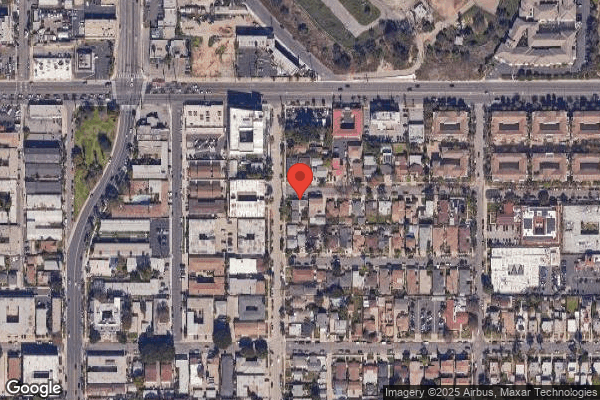
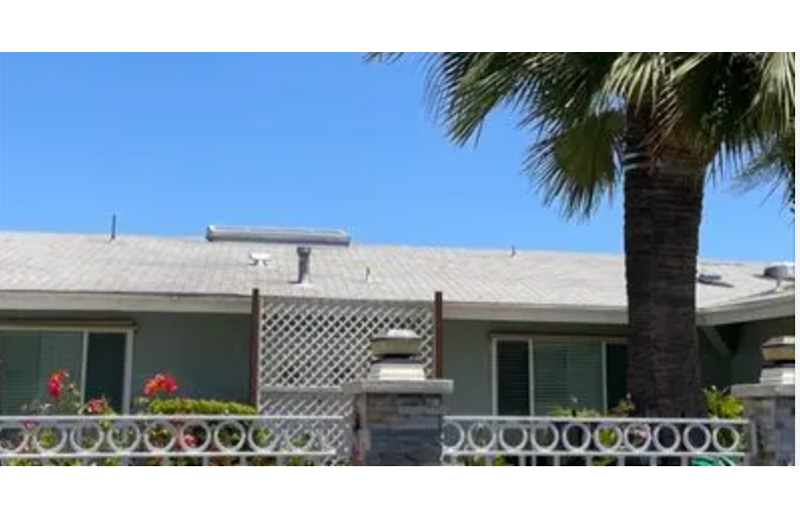
3850 E. ESTHER ST., LONG BEACH, CA 90804 (562) 498-3368
For profit - Limited Liability company 99 Beds PACS GROUP Data: November 2025 1 Immediate Jeopardy citation
Trust Grade
8/100
#868 of 1155 in CA
Last Inspection: January 2025

Within standard 12-15 month inspection cycle. Federal law requires annual inspections.

Overview

Ocean Ridge Post Acute in Long Beach, California, has received a Trust Grade of F, indicating significant concerns about its care quality. Ranked #868 of 1155 facilities in California and #220 of 369 in Los Angeles County, it falls in the bottom half of both categories, suggesting limited options for better care locally. The facility is reportedly improving, with the number of issues decreasing from 27 in 2024 to 26 in 2025. However, staffing is a concern, with a rating of 2 out of 5 stars and a turnover rate of 44%, which is around the state average. Moreover, the nursing home has faced $219,079 in fines, indicating compliance problems that are higher than 97% of California facilities. RN coverage is also below average, with less than 6% of state facilities having more RN support, which is crucial for addressing health issues effectively. Specific incidents include a failure to ensure a resident received vital hemodialysis treatment as ordered and a lack of necessary infection control measures during a scabies outbreak, showcasing both serious and critical care deficiencies. While the quality measures score 5 out of 5, reflecting good outcomes, the facility's overall performance raises significant concerns for prospective residents and their families.

Trust Score
F
8/100
In California
#868/1155
Bottom 25%
Safety Record
High Risk
Review needed
Inspections
Getting Better
27 → 26 violations
Staff Stability
○ Average
44% turnover. Near California's 48% average. Typical for the industry.
Penalties
✓ Good
$219,079 in fines. Lower than most California facilities. Relatively clean record.
Skilled Nurses
⚠ Watch
Each resident gets only 13 minutes of Registered Nurse (RN) attention daily — below average for California. Fewer RN minutes means fewer trained eyes watching for problems.
Violations
⚠ Watch
97 deficiencies on record. Higher than average. Multiple issues found across inspections.
★★☆☆☆
2.0
Overall Rating
★★☆☆☆
2.0
Staff Levels
★★★★★
5.0
Care Quality
★☆☆☆☆
1.0
Inspection Score
Stable
2024: 27 issues
2025: 26 issues

The Good

  • 5-Star Quality Measures · Strong clinical quality outcomes
  • Full Sprinkler Coverage · Fire safety systems throughout facility
  • No fines on record
  • Staff turnover below average (44%)

    4 points below California average of 48%

Facility shows strength in quality measures, fire safety.

The Bad

2-Star Overall Rating

Below California average (3.1)

Below average - review inspection findings carefully

Staff Turnover: 44%

Near California avg (46%)

Typical for the industry

Federal Fines: $219,079

Well above median ($33,413)

Significant penalties indicating serious issues

Chain: PACS GROUP

Part of a multi-facility chain

Ask about local staffing decisions and management

The Ugly 97 deficiencies on record

1 life-threatening 3 actual harm
Jan 2025 26 deficiencies
CONCERN (D)

Potential for Harm - no one hurt, but risky conditions existed

Notification of Changes (Tag F0580)

Could have caused harm · This affected 1 resident

**NOTE- TERMS IN BRACKETS HAVE BEEN EDITED TO PROTECT CONFIDENTIALITY** Based on observation, interview, and record review, the facility failed to report changes of condition (COC, major decline or im...

Read full inspector narrative →
**NOTE- TERMS IN BRACKETS HAVE BEEN EDITED TO PROTECT CONFIDENTIALITY** Based on observation, interview, and record review, the facility failed to report changes of condition (COC, major decline or improvement in a resident's status that will not resolve itself without intervention) for two of nine sampled residents (Resident 32 and Resident 58) with limited range of motion (ROM, full movement potential of a joint) concerns by failing to: 1.Report to Medical Doctor (MD) Resident 32's multiple, consecutive Restorative Nursing Aide (nursing aide program that help residents maintain any progress made after therapy intervention to maintain their function) refusals from February 2024 to August 2024 and from August 2024 to January 2025 in accordance with the facility's Policy and Procedure (P/P) tilted, Change in a Resident's Condition or Status. 2.Notify the Resident 58 's physician during three instances when Resident 58's blood sugar exceeded 400 milligrams (mg- a unit of measurement)/(per) deciliter (dL- a unit of measurement), reference blood sugar range for a diabetic (a condition that occurs when the body doesn't use insulin properly, leading to high blood sugar levels) patient is 80-130 mg/dL before meals and less than 180 mg/dL two hours after eating) and one instance when resident 58's blood work result was critical. These failures resulted in Resident 32 not receiving services and interventions to improve ROM, prevent contractures (condition of shortening and hardening of muscles, tendons, or other tissue, often leading to joint stiffness), and improve overall mobility and physical functioning and put Resident at risk for serious health consequences for including coma, and hospitalization. Findings: 1.During a review of Resident 32's admission Record, the admission Record indicated the facility initially admitted Resident 32 on 8/4/2019 and re-admitted Resident 32 on 1/30/2023 with diagnoses including left hemiplegia (weakness to one side of the body) and traumatic brain injury (damage to the brain from an external force that can cause temporary or permanent changes in brain function). During a review of Resident 32's Order Summary Report, the Order Summary Report indicated a physician's order, dated 8/11/2023, for RNA to assist Resident 32 with left leg passive range of motion (PROM, movement at a given joint with full assistance from another person) exercises to the left hip and left ankle, five times a week. During a review of Resident 32's RNA Documentation Survey Report flowsheet (RNA Flowsheet, daily record of RNA services provided for each month) for February 2024, the RNA Flowsheets indicated for RNA to provide PROM exercises to Resident 32's left hip and left ankle, five times a week. The squares on the RNA flowsheet indicated the letters RR on the following days: 2/1/2024 to 2/3/2024, 2/5/2024 to 2/10/2024, 2/12/2024 to 2/16/2024, 2/19/2024 to 2/23/2024, and 2/25/2024 to 2/29/2024. The key at the bottom of the RNA flowsheet indicated letters RR meant Resident Refused RNA treatment. During a review of Resident 32's RNA Flowsheet for March 2024, the RNA Flowsheets indicated for RNA to provide PROM exercises to Resident 32's left hip and left ankle, five times a week. The squares on the RNA flowsheet indicated the letters RR on the following days: 3/1/2024 to 3/15/2024, 3/18/2024 to 3/23/2024, and 3/25/2024 to 3/29/2024. The key at the bottom of the RNA flowsheet indicated letters RR meant Resident Refused RNA treatment. During a review of Resident 32's RNA Flowsheet for April 2024, the RNA Flowsheets indicated for RNA to provide PROM exercises to Resident 32's left hip and left ankle, five times a week. The squares on the RNA flowsheet indicated the letters RR on the following days: 4/1/024 to 4/5/2024, 4/7/2024 to 4/12/2024, 4/15/2024 to 4/19/2024, 4/22/2024 to 4/26/2024, 4/29/2024, and 4/30/2024. The key at the bottom of the RNA flowsheet indicated letters RR meant Resident Refused RNA treatment. During a review of Resident 32's RNA Flowsheet for May 2024, the RNA Flowsheets indicated for RNA to provide PROM exercises to Resident 32's left hip and left ankle, five times a week. The squares on the RNA flowsheet indicated the letters RR on the following days: 5/1/2024 to 5/3/2024, 5/6/2024 to 5/10/2024, 5/13/2024 to 5/17/2024, 5/21/2024 to 5/24/2024, and 5/27/2024 to 5/30/2024. The key at the bottom of the RNA flowsheet indicated letters RR meant Resident Refused RNA treatment. During a review of Resident 32's RNA Flowsheet for June 2024, the RNA Flowsheets indicated for RNA to provide PROM exercises to Resident 32's left hip and left ankle, five times a week. The squares on the RNA flowsheet indicated the letters RR on the following days: 6/3/2024 to 6/5/2024, 6/10/2024 to 6/14/2024, 6/17/2024 to 6/20/2024, 6/24/2024, and 6/26/2024 to 6/28/2024. The key at the bottom of the RNA flowsheet indicated letters RR meant Resident Refused RNA treatment. During a review of Resident 32's RNA Flowsheet for July 2024, the RNA Flowsheets indicated for RNA to provide PROM exercises to Resident 32's left hip and left ankle, five times a week. The squares on the RNA flowsheet indicated the letters RR on the following days: 7/1/2024 to 7/5/2024, 7/8/2024 to 7/13/2024, 7/15/2024 to 7/19/2024, 7/22/2024 to 7/26/2024, and 7/29/2024. The key at the bottom of the RNA flowsheet indicated letters RR meant Resident Refused RNA treatment. During a review of Resident 32's RNA Flowsheet for August 2024, the RNA flowsheets indicated for RNA to provide PROM exercises to Resident 32's left hip and left ankle, five times a week. The squares on the RNA flowsheet indicated the letters RR on the following days: 8/1/2024, 8/2/2024, 8/5/2024 to 8/9/2024, 8/12/204 to 8/16/2024, 8/19/2024 to 8/23/2024, 8/26/2024 to 8/31/2024. The key at the bottom of the RNA flowsheet indicated letters RR meant Resident Refused RNA treatment. During a review of Resident 32's COC Evaluation, dated 8/1/2024, the COC Evaluation indicated the COC Evaluation was initiated due to Resident 32's multiple refusal of RNA services. The COC indicated Resident 32 was at risk for a mobility decline with recommendations for a Psychiatry consultation. During a review of Resident 32's Joint Mobility Screen (JMS, a brief assessment of a resident's range of motion of both arms and both legs), dated 8/6/2024, the JMS indicated Resident 32 had severe ROM limitations in the left hip and left knee and moderate ROM limitations in the left ankle. During a review of Resident 32's RNA Flowsheet for September 2024, the RNA Flowsheets indicated for RNA to provide PROM exercises to Resident 32's left hip and left ankle, five times a week. The squares on the RNA flowsheet indicated the letters RR on the following days: 9/1/2024, 9/4/2024 to 9/6/2024, 9/9/2024 to 9/13/2024, 9/16/2024 to 9/20/2024, 9/23/2024 to 9/30/2024. The key at the bottom of the RNA flowsheet indicated letters RR meant Resident Refused RNA treatment. During a review of Resident 32's RNA Flowsheets for October 2024, the RNA flowsheets indicated for RNA to provide PROM exercises to Resident 32's left hip and left ankle, five times a week. The squares on the RNA flowsheet indicated the letters RR on the following days: 10/1/2024 to 10/5/2024, 10/7/2024 to 10/11/2024, 10/14/2024 to 10/19/2024, 10/21/2024 to 10/25/2024, and 10/28/2024 to 10/31/2024. The key at the bottom of the RNA flowsheet indicated letters RR meant Resident Refused RNA treatment. During a review of Resident 32's RNA Flowsheets for November 2024, the RNA flowsheets indicated for RNA to provide PROM exercises to Resident 32's left hip and left ankle, five times a week. The squares on the RNA flowsheet indicated the letters RR on the following days: 11/1/2024 to 11/16/2024, 11/18/2024 to 11/20/2024, and 11/25/2024 to 11/29/2024. key at the bottom of the RNA flowsheet indicated letters RR meant Resident Refused RNA treatment. During a review of Resident 32's Minimum Data Set (MDS, a federally mandated assessment tool), dated 11/5/2024, the MDS indicated Resident 32 had severely impaired cognition (ability to think, understand, learn, and remember) and vision. The MDS indicated Resident 32 required substantial/maximal assistance for eating, hygiene, upper body dressing, and rolling to both sides and was dependent in bathing, lower body dressing, and transfers. The MDS indicated Resident 32 had functional ROM limitations (limited ability to move a joint that interferes with daily functioning, including activities of daily living, or places the resident at risk of injury) in one arm (shoulder, elbow, wrist, hand) and both legs (hips, knees, ankles, and feet). During a review of Resident 32's RNA Flowsheets for December 2024, the RNA flowsheets indicated for RNA to provide PROM exercises to Resident 32's left hip and left ankle, five times a week. The squares on the RNA flowsheet indicated the letters RR on the following days: 12/2/2024, 12/5/2024, 12/9/2024 to 12/13/2024, 12/17/2024 to 12/23/2024, 12/25/2024 to 12/27/2024, and 12/30/224. The key at the bottom of the RNA flowsheet indicated letters RR meant Resident Refused RNA treatment. The squares on the RNA Flowsheet were blank on the following days: 12/3/2024, 12/4/2024, 12/15/2024, 12/16/2024, and 12/24/2024. During a review of Resident 32's RNA Flowsheets for January 2025, the RNA flowsheets indicated for RNA to provide PROM exercises to Resident 32's left hip and left ankle, five times a week. The squares on the RNA flowsheet indicated the letters RR on the following days: 1/1/2025 to 1/3/2025, 1/6/2025, 1/9/2025, 1/10/2025, 1/13/2025 to 1/17/2025, and 1/21/2025. The key at the bottom of the RNA flowsheet indicated letters RR meant Resident Refused RNA treatment. The squares on the RNA Flowsheet were blank on the following days: 1/7/2025 and 1/20/2025. During an observation of Resident 32's RNA session and interview on 1/22/2025 at 10:59 am, Resident 32 was lying in bed with both legs straight with the right leg crossed over the left leg. Restorative Nursing Aide 1 (RNA 1) assisted with left arm ROM exercises. RNA 1 attempted to assist Resident 32 with PROM exercises to the left leg, but Resident 32 refused. RNA 1 stated Resident 32 always refused PROM exercises to the left leg. RNA 1 stated he did not recall the last time Resident 32 participated in left leg PROM exercises. RNA 1 stated the Nursing department and the Rehabilitation department (Rehab) were aware of Resident 32's constant refusals. During a concurrent observation and interview on 1/22/2025 at 9:12 am, Resident 32 was lying in bed with both legs straight, right leg crossed over the left leg. Resident 32 stated staff did not assist with exercises to the left leg. Resident 32 stated his left leg was painful and broken. Resident 32 stated he was unable to move the left leg on his own. During an interview on 1/23/2025 at 10:23 pm, Licensed Vocational Nurse 4 (LVN 4) stated a COC was considered anything residents experience that was different from his or her baseline. LVN 4 stated all RNA refusals were reported immediately to the charge nurse. LVN 4 stated if a resident refused RNA services two to three times consecutively, any licensed nurse must initiate a COC, re-assess the resident, notify the physician, notify the resident's responsible party, and implement any recommended interventions. LVN 4 stated it was important to notify the physician of any resident's change of condition because the physician may need to re-assess the resident, order the appropriate tests, and implement specific interventions to address the issue. LVN 4 stated if a resident had a long-standing pattern of consecutive refusals, it was important to notify and follow up with the physician to ensure the resident's needs were being met and the implemented interventions were effective. During an interview on 1/23/2025 at 10:41 am, Restorative Nursing Aide 1 (RNA 1) stated RNA attempted RNA sessions at least three times daily if a resident refused RNA services. RNA 1 stated if a resident continued to refuse RNA, RNA must notify the charge nurse immediately and discuss the resident's multiple refusals in the regular RNA meetings with nursing and the Rehabilitation Department (Rehab) to ensure all departments were aware. During a concurrent interview and record review on 1/23/2025 at 10:47 am, the Director of Staff Development (DSD) stated she supervised the RNAs. The DSD stated all RNA refusals must immediately be reported to the charge nurse and discussed in the regular RNA meetings with nursing and Rehab. The DSD stated if a resident consistently refused RNA, the licensed nurse must initiate a COC, notify the physician, and notify Rehab for re-assessment to possibly put the resident back on skilled therapy or modify the RNA program. The DSD stated it was important the physician, Rehab, and nursing staff were all notified of consecutive and recurring RNA refusals to ensure all departments were aware of the issue to collaboratively investigate the reason for refusals to ensure the appropriate interventions were implemented. The DSD reviewed Resident 32's RNA Flowsheets from February 2024 to January 2025. The DSD stated RR on the RNA Flowsheets indicated Resident 32 refused RNA services that day. The DSD confirmed Resident 32 refused RNA for left leg ROM exercises almost every day, five times a week, from February 2024 to January 2025. The DSD reviewed Resident 32's clinical record from February 2024 to January 2025 and confirmed one COC regarding Resident 32's multiple RNA refusals was initiated on 8/1/2024 (6 months later). The DSD stated she was unable to locate any other evidence of notification to the physician and COCs regarding Resident 32's RNA refusals after 8/1/2024 despite Resident 32's continued refusals. The DSD confirmed Resident 32 continued to refuse RNA services for left leg ROM exercises almost every day, five times a week from August 2024 to January 2025 and no additional COC was initiated. The DSD stated the first COC should have been initiated in 2/2024 when Resident 32 began a pattern of multiple and consecutive refusals of RNA services and continued initiating COCs if the interventions were ineffective. The DSD stated the facility should have followed up and initiated an additional COC after 8/1/2024 to ensure the implemented interventions were effective and the physician was notified and aware of Resident 32's continued refusals. The DSD stated RNA informed her and Rehab of Resident 32's continuous and consecutive RNA refusals in the routine RNA meetings but did not notify the physician and did not follow up to ensure any interventions were implemented or effective. The DSD stated the physician should have been notified and Rehab should have been reconsulted to provide skilled therapy services or modify the RNA program to prevent a decline in Resident 32's ROM, ADLs, and mobility. During a concurrent interview and record review on 1/24/2025 at 10:21 am, Registered Nurse 2 (RN 2) who was also the Assistant Director of Nursing stated a COC was supposed to be initiated when any change from a resident's baseline was observed. RN 2 stated RNA immediately reported any RNA refusals to the charge nurse who in turn initiated a COC and notified the physician. RN 2 stated multiple, consecutive refusals of RNA was considered a COC and the physician must be notified to ensure the resident was assessed appropriately and the proper interventions were implemented. RN 2 reviewed Resident 32's clinical record, RNA Flowsheets from February 2024 to January 2025, and COC Evaluations. RN 2 confirmed Resident 32 refused RNA multiple, consecutive times from February 2024 to January 2025 with evidence of only one COC completed regarding multiple RNA refusals on 8/1/2024. RN 2 stated a COC should have been initiated in February 2024 when multiple, consecutive RNA refusals began to occur with continued COCs thereafter until the implemented interventions were shown to be effective. RN 2 stated the physician should have been notified immediately, the reason for refusal should have been investigated, and Rehab should have been consulted for re-assessment but was not. RN 2 stated if Resident 32 was identified as having left leg ROM limitations, was at high risk for contracture development, and was in facility with no ROM exercises or interventions to maintain or prevent a decline, Resident 32 could potentially have a functional decline and develop contractures. During a concurrent interview and record review on 1/24/2025 at 2:06 pm, the Director of Nursing (DON) stated once staff identified a resident had a COC, a licensed nurse created a COC Evaluation, notified the physician, notified the resident's family or responsible party, implemented interventions, updated the comprehensive care plan, and monitored the resident to ensure effectiveness. The DON reviewed Resident 32's electronic medical record, RNA Flowsheets from February 2024 to January 2025, and COC Evaluation dated 8/1/2024. The DON confirmed Resident 32 refused RNA multiple, consecutive times from February 2024 to January 2025 with evidence of only one COC completed regarding multiple RNA refusals on 8/1/2024. The DON stated a COC should have been initiated in February 2024 when multiple, consecutive RNA refusals began to occur with continued COCs thereafter until the implemented interventions were shown to be effective. The DON stated an additional COC should have been initiated after 8/1/2024 when the initial COC was completed to ensure implemented interventions were effective. The DON stated the physician should have been notified immediately, the reason for refusal should have been investigated, action should have been implemented once RNA discussed the multiple refusals during the routine RNA meetings, and Rehab should have been consulted for re-assessment but was not. The DON stated the physician should have been notified earlier and throughout the process to assist in identifying the root cause of RNA refusals and suggest or provide alternative interventions to address the issue. The DON stated Resident 32 could potentially have a functional decline and develop contractures if the physician was not notified and interventions to maintain or improve ROM were not implemented. 2.During a review of Resident 58's admission Record, the admission Record indicated the facility admitted Resident 58 on 1/18/2024 and readmitted on [DATE] with diagnoses including diabetes mellitus (DM). During a review of Resident 58's Minimum Date Set, dated 10/18/2024, the MDS indicated Resident 58 had moderately impaired cognitive (related to thinking, reasoning, and other mental processes) skills. During a review of Resident 58's History and Physical (H&P), dated 7/15/2024, the H&P indicated, Resident 58's physician set specific goals for Resident 58, including maintaining Hemoglobin A1C (HbA1c-a blood test that measures your average blood sugar level over the past two to three months) between 7.5% (percent) to 8.0% and blood glucose (BS-blood sugar) levels between 100-200mg/dL. During a review of Resident 58's care plan for hyperglycemia (a condition where the level of glucose in your blood is higher than normal) related to DM, initiated on 5/1/2024, indicated interventions to monitor, document, and report signs or symptoms of hyperglycemia to the physician as needed. a. During a review of Resident 58's medication Administration Record (MAR), dated November 2024 and December 2024, the MAR indicated Resident 58's BS level exceeded 400 mg/dL as follows: 550 mg/dL on 11/4/2024 at 9 p.m. 410 mg/dL on 11/22/2024 at 9 p.m. 400 mg/dL on 12/24/2024 at 9 p.m. During a review of Resident 58's Nursing progress notes for November 2024 and December 2024, the Nursing progress notes indicated that staff failed to notify the physician when the BS levels exceeded 400mg/dL on 11/4/2024, 11/22/2024, and 12/24/2024. During a concurrent interview and record review on 1/24/2025 at 10:00 a.m. with Registered Nurse (RN)1, Resident 58's MAR and Nursing progress notes for November 2024 and December 2024 were reviewed. RN 1 stated that staff should notify the physician immediately when Resident 58's BS levels exceeded 400mg/dL on 11/4/2024, 11/22/2024, and 12/24/2024. RN 1 stated that there was no documentation related to these incidents. b. During a review of Resident 58's blood test results, drawn on 12/11/2024, the blood test results indicated Resident 58's HgA1c was 9.7, which was higher than the physician's goal for Resident 58. During a review of Resident 58's nursing progress notes, dated 12/19/2024, the nursing progress notes indicated that staff notified the physician of the 9.7% of HbA1c eight days later on 12/19/2024. During a concurrent interview and record review on 1/24/2025 at 10:00 a.m., with Registered Nurse (RN)1, Resident 58's MAR and Nursing progress notes for November 2024 and December 2024 were reviewed. RN 1 stated that blood test results typically become available within a day after being drawn and that an HbA1c level of 9.7% was considered critically high, requiring same day physician notification to ensure timely intervention to prevent adverse reactions. RN 1 stated, the results were reported eight days later and such delays in notification could lead to complications resulting in hospitalization. During a concurrent interview and record review on 1/24/2025 at 10:44 a.m. with the Director of Nursing (DON), Resident 58's Nursing progress notes, change of condition (COC), Interdisciplinary Team (IDT- residents' health care team consisting of various specialties ) meeting records for November 2024 and December 2024 were reviewed. The DON stated that there was no documentation related to these incidents. The DON also stated that failure to follow proper protocols could lead to complications, including hyperglycemia and hospitalization During a concurrent interview and review of the facility's policy and procedure (P&P) titled, Change in a resident's condition or status, dated 2001, the P&P indicated, the nurse will notify the resident's attending physician or physician on call when there had been a significant change in the resident's physical, emotional, or mental condition. The DON stated that hyperglycemic which BS levels exceeds 400mg/dL is considered as a change in condition. During a review of the facility's Policy and Procedure (P&P) titled, Change in a Resident's Condition or Status, dated 2001, the P&P indicated the facility would promptly notify the resident, his or her attending physician, and the resident representative of changes in the resident's medical/mental condition and/or status. The P/P indicated the nurse would notify the resident's attending physician or physician on call when there had been refusal or treatment or medications two or more consecutive times.
CONCERN (D)

Potential for Harm - no one hurt, but risky conditions existed

Assessment Accuracy (Tag F0641)

Could have caused harm · This affected 1 resident

**NOTE- TERMS IN BRACKETS HAVE BEEN EDITED TO PROTECT CONFIDENTIALITY** Based on interview and record review, the facility failed to accurately reflect two of three sampled resident's (Resident 21 and...

Read full inspector narrative →
**NOTE- TERMS IN BRACKETS HAVE BEEN EDITED TO PROTECT CONFIDENTIALITY** Based on interview and record review, the facility failed to accurately reflect two of three sampled resident's (Resident 21 and Resident 79) 1.Resident 21's medical diagnosis on the minimum data set (MDS, resident assessment tool). 2. For Resident 79 ensure pain frequency was accurately documented in the MDS. This deficient practice had the potential for Resident 21 to not receive person centered care related to her diagnosis of bipolar disorder (a mental health condition characterized by significant and persistent shifts in mood, energy, and activity levels) and Resident 79 to experience a delay of pain management care planning including obtaining the appropriate consults and providing a suitable pain management regimen and relief. Findings: 1.During a review of Resident 21's admission Record, the admission Record indicated Resident 21 was admitted to the facility 3/25/2024 with diagnosis of Parkinson's disease (a chronic brain disorder that causes movement problems, stiffness, and tremors), and anxiety disorder (a group of mental health conditions characterized by excessive and persistent worry, fear, and nervousness that can significantly interfere with daily life). During a review of Resident 21's Order Summary Report, the Order Summary report indicated an order was placed 6/4/2024 for Depakote (an antiseizure medication that can help treat mania [a state of abnormally elevated mood, energy, and activity levels that can last for several days or weeks] and mixed episodes of bipolar disorder) 125 milligrams (mg, a unit of measurement) twice a day (BID) for bipolar affective disorder. During a review of Resident 21's Patient Consult Psychiatry Consult dated 12/3/2024, the Psychiatry Consult indicated Resident 21 was assessed to have bipolar affective disorder and was receiving Depakote 125 mg BID for bipolar affective disorder manifested by labile (a state of rapid and unpredictable changes in mood, where emotions fluctuate intensely and frequently) moods. During a review of Resident 21's MDS dated [DATE], the MDS indicated Resident 21 had severe cognitive impairment (a deterioration or loss in intellectual capacity). The MDS did not include bipolar disorder as an active diagnosis in section I and Bipolar Disorder was not check marked for section I5900. During an interview on 1/24/2025 at 1:46 p.m., the Director Of Nursing (DON) reviewed Resident 21's MDS assessment dated [DATE] and stated there was no diagnosis of bipolar disorder. The DON reviewed Resident 21's Psychiatry Consult from 1/7/2025 and stated the Psychiatry Consult notes indicated Resident 21 was assessed as having bipolar disorder and receiving medication (Depakote) for bipolar disorder and stated the MDS assessment did not accurately reflect Resident 21's diagnoses. The DON stated it was important to have the MDS coded correctly to ensure the residents were receiving the correct care and treatment based on their needs. 2. During a review of Resident 79's admission record (face sheet), dated 1/24/2025, the face sheet indicated Resident 79 was admitted to the facility on [DATE]. During a review of Resident 79's History and Physical (H&P), dated 8/20/2024, the H&P indicated Resident 79 had diagnoses including nontraumatic subdural hemorrhage (brain bleed that occurs without trauma), type 2 diabetes mellitus (DM-a disorder characterized by difficulty in blood sugar control and poor wound healing), and history of a left hip replacement with chronic pain. The H&P indicated Resident 79 had capacity to make decisions. During a review of Resident 79's MDS, dated [DATE], the MDS indicated Resident 79 was able to understand and be understood by others, required supervision or touching assistance (helper provides verbal cures or steadying assistance throughout or intermittently) for hygiene, bathing, and dressing. The MDS indicated Resident 79 experienced pain occasionally. During a review of Resident 79's Physician Order Summary dated 1/24/2025, the Order Summary indicated a.Acetaminophen (over the counter medication for mild pain) tablet 325 milligrams (MG-unit of measurement) give 2 tablets by mouth every 4 hours as needed for mild pain (1-3) b.Tramadol HCL (medication to treat mild to moderate pain) oral tablet 50 MG give 1 tablet by mouth every 8 hours as needed for moderate pain (4-6) During an interview on 1/21/2024 at 12:06 p.m., with Resident 79, Resident 79 stated their pain is not being relieved with tramadol. Resident 79 stated they requested stronger pain medication, but did not receive it. During a concurrent interview and record review on 1/24/2025 at 2:48 p.m., with the MDS Coordinator (MDSC), Resident 79's records were reviewed. The MDS dated [DATE] indicated Resident 79 experiences pain occasionally. The MDSC stated the assessment reference date (ARD - date range that the MDSC references when documenting assessment) was 11/16/2024-11/22/2024. The Medication Administration Record (MAR) for November 2024 indicated Resident 79 complained of pain and received an as needed (PRN) Tramadol tablet 50 MG every day between 11/18/2204-11/22/2024. The MDSC stated the MDS should reflect that Resident 79 experiences pain almost constantly. The MDSC stated it is important for the MDS to accurately reflect the resident, to ensure the resident receives proper care and treatment. During an interview on 1/24/2024 at 3:59 p.m., with the DON, the DON stated if the MDS does not accurately reflect the resident's pain frequency, the resident may not receive a properly developed care plan and treatment to manage his pain. During a review of the facility's MDS Nurse Job Description, dated 07/2018, the job description indicated the MDS Nurse conducts observation and interviews as well as evaluations required for MDS and/or care plan preparations and assess resident care needs. During a review of Resident 21's policy and procedure (P/P) titled Charting and Documentation dated 2001, the P/P indicated documentation in the medical record was to be objective (not opinionated or speculative), complete, and accurate.
CONCERN (D)

Potential for Harm - no one hurt, but risky conditions existed

Comprehensive Care Plan (Tag F0656)

Could have caused harm · This affected 1 resident

**NOTE- TERMS IN BRACKETS HAVE BEEN EDITED TO PROTECT CONFIDENTIALITY** Based on interview and record review, the facility failed to create and implement a person-centered care plan for three of three...

Read full inspector narrative →
**NOTE- TERMS IN BRACKETS HAVE BEEN EDITED TO PROTECT CONFIDENTIALITY** Based on interview and record review, the facility failed to create and implement a person-centered care plan for three of three sampled residents (Residents 73, 17 and 28). The facility failed to: a.Create a care plan for Resident 73 who experienced nausea and had an order for Zofran (medication used to prevent nausea and vomiting). b.Create a care plan for Resident 17 for taking controlled medication (temazepam, a sleeping aid to help with difficulty falling asleep or staying asleep) at night. c.Create a care plan for Resident 28 for self-care deficit and grooming pertaining to fingernails. These deficient practices had the potential not to provide resident specific care and monitoring. Findings: a.During a review of Resident 73's admission Record, the admission Record indicated Resident 73 was admitted to the facility 11/29/2022 with diagnoses of muscle weakness, dementia (a general term encompassing a group of conditions that cause a gradual decline in cognitive abilities, affecting a person's memory, thinking, reasoning, and behavior), and major depressive disorder (a common mental health condition characterized by persistent feelings of sadness, loss of interest, and other symptoms that significantly interfere with daily life). During a review of Resident 73's order summary report, the order summary report indicated Resident 73 had an order placed 11/5/2024 for Zofran 4 milligrams (mg, a unit of measurement), give one tablet by mouth every six hours as needed for nausea and vomiting. During a review of Resident 73's Minimum Data Set (MDS, a resident assessment tool) dated 12/4/2024, the MDS indicated Resident 73 had moderate cognitive impairment (a condition where a person experiences noticeable declines in cognitive functions, such as memory, attention, and reasoning). During a review of Resident 73's care plans, there was no care plan addressing the use of as needed nausea medication (Zofran) for nausea. During an interview on 1/21/2025 at 12:19 p.m., Resident 73 stated she was feeling nauseous and feels nauseous often. During an observation on 1/22/2025 at 8:55 a.m., Resident 73 was observed telling Certified Nursing Assistant (CNA 2), I feel bad and she was feeling nauseous. During an interview on 1/24/2025 at 1:29 p.m., the Director of Nursing (DON) stated she reviewed Resident 73's electronic medical record and Resident 73 had an order for as needed nausea medication (Zofran). The DON stated residents that experienced nausea or had as needed nausea medication should have a care plan addressing the nausea but Resident 73 did not have one. The DON stated it was important to have a care plan that was individualized and addressed the nausea because it would outline the interventions specific to Resident 73 and managing her nausea, it would provide continuity of care for the nursing team. b.During a review of Resident 17's admission Record, the admission Record indicated Resident 17 was admitted to the facility on [DATE] with diagnoses including bipolar disorder (sometimes called manic-depressive disorder; mood swings that range from the lows of depression to elevated periods of emotional highs), major depressive disorder (a mood disorder that causes a persistent feeling of sadness and loss of interest), anxiety disorder (a group of mental health conditions that cause fear, dread and other symptoms that are out of proportion to the situation), and hemiplegia (paralysis on one side of body) and hemiparesis (muscle weakness on one side of the body) following cerebral infarction ([a stroke] damage to brain tissue due to loss of oxygen). During a review of Resident 17's history and physical (H/P) dated 10/24/24, the H/P indicated Resident 17 has the capacity to understand and make decisions. During a review of Resident 17's MDS, dated [DATE], the MDS indicated Resident 17 was moderately impaired in cognitive (thinking process) skills and needed supervision (helper provides verbal cues and/or touching/steadying and/or contact guard assistance as resident completes activity) with self-care abilities such as eating, required moderate assistance (helper does less than half the effort, helper lifts, holds, or supports trunk or limbs but provides less than half the effort) for oral hygiene, required maximal assistance (helper does more than half the effort) for upper body dressing, and personal hygiene and was dependent (helper does all of the effort, resident does none of the effort to complete the activity, or the assistance or 2 or more helpers is required for the resident to complete the activity) for toileting, shower/bathe, lower body dressing, and putting on/taking off footwear. The MDS also indicated Resident 17 required moderate assistance with mobility abilities such as rolling left and right, and needed maximal assistance with sit to lying position, lying to sitting position, sit to stand and chair/bed to chair transfers. During a review of Resident 17's Order Summary Report, the Order Summary Report indicated temazepam oral capsule 15 milligram ([mg], a unit of measurement) give one capsule by mouth at bedtime for insomnia (difficulty falling asleep or staying asleep) manifested by inability to sleep ordered on 1/10/25. During a review of Resident 17's electronic medication administration record (MAR) for January 2025, the MAR indicated Resident 17 was receiving temazepam oral capsule 15 mg give one capsule by mouth at bedtime for insomnia manifested by inability to sleep from 1/10/25 to 1/23/25 with no missing gaps. During a review of Resident 17's comprehensive care plan, date unknown, the comprehensive care plan did not indicate a care plan addressing Resident 17's medication of the sleeping aid used for inability to sleep. During a concurrent interview and record review on 1/23/25 at 3:56 p.m. with MDS Coordinator (MDSC), the comprehensive care plan, date unknown, was reviewed. The MDSC stated there was no care plan for Resident 17 taking the sleeping aid. The MDSC stated there should have been a care plan so the facility can monitor if the medication was effective. The MDSC stated there are goals for the resident and interventions in place if the medication was not working for him but since there was no care plan, there was no monitoring. b.During a review of Resident 28's admission Record, the admission Record indicated Resident 28 was admitted to the facility on [DATE] with diagnoses including schizophrenia (a mental illness that is characterized by disturbances in thought), chronic obstructive pulmonary disease (COPD-a chronic lung disease causing difficulty in breathing), congestive heart failure (CHF-a heart disorder which causes the heart to not pump the blood efficiently, sometimes resulting in leg swelling), and diabetes mellitus (DM-a disorder characterized by difficulty in blood sugar control and poor wound healing). During a review of Resident 28's H/P dated 12/21/2024, the H/P indicated Resident 28 has fluctuating capacity to understand and make decisions. During a review of Resident 28's MDS dated [DATE], the MDS indicated Resident 28 was moderately impaired in cognitive skills and required supervision for self-care abilities such as eating, required maximal assistance with oral hygiene, upper body dressing, lower body dressing, putting on/taking of footwear, and personal hygiene, and was dependent on staff with toileting and shower/bathe. The MDS also indicated Resident 28 required maximal assistance with mobility such as rolling left and right, sit to lying position, lying to sitting on side of bed, sit to stand and chair/bed to chair transfers. During a review of Resident 28's comprehensive care plan, date unknown, the comprehensive care plan did not have a care plan for self-care and grooming pertaining to fingernails. During a concurrent observation and interview on 1/21/2025 at 11:43 a.m. with Resident 28 in her room, Resident 28 had long fingernails with black material underneath her fingernails. Resident 28 stated the last time her fingernails was trimmed, the staff cut into her skin on the side, and she does not want that to happen again. Resident 28 stated staff have not offered to clean or cut her fingernails but would want staff to try and cut them again but not touch the skin on the side. During a concurrent interview and record review on 1/24/2025 at 10:09 a.m. with Licensed Vocational Nurse (LVN) 2, the comprehensive care plan was reviewed. LVN 2 stated there should have been a care plan for this resident for her fingernails, even if the resident refused the grooming for her fingernails, there should have been a care plan for the refusal so the facility knows the services were offered but if resident refused, what other interventions can the facility do to help care for this resident. During an interview on 1/24/2025 at 3:36 p.m., with Director of Nursing (DON), the DON stated the importance of having a care plan for Resident 17 taking the sleep aid and Resident 28 self-care and grooming was the care plan acts as a guidance to make sure resident centered care was provided to the residents. The DON stated each medication and/or diagnosis a resident has, should have a comprehensive care plan based on the plan of care for the resident. The DON stated there are goals and interventions for the residents and if the interventions does not work or was not effective, then the facility will let the doctors know so the facility can make changes to the care plan and find something else that may work. During a review of the facility's policy and procedure (P/P) titled Care Plans, Comprehensive Person-Centered dated 2001, the P/P indicated the care plan was to describe the services that are to be furnished to attain or maintain the resident's highest practicable physical, mental, and psycho-social well-being.
CONCERN (D)

Potential for Harm - no one hurt, but risky conditions existed

Deficiency F0657 (Tag F0657)

Could have caused harm · This affected 1 resident

**NOTE- TERMS IN BRACKETS HAVE BEEN EDITED TO PROTECT CONFIDENTIALITY** Based on observation, interview, and record review, the facility failed to review and revise the comprehensive care plan for: 1....

Read full inspector narrative →
**NOTE- TERMS IN BRACKETS HAVE BEEN EDITED TO PROTECT CONFIDENTIALITY** Based on observation, interview, and record review, the facility failed to review and revise the comprehensive care plan for: 1.one of nine sampled residents (Resident 32) to address multiple, consecutive Restorative Nursing Aide (RNA, nursing program that uses restorative nursing aides to help residents maintain their function and joint mobility) refusals for Resident 32 who was identified as having left leg ROM limitations (ROM, full movement potential of a joint) and was at high risk for contracture development. 2.one of two sampled residents (Resident 79) to address severe pain that required increased use of as needed (PRN) pain medications from August 2024 to January 2025. The deficient practice for Resident 32 had the potential to negatively affect the delivery of necessary care and services and can lead to contracture (loss of motion of a joint associated with stiffness and joint deformity) development and a decline in overall physical functioning and activities of daily living (ADL, basic activities such as eating, dressing, toileting). The deficient practice for Resident 79 has the potential to result in a delay of providing pain relief and appropriate pain medication management. Findings: During a review of Resident 32's admission Record, the admission Record indicated the facility initially admitted Resident 32 on 8/4/2019 and re-admitted Resident 32 on 1/30/2023 with diagnoses including left hemiplegia (weakness to one side of the body) and traumatic brain injury (damage to the brain from an external force that can cause temporary or permanent changes in brain function). During a review of Resident 32's Order Summary Report, the Order Summary Report indicated a physician's order, dated 8/11/2023, for RNA to assist Resident 32 with left leg passive range of motion (PROM, movement at a given joint with full assistance from another person) exercises to the left hip and left ankle, five times a week. During review of Resident 32's care plan, revised on 8/1/2024, the care plan indicated Resident 32 was at risk for a decline in ADLs and mobility (ability to move) due to Resident 32's refusal to participate in the RNA program. The care plan indicated goals for Resident 32 to have needs anticipated and met by staff and have no complications related to mobility with a revision date of 8/28/2024. The care plan indicated the interventions to meet the goals were to encourage Resident 32 to participate in ADLs to promote independence, encourage use of the call light, notify the physician of ADL declines, and consult psych (unspecified) due to RNA refusals. During a review of Resident 32's Joint Mobility Screen (JMS, a brief assessment of a resident's range of motion of both arms and both legs), dated 8/6/2024, the JMS indicated Resident 32 had severe ROM limitations in the left hip and left knee and moderate ROM limitations in the left ankle. During a review of Resident 32's RNA Documentation Survey Report flowsheet (RNA Flowsheet, daily record of RNA services provided for each month) for August 2024, the RNA flowsheets indicated for RNA to provide PROM exercises to Resident 32's left hip and left ankle, five times a week. The squares on the RNA flowsheet indicated the letters RR on the following days: 8/1/2024, 8/2/2024, 8/5/2024 to 8/9/2024, 8/12/204 to 8/16/2024, 8/19/2024 to 8/23/2024, 8/26/2024 to 8/31/2024. The key at the bottom of the RNA flowsheet indicated letters RR meant Resident Refused RNA treatment. During a review of Resident 32's RNA Flowsheet for September 2024, the RNA Flowsheets indicated for RNA to provide PROM exercises to Resident 32's left hip and left ankle, five times a week. The squares on the RNA flowsheet indicated the letters RR on the following days: 9/1/2024, 9/4/2024 to 9/6/2024, 9/9/2024 to 9/13/2024, 9/16/2024 to 9/20/2024, 9/23/2024 to 9/30/2024. The key at the bottom of the RNA flowsheet indicated letters RR meant Resident Refused RNA treatment. During a review of Resident 32's RNA Flowsheets for October 2024, the RNA Flowsheets indicated for RNA to provide PROM exercises to Resident 32's left hip and left ankle, five times a week. The squares on the RNA flowsheet indicated the letters RR on the following days: 10/1/2024 to 10/5/2024, 10/7/2024 to 10/11/2024, 10/14/2024 to 10/19/2024, 10/21/2024 to 10/25/2024, and 10/28/2024 to 10/31/2024. The key at the bottom of the RNA flowsheet indicated letters RR meant Resident Refused RNA treatment. During a review of Resident 32's RNA Flowsheets for November 2024, the RNA Flowsheets indicated for RNA to provide PROM exercises to Resident 32's left hip and left ankle, five times a week. The squares on the RNA flowsheet indicated the letters RR on the following days: 11/1/2024 to 11/16/2024, 11/18/2024 to 11/20/2024, and 11/25/2024 to 11/29/2024. key at the bottom of the RNA flowsheet indicated letters RR meant Resident Refused RNA treatment. During a review of Resident 32's Minimum Data Set (MDS, a federally mandated assessment tool), dated 11/5/2024, the MDS indicated Resident 32 had severely impaired cognition (ability to think, understand, learn, and remember) and vision. The MDS indicated Resident 32 required substantial/maximal assistance for eating, hygiene, upper body dressing, and rolling to both sides and was dependent in bathing, lower body dressing, and transfers. The MDS indicated Resident 32 had functional ROM limitations (limited ability to move a joint that interferes with daily functioning, including activities of daily living, or places the resident at risk of injury) in one arm (shoulder, elbow, wrist, hand) and both legs (hips, knees, ankles, and feet). During a review of Resident 32's RNA Flowsheets for December 2024, the RNA Flowsheets indicated for RNA to provide PROM exercises to Resident 32's left hip and left ankle, five times a week. The squares on the RNA flowsheet indicated the letters RR on the following days: 12/2/2024, 12/5/2024, 12/9/2024 to 12/13/2024, 12/17/2024 to 12/23/2024, 12/25/2024 to 12/27/2024, and 12/30/224. The key at the bottom of the RNA flowsheet indicated letters RR meant Resident Refused RNA treatment. During a review of Resident 32's RNA Flowsheets for January 2025, the RNA Flowsheets indicated for RNA to provide PROM exercises to Resident 32's left hip and left ankle, five times a week. The squares on the RNA flowsheet indicated the letters RR on the following days: 1/1/2025 to 1/3/2025, 1/6/2025, 1/9/2025, 1/10/2025, 1/13/2025 to 1/17/2025, and 1/21/2025. The key at the bottom of the RNA flowsheet indicated letters RR meant Resident Refused RNA treatment. During an observation of Resident 32's RNA session and interview on 1/22/2025 at 10:59 am, Resident 32 was lying in bed with both legs straight with the right leg crossed over the left leg. Restorative Nursing Aide 1 (RNA 1) assisted with left arm ROM exercises. RNA 1 attempted to assist Resident 32 with PROM exercises to the left leg, but Resident 32 refused. RNA 1 stated Resident 32 always refused PROM exercises to the left leg. RNA 1 stated he did not recall the last time Resident 32 participated in left leg PROM exercises. RNA 1 stated the Nursing department and the Rehabilitation department (Rehab) were aware of Resident 32's constant refusals. During a concurrent observation and interview on 1/22/2025 at 9:12 am, Resident 32 was lying in bed with both legs straight, right leg crossed over the left leg. Resident 32 stated staff did not assist with exercises to the left leg. Resident 32 stated his left leg was painful and broken. Resident 32 stated he was unable to move the left leg on his own. During a concurrent interview and record review on 1/24/2025 and 1:43 pm, the Minimum Data Set Nurse Coordinator (MDSC) reviewed Resident 32's care plan and RNA flowsheets from August 2024 to January 2025. The MDSC stated comprehensive care plans were developed for every resident and used as a guideline to ensure proper care was provided for each resident. The MDSC stated care plans were supposed to be updated quarterly and as needed. The MDSC confirmed Resident 32's care plan was not updated and revised since 8/2024. The MDSC stated the care plan should have been revised 11/2024 for the quarterly assessment or earlier because the interventions listed on the care plan were ineffective since Resident 32 continued to repeatedly refuse RNA services after 8/2024 when the care plan was last revised. The MDSC stated the care plan should have been revised and updated to ensure Resident 32 maintained his mobility, ADLs, and ROM by offering interventions such as referral to the Rehabilitation Department (Rehab) for assessment and recommendations, notification to the doctor to discuss alternative interventions such as medications, ROM exercises during ADLs, and encouragement to participate in other types of activities through the Activities Program. The MDSC stated it was important the facility updated Resident 32's care plan to ensure he was receiving the appropriate care and services since he was identified as having ROM limitations and was at high risk for contracture development. During an interview on 1/24/2025 at 2:06 pm, the Director of Nursing (DON) stated comprehensive care plans were developed for every resident and were used as a guide for staff to identify the type of care to provide the residents in the facility. The DON stated care plans should be updated quarterly and as needed. The DON confirmed Resident 32 continued to repeatedly refuse RNA services from August 2024 to January 2025 - after the care plan was last updated. The DON stated the care plan should have been revised and updated at least quarterly in 11/2024 since the listed interventions were ineffective since Resident 32 continued to repeatedly refuse RNA services. The DON stated if a resident was continuously refusing RNA services, had ROM limitation, and was at high risk for contracture development, it was important care plans were updated to include effective interventions to maintain the resident's ROM, mobility, and ADLs such as encouragement to participate in ADLs and the Activities Program, different positioning strategies, referral to the Rehab for assessment and recommendations, and referral to the doctor for any necessary interventions. The DON stated it was important care plans were revised and updated to ensure the residents were receiving the appropriate care and services needed. 2. During a review of Resident 79's admission record (face sheet), dated 1/24/2025, the face sheet indicated Resident 79 was admitted to the facility on [DATE]. During a review of Resident 79's History and Physical (H&P), dated 8/20/2024, the H&P indicated Resident 79 had diagnoses including nontraumatic subdural hemorrhage (brain bleed that occurs without trauma), type 2 diabetes mellitus (DM-a disorder characterized by difficulty in blood sugar control and poor wound healing), and history of a left hip replacement with chronic pain. The H&P indicated Resident 79 had capacity to make decisions. During a review of Resident 79's MDS dated [DATE], the MDS indicated Resident 79 was able to understand and be understood by others, required supervision or touching assistance (helper provides verbal cures or steadying assistance throughout or intermittently) for hygiene, bathing, and dressing. The MDS indicated Resident 79 experienced pain occasionally. During a review of Resident 79's Physician Order Summary dated 1/24/2025, the Order Summary indicated: a. Acetaminophen tablet 325 milligrams (MG-unit of measurement) give 2 tablets by mouth every 4 hours as needed for mild pain (1-3) b. Tramadol HCL oral tablet 50 MG give 1 tablet by mouth every 8 hours as needed for moderate pain (4-6) During an interview on 1/21/2024 at 12:06 p.m. with Resident 79, Resident 79 stated their pain is not being relieved with tramadol. Resident 79 stated they requested stronger pain medication, but did not receive it. During a concurrent interview and record review on 1/24/2025 2:12 p.m. with Licensed Vocational Nurse (LVN) 3, Resident 79's Medication Administration Record (MAR) from August 2024 to January 2025 indicated the following: 1. Resident 79 complained of 7/10 pain and received Tramadol 50 MG for moderate pain (4-6): 2. Resident 79 complained of 8/10 pain and received Tramadol 50 MG for moderate pain (4-6): 3. Resident 79 complained of 5/10 pain and received Acetaminophen 325 MG for mild pain (1-3) on 1/15/2025. LVN 3 stated as needed (PRN) pain medications have parameters and should be administered to the resident as ordered. LVN 3 stated there is no PRN medication ordered for severe pain (7-10). LVN 3 stated if a resident's pain is outside the ordered parameters, the nurse needs to contact the doctor to clarify and order an appropriate medication. LVN 3 stated there is no documentation indicating that nursing contacted the physician about severe pain levels of 7 or 8 out of 10 or administering pain medications outside of the ordered parameters. During a concurrent interview and record review on 1/24/2025 at 2:48 p.m. with the MDS Coordinator (MDSC).The MDSC stated there is one care plan regarding pain that was initiated on 8/17/2024. The MDS nurse stated the pain care plan was not revised between 8/17/2024-1/24/2025. During an interview on 1/24/2025 at 3:59 p.m. with the Director of Nursing (DON), the DON stated comprehensive care plans were used as a guide for staff to identify the type of care to provide the residents in the facility. The DON stated care plans should be updated quarterly and as needed. The DON stated it was important care plans were revised and updated to ensure the residents were receiving the appropriate care and services needed. During a review of the facility's policy and procedure (P&P), titled Care Plans, Comprehensive Person-Centered, dated 2001, the P&P indicated Assessments of residents are ongoing and care plans are revised as information about the residents and the residents' conditions change. During a review of the facility's policy and procedure (P&P), titled Pain Assessment and Management, dated 2001, The P&P indicated the pain management interventions are consistent with the resident's goals for treatment which are defined and documented in the care plan. Pain management interventions reflect the sources, type, and severity of pain. The P&P indicated pain management is a multidisciplinary process that includes developing and implementing approaches to pain management .monitoring for the effectiveness of interventions and modifying approaches as necessary. The P&P indicated if pain has not been adequately controlled, the multidisciplinary team, including the physician, shall reconsider approaches and make adjustments. During a review of the facility's policy and procedure (P/P) titled, Care Plans, Comprehensive Person-Centered, dated 2021, the P/P indicated a comprehensive, person-centered care plan should include measurable objectives and timetables to meet the resident's physical, psychosocial and functional needs. The P/P indicated the care plan should describe the services that are to be furnished to assist the resident attain or maintain that level of physical, mental, and psychosocial well-being. The P/P indicated the interdisciplinary team reviewed and updated the care plan when there was a significant change in the resident's condition, when the desired outcome was not met, and at least quarterly in conjunction with the required quarterly MDS assessment.
CONCERN (D)

Potential for Harm - no one hurt, but risky conditions existed

ADL Care (Tag F0677)

Could have caused harm · This affected 1 resident

**NOTE- TERMS IN BRACKETS HAVE BEEN EDITED TO PROTECT CONFIDENTIALITY** Based on observation, interview, and record review, the facility failed to maintain good grooming, and personal hygiene for one ...

Read full inspector narrative →
**NOTE- TERMS IN BRACKETS HAVE BEEN EDITED TO PROTECT CONFIDENTIALITY** Based on observation, interview, and record review, the facility failed to maintain good grooming, and personal hygiene for one of two sample residents (Residents 28). The resident was observed to have long fingernails with black material underneath. This deficient practice resulted in Resident 28's care needs not being met and had the potential to result in psychological harm and infection. Findings: During a review of Resident 28's admission Record, the admission Record indicated Resident 28 was admitted to the facility on [DATE] with diagnoses including schizophrenia (a mental illness that is characterized by disturbances in thought), chronic obstructive pulmonary disease (COPD-a chronic lung disease causing difficulty in breathing), congestive heart failure (CHF-a heart disorder which causes the heart to not pump the blood efficiently, sometimes resulting in leg swelling), and diabetes mellitus (DM-a disorder characterized by difficulty in blood sugar control and poor wound healing). During a review of Resident 28's H/P dated 12/21/24, the H/P indicated Resident 28 has fluctuating capacity to understand and make decisions. During a review of Resident 28's Minimum Data Set ([MDS], a resident assessment tool) dated 12/26/24, the MDS indicated Resident 28 was moderately impaired in cognitive (thinking process) skills and required supervision (helper provides verbal cues and/or touching/steadying and/or contact guard assistance as resident completes activity) for self-care abilities such as eating, required maximal assistance (helper does more than half the effort) with oral hygiene, upper body dressing, lower body dressing, putting on/taking of footwear, and personal hygiene, and was dependent (helper does all of the effort, resident does none of the effort to complete the activity, or the assistance or 2 or more helpers is required for the resident to complete the activity) on staff with toileting and shower/bathe. The MDS also indicated Resident 28 required maximal assistance with mobility such as rolling left and right, sit to lying position, lying to sitting on side of bed, sit to stand and chair/bed to chair transfers. During a concurrent observation and interview on 1/21/25 at 11:43 a.m. with Resident 28 in her room, Resident 28 had long fingernails with black material underneath. Resident 28 stated the last time her fingernails got cut, it cut into her skin on the side, and she does not want that to happen again. Resident 28 stated staff have not offered to clean or cut her fingernails but would want staff to try and cut them again. During an interview on 1/24/25 at 10:09 a.m. with Licensed Vocational Nurse (LVN) 2, the LVN 2 stated residents are getting their activities of daily living (ADL) and grooming done daily by Certified Nursing Assistants (CNA). LVN 2 stated CNAs does nail cutting for hands and staff should be doing the grooming for residents every shift and as needed. LVN 2 stated if residents want their nails long, that it was their wish, but staff should still offer to keep the fingernails clean. During an interview on 1/24/25 at 3:36 p.m. with Director of Nursing (DON), DON stated the CNA's does the ADL's and grooming for all residents. DON stated if any resident refused any services, it should be documented and the LVN Charge Nurse should be informed. DON stated there should also be a care plan for Resident 28's preferences but it was still the facility's responsible to offer the nail cutting and cleaning to Resident 28. DON stated since there was no documentation of the services provided or the resident refusal of the services, the services were not offered to Resident 28. During a review of the facility's policy and procedure (P/P) titled, Fingernails/Toenails, Care of, dated 2001, indicated to clean the nail bed, to keep nails trimmed, and to prevent infections .nail care includes daily cleaning and regular trimming .trimmed and smooth nails prevent the resident from accidentally scratching and injuring his or her skin .the following information should be recorded in the resident's medical record such as any difficulties in cutting the resident's nails, any problems or complaints made by the resident with his/her hands or feet or any complaints related to the procedure, if the resident refused the treatment, the reason(s) why and the intervention taken .notify the supervisor if the resident refuses the care, report other information in accordance with facility policy and professional standards of practice.
CONCERN (D)

Potential for Harm - no one hurt, but risky conditions existed

Quality of Care (Tag F0684)

Could have caused harm · This affected 1 resident

Based on interview and record review, the facility failed to follow the dietician's recommendations and obtain a physician's order for one of three sampled residents (Resident 32) to receive mid arm c...

Read full inspector narrative →
Based on interview and record review, the facility failed to follow the dietician's recommendations and obtain a physician's order for one of three sampled residents (Resident 32) to receive mid arm circumference measurements (a measurement of the muscle and fat in the upper arm. It's a simple and quick way to assess nutritional status and body composition) This deficient practice had the potential to delay care and delay identification of potential malnourishment (lack of proper nutrition, caused by not having enough to eat, not eating enough of the right things, or being unable to use the food that one does eat) for Resident 32. Findings: During a review of Resident 32's admission Record, the admission Record indicated Resident 32 was admitted to the facility 8/4/2019 with diagnoses of blindness of bilateral (both) eyes, traumatic brain injury (an injury to the brain caused by an external physical force, such as a bump, blow, jolt, or penetration), and hemiplegia (a medical condition that causes paralysis or weakness on one side of the body) of the left side. During a review of Resident 32's Weight and Vital Signs (measurements of the bodies basic functions) report, there were no weights documented in the year 2024. During a review of Resident 32's Nutritional Risk Assessment (Admission/ Annual) dated 8/7/2024, the assessment indicated Resident 32 refused to be weighed and had poor oral (PO) intake (not eating very much) and the registered dietician (RD) recommended obtaining a middle arm muscle circumference measurement. During a review of Resident 32's minimum data set (MDS, a resident assessment tool) dated 11/5/2024, the MDS indicated Resident 32 had severe cognitive impairment (a significant decline in cognitive abilities that interferes with daily life and independence). During a review of Resident 32's Order Summary Report, the report indicated an order for mid arm circumference monthly, every day shift on the first of the month for refusal of weights was not ordered until 1/22/2025. During a review of Resident 32's Interdisciplinary (IDT, a group of health care professionals with various areas of expertise who work together toward the goals of their clients) Note dated 1/21/2025, the RD indicated Resident 32 was refusing weights but agreed to allow a mid-arm muscle circumference measurement). During an interview on 1/23/2025 at 10:20 a.m., Licensed Vocational Nurse (LVN 4) stated they were not sure what a mid-arm circumference was and would need to consult the Director of Nursing (DON) or a registered nurse to find out what it was. LVN 4 stated Resident 32 never had an order for a mid-arm circumference in the past. During an interview on 1/23/2025 at 11:06 a.m., the RD stated the only option to get a measurement of a resident's nutrition status if a resident was refusing weights was a mid-arm circumference measurement. The RD stated tracking of the mid arm circumference could inform you if a resident was losing weight or gaining weight. The RD stated she made the recommendation in August 2024 to measure the mid arm circumference but was not entirely sure why the order was just placed January 2025. Per the RD there was no mid arm circumference measurement in Resident 32's chart. The RD stated when she makes recommendations, she hopes the doctor is informed and the orders are obtained within 72 hours, and it is important that the nursing team follows up on her recommendations because it affects the resident's treatment, and she places the recommendations for a reason. During an interview on 1/24/2025 at 12:55 p.m., the DON stated there was no indication in Resident 32's chart that the physician was made aware of the recommendation by the RD for a mid-arm circumference for Resident 32 in August 2024 until an order was placed January 2025 to obtain a mid-arm circumference. The DON stated the mid arm circumference measurement was important because it could determine if Resident 32 was malnourished. During a review of the facility's policy and procedure (P/P) titled Nutritional Assessment dated 2001, the P/P indicated the nutritional assessment was a multidisciplinary process that included gathering and interpreting data and using the data to help define meaningful interventions for the residents at risk for or with impaired nutrition.
CONCERN (D)

Potential for Harm - no one hurt, but risky conditions existed

Deficiency F0688 (Tag F0688)

Could have caused harm · This affected 1 resident

Based on observation, interview, and record review, the facility failed to provide treatment and services to improve and prevent a decline in range of motion (ROM, full movement potential of a joint) ...

Read full inspector narrative →
Based on observation, interview, and record review, the facility failed to provide treatment and services to improve and prevent a decline in range of motion (ROM, full movement potential of a joint) for one of nine sampled residents (Resident 32) who was identified as having left leg ROM limitations, was at high risk for contracture (loss of motion of a joint associated with stiffness and joint deformity) development, and repeatedly refused Restorative Nursing Aide (nursing aide program that help residents maintain any progress made after therapy intervention to maintain their function) services for left leg ROM exercises from February 2024 to January 2025. This deficient practice had the potential to cause Resident 32 to develop contractures and have a decline in ROM, physical functioning, and activities of daily living (ADL, basic activities such as eating, dressing, toileting). Findings: During a review of Resident 32's admission Record, the admission Record indicated the facility initially admitted Resident 32 on 8/4/2019 and re-admitted Resident 32 on 1/30/2023 with diagnoses including left hemiplegia (weakness to one side of the body) and traumatic brain injury (damage to the brain from an external force that can cause temporary or permanent changes in brain function). During a review of Resident 32's Order Summary Report, the Order Summary Report indicated a physician's order, dated 8/11/2023, for RNA to assist Resident 32 with left leg passive range of motion (PROM, movement at a given joint with full assistance from another person) exercises to the left hip and left ankle, five times a week. During a review of Resident 32's RNA Documentation Survey Report flowsheet (RNA Flowsheet, daily record of RNA services provided for each month) for February 2024, the RNA Flowsheets indicated for RNA to provide PROM exercises to Resident 32's left hip and left ankle, five times a week. The squares on the RNA flowsheet indicated the letters RR on the following days: 2/1/2024 to 2/3/2024, 2/5/2024 to 2/10/2024, 2/12/2024 to 2/16/2024, 2/19/2024 to 2/23/2024, and 2/25/2024 to 2/29/2024. The key at the bottom of the RNA flowsheet indicated letters RR meant Resident Refused RNA treatment. During a review of Resident 32's RNA Flowsheet for March 2024, the RNA Flowsheets indicated for RNA to provide PROM exercises to Resident 32's left hip and left ankle, five times a week. The squares on the RNA flowsheet indicated the letters RR on the following days: 3/1/2024 to 3/15/2024, 3/18/2024 to 3/23/2024, and 3/25/2024 to 3/29/2024. The key at the bottom of the RNA flowsheet indicated letters RR meant Resident Refused RNA treatment. During a review of Resident 32's RNA Flowsheet for April 2024, the RNA Flowsheets indicated for RNA to provide PROM exercises to Resident 32's left hip and left ankle, five times a week. The squares on the RNA flowsheet indicated the letters RR on the following days: 4/1/024 to 4/5/2024, 4/7/2024 to 4/12/2024, 4/15/2024 to 4/19/2024, 4/22/2024 to 4/26/2024, 4/29/2024, and 4/30/2024. The key at the bottom of the RNA flowsheet indicated letters RR meant Resident Refused RNA treatment. The square on the RNA Flowsheet was blank on 4/14/2024. During a review of Resident 32's RNA Flowsheet for May 2024, the RNA Flowsheets indicated for RNA to provide PROM exercises to Resident 32's left hip and left ankle, five times a week. The squares on the RNA flowsheet indicated the letters RR on the following days: 5/1/2024 to 5/3/2024, 5/6/2024 to 5/10/2024, 5/13/2024 to 5/17/2024, 5/21/2024 to 5/24/2024, and 5/27/2024 to 5/30/2024. The key at the bottom of the RNA flowsheet indicated letters RR meant Resident Refused RNA treatment. The squares on the RNA Flowsheet were blank on 5/20/2024, 5/25/2024, and 5/31/2024. During a review of Resident 32's RNA Flowsheet for June 2024, the RNA Flowsheets indicated for RNA to provide PROM exercises to Resident 32's left hip and left ankle, five times a week. The squares on the RNA flowsheet indicated the letters RR on the following days: 6/3/2024 to 6/5/2024, 6/10/2024 to 6/14/2024, 6/17/2024 to 6/20/2024, 6/24/2024, and 6/26/2024 to 6/28/2024. The key at the bottom of the RNA flowsheet indicated letters RR meant Resident Refused RNA treatment. The squares on the RNA Flowsheet were blank on 6/6/2024, 6/7/2024, 6/21/2024, 6/22/2024, and 6/25/2024. During a review of Resident 32's RNA Flowsheet for July 2024, the RNA Flowsheets indicated for RNA to provide PROM exercises to Resident 32's left hip and left ankle, five times a week. The squares on the RNA flowsheet indicated the letters RR on the following days: 7/1/2024 to 7/5/2024, 7/8/2024 to 7/13/2024, 7/15/2024 to 7/19/2024, 7/22/2024 to 7/26/2024, and 7/29/2024. The key at the bottom of the RNA flowsheet indicated letters RR meant Resident Refused RNA treatment. The square on the RNA Flowsheet were blank on the following days: 7/6/2024, 7/20/2024, 7/30/2024, and 7/31/2024. During a review of Resident 32's RNA Flowsheet for August 2024, the RNA flowsheets indicated for RNA to provide PROM exercises to Resident 32's left hip and left ankle, five times a week. The squares on the RNA flowsheet indicated the letters RR on the following days: 8/1/2024, 8/2/2024, 8/5/2024 to 8/9/2024, 8/12/204 to 8/16/2024, 8/19/2024 to 8/23/2024, 8/26/2024 to 8/31/2024. The key at the bottom of the RNA flowsheet indicated letters RR meant Resident Refused RNA treatment. The square on the RNA Flowsheet was blank on 8/17/2024. During a review of Resident 32's Change of Condition (COC, major decline or improvement in a resident's status that will not resolve itself without intervention) Evaluation, dated 8/1/2024, the COC Evaluation indicated the COC Evaluation was initiated due to Resident 32's multiple refusal of RNA services. The COC Evaluation indicated Resident 32 was at risk for a mobility decline with recommendations for a Psychiatry consultation. During a review of Resident 32's Joint Mobility Screen (JMS, a brief assessment of a resident's range of motion of both arms and both legs), dated 8/6/2024, the JMS indicated Resident 32 had severe ROM limitations in the left hip and left knee and moderate ROM limitations in the left ankle. During a review of Resident 32's RNA Flowsheet for September 2024, the RNA Flowsheets indicated for RNA to provide PROM exercises to Resident 32's left hip and left ankle, five times a week. The squares on the RNA flowsheet indicated the letters RR on the following days: 9/1/2024, 9/4/2024 to 9/6/2024, 9/9/2024 to 9/13/2024, 9/16/2024 to 9/20/2024, 9/23/2024 to 9/30/2024. The key at the bottom of the RNA flowsheet indicated letters RR meant Resident Refused RNA treatment. The squares on the RNA Flowsheet were blank on 9/2/2024 and 9/3/2024. During a review of Resident 32's RNA Flowsheets for October 2024, the RNA flowsheets indicated for RNA to provide PROM exercises to Resident 32's left hip and left ankle, five times a week. The squares on the RNA flowsheet indicated the letters RR on the following days: 10/1/2024 to 10/5/2024, 10/7/2024 to 10/11/2024, 10/14/2024 to 10/19/2024, 10/21/2024 to 10/25/2024, and 10/28/2024 to 10/31/2024. The key at the bottom of the RNA flowsheet indicated letters RR meant Resident Refused RNA treatment. During a review of Resident 32's RNA Flowsheets for November 2024, the RNA flowsheets indicated for RNA to provide PROM exercises to Resident 32's left hip and left ankle, five times a week. The squares on the RNA flowsheet indicated the letters RR on the following days: 11/1/2024 to 11/16/2024, 11/18/2024 to 11/20/2024, and 11/25/2024 to 11/29/2024. key at the bottom of the RNA flowsheet indicated letters RR meant Resident Refused RNA treatment. During a review of Resident 32's Minimum Data Set (MDS, a federally mandated assessment tool), dated 11/5/2024, the MDS indicated Resident 32 had severely impaired cognition (ability to think, understand, learn, and remember) and vision. The MDS indicated Resident 32 required substantial/maximal assistance for eating, hygiene, upper body dressing, and rolling to both sides and was dependent in bathing, lower body dressing, and transfers. The MDS indicated Resident 32 had functional ROM limitations (limited ability to move a joint that interferes with daily functioning, including activities of daily living, or places the resident at risk of injury) in one arm (shoulder, elbow, wrist, hand) and both legs (hips, knees, ankles, and feet). During a review of Resident 32's RNA Flowsheets for December 2024, the RNA flowsheets indicated for RNA to provide PROM exercises to Resident 32's left hip and left ankle, five times a week. The squares on the RNA flowsheet indicated the letters RR on the following days: 12/2/2024, 12/5/2024, 12/9/2024 to 12/13/2024, 12/17/2024 to 12/23/2024, 12/25/2024 to 12/27/2024, and 12/30/224. The key at the bottom of the RNA flowsheet indicated letters RR meant Resident Refused RNA treatment. The squares on the RNA Flowsheet were blank on the following days: 12/3/2024, 12/4/2024, 12/15/2024, 12/16/2024, and 12/24/2024. During a review of Resident 32's RNA Flowsheets for January 2025, the RNA flowsheets indicated for RNA to provide PROM exercises to Resident 32's left hip and left ankle, five times a week. The squares on the RNA flowsheet indicated the letters RR on the following days: 1/1/2025 to 1/3/2025, 1/6/2025, 1/9/2025, 1/10/2025, 1/13/2025 to 1/17/2025, and 1/21/2025. The key at the bottom of the RNA flowsheet indicated letters RR meant Resident Refused RNA treatment. The squares on the RNA Flowsheet were blank on the following days: 1/7/2025 and 1/20/2025. During an observation of Resident 32's RNA session and interview on 1/22/2025 at 10:59 am, Resident 32 was lying in bed with both legs straight with the right leg crossed over the left leg. Restorative Nursing Aide 1 (RNA 1) assisted with left arm ROM exercises. RNA 1 attempted to assist Resident 32 with PROM exercises to the left leg, but Resident 32 refused. RNA 1 stated Resident 32 always refused PROM exercises to the left leg. RNA 1 stated he did not recall the last time Resident 32 participated in left leg PROM exercises. RNA 1 stated the Nursing department and the Rehabilitation department (Rehab) were aware of Resident 32's constant refusals. During a concurrent observation and interview on 1/22/2025 at 9:12 am, Resident 32 was lying in bed with both legs straight, right leg crossed over the left leg. Resident 32 stated staff did not assist with exercises to the left leg. Resident 32 stated his left leg was painful and broken. Resident 32 stated he was unable to move the left leg on his own. During an interview on 1/21/2025 at 2:45 pm, the Director of Rehabilitation (DOR) stated the Rehabilitation Department (Rehab) created and modified the RNA programs based on the resident's needs. The DOR stated RNA meetings with the DOR, nursing administration, and all RNAs were held one to two times a month to discuss any concerns, resident refusals, improvements, and declines. The DOR stated if any concerns, repeated refusals, and declines were discussed in the meetings, a licensed therapist would re-evaluate the resident, put the resident on skilled therapy services if indicated, or modified the RNA program. During an interview on 1/23/2025 at 10:41 am, Restorative Nursing Aide 1 (RNA 1) stated RNA attempted RNA sessions at least three times daily if a resident refused RNA services. RNA 1 stated if a resident continued to refuse RNA, RNA must notify the charge nurse immediately and discuss the resident's multiple refusals in the regular RNA meetings with nursing and Rehab to ensure all departments were aware. RNA 1 stated Rehab typically re-assessed the resident and notified the RNAs of any modifications to the program. During a concurrent interview and record review on 1/23/2025 at 10:47 am, the Director of Staff Development (DSD) stated she supervised the RNAs. The DSD stated the purpose of the RNA program was to maintain a resident's level of function and prevent a decline in ROM and mobility. The DSD stated all RNA refusals must immediately be reported to the charge nurse and discussed in the regular RNA meetings with nursing and Rehab. The DSD stated if a resident consistently refused RNA, the licensed nurse must initiate a COC, notify the physician, and notify Rehab for re-assessment to evaluate for skilled therapy needs or modify the RNA program. The DSD stated it was important the physician, Rehab, and nursing staff were all notified of consecutive and recurring RNA refusals to ensure all departments were aware of the issue to collaboratively investigate the reason for refusals to ensure the appropriate interventions were implemented. The DSD reviewed Resident 32's RNA Flowsheets from February 2024 to January 2025. The DSD stated RR on the RNA Flowsheets indicated Resident 32 refused RNA services that day. The DSD stated a blank square on the RNA Flowsheets indicated RNA did not provide Resident 32 with RNA services that day. The DSD confirmed Resident 32 refused and/or did not receive RNA for left leg ROM exercises almost every day, five times a week, from February 2024 to January 2025. The DSD reviewed Resident 32's clinical record and confirmed no other treatment and services to maintain or improve Resident 32's left leg ROM were implemented between February 2024 and January 2025. The DSD stated the facility should have implemented multiple COCs between February 2024 and January 2025, investigated the reason for RNA refusals, implemented interventions, and continuously re-assessed the resident to ensure interventions were effective or offered alternatives but did not. The DSD stated RNA informed her and Rehab of Resident 32's continuous and consecutive RNA refusals in the routine RNA meetings but was unsure why Rehab was not reconsulted for re-assessment. The DSD stated Rehab should have been reconsulted to provide skilled therapy services or modify the RNA program to prevent a decline in Resident 32's ROM, ADLs, and mobility since Resident 32 had left leg ROM limitations, was unable to move the left leg on his own and was at high risk for contracture development. During a concurrent interview and record review on 1/24/2025 at 3:59 pm, the DOR stated the facility provided RNA and skilled therapy services to maintain, improve and prevent declines in the resident's ROM and mobility. The DOR reviewed Resident 32's clinical record and confirmed Resident 32 refused and/or did not receive RNA services almost every day, five times a week, from February 2024 to January 2025. The DOR stated Rehab was unaware of Resident 32's multiple, consecutive RNA refusals prior to August 2024 since there was only one COC Evaluation, dated 8/1/2024, regarding Resident 32's RNA refusals and assumed Resident 32 was receiving RNA services as ordered. The DOR stated Rehab would not know to intervene unless they were notified by RNA or if a COC was initiated either before 8/1/2024 since the refusals began in February 2024 and after 8/1/2024 since Resident 32 continued to refuse RNA services despite implemented interventions. The DOR stated residents if who required skilled therapy and/or RNA services did not receive it, it could result in a possible functional decline. During a concurrent interview and record review on 1/24/2025 at 2:06 pm, the Director of Nursing (DON) stated the facility maintained, improved, and prevented declines in a resident's level of function and ROM by skilled therapy services and the RNA program. The DON stated it was important residents received the appropriate care and services to improve, maintain, and prevent a decline in ROM, mobility, and overall function. The DON stated all residents who were identified as having ROM limitations and were continuously refusing RNA should be evaluated by Rehab to assess for skilled therapy needs, provide modifications to the RNA program, and/or provide recommendations for alternative interventions if RNA refusals persisted. The DON reviewed Resident 32's RNA Flowsheets from February 2024 to January 2025 and confirmed Resident 32 refused and/or did not receive RNA services for left leg ROM exercises almost every day, five days a week, from February 2024 to January 2025. The DON stated RNA was ordered with the intention of maintaining left leg ROM but was not provided as ordered since Rehab did not assess the resident after multiple consecutive refusals, the RNA program was never re-assessed or modified, the care plan was not updated with alternative interventions, the COCs were not initiated timely, and no follow up assessments occurred to check for effectiveness of implemented interventions. The DON stated it was important residents received treatment and services to maintain and improve ROM and mobility to prevent functional declines and contractures. During a review of the facility's Policy and Procedure titled, Resident Mobility and Range of Motion, dated 2001, indicated residents would not experience an avoidable reduction in ROM and residents with limited ROM would receive treatment and services to increase and/or prevent a further decrease in ROM. The policy further indicated nursing would identify the resident's current ROM of his or her joints and limitations in movement as part of the comprehensive assessment and develop a plan of care to include specific interventions, exercises, and therapies to maintain, prevent avoidable decline in, and/or improve ROM.
CONCERN (D)

Potential for Harm - no one hurt, but risky conditions existed

Incontinence Care (Tag F0690)

Could have caused harm · This affected 1 resident

**NOTE- TERMS IN BRACKETS HAVE BEEN EDITED TO PROTECT CONFIDENTIALITY** Based on observation, interview, and record review, the facility failed to assess one of one sampled resident (Resident 22) for ...

Read full inspector narrative →
**NOTE- TERMS IN BRACKETS HAVE BEEN EDITED TO PROTECT CONFIDENTIALITY** Based on observation, interview, and record review, the facility failed to assess one of one sampled resident (Resident 22) for indwelling urinary catheter (Foley-a thin, flexible tube inserted into the bladder to drain urine) removal when there was no documentation indicating that the resident's clinical condition required continued catheterization (inserting a thin, flexible tube called a catheter into a body cavity to drain fluid or examine an internal area). This failure had the potential to increase the risk of Foley catheter induced infections due to unnecessarily prolonged Foley Catheter use. Findings: During a review of Resident 22's admission Record, the admission Record indicated the facility admitted Resident 22 on 12/20/2024 with diagnoses including periprosthetic fracture (a broken bone that happens around or very close to an artificial joint implant) around internal prosthetic (a device that replaces a missing body part or function) left hip joint, multiple fractures of ribs. During a review of Resident 22's History and Physical Examination (H&P), dated 12/31/2024, the H&P indicated that Resident 22 had the capacity to understand and make decisions. During a review of Resident 22's Minimum Data Set (MDS- a resident assessment tool), dated 1/6/2025, the MDS indicated that Resident 22 was cognitively (related to thinking) intact. MDS also indicated that Resident 22 needed assistance of two or more helpers to complete activity of toileting hygiene. During a review of Resident 22's Order Summary Report, as of 1/21/2025, the Order Summary Report indicated an order to place a 16 French (a measurement of its diameter) indwelling urinary catheter on 12/31/2024 for urinary retention (a condition that makes it difficult or impossible to empty the bladder). During an observation on 1/21/2025 at 2:51 p.m., in Resident 22's room, Resident 22 had a Foley catheter and a Foley catheter drainage bag. During an interview on 1/22/2025 at 4:14 p.m., LVN 1 stated that Resident 22 still had the Foley catheter due his to limited ability to turn without assistance. During a concurrent interview and record review on 1/22/2025 at 4:23 p.m., with the Director of Nursing (DON), MDS dated [DATE] and physician's progress note for December 2024 and January 2025, were reviewed. The DON stated that Resident 22 kept the foley catheter for urinary retention, but this was not an approved diagnosis for long term catheter use in a nursing home setting. The DON stated that the MDS indicated the resident required assistance with turning, bathing, and toileting, which were not valid reasons to justify continued Foley catheter use. The DON stated that there was no documentation indicating staff or the Interdisciplinary Team (IDT- the resident's healthcare team consisting of various specialties) assessed Resident 22 for keeping the Foley catheter since admission. The DON stated that the resident has multiple comorbidities, increasing risks of infection when a Foley catheter is used without a proper medical indication. During a review of the facility's policy and procedure (P&P) titled, Catheter Care, Urinary dated 2001, indicated the facility to review and document the clinical indications for catheter use prior to inserting. Nursing and the IDT should assess and document the ongoing need for a catheter that in in place and remove the catheter as soon as it is no longer needed
CONCERN (D)

Potential for Harm - no one hurt, but risky conditions existed

Pharmacy Services (Tag F0755)

Could have caused harm · This affected 1 resident

**NOTE- TERMS IN BRACKETS HAVE BEEN EDITED TO PROTECT CONFIDENTIALITY** Based on observation, interview, and record review, the facility failed to: 1. Ensure ClearLax ([generic name - polyethylene gly...

Read full inspector narrative →
**NOTE- TERMS IN BRACKETS HAVE BEEN EDITED TO PROTECT CONFIDENTIALITY** Based on observation, interview, and record review, the facility failed to: 1. Ensure ClearLax ([generic name - polyethylene glycol] a medication used to treat constipation), Advair Diskus ([generic name: fluticasone-salmeterol] a medication delivered through a device in the form of inhalation powder, used to treat breathing problems due to asthma [a chronic lung disease causing inflammation and muscle tightness around airways] and chronic obstructive pulmonary disease [COPD - a chronic lung disease causing difficulty in breathing]) and Aspirin [a medication used to prevent heart attack (flow of blood and oxygen is blocked) and stroke (loss of blood flow to a part of the brain)] were administered in accordance with physician orders and manufacturer formulation specifications affecting three of four sampled residents during medication administration (Residents 35, 70 and 342). 2. Administer Resident 36's Hydralazine (a medication used to treat high blood pressure) within 60 minutes of its scheduled time as per facility's policy and procedure (P&P) titled, Medication Administration - General Guidelines, dated 05/2022, affecting one of four sampled residents during medication administration (Resident 36). 3. Maintain accurate documentation of Hydrocodone-Acetaminophen (a controlled medication [medications that the use and possession of are controlled by the federal government] used to treat pain), Clonazepam (a controlled medication used to treat panic disorder and seizure [a medical term used to describe sudden, uncontrolled burst of electrical activity in the brain]), Pregabalin (a controlled medication used to treat fibromyalgia [pain in muscles and soft tissues] related pain, neuropathic (nerve related) pain and a subset of seizures [a sudden, uncontrolled electrical disturbance in the brain which can cause uncontrolled jerking, blank stares, and loss of consciousness]) and Oxycodone (a controlled medication used to treat moderate to severe pain) on accountability record or controlled medication count sheet/controlled drug record ([CDR] - a document indicating perpetual inventory and administration of controlled substances, affecting three residents (Residents 84, 57 and 22) in one of two inspected medication carts (Station 1 Medication Cart 1). 4. Ensure scheduled Methadone was available for one of one sampled resident (Resident 90). These deficient practices failed to provide medications in accordance with the physician's orders or professional standards of practice, maintain accurate documentation of controlled medications, and had the potential to result in medical complications due to hypertension, stroke, choking, constipation, oral thrush (a fungal infection that can grow in mouth or throat), and controlled medications loss and/or drug diversion for Residents 22, 35, 36, 57, 70, 84 ,342 and 90. Findings: 1a. During a review of Resident 35's admission Record (a document containing demographic and diagnostic information), dated 1/22/2025, the admission record indicated, Resident 35 was originally admitted to facility on 12/5/2024 and readmitted on [DATE] with diagnoses including but not limited to chronic obstructive pulmonary disease, shortness of breath, atherosclerotic (a condition with buildup of fat and calcium) in arteries of extremities with intermittent claudication [a medical term used to describe pain caused by reduced blood flow to the legs or arms]) heart disease of native coronary artery (artery supplying blood to the heart muscle) without angina pectoris (chest pain) and systolic congestive heart failure ([CHF] a heart disorder which causes the heart to not pump the blood efficiently, sometimes resulting in leg swelling). During a review of Resident 35's History and Physical (H&P), dated 1/3/2025, the document indicated, Resident 35 had the capacity to make own medical decisions. During a review of Resident 35's Minimum Data Set (MDS - a federally mandated resident assessment tool), dated 1/10/2025, the MDS indicated, Resident 35's cognition (mental action or process of acquiring knowledge and understanding through thought and the senses) was moderately impaired. The MDS indicated Resident 35 needed moderate assistance to supervision level assistance from the facility staff in performing activities of daily living (ADLs - routine tasks/activities such as bathing, dressing and toileting a person performs daily to care for themselves) such as eating, oral hygiene, toileting, showering, upper and lower body dressing and wearing/taking off footwear. During a concurrent observation and interview of medication administration on 1/22/2025 at 8:57 a.m. with Licensed Vocational Nurse (LVN) 1, LVN 1 prepared and administered five medications to Resident 35. LVN 1 stated she used eight-ounce (oz - a unit of measurement for volume) water to dissolve one capful (17 grams [gm - a unit of measurement for mass]) of ClearLax. LVN 1 dissolved one capful of ClearLax in a cup measuring four oz water and poured four oz water in another water cup. LVN 1 then mixed contents from both water cups indicating she used eight oz to dissolve one capful of ClearLax. During an observation on 1/22/2025 at 9:10 a.m. in Resident 35's room, LVN 1 instructed Resident 35 to rinse mouth after administering Advair Diskus. Resident 35 was not observed rinsing his mouth. LVN 1 did not ensure that Resident 35 finished full dose of ClearLax solution before exiting Resident 35's room. Per manufacturer's labeling, patients should be advised to rinse his/her mouth with water without swallowing after inhalation of Advair Diskus to help reduce the risk of fungal infection of the mouth and pharynx may occur. During a medication reconciliation review on 1/22/2025 at 11:18 a.m. Resident 35's Medication Administration Record (MAR - a daily documentation record used by a licensed nurse to document medications and treatments given to a resident) for January 2025 was reviewed. The MAR indicated Miralax (generic name - polyethylene glycol) oral powder documented as administered. During a review of Resident 35's Order Summary Report (a document containing a summary of all active physician orders), dated 1/22/2025, the order summary report indicated, but not limited to the following physician orders: Advair Diskus inhalation aerosol powder breath activated 500-50 microgram (mcg - a unit of measurement for mass) / actuation (act - spray) 1 puff inhale orally two times a day for COPD, order date 1/7/2025, start date 1/8/2025 Miralax (generic name - polyethylene glycol 3350) oral powder 17 gm/scoop give 1 scoop by mouth one time a day for bowel management hold for loose stools, mix with 5 ounces of water, order date 1/3/2025, start date 1/4/2025 1b. During a review of Resident 70's admission record, dated 1/22/2025, the admission record indicated, Resident 70 was admitted to the facility on [DATE] with diagnoses including but not limited to acute myocardial infarction (MI - heart attack) and atherosclerotic heart disease of native coronary artery without angina pectoris. During a review of Resident 70's MDS, dated [DATE], the MDS indicated, Resident 70's cognition was intact. The MDS indicated Resident 70 needed moderate assistance from facility staff for showering and supervision level assistance in performing ADLs such as eating, oral hygiene, toileting, upper and lower body dressing and wearing/taking off footwear. During an observation on 1/22/2025 between 9:11 a.m. and 9:22 a.m., LVN 1 prepared and administered eight medications to Resident 70 that included one tablet of aspirin 81 mg chewable tablet. LVN 1 failed to instruct Resident 70 to chew the aspirin tablet. Resident 70 was observed swallowing all medications including aspirin 81 mg chewable tablet. During a review of Resident 70's order summary report, dated 1/22/2025, the order summary report indicated but not limited to the following physician order: Aspirin oral capsule 81 mg, give 1 tablet by mouth one time a day for deep venous thrombosis ([DVT] a condition where blood clot (thrombus) forms in one or more of the deep veins in the body, usually in the legs) prophylaxis (PPX - prevention) do not crush, order date 11/18/2024, start date 11/19/2024 1c. During a review of Resident 342's admission record, dated 1/22/2025, the admission record indicated Resident 342 was admitted to the facility on [DATE] with diagnosis including but not limited to systolic congestive heart failure. During a review of Resident 342's history and physical, dated 1/9/2025, the document indicated Resident 342 had the capacity to understand and make decisions. During a review of Resident 342's MDS, dated [DATE], Resident 342's cognition was moderately impaired. The MDS indicated Resident 342 needed supervision level assistance from facility staff for eating and oral hygiene, maximal assistance for personal hygiene and upper body dressing, and Resident 342 was dependent for toileting, showering, lower body dressing and putting on/taking off footwear. During an observation on 1/22/2025 at 9:43 a.m., LVN 1 prepared and administered eight medications to Resident 342 that included one capful of polyethylene glycol. LVN 1 stated she dissolved one capful of polyethylene glycol in four oz water. During a review of Resident 342's order summary report, dated 1/22/2025, the order summary report indicated, but not limited to the following physician order: Polyethylene Glycol 3350 oral packet 17 gm, give 1 packet by mouth one time a day for bowel management hold for loose stool, mix with 5 ounces of liquids (juice/water), order date 1/8/2025, start date 1/9/2025. During a concurrent interview and record review on 1/22/2025 at 1:41 p.m. with LVN 1, the order details of Resident 35's polyethylene glycol, Resident 70's aspirin 81 mg and Resident 342's polyethylene glycol were reviewed. LVN 1 stated Resident 35's physician order for polyethylene glycol indicated to dissolve one scoop with five oz water. LVN 1 stated the order should have been clarified. LVN 1 then used one oz medicine cup to show water cup could only measure up to four oz volume. LVN 1 stated she did not have a graduated cup with measurements. LVN 1 stated Residents 35 and 342 were at risk for cramping and gastrointestinal issues if they did not receive appropriate dose of polyethylene glycol dissolved in sufficient amount of water as prescribed by physician. LVN 1 stated Resident 70 was supposed to chew the aspirin 81 mg instead of swallowing it because it was a chewable formulation. LVN 1 stated the physician's order for Resident 70's aspirin 81 mg should also be clarified because it indicated aspirin 81 mg oral capsule instead of chewable. LVN 1 stated aspirin 81 mg chewable would be the most effective if it was taken according to manufacturer requirements. LVN 1 stated Resident 70 would be at a risk for blood clots, pulmonary embolism (a blood clot in an artery in the lungs blocking the blood flow) or even hospitalization if aspirin 81 mg was not given as prescribed. 2. During a review of Resident 36's admission record, dated 1/22/2025, the admission record indicated, Resident 36 was admitted to the facility on [DATE] with diagnosis including but not limited to essential (primary) hypertension (high blood pressure). During a review of Resident 36's history and physical, dated 1/10//2025, the document indicated it was unclear if Resident 36 was able to make his or her own medical decisions. During a review of Resident 36's MDS, dated [DATE], the MDS indicated Resident 36's cognition was moderately impaired. The MDS indicated Resident 36 needed supervision assistance from facility staff to perform ADLs such as eating, moderate assistance for oral hygiene, maximal assistance for upper body dressing, and dependent for toileting, showering, lower body dressing, putting on/taking off footwear and personal hygiene. During a concurrent observation and interview on 1/22/2025 between 9:51 a.m. and 10:02 a.m. with LVN 2, LVN 2 prepared and administered seven medications to Resident 36 that included Hydralazine 50 mg with the pharmacy label that indicated, Give 1 tablet by mouth at 8 a.m., 1 p.m., 5 p.m. after meals for HTN, hold if SBP less than (<) 110. LVN 2 stated Resident 36's blood pressure (BP) was 118/67 millimeters mercury (mmHg - a unit of measurement for BP) and heart rate (HR) was 60 beats per minute (bpm). During a medication reconciliation review on 1/22/2025 at 12:37 p.m. Resident 36's MAR for January 2025 was reviewed. The MAR indicated the scheduled time of medication administration for Hydralazine 50 mg was 8:00 a.m., 10:00 a.m. and 1:00 p.m. with directions to give 1 tablet by mouth after meals for hypertension hold for systolic blood pressure (SBP) below 110 and start date as 7/8/2024. During a review of Resident 36's order summary report, dated 1/22/2025, the order summary report indicated, but not limited to the following physician orders: Hydralazine hydrochloride (HCl) oral tablet 50 mg, give 1 tablet by mouth after meals for hypertension hold for SBP below 110, order date 7/8/2024, start date 7/8/2024 During a concurrent interview and record review on 1/22/2025 at 3:52 p.m. with LVN 2, Resident 36's administration details and order details for hydralazine 50 mg were reviewed. LVN 2 stated Resident 36's physician order for hydralazine 50 mg indicated to give one tablet after a meal at 8 a.m. LVN 2 stated hydralazine 50 mg for Resident 36 was documented as administered on 1/22/2025 at 10:03 a.m. which was late by almost two hours from the scheduled time of 8:00 a.m. LVN 2 stated she knew that she was running late on giving medications, so she requested the nurse supervisor to call physician to receive an approval from physician for late administration. LVN 2 stated hydralazine was to treat Resident 36's high blood pressure and if it was given late, then there was a risk for high blood pressure and stroke. During an interview on 1/24/2025 at 11:03 a.m. with Director of Nursing (DON), DON stated according to facility policy, a medication could be given as early as one hour before and as late as one hour after the scheduled time of administration. DON stated the nurses should check administration instructions on the pharmacy label and the electronic medication administration record (eMAR) and if they did not match, the order should have been clarified to prevent medication errors. DON stated hydralazine 50 mg for Resident 36 was administered to resident at 10:00 a.m. which was beyond one hour late. DON stated Resident 36 was at increased risk of having a headache, neck pain, high blood pressure, stroke and hospitalization. DON stated Resident 70's aspirin chewable tablet should have been separated from other medications and nurse should have instructed resident to chew the tablet. DON stated the nurse should have clarified physician's which indicated aspirin capsule, but chewable aspirin was administered. DON stated resident on fluticasone-salmeterol was supposed to rinse mouth after use to prevent oral thrush. DON stated the medicine cup used to measure water to dissolve medications measured at five oz if filled up completely to the brim. DON stated pharmacy allowed polyethylene glycol to be dissolved in four oz to eight oz water and physician order indicated to use five oz water to dissolve polyethylene glycol. DON stated it would be better to use graduated water cups to be able to measure volume instead of guessing. DON stated residents were at the risk of adverse effects such as constipation, bloating and even choking if not able to safely swallow the medication. 3a. During a review of Resident 84's admission record, dated 1/23/2025, the admission record indicated Resident 84 was admitted to the facility on [DATE] with diagnoses including but not limited to generalized muscle weakness, pain in right hip and pain in left hip. During a review of Resident 84's MDS, dated [DATE], the MDS indicated, Resident 84's cognition was moderately impaired. The MDS indicated Resident 84 needed maximal assistance from the facility staff to perform ADLs such as toileting, showering, upper and lower body dressing, putting on/taking off footwear, personal hygiene, moderate assistance for oral hygiene, and supervision assistance for eating. During a review of Resident 84's order summary report, dated 1/23/2025, the order summary report indicated, but not limited to the following active physician order: Norco (generic name - hydrocodone with acetaminophen) oral tablet 5-325 mg, give 1 tablet by mouth every 4 hours as needed for moderate to severe pain (4-10) not to exceed (NTE) 3 grams (gm - a unit of measurement for mass) acetaminophen (APAP) in 24 hours, order date 1/22/2025, start date 1/22/2025. During a review of Resident 84's telephone/verbal order signature details, dated 1/24/2025, the document indicated, but not limited to the following discontinued and active physician orders: Discontinue order: Effective date 1/22/2025 3:19 p.m. Norco oral tablet 5-325 mg (hydrocodone-APAP) give 1 tablet by mouth every 6 hours as needed for moderate to severe pain (4-10) NTE 3 grams APAP in 24 hours, order date/created date 1/22/2025 3:19 p.m. New order: Start date 1/22/2025 3:30 p.m. Norco oral tablet 5-325 mg (hydrocodone-APAP) give 1 tablet by mouth every 4 hours as needed for moderate to severe pain (4-10) NTE 3 grams APAP in 24 hours, order date/created date 1/22/2025 3:18 p.m. During a concurrent inspection, interview and record review on 1/23/2025 at 2:45 p.m. with LVN 1 of Station 1 Medication Cart 1, Resident 84's medication card / bubble pack, facility's controlled medication count sheet (CDR) and the medication administration details in eMAR for hydrocodone-APAP 5-325 mg were reviewed. Resident 84's medication card / bubble pack for hydrocodone-APAP 5-325 mg contained a quantity of four tablets remaining. The facility's CDR indicated a quantity of five tablets remaining with the last dose administered on 1/23/2025 at 3:00 a.m. The administration details in eMAR indicated the last dose of one tablet of hydrocodone-APAP 5-325 mg for Resident 84 was documented as administered on 1/23/2025 at 10:09 a.m. LVN 1 stated she forgot to document in CDR after administering hydrocodone-APAP to Resident 84. LVN 1 stated she should have documented in CDR immediately after administering the medication to Resident 84 to prevent medication errors, controlled medication misuse, overdose and diversion. 3b. During a review of Resident 57's admission record, dated 1/23/2025, the admission record indicated Resident 57 was originally admitted to the facility on [DATE] and then readmitted on [DATE] with diagnoses including but not limited to generalized muscle weakness, anxiety disorder, unspecified dorsalgia (back pain) and unspecified osteoarthritis (a progressive disorder of the joints, caused by a gradual loss of cartilage). During a review of Resident 57's history and physical, dated 12/26/2024, the document indicated Resident 57 had the capacity to understand and make decisions. During a review of Resident 57's MDS, dated [DATE], the MDS indicated Resident 57's cognition was moderately impaired. The MDS indicated Resident 57 needed supervision assistance from facility staff to perform ADLs such as eating, oral hygiene, upper and lower body dressing, putting on/taking off footwear, personal hygiene, and needed moderate assistance for toileting and showering. During a review of Resident 57's order summary report, dated 1/23/2025, the order summary report indicated, but not limited to the following active physician orders: Klonopin (generic name - clonazepam) oral tablet 1 mg, give 1 tablet by mouth three times a day for anxiety manifested by (m/b) restlessness, order date 12/24/2024, start date 12/24/2024. Norco oral tablet 5-325 mg (hydrocodone-acetaminophen), give 1 tablet by mouth every 6 hours as needed for moderate pain (4-6) and give 2 tablets by mouth every 6 hours as needed for severe pain (7-10) NTE 3 gm APAP/24 hours, order date 12/24/2024, start date 12/24/2024. Norco oral tablet 5-325 mg (hydrocodone-acetaminophen), give 2 tablets by mouth every 6 hours as needed for severe pain (7-10) NTE 3 gm APAP/24 hours, order date 12/24/2024, start date 12/24/2024. Pregabalin oral capsule 50 mg, give 1 capsule by mouth two times a day for right thigh pain, order date 12/24/2024, start date 12/24/2024. During a concurrent inspection, interview and record review on 1/23/2025 between 2:45 p.m. and 4:19 with LVN 1 of Station 1 Medication Cart 1, Resident 57's medication card / bubble pack, facility's-controlled medication count sheet (CDR) and the medication administration details in eMAR for clonazepam 1 mg, hydrocodone-APAP 5-325 mg and pregabalin 50 mg were reviewed. The details are indicated below: a. Resident 57's medication card / bubble pack for hydrocodone-APAP 5-325 mg contained a quantity of 11 tablets remaining. The facility's CDR indicated a quantity of 13 tablets remaining with the last dose administered on 1/23/2025 at 6:06 a.m. The administration details in eMAR indicated the last dose of two tablets of hydrocodone-APAP 5-325 mg for Resident 57 were documented as administered on 1/23/2025 at 12:19 p.m. b. Resident 57's medication card / bubble pack for clonazepam 1 mg contained a quantity of two tablets remaining. The facility's CDR indicated a quantity of three tablets remaining with the last dose administered on 1/23/2025 at 9:51 a.m. The administration details in eMAR indicated effective date and time for the doses of one tablet of clonazepam 1 mg for Resident 57 were 9:51 a.m. and 12:37 p.m. on 1/23/2025 and documented as administered on 1/23/2025 at 11:56 a.m. and 12:38 p.m. respectively. c. Resident 57's medication card / bubble pack for pregabalin 50 mg contained a quantity of 13 capsules remaining. The facility's CDR indicated a quantity of 14 capsules remaining with the last dose administered on 1/22/2025 at 9:00 p.m. The administration details in eMAR indicated the last dose of one capsule of pregabalin 50 mg for Resident 57 was on 1/23/2025 at 11:56 a.m. LVN 1 stated it was not an excuse that she was distracted with some behavioral concerns with Resident 57 and forgot to document hydrocodone-APAP, clonazepam and pregabalin in CDR after administering them to Resident 57. LVN 1 stated she should have documented in CDR immediately after administering the medication to Resident 57 to prevent medication errors, behavioral disturbances, adverse events due to untreated pain and anxiety, overdose and diversion. 3c. During a review of Resident 22's admission record, dated 1/23/2025, the admission record indicated Resident 22 was admitted to the facility on [DATE] with diagnoses including but not limited to, generalized muscle weakness, periprosthetic fracture around internal prosthetic (artificial) left hip joint, person injured in unspecified motor vehicle accident, multiple fractures of ribs and presence of artificial hip joint. During a review of Resident 22's history and physical, dated 12/31/2024, the document indicated Resident 22 had the capacity to understand and make decisions. During a review of Resident 22's MDS, dated [DATE], the MDS indicated Resident 22's cognition was intact. The MDS indicated Resident 22 needed moderate assistance from the facility staff for eating, maximal assistance for oral hygiene, upper and lower body dressing and personal hygiene, and dependent on facility staff for toileting, showering and putting on/taking off footwear. During a review of Resident 22's order summary report, dated 1/23/2025, the order summary report indicated, but not limited to the following but not limited to active physician order: Roxicodone (generic name - oxycodone HCl) oral tablet 5 mg, give 1 tablet by mouth every 4 hours as needed for severe pain (7-10), order date 12/30/2024, start date 12/30/2024. During a concurrent inspection, interview and record review on 1/23/2025 between 2:45 p.m. and 4:19 p.m. with LVN 1 of Station 1 Medication Cart 1, Resident 22's medication card / bubble pack, facility's-controlled medication count sheet (CDR) and the medication administration details in eMAR for oxycodone immediate release (IR) 5 mg were reviewed. Resident 22's medication card / bubble pack for oxycodone IR 5 mg contained a quantity of 16 tablets remaining. The facility's CDR indicated a quantity of 17 tablets remaining with the last dose administered on 1/22/2025 at 4:58 p.m. The administration details in eMAR indicated the last dose of one tablet of oxycodone IR 5 mg for Resident 22 was documented as administered on 1/23/2025 at 10:36 a.m. LVN 1 stated it was her mistake to forget to document on CDR immediately after oxycodone IR 5 mg was administered to Resident 22. LVN 1 stated oxycodone is a highly addictive controlled medication and should be accurately recorded to prevent medication errors, overdose, death and drug diversion. During an interview on 1/24/2025 at 11:40 a.m. with the DON, DON stated it was very important that the facility nurse documented controlled substance administration in eMAR, controlled medication count sheet (CDR) immediately after administering controlled medications to residents. DON stated it was important that controlled medications were administered as ordered and prevent duplicate administration to prevent addiction and dependency. DON stated the residents were at risk of adverse effects such as inadequate pain relief, worsening of anxiety and behavioral episodes because of missing documentation in CDR for hydrocodone-APAP, pregabalin, oxycodone and clonazepam. DON stated the inaccurate documentation of controlled medications increased the risk for overdose, drug diversion and misuse. 4. During a review of Resident 90's admission record dated 1/24/2025, the admission record indicated Resident 79 was admitted to the facility on [DATE] with diagnoses including facture of right femur (thigh bone), dorsalgia (pain in the back or spine), wedge compression fracture of lumbar vertebrae [fracture that occurs when the front of a vertebra (bone in spine) collapses in the lower back forming a wedge shape], and chronic pain syndrome. During a review of Resident 90's History and Physical (H&P), dated 3/4/2024, the H&P indicated Resident 90 was capable of making medical decisions. During a review of Resident 90's MDS dated [DATE], the MDS indicated Resident 90 was able to understand and be understood by others, required supervision or touching assistance (helper provides verbal cures or steadying assistance throughout or intermittently) for eating, hygiene, and bathing. During a review of Resident 90's Physician Order Summary dated 1/24/2025, the Order Summary indicated: 1. Methadone HCL Oral Tablet 10 MG, give 8 tablet by mouth one time a day for chronic back pain/compression Fracture of spine give 8 tabs = to 80 MG, start date 3/3/2024 2. Transfer to hospital due to uncontrol pain via 911, order date 12/13/2024 During a review of Resident 90's Medication Administration Record (MAR) for December 2024, the MAR indicated Resident 90 did not receive the scheduled Methadone on 12/13/2024. During a review of Resident 90's GACH records, undated, the records indicated Resident 90 was admitted to the GACH on 12/13/2025 at 11:03 p.m. with the admitting diagnosis of back pain. During a concurrent interview and record review on 1/24/2025 2:17 p.m. with Licensed Vocational Nurse (LVN) 3, Resident 90's records were reviewed. 1. The nursing progress note dated 12/13/2024 at 9:32 a.m. indicated Resident 90's routine methadone dose was unavailable for administration, physician was notified and instructed to monitor for symptoms of withdrawal, and the pharmacy stated the methadone was out for delivery. 2. The nursing progress note dated 12/13/2024 at 10:56 p.m. indicated Resident 90 complained of 10/10 lower back pain on 12/13/2024 at around 8:30 p.m. and resident would like to go to the hospital. Resident 90 was transferred on 12/13/2024 around 9 p.m. 3. The nursing progress note dated 12/13/2024 at 11:03 p.m. indicated the outgoing charge nurse stated Resident 90 was out of medication and that the RN supervisor said the medication was on the way. LVN 3 stated there is no documentation prior to 12/13/2024 stating that the methadone was requested from pharmacy to be restocked. LVN 3 stated the facility's process is to order when there is a 3-day supply remaining so that the medication will not run out. During a concurrent interview and record review on 1/24/2024 at 3:52 p.m. with the Director of Nursing (DON), Resident 90's records were reviewed. The DON stated Resident 90 did not receive his scheduled methadone and was transferred the same day for uncontrolled pain. The DON stated the methadone should be administered as scheduled. The DON stated it is important to not miss methadone doses because missed doses place the resident at risk for withdrawals. The DON stated the methadone should have been ordered before running out of the methadone supply. During a review of the facility's policy and procedure (P&P), Administering Medications, dated 2001, the P&P stated medications are administered in a safe and timely manner, and as prescribed. During a review of the facility's P&P titled, Medication Administration - General Guidelines, dated 05/2022, the P&P indicated, Medications are administered within [60 minutes] of scheduled time, except before, with or after meal orders, which are administered [based on mealtimes]. Unless otherwise specified by the prescriber, routine medications are administered according to the established medication administration schedule for the facility. The P&P indicated, Medications are administered as prescribed in accordance with good nursing principles and practices .do so. During a review of the facility's P&P titled, Administering Medications, dated 2001, the P&P indicated, Medications are administered in a safe and timely manner, and as prescribed. Medications are administered in accordance with prescriber orders, including any time frame. During a review of the facility's P&P titled, Controlled Substances, dated 05/2022, the P&P indicated, Accurate accountability of the inventory of all controlled drugs is maintained at all times. When a controlled substance is administered, the licensed nurse administering the medication immediately enters the following information on the accountability record and the medication administration record (MAR): 1) Date and time of administration (MAR, Accountability Record), 2) Amount administered (Accountability Record), 3) Remaining quantity (Accountability Record), 4) Initials of the nurse administering the dose, completed after the medication is actually administered (MAR, Accountability Record).
CONCERN (D)

Potential for Harm - no one hurt, but risky conditions existed

Drug Regimen Review (Tag F0756)

Could have caused harm · This affected 1 resident

**NOTE- TERMS IN BRACKETS HAVE BEEN EDITED TO PROTECT CONFIDENTIALITY** Based on interview and record review, the facility failed to act on two recommendations from the consultant pharmacist (a profes...

Read full inspector narrative →
**NOTE- TERMS IN BRACKETS HAVE BEEN EDITED TO PROTECT CONFIDENTIALITY** Based on interview and record review, the facility failed to act on two recommendations from the consultant pharmacist (a professional responsible for reviewing each resident's medication profile monthly to identify and report changes) from 12/11/2024 regarding lowering of the dose of Seroquel (generic name - quetiapine, a medication used to treat schizophrenia (a mental illness that is characterized by disturbances in thought) 150 milligram (mg - a unit of measurement for mass) once daily at bedtime and sertraline (a medication used to treat depression [sadness, low mood]) 50 mg once daily in one of five residents sampled for unnecessary medications (Resident 41). This deficient practice of failing to respond to recommendations from the consultant pharmacist could have resulted in Resident 41 receiving a higher than necessary dose of quetiapine and sertraline possibly resulting in medication side effects (a secondary, typically undesirable effect of a drug or medical treatment) leading to a decrease in physical, mental, or psychosocial well-being. Findings: During a review of Resident 41's admission Record (a document containing demographic and diagnostic information), dated 1/23/2025, Resident 41 was originally admitted to the facility on [DATE] and readmitted on [DATE] with diagnoses including but not limited to schizoaffective (a mental illness that can affect thoughts, mood, and behavior) disorder - depressive type and major depressive disorder. During a review of Resident 41's Minimum Data Set (MDS - a federally mandated resident assessment tool), dated 1/16/2025, the MDS indicated Resident 41's cognition was intact. The MDS indicated, Resident 41 needed supervision assistance from facility for Activities of Daily Living (ADLs) such as eating, moderate assistance for oral and personal hygiene, maximal assistance for upper and lower body dressing, and dependent on facility staff for toileting, showering and putting on/taking off footwear. During a review of Medication Regimen Review (MRR - a monthly evaluation of the medication regimen of a resident, with the goal of promoting positive outcomes and minimizing adverse consequences associated with medication), dated 12/11/2024, the review indicated the consultant pharmacist recommended reducing Resident 41's quetiapine 150 mg daily at bedtime and sertraline 50 mg once daily. The MRR document indicated, NP indicated she disagreed with consultant pharmacist's recommendation without providing clinical rationale. During a review of Resident 41's Order Summary Report (a document containing a summary of all active physician orders), dated 1/23/2025, the order summary report indicated but not limited to the following physician orders: Seroquel oral tablet (quetiapine fumarate), give 150 mg by mouth at bedtime for schizoaffective disorder m/b delusions. Informed consent obtained by medical doctor (MD) from responsible party, order date 5/18/2023, start date 5/18/2023. Sertraline hydrochloride (HCl) tablet 50 mg, give 1 tablet by mouth one time a day for depression m/b verbalization of sadness. Informed consent obtained by MD from responsible party, order date 5/18/2023, start date 5/18/2023. During a review of Resident 41's Medication Administration Record (MAR - a daily documentation record used by a licensed nurse to document medications and treatments given to a resident), dated 1/1/2025 to 1/23/2025, 12/1/2024 to 12/31/2024, 11/1/2024 to 11/30/2024, the MAR indicated both sertraline 50 mg and quetiapine 150 mg were administered. The MAR indicated, there were zero episodes documented for physician order, monitor episodes of delusions of someone is out to get her tally with hashmarks, every shift for the use of Seroquel. The MAR indicated, there were zero episodes documented for physician order, monitor episodes of depression manifested by (m/b) verbalization of sadness, tally with hashmarks, drug: sertraline every shift for depression. During a review of Resident 41's progress notes, dated 12/10/2024, the document indicated, Today the patient reports feeling psychologically stable, therefore, will defer any medication adjustments. Med trials: gradual dose reduction (GDR): not applicable (N/A). During a review of Resident 41's patient consult follow-up visit note, dated 1/14/2025, the document indicated, Med trials: gradual dose reduction (GDR): not applicable (N/A). During an interview on 1/24/2025 at 3:12 p.m. with the Director of Nursing (DON), DON stated there should be gradual dose reduction attempted and pharmacist would send recommendation to physician to be agreed or disagreed with. DON stated physician should provide a clinical rationale if he/she disagreed with the pharmacist recommendation for Resident 41. DON stated the clinical rationale was important because the psychotropic medications have a lot of side effects, so there should have been a reason that would outweigh the risks of the medication. DON stated without the clinical reason, Resident 41 could experience side effects from psychotropic medications. During an interview on 1/24/2025 at 4:50 a.m. with the Psychiatry Nurse Practitioner (NP), NP stated she had not reduced the dose for Resident 41's quetiapine and sertraline because Resident 41 stated that she was feeling better with the medications. NP stated Resident 41 was stable with the medication regimen, had not got better or worse so she did not have a reason to reduce the medication. NP stated there had not been episodes reported for delusions and hallucinations for Resident 41 and Resident 41 had not expressed anything except depression and labile (changes in mood) mood. During a review of the facility's policy and procedure (P&P) titled, Medication Regimen Review, dated 05/2022, the P&P indicated, The consultant pharmacist identifies irregularities through a variety of sources including the resident's clinical record .documents. Resident-specific irregularities and/or clinically significant risks resulting from medications are documented in resident's [active record] and reported to the Director of Nursing, .as appropriate. The P&P indicated, Recommendations are acted upon and documented by the facility staff and/or the prescriber. Prescriber accepts and acts upon suggestion or rejects and provides an explanation for disagreeing. If there is potential for serious harm and the attending physician or prescriber does not concur, or refuses to document an explanation for disagreeing, the director of nursing and the consultant pharmacist will contact the medical director .this process must be completed in a manner to ensure no actual harm occurs.
CONCERN (D)

Potential for Harm - no one hurt, but risky conditions existed

Deficiency F0757 (Tag F0757)

Could have caused harm · This affected 1 resident

**NOTE- TERMS IN BRACKETS HAVE BEEN EDITED TO PROTECT CONFIDENTIALITY** Based on observation, interview, and record review, the facility failed to ensure adequate monitoring of side effect for one of ...

Read full inspector narrative →
**NOTE- TERMS IN BRACKETS HAVE BEEN EDITED TO PROTECT CONFIDENTIALITY** Based on observation, interview, and record review, the facility failed to ensure adequate monitoring of side effect for one of two sample residents (Resident 53) who was receiving an anticoagulant (a medication used to prevent and treat blood clots [that can cause severe health issues] in the blood vessels and the heart) medication and were at high risk for bleeding from12/19/2024. This deficient practice had the potential to cause a delay in necessary care and services resulting in injury or death. Findings: During a review of Resident 53's admission Record, the admission Record indicated Resident 53 was admitted to the facility on [DATE] and readmitted on [DATE] with diagnoses including chronic respiratory failure with hypoxia (a condition where the body is unable to effectively exchange oxygen and carbon dioxide over a prolonged period, resulting in persistently low levels of oxygen in the blood (hypoxia) due to impaired lung function), chronic obstructive pulmonary disease (COPD, a chronic lung disease causing difficulty in breathing), hypertension (HTN, high blood pressure), and hyperlipidemia (a condition where there are high levels of lipids, or fats, in the blood). During a review of Resident 53's Minimum Data Set ([MDS a resident assessment tool) dated 12/27/24, the MDS indicated Resident 53 had moderate cognitive impairment (limitation in mental functioning and in skills such as communication, self-help, and social skills) and required supervision assistance (helper provides verbal cues and/or touching/steadying and/or contact guard assistance as resident completes activity) for functional abilities such as eating, maximal assistance (helper does more than half the effort, helper lifts, holds, or supports trunk or limbs, but provides more than half the effort) with oral hygiene, and upper body dressing, and personal hygiene and was dependent (helper does all of the effort, resident does none of the effort to complete the activity) on toileting, shower/bathe and lower body dressing. The MDS indicated Resident 53 required supervision with mobility such as rolling left and right, sit to lying position, and needed moderate assistance (helper does less than half the effort) with lying to sitting on side of the bed, and dependent on chair/bed to chair transfers. During a review of Resident 53's Order Summary Report, the Order Summary Report indicated apixaban(anticoagulant) oral tablet five milligram ([mg], unit of measurement) give one tablet by mouth two times a day for DVT PPX ([Deep Vein Thrombosis prophylaxis] is a set of measures to prevent deep vein thrombosis (DVT), a blood clot in a deep vein) ordered on 12/19/24. No monitoring for side effects. During an observation and interview on 1/21/2025 at 12:04 p.m., in Resident 53's room, Resident 53 was sitting on his bed watching a movie on his laptop. Resident 53 had a tracheostomy (a surgical procedure that creates an opening in the neck into the windpipe, allowing air to pass into the lungs) in his neck and was not able to verbalize his words but was able to move his lips to mouth his words. Resident 53 was able to answer questions when asked by mouthing his words. Resident 53 mouthed that he thought he was taking a blood thinner but was not sure if he was taking it or not. During a concurrent interview and record review on 1/24/25 at 9:46 a.m. with Licensed Vocational Nurse (LVN) 2, the MAR for December 2024 and January 2025. LVN 2 stated residents who are on anticoagulant should be monitored for bleeding from the start date. LVN 2 stated the staff should monitor for bleeding like discoloration of skin, bleeding in gums, dark stools, any source of bleeding, bleeding that doesn't stop. LVN 2 stated staff should be monitoring residents who are on anticoagulant every shift and if residents are not monitored, residents can bleed out. LVN 2 stated Resident 53's anticoagulant monitoring was missed from 12/20/25 to 1/13/25 and Resident 53 should have been monitored during that time. During a concurrent interview and record review on 1/24/25 at 3:36 p.m. with Director of Nursing (DON), the MAR for December 2024 and January 2025 was reviewed. DON stated residents who are on anticoagulant medication should be monitored every shift. DON stated the importance of monitoring residents who are taking anticoagulant medication was to make sure staff address the side effects if there are internal bleeding, bleeding in the gums, dark tarry stools and to inform the medical doctor right away. During a review of the facility's policy and procedure (P/P) titled Medication Administration-General Guidelines dated May 2022, indicated, monitoring of side effects or medication-related problems occurs continually, but particularly after medication administration and especially after the first few doses of a new medication. During a review of the facility's P/P titled Charting and Documentation, dated 2001, indicated all services provided to the resident, progress toward the care plan goals, or any changes in the resident's medical, physical, functional or psychosocial condition, shall be documented in the resident's medical record .the following information is to be documented in the resident medical record such as treatments or services performed, changes in the resident's condition, events, incidents or accidents involving the resident.
CONCERN (D)

Potential for Harm - no one hurt, but risky conditions existed

Medication Errors (Tag F0758)

Could have caused harm · This affected 1 resident

**NOTE- TERMS IN BRACKETS HAVE BEEN EDITED TO PROTECT CONFIDENTIALITY** Based on interview and record review, the facility failed to obtain informed consent prior to administering a controlled medicat...

Read full inspector narrative →
**NOTE- TERMS IN BRACKETS HAVE BEEN EDITED TO PROTECT CONFIDENTIALITY** Based on interview and record review, the facility failed to obtain informed consent prior to administering a controlled medication (a drug or chemical that are regulated by the government for their manufacture, possession, and use) for one of three sampled residents (Resident 17) who was on temazepam (a medication used to treat certain types of sleep problem) for insomnia (a sleep disorder in which you have trouble falling asleep, staying asleep, or waking up too early). This deficient practice had the potential for Resident 17 to experience adverse (unwanted or dangerous medication side effects) effect of temazepam when receiving the medication without knowledge. Findings: During a review of Resident 17's admission Record, the admission Record indicated Resident 17 was admitted to the facility on [DATE] with diagnoses including bipolar disorder (sometimes called manic-depressive disorder; mood swings that range from the lows of depression to elevated periods of emotional highs), major depressive disorder (a mood disorder that causes a persistent feeling of sadness and loss of interest), anxiety disorder (a group of mental health conditions that cause fear, dread and other symptoms that are out of proportion to the situation), and hemiplegia (paralysis on one side of body) and hemiparesis (muscle weakness on one side of the body) following cerebral infarction ([a stroke] damage to brain tissue due to loss of oxygen). During a review of Resident 17's history and physical (H/P) dated 10/24/24, the H/P indicated Resident 17 has the capacity to understand and make decisions. During a review of Resident 17's Minimum Data Set ([MDS- a resident assessment tool) dated 10/30/24, the MDS indicated Resident 17 was moderately impaired in cognitive (thinking process) skills and needed supervision (helper provides verbal cues and/or touching/steadying and/or contact guard assistance as resident completes activity) with self-care abilities such as eating, required moderate assistance (helper does less than half the effort, helper lifts, holds, or supports trunk or limbs but provides less than half the effort) for oral hygiene, required maximal assistance (helper does more than half the effort) for upper body dressing, and personal hygiene and was dependent (helper does all of the effort, resident does none of the effort to complete the activity, or the assistance or 2 or more helpers is required for the resident to complete the activity) for toileting, shower/bathe, lower body dressing, and putting on/taking off footwear. The MDS also indicated Resident 17 required moderate assistance with mobility abilities such as rolling left and right, and needed maximal assistance with sit to lying position, lying to sitting position, sit to stand and chair/bed to chair transfers. During a review of Resident 17's Order Summary Report, the Order Summary Report indicated temazepam oral capsule 15 milligram ([mg], a unit of measurement) give one capsule by mouth at bedtime for insomnia manifested by inability to sleep ordered on 1/10/25. During a review of Resident 17's electronic medication administration record (MAR) for January 2025, the MAR indicated Resident 17 was receiving temazepam oral capsule 15 mg give one capsule by mouth at bedtime for insomnia manifested by inability to sleep from 1/10/25 to 1/23/25 with no missing gaps. During a review of Resident 17's informed consent, there was no informed consent for the medication temazepam at the dosage, frequency and reasoning for the medication order temazepam oral capsule 15 mg give one capsule by mouth at bedtime for insomnia manifested by inability to sleep. During a concurrent observation and interview on 1/21/25 at 12:23 p.m. with Resident 17 in his room, Resident 17 was lying in bed with eyes closed. Resident 17 opened eyes when greeted. Resident 17 stated he was taking a sleeping pill at night to help him sleep but does not know the name of it. During a concurrent interview and record review of the informed consent on 1/23/25 at 3:56 p.m. with MDS Coordinator (MDSC). There was no informed consent for the medication temazepam at this dosage, frequency and reasoning for the medication order temazepam oral capsule 15 mg give one capsule by mouth at bedtime for insomnia manifested by inability to sleep. The MDSC stated the facility should have an informed consent for psychotropic medication for Resident 17. The MDSC stated the need to have a new informed consent with the new order of temazepam because the frequency and dosage changed with this order. The MDSC stated Resident 17 was no longer receiving this medication on an as needed basis but now daily. The MDSC stated if there was no informed consent for psychotropic medication, residents would not be aware of the side effect of the medication. During an interview on 1/24/25 at 3:36 p.m. with Director of Nursing (DON), the DON stated there should have been a new informed consent for the temazepam medication because there was a change in frequency and dosage. DON stated since this medication was a controlled medication, the facility had to make sure the risk and side effects were discussed with the resident so that the resident was informed, and made sure the resident was agreeable to take the medication. During a review of the facility's policy and procedure (P/P) titled, Psychoactive/Psychotropic Medication Use, dated 7/2024, indicated the prescribing clinician will obtain informed consent from the resident (or, as appropriate, the resident representative) for use of a Psychotropic medication . a psychotropic medication is any drug that affects brain activities associated with mental processes and behavior. These drugs include, but are not limited to, drugs in the following categories: Antipsychotic, Antidepressant, Antianxiety, Mood Stabilizer, and Sedative-Hypnotic . prior to administration of a Psychotropic medication, the prescribing clinician will obtain informed consent from the resident (or as appropriate, the resident representative), and document the consent in the medical record.
CONCERN (D)

Potential for Harm - no one hurt, but risky conditions existed

Unnecessary Medications (Tag F0759)

Could have caused harm · This affected 1 resident

**NOTE- TERMS IN BRACKETS HAVE BEEN EDITED TO PROTECT CONFIDENTIALITY** Based on observation, interview, and record review, the facility failed to maintain a medication error rate of less than 5% (per...

Read full inspector narrative →
**NOTE- TERMS IN BRACKETS HAVE BEEN EDITED TO PROTECT CONFIDENTIALITY** Based on observation, interview, and record review, the facility failed to maintain a medication error rate of less than 5% (percent) during medication pass for four of four sampled residents (Residents 35, 70, 342 and 36) by failing to administer ClearLax ([generic name - polyethylene glycol] a medication used to treat constipation), Advair Diskus ([generic name: fluticasone-salmeterol] a medication delivered through a device in the form of inhalation powder, used to treat breathing problems due to asthma [a chronic lung disease causing inflammation and muscle tightness around airways] and chronic obstructive pulmonary disease [COPD - a chronic lung disease causing difficulty in breathing]) and Aspirin [a medication used to prevent heart attack (flow of blood and oxygen is blocked) and stroke (loss of blood flow to a part of the brain)] in accordance with physician orders and manufacturer formulation specifications, and Hydralazine (a medication used to treat high blood pressure) within 60 minutes of its scheduled time as per facility's policy and procedure (P&P) titled, Medication Administration - General Guidelines, dated 05/2022. These deficient practices of medication administration error rate of 17.86% exceeded the five (5) percent threshold. Findings: a. During a review of Resident 35's admission Record (a document containing demographic and diagnostic information), dated 1/22/2025, the admission record indicated, Resident 35 was originally admitted to facility on 12/5/2024 and readmitted on [DATE] with diagnoses including but not limited to chronic obstructive pulmonary disease, shortness of breath, atherosclerotic (a condition with buildup of fat and calcium) in arteries of extremities with intermittent claudication [a medical term used to describe pain caused by reduced blood flow to the legs or arms]) heart disease of native coronary artery (artery supplying blood to the heart muscle) without angina pectoris (chest pain) and systolic congestive heart failure ([CHF] a heart disorder which causes the heart to not pump the blood efficiently, sometimes resulting in leg swelling). During a review of Resident 35's History and Physical (H&P), dated 1/3/2025, the document indicated, Resident 35 had the capacity to make own medical decisions. During a review of Resident 35's Minimum Data Set (MDS - a resident assessment), dated 1/10/2025, the MDS indicated, Resident 35's cognition (mental action or process of acquiring knowledge and understanding through thought and the senses) was moderately impaired. The MDS indicated Resident 35 needed moderate assistance to supervision level assistance from the facility staff in performing activities of daily living (ADLs - routine tasks/activities such as bathing, dressing and toileting a person performs daily to care for themselves) such as eating, oral hygiene, toileting, showering, upper and lower body dressing and wearing/taking off footwear. During a concurrent observation and interview of medication administration on 1/22/2025 at 8:57 a.m. with Licensed Vocational Nurse (LVN) 1, LVN 1 prepared and administered the following five medications to Resident 35. 1. One puff of fluticasone-salmeterol diskus 500-50 microgram (mcg - a unit of measurement for mass) 2. One capful (17 gram [gm] - a unit of measurement for mass) of ClearLax with eight-ounce (oz - a unit of measurement for volume) water 3. One tablet of ferrous sulfate (a medication to treat low level of iron) 325 milligrams (mg - a unit of measurement for mass) 4. One tablet of clopidogrel (a medication used to prevent blood clots) 75 mg 5. One vial of albuterol-ipratropium (a combination medication used to treat difficulty breathing) via nebulizer to be inhaled LVN 1 stated she used eight oz water to dissolve one capful (17 gm) of ClearLax. LVN 1 dissolved one capful of ClearLax in a cup measuring four oz water and poured four oz water in another water cup. LVN 1 then mixed contents from both water cups indicating she used eight oz to dissolve one capful of ClearLax. During an observation on 1/22/2025 at 9:10 a.m. in Resident 35's room, LVN 1 did not ensure that Resident 35 finished full dose of ClearLax solution before exiting Resident 35's room. Resident 35 did not follow LVN 1's instructions to rinse mouth after using Advair Diskus. Per manufacturer's labeling, patients should be advised to rinse his/her mouth with water without swallowing after inhalation of Advair Diskus to help reduce the risk of fungal infection of the mouth and pharynx. During a review of Resident 35's Order Summary Report (a document containing a summary of all active physician orders), dated 1/22/2025, the order summary report indicated, but not limited to the following physician orders: Advair Diskus inhalation aerosol powder breath activated 500-50 mcg / actuation (act - spray) 1 puff inhale orally two times a day for COPD, order date 1/7/2025, start date 1/8/2025 Miralax (generic name - polyethylene glycol 3350) oral powder 17 gm/scoop give 1 scoop by mouth one time a day for bowel management hold for loose stools, mix with 5 ounces of water, order date 1/3/2025, start date 1/4/2025 b. During a review of Resident 70's admission record, dated 1/22/2025, the admission record indicated, Resident 70 was admitted to the facility on [DATE] with diagnoses including but not limited to acute myocardial infarction (MI - heart attack) and atherosclerotic heart disease of native coronary artery without angina pectoris. During a review of Resident 70's MDS, dated [DATE], the MDS indicated, Resident 70's cognition was intact. The MDS indicated Resident 70 needed moderate assistance from facility staff for showering and supervision level assistance in performing ADLs such as eating, oral hygiene, toileting, upper and lower body dressing and wearing/taking off footwear. During an observation on 1/22/2025 between 9:11 a.m. and 9:22 a.m., LVN 1 prepared and administered the following eight medications to Resident 70. 1. One tablet of aspirin 81 mg chewable 2. One tablet of bupropion hydrochloride (a medication used to treat low mood) (HCl) extended release (XL) 150 mg 3. One tablet of carvedilol (a medication used to treat high blood pressure and heart conditions) 6.25 mg 4. Three tablets (750 mg) of divalproex (a medication used to treat seizure [a sudden, uncontrolled electrical disturbance in the brain which can cause uncontrolled jerking, blank stares, and loss of consciousness]) delayed release (DR) 250 mg 5. One tablet of furosemide (a medication used to treat fluid retention and high blood pressure) 40 mg 6. One tablet of isosorbide mononitrate (a medication used to improve blood flow) extended release (ER) 30 mg 7. One tablet of potassium chloride (a medication used to treat low level of potassium) extended release (ER) 10 milliequivalent (mEq - a unit of measurement for mass) 8. One capsule of tamsulosin (a medication used in men to help urine flow easily) 0.4 mg LVN 1 failed to instruct Resident 70 to chew the aspirin tablet. Resident 70 was observed swallowing all medications including aspirin 81 mg chewable tablet. During a review of Resident 70's order summary report, dated 1/22/2025, the order summary report indicated but not limited to the following physician order: Aspirin oral capsule 81 mg, give 1 tablet by mouth one time a day for deep venous thrombosis ([DVT] a condition where blood clot (thrombus) forms in one or more of the deep veins in the body, usually in the legs) prophylaxis (PPX - prevention) do not crush, order date 11/18/2024, start date 11/19/2024 c. During a review of Resident 342's admission record, dated 1/22/2025, the admission record indicated Resident 342 was admitted to the facility on [DATE] with diagnosis including but not limited to systolic congestive heart failure. During a review of Resident 342's history and physical, dated 1/9/2025, the document indicated Resident 342 had the capacity to understand and make decisions. During a review of Resident 342's MDS, dated [DATE], Resident 342's cognition was moderately impaired. The MDS indicated Resident 342 needed supervision level assistance from facility staff for eating and oral hygiene, maximal assistance for personal hygiene and upper body dressing, and Resident 342 was dependent for toileting, showering, lower body dressing and putting on/taking off footwear. During an observation on 1/22/2025 at 9:43 a.m., LVN 1 prepared and administered the following eight medications to Resident 342. 1. One tablet of clopidogrel 75 mg 2. One capsule of gabapentin (a medication used to treat seizure and nerve pain) 300 mg 3. One tablet of methocarbamol (a medication used to treat muscle spasms) 500 mg 4. One-half tablet of metoprolol tartrate (a medication used to treat high blood pressure and heart conditions) 25 mg 5. One tablet of pioglitazone (a medication used to treat diabetes [DM] - a disorder characterized by difficulty in blood sugar control and poor wound healing) 45 mg 6. One capful (17 gm) of ClearLax dissolved with four oz water 7. One tablet of sodium chloride 1 gm 8. Two tablets of sennosides 8.6 mg plus docusate sodium (a combination medication used to treat constipation) 50 mg LVN 1 stated she dissolved one capful of polyethylene glycol in four oz water. During a review of Resident 342's order summary report, dated 1/22/2025, the order summary report indicated, but not limited to the following physician order: Polyethylene Glycol 3350 oral packet 17 gm, give 1 packet by mouth one time a day for bowel management hold for loose stool, mix with 5 ounces of liquids (juice/water), order date 1/8/2025, start date 1/9/2025. During a concurrent interview and record review on 1/22/2025 at 1:41 p.m. with LVN 1, the order details of Resident 35's polyethylene glycol, Resident 70's aspirin 81 mg and Resident 342's polyethylene glycol were reviewed. LVN 1 stated the residents' orders should have been clarified. Resident 35's physician order for polyethylene glycol indicated to dissolve one scoop with five oz water. LVN 1 then used one oz medicine cup to show water cup could only measure up to four oz volume. LVN 1 stated she did not have a graduated cup with measurements. LVN 1 stated Residents 35 and 342 were at risk for cramping and gastrointestinal issues because they did not receive polyethylene glycol dissolved in the amount of water as prescribed by physician. LVN 1 stated Resident 70 was supposed to chew the aspirin 81 mg instead of swallowing it because it was a chewable formulation. LVN 1 stated the physician's order for Resident 70's aspirin 81 mg should also be clarified because it indicated aspirin 81 mg oral capsule instead of chewable tablet. LVN 1 stated aspirin 81 mg chewable would be the most effective if it was taken according to manufacturer requirements. LVN 1 stated Resident 70 would be at a risk for blood clots, pulmonary embolism (a blood clot in an artery in the lungs blocking the blood flow) or even hospitalization if aspirin 81 mg was not given as prescribed. d. During a review of Resident 36's admission record, dated 1/22/2025, the admission record indicated, Resident 36 was admitted to the facility on [DATE] with diagnosis including but not limited to essential (primary) hypertension (high blood pressure). During a review of Resident 36's history and physical, dated 1/10//2025, the document indicated it was unclear if Resident 36 was able to make his or her own medical decisions. During a review of Resident 36's MDS, dated [DATE], the MDS indicated Resident 36's cognition was moderately impaired. The MDS indicated Resident 36 needed supervision assistance from facility staff to perform ADLs such as eating, moderate assistance for oral hygiene, maximal assistance for upper body dressing, and dependent for toileting, showering, lower body dressing, putting on/taking off footwear and personal hygiene. During a concurrent observation and interview on 1/22/2025 between 9:51 a.m. and 10:02 a.m. with LVN 2, LVN 2 prepared and administered the following seven medications to Resident 36. The pharmacy label for Hydralazine 50 mg indicated, Give 1 tablet by mouth at 8 a.m., 1 p.m., 5 p.m. after meals for HTN, hold if SBP less than (<) 110. LVN 2 stated Resident 36's blood pressure (BP) was 118/67 millimeters mercury (mmHg - a unit of measurement for BP) and heart rate (HR) was 60 beats per minute (bpm). 1. One tablet of hydralazine 50 mg supposed to be at 8 a.m. 2. One tablet of nifedipine (a medication used to treat high blood pressure) ER 60 mg 3. One tablet of furosemide 20 mg 4. One capsule of gabapentin 300 mg 5. One tablet of levetiracetam (a medication used to treat seizure) 500 mg 6. One tablet of potassium chloride ER 10 mEq 7. One tablet of topiramate (a medication used to treat seizure and headache) 50 mg During a medication reconciliation review on 1/22/2025 at 12:37 p.m. Resident 36's MAR for January 2025 was reviewed. The MAR indicated the scheduled time of medication administration for Hydralazine 50 mg was 8:00 a.m., 10:00 a.m. and 1:00 p.m. with directions to give 1 tablet by mouth after meals for hypertension hold for systolic blood pressure (SBP) below 110 and start date as 7/8/2024. During a review of Resident 36's order summary report, dated 1/22/2025, the order summary report indicated, but not limited to the following physician orders: Hydralazine hydrochloride (HCl) oral tablet 50 mg, give 1 tablet by mouth after meals for hypertension hold for SBP below 110, order date 7/8/2024, start date 7/8/2024 During a concurrent interview and record review on 1/22/2025 at 3:52 p.m. with LVN 2, Resident 36's administration details and order details for hydralazine 50 mg were reviewed. LVN 2 stated Resident 36's physician order for hydralazine 50 mg indicated to give one tablet after a meal at 8 a.m. LVN 2 stated hydralazine 50 mg for Resident 36 was documented as administered on 1/22/2025 at 10:03 a.m. which was late by almost two hours from the scheduled time of 8:00 a.m. LVN 2 stated hydralazine was to treat Resident 36's high blood pressure and if it was given late, then there was a risk for high blood pressure and stroke. During an interview on 1/24/2025 at 11:03 a.m. with Director of Nursing (DON), DON stated according to facility policy, a medication could be given as early as one hour before and as late as one hour after the scheduled time of administration. DON stated the nurses should check administration instructions on the pharmacy label and the electronic medication administration record (eMAR) and if they did not match, the order should have been clarified to prevent medication errors. DON stated hydralazine 50 mg for Resident 36 was administered to resident at 10:00 a.m. which was beyond one hour late. DON stated Resident 36 was at increased risk of having a headache, neck pain, high blood pressure, stroke and hospitalization. DON stated Resident 70's aspirin chewable tablet should have been separated from other medications and nurse should have instructed resident to chew the tablet. DON stated the nurse should have clarified physician's which indicated aspirin capsule, but chewable aspirin was administered. DON stated resident on fluticasone-salmeterol was supposed to rinse mouth after use to prevent oral thrush. DON stated the medicine cup used to measure water to dissolve medications measured at five oz if filled up completely to the brim. DON stated pharmacy allowed polyethylene glycol to be dissolved in four oz to eight oz water and physician order indicated to use five oz water to dissolve polyethylene glycol. DON stated it would be better to use graduated water cups to be able to measure volume instead of guessing. DON stated residents were at the risk of adverse effects such as constipation, bloating and even choking if not able to safely swallow the medication. During a review of the facility's P&P titled, Medication Administration - General Guidelines, dated 05/2022, the P&P indicated, Medications are administered within [60 minutes] of scheduled time, except before, with or after meal orders, which are administered [based on mealtimes]. Unless otherwise specified by the prescriber, routine medications are administered according to the established medication administration schedule for the facility. The P&P indicated, Medications are administered as prescribed in accordance with good nursing principles and practices .do so. During a review of the facility's P&P titled, Administering Medications, dated 2001, the P&P indicated, Medications are administered in a safe and timely manner, and as prescribed. Medications are administered in accordance with prescriber orders, including any time frame.
CONCERN (D)

Potential for Harm - no one hurt, but risky conditions existed

Deficiency F0761 (Tag F0761)

Could have caused harm · This affected 1 resident

Based on observation, interview, and record review, the facility failed to: 1. Ensure Resident 81's lorazepam (a controlled substance [a medication with a high potential for abuse] used to treat anxie...

Read full inspector narrative →
Based on observation, interview, and record review, the facility failed to: 1. Ensure Resident 81's lorazepam (a controlled substance [a medication with a high potential for abuse] used to treat anxiety [a medical condition described by feeling of fear or uneasiness]) 2 milligrams (mg - a unit of measurement for mass) per milliliters (mL - a unit of measurement for volume) concentrate was labeled with an open date in accordance with manufacturer's requirements in one of two inspected medication rooms (Station 1 Medication Room). 2. Ensure storage and/or labeling of two bottles of latanoprost ophthalmic solution (a medication in form of eye drops used to treat high pressure in the eyes), one Advair Diskus inhalation device ([generic name: fluticasone-salmeterol] a medication delivered in the form of inhalation powder through a device used to treat breathing problems) and one fluticasone-salmeterol inhalation device, per manufacturer requirements, affecting two residents (Residents 84 and 35) in one of two inspected medication carts (Station 1 Medication Cart 1). These deficient practices had the potential to result in Residents 35, 81 and 84 receiving medications that had become expired, ineffective, or toxic due to improper storage and labeling possibly leading to adverse health consequences such as breathing problems, eye irritation and hospitalization. Findings: 1. During a concurrent inspection and interview on 1/22/2025 at 4:19 p.m. with Registered Nurse (RN) 1 of the medication refrigerator in Station 1 Medication Room, the following medication was found stored in a manner contrary to its manufacturer's requirements: One bottle of lorazepam oral concentrate 2 mg/mL for Resident 81 opened bottle without an opened date label on the bottle. According to the manufacturer's product labeling, lorazepam oral concentrate 2 mg/mL should be stored in refrigerator at 2-to 8 degrees Celsius [(°C) is a unit of temperature] (36 to 46-degree Fahrenheit [(°F) is a unit of temperature] and an opened bottle should be discarded after 90 days. RN 1 stated lorazepam oral concentrate for Resident 81 did not have an open date and it should have had an opened date so that the facility could determine its expiration date and would know when to discard and reorder medication. RN 1 stated lorazepam oral concentrate could potentially harm the Resident 81 if given as an expired medication or would not be effective for resident's anxiety and restlessness. RN 1 stated the resident could stop breathing, potentially causing hospitalization. During an interview on 1/24/2025 at 11:03 a.m. with the Director of Nursing (DON), DON stated lorazepam oral concentrate did not have a label with the open date which would be necessary to indicate medication was already in use and to determine its expiration date. DON stated if there was no opened date, and if administered to the resident beyond expiration, the medication might not have had the intended effect and would not be safe to administer to resident. 2. During a concurrent inspection and interview on 1/23/2025 at 2:45 p.m. with Licensed Vocational Nurse (LVN) 1 of the Station 1 Medication Cart 1, the following medications were either expired, stored in a manner contrary to their respective manufacturer's requirements, or not labeled with an open date as required by their respective manufacturer's specifications: a. One unopened bottle of latanoprost ophthalmic solution 0.005 percent (%) for Resident 84 with no open date. b. One opened bottle of latanoprost ophthalmic solution 0.005% for Resident 84 with opened date of 12/11/2024. According to manufacturer's requirements, Resident 84's latanoprost 0.005% expired on 1/22/2024. According to the manufacturer's product labeling, unopened bottle(s) should be stored under refrigeration at 2°C to 8°C (36°F to 46°F and open or in-use bottle may be stored at room temperature up to 25°C (77°F) for six weeks. c. One package of fluticasone-salmeterol 250 microgram (mcg - a unit of measurement for mass) - 50 mcg for Resident 84 with no open date. According to the manufacturer's product labeling, fluticasone-salmeterol should be discarded one month after removal from the moisture-protective foil overwrap pouch or after all blisters have been used (when the dose indicator reads 0), whichever comes first. d. One package of brand name Advair Diskus 250-50 mcg inhalation device for Resident 35 with no open date and no facility pharmacy label. During a subsequent interview with LVN 1, LVN 1 stated the unopened bottle of latanoprost eye solution for Resident 84 should have had an open date because it was removed from the refrigerator and stored in the medication cart. LVN 1 stated for the opened bottle of latanoprost with the open date of 12/11/2024, latanoprost expired on 1/8/2025, 28 days after opened date and/or removal from the refrigerator and should not be in medication cart, per facility policy. LVN 1 stated latanoprost was used to treat Resident 84's glaucoma (a medical condition described as a group of eye diseases that can cause vision loss and blindness by damaging a nerve in the back of your eye called the optic nerve) so if medication was not stored properly it would not be safe or effective to treat glaucoma. LVN 1 stated Resident 84 could experience eye itching, redness and irritation. LVN 1 stated she should have placed an open date on Resident 84's fluticasone-salmeterol inhaler to be able to determine expiration date. LVN 1 stated it would not be safe or effective to administer fluticasone-salmeterol to Resident 84. LVN 1 stated Resident 35's Advair Diskus should not have been accepted or administered to resident. LVN 1 stated this was Resident 35's home medication that resident preferred so it was left in the medication cart. LVN 1 stated she was not aware of the policy for home mediations. LVN 1 stated Advair Diskus should have been discarded when resident brought it because it did not have an open date and would be difficult to ensure appropriate storage conditions before it was brought to the facility LVN 1 stated Resident 35's Advair Diskus might not be safe and effective for resident's breathing difficulty. During an interview on 1/24/2025 at 11:40 a.m. with the DON, DON stated latanoprost eye drops should have been stored in the refrigerator and should have had an open date if removed from the refrigerator. DON stated due to improper storage, latanoprost would lose its therapeutic effect and would pose a risk for resident to experience adverse events such as vision changes, dizziness, headache if medication was systemically absorbed. DON stated the fluticasone-salmeterol inhalation device should have had an open date so that facility staff could figure out when to discard the medication upon expiration. DON stated medications brought by residents from home such as Advair Diskus should have been inspected for opened date, expiration date and instructions before it was administered to the resident. DON stated due to improper storage, medication might not provide the therapeutic benefit and safety. DON stated it would increase the risk of wheezing, breathing difficulties and even hospitalization due to worsening of chronic obstructive pulmonary disease ([COPD] a chronic lung disease causing difficulty in breathing). During a review of the facility's policy and procedure (P&P) titled, Medication Storage in the Facility, dated 05/2022, the P&P indicated, Medications and biologicals are stored safely, securely, and properly, following manufacturer's recommendations or those of the supplier. The P&P indicated, medications requiring refrigeration are kept in a refrigerator at temperatures between 36°F (2°C) and 46°F (8°C) with a thermometer to allow temperature monitoring . When the original seal of a manufacturer's container or vial is initially broken, the container or vial will be dated .the nurse shall place a date opened sticker on the medication and enter the date opened and the new date of expiration .the expiration date of the vial or container will be [30] days unless the manufacturer recommends another date or regulations/guidelines require different dating. The nurse will check the expiration date of each medication before administering it. No expired medications will be administered to a resident. All expired medications will be removed . amount remaining.
CONCERN (D)

Potential for Harm - no one hurt, but risky conditions existed

Deficiency F0825 (Tag F0825)

Could have caused harm · This affected 1 resident

Based on observation, interview, and record review, the facility failed to provide Physical Therapy (PT, profession aimed in the restoration, maintenance, and promotion of optimal physical function) s...

Read full inspector narrative →
Based on observation, interview, and record review, the facility failed to provide Physical Therapy (PT, profession aimed in the restoration, maintenance, and promotion of optimal physical function) services for one of nine sampled residents (Resident 32) who was identified as having left leg range of motion (ROM, full movement potential of a joint) limitations, was at high risk for contracture (loss of motion of a joint associated with stiffness and joint deformity) development, and repeatedly refused Restorative Nursing Aide (nursing aide program that help residents maintain any progress made after therapy intervention to maintain their function) services for left leg ROM exercises from February 2024 to January 2025. This deficient practice prevented Resident 32 from receiving skilled therapy services (services that require specialized training and experience of a licensed therapist or therapy assistant) to maximize joint ROM, functional abilities, and maintain or achieve the highest practicable level of function. Findings: During a review of Resident 32's admission Record, the admission Record indicated the facility initially admitted Resident 32 on 8/4/2019 and re-admitted Resident 32 on 1/30/2023 with diagnoses including left hemiplegia (weakness to one side of the body) and traumatic brain injury (damage to the brain from an external force that can cause temporary or permanent changes in brain function). During a review of Resident 32's Order Summary Report, the Order Summary Report indicated a physician's order, dated 8/11/2023, for RNA to assist Resident 32 with left leg passive range of motion (PROM, movement at a given joint with full assistance from another person) exercises to the left hip and left ankle, five times a week. During a review of Resident 32's RNA Documentation Survey Report flowsheet (RNA Flowsheet, daily record of RNA services provided for each month) for February 2024, the RNA Flowsheets indicated for RNA to provide PROM exercises to Resident 32's left hip and left ankle, five times a week. The squares on the RNA flowsheet indicated the letters RR on the following days: 2/1/2024 to 2/3/2024, 2/5/2024 to 2/10/2024, 2/12/2024 to 2/16/2024, 2/19/2024 to 2/23/2024, and 2/25/2024 to 2/29/2024. The key at the bottom of the RNA flowsheet indicated letters RR meant Resident Refused RNA treatment. During a review of Resident 32's RNA Flowsheet for March 2024, the RNA Flowsheets indicated for RNA to provide PROM exercises to Resident 32's left hip and left ankle, five times a week. The squares on the RNA flowsheet indicated the letters RR on the following days: 3/1/2024 to 3/15/2024, 3/18/2024 to 3/23/2024, and 3/25/2024 to 3/29/2024. The key at the bottom of the RNA flowsheet indicated letters RR meant Resident Refused RNA treatment. During a review of Resident 32's RNA Flowsheet for April 2024, the RNA Flowsheets indicated for RNA to provide PROM exercises to Resident 32's left hip and left ankle, five times a week. The squares on the RNA flowsheet indicated the letters RR on the following days: 4/1/024 to 4/5/2024, 4/7/2024 to 4/12/2024, 4/15/2024 to 4/19/2024, 4/22/2024 to 4/26/2024, 4/29/2024, and 4/30/2024. The key at the bottom of the RNA flowsheet indicated letters RR meant Resident Refused RNA treatment. During a review of Resident 32's RNA Flowsheet for May 2024, the RNA Flowsheets indicated for RNA to provide PROM exercises to Resident 32's left hip and left ankle, five times a week. The squares on the RNA flowsheet indicated the letters RR on the following days: 5/1/2024 to 5/3/2024, 5/6/2024 to 5/10/2024, 5/13/2024 to 5/17/2024, 5/21/2024 to 5/24/2024, and 5/27/2024 to 5/30/2024. The key at the bottom of the RNA flowsheet indicated letters RR meant Resident Refused RNA treatment. During a review of Resident 32's RNA Flowsheet for June 2024, the RNA Flowsheets indicated for RNA to provide PROM exercises to Resident 32's left hip and left ankle, five times a week. The squares on the RNA flowsheet indicated the letters RR on the following days: 6/3/2024 to 6/5/2024, 6/10/2024 to 6/14/2024, 6/17/2024 to 6/20/2024, 6/24/2024, and 6/26/2024 to 6/28/2024. The key at the bottom of the RNA flowsheet indicated letters RR meant Resident Refused RNA treatment. During a review of Resident 32's RNA Flowsheet for July 2024, the RNA Flowsheets indicated for RNA to provide PROM exercises to Resident 32's left hip and left ankle, five times a week. The squares on the RNA flowsheet indicated the letters RR on the following days: 7/1/2024 to 7/5/2024, 7/8/2024 to 7/13/2024, 7/15/2024 to 7/19/2024, 7/22/2024 to 7/26/2024, and 7/29/2024. The key at the bottom of the RNA flowsheet indicated letters RR meant Resident Refused RNA treatment. During a review of Resident 32's RNA Flowsheet for August 2024, the RNA flowsheets indicated for RNA to provide PROM exercises to Resident 32's left hip and left ankle, five times a week. The squares on the RNA flowsheet indicated the letters RR on the following days: 8/1/2024, 8/2/2024, 8/5/2024 to 8/9/2024, 8/12/204 to 8/16/2024, 8/19/2024 to 8/23/2024, 8/26/2024 to 8/31/2024. The key at the bottom of the RNA flowsheet indicated letters RR meant Resident Refused RNA treatment. During a review of Resident 32's COC Evaluation, dated 8/1/2024, the COC Evaluation indicated the COC Evaluation was initiated due to Resident 32's multiple refusal of RNA services. The COC indicated Resident 32 was at risk for a mobility decline with recommendations for a Psychiatry consultation. During a review of Resident 32's RNA Flowsheet for September 2024, the RNA Flowsheets indicated for RNA to provide PROM exercises to Resident 32's left hip and left ankle, five times a week. The squares on the RNA flowsheet indicated the letters RR on the following days: 9/1/2024, 9/4/2024 to 9/6/2024, 9/9/2024 to 9/13/2024, 9/16/2024 to 9/20/2024, 9/23/2024 to 9/30/2024. The key at the bottom of the RNA flowsheet indicated letters RR meant Resident Refused RNA treatment. During a review of Resident 32's RNA Flowsheets for October 2024, the RNA flowsheets indicated for RNA to provide PROM exercises to Resident 32's left hip and left ankle, five times a week. The squares on the RNA flowsheet indicated the letters RR on the following days: 10/1/2024 to 10/5/2024, 10/7/2024 to 10/11/2024, 10/14/2024 to 10/19/2024, 10/21/2024 to 10/25/2024, and 10/28/2024 to 10/31/2024. The key at the bottom of the RNA flowsheet indicated letters RR meant Resident Refused RNA treatment. During a review of Resident 32's RNA Flowsheets for November 2024, the RNA flowsheets indicated for RNA to provide PROM exercises to Resident 32's left hip and left ankle, five times a week. The squares on the RNA flowsheet indicated the letters RR on the following days: 11/1/2024 to 11/16/2024, 11/18/2024 to 11/20/2024, and 11/25/2024 to 11/29/2024. key at the bottom of the RNA flowsheet indicated letters RR meant Resident Refused RNA treatment. During a review of Resident 32's Minimum Data Set (MDS, a federally mandated assessment tool), dated 11/5/2024, the MDS indicated Resident 32 had severely impaired cognition (ability to think, understand, learn, and remember) and vision. The MDS indicated Resident 32 required substantial/maximal assistance for eating, hygiene, upper body dressing, and rolling to both sides and was dependent in bathing, lower body dressing, and transfers. The MDS indicated Resident 32 had functional ROM limitations (limited ability to move a joint that interferes with daily functioning, including activities of daily living, or places the resident at risk of injury) in one arm (shoulder, elbow, wrist, hand) and both legs (hips, knees, ankles, and feet). During a review of Resident 32's RNA Flowsheets for December 2024, the RNA flowsheets indicated for RNA to provide PROM exercises to Resident 32's left hip and left ankle, five times a week. The squares on the RNA flowsheet indicated the letters RR on the following days: 12/2/2024, 12/5/2024, 12/9/2024 to 12/13/2024, 12/17/2024 to 12/23/2024, 12/25/2024 to 12/27/2024, and 12/30/224. The key at the bottom of the RNA flowsheet indicated letters RR meant Resident Refused RNA treatment. The squares on the RNA Flowsheet were blank on the following days: 12/3/2024, 12/4/2024, 12/15/2024, 12/16/2024, and 12/24/2024. During a review of Resident 32's RNA Flowsheets for January 2025, the RNA flowsheets indicated for RNA to provide PROM exercises to Resident 32's left hip and left ankle, five times a week. The squares on the RNA flowsheet indicated the letters RR on the following days: 1/1/2025 to 1/3/2025, 1/6/2025, 1/9/2025, 1/10/2025, 1/13/2025 to 1/17/2025, and 1/21/2025. The key at the bottom of the RNA flowsheet indicated letters RR meant Resident Refused RNA treatment. The squares on the RNA Flowsheet were blank on the following days: 1/7/2025 and 1/20/2025. During a review of Resident 32's Joint Mobility Screen (JMS, a brief assessment of a resident's range of motion of both arms and both legs), dated 1/23/2024, the JMS indicated Resident 32 had severe ROM limitations in the left hip and moderate ROM limitations in the left knee and the left ankle. During an observation of Resident 32's RNA session and interview on 1/22/2025 at 10:59 am, Resident 32 was lying in bed with both legs straight with the right leg crossed over the left leg. Restorative Nursing Aide 1 (RNA 1) assisted with left arm ROM exercises. RNA 1 attempted to assist Resident 32 with PROM exercises to the left leg, but Resident 32 refused. RNA 1 stated Resident 32 always refused PROM exercises to the left leg. RNA 1 stated he did not recall the last time Resident 32 participated in left leg PROM exercises. RNA 1 stated the Nursing department and the Rehabilitation department (Rehab) were aware of Resident 32's constant refusals. During a concurrent observation and interview on 1/22/2025 at 9:12 am, Resident 32 was lying in bed with both legs straight, right leg crossed over the left leg. Resident 32 stated staff did not assist with exercises to the left leg. Resident 32 stated his left leg was painful and broken. Resident 32 stated he was unable to move the left leg on his own. During an interview on 1/21/2025 at 2:45 pm, the Director of Rehabilitation (DOR) stated the Rehabilitation Department (Rehab) created and modified the RNA programs based on the resident's needs. The DOR stated RNA meetings with the DOR, nursing administration, and all RNAs were held one to two times a month to discuss any concerns, resident refusals, improvements, and declines. The DOR stated if any concerns, repeated refusals, and declines were discussed in the meetings, a licensed therapist would re-evaluate the resident, put the resident on skilled therapy services if indicated, or modified the RNA program. During an interview on 1/23/2025 at 10:41 am, Restorative Nursing Aide 1 (RNA 1) stated RNA attempted RNA sessions at least three times daily if a resident refused RNA services. RNA 1 stated if a resident continued to refuse RNA, RNA must notify the charge nurse immediately and discuss the resident's multiple refusals in the regular RNA meetings with nursing and Rehab to ensure all departments were aware. RNA 1 stated Rehab typically re-assessed the resident and notified the RNAs of any modifications to the program. During a concurrent interview and record review on 1/23/2025 at 10:47 am, the Director of Staff Development (DSD) stated she supervised the RNAs. The DSD stated all RNA refusals must immediately be reported to the charge nurse and discussed in the regular RNA meetings with nursing and Rehab. The DSD stated if a resident consistently refused RNA, the licensed nurse must initiate a COC, notify the physician, and notify Rehab for re-assessment to evaluate for skilled therapy needs or modify the RNA program. The DSD stated it was important the physician, Rehab, and nursing staff were all notified of consecutive and recurring RNA refusals to ensure all departments were aware of the issue to collaboratively investigate the reason for refusals to ensure the appropriate interventions were implemented. The DSD reviewed Resident 32's RNA Flowsheets from February 2024 to January 2025. The DSD stated RR on the RNA Flowsheets indicated Resident 32 refused RNA services that day. The DSD confirmed Resident 32 refused RNA for left leg ROM exercises almost every day, five times a week, from February 2024 to January 2025. The DSD reviewed Resident 32's clinical record from February 2024 to January 2025 and confirmed one COC regarding Resident 32's multiple RNA refusals was initiated on 8/1/2024 (6 months later). The DSD stated a COC should have been initiated and PT should have been consulted in February 2024 due to Resident 32's multiple, consecutive RNA refusals. The DSD stated the facility should have followed up and initiated an additional COC and consulted PT after 8/1/2024 to ensure the implemented interventions were effective and the physician was notified and aware of Resident 32's continued refusals. The DSD stated RNA informed her and Rehab of Resident 32's continuous and consecutive RNA refusals in the routine RNA meetings but was unsure why Rehab was not reconsulted for re-assessment. The DSD stated Rehab should have been reconsulted to provide skilled therapy services or modify the RNA program to prevent a decline in Resident 32's ROM, ADLs, and mobility since Resident 32 had left leg ROM limitations and was at high risk for contracture development. During a concurrent interview and record review on 1/23/2024 at 2:52 pm, Physical Therapist 1 (PT 1) stated Rehab created and modified RNA programs for residents in the facility to maintain their level of function and prevent declines. PT 1 confirmed Resident 32 was not seen by PT for years while in the facility and was unable to locate any PT documentation in Resident 32's medical record. PT 1 stated she performed Resident 32's JMA on 1/23/2025 and stated Resident 32 had severe ROM limitations in the left hip and moderate ROM limitations in the left knee and left ankle. PT 1 stated Resident 32 was cooperative with the assessment but required increased time, slow gradual stretching, distraction, and constant re-direction. PT 1 stated Resident 32's entire left leg had hypertonicity (abnormal increase in muscle tone), spasticity (abnormal muscle tightness due to prolonged muscle contraction), and left ankle clonus (abnormal reflex response involving involuntary and rhythmic muscle contractions). PT 1 stated Resident 32 was at high risk for contracture development due to hypertonicity, low levels of activity, and low level of participation in exercises and functional activities. PT 1 stated once a resident was transitioned to the RNA program, Rehab assumed the RNA program was being carried out unless RNA notified the DOR or nursing of any concerns such as multiple refusals. PT 1 stated she was recently notified of Resident 32's multiple, consecutive RNA refusals and was unaware Resident 32 refused RNA services for left leg ROM from February 2024 to January 2025. PT 1 stated Resident 32 should have been re-assessed by PT once the facility was notified of multiple, consecutive RNA refusals to ensure Resident 32 received the appropriate care and services. PT 1 stated Resident 32 could have benefitted from a PT assessment for skilled therapy needs or modification of the RNA program. PT 1 stated Resident 32's left leg should have been properly evaluated and managed by PT as RNA did not have the knowledge base or qualifications to identify and work with residents with hypertonicity, spasticity, and clonus. During an interview and record review on 1/24/2025 at 3:59 pm, the DOR stated he reviewed Resident 32's medical records and was unable to find documented evidence Resident 32 was seen or evaluated by PT while in the facility. The DOR stated he discussed the JMA, dated 1/23/2025, with PT 1 and stated Resident 32 had left leg ROM limitations in the knee, hip, and ankle and hypertonicity throughout the entire left leg. The DOR stated RNAs did not have the knowledge base and skills to work with residents with hypertonicity and required increased training or guidance from a skilled therapist for proper management of Resident 32's left leg during RNA sessions. The DOR stated Rehab was unaware Resident 32 had multiple, consecutive RNA refusals prior to August 2024 since there was only one Change of Condition (COC, major decline or improvement in a resident's status that will not resolve itself without intervention) Evaluation, dated 8/1/2024, regarding Resident 32's RNA refusals. The DOR stated Rehab would not know to intervene unless they were notified by RNA or if a COC was initiated either before 8/1/2024 since the refusals began in February 2024 and after 8/1/2024 since Resident 32 continued to refuse RNA services despite implemented interventions. The DOR stated Rehab was not ordered on 8/1/2024 because psychiatry was ordered as the main intervention. The DOR stated Rehab assumed the intervention was effective and Resident 32 was participating in RNA since another COC was never initiated after 8/1/2024. The DOR stated Resident 32 would have benefited from a PT evaluation if he was informed and aware of Resident 32's continued, consecutive refusals for re-assessment for skilled therapy needs or modification of the RNA program. The DOR stated residents if who required skilled therapy services did not receive it, it could result in a possible functional decline. During a concurrent interview and record review on 1/24/2025 at 10:43 am, the Assistant Director of Rehabilitation (ADOR) stated she attended the regular RNA meetings along with the DSD and all the RNAs. The ADOR stated Rehab re-assessed residents who refused RNA sessions multiple, consecutive times to evaluate for skilled therapy needs or modification of the RNA program since only Rehab was qualified to make any modifications to the RNA plan of care. The ADOR stated she was unaware of Resident 32's multiple, consecutive RNA refusals from February 2024 to August 2024 until a COC was initiated on 8/1/2024. The ADOR stated the recommendation at the time was to consult Psychiatry as the refusal was thought to be related to medication and behavior. The ADOR stated Rehab never re-assessed Resident 32 after the COC was initiated on 8/1/2024. The ADOR stated Rehab assumed the implemented interventions were effective since another COC was never initiated thereafter. The ADOR stated Resident 32 should have been evaluated by PT as soon as Resident 32 refused RNA consecutively from February 2024 to August 2024 and after August 2024 when Resident 32 continued to refuse RNA services despite implemented interventions. The ADOR stated Resident 32 was at high risk for contracture development because he had left sided hypertonicity, limited mobility, and the diagnoses of traumatic brain injury and hemiplegia. The ADOR stated if a resident who required skilled therapy services did not receive it, it could result in decreased ROM, contracture development, and functional decline. During an interview on 1/24/2025 at 1:49 pm, the Director of Nursing (DON) stated the facility maintained, improved, and prevented declines in a resident's level of function and ROM by skilled therapy services and the RNA program. The DON stated it was important that residents who required skilled therapy services received them to prevent worsening of contractures, ROM, mobility, and overall function. The DON stated all residents who were identified as having ROM limitations and were continuously refusing RNA should be evaluated by Rehab to ensure the proper services and interventions were provided to address the resident's needs and prevent a decline. During a review of the facility's undated Policy and Procedure titled, Skilled Physical Therapy, the P/P indicated PT commonly treatment patients impaired by orthopedic, neurological, musculoskeletal or general medical conditions that affected their functional mobility skills. The P/P indicated those patients with good rehab potential were placed on intensive PT treatment programs which focus on restoring the patients to their prior level of function. The P/P indicated patients with limited rehab potential were seen by PT for evaluation and establishment of a functional maintenance program that can be carried out by non-licensed staff or caregivers. During a review of the facility's undated P/P titled, Philosophy of Patient Care, the P/P indicated the goal of Rehabilitation Services was to provide the highest quality of services to each individual patient who needed assistance in returning to their maximum functional abilities. The P/P indicated the Rehabilitation team was involved with the patients currently receiving therapy, but also provided input for all residents in the facility through staff education and consultation, completion of admission, annual, and referred screens, attendance at key meetings within the facility, routine therapy programs and involvement in RNA programs, fall prevention, and would care when appropriate. The P/P indicated the goal of Rehabilitation Services was to provide proper assessment of needs to functional mobility, pain management, contracture management, promotion of wound healing, activities of daily loving, seating and positioning, swallowing and communication. The P/P indicated a health plan was designed that encouraged maximal functional independence and above all promoted the well-being and quality of life of each patient.
CONCERN (D)

Potential for Harm - no one hurt, but risky conditions existed

Medical Records (Tag F0842)

Could have caused harm · This affected 1 resident

Based on observation, interview, and record review, the facility failed to ensure one of nine sampled residents (Resident 28) had complete and accurate physician's orders by failing to ensure Resident...

Read full inspector narrative →
Based on observation, interview, and record review, the facility failed to ensure one of nine sampled residents (Resident 28) had complete and accurate physician's orders by failing to ensure Resident 28's splint (rigid material or apparatus used to support and immobilize a broken bone or impaired joint) orders to both knees, the left elbow, and the left hand included the designated staff member to apply the splints and the splint wear time (length of time and frequency a person can tolerate wearing the splint for safety, comfort, and maximal benefits). This failure has the potential to result in an inaccurate depiction of care and services rendered for Resident 28. Findings: During a review of Resident 28's admission Record, the admission Record indicated the facility admitted Resident 28 on 8/8/2022 with diagnoses including muscle wasting and atrophy (thinning or loss of muscle tissue) and chronic obstructive pulmonary disease (lung disease that causes obstruction of airflow and can limit normal breathing). During a review of Resident 28's Minimum Data Set (MDS, a federally mandated assessment tool), dated 12/26/2024, the MDS indicated Resident 28 was cognitively (ability to think, understand, learn, and remember) intact. The MDS indicated Resident 28 required supervision/touching assistance for eating, substantial/maximal assistance for hygiene, dressing, rolling to both sides, transfers, and was dependent in toilet hygiene and bathing. The MDS indicated Resident 28 had functional ROM limitations (limited ability to move a joint that interferes with daily functioning, including activities of daily living, or places the resident at risk of injury) in one arm (shoulder, elbow, wrist, hand) and both legs (hip, knee, ankle, foot). During a review of Resident 28's Order Summary Report, the Order Summary Report indicated a physician's order, dated 1/21/2025, for patient may wear bilateral (both) knee extension splints as tolerated for contracture (loss of motion of a joint associated with stiffness and joint deformity) management. During a review of Resident 28's Order Summary Report, the Order Summary Report indicated a physician's order, dated 1/21/2025, for patient may wear a left elbow extension splint as tolerated for contracture management. During a review of Resident 28's Order Summary Report, the Order Summary Report indicated a physician's order, dated 1/21/2025, for patient may wear a left resting hand splint as tolerated for contracture management. During an observation on 1/21/2025 at 10:33 am, in the resident's room, Resident 28 was lying in bed with a pillow on the right side of the body. Resident 28's left elbow and left wrist were bent, and all fingers of the left hand were straight and bent at the knuckle joints. Resident 28 was unable to raise the left arm to shoulder level. Resident 28's both hips and both knees were bent and both ankles moved up and down minimally. Resident 28 stated she was unable to straighten both knees and usually wore splints to both knees and the left arm, but staff had not come by to put them on her yet. During an interview and record review on 1/21/2025 at 2:45 pm, the Director of Rehabilitation (DOR) stated a licensed Physical Therapist (PT, professional aimed in the restoration, maintenance, and promotion of optimal physical function) or Occupational Therapist (OT, professional that provides services to increase and/or maintain a person's capability to participate in everyday life activities) must assess a resident's needs for splints and establish the splint wear schedule before ordering any splints for a resident. The DOR stated the licensed PT or OT assessed for splints, determined the splint wear schedule, and entered the splint order into the electronic charting system. The DOR stated the Rehabilitation Department (Rehab) and RNA (once transitioned to an RNA program) were responsible for applying and removing splints because they were properly trained to do so. The DOR reviewed Resident 28's physician orders for splinting, dated 1/21/2025, and stated the physician orders for splinting were confusing and incomplete because they did not include the designated staff member responsible for applying the splints and did not include a specific splint wear time which indicated how long a resident could safely tolerate the splints. The DOR stated every splint order should include the staff member(s) responsible for applying the splint, the type of splint, and the splint wear time. The DOR stated splint orders must be specific because unclear splint orders could lead to any unqualified staff member applying splints for an unspecified amount of time which could potentially cause harm, skin breakdown, and pain. During an interview on 1/25/2025 at 1:49 pm, the Director of Nursing (DON) stated Rehab was responsible for assessing the types of splints and determining the splint wear time for all residents in the facility. The DON reviewed Resident 28's physician orders for splinting, dated 1/21/2025, and stated the splinting orders were unclear and written incorrectly because they did not include the designated staff member responsible for applying the splints and did not include a specific splint wear time. The DON stated the splinting orders as written were confusing and could potentially lead to any unqualified staff member applying splints to a resident's arms and legs for an unknown amount of time without any monitoring for adverse effects which could lead to skin breakdown, pain, and discomfort. During a review of the facility's Policy and Procedure (P/P) titled Orthotic Application, revised 7/2013, the P/P indicated an orthotic or splint was a device placed on a resident's limb to help improve or correct performance or prevent further deformity. The P/P indicated therapy assessed the resident for the appropriate splint and set up a program for application which would be monitored by the RNAs to ensure correct usage and optimal splint condition. The P/P indicated the documentation guidelines for splints indicated the therapy department should document the wearing tolerance, range of motion improvement, pain, odor, and skin integrity. The P/P indicated staff who were applying and removing the orthotic were responsible for determining if there were any changes in skin integrity from the orthotic. The P/P indicated that once the splint wearing schedule was established by therapy, a clarification of the physician's order was needed to specify the type of splint, where it was applied, and the wearing schedule. During a review of the facility's P/P titled Charting and Documentation, dated 2001, the P/P indicated the medical record should facilitate communication between the interdisciplinary team regarding the resident's condition and response to care. The P/P indicated documentation in the medical record would be objective (not opinionated or speculative), complete, and accurate.
CONCERN (E)

Potential for Harm - no one hurt, but risky conditions existed

Deficiency F0558 (Tag F0558)

Could have caused harm · This affected multiple residents

**NOTE- TERMS IN BRACKETS HAVE BEEN EDITED TO PROTECT CONFIDENTIALITY** Based on observation, interview, and record review the facility failed to ensure one out of nine sampled residents (Resident 73)...

Read full inspector narrative →
**NOTE- TERMS IN BRACKETS HAVE BEEN EDITED TO PROTECT CONFIDENTIALITY** Based on observation, interview, and record review the facility failed to ensure one out of nine sampled residents (Resident 73) had access to her call light (a device that allows patients to request assistance from nursing staff). This deficient practice had the potential to not meet the needs for Resident 73 and placed her at risk for accidents. Findings: During a review of Resident 73's admission Record, the admission Record indicated Resident 73 was admitted to the facility on [DATE] with diagnoses of muscle weakness, dementia (a general term encompassing a group of conditions that cause a gradual decline in cognitive abilities, affecting a person's memory, thinking, reasoning, and behavior), and major depressive disorder (a common mental health condition characterized by persistent feelings of sadness, loss of interest, and other symptoms that significantly interfere with daily life). During a review of Resident 73's care plans, a care plan was initiated on 5/31/2024 indicating Resident 73 was a high risk for falls related to general weakness and was totally dependent (facility staff does all the work) on transfers with goals to have no falls with interventions that included keeping Resident 73's call light within reach and answer the call light promptly. During a review of Resident 73's Minimum Data Set (MDS, a resident assessment tool) dated 12/4/2024, the MDS indicated Resident 73 had moderate cognitive impairment (a condition where a person experiences noticeable declines in cognitive functions, such as memory, attention, and reasoning). During an observation on 1/22/2025 at 8:43 a.m., Resident 73 was laying in her bed and the call light was laying on the floor on the right side of the bed out of her reach. During an observation on 1/22/2025 at 8:51 a.m., Certified Nursing Assistant (CNA 2) entered Resident 73's room and removed her breakfast tray from the bedside table, the call light was still laying on the floor. During an observation on 1/22/2025 at 8:55 a.m., CNA 2 went back into Resident 73's room and picked the call light up off the floor. Resident 73 asked CNA 2 to call her nurse (licensed vocational nurse [LVN 4] because she was nauseous and did not feel well. During an interview on 1/22/2025 at 9:11 a.m., CNA 2 stated when she entered Resident 73's room the call light was on the floor and out of Resident 73's reach. CNA 2 stated call lights always needed to be within resident's reach. During an observation and concurrent interview on 1/23/2025 at 9:36 a.m., Resident 73's call light was behind her bed wrapped around the bed frame. Resident 73 stated she was unable to reach her call light. During an observation and concurrent interview on 1/23/2025 at 10 a.m., the Director of Staff Development (DSD) entered Resident 73's room and unwrapped the call light from behind Resident 73's bed frame and clipped the call light to Resident 73's bedding within her reach. The DSD stated when she entered Resident 73's room, the call light was tangled behind her bed, and she had to fix it so Resident 73 could reach it. The DSD stated it was very important for Residents to have access to their call lights because that was their way to call for assistance when needed. The DSD stated there was no way to communicate with staff if the call light was not accessible. During an interview on 1/24/2025 at 1:23 p.m., the Director of Nursing (DON) stated Resident 73 required a lot of help from facility staff to carry out activities of daily living (ADLs, basic self-care tasks) and it was important she had her call light within reach. The DON stated it was important residents had their call lights easily accessible and not on the floor or wrapped on the bed frame so they could call for help when needed. The DON stated there was a potential for safety issues and accidents if the resident was unable to call for help when needed. During a review of the facility's policy and procedure (P/P) titled Answering the Call Lights dated 10/2010, the P/P indicated the call light was to be within easy reach when the resident was in bed.
CONCERN (E)

Potential for Harm - no one hurt, but risky conditions existed

PASARR Coordination (Tag F0644)

Could have caused harm · This affected multiple residents

**NOTE- TERMS IN BRACKETS HAVE BEEN EDITED TO PROTECT CONFIDENTIALITY** Based on interview and record review, the facility failed to ensure five out of nine sampled residents (Residents 6, 24, 17, 28 ...

Read full inspector narrative →
**NOTE- TERMS IN BRACKETS HAVE BEEN EDITED TO PROTECT CONFIDENTIALITY** Based on interview and record review, the facility failed to ensure five out of nine sampled residents (Residents 6, 24, 17, 28 and 79) had their level 1 Preadmission Screening and Resident Review (PASRR, is a federal requirement to help ensure that individuals are not inappropriately placed in nursing homes for long term care) completed accurately. This deficient practice had the potential to delay care for Resident 6, Resident 24, Resident 17, Resident 28 and Resident 79 and had the potential they would not receive the proper level of care or services they required. Findings: a. During a review of Resident 24's admission Record, the admission Record indicated Resident 24 was admitted to the facility 4/23/2024 with diagnoses of schizophrenia (a chronic mental illness characterized by disruptions in thought processes, perceptions, emotions, and behaviors) anxiety (a group of mental health conditions characterized by excessive and persistent worry, fear, and nervousness that can significantly interfere with daily life). During a review of Resident 24's PASRR level 1 (involves completion of an evaluation to determine if an individual has, or is suspected of having, a PASRR condition, i.e., serious mental illness (SMI), intellectual disability (ID), developmental disability (DD), or related condition (RC)) screening done on 4/23/2024 for admission to the facility, the level 1 screening was negative and per the record, Resident 24 did not require a level 2 screening (a person-centered evaluation that is completed for anyone identified by the Level 1 Screening as having, or suspected of having, a PASRR condition). The level 1 PASRR was marked no for Resident 24 being diagnosed with a serious mental illness such as schizophrenia and/ or mood disturbances. During a review of Resident 24's minimum data set (MDS, a resident assessment tool) dated 10/30/2024, the MDS indicated Resident 24 had severe cognitive impairment (a significant decline in cognitive abilities that interferes with daily life and independence). b. During a review of Resident 6's PASRR level 1 screening done on 1/3/2025 for admission to the facility, the level 1 screening was negative and per the record, Resident 6 did not require a level 2 screening. The level 1 PASRR was marked no for Resident 6 being diagnosed with a serious mental illness such as schizophrenia and/ or mood disturbances. During a review of Resident 6's admission Record, the admission Record indicated Resident 6 was admitted to the facility 1/5/2025 with diagnoses of bipolar disorder (a mental health condition characterized by significant and persistent shifts in mood, energy, and activity levels) and schizophrenia. During a review of Resident 6's minimum data set (MDS, a resident assessment tool) dated 1/12/2025, the MDS indicated Resident 6 had moderate cognitive impairment (a condition where a person experiences noticeable declines in cognitive functions, such as memory, attention, and reasoning, but not severe enough to meet the criteria for dementia). During an interview on 1/24/2025 at 1:12 p.m., the director of nursing (DON) stated the Level 1 PASRR was reviewed by admissions staff (unknown) to ensure it was done prior to admission to the facility. The DON stated the admissions staff were not nurses so they were not checking for accuracy, just that it was completed. The DON stated nursing staff reviewed the level 1 PASRRs to see if a level 2 screening was needed. The DON reviewed Resident 6 and Resident 24's, admission record, medications, and PASRR level 1's (Resident 6's completed 1/3/2025 and Resident 24's completed 4/23/2024), the DON stated the level 1 PASRRs for both Resident 6 and Resident 24 were not completed accurately because they both had a diagnosis of serious mental illness. The DON stated the accuracy of the level 1 PASRRs for Resident 6 and Resident 24 was missed upon admission. The DON stated it was important to capture an accurate level 1 PASRR because it triggers a level 2 PASRR which ensures residents with psychiatric diagnoses are being treated properly and receive the correct treatments while staying in skilled nursing facilities. b. During a review of Resident 17's admission Record, the admission Record indicated Resident 17 was admitted to the facility on [DATE] with diagnoses including bipolar disorder (sometimes called manic-depressive disorder; mood swings that range from the lows of depression to elevated periods of emotional highs), major depressive disorder (a mood disorder that causes a persistent feeling of sadness and loss of interest), anxiety disorder (a group of mental health conditions that cause fear, dread and other symptoms that are out of proportion to the situation), and hemiplegia (paralysis on one side of body) and hemiparesis (muscle weakness on one side of the body) following cerebral infarction ([a stroke] damage to brain tissue due to loss of oxygen). During a review of Resident 17's history and physical (H/P) dated 10/24/24, the H/P indicated Resident 17 has the capacity to understand and make decisions. During a review of Resident 17's MDS, dated [DATE], the MDS indicated Resident 17 was moderately impaired in cognitive (thinking process) skills and needed supervision (helper provides verbal cues and/or touching/steadying and/or contact guard assistance as resident completes activity) with self-care abilities such as eating, required moderate assistance (helper does less than half the effort, helper lifts, holds, or supports trunk or limbs but provides less than half the effort) for oral hygiene, required maximal assistance (helper does more than half the effort) for upper body dressing, and personal hygiene and was dependent (helper does all of the effort, resident does none of the effort to complete the activity, or the assistance or 2 or more helpers is required for the resident to complete the activity) for toileting hygiene, shower/bathe, lower body dressing, and putting on/taking off footwear. The MDS also indicated Resident 17 required moderate assistance with mobility abilities such as rolling left and right, and needed maximal assistance with sit to lying position, lying to sitting position, sit to stand and chair/bed to chair transfers. During a review of Resident 17's PASRR Level 1 Screening dated 9/30/24, the PASRR indicated Resident 17 was positive for serious mental illness (SMI) and SMI Level 2 Mental Health Evaluation was required. During a review of Resident 17's Notice of Attempted Evaluation for SMI Level 2 Mental Health Evaluation letter, the notice of attempted evaluation letter indicated after reviewing the positive SMI Level 1 screening and speaking with facility staff, a SMI Level 2 Mental Health Evaluation was not scheduled for the following reason that the individual currently has a duplicate PASRR on file. To reopen, the facility must resubmit a new level 1 screening. Facilities discharging to a skilled nursing facility (SNF) must submit another screening as a preadmission screening. SNFs must submit another screening as a resident review. During a concurrent observation and interview on 1/21/25 at 12:23 p.m. with Resident 17 in his room, Resident 17 was lying in bed with eyes closed. Resident 17 opened eyes when greeted. Resident 17 stated he was not sure if he was taking any medication for his mood such as a mood stabilizer. During a telephone interview on 1/23/25 at 11:45 a.m., with a representative from the California Department of Health Care Services PASRR and Utilization Management Branch, the representative stated the resident was transferred from another facility to this facility and this facility should have reached out to the other facility for the documents. The representative stated this facility should have done another screening for level 1 PASRR. During a concurrent interview and record review on 1/23/25 at 11:55 a.m. with MDS Coordinator (MDSC), the Notice of Attempted Evaluation for SMI Level 2 Mental Health Evaluation letter was reviewed. The MDSC stated the facility was supposed to submit another Level 1 PASRR screening according to what the document indicated. The MDSC stated the facility did not submit another Level 1 PASRR screening and that Resident 17 could have been improperly placed. The MDSC stated there was no plan of care in place for Resident 17 with a possible serious mental illness. c.During a review of Resident 28's admission Record, the admission Record indicated Resident 28 was admitted to the facility on [DATE] with diagnoses including schizophrenia (a mental illness that is characterized by disturbances in thought), chronic obstructive pulmonary disease (COPD-a chronic lung disease causing difficulty in breathing), congestive heart failure (CHF-a heart disorder which causes the heart to not pump the blood efficiently, sometimes resulting in leg swelling), and diabetes mellitus (DM-a disorder characterized by difficulty in blood sugar control and poor wound healing). During a review of Resident 28's H/P dated 12/21/24, the H/P indicated Resident 28 has fluctuating capacity to understand and make decisions. During a review of Resident 28's MDS dated [DATE], the MDS indicated Resident 28 was moderately impaired in cognitive skills and required supervision for self-care abilities such as eating, required maximal assistance with oral hygiene, upper body dressing, lower body dressing, putting on/taking of footwear, and personal hygiene, and was dependent on staff with toileting hygiene and shower/bathe. The MDS also indicated Resident 28 required maximal assistance with mobility such as rolling left and right, sit to lying position, lying to sitting on side of bed, sit to stand and chair/bed to chair transfers. During a review of Resident 28's PASRR level 1 screening dated 8/8/2022, the PASRR level 1 screening was negative, and a level II screening was not required. The reason noted for Resident 28's negative PASRR level 1 screening was no serious mental illness. The PASRR indicated NO was checked on question number 10, does the individual have a serious diagnosed mental disorder such as Depressive Disorder, Anxiety Disorder, Panic Disorder, Schizophrenia/Schizoaffective Disorder, or symptoms of Psychosis, Delusions, and/or Mood Disturbance? During a concurrent observation and interview on 1/21/2025 at 11:43 a.m., with Resident 28 in her room, Resident 28 was resting in bed with eyes closed and opened eyes when greeted. Resident 28 stated she does not know if she was taking anything for her mood like a mood stabilizer. During a concurrent interview and record review on 1/23/2025 at 11:37 a.m., with MDSC, the Level 1 PASRR Screening was reviewed. MDSC stated the level 1 PASRR screening was done incorrectly for this resident. Resident 28 has a diagnosis of schizophrenia, and the question should have been answered yes to trigger Level 2 PASRR screening to be done and Resident 28 to be evaluated for Level 2 Mental Health Evaluation. The MDSC stated Resident 28 may not be properly placed in the facility and that Level 2 PASRR services would not be offered to this resident because Level 1 was done incorrectly. The MDSC stated Resident 28 was already taking medication for schizophrenia since 8/8/22 and the facility would not be able to develop an individualized care plan for this resident because the resident was never evaluated for Level 2 PASRR. D.During a review of Resident 79's admission Record, the admission Record indicated Resident 79 was admitted to the facility on [DATE] with diagnoses including chronic obstructive pulmonary disease (COPD-a chronic lung disease causing difficulty in breathing), diabetes mellitus (DM-a disorder characterized by difficulty in blood sugar control and poor wound healing), bipolar disorder (sometimes called manic-depressive disorder; mood swings that range from the lows of depression to elevated periods of emotional highs), and muscle weakness. During a review of Resident 79's H/P dated 8/20/2024, the H/P indicated the patient has capacity for medical decision making. During a review of Resident 79's MDS dated [DATE], the MDS indicated Resident 79 had intact cognitive skills and required set up or clean up assistance (helper sets up or cleans up, resident completes activity, helper assists only prior to or following the activity) with self-care abilities such as eating, supervision with oral hygiene, toileting hygiene, shower/bathe, upper body dressing, lower body dressing, putting on/taking off footwear and personal hygiene. The MDS also indicated Resident 79 required supervision with mobility such as rolling left and right, sit to lying position, lying to sitting on side of bed, sit to stand, chair/bed to chair transfer, toilet transfer, and tub/shower transfer. During a review of Resident 79's PASRR level 1 screening dated 8/16/2024, the PASRR level 1 screening was negative, and a Level 2 screening was not required. The reason noted for Resident 79's negative PASRR Level 1 screening was no serious mental illness. The PASRR indicated NO was checked on question number 10, does the individual have a serious diagnosed mental disorder such as Depressive Disorder, Anxiety Disorder, Panic Disorder, Schizophrenia/Schizoaffective Disorder, or symptoms of Psychosis, Delusions, and/or Mood Disturbance? During a concurrent observation and interview on 1/21/2025 at 3:09 p.m. with Resident 79 in his room, Resident 79 had just come back from smoking break. Resident 79 stated he was taking a medication for his mood but does not remember what he was taking. During a concurrent interview and record review on 1/23/2025 at 11:37 a.m., with MDSC, the Level 1 PASRR Screening was reviewed. MDSC stated the Level 1 PASRR screening was done incorrectly for this resident. Resident 79 has a diagnosis of bipolar disorder, and the question should have been answered yes to trigger Level 2 PASRR screening to be done and Resident 79 to be evaluated for Level 2 Mental Health Evaluation. During a concurrent interview and record review on 1/24/2025 at 3:36 p.m., with Director of Nursing (DON), the Notice of Attempted Evaluation for SMI Level 2 Mental Health Evaluation letter was reviewed for Resident 17 and PASRR Level 1 screening for Resident 28 and Resident 79 was reviewed. DON stated Resident 17 should have had another PASRR Level 1 screening done, and Resident 28 and Resident 79 should have been assessed for PASRR Level 1 correctly. DON stated it was important for residents to get the PASRR assessed correctly so that residents can receive the services needed for them for their mental illness such as residents with certain diagnosis, making sure the correct psychotropic medications are ordered, the psychiatrist and psychology consultations are on board to help the residents. During a review of the facility's policy and procedure (P/P) titled PASRR (Preadmission Screening and Resident Review), dated 6/2018, indicated, to ensure each patient in the facility is screened for a mental disorder (MD) or intellectual disability (ID) prior to admission and that individuals identified with MD or ID are evaluated and receive care and services in the most integrated setting appropriate to their needs .a negative Level I screen permits admission to proceed and ends the pre-screening process unless possible serious mental disorder or intellectual disability arises later . a positive PAS RR Level I screen necessitates an in-depth evaluation of the individual, by the state designated authority, known as a Level II PASRR, which must be conducted prior to admission to the facility .it is the facilities responsibility to ensure the level I PASRR is completed and accurate prior to admission.
CONCERN (E)

Potential for Harm - no one hurt, but risky conditions existed

Deficiency F0692 (Tag F0692)

Could have caused harm · This affected multiple residents

**NOTE- TERMS IN BRACKETS HAVE BEEN EDITED TO PROTECT CONFIDENTIALITY** Based on observation, interview, and record review the facility failed to follow physician's orders for enteral (a method of pro...

Read full inspector narrative →
**NOTE- TERMS IN BRACKETS HAVE BEEN EDITED TO PROTECT CONFIDENTIALITY** Based on observation, interview, and record review the facility failed to follow physician's orders for enteral (a method of providing nutrition through a tube inserted into the gastrointestinal tract (GI tract) feeding for one of five sampled residents (Resident 42). This deficient practice had the potential for Resident 42 to experience continued weight loss. Findings: During a review of Resident 42's admission Assessment, the admission Assessment indicated Resident 42 was admitted to the facility on [DATE] with diagnoses of traumatic brain injury (TBI, an injury to the brain caused by an external physical force, such as a bump, blow, jolt, or penetration), aphasia (a language disorder that affects a person's ability to understand, produce, or use language due to damage to the brain areas responsible for language processing), and encounter for attention to gastrostomy (a surgical procedure that creates an opening in the stomach through the abdominal wall. This opening allows a tube (G-tube, gastrostomy tube) to be inserted into the stomach for feeding). During a review of Resident 42's Weights and Vitals (measurement of the body's basic functions) Summary, the following weights were recorded: 8/6/2024- 158 pounds (lbs., a unit of measurement) 11/1/2024- 155.6 lbs. 12/12/2024- 153.2 lbs. 1/9/2025- 148 lbs. (6.3 percent (%) weight loss in 6 months, 4.8% weight loss in 3 months, and 3.3% weight loss in 1 month) During a review of Resident 42's Minimum Data Set (MDS, a resident assessment tool) dated 12/17/2024, the MDS indicated Resident 42 was rarely or never understood others and was receiving nutrition through a feeding tube. During a review of Resident 42's Nutrition Narrative Note dated 1/14/2025, the note indicated Resident 42 was experiencing slow progressive weight loss and had lost 10 lbs. between 8/6/2024 and 1/9/2025 (6 months). The note indicated Resident 42 was currently receiving Glucerna 1.5 (a type of feeding formula) at 65 milliliters (ml, a unit of measurement) an hour (hr., a unit of measurement) and the registered dietician (RD) recommended the tube feeding be increased to 70 ml/hr. due to weight loss. During a review of Resident 42's Order Summary Report, the order for Glucerna 1.5 at 65 ml/ hr. was discontinued on 1/16/2025 and an order was placed on 1/16/2025 for Glucerna 1.5 at 70 ml/hr. for 20 hours. Start feeding at 2 p.m. and turn off at 10 a.m. or until total volume is met. During an observation on 1/21/2025 at 3:47 p.m., Resident 42's Glucerna 1.5 tube feeding was running at 65 ml/hr. During an observation on 1/23/2025 at 9:25 a.m., Resident 42's Glucerna 1.5 tube feeding was running at 65 ml/hr. During an observation and concurrent interview on 1/23/2025 at 4:02 p.m., Licensed Vocational Nurse (LVN 3) entered Resident 42's room to check Resident 42's tube feeding rate, the tube feeding rate was set to 65 ml/ hr. LVN 3 stated it was their job to ensure the tube feeding rate matched the physicians orders and Resident 42 had an order change on 1/16/2024 (8 days earlier) to increase the tube feeding rate to 70 ml/hr. but they still had it set to 65 ml/ hr. LVN 3 stated there was a potential for weight loss if the feeding rate was set below what it was ordered for. During an interview on 1/23/2025 at 4:27 p.m., the registered dietician (RD) stated Resident 42 has been progressively losing weight over the past 6 months. On 1/14/2025 the RD made a recommendation to increase the Glucerna 1.5 tube feeding rate to 70 ml/ hr. The RD stated she gives the recommendation; nursing team then gets the order from the physician and implements the order. The RD stated when she gives recommendations they should be followed through within 72 hours. The RD stated if the physician input the order for tube feeding to run at 70 ml/ hr., the tube feeding rate should have been changed to 70 ml/ hr. The RD stated the potential outcome of not providing the correct tube feeding rate to the resident was continued weight loss. During an interview on 1/24/2025 at 1:02 p.m., the Director of Nursing (DON) stated she reviewed Resident 42's physicians orders, nurses progress notes and Resident 42's weekly summary and Glucerna 1.5 at 70 ml/hr. was ordered on 1/16/2025 but the chart was still reflecting that the nurses were running the tube feeding at 65 ml/hr. The DON stated if the feeding rate was not set to the correct rate, the resident was not meeting their nutritional goal. During a review of the facility's policy and procedure (P/P) titled Enteral Tube Feeding via Continuous Pump dated 2001, the P/P indicated to check the enteral nutrition label against the order before administration and check the rate of administration (ml/hr.). The P/P indicated when initiating the feeding the nurse was to connect the infusion pump, set the rate, and press start. During a review of the facility's P/P titled Weight Assessment and Intervention dated 2001, the P/P indicated interventions for undesirable weight loss are based on careful consideration of the following, including nutrition and hydration needs of the resident and the use of feeding tubes.
CONCERN (E)

Potential for Harm - no one hurt, but risky conditions existed

Respiratory Care (Tag F0695)

Could have caused harm · This affected multiple residents

**NOTE- TERMS IN BRACKETS HAVE BEEN EDITED TO PROTECT CONFIDENTIALITY** Based on observation, interview, and record review, the facility failed to provide proper respiratory care for four of six resid...

Read full inspector narrative →
**NOTE- TERMS IN BRACKETS HAVE BEEN EDITED TO PROTECT CONFIDENTIALITY** Based on observation, interview, and record review, the facility failed to provide proper respiratory care for four of six residents ( Residents 69, 496, 492 and 53) by failing to: 1.Administer oxygen 2 liters (L- a unit of measure)/minutes(min) as ordered by the physician for Resident 69, 496 and 492. 2. Ensure adequate monitoring of oxygen saturation (amount of oxygen the body is processing) for one of three sampled residents (Resident 53) who was on oxygen for diagnosis of chronic respiratory failure (a long-term condition that makes it hard to breathe because the lungs can't exchange enough oxygen and carbon dioxide) and chronic obstructive pulmonary disease ([COPD], a chronic lung disease causing difficulty in breathing). These failures has the potential to result in inadequate oxygenation, oxygen toxicity (lung damage that happens from breathing in too much extra oxygen), and dependency on oxygen, placing the resident at risk for serious heath complications, negative respiratory outcome and increased risk for injury or death. Findings: 1a.During a review of Resident 69's admission Record, the admission Record indicated the facility admitted Resident 69 on 3/21/2024 with diagnoses including respiratory failure (a serious condition that occurs when your lungs can't move enough oxygen into your blood or remove enough carbon dioxide), chronic respiratory obstructive pulmonary diseases (COPD-a lung disease that makes it hard to breath), and shortness of breath. During a review of Resident 69's Minimum Data Set (MDS-a resident assessment tool), dated 12.27.2024, indicated Resident 69 was cognitively (related to thinking) intact and did not have functional limitation in range of motion. During a review of Resident 69's Order Summary Report, orders as of 1/21/2024, the Order Summary Report indicated that there was an order dated 10/24/2024 to give oxygen at 2 L/m via (through) nasal cannula (NC-a device that gives you additional oxygen through your nose). During a review of Resident 69's care plan for oxygen therapy, initiated on 3/22/2024, the care plan interventions included to administer oxygen at 2L/min via NC as ordered. During an observation on 1//21/2024 at 10:44 a.m., in Resident 69's room, Resident 69 was sitting on the right-side edge of the bed, receiving oxygen at 4L/min via NC. During an observation on 1//21/2024 at 4:04 p.m., in Resident 69's room, Resident 69 was sitting in a chair next to the bed, receiving oxygen at 4.25 L/min via NC. During a concurrent interview and record review on 1/24/2025 at 8:47 a.m. with the DON, Resident 69's Order Summary, active as of 1/22/2025, was reviewed. The DON stated that Resident 69 had received oxygen at 4 L/min on 1/21/2024 at 10:44 a.m., and 4.25 L/min on 1/21/2024 at 4:04 p.m., via NC instead of Resident 69 receiving oxygen at 2L/min as ordered by the physician and staff failed to provide proper respiratory care to Resident 69. 1b.During a review of Resident 496's admission Record, the admission Record indicated the facility admitted Resident 496 on 1/21/2025 with diagnoses including COPD and shortness of breath. During a review of Resident 496's Nursing- Admission/readmission Evaluation/Assessment, dated 1/21/2025, the Nursing- Admission/readmission Evaluation/Assessment indicated, Resident 496 was alert. During a review of Resident 496's Order Summary Report, orders as of 1/21/2025, the Order Summary Report indicated an order to give oxygen level at 2L/min via NC on 1/21/2025. During a review of Resident 496's care plan for oxygen, initiated on 1/21/2025, the care plan indicated Resident 496 requires continuous oxygen related to acute (sudden onset) respiratory failure, with interventions including administering oxygen at 2L/min via NC. During an observation on 1/22/2025 at 10:10 a.m., in Resident 496's room, Resident 496's oxygen level was set at 3.25L/min for Resident 496. During a concurrent interview and record review on 1/22/2025 at 3:46 p.m., with the Director of Nursing (DON), the Order Summary, active as of 1/22/2025, was reviewed. The DON stated that Resident 496 had received oxygen at between 3L/min and 4L/min via NC on 1/22/2025 at 10:10 a.m., instead of 2L/min as ordered by the physician and staff failed to provide proper respiratory care to Resident 496. 1c.During a review of Resident 492's admission Record, the admission Record indicated the facility admitted Resident 492 on 1/10/2025 with diagnoses including leukemia (a cancer that affects the blood and bone marrow, causing the body to produce too many abnormal white blood cells). During a review of Resident 492's History and Physical (H&P) Examination, dated 1/21/2025, the H&P indicated Resident 492 could make needs known but could not make medical decisions. During a review of Resident 492's Order Summary Report, active orders as of 1/21/2024, the Order Summary Report indicated an order to give oxygen level at 2L/min via NC on 1/19/2025. During a review of Resident 492's care plan for oxygen, initiated on 1/19/2025, the care plan indicated Resident 492 requires continuous oxygen related to shortness of breath, with interventions including administering oxygen at 2L/min via NC. During an observation on 1/21/2025 at 10:59 a.m., in Resident 492's room, Resident 492 was lying in bed, receiving oxygen at 3.5L/min via NC. During a concurrent interview and record review on 1/24/2025 at 8:47a.m., with the DON, Resident 492's Order Summary Report, active as of 1/21/2024, was reviewed. The DON stated that Resident 492 had received oxygen at 3.5L/min via NC on 1/21/2025 at 10:59 a.m., instead of 2L/min as physician-ordered and staff failed to provide proper respiratory care to Resident 492. The DON stated that both the Registered Nurse (RN) and Respiratory Therapist (RT) are responsible for providing appropriate respiratory care. The DON also stated that excessive oxygen administration can lead to oxygen toxicity, dependency, in particular, COPD residents who receive more oxygen than required are at risk of respiratory arrest, as they rely on low oxygen levels to trigger breathing, overuse of oxygen can also make it difficult to wean off, leading to hypercapnia (having too much carbon dioxide built up in your blood) and other adverse effects. 2. During a review of Resident 53's admission Record, the admission Record indicated Resident 53 was admitted to the facility on [DATE] and readmitted on [DATE] with diagnoses including chronic respiratory failure with hypoxia (a condition where the body is unable to effectively exchange oxygen and carbon dioxide over a prolonged period, resulting in persistently low levels of oxygen in the blood (hypoxia) due to impaired lung function), COPD, hypertension (HTN, high blood pressure), and hyperlipidemia (a condition where there are high levels of lipids, or fats, in the blood). During a review of Resident 53's MDS, dated [DATE], the MDS indicated Resident 53 had moderate cognitive impairment (limitation in mental functioning and in skills such as communication, self-help, and social skills). According to the MDS, Resident 53 required supervision assistance (helper provides verbal cues and/or touching/steadying and/or contact guard assistance as resident completes activity) for functional abilities such as eating, maximal assistance (helper does more than half the effort, helper lifts, holds, or supports trunk or limbs, but provides more than half the effort) with oral hygiene, and upper body dressing, and personal hygiene and was dependent (helper does all of the effort, resident does none of the effort to complete the activity) on toileting, shower/bathe and lower body dressing. The MDS also indicated Resident 53 required supervision with mobility such as rolling left and right, sit to lying position, and needed moderate assistance (helper does less than half the effort) with lying to sitting on side of the bed, and dependent on chair/bed to chair transfers. During a review of Resident 53's Order Summary Report, dated 12/19/2024, the Order Summary Report indicated to check oxygen saturation every shift as needed. During a review of Resident 53's comprehensive care plan dated 1/10/25, the comprehensive care plan indicated Resident 53 requires the use of oxygen continuous high concentration related to COPD and will not exhibit signs of respiratory distress, shortness of breath, chest tightness or pain, trouble sleeping caused by shortness of breath, coughing or wheezing. The interventions/tasks administer oxygen as medical doctor ordered and monitor oxygen saturation via pulse oximetry as indicated. During a review of Resident 53's medication administration records (MAR) for December 2024, the MAR indicated check oxygen saturation each shift for diagnosis of chronic respiratory failure. The MAR also indicated check oxygen saturation every shift as needed with start date of 12/19/2024 and no oxygen saturation was documented for this order from 12/12/2024 to 12/31/2024. During a review of Resident 53's MAR for January 2025, the MAR indicated to check oxygen saturation every shift as needed ordered on 12/19/24 and discontinued on 1/24/25 and no oxygen saturation was documented for this order from 1/1/2025 to 1/24/2025. During a review of Resident 53's oxygen saturation task summary report, the task summary report indicated the oxygen saturation was not checked on 12/20/2024, 12/22/2024, 12/23/2024, 12/25/2024, 12/26/2024, 12/27/2024, 12/29/2024, 12/31/2024, 1/2/2024, 1/3/2025, 1/4/2025, 1/5/2025, 1/7/2025, 1/8/2025, 1/9/2025, 1/10/2025, 1/11/2025, 1/12/2025, 1/14/2025 until 1/24/2025. During an observation and interview on 1/21/2025 at 12:04 p.m., in Resident 53's room, Resident 53 was sitting on his bed watching a movie on his laptop. Resident 53 had a tracheostomy (a surgical procedure that creates an opening in the neck into the windpipe, allowing air to pass into the lungs) in his neck. Resident 53 was receiving 4.5 liters of oxygen through his tracheostomy in his neck with the tubing dated 1/21/2025. During an interview and record review on 1/24/2025 at 10:02 a.m., with Licensed Vocational Nurse (LVN) 2, the MAR for December 2024 and January 2025 was reviewed. LVN 2 stated Resident 53's oxygen saturation should have been checked every shift and as needed instead because Resident 53 was on oxygen and had a diagnosis of chronic respiratory distress with hypoxia and COPD. LVN 2 stated Resident 53's oxygen saturation should be checked with every vital sign task every shift. LVN 2 stated if Resident 53's oxygen saturation was not checked every shift, Resident 53 can have a change in condition such as going into respiratory distress because not enough oxygen is in the body and not enough oxygen will go to the brain. During an interview and record review on 1/24/2025 at 3:36 p.m., with the Director of Nursing (DON), the MAR for December 2024 and January 2025 was reviewed. The DON stated Resident 53's oxygen saturation should have been checked every shift. The DON stated staff should be checking the oxygen saturation every shift so staff can identify a change in condition before the resident becomes symptomatic when his oxygen saturation starts to desaturate (the condition of a low blood oxygen concentration During a review of the facility's policy and procedure (P/P), titled Oxygen Administration, dated 2001, indicated while the resident is receiving oxygen therapy, assess for the following: signs or symptoms of cyanosis (i.e., blue tone to the skin and mucous membranes), signs or symptoms of hypoxia (i.e., rapid breathing, rapid pulse rate, restlessness, confusion), signs or symptoms of oxygen toxicity (i.e., tracheal irritation, difficulty breathing, or slow, shallow rate of breathing), vital signs, lung sounds, arterial blood gases and oxygen saturation, if applicable; and, other laboratory results (hemoglobin, hematocrit, and complete blood count), if applicable. During a review of the facility's P/P titled Charting and Documentation, dated 2001, indicated all services provided to the resident, progress toward the care plan goals, or any changes in the resident's medical, physical, functional or psychosocial condition, shall be documented in the resident's medical record the following information is to be documented in the resident medical record such as treatments or services performed, changes in the resident's condition, events, incidents or accidents involving the resident.
CONCERN (E)

Potential for Harm - no one hurt, but risky conditions existed

Deficiency F0697 (Tag F0697)

Could have caused harm · This affected multiple residents

**NOTE- TERMS IN BRACKETS HAVE BEEN EDITED TO PROTECT CONFIDENTIALITY** Based on observation, interview and record review, the facility failed to: 1. Manage residents' severe pain (7-10/10) appropriat...

Read full inspector narrative →
**NOTE- TERMS IN BRACKETS HAVE BEEN EDITED TO PROTECT CONFIDENTIALITY** Based on observation, interview and record review, the facility failed to: 1. Manage residents' severe pain (7-10/10) appropriately for one of two sampled residents (Resident 79) by: a.Not notifying the physician of severe pain levels from 8/21/2024 to 1/23/2025 b.Not following the physician's ordered pain medication parameters c.Not accurately documenting pain in the minimum data set (MDS - a resident assessment tool) d.Not updating care plans to address continued pain e.Not consistently documenting pain location 2. Accurately assess one of nine sampled residents (Resident 32)'s pain per the physician's order. These failures resulted in a delay of obtaining the appropriate consults and providing a suitable pain management regimen and pain relief for Resident 79, and a potential for Resident 32 to exerience unnecessary pain. Findings: During a review of Resident 79's admission Record dated 1/24/2025, the admission Record indicated Resident 79 was admitted to the facility on [DATE]. During a review of Resident 79's History and Physical (H&P), dated 8/20/2024, the H&P indicated Resident 79 had diagnoses including nontraumatic subdural hemorrhage (brain bleed that occurs without trauma), type 2 diabetes mellitus (DM-a disorder characterized by difficulty in blood sugar control and poor wound healing), and history of a left hip replacement with chronic pain. The H&P indicated Resident 79 had capacity to make decisions. During a review of Resident 79's Minimum Data Set (MDS - a resident assessment tool), dated 11/22/2024, the MDS indicated Resident 79 was able to understand and be understood by others, required supervision or touching assistance (helper provides verbal cures or steadying assistance throughout or intermittently) for hygiene, bathing, and dressing. The MDS indicated Resident 79 experienced pain occasionally. During a review of Resident 79's Physician Order Summary dated 1/24/2025, the Order Summary indicated: a.Acetaminophen (over the counter medication to treat mild pain) tablet 325 milligrams (MG-unit of measurement) give 2 tablets by mouth every 4 hours as needed for mild pain (1-3) b.Tramadol HCL (medication to treat mild to moderate pain) oral tablet 50 MG give 1 tablet by mouth every 8 hours as needed for moderate pain (4-6) During an interview on 1/21/2024 at 12:06 p.m., with Resident 79, Resident 79 stated their pain is not being relieved with tramadol. Resident 79 stated they requested stronger pain medication, but did not receive it. During a concurrent interview and record review on 1/24/2025 at 2:12 p.m., with Licensed Vocational Nurse (LVN) 3, Resident 79's records were reviewed. The Medication Administration Record (MAR) from August 2024 to January 2025 indicated the following: 1. Resident 79 complained of 7/10 pain and received Tramadol 50 MG for moderate pain (4-6): a. 1 day in August 2024: 8/20/2024 b. 4 days in September 2024: 9/4/2024, 9/8/2024, 9/14/2024, 9/16/2024 c. 8 days in October 2024: 10/2/2024, 10/5/2024, 10/9/2024, 10/22/2024, 10/23/2024, 10/28/2024, 10/30/2024, 10/31/2024 d. 10 days in November 2024: 11/5/2024, 11/6/2024, 11/9/2024, 11/11/2024, 11/12/2024, 11/14/2024, 11/21/2024, 11/24/2024, 11/ 29/2024, 11/30/2024, e. 11 days in December 2024: 12/1/2024, 12/2/2024, 12/5/2024, 12/6/2024, 12/7/2024, 12/8/2024, 12/11/2024, 12/14/2024, 12/14/2024, 12/25/2024, 12/26/2024, f. 11 days in January 2025: 1/2/2025, 1/5/2025, 1/6/2025, 1/8/2025, 1/9/2025, 1/11/2025, 1/16/2025, 1/17/2025, 1/20/2025, 1/22/2025, 1/23/2025. 2. Resident 79 complained of 8/10 pain and received Tramadol 50 MG for moderate pain (4-6): a. 2 days in August 2024: 8/21/2024, 8/27/2024 b. 1 day in October 2024: 10/27/2024 c. 1 day in November 2024: 11/24/2024 d. 1 day in December 2024: 12/27/2024 e. 4 days in January 2025: 1/3/2025, 1/18/2025, 1/19/2025, 1/24/2025. 3. Resident 79 complained of 5/10 pain and received Acetaminophen 325 MG for mild pain (1-3) on 1/15/2025. LVN 3 stated as needed (PRN) pain medications have parameters (administration restrictions set by the physician) and should be administered to the resident as ordered. LVN 3 stated there is no PRN medication ordered for severe pain (7-10). LVN 3 stated if a resident's pain is outside the ordered parameters, the nurse needs to contact the doctor to clarify and order an appropriate medication. LVN 3 stated there is no documentation indicating that nursing contacted the physician about severe pain levels of 7 or 8 out of 10 or administering pain medications outside of the ordered parameters. The electronic MAR (eMAR) Notes were reviewed from 1/1/2025-1/24/2025 and indicated the following: 1. Resident 79's pain location was not documented for 21/27 pain assessments associated with Tramadol administration: 1/1/2025, 1/2/2025, 1/2/2025, 1/3/2025, 1/4/2025, 1/5/2025, 1/6/2025, 1,7/2025, 1/8/2025, 1/9/2025, 1/10/2025, 1/11/2025, 1/15/2025, 1/16/2025, 1/17/2025, 1/18/2025, 1/19/2025, 1/20/2025, 1/21/2025, 1/21/2025, 1/23/2025, 1/23/2025 2. Resident 79's pain location was not documented for 4/4 pain assessments associated with Acetaminophen administration: 1/12/2025, 1/14/2025, 1/15/2025, 1/19/2025 LVN 3 stated location of pain should be assessed when assessing pain. LVN 3 stated location of pain is inconsistently documented in Resident 79's eMAR progress notes. During a concurrent interview and record review on 1/24/2025 at 2:48 p.m., with the MDS Coordinator (MDSC), Resident 79's records were reviewed. The MDS dated [DATE] indicated Resident 79 experiences pain occasionally. The MDSC stated the MDS should reflect that Resident 79 experiences pain almost constantly. The MDSC stated there is one care plan regarding pain that was initiated on 8/17/2024. The MDS nurse stated the pain care plan was not revised between 8/17/2024-1/24/2025. During an interview on 1/24/2024 at 3:59 p.m., with the Director of Nursing (DON), the DON stated medications should be administered within the ordered pain scale parameters, and if they resident complains of pain outside the parameters, the physician should have been contacted. The DON stated it is important for location of pain to be documented when assessing pain to know if the pain is acute (new) or chronic. The DON stated the MDS pain assessments need to accurately reflect the resident to ensure the resident's care plan is properly developed and revised to manage their pain. 2. During a review of Resident 32's admission Record, the admission Record indicated Resident 32 was admitted to the facility 8/4/2019 with diagnoses of blindness of bilateral eyes, traumatic brain injury (an injury to the brain caused by an external physical force, such as a bump, blow, jolt, or penetration), and hemiplegia (a medical condition that causes paralysis or weakness on one side of the body) of the left side. During a review of Resident 32's minimum data set (MDS, a resident assessment tool) dated 11/5/2024, the MDS indicated Resident 32 had severe cognitive impairment (a significant decline in cognitive abilities that interferes with daily life and independence). During a review of Resident 32's order summary report, Resident 32 had an order placed 1/30/2024 to monitor pain level using the following scale: 0= no pain, 1-4= mild pain, 5-6= moderate pain, 7-10= severe pain, every shift. During a review of Resident 32's history and physical (H&P) report dated 12/31/2024, the H&P indicated Resident 32 had history of a gun shot wound (GSW) to the right skull in 2019 and had neuropathic pain (a chronic pain condition that arises from damage or dysfunction in the nervous system). During a review of Resident 32's medication administration report (MAR) for the month of January 2025, Resident 32 was to be monitored for pain, using the following scale: 0= no pain, 1-4= mild pain, 5-6= moderate pain, 7-10= severe pain, every shift. A review of the MAR indicated an X was being documented instead of a number, every day and every shift for the pain level until evening (3p.m. to 11 p.m.) shift on 1/22/2025 evening shift where a 0, no pain was documented. During an interview on 1/24/2025 at 12:55 p.m., the director of nursing (DON) stated Resident 32 was verbal and able to use the pain scale and the numeric pain scale was appropriate for Resident 32. The DON stated it was important to monitor pain to ensure the residents received proper management of their pain. The DON stated she reviewed Resident 32's MAR for January 2025 and the nurses were documenting X instead of an actual numeric number for level of pain. The DON stated the nurses were not following the physician's order because the order indicated to use a numeric number (1-10) and indicate the number on the MAR. The DON stated there was a potential that pain could be missed if the resident was not assessed for pain as ordered. During a review of the facility's policy and procedure (P/P) titled Pain Assessment and Management dated 2001, the P/P indicated nursing staff were to assess the resident's pain by using a consistent approach and a standardized pain assessment appropriate to the resident's
CONCERN (E)

Potential for Harm - no one hurt, but risky conditions existed

Deficiency F0760 (Tag F0760)

Could have caused harm · This affected multiple residents

**NOTE- TERMS IN BRACKETS HAVE BEEN EDITED TO PROTECT CONFIDENTIALITY** Based on interview and record review, the facility failed to prevent a significant medication error for 1 out of three sampled r...

Read full inspector narrative →
**NOTE- TERMS IN BRACKETS HAVE BEEN EDITED TO PROTECT CONFIDENTIALITY** Based on interview and record review, the facility failed to prevent a significant medication error for 1 out of three sampled residents (Resident 6) who was receiving medication for high blood pressure. This deficient practice had the potential for Resident 6 to experience hypotension (a condition where the blood pressure falls below normal levels and could cause dizziness or fainting) leading to the possibility of falls or accidents. Findings: During a review of Resident 6's admission Record, the admission Record indicated Resident 6 was admitted to the facility on [DATE] with diagnoses of hypertension (high blood pressure) and dependence on renal dialysis (a type of treatment that helps your body remove extra fluid and waste products from your blood when the kidneys are not able to). During a review of Resident 6's Order Summary Report, the Order Summary Report indicated an order was placed 1/5/2025 for amlodipine Besylate (medication to treat high blood pressure) oral tablet 10 milligrams (mg, a unit of measurement), give one tablet by mouth one time a day for hypertension hold (do not give) for the following parameters (specific instructions): 1. systolic blood pressure (SBP, the top number of a blood pressure reading) below 110 and/ or heart rate (HR) less than 60. 2. hold blood pressure medications on dialysis days (Monday (M), Wednesday (W), and Friday (F)) to prevent hypotension during dialysis During a review of Resident 6's minimum data set (MDS, a resident assessment tool) dated 1/12/2025, the MDS indicated Resident 6 had moderate cognitive impairment (a condition where a person experiences noticeable declines in cognitive functions, such as memory, attention, and reasoning, but not severe enough to meet the criteria for dementia) and was receiving dialysis. During an interview and concurrent record review of Resident 6's January 2025 Medication Administration Report (MAR) on 1/24/2025 at 1:37 p.m., the Director of Nursing (DON) stated Resident 6 was taking amlodipine 10 mg once daily for blood pressure management and there were parameters set by the physician stating to hold the amlodipine if the SBP was below 110 or HR was less than 60 BPM and he was not supposed to receive the amlodipine on dialysis days (MWF). The DON stated after reviewing Resident 6's MAR for January 2025, Resident 6 received the amlodipine 10 mg on 1/8/2025 (W), 1/13/2025 (M), and 1/17/2025 (F) which were on his dialysis days. The DON stated Resident 6 also received amlodipine on 1/16/2025 with a BP of 108/64 and HR of 58 and on 1/17/2025 with a BP of 108/72 and HR of 56. The DON stated amlodipine was not given per physician's orders on those dates. The DON stated the importance of following physician's orders for blood pressure medication parameters was to prevent hypotension and there was a potential for harm. The DON stated the potential outcome of becoming hypotensive was dizziness, accidents, and falls. The DON stated parameters were in place so nurses would know when it was okay to give or hold medications and they were to be followed. The DON stated not following physicians orders was a medication error. During a review of the facility's policy and procedure (P/P) titled Medication Administration- General Guidelines) dated 12/2019, the P/P indicated medications were to be administered in accordance with written orders of the prescriber.
CONCERN (E)

Potential for Harm - no one hurt, but risky conditions existed

Infection Control (Tag F0880)

Could have caused harm · This affected multiple residents

Based on observation, interview and record review the facility failed to follow appropriate infection control practices for three of three sampled residents by ; 1.Allowing Resident 22's indwelling ur...

Read full inspector narrative →
Based on observation, interview and record review the facility failed to follow appropriate infection control practices for three of three sampled residents by ; 1.Allowing Resident 22's indwelling urinary catheter (Foley-a small, flexible tube that is inserted into the bladder to drain urine when someone can't urinate on their own) drainage bag touched the floor. 2.Not replacing Resident 496's nasal cannula (NC-a small, flexible tube with two prongs that go inside your nostrils, used to deliver extra oxygen to someone who needs it) with new one after fell on the ground. 3.Failing to ensure Certified Nursing Assistant 1 (CNA 1) wore an isolation gown (protective apparel used to protect the wearer from the transfer of microorganisms and body fluids) while repositioning Resident 28 who was on Enhanced Barrier Precautions (EBP, infection control intervention using gown and gloves during high contact resident care activities designed to reduce the transmission of multi-drug-resistant organisms). This failure had the potential to transmit infectious microorganisms and increase the risk of infection among the residents and staff members. Findings: a.During a review of Resident 22's admission Record, the admission Record indicated the facility admitted Resident 22 on 12/20/2024 with diagnoses including periprosthetic fracture (a broken bone that happens around or very close to an artificial joint implant) around internal prosthetic (a device that replaces a missing body part or function) left hip joint, multiple fractures of ribs. During a review of Resident 22's History and Physical Examination (H&P), dated 12/31/2024, the H&P indicated that Resident 22 had the capacity to understand and make decisions. During a review of Resident 22's Minimum Data Set (MDS- a resident assessment tool), dated 1/6/2025, the MDS indicated that Resident 22 was cognitively (related to thinking) intact. MDS indicated that Resident 22 needed assistance of two or more helpers to complete activity of toileting hygiene. During a review of Resident 22's Order Summary Report, as of 1/21/2025, the Order Summary Report indicated an order to place a 16 French (a measurement of its diameter) Foley catheter on 12/31/2024 for urinary retention (inability to urinate or empty the bladder). During an observation on 1/21/2025 at 2:51 p.m., in Resident 22's room, Resident 22's urinary catheter drainage bag was hung on left side of the resident's bed touching the floor. During an interview on 1/22/2025 at 4:14 p.m., with Licensed Vocational Nurse (LVN)1, LVN 1 stated that Resident 22's Foley catheter drainage bag should not touch the floor to prevent the spread of infections. LVN 1 also stated that if the bag touches the floor, infections could travel back to the bladder and kidneys. During an interview on 1/22/2025 at 4:23 p.m., with the Director of Nursing (DON), the DON stated that staff should have kept Resident 22's Foley catheter drainage bag off the floor to prevent infection. The DON stated that Foley catheter's drainage bag contact with the floor increases the risk of infection, especially given Resident 22's age and multiple comorbidities (the presence of two or more diseases or conditions in a person at the same time). During a review of the facility's policy and procedure (P&P) titled, Catheter Care, Urinary dated 2001, the P&P indicated to be sure the Foley tubing and drainage bag are kept off the floor for infection control. b.During a review of Resident 496's admission Record, the admission Record indicated the facility admitted Resident 496 on 1/21/2025 with diagnoses including chronic obstructive pulmonary disease (COPD-a lung disease that makes it hard to breath) and shortness of breath. During a review of Resident 496's Nursing- Admission/readmission Evaluation/Assessment, dated 1/21/2025, the Nursing- Admission/readmission Evaluation/Assessment indicated Resident 496 was alert. During a review of Resident 496's Order Summary Report, as of 1/21/2025, the Order Summary Report indicated that there was an order to give oxygen level at 2liters(L)/(Per) minutes(min) via NC. During an observation on 1/22/2025 at 10:10 a.m., in Resident 496's room, Resident 496 was sitting in bed without wearing a NC while talking with Certified Nurse Assistant (CNA) 3. CNA 3 was standing on right side of the resident's bed with her left foot stepping on the resident's nasal cannular, which was on the floor. CNA 3 left the room after communicating with the resident. During a concurrent observation and interview on 1/22/2025 at 10:15 a.m. in Resident 496's room, observed CNA 3 returned to the room, picked up the NC from the floor, and placed it on the resident's bed. CNA 3 then went to the restroom, pulled out a paper towel, dispensed hand sanitizer on it, and wiped the NC once. CNA 3 then placed the NC's back on the resident's ears. CNA 3 stated that she could wash the nasal cannular to reuse after falling on the ground or replace with a new one. During an interview on 1/22/2025 at 10:28 a.m., with LVN 2, LVN 2 stated that a NC that falls on the ground must be replaced to prevent the spread of infection. LVN 2 also stated that cleansing a nasal cannula with hand sanitizer after it falls on the ground is not an appropriated method of sanitization. During an interview on 1/22/2025 at 3: 46 p.m. with the DON, the DON stated that a NC after it fell on the ground was potential of contamination and cleaning a NC with hand sanitizer was an inappropriate and that it should be replaced. During a review of the facility's policy and procedure (P&P) titled, Departmental (Respiratory Therapy)-Prevention of Infection not dated, indicated that staff should change the oxygen cannula and tubing every seven days, or as needed for infection control. During a concurrent interview and record review on1/23/2025 at 2:39 p.m. with DON, the facility's P&P titled, Departmental (Respiratory Therapy)-Prevention of Infection not dated was reviewed. The DON stated NC, and tubing should be changed as needed, including when soiled or contaminated. The DON also stated that even if contamination is not visibly apparent, it should be replaced immediately to prevent infection. c. During a review of Resident 28's admission Record, the admission Record indicated the facility admitted Resident 28 on 8/8/2022 with diagnoses including muscle wasting and atrophy (thinning or loss of muscle tissue) and chronic obstructive pulmonary disease (lung disease that causes obstruction of airflow and can limit normal breathing). During a review of Resident 28's Order Summary Report, the Order Summary Report indicated a physician's order, dated 4/8/2024, for Resident 28 to be on EBP precautions due to tracheostomy stoma (surgically created opening through the neck into the windpipe) and Candida auris (fungal infection). During an observation on 1/21/2025 at 10:33 a.m. in the resident's room, Resident 28 was lying in bed with a pillow on the right side of the body. Resident 28 had a light pink bandage on the throat and was wearing a nasal cannula (plastic tube to deliver supplemental oxygen). CNA 1 entered Resident 28's room, put on gloves, and did not put on an isolation gown. CNA 1 walked to Resident 28's bed, removed Resident 28's blankets, repositioned Resident 28's pillow on the right side of the body, pulled Resident 28 up in bed, repositioned Resident 28's right leg, and replaced the blankets over Resident 28's body. CNA 1 picked up Resident 28's backpack which was on the ground, put it on Resident 28's bed, removed both gloves, performed hand hygiene, and exited the room. During an interview on 1/21/2025 at 10:41 a.m., CNA 1 stated she did not wear an isolation gown while providing direct care to Resident 28. CNA 1 stated she should have worn an isolation gown while repositioning Resident 28 in bed because she provided direct patient care to Resident 28 who was on EBP precautions. CNA 1 stated it was important to follow infection control protocols to protect the residents, herself, and staff from infection. During an interview on 1/24/2025 at 11:40 a.m., the Infection Preventionist Nurse (IPN) stated the purpose of EBP was to reduce the transmission of Multi-Drug Resistant Organisms (MRDO, bacteria resistant to many antibiotics). The IPN stated all staff providing direct patient care which included repositioning residents on EBP precautions must wear the appropriate personal protective equipment (PPE, equipment worn to minimize exposure to hazards that can cause serious injuries and illnesses) which included an isolation gown and gloves to prevent the spread of infection and reduce the transmission of MRDO. During an interview on 1/24/2025 at 2:06 pm, the Director of Nursing (DON) stated it was important all staff followed the proper infection control protocols to prevent the spread of infection.
CONCERN (F)

Potential for Harm - no one hurt, but risky conditions existed

Deficiency F0804 (Tag F0804)

Could have caused harm · This affected most or all residents

Based on observation, interview, and record review the facility failed to: 1. Ensure strawberries, grapes, limes, and lettuce stored in the refrigerator maintained its quality and freshness 2. Ensure ...

Read full inspector narrative →
Based on observation, interview, and record review the facility failed to: 1. Ensure strawberries, grapes, limes, and lettuce stored in the refrigerator maintained its quality and freshness 2. Ensure fruits and vegetables were maintained in a manner to conserve flavor, palatability, and appearance This deficient practice had the potential to impact 83 of 88 resident's nutritional status, quality of life and can lead to insufficient food intake. Findings: During an observation on 1/21/2025 at 8:28 a.m., with the Dietary Supervisor (DS), the produce refrigerator in the kitchen contained fruits and vegetables including two cartons of strawberries with a delivery date of 1/16/2025 and appeared mushy and dark in color, one bag of purple grapes with a delivery date of 1/16/2025 and appeared mushy and dark in color, a bag containing five limes dated 12/20/204 that had brown spots on them, and lettuce that was delivered 1/9/2024 that appeared wilted (lost its firmness). The DS stated the facility was to check quality and freshness of the produce by feeling it to see if it felt soft and by looking at the appearance. The DS stated the items in the refrigerator needed to be thrown out. During an interview on 1/22/2025 at 11 a.m., the DS stated the produce (strawberries, limes, lettuce, and grapes) was thrown out due to not meeting the quality and freshness of fresh produce for their residents. During an interview on 1/23/2025 at 11:06 a.m., the Registered Dietician (RD) stated the appearance of fresh produce should be firm and colorful, no bruising (damage to the plant tissue of fruits and vegetables caused by external forces like impact or compression, resulting in a visible discoloration and change in texture, usually appearing as a brown or discolored spot on the surface, without necessarily breaking the skin), discoloration, and should not appear slimy or mushy. The RD stated kitchen staff were to check the produce for their appearance to ensure the fruit and vegetables were not old or spoiling (going bad). The RD stated poor appearance of fruits and vegetables could make the facility residents mad and could decrease their intake if the residents would not eat the produce. The RD Stated if the appearance of the produce was not something you would eat at home, it should not be served to the residents. During a review of the facility's policy and procedure (P/P) titled Food Palatability undated, the P/P indicated all residents were to receive food that was not only nutritious but also palatable to enhance their dining experience and over-all well-being. Food was to be stored in a manner that minimized nutrient loss and maintained food safety. Facility staff was to regularly monitor and rotate food supplies to ensure freshness.
CONCERN (F)

Potential for Harm - no one hurt, but risky conditions existed

Food Safety (Tag F0812)

Could have caused harm · This affected most or all residents

Based on observation, interview, and record review, the facility failed to store food in a sanitary manner to prevent growth of microorganisms (an organism that can be seen only through a highly magni...

Read full inspector narrative →
Based on observation, interview, and record review, the facility failed to store food in a sanitary manner to prevent growth of microorganisms (an organism that can be seen only through a highly magnifying lense) that could cause food borne illness (food poisoning: any illness resulting from the food spoilage of contaminated food, pathogenic bacteria, viruses, or parasites that contaminate food, as well as toxins) for 83 out of 88 total residents in the facility by failing to: 1. Ensure one onion and two bell peppers that were cut in half and placed in the refrigerator were labeled and dated 2. Ensure an unopened box of donuts (unknown count) stored in the refrigerator was labeled and dated 3. Ensure three bean burritos were labeled and dated 4. Ensure bacon stored in the refrigerator was properly sealed and covered These deficient practices had the potential to result in pathogen (germ) exposure and placed residents at risk for developing foodborne illness (food poisoning) with symptoms including upset stomach, stomach cramps, nausea, vomiting and diarrhea. Findings: During an observation and concurrent interview on 1/21/2025 at 8:28 a.m., a tour of the kitchen was done with the dietary supervisor (DS). The facility refrigerator contained three bean burritos, the DS stated there was no date and no label on the bean burritos. The refrigerator contained a box of donuts that were not labeled or dated. The DS stated the donuts were delivered frozen and the donuts should have been dated with the date received, and the date they were thawed. The DS stated the donuts were good for 72 hours from being thawed but there was no date indicating when they were removed from the freezer. The refrigerator contained a package of bacon that was ripped open, not sealed, and open to air in the refrigerator. A second refrigerator containing produce in the kitchen contained one onion and two bell peppers that were cut in half and placed in the refrigerator and were not labeled and dated. The DS stated his cook (CK 1) used the other half of the onion and two bell peppers for an omelette (unknown date) and forgot to label and date the leftovers. The DS stated they serve a vulnerable population. During an interview on 1/23/2025 at 11:06 a.m., the registered dietician (RD) stated all food stored in the kitchen needed to have delivery date, date opened, and/ or a use by date (the last day recommended for consuming a food product while it's still at its best quality) so that spoiled food or food of poor quality was not served to their residents. The RD stated all food items needed to be properly sealed and covered so the food was not open to air because oxidation (a chemical reaction that occurs when food is exposed to oxygen, causing it to break down and lose its nutritional value) occurs and the food spoils faster. The RD stated it was all the kitchen staff's responsibility to ensure food was labeled, dated, and stored properly. During a review of the facility's policy and procedure (P/P) titled Food Receiving, labeling, and Storage dated 11/2022, the P/P indicated all foods stored in the refrigerator or freezer were to be covered, labeled, and dated (use by date).
CONCERN (F)

Potential for Harm - no one hurt, but risky conditions existed

Garbage Disposal (Tag F0814)

Could have caused harm · This affected most or all residents

Based on observation, interview, and record review the facility failed to ensure two out of two facility dumpsters were not overfilled and left with the lid open. This deficient practice had the pote...

Read full inspector narrative →
Based on observation, interview, and record review the facility failed to ensure two out of two facility dumpsters were not overfilled and left with the lid open. This deficient practice had the potential to harbor and feed pest including rodents and flies. Findings: During an observation and concurrent interview on 1/21/2025 at 8:57 a.m., with the Dietary Supervisor (DS) in the facility parking lot, the facility dumpsters were noted with the following: 1. the left dumpster was overfilled, and lid was unable to shut properly 2. the right dumpster lid was left open The DS stated facility staff (unknown) must have forgot to close the lid when they threw the trash, and the dumpster lids need to be closed properly. During an interview on 1/24/2025 at 3:40 p.m., the maintenance supervisor (MS) stated the dumpster lids needed to be completely closed due to the potential for a foul smell and attracting pest such as flies. A review of the facility's policy and procedure (P/P) titled Food-Related Garbage and Rubbish Disposal dated 4/2026 indicated outside dumpsters provided by garbage pick-up services will be kept closed. Garbage and rubbish containing food waste will be stored in a manner that is inaccessible to vermin (rodents).
Dec 2024 2 deficiencies
CONCERN (D) 📢 Someone Reported This

A family member, employee, or ombudsman was alarmed enough to file a formal complaint

Potential for Harm - no one hurt, but risky conditions existed

Infection Control (Tag F0880)

Could have caused harm · This affected 1 resident

**NOTE- TERMS IN BRACKETS HAVE BEEN EDITED TO PROTECT CONFIDENTIALITY** Based on observation, interview, and record review the facility failed to implement its Infection Prevention and Control Program...

Read full inspector narrative →
**NOTE- TERMS IN BRACKETS HAVE BEEN EDITED TO PROTECT CONFIDENTIALITY** Based on observation, interview, and record review the facility failed to implement its Infection Prevention and Control Program for one of six residents (Resident 6) by failing to: 1. Ensure Certified Nursing Assistant (CNA) 1 put on an isolation gown when providing high-contact care for Resident 6 who was on enhanced barrier precautions ([EBP] infection control precautions in addition to the standard to prevent the spread of multidrug-resistant organisms). 2. Ensure proper perineal (the area of the skin located between the vagina and anus) care was provided to Resident 6. 3. Ensure CNA 1 properly discarded contaminated linens and incontinence (loss of bladder and/or bowel control) brief by opening the door with contaminated gloves to discard in the hallway. These deficient practices had the potential to place Resident 6 at risk of contracting a urinary tract infection (UTI- an infection in the bladder/urinary tract), moisture-associated skin damage ([MASD] caused from prolonged exposure to moisture), potential to contract other infections, and placed other residents and staff at risk from cross contamination. Findings: During a review of Resident 6 ' s admission Record (Face Sheet), the Face Sheet indicated Resident 6 was originally admitted to the facility on [DATE] and readmitted on [DATE] with diagnoses including seizures (a sudden, uncontrolled electrical disturbance in the brain which can cause uncontrolled jerking, blank stares, and loss of consciousness) and cognitive communication deficit (difficulty in communicating due to an underlying cognitive impairment, impacting abilities like attention, memory, organization, problem-solving, and reasoning). During a review of Resident 6 ' s Minimum Data Set (MDS - a federally mandated resident assessment tool) dated 12/17/2024, the MDS indicated Resident 6 ' s had moderate cognitive (ability to think and reason) impairment. The MDS indicated Resident 6 was dependent (helper does all the effort) with toileting, hygiene, and bathing. During a concurrent observation and interview on 12/26/2024 at 1:41 p.m., in Resident 6 ' s room, Resident 6 was observed awake, alert, and oriented. There was an EBP sign observed outside Resident 6 ' s room door. The EBP sign indicated staff included staff must wear a disposable gown when providing close contact care to residents. Resident 6 stated she needed to be changed because she was wet. During an observation on 12/27/2024 at 1:44 p.m., Certified Nursing Assistant (CNA) 1 did not put a disposable gown on prior to entering Resident 6 ' s room nor prior to changing Resident 6 ' s soiled incontinence brief. Resident 6 ' s incontinence brief was observed with wet with yellow colored fluid. CNA 1 was observed cleaning the outside of Resident 6 ' s perineal area with a moistened washcloth and did not clean Resident 6 ' s labia minora (the inner lips of the vulva (external female genital organs) or urethra (the tube through which urine leaves the body). CNA 1 was observed taking the soiled incontinence brief, the contaminated disposable absorbent pad, and soiled wash clothes and opened the door to take them to the hallway bins with contaminated gloves used which she had on while cleaning Resident 6. During an interview on 12/27/2024 at 1:55 p.m., CNA 1 stated she was unsure why Resident 6 was placed on EBP. CNA 1 stated she should have put on a disposable gown since the room had a sign outside the door indicating it was an EBP room, but stated she was nervous and forgot. CNA 1 stated she did not realize she opened the door with contaminated gloves and must have been nervous. CNA 1 stated it is important to provide proper perineal care for Resident 6 by cleaning more thoroughly to prevent irritation on the skin from urine. During an interview on 12/27/2024 at 2:28 p.m., the Director of Staff Development (DSD) stated she trained the CNAs to bring a bag in with them to the room with them when changing residents with soiled linens and trash prior to bringing it out to the bin right outside the door. The DSD stated the proper way to do discard soiled linens and trash was to bag the linens and trash, discard gloves, perform hand hygiene, put on clean gloves, discard the bags, discard gloves, and perform hand hygiene again to prevent contaminating the environment and potentially spreading an infection. The DSD stated CNAs are supposed to clean inside of the labia/urethra of a female resident when they are receiving incontinent care because if they are not cleaned properly, they could get a urinary tract infection. The DSD stated if a room and/or resident is placed on EBP, the CNA must wear a disposable gown while providing care to residents since the CNAs can potentially be carriers of infections, which could be passed to the residents. During an interview on 12/27/2024 at 4:21 p.m., the Director of Nursing (DON) stated all nursing staff should put on a disposable gown when providing care to residents in an EBP room to prevent the spread of infection to residents. The DON stated linens and trash should be discarded in a bag in the room prior to taking it out to a bin to prevent contaminating the environment and spreading infection. The DON stated when residents are incontinent, providing proper perineal care is important to prevent a potential urinary tract infection or skin breakdown. During a review of the facility ' s policy and procedure (P&P) titled Enhanced Barrier Precautions, dated 2001, the P&P indicated the purpose of the policy was to reduce the transmission of multi-drug resistant organisms (MDROs) to residents. The P&P indicated to wear a gown and gloves during high contact resident care activities such as: dressing, bathing/showering, transferring, providing hygiene, changing linens, changing briefs, assisting with toileting, device care, and wound care. During a review of the facility ' s P&P titled Laundry, Bedding, Soiled, dated 2001, the P&P indicated the purpose of the policy was for soiled laundry/bedding to be handled, transported, and processed according to best practices for infection prevention and control. The P&P indicated when handling laundry all laundry is handled as potentially contaminated using standard precautions and is bagged or contained at the location where it was used. During a review of the facility ' s P&P titled Perineal Care dated 2001, the P&P indicated the purpose of the policy was to provide cleanliness and comfort to the resident, to prevent infections and skin irritation, and to observe the resident ' s skin condition. The P&P indicated for female residents separate the labia and clean the area downward from front to back.
CONCERN (D) 📢 Someone Reported This

A family member, employee, or ombudsman was alarmed enough to file a formal complaint

Potential for Harm - no one hurt, but risky conditions existed

Antibiotic Stewardship (Tag F0881)

Could have caused harm · This affected 1 resident

**NOTE- TERMS IN BRACKETS HAVE BEEN EDITED TO PROTECT CONFIDENTIALITY** Based on interview, and record review the facility failed to implement its protocol for their antibiotic stewardship program (co...

Read full inspector narrative →
**NOTE- TERMS IN BRACKETS HAVE BEEN EDITED TO PROTECT CONFIDENTIALITY** Based on interview, and record review the facility failed to implement its protocol for their antibiotic stewardship program (coordinated program that promotes the appropriate use of antibiotics by clinicians) for one out of three sampled residents (Resident 5) when the licensed nurses did not clarify a prophylaxis (used to prevent not treat an actual problem) order with the Nurse Practitioner (NP) 1 when resident 5 did not meet the McGeer (a check list to determine if a resident meets criteria for antibiotic treatment) criteria for Infection Surveillance (the systematic collection, analysis, and interpretation of data to monitor the health of a population and identify potential infections intended to prevent antibiotic resistance and organisms in the community). This failure had the potential for the resident to receive an inappropriate antibiotic and develop clostridium difficile infection (C. diff- a highly contagious bacterial infection that causes severe diarrhea). Findings: During a review of Resident 5 ' s admission Record (Face Sheet), the Face Sheet indicated Resident 5 was originally admitted to the facility on [DATE] and readmitted on [DATE] with diagnoses including sepsis (a life-threatening blood infection), methicillin resistant staphylococcus aureus infection (MRSA- a bacteria that does not respond to antibiotics), candidiasis (a fungal infection caused by an overgrowth of the Candida yeast), and obstructive and reflux uropathy (a condition where urine flows backwards into the kidneys due to an obstruction). During a review of Resident 5 ' s Minimum Data Set (MDS - a resident assessment tool) dated 11/20/2024, the MDS indicated Resident 5 had severe cognitive (ability to think and reason) impairment. The MDS indicated Resident 5 required substantial assistance (helper does more than half the effort) with oral hygiene, toileting hygiene, dressing, personal hygiene, and was dependent (helper does all the effort) with bathing. During a review of Resident 5 ' s Change of Condition Note (COC) dated 12/21/2024, the COC indicated Resident 5 had a rash on her back and the physician ordered a urinalysis ([UA] a laboratory urine test that can determine if you have an infection), complete blood count (a laboratory test that measures the number and types of cells in the blood), and a culture and sensitivity ([C&S] a lab test that involves growing an organism and exposing it to different antibiotics to determine which antibiotic will be effective in treatment of an infection). During a review on Resident 5 ' s CBC Lab Results dated 12/23/2024, the results indicated Resident 5 had a white blood cell ([WBC] (a blood cell that helps attack infection or injury in the body) count of 13.83 (normal range is 4.-11). During a review of Resident 5 ' s Physician Order dated 12/26/2024, the order indicated Resident 5 was to receive Levaquin (an antibiotic used to treat an infection) oral tablet 750 milligrams (mg- metric unit of measurement, used for medication dosage and/or amount) by mouth daily for UTI prophylaxis for 5 days, ordered on 12/26/2024. During a review of Resident 5 ' s Medication Administration Record (MAR - a daily documentation record used by a licensed nurse to document medications and treatments given to a resident) dated 12/2024, the MAR indicated Resident 5 received Levaquin 750 mg at 9 a.m. on 12/27/2024 and 12/28/2024. During a review of Resident 5 ' s Lab Results Report dated 12/29/2024, the Lab Results Report indicated on 12/27/2024 the culture results showed Resident 5 was resistant (when an antibiotic is no longer effective in treating an infection) to Levofloxacin (generic name for Levaquin). During a review of Resident 5 ' s Revised McGeer Criteria for Infection Surveillance Checklist (checklist) dated 12/29/2024, the checklist indicated Resident 5 did not meet the criteria when Resident 5 received Levaquin 750 mg on 12/27/2024 and 12/28/2024. The criteria indicated Resident 5 should have had: a. A WBC of 14 or higher, and/or clinical manifestations and/or; b. Culture results. During a concurrent interview and record review on 12/27/2024 at 12:31 p.m., with Registered Nurse (RN) 1, Progress Note dated 12/23/2024 was reviewed. The Progress Note indicated labs were reported to physician (MD) 1 whom stated to wait until Resident 5 ' s culture comes back before he recommends new orders. RN 1 stated the labs were related to the high WBC in Resident 5 ' s blood and urine sample which was taken on 12/22/2024. RN 1 stated the C&S order which was done on 12/22/024 was pending results. RN 1 stated he received a phone call from NP 1 on 12/26/2024 who ordered Levaquin for Resident 5 to prevent an infection even though she did not have clinical manifestations (signs and symptoms). RN 1 stated even though the MD 1 told nursing to wait until the culture was done, he assumed NP 1 and MD 1 communicated since they are from the same medical group. RN 1 stated MD 1 and NP 1 work together. RN 1 stated to his knowledge there were no changes in Resident 5 ' s condition and she did not exhibit any signs/symptoms of infection. During an interview on 12/27/2024 at 3:52 p.m., with the Infection Preventionist (IP), the IP stated the physician or practitioner will wait for culture results if a resident has no clinical manifestations such as fever, change in mental status, or difficulty urinating before ordering an antibiotic to prevent antibiotic resistance. The IP stated if the physician or practitioner still wanted to order the antibiotic there should be a discussion and/or reminder about the risks vs benefits, but it is still up to the physician/provider. IP stated the minimum criteria according to their policy when ordering/administering antibiotics for a UTI would be dysuria (difficulty urinating), culture results showing what antibiotic can effectively treat the infection, and a high white blood count. The IP stated they usually try to discourage prophylactic orders unless a resident has cancer or is going to have surgery, and there should have been a conversation with the MD/practitioner regarding Resident 5 not meeting the minimum requirements according to the facility criteria. During an interview on 12/27/2024 at 4:21 p.m., with the Director of Nursing (DON), the DON stated residents who are ordered antibiotics should meet the minimum requirement based on their antibiotic stewardship program prior to receiving antibiotics to prevent antibiotic resistance. During a review of the facility ' s policy and procedure (P&P) titled Antibiotic Stewardship, dated 2001, the P&P indicated the purpose of the policy was to monitor the use of antibiotics in residents, and how the inappropriate use of antibiotics affects individual residents and the overall community. The P&P indicated when a culture and sensitivity ([C&S] a lab procedure that helps diagnose infections and determine the best antibiotic treatment) is ordered lab results and the current clinical situation will be communicated to the prescriber as soon as available to determine if antibiotic therapy should be started, continued, modified, or discontinued.
Dec 2024 4 deficiencies
CONCERN (D) 📢 Someone Reported This

A family member, employee, or ombudsman was alarmed enough to file a formal complaint

Potential for Harm - no one hurt, but risky conditions existed

Safe Environment (Tag F0584)

Could have caused harm · This affected 1 resident

**NOTE- TERMS IN BRACKETS HAVE BEEN EDITED TO PROTECT CONFIDENTIALITY** Based on observation, interview and record review, the facility failed to ensure one of 92 residents (Resident 1), did not have ...

Read full inspector narrative →
**NOTE- TERMS IN BRACKETS HAVE BEEN EDITED TO PROTECT CONFIDENTIALITY** Based on observation, interview and record review, the facility failed to ensure one of 92 residents (Resident 1), did not have a gun in his possession, in the facility. This failure had placed the other residents, staff and visitors ' safety in jeopardy and lives in danger, and could have resulted in severe injuries, hospitalization or death. Findings: During a review of Resident 1 ' s admission Record, the admission Record indicated Resident 1 was admitted to the facility on [DATE], with diagnoses including major depressive disorder (a mood disorder that causes a persistent feeling of sadness and loss of interest), opioid dependence (a chronic disease that occurs when someone regularly uses opioids [strong pain killers] and develops a strong drive to continue using them, even when it causes harm), and suicidal ideations (thinking about or planning suicidal.) During a review of Resident 1 ' s History and Physical (H&P) dated [DATE], the H&P indicated Resident 1 had the mental capacity to understand and make medical decisions. During a review of Resident 1 ' s Minimum Data Set ([MDS] a standardized care assessment and care screening tool), dated [DATE], the MDS indicated Resident 1 had the ability to make self understood and the ability to understand others. The MDS indicated Resident 1 required supervision or touching assistance with activities of daily living (ADLs) such as dressing, toilet use, personal hygiene, transfer (moving between surfaces to and from bed, chair, and wheelchair) and bed mobility (how resident moves from lying to turning side to side). During a review of Resident 1 ' s progress notes on admission dated [DATE] at 1:01 p.m., the progress notes indicated Resident 1 had episodes of confusion. During a review of Resident 1 ' s inventory of personal items (list of belongings) dated [DATE], Resident 1 ' s inventory of personal items (list of personal belongins) did not indicate a firearm. During a review of Resident 1 ' s progress notes dated [DATE], at 2:58 p.m., the progress notes indicated after the postmortem care was done at 7:57 a.m., the facility staff found a gun inside Resident 1 ' s bag covered with clothes, that was on the floor, beside the nightstand. During a review of Resident 1 ' s Quality Assurance Action Plan (QA) dated [DATE], the QA indicated during postmortem care and the collection of Resident 1 ' s belongings, a firearm was discovered. The QA indicated Long Beach Police Department was notified and arrived at the facility at 12:08 p.m. and confiscated the firearm. During an interview on [DATE] at 12:10 p.m., Certified Nurse Assistant (CNA) 2 stated while doing Resident 1 ' s a postmortem care, Resident 1 ' s belongings were gathered and found a gun inside a bag, that was on the floor beside the nightstand. CNA 2 stated the Licensed Vocational Nurses (LVN) 2 LVN 2 was informed and took Resident 1 ' s belongings. During an interview on [DATE] at 12:15 p.m., the Director of Nursing (DON) stated the charge nurse called and notified her (DON) that Resident 1 died. The DON stated, the Charge Nurse reported, when CNA 2 gathered all of Resident 1 ' s belongings, a gun was found inside a bag, that was placed on the floor beside the nightstand. The DON stated residents were not allowed to have any guns or knives in their belongings for residents ' safety. The DON stated the possession of a gun caused a safety issue and could cause harm to everybody in the facility. The DON stated it was the facility ' s responsibility to keep residents safe. During an observation on [DATE] at 9:00 a.m. at the facility entrance, the facility hallways, activity room and residents ' rooms, there were no signs posted indicating the facility prohibit the possession of firearms, knives, or weapons in the facility. During an interview on [DATE] at 11:30 a.m., LVN 2 stated CNA 2 found a gun inside Resident 1 ' s bag covered with clothes, that was on the floor beside the nightstand. LVN 2 stated the gun was removed and was locked in Station 1 medication room. LVN 2 stated the Administrator (ADM) came and took the gun to his office in a locked cabinet. LVN 2 stated the police officer verbalized that the gun was unloaded, and the bullets were corroded (destroyed or damaged). LVN 2 stated it was dangerous for Resident 1 to have a gun in the facility. LVN 2 stated Resident 1 could have used the gun to harm himself, other residents and staff inside the facility. LVN 2 stated it was the facility ' s responsibility to provide a safe environment for all the resident and staff inside the facility. During an interview on [DATE] at 1:34 p.m., the Medical Doctor (MD) stated, Residents 1 ' s possession of the gun inside the facility placed Resident 1 and other residents ' safety in danger. The MD stated the facility should have an efficient system in searching residents ' belongings. During a review of the facility ' s policy and procedures (P&P) titled Firearms and Other Weapons, dated 2001, the P&P indicated the facility prohibits any employee, resident, visitor, vendor, or any individual from possessing firearms or other weapons designed to do bodily harm (e.g. knives, explosives) while in/on our facility ' s premises. Signage is posted throughout the building relative to our facility ' s policies governing the possession of firearms or other weapons while on or on our facility ' s premises.
CONCERN (D) 📢 Someone Reported This

A family member, employee, or ombudsman was alarmed enough to file a formal complaint

Potential for Harm - no one hurt, but risky conditions existed

Comprehensive Care Plan (Tag F0656)

Could have caused harm · This affected 1 resident

**NOTE- TERMS IN BRACKETS HAVE BEEN EDITED TO PROTECT CONFIDENTIALITY** Based on interview, and record review, the facility failed to develop an individualized care plan for one of four sampled reside...

Read full inspector narrative →
**NOTE- TERMS IN BRACKETS HAVE BEEN EDITED TO PROTECT CONFIDENTIALITY** Based on interview, and record review, the facility failed to develop an individualized care plan for one of four sampled residents (Resident 1), who had an Out on Pass ([OOP] a temporary permission of a patient to leave the facility in a specified time) order and diagnosis of suicidal ideations (thinking about or feel preoccupied with the idea of death and suicide [ending own life]). This deficient practice resulted in staff not knowing what interventions should have been followed and implemented when Resident 1 returned to the facility from OOP. This deficient practice had potentially affected in maintaining Resident 1 ' s highest practicable physical, medical, and psychosocial well-being, that might have contributed to Resident 1 ' s death. Findings: During a review of Resident 1 ' s admission Record, the admission Record indicated Resident 1 was admitted to the facility on [DATE], with diagnoses including major depressive disorder (a mood disorder that causes a persistent feeling of sadness and loss of interest), opioid dependence (a chronic disease that occurs when someone regularly uses opioids [strong pain killers] and develops a strong drive to continue using them, even when it causes harm), and suicidal ideations (thinking about or planning suicidal). During a review of Resident 1 ' s History and Physical (H&P) dated 10/7/2024, the H&P indicated Resident 1 had the mental capacity to understand and make medical decisions. During a review of Resident 1 ' s Minimum Data Set ([MDS] a standardized care assessment and care screening tool), dated 10/11/2024, the MDS indicated Resident 1 had the ability to make self understood and the ability to understand others. The MDS indicated Resident 1 required supervision or touching assistance with activities of daily living (ADLs) such as dressing, toilet use, personal hygiene, transfer (moving between surfaces to and from bed, chair, and wheelchair) and bed mobility (how resident moves from lying to turning side to side). During a review of Resident 1 ' s physician ' s order dated 10/6/2024, the physician ' s order indicated Resident 1 may go OOP for 4 hours. During a review of Resident 1 ' s OOP sign in and out sheet, the OOP sign in and out sheet indicated Resident 1 went OOP by himself on 10/6/2024, 10/7/2024, 10/15/2024 and on 11/12/2024. During a review of Resident 1 ' s care plan, there was no plan of care plan formulated for Resident 1 ' s going OOP. During a review of Resident 1 ' s Substance Abuse care plan dated 10/7/2024, the substance abuse care plan indicated Resident 1 had opioid dependency and was at risk for becoming a missing person, for death, elopement (leaving the facility without supervision), self-harm, suicidal ideations, worsening mental health. The intervention indicated to increase monitoring (unspecified) and supervision. Resident 1 ' s care plan did not indicate plan of care for Resident 1 ' s suicidal ideations. During an interview on 12/19/2024 at 1:17 p.m., Licensed Vocational Nurse (LVN) 3 stated the licensed nurse should have created a personalized care plan based on the resident ' s diagnoses. LVN 3 stated Resident 1 ' s care plan should have contained the problems identified, the goal, and ensure the interventions were appropriate for Resident 1 ' s needs. LVN 3 stated, the importance of creating Resident 1 ' s OOP care plan, was for the nurses to be aware of the interventions to follow when Resident 1 returned to the facility after the OOP. LVN 3 stated, the care plan will guide the nurses, what and how to assess Resident 1 properly, when he returned to the facility. During a concurrent interview and record review on 12/19/2024 at 1:55 p.m. with Registered Nurses (RN) 1, Resident 1 ' s care plans were reviewed. RN 1 stated Resident 1 did not have a personalized care plan according to his diagnosis or needs. RN 1 stated Resident 1 had a history of suicidal ideation, the licensed nurses should have developed a care plan based on his diagnosis. RN 1 reviewed substance abuse care plan and stated the suicidal ideation diagnosis should have been care planned separate from the substance abuse care plan. RN 1 stated the interventions should have included monitoring Resident 1 for verbalization of suicidal ideation and mood changes. RN 1 stated Resident 1 should had been supervised visually and room visits conducted, to observe his belongings for anything unusual. RN 1 stated when residents have an OOP order, a care plan specific for OOP should be developed. RN 1 stated Resident 1 had no care plan for OOP. RN 1 stated the importance of having an OOP care plan was to ensure nurses were guided to monitor and inspect Resident 1 on his return. During an interview on 12/19/2024 at 2:47 p.m., the Director of Nursing (DON) stated care plans should be individualized basing on residents ' needs and diagnosis. The DON stated care plans should include interventions specific to each resident for staff to identify the problems and address in a timely manner. The DON stated Resident 1 ' s care plan for OOP should have been developed to guide the nurses on what procedures to follow when Resident 1 returned from OOP. The DON stated Resident 1 ' s care plan should have been to increase monitoring Resident 1 ' s drug seeking behavior and verbalization of symptoms of depression. During a review of the facility ' s policy and procedures (P&P) titled, Care Plan, Comprehensive Person-Centered, dated 2001, the P&P indicated comprehensive, person-centered care plan that included measurable objectives and timetables to meet the resident ' s physical, psychological and functional needs must be developed and implemented for each resident.
CONCERN (D) 📢 Someone Reported This

A family member, employee, or ombudsman was alarmed enough to file a formal complaint

Potential for Harm - no one hurt, but risky conditions existed

Accident Prevention (Tag F0689)

Could have caused harm · This affected 1 resident

**NOTE- TERMS IN BRACKETS HAVE BEEN EDITED TO PROTECT CONFIDENTIALITY** Based on interview and record review, the facility failed to provide supervision and an environment free of accident hazards, to...

Read full inspector narrative →
**NOTE- TERMS IN BRACKETS HAVE BEEN EDITED TO PROTECT CONFIDENTIALITY** Based on interview and record review, the facility failed to provide supervision and an environment free of accident hazards, to one of four sampled residents (Resident 1), when: 1). Resident 1 who was admitted to the facility on [DATE], and with diagnoses of opioid dependence (a chronic disease that occur when someone regularly use opioids [strong pain killers] and develops a strong drive to continue using them, even when it causes harm), and suicidal ideations (thinking about or planning suicidal), with Out On Pass ([OOP] a temporary permission of a patient to leave the facility) order on [DATE] without supervision, was not assessed when returning to the facility. 2). Total of four bottles containing 18 Ibuprofen (anti-inflammatory drug) 800 milligrams (mg- metric unit of measurement) tablets and quetiapine (medication for schizophrenia, bipolar disorder, and depression) tablets were found in Resident 1 ' s bedside drawer. 3). A facility staff found a gun inside Resident 1 ' s bag covered with clothing, that was placed on the floor beside the nightstand. These failures had potentially caused Resident 1 to ingest overdose amounts of medications (Ibuprofen and quetiapine), contributing to Resident 1 ' s death. These failures placed all the residents, staffs and visitors who were in the facility, lives and safety in danger, which could result to severe injuries, hospitalization, and death. Findings: During a review of Resident 1 ' s admission Record, the admission Record indicated Resident 1 was admitted to the facility on [DATE], with diagnoses including major depressive disorder (a mood disorder that causes a persistent feeling of sadness and loss of interest), opioid dependence, and suicidal ideations. During a review of Resident 1 ' s History and Physical (H&P) dated [DATE], the H&P indicated Resident 1 had the mental capacity to understand and make medical decisions. During a review of Resident 1 ' s Minimum Data Set ([MDS] a standardized care assessment and care screening tool), dated [DATE], the MDS indicated Resident 1 had the ability to make self-understood and the ability to understand others. The MDS indicated Resident 1 required supervision or touching assistance with activities of daily living (ADLs) such as dressing, toilet use, personal hygiene, transfer (moving between surfaces to and from bed, chair, and wheelchair) and bed mobility (how resident moves from lying to turning side to side). During a review of Resident 1 ' s progress notes on admission dated [DATE] at 1:01 p.m., the progress notes indicated Resident 1 had episodes of confusion. a). During a review of Resident 1 ' s physician ' s order dated [DATE], the physician ' s order indicated Resident 1 may go OOP for four (4) hours. During a review of Resident 1 ' s OOP (sign in and out) sheet, the OOP sign in and out sheet indicated Resident 1 went OOP by himself on [DATE] at 11:00 a.m. to a store and returned at 2:45 p.m. On [DATE] at 12:30 p.m., Resident 1 went to the store and returned at 3:05 p.m. On [DATE] at 2:00 p.m., Resident 1 went to the store and returned at 5:00 p.m. On [DATE] at 12:37 p.m., Resident 1 went to the store and returned to the facility at 2:00 p.m. The OOP sign in and out sheet for [DATE], [DATE], [DATE] and [DATE] did not indicate Resident 1 was checked for items brought back to the facility upon return. During a review of Resident 1 ' s progress notes dated [DATE], [DATE], [DATE], and [DATE], the progress notes did not indicate Resident 1 was assessed upon return to the facility. During an interview on [DATE] at 12:07 p.m. with Receptionist (Recep) 2, Recep 2 stated when Resident 1 went OOP, Recep 2 made sure the nurses were made aware of Resident 1 leaving the facility. Recep 2 stated she have not checked the facility policy about OOP and was not sure what the OOP policy was. Recep 2 stated, it was important to assess residents when they leave and return to the facility to know what items they bring back with them. During an interview on [DATE] at 1:17 p.m., Licensed Vocational Nurse (LVN) 3 stated when residents are newly admitted to the facility, residents were evaluated physically and psychologically. LVN 3 stated we do not let newly admitted residents go OOP within 3 days of admission. LVN 3 stated residents with psychiatric issues would need go out with supervision unless the primary doctor and psychiatrist ordered for a resident to go OOP independently. LVN 3 stated Resident 1 had a history of substance abuse and was dangerous for him to go OOP alone because he could be looking for drugs outside the facility and relapse. LVN 3 stated when Resident 1 came back from OOP, Resident 1 should have been assessed physically by Licensed Nurses and documented the results of assessment in the progress notes. During a concurrent interview and record review on [DATE] at 1:55 p.m. with Registered Nurse (RN) 1, RN 1 stated newly admitted residents were monitored for 72 hours. RN 1 stated Resident 1 had history of substance abuse and suicidal ideation and had the potential to have gotten drugs from outside and overdosed, and caused his death. RN 1 stated Resident 1 should have been assessed when he returned from OOP. During an interview on [DATE] at 2:47 p.m., the Director of Nurses (DON) stated it was too early for Resident 1 to go OOP (after one day of admission), much more by himself. The DON stated one day was not enough time, to have a clear assessment in Resident 1 ' s behavior. During an interview on [DATE] at 3:37 p.m., the Medical Doctor (MD) stated, I am not sure if Resident 1 needed supervision when going OOP. MD stated the decision of OOP order was based on nurses ' assessment. The MD stated when residents are newly admitted to the facility, the MD should first assess the resident and determine if safe for any residents to go OOP independently. b) During a review of Resident 1 ' s progress notes dated [DATE] at 2:58 p.m., the progress notes indicated, after Resident 1 ' s postmortem care was done on [DATE] at 7:57 a.m., the Certified Nurse Assistance (CNA) 2 gathered Residents 1 ' s belonging and observed multiple bottles with (unidentified) medications inside Resident 1 ' s bedside drawer. During a review of Resident 1 ' s Quality Assurance Action Plan (QA) dated [DATE], the QA indicated the following medications were identified inside the bottles: 1). [NAME] oval tablets, marked 18 Ibuprofen (anti-inflammatory drug) 800 milligrams (mg- metric unit of measurement) 2). [NAME] oval tablets, marked 56 quetiapine (medication for schizophrenia, bipolar disorder, and depression) 300 mg. 3). [NAME] oval tablets marked 300 quetiapine 300 mg. 4). [NAME] oval tablets, marked 259 quetiapine 300 mg. During an interview on [DATE] at 12:10 p.m., the Certified Nurse Assistance (CNA) 2 stated, during the postmortem care process for Resident 1, the belongings were accounted for, and some bottles of pills (unidentified) were found on the nightstand table. During an interview on [DATE] at 12:15 p.m., the Director of Nursing (DON) stated, on [DATE], a call was received from the Charge Nurse, notified her (DON) that Resident 1 had died and that medications bottles were found on Resident 1 ' s bedside table. The DON stated some of the bottles were empty and some had ibuprofen and quetiapine tablets. The DON stated Resident 1 used to go out on pass (OOP). The DON stated we believed he got the medications maybe from the pharmacy or he got it from his previous home. During an interview on [DATE] at 2:47 p.m., the DON stated the risk of having medications at the bedside without proper self-administration assessment, can place the residents at risk for drug overdose and other drug reactions, resulting to hospitalization or death. c). During a review of Resident 1 ' s progress notes dated [DATE], at 2:58 p.m., the progress notes indicated after the postmortem care was done at 7:57 a.m. for Resident 1, the CNA 2 found a gun inside Resident 1 ' s bag covered with clothes, that was on the floor, beside the nightstand. During an interview on [DATE] at 11:30 a.m., LVN 2 stated CNA 2 the gun found inside Resident 1 ' s bag was taken by the Administrator (ADM) and the ADM turned the gun over to the police officer when they arrived at the facility. LVN2 stated it was dangerous for Resident 1 to have a gun in the facility. Resident 1 could have used it to harm himself and other residents and staff inside the facility. LVN 2 stated it was the facility ' s responsibility to provide a safe environment for all the resident and staff inside the facility. During an interview on [DATE] at 12:00 p.m., the Social Services Designee (SSD) stated the facility was not aware how the gun got inside the facility. The SSD stated when Resident 1 goes OOP and comes back with bags, it was the nurse ' s responsibility to check all items any resident would bring back to the facility. During an interview on [DATE] at 2:31 p.m., the DON stated the facility prohibit (forbid) to have a gun in the facility. The DON stated residents ' safety are the facility ' s priority. During a review of the facility ' s policy and procedures (P&P) titled, Safety and Supervision of Residents, dated 2001, the P&P indicated resident safety and supervision to prevent accidents are facility wide priorities. The P&P indicated safety risk and environmental hazard should be identified on an ongoing basis through a combination of employee training, monitoring, reporting processes. The P&P indicated employee should be trained on potential accident hazards, how to identify and report accident hazards. The P&P indicated the care team shall target interventions to reduce individual risk related to hazards in the environment, including adequate supervision. The P&P indicated resident supervision was a core component of the systems approach to safety. The P&P indicated the type and frequency of resident supervision should be determined by the individual resident ' s assessed needs and identified hazards in the environment.
CONCERN (D) 📢 Someone Reported This

A family member, employee, or ombudsman was alarmed enough to file a formal complaint

Potential for Harm - no one hurt, but risky conditions existed

Deficiency F0761 (Tag F0761)

Could have caused harm · This affected 1 resident

**NOTE- TERMS IN BRACKETS HAVE BEEN EDITED TO PROTECT CONFIDENTIALITY** Based on interview and record review, the facility failed to ensure, one of four sampled residents (Resident 1), had no medicati...

Read full inspector narrative →
**NOTE- TERMS IN BRACKETS HAVE BEEN EDITED TO PROTECT CONFIDENTIALITY** Based on interview and record review, the facility failed to ensure, one of four sampled residents (Resident 1), had no medications at the bedside. This failure had potentially caused the resident drug overdose that resulted in in death. Findings: During a review of Resident 1 ' s admission Record, the admission Record indicated Resident 1 was admitted to the facility on [DATE], with diagnoses including major depressive disorder (a mood disorder that causes a persistent feeling of sadness and loss of interest), opioid dependence (a chronic disease that occurs when someone regularly uses opioids [strong pain killers] and develops a strong drive to continue using them, even when it causes harm), and suicidal ideations (thinking about or planning suicidal.) During a review of Resident 1 ' s History and Physical (H&P) dated [DATE], the H&P indicated Resident 1 had the mental capacity to understand and make medical decisions. During a review of Resident 1 ' s Minimum Data Set ([MDS] a standardized care assessment and care screening tool), dated [DATE], the MDS indicated Resident 1 had the ability to make self understood and the ability to understand others. The MDS indicated Resident 1 required supervision or touching assistance with activities of daily living (ADLs) such as dressing, toilet use, personal hygiene, transfer (moving between surfaces to and from bed, chair, and wheelchair) and bed mobility (how resident moves from lying to turning side to side). During a review of Resident 1 ' s progress notes on admission dated [DATE] at 1:01 p.m., the progress notes indicated Resident 1 had episodes of confusion. During a review of Resident 1 ' s progress notes dated [DATE] at 2:58 p.m., the progress notes indicated, after Resident 1 ' s postmortem care was done on [DATE] at 7:57 a.m., the facility staff gathered Residents 1 ' s belonging and observed multiple bottles with (unidentified) medications inside Resident 1 ' s bedside drawer. During a review of Resident 1 ' s Quality Assurance Action Plan (QA) dated [DATE], the QA indicated during postmortem care and the collection of the Resident 1 ' s belongings, a total of four empty medications bottles and nine bottles containing medication were discovered. The medications identified inside the bottle included: 1). [NAME] oval tablets, marked 18 Ibuprofen (anti-inflammatory drug) 800 milligrams (mg- metric unit of measurement) 2). [NAME] oval tablets, marked 56 quetiapine (medication for schizophrenia, bipolar disorder, and depression.) 300 mg. 3). [NAME] oval tablets marked 300 quetiapine 300 mg. 4). [NAME] oval tablets, marked 259 quetiapine 300 mg. During an interview on [DATE] at 12:10 p.m., the Certified Nurse Assistance (CNA) 2 stated, during the postmortem care process for Resident 1, the belongings were accounted for and some bottles of pills were found on the nightstand. CNA 2 stated the bottles were closed. CNA 2 stated, the Licensed Vocational Nurses (LVN) 2 was informed of the findings. During an interview on [DATE] at 12:15 p.m., the Director of Nursing (DON) stated, on [DATE], a call was received from the Charge Nurse and notified her (DON) that Resident 1 had died. The DON stated, the Charge Nurse reported, during the process of doing the postmortem care, medications bottles were found on Resident 1 ' s bedside table. The DON stated some of the bottles were empty and some had ibuprofen and quetiapine tablets. The DON stated Resident 1 used to go out on pass (OOP). The DON stated we believed he got the medications maybe from the pharmacy or he got it from his previous home. During an interview on [DATE] at 11:30 a.m., LVN 2 stated the labels on the bottles could not be read. LVN 2 stated she could not identify what kind of pills were in the bottle. LVN 2 stated there were more than two bottles. LVN 2 stated some of the bottles were empty and had some pills. LVN 2 stated it was not safe for Resident 1 to keep medications at bedside. LVN 2 stated keeping medications at the bedside placed any residents at risk for drug overdose. During an interview on [DATE] at 2:47 p.m., the DON stated all medications must be kept in the medication cart or medication room which only licensed nurses had access. The DON stated the risk of keeping medications at the bedside without a proper self-administration assessment, can place the residents at risk for drug overdose and other drug reactions, resulting to hospitalization or death. During a review of the facility ' s policy and procedures (P&P) titled Medications Labeling and Storage, dated 2001, the P&P indicated, medications should be stored in cabinets, drawers, carts, or automatic dispensers ' system.
Sept 2024 1 deficiency
CONCERN (D) 📢 Someone Reported This

A family member, employee, or ombudsman was alarmed enough to file a formal complaint

Potential for Harm - no one hurt, but risky conditions existed

Quality of Care (Tag F0684)

Could have caused harm · This affected 1 resident

**NOTE- TERMS IN BRACKETS HAVE BEEN EDITED TO PROTECT CONFIDENTIALITY** Based on interview and record review, the facility failed to ensure that residents received treatment and care in accordance wit...

Read full inspector narrative →
**NOTE- TERMS IN BRACKETS HAVE BEEN EDITED TO PROTECT CONFIDENTIALITY** Based on interview and record review, the facility failed to ensure that residents received treatment and care in accordance with professional standards of practice for one of three sampled residents (Resident 1) by failing to: A. Ensure Certified Nurse Assistant (CNA) 1 answered Resident 1s' call light in a timely manner. B. Ensure CNA 2 answered Resident 1's call light and provided hygiene care with adult briefs change in a timely manner. This failure has potential to result in Resident 1 feeling ignored and like he did not matter, and placedResident 1 at risk for skin breakdown due to sitting in soiled adult briesf for a long period of time. Findings: During a review of Resident 1 ' s admission Record, the admission Record indicated, Resident 1 was initially admitted to the facility on [DATE] and last re-admission was on 5/7/2024 with diagnoses including generalized muscle weakness, benign neoplasm of meninges (a tumor that grows from the membranes that surround the brain and spinal cord, called the meninges), and lack of coordination. During a review of Resident 1 ' s Psychiatry (medical specialty in mental health diagnosis and treatment) Nurse Practitioner Notes (PNPN), dated 3/28/2024, the PNPN indicated, Resident 1 had the capacity to consent. During a review of Resident 1 ' s Minimum Data Set ([MDS]-a standardized assessment and care screening tool), dated 6/7/2024, the MDS indicated Resident 1 required dependent assistance (Helper does all of the effort) from two or more staff for toileting hygiene, shower/bathe self, and maximal assistance (Helper does more than half the effort) from one staff for roll left and right, chair/bed to chair transfer. A. During an observation on 9/11/2024, at 10:47 a.m., in Resident 1 ' s room, Resident 1 pressed the call light to let nursing staff know about a broken window screen in his room. During an observation on 9/11/2024, at 10:54 a.m., in Resident 1 ' s room, CNA 1 came in to attend to Resident 3 (Resident 1 ' s roommate) who waved his hands to CNA 1. CNA 1 did not check on Resident 1 and left the room to speak to another staff outside of the room. During an observation on 9/11/2024, at 11:00 a.m., in Resident 1 ' s room, Family Member (FM) 1 called CNA 1 and asked CNA 1 to come in. CNA 1 stated, she did not realize Resident 1 ' s call light was on when FM 1 questioned the reason why she did not answer the call light. During an interview on 9/11/2024, at 11:03 a.m., in Resident 1 ' s room, FM 1 stated, Resident 1 and her felt like CNA 1 was ignoring the call light intentionally because of a previous grievance (a formal complaint or concern) she filed against a few CNAs as retaliation (any act of harm committed in response to an actual oerceived harm). FM 1 stated, there was another incident that happened with CNA 2 on 9/10/2024 when she arrived at the facility at 8:30 a.m. on 9/10/2024 and found out Resident 1 ' s diaper was soaking wet, and feces leaked from his diaper to his absorbent bed pad. FM 1 stated, she pressed call light at 8:45 a.m. and asked Licensed Vocational Nurse (LVN)1 and Registered Nurse Supervisor (RNS) 1 to change Resident 1. FM 1 stated, CNA 2 came in at 9:30 a.m. to change Resident 1 and refused to shower Resident 1 until after the lunch. FM 1 stated, Resident 1 was sitting in soiled adult briefs for an hour and his needs were being ignored. During an interview on 9/11/2024, at 2:36 p.m., with CNA 1, CNA 1 stated, she saw Resident 3 was waving his hands and she came in the room. CNA 1 stated, she did not check on Resident 1 because she did not realize his call light was on. CNA 1 stated, she should have checked on him since she was already in the room. CNA 1 stated, she should have paid more attention to the call light. CNA 1 stated, Resident 1 might feel ignored, and the care would be delayed if the call light was not answered in timely manner. B. During an interview on 9/12/2024, at 9:00 a.m., with Resident 1, Resident 1 stated, he was having issues with CNAs not answering his call light. Resident 1 stated, the Director of Nursing (DON) placed the sign above the call light not to turn off the call light until requests were met. Resident 1 stated, he did not appreciate being ignored, and that sitting in a soiled diaper made him feel worthless. During a concurrent interview and record review on 9/12/2024, at 9:18 a.m., with the Director of Staff Development (DSD), CNA 2 ' s record of One-on-One Coaching, dated 12/14/2023 was reviewed. The One-on-One Coaching Record indicated, the DSD spoke to CNA 2 regarding tending to the residents needs and the importance of providing incontinent care in a timely manner. The DSD stated, she should have provided frequent in-services (staff education) and monitored compliance. During a concurrent interview and record review on 9/12/2024, at 9:40 a.m., with the DSD, CNA 1 ' s One-on-One Coaching Record, undated was reviewed. The One-on-One Coaching Record indicated, the DSD spoke to CNA 1 regarding answering the call light in a timely manner and tending to the residents ' needs as soon as she could. The DSD stated, CNA 1 had a previous incident, and she should have provided in-services more frequently. During an interview on 9/12/2024, at 11:58 a.m., with CNA 2, CNA 2 stated, she answered the call light for Resident 1, but she did not change him right away because she was not sure if she was assigned to Resident 1. CNA 2 stated, there were schedule changes and she realized she was assigned to Resident 1. CNA 2 stated, she should have changed him right away or taken him to shower as FM 1 requested. During an interview on 9/12/2024, at 5:30 p.m., with the DON, the DON stated, all nursing staff should answer the call light as soon as possible and provide hygiene care regardless of patient assignment.The DON stated, the facility should monitor and educate CNA 1 and CNA 2 frequently to prevent repeated incidents.The DON stated, all residents should be treated respectfully and provided with the care they needed. The DON stated, Resident 1 could suffer from skin breakdown and infection if soiled adult briefs were not changed for long period of time. During a review of Resident 1 ' s Care Plan (CP), revised on 5/8/2024, the CP Focus indicated, Resident 1 was at risk for Activity of Daily Living (ADL- toileting, hygiene, getting dressed) decline. The CP Goal indicated, Will have needs anticipated and met by staff. The CP Interventions indicated, to encourage to use call light for assistance. During a review of Resident 1 ' s CP, revised on 5/8/2024, the CP Focus indicated, Resident 1 was at risk for skin breakdown. The CP Goal indicated, Will prevent or delay skin breakdown to the extent possible given risk factors. The CP Interventions indicated, keep skin clean and dry to the extent possible. During a review of the facility ' s Policy and Procedure (P&P) titled, Activities of Daily Living (ADL), Supporting, revised 3/2018, the P&P indicated, Appropriate care and services will be provided for residents who are unable to carry out ADLs independently, with the consent of the resident and in accordance with the plan of care, including appropriate support and assistance with: a. hygiene (bathing, dressing, grooming, and oral care) . c. elimination (toileting). During a review of the facility ' s Policy and Procedure (P&P) titled, Answering the Call Light, revised 9/2022, the P&P indicated, Purpose: The purpose of this procedure is to ensure timely responses to the resident's requests and needs .Steps in the Procedure: 1. Answer the resident call system immediately. a. If the resident needs assistance, indicate the approximate time it will take for you to respond .c. If the resident's request is something you can fulfill, complete the task within five minutes if possible. During a review of the facility ' s Policy and Procedure (P&P) titled, Job Description: Certified Nursing Assistant (CNA), dated 2/2019, the P&P indicated, Essential Duties . Answer resident calls promptly. Check residents routinely to ensure that their personal care needs are being met . Keep residents dry (change gown, clothing and linens, when it becomes wet or soiled) . Check each resident routinely to ensure that his/her personal care needs are being met in accordance with his/her wishes.
Apr 2024 1 deficiency
CONCERN (D) 📢 Someone Reported This

A family member, employee, or ombudsman was alarmed enough to file a formal complaint

Potential for Harm - no one hurt, but risky conditions existed

Medical Records (Tag F0842)

Could have caused harm · This affected 1 resident

**NOTE- TERMS IN BRACKETS HAVE BEEN EDITED TO PROTECT CONFIDENTIALITY** Based on interview, and record review, the facility failed to ensure one of three sampled resident's (Resident 2) medical record...

Read full inspector narrative →
**NOTE- TERMS IN BRACKETS HAVE BEEN EDITED TO PROTECT CONFIDENTIALITY** Based on interview, and record review, the facility failed to ensure one of three sampled resident's (Resident 2) medical record was complete and accurate when a. the facility failed to document an assessment after an allegation of suspected drug use was made regarding Resident 2. b. the facility failed to enter the correct date and time of a weekly assessment completed for Resident 2. This deficient practice resulted in an inaccurate depiction of Resident 2's care and health status. Findings: During a review of Resident 2's admission Record, the admission record indicated Resident 2 was originally admitted to the facility on [DATE] with diagnoses including Opioid dependence (physical and psychological reliance on opioids, a substance found in certain prescription pain), blood clots (mass of blood that forms to stop bleeding) in the arms and legs, substance abuse (Excessive use of psychoactive drugs, such as alcohol, pain medications, or illegal drugs), paraplegia (unable to move legs and lower body), and one sided weakness. During a review of Resident 2's Minimum Data Set (MDS), a standardized assessment and care-screening tool, dated 2/21/2024, the MDS indicated Resident 2 had moderately impaired cognition, and needed supervision with eating, oral hygiene, and toilet hygiene, and upper body dressing. Resident 2 needed partial assistance with showering, and lower body dressing. During a review of Resident 2's progress notes, the notes indicated on 4/15/2024 at 3:11 p.m., kitchen staff saw Resident 2 allegedly injecting himself with the syringe but quickly hid what he was doing when noticed the kitchen staff was around. During a review of Resident 2's medical records, no documented evidence of a completed assessment was made on 4/15/2024 after the incident was reported. During a review of Resident 2's progress notes, the notes indicated: a. On 4/16/2024 at 7:54 p.m., Resident 2 left the facility at 7:45 p.m. via easy transport in stable condition. b. Late entry on 4/19/2024 at 5:16 p.m. Weekly summary notes indicated Resident 2 was assessed. The entry did not indicate when the assessment date and time. During a phone interview on 4/25/2024 at 3:10 p.m., with Licensed Vocational Nurse 1 (LVN 1), LVN 1 stated the assessment for Resident 2 was not documented after the incident of alleged drug use was reported but it was completed. During a phone interview with the Director of Nursing (DON) on 4/25/2024 at 4:30 p.m. the DON stated staff should have documented an assessment after the alleged drug use was reported. The DON stated the late entry on 4/19/2024 should have indicated the date and time the assessment was completed, because the resident was already discharged . During a review of the facility's policy and procedure titled Charting Documentation undated, the policy indicated any notable changes in the resident's medical, physical, functional, or psychosocial condition observed by staff, should be documented in the resident's medical record. Documentation of procedures and treatments should include care-specific details, including items such as: the date and time the procedure/treatment was provided; the name and title of the individual(s) who provided the care, the assessment data and/or any unusual findings obtained during the procedure/treatment, if applicable.
Feb 2024 18 deficiencies
CONCERN (D)

Potential for Harm - no one hurt, but risky conditions existed

Deficiency F0553 (Tag F0553)

Could have caused harm · This affected 1 resident

**NOTE- TERMS IN BRACKETS HAVE BEEN EDITED TO PROTECT CONFIDENTIALITY** Based on interview and record review, the facility failed to ensure one of six sampled residents (Resident 69) participated in t...

Read full inspector narrative →
**NOTE- TERMS IN BRACKETS HAVE BEEN EDITED TO PROTECT CONFIDENTIALITY** Based on interview and record review, the facility failed to ensure one of six sampled residents (Resident 69) participated in the development and implementation of his care plan by failing to: a.Ensure Resident 69 was informed of the changes in the care plan when skilled Physical Therapy (PT, profession aimed in the restoration, maintenance, and promotion of optimal physical function) and Occupational Therapy (OT, profession that provides services to increase and/or maintain a person's capability to participate in everyday life activities) were discontinued. b.Ensure Resident 69 participated in the care planning process when skilled PT and OT services were discontinued. These deficient practices had the potential to violate Resident 69's right to be an active participant in his care. Findings: During a review of Resident 69's admission Record, the admission Record indicated the facility admitted Resident 69 on 8/1/2023 with diagnoses including C5 to C7 quadriplegia (spinal cord injury in the neck region causing weakness or paralysis in both arms and both legs), fracture (break in the bone) of the seventh cervical vertebrae (last bone in the neck area of the spine), and muscle atrophy (thinning or loss of muscle tissue). During a review of Resident 69's History and Physical (H&P) Note, dated 8/2/2023, the H&P indicated Resident 69 was admitted to the facility for continued care and rehabilitation (restoring function). The H&P indicated the physician educated Resident 69 on the importance of participating in daily exercises and working with PT and OT either in the facility, private home health (therapy services provided in the home), or on an outpatient (therapy services provided outside the facility for a scheduled amount of time with return to the facility or home when the treatment is ended) basis. The H&P indicated if Resident 69 was unable to participate in skilled therapy at the facility, the physician recommended Resident 69 perform ROM exercises and participate in a Restorative Nursing Aide Program (RNA, nursing aide program that helps residents maintain their function and joint mobility) while in the facility. During a review of Resident 69's PT Discharge summary, dated [DATE], the PT Discharge Summary indicated Resident 69 was discharged from PT services on 9/20/2023. The PT discharge reason indicated Resident 69 was discharged per Physician or Case Manager. During a review of Resident 69's OT Discharge summary, dated [DATE], the OT Discharge Summary indicated Resident 69 was discharged from OT services on 9/20/2023. The OT discharge reason indicated Resident 69 was discharged per Physician or Case Manager. During a review of Resident 69's Minimum Data Set (MDS, an assessment and care-screening tool), dated 11/8/2023, the MDS indicated Resident 69 was cognitively intact. The MDS indicated Resident 69 required supervision or touching assistance for eating, oral hygiene, upper body dressing, rolling to both sides, and personal hygiene, partial/moderate assistance for lying to sitting on the side of the bed, and maximal assistance for toileting hygiene, bathing, lower body dressing, and transfers. During a review of Resident 27's Interdisciplinary Team (IDT: Resident's health care team consisting of various specialities) Conference Notes and Summaries, dated 9/18/2023, 11/7/2023, and 1/25/2024, the IDT notes did not indicate Resident 69 was involved in the care planning process and informed of changes to the care plan when skilled therapy services were discontinued. During an interview and record review on 2/7/2024 at 1:46 p.m., with the DOR, Resident 69's PT and OT notes were reviewed. The DOR confirmed Resident 69 was discharged from PT and OT services on 9/20/2023 due to lack of insurance coverage. During an interview on 2/7/2024 at 4:46 p.m., in the resident's room, Resident 69 stated he participated in PT and OT therapy when he was admitted in August 2023 but was suddenly discharged from both therapy services in September 2023 without an explanation. Resident 69 and family members at the bedside (FM1 and FM2) stated they were never informed about why therapy ended and Resident 69 did not receive any other services to help with exercises for the arms or legs. Resident 69 stated he did not have therapy or nursing services since September 2023 and eventually called the outside rehabilitation hospital he previously resided in and arranged for outpatient PT and OT services himself since he was not receiving therapy at the facility. Resident 69 stated he wished he could have had PT and OT while in the facility so he could get stronger, recover quicker, and go home. During an interview on 2/8/2024 at 12:00 p.m., in Resident 69's room, Resident 69's family member's (FM3 and FM4) ) stated they were frustrated because Resident 69 was admitted to the facility for rehabilitation and was not receiving therapy. FM3 stated Resident 69 was progressing very well in therapy for the month he was receiving services, but all therapy services suddenly stopped with no explanation. FM3 stated the family wished they were informed why therapy services ended so they could have advocated for themselves and started outpatient PT and OT at an outside rehabilitation facility sooner. During an interview and record review on 2/8/2024 at 9:32 a.m., with the Minimum Data Set Coordinator (MDSC), Resident 69's care plan and IDT notes were reviewed. The MDSC stated an IDT meeting should have been conducted to discuss changes to Resident 69's care plan when therapy ended due to lack of insurance coverage but it was not. The MDSC stated there was no documented evidence to indicate Resident 69 and his family were informed of and involved in the care planning process after skilled therapy services ended. The MDSC stated it was important that Resident 69 and his family were informed of Resident 69's transition to custodial care (non-medical care) to ensure they discussed future plans and established new goals for the remainder of Resident 69's stay at the facility. During an interview and record review on 2/8/2024 at 1:24 p.m., with the Social Work Director (SW), Resident 69's IDT notes were reviewed. The SW stated residents and their families must be involved in the care planning process and be informed of any changes made to the care plan. The SW stated the purpose of an IDT meeting was to ensure the resident and responsible party were aware and well informed of the plan of care, any changes to the care plan, and to address any concerns. The SW stated an IDT meeting should be conducted if insurance coverage ends and/or if a resident was no longer eligible to receive skilled therapy services. The MDSC stated there was no documented evidence to indicate Resident 69 and his family were informed of and involved in the care planning process after skilled therapy services ended. The SW stated it was important that all residents were involved in the care planning process and informed of any care plan changes to allow them time to plan and make future arrangements if needed. The SW stated it was important for Resident 69 to be an active participant in his care and be informed of the care plan because he had a very supportive family and wanted to go home. During an interview on 2/8/2024 at 4:26 p.m., the Director of Nursing (DON) stated residents and their families must be included in the care planning process and informed of any changes made to the care plan. The DON stated IDT meetings should be conducted if insurance coverage ends and/or if a resident was no longer eligible to receive skilled therapy services. The DON stated it was important the resident and his or her family were involved in and informed of any changes to the care plan to ensure the care provided at the facility was resident-centered and all staff involved in the resident's care were working toward the same goal. During a review of the facility's policy and procedure (P&P) titled, Care Plans, Comprehensive Person-Centered, revised 3/2022), the P&P indicated a comprehensive, person-centered care plan should include measurable objectives and timetables to meet the resident's physical, psychosocial and functional needs. The P&P indicated the comprehensive, person-centered care plan for the resident should be developed by the IDT with input from the resident and his/her family or legal representative. The P&P indicated each resident had the right, individually or through a responsible party, to participate in the development and implementation of his or her comprehensive care plan, including the right to participate in the planning process and suggest possible individual goals and approaches. The P&P indicated the care plan should describe the services that are to be furnished in an During a review of the facility's undated P&P, titled Residents Rights, indicated residents had the right to be informed of, and participate in, his or her care planning and treatment.
CONCERN (D)

Potential for Harm - no one hurt, but risky conditions existed

PASARR Coordination (Tag F0644)

Could have caused harm · This affected 1 resident

**NOTE- TERMS IN BRACKETS HAVE BEEN EDITED TO PROTECT CONFIDENTIALITY** Based on interview and record review, the facility failed to follow through and accurately assess with the Preadmission Screenin...

Read full inspector narrative →
**NOTE- TERMS IN BRACKETS HAVE BEEN EDITED TO PROTECT CONFIDENTIALITY** Based on interview and record review, the facility failed to follow through and accurately assess with the Preadmission Screening and Resident Review (PASRR- a comprehensive evaluation that ensures people who have been diagnosed with serious mental illness, intellectual, and/or developmental disabilities are able to live in the most independent settings while receiving the required and recommended care and interventions to improve their quality of life) level I and level II (if indicated) evaluation for two of three sampled residents (Resident 40 and 37) to determine the facility's ability to provide the special need of the residents. This deficient practice placed Resident 40 and Resident 37 at risk of not receiving necessary care and services they need. Findings: A. During a review of Resident 40's admission Record, the admission Record indicated, Resident 40 was initially admitted to the facility on [DATE] and last admission was 1/23/2024 with diagnoses including left below knee amputation (surgical procedure performed to remove the lower limb below the knee when that limb has been severely damaged), bipolar (a mental health condition that causes extreme mood swings), generalized muscle weakness, osteomyelitis ( an inflammation or swelling of bone tissue that is usually the result of an infection), and diabetes mellitus (a group of diseases that affect how the body uses blood sugar). During a review of Resident 40's History and Physical (H&P), dated 1/24/2024, the H&P indicated, Resident 40 had the capacity to understand and make decisions. During a review of Resident 40's Minimum Data Set ([MDS]-a standardized assessment and care screening tool), dated 1/30/2024, the MDS indicated Resident 40 required dependent assistance (helper does all of the effort) from two or more staff for shower, maximal assistance (helper does more than half the effort) from one staff for toileting hygiene, dressing, personal hygiene, transfer, moderate assistance (helper does less than half the effort) from one staff for bed mobility, and supervision or touching assistance (helper provides verbal cues and /or touching/contact guard assistance) from one staff for eating. During a review of Resident 40's untitled Care Plan, revised 2/1/2024, the Care Plan Focus indicated, Resident had a behavior problem with episodes of mood swings related to bipolar disorder. The Care Plan Intervention indicated, monitor behavior episodes and attempt to determine underlying cause. During a review of Resident 40's untitled Care Plan, revised 2/1/2024, the Care Plan Focus indicated, Resident 40 received psychotropic (medication that affect one's mental state) medication (medication to control bipolar disorder) related to behavior management. The Care Plan Interventions indicated, administer psychotropic medication as ordered by physician and monitor for side effects and effectiveness every shift. During a review of Resident 40's Interdisciplinary Team (IDT- an essential part of collaborative care, where physicians, nurses, therapists, social workers, and other professionals work together to plan and coordinate patient care) Meeting Note, dated 2/6/2024, the IDT meeting note indicated, Behavior management IDT held for 2/2024 with Psychiatrist(a medical practitioner specializing in the diagnosis and treatment of mental illness), Activity Director, Director of Nursing, and Social Service Director. The IDT Meeting Note indicated, no gradual medication dose reduction indicated per IDT recommendation at this time for bipolar related mood swings. During a review of Resident 40's PASARR l dated 1/23/2024, the PASARR I indicated, Negative level I screening indicated a level II mental health evaluation was no required. During an interview on 2/8/2024, at 9:20 a.m., with Minimum Data Set Coordinator (MDSC), MDSC stated, she was in charge of following up on Residents' PASARRs. MDSC stated, PASARR should be done upon admission and change of condition. The MDSC stated, Resident 40's PASARR I was incorrect, and she should have submitted a new one. The MDSC stated, Resident 40 had mental illness upon admission, and his PASARR I should be positive (positive outcome indicates the Resident needs a PASARR level II screening). The MCSC stated, it was important to make sure PASARR I was done correctly to provide the necessary treatment and care that Resident 40 needed. The MDSC stated, if PASARR was not done accurately, Resident 40 might not receive the mental health related treatment and care he needed. During an interview on 2/9/2024, at 5:32 p.m., with Director of Nursing (DON), the DON stated, Resident 40 definitely had mental illness and PASARR I was done incorrectly (because it indicated he did not need a PASARR II screening). The DON stated, the MDSC should have submitted new one. DON stated, accurate PASARR assessment was important to provide proper care and treatment for residents who had mental illness. B. During a review of Resident 37's admission Record, the admission Record indicated the resident was initially admitted on [DATE] and was readmitted on [DATE] with diagnoses that included cerebral infarction ( also known as stroke, damage to brain tissues due to loss of oxygen and blood supply to the affected area), diabetes, morbid obesity (excess of body fat that may impair health), schizoaffective disorder (mental illness that can affect thoughts, mood and behavior) and major depressive disorder (a mood disorder that causes a persistent feeling of sadness and loss of interest). During a review of Resident 37's MDS, dated [DATE], the MDS indicated Resident 37's an intact cognition (thought process) was intact and required substantial assistance (helper does more than half the effort) with bed mobility and dressing. During a review of Resident 37's Physician Order Summary Report dated 5/18/2023, the Physician Order Summary Report indicated an order for Seroquel 150 milligrams ([mgs.] a unit of measurement of weight) by mouth at bedtime for schizoaffective disorder manifested by delusions (a false belief not grounded in reality) of someone is out to get her, and an order for Sertraline (medication to treat various mental disorders) 50 mgs. give one tablet by mouth one time a day for depression manifested by verbalization of depression. During a review of Resident 37's Interdisciplinary (IDT- the residents health care team consisting of various specialties) Note dated 2/6/2024, the IDT Note indicated to continue with Seroquel 150mg at bedtime for schizoaffective disorder manifested by delusions of someone is out to get her and sertraline 50 mg every day for depression manifested by verbalization of sadness. During a review of Resident 37's untitled Care Plan dated 12/25/2022, the Care Plan indicated the resident used an anti-depressant medication (medicine that helps stabilizes the mood) due to depression manifested by verbalization of sadness. The Care Plan goal indicated resident will be free from discomfort or adverse reactions related to anti-depressant therapy. The Care Plan interventions included administration of anti-depressant medications as ordered by the physician and monitoring side effects and effectiveness of the medicine every shift. During a review of Resident 37's PASSR Level I Screening dated 4/13/2021, the PASSR Level I Screening indicated the resident did not require a PASSR Level II Screening. During an interview on 2/9/2024, at 12:41 p.m. with the MDSC stated Resident 37 had a diagnosis of schizoaffective disorder and major depressive disorder diagnosed in 2020. The MDSC stated the PASSR Level 1 needed to be resubmitted because the resident was on psychotropic medicines like Seroquel, and Sertraline and being followed by a psychiatrist. The MDSC stated the IDT Note indicated behavioral problem and the PASSR needed to be resubmitted correctly so Resident 37 will be screened to receive proper care and treatment. During a review of the facility's policy and procedure (P&P) titled, PASARR, revised 3/2019, the P&P indicated, 1. All individuals are screened for mental disorder (MD), intellectual disabilities (ID), or related disorders (RD) per the Medicaid pre-admission Screening and Resident Review (PASARR) process. a. The facility verifies with acute hospital if a Level I PASARR screen for potential admission and readmissions .b. Before a patient can be transferred from a hospital, they must undergo a PASARR Level l screening. This initial screening is designed to identify individuals who may have mental illness (MI), intellectual disability (ID), or related conditions. The goal is to determine whether they require further evaluation (Level II) to assess the need for specialized Services. c. referred to the state PASARR representative for the Level II (evaluation and determination) screening process.
CONCERN (D)

Potential for Harm - no one hurt, but risky conditions existed

Comprehensive Care Plan (Tag F0656)

Could have caused harm · This affected 1 resident

**NOTE- TERMS IN BRACKETS HAVE BEEN EDITED TO PROTECT CONFIDENTIALITY** Based on observation, interview, and record review, the facility failed to develop and implement an individualized care plan wit...

Read full inspector narrative →
**NOTE- TERMS IN BRACKETS HAVE BEEN EDITED TO PROTECT CONFIDENTIALITY** Based on observation, interview, and record review, the facility failed to develop and implement an individualized care plan with measurable objectives, timeframes, and interventions to improve, prevent and/or limit a decline in joint (where two bones meet) range of motion (ROM, full movement potential of a joint) for one of six sampled residents (Resident 69) who was at high risk for contracture (loss of motion of a joint associated with stiffness and deformity) development of both arms and both legs. This deficient practice had the potential to negatively affect the delivery of necessary care and services for Resident 69 and lead to contracture development and a decline in overall physical functioning such as the ability to move, eat and dress. Findings: During a review of Resident 69's admission Record, the admission Record indicated the facility admitted Resident 69 on 8/1/2023 with diagnoses including C5 to C7 quadriplegia (spinal cord injury in the neck region causing weakness or paralysis in both arms and both legs), fracture (break in the bone) of the seventh cervical vertebrae (last bone in the neck area of the spine), and muscle atrophy (thinning or loss of muscle tissue). During a review of Resident 69's History and Physical (H&P) Note, dated 8/2/2023, the H&P indicated Resident 69 was admitted to the facility for continued care and rehabilitation (restoring function). The H&P indicated the physician educated Resident 69 on the importance of participating in daily exercises and working with PT and OT either in the facility, private home health (therapy services provided in the home), or on an outpatient (therapy services provided outside the facility for a scheduled amount of time with return to the facility or home when the treatment is ended) basis. The H&P indicated if Resident 69 was unable to participate in skilled therapy at the facility, the physician recommended Resident 69 perform ROM exercises and participate in a Restorative Nursing Aide Program (RNA, nursing aide program that helps residents maintain their function and joint mobility) while in the facility. During a review of Resident 69's Minimum Data Set (MDS, an assessment and care-screening tool), dated 8/8/2023, the MDS indicated Resident 69 had moderately impaired cognition (ability to think, understand, learn, and remember). The MDS indicated Resident 69 required extensive assistance for bed mobility, transfers (moving from one surface to another), locomotion on and off the unit (moving between locations), dressing, toilet use, and personal hygiene, limited assistance for eating, and total assistance for bathing. The MDS indicated Resident 69 had functional ROM limitations (limited ability to move a joint that interferes with daily functioning, including activities of daily living, or places the resident at risk of injury) in both legs (hips, knees, ankles, and feet). During a review of Resident 69's Minimum Data Set, dated [DATE], the MDS indicated Resident 69 was cognitively intact. The MDS indicated Resident 69 required supervision or touching assistance for eating, oral hygiene, upper body dressing, rolling to both sides, and personal hygiene, partial/moderate assistance for lying to sitting on the side of the bed, and maximal assistance for toileting hygiene, bathing, lower body dressing, and transfers. During a review of Resident 69's untitled care plan, the care plan did not address Resident 69's risk for contracture development and maintaining or preventing a decline in resident's joint ROM of both arms and both legs. During an observation and interview on 2/7/2024 at 4:46 p.m., in the resident's room, Resident 69 was lying in bed with family members (FM1 and FM2) at the bedside. Resident 69 moved both arms overhead, bent both elbows, bent both wrists, and opened and closed both hands. The hand muscles in the palms of Resident 69's both hands were thin and caved in. Resident 69's hips and knees were fully straight, and the toes of both feet were pointing downwards. Resident 69 was unable to voluntarily move both hips, knees, and ankles when asked. Resident 69 stated he was admitted to the facility for rehabilitation. Resident 69 stated he participated in PT and OT therapy when he was admitted in August 2023 but was suddenly discharged from both therapy services in September 2023 without an explanation. Resident 69 and family members stated they were never informed about why therapy ended and did not receive any other services to help with exercises for the arms or legs. During an interview and record review on 2/8/2024 at 9:32 a.m., with the Minimum Data Set Coordinator (MDSC), Resident 69's MDS and care plan were reviewed. The MDSC stated a comprehensive (inclusive, including everything necessary) and individualized care plan was developed for every resident and used as a guideline to ensure proper care was provided for each resident. The MDSC confirmed the facility did not develop a care plan addressing Resident 69's risk for contracture development. The MDSC confirmed no interventions were developed and implemented to maintain and prevent a decline in ROM of Resident 69's both arms and both legs. The MDSC stated Resident 69 was at high risk for contracture development due to the diagnosis of quadriplegia (weakness or paralysis to all four extremities) and multiple medical co-morbidities (presence of two or more diseases or medical conditions) and should have had a care plan with goals and interventions to address ROM but did not. During an interview and record review on 2/8/2024 at 4:26 p.m., with the Director of Nursing (DON), Resident 69's care plan was reviewed. The DON stated comprehensive care plans were developed for every resident and were used as a guide for staff to identify the type of care to provide the residents in the facility. The DON stated there were no interventions, services, or care plans established or implemented to ensure Resident 69 maintained and/or did not experience a decline in ROM of both arms and both legs. The DON stated Resident 69 was at high risk for contracture development and functional decline, because he was dependent on staff to provide care and ROM exercises due to his diagnosis of quadriplegia and should have had a care plan and interventions in place to maintain or prevent a ROM decline but did not. During a review of the facility's policy and procedure (P&P) titled, Care Plans, Comprehensive Person-Centered, revised 3/2022), the P&P indicated a comprehensive, person-centered care plan should include measurable objectives and timetables to meet the resident's physical, psychosocial and functional needs. The P&P indicated the care plan should describe the services that are to be furnished in an attempt to assist the resident attain or maintain that level of physical, mental, and psychosocial well-being that the resident desires or that is possible.
CONCERN (D)

Potential for Harm - no one hurt, but risky conditions existed

Respiratory Care (Tag F0695)

Could have caused harm · This affected 1 resident

**NOTE- TERMS IN BRACKETS HAVE BEEN EDITED TO PROTECT CONFIDENTIALITY** Based on observation, interview, and record review, the facility failed to ensure one of six sampled residents (Resident 37) rec...

Read full inspector narrative →
**NOTE- TERMS IN BRACKETS HAVE BEEN EDITED TO PROTECT CONFIDENTIALITY** Based on observation, interview, and record review, the facility failed to ensure one of six sampled residents (Resident 37) received continuous positive airway pressure ([CPAP] is a machine that uses mild air pressure to keep breathing airways open while sleeping) during the night as ordered by the physician. This failure had the potential to place Resident 37 at risk for obstructive sleep apnea(muscles that support the soft tissues in the throat, such as the tongue and soft palate temporarily relax causing the airway to close or narrow and momentarily stops the breathing )and respiratory arrest( absence of breathing). Findings: During a review of Resident 37's admission Record, the admission Record indicated the resident was initially admitted on [DATE] and was readmitted on [DATE] with diagnoses that included cerebral infarction ( also known as stroke, damage to brain tissues due to loss of oxygen and blood supply to the affected area), diabetes( high blood sugar), morbid obesity( excess of body fat that may impair health), and schizoaffective disorder ( mental illness that can affect thoughts, mood and behavior and a combination of schizophrenia and mood disorder). During a review of Resident 37's Minimum Data Set ([MDS] standardized screening and care plan tool) dated 1/18/2024, the MDS indicated the resident had an intact cognition(thought process) and required substantial assistance ( helper does more than half the effort) with bed mobility and dressing. During a review of Resident 37's Physician's Order Summary Report dated 11/4/2022, the Physician Order Summary Report indicated an order for CPAP/ obstructive sleep apnea adult management daily ( used at nights and naps) at bedtime for obstructive sleep apnea. During a review of Resident 37's Medication Administration Record (MAR) dated 2/7/2024 and 2/8/2024, the MAR indicated the CPAP was applied and administered to the resident on 2/7/2024 and 2/8/2024. The MAR indicated it was signed by Licensed Vocational Nurse (LVN 3). During a review of Resident 37's Care Plan dated 12/15/2022 indicated Resident 37 had sleep apnea. The Care Plan goal indicated resident will have no sign and symptom of poor oxygen absorption(low level of oxygen in the blood causing difficulty of breathing). The Care Plan interventions included CPAP as ordered and monitor sign and symptoms of respiratory distress( life threatening condition characterized by difficulty of breathing and poor oxygen level in the blood) and report to the physician as needed. During a concurrent observation and interview on 2/7/2024, at 8:55 a.m. with Resident 37, CPAP machine was not in the room. Resident 37 complained about her CPAP machine not being administered to her at night but never asked the staff members why it was not being applied at night. During an observation on 2/9/2024, at 4:00 p.m. in Resident 37's room, Resident 37 was sleepy but able to answer question. Observed that there is no CPAP machine available in resident's room. During a concurrent interview and record review of Resident 37's Physician Order on 2/9/2024, at 4:09 p.m. with RN Supervisor (RNS 2), RNS 2 confirmed there was an order for CPAP at bedtime. During a concurrent observation and interview on 2/9/2024, at 4:12 p.m. , RNS 2 stated there was no CPAP machine found in Resident 37's room and also in resident's 37previous room (room [ROOM NUMBER]). RNS 2 stated she did not know where the CPAP machine was, and Resident 37 could have respiratory distress and be sent to the hospital if CPAP was not provided to her at bedtime as ordered by the physician. During an interview on 2/9/2024, at 5:20 p.m. with LVN 3 , LVN 3 stated she signed the MAR on 2/7/2024 and 2/8/2024 but did not apply the CPAP machine on Resident 37. LVN 3 stated she had a heavy workload and was busy. LVN 3 stated Resident 37 not getting his CPAP could result into respiratory arrest and her breathing would be affected. During an interview on 2/9/2024, at 4:38 p.m. with Director of Nursing (DON), DON stated CPAP machine not being administered to Resident 37 could cause sleep apnea which could lead to respiratory arrest. During a review of facility's policy and procedure (P/P) titled CPAP/BIPAP Support revised 3/2015, the P/P indicated CPAP will improve oxygenation in residents with respiratory insufficiency( lungs cannot adequately provide oxygen to the body) obstructive sleep apnea and obstructive or restrictive lung disease (group of lung diseases that cause airflow blockage and breathing problems). The P/P indicated to document assessment including vital signs ( measurement of the basic functions of the body), oxygen saturation (amount of oxygen circulating in the blood), and gastrointestinal ( pertaining to the stomach and intestines)status prior to the procedure and monitor oxygen saturation during the duration of therapy.
CONCERN (D)

Potential for Harm - no one hurt, but risky conditions existed

Deficiency F0697 (Tag F0697)

Could have caused harm · This affected 1 resident

**NOTE- TERMS IN BRACKETS HAVE BEEN EDITED TO PROTECT CONFIDENTIALITY** Based on observation, interview, and record review the facility failed to provide effective pain management for one of six sampl...

Read full inspector narrative →
**NOTE- TERMS IN BRACKETS HAVE BEEN EDITED TO PROTECT CONFIDENTIALITY** Based on observation, interview, and record review the facility failed to provide effective pain management for one of six sampled residents (Resident 138) by failing to: 1.Implement their policy titled Pain Assessment and management to ensure Resident 138's pain level was assessed and reassessed in a timely manner. 2.Ensure appropriate pain medication was provided according to pain assessment. This failure placed Resident 138 at risk for unrelieved pain and delay of necessary treatment and care. Findings: During a review of Resident 138's admission Record, the admission Record indicated the resident was admitted on [DATE] with diagnoses that included cellulitis (potentially serious skin infection caused by bacteria) of left and right lower limbs (legs), gout (inflammation that causes pain and swelling in the joints), lymphedema (long term condition that causes swelling in the body's tissues), and atrial fibrillation (irregular, often rapid heartbeat that can cause poor blood flow). During a review of Resident 138's History and Physical (H&P) dated 1/30/2024, the H&P indicated the resident had the capacity to understand and make decisions. During a review of Resident 138's Minimum Data set ([MDS] a standardized assessment and care planning tool) dated 2/2/2024, the MDS indicated the resident had an intact cognition (thought process) and required substantial assistance (helper does more than half the effort) with toilet transfer and transferring to and from a bed to a chair or wheelchair. During a review of Resident 138's Order Summary Report dated 1/27/2024, the Order Summary Report indicated a Physician Order of Hydrocodone-Acetaminophen (Norco, a prescription pain medication) oral tablet 5-325 milligrams ([mgs.] unit of measurement), give 1 tablet by mouth every 6 hours as needed for pain management. The Physician Order did not indicate a pain level parameter to follow when administering the pain medication. During a review of Resident 138's Order Audit Report dated 2/6/2024 and timed at 1:22 p.m., the Order Audit Report indicated a Physician Order of Ibuprofen (over-the-counter pain reliever medicine) oral tablet 200 mgs. give 3 tablets by mouth every 6 hours as needed for carpal tunnel (numbness and tingling in the hand and arm caused by a pinched nerve in the wrist) pain = 600 mg. The Physician Order indicated no pain level parameter to follow during administration. During a review of Resident 138's Medication Administration Record (MAR) for the month of February 2024, the MAR indicated on 2/1/2024 the resident had a pain level of 8 (numerical rating of pain, 0-no pain , 1-3 - mild pain, 4-6 - moderate pain, 7-10 - severe pain), on 2/2/2024 (the next day pain level assessment) the resident had a pain level of 7, on 2/4/2024 the resident had a pain level of 9 , and on 2/5/2024 the resident had a pain level of 9. During a review of Resident 138's Pain Level Summary, the Pain Level Summary indicated that on 2/1/2024 at 8:13 p.m. the resident had a pain level of 8 and was reassessed for pain (after 18 hours and 32 minutes) on 2/2/2024, at 2:45 p.m., the resident had a pain level of 3. The Pain Level Summary indicated on 2/5/2024 at 8:33 a.m. the resident had a pain level of 9, and was reassessed for pain (after four hours and 40 minutes) at 1:13 p.m. with a pain level of 3. During a review of Resident 138's x-ray of right hand dated 2/6/2024, the x-ray of the right hand indicated no acute fracture ( broken bone), mild scapholunate dissociation ( small bones in the wrist are out of alignment) and mild diffuse tissue swelling (trauma or overuse occurs to muscles, tendons and ligaments causing swelling) is present. During a concurrent observation and interview on 2/7/2024, at 8:30 a.m. with Resident 138, Resident 138's right hand looked slightly swollen and Resident 138 complained of pain when touched. Resident 138 stated her right arm had been swollen for three days and she was getting Norco for pain, and her pain level is 10. Resident 138 stated she had wounds on both legs and there are times she did not feel like going for her Physical Therapy because of the pain. Resident 138 stated her pain level would go down to 5 after receiving Norco. During an interview on 2/8/2024,at 3:42 p.m. with Resident 138, Resident 138 stated her pain level was 7 on her right wrist and arm but she had already had her physical therapy for the day. During a review of Resident 138 's Pain Level Summary, the Pain Level Summary indicated on 2/7/2024 at 8:53 a.m. the resident had a pain level of 3 and was reassessed on 2/8/2024, at 4:15 p.m. the resident had a pain level of 0. During a concurrent interview and record review on 2/8/2024, at 3:46 p.m. with Licensed Vocational Nurse (LVN 3), LVN 3 confirmed the physician orders for Hydrocodone and Ibuprofen had no pain parameters to follow. LVN 3 stated it's important to assess the pain level and follow a pain level parameter for ordered pain medicines to ensure appropriateness of the pain medicine and if it was the right pain medicine the resident needed. During a concurrent interview and record review on 2/8/2024, at 3:58 p.m. with RN Supervisor (RNS 2), RNS 2 confirmed the resident had been having a pain level of 7 to 9 on the pain scale, for the past few days and indicated no improvement of pain level even when the resident received Norco. RNS 2 confirmed the resident's physician orders for Hydrocodone (Norco) and Ibuprofen had no pain level scale or pain parameters to follow. RNS 2 stated the licensed nurses should have notified the physician about Hydrocodone not being effective and clarified with the physician about the pain parameter to use or follow for administering Hydrocodone and Ibuprofen. RNS 2 stated the resident might have more pain or be under medicated and experience unrelieved pain if her pain is not addressed appropriately. During an interview on 2/9/2024, at 4:58 p.m. with the Director of Nursing (DON), the DON stated Resident 138's Physician Orders for Hydrocodone and Ibuprofen should have a pian level parameter to follow to ensure the right treatment or medication is provided to the resident to relieve the pain. During a review of the facility's policy and procedure(P/P) titled Pain Assessment and management revised October 2022, the P/P indicated it's pain management program is based on a facility wide commitment to the assessment and treatment of pain, based on professional standards of practice, the comprehensive care plan, and the resident's choices related to pain management. The P/P indicated acute (sudden onset) pain (or significant worsening of chronic [ongoing] pain) should be assessed every 30 to 60 minutes after the onset and reassessed as indicated until relief is obtained. The P/P indicated to assess the resident and monitor the resident for the presence of pain and the need for further assessment. The P/P indicated pain assessment included characteristics of pain such as location, intensity of pain ( as measured on a standardized pain scale), characteristic of pain, pattern of pain and frequency, impact of pain on quality of life, factors that could exacerbate the occurrence of pain are obtained.
CONCERN (D)

Potential for Harm - no one hurt, but risky conditions existed

Deficiency F0805 (Tag F0805)

Could have caused harm · This affected 1 resident

**NOTE- TERMS IN BRACKETS HAVE BEEN EDITED TO PROTECT CONFIDENTIALITY** Based on observation, interview and record review, the facility failed to provide one of 13 sampled residents (Resident 76) pure...

Read full inspector narrative →
**NOTE- TERMS IN BRACKETS HAVE BEEN EDITED TO PROTECT CONFIDENTIALITY** Based on observation, interview and record review, the facility failed to provide one of 13 sampled residents (Resident 76) pureed diet (a diet that was designed for people who have trouble chewing and swallowing with no lumps and has a texture like pudding) as ordered by the physician. This failure had the potential to result in an accident such as chocking and aspirating (food, liquid, or other material enters a person's airway and eventually the lungs by accident). Findings: During a review of Resident 76's admission Record, the admission Record indicated, Resident 76 was admitted to the facility on [DATE] with diagnosis including failure to thrive (a loss of appetite, eats and drinks less than usual, loses weight, and is less active), bipolar (a mental health condition that causes extreme mood swings), and protein-calorie malnutrition (not consuming enough protein and calories). During a review of Resident 76's History and Physical (H&P), dated 10/31/2023, the H&P indicated, Resident 76 had the capacity to understand and make decisions. During a review of Resident 76's Minimum Data Set ([MDS]-a standardized assessment and care screening tool), dated 1/29/2024, the MDS indicated Resident 76 required dependent assistance (Helper does all of the effort) from two or more staff for shower, maximal assistance (Helper does more than half the effort) from one staff for toileting hygiene, dressing, personal hygiene, transfer, moderate assistance (Helper does less than half the effort) from one staff for bed mobility, and set up help from one staff for eating. The MDS indicated, Resident 76 was on Mechanically altered diet (require change in texture of food or liquids-pureed food, thickened liquids). During a review of Resident 76's Medicare Speech and Language Pathologist (SLP) evaluation and plan of treatment, dated 10/24/2023, the Medicare SLP evaluation and plan of treatment indicated, puree consistencies for solid with thin liquids was recommended. During a review of Resident 76's Order Summary Report (OSR), dated 2/8/2024, the OSR indicated, regular, vegetarian (a meal plan made up of foods that come mostly from plants and omits meat, poultry, and fish) diet with pureed texture and thin liquid consistency was ordered on 10/24/2023. During a review of Resident 76's Care Plan (CP), revised on 2/8/2024, the CP Focus indicated, Resident 76 had nutritional problem and admitted with malnutrition. The CP intervention indicated, continued to offer nutritionally adequate vegetarian, pureed menu. During an observation on 2/6/2024, at 12:42 p.m., in Resident 76's room during dining observation, Resident 76's meal ticket indicated, pureed vegetarian diet with thin liquid. There were pureed mashed potatoes, pureed vegetables, chocolate pudding, apple sauce, cup of regular milk, and a bowl of green salad on her lunch tray. During a concurrent observation and interview on 2/6/2024, at 1:10 p.m., with Dietary Service Supervisor (DSS) in the Resident 76's room, Resident 76 ate chocolate pudding only from her lunch tray. DSS stated, Resident 76 should have not received a bowl of chopped salad because it was not pureed food. DSS stated, the cook and dietary staff should have checked the diet order and followed menu or recipe. DSS stated, nursing staff should have checked the Resident 76's tray to prevent possible chocking and aspiration. During an interview on 2/7/2024, at 12:40 p.m. with Treatment Nurse (TN)1, TN 1 stated, he was the only one checking the trays for all residents when they came out of the kitchen. TN 1 stated, Resident 76 should not receive a bowl of salad, because it was not pureed food item. TN 1 stated, he should have checked thoroughly, but it was very hard to check everybody's trays by himself. RN 1stated, it was important to provide the trays as physician ordered to promote health and to prevent adverse events such as chocking or aspirating for safety. During an interview on 2/9/2024, at 5:32 p.m., with Director of Nursing (DON), DON stated, when food tray came out, the dietary staff, TN 1 and Certified Nurse Assistant (CNA)s should check the tray against diet order in meal ticket. DON stated, they failed to check Resident 76's tray. DON stated, it was important to serve the tray as ordered for Resident's safety. During a review of the facility's Policy and Procedure (P&P) titled, Dysphagia Diets: Puree Level 4, revised 8/2023, the P&P indicated, Definition: A diet used in the dietary management of dysphagia with the food texture prepared lump-free or sticky and holds it shape on a plate. The diet requires no biting or chewing . The food is more easily swallowed and prevents aspiration .Recommendations .3. Puree foods do not require chewing. They should have a pudding like consistency without lumps .Definition of Menu Terms: Puree- Prepared by straining or blending to form a cohesive and homogenous bolus. During a review of the facility's Policy and Procedure (P&P) titled, Therapeutic Diets, revised 10/2017, the P&P indicated, Policy Statement: Therapeutic diets are prescribed by the attending physician to support the resident's treatment and plan of care and in accordance with his or her goals and preferences .Policy interpretation and implementation .2. A therapeutic diet must be prescribed by the resident's attending physician.
CONCERN (D)

Potential for Harm - no one hurt, but risky conditions existed

Deficiency F0810 (Tag F0810)

Could have caused harm · This affected 1 resident

Based on observation, interview, and record review, the facility failed to provide the proper assistance to ensure one of six sampled residents (Resident 59) had clean adaptive eating utensils (AE, ea...

Read full inspector narrative →
Based on observation, interview, and record review, the facility failed to provide the proper assistance to ensure one of six sampled residents (Resident 59) had clean adaptive eating utensils (AE, eating equipment such as forks, knives, and spoons that are modified to increase independence with eating) for her use during meals. This deficient practice had the potential to cause Resident 59 to have decreased independence with self-feeding, weight loss, increased frustration and stress, and decreased quality of life. Findings: During a review of Resident 59's admission Record, the admission Record indicated the facility initially admitted Resident 59 on 11/10/2023 and re-admitted the resident on 2/13/2023 with diagnoses including cervical disc disorder with myelopathy (condition that affects the neck areas of the spine and spinal cord which can result in neck pain, weakness, numbness of the arms and legs, changes in sensation, and difficulty with balance and coordination) and dysphagia (difficulty swallowing). During a review of Resident 59's Minimum Data Set (MDS, a comprehensive assessment used as a care planning tool), dated 11/17/2023, the MDS indicated Resident 59 was cognitively intact. The MDS indicated Resident 59 required supervision/touching assistance for eating, partial/moderate assistance for oral hygiene, upper body dressing, personal hygiene, and rolling to both sides, and substantial/maximal assistance for bathing, lower body dressing, and toilet hygiene. During a review of Resident 59's Order Summary Report dated December 2024, the Order Summary Report indicated for Resident 59 to have built up utensils (eating utensils with large handles made from hard plastic or soft foam to allow a person with limited grasp or hand strength to hold utensils with more ease) with all meals. During a review of Resident 59's untitled care plan, revised 1/23/2024, the care plan indicated Resident 59 was at nutritional risk. The intervention to ensure Resident 69 met the goal of maintaining weight within an appropriate range was to provide built up utensils with all meals. During an observation and interview on 2/8/2024 at 8:50 a.m., in the resident's room, Resident 59 was sitting at the edge of the bed. Resident 59 raised the right arm below shoulder height and was unable to fully straighten the right elbow. Resident 59 was able to open and close both hands and bend and straighten both wrists. Resident 59 stated the right side of her body felt numb and she had difficulties with movement, feeding herself, and walking due to nerve (bundle of fibers that receive and send messages between the body and the brain) issues. Resident 59 stated she was frustrated because the kitchen forgot to bring her built up utensils with all meals - about two times each week, particularly during breakfast. Resident 59 stated she bought her own personal built-up utensils to ensure she was able to self-feed when the kitchen staff forgot to supply the built-up utensils. Resident 59 stated she had not been able to use her personal built-up utensils as preferred because staff repeatedly refused to wash the dirty utensils after meals. Resident 59 stated she would wash the built-up utensils herself if she could, but she could not walk without assistance and had nerve problems with her hands. Resident 59 stated she asked multiple staff members several times to assist with washing the utensils, but staff refused because the utensils did not belong to the facility. Resident 59 stated she has had a hard time trying to convince staff she needed the utensils with built-up handles to self-feed due to the nerve problems in both hands. During an observation and interview on 2/8/2024 at 5:29 p.m., in the resident's room, Resident 59 was sitting at the edge of the bed with the bedside table in front of her and a knife, fork, and spoon with white, thick handles wrapped in a paper napkin. Resident 59 removed the napkin and held the utensils in her hands. The knife, fork, and spoon were visibly dirty with white residue covering the eating surface of the utensils. Resident 59 stated the utensils in her hand were her own personal utensils she purchased from outside the facility. Resident 59 stated the utensils were dirty and have not been washed for about three weeks because staff repeatedly refused despite multiple requests for assistance. During an interview on 2/8/2024 at 2:52 p.m., the Dietary Service Supervisor (DSS) stated the kitchen did not wash adaptive feeding utensils that did not belong to the facility. The DSS stated it was nursing's responsibility to wash a resident's personal belongings. During an interview on 2/8/2024 at 4:26 p.m., the Director of Nursing (DON) stated the purpose of adaptive feeding equipment was to help residents gain independence in self-feeding. The DON stated any personal equipment brought from outside the facility should be washed by nursing because it was part of ensuring residents had their care needs met. The DON stated that if the facility did not provide the proper assistance and access to adaptive feeding utensils to a resident who required adaptive utensils, it could result in decreased independence with feeding. During a review of the facility's policy and procedure (P&P, titled Assistance with Meals, revised 2022, the P&P indicated adaptive devices (special eating equipment and utensils) would be provided for residents who needed or requested them. The P&P indicated assistance would be provided to ensure that residents could use and benefit from the utensils.
CONCERN (D)

Potential for Harm - no one hurt, but risky conditions existed

Deficiency F0825 (Tag F0825)

Could have caused harm · This affected 1 resident

**NOTE- TERMS IN BRACKETS HAVE BEEN EDITED TO PROTECT CONFIDENTIALITY** Based on observation, interview, and record review, the facility failed to provide therapy services, including Physical Therapy ...

Read full inspector narrative →
**NOTE- TERMS IN BRACKETS HAVE BEEN EDITED TO PROTECT CONFIDENTIALITY** Based on observation, interview, and record review, the facility failed to provide therapy services, including Physical Therapy (PT, profession aimed in the restoration, maintenance, and promotion of optimal physical function) and Occupational Therapy (OT, profession aimed to increase or maintain a person's capability of participating in everyday life activities) for one of six sampled residents (Resident 69) who had range of motion (ROM, full movement potential of a joint [where two bones meet]) and mobility (ability to move) concerns. For Resident 69, the facility failed to provide rehabilitative services when the facility discontinued Resident 69's PT and OT services despite Resident 69 making functional gains in therapy and demonstrating skilled therapy (services that require specialized training and experience of a licensed therapist or therapy assistant) needs. This deficient practice prevented Resident 69 from receiving skilled therapy services to maintain or achieve the highest practicable level of function. Findings: During a review of Resident 69's admission Record, the admission Record indicated the facility admitted Resident 69 on 8/1/2023 with diagnoses including C5 to C7 quadriplegia (spinal cord injury in the neck region causing weakness or paralysis in both arms and both legs), fracture (break in the bone) of the seventh cervical vertebrae (last bone in the neck area of the spine), and muscle atrophy (thinning or loss of muscle tissue). During a review of Resident 69's Order Summary Report, dated 8/1/2023 at 11:00 AM, the Order Summary Report indicated for Resident 69 to receive PT and OT evaluations. During a review of Resident 69's History and Physical (H&P) Note, dated 8/2/2023, the H&P indicated Resident 69 was admitted to the facility for continued care and rehabilitation (restoring function). The H&P indicated the physician educated Resident 69 on the importance of participating in daily exercises and working with PT and OT either in the facility, private home health (therapy services provided in the home), or on an outpatient (therapy services provided outside the facility for a scheduled amount of time with return to the facility or home when the treatment is ended) basis. The H&P indicated if Resident 69 was unable to participate in skilled therapy at the facility, the physician recommended Resident 69 perform ROM exercises and participate in a Restorative Nursing Aide Program (RNA, nursing aide program that helps residents maintain their function and joint mobility) while in the facility. During a review of Resident 69's Minimum Data Set (MDS, an assessment and care-screening tool), dated 8/8/2023, the MDS indicated Resident 69 had moderately impaired cognition (ability to think, understand, learn, and remember). The MDS indicated Resident 69 required extensive assistance for bed mobility, transfers (moving from one surface to another), locomotion on and off the unit (moving between locations), dressing, toilet use, and personal hygiene, limited assistance for eating, and total assistance for bathing. The MDS indicated Resident 69 had functional ROM limitations (limited ability to move a joint that interferes with daily functioning, including activities of daily living, or places the resident at risk of injury) in both hips, knees, ankles, and feet. During a review of Resident 69's PT Evaluation and Plan of Treatment (PT Eval), dated 8/2/2023, the PT Eval indicated the physician referred Resident 69 to PT due to a decline in mobility (ability to move) and a decrease in strength, balance, endurance, and coordination (ability to use different parts of the body together smoothly and efficiently). The PT Eval indicated Resident 69 required minimal assistance (MIN-A, requires less than (<)25% physical assistance to perform the task) with bed mobility and contact guard assistance (CGA, touching assistance, minimal physical contact provided to the resident by staff for safety and/or stabilization) with rolling to both sides. The PT eval indicated Resident 69 had no ROM limitations in both legs and had no muscle strength in both hips, knees, and ankles. The PT Eval indicated Resident 69 was at risk for falls, further decline in function, immobility (inability to move or be moved), contractures (loss of motion of a joint associated with stiffness and joint deformity), and decreased participation in functional tasks if skilled PT services were not provided. The PT Eval indicated Resident 69 would receive PT services daily, five times a week for four weeks. During a review of Resident 69's OT Evaluation and Plan of Treatment (OT Eval), dated 8/2/2023, the OT Eval indicated the physician referred Resident 69 to OT due to decreased strength, balance, mobility, and endurance, increased need for assistance from others, and reduced participation in activities of daily living (ADLs, basic activities such as eating, dressing, and bathing). The OT Eval indicated Resident 69 was independent with feeding, required supervision for hygiene and grooming activities and upper body dressing, moderate assistance (MOD-A, requires 25-50% physical assistance) for bathing, and maximal assistance (MAX-A, requires 51-75% physical assistance to perform tasks) of two persons for lower body dressing and toileting. The OT Eval indicated Resident 69 had decreased muscle strength and no ROM limitations in both arms. The OT Eval indicated Resident 69 was at risk for falls, further decline in function, immobility, decreased out of bed activities, decreased mobility, and decreased participation in leisure tasks if skilled OT services were not provided. The OT Eval indicated Resident 69 would receive OT services daily, five times a week for four weeks. During a review of Resident 69's PT Discharge summary, dated [DATE], the PT Discharge Summary indicated Resident 69 required set-up assistance for wheelchair transfers, CGA for bed mobility, and sat without trunk support for less than 30 seconds. The PT Discharge Summary included recommendations for a home exercise program and assistive device (a device used to assist a person to perform a task) for safe functional mobility (ability to move around and perform daily tasks). The PT Discharge Summary indicated an RNA program was not applicable (not relevant to a particular situation or topic). The PT discharge reason indicated Resident 69 was discharged per Physician or Case Manager. During a review of Resident 69's OT Discharge summary, dated [DATE], the OT Discharge Summary indicated Resident 69 required MIN-A for lower body dressing, MAX-A for toileting tasks, set-up assistance for upper body dressing, MOD-A for bathing, and had fair minus sitting balance (maintains sitting balance with minimum assistance). The OT Discharge Summary included recommendations for Resident 69 to continue the home exercise program. The OT Discharge Summary indicated an RNA program was not applicable. The OT discharge reason indicated Resident 69 was discharged per Physician or Case Manager. A review of Resident 69's Minimum Data Set, dated [DATE], indicated Resident 69 was cognitively intact. The MDS indicated Resident 69 required supervision or touching assistance for eating, oral hygiene, upper body dressing, rolling to both sides, and personal hygiene, partial/moderate assistance for lying to sitting on the side of the bed, and maximal assistance for toileting hygiene, bathing, lower body dressing, and transfers (moving from one surface to another). During an observation and interview on 2/7/2024 at 4:46 p.m., in the resident's room, Resident 69 was lying in bed with family members (FM1and FM2) at the bedside. Resident 69 moved both arms overhead, bent both elbows, bent both wrists, and opened and closed both hands. The hand muscles in the palms of Resident 69's both hands were thin and caved in. Resident 69's hips and knees were fully straight, and the toes of both feet were pointing downwards. Resident 69 was unable to voluntarily move both hips, knees, and ankles when asked. Resident 69 stated he was admitted to the facility for rehabilitation. Resident 69 stated he participated in PT and OT therapy when he was admitted in August 2023 but was suddenly discharged from both therapy services in September 2023 without an explanation. Resident 69 and family members stated they were never informed about why therapy ended and did not receive any other services to help with exercises for the arms or legs. Resident 69 stated he did not have therapy or nursing services since September 2023 and eventually called the outside rehabilitation hospital he previously resided in and arranged for outpatient PT and OT services himself since he was not receiving therapy at the facility. Resident 69 stated he was approved for outpatient PT and OT services two times a week at an outside rehabilitation facility and that he arranged his own transportation to and from the facility for therapy. Resident 69 stated he wished he could have had PT and OT while in the facility so he could get stronger, recover quicker, and go home. During an interview on 2/7/2024 at 11:51 p.m., the Director of Rehabilitation (DOR) stated residents who were admitted to the facility for rehabilitation should receive skilled therapy services regardless of the payment source. The DOR stated that if insurance coverage ran out and a resident still had skilled therapy needs, the therapist should request authorization (process of giving someone the ability to access a resource) to continue therapy services from insurance, place the resident on an RNA program to ensure the resident is still receiving services to maintain mobility, and communicate with nursing to ensure a care plan was developed to maintain or improve function. During a concurrent interview and record review on 2/7/2024 at 12:26 p.m., with the Occupational Therapist (OT 1), Resident 69's OT records were reviewed. OT 1 confirmed Resident 69 was evaluated by OT on 8/2/2023 and was discharged from OT services on 9/20/2023. OT 1 stated Resident 69 participated well in all therapy sessions, made a lot of progress in therapy, continued to require assistance with ADLs. OT 1 stated OT services may have been discontinued due to lack of insurance coverage but was unsure and stated OT did not attempt to contact insurance to request authorization or recommend an RNA program once insurance coverage ended. During a concurrent interview and record review on 2/7/2024 at 12:54 p.m., with the Physical Therapist (PT 1), Resident 69's PT records were reviewed. PT 1 confirmed Resident 69 was evaluated by PT on 8/2/2023 and discharged from PT services on 9/20/2023. PT 1 stated Resident 69 was discharged per physician or case manager which meant insurance coverage ended. PT 1 stated Resident 69 was an ideal rehabilitation candidate because he made steady progress with therapy, had excellent rehabilitation potential, had a very supportive family who was very involved in his care, participated in all aspects of therapy, and was very motivated to improve and be more independent. PT 1 stated the facility could have done more for Resident 69 but did not. PT 1 stated the facility should have contacted the insurance carrier to request authorization for continued skilled therapy, placed Resident 69 on RNA services to ensure he was receiving services while waiting for authorization, and collaborated with nursing to ensure Resident 69 received exercises and was assisted out of bed daily to maintain ROM and mobility but did not. PT 1 stated the facility had nothing in place for Resident 69 to maintain or improve joint ROM or mobility once discharged from skilled therapy services. PT 1 stated Resident 69 had skilled therapy needs and would have benefitted from continued PT services to maximize his functional potential while in the facility. PT 1 stated that if residents who benefitted or required skilled therapy services did not receive them, it could lead to a functional decline, contractures, pressure sores (skin tissue damage due to prolonged pressure), and infections. During a concurrent observation and interview on 2/7/2024 at 1:20 p.m., in Resident 69's room, PT 1 performed a joint mobility assessment (JMA, a brief assessment of a resident's ROM in both arms and both legs). PT 1 was unable to obtain full ROM of Resident 69's both ankles. Resident 69 grimaced and stated both ankles, the left knee, and the left hip felt tight with movement. Resident 69 asked PT 1 if there were any exercises, he or his family could do to improve ROM of both legs and stated he wished staff would assist him with arm and leg exercises while in the facility. During an interview on 2/7/2024 at 1:35 p.m., PT 1 stated Resident 69's hips and ankles felt tight, particularly on the left side of the body. PT 1 stated Resident 69 did not have full ROM to both ankles. PT 1 stated Resident 69 would benefit from skilled OT and PT services because Resident 69 had not reached his full functional potential, was an ideal candidate for skilled therapy services, and was at high risk for contracture development. During a follow up interview and record review on 2/7/2024 at 1:46 p.m. with the DOR, Resident 69's PT and OT notes were reviewed. The DOR confirmed Resident 69 was discharged from PT and OT services on 9/20/2023 due to lack of insurance coverage. The DOR stated the facility did not make efforts to obtain further rehabilitation services after insurance coverage ended despite Resident 69 making progress in therapy and demonstrating skilled therapy needs. The DOR stated the facility should have requested authorization from insurance once coverage ended, placed Resident 69 on an RNA program in the meantime, and communicated with nursing to maintain ROM and mobility but did not. The DOR stated Resident 69 should have received services to maintain ROM and mobility after discharge from PT and OT services but did not. The DOR stated that if residents who benefitted or required skilled therapy services did not receive them, it could lead to a functional decline, irreversible contractures, pressure sores, and depression (a constant feeling of sadness and loss of interest which can interfere with daily life). During an interview on 2/8/2024 at 12:00 p.m., in Resident 69's room, Resident 69 was lying in bed with family members (FM3 and FM4)) at the bedside. FM3 and FM4 stated they were frustrated because Resident 69 was admitted to the facility for rehabilitation and was not receiving therapy. FM3 stated Resident 69 was progressing very well in therapy for the month he was receiving services, but all therapy services suddenly stopped with no explanation. FM3 stated the family wished they were informed why therapy services ended so they could have advocated for themselves and started outpatient PT and OT at an outside rehabilitation facility sooner. During an interview on 2/8/2024 at 4:26 p.m., with the Director of Nursing (DON), the DON stated it was important that residents who required skilled therapy services received them because the purpose of being admitted to the facility was for rehabilitation. The DON stated that if a resident had skilled therapy needs, it was the facility's responsibility to provide therapy services or at least make efforts to provide rehabilitation services if faced with insurance coverage issues. The DON stated that if residents who required skilled therapy services did not receive them, it could potentially lead to a decline in function and an inability to reach his or her maximal functional potential. During an interview on 2/8/2024 at 5:02 p.m., the Operations Manager (OM) stated it was important that residents who require skilled therapy services received them because the purpose of staying at the facility was to improve his or her health and functional status. The OM stated that if a resident had skilled therapy needs and insurance coverage ended, it was the facility's responsibility to request authorization or investigate other resources to ensure the residents who would benefit from therapy would continue to receive skilled services. During a review of the facility's Policy and Procedure (P&P) titled, Specialized Rehabilitative Services, revised 12/2023, the P&P indicated the facility would provide Rehabilitative Services, which included PT, OT, and Speech Therapy (profession aimed in the prevention, assessment, and treatment of speech, language, communicative, and swallowing disorders) to the residents by qualified professional personnel. During a review of the facility's P&P titled, Resident Mobility and Range of Motion, revised 7/2017, the P&P indicated: Residents will not experience an avoidable reduction in ROM, residents with limited ROM will receive treatment and services to increase and/or prevent a further decrease in ROM, and residents with limited mobility will receive appropriate services, equipment, and assistant to maintain or improve mobility unless reduction in mobility is unavoidable. The P&P indicated a care plan would be developed by the interdisciplinary team that would include specific interventions, exercises, and therapies to maintain, prevent avoidable decline in, and/or improve mobility and ROM.
CONCERN (E)

Potential for Harm - no one hurt, but risky conditions existed

Resident Rights (Tag F0550)

Could have caused harm · This affected multiple residents

**NOTE- TERMS IN BRACKETS HAVE BEEN EDITED TO PROTECT CONFIDENTIALITY** Based on observation, interview and record review, the facility failed to provide care in a manner that maintained or enhanced a...

Read full inspector narrative →
**NOTE- TERMS IN BRACKETS HAVE BEEN EDITED TO PROTECT CONFIDENTIALITY** Based on observation, interview and record review, the facility failed to provide care in a manner that maintained or enhanced a resident's dignity and respect in full recognition of their individuality by failing to place the call light within reach for one of two sampled residents (Resident 40), and failure of staff to self identiy with a name tag when caring for one of two sampled residents (Resident 24). This failure resulted in Resident 40 feeling helpless and caused a loss of dignity, and self-esteem due to not being able to get help when he needed it and Resident 24 not knowing who was taking care of him. Findings: a.During a review of Resident 40's admission Record, the admission Record indicated, Resident 40 was initially admitted to the facility on [DATE] and last admission was 1/23/2024 with diagnoses including left below knee amputation (surgical procedure performed to remove the lower limb below the knee when that limb has been severely damaged), bipolar (a mental health condition that causes extreme mood swings), generalized muscle weakness, osteomyelitis ( an inflammation or swelling of bone tissue that is usually the result of an infection), and diabetes mellitus (a group of diseases that affect how the body uses blood sugar). During a review of Resident 40's History and Physical (H&P) dated 1/24/2024, the H&P indicated, Resident 40 had the capacity to understand and make decisions. During a review of Resident 40's Minimum Data Set ([MDS]-a standardized assessment and care screening tool), dated 1/30/2024, the MDS indicated Resident 40 required dependent assistance (helper does all of the effort) from two or more staff for shower, maximal assistance (helper does more than half the effort) from one staff for toileting hygiene, dressing, personal hygiene, transfer, moderate assistance (Helper does less than half the effort) from one staff for bed mobility, and supervision or touching assistance (helper provides verbal cues and /or touching/contact guard assistance) from one staff for eating. During a review of Resident 40's untitled Care Plan, revised on 1/23/2024, the Care Plan Focus indicated, Resident 40 was at risk for falls. The Care Plan Interventions indicated, to keep call light within reach. During a review of Resident 40's untitled Care Plan, revised on 1/23/2024, the Care Plan focus indicated, Resident 40 had actual mobility decline and required assistance related to left below the knee amputation. The Care Plan Interventions indicated, encourage to use call light for assistance. During a concurrent observation and interview on 2/6/2024, at 12:07 p.m., with Resident 40 in Resident 40's room, Resident 40 was in his bed and looking at the door. Resident 40's call light was under a pad on Resident 40's right side. Resident 40 stated, he could not reach the call light. Resident 40 cried and stated he became dependent after his recent amputation. Resident 40 stated, he did not want to think that Certified Nurse Assistant (CNA) placed the call light where he could not reach, but he could not help himself feeling so powerless and hopeless. Resident 40 stated, his self-esteem was at its lowest becuase he is now so dependent on nursing staff for his activities of daily living. During an interview on 2/6/2024, at 12:10 p.m., with CNA 3, in Resident 40's room, CNA 3 stated, Resident 40's call light was not accessible because it was under the pad, and it should be accessible to the residents at all times. CNA 3 stated, she should have placed the call light next to Resident 40 where he could access it. CNA 3 stated, she felt bad that Resident 40 was feeling hopeless because it could affect his mental health negatively. During an interview on 2/9/2024, at 5:32 p.m., with the Director of Nursing (DON), the DON stated, call lights should be within reach, because the residents with physical limitations were depended on their call lights to communicate with staff for their needs. DON stated, being unable to reach the call light could affect their self-esteem in negative way. During a review of the facility's policy and procedure (P&P) titled, Answering the Call Light, revised 10/2010, the P&P indicated, Purpose: The purpose of this procedure is to respond to the resident's requests and needs. General Guidelines . 5. When the resident is in bed or confined to a chair be sure the call light is within easy reach of the resident. b.During a review of Resident 24's admission Record, the admission Record indicated Resident 24 was admitted to the facility on [DATE] with diagnoses of hypertension ( high blood pressure), hyperlipidemia (unhealthy, high levels of fat in the blood), and anemia (the blood doesn't have enough cells to carry life sustaining gasses all through the body). During a review of Resident 24's MDS), dated [DATE], the MDS indicated Resident 24 cognitive (mental action or process of acquiring knowledge and understanding ability) level was moderately impaired for daily decision making. The MDS also indicated that Resident 24 needs substantial/maximal assistance (helper lift or holds the trunk or limbs and provides more than half the effort) in upper and lower body dressing and personal hygiene. During a medication pass observation on 2/7/2024 at 9:13 a.m., Licensed Vocational Nurse (LVN 4) was observed entering Resident 24's room with the medications. After LVN 4 left the room Resident 24's stated that he did not know that nurses name or if she was his nurse. During an interview on 2/7/2024 at 12:15 p.m., with LVN 4, LVN 4 stated I asked for an identification badge in December 2023, LVN 4 further stated no one ever gave me one LVN 4 stated the importance of having an identification badge is so the residents can know who I am and recognize that I am their nurse; it is the residents right. During an interview on 2/8/2024 at 9:08 a.m., with the Registered Nurse (RN) 1, RN 1 stated every employee is required to wear a namebadge. RN 1 stated there are residents who are confused, and they need to know who their nurse is. RN 1 stated having an identification badge helps avoid confusion and it facilitates identification and communication between family, staff, and nurse. During an interview on 2/9/2024 at 12:45 p.m., with the Director of Nursing (DON), the DON stated an identification badge needs to be worn by employees that work here. The DON further stated it is important to identify our name and roles to our residents in this facility. During a review of the facility's policy and procedure (P&P) titled Identification Name Badges undated, the policy and procedure ( P&P) indicated in order to promote safety and security measures establish by the facility, each employee must wear his/her identification name badge at all times while on duty. During a review of the facility's policy and procedure (P&P) titled, Dignity, revised 2/2021, the P&P indicated, Policy Statement: Each resident shall be cared for in a manner that promotes and enhances his or her sense of well-being, level of satisfaction with life, and feelings of self-worth and self-esteem. Policy Interpretation and Implementation . 1. Residents are treated with dignity and respect at all times.
CONCERN (E)

Potential for Harm - no one hurt, but risky conditions existed

Safe Environment (Tag F0584)

Could have caused harm · This affected multiple residents

**NOTE- TERMS IN BRACKETS HAVE BEEN EDITED TO PROTECT CONFIDENTIALITY** Based on observation, interview, and record review the facility failed to provide a safe, sanitary, and homelike environment for...

Read full inspector narrative →
**NOTE- TERMS IN BRACKETS HAVE BEEN EDITED TO PROTECT CONFIDENTIALITY** Based on observation, interview, and record review the facility failed to provide a safe, sanitary, and homelike environment for 89 of 89 sampled residents by failing to ensure ceilings in the dining area, Rehabilitation Department (health care services that help, get back or improve skills and functioning for daily living of residents that have been lost or impaired due to illness) and resident 's doorway was not leaking with water from the rain. This failure had a potential to place residents at risk for accidents and create poor quality of life related to possible exposure to mold (fungal growth that forms and spreads on various kinds of damp places and could make people sick) due to water damage. Findings: During an observation on 2/6/2024, at 10:35 a.m.in the dining area while Activity Assistant (AA) with several residents doing some activity , a trash can was observed with a white blanket on the floor was in the dining area and collecting water leaking from the ceiling. During an interview on 2/6/2024 with Activity Assistant (AA1), at 12:15 p.m. , AA 1 stated the water from the ceiling started leaking in the morning and residents come for an activity despite the leakage. During an observation on 2/6/2024, at 3:16 p.m. in the Rehabilitation Department, a trash can was situated in an area where droplets of water was leaking from the ceiling. During an interview on 2/6/2024, at 4:06 p.m. with Activity Director (AD), AD stated the floor in the dining area was wet when she came and opened the door of dining room at 9:30 a.m. today and she put a signage to indicate the floor was wet. During an interview on 2/6/2024, at 4:21 p.m. with Maintenance Supervisor (MS), MS stated an unnamed staff member told him yesterday (2/5/2024) at around 7:00 p.m. about of water dripping from the ceiling in the dining area. MS stated they cleaned the roof before the rainstorm came but confirmed the facility had no documentation that the roof was cleaned. MS stated the water could seeped in the surface of the ceiling and the water leakage from the ceilings could cause safety issues to the residents and staff members like accidents, slips or falls. MS stated the ceiling could come down and collapse if it continued to leak and the facility was not able to fix the problem. During a record review of Maintenance Log for February 2024, it indicated no documentation of roofs being cleaned for the last three months. During a concurrent observation and interview on 2/6/2024, at 4:0 p.m. with MS, room [ROOM NUMBER] 's doorway was leaking from the ceiling and no signage was put up to warn residents or staff members of the wet floor. MS stated they would fix the leaky ceilings first thing in the morning as soon as the rain stopped. During an interview on 2/9/2024, at 4:44 p.m. with Director of Nursing (DON), DON stated leaking ceilings could place residents at risk for accidents, exposure to molds or the possibility of the ceilings collapsing. DON stated the residents are not getting a homelike environment because the ceilings needed to be fixed and maintained. During a review of facility's policy and procedure (P/P) titled Homelike Environment revised 2/2021 , the P/P indicated the facility would provide a safe, clean, comfortable, and homelike environment. The P/P indicated the facility, staff and management would maximize to the extent possible by providing a clean, sanitary and orderly environment that would reflect a homelike setting. During a review of facility's P/P titled Maintenance Service revised 12/2009, the P/P indicated the Maintenance Department, and the Maintenance Director are responsible for maintaining the buildings, grounds, equipment in a safe and operable manner at all times. The P/P indicated the Maintenance Director is responsible for maintaining records and reports regarding inspection of building, maintenance schedules, work order requests and developing schedule of maintenance service to assure the buildings are safe and operational.
CONCERN (E)

Potential for Harm - no one hurt, but risky conditions existed

Grievances (Tag F0585)

Could have caused harm · This affected multiple residents

**NOTE- TERMS IN BRACKETS HAVE BEEN EDITED TO PROTECT CONFIDENTIALITY** Based on interview and record review, the facility failed to inform residents on how to file a grievance (an expression of dissa...

Read full inspector narrative →
**NOTE- TERMS IN BRACKETS HAVE BEEN EDITED TO PROTECT CONFIDENTIALITY** Based on interview and record review, the facility failed to inform residents on how to file a grievance (an expression of dissatisfaction or complaint regarding any aspect of their care) for three of seven sampled residents (Resident 13, Resident 35 and Resident 188). This failure had the potential to make residents feel unimportant, helpless and unaware of their rights as a resident in the facility. Findings: During a Resident Council (an organized group of residents who meet regularly to discuss and address concerns about their rights, quality of care and quality of life) Meeting on 2/7/2024, at 9:42 a.m., Resident 13, Resident 35 and Resident 188 stated they did not know how to file a grievance to the facility. During a review of Resident 13's admission Record, the admission Record indicated the resident was initially admitted to the facility on [DATE] and was readmitted on [DATE] with diagnoses that included pulmonary embolism (blood clots which cause a blockage in the blood vessel supplying the lungs), chronic obstructive pulmonary disease ([COPD] a group of lung diseases that causes airflow blockage) and muscle weakness. During a review of Resident 13's Minimum Data Set ([MDS] standardized screening tool) dated 1/15/2024, the MDS indicated the resident had intact cognition (thought process) and required maximal assistance (helper does more than half the effort) from staff with bed mobility and transfer. During a review of Resident 35's admission Record, the admission Record indicated the resident was admitted to the facility on [DATE] with diagnoses that included functional quadriplegia (complete immobility due to severe disability or frailty from another medical condition without brain or spinal cord injury), fibromyalgia (long term condition that involves widespread body pain and tiredness), and depression (constant feeling of sadness and loss of interest which interfere with normal activities). During a review of Resident 35's MDS dated [DATE], the MDS indicated the resident had intact cognition and required moderate assistance (helper does less than half the effort) with bed mobility and dependent on staff with transfer from bed to wheelchair. During a review of Resident 188's admission Record, the admission Record indicated the resident was admitted to the facility on [DATE] with diagnoses that included COPD, atrial fibrillation (irregular, often rapid heart rate that commonly causes poor blood flow) and generalized muscle weakness. During a review of Resident 188's MDS dated [DATE], the MDS indicated the resident had intact cognition and required moderate assistance from staff with bed mobility and transfer from bed to chair. During a review of the facility's Grievance Log dated from 8/2023 to January 2024, the Grievance Log indicated the following: 1. In August 2023 an unnamed resident filed a grievance for customer service. 2. In September 2023 unnamed residents filed a grievance on call light response time follow up, from a certified nursing assistant (CNA), concern with food from the kitchen, concern with a charge nurse, and roommate compatibility. 3. In October 2023 unnamed three residents complained of noise. 4. In November 2023 no residents had filed a grievance. 5. In December 2023 an unnamed resident filed a grievance for an unnamed CNA who did not tend to residents in an adequate time period. 6. In December 2024 no resident filed a grievance. During an interview on 2/7/2024, at 9:42 a.m. with Resident 35, Resident 35 stated her complaint was brought to the attention of an unnamed charge nurse and nothing was being done. Resident 35 stated she was not shown on how to file a grievance and had not seen a social worker. During an interview on 2/7/2024, at 11:30 a.m. with Social Worker Director (SWD), SWD stated it was her second day in the facility and did not know the residents well. During an interview on 2/8/2024, at 1:30p.m. with Resident 13, Resident 13 stated she was not aware on how to file a grievance if she needed one and no one in the facility had told her how to do it. Resident 13 stated she did not know the facility had a social worker because she had not seen her. During an interview on 2/9/2024, at 1:42 p.m. with Resident 188, Resident 188 stated he did not know how to file a grievance and nobody from the facility had told him about it. Resident 188 stated he had told his concern to an unknown staff member, and they did not do anything about it. During an interview on 2/9/2024, at 5:02 p.m. with the Director of Nursing (DON),the DON stated residents would feel unimportant if they are not informed about their rights or shown how to file a grievance. During a review of facility's policy and procedure (P/P) titled Notice of Resident Rights and Responsibilities revised 3/2017, the P/P indicated the facility shall inform residents their rights both orally and in writing during his or her stay in the facility. The P/P indicated a representative from social services will be responsible for reviewing these rights and responsibilities orally with the resident.
CONCERN (E) 📢 Someone Reported This

A family member, employee, or ombudsman was alarmed enough to file a formal complaint

Potential for Harm - no one hurt, but risky conditions existed

Free from Abuse/Neglect (Tag F0600)

Could have caused harm · This affected multiple residents

**NOTE- TERMS IN BRACKETS HAVE BEEN EDITED TO PROTECT CONFIDENTIALITY** Based on interview and record review, the facility failed to protect one of two sampled residents (Resident 35) from inappropria...

Read full inspector narrative →
**NOTE- TERMS IN BRACKETS HAVE BEEN EDITED TO PROTECT CONFIDENTIALITY** Based on interview and record review, the facility failed to protect one of two sampled residents (Resident 35) from inappropriate verbal language from another resident (Resident 27) in the dining area. 1.By failing to separate and intervene when Resident 35 and Resident 27 were yelling at each other. This failure resulted into Resident 35 feeling unsafe when Resident 27 is around her and had the potential to negatively impact Resident 35's security and emotional well-being. Findings: During a record review of Resident 35's admission Record, the admission Record indicated the resident was admitted on [DATE] to the facility with diagnoses that included functional quadriplegia ( complete immobility due to severe disability or frailty from another medical condition without brain or spinal cord injury), fibromyalgia( long term condition that involves widespread body pain and tiredness), and depression( constant feeling of sadness and loss of interest which interfere with normal activities). During a record review of Resident 35's Minimum Data Set ([ MDS] standardized screening tool) dated 12/18/2023, the MDS indicated the resident had intact cognition and required moderate assistance (helper does less than half the effort) with bed mobility and dependent on staff with transfer from bed to wheelchair. During a record review of Resident 35's Change in Condition ( COC, written communication tool that helps provide essential, concise information during a crucial condition) evaluation dated 2/2/2024, timed at 2 :00 p.m. , the COC indicated the Resident 35 reported to the Director of Nursing (DON) Resident 27 turned around to her and yelled shut up @$hole after asking the Certified Nursing Assistant (CNA 5) who brought him to the dining area to push Resident 27 a little more to have more space. During a record review of Resident 35' Care Plan, dated 2/2/2024, the Care Plan indicated the resident was at risk for emotional distress related to an alleged verbal abuse. The Care Plan goals indicated the resident will not exhibit signs and symptoms of emotional distress. The Care Plan's interventions included to encourage resident to verbalize feelings and to monitor resident for signs and symptoms of emotional distress. During a record review of Resident 27's admission Record, the admission Record indicated the resident was admitted on [DATE] to the facility with diagnoses that included schizoaffective disorder (mental illness that can affect thoughts, mood and behavior and a combination of schizophrenia and mood disorder), anxiety disorder and bipolar disorder(mental disorder characterized by unusual shifts in a person's energy levels, mood, activity levels and concentration). During a record review of Resident 27's MDS dated [DATE], the MDS indicated the resident had intact cognition (thought process) and dependent on the staff members with transferring to and from a bed to a chair or wheelchair. During a record review of Resident 27's COC evaluation dated 2/2/2024, timed at 2:00 pm, the COC indicated on 2/2/2024 Resident 27 had an episode of verbal aggression toward another resident. The COC indicated Resident 27 yelled shut @$h0le to another resident while in the common dining room. During a record review of Resident 27's Care Plan, dated 7/7/2023, the Care plan indicated the resident had the potential to be verbally aggressive (screaming and yelling) related to ineffective coping skills and poor impulse. The Care Plan's Interventions included to assess and anticipate needs and to assess coping skills and support system. During a record review of Resident 27's Care Plan, dated 2/2/2024, the Care Plan indicated the resident had an episode of verbal aggression toward another resident, yelling and using profanity. The Care Plan goals indicated the resident will demonstrate effective coping skills. The Care Plan 's interventions included to analyze times, places , circumstances and what deescalates behavior and to intervene when the resident becomes agitated , intervene before agitation escalates, to guide away from source of distress. During an interview on 2/8/2024, at 10:00 a.m. with Resident 35, Resident 35 stated Resident 27 was wheeled by a Certified Nursing Assistant (CNA) in a Geri-chair(specialized, padded recliner) and dropped him out in the door . Resident 35 stated she asked the CNA to move Resident 27 a little more so other people could get in and out of the dining area. Resident 35 stated Resident 27 told her to shut up and mind her own business. Resident 35 stated the Activity Assistant did not do anything when Resident 27 was yelling at her and telling her to shut up. Resident 35 stated Resident 27 had a temper and the staff do not do anything about it. Resident 27 stated she left the room on her own and spoke to the [NAME] about what happened in the dining area. During an interview on 2/9/2024, at 1:36 p.m. with Resident 27, Resident 27 stated he could not remember what happened on 2/2/2024. During a subsequent interview on 2/8/2024, at 9:32 a.m. and on 2/8/2024, at 11:37 a.m. with Activity Assistant (AA1), AA 1 stated on Friday (2/2/2024) after the 1:30 p.m. smoking break, CNA 5 brought Resident 27 to the dining area. Resident 24 and Resident 35 confronted each other and stated to shut up. AA1 stated a verbal abuse was when someone was cursing, saying shut up and the tone of the voice was aggressive and angry. AA 1 stated the residents were about to play Bingo and there were only three residents at that time. AA 1 stated the best thing was to separate and AA1 would have taken one of the residents out when they were yelling at each other if Resident 35 had not left the dining area. AA1 stated verbal abuse is if someone is cursing somebody with an aggressive or angry tone and telling them to shut up. AA 1 stated verbal abuse could lead to violence. During a telephone interview on 2/8/2024, at 4:41 p.m. with CNA 5, CNA 5 stated she brought Resident 27 using a Geri chair in the common dining area on 2/2/2024 and Resident 35 stated to move Resident 27 because he was blocking the doorway. CNA 5 stated Resident 27 told Resident 35 to shut up, no one was talking to her and to mind her business. CNA 5 stated she did not separate Resident 27 and Resident 35 nor the AA 1 when the two residents started to yell at each other. CNA 5 stated she left Resident 27 in the same spot at the dining room and Resident 35 left the dining room on her own, CNA 5 stated the Activity Assistant was in another table attending to other residents who were in the dining area and did not do anything to break up the two residents no intervention was being done. During an interview on 2/9/2024, at 6:35 p.m. with Resident 35, Resident 35 stated she did not feel safe when Resident 27 is around. Resident 35 stated she avoided going to the lobby or dining area for activity if Resident 27 is there after the incident happened because she did not feel safe. Resident 35 stated she liked going to the dining area for activity a lot and now she could not do that anymore. Resident 35 stated she felt the facility did not value her as a resident and felt unsafe when Resident 27 is around. During an interview on 2/8/2024, at 10:25 a.m. with RN Supervisor (RNS 1), RNS 1 stated Resident 27 had episodes of yelling. RNS 1 stated staff needs to separate and intervene when there is a verbal abuse between residents because it could lead to physical violence and the residents involved could get hurt. During an interview on 2/9/2024, at 4:38 p.m. with DON, DON stated AA1, and CNA 5 should have intervened and separated both Resident 27 and Resident 35 to prevent escalation of the situation and to ensure safety of residents. During an interview on 2/9/2024, at 6:35 p.m. with Operations Manager (OM) , OM stated he is the Abuse Coordinator of the facility. OM stated the staff members should have separated the residents to ensure the safety of residents and to prevent escalation of the situation that could involve more people or turn the situation into something more. During a review of facility's policy and procedure (P/P) titled Resident-to- Resident Altercations revised September 2023, the P/P indicated if two residents are involved in an altercation the staff will separate residents and institute measures to calm the situation. The P/P indicated the staff will monitor residents for aggressive or in appropriate behavior such as screaming, cursing, bossing around, demanding, insulting race or ethnic group and intimidating. During a review of facility's P/P titled Abuse, Neglect, Exploitation and Misappropriation Prevention Program revised April 2021, the P/P indicated the facility should develop and implement policies and protocols to prevent and identify abuse or mistreatment of residents. The P/P indicated the residents have the right to be free from abuse and the facility will identify all possible incidents of abuse, neglect, mistreatment, or misappropriation of resident property.
CONCERN (E)

Potential for Harm - no one hurt, but risky conditions existed

Deficiency F0658 (Tag F0658)

Could have caused harm · This affected multiple residents

**NOTE- TERMS IN BRACKETS HAVE BEEN EDITED TO PROTECT CONFIDENTIALITY** Based on observation, interview, and record review, the facility Staff failed to meet professional standards of quality for one ...

Read full inspector narrative →
**NOTE- TERMS IN BRACKETS HAVE BEEN EDITED TO PROTECT CONFIDENTIALITY** Based on observation, interview, and record review, the facility Staff failed to meet professional standards of quality for one of three sampled residents (Resident 41) by not giving the full dosage of Resident 41's ipratropium-albuterol inhalation solution (medication used to help control symptoms of difficulty breathing). This deficient practice had the potential to cause Resident 41 to have complications of shortness of breath due to an insufficient dosage of medication. Findings : During a review of Resident 41's admission Record, the admission Record indicated Resident 41 was admitted to the facility on [DATE] with diagnoses of muscle weakness (generalized, hyperlipidemia (unhealthy amount of fat in the blood), and respiratory failure. During a review of Resident 41's Minimum Data Set (MDS), a standardized assessment and care screening tool, the MDS indicated Resident 41 had severe cognitive (ability to make decisions of daily living) impairment. The MDS also indicated that Resident 41 needed partial/moderate assistance (helper lift or holds the trunk or limbs and provides less than half the effort) in upper and lower body dressing and personal hygiene. During a review of Resident 41's Order Summary Report, the Order Summary Report indicated an order dated 5/26/2023, for ipratropium-albuterol inhalation solution 3 milliliter (ml: a unit of measure of volume) unit to inhale orally every four hours as needed for shortness of breath, wheezing / by handheld nebulizer (a device for producing a fine mist spray of medication) ordered. During a medication pass observation and interview on 2/7/2024 at 09:00 a.m., Licensed Vocational Nurse 4 (LVN 4) prepared ipratropium-albuterol inhalation solution and placed medication into the nebulizer. Breathing treatment ran for one-minute LVN took the nebulizer off of Resident 41 and placed it in a plastic bag . LVN was asked how much of the medication did the Resident get ,she took the inhaler out of the bag and there was 2ml of the medication in the nebulizer. LVN 4 stated I should have left the treatment on a little longer I did not check to see if the medication was complete. LVN 4 stated the importance of administering the total dose of a breathing treatment so that the Resident does not have respiratory distress. During an interview on 2/8/2024 at 9:08 p.m., with Registered Nurse Supervisor (RN), RN stated when giving d breathing treatment to a resident in bed they must be in an upright position the treatment usually last anywhere from 10 to 15 minutes after completion of the medication you must check the nebulizer to see if Resident consumed all of the med. It is important to ensure all med is given to the resident the doctor may assess the Resident and determine the medication was not effective and may increase the dosage. During an interview on 2/9/2024 at 12:45 p.m., with the Director of Nursing (DON), the DON stated when giving a Breathing treatment the medication must be completely administered so the resident can have the complete dosage of the medication ordered by the physician. The DON further stated the resident can become under medicated and their symptoms will not be addressed. During a review of the facility's policy and procedure (P&P) titled Preparation and General Guidelines updated November 2021, the P/P indicated the resident is always observed after administration to ensure that the dose was completely ingested. If only a partial dose is ingested, this is noted on the MAR, and action is taken as appropriate.
CONCERN (E)

Potential for Harm - no one hurt, but risky conditions existed

Deficiency F0688 (Tag F0688)

Could have caused harm · This affected multiple residents

**NOTE- TERMS IN BRACKETS HAVE BEEN EDITED TO PROTECT CONFIDENTIALITY** Based on observation, interview, and record review, the facility failed to provide treatments and services to four of six sample...

Read full inspector narrative →
**NOTE- TERMS IN BRACKETS HAVE BEEN EDITED TO PROTECT CONFIDENTIALITY** Based on observation, interview, and record review, the facility failed to provide treatments and services to four of six sampled residents (Residents 69, 16, 53, and 59) to prevent and/or limit a decline in joint (where two bones meet) range of motion (ROM, full movement potential of a joint) and mobility (ability to move). a.For Resident 69, the facility failed to provide ROM services to maintain or prevent a decline of Resident 69's both arms and both legs. b.For Resident 16, the facility failed to provide Restorative Nursing Aide (RNA, nursing aide program that helps residents maintain their function and mobility) ROM exercises to both arms, five times a week as ordered. c.For Resident 53, the facility failed to provide RNA ROM exercises to both arms and both legs and apply knee extension splints (rigid material or apparatus used to support and immobilize a broken bone or impaired joint) to both legs, five times a week as ordered. d.For Resident 59, the facility failed to provide RNA ambulation (walking) exercises, three times a week as ordered. These deficient practices had the potential to cause residents to have a decline in mobility, lead to contractures (loss of motion of a joint), and have a decline in physical functioning such as the ability to eat, dress, and walk. Findings: a. During a review of Resident 69's admission Record, the admission Record indicated the facility admitted Resident 69 on 8/1/2023 with diagnoses including C5 to C7 quadriplegia (spinal cord injury in the neck region causing weakness or paralysis in both arms and both legs), fracture (break in the bone) of the seventh cervical vertebrae (last bone in the neck area of the spine), and muscle atrophy (thinning or loss of muscle tissue). During a review of Resident 69's History and Physical (H&P) Note, dated 8/2/2023, the H&P indicated Resident 69 was admitted to the facility for continued care and rehabilitation (restoring function). The H&P indicated the physician educated Resident 69 on the importance of participating in daily exercises and working with Physical Therapy (PT, profession aimed in the restoration, maintenance, and promotion of optimal physical function) and Occupational Therapy (OT, profession that provides services to increase and/or maintain a person's capability to participate in everyday life activities) either in the facility, private home health (therapy services provided in the home), or on an outpatient (therapy services provided outside the facility for a scheduled amount of time with return to the facility or home when the treatment is ended) basis. The H&P indicated if Resident 69 was unable to participate in skilled therapy at the facility, the physician recommended Resident 69 perform ROM exercises and participate in a Restorative Nursing Aide Program (RNA, nursing aide program that helps residents maintain their function and joint mobility) while in the facility. During a review of Resident 69's Minimum Data Set (MDS, an assessment and care-screening tool), dated 8/8/2023, the MDS indicated Resident 69 had moderately impaired cognition (ability to think, understand, learn, and remember). The MDS indicated Resident 69 required extensive assistance for bed mobility, transfers (moving from one surface to another), locomotion on and off the unit (moving between locations), dressing, toilet use, and personal hygiene, limited assistance for eating, and total assistance for bathing. The MDS indicated Resident 69 had functional ROM limitations (limited ability to move a joint that interferes with daily functioning, including activities of daily living, or places the resident at risk of injury) in both legs (hips, knees, ankles, and feet). During a review of Resident 69's PT Evaluation and Plan of Treatment (PT Eval), dated 8/2/2023, the PT Eval indicated Resident 69 had no passive ROM (PROM, movement at a given joint with full assistance from another person) limitations in both legs and had no muscle strength in both hips, knees, and ankles. During a review of Resident 69's OT Evaluation and Plan of Treatment (OT Eval), dated 8/2/2023, the OT Eval indicated Resident 69 had decreased muscle strength and no ROM limitations in both arms. During a review of Resident 69's PT Discharge summary, dated [DATE], the PT Discharge Summary indicated an RNA program was not applicable (not relevant to a particular situation or topic). The PT discharge reason indicated Resident 69 was discharged per Physician or Case Manager. During a review of Resident 69's OT Discharge summary, dated [DATE], the OT Discharge Summary indicated an RNA program was not applicable. The OT discharge reason indicated Resident 69 was discharged per Physician or Case Manager. During a review of Resident 69's Minimum Data Set (MDS, an assessment and care screening tool), dated 11/8/2023, the MDS indicated Resident 69 was cognitively intact. The MDS indicated Resident 69 required supervision or touching assistance for eating, oral hygiene, upper body dressing, rolling to both sides, and personal hygiene, partial/moderate assistance for lying to sitting on the side of the bed, and maximal assistance for toileting hygiene, bathing, lower body dressing, and transfers (moving from one surface to another). During an observation and interview on 2/7/2024 at 4:46 p.m., in the resident's room, Resident 69 was lying in bed with family members (FM1 and FM2) at the bedside. Resident 69 moved both arms overhead, bent both elbows, bent both wrists, and opened and closed both hands. The hand muscles in the palms of Resident 69's both hands were thin and caved in. Resident 69's hips and knees were fully straight, and the toes of both feet were pointing downwards. Resident 69 was unable to voluntarily move both hips, knees, and ankles when asked. Resident 69 stated he was admitted to the facility for rehabilitation. Resident 69 stated he participated in PT and OT therapy when he was admitted in August 2023 but was suddenly discharged from both therapy services in September 2023 without an explanation. Resident 69 and family members stated they were never informed about why therapy ended and did not receive any other services to help with exercises for the arms or legs. Resident 69 stated he did not have therapy or nursing services since September 2023 and eventually called the outside rehabilitation hospital he previously resided in and arranged for outpatient PT and OT services himself since he was not receiving services at the facility. Resident 69 stated he wished he could have had PT, OT, and staff assist with ROM to both arms and both legs while in the facility so he could get stronger, recover quicker, and go home. During an interview on 2/7/2024 at 11:51 p.m., the Director of Rehabilitation (DOR) stated residents who were admitted to the facility for rehabilitation should receive skilled therapy services regardless of the payment source. The DOR stated that if insurance coverage ran out and a resident still had skilled therapy needs, the therapist should request authorization (process of giving someone the ability to access a resource) to continue therapy services from insurance, place the resident on an RNA program to ensure the resident is still receiving services to maintain mobility and ROM, and communicate with nursing to ensure a care plan was developed to maintain or improve function. During a concurrent interview and record review on 2/7/2024 at 12:26 p.m., with the Occupational Therapist (OT 1), Resident 69's OT records were reviewed. OT 1 confirmed Resident 69 was evaluated by OT on 8/2/2023 and was discharged from OT services on 9/20/2023. OT 1 stated OT services may have been discontinued due to lack of insurance coverage but was unsure and stated OT did not attempt to contact insurance to request authorization or recommend an RNA program once insurance coverage ended. During a concurrent interview and record review on 2/7/2024 at 12:54 p.m. with the Physical Therapist (PT 1), Resident 69's PT records were reviewed. PT 1 confirmed Resident 69 was evaluated by PT on 8/2/2023 and discharged from PT services on 9/20/2023. PT 1 stated Resident 69 was discharged per physician or case manager which meant insurance coverage ended. PT 1 stated the facility could have done more for Resident 69 but did not. PT 1 stated the facility should have contacted the insurance carrier to request authorization for continued skilled therapy, and placed Resident 69 on RNA services to ensure he was receiving services while waiting for authorization but did not. PT1 stated the PT department should have collaborated with nursing to ensure Resident 69 received exercises and was assisted out of bed daily to maintain ROM and mobility but did not. PT 1 stated the facility had nothing in place for Resident 69 to maintain or improve joint ROM or mobility once discharged from skilled therapy services. PT 1 stated that if residents who benefitted or required skilled therapy services or an RNA program did not receive them, it could lead to a functional decline, contractures, pressure sores, and infections. During a concurrent observation and interview on 2/7/2024 at 1:20 p.m., in Resident 69's room, PT 1 performed a joint mobility assessment (JMA, a brief assessment of a resident's ROM in both arms and both legs) of Resident 69. PT 1 was unable to obtain full ROM of Resident 69's both ankles. Resident 69 grimaced and stated both ankles, the left knee, and the left hip felt tight with movement. Resident 69 asked PT 1 if there were any exercises, he or his family could do to improve ROM of both legs and stated he wished staff would assist him with arm and leg exercises while in the facility. During an interview on 2/7/2024 at 1:35 p.m., PT 1 stated Resident 69's hips and ankles felt tight, particularly on the left side of the body. PT 1 stated Resident 69 did not have full ROM to both ankles. PT 1 stated Resident 69 was at high risk for contracture development. During a follow up interview and record review on 2/7/2024 at 1:46 p.m. with the DOR, Resident 69's PT and OT notes were reviewed. The DOR confirmed Resident 69 was discharged from PT and OT services on 9/20/2023 due to lack of insurance coverage. The DOR stated the facility should have requested authorization from insurance once coverage ended, placed Resident 69 on an RNA program in the meantime, and communicated with nursing to maintain ROM and mobility but did not. The DOR stated Resident 69 should have received services to maintain ROM and mobility after discharge from PT and OT services but did not. The DOR stated that if residents who benefitted or required skilled therapy services or an RNA program did not receive them, it could lead to a functional decline, irreversible contractures, pressure sores (tissue damage caused by continued pressure on the skin), and depression (a constant feeling of sadness and loss of interest that interferes with daily life). During an interview and record review on 2/8/2024 at 4:26 p.m., with the Director of Nursing (DON), Resident 69's care plan, Interdisciplinary Team (IDT, Residents health care team consisting of various specialties) notes, and physician orders were reviewed. The DON stated the purpose of the RNA program was to maintain a resident's current level of function. The DON stated Resident 69 was at high risk for contracture development and confirmed no interventions, services, or care plans were established or implemented to ensure Resident 69 maintained and/or did not experience a decline in ROM of both arms and both legs. The DON stated that if residents did not receive services to maintain mobility and joint ROM, it could lead to contractures and a functional decline in ROM, mobility, and activities of daily living (ADLs, basic tasks such as bathing, dressing, and eating). b. During an observation and interview on 2/7/2024 at 9:34 a.m., in the resident's room, Resident 16 was sitting in a wheelchair watching television. Resident 16 stated he had bad arthritis (joint [where two bones meet] inflammation) in both shoulders and had difficulty moving both arms when laying on his back and during long periods of inactivity (no activity or movement). Resident 16 was able to fully open and close both hands and bend and straighten both wrists. Resident 16 was unable to fully straighten both elbows and was unable to raise both arms to shoulder level. Resident 16 stated RNA assists with exercises sometimes, but not every day. During a review of Resident 16's admission Record, the admission Record indicated the facility initially admitted Resident 16 on 9/28/2023 and re-admitted the resident on 12/28/2023 with diagnoses including muscle weakness, acquired absence of the left leg below the knee (amputation of the leg below the level of the knee), and acquired absence of the right leg above the knee (amputation of the leg above the level of the knee). During a review of Resident 16's MDS, dated [DATE], the MDS indicated Resident 16 was cognitively intact. The MDS indicated Resident 16 required supervision/touching assistance for eating, partial/moderate assistance for oral hygiene and rolling to both sides, substantial/maximal assistance for dressing, and total assistance for transfers, toilet hygiene, and bathing. The MDS indicated Resident 16 had functional limitations in ROM on both legs (hip, knee, ankle, foot). During a review of Resident 16's Order Summary Reports for December 2023 and January 2024, the Order Summary Reports indicated for RNA to perform active assistive ROM (AAROM, movement at a given joint with a person's own effort and assistance from an external force or another person) exercises with Resident 16, five times a week. During a review of Resident 16's RNA Documentation Survey Report for December 2023, the Documentation Survey Report indicated for RNA to perform AAROM exercises with Resident 16, five times a week (indicating 'completed' by marking the square for that day). The squares on the RNA flowsheet were blank on the following days: 12/4/2023, 12/15/2023, 12/21/2023, 12/22/2023, 12/27/2023, and 12/28/2023. During a review of Resident 16's RNA Documentation Survey Report for January 2024, the Documentation Survey Report indicated for RNA to perform AAROM exercises with Resident 16, five times a week. The squares on the RNA flowsheet were blank on the following days: 1/2/2024, 1/3/2024, 1/8/2024, 1/9/2024, and 1/22/2024. c. During an observation and interview on 2/6/2024 at 11:48 a.m., in the resident's room, Resident 53 was lying in bed and turned slightly to the left. Resident 53's neck was extended with the face tilted upwards and the mouth slightly open. Resident 53 did not respond to any commands when asked. A gastrostomy tube (G-tube- a tube placed directly into the stomach for long-term feeding) was on pole to the right of the bed and connected to Resident 53's body. Resident 53 had blankets covering the body from the waist and below. Both knees appeared bent. During a review of Resident 53's admission Record, the admission Record indicated the facility initially admitted Resident 53 on 4/25/2022 and re-admitted the resident on 5/30/2023 with diagnoses including left hemiplegia (weakness to one side of the body) and hemiparesis (inability to move one side of the body) following a cerebral infarction (stroke, blockage of the flow of blood brain, causing or resulting in brain tissue death) and contractures of both knees. During a review of Resident 53's MDS, dated [DATE], the MDS indicated Resident 53 was severely cognitively impaired for daily decision making. The MDS indicated Resident 53 required total assistance for eating, oral hygiene, bathing, dressing, personal hygiene, rolling, and transfers. The MDS indicated Resident 53 had functional limitations in ROM on both arms (shoulder, elbow, wrist, hand) and both legs (hip, knee, ankle, foot). During a review of Resident 53's Order Summary Report, the Order Summary Reports for December 2023 and January 2024, the Order Summary Reports indicated for RNA to perform PROM exercises to Resident 16's both arms and both legs and apply knee extension splints to both legs, five times a week. During a review of Resident 53's RNA Documentation Survey Report for December 2023, the Documentation Survey Report indicated for the RNA to perform PROM exercises to Resident 16's both arms and both legs and apply knee extension splints to both legs, five times a week. The squares on the RNA flowsheet were blank on the following days: 12/1/2023, 12/2/2023, 12/7/2023, 12/9/2023, 12/15/2023, 12/18/2023 to 12/22/2023, 12/25/2023 to 12/27/2023, and 12/29/2023. During a review of Resident 53's RNA Documentation Survey Report for January 2024, the Documentation Survey Report indicated for the RNA to perform PROM exercises to Resident 16's both arms and both legs and apply knee extension splints to both legs, five times a week. The squares on the RNA flowsheet were blank on the following days: 1/1/2024, 1/5/2024, 1/8/2024, 1/10/2024, 1/11/2024, 1/26/2024, and 1/30/2024. d. During an observation and interview on 2/8/2024 at 8:50 a.m., in the resident's room, Resident 59 was sitting at the edge of the bed. Resident 59 stated her right side felt numb and she had difficulties with movement and walking due to nerve issues because of a fall she sustained a long time ago. Resident 59 bent and straightened both hips, knees, and ankles. Resident 59 stated she was supposed to receive RNA services to help with walking three times a week but was the RNA's have not been seen as prescribed for the last couple months. Resident 59 stated RNA scheduled appointments with her throughout the week but did not always show up as agreed upon. During a review of Resident 59's admission Record, the admission Record indicated the facility initially admitted Resident 59 on 11/10/2023 and re-admitted the resident on 2/13/2023 with diagnoses including cervical disc disorder with myelopathy (condition that affects the neck areas of the spine and spinal cord which can result in neck pain, weakness, numbness of the arms and legs, changes in sensation, and difficulty with balance and coordination) and dysphagia (difficulty swallowing). During a review of Resident 59's MDS, dated [DATE], the MDS indicated Resident 59 was cognitively intact. The MDS indicated Resident 59 required supervision/touching assistance for eating, partial/moderate assistance for oral hygiene, upper body dressing, personal hygiene, and rolling to both sides, and substantial/maximal assistance for bathing, lower body dressing, and toilet hygiene. The MDS indicated Resident 59 had no functional limitations in ROM on both arms and both legs. During a review of Resident 59's Order Summary Report, the Order Summary Report dated December 2023, the Order Summary Report indicated for the RNA to perform walking exercises with Resident 59 using a front wheeled walker (FWW, mobility device with two wheels in the front used for support when standing or walking from an external force or another person) for 50 feet, three times a week. During a review of Resident 59's RNA Documentation Survey Report for December 2023, the Documentation Survey Report indicated for the RNA to perform walking exercises with Resident 59 using a FWW for the distance of 50 feet, three times a week. The squares on the RNA flowsheet were blank on the following days: 12/1/2023, 12/18/2023, 12/20/2023, 12/22/2023, 12/25/2023, 12/27/2023, and 12/29/2023. During a review of Resident 59's RNA Documentation Survey Report for January 2024, the Documentation Survey Report indicated for the RNA to perform walking exercises with Resident 59 using a FWW for the distance of 50 feet, three times a week. The squares on the RNA flowsheet were blank on the following days: 1/1/2024 and 1/31/2024. During a concurrent interview and record review on 2/8/2024 at 10:20 a.m., the Director of Staff Development (DSD) reviewed the December 2023 and January 2024 RNA Documentation Survey Reports and physician's orders for Residents 16, 53, and 59. The DSD stated Residents 16 and 53 had physician's orders for RNA to provide RNA services five times a week. The DSD stated Resident 59 had physician's orders for RNA to provide RNA services three times a week. The DSD stated a blank square on the RNA flowsheet grid indicated the resident was not seen for an RNA session that day. The DSD stated Resident 16 missed six days of scheduled RNA sessions in the month of December and missed five days of scheduled RNA sessions in the month of January. The DSD stated Resident 53 missed 12 days of scheduled RNA sessions in the month of December and missed seven days of scheduled RNA sessions in the month of January. The DSD stated Resident 59 missed seven days of scheduled RNA sessions in the month of December and missed two scheduled RNA sessions in the month of January. The DSD stated Residents 16, 53, and 59 did not receive RNA treatments as ordered by the physician. The DSD stated it was important for RNA to provide services as prescribed by the physician because missed treatments could place residents at risk for a functional decline in ROM and mobility. During an interview on 2/8/2024 at 4:23 p.m., the Director of Nursing (DON) stated the purpose of the RNA program was to maintain a resident's current level of function. The DON stated missed RNA treatments could potentially cause a resident to experience a decline in overall function, mobility, and ADLs. During a review of the facility's Policy and Procedure (P&P), titled Restorative Nursing Services, revised 7/2017, the P&P indicated residents would receive restorative nursing care to help promote optimal safety and independence. During a review of the facility's P&P titled, Resident Mobility and Range of Motion, revised 7/2017, the P&P indicated: Residents will not experience an avoidable reduction in ROM, residents with limited ROM will receive treatment and services to increase and/or prevent a further decrease in ROM, and residents with limited mobility will receive appropriate services, equipment, and assistant to maintain or improve mobility unless reduction in mobility is unavoidable. The P&P indicated a care plan would be developed by the interdisciplinary team that would include specific interventions, exercises, and therapies to maintain, prevent avoidable decline in, and/or improve mobility and ROM.
CONCERN (E)

Potential for Harm - no one hurt, but risky conditions existed

Deficiency F0761 (Tag F0761)

Could have caused harm · This affected multiple residents

**NOTE- TERMS IN BRACKETS HAVE BEEN EDITED TO PROTECT CONFIDENTIALITY** Based on observation, interview and record review, the facility failed to: 1. Ensure opened and used insulin glargine (a long-a...

Read full inspector narrative →
**NOTE- TERMS IN BRACKETS HAVE BEEN EDITED TO PROTECT CONFIDENTIALITY** Based on observation, interview and record review, the facility failed to: 1. Ensure opened and used insulin glargine (a long-acting medication used to control blood sugar) with no open date and expiration date for one of three inspected medication carts (Cart 2) 2. Ensure two unopened insulin lispro pens (a medication used to control blood sugar) were stored in the refrigerator per the manufacturer's requirements affecting two of three inspected medication carts (Cart2 and Cart 1). This failure had the potential to result in Residents who are receiving medication that had become ineffective or toxic due to improper storage or labeling, possibly leading to health complications resulting in hospitalization or death by failing to store and label medications per the manufacturers' requirements. Findings: During a concurrent observation and interview on [DATE], 10:48 a.m., with Registered Nurse Supervisor (RNS) 1 during Medication Cart 2 inspection, the following medications were found either expired, stored in a manner contrary to their respective manufacturer's requirements, or not labeled with an open date as required by their respective manufacturer's specifications: 1. One opened and used insulin glargine pen for one Resident was found without open date. According to manufacturer's product labeling, it should be discarded 28 days after opening. 2 a One unopened insulin lispro pen for 1 Resident was stored in the medication cart 2. According to manufacturer's product labeling, it should be stored in refrigerator until opened. RNS 1 stated, all medications should be labeled for open date and expiration date, because expired medication might not be effective. RNS 1 stated, ineffective insulin could contribute to poor blood sugar control. RNS 1 stated, unopened insulin lispro pen should be stored in the refrigerator, otherwise it could possibly be ineffective, and may result in clinical complications due to poor blood sugar control. During a concurrent observation and interview on [DATE], 11:18 p.m., with RNS 1 during Medication Cart 1 inspection, the following medication was found stored in a manner contrary to their respective manufacturer's requirements, or not labeled with an open date as required by their respective manufacturer's specifications: 2-b. One unopened insulin lispro pen for 1 Resident was stored in the medication cart 1. According to manufacturer's product labeling, it should be stored in refrigerator until opened. RNS 1 stated, same as other lispro pen, unopened insulin lispro pen should be stored in the refrigerator, otherwise it could possibly be ineffective, and may resulted in clinical complications due to poor blood sugar control. During an interview on [DATE], at 5:32 p.m., with Director of Nursing (DON), DON stated, all medication should be stored as manufacturer's recommendation or instruction. DON stated, unopened insulin pen should be stored in the refrigerator and nursing staff should have labeled for open date and expired date when it was opened. DON stated, if they did not follow the manufacturer's recommendation and instruction, the medications might become ineffective and residents' blood sugar would not control as well as it should be. During a review of the facility's policy and procedure (P&P) titled, Storage of Medications, revised 11/2020, the P&P indicated, Policy Heading: The facility storage all drugs and biologicals in a safe, secure, and orderly manner. Policy Interpretation and Implementation .4. Drug containers that have missing, incomplete, improper, or incorrect labels are returned to the pharmacy for proper labeling before storing. Discontinued, outdated, or deteriorated drugs or biologicals are returned to the dispensing pharmacy or destroyed. During a review of the facility's policy and procedure (P&P) titled, Medication Storage in the Facility, updated 8/2019, the P&P indicated, Policy: Medications and biologicals are stored safely, securely, and properly, following manufacturer's recommendations or those of the supplier .Procedures .C. All medications dispensed by the pharmacy are stored in the box, bag or other container with the pharmacy label .K. Medications requiring refrigeration .are kept in a refrigerator with a thermometer to allow temperature monitoring .M. Outdated, contaminated, or deteriorated medications . are immediately removed from stock, disposed of according to procedures for medication disposal.
CONCERN (E)

Potential for Harm - no one hurt, but risky conditions existed

Infection Control (Tag F0880)

Could have caused harm · This affected multiple residents

**NOTE- TERMS IN BRACKETS HAVE BEEN EDITED TO PROTECT CONFIDENTIALITY** Based on observation, interview and record review the facility failed to observe infection control measures for four (Resident 4...

Read full inspector narrative →
**NOTE- TERMS IN BRACKETS HAVE BEEN EDITED TO PROTECT CONFIDENTIALITY** Based on observation, interview and record review the facility failed to observe infection control measures for four (Resident 4, Resident 24, Resident 25, and Resident 41) of 19 sampled residents by failing to: 1.Clean the medication cart between Residents after passing medications. 2.Ensure proper hand hygiene was performed during mealtime for Resident 4. These deficient practices resulted in contamination of the resident's care equipment and placed the residents at risk for infection. Findings: a.During a review of Resident 25's admission Record, the admission Record indicated Resident 25 was admitted to the facility on [DATE] with diagnoses of muscle weakness (generalized), hyperlipidemia (unhealthy levels of fat in the blood), and type 2 diabetes without complications (a condition in which the body has trouble controlling blood sugar and using it for energy). During a review of Resident 25's history and physical (H&P) dated 1/11/2024, the H&P indicated resident 25 has fluctuating capacity to understand and make decisions. 1.During a review of Resident 41's admission Record, the admission Record indicated Resident 41 was admitted to the facility on [DATE] with diagnoses of muscle weakness (generalized ), hyperlipidemia, and kidney failure unspecified ( a condition in which the kidneys stop working and are not able to remove waste and extra water from the blood ). During a review of Resident 41's Minimum Data Set (MDS), a standardized assessment and care screening tool, the MDS indicated resident 41 had severe cognitive ( process of remembering things, making decisions, concentrating, or learning new things) impairment. The MDS also indicated that Resident 41 needs partial/moderate assistance (helper lift or holds the trunk or limbs and provides less than half the effort) in upper and lower body dressing and personal hygiene. c.During a review of Resident 24's admission Record, the admission Reocrd indicated Resident 24 was admitted to the facility on [DATE] with diagnoses of muscle weakness (generalized), essential hypertension ( primary high blood pressure) and anemia (a condition which the blood cannot carry essential gases throughout the body). During a review of Resident 24's untitled care plan, dated 12/12/2023 the care plan indicated, Resident 24 has Candida auris ( C auris, a type of infection that can cause severe illness and spread easily among patients in health care facilities ). During an observation of the medication pass on 2/7/2024 at 8:30 a.m., Licensed Vocational Nurse 4 (LVN 4), entered resident 25's room and administered two the medications. LVN 4 did not sanitize the medication cart with wipes before going to administer medications to the next Resident. LVN 4 administered five medications and continued to the next resident's room without sanitizing the medication. LVN 4 administered 13 medications to Resident 24, and left the room without sanitizing the medication card. During an interview on 2/7/2024 at 12:00 p.m., with LVN 4, LVN 4 stated I forgot to use the sanitizer while leaving each room. LVN 4 stated that the Residents are on enhanced precautions (infection control methods that involve gown and glove use during high contact resident care activities designed to reduce transmission of multi drug resistant organisms ([MDRO] bacteria that have become resistant to certain antibiotics). LVN 4 stated she should have wiped the cart off with sanitizer (an effective bleach - free and alcohol -free disinfectant cleaner) and let the cart dry for five minutes, before moving on to the next Resident. LVN 4 stated this process should be done before and after caring for each Resident. During an interview on 2/8/2024 at 9:15 a.m., with the Registered Nurse (RN), the RN stated the process for passing medication is to perform good handwashing between Residents, disinfect the medication cart and medication tray before and after each Resident contact. The RN stated if proper hand hygiene and equipment disinfection is not done it can cause cross contamination and spread infection. During an interview on 2/9/2024 at 12:45 p.m., with the Director of Nursing (DON), the DON stated to prevent the spread of infection you are to clean the medication cart before and after Resident care. DON further stated it is better to clean constantly not assume the cart is clean. During a review of the facility's policy and procedure (P&P) titled Cleaning Equipment undated, the P&P indicated clean and disinfect shared medical equipment prior to use with another resident. 2.During a review of Resident 4's admission Record, the admission Record indicated the resident was initially admitted on [DATE] and readmitted on [DATE] to the facility with diagnoses that included dysphagia (difficulty of breathing), unspecified lack of coordination, atrial fibrillation (irregular, often rapid heart rate that commonly causes poor blood flow) and morbid obesity (more than 80 to 100 pounds above ideal body weight and causing negative health effects). During a review of Resident 4's MDS dated [DATE], the MDS indicated the resident had moderately impaired cognitive skills and required supervision or touching assistance (helper provides verbal cues or touching or steadying as the resident completes the task) with eating. During a review of Resident 4's Physician Order dated 12/14/2023, the Physician Order indicated an order for Enhanced Standard Precautions related to wounds. During an observation on 2/6/2024, at 12:24 p.m., in Resident 4's room, Certified Nursing Assistant (CAN 4) put on personal protective equipment ([PPE] specialized clothing or equipment worn by an employee for protection against infectious materials), gown, gloves, and mask before entering the room. CNA 4 pulled up a chair next to Resident 4's bed and then applied an alcohol gel to sanitize her gloved hands. CNA 4 stated she used the alcohol gel to clean and sanitize her hands because she touched the chair and forgot to remove the gloves. During an interview on 2/8/2024, at 11:53 a.m. with Infection Preventionist Nurse (IPN), the IPN stated hand hygiene is practiced before rendering care to a resident, before putting on PPE, after removal of gloves and before putting on a new pair of gloves. IPN stated gloves should be removed before applying alcohol gel on the hands because it was not meant for surfaces like gloves. The IPN stated alcohol gel is used to kill the bacteria on the skin, and it is important to practice proper hand hygiene to prevent spread of infection. During a review of facility's P/P titled Handwashing/Hand Hygiene revised 10/2023, the P/P indicated all personnel are expected to adhere to hand hygiene policies and practices to help prevent infections to other personnel, residents, and visitors. The P/P indicated hand hygiene is indicated after touching a resident, resident's environment and when an indication for hand hygiene while gloves are on, gloves must be removed to perform hand hygiene, and new pair of gloves should be worn.
CONCERN (F)

Potential for Harm - no one hurt, but risky conditions existed

Food Safety (Tag F0812)

Could have caused harm · This affected most or all residents

Based on observation, interview, and record review, the facility failed to: a.Ensure open food items in the freezer and refrigerator are labeled and dated. b.Ensure the dishwashing machine was running...

Read full inspector narrative →
Based on observation, interview, and record review, the facility failed to: a.Ensure open food items in the freezer and refrigerator are labeled and dated. b.Ensure the dishwashing machine was running at the proper temperature. These failures had the potential to place residents at risk for food-borne illnesses (any illness resulting from ingestion of food contaminated with bacteria, viruses or parasites). Findings: a.During a concurrent observation and interview on 2/6/2024, at 8:28 a.m. with Dietary Service Supervisor (DSS), there was a gallon of buttermilk salad dressing that was almost finished, an open bag of lettuce, and an open package of American cheese slices that were not labeled with the date they were opened in the refrigerator. In the freezer there was an opened plastic bag of frozen corn that was not dated and labeled and a plastic bag of tater tots dated 11/20/2023 stored in the freezer. DSS stated the bag of tater tots in the freezer was expired and should be thrown away. During an interview on 2/8/2024, at 2:24 p.m., with Dietary Personnel (DP3), DP 3 stated dating and labeling open food items in the refrigerator and freezer is important to know when the food items will expire because expired food could make the residents sick with food-borne illness from expired food that was served to them. During an interview on 2/9/2024, at 1:11 p.m., with [NAME] (CK 1), CK 1 stated they labeled open food items in the freezer and refrigerator to ensure food items are not expired because expired food could cause food-borne illnesses to the residents. [NAME] 1 confirmed the open bag of tater tots should be thrown away because it was expired. During an interview on 2/9/2024, 3:58 p.m. with DSS, DSS stated they labeled and dated open food items to ensure they are not serving expired food to the residents because it could make residents sick from eating expired food. During a review of facility's policy and procedure (P&P) titled Food Receiving and Storage revised 11/2023, the P&P indicated the foods shall be received and stored in a manner that complies with safe food handling practices. The P&P indicated refrigerated foods are labeled, dated , and monitored so they are used by their use-by date, frozen or discarded. During a review of facility's undated P&P titled Procedure for Freezer Storage, the P&P undated, the P&P indicated all frozen food should be labeled and dated. During a review of the facility's undated, Refrigerated Storage Guide, the Refrigerated Storage Guide indicated frozen vegetable once thawed should be kept for three days. b.During an initial tour of the kitchen on 2/6/2024, at 8:28 a.m., the Dishwashing Machine was running at 104 degrees Fahrenheit ([F] unit of measurement of temperature). The DSS stated the dishwashing machine was a low temperature dishwasher and the recommended temperature was 120 degrees F. The DSS stated they ran the dishwashing machine twice at 104 degrees to achieve the sanitization level of washing with water temperature of 120 degrees F. The DSS stated they could not change the temperature of the dishwasher water to 120 degrees, because it also affected the temperature of the water in the residents' shower room by making it hotter. During a subsequent interview on 2/7/2024, at 12:52 p.m., and on 2/8/2024, at 12:18 p.m., with the Maintenance Supervisor (MS), the MS stated the dishwashing machine must maintain the temperature of 120 degrees F to ensure bacteria are killed. During a concurrent observation and interview on 2/8/2024, at 8:45 a.m., with Dietary Personnel 2 (DP 2) and Dietary Personnel 4 (DP 4), DP 2 and DP 4 stated the dishwasher was running at a temperature of 104 degrees F. During an interview on 2/8/2024, at 8:45 a.m. with DSS, the DSS stated it was urgent to fix the dishwashing machine temperature to ensure the dishes would be sanitized and the bacteria would be killed because this could expose the facility residents to infections, and make them sick. During a review of facility's P&P titled Sanitization revised 11/2022, the P&P indicated the food service area is maintained in a clean and sanitary manner. Dishwashing is operated according to manufacturer's instructions and 120 degrees F for low temperature dishwasher with chemical sanitization is followed.
CONCERN (F)

Potential for Harm - no one hurt, but risky conditions existed

Room Equipment (Tag F0908)

Could have caused harm · This affected most or all residents

Based on observation, interview and record review, the facility failed to ensure their Dishwashing Machine was maintained to wash dishes and utensils at 120 degrees Fahrenheit (F, a unit of measure of...

Read full inspector narrative →
Based on observation, interview and record review, the facility failed to ensure their Dishwashing Machine was maintained to wash dishes and utensils at 120 degrees Fahrenheit (F, a unit of measure of temperature) as recommended by the manufacturer. This failure had the potential to place residents of the facility at risk for spread of infection and food-borne illnesses (any illness resulting from ingestion of food contaminated with bacteria, viruses or parasites) due to dishes and utensils not being sanitized by water at 120 degrees F. Findings: During an initial tour of the kitchen on 2/6/2024, at 8:28 a.m., the Dishwashing Machine was running at 104 degrees Fahrenheit ([F] unit of measurement of temperature). The DSS stated the dishwashing machine was operating at a low ER temperature than the recommended temperature of 120 degrees F. The DSS stated they ran the dishwashing machine twice at 104 degrees to achieve the sanitization level of washing with water temperature of 120 degrees F. The DSS stated they could not change the temperature of the dishwasher water to 120 degrees, because it also affected the temperature of the water in the residents' shower room by making it too hot. During a subsequent interview on 2/7/2024, at 12:52 p.m., and on 2/8/2024, at 12:18 p.m., with the Maintenance Supervisor (MS), the MS stated the dishwashing machine must maintain the temperature of 120 degrees F to ensure bacteria are killed. During a concurrent observation and interview on 2/8/2024, at 8:45 a.m., with Dietary Personnel 2 (DP 2) and Dietary Personnel 4 (DP 4), DP 2 and DP 4 stated the dishwasher temperature was 104 degrees F. During an interview on 2/8/2024, at 4:24 p.m. with DP 3, DP 3 stated the dishwashing machine is maintained at the proper temperature of 120 degrees F to kill the bacteria and prevent residents from getting sick. During an interview on 2/8/2024, at 8:45 a.m. with the DSS, the DSS stated it was urgent to fix the dishwashing machine temperature to ensure the dishes would be sanitized and the bacteria would be killed because this could infect the residents and make them sick. During a review of facility's policy and procedure (P/P) titled Sanitization revised 11/2022, the P/P indicated the food service area is maintained in a clean and sanitary manner. Dishwashing is operated according to manufacturer's instructions and 120 degrees F for low temperature dishwasher with chemical sanitization is followed. During a review of facility's P/P titled Maintenance Service revised December 2009, the P/P indicated the Maintenance Department is responsible for maintaining the buildings, grounds and equipment in a safe and operable manner.
Jan 2024 1 deficiency
CONCERN (D) 📢 Someone Reported This

A family member, employee, or ombudsman was alarmed enough to file a formal complaint

Potential for Harm - no one hurt, but risky conditions existed

Grievances (Tag F0585)

Could have caused harm · This affected 1 resident

**NOTE- TERMS IN BRACKETS HAVE BEEN EDITED TO PROTECT CONFIDENTIALITY** Based on interview and record review the facility failed to ensure one of four sampled residents (Resident 1) grievance (complai...

Read full inspector narrative →
**NOTE- TERMS IN BRACKETS HAVE BEEN EDITED TO PROTECT CONFIDENTIALITY** Based on interview and record review the facility failed to ensure one of four sampled residents (Resident 1) grievance (complaints regarding treatment, care, management of funds, lost clothing, or violation of rights) involving concerns with facility noise level was investigated, a resolution was completed within five working days upon receipt of the grievance, and ensure the original copy of the grievance was not misplaced, per the facility ' s policy and procedure (P/P) titled, Grievance Procedure. This deficient practice resulted in Resident 1 status of the grievance being unbeknownst to her and resulted in Resident 1 having feelings of frustration, unimportance, and feelings of concern that the grievance filed didn ' t matter to the facility because the issues she had addressed on the grievance were still occurring. Findings: A review of Resident 1 ' s admission Record (Face Sheet), indicated Resident 1 was admitted to the facility on [DATE] with diagnosis including cervical (neck) myelopathy (injury to the backbone), anxiety (feeling of fear, dread, and uneasiness), and depression (constant feeling of sadness and loss of interest which stops a person from doing their normal activities). A review of Resident 1 ' s History and Physical (H&P) dated 2/16/2023 indicated Resident 1 had the capacity to understand and make medical decision. A review of Resident 1 ' s Minimum Data Set ([MDS] a standardized assessment and care screening tool), dated 11/17/2023, indicated Resident 1had no cognitive impairment, always understood verbal content, and always understood when trying to express ideas and wants. During a concurrent interview and record review on 1/18/2024 at 8:30 a.m., with Resident 1, Resident 1 ' s Grievance Form dated 12/18/2023 was reviewed. Resident 1 stated she (Resident 1) reported the grievance indicating concerns with facility noise level to the Operations Manager (OM) on 12/18/2023 and a copy of the grievance was given to the OM that same day. Resident 1 stated she was never informed of the outcome of the grievance or if the grievance had been investigated since she (Resident 1) was never informed by facility staff of the outcome, a copy of the final report of the grievance, and the issues she reported on the grievance were still ongoing. Resident 1 stated she was frustrated and had feelings of concern and unimportance since the facility failed to address her grievance. A review of the facility ' s Grievance Log Binder (binder which contains all grievances made known to the facility, dated 2023 was reviewed. The binder did not have any grievances from Resident 1 dated from 12/18/2023. During an interview on 1/18/2024 at 11:30 a.m., with the OM, the OM stated he remembers receiving Resident 1 ' s grievance but has misplaced it. During an interview on 1/18/2024 at 3:35 p.m., with the Social Service Director, the SSD stated she did not receive any complaints or grievances from the OM regarding Resident 1. The SSD stated she oversees all grievances are handled by the appropriate department and are handled timely. The SSD stated once a resident has a grievance, a copy was provided to me, I go over the grievance with the resident, then distribute the grievance to the appropriate department head so they can conduct and investigation and work on a resolution within a timely manner. The SSD stated all grievances were kept in the grievance binder. During an interview on 1/18/2024 at 4:16 p.m., with the OM, the OM stated he did review Resident 1 ' s grievance with Resident 1 on 12/18/2023 and was under the impression after reviewing the grievance with Resident 1, her grievance was resolved. The OM stated, he should have conducted a thorough investigation regarding Resident 1 ' s grievance, filled out the appropriate documentation on the form, and given the grievance to the SSD. During a review of the facility ' s policy and procedure (P/P) titled, Grievance Procedure, dated 11/1/2026, the P/P indicated the social service staff will assure adequate completion of the concern/grievance forms. Once the grievance was documented, the forms will be forwarded to the grievance officer and the department manager designated to develop a resolution. The P/P indicated it was a suggested practice to bring all grievance reports to the daily morning meetings to be reviewed while each department head is present. After the investigation is completed, the resolution will be communicated to the person who submitted the complaint. If the person who expressed the grievance was not satisfied with the investigation results or method of resolution, the SSD should suggest a formal meeting to attempt to resolve the issues with the complainant. Once resolution was reached, the SSD should follow-up with the complainant in person or by phone to ensure continued satisfaction and determine if there were any additional concerns. The P/P indicated the original copies of all complaints will be maintained in a designated binder in the grievance officer or designated department manager ' s office for a period of three years following the resolution of grievances.
Dec 2023 4 deficiencies
CONCERN (D) 📢 Someone Reported This

A family member, employee, or ombudsman was alarmed enough to file a formal complaint

Potential for Harm - no one hurt, but risky conditions existed

Notification of Changes (Tag F0580)

Could have caused harm · This affected 1 resident

**NOTE- TERMS IN BRACKETS HAVE BEEN EDITED TO PROTECT CONFIDENTIALITY** Based on interview and record review, the facility failed to ensure the physician was for one of two sampled residents (Resident...

Read full inspector narrative →
**NOTE- TERMS IN BRACKETS HAVE BEEN EDITED TO PROTECT CONFIDENTIALITY** Based on interview and record review, the facility failed to ensure the physician was for one of two sampled residents (Resident 3) was informed when red marks, abrasions and bruises were found on Resident 3 ' s face and chest. This deficient practice resulted in Resident 3 ' s physician being unaware of the injuries to Resident 3 ' s face and chest and a delay in treatment to Resident 3 ' s face and chest. Findings: During a review of Resident 3 ' s admission Record (Face Sheet), the Face Sheet indicated Resident 3 was admitted to the facility on [DATE] with the diagnoses including hemiplegia (paralysis of the arm, leg, and trunk on the same side of the body) and hemiparesis (a slight paralysis or weakness on one side of the body) following a cerebral infarction ([a stroke] when blood flow to the brain is disrupted due to problems with the blood vessels that supply it). During a review of Resident 3 ' s Minimum Data Set ([MDS] a standardized assessment and care screening tool) dated 9/21/2023, the MDS indicated Resident 3 ' s cognitive skills for daily decision-making were severely impaired. During a review of a screen shot photo of Resident 3 ' s face taken with the facility ' s cell phone, dated 12/10/2023 and time stamped at 3:34 p.m., the photo indicated Resident 3 had multiple red marks and abrasions on the bridge of his nose, his left eyebrow, his left ear, his lip, his forehead, and face. During a review of a screen shot photo of Resident 3 ' s face taken with the facility ' s cell phone, dated 12/10/2023 and time stamped at 3:35 p.m., the photo indicated Resident 3 had two red abrasions on the right side of his forehead, dried blood in his right ear, and a red scratch beginning at his right ear to his mid right cheek, measuring approximately 4-5 inches in length and red marks/abrasions on Resident 3 ' s nose and face. During an interview on 12/14/2023 at 1:32 p.m., with Registered Nurse 1 (RNS 1), a concurrent observation of Resident 3 ' s skin was made as well as a review of Resident 3 ' s medical record. Resident 3 ' s skin was observed with a large scratch on his right cheek that began near his right ear and extended to the middle of his right cheek. A burgundy bruise measuring approximately the size of a quarter was observed in the middle of Resident 3 ' s chest. Resident 3 ' s medical record indicated there was no documentation of a scratch on Resident 3 ' s right cheek or bruise on Resident 3 ' s chest. RNS 1 stated skin assessments were done daily by Certified Nursing Assistants (CNAs) when care was provided to the residents. RNS 1 stated CNAs should report any changes in the resident ' s skin to the charge nurse and/or the treatment nurse, a change of condition should be completed, and the physician should be ware. RNS 1 stated this was the first time she saw the marks to Resident 3 ' s face and chest and they looked new in origin. During an interview on 12/14/2023 at 1:38 p.m., Certified Nursing Assistant 1 (CNA 1) stated he noticed the scratch on Resident 1 ' s right cheek and a bruise on his chest on 12/11/2023 and reported it to the treatment nurse. During an interview on 12/15/2023 at 3:01 p.m., CNA 2 stated Resident 3 was assigned to her on 12/10/2023 during the 3 p.m. - 11 p.m. shift and she noticed red marks on Resident 3 ' s face and dried blood in his right ear. CNA 2 stated she reported what she saw to RNS 2 and told RNS 2 that Resident 3 ' s condition needed to be addressed. During an interview on 12/15/2023 at 3:35 p.m., Licensed Vocational Nurse 1 (LVN 1) stated she did not know where the scratches on Resident 3 ' s right cheek came from, and she did not call the physician to inform them of the change in Resident 3 ' s skin. During an interview on 12/18/2023 at 10:41 a.m., the Director of Nursing (DON) stated changes in resident ' s skin condition should be reported to the physician so orders can be obtained, and interventions implemented. The DON stated if a change of condition (COC) is not reported to the physician, there could be a delay in the care and treatment to the resident. During a review of the facility ' s policy and procedure (P/P) titled Change in a Resident ' s Condition or Status, dated 2/2021, the P/P indicated the nurse will notify the resident ' s physician when there has been a discovery of injuries of an unknown source.
CONCERN (D) 📢 Someone Reported This

A family member, employee, or ombudsman was alarmed enough to file a formal complaint

Potential for Harm - no one hurt, but risky conditions existed

Report Alleged Abuse (Tag F0609)

Could have caused harm · This affected 1 resident

**NOTE- TERMS IN BRACKETS HAVE BEEN EDITED TO PROTECT CONFIDENTIALITY** Based on interview and record review, the facility failed to report an allegation of abuse for one of two residents (Resident 3)...

Read full inspector narrative →
**NOTE- TERMS IN BRACKETS HAVE BEEN EDITED TO PROTECT CONFIDENTIALITY** Based on interview and record review, the facility failed to report an allegation of abuse for one of two residents (Resident 3), when Resident 3 was found with red marks and abrasions to his face, forehead, nose, ears, lip, and eyebrows on 12/10/2023. This deficient practice resulted in a delay in the California Department of Public Health ' s (CDPH) investigation and had the potential to result in further abuse to go unreported. Findings During a review of Resident 3 ' s admission record (Face Sheet), the Face Sheet indicated Resident 3 was admitted to the facility on [DATE] with the diagnoses including hemiplegia (paralysis of the arm, leg, and trunk on the same side of the body), hemiparesis (a slight paralysis or weakness on one side of the body) following a cerebral infarction ([a stroke] when blood flow to the brain is disrupted due to problems with the blood vessels that supply it). During a review of Resident 3 ' s Minimum Data Set ([MDS] a standardized assessment and care screening tool) dated 9/21/2023, the MDS indicated Resident 3 ' s cognitive skills for daily decision-making were severely impaired. During a review of a screen shot photo of Resident 3 ' s face taken with the facility ' s cell phone, dated 12/10/2023 and time stamped at 3:34 p.m., the photo indicated Resident 3 had multiple red marks and abrasions on the bridge of his nose, his left eyebrow, his left ear, his lip, his forehead, and face. During a review of a screen shot photo of Resident 3 ' s face taken with the facility ' s cell phone, dated 12/10/2023 and time stamped at 3:35 p.m., the photo indicated Resident 3 had two red abrasions on the right side of his forehead, dried blood in his right ear, and a red scratch from his right ear to his right cheek measuring approximately 4-5 inches, red marks/abrasions on his nose and face. During an interview on 12/14/2023 at 1:38 p.m., Certified Nursing Assistant 1 (CNA 1) stated he noticed the scratch on Resident 1 ' s the right cheek and a bruise on his chest on 12/11/2023 and reported it the treatment nurse. During an interview on 12/15/2023 at 3:01 p.m., CNA 2 stated Resident 3 was assigned to her on 12/10/2023 during the 3 p.m. - 11 p.m. shift and she noticed red marks on Resident 3 ' s face and dried blood in his right ear. CNA 2 stated she reported what she saw to Registered Nurse Supervisor 2 (RNS 2) and told RNS 2 that Resident 3 ' s condition needed to be addressed. During an interview on 12/15/2023 at 3:35 p.m., Licensed Vocational Nurse 1 (LVN 1) stated she took pictures of Resident 3 ' s face to document how Resident 3 looked the afternoon that CNA 4 took care of Resident 3 (12/10/2023). LVN 1 stated she was concerned for Resident 3 ' s well-being after witnessing CNA 4 ' s aggressive behavior towards her (LVN 1) and RNS 2. LVN 1 stated she did not know where the scratches on Resident 3 ' s right cheek came from, and she did not inform the Director of Nursing (DON) or the Administrator (ADM) of the injuries to Resident 3 ' s face. During an interview on 12/18/2023 at 10:41 a.m., the DON stated any allegation or suspicion of abuse should be reported within 2 hours if there is serious injury. The DON stated the suspicion of abuse should be reported to her, the Ombudsman, and the police. The DON stated if abuse is unreported, there is a potential for further abuse to occur. During a review of the facility ' s policy and procedure (P/P) titled Abuse, Neglect, Exploitation or Misappropriation- Reporting and Investigating, dated 9/2022, the P/P indicated if resident abuse or injury of unknown source is suspected, the suspicion must be reported immediately to the administrator and to other officials according to state law.
CONCERN (D) 📢 Someone Reported This

A family member, employee, or ombudsman was alarmed enough to file a formal complaint

Potential for Harm - no one hurt, but risky conditions existed

Deficiency F0943 (Tag F0943)

Could have caused harm · This affected 1 resident

Based on interview and record review, the facility failed to ensure Certified Nursing Assistant 5 (CNA 5) from the registry company (an agency that offers health care related contracts for nurses, hom...

Read full inspector narrative →
Based on interview and record review, the facility failed to ensure Certified Nursing Assistant 5 (CNA 5) from the registry company (an agency that offers health care related contracts for nurses, home health aides, certified nursing assistants, homemakers, and companions in a patient's home and as temporary staff to health care facilities) received abuse training prior to working at the facility. This deficient practice resulted in the facility being unaware of registry staff ' s knowledge of abuse regulations and placed residents at risk for abuse, neglect, and exploitation. Findings During a review of an email dated 12/10/2023 and timed at 9:30 p.m. between the Director of Staff Development (DSD) and the Registry company, the email indicated the DSD could not find proof of abuse training in the registry company ' s uploaded documents for CNA 5. During an interview on 12/14/2023 at 12:50 a.m., the DSD stated she was unaware the Registry company did not verify the registry staff abuse training prior to releasing them to work at the facility. The DSD stated after the incident involving a Certified Nursing Assistant (CNA 5), a registry employee, and a resident (Resident 3), she attempted to verify CNA 5 ' s abuse training but could not it. The DSD stated the Registry company informed her they did provide abuse training to registry staff because it was the facility ' s responsibility to do so. The DSD stated she was sick and not at the facility the day CNA 5 was hired so she did not provide CNA 5 with an orientation packet, which included abuse training, and she did not designate another staff member to go over the packet with CNA 5. During an interview on 12/18/2023 at 10:41 a.m., the DON stated abuse training should be verified prior to registry staff working at the facility. The DON stated since the Registry company does not provide training to registry staff, either the DSD or a designee should either verify that the registry staff have had abuse training provided to them or the DSD/designee should provide training to registry staff. The DON stated abuse training should be provided to registry staff to ensure the registry staff are aware of the reporting timeframe, types of abuse, and who to report any allegation of abuse to. During a review of the facility ' s policy and procedure (P/P) titled Orientation Program for New Hired Employees, Transfers, Volunteers, dated 5/2019, the P/P indicated an orientation program shall be conducted for all those providing services under contractual arrangements. Each department orients the new hired employee/transfer/volunteer/contractor to the department ' s policies and procedures, as well as other data that will aid him/her in understanding the team concept, attitudes and approaches to resident care.
CONCERN (E) 📢 Someone Reported This

A family member, employee, or ombudsman was alarmed enough to file a formal complaint

Potential for Harm - no one hurt, but risky conditions existed

Quality of Care (Tag F0684)

Could have caused harm · This affected multiple residents

**NOTE- TERMS IN BRACKETS HAVE BEEN EDITED TO PROTECT CONFIDENTIALITY** Based on interview and record review, the facility failed to obtain and document vital signs ([v/s] clinical measurements, speci...

Read full inspector narrative →
**NOTE- TERMS IN BRACKETS HAVE BEEN EDITED TO PROTECT CONFIDENTIALITY** Based on interview and record review, the facility failed to obtain and document vital signs ([v/s] clinical measurements, specifically pulse rate, temperature, respiration rate, and blood pressure, that indicate the state of a patient's essential body functions) and assess/monitor for signs and symptoms (s/s) of COVID-19 (a potentially severe respiratory illness caused by a coronavirus and characterized by fever, coughing, and shortness of breath) to include resident ' s temperature, respiratory rate, heart rate, oxygen saturation level, chills, headache, change In mental status, shortness of breath, cough, sore throat, runny nose, chest pain, diarrhea, nausea, vomiting, loss of taste/smell, fatigue, muscle ache and fever, for two of two sampled residents (Residents 1 and 2), by failing to: 1. Monitor and document Resident 1 ' s v/s and s/s of COVID-19 every four hours after testing positive for COVID-19 on 12/9/2023. 2. Monitor and document Resident 2 ' s v/s and s/s of COVID-19 every four hours when Resident 2 returned from a General Acute Care Hospital (GACH) on 12/11/2023 positive for COVID-19. This deficient practice resulted in Resident 1 and Resident 2 ' s health status being unknown and the inability of the facility to detect progressive s/s of COVID-19, a change in the condition of Residents 1 and 2 as a result of the COVID-19 virus in order to provide timely treatment and care. Findings: a. During a review of Resident 1 ' s admission Record (Face Sheet), the Face Sheet indicated Resident 1 was admitted to the facility on [DATE]. The MDS indicated Resident 1 ' s diagnosis included diabetes mellitus ([DM] a disorder in which the amount of sugar in the blood is elevated), kidney transplant (a surgery done to replace a diseased kidney with a healthy kidney from a donor) and systemic inflammatory response syndrome (an exaggerated defense response from the body to a harmful stressor). During a review of Resident 1 ' s Subjective, Objective, Assessment and Plan (SOAP) note, dated 12/06/2023, the SOAP note indicated, Resident 1 had the capacity to understand and make medical decisions. During a review of Resident 1 ' s Minimum Data Set ([MDS] a standardized assessment and care planning tool), dated 12/7/2023, the MDS indicated Resident was able to make independent decisions that were reasonable and consistent. During a review of Resident 1 ' s Order Summary Report (Physician ' s Order), dated on 12/13/2023, the Physician ' s Order indicated, to monitor Resident 1 ' s abnormal s/s every shift or if Resident 1 tested positive for COVID-19, to monitor the resident ' s temperature, respiratory rate above 22 breaths per minute, heart rate, systolic blood pressure (number on the top of the reading) and oxygen saturation below 92%. The Physician ' s Order indicated to monitor Resident 1 for chills, headache, change in mental status, shortness of breath, cough, sore throat, rhinorrhea (runny nose), chest pain, diarrhea, nausea, vomiting, loss of taste/smell, fatigue and bluish lips/face every four hours and to report changes to the Medical Doctor immediately. During a review of Resident 1 ' s Nursing Progress Note, dated 12/10/2023, the Nursing Progress Note indicated Resident 1 tested positive for COVID-19 and was being monitored for s/s of COVID-19. During a review of Resident 1 ' s Medication Administration Record (MAR), dated from 12/9/2023 to 12/14/2023, the MAR indicated Resident 1 ' s v/s and s/s of COVID-19 were documented every shift (three times a day) from 12/9/2023 to12/12/2023.The MAR indicated, there were v/s or s/s of COVID-19 documented during evening shift (3p.m. to 11 p.m.) on 12/1-/2-23. The MAR indicated Resident 1 ' s v/s and s/s of the COVID-19 virus were documented at 1 p.m., and 5 p.m., on 12/13/2023 and 1 a.m., on 12/14/2023. During a review of Resident 1 ' s Care Plan dated 12/9/2023, the Care Plan indicated, Resident 1 tested positive for COVID-19 and was at risk for respiratory complications. The Care Plan interventions indicated to monitor Resident 1 ' s v/s including the resident ' s oxygen saturation level as needed and to notify the physician of any abnormal findings. b. During a review of Resident 2 ' s admission Record (Face Sheet), the Face Sheet indicated Resident 2 was initially admitted to the facility on [DATE] and was readmitted on [DATE]. The Face Sheet indicated Resident 2 ' s diagnosis included DM and heart failure. During a review of Resident 2 ' s History and Physical (H&P), dated 12/11/2023, the H&P indicated, Resident 2 had the capacity to understand and make medical decisions. During a review of Resident 2 ' s MDS, dated [DATE], the MDS indicated Resident 2 was able to make independent decisions that were reasonable and consistent. During a review of Resident 2 ' s Order Summary Report (Physician ' s Orders), dated on 12/13/2023, the Physician ' s Orders indicated to monitor for s/s COVID-19 to include cough, SOB, difficulty breathing, chills, muscle pain, sore throat, new loss of taste or smell, congestion, runny nose, nausea or vomiting, diarrhea and headache. The Physician ' s Order indicated to monitor for emergency warning signs such as trouble breathing, persistent pain or pressure in the chest, new confusion, or inability to arouse, bluish lips or face every shift and to monitor Resident 2 ' s v/s every four hours. During a review of Resident 2 ' s Nursing Progress Notes, dated 12/3/2023, the Nursing Progress Note indicated Resident 2 was having respiratory distress and was transferred to a GACH. During a review of Resident 2 ' s Nursing Progress Notes, dated 12/11/2023, the Nursing Progress Noted indicated Resident 1 was re-admitted to the facility from the GACH positive for COVID-19 During a review of Resident 2 ' s MAR, dated 12/13/2023 to 12/18/2023, the MAR indicated Resident 2 ' s v/s were documented at 12 a.m., 4 a.m., and 12 p.m. on 12/16/2023. The MAR indicated Resident 2 ' s v/s were not documented on 12/13/2023. During an interview on 12/15/2023, at 3:10 p.m., Licensed Vocational Nurse 3 (LVN 3) stated, he checks resident ' s v/s at 8 a.m., and 12 p.m., (twice during his shift, 7 a.m. to 3 p.m.) for residents who were positive for COVID-19. LVN 3 stated, he was not sure about the frequency of taking v/s but stated he believed residents who were positive for COVID-19 needed to be monitored more frequently in order to be aware if resident ' s condition worsened. LVN 3 stated checking the v/s and monitoring the s/s of residents who were positive for COVID-19 was important because they tend to deteriorate quickly. During an interview on 12/15/2023, at 3:20 p.m., Registered Nurse Supervisor 1 (RNS 1) stated, licensed nurses check residents ' v/s and monitor them for s/s of COVID-19 every shift (three times a day), when residents are exposed to the COVID-19 virus or are suspected of contracting COVID-19. However, if a resident is confirmed positive for COVID-19 by taking a test, monitoring for COVID-19 s/s and resident ' s v/s should be increased to every four hours. RNS 1 stated, LVNs and RNs were responsible for monitoring the residents and obtaining their v/s every four hours, as soon as a resident test positive for COVID-19, but the nurses failed to do that for Resident 1 and Resident 2. During an interview on 12/15/2023, at 4:19 p.m., the Director of Staff Development (DSD) stated staff did not follow the protocol for monitoring COVID-19 positive Residents. The DSD stated, staff should have monitored and documented Residents 1 and 2 ' s v/s and s/s of COVID-19 every four hours from the time the residents were confirmed positive for COVID-19. The DSD stated, Resident 1 tested positive for COVID-19 on 12/9/2023 and Resident 2 tested positive for COVID-19 on 12/3/2023 at the GACH and was readmitted to the facility on [DATE]. The DSD stated the reason for increased monitoring was to quickly catch if the resident ' s condition worsened. During an interview on 12/18/2023 at 9:35 a.m., the Infection Preventionist Nurse (IPN) stated, it was a common understanding that all staff should know and follow, to increase the frequency of taking residents v/s and to monitor resident ' s s/s every four hours if they test positive for COVID-19. The IPN stated, the facility followed the Center for Disease Control (CDC) and Prevention guidelines and she believed residents who test positive for COVID-19 should be monitored every four hours. During a concurrent interview and record review, on 12/18/2023 at 10:40 a.m., with Director of Nursing (DON), Resident 1 ' s Weight and Vitals Summary, dated 12/9/2023 to 12/14/2023 was reviewed. The Weight and Vitals Summary indicated v/s were not documented every four hours as ordered. The DON stated, Resident 1 tested positive for COVID-19 on 12/9/2023 and Resident 1 ' s v/s should have been documented every four hours. During a concurrent interview and record review, on 12/18/2023, 10:50 a.m., with the DON, Resident 2 ' s Weight and Vitals Summary, dated 12/11/2023 to 12/18/2023 was reviewed. The Weight and Vitals Summary indicated Resident 2 ' s v/s were not documented every four hours as ordered. The DON stated, Resident 2 came back from the GACH on 12/11/2023, positive for COVID-19, and Resident 2 ' s v/s should have been documented every four hours. During a review of the facility ' s Registered Nurse Job Description, dated 9/2018, the Job Description indicated to ensure that nursing service personnel follow established infection control procedures when isolation precautions become necessary.
Dec 2023 1 deficiency
CONCERN (D) 📢 Someone Reported This

A family member, employee, or ombudsman was alarmed enough to file a formal complaint

Potential for Harm - no one hurt, but risky conditions existed

Infection Control (Tag F0880)

Could have caused harm · This affected 1 resident

**NOTE- TERMS IN BRACKETS HAVE BEEN EDITED TO PROTECT CONFIDENTIALITY** Based on observation, interview, and record review, the facility failed to maintain appropriate infection control practices by: ...

Read full inspector narrative →
**NOTE- TERMS IN BRACKETS HAVE BEEN EDITED TO PROTECT CONFIDENTIALITY** Based on observation, interview, and record review, the facility failed to maintain appropriate infection control practices by: 1. Failing to ensure a staff member wear a well-fitting mask in the presence of a resident (Resident 2) who was exposed to a roommate who developed Covid-19 (coronavirus disease, a severe respiratory illness caused by a virus and spread from person to the person through respiratory droplets) in the dining area. 2. Failing to ensure Resident 2 was wearing well-fitting mask while in the dining area. These failures had the potential to result in spread of infection among the residents and staff members. Findings: During a review of Resident 2's admission Record, the admission Record indicated the resident was admitted to the facility on [DATE] with diagnoses that included rhabdomyolysis( muscle tissue breakdown that releases a damaging protein into the blood which can damage the kidneys), dementia(loss of cognitive functioning such as thinking, remembering and reasoning which can affect and interfere with daily life and activities)and diabetes (elevated sugar in the blood). During a review of Resident 2's Minimum Data Set (MDS- standardized screening tool) dated 11/10/2023, the MDS indicated the resident had moderate cognitive impairment (had trouble remembering, learning new things, concentrating, or making decisions that affect everyday life) and required maximum assistance with bed mobility, toileting, showering and personal hygiene. During a review of Resident 2's COC ([change of condition] any significant change in physical, mental, emotional, or life-threatening condition on a resident) dated 12/4/2023, at 5:21 p.m., the COC indicated the resident was exposed to Covid to previous roommate who tested positive for Covid in the hospital. During an observation on 12/8/2023, at 9:05 a.m. in the dining area, Resident 2 was sitting on the wheelchair watching TV with his N95 mask (high filtering facepiece respirator) in the mouth. Observed Activity Assistant (AA) talking to another staff member with surgical mask (disposable device that creates a physical barrier between the mouth and the nose of the wearer and potential contaminants the immediate environment) below the mouth area. During an interview on 12/8/2023, at 9:15 a.m. with Infection Preventionist Nurse (IPN), IPN stated Resident 2 was wearing the mask in between the mouth without fully covering the nose and mouth at the dining area in the presence of Activity Assistant. During an interview on 12/8/2023, at 1:32 p.m. with AA, AA stated she did not notice her mask was off her mouth while talking to another staff member in the dining area. AA stated it was her fault for not noticing Resident 2 not wearing his mask properly while watching TV. AA stated that Resident 2 was exposed to Resident 1's Covid illness and improper wearing of mask could lead to exposure to Covid illness and spread of infection in the facility. During an interview on 12/8/2023, at 2:15 p.m. with IPN, IPN stated the AA should have worn her mask correctly and should have asked Resident 2 to wear his mask properly while in the dining area to prevent transmission of further Covid 19 disease and to prevent spread of infection. During a review of facility's Mitigation Plan amended 4/27/2023, the Mitigation Plan indicated source control (use of masks to cover a person's mouth and nose help reduce the spread of large respiratory droplets to others) is continued to be required for staff members to wear surgical/procedure masks or higher regardless of their vaccination status.
Dec 2023 2 deficiencies
CONCERN (D) 📢 Someone Reported This

A family member, employee, or ombudsman was alarmed enough to file a formal complaint

Potential for Harm - no one hurt, but risky conditions existed

Deficiency F0676 (Tag F0676)

Could have caused harm · This affected 1 resident

Based on observation, interview and record review, the facility failed to ensure one of four sampled residents (Resident 4), who was aphonic (unable to speak) and understood only Spanish, was provided...

Read full inspector narrative →
Based on observation, interview and record review, the facility failed to ensure one of four sampled residents (Resident 4), who was aphonic (unable to speak) and understood only Spanish, was provided a communication tool he can read and understand. This deficient practice had a potential for delay of appropriate care and services to Resident 4. Findings: During a review of Resident 4's admission Record (face sheet), the face sheet indicated Resident 4 was admitted at the facility on 6/10/2022 with a diagnosis that included cerebral infarction ([stroke]a condition when there is an interruption in the flow of blood to the cells of the brain), aphonia, and generalized muscle weakness. During a review of Resident 4's Minimum Data Set (MDS), a standardized assessment and care screening tool, dated 11/1/2023, the MDS indicated Resident 4 has difficulty understanding others and making herself be understood. The MDS also indicated that Resident 4's cognition (mental process of acquiring knowledge and understanding) was moderately impaired and he was totally dependent on staff to complete his activities of daily living (ADLS ) that included bathing, dressing, grooming, and toileting. During a review of Resident 4's care plan titled, The Resident has a communication problem related to stroke, speaks and understands Spanish Language only, and At risk for miscommunication and unmet needs , undated, the care plan indicated Resident 4's basic needs would be known, anticipated and met on a daily basis. The care plan indicated interventions that included the use of alternative communication tools as needed with Resident 4's preference to communicate in Spanish. During an observation and interview on 12/1/2023 at 11:15 a.m., with Resident 4, Resident 4, with an inquiring and a frustrated look on his face, was pointing to the call light and the television with his left hand. Resident 4 had an English communication tool situated on top of a bedside drawer, which was far from his reach. During an interview on 12/1/2023 at 11:27 a.m., with Certified Nursing Assistant 1 (CNA 1), CNA 1 stated Resident 4 cannot speak, Resident 4 understood Spanish only, and the staff do not use any communication device/ tool at all to help the resident. During an interview on 12/1/2023 at 11:32 a.m., with Licensed Vocational Nurse 1 (LVN 1), LVN 1 stated the staff communicated with Resident 4 through gestures and hand motions only and LVN 1 was unsure of what language Resident 4 understood. During an interview on 12/1/2023 at 11:47 p.m., with Certified Nursing Assistant 2 (CNA 2), CNA 2 stated communicating with Resident 4 was almost like playing a game of charades and Resident 4 might need a communication board for better understanding of Resident 4's needs, requests, and changes in condition. During an interview on 12/1/2023 at 12:03 p.m., with the Occupational Therapist (OT), the OT stated Resident 4 should be provided a communication board in English and Spanish languages for effective communication for the staff to avoid near misses and identify Resident 4's condition and safety needs. During an interview on 12/1/2023 at 12:26 p.m., with Registered Nurse 2 (RNS 2), RNS 2 confirmed Resident 4's care plan on communication problem must be enforced to ensure Resident 4's needs were anticipated and met in a timely manner, thereby avoiding mishaps and delay of care especially during changes in condition or emergency. During an interview on 12/1/2023 at 2:07 p.m., with the Registered Nurse 1 (RNS 1), RNS 1 stated the facility had no specific policy on communication barrier; however, the provision of care and/or assistance of residents with communication difficulties was included in the ADL (Activities of Daily Living) Policy. RNS 1 stated effective communication was a two- way process and the staff and the residents must understand each other to ensure accurate and timely delivery of care and services. During a review of the facility's Policy and Procedure (P/P) titled, Activities of Daily Living, supporting revised 3/2018, the P/P indicated the facility will provide appropriate care and services to residents who are unable to carry out activities of daily living independently including residents that needed support and assistance with communication such as speech, language, and any functional communication systems.
CONCERN (D) 📢 Someone Reported This

A family member, employee, or ombudsman was alarmed enough to file a formal complaint

Potential for Harm - no one hurt, but risky conditions existed

Quality of Care (Tag F0684)

Could have caused harm · This affected 1 resident

Based on observation, interview and record review, the facility failed to ensure one of four sampled resident's (Resident 4) call light was acknowledged and answered in a timely manner. This deficient...

Read full inspector narrative →
Based on observation, interview and record review, the facility failed to ensure one of four sampled resident's (Resident 4) call light was acknowledged and answered in a timely manner. This deficient practice has a potential for delayed delivery of appropriate care and services to Resident 4. Findings: During a review of Resident 4's admission Record (face sheet), the face sheet indicated Resident 4 was admitted at the facility on 6/10/2022 with a diagnosis that included cerebral infarction ([stroke] a condition when there is an interruption in the flow of blood to the cells of the brain), aphonia (a condition of being unable to speak) and generalized muscle weakness. During a review of Resident 4's Minimum Data Set (MDS), a standardized assessment and care screening tool, dated 11/1/2023, the MDS indicated Resident 4 has difficulty understanding others and making herself be understood. The MDS also indicated that Resident 4's cognition (mental process of acquiring knowledge and understanding) was moderately impaired and he was totally dependent on staff to complete his ADLS (activities of daily living) that included bathing, dressing, grooming, and toileting. During a review of Resident 4's care plan titled, The Resident has a communication problem related to stroke, speaks, and understands Spanish Language only, and At risk for miscommunication and unmet needs , undated, the care plan indicated Resident 4's basic needs would be known, anticipated, and met daily. The care plan indicated interventions that included provide a safe environment by having call light within reach. During an observation on 12/1/2023 at 11:00 am to 11:15 a.m., by the hallway near the nursing station, Resident 4's call light was lit on top of the doorway and the sound of call light was audible. The following observations were made: a. The call light panel in nursing station indicated the call light of Resident 4 was on and Registered Nurse (RNS) 1 and 2 did not acknowledge the call light in Resident 4's room. b. Licensed Vocational Nurse 1 (LVN 1) walked past Resident 4's room multiple times and did not acknowledge nor answer the call light of Resident 4. c. The receptionist passed by the room of Resident 4 multiple times, did not acknowledge Resident 4's call light and continued towards the front desk. During an observation and interview on 12/1/2023 at 11:15 a.m., with Resident 4, Resident 4 was unable to speak had a questioning and a frustrated look on his face while pointing on the call light and the television with his left hand. During an interview on 12/1/2023 at 11:27 a.m., with Certified Nursing Assistant 1 (CNA 1), CNA 1 stated Resident 4 cannot speak, used signs/gestures only, and the staff must answer his call light immediately to meet his needs and to prevent accidents. During an interview on 12/1/2023 at 11:32 a.m., with LVN 1, LVN 1 confirmed the call light was audible through all the areas of the facility and the call lights can be seen along the hallways and the nursing station call light panel. LVN 1 stated it is the responsibility of all staff to answer the residents' call to identify, provide and meet their needs. During an interview on 12/1/2023 at 12:26 p.m., with RNS 2, RNS 2 confirmed Resident 4's call light should have been answered. During an interview on 12/1/2023 at 1:44 p.m., with the Director of Staff development (DSD), the DSD stated all staff must work with a sense of urgency and all were responsible to answer the residents' call lights to ensure the residents' needs were met, care provided, changes in condition were addressed, and safety of the residents were ensured. During an interview on 12/1/2023 at 2:07 p.m., with RNS 1, who was the Acting Director of Nursing (DON), stated Resident 4's call light should have been answered and all staff must answer the residents' call and should attempt to address concerns and needs of the residents immediately. RNS 1 stated failure to answer the call lights of the residents immediately can cause the residents to feel ignored and undignified especially if they need assistance with their ADLS such as incontinence care, toileting, and hygiene. During a review of the facility's Policy and Procedure (P/P) titled, Answering the Call light revised 10/2010, the P/P indicated the facility staff must respond to the residents' requests and needs and must answer the residents' call lights as soon as possible.
Nov 2023 2 deficiencies
CONCERN (E) 📢 Someone Reported This

A family member, employee, or ombudsman was alarmed enough to file a formal complaint

Potential for Harm - no one hurt, but risky conditions existed

Pharmacy Services (Tag F0755)

Could have caused harm · This affected multiple residents

**NOTE- TERMS IN BRACKETS HAVE BEEN EDITED TO PROTECT CONFIDENTIALITY** Based on interview and record review, the facility failed to ensure Baclofen (medication used to treat pain and muscle spasms/mu...

Read full inspector narrative →
**NOTE- TERMS IN BRACKETS HAVE BEEN EDITED TO PROTECT CONFIDENTIALITY** Based on interview and record review, the facility failed to ensure Baclofen (medication used to treat pain and muscle spasms/muscle cramps) was administered per physician orders and documented accurately for one of one residents (Resident 4). These deficient practices had the potential for medication overdose or underdosage which can cause increased side effects (unpleasant effect), muscle spasms and pain for Resident 4. Findings: During a review of Resident 4's admission Record, the admission record indicated Resident 4 was admitted to the facility on [DATE] with diagnoses including unilateral osteoarthritis (joint [part of body where bones meet] disease affecting movement and causes pain) , chronic obstructive pulmonary disease (diseases that cause breathing problems), and diabetes mellitus (high level of sugar in blood). During a review of Resident 4's Minimum Data Set (MDS), a standardized assessment and care-screening tool, dated 9/12/2023, the MDS indicated Resident 4 could usually understand and be understood by others. During a review of Resident 4 ' s Physician Order Summary Report, dated October 1-31, 2023, and November 1- 30, 2023, the reports indicated to administer Baclofen 10 milligrams (mg- unit of measurement) one tablet by mouth every 8 hours for muscle spasms. During an interview on 1/6/2023, at 12:30 p.m., with Licensed Vocational Nurse (LVN) 1, LVN 1 stated medications must be given as ordered by the physician. LVN 1 stated the facility policy gives us a one-hour window before or after the scheduled dose to administer it timely. LVN 1 stated the medications must be documented as soon as administered. LVN 1 stated medication documented more than an hour after it was scheduled was considered late and can cause the resident to be underdosed or overdosed if the next dose is given too soon. During an interview on 1/6/2023, at 2:37 p.m., with facility pharmacist (RX), RX stated Baclofen must be given on time and as ordered by the physician, within the hour of the timed dose. RX stated Baclofen if given too late or too close together to the next dose, may cause increased drowsiness. RX stated if the medication was not given on time, the resident was at risk for increase muscle spasms. During a concurrent interview and record review on 11/6/2023 at 3pm, with the Director of Nursing (DON), Resident 4 ' s Medication Admin Audit Record for October 1, 2023 to November 5, 2023 was reviewed. The Audit Record indicated the following entries for Baclofen 10 mg: 1. Scheduled to be given on 10/4/2023 at 10 p.m. and LVN 2 administered the medication on 10/5/2023 at 1:33 a.m. 2. Scheduled to be given on 10/5/2023 at 6 a.m. and LVN 2 administered the medication on 10/5/2023 at 5:25 a.m. approximately 4 hours after the previous dose. 3. Scheduled to be given on 10/5/2023 at 10 p.m. and LVN 3 administered the medication on 10/6/2023 at 1:11 a.m. 4. Scheduled to be given on 10/6/2023 at 6 a.m. and LVN 2 administered the medication on 10/6/2023 at 5:21 a.m. approximately 4 hours after the previous dose. 5. Scheduled to be given on 10/6/2023 at 10 p.m. and LVN 3 administered the medication on 10/6/2023 at 11:21 p.m. 6. Scheduled to be given on 10/6/2023 at 6 a.m. and LVN 3 administered the medication on 10/6/2023 at 5:15 a.m. approximately 6 hours after the previous dose. 7. Scheduled to be given on 10/12/2023 at 10 p.m. and LVN 3 administered the medication on 10/13/2023 at 1:06 a.m. 8. Scheduled to be given on 10/13/2023 at 6 a.m. and LVN 3 administered the medication on 10/13/2023 at 6:21 a.m. approximately 5 hours after the previous dose. 9. Scheduled to be given on 10/13/2023 at 10 p.m. and LVN 3 administered the medication on 10/14/2023 at 2:55 a.m. 10. Scheduled to be given on 10/14/2023 at 6 a.m. and LVN 3 administered the medication on 10/14/2023 at 5:18 a.m. approximately 2 hours after the previous dose. 11. Scheduled to be given on 10/14/2023 at 10 p.m. and LVN 3 administered the medication on 10/15/2023 at 3:05 a.m. 12. Scheduled to be given on 10/17/2023 at 10 p.m. and LVN 4 administered the medication on 10/18/2023 at 3:25 a.m. 13. Scheduled to be given on 10/18/2023 at 6 a.m. and LVN 4 administered the medication on 10/18/2023 at 6:40 a.m. approximately 3 hours after the previous dose. 14. Scheduled to be given on 10/21/2023 at 10 p.m. and LVN 3 administered the medication on 10/22/2023 at 3:50 a.m. 15. Scheduled to be given on 10/22/2023 at 6 a.m. and LVN 3 administered the medication on 10/22/2023 at 7:01 a.m. approximately 3 hours after the previous dose. The DON stated the medication admin audit reports indicated the medications were given late and licensed nursed failed to give Baclofen every eight hours as indicated. The DON stated medications were to be given per physician ' s order with a one hour window before or after the medication is due. The DON stated Baclofen was for muscle spasms and failure to administer the medication can result in increased muscle spasms and pain for the resident. The DON stated administering the Baclofen late and too close to the next dose can lead to side effects such as increased drowsiness. During a review of the facility ' s policy and procedure, (P/P) titled, Administering Medications, revised April 2019, the P/P indicated: a. Medications shall be administered in a safe and timely manner, as prescribed, b. Medications are administered within one hour of their prescribed time, unless otherwise specified (before or after meals), c. The exact time of medication administration was to be documented in the MAR , and d. Medication administered late, (beyond the allowable interval) or omitted, needed a documented reason. During a review of the facility ' s P/P titled, Documentation of Medication Administration, November 2022, the P/P indicated administration of medication is documented immediately after it was given.
CONCERN (E) 📢 Someone Reported This

A family member, employee, or ombudsman was alarmed enough to file a formal complaint

Potential for Harm - no one hurt, but risky conditions existed

Safe Environment (Tag F0921)

Could have caused harm · This affected multiple residents

**NOTE- TERMS IN BRACKETS HAVE BEEN EDITED TO PROTECT CONFIDENTIALITY** Based on observation, interview and record review, the facility failed to ensure the back patio outdoor flooring was not uneven ...

Read full inspector narrative →
**NOTE- TERMS IN BRACKETS HAVE BEEN EDITED TO PROTECT CONFIDENTIALITY** Based on observation, interview and record review, the facility failed to ensure the back patio outdoor flooring was not uneven with holes for two out of two sampled residents (Resident 1 and 2). This deficient practice made it unsafe, difficult, and uncomfortable for residents in wheelchairs to access the patio and placed residents at risk for injury and falls. Findings: During a review of Resident 1's admission Record, the admission record indicated Resident 1 was admitted to the facility on [DATE] with diagnoses including muscle weakness (lack of strength in muscles), polyneuropathy (many nerves damaged), and surgical aftercare (care after surgery). During a review of Resident 1's Minimum Data Set (MDS), a standardized assessment and care-screening tool, dated 9/8/2023, the MDS indicated Resident 1 could understand and be understood by others. The MDS indicated Resident 1 used a wheelchair for mobility. During a concurrent observation in the patio and interview on 11/6/2023 at 8:00 a.m., with Resident 1, Resident 1 was observed in a wheelchair and self-propelling herself through the patio. The pavement in the patio was observed to be uneven with holes. Resident 1 stated it was really difficult to wheel herself through the patio. Resident 1 stated she kept getting stuck in the pavement holes, it was uncomfortable, and made it hard to get around. Resident 1 stated the patio pavement looked ugly and the administrator needs to fix the facility patio. During a review of Resident 2's admission Record, the admission record indicated Resident 2 was admitted to the facility on [DATE] with diagnoses including diabetes mellitus (high sugar in the blood), metabolic encephalopathy (problem in the brain), and muscle weakness. During a review of Resident 2's MDS, dated [DATE], the MDS indicated Resident 2 could understand and be understood by others. The MDS indicated Resident 2 used a wheelchair for mobility. During a concurrent observation and interview on 11/6/2023 at 8:10 a.m., with Resident 2, in the patio, Resident 2 was observed to be in a wheelchair and smoking. Resident 2 stated he comes out to the patio to smoke but finds it difficult to wheel himself in the patio because of the holes and uneven ground. The pavement in the patio was observed to be uneven with holes. Resident 2 stated the wheelchair wheels get stuck in the grooves. During a concurrent observation and interview on 11/6/2023 at 12:10 p.m., with the administrator (ADM), in the patio, uneven pavement with holes was observed. The ADM stated the patio needed repairs; the uneven pavement can cause someone to trip and fall. The ADM stated it was the residents ' right to live in a facility with a safe and homelike environment. During a review of the facility's policy, titled Homelike Environment (revised 2/2021), the policy indicated residents were provided with safe, clean, comfortable and homelike environment and encouraged to use their personal belongings to the extent possible. The policy indicated the facility staff and management maximizes to the extent possible, the characteristics of the facility that reflect a personalized homelike setting.
Oct 2023 1 deficiency
CONCERN (D) 📢 Someone Reported This

A family member, employee, or ombudsman was alarmed enough to file a formal complaint

Potential for Harm - no one hurt, but risky conditions existed

ADL Care (Tag F0677)

Could have caused harm · This affected 1 resident

**NOTE- TERMS IN BRACKETS HAVE BEEN EDITED TO PROTECT CONFIDENTIALITY** Based on interview and record review, the facility failed to ensure one of one sampled residents (Resident 1), who was frequentl...

Read full inspector narrative →
**NOTE- TERMS IN BRACKETS HAVE BEEN EDITED TO PROTECT CONFIDENTIALITY** Based on interview and record review, the facility failed to ensure one of one sampled residents (Resident 1), who was frequently incontinent (inability to control) of bowel and was at high risk for pressure ulcer (an injury that breaks down the skin and underlying tissue) development, received or was offered toileting assistance at least every two hours and as needed. These failures resulted in Resident 1 experiencing feelings of embarrassment and anger in having to wait to be cleaned while sitting in feces. Findings: During a review of Resident 1's admission Record, the admission record indicated Resident 1 was admitted to the facility on [DATE] with diagnoses including neuropathy (damages to nerves in body), anxiety disorder (excessive worry that interferes with daily activities), wedge compression fracture of lumbar vertebra (broken back bones) . During a review of Resident 1's Minimum Data Set (MDS), a standardized assessment and care-screening tool, dated 8/24/2023, the MDS indicated Resident 1 could sometimes understand and be understood by others. According to the MDS, Resident 1 was frequently incontinent of bowel and bladder, required an extensive assistance (resident involved in activity, staff provide weight-bearing [body weight] support) with at least one-person physical assistance during toilet use. The MDS indicated Resident 1 was at risk for developing pressure ulcers/injuries. During a review of Resident 1's Nursing admission Evaluation/Assessment, dated 8/17/2023, the assessment indicated Resident 1 was alert, oriented and able to verbally communicate his needs. The admission assessment indicated Resident 1 was non weight bearing (unable to stand) and required assistance with toileting. During a review of Resident 1 ' s Care Plan, initiated on 8/18/2023, the care plan indicated Resident 1 was at risk for skin breakdown related to his cast (a device that holds a broken bone in place), impaired mobility, impaired sensation, and non-removable dressing/device . The care plan goals indicated to prevent skin break down; and an intervention included was to keep the resident's skin clean and dry. During a review of Resident 1's Progress Notes, dated 8/19/2023, the notes indicated Resident 1 required assistance with peri care (perineal -genital area that needs cleaning after toileting). During an interview on 10/23/2023 at 12:20 p.m. with certified nurse assistant (CNA) 1, CNA 1 stated residents must be check on every two hours or more often as needed to ensure they were assisted to go to the restroom or to be cleaned if they have a bowel movement. CNA 1 stated once care was given to the resident, CNAs will document their care in the computer system. CNA 1 stated if it was not documented in the computer system the care may not have been provided. CNA 1 stated it was important to ensure residents were changed timely if they were incontinent to maintain dignity and to protect their skin from breaking down. During an interview on 10/23/2023 at 12:00 p.m. with Resident 1, Resident 1 stated he needed toileting assistance and staff was supposed to help him. Resident 1 stated he often had to sit in his own feces for two hours even after calling for assistance and that ' s not right. Resident 1 stated it made him angry and it was not good for his skin. During a concurrent interview and record review on 10/23/2023 at 1:05 p.m., with the Director of Staff Development ( DSD-licensed nurse in charge of ongoing education of all staff), Resident 1 ' s Bowel Continence Task Point of Care document (POC) , dated 9/25/2023 to 10/24/2023, was reviewed. The document indicated Resident 1 was not offered toileting assistance at least every two hours from 9/25/2023 to 10/24/2023. The DSD stated staff was supposed to document every time they checked on Resident 1 even if the resident refused or did not have a bowel movement. The DSD stated Resident 1 required assistance in peri care and should be attended to at least every two hours to ensure timely peri care. The DSD stated the documentation should reflect at least 12 entries in a 24 hour time period. The DSD stated the lack of documentation indicated Resident 1 did not receive timely assistance. The DSD stated failing to check on the Resident 1 can lead to Resident 1 siting on his feces for an extended amount of time which can cause the resident to feel uncomfortable and angry. The DSD stated lack of timely care can cause skin breakdown. During a review of the facility's policy, titled Activities of daily Living (ADLs), Supporting (revised 3/2019), the policy indicated residents will be provided with care and services as appropriate to maintain grooming and personal hygiene; and residents will be supported and assisted with toileting needs.
Oct 2023 1 deficiency
CONCERN (D) 📢 Someone Reported This

A family member, employee, or ombudsman was alarmed enough to file a formal complaint

Potential for Harm - no one hurt, but risky conditions existed

Infection Control (Tag F0880)

Could have caused harm · This affected 1 resident

**NOTE- TERMS IN BRACKETS HAVE BEEN EDITED TO PROTECT CONFIDENTIALITY** Based on observation, interview, and record review the facility failed to ensure one out of three direct care staff (Restorative...

Read full inspector narrative →
**NOTE- TERMS IN BRACKETS HAVE BEEN EDITED TO PROTECT CONFIDENTIALITY** Based on observation, interview, and record review the facility failed to ensure one out of three direct care staff (Restorative Nurse Assistant [RNA 1]) donned (put on) an N- 95 mask (a respiratory protective device designed to achieve a very close facial fit and very efficient filtration of airborne particles) and eye protection while taking care of Resident 6, a corona virus disease ([Covid 19] a highly contagious infectious disease) positive resident, while in the resident's isolation room (room for separation of resident from other people while they receive medical care). This deficient practice had the potential to transmit Covid-19 to other residents and staff in the facility. Findings: During a review of Resident 6 ' s admission Record, dated 10/17/2023, the admission Record indicated, Resident 6 was admitted on [DATE] with a diagnoses including Chronic Obstructive Pulmonary Disease (a group of diseases that cause airflow blockage and breathing related problems), and Covid-19. During a review of Resident 6 ' s Order Summary Report, dated 10/16/2023, the report indicated an order of isolation with contact (steps that healthcare facility visitors and staff need to follow before going into a resident's room)and droplet precautions (precautions followed used for germs that are spread in tiny droplets caused by coughing and sneezing). During a concurrent observation and interview on 10/17/2023 at 1:50 p.m., with RNA 1, outside of Resident 6's room, RNA 1 was observed entering Resident 6's isolation room not wearing eye protection and an N95 mask. RNA 1 was observed wearing an isolation gown and a surgical mask (a loose-fitting, disposable device that creates a physical barrier between the mouth and nose of the wearer). After exiting the room, RNA 1 stated she was supposed to wear an N 95 mask, and eye protection, the proper personal protective equipment (PPE), so infection won't spread to other residents. During a review of the facility policy and procedure (P&P), titled Infection Control Precautions, dated 1/10/2019, the P&P indicated, respiratory protection, N 95 respirator was needed before entering the room of a resident who is known to have, suspected of having airborne infections. The P&P indicated to refer to the Centers for disease Control and Prevention (CDC) for guidance. During a review of CDC article, titled Interim Infection Prevention and Control Recommendations for Healthcare Personnel During the Coronavirus Disease 2019 (COVID-19) Pandemic, updated 5/8/2023,obtained from https://www.cdc.gov/coronavirus/2019-ncov/hcp/infection-control-recommendations.html#anchor_1604360738701, the article indicated healthcare personnel who enter the room of a patient with Covid-19 should adhere to Standard Precautions and use an N95 mask or higher, gown, gloves, and eye protection (goggles or a face shield that covers the front and sides of the face).
Sept 2023 3 deficiencies
CONCERN (D) 📢 Someone Reported This

A family member, employee, or ombudsman was alarmed enough to file a formal complaint

Potential for Harm - no one hurt, but risky conditions existed

Deficiency F0557 (Tag F0557)

Could have caused harm · This affected 1 resident

**NOTE- TERMS IN BRACKETS HAVE BEEN EDITED TO PROTECT CONFIDENTIALITY** Based on observation, interview and record review, the facility failed to treat one of three sampled residents (Resident 2) with...

Read full inspector narrative →
**NOTE- TERMS IN BRACKETS HAVE BEEN EDITED TO PROTECT CONFIDENTIALITY** Based on observation, interview and record review, the facility failed to treat one of three sampled residents (Resident 2) with dignity and respect by failing to cover Resident 2 ' s unclothed perineum (area between the thighs which contains the genitals [vaginal opening or scrotum]) and buttocks while transferring the resident from the shower gurney (used to transport an immobile person to and from a bathing area) to Resident 2 ' s bed in the hallway. This deficient practice resulted in Resident 2 ' s perineal and buttocks being visible to staff, visitors, and other residents in the facility and had the potential to cause embarrassment, unworthiness, and psychosocial harm to Resident 2. Findings: During a review of Resident 2 ' s admission Record, the admission record indicated Resident 2 was admitted to the facility on [DATE] with diagnosis including left hemiplegia (paralysis which affects only one side of the body) and hemiparesis (weakness or inability to move on one side of the body), dysphagia (difficulty speaking), and gastrostomy (an opening into the stomach from the abdominal [part of the body which contains the digestive organs] wall, made surgically for the introduction of food). During a review of Resident 2 ' s History and Physical (H&P), dated 4/24/2023, the H&P indicated Resident 2 did not have the capacity to understand and make decisions. During a review of Resident 2 ' s Minimum Data Set ([MDS] a standardized assessment and care screening tool), dated 7/26/2023, the MDS indicated Resident 2 was sometimes understood and was sometimes able to understand others. The MDS indicated Resident 2 required two-person physical assistance from staff for bed mobility, transfer, dressing, personal hygiene, and toilet use. During an observation on 9/18/2023 at 9:38 a.m., in the facility ' s hallway, Certified Nurse Assistant (CNA 1) was observed transferring Resident 2 from the shower gurney by via a battery-operated patient lift (helps caregivers lift and transfer patients from one place to another) to her bed. Resident 2 ' s exposed perineum and buttocks were visible to passersby. During an interview on 9/20/2023 at 8:40 a.m., with CNA 1, CNA 1 stated Resident 2 ' s perineum and buttocks were left uncovered upon transfer from the shower gurney to Resident 2 ' s bed. During an interview on 9/20/2023 at 10:18 a.m., with the Director of Staff Development (DSD), the DSD stated anyone who ' s private parts were left exposed would make that person feel very uncomfortable. The DSD stated as caregivers we were responsible for ensuring our residents were treated with dignity and respect, and we must ensure our residents privacy was always protected. During a review of the facility ' s policy and procedure (P&P) titled, Bath, Shower/Tub, revised 2/2018, the P&P indicated when transporting the resident to and from the bath area, make sure that the resident is covered and his or her privacy is maintained. During a review of the facility ' s P/P titled, Dignity, revised 2/2021, the P&P indicated each resident shall be cared for in a manner that promotes and enhances his or her sense of well-being, level of satisfaction with lift, and feelings of self-worth and self-esteem. The P&P indicated staff promote, maintain, and protect resident privacy, including bodily privacy during assistance with personal care and demeaning practices and standards of care that compromise dignity is prohibited.
CONCERN (D) 📢 Someone Reported This

A family member, employee, or ombudsman was alarmed enough to file a formal complaint

Potential for Harm - no one hurt, but risky conditions existed

Accident Prevention (Tag F0689)

Could have caused harm · This affected 1 resident

**NOTE- TERMS IN BRACKETS HAVE BEEN EDITED TO PROTECT CONFIDENTIALITY** Based on observation, interview, and record review, the facility failed to ensure Certified Nurse Assistant 1 (CNA 1) used a bat...

Read full inspector narrative →
**NOTE- TERMS IN BRACKETS HAVE BEEN EDITED TO PROTECT CONFIDENTIALITY** Based on observation, interview, and record review, the facility failed to ensure Certified Nurse Assistant 1 (CNA 1) used a battery-operated patient lift (helps caregivers lift and transfer patients from one place to another) with another staff when transferring one of three sampled residents (Resident 2) from a shower gurney (used to transport an immobile person to and from a bathing area) to the bed. This deficient practice had the potential to result in an accident that can cause physical injury and harm to Resident 2. Findings: During a review of Resident 2 ' s admission Record, the admission record indicated Resident 2 was admitted to the facility on [DATE] with diagnosis including left hemiplegia (paralysis which affects only one side of the body) and hemiparesis (weakness or inability to move on one side of the body), dysphagia (difficulty speaking), and gastrostomy (an opening into the stomach from the abdominal [part of the body which contains the digestive organs] wall, made surgically for the introduction of food). During a review of Resident 2 ' s History and Physical (H&P), dated 4/24/2023, the H&P indicated Resident 2 did not have the capacity to understand and make decisions. During a review of Resident 2 ' s Minimum Data Set ([MDS] a standardized assessment and care screening tool), dated 7/26/2023, the MDS indicated Resident 2 was sometimes understood and was sometimes able to understand others. The MDS indicated Resident 2 required two-person physical assistance from staff for bed mobility, transfer, dressing, personal hygiene, and toilet use. During an observation on 9/18/2023 at 9:38 a.m., in the facility ' s hallway, CNA 1 was observed using the patient lift to transfer Resident 2 from the shower gurney to her bed without any other staff assistance. During an interview on 9/20/2023 at 8:40 a.m., with CNA 1, CNA 1 stated she (CNA 1) transferred Resident 2 all by herself because there was no other available staff to help her. CNA 1 stated she should have had another staff member to help guide Resident 2 while she (CNA 1) maneuvered the battery-operated patient lift. During an interview on 9/20/2023 at 10:54 a.m., with the Director of Nursing (DON), the DON stated there must be two staff members when transferring a resident using a battery-operated patient lift so one staff member can maneuver/operate the lift and the other staff member oversees supporting the resident while the resident was being moved. The DON stated not having two staff members operating the lift, puts the resident at risk for accidents which can include the resident unnecessarily swinging in the sling and potentially hitting the lift or other object causing injury to the resident, and/or the resident possibly falling to the ground. During a review of the facility ' s policy and procedure (P/P) titled, Lifting Machine, using a Mechanical, revised 7/2021, the P/P indicated at least two nursing assistants are needed to safely move a resident with a mechanical lift.
CONCERN (F) 📢 Someone Reported This

A family member, employee, or ombudsman was alarmed enough to file a formal complaint

Potential for Harm - no one hurt, but risky conditions existed

Pharmacy Services (Tag F0755)

Could have caused harm · This affected most or all residents

**NOTE- TERMS IN BRACKETS HAVE BEEN EDITED TO PROTECT CONFIDENTIALITY** Based on observation, interview, and record review, the facility failed to ensure the provision of accurate dispensing and admin...

Read full inspector narrative →
**NOTE- TERMS IN BRACKETS HAVE BEEN EDITED TO PROTECT CONFIDENTIALITY** Based on observation, interview, and record review, the facility failed to ensure the provision of accurate dispensing and administering of all drugs and biologicals to meet the needs of each resident by: 1. Failing to ensure the licensed nurses checked if the Cholestyramine (medication used to treat diarrhea [the passage of three or more loose or liquid stools per day]) for one of three residents (Resident 1) was available by checking the medication rooms and medication cart thoroughly. 2. Failing to administer the Cholestyramine 4 milligrams ([mg] unit of measurement)/milliliter ([mL] one thousandth of a liter) twice a day (BID) as prescribed by the physician for one of three sampled residents (Resident 1). This deficient practice resulted in Resident 1 not receiving her prescribed medication, placing her at risk of uncontrolled diarrhea. 3. Failing to ensure all discharged /discontinued medications were destroyed monthly or at least two times a month as indicated in the facility ' s policy and procedure (P&P). This deficient practice resulted in an excess of discontinued medications in the cabinet and had the potential to result in confusion with the licensed nurses of which medications were discontinued and which medications were newly delivered by the pharmacy. The discontinued medications could have been inadvertently administered to residents. Findings: a. During a review of Resident 1 ' s admission Record (Face Sheet), the face sheet indicated Resident 1 was admitted to the facility on [DATE] with diagnosis including muscle weakness, gastroesophageal reflux disease ([GERD] a digestive disease in which stomach acid irritates the food pipe lining), and left femur (thigh) fracture (broken bone). During a review of Resident 1 ' s History and Physical (H&P), dated 5/20/2023, the H&P indicated Resident 1 had fluctuating capacity to understand and make decisions. During a review of Resident 1 ' s Minimum Data Set ([MDS] a standardized assessment and care screening tool), dated 9/8/2023, the MDS indicated Resident 1 had the ability to understand and be understood by others. The MDS indicated Resident 1 required one-person physical assistance by staff for bed mobility, transfer, locomotion off unit, dressing, personal hygiene, and toilet use. During a phone interview on 9/15/2023 at 1:11 p.m., Resident 1 stated on several occasions, the licensed nurses would not administer her Cholestyramine to her. Resident 1 stated when she would ask the licensed nurses where her medication was, the licensed nurses would tell her (Resident 1) the Cholestyramine was not delivered from the pharmacy. During a review of Resident 1 ' s Order Summary Report (physician ' s orders), dated 6/14/2023, the orders Cholestyramine Powder 4 mg/mL BID for diarrhea was to be administered at 9:00 a.m. and 6:00 p.m. daily. During a review of Resident 1 ' s Pharmacy Delivery Receipt dated 6/27/2023, the receipt indicated 14 doses of Cholestyramine powder was delivered and signed as received by the facility on 6/28/2023 at 4:33 p.m., and 14 doses of Cholestyramine powder was delivered and signed as received by the facility on 6/29/2023 at 4:26 p.m. During a review of Resident 1 ' s Medication Administration Records (MAR) comments, dated 7/2023, the MAR indicated Cholestyramine powder was signed not available from the pharmacy on 7/9/2023, at 6:00 p.m., on 7/10/2023, at 9:00 a.m. and 6:00 p.m., on 7/11/2023, at 9:00 a.m. and 6:00 p.m., and on 7/12/2023, at 9:00 a.m. and 6:00 p.m. when the medications should have been available per the pharmacy delivery receipt. During a review of Resident 1 ' s Pharmacy Delivery Receipt dated 7/12/2023, the receipt indicated 14 doses of Cholestyramine powder was delivered and signed as received by the facility on 7/12/2023 at 11:12 p.m. During a review of Resident 1 ' s MAR comments, dated 7/2023, the MAR indicated Cholestyramine powder was not available from the pharmacy on 7/18/2023, at 9:00 a.m. and 6:00 p.m., and on 7/19/2023, at 6:00 p.m. when the medication should have been available per the pharmacy delivery receipt. During a review of Resident 1 ' s MAR comments, dated 7/2023, the MAR indicated Cholestyramine power was signed off as not available from the pharmacy on 7/20/2023 at 9:00 a.m. and 6:00 p.m. and on 7/21/2023 at 9:00 a.m. During a review of Resident 1 ' s Nursing Progress Notes, dated 7/20/2023 to 7/21/2023, the notes indicated there was no documentation by the licensed nurses notifying the pharmacy regarding the missing Cholestyramine doses for Resident 1. During a review of Resident 1 ' s Pharmacy Delivery Receipt dated 7/21/2023, the receipt indicated 14 doses of Cholestyramine powder was delivered and signed as received by the facility on 7/21/2023 at 4:03 p.m. During a review of Resident 1 ' s MAR comments, dated 7/2023, the MAR indicated Cholestyramine powder was signed off as not available from 7/28/2023, at 9 a.m. and 6 p.m. when the medication should have been available per the pharmacy delivery receipt. During a review of Resident 1 ' s Pharmacy Delivery Receipt dated 7/29/2023, the receipt indicated 14 doses of Cholestyramine powder was delivered and signed as received by the facility on 7/29/2023 at 4:49 a.m. During a review of Resident 1 ' s MAR comments, dated 7/2023, the MAR indicated Cholestyramine powder was signed off as not available on 7/29/2023 at 9:00 a.m. from the pharmacy when the medication should have been available per the pharmacy delivery receipt. During an interview on 9/20/2023 at 12:57 p.m., with Licensed Vocational Nurse (LVN 1), LVN 1 stated she documented that Resident 1 ' s Cholestyramine was not available on 9/9/2023 at 6:00 p.m. without verifying if the Cholestyramine was in the medication room. LVN 1 stated she did not call the pharmacy to follow up on the missing Cholestyramine dose. During an interview on 9/20/2023 at 5:14 p.m., with LVN 2, LVN 2 stated he documented that Resident 1 ' s Cholestyramine was not available on 9/10/2023, 9/11/2023, 9/12/2023, 9/18/2023, and on 9/19/2023, at 6:00 p.m. LVN 2 stated he did not call the pharmacy to follow up on the missing Cholestyramine doses. During a telephone interview on 9/20/2023 at 12:25 p.m., the facility ' s Pharmacist Consultant (PC) stated it was the licensed nurse ' s responsibility to look thoroughly in the medication cart and the medication room for missing medications. The PC stated, if the medication was in fact missing, it was the licensed nurse ' s responsibility to follow-up with the pharmacy so the resident can receive their medications as quickly as possible. The PC stated if a resident goes several days without taking their prescribed medications, it was considered a medication error and it poses a risk to that resident to have a negative outcome including an increase in urgency to have a bowel movement and could exacerbate her (Resident 1 ' s) diarrhea. During an interview on 9/20/2023 at 1:45 p.m. with the Director of Nursing (DON), the DON stated she was not aware Resident 1 did not receive her medications as prescribed. The DON stated if residents don ' t get their medications as prescribed, the residents are at risk for adverse effects including diarrhea, abdominal pain, dehydration (loss of fluids in the body) and possible hospitalization if her diarrhea is left untreated. During a review of the facility ' s undated, LVN Job Description, the job description indicated duties and responsibilities include the following: 1. Prepare and administer medications as ordered by the physician. 2. Order prescribed medications as necessary. 3. Ensure that an adequate stock level of medications is always maintained on the unit/shift to meet the needs of the residents. During a review of the facility ' s undated, Registered Nurse (RN) job description, the job description indicated duties and responsibilities include the following: 1. Ensure all RNs and LVNs comply with written procedures for medication administration. 2. Monitor medication passes to ensure medications are being administered as ordered. 3. Ensure that an adequate stock level of medications is always maintained on the unit/shift to meet the needs of the residents. During a review of the facility ' s P&P titled, Medications Unavailable for Administration, dated 1/23/2022, the P&P indicated: the following: 1. If medications are not available for immediate administration to a resident at the time ordered will be followed up on a timely basis to assure the medication is given as ordered. 2. The nurse responsible for medication administration will document all communications with the pharmacy, nursing, facility management, and physician. It is unacceptable to simply write unavailable from pharmacy or similar notation. 3. The licensed nurse must follow-up with the pharmacy, facility management, or physician must be completed and documented. 4. The nurse responsible for administration of the dose of medication will check the medication cart thoroughly and medication storage room to determine if the medication has been misplaced. If the medication cannot be found, the nurse will call the pharmacy to determine if the medication has been ordered or re-ordered. If the medication has not been ordered or reordered, the nurse will arrange with the pharmacy for a STAT (immediately) delivery of the missing medication. 5. If the medication cannot be made immediately available in communication with the pharmacy, the nursing unit manager, the registered nurse, the director of nursing, and the facility administrator will be contacted to communicate with the pharmacy. All such communications with the pharmacy and management personnel will be documented in the nurse ' s notes, dated, and timed. During a review of the facility ' s undated P&P titled, Ordering and Receiving Medications from the Dispensing Pharmacy, the P&P indicated repeat medications are to be reordered three days in advance of need to assure an adequate supply is on hand. b. During a review of the facility ' s Station 1 Medication Disposition Log (MDL), the MDL indicated the last documented medication destruction and disposition by the licensed nurses was completed on 6/13/2023. During a review of the facility ' s Station 2 MDL, the MDL indicated there was no documentation by the licensed nurses indicating when the last medication destruction and disposition was completed. During a concurrent observation and interview on 9/19/2023 at 2:53 p.m., with RN 1, in Station 1 medication room, the discharge medication cabinet was observed full of medications which included liquid medications, tablets, and vials, to the point when RN 1 opened the cabinet, several medications fell to the floor. RN 1 stated we have been so busy and so short staffed that we (licensed nurses) don ' t have the time to discard the discharged /discontinued medications timely and the cabinet is now overflowing we (licensed nurses) had to store other discontinued medications in red and grey storage containers outside of the cabinet due to lack of space. During a concurrent observation and interview on 9/19/2023 at 3:06 p.m. with the DON, in Station 2 medication room, the discharge medication cabinet was observed full of medications which included liquid medications, tablets, and vials. There were also four red storage containers outside of the cabinet observed full of medications. The DON confirmed the discharge/discontinued medication cabinet was completely full to the point that the facility had to put additional discharge/discontinued medications in the four red containers because there was no more space in the cabinet. The DON stated, discharged /discontinued medications should be done at least monthly or as needed but no later than 90 days . The DON stated there was so many medications in different containers, licensed nurses can be confused of which medications were discharged /discontinued, and which medications were newly delivered by the pharmacy. During a review of the facility ' s undated P&P titled, Discontinued Medications, the P&P indicated discharged /discontinued medication destruction is to be done monthly on the 15th or 16th of the month or at least twice a month.
Sept 2023 1 deficiency
CONCERN (E) 📢 Someone Reported This

A family member, employee, or ombudsman was alarmed enough to file a formal complaint

Potential for Harm - no one hurt, but risky conditions existed

Medical Records (Tag F0842)

Could have caused harm · This affected multiple residents

**NOTE- TERMS IN BRACKETS HAVE BEEN EDITED TO PROTECT CONFIDENTIALITY** Based on interview and record review, the facility failed to provide documentation on the status for one of two sampled resident...

Read full inspector narrative →
**NOTE- TERMS IN BRACKETS HAVE BEEN EDITED TO PROTECT CONFIDENTIALITY** Based on interview and record review, the facility failed to provide documentation on the status for one of two sampled residents (Resident 1) before Resident 1 left the facility to go to an outside medical appointment and on return to the facility. This deficient practice resulted in Resident 1 pre and post status being unknown and had the potential for unrecognized changes in condition (COC) and non-continuity of care from medical staff. Findings: During a review of Resident 1 ' s admission record (Face Sheet), dated 7/17/2023, the Face Sheet indicated, Resident 1 was admitted to the facility on [DATE] with diagnoses including Type 2 Diabetes Mellitus ([DM] a chronic condition on how the body processes sugar), unspecified dementia (a decline in memory, language, problem solving and other thinking skills that affect a person ' s ability to perform everyday activities) and a cerebral infarction (occurs because of disrupted blood flow to the brain due to problems with the blood vessels that supply it). During a review of Resident 1 ' s Minimum Data Set ([MDS] a standardized assessment and care screening tool), dated 6/14/2023, the MDS indicated Resident 1 ' s cognitive skills for daily decision-making were moderately impaired. During a review of Resident 1 ' s Order Summary Report ([OSR] physician ' s orders), dated 6/20/2023, the OSR indicated Resident 1 had an Infectious Disease appointment and consult scheduled for 7/5/2023 at 11 a.m., and a follow up appointment with a wound doctor scheduled for 7/10/2023 at 9:30 a.m. During a concurrent interview on 8/30/2023, at 1:44 p.m., with Licensed Vocational Nurse 1 (LVN 1), Resident 1 ' s Progress Notes (PNs) dated 7/5/2023 and 7/10/2023 were reviewed. Resident 1 ' s PNs indicated there was no documentation on Resident 1s medical status when Resident 1 left the faciity on 7/5/2023 and 7/15/2023 for doctor ' s appointments or on his return to the facility on the same days. LVN 1 stated, a report is given to the emergency medical technician ([EMT] an emergency medical technician who provides emergency medical services) when they pick up the resident, which includes the resident ' s vital signs ([v/s] clinical measurements, specifically pulse rate, temperature, respiration rate, and blood pressure that indicates the state of a patient ' s essential body functions) and the status of the resident is given to the EMTs. LVN 1 stated Resident 1 ' s status should have been documented in his PNs as well, so everyone would know Resident 1 left for a doctor ' s appointment, his condition when he left the facility and on return to the facility. LVN 1 stated if there was no documentation on the resident ' s status, there is no way of knowing how the resident was when he left the facility versus how he was when he returned. During an interview on 8/30/2023, at 4:48pm, the Director of Nursing (DON) stated, licensed nurses should document in the residents ' PNs the condition of the resident before leaving the facility and after returning to the facility from an appointment. During a review of the facility ' s policy and procedure (P/P) titled, Charting and Documentation, dated 12/2022, the P/P indicated, the medical record is a format that facilitates communication between the interdisciplinary team. Documentation in the medical record may be entered manually, electronically, manually on paper or a combination of both. The following information are examples of documentation that may be included in the resident medical record: a) objective observations .c) treatments or services provided, and d) changes in the resident ' s condition, if indicated. Based on interview and record review, the facility failed to provide documentation on the status for one of two sampled residents (Resident 1) before Resident 1 left the facility to go to an outside medical appointment and on return to the facility. This deficient practice resulted in Resident 1 pre and post status being unknown and had the potential for unrecognized changes in condition (COC) and non-continuity of care from medical staff. Findings: During a review of Resident 1's admission record (Face Sheet), dated 7/17/2023, the Face Sheet indicated, Resident 1 was admitted to the facility on [DATE] with diagnoses including Type 2 Diabetes Mellitus ([DM] a chronic condition on how the body processes sugar), unspecified dementia (a decline in memory, language, problem solving and other thinking skills that affect a person's ability to perform everyday activities) and a cerebral infarction (occurs because of disrupted blood flow to the brain due to problems with the blood vessels that supply it). During a review of Resident 1's Minimum Data Set ([MDS] a standardized assessment and care screening tool), dated 6/14/2023, the MDS indicated Resident 1's cognitive skills for daily decision-making were moderately impaired. During a review of Resident 1's Order Summary Report ([OSR] physician's orders), dated 6/20/2023, the OSR indicated Resident 1 had an Infectious Disease appointment and consult scheduled for 7/5/2023 at 11 a.m., and a follow up appointment with a wound doctor scheduled for 7/10/2023 at 9:30 a.m. During a concurrent interview on 8/30/2023, at 1:44 p.m., with Licensed Vocational Nurse 1 (LVN 1), Resident 1's Progress Notes (PNs) dated 7/5/2023 and 7/10/2023 were reviewed. Resident 1's PNs indicated there was no documentation on Resident 1s medical status when Resident 1 left the faciity on 7/5/2023 and 7/15/2023 for doctor's appointments or on his return to the facility on the same days. LVN 1 stated, a report is given to the emergency medical technician ([EMT] an emergency medical technician who provides emergency medical services) when they pick up the resident, which includes the resident's vital signs ([v/s] clinical measurements, specifically pulse rate, temperature, respiration rate, and blood pressure that indicates the state of a patient's essential body functions) and the status of the resident is given to the EMTs. LVN 1 stated Resident 1's status should have been documented in his PNs as well, so everyone would know Resident 1 left for a doctor's appointment, his condition when he left the facility and on return to the facility. LVN 1 stated if there was no documentation on the resident's status, there is no way of knowing how the resident was when he left the facility versus how he was when he returned. During an interview on 8/30/2023, at 4:48pm, the Director of Nursing (DON) stated, licensed nurses should document in the residents' PNs the condition of the resident before leaving the facility and after returning to the facility from an appointment. During a review of the facility's policy and procedure (P/P) titled, Charting and Documentation, dated 12/2022, the P/P indicated, the medical record is a format that facilitates communication between the interdisciplinary team. Documentation in the medical record may be entered manually, electronically, manually on paper or a combination of both. The following information are examples of documentation that may be included in the resident medical record: a) objective observations .c) treatments or services provided, and d) changes in the resident's condition, if indicated.
Aug 2023 1 deficiency 1 Harm
SERIOUS (G) 📢 Someone Reported This

A family member, employee, or ombudsman was alarmed enough to file a formal complaint

Actual Harm - a resident was hurt due to facility failures

Notification of Changes (Tag F0580)

A resident was harmed · This affected 1 resident

**NOTE- TERMS IN BRACKETS HAVE BEEN EDITED TO PROTECT CONFIDENTIALITY** Based on interview and record review, the facility failed to ensure the Licensed Vocational Nurse (LVN 1) notified the facility'...

Read full inspector narrative →
**NOTE- TERMS IN BRACKETS HAVE BEEN EDITED TO PROTECT CONFIDENTIALITY** Based on interview and record review, the facility failed to ensure the Licensed Vocational Nurse (LVN 1) notified the facility's Medical Director (MD) of the resident's abnormal blood test of [NAME] Blood Count ([WBC] part of the immune system that protects the body from infection, normal range 4,000 - 11,000 cells per microliter [cells/ul] a unit of measurement), laboratory blood test results, in accordance with their policy and procedure (P/P), titled Lab and Diagnostic Test Results- Clinical Protocol, and Emergency and/or Alternative Physician Care, that stipulated, if the attending or covering physician does not respond to immediate notification within an hour, the nursing staff should contact the MD, when the resident's physician did not respond to LVN 1's notification of abnormal laboratory test result, for one of three sampled residents (Resident 1). This deficient practice resulted in a delay of Resident 1's evaluation and treatment, and an increase of Resident 1's WBCs from 15.90 cells/ul on 11/5/2021 to 20.51 cells/ul on 11/11/2021. Resident 1 was subsequently transferred to a General Acute Care Hospital (GACH 1) on 11/12/2021 with an elevated WBC of 45.0 cells/ul, hematuria (blood in the urine), and was diagnosed with severe sepsis (a life-threatening complication of an infection that can lead to the malfunctioning of various organs, shock, and death) and septic shock (a condition sometimes occurring in severe sepsis, in which the blood pressure fails and the organs of the body fail to receive sufficient oxygen), acute cystitis (inflammation of the urinary bladder) with hematuria, and acute renal (kidney) failure. On 12/13/2021 Resident 1 was transferred from GACH 1 to GACH 2 where he was evaluated and treated for acute Klebsiella (a bacteria that causes respiratory, urinary, and wound infections) urinary tract infection [(UTI) occurs when the bacteria enter the urinary tract, there is a higher chance of this infection when there is an indwelling catheter in place [a tube place in your body to drain and collect urine from the bladder], hematuria and cystitis, urinary retention, acute kidney injury with Stage III chronic kidney disease ([CKD] when the kidneys have mild to moderate damage, and are less able to filter waste and fluid out of the blood), leukocytosis (elevated WBCs), and sepsis. Findings: A review of Resident 1's admission Records (Face Sheet) indicated Resident 1 was admitted to the facility on [DATE], with diagnosis including malignant neoplasm of the brain (a fast growing cancer that spreads to other areas of the brain and spine), chronic kidney disease ([CKD] when kidneys do not function as they should to filter waste from the blood), type two diabetes mellitus ([DM] a chronic (long term) condition affecting the way the body processes blood sugar), and essential primary hypertension ([HTN] high blood pressure that is not due to another medical condition). A review of Resident 1's Minimum Data Set ([MDS] a standardized assessment and care screening tool) dated 11/10/2021, indicated Resident 1's cognitive skills for daily decision-making were severely impaired. The MDS indicated Resident 1 had an indwelling urinary catheter (a tube which is inserted into the bladder to drain urine) in place. A review of Resident 1's Physician Order Report (POR) dated 11/5/2021 indicated an order for a Complete Blood Count ([CBC] a set of medical laboratory test that provides information about the cells in a person's blood). A review of Resident 1's Laboratory Report (LR) dated 11/5/2021, and timed at 1:54 p.m., indicated Resident 1's WBC were 15.90 cells/ul. The LR indicated there was a written notation that the laboratory test results were reported to Resident 1's physician's office on 11/5/2021 at 3:30 p.m., and the writer (an unknown person) was waiting for Resident 1's physician's response. The LR indicated Resident 1's LR were sent to the physician again on 11/6/2021 at 12 p.m. A review of Resident 1's Progress Notes (PN) dated 11/6/2021, and timed at 11:59 a.m., indicated Resident 1's physician was notified of Resident 1's CBC test results. The LNPNs indicated there was no documentation indicating Resident 1's physician responded to the notification. A review of Resident 1's physician's Nurse Practitioner's (NP) notes, dated 11/8/2021 and timed at 6:22 p.m., indicated, under the Data Review section, there were no new laboratory tests results. However, per the POR and LR both dated 11/5/2021, a laboratory test for a CBC was ordered, and results were received on 11/5/2021. A review of Resident 1's POR, dated 11/10/2021 (five days after initial out of range test results were received on 11/5/2021 and the physician never responded) indicated an order for a STAT (immediate) urinalysis ([UA] a urine test) used to detect UTIs kidney disease and diabetes) with a culture and sensitivity ([C&S] a test to check for bacteria in a urine sample), a CBC with differential (measures the number of each type of white blood cells) and a Comprehensive Metabolic Panel ([CMP] a blood test that gives doctors information about the body's fluid balance). The POR indicated there was no documentation indicating Resident 1's physician made an order for Resident 1's treatment due to the abnormal WBC test results received on 11/5/2021 and there was no indication that Resident 1's physician received and responded to the abnormal WBC results received on 11/5/2021. A review of Resident 1's LR dated 11/11/2021 and timed at 2:26 p.m., indicated Resident 1's WBCs increased from 15.90 cells/ul on 11/5/2021 to 20.51 cells/ul on11/11/2021. A review of Resident 1's PNs dated 11/11/2021 and timed at 12:51 a.m., indicated after receiving Resident 1's LR on 11/11/2021, Resident 1's physician ordered intravenous ([IV] into the vein) antibiotics for seven days. A review of Resident 1's POR dated 11/11/2021 indicated a physician's order for Ceftriaxone 1.0 gram [(gm) a unit of weight measurement] via IV once a day at 9 a.m. Resident 1 was transferred to GACH 1 on the same day as IV antibiotic was to be started (11/12/2021). A review of Resident 1's PNs dated 11/12/2021 and timed at 5:54 a.m., indicated Resident 1 was found with moderate to severe bleeding from the urethra/penial area, with vital signs ([v/s] measurement of the body's most basic functions) including blood pressure ([BP]) 89/74 millimeters of mercury ([mmHg] a unit of measurement. The reference range is 90/60 - 120/80 mmHg), heart rate (HR) 115 beats per minute ([bpm]- reference range is 60-100 bpm), and a blood sugar (b/s) of 142 milligrams per deciliter ([mg/dl] a unit of measurement. The reference range is of 80-100.) A review of Resident 1's Physician's Order (PO), dated 11/12/2021 and timed at 6:30 a.m., indicated to transfer Resident 1 to GACH 1 for further evaluation. A review of GACH 1's admission Record, indicated Resident 1 was admitted to GACH 1 on 11/12/2021. A review of GACH 1's LR dated 11/12/2021, indicated Resident 1's WBCs (blood test) were 45.0 cells/ul. The GACH 1's LRs indicated Resident 1's UA result, dated 11/12/2021, was as follows: 1. Protein +1 (reference range is negative). 2. Blood + 3 (reference range is negative). 3. Leukocytes 250 (reference range is negative). 4. Urine color red (reference range is straw yellow. 5. WBCs 10-15 hpf ([high power field] to indicate infections, inflammation, or contamination, reference range is 0-5 hpf). 6. Bacteria 5-10 hpf (reference range is zero, 10 or higher is highly suggestive of a UTI in symptomatic patients). A review of GACH 1's Preliminary Emergency Department Report dated 11/12/2021 indicated Resident 1 had severe sepsis with septic shock and acute cystitis with hematuria, and acute renal failure. A review of GACH 1's Transfer Form, dated 11/12/2021 indicated Resident 1 was transferred to GACH 2, a higher level of care. A review of GACH 2's History and Physical/admission Notes indicated Resident 1 was admitted to GACH 2 on 11/13/2021. A review of the History of Present Illness (HPI) indicated upon arrival, Resident 1 continued to have persistent hematuria and was seen by a urologist (a doctor who specializes in the study or treatment of the function and disorders of the urinary system) who inserted an indwelling urinary catheter and irrigated (the process of washing out an organ or wound with a continuous flow of water or medication) Resident 1's bladder, which resulted in fresh hematuria. Resident 1 was weaned (stop) off pressors (medications that raise the blood pressure), but Resident 1's BP dropped again. A review of GACH 2's Discharge summary, dated [DATE] (28 days after admission), indicated Resident 1 was treated for acute Klebsiella UTI orthostatic hypotension, altered mental status with acute agitation/delirium, hematuria and cystitis, urinary retention likely due to BPH, acute blood loss anemia with iron deficiency, acute kidney injury with Stage III CKD, leukocytosis (increase in WBCs) due to steroid (man-made hormones) use and UTI, elevated INR ([International Normalized Ratio] tells how long it takes for the blood to clot) due to sepsis and hematuria. During an interview on 6/20/2023, at 2:40 p.m., LVN 1 stated she did not recall if she notified Resident 1's physician of Resident 1's LR dated 11/5/2021. LVN 1 stated if a physician does not respond within 30 minutes, staff are instructed to contact a resident's physician and/or on-call physician. If neither one of the physicians respond, the staff are instructed to contact the MD so there is no delay in care and treatment. LVN 1 stated when WBCs are high, it can indicate an infection is present and if a resident is not treated timely the infection can lead to sepsis. During an interview with the Assistant Director of Nursing (ADON) on 6/20/2023 at 3:25 p.m., the ADON reviewed Resident 1's LRs dated 11/5/2021 and 11/11/2021 and stated when the physician does not respond within 30 minutes the MD should be called to expedite any order needed to treat the resident. The ADON stated it is important to notify the physician right away so there is no delay in care and treatment that could possibly lead to sepsis and a resident's death. A review of the facility's policy and procedure (P&P), titled, Lab and Diagnostic Test Results- Clinical Protocol, revised 9/2012, the P&P indicated a physician should respond within one hour regarding a laboratory test result requiring immediate notification. If the attending or covering physician does not respond to immediate notification within an hour, the nursing staff should contact the Medical Director for assistance. A review of the facility's P&P, titled Emergency and/or Alternative Physician Care, revised 4/2013, indicated all resident shall be provided with emergency and/or alternative physician care. If a physician and his/her backup coverage do not respond in a timely or appropriate manner to staff's notification of medical issues, the nursing staff will contact the medical director for assistance.
Aug 2023 5 deficiencies 1 IJ
CRITICAL (J) 📢 Someone Reported This

A family member, employee, or ombudsman was alarmed enough to file a formal complaint

Immediate Jeopardy (IJ) - the most serious Medicare violation

Deficiency F0698 (Tag F0698)

Someone could have died · This affected 1 resident

**NOTE- TERMS IN BRACKETS HAVE BEEN EDITED TO PROTECT CONFIDENTIALITY** Based on interview and record review, the facility failed to ensure one of six sampled residents (Resident 1), received routine ...

Read full inspector narrative →
**NOTE- TERMS IN BRACKETS HAVE BEEN EDITED TO PROTECT CONFIDENTIALITY** Based on interview and record review, the facility failed to ensure one of six sampled residents (Resident 1), received routine hemodialysis (HD, a treatment to filter wastes, water, and balance essential minerals such as potassium, sodium, and calcium in the blood) three times a week (TTS or Tuesdays, Thursdays, and Saturdays) as ordered by the primary medical doctor (PMD). Resident 1 last received HD from a general acute care hospital (GACH) on [DATE]. The facility failed to: 1. Conduct an Interdisciplinary Team (IDT, (a group of health professionals with various expertise) meeting after Resident 1 refused HD on Saturday, [DATE] per the facility ' s policy and procedure. 2. Notify the dialysis (a treatment process for people whose kidneys are failing) center (DC) that Resident 1 refused HD treatment on [DATE]. 3. Implement the physician ' s order for Resident 1 to receive HD care, treatment, and services on Tuesday, [DATE] from an off-site dialysis center. 4. Notify Resident 1 ' s PMD of the missed HD treatment and services on [DATE]. 5. Implement Resident 1 ' s care plan to receive HD services on [DATE]. 6. Ensure Licensed Vocational Nurse (LVN) 1, the night shift nurse (worked from 11 p.m. to 7 a.m.), notified LVN 2, the day shift nurse (worked from 7 a.m. to 3 p.m.), that Resident 1 missed dialysis on [DATE]. 7. Ensure Resident 1 had pre (before) and post (after) dialysis communication form on [DATE]. These failures resulted in Resident 1 ' s change of condition (COC) and death on [DATE] after not receiving six days of HD (from [DATE] to [DATE]). On [DATE] at 5 p.m., while onsite at the facility, the Administrator (ADM), and Director of Nursing (DON) were verbally notified of an Immediate Jeopardy (IJ, a situation in which the provider's noncompliance with one or more requirements of participation has caused or is likely to cause serious injury, harm, impairment, or death of a resident) situation regarding HD services. Resident 1 had missed 6 days of hemodialysis (from [DATE] to [DATE]). On [DATE] at 4:58 p.m., the IJ was removed in the presence of the ADM and DON after the facility submitted an acceptable IJ Removal Plan (a plan that identifies all actions the facility will take to immediately address the noncompliance that has resulted in the IJ situation) and the surveyor verified and confirmed onsite the facility ' s implementation of the IJ Removal Plan. The IJ Removal Plan included: 1. The DON and Assistant DON (ADON) reviewed all 6 dialysis residents ' (Resident 5, 6,7,8,9, and 10)) last 30 days of progress notes, change of conditions (COC), and medication administration records (MAR) for refusals/missed dialysis appointments. 2. The IDT met with Resident 5 and discussed refusal of HD on [DATE], explored possible root cause, provided alternate measures, education, explained risk and benefits. 3. The IDT met with Resident 6, who manages her own appointments and transportation, and discussed missing HD on [DATE] and [DATE], explored possible root cause, provided alternate measures, education, explained risk and benefits. 4. The ADM and DON conducted an in-service to licensed nurses regarding: notifying dialysis center if resident was refusing dialysis appointments, shift-to-shift reporting and start of shift huddles on dialysis refusal, implement care plan interventions related to residents who refuses dialysis, monitor for any changes of condition, utilizing dialysis schedule posting for reference, utilizing appointment book for any scheduling changes, initiating COC, and updating the care plan reflecting interventions of any non-compliance. 5. Registered Nurse (RN) assessments were completed for the remaining 6 HD residents. 6. Reviewed all 6 dialysis residents ' Pre and Post Dialysis Communication forms for the last 30 days. Findings: During a review of Resident 1 ' s admission Record, dated [DATE], the admission Record indicated, Resident 1 was initially admitted to the facility on [DATE], and was re-admitted on [DATE] with diagnoses including cardiomyopathy (heart failure, when the heart is unable to pump enough blood throughout the body), end stage renal disease (ESRD, when the kidneys are unable to eliminate wastes and excess fluids in the blood), diabetes (abnormal blood sugar) and schizoaffective disorder (a mental illness that can affect thoughts, mood, and behavior). The admission Record indicated, Resident 1 was discharged to a mortician (a person who prepares the dead for a funeral) on [DATE]. A review of Resident 1 ' s Minimum Data Set (MDS, a standardized assessment and care screening tool), dated [DATE], indicated the resident ' s cognition (ability to think and understand) was severely impaired. During a review of Resident 1 ' s general acute care hospital (GACH) records, dated [DATE], the GACH records indicated, nephrology (a branch of medicine concerned with the kidneys) made arrangements for HD per the resident ' s TTS routine schedule prior to re-admission to the skilled nursing facility (SNF). During a review of Resident 1 ' s Care Plans (CP) titled Dialysis, dated [DATE], indicated Resident 1 needed hemodialysis related to ESRD. The CP interventions indicated, encourage resident to go for the scheduled dialysis appointments on Tuesday, Thursday, and Saturday. During a review of the facility ' s electronic document titled eINTERACT SBAR (situation, background, assessment, recommendation) SUMMARY for Providers, dated [DATE] at 6:26 a.m., the electronic document indicated pt (patient) refused dialysis 3 times. During a review of Resident 1 ' s Care Plans (CP) titled, The resident is resistive to care related to refusing dialysis three times, dated [DATE], the CP interventions indicated, monitor resident for change in condition and provide resident with opportunities for choice during care provision. During a review of Resident 1 ' s Medical Practitioner Narrative Note (MPNN), dated [DATE] at 1:26 p.m., the MPNN indicated, Resident 1 ' s PMD recommended to continue HD for Resident 1 ' s due to ESRD and heart failure diagnoses. During a review of Resident 1 ' s nurses notes, dated [DATE] at 8:44 p.m., the nurses note indicated, Resident 1 refused some activities of daily living (ADL, daily self-care activities such as eating, bathing, and moving), meals and medications. During a review of Resident 1 ' s Change of Condition (COC), dated [DATE] at 8:02 a.m., the COC indicated, Resident 1 refused ADLs, all meals, vital signs (reflects the essential body functions, including the resident's heartbeat, breathing rate, temperature, and blood pressure [measure of the force that the heart uses to pump blood around the body]), and was yelling at staff. Resident 1 ' s primary doctor recommended a psychiatric evaluation (used to determine a patient's mental state and guide recommendations for the best treatment). During a review of Resident 1 ' s Nurse ' s Alert Note ([NAME]), dated [DATE] at 9:04 a.m., the Nurse ' s Alert Note indicated, Resident 1 refused all care and dialysis. The [NAME] indicated, Resident 1 ' s PMD was aware and recommended to be sent out to GACH. The [NAME] indicated, an ambulance was set up for transportation at 9:02 a.m. During a review of Resident 1 ' s nurses note, dated [DATE] at 10:50 a.m., the nurses note indicated, Code Blue [when a patient requires immediate medical attention, most often as the result of not breathing or heart stopped beating] was called at 9:46 a.m. while a regular Basic Life Support (BLS, non-critical, unable to inject medications) ambulance personnel were at bedside and cardiopulmonary resuscitation (CPR, an emergency lifesaving procedure) was initiated at 9:48 a.m. Between 9:57 a.m. to 10:37 a.m., the Fire Department and Paramedics (a more highly trained emergency medical technician capable of more advanced medical procedures) took over the rescue efforts while a doctor from a GACH was on the phone providing orders and instructions. At 10:38 a.m., lifesaving procedures were halted and Resident 1 was pronounced dead. During a concurrent interview and record review of the nursing notes on [DATE] at 1:20 p.m., with the MDS nurse, the MDS nurse stated, Resident 1 returned to the facility from a general acute care hospital (GACH) on [DATE] at 8:30 p.m. The MDS nurse stated, LVN 1 (nurse who admitted the resident to the facility) had no documentation on the nursing notes of Resident 1 receiving dialysis while outside the facility. The MDS nurse stated, Resident 1 ' s PMD wrote a note on [DATE] at 1:26 p.m. indicating the resident was seen by the PMD. During a concurrent interview and record review on [DATE], at 1:20 p.m., with the MDS nurse, Resident 1 ' s Change of Condition (COC), dated [DATE], was reviewed. The COC indicated, Resident 1 was assessed to have behavioral issues when the resident refused to go to HD and yelled at Certified Nurse Assistant. The COC indicated the Registered Nurse spoke to the resident, but the resident continued to refuse HD. The COC indicated the primary doctor ' s recommendations were to continue to monitor and do a COC. During a concurrent interview and record review of Resident 1 ' s clinical record (IDT notes) on [DATE], at 10:04 a.m., with MDS nurse, MDS nurse stated Resident 1 ' s refusal to treatments of medication and HD should have been brought up in the daily stand-up meetings and the IDT but there was no IDT about his refusals. During an interview on [DATE], at 11:36 a.m., with LVN 2, LVN 2 stated, on [DATE] during the morning shift (7 a.m. to 3 p.m.), Resident 1 was asked if the resident had gone for HD during the night shift (the resident ' s HD appointment starts at 4:45 a.m.). LVN 2 stated, the resident stated he had gone to HD. LVN 2 stated she did not check Resident 1 ' s pre and post dialysis communication forms to verify whether the resident had gone to HD. LVN 2 stated, If a resident comes back from dialysis, there is a post dialysis assessment, the doctor is contacted if there are critical (very low or high) laboratory (blood test) levels. LVN 2 stated, because Resident 1 was still refusing care on [DATE], LVN 2 called the HD center to verify if Resident 1 received HD (on [DATE]). LVN 2 stated, she was notified by the HD center that Resident 1 did not go to dialysis on [DATE]. LVN 2 stated she initiated a COC and notified the doctor (on [DATE]); however, she did not report (to the doctor) that the resident had missed HD on [DATE]. During an interview on [DATE], at 12:20 p.m., with the DON, the DON stated, when a resident refuses dialysis, the nurse ' s responsibility was to let the following nurse (next shift) and dialysis center know about the refusal and do a COC. The DON stated, the facility had an appointment book but was not sure if HD schedules were included. During an interview on [DATE], at 1:16 p.m., with Resident 1 ' s PMD, the PMD stated, she does not recall if the facility notified her about Resident 1 refusing HD on [DATE]. The PMD stated, she was aware Resident 1 refused medications, care, and HD previously. The PMD stated, if a resident missed HD and the doctor was not notified, the possible outcomes were arrhythmia (irregular heartbeat), heart failure, and death. The PMD stated, there were no alternatives to dialysis except temporary medications and stabilizing the laboratory (blood test) levels. The PMD stated, she did not think about ordering laboratory tests because those were usually done at the dialysis center. The PMD stated, she referred Resident 1 for psychiatric evaluation to determine his decision-making capacity to refuse but Resident 1 died on that day ([DATE]). During an interview on [DATE], at 3:58 p.m., with Dialysis Clinical Coordinator (DCC), the DCC stated, Resident 1 ' s last HD at their center was on [DATE]. DCC stated, a call was received from a nurse in Resident 1 ' s facility on [DATE] asking if Resident 1 received HD on [DATE]. DCC stated, their center called (on [DATE]) Resident 1 ' s facility asking why Resident 1 has not returned for HD but was notified Resident 1 died on [DATE]. DCC stated, the facility should have called the dialysis center when a resident refuses dialysis to re-schedule another dialysis. During an interview on [DATE], at 4:36 p.m., with Medical Director (MD), MD stated, if a resident refused dialysis, a doctor must assess for mental capacity to refuse. MD stated, if the resident was alert, oriented with decision-making capacity, the doctor will educate medical care and dialysis compliance whether they are in a skilled nursing facility or hospital about the risks and benefits. The MD stated, collect baseline (first)laboratory tests to monitor (resident ' s condition). During a concurrent interview and record review on [DATE] at 5:23 p.m., with Medical Records (MR), Resident 1 ' s Pre (before) and Post (after) Dialysis Communication Forms (PPDC) from re-admission date on [DATE] to discharge date on [DATE] were reviewed. Medical Records stated, there were no PPDC forms initiated or completed indicating if Resident 1 had HD at an off-site dialysis center. During a concurrent interview and record review on [DATE] at 5:23 p.m., with Medical Records (MR), Resident 1 ' s Interdisciplinary Team (IDT) from re-admission date on [DATE] to discharge date on [DATE] were reviewed. Medical Records stated, there were no IDT forms related to refusal of treatments, medications, and HD. During a record review of the facility ' s policy and procedure (P&P) titled, Care Plans, Comprehensive Person-Centered, dated 03/2022, the P&P indicated the services that are to be furnished in an attempt to assist the resident attain or maintain that level of physical, mental and psychosocial wellbeing that the resident desires or that is possible, including serviced that would otherwise be provided for the above. During a record review of the facility ' s P&P titled End- Stage Renal Disease, Care of a Resident with dated 09/2010, the P&P indicated residents with ESRD will be cared for according to currently recognized standards of care.
CONCERN (D) 📢 Someone Reported This

A family member, employee, or ombudsman was alarmed enough to file a formal complaint

Potential for Harm - no one hurt, but risky conditions existed

Grievances (Tag F0585)

Could have caused harm · This affected 1 resident

**NOTE- TERMS IN BRACKETS HAVE BEEN EDITED TO PROTECT CONFIDENTIALITY** Based on interview and record review the facility failed to implement their policy to address and resolve grievances (complaints...

Read full inspector narrative →
**NOTE- TERMS IN BRACKETS HAVE BEEN EDITED TO PROTECT CONFIDENTIALITY** Based on interview and record review the facility failed to implement their policy to address and resolve grievances (complaints regarding treatment, care, management of funds, lost clothing or violation of rights) for one of three sampled residents (Resident 4 )when the facility failed to record Resident 4's Responsible Party (RP- person who can speak on behalf of the resident) (RP4) grievance on the Resident Grievance Complaint Log after it was received by the Administrator (ADM) during the month of July 2023. This deficient practice resulted in RP4 not receiving a copy of the facility's Resident Grievance /complaint investigation Report form which violated Resident 4 and RP4's rights to have their grievances addressed and resolved. Findings: During a review of Resident 4's the admission Record (face sheet-FS), the FS indicated Resident 4 was admitted to the facility on [DATE] with diagnoses chronic respiratory failure (condition when body cannot get enough oxygen [gas needed to live]from the blood into the lung (organs in the body), tracheostomy (surgically created hole in the neck that provides an alternative airway for breathing) and type 2 diabetes mellitus (condition that affects how body uses blood sugar). During a review of Resident 4's Minimum Data Set (MDS), a standardized assessment and care-screening tool, dated 5/8/23, the MDS indicated Resident 4 rarely/ never understood verbal content and was rarely/ never understood when trying to express ideas and wants. According to the MDS, Resident 4 required total dependance (full staff performance every time) from staff and at least two persons to assist her in bed mobility (how resident moves from lying position, turns from side to side and positions body while in bed or alternate sleep furniture). The MDS indicated Resident 4 required total dependance on staff with at least one person assisting her in dressing, eating, toilet use and person hygiene. During an interview on 8/1/23, at 11:34 a.m., with RP4, RP4 stated she made several complaints to the ADM and to the facility regarding the care Resident 4 received from Certified Nurse Assistant (CNA)5 during the month of July 2023. RP4 stated she made her complaints known to the ADM on July 14, 2023. RP4 stated she felt frustrated for never receiving anything in writing about her complaint being addressed. RP4 stated she wanted a copy of the complaint to see what the facility ' s actions because she did not want CNA 5 caring for her mother again. During an interview on 8/1/23, at 1:05 p.m., with the Social Services Director (SSD), the SSD stated she was the facility ' s grievance official. The SSD stated any staff member can initiate the facility form Resident Grievance/complaint form, (GF- form that describes the complaint, how it is being resolved and involved people), when a complaint arises. The SSD stated it was the SSD's responsibility to enter the complaint in the facility's grievance log and follow up on grievances. The SSD stated logging the grievance was to track the issue, ensure proper investigation, follow up and resolution. The SSD stated she was made aware of the complaints from Resident 4's RP on July 18, 2023, but did not initiate the form. SSD stated the ADM should have initiated the form during the time the complaint was received. The SSD stated the RP should have received a GF from the facility. The SSD stated failure to give the RP copy of the GF can cause the frustration and uncertainty, it was important for the RP to have peace of mind when concerns were made. During a concurrent interview and record review, on 8/1/23, at 1:10 p.m., with the SSD, the facility's Grievance Log Binder (binder that contains all grievances made known to the facility) dated 2023 was reviewed. The SSD stated the binder did not contain any grievances from Resident 4 ' s RP for the month of July 2023. The SSD stated the binder was where all grievance forms received from the facility would be kept. The forms would indicate if a copy was given to the resident or RP. The SSD stated the lack of documentation showed RP4's grievance was not being tracked and RP4 did not receive a GF. During an interview on 8/1/23, at 3:55 p.m., with the Director of Nursing (DON), the DON stated complaints brought to the attention of the staff must be handled per facility policy. The DON stated RP4's complaint regarding care received from CNA 5 was considered a grievance, should have been documented in the grievance log, and RP4 should have been provided a copy. The DON stated failing to follow the policy on handling grievances violated resident rights and placed the residents at risk for not having their grievances thoroughly addressed. During an interview on 8/2/23, at 4:00 p.m., with the ADM, the ADM stated when a complaint is brought to the attention of the staff it must be handled per facility policy. The ADM stated RP4 spoke to him regarding care Resident 4 received from CNA 5 on approximately July 14, 2023. The ADM stated RP4 was very upset at the care Resident 4 had received from CNA 5. The ADM stated it was facility policy to give the RP4 a copy of the GF form to provide the family reassurance the issue was handled. The ADM stated he should have given the RP a copy of the form. During a review of the facility's policy, and procedure (P/P) titled, Grievances/Complaints, Recording and Investigating, revised April 2017, the P/P indicated the following: a. All grievances and complaints filed with the facility will be investigated and corrective actions will be taken to resolve the grievances. b. The Administrator has assigned the responsibility of investigating grievances and complaints to the grievance officer. c. Upon receiving a grievance and complaint report, the grievance officer will begin an investigation into the allegations, the grievance officer will record and maintain all grievances and complaints on the Resident Grievance Complaint Log. The following information will be recorded and maintained in the log: the date the grievance /complaint was received, the name and room number of the resident filing the grievance/complaint, the name and relationship of the person filing the grievance/ complaint on behalf of the resident (if available), date the alleged incident took place, the name of the person(s) investigating the incident, the date resident or interested party was informed of the findings and disposition of the grievance (resolved, dispute, etc.), copies of all reports will be signed and will be made available to the resident or person acting on behalf of the resident.
CONCERN (D) 📢 Someone Reported This

A family member, employee, or ombudsman was alarmed enough to file a formal complaint

Potential for Harm - no one hurt, but risky conditions existed

Report Alleged Abuse (Tag F0609)

Could have caused harm · This affected 1 resident

**NOTE- TERMS IN BRACKETS HAVE BEEN EDITED TO PROTECT CONFIDENTIALITY** Based on observation, interview and record review, the facility failed to implement their policy and procedure (P/P) to report a...

Read full inspector narrative →
**NOTE- TERMS IN BRACKETS HAVE BEEN EDITED TO PROTECT CONFIDENTIALITY** Based on observation, interview and record review, the facility failed to implement their policy and procedure (P/P) to report an allegation of verbal abuse affecting one of four sampled residents (Resident 4) within two hours. Resident 4 ' s Responsible Party (RP- person who can speak on behalf of the resident) alleged Resident 4 was verbally abused by staff and informed the Administrator (ADM) of the allegation on 7/17/23. The facility reported the allegation on 7/18/23 to California Department of Public Health (CDPH-state agency responsible for licensing the facility. This deficient practice resulted in a delay of CDPH investigation which increased the risk of further resident abuse. Findings: During a review of Resident 4 ' s the admission Record (face sheet-FS), the FS indicated Resident 4 was admitted to the facility on [DATE] with diagnoses chronic respiratory failure (condition when body cannot get enough oxygen [gas needed to live] from the blood into the lung ( organs in the body), tracheostomy (surgically created hole in the neck that provides an alternative airway for breathing) and type 2 diabetes mellitus (condition that affects how body uses blood sugar). During a review of Resident 4's Minimum Data Set (MDS), a standardized assessment and care-screening tool, dated 5/8/23, the MDS indicated Resident 4 could not understand nor be understood by others. According to the MDS, Resident 4 required total dependance (full staff performance every time) from staff and at least two persons to assist her in bed mobility (how resident moves from lying position, turns from side to side and positions body while in bed or alternate sleep furniture). The MDS indicated Resident 4 required total dependance on staff with at least one person assisting her in dressing, eating, toilet use and person hygiene. During an interview on 8/1/23, at 11:34 a.m., with Resident 4 ' s RP (RP4), RP4 stated on 7/17/23 she informed the ADM that a staff informed her of CNA 5 calling her mother a fat ass. During a review of the facility ' s fax transmittal report (FAX), dated 7/18/23, the FAX indicated the facility reported the alleged verbal abuse to the ombudsman and the California Department of Public Health (CDPH) Region 3 on 7/18/2023 at 11:21 a.m. During an interview on 8/1/23, at 3:55 p.m., with the Director of Nursing (DON), the DON stated the ADM notified her of RP4 ' s allegation of CNA 5 calling her mother a fat ass. The DON stated the alleged language used by staff is considered verbal abuse and it should have been reported within two hours. The DON stated the facility failed to follow their policy in reporting abuse and caused a delay in CDPH investigating the situation and possibly placing Resident 4 and RP4 in mental distress. During an interview on 8/2/23, at 3:59 p.m., with the ADM, the ADM stated RP4 called him on 7/17/23 and informed him of alleged verbal abuse directed to Resident 4 by CNA 5. The ADM stated RP4 was informed by another staff member that CNA 5 called her mother a fat ass. The ADM stated the words alleged used by CNA 5 is considered verbal abuse. The ADM stated he should have reported the incident to CDPH within two hours. During a review of the facility ' s policy and procedure (P/P) titled, Abuse, Neglect, Exploitation or Misappropriation-Reporting and Investigating revised 9/2022, the P/P indicated all reports of abuse, neglect, exploitation, misappropriation of resident property, are reported to local, state, and federal agencies (as defined by current regulations) and thoroughly investigated by the facility management. Findings of all investigations are documented and reported. The P/P further indicated if the resident abuse, neglect, exploitation, misappropriation of resident property or injury of unknown source is suspected, the suspicion must be reported immediately to the administrator and to other officials according to state law, the administrator immediately reports his suspicion to the following persons or agencies: state licensing/certification agency responsible for surveying/licensing the facility, local/state ombudsman, RP, Adult protective services, law enforcement officials, resident ' s attending physician and facility medical director, immediately is defined as within two hours of an allegation involving abuse or result in serious bodily injury.
CONCERN (D) 📢 Someone Reported This

A family member, employee, or ombudsman was alarmed enough to file a formal complaint

Potential for Harm - no one hurt, but risky conditions existed

Deficiency F0943 (Tag F0943)

Could have caused harm · This affected 1 resident

Based on interview and record review, the facility failed to implement their policy titled Abuse, Neglect, Exploitation and Misappropriation Prevention that ensured one of one Certified Nurse Assistan...

Read full inspector narrative →
Based on interview and record review, the facility failed to implement their policy titled Abuse, Neglect, Exploitation and Misappropriation Prevention that ensured one of one Certified Nurse Assistant 5 (CNA 5) was provided training on abuse prevention. This failure had the potential to put residents at risk for abuse due to staff not having the proper training to prevent and identify abuse. Findings: During a record review of CNA 5 ' s personnel files, the files indicated no documented evidence of abuse training. During an interview on 8/1/23, at 2:18 p.m., with the Director of Staff Development (DSD), the DSD stated all staff were required to receive training regarding abuse, abuse prevention and abuse reporting upon hire and regularly. The DSD stated CNA 5 did not have any documentation in her employee file validating she received any type of abuse training. During an interview on 8/1/23, at 3:55 p.m., with the Director of Nursing (DON), the DON stated all staff were required to receive training regarding abuse, abuse prevention and abuse reporting upon hire, regularly and after specific incidents. The DON stated the lack of documented evidence that CNA 5 received abuse training upon hire indicated she did not receive training. The DON further stated without staff ' s proper abuse training, residents are at risk for abuse due to their actions or in actions such as failure to report. During a review of the facility ' s policy and procedure (P/P) titled Abuse, Neglect, Exploitation and Misappropriation Prevention revised 4/2021, the P/P indicated the residents have the right to be free from abuse, neglect, misappropriation of resident property and exploitation. This includes but is not limited to freedom from corporal punishment, involuntary seclusion, verbal, mental, sexual, or physical abuse and physical or chemical restraint not required to treat the resident ' s symptoms. The resident abuse, neglect and exploitation prevention program consists of a facility -wide commitment and resource allocation to support the following objects: provide staff orientation and training/orientation programs that include topics such as abuse prevention, identification and reporting of abuse, stress management, and handling verbally or physically aggressive resident behavior.
CONCERN (E) 📢 Someone Reported This

A family member, employee, or ombudsman was alarmed enough to file a formal complaint

Potential for Harm - no one hurt, but risky conditions existed

Free from Abuse/Neglect (Tag F0600)

Could have caused harm · This affected multiple residents

**NOTE- TERMS IN BRACKETS HAVE BEEN EDITED TO PROTECT CONFIDENTIALITY** Based on interview and record review, the facility failed to ensure two of four sampled residents (Resident 2 and Resident 3) we...

Read full inspector narrative →
**NOTE- TERMS IN BRACKETS HAVE BEEN EDITED TO PROTECT CONFIDENTIALITY** Based on interview and record review, the facility failed to ensure two of four sampled residents (Resident 2 and Resident 3) were free from verbal and physical (a non-consensual contact of any type with a resident) abuse when: 1. Resident 1 yelled and used profanity (socially offensive language) towards Resident 2. 2. Resident 1 verbally threatened and attempted to swing a fist at Resident 2. 3. Resident 1 hit Resident 3 on the left side of the abdomen. There was no supervision at the time of the incident. These failures had the potential for Resident 2 to having emotional distress and feeling threatened and resulted in Resident 3 experiencing six out of ten (6/10) pain level ([NPRS], numerical rating pain scale which is measures pain intensity) which required administration of pain medication. Findings: During an interview on 8/1/2023, at 11:10 a.m., in Resident 2 ' s room, Resident 2 stated, Resident 1 was his roommate for one-week, and they had a verbal argument with each other in the presence of Certified Nurse Assistant (CNA 1). Resident 2 stated, Resident 1 started yelling and told him, I am going to fuck you up!. Resident 2 stated, Resident 1 was on his right side when Resident 2 tried to swing his fist at him. Resident 2 stated, CNA 1 attempted to stop Resident 1 from hitting Resident 2 and called for assistance during the incident. During an interview on 8/1/2023, at 11:34 a.m., with Certified Nurse Assistant (CNA 2), CNA 2 stated, she was not present during the whole incident between Resident 1 and Resident 2, but responded when CNA 1 called for assistance. CNA 2 stated, Resident 1 was transferred to the patio to separate both residents. CNA 2 was unable to recall who or whether there was staff supervising Resident 1 in the patio. During an interview on 8/1/2023, at 11:47 a.m., with CNA 1, in the hallway, CNA 1 stated, she was in the room with Resident 1 and Resident 2 when they were arguing back and forth. CNA 1 stated, she attempted to pull Resident 1 away from Resident 2 when Resident 1 attempted to swing his fist at Resident 2. CNA 1 stated, she screamed for assistance while in the room to stop Resident 1 and Resident 2 from arguing back and forth and getting injured. CNA 1 stated, staff came in the room but was unable to recall which staff came to assist removing Resident 1 from the room out into the patio. During an interview on 8/1/2023, at 12:45 p.m., with Licensed Vocational Nurse (LVN 4), in a designated room for surveyors, LVN 4 stated, he worked went into Resident 1 and Resident 2 ' s room when they were arguing back and forth. LVN 4 stated, the residents were separated and Resident 1 was brought to the patio. LVN 4 stated he went to prepare a new room to transfer Resident 1. During an interview on 8/1/2023, at 2:30 p.m., with Licensed Vocational Nurse (LVN 2), LVN 2 stated, during the incident between Resident 1 and Resident 2 on 7/17/2023, she entered the residents ' room to de-escalate the situation. LVN 2 stated, Resident 1 told her, I wanted to fuck up my roommate. LVN 2 stated, staff moved Resident 1 to the patio. LVN 2 stated, Resident 1 hit another resident (Resident 3) who was in a wheelchair while a family member (FM 1) was pushing Resident 3 back to his room. LVN 2 stated, she did not witness Resident 1 hitting Resident 3 or recall which nurse was supervising Resident 1 in the patio. During a review of Resident 1 ' s admission Record, dated 8/1/2023, the admission Record indicated, Resident 1 was originally admitted to the facility on [DATE], and was re-admitted on [DATE] with diagnoses of cardiomyopathy (when the heart is unable to pump enough blood throughout the body), end stage renal disease (when the kidneys are unable to eliminate wastes and excess fluids in the blood effectively) and schizoaffective disorder (a mental illness that can affect your thoughts, mood, and behavior). During a review of Resident 1 ' s care plan (CP) titled, Risk for other-directed violence related to verbal threats, aggressive behavior, secondary to schizoaffective disorder, inappropriate emotional outburst, aggressive behavior, and swearing at roommate, dated 6/17/2023, the CP goal indicated, the resident will vocalize frustration/anger to CNA. The CP interventions included, to monitor for violent and/or aggressive thoughts or plans, go in using buddy system if resident begins to become aggressive. During a review of Resident 1 ' s SBAR (situation, background, assessment and recommendation) Communication Form, dated 7/17/2023, indicated, Resident 1 was threatening to punch his roommate. During a review of Resident 1 ' s Progress Notes, dated 7/17/2023, the progress note indicated, Resident 1 was outside in the patio when Resident 1 punched Resident 3 on the side of the body as the resident was coming out of the patio with a family member (FM 1). The progress notes indicated, no staff witnessed the incident. During a review of Resident 1 ' s Medication Administration Record (MAR), dated 7/1/2023 to 7/31/2023, the MAR indicated, Resident 1 had a physician order to receive quetiapine fumarate (Seroquel) 50 milligrams (mg, unit of weight), one tablet, two times a day for schizophrenia (a mental health condition in which people interpret reality abnormally) and verbally aggressive towards staff. The MAR indicated, Resident 1 refused to take Seroquel on the morning of 7/17/2023. During a review of Resident 2 ' s admission Record, dated 8/1/2023, the admission Record indicated, Resident 2 was originally admitted to the facility on [DATE] and was re-admitted on [DATE] with diagnoses of chronic (long-lasting) atrial fibrillation (a quivering or irregular heartbeat), and orthopedic surgical amputation (the removal of a limb such as arms, legs, or toes). During a review of Resident 2 ' s electronic document titled, eINTERACT Change in Condition Evaluation, dated 7/17/2023, indicated Resident 2 reported his roommate (Resident 1) was sitting at the edge of the bed, yelling at him and trying to hit him. During a review of Resident 3 ' s admission Record, dated 8/1/2023, the admission Record indicated, Resident 3 ' s original admit date to the facility was on 6/7/2023 and transferred to hospital on 7/21/2023 with diagnoses of cardiomyopathy (the heart is unable to pump enough blood the body needs) and end stage renal disease. During a review Resident 3 ' s electronic document titled, eINTERACT Change in Condition (COC) Evaluation, dated 7/17/2023, indicated, another resident (Resident 1) struck him (Resident 3) on the left side of the abdomen while he was passing by at the hall. The COC indicated, Resident 3 complained of seven out of ten pain level (using NPRS). Resident 3 was given pain medication, and doctor was notified. During a review of Resident 3 ' s Medication Administration Record (MAR), dated 7/1/2023 to 7/31/2023, the MAR indicated, on 7/17/2023, Resident 3 was given two tablets of acetaminophen (Tylenol) 325 milligrams (mg, unit of weight) for mild pain with six out of ten pain level (on the NPRS). During a review of the facility ' s policy and procedure (P&P) titled, Abuse, Neglect, Exploitation and Misappropriation Prevention Program, dated 4/2021, the P&P indicated, Residents have the right to be free from abuse, neglect, misappropriation of resident property and exploitation. The P&P indicated, the facility must protect resident from any further harm during investigations.
Jul 2023 1 deficiency
CONCERN (D) 📢 Someone Reported This

A family member, employee, or ombudsman was alarmed enough to file a formal complaint

Potential for Harm - no one hurt, but risky conditions existed

Deficiency F0660 (Tag F0660)

Could have caused harm · This affected 1 resident

**NOTE- TERMS IN BRACKETS HAVE BEEN EDITED TO PROTECT CONFIDENTIALITY** Based on interview and record review, the facility failed to provide insulin syringes upon discharge to one out of three sampled...

Read full inspector narrative →
**NOTE- TERMS IN BRACKETS HAVE BEEN EDITED TO PROTECT CONFIDENTIALITY** Based on interview and record review, the facility failed to provide insulin syringes upon discharge to one out of three sampled residents, Resident 2, who had a diagnosis of Diabetes Mellitus Type two (a chronic condition that affects how the body processes sugar). This failure had the potential to result in harm from complications of hyperglycemia (high blood sugar) such as confusion, coma (unresponsive state), or death. Findings: During a review of Resident 2 ' s admission record, dated 7/17/2023, the admission record indicated, Resident 2 was admitted on [DATE] with a diagnosis included but not limited to Type two Diabetes Mellitus. During a review of Resident 2 ' s History and Physical (H&P), dated 5/6/2023, the H&P indicated, Resident 2 was alert and oriented to person, place, and time. During a review of Resident 2 ' s Minimum Data Set (MDS- a standardized assessment and care- screening tool), dated 5/12/2023, the MDS indicated Resident 2 had severely impaired cognition (thinking). The MDS indicated Resident 2 was totally dependent on staff with bed mobility, toilet use, eating, dressing and personal hygiene. During a review of Resident 2 ' s Order Summary Report, dated 7/14/2023, the Order Summary Report indicated Resident 2 had a physician order to be discharged home on 7/15/2023 and an order for Insulin Lispro Human (a rapid acting hormone that lowers blood sugar in the blood). During a review of Resident 2 ' s Discharge summary, dated [DATE], the discharge summary indicated, Resident 2 was provided with prescriptions, but without any insulin syringes to administer the insulin prescribed. During an interview on 7/17/2023, at 3:56 p.m., with Resident 2 ' s Family Member (FM), FM stated, Resident 2 did not receive insulin syringes when discharged . During a concurrent interview with CM and record review of Resident 2's Discharge summary, dated [DATE], on 7/17/2023, at 4:00 p.m., the discharge summary indicated the insulin syringes with needles were not given. The CM stated, insulin syringes with needles should have been given by the discharging nurse because Resident 2 had type two diabetes and blood sugar could become elevated without insulin. The CM stated insulin was medication for lowering the blood sugar, so the patient doesn ' t go into a coma and possibly die if the blood sugar stays high. During an interview on 7/17/2023, at 4:45 p.m., with Registered Nurse supervisor (RNS), RNS stated insulin syringes were considered medical equipment and should have been given for the resident's safety. During an interview on 7/17/2023, at 6:10 p.m., with the Director of Nursing (DON), the DON stated Resident 2's discharge summary indicated, the insulin syringes was not given. The DON stated Resident 2 should be discharged with all necessary equipment that was needed for a safe discharge including insulin syringes so that the blood sugar can be regulated with insulin, so the resident doesn ' t have a high blood sugar. During a review of the Job Description: Registered Nurse (RN), (undated), the job description indicated periodically review the resident ' s written discharge plan. Participate in the updating of the resident ' s written discharge plan as required, assist the director in planning the nursing services portion of the resident ' s discharge plan as necessary. During a review of the facility ' s policy and procedure titled, Discharge Summary and Plan, dated, 10/2022, the policy indicated the discharge summary shall include the need for staff assistance and assistive devices or equipment to maintain or improve functional abilities, special treatments, or procedures (treatments and procedures that are not part of basic services provided). Every resident was evaluated for his or her discharge needs and has an individualized post- discharge plan; and medication therapy (all prescription and over-the-counter medications taken by the resident including dosage, frequency of administration, and recognition of significant side effects that would be most likely to occur in the resident).
Jun 2023 1 deficiency
CONCERN (D) 📢 Someone Reported This

A family member, employee, or ombudsman was alarmed enough to file a formal complaint

Potential for Harm - no one hurt, but risky conditions existed

Deficiency F0773 (Tag F0773)

Could have caused harm · This affected 1 resident

**NOTE- TERMS IN BRACKETS HAVE BEEN EDITED TO PROTECT CONFIDENTIALITY** Based on interview and record review, the facility failed to ensure Licensed Vocational Nurse (LVN 1) exercised the chain of com...

Read full inspector narrative →
**NOTE- TERMS IN BRACKETS HAVE BEEN EDITED TO PROTECT CONFIDENTIALITY** Based on interview and record review, the facility failed to ensure Licensed Vocational Nurse (LVN 1) exercised the chain of command in notifying the medical director for one out of three sampled residents (Resident 1) regarding Resident 1 ' s abnormal white blood count ([WBC]= (blood cells that indicate infection in your immune system- normal range- 4,000- 11,000 ) of 15,900 per microliter on 11/5/2021 when the physician was not returning the telephone call. This deficient practice resulted in a delay in care and potentially increased the risk of Resident 1 developing sepsis (blood poisoning by bacteria). Findings: During a review of Resident 1 ' s face sheet (admission record), ([undated]), the face sheet indicated Resident 1 was admitted on [DATE]. Resident 1's diagnosis included malignant neoplasm of brain (a fast growing cancer that spreads to other areas of the brain and spine), chronic kidney disease (kidneys are not working as well as they should to filter waste from the blood), Type two (2) diabetes mellitus (a chronic condition of how the body processes sugar), and essential primary hypertension (abnormally high blood pressure with no known cause). During a review of Resident 1 ' s CareConnect MD (physician assessment), dated 11/4/2021, the CareConnect MD form indicated, Resident 1 did not have decision making capabilities. During a review of Resident 1 ' s Minimum Data Set (MDS- a standardized assessment and screening tool), dated 11/10/2021, the MDS indicated Resident one was usually understood when expressing ideas and wants and usually understood verbal content. The MDS also indicated Resident 1 had severe cognitive impairment. For bed mobility, dressing, and personal hygiene, Resident 1 required extensive assistance and one-person physical assist. During a review of Resident 1's physician order report, dated 11/3/2021- 11/12/2021, the orders indicated Resident 1 had a physician order for Complete Blood Count (CBC- a common medical test that your doctor may recommend to monitor your health) for 11/5/2021. During a review of Resident 1 ' s Laboratory Report, dated 11/5/2021, the report indicated Resident 1's WBC was 15,900 per microliter. The reported also indicated the fax was received by the facility on 11/56/2021 at 1:54 p.m. During a review of Resident 1 ' s progress notes, the progress notes indicated: 1. 11/6/2021 at 11:59 a.m., Resident 1's lab results for CBC completed on 11/5/2021 was sent to the physician on 11/6/2021 at 11:59 a.m., and awaiting for further nursing orders. 2. 11/7/2023 to 11/9/2023 the notes indicated no documented evidence that staff followed up on physician response to the elevated WBC in the lab report. 3. 11/10/2021 at 11:59 a.m., the physician was notified regarding hematuria (blood in the urine) and the physician ordered a CBC and complete metabolic panel ([CMP]- a test that provides important information about your body ' s chemical balance and metabolism) on 11/11/2021. During a review of Resident 1 ' s Laboratory Report, the report indicated 1. 11/11/2021, Resident 1's WBC was 20,510 per microliter. 2. 11/12/2021, Resident 1's WBC= 16,670 per microliter. During a review of Resident 1's Situation Background, Appearance and Review (SBAR)communication form, dated, 11/12/2021, the SBAR indicated CBC collected on 11/12/2021 was relayed to the physician and Resident 1 was transferred to the General Acute Care Hospital (GACH) on 11/12/2021 due to change of condition. Vital signs (measures of the body ' s most basic functions) blood pressure was 89/74 normal range between 90/60- 120/80 millimeters of mercury (a unit of measurement), pulse- 115 (normal range- 60 beats per minute- 100 beats per minute), 97.1 degrees Fahrenheit (a temperature scale used primarily in the United States) (normal temperature range 97 degrees Fahrenheit- 99 degrees Fahrenheit). During an interview on 6/20/2023, at 2:40 p.m., with Licensed Vocational Nurse one (LVN 1), stated LVN 1 does not recall notifying the physician of Resident1's lab report for 11/5/2021. LVN 1 stated when a physician is not returning the phone call within thirty (30) minutes, the physician is called again, the on-call physician is also called and, if the on-call physician is not responding, the medical director is notified to receive a physician order so that there is not a delay in care. The importance of notifying the physician when the WBCs are increased is that it can cause a severe infection like sepsis (blood poisoning by bacteria) and the resident can die from the delay in notifying the physician regarding elevated WBCs. During a concurrent interview with Assistant Director of Nursing (ADON)and record review Resident 1's laboratory reports (dated 11/5/2021, 11/11/2021, and 11/12/2021) on 6/20/2021, at 3:25 p.m., Resident 1's laboratory report indicated: 1. 11/5/2021, WBC was 15,900 per microliter, 2. five days later, on 11/11/2021, WBC= 16,670 per microliter, and on 3. 11/12/2021 WBC= 20,510 per microliter. The ADON stated, when the doctor is not returning the call within 30 minutes, then call the medical director to expedite the order and monitor the resident. The importance of notifying the doctor right away, is so that there is not a delay in care and the resident doesn ' t develop sepsis and possibly die. During a review of the facility ' s policy and procedure (P&P) titled, Lab and Diagnostic Test Results- Clinical Protocol, revised 9/2012, the P&P indicated: 1. A physician should respond within one hour regarding a lab test result requiring immediate notification, and by the end of the next office day to a non- emergency message regarding non- immediate lab test notification with a request for response. 2. If the attending or covering physician does not respond to immediate notification within an hour, the nursing staff should contact the Medical Director for assistance. Based on interview and record review, the facility failed to ensure Licensed Vocational Nurse (LVN 1) exercised the chain of command in notifying the medical director for one out of three sampled residents (Resident 1) regarding Resident 1's abnormal white blood count ([WBC]= (blood cells that indicate infection in your immune system- normal range- 4,000- 11,000 ) of 15,900 per microliter on 11/5/2021 when the physician was not returning the telephone call. This deficient practice resulted in a delay in care and potentially increased the risk of Resident 1 developing sepsis (blood poisoning by bacteria). Findings: During a review of Resident 1's face sheet (admission record), ([undated]), the face sheet indicated Resident 1 was admitted on [DATE]. Resident 1's diagnosis included malignant neoplasm of brain (a fast growing cancer that spreads to other areas of the brain and spine), chronic kidney disease (kidneys are not working as well as they should to filter waste from the blood), Type two (2) diabetes mellitus (a chronic condition of how the body processes sugar), and essential primary hypertension (abnormally high blood pressure with no known cause). During a review of Resident 1's CareConnect MD (physician assessment), dated 11/4/2021, the CareConnect MD form indicated, Resident 1 did not have decision making capabilities. During a review of Resident 1's Minimum Data Set (MDS- a standardized assessment and screening tool), dated 11/10/2021, the MDS indicated Resident one was usually understood when expressing ideas and wants and usually understood verbal content. The MDS also indicated Resident 1 had severe cognitive impairment. For bed mobility, dressing, and personal hygiene, Resident 1 required extensive assistance and one-person physical assist. During a review of Resident 1's physician order report, dated 11/3/2021- 11/12/2021, the orders indicated Resident 1 had a physician order for Complete Blood Count (CBC- a common medical test that your doctor may recommend to monitor your health) for 11/5/2021. During a review of Resident 1's Laboratory Report, dated 11/5/2021, the report indicated Resident 1's WBC was 15,900 per microliter. The reported also indicated the fax was received by the facility on 11/56/2021 at 1:54 p.m. During a review of Resident 1's progress notes, the progress notes indicated: 11/6/2021 at 11:59 a.m., Resident 1's lab results for CBC completed on 11/5/2021 was sent to the physician on 11/6/2021 at 11:59 a.m., and awaiting for further nursing orders. 11/7/2023 to 11/9/2023 the notes indicated no documented evidence that staff followed up on physician response to the elevated WBC in the lab report. 11/10/2021 at 11:59 a.m., the physician was notified regarding hematuria (blood in the urine) and the physician ordered a CBC and complete metabolic panel ([CMP]- a test that provides important information about your body's chemical balance and metabolism) on 11/11/2021. During a review of Resident 1's Laboratory Report, the report indicated 11/11/2021, Resident 1's WBC was 20,510 per microliter. 11/12/2021, Resident 1's WBC= 16,670 per microliter. During a review of Resident 1's Situation Background, Appearance and Review (SBAR)communication form, dated, 11/12/2021, the SBAR indicated CBC collected on 11/12/2021 was relayed to the physician and Resident 1 was transferred to the General Acute Care Hospital (GACH) on 11/12/2021 due to change of condition. Vital signs (measures of the body's most basic functions) blood pressure was 89/74 normal range between 90/60- 120/80 millimeters of mercury (a unit of measurement), pulse- 115 (normal range- 60 beats per minute- 100 beats per minute), 97.1 degrees Fahrenheit (a temperature scale used primarily in the United States) (normal temperature range 97 degrees Fahrenheit- 99 degrees Fahrenheit). During an interview on 6/20/2023, at 2:40 p.m., with Licensed Vocational Nurse one (LVN 1), stated LVN 1 does not recall notifying the physician of Resident1's lab report for 11/5/2021. LVN 1 stated when a physician is not returning the phone call within thirty (30) minutes, the physician is called again, the on-call physician is also called and, if the on-call physician is not responding, the medical director is notified to receive a physician order so that there is not a delay in care. The importance of notifying the physician when the WBCs are increased is that it can cause a severe infection like sepsis (blood poisoning by bacteria) and the resident can die from the delay in notifying the physician regarding elevated WBCs. During a concurrent interview with Assistant Director of Nursing (ADON)and record review Resident 1's laboratory reports (dated 11/5/2021, 11/11/2021, and 11/12/2021) on 6/20/2021, at 3:25 p.m., Resident 1's laboratory report indicated: 11/5/2021, WBC was 15,900 per microliter, five days later, on 11/11/2021, WBC= 16,670 per microliter, and on 11/12/2021 WBC= 20,510 per microliter. The ADON stated, when the doctor is not returning the call within 30 minutes, then call the medical director to expedite the order and monitor the resident. The importance of notifying the doctor right away, is so that there is not a delay in care and the resident doesn't develop sepsis and possibly die. During a review of the facility's policy and procedure (P&P) titled, Lab and Diagnostic Test Results- Clinical Protocol, revised 9/2012, the P&P indicated: A physician should respond within one hour regarding a lab test result requiring immediate notification, and by the end of the next office day to a non- emergency message regarding non- immediate lab test notification with a request for response. If the attending or covering physician does not respond to immediate notification within an hour, the nursing staff should contact the Medical Director for assistance.
May 2023 1 deficiency
CONCERN (D) 📢 Someone Reported This

A family member, employee, or ombudsman was alarmed enough to file a formal complaint

Potential for Harm - no one hurt, but risky conditions existed

Notification of Changes (Tag F0580)

Could have caused harm · This affected 1 resident

**NOTE- TERMS IN BRACKETS HAVE BEEN EDITED TO PROTECT CONFIDENTIALITY** Based on interview, and record review, the facility failed to notify the responsible party (RP) after Resident 1 had unwitnessed...

Read full inspector narrative →
**NOTE- TERMS IN BRACKETS HAVE BEEN EDITED TO PROTECT CONFIDENTIALITY** Based on interview, and record review, the facility failed to notify the responsible party (RP) after Resident 1 had unwitnessed fall and transferred to a general acute care hospital (GACH) via 911 (public ' s lifeline for police, fire, and medical services) for one of two sampled residents (Resident 1). This deficient practice had violated the responsible party (RP) ' s right to be inform of the Resident 1 ' s care service provided. Findings: During a review of the admitting progress notes(APN) dated 5/02/2023, APN indicated Resident 1 was admitted to the facility on [DATE], at 9:30 p.m., from the GACH. The APN indicated, Resident 1 is disoriented to name and place, Resident 1 does not response when being asked question and was assessed (evaluate)to have tremors (shaking movements in one or more parts of the body, most often in your hands), and bruises on upper bilateral extremities. During a record review of Resident 1 ' s physician notes of GACH dated 4/29/2023, the note indicated resident 1 has past medical history of Parkinsonian syndrome (a brain disorder that causes unintended or uncontrollable movements, such as shaking, stiffness, and difficulty with balance and coordination) and laryngeal (part of the throat found at the entrance of the windpipe) cancer. During a review of Resident 1 ' s admission record indicated emergency contact #1 was listed as spouse and her contact number. During a review of progress notes dated 5/2/2023, indicated on 5/1/2023, at 11:10 p.m., LVN 2 found Resident 1 on floor in prone position. The record indicated, Resident 1 had laceration above left eye and notable growing swelling around the eye. The record indicated, on 5/1/2023, at 11:25 p.m., 911 arrived and transferred Resident 1 back to GACH. During a review of Resident 1 ' s progress notes and Residents 1 medical records, there was no documentation that the Resident ' s 1 condition was informed or relayed to Resident 1 ' s RP. During a telephone interview on 5/15/2023 at 1:05 p.m., with the RP 1, the RP 1 stated, Resident 1 has dementia (impaired ability to remember, think, or make decisions that interferes with doing everyday activities), and she is the Resident 1 ' s responsible party. The RP 1 stated, on 5/2/2023, around 9:00 a.m., and 5/3/2023 before lunch time, she called the facility to check on her husband and was told by the receptionist that Resident 1 ' s nurse would call the RP back to give the updates. The RP 1 stated, no one called her back to inform her of Resident 1 ' s current condition and that Resident 1 was transferred to the GACH. During an interview on 5/15/2023, at 12:30 p.m., with Registered Nurse 1(RN 1), the RN 1 stated, she does not see any note in Resident 1 ' s progress note stating the nurse notified Resident 1 ' s family member about admission and transfer back to GACH after having unwitnessed fall. The RN 1 stated, if it is not documented, it is not done. The RN 1 stated, it is important to call family member and let them know Resident 1 ' s status because family members are involve in the in resident ' s care and if they do not what happened to their family in the facility, we violated their rights. During an interview on 5/15/2023, at 11:20 a.m., with the Director of Nursing (DON), the DON stated, his licensed nurse should notify his RP or family member within 4 hours of admission. The DON stated, it is important to report resident ' s condition to family member, so they can be updated of what is going on with their residents in the facility. The DON stated, if something happened to the resident because RP helps in getting Residents get better by getting them involved in resident care. During a review of the facility ' s policy and procedure (P/P), titled Change in a Resident ' s Condition or Status, revised 02/2021, the P/P indicated unless otherwise instructed by the resident, a nurse will notify the resident ' s representative when it is necessary to transfer the resident to a hospital/treatment center. During a review of the facility ' s policy and procedure (P/P), titled Transfer or Discharge, Emergency, revised 04/2018, the P/P indicated should it become necessarily to make an emergency transfer or discharge to a hospital or other related institution, our family will implement the following procedures: e. Notify the representative (sponsor) or other family member. Based on interview, and record review, the facility failed to notify the responsible party (RP) after Resident 1 had unwitnessed fall and transferred to a general acute care hospital (GACH) via 911 (public's lifeline for police, fire, and medical services) for one of two sampled residents (Resident 1). This deficient practice had violated the responsible party (RP)'s right to be inform of the Resident 1's care service provided. Findings: During a review of the admitting progress notes(APN) dated 5/02/2023, APN indicated Resident 1 was admitted to the facility on [DATE], at 9:30 p.m., from the GACH. The APN indicated, Resident 1 is disoriented to name and place, Resident 1 does not response when being asked question and was assessed (evaluate)to have tremors (shaking movements in one or more parts of the body, most often in your hands), and bruises on upper bilateral extremities. During a record review of Resident 1's physician notes of GACH dated 4/29/2023, the note indicated resident 1 has past medical history of Parkinsonian syndrome (a brain disorder that causes unintended or uncontrollable movements, such as shaking, stiffness, and difficulty with balance and coordination) and laryngeal (part of the throat found at the entrance of the windpipe) cancer. During a review of Resident 1's admission record indicated emergency contact #1 was listed as spouse and her contact number. During a review of progress notes dated 5/2/2023, indicated on 5/1/2023, at 11:10 p.m., LVN 2 found Resident 1 on floor in prone position. The record indicated, Resident 1 had laceration above left eye and notable growing swelling around the eye. The record indicated, on 5/1/2023, at 11:25 p.m., 911 arrived and transferred Resident 1 back to GACH. During a review of Resident 1's progress notes and Residents 1 medical records, there was no documentation that the Resident's 1 condition was informed or relayed to Resident 1's RP. During a telephone interview on 5/15/2023 at 1:05 p.m., with the RP 1, the RP 1 stated, Resident 1 has dementia (impaired ability to remember, think, or make decisions that interferes with doing everyday activities), and she is the Resident 1's responsible party. The RP 1 stated, on 5/2/2023, around 9:00 a.m., and 5/3/2023 before lunch time, she called the facility to check on her husband and was told by the receptionist that Resident 1's nurse would call the RP back to give the updates. The RP 1 stated, no one called her back to inform her of Resident 1's current condition and that Resident 1 was transferred to the GACH. During an interview on 5/15/2023, at 12:30 p.m., with Registered Nurse 1(RN 1), the RN 1 stated, she does not see any note in Resident 1's progress note stating the nurse notified Resident 1's family member about admission and transfer back to GACH after having unwitnessed fall. The RN 1 stated, if it is not documented, it is not done. The RN 1 stated, it is important to call family member and let them know Resident 1's status because family members are involve in the in resident's care and if they do not what happened to their family in the facility, we violated their rights. During an interview on 5/15/2023, at 11:20 a.m., with the Director of Nursing (DON), the DON stated, his licensed nurse should notify his RP or family member within 4 hours of admission. The DON stated, it is important to report resident's condition to family member, so they can be updated of what is going on with their residents in the facility. The DON stated, if something happened to the resident because RP helps in getting Residents get better by getting them involved in resident care. During a review of the facility's policy and procedure (P/P), titled Change in a Resident's Condition or Status, revised 02/2021, the P/P indicated unless otherwise instructed by the resident, a nurse will notify the resident's representative when it is necessary to transfer the resident to a hospital/treatment center. During a review of the facility's policy and procedure (P/P), titled Transfer or Discharge, Emergency, revised 04/2018, the P/P indicated should it become necessarily to make an emergency transfer or discharge to a hospital or other related institution, our family will implement the following procedures: e. Notify the representative (sponsor) or other family member.
Apr 2023 5 deficiencies
CONCERN (D) 📢 Someone Reported This

A family member, employee, or ombudsman was alarmed enough to file a formal complaint

Potential for Harm - no one hurt, but risky conditions existed

Comprehensive Care Plan (Tag F0656)

Could have caused harm · This affected 1 resident

**NOTE- TERMS IN BRACKETS HAVE BEEN EDITED TO PROTECT CONFIDENTIALITY** Based on observation, interview, and record review, the facility failed to implement a comprehensive care plan for one out of th...

Read full inspector narrative →
**NOTE- TERMS IN BRACKETS HAVE BEEN EDITED TO PROTECT CONFIDENTIALITY** Based on observation, interview, and record review, the facility failed to implement a comprehensive care plan for one out of three sampled residents (Resident 2) whom has a diagnosis of diabetes (disease where body cannot control the amount of sugar in the body), and peripheral vascular disease (decreased blood blow to areas of the body). This deficient practice had the potential to negatively affect the health of Resident 2 putting him at risk for further skin breakdown and infection. Findings: During a review of Resident 2's admission Record (FS-Face sheet), the FS indicated Resident 2 was admitted to the facility on [DATE]. Resident 2's diagnosis included diabetes, abnormalities of gait and mobility (unsteady during standing and walking) and peripheral vascular disease ( PVD- blood does not flow well in body) . During a review of Resident 2's History and Physical (H/P) dated 3/23/2023, the H/P could not indicate Resident 2's capacity to understand and make decisions. During a review of Resident 2's Minimum Data Set (MDS, a standardized assessment and care-screening tool) dated 3/30/2023, the MDS indicated Resident 2 could not always be understood nor be understood by others. The MDS further indicated that Resident 2 required extensive dependence (staff provides weight -bearing support) during personal hygiene (how resident maintains personal hygiene) with at least one-person physical assistance. During a concurrent observation and interview on 4/27/2023, at 10:30 a.m., with Resident 2 in Resident 2's room, Resident 2 was observed to be sitting on the edge of the bed with socks on both feet. Resident 2's fingernails were observed to extend past his fingers. The nail on Resident 2's left fifth finger was observed to be torn and bleeding. Resident 2 stated my nails are too long and no one comes to cut them. I was grabbing for something off my table, I hit my hand and now my nail is torn off. It is bleeding and it hurts. I need help. Resident 2 ' s legs was observed to have dry flaky skin with pink lesions. Resident 2 stated his legs are dry and he has not been receiving any lotion which he would like. During a concurrent observation and interview on 4/27/2023, at 10:35 a.m., with the Treatment Nurse (TN) and Resident 2 in Resident 2's room, the nail on Resident 2's left fifth finger was observed to be torn and bleeding. The TN stated Resident 2's left pinky nail has torn off and is bleeding. I will trim them and apply medication to his finger. TN stated all licensed nurses can trim residents' nails and Resident 2's nail should have been trimmed. TN stated Resident 2's legs look dry and flaky with some pink areas where it looks like the scabs have off. TN was observed to remove Resident 2 ' s socks. Dry skin was observed to flake off Resident 2 ' s feet as socks were removed. TN stated I need apply lotion to Resident 2's feet. They are really dry, and his skin is flaking off. Resident 2 has diabetes, and he is at risk for skin breakdown which can lead to infection. During a concurrent interview and record review on 4/28/2023, at 12:00 p.m., with the Director of Nursing (DON), Resident 2's care plan initiated 3/25/2023 was reviewed. The DON stated the care plan indicated Resident 2 has the potential for impairment to skin related to fragile skin, diabetes, peripheral artery disease (disease affecting blood flow) , chronic leg ulcers ( sores) , peripheral neuropathy ( numbness and tingling in body) , hypertension ( high blood pressure), dyslipidemia (high fat level in blood) , and a history of diabetic foot ulcer ( sores in foot caused by diabetes). The DON stated the care plan indicated the goal to be Resident will maintain or develop clean and intact skin by the review date. The DON stated the care plan indicated the following interventions assist with turning and repositioning as needed if independent, avoid scratching and keep hands and body parts from excessive moisture. Keep fingernails short, develop every two hour turning/repositioning schedule if dependent, educate resident/family/caregivers of causative factors and measures to prevent skin injury, encourage good nutrition and hydration in order to promote healthier skin, follow facility protocols for treatment of injury, identify/ document potential causative factors and eliminate/resolve where possible, keep skin clean and dry and use lotion on dry skin, monitor for side effects of antibiotics and over the counter pain medications, gastric distress, rash or allergic reactions which could exacerbate skin injury, monitor/document location, size and treatment of skin injury, report abnormalities, failure to heal, signs an symptoms of infection, maceration to medical doctor. During a subsequent interview on 4/28/2023, at 12:30 p.m., with the DON, the DON stated it is very important to implement residents' care plans to ensure they do not develop complications and to maintain and improve their health. The DON stated by not implementing the care plan, the resident will be delayed in receiving care and services. During a review of the facility's policy and procedure (P&P) titled, Care Plan Comprehensive, dated 8/25/2021, the P&P indicated, the facility's interdisciplinary team, in coordination with the resident and his family must develop and implement a comprehensive person-centered care plan for each resident that includes measurable objectives and timeframes to meet the resident's medical, physical, mental, and psychosocial needs that are identified in the comprehensive assessment.
CONCERN (D) 📢 Someone Reported This

A family member, employee, or ombudsman was alarmed enough to file a formal complaint

Potential for Harm - no one hurt, but risky conditions existed

Deficiency F0676 (Tag F0676)

Could have caused harm · This affected 1 resident

**NOTE- TERMS IN BRACKETS HAVE BEEN EDITED TO PROTECT CONFIDENTIALITY** Based on interview and record review, the facility failed to provide the necessary services to maintain good grooming and person...

Read full inspector narrative →
**NOTE- TERMS IN BRACKETS HAVE BEEN EDITED TO PROTECT CONFIDENTIALITY** Based on interview and record review, the facility failed to provide the necessary services to maintain good grooming and personal hygiene for one of three sampled residents (Resident 2) when Resident 1's fingernails were not trimmed. This deficient practice caused Resident 1 to feel pain when Resident 1's left pinky /fifth finger fingernail became torn and bleed after reaching for an item. Findings: During a review of Resident 1's admission Record (FS-Facesheet), the FS indicated Resident 1 was admitted to the facility on [DATE]. Resident 1's diagnosis included diabetes (disease where body cannot control the amount of sugar in the body), abnormalities of gait and mobility ( unsteady during standing and walking) and peripheral vascular disease (decreased blood blow to areas of the body). During a review of Resident 1's History and Physical (H/P) dated 3/23/2023, the H/P could not indicate Resident 1's capacity to understand and make decisions. During a review of Resident 1's Minimum Data Set (MDS, a standardized assessment and care-screening tool) dated 3/30/2023, the MDS indicated Resident 1 could not always be understood nor be understood by others. The MDS further indicated that Resident 1 required extensive dependence (staff provides weight -bearing support) during personal hygiene (how resident maintains personal hygiene) with at least one-person physical assistance. During a concurrent observation and interview on 4/27/2023, at 10:30 a.m., with Resident 1 in Resident 1's room, Resident 1 was observed to be sitting on the edge of the bed with socks on both feet. Resident 1's fingernails were observed to extend past his fingers. The nail on Resident 1's left fifth finger was observed to be torn and bleeding. Resident 1 stated my nails are too long and no one comes to cut them. Resident1 stated he was grabbing for something off my table, I hit my hand and now my nail is torn off. It is bleeding and it hurts. I need help. During a concurrent observation and interview on 4/27/2023, at 10:35 a.m., with the Treatment Nurse (TN) and Resident 1 in Resident 1's room, the nail on Resident 1's left fifth finger was observed to be torn and bleeding. The TN stated Resident 1's left pinky nail has torn off and is bleeding. I will trim them and apply medication to his finger. TN stated all licensed nurses can trim residents' nails and Resident 1's nail should have been trimmed. During an interview on 4/27/2023, at 1:53 p.m., with the Director of Nursing (DON) 1, the DON stated it is important for nursing to assess and trim the nails of residents as needed. The DON stated failure to trim nails can lead to injury, pain and infection. The DON stated it can negatively affect the resident's dignity. During a review of the facility's Job Description (JD) titled LVN , Revised November 2018, the JD indicated the following: the LVN function is to implement established nursing objectives and standards, ensure that personnel providing direct care to residents are providing care in accordance with the resident's care plan and wishes. During a review of the facility's policy and procedure (P&P) titled Activities of Daily Living (ADLs- dressing , grooming, feeding ), Supporting , Revised March 2018, the P/P indicated the following: appropriate care and services will be provided for residents who are unable to carry out ADLs independently with the consent of the resident and in accordance with the plan of care, including appropriate support and assistance with hygiene. During a review of the facility's policy and procedure (P&P) titled Care of Fingernails/Toenails , Revised February 2018, the P/P indicated the following: the purpose of this procedure is to clean the nail bed, to keep nails trimmed and to prevent infections. General guidelines indicate nails are cleaned daily with regular trimming. The P/P further indicated that trimmed smooth nails prevent resident from accidently scratching and injuring the skin.
CONCERN (D) 📢 Someone Reported This

A family member, employee, or ombudsman was alarmed enough to file a formal complaint

Potential for Harm - no one hurt, but risky conditions existed

Deficiency F0698 (Tag F0698)

Could have caused harm · This affected 1 resident

**NOTE- TERMS IN BRACKETS HAVE BEEN EDITED TO PROTECT CONFIDENTIALITY** Based on interview, and record review, the facility failed to ensure one of one sampled residents (Resident 3), whom received he...

Read full inspector narrative →
**NOTE- TERMS IN BRACKETS HAVE BEEN EDITED TO PROTECT CONFIDENTIALITY** Based on interview, and record review, the facility failed to ensure one of one sampled residents (Resident 3), whom received hemodialysis received care and services consistent with the facility's policy titled Assess and Care of Hemodialysis (treatment to filter wastes and water from blood) Catheters ( a flexible tube used to deliver fluids into or withdraw fluids from the body) when the facility did not provide an emergency kit (ekit- equipment/supplies needed in case resident experiences bleeding) to be available at Resident 3's bedside. This deficient practice resulted the potential delay in Resident 3 receiving the needed care and services during an emergency which could cause Resident 3 to bleed to death. Findings: During a review of Resident 3's admission Record, the admission Record indicated Resident 3 was admitted to the facility on [DATE]. Resident 3's diagnosis included diabetes (disease where body cannot control the amount of sugar in the body), end stage renal disease (kidneys [part of body] do not filter blood) and gastro-esophageal reflux disease (GERD- painful burning in chest or throat that occurs when stomach acid backs up into in your throat) During a review of Resident 3's History and Physical (H/P) dated 4/24/2023, the H/P indicated Resident 3 did not have the capacity to understand and make decisions. During a review of Resident 3's Order Summary Report (OSR) dated April 2023, the OSR indicated Dialysis (machine that helps filter blood)-Permacath (device used during dialysis) Right Chest, ensure dressing (bandage) remains intact every shift. During a concurrent observation and interview on 4/27/2023 at 11:15 a.m., with the Registered Nurse (RN) 1, in Resident 3's room, Resident 3's was observed to be sitting up in bed. A bandage was observed to be on Resident 3's right chest. RN 1 stated that Resident 3 is a dialysis resident. RN 1 stated it is important to monitor Resident 3's dialysis access site (where the dialysis machine connects to the resident) for signs of bleeding. RN 1 further stated all dialysis residents must have an ekit at bedside for emergencies such as bleeding. No ekit was observed to be in Resident 3's bedside or in her room. RN 1 stated I do not see an ekit in this room for Resident 3. RN 1 stated this can cause a delay in Resident 3 receiving care in an emergency, causing Resident 3 to lose a lot of blood putting her at risk for death. During an interview on 4/27/2023, at 11:20 a.m., in Resident 3's room with the Director of Nursing (DON), the DON stated all residents' receiving dialysis must have an ekit that contains supplies in case the resident experiences bleeding. The DON stated Resident 3 is a new admission to the facility and did not have the ekit in her room. The DON stated it is the facility's policy to have an Ekit at bedside and failure to do so can cause the resident to experience a delay in care during an emergency. During a review of the facility's policy and procedure (P/P) titled Access and care of hemodialysis catheters, revised February 2023, the P/P indicated If there is major bleeding from the site ( after dialysis) apply pressure to insertion site and contact emergency services and dialysis center. Verify clamps are closed on lumens. This is a medical emergency, do no leave resident alone until emergency services arrive, an ekit is to provided for all dialysis residents in case a situation arises.
CONCERN (D) 📢 Someone Reported This

A family member, employee, or ombudsman was alarmed enough to file a formal complaint

Potential for Harm - no one hurt, but risky conditions existed

Deficiency F0757 (Tag F0757)

Could have caused harm · This affected 1 resident

**NOTE- TERMS IN BRACKETS HAVE BEEN EDITED TO PROTECT CONFIDENTIALITY** Based on interview, and record review, the facility failed to ensure one of three sampled residents (Resident 1), who was receiv...

Read full inspector narrative →
**NOTE- TERMS IN BRACKETS HAVE BEEN EDITED TO PROTECT CONFIDENTIALITY** Based on interview, and record review, the facility failed to ensure one of three sampled residents (Resident 1), who was receiving Eliquis (anticoagulant, a drug that is used to prevent blood clots [clumping of blood that can create a blockage in the body]and can cause the unintended effect of bleeding) was monitored for the effects of medication consistent with the current standard of practice or manufacturer's guidelines. This deficient practice resulted in a lack of assessments for Resident 1 which had the potential to cause a delay in Resident 1 receiving needed care and services. Findings: During a review of Resident 1's admission Record, the admission Record indicated Resident 1 was admitted to the facility on [DATE]. Resident 1's diagnosis included heart failure (when heart muscle does not pump blood as well as it should), acute respiratory failure (lungs cannot release enough oxygen [gas essential for life] into the blood, and pneumonia (inflammation of lungs). During a review of Resident 1's History and Physical (H/P) dated 3/29/2023, the H/P indicated Resident 1 had fluctuating capacity to understand and make decisions. During a review of Resident 1's Minimum Data Set (MDS, a standardized assessment and care-screening tool) dated 4/5/2023, the MDS indicated Resident 1 could not always be understood nor be understood by others. During a review of Resident 1's Physician's orders (PO)dated April 2023, the PO indicated Eliquis/Apixaban oral tablet 5 milligrams (mg- unit of measurement), give 1 tablet by mouth two times a day for history of deep vein thrombosis (DVT- clot in the veins). During a review of Resident 1's Medication Administration Record (MAR) dated April 2023, the MAR indicated Resident 1 was receiving one tablet of Eliquis/Apixaban 5 mgs by mouth two times a day. During an interview with facility pharmacist (RX), the RX stated that residents must be monitored for side effects of Eliquis/Apixaban which are bleeding. The staff should monitor for bleeding in the gums, blood in stool (feces), bruising, nose bleeds, blood in sputum (mixture of saliva and mucus). During a concurrent interview and record review, on 4/28/2023, at 2:00 p.m., with the Director of Nursing (DON), Resident 1's physician orders, care plans, progress notes and nurses' assessments were reviewed. The DON stated based on the review of Resident 1's records, Resident 1 has not been monitored for the side effects of Eliquis/Apixaban. The DON stated failure to monitor Resident 1 for the side of effects will lead to lack of assessments which can lead to a delay of services. During a review of the facility's medical administration manual for Eliquis/Apixaban, undated, the manual indicated adverse (unwanted) reactions include nose bleeds, nausea, bleeding from rectum, bleeding gums, blood in urine, anemia (blood disorder when body has fewer red blood cells [RBC- carry oxygen in the body] than normal). The manual further indicated nursing considerations are to monitor resident for bleeding. During a review of the facility's policy and procedure (P/P) titled, Clinical Protocol Anticoagulation , dated November 2018, the P/P indicated, the nurse shall assess and document/report the following: current anticoagulant therapy; including drug and current dosage. The P/P further indicated that staff and physician will monitor for possible complications in individuals who are being anticoagulated and will manage related problems, if the individual on anticoagulant therapy shows signs of excessive bruising, hematuria, hemoptysis, or evidence of bleeding, the nurse will discuss the situation with the physician before giving the next scheduled dose of anticoagulant.
CONCERN (D) 📢 Someone Reported This

A family member, employee, or ombudsman was alarmed enough to file a formal complaint

Potential for Harm - no one hurt, but risky conditions existed

Medical Records (Tag F0842)

Could have caused harm · This affected 1 resident

**NOTE- TERMS IN BRACKETS HAVE BEEN EDITED TO PROTECT CONFIDENTIALITY** Based on interview, and record review, the facility failed to ensure two of three sampled residents' (Resident 1 and Resident 2)...

Read full inspector narrative →
**NOTE- TERMS IN BRACKETS HAVE BEEN EDITED TO PROTECT CONFIDENTIALITY** Based on interview, and record review, the facility failed to ensure two of three sampled residents' (Resident 1 and Resident 2), medication administration records (MAR- document that serves as a legal record of drugs administered to a resident ) were maintained to be complete and accurately documented when Resident 1 and Resident 2 had missing entries on their MARs. This deficient practice resulted in a lack of documentation for Resident 1 and Resident 2 which resulted in staff not having sufficient information to respond to the needs of the resident and had the potential for Resident 1 and Resident 2 receive medication overdosage or underdosage. Findings: During a review of Resident 1's admission Record, the admission Record indicated Resident 1 was admitted to the facility on [DATE]. Resident 1's diagnosis included heart failure (when heart muscle does not pump blood as well as it should), acute respiratory failure (lungs cannot release enough oxygen [gas essential for life] into the blood, and pneumonia (inflammation of lungs). During a review of Resident 1's History and Physical (H/P) dated 3/29/2023, the H/P indicated Resident 1 had fluctuating capacity to understand and make decisions. During a review of Resident 1's Minimum Data Set (MDS, a standardized assessment and care-screening tool) dated 4/5/2023, the MDS indicated Resident 1 could not always be understood nor be understood by others. During a review of Resident 1's Medication Administration Record (MAR) dated April 2023, the MAR indicated Eliquis (medication that prevents blood from clumping together ) oral tablet 5 milligrams (mg- unit of measurement), give 1 tablet by mouth two times a day for history of deep vein thrombosis (DVT- Deep Vein Thrombosis- clumps of blood that causes blockage in vessels ) on 4/12/2023. The MAR further indicated a blank entry (a space left to be filled in a document)on 4/12/2023. During a review of Resident 1's MAR dated April 2023, the MAR indicated Eliquis oral tablet 5 mg give 1 tablet by mouth two times a day for history of DVT on 4/18/2023. The MAR further indicated a blank entry on 4/18/2023. During a review of Resident 1's MAR dated April 2023, the MAR indicated Famotidine (medication used to prevent and treat gastroesophageal reflux disease [GERD- painful burning in chest or throat that occurs when stomach acid backs up into in your throat]) oral tablet 20 mg, give 1 tablet by mouth one time a day for GERD on 4/24/2023 at 6:30 a.m. The MAR further indicated a blank entry on 4/24/2023 at 6:30 a.m. During a review of Resident 1's MAR dated April 2023, the MAR indicated give Levothyroxine ( medication used to treat an under active thyroid [part of body that helps to control energy levels and growth]oral tablet 25 micrograms (mcg- unit of measurement), give 1 tablet by mouth one in the morning for hypothyroidism (underactive thyroid gland) on 4/24/2023. The MAR further indicated a blank entry on 4/24/2023. During a review of Resident 2's FS, the FS indicated Resident 2 was admitted to the facility on [DATE] . Resident 2's diagnosis included diabetes (disease where body cannot control the amount of sugar in the body), abnormalities of gait and mobility (unsteady during standing and walking) and peripheral vascular disease (decreased blood blow to areas of the body). During a review of Resident 2's H/P dated 3/23/2023, the H/P could not indicate Resident 2's capacity to understand and make decisions. During a review of Resident 2's MDS dated [DATE], the MDS indicated Resident 2 could not always be understood nor be understood by others. The MDS further indicated that Resident 2 required extensive dependence (staff provides weight -bearing support) during personal hygiene (how resident maintains personal hygiene) with at least one-person physical assistance. During a review of Resident 2's MAR dated April 2023, the MAR indicated Empagliflozin oral tablet, give one tablet by mouth one time a day for diabetes on 4/24/2023 and 4/25/2023. The MAR further indicated a blank entry (a space left to be filled in a document) on 4/24/2023 and on 4/25/2023. During a review of Resident 2's MAR dated April 2023, the MAR indicated give Furosemide ( medication that helps the body get rid of extra fluid by increasing the amount of urine) oral tablet 40 mg, give 1 tablet by mouth one tine a day for congestive heart failure ( when heart does not pump as well as it could ) on 4/24/2023 and 4/25/2023. The MAR further indicated a blank entry on 4/24/2023 and 4/25/2023. During a review of Resident 2's MAR dated April 2023, the MAR indicated give metformin (helps decrease the amount of sugar in the body) oral tablet 850 mg, give 1 tablet by mouth two times a day for diabetes at 06:30 a.m., and 4:30 p.m. The MAR further indicated a blank entry on 4/12/2023 at 4:30p.m., 4/18/2023 at 4:30 p.m., 4/24/2023 at 6:30 a.m., and 4/25/2023 at 6:30 a.m. During a review of Resident 2's MAR dated April 2023, the MAR indicated inject per sliding scale Humalog solution (medicine help control the amount of sugar in the body) 100 units/milliliters subcutaneously (SQ-injection given in the fatty area of skin) four times a day for diabetes. The MAR further indicated as blank entry on 4/12/023 at 11:30a.m., 4/18/2023 at 4:30 p.m., 4/24/2023 at 06:30 a.m., and 4/25/2023 at 06:30 a.m. During a concurrent interview and record review, on 4/28/2023 at 2:00 p.m., with the DON, Resident 1's and Resident 2's MARs dated April 2023 were reviewed. The DON stated the MARS indicated missing entries meaning the documentation is incomplete and inaccurate. The DON stated failing to provide accurate documentation in the MAR results on residents not receiving their medications as ordered by the physician. The DON stated there is no way to know if the resident received the medication and this can lead to underdosage or overdosage of medication. During a review of the facility's policy and procedure (P/P) titled, Documentation of Medication Administration , dated November 2022, the P/P indicated, a medication administration record is used to document all medication administered, a nurse documents all medications administered to each resident on the resident's MAR, administration of medication is documented immediately after it is given, documentation of medication includes as minimum reasons why a medication was withheld, not administered or refused.
Apr 2023 2 deficiencies
CONCERN (E) 📢 Someone Reported This

A family member, employee, or ombudsman was alarmed enough to file a formal complaint

Potential for Harm - no one hurt, but risky conditions existed

Notification of Changes (Tag F0580)

Could have caused harm · This affected multiple residents

**NOTE- TERMS IN BRACKETS HAVE BEEN EDITED TO PROTECT CONFIDENTIALITY** Based on interview and record review, the facility failed to ensure physicians were notified when two of six sampled residents (...

Read full inspector narrative →
**NOTE- TERMS IN BRACKETS HAVE BEEN EDITED TO PROTECT CONFIDENTIALITY** Based on interview and record review, the facility failed to ensure physicians were notified when two of six sampled residents (Residents 1 and 2) did not receive their medications. This deficient practice resulted in the physician for Residents 1 and 2 being unaware that Resident 1 and 2 missed taking their medication. This deficient practice had the potential for a delay in evaluation and treatment by the physician and adverse consequences of not taking their prescribed medications, such as pain, elevated blood pressure and increased symptoms related to the resident ' s disease process. Findings: a. During a review of Resident 1's admission Record (Face Sheet), the Face Sheet indicated Resident 1 was admitted to the facility on [DATE] with diagnosis including end stage renal disease ([ESRD] when kidneys are no longer able to work at a level needed for day to day life), dependence on renal dialysis (treatment which helps body remove extra fluid and waste products from the blood), essential hypertension ([HTN] high blood pressure which is not due to another medical condition). During a review of Resident 1's History and Physical (H/P) dated 2/16/2023, the H/P indicated Resident 1 had the capacity to understand and make medical decisions. During a review of Resident 1's Minimum Data Set ([MDS] a standardized assessment and care screening tool) dated 2/20/2023, the MDS indicated Resident 1 had the ability to understand and be understood by others. During a review of Resident 1's Order Summary Report [(OSR] physician's orders) dated 4/20/2023, the OSR indicated Resident 1 was receiving the following medications: 1. On 2/13/2023 - Cholecalciferol (a vitamin supplement which is needed by the body for healthy bones, muscles, nerves and to support the immune system) 25 micrograms ([mcg], a unit of measurement) tablet, give three tablets one time a day. 2. On 2/14/2023 - Duloxetine Hydrochloride (medication used to manage major depressive disorder and generalized anxiety disorder) DL (delayed release) sprinkle 30 milligrams ([mg], a unit of measurement) one time a day for peripheral neuropathy (damage to the nerves which often causes weakness, numbness, and pain). 3. On 2/15/2023 - Losartan Potassium (medication used to treat HTN) Tablet 100 mg one tablet by mouth one time a day. 4. On 3/7/2023 - Clonidine Hydrochloride (medication used to HTN) 0.3 mg give one tablet three times a day for. 5. On 3/15/2023 - Sevelamer Carbonate (medication used to lower the amount of phosphorous (a mineral) in the blood of patients receiving kidney dialysis) 800 mg tablet, give three tablets by mouth three times a day for ESRD with meals and hold if patient does not eat. During a review of Resident 1's Grievance Form (GF) dated 4/14/2023, the GF indicated Resident 1 reported she was concerned with not receiving her medications on 4/12/2023. During a telephone interview on 4/18/2023 at 3:02 p.m., with Resident 1's Family Member (FM), the FM stated Resident 1 was concerned because she did not receive any of her medications, including her blood pressure medications during the day shift on 4/12/2023. During an interview on 4/19/2023 at 11:10 a.m., with Resident 1, Resident 1 stated she did not get any of her medications that she normally gets on 4/12/2023 during the day, but she did get her evening (9:30 p.m.) medications. Resident 1 stated she reported it to the night shift nurses on 4/12/2023 and 4/13/2023 and stated she had a meeting on 4/14/2023 with the Director of Nursing (DON) and other staff members. During an interview on 4/19/2023 at 2:23 p.m., with Licensed Vocational Nurse 1 (LVN 1), LVN 1 stated he worked on 4/13/2023 and was told by Resident 1, she did not get any of her medications on 4/12/2023 until later that night. LVN 1 stated he found several medications prescribed to Resident 1 still in the blister pack ([bp] a card that packages doses of medication within small, clear, or light-resistant, amber-colored plastic bubbles) for the date of 4/12/2023. LVN 1 stated he notified the Registered Nurse Supervisor (RNS) and the DON but stated he did not call Resident 1's physician. During a review of Resident 1's Progress Notes (PN) dated 4/12/2023, there was no documentation indicating Resident 1's physician was notified when Resident 1 did not receive her medication at the prescribed time. During an interview on 4/19/2023 at 5 p.m., with the DON, the DON stated Resident 1's physician should have been notified after the facility identified Resident 1 did not receive her medications on 4/12/2023, especially since Resident 1 did not receive her blood pressure medications. The DON stated, there was a risk for Resident 1 having a stroke, other change of condition which could result in unnecessary hospitalization and possible death, from not receiving her medications. During an interview on 4/20/2023 at 9:35 a.m., with Registered Nurse Supervisor 1 (RNS 1), RNS 1 stated she did not notify Resident 1's physician that Resident 1 missed receiving her medications. During an interview on 4/20/2023 at 11:05 a.m. with LVN 2, LVN 2 stated she documented in Resident 1's Medication Administration Record (MAR) on 4/12/2023 that she gave Resident 1 her medications but admitted she did not actually give Resident 1 any medications nor did she see Resident 1 take her medications. LVN 2 validated her signature was on Resident 1 ' s MAR on 4/12/2023. LVN 2 stated she was helping LVN 3 complete her charting and thought it would be helpful to complete Resident 1's medication documentation in the MAR. LVN 2 stated she did not validate whether Resident 1 received her medications before signing that Resident 1's medications were given. b. During a review of Resident 2's Face Sheet, the Face Sheet indicated Resident 2 was admitted to the facility on [DATE] with diagnosis including Parkinson ' s disease (brain disorder which causes unintended or uncontrollable movements, such as shaking, stiffness, and difficulty with balance and coordination), chronic obstructive pulmonary disease ([COPD] a group of diseases which cause airflow blockage and breathing-related problems) and congestive heart failure ([CHF] a chronic condition in which the heart doesn't pump blood as well as it should). During a review of Resident 2's MDS dated [DATE], the MDS indicated Resident 2 sometimes had the ability to understand and be understood by others. During a review of Resident 2's OSR dated 4/21/2023, the OSR indicated Resident 2 was receiving the following medications: 1. On 3/18/2023 - Amlodipine Besylate (medication used to treat HTN) 10 mg one time a day for HTN. 2. On 3/18/2023 - Celecoxib (used to relieve pain, tenderness, swelling and stiffness) Oral Capsule 400 mg give one capsule by mouth one time a day for pain management. 3. On 3/18/2023 - Cyclobenzaprine HCL (used to treat pain and stiffness caused by muscle spasms) 5 mg tablet every eight hours for muscle spasms. 4. On 3/18/2023 - Duloxetine HCL Oral Capsule DR Sprinkle 60 mg give one capsule one time a day for depression as manifested by verbalization of sadness. 5. On 3/18/2023 - Gabapentin (medication used to treat seizures and pain) Capsule 400 mg give 2 capsules by mouth three times a day for neuropathy. 6. On 3/18/2023 - Sertraline (medication used to treat depression) HCL Tablet 25 mg give 1 tablet one time a day for depression manifested by lack of interest in activities of daily living. During a review of Resident 2's morning and evening bp for Gabapentin tablet 800 mg dated 4/2023, the bp indicated the #12 space (to coincide with the date of the month [4/12/2023]) on the bp still had Resident 2's medication in it. During a review of Resident 2's morning dose bp for Duloxetine Capsule 60 mg dated 4/2023, the bp indicated the #12 space on the bp still had Resident 2's medication in it. During a review of Resident 2's morning dose bp for Amlodipine Tablet 10 mg, dated 4/2023, the bp indicated for tablet twelve, tablet was still in the bubble pack. During a review of Resident 2's Sertraline Tablet 25 mg morning dose bubble pack, dated 4/4/2023, indicated the #12 space on the bp still had Resident 2's medication in it. During a review of Resident 2's morning dose bp for Celecoxib Capsule 200 mg, dated 4/2023, the bp indicated the #12 space on the bp still had Resident 2's medication in it. During a review of Resident 2's every eight-hour bp for Cyclobenzaprine Tablet 5 mg, dated 4/2023, the bp indicated the #12 space on the bp still had Resident 2's medication in it. During a review of Resident 2's PN dated 4/12/2023, the PN indicated Resident 2's physician was not notified that Resident 2 had not received their medications on 4/12/2023. During an interview on 4/19/2023 at 2:15 p.m., with LVN 1, LVN 1 stated Resident 2 told him on 4/13/2023 that she did not get her medications at all on 4/12/2023. LVN 1 stated on 4/13/2023 he saw there were medications for Resident 2 still in the bubble pack for Resident 2 dated 4/12/2023. LVN 1 stated he notified RNS 1 and the DON immediately but did not notify Resident 2's physician. During an interview on 4/20/2023 at 9:35 a.m., with RNS 1, RNS 1 stated she was aware there might have been other residents who did not get their medications on 4/12/2023, but her main concern was Resident 1 because of her (Resident 1's) elevated blood pressure. RNS 1 stated, she did not notify Resident 2's physician when Resident 2 did not receive her medication on 4/12/2023. During an interview on 4/20/2023 at 11:05 a.m., with LVN 2, LVN 2 stated she documented in Resident 2's MAR on 4/12/2023 that she gave Resident 2 her medications but stated she did not actually give Resident 2 any medication nor did she see Resident 2 take her medications. LVN 2 stated she was helping LVN 3 complete her charting and thought it would be helpful to complete Resident 2's medication documentation in the MAR. LVN 2 stated she did not validate whether Resident 2 received her medications before signing that Resident 2's medications were given to her. During an interview on 4/21/2023 at 11:20 a.m., with Resident 2, Resident 2 stated, he did not get his pills on Wednesday (4/12/2023) of last week. Resident 2 stated both she and Resident 1 did not get their medications that day (4/12/2023). During a review of the facility's policy and procedure (P/P) titled, Change in a Resident's Condition or Status,revised 2/2021, the P/P indicated our facility promptly notifies the resident, his or her attending physician, and the resident representative of changes in the resident's medical/mental condition and/or status. The nurse will notify the resident's attending physician or physicians on call when there has been an incident involving the resident and if there is an adverse reaction to medication.
CONCERN (E) 📢 Someone Reported This

A family member, employee, or ombudsman was alarmed enough to file a formal complaint

Potential for Harm - no one hurt, but risky conditions existed

Pharmacy Services (Tag F0755)

Could have caused harm · This affected multiple residents

**NOTE- TERMS IN BRACKETS HAVE BEEN EDITED TO PROTECT CONFIDENTIALITY** Based on observation, interview, and record review, the facility failed to ensure two of six sampled residents (Resident 1 and 2...

Read full inspector narrative →
**NOTE- TERMS IN BRACKETS HAVE BEEN EDITED TO PROTECT CONFIDENTIALITY** Based on observation, interview, and record review, the facility failed to ensure two of six sampled residents (Resident 1 and 2) were administered their medications as prescribed by their physician. This deficient practice resulted in Residents 1 and 2 not receiving medications that were part of their care regimen and had the potential for adverse effects from not receiving their medication such as stroke, uncontrolled pain, hospitalization, death, and other complications Findings: a. During a review of Resident 1's admission Record (Face Sheet), the Face Sheet indicated Resident 1 was admitted to the facility on [DATE] with diagnosis including end stage renal disease ([ESRD] when kidneys are no longer able to work at a level needed for day to day life), dependence on renal dialysis (treatment which helps body remove extra fluid and waste products from the blood), essential hypertension ([HTN] high blood pressure which is not due to another medical condition). During a review of Resident 1's History and Physical (H/P) dated 2/16/2023, the H/P indicated Resident 1 had the capacity to understand and make medical decisions. During a review of Resident 1's Minimum Data Set ([MDS] a standardized assessment and care screening tool) dated 2/20/2023, the MDS indicated Resident 1 had the ability to understand and be understood by others. During a review of Resident 1's Order Summary Report [(OSR] physician's orders) dated 4/20/2023, the OSR indicated Resident 1 was receiving the following medications: 1. On 2/13/2023 - Cholecalciferol (a vitamin supplement which is needed by the body for healthy bones, muscles, nerves and to support the immune system) 25 micrograms ([mcg], a unit of measurement) tablet, give three tablets one time a day. 2. On 2/14/2023 - Duloxetine Hydrochloride (medication used to manage major depressive disorder and generalized anxiety disorder) DL (delayed release) sprinkle 30 milligrams ([mg], a unit of measurement) one time a day for peripheral neuropathy (damage to the nerves which often causes weakness, numbness, and pain). 3. On 2/15/2023 - Losartan Potassium (medication used to treat HTN) Tablet 100 mg one tablet by mouth one time a day. 4. On 3/7/2023 - Clonidine Hydrochloride (medication used to HTN) 0.3 mg give one tablet three times a day for. 5. On 3/15/2023 - Sevelamer Carbonate (medication used to lower the amount of phosphorous (a mineral) in the blood of patients receiving kidney dialysis) 800 mg tablet, give three tablets by mouth three times a day for ESRD with meals and hold if patient does not eat. During a telephone interview on 4/18/2023 at 3:02 p.m., with Resident 1's Family Member (FM), the FM stated Resident 1 was concerned because she did not receive any of her medications, including her blood pressure medications during the day shift on 4/12/2023. During an interview on 4/19/2023 at 11:10 a.m., with Resident 1, Resident 1 stated she did not get any of her medications that she normally gets on 4/12/2023 during the day. Resident 1 stated she reported it to the night shift nurses on 4/12/2023 and 4/13/2023 and stated she had a meeting on 4/14/2023 with the Director of Nursing (DON) and other staff members. During an interview on 4/19/2023 at 2:23 p.m., with Licensed Vocational Nurse 1 (LVN 1), LVN 1 stated he worked on 4/13/2023 and was told by Resident 1, she did not get any of her medications on 4/12/2023. LVN 1 stated he found several medications prescribed to Resident 1 still in their blister packs ([bp] a card that packages doses of medication within small, clear, or light-resistant, amber-colored plastic bubbles) for the date of 4/12/2023. During an interview on 4/20/2023 at 11:05 a.m. with LVN 2, LVN 2 stated she documented in Resident 1's Medication Administration Record (MAR) on 4/12/2023 that she gave Resident 1 her medications but admitted she did not actually give Resident 1 any medications on 4/12/2023 nor did she see Resident 1 take her medications on 4/12/2023. LVN 2 stated she was helping LVN 3 complete her charting and thought it would be helpful to complete Resident 1's medication documentation in the MAR. LVN 2 stated she did not validate whether Resident 1 received her medications before signing that Resident 1's medications were given. During a telephone interview on 4/21/2023 at 10:34 a.m., with LVN 3, LVN 3 stated, on 4/12/2023 during the 7 a.m. to 7:30 p.m. shift, they were short staffed and there was no third LVN, so she (LVN 3) had to cover two medication carts. LVN 3 stated she was really behind passing medication and LVN 2 offered to help me. LVN 3 stated she did not validate if LVN 2 actually gave medications to Resident 1. LVN 3 stated she aware she was supposed to sign the MAR at the time the medications were given to the residents but stated she was encouraged by administration to document anytime. During an interview on 4/21/2023 at 4:25 p.m., with the Director of Nursing (DON), the DON stated, medication administration documentation must be done immediately after medications are given to the resident and should be documented by the nurse administering the medication(s). The DON stated the facility does not allow staff to document for one another and residents who don't receive their medications and nurses who do not follow the physician ' s orders by not administering medications are not only failing to follow the physician's orders but are doing a disservice to the residents. The DON stated it is the facility's responsibility to care for the residents that is the reason they live here, so we can help them. The DON stated, there was a risk that Resident 1 could have a stroke or other changes of condition which could result in unnecessary hospitalization and possible death, from not receiving her medications. b. During a review of Resident 2's Face Sheet, the Face Sheet indicated Resident 2 was admitted to the facility on [DATE] with diagnosis including Parkinson's disease (brain disorder which causes unintended or uncontrollable movements, such as shaking, stiffness, and difficulty with balance and coordination), chronic obstructive pulmonary disease ([COPD] a group of diseases which cause airflow blockage and breathing-related problems) and congestive heart failure ([CHF] a chronic condition in which the heart doesn't pump blood as well as it should). During a review of Resident 2's MDS dated [DATE], the MDS indicated Resident 2 sometimes had the ability to understand and be understood by others. During a review of Resident 2's OSR dated 4/21/2023, the OSR indicated Resident 2 was receiving the following medications: 1. On 3/18/2023 - Amlodipine Besylate (medication used to treat HTN) 10 mg one time a day for HTN. 2. On 3/18/2023 - Celecoxib (used to relieve pain, tenderness, swelling and stiffness) Oral Capsule 400 mg give one capsule by mouth one time a day for pain management. 3. On 3/18/2023 - Cyclobenzaprine HCL (used to treat pain and stiffness caused by muscle spasms) 5 mg tablet every eight hours for muscle spasms. 4. On 3/18/2023 - Duloxetine HCL Oral Capsule DR Sprinkle 60 mg give one capsule one time a day for depression as manifested by verbalization of sadness. 5. On 3/18/2023 - Gabapentin (medication used to treat seizures and pain) Capsule 400 mg give 2 capsules by mouth three times a day for neuropathy. 6. On 3/18/2023 - Sertraline (medication used to treat depression) HCL Tablet 25 mg give 1 tablet one time a day for depression manifested by lack of interest in activities of daily living. During an interview on 4/21/2023 at 11:20 a.m., with Resident 2, Resident 2 stated, I didn't get my pills on Wednesday of last week, same thing happened to Resident 1, we both didn't get our medicine that day. During a review of Resident 2's morning and evening bp for Gabapentin tablet 800 mg dated 4/2023, the bp indicated the #12 space (to coincide with the date of the month [4/12/2023]) on the bp still had Resident 2's medication in it. During a review of Resident 2's morning dose bp for Duloxetine Capsule 60 mg dated 4/2023, the bp indicated the #12 space on the bp still had Resident 2's medication in it. During a review of Resident 2's morning dose bp for Amlodipine Tablet 10 mg, dated 4/2023, the bp indicated for tablet twelve, tablet was still in the bubble pack. During a review of Resident 2's Sertraline Tablet 25 mg morning dose bubble pack, dated 4/4/2023, indicated the #12 space on the bp still had Resident 2's medication in it. During a review of Resident 2's morning dose bp for Celecoxib Capsule 200 mg, dated 4/2023, the bp indicated the #12 space on the bp still had Resident 2's medication in it. During a review of Resident 2's every eight-hour bp for Cyclobenzaprine Tablet 5 mg, dated 4/2023, the bp indicated the #12 space on the bp still had Resident 2's medication in it. During an interview on 4/19/2023 at 2:15 p.m., with LVN 1, LVN 1 stated Resident 2 told him on 4/13/2023 that she did not get her medications at all on 4/12/2023. LVN 1 stated on 4/13/2023 he saw there were medications for Resident 2 still in the bp for dated 4/12/2023. During an interview on 4/20/2023 at 11:05 a.m., with LVN 2, LVN 2 stated she documented in Resident 2's MAR on 4/12/2023 that she gave Resident 2 her medications but stated she did not actually give Resident 2 any medication nor did she see Resident 2 take her medications. LVN 2 stated she was helping LVN 3 complete her charting and thought it would be helpful to complete Resident 2's medication documentation in the MAR. LVN 2 stated she did not validate whether Resident 2 received her medications before signing that Resident 2's medications were given to her. During a phone interview on 4/21/2023 at 10:34 a.m., with LVN 3, LVN 3 stated, on 4/12/2023 during the 7 a.m. to 7:30 p.m. shift, they were short staffed and there was no third LVN, so she (LVN 3) had to cover two medication carts. LVN 3 stated LVN 2 was really behind passing medication, so she (LVN 3) offered to help LVN 2. LVN 3 stated she (LVN 3) did not validate if LVN 2 gave medications to Resident 1 before signing the MAR indicating she had given Resident 1 her medication. LVN 3 stated she aware she was supposed to sign the MAR at the time the medications were given but stated she was encouraged by administration to document anytime. During an interview on 4/21/2023 at 11:20 a.m., with Resident 2, Resident 2 stated, he did not get his pills on Wednesday (4/12/2023) of last week. Resident 2 stated both she and Resident 1 did not get their medications that day (4/12/2023). During a review of the facility's P/P titled, Staffing, Sufficient and Competent Nursing, revised 8/2022, the P/P indicated the facility provides sufficient numbers of nursing staff with the appropriate skills and competency necessary to provide nursing and related care and services for all residents. The P/P indicated staff must demonstrate the skills and techniques necessary to care for resident needs including medication management.
Apr 2023 2 deficiencies 1 Harm
SERIOUS (H) 📢 Someone Reported This

A family member, employee, or ombudsman was alarmed enough to file a formal complaint

Actual Harm - a resident was hurt due to facility failures

Infection Control (Tag F0880)

A resident was harmed · This affected multiple residents

**NOTE- TERMS IN BRACKETS HAVE BEEN EDITED TO PROTECT CONFIDENTIALITY** Amended 4/21/2025 Based on observation, interview, and record review, the facility failed to practice infection control measures...

Read full inspector narrative →
**NOTE- TERMS IN BRACKETS HAVE BEEN EDITED TO PROTECT CONFIDENTIALITY** Amended 4/21/2025 Based on observation, interview, and record review, the facility failed to practice infection control measures to prevent scabies (a contagious skin condition caused by tiny insects called mites that infest and irritate skin causing intense itching, inflammation, and red patches) outbreak for five of 87 residents (Resident 1, Resident 2, Resident 3, Resident 4 and Resident 5). The facility failed to: 1. Recognize a possible scabies outbreak 3/12/2023 when Resident 1 was treated for scabies and Resident 2, who was Resident 1's roommate was suspected to have scabies and provide the necessary care and treatment, including but not limited to conduct skin scraping (a diagnostic test to confirm or rule out scabies), Provide treatment for residents that tested positive) both residents. 2. Implement the local department of health (DPH) Healthcare-Associated-Infections Epidemiologist (HAIE - a health care professional that specializes in the recommendations to conduct Resident 1 and Resident 2's skin scraping rule out scabies. Both residents had symptoms of possible scabies and resided in one room on the Sub-Acute unit. 3. Provide prophylactic treatment (treatment to prevent a disease) with Permethrin (Elimite) cream 5% (a medication applied to the entire body to treat scabies) to 87 of 87 residents and staff in the facility within 24 hours per HAIE recommendation on 3/31/2023 and again on 4/3/2023. On 4/3/2023 the number of infected residents had doubled since 3/31/2023 and there were four identified residents exhibiting signs and symptoms of possible scabies (visible rash). On 4/3/2023, 36 hours after HAIE recommendations to apply prophylactic treatment to the residents within 24 hours from 3/31/2023, 20 residents in the Sub-Acute unit were treated. However, the remaining 65 residents in the skilled nursing unit (SNF) had not yet received prophylactic treatment. 4. Monitor the rash status of affected residents and staff (resolved, nor resolved, new rash) for 86 of 86 facility residents, by implementing an infection control surveillance (close observation or monitoring) and completing a line listing (a table that contains key information about each case, such as potential exposure, symptomatic [showing signs of infection], asymptomatic [not showing signs of infection]). 5. Perform deep terminal cleaning (the thorough manual cleaning of all surfaces, floors, soft furnishings, and re- usable equipment, which is required after every resident with treatment for scabies has used the shower room) in two of two shower rooms (Shower room [ROOM NUMBER] and Shower room [ROOM NUMBER]) after use by residents and staff potentially exposed to scabies or with symptoms of scabies. 6. Ensure staff working on the 7:00 a.m. to 3:00 p.m. shift on 4/3/2023 and 4/4/2023 received a prophylactic treatment to prevent further spread of scabies as recommended by HAIE from DPH. These deficient practices placed Resident 1, Resident 2, Resident 3, Resident 4 and Resident 5 and all facility residents, staff, and visitors to the facility, at risk for spread of undiagnosed and untreated scabies. Findings: 1. During a review of Resident 1's admission Record (AR), the AR indicated Resident 1 was admitted to the facility on [DATE] with diagnoses including chronic respiratory failure (narrowing of airway limiting air movement), tracheostomy (surgical incision to manage airway to enable resident to breathe), gastrostomy (a surgical incision made into stomach for placement of soft tube for the administration of food, nutrition, and medications). During a review of Resident 1's Minimum Data Set (MDS), a standardized assessment and care screening tool, dated 2/6/2023, the MDS indicated Resident 1 had severe cognitive (ability to make decisions of daily living) impairment and could not make daily decisions for self. Resident 1 was totally dependent on staff in all aspects of activities of daily living (ADL activities related to personal care such as toileting, personal hygiene, and getting dressed). During an interview on 3/31/2023 at 4:27 p.m. with the licensed vocational nurse (LVN 3), LVN 3 stated the facility had to put all the residents in the Sub-Acute unit on contact isolation due to a possible exposure to scabies. LVN 3 stated for contact isolation; a gown, gloves, and mask would be worn as well as performing hand hygiene. LVN 3 stated it was important to wear proper PPE as not wearing PPE can spread scabies around and put other residents on the Sub-Acute unit as well as the SNF side at risk. During an observation of the SNF side of the facility on 3/31/2023 at 8:32 a.m., there were no contact precautions (a series of procedures designed to protect from infection through direct or indirect contact, such as PPE carts outside the rooms, signs informing anyone entering the rooms they need contact precautions due to a possible scabies outbred) implemented. The subacute unit had orange signs posted outside residents' rooms indicating enhanced precautions (infection control interventions designed to reduce transmission of resistant organisms) as there were residents who had Candida Auris (C-Auris: a fungus that causes serious infections that can spread in healthcare settings through contact with contaminated environmental surfaces or equipment, or from person to person), but no contact precautions signs were observed warning staff of possible scabies. A review of the facility's Census (list of how many residents are in the facility) for 3/31/2023 indicated there were 23 residents in the Sub-Acute unit and 64 residents on the SNF unit with a total of 87 residents combined. During an observation on 3/31/2023 at 10:18 a.m., outside of Resident 1's room in the Sub-Acute unit, there was no signage or PPE cart for contact precautions. Upon further observation, Resident 1's left arm and hand had a rash with red spots, resembling a burrowing (tiny raised serpentine lines that are grayish or skin-colored and can be a centimeter [a unit of measure of length] or more in length) scabies mites and red dots that included a circular rash on Resident 1's forearm and small rashes on the hand. During review of Resident 1's Order Summary Report (OSR), dated 4/8/2023 indicated there was a physician's order dated 4/4/2023, the OSR indicated to apply Permethrin Cream 5% from neck to toe topically (applied to the skin), one time a day every Monday for Scabies prophylaxis until 4/10/2023. During a concurrent observation and interview on 3/31/2023 at 10:25 a.m. with Certified Nursing Assistant (CNA 2), CNA 2 entered Resident 1 and Resident 2's room without having PPE on and was preparing to take Resident 1 to the shower. CNA 2 indicated Resident 1's arm did not look like it had a rash (to her). CNA 2 stated Resident 1's arm looked more like Resident 1 had dry skin. CNA 2 stated Resident 1's roommate Resident 2 had the same dry skin. CNA 2 stated if she was informed by the IPN that Resident 1 had been identified as contagious, she would wear the appropriate PPE but Resident 1 and Resident 2 were not contagious. During an interview on 3/31/2023 at 11:26 a.m. with the treatment nurse (TXN 1), TXN 1 stated that the facility's protocol for scabies included the dermatologist to come every Tuesday to examine the residents' skin and do the skin scraping test as required for scabies diagnosis. The facility's dermatologist would scrape the skin, treat the resident with Permethrin Cream 5% and apply from neck to toe. After 12 hours the residents are showered and given Ivermectin (a medication to treat certain parasitic infections) two to four doses once a week. The residents are placed on contact isolation and residents' primary care physician and families are notified of potential or actual scabies diagnosis. TXN 1 stated it was important to treat the resident as soon as possible to prevent the spread of scabies or it can lead to an outbreak. During a concurrent interview and Resident 1's electronic record review on 3/31/2023 at 4:00p.m. with IPN, the physicians' orders indicated a physician's order dated 3/31/2023 for a skin scraping and to monitor for itchiness, red skin lesions, and to place the resident on contact isolation. During an interview on 4/5/2023 at 3:13p.m. with MDS Nurse 2 (MDSN 2), MDSN 2 stated there were no infection control measures implemented to prevent the spread of scabies, such as isolating any residents with suspected scabies on the SNF side of the facility. MDSN 1 stated the facility did not prophylactically treat any residents. MDSN 2 stated she did not get any treatment either. A record review of Resident 1's Medication Administration Record (MAR), for April 2023 indicated Resident 1 received Permethrin Cream 5% on 4/3/2023, however another record review of Resident 1's MAR for April 2023 indicated Resident 1 received Permethrin Cream 5% on 4/4/23. The ADL documentation in the Bathing-Showering section indicated Resident 1 did not receive a shower on 4/4/23 or 4/5/23. According to the Permethrin Cream manufacturer guideline, leaving the Permethrin Cream 5% on for longer than intended may more likely develop to adverse reactions like itching, burning or stinging sensation on the skin. 2. During a review of Resident 2's admission Record (AR), the AR indicated Resident 2 was admitted to the facility on [DATE] with diagnoses including tracheostomy, gastrostomy, chronic respiratory failure with hypoxia (low levels of oxygen [element in air necessary to sustain human life]), and multiple fractures (breaks) of ribs, base of skull, facial bones, and right shoulder with routine healing. A review of Resident 2's MDS dated [DATE] indicated Resident 2 had severe cognitive impairment and could not make decisions for self. Resident 2 was totally dependent on staff in all aspects of activities of daily living. During an observation on 3/31/2023 at 10:24 a.m., Resident 2's right arm had crusted rash on the upper arm and under the arm extending to the elbow. During a concurrent interview and record review on 3/31/2023 at 11:16 a.m. with TXN 1, TXN 1 stated Resident 2 was admitted on [DATE] with a recurring history of chronic rash and dermatitis (a condition of the skin in which it becomes red, swollen, and sore, sometimes with small blisters resulting from direct irritation of the skin be an external agent or an allergic reaction). Resident 2's skin assessment on 12/2/2022 indicated the resident had a right flank (the side of a person between the ribs and the hip) resolving rash and no elevated red bumps. During a record review of Resident 2's medical record, on 3/31/2023 at 3:56 p.m. with IPN, there was a physician's order to place Resident 2 on contact isolation and to do a skin scraping one time on 4/4/23 to rule out scabies. A review of Resident 2's progress notes dated 3/10/2023 indicated Resident 2 was noted with increased generalized body rash and a new physician's order was received for Permethrin cream for two weeks for unspecified dermatitis prophylaxis to apply over generalized body every evening on Sunday and Wednesday until 3/22/2023 and to be showered 14 to 16 hours after application. During a review of Resident 2's MAR for March, 2023 the MAR indicated Resident 2 had a physician's order dated 3/10/2023 for Permethrin cream 5% to apply to generalized body topically one time a day every Wednesday, Sunday for unspecified dermatitis prophylaxis and to be showered 12 hours after application. During an interview on 4/5/2023 at 2:10 p.m. with TXN 1, TXN 1 stated Permethrin is a medication that helps eliminate mites (scabies). TXN 1 stated he was unsure how many staff had been treated with Permethrin, since nursing staff have direct contact with residents. TXN 1 stated he had not been treated yet. TXN 1 stated it was important to treat the residents for scabies because it is a highly infectious disease. 3. During a review of Resident 4's admission Record (AR), the AR indicated Resident 4 was admitted to the facility on [DATE] with diagnoses including tracheostomy, gastrostomy, hemiplegia (severe weakness) and hemiparesis (relatively mild weakness of one side of the body) affecting left non-dominant side, and aphasia (inability to communicate). During a review of Resident 4's MDS dated [DATE], the MDS indicated Resident 4 had severe cognitive impairment and could not make decisions for self. Resident 4 was totally dependent on staff in all aspects of activities of daily living. During an observation on 3/31/2023 at 9:18 a.m., Resident 4 had a rash on the right arm with redness and burrowing. During a concurrent interview and record review on 3/31/2023 at 4:03 p.m. with IPN, the IPN confirmed there was a physician's order to place Resident 4 on contact isolation, to do the skin scraping, and to monitor the resident for itching. During an interview on 3/31/2023 at 9:37 a.m., with HAIE, HAIE stated there were three residents identified with skin burrowing on 3/31/2023, which were Resident 1, Resident 2, and Resident 4. HAIE stated she recommended the facility do the skin scraping of Residents 1, 2 and 3. During an interview on 3/31/2023 at 2:24 p.m. with the IPN, the IPN stated that if the facility finds out there is one or more residents with scabies, the DPH, the resident's physician, and each resident's family should be notified. The resident's skin must be scraped to rule out scabies infection and the residents should be treated with Permethrin. The affected residents would be placed on contact isolation, the residents' belongings should be cleaned, and a bed linen placed in a plastic bag and then washed with hot water. IPN stated once the residents were placed on contact isolation, the facility should provide the prophylactic treatment to the resident and the residents roommate, and any staff members who has been in contact with the resident. IPN stated if a resident is admitted with a rash, the facility should observe (monitor) the resident, and if the rash was spreading throughout the body, the physician should be notified an order for scraping should be obtained along with the prophylaxis treatment. IPN stated there was CNA 10 complaining about itching and was treated for scabies by her primary physician, IPN indicated CNA 10 got it (scabies) from an outside source. IPN stated when a resident tested positive for scabies it should be reported to DPH to prevent having an outbreak that could spread to other residents, staff, visitors, and the local community. During an interview on 3/31/2023 at 2:50 p.m. with ADM, the ADM stated CNA 10 reported to the DSD on 3/27/2023 about having positive scabies result. The ADM stated that if the CNA's diagnosis was verified, facility would make sure the exposed residents would have screening for scabies. The ADM stated the facility would notify the family that there was a staff member who tested positive for scabies. The ADM stated based on communication with DPH, the facility was to do a skin sweep, monitor everyone (residents and staff), and to not do the prophylaxis until they have the positive results. The ADM stated the plan was for everyone (residents and staff) to get treatment within 24 hours. The ADM stated, if there were any skin issues, the facility would test for it and treat it, or the resident's wellbeing would be compromised, however the facility does not have a specific Scabies policy. During an interview on 3/31/2023 at 3:39 p.m. with IPN, the IPN stated she was not informed that CNA 10 had reported testing positive for scabies on 3/27/2023. The IPN stated she was not aware of it until 3/30/2023 when DPH called the facility regarding scabies infection control. The IPN stated the facility did not have any skin scraping kits as they have never had any scabies cases before. During an interview on 4/5/2023 at 9:15 a.m. with the HAIE, the HAIE stated CNA 10 notified the facility on 3/27/2023 but, it seemed as if the facility did not believe CNA 10. The HAIE stated on 3/31/2023, she provided the facility (ADM, DON and IPN) with recommendations to do a skin scraping for all residents, but the facility notified the HAIE the dermatologist, who could do the skin scraping, was not available. The HAIE stated that on 4/3/2023 she guided the facility to skip scraping and to provide prophylactic treatment to all the residents and staff since the facility did not do scraping as recommended on 3/31/23 and it was important to act fast. The HAIE guided the facility to conduct terminal environmental cleaning and bagging of resident's belongings while the residents were receiving prophylactic treatment. The HAIE indicated the facility did not provide the prophylactic treatment to all staff and residents from 3/31/23 until the night of 4/4/23 due to not having enough Permethrin Cream 5%, and the treatment was provided to residents on the Sub-Acute unit only. During a record review of the DPH's email with guidance provided to the facility on 3/31/2023 at 4:53 p.m., a review of DPH's email indicated the following: treating all staff and residents at the same time within a 24 hours period to prevent reinfestation and place individuals on contact isolation for the duration of the treatment period, obtain skin scrapings when possible prior to treatment, all non-washable items should be stored in a sealed plastic bag for at least 72 hours prior to being dry cleaned, perform enhanced environmental cleaning of the facility (vacuum mattresses, upholstered furniture) and to complete the line list for all residents and staff. During an interview on 4/3/2023 at 9:05 a.m. with IPN, the IPN stated she still did not have a line list. IPN stated the DPH recommended the facility provide prophylactic treatment to all the residents and staff at the facility tonight (4/3/2023). The IPN stated the facility would also do environmental cleaning including the bedding and bag all the residents belonging that were not washable (on 4/3/2023). During an interview on 4/3/2023 at 9:22 a.m. with the DON, the DON denied any prior knowledge of a potential scabies outbreak and stated all the staff and residents would receive the prophylactic treatment on 4/3/2023 at 7:00 p.m. and will receive a shower at 7:00 a.m. on 4/4/2023. All residents' belongings would be bagged today (4/3/2023). During an interview on 4/5/2023 at 1:42 p.m. with the DON and the ADM, the DON stated that only 20 residents, who were from the Sub-Acute unit, were treated on 4/4/2023 with Permethrin Cream 5%. The DON stated that not all the residents, including the residents on the Sub-Acute unit, were treated prophylactically with Permethrin Cream 5% as HAIE recommended on 3/31/23. The Administrator and the DON stated the plan was to prophylactically treat all staff and the remaining 65 (since Resident1 and Resident 2 were already treated) residents in the facility the night of 4/5/2023. During a telephone interview 4/6/2023 at 5:39 p.m. with the Pharmacist (Pharm D), Pharm D stated the pharmacy did not have the requested amount of Permethrin Cream 5% in stock. During an interview on 4/5/2023 at 1:49 p.m. with Licensed Vocational Nurse (LVN 3), LVN 3 stated none of the residents assigned to her were on contact isolation for possible exposure to scabies. LVN 3 stated she had roughly 22 residents assigned to her. During an interview on 4/5/2023 at 1:56 p.m. with IPN, the IPN indicated the HAIE guidance to bag resident's non-washable items in Resident 4's room was not carried out. The IPN confirmed no residents in the SNF side were put on isolation for possible exposure to scabies. IPN stated no Permethrin Cream 5% was provided to the SNF unit and no deep cleaning was done, so far. During an interview on 4/5/2023 at 2:00 p.m. with Director of Maintenance Director (DM), DM stated none of the residents' rooms with suspected scabies had been deep cleaned. During an interview on 4/5/2023 at 1:51 p.m. with Housekeeper (HK 1), HK1 stated there were no rooms scheduled for deep (terminal) cleaning as recommended by the HAIE. During an interview on 4/5/2023 at 3:24 p.m. with the IPN, the IPN stated there was a new case of a rash identified on Sunday 4/2/2023 and it was Resident 5. Resident 5 had a rash on a shoulder and the abdomen (area of the body that contains internal organs) area. Resident 5 was placed on contact isolation. The IPN stated all residents on the Sub-Acute unit should have been placed on contact isolation and staff should have been wearing gowns when they had direct contact with the symptomatic (with rashes) residents. The IPN stated she was not sure how many staff had received prophylactic treatment. During a telephone interview 4/6/2023 at 5:42 p.m. with the Pharmacist (Pharm D), Pharm D stated if the pharmacy does not have the requested medication in stock, the pharmacy can obtain the medications from other pharmacies and borrow medications. Pharm D stated any medication is important as it could help treat and help recover individuals from any illness. Pharm D stated it is important to have a backup pharmacy as they (the facility) will encounter a situation where medication is not readily available from their supply. Pharm D stated if the pharmacy only has one medication in stock in a single quantity, they will call another pharmacy or place an order. Pharm D. stated the Permethrin Cream 5% should be washed off after 8 hours to 12 hours because it is a strong cream and is nephrotoxic (damaging or destructive to the kidneys) especially with the elderly. Pharm D stated that if the Permethrin Cream 5% was not washed off after certain hours, it defeats the purpose of the medication. Pharm D stated the facility ordered Permethrin cream on 4/3/2023 and not on 3/31/2023. Pharm D confirmed that Resident 2 had a recent order placed for Permethrin 5% Cream on 4/3/2023 and had a previous order on 3/10/2023. During a review of the facility's policy and procedure (P&P) titled Scabies Identification, treatment and Environmental Cleaning dated 08/2016, the P&P indicated failure to identify scrapings as positive does not necessarily exclude the diagnosis. It is difficult to obtain a positive scraping because only one or two mites may cause multiple lesions. Often diagnosis is made from signs and symptoms and treatment followed without scrapings. Affected residents should remain on Contact Precautions until 24 hours after the treatment. Staff members who may been exposed should report any rashes developing on their bodies to the IPN or DON. The P&P indicated bed linens, towels, and clothing used by the affected persons during the 4 days prior to initiation of treatment should be placed in a plastic bags inside the resident's room, handled by gloved and gowned laundry staff without sorting and laundered in hot water for at least 10 minutes. Discard all creams, lotions or ointments used prior to effective treatment. Upholstered furniture containing any cloth fabric should be removed from the room and if necessary, replaced with plastic or vinyl furniture, Mattresses must be covered with plastic or vinyl. The room should be terminally cleaned upon discharge or transfer of the resident from the room. The purpose of the P&P is to treat residents infected with and sensitized to Sacroptes scabies (the official name of the mite that causes scabies) and to prevent the spread of scabies to other residents and staff. A review of the facility's P&P titled Surveillance for Infections dated 09/2017, indicated the IPN will conduct ongoing surveillance for healthcare- associated infection (HAI) and other epidemiology significant infections that have substantial impact on potential resident outcome and that may require transmission-based precautions and other preventative interventions. For residents with infections that meet the criteria for definition of infection for surveillance, collect the following data as appropriate, identifying information, diagnosis admission date, infection site, pathogens, invasive procedure or risk factors, pertinent remarks, treatment measures and precautions. According to the Centers for Disease Control [(CDC) the nation's leading science-based, data-driven, service organization that protects the public's health] when a person is infested with scabies mites the first time, symptoms typically take 4-8 weeks to develop after being infected. However, an infected person can transmit scabies, even if they do not have symptoms. Scabies usually is passed by a direct, prolonged skin-to-skin contact with an infected person. However, a person with crusted scabies can spread the infestation by brief skin-to-skin contact or by exposure to bedding, clothing, or even furniture that he/she has used. CDC - Scabies - Prevention & Control
CONCERN (E) 📢 Someone Reported This

A family member, employee, or ombudsman was alarmed enough to file a formal complaint

Potential for Harm - no one hurt, but risky conditions existed

Deficiency F0655 (Tag F0655)

Could have caused harm · This affected multiple residents

**NOTE- TERMS IN BRACKETS HAVE BEEN EDITED TO PROTECT CONFIDENTIALITY** Based on interview and record review, the licensed nurse failed to develop a baseline care plan for residents with Candida Auris...

Read full inspector narrative →
**NOTE- TERMS IN BRACKETS HAVE BEEN EDITED TO PROTECT CONFIDENTIALITY** Based on interview and record review, the licensed nurse failed to develop a baseline care plan for residents with Candida Auris (C-Auris: a fungal infection that is multi-drug resistant and can cause serious illnesses such as blood stream infections and even death) for three out of four sampled residents (Residents 7, Resident 8, and Resident 9). This deficient practice had the potential to cause a C. Auris outbreak and compromise the health of the medically vulnerable residents of the facility. 1. A review of the admission Record indicated that Resident 7 was admitted to the facility on [DATE] with diagnoses including sepsis (an infection of the blood stream resulting symptoms such as a drop in a blood pressure, increased in heart rate and fever.), pneumonia (an infection in one or both of the lungs, characterized by severe cough with, fever, chills and difficulty in breathing.), tracheostomy (surgical incision to manage airway), dependence on respiratory ventilator (mechanical device that moves air in and out of lungs), extended spectrum beta lactamase (ESBL) resistance (an infection that is resistant to many antibiotics) and other sites of C-Auris. A review of the Minimum Data Set (MDS), a standardized assessment and care planning tool, dated 2/3/2023 indicated Resident 7 had severe cognitive (ability to make decisions of daily living) impairment and could not make daily decisions for self. Resident 7 was totally dependent in all aspect of activities of daily living (ADL) (activities related to personal care). During a concurrent interview and record review on 4/3/2023 at 12:09 p.m. with Licensed Vocational Nurse (LVN) 4, LVN 4 stated Resident 7 should have a care plan for C-Auris and an order for contact isolation (a series of procedures designed to protect from infection through direct or indirect contact). LVN 4 stated care plans are updated every three months and the admitting nurse, the dietary department and activity department will update the care plan as needed. During a concurrent interview and record review on 4/3/2023 at 12:53 p.m. with Minimum Data Set Nurse (MDSN) 1, MDSN 1 confirmed that care plans are usually initiated within 72 hours and the care plan for C-Auris is not done for Resident 7. MDSN 1 stated it is important to update the care plan to ensure the nurses are taking the proper precautions when caring for C-Auris residents and that staff assigned to work with those residents are aware. MDSN 1 stated the resident will not be receiving the proper care if the facility staff taking care of the resident are not aware of what is going on with the resident. 2. A review of the admission Record indicated that Resident 8 was admitted to the facility on [DATE] with diagnoses including persistent vegetative state (a clinical state of absence of responsiveness and awareness), dependence on respiratory ventilator status, other sites of candidiasis. A review of the MDS, dated [DATE] indicated Resident 8 had severe cognitive impairment and could not make daily decisions for self. Resident 8 required extensive assistance in every activity of living such as, bed mobility and dressing, personal hygiene, and toileting. During a concurrent interview and record review on 4/3/2023 at 12:59 p.m. with MDSN 1, MDSN 1 stated Resident 8 did not have a care plan for C-Auris. MDSN 1 stated care plans are updated every three months and different departments update their care plan for each resident. MDSN 1 stated they switched over to an electronic medical records system in August 2022 and not all of the care plans were transferred over, but Resident 8 should have had a care plan by now since the Minimum Data Set Nurse (MDSN) does quarterly updates. 3. A review of the admission Record indicated that Resident 9 was admitted to the facility on [DATE] with diagnoses including other sites of candidiasis, chronic respiratory failure, chronic obstructive pulmonary disease (COPD: blockage of airflow causing breathing related problems), muscle wasting, tracheostomy, and malignant neoplasm of pleura (buildup of fluid and cancer cells that collects between the chest wall and lungs). A review of the MDS, dated [DATE] indicated Resident 9 had moderate cognitive impairment and required supervision while eating but required extensive assistance in ADL ' s. During a concurrent interview and record review on 4/3/2023 at 1:08 p.m. with MDSN 1, MDSN 1 stated Resident 9 does not have a care plan and should have had a care plan for C-Auris. During a review of the facility ' s policy and procedure (P&P) titled, Care Plans—Baseline dated March 2022, the P&P indicated, A baseline plan of care to meet the resident ' s immediate health and safety needs is developed for each resident within forty-either (48) hours of admission.
Jan 2023 1 deficiency
CONCERN (E) 📢 Someone Reported This

A family member, employee, or ombudsman was alarmed enough to file a formal complaint

Potential for Harm - no one hurt, but risky conditions existed

Notification of Changes (Tag F0580)

Could have caused harm · This affected multiple residents

**NOTE- TERMS IN BRACKETS HAVE BEEN EDITED TO PROTECT CONFIDENTIALITY** Based on interview, and record review, the facility failed to notify a change of condition to the responsible party (RP) for one...

Read full inspector narrative →
**NOTE- TERMS IN BRACKETS HAVE BEEN EDITED TO PROTECT CONFIDENTIALITY** Based on interview, and record review, the facility failed to notify a change of condition to the responsible party (RP) for one out of two sampled resident (Resident 1). For Resident 1 who experienced severe abdominal pain, was orders an X-ray (a common imaging test that creates pictures of the inside of the body) to ruled out fecal impaction (a condition where hardened stool stuck in the abdominal due to constipation), and later had to be transfer to the hospital. This deficient practice results in the RP not having knowledge of the Resident 1's change of condition and concerns with the resident health decline. Findings: During a review Resident 1 ' s clinical records, the admission Record indicated Resident 1 was admitted to the facility on [DATE] with diagnoses that included fracture (broken bone) of left femur (bone in the leg), chronic obstructive pulmonary disease ([COPD] a condition involving narrowing airways and difficulty in breathing), hyperlipidemia (excess of fats in your blood), hypertension (high blood pressure), and aortocoronary bypass graft (surgical procedure to improve blood flow to the heart). The admission Record indicated Resident 1 had RP and the contact information of the RP. During a review Resident 1 ' s clinical records, the Minimum Data Set ([MDS] a comprehensive standardized assessment and care screening tool) dated 11/16/2022, indicated Resident 1 sometimes was able to understand and be understood. The MDS indicated Resident 1 required one-to-two-person extensive assistance with bed mobility, dressing, toilet use, and personal hygiene. During a review of Resident 1 ' s clinical records, The Progress Notes dated 12/4/2023 and timed 5:15 p.m., indicated Resident 1 complained of severe abdominal pain, the physician was notified, and medications were administered for pain. The Progress Notes dated 12/4/2023, and time 6:02 a.m., indicated Resident 1 complained of severe abdominal pain and the physician order an abdominal X-Ray to rule out fecal impaction. There was no documentation indicating Resident 1 ' s RP was notified of Resident 1 ' s severe abdominal pain. During an interview on 1/6/2023, at 8:47 am, with RP, the RP stated on 12/4/2022, the facility did not notify her about Resident 1 severe abdominal pain and new physicians ' order to perform an X-ray to rule out fecal impaction. During an interview on 1/6/2023, at 8:51 am, with Director of Nursing (DON), the DON stated Resident 1 severe abdominal pain and new physician ' s order to obtain an X-ray to rule out fecal impaction was a change of condition for Resident 1. The DON stated the LVN should have inform the RP about Resident 1 ' s change of condition. During an interview on 1/6/2023, at 10:08 am, with Licensed Vocational Nurse 1 (LVN 1), LVN 1 stated she did not notified Resident 1 ' s RP about the change of condition, physician ' s orders for X-ray to ruled out fecal impaction, and the result of the X-ray. A review of the facility ' s policy and procedure (P/P) titled, Change in a Resident ' s Condition or Status revised 02/2021, the P/P indicated unless otherwise instructed by the resident, a nurse would notify the resident ' s representative when there was a significant change in the resident ' s physical, mental, or psychosocial status. The P/P further indicated, a significant change of condition was a major decline or improvement in the resident ' s status that would not normally resolve itself without intervention by staff or by implementing standard disease-related clinical interventions. Based on interview, and record review, the facility failed to notify a change of condition to the responsible party (RP) for one out of two sampled resident (Resident 1). For Resident 1 who experienced severe abdominal pain, was orders an X-ray (a common imaging test that creates pictures of the inside of the body) to ruled out fecal impaction (a condition where hardened stool stuck in the abdominal due to constipation), and later had to be transfer to the hospital. This deficient practice results in the RP not having knowledge of the Resident 1's change of condition and concerns with the resident health decline. Findings: During a review Resident 1's clinical records, the admission Record indicated Resident 1 was admitted to the facility on [DATE] with diagnoses that included fracture (broken bone) of left femur (bone in the leg), chronic obstructive pulmonary disease ([COPD] a condition involving narrowing airways and difficulty in breathing), hyperlipidemia (excess of fats in your blood), hypertension (high blood pressure), and aortocoronary bypass graft (surgical procedure to improve blood flow to the heart). The admission Record indicated Resident 1 had RP and the contact information of the RP. During a review Resident 1's clinical records, the Minimum Data Set ([MDS] a comprehensive standardized assessment and care screening tool) dated 11/16/2022, indicated Resident 1 sometimes was able to understand and be understood. The MDS indicated Resident 1 required one-to-two-person extensive assistance with bed mobility, dressing, toilet use, and personal hygiene. During a review of Resident 1's clinical records, The Progress Notes dated 12/4/2023 and timed 5:15 p.m., indicated Resident 1 complained of severe abdominal pain, the physician was notified, and medications were administered for pain. The Progress Notes dated 12/4/2023, and time 6:02 a.m., indicated Resident 1 complained of severe abdominal pain and the physician order an abdominal X-Ray to rule out fecal impaction. There was no documentation indicating Resident 1's RP was notified of Resident 1's severe abdominal pain. During an interview on 1/6/2023, at 8:47 am, with RP, the RP stated on 12/4/2022, the facility did not notify her about Resident 1 severe abdominal pain and new physicians' order to perform an X-ray to rule out fecal impaction. During an interview on 1/6/2023, at 8:51 am, with Director of Nursing (DON), the DON stated Resident 1 severe abdominal pain and new physician's order to obtain an X-ray to rule out fecal impaction was a change of condition for Resident 1. The DON stated the LVN should have inform the RP about Resident 1's change of condition. During an interview on 1/6/2023, at 10:08 am, with Licensed Vocational Nurse 1 (LVN 1), LVN 1 stated she did not notified Resident 1's RP about the change of condition, physician's orders for X-ray to ruled out fecal impaction, and the result of the X-ray. A review of the facility's policy and procedure (P/P) titled, Change in a Resident's Condition or Status revised 02/2021, the P/P indicated unless otherwise instructed by the resident, a nurse would notify the resident's representative when there was a significant change in the resident's physical, mental, or psychosocial status. The P/P further indicated, a significant change of condition was a major decline or improvement in the resident's status that would not normally resolve itself without intervention by staff or by implementing standard disease-related clinical interventions.
Jan 2023 1 deficiency
CONCERN (D) 📢 Someone Reported This

A family member, employee, or ombudsman was alarmed enough to file a formal complaint

Potential for Harm - no one hurt, but risky conditions existed

Deficiency F0625 (Tag F0625)

Could have caused harm · This affected 1 resident

**NOTE- TERMS IN BRACKETS HAVE BEEN EDITED TO PROTECT CONFIDENTIALITY** Based on interview and record review, the facility failed to provide a bed hold (holding or reserving a resident's bed while the...

Read full inspector narrative →
**NOTE- TERMS IN BRACKETS HAVE BEEN EDITED TO PROTECT CONFIDENTIALITY** Based on interview and record review, the facility failed to provide a bed hold (holding or reserving a resident's bed while the resident is absent from the facility during hospitalization) transfer notice to one of two sample residents (Resident 1) prior to a transfer to the General Acute Hospital (GACH). This deficient practice resulted in Resident 1 not knowing his rights and not being able to return to the facility. Findings: During a review of Resident 1's admission record, the admission record indicated Resident 1 was admitted to the facility on [DATE] and readmitted on [DATE] with diagnoses that included hyponatremia, anemia and altered mental status and was self-responsible. During a review of Resident 1's History and Physical (H/P), dated 12/12/2022, the H/P did not indicate Resident 1's mental capacity to understand and make decisions. During a review of Resident 1's transfer form, dated 12/18/2022, the form indicated Resident 1 was transported to the GACH at 10:00pm on 12/18/2022 due to repeated attempts to leave the facility, multiple attempts of yelling at staff and calling cops and not responding to new changes in medications. There was no documented evidence in the medical record the facility had provided a Bed-hold notice to Resident 1. During an interview on 1/5/23, at 1 p.m., with the Director of Nursing (DON), the DON stated Resident 1 was not provided with a Bed-Hold notice upon admission and prior to transfer to the GACH. The DON stated by not providing Resident 1 with a Bed Hold notice, the facility was not upholding Resident 1's right and choice to return to the facility. The DON stated, the facility should have provided Resident 1 notice upon admission to the facility and prior to transfer to the hospital. During a review of facility's policy and procedure titled Bed-Holds and Returns revised October 2022, the policy indicated the following: 1. Residents and or representatives are informed (in writing) of the facility and state (if applicable) bed-hold policies. 2. All Residents/representatives are provided with written information regarding the facility and state bed-hold policies which address holding or reserving a resident's bed during periods of absence) hospitalization or therapeutic leave. Residents, regardless of payer source are provided written notice about these policies at least twice. a. Notice 1: well in advance of any transfer (in admission packet) b. Notice 2: at the time of transfer (or if the transfer was an emergency, within 24 hours).
Jan 2022 9 deficiencies 1 Harm
SERIOUS (G)

Actual Harm - a resident was hurt due to facility failures

Pressure Ulcer Prevention (Tag F0686)

A resident was harmed · This affected 1 resident

**NOTE- TERMS IN BRACKETS HAVE BEEN EDITED TO PROTECT CONFIDENTIALITY** Based on observation, interview, and record review, the facility failed to ensure the resident, who was admitted with a Stage I ...

Read full inspector narrative →
**NOTE- TERMS IN BRACKETS HAVE BEEN EDITED TO PROTECT CONFIDENTIALITY** Based on observation, interview, and record review, the facility failed to ensure the resident, who was admitted with a Stage I pressure sore (a localized injury to the skin and or underlying tissue usually over a bony prominence) to a sacro-coccyx area did not have a sacro-coccyx pressure sore progressed to a Stage III pressure sore for one of two residents with pressure sores (Resident 43) in a total of 36 sampled residents. The facility failed to ensure: 1. The licensed nurses assessed Resident 43's sacro-coccyx pressure sore consistently. 2. The licensed nurses reported to Resident 43's physician of the resident's sacro-coccyx pressure sore condition based on its assessment. 3. The licensed nurses obtained treatment for Resident 43's sacro-coccyx pressure sore upon admission and as needed based on the pressure sore assessment. 4. Nursing staff turned, and repositioned Resident 43 every two hours as indicated in the facility's policy and procedure (P/P) titled Prevention of Pressure Injuries and Resident 43's plan of care for the Potential for Impaired Skin Integrity. This deficient practice resulted in Resident 43's Stage I pressure ulcer to the sacro-coccyx area progressing to a Stage III pressure sore (involves the full thickness of the skin and may extend into the innermost layer of the skin) within 29 days of admission to the facility resulting in the need for the resident to be seen by a wound care physician. The wound care physician accessed Resident 43's pressure sore to the sacro-coccyx area as a non-healing Stage III pressure sore measured 4.0-centimeter ([cm] unit of measurement) in length by 3.0 cm in width and by 0.2 cm in depth which required a debridement (the removal of damaged tissue or foreign objects from a wound). Findings: During a review of Resident 43's admission Record (Face Sheet), the Face Sheet indicated Resident 43 was admitted to the facility on [DATE], with diagnosis including dependence on respirator ([ventilator] a breathing machine) status, gastrostomy (a tube place surgically in an opening in the stomach from the abdominal wall used for feeding, hydration [providing fluids], and medications), abnormal posture, lack of coordination, altered mental status and quadriplegia (paralysis of all four limbs). During a review of Resident 43's History and Physical (H/P) dated 12/8/2021, the H/P indicated the resident did not have the capacity to understand and make decisions. The H/P record indicated Resident 43's skin was warm. The H/P did not indicate Resident 43 had any other skin issues. During a review of Resident 43's Minimum Data Set (MDS) a standardized assessment and care planning tool, dated 12/13/2021, the MDS indicated Resident 43 had severely impaired cognitive skills (process of acquiring knowledge and understanding through thought, experience, and senses) for daily decision-making and was totally dependent (full staff performance) on staff for transfer, dressing, toilet use, and personal hygiene. The MDS indicated Resident 43 required two or more persons physical assistance with bed mobility. A review of Resident 43's care plan for the Potential for Impaired Skin Integrity, dated 12/7/2021, indicated the resident was identified to be at risk for a skin breakdown due to quadriplegia. Under this care plan the goal for Resident 43 was to minimize skin breakdown with the target date of 3/7/2022. The care plan approaches included to assess skin daily and as needed, and to report impaired skin integrity to Resident 43's physician, reposition the resident every two hours or more often as needed. On 12/9/2021, this care plan was updated to include additional intervention for Resident 43 to have a low-air-low ([LAL] a mattress designed to prevent and treat pressure wounds) mattress with setting of 80-160 per comfort. During a review of Resident 43's Braden Scale (assessment tool for predicting the risk of pressure sore development) record, dated 12/6/2021, the Braden Scale indicated the resident was scored 7. A score of 7 indicated Resident 43 was at very high risk for developing a pressure sore. In the Braden Scale assessment form was documented the following regarding Resident 43: 1. Sensory perception (ability to physically feel) was very limited. 2. Was constantly moist. 3. Activity was bedfast (confined to bed). 4. Completely immobile. 5. Nutrition very poor. 6. Had friction and shear (wounds occur when forces moving in opposite directions are applied to tissues in the body) problem. During a review of Resident 43's Skin Integrity Conditions (SIC) record, dated 12/6/2021, the SIC record indicated Resident 43 had a pressure sore to a sacro-coccyx area and was described as blanchable (skin color pales or changes; color; non-blanchable (pressure ulcer); If no loss of skin color or pale) redness with granulation tissue (pink or red tissue with shiny, moist, granular appearance) and clear exudate (fluid that leaks out of blood vessels into nearby tissues). The SIC indicated there were no documented measurement of Resident 43's pressure sore to sacro-coccyx area, and no documented pressure sore stage. During a review of Resident 43's physician orders, dated 12/6/2021, indicated there were no orders for the treatment of the pressure sore to a sacro-coccyx area or a pressure relieving devices. A review of Resident 43's medical record indicated there was no documented evidence the physician was notified of the resident's skin condition upon admission. During an observation on 1/10/2022 at 12 p.m., Resident 43 was observed laying facing the window, on the left side with the head facing the left side of the bed and the same day at 2:50 p.m., Resident 43 was observed laying in the same position as observed at 12 p.m. During an observation on 1/11/2021 at 12:43 p.m., Resident 43 was observed laying in supine position (flat on back) and at 3:13 p.m., Resident 43 was observed laying in the same position as observed at 12:43 p.m., laying in supine position. During a concurrent observation and interview on 1/11/2021 at 8:57 a.m., with a Licensed Vocational Nurse (LVN 3), LVN 3 was observed providing treatment to Resident 43's sacro-coccyx area pressure sore with Medihoney (medical-grade honey-based product line for the management of wounds and burns). LVN 3 stated, Resident 43 was admitted with a non-blanchable (skin redness that does not turn white when pressed) redness on the sacrum (the triangular bone just below the lumbar vertebrae at the lowest portion of the spinal column and connected to the pelvis) that rapidly progressed to a Stage III and identified as such by the consulting wound care physician on 1/4/2022. LVN 3 stated Resident 43 was laying on a regular mattress upon admission and the LAL mattress was not ordered until 12/30/2021. LVN 3 stated Resident 43 developed a Stage II pressure ulcer on 12/30/2021, prior to the LAL mattress being ordered. LVN 3 stated the wound care physician was called for consult. LVN 3 stated she was not sure of the date the physician was notified of the resident's Stage II (skin breaks open, wears away or forms an ulcer, which expands into deeper layers of the skin) pressure ulcer to sacro-coccyx area. LVN 3 stated Resident 43's pressure sore Stage I to a sacro-coccyx area from the admission date progressed to a Stage III pressure ulcer because of the resident's frequent incontinence (inability to control bowel and bladder elimination), staff not changing incontinence brief frequent enough, and the delay in ordering a LAL mattress. A review of Resident 43's Physician Orders, indicated there was an order dated 12/30/2021 and timed at 9 a.m., for Resident 43 to have a LAL mattress for the pressure sore management and to clean sacro-coccyx pressure sore Stage II [sic] with Normal Saline (salt water), pat dry, and apply Medihoney daily x 30 days. During a review of Resident 43's Daily Skilled Nursing Notes (DSNN), dated December 7, 9, 11, 12, 13, 14, 15, 16, 18, 19, 20, 21, 22 and 24, 2021, the DSNN indicated Resident 43's skin assessment and wound management area were blank and not completed as indicated in the facility's P/P for Prevention of Pressure Injuries and the resident's care plan, dated 12/7/2021 for the Potential for Impaired Skin Integrity. During an interview on 1/13/2022 at 12:27 p.m., with a Certified Nursing Assistant (CNA 2), CNA 2 stated, CNAs are to inform the charge nurses if residents had any skin changes. We do not document in the chart when a resident has any skin condition changes or when a resident was repositioned. There was no turning schedule implemented, but I know residents were to be repositioned every 2 hours. During an interview on 1/18/2022 at 11:15 a.m., with the Director of Nursing (DON), the DON stated according to the standard nursing practice the residents who were bedridden and at risk for developing a pressure injury should be repositioned every two hours. The DON stated some staff have laminated (plastic) cards with turning and positioning times for residents, that should be on all nursing staff's badges. During a concurrent interview and record review on 1/18/2022 at 11:17 a.m., with the DON, a review of the facility's policy titled, Repositioning, revised 5/2013 was reviewed. The policy and procedure (P/P) indicated residents who are in bed should be on at least every two-hour (q2h) repositioning schedule. The P/P also indicated if ineffective, the turning and repositioning frequency would be increased. The DON stated, I was not aware of the policy. During a concurrent interview and review of Resident 43's past Physician Orders, on 1/18/2002 at 12:55 p.m., with a Registered Nurse (RN 1), RN 1 confirmed there were no physician's orders for treatment for Resident 43's pressure sore to a sacro-coccyx area upon the resident's admission on [DATE]. RN 1 stated, 1 did not notify the resident's primary physician for orders relating to any skin problem and did not receive any treatment orders for the residents pressure sore upon admission. RN 1 stated she was the one who assessed Resident 43 upon admission and documented the resident had only redness on the sacro- coccyx area. RN 1 stated the nursing interventions included keeping the site dry as possible and to reposition the resident every two (2) hours. RN 1 stated We do not document when repositioning is done, and the LAL mattress was not ordered for Resident 43 until 12/30/2021. I do not have an explanation why there was a delay in ordering the LAL mattress. I admit the LAL mattress should have been ordered sooner. RN 1 stated nursing staff was not aware Resident 43's pressure ulcer to the sacro-coccyx area progressed to a Stage III until it was determined by the wound care physician on 1/4/2022. RN 1 stated that the nursing staff thought Resident 43's pressure sore to a sacro-coccyx area was a Stage II. RN 1 stated it was the responsibility of the CNAs and LVNs to reposition the residents and it was her responsibility to validate that it is being done. Upon review of Resident 43's medical records, RN 1 was not able to provide documentation to validate Resident 43 was repositioned every 2 hours as indicated in the care plan and facility's policy. RN 1 stated Resident 43 sacro-coccyx pressure sore progressed to a Stage III pressure sore was the result of delay in treatment and lack of communication between staff members. The delay in treatment of the placed Resident 43 at risk for developing a Stage IV pressure ulcer with possible risk for sepsis and possible death due to infection. During an interview on 1/18/2022 at 1:21 p.m., with the DON, the DON stated the LAL mattress was ordered for Resident 43 on 12/30/2021. The DON could not verify why the LAL mattress was not ordered sooner for Resident 43 and stated a LAL mattress should have been ordered for Resident 43 sooner to prevent pressure sore from deterioration. The DON could explain why Resident 43's physician was not notified timely regarding worsening of Resident 43's sacro-coccyx pressure sore and obtain treatment for it. The DON stated, Resident 43's pressure sore to sacro-coccyx area progressed to a Stage III due to the lack of appropriate nursing interventions, lack of pressure consistent assessment, timeliness of physician notification, and timeliness of obtaining treatment. The DON stated it was the DON's responsibility to oversee staff providing the appropriate nursing care and interventions to prevent pressure sore development and deterioration. The DON could not provide documentation or oversight of Resident 43's pressure sore nor documentation of verifying Resident 43 was turned and repositioned every two hours and as needed (PRN). During a review of Resident 43's Licensed Nurses Progress Notes (LNPN), the LNPN indicated the first time a physician was notified of Resident 43's pressure sore to the sacro-coccyx area was on 12/25/2021, 19 days after the resident was admitted . During a review of Resident 43's Situation, Background, Assessment, Recommendation ([SBAR] an internal change of condition [COC] document) Communication Form for the Licensed Nurses, dated 12/25/2021 and timed at 6:39 a.m., indicated Resident 43 had a right buttock [sic] (referencing to sacro-coccyx area) non-blanchable redness area and the primary physician was notified. On 1/11/2021 at 8:57 a.m., LVN 3 was observed providing treatment to Resident 43's sacro-coccyx area pressure sore. It was observed Resident 43 had only one pressure sore which was to a sacro-coccyx area. During an observation there were no other pressure sores present. During a review of Resident 43's care plan for the Potential for Impaired Skin Integrity, dated 12/25/2021 and timed at 7:13 a.m., the care plan indicated the resident had a non-blanchable redness to right buttock [sic] (referencing to a sacro-coccyx area) and will have no further decline for 21 days. The care plan indicated the staff's approaches included the following: 1. Treatment as ordered 2. Keep clean and dry 3. Reposition every 2 hours and as needed 4. Monitor for pain 5. Monitor for any changes and notify the physician During a review of Resident 43's SBAR Form and Progress Note (for Registered Nurses and LVNs) dated 12/30/2021 and timed at 3:15 p.m., the SBAR form and Progress Note indicated Resident 43 had a pressure sore on the right buttock [sic] (referencing to a sacro-coccyx area) classified as a pressure injury Stage II measuring 2.0 cm (length) by 0.2 cm (in width). During a review of Resident 43's Wound Care Consultant (WCC) physician note, dated 1/4/2022, the Consultant note indicated Resident 43 had a Stage III pressure sore to a sacral-coccyx pressure sore. The WCC physician documented the pressure sore was a non-healing pressure sore that was measured 4.0 cm by 3.0 cm by 0.2 cm. The WCC physician documented a debridement of the sacro-coccyx pressure sore into subcutaneous (the innermost layer of the skin) tissue layer was done. A review of the facility's P/P titled, Prevention of Pressure Injuries, revised 4/2010 indicated the following: 1. Risk Assessment: assess the resident on admission (within eight hours) for existing pressure injury risk factors and repeat the risk assessment weekly and upon any changes in condition. 2. Skin Assessment: inspect the skin daily when performing or assessing with personal care or activities of daily living (ADLs). Identify any signs of developing pressure injuries. 3. Prevention: clean skin promptly after episodes of incontinence. 4. Mobility/Reposition: reposition all residents with or at risk of pressure injuries on an individualized schedule, as determined by the interdisciplinary team and choose a frequency for repositioning based on the resident's risk factors and current clinical practice guidelines. 5. Support Surfaces and Pressure Redistribution: select appropriate support surfaces based on the resident's risk factors, in accordance with current clinical practice. 6. Monitoring: evaluate, report and document potential changes in the skin and review the interventions and strategies for effectiveness on an ongoing basis. During a review of the facility's P/P titled, Wound Care, revised in 10/2010, indicated the following: 1. Any changes in the resident's condition should be recorded in the resident's medical record. 2. Report other information in accordance with professional standards of practice.
CONCERN (D)

Potential for Harm - no one hurt, but risky conditions existed

ADL Care (Tag F0677)

Could have caused harm · This affected 1 resident

**NOTE- TERMS IN BRACKETS HAVE BEEN EDITED TO PROTECT CONFIDENTIALITY** Based on observation, interview and record review, the facility failed to adhere to its policy and procedures and ensure residen...

Read full inspector narrative →
**NOTE- TERMS IN BRACKETS HAVE BEEN EDITED TO PROTECT CONFIDENTIALITY** Based on observation, interview and record review, the facility failed to adhere to its policy and procedures and ensure residents nails were kept clean and neat for one of 36 sampled residents (Resident 8). Resident 8's nails were observed dirty with black/brown substances underneath the nails on both hands. This deficient practice had the potential for cross contamination and Resident 8 having feelings of low self-worth and self-esteem. Findings: During a review of Resident 8's admission Record (Face Sheet), the Face Sheet indicated Resident 8 was admitted to the facility on [DATE], with diagnosis including chronic respiratory failure (the inability to effectively exchange carbon dioxide and oxygen, and induces chronically low oxygen levels or chronically high carbon dioxide levels), traumatic subarachnoid hemorrhage (severe brain injury from trauma that caused bleeding in the brain), persistent vegetative state (unresponsive to psychological and physical stimuli and displays no sign of higher brain function, being kept alive only by medical intervention). During a review of Resident 8's Minimum Data Set (MDS), a standardized assessment and care planning tool, dated 10/12/2021, the MDS indicated Resident 8 was severely impaired, never/rarely made decisions regarding cognitive skills for daily decision-making. The MDS indicated Resident 8 required was totally dependent on staff for bed mobility, dressing, eating, toilet use and personal hygiene. During a review of Resident 8's History and Physical (H/P), dated 2/4/2021, the H/P indicated Resident 8 was not capable in decision-making capabilities. During an observation on 1/10/2022 at 10:44 a.m., while in Resident 8's room, Resident 8's nails on both hands had brown/black substance underneath them. During an observation on 1/10/2022 at 2:40 p.m., while in Resident 8's room, Resident 8's nails remained dirty with black/brown substance underneath them. During an observation on 1/10/2022 at 4:07 p.m., Resident 8's nails on the right and left hand remained to have black/brown substance underneath them. During an observation 1/11/2022 at 9:57 a.m., Resident 8's nails remained dirty with black/brown substance underneath them. During a concurrent observation and interview on 1/11/2022 at 4:07 p.m., while in Resident 8's room with Resident 8's Resident Representative (RR), the RR observed all of Resident 8's nails on the right and left hand having black/brown substance underneath them. The RR stated, Her nails look dirty, like they haven't been cleaned in a long time. Is it my responsibility to clean them? Should I bring my own supplies like nail clippers to trim her nails? Or is it the responsibility of the nurses to do it? I don't know what I am responsible for when it comes to taking care of her and I don't know if the nurses are supposed to be cleaning underneath her nails. I feel sad that the nurses aren't taking good care of her and she would be so embarrassed if she were to see her nails unkept and dirty like this. During a concurrent observation and interview on 1/12/2022 at 9:13 a.m., while in Resident 8's room, Certified Nursing Assistant 6 was observed giving a bed bath to Resident 8. Resident 8's nails remained dirty with black/brown substance. CNA 6 was asked regarding Resident 8's shower days and hygiene, CNA 6 stated, All residents get bed baths in the morning regardless if it is their shower day or not, today the resident (Resident 8) is due for a shower during the 3-11 shift. During a concurrent observation and interview on 1/12/2022 at 10:26 a.m., while in Resident 8's room with Licensed Vocational Nurse (LVN 6), Resident 8's nails on both hands remained dirty. LVN 6 was asked what was underneath Resident 8's nails and LVN 6 stated, It looks like the resident's nails are dirty and the resident's nails should not look like that. The resident just had a bed bath by the CNA (CNA 6) which should have included nail care. The nails and hair are done every Sunday, however nails should be checked and cleaned on a daily basis. There is no reason why the resident (Resident 8) should have dirty nails especially since resident's nails should be cleaned Sundays and as needed (PRN). I am responsible for overseeing residents are kept clean. We don't document if residents nail care is being done because it is assumed it is being done PRN. If residents aren't being cleaned appropriately, they would feel disgusted and ashamed of how the way they look and family members most likely think we don't take care of their loved ones. During a review of Point of Care History for Resident 8, dated 12/1/2021 to 1/17/2022, the Point of Care History indicated there was no documentation Resident 8's nails were cleaned. During a review of the facility's undated Certified Nursing Assistant Major Duties and Responsibilities indicated the following: 1. The primary purpose of your job position is to provide each of your assigned residents with routine daily nursing care and services. 2. Provides morning care, which may include bed bath. 3. Provides evening care, which includes hand/face washing as needed. 4. Adheres to policies and procedures of the facility and the department of Nursing. During a review of the Charge Nurses Major Duties and Responsibilities, dated 11/2021, indicated: 1. Evaluates and supervises direct nursing care of nursing personnel assisting in resident care. 2. Is responsible for total resident care and assists with direct care as needed. 3. Monitor nursing care. During a review of the facility's policy and procedure (P/P) titled, Fingernails/Toenails, Care of, revised 2/2018 indicated the following: 1. The purpose of this procedure are to clean the nail bed, to keep nails trimmed, and to prevent infections. 2. Nail care includes daily cleaning and regular trimming. 3. Proper nail care can aid in the prevention of skin problems around the nail bed. 4. Allow the first hand or foot to soak in the warm soapy water for approximately five (5) minutes. 5. Rinse the hand or foot that has been in the soapy water with clear, warm water. 6. Dry the hand or foot with the towel. 7. Gently, remove the dirt from around and under each nail with an orange stick. 8. Wipe the dirt from the orange stick with a paper towel. 9. Trim fingernails in an oval shape. 10. Smooth the nails with a nail file or emery board. Apply lotion as permitted. 11. Repeat the procedure for the second hand or foot. During a review of the facility's P/P titled, Bed Bath/Shower Schedule for Sub-Acute Unit (SAU), updated 12/2021, the P/P indicated grooming day (nails and hair) is to be done every Sunday. During a review of the facility's P/P titled, Activities of Daily Living (ADL), Supporting, revised 2/2021, the P/P indicated residents who are unable to carry out activities of daily living independently will receive the services necessary to maintain good nutrition, grooming and personal and oral hygiene.
CONCERN (D)

Potential for Harm - no one hurt, but risky conditions existed

Deficiency F0698 (Tag F0698)

Could have caused harm · This affected 1 resident

**NOTE- TERMS IN BRACKETS HAVE BEEN EDITED TO PROTECT CONFIDENTIALITY** Based on interview and record review, the facility failed to follow its policy and procedure (P/P) to assess and document the pr...

Read full inspector narrative →
**NOTE- TERMS IN BRACKETS HAVE BEEN EDITED TO PROTECT CONFIDENTIALITY** Based on interview and record review, the facility failed to follow its policy and procedure (P/P) to assess and document the pre and post hemodialysis (a process of purifying the blood of a person whose kidneys are not working normally) access site (AV graft (a u-shaped plastic tube inserted between an artery and a vein) site condition for one of 26 sampled residents (Resident 62). This deficient practice had the potential to result in increased risk for bleeding and infection due to not properly assessing Resident 62's AV graft and had the potential for Resident 62 to bleed out and/or develop a life threatening infection. Findings: During a review of Resident 62's admission Record (Face Sheet), dated 1/13/2022, the face sheet indicated Resident 62 was admitted to the facility on [DATE] with diagnoses of end stage renal disease ([ESRD] a medical condition in which the kidneys cease functioning on a permanent basis leading to the need for a regular course of long-term dialysis or a kidney transplant to maintain life), dependence on renal dialysis (a treatment that does some of the things done by healthy kidneys), and hypertension (high blood pressure). During a review of Resident 62's care plan, last revised on 12/8/2021, the car eplan indicated Resident 62 had end stage renal failure with renal dialysis and at risk for skin breakdown, infection at the access site, and fluctuation in weight. The nursing interventions included to monitor dialysis site for signs and symptoms of infection, edema, bleeding and presence of clogging every shift. During a review of Resident 62's Minimum Data Set (MDS), an assessment and care planning tool, dated 12/15/2021, the MDS indicated Resident 62 has clear speech, ability to express ideas and wants, and clear comprehension (understands). According to the MDS, Resident 62 required extensive assistance with dressing, bed mobility, and personal hygiene. During a review of Resident 62's Physician Order Report from 1/1/2022 through 1/31/2022, a physician order for Dialysis three times a week, every Monday, Wednesday, Friday with chair time at 12:15 p.m. During a concurrent interview and record review on 1/13/2022 at 2:25 p.m. with LVN 8, the Dialysis Communication Form, dated 1/12/2022 was reviewed. The Dialysis Communication Form did not indicate Resident 62's hemodialysis access site condition before and after the hemodialysis treatment. There was no documentation to indicate if a bruit (the rumbling or swooshing sound of a dialysis fistula), thrills (feel gentle vibrations) of the AV graft site was present before the hemodialysis treatment. On further review, nursing staff failed to assess and document the bruit, thrill, level of consciousness and oxygen saturation (oxygen level in the blood) after the dialysis treatment. LVN 8 stated if nursing staff failed to assess Resident 62, the AV graft may clot and not work or the resident could bleed out from the AV graft. During a review of the facility's P/P titled, End-Stage Renal Disease, Care of a Resident with, revised in 9/2010, the P/P indicated residents with ESRD will be cared for according to currently recognized standards of care. According to the P/P, staff caring for residents with ESRD, including residents receiving dialysis care outside the facility, shall be trained in the care and special needs of these residents. Timing and administration of medications, particularly those before and after dialysis, and the care of grafts and fistulas (is an abnormal connection between an artery and a vein).
CONCERN (E)

Potential for Harm - no one hurt, but risky conditions existed

Resident Rights (Tag F0550)

Could have caused harm · This affected multiple residents

**NOTE- TERMS IN BRACKETS HAVE BEEN EDITED TO PROTECT CONFIDENTIALITY** Based on observation, interview, and record review, the facility failed to ensure residents' call lights were being responded to...

Read full inspector narrative →
**NOTE- TERMS IN BRACKETS HAVE BEEN EDITED TO PROTECT CONFIDENTIALITY** Based on observation, interview, and record review, the facility failed to ensure residents' call lights were being responded to in a timely manner for Residents 16 and 59 and failed to ensure call lights were within reach for Residents 2, 5, 55, and 221. This deficient practice resulted in Resident 16 feeling of unimportance and Resident 59 feeling helplessness and resulted in Residents 2, 5, 55, and 221 the inability to reach their call lights for needed assistance. Findings: a. During a review of Resident 16's admission Record (Face Sheet), the Face Sheet indicated Resident 16 was admitted to the facility on [DATE] with diagnosis including cerebral infarction (when a blood vessel that carries oxygen and nutrients to the brain is either blocked by at clot or bursts), abnormalities of gait and mobility (problems with walking style), lack of coordination (inability to coordinate body movements). During a review of Resident 16's History and Physical (H/P) record, dated 7/13/2021, the H/P indicated the resident had fluctuating capacity to understand and make decisions. During a review of Resident 16's Minimum Data Set (MDS), a standardized assessment and care planning tool, dated 7/16/2021, the MDS indicated Resident 16 required limited assistance (resident highly involved in activity; staff provide guided maneuvering of limbs or other non-weight bearing assistance) for dressing, toilet use, and personal hygiene. During a concurrent observation and interview on 1/10/2022 at 11:16 a.m., in Resident 16's room, Resident 16 was observed pressing call light at 11:25 a.m. Resident 16 indicated there was always a delay in the staff answering the call lights. Resident 16 could not specify which shift the delay occurs and indicated it varies depending on the day. Resident 16 stated after waiting awhile for the call light to be answered, approximately 20 minutes, he (Resident 16) would into the hallway to find a staff member. Resident 16 stated, When I have to get out of bed to finally get someone to help me, it makes me angry, I shouldn't have to get out of bed to get some help, isn't that what pressing the call light is for? I feel so low on the totem pole at this place, like nobody really cares and I'm not a priority because I'm not as sick as some of the other patients here. During an observation on 1/10/2022 at 11:37 a.m., while standing in Resident 16's doorway, a Licensed Vocational Nurse (LVN 2) walked by Resident 16's room with the call light activated. LVN 2 did not answer Resident 16's call light. During an observation on 1/10/2022 at 11:57 a.m., while standing in Resident 16's doorway, Resident 16's call light was answered by a Certified Nursing Assistant (CNA 1), which took 37 minutes after Resident 16 initially activated (pressed) the call light for assistance. b. During a review of Resident 59's admission Record (Face Sheet), the Face Sheet indicated Resident 59 was admitted to the facility on [DATE], with diagnosis including urinary tract infection (growth of germs/bacteria in the urine), sepsis (a serious condition resulting from the presence of harmful germs/bacteria in the blood), vertigo (a rapid internal or external spinning sensation often caused by moving the head too quickly), and weakness (loss of muscle strength). During a review of Resident 59's H/P record, dated 9/15/2021, the H/P indicated Resident 59 was capable and independent in decision-making capabilities. During a review of Resident 59's MDS, dated [DATE], the MDS indicated Resident 59 required extensive assistance from staff for bed mobility, dressing, and personal hygiene. According to the MDS, Resident 59 was totally dependent on staff for toilet use and bathing. During a concurrent observation and interview on 1/14/2021 at 10:55 a.m., while in Resident 59's room, Resident 59 was observed pressing the call light at 10:55 a.m. Resident 59 stated there was always a delay in the call light being answered during the night shift (11p.m.-7 a.m.) . Resident 59 stated he had to wait sometimes up to 30+ minutes for someone to answer. Resident 59 indicated during the day shift (7 a.m.-3 p.m.) the delay is not as bad, usually the wait was 20+ minutes for call light to be answered. Resident 59 stated, It makes me feel frustrated because I have to wait a long time for help with using the restroom and I am afraid I might go on myself and that's so embarrassing. During an observation on 1/14/2022 at 11:27 a.m., while in Resident 59's doorway, CNA 3 was observed walking by the room with the call light activated. Resident 59's call light was not answered by CNA 3. During an observation on 1/14/2022 at 11:30 a.m., while standing in Resident 59's doorway, CNA 4 walked by Resident 59's room and did not answer Resident 59's call light. During an observation on 1/14/2022 at 11:31 a.m., while standing in Resident 59's doorway, Resident 59's call light was answered by CNA 5, thirty-six (36) minutes after Resident 59 initially pressed the call light for assistance. c. During a review of Resident 2's admission Record (Face sheet), the Face Sheet indicated Resident 2 was admitted to the facility on [DATE], with diagnosis including persistent vegetative state (unresponsive to psychological and physical stimuli and displays no sign of higher brain function, being kept alive only by medical intervention), dependence on respirator (ventilator). During a review of Resident 2's MDS, dated [DATE], the MDS indicated Resident 2 was totally dependent on staff for bed mobility, dressing, eating, toilet use, and personal hygiene. During a review of Resident 2's H/P record, dated 6/17/2021, the H/P indicated Resident 2 does not have the capacity to understand and make decisions. During a concurrent observation and interview on 1/10/2022 at 3:07 p.m., with LVN 2, in Resident 2's room, the resident's call light was located on the floor to the left side of Resident 2's bed. LVN 2 verified Resident 2's call light was on the floor and should be next to Resident 2's head. LVN 2 stated although the resident cannot move limbs, that call light should always be within the resident's reach. LVN 2 stated hourly rounds are made to ensure these residents who are immobile needs are met. LVN 2 was asked for documentation on rounding documentation log. LVN 2 was not able to provide a log and stated there was no required documentation for hourly rounds. d. During a review of Resident 5's admission Record, the face sheet indicated Resident 5 was admitted to the facility on [DATE], with diagnosis including anoxic brain damage (complete lack of oxygen to the brain, which results in death of brain cells), persistent vegetative state, dependence on respirator. During a review of Resident 5's MDS, dated [DATE], the MDS indicated the resident was severely impaired in cognitive skills for decision-making. The MDS indicated Resident 5 was totally dependent from staff for bed mobility, dressing, eating, toilet use, and personal hygiene. During a review of Resident 5's H/P record, dated 3/28/2020, the H/P indicated the resident does not have the capacity to understand and make decisions. During a concurrent observation and interview on 1/11/2022 at 9:35 a.m., with LVN 4, in Resident 5's room, the resident's call light was in the bedside cabinet to left of resident's bed, out of Resident 5's reach. LVN 4 verified Resident 5's call light was in the bedside cabinet. LVN 4 stated the call light should be next to resident's head, even if resident cannot move or physically call for help. e. During a review of Resident 55's admission Record, the Face Sheet indicated Resident 55 was admitted to the facility on [DATE] with diagnosis including anoxic brain damage, quadriplegia (paralysis from the neck down, including the trunk, legs, and arms). During a review of Resident 55's MDS, dated [DATE], the MDS indicated the resident was severely impaired in cognitive skills for daily decision-making. The MDS indicated Resident 55 was totally dependent on staff for bed mobility, dressing, eating, toilet use, and personal hygiene. During a review of Resident 55's H/P, dated 12/21/2019, the H/P indicated the resident does not have the capacity to understand and make medical decisions. During a concurrent observation and interview on 1/11/2022 at 8:32 a.m, with LVN 5, in Resident 55's room,the resident's call light was hanging on the wall behind Resident 55's head of bed out of Resident 55's reach. LVN 5 verified Resident 55's call light was out of reach. LVN 5 stated the call light should be next to resident's head even if resident is not responsive. f. During a review of Resident 221's face Sheet indicated the resident was admitted to the facility on [DATE] with diagnosis including hemiplegia (paralysis of one side of the body) affecting right dominant side, dysphasia (difficulty swallowing), aphasia (loss of ability to understand or express speech, caused by brain damage). During a review of Resident 221's MDS, dated [DATE], the MDS indicated the resident was severely impaired in cognitive skills for daily decision-making. The MDS indicated Resident 221 was totally dependent on staff for bed mobility, dressing, eating, toilet use, and personal hygiene. During a review of Resident 221's H/P, dated 6/22/2020, the H/P indicated the resident does not have the capacity to understand and make decisions. During a concurrent observation and interview on 1/10/2022 at 10:03 a.m., with CNA 1, in Resident 221's room, the resident's call light was observed on the floor to the right side of Resident 221. CNA 1 verified Resident 221's call light was on the floor. CNA 1 stated the call light should be always within resident's reach even if resident is immobile. During an interview on 1/14/2022 at 3:45 p.m., with Director of Nursing (DON), DON stated, 'Facility's call light policy encourages staff to answer call lights as soon as possible, not to exceed 10-minute wait time for residents. All staff members are responsible for answering resident's call lights regardless if they are taking care of the resident or not. Call light answering promptness is discussed on daily huddle notes. If resident's have to wait a significant time for their call lights to be answered they feel like they aren't being attended to and aren't important to the staff. There are no audits to verify that call lights are being answered in a timely manner, nor any documentation. During a review of the facility's Resident Council Meeting Minutes, dated 10/15/2021 and timed at 10:30 a.m., the minutes indicated, five of five residents had concerns nurses from the registry have not been very attentive to call lights and they had to wait 30 minutes. During a review of facility's Huddle Report, dated 12/3/2021, for the 7-3 and 11-7 shifts, indicated daily reminders included: 1. Keep beds at lowest position after care and provide call lights. 2. Answer call lights even if it is not your resident. During a review of facility's Huddle Report for Sub-Acute Unit, dated 12/3/2021, for the 7-3 and 11-7 shifts, indicated daily reminders included: 1. Keep beds at lowest position after care and to provide call lights. 2. Answer call lights within timely manner. 3. Bedside tables and call lights within reach. During a review of the facility's Huddle Report, dated 1/5/2022 for the 11-7 shift, indicated: 1. Keep beds at lowest position after care and provide call lights. During a review of the facility's undated Certified Nursing Assistant Major Duties and Responsibilities, indicated the followinng: 1. Answers residents' call lights, anticipates needs, and makes rounds to assigned residents. 2. Keep the nurses' call system within easy reach of the resident. During a review of the facility's policy and procedure (P/P) titled, Dignity, revised 2/2021,the P/P indicated demeaning practices and standards of care that compromise dignity are prohibited. The P/P indicated staff are expected to promote dignity and assist residents by promptly responding to a resident's request. During a review of the facility's P/P titled, Answering the Call Light, revised 3/2021, indicated the following: 1. The purpose of this procedure is to ensure timely responses to the resident's request and needs. 2. When the resident is in bed or confined to a chair be sure the call light is within easy reach of the resident. 3. Some residents may not be able to use their call light. Be sure to check these residents frequently.
CONCERN (E)

Potential for Harm - no one hurt, but risky conditions existed

Deficiency F0657 (Tag F0657)

Could have caused harm · This affected multiple residents

**NOTE- TERMS IN BRACKETS HAVE BEEN EDITED TO PROTECT CONFIDENTIALITY** b. During a review of Resident 21's admission Record indicated Resident 21 was admitted to the facility on [DATE], with diagnosi...

Read full inspector narrative →
**NOTE- TERMS IN BRACKETS HAVE BEEN EDITED TO PROTECT CONFIDENTIALITY** b. During a review of Resident 21's admission Record indicated Resident 21 was admitted to the facility on [DATE], with diagnosis including chronic respiratory failure (the inability to effectively exchange carbon dioxide and oxygen, and induces chronically low oxygen levels or chronically high carbon dioxide levels), dependence on respirator ([ventilator] breathing machine), cognitive communication deficit (impairment of the thought process that allow humans to function successfully and interact meaningfully with each other). During a review of Resident 21's Minimum Data Set (MDS) a standardized assessment and care planning tool, dated 11/4/2021, the MDS indicated the resident was severely impaired in cognition and never/rarely made decisions regarding cognitive skills for daily decision-making. During an interview on 1/11/2022 at 11:24 a.m., with Resident 21's Resident Representative (RR), via telephone, the RR stated, The facility does not communicate with me enough regarding her, I am hardly invited to attend any care plan meetings concerning her and it is very frustrating because I don't know what's going on sometimes. During a concurrent interview and record review on 1/14/2022 at 3:34 p.m., with the Medical Records Director (MRD), the MRD indicated IDT (group of dedicated healthcare professionals who work together to provide residents with the care they need) meeting was not done for Resident 21 for the month of 11/2021. The MRD stated, I am not sure why it was not done for the month of November; I was unable to find the meeting notes for that month. I am responsible to conduct audits to see if they are done but November must have been missed. c. During a review of Resident 25's admission Record (Face Sheet), the Face Sheet indicated Resident 25 was admitted to the facility on [DATE] with diagnosis including persistent vegetative state (unresponsive to psychological and physical stimuli and displays no sign of higher brain function, being kept alive only by medical intervention), dependence on respirator (ventilator). During a review of Resident 25's MDS, dated [DATE], the MDS indicated Resident 25 wass severely impaired, never/rarely made decisions regarding cognitive skills for daily decision making. During a concurrent interview and record review on 1/14/2022 at 3:34 p.m., with the MRD, the MRD stated the IDT meeting was not done for Resident 25 for the month of 11/2021. The MRD stated, I am not sure why it was not done for the month of November; I was unable to find the meeting notes for that month. I am responsible to conduct audits to see if they are done but November must have been missed. During an interview on 1/14/2022 at 3:45 p.m. with the Director of Nursing (DON), the DON stated, I am aware the IDT meetings were not held for Residents 21 and 25 for the month of 11/2021. It is my responsibility to ensure those meetings are being held. During an interview on 1/14/2022 at 3:53 p.m., with the Administrator (ADMIN), the ADMIN stated, Medical records is in charge of conducting IDT meeting audits to make sure meetings are being carried out, I am the back-up for medical records and also conduct IDT audits as well. I am aware the IDT meetings were not held for Residents 21 and 25 during the month of 11/2021 and have no explanation why these residents IDT meetings were missed. During an interview on 1/18/2022 at 12:24 p.m., with the ADMIN, the ADMIN stated, IDT meetings are to be completed within 48 hours upon admission and quarterly, social services is responsible to send the RR invitations, the MDS nurse spearheads the IDT meetings and MRD is responsible for auditing that IDT meetings are being done. The purpose of the IDT meeting is to update families and keep them informed with current information of the residents, discuss the plan of care, goals, medications, and ensure contact list is correct and accurate. If IDT meetings are not conducted or done, families will not get an update. During a review of the facility's policy and procedure (P/P) titled, Care Planning - Interdisciplinary Team, revised 9/2013 indicated the following: 1. Our facility's care planning/interdisciplinary team is responsible for the development of an individualized comprehensive care plan for each resident. 2. The resident, the resident's family and/or the resident's legal representative/guardian or surrogate are encouraged to participate in the development of and revisions to the resident's care plan. During a review of the facility's policy and procedure (P/P) titled, Resident Rights, revised 12/2016 indicated the following: 1. Be notified of his or her medical condition and of any changes in his or her condition. 2. Be informed of, and participate in, his or her care planning and treatment. 3. Participate in decision-making regarding his or her care. Based on interview and record review, the facility failed to ensure comprehensive person-centered care plans were reviewed and revised by the Interdisciplinary team ([IDT] group of healthcare professionals working together to plan the care needed for each resident) for three of 36 sampled residents (Residents 21, 25 and 53). The facility failed to have an IDT meeting for Residents 21 and Resident 25 for the month of 11/2021. Residents 53, who had eight (8) falls in seven months (7), fall risk care plan was not revised and updated after the resident's fifth (5th) fall. These deficient practices had the potential for Residents 21 and 25 to not receive appropriate care treatment and/or services and family members not involved in care and resulted in Resident 53 continued to have falls with the potential to result in serious harm, injuries and/or death. Findings: a. During a review of Resident 53's general acute care hospital (GACH) history and physical (H/P) prior to admission to the facility, dated 4/26/2021, the H/P indicated Resident 53 had a history of a fall and was transported to the GACH by paramedics after being found in bushes near his apartment with altered mental status ([AMS] a change in brain function). During a review of Resident 53's facility admission Record (Face Sheet), the face sheet indicated the resident was initially admitted to the facility on [DATE] and last re-admitted on [DATE]. The Face Sheet indicated Resident 53's diagnoses included metabolic encephalopathy (abnormal function of the brain), history of repeated falls, other abnormalities of gait (walking) and mobility (motion), cognitive (thought process) communication deficit, primary open-angle (patchy blind spots on the side or central vision) glaucoma (eye disease that leads to blindness) of the right eye and unspecified cataracts (clouding of the lens in the eye leading to a decrease in vision). During a review of Resident 53's Fall Risk Assessment Tool, dated 5/10/2021, the fall assessment indicated Resident 53 had a fall score of 22. According to the fall risk assessment, a total score of 13 or more indicated a high fall risk. During a review of Resident 53's care plan (CP), dated 5/10/2021 and titled, Resident is a high risk for fall and injury secondary to history of falls, impaired cognition related to metabolic encephalopathy, general muscle weakness, non-compliance, and impulsive behavior, sudden angry outburst, poor safety awareness, overestimates own physical ability, impaired vision: cataract, glaucoma, confused and disorganized thinking. The staff's interventions included putting Resident 53's bed in a low position, call light within reach, and to receive frequent visual checks. Resident 53's updated CP on 10/22/2021 indicated the staff's intervention included Resident 53 to be moved to a room closer to the nurse's station in a better line of sight to decrease falls. Resident 53's CP 12/1/2021, the CP indicated the staff's intervention included for Resident 53 to have floor mats, there were no other documented changes in the CP to prevent further falls. During a review of Resident 53's Minimum Data Set (MDS), a standardized resident assessment and care-screening tool, dated 5/13/2021, the MDS indicated Resident 53's cognition (thought process) was severely impaired, required extensive assistance of a two-person physical assist with bed mobility, personal hygiene, and with transfers. The MDS indicated Resident 1 had a fall a month prior to being admitting to the facility and did not utilized any mobility devices. During a review of Resident 53's Nurse's Progress Note (NPN), dated 6/26/2021 and timed at 2:45 p.m., the NPN indicated Resident 53 was found in the room, on the floor between the bed and the sliding glass door. The NPN indicated Resident 53's physician was notified and ordered for the staff to monitor Resident 53, conduct a 72- hour neurological (neuro) checks (a brief assessment to check the nervous system for injury or dysfunction) and initiate frequent visual monitoring. During a review of Resident 53's Interdisciplinary Team ([IDT] a group of healthcare professionals developing care needs that meets the resident's needs and goals) post-fall note, dated 6/26/21 and timed at 1:50 p.m., the IDT note indicated Resident 53 had impaired cognition, poor safety awareness and impaired vision. The IDT note indicated Resident 53 attempted to stand up, was unable to balance himself, and fell. The IDT made recommendations for Resident 53 that included bed in a low position, ½ bedrails, call light within reach and floor mats. During a review of Resident 53's IDT post-fall note, dated 6/28/2021 and timed at 11 a.m., the IDT note indicated Resident 53 had impaired cognition with poor safety awareness and was unable to recall why he was on the floor next to his bed. The IDT indicated recommendations for Resident 53 that included the bed in a low position, ½ bedrails, call light within reach and floor mats, frequent visual check during shift endorsement, medication pass, meals, care, activity visit, rehab treatment. During a review of the facility's Fall event note, dated 6/28/2021 and timed at 6:26 p.m., the note indicated Resident 53 had an unwitnessed fall in his room. The Fall event note indicated there was no new interventions documented and no IDT interventions documented to prevent Resident 53 from recurrent falls. During a review of Resident 53's Fall Risk Assessment Tool, dated 8/11/2021, the fall assessment indicated Resident 53 had a fall score had increased to 24 with a total score of 13 or more being a high risk for falls. During a review of Resident 53's MDS, dated [DATE], the MDS indicated Resident 53's cognition was severely impaired and required extensive assistance with transfers, toilet use, and personal hygiene. The MDS indicated Resident 53 had two (2) falls one on 6/26/2021 and 6/28/2021, since his initial admission to the facility. During a review of Resident 53's IDT post-fall note, dated 9/13/2021 and timed at 10:27 a.m., the IDT note indicated Resident 53 fell in the hallway. The IDT note indicated Resident 53 was impulsive (doing something without careful thought) with severely impaired cognition and was unable to state what happened. The IDT indicated post-fall interventions included bed in a low position, ½ bedrails, call light within reach, safety cues/reinforcement/reminder and ambulation as tolerated. The IDT note indicated for the staff to continue with Resident 53's fall precautions, assist Resident 53 with ambulation when attempting to get up from the wheelchair and with desires to move and promote restful sleep. During a review of the facility's Fall event note, dated 9/25/2021 and timed at 10:03 p.m., the note indicated Resident 53 had a witnessed fall in his room. The Fall event note indicated Resident 53 was calm after repositioning in bed and was kept clean and dry. The Fall event note indicated no new IDT interventions documented to prevent Resident 53 from falling. During a review of Resident 53's Fall Risk Assessment Tool, dated 9/25/2021, the fall assessment indicated Resident 53's fall score remained high at 24. During a review of Resident 53's IDT post-fall note, dated 9/30/2021 and timed at 1:21 a.m., the IDT note indicated Resident 53 had a fall in his room on 9/25/2021 at 8:15 p.m. The IDT indicated post-fall interventions for Resident 53 that included bed in a low position, a pain assessment, call light within reach, safety cues/reinforcement/reminder, keep clean and dry, get the resident up as needed. The IDT note indicated for the staff to continue with Resident 53's fall precautions, frequent rounds, get the resident up to the wheelchair as tolerated and ambulate Resident 53 to satisfy the need to move about. During a review of Resident 53's PT notes, dated 10/5/2021-11/7/2021, the PT notes indicated Resident 53's remained a fall risk and his cognition remained as a barrier. The PT without skilled therapeutic interventions Resident 53 was at risk for falls, decreased participation in functional tasks and at risk for increased dependency on caregivers, falls and hospitalization. During a review of Resident 53's NPN, dated 10/8/2021 and timed at 3:28 p.m., the NPN indicated Resident 53 was found sitting on the floor in front of his wheelchair while in the dining room. The NPN indicated neuro checks were initiated and Resident 53's physician was notified. No new orders were obtained for Resident 53. During a review of the facility's Fall event note, dated 10/8/2021 and timed at 6:48 p.m., the note indicated Resident 53 had a witnessed fall in the dining room. The Fall event note indicated IDT interventions for Resident 53 to be place back to bed and receive neuro checks every hour. During a review of Resident 53's Fall Risk Assessment Tool, dated 10/8/2021, the fall assessment indicated Resident 53's score remained elevated at 24. During a review of Resident 53's IDT post-fall note, dated 10/11/2021 and timed at 9:21 a.m., the IDT note indicated Resident 53 fell in the dining room on 10/8/2021 at 5 p.m. The IDT indicated post-fall interventions only included moving Resident 53 to a room closer to the nurse's station. The IDT indicated the staff would mitigate (lessen) future falls by moving Resident 53 to a room closer to the nurses' station with a clear line of sight in order to assist in mitigating falls. During a review of Resident 53's NPN, dated 11/2/2021 and timed at 11:13 p.m., the NPN indicated Resident 53 was found on the floor. The NPN indicated the staff would monitor Resident 53 according to the protocols for trauma (stressful, frightening or distressing events) checks. The NPN indicated Resident 53's physician was notified and no new orders were obtained. There was no revised care plan with new interventions to prevent Resident 53 from falling. During a review of Resident 53's IDT post-fall note, dated 11/4/2021 and timed at 6:03 p.m., the IDT note indicated Resident 53 fell in his room on 11/2/2021 at 10:30 p.m. The IDT's post-fall interventions for Resident 53 only included new changes for floor mats. The IDT indicated Resident 53 had a history of falls, confusion, and angry outbursts, did not ask for assistance prior to getting up, was spontaneous, and attempted to function beyond his own physical ability. The IDT indicated Resident 53 had very poor insight of his current medical and physical limitations, was easily angered when attempting to assist him or correct his behavior. The IDT indicated Resident 53 was moved to a room closer to the nurses' station for better view and observation, frequent rounds, and distractions to decrease the risk of further falls. During a review of Resident 53's Change of Condition (COC) Post- Fall Trauma note, dated 12/23/2021 at 4:56 p.m., the COC note indicated Resident 53 fell in his room on 12/23/2021 at 4 p.m. The COC note indicated post fall interventions for Resident 53 that included ½ bedrails, bed in low position, call light within reach and floor mats. The COC note indicated Resident 53 was a fall risk for the staff to conduct hourly rounds for resident safety, floor mats in place at all times, bed to the lowest position and call light within reach. During a review of Resident 53's IDT post-fall note, dated 12/27/2021 and timed at 4:22 p.m., the IDT note indicated Resident 53 fell in his room on a 12/23/2021 at 4 p.m. The IDT post-fall note indicated no new interventions for Resident 53. The IDT post-fall note indicated Resident 53 was at an increased risk for falls and injury due to identified risk factors. The IDT post-fall note indicate Resident 53's care plan would focus on mitigating identified risk factors to prevent major injury. There was no revised care plan docuemented to included new interventions to mitigate Resident 53's falls. During a review of Resident 53's IDT post-fall note, dated 1/10/2022 and timed at 4:48 p.m., the IDT post-fall note indicated Resident 53 fell in his room on 1/7/2021 at 7:21 a.m. The IDT post-fall note indicated there were no new changes in the staff's interventions to prevent further falls for Resident 53. During an observation on 1/10/2022 at 9:52 a.m., Resident 53 was observed lying in bed, asleep with bilateral upper bed rails and one floor mat was on the left side of the bed. During an interview with Licensed Vocational Nurse 2 (LVN 2) on 1/12/2022 at 2:15 p.m., LVN 2 stated she administered medications, performed resident assessments, and would float to the skilled nursing unit. LVN 2 stated Resident 53 was alert but not able to make decisions for himself. LVN 2 stated when Resident 53 was initially admitted to the facility he was assessed as a super high risk for falls. LVN 2 stated Resident 53 would crawl out of his bed and dangle his legs out of the bed side rails once or twice on her shift. During a concurrent interview and record review on 1/12/2022 at 2:20 p.m. of Resident 53's treatment records and care plans, with LVN 2, LVN 2 stated on 6/26/2021, she was called to Resident 53's room and Resident 53 was observed lying on the floor. LVN 2 stated Resident 53 had an unwitnessed fall, had a scratch on his elbow and was not sure of which elbow was scratched. LVN 2 stated Resident 53's elbow was treated by the treatment nurse. LVN 2 stated she was not sure if Resident 53 had floor mats prior to falling on 6/26/2021. LVN 2 stated she assessed Resident 53 for injuries and performed a neuro check. LVN 2 was asked if she updated Resident 53's care plan for fall risk after Resident 53's fall on 6/26/21, LVN 2 stated she was not sure. LVN 2 stated Resident 53's physician was notified about Resident 53's fall on 6/26/2021 and according to LVN 2, Resident 53's physician indicated for the staff to monitor Resident 53. LVN 2 was asked did she perform visual checks on Resident 53 after his fall on 6/26/2021, LVN 2 stated she performed visual checks on Resident 53 but did not document any visual checks on Resident 53. During an interview and a review of Resident 53's fall risk care plan on 1/12/2022 at 4:26 p.m. with the DON, the DON was asked about Resident 53's fall risk care plan dated 5/9/2021, the DON was asked what interventions were in place after Resident 53 had 8 falls, the DON stated Resident 53 was moved to a room closer to the nursing station, received encouragements, distractions, was placed in a wheelchair, ensured the resident is clean and dry and offered snacks. The DON was asked for the staff's documentation of frequent visual checks of Resident 53, the DON stated there was no documentation for visual checks. During a concurrent interview and review of Resident 53's eight documented falls, IDT interventions, risk for falls care plan and physician's orders on 1/18/2022 at 11 a.m. with the DON, the DON stated Resident 53's risk for falls care plan was not updated and no changes were made on 9/25/2021, 11/2/2021, 12/23/2021 and 1/7/2022, after Resident 53 had documented falls and should have been. During a review of the facility's revised policy and procedure (P/P), dated 12/2016 and titled, Care Plans, Comprehensive Person-Centered, the P/P indicated a comprehensive, person-centered care plan that includes measurable objectives and timetables to meet the resident's physical, psychosocial and functional needs is developed and implemented for each resident. The P/P indicated assessments of residents are ongoing and care plans are revised as information about the residents and the resident's condition change. The P/P indicated the Interdisciplinary Team ([IDT] a group of healthcare professionals developing care needs that meets the resident's needs and goals) must review and update the care plan: when there has ben a significant change in the resident's condition, when the desired outcome is not met, when the resident had been readmitted to the facility from the hospital stay and at least quarterly, in conjunction with the required quarterly MDS assessment.
CONCERN (E)

Potential for Harm - no one hurt, but risky conditions existed

Accident Prevention (Tag F0689)

Could have caused harm · This affected multiple residents

**NOTE- TERMS IN BRACKETS HAVE BEEN EDITED TO PROTECT CONFIDENTIALITY** b. During a review of Resident 2's admission Record (Face Sheet), the Face Sheet indicated Resident 2 was admitted to the facili...

Read full inspector narrative →
**NOTE- TERMS IN BRACKETS HAVE BEEN EDITED TO PROTECT CONFIDENTIALITY** b. During a review of Resident 2's admission Record (Face Sheet), the Face Sheet indicated Resident 2 was admitted to the facility on [DATE], with diagnosis including persistent vegetative state (unresponsive to psychological and physical stimuli and displays no sign of higher brain function, being kept alive only by medical intervention), dependence on respirator ([ventilator] breathing machine). During a review of Resident 2's MDS, dated [DATE], the MDS indicated the resident was totally dependent on the staff for bed mobility, dressing, eating, toilet use, and personal hygiene. During a review of Resident 2's H/P record, dated 6/17/2021, the H/P indicated the resident does not have the capacity to understand and make decisions. During an interview on 1/14/2022 at 7:49 a.m., with a Licensed Vocational Nurse (LVN 3), regarding Resident 2's abrasion (skin scrape), LVN 3 stated, On 1/3/2022 at 3 p.m., CNA 7, LVN 3, and Respiratory Therapist (RT) were transferring Resident 2 while on the ventilator to the shower room when a part of the ventilator tubing caused an abrasion across Resident 2's nose to forehead. Despite there being three staff members present, Resident 2 still received an abrasion. It is all of our responsibilities to ensure Resident 2 is safe during transfer and free from accidents. During an interview on 1/18/2022 at 1:21 p.m., with the Director of Nursing (DON), regarding Resident 2's accident causing an abrasion, the DON stated, The ventilator tubing caused an abrasion across Resident 2's forehead. It could have been avoided since there were three staff members assisting with the transfer. It is the responsibility of all the staff members (CNA 7, LVN 3, RT) to monitor Resident 2 during the transfer to make sure Resident 2 remains safe. During a review of a Situation, Background, Assessment, Review Communication (an internal communication) Form and Progress Note for Registered Nurses (RN)/Licensed Vocational Nurses (LVN), dated 1/3/2022 and timed at 3 p.m., the forms indicated during transferring Resident 2 to a schedule shower, LVN 3 and CNA 7 were transferring the resident with the RT standing by in the room. According to the forms, during the transferring, part of the tubing went across Resident 2's face resulting in an abrasion, causing injury to the bridge of resident's nose to top of left eyebrow. The abrasion measurements were as follow: 6 centimeter ([cm] unit of measurements) by 0.1cm with scant amount of drainage. During a review of the facility's policy and procedure (P/P) titled, Resident Rights, revised 12/2016, indicated residents have the right to be free from neglect. Based on observation, interview, and record review, the facility failed to ensure residents were free from accidents for two of 36 sampled residents (Residents 53 and 2). Resident 53 had eight falls within seven months without effective interventions to prevent further falls. Resident 2, who is ventilator dependent, was transferred by staff resulting in a facial injury. These deficient practices resulted in Resident 53 having multiple falls and sustaining abrasions. Resident 2, who was being transferred by staff, substained an abrasion (cut) to the bridge of the nose and left eyebrow. These deficien practices had the potential to result in serious harm and potential death. Findings: a. During a review of Resident 53's general acute care hospital (GACH) history and physical (H/P) prior to admission, dated 4/26/2021, the H/P indicated Resident 53 had a history of a fall and was transported to the GACH by paramedics after being found in bushes near his apartment with altered mental status ([AMS] a change in brain function). During a review of Resident 53's facility admission Record (Face Sheet), the face sheet indicated the resident was initially admitted to the facility on [DATE] and last re-admitted on [DATE]. The facility's Face Sheet indicated Resident 53's diagnoses included metabolic encephalopathy (abnormal function of the brain), history of repeated falls, other abnormalities of gait (walking) and mobility (motion), cognitive (thought process) communication deficit, primary open-angle (patchy blind spots on the side or central vision) glaucoma (eye disease that leads to blindness) of the right eye and unspecified cataracts (clouding of the lens in the eye leading to a decrease in vision). During a review of Resident 53's Fall Risk Assessment Tool, dated 5/10/2021, the fall assessment indicated Resident 53 had a fall score of 22. According to the Fall Risk Assessment, a total score of 13 or more indicated a high fall risk. During a review of Resident 53's care plan (CP), dated 5/10/2021 and titled, Resident is a high risk for fall and injury secondary to history of falls, impaired cognition related to metabolic encephalopathy, general muscle weakness, non-compliance, and impulsive behavior, sudden angry outburst, poor safety awareness, overestimates own physical ability, impaired vision: cataract, glaucoma, confused and disorganized thinking. The staff's interventions included putting Resident 53's bed in a low position, call light within reach, and to receive frequent visual checks. Resident 53's updated CP on 10/22/2021, indicated the staff's intervention including Resident 53 to be moved to a room closer to the nurse's station in a better line of sight to decrease falls. Resident 53's CP indicated the staff's intervention dated 12/1/2021 for Resident 53 to have floor mats. During a review of Resident 53's Physical Therapy ([PT] restoring the function and ability to walk) notes, dated 5/10/2021 through 5/16/2021, the PT notes indicated Resident 53 was assessed with fall risk precautions. The PT notes indicated Resident 53 required continued PT services at the prescribed frequency and duration to promote safety and quality of life through meaningful participation in bed mobility, transfers, and ambulation. The PT notes indicated without skilled therapeutic interventions Resident 53 was at risk for falls and decreased ability to return to prior living environment. During a review of Resident 53's Minimum Data Set (MDS), a standardized resident assessment and care-screening tool, dated 5/13/2021, the MDS indicated Resident 53's cognition (thought process) was severely impaired, required extensive assistance of a two-person physical assist with bed mobility, personal hygiene, and with transfers. The MDS indicated Resident 1 had a fall a month prior to being admitting to the facility and did not utilized any mobility devices. During a review of Resident 53's recapitulated ([recap] a summary) physician's orders, for the month of 5/2021, the physician's order dated 5/18/2021 indicated for Resident 53 to have bilateral (left and right) half (1/2) side rails up while in bed as an enabler. During a review of Resident 53's Nurse's Progress Note (NPN), dated 6/26/2021 and timed at 2:45 p.m., the NPN indicated Resident 53 was found in the room, on the floor between the bed and the sliding glass door. The NPN indicated Resident 53's physician was notified and ordered for the staff to monitor Resident 53, conduct a 72- hour neurological (neuro) checks (a brief assessment to check the nervous system for injury or dysfunction) and initiate frequent visual monitoring. During a review of Resident 53's Interdisciplinary Team ([IDT] a group of healthcare professionals developing care needs that meets the resident's needs and goals) post-fall note, dated 6/26/2021 and timed at 1:50 p.m., the IDT note indicated Resident 53 had impaired cognition, poor safety awareness and impaired vision. The IDT note indicated Resident 53 attempted to stand up, was unable to balance himself, and fell. The IDT made recommendations for Resident 53 that included bed in a low position, ½ bedrails, call light within reach and floor mats. During a review of the facility's Situation Background, Appearance and Review ([SBAR] an internal licensed staff communication tool), dated 6/26/2021 and timed at 3:03 p.m., the SBAR indicated Resident 53 was found lying on the floor in between the bed and a glass door while attempting to open the sliding glass door. The SBAR note indicated the staff provided aid and comfort Resident 53. During a review of Resident 53's IDT post-fall note, dated 6/28/2021 and timed at 11 a.m., the IDT note indicated Resident 53 had impaired cognition with poor safety awareness and was unable to recall why he was on the floor next to his bed. The IDT indicated recommendations for Resident 53 that included the bed in a low position, ½ bedrails, call light within reach and floor mats, frequent visual check during shift endorsement, medication pass, meals, care, activity visit, rehab treatment. During a review of the NPN, dated 6/28/2021 and timed at 11:05 a.m., the NPN indicated Resident 53 was found lying on his side on the floor facing to door to the room while holding onto the privacy curtain. The NPN indicated Resident 53's bed was at a low position and the landing pads were in place. The NPN indicated Resident 53's physician was made aware and ordered for the resident to receive neuro checks for 72 hours. During a review of the facility's Fall event note, dated 6/28/2021 and timed at 6:26 p.m., the note indicated Resident 53 had an unwitnessed fall in his room. The Fall event note indicated no new interventions documented and no IDT interventions documented to prevent Resident 53 from recurrent falls. During a review of Resident 53's Restorative Nursing Assistant ([RNA] a Certified Nursing Assistant [CNA] who has additional, specialized training in restorative nursing care) notes, dated 7/26/2021 through 10/4/2021, the notes indicated Resident 53 had an unsteady gait and required minimum to maximum assist with ambulation. During a review of Resident 53's NPN, dated 8/5/2021 and timed at 2:56 a.m., the NPN indicated Resident 53 was up in a wheelchair due to attempting to get out of bed. The NPN indicated Resident 53 was confused and disoriented. During a review of Resident 53's Fall Risk Assessment Tool, dated 8/11/2021, the fall assessment indicated Resident 53 had a fall score had increased to 24 with a total score of 13 or more being a high risk for falls. During a review of Resident 53's MDS, dated [DATE], the MDS indicated Resident 53's cognition was severely impaired and required extensive assistance with transfers, toilet use, and personal hygiene. The MDS indicated Resident 53 had two (2) falls on 6/26/2021 and 6/28/2021, since his initial admission to the facility. During a review of Resident 53's SBAR, dated 9/10/2021and timed at 9:50 p.m. a.m., the SBAR indicated at 8 p.m. Resident 53 had an unwitnessed fall. The SBAR indicated Resident 53 had a high risk for falls secondary to poor safety judgement while attempting to get up without staff's assistance. During a review of Resident 53's NPN dated 9/11/2021 and timed at 7:11 p.m., the NPN indicated Resident 53 was being monitored for a fall due to having an unsteady gait. During a review of Resident 53's IDT post-fall note, dated 9/13/2021 and timed at 10:27 a.m., the IDT note indicated Resident 53 fell in the hallway. The IDT note indicated Resident 53 was impulsive (doing something without careful thought) with severely impaired cognition and was unable to state what happened. The IDT indicated post-fall interventions included bed in a low position, ½ bedrails, call light within reach, safety cues/reinforcement/reminder and ambulation as tolerated. The IDT note indicated for the staff to continue with Resident 53's fall precautions, assist Resident 53 with ambulation when attempting to get up from the wheelchair and with desires to move and promote restful sleep. During a review of the facility's Fall event note, dated 9/25/2021 at 10:03 p.m., the note indicated Resident 53 had a witnessed fall in his room. The Fall event note indicated Resident 53 was calm after repositioning in bed and was kept clean and dry. The Fall event note indicated no IDT interventions documented to prevent Resident 53 from falling. During a review of Resident 53's NPN, dated 9/25/2021 and timed at 11:15 p.m., the NPN indicated Resident 53's roommate reported Resident 53 rolled out of the bed and was lying supine (on the back) on the left side on the floor. The NPN indicated Resident 53 was confused and the resident's bed was at a low position and the resident was lying next to the floor mat. The NPN indicated neuro check for Resident 53 to continue for 72 hours. The NPN indicated the staff would continue with Resident 53's fall precautions as indicated on the resident's care plan. During a review of Resident 53's Fall Risk Assessment Tool, dated 9/25/2021, the fall assessment indicated Resident 53's fall score remained high at 24. During a review of Resident 53's IDT post-fall note, dated 9/30/2021 and timed at 1:21 a.m., the IDT note indicated Resident 53 had a fall in his room on 9/25/2021 at 8:15 p.m. The IDT indicated post-fall interventions for Resident 53 that included bed in a low position, a pain assessment, call light within reach, safety cues/reinforcement/reminder, keep clean and dry, get the resident up as needed. The IDT note indicated for the staff to continue with Resident 53's fall precautions, frequent rounds, get the resident up to the wheelchair as tolerated and ambulate Resident 53 to satisfy the need to move about. During a review of Resident 53's PT notes, dated 10/5/2021-11/7/2021, the PT notes indicated Resident 53 remained a fall risk and his cognition remained as a barrier. The PT without skilled therapeutic interventions Resident 53 was at risk for falls, decreased participation in functional tasks and at risk for increased dependency on caregivers, falls and hospitalization. During a review of Resident 53's NPN, dated 10/8/2021 and timed at 3:28 p.m., the NPN indicated Resident 53 was found sitting on the floor in front of his wheelchair while in the dining room. The NPN indicated neuro checks were initiated and Resident 53's physician was notified. No new orders were obtained for Resident 53. During a review of the facility's Fall event note, dated 10/8/2021 and timed at 6:48 p.m., the note indicated Resident 53 had a witnessed fall in the dining room. The Fall event note indicated IDT interventions for Resident 53 to be place back to bed and receive neuro checks every hour. During a review of Resident 53's Fall Risk Assessment Tool, dated 10/8/2021, the fall assessment indicated Resident 53's score remained elevated at 24. During a review of Resident 53's IDT post-fall note, dated 10/11/2021 and timed at 9:21 a.m., the IDT note indicated Resident 53 fell in the dining room on 10/8/2021 at 5 p.m. The IDT indicated post-fall interventions only included moving Resident 53 to a room closer to the nurse's station. The IDT indicated the staff would mitigate (lessen) future falls by moving Resident 53 to a room closer to the nurses' station with a clear line of sight in order to assist in mitigating falls. During a review of Resident 53's physician's recap orders for the month of 10/2021, the physician's order dated 10/18/2021 indicated for Resident 53 to have bilateral floor mats for safety. During a review of the facility's Fall event note, dated 11/2/2021 and timed at 10:53 p.m., the note indicated Resident 53 had an unwitnessed fall in his room. The Fall event note indicated no IDT interventions documented to prevent Resident 53 from falling. During a review of Resident 53's NPN, dated 11/2/2021 and timed at 11:13 p.m., the NPN indicated Resident 53 was found on the floor. The NPN indicated the staff would monitor Resident 53 according to the protocols for trauma (stressful, frightening or distressing events) checks. The NPN indicated Resident 53's physician was notified and no new orders were obtained. During a review of Resident 53's IDT post-fall note, dated 11/4/2021 and timed at 6:03 p.m., the IDT note indicated Resident 53 fell in his room on 11/2/2021 at 10:30 p.m. The IDT's post-fall interventions for Resident 53 only included new changes for floor mats. The IDT indicated Resident 53 had a history of falls, confusion, and angry outbursts, did not ask for assistance prior to getting up, was spontaneous, and attempted to function beyond his own physical ability. The IDT indicated Resident 53 had very poor insight of his current medical and physical limitations, was easily angered when attempting to assist him or correct his behavior. The IDT indicated Resident 53 was moved to a room closer to the nurses' station for better view and observation, frequent rounds, and distractions to decrease the risk of further falls. During a review of Resident 53's NPN, dated 12/23/2021 and timed at 4 p.m., the NPN indicated Resident 53 was found face down on the floor at the bedside. The NPN indicated the staff would monitor Resident 53 according to the protocols for trauma checks. The NPN indicated the facility's fall protocol was initiated for Resident 53. The NPN indicated Resident 53's physician was notified and the NPN did not indicate any new physician orders were obtained for Resident 53. During a review of Resident 53's Change of Condition (COC) Post- Fall Trauma note, dated 12/23/2021 at 4:56 p.m., the COC note indicated Resident 53 fell in his room on 12/23/2021 at 4 p.m. The COC note indicated post fall interventions for Resident 53 that included ½ bedrails, bed in low position, call light within reach and floor mats. The COC note indicated Resident 53 was a fall risk for the staff to conduct hourly rounds for resident safety, floor mats in place at all times, bed to the lowest position and call light within reach. During a review of Resident 53's IDT post-fall note, dated 12/27/2021 and timed at 4:22 p.m., the IDT note indicated Resident 53 fell in his room on a 12/23/2021 at 4 p.m. The IDT post-fall note indicated no new interventions for Resident 53. The IDT post-fall note indicated Resident 53 was at an increased risk for falls and injury due to identified risk factors. The IDT post-fall note indicate Resident 53's care plan would focus on mitigating identified risk factors to prevent major injury. During a review of Resident 53's SBAR, dated 1/7/2022 and timed at 7:09 a.m. a.m., the SBAR indicated Resident 53 was found on the floor trying to get under the bed with a skin tear (an opening of the skin caused by traumatic injury or friction) to his right upper arm. The SBAR indicated Resident 53 continuously crawls out of his bed with increased yelling and screaming. The SBAR indicated Resident 53's physician was notified and the staff were awaiting for a returned call from the physician for orders. During a review of Resident 53's NPN, dated 1/7/2022 and timed at 7:26 a.m., the NPN indicated Resident 53 was found on the floor while attempting to get under the bed, as he was looking for his dog. The NPN indicated Resident 53 had a skin tear to the right upper arm. The NPN indicated Resident 53's physician was notified. The NPN indicated Resident 53's right upper arm skin tear was cleaned and dried. During a review of Resident 53's IDT post-fall note, dated 1/10/2022 and timed at 4:48 p.m., the IDT post-fall note indicated Resident 53 fell in hid room on 1/7/2021 at 7:21 a.m. The IDT post-fall note indicated there were no new changes in the staff's interventions to prevent further falls for Resident 53. During an observation on 1/10/2022 at 9:52 a.m., Resident 53 was observed lying in bed, asleep with bilateral upper bed rails and one floor mat on the left side of the bed. During an interview with Licensed Vocational Nurse 2 (LVN 2) on 1/12/2022 at 2:15 p.m., LVN 2 stated she administered medications, performed resident assessments, and would float to the skilled nursing unit. LVN 2 stated Resident 53 was alert but not able to make decisions for himself. LVN 2 stated when Resident 53 was initially admitted to the facility he was assessed as a super high risk for falls. LVN 2 stated Resident 53 would crawl out of his bed and dangle his legs out of the bed side rails once or twice on her shift. During a concurrent interview and record review on 1/12/2022 at 2:20 p.m. of Resident 53's treatment records and care plans, with LVN 2, LVN 2 stated on 6/26/2021, she was called to Resident 53's room and Resident 53 was observed lying on the floor. LVN 2 stated Resident 53 had an unwitnessed fall, had a scratch on his elbow and was not sure of which elbow was scratched. LVN 2 stated Resident 53's elbow was treated by the treatment nurse. LVN 2 stated she was not sure if Resident 53 had floor mats prior to falling on 6/26/2021. LVN 2 stated she assessed Resident 53 for injuries and performed a neuro check. LVN 2 was asked if she updated Resident 53's care plan for fall risk after Resident 53's fall on 6/26/21, LVN 2 stated she was not sure. LVN 2 stated Resident 53's physician was notified about Resident 53's fall on 6/26/2021 and according to LVN 2, Resident 53's physician indicated for the staff to monitor Resident 53. LVN 2 was asked did she perform visual checks on Resident 53 after his fall on 6/26/2021, LVN 2 stated she performed visual checks on Resident 53 but did not document the visual checks. During an interview on 1/12/2022 at 2:49 p.m. with CNA 9, CNA 9 stated she had been assigned to Resident 53 and had taken care of Resident 53 for the past eight months. CNA 9 stated Resident 53 was confused with aggressive (ready to attack or confront) behavior at times and he would fight depending on his mood. CNA 9 stated Resident 53 was able to stand with the staff's assistance but cannot walk by himself. CNA 9 stated Resident 53 would utilize a walker only during physical therapy. CNA 9 stated Resident 53 had floor mats for the past two-three months. CNA 9 stated Resident 53 was a fall risk, fell two months ago and was found on the floor mats. CNA 9 stated when Resident 53 fell two months ago, he moved around too much and would hang his legs over the bed rails. CNA 9 was asked how she prevented Resident 53 from falling again, CNA 9 stated she checked Resident 53 every 30 minutes but stated she did not document the visual checks. CNA 9 was asked how she knew which residents were at risk for falls. During an interview and a review of Resident 53's fall risk care plan on 1/12/2022 at 4:26 p.m. with the DON, the DON was asked about Resident 53's fall risk care plan dated 5/9/2021, the DON was asked what interventions were in place after Resident 53 had 8 falls, the DON stated Resident 53 was moved to a room closer to the nursing station, received encouragements, distractions, was placed in a wheelchair, ensured the resident is clean and dry and offered snacks. The DON stated the staff performed frequent visual checks on Resident 53, including the CNAs checking on Resident 53 two to three times per shift. The DON was asked for the staff's documentation of frequent visual checks of Resident 53, the DON stated there was no documentation for visual checks. During a concurrent interview and review of Resident 53's eight documented falls, IDT interventions, risk for falls care plan and physician's orders on 1/18/2022 at 11 a.m. with the DON, the DON stated Resident 53's risk for falls care plan was not updated and no changes were made on 9/25/2021, 11/2/2021, 12/23/2021 and 1/7/2022, after Resident 53 had documented falls. The DON was asked about the purpose of visual checks, the DON stated visual checks were performed by the staff that included the staff going into Resident 53's room multiple times throughout their shift. The DON stated the staff documented visual checks on Resident 53 in Resident 53's progress notes as often as they could. The DON stated a sitter Resident 53 was not appropriate due to Resident 53's behavior and the staff kept an eye out on Resident 53 as much they could. During a review of the facility's revised policy and procedure (P/P), dated 3/2018 and titled, Falls and Fall Risk Managing, the P/P indicated based on previous evaluations and current data, the staff would identify interventions related to the resident's specific risk and causes to try and prevent the resident from falling and try to minimize complications from falling. The P/P indicated if falling recurs despite initial interventions, the staff will implement additional or different interventions or indicate why the current approach remains relevant. The P/P indicated the in conjunction with the attending physician, the staff would identify and implement relevant interventions (e.g., hip padding or treatment of osteoporosis (brittle or fragile bones), as applicable) or try to minimize serious consequences of falling. The P/P indicated the staff would monitor and document each resident's response to interventions intended to reduce falling or the risk of falling, if the resident continues to fall, staff would re-evaluate the situation and whether it was appropriate to continue or change current interventions and as needed the attending physician would help the staff reconsider possible causes that may not previously have been identified.
CONCERN (E)

Potential for Harm - no one hurt, but risky conditions existed

Deficiency F0726 (Tag F0726)

Could have caused harm · This affected multiple residents

**NOTE- TERMS IN BRACKETS HAVE BEEN EDITED TO PROTECT CONFIDENTIALITY** Based on observation, interview, and record review, the facility failed to follow its policy and procedure (P/P), physician's or...

Read full inspector narrative →
**NOTE- TERMS IN BRACKETS HAVE BEEN EDITED TO PROTECT CONFIDENTIALITY** Based on observation, interview, and record review, the facility failed to follow its policy and procedure (P/P), physician's order, and nursing standard of practice for one of 36 sampled residents (Resident 53). Resident 53 had eight falls within seven months and the nurses failed to perform neurological assessments ([neuro] a brief assessment to check the nervous system for injury or dysfunction) and revised the care plans after each fall to prevent further falls and injuries (crossed referenced to F657 and F 689). This deficient practice had the potential of Resident 53 to have a change in mentation with a significant change of condition (COC) without the staff and physician being aware, resulting in a delay in diagnosis, care and treatment and can result in serious harm and/or death. Findings: During a review of Resident 53's general acute care hospital (GACH) history and physical (H/P) prior to admission, dated 4/26/2021, the H/P indicated Resident 53 had a history of a fall and was transported to the GACH by paramedics after being found in bushes near his apartment with altered mental status ([AMS] a change in brain function). During a review of Resident 53's facility admission Record (Face Sheet), the face sheet indicated the resident was initially admitted to the facility on [DATE] and last re-admitted on [DATE]. The facility's Face Sheet indicated Resident 53's diagnoses included metabolic encephalopathy (abnormal function of the brain), history of repeated falls, other abnormalities of gait (walking) and mobility (motion), cognitive (thought process) communication deficit, primary open-angle (patchy blind spots on the side or central vision) glaucoma (eye disease that leads to blindness) of the right eye and unspecified cataracts (clouding of the lens in the eye leading to a decrease in vision). During a review of Resident 53's Fall Risk Assessment Tool, dated 5/10/2021, the fall assessment indicated Resident 53 had a fall score of 22. According to the fall risk assessment, a total score of 13 or more indicated a high fall risk. During a review of Resident 53's care plan (CP), dated 5/10/2021 and titled, Resident is a high risk for fall and injury secondary to history of falls, impaired cognition related to metabolic encephalopathy, general muscle weakness, non-compliance, and impulsive behavior, sudden angry outburst, poor safety awareness, overestimates own physical ability, impaired vision: cataract, glaucoma, confused and disorganized thinking. The staff's interventions included putting Resident 53's bed in a low position, call light within reach, and to receive frequent visual checks. Resident 53's updated CP on 10/22/2021, indicated the staff's intervention including Resident 53 to be moved to a room closer to the nurse's station in a better line of sight to decrease falls. Resident 53's CP indicated the staff's intervention dated 12/1/2021 for Resident 53 to have floor mats. During a review of Resident 53's Minimum Data Set (MDS), a standardized resident assessment and care-screening tool, dated 5/13/2021, the MDS indicated Resident 53's cognition (thought process) was severely impaired, required extensive assistance of a two-person physical assist with bed mobility, personal hygiene, and with transfers. The MDS indicated Resident 1 had a fall a month prior to being admitting to the facility and did not utilized any mobility devices. During a review of Resident 53's Nurse's Progress Note (NPN), dated 6/26/2021 and timed at 2:45 p.m., the NPN indicated Resident 53 was found in the room, on the floor between the bed and the sliding glass door. The NPN indicated Resident 53's physician was notified and ordered for the staff to monitor Resident 53, conduct a 72-hour neurological (neuro) checks and initiate frequent visual monitoring. During a review of Resident 53's Interdisciplinary Team ([IDT] a group of healthcare professionals developing care needs that meets the resident's needs and goals) post-fall note, dated 6/26/2021 and timed at 1:50 p.m., the IDT note indicated Resident 53 had impaired cognition, poor safety awareness and impaired vision. The IDT note indicated Resident 53 attempted to stand up, was unable to balance himself, and fell. The IDT made recommendations for Resident 53 that included bed in a low position, ½ bedrails, call light within reach and floor mats. During a review of the facility's Situation Background, Appearance and Review ([SBAR] an internal licensed staff communication tool), dated 6/26/2021 and timed at 3:03 p.m., the SBAR indicated Resident 53 was found lying on the floor in between the bed and a glass door while attempting to open the sliding glass door. The SBAR note indicated the staff provided aid and comfort Resident 53. During a review of Resident 53's records, there was no documented evidence of a neuro check for Resident 53 dated on 6/26/2021. During a review of Resident 53's IDT post-fall note, dated 6/28/2021 and timed at 11 a.m., the IDT note indicated Resident 53 had impaired cognition with poor safety awareness and was unable to recall why he was on the floor next to his bed. The IDT indicated recommendations for Resident 53 that included the bed in a low position, ½ bedrails, call light within reach and floor mats, frequent visual check during shift endorsement, medication pass, meals, care, activity visit, rehab treatment. During a review of the NPN, dated 6/28/2021 and timed at 11:05 a.m., the NPN indicated Resident 53 was found lying on his side on the floor facing to door to the room while holding onto the privacy curtain. The NPN indicated Resident 53's bed was at a low position and the landing pads were in place. The NPN indicated Resident 53's physician was made aware and ordered for the resident to receive neuro checks for 72 hours. During a review of the facility's Fall event note, dated 6/28/2021 and timed at 6:26 p.m., the note indicated Resident 53 had an unwitnessed fall in his room. The Fall event note indicated no new interventions documented and no IDT interventions documented to prevent Resident 53 from recurrent falls. During a review of Resident 53's records, there was no documented evidence of the neuro checks being done for Resident 53 on 6/28/2021. During a review of Resident 53's Fall Risk Assessment Tool, dated 8/11/2021, the fall assessment indicated Resident 53 had a fall score had increased to 24 with a total score of 13 or more being a high risk for falls. During a review of Resident 53's MDS, dated [DATE], the MDS indicated Resident 53's cognition was severely impaired and required extensive assistance with transfers, toilet use, and personal hygiene. The MDS indicated Resident 53 had two (2) falls on 6/26/2021 and 6/28/2021, since his initial admission to the facility. During a review of Resident 53's SBAR, dated 9/10/2021and timed at 9:50 p.m. a.m., the SBAR indicated at 8 p.m. Resident 53 had an unwitnessed fall. The SBAR indicated Resident 53 had a high risk for falls secondary to poor safety judgement while attempting to get up without staff's assistance. During a review of Resident 53's records, there was no documented evidence of neuro checks being done for Resident 53 on 9/10/2021. During a review of Resident 53's IDT post-fall note, dated 9/13/2021 and timed at 10:27 a.m., the IDT note indicated Resident 53 fell in the hallway. The IDT note indicated Resident 53 was impulsive (doing something without careful thought) with severely impaired cognition and was unable to state what happened. The IDT indicated post-fall interventions included bed in a low position, ½ bedrails, call light within reach, safety cues/reinforcement/reminder and ambulation as tolerated. The IDT note indicated for the staff to continue with Resident 53's fall precautions, assist Resident 53 with ambulation when attempting to get up from the wheelchair and with desires to move and promote restful sleep. During a review of the facility's Fall event note, dated 9/25/2021 at 10:03 p.m., the note indicated Resident 53 had a witnessed fall in his room. The Fall event note indicated Resident 53 was calm after repositioning in bed and was kept clean and dry. The Fall event note indicated there was no new IDT interventions documented to prevent Resident 53 from falling. During a review of Resident 53's Fall Risk Assessment Tool, dated 9/25/2021, the fall assessment indicated Resident 53's fall score remained high at 24. During a review of Resident 53's Fall Risk Assessment Tool, dated 10/8/2021, the fall assessment indicated Resident 53's score remained elevated at 24. During a review of Resident 53's IDT post-fall note, dated 10/11/2021 and timed at 9:21 a.m., the IDT note indicated Resident 53 fell in the dining room on 10/8/2021 at 5 p.m. The IDT indicated post-fall interventions only included moving Resident 53 to a room closer to the nurse's station. The IDT indicated the staff would mitigate (lessen) future falls by moving Resident 53 to a room closer to the nurses' station with a clear line of sight in order to assist in mitigating falls. During a review of the facility's Fall event note, dated 11/2/2021 and timed at 10:53 p.m., the note indicated Resident 53 had an unwitnessed fall in his room. The Fall event note indicated no new IDT interventions were documented to prevent Resident 53 from falling. During a review of Resident 53's NPN, dated 11/2/2021 and timed at 11:13 p.m., the NPN indicated Resident 53 was found on the floor. The NPN indicated the staff would monitor Resident 53 according to the protocols for trauma (stressful, frightening or distressing events) checks. The NPN indicated Resident 53's physician was notified and no new orders were obtained. During a review of Resident 53's IDT post-fall note, dated 11/4/2021 and timed at 6:03 p.m., the IDT note indicated Resident 53 fell in his room on 11/2/2021 at 10:30 p.m. The IDT's post-fall interventions for Resident 53 only included new changes for floor mats. During a review of Resident 53's NPN, dated 12/23/2021 and timed at 4 p.m., the NPN indicated Resident 53 was found face down on the floor at the bedside. The NPN indicated the staff would monitor Resident 53 according to the protocols for trauma checks. The NPN indicated the facility's fall protocol was initiated for Resident 53. The NPN indicated Resident 53's physician was notified and the NPN did not indicate any new physician orders were obtained for Resident 53. During a review of Resident 53's records, there was no documented evidence of neuro checks were done for Resident 53 on 12/23/2021 and days after. During a review of Resident 53's IDT post-fall note, dated 12/27/2021 and timed at 4:22 p.m., the IDT note indicated Resident 53 fell in his room on a 12/23/2021 at 4 p.m. The IDT post-fall note indicated no new interventions for Resident 53. The IDT post-fall note indicated Resident 53 was at an increased risk for falls and injury due to identified risk factors. The IDT post-fall note indicate Resident 53's care plan would focus on mitigating identified risk factors to prevent major injury. During a concurrent interview and record review on 1/12/2022 at 2:20 p.m. of Resident 53's treatment records and care plans, with LVN 2, LVN 2 stated on 6/26/2021, she was called to Resident 53's room and Resident 53 was observed lying on the floor. LVN 2 stated Resident 53 had an unwitnessed fall, had a scratch on his elbow and was not sure of which elbow was scratched. LVN 2 stated Resident 53's elbow was treated by the treatment nurse. LVN 2 was asked if she updated Resident 53's care plan for fall risk after Resident 53's fall on 6/26/21, LVN 2 stated she was not sure. LVN 2 stated Resident 53's physician was notified about Resident 53's fall on 6/26/2021 and according to LVN 2, Resident 53's physician indicated for the staff to monitor Resident 53. LVN 2 was asked did she perform visual checks on Resident 53 after his fall on 6/26/2021, LVN 2 stated she performed visual checks on Resident 53 but did not document any visual checks on Resident 53. During an interview on 1/12/2022 at 3:10 p.m. with the Director of Nursing (DON), the DON was asked about the neuro check binder. The DON stated completed neuro checks were scanned into the computer and was located in the resident's records. The DON stated all neuro checks performed on Resident 53 should be in the computer. During a concurrent interview and a review of Resident 53's computerized neuro check on 1/12/2022 at 3:20 p.m. of Resident 53's computerized neuro checks, dated 1/7/2022 with the DON, the DON stated Resident 53 had one completed computerized neuro check dated 1/7/2022. The DON stated the medical records coordinator should have placed Resident 53's completed neuro checks and they should have been scanned and placed into the computer. During an interview on 1/13/2022 at 8:14 a.m., with the DON, the DON stated Resident 53's neuro checks dated 9/25/2021, 10//8/2021, and 11/2/2021, were found in a box designated for medical records located in the utility room. The DON was asked about the timeframe when resident's records should be scanned into the computer, the DON stated she was not sure. The DON was asked for Resident 53's neuro checks for falls that occurred on 6/26/2021, 6/28/2021, 9/10/2021 and 12/23/2021, the DON stated a neuro check should have been completed on Resident 53 after each fall. During a concurrent interview and review of Resident 53's eight documented falls, IDT interventions, risk for falls care plan and physician's orders on 1/18/2022 at 11 a.m. with the DON, the DON stated Resident 53's risk for falls care plan was not updated and no changes were made to the car eplan on 9/25/2021, 11/2/2021, 12/23/2021 and 1/7/2022, after Resident 53 had documented falls. During a review of the facility's revised policy and procedure (P/P), dated 3/2018 and titled, Falls, the P/P indicated the physician would help identify individuals with a history of falls and risk factors for falling. The P/P indicated the staff and physician would document in the medical record a history of one or more recent falls (for example within, 90 days). The P/P indicated while many falls are isolated individual incidents, a few individuals fall repeatedly, and those individuals often have an identifiable underlying cause. The P/P indicated in addition, the nurse shall assess and document/report the following: vital signs (measurements which includes body temperature, blood pressure, pulse (heart rate), and respiratory rate), recent injury especially fracture (broken bone) or head injury, change in condition or level of consciousness, neurological status and pain. The P/P indicated the staff with the physician's guidance, would follow-up on any fall associated injury until the resident is stable and delayed complications such as a late fracture or subdural hematoma (a serious condition where blood collects between the brain surface and the skull) have been ruled out or resolved. The P/P indicated delayed complications such as late fractures and major bruising may occur hours or days after a fall, while signs of subdural hematomas or other intracranial (within the skull) bleeding could occur up to several weeks after a fall.
CONCERN (E)

Potential for Harm - no one hurt, but risky conditions existed

Infection Control (Tag F0880)

Could have caused harm · This affected multiple residents

**NOTE- TERMS IN BRACKETS HAVE BEEN EDITED TO PROTECT CONFIDENTIALITY** Based on observation, interview, and record review, the facility failed to ensure infection control measures were implemented fo...

Read full inspector narrative →
**NOTE- TERMS IN BRACKETS HAVE BEEN EDITED TO PROTECT CONFIDENTIALITY** Based on observation, interview, and record review, the facility failed to ensure infection control measures were implemented for three of 36 sampled residents (Residents 37, 43 and 47) by failing to: 1. Ensure Resident 37's indwelling urinary catheter (a tube that allows urine to drain from the bladder into a bag) tubing was not touching the floor. 2. Ensure staff was wearing personal protective equipment ([PPE] special equipment that is worn in healthcare settings to create a barrier between person and germs to protect people and health care workers from spreading germs - gloves, gown, mask, eye protection) while in yellow zone standing within 6 feet of Resident 43 and Resident 47. 3. Ensure N95 (a respirator mask that is designed to achieve a very close facial fit and very efficient filtration of airborne particles) for staff member while at Nursing Station 1. 4. Ensure screening for Coronavirus ([COVID-19] an infectious disease caused by the SARS-CoV-2 virus) was done upon entry to the facility. These deficient practices resulted in contamination of the resident's care equipment, placing the residents at risk for infection, and potentially spreading COVID-19 to residents, staff, and visitors in the facility. Findings: a. During a review of Resident 37's admission Record (Face Sheet), the Face Sheet indicated Resident 37 was admitted to the facility on [DATE] with diagnoses including chronic respiratory failure (condition that results in the inability to effectively exchange carbon dioxide and oxygen and induces chronically low oxygen levels or chronically high carbon dioxide levels). During a review of Resident 37's Minimum Data Set (MDS), a standardized assessment and care planning tool, dated 8/6/2019, the MDS for Resident 37 was severely impaired and never/rarely made decisions in cognitive skills for daily decision making. During a concurrent observation and interview on 1/10/2022 at 11:10 a.m., in Resident 37's room with Licensed Vocational Nurse (LVN 2), Resident 37's indwelling urinary catheter tubing was observed touching the floor. LVN 2 confirmed the indwelling urinary catheter tubing was touching the floor. LVN 2 stated, I see the catheter tubing on the floor, the tubing should be off the floor at all times because when the tubing is touching the floor, the resident is at risk for infection (germs) of the tubing which can potentially lead to the resident getting a urinary tract infection ([UTI] infection in the urine), which may lead to sepsis (blood and or urinary infection) and death because of the infection. b. During a review of Resident 43's admission Record (face sheet), the face sheet indicated Resident 43 was admitted to the facility on [DATE] with diagnosis including dependence on respirator ([ventilator] breathing machine ), gastrostomy (feeding tube surgically placed in the stomach), abnormal posture, lack of coordination, altered mental status. During a review of Resident 43's MDS, dated [DATE], the MDS indicated resident was severely impaired and never/rarely made decisions in cognitive skills for daily decision making. During an observation on 1/14/2022, at 1:34 p.m., in Resident 43's room, observed Maintenance Supervisor (MS) standing within 6 feet of resident, touching residents bed control. MS was observed not wearing gown, gloves, or face shield/eye protection. Observed LVN 7 standing in Resident 43's doorway speaking to MS. Resident is in yellow zone. During an interview on 1/14/2022 at 1:37 p.m., outside of Resident 43's room, with LVN 7, regarding confirming MS's PPE while in Resident 43's room, LVN 7 stated, I saw MS not wearing any PPE while in resident's room and MS was not wearing gloves while touching residents bed control. I was not paying attention to MS's PPE to be honest; I should have stopped MS and asked MS to put on the appropriate PPE. The appropriate PPE while in yellow zone, within 6 feet of resident is gown, gloves, and face shield/eye protection. Because MS was not wearing the appropriate PPE, especially since all residents are in the yellow zone, there definitely is a potential for MS to spread COVID-19 to other residents, staff, and visitors which can potentially cause an outbreak. If the residents get COVID-19, because they are vulnerable, they could potentially be hospitalized and die.' c. During a review of Resident 47's admission Record, the face sheet indicated Resident 47 was admitted to the facility on [DATE], with diagnosis including multiple sclerosis (a disease in which the immune system eats away at the protective covering of nerves). During a review of Resident 47's History and Physical (H/P), dated 8/27/2020, the H/P indicated the resident has the capacity to understand and make decisions. During an observation on 1/14/2022 at 8:42 a.m., while in Resident 47's room in the yellow zone (suspected COVID-19), the MS was observed entering the room to assess the temperature in room. The MS was not wearing a gown, gloves, face shield/eye protection while standing within six (6) feet of the resident. During a concurrent observation and interview on 1/14/2022 at 7:26 a.m., with Certified Nursing Assistant (CNA 8), while in Nursing Station 1, a Certified Nursing Assistant (CNA 8) was observed walking in hallway by Station 1 then came into the station. CNA 8 was observed wearing only a face shield and no mask. CNA 8 was asked regarding appropriate PPE while in facility, CNA 8 stated, I'm so sorry, I was in a hurry to get to my assignment, I forgot to put on my mask. I have my mask right here in my hand. I know I'm supposed to put my mask on as soon as I finished getting screened at the entrance, but I honestly forgot. I should have put my mask on immediately after getting screened and shouldn't have walked in the hallway with no mask on. I know we are all in the yellow zone right now. I know I put all of the staff, residents, visitors and even myself at risk for spreading COVID-19. During a concurrent observation and interview on 1/14/2022 at 7:30 a.m. with Certified Occupational Therapy Assistant (COTA [assistant to the occupational therapist]), in the hallway outside of room [ROOM NUMBER], the COTA was walking by Nursing Station 1 to the screening area at facility's entrance, completed the screening, then walk in the hallway by room [ROOM NUMBER]. When the COTA was asked regarding facility's screening process for COVID-19, the COTA stated I should have screened immediately after entering the facility, but I was in a hurry and had to use the restroom. I should have completed the screening first then used the restroom. I understand that if I don't properly screen myself prior to entering, especially taking my temperature, I am not able to see if I have a fever, which is a sign of infection and possible COVID-19. If I'm not properly screened and I have an infection, I could potentially spread infection to residents, staff, and visitors at the facility. I understand I should screen first then enter facility. During an interview on 1/12/2022 at 9:19 a.m., with the facility's Infection Control Screener (I/C SCR), regarding the facility's screening process for staff members, the I/C SCR stated, The front door is always locked so when staff or are standing at the door, I get up and open it, I then have them take their temperature, and sanitize their hands, I then screen them for symptoms of COVID-19, and have them log their temperature and fill out daily screening log form, after that is completed, I then hand them an N95 and face shield (if needed). It is my responsibility to ensure all staff members are properly screened upon entrance to the facility and that appropriate PPE is worn prior to entering the resident care areas. The entire facility is currently on yellow zone precautions so N95s and face shield or eye protection is required for all staff members. During an interview on 1/18/2022 at 12:28 p.m., with the Infection Preventionist (IP), regarding an indwelling urinary catheter tubing touching the floor, improper screening process, and if staff are to wear N95 mask in the facility; the IP stated, Germs and viruses can be on the floor which can contaminate the catheter tubing, thus posing a threat of infection to the resident. The germs can travel up the catheter tubing and can potentially cause infection and sepsis to the resident, putting the resident at risk for possible hospitalization due to infection, possible sepsis, and death. All visitors and staff members entering the facility must be screened for COVID-19 upon entering the facility, which includes signs and symptoms of COVID-19 (temperature greater than 100.0 F, COVID symptoms in the last two days, prolonged exposure without mask and eye protection to anyone with COVID in the last 14 days, fully vaccinated, if not fully vaccinated any travel (outside of the state) in past 14 days). If staff, visitors are not fully screened prior to entering the facility, then they can potentially expose staff, residents and visitors to COVID-19 and other infections. After screening is completed, all staff and visitors are to immediately put on N95 mask prior to exiting the lobby area. Since the facility is all yellow zone, it is especially imperative that N95 mask be put on. If a staff member walks through the facility without N95 mask then COVID can be contracted or spread to residents, staff, and visitors. Residents are exceptionally vulnerable to infections, and if proper PPE is not put on by staff members, especially N95 masks, this poses a risk for residents to be hospitalized and possibly die from COVID-19 infection. During a record review of an All Facilities Letter (AFL) 20-22.9, dated 8/12/2021, the AFL indicated, all visitors, entering the facility, regardless of their vaccination status, must be screened for fever and COVID-19 symptoms and/or exposure. During a review of facility's policy and procedure (P/P) titled, Mitigation Plan, revision dated on 1/8/2022, the P/P indicated for yellow zone cohort, N95 respirators should be worn during all resident encounters/within six (6) feet of resident, use eye protection when providing care/within 6 feet of resident, and don/doff gowns for each resident encounter. During a record review of Skilled Nursing Facilities B73 COVID-19 - Procedural Guidance for DPH staff, dated 1/2/2022, from publichealth.lacounty.gov, indicated All persons, regardless of vaccination status, should be screened for signs and symptoms of COVID-19 infection, including a temperature check. N95 respirators should be worn during all resident encounters/within 6 feet of resident. Use eye protection when providing care/within six feet of resident. Don/doff gowns for each resident encounter.
CONCERN (E)

Potential for Harm - no one hurt, but risky conditions existed

Room Equipment (Tag F0908)

Could have caused harm · This affected multiple residents

**NOTE- TERMS IN BRACKETS HAVE BEEN EDITED TO PROTECT CONFIDENTIALITY** Based on observation, interview, and record review, the facility failed to maintain adequate water pressure and safe hot water t...

Read full inspector narrative →
**NOTE- TERMS IN BRACKETS HAVE BEEN EDITED TO PROTECT CONFIDENTIALITY** Based on observation, interview, and record review, the facility failed to maintain adequate water pressure and safe hot water temperatures for two of 36 sampled residents (Residents 57 and 14). This deficient practice had the potential to result in inadequate hand washing and increase the risk of spreading bacteria and infections due to the low water temperature and pressure. Findings: During a concurrent observation and interview on 1/11/2022 at 9:05 a.m., with the maintenance supervisor (MS), in Resident 57's room, the bathroom sink water temperature measured 96.7 degrees Fahrenheit (F) with a low-pressure flow. An observation of Resident 14's bathroom sink water temperature measured low at 93.8. The MS stated he was aware of the low water temperatures and flow pressures for three months but did not correct the problem because he would have to open the wall to change the water pipe. During a concurrent interview, when asked what the normal water should be the MS stated, Water temperatures should measure 105 to 120 degrees F and the low water temperature may lead to an increased risk of infections. a. During a review of Resident 57's admission Record (face sheet), dated 1/12/2022, the face sheet indicated Resident 57 was admitted to the facility on [DATE]. Resident 57's diagnoses included hypertension (high blood pressure), fracture of shaft of left fibula (refers to a break in the bone that stabilizes and supports the ankle and lower leg muscle), and weakness. During a review of Resident 57's Minimum Data Set (MDS), an assessment and care planning tool, dated 12/15/2021, the MDS indicated Resident 57 had clear speech but difficulty communicating some words or finishing thoughts, but usually was able to understand. The MDS indicated Resident 57 required extensive assistance with dressing, toilet use, and personal hygiene. During a review of Resident 57's care plan, revised on 1/10/2021, the care plan indicated Resident 57 was on droplet/contact precautions (for infections, diseases, or germs that are spread by touching the patient or items in the room ), and was in quarantine ( in isolation) for possible COVID-19 (a respiratory disease caused by SARS-CoV-2, a coronavirus that spreads mainly from person to person through respiratory droplets produced when an infected person coughs, sneezes, or talks). The nursing interventions included proper hand hygiene, use of proper personal protective equipment (PPE), monitor vital signs, and notify the physician of abnormal results. b. During a review of Resident 14's admission Record, dated 1/12/2022, the Face Sheet indicated Resident 14 was admitted to the facility on [DATE] and last re-admitted on [DATE]. The Face sheet indicated Resident 14 had diagnoses that included chronic respiratory failure with hypoxia (a condition in which the lungs have a hard time loading blood with oxygen or removing carbon dioxide [ a gas consisting of one part carbon and two parts oxygen ] ), and contact with a suspected COVID-19 exposure. During a review of Resident 14's MDS, dated [DATE], the MDS indicated Resident 14 had clear speech with difficulty communicating some words or finishing thoughts, but usually was able to understand and be understood. According to the MDS, Resident 14 required supervision with dressing, personal hygiene, and walking in room. During a review of Resident 14's care plan, revised on 12/30/2021, the care plan indicated Resident 14 was on droplet/contact precautions, and was in quarantine for possible COVID-19 exposure. The nursing interventions included to perform proper hand hygiene, provide a safe and clean environment, and wear proper PPE always. During a review of the facility's policy and procedure (P/P) titled, Water Temperatures, Safety of, with a revised date of 12/2009, the P/P indicated water heaters that serve resident rooms, bathrooms, common areas, and tub/shower areas shall be set to temperatures of no more than 120 degrees Fahrenheit, or the maximum allowable temperature per state regulations. The P/P indicated the maintenance staff was responsible for checking thermostats and temperature controls in the facility and recording these checks in a maintenance log. According to the P/P, the maintenance staff shall conduct periodic tap water temperature checks and record the water temperatures in a safety log.
Understanding Severity Codes (click to expand)
Life-Threatening (Immediate Jeopardy)
J - Isolated K - Pattern L - Widespread
Actual Harm
G - Isolated H - Pattern I - Widespread
Potential for Harm
D - Isolated E - Pattern F - Widespread
No Harm (Minor)
A - Isolated B - Pattern C - Widespread

Questions to Ask on Your Visit

  • "What changes have you made since the serious inspection findings?"
  • "Can I speak with families of current residents?"
  • "What's your RN coverage like on weekends and overnight?"

Our Honest Assessment

Strengths
  • • 44% turnover. Below California's 48% average. Good staff retention means consistent care.
Concerns
  • • Multiple safety concerns identified: 1 life-threatening violation(s), 3 harm violation(s), $219,079 in fines, Payment denial on record. Review inspection reports carefully.
  • • 97 deficiencies on record, including 1 critical (life-threatening) violation. These warrant careful review before choosing this facility.
  • • $219,079 in fines. Extremely high, among the most fined facilities in California. Major compliance failures.
  • • Grade F (8/100). Below average facility with significant concerns.
Bottom line: Trust Score of 8/100 indicates significant concerns. Thoroughly evaluate alternatives.

About This Facility

What is Ocean Ridge Post Acute's CMS Rating?

CMS assigns OCEAN RIDGE POST ACUTE an overall rating of 2 out of 5 stars, which is considered below average nationally. Within California, this rating places the facility higher than 0% of the state's 100 nursing homes. A rating at this level reflects concerns identified through health inspections, staffing assessments, or quality measures that families should carefully consider.
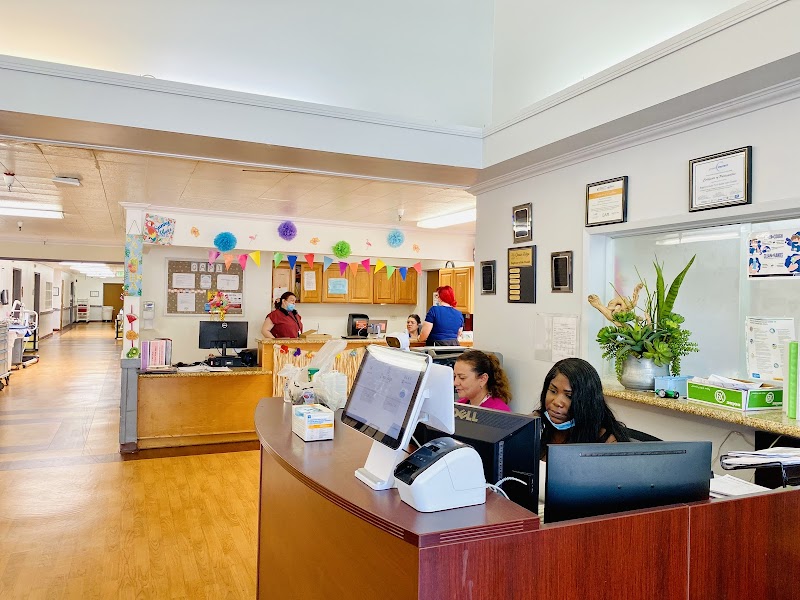
How is Ocean Ridge Post Acute Staffed?

CMS rates OCEAN RIDGE POST ACUTE's staffing level at 2 out of 5 stars, which is below average compared to other nursing homes. Staff turnover is 44%, compared to the California average of 46%. This relatively stable workforce can support continuity of care.

What Have Inspectors Found at Ocean Ridge Post Acute?

State health inspectors documented 97 deficiencies at OCEAN RIDGE POST ACUTE during 2022 to 2025. These included: 1 Immediate Jeopardy (the most serious level, indicating potential for serious harm or death), 3 that caused actual resident harm, and 93 with potential for harm. Immediate Jeopardy findings are rare and represent the most serious regulatory concerns. They require immediate corrective action.
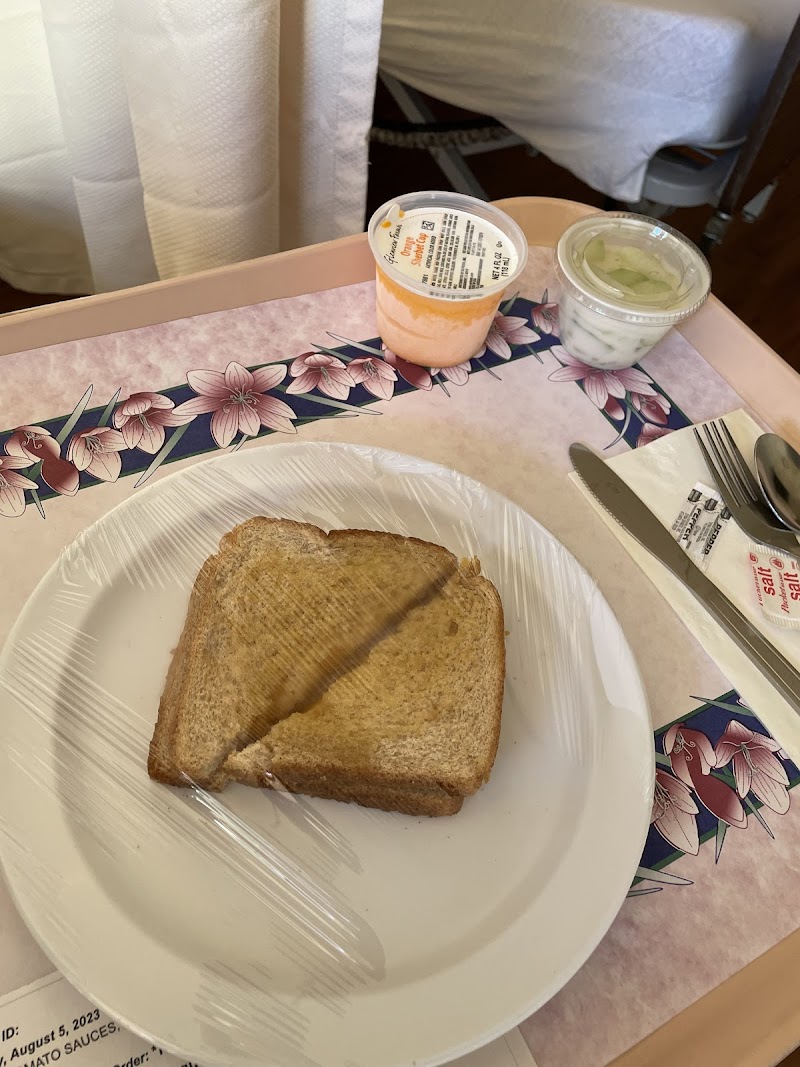
Who Owns and Operates Ocean Ridge Post Acute?

OCEAN RIDGE POST ACUTE is owned by a for-profit company. For-profit facilities operate as businesses with obligations to shareholders or private owners. The facility is operated by PACS GROUP, a chain that manages multiple nursing homes. With 99 certified beds and approximately 91 residents (about 92% occupancy), it is a smaller facility located in LONG BEACH, California.
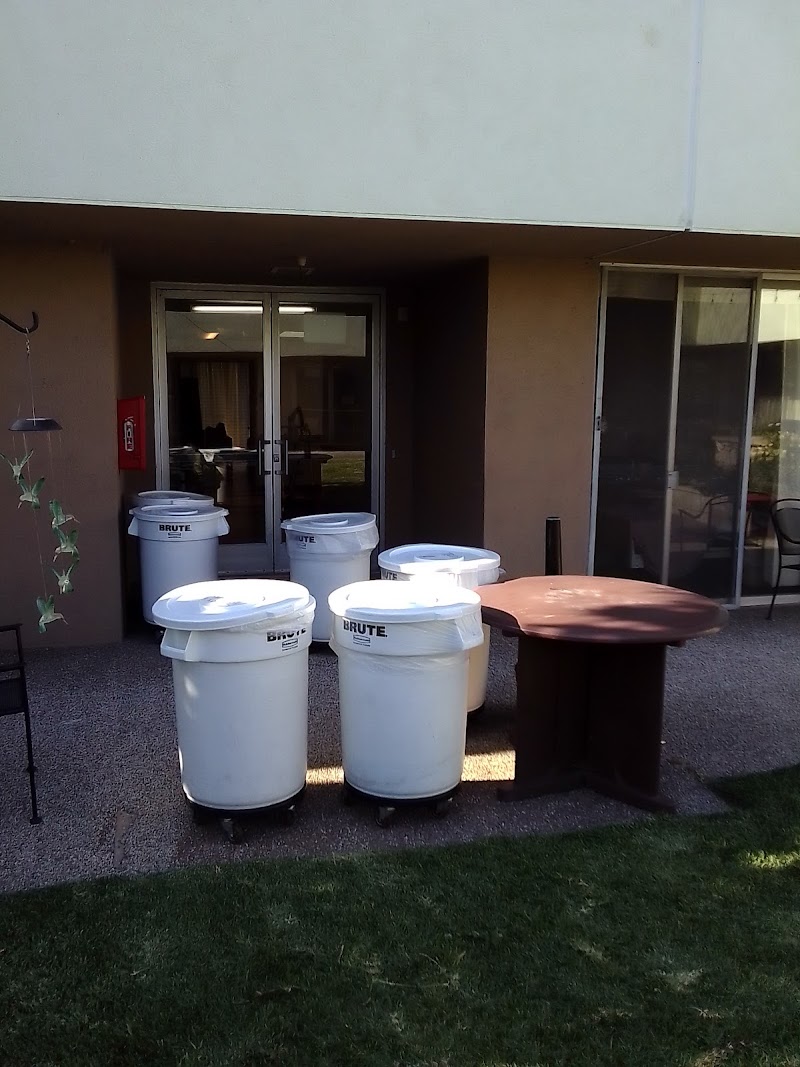
How Does Ocean Ridge Post Acute Compare to Other California Nursing Homes?

Compared to the 100 nursing homes in California, OCEAN RIDGE POST ACUTE's overall rating (2 stars) is below the state average of 3.1, staff turnover (44%) is near the state average of 46%, and health inspection rating (1 stars) is much below the national benchmark.

What Should Families Ask When Visiting Ocean Ridge Post Acute?

Based on this facility's data, families visiting should ask: "What changes have been made since the serious inspection findings, and how are you preventing similar issues?" "Can you walk me through typical staffing levels on day, evening, and night shifts?" "Can I visit during a mealtime to observe dining assistance and food quality?" "How do you handle medical emergencies, and what is your hospital transfer rate?" These questions are particularly relevant given the facility's Immediate Jeopardy citations and the below-average staffing rating.

Is Ocean Ridge Post Acute Safe?

Based on CMS inspection data, OCEAN RIDGE POST ACUTE has documented safety concerns. Inspectors have issued 1 Immediate Jeopardy citation (the most serious violation level indicating risk of serious injury or death). The facility has a 2-star overall rating and ranks #100 of 100 nursing homes in California. Families considering this facility should ask detailed questions about what corrective actions have been taken since these incidents.

Do Nurses at Ocean Ridge Post Acute Stick Around?

OCEAN RIDGE POST ACUTE has a staff turnover rate of 44%, which is about average for California nursing homes (state average: 46%). Moderate turnover is common in nursing homes, but families should still ask about staff tenure and how the facility maintains care continuity when employees leave.

Was Ocean Ridge Post Acute Ever Fined?

OCEAN RIDGE POST ACUTE has been fined $219,079 across 3 penalty actions. This is 6.2x the California average of $35,270. Fines at this level are uncommon and typically indicate a pattern of serious deficiencies, repeated violations, or failure to correct problems promptly. CMS reserves penalties of this magnitude for facilities that pose significant, documented risk to resident health or safety. Families should request specific documentation of what issues led to these fines and what systemic changes have been implemented.

Is Ocean Ridge Post Acute on Any Federal Watch List?

OCEAN RIDGE POST ACUTE is not on any federal watch list. The most significant is the Special Focus Facility (SFF) program, which identifies the bottom 1% of nursing homes nationally based on persistent, serious quality problems. Not being on this list means the facility has avoided the pattern of deficiencies that triggers enhanced federal oversight. This is a positive indicator, though families should still review the facility's inspection history directly.