SUNSET VILLA POST ACUTE
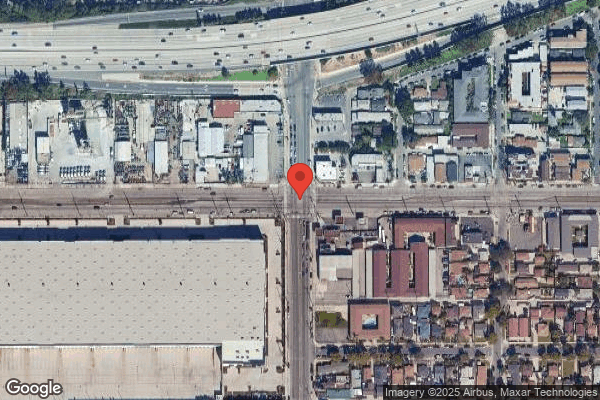

3232 E. ARTESIA BLVD., LONG BEACH, CA 90805 (562) 422-9219
For profit - Limited Liability company 199 Beds PACS GROUP Data: November 2025 1 Immediate Jeopardy citation
Trust Grade
0/100
#1128 of 1155 in CA
Last Inspection: March 2025

Within standard 12-15 month inspection cycle. Federal law requires annual inspections.

Overview

Sunset Villa Post Acute has received a Trust Grade of F, indicating significant concerns regarding the quality of care provided. Ranking #1128 out of 1155 facilities in California places it in the bottom half of nursing homes, and at #351 of 369 in Los Angeles County, it is clear that there are many better options nearby. The facility is reportedly improving, with issues decreasing from 35 in 2024 to 25 in 2025, but the overall performance remains poor, as highlighted by a concerning staffing turnover rate of 57%, which is higher than the state's average. Additionally, the home has accumulated $207,206 in fines, which is higher than 91% of California facilities, pointing to repeated compliance issues. While the facility's RN coverage is lacking compared to 96% of state facilities, there have been serious incidents, such as a resident missing multiple critical medications and another resident suffering for over two hours after an unwitnessed fall before receiving care. These findings underline the need for families to consider both the strengths and weaknesses of this nursing home carefully.

Trust Score
F
0/100
In California
#1128/1155
Bottom 3%
Safety Record
High Risk
Review needed
Inspections
Getting Better
35 → 25 violations
Staff Stability
⚠ Watch
57% turnover. Above average. Higher turnover means staff may not know residents' routines.
Penalties
○ Average
$207,206 in fines. Higher than 72% of California facilities. Some compliance issues.
Skilled Nurses
⚠ Watch
Each resident gets only 12 minutes of Registered Nurse (RN) attention daily — below average for California. Fewer RN minutes means fewer trained eyes watching for problems.
Violations
⚠ Watch
104 deficiencies on record. Higher than average. Multiple issues found across inspections.
★☆☆☆☆
1.0
Overall Rating
★☆☆☆☆
1.0
Staff Levels
☆☆☆☆☆
0.0
Care Quality
★☆☆☆☆
1.0
Inspection Score
Stable
2024: 35 issues
2025: 25 issues

The Good

  • Full Sprinkler Coverage · Fire safety systems throughout facility
  • No fines on record

Facility shows strength in fire safety.

The Bad

1-Star Overall Rating

Below California average (3.1)

Significant quality concerns identified by CMS

Staff Turnover: 57%

11pts above California avg (46%)

Frequent staff changes - ask about care continuity

Federal Fines: $207,206

Well above median ($33,413)

Significant penalties indicating serious issues

Chain: PACS GROUP

Part of a multi-facility chain

Ask about local staffing decisions and management

Staff turnover is elevated (57%)

9 points above California average of 48%

The Ugly 104 deficiencies on record

1 life-threatening 9 actual harm
Aug 2025 2 deficiencies
CONCERN (D) 📢 Someone Reported This

A family member, employee, or ombudsman was alarmed enough to file a formal complaint

Potential for Harm - no one hurt, but risky conditions existed

Deficiency F0745 (Tag F0745)

Could have caused harm · This affected 1 resident

Based on interview and record review, the facility failed to follow up on a podiatry consultation referral for one of three sampled residents (Resident 1). This failure had the potential to result in ...

Read full inspector narrative →
Based on interview and record review, the facility failed to follow up on a podiatry consultation referral for one of three sampled residents (Resident 1). This failure had the potential to result in a delay in delivery of care and services, and risk for skin breakdown and infection for Resident 1. Findings:During a review of Resident 1's admission record, the admission record indicated the facility admitted Resident 1 on 2/18/2025 with diagnoses including Type 2 diabetes mellitus (DM- a disorder characterized by difficulty in blood sugar control and poor wound healing) and dependence on renal dialysis (a treatment to cleanse the blood of wastes and extra fluids artificially through a machine when the kidneys have failed).During a review of Resident 1's History and Physical (H&P), dated 4/08/2025, the H&P indicated Resident 1 had no capacity to understand and make decisions.During a review of Resident 1's Minimum Data Set (MDS - a resident assessment tool), dated 8/15/2025, the MDS indicated Resident 1 had moderately impaired cognitive skills (ability to learn, reason, remember, understand, and make decisions), required supervision assistance from staff with eating, required maximum assistance from staff for dressing, and was dependent on staff for toileting hygiene and bathing.During a review of Resident 1's Order Summary Report dated 2/18/2025, the Order Summary Report indicated an order for consultation to podiatry as needed for mycotic (infected with fungus) hypertrophic (extra thick) nails and or keratotic lesions (thick, hard patches of skin).During an interview on 8/26/2025 at 3:48 p.m. with the Social Service Director (SSD), the SSD stated Resident 1's podiatry referral was approved on 8/6/2025. The SSD stated Resident 1 did not receive podiatry service previously due to insurance denials and the transition to new coverage. The SSD stated that Resident 1 was not offered private-pay podiatry services while awaiting authorization approval.During an interview on 8/26/2025 at 10:08 a.m. with the Director of Staff Development (DSD), the DSD stated upon admission of a resident with long toenails, staff was to ensure to provide good proper hygiene and clean nails. The DSD stated ingrown toenails can lead to infection. During an interview on 8/27/2025 at 2:42 p.m. with the Director of Nursing (DON), the DON stated residents who have long, or ingrown toenails can result in skin breakdown and increase the risk of infection.During a review of the facility's policy and procedure (P&P), titled Job Description: Social Services Director, revised January 2025, the P&P indicated Social Services Director essential duties.assist in obtaining resources from community and social services agencies as well as health and welfare agencies to meet the needs of the resident.assist in making outpatient appointments as ordered and schedule on-site ancillary patient services to include optometry, podiatry, dentistry and psychiatric services.
CONCERN (D) 📢 Someone Reported This

A family member, employee, or ombudsman was alarmed enough to file a formal complaint

Potential for Harm - no one hurt, but risky conditions existed

Deficiency F0806 (Tag F0806)

Could have caused harm · This affected 1 resident

Based on observation, interview and record review, the facility failed to provide one of three sampled residents (Resident 2) with meals that accommodated the resident's food preferences. This failure...

Read full inspector narrative →
Based on observation, interview and record review, the facility failed to provide one of three sampled residents (Resident 2) with meals that accommodated the resident's food preferences. This failure had the potential to result in decreased meal intake and malnutrition. Findings:During a review of Resident 2's admission Record, the admission Record indicated the facility admitted the resident on 2/26/2025 with diagnoses including hyperlipidemia (a condition characterized by high levels of lipids in the blood including cholesterol and triglycerides) and type 2 diabetes mellitus (DM-a disorder characterized by difficulty in blood sugar control and poor wound healing). During a review of Resident 2's History and Physical (H&P), dated 2/27/2025, the H&P indicated, Resident 2 has the capacity to understand and make decisions. During a review of Resident 2's Minimum Data Set (MDS, a resident assessment tool) dated 6/5/2025, the MDS indicated Resident 2 had moderate cognitive (ability to think, understand and make decisions) impairment and was independent with eating and required a therapeutic diet (specially designed meal plans used to treat or manage specific medical conditions). During a review of Resident 2's Order Summary Report dated 4/11/2025 indicated a Renal 80-gram (Gm, unit of weight) protein, regular texture, thin liquids consistency, controlled carbohydrate (CCHO-a dietary pattern that restricts carbohydrate intake to manage blood sugar levels) double portion protein diet. During an interview and concurrent record review with Resident 2 on 8/26/2025 at 12:11 p.m., photos taken of the resident's food indicated white bread served with meal ticket indicating the resident's preference of wheat bread. Resident 2 stated food preferences were not being considered by dietary staff when given meals. Resident 2 stated he was still being served white bread and pasta despite requesting wheat bread and no pasta numerous times. Resident 2 stated feeling frustrated with the kitchen staff not accommodating requests and was concerned about his health. During an interview and concurrent record review with the Dietary Supervisor (DS) on 8/27/2025 at 10:33 a.m., the DS stated the last dietary preference assessment for Resident 2 was completed 2/28/2025 which indicated Resident 2 requested no cheese and wheat bread substitute for meals. The DS stated there was a mistake in serving Resident 2 white bread. The DS stated tray line staff (food service workers responsible for assembling patient meal trays based on specific dietary instructions) were responsible for checking menu cards with meal trays. The DS stated honoring the resident's food preferences was respecting residents' rights and preventing the risk of malnutrition. During a review of facility policy and procedure (P&P) titled Food and Nutrition Services dated 2001, indicated, Reasonable efforts will be made to accommodate resident choices and preferences.
Jul 2025 4 deficiencies
CONCERN (D) 📢 Someone Reported This

A family member, employee, or ombudsman was alarmed enough to file a formal complaint

Potential for Harm - no one hurt, but risky conditions existed

Notification of Changes (Tag F0580)

Could have caused harm · This affected 1 resident

**NOTE- TERMS IN BRACKETS HAVE BEEN EDITED TO PROTECT CONFIDENTIALITY** Based on observation, interview and record review the facility failed to notify one of eight sampled residents (Resident 7's) ph...

Read full inspector narrative →
**NOTE- TERMS IN BRACKETS HAVE BEEN EDITED TO PROTECT CONFIDENTIALITY** Based on observation, interview and record review the facility failed to notify one of eight sampled residents (Resident 7's) physician when Resident 7 was observed with multiple open sores on her hands on 7/8/25.This failure had the potential for delayed treatment on Resident 7 multiple open sores and placed Resident 7 at risk for wound infection.Findings:During a review of Resident 7's admission Record dated 7/10/25, the admission Record indicated Resident 7 was admitted to the facility on [DATE] and readmitted on [DATE] with diagnoses including rheumatoid arthritis (a chronic progressive disease-causing inflammation in the joints and resulting in painful deformity and immobility), communication deficit and encephalopathy (disturbance of brain function causing confusion and memory loss).During a review of Resident 7's History and Physical (H&P) dated 2/17/25, the H&P indicated Resident 7 could make needs known but cannot make medical decisions.During a review of Resident 7's Minimum Data Set (MDS - a resident assessment tool) dated 5/2/2025, the MDS indicated Resident 7 had severe cognitive (ability to think, understand, learn, and remember) impairment. The MDS indicated Resident 7 needs partial to moderate assist (helper does less than half the effort) with activities of daily living (ADLs- activities such as hygiene, dressing and toileting a person performs daily).During a review of Resident 7's care plan titled Resident Has eczematous dermatitis (a group of skin conditions that cause inflammation, itching, and rashes) on trunk dated 6/10/25, the care plan interventions indicated that Resident 7 was being treated with ketoconazole (used to treat serious fungal or yeast infections) 2 percent (%- unit of measure) cream apply to trunk two times a day and hydrocortisone (used to treat skin conditions ) 2.5 % apply to trunk two times a-day.During a review of Resident 7's Order Summary report dated 7/01/25, the Order Summary report indicated Resident 7 was being treated with ketoconazole 2 % cream apply to trunk two times a day and hydrocortisone 2.5 % apply to trunk two times a-day.During a review of Resident 7's Occupational Therapy Treatment Encounter note dated 7/8/25, the Occupational Therapy Treatment Encounter note indicated Resident 7 had multiple small blisters (skin condition where fluid fills a space between layers of skin) on both of Resident 7's hands. The Occupational Therapy Treatment Encounter note indicated Resident 7's multiple small blisters on both hands was reported to Treatment Nurse (TX 1), and Licensed Vocational Nurse (LVN 1) and education provided to nursing staff for proper hand hygiene to minimize risk of infection. During a review of Resident 7's Physical Therapy Note, dated 7/9/25, the Physical Therapy Note indicated Resident 7 had multiple small blisters on both hands and that the charge nurse was made aware.During an observation on 7/10/25 at 10:54 am in Resident 7's room, observed Resident 7 had multiple open sores on both hands.During an interview on 7/10/25 at 10:59 am with Certified Nursing Assistant (CNA 1), CNA 1 stated that he gave Resident 7 a shower morning of 7/10/25 and noticed Resident 7 had open sores on both hands. CNA 1 stated he informed TXN 1 about Resident 7's both hands open sores after her shower.During a concurrent observation and interview on 7/10/25 at 11:19 am with TXN 1 in Resident 7's room, TXN1 stated he was informed of Resident 7's open sores on both hands on 7/10/25 but failed to assess Resident 7's hands. TXN1 stated he was focusing on the application of Ketoconazole 2% cream (antibiotic cream) on Resident 7's stomach and did not assess her hands. TXN 1 observed Resident 7's hands and stated she did have multiple open sores on both of her hands. TXN 1 stated Resident 7's medical doctor should have been called to inform Resident 7's both hands open sores. TXN 1 stated Resident 7's both hands had the potential to get infected, and the infection could spread to another resident.During an interview on 7/10/25 at11:29 am with Physical Therapist 1 (PT). PT 1 stated that she did see multiple small blisters on Resident 7's hands on 7/9/2025 and that she reported it to the Licensed Vocational Nurse 1 (LVN).During an interview on 7/10/25 at 11:35 am with LVN 1, LVN1 stated PT 1 may have told her about Resident 7's multiple small blisters to both hands but could not remember as she was too busy on 7/9/2025.During an interview on 7/10/25 at 11:50 am with Occupational Therapist 1 (OT), OT 1 stated that she had seen Resident 7 on 7/8/25 for treatment and noticed that Resident 7 had multiple blisters on both hands. OT 1 stated she informed LVN 1 and TNX 1 on 7/8/25.During an interview on 7/10/25 at 3:09 pm with CNA 2, CNA 2 stated that she had taken care of Resident 7 on 7/8/25 and observed Resident 7's both hands were red. CNA 2 stated she reported it to LVN 1 and stated LVN 1 will tell TXN 1. During an interview on 7/10/25 at 3:45 pm with the Director of Nursing (DON), the DON stated that there was a communication breakdown with her staff regarding Resident 7's multiple open sores on her hands and that Resident 7's MD should have been notified on 7/8/25 when it was first identified by OT 1. The DON stated Resident 7 was at risk of infection when not having the plan of care in place.During a review the facility's policy and procedure (P&P) titled Change in a resident's Condition or status dated 1/1/25, the P&P indicated Our facility shall promptly notify the resident, his or her attending physician and representative of changes in the resident's medical/mental condition and/or status. The nurse supervisor/charge nurse will notify the resident's attending physician when a significant change in the residents' physical/emotional/mental condition also when there is a need to alter the resident's medical treatment significantly.
CONCERN (D) 📢 Someone Reported This

A family member, employee, or ombudsman was alarmed enough to file a formal complaint

Potential for Harm - no one hurt, but risky conditions existed

Assessment Accuracy (Tag F0641)

Could have caused harm · This affected 1 resident

**NOTE- TERMS IN BRACKETS HAVE BEEN EDITED TO PROTECT CONFIDENTIALITY** Based on interview and record review the facility failed to ensure the Minimum Data Set (MDS - a resident assessment tool) accur...

Read full inspector narrative →
**NOTE- TERMS IN BRACKETS HAVE BEEN EDITED TO PROTECT CONFIDENTIALITY** Based on interview and record review the facility failed to ensure the Minimum Data Set (MDS - a resident assessment tool) accurately reflects used of antipsychotic (medications- affecting the chemical messengers in the brain) medications for one of three sampled residents' (Resident 4) This deficient practice had the potential to negatively affect Resident 4's plan of care and delivery of services.Findings:During a review of Resident 4's admission Record dated 7/10/25, the admission Record indicated Resident 4 was admitted to the facility on [DATE] and readmitted on [DATE] with diagnoses including encephalopathy (disturbance of brain function causing confusion and memory loss), diabetes mellitus type 2 (DM-a disorder characterized by difficulty in blood sugar control and poor wound healing), and depression (mood disorder characterized by persistent sadness, with loss of interest in activities).During a review of Resident 4's Minimum Data Set (MDS - a resident assessment tool) dated 6/5/2025, The MDS indicated Resident 4 had moderate cognitive (ability to think, understand, learn, and remember)impairment. The MDS also indicated Resident 4 was substantial/maximal assistance assist (helper does more than half the effort) with activities of daily living (ADLs- activities such as hygiene, dressing and toileting a person performs daily). The MDS also indicated Resident 4 was not prescribed any antipsychotic medication.During a review of Resident 4's Order Summary Report dated 7/10/25 the Order Summary Report indicated Resident 4 was taking Seroquel (antipsychotic medication) 25 milligrams (mg-unit of measurement) one-time a day and Seroquel 100 mg two times a day for psychosis (a severe mental condition in which thought, and emotion are so affected that contact is lost with reality) manifested by throwing food, stealing food, refusal of medications and refusal of needed ADL care.During a concurrent interview and record review on 7/9/25 at 4:31pm with the MDS Director (MDSD) , the Quarterly MDS assessment dated [DATE] and the Order Summary Report dated 7/10/25 were reviewed. The MDSD stated that Resident 4 was taking Seroquel an antipsychotic medication two times a day and that the quarterly MDS assessment dated [DATE] was not coded accurately to reflect that Resident 4 was on antipsychotic medication. The MDSD stated the MDS needs to have accurate documentation to reflect the use of antipsychotic medication to ensure if the antipsychotic medications were working. The MDSD stated that the use of any antipsychotic medications should be care plan to ensure behaviors were assessed. During an interview on 7/10/25 at 4:15 pm with the Director of Nursing (DON), the DON stated she was aware that Resident 4's MDS quarterly assessment dated [DATE] was not coded accurately to reflect Resident 4's use of antipsychotic medications. The DON stated that when the MDS was not coded accurately, the residents plan of care will not be correct, and the facility may not be providing the proper treatments for the residents.During a review of the facility's policy and procedure (P&P) titled Resident Assessments dated 2001, the P&P indicated A comprehensive assessment of every resident's needs is made at intervals designated by OBRA ( federally mandated assessments) and PPS (provide information about the resident clinical condition of beneficiaries receiving Part A skilled nursing facility (SNF) level care. All people who have completed any portion of the MDS resident assessment form must sign the document attesting to the accuracy of such information.
CONCERN (D) 📢 Someone Reported This

A family member, employee, or ombudsman was alarmed enough to file a formal complaint

Potential for Harm - no one hurt, but risky conditions existed

Comprehensive Care Plan (Tag F0656)

Could have caused harm · This affected 1 resident

**NOTE- TERMS IN BRACKETS HAVE BEEN EDITED TO PROTECT CONFIDENTIALITY** Based on interview and record review the facility failed to ensure resident who was assessed at risk for falls, had the resident...

Read full inspector narrative →
**NOTE- TERMS IN BRACKETS HAVE BEEN EDITED TO PROTECT CONFIDENTIALITY** Based on interview and record review the facility failed to ensure resident who was assessed at risk for falls, had the resident care plan revised to include the use of non-skid socks for one of three sampled residents ( Resident 2). This deficient practice had the potential to increase the risk of a fall for Resident 2.Findings:During a review of Resident 2's admission Record, the admission Record indicated Resident 2 was admitted to the facility on [DATE] and readmitted on [DATE] with diagnoses including right femur (thigh bone) fracture (broken bone), dementia (a progressive state of decline in mental abilities) and history of falling.During a review of Resident 2's History and Physical (H&P) dated 6/10/25, the H&P indicated Resident 2 had fluctuating capacity to understand and make decisions.During a review of Resident 2's Minimum Data Set (MDS - a resident assessment tool) dated 7/15/25, the MDS indicated Resident 2 had severe cognitive (ability to think, understand, learn, and remember) impairment. The MDS also indicated Resident 2 needs total dependent (helper does all the effort) with activities of daily living (ADLs- activities such as hygiene, dressing and toileting a person performs daily). During a concurrent interview and record review on 7/9/25 at 12:10 pm with the Quality Assurance (QA) nurse Resident 2's Interdisciplinary team (IDT team members from different departments working together with a common purpose to set goals and make decisions that ensure residents receive the best care) Notes dated 4/29/25 and Resident 2's Care plan titled Resident is at risk for falls dated 12/11/24, revised on 6/9/25 were reviewed. The QA nurse stated there was a recommendation made after the IDT meeting on 4/29/2025 for Resident 2 to wear non-skid socks during ambulation, after Resident 2 had an unwitnessed fall in the hallway. The QA nurse stated the recommendation for non- skid socks was not carried over to Resident 2's risk for falls care plan. The QA nurse stated Resident 2 was high fall risk and the IDT recommendation for non- skid socks was still relevant and should have added to Resident 2's care plan and implemented. During an interview on 7/10/25 at 4:15 pm with the Director of Nursing (DON), the DON stated Resident 2 was a high fall risk and that she was made aware that the IDT recommendation for non-skid socks on 4/29/25 was not on Resident 2's at risk for falls care plan. The DON stated the recommendations made during the IDT meeting should have been part of Resident 2's plan of care to help prevent any further falls.During a review the facility's policy and procedure titled Care Plans - Comprehensive dated 9/2010, the P&P indicated Care plan interventions are designed after careful consideration of the relationship between the resident's problem areas and their causes. When possible, interventions address the underlying sources of the problem areas. Identifying problems areas and their cause and developing interventions that are targeted and meaningful to the residents are interdisciplinary processes that require careful data gathering. The care plan IDT team is responsible for the review and updating of care plans when there is a significant change in the resident's condition, when the desired outcome was not met, when the resident has been readmitted to the facility from a hospital stay and at least quarterly.
CONCERN (D) 📢 Someone Reported This

A family member, employee, or ombudsman was alarmed enough to file a formal complaint

Potential for Harm - no one hurt, but risky conditions existed

Infection Control (Tag F0880)

Could have caused harm · This affected 1 resident

**NOTE- TERMS IN BRACKETS HAVE BEEN EDITED TO PROTECT CONFIDENTIALITY** Based on observation, interview and record review the facility failed to ensure one of three sampled residents (Resident 1's) wh...

Read full inspector narrative →
**NOTE- TERMS IN BRACKETS HAVE BEEN EDITED TO PROTECT CONFIDENTIALITY** Based on observation, interview and record review the facility failed to ensure one of three sampled residents (Resident 1's) who was on Enhanced Barrier precautions (EBP- infection control measures to reduce the spread of multidrug-resistant organisms (MDRO's) for the use of a midline (a long peripheral catheter inserted into a vein) was implemented when toileting Resident 1.This deficient practice placed Resident 1 at risk for possible worsening of her infection. Findings:During a review of Resident 1's admission Record, the admission Record indicated Resident 1 was admitted to the facility on [DATE] with diagnoses including, hypertension (high blood pressure), communication deficit and metabolic encephalopathy (disturbance of brain function causing confusion and memory loss).During a review of Resident 1's History and Physical (H&P) dated 6/28/25, the H&P indicated Resident 1 had the capacity to understand and make decisions.During a review of Resident 1's Minimum Data Set (MDS - a resident assessment tool) dated 7/3/2025, The MDS indicated Resident 1 had severe cognitive (ability to think, understand, learn, and remember) impairment. The MDS indicated Resident 1 needs substantial/maximal assistance assist (helper does more than half the effort) with Activities of Daily Living (ADLs- activities such as hygiene, dressing and toileting a person performs daily). The MDS also indicated Resident 1 was always incontinent (no control of urine or bowel movements) of bladder and bowel.During a review of Resident 1's Order Summary Report dated 7/10/25, the Order Summary Report indicated Resident 1 had orders to monitor Resident 1's intravenous (IV-giving medicines or fluids through a needle or tube inserted into a vein) peripheral site every shift for signs/symptoms of infection and/or infiltration (leakage of intravenous (IV) fluids or medications into the surrounding tissue). The Order Summary Report also indicated Resident 1 was receiving Vancomycin (antibiotic) IV 800 milligrams (mg- unit of measure) two times a day.During a review of Resident 1's care plan titled Enhanced Barrier Precautions, dated 7/6/25, the care plan indicated Resident 1 required EBP during high contact resident care activities. The care plan also indicated staff were to utilize personal protective equipment (PPE- gown and gloves, face shield) during high contact resident care activities such as changing brief (diaper) and toileting assistance. The care plan indicated that notification/signage near the resident's room doorway to alert staff/resident of the precautions.During an observation on 7/8/25 at 1: 09 pm in Resident 1's room, Resident 1 was observed with a midline to her right upper arm (RUA) and no sign outside of Resident 1's door or above her bed indicating Resident 1 was on EBP.During an interview on 7/8/25 at 4:00 pm with Certified Nursing Assistant (CNA) 3 in Resident 1's room. CNA 3 stated he was taking care of Resident 1 and that she was not on EBP. CNA 3 stated it was Resident 1's roommate that was on EBP because the licensed nurse came into the room about 40 minutes (min) ago and put the six moments of EBP (when to use PPE) sign up over Resident 1's roommates' bed. CNA 3 stated he did not remember what the six moments of EBP was because he did not get a report from the licensed nurse yet.During an observation on 7/8/25 at 4:09 pm in Resident 1's room CNA 3 observed not taking PPE into Resident 1's room prior to shutting the door to toilet Resident 1.During an interview on 7/10/25 at 3:16 pm with CNA 3, CNA 3 stated that Resident 1 was on EBP for her IV site and that he should have worn PPE when toileting Resident 1 on 7/8/25 to protect resident from infection. During an interview on 7/10/25 at 3:43 pm with the Infection preventionist (IP). The IP stated Resident 1 was on EBP for her RUA midline site and that before staff were to provide direct care to Resident 1, they need to wear PPE (a gown and gloves). The IP stated Resident 1 was at risk of infection and staff needed to wear PPE when performing high contact resident care activities.During an interview on 7/10/25 at 4:15 pm with the Director of Nursing (DON) the DON stated she was made aware that CNA 3 did not wear PPE while toileting Resident 1 and that he should have because Resident 1 did have a midline in her right arm and on EBP. The DON stated wearing PPE was important to help minimize the spread of infection.During a review the facility's policy and procedure titled Enhanced Barrier Precautions dated 2001, the P&P indicated EBPs are utilized to prevent the spread of multi -drug resistant organisms (MDROs) to residents during high contact resident care activities. Residents with indwelling medical devices including central lines, urinary catheters, gown and gloves are applied prior to performing high contact resident care activity (as opposed to before entering the room).
Mar 2025 18 deficiencies
CONCERN (D)

Potential for Harm - no one hurt, but risky conditions existed

Deficiency F0558 (Tag F0558)

Could have caused harm · This affected 1 resident

**NOTE- TERMS IN BRACKETS HAVE BEEN EDITED TO PROTECT CONFIDENTIALITY** Based on observation, interview, and record review, the facility failed to ensure one of three sampled residents (Resident 530) ...

Read full inspector narrative →
**NOTE- TERMS IN BRACKETS HAVE BEEN EDITED TO PROTECT CONFIDENTIALITY** Based on observation, interview, and record review, the facility failed to ensure one of three sampled residents (Resident 530) had a call light that was within reach of the resident who was a high fall risk when the call light was observed on the floor out of reach for the resident. This failure had the potential for Resident 530 to feel frustrated when she could not summon help due to the call light not being within reach, her needs not being met and also delay of care and services. Findings: During a review of Resident 530's admission Record, the admission Record indicated Resident 530 was admitted to the facility on [DATE] with diagnoses including metabolic encephalopathy (a condition where the brain's function is impaired due to an underlying metabolic disturbance), respiratory failure (a serious medical condition where the lungs are unable to adequately exchange oxygen in the blood), end stage renal disease ([ESRD], irreversible kidney failure), and anxiety disorder (a group of mental health conditions that cause fear, dread and other symptoms that are out of proportion to the situation). During a review of Resident 530's History and Physical (H/P) dated 2/18/2025, the H/P indicated Resident 530 does not have the capacity to understand and make decisions. During a review of Resident 530's Minimum Data Set ([MDS], a resident assessment tool) dated 2/22/2025, the MDS indicated Resident 530 was severely cognitively (ability to make decisions of daily living) impaired and required moderate assistance (helper does less than half of the effort) with self-care abilities such as eating and was dependent (helper does all the effort) with oral hygiene, toileting hygiene, shower/bathe, upper and lower body dressing and putting on and taking off footwear. The MDS also indicated Resident 530 was dependent for mobility needs such as rolling left and right. During an observation on 3/3/2025 at 12:17 p.m., with Resident 530 in her room, Resident 530 was lying in bed on her right side facing the front door with her eyes closed. Resident 530's call light was on the floor behind the resident. During an interview on 3/6/2025 at 9 a.m., with the MDS Coordinator (MDSC), the MDSC stated the call light needs to be within reach of the residents. The MDSC stated high fall risk residents such as Resident 530 should have a call light within reach. MDSC stated if call lights are not within reach of residents, residents can fall out of bed trying to reach for the call light or try to get out of bed on their own because the resident could not use the call light to call staff for help. The MDSC stated the importance for having a call light within reach of the residents was so residents can call for help and staff were aware residents need help. During an interview on 3/6/2025 at 2:22 p.m., with the Director of Nursing (DON), the DON stated the call lights provide the residents access to the staff. The DON stated the call light should be within the reach of the resident so residents can call for help when needed. During a review of the facility's policy and procedure (P/P) titled Answering the Call Light, revised 10/2010, indicated when the resident is in bed or confined to a chair, be sure the call light is within easy reach of the resident.
CONCERN (D)

Potential for Harm - no one hurt, but risky conditions existed

Deficiency F0604 (Tag F0604)

Could have caused harm · This affected 1 resident

**NOTE- TERMS IN BRACKETS HAVE BEEN EDITED TO PROTECT CONFIDENTIALITY** Based on observation, interview, and record review, the facility failed to ensure use of a bed alarm (an alarm with sensors that...

Read full inspector narrative →
**NOTE- TERMS IN BRACKETS HAVE BEEN EDITED TO PROTECT CONFIDENTIALITY** Based on observation, interview, and record review, the facility failed to ensure use of a bed alarm (an alarm with sensors that will alarm when a resident leave or attempt to leave their beds unassisted to help prevent falls by alerting staff) was assessed, monitored and documented for one of three sampled residents (Resident 165). This failure had the potential to result in Resident 165 inhibiting to have quality sleep and restrict the mobility. Findings: During a review of Resident 165's admission Record, the admission Record indicated, Resident 165 was admitted to the facility on [DATE] with diagnoses including dementia (a progressive state of decline in mental abilities), open angle glaucoma (an eye disease that causes slow, symptomless vision loss), and history of falling. During a review of Resident 165's History and Physical (H&P) dated 1/10/2025, the H&P indicated, Resident 165 had no capacity (ability) to understand and make decision. During a review of Resident 165's Minimum Data Set (MDS - a resident assessment tool), dated 1/14/2025, the MDS indicated Resident 165 required dependent assistance (Helper does all of the effort) from two or more staff for dressing, hygiene, transfer, maximal assistance (Helper does more than half the effort) from one staff for eating, oral hygiene, and bed mobility. During a concurrent observation and interview on 3/3/2025, at 11:23 a.m., with Resident 165 in Resident 165's room, Treatment Nurse (TN) 1 was transferring Resident 165 from his bed to wheelchair. When Resident 165 was out of bed, the bed alarm was on, and TN 1 turned it off. Resident 165 stated, the alarm was so loud, and he tried not to move too much at night because he did not want to startle or wake up his roommates. Resident 165 stated, the bed alarm made him feel very uncomfortable and he did not know how to turn it off. Resident 165 stated, he could not sleep well at night. During an interview on 3/4/2025, at 10:45 a.m., with TN 1, TN 1 stated, he believed that Resident 165 was at high fall risk and the bed alarm was placed to prevent the fall. TN 1 stated the bed alarm was keeping Resident 165 from getting up without supervision. During a concurrent interview and record review on 3/5/2025, at 11:22 a.m. with Assistant Director of Nursing (ADON) of Resident 165's Order Summary Report (OSR), dated 3/1/2025. The OSR indicated, there was no order for bed alarm. ADON stated, the bed alarm was usually considered as restraint because it could restrict the resident's movement, and it required doctor's order. ADON stated, he did not know Resident 165 had the bed alarm placed because he believed Resident 165 did not need the bed alarm due to physical limitation. ADON stated, the staff should have assessed the needs of bed alarm and tried less restrictive measure before they placed the bed alarm to minimize any complication. ADON stated, all restraints should be assessed for its needs, monitored for any injuries, and documented. ADON stated, he could not find any document regarding the bed alarm use. During a concurrent interview and record review on 3/6/2025, at 9 a.m., with Minimum Data Set Coordinator (MDSC), Resident 165's MDS (restraints and alarms), dated 1/14/2025. The MDS indicated, there was no restraints or any alarm. MDSC stated, she did not code for the bed alarm because she did not know Resident 165 had bed alarm. MDSC stated, she did not initiate the care plan regarding the bed alarm for the same reason. MDSC stated, there was no doctor's order or informed consent for the bed alarm for Resident 165. During an interview on 3/6/2025, at 2:50 p.m. with Director of Nursing (DON), DON stated, if the bed alarm restricted the resident's movement should be considered as a restraint, especially, when the resident did not want to move around freely due to loud noise. DON stated, the staff should do initial assessment to justify its use. DON stated, the informed consent should be obtained, and education should be provided. DON stated, she believed that Resident 165 did not need the bed alarm. DON stated, the staff should have assessed, monitored, and documented the use of bed alarm. During a review of Resident 165's Medication Administration Records (MAR), dated from 1/2025 to 3/2025, the MAR indicated, there was no monitoring documented for the bed alarm. During a review of the facility's Policy and Procedure (P&P) titled, Use of Restraints, revised 2/2025, the P&P indicated, The definition of a restraint is based on the functional status of the resident and not the device. If the resident cannot remove a device in the same manner in which the staff applied it given that resident's physical condition, and this restricts his/her typical ability to change position or place, that device is considered a restraint. Prior to placing a resident in restraints, there shall be a pre-restraining assessment and review to determine the need for restraints. The assessment shall be used to determine possible underlying causes of the problematic medical symptom and to determine if there are less restrictive interventions that may improve the symptoms. Restraints shall only be used upon the written order of a physician and after obtaining consent from the resident and/or representative (sponsor). The order shall include the following: a. The specific reason for the restraint (as it relates to the resident's medical symptom); b. How the restraint will be used to benefit the resident's medical symptom; and c. The type of restraint, and period of time for the use of the restraint full documentation of the episode leading to the use of the physical restraint. This includes not only the resident symptoms but also the conditions, circumstances, and environment associated with the episode; b. a description of the resident's medical symptoms (i.e., an indication or a characteristic of a physical or psychological condition) that warranted the use of restraints; how the restraint use benefits the resident by addressing the medical symptom; the type of the physical restraint used; e. the length of effectiveness of the restraint time; and observation, range of motion and repositioning flow sheets.
CONCERN (D)

Potential for Harm - no one hurt, but risky conditions existed

Assessment Accuracy (Tag F0641)

Could have caused harm · This affected 1 resident

**NOTE- TERMS IN BRACKETS HAVE BEEN EDITED TO PROTECT CONFIDENTIALITY** Based on interview and record review, the facility failed to ensure the Minimum Data Set (MDS-a resident assessment tool) was ac...

Read full inspector narrative →
**NOTE- TERMS IN BRACKETS HAVE BEEN EDITED TO PROTECT CONFIDENTIALITY** Based on interview and record review, the facility failed to ensure the Minimum Data Set (MDS-a resident assessment tool) was accurately documented for one of five sampled residents (Resident 140.) This deficient practice had the potential to negatively affect Resident 140's plan of care and delivery of necessary care and services. Findings: During a review of Resident 140's admission record, the admission record indicated Resident 140 was initially admitted to the facility on [DATE] and readmitted on [DATE] with the diagnoses including unspecified psychosis (a severe mental condition in which thought, and emotions are so affected that contact is lost with reality). During a review of Resident 140's MDS, dated [DATE], the MDS indicated had cognition (ability to learn, reason, remember, understand, and make decisions) was moderately impaired and requires supervision for eating and moderate assistance (helper does less than half the effort) for toileting, bathing, and dressing. During a review of Resident 140's Order Summary Report, dated 3/1/2025, the Order Summary Report indicated Resident 140 had an order for Olanzapine (Antipsychotic medication) Oral Tablet 5 Milligrams (MG- unit of measurement) - Give 1 tablet by mouth one time a day for Psychosis manifested by angry outbursts. During a concurrent interview and record review on 3/6/2025 at 8:38 a.m. with Minimum Data Set Coordinator (MDSC), Resident 140's MDS, dated [DATE]. The MDS did not indicated Resident 140 had a psychotic disorder. The MDSC stated because Resident 140 was receiving Olanzapine to treat psychosis and had a diagnosis of psychosis, the MDS should have reflected Resident 140 had a psychotic disorder. During an interview on 3/6/2025 at 2:23 p.m. with the Director of Nursing (DON), the DON stated it is important for MDS assessments to be patient specific and accurate to ensure the resident receives the right treatment, resources, and plan of care. During a review of the facility's policy and procedure (P&P), titled Charting and Documentation, revised February 2025, the P&P indicated Documentation in the medical record will be objective (not opinionated or speculative), complete, and accurate.
CONCERN (D)

Potential for Harm - no one hurt, but risky conditions existed

Deficiency F0657 (Tag F0657)

Could have caused harm · This affected 1 resident

**NOTE- TERMS IN BRACKETS HAVE BEEN EDITED TO PROTECT CONFIDENTIALITY** Based on interview, and record review, the facility failed to ensure one of six sampled residents (Resident 34) received quarter...

Read full inspector narrative →
**NOTE- TERMS IN BRACKETS HAVE BEEN EDITED TO PROTECT CONFIDENTIALITY** Based on interview, and record review, the facility failed to ensure one of six sampled residents (Resident 34) received quarterly Interdisciplinary Team (IDT - a group of medical professionals from different disciplines who work together to help a resident achieve their goals) meetings for one of six sampled residents (Resident 34). This deficient practice had the potential to result in Resident 34 not being informed of their care and have concerns addressed. Findings: During a review of Resident 34's admission record, the admission record indicated Resident 34 was admitted to the facility on [DATE] with the diagnosis of major depressive disorder (a mood disorder that causes a persistent feeling of sadness and loss of interest). During an interview on 03/03/25 11:23 a.m. with Resident 34 in their room, Resident 34 stated she did not know her plan of care and stated the staff did not tell her when she can leave. During a review of Resident 34's Minimum Data Set (MDS - a resident assessment tool), dated 12/12/2024, the MDS indicated had cognition (ability to learn, reason, remember, understand, and make decisions) was moderately impaired and requires set-up assistance for eating, supervision for toileting and dressing, and moderate assistance (helper does less than half the effort) for bathing. During a concurrent interview and record review on 3/6/2025 at 11:05 a.m. with Assistant Director of Nursing (ADON), Resident 34's IDT meetings were reviewed. The ADON stated Resident 34 had an IDT meeting on 5/22/2024 and 2/19/2025. The ADON stated IDT meetings occur quarterly and Resident 34 should have had an IDT meeting in November 2024. During an interview on 3/6/2025 at 2:23 p.m. with the Director of Nursing (DON), the DON stated IDT meets are conducted on admission, quarterly, and as needed based on changes of condition. The DON stated IDT meetings are important to updated the resident on their plan of care and to identify and address the resident's concerns. During a review of the facility's policy and procedure (P&P), titled Care Plans, Comprehensive Person-Centered, revised February 2025, the P&P indicated, The IDT, in conjunction with th resident and his/her family or legal representative, develops and implements a comprehensive, person centered care plan for each resident The interdisciplinary team reviews and updates the care plan .at least quarterly, in conjunction with the required quarterly MDS assessment.
CONCERN (D)

Potential for Harm - no one hurt, but risky conditions existed

Deficiency F0658 (Tag F0658)

Could have caused harm · This affected 1 resident

**NOTE- TERMS IN BRACKETS HAVE BEEN EDITED TO PROTECT CONFIDENTIALITY** Based on observation, interview, and record review the facility failed to follow professional standards of care and ensure one o...

Read full inspector narrative →
**NOTE- TERMS IN BRACKETS HAVE BEEN EDITED TO PROTECT CONFIDENTIALITY** Based on observation, interview, and record review the facility failed to follow professional standards of care and ensure one out of 16 sampled residents (Resident 43) who was receiving tube feeding (TF, delivers liquid nutrition through a flexible tube that goes directly into your stomach or small intestine) had the head of bed (HOB) elevated at least 30 degrees while TF was turned on. This deficient practice had the potential for Resident 43 to aspirate (accidental breathing in of food or fluid into the lungs). Findings: During a review of Resident 43's admission Record, the admission Record indicated Resident 43 was originally admitted to the facility 8/29/2023 and was readmitted on [DATE] with diagnoses of seizures (a sudden burst of abnormal electrical activity in the brain that can cause changes in movement, behavior, and consciousness), encounter for attention to gastrostomy (GT, an opening into the stomach from the abdominal wall, made surgically for the introduction of food), dysphagia (difficulty swallowing), and pneumonitis (swelling and irritation, also called inflammation, of lung tissue) due to inhalation of food or vomit (aspiration). During a review of Resident 43's untitled care plan initiated 2/26/2024, the care plan indicated Resident 43 had a GT and was at risk for TF complications related to aspiration pneumonia. Goals for Resident 43 included Resident 43 would tolerate prescribed feeding and interventions included keeping Resident 43's HOB elevated at least 30 degrees. During a review of Resident 43's minimum data set (MDS, a resident assessment tool) dated 2/21/2025, the MDS indicated Resident 43 was rarely or never understood. The MDS indicated Resident 43 had a swallowing disorder and coughed or choked during meals or when swallowing medications. The MDS indicated Resident 43 received 51% or more of daily nutrition by TF. During a review of Resident 43's Order Listing Report, the Order Listing Report indicated an order was placed 3/4/2025 for enteral feeding (TF) order: every evening and night shift, Jevity 1.5 (feeding formula) at 50 milliliters (ml, a unit of measurement) per hour (hr., a unit of measurement) for 20 hours, start at 12 p.m. and turn off at 8 a.m. or until dose limit completed. During an observation on 3/6/2025 at 8:30 a.m., in Resident 43's room, Resident 43 was observed laying supine (flat) in bed with his TF (Jevity 1.5) turned on at 50 ml/ hr. During an observation and concurrent interview on 3/6/2025 at 8:36 a.m., Licensed Vocational Nurse (LVN) 1 entered Resident 43's room, noticed Resident 43 was laying supine and put Resident 43's HOB up 30 degrees. LVN 1 stated when she came into Resident 43's room to check on him, she noticed Resident 43 was lying flat, so she put the HOB up 30 degrees because she wanted to prevent aspiration. During an interview on 3/6/2025 at 9:17 a.m., the assistant director of nursing (ADON) stated it was important to keep residents receiving tube feeding HOB at least 30 degrees to prevent complications such as aspiration. During a review of the facility's policy and procedure (P/P) titled Enteral Nutrition dated 2001, the P/P indicated the risk of aspiration was assessed by the nursing staff and provider and addressed in the individual care plan. The P/P indicated the risk of aspiration may be affected by improper positioning of the resident during feeding.
CONCERN (D)

Potential for Harm - no one hurt, but risky conditions existed

ADL Care (Tag F0677)

Could have caused harm · This affected 1 resident

**NOTE- TERMS IN BRACKETS HAVE BEEN EDITED TO PROTECT CONFIDENTIALITY** Based on observation and interview, the facility failed to ensure one of one sampled resident (Resident 77) was provided care an...

Read full inspector narrative →
**NOTE- TERMS IN BRACKETS HAVE BEEN EDITED TO PROTECT CONFIDENTIALITY** Based on observation and interview, the facility failed to ensure one of one sampled resident (Resident 77) was provided care and services to maintain good grooming and personal hygiene. This deficient practice had the potential to result in a negative impact on Resident 77's quality of life and self-esteem. During a review of Resident 77's admission record, the admission Record indicated Resident 77 was admitted to the facility on [DATE] with diagnoses including dementia (a progressive state of decline in mental abilities), cerebral infarction (blood flow to the brain is interrupted causing brain cells to die), and Type II Diabetes Mellitus (DM: a disorder characterized by difficulty in blood sugar control and poor wound healing). During a review of Resident 7's Minimum Data Set ([MDS] a resident assessment tool) dated 12/10/2024, the MDS indicated Resident 77's cognitive skills (the mental action or process of acquiring knowledge and understanding through thought, experience, and the senses) were moderately impaired. The MDS indicated Resident 77 was required moderate assistance for eating and was dependent on all other aspects of activities of daily living (ADL: bathing, toileting hygiene, chair/bed-to-chair transfer, oral hygiene, dressing, and personal hygiene. During an observation on 3/4/2025 at 11:00 a.m. in Resident 77's room, Resident 77 was observed with unkempt finger nails that had a fecal matter odor, with black substance underneath the nails on both hands. During a concurrent observation and interview of Resident 77's fingernails on 3/5/2025 at 4:20p.m., with Certified Nursing Assistant 1 (CNA 1) , CNA 1 stated the care she provided includes bed baths, washing the face, hands, clipping fingernails, and filing them down. CNA 1 stated Resident 77 tends to scratch himself. CNA 1 stated not cutting the fingernails will lead to scratches, skin tears, abrasions, and can lead to an infection if the wound is open. CNA 1 stated Resident 77's fingernails should not be that dirty. During an interview on 3/6/2025 at 4:30 p.m., with the Director of Nursing (DON), the DON stated CNA's does hygiene care and cut nails as it is part of the ADL (grooming and hygiene). DON stated not cutting the fingernails is not hygienic as the resident can eat with dirty hands. During a review of the facility's policy and procedure (P&P) titled, Fingernails/Toenails, Care of, revised on 2/2025, the P&P indicated the purpose of this procedure are to clean the nail bed, to keep nails trimmed and to prevent infections. Nail care includes daily cleaning and regular trimming. Proper nail care can aid in the prevention of skin problems around the nail bed. Trimmed and smooth nails prevent the resident from accidentally scratching and injuring his or her skin. During a review of the facility's P&P titled, Activities of Daily Living (ADL), Supporting, revised on 2/2025, the P&P indicated residents will be provided with care, treatment and services as appropriate to maintain or improve their ability to carry out activities of daily living (ADLs). Residents who are unable to carry out activities of daily living independently will receive the services necessary to maintain good nutrition, grooming and personal and oral hygiene. Appropriate care and services will be provided for residents who are unable to carry out ADLs independently, with the consent of the resident and in accordance with the plan of care, including appropriate support and assistance with hygiene (bathing, dressing, grooming, and oral care). During a review of the facility's P&P titled, Job Description: Certified Nursing Assistant, dated 2/2019, the P&P indicated the primary purpose of your job position is to provide each of your assigned residents with routine daily nursing care and services in accordance with the resident's assessment and care plan, and as may be directed by your supervisors. Assist residents with daily functions (dental and mouth care, bath functions, combing of hair, dressing and undressing as necessary).
CONCERN (D)

Potential for Harm - no one hurt, but risky conditions existed

Accident Prevention (Tag F0689)

Could have caused harm · This affected 1 resident

**NOTE- TERMS IN BRACKETS HAVE BEEN EDITED TO PROTECT CONFIDENTIALITY** Based on observation, interview, and record review the facility failed to ensure one out of three sampled residents (Resident 43...

Read full inspector narrative →
**NOTE- TERMS IN BRACKETS HAVE BEEN EDITED TO PROTECT CONFIDENTIALITY** Based on observation, interview, and record review the facility failed to ensure one out of three sampled residents (Resident 43) with history of falls, had bilateral bed bolsters (a long narrow pillow or cushion used to improve bed safety without the use of side rails, preventing patients from rolling too far to the left or right) in place as care planned and recommended by the interdisciplinary team (IDT, a group of health care professionals with various areas of expertise who work together toward the goals of their clients). This deficient practice has a potential for Resident 43 at risk for recurring falls and injury. Findings: During a review of Resident 43's admission Record, the admission Record indicated Resident 43 was originally admitted to the facility 8/29/2023 and was readmitted on [DATE] with diagnoses of other lack of coordination, hemiplegia (cannot move one side of the body) following cerebral infarction (stroke, a lack of blood flow to an area of the brain leading the brain cells to begin to die off due to a lack of oxygen and other nutrients), and seizures (a sudden burst of abnormal electrical activity in the brain that can cause changes in movement). During a review of Resident 43's Situation-Background-Assessment-Recommendation (SBAR) Communication Form dated 2/11/2025, the SBAR Communication Form indicated Resident 43 had a fall resulting in a 1 centimeter (CM, a unit of measurement) by 0.1 cm cut noted under the right eyebrow, and a 0.5 cm by 0.1 cm cut on the upper right lip, both with a small amount of bleeding. During a review of Resident 43's Order Listing Report, the Order Listing Report indicated an order was placed 2/13/2025 and discontinued on 2/24/2025 (while Resident 43 was in the GACH for an unrelated event from 2/22/205 to 3/3/2025) for Resident 43 may have bilateral bed bolsters. During a review of Resident 43's IDT Note dated 2/14/2025, the IDT note indicated Resident 43 had a fall incident on 2/11/2025 and a certified nursing assistant (CNA, unknown) found Resident 43 on the floor. The IDT indicated Resident 43 was totally dependent (staff does all the work) on staff for bed mobility (turning and repositioning in bed) and transfers (from bed to wheelchair or chair). The IDT Note indicated Resident 43 was sent to a general acute care hospital [GACH] on 2/11/2025 for evaluation but was sent back with negative results. The IDT note indicated the IDT members recommended bilateral bed bolsters for Resident 43. During a review of Resident 43's minimum data set (MDS, a resident assessment tool) dated 2/21/2025, the MDS indicated Resident 43 was rarely or never understood. The MDS indicated Resident 43 had 1 fall since the prior assessment. During a review of Resident 43's untitled care plan initiated 2/21/2025, the care plan focus was falls: Resident 43 was at risk for falls with or without injury with a goal of minimizing the risk for falls for Resident 43 to the extent possible. Interventions for Resident 43 included bilateral bed bolsters. During an observation on 3/4/2025 at 3:35 p.m., Resident 43 was observed leaning to the left side of the bed with his left arm hanging off the bed. Resident 43's bed did not have bilateral bed bolsters in place. During an interview on 3/6/2025 at 9:04 a.m., LVN 2 stated Resident 43 had history of falls. LVN 2 stated Resident 43 had the tendency to lean to the left side of the bed and he used to have bilateral bed bolsters in place but after Resident 43 was readmitted from the GACH on 3/3/2025, Resident 43 no longer had the bilateral bed bolsters in place. During an interview on 3/6/2025 at 9:17 a.m., the Assistant Director of Nursing (ADON) stated he reviewed Resident 43's care plans and Resident 43 had a fall risk care plan with the intervention of bilateral bed bolsters. The ADON stated the IDT team note from 2/14/2025 indicated the IDT recommended bilateral bed bolsters after Resident 43 fell out of bed on 2/11/2025. The ADON stated bilateral bed bolster were used for body alignment and positioning for residents who were unable to do so. The ADON stated the order was overlooked and not reentered for bilateral bed bolsters when Resident 43 was readmitted from the hospital on 3/3/2025. The ADON stated it was important to follow the fall risk care plan to minimize the risk for falling and to prevent a fall from reoccurring to prevent injury. During a review of the facility's policy and procedure (P/P) titled Fall and Fall Risk, Managing dated 2001, the staff was to identify interventions related to the resident's specific risks and causes to try and prevent the resident from falling to minimize complications from falling. The P/P indicated the staff, with the input of the attending physician, was to implement a resident-centered fall prevention plan to reduce the specific risk factor(s) of falls for each resident at risk or with history of falls.
CONCERN (D)

Potential for Harm - no one hurt, but risky conditions existed

Medication Errors (Tag F0758)

Could have caused harm · This affected 1 resident

**NOTE- TERMS IN BRACKETS HAVE BEEN EDITED TO PROTECT CONFIDENTIALITY** Based on interview and record review, the facility failed to monitor specific target behaviors for a psychotropic medication (an...

Read full inspector narrative →
**NOTE- TERMS IN BRACKETS HAVE BEEN EDITED TO PROTECT CONFIDENTIALITY** Based on interview and record review, the facility failed to monitor specific target behaviors for a psychotropic medication (any drug that affects brain activities associated with mental processes and behavior) for one of two sampled residents (Resident 427). This deficient practice had the potential to result in over use of an antipsychotic medication, without monitoring for the effectiveness and/or ineffective of the medication and can lead to adverse drug reactions. During a review of Resident 427's admission Record, the admission Record indicated Resident 427 was admitted to the facility on [DATE] with diagnoses including paranoid (pattern of behavior where a person feels distrustful and suspicious of other people) schizophrenia (a mental illness that is characterized by disturbances in thought), depressive episodes (persistent low mood, loss of interest or pleasure), and history of other mental and behavioral disorders (disruptive patterns of behavior that cause problems in daily life). During a review of Resident 427's History and Physical (H&P) dated 3/6/2025, the H&P indicated Resident 427 has the capacity to understand and make decisions. During a review of Resident 427's Minimum Data Set ([MDS] a resident assessment tool) dated 3/3/2025, the MDS indicated Resident 427's cognitive (ability to make decisions of daily living) skills were mildly impaired. The MDS indicated Resident 427 required maximal assistance for bathing, toileting hygiene, chair/bed-to-chair transfer, and required moderate assistance for eating, oral hygiene, and personal hygiene. The MDS indicated Resident 427 did not have any impairments on both the upper (arms/shoulders) and lower (hips/legs) extremities and utilizes a walker. During a review of Resident 427's Order Summary, the Order Summary dated 3/6/2025 indicated orders for Fluphenazine Hydrochloride (HCl: used to enhance the solubility and stability of medications) ([antipsychotic medication used to treat schizophrenia]) oral tablet 10 milligram (mg: unit of mass) give 10 mg by mouth at bedtime for paranoid schizophrenia manifested by (m/b) paranoid delusions of being poisoned on 2/25/2025. On 3/3/2025, an order to monitor episodes of paranoid schizophrenia as evidenced by (AEB): paranoid delusions of being poisoned. Drug: Fluphenazine every shift was placed. During a review of a Psychotherapeutic Drug Summary Sheet for Fluphenazine from 2/1/2025 to 2/28/2025, there were no behavior data documentations. During a concurrent interview and record review of Resident 427's orders and Medication Administration Record (MAR: documentation of medications administered) dated 2/1/2025 -2/28/2025 on 3/6/2025 at 11:52a.m. with Licensed Vocational Nurse 3 (LVN 3), LVN 3 stated Fluphenazine was ordered on 2/26/2025 and indicated Resident 427's behavior should have been monitored for her paranoid schizophrenia m/b paranoid delusions of being poisoned right away. LVN 3 stated on the MAR dated 2/1/2025 - 2/28/2025, there were no orders to monitor the behavior but did have an order for the medication. LVN 3 stated if the resident is not monitored for their behavior, they would not know if any behaviors were exhibited, the type of behavior presented, whether it is a new behavior, and if there are external factors that contribute to the behaviors. During a concurrent interview and record review of Resident 427's MAR dated 3/1/2025 - 3/31/2025 on 3/6/2025 at 2:3 5p.m., with Assistant Director of Nursing (ADON), the ADON stated Resident 427 started taking Fluphenazine on 2/26/2025 and monitoring the specific behavior the medication is being administered for should start the moment the resident receives the medication. The ADON stated they monitor the medication to assess its effectiveness and identify if a gradual dose reduction (GDR stepwise tapering of a dose to determine if symptoms, conditions, or risks can be managed by a lower dose or if the medication can be stopped) is necessary. During an interview on 3/6/2025 at 4:29 p.m. with the Director of Nursing (DON), the DON stated psychotropic medications are monitored to ensure they are working or if the medication needs adjustments. During a review of the facility's policy and procedure (P&P) titled, Psychotropic Medication Use, revised on 2/2025, the P&P indicated psychotropic medication is any mediation that affects brain activity associated with mental processes and behavior. Drugs in the following categories are considered psychotropic medications and are subject to prescribing, monitoring, and review requirements specific to psychotropic medications: anti-psychotics.
CONCERN (D)

Potential for Harm - no one hurt, but risky conditions existed

Food Safety (Tag F0812)

Could have caused harm · This affected 1 resident

Based on observation, interview, and record review, the facility failed to store food in a sanitary manner to prevent growth of microorganisms (an organism that can be seen only through a microscope) ...

Read full inspector narrative →
Based on observation, interview, and record review, the facility failed to store food in a sanitary manner to prevent growth of microorganisms (an organism that can be seen only through a microscope) that could cause food borne illness (food poisoning: any illness resulting from the food spoilage of contaminated food, pathogenic bacteria, viruses, or parasites that contaminate food, as well as toxins) for 172 out of 186 total residents in the facility by not: A. Ensuring food Items were dated, labeled, and discarded before the used by date (expiration dates). B. Ensuring the temperature of a small freezer in dry storage was monitored and documented. C. Ensuring the proper level of the concentration of the quaternary ammonium in sanitization bucket was monitored and maintained. D. Ensuring Dietary Aid (DA) 1 took off her wristwatch that was not covered with gloves. These failures had the potential to affect residents and result in pathogen (germ) exposure and placed residents at risk for developing foodborne illness (food poisoning) with symptoms including upset stomach, stomach cramps, nausea, vomiting, diarrhea, and fever, and can lead to other serious medical complications and hospitalization. Findings: A. During a concurrent observation and interview on 3/3/2025, at 8:24 a.m., with Assistant Dietary Supervisor (ADS), in dry storage, there were food items that were not dated, properly sealed, and discarded before the used by date as follows: a. Opened and used white chocolates in a plastic bin with receiving date (RD- the day of delivery) of 2/12/2025, no open date (OD), and no used by (UB). b. Opened and used shredded coconut in a plastic bin with no date for RD, OD, and UB c. Opened and used dry spaghettis noodles in a bag with RD of 1/30/2025, no OD and no UB. d. Opened and used dry pastas with RD of 2/27/2025, OD of 2/28/2025, no UB. e. Opened and used barleys in a bag with RD of 1/30/2025, no OD and no UB. f. Opened and used white sugar in a plastic bin with RD of 2/13/2025, no OD and no UB. g. Opened and used fudge brownie mix in a bag with no RD, OD of 2/28/2025 and no UB. The opening of the bag was loosely wrapped with plastic wrap. ADS stated, all food items should have been labeled with receiving date when the facility got delivery from vendors. ADS stated, all food items should have open date and used by date (expiration date). During an interview on 3/3/2025, at 8:29 a.m., with ADS, ADS stated, it was all dietary staffs (including herself) responsibility to check all food items for labels, dates, properly stored and sealed. ADS stated these practices were important to make sure all food items were in good condition because the residents consumed these food items. ADS stated, all opened food items should be closed tightly to prevent contamination (the unwanted pollution of something by another substance). ADS stated, once the food items were opened, there should be different shelf life (a time limit on how long a product can be stored before it becomes unsuitable for consumption or use). ADS stated, all staff should refer Dry Goods Storage Guidelines for shelf life after opening and labeled UB date on food items. During a concurrent observation and interview on 3/3/2025, at 8:39 a.m., with ADS, walk- in refrigerator, there were food items that were not dated, properly sealed, and discarded before the used by date as follows: a. Opened and used thickened lemon flavor in a pack without a cap with RD of 10/30/2024, OD of 1/31/2025, and no UB. b. Opened and used tomato juice in a pack with RD of 2/12/2025, OD 3/1/2025, and no UB c. Prepared yogurt in Styrofoam cups with no labeling and no date. d. Prepared apple sauce in plastic cups with no labeling and no date. e. Prepared fruit punch liquid juice in a plastic container that covered loosely with plastic wrap, dated RD of 3/3/2025 and no UB. ADS stated, all food items should be dated, and dietary staff should follow Refrigerated Storage Guide to ensure safety of perishable items that required refrigeration. ADS stated, all pre-made or prepared food items should have the labels and UB. During a concurrent observation and interview on 3/3/2025, at 8:56 a.m., with ADS, refrigerator #2 near the sink, there was opened and used cottage cheese in a plastic container with RD of 2/20/2025, OD 2/25/2025 and no UB. ADS stated, opened cottage cheese was good for up to one week and it was expired. ADS stated, it should have discarded to prevent food borne illness. During a review of the facility's Policy and Procedure (P&P) titled, Storage of Food and Supplies, dated 2023, the P&P indicated, Policy: Food and supplies will be stored properly and in a safe manner. Procedures for Dry Storage. Dry bulk foods should be stored in seamless metal or plastic containers with tight covers. If using plastic bags for dry bulk food storage, food grade bags must be used Labels should be visible, and the arrangement should permit rotation of supplies so that oldest items will be used first. All food will be dated-month, day, year. All food products will be used per the times specified in the Dry Food Storage Guidelines. Dry food items which have been opened will be tightly closed, labeled, and dated. During a review of the facility's Policy and Procedure (P&P) titled, Dry Goods Storage Guidelines, dated 2023, the P&P indicated, shredded coconut' shelf life (the period during which a material may be stored and remain suitable for use) was six months after opening. During a review of the facility's Policy and Procedure (P&P) titled, Procedure for Refrigerated Storage, dated 2023, the P&P indicated, All refrigerated foods are to be kept the amount of time per the Refrigerated Storage Guidelines. Produce will be delivered frequently and rotated in the order it is delivered to assure that a fresh product is used, free of any wilting or Spoilage. During a review of the facility's Policy and Procedure (P&P) titled, Refrigerated Storage Guide, dated 2023, the P&P indicated, cottage cheese's shelf life was seven days after opening. The P&P indicated, yogurt's shelf life was seven days after opening. The P&P indicated, prepared desserts' shelf life was three days after opening. During a review of the facility's Policy and Procedure (P&P) titled, Labeling and Dating of Foods, dated 2023, the P&P indicated, Policy: All food items in the storeroom, refrigerator, and freezer need to be labeled and dated. Procedure: Food delivered to facility needs to be marked with a received date. Newly opened food items will need to be closed and labeled with an open date and used by the date that follow the various storage guidelines. All prepared foods need to be covered, labeled, and dated. B. During a concurrent observation and interview on 3/3/2025, at 8:59 a.m. with ADS, near small freezer in dry storage room, the small freezer temperature log for 3/2025 was left blank on the wall near the small freezer. ADS stated, the staff forgot to document the temperature of 3/2025. ADS stated, the temperature of freezer should be monitored and documented to prevent food spoilage for safety. During a review of the facility's Policy and Procedure (P&P) titled, Procedure for Freezer Storage, dated 2023, the P&P indicated, Procedure: 3. Freezer temperature should be recorded twice daily. Temperatures are to be recorded upon opening and closing of kitchen by a designated employe. C. During a concurrent observation and interview on 3/3/2025, at 9:17 a.m., with ADS, ADS tested the concentration of the ammonium in the quaternary sanitizer (a type of chemical that is used to kill bacteria, viruses, and mold) in red sanitizing bucket. The test strip indicated between 50-100 parts per million (ppm). ADS stated, the test strip should be indicated 200 ppm to kill bacteria and other microorganisms effectively. During a review of the facility's Policy and Procedure (P&P) titled, Quaternary Ammonium Log Policy, dated 2023, the P&P indicated, Policy: The concentration of the ammonium in the quaternary sanitizer will be tested to ensure the effectiveness of the solution. Procedure: The quaternary solution, used for sanitizing clen work surfaces in the kitchen .The concentration will be tested at least every shift or when the solution is cloudy. The solution will be replaced when the reading is below 200 ppm. The replacement solution will be tested prior to usage. D. During a concurrent observation and interview on 3/3/2025, at 9:20 a.m. with Dietary Aid (DA) 1 in the kitchen, DA 1 was rinsing the dishes and was wearing a wristwatch. DA 1's wristwatch was not covered with her gloves. DA 1 stated, she was not aware of the facility's dress code policy for the kitchen staff. DA 1 stated, she was assisting the cook to prepare the meals and was wearing her wristwatch. DA 1 stated, the gloves were not long enough to cover it. During an interview on 8/6/2024, at 12:33 p.m., with Dietary Supervisor (DS), DS stated, all staff should perform hand hygiene and wear Personal Protective Equipment ([PPE]- equipment worn to minimize exposure to hazards that cause serious workplace injuries and illnesses) such as gloves properly to prevent spreading germs and cross contamination. DS stated, Jewelry and wristwatch should be off during the meal preparation for infection control purpose. During a review of the facility's Policy and Procedure (P&P) titled, Dress Code, dated 2023, the P&P indicated, Procedure: Proper Dress. No excessive jewelry, just wedding rings on hand, non-dangling earrings on ears, and wristwatch. Wristwatch and wedding rings need to be covered with gloves when handling food.
CONCERN (D)

Potential for Harm - no one hurt, but risky conditions existed

Infection Control (Tag F0880)

Could have caused harm · This affected 1 resident

Based on observation, interview and record review, the facility failed to implement infection control measures by failing to ensure Quality Assurance Nurse (QAN-a nurse who is evaluating nursing pract...

Read full inspector narrative →
Based on observation, interview and record review, the facility failed to implement infection control measures by failing to ensure Quality Assurance Nurse (QAN-a nurse who is evaluating nursing practices within an agency and recommending changes for improvement) 1 performed hand hygiene while she was checking lunch trays in dining room. This failure had the potential to result in compromised infection control measures to prevent the potential spread of infection among residents, staff, and visitors. Findings: During a concurrent observation and interview on 3/5/2025, at 12:12 p.m., with QAN 1 in dining room, QAN 1 was checking the residents' tray against the printed sheets of diet orders. QAN 1 pulled the tray out of the lunch tray cart, and she lifted the plate cover up to check the food items on the plate. QAN 1 noticed the metal closure part from the lunch cart was coming down and left side door was moving toward the center while she was checking the tray. QAN1 pushed the metal closure part up and turn to right side and pushed the door to the right side to open. After touching the surfaces of the lunch cart, QAN1 did not perform hand hygiene, and she touched another resident's trays and food items on the tray. QAN 1 stated, she did not realize she was cross contaminated (the physical movement or transfer of harmful bacteria from one person, object or place to another). QAN 1 stated, hand washing/sanitization should be performed between the tasks and touched other surfaces to prevent spreading infection and cross contamination. During an interview on 3/6/2025, 9:40 a.m., with Infection Preventionist Nurse (IPN), IPN stated, hand hygiene should be performed between tasks and after touching high touch surfaces (those that people frequently touch with their hands, which could therefore become easily contaminated with microorganisms and picked up by others on their hands). IPN stated, the staff should have sanitized the hands when touching the trays after touching the door and metal parts of the tray cart. During an interview on 3/6/2025, at 2:50 p.m. with Director of Nursing (DON), DON stated, all staff should perform hand hygiene before, after, and between the tasks. DON stated hand hygiene was the first line of defense against the infection. DON stated, touching the surfaces could cause cross contamination and staff should have performed hand hygiene to protect the residents and themselves. During a review of the facility's Policy and Procedure (P&P) titled, Handwashing/Hand Hygiene, reviewed 2/2025, the P&P indicated, Policy Statement: This facility considers hand hygiene the primary means to prevent the spread of healthcare -associated infections. The P & P indicated all personnel are trained and regularly in-serviced on the importance of hand hygiene in preventing the transmission of healthcare-associated infections. It also indicated that all personnel are expected to adhere to hand hygiene policies and practices to help prevent the spread of infections to other personnel, residents, and visitors . Indications for Hand Hygiene: 1. Hand hygiene is indicated: c. after contact with blood, body fluids, or contaminated surfaces. e. after touching the resident's environment.
CONCERN (D)

Potential for Harm - no one hurt, but risky conditions existed

Antibiotic Stewardship (Tag F0881)

Could have caused harm · This affected 1 resident

**NOTE- TERMS IN BRACKETS HAVE BEEN EDITED TO PROTECT CONFIDENTIALITY** Based on interview and record review, the facility failed to implement the antibiotic stewardship program policy when the antibi...

Read full inspector narrative →
**NOTE- TERMS IN BRACKETS HAVE BEEN EDITED TO PROTECT CONFIDENTIALITY** Based on interview and record review, the facility failed to implement the antibiotic stewardship program policy when the antibiotic (a substance used to kill bacteria and to treat infections) did not meet Loeb's or McGeer's Criteria (criteria used to determine appropriate use of antibiotics) for one of three sampled residents (Resident 164)for prescribed doxycycline (antibiotic used to treat bacterial infections. This deficient practice had the potential to increase antibiotic resistance and provide antibiotics unnecessarily. Findings: During a review of Resident 164's admission Record, the record indicated Resident 164 was admitted to the facility on [DATE] with diagnoses including hemiplegia (total paralysis of the arm, leg, and trunk on the same side of the body) and hemiparesis (weakness or paralysis on one side of the body) following unspecified cerebral infarction (CVA-stroke, loss of blood flow to a part of the brain) affecting left non-dominant side and sepsis (a life-threatening blood infection). During a review of Resident 164's Minimum Data Set (MDS-a resident assessment tool) dated 1/14/2025, the MDS indicated Resident 164's cognition (the mental action or process of acquiring knowledge and understanding through thought, experience, and the senses) was intact, required partial assistance (helper provides less than half the effort) for eating and oral hygiene, and required substantial assistance (helper provides more than half the effort) for bathing and dressing. During a review of Resident 164's physician order summary, the order indicated Doxycycline Hyclate Oral Tablet 100 milligrams (mg - a unit of measurement), give 1 tablet by mouth two times day for sepsis for 5 days, order date 2/2/2025. During a concurrent interview and record review on 3/5/2025 at 3:45 p.m. with the Infection Preventionist Nurse (IPN), Resident 164's medical record. The IPN stated the Infection Screening Evaluation dated 2/2/2025 indicated Resident 164's infection did not meet Loeb or McGeer's Criteria. The IPN stated there was no documentation indicated the physician was notified that the infection did not meet criteria. The IPN stated it is important to inform the physician that the infection did not meet criteria to prevent possible misuse of antibiotics. During an interview on 3/6/3035 at 2:23 p.m. with the Director of Nursing (DON), the DON stated if the resident does not meet criteria, there can be a negative outcome for the resident. The DON stated the physician should be notified if a resident does not meet criteria. During a review of the facility's policy and procedure (P&P), titled Infection Preventionist, revised February 2025, the P&P indicated, the infection preventionist collects, analyzes and provides infection and antibiotic usage data and trends to nursing staff and health care practitioners.
CONCERN (D)

Potential for Harm - no one hurt, but risky conditions existed

Deficiency F0887 (Tag F0887)

Could have caused harm · This affected 1 resident

Based on interview and record review, the facility failed to provide documented evidence of facility employees' screening, education, offering, and current Corona virus disease, ([COVID-19] a contagio...

Read full inspector narrative →
Based on interview and record review, the facility failed to provide documented evidence of facility employees' screening, education, offering, and current Corona virus disease, ([COVID-19] a contagious infectious disease), vaccination (medications used to prevent diseases usually given by injection or by mouth) status. This deficient practice had the potential to place the facility staff and residents at risk for outcomes such as severe pneumonia (inflammation of lungs that cause difficulty breathing) which could lead to hospitalization due to COVID-19. Findings: During an interview on 3/6/2025 at 11:14 a.m. with the Infection Prevention Nurse (IPN), the IPN stated she did not finish auditing the employee Covid-19 vaccination status and indicated she does not easily have access to Certified Nursing Assistant 1 (CNA 1)'s Covid-19 vaccination status and would have to look in her employee file. The IPN stated the facility would need to know everyone's vaccination status including activities staff, admissions staff, the Administrator (ADM), social services staff, CNA's, Licensed Vocational Nurses (LVN), Registered Nurses (RN), kitchen staff, Occupational Therapists (OT: healthcare professional who help people improve their ability to perform daily activities [dressing, bathing, oral hygiene]), Physical Therapists (PT: healthcare professional who help patients improve their physical function and mobility), and Speech Therapists (ST: healthcare professional who evaluates and treat disorders related to speech, language, and swallowing). The IPN stated she does not have the medical directors' (MD) and consultants' Covid-19 vaccination status. The IPN stated knowing the vaccination status is important to limit exposure to residents. During an interview on 3/6/2025 at 4:27p.m., with the Director of Nursing (DON), the DON stated the Covid-19 vaccination status for all employees DON stated they keep employee Covid-19 record to ensure safety and infection control. During a review of the facility's policy and procedure (P&P) titled, Coronavirus Disease (Covid-19)-Vaccination of Staff), revised on 6/2023, the P&P indicated staff means individuals who provide any care, treatment or other services for the facility and/or its residents, regardless of clinical responsibility of resident contact, including: a. facility employees, for example: (1) clinical and administrative staff; (2) leadership and board members; (3) housekeeping, food services, etc.; and (4) others; b. licensed practitioners; c. students, trainees and volunteers; and d. individuals under contract or other arrangement, for example: (1) hospice, dialysis, therapy personnel; (2) mental health professionals and social workers; and (3) portable x-ray suppliers. Staff members will provide documentation of vaccination (i.e., a vaccine administration card or medical record indicating the type of vaccine, manufacturer, lot number, dates administered, and the clinic or provider who administered the vaccine). The infection preventionist maintains a tracking worksheet of staff members and their vaccination status. The tracking worksheet provides the most current vaccination status of all staff who provide any care, treatment or other services for the facility and/or its residents. The worksheet includes: a. staff name (and/or employee ID); b. initial start of employment or service; c. termination of employment or service (if applicable); d. job title or role; e. assigned work area; f. a brief description of how they interact with residents; g. vaccination status: (1) the specific vaccine(s) received; and (2) dates of each dose.
CONCERN (E)

Potential for Harm - no one hurt, but risky conditions existed

Deficiency F0578 (Tag F0578)

Could have caused harm · This affected multiple residents

**NOTE- TERMS IN BRACKETS HAVE BEEN EDITED TO PROTECT CONFIDENTIALITY** Based on interview, and record review, the facility failed to ensure residents medical records were up to date as per the facili...

Read full inspector narrative →
**NOTE- TERMS IN BRACKETS HAVE BEEN EDITED TO PROTECT CONFIDENTIALITY** Based on interview, and record review, the facility failed to ensure residents medical records were up to date as per the facility's policy and procedure (P&P) titled,Advance Directive, revised 2/2025, regarding Advance Directives ([AD], a legal document indicating resident preference on end-of-life treatment decisions) for two of six sampled residents (Resident 530). This deficient practice violated the residents' rights to be fully inform of the option to formulate an AD and had the potential to cause conflict with the residents' wishes regarding health care in the event residents became incapacitated (unable to participate in a meaningful way in medical decisions) or unable to make medical decisions that would not be identified and/or carried out by the facility staff. Findings: During a review of Resident 530's admission Record, the admission Record indicated Resident 530 was admitted to the facility on [DATE] with diagnoses including metabolic encephalopathy (a condition where the brain's function is impaired due to an underlying metabolic disturbance), respiratory failure (a serious medical condition where the lungs are unable to adequately exchange oxygen in the blood), end stage renal disease ([ESRD], irreversible kidney failure), and anxiety disorder (a group of mental health conditions that cause fear, dread and other symptoms that are out of proportion to the situation). During a review of Resident 530's History and Physical (H/P) dated 2/18/2025, the H/P indicated Resident 530 did not have the capacity to understand and make decisions. During a review of Resident 530's Minimum Data Set (MDS a resident assessment tool) dated 2/22/2025, the MDS indicated Resident 530 was severely cognitvely (ability to make decisions of daily living) impaired and required moderate assistance (helper does less than half the effort) with self-care abilities such as eating and was dependent (helper does all of the effort) with oral hygiene, toileting hygiene, shower/bathe, upper and lower body dressing and putting on and taking off footwear. The MDS also indicated Resident 530 was dependent on staff for mobility such as rolling left and right. During a review of Resident 530's AD Acknowledgment form dated 2/18/2025, the AD Acknowledgment form indicated Resident 530 had not executed an AD and did not want any additional information at this time. The AD form did not indicate Resident 530 or the residents representative signed the form acknowledging this information was provided. During a concurrent interview and record review on 3/5/2025 at 12:26 p.m., with the Social Service Director (SSD), the AD Acknowledgment form for Resident 151 and Resident 530 was reviewed. The SSD stated the SSD since the family does not have the capacity to make decisions, the SSD spoke to the family and family did not want to formulate an AD for the residents since the residents did not have capacity to make decisions. SSD stated the AD Acknowledgement should have been clearer by providing two signatures of staff that were present when resident and/or family was provided with the information and whether it was a telephone consent over the phone or in person consent. The SSD stated the importance of an AD was to make sure staff are respecting the wishes of the residents. The SSD stated the AD was a legal document where the request and wishes of residents are indicated and can be honored if the resident is incapacitated. B. During a review of Resident 118's admission record, the admission record indicated Resident 118 was initially admitted to the facility on [DATE] and readmitted on [DATE] with diagnoses including hemiplegia (total paralysis of the arm, leg, and trunk on the same side of the body) and hemiparesis (weakness or paralysis on one side of the body) following cerebral infarction (stroke - loss of blood flow to a part of the brain)and unspecified dementia (a progressive state of decline in mental abilities). The admission record indicated Resident 118 had a Resident representative/responsible party designated to make Resident 188's decisions. During a review of Resident 118's MDS dated [DATE], the MDS indicated had severe impairment to cognition (ability to learn, reason, remember, understand, and make decisions. During a concurrent interview and record review on 3/5/2025 at 12:02 p.m. with the Social Services Director (SSD), Resident 118's Advance Directive Acknowledgement form, dated 2/17/2024, was reviewed. The Advance Directive Acknowledgement form indicated Resident 118 had not executed an Advance Directive and was not capable of making preferred intensity of care decisions at this time. The SSD stated the Advance Directive Acknowledgement form was signed by a facility staff and the physician, and not by Resident 118's Responsible Party. The SSD stated since Resident 118 did not have the capacity to make decisions, the Resident 118's Responsible party should have been given the option to execute or formulate an advance directive. The SSD stated there was no follow-up with Resident 118's Responsible Party. During an interview on 3/6/2025 at 2:23 p.m. with the Director of Nursing (DON), the DON stated an advance directive is the resident's right to have their wishes to be carried out if incapacitated. The DON stated if a resident does not have the capacity to formulate an advance directive, the facility should offered or discussed with the responsible party during interdisciplinary team meetings. During a concurrent interview and record review on 3/6/2025 at 2:24 p.m., with the Director of Nursing (DON), the AD Acknowledgement form for Resident 151 and Resident 530. The DON stated the importance of an AD was that it was the wishes of the residents decisions regarding life saving measures, incase they become incapacitated. The DON stated if a resident does not have the capacity to formulate an AD, the resident's representative would be provided with the information and make decisions on behalf of the resident. The DON stated documents should be clear whether the resident or resident representative want to formulate an AD and to whom the information was given to. During a review of the facility's policy and procedure (P/P) titled, Advance Directive, revised 02/2025, the P/P indicated the resident has the right to formulate an advance directive, including the right to accept or refuse medical or surgical treatment .prior to or upon admission of a resident, the social services director or designee inquires of the resident, his/her family members and/or his or her legal representative, about the existence of any written advance directives .the resident or representative is provided with written information concerning the right to refuse or accept medical or surgical treatment and to formulate an advance directive if he or she chooses to do so . if the resident is incapacitated and unable to receive information about his or her right to formulate an advance directive, the information may be provided to the resident's legal representative . information about whether or not the resident has executed an advance directive is displayed prominently in the medical record in a section of the record that is retrievable by any staff.
CONCERN (E)

Potential for Harm - no one hurt, but risky conditions existed

PASARR Coordination (Tag F0644)

Could have caused harm · This affected multiple residents

**NOTE- TERMS IN BRACKETS HAVE BEEN EDITED TO PROTECT CONFIDENTIALITY** Based on interview and record review, the facility failed to implement recommendations from the Level II Preadmission Screening ...

Read full inspector narrative →
**NOTE- TERMS IN BRACKETS HAVE BEEN EDITED TO PROTECT CONFIDENTIALITY** Based on interview and record review, the facility failed to implement recommendations from the Level II Preadmission Screening and Resident Review (PASARR - a federal assessment requirement to help ensure that individuals who have a mental disorder or intellectual disabilities are placed in facilities that can provide the appropriate care) for one of six sampled residents (Resident 140). This deficient practice had the potential to negatively affect Resident 140's plan of care and delivery of necessary care and services. Findings: During a review of Resident 140's admission record, the admission record indicated Resident 140 was initially admitted to the facility on [DATE] and readmitted on [DATE] with the diagnosis of unspecified psychosis (a severe mental condition in which thought, and emotions are so affected that contact is lost with reality). During a review of Resident 140's MDS, dated [DATE], the MDS indicated had cognition (ability to learn, reason, remember, understand, and make decisions) was moderately impaired and requires supervision for eating and moderate assistance (helper does less than half the effort) for toileting, bathing, and dressing. During a concurrent interview and record review on 3/6/2025 at 8:38 a.m. with Minimum Data Set Coordinator (MDSC), Resident 140's PASARR Individualized Determination Report, dated 11/14/2024, and care plans were reviewed. The PASARR individualized Determination Report indicated recommendations for psychiatry consultation and/or follow-up care. The MDSC stated Resident 140 did not have orders or care plans indicating a consult to psychiatry. During an interview on 3/6/2025 at 2:23 p.m. with the Director of Nursing (DON), the DON stated it is important to follow up on PASARR recommendations to ensure the resident is receiving the proper level of care and correct resources. During a review of the facility's policy and procedure (P&P), titled Care Plans, Comprehensive Person-Centered, revised February 2025, the P&P indicated The comprehensive, person-centered care plan: a. includes measurable objectives and timeframes; b. describes the services that are to be furnished to attain or maintain the resident's highest practicable physical, mental, and psychosocial well-being, including: (1) services that would otherwise be provided for the above, but are not provided due to the resident exercising his or her rights, including the right to refuse treatment; (2) any specialized services to be provided as a result of PASARR recommendations; and (3) which professional services are responsible for each element of care.
CONCERN (E)

Potential for Harm - no one hurt, but risky conditions existed

Deficiency F0645 (Tag F0645)

Could have caused harm · This affected multiple residents

**NOTE- TERMS IN BRACKETS HAVE BEEN EDITED TO PROTECT CONFIDENTIALITY** Based on interview, and record review, the facility failed to follow through with the Preadmission Screening and Resident Review...

Read full inspector narrative →
**NOTE- TERMS IN BRACKETS HAVE BEEN EDITED TO PROTECT CONFIDENTIALITY** Based on interview, and record review, the facility failed to follow through with the Preadmission Screening and Resident Review (PASRR- a federally mandated program ensuring individuals with mental illness, intellectual/developmental disabilities, or related conditions receive appropriate placement and services) recommendation to obtain a PASARR level II evaluation for one of three sampled residents (Resident 25). This deficient practice had the potential to result in an inappropriate placement and delay of the resident's needed services. Findings: During a review of Resident 25's admission Record, the admission Records indicated Resident 25 was admitted to the facility on [DATE] and readmitted on [DATE] with diagnoses including paranoid schizophrenia (a mental illness that is characterized by disturbances in thought), bipolar disorder (sometimes called manic-depressive disorder; mood swings that range from the lows of depression to elevated periods of emotional highs), schizoaffective disorder (a mental illness that can affect thoughts, mood, and behavior), anxiety disorder (a group of mental health conditions that cause fear, dread and other symptoms that are out of proportion to the situation), and mild cognitive impairment (a condition characterized by a subtle decline in cognitive abilities, such as memory, attention, and language, that is not severe enough to interfere with daily life). During a review of Resident 25's history and physical (H/P) dated 7/3/2024, the H/P indicated Resident 25 had fluctuating capacity to make decisions. During a review of Resident 25's Minimum Data Set ([MDS], a resident assessment tool), dated 1/15/2025, the MDS indicated Resident 25 had intact cognitive (thinking process) skills and was independent (resident completes the activity by themselves with no assistance from a helper) with self-care abilities such as eating, required moderate assistance (helper does less than half the effort) with oral hygiene, toileting hygiene, personal hygiene, and upper body dressing, and required maximal assistance (helper does more than half the effort) with shower/bathe, lower body dressing, and putting on/taking off footwear. The MDS also indicated Resident 25 required supervision (helper provides verbal cues and/or touching contact guard assistance as resident completes activity) with mobility such as rolling left and right, sit to lying position, lying to sitting on side of bed, sit to stand, bed to chair transfer, toilet transfer and required moderate assistance with shower transfers and walking 10 to 150 feet. During a review of Resident 25's Preadmission Screening and Resident Review (PASRR) Level 1 Screening dated 8/3/2023, the PASRR Level 1 indicated Resident 25 was positive for suspected mental illness, and a PASRR Level 11 assesment was indicated. During a review of Resident 25's Department of Health Care Services document titled, Unable To Complete Level 2 Evaluation dated 8/8/2023, the document indicated after reviewing the positive Level 1 screening and speaking with staff, a Level 2 Mental Health Evaluation was not scheduled because the individual was unable to participate in the evaluation. The case is now closed. To reopen, please submit a new Level 1 screening. During a concurrent interview, and record review on 3/6/2025 at 10:59 a.m., with the Assistant Director of Nursing (ADON), the PASRR Level 1 and Department of Health Care Services document was reviewed. The ADON stated the facility should have reevaluated the resident for Level 1 screening to reopen the case by submitting a new Level 1 screening so a Level 2 screening could be done. The ADON stated the importance of the PASRR with residents that may have a mental disorder/development disorder was to identify and provide the care for them, to make sure the residents are in the correct facility, and the correct resources and consults are provided for the residents. During a concurrent interview, and record review on 3/6/2025 at 2:29 p.m., with the Director of Nursing (DON), the PASRR Level 1 and Department of Health Care Services document was reviewed. The DON stated the Level 1 PASRR should have been resubmitted. The DON stated the importance of doing a PASRR was so the services and consults that the residents need is provided to the residents if they are positive. The DON stated if Level 2 screening was positive, residents can get the right treatment and care needed for the residents . During a review of the facility's policy and procedure (P/P) titled PASARR, revised 03/2021, indicated all new admissions and readmissions are screened for mental disorders (MD), intellectual disabilities (ID) or related disorders (RD) per the Medicaid Pre-admission Screening and Resident Review (PASARR) process .if the level I screen indicates that the individual may meet the criteria for a MD, ID, or RD, he or she is referred to the state PASARR representative for the Level II (evaluation and determination) screening process, the admitting nurse notifies the social services department when a resident is identified as having a possible (or evident) MD, ID or RD, the social worker is responsible for making referrals to the appropriate state-designated authority.
CONCERN (E)

Potential for Harm - no one hurt, but risky conditions existed

Comprehensive Care Plan (Tag F0656)

Could have caused harm · This affected multiple residents

**NOTE- TERMS IN BRACKETS HAVE BEEN EDITED TO PROTECT CONFIDENTIALITY** Based on observation, interview and record review, the facility failed to: 1. Implment the interventions in Resident 55's care ...

Read full inspector narrative →
**NOTE- TERMS IN BRACKETS HAVE BEEN EDITED TO PROTECT CONFIDENTIALITY** Based on observation, interview and record review, the facility failed to: 1. Implment the interventions in Resident 55's care plan to monitor, and document the effectiveness and side effects of seizure medications he was receiving. 2. Develop a comprehesive care plan for Resident 530 a comprehensive care plan for a bed sensor alarm (alarm that triggers if the resident tries to get out of bed) that was placed in her bed. 3. Develop a baseline care plan for a psychotropic (medication that affects the brain)medication for Resident 427. 4. provide bilateral bed bolsters (a long narrow pillow or cushion used to improve bed safety without the use of side rails, preventing patients from rolling too far to the left or right) as indicated in Resident 43's untitled care plan for Falls. 5. ensure Resident 43's head of bed (HOB) was elevated at least 30 degrees as indicated in Resident 43's untitled care plan for enteral nutrition (TF): at risk for complications related to aspiration. 6. ensure implementing fall prevention care plan interventions for Resident 165. These deficient practices have the potential to negatively affect the quality of life and wellbeing for Residents 55, 530 , 427, 43 and 165 to prevent them from achieving their highest practical well-being. Findings: 1.During a review of Resident 55's admission Record, the admission Record indicated Resident 55 was admitted to the facility on [DATE] with diagnoses including conversion disorder with seizures (a mental health condition where psychological distress manifests as physical symptoms, including seizures), depression (a mood disorder that causes a persistent feeling of sadness and loss of interest), colostomy (a surgical procedure that brings one end of the large intestine out through the abdominal wall to allow waste to leave the body), gastrostomy ([G-Tube], a surgical opening fitted with a device to allow feedings to be administered directly to the stomach common for people with swallowing problems), and spinal stenosis (a condition where the spinal canal [, the space surrounding the spinal cord] becomes narrowed). During a review of Resident 55's history and physical (H/P) dated 11/27/2024, the H/P indicated Resident 55 had the capacity to make medical decision making. During a review of Resident 55's Minimum Data Set ([MDS], a resident assessment tool) dated 1/27/2025, the MDS indicated Resident 55 was moderately impaired in cognitive (ability make decisions of daily living) skills and required moderate assistance (helper does less than half the effort) with self-care abilities such as eating, oral hygiene, upper body dressing and required maximal assistance (helper does more than half the effort) for toileting hygiene, shower/bathe, lower body dressing, putting on/taking off footwear, and personal hygiene. The MDS also indicated Resident 55 required moderate assistance with mobility such as rolling left and right, sit to lying position, lying to sitting on side of bed, bed to chair transfers, and toilet transfers. During a review of Resident 55's Order Summary Report, the Order Summary Report indicated Resident 55 was receiving carbamazepine (medication to treat and prevent seizures, sometimes called convulsions) oral tablet 200 milligram ([mg], unit of measurement) give 1 tablet (pill) via G-Tube four times a day for seizures, Keppra (Levetiracetam, anti-epileptic drug to treat certain types of seizures) oral solution 100 mg give 5 milliliter ([mL], a unit of measurement) via G-Tube two times a day for seizures, phenobarbital (a medicine used to treat seizures, anxiety, and insomnia) oral tablet 64.8 mg give 1 tablet via G-Tube two times a day for seizures, hold G-Tube feeding for 1 hour before and after dose given, and phenytoin (used to control certain type of seizures, and to treat and prevent seizures that may begin during or after surgery to the brain or nervous system) oral suspension 125 mg/5mL give 10 mL via G-Tube two times a day for seizures. During a review of Resident 55's comprehensive care plan, dated 10/22/2024, the comprehensive care plan indicated Resident 55 had a seizure disorder due to epilepsy not intractable (hard to control) with goal to remain free from injury related to seizure activity through review date. The interventions/tasks indicated give medications as ordered and to monitor/document for effectiveness and side effects, give seizure medication as ordered by doctor, monitor/document side effects and effectiveness. The care plan also indicated resident has an alteration in neurological status related to epilepsy not intractable with goal to be able to function at the fullest potential possible as outlined by the interdisciplinary team through the review date with interventions/tasks indicated give medications as ordered and monitor/document side effects and effectiveness, monitor/document/report to medical doctor as needed for signs and symptoms of tremors (involuntary shaking), rigidity (stiffness and resistance to movement), dizziness (feeling of woozy, or disoriented), changes in level of consciousness, or slurred speech. During a review of Resident 55's nurses' notes dated 1/2025 to 3/2025, there was no documentation indicating staff were monitoring for the effectiveness and side effects of the seizure medications for the month of January 2025 and February 2025. During a review of Resident 55's electronic medication administration record ([EMAR], a standardized record that organizes essential information about a patient and their prescribed medications) for January 2025 and February 2025, the EMAR indicated Resident 55 was receiving the seizure medications but there was no monitoring for the side effects of the medications. During a concurrent interview and record review on 3/6/2025 at 9:51 a.m., with the MDS Coordinator (MDSC), the comprehensive care plan and nurses' notes were reviewed. The MDSC stated the importance of a care plan was that it was an individualized plan to meet the needs of the residents and for staff to be able to provide the care that was needed for them. The MDSC stated staff should be following the care plan by monitoring and documenting the effectiveness and side effects of the medication. The MDSC stated there was no documentation in the nurses' notes that indicated staff were monitoring the effectiveness and side effects of the medication or if Resident 55 had any of the side effects from the medication he was taking. The MDSC stated the monitoring of the side effects should have been a task where staff can monitor if side effects were being exhibited during their shift. 2.During a review of Resident 530's admission Record, the admission Record indicated Resident 530 was admitted to the facility on [DATE] with diagnoses including metabolic encephalopathy (a condition where the brain's function is impaired due to an underlying metabolic disturbance), respiratory failure (a serious medical condition where the lungs are unable to adequately exchange oxygen in the blood), end stage renal disease ([ESRD], irreversible kidney failure), and anxiety disorder (a group of mental health conditions that cause fear, dread and other symptoms that are out of proportion to the situation). During a review of Resident 530's H/P dated 2/18/2025, the H/P indicated Resident 530 did not have the capacity to understand and make decisions. During a review of Resident 530's MDS dated [DATE], the MDS indicated Resident 530 was severely impaired in cognitive thinking process and required moderate assistance with self-care abilities such as eating and was dependent (helper does all of the effort) with oral hygiene, toileting hygiene, shower/bathe, upper and lower body dressing and putting on and taking off footwear. The MDS also indicated Resident 530 was dependent on staff for mobility such as rolling left and right. During a review of Resident 530's Order Summary Report, the Order Summary Report indicated, may apply sensor alarm while in bed. During a review of Resident 530's comprehensive care plan dated 2/16/2025, the comprehensive care plan did not indicate that the sensor alarm was applied while in bed. During an observation on 3/320/2025 at 12:17 p.m., of Resident 530 in her room, Resident 530 was resting in bed with her eyes closed. Resident 530 had a rectangular blue pad underneath her. Resident 530 stated she does not know what it was but that it was there. During a concurrent interview and record review on 3/6/2025 at 8:39 a.m., with the MDSC, Resident 530's comprehensive care plan was reviewed. The MDSC stated if a bed sensor alarm was ordered and put on Resident 530's bed, there should have been a comprehensive care plan for it. The MDSC stated the importance of a comprehensive care plan was that the comprehensive care plan was an individualized plan of care for resident and how the staff should be caring for the residents. During a concurrent interview, and record review on 3/6/2025 at 2:12 p.m., with the Director of Nursing (DON), the comprehensive care plans for both Resident 55 and Resident 530 were reviewed. The DON stated the comprehensive care plan of the residents needed to be specific. The DON stated for Resident 55, there should have been monitoring and documentation on the effectiveness and side effects of the medication he was receiving. The DON stated staff should have implemented the interventions listed in the care plan. The DON stated for Resident 530, the care plan should be resident specific. The DON stated how the residents will be taken care of depends on what interventions were specified in the care plan. The DON stated there should have been a specific care plan where the focus was the sensor alarm being applied while Resident 530 was in bed so staff can monitor and document the effectiveness of the sensor alarm when Resident 530 is in bed. 3. During a review of Resident 427's admission Record, the admission Record indicated Resident 427 was admitted to the facility on [DATE] with diagnoses including paranoid (pattern of behavior where a person feels distrustful and suspicious of other people) schizophrenia (a mental illness that is characterized by disturbances in thought), depressive episodes (persistent low mood, loss of interest or pleasure), and history of other mental and behavioral disorders (disruptive patterns of behavior that cause problems in daily life). During a review of Resident 427's H&P dated 3/6/2025, the H&P indicated Resident 427 had the capacity to understand and make decisions. During a review of Resident 427's MDS dated [DATE], the MDS indicated Resident 427's cognitive skills were mildly impaired. The MDS indicated Resident 427 required maximal assistance for bathing, toileting hygiene, chair/bed-to-chair transfer, and required moderate assistance for eating, oral hygiene, and personal hygiene. The MDS indicated Resident 427 does not have any impairments on both the upper and lower extremities and utilizes a walker. During a review of Resident 427's Order Summary, the Order Summary dated 3/6/2025 indicated orders for Fluphenazine Hydrochloride (HCl: used to enhance the solubility and stability of medications) ([antipsychotic medication used to treat schizophrenia]) oral tablet 10 milligram (mg: unit of mass) give 10 mg by mouth at bedtime for paranoid schizophrenia manifested by (m/b) paranoid delusions of being poisoned on 2/25/2025. During a concurrent interview and record review of Resident 46's CP on 3/6/2025 at 9:27 a.m. with the Minimum Data Set Coordinator (MDSC), the MDSC stated Residents taking a psychotropic medication require a care plan that is individualized based on the resident's needs. The MDSC stated there should be a care plan for Fluphenazine and indicated Resident 427 did not have one. During an interview on 3/6/2025 at 4:29p.m., with the DON, the DON stated care plans are needed for the continuity of care. 4.During a review of Resident 43's admission Record, the admission Record indicated Resident 43 was originally admitted to the facility 8/29/2023 and was readmitted on [DATE] with diagnoses of other lack of coordination, hemiplegia (cannot move one side of the body) following cerebral infarction (stroke, a lack of blood flow to an area of the brain leading the brain cells to begin to die off due to a lack of oxygen and other nutrients), seizures (a sudden burst of abnormal electrical activity in the brain that can cause changes in movement, behavior, and consciousness), encounter for attention to gastrostomy (GT, an opening into the stomach from the abdominal wall, made surgically for the introduction of food), dysphagia (difficulty swallowing), and pneumonitis (swelling and irritation, also called inflammation, of lung tissue) due to inhalation of food or vomit (aspiration). During a review of Resident 43's untitled care plan initiated 2/26/2024, the care plan indicated Resident 43 had a GT and was at risk for TF complications related to aspiration pneumonia. Goals for Resident 43 included Resident 43 would tolerate prescribed feeding and interventions included keeping Resident 43's HOB elevated at least 30 degrees. During a review of Resident 43's minimum data set (MDS, a resident assessment tool) dated 2/21/2025, the MDS indicated Resident 43 was rarely or never understood. The MDS indicated Resident 43 had a swallowing disorder and coughed or choked during meals or when swallowing medications. The MDS indicated Resident 43 received 51% or more of daily nutrition by TF. The MDS indicated Resident 43 had 1 fall since the prior assessment. During a review of Resident 43's Order Listing Report, the Order Listing Report indicated an order was placed 2/13/2025 and discontinued on 2/24/2025 (while Resident 43 was in the hospital from [DATE] to 3/3/2025) for Resident 43 may have bilateral bed bolsters. The Order Listing Report indicated an order was placed 3/4/2025 for enteral feeding (TF) order: every evening and night shift, Jevity 1.5 (feeding formula) at 50 milliliters (ml, a unit of measurement) per hour (hr., a unit of measurement) for 20 hours, start at 12 p.m. and turn off at 8 a.m. or until dose limit completed. During a review of Resident 43's untitled care plan initiated 2/21/2025, the care plan focus was falls: Resident 43 was at risk for falls with or without injury with a goal of minimizing the risk for falls for Resident 43 to the extent possible. Interventions for Resident 43 included bilateral bed bolsters. During an observation on 3/4/2025 at 3:35 p.m., Resident 43 was observed leaning to the left side of the bed with his left arm hanging off the bed. Resident 43's bed did not have bilateral bed bolsters in place. During an observation on 3/6/2025 at 8:30 a.m., in Resident 43's room, Resident 43 was observed laying supine (flat) in bed with his TF (Jevity 1.5) turned on at 50 ml/ hr. During an observation and concurrent interview on 3/6/2025 at 8:36 a.m., Licensed Vocational Nurse (LVN) 1 entered Resident 43's room, noticed Resident 43 was laying supine. LVN 1 stated when she came into Resident 43's room to check on him, she noticed Resident 43 was lying flat During an interview on 3/6/2025 at 9:04 a.m., LVN 2 stated Resident 43 had history of falls. LVN 2 stated Resident 43 had the tendency to lean to the left side of the bed and he used to have bilateral bed bolsters in place but after Resident 43 was readmitted from his hospitalization stay on 3/3/2025, Resident 43 no longer had the bilateral bed bolsters in place. During an interview on 3/6/2025 at 9:17 a.m., the assistant director of nursing (ADON) stated it was important to keep residents receiving tube feeding HOB at least 30 degrees to prevent complications such as aspiration. The ADON stated he reviewed Resident 43's care plans and Resident 43 had a fall risk care plan with the intervention of bilateral bed bolsters. The ADON stated bilateral bed bolster were used for body alignment and positioning for residents who were unable to do so. The ADON stated the order was overlooked and not reentered for bilateral bed bolsters when Resident 43 was readmitted from the hospital on 3/3/2025. The ADON stated it was important to follow the fall risk care plan to minimize the risk for falling and to prevent a fall from reoccurring to prevent injury. During a review of the facility's policy and procedure (P/P) titled Fall and Fall Risk, Managing dated 2001, the staff was to identify interventions related to the resident's specific risks and causes to try and prevent the resident from falling to minimize complications from falling. The P/P indicated the staff, with the input of the attending physician, was to implement a resident-centered fall prevention plan to reduce the specific risk factor(s) of falls for each resident at risk or with history of falls. During a review of the facility's P/P titled Enteral Nutrition dated 2001, the P/P indicated the risk of aspiration was assessed by the nursing staff and provider and addressed in the individual care plan. The P/P indicated the risk of aspiration may be affected by improper positioning of the resident during feeding. 6. During a review of Resident 165's admission Record, the admission Record indicated, Resident 165 was admitted to the facility on [DATE] with diagnoses including dementia (a progressive state of decline in mental abilities), open angle glaucoma (an eye disease that causes slow, symptomless vision loss), and history of falling. During a review of Resident 165's History and Physical (H&P), dated 1/10/2025, the H&P indicated, Resident 165 had no capacity (ability) to understand and make decision. During a review of Resident 165's MDS dated [DATE], the MDS indicated Resident 165 required dependent assistance (Helper does all of the effort) from two or more staff for dressing, hygiene, transfer, maximal assistance (Helper does more than half the effort) from one staff for eating, oral hygiene, and bed mobility. During an observation on 3/3/2025, at 11:23 a.m., in Resident 165's room, there was no red star which was the indicator for the resident who was at high fall risk placed next to the resident's name by the door. There was no red star placed on resident's footboard or anywhere in his room. During an interview on 3/4/2025, at 11:05 a.m., with Treatment Nurse (TN)1, TN 1 stated, Resident165 was at high risk for fall and the bed alarm was placed to prevent the fall. TN 1 stated, red star should have placed next to Resident 165's name by the door, but he did not know why the red star was not there. During a concurrent interview and record review on 3/6/2025, at 9 a.m., with Minimum Data Set Coordinator (MDSC), Resident 165's CP, dated 1/9/2025. The CP Interventions indicated, implement falling star fall prevention program (place falling star identifier-red star on the outside of room door), keep bed in low position with breaks locked, keep call light within reach, and keep personal items within reach. The CP indicated, there was no bed alarm listed as intervention. MDSC stated, all care plan interventions should be implemented, and all interventions practiced should be in care plan. MDSC stated, care planning was important because the care plan ensure that the resident received the most appropriate and effective care as it planned. During an interview on 3/6/2025, at 2:50 p.m., with Director of Nursing (DON), DON stated, the resident's care plan is the specific resident's plan of care, and it should be implemented as it stated. DON stated, the falling star sticker should be placed next to the resident's name to let the staff know the resident was at high fall risk which required frequent monitoring. DON stated, if it was not there, the staff who might not be familiar with resident such as registry staff would not know that the resident was at high risk. stated, this could lead to avoidable fall incident. During a review of Resident 165's Fall Risk Observation assessment dated [DATE], the Fall Risk Observation Assessment indicated, Resident 165's score was 22 (low risk 0-8, moderate risk 9-15, and high risk 16-42) that indicated Resident 165 was at high risk for fall. During a review of the facility's Policy and Procedure(P&P) titled, Falling Star Program Policy and Procedure, revised 2/2025, the P&P indicated, Care plans will be updated to reflect residents on the Falling Star Program and any noncompliance with use of identifiers . Identifiers will aid the staff in being able to identify those who require closer monitoring due to being a Fall Risk. Identifiers include: 1. Red Star placed above/next to the resident's room plaque/sign. 2. For rooms with multiple beds a red star will be placed on the resident's footboard. During a review of the facility's policy and procedure (P/P) titled Care Plans, Comprehensive Person-Centered, revised 2/2025, indicated a comprehensive, person-centered care plan that includes measurable objectives and timetables to meet the resident's physical, psychosocial and functional needs is developed and implemented for each resident the care plan interventions are derived from a thorough analysis of the information gathered as part of the comprehensive assessment .the comprehensive, person-centered care plan includes measurable objectives and timeframes; describes the services that are to be furnished to attain or maintain the resident's highest practicable physical, mental, and psychosocial well-being, including services that would otherwise be provided for the above, but are not provided due to the resident exercising his or her rights, including the right to refuse treatment; any specialized services to be provided as a result of PASARR recommendations; and which professional services are responsible for each element of care; .assessments of residents are ongoing and care plans are revised as information about the residents and the residents' conditions change. During a review of the facility's policies and Procedures (P&P), titled Care Plans-Baseline, revised 2/2025, the P&P indicated a baseline care plan should be developed for each resident within forty-eight (48) hours of admission. The baseline care plan should include instructions needed to provide effective, person-centered care of the resident, which may include the following: a. Initial goals based on admission orders and discussion with the resident/representative. b. Physician orders; c. Dietary orders; d. Therapy services; e. Social services; and f. PASARR recommendation, if applicable. The baseline care plan should be used until an interdisciplinary person-centered comprehensive care plan can be developed. During a review of the facility's P&P, titled Care Plans, Comprehensive Person-Centered, revised 2/2025, the P&P indicated a comprehensive, person-centered care plan that includes measurable objectives and timetables to meet the residents physical, psychosocial and functional needs is developed and implemented for each resident. The comprehensive, person-centered care plan: a. includes measurable objectives and timeframes; b. describes the services that are to be furnished to attain or maintain the resident's highest practicable physical, mental, and psychosocial well-being, including: (1) services that would otherwise be provided for the above, but are not provided due to the resident exercising his or her rights, including the right to refuse treatment; (2) any specialized services to be provided as a result of PASARR recommendations; and (3) which professional services are responsible for each element of care; c. includes the resident's stated goals upon admission and desired outcomes; d. builds on the resident's strengths; and e. reflects currently recognized standards of practice for problem areas and conditions. Assessments of residents are ongoing, and care plans are revised as information about the residents and the residents' conditions change. During a review of the facility's P&P, titled Care Plan-Interdisciplinary Team, revised 2/2025, the P&P indicated the interdisciplinary team is responsible for the development of resident care plans. Comprehensive, person-centered care plans are based on resident assessments and developed by an interdisciplinary team (IDT) During a review of the facility's P&P, titled Job Description: MDS Coordinator LPN/LVN revised 2/2024, the P&P indicated to review care plans daily to ensure that appropriate care is being rendered. Review resident care plans for appropriate resident goals, problems, approaches, and revisions based on nursing needs.
CONCERN (E)

Potential for Harm - no one hurt, but risky conditions existed

Pharmacy Services (Tag F0755)

Could have caused harm · This affected multiple residents

Based on observations, interviews, and record review, the facility: 1. Failed to ensure there was documentation on the usage of an Emergency kit (E-Kit, a kit containing a small amount of medication ...

Read full inspector narrative →
Based on observations, interviews, and record review, the facility: 1. Failed to ensure there was documentation on the usage of an Emergency kit (E-Kit, a kit containing a small amount of medication that can be dispensed when the pharmacy services are not available) on a designated log. 2. Failed to receive and review daily activity and discrepancy reports of the Cubex (a computerized system that stores, dispenses, and tracks medications in a healthcare setting) since 10/13/24, or for at least 4 months. These deficient practices had the potential for medication errors, loss and/or diversion (transfer of medication from a lawful to an unlawful channel of distribution or use) of medications. Findings: 1. During an observation on 3/4/25 at 12:16 PM in the medication room at nursing station 4, the surveyor asked to review the E-kit and the licensed vocational nurse (LVN 3) presented a binder. Inside this binder was a loose yellow slip dated 1/9/25 and pharmacy log forms filed according to the months of a year. During a concurrent interview and a review of the e-kit pharmacy log under the tab January, LVN 3 confirmed that it was blank, or no entry. LVN 3 stated the information on the yellow slip should be entered on the log as well. A review of the instructions printed on the facility's Emergency Kit Pharmacy Log indicated . Enter information completely on E-kit log . A review of the facility policy and procedure of Emergency kit usage did not denote the local State government regulation requirement of maintaining separate records of use 2. During an observation on 3/4/25 at 12:16 PM in the medication room at nursing station 4, there was a Cubex (ADD). During a concurrent interview, LVN 3 stated the Cubex was used as an E-kit and first-dose of new orders. During an interview on 3/5/25 at 11:25 AM, the director of nursing (DON) stated at the start of DON's employment at this facility, 10/13/24, the Cubex was already in use. DON denied receiving any Cubex activity reports from the pharmacy. During an interview on3/5/25 at 12:17 PM, DON stated the pharmacy had been sending activity reports to the previous DON. During an interview on 3/6/25 at 11:11 AM, the administrator (ADM) stated the previous DON left the position on 10/12/24. A review of the facility's Cubex policies and procedures (dated 9/1/23), indicated .The DON . will review a generated discrepancy report . to investigate nursing activity, and to resolve any discrepancy . Controlled Substance Activity Report - both pharmacy and the facility will retain the report as required .
CONCERN (E)

Potential for Harm - no one hurt, but risky conditions existed

Deficiency F0790 (Tag F0790)

Could have caused harm · This affected multiple residents

**NOTE- TERMS IN BRACKETS HAVE BEEN EDITED TO PROTECT CONFIDENTIALITY** Based on observation, interview, and record review, the facility failed to ensure dental services were provided and followed up ...

Read full inspector narrative →
**NOTE- TERMS IN BRACKETS HAVE BEEN EDITED TO PROTECT CONFIDENTIALITY** Based on observation, interview, and record review, the facility failed to ensure dental services were provided and followed up for two of five sampled residents (Resident 9 and Resident 113) as evidenced by: A. Failing to follow up and update Resident 9 and Responsible Party(RP) for the status of Resident 9's denture. B. Failing to follow up on recommended dental services (Resident 113). These failures had the potential to result in Resident 9 and Resident 113 having discomfort while eating or chewing foods that could lead to unintended weight loss and lower self-esteem. Findings: A. During a review of Resident 9's admission Record, the admission Record indicated, Resident 9 was initially admitted to the facility on [DATE] and last re-admission was on 10/28/2024 with diagnoses including dysphagia (difficulty swallowing) and dementia (a progressive state of decline in mental abilities). During a review of Resident 9's History and Physical (H&P), dated 10/28/2024, the H&P indicated, Resident 9 had fluctuating capacity (ability) to understand and make decision. During a review of Resident 9's Minimum Data Set (MDS - a resident assessment tool), dated 12/16/2024, the MDS indicated Resident 9 required dependent assistance (Helper does all of the effort) from two or more staff for dressing, hygiene, bed mobility, transfer, maximal assistance (Helper does more than half the effort) from one staff for eating and oral hygiene. During a concurrent observation and interview on 3/3/2025, at 3:59 p.m. with Resident 9 in her room, Resident 9's half of her right lower teeth were missing. Resident 9 stated, she requested partial dentures a few months ago, but no one updated her regarding her denture request. Resident 9 stated, she was having discomfort when she was trying to eat or chew foods due to missing teeth. Resident 9 stated, she felt embarrassed when she was talking to other people. During a concurrent interview and record review on 3/5/2025, at 11 a.m., with Registered Nurse Supervisor (RNS)1, Resident 9's Onsite Mobile Dental (Dental consultant note), dated 12/20/2024. The Onsite Mobile Dental indicated, dental x-ray (internal images of the teeth and jaws) was done. RNS 1 stated, there was no other onsite mobile dental note after 12/20/2024. RNS 1 stated, she could not find any follow up notes from Social Service or nursing. RNS 1 stated, nursing staff and Social Service staff should have followed up and notified Resident 9 and responsible party regarding the status of denture. During a concurrent interview and record review on 3/5/2025, at 12:03 p.m. with Social Service Director (SSD), Resident 9's Social Service Notes (SSN), dated from 12/20/2024 to 3/5/2025 were reviewed. The SSN indicated, there was one note that was written on 3/5/2025 regarding status of Resident 9's denture. The SSN indicated, social service assistant called the dental office regarding Resident 9's denture on 3/5/2025. The SSN indicated, the insurance authorization for the denture was submitted on 1/20/2025 and it was denied. SSD stated, the staff should have followed up and documented the status of Resident 9's denture. SSD stated, Resident 9 and responsible party should be informed regarding the status of Resident 9's denture. SSD stated, providing the denture was important to prevent weight loss. SSD stated, follow up with resident's ancillary services (the medical services that are not provided by skilled nursing facility) were important to prevent delays of treatments. During an interview on 3/6/2025, at 2:50 p.m., with Director of Nursing (DON), DON stated, nursing staff and SSD should have followed up with the status of the denture because this might cause the further delay of the care. DON stated, providing denture in timely manner was important because it could affect the ability to eat, and it could lower the self-esteem. During a review of Resident 9's Care Plan (CP), dated 12/18/2024, the CP Focus indicated, Resident 9 is at risk for malnutrition related edentulous (having no teeth). The CP Interventions indicated, provide dental consultation /follow up as indicated, assist with oral care provision as indicated, and provide diet per order. During a review of the facility's Policy and Procedure (P&P) titled, Job Description: Social Services Director, revised 2/2025, the P&P indicated, Essential Duties: o Provide medically related social services so that the highest practicable physical, mental and psychosocial wellbeing of each resident is attained or maintained. o Assist in making outpatient appointments as ordered and schedule on-site ancillary patient services to include optometry, podiatry, dentistry and psychiatric services. B. During a review of Resident 113's admission Record, the admission Record indicated Resident 113 was admitted to the facility 12/18/2021 with diagnoses of type 2 diabetes (a chronic condition that happens when you have persistently high blood sugar levels), end stage renal failure (kidney failure), and major depressive disorder (a mood disorder that causes a persistent feeling of sadness and loss of interest and can interfere with your daily life). During a review of Resident 113's untitled care plan initiated 1/24/2024 with a focus on Resident 113 had the potential for oral and dental health problems related to chronic periodontitis (a serious gum infection that damages the soft tissue around teeth). Goals for Resident 113 included Resident 113 being free from infection or pain in the oral cavity (the mouth) and interventions included coordinating arrangements for dental care as needed. During a review of Resident 113's Onsite Mobile Dental note dated 10/18/2024, the note indicated Resident 113 was unhappy with her existing upper partial denture (fully removable dental inserts that replace one or more missing teeth) and Resident 43 was having trouble scheduling an appointment with her outside (not in facility) dental office to request approval for a new upper partial denture. The note indicated the onsite dentist recommended a new upper partial denture if Resident 113 was eligible. During a review of Resident 113's MDS dated [DATE], the MDS indicated Resident 113 was cognitively intact (sufficient judgment, planning, organization, self-control, and the persistence needed to manage the normal demands of the participant's environment). During an observation and concurrent interview on 3/3/2025 at 12:25 p.m., Resident 113 was sitting up in her wheelchair in her room, Resident 113 was missing the four upper front teeth and was not wearing her dentures. Resident 113 stated the facility was supposed to help her get new dentures because she did not like the ones she had, but the facility had not followed up in months. Resident 113 stated she never wore her dentures because she did not like how they fit but she did not like how she looked with missing teeth. Resident 113 stated her missing teeth were embarrassing. During an interview on 3/6/2025 at 11:07 a.m., the social services director (SSD) stated Resident 113 was last seen by onsite dentist on 10/18/2024 and Resident 113 was requesting her dentures to be adjusted but the onsite dentist was unable to adjust the dentures due to the dentures being made by an outside dentist. The SSD stated the Onsite Mobile Dental note from 10/18/2024 indicated Resident 113 needed a new upper partial denture if eligible. The SSD stated there was no documentation for a follow up with an outside dentist or the Onsite Mobile Dentist for authorization or follow up regarding a new upper partial denture. The SSD stated there was a potential for Resident 113's missing teeth to affect her over all wellbeing. During an interview on n3/6/2025 at 3:02 p.m., the director of nursing (DON) stated it was important to follow up on dental services because missing teeth and ill-fitting dentures could lead to trouble eating, pain, unhappiness with physical appearance, and could affect residents' self-esteem. During a review of the facility's policy and procedure (P/P) titled Dental Services dated 2001, the P/P indicated social services representatives were to assist residents with dental appointments and transportation arrangements. The P/P indicated all dental services provided were to be recorded in the resident's medical record.
Jan 2025 1 deficiency
CONCERN (D) 📢 Someone Reported This

A family member, employee, or ombudsman was alarmed enough to file a formal complaint

Potential for Harm - no one hurt, but risky conditions existed

Deficiency F0555 (Tag F0555)

Could have caused harm · This affected 1 resident

**NOTE- TERMS IN BRACKETS HAVE BEEN EDITED TO PROTECT CONFIDENTIALITY** Based on interview and record review, the facility failed to verbally confirm with five of five sampled resident ' s (Residents ...

Read full inspector narrative →
**NOTE- TERMS IN BRACKETS HAVE BEEN EDITED TO PROTECT CONFIDENTIALITY** Based on interview and record review, the facility failed to verbally confirm with five of five sampled resident ' s (Residents 1, 2, 3, 4 and 5) primary care physician (PCP) 1 that he was no longer returning to the facility and failed to follow their policy and procedure titled, Choice of Attending Physician, indicating the facility must inform the resident in writing of the name and contact information for his or her attending physician. This failure resulted in the residents being told that the physician was being changed to a new physician and interrupting the consistent continuity of care of the resident ' s previous physician. Findings: 1. During a review of Resident 1 ' s admission Record (Face Sheet), the face sheet indicated Resident 1 was originally admitted to the facility on [DATE] and readmitted on [DATE] with diagnosis including vascular dementia (a progressive state of decline in mental disabilities), cerebral infarction (a type of stroke that occurs when an area of brain tissue dies due to lack of blood flow) and heart failure (a heart disorder which causes the heart to not pump the blood efficiently). During a review of Resident 1 ' s History and Physical (H&P), dated 9/2/2024, the H&P indicated Resident 1 did not have the capacity to understand and make decisions. During an interview on 1/24/2025 at 3:19 p.m., Resident 1 ' s Responsible Party (RP) 1 stated the facility staff informed her that Resident 1 ' s PCP 1 was no longer seeing patients at the facility and Resident 1 was assigned to another physician. RP 1 stated she did not request a change in physician but figured she didn ' t have a choice because the facility told her PCP 1 wasn ' t returning to the facility. 2. During a review of Resident 2 ' s Face Sheet, the Face Sheet indicated Resident 2 was originally admitted to the facility on [DATE] and re-admitted on [DATE] with diagnosis including acute respiratory failure (a serious condition that occurs when your lungs can ' t get enough oxygen into your blood or remove carbon dioxide). The Face Sheet indicated Resident 2 was self-responsible. During a review of Resident 2 ' s Physician ' s Progress Notes, dated 12/10/2024, the Physician ' s Progress Notes indicated PCP 1 documented, Please transfer this patient back to my service. I do not know what you guys are doing over there. This is a long term very complex patient, and I cannot imagine her asking to change doctors. 3. During a review of Resident 3 ' s Face Sheet, the Face Sheet indicated Resident 3 was originally admitted to the facility on [DATE] and readmitted on [DATE] with diagnoses including encephalopathy (any brain damage or disease that affects how the brain functions), cognitive communication deficit (a communication difficulty caused by a cognitive impairment), End Stage Renal Disease ([ESRD] irreversible kidney damage), and dependence on renal dialysis (a treatment to cleanse the blood of wastes and extra fluids artificially through a machine when the kidney(s) have failed). During a review of Resident 3 ' s H&P, dated 2/21/2024, the H&P indicated, Resident had the capacity to make decisions. During an interview on 1/24/ 2025, at 3:41 p.m., RP 2 stated he received a text and phone call on 11/12/2024 at 12:34 p.m. from the Social Worker Assistant (SSA) that Resident 3 would be assigned to another PCP (PCP 2). RP 2 stated she did not receive any documentation indicating the new PCPs contact information. 4. During a review of Resident 4 ' s Face Sheet, the Face Sheet indicated, Resident 4 was originally admitted to the facility on [DATE] and readmitted on [DATE] with diagnosis including polyosteoarthritis (a type of inflammation that affects at least five joints at a time). The Face Sheet indicated Resident 4 was self-responsible. During an interview on 1/24/2025 at 4:13 p.m. Resident 4 stated, she did not receive anything in writing indicating the new PCP name and contact information. 5. During a review of Resident 5 ' s Face Sheet, the Face Sheet indicated, Resident 5 was originally admitted to the facility on [DATE] and readmitted on [DATE] with diagnoses included schizophrenia (a mental illness that can affect thoughts, mood, and behavior). The Face Sheet indicated Resident 5 was self-responsible. During an interview on 1/24/2025 at 4:30 p.m., Resident 5 stated she did not make the request for her primary doctor (PCP 1) to be changed and was disappointed she was no longer going to receive care from him. Resident 5 stated she did not receive any documentation with the new PCP ' s contact information. During a concurrent interview and record review, on 1/24/2025, at 5:25 p.m., with Medical Records Director (MRD), the facsimile (FAX] communication technology that transmits printed material [like documents, images, or texts] from one location to another), dated 11/12/2024, was reviewed. The FAX indicated at 5:32 p.m., a FAX was sent to PCP 1 indicated his patients were assigned to PCP 2. During an interview on 1/27/2025 at 10:20 a.m., the Administrator (ADM) stated, he was notified by DON 2 that PCP 1 was very frustrated and stated he would not be returning to the facility and then PCP 1 left the building. The ADM stated he did not call PCP 1 to clarify what PCP 1 meant when he stated he wasn ' t coming back to the facility. The ADM stated he never received a phone call from PCP 1 and thought it was PCP 1 ' s responsibility to make a phone call to the facility, informing us that he was no longer going to return and to reassign his patients. The ADM stated PCP 1 ' s patients were then assigned to the Medical Director (MD) in the meantime until the Social Service Director (SSD) spoke to the residents and/or RPs informing them that PCP 1 would not be returning to the facility, of the physician change, and asked if the residents had a preference of physician in mind. If the resident didn ' t have a physician in mind, then PCP 2 was presented as an option. If PCP 1 wanted to come back, there is no reason why he would not be able to come back, and it would be up to the resident ' s if they would like to return under the care of PCP 1. During an interview on 1/27/2025, at 11:21 a.m., the MD stated he wasn ' t aware about PCP 1 leaving or why PCP 1 left the facility. During an interview on 1/27/2025, at 6:41 p.m., the Director of Nursing (DON 2) stated he overheard PCP 1 stating, I ' m not coming back. DON 2 stated he didn ' t clarify whether PCP 1 was not coming back that day, tomorrow, or not coming back to the facility at all. DON 2 stated PCP 1 did not say to assign his patients to another physician. DON 2 stated looking back, he should have clarified what PCP 1 meant when he stated he wasn ' t coming back. DON 2 stated he notified the ADM what PCP 1 stated but didn ' t notify the medical director. During a review of the facility ' s policy and procedure (P&P) titled, Choice of Attending Physician, dated 2001, the P&P indicated the resident is informed in writing of the name and contact information for his or her attending physician: any time the information changes.
Oct 2024 3 deficiencies 1 Harm
SERIOUS (G) 📢 Someone Reported This

A family member, employee, or ombudsman was alarmed enough to file a formal complaint

Actual Harm - a resident was hurt due to facility failures

Deficiency F0697 (Tag F0697)

A resident was harmed · This affected 1 resident

**NOTE- TERMS IN BRACKETS HAVE BEEN EDITED TO PROTECT CONFIDENTIALITY** Based on interview and record review, the facility failed to ensure one of three sampled residents (Resident 1), who had an unwi...

Read full inspector narrative →
**NOTE- TERMS IN BRACKETS HAVE BEEN EDITED TO PROTECT CONFIDENTIALITY** Based on interview and record review, the facility failed to ensure one of three sampled residents (Resident 1), who had an unwitnessed fall, did not experience extreme pain for over two hours after she was found on the floor, before care and treatment were rendered, when: 1. Licensed Vocational Nurse 1 (LVN 1) failed to report to Resident 1 ' s physician, that Resident 1 had an unwitnessed fall, so that care instructions including an order for pain medication could be prescribed and administered. 2. LVN 1 failed to conduct a post-fall assessment of Resident 1 to determine if an injury occurred or to determine Resident 1 ' s pain level. 3. LVN 1 failed to report to Resident 1 ' s physician when the Physical Therapist (PT 1) reported to her, following PT 1 ' s evaluation of Resident 1, that Resident 1 was screaming and guarding (involuntary reaction to protect an area of pain) her left hip on evaluation. 4. LVN 1 failed to report to RNS 1 that Resident 1 had an unwitnessed fall when Resident 1 ' s RP visited the resident and reported that Resident 1 was in excruciating pain. These deficient practices resulted in Resident 1 experiencing unrelieved pain for over two hours following an unwitnessed fall, a delay in evaluation, treatment, and transfer to the GACH. Resident 1 was subsequently transferred to a GACH on 10/7/2024, where she was assessed with a comminuted left intertrochanteric fracture (a broken hip where the bone is broken into multiple pieces) and underwent a surgical procedure to repair the fracture. This deficient practice had the potential for Resident 1 ' s pain to continue to go unmanaged if Resident 1 ' s RP had not intervened and reported Resident 1 ' s pain. Findings: During a review of Resident 1 ' s admission Record (Face Sheet), the Face Sheet indicated Resident 1 was admitted to the facility on [DATE] with the diagnosis including a history of falls and a subdural hemorrhage (a buildup of blood on the surface of the brain). During a review of Resident 1 ' s Nursing admission assessment dated [DATE], the Nursing admission Assessment indicated Resident 1 was alert, oriented to self and nonverbal. The Nursing admission Assessment indicated Resident 1 required transfer assistance and assistance with activities of daily living ([ADLs] routine tasks/activities such as bathing, dressing and toileting a person performs daily to care for themselves). During a review of Resident 1 ' s Change of Condition (COC) dated 10/7/2024 and timed at 2:21 p.m., the COC indicated Resident 1 was found on the floor by facility staff (Certified Nursing Assistant 1 [CNA 1]). The COC indicated Resident 1 was unable to explain how the fall happened, did not complaint of pain, and no swelling or redness was noted on Resident 1. During a review of Resident 1 ' s Joint Mobility Screen dated 10/7/2024 and timed at 8:59 a.m., the Joint Mobility Screen indicated Resident 1 was screaming, guarding, and holding her left leg upon movement. During a review of Resident 1 ' s Transfer Form dated 10/7/2024 and timed at 11:45 a.m., the Transfer Form indicated Resident 1 was transferred to a GACH due to uncontrolled pain on the back of her left iliac crest (the curved part at the top of the hip bone). The Transfer Form indicated Resident 1 had a pain level of 9 out of 10, on an 11 eleven-point scale (0 = no pain, 1-3 = mild pain, 4-6 = moderate pain, and 7-10 = severe pain, and 10 = worst imaginable pain). During a review of the Paramedic ' s Report, dated 10/7/2024, the Paramedic ' s Report indicated they were dispatched to the facility at 11:13 a.m., arrived at the facility at 11:19 a.m., left the facility at 11:47 a.m., and arrived at the GACH at 11:49 a.m. The Paramedic ' s Report indicated Resident 1 complained of hip pain, without any traumatic events or reported falls and was in significant pain. The Paramedic ' s Report indicated Resident 1 was administered 50 micrograms ([mcg] a unit of measurement) of intravenous ([IV] directly into the blood stream via a vein) Fentanyl at 11:36 a.m., and 50 mcg of IV Fentanyl at 11:41. During a review of Resident 1 ' s GACH ' s admission record, the admission record indicated Resident 1 was admitted to the GACH on 10/7/2024. During a review of Resident 1 ' s GACH Radiology (a branch of medicine that uses imaging technology to diagnose and treat disease) report dated 10/7/2024, the Radiology report indicated Resident 1 had a comminuted left intertrochanteric fracture. During a review of Resident 1 ' s GACH Post-Operative Note dated 10/9/2024, the Post-Operative Note indicated Resident 1 had surgery to repair the left hip fracture. During an interview on 10/9/2024 at 11:30 a.m., with Resident 1 ' s RP, the RP stated he visited Resident 1 on 10/7/2024 at 10:30 a.m. and found Resident 1 in excruciating (unbearable) pain. The RP stated Resident 1 was screaming and wailing as if she had been hit by a car, she was grabbing her left hip, and grabbing his (the RP ' s) arm, trying to say something to him (the RP). The RP stated he informed one of the facility staff that Resident 1 was in pain and how she was acting differently than her normal self. The RP stated facility staff tried to give Resident 1 pain medication and he could hear her yelling bloody murder, which was when he asked the facility to call 911. The RP stated when the paramedics arrived, they attempted to move Resident 1 to a gurney to transfer her to the GACH, and Resident 1 screamed in pure pain and the Paramedics administered Fentanyl (a very strong pain medication used to treat patients with severe pain) to Resident 1 prior to moving her to the gurney. During an interview on 10/9/2024 at 2:30 p.m., with Certified Nursing Assistant 1 (CNA 1 ), CNA 1 stated on 10/7/2024, between 7 a.m. and 9:30 a.m., she found Resident 1 in her room on the floor, on her left side. CNA 1 stated she asked Resident 1 if she was okay, but Resident 1 was agitated and did not respond. CNA 1 stated she called CNA 2 and LVN 1 to Resident 1 ' s room. CNA 1 stated she, LVN 1, and CNA 2 transferred Resident 1 back to bed. During an interview on 10/9/2024 at 3:10 p.m., with LVN 1, LVN 1 stated on 10/7/2024 around 9:20 a.m., she was called to Resident 1 ' s room by CNA 1, when she entered Resident 1 ' s room she observed Resident 1 on the floor lying on her left side in a fetal position (when a person curls up on their side with their arms and legs drawn up toward their chest and their head bowed forward) facing the restroom. LVN 1 stated Resident 1 was non-verbal and could not say she was in pain but was combative, held on to the linen, would not let go of staff ' s hands, and she (LVN 1) could not tell if Resident 1 was experiencing pain. LVN 1 stated on 10/7/2024 at 10:30 a.m., Resident 1 ' s RP came to visit Resident 1 and informed her that Resident was in pain. LVN 1 stated the RP requested that Resident 1 be transferred to the GACH, via 911. During an interview on 10/10/2024 at 9:15 a.m., with RNS 1, RNS 1 stated on 10/7/2024 around 10:40 a.m., LVN 1 notified her that Resident 1 ' s RP was very agitated and requested pain medication for Resident 1. RNS 1 stated she asked LVN 1 if Resident 1 was in pain and LVN 1 told her that Resident 1 had a baseline behavior of screaming and was not experiencing anything different from her baseline behavior. RNS 1 stated when she assessed Resident 1, Resident 1 moved her (RNS 1) hands away to prevent her from touching or assessing her (Resident 1). RNS 1 stated Resident 1 screamed when she (RNS 1) barely touched her gown, guarded her left hip, and grimaced (facial expression of pain or disgust). RNS 1 stated Resident 1 was combative and uncooperative when LVN 1 attempted to give her pain medication and was subsequently given intravenous ([IV] directly into the blood stream) pain medication (Fentanyl), by the paramedics, just before she was transferred to the gurney when the paramedics arrived. RNS 1 stated LVN 1 should have notified her and Resident 1 ' s physician when she (LVN 1) observed Resident 1 on the floor, so that resident 1 ' s physician could be notified to obtain an order for pain medication. RNS 1 stated LVN 1 should have assessed Resident 1 ' s mentation (mental activity), neurological status (brain and nervous system functioning), skin condition, range of motion ([ROM] the amount of movement that a particular joint or series of joints can achieve in a specific direction) to her extremities, and her vital signs ([v/s] measurements of the body ' s most basic functions including the body temperature [BT], blood pressure [BP], heart rate [HR] and respiratory rate [RR]). During an interview on 10/10/2024 at 10:51 a.m., with PT 1, PT 1 stated on 10/7/2024 around 9:30 - 9:45 a.m., he assessed Resident 1 because Resident 1 ' s physician ordered PT to complete an initial assessment and evaluation on Resident 1. PT 1 stated when he tried to assess Resident 1 ' s mobility, she guarded her left leg and screamed when he moved her left leg. PT 1 stated he reported to LVN 1 that Resident 1 was guarding her left leg and in pain during her evaluation. PT 1 stated he was unaware Resident 1 had an unwitnessed fall that morning. During an interview on 10/10/2024 at 6:44 p.m., with LVN 1, LVN 1 stated PT 1 reported to her that Resident 1 was guarding her left hip during PT 1 ' s evaluation. LVN 1 stated she did not have time to report PT 1 ' s findings to Resident 1 ' s physician or RNS 1 because on 10/7/2024, at 10:30 a.m., Resident 1 ' s RP came to the facility and reported Resident 1 was in pain and 911 was called. During an interview on 10/10/2024 at 5:06 p.m., the Director of Nursing (DON) stated LVN 1 should have notified himself (DON), Resident 1 ' s physician, RNS 1 and the Resident 1 ' s RP following Resident 1 ' s unwitnessed fall. The DON stated if RNS 1 had been notified of Resident 1 ' s unwitnessed fall, RNS 1 could have assessed Resident 1 immediately when Resident 1 was found on the floor. The DON stated, if Resident 1 was in pain, staff should have given her pain medication. The DON stated Resident 1 was transferred to a GACH because Resident 1 ' s pain was uncontrollable. During a review of the facility ' s Policy and Procedure (P/P), titled Pain-Clinical Protocol dated 2001, the P/P indicated the nursing staff will assess each individual for pain upon admission to the facility, at the quarterly review, whenever there is a significant change in condition, and where there is onset or new pain or worsening existing. The staff and physician will identify the characteristics of pain such as location, intensity, frequency, pattern, and severity. Staff will use a consistent approach and a standardized pain assessment instrument appropriate to the resident ' s cognitive level. During a review of the facility ' s P/P titled Change in a Resident ' s Condition or Status dated 9/2015, the P/P indicated the nurse supervisor or charge nurse will notify the resident ' s physician when there has been an accident or incident involving the resident and if there is a significant change in the resident ' s physical/emotional/mental conditions.
CONCERN (D) 📢 Someone Reported This

A family member, employee, or ombudsman was alarmed enough to file a formal complaint

Potential for Harm - no one hurt, but risky conditions existed

Notification of Changes (Tag F0580)

Could have caused harm · This affected 1 resident

**NOTE- TERMS IN BRACKETS HAVE BEEN EDITED TO PROTECT CONFIDENTIALITY** Based on interview and record review, the facility to ensure Licensed Vocational Nurse 1 (LVN 1) notified the physician and the ...

Read full inspector narrative →
**NOTE- TERMS IN BRACKETS HAVE BEEN EDITED TO PROTECT CONFIDENTIALITY** Based on interview and record review, the facility to ensure Licensed Vocational Nurse 1 (LVN 1) notified the physician and the Responsible Party (RP) for one out of three sampled residents (Resident 1) when Resident sustained an unwitnessed fall and complained of severe pain. This deficient practice resulted in Resident 1 being found on the floor after sustaining an unwitnessed fall, experiencing unrelieved pain for approximately two hours, and Resident 1 ' s RP and physician being unaware that Resident 1 fell, thus causing a delay in care and/or the inability for Resident 1 ' s physician to prescribe treatment and transfer for a higher level of care in a timely manner. Findings: During a review of Resident 1 ' s admission Record (Face Sheet), the Face Sheet indicated Resident 1 was admitted to the facility on [DATE] with the diagnosis including history of a fall and subdural hemorrhage (a buildup of blood on the surface of the brain). During a review of Resident 1 ' s Nursing admission assessment dated [DATE], the Nursing admission Assessment indicated Resident 1 was alert, oriented to self and nonverbal. The Nursing admission Assessment indicated Resident 1 required transfer assistance and assistance with activities of daily living ([ADLs] routine tasks/activities such as bathing, dressing and toileting a person performs daily to care for themselves). During a review of Resident 1 ' s Change of Condition (COC) dated 10/7/2024 and timed at 2:21 p.m., the COC indicated Resident 1 was found on the floor by facility staff. The COC indicated Resident 1 was unable to explain how it happened, there was no complaints of pain, and no swelling or redness was noted. The COC indicated the MD was notified. During a review of Resident 1 ' s Joint Mobility Screen dated 10/7/2024 and timed at 8:59 a.m., the Joint Mobility Screen indicated Resident 1 was guarding (involuntary reaction to protect an area of pain) and holding her left leg upon movement and screaming. During an interview on 10/9/2024 at 11:30 a.m., Resident 1 ' s RP stated he visited Resident 1 on 10/7/2024 at 10:30 a.m. and found Resident 1 was in excruciating pain. The RP stated Resident 1 was screaming and wailing as if she had been hit by a car, she was grabbing her left hip, and grabbing his arm, trying to say something to him. The RP stated he informed one of the facility staff of Resident 1 ' s pain and how she was acting differently than her normal self. The RP stated facility staff were trying to give Resident 1 medication and he could hear her yelling bloody murder, which was when he decided to have the facility call 911. The RP stated when the paramedics attempted to move Resident 1 to the gurney she screamed in pure pain, and they had to administered Fentanyl (a very strong pain medication used to treat patients with severe pain) to Resident 1 prior to moving her to the gurney. The RP stated at that time he was not aware Resident 1 had fallen prior to his arriving at the facility, no one had notified him. During an interview on 10/9/2024 at 3:10 p.m., LVN 1 stated on 10/7/2024 around 9:20 a.m., she was called to Resident 1 ' s room by CNA 1, when she entered Resident 1 ' s room she found Resident 1 on the floor lying on her left side in a fetal position facing the restroom. LVN 1 stated Resident 1 was non-verbal and could not say she was in pain but Resident 1 was combative, held on to the linen, she would not let go of staff ' s hands, and she (LVN 1) could not tell if Resident 1 was experiencing pain. LVN 1 stated Resident 1 ' s RP came to visit Resident 1 (10/7/2024 at 10:30 a.m.) and informed her that Resident was in pain and requested to have her transferred to the GACH, via 911. LVN 1 stated she did not inform the RP that Resident 1 had experienced an unwitnessed fall because the RP was rude to her and would not let her get a word in. During an interview on 10/10/2024 at 9:15 a.m., RNS 1 stated on 10/7/2024 around 10:40 a.m., LVN 1 reported to her that Resident 1 ' s RP was very agitated and was requesting pain medication for Resident 1. RNS 1 stated she asked LVN 1 if Resident 1 was in pain and LVN 1 told her that Resident 1 had a baseline behavior of screaming and she (Resident 1) was not experiencing anything different from her baseline behavior. RNS 1 stated when she assessed Resident 1, Resident 1 would move her (RNS 1) hands away to prevent her from touching or assessing her (Resident 1). RNS 1 stated Resident 1 screamed when she (RNS 1) barely touched her gown, guarded her left hip, and grimaced (facial expression of pain or disgust). RNS 1 stated Resident 1 was combative and uncooperative when LVN 1 attempted to give her pain medication and was subsequently given intravenous ([IV] given directly into the blood stream) pain medication prior to being transferred to the gurney when the paramedics arrived. RNS 1 stated LVN 1 never reported to her that Resident 1 had sustained a fall earlier that day and she (LVN 1) still did not report that Resident 1 had fallen while she (RNS 1) was assessing Resident 1, before or after the paramedics arrived. RNS 1 stated LVN 1 should have notified her and Resident 1 ' s physician when she found Resident 1 on the floor. During an interview on 10/10/2024 at 5:06 p.m., the DON stated LVN 1 should have notified himself (DON), Resident 1 ' s physician, RNS 1 and the Resident 1 ' s RP following Resident 1 ' s unwitnessed fall. During a review of the facility ' s policy and procedure (P/P) titled Change in a Resident ' s Condition or Status dated 9/2015, the P/P indicated the nurse supervisor or charge nurse will notify the resident ' s physician when there has been an accident or incident involving the resident and if there is a significant change in the resident ' s physical/emotional/mental conditions. The policy indicated the nurse supervisor/charge nurse will notify the resident ' s family or representative when there is a significant change in the resident ' s physical, mental or psychosocial status.
CONCERN (D) 📢 Someone Reported This

A family member, employee, or ombudsman was alarmed enough to file a formal complaint

Potential for Harm - no one hurt, but risky conditions existed

Deficiency F0726 (Tag F0726)

Could have caused harm · This affected 1 resident

**NOTE- TERMS IN BRACKETS HAVE BEEN EDITED TO PROTECT CONFIDENTIALITY** Based on interview and record review, the facility failed to ensure Licensed Vocational Nurse (LVN 1) was competent to care of o...

Read full inspector narrative →
**NOTE- TERMS IN BRACKETS HAVE BEEN EDITED TO PROTECT CONFIDENTIALITY** Based on interview and record review, the facility failed to ensure Licensed Vocational Nurse (LVN 1) was competent to care of one of three sampled resident (Resident 1) who sustained an unwitnessed fall, by ensuring LVN 1 was in-serviced on fall assessment, prevention of falls and procedures following a fall, when their Fall Prevention in Long Term Care Part 1: Risk Assessment video was available in 9/2024. This deficient practice resulted in Resident 1 sustaining an unwitnessed fall and no one being aware that Resident 1 fell and/or was in pain, when LVN 1 did not conduct an initial assessment of Resident 1 following her fall, did not report to Resident 1 ' s physician, that Resident 1 fell in order to obtain instructions for care and pain management, did not report to the Registered Nurse Supervisor (RNS 1) or Resident 1 ' s Responsible Party (RP) following Resident 1 ' s fall and did not report the physical therapist ' s (PT 1) findings that Resident 1 was guarding her left leg and screaming during PT 1 ' s evaluation. Findings: During a review of Resident 1 ' s admission Record (Face Sheet), the Face Sheet indicated Resident 1 was admitted to the facility on [DATE] with the diagnosis including a history of falls and a subdural hemorrhage (a buildup of blood on the surface of the brain). During a review of Resident 1 ' s Nursing admission assessment dated [DATE], the Nursing admission Assessment indicated Resident 1 was alert, oriented to self and nonverbal. The Nursing admission Assessment indicated Resident 1 required transfer assistance and assistance with activities of daily living ([ADLs] routine tasks/activities such as bathing, dressing and toileting a person performs daily to care for themselves). During a review of Resident 1 ' s Change of Condition (COC) dated 10/7/2024 and timed at 2:21 p.m., the COC indicated Resident 1 was found on the floor by facility staff (Certified Nursing Assistant 1 [CNA 1]). The COC indicated Resident 1 was unable to explain how the fall happened, did not complaint of pain, and no swelling or redness was noted on Resident 1. During a review of Resident 1 ' s Joint Mobility Screen dated 10/7/2024 and timed at 8:59 a.m., the Joint Mobility Screen indicated Resident 1 was screaming, guarding, and holding her left leg upon movement. During an interview on 10/9/2024 at 11:30 a.m., with Resident 1 ' s RP, RP 1 stated he visited Resident 1 on 10/7/2024 at 10:30 a.m. and found Resident 1 in excruciating (unbearable) pain. The RP stated Resident 1 was screaming and wailing as if she had been hit by a car, she was grabbing her left hip, and grabbing his arm, trying to say something to him. The RP stated he informed one of the facility staff that Resident 1 was in pain and how she was acting differently than her normal self. The RP stated facility staff tried to give Resident 1 pain medication and he could hear her yelling bloody murder, which was when he asked the facility to call 911. The RP stated when the paramedics arrived, they attempted to move Resident 1 to a gurney to transfer her to the GACH, and Resident 1 screamed in pure pain and the Paramedics administered Fentanyl to Resident 1 prior to moving her to the gurney. The RP stated at that time he was not aware that Resident 1 had fallen prior to his arrival at the facility, because no one notified him. During an interview on 10/9/2024 at 2:30 p.m., with Certified Nursing Assistant 1 (CNA 1 ), CNA 1 stated on 10/7/2024, between 7 a.m., and 9:30 a.m., she found Resident 1 in her room on the floor, on her left side. CNA 1 stated she asked Resident 1 if she was okay, but Resident 1 was agitated and did not respond. CNA 1 stated she called CNA 2 and LVN 1 to Resident 1 ' s room. CNA 1 stated she, LVN 1, and CNA 2 transferred Resident 1 back to bed. During an interview on 10/9/2024 at 3:10 p.m., with LVN 1, LVN 1 stated on 10/7/2024 around 9:20 a.m., she was called to Resident 1 ' s room by CNA 1, when she entered Resident 1 ' s room she observed Resident 1 on the floor lying on her left side in a fetal position facing the restroom. LVN 1 stated Resident 1 was non-verbal and could not say she was in pain but was combative, held on to the linen, would not let go of staff ' s hands, and she (LVN 1) could not tell if Resident 1 was experiencing pain. LVN 1 stated on 10/7/2024 at 10:30 a.m., Resident 1 ' s RP came to visit Resident 1 and informed her that Resident was in pain. LVN 1 stated the RP requested that Resident 1 be transferred to the GACH, via 911. LVN 1 stated she did not inform the RP that Resident 1 had an unwitnessed fall because the RP was rude to her and would not let her get a word in. LVN 1 stated if a resident fell, it should be reported to the Administrator (ADM), the Director of Nursing (DON), Rehabilitation Department, and if the resident had a major issue, 911 was supposed be called. During an interview on 10/10/2024 at 9:15 a.m., with RNS 1, RNS 1 stated on 10/7/2024 around 10:40 a.m., LVN 1 notified her that Resident 1 ' s RP was very agitated and requested pain medication for Resident 1. RNS 1 stated she asked LVN 1 if Resident 1 was in pain and LVN 1 told her that Resident 1 had a baseline behavior of screaming and was not experiencing anything different from her baseline behavior. RNS 1 stated when she assessed Resident 1, Resident 1 moved her (RNS 1) hands away to prevent her from touching or assessing her (Resident 1). RNS 1 stated Resident 1 screamed when she (RNS 1) barely touched her gown, guarded her left hip, and grimaced (facial expression of pain or disgust). RNS 1 stated Resident 1 was combative and uncooperative when LVN 1 attempted to give her pain medication and was subsequently given intravenous ([IV] directly into the blood stream) pain medication just before she was transferred to the gurney when the paramedics arrived. RNS 1 stated LVN 1 never reported to her that Resident 1 had a fall earlier that day and she (LVN 1) still did not report that Resident 1 had fallen while she (RNS 1) was assessing Resident 1, before or after the paramedics arrived. RNS 1 stated LVN 1 should have notified her and Resident 1 ' s physician when she observed Resident 1 on the floor and she should have assessed Resident 1 ' s mentation (mental activity), neurological status (brain and nervous system functioning), skin condition, range of motion ([ROM] the amount of movement that a particular joint or series of joints can achieve in a specific direction) to her extremities, and her vital signs (v/s). During an interview on 10/10/2024 at 10:51 a.m., with PT 1, PT 1 stated on 10/7/2024 around 9:30 - 9:45 a.m., he assessed Resident 1 because Resident 1 ' s physician ordered PT to complete an initial assessment and evaluation on Resident 1. PT 1 stated when he tried to assess Resident 1 ' s mobility, she guarded her left leg and screamed when he moved her left leg. PT 1 stated he reported to LVN 1 that Resident 1 was guarding her left leg and in pain during her evaluation. PT 1 stated he was unaware Resident 1 had an unwitnessed fall that morning. During an interview on 10/10/2024 at 3:14 p.m., the Director of Staff Development (DSD) stated as of 9/2024, new hires during orientation watch a video titled Fall Prevention in Long Term Care Part 1: Risk Assessment which addresses how to assess a resident after a fall, how to prevent falls and the procedure after a resident has sustained a fall. The DSD stated LVN 1 ' s hire date was prior to 9/2024, so she (LVN 1) did not watch the video during her orientation. The DSD stated fall education is complete yearly and in-services should be completed after a resident sustains a fall. During an interview on 10/10/2024 at 6:44 p.m., with LVN 1, LVN 1 stated PT 1 reported to her that Resident 1 was guarding her left hip during PT 1 ' s evaluation. LVN 1 stated she did not have time to report PT 1 ' s findings to Resident 1 ' s physician or RNS 1 because on 10/7/2024, at 10:30 a.m., Resident 1 ' s RP came to the facility and reported Resident 1 was in pain and 911 was called. During a review of the facility ' s P/P titled Change in a Resident ' s Condition or Status dated 9/2015, the P/P indicated the nurse supervisor or charge nurse will notify the resident ' s physician when there has been an accident or incident involving the resident and if there is a significant change in the resident ' s physical/emotional/mental conditions. During a review of the facility ' s Job Description for Licensed Vocational Nurses (LVN) dated 11/2018, the Job Description indicated one of the LVN ' s nursing care functions include notifying the resident ' s attending physician and next of kin when there is a change in the resident ' s condition and when the resident is involved in an accident or incident.
Sept 2024 1 deficiency
CONCERN (D) 📢 Someone Reported This

A family member, employee, or ombudsman was alarmed enough to file a formal complaint

Potential for Harm - no one hurt, but risky conditions existed

Deficiency F0552 (Tag F0552)

Could have caused harm · This affected 1 resident

**NOTE- TERMS IN BRACKETS HAVE BEEN EDITED TO PROTECT CONFIDENTIALITY** Based on interview and record review, the facility failed to ensure one of three residents (Resident 1) and/or their responsible...

Read full inspector narrative →
**NOTE- TERMS IN BRACKETS HAVE BEEN EDITED TO PROTECT CONFIDENTIALITY** Based on interview and record review, the facility failed to ensure one of three residents (Resident 1) and/or their responsible party (RP), was informed of the resident ' s transfer to another facility. This failure resulted in violating the residents ' right to make an informed decision regarding the transfer to another facility. Findings: During a record review of Resident 1 ' s admission Record, the admission Record indicated Resident 1 was admitted on [DATE] to the facility with diagnoses including dementia (loss of cognitive functioning such as thinking, remembering, and reasoning which can affect and interfere with daily life and activities), cerebral infarction (an interruption in the flow of blood to cells in the brain), and mental and behavioral disorders (affect the way you think and behave). During a record review of Resident 1 ' s Minimum Data Set (MDS- standardized screening tool) dated 8/7/2024, the MDS indicated Resident 1 ' s cognitive (the ability to think, reason, and understood) skills for daily decision-making were moderately impaired. During a record review of Resident 1 ' s Informed Consent for Psychoactive Medication Treatment, dated 8/15/2024, the Informed Consent was obtained from Resident 1 ' s resident representative (daughter). During a record review of Resident 1 ' s Notice of Medicare Non-Coverage form (a notice that indicates when your care is set to end), dated 7/10/2024, The Confirmation of Notice by Telephone was completed by Resident 1 ' s resident representative. The notice states notification by telephone is done only in situations where the notice must be delivered to an enrollee in an institutionalized setting, who is unable to make decisions for him/herself. During a concurrent interview and record review of Resident 1 ' s medical record on 9/3/2024, at 10:05 a.m., with Licensed Vocational Nurse (LVN) 1, LVN 1 confirmed the resident representative for Resident 1 was not notified that he was transferred to another facility. LVN 1 stated Resident 1 ' s resident representative should have been notified so their loved ones will know where they are and can be there when they arrive. During a concurrent interview and record review of Resident 1 ' s medical record on 9/3/2024 at 10:30 a.m., with the Director of Staff Development (DSD), the DSD stated when a resident is transferred, the family is notified so they are aware of where they are. DSD confirmed there was no documentation that Resident 1 ' s resident representative was notified of the transfer to another facility on 8/29/2024. During a concurrent interview and record review of Resident 1 ' s medical record on 9/3/2024 at 10:50 a.m., with the Director of Nursing (DON), the DON confirmed there is no documentation that the resident representative for Resident 1 ' s was notified of the transfer on 8/29/2024. Reviewed a Physician Assistant (PA) progress note, dated 8/22/2024, with the DON, the progress note indicated Resident 1 had dementia and was alert and oriented x2 (knows who they are and where they are, but not what time it is or what is happening to them). During a review of the facility ' s policy and procedure (P&P) titled Charting and Documentation undated, the P&P indicated documentation of procedures and treatments should include care-specific details, including notification of the family, physician or other staff, if indicated.
Jul 2024 1 deficiency 1 Harm
SERIOUS (G) 📢 Someone Reported This

A family member, employee, or ombudsman was alarmed enough to file a formal complaint

Actual Harm - a resident was hurt due to facility failures

Deficiency F0692 (Tag F0692)

A resident was harmed · This affected 1 resident

**NOTE- TERMS IN BRACKETS HAVE BEEN EDITED TO PROTECT CONFIDENTIALITY** Based on observation, interview, and record review, the facility failed to prevent unplanned weight loss (a weight loss greater ...

Read full inspector narrative →
**NOTE- TERMS IN BRACKETS HAVE BEEN EDITED TO PROTECT CONFIDENTIALITY** Based on observation, interview, and record review, the facility failed to prevent unplanned weight loss (a weight loss greater than 5 % in one month) of 24.3 pounds ([lbs.] 18.2 % percent {%}) in 40 days from 3/11/2024 to 4/20/2024 for one of three sampled residents (Resident 1). The facility failed to ensure: a. Staff identified Resident 1's decrease in oral intake (amount of food and water consumed) from 3/16/2024 to 3/27/2024 (a total of 11 days). b. The nursing staff reported a decrease in Resident 1's oral intake to Resident 1's physician (MD 1), when Resident 1 began refusing meals from 3/16/2024 to 4/1/2024 (MD 1 was notified 16 days later). c. Nursing staff followed the facility's P&P titled, Nutrition (Impaired)/ Unplanned Weight Loss- Clinical Protocol and immediately notified physician of any abrupt or persistent change from baseline appetite or food intake. d. Staff followed the Registered Dietician's (RD 2) recommendations dated 3/29/2023 which indicated to monitor Resident 1's weight and oral intake. e. Follow Resident 1's care plan titled Nutritional Risk; Resident has the potential for altered nutrition which indicated to notify physician and RD if Resident 1 refused meals and had a significant weight loss. These failures resulted in Resident 1's severe weight loss of 18.2 % in 40 days and requiring the insertion of a gastrostomy tube (G-tube- a tube inserted through the belly for food and medication administration) on 5/6/2024. These failures placed Resident 1 at risk for malnutrition (lack of proper nutrition, caused by not eating enough), dehydration (dangerous loss of body fluid), and skin break down. Findings: During a review of Resident 1's admission Record, the admission Record indicated Resident 1 was originally admitted to the facility on [DATE] and readmitted on [DATE]. Resident 1's diagnoses included metabolic encephalopathy (damage or disease that affects the brain) chronic obstructive pulmonary disease (COPD-progressive disease that makes it hard to breath), type II diabetes mellitus (a condition in which the body fails to metabolize (process) glucose (sugar) correctly ), presence of right artificial hip joint (onset date, 3/14/2024), and major depressive disorder (a mood disorder that causes a persistent feeling of sadness and loss of interest and can interfere with your daily life). During a review of Resident 1's Care Plan titled At risk for adverse reaction (undesirable outcome) related to polypharmacy (multiple medications used by the resident) initiated on 1/23/2024, the care plan's goal indicated Resident 1 will be free from adverse drug reactions. The care plan interventions included to monitor Resident 1 for possible signs and symptoms of adverse drug reactions such as weight loss ., and poor appetite. During a review of Resident 1's Minimum Data Set (MDS- a standardized assessment and care screening tool) dated 1/29/2024, the MDS indicated Resident 1 had severe cognitive (ability to think, understand, learn, and remember) impairment. The MDS indicated Resident 1 had no episodes of refusing care. The MDS indicated Resident 1 weighed 133 lbs and did not have any weight loss during the review period. The MDS indicated Resident 1 did not have a G-tube. During a review of Resident 1's Care Plan titled Nutritional Risk; Resident has the potential for altered nutrition initiated on 2/9/2024, had a goal to maintain adequate nutritional status as evidenced by stable weight. (goal maintenance of 133 lbs. plus (+) or minus (-) five percent [%]). The care plan interventions included to observe for signs or symptoms of malnutrition as evidenced by emaciation (abnormally thin or weak, because of illness or lack of food), refusing meals, significant weight loss, signs and symptoms of dehydration, report to physician as needed, and RD to reassess as indicated. During a review of Resident 1's MDS dated [DATE], the MDS indicated Resident 1 was discharged for a short term stay at general acute care hospital (GACH) due to a right hip fracture (broken bone). The MDS indicated Resident 1 did not have a G-tube and weighed 139 lbs. The MDS indicated Resident 1 did not have any episodes of refusing care and only needed assistance setting up her tray during meals. During a review of Resident 1's Weights and Vitals Summary, the summary, indicated the following: On 1/23/2024 Resident 1 weigh 133.0 lbs. (mechanical lift) On 2/25/2024 138.8 lbs. (mechanical lift) On 3/11/2024 133.8 lbs. (mechanical lift) On 4/20/2024 109.5 lbs. (mechanical lift) reflecting a severe weight loss of 24.3 lbs. since 3/11/2024 (a total of 18.2% weight loss in 40 days). During a review of Resident 1's Certified Nursing Assistant (CNA) documentation titled Documentation Survey Report under the interventions and tasks line, titled Amount Eaten for the month of March 2024 the Amount Eaten indicated prior to Resident 1's hospitalization on 3/9/2024, Resident 1 was eating between 51-100% for most meals (out of 27 opportunities of meal percentages documented. Resident 1 had 17 meals where she ate 76-100%, 5 meals in which she ate 51-75%, 3 meals where she ate 26-50%, 1 meal she ate 0-25%, and Resident 1 refused 1 meal prior to hospitalization). After readmission on [DATE] the Amount Eaten, indicated Resident 1 refused 5 meals, consumed 0-50% for 10 meals, and consumed 51-100% for 8 meals (out of 23 opportunities of meal percentages documented). During a review of Resident 1's Nursing Progress Notes from 3/2024 through 4/1/2024, there were no documentations addressing Resident 1's poor oral meal intake. During a review of Resident 1's History and Physical (H&P) dated 3/17/2024, MD 1 indicated Resident 1 was readmitted from the GACH, status post (after) right hip hemiarthroplasty (right hip replacement due to fracture). During a review of Resident 1's Interdisciplinary Team (IDT-team members from different departments working together with a common purpose to set goals and make decisions that ensure the resident received the best care) Conference Summary dated 3/27/2024, the IDT indicated Resident 1 was compliant with her treatment and not refusing any treatments. The IDT conference summary indicated Resident 1 had no significant weight loss, weighed 133.8 lbs. (weight taken 3/11/2024, 16 days prior) and was not receiving tube feeding. The IDT conference summary indicated a progress note from RD 2 indicated Resident 1's diet was constant carbohydrate (CCHO- diet with the same amount of carbohydrates every day to maintain good blood sugar) diet, regular texture, thin liquids, with bedtime snacks. RD 2's progress notes also indicated Resident 1's oral intake was variable (not consistent), and the average oral intake was about 60% during the last 7 days and had refused three meals. During a review of Resident 1's Nutritional Risk assessment dated [DATE] completed by RD 2, the Nutritional Risk Assessment indicated Resident 1 was readmitted from the GACH on 3/14/2024 and had no significant weight changes at that time. RD 2 recommended to add bedtime snacks and a health shake three times a day due to variable oral intake for Resident 1. The Nutritional Risk Assessment indicated to monitor Resident 1's weight and variable oral intake as needed. During a review of Resident 1's H&P dated 3/29/2024, MD 1 indicated Resident 1 was readmitted from the GACH (second admission) for right hip dislocation (hip joint out of place), and Resident 1 required a revision (second surgery) of the first right hip surgery. The H&P did not indicate Resident 1 had weight loss. During a review of Resident 1's Physician Order Summary Report, dated 4/1/2024, the Physician Order Summary report indicated an order for bedtime snacks and Health Shake NSA (a nutritional shake) three times a day (which was 5 days after RD 2 made recommendations, due to variable intake for Resident 1). During a review of Resident 1's Nursing Progress Note dated 4/20/2024, the Nursing Progress Note indicated Resident 1 was monitored for poor oral intake. The note indicated Resident 1 was not eating her breakfast, snacks, lunch, or dinner. The Nursing Progress Note indicated Megace (physician order: Megestrol Acetate (a medication used to increase appetite) 20 milligram (mg- a unit of measurement) one tablet three times a day for appetite stimulation, ordered 4/18/2024 for three weeks) and Boost Nutritional drink very high calorie (530 Calories) three times a day (ordered 4/20/2024) were newly started. During a review of Resident 1's IDT Conference Summary dated 4/22/2024, the IDT Conference Summary indicated Resident 1 had a severe weight loss and weighed 109.5 lbs. (weight taken 4/20/2024). The IDT Conference Summary indicated Resident 1 had poor oral intake with a history of refusing meals and preferred to drink liquids. The IDT indicated an appetite stimulant (Megace) was started on 4/19/2024 and Resident 1's family was to visit Resident 1 to bring food from outside and see if her meal preferences could be updated. During a review of Resident 1's GACH Physician H&P dated 5/6/2024, the H&P indicated Resident 1 was admitted to the GACH for failure to thrive failure (to grow or to gain or maintain weight) and had a G-tube placement. The H&P indicated the resident was hospitalized because the condition posed a danger to Resident 1. During a review of Resident 1's MDS dated [DATE], the MDS indicated Resident 1 had a significant change in status and was readmitted from the GACH on 5/10/2024. The MDS indicated Resident 1 was moderately cognitively intact. The MDS indicated Resident 1 now had a G-tube and was receiving her nutrition via the G-tube. The MDS indicated Resident 1 was now dependent (staff did all the effort to complete the activity) on staff to complete the following activities: toileting, bathing, dressing, and personal hygiene. During a concurrent observation and interview on 7/29/2024 at 10:20 a.m., with Resident 1, in Resident 1's room, Resident 1 was lying in bed with a G-tube connected to the G-tube pump (machine that administers feeding). Resident 1 stated they feed me through my naval (belly button) and pointed towards the G-tube machine. During a concurrent interview and record review on 7/30/2024 at 2:36 p.m., with the Quality Assurance nurse (QA), Resident 1's Documentation Survey Report under Interventions and Tasks Amount Eaten for 3/2024 was reviewed. The QA nurse stated the significant change in Resident 1's weight was identified on 4/20/2024 when she (Resident 1) went from 133.8 lbs on 3/11/2024 to 109.5 lbs on 4/20/2024. The QA nurse stated prior to Resident 1's hospitalization on 3/9/2024, Resident 1 was consistently eating 76-100% and after she was readmitted on [DATE] she was eating less, about 0-50% on most days. The QA nurse stated there was a decrease in Resident 1's oral intake. The QA nurse stated a decrease in oral intake should be reported to the physician right away so interventions could be implemented to prevent weight loss. The QA nurse stated a change of condition (COC- a sudden, clinically important deviation from a patient's baseline in physical, cognitive, behavioral, or functional status which without immediate intervention, may result in complications or death) report was not done, and should have been done for the decrease in Resident 1's oral intake so the resident could be closely monitored by the RD and nursing staff. The QA stated there was no COC report done until 4/20/2024. The QA nurse stated interventions such as nutritional shakes were placed on 4/1/2024, after the recommendation from RD 2 on 3/29/2024, but a COC was not completed for monitoring. The QA nurse stated, there was no documentation to indicate the RD or MD were notified of Resident 1's weight loss or refusal to eat before 3/27/2024. The QA nurse stated Resident 1 ended up with a G-tube because of her severe weight loss, poor oral intake and refusing to eat. The QA nurse stated the facility did not follow Resident 1's care plan to inform the physician when Resident 1 was refusing meals and having poor oral intake. During a concurrent interview and record review on 7/30/2024 at 3:29 p.m., with the Director of Nursing (DON), Resident 1's Documentation Survey Report under Interventions and Tasks Amount Eaten dated 3/2024 was reviewed. The DON stated per the report, Resident 1's oral intake was decreased after her readmission on [DATE]. The DON stated, when Resident 1 began refusing food and consuming less during meals, the physician should have been notified. The DON stated a 24 lbs weight loss in one month was considered severe weight loss. The DON stated the potential outcome for residents with poor oral intake or refusing meals was severe weight loss and in the case for Resident 1, poor oral intake led to her needing G-tube placement. The DON stated the importance of informing the physician of meal refusals and poor oral intake was, the physician could put new orders for interventions to try and prevent weight loss and increase appetite. During an interview on 7/31/2024 at 12:30 p.m., with RD 1, RD 1 stated hospitalization and fractures (broken bone) in the elderly were risk factors for weight loss, so any resident readmitted from the hospital should be closely monitored for weight loss. The RD 1 stated decreased oral intake and meal refusals were considered a change of condition, and the RD and physician should have been notified right away so the resident could be closely monitored, and interventions could be started promptly. During an interview on 8/2/2024 at 2:05 p.m., with MD 1, MD 1 stated when Resident 1 was initially admitted to the facility on [DATE], she did not have a G-tube, but during her stay she ended up requiring G-tube placement due to failure to thrive. MD 1 stated he was not notified by the facility when Resident 1 was refusing to eat and had poor oral intake from 3/16/2024 to 3/31/2024. During a review of the facility's policy and procedure (P&P) Nutrition (Impaired)/ Unplanned Weight Loss- Clinical Protocol dated 9/2012, the P&P indicated the nursing staff was to monitor and document the weight and dietary intake of residents. The P&P indicated the staff was to report to the physician any abrupt or persistent change from baseline appetite or food intake. During a review of the facility's P&P titled Requesting, Refusing, and/or Discontinuing Care or Treatment dated 2/2021, the P/P indicated Treatment referred to the medical care, nursing care, and interventions provided to maintain or restore the resident's health or well-being. The P&P indicated the healthcare provider needed to be notified of the refusals of treatment, in a time frame determined by the resident's condition and potential serious consequences. The P&P indicated documentation was needed in the resident's chart of the time and date the healthcare provider was notified and the practitioners response. During a review of the facility's P&P titled Change in a Resident's Condition or Status dated 2/2021, the P&P indicated the staff was to inform the resident's attending physician when there was a refusal of treatment, or a significant change (a major decline in the resident's status that will not normally resolve itself or requires interdisciplinary review and revision of the care plan) in the resident's condition. The P&P indicated such situations needed to be reported to the physician within 24 hours.
Jul 2024 2 deficiencies
CONCERN (D) 📢 Someone Reported This

A family member, employee, or ombudsman was alarmed enough to file a formal complaint

Potential for Harm - no one hurt, but risky conditions existed

Report Alleged Abuse (Tag F0609)

Could have caused harm · This affected 1 resident

**NOTE- TERMS IN BRACKETS HAVE BEEN EDITED TO PROTECT CONFIDENTIALITY** Based on interview and record review, the facility failed to ensure an injury of unknown origin was reported to the California D...

Read full inspector narrative →
**NOTE- TERMS IN BRACKETS HAVE BEEN EDITED TO PROTECT CONFIDENTIALITY** Based on interview and record review, the facility failed to ensure an injury of unknown origin was reported to the California Department of Public Health (CDPH) for one of six sampled residents (Resident 1) when Resident 1 sustained a fracture (a break in a bone) of the distal right femur (the area of the leg and/or thigh just above the knee joint). This deficient practice resulted in the inability of CDPH to investigate Resident 1's femur fracture in a timely manner and had the potential for facts related to the injury to be forgotten by staff. Findings: During a review of Resident 1's admission Record (Face sheet), the Face Sheet indicated Resident 1 was initially admitted to the facility on [DATE] and readmitted on [DATE], with diagnoses including cerebral infarction ([also known as stroke] a loss of oxygen to the area of the brain resulting in damage to the brain tissue) and encephalopathy (a condition of brain dysfunction as a result of infection, exposure to toxins and other body condition that causes confusion, memory loss, personality changes and loss of consciousness in severe form ). During a review of Resident 1's Minimum Data Set ([MDS] a standardized assessment and care screening tool), dated 6/22/2024, the MDS indicated Resident 1's cognitive skills for daily decision-making were severely impaired, required a two plus person physical assist to complete her activities of daily living ([ADLs] task such as bathing or showering, dressing, getting in and out of bed or a chair, walking, using the toilet and eating) and she was incontinent (involuntary voiding of urine and stool) of both bladder and bowel functions. During a review of Resident 1's History and Physical Examination (H&P) dated 7/2/2024, the H&P indicated Resident 1 did not have the capacity to understand and make treatment decisions. During a review of Resident 1's Situation Background Assessment Recommendation ([SBAR] a form of communication between members of a health care team) and Change of Condition (COC) Communication Form dated 7/2/2024 and timed at 8:15 a.m., the SBAR and COC indicated Resident 1 had swelling to the right lateral (away from the middle of the side of the body, or the outer side of) thigh, with yellowish/greenish discoloration to the right knee. The SBAR and COC indicated Resident 1's physician ordered an Xray (a procedure used to generate images of tissues and structures inside the body) of the right pelvis (the area of the body that contain the hip bones and other organs below the stomach) and the right knee on 7/2/2024. During a review of the Resident 1's Radiology (Xray) Results dated 7/2/2024 and timed at 10:35 a.m., the Xray report indicated Resident 1 had a distal femur fracture with medial (towards the middle or center of the body) displacement (the bone snaps into two or more parts and moves so that the two ends are not lined up straight) and angulation (the distal portion of the bone points off in a different directions) of the distal fracture fragment (a broken piece of a bone). During an interview on 7/5/2024 at 3:34 p.m., the Director of Nursing (DON) stated Resident 1's physician indicated Resident 1's injury might be pathological (caused by a disease rather than injury). The DON stated Resident 1 had a history of fractures and he did not think this injury was unusual, therefore he did not think a report was needed to be submitted to CDPH. During an interview on 7/5/2024 at 4:13 p.m., the Administrator (ADM) stated the facility should have reported to CDPH when Resident 1 sustained an injury (femur fracture) of unknown origin. During a review of the facility's Policy and Procedure (P/P), titled, Investigating Resident Injuries, revised 4/2021, the P/P indicated the facility will investigate all resident injuries and resident injury of unknown source must be investigated by utilizing the facility's protocols for abuse investigation guidelines.
CONCERN (D) 📢 Someone Reported This

A family member, employee, or ombudsman was alarmed enough to file a formal complaint

Potential for Harm - no one hurt, but risky conditions existed

Investigate Abuse (Tag F0610)

Could have caused harm · This affected 1 resident

**NOTE- TERMS IN BRACKETS HAVE BEEN EDITED TO PROTECT CONFIDENTIALITY** Based on interview and record review, the facility failed to ensure an injury of unknown origin was thoroughly investigated and ...

Read full inspector narrative →
**NOTE- TERMS IN BRACKETS HAVE BEEN EDITED TO PROTECT CONFIDENTIALITY** Based on interview and record review, the facility failed to ensure an injury of unknown origin was thoroughly investigated and the conclusion to their investigation reported to the California Department of Public Health (CDPH) for one of six sampled residents (Resident 1) when Resident 1 sustained a fracture (a break in a bone) of the distal right femur (the area of the leg and/or thigh just above the knee joint). This deficient practice resulted in the facility's inability to determine the cause of Resident 1's femur fracture and had the potential for other injuries to occur. Findings: During a review of Resident 1's admission Record (Face sheet), the Face Sheet indicated Resident 1 was initially admitted to the facility on [DATE] and readmitted on [DATE], with diagnoses including cerebral infarction ([also known as stroke] a loss of oxygen to the area of the brain resulting in damage to the brain tissue) and encephalopathy (a condition of brain dysfunction as a result of infection, exposure to toxins and other body condition that causes confusion, memory loss, personality changes and loss of consciousness in severe form ). During a review of Resident 1's Minimum Data Set ([MDS] a standardized assessment and care screening tool), dated 6/22/2024, the MDS indicated Resident 1;s cognitive skills for daily decision-making were severely impaired, required a two plus person physical assist to complete her activities of daily living ([ADLs] task such as bathing or showering, dressing, getting in and out of bed or a chair, walking, using the toilet and eating) and she was incontinent (involuntary voiding of urine and stool) of both bladder and bowel functions. During a review of Resident 1's History and Physical Examination (H&P) dated 7/2/2024, the H&P indicated Resident 1 did not have the capacity to understand and make treatment decisions. During a review of Resident 1's Situation Background Assessment Recommendation ([SBAR] a form of communication between members of a health care team) and Change of Condition (COC) Communication Form dated 7/2/2024 and timed at 8:15 a.m., the SBAR and COC indicated Resident 1 had swelling to the right lateral (away from the middle of the side of the body, or the outer side of) thigh, with yellowish/greenish discoloration to the right knee. The SBAR and COC indicated Resident 1's physician ordered an Xray (a procedure used to generate images of tissues and structures inside the body) of the right pelvis (the area of the body that contain the hip bones and other organs below the stomach) and the right knee on 7/2/2024. During a review of the Resident 1's Radiology (Xray) Results dated 7/2/2024 and timed at 10:35 a.m., the Xray report indicated Resident 1 had a distal femur fracture with medial (towards the middle or center of the body) displacement (the bone snaps into two or more parts and moves so that the two ends are not lined up straight) and angulation (the distal portion of the bone points off in a different directions) of the distal fracture fragment (a broken piece of a bone). During an interview on 7/5/2024 at 3:34 p.m., the Director of Nursing Services (DON) the primary physician had indicated Resident 1's injury might be of pathological (caused by a disease rather than injury) and after he (DON) conducted his internal investigation, he found there had been no fall incident that occurred he could not find how the fracture occurred. During an interview on 7/5/2024 at 4:13 p.m., the Administrator (ADM) stated Resident 1's physician found that Resident 1's fracture was pathological, and he did not believe an investigation was needed because Resident 1 had multiple comorbidities, a history of fractures and no reported fall. The ADM stated they should have conducted an investigation and given the conclusion of their investigation to CDPH. During a review of the facility's Policy and Procedure (P/P), titled, Investigating Resident Injuries, revised 4/2021, the P/P indicated the facility will investigate all resident injuries and resident injury of unknown source must be investigated by utilizing the facility's protocols for abuse investigation guidelines.
May 2024 1 deficiency
CONCERN (E) 📢 Someone Reported This

A family member, employee, or ombudsman was alarmed enough to file a formal complaint

Potential for Harm - no one hurt, but risky conditions existed

Deficiency F0728 (Tag F0728)

Could have caused harm · This affected multiple residents

**NOTE- TERMS IN BRACKETS HAVE BEEN EDITED TO PROTECT CONFIDENTIALITY** Based on interview and record review, the facility failed to ensure one of six Certified Nursing Assistants (CNA) 3 had an activ...

Read full inspector narrative →
**NOTE- TERMS IN BRACKETS HAVE BEEN EDITED TO PROTECT CONFIDENTIALITY** Based on interview and record review, the facility failed to ensure one of six Certified Nursing Assistants (CNA) 3 had an active State-approved CNA license while providing direct care to residents. This deficient practice had the potential for knowledge and training deficit leading to inadequate resident care. Findings: During a concurrent interview and record review on [DATE] at 1:10 p.m. with CNA 3, the Nursing Staffing Assignment and Sign-In Sheets, were reviewed. The Nursing Staffing Assignment and Sign-In Sheets dated [DATE], [DATE], [DATE], [DATE] and [DATE] had CNA 3's signatures which indicated CNA 3 was assigned to provide direct care to residents. CNA 3 stated she provided direct care to residents on [DATE], [DATE], [DATE], and [DATE] from 7:00 a.m. to 3:30 p.m. and on [DATE] from 7:00 a.m. to 9:00 a.m. CNA 3 stated she applied for the CNA license renewal before the expiration date, [DATE], however became aware the application for the CNA license renewal was not approved on [DATE] when CNA 3 read a letter from the California Department of Public Health (CDPH), Aide and Technician Certification Section (ATCS), indicating the application could not be processed. CNA 3 stated she notified the Director of Staff Development (DSD) on [DATE] at 9:00 a.m. During a concurrent interview and record review on [DATE] at 1:30 p.m. with the DSD, the CDPH License & Certification (L&C) Verification Detail Page from CNA 3's employee file was reviewed. The CDPH L&C Verification Detail Page indicated CNA 3's license was effective [DATE] and expired [DATE]. The DSD stated the CDPH L&C Verification Detail Page referenced in CNA's employee file with an expiration date of [DATE] was for an incorrect employee, with the same first and last name, but with a different initial and license number. The DSD stated CNA 3's license expired on [DATE] and was assigned direct resident care until [DATE] at 9:00 a.m. when the DSD was made aware of the expired license. During an interview on [DATE] at 4:40 p.m. with the Director of Nursing (DON), the DON stated CNAs are required to have an active CNA license to provide direct care to a resident. The DON stated the DSD was responsible for verifying active licenses for all employees of the facility. During a review of the facility's job description, titled Job Description: Certified Nursing Assistant, dated 2/2019, the job description indicated, qualifications include, to must be a licensed Certified Nursing Assistant in accordance with laws of the State.
Apr 2024 2 deficiencies 1 IJ (1 affecting multiple)
CRITICAL (K) 📢 Someone Reported This

A family member, employee, or ombudsman was alarmed enough to file a formal complaint

Immediate Jeopardy (IJ) - the most serious Medicare violation

Deficiency F0760 (Tag F0760)

Someone could have died · This affected multiple residents

**NOTE- TERMS IN BRACKETS HAVE BEEN EDITED TO PROTECT CONFIDENTIALITY** Based on interview and record review, the facility failed to ensure that during the facility ' s pharmaceutical services transit...

Read full inspector narrative →
**NOTE- TERMS IN BRACKETS HAVE BEEN EDITED TO PROTECT CONFIDENTIALITY** Based on interview and record review, the facility failed to ensure that during the facility ' s pharmaceutical services transition to a new pharmacy provider the residents continued to receive medications as order by the physician without missing any doses and would be free from significant mediation errors for three of six sampled residents (Resident 1, 2 and 3). The facility failed to: 1. Ensure Resident 1, who was prescribed Clonazepam (a control medication in schedule IV [group of medicines has been associated with abuse, misuse and diversion] used to treat anxiety, panic attacks and seizures) 1.0 milligram ([mg] a unit of measurement) for anxiety disorder (excessive worry and feelings of fear, dread, and uneasiness) manifested by severe panic and agitation that interfered with care, did not miss 23 doses of Clonazepam 1 mg from 3/28/2024 through 4/14/2024. 2. Ensure Resident 2 did not miss four doses of Risperdal (a medication used to treat schizophrenia, and bipolar disorder) as ordered from 4/3/2024 through 4/8/2024. 3. Ensure Resident 3 did not miss five doses of Seroquel (a medication used to treat schizophrenia, bipolar disorder, and depression) from 4/9/2024 through 4/11/2024. 4. Notify the physicians for Residents 1, 2, and 3 and/or the facility ' s Medical Director that Resident 1 did not receive 23 doses of Clonazepam 1 mg from 3/28/2024 through 4/14/2024, that Resident 2 did not receive four doses of Risperdal from 4/3/2024 through 4/8/2024 and that Resident 3 did not receive five doses of Seroquel from 4/9/2024 through 4/1102024. These deficient practices resulted in Residents 1, 2 and 3, not receiving prescribed medications and the facility ' s inability to ascertain the extent to which medications were not available to all residents residing at the facility. These deficient practices placed Residents 1, 2 and 3 at risk for symptoms of medication withdrawal (the unpleasant physical reaction that accompanies the process of ceasing to take an addictive drug) including anxiety, insomnia, restlessness, agitation, irritability, difficulty concentrating, poor memory, muscle tension, muscle aches, depression, and death, as a result of the sudden discontinuance of prescribed medications. On 4/24/2024 at 4:50 p.m., an Immediate Jeopardy ([IJ] a situation in which the provider ' s noncompliance with one or more requirements of participation has caused, or is likely to cause, serious injury, harm, impairment, or death to a resident) was called in the presence of the facility ' s Administrator (ADM) and the Assistant Director of Nursing (ADON) due to the facility ' s failure to ensure Resident 1 was free from a significant medication error when Clonazepam was not administered to Resident 1, as prescribed the physician. On 4/27/2024 the facility submitted an acceptable IJ Removal Plan ([IJRP] interventions to immediately correct the deficient practices). After onsite verification of the facility ' s IJRP ' s implementation through observation, interview, and record review, the IJ was removed on 4/27/2024 at 5:38 p.m., in the presence of the facility ' s the ADON and Quality Assurance Nurse Consultant. The facility ' s IJPR included the following immediate actions: 1. An in-service was conducted on 4/24/2024 and 4/26/2024 to licensed nurses by the facility ' s Regional Nurse Consultants, Director of Staff Development (DSD) and the ADON to ensure licensed nurses were knowledgeable regarding the new pharmacy provider ' s overall pharmacy services such as ordering and reordering medications, cut-off times for ordering medication, delivery process and times, policy and procedure on medication administration, documenting the administration of medication to residents only if the medication was actually administered, medication storage, medication quality controls, protocol to follow when a medication is not available, policy and procedure on narcotic reconciliation, understanding the process of reporting any medication discrepancies/errors, and ensuring the attending physicians will respond back to facility in a timely manner. For licensed nurses who were unable to attend the scheduled in-services on medication administration, acquisition, storage, control, documentation, and the process for reporting discrepancies, they will receive this training before the start of their next scheduled shift. If the nurse does not receive a response from the primary physician within 30 minutes of paging, calling, or texting through the HIPAA compliant phone, they should then reach out to the Medical Director, as well as the Administrator and ADON to obtain any possible orders for the residents. 2. On 4/24/2024 investigation and risk management were initiated by the Administrator regarding Resident 1 ' s Clonazepam mismanagement and unexpected death. The Administrator and ADON notified Resident 1 ' s physician regarding missed Clonazepam doses. Receipts and manifests from the old pharmacy provider and new pharmacy provider were obtained and reviewed. Also, an internal investigation was initiated. On 4/24/2024, licensed staff interviews were obtained by the ADON and the Regional Nurse Consultant to gather details and create a timeline of events. The Pharmacy Consultant and Medical Director were notified of incident. Findings from the investigation were immediately addressed on 4/24/2024 to licensed nurses via in-services which discussed the following: ordering and reordering medications, cut-off times for ordering medication, delivery process and times, policy and procedure on medication administration, documenting the administration of medication to residents only if the medication was actually administered, medication storage, medication quality controls, protocol to follow when a medication is not available, policy and procedure on narcotic reconciliation, understanding the process of reporting any medication discrepancies/errors, and ensuring the attending physicians will respond back to facility in a timely manner. For licensed nurses who were unable to attend the scheduled in-services on medication administration, acquisition, storage, control, documentation, and the process for reporting discrepancies, they will receive this training before the start of their next scheduled shift. 3. On 4/18/2024, in-service was conducted to licensed nurses regarding narcotic reconciliation, steps to follow and the reporting process when narcotics are missing and/or not available. For licensed nurses who were unable to attend the scheduled in-services, they will receive this training before the start of their next scheduled shift. 4. A three-way audit of eight medication carts was initiated by the new and the old pharmacy provider and facility staff to ensure medications were available as prescribed, medications that were not available were communicated to the attending physician or the medical director via phone or text message, and licensed nurses were documenting medications administered appropriately. Any medication identified from the three-way audit as not being administered were immediately investigated, clarified, and corrected. Change of Conditions (COC) will be completed immediately to ensure residents with missed medications are followed-up and the attending physicians will be made aware. 5. A second three-way audit is scheduled to be completed by the new pharmacy provider on 4/27/2024 to ensure medications are available as prescribed, medications that are not available are communicated to attending physician or medical director via phone or text message, and licensed nurses are following proper procedure on medication administration and documenting appropriately. Issues identified will be communicated to the Administrator, ADON and Regional Clinical Nurse Consultant immediately after audit is completed. 6. Licensed nurses will undergo an evaluation both annually and at the time of hiring to assess their proficiency in key competencies. These include medication administration, the proper storage and labeling of medications, narcotic reconciliation, administration of medication, and pharmacy procedures related to ordering and reordering of medications. 7. On 4/25/2024, the Regional Clinical Nurse Consultant ascertained the findings of the new Pharmacy Provider ' s audit conducted on 4/21/2024. Per the new Pharmacy Provider representative, a three-way medication cart audit was not completed on 4/21/2024. The Representative instead focused on the organization of the medication carts, internal and external medications not mixed together, liquid bottle needs to be wiped down, cleanliness of the cart, paying attention to expiration dates and to removing expired medications as well as removing medications from cart when a resident is discharged . Results of visit from 4/16/2024 and 4/21/2024 were reviewed by Assistant Director of Nursing (ADON), Administrator, and Regional Consultants on 4/25/2024. 8. In-services were initiated on 4/24/2024 to all licensed nurses regarding gaps on control logs, proper storage of medications, discharge meds still inside med carts, medications missing, and by ADON and Regional Nurse Consultant. Licensed nurses who could not attend the scheduled in-services on medication administration, acquisition, storage, control, documentation, and the process for reporting discrepancies will receive this training before the start of their next scheduled shift until all licensed nurses receive such in-service. 9. A COC was completed for Resident 2 on 4/24/2024 related to four doses of Risperdal missed. Attending physician and the resident ' s Responsible Party (RP) were notified. No new orders were received from physician. Resident 2 ' s vital signs were within normal limits; Resident 2 was not in any form of emotional distress. In-services were conducted with all licensed nurses on ordering and reordering process, and protocol when medication not available. Licensed nurses unable to attend in-services will receive this training before the start of their next scheduled shift until all licensed nurses receive such in-service. 10. A COC was completed for Resident 3 on 4/25/2024 related to five doses of Seroquel missed. Resident 3 ' s attending physician and RP were notified. There were no new orders. Resident 3 ' s vital signs were within normal limits and Resident 3 was not in any form of emotional distress. In-services were conducted with all licensed nurses on ordering and reordering process, and protocol when medication not available. Licensed nurses not able to attend in-services will receive this training before the start of their next scheduled shift until all licensed nurses receive such in-service. 11. Issues identified were communicated to the Administrator, ADON and Regional Clinical Nurse Consultant immediately after the audit was completed. The Regional Consultant, Administrator, and ADON investigated, made corrections, made clarifications, and provided additional training to licensed nurses on findings from audit. Weekly medication cart audit findings will be monitored closely by the Regional Consultant in collaboration with Owl Pharmacy Consultant to ensure substantial compliance. QA&A Committee will discuss findings for further recommendations as needed during monthly QAPI meetings. 12. The Administrator confirmed a meeting was held on 4/25/2024 with the new Pharmacy Provider ' s Director, Director of Nursing (DON), Administrator, Medical Director, and Regional Nurse Consultants to review contracts and systems to ensure the new Pharmacy Provider and facility are in mutual agreement. Necessary changes in processes and systems were specified in the revised contract. The contract was revised on 4/25/2024. Both parties agree on necessary changes of processes and systems. Systemic Changes and Education: 1. An in-service was scheduled on 4/30/2024 to licensed nursing staff by the new pharmacy provider ' s consultants to ensure licensed nurses are knowledgeable about medication administration, acquisition, storage, control, documentation, and they understand the process of reporting any medication discrepancies. For licensed nurses who were unable to attend the scheduled in-services on medication administration, acquisition, storage, control, documentation, and the process for reporting discrepancies, they will receive this training before the start of their next scheduled shift. 2. Moving forward, the Administrator will get approval from Regional Nurse Consultant before the decision is made to switch pharmacy providers. The Regional Nurse Consultant will provide oversight following the new pharmacy ' s integration to ensure resident ' s medication regimen is not interrupted and medications are received as prescribed. 3. For any plan of switching pharmacy providers, the Regional [NAME] President of Operations (RVPO) will ensure approval from the DON and Regional Nurse Consultant is in place to ensure oversight and smoother transition will occur. The new pharmacy provider will conduct a three-way audit on all medication carts within a week prior to transition and a second three-way audit will be completed a week after the start of new pharmacy services. Results of three-way audits will be communicated to Administrator and DON for immediate resolution. 4. A weekly three-way audit of all 8 medication carts for the next 3 months will be performed by facility and/or the new pharmacy provider staff to ensure medications are in place and facility ' s contracted pharmacy provider is meeting the pharmaceutical needs of the residents. Three-way audits will reflect that medications are available as prescribed, medications that are not available are communicated to attending physician immediately or the medical director via phone or /text message, and that licensed nurses are documenting medications administered appropriately. 5. Medical Records will print the daily missed medications report before 9:00 a.m., Monday – Friday. The RN Supervisor/designee will review and ensure the facility ' s policy is followed for missed medications. The ADON/designee will ensure that findings are immediately addressed. Results of daily RN reviews will be discussed for further resolution during daily stand-up meetings Monday – Friday. 6. The Pharmacy Consultant or DSD will conduct weekly random Medication Pass Observations to five licensed nurses for the next three months to ensure policy and procedure for Medication Administration is followed. Findings which include medication error and medication not available thus not administered will be reported immediately to RN supervisor. The RN supervisor will assist with investigation, correction, clarification, or initiating a COC as needed immediately. Weekly Medication Pass Observation findings will be monitored closely by the Regional Consultant in collaboration with the new Pharmacy Provider Consultant to ensure substantial compliance. QA&A Committee will discuss findings for further recommendations as needed during monthly QAPI meetings. 7. For medications documented not available, RN Supervisor/designee will review daily Medication Administration Records (MAR) for the next 3 months to ensure issues identified will have immediate resolution. Results of the MAR reviews will be discussed for further resolution during daily stand-up meetings Monday – Friday. Licensed nurses continuing to have deficient practices will undergo performance improvement plan and/or progressive discipline. 8. On April 25, 2024, the facility Administrator and the ADON reviewed the preferred methods of contact for the facility's physicians. Following this review, the ADON initiated an in-service for the licensed nurses, instructing them on the specific contact preferences for each physician. A list of each physicians ' preferred contact preference will be located at each nurse ' s station, the list of preferred physicians' communication method will be updated during the monthly QA&A. 9. On April 25, 2024, the licensed nurses were in-serviced and instructed that if a response from the primary physician is not received within 30 minutes of paging, calling, or texting through the HIPAA compliant phone, the Medical Director, should be contacted as well as the Administrator and ADON to obtain any possible orders for the residents. Monitoring: 1. The Administrator will monitor compliance of the plan of action during the monthly QA&A meetings by reviewing results and corrections of the 3-way audits, results and corrections of medication administration observations, results and corrections completed due to the audits of the MARS when medication is unavailable. 2. Summarized findings from scheduled audits/reviews/observations and corrections will be presented by the DON during the monthly QA&A Committee meeting. Trends and patterns identified will be discussed for further recommendations to ensure compliance for the next 3 months. Findings 1. During a review of Resident 1 ' s admission Record (Face Sheet), the Face Sheet indicated Resident 1 was admitted to the facility on [DATE] with a diagnoses including anxiety disorder. During a review of Resident 1 ' s Minimum Data Set ([MDS] a standardized assessment and care screening tool) dated 3/7/2024, the MDS indicated Resident 1 ' s cognitive (the mental action or process of acquiring knowledge and understanding through thought, experience, and the senses) skills for daily decision making were severely impaired. The MDS indicated Resident 1 had an active diagnosis of anxiety disorder. During a review of Resident 1 ' s Physician ' s Order dated 10/26/2023, the Physician ' s Order indicated Resident 1 was to receive Clonazepam 1 mg two times a day for anxiety manifested by severe panic and agitation that interferes with needed care. During a review of the Pharmacy Provider ' s Delivery Sheet dated 2/27/2024 and timed at 7:45 p.m., the Delivery Sheet indicated 60 tablets of Clonazepam 1 mg was delivered to the facility for Resident 1 on 2/27/2024, to provide Resident 1 with medication as order from 2/27/24 through 3/27/2024 During a review of Resident MAR dated 3/24/2024, the MAR indicated Resident 1 received Clonazepam 1 mg on the following days when Clonazepam was Not available in the facility: a. On 3/28/2024 at 9 a.m. and 5 p.m. b. On 3/29/2024 at 9 a.m. and 5 p.m. c. On 3/30/2024 at 9 a.m. and 5 p.m. d. On 3/31/2024 at 9 a.m. and 5 p.m. During a review of the Pharmacy Provider ' s Delivery Sheet dated 4/7/2024 and timed at 7:38 p.m., the Delivery Sheet indicated 60 tablets of Clonazepam 1 mg were delivered to the facility on 4/7/2024. During a review of Resident 1 ' s MAR dated 4/2024, the MAR indicated Resident 1 did Not receive Clonazepam 1 mg on the following days: a. On 4/3/2024 at 9 a.m. b. On 4/4/2024 at 9 a.m. c. On 4/5/2024 at 9 a.m. and 5 p.m. d. On 4/7/2024 at 9 a.m. and 5 p.m. During a review of Resident 1 ' s MAR dated 4/2024, the MAR indicated Resident 1 did not receive Clonazepam 1 mg on the following dates, when the medication was available at the facility since 4/7/2024: a. On 4/9/2024 at 9 a.m. and 5 p.m. b. On 4/11/2024 at 9 a.m. and 5 p.m. c. On 4/12/2024 at 9 a.m. and 5 p.m. d. On 4/13/2024 at 9 a.m. and 5 p.m. e. On 4/14/2024 at 9 a.m. During a review of Resident 1 ' s MAR note dated 4/3/2024 and timed at 2:14 p.m., the MAR note indicated Clonazepam 1 mg was not available and the facility and the nurses were waiting on medication delivery from the pharmacy. During a review of Resident 1 ' s MAR note dated 4/5/2024 and timed at 9:13 a.m., and a subsequent MAR note on the same day, timed at 6:31 p.m., the MAR notes indicated Clonazepam 1 mg was not available for administration. During a review of Resident 1 ' s MAR note dated 4/9/2024 and timed at 2:12 p.m., and a subsequent MAR note on the same day, timed at 5:38 p.m., the MAR notes indicated Clonazepam 1 mg was pending pharmacy delivery and the estimated time of delivery was 24 to 48 hours with an estimated arrival time in the evening (4/9/2024). During a review of Resident 1 ' s MAR note dated 4/12/2024 and timed at 1:50 p.m., the MAR note indicated the pharmacy was waiting for Resident 1 ' s physician ' s authorization for Clonazepam 1mg. During a review of Resident 1 ' s MAR note dated 4/13/2024 and timed at 9:41 a.m., the MAR note indicated the pharmacy was waiting on Resident 1 ' s physician ' s authorization for the Clonazepam 1 mg. A subsequent MAR note on the same day, timed at 9:04 p.m., indicated the Clonazepam 1 mg was not available. During a review of Resident 1 ' s MAR note dated 4/14/2024 and timed at 9:59 a.m., the MAR note indicated the pharmacy was waiting on Resident 1 ' s physician ' s authorization for the Clonazepam 1mg. A subsequent MAR note on the same day, timed at 5:36 p.m., and 8:15 p.m., indicated Clonazepam was not available and a refill was being sent by the pharmacy. During an interview on 4/18/2024 at 2:31 p.m., the Licensed Vocational Nurse (LVN 1) stated on 4/12/2024 she contacted Resident 1 ' s physician to notify him that Resident 1 was more socially withdrawn but she did not notify him that Resident 1 had missed multiple doses of Clonazepam 1 mg. LVN 1 stated Clonazepam was not available on 4/13/2024 and 4/14/2024 because a physician ' s authorization was required and the pharmacy had not sent the medication to the facility. LVN 1 stated she did not inform the Registered Nurse Supervisor 3 (RNS 3) or the ADON regarding Resident 1 ' s missed doses of Clonazepam 1 mg and she did not notify the Medical Director because Resident 1 was not showing any signs of restlessness or aggressive behaviors. LVN 1 stated antipsychotic medication should be slowly tapered off and not stopped abruptly because the resident could show aggressive behaviors, restlessness, or agitation. During an interview on 4/19/2024 at 4:27 a.m. and a subsequent interview on 4/22/2024 at 11:13 a.m., the facility ' s Clinical Consultant stated if a medication was not available the licensed nurse should investigate, call the pharmacy to check and verify if the medication was delivered to the facility. The Clinical Consultant stated the licensed nurse should notify the DON and Administrator (ADM) when medication was unavailable so they could follow up. The Clinical Consultant stated the physician should be notified when the residents miss a dose of their medication, a COC should be created and if the licensed nurse was unable to reach the resident ' s physician, the medical director should be contacted. The Clinical Consultant stated if a resident does not get the antipsychotic medication over time, there could be an escalation of an unwanted behavior. During an interview on 4/22/2024 at 11:38 a.m., Resident 1 ' s physician stated he was not informed that Resident 1 missed multiple doses of Clonazepam. Resident 1 ' s physician stated if a resident stops taking the antipsychotic medication, the resident may become combative, confused, depressed and aggressive. During an interview on 4/23/2024 at 8:36 a.m., and subsequent interviews on the same day at 10:14 a.m. and 1:15 p.m., the ADON stated she was unaware that Resident 1 had not received multiple doses of Clonazepam. The ADON stated according to the delivery receipts from the facility ' s pharmacy provider, the staff were documenting medication was administered to Resident 1 when the medication was not available in the facility. The ADON after reviewing Resident 1 ' s MAR stated licensed nurses documented the number nine on Resident 1 ' s MAR indicating to see the nurse ' s notes but when she reviewed the nurse ' s notes there was no documentation indicating why Resident 1 ' s medication was not available for administration to Resident 1. The ADON stated if antipsychotic medication is not administered according to physician ' s order it can lead to residents ' exhibiting aggressive behaviors or mood swings which can jeopardize the safety of the residents and facility staff. 2. During a review of Resident 2 ' s admission Record (Face Sheet), the Face Sheet indicated Resident 2 was admitted to the facility on [DATE] with diagnoses including schizoaffective disorder (a mental health condition characterized primarily by symptoms of hallucinations or delusions) and bipolar disorder (a mental health conditions characterized by periodic, intense emotional states affecting a person's mood, energy, and ability to function). During a review of Resident 2 ' s MDS dated [DATE], the MDS indicated Resident 2 ' s cognitive skills for daily decision making was intact. During a review of Resident 2 ' s Physician ' s Order dated 3/1/2024, the Physician ' s Order indicated Resident 2 was to receive Risperdal 2 mg at bedtime for schizoaffective disorder manifested by aggression that may interfere with needed care. During a review of the facility ' s Pharmacy Providers Delivery sheet, the Delivery sheet indicated on 3/2/2024, 30 tablets of Risperdal 2 mg were delivered to the facility, to provide Resident 2 with medication as order until 4/1/2024. During a review of Resident 2 ' s MAR dated 4/2024, the MAR indicated Resident 2 received Risperdal on 4/2/2024 through 4/4/2024 and 4/6/2024 through 4/8/2024 when Risperdal was no longer available in the facility. During a review of Resident 2 ' s MAR dated 4/2024, the MAR indicated Resident 2 did not receive Risperdal on 4/5/2024 and 4/9/2024. During a review of the facility ' s Pharmacy Providers Delivery Sheet, the Delivery sheet indicated on 4/10/2024, 14 tablets of Risperdal 2 mg were delivered to the facility, to provide Resident 2 with medication as order until 4/24/2024. During an interview on 4/23/2024 at 8:36 a.m., and subsequent interviews on the same day at 10:14 a.m., and 1:15 p.m., the ADON stated for Resident 2, according to the delivery receipts, the facility would have no supply of the medication after 4/2/2024 but facility staff were still documenting medication was administered 4/3/2024 and 4/4/2024. 3. During a review of Resident 3 ' s admission Record (Face Sheet), the Face Sheet indicated Resident 3 was admitted to the facility on [DATE] with a diagnosis of schizophrenia (a mental disorder characterized by disruptions in thought processes, perceptions, emotional responsiveness, and social interactions). During a review of Resident 3 ' s MDS dated [DATE], the MDS indicated Resident 3 ' s cognition was severely impaired. During a review of Resident 3 ' s Physician ' s Orders dated 12/28/2024, the Physician ' s Orders indicated Resident 3 was to receive the following Medications: a. Seroquel 100 mg by mouth once a day for aggression which causes interference with needed care. b. Seroquel 150 mg by mouth at bedtime for aggression which causes interference with needed care. During a review of the facility ' s Pharmacy Providers Delivery sheet, the Delivery sheet indicated on 3/26/2024, 14 tablets of Seroquel 100 mg was delivered to the facility, to provide Resident 3 with medication as order through 4/9/2024. During a review of Resident 3 ' s MAR dated 4/2024, the MAR indicated Resident 3 did not receive Seroquel on 4/2/2024 at 9 a.m., 4/9/2024 at 9 a.m., when Seroquel should have been available for administration to Resident 3. The MAR indicated Resident 3 did not receive Seroquel 4/10/2024 at 9 a.m. During a review of the facility ' s Pharmacy Providers Delivery sheet, the Delivery sheet indicated on 4/11/2024, 54 tablets of Seroquel 100 mg was delivered to the facility. During a review of facility ' s Pharmacy Providers Delivery sheet, the Delivery sheet indicated on 4/12/2024, 27 tablets of Seroquel 50 mg was delivered to the facility. During a review of Resident 3 ' s MAR note dated 4/11/2024, the MAR note indicated Seroquel was not available and it was pending delivery from the pharmacy. During a review of Resident 3 ' s COC note dated 4/11/2024, the COC indicated the facility was waiting for pharmacy to deliver the Seroquel and Resident 3 ' s physician was notified regarding missed dose since 4/9/2024. During an interview on 4/19/2024 at 12:26 p.m., LVN 3 stated she did not administer Seroquel to Resident 3 on 4/2/2024 and 4/9/2024 (it was available, see above) because it was pending delivery from the pharmacy and not available in the facility. LVN 3 stated on 4/11/2024, Resident 3 did not receive a dose of Seroquel because it was not available and she notified pharmacy, the physician, and initiated a COC. LVN 3 stated a COC should be started when a resident does not receive their medication for three days. During an interview on 4/19/2024 at 4:27 a.m. and a subsequent interview on 4/22/2024 at 11:13 a.m., the Clinical Consultant stated if a medication was not available the licensed nurse should investigate, call the pharmacy to check and verify if it was delivered to the facility. The Clinical Consultant stated the licensed nurse should notify the DON and ADM so they are aware and can follow up. During an interview on 4/22/2024 at 1:43 p.m., the facility ' s new Pharmacy Provider stated the transition to the new pharmacy occurred on 4/1/2024 and the new cycle date (start date of new medication administration packages for the month )for the facility started 4/8/2024. The Pharmacy Provider they were working with the ADON during the transition between pharmacies, but the facility was large, the ADON was new and it seemed the transition was too much for the ADON to handle. During an interview on 4/22/2024 at 9:26 a.m., and subsequent interviews on the same day at 11:08 a.m., and on 4/23/2024 at 10:14 a.m., the ADM stated their DON resigned unexpectedly from the facility on 4/1/12024, the same day the transition between pharmacies occurred, the DON ' s resignation left everyone at the facility scrambling. The ADM stated the previous DON handled most of the communication between the two pharmacy providers in preparation for the transition. The ADM stated he did not assign anyone to oversee the pharmacy transition after the DON resigned on 4/1/2024 because he thought the transition between pharmacies was complete, nor did he follow up to ensure residents ' medications were properly reconciled after the transition. The ADM stated no audits of the medication carts were conducted after the transition between pharmacies because he trusted the licensed nurses to report any medication issues, he was not made aware that there were any problems. During an interview on 4/23/2024 at 8:36 a.m., and subsequent interviews on the same day at 10:14 a.m., and 1:15 p.m., the ADON stated for Resident 3, she was unsure why Resident 3 ' s medication would be reordered on 4/2/2024 and 4/9/2024, when the delivery receipt indicated one delivery on 4/11/2024. The ADON stated if antipsychotics are not administered according to physician ' s order it could lead to the residents exhibiting aggressive behaviors or mood swings which could affect other residents and facility staff. During a review of the facility ' s Job Description for the Licensed Vocational Nurse (LVN) dated 11/2018, the job description indicated the LVN ' s job duties included preparing and administering medications as ordered by the physician, ordering prescribed medications in accordance with established policies, and to notify the nurse supervisor of all drug discrepancies noted on the LVN ' s shift. During a review of the facility ' s policy and procedure (P/P) titled Pharmacy Services Overview, dated 4/2019, the P/P indicated residents should have sufficient supply of their prescribed medications and receive (routine, emergency or as needed) medications in a timely manner. The P/P indicated nursing staff are responsible for contacting the pharmacy if a resident ' s medication is not available for administration. During a review of the facility ' s P/P titled Administering Medications, dated 4/2019, the P/P indicated medications are administered in accordance with prescriber orders.
CONCERN (E) 📢 Someone Reported This

A family member, employee, or ombudsman was alarmed enough to file a formal complaint

Potential for Harm - no one hurt, but risky conditions existed

Notification of Changes (Tag F0580)

Could have caused harm · This affected multiple residents

**NOTE- TERMS IN BRACKETS HAVE BEEN EDITED TO PROTECT CONFIDENTIALITY** Based on interview and record review, the facility failed to notify the physician for three of six sampled residents (Residents ...

Read full inspector narrative →
**NOTE- TERMS IN BRACKETS HAVE BEEN EDITED TO PROTECT CONFIDENTIALITY** Based on interview and record review, the facility failed to notify the physician for three of six sampled residents (Residents 1, 2 and 3), when Resident 1, who was prescribed Clonazepam (a control medication in schedule IV [group of medicines has been associated with abuse, misuse and diversion] used to treat anxiety, panic attacks and seizures) for anxiety disorder (excessive worry and feelings of fear, dread, and uneasiness) manifested by severe panic and agitation that interfered with care, did not receive 23 doses of Clonazepam from 3/28/2024 through 4/14/2024, when Resident 2, who was prescribed Risperdal (a medication used to treat schizophrenia, and bipolar disorder) manifested by aggression that may interfere with needed care, did not receive four doses of Risperdal from 4/3/2024 through 4/8/202 and when Resident 3, who was prescribed Seroquel (a medication used to treat schizophrenia, bipolar disorder, and depression), for aggression which causes interference with needed care, missed five doses of Seroquel from 4/9/2024 through 4/11/2024. These deficient practices resulted in the physician ' s and/or responsible parties not being aware that Residents 1, 2 and 3, medication regimen was not being followed, and placed Residents 1, 2 and 3 at risk for symptoms of medication withdrawal (the unpleasant physical reaction that accompanies the process of ceasing to take an addictive drug) including anxiety, insomnia, restlessness, agitation, irritability, difficulty concentrating, poor memory, muscle tension, muscle aches, depression, and death, as a result of the sudden discontinuance of prescribed medications. Findings: 1. During a review of Resident 1 ' s admission Record (Face Sheet), the Face Sheet indicated Resident 1 was admitted to the facility on [DATE] with a diagnoses including anxiety disorder. During a review of Resident 1 ' s Minimum Data Set ([MDS] a standardized assessment and care screening tool) dated 3/7/2024, the MDS indicated Resident 1 ' s cognitive (the mental action or process of acquiring knowledge and understanding through thought, experience, and the senses) skills for daily decision making were severely impaired. The MDS indicated Resident 1 had an active diagnosis of anxiety disorder. During a review of Resident 1 ' s Physician ' s Order dated 10/26/2023, the Physician ' s Order indicated Resident 1 was to receive Clonazepam 1 mg two times a day for anxiety manifested by severe panic and agitation that interferes with needed care. During a review of the Pharmacy Provider ' s Delivery Sheet dated 2/27/2024 and timed at 7:45 p.m., the Delivery Sheet indicated 60 tablets of Clonazepam 1 mg was delivered to the facility for Resident 1 on 2/27/2024, to provide Resident 1 with medication as order from 2/27/24 through 3/27/2024 During a review of Resident MAR dated 3/24/2024, the MAR indicated Resident 1 received Clonazepam 1 mg on the following days when Clonazepam was Not available in the facility: 1. On 3/28/2024 at 9 a.m. and 5 p.m. 2. On 3/29/2024 at 9 a.m. and 5 p.m. 3. On 3/30/2024 at 9 a.m. and 5 p.m. 4. On 3/31/2024 at 9 a.m. and 5 p.m. During a review of the Pharmacy Provider ' s Delivery Sheet dated 4/7/2024 and timed at 7:38 p.m., the Delivery Sheet indicated 60 tablets of Clonazepam 1 mg were delivered to the facility on 4/7/2024. During a review of Resident 1 ' s MAR dated 4/2024, the MAR indicated Resident 1 did Not receive Clonazepam 1 mg on the following days: 1. On 4/3/2024 at 9 a.m. 2. On 4/4/2024 at 9 a.m. 3. On 4/5/2024 at 9 a.m. and 5 p.m. 4. On 4/7/2024 at 9 a.m. and 5 p.m. During a review of Resident 1 ' s MAR dated 4/2024, the MAR indicated Resident 1 did not receive Clonazepam 1 mg on the following dates, when the medication was available at the facility since 4/7/2024: 1. On 4/9/2024 at 9 a.m. and 5 p.m. 2. On 4/11/2024 at 9 a.m. and 5 p.m. 3. On 4/12/2024 at 9 a.m. and 5 p.m. 4. On 4/13/2024 at 9 a.m. and 5 p.m. 5. On 4/14/2024 at 9 a.m. During a review of Resident 1 ' s MAR note dated 4/3/2024 and timed at 2:14 p.m., the MAR note indicated Clonazepam 1 mg was not available and the facility and the nurses were waiting on medication delivery from the pharmacy. During a review of Resident 1 ' s MAR note dated 4/5/2024 and timed at 9:13 a.m., and a subsequent MAR note on the same day, timed at 6:31 p.m., the MAR notes indicated Clonazepam 1 mg was not available for administration. During a review of Resident 1 ' s MAR note dated 4/9/2024 and timed at 2:12 p.m., and a subsequent MAR note on the same day, timed at 5:38 p.m., the MAR notes indicated Clonazepam 1 mg was pending pharmacy delivery and the estimated time of delivery was 24 to 48 hours with an estimated arrival time in the evening (4/9/2024). During a review of Resident 1 ' s MAR note dated 4/12/2024 and timed at 1:50 p.m., the MAR note indicated the pharmacy was waiting for Resident 1 ' s physician ' s authorization for Clonazepam 1mg. During a review of Resident 1 ' s MAR note dated 4/13/2024 and timed at 9:41 a.m., the MAR note indicated the pharmacy was waiting on Resident 1 ' s physician ' s authorization for the Clonazepam 1 mg. A subsequent MAR note on the same day, timed at 9:04 p.m., indicated the Clonazepam 1 mg was not available. During a review of Resident 1 ' s MAR note dated 4/14/2024 and timed at 9:59 a.m., the MAR note indicated the pharmacy was waiting on Resident 1 ' s physician ' s authorization for the Clonazepam 1mg. A subsequent MAR note on the same day, timed at 5:36 p.m., and 8:15 p.m., indicated Clonazepam was not available and a refill was being sent by the pharmacy. During an interview on 4/18/2024 at 2:31 p.m., the Licensed Vocational Nurse (LVN 1) stated on 4/12/2024 she contacted Resident 1 ' s physician to notify him that Resident 1 was more socially withdrawn but she did not notify him that Resident 1 had missed multiple doses of Clonazepam 1 mg. LVN 1 stated Clonazepam was not available on 4/13/2024 and 4/14/2024 because a physician ' s authorization was required and the pharmacy had not sent the medication to the facility. LVN 1 stated she did not inform the Registered Nurse Supervisor 3 (RNS 3) or the ADON regarding Resident 1 ' s missed doses of Clonazepam 1 mg and she did not notify the Medical Director because Resident 1 was not showing any signs of restlessness or aggressive behaviors. LVN 1 stated antipsychotic medication should be slowly tapered off and not stopped abruptly because the resident could show aggressive behaviors, restlessness, or agitation. During an interview on 4/19/2024 at 4:27 a.m. and a subsequent interview on 4/22/2024 at 11:13 a.m., the facility ' s Clinical Consultant stated if a medication was not available the licensed nurse should investigate, call the pharmacy to check and verify if the medication was delivered to the facility. The Clinical Consultant stated the licensed nurse should notify the DON and Administrator (ADM) when medication was unavailable so they could follow up. The Clinical Consultant stated the physician should be notified when the residents miss a dose of their medication, a COC should be created and if the licensed nurse was unable to reach the resident ' s physician, the medical director should be contacted. The Clinical Consultant stated if a resident does not get the antipsychotic medication over time, there could be an escalation of an unwanted behavior. During an interview on 4/22/2024 at 11:38 a.m., Resident 1 ' s physician stated he was not informed that Resident 1 missed multiple doses of Clonazepam. Resident 1 ' s physician stated if a resident stops taking the antipsychotic medication, the resident may become combative, confused, depressed and aggressive. During an interview on 4/23/2024 at 8:36 a.m., and subsequent interviews on the same day at 10:14 a.m. and 1:15 p.m., the ADON stated she was unaware that Resident 1 had not received multiple doses of Clonazepam. The ADON stated according to the delivery receipts from the facility ' s pharmacy provider, the staff were documenting medication was administered to Resident 1 when the medication was not available in the facility. The ADON after reviewing Resident 1 ' s MAR stated licensed nurses documented the number nine on Resident 1 ' s MAR indicating to see the nurse ' s notes but when she reviewed the nurse ' s notes there was no documentation indicating why Resident 1 ' s medication was not available for administration to Resident 1. The ADON stated if antipsychotic medication is not administered according to physician ' s order it can lead to residents ' exhibiting aggressive behaviors or mood swings which can jeopardize the safety of the residents and facility staff. 2. During a review of Resident 2 ' s admission Record (Face Sheet), the Face Sheet indicated Resident 2 was admitted to the facility on [DATE] with diagnoses including schizoaffective disorder (a mental health condition characterized primarily by symptoms of hallucinations or delusions) and bipolar disorder (a mental health conditions characterized by periodic, intense emotional states affecting a person's mood, energy, and ability to function). During a review of Resident 2 ' s MDS dated [DATE], the MDS indicated Resident 2 ' s cognitive skills for daily decision making was intact. During a review of Resident 2 ' s Physician ' s Order dated 3/1/2024, the Physician ' s Order indicated Resident 2 was to receive Risperdal 2 mg at bedtime for schizoaffective disorder manifested by aggression that may interfere with needed care. During a review of the facility ' s Pharmacy Providers Delivery sheet, the Delivery sheet indicated on 3/2/2024, 30 tablets of Risperdal 2 mg were delivered to the facility, to provide Resident 2 with medication as order until 4/1/2024. During a review of Resident 2 ' s MAR dated 4/2024, the MAR indicated Resident 2 received Risperdal on 4/2/2024 through 4/4/2024 and 4/6/2024 through 4/8/2024 when Risperdal was no longer available in the facility. During a review of Resident 2 ' s MAR dated 4/2024, the MAR indicated Resident 2 did not receive Risperdal on 4/5/2024 and 4/9/2024. During a review of the facility ' s Pharmacy Providers Delivery Sheet, the Delivery sheet indicated on 4/10/2024, 14 tablets of Risperdal 2 mg were delivered to the facility, to provide Resident 2 with medication as order until 4/24/2024. During an interview on 4/23/2024 at 8:36 a.m., and subsequent interviews on the same day at 10:14 a.m., and 1:15 p.m., the ADON stated for Resident 2, according to the delivery receipts, the facility would have no supply of the medication after 4/2/2024 but facility staff were still documenting medication was administered 4/3/2024 and 4/4/2024. 3. During a review of Resident 3 ' s admission Record (Face Sheet), the Face Sheet indicated Resident 3 was admitted to the facility on [DATE] with a diagnosis of schizophrenia (a mental disorder characterized by disruptions in thought processes, perceptions, emotional responsiveness, and social interactions). During a review of Resident 3 ' s MDS dated [DATE], the MDS indicated Resident 3 ' s cognition was severely impaired. During a review of Resident 3 ' s Physician ' s Orders dated 12/28/2024, the Physician ' s Orders indicated Resident 3 was to receive the following Medications: a. Seroquel 100 mg by mouth once a day for aggression which causes interference with needed care. b. Seroquel 150 mg by mouth at bedtime for aggression which causes interference with needed care. During a review of the facility ' s Pharmacy Providers Delivery sheet, the Delivery sheet indicated on 3/26/2024, 14 tablets of Seroquel 100 mg was delivered to the facility, to provide Resident 3 with medication as order through 4/9/2024. During a review of Resident 3 ' s MAR dated 4/2024, the MAR indicated Resident 3 did not receive Seroquel on 4/2/2024 at 9 a.m., 4/9/2024 at 9 a.m., when Seroquel should have been available for administration to Resident 3. The MAR indicated Resident 3 did not receive Seroquel 4/10/2024 at 9 a.m. During a review of the facility ' s Pharmacy Providers Delivery sheet, the Delivery sheet indicated on 4/11/2024, 54 tablets of Seroquel 100 mg was delivered to the facility. During a review of facility ' s Pharmacy Providers Delivery sheet, the Delivery sheet indicated on 4/12/2024, 27 tablets of Seroquel 50 mg was delivered to the facility. During a review of Resident 3 ' s MAR note dated 4/11/2024, the MAR note indicated Seroquel was not available and it was pending delivery from the pharmacy. During a review of Resident 3 ' s COC note dated 4/11/2024, the COC indicated the facility was waiting for pharmacy to deliver the Seroquel and Resident 3 ' s physician was notified regarding missed dose since 4/9/2024. During an interview on 4/19/2024 at 12:26 p.m., LVN 3 stated she did not administer Seroquel to Resident 3 on 4/2/2024 and 4/9/2024 (it was available, see above) because it was pending delivery from the pharmacy and not available in the facility. LVN 3 stated on 4/11/2024, Resident 3 did not receive a dose of Seroquel because it was not available and she notified pharmacy, the physician, and initiated a COC. LVN 3 stated a COC should be started when a resident does not receive their medication for three days. During an interview on 4/19/2024 at 4:27 a.m. and a subsequent interview on 4/22/2024 at 11:13 a.m., the Clinical Consultant stated if a medication was not available the licensed nurse should investigate, call the pharmacy to check and verify if it was delivered to the facility. The Clinical Consultant stated the licensed nurse should notify the DON and ADM so they are aware and can follow up. During an interview on 4/22/2024 at 1:43 p.m., the facility ' s new Pharmacy Provider stated the transition to the new pharmacy occurred on 4/1/2024 and the new cycle date (start date of new medication administration packages for the month )for the facility started 4/8/2024. The Pharmacy Provider they were working with the ADON during the transition between pharmacies, but the facility was large, the ADON was new and it seemed the transition was too much for the ADON to handle. During an interview on 4/22/2024 at 9:26 a.m., and subsequent interviews on the same day at 11:08 a.m., and on 4/23/2024 at 10:14 a.m., the ADM stated their DON resigned unexpectedly from the facility on 4/1/12024, the same day the transition between pharmacies occurred, the DON ' s resignation left everyone at the facility scrambling. The ADM stated the previous DON handled most of the communication between the two pharmacy providers in preparation for the transition. The ADM stated he did not assign anyone to oversee the pharmacy transition after the DON resigned on 4/1/2024 because he thought the transition between pharmacies was complete, nor did he follow up to ensure residents ' medications were properly reconciled after the transition. The ADM stated no audits of the medication carts were conducted after the transition between pharmacies because he trusted the licensed nurses to report any medication issues, he was not made aware that there were any problems. During an interview on 4/23/2024 at 8:36 a.m., and subsequent interviews on the same day at 10:14 a.m., and 1:15 p.m., the ADON stated for Resident 3, she was unsure why Resident 3 ' s medication would be reordered on 4/2/2024 and 4/9/2024, when the delivery receipt indicated one delivery on 4/11/2024. The ADON stated if antipsychotics are not administered according to physician ' s order it could lead to the residents exhibiting aggressive behaviors or mood swings which could affect other residents and facility staff. During a review of the facility ' s job description for the Licensed Vocational Nurse (LVN) dated 11/2028, the job description indicated the LVN ' s job duties included preparing and administering medications as ordered by the physician, ordering prescribed medications in accordance with established policies, and to notify the nurse supervisor of all drug discrepancies noted on the LVN ' s shift. During a review of the facility ' s P/P titled Change in a Resident ' s Condition or Status, dated 2/2021, the P/P indicated the facility staff should promptly notify the resident ' s attending physician regarding changes in the resident ' s medical/mental condition and/or status. The P/P indicated the nurse will notify the resident ' s attending physician when here has been a need to alter the resident ' s medical treatment significantly.
Mar 2024 17 deficiencies 2 Harm
SERIOUS (G)

Actual Harm - a resident was hurt due to facility failures

Deficiency F0692 (Tag F0692)

A resident was harmed · This affected 1 resident

Based on observation, interview, and record review, the facility failed to ensure, a resident, who was receiving nutrition through a gastrostomy tube ([GT] a soft tube surgically inserted through the ...

Read full inspector narrative →
Based on observation, interview, and record review, the facility failed to ensure, a resident, who was receiving nutrition through a gastrostomy tube ([GT] a soft tube surgically inserted through the belly to provide nutrition, hydration and administer medications) did not have severe weight loss of 10.3 percent (%) in a little over one month (42 days) for one of eight sampled residents (Resident 41). The facility failed to: 1.Ensure Resident 41's care plan interventions to provide adequate nutrition were implemented. 2.Ensure the Interdisciplinary Team ([IDT] resident's health care team consisting of various specialties) meetings were held regularly in accordance with the facility policy and procedure (P&P) titled Weight Committee to make recommendations to prevent Resident 41's weight loss. 3.Ensure the Registered Dietitian ([RD] a health professional who has special training in diet and nutrition) made recommendations to provide Resident 41 with the enteral (form of nutrition that is delivered into the digestive system as liquid) feeding formula to provide Resident 41 nutritional adequacy including sufficient amount of calories and nutrients to prevent the resident's weight loss in accordance with the facility's P&P titled Nutritional Assessment. 4.Implement facility's P&P titled Weight Assessment and Intervention to immediately notify the RD in writing of any Resident 41's weight change of 5% or more since the last weight assessment on 2/11/2024. 5.Ensure RD had estimated Resident 41's caloric, protein, nutrient and fluids needs, and documented in accordance with the facility's P&P titled, Nutritional Assessment. These deficient practices resulted in Resident 41 having severe weight loss (severe weight loss greater than 5 % in one month, greater than 7.5 % in three months and greater than 10 % in 6 months) of 10.3% in a little over one month and placed Resident 41 at risk for malnutrition, dehydration, skin breakdown, having feelings of depression and hopelessness. Findings: During the initial tour observation on 3/19/2023 at 9:45 a.m., Resident 41 was observed lying in bed with an abdominal binder (fabric compression device) around his stomach and a GT in place. During a review of Resident 41's admission Record (Face Sheet) dated 8/29/2023, the Face Sheet indicated Resident 41 was admitted to the facility with diagnoses including dysphagia (difficulty in swallowing), aphasia (disorder that affects how you communicate), schizophrenia (mental illness that affects how a person thinks, feels and behaves) and hemiplegia (severe weakness that affects only one side of the body) of the right side of the body. Resident 41's admission weight was 181 pounds. During a review of Resident 41's Minimum Data Set ([MDS] - a standardized assessment and care screening tool) dated 2/20/2024, the MDS indicated Resident 41 had severely impaired cognitively (ability to learn, remember, understand, and make decisions) skills for daily decision making. The MDS indicated Resident 41 had lost 10% or more weight in the last six months and was not on a physician prescribed weight-loss regimen. During a review of Resident 41's Weight Variance (changes) IDT meeting dated 2/1/2024, the IDT meeting indicated Resident 41's previous weight was 170 pounds on 1/8/2024. There were no other IDT Weight Variance meetings documented in Resident 41's medical record from 2/2/2024 to 3/26/2024. During a review of Resident 41's physician's order (PO) dated 2/11/2024, the PO indicated for Resident 41 to receive Jevity (high protein [an important ingredient for normal body function] fiber fortified nutritional supplement) 1.2 calories (a unit of energy the body consumes to function) one can three times a day through his newly inserted GT. According to the manufacturer's label three cans of Jevity 1.2 provided Resident 41 with 750 calories per day (one can provided 250 calories). During a review of Resident 41's untitled care plan initiated on 2/12/2024, the care plan indicated Resident 41 had a significant weight loss and weighed 141 lbs. The care plan goal was to maintain Resident 41's adequate nutritional status as evidenced by maintaining weight within 5% of 150 pounds and have no signs and symptoms of malnutrition. The care plan interventions included to monitor, record, and report to the physician signs and symptoms of malnutrition, muscle wasting, and significant weight loss of 5% in one month, 7.5% in three months and 10% in 6 months. During a review for Resident 41's care plan titled, Enteral Nutrition (form of nutrition that is delivered into the digestive system as liquid) initiated on 2/26/2024, the care plan indicated Resident 41 was at risk for enteral nutrition complications including weight loss and dehydration. The care plan goal for Resident 41 was to maintain adequate nutritional and hydration status as evidenced by stable weight, the resident will have no unplanned significant weight change related to enteral feedings and will receive adequate caloric and nutritional requirements. The care plan interventions included to refer to the Registered Dietician ([RD] a health professional who has special training in diet and nutrition) as needed and monitor the resident's weight. During a review of the PO dated 3/11/2024, the PO indicated to administer Jevity 1.2 Calorie oral liquid 237 milliliters ([ml] a unit of measure of volume), 250 calories per can, every 4 hours through GT. This offered Resident 41, 1500 calories per 24 hours. During a review of Resident 41's Weight Summary dated from 2/11/2024 to 3/24/2024, the Weight Summary indicated the following weights for Resident 41: 1. On 2/11/2024-154 pounds. 2. On 2/18/2024-147.4 pounds 3. On 2/25/2024-140.6 pounds 4. On 3/3/2024-142.6 pounds 5. On 3/11/2024-140.5 pounds (8.8% weight loss) 6. On 3/12/2024-141.5 pounds (8.1% weight loss) 7. On 3/17/2024-141.3 pounds (8.2% weight loss) 8. On 3/24/2024-138 pounds (10.3% weight loss) During a review of Resident 41's Change of Condition (COC) form dated 2/13/2024, the COC indicated Resident 41 had signs and symptoms of weight loss of 16 pounds in one month, from 2/11/2024 to 3/24/2024. During a review of Resident 41's Nutritional Risk Assessment (NRA) dated 2/21/2024, the NRA indicated Resident 41's usual body weight was 180 pounds and his most recent weight on 2/18/2024 was 147.4 pounds. During a review of Resident 41's medical record a document titled, At Risk for Malnutrition Form dated 2/29/2024 and completed by the RD, the Risk for Malnutrition Form indicated Resident 41 had enteral feedings, with significant weight loss of 14 pounds (8.7%) times one month from 2/11/2024-2/25/2024. It stated Resident 41 was at risk for malnutrition. The physician plan of care was to continue with current orders and for the dietician to continue to follow (monitor) the resident. During a concurrent interview with the RD and record review of Resident 41's medical record on 3/26/2024 at 1:01 p.m., the RD confirmed she did not documented Resident 41's estimation of caloric needs and stated Resident 41 was losing weight. Resident 41's medical record indicated Resident 41's weight on 2/11/2024 was 154 pounds and his current weight on 3/24/2024 was 138 pounds, a total of 16 pounds weight loss. The RD stated 16 pounds was weight loss was equal to a 10.3% severe weight loss during that timeframe. The RD stated Resident 41 had one IDT meeting for weight loss on 2/1/2024 and no other weight loss meetings were held for this resident. The RD stated, if a resident was losing weight the nursing team and RD meet once a month to make recommendations and prevent further weight loss. The RD stated once a month is a long time to wait to have a meeting if a resident was continuously losing weight. During a concurrent interview with the RD and record review of Resident 41's medical record on 3/26/2024 at 1:05 p.m., the RD stated there were no licensed nurses' progress notes found in Resident 41's medical record regarding weight loss. The RD stated Resident 41 was started on GT feedings on 2/11/2024 and was receiving one can of Jevity 1.2 three times a day for a total of 750 calories per day (24 hours). The RD stated that was not enough calories as Resident 41 was receiving half of the calories he needed to sustain his weight of 170 pounds from 1/8/2024. The RD stated that Resident 41 needed a total of 1706 calories per day to sustain his weight of 170 lbs. This prescribed diet left Resident 41 with a deficit of 956 calories per day to maintain his weight of 170 lbs. During a concurrent interview with the RD and record review of Resident 41's medical record on 3/26/2024 at 1:15 p.m., the RD stated the GT feeding was increased to five cans per day, which provided the resident with 1250 calories per day from 3/1/2024 to 3/3/2024 and still that was not enough calories per day to prevent weight loss. The RD stated Resident 41 needed 1706 calories per day to prevent weight loss and sustain his caloric intake daily. The RD stated, if Resident 41 continued to lose weight he would be malnourished (lack of significant nutrients [substance used in the body to function] in the body leading to physical decline), have a functional decline, develop wounds, or become dehydrated. The RD stated she takes full responsibility for the IDT weight meetings not being held and for not mitigating (having the effect of making something bad less severe, serious, or painful) the weight loss for Resident 41. During a concurrent interview with the RD and record review of Resident 41's medical record on 3/26/2024 at 1:21 p.m., the RD stated she wanted to change Resident 41's GT feeding to Jevity 1.5 Cal (according to the manufacturer Jevity 1.5. Cal is a calorically dense, high-protein, fiber fortified formula providing complete, balanced nutrition for people who require an increase in caloric and protein density) to increase Resident 41 caloric intake, but the facility does not have that formula available at the present time. The RD stated, Jevity 1.2 does not provide enough calories for Resident 41 to prevent further weight loss. The RD stated for the month of February 2024, there were no recommendations to mitigate (correct) weight loss for Resident 41 when his weight loss was greater than 10%. During an interview on 3/26/2024 at 5:36 p.m. the Director of Nurses (DON) stated, he was aware Resident 41 was losing weight. The DON stated the IDT weight loss meetings are done weekly but the facility did not have the meetings. The DON stated, if a resident is losing weight a COC should be done, the care plan updated, and have a weekly IDT meeting. The DON stated it was the responsibility of nursing and the RD to make sure the IDT meetings were done. The DON stated he was aware Resident 41 had a severe weight loss of a 10% in little over a month. During a review of the facility's policy and procedure (P&P) titled Weight Protocol revised 1/2013, the P&P indicated all significant weight changes or 5 pounds weight changes in a resident who weights greater or equal to 100 pounds are assessed and charted, plan of care is updated in the medical record. The P&P indicated the assessment is to include, but not limited to: Reason for weight change 1. If the weight change is an expected or desired outcome 2. If the weight change is avoidable or unavoidable 3. If the diet order is appropriate to meet the goal 4. If the intake of the resident will be sufficient to meet needs or goals. 5. Goal for the future, wt. maintenance, wt. gain, or wt. loss and how that goal is to be reach. During a review of the P&P titled Weight Committee revised 1/2013, the P&P indicated an Interdisciplinary Team (IDT) meets regularly to review residents identified to be at nutritional risk due to weight changes of 5% in 30 days, 7.5% in 90 days or insidious (develops gradually without being noticed) weight change over 3 months or more. The P&P indicated as necessary; each discipline is responsible for documenting the results of the meeting in the appropriate section of the medical record. The P&P indicated identified residents are reviewed by the IDT to determine the reason for weight variance, plan interventions to prevent further weight change and improve weight status. During a review of the facility P&P titled Weight Assessment and Intervention revised 3/2022, the P&P indicated Resident weights are monitored for undesirable or unintended weight loss or gain. The P&P indicated any weight change of 5% or more since the last weight assessment, nursing will immediately notify the dietician in writing. During a review of the facility P&P titled Nutritional Assessment revised 10/2017, the P&P indicated the dietician in conjunction with the nursing staff and healthcare practitioners will conduct a nutritional assess for each resident upon admission and as indicated by a change in condition that places the resident at risk for impaired nutrition. The P&P indicated the nutrition care plan shall indicate the route of administration and the resident's requirements for nutrient intake. The P&P indicated the dietician monitors residents who are receiving enteral nutrition and makes appropriate recommendations for interventions to enhance tolerance and nutritional adequacy of enteral feedings. During a review of the revised 11/2018, the P&P indicated the dietician, with input from the provider and nurse: 1. Estimates calorie, protein, nutrient and fluids needs. 2. Determines whether the resident's current intake is adequate to meet his or her nutritional needs. 3. Recommends special food formulations. 4. Calculates fluids to be provided (beyond free fluids in formula). During a review of the Job Description titled Registered Dietician (RD) dated 9/2017, the job description indicated the RD completes nutritional initial, quarterly, annual, and significant change reviews on residents according to federal and state guidelines. The job description indicated the RD completes nutritional reviews monthly on high risk residents (significant weight loss/gain, pressure ulcer, hemodialysis and tube feedings).
SERIOUS (G)

Actual Harm - a resident was hurt due to facility failures

Deficiency F0697 (Tag F0697)

A resident was harmed · This affected 1 resident

Based on observation, interview and record review, the facility failed to ensure the resident, who was complaining of a right hip pain after sustaining a fall with the right hip fracture, had the pain...

Read full inspector narrative →
Based on observation, interview and record review, the facility failed to ensure the resident, who was complaining of a right hip pain after sustaining a fall with the right hip fracture, had the pain under control for one of eight sampled residents (Resident 153). The facility failed to: 1.Ensure Resident 153 was accurately assesses for pain level, documented, and re-assessed the resident's pain level after administration of pain medication to evaluate medication effectiveness in relieving pain. 2.Notify the physician Resident 153 did not have a pain relief from Tylenol (medication for mild pain relief) 325 milligrams ([mg] a unit of measurement) two tablets. 3.Ensure the facility's licensed nurses implemented Resident 153's care plan and notified the physician of Resident 153 experiencing unmanageable and intolerable pain. 4.Ensure staff followed the facility's policy and procedure (P&P) titled Pain Assessment and Management and assess Resident 153's pain level every 30 to 60 minutes after the onset and reassess as indicated for acute pain until the resident's pain is relieved. These deficient practices resulted in Resident 153 experiencing excruciating unrelieved pain rated 10/10 on a pain rating scale (an assessment tool that measures pain levels, 0-no pain, 1-3 mild pain, 4-6 moderate pain, 7-10 severe pain) for almost 24 hours, from the first time she complained of pain on 3/8/2024 at 11:37 p.m., until she was transferred to a general acute care hospital (GACH) on 3/9/2024 at 10:24 p.m. Resident 153's uncontrolled pain placed the resident at risk for a delay in physical therapy (a type of therapy that can help improve ability to stand and walk) improvement in ambulation, recovery from right hip surgery and development of depression. Findings: During a concurrent observation and interview on 3/19/2024 at 11:32 a.m., Resident 153 was observed in bed lying on her left side and yelling for help. Resident 153 stated she was in pain rating it 7/10. Resident 153 was observed to have an uncovered right hip surgical incision with 23 staples without a dressing over the incision. Resident 153 stated she had fallen and broke her hip. Resident 153 stated she had Tylenol 325 mg two tablets for pain that morning, but it was not relieving her pain. During a concurrent observation and interview with Resident 153 on 3/20/2024 at 10:15 a.m., Resident 153 was observed lying in bed on her left side, not in proper alignment (body positioning to lessen pain) for post operative right hip arthroplasty surgery. Resident 153 stated, she was in the worst pain of her life. Resident 153 stated, the nurse gave her Tylenol for pain that morning, but it was not working. During a concurrent observation and interview with Resident 153 on 3/21/2024 at 8:51 a.m., Resident 153 stated, she has been in pain since she fell on 3/8/2024, and the pain medication was given was not helping her pain. During a review of Resident 153's admission Record (Face Sheet) dated 1/22/2024, the admission Record indicated Resident 153 was admitted to the facility with diagnoses including major depression (a mood disorder that causes a persistent feeling of sadness and loss of interest and can interfere with your daily activities), muscle weakness and hypertension (high blood pressure). During a review of Resident 153's Minimum Data Set ([MDS] a standardized assessment and care screening tool) dated 1/29/2024, the MDS indicated Resident 153 had severe impairment in cognitive (problems remembering things, solving problems, or making decisions) skills for daily decision making. The MDS indicated Resident 153 had no impairment (ability to perform an activity without restriction) of the upper or lower extremities (arms and legs). During a review of Resident 153's Change of Condition (COC) form dated 3/8/2024 at 11:37 p.m., the Change of Condition form indicated Resident 153 complained of the right hip pain, without bruising and swelling, skin intact upon assessment. The COC indicated Resident 153 needed assistance with positioning in bed due to pain, and an x-ray (imaging of internal organs and bones) of the right hip was ordered. During a review of Resident 153's Physician's Order dated 3/8/2024 and timed at 12:45 a.m., the Physician's Order indicated an order for X-ray due to the resident's right hip pain. During a review of Resident 153's X-ray report of the right hip dated 3/9/2024 at 12:59 p.m., the X-ray report indicated Resident 153 had a right sub-capital (neck of the thighbone) fracture with moderate displacement (when ball of the hip joint is pushed out of the socket) of the right hip. During a review of Resident 153's Progress Notes dated 3/9/2024 at 10:24 p.m., the Progress Notes indicated Resident 153 was picked up by transportation and taken to the general acute care hospital (GACH) over 10 hours after the X-ray report indicated a right hip fracture. The X-ray report result was sent to the facility on 3/9/2024 at 12:59 p.m. During a review of Resident 153's COC form dated 3/8/2024 at 11:37 p.m., the COC form indicated Resident 153 had a decline in ambulation (ability to walk) and mobility (movement from place to place) and required a pain assessment due to the change of condition reported and occasional moaning and groaning. The COC form indicated Resident 153's body language was tense, distressed and fidgeting (physical reaction to relieve pain). During a review of Resident 153's Medication Administration Record (MAR) dated 3/8/2024 (the date Resident 153 fractured her hip), the MAR did not indicate Resident 153 was assessed and medicated for pain. During a review of Resident 153's physician's orders (PO) dated 3/9/2024, the PO indicated an order for Tylenol 325 mg two tablets for mild pain level of 1/10 to 3/10 (reference range 1-3 mild pain, 4-7 moderate pain, 8-10 severe pain). During a review of Resident 153's GACH's record dated 3/12/2024, the GACH's record indicated Resident 153 had a right hip arthroplasty (removal of a broken bone and/or cartilage and replaced with prosthetic components). During a review of Resident 153' s Progress Notes dated 3/9/2024 at 2:56 p.m., the Progress Notes indicated Resident 153 was transferred back to the facility from GACH. The Progress Notes indicated Resident 153 was unable to walk due to her right hip fracture. During a review of Resident 153's PO dated from 3/14/2024 to 3/19/2024, the PO indicated Resident 153 only had Tylenol 325 mg two tablets ordered after arthroplasty surgery for a broken right hip on 3/12/2024. During a review of Resident 153's care plan revised on 3/15/2024, the care plan indicated Resident 153 was at Risk for Pain or Discomfort due to status post (after) right hip arthroplasty. The care plan goals for Resident 153 were to have pain relieved to a tolerable level as indicated by the resident, using verbal or non-verbal communication and to express pain relief after administration of medication. The care plan interventions were to administer medication as ordered, assess pain every shift and as indicated, and notify physician if resident experiences unmanageable or intolerable pain. During a review of Resident 153's Physical Therapy (PT) evaluation dated 3/15/2024, the PT evaluation indicated Resident 153 had a pain level rated 7 out of 10 upon movement of the right hip, aching (pain that occurs continuously in a localized area) in intensity and intermittent (pain that comes and goes) in frequency. The PT evaluation indicated the pain limited Resident 153's right leg movement, bed mobility, and transfers out of bed. During a review of Resident 153's PT progress note dated 3/18/2024, the PT progress note indicated Resident 153 was screaming out and physically combative, hitting the therapist due to pain. The PT progress note indicated the charge nurse (unspecified) came into the room and stated Resident 153 was already given pain medication. During a review of Resident 153's MAR dated 3/18/2024, the MAR indicated Resident 153's pain levels were documented as 0/10 for the day, evening, and night shifts. During a review of Resident 153's PT progress note dated 3/19/2024, the PT progress note indicated Resident 153's pain level with movement was 7/10. The PT progress note indicated when Resident 153 was repositioned, she started screaming out because of pain despite Resident 153 being medicated prior to treatment. During a review of Resident 153's physician orders (PO) dated 3/14/2024-3/28/2024, the PO indicated Resident 153 had an order for Tylenol 325 mg two tablets every four hours as needed for mild pain levels of 1-3. During a review of Resident 153's MAR dated 3/19/2024 at 11:32 a.m., the MAR indicated Resident 153 had a pain level of 4/10 and was given Tylenol 325 mg two tablets (ordered for mild pain levels of 1-3). During a review of Resident 153's physician orders (PO) dated 3/19/2024-3/20/2024, the PO indicated Resident 153 had an order for Tramadol (medication used to help relieve moderate to moderately severe pain. Tramadol belongs to a class of drugs known as opioid [narcotic] analgesics [medication that relieve pain]) 50 mg every eight hours as needed for pain. The PO did not indicate a criteria for pain level to administer the Tramadol. Tramadol was order 5 days after Resident's 153 experience lack of pain relief from two tablets of Tylenol 325 mg. During a review of Resident 153's MAR dated 3/19/2024 at 2:42 p.m., the MAR indicated Resident 153 had a pain level of 10/10, and was given Tramadol 50 mg. During a review of Resident 153's PT Progress Notes dated 3/20/2024, the PT Progress Notes indicated Resident 153's pain level with movement was 7/10. The PT Progress Notes indicated Resident 153 was very guarded (protective from movement that causes pain) with gentle passive range of motion ([PROM] someone physically moves or stretches a part of your body) and started screaming out in pain despite being medicated prior to PT therapy. During an interview on 3/21/2024 at 8:48 a.m., Resident 153 stated after she fell on 3/4/2024 she told staff member but does not remember who, that she was in excruciating pain rated 10/10. Resident 153 stated she was given pain medication that morning, but it did not relieve her pain. During an interview on 3/21/2024 at 10:37 a.m., Physical Therapist ([PT 1] a person qualified to treat disease, injury, or deformity by physical methods such as massage, heat treatment, and exercise rather than by drugs or surgery), stated he saw Resident 153 for ROM therapy on 3/9/2024 and she was in pain. PT 1 stated Resident 153 was not able to walk, and he did not ask the resident what happened to her. PT 1 stated he reported Resident 153 was having pain to the Licensed Vocational Nurse (LVN 2) but she stated she was already aware. PT 1 stated, Resident 153 was moaning in pain, and he stopped the treatment. During an interview on 3/22/2024 at 3:35 p.m., LVN 7 stated Resident 153 had a fall on 3/8/2024 after 3 p.m. LVN 7 stated Resident 153 was in too much pain the morning of 3/9/2024 and could not work with physical therapy. During an interview on 3/26/2024 at 2:45 p.m., CNA 6 stated her coworkers (unable to identify coworker) reported to her that Resident 153 had a fall on 3/8/2024 and broke her hip. CNA 7 stated Resident 153 was ambulatory (able and strong enough to walk; not confined to a bed) before the fall and able to take care of herself. CNA 7 stated Resident 153 was very depressed after the fall. CNA 6 stated it was hard to move Resident 153 because she was in a lot of pain. During a review of the facility policy and procedure (P&P) titled Pain Assessment and Management revised 10/2022, the P&P indicated the purposes of this procedure are to help the staff identify pain in the resident, and to develop interventions that are consistent with the resident's goals and needs and that address the underlying causes of pain. The P&P indicated the pain management program is based on a facility-wide commitment to appropriate assessment and treatment of pain, based on professional standards of practice, the comprehensive care plan, and the resident's choices related to pain management. The P&P indicated Pain management is defined as the process of alleviating the resident's pain based on his or her clinical condition and established treatment goals. The P&P indicated cognitive, cultural, familial, or gender-specific influences on the residents' ability or willingness to verbalize pain are considered when assessing and treating pain. The P&P indicated comprehensive pain assessments are conducted upon admission to the facility, at the quarterly review, whenever there is a significant change in condition, and when there is onset of new pain or worsening of existing pain. The P&P indicated acute pain (or significant worsening of chronic pain) should be assessed every 30 to 60 minutes after the onset and reassessed as indicated until relief is obtained.
CONCERN (D)

Potential for Harm - no one hurt, but risky conditions existed

Deficiency F0578 (Tag F0578)

Could have caused harm · This affected 1 resident

**NOTE- TERMS IN BRACKETS HAVE BEEN EDITED TO PROTECT CONFIDENTIALITY** Based on interview and record review, the facility failed to ensure one of three sampled residents (Resident 162) had a complete...

Read full inspector narrative →
**NOTE- TERMS IN BRACKETS HAVE BEEN EDITED TO PROTECT CONFIDENTIALITY** Based on interview and record review, the facility failed to ensure one of three sampled residents (Resident 162) had a completed acknowledgement of advance directives and Physician Orders for Life-Sustaining Treatment (POLST- a medical order that helps give people with serious illness more control over their care during a medical emergency) in their medical records. These failures had the potential for delay of care and treatment or inadvertently missed health care wishes or decisions of the residents during emergency, end of life, and changes in condition. Findings: During a review of Resident 162's admission Record, the admission Record indicated, Resident 162 was initially admitted to the facility on [DATE] and last re-admission was on 3/12/2024 with diagnosis including cerebral infarction (a loss of blood flow to part of the brain), schizophrenia (a serious mental illness that affects how a person thinks, feels, and behaves), epilepsy (a sudden, uncontrolled burst of electrical activity in the brain), and urinary tract infection (a bacterial infection of the bladder and associated structures). During a review of Resident 162's History and Physical (H&P), dated 3/13/2024, the H&P indicated, Resident had the capacity to understand and make decisions. During a review of Resident 162's Minimum Data Set (MDS-a standardized assessment and care screening tool), dated 1/19/2024, the MDS indicated Resident 162 required dependent assistance (Helper does all the effort) from two or more staff for shower, toilet hygiene, dressing, bed mobility, transfer, maximal assistance (Helper does more than half the effort) from one staff for personal hygiene, and supervision or touching assistance (helper provides verbal cues and /or touching/contact guard assistance) from one staff for eating. During a concurrent interview and record review on 3/21/2024, at 9:47 a.m., with Registered Nurse Supervisor (RNS) 1, Resident 162's Physician Orders for Life-Sustaining Treatment (POLST), dated 1/8/2024, was reviewed. The POLST indicated, there was no documentation of physician's name, phone number, and license number. RNS 1 stated, Resident 162's POLST was incomplete. RNS 1 stated, there was no acknowledgement of advance directives. RNS 1 stated, it was important to complete POLST and Advance Directives to honor the resident's wish during the emergency. RNS 1 stated, she did not receive any in-service for how to complete and follow up POLST and Advance Directives. During an interview on 3/21/2024, at 12:41 p.m., with Social Service Director (SSD), SSD stated, Resident 162's POLST was not completed, and the acknowledgement of advance directives form was not done. SSD stated, incomplete Advance Directive Acknowledgement form and POLST would delay the treatment and life saving measures and should be available in the chart for immediate access. During an interview on 3/26/2024 at 3:18 p.m., with Director of Staff Development (DSD), DSD stated, she did not provide in-service for POLST and Advance Directives, because Director of Nursing (DON) was responsible to give in-service for POLST and Advance Directives. During an interview on 3/26/2024, at 5:33 p.m., with DON, DON stated, Resident 162's POLST was not complete and should have followed up as soon as possible. DON stated, POLST and Advance Directives should have offered and completed as soon as possible because they were the guideline for how to treat and honor residents' wishes during emergency. DON stated, he did not provide in-service. During a review of the facility's policy and procedure(P&P) titled, Advance Directives, revised 9/2022, the P&P indicated, Prior to or upon admission of a resident, the social services director or designee inquires of the resident or family members and/or his or her legal representative, about the existence of any written advance directives. 2.The resident or representative is provided with written information concerning the right to refuse or accept medical or surgical treatment and to formulate an advance directive if he or she chooses to do so . If the Resident Does not have-an Advance Directive: 1. If the resident or representative indicates that he or she has not established advance directives, the facility staff will offer assistance in establishing advance directives and Nursing staff will document in the medical record the offer to assist and the residents' decision to accept or decline assistance. 2.Information about whether or not the resident has executed an advance directive is displayed prominently in the medical record in a section of the record that is retrievable by any staff . 7.The staff development coordinator is responsible for scheduling training regarding advance directives for newly hired staff members as well as scheduling annual advance in-services to ensure that the staff remains informed about the residents rights to formulate advance directives and facility policy governing such rights.
CONCERN (D)

Potential for Harm - no one hurt, but risky conditions existed

Grievances (Tag F0585)

Could have caused harm · This affected 1 resident

Based on interview and record review, the facility failed to investigate and include a summary of pertinent findings of the investigation for one of one sampled resident (Resident 1) when Resident 1 f...

Read full inspector narrative →
Based on interview and record review, the facility failed to investigate and include a summary of pertinent findings of the investigation for one of one sampled resident (Resident 1) when Resident 1 filed a grievance on 5/13/2024 regarding a Certified Nursing Assistant (CNA) 1 on the night shift. This deficient practice violated Resident 1's right to have his grievance investigated. Findings: During a review of Resident 1's admission Record, the record indicated an admission date of 1/11/2024 with the diagnosis including osteomyelitis (infection in the bone). During a review of Resident 1's Minimum Data Set ([MDS]- a standardized assessment and care screening tool) dated 4/18/2024, the MDS indicated Resident 1's cognition (the mental action or process of acquiring knowledge and understanding through thought, experience, and the senses) was intact. The MDS indicated Resident 1 was dependent (helper does all the effort and resident does none of the effort to complete the activity) on facility staff for activities of daily living (ADLs- such as toileting and showering). During a review of Resident 1's Grievance/Complaint Investigation Report dated 5/13/2024, the report indicated a night shift CNA was not meeting the needs of Resident 1 and Resident 1 preferred to have someone else assigned to him. The report indicated under the comments section, the Social Services Director was notified and an in-service regarding customer service will be given to the staff. The report under the summary section which would include a summary of findings, conclusions regarding the resident's concern and plans to correct was blank. During an interview on 5/29/2024 at 2:16 p.m. with the Social Services Assistant (SSA), SSA stated the grievance process includes addressing the resident's concern, ensuring there is no evidence of abuse, and gathering more details regarding the concern. The SSA stated there should have been more information documented on the grievance report. The SSA stated the completed form was vague and should have included the conversation with the Director of Staff Development (DSD) and other pertinent information regarding the grievance and how it was addressed. The SSA stated she did not document in the resident's progress note in the medical record regarding Resident 1's grievance. During an interview on 5/29/2024 at 2:30 p.m. with the DSD, the DSD stated she did not have knowledge regarding Resident 1's grievance concerning CNA 1. The DSD stated had she been informed of the concern she could have done an investigation into the concern to find out exactly why Resident 1 did not want the CNA 1 to be assigned to him. The DSD stated the Assistant Director of Staff Development (ADSD) makes the CNA schedule and would need to know CNA 1 should not be assigned to Resident 1. During an interview on 5/29/2024 at 2:53 pm with the ADSD, the ADSD stated she had no knowledge regarding Resident 1's grievance with CNA 1. During an interview on 5/29/2024 at 3:40 p.m. with the Director of Nursing (DON), the DON stated in the grievance process, the SSD should investigate and inform the specific department head the grievance that is affected. The DON stated an investigation should be investigated, so the grievance will not happen again, and the issues are resolved. The DON stated Resident 1's grievance was not investigated fully, and the report was missing significant details and information regarding the grievance. During an interview on 5/29/2024 at 4:25 p.m. with the Administrator (ADM), the ADM stated grievances should be investigated and resolved so the same grievance does not reoccur. During a review of the facility's policy titled Grievances/Complaints, Filing dated 4/2027, the policy indicated the Grievance Office will review and investigate the allegations. The policy indicated the administrator will review the findings with the Grievance officer to determine what corrective actions, if any, need to be taken.
CONCERN (D)

Potential for Harm - no one hurt, but risky conditions existed

Report Alleged Abuse (Tag F0609)

Could have caused harm · This affected 1 resident

Based on interview and record review, the facility to report an allegation of abuse to the California Department of Health ([CDPH] the state department responsible for public health in California) wit...

Read full inspector narrative →
Based on interview and record review, the facility to report an allegation of abuse to the California Department of Health ([CDPH] the state department responsible for public health in California) within 24 hours, implement the facility's abuse prevention policy and failed to report the results of the abuse investigation within 5 days for one of eight sampled residents (Resident 270). These failures placed Resident 270 at risk for further abuse and had the potential to cause feelings of intimidation, neglect and not feeling safe in the facility which is considered their home. Findings: During initial tour on 3/19/2024, during the facility recertification survey, Resident 270 reported that Certified Nurse Assistant (CNA) 8 hit her on the shoulder last night on 3/18/2024 around 9:45 p.m., and she reported to the licensed nurse, but nothing was done. During a review of Resident 270's admission Record, the admission Record indicated Resident 270 was admitted to the facility with diagnoses of major depressive disorder (mood disorder that causes a persistent feeling of sadness and loss of interest), anxiety (symptoms of intense anxiety or panic) and anemia (low red blood cell count). During a review of Resident 270's Minimum Data Set (MDS - standardized assessment and care planning tool) dated , the MDS indicated Resident 270's cognition was moderately impaired (decline in memory and thinking) regarding decisions of activities of daily living (ADLs). During a review of Resident 270's untitled care plan (CP) initiated on 3/18/2024, the CP indicated Resident 270 was at risk for decreased psychosocial well-being and emotional distress. The CP goals were to have no decline in mood or behavior that prevents functioning in daily activities and minimize risk for mood and behavioral disturbance. The CP interventions included to encourage expression of feelings/concerns, assess clinical issues that may be causing or contributing to the mood pattern and to observe for signs and symptoms of depression/emotional distress and notify the physician as needed. During a review of the facility Reportable Event Tracking Log Tool from 10/9/2023-3/19/2024, the tracking tool did not indicate any allegations of abuse were investigated for Resident 270. During a concurrent interview on 3/20/2024 at 9:52 a.m., with Resident 270 and the Social Worker (SW), Resident 270 stated CNA 8 hit her on the shoulder and told her to get out of another resident's room he was provided care to. Resident 270 stated she told three staff members (couldn't remember their names) that she wanted to call the police and report the situation. Resident 270 stated the nurse told her the police was called to come and take her (Resident 270) to jail. Resident 270 stated the staff laughed at her. Resident 270 stated, she was still sore from where she was hit, and CNA 8 had no right to touch her. Resident 270 stated no one came to check on her after the incident happened. Resident 270 stated the staff stayed at the nursing station and continued to talk in their non dominant native language. Resident 270 stated she does not feel safe with CNA 8. Resident 270 stated, she told the SW this same story yesterday, 3/19/2024. During an interview on 3/20/2024 at 9:58 a.m., with the SW, the SW stated when abuse is reported, the facility should immediately investigate, notify the administrator, notify CDPH, call the police and notify the ombudsman. The SW stated the allegation of abuse was not reported to CDPH because once the facility staff were interviewed, it was determined by the facility that no abuse occurred. The SW stated any allegation of abuse is reportable but, in this case, nothing was founded so it was not reported. The SW stated she only saw Resident 270 once yesterday and never followed back up to see Resident 270. During an interview on 3/20/2024 at 10:00 a.m., with Licensed Vocational Nurse (LVN) 1, LVN 1 stated it was reported to her by the night licensed nurse that Resident 270 stated she was pushed by CNA 8. LVN 1 stated, administration was notified, and CNA 8's assignment was changed. During an interview on 3/21/2024 at 2: 42 p.m., with the SW, the SW stated, once the abuse was reported to her yesterday, she did not report it to the administrator who is the abuse coordinator. The SW stated it is the responsibility of the administration, SW, and CDPH to investigate abuse. The SW stated, she should have immediately put in an SOC 341 (Elder abuse report) yesterday based on what Resident 270 told her again on 3/20/2024. The SW stated, she should dismiss an allegation of abuse because a resident has dementia, psychosis or change their story, she should report any allegation of abuse. During an interview on 3/22/2024 at 4:46 p.m. with CNA 8, CNA 8 stated Resident 270 came into another resident's room where he was giving care. CNA 8 stated, he asked Resident 270 to leave the room and he did not touch her at all. CNA 8 stated, Resident 270 kept asking the licensed nurse to call the police, so he left the unit, and his assignment was changed. CNA 8 stated Resident 270 was a racist. During an interview on 3/26/2024 at 5:36 p.m. with the Director of Nurses (DON), the DON stated abuse should be reported in two hours. The DON stated, if abuse is not reported to the proper authority, further abuse could happen. The DON stated, the residents have the right to be protected and all healthcare workers are mandated reporters. The DON stated all staff is required to have abuse training. During a review of the facility policy and procedure (P&P) titled Dignity revised 2/2021, the P&P indicated residents are treated with dignity and respect at all times. The P&P indicated the facility will identify and investigate all possible incidents of abuse, neglect, mistreatment, or misappropriation of resident property. During a review of the facility P&P titled Resident Rights revised 12/2016, the P&P indicated residents have the right to be free from abuse, neglect, misappropriation of property and exploitation. During a review of the facility P&P titled Abuse revised 4/2021, the P&P indicated to protect residents from abuse, neglect, exploitation or misappropriation of property by anyone including but not necessarily limited to: facility staff .The P&P indicated to identify and investigate all possible incidents of abuse .The P&P indicated to investigate and report any allegations within timeframes required by federal requirements and to protect residents from any further harm during investigations.
CONCERN (D)

Potential for Harm - no one hurt, but risky conditions existed

Investigate Abuse (Tag F0610)

Could have caused harm · This affected 1 resident

**NOTE- TERMS IN BRACKETS HAVE BEEN EDITED TO PROTECT CONFIDENTIALITY** Based on observation, interview and record review, the facility failed to ensure the resident, who was a wanderer (a person who ...

Read full inspector narrative →
**NOTE- TERMS IN BRACKETS HAVE BEEN EDITED TO PROTECT CONFIDENTIALITY** Based on observation, interview and record review, the facility failed to ensure the resident, who was a wanderer (a person who walks around aimlessly) and was assessed as a moderate risk for falls, did not sustained right hip fracture (process of breaking or the state of being broken) of the unknow source for one of eight sampled residents (Resident 153). The facility failed to investigate the source of Resident 153's right hip pain to rule out possible abuse. This deficient practice resulted in the cause of Resident 153's right hip fracture and having requiring surgery on 3/12/2024 for a right hip arthroplasty (removal of a broken bone and/or cartilage and replaced with prosthetic components) not being investigated for an injury possibly caused by abuse. Findings: During a concurrent observation and interview on 3/19/2024 at 11:32 a.m., Resident 153 was observed lying in bed on her left side and yelling for help. Resident 153 was observed having uncovered right hip incision with 23 staples without a surgical dressing on the incision. Resident 153 stated she had fallen and broke her hip. During a review of Resident 153's admission Record (Face Sheet) dated 1/22/2024, the admission Record indicated Resident 153 was admitted to the facility with diagnoses including major depression (causes severe symptoms that affect how a person feels, thinks, and handles daily activities, such as sleeping, eating, or working), muscle weakness, and hypertension (high blood pressure). During a review of Resident 153's Minimum Data Set ([MDS] a standardized assessment and care screening tool), dated 1/29/2024, the MDS indicated Resident 153 had severe impairment in cognitive (problems remembering things, solving problems, or making decisions) skills for daily decision making. The MDS indicated Resident 153 was a wanderer. The MDS indicated Resident 153 had no impairment (ability to perform an activity without restriction) in the upper or lower extremities (arms and legs). The MDS indicated Resident 153 used a walker for ambulation (walking), partial assistance (needed some help from staff) for indoor mobility, and partial assistance with bathing, dressing, using the toilet and eating. During a review of Resident 153's Change in Condition (COC) evaluation dated 3/8/2024 at 11:37 p.m., the COC indicated Resident 153 had right hip pain and needed more assistance with ADLs than usual. Resident 153 was previously independent with ADLs. The COC indicated Resident 153 had a decline in ambulation and mobility and was tense and in distress. During a review of Resident 153's Physician's Order dated 3/8/2024 and timed at 12:45 a.m., the Physician's Order indicated an order for X-ray (imaging of the internal structures of the body) due to the right hip pain. During a review of Resident 153's PT note dated 3/9/2024, the PT note indicated Resident 153 was a fall risk. The PT note indicated Resident 153 was in pain and was guarding her right lower leg during range of motion ([ROM]) the extent or limit to which a part of the body can be moved around a joint) exercise. The PT note indicated Resident 153 complained of pain during mobility and repositioning of the right lower leg. The PT note indicated the physical therapist recommended Resident 153 have an x-ray of the right hip. During a review of Resident 153's X-ray report of the right hip dated 3/9/2024 at 12:59 p.m., the X-ray report indicated Resident 153 had a right sub-capital (neck of the thighbone) fracture with moderate displacement (when ball of the hip joint is pushed out of the socket) of the right hip. During a review of Resident 153's Progress Note dated 3/9/2024 at 10:24 p.m., the Progress Note indicated Resident 153 was picked up by transportation and taken to the general acute care hospital (GACH) over 10 hours after the X-ray report indicated a right hip fracture. During review of Resident 153's GACH record dated 3/10/2024, the GACH record indicated Resident 153 presented to the hospital with severe right hip pain and inability to walk During a review of Resident 153's GACH record dated 3/12/2024, the GACH record indicated Resident 153 had a right hip arthroplasty and needed a maximum assistance with bed mobility, was unable to transition from sit to stand position, was unable to move from chair to bed, and unable to walk. During a review of Resident 153's GACH record dated 3/14/2024, the GACH record indicated Resident 153 was admitted back to the facility. During a review of Resident 153's Basic Mobility assessment dated [DATE], the Basic Mobility Assessment indicated Resident 153's score was 8 (required moderate to maximum assistance) with ADLs and walking. The Basic Mobility Assessment indicated Resident 153 was unable to sit or stand up from a chair, had difficulty in walking and moving to and from a bed to a chair. During an interview on 3/20/2024 at 10:39 a.m., with Registered Nurse Supervisor (RNS) 1 , RNS 1 stated Resident 153 was walking independently prior to her right hip surgery. RNS 1 stated, she was not sure if Resident 153 had a fall. RNS 1 stated Resident 153's cause of injury is unknown. RNS 1 stated she did not ask Resident 153 if she fell, and she does not know that anyone else investigated the cause of Resident 153's injury. RNS 1 stated, Resident 153 was transferred to the GACH on 3/9/2024 at 10:18 p.m., During an interview on 3/21/2024 at 10:59 a.m., with RNS 1, RNS1 stated if a resident had an injury of unknown origin she would inform the administrator, and DON and she would investigate to find out how the resident got injured, incase it was an injury from abuse, like resident-to-resident abuse. RN 1 stated she also knows any allegation of abuse should be reported to the Department of Public Health. During an interview on 3/21/2024 at 8:43 a.m., Certified Nurse Assistant (CNA) 2 stated she was told by staff (unidentified) that Resident 153 was walking around and fell on 3/8/2024. CNA 2 stated she was not sure what time of the day. CNA 2 stated Resident 153 said someone pushed her down. CNA 2 stated, Resident 153 was independent before falling. CNA 2 stated Resident 153 was able to go to the bathroom by herself before her surgery, but she is now fully dependent on staff. During an interview on 3/21/2024 at 8:48 a.m., Resident 153 stated someone came from behind her, shoved her and she fell. Resident 153 stated she told a staff member but does not remember who she said that too. Resident 153 stated that she was in excruciating pain after the fall. Resident 153 stated she finally was taken to the hospital and had surgery on her right hip. During a concurrent interview and record review on 3/21/2024 at 9:57 a.m., the Occupational Therapist (OT 1) stated Resident 153 was mobile and able to engage in self-care activities of daily living and needed 25% help for bathing, dressing and toileting staff prior to her right hip fracture. OT 1 stated, based on her evaluation on 3/15/2024, Resident 153 now needs total assistance at 95-100% for everything and that would be considered a significant change for Resident 153 and a major functional decline. During an interview on 3/26/2024 at 2:45 p.m. with CNA 7, CNA 67 stated her coworkers had reported to her (unable to specify which coworkers) that Resident 153 had a fall outside her room on 3/8/2024 and broke her hip. CNA 7 stated Resident 153 was able to walk before fall and able to take care of herself. CNA 7 stated Resident 153 has been very depressed after the fall. CNA 7 stated Resident 153 told her (CNA 7) to kill her (the resident) because Resident 153 did not want to be at the facility anymore because she could not get out of bed by herself. During an interview on 3/26/2024 at 5:36 p.m., with the Director of Nursing (DON), the DON stated if a Resident had an injury of unknown origin he should investigate the incident, interview the facility staff, notify the resident's physician, hold an Interdisciplinary Team Meeting (IDT - residents' health care team of various specialties) and complete a COC. During a review of the facility's P&P titled Safety and Supervision of Residents revised 7/2017, the P&P indicated resident safety and supervision and assistance to prevent accidents are facility-wide priorities. During a review of the facility's P&P titled Accidents and Incidents- Investigating and Reporting revised 7/2017, the P&P indicated all accidents or incidents involving residents occurring on our premises shall be investigated and reported to the Administrator. The P&P indicated the Nurse Supervisor, Charge Nurse and or department director shall promptly initiate and document investigation of the accident or incidents.
CONCERN (D)

Potential for Harm - no one hurt, but risky conditions existed

Deficiency F0687 (Tag F0687)

Could have caused harm · This affected 1 resident

**NOTE- TERMS IN BRACKETS HAVE BEEN EDITED TO PROTECT CONFIDENTIALITY** Based on observation, interview and record review, the facility failed to provide foot care on one of six sample residents(Resid...

Read full inspector narrative →
**NOTE- TERMS IN BRACKETS HAVE BEEN EDITED TO PROTECT CONFIDENTIALITY** Based on observation, interview and record review, the facility failed to provide foot care on one of six sample residents(Resident 61) by : 1. Failing to check and monitor if a podiatry service is needed for Resident 61's toenails who had thick and overgrown toenails. This failure had the potential to cause discomfort and for Resident 61's toenails to cut into the skin due their length. Findings: During a record review of Resident 61's admission Record, the admission Record indicated the resident was admitted on [DATE] to facility with diagnoses that included diabetes (too much sugar in the blood), unspecified osteoarthritis (degenerative joint disease in which the tissues in the joint break down overtime), and difficulty in walking. During a record review of Resident 61's History and Physical (H and P) dated 12/23/2023, the H and P indicated the resident had the capacity to make decision. During a record review of Minimum Data Set ([MDS] standardized screening tool) dated 1/7/2024, the MDS indicated the resident had an intact cognition (thought process) and required supervision or touching assistance with bed mobility, toileting hygiene, bathing, eating, and putting or taking off footwear. During a concurrent observation and interview on 3/20/2024, at 9:45 a.m. with Resident 61, Resident 61's great toenails on both feet were thick and with brown discoloration. Resident 61's toenails were all long and thick. Resident 61 stated his long toenails bothered him and would like it trimmed. During an interview on 3/21/2024, at 3:03 p.m. with Certified Nursing Assistant (CNA 4), CNA 4 stated she did not notice the long toenails when Resident 61's ted hose stockings were removed this morning. CNA 4 stated Resident 61's long toenails was not reported to the charge nurse or social worker. During an interview on 3/21/2024, at 3:17 p.m. with Licensed Vocational Nurse (LVN 6), LVN 6 stated she was not aware the resident had long toenails and was not notified by the CNA. LVN 6 stated long toenails could cause discomfort and pain especially with the ted (thromboembolic deterrent, compression stockings used to prevent blood clots formation and swelling on the legs) hose stockings are applied on the resident. During a concurrent interview and record review of Resident 61's picture of both feet on 3/22/2024, at 3:36 p.m. with LVN 6 , LVN 6 stated she took care of Resident 61 on 3/19/2024 and 3/20/2024 but did not check if his toenails were long and the CNA never told her about the long toenails. LVN 6 stated Resident 61 could have ingrown (corner or side of a toenail grows into the soft flesh causing pain and swelling) toenails which could cause pain and discomfort to the resident. During an interview on 3/21/2024, at 1:34 p.m. with Social Service Director (SSD), SSD stated she would not know if a resident needed a podiatry service (prevention, assessment, diagnosis and treatment of diseases and disorders of the feet, ankle, and lower legs) unless the staff members notify her. SSD stated residents do not get seen by the podiatrist monthly, but they come every month. SSD stated Resident 61 was not seen last February but was seen last January 18, 2024, and any resident could be seen by the podiatrist (physician who treats the foot, ankle, and related structures of leg) if needed and did not have to wait for their turn in the rotation list. SSD stated she would make a referral to the podiatry service once a staff member would notify her that a resident needed to be seen by a podiatrist. During a record review of facility's policy and procedure (P/P) titled Foot Care revised 2022, the P/P indicated residents receive appropriate care and treatment to maintain mobility, foot health and in accordance with professional standards of practice. The P/P indicated residents are assisted in making appointments and with transportation to and from specialist as needed and overall foot care includes the care and treatment of medical conditions that prevent foot complications from these conditions like diabetes and immobility.
CONCERN (D)

Potential for Harm - no one hurt, but risky conditions existed

Deficiency F0698 (Tag F0698)

Could have caused harm · This affected 1 resident

**NOTE- TERMS IN BRACKETS HAVE BEEN EDITED TO PROTECT CONFIDENTIALITY** Based on observation, interview and record review, the facility failed to ensure one of one five sampled residents (Resident 138...

Read full inspector narrative →
**NOTE- TERMS IN BRACKETS HAVE BEEN EDITED TO PROTECT CONFIDENTIALITY** Based on observation, interview and record review, the facility failed to ensure one of one five sampled residents (Resident 138) who received hemodialysis (a medical procedure to remove fluid and waste products from the body) had an emergency kit at resident's bedside. This failure had the potential for delayed intervention during accidental bleeding on Resident 138. Findings: During a record review of Resident 138's admission Record, the admission Record indicated the resident was admitted on [DATE] to the facility with diagnoses that included end stage renal disease( ESRD, kidneys no longer support body's needs), dependence on renal dialysis ( a person is dependent on dialysis to remove fluids and waste products from the body) and bipolar disease (disorder associated with episodes of mood swings ranging from depressive low or manic highs). During a record review of Resident 138's Minimum Data Set ([MDS] standardized screening tool) dated 12/28/2023, the MDS indicated the resident had an intact cognition ( thought process) and required set up or clean up assistance with eating, toileting hygiene, bathing dressing and bed mobility. During a record review of Resident 138's Order Summary Report dated 12/22/2023, the Order Summary Report indicated a physician order of dialysis : Tuesday, Thursday, and Saturday. During a record review of Resident 138's Care Plan initiated 12/22/2023 , the Care Plan indicated the resident had a dependence on dialysis related to ESRD and had a right upper arm arteriovenous fistula ([AV Fistula] a connection that was made between an artery and a vein done in the operating room for dialysis access) for dialysis access. The Care Plan's goals indicated the resident would have no sign and symptoms of complications from dialysis and would have immediate intervention should any signs and symptoms of complications occur from dialysis. The Care Plan's interventions included to have the dialysis emergency kit at bedside and within reach. During an observation on 3/19/2024, at 1:00 p.m. in Resident 138's room, emergency kit for dialysis was not visible or present. During a concurrent observation and interview with Licensed Vocational Nurse (LVN 6), LVN 6 confirmed there was no emergency kit for dialysis in Resident 138's room. LVN 6 stated the emergency kit was usually at the bedside of the resident so the staff can access it right away if there is bleeding on the dialysis access. LVN 6 stated Resident 138 's dialysis access could bleed a lot without the gauze and tape within reach when accidental bleeding should occur. During a concurrent observation and interview on 3/26/2024, at 5:39 p.m., with Resident 138, Resident 138 was sitting in bed and a right upper arm dressing was present. Resident 138 stated he just had a dialysis treatment today and the emergency kit for dialysis was not hanging on a board before and was just placed a few days ago. During an interview on 3/26/2024, at 6:44 p.m. with Director of Nursing (DON), DON stated the emergency kit for dialysis should be at the bedside and within reach because for safety . DON stated if the emergency kit is not readily available the resident could bleed during an accidental bleeding which could lead to hypovolemic shock( an emergency condition which severe blood loss occur which makes the heart unable to pump enough blood to the body). During a record review of facility's policy and procedure(P/P) titled End-Stage Renal Disease, Care of a Resident with undated , the P/P indicated residents with end-stage renal disease will be cared according to currently recognized standards of care. The P/P indicated education and training of staff included recognizing and intervening in medical emergencies such as hemorrhages ( loss of blood from damaged blood vessels)and septic infections ( life threatening medical emergency caused by severe infection).
CONCERN (D)

Potential for Harm - no one hurt, but risky conditions existed

Deficiency F0726 (Tag F0726)

Could have caused harm · This affected 1 resident

**NOTE- TERMS IN BRACKETS HAVE BEEN EDITED TO PROTECT CONFIDENTIALITY** Based on interview and record review, the facility failed to ensure one of four nursing staff had the specific competency and sk...

Read full inspector narrative →
**NOTE- TERMS IN BRACKETS HAVE BEEN EDITED TO PROTECT CONFIDENTIALITY** Based on interview and record review, the facility failed to ensure one of four nursing staff had the specific competency and skill necessary to care for 169 residents who had full code status ( if a person's heart stopped beating or stopped breathing all resuscitation procedures will be provided to keep them alive) by failing to: 1. Ensure Certified Nursing Assistant (CNA4) and Registered Nurse 1 (RN1) had Basic Life Support (BLS, training to equip healthcare professionals the necessary skills to respond to life-threatening or emergency situations) Certification. 2. Ensure that employees completed a skills competency checklist at the time of hire and annually. These failures had the potential for RN1, CNA 4, and CNA 3 unable to help residents in the facility who are in full code status during a life-threatening situation or when these skills are needed to be applied. Findings: During a record review of CNA 4 employment file, there was no documentation to indicate CNA 4 had taken the BLS course. During a concurrent interview and record review with the DSD on [DATE] at 8:45 a.m., of Registered Nurse (RN) 1 and Certified Nurse Assistant (CNA) 3 employee file, DSD stated that RN 1's BLS certification expired [DATE] with no updated BLS certification and there was no skills competency checklist at the time of hire. DSD stated that also CNA 3's BLS certification expired 9/2023 with no updated BLS certification and there was no current skills competency checklist. Licensed Vocational Nurse (LVN) 3 had no current BLS certification, and no current skills competency checklist. DSD stated that there should be a checklist in front of the employee file to make sure all the state regulations was being done and completed upon hire and if missing anything during orientation it should have been completed. DSD stated that she hasn't gone to check all the employee file since she started working but she has a form that she will implement moving forward. During a concurrent interview and record review with the Administrator (ADMIN) and the DSD on [DATE] at 10:15 a.m., no skills competency checklist completed upon hire and BLS certification expired 2/2024 with no current BLS certification. During a concurrent interview and record review on [DATE], at 1:04 p.m. with the Director of Staff Development (DSD), DSD confirmed CNA 4 had no BLS Card on file since CNA 4 was hired on [DATE]. DSD stated CNA 4 should have a BLS training to ensure the CNA 4 would be able to perform cardiopulmonary resuscitation([CPR] lifesaving technique that is useful in many emergencies in which someone's breathing, or heartbeat has stopped) in emergency situations. During an interview on [DATE], at 6:20 p.m. with Director of Nursing (DON), DON stated the facility required CNA's to be certified with BLS. DON stated the staff members would not be able to respond and would not know what to do on an emergency if they are not certified with BLS. During a record review of facility's policy and procedure(P/P) titled Competency undated, the P/P indicated all nursing staff must meet the specific competency requirements of their respective licensure and certification requirements defined by state law. The P/P indicated the facility will provide sufficient staff with appropriate skills and competency necessary to provide nursing and related care services for all residents.
CONCERN (D)

Potential for Harm - no one hurt, but risky conditions existed

Deficiency F0760 (Tag F0760)

Could have caused harm · This affected 1 resident

**NOTE- TERMS IN BRACKETS HAVE BEEN EDITED TO PROTECT CONFIDENTIALITY** Based on observations, interview, and record review, the facility failed to ensure correct administration of medication as instr...

Read full inspector narrative →
**NOTE- TERMS IN BRACKETS HAVE BEEN EDITED TO PROTECT CONFIDENTIALITY** Based on observations, interview, and record review, the facility failed to ensure correct administration of medication as instructed by the manufacturer's label for medication to ensure it was free of significant medication error for one of four sampled residents (Resident 116). Resident 116, had a physicians order for Aspirin (medication used to prevent formation of blood clots) 81 milligrams (mg - a unit of measure of weight) chewable, the Licensed nurse (LVN) # did not follow the route of administration and rather administered the medication with five other different medication to Resident 116 to swallow together at the same time. This deficient practice had the potential to inhibit the correct absorption and effective functioning of the Asprin 81 mg used for prophylaxis (prevention) cerebrovascular accident (CVA - brain tissue damage due to a blood clot) for Resident 116. Findings: During a review of Resident 116's Face Sheet (admission record), the admission record indicated the resident was initially admitted to the facility on [DATE]. Resident 116 was admitted with diagnoses that included cerebral infarction due to embolism of unspecified cerebral artery (disrupted blood flow to the brain due a blood clot in the brain), and hyperlipidemia (elevated fat levels in the blood) etc During a review of Resident 116's medical record, the medical record indicated a Physician's Order dated 1/12/2024 for Aspirin 81 mg chewable one time a day for CVA prophylaxis. During an observation on 3/20/2024 at 8:18 A.M., of medication administration, LVN 8 administered folic acid (a vitamin) 1 mg, 1 tablet as a supplement, Lisinopril (medication used to treat high blood pressure)10 mg 1 tablet for hypertension, Aspirin 81mg chewable for CVA prophylaxis, Senokot (medication used to treat difficulty emptying the bowels) 8.6 mg, thiamin vitamin B-1 (a supplement) 100mg, 1 tab, all together in a medication cup and poured the medications into resident mouth at one time. During an interview on 3/21/2024 at 10:57 A.M., LVN 8 stated that when administering a medication which states chewable she was supposed to instruct the resident to chew the chewable medication before swallowing. LVN 8 stated that she did not follow the correct route (a way in which a medication is taken into the body) in administering the chewable 81 mg Aspirin as directed by the manufacturer. LVN 8 stated if the route of administration is not followed it could result in malabsorption of the medication, making it ineffective. During an interview on 3/21/24 at 12:50 P.M., with the Director of Nursing (DON ) the DON stated all staff administering medication to residents in the facility are supposed to follow physician's order and manufacturers instructions for safe medication administration to maintain resident's safety and avoid unnecessary medication errors. During a review of the facility policy and procedure ( P&P) titled Administering Medications dated 4/2019, the P&P indicated the individual administering medication checks the label THREE (3) times to verify the right resident, right medication, right dosage, right time and right method (route) of administration before giving the medication.
CONCERN (D)

Potential for Harm - no one hurt, but risky conditions existed

Deficiency F0919 (Tag F0919)

Could have caused harm · This affected 1 resident

Based on observation, interview, and record review, the facility failed to provide a functioning call light for one of six sampled residents (Resident 152). This deficient practice had the potential t...

Read full inspector narrative →
Based on observation, interview, and record review, the facility failed to provide a functioning call light for one of six sampled residents (Resident 152). This deficient practice had the potential to result in delay in meeting the resident's need for assistance and accidents. Findings: During a review of Resident 137's admission Record (face sheet), dated 10/9/2023, the admission Record indicated Resident 137 was admitted to the facility with diagnoses including Wernicke's encephalopathy (brain disorder that can cause confusion, incoordination, and weak or paralyzed eye muscles). During a review of Resident 137's Minimum Data Set (MDS), a standardized assessment and care screening tool, dated 3/29/2024, the MDS indicated Resident 137's cognitive (the ability to understand or to be understood by others) skills for daily decision making was intact. The MDS indicated Resident 137 required supervision and assistance from staff with dressing and personal hygiene. During an observation on 5/28/2024 at 1:45 p.m., in Resident 137's room, Resident 137 pressed the call light button, and the button on the wall at the head of the bed and the light above the door were flashing to indicate the call light was activated. During a concurrent observation and interview on 5/28/24 at 1:48 p.m. in Resident 137's room, Certified Nursing Assistant (CNA) 2 walked into Resident 137's room to check on the resident. CNA 2 stated that she did not hear the call light outside the resident's room. CNA 2 pressed the call light with resident and stated no visual light can be seen on the wall inside the resident's room or outside the resident's room. During an interview on 5/29/24 at 3:40 p.m. with Director of Nursing (DON), the DON stated residents require a working call light so the residents' needs can be met by the staff. During a review of the facility's policy and procedure (P&P) titled, Call Bells (Alternative) (undated), the P&P indicated, Nursing will log defective call lights in maintenance log and notify maintenance immediately of the malfunction.
CONCERN (E)

Potential for Harm - no one hurt, but risky conditions existed

Resident Rights (Tag F0550)

Could have caused harm · This affected multiple residents

**NOTE- TERMS IN BRACKETS HAVE BEEN EDITED TO PROTECT CONFIDENTIALITY** Based on observation, interview and record review, the facility failed to provide care and reasonable accommodations in a manner...

Read full inspector narrative →
**NOTE- TERMS IN BRACKETS HAVE BEEN EDITED TO PROTECT CONFIDENTIALITY** Based on observation, interview and record review, the facility failed to provide care and reasonable accommodations in a manner that maintained or enhanced a resident's dignity and respect in full recognition of their individuality by: A. Failing to place the call light within reach for Resident 92. B. Failing to place the call light within reach for Resident 4. C. Failing to speak with respectable manner to Resident 69. D. Failing to provide Resident 117 with a working call light. E. Failing to change Resident 117 in a timely manner after being left wet in urine for hours. These failures resulted in Resident 92, 4, 69 and 117 feeling a lack of self-determination to make decisions, a loss of dignity and self-esteem, reasonable accommodations and the ability to call for staff when assistance is needed for activities of daily living ([ADLs] daily living are activities related to personal care, including bathing or showering, dressing, getting in and out of bed or a chair, walking, using the toilet, and eating). Findings: A. During a review of Resident 92's admission Record, the admission Record indicated, Resident 92 was initially admitted to the facility on [DATE] and last admission was 2/5/2024 with diagnoses including Schizophrenia affective disorder (a mental health problem where you experience psychosis as well as mood symptoms), Hemiplegia on right side of body Paralysis or weakness of right side of body), lack of coordination, and left side cerebral infarction During a review of Resident 92's History and Physical (H&P), dated 2/21/2024, the H&P indicated, Resident 92 had no capacity to make decisions. During a review of Resident 92's Minimum Data Set ([MDS]-a standardized assessment and care screening tool), dated 8/16/2023, the MDS indicated Resident 92 required maximal assistance (helper does more than half the effort) from one staff for transfer, shower, toileting hygiene, personal hygiene, dressing, moderate assistance (helper does less than half the effort) from one staff for bed mobility, and supervision or touching assistance (Helper provides verbal cues and /or touching/steadying and/or contact guard assistance as resident completes activity) from one staff for eating. During a review of Resident 92's untitled Care Plan (CP), revised on 2/12/2024, the CP Focus indicated, Resident 92 was at risk for falls and injuries related to generalized weakness. The CP Interventions indicated, Be sure the resident's call light is within reach and encourage the resident to use it. During a review of Resident 92's untitled Care Plan (CP), revised on 2/6/2024, the CP Focus indicated, Resident 92 was at risk for aspiration (breathing in a foreign object) related to dysphagia (difficulty swallowing). The CP Interventions indicated, place call light within reach at all times. During a concurrent observation and interview on 3/19/2024, at 9:58 a.m., with Resident 92, in Resident 92's room, Resident 92 was laying on the top of the blanket and an absorbent pad was under the blanket. The call light was under the absorbent pad on his right side. Resident 92 stated, he could not find it or reach it because he could not see well due to a previous stroke (lack of blood supply in the brain causing tissue damage). Resident 92 stated, he could not reach or find the call light on many occasions, and he had to yell for help or wait until someone showed up. Resident 92 stated, it made him feel helpless. During an interview on 3/19/2024, at 10:26 a.m., with Certified Nurse Assistant (CNA) 3, in Resident 92's room, CNA 3 stated, Resident 92 could not reach the call light because of his limited vision. CNA 3 stated, the call light should be within reach to accommodate the resident's needs and emergency. CNA 3 stated, many residents depended on the call light to get help and it should be accessible to the residents all time. During an interview on 3/19/2024, at 10:34 a.m., with Licensed Vocational Nurse (LVN) 4, in a hallway, LVN 4 stated, Resident 92 had right sided weakness and the call light should be placed on his left side. LVN 4 stated, Resident 92 had limited vision and was dependent on the call light to call for help. LVN 4 stated, the call light should be placed within reach and placed on the resident's stronger side. B. During a review of Resident 4's admission Record, the admission Record indicated, Resident 72 was initially admitted to the facility on [DATE] and last admission was 2/22/2022 with diagnoses including Schizophrenia affective disorder (a mental health problem where you experience psychosis as well as mood symptoms), bipolar disorder (a mental illness that causes unusual shifts in a person's mood, energy, activity levels, and concentration), heart failure (the heart muscle doesn't pump blood as well as it should), lack of coordination (poor muscle control that causes clumsy movements), and glaucoma (a group of eye diseases that can cause vision loss and blindness by damaging a nerve in the back of the eye). During a review of Resident 4's History and Physical (H&P), dated 2/23/2024, the H&P indicated, Resident 4's capacity to make decisions were fluctuating. During a review of Resident 4's MDS a standardized assessment and care screening tool), dated 11/15/2023, the MDS indicated Resident 4 required dependent assistance (helper does all of the effort) from two or more staff for transfer, maximal assistance (helper does more than half the effort) from one staff for shower, toileting hygiene, personal hygiene, dressing, bed mobility and supervision or touching assistance (helper provides verbal cues and /or touching/steadying and/or contact guard assistance as resident completes activity) from one staff for eating. During a review of Resident 4's untitled Care Plan (CP), revised on 2/23/2024, the CP Focus indicated, Resident 4 was at risk for falls. The CP Interventions indicated, keep call light within reach. During a review of Resident 4's untitled Care Plan (CP), revised on 2/23/2024, the CP Focus indicated, Resident 4 was at risk for altered peripheral vision (what is seen on the side by the eye when looking straight ahead) due to glaucoma. The CP Interventions indicated, call light within reach and answered timely. During a concurrent observation and interview on 3/19/2024, at 11:44 a.m., with Resident 4, in Resident 4's room, Resident 4 was in the bed and the call light was behind the breathing machine that was close to the wall. Resident 4 could not reach the call light. Resident 4 stated, he got frustrated when he could not reach it because he had to wait for someone to show up. Resident 4 stated, he felt helpless because he was dependent on facility staff for his care and the call light was the only communication to call for help. Resident 4 stated, he did not want to yell for help like a crazy person. During an interview on 3/19/2024, at 11:54 a.m., with LVN 5 in Resident 4's room, LVN 5 stated, it was CNA's responsibility to ensure the call light was within reach. LVN 5 stated, the call light was behind the breathing machine, and it was stuck between the wall and back of the breathing machine. LVN 5 stated, she agreed that if it got stuck like this, Resident 4 could not call for help. LVN 5 stated, the call light should be accessible to the resident all time. C. During a review of Resident 69's admission Record, the admission Record indicated, Resident 69 was admitted to the facility on [DATE] with diagnoses including subarachnoid hemorrhage (bleeding in the area between the brain and the thin tissues that cover the brain), hemiplegia (weakness or paralysis on one side of the body), contractures of both ankles (a permanent tightening of the muscles, tendons, skin, and nearby tissues that causes the joints to shorten and become very stiff), schizoaffective disorder (a chronic mental illness that causes a person to experience dramatic changes in their thoughts, moods, and behaviors), and absolute glaucoma both eyes (lost all vision and has uncontrolled pressure). During a review of Resident 69's History and Physical (H&P), dated 6/22/2022, the H&P indicated, Resident 69's did not have the capacity to understand and make decisions. During a review of Resident 69's MDS dated [DATE], the MDS indicated Resident 69 was dependent and required assistance (Helper does all of the effort) from two or more staff for shower, toileting hygiene, dressing, bed mobility, transfer, maximal assistance (helper does more than half the effort) from one staff for personal hygiene, and supervision or touching assistance (helper provides verbal cues and /or touching/steadying and/or contact guard assistance as resident completes activity) from one staff for eating. During a review of Resident 69's untitled Care Plan (CP), revised on 10/5/2023, the CP Focus indicated, Resident 69 was at risk for falls and injuries related to impaired mobility. The CP Interventions indicated, anticipate, and meet the resident's needs. During a review of Resident 69's Care Plan (CP), revised on 10/5/2023, the CP Focus indicated, Resident 69 had an activity of daily living and self-care deficit. The CP Interventions indicated; Resident 69 required total physical assistance with transferring. During an observation on 3/19/2024, at 11:32 a.m., in a hallway near the nursing station, Resident 69 was sitting in a wheelchair in front of the nursing station. Resident 69 was grimacing (facial expression that indicates pain) and asked LVN 3 to put her back to bed because her bottom was hurting. LVN 3 replied to Resident 69 that she could not do it because transferring her to the bed required two people. LVN 3 stated, Resident 69 needed to wait until the CNA came back from lunch and walked away from the resident. During an observation on 3/19/2024, at 12:07 p.m., in a hallway near the nursing station, Resident 69 was still sitting in her wheelchair in front of the nursing station. Resident 69 asked LVN 3 to put her in the bed again. LVN 3 replied to Resident 69 that the CNA would come back in 6 more minutes, and she needed to do some stuff. Resident 69 closed her eyes and sighed. During an observation on 3/19/2024, at 12:28 p.m., LVN 5 came back to the station after her lunch break, Resident 69 asked LVN 5 to put her back to bed. LVN 5 replied sounding annoyed, You asked me to do three different things. You told me you wanted to go smoking, then you said you wanted to make a phone call, then now you asked me to put you in the bed. I asked you before we go to lunch what you wanted to do. Tell me, what do you want to do before we put you in bed? Don't tell me you wanted to be out of bed right after we put you back to bed. Resident 69 looked down and stated, I am sorry. I don't want to put anyone in trouble. LVN 5 sat down on the chair in front of her computer at the nursing station. [NAME] took Resident 69 back to her bed. During an interview on 3/19/2024, at 12:35 p.m., with LVN 3, LVN 3 stated, she and LVN 5 should have talked to Resident 69 more respectfully and gently. LVN 3 stated, they got frustrated with constant requests from Resident 69. During an interview on 3/26/2024, at 3:18 p.m., with Director of Staff Development (DSD), the DSD stated, call light should be within reach at all times to accommodate residents' needs as soon as possible. The DSD stated, all residents should be treated with dignity and respect. During an interview on 3/26/2024, at 5:33 p.m., with the Director of Nursing (DON), the DON stated, all call lights should be within reach, and all staff were responsible to place the call light within reach to accommodate residents' needs and emergency. The DON stated, if the resident needed to get help and was dependent on staff but could not get help because they are unable to reach the call light, it could lower the resident's self-worth and self-esteem. The DON stated, all residents should be treated respectfully and with dignity. The DON stated staff should communicate and accommodate residents' needs and requests. D/E. During rounds on the initial tour on 3/19/2024 at 12:02 p.m., during the facility recertification survey at Resident 117's bedside, Resident 117 stated, it takes 30 minutes to one hour for staff to answer her call light, especially when she is lying wet with urine in the bed. Resident 117 stated she is [AGE] years old and tries to do as much as possible for herself. Resident 117 then pushed her call light, the call light did not work (sound or light) to alert staff for help needed. During a review of Resident 117's admission Record dated 8/16/2023, the admission Record indicated Resident 117 was admitted to the facility with diagnoses of depression (a constant feeling of sadness and loss of interest, which stops you doing your normal activities), osteoporosis (a disease that weakens your bones), and anemia (low red blood cell count). During a review of Resident 117's MDS dated [DATE], the MDS indicated Resident 117 was cognitive moderately impaired (Problems with a person's ability to think, learn, remember, use judgement, and make decisions). The MDS indicated Resident 117 uses a walker and/or wheelchair to get out of bed and needed maximum assistance with toileting and bathing. During a review of Resident 117's untitled care plan (CP) revised on 10/6/2023, the CP indicated Resident 117 has an Activities of Daily Living (ADLs) self-care performance deficit related to general weakness and incontinence (lack of voluntary control over urination or defecation). The CP goal was to improve the current level of function, especially in bed mobility, toilet use and personal hygiene. The CP interventions indicated Resident 117 required extensive assistance to us the toilet requiring two staff for assistance, two staff to reposition Resident 117. The CP interventions indicated for Resident 117 to use the call light for assistance. During an interview on 3/19/2024 at 12:05 p.m. with Resident 117, Resident 117 stated her bed was wet (with urine) and she sat for an hour to wait to be changed. Resident 117 stated the care givers give poor service (assistance). Resident 117 stated an incontinence brief change takes 30 minutes to an hour after she presses her call light. Resident 117 pressed her call light at her bedside and the call light did not light up and the staff did not know Resident 117 was calling for help, and no one came. Resident 117 stated, she was left wet for two days in a row. During an interview on 3/19/2024 at 12:13 p.m., with CNA 3, CNA 3 confirmed, Resident 117's call light was not working when she pressed it. CNA 3 stated, Resident 117 was wet with urine when she came in this morning around 7:30 a.m. CNA 3 stated she did not clean Resident 117 until 9 a.m. During an observation and interview on 3/19/2024 at 12:19 p.m. with LVN 3, LVN 3 confirmed, Resident 117's call light did not go off when Resident 117 pressed it twice and stated it was not working both times and it looked like it was a short in the cord. LVN 3, stated she would notify the Maintenance Department to fix it. During a review of the facility's policy and procedure (P&P) titled, Dignity, revised 2/2021, the P&P indicated, Policy Statement: Each resident shall be cared for in a manner that promotes and enhances his or her sense of well-being, level of satisfaction with life, and feelings of self-worth and self-esteem. Policy Interpretation and Implementation:1. Residents are treated with dignity and respect at all times. 2. The facility culture supports dignity and respect for residents by honoring resident goals, choices, preferences, values and beliefs . 8. Staff speak respectfully to residents at all times. During a review of the facility's policy and procedure (P&P) titled, Resident Rights, revised 12/2016, the P&P indicated, Policy Statement: Employees shall treat all residents with kindness, respect, and dignity. During a review of the facility's policy and procedure (P&P) titled, Answering the Call Light, dated 2001, the P&P indicated, Purpose: The purpose of this procedure is to respond to the resident's requests and needs. General Guidelines . 4. When the resident is in bed or confined to a chair be sure the call light is within easy reach of the resident . Be courteous in answering the resident's call. During a review of the facility's policy and procedure (P&P) titled, Accommodation of Needs, revised 3/2021, the P&P indicated, Policy Statement: Our facility's environment and staff behaviors are directed toward assisting the resident in maintaining and/or achieving safe independent functioning, dignity and well-being. Policy Interpretation and Implementation . 4. In order to accommodate individual needs and preferences, staff attitudes and behaviors are directed towards assisting the residents in maintaining independence, dignity and well-being to the extent possible and in accordance with the residents' wishes. a. interacting with the residents in ways that accommodate the physical or sensory limitations of 1he residents, promote communication, and maintain dignity. During a review of the facility P&P titled Resident Rights revised 12/2016, the P&P indicated the resident has a right to a dignified existence and to be treated with respect, kindness, and dignity. During a review of the facility P&P titled Answering the Call Light dated 2001, the P&P indicated the purpose of this procedure is to respond to the resident's requests and needs. The P&P indicated to report all defective call lights to the nurse supervisor promptly. The P&P indicated to answer the resident's call as soon as possible. During a review of the facility P&P titled Activities of Daily Living (ADLs) Supporting revised 3/2018, the P&P indicated residents who are unable to carry out activities of daily living independently will receive the services necessary to maintain good nutrition, grooming and personal and oral hygiene. The P&P indicated appropriate care and services will be provided for residents who are unable to carry out ADLs independently, with the consent of the resident and in accordance with the plan of care, including appropriate support and assistance with elimination (toileting).
CONCERN (E)

Potential for Harm - no one hurt, but risky conditions existed

PASARR Coordination (Tag F0644)

Could have caused harm · This affected multiple residents

**NOTE- TERMS IN BRACKETS HAVE BEEN EDITED TO PROTECT CONFIDENTIALITY** Based on interview and record review, the facility failed to follow through and accurately assess with the Preadmission Screenin...

Read full inspector narrative →
**NOTE- TERMS IN BRACKETS HAVE BEEN EDITED TO PROTECT CONFIDENTIALITY** Based on interview and record review, the facility failed to follow through and accurately assess with the Preadmission Screening and Resident Review (PASARR- a comprehensive evaluation that ensures people who have been diagnosed with serious mental illness, intellectual, and/or developmental disabilities are able to live in the most independent settings while receiving the recommended care and interventions to improve their quality of life) level I and level II evaluation for three of four sampled residents (Resident 72, Resident 4, and Resident 92) to determine the facility's ability to provide the special need of the residents. This deficient practice placed Resident 40 and Resident 37 at risk of not receiving the necessary care and services they need. Findings: A. During a review of Resident 72's admission Record, the admission Record indicated, Resident 72 was initially admitted to the facility on [DATE] and last admission was 6/2/2022 with diagnoses including Schizophrenia (a serious mental illness that affects how a person thinks, feels, and behaves), anxiety disorder (persistent and excessive worry that interferes with daily activities), psychosis (a severe mental condition in which thought and emotions are so affected that contact is lost with external reality), dementia (loss of memory, language, problem-solving and other thinking abilities that are severe enough to interfere with daily life) and depression (serious medical illness that negatively affects how you feel, the way you think and how you act). During a review of Resident 72's History and Physical (H&P), dated 11/10/2022, the H&P indicated, Resident 72's capacity to make decisions were fluctuating. During a review of Resident 72's Minimum Data Set ([MDS]-a standardized assessment and care screening tool), dated 11/7/2023, the MDS indicated Resident 72 required dependent assistance (Helper does all of the effort) from two or more staff for shower, toileting hygiene, personal hygiene, transfer, and maximal assistance (Helper does more than half the effort) from one staff for eating, dressing, bed mobility. During a review of Resident 72's Preadmission Screening and Resident Review (PASARR), dated on 9/12/2023, the PASARR indicated, Unable to complete level II evaluation. After reviewing the positive level I screening and speaking with staff, the individual has no serious mental illness. During a review of Resident 72's Care Plan (CP), revised 3/20/2024, the CP Focus indicated, Resident 72 received psychotropic (medications that affect the brain) medication (Risperidone-antipsychotic medication to control schizophrenia) related to disorganization, delusion (something a person believes and wants to be true, when it is actually not true) and paranoia (a mental disorder in which a person has an extreme fear and distrust of others). The CP Interventions indicated, administer psychotropic medication as ordered by physician and monitor for side effects and effectiveness every shift. The CP Interventions indicated, monitor psychosis manifested by disorganization, delusions, and paranoia thinking that food and medicine is poison which causes interference with needed care. During a review of Resident 72's Medication Administration Record (MAR), dated from 3/1/2024 to 3/31/2024, The MAR indicated, Monitor Psychosis manifested by disorganization, delusions and paranoia thinking food and medicine is poison which causes interference with needed care. The MAR indicated, there were two episodes of psychosis on 3/8/2024 during evening shift (from 3:00 p.m. to 11:00 p.m.). During an interview on 3/21/2024, at 10:05 a.m., with Registered Nurse Supervisor (RNS) 1, RNS 1 stated, Resident 72's was diagnosed with schizophrenia, depression, and anxiety disorder and was receiving medications to treat his mental illness. RNS 1 stated, the PASARR was done incorrectly and should have resubmitted new one because it was outdated and incorrectly done. B. During a review of Resident 4's admission Record, the admission Record indicated, Resident 4 was initially admitted to the facility on [DATE] and last admission was 2/22/2022 with diagnoses including Schizophrenia affective disorder (a mental health problem where you experience psychosis as well as mood symptoms), bipolar disorder (a mental illness that causes unusual shifts in a person's mood, energy, activity levels, and concentration), and psychosis (a severe mental condition in which thought and emotions are so affected that contact is lost with external reality). During a review of Resident 4's History and Physical (H&P), dated 2/23/2024, the H&P indicated, Resident 4's capacity to make decisions were fluctuating. During a review of Resident 4's Minimum Data Set ([MDS]-a standardized assessment and care screening tool), dated 11/15/2023, the MDS indicated Resident 4 was dependent and required assistance (Helper does all of the effort) from two or more staff for transfer, maximal assistance (Helper does more than half the effort) from one staff for shower, toileting hygiene, personal hygiene, dressing, bed mobility and supervision or touching assistance (Helper provides verbal cues and /or touching/steadying and/or contact guard assistance as resident completes activity) from one staff for eating. During a review of Resident 4's Preadmission Screening and Resident Review (PASARR) level I, dated on 2/14/2022, the PASARR I indicated, Level I screening was negative. During a review of Resident 4's Care Plan (CP), revised 2/23/2024, the CP Focus indicated, Medication-Antipsychotic (A type of drug used to treat symptoms of psychosis): requires antipsychotic medication related to bipolar disorder, schizoaffective disorder as evidenced by verbal aggression towards staff. The CP Interventions indicated, administer antipsychotic medication as ordered and observe the resident's mood and response to medication. During a review of Resident 4's Medication Administration Record (MAR), dated from 2/1/2024 to 3/31/2024, The MAR indicated, Monitor schizophrenia manifested by severe mood swings interfering with needed care. The MAR indicated, there was no episode. During an interview on 3/21/2024, at 9:50 a.m., with RNS 1, RNS 1 stated, Resident 4 was diagnosed with schizoaffective disorder and bipolar. RNS 1 stated, Resident 4 was receiving Olanzapine (a medication to treat mood disorder) to treat his mental illness. RNS 1 stated, PASARR I was done incorrectly, and it should be positive. RNS 1 stated Resident 4's PASRR should have been re-evaluated and re-submitted new. C. During a review of Resident 92's admission Record, the admission Record indicated, Resident 92 was initially admitted to the facility on [DATE] and last admission was 2/5/2024 with diagnoses including Schizophrenia affective disorder (a mental health problem where you experience psychosis as well as mood symptoms), anxiety disorder (persistent and excessive worry that interferes with daily activities), and psychosis (a severe mental condition in which thought and emotions are so affected that contact is lost with external reality). During a review of Resident 92's History and Physical (H&P), dated 2/21/2024, the H&P indicated, Resident 92 has no capacity to make decisions. During a review of Resident 92's Minimum Data Set ([MDS]-a standardized assessment and care screening tool), dated 8/16/2023, the MDS indicated Resident 92 required transfer, maximal assistance (Helper does more than half the effort) from one staff for transfer, shower, toileting hygiene, personal hygiene, dressing, moderate assistance (Helper does less than half the effort) from one staff for bed mobility, and supervision or touching assistance (Helper provides verbal cues and /or touching/steadying and/or contact guard assistance as resident completes activity) from one staff for eating. During a review of Resident 92's Preadmission Screening and Resident Review (PASARR) level I, dated on 5/7/2021, the PASARR I indicated, Level I screening was negative and no need for a PASRR. During a review of Resident 92's Care Plan (CP), revised 2/9/2024, the CP Focus indicated, , Medication-Antipsychotic (Risperidone-antipsychotic medication to control schizophrenia): requires antipsychotic medication related to schizoaffective disorder manifested by aggression that interferes with needed care. The CP Interventions indicated, administer psychotropic medication as ordered by physician and monitor for side effects and effectiveness every shift. The CP Interventions indicated, monitor psychosis manifested by disorganization, delusions, and paranoia thinking that food and medicine is poison which causes interference with needed care. During a review of Resident 92's Medication Administration Record (MAR), dated from 2/1/2024 to 3/31/2024, The MAR indicated, Monitor schizophrenia manifested by severe mood swings interfering with needed care. During an interview on 3/21/2024, at 10:15 a.m., with RNS 1, RNS 1 stated, Resident 92's was diagnosed with schizoaffective disorder and anxiety disorder. RNS 1 stated, Resident 92 was receiving Risperidone to treat his mental illness. RNS 1 stated, PASARR I was done incorrectly, and it should be positive. RNS 1 stated Resident 92's PASARR I should have been re-evaluated and re-submitted new. During an interview on 3/21/2024, at 11:05 a.m., with Minimum Set Data Assistant (MDSA), MDSA stated, Resident 72, 4, and 92's PASARR were not correctly done and outdated. MDSA stated, PASARR for all three residents should have been re-evaluated and re-submitted to provide proper treatment and care. MDSA stated, it should be done upon admission and change of condition. During an interview on 3/26/2024, at 5:33 p.m., with Director of Nursing (DON), the DON stated, he realized all three residents' PASARRs were not done correctly. The DON stated, if the PASARR was not done correctly and facility staff failed to follow through and complete it correctly, the residents who had mental illnesses would not receive the necessary services and treatments properly. During a review of the facility's policy and procedure (P&P) titled, admission Criteria, revised on 3/2019, the P&P stated, Policy Interpretation and Implementation . 9. All new admissions and readmissions arc screened for mental disorders (MD), intellectual disabilities (ID) or related disorders (RD) per the Medicaid Pre-admission Screening and Resident Review (PASARR) process. a. The facility conducts a Level I PASARR screen for all potential admissions, regardless of payer source, to determine if the individual meets the criteria for a MD, ID or RD. b.0020xIf the level I screen indicates that the individual may meet the criteria for a MD, ID, or RD, he or she is referred to the state PASARR representative for the Level II ( evaluation and determination) screening process. (I)The DON/designee notifies the social services department when a resident is identified as having a possible (or evident) MD, ID or RD. (2) The social worker is responsible for making referral to the appropriate state-designated authority. During a review of the facility's policy and procedure (P&P) titled, Preadmission Screening and Resident Review (PASARR), undated, the P&P stated, Policy Statement: It is the policy of this facility to complete and submit a PASARR screening online for new admissions unless hospital had completed a PASRR to prevent individuals with Mental illness (Ml), Developmental Disability (DD), Intellectual Disability (ID) or other related condition. Process . o. Recommendations from the Determination Letter will be included in the individual's Plan of Care. p.If the individual, RP or facility is dissatisfied with the recommendations in the PASRR determination letter, they can request a Reconsideration.
CONCERN (E)

Potential for Harm - no one hurt, but risky conditions existed

Deficiency F0761 (Tag F0761)

Could have caused harm · This affected multiple residents

**NOTE- TERMS IN BRACKETS HAVE BEEN EDITED TO PROTECT CONFIDENTIALITY** Based on observation, interview and record review the facility failed to: a.Maintain proper storage of drugs and medical equipme...

Read full inspector narrative →
**NOTE- TERMS IN BRACKETS HAVE BEEN EDITED TO PROTECT CONFIDENTIALITY** Based on observation, interview and record review the facility failed to: a.Maintain proper storage of drugs and medical equipment used in the provision of care to residents. The facility failed to ensure medications were properly labeled with the opened-on date. This deficient practice had the potential for medications to be administered past the recommended dates rendering them ineffective or potential for negative side effects. b. Ensure medications were secure and inaccessible to unauthorized staff and residents. This deficient practice had the potential for residents, staff and visitors to have access and can ingest medications that could cause clinically significant adverse consequences necessitating hospitalization to stabilize. Findings: During an observation on 3/21/2024 at 9:11 A.M., in station 2B medication cart, with Licensed Vocational Nurse (LVN) 9, the medication cart contained the following medications and vials indicated that were not labeled with the initial open date; a.one package of Loperamide (Antidiarheal) 2 milligrams (mg-a unit of measure of weight) b.one vial of Heparin Sodium (medication to prevent blood clots) 5,000 unit/milliliter (ml - a unit of measure of volume) vial c.one container Cepacol lozenges (medication to sooth sore throat) 15mg/menthol 2.6 mg d. two packages of Ipratropium Bromide and albuterol sulfate (medication for shortness of breath, or difficulty breathing) 0.5-3 (2.5) mg/3ml. e. one container of cyclosrine (medication for infections) 0.5% eye drop vial During an interview on 3/21/2024 at 11:33 a.m., with LVN 9, LVN 9 when a container of medication is opened facility staff must label it with the date it was opened. If the medication is not labeled, it can be administered for longer than the specified number of days of intended use, and may not be effective. During an interview with the Director of Nursing (DON) on 03/21/2024 at 12:50 p.m., the DON stated medications should have labels with the otherwise we will not know when the number of days the medication can be administered have been exceeded. During a review of the facilities policy and procedure (P&P) titled Medication Labeling and storage dated 2/2023, the P&P indicated labeling of medications and biologicals dispensed by the pharmacy is consistent with applicable federal and state requirements and currently accepted pharmaceutical practices which includes the expiration date. b. During an observation on 3/21/24 at 8:03 am in the hallway medication cart 1A outside of room [ROOM NUMBER] was left unlocked and unattended by License Vocational Nurse (LVN 6), LVN 6 was inside of room [ROOM NUMBER] administering medications. During an interview on 3/21/24 at 8:04 am with LVN 6, LVN 6 stated the medication cart should be locked at all times when left unattended in order to avoid residents, unauthorized staff, and visitors to have access. LVN 6 stated leaving the medication unlock and unattended could potentially cause harm to the residents, unauthorized staff, and visitors that could result in hospitalization and death. During an interview on 3/21/24 at 3:47 pm with Assistant Director of Nursing ADON), ADON stated medication carts should be locked at all times when left unattended. ADON stated residents) could take the medication out of the cart and could potentially have an allergic reaction, overdose and can require hospitalization. During an interview on 3/26/24 5:36 pm with Director of Nursing (DON), DON stated medication carts should be locked at all times when unattended. DON stated it is important to ensure the carts are locked because residents, unauthorized staff, and visitors can easily get the medication since it is unlocked. During a review of the facility's policy and procedure (P&P) titled Storage of Medications, dated 2020, the P&P indicated, Compartments (including, but not limited to, drawers, cabinets, rooms, refrigerators, carts, and boxes) containing drugs and biologicals are locked when not in use. Unlocked medication carts are not left unattended.
CONCERN (E) 📢 Someone Reported This

A family member, employee, or ombudsman was alarmed enough to file a formal complaint

Potential for Harm - no one hurt, but risky conditions existed

QAPI Program (Tag F0867)

Could have caused harm · This affected multiple residents

Based on interview and record review, the facility's Quality Assessment and Assurance ([QAA] a group which develops and implements appropriate plans of action to correct identified quality deficiencie...

Read full inspector narrative →
Based on interview and record review, the facility's Quality Assessment and Assurance ([QAA] a group which develops and implements appropriate plans of action to correct identified quality deficiencies) committee and Quality Assurance Performance Improvement ([QAPI] a group who takes a systemic, interdisciplinary, comprehensive, and data driven approach to maintaining and improving safety and quality in nursing homes while involving residents and families, and all nursing home caregivers in practical and creative problem solving) committee failed to discuss findings for trends, analysis and recommendations regarding residents' pain management according to the facility's recent re-recertification survey's (3/26/2024) plan of correction. This deficient practice placed the facility at risk to have repeated deficiencies in pain management and potential negative outcomes for residents. Findings: During a review of the facility's QAPI meeting minutes dated 4/16/2024, the meeting minutes indicated no information regarding trends and findings concerning residents' pain management. During a review of the facility's QAPI meeting minutes dated 5/21/2024, the meeting minutes indicated pain medications are being monitored daily in meeting. No significant trends in pain medication have been found. During an interview on 5/29/2024 at 3:40 p.m. with the DON, the DON stated the purpose of the QAPI program is to fix the problem that was identified and to ensure it does not reoccur. The DON stated the topics discussed from pain management meeting should be discussed at the QAPI meeting such as the work that is being done to trend, track and monitor the status of plan of correction. The DON stated there should have more details to include in the meeting minutes regarding the committee's work to identify and track the problem. During an interview on 5/29/2024 at 4:25 p.m. with the Administrator (ADM), the ADM stated the purpose of the QAPI process is for the facility to create a plan to correct deficiencies and prevent them from reoccurring. The ADM stated there should be more information such as trends and data collected discussed during the meeting regarding the trending and monitoring done for the pain management deficiency. During a review of the facility's policy titled Quality Assurance and Performance Improvement (QAPI) Program- Analysis and Action dated 3/2020, the policy indicated the QAPI committee is responsible for analyzing identified problems, establishing corrective actions, measuring progress against established goals, communicating information to staff and residents, and report findings to the Administrator and governing board.
CONCERN (E)

Potential for Harm - no one hurt, but risky conditions existed

Infection Control (Tag F0880)

Could have caused harm · This affected multiple residents

**NOTE- TERMS IN BRACKETS HAVE BEEN EDITED TO PROTECT CONFIDENTIALITY** Based on observation, interview and record review, the facility failed to observe and practice infection control measures by fai...

Read full inspector narrative →
**NOTE- TERMS IN BRACKETS HAVE BEEN EDITED TO PROTECT CONFIDENTIALITY** Based on observation, interview and record review, the facility failed to observe and practice infection control measures by failing to: A. Ensure Resident 325 's nasal cannula's prongs ( small flexible tube that contains two open prongs intended to sit on the nostril to deliver oxygen) did not touch the floor before applying it to the resident. B. Observe contact isolation precaution (precautions used for disease, germs and infection that are spread by touching the patient and items in the room) during mealtime for Resident 323. C. Prevent, identify, and assess Resident 5, Resident 110, and Resident 269 for scabies( contagious, itchy skin rash caused by a tiny burrowing mite and can spread quickly through close person-to-person contact) D. Ensure Resident 269 who was re-admitted from the General Acute Care Hospital (GACH) with scabies was isolated from other residents. E. Ensure to follow Scabies Outbreak guidelines as indicated in the facility policy and procedure (P&P). These failures had the potential to transmit and spread infection to residents, visitors, staff and the community. Findings: A.During a record review of Resident 325's admission Record, the admission Record indicated the resident was admitted on [DATE] to the facility with diagnoses that included chronic obstructive pulmonary disease ([COPD] group of lung diseases causing restricted airflow and breathing problems), and pneumonia ( lung infection). During a record review of Resident 325's Minimum Data Set ([MDS] standardized screening tool)dated 2/23/2024, the MDS indicated the resident had severely impaired cognitive skills (person had trouble learning, remembering , understanding, and making decisions) and required moderate assistance (helper does less than half the effort) with bed to chair transfer , bathing, toileting hygiene, dressing and personal hygiene. During a concurrent observation and interview on 3/20/2024, at 9:45 a.m. in Resident 325's room with Assistant Director of Nursing (ADON), Resident 325 was restless, confused and the nasal cannula was hanging on the side of the bed. Observed the ADON entered the room, checked resident's oxygen saturation ( amount of oxygen carrying hemoglobin in the blood) which read 81 percent ( normal range is 95 to 100 percent), ADON applied the nasal cannula on the resident that fell on the floor with the nasal prongs touching the floor. The ADON stated nasal cannula should be kept in a plastic bag and dated when not in use. The ADON stated if the prongs touched the floor, it should be replaced before applying it on the resident to prevent contamination and ensure the nasal cannula is clean. During an interview on 3/26/2024, at 3:52 p.m. with the Infection Preventionist Nurse (IPN), the IPN stated nasal cannula should be stored in a plastic bag with date and if the nasal cannula is dropped on the floor , it should be discarded due to contamination and for infection control purposes. During an interview on 3/26/2024, at 6:27 p.m. with the Director of Nursing (DON), the DON stated nasal cannula should be kept in a plastic bag and nasal cannula 's prongs that touched the floor should be discarded and replaced because there is a possibility of the resident acquiring an infection due to contamination. B.During a record review of Resident 323's admission Record, the admission Record indicated the resident was admitted on [DATE] to the facility with diagnoses that included urinary tract infection (infection that happens when bacteria often from the skin, or rectum enter the urethra and infect the urinary tract), dementia (loss of cognitive functioning such as thinking, remembering and reasoning which can affect and interfere with daily life and activities) and dysphagia (difficulty of swallowing). During a record review of Resident 323's MDS dated [DATE] , the MDS indicated the resident had severely impaired cognitive skills and required substantial or maximal assistance (helper does more than the effort), oral hygiene, toileting hygiene and eating. During a record review of Resident 323's Physician Order dated 3/12/2024, the resident is on Contact Isolation for ESBL( [Extended Spectrum Beta-lactamase] infection with bacteria that may make them resistant to some antibiotics) in the urine. During a record review of Resident 323's Care Plan initiated 3/13/2024, the Care Plan indicated the resident required contact isolation precaution and single room isolation precautions due to ESBL in urine. The Care Plan's goal indicated isolation will be maintained while medically necessary. The Care Plan's interventions included to maintain use of personal protective equipment ([ PPE] specialized clothing or equipment worn by an employee for protection against infectious materials) as recommended for type of infection. During a concurrent observation and interview on 3/19/2024, at 1:18 p.m. in Resident 323's room, Certified Nursing Assistant (CNA 7) was sitting on a chair wearing only a surgical mask feeding Resident 323 within eye level. CNA7 stated the resident was on Contact Isolation for ESBL of urine and observed CNA7 wore an isolation gown and proceeded to feed the resident. During an interview on 3/21/2024, at 1:17 p.m. with CNA 7, CNA 7 stated and admitted it was wrong not to wear isolation gown and gloves when feeding the resident because the resident had microorganisms in the urine. CNA 7 stated she could get sick and make other people sick by spreading the infection. During an interview on 3/26/2024, at 3:56 p.m. with IPN, IPN stated Resident 323 was on Contact Isolation Precaution for ESBL in urine and the CNA should have worn gown and gloves to minimize contamination and prevent spread of infection among residents, visitors, and staff. During a record review of facility's policy and procedure (P/P) titled Isolation- Categories of Transmission-Based Precautions revised 9/2022, the P/P indicated contact precautions are implemented for residents known or suspected to be infected with microorganisms that can be transmitted by direct contact with the resident or indirect contact with environmental surfaces or resident-care items in the resident's environment. The P/P indicated staff and visitors wear non-sterile gloves ,disposable gown upon entering the room and remove gloves and gown before leaving the resident's room. The P/P indicated staff should avoid touching potentially contaminated surfaces after gloves and gown are removed. C.During a record review of Resident 110's admission Record, the admission Record indicated the resident was initially admitted on [DATE] and was readmitted on [DATE] to the facility with diagnoses that included COPD, dementia, anxiety disorder, and paranoid schizophrenia ( pattern of behavior where a person feels distrustful and suspicious of other people and interpret reality abnormally). During a record review of Resident 110's History and Physical (H and P) dated 9/28/2022, the H and P indicated the resident had fluctuating capacity to make decisions. During a record review of Resident 110's Minimum Data Set, dated [DATE], the MDS indicated the resident had severely impaired cognitive skills and required substantial assistance with shower/bathing, toileting hygiene and dressing, During a record review of Resident 110's Nursing Weekly Summary dated 3/18/2024, the Nursing Weekly Summary indicated the resident had no new skin issues this week. During a record review of Resident 110's Skin Inspection dated 3/21/2024, timed at 12:45 p.m., Skin Inspection indicated the resident had dry skin , redness purpura (red or purple discolored spots on the skin) on both hands. During a record review of Resident 110's Order Summary Report from 3/1/2024, the Order Summary Report indicated no treatment or medication intended for the redness found on both hands and dry skin. During a record review of Resident 110's Medication Administration for March 2024, Clobetasol cream (medicated cream used to reduce swelling, redness, itching or rashes) .5 percent( %- strength of medicine) apply to general body rash everyday for 14 days started on 3/27/2024. During a record review of Resident 110's Change of Condition ([COC] a sudden clinically important deviation from a patient's baseline in physical, cognitive, behavioral, or functional condition) dated 3/26/2024, the COC indicated on 3/26/2024, at 10:57 a.m., the resident had generalized ( spread or extended throughout the body) pinpoint, small red redness. During a concurrent observation and interview on 3/26/2024, at 10:27 a.m. with Resident 110, Resident was sitting in the wheelchair at the hallway of the unit, scratching his chest and stated he had been itching for two days. Pinpoint rashes on the chest, abdomen, both arms, back, left inner thigh and redness all over bilateral arms were present on Resident 110's skin. Observed drying scabs on the back and dried scratches on the chest of Resident 110. Resident 110 stated he did not receive any treatment or medicine for the itchiness or rashes. During an interview on 3/26/2024, at 2:46 p.m. with Certified Nursing Assistant (CNA 6), CNA 6 stated she noticed Resident 110 was scratching today but did not check his skin . CNA 6 stated she gave A and D ointment (moisturizer that is used to treat or prevent dry, rough, itchy skin) to the resident. CNA 6 stated she observed the itchiness this morning and thought resident's skin was dry. CNA 6 stated she notified Licensed Vocational Nurse (LVN 1) after skin assessment performed by the surveyors. During a concurrent interview and record review of pictures taken on Resident 110 on 3/26/2024, at 4:10 p.m. with LVN 3, LVN 1 stated she did not notice Resident 110 itching . LVN 1 confirmed Resident 110 had pinpoint rashes on his chest, abdomen, arms and back. LVN 1 stated CNAs should check the skin and would call the attention of Licensed Nurses if any skin concerns are present. LVN 1 stated she does not do head to toe assessment( comprehensive physical examination that shines a light on resident's needs and problems) all the time on residents. During an interview on 3/28/2024, at 4:01 p.m. with Infection Preventionist Nurse (IPN), IPN stated the CNA should have informed the charge nurse about Resident 110's itchiness. IPN stated Licensed Nurses would do the skin assessment with the treatment nurse and would notify the physician to get further treatment or medical intervention if needed. IPN stated Resident 110 would have discomfort from the itchiness and rashes which could lead to skin infection if left untreated. IPN stated there is a possibility of an outbreak of scabies related to residents having problem with rashes. During an interview on 3/26/2024, at 6:37 p.m. with Director of Nursing (DON), the DON stated Resident 110's rashes could get worst and a possibility of an outbreak of scabies was possible. D.During the initial tour on 3/19/2024 at 11:35 a.m. during the facility recertification survey, Resident 5 was observed in the dining room, sitting in a wheelchair, scratching vigorously all over his body for several minutes. During a review of Resident 5's admission Record dated 12/16/2023, the admission Record indicated Resident 5 was admitted to the facility with diagnoses of schizophrenia (pattern of behavior where a person feels distrustful and suspicious of other people and interpret reality abnormally), dermatitis ([diagnosed on [DATE]] a condition of the skin in which it becomes red, swollen, and sore, sometimes with small blisters, resulting from direct irritation of the skin), blindness ( the state or condition of being unable to see because of injury, disease, or a congenital condition) and cachexia (a complicated metabolic syndrome related to underlying illness and characterized by muscle mass loss with or without fat mass loss). During a review of Resident 5's Minimum Data Set ([MDS] standardized screening tool) dated 2/28/2024, the MDS indicated Resident 5 had severe cognitive impairment skills (person had trouble learning, remembering, understanding, and making decisions) and required moderate assistance with bathing and toileting. During a review of Resident 5's physician orders (PO) dated 3/20/2024, the PO indicated Resident 5 had orders for Clobetasol cream (steroid cream used to reduce swelling, redness, itching or rashes) .5 percent (%- strength of medicine) apply to generalized body rash twice a day for four weeks. During a review of Resident 5's Skin Inspection dated 3/21/2024, timed at 12:14 p.m., Skin Inspection indicated the resident had a generalized rash all over his body. During an interview on 3/22/2024 at 1:18 p.m. with the IPN, the IPN stated Resident 5 had a generalized redness all over his body and he is being treated with Clobetasol 0.5% for dermatitis. During an interview on 3/26/2024 at 5:14 p.m. with the IPN, the IPN stated, the facility is now in a scabies outbreak. The IPN stated all residents and staff in station three will be treated with Ivermectin. E. During a review of Resident 269's admission Record dated 9/8/2023, the admission Record indicated Resident 269 was admitted to the facility with diagnoses of schizophrenia (pattern of behavior where a person feels distrustful and suspicious of other people and interpret reality abnormally), scabies (an infestation of the skin by the human itch mite, that causes intense itching with a pimple-like skin rash that is contagious) and dysphagia (difficulty in swallowing). During a review of Resident 269's Minimum Data Set ([MDS] standardized screening tool) dated 2/28/2024, the MDS indicated Resident 269 had severe cognitive impairment skills (person had trouble learning, remembering, understanding, and making decisions) and required moderate assistance with bathing and toileting. During a review of Resident 269's admission Skin assessment dated [DATE], the admission Skin Assessment indicated Resident 269 had a generalized body rash and bilateral hands/palms were dry and scaly. During a review of Resident 269's physician orders (PO) dated 2/17/2024, the PO indicated Resident 269 had orders for Clobetasol cream (steroid cream used to reduce swelling, redness, itching or rashes) .5 percent (%- strength of medicine) apply to bilateral hands every day for four weeks. During a review of Resident 269's contact identification list dated 2/20/2024-3/9/2024, the contact identification list indicated Resident 269 had exposed 36 staff members at the facility to scabies. During a review of Resident 269's history and physical (H&P) dated 3/13/2024, the H&P indicated Resident 269 hand bilateral hand lesions and was treated for scabies. During a review of Resident 269's care plan (CP) initiated on 3/23/2024, the CP indicated Resident 269 had impaired skin integrity on admission 9/8/2023 as evidenced by generalized skin rashes. The CP indicated the goal was to manage daily until resolution without evidence of severe complications. The CP indicated the interventions were to administer treatments as ordered and monitor for effectiveness, dermatology and wound consult as indicated and wound culture as ordered and report abnormal findings to the physician. During a review of Resident 269's progress note dated 3/9/2024 at 6:30 p.m., the progress note indicated Resident 269 was readmitted back to the facility from the hospital with a diagnosis of scabies and placed on contact isolation. During a review of the facility census dated 3/9/2024, the facility census indicated Resident 269 was placed in room [ROOM NUMBER]B and had a roommate in room [ROOM NUMBER]A despite being on contact isolation for scabies. During a review of Resident 269's physician orders (PO) dated 3/10/2024, the PO indicated Resident 269 had orders for Ivermectin 12 mg (medication used to treat scabies) by mouth every 48 for scabies. During a review of Resident 269's Skin Inspection dated 3/21/2024, timed at 12:45 p.m., Skin Inspection indicated the resident had dry skin, redness purpura (red or purple discolored spots on the skin) on both hands. During a concurrent interview and record review on 3/22/2024 at 1:18 p.m. with the IPN, the IPN stated Resident 269 was admitted to the facility on [DATE] with scabies. The IPN stated a resident on contact isolation for scabies will stay on isolation until they are seen by the dermatologist and have a physician order. The IPN stated Resident 269 received Ivermectin 12 mg by mouth every 48 hours for scabies. During a concurrent interview and record review on 3/22/2024 at 3:22 p.m. with the Treatment Nurse (TN), the TN stated, Resident 269 has general body redness. The TN stated, Resident 269 is taking Ivermectin and on contact isolation for scabies. The TN stated during mapping of the residents who have rashes, redness and itching are two sets of rooms that are next to each other. The TN stated, this is alarming to her and with residents near each other, it is a possibility that scabies could spread. During a telephone interview on 3/22/2024 at 4:28 p.m. with the Nurse Practitioner (NP), the NP stated, Resident 269 had a slightly raised, generalized skin rash all over his body. The NP stated, there is a possibility that Resident 269 has scabies, and he wasn't treated properly at the hospital based on his size and weight. During an interview on 3/26/2024 at 8:41 a.m. with the IPN, the IPN stated, Resident 269 was admitted to the facility on [DATE] with a diagnosis of scabies. The IPN stated, the facility did not put Resident 269 on contact isolation at the time of admission because they were told by GACH that Resident 269 was treated already. During a review of the facility Scabies Outbreak letter from Public Health dated 3/26/2024 at 11:59 a.m., the Scabies Outbreak letter indicated the facility is in an outbreak of scabies due to one confirmed diagnosed case and additional suspected cases. During a review of the facility policy and procedure (P&P) titled Scabies Identification, Treatment and Environmental Cleaning dated 8/2016, the P&P indicated scabies is spread by skin-to-skin contact with the infected area, or through contact with bedding, clothing, privacy curtains some furniture. The P&P indicated diagnosis may be established by recovering the mite from its burrow and identifying it microscopically. The P&P indicated failure to identify scrapings as positive does not necessarily exclude the diagnosis and often diagnosis is made from signs and symptoms and treatment followed without scrapings, although scrapings are preferred. The P&P indicated staff members who may have been exposed should report any rashes developing on their bodies to the Infection Preventionist. The P&P indicated a resident sharing a room with someone infected with scabies should be examined carefully for scabies and is signs and symptoms are present, the resident should be treated in accordance with these procedures. The P&P indicated individuals who come into contact with the infected resident should wear a gown and gloves or other protective clothing as established by the facility's infection and exposure control programs. The P&P indicated to maintain contact precautions until treatment is complete and/or resident is determined by a dermatologist or primary physician to be scabies free. The P&P indicated to assign the resident in a private room if possible and employees must wear gloves and long-sleeved gowns with the wrist area covered to attend to resident needs.
CONCERN (F)

Potential for Harm - no one hurt, but risky conditions existed

Food Safety (Tag F0812)

Could have caused harm · This affected most or all residents

Based on observation, interview and record review, the facility failed to ensure storage and distribution of food was done under sanitary and safe conditions for all residents in the facility by faili...

Read full inspector narrative →
Based on observation, interview and record review, the facility failed to ensure storage and distribution of food was done under sanitary and safe conditions for all residents in the facility by failing to: 1.Ensure an employee's water bottle was not stored in the residents' refrigerator in the kitchen. 2.Ensure boxes delivered with resident food were not stored on the floor in the kitchen. These deficient practices had the potential to result in pathogen (germs) exposure to resident and placed residents at risk for developing foodborne illness (illness resulting from contaminated foods, pathogenic bacteria, viruses, or parasites that contaminate food). During an observation and interview on the initial tour on 3/19/2024 at 8:22 a.m. in the facility kitchen, there was an employee's water bottle stored in the designated resident's freezer and boxes of frozen foods delivered to the facility were placed on the floor in the dry storage area of the kitchen prior to being placed in the freezer. During a concurrent observation and interview on 3/19/2024 at 8:24 a.m., in the kitchen with the Registered Dietician (RD), the RD observed an employee's water bottle stored in the refrigerator designated for residents' food. The RD stated, the water bottle should not be stored in the refrigerator because it could cause contamination and the residents could get sick. The RD stated, employee items have a designated storage area. During a concurrent observation and interview on 3/19/2024 at 8:45 a.m., in the facility kitchen dry storage area, there were peas and carrots stored in a box and delivered to the facility that was stored on the floor in the kitchen and then was placed in the freezer by the Dietary Supervisor (DS). The DS stated the boxes should not be stored on the floor because they could get contaminated and the items in the freezer could become contaminated. The DS stated, if the items in the freezer become contaminated, the residents can get sick. During a review of the facility policy and procedure (P&P) titled Cold Food Storage Areas revised 1/2013, the P&P indicated refrigerators and freezers are designed to keep food cold enough to prevent or slow the growth of bacteria as well as preserve the freshness and quality of foods. The P&P indicated to store foods in their original packaging. During a review of the facility (P&P) titled General Receiving of Delivery of Food and Supplies revised 1/2013, the P&P indicated all food and food containers are stored off the floor and on clean surfaces in a manner the protects it from contamination.
Mar 2024 4 deficiencies
CONCERN (D) 📢 Someone Reported This

A family member, employee, or ombudsman was alarmed enough to file a formal complaint

Potential for Harm - no one hurt, but risky conditions existed

Notification of Changes (Tag F0580)

Could have caused harm · This affected 1 resident

**NOTE- TERMS IN BRACKETS HAVE BEEN EDITED TO PROTECT CONFIDENTIALITY** Based on interview and record review, the facility failed to ensure resident's rights were maintained for one of three sampled r...

Read full inspector narrative →
**NOTE- TERMS IN BRACKETS HAVE BEEN EDITED TO PROTECT CONFIDENTIALITY** Based on interview and record review, the facility failed to ensure resident's rights were maintained for one of three sampled residents (Resident 1) when the facility failed to notify Resident 1 ' s Responsible Party (RP) and primary physician after the Treatment Nurse (TN) assessed a new skin ulcer on Resident 1 ' s right below the knee (BKA-surgical removal of leg below the knee) area on 2/9/2024 and required treatment by the facility ' s wound care consultant (WCC) physician, This deficient practice resulted in a violation of residents ' rights and prevented Resident 1 and Resident 1 ' s family from being involved in Resident 1 ' s plan of care. Findings : During a review of Resident 1's admission Record (Face Sheet), the Face Sheet indicated Resident 1 was originally admitted to the facility on [DATE] and readmitted on [DATE] with diagnoses including type two diabetes mellitus (disease when body cannot control the amount of blood sugar in the body) with diabetic polyneuropathy (caused by diabetes, affects many nerves which can cause numbness, in legs and hands), peripheral vascular disease ([PVD] reduced circulation of blood to the body), dependence of renal dialysis (mechanical treatment used to filter toxins from blood), amputations below the knee of right and left legs. During a review of Resident 1's Minimum Data Set ([MDS] a standardized assessment and care-screening tool), dated 11/21/2023, the MDS indicated Resident 1 ' s cognitive skills for daily decision-making were intact. The MDS indicated Resident 1 did not have any Pressure ulcers/pressure injuries ([PU/PI] localized areas of injury that occur when skin and underlying tissue are compressed from an external surface) formation upon admission. The MDS indicated Resident 1 was at risk for developing PU/PI. During a review of Resident 1's care plan, initiated on 11/12/2023, the care plan focus indicated right BKA with 26 staples. The care plan indicated the goal to be Resident 1 would not have an infection until next review date of 2/10/2024. The care plan indicated the following interventions, paint betadine (anti-infection medication) solution and cover with Abdominal Dressing (t[ABD] type of bandage to cover large wounds) pad and wrap with rolled gauze and tape in place, will keep area clean and dry, monitor for pain, will notify physician (MD)and (RP) for any changes. During a concurrent observation and interview on 3/6/2024, at 11:20 a.m., with Treatment Nurse (TN) 2, in Resident 1 ' s room, Resident 1 was observed to have amputations below the right and left knees. Resident 1 ' s right knee was had dry, blackish tissue present on the front of the right knee extending to both sides of the right knee and the back of the right knee. Resident 1 did not have any bandages covering the right BKA. TN 2 stated Resident 1 had a necrotic (dead) tissue on the right stump because of the wound dressing that was wrapped around the right stump wound, was causing pressure leading to a pressure injry. During an interview on 3/6/2024, at 12:40 p.m., the Minimum Data Set nurse (MDSN) stated Resident 1 ' s care plans indicate Resident 1 has diabetes, had a history of wound infections and a BKA. Resident 1 ' s care plans indicate monitoring and documentation of the wound every shift and as needed. MDS nurse stated nursing staff is required to notify the resident ' s family and physician if there is a change of condition assessed in a resident. During a review of Resident 1 ' s skin progress note, dated 2/9/2024, documented by Treatment nurse (TN)1, the Skin Progress Note indicated Resident 1 was seen by wound care doctor today, right BKA stump with ulcer of the skin, cleanse with normal saline (NS-water and salt solution used to clean wounds) pat dry, apply Silvadene (cream used to treat and prevent infections), ABD pad, then rolled gauze, monitoring in progress. The note did not indicate that Resident 1 ' s RP nor primary physician was notified or informed. During an interview on 3/8/2024, at 2 p.m., Resident 1 ' s RP stated he was concerned and very worried the facility was not properly carrying for Resident 1 ' s RBKA. Resident 1 ' s RP stated approximately during the week of 2/6/2024, he and his family were visiting Resident 1 and observed a stocking or bandage rolled up and constricting the area around Resident 1s Right BKA. Resident 1 ' s RP stated we asked TN 1 if we could see the area, but TN 1 stated he had already wrapped the area and would not remove the wound dressing. Resident 1 ' s RP stated he and his family were not notified of any changes to Resident 1 ' s skin, wounds, or health until Resident 1 was transferred to a general acute care hospital (GACH) on 2/18/2024. Resident 1 ' s RP stated the lack of communication from the facility made him angry and distrustful of the facility. During a review of Resident 1 ' s nurse progress note, dated 2/18/2024 at 5:55p.m, the note indicated Resident 1 was transported to General Acute Care Hospital ( GACH) for rule out a possible infection of the bilateral below the knee amputations, Resident 1 ' s wife on 2/18/2024 at 4:58 p.m., complained of bilateral ( both) discoloration of below the knee amputation of legs with the right below the knee amputation appears to be darker brown color than the left below the knee amputation site. During an interview on 3/11/2024, at 1:30 p.m., the DON stated it is the DON ' s responsibility to oversee staff providing appropriate nursing care, interventions, including documentation. The DON could not provide documentation the nursing staff documented a change of condition/SBAR note indicating Resident 1 ' s family and primary physician were notified on 2/9/2024 after TN 1 assessed a skin ulcer on the right BKA. The DON stated per Resident 1 ' s care plan and facility policy and procedure (P/P), Resident 1 ' s family and primary physician should have been informed and notified on Resident 1 ' s change of condition and the start of treatment performed by WCC. The DON stated it is part of Resident 1 ' s rights to be informed of any changes. The primary physician should have been informed of new changes and by not informing the primary physician, there was a potential delay in care and services. During a review of the facility ' s Job Description titled, Treatment nurse (TN) , Registered Nurse (RN), Licensed Vocational Nurse (LVN), Licensed Practical Nurse (LPN) , dated October 2016, the job description indicated the primary function of the TN is to ensure effective and efficient care is provided as prescribed by the physician and as required by facility P/P. The TN reports to and is directly responsible to the Director of Nursing. Must be in accordance with current federal, state, and local, and corporate standards, regulations, and guidelines to ensure that the highest degree of quality of care is provided to our residents at all times. The job description indicated the TN will notify family and attending physician of significant treatments related issues regarding their residents including a sudden and or marked adverse changes in skin care or rounds, report significant findings or changes in condition and potential concerns to RN supervisor or DON. During a review of the facility ' s P&P titled, Change in Resident ' s condition or status, revised February 2021, the P&P indicated our facility promptly notifies the resident, his or her attending physician and the resident representative of changes in the resident ' s medical /mental condition and or status. The P/P indicated the nurse will notify the resident ' s attending physician or physician on call when there has been a change significant change in the residents ' physical or mental condition, need to alter resident ' s medical treatment significantly. The P/P indicated a significant change of condition is a major decline or improvement in the resident ' s status that will not normally resolve itself without intervention by staff or implementing standard disease related clinical interventions, impacts more than one area of the resident ' s health status, requires interdisciplinary team review and revision to the care plan. The P/P indicated prior to notifying the physician, the nurse will make detailed observations and gather relevant and pertinent information for the provider, including information prompted by the interact SBAR Communication form (communication tool used by healthcare team).
CONCERN (D) 📢 Someone Reported This

A family member, employee, or ombudsman was alarmed enough to file a formal complaint

Potential for Harm - no one hurt, but risky conditions existed

Deficiency F0657 (Tag F0657)

Could have caused harm · This affected 1 resident

**NOTE- TERMS IN BRACKETS HAVE BEEN EDITED TO PROTECT CONFIDENTIALITY** Based on interview and record review, the facility failed to revise and implement two of three sampled residents' (Resident 1 an...

Read full inspector narrative →
**NOTE- TERMS IN BRACKETS HAVE BEEN EDITED TO PROTECT CONFIDENTIALITY** Based on interview and record review, the facility failed to revise and implement two of three sampled residents' (Resident 1 and Resident 2) care plans after a change of condition was assessed by the nursing staff. The facility failed to; 1. Revise Resident 1 ' s care plan after the Treatment Nurse (TN) 1 assessed a new skin ulcer on Resident 1 ' s right below the knee (BKA-surgical removal of leg below the knee) area on 2/9/2024 and required treatment by the facility ' s wound care consultant (WCC) physician. 2.Ensure the Interdisciplinary Team (IDT-Resident's health care team from different specialties) conducted a meeting to discuss and revise Resident 2 ' s care plans after Resident 2 ' s reported an unwitnessed fall on 2/14/2024. 3. Revise Resident 2 ' s care plan to include the use of a Four wheel walker (4WW-device that provides stability and support for residents who are unsteady when walking or standing) These deficient practices; 1.Had the potential to delay the needed care and services for Resident 1. 2. Resulted in the rehabilitation team not being aware of Resident 2 ' s fall leading to failure to conduct a post fall assessment after Resident 2 ' s unwitnessed fall on 2/14/2024. 3. Placed Resident 2 at risk for not having a 4WW available due to staff not being aware that Resident 2 had recently started using a 4WW. Findings: 1.During a review of Resident 1's admission Record (Face Sheet), the Face Sheet indicated Resident 1 was originally admitted to the facility on [DATE] and readmitted on [DATE] with diagnoses including type two diabetes mellitus (disease when body cannot control the amount of blood sugar in the body) with diabetic polyneuropathy (caused by diabetes, affects many nerves which can cause numbness, in legs and hands), PVD ([PVD] reduced circulation of blood to the body), dependence of renal dialysis (treatment used to filter toxins from blood) , amputations (surgical removal) below the knee of right and left legs. During a review of Resident 1's Minimum Data Set ([MDS] a standardized assessment and care-screening tool), dated 11/21/2023, the MDS indicated Resident 1 ' s cognitive skills for daily decision-making were intact. The MDS indicated Resident 1 did not have any PU/PI upon admission. The MDS indicated Resident 1 was at risk for developing PU/PI. During a review of Resident 1's care plan, initiated on 11/12/2023, the care plan focus indicated right BKA with 26 staples. The care plan indicated the goal to be Resident 1 will have not infection until next review date of 2/10/2024. The care plan indicated the following interventions, paint betadine (an anti-infection medication) solution and cover with abdominal dressing ([ABD] type of bandage to cover large wounds) pad and wrap with rolled gauze and tape in place, will keep area clean and dry, monitor for, will notify physician (MD) /responsible party (RP) for any changes. During a review of Resident 1's care plan, initiated on 11/14/2023, the care plan focus indicated Resident 1 has an amputation of the right BKA related to diabetes, infection of the right Transmetarsal amputation (TMA- amputation of right foot) site on 10/28/2023. Resident 1 will have an acceptable level of comfort and have well-controlled phantom pain through the review date on 2/10/2024. The care plan interventions included check and document on wound daily for signs and symptoms of infection, drainage, bleeding any breakdown of skin and impaired circulation ( edema or pain), monitor for bleeding , document bloody drainage on the dressing and in the drainage system, wound dressing BKA, observe the dressing every shift and as needed, change dressing and record observations of the site, rewrap stump as ordered and as needed, monitor for excess wound drainage. During a concurrent observation and interview on 3/6/2024, at 11:20 a.m., with Treatment Nurse (TN) 2, in Resident 1 ' s room, Resident 1 was observed to have amputations below the right and left knees. Resident 1 ' s right knee was observed to have dry, blackish tissue present on the front of the right knee extending to both sides of the right knee and the back of the right knee. Resident 1 did not have any bandages covering the right BKA. TN 2 stated Resident 1 has necrotic (dead) tissue on the right BKA likely caused by something wrapping around the knee. During an interview on 3/6/2024, at 12:40 p.m., the Minimum Data Set (MDS), stated the MDS nurse is responsible creating and revising care plans for being part of residents ' IDT meeting. The MDS nurse stated, all licensed nurses can revise care plans. The MDS nurse stated upon review of Resident 1 ' s care plans, the care plans indicated Resident 1 had diabetes, had a history of wound infections and a BKA. Resident 1 ' s care plans indicated monitoring and documentation of the wound every shift and as needed. During a concurrent interview and record review on 3/6/2024 at 1:15 p.m., with the MDS nurse, Resident 1 ' s Wound care Progress note, dated 2/16/2024 was reviewed. The progress note indicated treatment start date was 2/9/2024 for the right BKA stump, ulcer of the skin with unspecific severity. The progress note indicated the wound to be 0% slough (material found in wound), 80 % necrotic (dead tissue) , 10% ( new healing tissue) granulation, 10% epithelial (new healing tissue). The MDS nurse stated, Resident 1 began receiving treatments on this right BKA wound with the facility ' s wound care physician consultant (WCC) on 2/9/2024. The MDS nurse stated Resident 1 developed a new skin ulcer with necrotic tissue on his right BKA which is categorized as a change of condition and should have triggered a revision of the care plan. During an interview on 3/6/2024, at 1:30 p.m., the MDS nurse stated upon review of Resident 1 ' s care plans dated 11/11/2023 through 2/18/2024, there was no documentation indicating any revision of care plans reflecting Resident 1 ' s change of condition and start of new treatment by the WCC on 2/9/2024. During an interview on 3/8/2024, at 11 a.m., the facility ' s Wound care consultant physician (WCC) stated the facility ' s wound care team began treating Resident 1 ' s right BKA wound approximately on 2/9/2024 after TN 1 alerted the WCC to a skin ulcer on Resident 1 ' s right BKA site. During an interview on 3/11/2024, at 1:30 p.m., the DON stated it is the DON ' s responsibility to oversee and ensure the staff providing appropriate nursing care, interventions, and accurate documentation for the residents. The DON could not provide documentation the nursing staff revised Resident 1 ' s care plan after TN 1 reported a change in Resident 1 ' s Right BKA and requiring the WCC to begin treatment. The DON stated the facility should have revised Resident 1 ' s care plan after the changes were noted by the TN 1 in 2/9/2024 and held an IDT meeting involving the Resident 1 and Resident 1 ' s RP. B. During a review of Resident 2's admission Record (Face Sheet), the Face Sheet indicated Resident 2 was originally admitted to the facility on [DATE] and with diagnoses including type two diabetes mellitus (disease when body cannot control the amount of blood sugar in the body), history of falling, and muscle weakness. During a review of Resident 2 ' s Minimum Data Set ([MDS] a standardized assessment and care-screening tool), dated 12/24/2023, the MDS indicated Resident 2 ' s cognitive skills for daily decision-making were impaired. The MDS indicated Resident 2 did not use a walker prior to the admission or within the last seven days of the assessment period. During a review of Resident 2's care plan, initiated on 12/26/2023, the care plan focus indicated Resident 2 has an alteration in hematological (blood disorders) related to Anticoagulant (medications used to prevent blood clotting ) Clopidogrel (anticoagulant medication) side effects, and Aspirin(medications used to prevent blood clotting), the care plan goals indicated the following; will remain free from complications related to altered hematological status through the review date on 6/23/2024. The care plan indicated the following interventions complete fall risk assessment and increase vigilance for falls, give medications as ordered, monitor for side effects, effectiveness, monitor/document , report to medical doctor as needed for signs and symptoms of anemia. During a review of Resident 2's SBAR communication form, dated on 2/14/2024, the SBAR indicated on 2/14/2024 at approximately 8 p.m., Resident 2 reported to Charge Nurse (CN) 1, that Resident 3 allegedly pushed Resident 2 in the bathroom and Resident 2 fell on the floor. The SBAR indicated Resident 2 was assessed and redirected back to bed and was able to use a walker. During an interview on 3/6/2024, at 1:00 p.m., the MDS nurse stated after a resident has a reported fall, witness or witnessed, the facility must implement post fall protocols such as care plan revisions, an IDT meeting and post fall assessments involving the therapy department to determine the risk factors contributing to the fall and methods to prevent future falls. The MDS nurse stated upon review of Resident 2 ' s care plans dated 12/11/2023 through 3/6/2024, the care plans indicated Resident 2 was at risk for falls related to unsteady balance. The MDS nurse stated Resident 2 ' s medical record did not indicate any revisions to Resident 2 ' s care plans reflecting Resident 2 ' s recently strarted usage of a walker, nor any revisions addressing Resident 2 ' s reported fall on 2/14/2024. The MDS nurse stated an IDT meeting should have been held after Resident 2 ' s reported fall due to Residnet 2 ' s history of being unsteady when walking and her use of anticoagulants putting her at risk for bleeding after the fall. During a review of the Resident 2 ' s Physical Therapy Discharge summary, dated [DATE], the summary indicated Resident 2 was able to ambulate using a four wheel walker. During an interview on 3/8/2024, at 11:30 a.m., the Director of Rehabilitation (DOR- healthcare professional who oversees the facility ' s rehabilitation program and helps residents regarding strength and mobility) stated Resident 2 was receiving physical therapy for unsteady balance but was discharged on 1/24/2024 from physical therapy to ambulate on her own with a 4WW. The DOR stated Resident 2 ' s care plan should have been revised to reflect Resident 2 ' s requirement to use a walker when ambulating. The DOR stated by the failing to revise the care plan, the facility staff placed Resident 2 at greater risk for falling due to staff not being aware of Resident 2 ' s need for a walker. The DOR stated, after any resident sustains a fall, witnessed or unwitnessed, the protocol of the rehabilitation department to complete a post fall assessment. The DOR stated, the rehabilitation department was not informed by the nursing staff of Resident 2 ' s reported unwitnessed fall but should have been. The DOR stated it is important for the rehabilitation department to have assessed Resident 2 and to conduct an IDT in order to determine the possible reasons for Resident 2 ' s fall and ways to prevent it. During an interview on 3/11/2024, at 1:35 p.m., the Director of Nursing (DON) stated it is the DON ' s responsibility to oversee staff were providing appropriate nursing care, interventions, including documentation. The DON stated there was no IDT conducted after the incident involving Resident 2's fall on 2/14/2024. The DON stated Resident 2 reported she fell and there should have been a post fall assessment conducted by the rehabilitation department and an IDT conducted to discuss the incident and how to prevent Resident 2 from future falls. The DON stated, I do not think the rehabilitation team was notified of Resident 2 reported fall, but they should have been. The DON stated, Resident 2 ' s care plans do not indicate the use of a walker but it should have been added upon Resident 2 ' s discharge from physical therapy. The DON stated failing to include the walker in Resident 2 ' s care plan has the potential to delay treatment or progress as new staff may not be familiar with Resident 2 needs and may not ensure Resident 2usage of the 4WW. During a review of the facility ' s P&P titled, Rehab status post fall screen, undated the P&P indicated a Rehab status post fall screen will be completed by therapy services within 24 hours (not to exceed 72 hours) for any resident reported to have a fall who remains in the facility. The screen is performed in order to identity any decline in the residents ' mobility or cognitive status that may have influenced the event. The findings assist the IDT in making recommendations for appropriate actions (for example therapy, evaluation, and or staff resident education). During a review of the facility ' s P&P titled, Comprehensive person-centered care plans, revised March 2022, the P&P indicated the comprehensive, person -centered care plan should include measurable objectives and timetables to meet the resident ' s physical, psychosocial and functional needs. The comprehensive care plan should include measurable objectives and time frames, describe the services that are to be furnished in attempt to assist the resident attain or maintain that level of physical, mental and psychosocial well-being that the resident desires or that is possible, including services that would otherwise be provided for the above, but are not provided due to the resident exercising his or her rights, when possible, interventions should address the underlying cause of the problem, the interdisciplinary team should review and update the care plan when there has been significant change in the resident ' s condition, when the resident has been readmitted to the facility after a hospital stay and at least quarterly in conjunction with the required quarterly MDS assessment. During a review of the facility ' s P&P titled, Charting and Documentation, revised December 2022, the P&P indicated the services provided to the resident progress toward the care plan goals. Any notable changes in the resident ' s medical, physical, functional, or psychosocial condition observed by staff, should be documented in the resident ' s medical record. The medical record is a format that facilities communication between the interdisciplinary team. The P/P indicated the documentation of procedures and treatments should include care-specific details, including items such as the date and time of the procedure/ treatment was provided, the name and title of the individual who provided the care, the assessment data and or any usual findings obtained during the procedure/treatment, whether resident refused procedure/treatment, notification of family , physician or staff, the signature and title of the individual documenting.
CONCERN (D) 📢 Someone Reported This

A family member, employee, or ombudsman was alarmed enough to file a formal complaint

Potential for Harm - no one hurt, but risky conditions existed

Quality of Care (Tag F0684)

Could have caused harm · This affected 1 resident

**NOTE- TERMS IN BRACKETS HAVE BEEN EDITED TO PROTECT CONFIDENTIALITY** Based on interview and record review, the facility failed to monitor for the effects of anticoagulants ( medication used to prev...

Read full inspector narrative →
**NOTE- TERMS IN BRACKETS HAVE BEEN EDITED TO PROTECT CONFIDENTIALITY** Based on interview and record review, the facility failed to monitor for the effects of anticoagulants ( medication used to prevent blood from clotting) for one of three sampled residents (Resident 2), by failing to: 1. Thoroughly assess Resident 2 ' s skin for bruising (skin discoloration due to underlying leaking blood vessels) consistent with Resident 2 ' s care plans and physician orders. 2. Implement pharmacist (PharmD) recommendations during the monthly medication regimen review (MRR-review of medications in order to promote positive outcomes and minimize adverse consequences associated with medication) conducted on 2/5/2024. These deficient practices resulted in the following : 1.Resident 2's purplish skin discoloration on Resident 2 ' s left hip not being assessed timely and leading to a delay in care and services. 2.An approximate 30 day delay in the Director of Nursing (DON) informing Resident 2 ' s physician of the PharmD ' s recommendations to order necessary laboratory (Lab medical tests conducted from a blood sample) tests leading to a delay in services and treatments. Findings: During a review of Resident 2's admission Record (Face Sheet), the Face Sheet indicated Resident 2 was originally admitted to the facility on [DATE] with diagnoses including type two diabetes mellitus (disease when body cannot control the amount of blood sugar in the body), history of falling, and muscle weakness. During a review of Resident 2 ' s Minimum Data Set ([MDS] a standardized assessment and care-screening tool), dated 12/24/2023, the MDS indicated Resident 2 ' s cognitive skills for daily decision-making were impaired. During a review of Resident 2's physician order summary report dated 3/7/2024, the report indicated the following orders: 1.Aspirin (anticoagulant medication) to prevent blood clots 81 milligrams (mg-unit of measurement of weight) oral tablet, give one tablet by mouth one time a day for Cerebral Vascular Accident Prophylaxis (CVA/Stroke prevention-lack of blood flow to the brain causing brain tissue damage). 2.Clopidogrel Bisulfate (anticoagulant medication) Tablet 75 mg, give one tablet by mouth for blood clot formation prevention. 3.Anticoagulation medication- monitor for discolored urine, black tarry stools ( blood in feces), sudden severe headache, nausea and vomiting, diarrhea, muscle joint pain, lethargy (lack of energy), bruising, sudden changes in mental status and or vital signs ( temperature, blood pressure, breathing, pulse), shortness of breath, nose bleeds. During a review of Resident 2's care plan, initiated 12/17/2023, the care plan focus indicated Anticoagulants (Black box warning-[highest safety related warning that medications can have assigned by the Food and Drug Administration]) for Clopidogrel and Aspirin associated with bleeding risk, fatal (causing death) or major bleeding is more likely to occur during the starting period and with higher international normalized ration (INR-measures how long it takes for blood to clot) . The care plan indicated the following goals, lab values will be within normal limits as determined by medical doctor (MD), side effects and adverse reactions will be minimized, recognized early or prevented, will exhibit a therapeutic effect related to the use medication. The care plan interventions indicated the following administer medication as ordered, educate, provide safety measures as indicated, avoiding injury, avoiding sharpe objects, labs as indicated, report abnormal results to physician, monitor closely for signs of bruising or bleeding, pharmacy review as indicated. During a concurrent interview and record review on 3/6/2024 at 2:30 p.m., with LVN 2, Resident 2 ' s Electronic Health Record (EHR) was reviewed. LVN 2 stated Resident 2 is prescribed and receiving two anticoagulants, Aspirin and Clopidogrel Bisulfate and must be monitored for any bleeding or bruising. The EHR did not indicate bruising was assessed on Resident 2 ' s skin on 3/6/2024. LVN 2 stated she was Resident 2 ' s assigned licensed nurse on 3/6/2024 during the 7 am to 3pm shift and did not assess any Resident 2's skin for bruising. LVN 2 stated she completed and documented her assessment based only on Resident 2 ' s exposed skin. LVN 2 stated she did not assess any areas under Resident 2 ' s clothing for any bleeding or bruising. LVN 2 stated that she only checks under Resident 2 ' s clothing if Resident 2 ' s CNA notifies her of any skin changes noted or if it is documented in the progress note for daily charting. During a concurrent observation and interview on 3/6/2024 at 2:40 p.m with LVN 2 , in Resident 2 ' s room , Resident 2 was observed to be laying in bed and fully dressed in a shirt and pants. Resident 2 was observed to complain of itching to the left hip. Resident 2 was observed to pull down her pants exposing her left hip and a circular purple discoloration present on her left hip. LVN 2 stated the circular purple area on Resident 2 ' s left hip is a bruise. LVN 2 stated the bruise does not appear new due to its color. LVN 2 stated she was not aware of the bruise because it was not brought to her attention by any CNAs or nurses on previous shifts. LVN 2 stated she did not document the presence of the purplish discoloration on Resident 2 ' s left hip because she did not look at the area. LVN 2 stated the purplish discoloration is considered a change of condition and she will need to notify the physician. During an interview on 3/8/2024, at 8:40 a.m., Certified Nurse Assistant (CNA) 1, stated CNAs are educated to notify licensed nurses if they notice any skin changes on residents ' skin during bathing, showering, or during care. CNA 1 stated there are some days where a resident will not receive a bath or a shower and the CNA cannot see possible skin changes. CNA 1 stated there is a possibility the CNA may fail to notify a licensed nurse regarding a skin change such as bruising or a cut. During an interview on 3/11/2024, at 10:30 a.m., the Director of Staff Development (DSD-licensed nurse responsible for training and educating facility staff ) stated it is important for nursing staff to assess residents who are on anticoagulants for any signs of bleeding which include bruising on the skin. If any bruising or discoloration of the skin is noted, the licensed nurse will inform the physician who may order additional services and alter the treatments for the residents. The DSD stated Resident 2 has a physician ' s order to monitor the skin for bruising and care plans reinforcing the need for nursing to monitor side effects of anticoagulants such as bruising on the skin. The DSD stated licensed nurses must assess the non exposed skin in order to properly assess the resident and complete the appropriate documentation. The DSD stated failure to do so will lead to missing assessments and a delay of care. During a review of Resident 2's Consultant Pharmacist Medication Regimen Review (MRR), dated 2/5/2024 , MRR indicated for Resident 2 required monitoring of drug (anticoagulant) related lab work, please ask MD if we can obtain an order for the following lab work for monitoring purposes, Complete blood count ( CBC-blood test to check different parts and features of ones blood) Liver Function Tests (LFT-blood test used to check how well liver is working ), Lipids ( Fats in blood) , HgA1 (blood test to check the amount of sugar in the blood). During an interview on 3/11/2024, at 11:20 a.m., the facility pharmacy consultant (PharmD) stated he conducted a medication review for Resident 2 on 2/5/2024. The PharmD stated during the review, after he conducted his assessment of Resident ' s medication, he provided his recommendations to the Director of Nursing (DON) who would carry out the recommendations and communicate with t Residents 2 ' s MD. The PharmD stated Resident 2 is on anticoagulants, Clopidogrel and Aspirin which are associated with bleeding risks. The Pharm stated it is important for nursing staff to assess Resident 2 for bleeding and bruising. The PharmD stated it is important to monitor Resident 2 ' s laboratory values , especially her CBC, as indicated in his recommendation. During an interview on 3/11/2024, at 1:35 p.m., the DON stated it is the DON ' s responsibility to oversee and ensure the facility staff is providing appropriate nursing care, assessments, interventions, and accurate documentation. The DON stated Resident 2 is on anticoagulants and nursing staff must implement Resident 2 ' s physician ' s orders and Resident 2 ' s care plan indicating the need to monitor for side effects such as bleeding and bruising. The DON stated the CNAs are trained to report any skin changes to the LVNs. The DON stated, a CNA ' s assessment of Resident 2 ' s skin does not replace the LVN ' s assessment. The DON stated LVN 2 should have completed a thorough assessment of Resident 2 ' s skin, including assessing areas of unexposed skin. The DON stated failing to properly to assess Resident 2 ' s skin resulted in LVN 2 not assessing the discoloration on Resident 2 ' s left hip and caused a delay in informing the physician. During an interview on 3/11/2024, at 1:50 p.m., the DON stated during a review of Resident 2 ' s MRR, dated 2/5/2024, the PharmD had recommended a CBC. The DON stated it is important for Resident 2 to have a CBC to ensure Resident 2 is not experiencing dangerous side effects related to her anticoagulants. The DON stated, failing to follow up with the MD caused an approximate 30 day delay in care (PharmD's next visit) in Resident 2 who is at risk for bleeding. During a review of the facility ' s Job description Licensed Vocational , Licensed Practical nurse , revised November 2018, the job description indicated the licensed nurse will review care plans daily to ensure that appropriate care is being rendered inform the nurse supervisor for any changes that need to be made on the care plan , ensure nurses noted reflect that the care plan is being followed when administering nursing care or treatment. Review resident care plans for appropriate resident goals, problems, approaches, and revisions based on nursing needs. During a review of the facility ' s Job description the Director of Nursing (DON) revised July 2018, the job description indicated the DON is a registered nurse who oversees and supervises the care of all residents. The DON has the following duties: responsible for the overall management of the entire nursing department and staffing levels, develop and implement nursing policies and procedures and ensure compliance. During a review of the facility ' s P&P titled, Anticoagulation-clinical protocol revised November 2018, the P&P indicated the nurse shall assess and document/report the following, current anticoagulant therapy, including drug and current dosage, recent labs, including drug monitoring and other medications and all diagnosis, the physician will order appropriate lab testing to monitor anticoagulant therapy and potential complications, for example, periodically checking hemoglobin (protein inside blood) hematocrit (percentage of blood), platelets (help form blood clots), PT/INR ( measures how long it takes for blood to clot) and stool (feces) for occult (blood not visible )blood. The staff and physician will monitor for possible complications in individuals who are being anticoagulated and will mange relate complications, if an individual on anticoagulant therapy shows excessive signs of bruising, hematuria, hemoptysis or other evidence of bleeding , the nurse will discuss the situation with the physician before giving the next scheduled dose of the anticoagulant. During a review of the facility ' s P&P titled, Medication Regimen Review revised May 2019 the P&P indicated the Consultant Pharmacist reviews the medication regimen of each resident at least monthly. The goal of the MRR is to promote positive outcomes while minimizing adverse consequences and potential risks associated with medication. The MRR and associated treatment goals involve collaboration with the resident or representative, and the interdisciplinary team ( IDT -group of medical professionals that comprise a resident ' s care team). During a review of the facility ' s P&P titled, Comprehensive person-centered care plans, revised March 2022, the P&P indicated the comprehensive, person -centered care plan should include measurable objectives and timetables to meet the resident ' s physical, psychosocial and functional needs. The comprehensive care plan should include measurable objectives and time frames, describe the services that are to be furnished in attempt to assist the resident attain or maintain that level of physical, mental and psychosocial well-being that the resident desires or that is possible, including services that would otherwise be provided for the above, but are not provided due to the resident exercising his or her rights, when possible, interventions should address the underlying cause of the problem, the interdisciplinary team should review and update the care plan when there has been significant change in the resident ' s condition, when the resident has been readmitted to the facility after a hospital stay and at least quarterly in conjunction with the required quarterly MDS assessment. During a review of the facility ' s P&P titled, Charting and Documentation, revised December 2022, the P&P indicated the services provided to the resident progress toward the care plan goals. Any notable changes in the resident ' s medical, physical, functional, or psychosocial condition observed by staff, should be documented in the resident ' s medical record. The medical record is a format that facilities communication between the interdisciplinary team. The P/P indicated the documentation of procedures and treatments should include care-specific details, including items such as the date and time of the procedure/ treatment was provided, the name and title of the individual who provided the care, the assessment data and or any usual findings obtained during the procedure/treatment, whether resident refused procedure/treatment, notification of family , physician or staff, the signature and title of the individual documenting.
CONCERN (E) 📢 Someone Reported This

A family member, employee, or ombudsman was alarmed enough to file a formal complaint

Potential for Harm - no one hurt, but risky conditions existed

Pressure Ulcer Prevention (Tag F0686)

Could have caused harm · This affected multiple residents

**NOTE- TERMS IN BRACKETS HAVE BEEN EDITED TO PROTECT CONFIDENTIALITY** Based on observation, interview and record review, the facility failed to ensure the resident, who had the right below the knee ...

Read full inspector narrative →
**NOTE- TERMS IN BRACKETS HAVE BEEN EDITED TO PROTECT CONFIDENTIALITY** Based on observation, interview and record review, the facility failed to ensure the resident, who had the right below the knee amputation ([BKA] a surgical removal of the area of the leg below the knee) surgical wound, did not develop a pressure injuries ([PI] localized areas of injury that occur when skin and underlying tissue are compressed from pressure) for one of three sampled residents (Resident 1). The facility failed to: 1.Provide care consistent with the facility policies and procedures (P/P) titled Skin assessment, best practice, Pressure Wounds/Skin breakdown clinical protocol, Comprehensive person-centered care plans, and Charting and Documentation and Resident 1 ' s untitled care plans for skin integrity initiated on 11/12/2023, and 11/14/2023 to prevent an avoidable pressure injury. 2. Ensure the licensed nurses conducted a weekly assessment and monitoring of Resident 1 ' s, right BKA surgical wound and documented its condition from 11/11/2023 through 2/9/2024. This deficient practice resulted in 1.Resident 1 developing a PU/PI to his right BKA and having to transfer to the general acute care hospital on 2/14/2024 to undergo additional wound care treatments to debride (remove damaged tissue) eschar (dead) tissue. 2.Psycosocial harm to Resident 1 due to feeling worried about having to get further amputations to his right BKA. 3. The potential to cause further infections and decline in Resident 1 ' s physical and psychosocial well-being. Findings: During a review of Resident 1's admission Record (Face Sheet), the Face Sheet indicated Resident 1 was originally admitted to the facility on [DATE] and readmitted on [DATE] with diagnoses including type 2 diabetes mellitus (disease when body cannot control the amount of blood sugar in the body) with diabetic polyneuropathy (caused by diabetes, affects many nerves which can cause numbness, in legs and hands), peripheral vascular disease ([PVD] reduced circulation of blood to the body), dependence on hemodialysis (treatment used to filter toxins from blood), and BKA of the right and left leg. During a review of Resident 1's Minimum Data Set ([MDS] a standardized assessment and care-screening tool), dated 11/21/2023, the MDS indicated Resident 1 ' s cognitive skills for daily decision-making were intact. The MDS indicated Resident 1 ' s skin was intact, and Resident 1 did not have any PI upon admission. The MDS indicated Resident 1 was at risk for developing a PI. During a review of Resident 1's Nursing admission Evaluation Assessment, dated 11/11/2023, the Nursing admission Evaluation Assessment indicated Resident 1 had a right BKA. The assessment did not indicate Resident 1 had any wounds or PIs. During a review of Resident 1's Comprehensive Skin Evaluation Assessment, dated 11/27/2023, the Comprehensive Skin Evaluation Assessment did not indicate any assessments of Resident 1 ' s right BKA. During a review of Resident 1's list of a physician ' s orders from 11/01/2023 through 3/31/2024, the list indicated a physicians order for right BKA with 26 staples (metal device used to close surgical cuts/wound), paint with Betadine (anti-infection medication) solution and cover with abdominal wound dressing ([ABD] a type of bandage to cover large wounds), wrap with rolled gauze and secure with a tape in place, daily. This physician ' s order duration was 11/12/2023 through 1/15/2024. During a review of Resident 1's untitled care plan, dated 11/12/2023, the care plan indicated Resident 1 had 26 staples on the right BKA stump. The care plan indicated the goal was that Resident 1 ' s BKA would not get any infection until the next review date of 2/10/2024. The care plan interventions included to paint BKA surgical wound with Betadine solution, cover with abdominal (ABD) pad, wrap with rolled gauze and secure with tape in place, to keep area clean and dry, monitor for pain, and notify physical and responsible party (RP) for any changes. During a review of Resident 1's untitled care plan, dated 11/14/2023, the care plan indicated Resident 1 was identified to be at risk of skin breakdown related to activity intolerance, cardiovascular disease, diabetes, other existing skin problems, impaired activity of daily living ability, impaired circulation, impaired mobility, neuropathy, PVD, sepsis (infection in bloodstream), BKA surgical wound/incision. The care plan goal was that Resident 1 to be compliant with treatments and intervention measures to decrease the risk and prevent a skin breakdown. The care plan interventions included to administer medication and treatment as ordered, nursing staff to assess Resident 1 ' s skin daily and notify physician of abnormal findings. During a review of Resident 1's untitled care plan, dated 11/14/2023, the care plan indicated Resident 1 was identified to have a self-care deficit for activities of daily living related to activity intolerance, amputation of right BKA, disease process, impaired balance, limited mobility, musculoskeletal impairment. The care plan interventions included for nursing staff inspect skin weekly and as needed, observe skin for redness, open areas, scratches, cuts, bruises, and report changes to the nurse. During a review of Resident 1's untitled care plan, dated 11/14/2023, the care plan indicated Resident 1 was identified to be at risk for an impaired blood circulation related to PVD. The care plan goal for Resident 1 was to be free from signs and symptoms of PVD through next review date on 2/10/2024 and remain free from complications related to PVD through next review date, extremities will be free from pain, pallor (pale), rubor (redness of skin, swelling), coldness (a symptom of poor blood circulation), edema (swelling of body) and skin lesions (damaged skin) through review date on 2/10/2024. The care plan interventions included check blood circulation in both BKAs, check motor (ability to move) and sensation (abilities to feel) to right and left lower extremities every shift, educate resident to use caution with heating pads, hot water bottles, monitor the extremities for signs and symptoms of injury, infections, development of wound, monitor , document, and report any changes to both legs to the physician including coldness, pallor, rubor, cyanosis (bluish discoloration of skin due to lack of blood flow) and pain. Monitor, document, report as needed any signs and symptoms of skin problems related to PVD, redness, edema, blistering, (area of skin covered by a raised, fluid-filled bubble) itching, burning, bruises, cuts and other skin lesions. During a review of Resident 1's untitled care plan, dated 11/14/2023, the care plan indicated Resident 1 had an amputation of the right and left BKA related to diabetes and history of infection of the right Transmetarsal ([TMA] surgically removes a part of the foot that includes the metatarsals [are five bones located between the ankle and toes in each foot] which is used to treat a severely infected foot or a foot with lack of oxygen supply. TMA involves surgical removal of a part of the foot that includes the metatarsals.) site on 10/28/2023. The care plan goal for Resident was to have surgical wound heal without complications through the review date on 2/10/2024. The care plan interventions included for licensed nurses to check and document about BKA surgical wound daily for signs and symptoms of infection, drainage, bleeding, any skin breakdown and impaired circulation, to check for edema and pain, monitor dressing for possible bleeding, document bloody drainage if any observe the dressing every shift and as needed, change dressing and record observations of the surgical wound site, rewrap stump as ordered and as needed. During a concurrent observation and interview on 3/6/2024, at 11:20 a.m., with Treatment Nurse (TN 2), in Resident 1 ' s room, Resident 1 was observed to have BKA to the right and left leg. Resident 1 ' s was observed to have dry, blackish tissue on the front of the right BKA stump knee extending to both sides and the back of the right stump. Resident 1 was observed not to have any bandages covering the right BKA stump. TN 2 stated Resident 1 had necrotic (dead) tissue on the right stump because of the wound dressing that was wrapped around the right stump wound, was causing pressure leading to a PI. During an interview on 3/6/2024, at 11:35 p.m., the Director of Rehabilitation (DOR) stated Resident 1 had not been fitted for or used prosthetic (artificial body part) devices during his stay at the facility. The DOR stated she remembered bandages being present on Resident 1s right stump during therapy sessions. During an interview on 3/6/2024, at 12:40 p.m., the Minimum Data Set Nurse (MDSN – Licensed Nurse that is responsible for conducting MDS assessments for facility residents) stated Resident 1 ' s care plans indicated Resident 1 had diabetes, a history of wound infections and a BKA. The MDSN stated Resident 1 ' s care plans indicated monitoring and documentation of the wound status every shift and as needed. The MDS nurse stated nursing staff is required to document residents ' skin conditions weekly on a document titled Nursing Comprehensive Skin Evaluation Assessment. During an interview on 3/6/2024, at 12:45 p.m., the MDSN stated Resident 1 required daily right stump wound and skin assessments and documentation as per Resident 1 ' s care plans. During a concurrent interview and record review on 3/6/2024 at 12:50 p.m., with the MDSN, Resident 1 ' s medication administration record (MAR)/treatment administration record (TAR) from 11/2023 through 2/29/2024 were reviewed. The MAR/TAR indicated there were no documented assessments of Resident 1 ' s right BKA stump condition. The MDSN stated the MAR/TAR did not indicate the licensed nurses were assessing Resident 1 ' s right BKA stump wound. During a concurrent interview and record review on 3/6/2024 at 12:55 p.m., with the MDSN, Resident 1 ' s admission Skin Assessment, dated 11/12/2023, was reviewed. The admission Skin Assessment indicated the right BKA stump had 26 staples. The MDSN stated the assessment was completed by a licensed nurse upon Resident 1 ' s admission to the facility. The MDS nurse stated the assessment should have but did not describe the condition of Resident 1 ' s right BKA stump wound. The MDSN stated the assessment should have included documentation of wound appearance including wound size, presence of redness or drainage (signs of infection), if the wound was open or closed and the condition of the wound dressing. The MDSN stated the assessment does not give a thorough assessment or documentation of the Right BKA wound. During a concurrent interview and record review on 3/6/2024 at 1 p.m., with the MDSN, Resident 1 ' s admission Skin Assessment, dated 2/1/2024 was reviewed. The admission Skin Assessment indicated Resident 1 had one open blister and one closed blister on the right thigh, one closed blister on the right stump, one open blister on the right medial (inner) stump and one open blister on the back of the right stump. The MDSN stated the admission Skin Assessment was completed by a licensed nurse upon Resident 1 ' s readmission to the facility on 2/1/2024. The MDSN stated the admission Skin Assessment for Resident 1 ' s right stump and thigh did not include the description what the right BKA stump wound looked like. The MDSN stated the admission Skin Assessment documentation should have included information about the appearance of the wound including the size, the color and presence of drainage, progress in healing process, and the condition of the dressing. The MDSN stated the documentation of the blisters noted in admission Skin Assessment did not include the size of each blister but should have. During a review of Resident 1 ' s Skin Progress Note, dated 2/9/2024, and documented by Treatment nurse (TN 1), the Skin Progress Note indicated wound care physician has seen Resident 1 on 2/9/2024 right BKA stump with wound of the skin, ordered to cleanse with normal saline (NS-water and salt solution used to clean wounds) pat dry, apply Silvadene (cream used to treat and prevent infections), ABD pad, then cover with rolled gauze, monitoring in progress. During an interview on 3/6/2024, at 1:10 p.m., the MDSN stated the Skin Progress Note dated 2/9/2024, did not indicate TN 1 notified Resident 1 ' s family or primary physician of Resident 1 ' s right BKA stump change of condition (wound of the skin/necrotic tissue). During a review of Resident 1 ' s Comprehensive Skin Evaluation /Assessment dated 2/12/2024, indicated the resident was assessed to have a right BKA stump skin wound (open sore or wound on the skin) and was measured at 10 centimeters ([cm] a unit of measurement of length) in length with 34 cm in width and undetermined depth. The assessment indicated the right BKA stump skin wounds may be due to tight wrapping per wound care physician. The assessment indicated the treatment was to clean right BKA stump with NS, pat dry, apply Silvadene following application of ABD and to cover with rolled gauze as ordered on 2/9/2024. During a concurrent interview and record review on 3/6/2024 at 1:15 p.m., with the MDSN, Resident 1 ' s Wound Care Progress note, dated 2/16/2024 was reviewed. The Wound Care Progress note indicated the treatment for the right BKA stump skin wound (with unspecified severity) start date was 2/9/2024.The Wound Care Progress note indicated the wound had a 0% slough (material found in wound), had 80% necrotic (dead) tissue,10% granulation (healing tissue), and 10% epithelial (new tissue). The MDSN stated Resident 1 began receiving treatment to the right BKA stump wound with the facility ' s wound care consultant physician (WCC) on 2/9/2024. The MDS nurse stated after Resident 1 ' s readmission on [DATE], the resident developed a new skin wound with necrotic tissue on his right BKA stump. During a review of Resident 1 ' s Nurses Progress Notes, dated 2/18/2024 and timed at 5:55 pm, the Nurses Progress Notes indicated Resident 1 was transported to a General Acute Care Hospital (GACH) to rule out a possible infection of below the knee amputations stumps. The Nurses Progress Notes indicated that on 2/18/2024 at 4:58 p.m., Resident 1 ' s wife complained the resident had bilateral discoloration of stumps BKA, and the right BKA stump appeared darker brown in color than the left BKA stump. During a review of Resident 1 ' s GACH admission Sheet record, dated 2/19/2024, the record indicated Resident 1 arrived to the GACH on 2/19/2024 at 3:42 am. During a review of Resident 1 ' s GACH History and Physical (H/P) dated 2/19/2024, the H/P indicated Resident 1 presented to the GACH from a Skilled Nursing Facility (SNF) due to worsening of the right BKA wound. The H/P indicated Resident 1 ' s right BKA was done in October 2023 and left BKA was completed in January 2024. The H/P indicated Resident 1 ' s diagnosis was right BKA with possible infection. During a review of Resident 1 ' s GACH Wound Care notes dated 2/21/2024, the Wound Care notes indicated Resident 1 presented to the GACH with circumferential (reaching around object of body part) dry eschar (dead tissue that forms over healthy skin and then, over time, falls off ). It is caused by a burn or cauterization (destroying tissue with heat or cold, or another method) noted probably due to prosthesis. During a concurrent interview and record review on 3/6/2024 at 1:05 p.m., with the MDSN, Resident 1 ' s admission [NAME] assessment dated [DATE] was reviewed. The admission Skin Assessment indicated Resident 1 ' s right BKA was with a necrotic skin around the stump. The MDSN stated admission [NAME] Assessment was completed by a licensed nurse upon Resident 1 ' s readmission to the facility. The MDSN stated necrosis occurs when tissue dies due to lack of blood supply. During an interview on 3/8/2024, at 11 a.m., the facility ' s WCC stated the facility ' s wound care team began treating Resident 1 ' s right BKA wound approximately on 2/9/2024 (eight days after readmission). The WCC stated eschar tissue does not spontaneously develop on surgical wounds, it is not a part of the surgical wound normal healing process. The WCC stated eschar tissue occurs when there is a pressure applied to the skin and over time causes decreased blood flow to the area. The eschar tissue around Resident 1 ' s right BKA appeared in a circumferential pattern. The WCC stated, the bandage or something constricting was likely wrapped around Resident 1 ' s right BKA stump, which may have been wrapped on the area for several days leading to lack of blood flow to the area. The WCC stated Resident 1 was already at risk for PU/PI due to his poor circulation caused by diabetes, PVD and being on hemodialysis. The WCC stated it was important for the nursing staff to consistently assess, document, and notify the physician of any changes in wound appearance. The WCC stated it would have been important to monitor any bandages wrapped around Resident 1 ' s right BKA as any unnecessary pressure can cause potential skin injuries. During an interview on 3/8/2024, at 3:10 p.m., Resident 1 stated he was worried that he would have further amputations resulting from the wound on his right stump. During an interview on 3/11/2024, at 1:30 p.m., the DON stated it was the DON ' s responsibility to ensure staff were providing appropriate nursing care and interventions, including monitoring, treatment, and documentation to ensure prevention of PU/PI development. The DON could not provide documentation or oversight of assessment and interventions consistent with Resident 1 ' s care plans and the facility P/P addressing Resident 1 ' s right BKA wound beginning from Resident 1 initial admission to the facility on [DATE] through Resident 1 ' s transfer to GACH on 2/18/2024. The DON stated, if there had been consistent assessments and documentation of Resident 1 ' s right BKA stump condition, Resident 1 ' s pressure wounds could have been prevented. During a review of the facility ' s policy and procedure (P&P) titled, Skin assessment, best practice, revised 9/8/2022, the P&P indicated assessment of a resident ' s skin condition helps define prevention strategies, as best practice, skin assessments should be performed following the guidelines below: admission : completed upon admission, as soon as possible but no later than eight hours from the time of admission to the facility each time there is an new stay, readmission: completed anytime the patient is out of the facility for more than 24 hours , as soon as possible but no later than eight hours from the time of readmission to the facility, return from leave of absence or transfer out of the facility, if the resident is out of the facility for more than eight hours but less than 24 hours, a narrative or other skin assessment is completed as soon as possible but not later than 8 hours from the time of return to the facility, a narrative or other skin assessment is completed prior to any planned appointment, leave of absence or hospital procedure, a weekly skin assessment is completed once a week and describes the current condition of the resident ' s skin. During a review of the facility ' s P&P titled, Pressure Wounds/skin breakdown clinical protocol, revised April 2018, the P&P indicated the nursing staff will assess and document an individual ' s significant risk factors for developing pressures wounds, for example immobility, recent weight loss, and history of pressure wound(s), in addition the nurse shall describe and document/report the following : full assessment of the pressure sore including location, stage, length , width, depth , pressure of exudate or necrotic tissue, pain assessment, resident ' s mobility status, current treatment including support surfaces and all active diagnosis. During a review of the facility ' s P&P titled, Comprehensive person-centered care plans, revised March 2022, the P&P indicated the comprehensive, person -centered care plan should include measurable objectives and timetables to meet the resident ' s physical, psychosocial and functional needs. The comprehensive care plan should include measurable objectives and time frames, describe the services that are to be furnished in attempt to assist the resident attain or maintain that level of physical, mental and psychosocial well-being that the resident desires or that is possible, including services that would otherwise be provided for the above, but are not provided due to the resident exercising his or her rights, when possible, interventions should address the underlying cause of the problem, the interdisciplinary team should review and update the care plan when there has been significant change in the resident ' s condition, when the resident has been readmitted to the facility after a hospital stay and at least quarterly in conjunction with the required quarterly MDS assessment. During a review of the facility ' s P&P titled, Charting and Documentation, revised December 2022, the P&P indicated the services provided to the resident progress toward the care plan goals. Any notable changes in the resident ' s medical, physical, functional, or psychosocial condition observed by staff, should be documented in the resident ' s medical record. The medical record is a format that facilities communication between the interdisciplinary team. The P/P indicated the documentation of procedures and treatments should include care-specific details, including items such as the date and time of the procedure/ treatment was provided, the name and title of the individual who provided the care, the assessment data and or any usual findings obtained during the procedure/treatment, whether resident refused procedure/treatment, notification of family , physician or staff, the signature and title of the individual documenting.
Feb 2024 2 deficiencies
CONCERN (D) 📢 Someone Reported This

A family member, employee, or ombudsman was alarmed enough to file a formal complaint

Potential for Harm - no one hurt, but risky conditions existed

Pharmacy Services (Tag F0755)

Could have caused harm · This affected 1 resident

**NOTE- TERMS IN BRACKETS HAVE BEEN EDITED TO PROTECT CONFIDENTIALITY** Based on interview and record review, the facility failed to ensure one of six sampled resident's (Residents 1) Quetiapine Fumar...

Read full inspector narrative →
**NOTE- TERMS IN BRACKETS HAVE BEEN EDITED TO PROTECT CONFIDENTIALITY** Based on interview and record review, the facility failed to ensure one of six sampled resident's (Residents 1) Quetiapine Fumarate (medication used to treat depression [a constant feeling of sadness and loss of interest]) was administered as prescribed. This deficient practice resulted in Resident 1 missing three doses of Quetiapine and had the potential for Resident 1 to exhibit behaviors from missed medications like trouble sleeping, nausea or vomiting. Findings: A review of Resident 1's admission Record (Face Sheet) indicated Resident 1 was admitted to the facility on [DATE], with diagnosis including schizoaffective disorder (a mental illness which can affect a person's thoughts, mood, and behavior) and major depressive disorder (a mood disorder which causes a persistent feeling of sadness and loss of interest). A review of Resident 1's History and Physical (H/P), dated 1/26/2024 indicated Resident 1 had the capacity to understand and make decisions. A review of Resident 1's Minimum Data Set ([MDS] a standardized assessment and care planning tool), dated 1/15/2024, indicated Resident 1 was able to make independent decisions which were reasonable and consistent and was able to understand and be understood by others. The MDS indicated Resident 1 was taking antipsychotic (medication used to treat psychotic [a collection of symptoms which affect the mind, where there has been some loss of contact with reality] disorders) and antidepressant (medication used to treat depression) medications. A review of Resident 1's Care Plan, dated 5/8/2023, indicated Resident 1 uses Quetiapine for behavior management. Under this care plan, the goal for Resident 1 was to be free of drug related complications including cognitive behavioral impairment until the next care plan evaluation. The care plan interventions included to medicate Resident 1 as ordered. A review of Resident 1's Order Summary Report (Physician's Orders), dated 10/31/2023 indicated Resident 1 was to receive Quetiapine Fumarate 100 milligrams (mg unit of measurement) every day at 9 a.m., and Quetiapine Fumarate 300 mg every day at 9 p.m. A review of Resident 1's Medication Administration Record (MAR) dated 1/2024, indicated Resident 1's Quetiapine Fumarate 300 mg dose scheduled at 9 p.m. on 1/2/2024 was not administered, unavailable and pending delivery from the pharmacy. A review of Resident 1's MAR dated 1/2024, indicated Resident 1's Quetiapine Fumarate 100 mg dose scheduled at 9 a.m., on 1/11/24 and 1/12/24 was not administered, unavailable and pending delivery from the pharmacy. During an interview on 2/16/2024 at 11:18 a.m., Resident 1 stated on several occasions he had not received his Quetiapine 9 a.m. dose and 9 p.m. dose. Resident 1 stated he was having increased feelings of depression because he was not receiving his medications as scheduled. During an interview on 2/20/2024 at 2:11 p.m., Licensed Vocational Nurse (LVN 1) stated on 1/11/2024 and on 1/12/2024, Resident 1's 9 a.m. dose of Quetiapine 100 mg was not administered. During an interview on and record review at 2/20/2024 at 4:10 p.m. with Licensed Vocational Nurse 2 (LVN 2), Resident 1's MAR for 1/2024 was reviewed. Resident 1's MAR indicated Quetiapine 300 mg at 9 p.m. on 1/2/24 was not administered and unavailable. LVN 2 stated the dose was not administered because the medication was not available in the facility. During an interview on 2/21/2024 at 1:35 p.m., the Director of Nursing stated all medications should be administered as ordered. During a review of the facility's Policy and Procedure (P/P) titled, Administering Medications, revised 4/2019, the P/P indicated medications were administered in accordance with prescriber orders.
CONCERN (D) 📢 Someone Reported This

A family member, employee, or ombudsman was alarmed enough to file a formal complaint

Potential for Harm - no one hurt, but risky conditions existed

Deficiency F0761 (Tag F0761)

Could have caused harm · This affected 1 resident

**NOTE- TERMS IN BRACKETS HAVE BEEN EDITED TO PROTECT CONFIDENTIALITY** Based on observation, interview and record review, the facility failed to ensure one of six sampled resident's (Residents 2) Esc...

Read full inspector narrative →
**NOTE- TERMS IN BRACKETS HAVE BEEN EDITED TO PROTECT CONFIDENTIALITY** Based on observation, interview and record review, the facility failed to ensure one of six sampled resident's (Residents 2) Escitalopram (medication used to treat depression [a constant feeling of sadness and loss of interest) bubble pack (packaging in which the medication is sealed between cardboard backing and clear plastic cover), containing 21 tablets, was not left on the nursing station counter accessible to staff, visitors, and residents. The deficient practice had the potential for Resident 2's Escitalopram tablets to be lost, stolen, and/or consumed by another resident, visitor, or staff. Findings: A review of Resident 2's admission Record (Face Sheet), indicated Resident 2 was admitted to the facility on [DATE] with diagnosis including bipolar disorder (a mental illness which causes unusual shifts in a person's mood, energy, activity levels, and concentration), anxiety, and schizophrenia (a disorder which affects a person's ability to think, feel, and behave clearly). A review of Resident 2's H&P, dated 12/21/2022, indicated Resident 2 had the capacity to make decisions. A review of Resident 2's MDS, dated [DATE], indicated Resident 2 was able to make independent decisions which were reasonable and consistent and Resident 2 was able to understand and be understood by others. The MDS indicated Resident 2 was taking antipsychotic and antidepressant medications. A review of Resident 2's Order Summary Report Physician's Orders, dated 9/21/2023 indicated Resident 2 was to receive Escitalopram Oxalate 20 mg every day for depression. During an observation on 2/16/2024 at 12:19 p.m. in Station One, there was an unattended Escitalopram bubble pack (packaging in which the medication is sealed between cardboard backing and clear plastic cover) for Resident 2 laying on the counter. The bubble pack contained 21 tablets of Escitalopram. During a continued observation on 2/16/2024 at 12:24 p.m., in Station One, Registered Nurse (RN 1) was observed at Station One and did not notice Resident 2's unattended bubble pack of Escitalopram while at Station One. RN 1 was observed leaving the station at 12:26 p.m. and did not notice the unattended bubble pack. During a continued observation on 2/16/2024 at 12:26 p.m., in Station One, RN 1 was observed returning to Station One and still did not notice Resident 2's unattended bubble pack of Escitalopram laying on the counter. During a concurrent observation and interview on 2/16/2024 at 12:28 p.m., with RN 1, at Station One, Resident 2's Escitalopram bubble pack was observed laying on the counter. RN 1 stated, she did not notice the bubble pack containing Escitalopram on the counter. RN 1 stated medications should never be left unattended especially out in the open where it is accessible to others. RN 1 stated there is a potential for theft of the medication and possible consumption of medications by visitors or residents. During an interview on 2/21/2024 at 1:35 p.m., the Director of Nursing stated all medications should be always locked in the medication carts to prevent theft, misplacement, and possible consumption by visitors and/or residents. The DON stated if a resident accidentally consumes the medication there was potential for side effects such as nausea, vomiting and possible hospitalization from overconsumption of medication. During a review of the facility's P/P titled, Medication Storage, revised 11/2020, indicated drugs and biologicals use in the facility are stored in locked compartments.
Jan 2024 2 deficiencies
CONCERN (D) 📢 Someone Reported This

A family member, employee, or ombudsman was alarmed enough to file a formal complaint

Potential for Harm - no one hurt, but risky conditions existed

Notification of Changes (Tag F0580)

Could have caused harm · This affected 1 resident

**NOTE- TERMS IN BRACKETS HAVE BEEN EDITED TO PROTECT CONFIDENTIALITY** Based on interview and record review, the facility failed to notify the physician for one of five sampled residents (Resident 4)...

Read full inspector narrative →
**NOTE- TERMS IN BRACKETS HAVE BEEN EDITED TO PROTECT CONFIDENTIALITY** Based on interview and record review, the facility failed to notify the physician for one of five sampled residents (Resident 4) that Resident 4 did not receive Tamiflu (generic name for Oseltamivir Phosphate an antiviral medication to treat and prevent flu or influenza [acute respiratory infection]) during an Influenza Outbreak as ordered. This failure resulted in Resident 4 not receiving prophylaxis flu treatment for two weeks and had the potential to put the resident's health in jeopardy. Findings: During a record review of Resident 4's Face Sheet (admission record), the Face Sheet indicated Resident 4 was initially admitted on [DATE] and readmitted on [DATE] with diagnosis including asthma (chronic lung disease that causes inflammation and muscle tightening around the airway), ventricular tachycardia (abnormal heart rhythm of heart that beats too fast), Type II Diabetes (condition that affects the way the body processes blood sugar), disorder involving the immune mechanism (inability for the body to recognize foreign substances and get rid of them), and respiratory disorder (condition that causes breathlessness or the inability to exhale normally). During a record review of Resident 4's Minimum Data Set [(MDS) a standardized assessment and care screening tool], dated 12/29/2023, the MDS indicated Resident 4's cognitive skills (the mental action or process of acquiring knowledge and understanding through thought, experience, and the senses) were intact. The MDS indicated Resident 4 required supervision during shower transfers and bathing and was independent in all other aspects of activities of daily living (ADL: functional ability to perform daily activities). During a record review of Resident 4's untitled care plan (CP), initiated on 1/10/2024, the CP intervention indicated to administer Tamiflu (Oseltamivir Phosphate) oral capsule 75 milligram (mg) as ordered. During a record review of Resident 4's Order Summary Report, the report indicated Tamiflu oral capsule 75 milligrams (mg-unit of measure) one capsule by mouth in the evening for flu prophylaxis for 2 weeks start date 1/7/2024. During a record review of Resident 4's Medication Administration Record (MAR: record that shows which medications have been administered to a patient), the MAR indicated Resident 4 has not received Tamiflu 75mg from 1/7/2024 to 1/20/2024. During a concurrent interview and record review on 1/24/2024 at 3:27p.m with the IPN, Resident 4's Medication Administration Record (MAR) for 1/2024 was reviewed. The MAR indicated Resident 4's Tamiflu was on order and not in the facility on 1/9/2024 and 1/12/2024 to 1/17/2024. The IPN stated the doctor ordered Tamiflu for Resident 4 for 14 days. The IPN stated the Tamiflu medications were all ordered on 1/7/2024 and Resident 4 never received the medication. During an interview on 1/24/2024 at 4:12p.m. with IPN, the IPN stated Resident 4 was on the unit where the flu OB occurred, the physician ordered Tamiflu as a prophylaxis and Resident 4 should have received the medication as ordered. The IPN stated if a day or two passed and the medication has not arrived, the doctor should be informed. The IPN stated nurses were supposed to follow in case the doctor wants to reorder the medication or something else. During a review of the facility's P&P titled, Physician Orders, Accepting, Transcribing and Implementing (Noting), revised on 11/2012, the P&P indicated all physicians orders are to be complete and clearly defined to ensure accurate implementation.
CONCERN (D) 📢 Someone Reported This

A family member, employee, or ombudsman was alarmed enough to file a formal complaint

Potential for Harm - no one hurt, but risky conditions existed

Pharmacy Services (Tag F0755)

Could have caused harm · This affected 1 resident

**NOTE- TERMS IN BRACKETS HAVE BEEN EDITED TO PROTECT CONFIDENTIALITY** Based on interview and record review, the facility failed to ensure Tamiflu (generic name for Oseltamivir Phosphate an antiviral...

Read full inspector narrative →
**NOTE- TERMS IN BRACKETS HAVE BEEN EDITED TO PROTECT CONFIDENTIALITY** Based on interview and record review, the facility failed to ensure Tamiflu (generic name for Oseltamivir Phosphate an antiviral medication to treat and prevent flu or influenza [acute respiratory infection])) for one of five sampled residents (Resident 4), during an Influenza Outbreak (OB), was readily available and administered as the physician ordered. This failure resulted in Resident 4 not receiving prophylaxis flu treatments for two weeks and had the potential to put the resident's health in jeopardy. Findings: During a record review of Resident 4's Face Sheet (admission record), the Face Sheet indicated Resident 4 was initially admitted on [DATE] and readmitted on [DATE] with diagnosis including asthma (chronic lung disease that causes inflammation and muscle tightening around the airway), ventricular tachycardia (abnormal heart rhythm of heart that beats too fast), Type II Diabetes (condition that affects the way the body processes blood sugar), disorder involving the immune mechanism (inability for the body to recognize foreign substances and get rid of them), and respiratory disorder (condition that causes breathlessness or the inability to exhale normally). During a record review of Resident 4's Minimum Data Set [(MDS) a standardized assessment and care screening tool], dated 12/29/2023, the MDS indicated Resident 4's cognitive skills (the mental action or process of acquiring knowledge and understanding through thought, experience, and the senses) were intact. The MDS indicated Resident 4 required supervision during shower transfers and bathing and was independent in all other aspects of activities of daily living (ADL: functional ability to perform daily activities). During a record review of Resident 4's untitled care plan (CP), initiated on 1/10/2024, the CP intervention indicated to administer Tamiflu oral capsule 75 milligram (mg-unit of measure) mg) as ordered. During a record review of Resident 4's Order Summary Report, the report indicated Tamiflu oral capsule 75 milligrams one capsule by mouth in the evening for flu prophylaxis for 2 weeks start date 1/7/2024. During a record review of Resident 4's Medication Administration Record (MAR: record that shows which medications have been administered to a patient), the MAR indicated Resident 4 has not received Tamiflu 75mg from 1/7/2024 to 1/20/2024. During an interview on 1/24/2024 at 12:07p.m. with the Infection Preventionist Nurse (IPN), the IPN stated when the facility had an influenza outbreak on 1/7/2024, the physician was notified of the outbreak and the physician ordered Tamiflu as a prophylaxis for all the residents in their care in Nursing station 2. The IPN stated Resident 4 had an order for Tamiflu 75mg in the evening for 14 days. During a concurrent interview and record review on 1/24/2024 at 3:27p.m with the IPN, Resident 4's Medication Administration Record (MAR) for 1/2024 was reviewed. The MAR indicated Resident 4's Tamiflu was on order and not in the facility on 1/9/2024 and 1/12/2024 to 1/17/2024. The IPN stated the doctor had ordered Tamiflu for Resident 4 for 14 days on 1/7/2024. The IPN stated the Tamiflu medications were all ordered on 1/7/2024, no staff followed up on the missing medications and Resident 4 never received the medication. During an interview on 1/25/2024 at 2:37p.m. with the Consulting Pharmacist (CPharmD), the CPharmD stated Resident 4's order for Tamiflu 75mg was processed on 1/7/2024 but the medication was never sent and does not know what happened. The CPharmD stated antibiotics should be send to the facility within four hours. The CPharmD stated if a resident was exposed to someone with the flu, this medication should be administered within 48 hrs. The CPharmD stated if there was an OB, regardless of residents' flu vaccination status, it was recommended that everyone gets the medication. The CPharmD stated this medication was to be given prior to getting any signs and symptoms of the flu and the medication should work, but if the resident does get the flu, the symptoms will not be severe. During a review of the facility's P&P titled, Physician Orders, Accepting, Transcribing and Implementing (Noting), revised on 11/2012, the P&P indicated all physicians orders are to be complete and clearly defined to ensure accurate implementation. During a review of the facility's P&P titled, Administering Medications, revised on 4/2019, the P&P indicated medications were administered in accordance with prescriber orders, including any required time frame.
Dec 2023 1 deficiency
CONCERN (E) 📢 Someone Reported This

A family member, employee, or ombudsman was alarmed enough to file a formal complaint

Potential for Harm - no one hurt, but risky conditions existed

Infection Control (Tag F0880)

Could have caused harm · This affected multiple residents

**NOTE- TERMS IN BRACKETS HAVE BEEN EDITED TO PROTECT CONFIDENTIALITY** Based on interview and record review, the facility failed to implement their Covid-19 (highly contagious respiratory infection) ...

Read full inspector narrative →
**NOTE- TERMS IN BRACKETS HAVE BEEN EDITED TO PROTECT CONFIDENTIALITY** Based on interview and record review, the facility failed to implement their Covid-19 (highly contagious respiratory infection) policy by: a. failing to test three out of three residents (Resident 3, 4 and 5) on days 3, and 5 (response testing-48 hours after the first negative test and, if negative, again 48 hours after the second negative test) per Centers of Disease Control (CDC) guidelines and guidance provided by Long Beach Public Health when their roommates (Resident 1 and 2) tested positive for Covid-19 on 11/10/2023. b. Failing to conduct response testing for facility staff when Resident 2 tested positive for COVID-19 on 11/10/2023. c. Failing to report the COVID-19 outbreak (a resident who has been in the facility more than seven days and tests positive for Covid-19) to the California Department of Public Health (CDPH) when Resident 2 tested positive for COVID -19 on 11/10/2023. These deficient practices had the potential to result in undiagnosed or delayed diagnosis of Covid-19 within the facility which does not mitigate the outbreak. Findings During a review of Resident 1's admission Record, the record indicated Resident 1 was admitted on [DATE] with the diagnosis of multiple sclerosis (a disorder in which the body's immune system attacks the protective covering of the nerve cells in the brain, optic nerve, and spinal cord, called the myelin sheath). During a review of Resident 1's Minimum Data Set ([MDS]- a standardized assessment and care screening tool), dated 9/15/2023, the MDS indicated Resident 1 was able to understand others and able to express needs and wants. During a review of Resident 2's admission Record, the record indicated Resident 2 was admitted on [DATE] with the diagnosis of hemiplegia (paralysis of one side of the body) and hemiparesis (weakness or the inability to move one side of the body) of the left side. During a review of Resident 2's MDS dated [DATE], the MDS indicated Resident 2 was able to express ideas and needs, and able to understand others. During a review of Resident 3's admission Record, the record indicated Resident 3 was admitted on [DATE] with the diagnosis of multiple sclerosis. During a review of Resident 3's MDS dated [DATE], the MDS indicated Resident 3 was able to express ideas and needs, and able to understand others. During a review of Resident 4's admission Record, the record indicated Resident 4 was admitted on [DATE] with the diagnosis dementia (the loss of cognitive functioning - thinking, remembering, and reasoning - to such an extent that it interferes with a person's daily life and activities). During a review of Resident 4's MDS dated [DATE], the MDS indicated Resident 3 was able to express ideas and needs, and able to understand others. During a review of Resident 5's admission record, the record indicated Resident 5 was admitted on [DATE] with the diagnosis of dementia ((the loss of cognitive functioning - thinking, remembering, and reasoning - to such an extent that it interferes with a person's daily life and activities). During a review of Resident 5's MDS dated [DATE], the MDS indicated Resident 5 was unable to express their needs and is unable to understand others. During a review of Resident 1's COVID-19's laboratory result dated 11/20/2023, the lab indicated Resident 1 was positive for COVID-19. During a review of Resident 2's COVID-19's laboratory result dated 11/10/2023, the lab indicated Resident 2 was positive for COVID-19. During a review of the facility census dated 11/8/2023, the census indicated Resident 3 and 4 were roommates of Resident 2 and the census indicated Resident 5 was roommates with Resident 1. During a review of facility records, the facility could not provide documented evidence of any staff testing completed after Resident 2 tested positive for Covid-19 on 11/10/2023. During an interview on 12/4/2023 at 8:40 a.m. with the Infection Prevention Nurse (IPN), the IPN stated Resident 3 and 4, Resident 2's roommates, were tested on [DATE] (day 1) and again on 11/14/2023 (day 4) and 11/16/23 (day 6). The IPN stated Resident 5, Resident 1's roommate was tested on [DATE] (day 1) and again on 11/24/2023 (day 4) and 11/26/2023 (day 6). The IPN stated she did not do any facility staff response testing after Resident 2 and Resident 1 tested positive. During a subsequent interview with the IPN on 12/4/2023 at 11:45 a.m. the IPN stated that she had misunderstood the requirement for the contact tracing testing of staff and timeframe of testing days. The IPN stated the testing guidelines needed to be followed to ensure the exposed residents and staff were tested on the correct days and treated appropriately. During an interview on 12/4/2023 at 12:15 p.m. with the Director of Nursing (DON), the DON stated staff should be tested according to the guidelines to ensure they do not work when they are sick. The DON stated he was unaware of the reporting requirements for Covid-19 outbreak to the CDPH. During a review of CDC's Interim Infection Prevention and Control Recommendations for Healthcare Personnel During the Coronavirus Disease 2019 (COVID-19) Pandemic from the CDC website https://www.cdc.gov/coronavirus/2019-ncov/hcp/infection-control-recommendations.html, Asymptomatic patients with close contact with someone with Covid-19 should have a series of three tests for Covid-19. Testing was recommended immediately (but not earlier than 24 hours after the exposure) and, if negative, again 48 hours after the first negative test and, if negative, again 48 hours after the second negative test. This will typically be at day 1 (where day of exposure is day 0), day 3, and day 5. During a review of facility's Policy and Procedure (P/P) titled, Covid-19 Addendum to Infection Prevention and Outbreak Management, undated, the P/P indicated the facility should conduct testing for residents and staff as required. The P/P indicated the facility will implement actions according to CDC, local Department of Public Health, and World Health Organization recommendations including informing Health Department of any suspected cases of COVID-19.
Oct 2023 1 deficiency 1 Harm
SERIOUS (G) 📢 Someone Reported This

A family member, employee, or ombudsman was alarmed enough to file a formal complaint

Actual Harm - a resident was hurt due to facility failures

Free from Abuse/Neglect (Tag F0600)

A resident was harmed · This affected 1 resident

**NOTE- TERMS IN BRACKETS HAVE BEEN EDITED TO PROTECT CONFIDENTIALITY** Based on observation, interview, and record review, the facility failed to prevent physical abuse for one of three sampled resid...

Read full inspector narrative →
**NOTE- TERMS IN BRACKETS HAVE BEEN EDITED TO PROTECT CONFIDENTIALITY** Based on observation, interview, and record review, the facility failed to prevent physical abuse for one of three sampled residents (Resident 2). The facility failed to: 1. Ensure staff monitored Resident 1's aggressive and physically assaulting behavior due to history of these behavior to prevent Resident 1 to push Resident 2 on the floor. 2. Ensure a plan of care (PC) was developed and implemented for Resident 1's history of aggressive behavior with interventions to prevent Resident 1 from being physically assaultive and push Resident 2 on the floor. 3. Ensure staff followed facility's policy and procedure titled, Resident Supervision and Monitoring by providing intense supervision Resident 1 who had an aggressive and physically assaultive behavior history placing other residents at risk for harm. These deficient practices resulted in Resident 2 sustain skin tears (traumatic wounds that may result from a variety of mechanical forces such as falls) on both arms after Resident 1 pushed Resident 2 to the to the floor. Resident 2 was fearful and physically shaken up after this incident. Findings: During a review of Resident 1's admission Record (Face Sheet), the Face Sheet indicated Resident 1 was admitted to the facility on [DATE] from a general acute care hospital (GACH 1_ with diagnoses including schizophrenia and bipolar disorder (a mental illness that causes extreme shifts in a person's mood, energy, activity levels, and concentration). During a review of Resident 1's MDS dated [DATE], the MDS indicated Resident 1 had severely impaired cognitive (thinking, reasoning, or remembering) skills for daily decision making and never or rarely made decisions. During a review of Resident 1's GACH 1 record sent to the facility prior to the resident's admission, including the psychiatric (relating to mental illness or its treatment) consult (PC) dated 9/28/2023, the PC indicated Resident 1 was admitted to GACH 1 for acute psychiatric inpatient treatment due to aggressive behavior. Resident 1 was residing at another skilled nursing facility (SNF) when he became physically assaultive, aggressive, and agitated and was sent out to GACH 1 for evaluation. The PC indicated Resident 1 was impulsive, confused, and disorganized and was threatening GACH 1 staff. During a review of Resident 2's admission record (Face Sheet), the Face Sheet indicated Resident 2 was admitted to the facility 4/14/2023 with diagnoses including dementia (loss of memory, language, problem-solving and other thinking abilities that are severe enough to interfere with daily life) and schizophrenia (involves delusions [false beliefs] hallucinations [hearing or seeing things that don't exist], unusual physical behavior, disorganized (abnormal thought process, thinking or speech). During a review of Resident 2's history and physical (H&P) report dated 5/10/2023, the H&P indicated Resident 2 did not have the capacity to make decisions. During a review of Resident 2's Minimum Data Set ([MDS] a standardized assessment and care-screening tool) dated 8/10/2023, the MDS indicated Resident 2 had the ability to make herself understood and was able to understand others. The MDS indicated Resident 2's required limited assistance with one person assistance with bed mobility, transfer, walk in the room and in the corridor, locomotion on unit (how resident moves between locations in her room and adjacent corridor), toilet use and personal hygiene. The MDS indicated Resident 2 needed extensive assistance with dressing. During a review of Resident 2's change of condition ([COC] - a sudden change from the Resident's baseline) note dated 10/9/2023, the COC indicated Resident 2 reported Resident 1 was sitting in her (Resident 2's) personal chair, so she asked Resident 1 to get up from her chair. Resident 1 became agitated and pushed Resident 2 onto the floor. The COC indicated Resident 2 was found sitting on the floor in a sitting position and was complaining of headache. Resident 2 was found to have a skin tear on both arms. During a review of Resident 2's Physician's Order Summary Report (OSR) the OSR indicated new orders were placed on 10/9/2023 for the following treatment: 1. Left and right forearm skin tears to cleanse with Normal Saline ([NS] a solution mixture of salt and water), pat dry and cover with Xeroform (a wound dressing) gauze then with an Island (multi-layer sterile wound dressing) dressing for 14 days, then reassess. 2. Left upper arm skin tear to cleanse with NS, pat dry and cover with Xeroform gauze then with an Island dressing for 14 days, then reassess. 3. Monitor crown area (very top of skull) for presence of bump, notify physician for any significant changes. During a review of Resident 2's the Social Services Consultant Note (SSN) dated 10/13/2023 the SSN indicated Resident 2 was referred to the Social Services Consultant (SSC) for crisis intervention. The SSN indicated Resident 2 was referred to SSC for urgent assessment following an incident and concerns for possible deterioration of Resident 2's mental health. The SSN indicated Resident 2 expressed concerns about her safety and was feeling scared following the incident. The SSN indicated Resident 2 presented with anxious mood and frustration about a recent incident involving Resident 1. The SSN indicated Resident 2 reported being pushed by Resident 1. During an observation on 10/18/2023 at 11:35 a.m., Resident 2 pulled up both of her sleeves revealing two clean wound dressing, one on each forearm. During an interview on 10/18/2023 at 11:55 a.m., the licensed vocational nurse (LVN 2) stated that on 10/9/2023, she finished her morning medication pass and sat down at the nurse's station to do charting and heard Resident 2 yelling. LVN 2 stated she stood up and saw Resident 1 sitting on Resident 2's personal chair and Resident 2 was on the floor. LVN 2 stated Resident 2 informed her, Resident 1 pushed her (Resident 2) to the floor. LVN 2 stated upon assessing Resident 2, she (LVN 2) found the resident sustained a skin tear on both arm and Resident 2 was complaining of a headache. LVN 2 stated Resident 2's favorite thing is coffee so after the incident they brought a cup of coffee to her to help her relax because she was physically shaken up. LVN 2 stated Resident 1 was recently admitted , and she was not made aware Resident 1 had a history of aggressive behavior. LVN 2 stated that the incident happened in front of Resident's 2 room. During an interview and concurrent record review on 10/18/2023 at 2 p.m., the Assistant Director of Nursing (ADON) stated when receiving a new admission, it was important to inquire from the GACH to see if the aggression had been addressed and what kind of supervision the resident would need. The ADON stated when a new resident was admitted the facility needed to create a baseline care plan for behaviors if the resident had history of behavior issues in the past. The ADON stated base line care plans for behaviors was a form of communication for the staff, so they know what to look out for. The GACH 1 admission inquiry paperwork (documents sent to the facility for review prior to admission regarding residents' hospital stay) was reviewed with the ADON and the ADON stated due to Resident 1's history, a baseline care plan should have been created for behaviors including physically assaultive behavior, aggression, and agitation. The ADON confirmed Resident 1 did not have a care plan regarding his history of behavior until 10/9/2023 when the altercation occurred with Resident 2. The ADON stated to have a care plan for Resident 1's behavior was important in order to communicate with staff that Resident 1 had a history of aggressive and physically assaultive behavior and staff could keep a closer eye on him. During an interview and concurrent record review on 10/18/2023 at 3:09 p.m., the registered nurse supervisor (RNS 1) stated she was the admitting nurse for Resident 1. RNS 1 stated, when preparing for a new admission she reviews the inquiry packet sent by the GACH. RNS 1 stated she skimmed through the packet to review important things like current medications and the reason the resident was sent to the GACH. RNS 1 stated when they receive new admissions with history of aggressive behavior, they ensure they put it on the communication board so the nurses from incoming shift will be aware and monitor the resident for aggressive behavior. The GACH 1 admission Inquiry packet was reviewed with RNS 1, and she stated, unfortunately she skimmed (go over quickly) through the information and missed the information regarding Resident 1's aggressive and physically assaultive behavior, but confirmed the packet indicated Resident 1 was admitted to GACH 1 for evaluation of his aggression. During an interview on 10/18/2023 at 3:20 p.m. RNS 1 stated if she had not missed Resident 1's history of aggressive behavior, she would have made a note in the admission assessment, but she did not. RNS 1 stated if she was aware of Resident 1's aggressive behavior, she would have asked the GACH 1 nurse during report (spoken information about the resident and the hospital stay) if Resident 1 was still having episodes of aggression, but she did not ask. RNS 1 stated she believed the incident that occurred between Resident 1 and Resident 2 could have been avoided if Resident 1's past aggressive behavior had been addressed with a care plan and necessary interventions to prevent physical altercation, and close monitoring. RNS 1 stated if Resident 1's past aggression had been identified upon the resident's admission, they could have added interventions into Resident 1's care plan and asked the physician for an order to monitor Resident 1 behavior past the initial 72-hour new-admission monitoring. RNS 1 stated the behavior monitoring was important so the physician could evaluate whether the plan of care was effective or not and if any changes needed to be made to the resident's medications. During a review of the facility's policy and procedure (P/P) titled Resident Supervision and Monitoring dated 4/2017, the P/P indicated facility residents were provided with intense supervision when they presented with conditions that may place other residents at risk for harm. During a review of the facility's P/P titled Abuse Prohibition & Prevention Policy and Procedure dated 8/2022, the P/P indicated the facility residents had the right to be free from abuse and residents must not be subjected to abuse by anyone including other residents.
Sept 2023 1 deficiency
CONCERN (D) 📢 Someone Reported This

A family member, employee, or ombudsman was alarmed enough to file a formal complaint

Potential for Harm - no one hurt, but risky conditions existed

Investigate Abuse (Tag F0610)

Could have caused harm · This affected 1 resident

**NOTE- TERMS IN BRACKETS HAVE BEEN EDITED TO PROTECT CONFIDENTIALITY** Based on observation, interview and record review, the facility failed to thoroughly investigate an alleged resident-to-resident...

Read full inspector narrative →
**NOTE- TERMS IN BRACKETS HAVE BEEN EDITED TO PROTECT CONFIDENTIALITY** Based on observation, interview and record review, the facility failed to thoroughly investigate an alleged resident-to-resident altercation between two of two residents (Resident 1 and 2) on September 1, 2023, by failing to submit an accurate summary report of the investigation of the alleged abuse. The report inaccurately indicated Resident 1 did not have redness on the forehead and the report inaccurately indicated there was substantial space between their (Resident 1 and 2) beds which made it impossible for Resident 2 to hit Resident 1 with the bed remote. This deficient practice had the potential to result in unidentified abuse in the facility and the failure to protect residents from abuse. Findings: During a review of the Resident 1's admission record, the admission record indicated Resident 1 was admitted to the facility on [DATE] with diagnoses that included to pulmonary hypertension (high blood pressure in the arteries that go from heart to lungs), cholelithiasis (gallstones [hardened deposits] in the gallbladder[organ by the abdomen]) muscle weakness, osteoarthritis (wear and tear in the joints), schizophrenia(mental illness that affects how a person thinks, feels, and behaves), peripheral neuropathy (a type of damage to the nervous system). During a review of Resident 1's Minimum Data Set (MDS - a comprehensive assessment and care screening tool), dated July 13, 2023, the MDS indicated Resident 1's cognitive (mental action or process of acquiring knowledge and understanding) skills for daily decisions was intact. During a review of Resident 2's admission record, the admission record indicated Resident 2 was admitted to the facility on [DATE], with the diagnoses including dementia (general term of loss of memory, language, and other thinking abilities severe enough to interfere with life) and schizophrenia. During a review of Resident 2's MDS, dated [DATE], the MDS indicated Resident s's cognitive skills for daily decisions was severely impaired. During a record review of Resident 1's Change of Condition evaluation (COC), dated September 1, 2023, at 6:30 a.m., the COC indicated Resident 1 was allegedly hit by Resident 2 with bed remote on the right side of the forehead. The COC indicated Resident 1 had redness right side of the forehead. During a review of the 5-day summary of the Report of allegations of abuse between Resident 1 and 2 submitted on September 5, 2023, the report indicated Resident 1 had no discoloration on the forehead. The report indicated there was substantial space between the residents' bed and a curtain between them. During an observation and interview with assistant director of nursing (ADON) on September 14, 2023, at 8:00 a.m., the ADON measured the distance between Resident 1 and 2's beds (30 inches) and the length of the cord more than 50 inches. The ADON stated there was a possibility that Resident 1 got hit with Resident 2's bed control as it was quite long enough to reach Resident 1's head from Resident 2's bed. During an interview with Director of nursing (DON) on September 14, 2023, at 9:08 a.m., the DON stated based on the measurement, made by the ADON, of the bed control of 50 inches and the distance of the two beds (30 inches), Resident 2 could have hit Resident 1's face with the bed control. During an interview on September 14, 2023, at 9:30 a.m. with administrator (ADM), The ADM stated the conclusion of the investigation was based on interview of a registered nurse supervisor who stated there was no redness on the forehead and the low probability that Resident 2 could aim and hit Resident 1's forehead twice. The ADM stated based on the measurements there was a possibility that Resident 2 could have hit Resident 1. During an interview with Licensed Vocational Nurse 2 (LVN 2) on September 14, 2023, at 1:00 p.m., LVN 2 stated on September 1,2023 Resident 1 reported that Resident 2 hit him with the remote and LVN 2 stated she did observe a red mark on the right side of Resident 1's forehead. LVN 2 stated she took possession of Resident 2's remote then LVN 2 pushed Resident 1's bed closer to the bathroom away from Resident 2's bed so the remote could not reach Resident 1. During the review of the facility policy and procedure (P&P) titled Abuse prohibition and prevention policy and procedure, dated March 2018, the P&P indicated all incidents will be promptly investigated and there will be a review of all events leading to the alleged incident.
Aug 2023 3 deficiencies
CONCERN (F) 📢 Someone Reported This

A family member, employee, or ombudsman was alarmed enough to file a formal complaint

Potential for Harm - no one hurt, but risky conditions existed

Deficiency F0802 (Tag F0802)

Could have caused harm · This affected most or all residents

Based on observation, interview, and record review, the facility failed to ensure : A. dietary staff (DS- cooks, CK1 and CK2) had the appropriate competencies to report one out of four freezers (freez...

Read full inspector narrative →
Based on observation, interview, and record review, the facility failed to ensure : A. dietary staff (DS- cooks, CK1 and CK2) had the appropriate competencies to report one out of four freezers (freezer number 2) in the kitchen, when freezer number 2 was not working appropriately for four days. B. DS did not served food that was stored in the freezer (garlic toast and French toast) was served to the residents when the food items were thawed and not frozen. This deficient practice had the potential to result in decreased food quality and to result in pathogen (germ) exposure to residents and placed 160 out of 176 residents at risk for developing foodborne illness (food poisoning) with symptoms including upset stomach, stomach cramps, nausea, vomiting, diarrhea, and fever and can lead to other serious medical complications and hospitalization. Findings: During an observation on 8/4/2023 at 10:40 a.m., freezer number 2 ' s digital thermometer was alternating the temperature reading of 43 degrees F (acceptable freezer temp should be below 0 degrees F) and the word HI. Freezer number 2 contained boxes of food items including waffles, French toast, garlic bread made with real garlic, English muffins, bagels, and croissants. The freezer did not feel cool inside, and the boxes of French toast and garlic bread were closed but the waffles, bagels, croissants, and English muffins were able to be felt and they were completely defrosted and did not feel cold to touch. The boxes containing the waffles, French toast, and Toast garlic bread indicated the food items were supposed to be stored frozen. During a record review of the facility ' s freezer temperature log (FTL) for freezer number 2 for dates 8/1/2023 to 8/4/2023, the FTL indicated acceptable temperature for freezer: 0 degrees F or below. The FTL indicated the following temperature readings: 1. 8/1/2023 morning (AM): 36 degrees F, initialed by CK1 2. 8/2/2023 AM: 38 degrees F, initialed by CK1 3. 8/3/2023 AM: 39 degrees F, initialed by CK1 4. 8/4/2023 AM: no temperature recorded, CK2 working this day During an interview on 8/4/2023 at 10:44 a.m. with iDetary Director (DD1) stated when he arrived to work this morning around 7 a.m., he walked by freezer number 2 and noticed the temperature was out of range. DD1 stated there was still food inside freezer number 2 but they were going to move the food to another freezer. During a concurrent observation and interview on 8/4/2023 at 10:46 a.m. with DD1,the DD1 checked the food inside freezer number 2. DD1 stated the garlic bread was served last night, and these were the remaining boxes that are still in freezer number 2. DD1 felt the food including waffles, bagels, and croissants was the food that was defrosted and not stored frozen. DD1 stated all the food in freezer number 2 needed to be thrown away. DD1 acknowledged the temperature of freezer number 2 was reading 43 degrees F. During an observation on 8/4/2023 at 10:49 a.m. with the presence of DD1, DD1 began removing all the food from freezer number 2 and places the food items on a cart to be thrown out into the garbage. DD1 stated, normally if a freezer goes down his staff must notify him right away and they would remove the food from the faulty freezer and place it in another freezer. DD1 stated he was not informed that the freezer was out of range until he came to work this morning. During a concurrent observation and record review of freezer number 2 ' s temperature log, DD1 stated freezer number 2 was first out of range on 8/1/2023 at 36 degrees F. DD1 stated the initials on the log for 8/1/2023, 8/2/2023, and 8/3/2023 was CK1. DD1 stated there was no temperature recorded for the morning of 8/4/2023 by CK2. DD1 stated the freezer should be below 0 degrees F and it should have been reported as out of range on 8/1/2023. During a concurrent interview and t record review of the facility ' s menu on 8/4/2023 at 11:16 a.m., DD1 stated this week ' s food menu they were following was week number 3. A review of the week 3 menu indicated garlic parmesan bread was served on 8/3/2023 for dinner and French toast was served for breakfast on 8/4/2023. During an interview on 8/4/2023 at 12:38 p.m. with CK1, CK1 indicated she was the one that made breakfast this morning which included French toast from freezer number 2. CK1 stated when she cooked the French toast this morning it was not frozen, it was thawed. CK1 stated when she opened the freezer this morning the freezer felt like a refrigerator and everything was already thawed. CK1 stated she does not know how many days the freezer temperature was out of range. CK1 stated she did not tell anyone about the freezer temperature being out of range, but she knows DD1 reported it to maintenance this morning. During an interview on 8/4/2023 at 1:15 p.m., DD1 stated the importance of ensuring the freezer was working and maintained the correct temperature was to ensure food quality and ensure food safety to prevent illness. During an interview on 8/4/2023 at 1:30 p.m., maintenance supervisor (MS1) stated, when equipment goes down the staff fill out a work order request online and he would then receive the request. MS1 stated that morning around 9:30 a.m. he received a text message (not an online work order request) from DD1 informing him that freezer number 2 ' s temperature was out of range (3 days after freezer number 2 was first noted to be out of range). MS1 stated freezers should be at a temperature of 0 degrees F or below. MS1 reviewed the temperature log of freezer number 2 and stated he should have been informed on 8/1/2023 that freezer number 2 needed to be looked at. MS1 stated the facility had 3 other freezers and the staff should have immediately removed all items from freezer number 2 and placed the items to another freezer. MS1 stated it was important for the freezers to be functioning properly and the temperature be in the current range to ensure food safety. During an interview on 8/7/2023 at 10:01 a.m., cook (CK2) stated freezer temperatures were supposed to be below 0 degrees but when she was checking the temperatures last week for freezer number 2, the temperatures were going up and down. CK2 stated she did not tell anyone about the temperatures because sometimes when the door of the freezer is left open or the freezer is opened too many times, the temperature will go up. During a record review of the facility ' s Cook- Job Description dated 10/2010, the job description indicated the cook was to report concerns and suspected instances of non-compliance including but not limited to hazardous conditions and equipment. The job description indicated the cook was to ensure food was stored in accordance with sanitary regulations as well as the facility ' s established P/P. During a record review of the facility ' s policy and procedure (P/P) titled storing frozen foods dated 1/2013, the P/P indicated the facility was to safely and sanitarily store frozen foods and frozen foods needed to maintain an internal temperature of 0 degrees F or lower. During a record review of the facility ' s P/P titled cold food storage dated 1/2013, the P/P indicated refrigerators and freezers are designed to keep food cold enough to prevent or slow the growth of bacteria as well as preserve the freshness and quality of foods. The P/P indicated facility staff was to report problems or concerns according to the facility ' s preventative maintenance program. During a record review of the facility ' s P/P titled repair/ maintenance request log, undated, the P/P indicated it was the responsibility of all staff to report and document any repair or maintenance related issues and any emergencies or safety issues should have been reported immediately to the maintenance department.
CONCERN (F) 📢 Someone Reported This

A family member, employee, or ombudsman was alarmed enough to file a formal complaint

Potential for Harm - no one hurt, but risky conditions existed

Food Safety (Tag F0812)

Could have caused harm · This affected most or all residents

Based on observation, interview, and record review, the facility failed to ensure food was stored in a sanitary manner to prevent growth of microorganisms (bacteria, virus, or fungus that can only be ...

Read full inspector narrative →
Based on observation, interview, and record review, the facility failed to ensure food was stored in a sanitary manner to prevent growth of microorganisms (bacteria, virus, or fungus that can only be seen under a microscope) that could cause food borne illness (food poisoning: any illness resulting from the food spoilage of contaminated food, pathogenic bacteria, viruses, or parasites that contaminate food, as well as toxins) for 160 out of the 176 residents in the facility by not: a. Ensuring a clear bucket filled with mixed vegetables in the walk-in refrigerator was labeled and dated. b. Ensuring freezer number two (2) was working and the temperature was at or below zero degrees Fahrenheit (F, unit of measurement) c. Ensuring food including, Garlic Bread with real garlic and French toast that was being stored in freezer number 2 while it was not functioning properly was not served to the facility ' s residents These deficient practices had the potential to result decreased food quality and to result in pathogen (germ) exposure to residents and placed residents at risk for developing foodborne illness with symptoms including upset stomach, stomach cramps, nausea, vomiting, diarrhea, and fever and can lead to other serious medical complications and hospitalization. Findings: a. During an observation and concurrent interview on 8/4/2023 at 8:12 a.m., with the dietary director (DD1) in the facility ' s walk- in refrigerator. During the observation a clear bucket with mixed vegetables was found in the walk-in refrigerator and was not labeled or dated. DD1 acknowledged that the bucket of mixed vegetables was not labeled or dated and removed them from the walk-in refrigerator. During an interview on 8/4/2023 at 1;15 p.m., DD1 stated the importance of labeling and dating the food items stored in the refrigerator was to ensure food quality and food safety. DD1 stated the date lets staff know when the food item needs to be used by. b/c. During a record review of the facility ' s freezer temperature log (FTL) for freezer number 2 for dates 8/1/2023 to 8/4/2023, the FTL indicated acceptable temperature for freezer: 0 degrees F or below. The FTL indicated the following temperature readings: 1. 8/1/2023 morning (AM): 36 degrees F 2. 8/2/2023 AM: 38 degrees F 3. 8/3/2023 AM: 39 degrees F 4. 8/4/2023 AM: no temperature recorded During an observation on 8/4/2023 at 10:40 a.m., freezer number 2 ' s digital thermometer was alternating the temperature reading of 43 degrees F (acceptable freezer temp should be below 0 degrees F) and the word HI. Freezer number 2 contained boxes of food items including waffles, French toast, garlic bread made with real garlic, English muffins, bagels, and croissants. The freezer did not feel cool inside, and the boxes of French toast and garlic bread were closed but the waffles, bagels, croissants, and English muffins were able to be felt and they were completely defrosted and did not feel cold to touch. The boxes containing the Eggo waffles, French toast, and New York Texas Toast garlic bread indicated the food items were supposed to be stored frozen. During an interview on 8/4/2023 at 10:44 a.m., DD1 stated when he arrived to work this morning around 7 a.m., he walked by freezer number 2 and noticed the temperature was out of range. DD1 stated there was still food inside freezer number 2 but they were going to move the food to another freezer. During an observation and concurrent interview on 8/4/2023 at 10:46 a.m., DD1 checked the food inside freezer number 2. DD1 stated the garlic bread was served last night and these were the remaining boxes that are still in freezer number 2. DD1 felt the food including waffles, bagels, and croissants and the food was defrosted and not frozen. DD1 stated all the food in freezer number 2 needed to be thrown away. DD1 acknowledged the temperature of freezer number 2 was reading 43 degrees F. During an observation and concurrent interview on 8/4/2023 at 10:49 a.m., DD1 began removing all the food from freezer number 2 and places the food items on a cart to be thrown out into the garbage. DD1 stated, normally if a freezer goes down his staff was to notify him right away and they would remove the food from the faulty freezer and place it in another freezer. DD1 stated he was not informed that the freezer was out of range until he came to work this morning. During a review of freezer number 2 ' s temperature log, DD1 acknowledged freezer number 2 was first out of range on 8/1/2023 at 36 degrees F. DD1 acknowledged there was no temperature recorded for the morning of 8/4/2023. DD1 stated the freezer should be below 0 degrees F and it should have been reported as out of range on 8/1/2023. During an interview and concurrent record review of the facility ' s menu on 8/4/2023 at 11:16 a.m., DD1 stated this week ' s food menu they were following was week number 3. A review of the week 3 menu indicated garlic parmesan bread) was served on 8/3/2023 for dinner and French toast was served for breakfast on 8/4/2023. During an interview on 8/4/2023 at 12:38 p.m., cook (CK1) indicated she was the one that made breakfast this morning which included French toast from freezer number 2. CK1 stated when she cooked the French toast this morning it was not frozen, it was thawed. CK1 stated when she opened the freezer this morning the freezer felt like a refrigerator and everything was already thawed. CK1 stated she does not know how many days the freezer temperature was out of range. CK1 stated she did not tell anyone about the freezer temperature being out of range, but she knows DD1 reported it to maintenance this morning. During an interview on 8/4/2023 at 1:15 p.m., DD1 stated the importance of ensuring the freezer was working and maintained the correct temperature was to ensure food quality and ensure food safety to prevent illness. During an interview on 8/4/2023 at 1:30 p.m., maintenance supervisor (MS1) stated, when equipment goes down the staff fill out a work order request online and he would then receive the request. MS1 stated that morning around 9:30 a.m. he received a text message (not an online work order request) from DD1 informing him that freezer number 2 ' s temperature was out of range (3 days after freezer number 2 was first noted to be out of range). MS1 stated freezers should be at a temperature of 0 degrees F or below. MS1 reviewed the temperature log of freezer number 2 and stated he should have been informed on 8/1/2023 that freezer number 2 needed to be looked at. MS1 stated the facility had 3 other freezers and the staff should have immediately removed all items from freezer number 2 and placed the items to another freezer. MS1 stated it was important for the freezers to be functioning properly and the temperature be in the current range to ensure food safety. During an interview on 8/7/2023 at 10:01 a.m., cook (CK2) stated freezer temperatures were supposed to be below 0 degrees but when she was checking the temperatures last week for freezer number 2, the temperatures were going up and down. CK2 stated she did not tell anyone about the temperatures because sometimes when the door of the freezer is left open or the freezer is opened too many times, the temperature will go up. During a review of the facility ' s policy and procedure (P/P) titled leftover foods dated 1/2013, the P/P indicated leftover foods will be stored and served in a safe manner and leftovers needed to be labeled and dated. The P/P indicated leftovers needed to be used within 3 days if refrigerated. During a review of the facility ' s P/P titled storing frozen foods dated 1/2013, the P/P indicated the facility was to safely and sanitarily store frozen foods and frozen foods needed to maintain an internal temperature of 0 degrees F or lower. During a review of the facility ' s P/P titled cold food storage dated 1/2013, the P/P indicated refrigerators and freezers are designed to keep food cold enough to prevent or slow the growth of bacteria as well as preserve the freshness and quality of foods. The P/P indicated facility staff was to report problems or concerns according to the facility ' s preventative maintenance program. During a review of the facility ' s P/P titled repair/ maintenance request log, undated, the P/P indicated it was the responsibility of all staff to report and document any repair or maintenance related issues and any emergencies or safety issues should have been reported immediately to the maintenance department.
CONCERN (F) 📢 Someone Reported This

A family member, employee, or ombudsman was alarmed enough to file a formal complaint

Potential for Harm - no one hurt, but risky conditions existed

Room Equipment (Tag F0908)

Could have caused harm · This affected most or all residents

Based on observation, interview, and record review, the facility failed to ensure one out of four freezers (freezer 2) in the kitchen was in proper working order. This deficient practice had the poten...

Read full inspector narrative →
Based on observation, interview, and record review, the facility failed to ensure one out of four freezers (freezer 2) in the kitchen was in proper working order. This deficient practice had the potential to effect food quality and placed residents at risk for developing foodborne illness (food poisoning) with symptoms including upset stomach, stomach cramps, nausea, vomiting, diarrhea, and fever which can lead to serious medical complications and hospitalization. Findings: During a record review of the facility ' s freezer temperature log (FTL) for freezer number 2 for dates 8/1/2023 to 8/4/2023, the FTL indicated acceptable temperature for freezer: 0 degrees F or below. The FTL indicated the following temperature readings: 1. 8/1/2023 morning (AM): 36 degrees F 2. 8/2/2023 AM: 38 degrees F 3. 8/3/2023 AM: 39 degrees F 4. 8/4/2023 AM: no temperature recorded During an observation on 8/4/2023 at 10:40 a.m., freezer number 2 ' s digital thermometer was alternating the temperature reading of 43 degrees F (acceptable freezer temp should be below 0 degrees F) and the word HI. Freezer number 2 contained boxes of food items including waffles, French toast, garlic bread made with real garlic, English muffins, bagels, and croissants. The freezer did not feel cool inside, and the boxes of French toast and garlic bread were closed but the waffles, bagels, croissants, and English muffins were able to be felt and they were completely defrosted and did not feel cold to touch. The boxes containing the waffles, French toast, and Toast garlic bread indicated the food items were supposed to be stored frozen. During an interview on 8/4/2023 at 10:44 a.m., dietary director (DD1) stated when he arrived to work this morning around 7 a.m., he walked by freezer number 2 and noticed the temperature was out of range. DD1 stated there was still food inside freezer number 2 but they were going to move the food to another freezer. During an observation and concurrent interview on 8/4/2023 at 10:46 a.m., DD1 checked the food inside freezer number 2. DD1 stated the Toast garlic bread was served last night and these were the remaining boxes that are still in freezer number 2. DD1 felt the food including waffles, bagels, and croissants and the food was defrosted and not frozen. DD1 stated all the food in freezer number 2 needed to be thrown away. DD1 acknowledged the temperature of freezer number 2 was reading 43 degrees F. During an observation and concurrent interview on 8/4/2023 at 10:49 a.m., DD1 stated, normally if a freezer goes down his staff was to notify him right away and they would remove the food from the faulty freezer and place it in another freezer. DD1 stated he was not informed that the freezer was out of range until he came to work this morning. During a review of freezer number 2 ' s temperature log, DD1 acknowledged freezer number 2 was first out of range on 8/1/2023 at 36 degrees F. DD1 acknowledged there was no temperature recorded for the morning of 8/4/2023. DD1 stated the freezer should be below 0 degrees F and it should have been reported as out of range on 8/1/2023. During an interview and concurrent record review of the facility ' s menu on 8/4/2023 at 11:16 a.m., DD1 stated this week ' s food menu they were following was week number 3. A review of the week 3 menu indicated garlic parmesan bread (toast bread) was served on 8/3/2023 for dinner and French toast was served for breakfast on 8/4/2023. During an interview on 8/4/2023 at 12:38 p.m., cook (CK1) indicated she was the one that made breakfast this morning which included French toast from freezer number 2. CK1 stated when she cooked the French toast this morning it was not frozen, it was thawed. CK1 stated when she opened the freezer this morning the freezer felt like a refrigerator and everything was already thawed. CK1 stated she does not know how many days the freezer temperature was out of range. CK1 stated she did not tell anyone about the freezer temperature being out of range, but she knows DD1 reported it to maintenance this morning. During an interview on 8/4/2023 at 1:15 p.m., DD1 stated the importance of ensuring the freezer was working and maintained the correct temperature was to ensure food quality and ensure food safety to prevent illness. During an interview on 8/4/2023 at 1:30 p.m., maintenance supervisor (MS1) stated, when equipment goes down the staff fill out a work order request online and he would then receive the request. MS1 stated that morning around 9:30 a.m. he received a text message (not an online work order request) from DD1 informing him that freezer number 2 ' s temperature was out of range (3 days after freezer number 2 was first noted to be out of range). MS1 stated freezers should be at a temperature of 0 degrees F or below. MS1 reviewed the temperature log of freezer number 2 and stated he should have been informed on 8/1/2023 that freezer number 2 needed to be looked at. MS1 stated the facility had 3 other freezers and the staff should have immediately removed all items from freezer number 2 and placed the items to another freezer. MS1 stated it was important for the freezers to be functioning properly and the temperature be in the current range to ensure food safety. During an interview on 8/7/2023 at 10:01 a.m., cook (CK2) stated freezer temperatures were supposed to be below 0 degrees but when she was checking the temperatures last week for freezer number 2, the temperatures were going up and down. CK2 stated she did not tell anyone about the temperatures because sometimes when the door of the freezer is left open or the freezer is opened too many times, the temperature will go up. During a review of the facility ' s P/P titled cold food storage dated 1/2013, the P/P indicated refrigerators and freezers are designed to keep food cold enough to prevent or slow the growth of bacteria as well as preserve the freshness and quality of foods. The P/P indicated facility staff was to report problems or concerns according to the facility ' s preventative maintenance program. During a review of the facility ' s P/P titled repair/ maintenance request log, undated, the P/P indicated it was the responsibility of all staff to report and document any repair or maintenance related issues and any emergencies or safety issues should have been reported immediately to the maintenance department.
Jul 2023 1 deficiency
CONCERN (D) 📢 Someone Reported This

A family member, employee, or ombudsman was alarmed enough to file a formal complaint

Potential for Harm - no one hurt, but risky conditions existed

Report Alleged Abuse (Tag F0609)

Could have caused harm · This affected 1 resident

**NOTE- TERMS IN BRACKETS HAVE BEEN EDITED TO PROTECT CONFIDENTIALITY** Based on interview and record review, the facility failed to implement its written abuse prevention policy and procedure to repo...

Read full inspector narrative →
**NOTE- TERMS IN BRACKETS HAVE BEEN EDITED TO PROTECT CONFIDENTIALITY** Based on interview and record review, the facility failed to implement its written abuse prevention policy and procedure to report suspicion of physical abuse (willful infliction of injury, unreasonable confinement, intimidation, or punishment with resulting physical harm, pain, or mental anguish) to law enforcement agency for one of one sampled residents (Resident 1). This deficient practice resulted in a delay of the investigation of the allegation of physical abuse, potentially putting Resident 1 at risk for further abuse and violation of patient rights. Findings: During a review of Resident 1 ' s admission Record dated 7/20/2023, admission record indicated Resident 1 was admitted on [DATE] and readmitted on [DATE]. The diagnosis included but not limited to multiple sclerosis (a disease that affects the central nervous system and get slowly worse over time), difficulty in walking, major depressive disorder (a mental health disorder characterized by persistently depressed mood or loss of interest in activities, causing significant impairment in daily life), insomnia (a common disorder that can make it hard to fall asleep, stay asleep, or cause you to wake up too early and not be able to get back to sleep), anxiety disorder (mental illness causing persistent fear and/or worry), and Schizophrenia ( a serious mental illness that affects how a person thinks, feels, and behaves). During a review of Resident 1 ' s History and Physical (H&P), dated 6/20/2023, indicated, Resident 1 was able to make decisions. During a review of Resident 1 ' s Minimum Data Set ( MDS- a standardized assessment and care- screening tool), dated 6/29/2023, the MDS indicated, Resident 1 ' s cognitive skills was intact. The MDS also indicated, Resident 1 required extensive assistance and one person physical assist with bed mobility, dressing, toilet use, and personal hygiene. During a review of Resident 1 ' s progress notes, dated 7/8/2023 at 1:36 p.m., the progress notes indicated, Resident 1 notified Licensed Vocational Nurse (LVN 2) regarding incident that happened on 11-7 shift. The note indicated Resident 1 reported CNA 1 refused to use soap and water when providing peri care CNA 1 told Resident 1 talked too much and allegedly slapped Resident 1 on right side of the cheek. During a review of Resident 1 ' s Report of Suspected Dependent Adult/ Elder Abuse (SOC 341), completed on 7/8/2023 at 3:33 p.m., the SOC 341 did not indicate law enforcement was notified for allegation of physical abuse. During an interview on 7/20/2023, at 2:22 p.m., with LVN 2, LVN 2 stated Resident 1 reported the alleged abuse on 7/8/2023 around 1:00 p.m., that a CNA hit Resident 1 on the right side of the face. LVN 2 stated, the police was not notified because there was no injury. LVN 2 stated it was important to of notifyi the police so that the police can speak to the resident. During an interview on 7/20/2023 at 4:02 p.m., with the director of nursing (DON), the DON stated, the police was not notified because there were no marks or scratches and Resident 1 did not complain of any pain. During a concurrent interview with the DON and record review of the facility ' s policy and procedure (P&P) titled, Abuse Prohibition and Prevention Policy and Procedure and Reporting Reasonable Suspicion of a crime (dated 3/2018), on 7/20/2023, at 4:04 p.m. the P&P indicated, the facility will report allegations of abuse to facility administrator, state survey agency, law enforcement, ombudsman, and adult protective services. The DON stated reporting an allegation of suspected abuse was inportant so the police can determine if the abuse occurred, speak to the resident to ensure the resident felt safe and to onduct their own investigation. During a review of the P&P titled, Abuse Prohibition and Prevention Policy and Procedure and Reporting Reasonable Suspicion of a Crime in the Facility Policy and Procedure, dated 3/2018, the P&P indicated the facility will report allegations of abuse, neglect, exploitation, or mistreatment including injuries of unknown source and misappropriation of resident property even if no reasonable suspicion to: 1. Facility Administrator 2. State Survey Agency 3. Law Enforcement 4. Ombudsman 5. Adult Protective Services- in the state of Arizona only
Feb 2023 1 deficiency
CONCERN (D) 📢 Someone Reported This

A family member, employee, or ombudsman was alarmed enough to file a formal complaint

Potential for Harm - no one hurt, but risky conditions existed

Incontinence Care (Tag F0690)

Could have caused harm · This affected 1 resident

**NOTE- TERMS IN BRACKETS HAVE BEEN EDITED TO PROTECT CONFIDENTIALITY** Based on interview and record review the facility failed to provide incontinence care to one of three sampled residents (Residen...

Read full inspector narrative →
**NOTE- TERMS IN BRACKETS HAVE BEEN EDITED TO PROTECT CONFIDENTIALITY** Based on interview and record review the facility failed to provide incontinence care to one of three sampled residents (Resident 1). This deficient practice resulted in Resident 1 being left wet for an extended period and had the potential to cause skin break down and embarrassment. Findings: During a telephone interview on 2/6/2023 at 11 a.m., with the Complainant, the Complainant stated Resident 1's clothing and bed linens were soaking wet with urine on 1/26/2023 and on several other occasions. The complaint stated she requested for staff to provide personal hygiene care and encountered several delays with staff taking long breaks, disappearing, and talking on their cell phones. During a review of Resident 1's admission Record (Face Sheet), the Face Sheet indicated Resident 1 was initially admitted to the facility on [DATE] and re-admitted on [DATE] with diagnosis of cerebral infraction ([stroke] occurs because of disrupted blood flow to the brain), cardiomegaly (an enlarged heart) and encephalopathy (a term for any disease of the brain that alters brain function or structure). During a review of Resident 1' s Minimum Data Set ([MDS] a standardized assessment and care planning tool), dated 12/30/2022, the MDS indicated Resident 1 had clear speech and was could usually understand and be understood by others. The MDS indicated Resident 1 required extensive one-person physical assist with dressing and personal hygiene and was totally dependent on staff for toilet use and bathing. The MDS indicated Resident 1 was totally dependent on staff for a full body bath/shower, sponge bath, and transfers in/out of tub/shower. The MDS indicated Resident 1 had a functional limitation in range of motion ([ROM] the distance and direction a joint can move to its full potential) to both of his upper and lower extremities and was incontinent (involuntary voiding of urine and stool) of his bowel and bladder functions. During a review of Resident 1's care plan (CP), dated 10/6/2022, the CP indicated Resident 1 had urinary incontinence related to cognitive impairment, decreased mobility, and generalized weakness. The CP's goal indicated Resident 1 would be clean and dry with the use of incontinence products and prompt incontinence care. The CP interventions indicated to check Resident 1 at least every two-four hours for incontinence, wash, rinse and dry soiled areas, change clothing as needed after incontinence episodes and provide with adult briefs/pull ups/pads and change as needed. During a review of Resident 1's CP, dated 9/20/2022, the CP indicated Resident 1 has bowel incontinence related to decreased mobility, generalized weakness, and the aging process. The CP's goal indicated Resident 1 would be clean and dry with the use of incontinence products and prompt incontinence care. The CP interventions indicated to check Resident 1 every two hours, assist with toileting as needed and provide peri care after each incontinence episode. During an interview on 2/6/2023 at 3:25 p.m., with Certified Nursing Assistant 1 (CNA 1), CNA 1 stated, she checks residents' diapers hourly, but some families are demanding and hard to get along with. CNA 1 stated she had 15 residents that shift (7 a.m. - 3 p.m., 1/26/2023) and stated she was feeding another resident when Resident 1's family member (FM) wanted her to change Resident 1's diaper. CNA 1 stated the family made a big deal out of the situation. During a review a CNA 1's employee file, the employee file indicated CNA 1 was reprimanded on 1/26/2023 for wearing earphones during her shift, which was one of the Complainant's allegations. There was no written reprimand regarding not providing incontinence care to Resident 1, however, during a review of a statement written and signed by CNA 1, dated 1/26/2023, the statement indicated Resident 1's FM wanted her to change Resident 1 at 5:30 p.m. (1/26/2023), but she (CNA1) was passing trays and feeding residents. CNA 1 indicated, via her written statement, when it is dinner time we cannot change residents, sorry but that is the rule. Continued review of CNA 1s, employee file indicated CNA 1 had a previous reprimand on 8/23/2022 for not showering a resident when asked to do so, using her personal phone during working hours and wearing earphones while providing care During a telephone interview on 2/8/2023 at 4:25 p.m., with the Director of Nursing (DON), the DON stated certified nursing assistants (CNAs) are responsible for providing continence care. The [NAME] stated failure to provide incontinence care can cause skin redness, irritation, and could lead to the development of pressure ulcers. During a review of the facility's policy and procedure (P/P) titled Resident Care, Routine, dated 11/2012, the P/P indicated basic nursing care tasks will be provided for each resident based on resident's needs. These tasks are associated with the resident's personal cleanliness. Provide incontinence care to each resident after each incontinence episode.
Feb 2023 2 deficiencies 1 Harm
SERIOUS (G) 📢 Someone Reported This

A family member, employee, or ombudsman was alarmed enough to file a formal complaint

Actual Harm - a resident was hurt due to facility failures

Accident Prevention (Tag F0689)

A resident was harmed · This affected 1 resident

**NOTE- TERMS IN BRACKETS HAVE BEEN EDITED TO PROTECT CONFIDENTIALITY** Based on interview and record review, the facility failed to ensure a four-wheel walker (a device with three or four large wheel...

Read full inspector narrative →
**NOTE- TERMS IN BRACKETS HAVE BEEN EDITED TO PROTECT CONFIDENTIALITY** Based on interview and record review, the facility failed to ensure a four-wheel walker (a device with three or four large wheels, a handlebar and a built-in seat used for assistance with walking) was maintained in a safe operating condition for one of three sampled residents (Resident 1). The facility failed to: 1.Ensure the facility staff followed the facility's policy and procedure (P/P) facility's policy and procedure (P/P), titled Personal Equipment, Caring For, to maintain Resident 1's four-wheel walker functional integrity. Resident 1 was ambulating independently while using the walker when one of the walker's front wheels fell off and Resident 1 fell onto the floor. This deficient practice resulted in Resident 1 sustaining a right collar bone fracture (a partial or complete break in a bone, that can cause severe pain and swelling) and functional decline in moving independently. Findings: During a review of Resident 1's admission Record (face sheet), the face sheet indicated Resident 1 was initially admitted to the facility on [DATE] with diagnoses including right knee osteoarthritis (wearing down of protective tissue at the ends of bones that occurs gradually and worsens over time), and tremors (rhythmic shaking movement in one or more parts of the body). During a review of Resident 1's Minimum Data Set ([MDS]), a standardized assessment and care planning tool), dated 8/12/2022, the MDS indicated Resident 1's cognitive (process of acquiring knowledge and understanding thought, experience, and the senses) skills for daily decision-making were intact. The MDS indicated Resident 1 required supervision (oversight, encouragement, or cueing) to walk in her room, in the corridor and locomotion on and off the unit. The MDS indicated Resident 1 was not steady when walking or turning around but was able to stabilize herself without staff assistance and used a walker for mobility. The MDS indicated Resident 1 had no functional limitations in range of motion ([ROM] the distance and direction a joint can move to its full potential). During a review of Resident 1's Progress Notes (PN), dated 9/6/2022 timed at 12:08 p.m., and at 12:48 p.m., the PN indicated Resident 1 was pushing her walker in the dining room when one of the rollers on the walker broke, the walker tilted, and Resident 1 fell to the floor with her right shoulder landing on top of her walker. The PN indicated Resident 1 complained of ongoing pain to her right shoulder. The PN indicated the physician's order was obtained for an x-ray (a medical test that produces images of structures such as bones, inside the body) and to transfer Resident 1 to the General Acute Care Hospital (GACH) for evaluation. During a review of Resident 1's Physician's Order, dated 9/6/2022, the Physician's Order indicated to transfer Resident 1 to a GACH due to fall with pain to the right shoulder. During a review of the GACH admission records (face sheet), the face sheet indicated Resident 1 was admitted to the GACH on 9/6/2022 due to a fall and complaints of a shoulder pain. During a review of the GACH's Radiology (X-ray) report, dated 9/6/2022, the X-ray report indicated Resident 1 had an acute displaced (bones moved out of alignment) fracture of the distal clavicle (shoulder bone and upper arm bone area) and mild widening of the AC ([Acromioclavicular] is formed by the cap of the shoulder [acromion] and the collar bone [clavicle]) joint. During a review of the GACH's Emergency Department Course (EDC) form dated 9/6/2022, the EDC form indicated Resident 1's right arm was placed in a sling and swath (a device used to hold the arm and shoulder close to the body, after an injury) for right shoulder immobilization. During an interview on 9/21/2022, at 1:53 p.m., Resident 1 stated the day she fell (9/6/2022) she was walking in the dining room when suddenly, one of the wheels fell off the front of her walker, she lost her balance and fell on the floor. Resident 1 stated she was in a lot of pain and was sent to the hospital (GACH) where a sling was applied to her right arm to use because her collar bone was broken. Resident 1 stated she hated using the sling because it was so hard to move around with one arm especially when she had to get out of the bed to use the restroom. Resident 1 stated she was frustrated because she had to call for help now when before she was used to doing things on her own. During an interview with Certified Nursing Assistant (CNA) 1 on 10/14/2022 at 1:27 p.m., CNA 1 stated Resident 1 had always been very independent with activities of daily living, such as using the restroom, and getting dressed. CNA 1 stated Resident 1 did require more assistance since she had the accident. During an interview on 9/21/2022, at 2:59 p.m., with the Director of Maintenance (DM), the DM stated, Resident 1's four-wheel-walker had never been inspected or maintained prior to Resident 1's fall. The DM stated We (the facility) were aware Resident 1 had a rollator walker, but we never checked the safety of the personal walkers. During an interview on 9/21/2022, at 3:12 p.m., with the Rehabilitation Technician (RT), the RT stated, Resident 1 was participating in Restorative Nursing Services ([RNA] person-centered nursing care designed to improve or maintain the functional ability of residents) prior to her fall with fracture, but because of her fracture, Resident 1's RNA participation was on hold until her fracture healed. During a concurrent interview and record review on 9/21/2022, at 4:20 p.m., with the Maintenance Supervisor (MS), a document titled, Maintenance Instructions for Rollators (a brand name) and four-wheel walkers, dated 6/2017 was reviewed. The instructions indicated a visual inspection and functional check must be done at least once per year and shorter time intervals between maintenance may be necessary when the frequency of use or the condition of the product exists due to safety reasons. The MS stated it is the facility's responsibility to ensure the four wheels walker was safe to use. The MS stated they were not aware of how to maintain the safety of those walkers before Resident 1's fall. The MS stated the facility does not have a policy on maintenance of four wheels walkers. During a review of Resident 1's MDS dated [DATE], the MDS indicated Resident 1 required limited (resident highly involved in activity; staff provide guided maneuvering of limbs or other non-weight bearing assistance) one-person physical assist for transfers and extensive (resident involved in activity staff provide weight bearing support) one-person physical assist for dressing and toilet use. Indicating a lower level of independence from her previous MDS dated [DATE]. During an interview on 10/14/2022, at 1:35 p.m., a certified nursing assistant (CNA 1) stated since Resident 1's fall (9/6/2022) and subsequent fracture, Resident 1 needed a lot of assistance from staff that she did not need before her fall. CNA 1 stated Resident 1 was unable to put weight on her right arm, which was her dominant arm/hand, so Resident 1 must use her left hand/arm to eat and clean herself after she used the restroom. CNA 1 stated Resident 1 now used a four-point cane with her left arm since her right arm was in a sling. CNA 1 stated staff must help Resident 1 get out of bed to use the restroom, help her to dress, bath and set up her meal trays so she can eat. During an interview and concurrent record review with PT, Resident 1's Physical Therapy Treatment Encounter Notes (PTTEN), dated 10/14/2022 and timed at 2:06 p.m., was reviewed. The PTTEN indicated Resident 1's occupational therapy (therapy to help the resident achieve the highest level of independence in performing activities of daily living) evaluation and plan of treatment dated 10/10/2022, indicated Resident 1 required moderate assistance with transfers and minimal to moderate assistance from sitting to standing. The PT stated prior to Resident 1's fracture (9/6/2022) Resident 1 was independent during ambulation, transfers and with bed mobility, but stated since fracturing her clavicle, Resident 1 does approximately 75% to 80% of tasks independently and requires staff assistance with the remaining percentage of her task. The PT stated, since Resident 1's fracture, Resident 1 was no longer able to use her walker and was now using a four-point cane for mobility. The PT stated per Resident 1's orthopedic (medical specialty treating issues with muscles and bones) consult recommendations on 10/4/2022, Resident 1 must refrain from weight bearing activities on her right arm and she could not use her four-wheel walker due to her clavicle fracture. The PT stated, Resident 1 experienced a decline and was restricted with activities because of her fracture and stated if Resident 1 had not fallen and fractured her clavicle, she would not have had this decline. During a review of the facility's policy and procedure (P/P), titled Personal Equipment, Caring For, revised 11/2012, the P/P indicated residents' personal equipment is cared for to maintain functioning and device integrity.
CONCERN (D) 📢 Someone Reported This

A family member, employee, or ombudsman was alarmed enough to file a formal complaint

Potential for Harm - no one hurt, but risky conditions existed

Room Equipment (Tag F0908)

Could have caused harm · This affected 1 resident

**NOTE- TERMS IN BRACKETS HAVE BEEN EDITED TO PROTECT CONFIDENTIALITY** Based on interview and record review the facility failed to maintain a four wheeled walker per manufacturers guidelines. This de...

Read full inspector narrative →
**NOTE- TERMS IN BRACKETS HAVE BEEN EDITED TO PROTECT CONFIDENTIALITY** Based on interview and record review the facility failed to maintain a four wheeled walker per manufacturers guidelines. This deficient practice resulted in Resident 1 falling onto the floor after one of the front rollator wheels from her walker came off. Findings: During a review of Resident 1 ' s admission Record (AR), the AR indicated Resident 1 was admitted to the facility on [DATE]. Resident 1 ' s diagnosis included chronic obstructive pulmonary disease (group of lung diseases that block airflow and make it difficult to breathe), right knee osteoarthritis (wearing down of protective tissue at the ends of bones occurs gradually and worsens over time), and tremor (rhythmic shaking movement in one or more parts of the body). During a review of Resident 1 ' s History and Physical (H&P) dated 5/6/2022, the H&P indicated Resident 1 was able to make decisions. The H&P indicated Resident 1 had a good rehabilitation potential. During a review of Resident 1 ' s Minimum Data Set ([MDS]), a standardized assessment and care planning tool), dated 8/12/2022, the MDS indicated Resident 1 able to make self understood and was able to understand others. The MDS indicated Resident 1 required supervision (oversight, encouragement or cueing) for bed mobility (how resident moves to and from lying position, turns side to side, and positions while in bed), transfer (how resident moves between surfaces including to or from bed), walking in room (how resident walks between locations in his/her room), walking in corridor (how resident walks in corridor on unit), locomotion on unit (how resident moves between locations in his/her room and adjacent corridor on same floor), locomotion off unit (how resident moves to and returns from distant areas on the floor), dressing, and toilet use (how resident uses the toilet room, cleans self after elimination). The MDS further indicated Resident 1 was not steady, but able to stabilize without staff for walking. During an interview on 9/21/22, at 2:59 p.m., with Director of Maintenance (DM), DM stated, Resident 1 ' s rollator walker was never inspected or maintained prior to Resident 1 ' s fall. DM stated we (facility) were aware Resident 1 had a rollator walker, but we (facility) usually don ' t check the safety of the personal walkers. DM stated since Resident 1 ' s fall, we (facility) are responsible for checking all the resident ' s walkers each month and make adjustments as needed to ensure the walkers are safe to use so something like this does not happen again. During a concurrent interview and record review on 9/21/22, at 4:20 p.m., with DM, the Maintenance Instructions for 4-wheel walkers was reviewed. The maintenance instructions indicated a visual inspection and functional check must be done at least once per year and shorter time intervals between maintenance may be necessary when the frequency of use or the condition of the product exists due to safety reasons. DM stated it is the facility ' s responsibility to ensure the rollator walker is safe to use and we were not aware of how to maintain the safety of these walkers until after Resident 1 ' s fall. DM stated the facility does not have a policy on rollator walkers. During a review of the facility ' s P/P, titled Personal Equipment, Caring For, revised 11/2012, the P/P indicated it is the policy of Windsor Healthcare that resident personal equipment is cared for in an effort to maintain functioning and device integrity.
Feb 2023 1 deficiency
CONCERN (E) 📢 Someone Reported This

A family member, employee, or ombudsman was alarmed enough to file a formal complaint

Potential for Harm - no one hurt, but risky conditions existed

Safe Environment (Tag F0921)

Could have caused harm · This affected multiple residents

**NOTE- TERMS IN BRACKETS HAVE BEEN EDITED TO PROTECT CONFIDENTIALITY** Based on observation, interview and record review, the facility failed to maintain the roof in good working condition to prevent...

Read full inspector narrative →
**NOTE- TERMS IN BRACKETS HAVE BEEN EDITED TO PROTECT CONFIDENTIALITY** Based on observation, interview and record review, the facility failed to maintain the roof in good working condition to prevent leaking of rainwater into eight of nine sampled resident rooms (Residents 1 through 8) and throughout the facility. This failure had the potential to result in accidents and injuries to residents, staff, and visitors. Findings: a. During a concurrent observation and interview on 1/5/2023 at 12:35 p.m. in Resident 1's room, the ceiling vent outside the bathroom, had a pink basin on the floor to catch the rainwater. The ceiling over Resident 1's bed had large brownish color rainwater stains and Resident 1 stated the rainwater stains on the ceiling have been there since 10/2022. Resident 1 stated, Staff were aware of the leaking vent because they are working on it. During a review of Resident 1's admission Record (AR), dated 1/6/2023, the AR indicated Resident 1 was re-admitted to the facility on [DATE]. Resident 1's diagnosis included paraplegia (a form of paralysis; affecting the movement of the lower body), bacteremia (presence of bacteria in the circulating blood), and anemia (a condition in which the body does not have enough healthy red blood cells). During an interview on 1/5/2023 at 12:40 p.m., with the Account Manager/Housekeeping (AMH), the AMH stated the facility have several areas of leaks throughout the facility. The AMH stated their plan was to contain the rainwater leaking from the ceiling by using the basins or trash cans to catch the rainwater. b. During an observation on 1/5/2023 at 12:45 p.m., while in Resident 2's room, Resident 2 stated he has been a resident at the facility for over two years and whenever it rains, the rainwater leaks from the ceiling vent. Resident 2 stated the staff the staff were aware and they would place basin under the vent to catch the rainwater. During a review of Resident 2's AR, dated 1/6/2023, the AR indicated Resident 2 was re-admitted to the facility on [DATE] with diagnosis of chronic obstruction pulmonary disease ([COPD] refers to a group of diseases that cause airflow blockage and breathing-related problems), peptic ulcer (open sores that develop on the inside lining of the stomach and the upper portion of the small intestine), and edema (swelling caused by too much fluid trapped in the body's tissues). c. During a concurrent observation and interview, on 1/5/2023 at 12:55 p.m. with the Maintenance Supervisor (MS), while in Nursing Station 2. Nursing Station 2 ceiling was leaking rainwater and a basin was on the floor under the leak to catch the rainwater. The MS stated he has made visual inspections looking for wear and tear of the roof. The MS stated he will use wet floor hazard signs, hazard cones, and basins to catch the rainwater. The MS stated he has no certificate or training related to roof repairing or any documentation related to his visual inspections that occurred monthly. During an observation of the ceiling vent in room [ROOM NUMBER], the MS stated he was not aware of the vent leaking rainwater which has the potential for a resident to fall and sustain an injury. d. During a concurrent observation and interview on 1/5/2023 at 1:15 p.m., while in Resident 3's room, the ceiling vent was leaking rain from the roof into a trash can with a wet absorbent pad placed under the trash can. The MS stated the rain was coming out of the ceiling vent and he will check the roof for leaks. During a review of Resident 3's AR, dated 1/6/2023, the AR indicated Resident 3 was re-admitted to the facility on [DATE], with diagnosis of cerebral infarction (occurs as a result of disrupted blood flow to the brain), abnormalities of gait and mobility, and heart failure (heart cannot pump enough blood and oxygen to support other organs in the body). e. During a concurrent observation and interview on 1/5/2023 at 1:16 p.m., while in Resident 4's room, Resident 4 stated he was blind and was not ambulatory. Resident 4 stated he was made aware of the ceiling leaking rainwater by the staff. During a review of Resident 4's AR, dated 1/6/2023, Resident 4's AR indicated the resident was admitted to the facility on [DATE]. The resident's diagnosis included cerebral infarction, absolute glaucoma bilateral (final stage of glaucoma in which increased intraocular pressure results in permanent vision loss or blindness), and hypertension (high blood pressure). f. During a concurrent observation and interview on 1/5/2023 at 1:20 p.m., while in Resident 5's room, the ceiling vent was leaking rain into a basin with wet paper towel inside the basin. Resident 5 stated, The basin was placed on the floor this morning and a man stated he was going to fix the leaking roof. Resident 5 stated she was not offered a room change and did not like the ceiling leaking rainwater in her room. During a record review of Resident 5's AR, dated 1/8/2023, Resident 5's AR indicated she was re-admitted to the facility on [DATE]. According to the AR, Resident 5's diagnosis included COPD, opioid dependence (craving, or a strong desire to use opioids), and abnormalities of gait and mobility. During a review of Resident 5's Minimum Data Set (MDS), an assessment and care-screening tool, dated 11/23/2022. The MDS indicated Resident 5 had clear speech, the ability to express ideas and wants, and understands. The MDS indicated Resident 5 required extensive assistance with bed mobility (how resident moves to and from lying position and turns side to side), dressing and toilet use. During a review of Resident 5's Fall Risk Assessment (FRA), dated 11/21/2022, the FRA indicated Resident 5 scored 10 and was at moderate risk for falls related to medication use, occasional bladder incontinence (loss of bladder control) and decrease in muscle coordination. During a review of Resident 5's untitled care plan (CP), dated 11/22/2022, the care plan indicated Resident 5 was at risk for falls/injuries related to generalized weakness, impaired mobility, use of psychotropic (used to treat mental health disorders) medications and incontinence. The CP goal indicated Resident 5 would be free of falls and minor injuries through the review date of 2/21/2023. The CP nursing interventions included to ensure Resident 5 was wearing appropriate footwear when ambulating or mobilizing in wheelchair, provide a safe environment with even floors free of spills and clutter, and meet Resident 5's needs. g. During a concurrent observation and interview, on 1/5/2023 at 1:20 p.m., while in Resident 6's room, the ceiling vent was leaking rain with a bucket placed under the leak. Resident 6 stated the MS placed the bucket under the leaking vent and he stayed late last night trying to repair the leaking roof. Resident 6 denied the staff offered a room change. During a review of Resident 6's AR, dated 1/31/2023, the AR indicated the resident was admitted to the facility on [DATE] with diagnosis of heart failure, bilateral osteoarthritis of hip (a degenerative joint disease, which causes gradual damage to the joint), and hypertension. h. During a concurrent observation and interview on 1/5/2023 at 1:22 p.m., while in Resident 7's room, Resident 7 stated the leaking ceiling was not a problem or concern to her. During a review of Resident 7's AR dated 1/31/2023, the AR indicated Resident 7 was admitted to the facility on [DATE] with diagnosis of cerebral infraction ([stroke] disrupted blood flow to the brain due to problems with the blood vessels), dependence on renal dialysis ([hemodialysis] used to remove waste, chemicals, and fluid from the blood) and a history of falling. i. During an observation on 1/5/2023 at 1:35 p.m., while in the facility's dining room, a trash can was observed under a ceiling vent with water in the trash can. During an interview on 1/5/2023 at 1:40 p.m. with Licensed Vocational Nurse 1 (LVN 1), while in Nursing Station 4, LVN 1 stated ceiling leaks have occurred throughout the facility when it rains hard. LVN 1 stated the trash cans and basins are used to collect the rainwater and the MS was made aware of the locations of all rainwater leaking areas. LVN 1 stated the rainwater leakage may cause residents to fall and sustain an injury of the body. j. During an observation on 1/5/2023 at 1:45 p.m. while in Resident 8's room, the ceiling was leaking rainwater on the right lower edge of Resident 8's bed. A trash can with rainwater was on the right side of the bed. Resident 8 was not in the facility during the observation. During a review of Resident 8's AR dated 1/6/2023, the AR indicated Resident 8 was re-admitted to the facility on [DATE] with muscle weakness, difficulty walking and respiratory disorders (disease that affects the lungs and other parts of the respiratory system). During a review of the facility's policy and procedure (P/P), revised in 11/2012 and titled, Maintenance Repair, the P/P indicated it is the responsibility of all staff members to report and document any repairs or maintenance related issues on the repair/maintenance log. According to the P/P, any emergencies or safety issues identified by facility staff shall be reported immediately to the Maintenance department. It is the responsibility of the Maintenance department to ensure that all requests for repairs or maintenance are performed in a timely manner. All emergencies along with safety issues are immediately responded to and completed. During a review of the facility's undated P/P titled, Mitigating Leaks, the P/P indicated to stop the flow of water by clearing area of standing water near section of roof. According to the P/P, the staff should address the damages by removing any residents in area affected by leak. Patch compromised roofing with materials designed to deter water penetration.
Jan 2023 1 deficiency
CONCERN (D) 📢 Someone Reported This

A family member, employee, or ombudsman was alarmed enough to file a formal complaint

Potential for Harm - no one hurt, but risky conditions existed

Accident Prevention (Tag F0689)

Could have caused harm · This affected 1 resident

**NOTE- TERMS IN BRACKETS HAVE BEEN EDITED TO PROTECT CONFIDENTIALITY** Based on observation, interview, and record review, the facility failed to implement its fall interventions for one out of three...

Read full inspector narrative →
**NOTE- TERMS IN BRACKETS HAVE BEEN EDITED TO PROTECT CONFIDENTIALITY** Based on observation, interview, and record review, the facility failed to implement its fall interventions for one out of three sampled residents (Resident 2). Resident 2 who was at high risk for falls and was dependent of staff for assistance did not have the call light within reach and the bilateral floor mats (type of padding used to decrease injury from a fall or accident) next to the bed. The deficient practice had the potential to result in Resident 2 breaking a bone from a fall incident. Findings: During a concurrent observation and interview on 12/6/2022, at 2:05 p.m., with LVN 1, at Resident 2's bedside, Resident 2 was lying on the bed and two floor mats were leaning against the wall. Resident 2's call light was on a nightstand, approximately two feet away from Resident 2, and unreachable. LVN 1stated Resident 2 was a fall risk and the floor mats should be on the floor to prevent Resident 2 from breaking a bone from a fall. LVN 1 stated the call light should be within reach to ensure for the staff to respond to the resident's needs. During a record review of Resident 2's admission record (AR), the AR indicated Resident 2 was originally admitted on [DATE] and readmitted on [DATE]. Diagnosis included acquired absence of left leg above the knee (the surgical removal of a limb(s) due to complications associated with disease or trauma), encounter for attention to gastrostomy (tube inserted through the wall of the abdomen directly into the stomach to provide nutrition and/or medication), and history of falling. During a record review of Resident 2's Minimum Data Sheet ([MDS] standardized assessment and care-screening tool) dated 9/9/2022, the MDS indicated Resident 2 had the ability to hear, had unclear speech, and rarely or never was understood. The MDS indicated Resident 2 was total dependent of one person assistance with dressing, eating, toilet use, and personal hygiene. During a record review of Resident 2's Fall Risk Assessment (FRA) dated 9/9/2022, the FRA indicated Resident 2 was at high risk for falls. During a record review of Resident 2's Order Summary Report (OSR) dated 12/1/2022, the OSR indicated Resident 2 had an active physician's order dated 8/25/2022 to have a bilateral floor mat, every shift. During a review of Resident 2's Care Plan revised on 9/28/2022, the care plan indicated Resident 2 was at risk for falls and injuries. The care plan interventions included to keep Resident 2's bed in the lowest position with bilateral floor mats, provide a safe environment, and ensure the call light was within reach as Resident 2 needed prompt response to all requests for assistance. During a review of the facility's policy and procedure (P/P) titled, Falls Management revised on 11/2012. The P/P indicated the facility physical environment would remain as free of accident hazards as possible. The P/P indicated residents would be assessed for fall risk and interventions would be implemented to reduce the risk of falls. The P/P indicated new or existing residents scoring as a high risk for fall would have intervention implemented to reduce the potential for falls outlined in their plan of care. During a review of the facility's P/P titled, Answering Call Lights revised on 4/1/2019, the P/P indicated each resident call light would be answered in a reasonable and timely manner to meet the needs of the resident. The P/P indicated staff would make sure call cords were always placed within the resident's reach and all staff would promptly attend to residents requesting assistance.
Nov 2022 1 deficiency 1 Harm
SERIOUS (G) 📢 Someone Reported This

A family member, employee, or ombudsman was alarmed enough to file a formal complaint

Actual Harm - a resident was hurt due to facility failures

Accident Prevention (Tag F0689)

A resident was harmed · This affected 1 resident

**NOTE- TERMS IN BRACKETS HAVE BEEN EDITED TO PROTECT CONFIDENTIALITY** Based on interview and record review, the facility failed to provide supervision to ensure the resident, who had a history of el...

Read full inspector narrative →
**NOTE- TERMS IN BRACKETS HAVE BEEN EDITED TO PROTECT CONFIDENTIALITY** Based on interview and record review, the facility failed to provide supervision to ensure the resident, who had a history of elopement (leaving unnoticed without permission) and a diagnosis of dementia (impaired ability to remember, think, or make decisions that interferes with doing everyday activities) did not leave the facility out on pass (OOP) with two family members (FM 2 and FM 3) who were not listed as the resident's responsible [(RP) a person who may act alone without the other agent or join to make medical decisions; authorized to make all health care decisions) for one of one resident (Resident 1). The facility failed to: 1. Ensure the facility's staff followed a physician's order for Resident 1 to go OOP with a responsible party. 2. Ensure the facility's staff verified and/or contacted Resident 1's listed responsible party RP 1 and RP 2 to verify if FM 2 and FM 3 were a part of the Resident 1's representatives and responsible parties. 3. Ensure the facility's staff adhere to its policy titled, Leave of Absence by ensuring Resident 1 was signed OOP by her responsible party or those persons who were designated by responsible party. These failures resulted in Resident 1 not returning to the facility for two weeks, being displaced from the facility without receiving adequate care and treatment by FM 2 and FM 3, including not receiving daily significant medications for two weeks. On 10/22/2022, while out of the facility with FM 2 and FM 3, Resident 1 was admitted to the general acute hospital (GACH) due to urinary tract infection ([UTI] an infection in any part of the urinary system), excess agitation (exacerbation [worsen] of dementia), abnormal laboratory results, and needed placement. Resident 1 was admitted to the GACH for six days. Findings: During a review of Resident 1's admission Record (AR), dated 11/1/2022 indicated Resident 1 was admitted to the facility on [DATE] with diagnoses including dementia (loss of memory, language, problem-solving and other thinking abilities that are severe enough to interfere with daily life), chronic diastolic heart failure (a condition in which the heart's main pumping chamber (left ventricle) becomes stiff and unable to fill properly), hypothyroidism (the thyroid gland [a butterfly-shaped organ located in the base of the neck; releases hormones that control metabolism {the way the body uses energy}] does not make enough thyroid hormones to meet the body's needs) and anxiety disorder (involves persistent and excessive worry that interferes with daily activities). The AR indicated Resident 1's family members RP 1 and RP 2 were listed as the responsible parties. During a review of Resident 1's Advance Health Care Directive ([AHCD] legal documents used one's decisions about end-of-life care ahead of time), dated 7/2/2022, the AHCD indicated Resident 1's family members RP 1 and RP 2 were listed as Resident 1's responsible parties and had a durable power of attorney ([DPOA] an appointment of an agent if one becomes disabled or incapacitated - [no longer have the ability, due to illness or injury, to make decisions for oneself]) over Resident 1. During a review of Resident 1's Minimum Data Set (MDS), a standardized assessment and care-screening tool, dated 9/3/2022, the MDS indicated Resident 1 had clear speech but difficulty in communicating some words or finishing thoughts, but was usually understood. The MDS indicated Resident 1 required an extensive assistance with walking, dressing, and using the toilet. During a review of Resident 1's History and Physical (H/P), dated 9/7/2022, the H/P indicated Resident 1 had unspecified dementia with confusion, cognition (thought process) impairment and memory loss with behavior problems of wanting to leave the facility, which required frequent redirection and close monitoring. The H/P assessment indicated the plan was to keep Resident 1 in the memory unit (with doors locked to prevent residents from leaving the facility) of the facility due to safety concerns and the resident risk for elopement. During a review of Resident 1's Physician Progress Note (PPN), dated 9/20/2022 and untimed, the PPN indicated Resident 1 had dementia with an altered level of consciousness (a state of reduced alertness or inability to arouse due to low awareness of the environment), and encephalopathy (damage or disease of the brain that affects and alters the brain function or structure). During a review of Resident 1's physician's orders, dated 9/26/2022, the physician orders indicated Resident 1 was receiving Albuterol inhaler (used to prevent and treat wheezing [shrill, coarse whistling or rattling sound the breath makes when the airway is partially blocked] and shortness of breath caused by breathing problems) two puffs (act of inhaling [to breathe in]) as needed every 4 hours for shortness of breath, ordered on 8/23/2022, Aricept 5 milligram ([mg] unit of measurement) tablet (used to treat confusion [dementia]) at bedtime for dementia, ordered 8/25/2022, Aspirin 81 mg daily for prevention of cerebral vascular accident ([CVA/stroke occurs when something blocks blood supply to part of the brain or when a blood vessel in the brain bursts) ordered 8/25/2022, Buspirone 5 mg tablet every day for agitation related to anxiety disorder, ordered 9/1/2022, Famotidine 20 mg (used to decrease the amount of acid in the stomach) twice a day, ordered on 8/31/2022, Lipitor 40 mg (used to treat high cholesterol; to lower the risk of stroke, heart attack), one tablet at bedtime for hyperlipidemia (used to treat high cholesterol [fats], and to lower the risk of stroke, heart attack), ordered on 8/25/2022, and Lasix 20 mg every day for edema (swelling, due to trapped fluid), ordered on 8/25/2022. During a review of Resident 1's physician order dated 9/26/2022, the physician's order indicated an order dated 8/25/2022 and timed at 8:08 p.m. that Resident 1 may go OOP with the responsible party, if not in conflict with treatment plan. During a review of the facility's Release of Responsibility for Leave of Absence (RORFLA) for Resident 1, dated 10/8/2022 and timed at 12:31 p.m., the RORFLA required a signature of the person accepting responsibility for Resident 1 to go OOP. However, the person who signed Resident 1 OOP was not listed as Resident 1's RP on Resident 1's AR face sheet. During a review of Resident 1's Nursing Progress Note (NPN), dated 10/8/2022 and timed at 4:47 p.m., the NPN indicated Resident 1 went OOP earlier on the morning shift (7 a.m., to 3 p.m.). At 4 p.m., the same day, the NPN indicated Resident 1's FM 2 and FM 3 came to the facility demanding Resident 1's medical records, stating they have a new Power of Attorney (POA) for Resident 1. The family member (FM 2) stated, I'm not bringing the resident (Resident 1) back to the facility. The NPN indicated the police were called and before the police arrived the family members (FM 2 and FM 3) left the facility. The NPN indicated Resident 1's listed RP 1 RP 2 were informed of the situation and RP 2 stated they were going to call the police to report the incident as a kidnapping (action of abducting someone and holding them captive). During a telephone interview on 11/14/2022 at 3:30 p.m., RP 2 stated FM 2 and FM 3, who took Resident 1 OOP on 10/8/2022, were other family members to Resident 1. RP 2 stated the facility failed to notify RP 1 and RP 2 of the other family members visiting and taking Resident 1 OOP. RP 2 stated FM 2 and 3 did not have permission to take Resident 1 out of the facility, but the facility allowed them to take the resident OOP. RP 2 stated FM 2 and 3 abducted Resident 1 on 10/8/2022 and took the resident somewhere and obtained another DPOA which indicated FM 2 and FM 3 were listed as Resident 1's responsible parties. RP 2 stated FM 2 and FM 3 returned to the facility the same day without the resident and informed the facility they now had DPOA. RP 2 stated FM 2 and FM 3 kept Resident 1 for two weeks and when they could no longer care for Resident 1, FM 2 and FM 3 took Resident 1 to the hospital. During a review of Resident 1's GACH discharge note, dated 10/29/2022, the discharge note indicated Resident 1 was admitted to the GACH on 10/22/2022 with a UTI, low levels of thyroid hormones, possibly due to not taking her medications for two weeks, increased aggressive behavior, including threats to leave and to kill herself. The GACH discharge note indicated Resident 1 was residing in a nursing home, and three weeks prior the resident's family members (FM 2 and FM 3), who states they now have the DPOA decided to take the resident out of the nursing home because they were unhappy with the care. During a review of the GACH's social worker (SW) note, dated 10/25/2022 and timed at 5:02 p.m., titled, 'Suspected Dependent Adult/Elder Abuse,' the note indicated the SW was consulted due to family concerns, as it was unclear who had DPOA of Resident 1. The note indicated FM 2 and FM 3 had a recent DPOA, dated 10/8/2022. The SW note indicated she spoke to Resident 1's RP 1 and was told he and RP 2 had DPOA of Resident 1 since 7/2/2022 and provided a verified copy of the DPOA. The SW note indicated RP 1 and RP 2 stated FM 2 and FM 3 took Resident 1 from the facility without permission and had a DPOA done that day (10/8/2022). Due to safety concerns, the SW's note indicated she contacted the facility and was informed FM 2 and FM 3 took Resident 1 OOP on 10/8/2022 and did not return the resident to the facility. The SW note indicated the facility called the police and filed a report for Resident 1's abduction (the act of taking someone away by force or cunning; kidnapping). During an interview on 11/17/2022 at 2:15 p.m., the Administrator (ADM) stated Resident 1's abduction was not recognized as a reportable event and so he did not report it to the Department. The ADM stated Resident 1 had a physician order to go OOP with RP 1 and RP 2. The ADM stated it was the first time an event of abduction has occurred in the facility. The ADM stated the resident's physician was notified and gave an order for the resident to be discharged against medical advice (AMA). The ADM stated the AMA documentation indicated Resident 1 acknowledging the discharge against medical advice and the risk and benefits were explained. The AMA documentation was not provided when requested from the ADM. During a telephone interview on 11/28/2022 at 3:05 p.m., with Resident 1's attending physician (Physician 1), Physician 1 stated the responsible party was the person listed on Resident 1's AR Face Sheet. Physician 1 stated the social worker should have investigated the family dynamics and informed him. Physician 1 stated he was not made aware Resident 1 was going OOP with a person other than a responsible person, as per his order. Physician 1 stated since the resident was not returned to the facility it was not AMA because Resident 1 was not present in the facility to explain the risk of AMA and/or sign acknowledging she (Resident 1) was informed. During a review of the facility's policy and procedure (P/P) titled, 'Leave of Absence' (LOA) dated 11/2012, the LOA policy indicated all residents leaving the premises must be signed out and signed from/to the facility and have clearance from resident's physician to go out on passes. Each resident leaving the premises must be signed out in the sign-out register-by the resident if he/she is his/her own responsible party; or responsible party/legal guardian; or those persons designated by responsible party or legal guardian. During a review of the facility's P/P titled, 'Physician's Orders, Accepting, Transcribing and Implementing,' with a revised date of 11/2012, the P/P indicated licensed nursing personnel will ensure that the physicians' telephone and verbal orders be recorded and implemented. During a review of the facility's P/P titled, 'Resident Supervision and Monitoring,' last revised in 4/2017, the P/P indicated residents were provided with intense supervision when they present with conditions that may place other residents and/or themselves at risk for harm.
May 2022 31 deficiencies 2 Harm
SERIOUS (G)

Actual Harm - a resident was hurt due to facility failures

Deficiency F0676 (Tag F0676)

A resident was harmed · This affected 1 resident

**NOTE- TERMS IN BRACKETS HAVE BEEN EDITED TO PROTECT CONFIDENTIALITY** Based on observation, interview, and record review, the facility failed to provide care, treatment, and services to maintain or ...

Read full inspector narrative →
**NOTE- TERMS IN BRACKETS HAVE BEEN EDITED TO PROTECT CONFIDENTIALITY** Based on observation, interview, and record review, the facility failed to provide care, treatment, and services to maintain or improve the ability to perform activities of daily living ([ADLs], daily skills like eating, toileting, bed mobility, grooming, transferring, and walking), for one of 32 sampled residents (Resident 127). The facility failed to: 1. Notify Rehabilitation Services, including Physical Therapy [(PT), a profession aimed in the restoration, maintenance, and promotion of optimal physical function], Occupational Therapy [(OT), a profession aimed to increase or maintain a person's capability of participating in everyday life activities (occupations)], and Speech Therapy [(ST), a profession aimed in the prevention, assessment, and treatment of speech, language, communicative, and swallowing disorders] regarding Resident 127's decline in ADLs. 2. Provide Rehabilitation Services intervention to maintain or improve Resident 127's ADL status after the resident's Change of Condition (COC) on 2/14/2022. 3. Follow facility's policy and procedure (P/P) titled Restorative Nursing Documentation ensuring the interdisciplinary team ([IDT] a group of health care professionals with various areas of expertise who work together toward the resident's goals) provided the appropriate treatment to maintain or improve Resident 127's abilities to perform ADLs. 4. To adhere to Resident 127's plan of care titled, ADL Self Care Performance Deficit revised on 2/15/2022, which indicated the resident had a decline in ADLs with interventions to have an occupational therapy and physical therapy evaluation and treatment (PT/OT) per the physician's orders. Resident 127's assessment indicated the resident required only supervision for walking, toileting, and eating on 11/9/2021. On 2/14/2022, Resident 127 experienced a significant change of condition with eating, toileting, and walking and was not provided with rehabilitative intervention to maintain or improve abilities to perform activities of daily living as per the resident's plan of care and physician order. These deficient practices resulted in a delay in care and services for Resident 127's change of condition and a decline with the resident becoming dependent on staff and requiring extensive assistance from staff for eating, toileting, bed mobility, transfers, and walking. Findings: During a review of Resident 127's admission Record (AR), the AR indicated the resident was initially admitted to the facility on [DATE] and last re-admitted on [DATE]. Resident 127's diagnoses included schizophrenia (a mental disorder characterized by disruptions in thought processes, perceptions, emotional responsiveness, and social interactions), Parkinson's disease (a brain disorder that causes unintended or uncontrollable movements and difficulty with balance and coordination), and seizures (uncontrolled electrical activity in the brain, which may produce combination of symptoms). During a review of Resident 127's Minimum Data Set (MDS), an assessment and care-screening tool, dated 11/9/2021, the MDS indicated Resident 127's cognition (thought process) was moderately impaired. The MDS indicated Resident 127 required supervision for eating, bed mobility, transfers between surfaces, and walking. During a review of the facility's census records (record of residents' hospitalizations, room changes, and payer source changes), the records indicated Resident 127 was transferred to the hospital on [DATE] at 4 PM and returned to the facility the same day (12/20/2021) at 8:57 PM. During a review of Resident 127's Change of Condition Evaluation (COC Evaluation), dated 2/14/2022, the COC Evaluation indicated the resident had a decline in ADL which started on 2/14/2022. The COC Evaluation indicated Resident 127's change of condition included requiring more assistance with ADLs and decreased mobility. The COC Evaluation indicated the physician and responsible party were notified and blood tests were ordered. There was no other intervention indicated for Resident 127's decline in ADLs and decreased mobility. A review of Resident 127's quarterly Interdisciplinary Team (IDT) conference note, dated 2/9/2022 and signed on 2/14/2022, indicated the following departments attended the meeting: nursing (registered nurse/licensed vocational nurse), dietary, social worker, and the rehab department. The IDT conference note, under Evaluations/Goals section, indicated Resident 127 required assistance to complete ADLs and to continue the plan of care. There were no evaluations or goals indicated under the Rehab Services and Restorative Summary sections of the conference note. A review of Resident 127's MDS, dated [DATE], the MDS indicated Resident 127 was severely impaired for cognitive skills for daily decision-making. The MDS indicated Resident 127 required extensive assistance for eating and bed mobility. The MDS indicated transfers between surfaces and walking did not occur since the activity was not performed by the resident or staff at all over the entire seven-day evaluation period (2/7/2022-2/14/2022). During a review of Resident 127's care plan for ADL Self Care Performance Deficit, revised on 2/15/2022, the care plan indicated Resident 127 required extensive assistance with toilet use, transfers, bed mobility, personal hygiene, dressing and eating. The care plan indicated, under staff interventions, for the resident to have an occupational therapy and physical therapy evaluation and treatment (PT/OT) per the physician's orders dated 5/25/2020. A review of Resident 127's Order Summary Report (physician's orders) for 6/1/2020, the report indicated there were two orders, dated 5/25/2020 for Resident 127 to have an OT and PT evaluation and treatment as indicated. On 5/6/2022 at 9:39 AM, during a concurrent interview and review of Resident 127's electronic health records (EHR), PT, and OT documented evaluations, the Licensed Vocational Nurse (LVN 5) stated there was no documentation in the Resident 127's EHR, PT, and OT evaluations that treatment was done before. LVN 5 stated she spoke to the Director of Rehab (DOR) on 5/6/2022 regarding the resident's order for OT/PT back on 5/25/2020 and the DOR told her Resident 127 did not require an evaluation at that time because the resident was walking. A review of Resident 127's most current MDS, dated [DATE], the MDS indicated Resident 127 had severely impaired cognitive skills for daily decision-making. The MDS indicated Resident 127 required an extensive assistance with eating and bed mobility. Resident 127's MDS indicated transfers between surfaces and walking did not occur since the activity was not performed by the resident or staff at all over the entire seven-day evaluation period (3/25/2022-3/31/2022). During a concurrent observation and interview on 5/3/2022 at 12:44 PM, while in Resident 127's room, a Certified Nursing Assistant 12 (CNA 12) was observed assisting Resident 127 with lunch. LVN 2 stated Resident 127 used to be independent with activities of daily living, but lately there has been a decrease in Resident 127's strength. LVN 2 stated Resident 127 required physical assistance to go to the restroom. During an interview on 5/5/2022 at 12:38 PM, CNA 3 stated Resident 127 did not need assistance with eating, toileting, or walking a couple of months ago. During an observation on 5/5/2022 at 12:53 PM, Resident 127 was sitting in a wheelchair with other residents watching and observing the staff. During an interview on 5/5/2022 at 12:54 PM, LVN 2 stated Resident 127 had a COC, including a decline in activities of daily living on 2/14/2022. LVN 2 stated the physician was notified, and orders were received (for laboratory blood test to be done) regarding Resident 127's change of condition. During a review of Resident 127's Order Summary Report, dated 5/6/2022, there was a physician's order, dated 5/6/2022, for PT evaluation and treatment after the staff was questioned about Resident 127's ADLs decline. During an interview on 5/6/2022 at 12:56 PM, the Physical Therapist (PT 3) confirmed receiving an order on 5/6/2022 to perform a PT evaluation for Resident 127 related to Resident 127's COC. PT 3 stated the nursing staff informed PT 3 that Resident 127 experienced a decline in mobility and gait (walking). PT 3 stated Resident 127 had not received any therapy services since Resident 127 could walk. During a concurrent review of Resident 127's COC Evaluation, dated 2/14/2022, the COC Evaluation indicated Resident 127 had a decline in ADLs. PT 3 stated PT and OT should have been ordered once a resident's COC was identified. PT 3 stated Resident 127 had a decline in function and did not know PT and OT were not notified of Resident 127's COC sooner. During an interview on 5/6/2022 at 1:40 PM, LVN 3 stated a PT evaluation was ordered on 5/6/2022, after the staff was questioned about Resident 127's decline in ADLs with a COC that was identified on 2/14/2022. During an interview on 5/6/2022 at 2:30 PM the DOR stated Resident 127 had only received speech therapy from 4/6/2022 to 4/12/2022. The DOR stated no other therapy services, such as PT and/or OT, were provided to address Resident 127's decline in ADLs in 2/2022. The DOR stated rehabilitation screenings (brief assessments of a resident's mobility and function) were completed for the residents quarterly, on admission, and when there was a COC. During an interview on 5/9/2022 at 10:44 AM, the Assistant Director of Nursing (ADON) stated a rehabilitation screening should have been completed for Resident 127's COC. The ADON stated the DOR was not notified of Resident 127's COC which should have been communicated in the electronic documentation and/or discussed at the daily meeting. The ADON stated if it was discussed with the DOR or discussed at the meeting, then there would have been a rehabilitation screening completed. During a subsequent interview on 5/9/2022 at 11:46 AM, the DOR stated nursing staff should put communication in the electronic documentation for rehabilitation services to perform evaluations. The DOR stated there was no other way to be notified of physician's orders for therapy unless the nursing staff told the rehabilitation staff verbally. The DOR stated she reviews the electronic documentation communications about two to three times a day, looking for updates. The DOR stated she did not remember any communication regarding Resident 127's COC, because once alerted of a COC, a rehabilitation screening would be initiated to determine if therapy services are necessary. During an interview on 5/9/2022 at 2 p.m., the Director of Nursing (DON) and the DOR both agreed and stated there was a delay in initiation of therapy services for Resident 127 after the COC was identified on 2/14/2022. Both the DON and DOR stated the PT evaluation was not ordered until 5/6/2022 (3 months later). The DON stated the process with identification of COCs included the nursing staff entering the information regarding a resident's COC into the electronic record communications which would have alerted the therapy department. The DON reviewed the Resident 127's electronic record communications and did not find any information related to Resident 127's COC. The DON confirmed COCs were also supposed to be discussed during daily meeting but Resident 127's COC was not. The DOR stated Resident 127's COC was missed and somehow fell through the cracks. During a review of the facility's policy and procedure (P/P) titled, Routine Resident Care revised on 11/2012, the P/P indicated it was the responsibility of all nursing staff to maintain the care standards of the facility and assist the residents to attain or maintain their highest practicable level of functioning. During a review of the facility's P/P titled, Restorative Nursing Documentation dated 11/2017, the P/P indicated the interdisciplinary team would provide the appropriate treatment to maintain or improve the resident's abilities to perform their activities of daily living . which will not deteriorate unless the deterioration is unavoidable.
SERIOUS (G)

Actual Harm - a resident was hurt due to facility failures

Deficiency F0688 (Tag F0688)

A resident was harmed · This affected 1 resident

**NOTE- TERMS IN BRACKETS HAVE BEEN EDITED TO PROTECT CONFIDENTIALITY** Based on observation, interview, and record review, the facility failed to ensure four of eight sampled residents (Residents 106...

Read full inspector narrative →
**NOTE- TERMS IN BRACKETS HAVE BEEN EDITED TO PROTECT CONFIDENTIALITY** Based on observation, interview, and record review, the facility failed to ensure four of eight sampled residents (Residents 106, 55, 23, and 152) received appropriate services to prevent further a decline in range of motion ([ROM], full movement potential of a joint) and mobility by failing to: 1a. Provide passive range of motion ([PROM], movement of a joint through the ROM with no effort from resident) to Resident 106's both legs in accordance with the Physical Therapy ([PT], profession aimed in the restoration, maintenance, and promotion of optimal physical function) discharge recommendation on 1/28/2021. As a result of this failure, Resident 106 developed contractures (chronic loss of joint motion associated with deformity and joint stiffness) to both knees and both ankles, requiring a PT evaluation on 3/19/2021. Resident 106 was discharged from PT on 5/31/2021 with recommendations for both knee and both ankle splints (material used to restrict, protect, or immobilize a part of the body to support function, assist and or increase range of motion). 1b. Provide Resident 106 with PROM to both legs to prevent further decline in range of motion from 5/31/2021 to 5/5/2022 (approximately one year). As a result of this failure, Resident 106 developed contractures to both hips and worsening contractures to both knees. 1c. Provide appropriate monitoring of Resident 106's range of motion on a quarterly basis to determine any changes in ROM in accordance with the facility's policy. These multiple failures from 1/28/2021 to 5/5/2022 resulted in Resident 106 experiencing a significant decline in range of motion to both legs, including the development of irreversible contractures (not able to be undone or altered) of both hips, knees, and ankles, and requiring an increase in care (from extensive assistance to total assistance) for activities of daily living. 2. For Resident 55, the facility failed to provide intervention to maintain the distance of 150-200 feet of ambulation (walking) after discharge from Physical Therapy on 10/13/2021. This deficient practice had the potential for Resident 55 to have a decline in functional mobility. 3. For Residents 152 and 23, the facility failed to provide appropriate monitoring of range of motion in both arms and legs on a quarterly basis to determine any changes in ROM in accordance with the facility's policy. This deficient practice had the potential for Residents 152 and 23 to experience an undetectable decline in range of motion. Findings: a. During a review of Resident 106's admission Record (AR), the AR indicated Resident 106 was admitted to the facility on [DATE] and last readmitted on [DATE] with diagnoses including dementia (decline in mental ability severe enough to interfere with daily life). Resident 106's AR indicated dated 3/19/2021 indicated the resident had the following diagnoses: left knee contracture (chronic loss of joint motion associated with deformity and joint stiffness), right knee contracture, left ankle contracture, and right ankle contracture. A review of Resident 106's Minimum Data Set (MDS), a standardized assessment and care-screening tool, dated 12/18/2020, the MDS indicated Resident 106 was severely impaired in cognitive (ability to think, understand, learn, and remember) skills for daily decision-making. The MDS indicated Resident 106 required extensive assistance (resident involved in activity, staff provide weight-bearing support) with bed mobility, was totally dependent on staff for transfers, and required extensive assistance from staff for dressing, eating, and personal hygiene. The MDS indicated Resident 106 had no functional limitations in ROM to both legs. During a review of the Physical Therapy (PT) Evaluation and Plan of Treatment, dated 12/14/2020, the PT Evaluation indicated Resident 106's prior level of function was independent with bed mobility, independent with transfers, and stand-by assist for walking 300 feet. The PT Evaluation indicated Resident 106 required, at the time of the evaluation on 12/14/2020, total assistance for bed mobility and transferring from a lying down position to a seated position. The PT Evaluation indicated the ROM in both of Resident 106's legs were within functional limits ([WFL], sufficient joint movement to functionally complete daily routines). A review of Resident 106's PT Discharge summary, dated [DATE], indicated Resident 106 required maximum assistance (required 51-75% assistance to complete the task) with a two persons physical assistance for bed mobility, total assistance for transfers, maximum assistance to maintain standing, and was unable to walk. The PT discharge summary recommendations for Resident 106 included to perform PROM exercises to both legs in all planes ([planes of motion], all the movements possible at a given joint) to maintain the current level of performance and in order to prevent decline. During a review of Resident 106's physician's orders, there were no physician's orders for Resident 106 to receive PROM to both legs as PT recommended on 1/28/2021. A review of Resident 106's MDS, dated [DATE], indicated Resident 106 required extensive assistance for bed mobility, transfers, dressing, and eating, and was totally dependent on staff for personal hygiene. The MDS indicated Resident 106 had no functional limitations in ROM to both legs. During a review of the PT Evaluation and Plan of Treatment, dated 3/19/2021, the PT Evaluation indicated Resident 106 was refer to PT for decreased ROM in both legs placing the resident at risk for contracture(s), decreased skin integrity, pressure sores (damage to skin due to prolong pressure), further decline in function and increased dependency on caregivers. The PT Evaluation indicated Resident 106 developed contractures to both knees and both ankles with an onset date of 3/19/2021. The PT Evaluation indicated Resident 106 had ROM impairments in both legs at the hip, knee, and ankle joints with the following assessments: 1. Left hip flexion (movement at hip with the leg moving upward toward the head): 10-125 (115 degrees of motion, [normal is 0-120]). 2. Left hip abduction (movement at hip with the leg moving away from midline): 0-10 degrees (10 degrees of motion, [normal is 0-45 degrees]). 3. Left knee flexion (knee bent): 30-130 degrees (100 degrees of motion, [normal is 0-135 degrees]). 4. Left ankle plantar flexion (ankle bent away from body): 20-50 degrees (30 degrees of motion, [normal is 0-45 degrees]). 5. Right hip abduction: 0-5 degrees (5 degrees of motion). 6. Right knee flexion: 20-130 degrees (110 degrees of motion). 7. Right ankle plantar flexion: 20-50 degrees (30 degrees of motion). A review of Resident 106's MDS, dated [DATE], indicated Resident 106 required extensive assistance for bed mobility, transfers, dressing and eating, and totally dependent for personal hygiene. During a review of the PT Discharge summary, dated [DATE], the PT Discharge Summary indicated Resident 106 tolerated both knee splints for four hours and both ankle splints for four (4) hours. The PT discharge recommendations included to wear both knee extension splints and both ankle splints for up to four hours to maintain joint integrity and inhibit abnormal positions. The PT Discharge Summary indicated Resident 106's ROM in both legs was as follows on 5/31/2021: 1. Left hip abduction: 0-15 degrees (15 degrees of motion). 2. Left knee flexion: 15-115 (100 degrees of motion). 3. Left ankle plantar flexion: 20-50 degrees (30 degrees of motion). 4. Right hip abduction: 0-10 degrees (10 degrees of motion). 5. Right knee flexion: 10-115 degrees (105 degrees of motion). 6. Right ankle plantar flexion: 20-50 degrees (30 degrees of motion). During a review of Resident 106's physician's order, dated 6/1/2021, the physician order indicated for the Restorative Nursing Aide ([RNA], nursing aide program that helps residents to maintain their function and joint mobility) to apply both knee extension and foot drop (ankle) splints for 4-6 hours daily, four times per week or as tolerated. Further review of Resident 106 physician's orders, dated 6/3/2021, indicated for the RNA to provide PROM exercises to Resident 106 both arms daily, four times per week and as tolerated. There were no physician's orders for Resident 106 to receive ROM exercises to both legs. During a review of Resident 106's monthly RNA documentation, from 6/2021 to 5/2022, the RNA documentation indicated an RNA provided PROM exercises to Resident 106's both arms four times per week and applied both knee extension and foot drop splints for 4-6 hours, four times per week. There was no documentation the RNA provided ROM exercises to Resident 106's legs. During a review of Resident 106's Rehab Screening records, Resident 106 received multiple Rehab Screenings on the following days: 6/13/2021, 8/3/2021, 11/3/2021, 12/28/2021, and 3/28/2022. Resident 106's Rehab Screenings did not indicate any assessment or monitoring of ROM in both arms and both legs. Each Rehab Screening for Resident 106 had identical information, which included the following: 1. Reason for screening: Quarterly review. 2. Observation/Findings: Blank. 3. Evaluations indicated: No evaluation required. 4. Comments: RNA program PROM exercises to BUE (bilateral upper extremities, both arms) daily 4x (four times) week or as tolerated. RNA to apply bilateral (both) knee extension and foot drop splints (ankle splints) 4-6 hours daily 4x week or as tolerated. A review of Resident 106's MDS, dated [DATE], the MDS indicated Resident 106 was totally dependent on staff for bed mobility, transfers, dressing, eating, and personal hygiene. The MDS indicated Resident 106 had functional range of motion impairments to both legs. During an observation on 5/4/2022, at 10:51 AM, while in Resident 106's room, the resident was observed sleeping flat in the bed with a blanket covering both legs. Certified Nursing Assistant (CNA 1) uncovered Resident 106's legs. Resident 106 was observed to have splints on to both knees and both ankles. There was a pillow observed placed between the legs. During an interview on 5/5/2022, at 9:15 AM, CNA 1 stated Resident 106 required a total assistance for care due to the inability to move both arms and legs. CNA 1 stated the contractures in both arms and legs prevented Resident 106 from moving to assist with care. During a concurrent observation and interview on 5/8/2022 at 9:36 AM while in Resident 106's room, CNA 1 stated the resident used to walk but had declined in function. CNA 1, RNA 1, and RNA 2, had to use a mechanical lift (used to transfer immobile residents) to transfer Resident 106 from the bed to a Geri-chair (reclining chair that allows someone to get out of bed and sit comfortably in different positions while fully supported). CNA 1 stated Resident 106 used to require only a two persons physical assist with a mechanical lift transfer but now required three persons. CNA 1 stated Resident 106 could only sit in a Geri-chair for safety because both hips tend to slide forward in the wheelchair. During a concurrent interview and review of Resident 106's MDS on 5/9/2022, at 10:03 AM, the MDS nurse (MDS 1) stated Resident 106 walked and did not have any impairments to both legs prior to hospitalization on 12/5/2020 for COVID-19 ([Coronavirus-19], a new highly contagious virus that can affect lungs and airways). During an interview and record review on 5/9/2022, at 10:28 AM, the Director of Rehabilitation (DOR) and Physical Therapist 3 (PT 3) stated Resident 106 returned to the facility on [DATE] after being hospitalized for COVID-19 and received a PT Evaluation on 12/14/2020. The DOR confirmed Resident 106's ROM to both legs were within functional limits prior to discharge from PT on 1/28/2021. The DOR confirmed the PT discharge recommendations to provide ROM exercises to both legs were not done and stated, We missed it. The DOR stated Resident 106 did not receive ROM exercises to both legs from 1/28/2021 to 3/19/2021 and developed contractures to both knees and both ankles. The DOR stated Resident 106 received another PT Evaluation on 3/19/2021 due to reports from nursing of decreased ROM in both legs. During a concurrent interview and review of Resident 106's PT assessments on 5/5/2022, at 3:23 PM, the DOR and PT 1 confirmed PT 1 performed the PT Evaluation for Resident 106 on 3/19/2021 and discharged Resident 106 on 5/31/2021. PT 1 stated the application of both knee and both ankle splints were recommended to maintain ROM in Resident 106's legs. PT 1 and the DOR stated Resident 106 should have but did not receive ROM exercises to both legs from 5/31/2021 to 5/5/2022 (approximately one year). PT 1 and the DOR stated Resident 106 received quarterly Rehab Screens, but both stated these Rehab Screens did not monitor whether Resident 106's ROM was getting better or worse. PT 1 and the DOR stated the therapists relied on communication from the nursing staff to determine changes in Resident 106's ROM. During a concurrent interview and review of Resident 106's RNA documentation on 5/5/2022, at 4:24 PM, the Assistant Director of Nursing (ADON) stated the provision of ROM exercises were important to prevent contractures. The ADON reviewed Resident 106's clinical record and confirmed there was no documented evidence Resident 106 was provided with ROM exercises to both legs since 5/31/2021. During a concurrent observation and interview on 5/5/2022, at 4:34 PM, while in Resident 106's room, PT 1 stated Resident 106 developed worsening contractures to both hips and knees. PT 1 re-assessed Resident 106's ROM to both legs as followed: 1. Left hip flexion: 0-40 degrees (40 degrees of motion). 2. Left hip abduction: 0-5 degrees (5 degrees of motion). 3. Left knee flexion: 20-80 degrees (60 degrees of motion). 4. Left ankle plantar flexion: 10-50 degrees (40 degrees of motion). 5. Right hip flexion: 0-58 degrees (58 degrees of motion). 6. Right hip abduction: 0-10 degrees (10 degrees of motion). 7. Right knee flexion: 20-100 degrees (80 degrees of motion). 8. Right ankle plantar flexion: 10-40 degrees (30 degrees of motion). During a concurrent interview and review of Resident 106's MDS assessments, PT assessments, and Rehab Screenings on 5/6/2022, at 3:29 PM, the ADON, DOR, PT 1, and Director of Nursing (DON) reviewed Resident 106's MDS assessments from 5/6/2021 to 3/28/2022. The ADON, DOR, PT 1, and the DON agreed Resident 106's range of motion loss to both legs were a contributing factor to the resident's decline in function. The DOR stated Resident 106 should have, but did not, receive ROM exercises to both legs after discharge from PT on 5/31/2021. The DON stated Resident 106's ROM loss in both legs were avoidable since the resident did not receive ROM exercises and the Rehab Screens did not monitor Resident 106's ROM. A review of the facility's policy and procedure (P/P) titled, Assessment, Joint Mobility, revised on 11/2012, the P/P indicated, all residents will be assessed for joint mobility limitations upon admission and at a minimum of every three months thereafter. According to the P/P, the Physical Therapist and Licensed nurse will assess each joint for range of motion and document findings, date it; for each joint and indicate the degree of mobility. The P/P also indicated the staff should update reassessment and changes, which will show progress of lack of progress. During a concurrent interview, review of Resident 106's PT assessments, and the facility's P/P on 5/9/2022, at 2:09 PM, with the ADON, the ADON stated contractures cannot be reversed. The ADON confirmed Resident 106's ROM in both legs were within functional limits when discharged from PT on 1/28/2021. The ADON confirmed Resident 106 did not receive any ROM exercises to both legs in accordance with the PT discharge recommendation from 1/28/2021 to 3/19/2021. The ADON confirmed PT re-evaluated Resident 106 on 3/19/2021 due to the development of contractures in both knees and ankles. The ADON confirmed Resident 106 was discharged from PT on 5/31/2021 and had not received any ROM exercises to both legs from 5/31/2021 to 5/5/2022 to prevent worsening contractures. The ADON stated the facility's Rehab Screen repeated the RNA order and did not monitor the resident's ROM. The ADON stated the facility did not perform the joint mobility assessment for all residents in the facility in accordance to the policy. The ADON stated Resident 106 worsening ROM in both legs, could have been detected if the facility had monitored the resident's joints in accordance with the facility's policy. During a review of the facility's P/P titled, Contracture Management, revised on 11/2012, the P/P indicated, Residents will be assisted to maintain normal joint mobility, prevent complications associated with joint deformity and prevent worsening of existing contractures, unless the resident's cognitive, physical or medical condition is such that contracture formation of decline is unavoidable. b. During a review of Resident 55's admission Record (AR), the AR indicated the facility re-admitted Resident 55 on 7/6/2021. According to the AR, Resident 55's diagnoses included but was not limited to dementia (decline in mental ability severe enough to interfere with daily life), difficulty walking, muscle weakness, displaced fracture (bone breaks in two or more pieces) of the right femur (hip), and encounter for orthopedic aftercare. During a review of Resident 55's Minimum Data Set (MDS), a comprehensive assessment and care-screening tool, dated 3/14/2022, the MDS indicated Resident 55 was moderately impaired for cognition (ability to think, understand, learn, and remember), had clear speech, expressed wants clearly, and understood clearly. According to the MDS, Resident 55 was required supervision for bed mobility and transfers and required limited assistance for walking. During review of Resident 55's Physical Therapy ([PT], professional aimed in the restoration, maintenance, and promotion of optimal physical function) Discharge summary, dated [DATE], the PT Discharge Summary indicated Resident 55 walked 200 feet with contact guard assistance (occasional physical contact provided to maintain balance or stability). The PT discharge recommendations included a referral to the restorative nursing program (nursing program that uses restorative nursing aides [RNA] to help residents maintain their function and joint mobility) for ambulation (walking). A review of Resident 55's physician's orders, dated 10/13/2021, the physician orders indicated for the Restorative Nursing Aide ([RNA], nursing aide program that helps residents to maintain their function and joint mobility) to provide ambulation exercises daily four times per week or as tolerated with right hip precautions (restrictions placed on hip movement after surgery). A review of the Interdisciplinary Team (IDT) Progress Notes - Restorative Nursing (IDT RNA Progress Notes), dated 10/22/2021, indicated the Assistant Director of Nursing (ADON), the RNA (unnamed), the Director of Staff Development (DSD), and the Director of Rehabilitation (DOR) were present for the IDT meeting to discuss Resident 55's RNA services. The IDT RNA Progress Notes, dated 10/22/2021, indicated Resident 55 ambulated 50-100 feet with a front wheeled walker ([FWW], assistive device with two front wheels used for stability when walking). During a concurrent interview and review of Resident 55's PT assessments and IDT RNA Progress Notes, on 5/5/2022, at 3:23 PM, Physical Therapist 1 (PT 1) stated PT 1 usually wrote the distance for the RNA to walk with the resident to maintain the resident's functional mobility after a resident's discharge from PT services. PT 1 confirmed Resident 55 walked 150-200 feet when discharged from PT services. The ADON stated the RNAs only walked 50 feet with Resident 55 upon Resident 55's discharge from PT's services. The ADON stated this was significantly less distance than when Resident 55 was discharged from PT. During a concurrent interview and review of Resident 55's PT assessments and RNA physician's orders, on 5/9/2022, at 11:16 AM, the ADON stated Resident 55's physician's order for RNA should have included the level of assistance required for walking, the distance to walk, and the assistive device needed for walking. A review of the facility's policy and procedure (P/P) titled, Restorative Nursing Documentation, dated 11/2017, the P/P indicated the interdisciplinary team shall provide residents with the appropriate treatment, and attention to maintain or improve his/her abilities and that the resident's activities of daily living (ADL), and range of motion (ROM), will not deteriorate unless the deterioration was unavoidable. c. A review of Resident 152's AR, the AR indicated the facility re-admitted Resident 152 on 7/26/2021. Resident 152's diagnoses included but was not limited to Alzheimer's disease (progressive memory loss, generalized brain deterioration that leads to progressive decline in mental ability severe enough to interfere with daily life), Parkinson's disease (a progressive disease of the nervous system resulting impaired movement), dysphagia (difficulty swallowing), and palliative care (specialized medical care that focuses on providing patients relief from pain and other symptoms of a serious illness). A review of Resident 152's Minimum Data Set (MDS), a comprehensive assessment and care-screening tool, dated 4/13/2022, the MDS indicated Resident 152 was severely impaired for daily decision-making, required extensive assistance for bed mobility, dressing, and eating, and was totally dependent for transfers and personal hygiene. The MDS also indicated Resident 152 had functional range of motion ([ROM], full movement potential of a joint) impairments to both arms and both legs. A review of Resident 152's physician's orders, dated 8/26/2021, the orders indicated for the Restorative Nursing Aide ([RNA], nursing aide program that helps residents to maintain their function and joint mobility) to provide both leg Passive Range of Motion ([PROM], movement of a joint through the ROM with no effort from the resident) exercises daily four times per week or as tolerated. Another physician's order for Resident 152, dated 10/19/2021, the order indicated for RNA to provide both arm Active Assistive Range of Motion ([AAROM], use of muscles surrounding the joint to perform the exercise but requires some help from a person or equipment) exercises everyday four times per week. During a review of Resident 152's Rehab Screening record, dated 9/16/2021, Resident 152's Rehab Screen did not indicate any assessment or monitoring of ROM in both arms and both legs. Resident 152's Rehab Screen included the following: - Reason for screening: Quarterly review - Observation/Findings: Blank - Evaluations indicated: No evaluation required - Comments: RNA to provide both leg PROM exercises daily four times per week or as tolerated. During a review of Resident 152's Rehab Screening record, dated 12/23/2021 and 3/31/2022, Resident 152's Rehab Screen did not include any assessment or monitoring of ROM in both arms and both legs. Resident 152's Rehab Screen on 12/23/2021 included the following: - Reason for screening: Quarterly review - Observation/Findings: Blank - Evaluations indicated: No evaluation required - Comments: RNA to provide AAROM to both arms exercises everyday four times per week. RNA to provide both leg PROM exercises daily four times per week or as tolerated. During an interview and review of Resident 152's Rehab Screen records on 5/5/2022, at 3:23 PM, the Director of Rehabilitation (DOR) and Physical Therapist 1 (PT 1) stated Resident 152's Rehab Screen did not monitor whether Resident 152's ROM was getting better or worse. PT 1 and the DOR stated the therapists relied on communication from the nursing staff to determine changes in ROM. During a review of the facility's policy and procedure (P/P) titled, Assessment, Joint Mobility, revised on 11/2012, the P/P indicated, all residents will be assessed for joint mobility limitations upon admission and at a minimum of every three months thereafter. According to the P/P, the Physical Therapist and Licensed nurse will assess each joint for range of motion and document findings .For each joint and indicate the degree of mobility. The P/P also indicated the staff should date, and then update reassessment and changes, which will show progress of lack of progress. During a concurrent interview and review of Resident 152's Rehab Screen records and the facility's P/P on 5/9/2022, at 2:09 PM, the Assistant Director of Nursing (ADON) stated Resident 152's Rehab Screens did not monitor Resident 152's ROM. The ADON stated the facility did not monitor Resident 152's ROM according to their policy. d. A review of Resident 23's admission Record (AR), the AR indicated the facility re-admitted Resident 23 on 1/20/2022. According to the AR, Resident 23's diagnoses included but was not limited to cerebral infarction (brain damage due to a loss of oxygen to the area) due to unspecified occlusion (blockage) or stenosis (narrowing) of unspecified cerebral artery (blood vessel delivering oxygen to the brain), hemiplegia and hemiparesis (weakness or paralysis to one side of the body) following cerebral infarction affecting left non-dominant side, contracture (chronic loss of joint motion associated with deformity and joint stiffness) to the left hand, contracture to the left knee, contracture to the right ankle, and contracture to the left ankle. During a review of Resident 23's Minimum Data Set (MDS), a comprehensive assessment used as a care-screening tool, dated 2/19/2022, the MDS indicated Resident 23 was severely impaired for cognition (ability to think, understand, learn, and remember) and was totally dependent for bed mobility, transfers, eating, personal hygiene, dressing, and bathing. The MDS indicated Resident 23 had functional range of motion ([ROM], full movement potential of a joint) impairments to one arm and both legs. A review of Resident 23's physician's orders, dated 1/24/2022, the orders indicated for the Restorative Nursing Aide ([RNA], nursing aide program that helps residents to maintain their function and joint mobility) to apply the left resting hand splint (material used to restrict, protect, or immobilize a part of the body to support function, assist and/or increase range of motion) for 4-6 hours or as tolerated daily four times per week or as tolerated. Resident 23's physician's order, dated 4/4/2022, also included the following: - RNA to apply left knee splint and bilateral (both) PRAFO/Foot drop splints (Passive Range Ankle Foot Orthosis, material placed to foot to prevent the ankle from bending away from the body) for 4-6 hours or as tolerated every day, seven times a week or as tolerated. - RNA to provide Passive Range of Motion ([PROM], movement of a joint through the ROM with no effort from the resident) exercises to both arms daily four times per week or as tolerated. - RNA to provide PROM exercises to both legs daily four times per week or as tolerated. During a review of Resident 23's Rehab Screening record, dated 2/18/2022, Resident 23's Rehab Screen did not indicate any assessment or monitoring of ROM in both arms and both legs. Resident 23's Rehab Screen included the following: - Reason for screening: Quarterly review - Observation/Findings: Blank - Evaluations indicated: No evaluation required - Comments: RNA to provide PROM exercises to both arms and left leg daily four times per week or as tolerated. RNA to apply the left resting hand splint for 4-6 hours daily four times per week or as tolerated. RNA to apply the left knee and both foot drop (ankle) splints for 4-6 hours or as tolerated four times per week. During an interview and review of Resident 23's Rehab Screen record on 5/5/2022, at 3:23 PM, the Director of Rehabilitation (DOR) and Physical Therapist 1 (PT 1) stated Resident 23's Rehab Screen did not monitor whether Resident 23's ROM was getting better or worse. PT 1 and the DOR stated the therapists relied on communication from the nursing staff to determine changes in ROM. During a review of the facility's policy and procedure (P/P) titled, Assessment, Joint Mobility, revised on 11/2012, the P/P indicated, all residents will be assessed for joint mobility limitations upon admission and at a minimum of every three months thereafter. According to the P/P, the Physical Therapist and Licensed nurse will assess each joint for range of motion and document findings .For each joint and indicate the degree of mobility. The P/P also indicated the staff should date, and then update reassessment and changes, which will show progress of lack of progress. During a concurrent interview and review of Resident 23's Rehab Screen and the facility's P/P on 5/9/2022, at 2:09 PM, the Assistant Director of Nursing (ADON) stated Resident 23's Rehab Screen did not monitor Resident 23's ROM. The ADON stated the facility did not monitor Resident 23's ROM according to their policy.
CONCERN (D)

Potential for Harm - no one hurt, but risky conditions existed

Deficiency F0577 (Tag F0577)

Could have caused harm · This affected 1 resident

Based on observation, interview and record review, the facility failed to observe the residents' rights to examine the most recent survey results and the plan of correction by not posting a notice of ...

Read full inspector narrative →
Based on observation, interview and record review, the facility failed to observe the residents' rights to examine the most recent survey results and the plan of correction by not posting a notice of the availability and the survey results in a readily accessible place for the residents for one of nine residents in attendance at the Resident Council Meeting (Resident 24). The deficient practices had the potential to violate the residents' rights to review the survey reports. Findings: During the facility's Resident Council Meeting conducted on 5/4/2022 at 10:54 AM, Resident 24 raised her hand in acknowledgement that she was not aware reports of the surveys were accessible and she did not know where they were located. During an interview on 5/9/2022, at 1:27 PM with the Director of Nursing (DON), the DON stated she was unsure where they survey results were kept, and she needed to ask the Administrator of the location. During an observation on 5/9/2022 at 1:27 PM, while at the receptionist desk in the front lobby of the facility, the last survey results were located on the receptionist desk in a binder. During an interview on 5/9/2022 at 1:27 PM, with the Administrator (ADM), the ADM stated the binder containing the last survey results are usually kept on a table in the front lobby and he was not sure why they were kept at the receptionist desk. The ADM further stated that more education needs to be done to the reception staff to keep the results accessible to the residents and their responsible parties.
CONCERN (D)

Potential for Harm - no one hurt, but risky conditions existed

Grievances (Tag F0585)

Could have caused harm · This affected 1 resident

Based on observation, interview, and record review, the facility failed to ensure prompt attempts were made to resolve the grievances for one of three sampled residents (Resident 75). Resident 75, who...

Read full inspector narrative →
Based on observation, interview, and record review, the facility failed to ensure prompt attempts were made to resolve the grievances for one of three sampled residents (Resident 75). Resident 75, who needed dentures was unable to eat the regular texture foods, and had been waiting for denture replacement and expressed his concern, which was not resolved. This deficient practice violated Resident 75's right to have his grievances addressed. Findings: During an interview on 5/3/2022 at 9:40 a.m. with Resident 75, the resident stated, The food is not good but is warm, sometimes, I am able to eat and sometimes it is hard for me to chew. A review of Resident 75's admission Record (AR), the AR indicated the facility admitted Resident 75 on 10/9/19 with diagnoses that included congestive heart failure ([CHF] a weakened heart condition that causes fluid buildup in the feet, arms, lungs, and other organs), diabetes mellitus (a chronic condition that affects the way the body processes blood sugar), and hypertension (high blood pressure). A review of Residents 75's Minimum Data Set (MDS), an assessment and care-screening tool, dated 3/16/2022, the MDS indicated Resident 75's cognitive (relating to the process of acquiring knowledge and understanding) status and decision-making skills were intact. The MDS indicated Resident 75 needed limited assistance with dressing, eating, and personal hygiene. The MDS indicated Resident 75's oral/dental status as having no natural teeth or tooth fragments. According to the MDS, Resident 75 needed and should have dentures. During a review of Resident 75's order summary report, dated 7/1/2021, the report indicated Resident 75's diet was a regular texture, thin liquids consistency, double meat, fish, and eggs. A review of the Quality Room Rounds form, dated 3/31/2022, the form indicated Resident 75 needed a shave, was asking for dentures from a dentist due to having a hard time chewing meat. There was no documentation indicating these concerns were resolved. During an interview on 5/9/2022 at 3 p.m., Resident 75 stated, I don't have dentures. Resident 75 stated he had a problem chewing meat because it was too hard to eat and he would not eat it. Resident 75 stated, It's not a good feeling not being able to chew meat. Resident 75 stated his old dentures do not fit in his mouth anymore and it had been at least a couple of years now. Resident 75 stated they made imprints of dentures about four (4) months ago, but he had not heard anything more about it since then. During an interview on 5/9/2022 at 3:03 p.m., the Dietician Supervisor (DS) stated someone who is having difficulty in chewing can have regular diet, but the texture needs to be changed to mechanical (texture-modified diet that restricts foods that are difficult to chew or swallow) so chewing will not take much effort. During an interview on 5/9/2022 at 4:18 p.m., the Director of Nursing (DON) stated Resident 75, who had a hard time chewing, should not be on regular texture food. The DON did not know Resident 75 needed dentures. The DON stated there was no documented evidence there was a follow-up done regarding the resident's dentures. The DON stated if Resident 75 was not eating well, this will cause weight loss. The DON stated there was also the potential for choking since Resident 75 cannot chew well. A review of the facility's policy and procedure (P/P) titled, Grievances and Complaints, revised on 1/2018, the P/P indicated When a Facility Staff member overhears or receives a complaint from a resident . concerning the resident's medical care, treatment, food, clothing, or behavior of other residents, etc., the facility staff member are encouraged to advise the resident they may file a complaint or grievance without fear of reprisal or discrimination, and will assist the resident, or person acting on the resident's behalf, in filing a written complaint with the facility Upon receiving a resident grievance/complaint for, the Grievance Official or designee begins investigation into the allegations. The Grievance Official will take immediate action to prevent further potential violations of any resident rights while the alleged violation is being investigated. The department director of an involved employee is notified of the nature of the complaint and that an investigation is underway.
CONCERN (D)

Potential for Harm - no one hurt, but risky conditions existed

Comprehensive Care Plan (Tag F0656)

Could have caused harm · This affected 1 resident

**NOTE- TERMS IN BRACKETS HAVE BEEN EDITED TO PROTECT CONFIDENTIALITY** b.During a review of Resident 148's admission record (AR), the AR indicated the resident was initially admitted to the facility ...

Read full inspector narrative →
**NOTE- TERMS IN BRACKETS HAVE BEEN EDITED TO PROTECT CONFIDENTIALITY** b.During a review of Resident 148's admission record (AR), the AR indicated the resident was initially admitted to the facility on [DATE] and last re-admitted on [DATE], with diagnosis including neuromuscular dysfunction of bladder (lack of bladder control), urinary tract infection and a Stage III pressure ulcer ([caused by prolong pressure] have gone through the second layer of skin into the fat tissue) of the sacral region (at the bottom of the spine). A review of Resident 148 's Minimum Data Set (MDS), a standardized assessment and care-screening tool, dated 4/22/2022, the MDS indicated Resident 148 had an indwelling catheter and was always incontinent (inability to control) bowel. According to the MDS, Resident 148 was totally dependent on the staff for care. During an observation on 5/4/2022 at 9:50 am., Resident 148 was lying in bed with the urinary indwelling catheter bag on the right side with base of catheter bag touching the floor. During a concurrent interview and review of the resident's care plans on 5/9/22 9:50 am., Resident 148 had no active care plan for the urinary indwelling catheter. Resident 148 has a care plan that was initiated on 7/13/2021 then revised and resolved 10/26/2021. The Assistant Director of Nursing (ADON) stated there should be an active care plan for urinary indwelling catheter. The ADON further stated, It was accidentally resolved. I will initiate it again. A review of the facility's policy and procedure (P/P) titled, Care plans, baseline and comprehensive, reviewed/revised 11/2017, the P/P indicated it was the policy of the facility to develop, upon admission and following completion of the admission Nursing Assessment a baseline care plan within 48 hours of the residents admission. Based on interview and record review, the facility's nursing staff failed to develop a comprehensive care plan for care and treatment for two of 32 sampled residents (Residents 93 and 148) . Resident 93, who was a biological male but identified as a transgender female, a plan of care was not created. Resident 148 did not have an active care plan to identified the resident's specific care and interventions regarding the resident's urinary indwelling catheter (a tube placed in the bladder to drain urine). These deficient practices resulted in no identification and/or treatment plan for Resident 93 to address his special care needs and had the potential to cause feelings of discrimination, confusion, and lack of accommodation of need and had the potential for Resident 148 to not receive appropriate care and treatment specific to the resident's needs. Findings: a. During a review of Resident 93's admission Record (AR), the AR indicated the resident was admitted to the facility on [DATE]. Resident 93's diagnosis included, but was not limited to history of sex reassignment. During a review of Resident 93's care plans indicated there was no written plan of care to address the resident's sex reassignment and/or her transgender care needs. During a telephone interview on 5/17/2022 at 8:51 a.m., with the Assistant Director of Nursing (ADON), the ADON stated the facility does not have a policy and procedure (P/P) specific to Resident 93's needs as it pertains to her transgender status only one that indicated no discrimination of any type. During a review of the facility's P/P, titled, Care Plan, Baseline and Comprehensive, dated 11/2017, the P/P indicated a baseline care plan would be implemented within 48 hours of admission what addresses immediate resident needs.
CONCERN (D)

Potential for Harm - no one hurt, but risky conditions existed

Deficiency F0658 (Tag F0658)

Could have caused harm · This affected 1 resident

**NOTE- TERMS IN BRACKETS HAVE BEEN EDITED TO PROTECT CONFIDENTIALITY** Based on observation, interview, and record review, the facility did not meet standards of quality when licensed staff failed to...

Read full inspector narrative →
**NOTE- TERMS IN BRACKETS HAVE BEEN EDITED TO PROTECT CONFIDENTIALITY** Based on observation, interview, and record review, the facility did not meet standards of quality when licensed staff failed to follow physician medication orders for three of five residents (Residents 38, 73, and 53) during a medication pass observation as follow: 1. Licensed Vocational Nurse 7 (LVN 7) intended to crush all medications being administered to Resident 38. 2. LVN 7 intended to administer the wrong medication, Calcium with Vitamin D versus Calcium with no Vitamin D and intended to administer an enteric coated aspirin versus a chewable aspirin. 3. LVN 8 intended to administer one tablet of a two-tablet dose of Abilify to Resident 53 (Cross reference F755). This deficient practice had the potential for unnecessary medication administration, drug interaction and gastric irritation. Findings: a. During a medication pass observation conducted on 5/4/2022 at 8:48 a.m., Licensed Vocational Nurse 7 attempted to crush Resident 38's medication. A review of Resident 38's Physician orders, the order indicated there was no order for crushing all the resident's medications. During an interview on 5/4/2022 at 8:48 AM with LVN 7, LVN 7 stated he normally crushes 2-3 of Resident 32's medications. LVN 7 stated there is a physician order. However, when LVN 7 checked for the order, he stated, I don't see the order to crush the medications. A review of the Resident 38's admission Record, indicated Resident 38 was initially admitted to the facility on [DATE] with diagnoses including but not limited to chronic obstructive pulmonary disease (a chronic inflammatory lung disease that causes obstructed airflow from the lungs) and schizophrenia (a mental disorder characterized by disruptions in thought processes, perceptions, emotional responsiveness, and social interactions). b1. A review of Resident 73's Physician's order, dated 3/7/2022, the order indicated an order, to administer Calcium Carbonate Tablet Give 500 mg tablet by mouth one time a day. During a concurrent interview and observation on 5/4/2022 at 10:30 AM, LVN 7 was observed attempting to administer Oyster Shell Calcium 500 mg + Vitamin D (as cholecalciferol) 5 mcg tablet to Resident 73 but was stopped prior to administration of the medication. LVN 7 stated the difference between calcium 500 mg and oyster shell calcium 500 mg with vitamin , is, It has extra Vitamin D, 200 [IU]. b2. A review of Resident 73's Physician's order dated 4/9/2022, the order indicated to administer crushed Aspirin Tablet Chewable 81 mg, give one (1) tablet by mouth one time a day for CVA prophylaxis (action taken to prevent disease). During an interview and concurrent observation on 5/4/2022 at 9:56 AM, LVN 7 was observed attempting to administer Enteric Coated Aspirin 81 mg Tablet, 1 tab by mouth to Resident 73 but was stopped prior to administering the medication. LVN 7 stated the order is for, Aspirin Tablet Chewable 81 mg. and it is not correct to crush enteric coated aspirin. A review of Resident 73's admission Record indicated an original admission date of 9/14/2017 and a most recent admission date of 4/15/2019 with diagnoses including but not limited to osteoporosis (bones are weak and brittle). A review of the facility's policy and procedure (P/P) titled Medication Administration-General Guidelines dated October 2017 indicated long- acting or enteric- coated dosage forms should generally not be crushed; an alternative should be sought. c. A review of Resident 53's Physician's order dated 3/23/2022, the order indicated to Give Aripiprazole 12 mg by mouth one time a day for schizophrenia manifested by disorganized thoughts. During an interview and concurrent observation on 5/5/2022 at 8:03AM, LVN 8 was observed attempting to administer Aripiprazole (Abilify) one 2 mg tablet when the order included an additional 10 mg tablet. Then the dose was held pending the location of the missing 10 mg medication card or if it needed to be re-ordered. LVN 8 stated, I am super nervous, I usually re-check it and would normally check for another [medication] card. During an interview on 5/5/2022 at 10:03 AM, LVN 8 stated she found the medication card for Aripiprazole (Abilify) 10 mg dose and administered the 10 mg tablet and 2 mg tablet. A review of Resident 53's admission Record (AR), the AR indicated an admission date of 5/28/2022 with the diagnoses including but not limited to schizophrenia. A review of the facility's P/P titled Medication Administration-General Guidelines, dated October 2017, the P/P indicated medications are administered by following the written order from the physician. During a review of American Nurses Association's Code of Ethics dated 2015, the code of ehtics indicated that nurses must adhere to policies that promote patient health and safety, reduce errors, and waste, and establish and sustain a culture of safety.
CONCERN (D)

Potential for Harm - no one hurt, but risky conditions existed

ADL Care (Tag F0677)

Could have caused harm · This affected 1 resident

**NOTE- TERMS IN BRACKETS HAVE BEEN EDITED TO PROTECT CONFIDENTIALITY** Based on observation, interview and record review, the facility's nursing staff failed to ensure one of 32 sampled residents (Re...

Read full inspector narrative →
**NOTE- TERMS IN BRACKETS HAVE BEEN EDITED TO PROTECT CONFIDENTIALITY** Based on observation, interview and record review, the facility's nursing staff failed to ensure one of 32 sampled residents (Resident 107) was not provided a complete bed bath and oral care during morning care, which included oral and hair care and skin maintenance. Resident 32's bath was not complete and incorrect techniques were used and oral care was not provided. This deficient practice resulted in Resident 107 not being thoroughly groomed and oral care provided, which had the potential to create skin breakdown, hair and scalp and teeth/gum issues, such a malodorous mouth and dental issues. Findings: During a review of Resident 107's admission Records (AR), the AR indicated Resident 107 was initially admitted to the facility on [DATE] and last readmitted on [DATE]. Resident 107 had diagnosis including, but not limited to, dementia (a progressive loss of memory) without behavioral disturbance, muscle wasting and atrophy (partial or complete wasting away of a part of the body), lack of coordination and scoliosis (curvature of the spine). During a review of Resident 107's Minimum Data Set (MDS), an assessment and care-screening tool, dated 3/30/2022, the MDS indicated Resident 107's cognitive skills for daily decision-making was severely impaired. The MDS indicated Resident 107 required extensive assistance for bed mobility, transferring, and to complete her activities of daily living ([ADLs] task such as eating, bathing, dressing, grooming and toileting) and was totally dependent on staff for bathing. According to the MDS, Resident 107 had a functional limitation in range of motion ([ROM] the distance and direction a joint can move to its full potential) to one of her lower extremities. The MDS indicated Resident 107 was incontinent in her bowel and bladder functions (involuntary voiding of urine and stool). During a review of Resident 107's care plan, dated 2/3/2022, the care plan indicated Resident 107 had an ADL self-care performance deficit related to (r/t) general weakness, impaired cognition, decreased mobility, dementia, and scoliosis. The goal for Resident 107 was for her to improve current level of function in bed mobility, transfers, dressing and personal hygiene. Staff interventions included to provide Resident 107 with a bed bath when a full bath or shower was not tolerated. According to the care plan, the resident requires staff participation with bathing, the resident requires extensive assistance with personal hygiene care. During an observation of Resident 107's bed bath on 5/5/2022 at 9:30 a.m., Certified Nursing Assistant 4 (CNA 4) cleaned Resident 107 with soap and water but did not rinse the soap from the resident's skin. Following the bed bath CNA 4 applied lotion to Resident 107's arms and legs by placing the lotion on the anterior surface of the resident's upper and lower extremities using one stroke leaving the lotion clearly visible on Resident 107's skin and did not rubbed in. CNA 4 did not apply any lotion to the resident's back, buttocks, chest, or abdomen. CNA 4 did not clean Resident 107's mouth/teeth. CNA 4 did not comb Resident 107's hair and dressed the resident in the facility's gown not the resident's own clothing. Resident 107's closet was noted to have many clothing items. CNA 4 was observed changing Resident 107's bed linen without removing, what appeared to be dead skin debris from the mattress of the bed. During an interview on 5/5/2022, at 2:30 p.m., CNA 4 stated she was nervous and forgot to brush Resident 107's teeth but usually does a good job. During an interview on 5/5/2022 at 2:30 p.m., CNA 4 stated she was nervous and forgot to brush Resident 107's teeth and she should have asked housekeeping to clean Resident 107's mattress. CNA 4 stated she usually only use one basin to clean and rinse Resident 107 during her bed bath and acknowledged she was rinsing the resident's skin with soapy water. CNA 4 stated she forgot to put Resident 107's personal clothing and instead dressed the resident in a facility gown instead. During an interview on 5/5/2022 at 3:02 p.m., with facility's two Directors of Staff Development (DSD 1 and 2) they stated the staff are instructed to rinse the residents with clean water and either use an extra basin when they give a bed bath or dump the soapy water from the basin and add clean water. DSD 1 and DSD 2 stated any debris should be removed from the mattress before the resident's sheet are changed and lotion should be massaged into the resident's skin to ensure it is absorbed properly. During a review of the facility's policy and procedure (P/P), titled, Resident Care, Routine, dated 11/2012, the P/P indicated it was the policy of the facility that basic nursing care tasks will be provided for each resident based on resident needs. According to the P/P, the staff should assist residents with dressing tasks, as needed and assist residents to dress in street clothes daily during morning care unless contraindicated by medical conditions or the residents request otherwise. During a review of the facility's P/P titled, Resident Care, Routine, dated 11/2012, the P/P indicated for the staff should provide oral care to each resident at least twice daily. According to the P/P, oral care shall usually be given to residents as part of morning and bedtime care.
CONCERN (D)

Potential for Harm - no one hurt, but risky conditions existed

Deficiency F0685 (Tag F0685)

Could have caused harm · This affected 1 resident

**NOTE- TERMS IN BRACKETS HAVE BEEN EDITED TO PROTECT CONFIDENTIALITY** Based on observation, interview, and record review, the facility failed to assist one of four sampled residents (Resident 91) in...

Read full inspector narrative →
**NOTE- TERMS IN BRACKETS HAVE BEEN EDITED TO PROTECT CONFIDENTIALITY** Based on observation, interview, and record review, the facility failed to assist one of four sampled residents (Resident 91) in obtaining eyeglasses. The Social Services Designee (SSD) failed to follow-up in obtaining the eyeglasses for Resident 91. This deficient practice had the potential to affect Resident 91's quality of life because she was unable to see clearly without eyeglasses. Findings: During an observation and concurrent interview on 5/3/2022 at 11:06 a.m., Resident 91 was in bed with a coloring book in her hands and was able to answer simple questions. Resident 91 stated her family member (FM 1) knows about her care. During a telephone interview on 5/4/2022 at 9:05 a.m., Resident 91's FM 1 stated Resident 91 lost her reading glasses since 1/2022 and it was brought to the attention of the Social Worker (SW) but there has been no eyeglasses given to Resident 91. FM 1 stated, It is taking a long time. A review of Resident 91's admission Record (AR), the AR indicated the facility admitted Resident 91 on 1/13/2022 with diagnoses including chronic obstructive pulmonary disease (lung diseases that block airflow and make it difficult to breathe.), Type 2 diabetes mellitus (a chronic condition that affects the way the body processes blood sugar), and gout (arthritis characterized by severe pain, redness, and tenderness in joints). During a review of Resident 91's Minimum Data Set (MDS), a standardized assessment and care-screening tool, dated 3/22/2022, the MDS indicated Resident 91 needed corrective glasses. A review of Resident 91's most recent Quarterly MDS, dated [DATE], the MDS indicated Resident 91 was alert and able to communicate her needs. During a review of Resident 91's Inventory of personal effects, dated 12/27/2021, the inventory list indicated Resident 91's had glasses. A review of Inventory of personal effects dated 1/14/2022 for Resident 91 indicated there were no glasses listed. During a concurrent interview and record review on 5/9/2022 at 9:29 a.m., the Licensed Vocational Nurse 7 (LVN 7) stated the ophthalmology assessment for the month of 3/2022 was in the chart, but not for 4/2022. LVN stated, The checkup documentation for 4/2022 is missing. I can check the orders to see if the checkup is monthly. The initial order for Ophthalmology consults was on 1/13/2022. LVN 7 stated the SW was the one who arranged the follow-ups visit with the consulants and the nurses follow-up with the new orders. During an interview on 5/9/2022 at 9:11 a.m., the Director of Nursing (DON) stated the SW takes care of residents' follow-up appointments after the insurance was approved, and then the nurses will get the appointment for the resident. The DON stated If a resident has a Health Maintenance Organization Health Plan (HMO) the provider will come and see the resident or the provider will send a transportation for residents. The DON stated the SW will follow up with for the glasses after the ophthalmologist (a medical or osteopathic doctor who specializes in eye and vision care) comes and see residents once a month for a checkup. During an interview on 5/9/2022 at 10:47 a.m., the DON stated there was no documented evidence the ophthalmologist had seen Resident 91 on 4/2022. The DON stated, For now I will follow up with the appointment. During a concurrent interview and record review on 5/9/2022 at 2:21 p.m., the DON stated Resident 91's request for eyeglasses was done in 3/2022 but the facility failed to follow-up for the glasses. The DON stated if Resident 91 would not get her eyeglasses, there will be a negative outcome to Resident 91's quality of life because she will not be able to see. A review of the job description of the Social Services Director, dated 10/2010, the job desription indicated the Social Services Director Ensures ongoing evaluations for dental, vision and mental health exams and follow up Directs and coordinates resident's appointments including transportations Maintain contact with family to report residents' overall medical status.
CONCERN (D)

Potential for Harm - no one hurt, but risky conditions existed

Tube Feeding (Tag F0693)

Could have caused harm · This affected 1 resident

**NOTE- TERMS IN BRACKETS HAVE BEEN EDITED TO PROTECT CONFIDENTIALITY** Based on observation, interview, and record review, the facility failed to label the bag of the water flush for the feeding tube...

Read full inspector narrative →
**NOTE- TERMS IN BRACKETS HAVE BEEN EDITED TO PROTECT CONFIDENTIALITY** Based on observation, interview, and record review, the facility failed to label the bag of the water flush for the feeding tube (a medical device used to provide liquid nourishment, fluids, and medications by bypassing oral intake) administered via the gastrostomy tube ([G-tube] a tube that placed directly into the stomach through an abdominal wall incision for administration of food, fluids, and medications) for one of two resident (Resident 115) investigated for tube feeding. This deficient practice placed Resident 115 at risk for having cross contamination illness because of lack of awareness of knowing when the bag was changed by staff. Findings: During a review of Resident 115 admission Record (AR), the AR indicated the resident was admitted to the facility on [DATE] with diagnoses that included chronic obstructive pulmonary disease ([COPD]- chronic inflammatory lung disease that causes obstructed airflow from the lungs), adult failure to thrive (downward spiral of poor nutrition, weight loss and decreasing functional ability), and vitamin D deficiency. A review of Resident 115's Minimum Data Set (MDS), a standardized assessment and care-screening tool, dated 4/2/2022 indicated Resident 115 was totally dependent on staff for all activities During an observation and concurrent interview on 5/3/2022 at 11 AM, with Licensed Vocational Nurse 4 (LVN 4), Resident 115's feeding tube was connected to gastrostomy tube. The bag was labeled as Isosource (feeding formula) 1.5 calories dated 5/2/2022 running at 80 milliliters per hour (ml/hr) with a flush of 40mls every hour. The water for the water flush was not labeled. LVN 4 stated the water bag needed to be labeled as well. A review of Resident 115's physician orders, dated 2/2/2022 indicated for the resident to receive Isosource 1.5 calories at 80 ml/hr for 20 hours (1600 ml and 2400 calories) through G-tube from 12 pm until 8 am or until completely infused. During a review of Resident 115's enteral feeding care plan, dated 11/18/2021, the care plan indicated to discard continuous enteral feeding containers and administration sets every 24 hours or per manufacturers' instruction. During an interview on 5/9/2022 at 8:30 AM with the Director of Nursing (DON), the DON stated All Feeding bags needs to be labeled as well as the flush, and initialed by the nurse hanging the setup. Labeling is important to know out when the last time the bag was hung. A review of the facility's policy and procedure (P/P) titled, Enteral Nutrition Policy revised 11/2012, the P/P indicated to label formula container with resident's name, room, date, starting time, rate, and your initials. Each new enteral bottle may be used for up to 36 hours from the date opened.
CONCERN (D)

Potential for Harm - no one hurt, but risky conditions existed

Deficiency F0698 (Tag F0698)

Could have caused harm · This affected 1 resident

**NOTE- TERMS IN BRACKETS HAVE BEEN EDITED TO PROTECT CONFIDENTIALITY** Based on interview and record review, the facility's nursing staff failed to conduct a post-dialysis (a process for removing was...

Read full inspector narrative →
**NOTE- TERMS IN BRACKETS HAVE BEEN EDITED TO PROTECT CONFIDENTIALITY** Based on interview and record review, the facility's nursing staff failed to conduct a post-dialysis (a process for removing waste and excess water from the blood when the kidneys do not function properly) assessment in a timely manner and they failed to complete dialysis forms for one of 32 sampled residents (Resident 30). This deficient practice resulted in Resident 30's post-dialysis assessment being completed 1.5 hours following the resident's return from the dialysis treatment and had the potential for post-dialysis complications, including but not limited to hypotension (abnormally low blood pressure), shortness of breath (SOB), nausea, vomiting and bleeding out of the catheter site, to be recognized timely Findings: During a review of Resident 30's admission Record (AR), the AR indicated Resident 30 was admitted to the facility on [DATE], and last readmitted on [DATE]. During a review of Resident 30's Minimum Data Set (MDS), an assessment and care-screening tool, dated 2/17/2022, the MDS indicated Resident 30 was able to make independent decisions that were consistent and reasonable. The MDS indicated Resident 30 required extensive assistance for bed mobility and transferring and was totally dependent on staff for locomotion on/off the unit. According to the MDS, Resident 30 had a functional limitation in range of motion ([ROM] the distance and direction a joint can move to its full potential) to both his upper extremities. During a review of Resident 30 Physician's Order, dated 1/20/2022, the physician order indicated to monitor Resident 30's right chest permacath (port for dialysis treatment) for redness, swelling, drainage, and pain each shift and to notify the physician if positive. During a review of Resident 30 Physician's Order, dated 3/10/2022, the physician's order indicated for Resident 30 to have dialysis treatment on Tuesday, Thursdays, and Saturdays. During a review of Resident 30's SNF: Post dialysis Assessment (PDA) section of the resident's dialysis form, dated 5/5/2022, the PDA indicated all areas of that section of the form was blank after returning from dialysis. During an interview on 5/5/2022 at 7:35 a.m., the Director of Nursing (DON) stated residents should be assessed immediately upon returning from dialysis to check for catheter site bleeding blood pressure and other changes. During an interview on 5/5/2022 at 12:23 p.m., Licensed Vocational Nurse 8 (LVN 8) stated monitoring residents post-dialysis included watching for signs of bleeding, pain, swelling, and redness. LVN 8 stated Resident 30 returned from dialysis at approximately 8 a.m. that day (5/5/2022). LVN 8 stated she was not able to assess Resident 30 when he returned from his dialysis treatment, but stated she did obtain his vital signs (pointing to a paper with Resident 30's vital signs written on it) and administered his medication at approximately 9:35 a.m., (1.5 hours after Resident 30 returned from dialysis treatment). LVN 8 stated the transportation staff who brought Resident 30 back to the facility handed Resident 30's dialysis paperwork to the RN Supervisor (RN 1) and RN 1 should have assessed Resident 30 if she (LVN 8) was unable to do it. During an interview on 5/5/2022 at 3:02 p.m., with the Directors of Staff Development (DSD 1 and DSD 2) both stated the dialysis form was completed by the charge nurse when the resident leaves and returns from dialysis. DSD 1 and DSD 2 stated when the resident arrives from dialysis, he should be assessed immediately so the resident's condition was known when he arrives at then throughout the shift. During an interview on 5/9/2022 at 8:54 a.m., with RN 1, RN 1 stated residents should be immediately assess upon their return from dialysis treatment, preferably within an hour. RN 1 stated LVN 8 looked at Resident 30 but acknowledged there was no assessment documented. RN 1 stated she was willing to assist, but she had to be made aware assistance were needed. RN 1 stated she did not know when Resident 30 returned from the dialysis treatment or that LVN 8 was busy. RN 1 stated the transportation staff did not hand her the dialysis forms, but placed the paperwork on the desk, and she did not see it. During a review of Resident 30's Dialysis Forms indicated the following: 4/8/2022 - No access site identified by the facility Pre-Dialysis Assessment and yes checked for the presence of bruit (an audible vascular [vessels that carry blood through the body]) sound associated with turbulent blood flow usually heard using a stethoscope and thrill (a vibrating sensation that can be felt with the hand/fingers to detect the presence of turbulent blood flow). However, Resident 30 had a right chest Permacath that requires no bruit or thrill assessment. 4/21/2022 - No assessment of the access site by the facility, no access site assessment by the dialysis center 4/23/2022 - No access site assessment by the facility 4/26/2022 - No access site assessment by the facility 5/3/2022 - No access site assessment by the facility 5/5/2022 - No access site assessment by the facility or by the Dialysis Unit, no SNF: Post Dialysis Assessment. During a review of the facility's policy and procedure (P/P), titled Dialysis, Coordination of Care & Assessment of Resident, dated 1/2018, the P/P indicated the purpose was to provide nursing care that prevents complication, e.g., infections, bleeding, and trauma and to identify specific measures to be follow if complications occur. While at the skilled facility, the facility has direct responsibility for the care of the resident, including the customary standard of care provided by the facility and the following: assessment of the resident. The P/P indicated the facility would notify the Dialysis Center by telephone or in writing via a Dialysis communication Paper of any of the following prior to or at the time of treatments: the condition of the resident's dialysis access site or device. The Dialysis Center, by telephone or in writing, will notify the facility of the following: changes in the resident's condition, the resident's vital signs and weight after dialysis, any medications given during dialysis care, the condition of the access site or device, the resident's fluid intake and output during treatment.
CONCERN (D)

Potential for Harm - no one hurt, but risky conditions existed

Drug Regimen Review (Tag F0756)

Could have caused harm · This affected 1 resident

**NOTE- TERMS IN BRACKETS HAVE BEEN EDITED TO PROTECT CONFIDENTIALITY** Based on interview and record review, the facility failed to ensure irregularities in the medication regimen review (MRR) for on...

Read full inspector narrative →
**NOTE- TERMS IN BRACKETS HAVE BEEN EDITED TO PROTECT CONFIDENTIALITY** Based on interview and record review, the facility failed to ensure irregularities in the medication regimen review (MRR) for one of 32 sampled residents (Resident 47) were identify. Resident 47, who had a diagnosis of dementia and was receiving a black box warning medication (seroquel [antipsychotic]) to control behaviors, the pharmacist consultant failed to identify it as an irregularity ( crossed reference to F 758). This deficient practice resulted in Resident 47 receiving medication that was not indicated for her use and had the potential to cause harm. Findings: During a review of Resident 47's admission Records (AR), the AR indicated Resident 47 was initially admitted to the facility on [DATE] and last readmitted on [DATE]. Resident 47's diagnoses included major depressive disorder, Alzheimer's disease (a form of dementia [a progressive loss of memory]), anxiety disorder (a group of mental illnesses that cause intense, excessive, and persistent worry and fear about everyday situations) and unspecified psychosis (commonly used if there is inadequate information to make the diagnosis of a specific psychotic [a mental disorder characterized by a disconnection to reality] disorder). During a review of Resident 47's Minimum Data Set (MDS), an assessment and care-screening tool, dated 3/4/2022, the MDS indicated Resident 47's cognitive skills (thought process) for daily decision-making were severely impaired. The MDS indicated Resident 47 was totally dependent on the nursing staff for bed mobility, transfers, and the completion of her activities of daily living ([ADLs] task such as eating, bathing, dressing, grooming and toileting). During a review of Resident 47's Physician Orders dated 12/9/2021, the orders indicated to administer Seroquel (antipsychotic medication) 25 milligrams ([mg] unit of measurement) give 12.5 mg by mouth two times a day for psychosis manifested by (m/b) yelling and inability to sit still related to (r/t) Alzheimer's disease. According to DailyMed an on-line drug source for Seroquel (Quetiapine), it indicated seroquel was for diagnosis of schizophrenia and the acute treatment of manic episodes associated with bipolar I disorder (a mental illness characterized by periods of elevated mood and periods of depression). Elderly patients with dementia-related psychosis treated with antipsychotic drugs are at an increased risk of death. Seroquel is not approved for the treatment of patient with dementia-related psychosis. https://dailymed.[NAME].nih.gov During a review of Resident 47's Chronological Record of Medication Regimen Review (MRR), by the facility's Pharmacist Consultant (PC), from 6/2/2021 - 3/7/2022, the MRRs indicated there were no medication irregularities identified. During an interview on 5/9/2022, at 10:10 a.m. with the Director of Nursing (DON), the DON stated the PC comes to the facility monthly to review the resident's medications and no irregularities were found for Resident 47. During a review of the facility's policy and procedure (P/P), titled Consultant Pharmacist Reports, Medication Regimen Review (Monthly Report), dated 8/2014 the P/P indicated the consultant pharmacist performs a comprehensive medication regimen review (MRR) at least monthly. The MRR included evaluating the resident's response to medication therapy to determine that the resident maintains the highest practicable level of functioning and prevents or minimizes adverse consequences related to medication therapy. During a review of the facility's P/P titled, Consultant Pharmacist Services Provider Requirements, dated 10/2017, the P/P indicated a resident's drug regimen must be free of unnecessary drugs. According to the P/P, an unnecessary drug was any drug when used without adequate indication for its use.
CONCERN (D)

Potential for Harm - no one hurt, but risky conditions existed

Deficiency F0806 (Tag F0806)

Could have caused harm · This affected 1 resident

**NOTE- TERMS IN BRACKETS HAVE BEEN EDITED TO PROTECT CONFIDENTIALITY** Based on observation, interview and record review, the facility failed to provide one of 32 sampled residents (Residents 98) wit...

Read full inspector narrative →
**NOTE- TERMS IN BRACKETS HAVE BEEN EDITED TO PROTECT CONFIDENTIALITY** Based on observation, interview and record review, the facility failed to provide one of 32 sampled residents (Residents 98) with meals that accommodated the resident's food preferences. This deficient practice resulted in Resident 98 feeling frustrated and emotionally sick. This deficient practice had the potential to result in decreased meal intake and lead to weight loss. Findings: During a review of Resident 98's admission Record (AR), the AR indicated the resident was admitted to the facility on [DATE], and last readmitted on [DATE]. Resident 98's diagnoses included paranoid schizophrenia (severe mental health condition that can involve delusions and paranoia) and anemia (a condition in which there are not enough healthy red blood cells to carry adequate oxygen to the body's tissues). A review of Resident 98's Minimum Data Set (MDS), a standardized assessment and care-screening tool, dated 3/26/2022, the MDS indicated the resident has an intact cognition (mental process of thinking and understanding). A review of Resident 98's History and Physical (H/P) dated 2/26/2021, the H/P indicated Resident 98 was able to make decisions for herself. During an interview on 5/3/2022 at 9:28 AM with Resident 98, while in the resident's room, Resident 98 stated she was Jewish and does not eat pork. According to Resident 98, pork was served to her on a regular basis even though she has told them it was her preference to not to eat pork. During a concurrent observation and interview on 5/3/2022 at 12:40 PM with Resident 98, while in the resident's room, noted Resident 98 had baked ham on her tray. According to Resident 98, she will not eat the baked ham and she has requested to have a tuna sandwich instead. A review of Resident 98's tray ticket for 5/3/2022 for lunch indicated the entrée was glazed baked ham. In addition, listed at the bottom of the ticket indicated that Resident 98 dislikes pork including ham and sausage, brussels sprouts, coleslaw and squash. During a concurrent interview and review on 5/3/2022 at 12:53 PM of Resident 98's tray ticket for lunch with Licensed Vocational Nurse 2 (LVN 2), LVN 2 stated she should have seen Resident 98 does not like pork because it was listed at the bottom of the ticket. According to LVN 2, the dietary staff should have also noted resident's preferences during tray line. A review of the facility's menu for Week 4 listed on the menu for lunch for Tuesday (5/3/2022) for the main dish was glazed baked ham with the alternative of braised stew beef tips with gravy. During an interview on 5/4/2022 at 8:43 AM with Resident 98, she stated that she was served pork sausage which she had to send back. Resident 98 stated that she had cold cereal and eggs for breakfast. A review of Resident 98's tray ticket for 5/4/2022 for breakfast indicated breakfast sides of 2 sausage links. In addition, listed at the bottom of the ticket indicated that Resident 98 dislikes pork including bacon, sausage and ham. During an interview on 5/4/2022 at 9 AM with the Registered Dietician (RD), the RD stated that tray line and licensed staff should be checking for resident's preferences prior to meal distribution. During an interview on 5/5/2022 at 12:29 PM with the Director of Nursing (DON), the DON stated food preferences are asked upon admission by the Dietary Supervisor. The DON stated the licensed nurse should check the tray tickets prior to distributing the meal and should be checking for dislikes. If food preferences are not followed, the DON stated resident can be frustrated with the meal served. A review of the facility's policy and procedure (P/P) titled, Food Preferences revised on 02/01/2019, the P/P indicated resident's food preferences are adhered to as much as possible and substitutes for all foods refused are from the appropriate food groups.
CONCERN (D)

Potential for Harm - no one hurt, but risky conditions existed

Deficiency F0825 (Tag F0825)

Could have caused harm · This affected 1 resident

**NOTE- TERMS IN BRACKETS HAVE BEEN EDITED TO PROTECT CONFIDENTIALITY** Based on interview and record review, the facility failed to provide physical therapy (PT) and occupational therapy (OT) evaluat...

Read full inspector narrative →
**NOTE- TERMS IN BRACKETS HAVE BEEN EDITED TO PROTECT CONFIDENTIALITY** Based on interview and record review, the facility failed to provide physical therapy (PT) and occupational therapy (OT) evaluations as ordered for one of 32 sampled residents (Resident 127). Resident 127, who had a decline in activities, did not received rehab services as were ordered by the physician in 5/2020. This deficient practice had the potential to prevent Resident 127 from maximizing her functional mobility (the way in which one moves in the environment to complete everyday tasks), joint range of motion ([ROM], full movement potential of a joint), and activities of daily living ([ADL], basic activities such as eating, dressing, toileting) while residing in the facility. Findings: During a review of Resident 127's admission Record (AR), the AR indicated the resident was originally admitted to the facility on [DATE] and was last readmitted on [DATE]. Resident 127's diagnoses included schizophrenia (a mental disorder characterized by disruptions in thought processes, perceptions, emotional responsiveness, and social interactions), Parkinson's disease (a brain disorder that causes unintended or uncontrollable movements, such as shaking, stiffness, and difficulty with balance and coordination), and seizures (uncontrolled electrical activity in the brain, which may produce a physical convulsion, minor physical signs, thought disturbances, or a combination of symptoms). A review of Resident 127's current Minimum Data Set (MDS), a standardized assessment and care-screening tool, dated 3/31/2022, the MDS indicated Resident 127 was severely cognitively (thought process) impaired. The MDS indicated Resident 127 required extensive assistance for activities of daily living ([ADLs] dressing, eating, toilet use and personal hygiene) with a one- person physical assist. According to the MDS, Resident 127 was not steady and was only able to stabilize with staff assistance. During a review of Resident 127's care plan for ADL Self Care Performance Deficit revised on 2/15/2022, the care plan indicated Resident 127 required extensive assistance with toilet use, transfers, bed mobility, personal hygiene, dressing and eating. The care plan indicated for PT/OT evaluation and treatment per MD orders dated 5/26/2020 under interventions. A review of Resident 127's Order Summary Report active orders as of 6/1/2020 indicated there were two orders dated 5/25/2020 for Occupational therapy eval and treatment as indicated and Physical therapy eval and treatment as indicated. During a concurrent interview and record review on 5/6/2022 at 9:39 AM with Licensed Vocational Nurse 5 (LVN 5), LVN 5 stated there was no documentation in the electronic health record (EHR) of the evaluations. LVN 5 stated she spoke to the Director of Rehab (DOR) and the resident did not require an evaluation at that time because the resident was ambulating. During an interview on 5/6/2022 at 2:30 PM with the DOR, the DOR stated Resident 127 had only received speech therapy from 4/6/2022-4/12/2022 and no other services were provided. During an interview on 5/9/2022 at 11:46 AM with the DOR, the DOR stated when an order was placed for rehab services it should be place into Communications in the EHR. The DOR stated there was no other way to be notified of the order unless the nursing staff tells them verbally. The DOR stated she reviews the Communications about 2-3 times a day, looking for updates. The DOR stated the department was never notified regarding the PT/OT evaluation order for Resident 127 in 5/2020. The DOR stated there must have been a breakdown in communication. The DOR agreed if Resident 127 did not receive PT and OT as ordered by the physician, then it places the resident at risk for a change in a resident's condition and a decline in function. A review of the facility's policy and procedure (P/P) titled Therapy Documentation dated 11/2017, the P/P indicated that specialized rehabilitative services such as physical therapy and occupational therapy shall be provided as prescribed by the attending physic
CONCERN (D)

Potential for Harm - no one hurt, but risky conditions existed

Medical Records (Tag F0842)

Could have caused harm · This affected 1 resident

Based on interview and record review, the facility failed to ensure the Skilled Nursing Facility Advance Beneficiary Notice of Non-coverage (SNFABN), dated 3/2/2022, for one of three sampled residents...

Read full inspector narrative →
Based on interview and record review, the facility failed to ensure the Skilled Nursing Facility Advance Beneficiary Notice of Non-coverage (SNFABN), dated 3/2/2022, for one of three sampled residents (Resident 58) was filled out completely. Resident 58's SNFABN did not indicate an option regarding care and financial costs while continuing to receive care at the facility. This deficient practice had the potential to create confusion as to what was the option of Resident 58 regarding care and financial cost. Findings: During a review of Resident 58's SNFABN form, dated 3/2/2022, the SNFABN indicated Resident 58 did not choose an option regarding an in-patient skilled nursing facility stay, and reasons Medicare may not cover for medical care. A review of Resident 58's admission Record (A/R), the AR indicated the facility admitted Resident 58 to the facility on 6/3/2021. Resident 58's diagnoses included chronic obstructive pulmonary disease ([COPD] lung disease that block airflow and make it difficult to breathe), paroxysmal atrial fibrillation (type of irregular heartbeat), and polyosteoarthritis (process of aging, as water content of body cartilage increases, and the protein makeup of cartilage degenerates). A review of Resident 58's Minimum Data Set (MDS), an assessment and care-screening tool, dated 2/26/2021, the MDS indicated Resident 58 had intact cognitive function (the mental action or process of acquiring knowledge and understanding through thought, experience, and the senses). During an interview on 5/6/2022 at 3:16 p.m., with MDS Nurse (2), MDS 2 nurse stated the resident's option was not checked and should have been completed. A review of facility's policy and procedure (P/P) titled, Documentation, dated 11/2012, the P/P indicated, All documentation will be completed as required for each resident. All documentation will be completed legibly No blank lines or gaps will be left empty between entries.
CONCERN (E)

Potential for Harm - no one hurt, but risky conditions existed

Deficiency F0558 (Tag F0558)

Could have caused harm · This affected multiple residents

**NOTE- TERMS IN BRACKETS HAVE BEEN EDITED TO PROTECT CONFIDENTIALITY** c. During a review of Resident 7's admission Record (AR), the AR indicated the resident was admitted to the facility on [DATE]wi...

Read full inspector narrative →
**NOTE- TERMS IN BRACKETS HAVE BEEN EDITED TO PROTECT CONFIDENTIALITY** c. During a review of Resident 7's admission Record (AR), the AR indicated the resident was admitted to the facility on [DATE]with diagnoses of a fracture (broken bone) of upper and lower end of the left fibula (the outer and usually smaller of the two bones between the knee and the ankle in humans), history of falls, and dementia (long term and often gradual decrease in the ability to think and remember severe enough to affect a person's daily functioning). A review of Resident 7's Minimum Data Set (MDS], a standardized assessment and care-screening tool, dated 2/1/2022, the MDS indicated the resident required extensive assistance that entails staff provide weight-bearing support, and supervision with cueing for eating. During a concurrent observation and interview on 5/3/2022 at 9 AM, Resident 7 was observed lying on the bed and the call light was under the pillow out of resident's reach. Licensed Vocational Nurse (LVN 4) was asked to come in and verified the call light was out of reach and LVN 4 stated the call light needed to be always within the resident's reach because things like falls and accidents could occur. A review of the facility's policy and procedure (P/P) titled, Call Light, Answering, revised 4/1/19, the P/P indicated for the staff Make sure call cords are placed within the resident's reach at all times. b. During a review of Resident 23's admission Record (AR), the AR indicated the resident was originally admitted to the facility on [DATE] and last re-admitted to the facility on [DATE]. The resident's diagnoses included, but not limited to, cerebral infarction (blockage of the flow of blood brain, causing or resulting in brain tissue death), myocardial infarction (blockage of blood flow to the heart muscle), and multiple contractures (condition of shortening and hardening of muscles, tendons, or other tissue, often leading to deformity and rigidity of joints) of left hand, left knee, and both ankles. A review of Resident 23's Minimum Data Set (MDS), a comprehensive assessment and care-screening tool, dated 2/19/2022 the MDS indicated the resident was cognitively (mental processes involved in gaining knowledge and comprehension, includes thinking, knowing, remembering, judging, problem-solving) impaired, had moderately impaired vision, and unclear speech. The MDS indicated Resident 23 required totally dependence on staff (full staff assistance) for bed mobility (moving in bed to and from different positions such as side to side), transfers (moving from one surface to another such as bed to chair), dressing, eating, toileting, bathing, and personal hygiene. According to the MDS, Resident 23 did not walk during the assessment period and had functional limitations in range of motion (full movement potential of a joint) on one upper extremity (shoulder, elbow, wrist, hand) and both lower extremities (hip, knee, ankle, foot). During an observation of Resident 23's Restorative Nursing Aide (RNA) - nursing aide program that help residents maintain any progress made after therapy intervention to maintain function) exercise session on 5/4/2022 at 10:19 a.m., while in Resident 23's room, Restorative Nursing Aide 3 (RNA 3) left Resident 23's call light on the top right corner of the bed above the resident's shoulder at the end of the treatment session. During an observation and interview on 5/4/2022 at 10:26 a.m., while in Resident 23's room, Licensed Vocational Nurse 1 (LVN 1), stated Resident 23's call light was on the top right corner of the bed above the resident's shoulder. LVN 1 stated the call light was too high and not within the resident's reach. LVN 1 stated the staff normally placed Resident 23's call light across the resident's abdomen, closer to the body, and under the right arm because the resident has some movement in the right arm. LVN 1 clipped the call light onto the pillow to keep it in place. During an interview on 5/6/2022 at 11:35 a.m., the Assistant Director of Nursing (ADON) stated call lights should be within the resident's reach at the end of each RNA session and at all times. The ADON stated if the call light was not within the resident's reach, the resident would be unable to call for assistance if needed. A review of the facility's policy and procedure (P/P) revised 4/1/19 titled, Call light, Answering the P/P indicated call lights were to be placed within the resident's reach at all times to enable staff to meet the needs of the resident. Based on observation, interview and record review, the facility's nursing staff failed to provide reasonable accomodations for three of 32 sampled residents (Resident 47, Resident 23 and Resident 7) as follow: Resident 47, who was bedbound, was left in the bed for several days without getting the resident out of bed was not provided with stimulation and/or activities to increase circulation. Residents 23 and 7's call light were not within reach if they needed assistance These deficient practices resulted in the residents not receiving reasonable accommodation of needs and preferences. Findings: a. During a review of Resident 47's admission Records (AR), the AR indicated Resident 47 was initially admitted to the facility on [DATE] and last readmitted on [DATE]. Resident 47's diagnoses included but not limited to major depressive disorder, Alzheimer's disease (a form of dementia [a progressive loss of memory]), and anxiety (extreme worry or fear) disorder. During a review of Resident 47's Minimum Data Set (MDS), an assessment and care-screening tool, dated 3/4/2022, the MDS indicated Resident 47's cognitive skills (thought process) for daily decision-making were severely impaired. The MDS indicated Resident 47 was totally dependent on the nursing staff for bed mobility, transferring and all of her activities of daily living ([ADLs] task such as eating, bathing, dressing, grooming and toileting). During observations of Resident 47 on the following days and times the resident remained in bed: On 5/3/2022 at 10:33 a.m., 12:20 p.m., 4:15 p.m., and 5:10 p.m. On 5/4/2022 at 8:18 a.m., 10:30 a.m., 1:20 p.m., and 4:50 p.m. On 5/5/2022 at 7:38 a.m., 9:30 a.m., 12:50 p.m., and 2 p.m. On 5/6/2022 10:35 a.m., and 10:55 a.m. During an interview on 5/6/2022 at 10:55 a.m., Certified Nursing Assistant 5 (CNA 5) was asked why Resident 47 was not out of bed, CNA 5 stated there was only one Geri-chair in the facility and another resident uses it daily. During an interview on 5/6/2022, at 11:04 a.m., the Director of Nursing stated the corporate department considers Geri-chairs to be restraints. The DON stated they are having ongoing discussions now about getting some more Geri-chairs. During a review of the facility's policy and procedure (P/P), titled Resident Care, Routine, dated 11/2012, the P/P indicated each resident shall be out of bed daily unless the physician has issued specific orders for bed rest or when the licensed nurse ascertains that bed rest is indicated, or when the resident refuses or prefers to stay in bed.
CONCERN (E)

Potential for Harm - no one hurt, but risky conditions existed

Assessment Accuracy (Tag F0641)

Could have caused harm · This affected multiple residents

**NOTE- TERMS IN BRACKETS HAVE BEEN EDITED TO PROTECT CONFIDENTIALITY** Based onobservation, interview, and record review, the facility failed to accurately assess functional limitation in range of mo...

Read full inspector narrative →
**NOTE- TERMS IN BRACKETS HAVE BEEN EDITED TO PROTECT CONFIDENTIALITY** Based onobservation, interview, and record review, the facility failed to accurately assess functional limitation in range of motion (limited ability to move a joint that interferes with daily functioning) for both legs for one of 32 sampled residents (Resident 106). This deficient practice had the potential to affect the provision of care and provided inaccurate information to the Federal database. Findings: During a review of Resident 106's admission Record (AR), the AR indicated the facility re-admitted Resident 106 on 12/11/2020. Resident 106's diagnoses included but was not limited to dementia (decline in mental ability severe enough to interfere with daily life) and personal history of COVID-19 (Coronavirus-19, a new highly contagious virus that can affect lungs and airways). Resident 106's admission Record indicated an onset date of 3/19/2021 for the following diagnoses: left knee contracture (chronic loss of joint motion associated with deformity and joint stiffness), right knee contracture, left ankle contracture, and right ankle contracture. A review of Resident 106's Physical Therapy ([PT], profession aimed in the restoration, maintenance, and promotion of optimal physical function) Evaluation and Plan of Treatment, dated 3/19/2021, the treatment plan indicated Resident 106 was referred to PT due to decreased range of motion (ROM, full movement potential of a joint). The PT Evaluation indicated treatment diagnoses, with onset dates of 3/19/2021, included a left knee contracture, right knee contracture, left ankle contracture, and right ankle contracture. The PT Evaluation indicated Resident 106 had ROM impairments in both legs at the hip, knee, and ankle joints. A review of the PT Discharge summary, dated [DATE], the summary indicated Resident 106 tolerated both knee splints (material used to restrict, protect, or immobilize a part of the body to support function, assist and or increase range of motion) for four hours and both ankle splints for 4 hours. The PT discharge recommendations included to wear both knee extension splints and both ankle splints for up to four hours to maintain joint integrity and inhibit abnormal positions. A review of Resident 106's Minimum Data Set (MDS), an assessment and care-screening tool, dated 5/6/2021, the MDS indicated Resident 106 did not have any impairments in functional ROM to both legs. A review of Resident 106's MDS, dated [DATE], the MDS indicated Resident 106 did not have any impairments in functional ROM to both legs. A review of Resident 106's MDS, dated [DATE], the MDS indicated Resident 106 did not have any impairments in functional ROM to both legs. During an observation on 5/4/2022, at 10:51 AM, in the resident's room, Resident 106 was sleeping flat in the bed with a blanket covering both legs. Certified Nursing Assistant 1 (CNA 1) uncovered Resident 106's legs, which had splints applied to both knees, ankle splints applied to both feet, and a pillow placed between the legs. During an interview on 5/9/2022, at 12:29 PM, with the Minimum Data Set nurse (MDS 2) stated she did not see documentation Resident 106 had contractures to both legs. MDS Nurse 2 stated that the MDS assessments dated 5/6/2021, 8/5/2021, and 9/25/2021 were inaccurate. MDS Nurse 2 stated it was important to accurately code the MDS assessments to ensure the facility developed the correct plan of care for the resident and to transmit correct data to the Federal data base. A review of the facility's policy and procedure (P/P) titled, Resident Assessment Instrument (RAI/MDS), revised on 11/2012 the P/P indicated the Resident Assessment Instrument will be completed timely and accurately, per Federal Guidelines, and will serve as a foundation for the comprehensive care planning process.
CONCERN (E)

Potential for Harm - no one hurt, but risky conditions existed

Quality of Care (Tag F0684)

Could have caused harm · This affected multiple residents

**NOTE- TERMS IN BRACKETS HAVE BEEN EDITED TO PROTECT CONFIDENTIALITY** c. During a review of Resident 457's admission Record (AR), the AR indicated Resident 457 was admitted to the facility on [DATE]...

Read full inspector narrative →
**NOTE- TERMS IN BRACKETS HAVE BEEN EDITED TO PROTECT CONFIDENTIALITY** c. During a review of Resident 457's admission Record (AR), the AR indicated Resident 457 was admitted to the facility on [DATE] with diagnoses that included dementia with behavior disturbance (verbal and physical aggression, wandering, and hoarding), Type II diabetes mellitus hypertensive heart disease (long-term force of the blood against the artery walls high enough that leads to health problems). During a review of Resident 457's Minimum Data Set (MDS), a standardized assessment and care-screening tool, dated 5/3/2022, the MDS indicated Resident 457's cognitive skills (thought process)for daily decision-making was severely impaired. During a review of Resident 457's Order Summary Report (Physician's Order), dated 4/29/2022, the physician's order indicated, metformin HCL (hydrochloride) 1000 mg (milligrams) give one tablet by mouth one time a day related to Type 2 Diabetes Mellitus with Diabetic Autonomic Neuropathy. During a review of Resident 457's Patient Results (lab results) from a prior facility, dated 4/19/2022, the lab results indicated, hemoglobin A1C ([HA1C] a test used to check for diabetes or prediabetes in adults), plasma of 6.4 % of total hemoglobin, increased risk for impaired glucose tolerance. During a concurrent interview and record review on 5/3/2022 at 9:47 a.m., with Registered Nurse 1(RN1), Resident 457's physician orders, dated 4/29/2022 were reviewed. The physician orders had no orders for laboratory tests related to diabetes. RN 1 stated no laboratory tests or accu-check (a proprietary blood glucose measuring system used for monitoring of glucose) were currently ordered for the resident, no HA1C since admission, last HA1C was 6.4 on 4/19/2022, which indicated the results were high and will inform the physician. RN 1 stated HA1C should be performed every 2- 3 months if normal, if abnormal then it should be done monthly. RN 1 stated Resident 457 could developed diabetic keto acidosis, which will affect everything. RN 1 stated residents with Type II diabetes treatment in general included, to make sure they take their medications, current diet, laboratory orders (such as HA1C), physical therapy if needed, and podiatry care as needed. During an interview on 5/5/2022, at 11:57 a.m., with RN 1, RN 1 stated she called the physician and made him aware of Resident 457's H1AC results. RN 1 stated the physician gave new orders for a stat (immediately) laboratories: complete blood count ([CBC], blood test used to evaluate the overall health and detect a wide range of disorders, including anemia, infection and/or leukemia), comprehensive metabolic panel ([CMP], test that measures 14 different substances in the blood. It provides important information about the body's chemical balance and metabolism), and HA1C. RN 1 stated the physician also ordered to check the resident's blood sugar once a day and to the physician if sugar is less than 70 or greater than 200. RN 1 confirmed it was not documented the physician was made aware of the resident's 6.4 HA1C results and/or the resident was not on blood sugar checks. During a concurrent interview and record review on 5/5/2022 at 1:59 p.m., with the Director of Nursing (DON), Resident 457's Care Plan, dated 5/2/2022 was reviewed, the care plan indicated, Fasting serum blood sugar as ordered by doctor, although there was no physician's order to check the resident's blood sugar. The DON stated the Minimum Data Set (MDS) staff placed, fasting serum blood sugar as ordered by doctor, in the care plan although there was no orders, knowing the doctor would order that for a resident with diabetes. During an interview on 5/5/2022, at 1:59 p.m., with the DON, the DON confirmed Resident 457 was a Type II diabetic. The DON stated the nursewas supposed to inform and confirm all orders with the primary physician and it should be documented. The DON stated the resident did not have an order to monitor blood sugars, but stated the physician was likely aware the resident did not have order to check blood sugar. The DON stated it was a good idea to have a baseline blood sugar check in order to determine if a resident's blood sugar was low or high upon admission. During a review of the facility's policy and procedure (P/P), titled Physician's Orders, Accepting, Transcribing and Implementing dated 11/2012, the P/P indicated all physician orders are to be complete and clearly defined to ensure accurate implementation. Licensed nursing shall verify each order for completeness, clarity, and appropriateness of doses. Based on observation, interview and record review, the facility's nursing staff failed to adhere to residents physician's orders and/or plan of care for three of 32 sampled residents (Residents 30, 107 and 457) as follow: Resident 30's consultants notes after an outside physician visit were not accesible in the resident's clinical record for continuity of care. Resident 107 had a physician's order for an abductor pillow (helps prevent hips from turning in or away from the body, keeps the hips straight) placed between the resident's legs that was not followed. Resident 457, the licensed nurses failed to obtain a treatment regimen, or documentation indicating the resident's physician was aware there was no laboratory of the resident's blood sugar due to diagnosis of diabetes mellitus (impairment in the way the body regulates and uses sugar [glucose] as a fuel) These deficient practice resulted in Resident 107's legs not being supported by an abductor pillow and had to potential to cause malformation of the resident's hips; for Resident 30, had the potential to delay Resident 30's care and treatment and for Resident 457, had the potential to lead to hyperglycemia (an excessive amount of glucose in the bloodstream, often associated with diabetes) or hypoglycemia (condition in which your blood sugar [glucose] level is lower than the standard range and can cause confusion, seizures, coma, and even death. Long-term hyperglycemia can cause nerve damage, circulation disorders, strokes, and heart attacks). Findings: a. During a review of Resident 30's admission Records (AR), the AR indicated Resident 30 was admitted to the facility on [DATE], and last readmitted to the facility on [DATE]. During a review of Resident 30's Minimum Data Set (MDS), an assessment care-screening tool, dated 2/17/2022, the MDS indicated Resident 30 was able to make independent decisions that were consistent and reasonable. The MDS indicated Resident 30 required extensive assistance for bed mobility and transfer and was dependent on staff for locomotion on/off the unit. According to the MDS, Resident 30 had functional limitation in range of motion ([ROM] the distance and direction a joint can move to its full potential) to both his upper extremities. During a review of Resident 30 physician's order, dated 4/8/2022 the physician order indicated the resident had an outside appointment scheduled for 4/20/2022. During a review of Resident 30 NPN, dated 4/20/2022, the NPN indicated Resident 30 was picked-up for an outside appointment at 2:30 p.m. During a review of Resident 30's NPN, dated 4/20/2022, the NPN indicated Resident 30 returned from the outside appointment at 4:45 p.m. on 4/20/2022. During a review of Resident 30's clinical record indicated there was no written documentation of a progress or consultation note from the outside appointment. During an interview on 5/6/2022 at 6:14 p.m., with the Director of Nursing (DON) after reviewing Resident 30's clinical records, the DON stated there was no documentation from Resident 30's outside appointment. The DON acknowledged the consultant's notes should be in Resident 30's clinical record. During a review of the facility's Policy and Procedure (P/P), titled Consultation Reports, dated 11/2017, the P/P indicated the consultant shall complete an evaluation and shall enter a progress note at the time of each visit to the resident. According to the P/P, it included residents seen and evaluated on an office visit. b. During a review of Resident 107's admission Records (AR). the AR indicated Resident 107 was initially admitted to the facility on [DATE] and last readmitted on [DATE]. Resident 107 had diagnoses including but not limited to displaced fracture (broken bone)of the base of the neck of the right femur (hip fracture) with subsequent closed fracture with routine healing. During a review of Resident 107's MDS dated [DATE], the MDS indicated Resident 107's cognitive skills for daily decision-making were severely impaired. According to the MDS, Resident 107 required extensive assistance for bed mobility. During a review of Resident 107's Physician Order dated 2/10/2022, the order indicated to apply an abductor pillow (hip abduction pillow a device used to prevent the hip from moving out of the joint) in bed at all times and to put pillow in between legs when out of bed in a wheelchair every shift. During observations on 5/4/2022 at 8:15 a.m., 9:59 a.m., 12:15 p.m., and 1:45 p.m., on 5/5/2022 at 7:38 a.m., and 9:30 a.m., and on 5/6/2022 at 9:38 a.m., Resident 107 was observed without an abductor pillow in place. During an observation on 5/6/2022 at 10:36 a.m., Resident 107's closet was noted to have an abductor pillow in it. CNA 5 who was present during the observation and Resident 107's assigned nurse stated this was her first time caring for Resident 107 and she did not know about the abductor pillow.
CONCERN (E)

Potential for Harm - no one hurt, but risky conditions existed

Deficiency F0687 (Tag F0687)

Could have caused harm · This affected multiple residents

**NOTE- TERMS IN BRACKETS HAVE BEEN EDITED TO PROTECT CONFIDENTIALITY** Based on observation, interview and record review, the facility's nursing staff failed to ensure toenails were adequately groome...

Read full inspector narrative →
**NOTE- TERMS IN BRACKETS HAVE BEEN EDITED TO PROTECT CONFIDENTIALITY** Based on observation, interview and record review, the facility's nursing staff failed to ensure toenails were adequately groomed for three of 32 sampled residents (Residents 30, 47, and 107). This deficient practice resulted in the nails of Residents 30, 47, and 107 being overgrown and jagged with sharp edges that had the potential to cause injury and lead to infection. Findings: a. During a review of Resident 30's admission Records (AR), the AR indicated Resident 30 was initially admitted to the facility 5/8/2021 and last re-admitted on [DATE]. Resident 30's diagnoses included diabetes mellitus (a chronic condition associated with abnormally high levels of sugar in the blood), diabetic neuropathy (a type of nerve damage), hemiplegia (paralysis on one side of the body) and hemiparesis (muscle weakness or partial paralysis on one side of the body) affecting the right dominant side, and contractures (a condition of shortening and hardening of muscles, tendons, or other tissue, often leading to deformity and rigidity of joints). During a review of Resident 30's Minimum Data Set (MDS), an assessment and care-screening tool, dated 2/173/2022, the MDS indicated Resident 30's cognitive skills (thought process) for daily decision-making were severely impaired. The MDS indicated Resident 30 required extensive assistance to complete his activities of daily living ([ADLs] task such as eating, bathing, dressing, grooming and toileting) and had a functional limitation in range of motion ([ROM] the distance and direction a joint can move to its full potential) to both upper extremities. During a review of Resident 30's Physician Orders, dated 1/20/2022 the orders indicated for podiatry (the treatment of the feet) evaluation and treatment as needed (PRN). During a review of Resident 30's Podiatry Follow-Up Note, dated 3/16/2022, the note indicated the reason for the visit was infection of the nails and with pain. The Podiatric Physical Examination of Resident 30's toenails indicated they had yellow discoloration, were brittle, swollen with paronychia (infection of the skin next to the nail). The Podiatric Assessment of Resident 30's toenails indicated a diagnosis of onychomycosis (nail fungus), onychocryptosis (ingrown toenail) and dermatomycosis (fungal infection of the skin). The recommended follow-up date was left blank. During a concurrent observation and interview on 5/9/2022 at 8:47 a.m., Resident 30's toenails were observed broken with sharp jagged edges. Licensed Vocational Nurse 6 (LVN 6) and Certified Nursing Assistant 5 (CNA 5) stated they do not cut resident's toenails and a referral should be made by the CNAs or other nurses to social services so a podiatry order can be obtained. During an interview on 5/9/2022 at 9:05 a.m., the Director of Nursing (DON) stated the facility had no social service staff, but she had a list of residents to be seen by the podiatrist and the list did not include Resident 30. b. During a review of Resident 47's AR, the AR indicated Resident 47 was initially admitted to the facility on [DATE] and was last readmitted on [DATE]. Resident 47's diagnoses included Alzheimer's disease (a form of dementia [progressive memory loss]). During a review of Resident 47's MDS dated [DATE], the MDS indicated Resident 47's cognitive skills (thought process) for daily decision-making were severely impaired. The MDS indicated Resident 47 was totally dependent on staff to complete her ADLs. During a review of Resident 47's Physician Orders dated 5/30/2021, the orders indicated for the resident to have podiatry evaluation and treatment PRN. During an observation of Resident 47 on 5/9/2022 at 11:15 a.m., Resident 47's toenails were observed long and slightly hanging over the toes. LVN 6 was present in the room during the observation and acknowledged Resident 47's toenails were too long. During a review of Resident 47's Podiatry Follow-Up Note, dated 3/16/2022, the note indicated the reason for the visit was Resident 47 had painful nails. The Podiatric Physical Examination indicated Resident 47's toenails had yellow discoloration, brittle with subungual hemorrhage (a condition where blood and fluid collect underneath the toenails) and paronychia. The Podiatric Assessment of Resident 47's toenails indicated onychomycosis, onychoncriptosis, and dermatomycosis. The recommended follow-up date was left blank. c. During a review of Resident 107's AR, the AR indicated Resident 107 was initially admitted to the facility on [DATE] and last readmitted on [DATE]. Resident 107 had diagnoses that included diabetes mellitus and diabetic neuropathy. During a review of Resident 107's MDS dated [DATE], the MDS indicated Resident 107's cognitive skills for daily decision-making were severely impaired. The MDS indicated Resident 107 required extensive assistance to complete her ADLs. During a review of Resident 107's Physician Order dated 2/2/2022, the orders indicated for Resident 107 to have Podiatry service for treatment of hypertrophic toenails and/or other foot problems every 61 days PRN. During an observation on 5/6/2022 at 9:30 a.m., Resident 107 was observed with long toenails that were cut/broken with jagged sharp edges. During an interview on 5/6/2022, at 2:30 p.m., CNA 4 stated the physicians are the only ones who cut the residents' toenails. CNA 4 stated she lets the charge nurse know if the residents' toenails need to be cut. CNA 4 stated she only noticed Resident 107's toenails were thick and did not think it was a problem, so she did not report it to the charge nurse. During an interview on 5/6/2022 at 3:02 p.m., the Directors of Staff Development 1 and 2 (DSD 1 and 2) stated if there was an issue found with the resident's feet the charge nurse should be notified so the podiatrist can schedule a visit as they usually come once a month and/or as needed. During a review of Resident 107's Podiatry Follow-Up Progress Report dated 4/13/2022, the report indicated Resident 107 was assess with onychomycosis, onychocriptosis, and dermatomycosis diagnosis. During a review of the facility's policy and procedure (P/P), titled Fingernails/Toenails, Care of, dated 11/2012, the P/P indicated the residents' nails are clean and trimmed regularly and only the podiatrist or licensed nurse would provide care to diabetic residents, or residents with severe circulatory impairment.
CONCERN (E)

Potential for Harm - no one hurt, but risky conditions existed

Accident Prevention (Tag F0689)

Could have caused harm · This affected multiple residents

**NOTE- TERMS IN BRACKETS HAVE BEEN EDITED TO PROTECT CONFIDENTIALITY** b. A review of Resident 148's Admissions Record (AR), the AR indicated Resident 148 was initially admitted to the facility on [D...

Read full inspector narrative →
**NOTE- TERMS IN BRACKETS HAVE BEEN EDITED TO PROTECT CONFIDENTIALITY** b. A review of Resident 148's Admissions Record (AR), the AR indicated Resident 148 was initially admitted to the facility on [DATE] and last re-admitted to the facility on [DATE]. Resident 148's diagnoses included traumatic brain injury (brain dysfunction that is caused by an outside force, usually a violent blow to the head), other symptoms and signs involving the musculoskeletal system, contracture, left hand, contracture, right hip, contracture, right knee, contracture, left ankle and generalized weakness. A review of Resident 148's Minimum Data Set (MDS), an assessment and care-screening tool, dated 4/22/2022, under functional status, the MDS indicated Resident 148 required a two-persons physical assist for bed mobility and was totally dependent of full staff performance every time during entire seven-day period. During a review of Resident 148's fall care plan, dated 4/2/2022, the care plan indicated the resident was at risk for falls/injuries related to generalized weakness, impaired mobility, cognitive impairment, incontinence, contractures to lower extremity and poor safety awareness. The goal indicated the resident will be free of falls with interventions which included the bed being in low position. During an observation on 5/4/2022, Resident 148 was seen in an elevated bed and during a concurrent interview with Resident 148, the resident denied requesting to have the bed in an elevated position and he moved his head side to side, indicating No. During a concurrent interview at the resident's bedside with Certified Nursing Assistant 1 (CNA 1), CNA 1 stated the resident's bed should be in the lowest position to prevent falls CNA 1 stated, It's not, I am sorry, I will lower it. During a concurrent interview and review on 5/9/2022 with the Assistant Director of Nursing (ADON) of Resident 148's care plan, the ADON stated Resident 148 was on fall precautions. A review of the facility's policy and procedure (P/P) titled, Falls Management the P/P indicated it was the policy of the facility that the physical environment remain as free of accidents hazards as possible. Based on observation, interview and record review, the facility failed to ensure two of 32 sampled residents (Residents 23 and 148), who were at risk for falls, beds were placed in the lowest position to prevent a fall incidents. Residents 23 and 148, who had a high fall risk, beds were observed elevated in a high position. This deficient practice placed the residents at increased risk for falls and injuries. Findings: a. During a review of Resident 23's admission Record (AR), the AR indicated the resident was originally admitted to the facility on [DATE] and last re-admitted to the facility on [DATE] with diagnoses including, but not limited to, cerebral infarction (blockage of the flow of blood brain, causing or resulting in brain tissue death), myocardial infarction (blockage of blood flow to the heart muscle), and multiple contractures (condition of shortening and hardening of muscles, tendons, or other tissue, often leading to deformity and rigidity of joints) of left hand, left knee, and both ankles. A review of Resident 23's Minimum Data Set (MDS), a comprehensive assessment and care-screening tool, dated 2/19/2022, the MDS indicated the resident was cognitively (mental processes involved in gaining knowledge and comprehension, includes thinking, knowing, remembering, judging, problem-solving) impaired, had moderately impaired vision, and unclear speech. The MDS indicated Resident 23 was totally dependent (full staff assistance) for bed mobility (moving in bed to and from different positions such as side to side), transfers (moving from one surface to another such as bed to chair), dressing, eating, toileting, bathing, and personal hygiene. Resident 23 did not walk during the assessment period. According to the MDS, the resident had functional limitations in range of motion (full movement potential of a joint) on one upper extremity (shoulder, elbow, wrist, hand) and both lower extremities (hip, knee, ankle, foot). A review of Resident 23's Fall Risk Assessment (FRA), the FRA, dated 2/19/2022, indicated the resident had fallen one to two times in the last six months and had a total score of 16, indicating high fall risk. A review of Resident 23's undated care plan indicated the resident was a high fall risk. The staff's intervention included to maintain a low bed. During an observation of Resident 23's Restorative Nursing Aide (RNA - nursing aide program that help residents maintain any progress made after therapy intervention to maintain function) exercise session on 5/4/2022 at 10:19 a.m., Restorative Nursing Aide 3 (RNA 3) left Resident 23's bed approximately three to four feet off the floor at the end of the treatment session. During a concurrent observation and interview with Licensed Vocational Nurse 1 (LVN 1) on 5/4/2022 at 10:26 a.m., while in Resident 23's room, LVN 1 confirmed Resident 23's bed was not left in the lowest position at the end of the RNA session. LVN 1 stated the bed should be placed as low as possible to the floor because Resident 23 was a high fall risk. LVN 1 lowered Resident 23's bed to the lowest position and stated that position was how low the resident's bed should be placed. During an interview on 5/6/2022 at 11:35 a.m., the Assistant Director of Nursing (ADON) stated the resident's bed should be as low to the floor as possible to prevent injury. The ADON stated residents may slide off the bed and injure themselves if the bed was not placed low to the floor. A review of the facility's policy and procedure (P/P) revised 11/2012 titled, Resident Safety the P/P indicated the staff would keep high beds in the low position, except when delivering resident care to maintain resident safety.
CONCERN (E)

Potential for Harm - no one hurt, but risky conditions existed

Incontinence Care (Tag F0690)

Could have caused harm · This affected multiple residents

**NOTE- TERMS IN BRACKETS HAVE BEEN EDITED TO PROTECT CONFIDENTIALITY** d. During a review of Resident 148's admission Record (AR), the AR indicated the resident was initially admitted to the facility...

Read full inspector narrative →
**NOTE- TERMS IN BRACKETS HAVE BEEN EDITED TO PROTECT CONFIDENTIALITY** d. During a review of Resident 148's admission Record (AR), the AR indicated the resident was initially admitted to the facility on [DATE] and last re-admitted to the facility on [DATE]. According to the AR, Resident 148's diagnosis included neuromuscular dysfunction of bladder (lacks bladder control), urinary tract infection and a Stage III pressure ulcer ([caused by prolong pressure] have gone through the second layer of skin into the fat tissue) of sacral region (at the bottom of the spine). A review of Resident 148 's Minimum Data Set (MDS), a standardized assessment and care-screening tool, dated 4/22/2022, the MDS indicated Resident 148 had an indwelling catheter and always incontinent (inability to control) bowel and was totally dependent on staff for care. During an observation on 5/4/2022 at 9:50 am., Resident 148 was lying in bed with the urinary indwelling catheter bag on the right side with base of urinary indwelling catheter drainage bag touching the floor. During an interview on 5/4/2022 at 9:53 AM with Certified Nursing Assistant 1(CNA 1), CNA 1 stated the urinary indwelling catheter should be off the floor to prevent infection. During an interview with Assistant Director of Nursing (ADON) on 5/9/2022 at 10 AM, the ADON stated urinary indwelling catheters should not the touch the floor to prevent infection and the ADON stated in the meantime they have placed something that was easy to disinfect between the bag and the floor. A review of the facility's policy and procedure (P/P) titled Urinary Catheter, Change Indwelling Urinary Catheters, revised 11/2012, the P/P indicated to maintain a closed indwelling urinary catheter system, to decrease the incidence of catheter associated urinary tract infection. c. During a review of Resident 56's admission Records (AR), the AR indicated the resident was admitted to the facility on [DATE], with diagnoses that included hemiplegia and hemiparesis (paralysis of one side of the body), urinary tract infection (an infection in any part of your urinary system - your kidneys, ureters, bladder and urethra), malignant neoplasm of prostate (cancer marked by an uncontrolled [malignant] growth of cells in the prostate gland), benign prostatic hyperplasia with lower urinary tract symptoms (also called prostate gland enlargement a common condition as men get older). During a review of Resident 56's Minimum Data Set (MDS), a comprehensive assessment and care-screening tool, dated 3/13/2022, the MDS indicated Resident 56 was severely impaired. According to the MDS, Resident 56 had an indwelling urinary catheter. During a review of Resident 56's History and Physical, (H/P), dated 3/10/2022, the H/P indicated Resident 56 did not have the mental capacity to make decisions. During a review of Resident 56's Order Summary Report (physician's orders), dated 3/8/2022, the physician's orders indicated Resident 56 had an order to monitor for change in urine catheter character every shift, for signs and symptoms of possible urinary infection and to notify the physician every shift, and provide catheter care every shift. During a concurrent interview and record review on 5/6/2022 at 12:28 p.m., with Licensed Vocational Nurse 6 (LVN 6), Resident 56's Medication Administration Record (MAR), for the month of 3/2022 was reviewed. The MAR indicated there were no licensed staff initials in the box for several dates. LVN 6 stated all checks indicated that monitoring of indwelling catheter was carried out and was all within normal. LVN 6 stated if abnormal then the nurse would document in the progress notes. LVN 6 stated there were no notes to indicate there anything abnormal with the resident's urine characteritics and/or the indwelling catheter during monitoring. LVN 6 stated she observed urine from bag and tubing. LVN 6 stated if not checked off then it was not monitored and confirmed missing documentation. LVN 6 stated the order was for every shift, but there were missing documentation for 3/2022 MAR during the evening shift for catheter care; monitor for change in urine character; and monitor for s/s (signs and symptoms) of possible urinary infection and notify physician on the following days: 3/9/2022 3/10/2022 3/12/2022 3/13/2022 3/15/2022 3/16/2022 3/17/2022 3/18/2022 3/21/2022 3/23/2022 3/24/2022 3/28/2022 3/29/2022 3/31/2022 During a concurrent interview and record review on 5/6/2022 at 3:58 p.m., with the Director of Nursing (DON), Resident 56's Medication Administration Record (MAR,) dated 3/2022 was reviewed. The MAR indicated there were no licensed staff initials in the box for several dates. The DON stated the nursing staff were to monitor Resident 56's urine daily every shift and report any abnormal findings to the physician. The DON stated if missing blank spaces then that indicates a staff did not monitor for infection. During a review of the facility's policy and procedure (P/P) titled, Documentation, revised 11/2012, the P/P indicated it was the facility's policy that nursing personnel would maintain complete and accurate documentation, in accordance with State and Federal Guidelines. Based on observation, interview and record review, the facility's nursing staff failed to maintain infection control measures for four of 32 sampled residents (Residents 93, 128, 56, and 148) as follow: Residents 93, 128 and 148 had indwelling urinary catheters (a tube placed in the bladder to drain urine) and the indwelling catheters were observe lying or touching the floor. Resident 56, the staff failed to accurately monitor and document signs and symptoms of urinary tract infection ([UTI]- an infection in any part of the urinary system, the kidneys, bladder or urethra) who was on daily monitoring every shift with an indwelling urinary catheter. These deficient practices resulted in the residents not receiving the necessary care and treatment for an indwelling urinary catheter and had the potential for delayed of UTI identification, care and treatment, and UTI reoccurrence and high risk for infection for Residents 93, 128, 56, and 148. Findings: a. During a review of Resident 93's admission Record (AR), the AR indicated the resident was admitted to the facility 6/9/2021. Resident 93's diagnoses included but not limited to neuromuscular dysfunction of the bladder (lack of bladder control), disorder of the kidney and ureter (the duct by which urine passes from the kidney to the bladder) and cystitis (inflammation of the bladder) without hematuria (presence of blood in the urine). During a review of Resident 93 Physician's Orders, dated 4/12/2022, the physician orders indicated for Resident 93 to have an indwelling urinary catheter inserted. During observations on 5/3/2022, at 10:21 a.m.; 5/4/2022, at 8:10 a.m., and 10:45 a.m., Resident 93's indwelling catheter was lying on the floor and on 5/6/2022, at 7:39 a.m., Resident 93's indwelling catheter was sitting on top of a chair cushion that was on lying on the floor. b. During a review of Resident 128's AR, the AR indicated Resident 128 was admitted to the facility on [DATE]. Resident 128 had diagnoses including but not limited to a urinary tract infection ([UTI] an infection affecting any part of the urinary tract; kidneys, bladder, or urethra) and neuromuscular dysfunction of the bladder. During a review of Resident 128 Physician's Order, dated 3/4/2022, the physician order indicated an order for Resident 128 to have an indwelling urinary catheter inserted. During observations on 5/3/2022 at 11:20 a.m., 2:20 p.m., and 4:15 p.m., Resident 128 was lying on a low bed with the indwelling urinary catheter in contact with the floor. During an interview on 5/9/2022 at 8:25 a.m., Licensed Vocational Nurse 8 (LVN 8) stated indwelling urinary catheters should hang from the resident's bed rail and not contact the floor. During a review of the facility's policy and procedure (P/P), titled Catheters, Urinary, Change Indwelling Urinary Catheters, dated 11/2012, the P/P indicated for the staff to maintain a closed indwelling urinary catheter system to decrease the incidence of catheter associated urinary tract infections. According to the P/P, the staff should secure the drainage tubing to bottom of bed sheet with clip from drainage set.
CONCERN (E)

Potential for Harm - no one hurt, but risky conditions existed

Deficiency F0692 (Tag F0692)

Could have caused harm · This affected multiple residents

**NOTE- TERMS IN BRACKETS HAVE BEEN EDITED TO PROTECT CONFIDENTIALITY** Based on interview and record review, the facility's nursing staff failed to ensure the fluid output was measured appropriately ...

Read full inspector narrative →
**NOTE- TERMS IN BRACKETS HAVE BEEN EDITED TO PROTECT CONFIDENTIALITY** Based on interview and record review, the facility's nursing staff failed to ensure the fluid output was measured appropriately for one of 32 sampled residents (Resident 30). This deficient practice resulted in Resident 30's fluid output being unknown and had the potential for unrecognized fluid changes and dehydration. Findings: During a review of Resident 30's admission Record (AR), the AR indicated the resident was admitted to the facility on [DATE] and last readmitted on [DATE]. During a review of Resident 30's Minimum Data Set (MDS), an assessment and care-screening tool, dated 2/17/2022, the MDS indicated Resident 30 was able to make independent decisions that were consistent and reasonable. The MDS indicated Resident 30 required an extensive assistance for bed mobility, transferring and was totally dependent on staff for locomotion on/off the unit. According to the MDS, Resident 30 had a functional limitation in range of motion ([ROM] the distance and direction a joint can move to its full potential) to both his upper extremities. During a review of Resident 30's Physician Orders, dated 1/20/2022, the order indicated for I & O ([Intake and Output] the measurement of the fluids entering the body {intake} and the fluids that leave the body [output] the two measurements should be equal) monitoring: Fluid intake and output every shift for seven days and the night shift to document and initiate the weekly I & O summary. During a review of Resident 30's Medication Administration Record (MAR), for the month of 1/2022, dated 1/21/2022 - 1/31/2022, the MAR indicated Resident 30's fluid output was documented as follows using x 3. Further review of the I & O documentation indicated there were no weekly summary of Resident 30's fluid intake and output. During an interview on 5/6/2022 at 6:14 p.m., the Director of Nursing (DON) stated the purpose of measuring the resident's fluid intake and output was to determine a fluid balance. The DON stated documentation of x 3 indicated how many times the resident urinated, but the DON stated Resident 30 was incontinent and wears a diaper so there wass no way to gauge how much urine output it was. During a review of the facility's policy and procedure (P/P), titled Intake and Output (I & O), Monitoring of, dated 10/24/2017, the P/P indicated it was the policy of the facility to ensure intake and output was monitored and accurately documented when ordered by the resident's physician or implemented by the licensed nurse or interdisciplinary team, to evaluate hydration, fluid restrictions, or assist in assessment and management of fluid needs. According to the P/P, at the end of each 7-day period, nursing personnel will complete the weekly I & O evaluation section of the electronic form.
CONCERN (E)

Potential for Harm - no one hurt, but risky conditions existed

Pharmacy Services (Tag F0755)

Could have caused harm · This affected multiple residents

**NOTE- TERMS IN BRACKETS HAVE BEEN EDITED TO PROTECT CONFIDENTIALITY** d. During a review of the shift change narcotic reconciliation records, titled, Narcotic Count Sheet, at Station 2, Medication C...

Read full inspector narrative →
**NOTE- TERMS IN BRACKETS HAVE BEEN EDITED TO PROTECT CONFIDENTIALITY** d. During a review of the shift change narcotic reconciliation records, titled, Narcotic Count Sheet, at Station 2, Medication Cart 2B, on 5/3/2022, at 2:01 p.m., there were two (2) missing licensed nurse signatures on the signature box for the incoming nurse on 4/20/2022, at 3 p.m., and on the signature box for outgoing nurse on 4/20/2022, at 11 p.m. During an interview on 5/3/22, at 2:03 p.m., with the Medical Records Director (MRD) regarding the two missing licensed nurse signatures (on the Narcotic County Sheet at Station 2, Medication Cart 2B on 4/20/2022), MRD stated, Yes, Sir, to validate the missing signatures. During a review of the shift changes narcotic reconciliation records, titled, Narcotic Count Sheet at Station 2, Medication Cart 2A, on 5/3/2022, at 3:51 p.m., there was one (1) missing licensed nurse signature in the signature box for the outgoing nurse on 4/26/2022, at 7 a.m. During an interview on 5/3/2022, at 3:54 p.m., with Licensed Vocational Nurse (LVN) 1 regarding the missing licensed nurse signature on 4/26/2022, at 7 a.m. shift outgoing nurse, LVN 1 stated, That would be the outgoing nurse, the night shift. A review of the facility's policy and procedures (P/P), titled, Controlled Medications Storage, dated 8/2014, the P/P indicated, Policy Statement .At each shift change, a physical inventory of all controlled medications, including the emergency supply is conducted by two licensed nurses and is documented on the controlled medications accountability record. Based on observation, interview, and record review the facility failed to ensure medication pass was accurate for three of five sampled residents (Residents 38, 55 and 73), as per the physician's orders and failed to ensure the change of shift narcotics reconciliation records, titled Narcotic Count Sheet had the signatures of three (3) licensed nurse for two (2) of four (4) sampled medication carts, out of eight (8) total medication carts at the facility. These deficient practices had the potential to cause harm to Residents 38, 55 and 73 due to potential drug interactions and not receiving medications as ordered by the physician; and had the potential for loss of accountability, which affected the controls against drug loss, diversion, or theft. Findings: a. During an interview on 5/4/2022 at 8:48 AM with LVN 7, LVN 7 stated he normally crushes 2-3 of Resident 38's medications. LVN 7 stated there was a physician order. However, when LVN 7 checked for the order, he stated, I don't see the order to crush the medications. A review of the Resident 38's admission Record, indicated Resident 38 was initially admitted to the facility on [DATE] with diagnoses including but not limited to chronic obstructive pulmonary disease (a chronic inflammatory lung disease that causes obstructed airflow from the lungs) and schizophrenia (a mental disorder characterized by disruptions in thought processes, perceptions, emotional responsiveness, and social interactions). A review of Resident 38's Physician orders indicated there was no order for crushing all medications. b1. A review of Resident 73's Physician's Order, dated 3/7/2022, the order indicated to administer Calcium Carbonate Tablet Give 500 mg tablet by mouth one time a day. During a concurrent interview and observation on 5/4/2022 at 10:30 AM, LVN 7 was observed attempting to administer Oyster Shell Calcium 500 mg + Vitamin D (as cholecalciferol) 5 mcg tablet to Resident 73 but was stopped prior to administration of the medication. LVN 7 stated the difference between calcium 500 mg and oyster shell calcium 500 mg with vitamin D, is, It has extra Vitamin D, 200 [IU]. b2. A review of Resident 73's Physician's order dated 4/9/2022, the order indicated to administer Aspirin Tablet Chewable 81 mg, give 1 tablet by mouth one time a day for CVA prophylaxis (action taken to prevent disease). During an interview and concurrent observation on 5/4/2022 at 9:56 AM, LVN 7 was observed attempting to administer Enteric Coated Aspirin 81 mg Tablet, 1 tab by mouth to Resident 73 but was stopped prior to administering the medication. LVN 7 stated the order is for, Aspirin Tablet Chewable 81 mg. and it is not correct to crush enteric coated aspirin. A review of Resident 73's admission Record indicated an original admission date of 9/14/2017 and a most recent admission date of 4/15/2019 with diagnoses including but not limited to osteoporosis (bones are weak and brittle). A review of the facility's policy and procedure (P/ P) titled Medication Administration-General Guidelines dated 10/2017 the P/P indicated long-acting or enteric-coated dosage forms should generally not be crushed; an alternative should be sought. c. A review of Resident 53's admission Record indicated an admission date of 5/28/2022 with the diagnoses including but not limited to schizophrenia. A review of Resident 53's Physician's order dated 3/23/2022, the order indicated to administer Give Aripiprazole 12 mg by mouth one time a day for manifested by disorganized thoughts. During an interview and concurrent observation on 5/5/2022 at 8:03AM, LVN 8 was observed attempting to administer Aripiprazole (Abilify) one 2 mg tablet when the order included an additional 10 mg tablet. Then dose was held pending the location of the missing 10 mg medication card or if it needed to be re-ordered. LVN 8 stated, I am super nervous, I usually re-check it and would normally check for another [medication] card. During an interview on 5/5/22 at 10:03 AM, LVN 8 stated she found the medication card for Aripiprazole (Abilify) 10 mg dose and administered the 10 mg tablet and 2 mg tablet. A review of the facility's policy and procedure (P/P) titled, Medication Administration-General Guidelines, effective dated October 2017, the P/P indicated medications are administered by following the written order from the physician.
CONCERN (E)

Potential for Harm - no one hurt, but risky conditions existed

Medication Errors (Tag F0758)

Could have caused harm · This affected multiple residents

**NOTE- TERMS IN BRACKETS HAVE BEEN EDITED TO PROTECT CONFIDENTIALITY** Based on observation, interview and record review, the facility's nursing staff failed to ensure one of 32 sampled residents (Re...

Read full inspector narrative →
**NOTE- TERMS IN BRACKETS HAVE BEEN EDITED TO PROTECT CONFIDENTIALITY** Based on observation, interview and record review, the facility's nursing staff failed to ensure one of 32 sampled residents (Resident 47), who was prescribed and/or administered an anti-psychotic medication, ([Seroquel] a class of medicines used to treat psychosis (an abnormal condition of the mind)], that the medication was prescribed and/or administered for appropriate indications, detailed evidence of resident behaviors were documented, non-pharmacological interventions were attempted and evaluated prior to the administration/continuance of the medication and gradual dose reductions (GDR) were attempted per regulation (cross referenced to F756). These deficient practices resulted in the unnecessary administration of anti-psychotic medication to Resident 47 and placed her at risk for adverse reactions associated with the medication's use, chemical restraints, the inability to diagnose and/or treat symptoms associated with other medical conditions and death. Findings: During a review of Resident 47's admission Records (AR), the AR indicated Resident 47 was initially admitted to the facility on [DATE] and last readmitted on [DATE]. Resident 47 had diagnoses including but not limited to major depressive disorder, Alzheimer's disease (a form of dementia [a progressive loss of memory]), anxiety disorder (a group of mental illnesses that cause intense, excessive, and persistent worry and fear about everyday situations) and unspecified psychosis (commonly used if there is inadequate information to make the diagnosis of a specific psychotic [a mental disorder characterized by a disconnection to reality] disorder). During a review of Resident 47's Minimum Data Set (MDS), an assessment and care-screening tool, dated 3/4/2022, the MDS indicated Resident 47's cognitive skills ( thought process) for daily decision-making were severely impaired. The MDS indicated Resident 47 was totally dependent on the nursing staff for bed mobility, transfers, and the completion of her activities of daily living ([ADLs] task such as eating, bathing, dressing, grooming and toileting) During a review of Resident 47's Physician Orders dated 12/9/2021, the orders indicated to administer Seroquel tablet 25 milligrams (mg) give 12.5 mg by mouth two times a day for psychosis manifested by (m/b) yelling and inability to sit still related to (r/t) Alzheimer's disease. During a review of Resident 47's Physician's Orders, dated 3/16/2022, the order indicated Seroquel tablet 25 mg give 12.5 mg by mouth two times a day for unspecified psychosis not due to a substance or know physiological condition, psychosis m/b yelling and inability to sit still causing resident not to get needed rest. 1.No indication for its use: According to DailyMed an on-line drug source for Seroquel (Quetiapine), it indicated seroquel was for diagnosis of schizophrenia and the acute treatment of manic episodes associated with bipolar I disorder (a mental illness characterized by periods of elevated mood and periods of depression). Elderly patients with dementia-related psychosis treated with antipsychotic drugs are at an increased risk of death. Seroquel is not approved for the treatment of patient with dementia-related psychosis. https://dailymed.[NAME].nih.gov 2.Detailed documentation of Resident's behavior: During a review of Resident 47's Medication Administration Record (MAR) for the months of 3/2022, 4/2022 and 5/2022 indicated the following: 3/17/2022 - 3/31/2022 7 a.m. - 3 p.m. shift = 41 episodes of yelling and inability to sit still 3 p.m.-11 p.m. shift = 17 episodes of yelling and inability to sit still 11 p.m. - 7 a.m. shift = 0 episodes of yelling an inability to sit still 4/1/2022 - 4/30/2022 7 a.m. - 3 p.m. shift = 42 episodes of yelling and inability to sit still 3 p.m. - 11 p.m. shift = 18 episodes of yelling and inability to sit still 11 p.m. - 7 a.m. shift = 36 episodes of yelling and inability to sit still 5/1/2022 - 5/9/2022 7 a.m. - 3 p.m. shift = 9 episodes of yelling and inability to sit still 3 p.m. - 11 p.m. shift = 9 episodes of yelling and inability to sit still 11 p.m. - 7 a.m. shift = 0 episodes of yelling and inability to sit still During a review of Resident 47's Nursing Progress Note (NPN), dated 3/2022-5/2022 the NPNs indicated there were no written indication of Resident 47's behavior as documented above on the MARs. 3. Non-Pharmacological Interventions During a review of Resident 47's, MARs dated 3/2022 -5/2022 indicated there was no non-pharmacological interventions used prior to and/or during the administration of Seroquel. During an interview on 5/6/2022 at 12:24 p.m. with Resident 47's roommate, Resident A stated Resident 47 does yells out for her mother and husband in the middle of the night and it sometimes keeps her awake but she talks to her and call the resident by her name to calm her down and Resident 47 will stop. Resident A stated sometimes the nurses give her medication and that helps to calm her down. 4. Gradual Dose Reductions (GDR) During a review of Resident 47's clinical record there was no written documentation that a GDR was conducted. During an interview on 5/19/2022, at 1:07 p.m., the Director of Nursing (DON) stated there was no GDR done. During a review, a facility policy and procedure (P/P), titled Psychotropic Medication Management, dated 10/24/2017, the P/P indicated it was the policy of the facility that residents in need of psychotherapeutic medications receive appropriate assessment and intervention in order to achieve their highest practicable level of functioning, and that psychotropic medications are evaluated regularly and opportunities for reduction are identified and attempted as appropriate, when determined by the IDT and the resident's physician. When psychoactive medications are prescribed for a specified condition or targeted behavior, the clinical record will be reflective of the diagnosis, reasons for use (functional impairment), and have a care plan in place with mediciaon use and non-drug interventions that had been attempted to alleviate the condition. The effectiveness of these medications and non-drug approaches should be regularly documented in the nurses' notes. Residents who have not used psychotropic drugs are not given these drugs unless the medication is necessary to treat a specific condition as diagnosed and documented in the clinical record. During a review of the facility's P/P, titled Psychoactive Drug Use, dated 11/28/2017, the P/P indicated gradual dose reductions consist of tapering the patient's daily dose to determine if the patient's symptoms can be controlled by a lower dose or to determine if the dose can be eliminated altogether. Convenience, any action taken by the center to control a patient's behavior or manage a patient's behavior with a lesser amount of effort by the center and not in the patient's best interest. Chemical Restraint, any drug that is used for discipline or convenience and not required to treat medical symptoms.
CONCERN (E)

Potential for Harm - no one hurt, but risky conditions existed

Unnecessary Medications (Tag F0759)

Could have caused harm · This affected multiple residents

**NOTE- TERMS IN BRACKETS HAVE BEEN EDITED TO PROTECT CONFIDENTIALITY** Based on observations, interviews, and record reviews, the facility failed to ensure medications for three of five sampled resid...

Read full inspector narrative →
**NOTE- TERMS IN BRACKETS HAVE BEEN EDITED TO PROTECT CONFIDENTIALITY** Based on observations, interviews, and record reviews, the facility failed to ensure medications for three of five sampled residents (Residents 38, 53, and 73) were administered per physicians' order during medication pass observation of three nurses and 26 opportunities for error (Cross referenced F658 and F755). This deficient practice resulted in a medication error rate of 15.38% and had the potential for unnecessary medication administration, drug interaction and gastric irritation. Findings: On 5/4/2022, during a medication pass observation: a. During an interview on 5/4/2022 at 8:48 AM with LVN 7, LVN 7 stated he normally crushes 2-3 of Resident 38's medications. LVN 7 stated there was a physician order. However, when LVN 7 checked for the order, he stated, I don't see the order to crush the medications. A review of Resident 38's Physician orders, the order indicated there was no order for crushing all the resident's medications. A review of the Resident 38's admission Record, indicated Resident 38 was initially admitted to the facility on [DATE] with diagnoses including but not limited to chronic obstructive pulmonary disease (a chronic inflammatory lung disease that causes obstructed airflow from the lungs) and schizophrenia (a mental disorder characterized by disruptions in thought processes, perceptions, emotional responsiveness, and social interactions). b 1. During a concurrent interview and observation on 5/4/2022 at 10:30 AM, LVN 7 was observed attempting to administer Oyster Shell Calcium 500 mg + Vitamin D (as cholecalciferol) 5 mcg tablet to Resident 73 but was stopped prior to administration of the medication. LVN 7 stated the difference between calcium 500 mg and oyster shell calcium 500 mg with vitamin D, is, It has extra Vitamin D, 200 [IU]. A review of Resident 73's admission Record (AR), the AR indicated an original admission date of 9/14/2017 and a most recent readmission of 4/15/2019 with diagnoses including but not limited to osteoporosis (bones are weak and brittle). A review of Resident 73's Physician's Order, dated 3/7/2022, the order indicated an order to administer Calcium Carbonate Tablet Give 500 mg tablet by mouth one time a day. b2. A review of Resident 73's Physician's order dated 4/9/2022, the order indicated to administer Aspirin Tablet Chewable 81 mg, give 1 tablet by mouth one time a day for CVA prophylaxis (action taken to prevent disease). During an interview and concurrent observation on 5/4/2022 at 9:56 AM, LVN 7 was observed attempting to administer an Enteric Coated Aspirin 81 mg Tablet, 1 tab by mouth to Resident 73 but was stopped prior to administering the medication. LVN 7 stated the order is for, Aspirin Tablet Chewable 81 mg. and it is not correct to crush enteric coated aspirin. A review of Resident 73's admission Record indicated an original admission date of 9/14/2017 and a most recent admission date of 4/15/2019 with diagnoses including but not limited to osteoporosis (bones are weak and brittle). A review of the facility's policy and procedure (P/P) titled Medication Administration-General Guidelines dated October 2017, the P/P indicated that long- acting or enteric-coated dosage forms should generally not be crushed; an alternative should be sought. c. A review of Resident 53's admission Record indicated an admission date of 5/28/2022 with the diagnoses including but not limited to schizophrenia. A review of Resident 53's Physician's order dated 3/23/2022, the order indicated to administer Aripiprazole 12 mg by mouth one time a day for manifested by disorganized thoughts. During an interview and concurrent observation on 5/5/2022 at 8:03AM, LVN 8 was observed attempting to administer Aripiprazole (Abilify) one 2 mg tablet when the order included an additional 10 mg tablet. Then dose was held pending the location of the missing 10 mg medication card or if it needed to be re-ordered. LVN 8 stated, I am super nervous, I usually re-check it and would normally check for another [medication] card. During an interview on 5/5/2022 at 10:03 AM, LVN 8 indicated she found the medication card for Aripiprazole (Abilify) 10 mg dose and administered the 10 mg tablet and 2 mg tablet. A review of the facility's policy and procedure (P/P) titled, Medication Administration-General Guidelines, effective dated October 2017, the P/P indicated that medications are administered by following the written order from the physician.
CONCERN (E)

Potential for Harm - no one hurt, but risky conditions existed

Deficiency F0761 (Tag F0761)

Could have caused harm · This affected multiple residents

Based on observation, interview, and record review, the facility failed to: 1. Ensure that the temperature of the refrigerator for medications in Station 3 medication room was within 36 degrees Fahren...

Read full inspector narrative →
Based on observation, interview, and record review, the facility failed to: 1. Ensure that the temperature of the refrigerator for medications in Station 3 medication room was within 36 degrees Fahrenheit (F°) to 46 degrees F° in accordance with the facility's pharmacy policy and procedure, in one (1) out of two (2) sampled medication storage rooms (Station 3 Medication Room), out of four (4) total medication storage rooms at the facility. 2. Monitor the room temperature and document the temperature in a log to ensure the medications were within the temperature ranges specified by the drug manufacturers, for one of two medication storage rooms (Station 3 Medication Room), out of four total medication storage rooms at the facility and in the Central Supply Room. 3. Ensure four (4) expired over the counter, house supply medications were not stored in the Central Supply Room. 4. Ensure that three (3) expired prescription medication were not stored in one out of four (4) sampled medication carts, out of eight (8) total medication carts at the facility. These deficient practices had the potential for loss of strength of the medications and for the resident to receive ineffective medication. Findings: a. During an observation, on 5/4/2022, at 2:56 p.m., at Station 3 Medication Room, the refrigerator thermometer reading indicated a temperature of 34 degrees Fahrenheit (F°). During an interview on 5/4/2022, at 2:56 p.m., Licensed Vocation Nurse 2 (LVN 2) stated the refrigerator thermometer reading was 34 degrees F°. LVN 2 stated 34 degrees F° was below the refrigerator medication temperature of 36 degrees F°. LVN 2 stated, The medication in the refrigerator is not good, we will have to re-order new medications. A review of the facility's pharmacy policy and procedures (P/P), titled, Medication Storage in the Facility .Storage of Medications, dated 4/2008, the P/P indicated Procedure .medications requiring storage at room temperature are kept at Temperatures ranging from 59 degrees F° to 86 degrees F°. Medications requiring refrigeration or temperatures between .36 degrees F° to 46 degrees F°. are kept in a refrigerator with a thermometer to allow temperature monitoring. b1. During an observation, on 5/4/2022, at 1:52 p.m., at Central Supply Room, the Central Supply Room did not have a thermometer to measure the room temperature and a monitoring log to record the room temperature. During an interview on 5/4/2022, at 1:55 p.m., with the Assistant Director of Nursing (ADON), the ADON stated there was no thermometer in the Central Supply Room and no monitoring log to record the room temperature. The ADON stated, I don't see it, I'm going to tell maintenance right away right now. b2. During a record review on 5/4/2022, at 3:30 p.m., the medication room temperature in Station 3 from 1/1/2022 through 5/4/2022 was documented in a log sheet for refrigerator temperatures. The log sheet did not indicate the times the room temperature readings were taken or recorded. During an interview on 5/4/2022, at 3:36 p.m. with LVN 2, LVN 2 stated it is important to record the room temperature in a correct room temperature log sheet. LVN 2 stated, I think, we do not have that kind of sheet. LVN 2 stated, I think, the temperature is checked one time a day for 11 (PM) to 7 (AM) shifts. c1. During an observation, on 5/4/2022, at 2:13 p.m., in the Central Supply Room with the ADON, the shelf for over-the-counter house supply medications contained the following: c2. Two (2) tubes of Trolamine salicylate (a medications used to treat minor aches and pains of the muscles/joints) 10% cream, Net Weight 3 ounces (85 grams), with a printed expiration date of 10/2021 (October 2021). c3. One (1) box of Adult Acetaminophen Suppositories (a medications used to treat mild to moderate pain), 650 milligrams (mg), 50 rectal suppositories, with a printed expiration date, 08/21 (August 2021). d. one (1) bottle of Dextromethorphan HBR (a medication used to relieve coughs caused by the common cold, bronchitis (an infection of the lining in the bronchial tubes), and other breathing illnesses), USP 10 mg and Guaifenesin 100 mg, per 5 ml dose, with expiration date of 03/22 (March 2022). During an interview on 5/4/2022, at 2:32 p.m. with the ADON, regarding the expired medications, the ADON stated, Uhm, okay, okay. e. During an observation on 5/3/2022, at 3:02 p.m., with LVN 1, the following were found in Station 2 Medication Cart 2A: One (1) bubble pack medication, Oxybutynin (Ditropan) (a medicine used to treat overactive bladder) 5 mg tablets, every 8 hours as needed for Resident 138 with an expiration date of 3/25/2022. e2. A review of Resident 138's admission Record (AR), the AR indicated the original admission date of 10/9/2020 with diagnoses that included Type 2 diabetes mellitus without complications (a chronic condition that affects the way the body processes blood sugar (glucose). e3. One (1) bubble pack medication, Baclofen (Lioresal) (a medicine used to treat muscle spasm) 5 mg tablets, every 12 hours as needed for Resident 152, with an expiration date of 3/19/2022. A review of Resident 152's AR, the AR indicated the original admission date of 7/26/2021, and diagnosis of Alzheimer's disease (a progressive disease that destroys memory and other important mental functions.) f. One (1) bubble pack medications, Baclofen (Lioresal) (a medicine used to treat muscle spasm) 5 mg tablets, every 8 hours as needed for Resident 116, with an expiration date of 3/22/2022. A review of Resident 116's AR, the AR indicated an original admission date of 2/8/2020, and diagnoses that included Type 2 diabetes mellitus. During an interview on 5/3/2022, at 3:56 p.m., with LVN 1, regarding the three (3) expired medication bubble pack card found in Station 2 Medication Cart 2A, LVN 1 stated, Oh it expired .expired .expired. During an observation on 5/5/2022, at 8:31 a.m., with LVN 3 in Station 4 Medication Cart 4B, one (1) bubble pack the medication Dipheno-Atropine (Lomotil) (a medicine used to treat diarrhea in adults and children) 2.5 to 0.025 mg tablet, every 6 hours as needed for Resident 12, had an expiration date 4/30/2022. A review of Resident 12's AR, the AR indicated an original admission date of 4/18/2022, and diagnoses that included Type 2 diabetes mellitus. During an interview on 5/5/2022 at 8:31 a.m., regarding expired medications bubble pack, LVN 3 stated, The expired date is 4/30/22 and today is 5/5/2022. A review of the facility's pharmacy policy and procedures (P/P), titled, Medication Storage in the Facility .Storage of Medications, dated 4/2008, the P/P indicated, Procedure .outdated .medications .are immediately removed from stock, disposed of according to procedures for medication disposal, and reordered from pharmacy if current order exits.
CONCERN (E)

Potential for Harm - no one hurt, but risky conditions existed

Deficiency F0804 (Tag F0804)

Could have caused harm · This affected multiple residents

Based on observation, interview and record review, the facility failed to ensure food served was palatable and attractive as voiced by Resident 17 and seven of the 10 alert and oriented residents who ...

Read full inspector narrative →
Based on observation, interview and record review, the facility failed to ensure food served was palatable and attractive as voiced by Resident 17 and seven of the 10 alert and oriented residents who attended a Group Interview . This deficient practice had the potential for residents' poor meal intake and a negative impact of the the resident's nutritional status, quality of life, and potential lead to weight loss. Findings: During an interview on 5/3/2022 at 10:19 AM, Resident 17 stated the food is Horrible and there are no substitutes. Resident 17 stated he had reported this before but feels like nothing has been done to improve the situation. On 5/4/2022 at 11 a.m., during a Resident Council meeting, seven of ten alert residents in attendance stated the food served in the facility was bland, dry, and not palatable. As a result of these complaints, a test tray was conducted. During the test tray on 5/5/2022 at 12:30 PM, the test tray, temperatures were taken by Registered Dietician (RD) the beef and vegetable stir fry temperature was at 152 Fahrenheit (F), rice at 147 F, milk at 46 F, pudding at 57 F, and orange juice at 56 F. During a concurrent taste tray and interview on 5/5/2022 at 12:50 PM three surveyors and the RD tasted the test tray contents and the beef vegetable stir fry was found to be salty. The RD stated, Yeah it is salty. The RD stated she will find out why the food was salty. A review of the facility's policy and procedure (P/P), titled Dietary Manual revised 1/2013, the P/P indicated the objectives of good food preparation are to: Receive, store, prepare, cook, hold, serve, and cool foods under sanitary conditions in a manner that conserves the nutritive value of the foods; and serve food which are attractive, palatable, and in the form best tolerated/accepted by residents.
CONCERN (E)

Potential for Harm - no one hurt, but risky conditions existed

Deficiency F0809 (Tag F0809)

Could have caused harm · This affected multiple residents

Based on observation, interview, and record review, the facility failed to ensure meals are served at scheduled time for two of four sampled residents (Residents 80 and 140). This deficient practice h...

Read full inspector narrative →
Based on observation, interview, and record review, the facility failed to ensure meals are served at scheduled time for two of four sampled residents (Residents 80 and 140). This deficient practice had the potential for the residents to feel hunger which affects their quality of life. Findings: During a concurrent observation and interview on 5/3/2022 at 1:15 p.m., while in Resident 140 and Resident 80's room, located on Station 4, Resident 140 was waiting for his lunch tray. Resident 140 stated, Meals are late all the time. On the same observation, Resident 80's lunch meal tray was still not delivered. Residents 140 and 80 further stated they do not eat snack at bedtime. During a follow-up observation and interview and on 5/4/2022 at 8:50 AM (the next day) Residents 140 and 80 were waiting for the breakfast tray to be serve. Resident 140 stated, the food was late again. During an interview with the Registered Dietician (RD) on 5/9/2022 at 8:46 AM, the RD stated breakfast should be serve between the hours of 7:15 AM and 8:30 AM. The RD stated the facility's staff should follow the meal schedule and she will check why there was a delayed in serving the meal trays. During a review of the facility's meal schedule for breakfast indicated breakfast would be provided at 7:45 am - 8 am on Station 4. A review of the facility's meals schedule indicated lunch should be provided to the residents at 12:15 pm - 12:30 pm on Station 4.
CONCERN (E)

Potential for Harm - no one hurt, but risky conditions existed

Food Safety (Tag F0812)

Could have caused harm · This affected multiple residents

Based on observation, interview, and record review, the facility failed to: 1. Ensure the Registered Dietician (RD) washed her hands before proceeding to assist with the tray line after touching the ...

Read full inspector narrative →
Based on observation, interview, and record review, the facility failed to: 1. Ensure the Registered Dietician (RD) washed her hands before proceeding to assist with the tray line after touching the door knob, leaving the kitchen and going to the dining area and picked up an empty tray off the floor. 2. Ensure Dishwasher /Dietary Aid wore a hair net and apron while in the kitchen. These deficient practices had the potential to cause food borne illnesses to the residents and had the potential to decrease or increase caloric intake for the residents. Findings: a. During an observation of the tray line on 5/5/2022 at 12:12 PM, the RD left the tray line, to speak with a staff member in the main dining area, closed the door behind her while holding onto the doorknob. Upon the RD's return to the kitchen, she dropped an empty tray to the floor, picked it up, and proceeded to touch a clean tray and the small milk cartoon on it. During an interview on 5/5/2022 at 12:15 PM, the RD stated she should have washed her hands before returning to the tray line. The RD stated it was important to the wash hands because it can cause foodborne illnesses to the residents. A review of the facility's policy and procedure (P/P) titled Hand Hygiene P/P revised on 1/10/19, the P/P indicated all employees are required to practice effective hand hygiene. Employees are required to wash hands thoroughly: before meals. b. During a kitchen observation on 5/3/2022 at 8:42 AM, the Dishwasher/Dietary Aid was seen wearing a baseball hat with no hair net underneath and had no apron on. During an interview on 5/3/2022 at 8:50 AM with the Dishwasher/Dietary Aid (DW/DA) translation done by DA 2, DW/DA stated he should be wearing a hair net underneath the baseball cap and an apron and he further stated the dress code for the kitchen was mask hair net, wash hands prior and after gloves. Aprons need to be removed before leaving the kitchen. Plastic apron for dishwasher. DA 2 interpreting for DA 1 during the interview DA 2 stated DA 1 stated the dress code was uniform, plastic apron, hairnet and mask. Importance of hair net is to prevent hair from falling and infection. A review of the facility's record Dress Code. Dietary Manual Revised January 2013 the dietary manual indicated a hair net or hat was required, which completely covers the hair and clean apron, plastic or cloth to be worn.
CONCERN (E)

Potential for Harm - no one hurt, but risky conditions existed

Infection Control (Tag F0880)

Could have caused harm · This affected multiple residents

Based on observation, interview, and record review, the facility failed to implement and maintain infection control procedures when: 1. A Physical therapy assistant 1 (PTA 1) did not properly clean a...

Read full inspector narrative →
Based on observation, interview, and record review, the facility failed to implement and maintain infection control procedures when: 1. A Physical therapy assistant 1 (PTA 1) did not properly clean and disinfect shared resident equipment, cloth gait belts (safety device worn around the waist that can be used to help safely transfer a person from one surface to another), in between and after each resident use. 2. In the laundry room; a. There were reusable yellow cloth isolation gowns hanging in the soiled utility room and in the clean utility room for re-use. b. Clean mop heads were not stored separately from soiled items. These deficient practices had the potential to spread transmissible diseases to the facility staff, residents, and visitors. Findings: a. During an observation on 5/4/2022 at 9:50 a.m., in the hallway, Physical Therapy Assistant 1 (PTA 1) was walking a resident using a front-wheeled walker (type of mobility aid with wide base of support) and had a cloth gait belt around the resident's waist. Physical Therapist 3 (PT 3) joined at the end of the session, removed the cloth gait belt from around the resident's waist, and handed the cloth gait belt to PTA 1. After performing hand hygiene, PTA 1 brought the cloth gait belt into the Physical Therapy (PT) gym, sprayed the gait belt using Peroxide Multi Surface Disinfectant spray, and hung the gait belt on the parallel bars (medical equipment used in rehabilitation to assist patients in the early stages of walking and mobility). During an interview on 5/5/2022 at 9:29 a.m., the Director of Rehabilitation (DOR) stated cloth gait belts were cleaned by wiping down the gait belts with Sani-Cloth wipes (disposable wipes used to disinfect surfaces) or using Peroxide Multi Surface Disinfectant spray (spray used to clean and disinfectant surfaces) between every resident. The cloth gait belts were then sent to the laundry at the end of every shift. The DOR stated cloth gait belts were made of porous material. During an interview and record review on 5/5/2022 at 3:17 p.m., Laundry Supervisor (LS) and Housekeeping Supervisor (HS) stated Peroxide Multi Surface Cleaner and Disinfectant should only be used on non-porous, hard surfaces per manufacturer instructions. During an interview and record review on 5/5/2022 at 3:23 p.m., the DOR and PT 1 stated they were cleaning and disinfecting cloth gait belts with both the Peroxide Multi Surface Disinfectant Spray and/or Sani-cloth wipes. The DOR and PT I stated cloth gait belts were made of porous material. The DOR and PT 1 confirmed manufacturer instructions for both the Peroxide Multi Surface Disinfectant spray and Sani-Cloth wipes indicated that cleaners were to be used for non-porous, hard surfaces only. The DOR stated cloth gait belts were not being effectively cleaned and disinfected if manufacturer instructions were not followed. During an interview on 5/9/2022 at 2:02 p.m., the Infection Control Preventionist (ICP) stated the only way to properly clean and disinfect cloth gait belts was to launder them. The ICP stated disinfecting wipes or sprays were ineffective because cloth gait belts were made of porous materials. The ICP stated it was important to clean and disinfect shared equipment properly to prevent the spread of infection. A review of the facility's policy and procedures (P/P) revised 1/10/19, titled, Equipment Cleaning and Disinfecting the P/P indicated shared patient equipment were to be cleaned and disinfected according to current infection prevention guidelines. b1. During an observation on 5/4/2022 at 9:09 a.m., in the laundry room, two yellow reusable isolation gowns were hanging next to the door in the clean linen area. During an interview on 5/4/2022 at 8:57 a.m., LS and HS stated the laundry staff had to wear N95 respirators (a respiratory protective device), face shield (protective covering for the entire face from hazards such as splashes and infectious materials), isolation gown (protective apparel used to protect the wearer from the transfer of microorganisms and body fluids), and gloves when handling soiled laundry for infection control precautions. The LS stated reusable gowns must be laundered after every use. During an observation and interview on 5/4/2022 at 2:53 p.m., in the soiled linen room, one yellow reusable isolation gown was hanging on the wall next to the door. The LS confirmed the isolation gown should not be hanging on the wall because it was contaminated and stated the used PPE gowns should be in the soiled linen bin. During an interview on 5/5/2022 at 3:17 p.m., in the clean linen room, the LS confirmed reusable isolation gowns should not be hanging on the wall and should be covered. During an interview on 5/9/2022 at 2:02 p.m., the ICP stated isolation gowns should be thrown away or placed in a soiled bin and should not be hanging on the wall. A review of the facility's policy and procedures revised 1/10/19, titled, Laundry Department, Infection Prevention the P/P indicated that all soiled linen should be considered contaminated and should be placed in designated containers marked soiled linen. b 2. During a concurrent observation and interview on 5/4/2022 at 9:09 a.m., while in the laundry room, four mop heads were next to the washing machine. The LS and HS stated the four mop heads were clean, should have been air dried in a different area, and should not be next to the washers. The LS stated the clean mop heads should be stored in the clean linen room to prevent cross contamination. During an interview on 5/9/2022 at 2:02 p.m., The ICP stated it was important to separate clean linen and soiled linen to prevent cross contamination of infectious organisms. A review of the facility's policy and procedures (P/P) revised 1/10/19, titled, Laundry Department, Infection Prevention the P/P indicated clean and dirty linens should be stored at least 4 feet apart and that soiled linen must not come in contact with clean linen at any time.
MINOR (B)

Minor Issue - procedural, no safety impact

Staffing Information (Tag F0732)

Minor procedural issue · This affected multiple residents

Based on observation, interview, and record review, the facility failed to ensure the Actual Daily Nursing Staffing information (positing information that contains the calculation of the actual number...

Read full inspector narrative →
Based on observation, interview, and record review, the facility failed to ensure the Actual Daily Nursing Staffing information (positing information that contains the calculation of the actual number of hours worked by staff for resident care) was posted and placed in a visible and prominent place daily. This deficient practice resulted in the nursing staffing not being readily accessible to the residents and visitors. Findings: During an observation on 5/6/2022 at 3:38 p.m. at the receptionist area at the facility's lobby, with the Director of Staff Development (DSD), the Actual Daily Nursing Staffing Information was not posted. In a concurrent interview, the DSD stated the actual daily nursing staffing information was posted in the lobby at the receptionist area. The DSD stated there was no actual staffing nursing information posted. The DSD stated, I will take full responsibility, as I had not posted the actual staffing ratio. During an observation on 5/9/2022 at 10:30 a.m., while at the receptionist area at the facility's lobby, with the Director of Staff Development (DSD), the Actual Daily Nursing Staffing Information was not posted. During an interview on 5/9/2022 at 10:41 a.m., the DSD stated there was still no actual staffing information posted. The DSD stated the staffing information was not readily accessible to the residents and visitors. A review of the facility's policy and procedure (P/P) titled, Nurse Staffing Policy and Procedure, revised on 7/1/19, the P/P indicated Required Nurse Staffing Information will be posted and upon oral or written request will make nurse staffing data available to the public for review at a cost not to exceed the community standard. A review of the facility's Nursing Staffing Information form, dated 5/6/2022, the form indicated the facility will, Post the Staffing in a prominent place during the shift and make amendments to the staffing information as needed.
MINOR (B)

Minor Issue - procedural, no safety impact

Safe Environment (Tag F0921)

Minor procedural issue · This affected multiple residents

Based on observation and interview, the facility's housekeeping/maintenance staff failed to ensure the residents' environment was free from damage. This deficient practice resulted in observations of ...

Read full inspector narrative →
Based on observation and interview, the facility's housekeeping/maintenance staff failed to ensure the residents' environment was free from damage. This deficient practice resulted in observations of holes in linen, curtains, and discolored walls and ceilings. Findings: During a tour of the facility on 5/3/2022 the following was observed: 1. 5/3/2022 at 10:08 a.m., Resident 9's sheets were observed with holes in the sheets and the sheets were threadbare (becoming thin and tattered with age). 2. 5/4/2022 at 8:30 a.m., Resident 30's ceiling was observed with brown spots on the ceiling above his bed and his roommate's bed. The curtain had a hole in it and the his roommate's bedspread had a hole in it. 3. 5/5/2022 at 7:38 a.m., the light cover behind Resident 107's bed had a hole in it. During an interview on 5/9/2022, at 9:31 a.m., the Maintenance Supervisor (MS) stated the housekeeping supervisor (HS) deals with the linen and stated they have a vendor who they are ordering curtains from. During an interview on 5/9/2022 at 10:32 a.m., the HS stated they have curtains on order and damaged linen should have been thrown out.
Understanding Severity Codes (click to expand)
Life-Threatening (Immediate Jeopardy)
J - Isolated K - Pattern L - Widespread
Actual Harm
G - Isolated H - Pattern I - Widespread
Potential for Harm
D - Isolated E - Pattern F - Widespread
No Harm (Minor)
A - Isolated B - Pattern C - Widespread

Questions to Ask on Your Visit

  • "What changes have you made since the serious inspection findings?"
  • "Why is there high staff turnover? How do you retain staff?"
  • "Can I speak with families of current residents?"
  • "What's your RN coverage like on weekends and overnight?"

Our Honest Assessment

Strengths
  • • Licensed and certified facility. Meets minimum state requirements.
Concerns
  • • Multiple safety concerns identified: 1 life-threatening violation(s), 9 harm violation(s), $207,206 in fines, Payment denial on record. Review inspection reports carefully.
  • • 104 deficiencies on record, including 1 critical (life-threatening) violation. These warrant careful review before choosing this facility.
  • • $207,206 in fines. Extremely high, among the most fined facilities in California. Major compliance failures.
  • • Grade F (0/100). Below average facility with significant concerns.
Bottom line: Trust Score of 0/100 indicates significant concerns. Thoroughly evaluate alternatives.

About This Facility

What is Sunset Villa Post Acute's CMS Rating?

CMS assigns SUNSET VILLA POST ACUTE an overall rating of 1 out of 5 stars, which is considered much below average nationally. Within California, this rating places the facility higher than 0% of the state's 100 nursing homes. A rating at this level reflects concerns identified through health inspections, staffing assessments, or quality measures that families should carefully consider.

How is Sunset Villa Post Acute Staffed?

CMS rates SUNSET VILLA POST ACUTE's staffing level at 1 out of 5 stars, which is much below average compared to other nursing homes. Staff turnover is 57%, which is 11 percentage points above the California average of 46%. High turnover can affect care consistency as new staff learn residents' individual needs. RN turnover specifically is 88%, which is notably high. RNs provide skilled clinical oversight, so turnover in this role can affect medical care quality.

What Have Inspectors Found at Sunset Villa Post Acute?

State health inspectors documented 104 deficiencies at SUNSET VILLA POST ACUTE during 2022 to 2025. These included: 1 Immediate Jeopardy (the most serious level, indicating potential for serious harm or death), 9 that caused actual resident harm, 92 with potential for harm, and 2 minor or isolated issues. Immediate Jeopardy findings are rare and represent the most serious regulatory concerns. They require immediate corrective action.
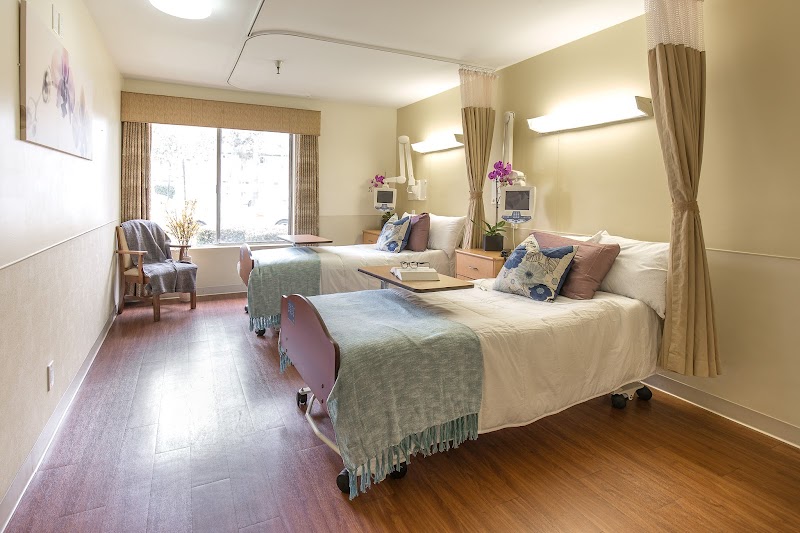
Who Owns and Operates Sunset Villa Post Acute?

SUNSET VILLA POST ACUTE is owned by a for-profit company. For-profit facilities operate as businesses with obligations to shareholders or private owners. The facility is operated by PACS GROUP, a chain that manages multiple nursing homes. With 199 certified beds and approximately 177 residents (about 89% occupancy), it is a mid-sized facility located in LONG BEACH, California.
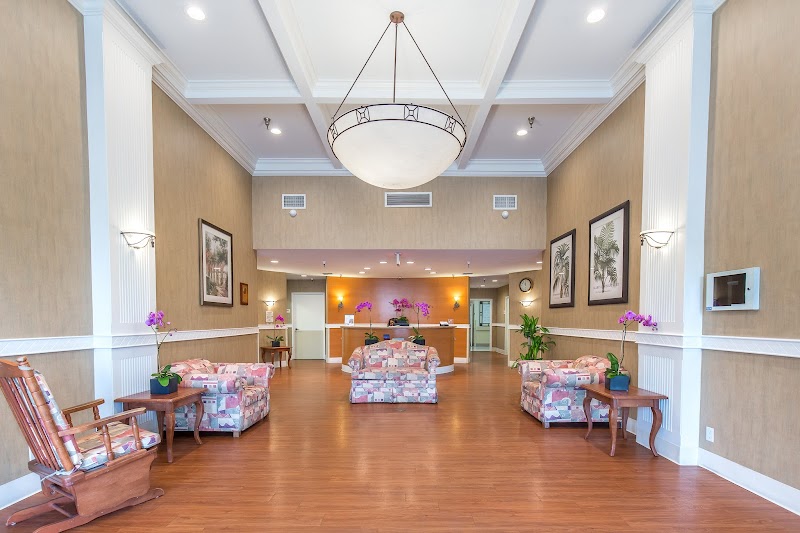
How Does Sunset Villa Post Acute Compare to Other California Nursing Homes?

Compared to the 100 nursing homes in California, SUNSET VILLA POST ACUTE's overall rating (1 stars) is below the state average of 3.1, staff turnover (57%) is significantly higher than the state average of 46%, and health inspection rating (1 stars) is much below the national benchmark.

What Should Families Ask When Visiting Sunset Villa Post Acute?

Based on this facility's data, families visiting should ask: "What changes have been made since the serious inspection findings, and how are you preventing similar issues?" "How do you ensure continuity of care given staff turnover, and what is your staff retention strategy?" "Can you walk me through typical staffing levels on day, evening, and night shifts?" "Can I visit during a mealtime to observe dining assistance and food quality?" These questions are particularly relevant given the facility's Immediate Jeopardy citations, the facility's high staff turnover rate, and the below-average staffing rating.

Is Sunset Villa Post Acute Safe?

Based on CMS inspection data, SUNSET VILLA POST ACUTE has documented safety concerns. Inspectors have issued 1 Immediate Jeopardy citation (the most serious violation level indicating risk of serious injury or death). The facility has a 1-star overall rating and ranks #100 of 100 nursing homes in California. Families considering this facility should ask detailed questions about what corrective actions have been taken since these incidents.

Do Nurses at Sunset Villa Post Acute Stick Around?

Staff turnover at SUNSET VILLA POST ACUTE is high. At 57%, the facility is 11 percentage points above the California average of 46%. Registered Nurse turnover is particularly concerning at 88%. RNs handle complex medical decisions and coordinate care — frequent RN changes can directly impact care quality. High turnover means new staff may not know residents' individual needs, medications, or preferences. It can also be disorienting for residents, especially those with dementia who rely on familiar faces. Families should ask: What is causing the turnover? What retention programs are in place? How do you ensure care continuity during staff transitions?

Was Sunset Villa Post Acute Ever Fined?

SUNSET VILLA POST ACUTE has been fined $207,206 across 3 penalty actions. This is 5.9x the California average of $35,151. Fines at this level are uncommon and typically indicate a pattern of serious deficiencies, repeated violations, or failure to correct problems promptly. CMS reserves penalties of this magnitude for facilities that pose significant, documented risk to resident health or safety. Families should request specific documentation of what issues led to these fines and what systemic changes have been implemented.

Is Sunset Villa Post Acute on Any Federal Watch List?

SUNSET VILLA POST ACUTE is not on any federal watch list. The most significant is the Special Focus Facility (SFF) program, which identifies the bottom 1% of nursing homes nationally based on persistent, serious quality problems. Not being on this list means the facility has avoided the pattern of deficiencies that triggers enhanced federal oversight. This is a positive indicator, though families should still review the facility's inspection history directly.